SAN GABRIEL VALLEY MEDICAL CTR D/P SNF
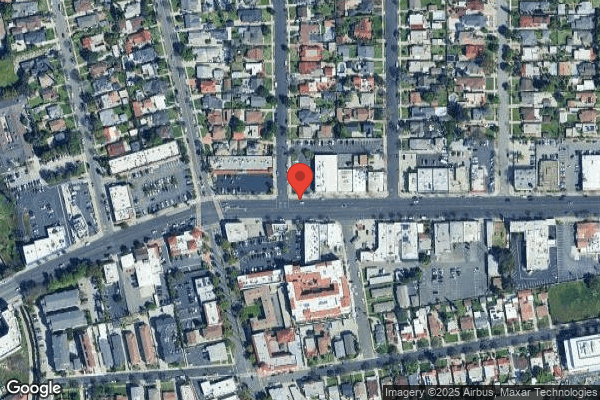

438 W. LAS TUNAS DRIVE, SAN GABRIEL, CA 91776 (626) 289-5454
For profit - Corporation 44 Beds AHMC HEALTHCARE Data: November 2025
Trust Grade
85/100
#189 of 1155 in CA
Last Inspection: March 2025

Within standard 12-15 month inspection cycle. Federal law requires annual inspections.

Overview

San Gabriel Valley Medical Center D/P SNF has a Trust Grade of B+, indicating it is above average and recommended for families looking into care options. The facility ranks #189 out of 1,155 nursing homes in California, placing it in the top half, and #35 out of 369 in Los Angeles County, meaning there are only a few local options that perform better. However, the trend is worsening, with issues increasing from 10 in 2024 to 11 in 2025, which is a concern. Staffing is relatively stable with a turnover rate of 13%, significantly lower than California's average of 38%, and there is excellent RN coverage, surpassing 97% of state facilities, ensuring quality care. On the downside, inspector findings revealed some serious concerns, such as failure to properly set pressure-relief mattresses for residents at risk of ulcers, which could lead to complications, and inadequate care related to enteral feeding, potentially affecting medication efficacy.

Trust Score
B+
85/100
In California
#189/1155
Top 16%
Safety Record
Low Risk
No red flags
Inspections
Getting Worse
10 → 11 violations
Staff Stability
✓ Good
13% annual turnover. Excellent stability, 35 points below California's 48% average. Staff who stay learn residents' needs.
Penalties
✓ Good
No fines on record. Clean compliance history, better than most California facilities.
Skilled Nurses
✓ Good
Each resident gets 151 minutes of Registered Nurse (RN) attention daily — more than 97% of California nursing homes. RNs are the most trained staff who catch health problems before they become serious.
Violations
⚠ Watch
30 deficiencies on record. Higher than average. Multiple issues found across inspections.
★★★★★
5.0
Overall Rating
★★★☆☆
3.0
Staff Levels
★★★★★
5.0
Care Quality
★★★★☆
4.0
Inspection Score
Stable
2024: 10 issues
2025: 11 issues

The Good

  • 5-Star Quality Measures · Strong clinical quality outcomes
  • Low Staff Turnover (13%) · Staff stability means consistent care
  • Full Sprinkler Coverage · Fire safety systems throughout facility
  • No fines on record
  • Staff turnover is low (13%)

    35 points below California average of 48%

Facility shows strength in quality measures, staff retention, fire safety.

The Bad

Chain: AHMC HEALTHCARE

Part of a multi-facility chain

Ask about local staffing decisions and management

The Ugly 30 deficiencies on record

Mar 2025 11 deficiencies
CONCERN (D)

Potential for Harm - no one hurt, but risky conditions existed

Deficiency F0583 (Tag F0583)

Could have caused harm · This affected 1 resident

**NOTE- TERMS IN BRACKETS HAVE BEEN EDITED TO PROTECT CONFIDENTIALITY** Based on observation, interview, and record review, the facility failed to secure the confidential medical records for one (1) o...

Read full inspector narrative →
**NOTE- TERMS IN BRACKETS HAVE BEEN EDITED TO PROTECT CONFIDENTIALITY** Based on observation, interview, and record review, the facility failed to secure the confidential medical records for one (1) of three (3) residents (Residents 4) as indicated on the facility's policy. This deficient practice had the potential to violate the resident's right to confidentiality (safeguarding the content of information including video, audio, or other computer stored information from unauthorized disclosure without the consent of the resident and/or the resident's representative) and privacy and misuse of Resident 4's Protected Health Information (PHI, any information that relates to an individual's health status, medical history, or treatment). Findings: During a review of Resident 4's admission Record, the admission record indicated Resident 4 was admitted to the facility on [DATE]. Resident 4's diagnoses included Parkinson's disease (a brain disorder that causes unintended or uncontrollable movements, such as shaking, stiffness, and difficulty with balance and coordination), diabetes mellitus (DM, a disorder characterized by difficulty in blood sugar control and poor wound healing), and seizure (a sudden, uncontrolled burst of electrical activity in the brain) During a review of Resident 4's Minimum Data Set (MDS, resident assessment tool), dated 1/10/2025, the MDS indicated Resident 4 has severely impaired cognitive (mental action or process of acquiring knowledge and understanding) skills for daily decision making. The MDS indicated Resident 4 was dependent (helper does all of the effort, resident does none of the effort to complete the activity) in eating, oral hygiene, toileting hygiene, shower/ bathe self, upper and lower body dressing, putting on/ taking off footwear, personal hygiene and roll left and right. During an observation on 3/27/2025 at 4:56 PM in the hallway with Licensed Vocational Nurse 2 (LVN 2), the monitor screen displaying the Resident 4's medication list and information such as resident's date of birth , was left turned on and unattended. The monitor screen was on top of the medication cart, parked in the hallway, in front of Resident 4's door. During an interview on 3/27/2025 at 5:04 PM, with LVN 2, LVN 2 stated, The computer monitor should be turned off when you step away from the computer to comply with HIPAA (Health Insurance Portability and Accountability Act) privacy and security rules, and to protect the resident's information. During an interview on 3/28/2025 at 8:03AM with the Director of Staff Development (DSD), DSD stated, We always have to turn off the computer screens for privacy because of HIPAA. It is important to turn off the monitors and it is the staff responsibility to follow HIPAA because not everyone is allowed to see the resident's information. During an interview on 3/28/2025 at 3:08 PM, with the Director of Nursing (DON), DON stated, The staff should not leave the computer monitor unattended especially if the resident information was displayed on the screen exposing the resident's information. The staff should always follow HIPAA regulations. During a record review of facility's Policy and Procedure (P&P) titled, Resident Privacy and Confidentiality, dated 4/2022, the P&P indicated the facility will maintain personal and clinical records in a confidential manner, including all types of records the facility might keep on a resident, whether they are medical, social, fund accounts, automated or other. All staff using a computer must not leave the workstation or terminal unattended without first logging-off or blanking the screen, using a screen, using a screen saver.
CONCERN (D)

Potential for Harm - no one hurt, but risky conditions existed

Comprehensive Care Plan (Tag F0656)

Could have caused harm · This affected 1 resident

**NOTE- TERMS IN BRACKETS HAVE BEEN EDITED TO PROTECT CONFIDENTIALITY** Based on observation, interview, and record review, the facility failed to implement a comprehensive person-centered care plan f...

Read full inspector narrative →
**NOTE- TERMS IN BRACKETS HAVE BEEN EDITED TO PROTECT CONFIDENTIALITY** Based on observation, interview, and record review, the facility failed to implement a comprehensive person-centered care plan for the use of Apixaban (Eliquis, a prescription medicine used to treat blood clots in the veins of the legs or lungs) by not having a documented evidence to monitor the side effects and effectiveness of the medication for one (1) of 5 sampled residents (Resident 26) as indicated on the facility's policy. This deficient practice had the potential for Resident 26 not to receive the care and treatment if the medication is ineffective and resident suffers from the side effects of Eliquis such as bleeding, which may result in injury and harm. Findings: During a review of Resident 26's admission Record, the admission record indicated Resident 26 was admitted to the facility on [DATE]. Resident 26's diagnoses included respiratory failure (a serious condition that makes it difficult to breathe on your respiratory system [organs/ structures in the body that allows you to breath such as lungs]), chronic obstructive pulmonary disease (COPD, a chronic lung disease causing difficulty in breathing), and atrial fibrillation (Afib, is an irregular and often very rapid heartbeat). During a review of Resident 26's Minimum Data Set (MDS, a resident assessment tool), dated 3/21/2025, the MDS indicated Resident 26 has severely impaired cognitive (mental action or process of acquiring knowledge and understanding) skills for daily decision making. The MDS indicated Resident 26 was dependent (helper does all of the effort, resident does none of the effort to complete the activity) in eating, oral hygiene, toileting hygiene, shower/ bathe self, upper and lower body dressing, putting on/ taking off footwear, personal hygiene and roll left and right. During a review of Resident 26's Physician's Order, dated 10/15/2024, the physician's order indicated Apixaban five (5) milligrams (mg, unit of measure) tablet, give 5 mg twice a day (BID) via gastrostomy (surgical procedure creating an opening through the abdomen wall into the stomach, allowing for the insertion of gastrostomy tube [G-tube] used for nutrition and medication administration) tube. During a review of Resident 26's Care Plan (CP) for bleeding due to anticoagulant therapy on Eliquis due to atrial fibrillation, dated 3/19/2025, the CP interventions indicated the following: Monitor for bruising or bleeding. Monitor effectiveness/ side effects of medications. During a concurrent interview and record review on 3/27/2025 at 11:31 AM with MDS Coordinator (MDSC), Resident 26's Physician's order dated 10/15/2024 was reviewed. The physician's order indicated Apixaban give 5 mg BID via G-tube. During a concurrent interview and record review on 3/27/2025 at 11:33 AM with MDSC, Resident 26's Nurses' Progress Notes dated 3/1/2025 to 3/27/2025 were reviewed. MDSC stated the Nurses' Progress Notes did not and should have a documentation that the nursing staff monitored the side effects, such as bleeding and effectiveness of Resident 26's anticoagulant therapy. MDSC stated, Since there was no documentation it means the staff were not checking the resident (Resident 26) for bleeding while using Eliquis. During a review of the facility's policy and procedure (P&P) titled, Assessment and Care Planning, revised on 5/2014, the P&P indicated to identify resident needs and to provide a data base to be used in planning the comprehensive nursing care to meet the resident's individual needs and to assist the resident in reaching the highest level of independence as possible.
CONCERN (D)

Potential for Harm - no one hurt, but risky conditions existed

ADL Care (Tag F0677)

Could have caused harm · This affected 1 resident

**NOTE- TERMS IN BRACKETS HAVE BEEN EDITED TO PROTECT CONFIDENTIALITY** Based on observation, interview, and record review, the facility failed to ensure one (1) of 1 sampled resident (Resident 24), w...

Read full inspector narrative →
**NOTE- TERMS IN BRACKETS HAVE BEEN EDITED TO PROTECT CONFIDENTIALITY** Based on observation, interview, and record review, the facility failed to ensure one (1) of 1 sampled resident (Resident 24), who was dependent on the staff, was provided with appropriate care for activities of daily living (ADLs, activities related to personal care including bathing or showering, dressing, personal hygiene, using the toilet, and eating). Resident 24's fingernails on both contracted hands (a condition where the fingers or palm of the hand become permanently bent or curled) were observed long and untrimmed. This deficient practice had the potential for Resident 24 to develop infection, skin breakdown, and injury, which could negatively affect resident's overall wellbeing. Findings: During a review of Resident 24's admission Record, the admission Record indicated Resident 24 was originally admitted to the facility on [DATE]. During a review of Resident 24's History and Physical Examination (H&P) dated 8/23/2024, the H&P indicated Resident 24's diagnoses included chronic (long-term) subdural hematoma (a type of bleeding near the brain that can happen after a head injury), respiratory failure (lung cannot properly exchange gases, causing abnormal levels of oxygen and carbon dioxide in the blood), and chronic obstructive pulmonary disease (a group of lung diseases that block airflow and make it difficult to breathe). During a review of Resident 24's Minimum Data Set (MDS, resident assessment tool), dated 12/25/2024, the MDS indicated Resident 24 was severely impaired with cognitive skills (ability to think, understand, and reason) for daily decision making. The MDS indicated Resident 24 was dependent (helper does all of the effort, resident does none of the effort to complete the activity) on toileting hygiene, oral hygiene, and upper/lower body dressing. During an observation on 3/25/2025 at 11:44 AM in Resident 24's room, Resident 24 was laying on his bed. Both of Resident 24's hands were positioned across the resident's chest, which exposed the resident's long and untrimmed nails. During an observation in Resident 24's room and interview with Certified Nursing Assistant 1 (CNA 1) on 3/25/2025 at 12:10 PM, CNA 1 confirmed Resident 24's fingernails were long, untrimmed, and touching resident's skin. CNA 1 stated fingernails care was part of daily grooming. CNA 1 stated long fingernails could harbor bacteria and could potentially lead to infection. CNA 1 stated Resident 24's fingernails touching his skin could cause skin tear. During an interview with Director of Staff Development (DSD) on 3/27/2025 at 4:11 PM, DSD stated CNA should provide appropriate grooming care to Resident 24 who was ADL dependent. DSD stated grooming care including bathing, dressing, nails care, and oral care. During a review of the facility's Policy and Procedure (P&P) titled, Grooming and Hair Care Activities, revised 5/2015, the P&P indicated grooming activities would be scheduled based on resident's need. Grooming activities may include nail care, makeup application, hair washing, and hair trimming. CNAs would provide nail care as needed for resident hygiene and safety. If a resident diabetic, licensed staff would provide fingernail trimming.
CONCERN (D)

Potential for Harm - no one hurt, but risky conditions existed

Quality of Care (Tag F0684)

Could have caused harm · This affected 1 resident

**NOTE- TERMS IN BRACKETS HAVE BEEN EDITED TO PROTECT CONFIDENTIALITY** 2. During a review of Resident 24's admission Record, the admission Record indicated Resident 24 was originally admitted to the ...

Read full inspector narrative →
**NOTE- TERMS IN BRACKETS HAVE BEEN EDITED TO PROTECT CONFIDENTIALITY** 2. During a review of Resident 24's admission Record, the admission Record indicated Resident 24 was originally admitted to the facility on [DATE]. During a review of Resident 24's History and Physical Examination (H&P), dated 8/23/2024, the H&P indicated Resident 24's diagnoses included chronic (long-term) subdural hematoma (a type of bleeding near the brain that can happen after a head injury), respiratory failure (lung cannot properly exchange gases, causing abnormal levels of oxygen and carbon dioxide in the blood), and chronic obstructive pulmonary disease (a group of lung diseases that block airflow and make it difficult to breathe). During a review of Resident 24's MDS, dated [DATE], the MDS indicated Resident 24 was severely impaired with cognitive skills [ability to think, understand, and reason]) for daily decision making. The MDS indicated Resident 24 was dependent on staff for toileting hygiene, oral hygiene, and upper/lower body dressing. During a review of Resident 24's VTEAP Order, dated 8/23/2024, the VTEAP indicated Resident 24 had a score of 6 which indicated Resident 24 was at high risk for developing venous thromboembolism. The VTEAP recommended to use SCD for prevent development of VTE. During a review of Resident 24's Physician's Order Summary, dated of 8/23/2024, the Physician's Order Summary indicated an order for SCD. During a concurrent observation on 3/26/2025 at 10:12 AM in Resident 24's room and interview with Licensed Vocational Nurse 1 (LVN 1), Resident 24 was observed lying in bed. There was an SCD machine hanging on the end of the bed which was turned off, and the SCD sleeves were on top of the SCD machine. LVN 1 stated the SCD was not applied on the Resident 24's lower legs. LVN 1 stated the SCD sleeves should have been applied on Resident 24's lower legs to help prevent DVT and to improve blood flow. During an interview on 3/26/2025 at 4:08 PM with Registered Nurse 1 (RN1), RN 1 stated the licensed nurse should apply SCD around the Resident 24's legs while resident is in bed. RN stated it was important to use the SCD as ordered to prevent blood clot specially when Resident 24 was in prolonged bed rest. During a review of the facility`s policy and procedure (P&P) titled, Prevention of Venous Thromboembolism, dated 3/2022, the P&P indicated that all patients will be screened for risk for development of venous thromboembolism and appropriate measures will be put in place to prevent development of venous thromboembolism based on the level of risk. Based on interview and record review, the facility failed to ensure two (2) of 13 sampled residents (Resident 19 and Resident 24) received treatment and care by failing to administer sequential compression device (SCD, a medical device that uses inflatable sleeves to apply pressure to the legs to help blood flow and prevent clots) as ordered by the physician. This deficient practice had the potential to result in Resident 19 and Resident 24 to develop deep vein thrombosis (DVT, occurred when a blood clot develops in one of the deep veins in the body) which could lead to hospitalization and death. Findings: 1. During a review of Resident 19's admission Record, the admission Record indicated Resident 19 was originally admitted to the facility on [DATE]. Resident 19's diagnoses included chronic respiratory failure (lung cannot properly exchange gases, causing abnormal levels of oxygen and carbon dioxide in the blood), encephalopathy (a decrease in blood flow or oxygen to the brain), and quadriplegia (paralysis [loss of voluntary movement {motor function}] from the neck down, including legs, and arms, usually due to a spinal cord injury). During a review of Resident 19's Minimum Data Set (MDS, resident assessment tool), dated 1/21/2025, the MDS indicated Resident 19 was severely impaired with cognitive skills (ability to think, understand, and reason) for daily decision making. The MDS indicated Resident 19 was dependent (helper does all of the effort, resident does none of the effort to complete the activity) in eating, oral hygiene, toileting hygiene, shower/ bathe self, upper and lower body dressing, putting on/ taking off footwear, personal hygiene and roll left and right. During a review of Resident 19's Venous Thromboembolism Assessment and Prophylaxis (VTEAP- to identify patients at high risk for blood clots and implement measures to prevent them) Order, dated 3/31/2022, the VTEAP indicated Resident 19 had a score of nine (9), which indicated Resident 19 was at high risk for developing venous thromboembolism (VTE, medical condition where a blood clot forms in a vein.). The VTEAP recommended to use SCD for prevent development of VTE. During a review of Resident 19's Physician's Order Summary, dated 12/23/2023, the Physician's Order Summary indicated an order for SCD. During an observation on 3/25/2025 at 9:53 AM in Resident 19's room, Resident 19 was awake and laying on his bed. Resident 19's SCD leg sleeves were on the foot of the bed and were not applied on Resident 19's bilateral lower legs. The SCD machine was turned off. During an observation on 3/27/2025 at 9:26 AM in Resident 19's room, Resident 19 was awake and laying on his bed. Resident 19's SCD leg sleeves were applied on Resident 19's bilateral lower legs but the SCD machine was turned off. During a concurrent observation and interview on 3/27/2025 at 9:43 AM with Registered Nurse 1 (RN1) in Resident 19's room, Resident 19's SCD machine was turned off. RN 1 stated, SCD machine was turned off. It should always be turned on. SCD is used to prevent DVT. If it was turned off, we are not following MD order, and it will not serve the purpose to promote blood circulation for Resident 19.
CONCERN (D)

Potential for Harm - no one hurt, but risky conditions existed

Pharmacy Services (Tag F0755)

Could have caused harm · This affected 1 resident

**NOTE- TERMS IN BRACKETS HAVE BEEN EDITED TO PROTECT CONFIDENTIALITY** Based on observation, interview, and record review, the facility failed to provide pharmaceutical services including procedures ...

Read full inspector narrative →
**NOTE- TERMS IN BRACKETS HAVE BEEN EDITED TO PROTECT CONFIDENTIALITY** Based on observation, interview, and record review, the facility failed to provide pharmaceutical services including procedures to ensure the safe administration of drugs meet the needs of one (1) of five sampled residents (Resident 4) in accordance with the facility's policy and procedure (P&P) by failing to ensure Licensed Vocational Nurse 2 (LVN 2) did not mix Lactulose (used to treat constipation) and Rivastigmine (used to treat dementia [a progressive state of decline in mental abilities] in people with Alzheimer's disease [a disease characterized by a progressive decline in mental abilities]) and administer to Resident 4 on 3/27/2025. This deficient practice had the potential for medication interaction, affect the efficacy of the medications, cause clogging in Resident 4's gastrostomy tube (G-tube, surgical procedure wherein a tube is inserted through the abdomen wall and into the stomach used for nutrition and medication administration) and result in adverse reactions such as gastrointestinal (GI) complications which includes abdominal pain, nausea, vomiting, or diarrhea. Findings: During a review of Resident 4's admission Record, the admission record indicated Resident 4 was admitted to the facility on [DATE]. Resident 4's diagnoses included Parkinson's disease (a brain disorder that causes unintended or uncontrollable movements, such as shaking, stiffness, and difficulty with balance and coordination), diabetes mellitus, gastrostomy tube, and Alzheimer's disease. During a review of Resident 4's Minimum Data Set (MDS, a resident assessment tool) dated 1/10/2025, the MDS indicated Resident 4 has severely impaired cognitive (mental action or process of acquiring knowledge and understanding) skills for daily decision making. The MDS indicated Resident 4 was dependent (helper does all of the effort, resident does none of the effort to complete the activity) in eating, oral hygiene, toileting hygiene, shower/ bathe self, upper and lower body dressing, putting on/ taking off footwear, personal hygiene and roll left and right. During a review of Resident 4's Physician's order, dated 7/1/2024, the physician's order indicated the following: 1. Lactulose 20 gram (gm, unit of measurement) /30 milliliters (ml, unit of measurement of volume) twice a day via G-tube for constipation 2. Rivastigmine 1.5 milligrams (mg, unit of measurement) give 1.5mg capsule twice a day (BID) with meals via G-tube for Alzheimer's Disease. During an observation on 3/27/2025 at 4:59 PM in front of Resident 4's room with LVN 2, LVN 2 was observed preparing the medications for Resident 4. LVN 2 opened the capsule of Rivastigmine, poured its powder into a plastic cup and mixed it with 30 ml of Lactulose liquid and 50 ml of water. During an observation on 3/27/2025 at 5:01 PM in Resident 4's room with LVN 2, LVN 2 was observed pouring the cup with Rivastigmine, Lactulose, and water into a syringe. LVN 2 administered the first 50 ml of mixed medications with water within 2 seconds by pushing the syringe plunger attached to the Resident 4's G-tube. LVN 2 administered the remaining 30 ml of mixed medications with water in less than 2 seconds by pushing the syringe plunger attached to the Resident 4's G-tube. During an interview on 3/27/2025 at 5:06 PM with LVN 2, LVN 2 stated, It is okay to mix medications when administering via G-tube, because you can mix some medications. During an interview on 3/28/2025 at 3:09 PM with Interim Director of Nursing (IDON), IDON stated, We should not mix medications. It should be administered one at a time. There could be complications, risk of clogging the G-Tube, and risk of drug interaction. During a review of the facility's policy and procedure (P&P) titled, Medication Management: Administration of Medication by Nursing, revised on 9/2013, the P&P indicated, the nurse shall read and follow precautionary or additional instruction available on the prescription label/package (i.e. shake well, give on empty stomach). Do not mix incompatible medications. Allow medication to infuse via gravity not bolus (a single large dose of a drug given all at once push). Never force medications/fluids through tubing. During a review of the facility's P&P titled, Medication Administration Through a Feeding Tube, revised on 6/2017, the P&P indicated, Administer medications via gentle instillation or gravity via syringe into the resident's feeding tube, flushing with a minimum of 10-15 ml sterile water between each medication.
CONCERN (D)

Potential for Harm - no one hurt, but risky conditions existed

Unnecessary Medications (Tag F0759)

Could have caused harm · This affected 1 resident

**NOTE- TERMS IN BRACKETS HAVE BEEN EDITED TO PROTECT CONFIDENTIALITY** Based on observation, interview, and record review, the facility failed to ensure its medication error rate was less than five (...

Read full inspector narrative →
**NOTE- TERMS IN BRACKETS HAVE BEEN EDITED TO PROTECT CONFIDENTIALITY** Based on observation, interview, and record review, the facility failed to ensure its medication error rate was less than five (5) percent (%). Two (2) medication errors (the observed or identified preparation or administration of medications or biologicals which is not in accordance with the prescriber's order/ manufacturer's specifications / accepted professional standards and principles) out of 25 opportunities (observed administered medications) for error which yielded a facility medication rate of 8% for one (1) of 5 sampled residents (Resident 4) observed during medication administration (med pass). Licensed Vocational Nurse 2 (LVN 2) did not mix Lactulose (used to treat constipation) and Rivastigmine (used to treat dementia [a progressive state of decline in mental abilities] in people with Alzheimer's disease [a disease characterized by a progressive decline in mental abilities]) and administer to Resident 4 on 3/27/2025. This deficient practice had the potential to result in gastrointestinal (GI) complications which includes abdominal pain, nausea, vomiting, or diarrhea, which could result in harm to Resident 4. Findings: During a review of Resident 4's admission Record, the admission record indicated Resident 4 was admitted to the facility on [DATE]. Resident 4's diagnoses included Parkinson's disease (a brain disorder that causes unintended or uncontrollable movements, such as shaking, stiffness, and difficulty with balance and coordination), diabetes mellitus, gastrostomy tube, and Alzheimer's disease. During a review of Resident 4's Minimum Data Set (MDS, a resident assessment tool) dated 1/10/2025, the MDS indicated Resident 4 has severely impaired cognitive (mental action or process of acquiring knowledge and understanding) skills for daily decision making. The MDS indicated Resident 4 was dependent (helper does all of the effort, resident does none of the effort to complete the activity) in eating, oral hygiene, toileting hygiene, shower/ bathe self, upper and lower body dressing, putting on/ taking off footwear, personal hygiene and roll left and right. During a review of Resident 4's Physician's order, dated 7/1/2024, the physician's order indicated the following: 1. Lactulose 20 gram (gm, unit of measurement) /30 milliliters (ml, unit of measurement of volume) twice a day via G-tube for constipation 2. Rivastigmine 1.5 milligrams (mg, unit of measurement) give 1.5mg capsule twice a day (BID) with meals via G-tube for Alzheimer's Disease. During an observation on 3/27/2025 at 4:59 PM in front of Resident 4's room with LVN 2, LVN 2 was observed preparing the medications for Resident 4. LVN 2 opened the capsule of Rivastigmine, poured its powder into a plastic cup and mixed it with 30 ml of Lactulose liquid and 50 ml of water. During an observation on 3/27/2025 at 5:01 PM in Resident 4's room with LVN 2, LVN 2 was observed pouring the cup with Rivastigmine, Lactulose, and water into a syringe. LVN 2 administered the first 50 ml of mixed medications with water within 2 seconds by pushing the syringe plunger attached to the Resident 4's G-tube. LVN 2 administered the remaining 30 ml of mixed medications with water in less than 2 seconds by pushing the syringe plunger attached to the Resident 4's G-tube. During an interview on 3/27/2025 at 5:06 PM with LVN 2, LVN 2 stated, It is okay to mix medications when administering via G-tube, because you can mix some medications. During an interview on 3/28/2025 at 3:09 PM with Interim Director of Nursing (IDON), IDON stated, We should not mix medications. It should be administered one at a time. There could be complications, risk of clogging the G-Tube, and risk of drug interaction. During a review of the facility's policy and procedure (P&P) titled, Medication Management: Administration of Medication by Nursing, revised on 9/2013, the P&P indicated, the nurse shall read and follow precautionary or additional instruction available on the prescription label/package (i.e. shake well, give on empty stomach). Do not mix incompatible medications. Allow medication to infuse via gravity not
CONCERN (D)

Potential for Harm - no one hurt, but risky conditions existed

Food Safety (Tag F0812)

Could have caused harm · This affected 1 resident

Based on observation and interview, the facility failed to store and prepare food items served to facility residents by failing to ensure: 1. Refrigerated opened food items were properly labeled with ...

Read full inspector narrative →
Based on observation and interview, the facility failed to store and prepare food items served to facility residents by failing to ensure: 1. Refrigerated opened food items were properly labeled with used by date 2. Unopened food items were removed from the original boxes were labeled with used by date This deficient practice had the potential to result in food borne illness (any sickness that is caused by the consumption of food or beverages that are contaminated with certain infectious or noninfectious agents) to all residents who consume food by mouth and served by the facility kitchen. Findings: During a concurrent observation the walk-in refrigerator and interview with the Dietary Supervisor 1 (DS 1) on 3/25/2025 at 9:45 AM, DS 1 stated one (1) opened container with peeled garlic did not have a label to indicate opened date and used by date. DS 1 also stated several unopened food items which were removed from their original boxes did not have a label to indicate the name of the item, expired date, opened date, and used by date. 1. Four (4) unopened 1 Gallon (gal., a measure unit) containers of Asian Sesame dressing 2. Three (3) unopened 1 gal. containers of Ranch dressing 3. 4 unopened 1 gal. containers of Creamy Caesar dressing DS 1 stated any food items that were removed from their original packaging must be clearly labeled with the name of the item, expired date, opened date, and used by date to ensure food safety. During an interview with Food Service Director (FSD) on 3/28/2025 at 11:30 AM, FSD stated that proper labeling and storage practices were important for maintaining food safety and preventing foodborne illness such as upset stomach, nausea, vomiting, diarrhea, and/or fever. FSD further stated foodborne illness could lead to serious medical complication and hospitalization. During a review of facility's policy and procedure (P&P) titled, Standards for Storing Food and Supplies, revised dated 3/2025, the P&P indicated food which is prepared and not served shall be clearly labeled and dated. Items not in original containers shall be labeled and dated.
CONCERN (E)

Potential for Harm - no one hurt, but risky conditions existed

Resident Rights (Tag F0550)

Could have caused harm · This affected multiple residents

**NOTE- TERMS IN BRACKETS HAVE BEEN EDITED TO PROTECT CONFIDENTIALITY** 2. During a review of Resident 24's admission Record, the admission Record indicated Resident 24 was originally admitted to the ...

Read full inspector narrative →
**NOTE- TERMS IN BRACKETS HAVE BEEN EDITED TO PROTECT CONFIDENTIALITY** 2. During a review of Resident 24's admission Record, the admission Record indicated Resident 24 was originally admitted to the facility on [DATE]. During a review of Resident 24's History and Physical Examination (H&P) dated 8/23/2024, the H&P indicated Resident 24's diagnoses included chronic (long-term) subdural hematoma (a type of bleeding near the brain that can happen after a head injury), respiratory failure (lung cannot properly exchange gases, causing abnormal levels of oxygen and carbon dioxide in the blood), and chronic obstructive pulmonary disease (a group of lung diseases that block airflow and make it difficult to breathe). During a review of Resident 24's MDS, dated [DATE], the MDS indicated Resident 24 was severely impaired with cognitive skills for daily decision making. The MDS indicated Resident 24 was dependent with toileting hygiene, oral hygiene, and upper/lower body dressing. During a review of Resident 24's CP initiated on 8/23/2024, the CP indicated resident had an alteration in bowel elimination (a change or disruption in the normal process of bowel movement) related to immobility, and incontinence. Staff interventions included providing diaper/pad change and providing privacy during bowel movement. During observation in Resident 24's room on 3/25/2025 at 10:45 AM, Resident 24's room door was wide opened, and the curtain was not entirely drawn while CNA 1 was providing incontinent care to Resident 24. During an interview on 3/25/2025 at 11:03 AM with CNA 1, CNA 1 stated the curtain was not closed all the way and the door was opened when she changed Resident 24. CNA 1 stated she should at least close the curtain while providing care to residents. CNA further stated it was important to provide respect, dignity, and privacy to residents. CNA 1 stated Resident 24 might feel embarrassed if not given privacy. During an interview on 3/27/2025 at 5:23 PM, with Director of Staff Development (DSD), DSD stated CNAs should closed the door and/or curtain during a personal care procedure like changing a resident, to avoid exposing the resident to unnecessary observation and violating the resident's dignity and privacy. During a record review of facility's policy and procedure (P&P) titled, Patient Rights, revised 11/2021, the P&P indicated the hospital promotes the preservation of patient rights based on a concern for personal dignity and awareness of human relationships. Recognize and respect the individuality and dignity of each patient. Based on observation, interview, and record review, the facility failed to promote dignity and respect for two (2) of 2 residents (Residents 12 and 24) by failing to ensure: 1. Licensed Vocational Nurse 1 (LVN 1) address Resident 12 with the resident's name instead of using a label prior to medication administration. 2. The curtain in Resident 24's room was fully drawn and/or the resident's door was closed while Certified Nurse Assistant 1 (CNA1) was providing incontinent care to Resident 24. This deficient practice had the potential to affect Resident 12 and 24's emotional and mental well-being. Findings: 1. During a review of Resident 12's admission Record, the admission record indicated Resident 12 was admitted to the facility on [DATE]. Resident 12's diagnoses included metabolic encephalopathy (ME, occurs when problems with your metabolism cause brain dysfunction), diabetes mellitus (DM, is a metabolic disease, involving inappropriately elevated blood glucose levels), and dementia (impaired ability to remember, think, or make decisions that interferes with doing everyday activities). During a review of Resident 12's Minimum Data Set (MDS, resident assessment tool), dated 1/292025, the MDS indicated Resident 12 was severely impaired with cognitive (mental action or process of acquiring knowledge and understanding) skills for daily decision making. The MDS indicated Resident 12 was dependent (helper does all of the effort, resident does none of the effort to complete the activity) with eating, oral hygiene, toileting hygiene, shower/ bathe self, upper and lower body dressing, putting on/ taking off footwear, and personal hygiene. During a review of Resident 12's Care Plan (CP) for Activities of Daily Living (ADLs, are activities related to personal care including bathing or showering, dressing, getting in and out of bed or a chair, walking, using the toilet, and eating), dated 4/9/2024, the CP indicated staff interventions/approaches included to maintain dignity / privacy. During an observation on 3/26/2025 at 1:30 PM inside Resident 12's room, LVN 1 stated, Sorry to wake you up honey! before administering the eye drops to Resident 12. During an interview on 3/26/2025 at 1:52 PM, with LVN 1, LVN 1 stated, It is not okay to call the residents Honey. We have to call them with their last name and that is how we should address the Residents, to show respect. During an interview on 3/26/2025 at 2:43 PM with the Director of Staff Development (DSD), the DSD stated, We do not call the residents 'Honey. We have to call the residents with their first or last name for respect. During an interview on 3/28/2025 at 2:53 PM, with the Director of Nursing (DON), DON stated, It is not okay to call the residents 'Honey.' The staff should be calling the residents with their last name, with Mister, Miss or Mrs (title used before a married woman's name) or title to promote respect and dignity.
CONCERN (E)

Potential for Harm - no one hurt, but risky conditions existed

Pressure Ulcer Prevention (Tag F0686)

Could have caused harm · This affected multiple residents

**NOTE- TERMS IN BRACKETS HAVE BEEN EDITED TO PROTECT CONFIDENTIALITY** Based on observation, interview, and record review, the facility failed to implement treatment for the prevention of pressure ul...

Read full inspector narrative →
**NOTE- TERMS IN BRACKETS HAVE BEEN EDITED TO PROTECT CONFIDENTIALITY** Based on observation, interview, and record review, the facility failed to implement treatment for the prevention of pressure ulcer (painful wound caused as a result of pressure or friction) by failing to ensure that the low air loss mattress (LALM, mattress used for residents who are at risk for developing pressure ulcer or already have a pressure ulcer, designed to circulate a constant flow of air) was on the correct settings for three (3) of four (4) sampled residents (Residents 14, 21, and 136) in accordance with the facility's policy and procedure and physician's order. This deficient practice had the potential for Resident 14 and 136 to develop a pressure ulcer and for Resident 21's stage 4 pressure ulcer (full-thickness skin loss in which subcutaneous fat may be visible in the ulcer and granulation tissue and epibole [rolled wound edges] are often present) to worsen. Findings: 1. During a review of Resident 14's admission Record, the admission record indicated Resident 14 was admitted to the facility on [DATE]. During a review of Resident 14's History and Physical Examination (H&P), dated 5/3/2024, the H&P indicated Resident 14 had a history of cerebrovascular accident (CVA - occurs when blood flow to a part of the brain is stopped either by a blockage or the rupture of a blood vessel) with right sided hemiplegia (severe or complete loss of strength on one side of the body), tracheostomy (a surgically created hole in the windpipe that provides an alternate way of breathing), and hyperlipidemia (a condition in which there are high levels of fat particles [lipids] in the blood). During a review of Resident 14's Minimum Data Set (MDS, resident assessment tool), dated 2/11/2025, the MDS indicated Resident 14 was moderately impaired with cognitive skills (mental action or process of acquiring knowledge and understanding) for daily decision-making) The MDS indicated Resident 14 was dependent (helper does all of the effort) with eating, oral hygiene, toileting hygiene, and personal hygiene. The MDS also indicated Resident 14 was at risk of developing pressure ulcers/injuries and had a pressure reducing device for bed. During a review of Resident 14's Care Plan (CP) revised 2/16/2025, the CP indicated Resident 14 had a potential risk for developing pressure ulcer on his sacral and mid back. Staff interventions included were to use low air loss mattress and to position Resident 14 to avoid pressure to affected areas. During a review of Resident 14's Braden Scale (BS, used for predicting pressure sore risk) with an effective date from 3/25/2025 to 4/1/2025, the BS indicated Resident 14 had a score of 13, which indicated Resident 14 was at moderate risk for developing pressure sore. During a review of Resident 14's physician order (PO), dated 5/1/2024, the PO indicated physician's order of low air loss mattress for Resident 14 who had a history of multiple, at least stage 3 pressure ulcer (injury to skin and underlying tissue resulting from prolonged pressure on the skin.), resident being underweight, low body mass index (BMI, it was a measure that calculated a person's weight in relation to their height.) and high risk for breakdown. During an observation on 3/25/2025 at 9:24 AM in Resident 14's room, Resident 14 was observed in bed with the LALM set at Zone 1 (70 lbs. 40 kg [kilogram-unit of measurement]) During a review of facility 's Low Air Mattress Utilization List - Zone Setting Based on Weight, dated 3/27/2025, indicated Resident 14 weighed 137 lbs. and on Zone 2 setting (105lbs/55kg). During a concurrent observation on 3/26/2025 at 9:32 AM in Resident 14's room and interview with Licensed Vocational Nurse 3 (LVN 3), LVN 3 stated Resident 14 weighed 137 lbs. as of 3/22/2025 at 6:17 AM. LVN 3 stated Resident 14's LALM was currently set at level 1 for 70 lbs. LVN 3 stated LALM was set incorrectly and should have been set at Zone 2. LVN 3 stated if the LAL mattress was on a wrong setting, the LALM could worsen Resident 14's pressure ulcer. During a concurrent observation on 3/26/2025 at 9:40 AM in Resident 14's room and interview with Registered Nurse 1 (RN 1), RN 1 stated Resident 14 weighed 137 lbs. and the LALM was set at zone 1, which was too soft for resident's weight. RN 1 stated the LALM setting was too soft, which could exacerbate or worsen the resident's exiting pressure injuries. 2. During a review of Resident 21's admission Record, the admission record indicated Resident was admitted to the facility on [DATE]. During a review of Resident 21's History and Physical (H&P) dated 8/3/2024. The H&P included Resident 21's diagnoses of Parkinson's disease (a progressive disease of the nervous system marked by tremor, muscular rigidity, and slow, imprecise movements), chronic respiratory failure (a condition in which your blood doesn't have enough oxygen or has too much carbon dioxide), cerebrovascular accident (CVA-stroke, loss of blood flow to a part of the brain), and Stage 3 Pressure Ulcer (Full-thickness loss of skin. Dead and black tissue may be visible) of the sacral region (a triangular-shaped bone at the base of the spine just superior to the coccyx [tailbone]). During a review of Resident 21's MDS, dated [DATE], the MDS indicated Resident 21 was severely impaired with cognitive skills for daily decision making. The MDS indicated Resident 21 was dependent with eating, oral hygiene, toileting hygiene, shower/ bathe self, upper and lower body dressing, putting on/ taking off footwear, personal hygiene and rolling in bed from left and right. The MDS also indicated Resident 21 has two Stage 1 pressure ulcer (intact skin with a localized area of redness and/or changes in sensation, temperature, or firmness) and one Stage 4 pressure ulcer upon admission. It also indicated Resident 21 was on a pressure reducing device for bed. During a review of Resident 21's Care Plan (CP) for skin integrity, dated on 7/11/2024, the CP indicated Resident 21 has potential risk for developing pressure ulcer on the sacral area and left fifth toe. Staff interventions included were to use low air loss mattress and to position Resident 21 to avoid pressure to affected areas. During a review of Resident 21's physician's order, dated 7/11/2024, the physician's order indicated support surface: low air loss mattress. During a review of Resident 21's Braden Scale with an effective date from 3/25/2025 to 3/26/2025, the BS indicated Resident 21 had a score of 12, which indicated Resident 21 was at high risk for developing pressure ulcer. During an observation on 3/25/2025 at 9:17AM inside Resident 21's room, Resident 21 was observed in bed with the LALM set at Zone 1 (70 lbs. 40 kg [kilogram-unit of measurement]) During an observation on 3/27/2025 at 9:20AM inside Resident 21's room, Resident 21's was observed in bed with the LALM set at Zone 1. During a concurrent observation and interview on 3/27/2025 at 9:50 AM with Registered Nurse 1 (RN 1), Resident 21's LALM was observed set at Zone 1. RN 1 stated, LALM was set at Zone 1. The resident (Resident 21)'s weight dated 3/17/2025 was 98 lbs. The LALM should be set at Zone 2 (105 lbs) based on her weight. The resident (Resident 21) has a wound on the sacral area. LALM was used for the resident (Resident 21)'s wound management. If the LALM was set incorrectly, it will not be effective for wound healing. During an interview on 3/28/2025 at 2:01 PM with the Director of Staff Development (DSD), the DSD stated, LALM should be based on resident's weight, or the therapeutic effect will not be effective if the resident has a wound, which might become worse. During an interview on 3/28/2025 at 3:01 PM with the Interim Director of Nursing (IDON), the IDON stated, LALM should be set at resident's weight. LALM should always be in the correct setting to prevent further complication if the resident has a skin damage. 3. During a review of Resident 136's admission Record, the admission record indicated Resident 136 was admitted to the facility on [DATE]. Resident 136's diagnoses included chronic respiratory failure, cerebrovascular accident, and hypertension. During a review of Resident 136's MDS, dated [DATE], the MDS indicated Resident 136 was severely impaired with cognitive skills for daily decision-making. The MDS indicated Resident 136 was dependent with eating, oral hygiene, toileting hygiene, shower/ bathe self, upper and lower body dressing, putting on/ taking off footwear, personal hygiene and roll left and right. During a review of Resident 136s CP, revised 2/16/2025, the CP indicated Resident 136 had a potential risk for skin injury. Staff interventions included were to use low air loss mattress, check skin every shift, inform physician if there were any changes, and to observe and report signs of skin breakdown During a review of Resident 136's BS, with an effective date of 3/28/2025, the BS indicated Resident 136 had a score of 12, which indicated Resident 136 was a high risk for developing pressure sore. During a review of Resident 136's physician order, dated 5/27/2021, the physician's order indicated special therapy bed of low air loss mattress. During an observation on 3/25/2025 at 9:50 AM inside Resident 136's room, Resident 136's was observed in bed with the LALM set at Zone 2 (105 lbs.) During an observation on 3/27/2025 at 9:25AM in Resident 136's room, Resident 136's was observed in bed with the LALM set at Zone 2 (105lbs). During a concurrent observation and interview on 3/27/2025 at 9:37 AM with RN 1, Resident 136's LALM was observed set at Zone 2 (105lbs). RN 1 stated, The resident (Resident 136)'s weight, dated 3/22/2025 was 133 lbs. The LALM should be set at Zone 3 (140 lbs) based on the resident's weight. The resident (Resident 136) does not have any skin breakdown. The LALM was used for resident (Resident 136)'s skin maintenance. If the LALM was set incorrectly, the therapeutic effect of maintaining his skin will not be effective. During a concurrent interview and record review on 3/27/2025 at 3:24 PM, with MDS Coordinator (MDSC), Resident 136's Skin assessment dated [DATE] was reviewed. MDSC stated, The resident (Resident 136) has unstageable pressure ulcer on the back prior to admission on 5/2021. The pressure ulcer on his back was healed. The LALM was used for his skin maintenance. If the LALM was in the wrong setting, the resident (Resident 136) can possibly develop a pressure ulcer. During an interview on 3/27/2025 at 3:02 PM with IDON, IDON stated, LAL should be set based on resident's weight. If there's no skin issue, the incorrect setting of LALM can create friction and more problems to the resident's skin. During a review of facility's policy and procedure (P&P) titled, Mattress, Alternating Air, revised 5/2024, the P&P indicated for the facility to use pressure-relieving mattresses as indicated by the resident's physical condition. Setting of the mattress must be appropriate to patient's weight. The policy indicated to provide stimulation and pressure relief to residents at risk for skin breakdown. To distribute weight relieving areas of pressure.
CONCERN (E)

Potential for Harm - no one hurt, but risky conditions existed

Tube Feeding (Tag F0693)

Could have caused harm · This affected multiple residents

**NOTE- TERMS IN BRACKETS HAVE BEEN EDITED TO PROTECT CONFIDENTIALITY** Based on observation, interview, and record review, the facility failed to provide appropriate care to prevent complications of ...

Read full inspector narrative →
**NOTE- TERMS IN BRACKETS HAVE BEEN EDITED TO PROTECT CONFIDENTIALITY** Based on observation, interview, and record review, the facility failed to provide appropriate care to prevent complications of enteral feeding (nutrition taken through the mouth or through a tube that goes directly to the stomach or small intestine) for two (2) of 2 sampled residents (Resident 12 and 4) in accordance with the facility's policy and procedure by failing to: 1. Turn off the enteral feeding pump before and during medication administration via gastrostomy tube (G-tube, surgical procedure wherein a tube is inserted through the abdomen wall and into the stomach used for nutrition and medication administration) for Resident 12. 2. Ensure medications were administered by gentle instillation or gravity via syringe into Resident 4's G- tube. This deficient practice had the potential for drug-nutrient interaction, G-tube clogging, less medication absorption and efficacy which could affect Residents 12 and 4's overall wellbeing. Findings: 1. During a review of Resident 12's admission Record, the admission record indicated Resident 12 was admitted to the facility on [DATE]. During a review of Resident 12's History and Physical (H&P), dated 3/17/2024, the H& P indicated diagnoses included chronic respiratory failure (a condition in which your blood doesn't have enough oxygen or has too much carbon dioxide), aspiration pneumonia (a lung infection that occurs when food, liquid, or other foreign substances are inhaled into the lungs), gastrostomy (a surgical opening fitted with a device to allow feedings to be administered directly to the stomach common for people with swallowing problems), and diabetes mellitus (DM, a disorder characterized by difficulty in blood sugar control and poor wound healing). During a review of Resident 12's Minimum Data Set (MDS - a resident assessment tool) dated 1/29/2025, the MDS indicated Resident 12 has severely impaired cognitive (mental action or process of acquiring knowledge and understanding) skills for daily decision making. The MDS indicated Resident 12 was dependent (helper does all of the effort, resident does none of the effort to complete the activity) in eating, oral hygiene, toileting hygiene, shower/ bathe self, upper and lower body dressing, putting on/ taking off footwear, personal hygiene and roll left and right. During a medication administration observation on 3/26/2025 at 1:27 PM inside of Resident 12's room with Licensed Vocational Nurse 1 (LVN 1), LVN 1 was observed checking Resident 12's G-tube placement by aspirating Resident 12's gastric residual volume (GRV, refers to the amount of fluid remaining in the stomach after a meal or during tube feeding). LVN 1 proceeded to administer Resident 12's medications via G-Tube while the G-tube feeding was running. LVN 1 did not turn off Resident 12's tube feeding machine before and while administering the resident's medications. During an interview on 3/26/2025 at 1:31 PM with LVN 1, LVN 1 stated, I usually do not hold the feeding before I do my medication administration. We do not hold the tube feeding before the medication administration because it is only held for 2 hours a day, in the morning shift that starts from 8AM to 10AM. During an interview on 3/26/2025 at 1:34 PM, with LVN 1, LVN 1 stated, it was important to check G-tube placement. The tube feeding and medications are delivered to the stomach and not to the surrounding areas like the lungs. During an interview on 3/28/2025 at 2:54 PM with Interim Director of Nursing (IDON), IDON stated, During G-Tube medication administration, we always use the 5Ps of medication administration, identify the resident, and aspirate residual. We should check if the G-tube was in correct placement before starting medication administration. During an interview on 3/28/2025 at 2:57 PM with IDON, IDON stated, We should hold the tube feeding and turn off the tube feeding machine feeding prior and during medication administration via G-tube to avoid complicating with the feeding flow and spilling the feeding formula. During a review of the facility's P&P titled, Medication Administration Through a Feeding Tube, revised on 6/2017, the P&P indicated, Put continuous tube feedings on hold. Check the residual and tube placement by aspirating stomach contents and auscultating the epigastric (upper middle area of the abdomen, just below the ribs and above the belly button) area while injecting a small amount of air. 2. During a review of Resident 4's admission Record, the admission record indicated Resident 4 was admitted to the facility on [DATE]. Resident 4's diagnoses included Parkinson's disease (a brain disorder that causes unintended or uncontrollable movements, such as shaking, stiffness, and difficulty with balance and coordination), diabetes mellitus, gastrostomy tube, and seizure (a sudden, uncontrolled burst of electrical activity in the brain). During a review of Resident 4's MDS, dated [DATE], the MDS indicated Resident 4 has severely impaired cognitive skills for daily decision making. The MDS indicated Resident 4 has an abdominal percutaneous endoscopic gastrostomy (PEG tube, a feeding tube that is inserted into the stomach through the abdominal wall, used to provide nutrition, fluids, and medications to residents who cannot swallow or eat normally) and was dependent in eating, oral hygiene, toileting hygiene, shower/ bathe self, upper and lower body dressing, putting on/ taking off footwear, personal hygiene and roll left and right. During a review of Resident 4's Physician's order, dated 7/1/2024, the physician's order indicated the following: 1. Lactulose 20 gram (gm, unit of measurement) /30 milliliters (ml, unit of measurement of volume) twice a day via G-tube for constipation 2. Rivastigmine 1.5 milligrams (mg, unit of measurement) give 1.5mg capsule twice a day (BID) with meals via G-tube for Alzheimer's Disease. During an observation on 3/27/2025 at 4:59 PM in front of Resident 4's room with LVN 2, LVN 2 mixed the 30 ml of Lactulose liquid and opened the capsule and poured the powder of Rivastigmine in a plastic cup with 50 ml of water during medication administration preparation. During an observation on 3/27/2025 at 5:01 PM in Resident 4's room with LVN 2, LVN 2 administered the first 50 ml of mixed medications with water within 2 seconds via Resident 4's G-tube with the use of the syringe plunger then administered another 30 ml of mixed medications in less than 2 seconds to Resident 4's G-tube. During an interview on 3/27/2025 at 5:06 PM with LVN 2, LVN 2 stated, It is okay to mix medications when administering via G-tube, because you can mix some medications. During an interview on 3/28/2025 at 2:56 PM with Interim Director of Nursing (IDON), IDON stated, Medications should be given one at a time, given by gravity and should not be pushed in the G-tube. We should be careful with the G-tube balloon because it might burst and possibly get dislodged. During an interview on 3/28/2025 at 3:09 PM with IDON, IDON stated, We should not mix medications. There could be complications, risk of clogging the G-Tube, and risk of drug interaction. During a review of the facility's policy and procedure (P&P) titled, Medication Management: Administration of Medication by Nursing, revised on 9/2013, the P&P indicated, the nurse shall read and follow precautionary or additional instruction available on the prescription label/package (i.e. shake well, give on empty stomach). Do not mix incompatible medications. Allow medication to infuse via gravity not bolus (a single large dose of a drug given all at once push). Never force medications/fluids through tubing. During a review of the facility's P&P titled, Medication Administration Through a Feeding Tube, revised on 6/2017, the P&P indicated, Administer medications via gentle instillation or gravity via syringe into the resident's feeding tube, flushing with a minimum of 10-15 ml sterile water between each medication.
CONCERN (E)

Potential for Harm - no one hurt, but risky conditions existed

Infection Control (Tag F0880)

Could have caused harm · This affected multiple residents

**NOTE- TERMS IN BRACKETS HAVE BEEN EDITED TO PROTECT CONFIDENTIALITY** Based on observation, interview, and record review, the facility failed to ensure standard infection prevention control practice...

Read full inspector narrative →
**NOTE- TERMS IN BRACKETS HAVE BEEN EDITED TO PROTECT CONFIDENTIALITY** Based on observation, interview, and record review, the facility failed to ensure standard infection prevention control practices (a set of practices that prevent or stop the spread of infections and or diseases in the healthcare setting) were followed for five (5) of 13 sampled resident (Resident 26, 12, 4, 32, and 10) in accordance with the facility's policy and procedure when: 1. Resident 26's foley catheter drainage bag (a urine collection bag) was observed touching the floor on 3/25/2025. 2. Licensed Vocational Nurse 1 (LVN 1) failed to change gloves and perform hand hygiene in between tasks during medication administration to Resident 12. 3. LVN 2 failed to change gloves and perform hand hygiene in between task during Resident 32's gastrostomy tube (G-tube, is a tube inserted through the belly that brings nutrition directly to the stomach) dressing change 4. LVN 2 failed to change gloves and perform hand hygiene in between task during medication administration to Resident 4. 5. Facility failed to clean and disinfect Resident 10's feeding pump (a device that delivers liquid nutrition and/or medications to a patient's digestive tract via a feeding tube) which was observed with brown/yellow stain on it. These deficient practices have a potential to contaminate clean items and can place the residents at risk for infection Findings 1. During a review of Resident 26's admission Record, the admission record indicated Resident 26 was admitted to the facility on [DATE]. Resident 26's diagnoses included respiratory failure (a serious condition that makes it difficult to breathe on your respiratory system [organs/ structures in the body that allows you to breath such as lungs]), chronic obstructive pulmonary disease (COPD, a chronic lung disease causing difficulty in breathing), atrial fibrillation (Afib, is an irregular and often very rapid heartbeat), and urinary retention (a condition in which you cannot empty all the urine from the bladder) During a review of Resident 26's Minimum Data Set (MDS, a resident assessment tool), dated 3/21/2025, the MDS indicated Resident 26 was severely impaired with cognitive (mental action or process of acquiring knowledge and understanding) skills for daily decision making. The MDS indicated Resident 26 was dependent (helper does all of the effort, resident does none of the effort to complete the activity) with eating, oral hygiene, toileting hygiene, shower/ bathe self, upper and lower body dressing, putting on/ taking off footwear, personal hygiene and rolling from left and right while in bed. During a review of Resident 26's Care Plan (CP) for urinary elimination related to the use of urinary catheter and urinary retention, dated 3/19/2025, the CP interventions indicated to keep urinary catheter bag or dignity bag off the floor. During an observation on 3/25/2025 at 9:45 AM in Resident 26's room, Resident 26's foley catheter drainage bag was on the floor and was not covered with a dignity bag. During an interview on 3/27/2025 at 9:46 AM with Registered Nurse 1 (RN 1), RN 1 stated, The foley catheter drainage bag should not be on the floor because of infection control. Resident 26 can acquire infection when the bag is left on the floor. The dignity bag should always cover the drainage bag to provide dignity and privacy and also for infection control. During an interview on 3/28/2025 at 2:59 PM with Interim Director of Nursing (IDON), IDON stated The foley catheter drainage bag should be hanging freely, and dignity bag covering the drainage bag should not be on the floor because of infection control. During a review of the facility's policy and procedure (P&P) titled, Catheter, Indwelling: General & Irrigation, revised 7/2019, the P&P indicated to properly place the foley bag on bed. 2.During a review of Resident 12's admission Record, the admission record indicated Resident 12 was admitted to the facility on [DATE]. During a review of Resident 12's History and Physical (H&P), dated 3/17/2024, the H& P indicated diagnoses included chronic respiratory failure (a condition in which your blood doesn't have enough oxygen or has too much carbon dioxide), aspiration pneumonia (a lung infection that occurs when food, liquid, or other foreign substances are inhaled into the lungs), gastrostomy (a surgical opening fitted with a device to allow feedings to be administered directly to the stomach common for people with swallowing problems), and diabetes mellitus (DM, a disorder characterized by difficulty in blood sugar control and poor wound healing). During a review of Resident 12's MDS, dated [DATE], the MDS indicated Resident 12 was severely impaired with cognitive skills for daily decision making. The MDS indicated Resident 12 was dependent with eating, oral hygiene, toileting hygiene, shower/ bathe self, upper and lower body dressing, putting on/ taking off footwear, personal hygiene and rolling from left and right while in bed. During a medication administration observation on 3/26/2025 at 1:23 PM in Resident 12's room with LVN 1, LVN 1 was observed picking up a medication bottle that fell and rolled on the floor with her gloved hands. LVN1 was then observed placing the medication on the medication tray with the other medications of Resident 12. LVN 1 did not change her gloves and continued preparing Resident 12's medications. During a medication administration observation on 3/26/2025 at 1:25 PM in Resident 12's room with LVN 1, LVN 1 was observed with the same set of gloves, was poking the container lid of a medication using the bandage scissor hanging from her waist. LVN 1 poured the medication to a medicine cup. LVN 1 held the 3 medicine cups together by holding the inside part of the cups and put them on Resident 12's overbed table. LVN 1 pulled the curtains to provide privacy and touched Resident 12's linens. LVN 1 proceeded to check Resident 12's G-tube residual, then touched the towel that was on Resident 12's chest and proceeded to administer resident's medications via G-tube. LVN 1 then administered eye drops to Resident 12's both eyes using the same gloves all along. During an interview on 3/26/2025 at 1:38 PM with LVN 1, LVN 1 stated, I have not been told to change gloves when doing different tasks in a resident's room. It is okay to touch Resident 12's curtains and administer his medications without changing gloves because it is his germs anyway. I did not know if I have to change gloves in between tasks. I do think it is okay not to change gloves. During an interview on 3/26/2025 at 1:40 PM with LVN 1, LVN 1 stated, It is not okay that I did not change my gloves after picking up the medication that rolled on the floor because it is infection control. Resident 12 can get infection. During an interview on 3/26/2025 at 1:41 PM with LVN 1, LVN 1 stated, I did not notice that I was touching the inner part of the medicine cups when I picked up the 3 medicine cups. I am not paying attention. I should not have done that because of infection control. During a review of the facility's P&P titled, Infection Control Manual- Isolation Overview, revised on 10/2007, the P&P indicated, practicing good hygiene as promptly and thoroughly as possible between patient contacts and after contact of blood, body fluids, secretions, excretions and equipment or articles contaminated by them is an important component of component of infection control and isolation precautions. Gloves are worn to reduce the likelihood that hands of personnel contaminated with microorganisms to the patient. In these situations, hands must be washed after gloves are removed. During a review of the facility's P&P titled, Administration of Medication by Nursing, revised on 9/2013, the P&P indicated, when administering eye drops, eardrops, nasal sprays, orally inhaled medications, suppositories or topical medications such as patches, always wash hands prior to and immediately following administration. Hands must be washed with soap and water. Gloves may be utilized and recommended, but hands still must be washed. 3. During a review of Resident 32's admission Record, the admission record indicated Resident 32 was admitted to the facility on [DATE]. During a review of Resident 32's History and Physical (H&P), dated 9/18/2024, the H& P indicated diagnoses included chronic respiratory failure, gastrostomy and diabetes. During a review of Resident 32's MDS dated [DATE], the MDS indicated Resident 32 has intact cognitive skills for daily decision making. The MDS indicated Resident 32 was dependent in eating, oral hygiene, toileting hygiene, shower/ bathe self, upper and lower body dressing, putting on/ taking off footwear, personal hygiene and rolling from left and right while in bed. Resident 32 was assessed to has as an abdominal Percutaneous Endoscopic Gastrostomy (PEG tube, a feeding tube that's inserted into the stomach through the abdominal wall, used to provide nutrition, fluids, and medications to residents who cannot swallow or eat normally). During an observation on 3/27/2025 at 4:44 PM in Resident 32's room with LVN 2, LVN 2 was wearing a Personal Protective Equipment (PPE, specialized clothing or equipment worn by an employee for protection against infectious materials, such as gowns, gloves, masks, and goggles) and observed touching Resident 32's clothes and opened the resident's abdominal binder (a wide belt that encircles your abdomen). LVN 2 proceeded to replace the Resident 32's dirty G-tube site dressing with a clean dressing then touched Resident 12's clothes while using the same set of gloves. During an interview on 3/27/2025 at 4:51 PM, LVN 2 stated, I forgot to change my gloves. I should have removed my dirty gloves when I removed the dirty dressing because there is a possibility that resident can have an infection. During a review of the facility's P&P titled, Infection Control Manual- Isolation Overview revised on 10/2007, the P&P indicated, gloves are worn to reduce the likelihood that microorganisms present on the hands of personnel will be transmitted to patients during invasive or other patient-care procedures that involve touching a patient's mucous membranes and non-intact skin. 4. During a review of Resident 4's admission Record, the admission record indicated Resident 4 was admitted to the facility on [DATE]. Resident 4's diagnoses included Parkinson's disease (a brain disorder that causes unintended or uncontrollable movements, such as shaking, stiffness, and difficulty with balance and coordination), diabetes mellitus, gastrostomy tube, and Alzheimer's disease. During a review of Resident 4's MDS, dated [DATE], the MDS indicated Resident 4 was severely impaired with cognitive skills for daily decision making. The MDS indicated Resident 4 was dependent with eating, oral hygiene, toileting hygiene, shower/ bathe self, upper and lower body dressing, putting on/ taking off footwear, personal hygiene and rolling from left and right while in bed. During an observation on 3/27/2025 at 4:59 PM in Resident 4's room with LVN 2, LVN 2 was observed touching and fixing his mask with his gloved hand and started to check Resident 4's Gtube placement by aspirating residual. LVN 2 proceeded to administer Resident 12's medications via G-tube using the same set of gloves. During an interview on 3/27/2025 at 5:03 PM in front of Resident 4's room with LVN 2, LVN 2 stated, I should have changed my gloves after touching my mask before administering medications to the resident (Resident 12) because I can contaminate the resident's medications. During a review of the facility's P&P titled Infection Control Manual- Isolation Overview, revised on 10/2007, the P&P indicated, practicing good hygiene as promptly and thoroughly as possible between patient contacts and after contact of blood, body fluids, secretions, excretions and equipment or articles contaminated by them is an important component of component of infection control and isolation precautions. 5. During a review of Resident 10's admission Record, the admission Record indicated Resident 10 was admitted to the facility on [DATE]. During a review of Resident 10's History and Physical Examination (H&P) dated 8/23/2024, the H&P indicated Resident 10's diagnoses included chronic (long-term) respiratory failure (lung cannot properly exchange gases, causing abnormal levels of oxygen and carbon dioxide in the blood), recurrent Pneumonia (infection of one or both of the lung caused by bacteria, viruses, or fungi.) and end stage Amyotrophic Lateral Sclerosis (ALS, a severe and progressive decline in physical and cognitive function.) During a review of Resident 10's MDS, dated [DATE], the MDS indicated Resident 10 was impaired with cognitive skills [ability to think, understand, and reason]) for daily decision making. The MDS indicated Resident 10 was dependent (helper does all of the effort, resident does none of the effort to complete the activity) on staff for toileting hygiene, oral hygiene, and upper/lower body dressing. During a concurrent observation and interview in Resident 10's room on 3/25/2025 at 9:10 AM with the present of Certified Nursing Assistant 1 (CNA 1), CNA 1 stated the base of the IV pole was visible dirty with brown/yellow substance stained. CNA 1 stated IV pole should be disinfected or cleaned every day. During an interview on 3/5/2025 at 11:12 AM with the Infection Preventive Nurse (IPN), the IPN stated daily cleaning of medical equipment/devices was essential for preventing infections and ensuring safety of the residents. During a review of the facility's policy and procedure (P&P) titled, Cleaning Products and Equipment, revised date11/2024, the P&P indicated to rduce the risk of transmission of infections and always ensure the cleanliness of patient care items and equipment. The P&P indicated that medical equipment that was used in a patient room or that came into contact with the patient, or his/her contaminated environment would be cleaned and disinfected before it could be used on any other patient. The P&P further indicated that IV pole in the patient rooms should be disinfected daily.
Nov 2024 1 deficiency
CONCERN (D) 📢 Someone Reported This

A family member, employee, or ombudsman was alarmed enough to file a formal complaint

Potential for Harm - no one hurt, but risky conditions existed

Notification of Changes (Tag F0580)

Could have caused harm · This affected 1 resident

**NOTE- TERMS IN BRACKETS HAVE BEEN EDITED TO PROTECT CONFIDENTIALITY** Based on observation, interview, and record review, the facility failed to adhere to its policy titled Change in Resident Condit...

Read full inspector narrative →
**NOTE- TERMS IN BRACKETS HAVE BEEN EDITED TO PROTECT CONFIDENTIALITY** Based on observation, interview, and record review, the facility failed to adhere to its policy titled Change in Resident Condition by not reporting a bruise sustained on the left leg for one of two sampled patients (Resident 1) to the physician and Resident 1's next of kin (daughter) This failure to escalate and address the bruise in a timely manner potentially compromised the quality and safety of care provided to Resident 1. Findings: During a review of Resident 1's Face Sheet (document containing the resident's demographic and clinical data), the Face Sheet indicated Resident 1 was admitted on [DATE] for chronic respiratory failure with hypoxia (condition where the patient does not have enough oxygen in the blood). During a concurrent observation and interview on 11/26/2024 at 2:30 p.m. with License Vocational Nurse (LVN, an entry-level health care provider who is responsible for rendering basic nursing care) in Resident 1's room, Resident 1 had yellow and light purple discoloration (bruise) on the left lower leg, approximately 5 centimeters (cm, a unit of measurement) by 5 centimeters. The LVN stated, The bruise was discovered last week, but we don't know how it happened. During a concurrent interview and record review on 11/26/2024 at 3 p.m. with the Chief Nursing Officer (CNO) and the Director of Quality and Risk Management (DQRM), Resident 1's wound photos of the left lower leg bruise dated 11/19/2024 and 11/20/2024 were reviewed. Both photos show a purple discoloration approximately 5 cm by 5 cm. DQRM stated the bruise was discovered on 11/19/2024. However, the physician was not notified by nursing until 11/21/2024, two days later. DQRM stated that upon discovery of bruising, the physician must be notified, and the resident's family should be informed. During a review of Resident 1's Wound Care, notes dated 11/21/2024, the note indicated, Patient's daughter arrived when we were seeing patient at the bedside, upset with regards to a bruise to her mother's left anterior lower leg. During a review of Resident 1's History of Present Illness (HPI, a description of the development of the Resident 1's present illness), dated 11/22/2024, the HPI indicated, Resident 1 is a resident at the skilled nursing facility (is a type of inpatient facility that provides short or long-term skilled nursing care, and rehabilitation services to patients) who developed the sudden onset of choking and turned pale and unconscious for an unknown period of time. The HPI further indicated Resident 1 later suffered a cardiac arrest (when the heart stop beating), which resulted in Resident 1 being intubated (inserting a tube into the airway). The HPI indicated, She was placed on a ventilator (a machine that helps with breathing) .Patient has been comatose (unconscious and unresponsive) in the subacute unit (care area for medically complex patients needing long-term care) for about 9-10 years .Called by nurse to evaluate newly discovered bruise on the left shin. No history of trauma reported, no swelling no redness. No pin on palpation. Not on blood thinner. Lab ordered yesterday. During a review of the facility's policy and procedure (P&P) titled, Change in Resident Condition, dated April 2022, the P&P indicated, It is the policy of this facility that all changes of conditions will be communicated to the physician and family or legal representative. Any sudden or serious change in a resident's condition manifested by a marked change in physical or mental behavior, will be communicated to the physician with a request for physician visit promptly and or acute care evaluation. The licensed nurse in charge will notify the physician AT ONCE . The responsible party for making medical decisions regarding the resident will be notified that this has been a change in the resident's condition, and what steps are being taken. (The resident may be the responsible party). All nursing actions will be documented in the licensed progress notes as soon as possible after resident needs have been met . All symptoms and unusual signs will be communicated to the physician promptly. Routine changes are a minor change in physical and mental behavior, abnormal laboratory and x-ray results that not life threatening, and weight loss or gain. The nurse in charge is responsible for notification of physician and family or legal representative prior to end of assigned shift when a change in a resident's condition is noted. Accident With Injury: Any injury that occurs, as the result of an accident will be communicated to the physician and the family or legal representative promptly. A request for a physician visit promptly and or acute care evaluation will be made by the licensed nurse in charge.
Apr 2024 9 deficiencies
CONCERN (D)

Potential for Harm - no one hurt, but risky conditions existed

Resident Rights (Tag F0550)

Could have caused harm · This affected 1 resident

Based on observation, interview, and record review the facility failed to promote respect and dignity for one (1) of 1 sampled resident (Residents 236) by not ensuring Resident 236's indwelling cathet...

Read full inspector narrative →
Based on observation, interview, and record review the facility failed to promote respect and dignity for one (1) of 1 sampled resident (Residents 236) by not ensuring Resident 236's indwelling catheter (soft, plastic or rubber tube that is inserted into the bladder to drain the urine) urine collection bag was inside the dignity bag (a bag used to cover and hold the catheter drainage/collection bag, so it is not visible). This deficient practice had the potential for Resident 236 to experience loss of dignity and self-esteem. Findings: A review of Resident 236's admission Record indicated the facility admitted Resident 236 on 4/1/2024 A review of Resident 236's History and Physical Examination, indicated Resident 236 was alert and oriented (it refers to a person's level of awareness of self, place, time, and situation). A review of Resident 236 's Minimum Data Set (MDS, standardized care and screening tool), dated 4/27/2024, indicated Resident 236 cognition was intact (processes of thinking and reasoning) skills for daily decision making. The MDS indicated Resident 236 was dependent (helper does all the effort) on eating, oral hygiene, toileting hygiene, shower bathe self, upper body dressing, lower body dressing. The MDS also indicated Resident 236 had indwelling catheter. The MDS also indicated Resident 236 had the following active diagnosis, dependence on respirator, quadriplegia (symptom of paralysis that affects all a person's limbs and body from the neck down), weakness, amyotrophic lateral sclerosis (ALS, causes loss of muscle control. The disease gets worse over time). During observation on 4/27/2024 at 8:24 AM, observed Resident 236's foley catheter bag was not inside the dignity bag. During the concurrent observation and interview on 4/27/2024 at 4:51 PM with the License Vocational Nurse (LVN 5) stated Resident 236's foley catheter bag was not totally covered with the dignity bag, the urine was exposed. LVN 5 also stated the indwelling catheter bag, and the indwelling catheter tubing was touching the floor. LVN 5 stated the indwelling catheter bag should be inside the dignity bag to ensure the content (urine) was covered. LVN 5 further stated it was important to provide respect and dignity to Resident 236 and the resident might feel embarrassed. During interview on 4/27/2024 at 6:51 PM with the Minimum Data Set Coordinator (MDSC), the MDSC stated it is not allowed, foley (indwelling) catheter bag should be inside the dignity bag, fully covered and not touching the floor, for dignity and infection control. A record review of the facility's Policy and Procedure (P&P) titled Resident Privacy and Confidentiality, approved date 4/2022 indicated, to assure the resident's right to personal privacy and confidentiality. To assure the resident is treated with consideration and respect and full recognition of his/her dignity and individuality, including privacy in treatment and of care for personal needs, and confidentiality of his/her personal and clinical records. The nursing staff will use curtains to provide full visual privacy resident care, toileting, treatment and issues of dignity and other requested times.
CONCERN (D)

Potential for Harm - no one hurt, but risky conditions existed

Safe Environment (Tag F0921)

Could have caused harm · This affected 1 resident

**NOTE- TERMS IN BRACKETS HAVE BEEN EDITED TO PROTECT CONFIDENTIALITY** Based on observation, interview, and record review, the facility failed to ensure one (1) of three (3) sampled residents (Reside...

Read full inspector narrative →
**NOTE- TERMS IN BRACKETS HAVE BEEN EDITED TO PROTECT CONFIDENTIALITY** Based on observation, interview, and record review, the facility failed to ensure one (1) of three (3) sampled residents (Resident 3) was provided a homelike environment in accordance with the facility's policy and procedure by: 1. Using Resident 3's room to store 3 hospital computers workstations (used to store resident medication records and for documentation) and one tablet stand (used by facility staff, residents, and families to translate or for video calls). 2. Not replacing the window screen in Resident 3's room and leaving it propped against the wall. 3. Leaving a used disposable plastic cup on the floor next to the trash in Resident 3's room. This deficient practice had the potential for an unsanitary and unkempt resident environment and had the potential to negatively impact the resident's quality of life. Findings: A review of Resident 3's admission Record indicated Resident 3 was admitted to the facility on [DATE]. A review of Resident 3's History and Physical Examination (H&P), dated 4/2/2024, indicated Resident 3 had a history of hypertension (high blood pressure), type 2 diabetes mellitus (a disease that occurs when the blood sugar is too high), ventilator dependent respiratory failure (a long term condition in which the blood does not have enough oxygen or has too much carbon dioxide and requires a machine to move air in and out of the lungs), and tracheostomy (a surgically created hole in the windpipe that provides an alternate way of breathing). A review of Resident 3's Minimum Data Set (MDS, a standardized assessment and care planning tool), dated 4/12/2024, indicated Resident 3 was assessed having severely impaired cognitive (mental action or process of acquiring knowledge and understanding) skills for daily decision making and was dependent (helper does all of the effort) with eating, oral hygiene, shower/bathe self, and upper/lower body dressing. During an observation in Resident 3's room on 4/27/2024, at 8:18 AM, Resident 3's room was observed to have 3 computer tables and a tablet attached to a metal stand on the left side of Resident 3's bed. Resident 3's wall had a rectangular window screen leaning against it and a plastic disposable cup on the floor next to the trash. During an interview with the MDS Coordinator (MDSC), on 4/27/2024, at 6:07 PM, MDSC stated Resident 3's room needs to be like his home. MDSC stated the 3 computer workstations, and the tablet stand should not have been stored in Resident 3's room. MDSC stated it was wrong to leave and store facility equipment in any of the resident's rooms. MDSC stated Resident 3's room should not have items in his room that does not belong to him. MDSC stated the window screen should not have been left in Resident 3's room. MDSC stated facility staff should have reported to the charge nurse that the window screen was broken so it can get fixed right away instead of leaving it in Resident 3's room. MDSC stated facility staff needs to ensure disposable plastic cups are placed inside the trash can. MDSC stated Resident 3's right to have a room that is homelike should be respected. During an interview with the Director of Nursing (DON), on 4/28/2024, at 2:28 PM, the DON stated Resident 3's room should not be used a storage for facility equipment. The DON stated Resident 3 should only have his belongings in his room. The DON stated Resident 3's room should resemble his home. The DON stated the window screen should not have been left in Resident 3's room. The DON stated facility staff was responsible for notifying the Maintenance Department as soon as they observed the window screen was broken. The DON stated the window screen should have been replaced right away. A review of the facility's Policy and Procedure (P&P) titled, Resident Activities Program and Home life Environment, revised 2/2023, indicated, Creating a home like atmosphere in elderly care facilities is crucial for improving the quality of life for residents. As people age and require additional support and assistance, it is important that their living environment is comfortable, familiar, and promotes feelings of safety and security. By implementing strategies to create a homelike atmosphere, elderly care facilities can enhance the physical, emotional, and social well-being of their residents.
CONCERN (E)

Potential for Harm - no one hurt, but risky conditions existed

Pressure Ulcer Prevention (Tag F0686)

Could have caused harm · This affected multiple residents

**NOTE- TERMS IN BRACKETS HAVE BEEN EDITED TO PROTECT CONFIDENTIALITY** 3. A review of Resident 236's admission Record indicated the facility admitted Resident 236 on 4/1/2024. A review of Resident 2...

Read full inspector narrative →
**NOTE- TERMS IN BRACKETS HAVE BEEN EDITED TO PROTECT CONFIDENTIALITY** 3. A review of Resident 236's admission Record indicated the facility admitted Resident 236 on 4/1/2024. A review of Resident 236's History and Physical Examination, indicated Resident 236 was alert and oriented (it refers to a person's level of awareness of self, place, time, and situation). A review of Resident 236's Telephone Order, dated 4/12/2024, indicated may have LAL mattress. A review of Resident 236 's MDS, dated [DATE], indicated Resident 236 cognition was intact (processes of thinking and reasoning) skills for daily decision making. The MDS indicated Resident 236 was dependent (helper does all the effort) on eating, oral hygiene, toileting hygiene, shower bathe self, upper body dressing, lower body dressing. The MDS also indicated Resident 236 had the following active diagnosis, dependence on respirator, quadriplegia (symptom of paralysis that affects all a person's limbs and body from the neck down), weakness, amyotrophic lateral sclerosis (ALS, causes loss of muscle control. The disease gets worse over time). The MDS also indicated Resident 236 was at risk for developing pressure ulcer/ injuries. The MDS indicated Resident 236 has a pressure ulcer/injury, a scar over bony prominence. The MDS also indicated Resident 236 received skin and ulcer/ injury treatments, and pressure reducing device for bed. A review of the Braden Scale (developed to foster early identification of residents at risk for forming pressure injury), dated 4/27/2024 indicated a score of 10 to 12 (a score of 10-12 indicated high risk for pressure injury) During concurrent observation in Resident 236's room and interview on 4/27/2024 at 4:56 PM with the Licensed Vocational Nurse 5 (LVN 5), LVN 5 stated Resident 236's LAL mattress was set at 5. LVN 5 also stated the most recent weight of Resident 236 was 165 pounds (lbs., a written abbreviation for pound, when it refers to weight). LVN 5 also stated the LAL mattress setting of 5 was wrong and the right setting was 4, because it should be depending on the resident's weight. LVN 5 further stated the reason for the LAL mattress use was for pressure injury prevention, if the LAL mattress setting was not on the right setting, it is not comfortable for the resident and the pressure injury might get worst. LVN 5 stated the LAL mattress should be on the right setting all the time. The facility policy and procedure (P&P) titled Skin Care Policy, revised date 5/2023, indicated principles of skin / wound care management reduce or alleviate causative factors such as pressure, shearing, friction and moisture. The P&P also indicated, to initiate pressure prevention device as indicated per skin care protocol. including therapy mattress: LAL use. Based on observation, interview, and record review, the facility failed to ensure three (3) of five sampled residents (Residents 3, 27, and 236) were provided necessary treatment and services to prevent formation of and promote healing of pressure injury (pressure ulcers- injury to the skin and underlying tissue resulting from prolonged pressure on the skin) in accordance with the facility's policy and procedure and physician's order by failing to: 1. Accurately monitor, assess, and document Resident 3's skin from 4/1/2024 to 4/26/2024. Facility also failed to measure and document assessment of Resident 3's newly developed stage 2 pressure injury (when the wound extends into the bottom layers of the skin) on the right shoulder. Facility also failed to measure Resident 3's stage 2 pressure injury (when the wound extends into the top two layers of the skin as well as the fatty tissue) on the left ischium (the large bone in the lower part of the hip) and stage 3 pressure injury on the right ischium. This deficient practice resulted in Resident 3 to develop a new stage 2 pressure injury on his right shoulder. The other deficient practices also had the potential to cause delayed healing and worsen Resident 3's pressure injuries. 2. Ensure Resident 27's low air loss mattress (LALM- an air mattress covered in tiny holes designed to let our air very slowly which helps keep the skin dry and [NAME] away any moisture) was set according to the resident's weight. Resident 27 was observed with the LALM set at 315 pounds ([lbs] unit of measurement) and Resident 27 weighed 117 lbs. This deficient practice placed Resident 27 at risk to develop pressure injury. 3. Ensure Resident 236's LALM was set according to the resident's weight to ensure effective worsening of pressure injuries. Resident 236 was observed with the LALM set at Zone 5 (210lbs.) Resident 236 weighed 165 lbs. This deficient practice placed Resident 236 at risk for progression of pressure injury. Findings: 1. A review of Resident 3's admission Record indicated Resident 3 was admitted to the facility on [DATE]. A review of Resident 3's History and Physical Examination (H&P), dated 4/2/2024, indicated Resident 3 had a history of hypertension (high blood pressure), type 2 diabetes mellitus (a disease that occurs when the blood sugar is too high), ventilator dependent respiratory failure (a long term condition in which the blood does not have enough oxygen or has too much carbon dioxide and requires a machine to move air in and out of the lungs), tracheostomy (a surgically created hole in the windpipe that provides an alternate way of breathing). A review of Resident 3's Minimum Data Set (MDS, a standardized assessment and care planning tool), dated 4/12/2024, indicated Resident 3 was assessed having severely impaired cognitive (mental action or process of acquiring knowledge and understanding) skills for daily decision making and was dependent (helper does all of the effort) with eating, oral hygiene, shower/bathe self, and upper/lower body dressing. A review of Resident 3's Fall and Braden Assessment for predicting pressure sore risk, dated 4/7/2024, indicated Resident 3 had a total score of 12 which indicated Resident 3 was at a very high risk for developing pressure sores. A review of Resident 3's Long Term Weekly Summary, dated 4/22/2024, indicated Resident 3 had a sacral (a large triangular bone at the bottom of the spine), bilateral ischial wounds, and a rash on the back of his head. During an interview with Family Member (FM 1), on 4/27/2024, at 6:44 PM, FM 1 stated Resident 3 has a developed a pressure injury on his right shoulder. FM 1 stated Resident 3 did not have a pressure injury on his right shoulder before his admission. During a concurrent interview and record review with the MDS Coordinator (MDSC) on 4/28/2024, at 10:20 AM, Resident 3's admission Intake Assessment, dated 4/1/2024, was reviewed. MDSC stated Resident had a stage 2 pressure on his left ischium and a stage 3 pressure injury on his right ischium. MDSC stated there was no pressure ulcer on Resident 3's right shoulder. During the same concurrent interview and record review with the MDSC, on 4/28/2024, at 10:30 AM, Resident 3's Wound Care Assessment Progress Report, dated 4/2/2024, 4/16/2024, and 4/24/2024 was reviewed. MDSC stated the Wound Care Assessment Progress Report, dated 4/2/2024 indicated Resident 3 had a sacral IAD (incontinent associated dermatitis- skin damage associated with exposure to urine or feces), stage 2 left ischium pressure injury, stage 3 right pressure injury, left heel DTPI (deep tissue pressure injury- a persistent non-blanchable deep red, purple of maroon areas of intact skin or blood filled blister, right heel DTPI, left chest scab (a protective crust that forms over a wound during healing), right upper chest surgical incision (a surgical cut made on the skin), and an abdominal skin tear. MDSC stated the Wound Care Assessment Progress Reports on 4/2/2024 did not indicate the wound and pressure injury measurements. MDSC stated the Wound Care Progress Reports dated 4/16/2024 and 4/24/2024 did not indicate which wounds were assessed, the stage of the pressure injury wounds, the wound measurements, and the treatment specific to the wounds. MDSC stated it is important for wounds to be assessed and documented correctly to find out if the current treatment is appropriate and if the wound is healing. MDSC stated the wound needs to be measured to determine the healing status of the wound. During the same concurrent interview and record review with MDSC on 4/28/2024, at 10:30 AM, Resident 3's care plan titled, Skin Integrity, dated 4/1/2024 was reviewed. MDSC stated the care plan indicated an expected outcome/goal to decrease the size of the sacral and left/right ischium pressure injuries. MDSC stated Resident 3's care plan did not indicate to measure the size of the wounds. MDSC stated the standard practice for any wound assessment is to assess and measure the size of the wound. MDSC stated it is also in the facility's policy to measure the wound. During an interview with MDSC on 4/28/2024, at 10:44 AM, MDSC stated Resident 3's Wound Assessment Progress Note, dated 4/27/2024, indicated Resident 3 had a stage 2 pressure injury on his right shoulder. MDSC stated Resident 3 did not have a skin assessment done on his shoulder before 4/27/2024. MDSC stated Resident 3 does not have a skin assessment for his right shoulder documented from 4/1/2024 to 4/26/2024. MDSC stated a skin assessment could have prevented Resident 3's pressure injury to be at stage 2. MDSC stated it is important for a complete body assessment to be performed for bed bound and vulnerable residents because they are at a higher risk for developing pressure injuries. During an interview with the Director of Nursing (DON), on 4/28/2024, at 2:33 PM, the DON stated all wounds need to be measured once a week and as needed. The DON stated Resident 3's wounds should have been measured and documented. The DON stated it is important to measure the wounds to monitor its progression or regression. The DON stated a proper skin assessment could have prevented Resident 3's right shoulder to become a stage 2 pressure ulcer. A review of the facility's Policy and Procedure (P&P), titled, Skin Care Policy, revised on 5/2023, indicated the following treatment for stage 2 pressure ulcers: a. Assess wound condition with each dressing change, review uploaded photos to evaluate status to determine if improved/worsened and report adverse changes to MD (physician) and Wound Care Nurse. b. Measure ulcer in centimeters ([cm]-unit of measurement), including length (ALWAYS head to toe), width) always hip to hip), and depth on admission, discharge, discovery and bi-weekly assessment with characteristics of ulcer bed, drainage amount, color, odor, and surrounding skin condition. The P&P indicated the following treatment for stage 3 pressure ulcers: a. Measure ulcer, including length (head to toe), width and depth on admission, discharge, and discovery twice a week. (Measurements done on weekly reassessment for Sub-Acute patients) b. Assess wound bed drainage amount; peri-wound (the area around the wound) skin, color and odor. The P&P indicated the following measures for prevention of pressure injury: complete Risk Assessment Tool-Braden Scale; inspect skin every shift- especially bony prominences (areas where bones are close to the surface). The P&P further indicated that the Registered Nurse/Licensed Vocational Nurse will obtain a picture of all pressure injuries and any other lesions/problem area(s) discovered. The Nurse will initiate twice weekly photographic documentation uploads and assessment. Measurements are ALWAYS to be recorded in centimeters with length by width by depth, length is always measured from head to toe direction, and width is always measured from hip to hip. 2. A review of Resident 27's admission Record indicated Resident 27 was admitted to the facility on [DATE]. A review of Resident 27's H&P, dated 4/2/2024, indicated Resident 27 had a history of respiratory failure (a long term condition in which the blood does not have enough oxygen or has too much carbon dioxide), hypertension (high blood pressure), and hyperlipidemia (high levels of fat in the blood). A review of Resident 27's MDS, dated [DATE], indicated Resident 27 was assessed having severely impaired cognitive (mental action or process of acquiring knowledge and understanding) skills for daily decision making and was dependent (helper does all of the effort) with eating, oral hygiene, shower/bathe self, and upper/lower body dressing. A review of Resident 27's 24 Hour Summary, dated 4/28/2024, indicated Resident 27 weighed 119 pounds ([lbs]- unit of measurement). A review of Resident 27's 24 Hour Summary, dated 4/28/2024, indicated a physician's order, with a start date of 6/2/2021, for low air loss mattress settings: Zone 1 based on patient's weight of 104 lbs. Increase to Zone 2 with 105 lbs, please use Max inflate to firm mattress for repositioning/ Do not change Zone to firm mattress. A review of Resident 27's Fall and Braden Assessment for predicting pressure sore risk, dated 4/26/27, indicated Resident 27 had a total score of 13 which indicated Resident 27 was at moderate risk for developing pressure sores. During an observation of Resident 27's room on 4/26/2024, at 8:23 PM, Resident 27 was observed in bed with the LALM set at 8 (315 lbs/145 kg ([kilograms] unit of measurement). During a concurrent observation in Resident 27's room and interview with Licensed Vocational Nurse 1 (LVN 1) and LVN 2, on 4/26/2024, at 9:31 PM, LVN 2 stated Resident 27 weighed 117 lbs. LVN 2 stated Resident 27's LALM was currently set at Zone 8 for 315 lbs. LVN 1 stated Resident 27's LALM was set at the wrong weight and should have been at Zone 2 (105lbs/55 kg). LVN 1 stated Resident 27's LALM setting needs to be at the right setting to prevent wounds from developing. LVN 1 stated Resident can get injured from getting more pressure than needed when he is on the bed. LVN 1 stated the LALM is used to redistribute air and relieve pressure for residents with skin breakdown or are at a high risk for skin breakdown. During an interview with the MDSC, on 4/27/2024, at 5:44 PM, MDSC stated the LALM is used to prevent residents from getting a pressure ulcer. MDSC stated Resident 27 has a history of a wound on his back and has an order to continue with the LALM. MDSC stated the LALM should be at the setting ordered by the physician which is based on the weight of the resident. MDSC stated Zone 8 is not the correct setting for Resident 27's LALM. MDSC stated Resident 27's LALM setting should be at Zone 1 or 2. MDSC stated if the setting is high then the bed is too hard for the resident which is uncomfortable, can cause harm, and cause a pressure ulcer to develop. A review of the facility's P&P, titled, Mattress, Alternating Air, approved on 4/2022, indicated the facility will provide stimulation and pressure relief to residents at risk for skin breakdown. To distribute body weight relieving areas of pressure. The P&P further indicated, It is the policy of this facility to use pressure-relieving mattresses as indicated by the resident's physical condition.
CONCERN (E)

Potential for Harm - no one hurt, but risky conditions existed

Tube Feeding (Tag F0693)

Could have caused harm · This affected multiple residents

**NOTE- TERMS IN BRACKETS HAVE BEEN EDITED TO PROTECT CONFIDENTIALITY** Based on observation, interview, and record review, the facility failed to follow its policy to check gastrostomy tube (G-tube, ...

Read full inspector narrative →
**NOTE- TERMS IN BRACKETS HAVE BEEN EDITED TO PROTECT CONFIDENTIALITY** Based on observation, interview, and record review, the facility failed to follow its policy to check gastrostomy tube (G-tube, a tube that is placed directly into the stomach through an abdominal wall incision for administration of food, fluids, and medications) placement by auscultating the epigastric (upper central region of the abdomen) area while injecting a small amount of air for two (2) of two (2) sampled residents (Residents 14 and 24). This deficient practice had the potential for Resident 14 and 24 to aspirate (when something enters the airway or lungs by accident) which can lead to lung problems such as pneumonia (a lung infection). Findings: 1. A review of Resident 14's admission Record indicated the resident was initially admitted to the facility on [DATE] with diagnoses of anemia (a condition in which the body does not have enough healthy red blood cells [provide oxygen to body tissues]), coronary artery disease (caused by plaque buildup in the wall of the arteries that supply blood to the heart), and hypertension (high blood pressure) A review of Resident 14's Minimum Data Set (MDS, a standardized assessment and care planning tool) dated 2/26/2024, indicated Resident 14 had severely impaired cognitive (mental action or process of acquiring knowledge and understanding) skills for daily decision making. The MDS also indicated Resident 14 was dependent (helper does all the effort) in eating, oral hygiene, toilet hygiene, shower/ bathe self, upper and lower body dressing, personal hygiene, and rolling in bed from left and right. During a concurrent observation in Resident 14's room and interview with Licensed Vocational Nurse 6 (LVN 6) on 4/27/2024 at 12:18 PM, Resident 14's head of the bed was elevated to 45 degrees. LVN 6 checked Resident 14's G-tube placement by aspirating stomach contents for residual but did not auscultate Resident 14's epigastric area while injecting a small amount of air. LVN 6 started to administer medications through gravity. Resident 14 started coughing and stomach content started backing up on the syringe. LVN 6 elevated the head of the bed to 60 degrees. LVN 6 stated she placed the feeding on hold because the Resident 14 was coughing. During an interview with LVN 6 on 4/27/2024 at 12:30 PM, LVN 6 stated, I should have auscultated the abdomen with the stethoscope before aspirating the contents to check the residual of the resident. I forgot that part. LVN added, It is important to check the placement to make sure the G-tube was in place. 2. A review of Resident 24's admission Record indicated the resident was initially admitted to the facility on [DATE] with diagnoses of anemia, coronary artery disease and hypertension. A review of Resident 24's MDS, dated [DATE], indicated Resident 24 had severely impaired cognitive skills for daily decision making. The MDS also indicated Resident 24 was dependent in eating, oral hygiene, toilet hygiene, shower/ bathe self, upper and lower body dressing, personal hygiene, and rolling in bed from left and right. During a concurrent observation in Resident 24's Room and interview with Registered Nurse 1 (RNS 1) on 4/27/2024 at 5:46 PM, Resident 24's head of the bed was elevated to 30 degrees. Resident 24's G-tube feeding was observed turned on and running. RNS 1 was observed checking Resident 24's G-tube placement by aspirating the stomach contents with the syringe. RNS 1 did not auscultate Resident 24's epigastric area while injecting a small amount of air to check for G-tube placement. RNS 1 stated, The G-tube feeding should be turned off before administering the medications. RNS 1 stated, If there was a residual when G-tube placement was checked, the G-tube feeding will be stopped, but if there was no residual, the G-tube feeding will be kept running while administering medications. RNS 1 added, The head of the bed should be higher than 30 degrees. The higher the head of the bed the less of chance the resident would vomit. During an interview with RNS 1 on 4/27/2024 at 6:41 PM, RN 1 stated, I forgot to listen in to the abdomen before checking the residual. We should listen for abdominal sounds to make sure we are in the right area. If there is no sound, the G-tube might not be in the proper place, and it might be somewhere in the abdominal cavity. A review of the facility's Policy and Procedure (P&P) titled, Medication Administration Through a Feeding Tube, revised on 6/2017, indicated to put continuous tube feedings on hold. Check the residual and tube placement by aspirating stomach contents and auscultating the epigastric area while injecting a small amount of air.
CONCERN (E)

Potential for Harm - no one hurt, but risky conditions existed

Respiratory Care (Tag F0695)

Could have caused harm · This affected multiple residents

**NOTE- TERMS IN BRACKETS HAVE BEEN EDITED TO PROTECT CONFIDENTIALITY** Based on observation, interview, and record review, the facility failed to provide necessary respiratory care services for three...

Read full inspector narrative →
**NOTE- TERMS IN BRACKETS HAVE BEEN EDITED TO PROTECT CONFIDENTIALITY** Based on observation, interview, and record review, the facility failed to provide necessary respiratory care services for three (3) of three (3) sampled residents (Resident 4, 28, and 34) by failing to provide emergency equipment in the activity room for accidental decannulation (the process whereby tracheostomy [trach- a surgically created hole in the windpipe that provides an alternate way of breathing)]tube is removed) for a resident with a tracheostomy in the activity room. This deficient practice had the potential for Residents 4, 28, and 34 to have respiratory distress during accidental decannulation. Findings: 1. A review of Resident 4's admission Record indicated Resident 4 was admitted to the facility on [DATE]. A review of Resident 4's History and Physical Examination (H&P), dated 8/27/2023, indicated Resident 4 had a history of seizure disorder (abnormal electrical activity in the brain that happens quickly), hypertension and chronic respiratory failure (a long term condition in which the blood doesn't have enough oxygen or has too much carbon dioxide) status post tracheostomy (a surgically created hole in the windpipe that provides an alternate way of breathing) and g-tube (gastrostomy tube-a flexible tube surgically inserted through the wall of the abdomen directly into the stomach for feeding, fluid, and medication administration). A review of Resident 4's Minimum Data Set (MDS, a standardized assessment and care planning tool), dated 2/28/2024, indicated Resident 4 was assessed having severely impaired cognitive (mental action or process of acquiring knowledge and understanding) skills for daily decision making and was dependent (helper does all of the effort) with eating, oral hygiene, and upper body dressing. During an observation of Resident 4 in the Activity Room, on 4/27/2024, at 11:54 AM, Resident 4 was sitting in her wheelchair watching television. Resident 4 had a tracheostomy in place. Observed Activities Assistant (AA 1) In the activity room and In addition, there was no Respiratory Therapist (RT- a certified medical professional trained to treat problems with the lungs and breathing. 2. A review of Resident 28's admission Record indicated Resident 28 was admitted to the facility on [DATE]. A review of Resident 28's H&P, dated 10/11/2023, indicated Resident 28 had a history of acute (severe and sudden onset) respiratory failure status post tracheostomy, acute large left middle cerebral artery (MCA) infarct (a stroke that has resulted in damage to the left side of the brain), and right hemiplegia (paralysis that affects the right side of the body). A review of Resident 28's MDS, dated [DATE], indicated Resident 28 was assessed having severely impaired cognitive skills for daily decision making and was dependent with eating, oral hygiene, upper/lower body dressing, and personal hygiene. During an observation of Resident 28 in the Activity Room, on 4/27/2024, at 11:54 AM, Resident 28 was sitting in her wheelchair watching television. Resident 28 have a tracheostomy tube in place. Observed AA 1 in the activity room and there was no RT present in the room. 3. A review of Resident 34's admission record indicated Resident 34 was admitted to the facility on [DATE]. A review of Resident 34's H&P, dated 10/2/2023, indicated Resident 34 had a history of amniotic embolism (an unexpected birth complication that occurs when a mother suffers an allergic-like response to the fluid that surrounds the baby during pregnancy) resulting in anoxic encephalopathy (a complete lack of oxygen to the brain resulting in the death of brain cells), gastrostomy tube, chronic respiratory failure on tracheostomy. A review of Resident 34's MDS, dated [DATE], indicated Resident 34 was assessed having severely impaired cognitive skills for daily decision making and was dependent with eating, oral hygiene, upper/lower body dressing, and personal hygiene. During an observation of Resident 34 in the Activity Room, on 4/27/2024, at 11:54 AM, Resident 34 was sitting in her wheelchair watching television. Resident 28 have a tracheostomy. Observed AA 1 in the activity room and there was no RT present in the room. During an interview with AA 1, on 04/27/2024, at 12 noon, AA 1 stated all residents in the facility have tracheostomy. AA 1 stated residents do not have their trach kit (an emergency kit that contains necessary supplies in case the trach tube comes out accidentally or becomes blocked), inner cannula (an inner tube inserted within the main outer cannula of the tracheostomy), and obturators (a curved rod that provides a smooth surface to guide the tube into the airway without damaging the internal lining of the trachea) with them when they go to the Activity Room. During an interview with Registered Nurse Supervisor 1 (RNS 1) on 4/27/2024, at 12:15 PM, RNS 1 stated all residents with tracheostomy have trach kits at the bedside. RNS 1 stated the trach kit is used in case the trach gets accidentally pulled out. RNS 1 stated it is important for the trach to be replaced right away when it gets pulled out. RNS 1 stated something bad can happen to the resident if the trach does not get replaced right away. RNS 1 stated when the residents go to the Activity Room they do not bring the trach kits with them. RNS 1 stated there is no extra trach kit in the Activity Room. RNS 1 stated the Respiratory Therapist is responsible for putting the trach back in. During an interview with RT, on 4/27/2024, at 4:06 PM, RT 2 stated each resident has a goody bag by the bedside that is used for in case the trach accidentally gets pulled out. RT 2 stated the goody bag has the resident's spare trach which is specific to the resident, Ambu bag (artificial manual breathing unit- a device used to provide respiratory support to residents in emergency and non-emergency situations), and lubricant inside. RT 2 stated residents who have a tracheostomy need to have a spare trach and an Ambu bag with them everywhere they go in the facility. RT 2 stated he was unsure what the policy indicated regarding having a spare trach or trach kit when the residents go to the Activity Room. RT 2 stated not having a spare trach will cause the resident to not have a patent airway. RT 2 stated potential harm can happen to the resident because oxygen is taken away from the resident and the resident will not get proper gas exchange. During an interview with the MDS Coordinator (MDSC) and the Director of Nursing (DON), on 4/27/24, at 4:27 PM, the MDSC and the DON stated residents do not need to bring the trach kit or an extra inner cannula and obturator with them when they go to the Activity Room. During a follow up interview with AA 1 on 4/27/2024, at 4:17 PM, AA 1 stated she did not know what an Ambu bag was. AA 1 stated there was no Ambu bag in the Activity Room. During a concurrent interview with the DON and record review, on 4/28/2024, at 2:35 PM, the policy and procedure (P&P), titled, Resident Activities, revised on 2/2023 was reviewed. The DON confirmed that the policy indicated: a. There must be two staff members present at all times. I. One staff member must be a Respiratory Therapist II. The second staff member should be a clinical staff (example: RN, LVN, CNA), or activities personnel) III. An Ambu bag, oxygen, and a spare trach must always accompany the resident at all times.
CONCERN (E)

Potential for Harm - no one hurt, but risky conditions existed

Deficiency F0761 (Tag F0761)

Could have caused harm · This affected multiple residents

**NOTE- TERMS IN BRACKETS HAVE BEEN EDITED TO PROTECT CONFIDENTIALITY** 2. A review of Resident 4's admission Record indicated Resident 4 was admitted to the facility on [DATE]. A review of Resident...

Read full inspector narrative →
**NOTE- TERMS IN BRACKETS HAVE BEEN EDITED TO PROTECT CONFIDENTIALITY** 2. A review of Resident 4's admission Record indicated Resident 4 was admitted to the facility on [DATE]. A review of Resident 4's History and Physical Examination (H&P), dated 8/27/2023, indicated Resident 4 had a history of seizure disorder (sudden, uncontrolled electrical disturbance in the brain which can cause changes in behavior, movements, feelings, and consciousness), hypertension (chronic elevated blood pressure), chronic respiratory failure (a condition in which the blood doesn't have enough oxygen or has too much carbon dioxide) status post tracheostomy (a surgically created hole in the windpipe that provides an alternate way of breathing) and gastrostomy tube (Gtube, a flexible tube surgically inserted through the wall of the abdomen directly into the stomach for feeding, fluid, and medication administration). A review of Resident 4's Minimum Data Set (MDS, a standardized assessment and care planning tool), dated 2/28/2024, indicated Resident 4 was assessed having severely impaired cognitive (mental action or process of acquiring knowledge and understanding) skills for daily decision making and was dependent (helper does all of the effort) with eating, oral hygiene, and upper body dressing. A review of Resident 4's 24 hour Summary form, dated 4/28/2024, indicated a current medication, with a start date of 7/1/2023, for Primidone 50 mg (milligram, unit of measurement) three times daily. During an observation of Resident 4's room on 4/27/2024, at 8:19 PM, a medication blister packet (a form of tamper-evident packaging where an individual pushes individually sealed tablets through the foil in order to take medication) was observed by Resident 4's doorway. A round white tablet was noted in the blister packet and the blister packet was labeled Primidone Tablet, USP, 50 mg had a white round tablet on the other side. During a concurrent observation and interview with the Director of Nursing (DON) on 4/27/2024, at 8:22 PM, the DON stated the medication should not have been on the floor. During an interview with Licensed Vocational Nurse (LVN 8) on 4/27/2024 at 8:27 PM, LVN 8 stated she administered Resident 4's Primidone medication at around 5 pm. LVN 8 stated the Primidone blister packet was not on the floor when she entered Resident 4's room to administer her medications. LVN 8 stated Resident 4's medication should not have been on the floor. LVN 8 stated if facility staff see any medication on the floor, they should pick it up to prevent it from possibly getting in the hands of someone who it does not belong to. 3. During an observation on 4/26/2024, at 8:53 PM, different licensed staff were observed getting medications from Medication Cart 1 (Med Cart 1), located on the left front side of the Nurse's Station, without entering a code or using a key or security card. Med Cart 1 was observed unattended and the first and second drawers were unlocked. During an interview with LVN 3 on 4/26/2024, at 8:57 PM, LVN 3 stated Med Cart 1 was unlocked because LVN 4 was currently administering medications. LVN 4 was observed donning (putting on) PPE (Personal Protective Equipment- gowns, gloves, N95 masks, and face shields worn to minimize exposure to hazards that cause serious workplace injuries and illnesses) and proceeded to enter a resident's room. LVN 3 stated medication carts should always be locked. During a concurrent observation and interview with LVN 4, on 4/26/2024, at 9:15 PM, facility staff were observed getting medications from Med Cart 2, located on the right front side of the Nurse's Station, without entering a code or using a key or security card. Med Cart 2 was observed unattended and the three drawers were unlocked. LVN 4 stated it was important to lock Med Cart 1 and Med Cart 2 to prevent medications from getting stolen by anyone who passes by. LVN 4 stated Med Carts 1 and 2 should always be locked because they have routine medications, supplements, pain medications inside. LVN 4 stated residents can get harmed if they ingest unprescribed medications. LVN 4 stated Med Cart 1 and Med Cart 2 need to be locked after the facility staff gets the medications. LVN 4 stated Med Carts 1 and 2 usually lock automatically. LVN 4 stated licensed staff can also use their identification cards (ID) or enter a code to unlock and unlock the med carts. LVN 4 stated licensed staff should always lock and make sure the med carts are locked before walking away. During an interview with the Director of Pharmacy (DOP) on 4/27/2024, at 3:31 PM, the DOP stated the facility's policy is to keep the medication carts locked at all times. The DOP stated the medication carts are unlocked with the licensed nurse's badge and relocked by pressing the lock button on the top part of the medication cart. The DOP stated the licensed nurses have to lock the medication carts before walking away because non nursing personnel or visitors walk down the hallway and have access to the medications if the medication carts are left unlocked. The DOP stated theft and tampering of medications can occur if medication carts are left unlocked. The DOP stated potential harm can happen if a resident, visitor, or staff takes the medication not prescribed to them. A review of the facility's policy and procedure (P&P), titled, Medication Management: General, revised on 4/2022, indicated the following: a. The purpose of the policy is to assure that storage, administration and documentation of medications is managed to maintain resident safety; to assure that access to medications is only available to appropriate licensed staff per regulatory requirements and accreditation standards. b. Medications are stored securely until preparation for administration. c. All non-controlled medications, including refrigerated medications, will be single locked when unattended. All controlled medications, including refrigerated medications, will be locked when unattended. Medications are NEVER to be left exposed and unattended on the Medication Cart, or elsewhere. Based on observation, interview, and record review, the facility failed to ensure safe provision of pharmaceutical services as indicated on the facility policy by failing to: 1. Dispose expired medication found in Medication cart 1 drawer. This deficient practice had the potential for adverse reaction in the event that expired medication was administered to the residents. 2. Ensure Resident 4's Primidone (Mysoline, a medication used to treat convulsions) was stored and not found on the floor by Resident 4's doorway. 3. Ensure medications were kept locked at all times to prevent unauthorized access of the medications in the facility. These deficient practices have the potential to result in unauthorized access to medications by visitors and staff and predisposing them to possible medication overdose (taking a toxic or poisonous amount of a drug or medicine), unauthorized use of medications, adverse reactions (any unexpected or dangerous reaction to a drug), and drug-to-drug interactions (a reaction between two or more drugs or between a drug, and a food, beverage, or supplement). Findings: 1. During a concurrent observation of Medication Cart 1 and interview with the Registered Nurse Supervisor 2 (RNS 2) on 4/28/2024 at 10:18 AM, observed a Desitin diaper rash paste, with expiration date of 4/22/2024, inside the drawer. Medication Cart 1 drawers were also observed dusty. RNS 2 stated it was important to discard expired medication because it may cause infection to the resident. RNS 2 added, It is important to clean the medication cart drawers to make sure it's not going to attract germs and cause infection to the residents. A review of facility's Policy and Procedure (P&P) titled Medication Management: General revised on 11/2017, Policy indicated to assure that storage, administration, and documentation of medications is managed to maintain patient safety.
CONCERN (E)

Potential for Harm - no one hurt, but risky conditions existed

Food Safety (Tag F0812)

Could have caused harm · This affected multiple residents

**NOTE- TERMS IN BRACKETS HAVE BEEN EDITED TO PROTECT CONFIDENTIALITY** Based on observation, interview, and record review, the facility failed to follow proper food handling practices in accordance w...

Read full inspector narrative →
**NOTE- TERMS IN BRACKETS HAVE BEEN EDITED TO PROTECT CONFIDENTIALITY** Based on observation, interview, and record review, the facility failed to follow proper food handling practices in accordance with its policy and procedure by failing to: 1. Label food in the kitchen with item name, date opened, and expiration date. 2. Ensure kitchen surfaces were clean. 3. Ensure there were no personal belongings stored in the kitchen storage. These deficient practices had the potential to result in pathogen (germ) exposure to residents, which could place the residents at risk for developing foodborne illness (food poisoning with symptoms including upset stomach, stomach cramps, nausea, vomiting, diarrhea, and fever) which could lead to other serious medical complications and hospitalization. Findings: 1. During concurrent observation of the facility's kitchen storage area and interview on 4/26/2024 at 6:26 PM with the Dietary Staff 4 (DS 4), DS4 stated the rice, flour, oyster sauce, and salsa containers were not and should have been properly closed. During concurrent observation of the facility's Freezer 1 and interview on 4/26/2024 at 6:30 PM, DS 4 stated the frozen chicken did not and should have a label to indicate open and expiration dates. During a concurrent observation of Freezer 1 and interview with the DTD on 4/27/2024 at 10:10 AM, the unopened box of sherbet had no expiration date labeled on the box or on the individual cups. DTD stated, The delivery date should be labeled on the box or on the ice cream containers. Dietary staff should label the box, so they know when the date was delivered. It is important to label it to make sure the food is good, and it is not in bad condition. During a concurrent observation of Refrigerator 1 and interview with the DTD on 4/27/2024 at 10:33 AM, there were four (4) one (1) gallon containers of ranch dressing that have no delivery and expiration dates. DTD stated the dietary staff should have put a label on the containers to include the delivery dates. During concurrent interview and record review of the facility policy on food storage on 4/27/2024 at 4:22 PM with the Dietary Supervisor (DTS), DTS stated all containers are supposed to be closed fully because of dust and food contamination (the presence of unwanted materials or substances in food that may harm the residents). DTS stated all food items needs to have open and expiration dates to indicate when the food gets spoiled. DTS also stated, We cannot serve that to the residents, they might get sick. DTS also stated the facility Policy and Procedure titled, Food storage Leftovers, Refrigerator Stocks Item, Thawing and Meat Storage, revised on 2/2022, indicated its purpose was to ensure that food are properly covered, refrigerated, and stored appropriately to ensure safe for consumption. DTS stated, according to the policy, all food are to be covered, labeled and refrigerated, and items are dated, and a clear identification is placed on the container. DTS added, expiration dates are to be adhered to. 2. During a concurrent observation in the kitchen and interview with the Dietary Director (DTD) on 4/27/2024 at 9:58AM, the shelves on the side of the tray line table and the windowsill (a window ledge, the shelf-like, flat piece of the window trim found at the base of the window) were full of dust. DTD stated, It is important to keep the surfaces clean because the dust might fly on the food, and it might cause food contamination. During a concurrent observation and interview with the DTD on 4/27/2024 at 10:02AM, there was a pool of water on the surfaces of the tray line table. DTD stated they should keep the surfaces clean and dry to prevent food contamination. 3. During a concurrent observation in the Storage room [ROOM NUMBER] and interview with the DTD on 4/27/2024 at 10:15 AM, There were two (2) personal items (2 hooded jackets) found hanging inside the storage room. DTD stated, The personal item should not be left hanging in the storage room because it can cause food contamination. A review of the facility's Policy and Procedure (P&P) titled, Food Storage: leftover, Refrigerator Stock Items, Thawing and Meat Storage, revised on 2/2022, indicated all food are to be covered, labeled, and refrigerated. Items are dated and a clear identification (product label or written label) is placed on container. Expiration dates to be adhered to and items should be discarded if expiration date is reached, and item has not been used.
CONCERN (E)

Potential for Harm - no one hurt, but risky conditions existed

Garbage Disposal (Tag F0814)

Could have caused harm · This affected multiple residents

Based on observation, interview, and record review the facility failed to properly dispose garbage in the kitchen by failing to have a lid on the garbage containers in accordance with the facility's p...

Read full inspector narrative →
Based on observation, interview, and record review the facility failed to properly dispose garbage in the kitchen by failing to have a lid on the garbage containers in accordance with the facility's policy and procedure. This deficient practice had the potential to attract pests and rodents contributing to an unsanitary kitchen. Findings: During a concurrent observation and interview with Dietary Director (DTD) on 4/27/2024 at 9:54 AM, there were multiple uncovered garbage cans observed in the kitchen. DTD stated, It is okay not to have covers so we are not touching the lid every time we have to throw trash inside the garbage can. During a concurrent observation and interview with DTD on 4/27/2024 at 10:23 AM, the garbage can in the dirty dishwashing area was full and did not have a cover. During a concurrent record review of the facility's policy titled, Infection Control - Food and Nutrition Services, revised 2/2022 and interview with the DTD on 4/27/2024 at 3:52 PM, DTD stated, We need to have a fitting lid on the garbage cans per policy. We also need to change gloves every time we open the lids. It is important to put lids on the garbage cans to avoid the high risk of food contamination because residents might get sick. A review of the facility's Policy and Procedure (P&P) , Infection Control - Food and Nutrition Services, revised on 2/2022, indicated kitchen Wastes are disposed in heavy duty plastic garbage cans which are lined with disposable plastic bags. All containers should have fitting
MINOR (B)

Minor Issue - procedural, no safety impact

Staffing Information (Tag F0732)

Minor procedural issue · This affected multiple residents

Based on observation, interview, and record review, the facility failed to ensure the Nurse Staffing Information posted was complete by failing to reflect the total and actual number of hours worked b...

Read full inspector narrative →
Based on observation, interview, and record review, the facility failed to ensure the Nurse Staffing Information posted was complete by failing to reflect the total and actual number of hours worked by the licensed and unlicensed nursing staff directly responsible for resident care per shift. This deficient practice had the potential for the Nurse Staffing Information not to be available to the residents and visitors at any given time. Findings: During an observation on 4/27/2024 at 11:11 AM, the Daily Posted Nurse Staffing (Nurse Staffing Information), dated 4/27/2024, located at the nurse's station for 7 am to 3pm shift indicated a census of 38. It also indicated six (6) and a half (0.5) Licensed Nurses and five (5) Certified Nurse Assistants (CNAs). The Daily Posted Staffing did not indicate the total and actual number of hours worked for both licensed and unlicensed nursing staff. During a concurrent record review of the Daily Posted Nurse Staffing, dated 4/26/2024 and interview with the Unit Secretary 1 (US 1) on 4/27/2024 at 11:11 AM, US 1 stated the US scheduled each day was assigned to complete and post the staffing. US 1 stated the posting on 4/26/2024 indicated the following worked for each shift: A. For the 7 am to 3pm shift, a census of 38, two (2) Registered Nurses, five (5) Licensed Vocational Nurses and 5 CNAs. B. For the 3pm to 11 pm shift, a census of 38, four (4) RNs, six (6) LVNs and 2 CNAs. C. For the 11 pm to 7 am shift, a census of 38, 4 RNs, three (3) LVNs and 3 CNAs. During a concurrent record review of the Daily Posted Nurse Staffing from 4/21/2024 to 4/26/2024 and interview with the Director of Nursing (DON) on 4/27/2024 at 3:50 PM, the DON stated that the Daily Posted Nurse Staffing included the census and the total number of RNs, LVNs, and CNAs but did not include the total and actual worked hours per shift for licensed and unlicensed nursing staff on the following dates: 1. April 21, 2024 2. April 22, 2024 3. April 23, 2024 4. April 24, 2024 5. April 25, 2024 6. April 26, 2024 During an interview on 4/27/2024 at 4:15 PM, the DON stated the facility did not and should have a policy for Daily Posted Nurse Staffing to be compliant with the regulation.
May 2019 9 deficiencies
CONCERN (D)

Potential for Harm - no one hurt, but risky conditions existed

Safe Environment (Tag F0584)

Could have caused harm · This affected 1 resident

Based on observation and interview, the facility failed to ensure a safe and homelike environment for the resident. For Resident 12, the room had chipped paint, cracked wall, and an opening on the woo...

Read full inspector narrative →
Based on observation and interview, the facility failed to ensure a safe and homelike environment for the resident. For Resident 12, the room had chipped paint, cracked wall, and an opening on the wooden wall baseboard (a plank of wood or plastic that covers the area between the bottom of the wall and the floor). This deficient practice had the potential to harbor pests that could carry diseases or adversely affect the health and safety of vulnerable and medically compromised residents. Findings: During an initial tour of the facility on 4/30/19 at 1:32 p.m., of Resident 12's room, in the presence of the facility's Director of Nursing (DON), there was a part of the wall that was cracked and the paint was chipped. There was also an opening on the wooden wall baseboard. DON confirmed part of the wall was cracked and the paint was chipped and there was an opening on the wooden wall baseboard. DON stated the opening and the cracked wall could be a hiding spot for . The DON did not continue her statement.
CONCERN (D)

Potential for Harm - no one hurt, but risky conditions existed

Comprehensive Care Plan (Tag F0656)

Could have caused harm · This affected 1 resident

**NOTE- TERMS IN BRACKETS HAVE BEEN EDITED TO PROTECT CONFIDENTIALITY** Based on observation, interview and record review, the facility failed to ensure a comprehensive person-centered care plan was d...

Read full inspector narrative →
**NOTE- TERMS IN BRACKETS HAVE BEEN EDITED TO PROTECT CONFIDENTIALITY** Based on observation, interview and record review, the facility failed to ensure a comprehensive person-centered care plan was developed for each resident for 1 of 12 sampled residents ( Resident 1). For Resident 1, the facility failed to implement an individualized, person-centered, comprehensive care plan to address Resident 1's current oral condition. This deficient practice resulted in Resident 1 to not receive the care needed to maintain oral health. Findings: A review of Resident 1's face sheet indicated the resident was admitted to the facility on [DATE]. A review of Resident 1's History and Physical (H&P) dated 11/12/18, indicated the resident had chronic respiratory failure (inadequate gas exchange in the respiratory system) and anoxic encephalopathy (condition where brain tissue is deprived of oxygen and there is loss of brain function). A review of Resident 1's Minimum Data Set (MDS, a care and assessment screening tool) dated 2/17/19, indicated the resident was totally dependent on staff for activities of daily living. The MDS indicated the resident had a tracheostomy (a tube inserted through an opening in the neck to provide an airway) in place and gastrostomy tube (a tube inserted through an opening in the abdomen for tube feeding). A review of Resident 1's April 2019 Physician Nursing Orders Report indicated a physician's order dated 1/9/19 to provide good oral care to Resident 1 per protocol. A review of Resident 1's Long Term Care Oral assessment dated [DATE], indicated the resident required assistance to complete oral care. A review of Resident 1's Sub-Acute Interdisciplinary Plan of Care Conference dated 3/13/19, indicated the family brought up issues on Resident 1's need for oral care. On 4/30/19 at 3:18 p.m., during an observation of Resident 1 at bedside, in the presence of Family Member 1 (FM1), FM 1 pointed at Resident 1's mouth. Resident 1's tongue had white patches and brown deposits at the back of the teeth. Dark deposits at the back of the front teeth were observed. During an interview and record review on 5/2/19 at 10:42 a.m., LVN 1 stated Resident 1's mouth was always dirty with a lot of yellow colored deposits in the gums, tongue and around the inside of the mouth. LVN 1 stated she did not know if Resident 1 had a care plan for oral care. LVN 1 stated she did not know how to locate Resident 1's care plan for oral hygiene. LVN 1 stated the care plan dated 11/7/18, indicated Resident 1 had dry mouth. The goal of the care plan indicated the resident would improve oral hygiene at optimal level as evidenced by tooth repair and increase in oral hygiene frequency. The care plan interventions included staff to provide oral care and dental consultation as needed. The care plan did not indicate Resident 1's current oral condition of having white patches on the tongue and brown deposits at the back of the teeth being addressed. A review of the facility's subacute policy and procedure titled Care Planning dated 9/2018, indicated the purpose of care planning was to assure a coordinated and comprehensive written plan is developed based on the resident assessment instrument and on the individual needs of the resident. The policy indicated that resident care planning includes participation from all involved health care disciplines at resident care conferences with continual reassessment, and updating at least quarterly, and upon change of condition, until resident's discharge.
CONCERN (D)

Potential for Harm - no one hurt, but risky conditions existed

Deficiency F0657 (Tag F0657)

Could have caused harm · This affected 1 resident

**NOTE- TERMS IN BRACKETS HAVE BEEN EDITED TO PROTECT CONFIDENTIALITY** Based on interview and record review, the facility failed to ensure that the resident's plan of care was revised to reflect the ...

Read full inspector narrative →
**NOTE- TERMS IN BRACKETS HAVE BEEN EDITED TO PROTECT CONFIDENTIALITY** Based on interview and record review, the facility failed to ensure that the resident's plan of care was revised to reflect the resident's needs for one of 12 sampled residents ( Resident 1). For Resident 1, the facility failed to modify the care plan and revise to include new interventions to assist Resident 1 after a decline in ROM to the right finger and left ankle was identified on 3/29/19. This deficient practice had the potential to result in further decline of the resident's condition and for the resident to receive inaccurate care and treatment services. Findings: A review of Resident 1's face sheet indicated the resident was admitted to the facility on [DATE]. A review of Resident 1's History and Physical (H&P) dated 11/12/18, indicated the resident had chronic respiratory failure (inadequate gas exchange in the respiratory system) and anoxic encephalopathy (condition where brain tissue is deprived of oxygen and there is loss of brain function). A review of Resident 1's Minimum Data Set (MDS, a care and assessment screening tool) dated 2/17/19, indicated the resident was totally dependent on staff for activities of daily living. The MDS indicated the resident had a tracheostomy (a tube inserted through an opening in the neck to provide an airway) in place and gastrostomy tube (a tube inserted through an opening in the abdomen for tube feeding). A review of Resident 1's initial Subacute Range of Motion assessment dated [DATE], indicated the following: 1. Full range of motion to the left and right ankles. 2. Full range of motion to the left fingers and minimal loss (75% extension [unable to fully straighten finger]) of range of motion to the right fingers. The recommendations included for RNA to complete bilateral upper extremities and bilateral lower extremities passive range of motion to maintain joint integrity. A review of Resident 1's Physician orders dated 11/7/18, indicated passive ROM to all joints twice a day during waking hours. A review of Resident 1's Subacute Range of Motion assessment dated [DATE], indicated the following assessments: 1. Moderate loss of range of motion to the left ankle (50% dorsiflexion [unable to fully bend backwards]). 2. Minimal loss of range of motion to the right finger (75% extension [unable to fully straighten finger]). The recommendations included to continue RNA passive range of motion twice daily as needed/tolerated. A review of Resident 1's Physical Therapy/Patient Progress Notes dated 5/3/19 indicated the right hand had moderate limitation to the fifth finger with minimal limitation of the other fingers. A review of Resident 1's care plan titled Long Term Care, Plan of Care, dated 11/7/18, indicated the resident had Alteration in Mobility related to muscle weakness and quadriplegia. The goal of the care plan indicated Resident 1 would maintain or increase ROM/contracture status. The care plan interventions included passive ROM to all extremities as ordered and tolerated, P.T evaluation quarterly and/or as needed. The care plan was last updated on 2/19/19. Resident 1's plan of care did not indicate that it was revised to include new interventions to assist Resident 1 after a decline in ROM to the right finger and left ankle was assessed on 3/29/19. During an interview, on 5/3/19 at 9:15 a.m., PT 1 stated that currently, Resident 1's right hand/fingers showed moderate limitation or loss of ROM (-45 degrees) during finger extension. PT 1 stated Resident 1's ROM declined from minimal to moderate loss in ROM from the last assessment. PT 1 stated contractures could develop if joint mobility was not maintained and may lead to pain and skin breakdown. A review of the facility's policy and procedure titled Care Planning, revised 8/10 indicated resident care planning includes participation from all involved healthcare disciplines at resident care conferences with continual reassessment and updating at least quarterly and upon change of condition until resident's discharge. When evaluating and reassessing the plan of care for the resident, the following shall be considered : a. Are the resident's problems still current? are there new problems? b. Are the actions/approaches appropriate and effective?
CONCERN (D)

Potential for Harm - no one hurt, but risky conditions existed

ADL Care (Tag F0677)

Could have caused harm · This affected 1 resident

**NOTE- TERMS IN BRACKETS HAVE BEEN EDITED TO PROTECT CONFIDENTIALITY** Based on observation, interview, and record review, the facility failed to provide oral care to one of one sampled resident (Res...

Read full inspector narrative →
**NOTE- TERMS IN BRACKETS HAVE BEEN EDITED TO PROTECT CONFIDENTIALITY** Based on observation, interview, and record review, the facility failed to provide oral care to one of one sampled resident (Resident 1), who was dependent with oral care. This deficient practice could lead to oral infections. Findings: A review of Resident 1's Face Sheet (admission record) indicated the resident was admitted to the facility on [DATE]. A review of Resident 1's History and Physical (H&P), dated 11/12/18, indicated the resident had chronic (long standing) respiratory failure (condition in which not enough oxygen passes from the lungs into the blood) and anoxic encephalopathy (condition where brain tissue is not getting enough oxygen). A review of Resident 1's Minimum Data Set (MDS - a care and assessment screening tool), dated 2/17/19, indicated the resident was totally dependent on bed mobility and activities of daily living. The MDS indicated the resident had a tracheostomy (a tube inserted through an opening in the neck to provide an airway) in place, gastrostomy tube (a tube inserted through an opening in the abdomen for tube feeding). On 4/30/19, at 3:18 p.m., in the presence of Family Member 1 (FM1), Resident 1 was observed in the bed. FM 1 pointed at Resident 1's mouth. During an observation, Resident 1's tongue had white patches and brown colored deposits at the back of the front teeth. FM 1 stated that Resident 1 used to be meticulous with his oral hygiene prior to his debilitating condition. FM 1 stated the oral care issue had been addressed to the Social Service Director (SSD) on two occassions. During an interview and record review on 5/2/19 at 10:42 a.m., Licensed Vocational Nurse 1 (LVN 1) stated Resident 1's mouth had always been dirty with a lot of yellow colored deposits in the gums, tongue and around the inside of the mouth since he was admitted to the facility. During an interview with the Director of Nursing (DON) on 5/2/19 at 3:45 p.m., the DON stated she was aware that Resident 1's family had issues with Resident 1's impacted (not easily removed) secretions inside the mouth. During an interview with the SSD on 5/2/19 at 4:36 p.m., the SSD stated the problem with Resident 1's mouth was brought up by the family since February 2019. A review of Resident 1's care plan titled, Oral Health, updated 2/19/19, due to dry mouth indicated interventions for staff to provide oral care.
CONCERN (D)

Potential for Harm - no one hurt, but risky conditions existed

Respiratory Care (Tag F0695)

Could have caused harm · This affected 1 resident

**NOTE- TERMS IN BRACKETS HAVE BEEN EDITED TO PROTECT CONFIDENTIALITY** Based on observation, interview and record review, the facility failed to ensure that a resident who was receiving mechanical ve...

Read full inspector narrative →
**NOTE- TERMS IN BRACKETS HAVE BEEN EDITED TO PROTECT CONFIDENTIALITY** Based on observation, interview and record review, the facility failed to ensure that a resident who was receiving mechanical ventilation (a life support system designed to replace or support normal ventilator lung function) was provided respiratory care and services by qualified personnel consistent with professional standards of practice such as responding to ventilator alarms and setting for one of 12 sampled residents (Residents 17). This deficient practice had the potential to result in delay of treatment to ventilator assisted residents and adverse consequences for the resident. Findings: a. A review of Resident 17's admission Record, indicated Resident 17 was admitted to the facility on [DATE] with a diagnosis of acute respiratory failure (inadequate gas exchange in the respiratory system). A review of Resident 17's Minimum Data Set (MDS, a care assessment and screening tool), dated 3/19/19, indicated Resident 17 was dependent on staff for eating, oral hygiene, toileting, shower, and upper dressing. Resident 17's MDS indicated the resident was comatose (state of unconsciousness) and was dependent on the ventilator. A review of Resident 17's Physician's Nursing Order Report, dated 2/5/19, indicated a ventilator setting of the fraction of inspired oxygen at 35% (FiO2- fraction of the amount of oxygen a patient is inhaling produced by an oxygen device), positive end-expiratory pressure (peep- airway pressure is maintained above atmospheric pressure at the end of exhalation) of 5, VT (tidal volume- lung volume representing the normal volume of air displaced between normal inhalation and exhalation when extra effort is not applied) of 250 and respiratory rate of 16. A review of Resident 17's Care Plan revised on 4/6/19, indicated the mechanical ventilator settings (Fio2, peep, VT and Rate) are programmed by the respiratory care practitioner (RCP) with a physician's order. On 5/1/19 at 1:45p.m., during an interview, Respiratory Care Practitioner 1 (RCP 1) stated that ventilator checks are done every four hours. RCP 1 stated that the RCPs were the only qualified staff allowed to adjust the Fi02 settings of the ventilator assisted residents. RCP 1 stated that anytime a ventilator alarms, the facility's RCP need to visually check the mechanical ventilator. On 5/1/19 at 4:00 p.m., the facility's records titled Ventilator Competency Checklist for LVNs and CNAs were reviewed together with the Director of Staff Development (DSD), in the presence of the director of nurses (DON). The DSD stated that during the facility's annual skills competency validation, all licensed nurses (licensed vocational nurses and registered nurses) and certified nurse assistants (CNA) were educated on the use and features of the mechanical ventilator. The DSD stated that CNAs were taught to identify the sounds from the mechanical ventilator between high pressure and low pressure alarms. The DSD stated that the CNAs were taught to count up to five seconds to distinguish the alarm sounds on the mechanical ventilator prior to reporting to the licensed nurses or RCP. During the interview, the DSD stated that if a ventilator assisted resident was not getting enough tidal volume from the mechanical ventilator, the respiratory rate would go down to abnormal levels. The DSD stated that the licensed nurses (LVN and RN) should be able to identify the high pressure or low pressure respiratory rate (RR) through the alarms and vital signs indicated on the mechanical ventilator. The DSD stated that only licensed nurses (both LVNs and RNs), aside from the RCPs are allowed to assess the resident on a mechanical ventilator. The DSD stated that if the licensed nurse (LVN or RN) determined that more oxygen is necessary, the licensed nurse could increase the FiO2 settings of the mechanical ventilator up to 100% and then, reassess the resident. Once the FiO2 settings had been adjusted, the DSD stated the RCP should be notified of the changes. The DSD stated that aside from the Fi02 settings, only the RCP was allowed to titrate (increase or decrease) the mechanical ventilator settings. On 5/2/19 at 9 a.m., during a medication pass observation, Resident 17's mechanical ventilator alarm was heard. Licensed Vocational Nurse 1 (LVN 1) was observed pressing the silence/reset button of Resident 17's mechanical ventilator. When asked why LVN 1 pressed the silence/reset button of Resident 17's mechanical ventilator, LVN 1 stated that Resident 17 was probably coughing. LVN 1 did not notify the RCP. On 5/2/19 at 2:03p.m., during an interview, CNA 2 stated that when the mechanical ventilator alarms, she would read the alerts that indicated high pressure or low pressure on the mechanical ventilator. CNA 2 stated that if the alarm would not stop, CNA 2 would inspect the mechanical ventilator connections and tighten any loose connections. CNA 2 stated that sometimes during bedside care, CNA 2 would press the mechanical ventilator silence/reset button when the beeping would not stop. CNA 2 stated that if the mechanical ventilator alarm starts again after pressing the silence button, CNA 2 would call the licensed nurse or the RCP. On 5/3/19 at 9:37a.m., during an interview, Licensed Vocational Nurse 3 (LVN 3), stated that there was a silence button on the mechanical ventilator to turn off its alarm. LVN 3 stated that if it was a real disconnection, the alarm will sound again. LVN 3 stated that if the alarm sounds again, that means there was something wrong. LVN 3 stated that when the mechanical ventilator indicated low pressure, LVN 3 would check the connections. LVN 3 stated that changing the FiO2 setting could only be done by LVNs, registered nurses and RCPs. LVN 3 stated that when titrating the FiO2 setting, LVN 3 would adjust the FiO2 and notify the RCP. LVN 3 stated that the RCPs had taught the LVNs and RNs how to unlock the mechanical ventilator to adjust the FiO2 ventilator setting. On 5/3/19 at 11:00 a.m., during an interview, the director of respiratory therapy (DRT) stated that alarms would stop after the issue in the mechanical ventilator had been corrected. DRT stated that only RCPs can reset the mechanical ventilator. DRT stated that if an alarm on the mechanical ventilator was audible, it should be addressed immediately. DRT stated that the facility does not allow the nurses to touch the mechanical ventilator. DRT stated that all alarms from a mechanical ventilator is concerning, therefore, every alarm should be reported to the licensed nurse or RCP. DRT stated that mechanical ventilators were locked and the RCPs are the only qualified staff allowed to unlock it. DRT stated that only RCPs should troubleshoot the mechanical ventilator that included the circuit connections. On 5/3/19 at 1:27 p.m., during an interview, RCP 2 stated that it is the responsibility of the RCP's to input the settings on the mechanical ventilator. RCP 2 stated that only RCPs are allowed to manipulate the mechanical ventilator. RCP 2 stated that the FiO2 setting was included in the standard ventilator setting. A review of the facility's respiratory policy and procedure (P&P) revised on September 2018, titled Ventilator Alarm Troubleshooting Guidelines, indicated that it is the responsibility of all health care providers in this facility to respond immediately to all ventilator alarms. Personnel will perform corrective action within their scope of practice to resolve the problem. A review of the facility's respiratory P&P revised on September 2018, titled Ventilator Malfunction, indicated, Do not silence alarms without identifying the problem.
CONCERN (D)

Potential for Harm - no one hurt, but risky conditions existed

Deficiency F0790 (Tag F0790)

Could have caused harm · This affected 1 resident

**NOTE- TERMS IN BRACKETS HAVE BEEN EDITED TO PROTECT CONFIDENTIALITY** Based on observation, interview, and record review, the facility failed to have a system in place in ensuring adequate level of ...

Read full inspector narrative →
**NOTE- TERMS IN BRACKETS HAVE BEEN EDITED TO PROTECT CONFIDENTIALITY** Based on observation, interview, and record review, the facility failed to have a system in place in ensuring adequate level of oral health through periodic examination, prophylaxis by a dental hygienist and other required dental treatments for two of two sampled residents (Resident 1 and 4) in accordance with the facility policy. This deficient practice had the potential for residents to not receive needed oral/dental services and could lead to complications such as dental cavities and infections. Findings: 1. A review of Resident 1's Face Sheet (admission record) indicated the resident was admitted to the facility on [DATE]. A review of Resident 1's History and Physical (H&P), dated 11/12/18, indicated the resident had chronic (long standing) respiratory failure (condition in which not enough oxygen passes from the lungs into the blood) and anoxic encephalopathy (condition where brain tissue is not getting enough oxygen). A review of Resident 1's Minimum Data Set (MDS - a care and assessment screening tool), dated 2/17/19, indicated the resident was totally dependent on bed mobility and activities of daily living. The MDS indicated the resident had a tracheostomy (a tube inserted through an opening in the neck to provide an airway) in place, gastrostomy tube (a tube inserted through an opening in the abdomen for tube feeding). On 4/30/19, at 3:18 p.m., in the presence of Family Member 1 (FM1), Resident 1 was observed in the bed. FM 1 pointed at Resident 1's mouth. During an observation, Resident 1's tongue had white patches and brown colored deposits at the back of the front teeth. FM 1 stated the family requested to the Social Service Director (SSD) for dental consult on 4/24/19. A review of Resident 1's care plan titled, Oral Health, updated 2/19/19, included interventions for staff to provide dental consultation as needed. 2. A review of Resident 4's Face Sheet indicated the resident's most current readmission to the facility was on 7/1/18. A review of Resident 4's H & P, dated 7/1/18, indicated the resident had diagnoses that included chronic respiratory failure and gingival hyperplasia (an overgrowth of gum tissue around the teeth often a symptom of poor oral hygiene or a side effect of using certain medications). A review of Resident 4's MDS, dated [DATE], indicated the resident had moderate cognitive (mental) impairment and the resident was totally dependent on bed mobility, transfers and activities of daily living. On 5/2/19, at 11:13 a.m., Resident 4's Progress Record, dated 7/25/12, was reviewed with the MDS nurse. The Progress Record indicated that Resident 4 had a dental consult on 7/25/12, from a previous admission. The MDS nurse stated she could not find other documentation that indicated Resident 4 had routine dental consults after 7/25/12. On 5/2/19, at 4 p.m., the Director of Nursing (DON) stated it was the SSD's responsibility to ensure that residents had routine dental consults and follow up dental services. During an interview with the SSD, MDS Nurse and DON on 5/2/19 at 4:36 p.m., the SSD stated the problem with Resident 1's mouth was brought up by the family in February 2019. The SSD stated that he was not responsible in coordinating and tracking routine dental consults for all the residents in the facility. The MDS Nurse stated that the responsibility for ensuring and monitoring dental consultation for residents would be the DON. The DON stated that the facility did not have a current system in place to monitor the need for dental services or routine dental consults. A review of the facility's policy and procedures titled, Dental Services, revised on 8/2010, indicated that it is the policy that each resident admitted shall be encouraged and assisted by all those responsible for his/her care to obtain and maintain an adequate level of oral health through periodic examination, prophylaxis by a dental hygienist and other required dental treatments by the resident's personal dentist. The facility shall mainatain an agreement with an Advisory Dentist to advise and assist in providing dental care to all residents in the facility. The policy indicated that all dental and/or appointments would be kept in a dental log maintained by Social Services.
CONCERN (D)

Potential for Harm - no one hurt, but risky conditions existed

Safe Environment (Tag F0921)

Could have caused harm · This affected 1 resident

**NOTE- TERMS IN BRACKETS HAVE BEEN EDITED TO PROTECT CONFIDENTIALITY** Based on observation and interview, the facility failed to ensure the shower head was in good repair in one of 13 resident share...

Read full inspector narrative →
**NOTE- TERMS IN BRACKETS HAVE BEEN EDITED TO PROTECT CONFIDENTIALITY** Based on observation and interview, the facility failed to ensure the shower head was in good repair in one of 13 resident shared bathrooms. This deficient practice had a potential for hazard due to pooling of water on the floor. Findings: During an observation on 4/30/19 at 10:20 a.m., room [ROOM NUMBER] and room [ROOM NUMBER] shared bath/toilet, there was a pool of water observed on the floor. The shower head in the bathroom was leaking. During a concurrent observation and interview on 4/30/19 at 1:48 p.m., in the presence of Housekeeper 2 (HK 2) and Certified Nurse Assistant 4 (CNA 4), the same observations were verified. HK 2 stated he could not turn off the leaking shower head.
CONCERN (E)

Potential for Harm - no one hurt, but risky conditions existed

Deficiency F0726 (Tag F0726)

Could have caused harm · This affected multiple residents

Based on observation, interview, and record review, the facility failed to ensure that the competency skills validation required for the care of residents who were dependent on mechanical ventilators ...

Read full inspector narrative →
Based on observation, interview, and record review, the facility failed to ensure that the competency skills validation required for the care of residents who were dependent on mechanical ventilators (a life support system designed to replace or support normal ventilator lung function) for two licensed vocational nurses (LVN) and 11 certified nurse assistants out of four LVNs and 11 CNA records reviewed, reflected the appropriate competencies for mechanical ventilator management consistent to their scope of practice. This deficient practice had the potential for the facility's LVNs and CNAs to provide care and services not within their scope of practice. Cross reference with F695. Findings: A review of 12 facility staff records titled Competency Assessment, Education and Validation; Nursing Airway Management indicated eight licensed nurses (four LVNs and four RNs) and four certified nursing assistants (CNAs), were required and validated the same competency and educational assessments on the facility's annual competency skills check list such as demonstrating proper insertion of oral airway in unconscious patient, turning the oxygen on to 10 to 15 liters, and suctions orally/nasally to clear airway. A review of the facility's record titled Ventilator (mechanical ventilator) Competency Checklist dated December 2018, indicated that when LVN 1 and LVN 2's skills were evaluated, both licensed nurses demonstrated competency and ability to independently demonstrate the steps in the administration of the fraction of inspired oxygen (FiO2- fraction of the amount of oxygen a patient is inhaling produced by an oxygen device) at 100%. A review of the facility's record titled Competency Assessment, Education and Validation dated December 2018, indicated LVN 1 and LVN 2 were able to independently demonstrate the proper insertion of an oral airway (a medical device called an airway adjunct used to maintain or open a patient's airway) to an unconscious resident. A review of the facility's record titled Competency Assessment, Education and Validation dated December 2018, indicated CNA1, CNA2, CNA3, and CNA4 were able to Independently demonstrate the proper insertion of an oral airway to an unconscious resident. The Competency Assessment, Education and Validation indicated not applicable (N/A) entry for CNA5, CNA6, CNA7, CNA8, CNA9, CNA10, and CNA11. A review of the facility's record titled Subacute Competency Validation for Nursing Assistants dated 12/13/18, indicated that CNA 2, CNA3, CNA4, CNA5, CNA8, CNA9, CNA10, and CNA11 were Independent in performing the reattachment of a mechanical ventilator to a resident in a timely manner. A review of the facility's record titled Ventilator Competency Checklist dated December 2018, indicated that CNA1, CNA2, CNA3, CNA4, CNA5, CNA6, CNA8, CNA9, CNA10, and CNA11 were competent and able to independently demonstrate the following skills: 1. Administer 100% oxygen. 2. Identify indications and possible hazards such as high/low pressure alarms. 3. High/low respiratory rate and ventilator associated pneumonia (lung infection that develops in ventilator assisted resident). On 5/1/19 at 1:45 p.m., during an interview, Respiratory Care Practitioner 1 (RCP 1) stated that ventilator checks were done every four hours. RCP 1 stated that the RCPs were the only qualified staff allowed to adjust the fraction of inspired oxygen (FiO2- fraction of the amount of oxygen a patient is inhaling produced by an oxygen device) settings of ventilator assisted residents. On 5/1/19 at 4:00 p.m., the facility's record titled, Ventilator Competency Checklist for LVNs and CNAs were reviewed together with the Director of Staff Development (DSD), in the presence of the director of nurses (DON). The DSD stated that during the staff's annual skills competency validation, all licensed nurses (licensed vocational nurses and registered nurses) and certified nurse assistants (CNA) were educated on the use and features of the mechanical ventilator. The DSD stated that the CNAs were taught to identify the sounds from the mechanical ventilator between high pressure and low pressure alarms. The DSD stated that the CNAs were taught to count up to five seconds to distinguish the alarm sounds on the mechanical ventilator prior to reporting to the licensed nurse or RCP. The DSD stated that the licensed nurses (LVN and RN) should be able to identify the high pressure or low pressure respiratory rate (RR) through the alarms and vital signs indicated on the mechanical ventilator. The DSD stated that only licensed nurses (both LVNs and RNs), aside from the RCPs are allowed to assess the resident on a mechanical ventilator. The DSD stated that if the licensed nurse (LVN or RN) determined that more oxygen is necessary, the licensed nurse could increase the FiO2 settings of the mechanical ventilator up to 100% and then, reassess the resident. Once the FiO2 settings had been adjusted, the DSD stated the RCP should be notified of the changes. The DSD stated that aside from the Fi02 settings, only the RCP was allowed to titrate (increase or decrease) the mechanical ventilator settings. On 5/2/19 at 9:00 a.m., Licensed Vocational Nurse 1 (LVN 1) was observed pressing the silence/reset button of Resident 17's mechanical ventilator during a medication pass observation,When asked why LVN 1 pressed the silence/reset button of Resident 17's mechanical ventilator, LVN 1 stated that Resident 17 was probably coughing. LVN 1 did not notify the RCP. On 5/2/19 at 2:03p.m., during an interview, CNA 2 stated that when the mechanical ventilator alarms, she would read the alerts that indicated high or low pressure on the mechanical ventilator. CNA 2 stated that if the alarm would not stop, CNA 2 would look if there were any loose connections attached to the mechanical ventilator. CNA 2 stated that sometimes she would press the mechanical ventilator silence/reset button when the beeping would not stop. CNA 2 stated that if the mechanical ventilator alarm starts again after pressing the silence button, CNA 2 would call the licensed nurse or the RCP. On 5/2/19 at 2:23p.m., during an interview, CNA 1 stated that CNAs cannot touch anything from the mechanical ventilators. On 5/3/19 at 11:00 a.m., during an interview, the director of respiratory therapy (DRT) stated that the facility does not allow LVN and CNA to touch the mechanical ventilators. When asked about the appropriateness of educating and validating the CNAs demonstrating oral airway placement in the facility's competency checklist, the DRT stated that CNAs should not be expected to perform the task of oral airway placement independently. On 5/3/19 at 11:00 a.m., during an interview, the director of respiratory therapy (DRT), stated that alarms would stop after the issues in the mechanical ventilator had been corrected. DRT stated that only RCPs can reset the mechanical ventilator. DRT stated that if an alarm on the mechanical ventilator is audible, it should be addressed immediately. DRT stated that all alarms from a ventilator machine is concerning, therefore, every alarm should be reported to the licensed nurse or RCP. DRT stated that mechanical ventilators are locked and that the RCPs were the only staff allowed to unlock it. DRT stated that only RCPs should troubleshoot the mechanical ventilator that included the circuit and connections. A review of a Fact Sheet provided by the Respiratory Board of California and Board of Vocational Nursing and Psychiatric Technicians, undated, indicated that LVNs and Psychiatric Technicians (PT) role in the care for mechanically ventilated residents, are authorized to provide care when the care is not specifically related to the mechanical ventilator. The Fact Sheet indicated that LVNs and PTs are not authorized to change any setting on the mechanical ventilator, manipulating ventilator breath circuits including disconnecting or reconnecting the circuit for any purpose, troubleshooting artificial airway problems and ventilator-related controls and alarms. The Fact Sheet indicated that RCPs, LVNs and PTs must follow their respective scopes of practice of patient safety.
CONCERN (E)

Potential for Harm - no one hurt, but risky conditions existed

Infection Control (Tag F0880)

Could have caused harm · This affected multiple residents

**NOTE- TERMS IN BRACKETS HAVE BEEN EDITED TO PROTECT CONFIDENTIALITY** Based on observation, interview, and record review, the facility failed to clean and sanitize all resident contact surfaces for ...

Read full inspector narrative →
**NOTE- TERMS IN BRACKETS HAVE BEEN EDITED TO PROTECT CONFIDENTIALITY** Based on observation, interview, and record review, the facility failed to clean and sanitize all resident contact surfaces for three of 23 rooms (room [ROOM NUMBER], 819, 823) in accordance with the facility's policy and ensure the facility is free of pests. This deficient practice had the potential for the development and spread of infections to all residents in the facility. Findings: a. During an observation of room [ROOM NUMBER] Bed A, on 4/30/19 at 10:18 a.m., there were multiple yellowish stains on the bedrails of the bed, multiple yellowish stains on the foot of the IV pole and multiple whitish stains on the foot of the over-bed table. b. During another observation, on 4/30/19 at 10:20 a.m., there were multiple yellowish stains on room [ROOM NUMBER] Bed A's bedrails. The wall and floor tiles of the bath/toilet room were observed to have scattered brownish to black discolorations. During a concurrent observation and interview on 4/30/19 at 1:48 p.m., in the presence of Housekeeper 2 (HK 2) and Certified Nurse Assistant 4 (CNA 4), the same observations were verified. CNA 4 stated the black discoloration on the wall tiles of the bathroom looked like mildew. CNA 4 stated it can be inhaled and get sick. During an interview, on 4/30/19 at 2:22 p.m., the Housekeeping Supervisor (HS) stated that there was one housekeeper scheduled for the facility. The housekeeper (HK 1) cleans all the residents' rooms in the facility on a daily basis. In each room, HK 1 should also clean high touched areas (contact surfaces), including the bathrooms/toilet. The HS stated that the residents' bathrooms/toilet in each room would still be cleaned daily even if it was not being used. c. During an observation on 5/1/19 at 10:41 a.m., room [ROOM NUMBER] was designated a contact isolation room (involves skin [or mucosa] to skin contact and the direct physical transfer of microorganisms [germs] from one person to another). Housekeeper 1 (HK1) was observed putting on personal protective equipment (PPE's) such as a mask, gown, and gloves prior to entering room [ROOM NUMBER]. HK1 was observed cleaning room [ROOM NUMBER]. HK 1 did not clean/disinfect the bedrails, the exterior of the feeding pump, the IV pole and the call light control of Resident 14. A review of the facility's list of residents on contact isolation provided on 5/2/19, indicated room [ROOM NUMBER] had two residents (Residents 13 and 14) and was designated contact isolation room for Carbapenem-resistant Enterobacteriaceae (CRE, a bacterial infection resistant to the carbapenem class of antibiotics) in the urine. During an observation of room [ROOM NUMBER] Bed A and room [ROOM NUMBER] Bed A on 5/3/19 at 10:38 a.m., in the presence of the Director of Nursing (DON), she stated that these areas (bedrails, IV poles, bedside table) should be cleaned daily and disinfected to help prevent the spread of germs. A review of the facility's policy and procedures revised on 4/16/19, titled, Occupied Patient Room Cleaning - XRO (cleaning system) Term Cleaning, indicated that all patient contact surfaces should be sanitize, including but not limited to bedside table, phone, call button, IV pole handles, low ledges, light switches, and door knobs. Wipe stains and spots from walls and other vertical surfaces. The policy indicated that the resident's bathroom should be included in the cleaning process. d. On 4/30/19 at 9:20 a.m., in the presence of CNA 4, HK 2 and HK 3, a live cockroach was observed inside Resident 39's closet. During a concurrent interview, CNA 4, HK 2 and HK 3 stated they saw the roach and HK 3 killed the roach and threw the roach in the garbage can inside the room (room [ROOM NUMBER]).
Understanding Severity Codes (click to expand)
Life-Threatening (Immediate Jeopardy)
J - Isolated K - Pattern L - Widespread
Actual Harm
G - Isolated H - Pattern I - Widespread
Potential for Harm
D - Isolated E - Pattern F - Widespread
No Harm (Minor)
A - Isolated B - Pattern C - Widespread

Questions to Ask on Your Visit

  • "Can I speak with families of current residents?"
  • "What's your RN coverage like on weekends and overnight?"

Our Honest Assessment

Strengths
  • • Grade B+ (85/100). Above average facility, better than most options in California.
  • • No major safety red flags. No abuse findings, life-threatening violations, or SFF status.
  • • No fines on record. Clean compliance history, better than most California facilities.
  • • 13% annual turnover. Excellent stability, 35 points below California's 48% average. Staff who stay learn residents' needs.
Concerns
  • • 30 deficiencies on record. Higher than average. Multiple issues found across inspections.
Bottom line: Generally positive indicators. Standard due diligence and a personal visit recommended.

About This Facility

What is San Gabriel Valley Medical Ctr D/P Snf's CMS Rating?

CMS assigns SAN GABRIEL VALLEY MEDICAL CTR D/P SNF an overall rating of 5 out of 5 stars, which is considered much above average nationally. Within California, this rating places the facility higher than 99% of the state's 100 nursing homes. This rating reflects solid performance across the metrics CMS uses to evaluate nursing home quality.

How is San Gabriel Valley Medical Ctr D/P Snf Staffed?

CMS rates SAN GABRIEL VALLEY MEDICAL CTR D/P SNF's staffing level at 3 out of 5 stars, which is average compared to other nursing homes. Staff turnover is 13%, compared to the California average of 46%. This relatively stable workforce can support continuity of care.

What Have Inspectors Found at San Gabriel Valley Medical Ctr D/P Snf?

State health inspectors documented 30 deficiencies at SAN GABRIEL VALLEY MEDICAL CTR D/P SNF during 2019 to 2025. These included: 29 with potential for harm and 1 minor or isolated issues.
Who Owns and Operates San Gabriel Valley Medical Ctr D/P Snf?

SAN GABRIEL VALLEY MEDICAL CTR D/P SNF is owned by a for-profit company. For-profit facilities operate as businesses with obligations to shareholders or private owners. The facility is operated by AHMC HEALTHCARE, a chain that manages multiple nursing homes. With 44 certified beds and approximately 37 residents (about 84% occupancy), it is a smaller facility located in SAN GABRIEL, California.
How Does San Gabriel Valley Medical Ctr D/P Snf Compare to Other California Nursing Homes?

Compared to the 100 nursing homes in California, SAN GABRIEL VALLEY MEDICAL CTR D/P SNF's overall rating (5 stars) is above the state average of 3.2, staff turnover (13%) is significantly lower than the state average of 46%, and health inspection rating (4 stars) is above the national benchmark.

What Should Families Ask When Visiting San Gabriel Valley Medical Ctr D/P Snf?

Based on this facility's data, families visiting should ask: "Can I visit during a mealtime to observe dining assistance and food quality?" "How do you handle medical emergencies, and what is your hospital transfer rate?" "Can I speak with family members of current residents about their experience?"

Is San Gabriel Valley Medical Ctr D/P Snf Safe?

Based on CMS inspection data, SAN GABRIEL VALLEY MEDICAL CTR D/P SNF has a clean safety record: no substantiated abuse findings (meaning no confirmed cases of resident harm), no Immediate Jeopardy citations (the most serious violation level indicating risk of serious injury or death), and is not on the Special Focus Facility watch list (a federal program monitoring the lowest-performing 1% of nursing homes). The facility has a 5-star overall rating and ranks #1 of 100 nursing homes in California. While no facility is perfect, families should still ask about staff-to-resident ratios and recent inspection results during their visit.

Do Nurses at San Gabriel Valley Medical Ctr D/P Snf Stick Around?

Staff at SAN GABRIEL VALLEY MEDICAL CTR D/P SNF tend to stick around. With a turnover rate of 13%, the facility is 32 percentage points below the California average of 46%. Low turnover is a positive sign. It means caregivers have time to learn each resident's needs, medications, and personal preferences. Consistent staff also notice subtle changes in a resident's condition more quickly. Registered Nurse turnover is also low at 14%, meaning experienced RNs are available to handle complex medical needs.

Was San Gabriel Valley Medical Ctr D/P Snf Ever Fined?

SAN GABRIEL VALLEY MEDICAL CTR D/P SNF has no federal fines on record. CMS issues fines when nursing homes fail to meet care standards or don't correct problems found during inspections. The absence of fines suggests the facility has either maintained compliance or corrected any issues before penalties were assessed. This is a positive indicator, though families should still review recent inspection reports for the full picture.

Is San Gabriel Valley Medical Ctr D/P Snf on Any Federal Watch List?

SAN GABRIEL VALLEY MEDICAL CTR D/P SNF is not on any federal watch list. The most significant is the Special Focus Facility (SFF) program, which identifies the bottom 1% of nursing homes nationally based on persistent, serious quality problems. Not being on this list means the facility has avoided the pattern of deficiencies that triggers enhanced federal oversight. This is a positive indicator, though families should still review the facility's inspection history directly.