
ALL SAINT'S MAUBERT

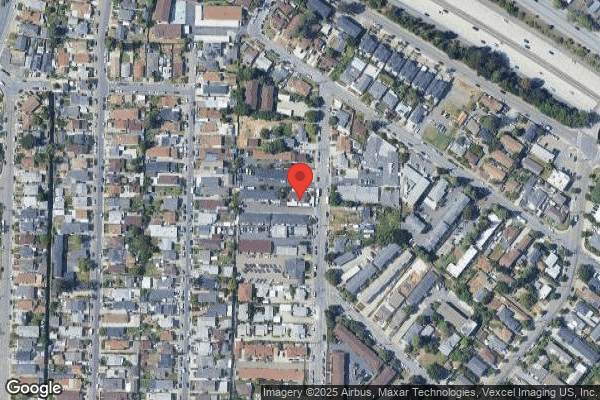
15731 MAUBERT AVENUE, SAN LEANDRO, CA 94578 (510) 481-3200
For profit - Corporation 14 Beds PACS GROUP Data: November 2025 1 Immediate Jeopardy citation
Trust Grade
8/100
#966 of 1155 in CA
Last Inspection: October 2023

Over 2 years since last inspection. Current conditions may differ from available data.

Overview

All Saints Maubert has received a Trust Grade of F, indicating a poor overall standing with significant concerns about the quality of care provided. It ranks #966 out of 1155 facilities in California, placing it in the bottom half, and #65 out of 69 in Alameda County, which means there are very few local options that are worse. The facility is worsening in quality, increasing from one reported issue in 2024 to three in 2025. Staffing has a 3/5 rating, which is average, but the turnover rate is concerning at 59%, significantly higher than the state average. The facility has incurred $131,856 in fines, which is higher than 99% of California facilities, indicating serious compliance issues. While there is good RN coverage, more than 95% of state facilities, recent inspector findings reveal critical failures in infection control, leading to multiple residents becoming infected due to poor practices and lack of proper infection prevention measures. Overall, families should be aware of both the strengths in staffing and RN coverage, but be very cautious due to the serious health risks and compliance issues reported.

Trust Score
F
8/100
In California
#966/1155
Bottom 17%
Safety Record
High Risk
Review needed
Inspections
Getting Worse
1 → 3 violations
Staff Stability
⚠ Watch
59% turnover. Above average. Higher turnover means staff may not know residents' routines.
Penalties
⚠ Watch
$131,856 in fines. Higher than 96% of California facilities. Major compliance failures.
Skilled Nurses
✓ Good
Each resident gets 155 minutes of Registered Nurse (RN) attention daily — more than 97% of California nursing homes. RNs are the most trained staff who catch health problems before they become serious.
Violations
⚠ Watch
22 deficiencies on record. Higher than average. Multiple issues found across inspections.
★☆☆☆☆
1.0
Overall Rating
★★★☆☆
3.0
Staff Levels
★☆☆☆☆
1.0
Care Quality
★☆☆☆☆
1.0
Inspection Score
Stable
2024: 1 issues
2025: 3 issues

The Good

  • Full Sprinkler Coverage · Fire safety systems throughout facility
  • No fines on record

Facility shows strength in fire safety.

The Bad

1-Star Overall Rating

Below California average (3.1)

Significant quality concerns identified by CMS

Staff Turnover: 59%

13pts above California avg (46%)

Frequent staff changes - ask about care continuity

Federal Fines: $131,856

Well above median ($33,413)

Significant penalties indicating serious issues

Chain: PACS GROUP

Part of a multi-facility chain

Ask about local staffing decisions and management

Staff turnover is elevated (59%)

11 points above California average of 48%

The Ugly 22 deficiencies on record

1 life-threatening
Mar 2025 3 deficiencies 1 IJ (1 facility-wide)
CRITICAL (L) 📢 Someone Reported This

A family member, employee, or ombudsman was alarmed enough to file a formal complaint

Immediate Jeopardy (IJ) - the most serious Medicare violation

Infection Control (Tag F0880)

Someone could have died · This affected most or all residents

⚠️ Facility-wide issue

**NOTE- TERMS IN BRACKETS HAVE BEEN EDITED TO PROTECT CONFIDENTIALITY** Based on observation, interview, and record review, Facility 1 failed to follow infection control practices to prevent the sprea...

Read full inspector narrative →
**NOTE- TERMS IN BRACKETS HAVE BEEN EDITED TO PROTECT CONFIDENTIALITY** Based on observation, interview, and record review, Facility 1 failed to follow infection control practices to prevent the spread of infection in the facility when the following were identified: 1. Facility 1 did not demonstrate infection prevention practices were implemented as evidenced by the line list (a table that contains key information about each case in an outbreak) that showed uninfected residents becoming infected. 2. Facility 1 did not notify California Department of Public Health (CDPH) about the infection outbreak. 3. Facility 1 failed to separate direct care staff (assists with tasks such as bathing, dressing, personal hygiene, and medication management) for non-infected residents and Resident 1 and Resident 2 who were infected with Klebsiella Pneumoniae Carbapenemase (KPC, a group of emerging highly drug-resistant Gram-negative bacilli bacteria causing infections associated with significant morbidity and mortality). These failures resulted in Residents 1, 2, 3, 4, 5, and 6 becoming infected with CROs. These include: 1. Residents 1, 2, and 3 became infected with KPC. 2. Resident 6 became infected with Carbapenem-resistant Acinetobacter baumannii (CRAB, a group of emerging highly drug-resistant Gram-negative bacilli bacteria causing infections associated with significant morbidity and mortality) with New Delhi [NAME]-ß-lactamase (NDM, an enzyme that makes bacteria resistant to a broad range of antibiotics including the carbapenem family). 3. Residents 4 and 5 became infected with Carbapenem-Resistant Pseudomonas aeruginosa (CRPA, a bacteria that can cause pneumonia, bloodstream infections, urinary tract infections, and surgical site infections, and they are particularly dangerous for patients with chronic lung diseases). 4. The cross-contamination resulted in Residents 1, 2, 3, 4, 5, and 6 becoming infected with Carbapenemase-Resistant Organisms (CRO, are bacteria that are resistant to a class of antibiotics called carbapenems which are typically used as a last-line treatment for serious infections). An Immediate Jeopardy situation (IJ, a situation in which a facility's actions places one or more residents/patients in jeopardy of being significantly harmed up to the point of possible death if not immediately corrected) was identified and called due to the failure of Facility 1 to follow infection control practices to prevent further spread of infection among all 11 residents in Facility 1. The Administrator (ADM) was verbally notified of the IJ situation on 3/13/25 at 7:45 p.m. During a visit to Facility 1 on 3/25/25, Facility 1 provided an acceptable plan of action and the IJ was removed at 2:50 p.m. Findings: 1. During an interview on 3/13/25 at 12:56 p.m. with Facility 2 ' s Infection Preventionist (IP), IP stated she was the only IP for Facility 1 and Facility 2 even though both facilities have separate licenses and the regulations say otherwise. During an interview on 3/13/25 at 1:16 p.m. with Administrator (ADM), ADM stated there was only one shared IP for both Facility 1 and Facility 2. ADM stated he was not aware of the regulation that each facility should have an IP. ADM also stated that he thought one IP was enough because Facility 1 and Facility 2 are owned by one organization. During an interview on 3/14/25 at 3:31 p.m. with Facility 2 ' s IP, IP was requested to provide an updated line list for Facility 1 and Facility 2 with laboratory test dates (date laboratory results were reported), the residents tested positive for CRO infections. During a follow up interview and record review on 3/14/25 at 3:45 p.m. with Facility 2 ' s IP, IP provided an updated line list with laboratory test dates for Facility 2 but did not provide the line list for Facility 1. IP was requested to provide Facility 1 ' s line list record with laboratory test dates. During a phone interview on 3/20/25 at 8:04 a.m. with Facility 2 ' s IP, IP was requested to provide another updated line list for Facility 1 and Facility 2 with the laboratory test dates included. During a review of an undated document, titled, CRO List sent via email by Medical Record Director (MRD) on 3/20/25 at 10:09 a.m., the CRO List only included Facility 2 ' s line list and did not include Facility 1 ' s updated line list. During a communication sent via email on 3/21/25 at 8:47 a.m. to MRD, MRD again was requested to provide an updated line list for Facility 1. During a review of the undated document, titled, Facility 1 Multi-Drug Resistant Organisms (MDROs, are bacteria that have become resistant to certain antibiotics, and these antibiotics can no longer be used to control or kill the bacteria) Line List, the line list sent via email on 3/21/25 at 10:17 a.m. by MRD, the Facility 1 line list was still not updated and did not include the laboratory test dates. During a record review of the undated document, titled, Facility 1 MDRO Line List, the line list indicated Residents 1, 2, and 3 were infected with KPC, Resident 4 and Resident 5 were infected with CRPA infection, and Resident 6 was infected with NMD infection. There were no laboratory results provided for Residents 3, 5, and 6 to confirm the date infection was identified. 2. During an interview on 3/13/25 at 3:15 p.m. with Facility 2 ' s IP, IP stated Facility 1 had a recent CRO outbreak last February 2025 and CDPH was only notified on 3/12/25 that there were new cases of infection identified. IP stated she forgot to inform CDPH about the two new cases because she was already overwhelmed with the CRO outbreak. IP further stated she did not think that the two new cases of infection noted in February were reportable. IP stated she should have reported it to the CDPH because more than one case of communicable infection was considered an outbreak. During a review of Facility 1 ' s Policy & Procedure (P&P) titled, Outbreak of Communicable Diseases, dated 2001, the P&P indicated, An outbreak is defined as one of the following .a. One case of an infection that is highly communicable or has serious health implications . During a review of Facility 1 ' s undated P&P titled, Reporting Communicable Diseases, the P&P indicated, The infection preventionist is responsible for notifying the local, district, or state health department of confirmed cases of state specific reportable diseases . 3. During an interview on 3/13/25 at 12:36 p.m. with Facility 2 ' s IP, IP stated Facility 1 ' s CRO outbreak started around January 2025 when direct care staff from Facility 2 were assigned to Facility 1 on the same day. IP stated that she identified the previous scheduling coordinator assigned staff to work in Facility 2 then work in Facility 1. IP stated she informed the previous scheduling coordinator that sharing staff between Facility 1 and Facility 2 was not allowed because Facility 2 had an outbreak and Facility 1 did not have an outbreak. IP stated despite her instructions, the previous scheduler continued to assign direct care staff to work double shifts in Facility 1 after working in Facility 2 during January 2025. IP stated sharing staff between Facility 1 and Facility 2 contributed to Facility 1 ' s CRO infection outbreak. During an interview on 3/14/25 at 3:09 p.m. with Director of Nursing (DON), DON stated floating staff between Facility 1 and Facility 2 is not highly recommended. DON stated staff would start in Facility 2 and then move to clean buildings, including Facility 1. DON stated it was acceptable for staff to work from dirty buildings to clean buildings if wearing personal protective equipment (PPE, any piece of clothing or equipment that ' s worn by the employees to minimize exposure to biological, chemical, or any physical hazards on work site.) During a review of Facility 1 ' s document titled, Nursing and CNA Staffing Sign-in Sheet - Facility 1, dated 3/13/25, the document indicated Certified Nurse Assistant (CNA) 3 worked in Facility 1 from 7:00 a.m. to 3:30 p.m. and was assigned to Resident 1 and Resident 2 who were infected with KPC. During a concurrent observation and interview on 3/13/25 at 2:46 p.m. with CNA 3 in Facility 1, CNA 3 was observed in Resident 1 and Resident 2 ' s room that had signage indicating contact precautions (an infection control measures used to prevent the spread of diseases that are transmitted through direct or indirect contact with an infected person or environment) posted on the door. CNA 3 stated Facility 1 scheduled her in the afternoon to work in Facility 2 after her morning shift in Facility 1. During a review of Facility 2 ' s document titled, Nursing and CNA Staffing Sign-in Sheet, dated 3/13/25, the documented indicated CNA 3 worked in Facility 2 for evening shift (3:00 p.m. to 11:30 p.m.) after working the morning shift (7:00 a.m. to 3:30 p.m.) in Facility 1. During a phone interview on 3/14/25 at 10:36 a.m. with Scheduling Coordinator (SC), SC stated CNA 3 should have stayed in Facility 1 when CNA 3 worked a double shift. SC stated there was too much going on and she did not have time to check the staffing schedules for Facility 1 and Facility 2 on 3/13/25. During a follow up interview on 3/14/25 at 11:57 a.m. with Facility 2 ' s IP, IP stated she informed SC multiple times CNAs should not be shared between Facility 1 and Facility 2. IP stated CNA 3 worked on 3/13/25 in Facility 1 in the morning and continued the evening shift in Facility 2 ' s unit that did not have an outbreak. IP stated CNA 3 who provided direct care to Resident 1 and Resident 2 who were on contact precautions for KPC was also assigned to residents who did not have the infection and were not on contact precautions in Facility 2. IP stated the Local Public Health Department (LPHD) recommended that if staff were to work a double shift, staff should have stayed in one building or should have been allowed to have a gap of 8 hours in between shifts. IP stated the 8-hour gap in between shifts would have been an opportunity for staff to go home, take a shower, and change clothing. IP stated sharing staff between Facility 1 and Facility 2 could have exposed the residents to transmission of different infections such as CRAB, CRPA, NDM, KPC, etc. During an interview on 3/14/25 at 3:08 p.m. with DON, DON stated the facility ' s staff should have provided care to residents who did not have an infection first before being assigned to infected residents. DON stated sharing staff between buildings had the risk of transmission of bacteria to other residents who did not have an infection. DON stated residents who were exposed to an infection could have had resistance to antibiotics that could have potentially led to sepsis or death. During a review of Facility 1' s P&P titled, Multi-Drug Resistant Organisms (MDROs), dated 2001, the P&P indicated, MDROs are bacteria and other microorganisms that have developed resistance to one or more classes of antimicrobial drugs .Resident admission and Room Placement .3. When transmission continues despite adherence to standard and contact precautions and cohorting residents, assign dedicated nursing and ancillary service staff to the care of MDRO residents only.
CONCERN (E) 📢 Someone Reported This

A family member, employee, or ombudsman was alarmed enough to file a formal complaint

Potential for Harm - no one hurt, but risky conditions existed

Comprehensive Care Plan (Tag F0656)

Could have caused harm · This affected multiple residents

Based on observation, interview and record review, the facility failed to develop and implement a comprehensive care plan (a document that includes measurable objectives and timeframes to meet a resid...

Read full inspector narrative →
Based on observation, interview and record review, the facility failed to develop and implement a comprehensive care plan (a document that includes measurable objectives and timeframes to meet a resident's medical, nursing, and mental and psychosocial needs that are identified in the comprehensive assessment), for two of five sampled residents (Resident 1 and Resident 2), when Resident 1 and Resident 2 did not have a care plan to address their antibiotic-resistant infection, Klebsiella Pneumoniae Carbapenemase (KPC, a group of emerging highly drug-resistant Gram-negative bacilli bacteria causing infections associated with significant morbidity and mortality). This failure had the potential for Resident 1 and Resident 2 to not receive person-centered appropriate care, monitoring, and treatment. Findings: During a review of Resident 1 ' s admission Record (AR), printed on 3/14/25, the AR indicated Resident 1 was admitted in February 2025 with diagnoses including encephalopathy (a general condition of brain dysfunction), acute respiratory failure (ARS, results from inadequate gas exchange by the respiratory system), and tracheostomy (a surgically created hole makes through your neck and into your windpipe. It bypasses your nose, mouth and throat to help a person breathe) status. During a review of Resident 1 ' s Laboratory Report, dated 2/27/25, the laboratory report showed, KPC gene detected, indicating Resident 1 tested positive for KPC organism infection. During a review of Resident 2 ' s AR, printed on 3/14/25, the AR indicated Resident 2 was admitted in January 2025 with diagnoses to include encephalopathy, ARS, tracheostomy status, and dependence on ventilator (a machine that helps you breathe). During a review of Resident 2 ' s Laboratory Report, dated 2/27/25, the laboratory report showed, KPC gene detected, indicating Resident 2 tested positive for KPC organism infection. During a review of Resident 1 and Resident 2 ' s Care Plan, Resident 1 and Resident 2 did not have comprehensive care plans to address the KPC infections. During an interview on 3/19/25 at 1:58 p.m. with Director of Nursing (DON), DON stated the facility should have developed the care plans for all residents who had infections especially during the outbreak (usually caused by an infection, transmitted through person-to-person contact, animal-to-person contact, or from the environment or other media) in the facility. DON stated he did not think about implementing and creating an individualized care plan for infected residents. DON stated they were only focused on the type of isolation each resident needed and not the specific infection each resident had. DON stated the facility should have had a person-centered or individualized care plan for all the residents who became infected. DON stated a comprehensive care plan should have been created to provide quality care because each resident had different medical conditions and situations. During a review of the facility ' s policy and procedure (P&P), titled, Care Plans – Comprehensive, revised in September 2010, indicated, An individualized comprehensive care plan that includes measurable objectives and timetables to meet the resident ' s medical, nursing mental, and psychological needs is developed for each resident .3. Each resident ' s comprehensive care plan is designed to .a. Incorporate identified problem areas .b. Incorporate risk factors associated with identified problems .8. Assessments of residents are ongoing, and care plans are revised as information about the resident ' s condition change. 9. The Care Planning/Interdisciplinary Team is responsible for the review and updating of care plans .a. where there has been a significant change in the resident ' s condition.
CONCERN (F) 📢 Someone Reported This

A family member, employee, or ombudsman was alarmed enough to file a formal complaint

Potential for Harm - no one hurt, but risky conditions existed

Deficiency F0882 (Tag F0882)

Could have caused harm · This affected most or all residents

**NOTE- TERMS IN BRACKETS HAVE BEEN EDITED TO PROTECT CONFIDENTIALITY** Based on interview and record review, Facility 1 failed to ensure that a designated Infection Preventionist (IP) that adequately...

Read full inspector narrative →
**NOTE- TERMS IN BRACKETS HAVE BEEN EDITED TO PROTECT CONFIDENTIALITY** Based on interview and record review, Facility 1 failed to ensure that a designated Infection Preventionist (IP) that adequately assesses, develops, implements, monitors, and manages the facility's Infection Prevention Control Program (IPCP) was employed at the facility . This failure resulted in an increase of Carbapanemase-Resistant Organism (CPO, are bacteria that are resistant to a class of antibiotics called carbapenems which are typically used a last-line treatments for serious infections) infections in the Facility 1. Furthermore, the cross-contamination resulted in transmission of the infections to non-infected residents. Cross reference to F880 Findings: During a review of the facility provided undated letter from the local health department (LPHD), the document indicated, The increase in cases in the Facility 2 and now in the Facility 1 has raised concerns about the current implementation of infection control measures place following recommendations given .the increase in CPOs calls for strategic discussion to better minimize transmission occurring withing and across these two buildings . During a review of Facility 1's undated document, titled, Facility 1 MDRO (Multi-Drug Resistant Organims) Line List (a table that contains key information about each case in an outbreak), the line list indicated three residents with Klebsiella Peumoniae Carbapenemase (KPC, a group of emerging highly drug-resistant Gram-negative bacilli bacteria causing infections associated with significant morbidity and mortality), one resident with New Delhi [NAME]-ß-lactamase (NDM, an enzyme that makes bacteria resistant to a broad range of antibiotics including the carbapenem family) and two residents with Carbapenem-Resistant Pseudomonas aeruginosa (CRPA, a bacteria that can cause pneumonia, bloodstream infections, urinary tract infections, and surgical site infections, and they are particularly dangerous for patients with chronic lung diseases). During a record review of Facility 1 ' s undated MDRO Line List, the line list indicated Residents 1, 2, and 3 were infected with KPC, Resident 4 and Resident 5 were infected with CRPA infection, and Resident 6 was infected with NMD infection. During a review of Resident 1 ' s admission Record (AR), printed on 3/14/25, the AR indicated Resident 1 was admitted in February 2025 with diagnoses including encephalopathy (a general condition of brain dysfunction), acute respiratory failure (ARS, results from inadequate gas exchange by the respiratory system), and tracheostomy (surgical procedure that creates an opening in the windpipe and inserts a tube to provide airway) status. During a review of Resident 1 ' s Laboratory Report dated 2/27/25, the laboratory report showed, KPC gene detected, indicating Resident 1 tested positive for KPC organism infection. During a review of Resident 2 ' s AR, printed on 3/14/25, the AR indicated Resident 2 was admitted in January 2025 with diagnoses to include encephalopathy, ARS, tracheostomy status, and dependence on ventilator (a machine that helps you breathe). During a review of Resident 2 ' s Laboratory Report dated 2/27/25, the laboratory report showed, KPC gene detected, indicating Resident 2 tested positive for KPC organism infection. During a review of Resident 3 ' s AR, printed on 3/14/25, the AR indicated Resident 3 was admitted in December 2024 with traumatic brain injury (a brain dysfunction caused by an outside force, usually a violent blow to the head), tracheostomy status, and encephalopathy, and dependence on ventilator. During a review of Resident 4 ' s AR, printed on 2/12/25, the AR indicated Resident 4 was admitted in February 2025 with a diagnosis of spastic quadriplegic cerebral palsy (is a severe type that is characterized by paralysis of both arms and both legs, with muscle stiffness). During a review of Resident 5 ' s AR, printed on 3/14/25, the AR indicated Resident 5 was admitted in February 2025 with diagnoses to include acute and chronic respiratory failure (typically caused when the volume of air flowing in and out of the lungs is uneven with the flow of blood to the lungs), tracheostomy status, and dependence on ventilator. During a review of Resident 6 ' s AR, printed on 3/14/25, the AR indicated Resident 5 was admitted in January 2025 with diagnoses to include myotonic muscular dystrophy (is a common multi-system disorder that affects the skeletal muscles (the muscles that move the limbs and trunk) as well as smooth muscles (the muscles that control the digestive system) and cardiac muscles of the heart), tracheostomy status, and dependence on ventilator. During a review of Resident 6 ' s Laboratory Report dated 2/12/25, the laboratory report showed, NDM detected, indicating Resident 6 tested positive for NDM organism infection. During an interview on 3/13/25 at 12:36 p.m. with Facility 2's Infection Preventionist (IP), IP stated when she was hired, she had been assigned the IP role for both Facility 1 and Facility 2. IP stated Facility 1 and Facility 2 were two different entities and operating under two different licenses. IP stated Facility 1's CRO outbreak started around January 2025 when direct care staff from Facility 2 were assigned to Facility 1 on the same day. IP stated that she identified the previous scheduling coordinator assigned staff to work in Facility 2 then work in Facility 1. IP stated she informed the previous scheduling coordinator that sharing staff between Facility 1 and Facility 2 was not allowed because Facility 2 had an outbreak and Facility 1 did not have an outbreak. IP stated despite her instructions, the previous scheduler continued to assign direct care staff to work double shifts in Facility 1 after working in Facility 2 during January 2025. IP stated sharing staff between Facility 1 and Facility 2 contributed to Facility 1's CRO infection outbreak. During an interview on 3/13/25 at 12:56 p.m. with Facility 2's IP, IP stated she asked upper management why the IP role was being shared between Facility 1 and Facility 2. IP stated the CRO outbreak between the two facilities was overwhelming and required a lot of monitoring. IP stated she worked 45 hours average in a week as an IP between Facility 1 and Facility 2. IP stated having one designated IP role for each facility required at least 40 hours per week. IP stated a designated IP in each facility could have helped focus on infection control and could have helped contain the outbreak. IP further stated she was the only IP for Facility 1 and Facility 2 even though both facilities have separate licenses and the regulations say otherwise. During an interview on 3/13/25 at 1:16 p.m. with Administrator (ADM), ADM stated there was only 1 shared IP for both Facility 1 and Facility 2. ADM stated he was not aware of the regulation that each facility should have an IP. ADM also stated that he thought 1 IP was enough because Facility 1 and Facility 2 are owned by one organization. During a review of the facility ' s policy and procedure (P&P), titled, Infection Preventionist, dated September 2022, the P&P indicated, The IP is responsible for coordinating the implementation and updating the Infection Prevention Control Program .The IP is employed on site and at least part time .The IP is scheduled with enough time to properly assess, develop, implement, monitor, and manage the IPCP, address training requirements .
Feb 2024 1 deficiency
CONCERN (D) 📢 Someone Reported This

A family member, employee, or ombudsman was alarmed enough to file a formal complaint

Potential for Harm - no one hurt, but risky conditions existed

Deficiency F0761 (Tag F0761)

Could have caused harm · This affected 1 resident

Based on observation, interview, and record review, the facility failed to ensure safe and secure storage of medications when medications were stored in the Director of Nursing (DON) office that had t...

Read full inspector narrative →
Based on observation, interview, and record review, the facility failed to ensure safe and secure storage of medications when medications were stored in the Director of Nursing (DON) office that had the door completely open and without supervision. This failure had the potential to result in loss or diversion of medications. Findings: During an observation on 2/5/24 at 10:50 a.m., the DON's office was open and there was no staff inside the office. There were medication blister packs (card that packages doses of medication within small, clear, or light resistant, amber colored, plastic bubbles (or blisters) and normal saline bags inside a clear plastic bag sitting on the floor next to a safe. The DON's office was a few steps from the stairway leading to the building exit. During an observation and concurrent interview on 2/5/24 at 11:40 a.m. with Assistant Director of Nursing (ADON), ADON stated the medications were extra medications that were removed from the medication cart, waiting to be destroyed by the Licensed Nurse and the Consultant Pharmacist. ADON stated the medications should have been stored inside the locked medication room and not inside the DON's office. ADON also stated, inside the clear plastic bag were medication cards that included three blister packs of midodrine (used to increase blood pressure), two blister packs of hydralazine (used to lower blood pressure), baclofen (relaxes muscle), and two blister packs of cyclobenzaprine (muscle relaxant). During an interview on 2/5/24 at 11:58 a.m. with DON, DON stated the DON's office was usually left unlocked, so medications were not secure whereas the medication room was always locked and only the licensed nurses had access. During a review of the facility's policy and procedure (P&P) titled Disposal of Medications, Syringes and Needles Discontinued Medications, copyright date 2007, the P&P indicated Medications awaiting disposal or destruction are stored in a locked secure area designated for that purpose until destroyed or disposed of through an authorized destruction center or licensed reverse distributor as allowed by regulation.
Oct 2023 12 deficiencies
CONCERN (D)

Potential for Harm - no one hurt, but risky conditions existed

Deficiency F0583 (Tag F0583)

Could have caused harm · This affected 1 resident

Based on observation, interview and record review, the facility failed to respect the rights of two of 11 (Resident 6 and 66) sampled residents when the facility displayed signage above their beds wit...

Read full inspector narrative →
Based on observation, interview and record review, the facility failed to respect the rights of two of 11 (Resident 6 and 66) sampled residents when the facility displayed signage above their beds with their personal information visible to those who had no permission or right to see it. This failure resulted in Resident 66 feeling exposed and the Responsible Party (RP 6) for Resident 6 to voice feelings of disrespect. Findings: During a concurrent observation and interview on 10/23/23, at 10:45 a.m., with Resident 6's Responsible Party (RP 6), in the shared room of Resident 66 and Resident 6, the wall above Resident 66's bed had signage which indicated, Do Not Use Pink Chucks; the wall above Resident 6's bed had signage which indicated, Be Careful Turning On Left Side, and, Only Use Latex Free Condoms. The posted signage was visible to any visitors to the room. RP 6 stated she did not want the facility to display Resident 6's personal care information in a public sign, as Resident 6 was a very private person. During an interview on 10/24/23, at 10:00 a.m., with the Director of Nursing (DON), the DON stated the wall signs above the beds of Resident 66 and Resident 6 should be covered to preserve the privacy and dignity of the residents.
CONCERN (D)

Potential for Harm - no one hurt, but risky conditions existed

Comprehensive Care Plan (Tag F0656)

Could have caused harm · This affected 1 resident

Based on observation, interview, and record review, the facility failed to develop/update and implement a comprehensive person-centered care plan for one (Residents 66) of 11 sampled residents when Re...

Read full inspector narrative →
Based on observation, interview, and record review, the facility failed to develop/update and implement a comprehensive person-centered care plan for one (Residents 66) of 11 sampled residents when Resident 66 complained of ongoing pain and emotional distress during wound treatments. The facility failure to update and implement Resident 66's care plan to address his pain and anxiety during wound treatments, resulted in Resident 66 experiencing ongoing pain and anxiety. See also tags F 686, F 697, and F 726. Findings: During a review of Resident 66's admission Record, undated, the admission Record indicated the facility admitted Resident 66 on 10/9/23, with diagnoses which included but were not limited to chronic osteomyelitis (bone infection), and pressure ulcers (A pressure ulcer develops when one or more layers of skin and tissue are damaged from continuous pressure to the area. The depth of skin and tissue damage determines the stage of the pressure ulcer, which is on a scale of stage I to stage IV, with stage I the most superficial, and stage IV the deepest ulcer, including damaged skin and muscle down to the level of bone.) on both heels and both buttocks (also named the ischial area after the underlying bones). The admission Record indicated the pressure ulcers on the right and left buttock, and right and left heels were all Stage 4 pressure ulcers. During a review of Resident 66's Minimum Data Set (MDS, an assessment tool used to plan and direct resident care), dated 10/13/23, the MDS indicated Resident 66 spoke English; had intact mental abilities for attention, orientation, and ability to register and recall information; was able to voice his needs; and was totally dependent upon facility staff for all his care needs including mobility in and out of bed, and repositioning. During a concurrent observation and interview on 10/23/23, at 11:15 a.m., with Registered Nurse 1 (RN 1) and Resident 66, in Resident 66's room, RN 1 provided wound care and dressing changes for Resident 66's pressure wounds on the ischium and heels. As RN 1 completed the first of the treatments, Resident 66 stated he had pain at a level of seven out of ten (a pain scale where zero means no pain and ten means the worst pain possible). RN 1 stated to Resident 66, Just hang in there. RN 1 turned Resident 66 to a side-lying position on his right side. Resident 66 stated he was having difficulty breathing. RN 1 stated he should hang in there. Resident 66 stated he had a history of having a collapsed lung, and since that happened, he had trouble breathing when on his right side. Resident 66 requested pain medication. During an interview on 10/23/23, at 11:45 a.m., with Resident 66, Resident 66 stated the wound care was painful when it was done every day, and the nurses should know by now and help him with pain relief. Resident 66 stated he had informed staff several times he had difficulty breathing when on his right side, and he became anxious when he knew he was going to lose his breath when he was turned. During a review of Resident 66's care plan titled, Pain, initiated 10/9/23, the care plan indicated Resident 66 was at risk for pain due to multiple pressure wounds. The resident centered goal was for pain to be relieved to a tolerable pain level as indicated by Resident 66, using verbal or non-verbal communication. Care plan interventions included: assess for pain every shift and as indicated, administer medication as ordered, encourage to verbalize feelings, notify physician if resident experiences unmanageable or intolerable pain. During a concurrent interview and record review, on 10/24/23, at 10 a.m., with the Director of Nurses (DON), Resident 66's admission Record, October 2023 Medication Administration Record (MAR), pain and pressure wound care plans, and the nurse progress notes dated 10/23/23, and 10/24/23, were reviewed. The DON stated MAR indicated Resident 66 had not received pain medication for the past three days, including yesterday when Resident 66 had complained of seven out of ten pain and requested pain medication. The DON was unable to provide documentation in Resident 66's nurse progress notes which indicated Resident 66 had complained of pain on 10/23/23 or 10/24/23. The DON stated Resident 66's care plans did not identify wound treatments with associated position changes as a potential source of pain and emotional distress. The DON stated she expected nurses to communicate to the medical staff the results of their assessment and to update the plan of care to include interventions to address the resident's complaints. During a review of the facility's policy and procedure (P&P) titled, Pain- Clinical Protocol, last revised October 2022, indicated: Assessment and Recognition: 1. The Physician and staff will identify individuals who have pain or who are at risk for having pain. a. This includes reviewing known diagnoses and conditions that commonly cause pain b. It also includes a review for any treatments that the resident currently is receiving for pain . 4. The Nursing staff will identify any situations or interventions where an increase in the resident's pain may be anticipated; for example, wound care, ambulation, and repositioning.
CONCERN (D)

Potential for Harm - no one hurt, but risky conditions existed

Quality of Care (Tag F0684)

Could have caused harm · This affected 1 resident

**NOTE- TERMS IN BRACKETS HAVE BEEN EDITED TO PROTECT CONFIDENTIALITY** Based on observation, interview and record review, the facility failed to ensure pressure injury (injury due to prolonged pressu...

Read full inspector narrative →
**NOTE- TERMS IN BRACKETS HAVE BEEN EDITED TO PROTECT CONFIDENTIALITY** Based on observation, interview and record review, the facility failed to ensure pressure injury (injury due to prolonged pressure over an area) reducing devices were applied for one of 11 (Resident 4) sampled residents. This failure had the potential for Resident 4's existing left heel wound to worsen and for the right heel to develop a new wound. Findings: A review of Resident 4's admission record indicated Resident 4 was admitted on [DATE] for anoxic brain damage (brain damage caused by oxygen deprivation), hemiplegia affecting right side (right side paralysis), moderate protein-calorie malnutrition, muscle wasting and atrophy (breakdown of muscle) on both lower extremities and dependence on ventilator (machine to provide artificial breathing). A record review of Resident 4's minimum data set (MDS, an assessment tool to plan and guide resident care) dated 8/24/23, indicated Resident 4 was dependent on facility staff for all aspects of care including donning and doffing footwear. A record review of Resident 4's physician's order, dated 10/26/23, indicated Resident 4 had an order to apply foam boots at 9AM and remove at 9PM everyday and evening shift .for Pressure Prevention. During an observation on 10/23/23, at 1:58 p.m., Resident 4 was laying in his bed in his room. Resident 4 was unresponsive to voice stimuli. Resident 4's lower extremities were uncovered and there were no foam boots applied to his feet. During a concurrent observation and interview on 10/24/23, at 11:28 a.m., with Certified Nursing Assistant 2 (CNA-2), Resident 4 was lying in bed in his room with covers on. CNA-2 lifted the covers over his feet and observed Resident 4 without foam boots on. CNA-2 stated Resident 4 needed to have his heels floated with foam boots to prevent injury to the heels. CNA-2 went to Resident 4's closet to obtain Resident 4's foam boots and applied them to both feet. During a concurrent interview and record review, on 10/25/23, at 8:58 a.m., with Assistant Director of Nursing (ADON), Resident 4's care plan for left heel debrided blister, dated 10/12/23, was reviewed. The care plan indicated an intervention to apply and remove foam boots as routine order. The ADON stated nursing staff were responsible for application of the foam boots. A review of facility policy and procedure (P&P) titled, Pressure Injuries/Skin Breakdown - Clinical Protocol, dated 04/2018, indicated nursing staff describe and document/report .current treatments, including support surfaces.
CONCERN (D)

Potential for Harm - no one hurt, but risky conditions existed

Deficiency F0697 (Tag F0697)

Could have caused harm · This affected 1 resident

Based on observation, interview, and record review, the facility failed to ensure pain management was provided to one (Resident 66) of eleven sampled residents. The facility failed to provide pain med...

Read full inspector narrative →
Based on observation, interview, and record review, the facility failed to ensure pain management was provided to one (Resident 66) of eleven sampled residents. The facility failed to provide pain medication for Resident 66 prior to a painful procedure and failed to provide pain medication as requested for pain. This failure resulted in Resident 66 having recurrent pain and anxiety during daily wound treatments. See also tags F 656, F 686, F 726. Findings: During a review of Resident 66's admission Record, undated, the admission Record indicated the facility admitted Resident 66 on 10/9/23, with diagnoses which included but were not limited to chronic osteomyelitis (bone infection), and pressure ulcers (also called a bed sore, injury to skin and underlying tissue resulting from prolonged pressure on the skin) on both heels and bilateral ischium (the lower, back part of both hip bones). During a review of Resident 66's Minimum Data Set (MDS, an assessment tool used to plan and direct resident care), dated 10/13/23, the MDS indicated Resident 66 spoke English; had intact mental abilities for attention, orientation, and ability to register and recall information; was able to voice his needs; and was totally dependent upon facility staff for all his care needs including mobility in and out of bed, and repositioning. During a review of Resident 66's care plan titled, Pain, initiated 10/9/23, the care plan indicated Resident 66 was at risk for pain due to multiple pressure wounds. The resident centered goal was for pain to be relieved to a tolerable pain level as indicated by Resident 66, using verbal or non-verbal communication. Care plan interventions included: assess for pain every shift and as indicated, administer medication as ordered, encourage to verbalize feelings, notify physician if resident experiences unmanageable or intolerable pain. During a concurrent observation and interview on 10/23/23, at 11:15 a.m., with Registered Nurse 1 (RN 1) and Resident 66, in Resident 66's room, RN 1 provided wound care and dressing changes for Resident 66's pressure wounds on the ischium and heels. As RN 1 completed the first of the treatments, Resident 66 stated he had pain at a level of seven out of ten (a pain scale where zero means no pain and ten means the worst pain possible). RN 1 stated to Resident 66, Just hang in there. RN 1 turned Resident 66 to a side-lying position on his right side. Resident 66 stated he was having difficulty breathing. RN 1 stated he should hang in there. Resident 66 stated he had a history of having a collapsed lung, and since that happened, he had trouble breathing when on his right side. Resident 66 requested pain medication. Resident 66 requested pain medication. Resident 66 stated he felt ignored and was uncomfortable when his pain was not addressed. RN 1 stated she heard Resident 66's complaint of pain, pain level, and location. During an interview on 10/23/23, at 11:45 a.m., with Resident 66, Resident 66 stated the wound care was painful when it was done every day, and the nurses should know by now and help him with pain relief. Resident 66 stated he had informed staff several times he had difficulty breathing when on his right side, and he became anxious when he knew he was going to lose his breath when he was turned. During a concurrent interview and record review, on 10/24/23, at 10 a.m., with the Director of Nurses (DON), Resident 66's admission Record, October 2023 Medication Administration Record (MAR), pain and pressure wound care plans, and the nurse progress notes dated 10/23/23, and 10/24/23, were reviewed. The DON stated MAR indicated Resident 66 had not received pain medication for the past three days, including yesterday when Resident 66 had complained of seven out of ten pain and requested pain medication. The DON was unable to provide documentation in Resident 66's nurse progress notes which indicated Resident 66 had complained of pain on 10/23/23 or 10/24/23. The DON stated Resident 66's care plans did not identify wound treatments with associated position changes as a potential source of pain and emotional distress. The DON stated she expected nurses to communicate to the medical staff the results of their assessment and to update the plan of care to include interventions to address the resident's complaints. During an interview on 10/26/23, at 12:06 p.m., with Physician (PH) 1, PH 1 stated he performed Resident 66's weekly wound assessments. PH 1 stated he expected nurses to conduct a pain assessment prior to Resident 66's wound care and dressing changes and medicate Resident 66 as needed. During a review of the facility's policy and procedure (P&P) titled, Pain- Clinical Protocol, last revised October 2022, indicated: Assessment and Recognition: 1. The Physician and staff will identify individuals who have pain or who are at risk for having pain. a. This includes reviewing known diagnoses and conditions that commonly cause pain b. It also includes a review for any treatments that the resident currently is receiving for pain . 4. The Nursing staff will identify any situations or interventions where an increase in the resident's pain may be anticipated; for example, wound care, ambulation, and repositioning.
CONCERN (D)

Potential for Harm - no one hurt, but risky conditions existed

Unnecessary Medications (Tag F0759)

Could have caused harm · This affected 1 resident

**NOTE- TERMS IN BRACKETS HAVE BEEN EDITED TO PROTECT CONFIDENTIALITY** Based on observations, interviews, and record review, the facility failed to ensure a medication error rate below five percent f...

Read full inspector narrative →
**NOTE- TERMS IN BRACKETS HAVE BEEN EDITED TO PROTECT CONFIDENTIALITY** Based on observations, interviews, and record review, the facility failed to ensure a medication error rate below five percent for two of 11 (Resident 8 and 65) sampled residents when: 1. Resident 8 was administered multi-vitamin with minerals tablet instead of multi-vitamin with minerals liquid 15 mL (mL, a unit of liquid measurement) as prescribed by physician's order; 2. Resident 65 did not receive erythromycin ophthalmic ointment 5mg/gm (mg/gm, a measurement of medication concentration) as prescribed by physician's order. This failure resulted in 2 medication errors out of 33 opportunities during observation of medication administration which resulted in the facility having a medication error rate of 6.06%. This failure also resulted in residents not receiving the correct medication or receiving the medication as prescribed. Findings: 1. A review of resident 8's admission record indicated Resident 8 was admitted on [DATE] for protein-calorie malnutrition, muscle wasting and atrophy, and dysphagia. During a medication pass observation and interview on 10/24/23, at 8:45 a.m., with Registered Nurse 2 (RN-2), RN-2 administered to Resident 8, one tablet of multi-vitamin w/ minerals. RN-2 stated the tablet of multi-vitamin was for the order for multi-vitamin w/ minerals liquid 15 mL. Multi-vitamin liquid 15 mL was not given to Resident 8. During an interview and record review on 10/24/22, at 1:25 p.m., with RN-2, Resident 8's Medication Administration Record (MAR), dated 10/2023, was reviewed. RN-2 identified a bottle of multi-vitamin w/ minerals tablets and stated a tablet was given for Resident 8's order for multi-vitamin liquid 15 mL. When asked to verify on the MAR if Resident 8 had an order for multi-vitamin tablet, RN-2 stated Resident 8 did not have an order for multi-vitamin tablet. During an interview on 10/25/23, at 9:04 a.m., with the Assistant Director of Nursing (ADON), the ADON stated nursing staff assigned to medication administration are expected to administer medications according to physician orders. A review of facility policy and procedure (P&P) titled, Administering Medications, dated 04/2019, indicated medications are administered in accordance with prescriber order and the individual administering the medication records in the resident's medical record: a. the date and time the medication was administered; b. the dosage; c. the route of administration. 2. During a medication pass observation and interview on 10/24/23, at 9:32 a.m., with RN-2, RN-2 administered one ribbon of erythromycin ophthalmic ointment 5mg/gm to Resident 65's right eye. RN-2 did not apply ointment to Resident 65's left eye. A review of Resident 65's physician's order, dated 10/23/2023, indicated Resident 65 had an order for erythromycin ophthalmic ointment 5mg/gm with instructions to instill 1 ribbon in both eyes two times a day for eye infection for 7 days. During an interview on 10/25/23, at 9:04 a.m., with the ADON, the ADON stated nursing staff assigned to medication administration are expected to administer medications according to physician orders. A review of facility policy and procedure (P&P) titled Administering Medications, dated 04/2019, indicated medications are administered in accordance with prescriber order and the individual administering the medication records in the resident's medical record: a. the date and time the medication was administered; b. the dosage; c. the route of administration.
CONCERN (D)

Potential for Harm - no one hurt, but risky conditions existed

Deficiency F0887 (Tag F0887)

Could have caused harm · This affected 1 resident

Based on interview and record review, the facility failed to implement their vaccine Policy and Procedure (P&P) for one (Resident 66) of eleven sampled residents. The facility failure to offer a Covi...

Read full inspector narrative →
Based on interview and record review, the facility failed to implement their vaccine Policy and Procedure (P&P) for one (Resident 66) of eleven sampled residents. The facility failure to offer a Covid vaccination to Resident 66 had the potential to result in Covid-19 infection, worsened symptoms in the event of infection, and spread of infection. Findings: During a review of Resident 66's admission Record, undated, the admission Record indicated the facility admitted Resident 66 on 10/9/23, with diagnoses which included but were not limited to chronic osteomyelitis (bone infection), and pressure ulcers (also called a bed sore, injury to skin and underlying tissue resulting from prolonged pressure on the skin) on both heels and bilateral ischium (the lower, back part of both hip bones). During a review of Resident 66's Minimum Data Set (MDS, an assessment tool used to plan and direct resident care), dated 10/13/23, the MDS indicated Resident 66 spoke English; had intact mental abilities for attention, orientation, and ability to register and recall information; was able to voice his needs; and was totally dependent upon facility staff for all his care needs including mobility in and out of bed, and repositioning. During a concurrent interview and record review on October 25th, 2023, at 11AM, with the Infection Preventionist (IP) vaccination records for residents were reviewed. IP was unable to provide documentation Resident 66 had been offered the opportunity to receive COVID-19 vaccination. During a review of the facility's policy and procedure (P&P) titled, Covid-19 Vaccine Policy for Residents and Staff, undated, the P&P indicated, Facility residents: all residents and staff will be offered am approved COVID-19 vaccine, unless medically contraindicated after assessment. All residents, or their legal representative, could accept or refuse a COVID-19 vaccine, or to change their decision. Policy Interpretation and Implementation: 1. Residents and staff will be educated on the benefits, assessed for eligibility and offered the COVID-19 vaccine series unless medically contraindicated.
CONCERN (E)

Potential for Harm - no one hurt, but risky conditions existed

Safe Environment (Tag F0584)

Could have caused harm · This affected multiple residents

Based on observation, interview, and record review the facility failed to take reasonable care for the protection of one (Resident 6) of eleven sampled residents' clothing from loss or theft. The fac...

Read full inspector narrative →
Based on observation, interview, and record review the facility failed to take reasonable care for the protection of one (Resident 6) of eleven sampled residents' clothing from loss or theft. The facility failure to ensure residents clothing was labeled before laundering resulted in an inability to identify specific ownership of clothing and subsequent loss of clothing. Findings: During an interview on 10/23/23, at 11 a.m., in Resident 6's room, a family member (RP 6) stood next to Resident 6's bedside. RP 6 stated Resident 6 had multiple clothing items that had been laundered by the facility and never returned to Resident 6. During an observation on 10/24/23, at 1:15 p.m., in the facility's Laundry Department there was a bin containing unlabeled residents' heel protectors, clothing, and positional aids. During an interview on 10/24/23, at 1:20 p.m., with the Maintenance/Housekeeping Director (MHD) and the Laundry Aide (LA), the MHD stated the items in the laundry bin had been laundered but were unlabeled, so the original owners could not be identified and so the items could not be returned to the original owners. During a review of the facility's policy and procedure (P&P) titled, Personal Property, the P&P indicated, Residents are permitted to retain and use personal possessions, including furniture and clothing, as space permits unless doing so would infringe on the right or health and safety of other residents . The Resident's personal belongings and clothing are inventoried, labeled, and documented upon admission and updated as necessary. The belongings are stored in designated areas for safety and retrieval purposes.
CONCERN (E)

Potential for Harm - no one hurt, but risky conditions existed

Pressure Ulcer Prevention (Tag F0686)

Could have caused harm · This affected multiple residents

Based on observation, interview, and record review, the facility failed to provide wound care consistent with professional standards of practice for one (Resident 66) of eleven sampled residents when:...

Read full inspector narrative →
Based on observation, interview, and record review, the facility failed to provide wound care consistent with professional standards of practice for one (Resident 66) of eleven sampled residents when: the nursing staff inaccurately documented wound status, nursing staff failed to perform hand hygiene before donning gloves before wound treatment, and a certified nursing assistant incorrectly cleaned a wound. These failures placed residents at risk for infection, for wounds to worsen, and new wounds to develop. See also tags F 656, F697, and F 726. Findings: During a review of Resident 66's admission Record, undated, the admission Record indicated the facility admitted Resident 66 on 10/9/23, with diagnoses which included but were not limited to chronic osteomyelitis (bone infection), and pressure ulcers (A pressure ulcer develops when one or more layers of skin and tissue are damaged from continuous pressure to the area. The depth of skin and tissue damage determines the stage of the pressure ulcer, which is on a scale of stage I to stage IV, with stage I the most superficial, and stage IV the deepest ulcer, including damaged skin and muscle down to the level of bone.) on both heels and both buttocks (also named the ischial area after the underlying bones). The admission Record indicated the pressure ulcers on the right and left buttock, and right and left heels were all Stage 4 pressure ulcers. During a review of Resident 66's Minimum Data Set (MDS, an assessment tool used to plan and direct resident care), dated 10/13/23, the MDS indicated Resident 66 spoke English; had intact mental abilities for attention, orientation, and ability to register and recall information; was able to voice his needs; and was totally dependent upon facility staff for all his care needs including mobility in and out of bed, and repositioning. During a review of Resident 66's facility assessment document titled, Braden Scale for Predicting Pressure Sore Risk, dated 10/9/23, the assessment document indicated Resident 66 was at Moderate Risk for developing pressure sores. During a review of the Physician's Orders for Resident 66, initiated 10/19/23, the orders instructed staff to cleanse bilateral ischial wounds with normal saline solution, pat dry, apply antibiotic ointment, lightly pack with dry gauze, and cover with a dry dressing. During a review of Resident 66's care plan titled, Impaired Skin Integrity, initiated 10/9/23, the care plan interventions included: administer treatments as ordered, monitor for effectiveness, check skin during daily care provisions, float heels using pressure relieving device for heels, report abnormal laboratory values to physician, for wound documentation record location, size (length, width, and depth), color, surrounding skin, presence/absence of drainage and signs of healing. During a concurrent observation and interview on 10/23/23, at 11:15 a.m., with Resident 66, Registered Nurse (RN) 1, and Certified Nursing Assistant (CNA) 1, in Resident 66's room, nursing staff prepared to provide wound care for Resident 66's buttocks pressure wounds. RN 1 and CNA 1 donned gloves, without performing hand hygiene prior to donning the gloves. CNA 1 removed the fecal bag (a plastic bag to collect feces) and used gauze to clean the anus and surrounding skin, then used the same gauze to wipe around the perimeter of the right buttock wound. RN 1 stated the buttock wound was a Stage III, because the wound was to the level of bone. RN 1 stated she was still learning how to assess pressure wounds. RN 1 measured the buttock wound, and stated the wound was seven centimeters by 1.5 centimeters. RN 1 stated the measurements did not include wound depth or any tunneling (areas of damage and tissue loss extending under the skin) of the wound. RN 1 performed wound care treatment for Resident 66's bilateral heel deep tissue injury wounds. RN 1 stated the heel wounds were a Stage I pressure ulcer because the skin was not broken. During a concurrent interview and record review on 10/24/23 at 11:04 a.m., with the Director of Nursing (DON), Resident 66's clinical record was reviewed (MDS, care plans, Physician's Orders, laboratory tests, Braden scale assessment, nutrition consult, Medication Administration Record, Treatment Administration Record, and nurse progress notes). The DON confirmed nurses should refer to the National Pressure Ulcer Advisory Panel (NPUAP) for staging, assessment and measuring. The DON stated according to NPUAP if wound has progressed down to the bone, it is a Stage IV not Stage III as RN1 stated. The DON also stated that Resident 66's heels are DTI and according to NPUAP that means they are at least a Stage II or IV. The DON stated CNA 1 should not have used the same gauze to cleanse the rectum and then wipe around the open wound with the same gauze. During an interview on 10/26/23, at 12:06 p.m., with Physician (PH) 1, PH 1 said he performed Resident 66's weekly wound assessments. PH 1 stated Resident 66 had bilateral Stage IV ischial wounds, and deep tissue injury wounds on both heels, which are considered Stage III or Stage IV. PH 1 stated Resident 66 should be assessed and medicated for pain as needed before dressing changes and wound care. PH 1 stated it was important nursing staff accurately assessed wounds during the six days between his visits, as there could be significant changes during the week, including worsening of the wounds. PH 1 stated a wound treatment nurse should be able to accurately document wound assessment, measurement and staging. PH 1 stated there was a certification course available for wound care nurses. PH 1 stated RNs should be utilizing NPUAP Guidelines as a resource and reference for wound assessment and staging. During a review of the facility's policy and procedure (P&P) titled, Pressure Injuries/Skin Breakdown- Clinical Protocol, last revised April 2018, indicated Assessment and Recognition: 1. The nursing staff should assess and document an individual's significant risk factors for developing pressure ulcers, for example, immobility, weight loss, and history of pressure ulcers. 2. If a skin issue is noted the nurse should describe and document/report the following: anatomical location, stage, size, (length, width, and depth), sinus tracts, undermining, presence of exudates or drainage, necrotic tissue, (slough/eschar), granulation, and epithelial tissue, skin surrounding the wound; pain, resident's mobility status, current treatments, and active diagnoses that may impact skin. During a review of the Centers for Disease Control (CDC) article titled, Hand Hygiene Guidance, dated 1/30/20, the CDC article indicated, Healthcare personnel should use an alcohol-based hand rub or wash with soap and water for the following clinical indications: Immediately before touching a patient; before performing an aseptic task (e.g., placing an indwelling device) or handling invasive medical devices; before moving from work on a soiled body site to a clean body site on the same patient; after touching a patient or the patient's immediate environment; after contact with blood, body fluids, or contaminated surfaces; immediately after glove removal.
CONCERN (E)

Potential for Harm - no one hurt, but risky conditions existed

Deficiency F0726 (Tag F0726)

Could have caused harm · This affected multiple residents

Based on observation, interview and record review, the facility failed to ensure nursing staff had sufficient skills and competencies to perform wound care treatments for one (Resident 66) of 11 sampl...

Read full inspector narrative →
Based on observation, interview and record review, the facility failed to ensure nursing staff had sufficient skills and competencies to perform wound care treatments for one (Resident 66) of 11 sampled residents. The failure to ensure Registered Nurse 1 (RN 1) was able to accurately assess and document Resident 66's pressure wounds had the potential to result in development or worsening of Resident 66's pressure ulcers. (A pressure ulcer develops when one or more layers of skin and tissue are damaged from continuous pressure to the area. The depth of skin and tissue damage determines the stage of the pressure ulcer, which is on a scale of stage I to stage IV, with stage I the most superficial, and stage IV the deepest ulcer, including damaged skin and muscle down to the level of bone.) See also tags F 656, F 686, and F 697. Findings: During a review of Resident 66's admission Record, undated, the admission Record indicated the facility admitted Resident 66 on 10/9/23, with diagnoses which included but were not limited to chronic osteomyelitis (bone infection), and pressure ulcers on both heels and both buttocks (also named the ischial area after the underlying bones). The admission Record indicated the pressure ulcers on the right and left buttock, and right and left heels were all Stage 4 pressure ulcers. During a review of Resident 66's Minimum Data Set (MDS, an assessment tool used to plan and direct resident care), dated 10/13/23, the MDS indicated Resident 66 spoke English; had intact mental abilities for attention, orientation, and ability to register and recall information; was able to voice his needs; and was totally dependent upon facility staff for all his care needs including mobility in and out of bed, and repositioning. During a review of the Physician's Orders for Resident 66, initiated 10/19/23, the orders instructed staff to cleanse bilateral ischial (both buttocks) wounds with normal saline (dilute salt) solution, pat dry, apply antibiotic ointment, lightly pack with dry gauze, and cover with a dry dressing. During a concurrent observation and interview on 10/23/23, at 11:15 a.m., with Resident 66, Registered Nurse (RN) 1, and Certified Nursing Assistant (CNA) 1, in Resident 66's room, nursing staff provided wound care for Resident 66's buttocks pressure wounds. CNA 1 removed the fecal bag (a plastic bag to collect feces) and used gauze to clean the anus and surrounding skin, then used the same gauze to wipe around the perimeter of the right buttock wound. RN 1 stated the buttock wound was a Stage III, because the wound was to the level of bone. RN 1 stated she was still learning how to assess pressure wounds. RN 1 measured the buttock wound, and stated the wound was seven centimeters by 1.5 centimeters. RN 1 stated the measurements did not include wound depth or any tunneling (areas of damage and tissue loss extending under the skin) of the wound. RN 1 performed wound care treatment for Resident 66's bilateral heel deep tissue injury wounds. RN 1 stated the heel wounds were a Stage I pressure ulcer because the skin was not broken. During a concurrent interview and record review on 10/24/23 at 11:04 a.m., with the Director of Nursing (DON), Resident 66's clinical record was reviewed (MDS, care plans, Physician's Orders, laboratory tests, Braden scale assessment, nutrition consult, Medication Administration Record, Treatment Administration Record, and nurse progress notes). The DON confirmed nurses should refer to the National Pressure Ulcer Advisory Panel (NPUAP) for staging, assessment and measuring of pressure ulcers. The DON stated according to NPUAP if a wound has progressed down to the bone, it is a Stage IV wound. The DON stated Resident 66's heels were a deep tissue injury wound (injury from intense and/or prolonged pressure and shear forces at the bone-muscle interface. The wound may evolve rapidly to reveal the actual extent of tissue injury or may resolve without tissue loss) and according to NPUAP were considered to be a Stage II to Stage IV wound. The DON stated CNA 1 should not have used the same gauze to cleanse the rectum and then clean around an open wound. The DON stated gloves should be changed after removing dirty dressings and before applying a clean dressing. During an interview on 10/26/23, at 12:06 p.m., with Physician (PH) 1, PH 1 said he performed Resident 66's weekly wound assessments. PH 1 stated Resident 66 had bilateral Stage IV ischial wounds, and deep tissue injury wounds on both heels, which are considered Stage III or Stage IV. PH 1 stated Resident 66 should be assessed and medicated for pain as needed before dressing changes and wound care. PH 1 stated it was important nursing staff accurately assessed wounds during the six days between his visits, as there could be significant changes during the week, including worsening of the wounds. PH 1 stated a wound treatment nurse should be able to accurately document wound assessment, measurement and staging. PH 1 stated there was a certification course available for wound care nurses. PH 1 stated RNs should be utilizing NPUAP Guidelines as a resource and reference for wound assessment and staging. During a review of the National Pressure Ulcer Advisory Panel article, Prevention and Treatment of Pressure Ulcers: Clinical Practice Guideline, copyright 2014, the article indicated, Stage 1 Pressure Injury: Non-blanchable erythema (redness) of intact skin Color changes do not include purple or maroon discoloration; these may indicate deep tissue pressure injury. Stage 2 Pressure Injury: Partial-thickness skin loss with exposed dermis (the layer of skin just below the surface tissue) . The wound bed is viable, pink or red, moist, and may also present as an intact or ruptured serum-filled blister. Adipose (fat) is not visible and deeper tissues are not visible . Stage 3 Pressure Injury: Full-thickness loss of skin, in which adipose (fat) is visible in the ulcer . The depth of tissue damage varies by anatomical location; areas of significant adiposity can develop deep wounds. Undermining and tunneling may occur. Fascia, muscle, tendon, ligament, cartilage and/or bone are not exposed .Stage 4 Pressure Injury: Full-thickness skin and tissue loss with exposed or directly palpable fascia, muscle, tendon, ligament, cartilage or bone in the ulcer Epibole (rolled edges), undermining and/or tunneling often occur. Depth varies by anatomical location .Deep Tissue Pressure Injury: Intact or non-intact skin with localized area of persistent non-blanchable deep red, maroon, purple discoloration or epidermal separation revealing a dark wound bed or blood-filled blister . This injury results from intense and/or prolonged pressure and shear forces at the bone-muscle interface. The wound may evolve rapidly to reveal the actual extent of tissue injury or may resolve without tissue loss. If necrotic (dead) tissue, subcutaneous tissue, granulation tissue, fascia, muscle or other underlying structures are visible, this indicates a full thickness pressure injury (Unstageable, Stage 3 or Stage 4). During a review of the facility's policy and procedure (P&P) titled, Pressure Injuries/Skin Breakdown- Clinical Protocol, last revised April 2018, indicated, Assessment and Recognition: 1. The nursing staff should assess and document an individual's significant risk factors for developing pressure ulcers, for example, immobility, weight loss, and history of pressure ulcers. 2. If a skin issue is noted the nurse should describe and document/report the following: anatomical location, stage, size, (length, width, and depth), sinus tracts, undermining, presence of exudates or drainage, necrotic tissue, (slough/eschar), granulation, and epithelial tissue, skin surrounding the wound; pain, resident's mobility status, current treatments, and active diagnoses that may impact skin. During a review of the National Institute of Health National Library of Medicine article, The Prevention and Management of Pressure Ulcers in Primary and Secondary Care, dated April 2014, the article indicated, The measurement of pressure ulcer size can be used by healthcare professionals for recording and monitoring the progression and healing of a pressure ulcer. Recording this accurately can allow an assessment to be made as to whether a treatment is effective in promoting healing, by reducing the size of the pressure ulcer. It is important for healthcare professionals to understand that a pressure ulcer does not only affect the visible skin but that it also has a cavity underneath it with depth and volume. As well as the visible cavity, a cavity under the skin that cannot be directly observed (undermining) may be present. This would need to be considered in addition to any measurement of visible damage.
CONCERN (E)

Potential for Harm - no one hurt, but risky conditions existed

Food Safety (Tag F0812)

Could have caused harm · This affected multiple residents

Based on observation, interview, and record review, the facility failed to develop and implement policies and procedure (P&P) designed to prevent contamination of food during preparation and storage w...

Read full inspector narrative →
Based on observation, interview, and record review, the facility failed to develop and implement policies and procedure (P&P) designed to prevent contamination of food during preparation and storage when: 1. Two kitchen staff did not wear hair nets in the kitchen. 2. The facility's dry storage room contained cans of food with no use-by date. 3. The facility's refrigerator had bloody red meat dated 10/18/23, with no indication of what the date meant. These failures placed residents of the facility at risk to consume outdated food and to develop food borne illness. Findings: 1. During an observation on 10/23/23, at 10:15 a.m., in the facility kitchen, the Kitchen Manager/Registered Dietitian (RD) and the facility cook (Cook 1) were not wearing hair nets. During a review of the facility's policy and procedure (P&P) titled, Personnel: Personal Hygiene and Appearance Policy No. 210, undated, indicated, Dietary staff must wear hair restraints (e.g., hairnet, hat, and/or beard restraint) to prevent their hair from contacting exposed foods. During a review of the facility's policy and procedure (P&P) titled, Personnel: Personal Hygiene and Appearance, Policy No. 210, undated, indicated, Dietary staff must wear hair restraints (e.g., hairnet, hat, and/or beard restraint) to prevent their hair from contacting exposed foods. 2. During an observation (during the initial tour of the kitchen) on 10/23/23, at 10:15 a.m., with the Kitchen Manager and [NAME] 2, in the facility's kitchen, the following undated cans were in the facility's dry storage area: two seven-pound cans of diced tomatoes; one seven pound can of mandarin oranges; one seven pound can of fruit cocktail. During an interview on 10/24/23, at 1:15 p.m., with the facility's Infection Preventionist (IP), the IP stated the undated canned goods should have a use by date. During a review of the facility's policy and procedure (P&P) titled, Storage of Food and Non-Food Supplies, (Policy 510), dated 2014, the P&P indicated, Canned goods are removed from cardboard boxes and like items stored together with labels turned outward and marked with received date upon receipt. 3. During a concurrent observation and interview (during the initial tour of the kitchen) on 10/23/23, at 10:15 a.m., with the Kitchen Manager and [NAME] 2, the facility's refrigerator contained bloody meat in a metal pan, covered with plastic wrap, dated 10/18/2023, on the bottom shelf of the refrigerator. [NAME] 2 stated the meat had been placed in the refrigerator to thaw, and she must have written the wrong date on the meat label. During an interview on 10/24/23, at 1:15 p.m., with the facility's Infection Preventionist (IP), the IP stated thawing meat should have two dates: the date the meat was placed in the refrigerator to thaw, and the date the thawing should be completed. The IP stated if the meat was set in the refrigerator five days ago on 10/18/23, the meat should not be eaten but should be discarded. During a review of the facility's policy and procedure (P&P) titled, Food Service Management- Food Preparation: Meat, Poultry and Fish, (Policy No. 524), dated 2014, the P&P indicated, Recommended method of thawing frozen meat is in the refrigerator. This may take one to three days. Meat is not thawed at room temperature. Place thawing meat on leak-proof trays on the lowest refrigerator shelf. Date thawing meat with freezer pull date and with use-by date.
CONCERN (E)

Potential for Harm - no one hurt, but risky conditions existed

Safe Environment (Tag F0921)

Could have caused harm · This affected multiple residents

Based on observation, interview and record review, the facility failed to maintain a safe, functional, and sanitary environment when there were broken lights in the hallway. This failure placed resid...

Read full inspector narrative →
Based on observation, interview and record review, the facility failed to maintain a safe, functional, and sanitary environment when there were broken lights in the hallway. This failure placed residents at risk of receiving the wrong medication due to inadequate light for reading the medication labels and placed residents and visitors at risk of falling. Findings: During a concurrent observation, and interview on 10/24/23, at 1:45 p.m., with the Infection Preventionist (IP) and the Maintenance/Housekeeping Director (MHD), on in the hallway of 2-South, the overhead lights were nonoperational. During an interview on 10/24/23, at 2 p.m., with the Director of Nursing (DON) and the Administrator (Admin), and MHD, the DON stated the broken lighting in the hallway created a safety risk because nurses depended upon the overhead lights to read labels when pouring and passing medications. During a review of the facility's policy and procedure (P&P) titled, Interior General Maintenance, dated 12/31/15, the P&P indicated, Replace immediately all defective light bulbs or buzzers. During a review of the facility's P&P titled, Maintenance Policy & Procedure, dated 12/31/15, the P&P indicated, maintenance of a safe, and sanitary environment ensures safety, affords protection, and enhances the well-being of the residents, public, and staff. Maintenance activities include providing a functional, sanitary, and comfortable environment. Ensuring that all equipment, buildings, spaces, and fixtures are kept in operable condition.
CONCERN (F)

Potential for Harm - no one hurt, but risky conditions existed

Infection Control (Tag F0880)

Could have caused harm · This affected most or all residents

Based on observation, interview and record review, the facility failed to develop and implement infection control and prevention policies and procedures as evidenced by the following: 1. The facility ...

Read full inspector narrative →
Based on observation, interview and record review, the facility failed to develop and implement infection control and prevention policies and procedures as evidenced by the following: 1. The facility laundry room contained: Clean mop heads, unused cleaning cloths, and unused Restorative Nurses Aids (RNA) Slings (a vest used by staff when assisting residents with mobility), stored in the same area as items waiting to be laundered. Staff personal use items: sweater, shawl, and a cup of coffee were in the area designated for clean resident linens. 2. Laundry Aide (LA) mopped the clean and dirty laundry room areas with the same mop head, using a solution with unknown chemicals. 3. The Soiled Utility Room had liquid medical waste (used suction canisters) containers stored together with biohazardous sharps (used needles, scalpels, scissors, etc.) containers. 4. The facility's Infection Control Program did not include a water management program to prevent exposure to Legionella (a bacteria commonly found in water systems which can result in serious illness, including pneumonia and death). These failures placed residents, staff, and visitors of the facility at risk for development and transmission of communicable diseases and infections. Findings: 1. During a concurrent observation, and interview on 10/24/23 at 1:15 p.m., in the facility's Laundry Department, with the facility's LA, Maintenance/Housekeeping Director (MHD) and Infection Preventionist (IP), and an interpreter to translate for non-English speaking staff, in the area dedicated to dirty laundry, were multiple hampers with dirty clothing and linen, the area also had a bin which contained clean, laundered mop heads, cleaning cloths, and Restorative Nurses Aids (RNA) slings, with no demarcation to indicate separation of clean and dirty items. The area dedicated to clean laundry had a sweater, shawl on a chair, and a cup of coffee was on a shelf which also held clean, laundered linen. LA stated the sweater, shawl, and coffee cup in the clean laundry room belonged to her. During a review of the facility's P&P titled, Maintenance Policy & Procedure, dated 12/31/15, indicated, maintenance of a safe, and sanitary environment ensures safety, affords protection, and enhances the well-being of the residents, public, and staff. Maintenance activities include providing a functional, sanitary, and comfortable environment. Ensuring that all equipment, buildings, spaces, and fixtures are kept in operable condition. 2. During an observation on 10/24/23 at 10 a.m., Laundry Assistant (LA) mopped the floor in the area for contaminated laundry (dirty floor). LA moved into the area for clean laundry and mopped the floor without changing the mop head or mopping solution. During a concurrent observation, and interview on 10/24/23 at 1:15 p.m., in the facility's Laundry Department, with the facility's LA, Maintenance/Housekeeping Director (MHD) and Infection Preventionist (IP), and an interpreter to translate for non-English speaking staff, LA stated she did not know what chemicals had been in the mop water solution she had used to mop the laundry room floor as she had not mixed the mopping solution. MHD and IP stated specific chemicals needed to be used to ensure floors were properly sanitized, so it was important to know what chemicals were in the mopping solution. 3. During a concurrent observation, and interview on 10/24/23, at 1:45 p.m., on 2-South, with MHD, IP, the Director of Nursing (DON), and Administrator (Admin), in the facility's Soiled Utility Room, a biohazardous waste red bin contained used suction cannisters and full Sharps containers. MHD was unable to provide a date when the vendor would remove the biohazardous waste bin. IP stated Sharps containers must be placed in separate bins from liquid biohazardous waste containers. IP stated the current red bin storage was improper and not in accordance with facility policy and procedure (P&P). During a concurrent interview and record review on 10/24/23, at 2:15 p.m., with the IP, DON, Respiratory Manager (RM), MD, RD, and Admin, the facility's Infection Control and Prevention Plan (IC/IP), undated, and the P&P titled, Medical Waste- Segregating and Separating, last revised May 2012, were reviewed. The Medical Waste- Segregating and Separating P&P indicated, medical waste from this facility will be segregated from general waste in accordance with current federal and state guidelines. Policy Interpretation and implementation: Designated individuals will be responsible for separating (to the extent practical) medical waste generated: a. sharps (needles, glass, scalpels, and syringes). b. Other regulated medical waste. c. other items per state specific regulation. 4. During a concurrent interview and record review on 10/25/23, at 11a.m., with the IP and MHD, the facility policy and procedure (PNP) titled, Legionella Water Management program, revised 2/2022, was reviewed. The MHD confirmed the facility had no process in place to monitor and test the facility's water system to ensure the water was free of Legionella. During a review of the facility policy and procedure (PNP) titled, Legionella Water Management program, revised 2/2022, the PNP indicated, The facility is committed to the prevention, detection, and control of water-borne contaminants, including Legionella.
Oct 2022 3 deficiencies
CONCERN (D)

Potential for Harm - no one hurt, but risky conditions existed

Staffing Information (Tag F0732)

Could have caused harm · This affected 1 resident

Based on observation, interview, and record review, the facility failed to post nurse staffing data to include the total actual hours worked by registered nurses, licensed vocational nurses, and certi...

Read full inspector narrative →
Based on observation, interview, and record review, the facility failed to post nurse staffing data to include the total actual hours worked by registered nurses, licensed vocational nurses, and certified nurse assistants directly responsible for resident care. This failure resulted in unavailability of nurse staffing information for residents and visitors. Findings: During a concurrent observation on 10/12/22, at 8:00 a.m., at the Nursing Station, the Scheduler (SCHED) posted the document titled, Census and Direct Care Service Hours Per Patient Day (DHPPD). A review of the document, Census and Direct Care Service Hours Per Patient Day (DHPPD), dated 10/12/22, had data entry boxes for: resident census and adjustments to the census on a shift-by-shift basis; the scheduled estimated total direct care service hours per patient day (DHPPD) both for licensed nurses and certified nursing assistants (CNAs); and the actual total DHPPD for licensed nurses and CNAs. There were no entries in any box except for the resident census boxes. During a concurrent interview and record review on 10/12/22, at 8:30 a.m., with SCHED, the Census and Direct Care Service Hours Per Patient Day (DHPPD), dated 10/12/22, was reviewed. SCHED stated she was responsible for posting the document before 5 p.m., Monday through Friday with the date, license number, facility name, total bed count and current census information completed. The SCHED stated the nurse supervisors should have completed the boxes for the Estimated Direct Care Service Hours and DHPPD for licensed nurses and CNAs. SCHED stated the Human Resources/Payroll (HRP) completed the data boxes for the Actual Direct Care Service Hours and DHPPD for licensed nurses and CNAs. During a concurrent interview and record review on 10/12/22, at 9:30 a.m., with HRP, the Census and Direct Care Service Hours Per Patient Day, dated 10/12/22, was reviewed. HRP stated she was responsible for completing the boxes for the Actual Direct Care Service Hours and DHPPD, as the actual hours were used for payroll. HRP stated SCHED should be completing the boxes for the Estimated Direct Care Service Hours and DHPPD. During a concurrent interview and record review on 10/12/22, at 9:40 AM, with the DON, the Census and Direct Care Service Hours Per Patient Day (DHPPD), dated 10/12/22, were reviewed. The DON stated the form should have all the boxes for the estimated and actual direct care service hours DHPPD boxes completed with the staffing information, as staffing was important for patient care.
CONCERN (D)

Potential for Harm - no one hurt, but risky conditions existed

Infection Control (Tag F0880)

Could have caused harm · This affected 1 resident

Based on observation, interview, and record review, the facility failed to ensure two nursing staff followed hand hygiene procedures when Registered Nurse 1 (RN 1) and Certified Nursing Assistant 1 (C...

Read full inspector narrative →
Based on observation, interview, and record review, the facility failed to ensure two nursing staff followed hand hygiene procedures when Registered Nurse 1 (RN 1) and Certified Nursing Assistant 1 (CNA 1) did not perform hand hygiene between glove changes during wound care for one of thirteen sampled residents (Resident 12). This failure had the potential to result in infection or the spread of infectious organisms. Findings: During an observation on 10/10/22, at 10:48 a.m., in Resident 12's room, was a sign posted on the wall by a box of gloves and a hand sanitizer dispenser which indicated, Sanitize hands before and after wearing gloves. During an observation on 10/10/22, at 11:04 a.m., in Resident 12's room, Registered Nurse 1 (RN 1) prepared to change Resident 12's sacral (tailbone) wound dressing with the assistance of Certified Nursing Assistant 1 (CNA 1) and Certified Nursing Assistant 2 (CNA 2). CNA 2 maintained Resident 12 in a side-lying position while RN 1 and CNA 1 began wound care. CNA 1 donned gloves and stood adjacent to Resident 12's bed. RN 1 donned gloves and removed Resident 12's soiled dressing. RN 1 discarded the soiled dressing, removed her soiled gloves, and without performing hand hygiene, donned a new pair of gloves. RN 1 and CNA 1 used their gloved hands to use cleansing wipes to remove stool from the area near Resident 12's wound. RN 1 and CNA 1 both removed their gloves, and without performing hand hygiene, they each donned a new pair of gloves. RN 1 completed the wound treatment and placed a clean dressing over Resident 12's wound. RN 1 removed her gloves and without performing hand hygiene, donned a new pair of gloves and suctioned Resident 12's tracheostomy tube (a curved tube inserted in the front of the neck into the windpipe to assist with breathing). During an interview on 10/10/22, at 11:34 a.m., with RN 1, RN 1 stated she had tried to complete the wound care as quickly as possible to avoid causing Resident 12 distress, so she had not done hand hygiene between glove changes. RN 1 stated hand hygiene should be performed between glove changes to prevent infection. During an interview on 10/11/22, at 10:35 a.m., with the Director of Nursing (DON), the DON stated hand hygiene should be performed between glove changes, even if the glove changes are performed during the care of the same resident. During an interview on 10/13/22, at 9:15 a.m., with the Infection Preventionist (IP), the IP stated hand hygiene must be performed between doffing and donning gloves to prevent the spread of infection. IP stated there was a potential for infectious organisms to be spread to different areas of a resident's body if hand hygiene was not performed between glove changes, even on the same resident. A review of the facility's Policy and Procedure (P&P) titled, Handwashing/Hand Hygiene, dated 8/2019, indicated, This facility considers hand hygiene the primary means to prevent spread of infections .All personnel shall follow the handwashing/hand hygiene procedures to help prevent spread of infection to other personnel, residents, and visitors .Use an alcohol-based hand rub containing at least 62% alcohol; or, alternatively, soap (antimicrobial or non-antimicrobial) and water for the following situations: .Before donning gloves; .After removing gloves . The use of gloves does not replace hand washing/hand hygiene. Integration of glove use along with routine hand hygiene is recognized as the best practice for preventing healthcare-associated infections .
CONCERN (E)

Potential for Harm - no one hurt, but risky conditions existed

Pressure Ulcer Prevention (Tag F0686)

Could have caused harm · This affected multiple residents

**NOTE- TERMS IN BRACKETS HAVE BEEN EDITED TO PROTECT CONFIDENTIALITY** Based on observation, interview, and record review, the facility failed to ensure two of 12 residents (Resident 5, Resident 113)...

Read full inspector narrative →
**NOTE- TERMS IN BRACKETS HAVE BEEN EDITED TO PROTECT CONFIDENTIALITY** Based on observation, interview, and record review, the facility failed to ensure two of 12 residents (Resident 5, Resident 113) received services according to national standards to prevent and/or promote healing of pressure ulcers (tissue damage because of pressure injury) when: 1. Nursing staff failed to use standardized techniques to assess, measure, and document Resident 5's pressure ulcers. (A pressure ulcer develops when one or more layers of skin and tissue are damaged because of continuous pressure to the area. The depth of skin and tissue damage determines the stage of the pressure ulcer, which is on a scale of stage I to stage IV, with stage I the most superficial, and stage IV the deepest ulcer, including damaged skin and muscle down to the level of bone. A pressure ulcer presenting with a covering of dead tissue (slough or eschar) at the bottom of the wound prevents assessment of the actual depth of the pressure ulcer and is graded as unstageable.) 2. Nursing staff failed to provide foam boots per physician order to prevent pressure ulcer development on Resident 113's heels. These failures resulted in variable description and measurements of Resident 5's pressure ulcer by different staff which impaired the ability to recognize if the pressure ulcer was improving or deteriorating and impaired wound treatment evaluation and had the potential to result in pressure ulcer development on Resident 113's heels. Findings: 1. A review of Resident 5's face sheet, indicated Resident 5 was admitted in August 2022 with diagnoses of Stage 2 pressure injury (Stage 2 Pressure Injury: Partial-thickness skin loss with exposure of the lower layer of skin, the dermis. The wound bed is pink or red, moist, and still living tissue. The wound may also present as an intact or ruptured serum-filled blister.), and a stroke (obstructed blood flow to the brain causes brain damage) with resultant paralysis of the right side of his body, swallowing difficulties, and respiratory failure. During a review of the facility's Minimum Data Set (MDS- an assessment tool used to direct the residents plan of care), dated 8/24/22, the MDS indicated Resident 5 was admitted with one Stage 2 Pressure Injury (A stage 2 ulcer has partial-thickness skin loss, but no exposure to the level of fat or muscle.) and two unstageable wounds. The MDS indicated one of the unstageable pressure ulcers was a suspected, still evolving, deep tissue injury (An injury resulting from intense and/or prolonged pressure and shear forces at the bone-muscle interface.) During a review of the facility's Braden Scale Observation/Assessment (BSOA), dated 8/25/22, the BSOA scored Resident 5 at 11. 10-12 Indicated High Risk. During a review of Resident 5's, Nursing Admission/readmission Assessment, dated 8/24/22, by Registered Nurse 4 (RN 4), the Assessment indicated RN 4 documented presence of: 1. a popped blister on the left iliac crest (rear) [backside of the top of the hip bone] which measured (length by width by depth by Stage) 1.5 centimeters (cm) by 1 cm by NA (not applicable). 2. pressure injury on the sacrococcyx (the combined area of the tailbone and the area above the tailbone above the buttocks) which measured 11 cm by 5 cm by 1 cm, Stage 3. During a review of the Nursing Weekly Wound Evaluation Sheet, dated 10/11/22, the Wound Evaluation Sheet indicated the wound measurements should be documented in centimeters (cm) and the order of length (L) by (x) width (W) x depth (D), Stage or Unable To Determine (UTD). The Wound Evaluation Sheet indicated the following measurements: R (right) Sacral (aka sacrum, bony area above the tailbone) Pressure Wound: 8/25/22- no documentation 9/1/22- 3 cm x 2.0 cm x UTD, unstageable, by Registered Nurse 5 (RN 5) 9/8/22- 3.8 cm x 2.5 cm x 0.6 cm, Stage IV, by RN 5 9/15/22- 3 cm x 2.0 cm x 0.7 cm, Stage IV, by RN 5 9/21/22- 3.5 cm x 1.5 cm x 0.5 cm, Stage IV, by Registered Nurse 3 (RN 3) 9/22/22- 3.5cm X 1.5 cm x .5 cm, Stage IV, by Registered Nurse 6 (RN 6) 9/29/22- 4 cm x 2.0 cm x 0.5 cm, unstageable, by RN 5 10/6/22- 2.5 cmx 2.5 cm x UTD, unstageable, by RN 5 Sacrococcyx (the combined area of sacrum and tailbone) Pressure Wound: 8/24/22- 11 cm x 5 cm x 1 cm, Stage 3, by RN 5 9/1/22- 4.5 cm x 4.5 cm x UTD, unstageable, by RN 5 9/8/22- 5.0 cm x 2.5 cm x UTD, unstageable, by RN 5 9/15/22- 5.0 cm x 2.5 cm x UTD, Stage IV, by RN 5 9/21/22- 5.0 cm x 2.2 cm x 0.5 cm, unstageable, by RN 3 9/22/22- 5 cm x 2.2 cm x 0.5 cm, unstageable, by RN 6 9/29/22- 4.3 cm x 2.3 cm x UTD, unstageable, by RN 5 10/6/22- 4.0 cm x 1.5 cm x UTD, unstageable, by RN 5 The Wound Evaluation Sheet had no description of the wound bed or edges nor any documentation of wound tunneling. During a concurrent observation and interview, on 10/11/22, at 10:51 a.m., with Registered Nurse 2 (RN 2) in Resident 5's room, RN 2 provided wound care to Resident 5's pressure wounds on his sacrum and sacrococcyx. Resident 5 had a wound with three distinct parts: one area had intact eschar, one area was a full skin thickness with visible muscle at the wound bed, and one area had full thickness/visible muscle with tunneling. RN 2 measured Resident 5's right sacral wound width at the shortest distance side to side. During a concurrent record review and interview, on 10/11/22, at 11:30 a.m., the Nursing Weekly Wound Evaluation Sheet was reviewed with the Director of Nursing (DON). When asked how wounds should be measured, the DON stated wounds should be measured at the widest distance for width, the longest distance for length, and the deepest point for depth. The DON stated any wound tunneling should be documented. During a telephone interview, on 10/13/22, at 1:50 p.m., with the wound doctor (MD-1), MD-1 stated he expected the facility's nursing staff to use the National Pressure Injury Advisory Panel (NPIAP) guidance for pressure wound description, staging, and assessment, including measurements and documentation. MD-1 stated he had examined Resident 5's pressure injuries in the morning and determined there were three wounds on Resident 5's sacrum and sacrococcygeal areas: two were Stage 4 pressure injuries and the third wound had eschar, so was unstageable. MD-1 said staff were expected to document any tunneling or undermining present in the wound. A review of the National Institute of Health National Library of Medicine article, The Prevention and Management of Pressure Ulcers in Primary and Secondary Care, dated April 2014, indicated, The measurement of pressure ulcer size can be used by healthcare professionals for recording and monitoring the progression and healing of a pressure ulcer. Recording this accurately can allow an assessment to be made as to whether a treatment is effective in promoting healing, by reducing the size of the pressure ulcer. It is important for healthcare professionals to understand that a pressure ulcer does not only affect the visible skin but that it also has a cavity underneath it with depth and volume. As well as the visible cavity, a cavity under the skin that cannot be directly observed (undermining) may be present. This would need to be considered in addition to any measurement of visible damage. A review of the National Pressure Ulcer Advisory Panel, European Pressure Ulcer Advisory Panel and Pan Pacific Pressure Injury Alliance. Prevention and Treatment of Pressure Ulcers: Clinical Practice Guideline. [NAME] Haesler (Ed.). Cambridge Media: [NAME] Park, Western Australia; 2014, indicated, Treatment Assessment and Monitoring: .General signs of healing include decreased length, width, and depth of the ulcer; progressively less exudate; and changes in tissue type from less devitalized tissues (e.g., eschar and slough) to healthy regenerative tissues Assess and document physical characteristics including: location, category/Stage, size, tissue type(s), color, periwound condition, wound edges, sinus tracts, undermining, tunneling, exudate, and odor Select a uniform, consistent method for measuring wound length and width or wound area to facilitate meaningful comparisons of wound measurements across time Select a consistent, uniform method for measuring depth. 2. A review of Resident 113's Face Sheet indicated Resident 113 was admitted in August 2022 with diagnoses of encephalopathy (brain damage) secondary to bleeding in his brain, respiratory failure requiring a tracheostomy, quadriplegia (impaired movement and sensation in all four extremities), an open skull flap (a portion of the skull is removed to allow for brain swelling) after brain surgery, history of falling and seizure disorder. During a review of the facility's Minimum Data Set (MDS, an assessment tool used to direct resident care), dated 9/1/22, indicated Resident 113 had moderate difficulty hearing, did not speak, sometimes understood what was said to him but could rarely make others understand him. The MDS indicated Resident 113 was totally dependent on at least one person for dressing, toilet use, bed mobility, transfer between surfaces, personal hygiene, and eating. The MDS indicated Resident 113 was at risk of developing pressure ulcers/injuries. A review of Resident 113's physician's Order Summary Report dated 10/12/22, indicated an active order, start date 8/27/22, to apply foam boots at 9 a.m. and remove the boots at 9 p.m., daily, for heel protection. During an observation on 10/10/22 at 11:15 a.m., in Resident 113's room, Resident 113 lay in bed with the head of the bed elevated. Resident 113's feet were bare. A pair of foam boots were on the bedside table adjacent to Resident 113's bed. During an Observation on 10/10/22, at 1:30 p.m., in Resident 113's room, Resident 113 lay in bed with the head of the bed elevated. Resident 113's feet were bare. A pair of foam boots were on the bedside table adjacent to Resident 113's bed. During an observation on 10/11/22, at 12 p.m., in Resident 113's room, Resident 113 lay in bed with the head of the bed elevated. Resident 113's feet were bare. A pair of foam boots were on the bedside table adjacent to Resident 113's bed. During an observation on 10/12/22, at 11:45 a.m., in Resident 113's room, Resident 113 lay in bed with the head of the bed elevated. Resident 113's feet were bare. A pair of foam boots were on Resident 113's clothing cabinet. During an interview and record review on 10/12/22 at 12:15 p.m., with Registered Nurse 3 (RN 3), Resident 113's physician orders were reviewed. RN 3 stated Resident 113 should have the foam boots on from 9 a.m. to 9 p.m.
Feb 2020 3 deficiencies
CONCERN (D)

Potential for Harm - no one hurt, but risky conditions existed

Pharmacy Services (Tag F0755)

Could have caused harm · This affected 1 resident

**NOTE- TERMS IN BRACKETS HAVE BEEN EDITED TO PROTECT CONFIDENTIALITY** Based on observation, interview, and record review, the facility failed to ensure the implementation of procedures for the dispo...

Read full inspector narrative →
**NOTE- TERMS IN BRACKETS HAVE BEEN EDITED TO PROTECT CONFIDENTIALITY** Based on observation, interview, and record review, the facility failed to ensure the implementation of procedures for the disposal of oxycodone (a pain medication subject to governmental controls for manufacture, use, and possession) for one (Resident 164) of 14 sampled residents. The facility failure to ensure the disposal of oxycodone was witnessed by two licensed staff nurses after Resident 164 refused the medication had the potential to result in authorized use or diversion of the oxycodone. Findings: During a review of Resident 164's physician's order dated 2/9/20, the order indicated Resident 164 should receive one tablet of five milligrams (mg) of oxycodone, once a day, for pain management. During a concurrent observation and interview of medication administration to Resident 164, on 2/12/20, at 10:43 a.m., in the hallway, with Licensed Vocational Nurse 1 (LVN 1), LVN 1 prepared Resident 164's medications for administration, including one tablet of five mg of oxycodone. LVN 1 entered Resident 164's room, and offered the medications, including the oxycodone, to Resident 164. Resident 164 refused the oxycodone by physically pushing the medication away. LVN 1 stated she could not keep any refused medication in the medication cart, but had to discard (waste) it. During an observation in a hallway on 2/12/20, at 11:20 a.m., LVN 1 told Registered Nurse (RN 1) that Resident 164 had refused to take the prescribed oxycodone and she needed to waste the medication. LVN 1 wrote the word, wasted on the document titled, Controlled Drug Record, for Resident 164's oxycodone, and wrote her initials adjacent to the word wasted. While the oxycodone remained in the medication tray, on top of the medication cart, RN 1 wrote her initials adjacent to LVN 1's initials on Resident 164's, Controlled Drug Record for oxycodone. LVN 1 left the hallway, and entered Medication room [ROOM NUMBER] with the medication tray, which included Resident 164's refused oxycodone. LVN 1 disposed of the oxycodone in the medication waste bin, without RN 1 in the room to witness the disposal. During an interview with Director of Staff Development (DSD) on 2/12/20, at 12:54 p.m., DSD stated the procedure for disposal of controlled medication was for another licensed nurse to be an eye witness to the disposal of the controlled medication before signing as a witness to the disposal. During a review of the facility's policy and procedure (P & P) titled, Discarding and Destroying Medications, dated 4/2019, the P & P indicated, For unused, non-hazardous controlled substances .Dispose with the solid waste (i.e. incinerator) in the presence of two witnesses. Document the disposal on the medication disposition record. Include the signature(s) of at least two witnesses.
CONCERN (D)

Potential for Harm - no one hurt, but risky conditions existed

Deficiency F0761 (Tag F0761)

Could have caused harm · This affected 1 resident

**NOTE- TERMS IN BRACKETS HAVE BEEN EDITED TO PROTECT CONFIDENTIALITY** Based on observation, interview, and record review, the facility failed to ensure only authorized personnel had access to the me...

Read full inspector narrative →
**NOTE- TERMS IN BRACKETS HAVE BEEN EDITED TO PROTECT CONFIDENTIALITY** Based on observation, interview, and record review, the facility failed to ensure only authorized personnel had access to the medication storage area, when a Central Supply Personnel (CSP 1) had a key to Medication room [ROOM NUMBER], and was unsupervised inside Medication room [ROOM NUMBER]. This failure had the potential to result in diversion or tampering of medications. Findings: During an observation on 2/11/20, at 9:49 a.m., with Wound Care Nurse 1 (WCN 1), the door to Medication room [ROOM NUMBER] was ajar, and Central Supply Person 1 (CSP 1) was alone, inside Medication room [ROOM NUMBER]. During an interview on 2/11/20, at 9:49 a.m., with CSP 1 and WCN 1, CSP 1 stated she had used her own key to access Medication room [ROOM NUMBER] to restock supplies. During an interview on 2/11/20, at 9:53 a.m., with Director of Nursing (DON), DON stated licensed nurses had keys to the medication rooms, and CSP 1 should be accompanied by a licensed nurse when she went into Medication room [ROOM NUMBER]. During a concurrent interview and record review on 2/11/20, at 11:54 a.m. with DON, the facility's policy and procedure (P&P) titled, Storage of Medications, dated 4/2019, was reviewed. The P&P indicated, In order to limit access to prescription medications, only licensed nurses, pharmacy staff, and those lawfully authorized to administer medications (such as medication aides) are allowed access to medication carts. Medication rooms, cabinets and medication supplies should remain locked when not in use or attended by persons with authorized access. DON stated she had not known CSP 1 had the key for Medication room [ROOM NUMBER].
CONCERN (E)

Potential for Harm - no one hurt, but risky conditions existed

Infection Control (Tag F0880)

Could have caused harm · This affected multiple residents

Based on observation, interview, and record review, the facility failed to ensure nursing staff followed hand hygiene procedures, and equipment cleaning procedures for a stethoscope (a medical instrum...

Read full inspector narrative →
Based on observation, interview, and record review, the facility failed to ensure nursing staff followed hand hygiene procedures, and equipment cleaning procedures for a stethoscope (a medical instrument with earphones and a tube with a flat metal disk at the end, which allows for internal body sounds to be heard), for four of five residents (Residents 8, 6, 163, and 164) during medication administration. These failures had the potential to result in infection for Residents 8, 6, 163, and 164. Findings: 1. During a medication administration observation on 2/12/20, at 8:31 a.m., with Licensed Vocational Nurse 1 (LVN 1), LVN 1 prepared medication for Resident 8 at the medication cart, placed the medications on a medication tray, and entered Resident 8's room. LVN 1 placed the medication tray on Resident 8's bedside table, and closed the privacy curtain around Resident 8's bed with her bare hands. Without performing hand hygiene, LVN 1 donned gloves and administered Resident 8's medications into a gastrostomy tube (GT, a tube surgically inserted through the abdomen into the stomach for direct delivery of nutrition, fluids, and medications into the stomach.) During a medication administration observation on 2/12/20 at 9:25 a.m., with LVN 1, LVN 1 prepared Resident 6's medications at the medication cart, placed the medications on a medication tray, and entered Resident 6's room. LVN 1 placed the medication tray at Resident 6's bedside table, and closed the privacy curtain around Resident 6's bed with her bare hands. Without performing hand hygiene, LVN 1 donned gloves and administered Resident 6's medications into a nasogastric tube (NG tube, a tube inserted through the nose and into the stomach, to provide nutrition, fluids, and medications directly into the stomach.) During an observation on 2/12/20, at 9:48 a.m., with LVN 1, LVN 1 was at Resident 163's bedside, and donned a glove on her left hand. LVN 1 pulled the privacy curtain around Resident 163's bed with her bare right hand, and without performing hand hygiene, donned a glove on her right hand. While wearing the same gloves, LVN 1 performed Resident 163's finger-stick check (the finger is pricked with a lancet for a blood sample to check the level of sugar in the bloodstream). During a medication administration observation on 2/12/20, at 10:23 a.m., LVN 1 prepared Resident 163's medications at the medication cart, placed the medications on a medication tray, entered Resident 13's room, and placed the medication tray on Resident 163's bedside table. LVN 1 donned a right hand glove, pulled the privacy curtain with her bare left hand, and without performing hand hygiene, donned a left hand glove. LVN 1 administered Resident 163's GT medications, then injected Resident 163 with insulin (a medication used to control blood sugar), without changing gloves, or performing hand hygiene. During an observation on 2/12/20 at 10:43 a.m., LVN 1 prepared Resident 164's medications at the medication cart, placed the medications on a medication tray, and entered Resident 13's room. LVN 1 placed the medication tray on Resident 164's bedside table, closed the privacy curtain around Resident 164's bed with her bare hands, and wrote on a message board at Resident 164's bedside. Without performing hand hygiene, LVN 1 donned gloves, and wrote again on the message board. LVN 1 removed the gloves, and without performing hand hygiene, donned new gloves, and administered GT medications to Resident 164. During a medication administration observation on 2/12/20, at 9:25 a.m., with LVN 1, LVN 1 used a stethoscope on Resident 163's stomach to check for correct placement of the gastrostomy tube (GT) before the administration of medications. After checking Resident 163's GT placement with the stethoscope, LVN 1 put away the stethoscope without cleaning or disinfection. During a medication administration observation on 2/12/20, at 10:43 a.m., with LVN 1, LVN 1 checked the placement of Resident 164's GT before medication administration using the same stethoscope used to check Resident 163's GT placement, without cleaning the stethoscope before use. During an interview on 2/12/20 at 11:25 a.m., with LVN 1, LVN 1 stated stethoscopes should be cleaned between use for different residents with bleach or alcohol wipes. During an interview on 2/12/20, at 12:44 p.m., with Infection Control Nurse (ICN), ICN stated the facility procedure for hand hygiene included the need for hand hygiene between procedures on the same resident, after touching surfaces not considered clean, such as privacy curtains, and before administering medications. ICN stated staff needed to sanitize the stethoscope between use for different residents. During a review of the facility's Policy and Procedure (P&P), Handwashing/ Hand Hygiene, dated 8/2019, the P&P indicated, This facility considers hand hygiene the primary means to prevent spread of infections All personnel shall follow the handwashing/hand hygiene procedures to help prevent the spread of infection to other personnel, residents, and visitors Use an alcohol-based hand rub containing at least 62% alcohol; or, alternatively, soap (antimicrobial or non-antimicrobial) and water for the following situations: .Before and after direct contact with residents; Before preparing or handling medications; .After contact with a resident's intact skin; After contact with blood or bodily fluids; After contact with objects (e.g., medical equipment) in the immediate vicinity of the resident; .After removing gloves . During a review of the facility's P&P titled, Cleaning and Disinfecting Non-Critical Resident-Care Items, dated 06/2011, the P & P indicated, Reusable items are cleaned and disinfected or sterilized between residents (for example stethoscopes, durable medical equipment).
Understanding Severity Codes (click to expand)
Life-Threatening (Immediate Jeopardy)
J - Isolated K - Pattern L - Widespread
Actual Harm
G - Isolated H - Pattern I - Widespread
Potential for Harm
D - Isolated E - Pattern F - Widespread
No Harm (Minor)
A - Isolated B - Pattern C - Widespread

Questions to Ask on Your Visit

  • "What changes have you made since the serious inspection findings?"
  • "Why is there high staff turnover? How do you retain staff?"
  • "Can I speak with families of current residents?"
  • "What's your RN coverage like on weekends and overnight?"

Our Honest Assessment

Strengths
  • • Licensed and certified facility. Meets minimum state requirements.
Concerns
  • • Multiple safety concerns identified: 1 life-threatening violation(s), $131,856 in fines. Review inspection reports carefully.
  • • 22 deficiencies on record, including 1 critical (life-threatening) violation. These warrant careful review before choosing this facility.
  • • $131,856 in fines. Extremely high, among the most fined facilities in California. Major compliance failures.
  • • Grade F (8/100). Below average facility with significant concerns.
Bottom line: Trust Score of 8/100 indicates significant concerns. Thoroughly evaluate alternatives.

About This Facility

What is All Saint'S Maubert's CMS Rating?

CMS assigns ALL SAINT'S MAUBERT an overall rating of 1 out of 5 stars, which is considered much below average nationally. Within California, this rating places the facility higher than 0% of the state's 100 nursing homes. A rating at this level reflects concerns identified through health inspections, staffing assessments, or quality measures that families should carefully consider.

How is All Saint'S Maubert Staffed?

CMS rates ALL SAINT'S MAUBERT's staffing level at 3 out of 5 stars, which is average compared to other nursing homes. Staff turnover is 59%, which is 13 percentage points above the California average of 46%. High turnover can affect care consistency as new staff learn residents' individual needs. RN turnover specifically is 71%, which is notably high. RNs provide skilled clinical oversight, so turnover in this role can affect medical care quality.

What Have Inspectors Found at All Saint'S Maubert?

State health inspectors documented 22 deficiencies at ALL SAINT'S MAUBERT during 2020 to 2025. These included: 1 Immediate Jeopardy (the most serious level, indicating potential for serious harm or death) and 21 with potential for harm. Immediate Jeopardy findings are rare and represent the most serious regulatory concerns. They require immediate corrective action.

Who Owns and Operates All Saint'S Maubert?

ALL SAINT'S MAUBERT is owned by a for-profit company. For-profit facilities operate as businesses with obligations to shareholders or private owners. The facility is operated by PACS GROUP, a chain that manages multiple nursing homes. With 14 certified beds and approximately 9 residents (about 64% occupancy), it is a smaller facility located in SAN LEANDRO, California.

How Does All Saint'S Maubert Compare to Other California Nursing Homes?

Compared to the 100 nursing homes in California, ALL SAINT'S MAUBERT's overall rating (1 stars) is below the state average of 3.1, staff turnover (59%) is significantly higher than the state average of 46%, and health inspection rating (1 stars) is much below the national benchmark.

What Should Families Ask When Visiting All Saint'S Maubert?

Based on this facility's data, families visiting should ask: "What changes have been made since the serious inspection findings, and how are you preventing similar issues?" "How do you ensure continuity of care given staff turnover, and what is your staff retention strategy?" "Can I visit during a mealtime to observe dining assistance and food quality?" "How do you handle medical emergencies, and what is your hospital transfer rate?" These questions are particularly relevant given the facility's Immediate Jeopardy citations and the facility's high staff turnover rate.

Is All Saint'S Maubert Safe?

Based on CMS inspection data, ALL SAINT'S MAUBERT has documented safety concerns. Inspectors have issued 1 Immediate Jeopardy citation (the most serious violation level indicating risk of serious injury or death). The facility has a 1-star overall rating and ranks #100 of 100 nursing homes in California. Families considering this facility should ask detailed questions about what corrective actions have been taken since these incidents.

Do Nurses at All Saint'S Maubert Stick Around?

Staff turnover at ALL SAINT'S MAUBERT is high. At 59%, the facility is 13 percentage points above the California average of 46%. Registered Nurse turnover is particularly concerning at 71%. RNs handle complex medical decisions and coordinate care — frequent RN changes can directly impact care quality. High turnover means new staff may not know residents' individual needs, medications, or preferences. It can also be disorienting for residents, especially those with dementia who rely on familiar faces. Families should ask: What is causing the turnover? What retention programs are in place? How do you ensure care continuity during staff transitions?

Was All Saint'S Maubert Ever Fined?

ALL SAINT'S MAUBERT has been fined $131,856 across 1 penalty action. This is 3.8x the California average of $34,397. Fines at this level are uncommon and typically indicate a pattern of serious deficiencies, repeated violations, or failure to correct problems promptly. CMS reserves penalties of this magnitude for facilities that pose significant, documented risk to resident health or safety. Families should request specific documentation of what issues led to these fines and what systemic changes have been implemented.

Is All Saint'S Maubert on Any Federal Watch List?

ALL SAINT'S MAUBERT is not on any federal watch list. The most significant is the Special Focus Facility (SFF) program, which identifies the bottom 1% of nursing homes nationally based on persistent, serious quality problems. Not being on this list means the facility has avoided the pattern of deficiencies that triggers enhanced federal oversight. This is a positive indicator, though families should still review the facility's inspection history directly.