ALL SAINT'S SUBACUTE & TRANSITIONAL CARE
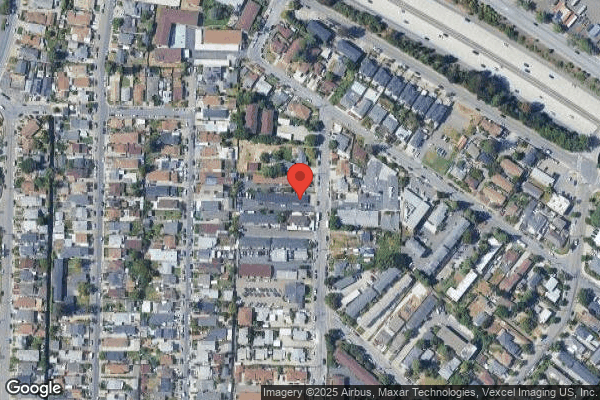

1652 MONO AVENUE, SAN LEANDRO, CA 94578 (510) 481-3200
For profit - Limited Liability company 86 Beds PACS GROUP Data: November 2025 1 Immediate Jeopardy citation
Trust Grade
13/100
#967 of 1155 in CA
Last Inspection: July 2024

Within standard 12-15 month inspection cycle. Federal law requires annual inspections.

Overview

All Saints Subacute & Transitional Care in San Leandro, California, has a Trust Grade of F, indicating significant concerns about the facility's quality of care. Ranking #967 out of 1155 in California and #66 out of 69 in Alameda County places it in the bottom half of nursing homes, suggesting that many other facilities may provide better care. Although the facility is showing signs of improvement, with the number of issues decreasing from 8 to 3 between 2024 and 2025, the staffing rating is below average at 2 out of 5 stars, and turnover is concerning at 56%, which is significantly higher than the state average. The facility has incurred $132,194 in fines, which is higher than 95% of California facilities, indicating ongoing compliance problems. On the positive side, it has good RN coverage, surpassing 77% of state facilities, meaning registered nurses are more available to catch potential issues. However, there have been critical incidents, such as failing to follow infection control practices, which could lead to the spread of infections, and not providing proper care for residents, risking their health and comfort. Overall, while there are some improvements and strengths, significant weaknesses remain that families should carefully consider.

Trust Score
F
13/100
In California
#967/1155
Bottom 17%
Safety Record
High Risk
Review needed
Inspections
Getting Better
8 → 3 violations
Staff Stability
⚠ Watch
56% turnover. Above average. Higher turnover means staff may not know residents' routines.
Penalties
⚠ Watch
$132,194 in fines. Higher than 92% of California facilities. Major compliance failures.
Skilled Nurses
✓ Good
Each resident gets 58 minutes of Registered Nurse (RN) attention daily — more than average for California. RNs are trained to catch health problems early.
Violations
⚠ Watch
19 deficiencies on record. Higher than average. Multiple issues found across inspections.
★☆☆☆☆
1.0
Overall Rating
★★☆☆☆
2.0
Staff Levels
★★★★☆
4.0
Care Quality
★☆☆☆☆
1.0
Inspection Score
Stable
2024: 8 issues
2025: 3 issues

The Good

  • 4-Star Quality Measures · Strong clinical quality outcomes
  • Full Sprinkler Coverage · Fire safety systems throughout facility
  • No fines on record

Facility shows strength in quality measures, fire safety.

The Bad

1-Star Overall Rating

Below California average (3.1)

Significant quality concerns identified by CMS

Staff Turnover: 56%

Near California avg (46%)

Frequent staff changes - ask about care continuity

Federal Fines: $132,194

Well above median ($33,413)

Significant penalties indicating serious issues

Chain: PACS GROUP

Part of a multi-facility chain

Ask about local staffing decisions and management

Staff turnover is elevated (56%)

8 points above California average of 48%

The Ugly 19 deficiencies on record

1 life-threatening
Aug 2025 1 deficiency
CONCERN (E) 📢 Someone Reported This

A family member, employee, or ombudsman was alarmed enough to file a formal complaint

Potential for Harm - no one hurt, but risky conditions existed

Quality of Care (Tag F0684)

Could have caused harm · This affected multiple residents

**NOTE- TERMS IN BRACKETS HAVE BEEN EDITED TO PROTECT CONFIDENTIALITY** Based on observation, interview, and record review the facility failed to ensure necessary treatment and care services in accord...

Read full inspector narrative →
**NOTE- TERMS IN BRACKETS HAVE BEEN EDITED TO PROTECT CONFIDENTIALITY** Based on observation, interview, and record review the facility failed to ensure necessary treatment and care services in accordance with professional standards of practice, comprehensive assessment, and care plan for three of 23 sampled residents (Residents 6, 45 and 58) when:Facility did not provide proper oral care for Resident 45 and 58Facility did not provide timely incontinent care for Resident 6These failures had the potential for Resident 45 and Resident 58 to suffer from oral infections, discomfort and an increased risk for pneumonia, and for Resident 6 to not received the necessary care and services to maintain skin integrity. 1.During a record review of Resident 45’s “admission Record” (AR), printed on 8/20/25, the “AR” indicated Resident 45 was admitted to the facility on [DATE] with diagnoses of diffuse traumatic brain injury (widespread damage occurs to the brain, often resulting in prolonged loss of consciousness and potential long-term disability), dependence on ventilator status (a type of breathing apparatus that provides mechanical ventilation to a patient who is physically unable to breathe), and gastrostomy status (state of having a surgically created opening in the stomach for the purpose of feeding). During a record review of Resident 58’s “AR”, printed on 8/20/25, the ‘AR” indicated Resident 58 was admitted to the facility on [DATE] with diagnoses of dysphagia (difficulty swallowing) following cerebral infraction (death of an area of brain tissue when a blocked blood vessel prevents delivery of an adequate blood and oxygen supply to the brain ), dependence on ventilator status, and gastrostomy status. During an interview and record review on 8/20/25 at 11:30 a.m., with Minimum Data Set Coordinator (MDSC), Residents 45's Minimum Data Set (MDS, a resident assessment instrument used to identify resident care problems to be addressed in an individualized carte plan) dated 6/21/25 and Resident 58's MDS assessment dated [DATE] were reviewed. The MDSC stated Residents 45 and 58 were totally dependent on the staff for oral hygiene. During an observation on 8/18/25 at 9:34 a.m., Resident 45 was lying in bed with eyes closed and mouth open. Dried, light, tan-colored matter was noted on Resident 45’s lips and brown-colored, dry matter at the corners of the mouth. When Resident 45 was smacking their lips, sticky, creamy matter was observed between the lips and inside the mouth. During an observation on 8/18/25 at 9:40 a.m., Resident 58 was lying in bed with eyes open and non-verbal. Resident 58’s upper lip was dry and coated with off white, thick, peeling layer of skin. During an observation and interview on 8/19/25 at 8:17 a.m., with Licensed Vocational Nurse (LVN) 1, in Resident 45 and 58’s shared room, LVN 1 stated Resident 58’s mouth was dry, peeling and needed oral care. LVN 1 stated both Resident 45 and 58 tended to bite their lips and teeth to cause bleeding, and maybe the brown dry matter around Resident 58’s mouth was dried blood. LVN 1 further stated the night shift Respirator Therapist (RT) should have performed oral care for Residents 45 and 58 during the night shift. During an interview on 8/20/25 at 9:01 a.m., with Director of Nursing (DON), the DON stated poor oral care could lead to bacteria growth in the mouth, cause tooth decay, and increase risk for aspiration pneumonia (when food, liquid, saliva, or vomit accidentally goes down into the lungs instead of the stomach and cause an infection in the lungs). During a concurrent interview and record review on 8/20/25 10:34 a.m., with RT Manager (RTM), reviewed Resident 45 and 58’s oral care performed by RT records, printed on 8/20/25. The records indicated Resident 45 and 58’s oral care was performed by RT on 8/17/25 at 02:21 a.m. and 8/17/25 at 02:22 a.m. RTM stated that RT staff were supposed to perform oral care with Chlorohexidine solutions (a special liquid often used in medical setting to clean the skin, mouth or medical equipment to prevent infection by killing germs) every shift and as needed for each resident. RTM stated it usually took a day or two to build up thicken, creamy matter in their mouths. RTM stated poor oral care could cause oral odors, dental problems and make residents feel unwell. Review of facility’s policy (P&P) titled “Oral Care for the Residents with Special Needs” released July 2025, indicated “The facility will provide oral care to residents with special needs every shift and as needed”. 2.During a review of Resident 6's Annual-Minimum Data Set (MDS, Resident Assessment and care guide tool), dated 7/23/25, the MDS indicated Resident 6 was comatose (a state of coma meaning in a deep, prolonged and unarousable state of unconsciousness, unresponsive to stimuli). MDS indicated Resident 6 used external urinary condom catheter (is a urine collection device fits like a condom over penis). MDS indicated Resident 6 was always incontinent of bowel. MDS indicated Resident 6 was dependent for toileting hygiene, care givers do all the effort to complete the activity, or the assistance of two or more helpers is required to complete activity. MDS indicated Resident 6's diagnoses included Traumatic Brain Injury (Brain dysfunction caused by an outside force, usually a violent blow to the head). During a telephone interview on 8/20/25 at 8:59 a.m. with Family Member (FM 1), FM1 stated she visited Resident 6 on 8/14/25 in the morning around 10:00 a.m. and found Resident 6 laid on a draw sheet saturated with dry urine up to his shoulders and upper body. FM1 stated nursing staff did not reposition and changed Resident 6's soiled linen. FM 1 stated she reported incident to the facility staff. During a concurrent observation and interview 8/20/25 at 9:20 a.m. with Licensed Vocational Nurse (LVN 5) in Resident 6's room, Resident 6 laid in bed unconscious with tracheostomy (a surgical procedure that creates an opening in the neck to help the patient breathe) and on ventilator (breathing machine). LVN 5 stated Resident 6 used a condom catheter and was cleaned, repositioned and provided incontinent care. LVN 5 stated Resident 6 condom catheter was changed every shift and as needed. During a telephone interview on 8/20/25 at 3:41 p.m. with Certified Nursing Assistant (CNA 4), CNA 4 stated he was assigned to care for Resident 6 on 8/14/25 night shift ending 7:30 am. CNA 4 stated Resident 6's condom catheter sometimes came off and it took time for licensed nurse to replace condom catheter. CNA 4 stated he provided Resident 6 incontinent care and repositioned Resident 6 every two hours. CNA 4 stated he did not observe Resident 6's draw sheet with urine stained. During a concurrent observation and interview on 8/20/25 at 9:02 a.m. with CNA 5, Resident 6 laid in bed. CNA 5 stated she was assigned to care for Resident 6 on 8/14/25 morning shift start time 7a.m. CNA 5 stated she checked on Resident 6 at around 8a.m. CNA 5 stated Resident 6 was clean and reposition. CNA 5 stated she does walk rounds with night shift CNA to check residents and make sure residents were cleaned and repositioned. CNA 5 stated she returned to Resident 6 around 10 a.m. for care because she has other residents to attend and was busy. CNA 5 said she did not see that Resident 6's draw sheet was stained with urine. During an interview on 8/20/25 at 10:18 a.m. with Director of Staff Development (DSD), DSD stated he was informed that Resident 6's FM1 complained that Resident 6's draw sheet was saturated with urine stain and not changed overnight. DSD stated CNA 5 was interviewed and stated Resident 6's condom catheter was loose and may be leaking. DSD stated he was shown a picture of Resident 6 wet bed with saturated urine-stained draw sheet underneath Resident 6. DSD stated he followed up with night shift nurse CNA 4 and reminded CNA 4 and CNA 5 to check, clean and reposition Resident 6 every two hours and stress the importance of checking residents' incontinence episodes. During an interview on 8/21/25 at 11:21 a.m. with Administrator (Admin), Admin stated facility was aware of a complaint on 8/14/25 that Resident 6 laid on a draw sheet that was saturated and stained with urine and had started investigation. During a concurrent interview and record review on 8/22/25 at 10:15 a.m. with Director of Nursing (DON), Resident 6's bladder and bowel continence records, safety checks every 2 hours including positioning and assistance in bowel and bladder records were reviewed. The safety checks every 2 hours records indicated on 8/14/25, Resident 6 was checked at 12:06 a.m. and next check was at 6:44 a.m. DON stated her expectation was for nursing staff to follow the safety protocol, and check residents every 2 hours for positioning, incontinence care so residents are comfortable, clean and prevent wounds. During a review of the facility's policy and procedure (P&P) titled, Repositioning, dated 2001, the P&P indicated, Residents who are in bed should be on at least an every-two-hour (q2hour) repositioning schedule. During a review of the facility's policy and procedure (P&P) titled, Activities of Daily Living (ADL), Supporting dated 2001, the P&P indicated, Residents who are unable to carry out activities of daily living independently will receive the services necessary to maintain good nutrition, grooming and personal and oral hygiene.
Mar 2025 2 deficiencies 1 IJ (1 facility-wide)
CRITICAL (L) 📢 Someone Reported This

A family member, employee, or ombudsman was alarmed enough to file a formal complaint

Immediate Jeopardy (IJ) - the most serious Medicare violation

Infection Control (Tag F0880)

Someone could have died · This affected most or all residents

⚠️ Facility-wide issue

**NOTE- TERMS IN BRACKETS HAVE BEEN EDITED TO PROTECT CONFIDENTIALITY** Based on observation, interview, and record review, Facility 2 failed to follow infection control practices to prevent the sprea...

Read full inspector narrative →
**NOTE- TERMS IN BRACKETS HAVE BEEN EDITED TO PROTECT CONFIDENTIALITY** Based on observation, interview, and record review, Facility 2 failed to follow infection control practices to prevent the spread of infection in Facility 2 when the following were identified: 1. Facility 2 did not follow the recommendations to stop the spread of infection as outlined by the local public health department (LPHD). The recommendations were as follows: a.Close Facility 2 to new admissions and halt movement of residents from other buildings to the facility . b.Submission of adherence monitoring logs for hand hygiene, PPE (personal protective equipment, any piece of clothing or equipment that ' s worn by the employees to minimize exposure to biological, chemical, or any physical hazards on work site) use, and environmental cleaning at weekly intervals and contact precaution (infection control measures used to prevent the spread of infectious diseases that are transmitted through direct contact with an infected person or their contaminated environment) and hand hygiene observations of staff to 50 per shift . c.Implement infection control committee meetings if not currently in place, including lead staff from all disciplines. Provide meeting cadence and participant list to LPHD . d.Provide documentation of outbreak notification and education provided to residents and families . e.Notify licensing California Department of Public Health about infection outbreak . 2. Certified Nursing Assistant (CNA) 1 and CNA 2 entered Resident 1 and Resident 2 ' s room without performing hand hygiene. 3. Facility 2 failed to separate direct care staff (assists with tasks such as bathing, dressing, personal hygiene, and medication management) for residents who were infected with MDRO (multi-drug resistant organism, are bacteria that have become resistant to certain antibiotics, and these antibiotics can no longer be used to control or kill the bacteria) from non-infected residents. These failures resulted in an increase of Carbapanemase-Resistant Organism (CRO, bacteria that are resistant to a class of antibiotics called carbapenems which are typically used a last-line treatments for serious infections) infections in Facility 2. The cross-contamination resulted in non-infected residents becoming infected, including: -Residents 10, 49, 50, 52, 53, 54, and 56 were infected with Carbapenem-Resistant Pseudomonas aeruginosa (CRPA, bacteria that can cause pneumonia, bloodstream infections, urinary tract infections, and surgical site infections, and they are particularly dangerous for patients with chronic lung diseases). -Residents 1, 6, 7, 8, 9, 39, 40, 41, 42, 43, 44, 45, 46, 47, and 48 were infected with MDRO -Residents 4, 5, 11, 12, 13, 14, 15, 16, 24, 25, 26, 27, 28, 29, 30, 31, 32, 33, 34, 35, 36, 37, and 38 were infected with Carbapenem-resistant Acinetobacter baumannii (CRAB, a bacteria that can cause human infections of the blood, urinary tract, lungs, wounds, and other body sites. CRAB is a multidrug-resistant, making infections very difficult to treat) and/or with New Delhi [NAME]-ß-lactamase (NDM, an enzyme that makes bacteria resistant to a broad range of antibiotics including the carbapenem family). An Immediate Jeopardy situation (IJ, a situation in which a facility's actions places one or more residents/patients in jeopardy of being significantly harmed up to the point of possible death if not immediately corrected) was identified and called due to the failure of Facility 2 to follow infection control practices to prevent the spread of infection among Facility 2 ' s 63 residents. The Administrator (ADM) was verbally notified of the IJ situation on 3/13/25 at 7:45 p.m. During a visit to Facility 2 on 3/25/25, Facility 2 provided an acceptable plan of action and the IJ was removed at 2:50 p.m. Findings: Upon entrance to Facility 2 on 3/13/25 at 12:30 p.m. with Infection Preventionist (IP), a request was made to provide a line list (a table that contains key information about each case in an outbreak) for Facility 2. During a record review of Facility 2 ' s document, titled, CRO Line List, dated March 2025, CRO Line List did not contain laboratory test dates for the residents who tested positive for CROs. During an interview on 3/14/25 at 3:31 p.m. with IP, IP was requested to provide an updated line list for Facility 2 with laboratory test dates for the residents who tested positive for CRO infections. During a phone interview on 3/20/25 at 8:04 a.m. with IP, IP was requested to provide another updated line list for Facility 2 with the laboratory test dates included. During a review of a document titled, CRO List, dated March 2025, sent via email by Medical Record Director (MRD) on 3/20/25 at 10:09 a.m., the CRO List included Facility 2 ' s updated line list but was missing test dates for Residents 42 and 56. Furthermore, Facility 2 did not provide laboratory results for Resident 42 and Resident 56 to confirm the dates the infection was identified. During a review of Resident 1 ' s admission Record (AR), printed on 3/14/25, the AR indicated Resident 1 was admitted to Facility 2 in February 2025 with diagnoses that included quadriplegia (a severe medical condition that causes partial or total loss of sensation and movement of all four limbs) and acute respiratory failure (ARF, results from inadequate gas exchange by the respiratory system). During a review of Facility 2 ' s CRO Line List, dated March 2025, the CRO Line List showed Resident 1 tested positive for an MDRO on 2/18/25. During a review of Resident 4 ' s AR, printed on 3/14/25, the AR indicated Resident 4 was admitted to Facility 2 in April 2016 with a diagnosis of traumatic brain injury (brain dysfunction caused by an outside force, usually a violent blow to the head). During a review of Facility 2 ' s CRO Line List, dated March 2025, the CRO Line List showed Resident 4 tested positive for CRAB and NDM infections on unknown test date. During a review of Resident 5 ' s AR, printed on 3/14/25, the AR indicated Resident 5 was admitted to Facility 2 in May 2018 with a diagnosis of nontraumatic intracerebral hemorrhage (a type of stroke or bleeding within the brain tissue). During a review of Facility 2 ' s CRO Line List, dated March 2025, the CRO Line List showed Resident 5 tested positive for CRAB and NDM infections on unknown test date. During a review of Resident 6 ' s AR, printed on 3/14/25, the AR indicated Resident 6 was admitted to Facility 2 in February 2025 with diagnoses of ARF and dependence in ventilator (a machine that helps an individual breathe) status. The AR showed Resident 6 was admitted to Facility 2 from Facility 1 in February 2025. During a review of Facility 2 ' s CRO Line List, dated March 2025, the CRO Line List showed Resident 6 tested positive for an MDRO on 2/2/25. During a review of Resident 7 ' s AR, printed on 3/14/25, the AR indicated Resident 7 was admitted to Facility 2 in November 2024 with a diagnosis of amyotrophic lateral sclerosis (ALS, a nervous system disease that affects nerve cells in the brain and spinal cord that can cause loss of muscle control). During a review of Facility 2 ' s CRO Line List, dated March 2025, the CRO Line List showed Resident 7 tested positive for an MDRO on 2/15/25. During a review of Resident 8 ' s AR, printed on 3/14/25, the AR indicated Resident 8 was admitted to Facility 2 in February 2025 with diagnoses of quadriplegia and chronic obstructive pulmonary disease (COPD, refers to a group of diseases that cause airflow blockage and breathing-related problems. It includes emphysema and chronic bronchitis). The AR showed Resident 8 was admitted to Facility 2 from Facility 1 in February 2025. During a review of Facility 2 ' s CRO Line List, dated March 2025, the CRO Line List showed Resident 8 tested positive for an MDRO on 2/2/25. During a review of Resident 9 ' s AR, printed on 3/14/25, the AR indicated Resident 9 was admitted to Facility 2 in January 2025 with diagnoses of cerebral infarction (stroke), hemiplegia (a condition caused by brain damage or spinal cord injury that leads to paralysis on one side of the body), affecting right dominant side, and tracheostomy status. During a review of Facility 2 ' s CRO Line List, dated March 2025, the CRO Line List showed Resident 9 tested positive for an MDRO on 2/15/25. During a review of Resident 10 ' s AR, printed on 3/14/25, the AR indicated Resident 10 was admitted to Facility 2 in February 2025 with diagnoses of nontraumatic intracerebral hemorrhage (an emergency condition in which a ruptured blood vessel causes bleeding inside) and dependence on ventilator status. The AR showed Resident 10 was admitted to Facility 2 from Facility 1 in February 2025. During a review of Facility 2 ' s CRO Line List, dated March 2025, the CRO Line List showed Resident 10 tested positive for CRPA on 2/23/25. During a review of Resident 11 ' s AR, printed on 3/14/25, the AR indicated Resident 11 was admitted to Facility 2 in January 2025 with diagnoses of anoxic brain damage (a condition where the brain is deprived of oxygen for a prolonged period, leading to damage or death of brain cells), ARF, and cardiac arrest (when the heart stops beating suddenly). During a review of Facility 2 ' s CRO Line List, dated March 2025, the CRO Line List showed Resident 11 tested positive for CRAB on 2/15/25. During a review of Resident 12 ' s AR, printed on 3/14/25, the AR indicated Resident 12 was admitted to Facility 2 in February 2025 with diagnoses of critical illness myopathy (is a form of generalized weakness involving the muscles of the extremities, trunk, and respiration that frequently occurs in conjunction with severe illness), COPD, and tracheostomy status. The AR showed Resident 12 was admitted to Facility 2 from Facility 1 in February 2025. During a review of Facility 2 ' s CRO Line List, dated March 2025, the CRO Line List showed Resident 12 tested positive for CRAB on 2/15/25. During a review of Resident 13 ' s AR, printed on 3/14/25, the AR indicated Resident 13 was admitted to Facility 2 in January 2025 with diagnoses of quadriplegia, ARF, and ventilator dependence status. During a review of Facility 2 ' s CRO Line List, dated March 2025, the CRO Line List showed Resident 13 tested positive for CRAB and NDM infections in February 2025. During a review of Resident 14 ' s AR, printed on 3/14/25, the AR indicated Resident 14 was admitted to Facility 2 in January 2024 with diagnoses of cardiac arrest, secondary malignant neoplasm (cancer) of left lung, tracheostomy status and dependence in ventilator status. During a review of Facility 2 ' s CRO Line List, dated March 2025, the CRO Line List showed Resident 14 tested positive for CRAB in August 2024. During a review of Resident 15 ' s AR, printed on 3/14/25, the AR indicated Resident 15 was admitted to Facility 2 in September 2024 with diagnoses of cervical spine fusion (a surgical procedure that connect two or more bones in the spine), tracheostomy status and dependence in ventilator status. During a review of Facility 2 ' s CRO Line List, dated March 2025, the CRO Line List showed Resident 15 tested positive for CRAB on 2/15/25. During a review of Resident 16 ' s AR, printed on 3/14/25, the AR indicated Resident 16 was admitted to Facility 2 in September 2024 with diagnoses of chronic respiratory failure, tracheostomy status, and unspecified pressure ulcer (refers to localized damage to the skin and/or underlying soft tissue usually over a bony prominence or related to a medical or other device) of sacral region. During a review of Facility 2 ' s CRO Line List, dated March 2025, the CRO Line List showed Resident 16 tested positive for NDM on 10/23/24. During a review of Resident 24 ' s AR, printed on 3/14/25, the AR indicated Resident 24 was admitted to Facility 2 in January 2024 with diagnoses of acute and chronic respiratory failure, encephalopathy (a brain disease that alters functions or structure), COPD, tracheotomy status and severe sepsis (an infection in the blood). During a review of Facility 2 ' s CRO Line List, dated March 2025, the CRO Line List showed Resident 24 tested positive for CRAB on 12/29/24. During a review of Resident 25 ' s AR, printed on 3/14/25, the AR indicated Resident 25 was admitted to Facility 2 in September 2024 with diagnoses of nontraumatic intracerebral hemorrhage, chronic respiratory failure, quadriplegia, and resistance to multiple antibiotics. During a review of Facility 2 ' s CRO Line List, dated March 2025, the CRO Line List showed Resident 25 tested positive for CRAB on unknown test date. During a review of Resident 26 ' s AR, printed on 3/14/25, the AR indicated Resident 26 was admitted to Facility 2 in November 2023 with diagnoses of sepsis, cerebral infarction, and tracheostomy status. During a review of Facility 2 ' s CRO Line List, dated March 2025, the CRO Line List showed Resident 26 tested positive for CRAB in December 2023. During a review of Resident 27 ' s AR, printed on 3/14/25, the AR indicated Resident 27 was admitted to Facility 2 in October 2023 with diagnoses of paraplegia (the inability to voluntarily move the lower parts of the body), severe sepsis, and ventilator associated pneumonia. During a review of Facility 2 ' s CRO Line List, dated March 2025, the CRO Line List showed Resident 27 tested positive for CRAB in November 2023. During a review of Resident 28 ' s AR, printed on 3/14/25, the AR indicated Resident 28 was admitted to Facility 2 in March 2023 with diagnoses of ARF, sepsis, pressure ulcer of right and left hip stage 4, attention to tracheostomy, and dependence on ventilator. During a review of Facility 2 ' s CRO Line List, dated March 2025, the CRO Line List showed Resident 28 tested positive for CRAB on unknown test date. During a review of Resident 29 ' s AR, printed on 3/14/25, the AR indicated Resident 29 was admitted to Facility 2 in March 2024 with pneumonia, ARF, nontraumatic intracerebral hemorrhage, and tracheostomy status. During a review of Facility 2 ' s CRO Line List, dated March 2025, the CRO Line List showed Resident 29 tested positive for CRAB in October 2024. During a review of Resident 30 ' s AR, printed on 3/14/25, the AR indicated Resident 30 was admitted to Facility 2 in September 2024 with diagnoses of cerebral infarction, ARF, tracheostomy status, and resistance to multiple antimicrobial drugs. During a review of Facility 2 ' s CRO Line List, dated March 2025, the CRO Line List showed Resident 30 tested positive for CRAB on 11/23/24. During a review of Resident 31 ' s AR, printed on 3/14/25, the AR indicated Resident 31 was admitted to Facility 2 in April 2023 with diagnoses of ARF, COPD with exacerbation, and dependence on ventilator. During a review of Facility 2 ' s CRO Line List, dated March 2025, the CRO Line List showed Resident 31 tested positive for CRAB on 2/15/25. During a review of Resident 32 ' s AR, printed on 3/14/25, the AR indicated Resident 32 was admitted to Facility 2 in October 2024 with diagnoses of chronic respiratory failure, enterocolitis due to clostridium difficile (inflammation in your intestinal lining and colon), and dependence on ventilator. During a review of Facility 2 ' s CRO Line List, dated March 2025, the CRO Line List showed Resident 32 tested positive for CRAB on 11/23/24. During a review of Resident 33 ' s AR, printed on 3/14/25, the AR indicated Resident 33 was admitted to Facility 2 in May 2023 with diagnoses of ARF, cerebral palsy (a group of conditions that affect movement and posture), tracheostomy status, and dependence on ventilator. During a review of Facility 2 ' s CRO Line List, dated March 2025, the CRO Line List showed Resident 33 tested positive for CRAB on 11/23/24. During a review of Resident 34 ' s AR, printed on 3/14/25, the AR indicated Resident 34 was admitted to Facility 2 in August 2024 with diagnoses of ARF, severe sepsis with septic shock, tracheostomy status, and pressure ulcer of sacral region (stage 4). During a review of Facility 2 ' s CRO Line List, dated March 2025, the CRO Line List showed Resident 34 tested positive for CRAB on 11/23/24. During a review of Resident 35 ' s AR, printed on 3/14/25, the AR indicated Resident 35 was admitted to Facility 2 in December 2022 with diagnoses of quadriplegia, cerebral infarction, attention to tracheostomy, and dependence on ventilator status. During a review of Facility 2 ' s CRO Line List, dated March 2025, the CRO Line List showed Resident 35 tested positive for CRAB on 11/23/24. During a review of Resident 36 ' s AR, printed on 3/14/25, the AR indicated Resident 36 was admitted to Facility 2 in October 2024 with diagnoses of nontraumatic subarachnoid hemorrhage (a type of stroke, bleeding in the space between the brain and the tissues that cover the brain), tracheostomy status, and dependence on ventilator status. During a review of Facility 2 ' s CRO Line List, dated March 2025, the CRO Line List showed Resident 36 tested positive for CRAB on 11/23/24. During a review of Resident 37 ' s AR, printed on 3/14/25, the AR indicated Resident 37 was admitted to Facility 2 in November 2024 with diagnoses of ARF, anoxic brain damage (occurs when oxygen is cut off completely from the brain), tracheostomy status, paraplegia, carrier of CRE, and resistance to multiple antimicrobial drugs. During a review of Facility 2 ' s CRO Line List, dated March 2025, the CRO Line List showed Resident 37 tested positive for CRAB in December 2024. During a review of Resident 38 ' s AR, printed on 3/14/25, the AR indicated Resident 38 was admitted to Facility 2 in June 2024 with diagnoses of ALS, severe sepsis with septic shock, tracheostomy status, and dependence on ventilator status. During a review of Facility 2 ' s CRO Line List, dated March 2025, the CRO Line List showed Resident 38 tested positive for CRAB in July 2024. During a review of Resident 39 ' s AR, printed on 3/14/25, the AR indicated Resident 39 was admitted to Facility 2 in November 2024 with diagnoses of Diabetes Mellitus Type 2, Essential Hypertension, and Malignant Neoplasm of Kidney. During a review of Facility 2 ' s CRO Line List, dated March 2025, the CRO Line List showed Resident 39 tested positive for an MDRO on 2/4/25. During a review of Resident 40 ' s AR, printed on 3/14/25, the AR indicated Resident 40 was admitted to Facility 2 in November 2023 with diagnoses of Tracheostomy, Ventilator Dependence, Diabetes Mellitus Type 2, and Essential Hypertension. During a review of Facility 2 ' s CRO Line List, dated March 2025, the CRO Line List showed Resident 40 tested positive for an MDRO on 2/15/25. During a review of Resident 41 ' s AR, printed on 3/14/25, the AR indicated Resident 41 was admitted to Facility 2 in October 2024 with diagnoses of Tracheostomy, Ventilator Dependence, Diabetes Mellitus Type 2, Malignant Neoplasm of Unspecified Breast, and Deep Tissue Damage of the Sacral Region. During a review of Facility 2 ' s CRO Line List, dated March 2025, the CRO Line List showed Resident 41 tested positive for an MDRO on 2/18/25. During a review of Resident 42 ' s AR, printed on 3/14/25, the AR indicated Resident 42 was admitted to Facility 2 in January 2024 with diagnoses of Tracheostomy, Ventilator Dependence and Diabetes Mellitus type 2. During a review of Facility 2 ' s CRO Line List, dated March 2025, received on 3/14/25, showedResident 42 ' s positive test result for MDRO was hand written in as January 2024. An updated CRO Line List, dated March 2025, received on 3/20/25 no longer showed the date Resident 42 tested positive for an MDRO. During a review of Resident 43 ' s AR, printed on 3/14/25, the AR indicated Resident 43 was admitted to Facility 2 in December 2016 with diagnoses of Resistance to Multiple Antibiotics, Diabetes Mellitus type 1, and Essential Hypertension. During a review of Facility 2 ' s CRO Line List, dated March 2025, the CRO Line List showed Resident 43 tested positive for an MDRO on 12/29/22. The CRO Line List also showed Resident 43 refused to be tested again. During a review of Resident 44 ' s AR, printed on 3/14/25, the AR indicated Resident 44 was admitted to Facility 2 in October 2018 with diagnoses of Hemiplegia of both Right and Left Sides, Diabetes Mellitus type 2, and Essential Hypertension. During a review of Facility 2 ' s CRO Line List, dated March 2025, the CRO Line List showed Resident 44 tested positive for an MDRO on 2/18/25. During a review of Resident 45 ' s AR, printed on 3/14/25, the AR indicated Resident 45 was admitted to Facility 2 in April 2023 with diagnoses of Tracheostomy, Ventilator Dependence, Gastrotomy, Diabetes Mellitus type 2, and Essential Hypertension. During a review of Facility 2 ' s CRO Line List, dated March 2025, the CRO Line List showed Resident 45 tested positive for an MDRO in November 2023. The CRO Line List also showed Resident 45 refused to be tested again. During a review of Resident 46 ' s AR, printed on 3/14/25, the AR indicated Resident 46 was admitted to Facility 2 in April 2023 with diagnoses of Tracheostomy and Essential Hypertension. During a review of Facility 2 ' s CRO Line List, dated March 2025, the CRO Line List showed Resident 46 tested positive for an MDRO on 2/18/25. During a review of Resident 47 ' s AR, printed on 3/14/25, the AR indicated Resident 47 was admitted to Facility 2 in October 2024 with diagnoses of Tracheostomy, Ventilator Dependence, Diabetes Mellitus type 2, Essential Hypertension, Latent Tuberculosis, and Unstageable Pressure Injuries of the Right Heel and Sacral Region. During a review of Facility 2 ' s CRO Line List, dated March 2025, the CRO Line List showed Resident 47 tested positive for an MDRO on 2/15/25. During a review of Resident 48 ' s AR, printed on 3/14/25, the AR indicated Resident 48 was admitted to Facility 2 in August 2024 with diagnoses of Tracheostomy, Ventilator Dependence, Essential Hypertension, and Myotonic Muscular Dystrophy. During a review of Facility 2 ' s CRO Line List, dated March 2025, the CRO Line List showed Resident 48 tested positive for an MDRO on 10/22/24. During a review of Resident 49 ' s AR, printed on 3/14/25, the AR indicated Resident 49 was admitted to Facility 2 in January 2025 with diagnoses of Chronic Obstructive Pulmonary Disease (COPD - a group of lung diseases that cause long-term breathing problem) and Pneumonia (lung infection often cause by virus, bacteria or fungi), and tracheostomy status, dependence on ventilator status, and atelectasis (lung collapse). During a review of Facility 2 ' s CRO Line List, dated March 2025, the CRO Line List showed Resident 49 tested positive for CRPA on 1/27/25. During a review of Resident 51 ' s AR, printed on 3/14/25, the AR indicated Resident 51 was admitted to Facility 2 in October 2023 with diagnoses of Traumatic subdural hemorrhage (bleeding near the brain) and acute respiratory failure (low blood oxygen levels). During a review of Facility 2 ' s CRO Line List, dated March 2025, the CRO Line List showed Resident 51 tested positive for CRPA on 2/15/25. During a review of Resident 52 ' s AR, printed on 3/14/25, the AR indicated Resident 52 was admitted to Facility 2 in February 2018 with diagnoses of Chronic Respiratory Failure, dependence on ventilator status, encounter for attention to tracheostomy, sepsis due to MRSA, severe sepsis with septic shock and personal history of traumatic brain injury. During a review of Facility 2 ' s CRO Line List, dated March 2025, the CRO Line List showed Resident 52 tested positive for CRPA with an unknown test date. During a review of Resident 53 ' s AR, printed on 3/14/25, the AR indicated Resident 53 was admitted to facility in June 2023 with diagnoses of acute respiratory failure with hypoxia (absence of enough oxygen in the tissues to sustain bodily functions), tracheostomy status and dependence on ventilator status. During a review of Facility 2 ' s CRO Line List, dated March 2025, the CRO Line List showed Resident 53 tested positive for CRPA on 10/18/23. During a review of Resident 54 ' s AR, printed on 3/14/25, the AR indicated Resident 54 was admitted to Facility 2 in July 2024 with diagnoses of diffuse traumatic brain injury (severe type of brain injury), sepsis (life-threatening infection of the bloodstream) due to other specified staphylococcus (bacteria), bacteremia (condition where bacteria enter the bloodstream), resistance to multiple antibiotics, tracheostomy status and dependence of ventilator status. During a review of Facility 2 ' s CRO Line List, dated March 2025, the CRO Line List showed Resident 54 tested positive for CRPA on 1/27/25. During a review of Resident 55 ' s AR, printed on 3/14/25, the AR indicated Resident 55 was admitted to the Transitional Care Unit (TCU) in December 2024 with diagnoses of acute respiratory failure with hypercapnia, acute respiratory failure with hypoxia, tracheostomy status, dependence on ventilator status, atelectasis and pneumonia. During a review of Facility 2 ' s CRO Line List, dated March 2025, the CRO Line List showed Resident 55 tested positive for CRPA with an unknown test date. During a review of Resident 56 ' s AR, printed on 3/14/25, the AR indicated Resident 56 was admitted to the TCU in November 2022 with diagnoses of chronic respiratory failure with hypoxia, respiratory failure unspecified with hypoxia and pseudomonas (a group bacterial infection commonly found in the environment, like soil and water that can affect skin, blood, lungs, and other parts of the body.) During a review of Facility 2 ' s CRO Line List, dated March 2025, the CRO Line List showed Resident 56 ' s positive test result for CRPA was hand written in as October 2022. An updated CRO Line List, dated March 2025, received 3/20/25, no longer showed the date Resident 56 tested positive for CRPA. 1.(a.1) During a review of a letter from the LPHD, dated 1/8/25, the letter indicated On 11/15/2024, LPHD provided recommendations to mitigate transmission of these organisms .including closure of Facility 2 .This includes halting resident movement from Facility 1 to Facility 2 .We do not recommend any movement of residents into Facility 2 at this time . During a review of Facility 2 ' s Admission/Discharge To/From Report, printed on 3/14/25, the Admission/Discharge To/From Report indicated Residents 1, 6, 7, 8, 9, 10, 11, 12, 13, and 14 were discharged from Facility 1 and admitted to Facility 2 between 12/1/24 to 3/14/25. During an interview on 3/13/25 at 12:46 p.m. with IP, IP confirmed and stated the LPDH recommended Facility 2 not admit new residents to Facility 2 since November 2024. IP stated despite the recommendations from LPHD, Facility 2 still moved residents from Facility 1 to Facility 2 because of their insurance ' s last day of coverage. IP stated when they moved the residents from Facility 1 to Facility 2, it was considered a new admission because Facility 1 and Facility 2 operated under two different licenses. 1.(a.2) During a review of Resident 2 ' s AR, printed on 3/14/25, the AR indicated Resident 2 was originally admitted to Facility 2 in August 2023 with multiple diagnoses that included COPD and pneumonia (lung infection often cause by virus, bacteria or fungi), and tracheostomy status. During a review of Resident 2 ' s Minimum Data Set (MDS - a federally mandated resident assessment tool) dated 3/6/25, indicated Resident 2 had a Brief Interview for Mental Status (BIMS - an assessment tool used by facilities to screen and identify memory, orientation, and judgment status of the resident) score of 15, indicating Resident 2 had intact cognition. During a concurrent observation and interview on 3/13/25 at 2:50 p.m. with CNA 2, CNA 2 entered Resident 2 ' s room without performing hand hygiene or donning PPE. The room had a contact precaution (an infection control measures used to prevent the spread of diseases that are transmitted through direct or indirect contact with an infected person or environment) sign posted on the door. CNA 2 then embraced Resident 2. CNA 2 then stated, she established good rapport with Resident 2 when Resident 2 was in Facility 2 where CNA 2 worked. CNA 2 added, Resident 2 was transferred to the TCU from Facility 2 one month ago and wanted to give Resident 2 a hug. CNA 2 then exited from the TCU building and into the parking lot. 1.(a.3) During a review of Resident 3 ' s AR, printed on 3/14/25, the AR indicated Resident 3 was recently re-admitted to Facility 2 in March 2025 with multiple diagnoses that included, acute respiratory failure with hypoxia and atelectasis (collapsed lungs). During a concurrent interview and record review on 3/19/25 at 3:35 p.m. with Social Worker (SW), Facility 2 ' s resident census (the number of residents currently under care at Facility 2 at that time), dated 3/19/25, indicated the following: a. Resident 2 was transferred to the TCU building in Facility 2 from Subacute building in Facility 2 on 1/4/25. b. Resident 3 was originally admitted to Facility 1 on 12/6/24. Resident 3 was discharged from Facility 1 on 3/11/25 and then admitted to the TCU building in Facility 2 on 3/11/25. During an interview on 3/14/25 at 11:36 a.m. with IP, IP stated Resident 2 was transferred to the TCU building in Facility 2 from
CONCERN (E) 📢 Someone Reported This

A family member, employee, or ombudsman was alarmed enough to file a formal complaint

Potential for Harm - no one hurt, but risky conditions existed

Comprehensive Care Plan (Tag F0656)

Could have caused harm · This affected multiple residents

**NOTE- TERMS IN BRACKETS HAVE BEEN EDITED TO PROTECT CONFIDENTIALITY** Based on observation, interview, and record review, the facility failed to develop and implement a comprehensive care plan (a do...

Read full inspector narrative →
**NOTE- TERMS IN BRACKETS HAVE BEEN EDITED TO PROTECT CONFIDENTIALITY** Based on observation, interview, and record review, the facility failed to develop and implement a comprehensive care plan (a document that includes measurable objectives and timeframes to meet a resident's medical, nursing, and mental and psychosocial needs that are identified in the comprehensive assessment) for four of six sampled residents (Residents 11, 12, 15, and 31), when Residents 11, 12, 15, and 31 did not have a care plan to address their antibiotic-resistant infection called Carbapenemase-Producing Organisms (CPO, are bacteria that are resistant to a class of antibiotics called carbapenems which are typically used as a of last-line treatment for serious infections) specific to enzyme New Delhi [NAME]-ß-lactamase (NDM, an enzyme that makes bacteria resistant to a broad range of antibiotics including the carbapenem family). This failure had the potential for Residents 11,12, 15. And 31 to not receive person-centered appropriate care, monitoring, and treatment. Findings: During a review of Resident 11 ' s admission Record, printed on 3/14/25, the AR indicated Resident 11 was admitted to Facility 2 in January 2025 with diagnoses to include anoxic brain damage (a condition where the brain is deprived of oxygen for a prolonged period, leading to damage or death of brain cells), acute respiratory failure (ARF), and cardiac arrest (when the heart stops beating suddenly). During a review of Resident 1 ' s Laboratory Report, dated 2/20/25, the Laboratory Report showed, NDM detected, indicating Resident 11 tested positive for NDM organism infection. During a review of Resident 12 ' s AR, printed on 3/14/25, the AR indicated Resident 12 was admitted to Facility 2 in February 2025 with diagnoses to critical illness myopathy (a form of generalized weakness involving the muscles of the extremities, trunk, and respiration that frequently occurs in conjunction with severe illness), chronic obstructive pulmonary disease (COPD, a lung disease that blocks airflow making breathing difficult), and tracheostomy status. During a review of Resident 12 ' s Laboratory Report, dated 2/20/25, the Laboratory Report showed, NDM detected, indicating Resident 12 tested positive for NDM organism infection. During a review of Resident 15 ' s AR, printed on 3/14/25, the AR indicated Resident 15 was admitted to Facility 2 in September 2024 with diagnoses to include cervical spine fusion (a surgical procedure that connect two or more bones in the spine), tracheostomy status and dependence in ventilator status. During a review of Resident 15 ' s Laboratory Report, dated 2/20/25, the Laboratory Report showed, NDM detected, indicating Resident 15 tested positive for NDM organism infection. During a review of Resident 31 ' s AR, printed on 3/14/25, the AR indicated Resident 31 was admitted to Facility 2 in April 2023 with diagnoses to include ARF, COPD with exacerbation, and dependence on ventilator. During a review of Resident 31 ' s Laboratory Report, dated 2/20/25, the Laboratory Report showed, NDM detected, indicating Resident 31 tested positive for NDM organism infection. During a review of Residents 11, 12, 3, 15, and 31 ' s Care Plan, Residents 11, 12, 3, 15, and 31 did not have a comprehensive care plan to address their NDM infection. During an interview on 3/19/25 at 1:58 p.m. with Director of Nursing (DON), DON stated the facility should have developed the care plans for all residents who had infections especially during the outbreak (usually caused by an infection, transmitted through person-to-person contact, animal-to-person contact, or from the environment or other media) in the facility. DON stated he did not think about implementing and creating an individualized care plans for infected residents. DON stated they were only focused on the type of isolation each resident needed and not the specific infection each resident had. DON stated the facility should have had a person-centered or individualized care plan for all the residents who became infected. DON stated a comprehensive care plan should have been created to provide quality of care because each resident had different medical conditions and situations. During a review of the facility ' s policy and procedure (P&P), titled, Care Plans – Comprehensive, revised in September 2010, indicated, An individualized comprehensive care plan that includes measurable objectives and timetables to meet the resident ' s medical, nursing mental, and psychological needs is developed for each resident .3. Each resident ' s comprehensive care plan is designed to .a. Incorporate identified problem areas .b. Incorporate risk factors associated with identified problems .8. Assessments of residents are ongoing, and care plans are revised as information about the resident ' s condition change. 9. The Care Planning/Interdisciplinary Team is responsible for the review and updating of care plans .a. where there has been a significant change in the resident ' s condition.
Jul 2024 8 deficiencies
CONCERN (D)

Potential for Harm - no one hurt, but risky conditions existed

ADL Care (Tag F0677)

Could have caused harm · This affected 1 resident

Based on observation, interview, and record review, the facility failed to ensure two of three sampled residents (Resident 40 and Resident 59) received assistance with Activities of Daily Living (ADL,...

Read full inspector narrative →
Based on observation, interview, and record review, the facility failed to ensure two of three sampled residents (Resident 40 and Resident 59) received assistance with Activities of Daily Living (ADL, those activities needed for self-care and mobility and include activities such as bathing, dressing, grooming, oral care, ambulation, toileting, eating, transferring, and communicating) to maintain good grooming and personal hygiene when Resident 40 and Resident 59 had long, thick facial hair. This failure resulted in Resident 40 and Resident 59 at risk for skin breakdown and irritation. Findings: 1. During a record review of Resident 59's Resident Face Sheet, printed on 7/11/24, the Face Sheet showed Resident 59 was admitted to the facility in March 2024 and had multiple medical diagnoses including encephalopathy (any brain disease that alters brain function or structure, manifested by declining ability to reason and concentrate, memory loss, personality change, seizures, and twitching are common symptoms) and traumatic hemorrhage of cerebrum (a disease caused by bleeding in the brain that can result in irreversible neurologic damage or sudden death). During a record review of Resident 59's Minimum Data Set (MDS, a resident assessment instrument used to identify resident care problems to be addressed in an individualized care plan), dated 5/21/24, the MDS section GG (Functional Abilities and Goal) indicated Resident 59 was totally dependent and needed staff's total assistance to maintain personal hygiene and grooming. During a record review of Resident 59's Care Plan for ADL/Mobility, dated 3/20/24, the record showed Resident 59 was at risk for ADL/mobility decline and required assistance related to bed-bound status, cognitive impairment, and medical conditions. During an observation and interview on 7/9/24 at 9:15 a.m. in Resident 59's room, with Certified Nurse Assistant (CNA) 1, Resident 59 had long and thick facial hair. CNA 1 stated she was from an agency, and she did not know if it was her responsibility to shave Resident 59's facial hair. During an interview on 7/9/24 at 9:20 a.m. with Licensed Vocational Nurse (LVN) 1, LVN 1 stated Resident 59 was non-verbal and unable to communicate needs. LVN 1 stated Resident 59's facial hair was already long and needed to be shaved. LVN 1 stated CNAs were responsible in maintaining Resident 59's personal hygiene and grooming. During a phone interview on 7/11/24 at 10:38 a.m. with Resident 59's Family Representative (FR), FR stated Resident 59 would have preferred his facial hair be shaved at least occasionally and not have a long and thick facial hair. 2. During a record review of Resident 40's Resident Face Sheet, printed on 7/11/24, the Face Sheet showed Resident 40 was admitted to the facility in January 2024 and had the diagnoses of encephalopathy and acute and chronic respiratory failure with hypoxia (a condition that occurs when the lungs cannot get enough oxygen into the blood or eliminate enough carbon dioxide from the body). During a record review of Resident 40's MDS, dated 6/18/24, the MDS section GG showed Resident 40 was also totally dependent on staff's total assistance to maintain personal hygiene and grooming. During an observation and interview on 7/9/24 at 1:18 p.m. with LVN 1, Resident 40 was lying in bed and had long, thick facial hair. LVN 1 stated Resident 40 was cognitively impaired and non-verbal. LVN 1 stated Resident 40 also needed to have his facial hair shaved. LVN 1 stated having a long and thick facial hair could put residents at risk for skin irritation or breakdown. During an interview on 7/10/24 at 3:10 p.m. with Director of Nursing (DON), DON stated he expected the CNAs to maintain residents' personal hygiene and grooming as needed. DON stated the risk of having long facial hair can affect residents' skin integrity and could compromise their dignity. During a record review of facility's policy & procedure (P&P) titled, Activities of Daily Living (ADL), Supporting, dated 2001, the P&P indicated, Residents who are unable to carry out activities of daily living will receive the services necessary to maintain good nutrition, grooming and personal and oral hygiene.
CONCERN (D)

Potential for Harm - no one hurt, but risky conditions existed

Respiratory Care (Tag F0695)

Could have caused harm · This affected 1 resident

Based on observation, interview and record review, the facility failed to ensure one of three sampled residents (Resident 59), received proper tracheostomy (surgically created hole in the trachea or w...

Read full inspector narrative →
Based on observation, interview and record review, the facility failed to ensure one of three sampled residents (Resident 59), received proper tracheostomy (surgically created hole in the trachea or windpipe that provides an alternative airway for breathing) care when Resident 59's tracheostomy tie (a band that goes around the neck and hold the tracheostomy tube in place) was not changed daily as ordered by the physician. This failure resulted in Resident 59 being at risk for skin irritation and infection. Findings: During a record review of Resident 59's Resident Face Sheet, printed on 7/11/24, the Face Sheet showed Resident 59 was admitted to the facility in March 2024. During a record review of Resident 59's Minimum Data Set (MDS, a resident assessment instrument used to identify resident care problems to be addressed in an individualized care plan), dated 5/21/24, Resident 59's review of section I (Active Diagnoses) indicated Resident 59 had a diagnosis of dependence on ventilator (a type of breathing apparatus that provides mechanical ventilation by moving breathable air into and out of the lungs, to deliver breaths to a patient who is physically unable to breathe or breathing insufficiently). During an observation on 7/9/24 at 09:15 a.m., Resident 59 was lying in bed and had a tracheostomy tube connected to the ventilator. Resident 59's tracheostomy tie was observed around his neck and was dated 6/14/24. During a concurrent observation and interview on 7/9/24 at 9:25 a.m. with Registered Nurse Supervisor (RN 1), RN 1 stated licensed nurses and respiratory therapists (RTs) were responsible of providing tracheostomy care to Resident 59. RN 1 stated the tracheostomy ties should be changed every day, after shower or as needed when soiled. RN 1 stated Resident 59's tracheostomy tie was last changed on 6/14/24. RN 1 stated Resident 59's tracheostomy tie should have been changed daily. RN 1 stated the risk of not changing the tracheostomy tie in a timely manner can result in skin irritation, redness, and infection. During an interview on 7/10/24 at 1:35 p.m. with Respiratory Therapist Director (RTD), RTD stated tracheostomy ties should be changed every 2-3 days, after every shower and as needed when soiled. RTD stated Resident 59's old tracheostomy tie dated 6/14/24 was completely unacceptable. RTD stated the risk of not changing the tracheostomy tie can cause Resident 59 potential for infection of the tracheostomy area and skin breakdown around his neck. During a record review of Resident 59's Physician Order, dated 3/21/24, the Physician's Order showed Resident 59's tracheostomy tie should be changed every shift, as needed if soiled or dislodged, and after shower. During a record review of facility's policy & procedure (P&P) titled, Tracheostomy Care, dated 2001, the P&P showed Tracheostomy care should be provided as often as needed, at least once daily for old, established tracheostomies .
CONCERN (D)

Potential for Harm - no one hurt, but risky conditions existed

Deficiency F0757 (Tag F0757)

Could have caused harm · This affected 1 resident

Based on interview and record review the facility failed to act upon consultant pharmacist's recommendations to add the correct indication of use for quetiapine (a medication used to treat certain men...

Read full inspector narrative →
Based on interview and record review the facility failed to act upon consultant pharmacist's recommendations to add the correct indication of use for quetiapine (a medication used to treat certain mental/mood disorders) for one of five sampled residents (Resident 19). This deficient practice resulted in Resident 19 receiving unnecessary medication without proper indication and had the potential to negatively impact the resident's well-being. Findings: During a review of Resident 19's admission Record Report, printed on 7/11/24, the report indicated Resident 19 was admitted to the facility in October 2018. During a concurrent interview and record review on 7/10/24 at 3:11 p.m., with Director of Nursing (DON), Consultant Pharmacist's Medication Regimen Review (MRR) for April 2024 was reviewed. The MRR, dated on 4/27/24, indicated the following: [Resident 19] only taking quetiapine due to failed GDR of quetiapine. Fix diagnosis to dementia with behaviors- biting. The recommendations have not been reviewed by physician as of 7/10/24. During a concurrent interview and record review on 7/10/24 at 3:49 p.m., with Director of Nursing (DON), Resident 19's Physician Orders were reviewed. The Physician Orders indicated Resident 19 was still receiving quetiapine 50 mg for biting. DON also stated the indication for use of quetiapine should have been dementia with behaviors as manifested by biting as per recommendation. DON confirmed the pharmacist recommendations were not carried out for Resident 19. DON also stated he believes they should carry out the recommendations within 30 days. DON also stated it is important to have correct indications to ensure resident safety and not use medication for wrong reasons as they can have lot of side effects. During a review of the facility's undated policy and procedure (P&P) titled, Medication Regimen Review and Reporting, the P&P indicated Procedures .6. Resident specific MRR recommendations and findings are documented and acted upon by the nursing care center and/or physician .8. The nursing care center follows up on the recommendations to verify that appropriate action has been taken. Recommendations should be acted upon within 30 calendar days or per facility specific protocols.
CONCERN (D)

Potential for Harm - no one hurt, but risky conditions existed

Deficiency F0912 (Tag F0912)

Could have caused harm · This affected 1 resident

**NOTE- TERMS IN BRACKETS HAVE BEEN EDITED TO PROTECT CONFIDENTIALITY** Based on observation, interview, and record review, the facility failed to provide 80 square foot of space per resident for 13 r...

Read full inspector narrative →
**NOTE- TERMS IN BRACKETS HAVE BEEN EDITED TO PROTECT CONFIDENTIALITY** Based on observation, interview, and record review, the facility failed to provide 80 square foot of space per resident for 13 residents who occupied 6 multi-bed bedrooms. This condition had the potential to result in lack of sufficient space for the provision of care both routine and emergency and for residents to have their personal belongings at bedside. Findings: During an observation on 7/8/24 at 10:23 a.m., the following rooms and corresponding square footage (sq. ft) per bed were identified: Room Activity Room Size Floor Area 2 -TCU Resident room [ROOM NUMBER].12 sq ft 77.56 sq ft/bed 3 -TCU Resident room [ROOM NUMBER].12 sq ft 77.56 sq ft/bed 9 -TCU Resident room [ROOM NUMBER].74 sq ft 72.87 sq ft/bed 7-North Resident room [ROOM NUMBER].5 sq. ft 79.75 sq ft/bed 12-North Resident room [ROOM NUMBER].4 sq ft 77.2 sq ft/bed 16-North Resident room [ROOM NUMBER].75 sq ft 77.9 sq ft/bed During random observations of care and services from 7/8/24 to 7/11/24, there was sufficient space for the provision of care for the residents in rooms 2, 3, 9, 7, 12, and 16. There was no heavy equipment kept in the rooms that might interfere with residents' care and each resident had adequate personal space and privacy. There were no complaints from the residents regarding insufficient space for their belongings. There were no negative consequences attributed to the decreased space and/or safety concerns in the four rooms. Granting of room size waiver recommended.
CONCERN (E)

Potential for Harm - no one hurt, but risky conditions existed

Pharmacy Services (Tag F0755)

Could have caused harm · This affected multiple residents

Based on observation, interview, and record review, the facility failed to ensure accurate accountability of a controlled substance (substances that have an accepted medical use, medications which fal...

Read full inspector narrative →
Based on observation, interview, and record review, the facility failed to ensure accurate accountability of a controlled substance (substances that have an accepted medical use, medications which fall under US Drug Enforcement Agency (DEA) Schedules II-V, and have a potential for abuse, ranging from low to high, and may also lead to physical or psychological dependence) when: 1. During a random controlled medication use audit, two of two randomly sampled residents (Resident 49 and Resident 15) did not have all administered medications correctly documented on the Controlled Drug Record (CDR, an inventory sheet that keeps record of the usage of controlled medication) and on the Medication Administration Record (MAR) to indicate they were administered to the resident. This failure had the potential to result in misuse or diversion of controlled medications and had the potential to make it more difficult to monitor if medication dosages need to be adjusted. 2. The medication cart was observed to be unlocked on two occasions. This failure had the potential to result in residents accessing medications that are not prescribed to them. Findings: 1. During a record review of the CDR and the MAR for Resident 49, the documents indicated that alprazolam 0.25 mg (an anxiety medication with potential for abuse) was recorded on the CDR and not recorded on the MAR on 7/4/24 and 7/5/24. During a concurrent interview and record review on 7/10/24 at 3:11 p.m. with Director of Nursing (DON), the CDR and MAR for Resident 49 were reviewed. DON stated the records indicate that alprazolam 0.25 mg is documented on the CDR and is not signed on the MAR for 7/4/24 and 7/5/24. DON stated that the expectation is that the nurses enter the medication administration on the CDR and the MAR. DON stated that a potential consequence of not entering the medication on both documents is that there is not a full record of administration. During a concurrent interview and record review on 7/11/24 at 11:29 a.m. with Licensed Vocation Nurse (LVN) 3, the CDR and MAR for Resident 49 were reviewed. LVN 3 stated the record shows she administered alprazolam 0.25 mg on 7/4/24 and entered the medication on the CDR and did not record the medication on the MAR. LVN 3 stated the potential consequence of not entering the medication in both locations is that it becomes harder for the doctor to assess how much of the medication the resident is using. During a review of facility's policy titled Medication Administration Controlled Substances, dated 01/23, the policy indicated that controlled medications should be documented on the MAR. 2. During a record review of the CDR on 7/9/24 and the MAR for Resident 15, the documents indicated Resident 15 was prescribed morphine sulfate 5 mg every one hour as needed and morphine sulfate 5 mg every eight hours. During a concurrent interview and record review on 7/10/24 at 2:49 p.m. with Registered Nurse (RN) 1, the CDR and MAR for Resident 15 were reviewed. RN 1 stated the records show there are two orders for morphine sulfate 5 mg, one order for 5 mg every 8 hours and one order for Morphine Sulfate 5 mg every 1 hour. RN 1 stated there is one CDR for Morphine Sulfate 5 mg every 1 hour as needed and there is no CDR for Morphine Sulfate 5 mg every 8 hours. RN 1 stated there should be two CDR sheets. RN 1 stated there is a risk for confusion if there is only one CDR sheet. During a concurrent interview and record review on 7/10/24 at 3:11 p.m. with DON, the CDR and MAR for Resident 15 were reviewed. DON stated the records show the morphine orders for Resident 15 in the MAR do not match the orders on the CDR and this could increase the risk of medication error. 3. During an observation on 7/9/24 at 3:41 p.m., Medication Cart 1 was unlocked. There was a resident sitting near the medication cart, and there were no staff members observed nearby. During a concurrent observation and interview on 7/9/24 at 3:43 p.m., LVN 4 stated the medication cart was unlocked and that it should be locked. During an observation on 7/9/24 at 3:53 p.m., Medication Cart 1 was unlocked while out of view of LVN 4 during medication pass (when residents are being given medications). During an interview on 07/11/24 at 12:18 p.m. with DON, DON stated that the expectation is that the medication cart should always be locked when out of site of the nurse. DON stated that a potential consequence of not locking the medication car is that a resident or anyone else in the facility could access the medication cart. During a review of facility's policy and procedure (P&P) titled Security of Medication Cart, dated 2001, the P&P indicated medication carts must be locked at all times when out of the nurse's view.
CONCERN (E)

Potential for Harm - no one hurt, but risky conditions existed

Deficiency F0761 (Tag F0761)

Could have caused harm · This affected multiple residents

**NOTE- TERMS IN BRACKETS HAVE BEEN EDITED TO PROTECT CONFIDENTIALITY** Based on observation, interview, and record review, the facility failed to store and label mediations in accordance with manufac...

Read full inspector narrative →
**NOTE- TERMS IN BRACKETS HAVE BEEN EDITED TO PROTECT CONFIDENTIALITY** Based on observation, interview, and record review, the facility failed to store and label mediations in accordance with manufacturer specifications and currently accepted professional principles when: 1. Two containers of acetylcysteine (a medication used to break up mucus in people with lung disease) were not labeled with an open date. 2. An unopened insulin pen was stored in the medication cart. 3. Four bottles of eyedrops were not correctly labeled with a patient identifier. 4. Oral (taken by mouth) medications were stored in the same compartment in the medication cart as eye drops. These failures had the potential to result in eight residents potentially receiving an incorrect or expired medication. Findings: 1. During a concurrent observation and interview on [DATE] at 11:45 a.m. with Licensed Vocational Nurse (LVN) 2, there were two open containers of acetylcysteine for Resident 18 and 23 in the medication refrigerator that did not have an open date. LVN 2 confirmed there was no open date or time and stated the medications should be labeled with the open date. LVN 2 stated that if medications are not labeled with the open date there is a risk that residents could receive medication that is no longer effective. A review of Lexicomp, a nationally recognized drug information resource, indicates that acetylcysteine should be used within 96 hours of opening. During an interview on [DATE] at 12:32 p.m. with Director of Nursing (DON), DON stated acetylcysteine should have an open date because it is only good for 96 hours once it is opened. DON stated that without an open date, it is unknown if it would be effective. 2. During a concurrent observation and interview on [DATE] at 12:10 p.m. with LVN 2, there was an unopened Basaglar KwikPen 100 unit/mL insulin pen (a device to deliver insulin to lower blood sugar) for Resident 50 in Medication Cart 2 without a date indicating when it was removed from the refrigerator. LVN 2 stated that insulin pens should be stored in the refrigerator prior to being opened as it could cause the pen to expire earlier and lose effectiveness. A review of Lexicomp indicated the following for storage of Basaglar KwikPen: Store in-use prefilled pens at room temperature . and use within 28 days. During an interview on [DATE] with DON, DON stated that unopened insulin products should remain in the refrigerator until they are opened. If an unopened insulin pen is kept in the medication cart, it could be less effective when it is used. A review of the facility's policy and procedure (P&P) titled Medication Storage, dated 1/24, indicated insulin products should be stored in the refrigerator until opened. 3. During a concurrent observation and interview on [DATE] at 12:56 p.m. with the Assistant Director of Nursing (ADON), vitamin E aqueous oral drops (a vitamin supplement taken by mouth) for Resident 6 were stored in the same compartment in Medication Cart 1 as eye drops. ADON stated that oral medications should be stored separately from eye drops because they are taken by different routes and storing them in the same compartment increases the risk that the mediations could accidentally be given by the wrong route. A review of the facility's P&P titled Medication Storage, dated 1/24, indicated medications should be stored so that various routes of administration are separated. 4. During a concurrent observation and interview on [DATE] at 12:56 p.m. with ADON, four bottles of artificial tears lubricant eye drops were labeled only with the resident room numbers for Residents 39, 41, 32, and 17. ADON stated there was a risk that residents could change rooms and then the medication could be given to the wrong resident.
CONCERN (E)

Potential for Harm - no one hurt, but risky conditions existed

Deficiency F0802 (Tag F0802)

Could have caused harm · This affected multiple residents

Based on observation, interview, and record review, the facility failed to ensure kitchen staff were competent regarding job duties when: 1. A cook did not know the appropriate method for calibrating ...

Read full inspector narrative →
Based on observation, interview, and record review, the facility failed to ensure kitchen staff were competent regarding job duties when: 1. A cook did not know the appropriate method for calibrating the thermometer. 2. A dietary aide did not demonstrate appropriate procedures for testing the sanitizer on the dish machine. 3. Kitchen staff did not know the appropriate sanitizer for sanitizing food contact surfaces. This failure had the potential to result in contamination of kitchen equipment and/or utensils leading to food borne illness caused by pathogens (harmful organisms) for 22 residents who received food from the kitchen. Findings: 1. During a concurrent observation and interview on 7/11/24 at 9:45 a.m. with [NAME] in the kitchen, [NAME] stated she was responsible for the food thermometer's calibration to ensure accuracy. [NAME] showed how to calibrate the food thermometer by filling a stainless cup with cold water and ice cubes, then she added hot water. She inserted the stem of the thermometer into the contents of the stainless cup. [NAME] stated the thermometer stem would remain on the contents until the dial would indicate a temperature range of 30-40 degrees Fahrenheit (°F). During an interview on 7/11/24 at 9:50 a.m. with the Registered Dietician (RD), RD stated that Cook's method of adding hot water was wrong because she should fill it with half water then half crushed ice. RD also stated that not following the correct procedure of food thermometer calibration would lead to inaccurate readings of food temperatures. During a review of the facility's Policy and Procedure (P&P) titled, Calibrating Bi-Stem and Digital Thermometer, dated 2017, the P&P indicated, To calibrate bi-stem thermometer(s) using the ice point method to ensure the accuracy .Fill an insulated container such as Styrofoam cup or thermos with crushed ice and water .if the dial reading indicates 32°F the thermometer is accurately calibrated. 2. During a concurrent observation and interview on 7/11/24 at 9:00 a.m. with Dietary Aide (DA) 1 in the kitchen, DA 1 was washing dishes using the dish machine. DA 1 stated she would check the sanitizer strength for the sanitizer used in the dish machine once a week. DA 1 demonstrated process for testing dish machine sanitizer concentration. After the dish machine completed the rinse cycle, DA 1 opened the door to the dish machine and touched a chlorine sanitizer test strip on the surface at the bottom of the dish machine. During an interview on 7/11/24 at 11:09 a.m. with RD, RD stated in checking the sanitizer strength of the dish machine, the chlorine strip should touch the surface of the wet plate not the bottom of the dish machine. During a review of facility's P&P titled Temperature and Chlorine Testing, dated 2017, the P&P indicated, To record chlorine data on a daily basis for all three mealtimes .a. Using the appropriate strip: take the test strip and brush over the wet plate to moisten .c. The water in the dish machine will not be tested. This is an improper method of testing. 3.During a concurrent observation and interview on 7/11/24 at 9:15 a.m. with DA 1, DA 1 stated she would sanitize the tabletop on the dishwashing area after all the dishes had been washed. DA 1 also stated the sanitizer she would use and pointed to a white spray bottle located below the dishwashing table area. The spray bottle had a faded sticker and labeled with a handwritten black marker that read Sanitizer. DA 1 further stated she filled the spray bottle with a prepared mixture of 50% sanitizer solution and 50% water per the instruction of the sanitizer's original container, however DA 1 was unable to locate the container. DA 1 also did not test and did not know the strength of the sanitizer. DA 1 stated it was DA 2 who prepared the sanitizer. During a concurrent observation and interview on 7/11/24 at 9:20 a.m. with DA 2, DA 2 stated he prepared the sanitizing solution that was in the white spray bottle. DA 2 stated the sanitizer was color purple but unable to remember what type of sanitizer because he disposed the empty container. DA 2 stated he prepared the sanitizer on the spray bottle with 80% sanitizer diluted with 20 % water, per the container's instruction. He also stated he did not know the correct strength of the sanitizer on the bottle. DA 2 tested the sanitizer using the QUAT (quaternary ammonium) test strips, the test strip turned into a dark ocean blue color. He compared the test strip on the color chart behind the test strip's container. DA 2 stated that the test strip color was not on the color chart. During an interview on 7/11/24 at 9:40 a.m. with RD, RD stated that the kitchen staff used the prepared sanitizer to sanitize tray carts and dishwashing table areas. During a concurrent observation and interview on 7/11/24 at 11:15 a.m. in the kitchen with Territory Representative (TR) from [Company], TR stated she diluted the sanitizer with water. TR also stated that the purple sanitizer solution on the spray bottle was a daily disinfectant cleaner. She also stated it should not be prepared by the facility's kitchen staff because they don't know the exact ratio of preparation. TR tested the sanitizer on the spray bottle using the QUAT test strip and the color remained dark ocean blue. TR stated the sanitizer was too concentrated. TR further stated that sanitizer on the spray bottle was not the recommended sanitizing solution for a food contact surfaces such as tray carts and any tabletops in the kitchen area. During a review of the daily disinfectant cleaner manufacturer's information sheet, the information sheet indicated, use on hard, non-porous and nonfood contact surfaces. During a review of the facility's P&P titled, Cleaning and Sanitizing Basics, dated 2023, indicated All Sanitizers must be EPA and State Department of Food and Agriculture approved products for use in food service areas .Never increase sanitizer concentration levels above manufacturer's recommendations due to potential safety hazards to employees, individuals or the general public.
CONCERN (E)

Potential for Harm - no one hurt, but risky conditions existed

Food Safety (Tag F0812)

Could have caused harm · This affected multiple residents

Based on observation, interview, and record review, the facility failed to store, prepare, and serve food in accordance with professional standards for food safety when the following was noted: 1. Exp...

Read full inspector narrative →
Based on observation, interview, and record review, the facility failed to store, prepare, and serve food in accordance with professional standards for food safety when the following was noted: 1. Expired and beyond use by date of eight various dry seasonings were available for use. 2. A tabletop can opener was not clean. These failures placed 22 residents who received food from the kitchen at risk for food borne illnesses. Findings: 1. During a concurrent observation and interview on 7/8/24 at 9:32 a.m. with Registered Dietician (RD) in the kitchen, there were opened and used seasonings noted on a wall shelf behind the cooking area. These seasonings were in their original containers, labeled with open, expiration, and use-by dates. Six (6) seasonings were found to be expired: sweet basil, tarragon, ground cloves, crushed Italian Seasoning, Cajun seasoning, and ground ginger, with expiration dates of 3/2/24, 6/2/24, 6/28/24, 7/2/24 and 7/6/24 respectively. Additionally, two (2) seasonings were beyond their use-by date: ground black pepper and ground cinnamon, with use-by date of 5/6/24. RD confirmed expiration and use-by dates of the identified items. During an interview on 7/11/24 at 8:10 a.m. with RD, RD stated that kitchen staff should dispose and not use seasonings past the expiration date, per facility's food storage chart. During a review of facility's document titled Food Storage Chart, dated 2023, the document indicated, opened spices and herbs recommended storage times was six (6) months .These storage time assume that safe food handling practices have been followed. 2. During a concurrent observation and interview on 7/08/24 at 9:34 a.m. with RD in the kitchen, an observation of a tabletop can opener stored in a holder mounted on a table was made. The can opener's gear (gear-a toothed wheel designed to grip and rotate the metal lid of a can) and gear's cavity had a white and deep brown residue build-up. When contact to the gear and cavity was made, a sticky and oily brown substance adhered to finger. RD stated it was dirty and should be clean after each use. According to U.S. Food and Drug Administration Federal Food Code 2022, equipment nonfood-contact surfaces of equipment shall be kept free of an accumulation of food residue and other debris. During a review of facility's policy and procedure (P&P) titled Sanitization, dated 2008, the P&P indicated, The food service area shall be maintained in a clean and sanitary manner .All equipment shall be washed to remove or completely loosen soils.
Sept 2023 1 deficiency
CONCERN (D) 📢 Someone Reported This

A family member, employee, or ombudsman was alarmed enough to file a formal complaint

Potential for Harm - no one hurt, but risky conditions existed

Deficiency F0573 (Tag F0573)

Could have caused harm · This affected 1 resident

**NOTE- TERMS IN BRACKETS HAVE BEEN EDITED TO PROTECT CONFIDENTIALITY** Based on interview and record review, the facility failed to ensure the representative of one of three residents (Resident 1) re...

Read full inspector narrative →
**NOTE- TERMS IN BRACKETS HAVE BEEN EDITED TO PROTECT CONFIDENTIALITY** Based on interview and record review, the facility failed to ensure the representative of one of three residents (Resident 1) received copies of medical records within 48 hours from requested date. This failure resulted in Resident 1's representative (RR) not receiving requested documents for 20 days. Findings: During a review of Resident 1's admission Record, the admission Record indicated Resident 1 was admitted to the facility on [DATE]. During a review of the letter requesting medical records, dated 8/16/23, the letter, addressed to the facility's Custodian of Records, indicated a request for Resident 1's medical records to be sent through the following methods: - Contacting the requesting office at their phone number when medical records are located to schedule a copy appointment. - Emailing the records to the requesting office's email address. - Furnishing a copy via facsimile to the requesting office's fax number. - Mailing a copy of the records to the requesting office's mailing address. During a concurrent interview and document review with Medical Records Director (MRD) on 9/29/23 at 8:35 a.m., the letter requesting for medical records was reviewed. MRD stated she received and signed the record request on 8/16/23. On 9/6/23 at 3:51 p.m., MRD sent an email to RR that requested documents were already sent by email. On 9/7/23 at 10:41 a.m., RR sent an email to MRD to resend the documents as the documents had not been received. On 9/7/23 at 5:15 p.m., MRD sent an email to RR that she resent the requested records. On 9/14/23 at 10:18 a.m., MRD sent RR an email that amended declaration of requested records was sent. During an interview with MRD on 9/29/23 at 9:54 a.m., MRD stated the facility had three to five business days to complete records request. Per MRD, she did not contact the requesting party to confirm receipt of medical records. MRD stated completion of record requests depended on the volume of requests received. MRD stated with delayed records, the requestor could be concerned why records were not received even after phone call and email follow-ups. During a review of the facility's policy and procedure (P&P) titled, Access to Personal and Medical Records, dated May 2017, the P&P indicated, The resident may obtain a copy of his or her personal or medical record within two business days of an oral or written request.
Aug 2023 1 deficiency
CONCERN (D) 📢 Someone Reported This

A family member, employee, or ombudsman was alarmed enough to file a formal complaint

Potential for Harm - no one hurt, but risky conditions existed

Infection Control (Tag F0880)

Could have caused harm · This affected 1 resident

**NOTE- TERMS IN BRACKETS HAVE BEEN EDITED TO PROTECT CONFIDENTIALITY** Based on observation, interview and record review, the facility failed to observe infection control measures for one of five sam...

Read full inspector narrative →
**NOTE- TERMS IN BRACKETS HAVE BEEN EDITED TO PROTECT CONFIDENTIALITY** Based on observation, interview and record review, the facility failed to observe infection control measures for one of five sampled residents (Resident 1), when Registered Nurse 1 (RN 1) did not wear proper personal protective equipment (PPE) such as gown while providing wound care for Resident 1 who was under transmission-based precaution. This deficient practice had the potential to transmit infectious microorganisms and increase the risk of infection for residents and staff in the facility. Findings: During a review of Resident 1 ' s admission record, printed on 8/3/23, the admission record indicated Resident 1 was originally admitted to the facility on [DATE] and has a medical diagnosis including MSSA Infection (Methicillin-susceptible Staphylococcus aureus, is an infection caused by a type of bacteria commonly found on the skin). During a review of Resident 1 ' s Care Plan, printed on 8/7/23, the care plan indicated Resident 1 was placed on preemptive contact precaution(Contact precautions prevent the spread of bacteria, parasites, and viruses from one person to another which can occur when touching an infected person and their dirty items, such as clothing, and surfaces) due to possible exposure to CRAB (carbapenem resistant acinetobacter baumannii - causes human infections of the blood, urinary tract, lungs, wounds, and other body sites. The bacteria are multidrug-resistant, making infections very difficult to treat.) During an observation on 8/3/23 at 10:18 a.m., in South station, the sign on Resident 1 ' s room [ROOM NUMBER] indicated, contact precautions to be observed while entering the room. The sign indicated to wear gown and gloves before entering the room. During an observation on 8/3/23 at 10:18 a.m., RN 1 was observed to enter room [ROOM NUMBER] without wearing gown for providing wound care for resident 1 who was on contact precaution. During an interview on 8/3/23 at 10:35 a.m., with RN 1, RN 1 stated he provided wound dressing for Resident 1 and should have worn gown as Resident 1 was on contact precaution. RN 1 stated the risk of not wearing the personal protective equipment like gown is that he can spread the infection to himself and others. During an interview on 8/3/23 at 11:09 a.m., with Director of Nursing (DON), DON stated it is unacceptable for staff to work with residents under contact precautions without wearing proper PPE and following infection control guidelines. DON also stated it is important to follow contact precautions to protect staff and residents from getting exposed to infection and spreading the infection to others. During a review of the facility ' s Policy and Procedure (P&P) titled, Isolation- Categories of Transmission- Based Precautions, revised on 09/2022, the P&P indicated, Contact Precautions . 1. Contact precautions are implemented for residents known or suspected to be infected with microorganisms that can be transmitted by direct contact with the resident or indirect contact with environmental surfaces or resident-care items in the resident ' s environment .8. Staff and visitors wear a disposable gown upon entering the room and remove before leaving the room and avoid touching potentially contaminated surfaces with clothing after gown is removed.
May 2023 1 deficiency
CONCERN (D) 📢 Someone Reported This

A family member, employee, or ombudsman was alarmed enough to file a formal complaint

Potential for Harm - no one hurt, but risky conditions existed

Comprehensive Care Plan (Tag F0656)

Could have caused harm · This affected 1 resident

**NOTE- TERMS IN BRACKETS HAVE BEEN EDITED TO PROTECT CONFIDENTIALITY** Based on observation, interview, and record review, for one of three sampled residents (Resident 1), the facility failed to ensu...

Read full inspector narrative →
**NOTE- TERMS IN BRACKETS HAVE BEEN EDITED TO PROTECT CONFIDENTIALITY** Based on observation, interview, and record review, for one of three sampled residents (Resident 1), the facility failed to ensure a person-centered care plan was developed to include measurable objectives and timeframes to meet Resident 1 ' s treatment care and psychosocial needs. This failure had the potential to result in a delay in the initiation of interventions for Resident 1 ' s pressure ulcer to right heel. Findings: A review of Resident 1 ' s admission Record, dated 3/27/23, indicated resident was admitted to the facility on [DATE] with diagnoses that included dementia (memory loss), Cerebrovascular Accident (CVA, stroke) and persistent vegetative state (a condition in which a person with severe brain damage appears to be awake but shows no evidence of awareness of their surroundings). A review of Resident 1 ' s Physician Order, start date 3/3/23, indicated, Right heel pressure: Cleanse with normal saline solution (NSS), pat dry, apply Medihoney (a natural product that helps in wound healing) mixed with collagen powder, cover with calcium alginate and dry dressing. During a concurrent interview and record review on 3/27/23, at 12:10 p.m., with the Infection Preventionist (IP), Resident 1 ' s care plans were reviewed. The IP was unable to provide documentation of a care plan which included goals and interventions for Resident 1's right heel pressure ulcer care. The IP stated Resident 1 should have had a nursing care plan for resident's right heel pressure ulcer to ensure nursing staff knew resident's care needs. During a review of the facility ' s policy and procedure (P&P) titled, Pressure Injury Risk Assessment, revised date March 2020, the P&P indicated, The purpose of this procedure is to provide guidelines for the structured assessment and identification of residents at risk of developing new pressure injuries or worsening of existing pressure injuries (PIs) .Once the assessment is conducted and risk factors are identified and characterized, a resident-centered care plan can be created to address the modifiable risks for pressure injuries . Develop the resident-centered care plan and interventions based on the risk factors identified in the assessments, the condition of the skin, the resident ' s overall clinical condition, and the resident ' s stated wishes and goals .The following information should be recorded in the resident ' s medical record utilizing facility forms .
May 2022 3 deficiencies
CONCERN (D)

Potential for Harm - no one hurt, but risky conditions existed

Pressure Ulcer Prevention (Tag F0686)

Could have caused harm · This affected 1 resident

**NOTE- TERMS IN BRACKETS HAVE BEEN EDITED TO PROTECT CONFIDENTIALITY** Based on observation, interview, and record review, the facility failed to ensure that one of two sampled residents (Resident 14...

Read full inspector narrative →
**NOTE- TERMS IN BRACKETS HAVE BEEN EDITED TO PROTECT CONFIDENTIALITY** Based on observation, interview, and record review, the facility failed to ensure that one of two sampled residents (Resident 14) received the physician-ordered treatment for his pressure ulcers. (A pressure ulcer refers to localized damage to the skin and/or underlying soft tissue usually over a bony prominence or related to a medical or other device, commonly known as bed sores.) The failure to use the wound treatment ointment ordered by the physician, had the potential to result in delayed healing of Resident 14's pressure ulcers. Findings: A review of Resident 14's admission Record, dated 5/18/22, indicated Resident 14 was admitted to the facility on [DATE] with diagnoses that included diabetes mellitus (a disorder of high blood sugar level), persistent vegetative state (absence of responsiveness and awareness), and pressure ulcers. A review of Resident 14's Minimum Data Set (MDS, an assessment tool used to guide care), dated 2/7/22, indicated Resident 14 had a Stage 3 pressure ulcer (full thickness skin loss which may extend into the subcutaneous tissue layer) and multiple Stage 4 pressure ulcers (full thickness skin and tissue loss with exposed bone, tendon, or muscle) present upon admission to the facility. A review of Resident 14's Care Plan for the Stage 4 coccyx pressure ulcer, dated 4/8/22, indicated, Administer treatments as ordered and monitor for effectiveness . A review of Resident 14's care plan for the Stage 4 right sacral pressure ulcer, dated 4/8/22, indicated, Do treatment as ordered. A review of Resident 14's Medication Administration Record (MAR) dated May 2022, indicated a physician order, start date 4/22/22, for the sacral pressure ulcer and coccyx pressure ulcer to be cleaned with normal saline (dilute saltwater solution), patted dry, triple antibiotic ointment applied, then dressed with a calcium alginate dressing. During a wound treatment observation on 5/17/22, at 9:45 a.m., in Resident 14's room, Treatment Nurse 1 (TN 1) provided wound treatment for Resident 14's pressure ulcers on the coccyx and sacral area. TN 1 removed the dressing covering both the coccyx and sacral area, cleaned the areas, applied Santyl ointment (an ointment used to assist in removal of dead tissue) to both the coccyx and sacral wounds, then covered the wounds with a calcium alginate dressing. The coccyx and sacral area pressure ulcers appeared clean, with wound beds pink in color, and no drainage. During an interview on 5/18/22 at 9:27 a.m., with TN 1, TN 1 stated Santyl ointment had been used on the coccyx and sacral pressure ulcers during the wound treatment because the previous treatment order was to apply Santyl. TN 1 stated the current order as of 4/22/22, was for triple antibiotic ointment to be applied to the coccyx and sacral wounds, but she wanted to use the Santyl because the wound still seemed deep. TN 1 stated the wound treatment physician visited Resident 14 weekly and updated the wound treatment as needed. During an interview on 5/19/22, at 9:05 a.m., the Wound Medical Doctor (MD) stated Resident 14's current wound treatment order for the coccyx and sacral area pressure ulcers was for application of triple antibiotic ointment before covering the wounds with a calcium alginate dressing. The Wound MD stated there had been a previous order to apply Santyl ointment to the pressure ulcers, but the order had been discontinued and he had ordered application of triple antibiotic ointment on 4/21/22. The Wound MD stated Santyl was a prescription ointment used to assist in the removal of dead tissue from wounds. The Wound MD stated Resident 14's wounds no longer needed the Santyl ointment because there was no dead tissue in the wound beds, so the order was changed to triple antibiotic ointment application.
MINOR (B)

Minor Issue - procedural, no safety impact

MDS Data Transmission (Tag F0640)

Minor procedural issue · This affected multiple residents

Based on interview and record review, the facility failed to ensure the Discharge Assessment Minimum Data Set (MDS, an assessment tool used to guide care) was completed within 14 calendar days for one...

Read full inspector narrative →
Based on interview and record review, the facility failed to ensure the Discharge Assessment Minimum Data Set (MDS, an assessment tool used to guide care) was completed within 14 calendar days for one of two sampled residents (Resident 53). This failure resulted in delayed completion and submission of Resident 53's Discharge Assessment MDS. Findings: A review of Resident 53's admission Record, undated, indicated Resident 53 was admitted to the facility in 2021 with a diagnosis of respiratory failure (a condition that makes it difficult to breath on your own), and being dependent on a ventilator (a machine to assist breathing). During an interview and concurrent record review on 5/19/22, at 8:17 a.m., with the MDS Coordinator, Resident 53's MDS assessments were reviewed. The MDS Coordinator stated Resident 53 had transferred to the hospital on 1/18/22, and had not returned to the facility. The MDS Coordinator stated there had not been a Discharge Assessment MDS completed or submitted after Resident 53's discharge, which made the MDS Discharge Assessment than 107 days overdue. A review of the MDS manual, Centers of Medicare and Medicaid Services (CMS) Resident Assessment Instrument (RAI) Version 3.0 Manual, dated September 2010, indicated, For Discharge Assessment - return not anticipated (Non-comprehensive), the MDS Completion Date must be no later than 14 days after the discharge date and Transmission Date no later than 14 days after the MDS Completion .
MINOR (B)

Minor Issue - procedural, no safety impact

Deficiency F0912 (Tag F0912)

Minor procedural issue · This affected multiple residents

**NOTE- TERMS IN BRACKETS HAVE BEEN EDITED TO PROTECT CONFIDENTIALITY** Based on observation and interview, the facility had six resident (Rt) rooms (Transitional care unit-TCU rooms 2, 3, 9, and Nort...

Read full inspector narrative →
**NOTE- TERMS IN BRACKETS HAVE BEEN EDITED TO PROTECT CONFIDENTIALITY** Based on observation and interview, the facility had six resident (Rt) rooms (Transitional care unit-TCU rooms 2, 3, 9, and North rooms 7, 12, 16) with multiple beds that provided less than 80 square feet (sq.ft) per resident who occupied these rooms. This deficient practice had the potential to result in inadequate space for the delivery of care to each of the residents in each room, or for storage of the residents' belongings. Findings: During an observation on 5/17/22, at 9:15 a.m., the following rooms and corresponding square footage (sq. ft) per bed were identified: Room Activity Room Size Floor Area TCU #2 Rt room [ROOM NUMBER].12 sq ft 77.56 sq ft/bed TCU #3 Rt room [ROOM NUMBER].12 sq ft 77.56 sq ft/bed TCU #9 Rt room [ROOM NUMBER].74 sq ft 72.87 sq ft/bed North #7 Rt room [ROOM NUMBER].5 sq ft 79.75 sq ft/bed North # 12 Rt room [ROOM NUMBER].4 sq ft 77.2 sq ft/bed North #16 Rt room [ROOM NUMBER].75 sq ft 77.9 sq ft/bed During random observations of care and services from 5/16/22 through 5/19/22, there was sufficient space for the provision of care for the residents in all rooms. There was no heavy equipment kept in the rooms that might interfere with residents' care and each resident had adequate personal space and privacy. There were no complaints from the residents regarding insufficient space for their belongings. There were no negative consequences attributed to the decreased space and/or safety concerns in the six rooms. Granting of room size waiver recommended.
Nov 2019 2 deficiencies
CONCERN (D)

Potential for Harm - no one hurt, but risky conditions existed

Resident Rights (Tag F0550)

Could have caused harm · This affected 1 resident

Based on observation, interview and record review, the facility failed to promote dignity and respect for three of 15 sampled residents (residents 8, 28 and 41) when staff were standing over the resid...

Read full inspector narrative →
Based on observation, interview and record review, the facility failed to promote dignity and respect for three of 15 sampled residents (residents 8, 28 and 41) when staff were standing over the residents while assisting them to eat. This deficient practice had the potential to cause residents to feel demeaned and disrespected. Findings: During an observation on 11/18/19 at 12:11 p.m. in the Transitional Care Unit dining room, residents 8 and 28 were seated at a table with their dining trays in front of them. Licensed Vocational Nurse (LVN 1) was observed assisting resident 8 with eating while standing next to him. Certified Nursing Assistant (CNA 1) was observed assisting resident 28 with eating while standing next to him. During an interview with CNA 1 on 11/18/19 at 12:44 p.m., she stated she was standing to assist resident 28 with eating because it was more comfortable for her. She stated there is no policy for standing or sitting while assisting residents with their meals. She stated, It is just what you are comfortable doing. During an interview with LVN 1 on 11/18/19 at 12:47 p.m., she stated she was assisting resident 8 with his meal while standing because it was comfortable for her to do so. She stated there was no policy about standing or sitting to assist residents with their meals while they were seated. During an observation on 11/18/19 at 1:04 p.m. in resident 41's room, CNA 1 was standing and assisting resident 41 with eating while resident 41 was seated in his bed. During an interview with LVN 2 on 11/21/19 at 1:40 p.m., he stated staff members should always be seated next to residents they were assisting with eating. The facility policy and procedure titled, Assistance with Meals, revised July 2017 indicated, Residents who cannot feed themselves will be fed with attention to .dignity.
MINOR (B)

Minor Issue - procedural, no safety impact

Deficiency F0912 (Tag F0912)

Minor procedural issue · This affected multiple residents

**NOTE- TERMS IN BRACKETS HAVE BEEN EDITED TO PROTECT CONFIDENTIALITY** Based on observation, interview, and record review, the facility failed to provide bedroom space equal to 80 square feet per res...

Read full inspector narrative →
**NOTE- TERMS IN BRACKETS HAVE BEEN EDITED TO PROTECT CONFIDENTIALITY** Based on observation, interview, and record review, the facility failed to provide bedroom space equal to 80 square feet per resident (sf/resident) in: 1. Building A: three of 11 resident rooms (rooms [ROOM NUMBER]), affecting five of 20 facility residents, and 2. Building B: three of 21 resident rooms (rooms [ROOM NUMBER]), affecting six of 37 facility residents. These failures had the potential to result in inadequate space for delivery of care, or for resident belongings. Findings: During an observation on 11/21/19 from 10:30 a.m. to 11:58 p.m., Building A had two resident occupants per room for room [ROOM NUMBER] and room [ROOM NUMBER], and one resident occupant for room [ROOM NUMBER]. Building B had one resident occupant for room [ROOM NUMBER], and two resident occupants for room [ROOM NUMBER], and three resident occupants for room [ROOM NUMBER]. Record review of room measurements reflected: Building A: room [ROOM NUMBER] = 14 feet (ft) by 11.08 ft = 155.12 square feet (sf) = 77.56 sf/resident; room [ROOM NUMBER] = 14 ft by 11.08 ft = 155.12 sf = 77.56 sf/resident; room [ROOM NUMBER] = 14 ft by 10.41 ft = 145.74 sf = 72.87 sf/resident. Building B: room [ROOM NUMBER] = 14.5 ft by 11 ft = 159.5 sf = 79.75 sf/resident; room [ROOM NUMBER] = 14.3 ft by 10.8 ft = 154.4 sf = 77.2 sf/resident; room [ROOM NUMBER] = 14.5 sf by 21.5 sf = 311.75 sf = 77.9 sf/resident. There were no complaints from residents or their responsible parties regarding inadequate space for resident possessions or care provision. Room waivers are recommended for the rooms of Building A and Building B.
Understanding Severity Codes (click to expand)
Life-Threatening (Immediate Jeopardy)
J - Isolated K - Pattern L - Widespread
Actual Harm
G - Isolated H - Pattern I - Widespread
Potential for Harm
D - Isolated E - Pattern F - Widespread
No Harm (Minor)
A - Isolated B - Pattern C - Widespread

Questions to Ask on Your Visit

  • "What changes have you made since the serious inspection findings?"
  • "Why is there high staff turnover? How do you retain staff?"
  • "Can I speak with families of current residents?"
  • "What's your RN coverage like on weekends and overnight?"

Our Honest Assessment

Strengths
  • • Licensed and certified facility. Meets minimum state requirements.
Concerns
  • • Multiple safety concerns identified: 1 life-threatening violation(s), $132,194 in fines. Review inspection reports carefully.
  • • 19 deficiencies on record, including 1 critical (life-threatening) violation. These warrant careful review before choosing this facility.
  • • $132,194 in fines. Extremely high, among the most fined facilities in California. Major compliance failures.
  • • Grade F (13/100). Below average facility with significant concerns.
Bottom line: Trust Score of 13/100 indicates significant concerns. Thoroughly evaluate alternatives.

About This Facility

What is All Saint'S Subacute & Transitional Care's CMS Rating?

CMS assigns ALL SAINT'S SUBACUTE & TRANSITIONAL CARE an overall rating of 1 out of 5 stars, which is considered much below average nationally. Within California, this rating places the facility higher than 0% of the state's 100 nursing homes. A rating at this level reflects concerns identified through health inspections, staffing assessments, or quality measures that families should carefully consider.
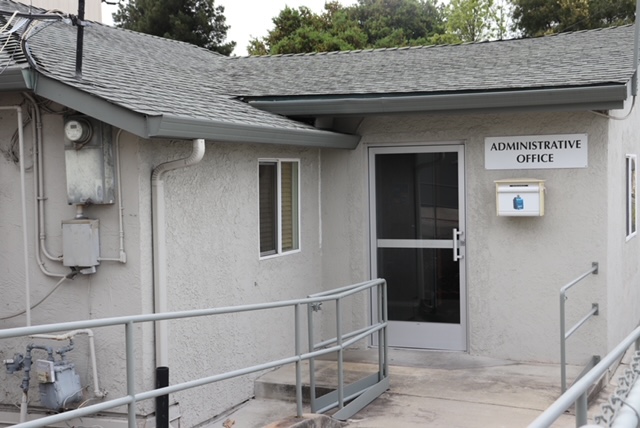
How is All Saint'S Subacute & Transitional Care Staffed?

CMS rates ALL SAINT'S SUBACUTE & TRANSITIONAL CARE's staffing level at 2 out of 5 stars, which is below average compared to other nursing homes. Staff turnover is 56%, which is 10 percentage points above the California average of 46%. High turnover can affect care consistency as new staff learn residents' individual needs. RN turnover specifically is 84%, which is notably high. RNs provide skilled clinical oversight, so turnover in this role can affect medical care quality.

What Have Inspectors Found at All Saint'S Subacute & Transitional Care?

State health inspectors documented 19 deficiencies at ALL SAINT'S SUBACUTE & TRANSITIONAL CARE during 2019 to 2025. These included: 1 Immediate Jeopardy (the most serious level, indicating potential for serious harm or death), 15 with potential for harm, and 3 minor or isolated issues. Immediate Jeopardy findings are rare and represent the most serious regulatory concerns. They require immediate corrective action.

Who Owns and Operates All Saint'S Subacute & Transitional Care?

ALL SAINT'S SUBACUTE & TRANSITIONAL CARE is owned by a for-profit company. For-profit facilities operate as businesses with obligations to shareholders or private owners. The facility is operated by PACS GROUP, a chain that manages multiple nursing homes. With 86 certified beds and approximately 58 residents (about 67% occupancy), it is a smaller facility located in SAN LEANDRO, California.
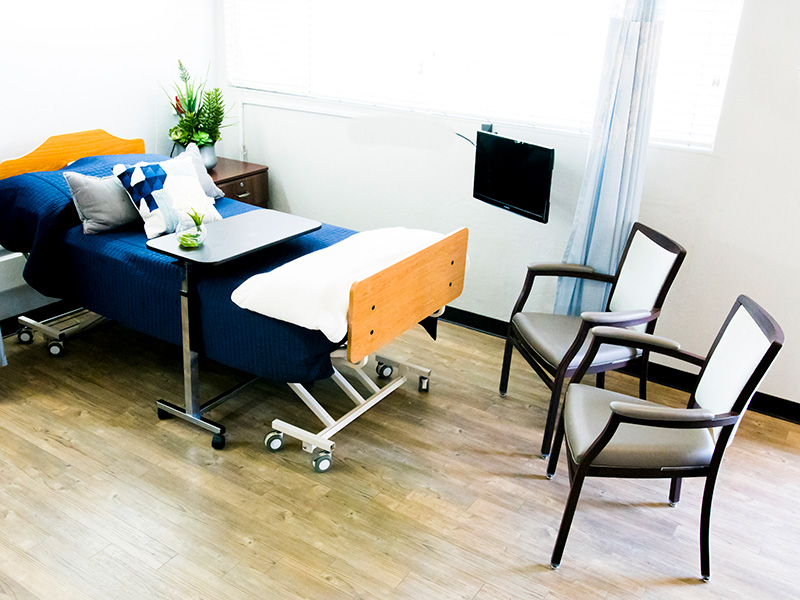
How Does All Saint'S Subacute & Transitional Care Compare to Other California Nursing Homes?

Compared to the 100 nursing homes in California, ALL SAINT'S SUBACUTE & TRANSITIONAL CARE's overall rating (1 stars) is below the state average of 3.1, staff turnover (56%) is near the state average of 46%, and health inspection rating (1 stars) is much below the national benchmark.

What Should Families Ask When Visiting All Saint'S Subacute & Transitional Care?

Based on this facility's data, families visiting should ask: "What changes have been made since the serious inspection findings, and how are you preventing similar issues?" "How do you ensure continuity of care given staff turnover, and what is your staff retention strategy?" "Can you walk me through typical staffing levels on day, evening, and night shifts?" "Can I visit during a mealtime to observe dining assistance and food quality?" These questions are particularly relevant given the facility's Immediate Jeopardy citations, the facility's high staff turnover rate, and the below-average staffing rating.

Is All Saint'S Subacute & Transitional Care Safe?

Based on CMS inspection data, ALL SAINT'S SUBACUTE & TRANSITIONAL CARE has documented safety concerns. Inspectors have issued 1 Immediate Jeopardy citation (the most serious violation level indicating risk of serious injury or death). The facility has a 1-star overall rating and ranks #100 of 100 nursing homes in California. Families considering this facility should ask detailed questions about what corrective actions have been taken since these incidents.

Do Nurses at All Saint'S Subacute & Transitional Care Stick Around?

Staff turnover at ALL SAINT'S SUBACUTE & TRANSITIONAL CARE is high. At 56%, the facility is 10 percentage points above the California average of 46%. Registered Nurse turnover is particularly concerning at 84%. RNs handle complex medical decisions and coordinate care — frequent RN changes can directly impact care quality. High turnover means new staff may not know residents' individual needs, medications, or preferences. It can also be disorienting for residents, especially those with dementia who rely on familiar faces. Families should ask: What is causing the turnover? What retention programs are in place? How do you ensure care continuity during staff transitions?

Was All Saint'S Subacute & Transitional Care Ever Fined?

ALL SAINT'S SUBACUTE & TRANSITIONAL CARE has been fined $132,194 across 1 penalty action. This is 3.8x the California average of $34,401. Fines at this level are uncommon and typically indicate a pattern of serious deficiencies, repeated violations, or failure to correct problems promptly. CMS reserves penalties of this magnitude for facilities that pose significant, documented risk to resident health or safety. Families should request specific documentation of what issues led to these fines and what systemic changes have been implemented.

Is All Saint'S Subacute & Transitional Care on Any Federal Watch List?

ALL SAINT'S SUBACUTE & TRANSITIONAL CARE is not on any federal watch list. The most significant is the Special Focus Facility (SFF) program, which identifies the bottom 1% of nursing homes nationally based on persistent, serious quality problems. Not being on this list means the facility has avoided the pattern of deficiencies that triggers enhanced federal oversight. This is a positive indicator, though families should still review the facility's inspection history directly.