JONES CONVALESCENT HOSPITAL
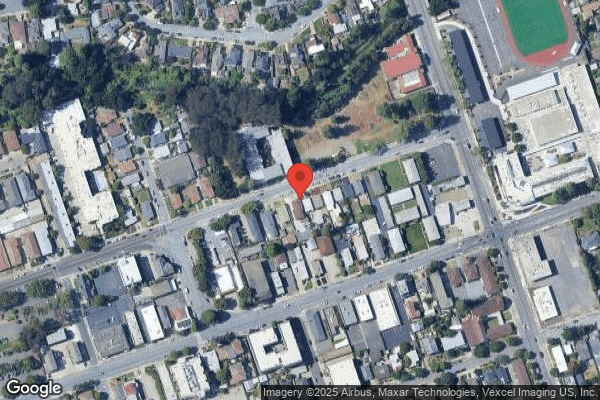
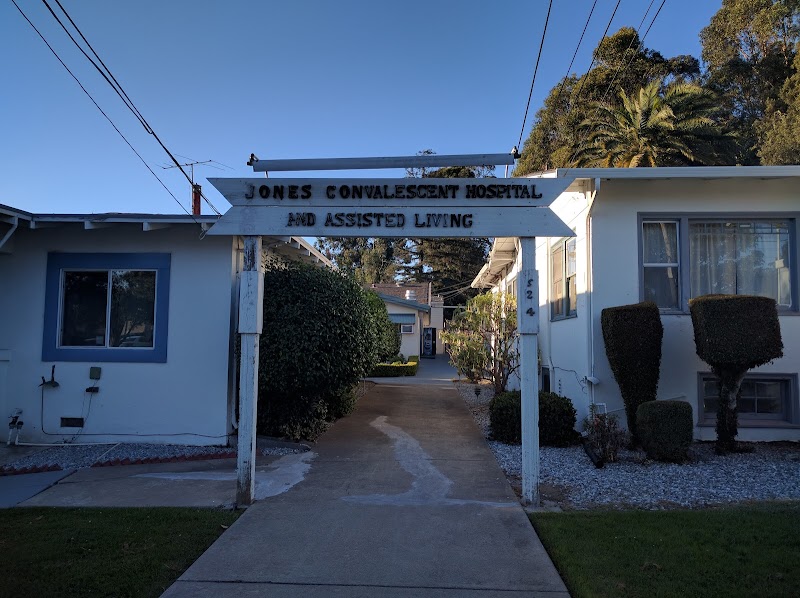
524 CALLAN AVENUE, SAN LEANDRO, CA 94577 (510) 483-6200
For profit - Corporation 25 Beds Independent Data: November 2025
Trust Grade
75/100
#377 of 1155 in CA
Last Inspection: January 2024

Within standard 12-15 month inspection cycle. Federal law requires annual inspections.

Overview

Jones Convalescent Hospital has a Trust Grade of B, indicating it is a good option for families, though there is room for improvement. It ranks #377 out of 1,155 facilities in California, placing it in the top half, and #33 out of 69 in Alameda County, meaning only a few local options are better. The facility is showing an improving trend, with issues decreasing from 10 in 2022 to 9 in 2024. Staffing is rated 4 out of 5 stars, but the turnover rate of 52% is concerning as it is higher than the California average of 38%. Notably, there have been no fines, which is a positive sign. However, there are some weaknesses to consider. Recent inspections revealed significant concerns regarding food safety; for example, the facility did not have a full-time dietitian, which led to inadequate training for food service staff, placing residents at risk for foodborne illnesses. Additionally, the kitchen conditions were unsanitary, with dirty equipment and improperly stored food, further endangering residents' health. There were also issues with expired medications being stored improperly, which could affect the quality of care provided. Overall, while there are strengths in staffing and no fines, the facility must address these critical concerns to ensure resident safety and well-being.

Trust Score
B
75/100
In California
#377/1155
Top 32%
Safety Record
Low Risk
No red flags
Inspections
Getting Better
10 → 9 violations
Staff Stability
⚠ Watch
52% turnover. Above average. Higher turnover means staff may not know residents' routines.
Penalties
✓ Good
No fines on record. Clean compliance history, better than most California facilities.
Skilled Nurses
○ Average
Each resident gets 35 minutes of Registered Nurse (RN) attention daily — about average for California. RNs are the most trained staff who monitor for health changes.
Violations
⚠ Watch
20 deficiencies on record. Higher than average. Multiple issues found across inspections.
★★★★☆
4.0
Overall Rating
★★★★☆
4.0
Staff Levels
★★★★☆
4.0
Care Quality
★★★★☆
4.0
Inspection Score
Stable
2022: 10 issues
2024: 9 issues

The Good

  • 4-Star Staffing Rating · Above-average nurse staffing levels
  • 4-Star Quality Measures · Strong clinical quality outcomes
  • Full Sprinkler Coverage · Fire safety systems throughout facility
  • No fines on record

Facility shows strength in staffing levels, quality measures, fire safety.

The Bad

Staff Turnover: 52%

Near California avg (46%)

Higher turnover may affect care consistency

The Ugly 20 deficiencies on record

Jan 2024 9 deficiencies
CONCERN (D)

Potential for Harm - no one hurt, but risky conditions existed

Resident Rights (Tag F0550)

Could have caused harm · This affected 1 resident

Based on observation, interview, and record review, the facility failed to ensure one out of 10 residents (Resident 5) was treated with respect, dignity, individuality in environment that promotes and...

Read full inspector narrative →
Based on observation, interview, and record review, the facility failed to ensure one out of 10 residents (Resident 5) was treated with respect, dignity, individuality in environment that promotes and enhances the quality of life when Certified Nurse Assistant (CNA) 1 stood over Resident 5 while assisting her with feeding. This failure had the potential to deny Resident 5 dignity, respect, and individuality. Findings: During a review of Resident 5's admission Record, dated 1/24/24, it indicated, Resident 5 was originally admitted to the facility in 2019 and was readmitted in 2020. The admission record revealed, Resident 5 had multiple diagnoses that included unspecified dementia (group of conditions characterized by impairment in thinking and social symptoms that interferes with daily functioning), Parkinson's Disease (brain disorder that causes unintended or uncontrollable movements) and altered mental status. During an observation on 1/24/24 at 12:23 p.m., CNA 1 stood over Resident 5's left side and fed her. During an interview on 1/24/24 at 12:41 p.m. with CNA 1, CNA 1 acknowledged she did not provide dignity and respect to by standing over Resident 5. CNA 1 stated, it was like feeding a kid when she stood over Resident 5 during feeding. During an interview on 1/24/24 at 12:56 p.m., with Director of Staff Development (DSD), DSD stated, CNA 1 was supposed to sit next to Resident 5 when assisting with feeding. DSD also added, Resident 5 was rushed eating when CNA 1 stood over her during feeding. During a review of Resident 5's care plan, dated, 11/4/19, it indicated Resident 5 had ADL (Activities of Daily Living) self-care performance deficit r/t Dementia, Mobility severely impaired . Care plan revealed the goal for Resident 5 was to have feeding needs met by staff and one of the interventions were The resident is totally dependent of staff for eating. During a review of the facility's policy and procedure (P&P) titled, Quality of Life - Dignity, dated 2001, indicated under policy statement: Each resident shall be care for in a manner that promotes and enhances quality of life, dignity, respect, and individuality. 1. Residents shall be treated with dignity and respect at all times. During a review of the facility's P&P titled, Resident Rights, dated 2001, indicated, 1. Federal and state laws guarantee certain basic rights to all residents of this facility. These rights include the resident's right to: a. a dignified existence; b. be treated with kindness, and dignity;
CONCERN (D)

Potential for Harm - no one hurt, but risky conditions existed

Deficiency F0558 (Tag F0558)

Could have caused harm · This affected 1 resident

Based on observation and interview with facility Nursing and Administrative staff, the facility failed to ensure that 1 sampled resident (10) out of 19 sampled residents had her needs accommodated whi...

Read full inspector narrative →
Based on observation and interview with facility Nursing and Administrative staff, the facility failed to ensure that 1 sampled resident (10) out of 19 sampled residents had her needs accommodated while using her own wheelchair. This failure resulted in this resident not having a wheelchair which did not accommodate this resident's needs and preferences, which had the potential to result in decline and resident harm. Findings: During a medication pass observation on 1/23/2024 at 9:30 am, Resident 10 was observed being administered her morning medications while sitting in her wheelchair. The who has multiple contractures (validated by facility administrative staff interview), had been sitting in her wheelchair with her neck, head and back not supported in any way. The resident's wheelchair had been made to tilt backwards, but the resident's back, neck, and head were not touching the wheelchair's back, and this appeared to be very uncomfortable for the resident who had been using her own strength to hold her body up in this wheelchair. The resident's wheelchair had been missing a head rest support which had originally come with this wheelchair (according to the DON). In addition, the resident's feet and legs had been dangling in an awkward position and this wheelchair's feet rests had been removed from the wheelchair making it difficult for the resident to adjust herself in the wheelchair so that she could sit comfortably in this wheelchair. Interview with the facility's Administrator and the DON on 1/23/2024 at 9:55 am revealed that neither of them knew where the back/neck support for this wheelchair had gone and neither of them knew what had happened to the resident's feet rests were. During the interview with the facility's DON, the DON confirmed that this resident's current wheelchair had not been accommodating this resident's needs.
CONCERN (D) 📢 Someone Reported This

A family member, employee, or ombudsman was alarmed enough to file a formal complaint

Potential for Harm - no one hurt, but risky conditions existed

Safe Environment (Tag F0584)

Could have caused harm · This affected 1 resident

Based on observation, interview, and record review, the facility failed to provide a homelike environment for two of 14 sampled Residents (Resident 11 and 19). This failure had the potential to make R...

Read full inspector narrative →
Based on observation, interview, and record review, the facility failed to provide a homelike environment for two of 14 sampled Residents (Resident 11 and 19). This failure had the potential to make Residents 11 and 19 feel depressed. Findings: During a review of Resident 11's admission Record, dated 1/23/24, the record indicated Resident 11 was admitted 4/2023 with multiple diagnosis that included acute and chronic respiratory failure (a condition in which your blood doesn't have enough oxygen or has too much carbon dioxide), and major depressive disorder (a mental health condition that causes a persistently low or depressed mood and a loss of interest in activities that once brought joy). During a review of Resident 11's Minimum Data Set (MDS, a resident assessment instrument used to identify resident care problems to be addressed in an individualized care plan), dated 1/5/24, the MDS indicated Resident 11's Brief Interview for Mental Status (BIMS, is a scoring system used to determine the resident's cognitive status in regard to attention, orientation, and ability to register and recall information), was 15 (a BIMS score of fifteen is an indication of intact cognitive status). During a review of Resident 19's 'admission Record, dated 1/25/24, the record indicated Resident 19 was admitted 9/2023 with multiple diagnosis that included pulmonary hypertension (when the pressure in the blood vessels leading from the heart to the lungs is too high), and muscle weakness. During a review of Resident 19's MDS, dated 12/6/23, the MDS indicated Resident 19's BIMS was 15. During an interview 1/22/24, at 11:36 a.m., with Resident 11, Resident 11 stated the shower had black mold, was in disrepair and was not homelike. During a concurrent observation and interview on 1/22/24, at 3:23 p.m., with Certified Nursing Assistant 2 (CNA), the shower room was observed. CNA 2 stated the shower had multiple black spots on the shower walls and floor that looked like mold. CNA 2 stated there were multiple missing tiles on the shower floor and shower wall. CNA 2 stated the shower needed to be cleaned, repaired and was not homelike for the residents. During a concurrent observation and interview on 1/22/24, at 3:40 p.m., with Registered Nurse 1 (RN), the shower room was observed. RN 1 stated the shower had black dirt on the shower walls and floor and missing tiles on the floor and wall. RN 1 stated the shower should have been cleaned and the missing tiles should have been repaired. RN 1 stated the shower was not homelike for the residents. During an interview on 1/24/24, at 10:51 a.m., with Resident 19, Resident 19 stated the shower had mold on the shower floor and they didn't want their feet to touch the floor. During an observation on 1/24/24, at 3:03 p.m., the facility's shower room was observed with multiple cracked and missing tiles on the shower floor and wall and multiple brown and blackish residue on the grout and tiles of the shower floor and walls. During an interview on 1/25/24, at 12:14 p.m., with infection preventionist (IP), IP stated it was important for the resident shower to be clean and in good repair, so the residents felt safe and comfortable. During an interview on 1/25/24, at 1:53 p.m., with Director of Nursing (DON), DON stated they were aware that the shower was not clean, in good repair or homelike. DON stated the condition of the shower could have caused the residents to be depressed. During a review of the facility's policy and procedure (P&P) titled, Quality of Life - Homelike Environment, revised May 2017, the P&P indicated, The facility staff and management shall maximize, to the extent possible, the characteristics of the facility that reflect a personalized, homelike setting. These characteristics include: a. Clean, sanitary, and orderly environment.
CONCERN (D)

Potential for Harm - no one hurt, but risky conditions existed

Deficiency F0658 (Tag F0658)

Could have caused harm · This affected 1 resident

Based on observation, interview, and record review for 2 (Resident 11 and 22,) of 19 sampled residents, the facility failed to ensure that Resident 11 and 22 had received Restorative Nursing Assistanc...

Read full inspector narrative →
Based on observation, interview, and record review for 2 (Resident 11 and 22,) of 19 sampled residents, the facility failed to ensure that Resident 11 and 22 had received Restorative Nursing Assistance (RNA) treatments as ordered by the resident's physician. This failure had the potential to result in this resident's decline, which could result in the resident's decrease in muscle strength, decreased range of motion, contractures, and possible decline in function. Findings 1: Review of Resident 22's medical record on 1/25/2024 at 8:50 am revealed that this resident had a physician's order for Restorative Nursing Assistance (RNA). The physician order which had been written on 12/15/2023 read: RNA program every day (QD) 3 times per week for 90 days for (bilateral upper extremities) BUE (active assisted range of motion) AAROM as tolerated to maintain current level of function (CLOF). Further review of Resident 22's medical record revealed that this resident had not received treatment from the RNA program between 12/15/2023 and 1/23/2024, which resulted in this resident not receiving RNA services for 39 days, despite the physician's order. Interview with the facility's DON on 1/25/2024 at 8:55 am revealed that the reason why RNA services had not been provided to this resident for almost 40 days straight, was because the facility had been short on CNA staff during this time. She further stated that the facility's only RNA had been asked to cover CNA shifts making her unable to cover her RNA duties. Interview with Resident 22 on 1/22/2024 at 12:45 pm revealed that this resident had been having anxiety because she had not been assisted with increasing/strengthening her mobility since her Physical Therapy had ended on 12/19/2023. This resident also indicated during the interview, that she had been becoming depressed because the facility had not been assisting her with her mobility/strength training along with her inability to have the facility assist her with getting out of bed. The resident had expressed some concern about potential skin breakdown because she had not been assisted with getting out of her bed. Findings 2: During a review of Resident 11's admission Record, dated 1/23/24, the record indicated Resident 11 was admitted 4/2023 with multiple diagnosis that included acute and chronic respiratory failure (a condition in which your blood doesn't have enough oxygen or has too much carbon dioxide), chronic pain syndrome (pain that lasts for over three months) and major depressive disorder (a mental health condition that causes a persistently low or depressed mood and a loss of interest in activities that once brought joy). During a review of Resident 11's Minimum Data Set (MDS, a resident assessment instrument used to identify resident care problems to be addressed in an individualized care plan), dated 1/5/24, the MDS indicated Resident 11's Brief Interview for Mental Status (BIMS, is a scoring system used to determine the resident's cognitive status in regard to attention, orientation, and ability to register and recall information), was 15 (a BIMS score of fifteen is an indication of intact cognitive status). During an interview on 1/22/24, at 11:11 a.m., with Resident 11, Resident 11 stated that they have not received any rehab or exercise and as a result their range of motion has not improved. Resident 11 stated they were really upset about it. During a concurrent interview and record review on 1/24/24, at 11:33 a.m., with RNA 1, Resident 11's Doctor's Orders and Progress notes were reviewed. Resident 11's Doctor's Orders indicated, an active order, dated 8/31/23, RNA program QD 3xwkx90days (every day three times a week for 90 days) for maintaining AROM (assistive range of motion) of BLE (bilateral lower extremities), sit to stand transfers, and stand pivot transfers to maintain current functional mobility level. Resident 11's progress notes indicated Resident 11 did not participate in the RNA program from 12/7/23 to 1/23/24. RNA 1 stated residents remained on the RNA program unless there was a change in the resident's range of motion or level of mobility and if a change occurs Resident's would have been referred to Rehab for reevaluation. RNA 1 stated Resident 11 did not have any changes in range of motion or mobility and should have continued in the RNA program. RNA 1 stated that they didn't do the RNA program with Resident 11 from 12/7/23 to 1/23/24 because she was busy working as a CNA (Certified Nursing Assistant) on the floor. During a concurrent interview and record review on 1/24/24, at 12:46 p.m., with Rehab Director of Rehab (DOR), Residents 11's Doctor's Orders were reviewed. DOR stated RNA orders should have continued with no end date unless there was a decline or improvement, and Rehab would have assessed the resident at that time. DOR stated, based on Resident 11's Doctor's Orders, Resident 11 should have been on the RNA program from 12/7/23 to 1/23/24. During an interview on 1/25/24, at 12:05 p.m., with RNA 1, RNA 1 stated the RNA program was important for residents to keep their level of functioning. During an interview on 1/25/24, at 1:53 p.m., with Director of Nursing (DON), DON stated when residents missed their RNA program they were at risk for decreased mobility. DON stated the RNA program was important because it helped prevent falls, injuries, and contractures. During a review of the facility's policy and procedure (P&P) titled, Restorative Nursing Services, revised July 2017, the P&P indicated, Residents will receive restorative nursing care as needed to help promote optimal safety and independence. The P&P indicated, Restorative goals may include, but are not limited to supporting and assisting the resident in: a. Adjusting to changing abilities; b. Developing, maintaining or strengthening his/her physiological and psychological resources; c. Maintaining his/her dignity, independence and self-esteem; and d. Participating in the development and implementation of his/her plan of care.
CONCERN (D)

Potential for Harm - no one hurt, but risky conditions existed

Deficiency F0805 (Tag F0805)

Could have caused harm · This affected 1 resident

Based on observation, interview and record review, the facility failed to follow the correct serving size to one Resident for a census of 23 (Resident 13). This deficient practice resulted in Reside...

Read full inspector narrative →
Based on observation, interview and record review, the facility failed to follow the correct serving size to one Resident for a census of 23 (Resident 13). This deficient practice resulted in Resident 13 not receiving the appropriate diet portions to meet each individual needs. Findings: During a concurrent tray line observation and interview on 1/22/24, at 12:15 p.m., with [NAME] (CK) 1, CK 1 used a number 8 scoop to a tray of regular texture beef enchiladas, black beans, and cilantro lime rice to serve Resident 13. CK 1 stated, she was aware Resident 13 required small portion servings but did not follow what was on Resident 13's diet card. During a concurrent interview and record review on 1/22/24, at 3:42 p.m., with Food and Nutrition Services Director (FNSD), FNSD was asked why it was the important for CK 1 to follow small portion servings for Resident 13. FNSD stated, I don't know why it's important, do I have to know that . During a concurrent interview and document review on 1/25/24 at 11:01 a.m. with Registered Dietician (RD), RD confirmed Resident 13's diet card servings should be small portions. RD described facility's color-coded portion control chart CK 1 should have used when serving Residents. RD confirmed CK 1 did not follow scoop size as indicated on the chart which showed green scoop number 12 is regular portion equivalent to 2.66 fl oz (fluid ounce - unit of measurement) and blue scoop number 16 is small portion equivalent to 2.00 fl oz. RD further added, Resident 13 should have received small portions of starch and protein because of kidney disease. RD also stated, when dietary recommendations are not met, it can lead to worsening of Resident 13's condition. During a review of Resident 13's face sheet dated, 1/24/24, showed Resident 13 was admitted to the facility in December 2020 with multiple diagnoses that included Chronic Kidney Disease, Stage 4 (Severe), Diabetes Mellitus (DM - a disease in which blood sugar levels are too high) with Diabetic Chronic Kidney Disease and was dependent on renal dialysis (treatment that helps the body remove extra fluid and waste products from the blood when kidneys are not able to). During a review of Resident 13's order summary, dated 1/24/24, revealed a CCHO diet (Consistent, Constant or Controlled Carbohydrate Diet), Renal Diet, regular texture, thin liquid consistency, SMALL PORTION. During a review of the facility's policy and procedure (P&P) titled, Portion Sizes, dated, 2018, it indicated under Policy: Various portion sizes of the food served will be available to better meet the needs of the residents. During a review of the facility's P&P titled, Kitchen Weights and Measures, dated 4/2007, it indicated, .7. The Food Service Supervisor will ensure cooks prepare the appropriate amount of food for the number of servings required. During a review of the facility's P&P titled, JOB DESCRIPTION, dated 2018, the FNS Director's qualifications included, .6. Ability to follow prepared medues and portion control guides.9. Maintain resident diet card -cardex in order and current . Check trays to ensure diets are served as order.
CONCERN (E)

Potential for Harm - no one hurt, but risky conditions existed

Pharmacy Services (Tag F0755)

Could have caused harm · This affected multiple residents

**NOTE- TERMS IN BRACKETS HAVE BEEN EDITED TO PROTECT CONFIDENTIALITY** Based on observation, interview, and review of the facility's policies and procedures, the facility failed to: 1) Ensure that al...

Read full inspector narrative →
**NOTE- TERMS IN BRACKETS HAVE BEEN EDITED TO PROTECT CONFIDENTIALITY** Based on observation, interview, and review of the facility's policies and procedures, the facility failed to: 1) Ensure that all expired or outdated medications were available for administration to 2 sampled residents (2 and 3) of the facility's 19 sampled residents. 2) Ensure that medications which had been discontinued by the resident's physicians, were no longer available for administration to 1 sampled resident (19) and 1 unsampled resident 1, of the facility's 19 sampled residents. 3) Ensure that medications were available for all residents, as needed, including medications which had been prescribed for unsampled resident 2. 4) Ensure that all medications had been administered as ordered by each resident's physician (Resident 3 and 22). These failures had the potential to put the residents who may have received these medications at risk for medication errors and the potential for harm. Findings: 1) Inspection of the hospital's medication cart on [DATE] at 12:00 pm with the facility's Director of Nurses (DON), revealed two vials of insulin (Novolog, which is used to lower blood sugar in diabetic residents) with open dates of [DATE] which were still currently in use. Review of the facility's policy and procedure entitled: Injectable vials and Ampules, dated 12/2012, reads: Discard multi-dose vials when empty .Expiration dating not specifically referenced in the manufacturer's package insert should not exceed 28 days once the vial has been opened. Concurrent interview with the facility's DON on [DATE] confirmed that these insulin vials had been opened for more than 32 days, which was outside of the facility's drug storage policy above for insulin vials. The DON confirmed during the interview that these vials of insulin should have been discarded prior to our inspection of this medication cart. Review of the facility's policy and procedure entitled: Storage of Medication, dated 9/2018, reads: Outdated, contaminated, discontinued, or deteriorated medications and those in containers are immediately removed from stock, disposed of according to procedures for medication disposal . 2) On [DATE] at 12:09 pm, continued inspection of the facility's medication cart revealed one bubble package of Digoxin 125 micrograms (mcg). Digoxin is used to treat atrial fibrillation [irregular heartbeat and heart failure]. There were 5 tablets left in this bubble pack for unsampled Resident 1. Review of this unsampled resident's physician orders for this resident on [DATE] at 12:15 pm revealed that this medication had been discontinued on [DATE]. The discontinuation of this medication was verified by RN 1 and the DON on [DATE] at 12:15 pm. On [DATE] at 12:30 pm, continued inspection of the facility's medication cart revealed one bubble package of Hydroxyzine HCL (an antihistamine, which is often used to treat allergies, itching, rash, nausea, etc.) 25mg. This bubble pack of Hydroxyzine contained 8 tablets and this medication had ordered and administered to Resident 19. On [DATE], this medication had been discontinued by this resident's physician, yet this medication remained in the facility's medication cart and available for facility staff to administer this medication even though there was no longer a physician's order for this resident to receive this medication. The discontinuation of this medication was verified by RN 1 and the DON on [DATE] at 12:45 pm. 3) On [DATE] at 8:17 am LVN 1 was observed passing medications to the facility's residents. During the medication pass observation, this Nurse was passing medications to unsampled resident 2. The Nurse mentioned that resident 2, was to receive Atovaqueone oral suspension 750mg/5ml (an antimicrobial used to treat infection) at 7:30 am that morning. LVN 1 indicated that she could not find the Antovaqueone and that she would contact the facility's Pharmacy regarding obtaining this medication. On [DATE], I went back to unsampled resident #2's medical record (Medication Administration Record [MAR]), which confirmed that unsampled resident 2 had not received this medication on [DATE], as ordered by the resident's physician. On [DATE] at 2:42 pm during an interview with RN 2, RN 2 confirmed that LVN 1 had not given unsampled resident 2's Atovaqueone on [DATE] as ordered by the resident's physician. Further review of unsampled resident 2's medical record revealed that on [DATE] with the facility's DON, unsampled resident 2 had not received this same medication on [DATE] and again on [DATE] even though RN 2 had confirmed, in an interview, that Atovaqueone had been brought into the facility by the facility's Pharmacy on [DATE], indicating that this medication was in the facility and could have been given for each of the missed administrations above. Review of the facility's policy and procedure entitled: Medication Administration General Guidelines, dated 9/2018, reads: .Medications are administered in accordance with written orders of the prescriber .Medications are administered within 60 minutes of scheduled time .The individual who administers the medication dose, records the administration on the resident's MAR immediately following the medication being given .If a dose. 4) Review of the clinical record for Resident 22 and concurrent interview with the facility's DON on [DATE] at 11:01 am revealed that this resident had a physician's order to receive Gabapentin (Neurontin) 100mg three times a day for leg pain. Record review and interview with the facility's DON confirmed that Resident 22 had not received her 2:00 pm dose of Gabapentin on [DATE]. The resident's clinical record did not any explanation as to why this 2:00 pm dose of Gabapentin had not been administered to this resident as ordered, by the resident's physician. Review of the clinical record for Resident 3 and concurrent interview with the facility's DON on [DATE] at 11:10 am revealed that this resident had a physician's order to receive Allopurinol 100mg one time a day for Gout (a type of inflammatory arthritis that causes pain and swelling in your joints). Record review and interview with the facility's DON confirmed that Resident 3 had not received her 9:00 am dose of Allopurinol on [DATE]. The resident's clinical record did not any explanation as to why this 9:00 am dose of Allopurinol had not been administered to this resident as ordered, by the resident's physician. Review of the clinical record for Resident 3 and concurrent interview with the facility's DON on [DATE] at 11:10 am revealed that this resident had a physician's order to receive Aspirin 81mg chewable tablet one time a day for Stroke. Record review and interview with the facility's DON confirmed that Resident 3 had not received her 9:00 am dose of Aspirin on [DATE]. The resident's clinical record did not any explanation as to why this 9:00 am dose of Aspirin had not been administered to this resident as ordered, by the resident's physician. Review of the clinical record for Resident 3 and concurrent interview with the facility's DON on [DATE] at 11:10 am revealed that this resident had a physician's order to receive Benztropine Mesylate (Cogentin) 2mg tablet one time a day for bipolar disorder. Record review and interview with the facility's DON confirmed that Resident 3 had not received her 9:00 am dose of Benztropine Mesylate on [DATE]. The resident's clinical record did not any explanation as to why this 9:00 am dose of Benztropine Mesylate had not been administered to this resident as ordered, by the resident's physician. Review of the clinical record for Resident 3 and concurrent interview with the facility's DON on [DATE] at 11:10 am revealed that this resident had a physician's order to receive Depakote Sprinkle capsule (Valproic Acid) 125 mg 2 capsules one time a day for Dementia, Bipolar Disorder, and Anxiety. Record review and interview with the facility's DON confirmed that Resident 3 had not received her 9:00 am dose of Depakote Sprinkles on [DATE]. The resident's clinical record did not any explanation as to why this 9:00 am dose of Benztropine Mesylate had not been administered to this resident as ordered, by the resident's physician. Review of the clinical record for Resident 3 and concurrent interview with the facility's DON on [DATE] at 11:10 am revealed that this resident had a physician's order to receive Oyster Calcium with Vitamin D3 (Calcium Carbonate Cholecalciferol) 1 tablet one time a day for Calcium Supplement. Record review and interview with the facility's DON confirmed that Resident 3 had not received her 9:00 am dose of Calcium with Vitamin D3 on [DATE]. The resident's clinical record did not any explanation as to why this 9:00 am dose of Calcium with Vitamin D3 had not been administered to this resident as ordered, by the resident's physician. Review of the clinical record for Resident 3 and concurrent interview with the facility's DON on [DATE] at 11:10 am revealed that this resident had a physician's order to receive Risperdal (Risperidone) 1mg two times a day for bipolar disorder. Record review and interview with the facility's DON confirmed that Resident 3 had not received her 9:00 am dose of Risperdal on [DATE]. The resident's clinical record did not any explanation as to why this 9:00 am dose of Risperdal had not been administered to this resident as ordered, by the resident's physician. Review of the clinical record for Resident 3 and concurrent interview with the facility's DON on [DATE] at 11:10 am revealed that this resident had a physician's order to receive Artificial Tears 0.2% solution 1 drop in both eyes three times a day for dry eyes. Record review and interview with the facility's DON confirmed that Resident 3 had not received her 2:00 pm dose of Artificial Tears 0.2% solution on [DATE]. The resident's clinical record did not any explanation as to why this 2:00 pm dose of Artificial Tears 0.2% solution had not been administered to this resident as ordered, by the resident's physician. Review of the clinical record for Resident 3 and concurrent interview with the facility's DON on [DATE] at 11:10 am revealed that this resident had a physician's order to receive Ipratropium-Albuterol (breathing treatment) Solution 3 MG/ 3ML 1 dose every 6 hours for Chronic Obstructive Pulmonary Disease with Acute Exacerbation. Record review and interview with the facility's DON confirmed that Resident 3 had not received her noon dose of Ipratropium-Albuterol Solution 3 MG/ 3ML on [DATE]. The resident's clinical record did not any explanation as to why this noon dose of Ipratropium-Albuterol Solution 3 MG/ 3ML had not been administered to this resident as ordered, by the resident's physician.
CONCERN (E)

Potential for Harm - no one hurt, but risky conditions existed

Garbage Disposal (Tag F0814)

Could have caused harm · This affected multiple residents

Based on observation and interview, the facility failed to ensure garbage and refuse were properly stored in dumpster when the left lid cover of one dumpster was left open. This failure had the poten...

Read full inspector narrative →
Based on observation and interview, the facility failed to ensure garbage and refuse were properly stored in dumpster when the left lid cover of one dumpster was left open. This failure had the potential for pest infestations and spread of diseases in the facility. Findings: During a concurrent observation and interview on 1/23/24 at 2:35 p.m. with Environmental Services Director (ESD), accompanied by the Facility Manager (FM), one large garbage dumpster in the rear building was left open. ESD attempted to close the open lid. However, the lid was damaged on the side and did not securely cover the dumpster. ESD acknowledged this was broken and had potential to attract rodents and pests. FM stated, she will contact waste management for lid replacement. During a review of the facility's policy and procedure (P&P) titled, Waste Disposal dated, January 2012, indicated under policy statement, All infectious and regulated waste shall be handled and disposed of in a safe and appropriate manner.
CONCERN (F)

Potential for Harm - no one hurt, but risky conditions existed

Deficiency F0801 (Tag F0801)

Could have caused harm · This affected most or all residents

Based on observation, interview, and record review, the facility failed to comply with the Federal regulations related to the oversight of food service operations when: a. the facility did not have a ...

Read full inspector narrative →
Based on observation, interview, and record review, the facility failed to comply with the Federal regulations related to the oversight of food service operations when: a. the facility did not have a full-time dietitian or a full-time dietetic service supervisor. b. dietary staff did not have competencies and training to carry out to carry out Food and Nutrition Services in a safe and sanitary manner. The lack of a full-time, competent supervisor resulted in Food and Nutrition Services staff not having adequate training and knowledge to carry out Food and Nutrition Services in a safe and sanitary manner placed 23 residents who received food from the kitchen at risk for food borne illnesses (illnesses caused by food contaminated with bacteria, viruses, parasites, and toxins) and/or malnutrition. Findings: a. During the initial kitchen observation and interview on 1/22/24 at 10:13 a.m., accompanied by [NAME] (CK) 1 and CK 2, CK 2 stated, Food and Nutrition Services Director (FNSD) works three days per week. CK 2 also stated, there was no manager to check kitchen when FNSD was not working. CK 1 added, Registered Dietician (RD) comes to work in the facility once per month. During an interview on 1/22/24 at 12:43 p.m. with the FNSD, FNSD confirmed he worked three days per week at the facility. FNSD also stated, no one to oversee the kitchen when he was not around. During an interview on 1/25/24 at 9:20 a.m. with the Administrator (ADM), ADM confirmed FNSD and RD were both part-time employees. ADM also stated, FNSD worked Tuesday, Wednesday and Thursdays while RD worked as consultant and comes in once per month. ADM further added, hours worked 30 hours or less per week was considered part-time. During a concurrent interview and document review on 1/25/24 at 10:52 a.m., RD confirmed she worked 3.5 hours for month of November 2023, 6.5 hours for month of December 2023, and 5.5 hours in January 2024. RD also stated, she was employed as a consultant and worked part-time. RD further added, she comes in once per month and spent less than seven hours in a day at the facility. According to the California Code, Health, and Safety Code - HSC § 1265.4: A licensed health facility, shall employ a full-time, part-time, or consulting dietitian. A health facility that employs a registered dietitian less than full time, shall also employ a qualified full-time dietetic services supervisor to supervise dietetic service operations. b. During a concurrent observation and interview on 1/22/24 at 10:50 a.m. with DA 1, DA 1 ran the low temperature dish machine through a wash and rinse cycle. When asked to demonstrate use of chemical test strip, DA 1 placed the test strip inside water draining from the machine. DA 1 then stated, she does not use test strip to check for sanitizing level of the dish machine because she did not know how to do it. DA 1 also added, she was not trained how to use chemical test strip to test for sanitizing level. During an interview and document review on 1/22/24 at 1:05 p.m. with DA 1, DA 1 confirmed her entry on the Dish Machine Temperature Log, for two months (12/2023 and 1/2024), were not accurate. DA 1 stated, she did not know how to use chemical test strip because she was not trained. DA 1 further added, she copied what was already written on the log. During a concurrent interview and document review on 1/23/24 at 11:48 a.m. with FNSD, FNSD stated it was his responsibility to ensure kitchen staff have competency skills check upon hire. FNSD did not provide competency training related to DA 1's duties and responsibilities. FNSD further stated, I don't have it, I forgot to do it. During a review of DA 1's employee record titled, Employee Orientation Check List, revealed, DA 1's Date of Hire was 4/24/23. According to the facility's Policy and Procedure (P&P) titled, Job Description, Position: FNS (Food and Nutrition Services) Director, dated 2018, it indicated under duties and responsibilities: .2. Schedule and supervise the Food & Nutrition Service Staff providing in-service training. Assure all food & nutrition service staff are oriented . During a review of the facility's P&P titled, Job Description Position: Dietary Aide, (undated), it indicated Dietary Aide's duties and responsibilities included . 2.f. Dishwshing.
CONCERN (F)

Potential for Harm - no one hurt, but risky conditions existed

Food Safety (Tag F0812)

Could have caused harm · This affected most or all residents

Based on observation, interview, and record review, the facility failed to store, prepare, and serve food under sanitary conditions when: - stainless steel waste can was dirty; - kitchen floor tiles w...

Read full inspector narrative →
Based on observation, interview, and record review, the facility failed to store, prepare, and serve food under sanitary conditions when: - stainless steel waste can was dirty; - kitchen floor tiles were dirty; - staff did not adequately check for chemical sanitation of dishwashing machine; - plate warmer was dirty; - plates inside plate warmer was dirty; - pair of thermal gloves was dirty; - moldy and unusable foods were not discarded; - food items stored in the refrigerator was unlabeled; - mounted can opener was dirty; - multiple dented cans were stored; - staff did not follow hand hygiene practices; - ice machine was dirty. These failures placed the facility's 23 residents who received food from the kitchen at risk of foodborne illness. Findings: During initial observation of the kitchen on 1/22/23 at 10:13 a.m. accompanied by [NAME] (CK) 1 and CK 2, showed the following: (a) Stainless-steel waste can next to refrigerator was dirty, half-filled and had no plastic lining to hold kitchen waste materials; (b) kitchen floor tiles had multiple thick-sticky black spots; (c) staff did not adequately check for chemical sanitation of low temperature dishwashing machine; (d) inside bottom of plate warmer had grease and multiple black and brown sticky substance; (e) five plates inside plate warmer had black sticky substance, dry food particles, and oil stains; (f) pair of thermal gloves use for hot pans and plates was covered in white dry debris and grease; (g) moldy and unusable foods were stored in the refrigerator (h) food items stored in the refrigerator was unlabeled; (i) mounted can opener had brown and tan matter on its' blade and black accumulation on surrounding parts; (j) multiple dented cans were stored with remaining stock in dry storage room; (k) staff did not perform hand hygiene upon entry to the kitchen; (l) ice machine had black wet spots inside ice compartment and white build up residue inside door opening. During a concurrent interview and observation on 1/22/23 at 10:14 a.m., with CK 2, CK 2 acknowledged the dirty waste can and removed from the kitchen. CK 2 added, Dietary Aide (DA) 1 was responsible for ensuring all waste can was clean and emptied daily. During an interview on 1/22/24 at 10:50 a.m. with DA 1, DA 1 stated, she was responsible for cleaning and emptying waste bins in the kitchen but does not include the stainless-steel waste can when cleaning. DA 1, also stated she was responsible for cleaning and mopping the floor daily. When asked regarding multiple black thick-sticky spots on floor tiles near the dish washing areas, DA 1 stated, I don't mop that area, it was too dirty, I feel like if I mop it the mop is gonna get dirty. During a concurrent observation and interview on 1/22/24 at 10:50 a.m., with DA 1, DA 1 ran the low temperature dish machine through a wash and rinse cycle. When asked to demonstrate use of chemical test strip, DA 1 placed the test strip inside water draining from the machine. DA 1 then stated, she does not use test strip to check for sanitizing level of the dish machine because she did not know how to do it. DA 1 also added, she was not trained how to use chemical test strip to test for sanitizing level. During an interview on 1/22/24 at 10:27 a.m. with CK 1, CK 1 confirmed the inside bottom of plate warmer was dirty and stated it does not get cleaned every day. CK 1 further added, it has been a long time since it was cleaned and foil lining has not been replaced for a while. CK 1 acknowledged the five plates inside plate warmer were dirty. CK 1 removed the five plates from the pile of clean plates to be re-washed. During a concurrent observation and interview on 1/22/24 at 10:27 a.m. with CK 1, CK 1 used a pair of dirty thermal gloves, picked up clean hot plates from plate warmer. When asked regarding white debris and grease, CK 1 stated I know it's dirty. CK 1 also stated, the thermal gloves do not get washed often. During a concurrent observation and interview on 1/22/24 at 10:46 a.m. with CK 1, CK 1 removed five of one pound (lbs-unit of measurement) each, containers of molded strawberries, half-used wilted celery placed directly on shelf of refrigerator without protection and without label, open bag of 5 lbs shredded cabbage not labeled. CK 1, acknowledged there were molded strawberries and unlabeled vegetables in refrigerator #3. CK 1 also stated, she does not recall when the vegetable were placed in the refrigerator but it was some time last week. CK 1 further added, all opened food items should be labeled when it was opened so they cannot be used beyond use by. During a concurrent observation and interview on 1/22/23 at 11:13 a.m. with CK 2, 1 can of 6 ounce (oz - unit of measurement) diced carrots, 2 cans of 6 oz white beans, 2 cans of 6 lbs diced pears, 2 cans 1 lbs pimento rojo (red peppers) were dented and stored with the remaining stocked supplies. CK 2 stated, dented cans were supposed to be removed and separated from supply but there was no designated dented cans area. During an interview on 1/22/23 at 11:50 a.m. with CK 1, CK 1 agreed the mounted can opener was dirty. CK 1 further added, the mounted can opener does not get fully clean because it requires to be disassembled to be cleaned and washed. During a concurrent interview and try line observation on 1/22/24 at 12:30 p.m. Food and Nutrition Services Director (FNSD) entered, kitchen from outside through side door, FNSD then went inside dry storage room/office, came out of dry storage room while donning on hair covering. FNSD did not wash his hands, then walked towards the tray line production. When asked what the procedure for all staff upon entry to the kitchen was, FNSD reluctantly walked to the sink and washed his hands. During a concurrent observation and interview on 1/22/24 at 1:28 p.m., with FNSD, the ice machine located in the staff breakroom had white build up residue inside door opening that house ice cubes, wet large black spot on left side and multiple small black spots on right side of ice compartment. FNSD, stated it was not his responsibility to ensure ice machine was clean. During a review of the facility's policy and procedures (P&P) titled, Job Description Position: Dietary Aide, (undated), it indicated Dietary Aide's duties and responsibilities included . 2.e. Cleaning as assigned on cleaning schedule. f. Dishwashing. 3. Keep work area clean. 4. All other duties assigned by the Dietary Service Supervisor. During a review of the facility's P&P titled, Sanitation, dated 10/2008, it indicated, .13. Kitchen wastes that are not disposed of by mechanical means shall be kept in clean, leakproof, nonabsorbent, tightly closed containers . During a review of the facility's P&P titled, Sanitation, dated 10/2008, it indicated under policy statement, The food service area shall be maintained in a clean and sanitary manner. Under policy interpretation and implementation 1. All kitchens, kitchen areas and dining areas shall be kept clean free from litter and rubbish . 2. All utensils, counters, shelves, and equipment shall be kept clean . 3. All equipment, food contact surfaces and utensils shall be washed to remove or completely loosen soils by using the manual or mechanical means necessary and sanitized using hot water . During a review of the facility's P&P titled, FOOD STORAGE-DENTED CANS, dated 2018, it indicated under policy, food in unlabeled, rusty, leaking, broken containers or cans with side seam dents, rim dents or swells shall not be retained or used by the facility. Under procedures, All dented cans (defined as side seam or rim dents) and rusty cans are to be separated from remaining stock and placed in a specified labeled area for return . During a review of facility's P&P titled, ICE MACHINE CLEANING PROCEDURES, dated, 2018, the P&P indicated, .5. Be sure special attention is paid to cleaning the door molding and the lid of the machine. During review of facility's P&P titled, Job Description, Position: FNS Director, dated 2018, indicated under qualifications, .7. Ability to schedule, supervise, and control a food & nutrition staff.11. Ability to train staff how to properly prepare and serve food and how to keep kitchen clean and sanitary. Under duties and responsibilities: 2. Schedule and supervise the Food & Nutrition Service Staff providing in-service training. Assure all food and nutrition service staff are oriented per policy form.6. Is responsible for maintaining cleanliness of kitchen equipment, and follows all department of health regulations. During a review of facility's Job Description and Performance Evaluation (JDPE) for Director of Food Services, dated, 8/5/20, it indicated under Purpose of Position: .to assure that quality nutritional services are provided on a daily basis and that the dietary department is maintained in a clean, safe, and sanitary manner. The JDPE also revealed, the qualifications of Director of Food Services encompass many functions that included, maintain the care and use of supplies, equipment, etc., as well as perform regular inspections of dietary service areas for sanitation, order, safety, and proper performance of assigned duties.
Apr 2022 10 deficiencies
CONCERN (D)

Potential for Harm - no one hurt, but risky conditions existed

Safe Environment (Tag F0584)

Could have caused harm · This affected 1 resident

Based on observation, interview and record review, the facility failed to maintain comfortable sound levels for two of 13 sampled residents (Resident 18 and Resident 5), when Residents 18 and 5 compla...

Read full inspector narrative →
Based on observation, interview and record review, the facility failed to maintain comfortable sound levels for two of 13 sampled residents (Resident 18 and Resident 5), when Residents 18 and 5 complained of the exit door at the end of the hallway making a noise when being closed multiple times a day. This failure had the potential to disrupt a comfortable homelike environment. Findings: During a concurrent observation and interview on 4/4/22, at 10:03 a.m., with Resident 18 in Resident 18's room, it was observed that the exit door right next to the room was making a noise when being closed. Resident 18 stated that it bothers him to hear the door close loudly multiple times a day and it also happens at night which keeps him awake. It was observed that staff enter and exit that door frequently throughout the day and the door was making a loud sound when it closes. During an interview on 4/5/22, at 8:54 a.m., with Resident 5, Resident 5 stated that the door right next to their room was loud when it slams/closes and it happens all day. During a review of the facility's policy and procedure (P&P) titled, Noise Control, dated April 2014, the P&P indicated, This facility strives to maintain comfortable sound levels that enhance privacy when privacy is desired, that encourage interaction when social participation is desired, and that do not interfere with residents' hearing.
CONCERN (D)

Potential for Harm - no one hurt, but risky conditions existed

ADL Care (Tag F0677)

Could have caused harm · This affected 1 resident

Based on observation, interview and record review, the facility failed to provide adequate assistance to perform the activities of daily living for one of 13 sampled residents (Resident 17) when two s...

Read full inspector narrative →
Based on observation, interview and record review, the facility failed to provide adequate assistance to perform the activities of daily living for one of 13 sampled residents (Resident 17) when two staff assistance was not provided to assist Resident 17 during repositioning. This failure had the potential to harm the resident who had impaired mobility. Findings: Review of the medical record for Resident 17 indicated he had brain injury, impaired mobility and multiple facility acquired pressure ulcers. The MDS (Minimum Data Set - an assessment tool used to direct care) for activities of daily living (ADL), dated February 24, 2022, indicated Resident 17 was dependent on two or more staff to turn him side to side in the bed. During an observation on 4/4/22 at 10:00 a.m., CNA 1 was observed from the hallway, alone, providing care for Resident 17. During an interview on 4/4/22 at 10:30 a.m., CNA 1 stated she cleaned up Resident 17 During an observation on 4/6/22 at 9:45 a.m. during a bed bath for Resident 17, CNA 1 strained to roll and push Resident 17. Resident 17 was unassisted on his left side while CNA 1 washed his back. CNA 1 did not ask for any help from staff. Resident 17 was awake, non-verbal, and unable to hold himself for support. CNA 1 left Resident 17 on his left side unattended when she walked to the sink to pour the dirty water from the basin. During an interview on 04/07/22 at 9:34 a.m., CNA 1 stated Resident 17 was heavy, hard to turn when by herself. CNA 1 stated Resident 17 cannot move on his own.
CONCERN (D)

Potential for Harm - no one hurt, but risky conditions existed

Pressure Ulcer Prevention (Tag F0686)

Could have caused harm · This affected 1 resident

During an observation, interview and medical record review, the facility failed to provide wound treatment for one of one sample residents (Resident 17) when Resident 17's pressure injury to the right...

Read full inspector narrative →
During an observation, interview and medical record review, the facility failed to provide wound treatment for one of one sample residents (Resident 17) when Resident 17's pressure injury to the right lateral thigh was not covered with dressing as ordered by the physician. This failure had the potential to delay healing and worsen the wound condition. Findings: During an observation on 04/06/22 at 9:45 a.m., CNA 1 positioned Resident 17 on his left side exposing his back side for the nurse (ICN) to clean and change a wound dressing on the buttock. On the right lateral thigh, there was a round indentation with an open wound bed that was exposed. During an observation and concurrent interview on 04/06/22 at 10:20 a.m., the Infection Control Nurse (ICN) prepared Resident 17's supplies at the treatment cart for the dressing change of the buttock wound. ICN set up her supplies at the bedside and completed the dressing change on the buttock. Then, the ICN identified the indentation to the right lateral thigh. ICN described the indentation as a lesion and superficial. ICN could not explain why it did not have a dressing and stated it needed to be covered. The ICN then gathered her supplies, measured the wound to be 1 cm wide by 1 cm length. The depth was not measured. The ICN then cleansed the area, applied antibiotic and placed a dressing. Review of the physician order dated 03/30/22 indicated Right lateral thigh lesion-cleanse with normal saline, pat dry, then apply triple antibiotic ointment and dry dressing one time a day until resolved.
CONCERN (D)

Potential for Harm - no one hurt, but risky conditions existed

Deficiency F0919 (Tag F0919)

Could have caused harm · This affected 1 resident

Based on observation, interview and document review, the facility failed to provide Resident 19 a functioning call light. This failure resulted in Resident 19 to receive delayed care. Findings: During...

Read full inspector narrative →
Based on observation, interview and document review, the facility failed to provide Resident 19 a functioning call light. This failure resulted in Resident 19 to receive delayed care. Findings: During the resident council meeting on 04/05/22 at 10:30 a.m., a resident stated the call light did not work in her/his room. The resident stated staff did not come when the call light was pressed. During an observation and concurrent interviews, on 04/06/22 at 9:40 A.M., Resident 19 sat in a wheelchair in her room. The call light outside the room was not illuminated. Resident 19 stated she pressed her call light, was waiting for help however, staff took a long time to respond. Resident 19 stated she wanted help from the nurse to give her Ensure (nutritional supplement drink) before she left for a family visit. The DON was called to demonstrate the use of Resident 19's call light. The DON discovered the call light did not work when she pressed the button. The assigned CNA 1 stated she was not aware the call light did not work. During an interview on 04/06/22 at 12:30 P.M. the Maintenance Supervisor (MS) stated he did not know about Resident 19's broken call light until he was told to fix it today. During an interview and concurrent document review on 04/06/22 at 12:40 P.M., the Facility Manager (FM) stated she was not aware of the broken call light for Resident 19. FM stated if anything needed repairs, it should be written in the Communication Binder. Review of the Communication Binder did not indicate a broken call light. The FM stated the MS would then review the concerns and input an electronic work order (in TELS) requesting service. FM directed the MS to follow this process from now on. Review of the policy, titled Work Orders, Maintenance, dated April 2010, indicated maintenance work orders shall be completed in order to establish a priority, filled out and forwarded to the Maintenance Director. The supply orders is maintained at each nurse's station and requests placed in the appropriate file basket, picked up daily. Emergency requests will be given priority in making necessary repairs.
CONCERN (D)

Potential for Harm - no one hurt, but risky conditions existed

Safe Environment (Tag F0921)

Could have caused harm · This affected 1 resident

**NOTE- TERMS IN BRACKETS HAVE BEEN EDITED TO PROTECT CONFIDENTIALITY** Based on observation, interview and document review, the facility failed to provide a safe and functional environment for one of...

Read full inspector narrative →
**NOTE- TERMS IN BRACKETS HAVE BEEN EDITED TO PROTECT CONFIDENTIALITY** Based on observation, interview and document review, the facility failed to provide a safe and functional environment for one of 13 sampled residents (Resident 1) when the sink used by Resident 1 in her bathroom had a water leak and water spilled on to the floor. This failure had the potential for Resident 1, who had a risk for falls, to slip and cause injury. Findings: During an observation on 04/04/22 at 10:07 a.m., a pink bath basin, filled halfway with water was underneath the leaky sink in room [ROOM NUMBER]. During an observation on 04/04/22 at 11:00 a.m., Resident 1 was in the room, stood alone at the sink washing her face. During an observation on 04/06/22 at 12:03 p.m., there were wet paper towels underneath the sink in room [ROOM NUMBER], no basin. During an interview on 04/04/22 at 11:10 a.m., Resident 1 stated the sink always leaked. Resident 1 stated she fell on the floor coming out of the bathroom over a week ago at night when it was dark. The resident stated she now has back pain from that fall. Review of the medical record indicated Resident 1 had an unwitnessed fall on 3/26/22 and 07/24/21. The care plan indicated Resident 1 was a high risk for fall related to unsteady gait. During an interview on 04/08/22 at 10:25 a.m., Certified Nursing Assistant (CNA) 4 stated the the sink in room [ROOM NUMBER] always leaked and becomes more wet when Resident 1 used it because the water splashed everywhere. CNA 4 stated maintenance was aware of the leak. During an interview on 04/06/22 at 12:30 p.m., Maintenance Supervisor (MS) stated he was not aware of the leaky sink in room [ROOM NUMBER]. MS stated he could repair the leaky sink if someone told him and no one did. During an interview and concurrent document review on 04/06/22 at 12:40 p.m., the Facility Manager (FM) stated she was not aware of the leaky sink in room [ROOM NUMBER]. FM stated if anything needed repairs, it should be written in the Communication Binder. Review of the Communication Binder did not indicate a problem in room [ROOM NUMBER]. The FM stated the MS would then review the concerns and input an electronic work order (in TELS) requesting service. FM directed the MS to follow this process from now on. Review of the policy, titled Work Orders, Maintenance, dated April 2010, indicated maintenance work orders shall be completed in order to establish a priority, filled out and forwarded to the Maintenance Director. The supply orders is maintained at each nurse's station and requests placed in the appropriate file basket, picked up daily. Emergency requests will be given priority in making necessary repairs.
CONCERN (E)

Potential for Harm - no one hurt, but risky conditions existed

Medication Errors (Tag F0758)

Could have caused harm · This affected multiple residents

2. During a concurrent interview and record review, on 4/5/22, at 2:05 p.m. with DON, Resident 18's Order Summary Report, dated 4/5/22 was reviewed. Order Summary Report indicated that Resident 18 had...

Read full inspector narrative →
2. During a concurrent interview and record review, on 4/5/22, at 2:05 p.m. with DON, Resident 18's Order Summary Report, dated 4/5/22 was reviewed. Order Summary Report indicated that Resident 18 had the following orders for psychotropic medications: Divalproex Sodium ER Tablet Extended Release 24-hour 500 mg give four tablets by mouth at bedtime for mood stabilizer, Melatonin Tablet 5 mg one tablet by mouth at bedtime for sleep aid and Quetiapine Fumarate tablet 200 mg give one tablet by mouth at bedtime related to schizoaffective disorder-bipolar type. The DON stated that behavior for the psychotropic medication should be monitored in the MAR to determine if a resident still needs the medication or if it needs to be tapered. DON stated that when there were no behavior monitoring, they could not determine if the medication was effective. DON stated that behavior monitoring for the three psychotropic medications were not on the chart and in the MAR. 3. During a concurrent interview and record review, on 4/5/22 at 2:34 p.m., with the DON, Resident 9's Order Summary Report, dated 4/5/22 was reviewed. The Order Summary Report indicated that Resident 9 was on Lexapro Tablet 10 mg one tablet by mouth at bedtime for Depression manifested by crying. The Order Summary Report did not include an order for monitoring of behavior for Lexapro use. The DON stated that monitoring behaviors for psychotropic use would determine if medication were effective. During a review of Resident 9's Care Plan, (undated), the Care Plan indicated, Resident 9 uses antidepressant (type of psychotropic) medication Lexapro tablet 10 mg. The goal of the care plan includes The resident will show decreased episodes of s/sx [signs/symptoms] of depression m/b [manifested by] crying. The interventions in the care plan included to monitor and document side effects and effectiveness every shift. During a review of the facility P&P titled, Antipsychotic Medication Use, dated December 2016, the P&P indicated, The staff will observe, document, and report to the Attending Physician information regarding the effectiveness of any interventions, including antipsychotic medication. Based on observation, interview, and document review, for three (Residents 14,9, and 18) of eight residents prescribed with psychotropic medication (capable of affecting the mind, emotions, and behavior), the facility failed to: 1. For Residents 14, the target behavior for Olanzapine (antipsychotic medication that is used to treat psychotic conditions) use was not monitored 2. For Resident 18, the target behavior for Divalproex Sodium (medication used to treat seizure disorders and certain psychiatric conditions), Melatonin Tablet (supplement for sleep aid) and Quetiapine Fumarate medication used to used to treat certain mental/mood disorders) use was not monitored. 3. For Resident 9, the target behavior for Lexapro (medication used to treat depression and anxiety) use was not monitored. These failures had the potential to delay identification of serious or even life-threatening adverse effects of psychotropic medications and prolonged unnecessary medication use. Findings: 1. During a review of the medical record for Resident 14, his diagnoses included dementia (impaired ability to remember, think, or make decisions that interferes with doing everyday activities). Review of the physician order dated 2/12/22 indicated an order for Olanzapine tablet 5 milligrams at bedtime related to dementia in other diseases classified elsewhere without behavioral disturbance. Review of the Care Plan revised 3/12/22 indicated to monitor/record occurrence of target behavior symptoms by grabbing staff while providing ADL (activities of daily living) care. Further review indicated there was no record that indicated target behaviors were monitored. During an interview and concurrent medical record review on 04/07/22 at 12:03 PM, the Director of Nursing (DON) stated Resident 14's target behavior grabbing staff should be documented in the Medication Administration Record (MAR). The DON stated she expects nurses to monitor these behaviors.
CONCERN (E)

Potential for Harm - no one hurt, but risky conditions existed

Deficiency F0760 (Tag F0760)

Could have caused harm · This affected multiple residents

Based on interview and record review, the facility failed to ensure one of 13 sample residents (Resident 3), was free from significant medication error when higher dose than the physician ordered was ...

Read full inspector narrative →
Based on interview and record review, the facility failed to ensure one of 13 sample residents (Resident 3), was free from significant medication error when higher dose than the physician ordered was administered to Resident 3 for Seroquel (medication used to treat certain mental/mood disorders) This failure placed Resident 3 at risk for adverse effect associated with the medication. Findings: Review of the medical record for Resident 3 indicated a diagnoses that included an altered mental status. Review of the physician order with a start date of 12/23/20 indicated an order for Seroquel 100 milligrams, give 1.5 tablet (total of 150 mg) by mouth at bedtime for delusions and hallucinations. During an interview on 4/8/22 at 10:25 a.m., Certified Nursing Assistant (CNA) 4 stated Resident 3 used be combative, attack and pull off CNA 4's mask during care a long time ago. CNA 4 stated Resident 3 was much calmer now. Review of the Medication Regimen Review (MRR, an evaluation of the medication regimen of a resident, with the goal of promoting outcomes and minimizing adverse consequences and potential risk associated with medication) dated 2/1/22 indicated the pharmacist evaluated the order dated 12/23/20 for Seroquel 150 mg. The pharmacist recommended to the physician to evaluate the current dose and to attempt a dose reduction of the Seroquel. Further review of the MRR indicated the physician responded to the recommendation with Condition stable: Attempt dose reduction to Seroquel 100 mg, oral, during hours of sleep. Review of the March and April MAR showed Resident 3's order was Seroquel tablet/100 mg/give 1.5 tablet by mouth at bedtime for delusions and hallucinations. Further review of the MAR indicated the licensed nurses were administering 150 mg of Seroquel for the month of March and April.
CONCERN (E)

Potential for Harm - no one hurt, but risky conditions existed

Food Safety (Tag F0812)

Could have caused harm · This affected multiple residents

Based on observation, staff interviews, and review the facility failed to ensure that open dates were indicated on food items in the kitchen. This failure placed the 13 of 13 sampled residents at ris...

Read full inspector narrative →
Based on observation, staff interviews, and review the facility failed to ensure that open dates were indicated on food items in the kitchen. This failure placed the 13 of 13 sampled residents at risk for food borne illnesses. Findings: During an observation of the kitchen on 4/4/22, at 9:09 a.m., the following food items were observed opened and did not have an open date: 1. A bag of cabbage and a bag of carrot in the fresh fruit and vegetables refrigerator. 2. Two boxes of thickened juice, a box of almond milk, a box of soy milk and a box of cranberry juice in Refrigerator 2. 3. Seven slices of bread in a bag in Refrigerator 1. 4. five burger patties in a bag in freezer 2. 5. a bag of elbow macaroni, a bag of egg noodles and eight cookies in a container in the dry storage shelf. During an interview on 4/4/22, at 11:35 a.m., with Dietary Supervisor (DS) stated, it is important to put an open date to determine if a food item was still good or it needs to be discarded or expired. During a review of the facility's policy and procedure (P&P) titled, Labeling and Dating of Foods, dated 2020, the P&P indicated, Policy: All food items in the storeroom, refrigerator, and freezer need to be labeled and dated. P&P also indicated, Newly opened food items will need to be closed and labeled with an open date and used by date.
CONCERN (E)

Potential for Harm - no one hurt, but risky conditions existed

Infection Control (Tag F0880)

Could have caused harm · This affected multiple residents

2. During an observation on 4/6/22, at 8:10 a.m., LVN 1 did not disinfect the medication tray after use. During an observation on 4/6/22, at 8:30 a.m., LVN 1 disinfected the blood pressure (BP) cuff ...

Read full inspector narrative →
2. During an observation on 4/6/22, at 8:10 a.m., LVN 1 did not disinfect the medication tray after use. During an observation on 4/6/22, at 8:30 a.m., LVN 1 disinfected the blood pressure (BP) cuff (instrument measuring blood pressure) for 20 seconds and disinfected the medicine tray for 17 seconds after being used. During an observation on 4/6/22, at 8:45 a.m., LVN 1 disinfected the BP cuff for 23 seconds, disinfected the medication tray for 19 seconds and did not disinfect the stethoscope that was used to check the patency of a gastrostomy tube (GT, a surgically placed device used to give direct access to stomach for supplemental feeding, hydration, or medication.) for Resident 10. During an observation on 4/6/22, at 11:43 a.m., LVN 1 did not disinfect the glucometer (small portable machine that's used to measure how much glucose [a type of sugar] in in the blood) that was used to check the blood sugar of one resident. The glucometer was placed in a plastic container. LVN 1 did not disinfect the plastic container after being brought in the resident's room. During an observation on 4/6/22, at 11:56 a.m., LVN 1 entered an isolation room to check the blood sugar of Resident 12 and brought in the plastic container containing the blood glucose monitoring supplies. LVN 1 disinfected the glucometer for 34 seconds and disinfected the plastic container for 46 seconds. During a concurrent interview and record review on 4/8/22, at 8:05 a.m., with Infection Control Nurse (ICN), the manufacturer's guideline for the germicidal medicinal disinfectant wipes was reviewed, the manufacturer's guideline indicated, contact time: Allow to remain wet two (2) minutes, let air dry. ICN stated that the wet time should be followed for the wipes to clean items adequately. ICN stated that if a resident care equipment was not disinfected it could cause cross contamination. During a review of the manufacturer's guideline in cleaning the glucometer, manufacturer's guideline indicated, cleaning and disinfecting can be completed by using a commercially available EPA-registered disinfectant detergent or germicide wipe. Manufacturer's guideline also indicated, to use a wipe remove from container and follow product label instructions to disinfect the meter. During a review of the facility's policy and procedure (P&P) titled, Administering Medications, dated December 2021, the P&P indicated, Staff shall follow established facility infection control procedures (e.g., handwashing, antiseptic technique, gloves, isolation precautions, etc.) for the administration of medications, as applicable. During a review of the facility's P&P titled, Isolation-Categories of Transmission Based Precautions, dated January 2012, the P&P indicated, Resident-Care Equipment: when possible, dedicate the use of non-critical resident-care equipment items such as a stethoscope, sphygmomanometer, bedside commode, or electronic rectal thermometer to a single resident (or cohort of residents) to avoid sharing between residents. P&P also indicated that if use of common items is unavoidable for Resident-Care Equipment, the equipment shall be cleaned and disinfected before use for another resident. Based on observation, interview, and document review the facility failed to ensure infection control procedures were followed for handling of clean and dirty laundry and the manufacturer's guideline for using a disinfectant wipe for medical equipment was not followed. These failures had the potential to transmit microorganisms and spread possible infection among the residents. Findings: 1. During an observation and concurrent interviews on 04/06/22 at 2:00 p.m., Certified Nursing Assistant (CNA) 2 entered the laundry room (Door 2). There was an adjacent door (Door 1) with a sign of Soiled. CNA 2 placed a bag full of laundry on the floor around a taped border in front of the washer. CNA 2 stated she normally entered Door 2 to deposit dirty laundry. Further inspection through Door 2 showed one clothes dryer and one washer with a taped border. In front of the washer, inside of the taped border were two bags (large and small). Laundry Personnel (LP) stated the large bag of laundry were wet and clean. LP stated she was waiting to put them in after clothes in dryer finished its cycle. The LP identified the small plastic bag as the dirty laundry. During an observation and concurrent interview on date 04/06/22 at 2:07 p.m., CNA 3 entered Door 2 and placed a bag full of laundry in between the large (clean) and small (dirty) bags of laundry. The bags touched each other. CNA 3 stated she usually entered Door 2 to place dirty laundry inside the taped border. CNA 3 stated she does not enter Door 1, the one labeled Soiled. CNA 3 stated all the bags on the floor were dirty because it was inside the outline on the floor, in front of the washing machine. During an interview on date 04/06/22 at 2:12 P.M., Infection Control Nurse (ICN) stated she was unaware staff entered Door 2 to bring in dirty laundry. ICN stated this practice was not appropriate. ICN stated staff should enter Door 1, labeled Soiled to place dirty laundry in bins to prevent cross contamination and the spread of infection. ICN stated the clothes in the large bag (washed) should be placed on a cart. Review of the undated policy and procedure titled, Laundry Department, it indicated soiled linen must not come into contact with the floor, not come into contact with clean linen at anytime, shall transfer linen as soon as the wash process is completed and cleaned/disinfected carts shall be used to move linen from the washer to the dryer.
CONCERN (F)

Potential for Harm - no one hurt, but risky conditions existed

Deficiency F0761 (Tag F0761)

Could have caused harm · This affected most or all residents

Based on observation, interview, and record review, the facility failed to ensure all drugs and biologicals were stored appropriately when: 1. Expired medications were stored in the medication cart an...

Read full inspector narrative →
Based on observation, interview, and record review, the facility failed to ensure all drugs and biologicals were stored appropriately when: 1. Expired medications were stored in the medication cart and medication refrigerator. 2. Expired emergency kit (e-kit, a kit that contain a small quantity of medications that can be dispensed when pharmacy services are not available) were not replaced. 3. Temperature logs for the medication refrigerator were incomplete and there was no thermometer and temperature log for the medication room and the storage shed. 4. A bottle of Acidophilus (supplement to help restore the normal balance of intestinal bacteria) and a bottle of Lorazepam (a psychotropic medicine used to treat anxiety) was not stored in the refrigerator. 5. Food items were stored in the medication refrigerator. 6. A Humalog pen (medication used to treat diabetes) had no name and date opened on it. This failure had the potential for expired medications and less potent medication to be administered to all the residents in the facility. Findings: 1. During a concurrent observation and interview on 4/6/22, at 10:25 a.m., Director of Staff Development (DSD), the medication refrigerator was checked and there were two syringes of Energix B vaccine (Vaccine against infection caused by all known subtypes of hepatitis B virus) that were expired. DSD stated that the expiration date was 11/12/21 and it should have been discarded. During an observation on 4/6/22, at 2:28 p.m., the medication cart was observed to have the following expired medications: a. a bottle of anti-diarrheal 2 milligram (mg, a unit of measurement) expired on 9/21 b. a bottle of Robitussin DM 100 mg/5mL, expired on 2/22 c. Microdot glucose gel, expired on 11/21 During an interview on 4/6/22, at 2:28 p.m., with Licensed Vocational Nurse (LVN) 1, LVN 1 stated that the expired medications should not be in the cart. During a review of the facility's P&P titled, Medication Storage: Storage of Medication, dated 9/18, the P&P indicated, All outdated, contaminated, discontinued or deteriorated medications and those in containers that are cracked, soiled, or without secure closures are immediately removed from stock, disposed of according to procedures of medication disposal. 2. During a concurrent observation and interview on 4/6/22, at 11:11 a.m., with DON, the Intravenous (IV) supply e-kit was expired on 6/31/21 and the Schedule III drugs (CIII- drugs, substances, or chemicals are defined as drugs with a moderate to low potential for physical and psychological dependence) e-kit was expired on 4/1/21. The CIII e-kit contained the following expired medications: a. Four Tylenol # 3 (pain medicine) 300/30 mg, expired on 2/22 b. Eight Klonopin (medicine used to treat the symptoms of seizures and panic disorder) 0.5 mg, expired on 4/21 c. Four Restoril (used to treat insomnia) 7.5 mg, expired on 5/21 d. Eight Ultram (pain medicine) 50 mg, expired on 5/21 e. Four Ambien (used to treat insomnia symptoms) 5 mg, expired on 5/21 DON stated that the e-kits should not be expired and that they should call the pharmacy when they need the e-kits to be replaced. During a review of the facility's P&P titled, Storage of Medications, dated April 2017, the P&P indicated, The facility shall not use discontinued, outdated, or deteriorated drugs or biologicals. All such drugs shall be returned to the dispensing pharmacy or destroyed. 3. During a concurrent observation and interview on 4/6/22, at 9:53 a.m., with the DON, the medication room (med room) was observed to not have a thermometer inside. DON stated that there should be a thermometer inside the med room. DON also stated that they were not logging the temperatures for the med room. During an observation on 4/6/22, at 10:00 a.m., in the storage shed at the back parking lot, it was observed that shed did not have any thermometer inside. The following medications were stored inside the shed: Clearlax, Oyster Calcium with vitamin D, Melatonin and Sodium Bicarbonate. During an observation on 4/6/22, at 10:25 a.m., the temperature logs for the medication refrigerator was incomplete for January 2022, February 2022, and March 2022. During an interview on 4/7/22, at 7:32 a.m., with the DON, DON stated that it is important to monitor temperature in medication storage areas because most medicine bottle would indicate 'keep in room temperature'. DON stated that if not stored in room temperature it would decrease the potency of the medications. During a review of the facility's P&P titled, Medication Storage: Storage of Medication, dated 9/18, the P&P indicated, Medications requiring storage at room temperature are kept at temperatures ranging from 15°C (59°F) to 30°C (86°F). A daily recorded temperature should be documented and signed off. 4. During a concurrent observation and interview on 4/6/22, at 2:28 p.m., with LVN 1, it was observed that a bottle of Acidophilus was stored on the top drawer of the medication cart. Review of the manufacturer label indicated Refrigerate after opening to help maximize potency. LVN 1 stated that the bottle should be stored in the refrigerator. It was also observed that an opened bottle of Lorazepam 2 mg/ml liquid was stored in the narcotic box. Blue sticker instruction by the pharmacy on the plastic container indicated Keep refrigerated. During an interview on 4/6/22, at 2:35 p.m., with DON, DON stated, if the medication was not refrigerated it would make the medication less potent. During a review of the facility's P&P titled, Medication Storage: Storage of Medication, dated 9/18, the P&P indicated, Medication requiring refrigeration are kept in a refrigerator with a thermometer to allow temperature monitoring. A daily recorded temperature should be documented and signed off. 5. During a concurrent observation and interview on 4/6/22, at 10:25 a.m., with the DSD, it was observed that two pink pitchers were stored on the door of the medication refrigerator. DSD stated that one pitcher had orange juice and one pitcher had milk. DSD stated that they were for the resident in case they would request for it at nighttime. During a review of the facility's P&P titled, Storage of Medications, the P&P indicated, Medications requiring refrigeration must be stored in a refrigerator located in the drug room at the nurses' station or other secured location. Medication must be stored separately from food and must be labeled accordingly. 6. During a concurrent observation and interview on 4/6/22, at 2:28 p.m., with LVN 1, one Humalog pen with no name and date when it was opened was stored on the top drawer of the med cart. LVN 1 stated that there should be a name on the pen and the date opened should written on it. During a review of the facility's P&P titled, Medication Storage: Storage of Medication, dated 9/18, the P&P indicated, Note the date on the label for insulin vials and pens when first used. During a review of the facility's P&P titled, Labeling of Medication Containers, dated April 2007, the P&P indicated, Labels for individual drug containers shall include all necessary information, such as: a. Resident's name.
Aug 2019 1 deficiency
CONCERN (E)

Potential for Harm - no one hurt, but risky conditions existed

Food Safety (Tag F0812)

Could have caused harm · This affected multiple residents

Based on observation, interview, and record review the facility failed to follow safe food practices when: a. Refrigerator 3 had an internal temperature reading of 50 degrees Fahrenheit (°F), and...

Read full inspector narrative →
Based on observation, interview, and record review the facility failed to follow safe food practices when: a. Refrigerator 3 had an internal temperature reading of 50 degrees Fahrenheit (°F), and; b. Freezer 2 had two vacuumed sealed packs of meat with no label or date. These failures had the potential to result in foodborne illness. Findings: During an observation on 8/12/19, at 8:16 a.m., while in the presence of the cook (CK 1), the following was observed: a. In Refrigerator 3, the internal temperature reading was 50 °F from the thermometer hanging on a rack. CK 1 stated Refrigerator 3 temperature reading was 50 °F. b. In Freezer 2, there were two vacuumed sealed packs of unknown meat that were not labeled or dated. During an observation and concurrent interview on 8/12/19, at 11:25 a.m., Certified Dietary Manager (CDM) checked the temperature of Refrigerator 3 and stated Refrigerator 3's temperature was 46 °F. CDM also stated Refrigerator 3's temperature should be at or below 41°F. In an observation and interview on 8/12/19, at 11:30 a.m., CDM stated the two unknown meats in Freezer 2 were not labeled or dated. CDM stated they were pork cubes just delivered on 8/7/19 and should have had labels on them. Review of the facility's Policy and Procedure titled, Procedure for Refrigerated Storage; Registered Dieticians (RDs) for Healthcare, Inc. 2018, indicated .1. Refrigerator - 41 degrees Fahrenheit or lower .To keep food at a specific temperature, the air temperature in the refrigerator usually must be about 2 degrees Fahrenheit lower Review of the facility's Policy and Procedure titled, .Procedure for Freezer Storage; Registered Dieticians (RDs) for Healthcare, Inc. 2018, indicated .6. All frozen food should be labeled and dated
Understanding Severity Codes (click to expand)
Life-Threatening (Immediate Jeopardy)
J - Isolated K - Pattern L - Widespread
Actual Harm
G - Isolated H - Pattern I - Widespread
Potential for Harm
D - Isolated E - Pattern F - Widespread
No Harm (Minor)
A - Isolated B - Pattern C - Widespread

Questions to Ask on Your Visit

  • "Can I speak with families of current residents?"
  • "What's your RN coverage like on weekends and overnight?"

Our Honest Assessment

Strengths
  • • No major safety red flags. No abuse findings, life-threatening violations, or SFF status.
  • • No fines on record. Clean compliance history, better than most California facilities.
Concerns
  • • 20 deficiencies on record. Higher than average. Multiple issues found across inspections.
Bottom line: Generally positive indicators. Standard due diligence and a personal visit recommended.

About This Facility

What is Jones Convalescent Hospital's CMS Rating?

CMS assigns JONES CONVALESCENT HOSPITAL an overall rating of 4 out of 5 stars, which is considered above average nationally. Within California, this rating places the facility higher than 99% of the state's 100 nursing homes. This rating reflects solid performance across the metrics CMS uses to evaluate nursing home quality.

How is Jones Convalescent Hospital Staffed?

CMS rates JONES CONVALESCENT HOSPITAL's staffing level at 4 out of 5 stars, which is above average compared to other nursing homes. Staff turnover is 52%, compared to the California average of 46%.

What Have Inspectors Found at Jones Convalescent Hospital?

State health inspectors documented 20 deficiencies at JONES CONVALESCENT HOSPITAL during 2019 to 2024. These included: 20 with potential for harm.

Who Owns and Operates Jones Convalescent Hospital?

JONES CONVALESCENT HOSPITAL is owned by a for-profit company. For-profit facilities operate as businesses with obligations to shareholders or private owners. The facility operates independently rather than as part of a larger chain. With 25 certified beds and approximately 24 residents (about 96% occupancy), it is a smaller facility located in SAN LEANDRO, California.

How Does Jones Convalescent Hospital Compare to Other California Nursing Homes?

Compared to the 100 nursing homes in California, JONES CONVALESCENT HOSPITAL's overall rating (4 stars) is above the state average of 3.2, staff turnover (52%) is near the state average of 46%, and health inspection rating (4 stars) is above the national benchmark.

What Should Families Ask When Visiting Jones Convalescent Hospital?

Based on this facility's data, families visiting should ask: "Can I visit during a mealtime to observe dining assistance and food quality?" "How do you handle medical emergencies, and what is your hospital transfer rate?" "Can I speak with family members of current residents about their experience?"

Is Jones Convalescent Hospital Safe?

Based on CMS inspection data, JONES CONVALESCENT HOSPITAL has a clean safety record: no substantiated abuse findings (meaning no confirmed cases of resident harm), no Immediate Jeopardy citations (the most serious violation level indicating risk of serious injury or death), and is not on the Special Focus Facility watch list (a federal program monitoring the lowest-performing 1% of nursing homes). The facility has a 4-star overall rating and ranks #1 of 100 nursing homes in California. While no facility is perfect, families should still ask about staff-to-resident ratios and recent inspection results during their visit.

Do Nurses at Jones Convalescent Hospital Stick Around?

JONES CONVALESCENT HOSPITAL has a staff turnover rate of 52%, which is 6 percentage points above the California average of 46%. Moderate turnover is common in nursing homes, but families should still ask about staff tenure and how the facility maintains care continuity when employees leave.

Was Jones Convalescent Hospital Ever Fined?

JONES CONVALESCENT HOSPITAL has no federal fines on record. CMS issues fines when nursing homes fail to meet care standards or don't correct problems found during inspections. The absence of fines suggests the facility has either maintained compliance or corrected any issues before penalties were assessed. This is a positive indicator, though families should still review recent inspection reports for the full picture.

Is Jones Convalescent Hospital on Any Federal Watch List?

JONES CONVALESCENT HOSPITAL is not on any federal watch list. The most significant is the Special Focus Facility (SFF) program, which identifies the bottom 1% of nursing homes nationally based on persistent, serious quality problems. Not being on this list means the facility has avoided the pattern of deficiencies that triggers enhanced federal oversight. This is a positive indicator, though families should still review the facility's inspection history directly.