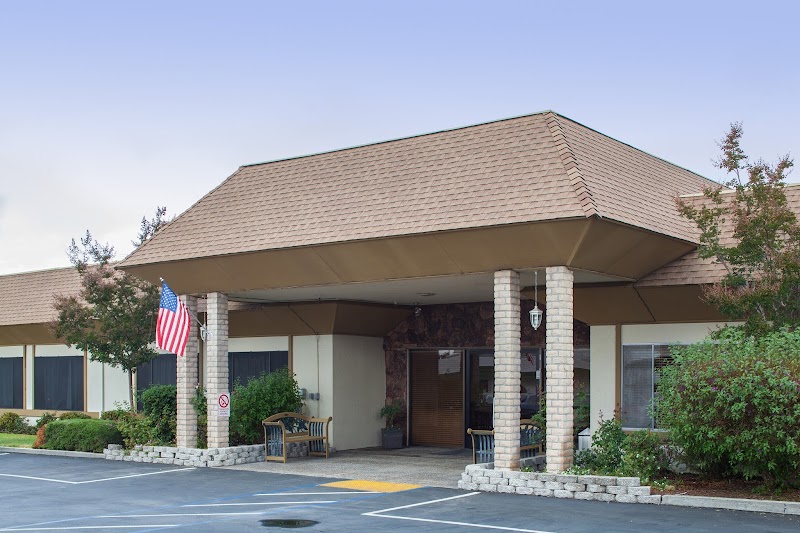



WASHINGTON CENTER

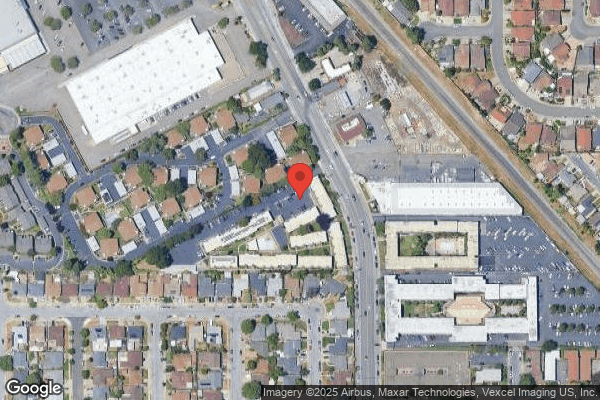
14766 WASHINGTON AVENUE, SAN LEANDRO, CA 94578 (510) 352-2211
For profit - Limited Liability company 99 Beds GENESIS HEALTHCARE Data: November 2025
Trust Grade
90/100
#264 of 1155 in CA
Last Inspection: November 2024

Within standard 12-15 month inspection cycle. Federal law requires annual inspections.

Overview

Washington Center in San Leandro, California, has an excellent Trust Grade of A, indicating it is highly recommended and performs well in providing care. It ranks #264 out of 1,155 facilities in California, placing it in the top half, and #23 out of 69 in Alameda County, meaning only 22 local options are better. However, the facility's trend is worsening, with the number of issues increasing from 1 in 2021 to 3 in 2024. Staffing is a relative strength, with a turnover rate of 23%, which is well below the California average, though their RN coverage is rated as average. There are no fines recorded, which is a positive indicator, but recent inspections found concerning incidents, such as medication carts being left unlocked and food stored at unsafe temperatures, which could pose risks to residents. Overall, while Washington Center has strong points, families should be aware of these recent concerns when considering this facility.

Trust Score
A
90/100
In California
#264/1155
Top 22%
Safety Record
Low Risk
No red flags
Inspections
Getting Worse
1 → 3 violations
Staff Stability
✓ Good
23% annual turnover. Excellent stability, 25 points below California's 48% average. Staff who stay learn residents' needs.
Penalties
✓ Good
No fines on record. Clean compliance history, better than most California facilities.
Skilled Nurses
⚠ Watch
Each resident gets only 26 minutes of Registered Nurse (RN) attention daily — below average for California. Fewer RN minutes means fewer trained eyes watching for problems.
Violations
⚠ Watch
13 deficiencies on record. Higher than average. Multiple issues found across inspections.
★★★★★
5.0
Overall Rating
★★★☆☆
3.0
Staff Levels
★★★★☆
4.0
Care Quality
★★★★★
5.0
Inspection Score
Stable
2021: 1 issues
2024: 3 issues

The Good

  • 4-Star Quality Measures · Strong clinical quality outcomes
  • Low Staff Turnover (23%) · Staff stability means consistent care
  • Full Sprinkler Coverage · Fire safety systems throughout facility
  • No fines on record
  • Staff turnover is low (23%)

    25 points below California average of 48%

Facility shows strength in quality measures, staff retention, fire safety.

The Bad

Chain: GENESIS HEALTHCARE

Part of a multi-facility chain

Ask about local staffing decisions and management

The Ugly 13 deficiencies on record

Nov 2024 3 deficiencies
CONCERN (D)

Potential for Harm - no one hurt, but risky conditions existed

Assessment Accuracy (Tag F0641)

Could have caused harm · This affected 1 resident

2. A quarterly Minimum Data Set (MDS), with an Assessment Reference Date (ARD) of 08/02/2024, revealed the facility admitted Resident 12 on 05/24/2018. Per the MDS, the resident had a Brief Interview ...

Read full inspector narrative →
2. A quarterly Minimum Data Set (MDS), with an Assessment Reference Date (ARD) of 08/02/2024, revealed the facility admitted Resident 12 on 05/24/2018. Per the MDS, the resident had a Brief Interview for Mental Status (BIMS) score of 8, which indicated the resident had moderate cognitive impairment. The MDS indicated the resident had no behaviors or hallucinations during the 7-day look-back period. The MDS indicated the resident had active diagnoses to include anemia, heart failure, hypertension, cerebrovascular accident, anxiety disorder, depression, and bipolar disorder. Resident 12's Medication Administration Record for the timeframe 07/01/2024 to 07/31/2024, indicated the resident displayed hallucinations and behaviors of crying/yelling out. Resident 12's Medication Administration Record for the timeframe 08/01/2024 to 08/31/2024, indicated the resident displayed hallucinations and behaviors of crying/yelling out. During an interview on 11/06/2024 at 8:18 AM, the Social Service Designee stated Resident 12 had episodes of hallucinations and behaviors and they were not accurately reflected on the resident's MDS. 3. An admission Record indicated the facility admitted Resident 28 on 12/04/2021. According to the admission Record, the resident had a medical history to include diagnoses of essential hypertension, dysarthria and anarthria, encounter for palliative care. A significant change in status Minimum Data Set (MDS), with an Assessment Reference Date (ARD) of 08/31/2024, revealed Resident 28 had a Brief Interview for Mental Status (BIMS) score of 9, which indicated the resident had moderate cognitive impairment. The MDS indicated the resident had no behaviors during the 7-day look-back period. Resident 28's Medication Administration Record for the timeframe 08/01/2024 to 08/31/2024, indicated the resident displayed episodes of restlessness and yelling at staff. During an interview on 11/06/2024 at 8:18 AM, the Social Service Designee stated Resident 28 had behaviors and they were not accurately reflected on the resident's MDS. During an interview on 11/06/2024 at 2:01 PM, the Director of Nursing stated her expectations would be that MDS assessments were coded accurately. During an interview on 11/06/2024 at 2:32 PM, the Administrator stated she expected MDS to be coded accurately. A facility policy titled, Resident Assessments, revised 10/2023, indicated, 6. The resident assessment coordinator is responsible for ensuring that the interdisciplinary team conducts timely and appropriate resident assessments. The policy specified, 12. Information in the MDS assessments will consistently reflect information in the progress notes, plans of care and resident observations/interviews. Based on interview, record review, and facility policy review, the facility failed to ensure the accuracy of the Minimum Data Set (MDS) for three (Residents 12, 28, and 78) of 21 sampled residents. This failure had the potential to result in inaccurate care plans and inadequate care provisions. Findings included: 1. An admission Record indicated the facility admitted Resident 78 on 06/25/2024. According to the admission Record, the resident had a medical history that included a diagnosis of encounter for other orthopedic aftercare. A quarterly MDS, with an Assessment Reference Data (ARD) of 09/30/2024, indicated Resident 78 was administered an anticoagulant medication in the last seven days. Resident 78's Order Summary Report for the timeframe 06/25/2024 to 11/30/2024, revealed no evidence to indicate the resident was ordered an anticoagulant medication. During an interview on 11/06/2024 at 9:37 AM, the MDS Coordinator stated she was responsible for section of the MDS that involved what kind of medication residents took during the look-back period. The MDS Coordinator stated it was important to have medication coded correctly to make sure it did not interfere with other medications and side effects from medications. The MDS Coordinator reviewed Resident 78's quarterly MDS with an ARD of 09/30/2024 and it indicated the resident received an anticoagulant medication; however, it was coded incorrectly and was a mistake. During an interview on 11/06/2024 at 2:01 PM, the Director of Nursing stated her expectations would be that MDS assessments were coded accurately. During an interview on 11/06/2024 at 2:32 PM, the Administrator stated she expected MDS to be coded accurately.During an interview on 11/06/2024 at 2:32 PM, the Administrator stated she expected MDS to be coded accurately.
CONCERN (D)

Potential for Harm - no one hurt, but risky conditions existed

Infection Control (Tag F0880)

Could have caused harm · This affected 1 resident

Based on observation, interview, record review, facility policy review, the facility failed to ensure staff implemented enhanced barrier precautions (EBP) for one (Resident 2) of 21 sampled residents....

Read full inspector narrative →
Based on observation, interview, record review, facility policy review, the facility failed to ensure staff implemented enhanced barrier precautions (EBP) for one (Resident 2) of 21 sampled residents. This failure had the potential to result in the spread of infection. Findings included: An admission Record revealed the facility admitted Resident 2 on 02/27/2024. According to the admission Record, the resident had a medical history that included a diagnosis of encephalopathy, sepsis, enterococcus, methicillin resistant staphylococcus aureus infection and gastrostomy status. A quarterly Minimum Data Set (MDS), with an Assessment Reference Date (ARD) of 10/17/2024, revealed Resident 2 had a Brief Interview for Mental Status (BIMS) score of 8, which indicated the resident had moderate cognitive impairment. The MDS indicated Resident 2 had a feeding tube. Resident 2's care plan included a focus area, initiated 05/17/2024, that indicated the resident required enhanced barrier precautions (EBP) related to gastrostomy tube (G-tube) placement. Interventions directed staff to use gown and gloves during high contact resident care activities. Resident 2's Order Summary Report, that contained active orders as of 11/06/2024, revealed an order dated 08/07/2024, for EBP due to tube feeding every shift. During a concurrent observation and interview on 11/05/2024 at 9:20 AM, Registered Nurse (RN) 1 entered Resident 2's room to administer medications to the resident by way of a feeding tube. RN 1 wore gloves and no other personal protective equipment. RN 1 stated a gown was necessary because Resident 2 was on EBP precautions. During an interview on 11/06/2024 at 2:08 PM, the Director of Nursing (DON) stated EBP was initiated for residents at high risk and gowns were required. The DON stated RN 1 must use a gown during medication administration by way of a feeding tube for Resident 2. The DON stated she expected for the nurses to follow the protocols adopted by the facility to deliver diligent care and protect the residents. During an interview on 11/06/2024 at 2:33 PM, the Administrator stated staff must wear a gown when required and expected the staff to comply with the instructions and reach out to the charge nurse when in doubt. An undated facility policy titled, Enhanced Standard/Barrier Precautions, indicated, It is the policy of this facility to implement enhanced standard/barrier precautions for the prevention of transmission of multidrug-resistant organisms [MDRO]. Definitions Enhanced Standard/Barrier Precautions refer to the use of gown and gloves for use during high-contact resident care activities for residents known to be colonized or infected with a MDRO as well as those at increased risk of MDRO acquisition (e.g. residents with wounds or indwelling medication devices. Per the policy, c. Chacterisitics of Residents at High Risk for MDRO Colonization and Transmission Functional Disability: i. Presence of indwelling devices: urinary catheter, feeding tube, tracheostomy tube, vascular catheters Ventilator-dependence.
CONCERN (E)

Potential for Harm - no one hurt, but risky conditions existed

Deficiency F0761 (Tag F0761)

Could have caused harm · This affected multiple residents

Based on observation, interview, and facility policy review, the facility failed to ensure the nursing staff locked two of four medication carts when it was not in their eyesight view. This failure h...

Read full inspector narrative →
Based on observation, interview, and facility policy review, the facility failed to ensure the nursing staff locked two of four medication carts when it was not in their eyesight view. This failure had the potential for unauthorized users to access medications. Findings included: During a concurrent interview and observation of medication administration on 11/05/2024 at 7:02 AM and 7:09 AM, Registered Nurse (RN) 1 left medication cart labeled Lower 200 unlocked and out of her view in the hallway and entered a resident's room to administer medication. RN 1 stated the medication cart should be locked and that she forgot. The unlocked, unsecured medication cart contained several medications, not limited to Lasix to treat high blood pressure and fluid retention, Eliquis to prevent blood clot formation, and nitroglycerin to treat acute chest pain. During an interview on 11/05/2024 at 11:22 AM, RN 5 stated nurses must lock the medication cart and computer screen when they step away from the medication cart. During an interview on 11/05/2024 at 11:46 AM, Licensed Vocational Nurse (LVN) stated medication carts must be locked when nurses did not have an eye on the cart. LVN 6 said medication carts were kept in the facility hallways and were not safe when left unlocked. During an interview on 11/05/2024 at 11:48 AM, LVN 3 stated it was the nurse's responsibility to keep the medication cart secured to prevent accidents. During a concurrent interview and observation on 11/06/2024 at 8:57 AM, an unattended and unlocked medication cart was observed in the 100 hall in the hallway. At 9:02 AM, LVN 6 came from facility's entrance door and stated she was the nurse assigned to the cart. LVN 6 stated the medication cart should be locked because of the medications it contained. Per LVN 6, the medication cart contained Eliquis to treat atrial fibrillation, Lisinopril and Lasix used to treat hypertension. During a concurrent interview and observation on 11/06/2024 at 11:50 AM, the medication art labeled Lower 200 was observed unlocked in the hallway. When LVN #7 exited a resident's room, she stated the medication cart was not visible and she should not have left the medication cart opened. During an interview on 11/06/2024 at 2:08 PM, the Director of Nursing (DON) stated the medication carts must be locked when left unsupervised. The DON said it was important to keep it locked due to safety and privacy. The DON stated she expected nursing staff to make sure the medication carts were locked from unauthorized access. During an interview on 11/06/2024 at 2:33 PM, the Administrator stated the nurses must lock the medication when it was not in their eyesight. A facility policy titled, Medication Storage in the Facility with an effective date of 04/2028, indicated, Medications and biologicals are stored safely, securely, and properly, following manufacturer's recommendation or those of the supplier. The medication supply is accessible only to licensed nursing personnel, pharmacy personnel, or staff members lawfully authorized.
Oct 2021 1 deficiency
MINOR (B)

Minor Issue - procedural, no safety impact

Medical Records (Tag F0842)

Minor procedural issue · This affected multiple residents

Based on interview and record review the facility failed to ensure one of three sampled residents (Resident 10) with a gastrostomy tube (GT, a tube inserted through the wall of the abdomen directly in...

Read full inspector narrative →
Based on interview and record review the facility failed to ensure one of three sampled residents (Resident 10) with a gastrostomy tube (GT, a tube inserted through the wall of the abdomen directly into the stomach) had documentation of provision of ordered nursing care related to the GT. This failure resulted in impaired communication across shifts and had the potential to result in inaccurate assessments of needed care, and unnecessary duplication of care. Findings: A review of Resident 10's face sheet indicated Resident 10 admitted to the facility with a diagnosis of dysphagia (difficulty or discomfort in swallowing). A review of Resident 10 ' s Medication Administration Record (MAR) dated 9/2021, indicated the following physician orders were not signed/initialed to indicate task completion by the night shift (the shift starting at 11 p.m. and ending 7:30 a.m. the following morning) nurse on 9/17/21, 9/18/21, 9/24/21, 9/28/21: every shift, check stomach contents before beginning a tube feeding, and delay feeding for one hour if the contents were more than 100 milliliters; elevate the head of the bed 30-45 degrees during feedings; flush the GT with 30ml of water before and after each medication. During a review of Resident 10 ' s Treatment Administration Record (TAR) dated 9/21, indicated the following physician orders were not signed/initialed to indicated task completion by the night shift nurse on 9/17/21, 9/24/21, 9/28/21, and 9/30/21: change the syringe that contained the tube feeding every night shift; monitor GT site for any redness or discharge every shift. During an interview and concurrent review of Resident 10 ' s September 2021 MAR and TAR on 10/13/21 at 12:50 p.m., with Licensed Vocational Nurse 1 (LVN1), LVN 1 stated she had been the assigned nurse on the night shifts of 9/17/21, 9/24/21, 9/28/21, and 9/30/21. LVN 1 stated she had forgotten to document completion of the tasks on those dates. LVN 1 stated if the tasks were not documented, the assumption was the tasks were not performed. During an interview and concurrent review of Resident 10 ' s September 2021 MAR and TAR on 10/12/21, at 11:13 a.m., with the Director of Nursing (DON), the DON stated the ordered tasks without initials on the MAR and TAR indicated those tasks had not been completed. The DON stated nurses should document completion of all resident care tasks. A review of the facility policy and procedure, Center's Nursing Policies revised 6/1/21, indicated, Documentation includes information about the patient's status, nursing assessment and interventions . Timely entry of documentation must occur as soon as possible after the provision of care . All patient information will be documented .
Feb 2019 9 deficiencies
CONCERN (D)

Potential for Harm - no one hurt, but risky conditions existed

Deficiency F0657 (Tag F0657)

Could have caused harm · This affected 1 resident

**NOTE- TERMS IN BRACKETS HAVE BEEN EDITED TO PROTECT CONFIDENTIALITY** Based on observation, interview, and record review, the facility failed to revise the comprehensive care plans for activities fo...

Read full inspector narrative →
**NOTE- TERMS IN BRACKETS HAVE BEEN EDITED TO PROTECT CONFIDENTIALITY** Based on observation, interview, and record review, the facility failed to revise the comprehensive care plans for activities for two of three sampled residents (Resident 30 and Resident 39) after changes in physical conditions. These failures had the potential for Resident 30 and Resident 39 to receive inappropriate activities, or have unmet psychological and/or emotional needs from lack of appropriate activities. Findings: 1. A review of Resident 30's face sheet dated 1/24/19 indicated she originally admitted to the facility in 2015, and readmitted on [DATE]. The Significant Change in Status Minimum Data Set (MDS, an assessment tool used to guide care) dated 6/27/18, indicated her diagnoses included dementia (a brain disorder affecting the ability to remember, think clearly, communicate, and perform daily activities and that may cause changes in mood and personality), and generalized muscle weakness. The MDS reflected Resident 30 rarely/never understood others, or was understood; had severely impaired hearing; had no speech; and had severely impaired thinking and reasoning skills for daily decision making. A review of the activities care plan revised 12/19/18 reflected Resident 30's responsible party wanted Resident 30 to have the opportunity to engage in the activities of hearing religious services, and listening to music, especially religious music. The MDS dated [DATE] reflected the responsible party confirmed it was very important for Resident 30 to participate in religious services or practices. A review of the facility Participation Log, reflected no participation in the categories of religious activity, and listening to music from 1/1/19 through 2/26/19. 2. Review of Resident 39's face sheet dated 7/19/18 indicated she originally admitted to the facility in 2014, and readmitted on [DATE]. The MDS section F0500 indicated listening to music was very important to Resident 39. A review of the activities care plan, revised 1/28/19, included listening to radio and outings under goals. During random observations of Resident 39 from 2/25/19 to 2/28/19, there was no music playing in her room. Review of the facility Participation Log, for January and February 2019, showed Resident 39 listened to music on four days: 1/3/19, 1/5/19, 2/3/19, and 2/9/19. During an interview with the Activities Assistant (AA) on 2/27/19 at 12:10 p.m., AA stated Resident 39 previously listened to music, went out to eat, and went out on the patio, but was not able to do all those activities now. The AA stated Resident 39 is always sleeping now, and that the care plan should be updated. During an interview with the Regional Nursing Consultant (CON) on 2/28/19 at 10:17 a.m., CON stated the expectation was for the facility to review and update care plans, even if residents are on hospice and the hospice agency had its own care plans. Review of the facility policy and procedure, Hospice, revised 3/1/18, reflected the facility was responsible for, meeting the patient's personal and nursing care in coordination with the hospice representative, and ensuring that the level of care provided is appropriate based on the individual patient's needs.
CONCERN (D)

Potential for Harm - no one hurt, but risky conditions existed

ADL Care (Tag F0677)

Could have caused harm · This affected 1 resident

**NOTE- TERMS IN BRACKETS HAVE BEEN EDITED TO PROTECT CONFIDENTIALITY** Based on observation, interview, and record review, the facility failed to provide adequate grooming services for one of one sam...

Read full inspector narrative →
**NOTE- TERMS IN BRACKETS HAVE BEEN EDITED TO PROTECT CONFIDENTIALITY** Based on observation, interview, and record review, the facility failed to provide adequate grooming services for one of one sampled resident (Resident 39) to prevent or treat dandruff (a skin condition usually confined to the scalp, and resulting in accumulation of dry, itchy, flaky scales). This deficient practice resulted in physical discomfort for Resident 39, and had the potential to result in emotional distress from poor grooming negatively impacting her physical appearance. Findings: A review of Resident 39's face sheet dated 7/19/18 indicated she was originally admitted to the facility in 2014, and readmitted on [DATE]. According to the Significant Change in Status Minimum Data Set (MDS, an assessment tool used to guide patient care) dated 1/11/19, had generalized muscle weakness. Review of Resident 39's care plan titled, .it is important that she has the opportunity to engage in daily routines that are meaningful ., revised 1/28/19, reflected as an intervention, It is important for me to keep clean. During an observation with Certified Nursing Assistant (CNA) 1 on 2/27/19 at 12:38 p.m., Resident 39 had white flakes at the front of her scalp. Resident 39 scratched her scalp and stated her scalp itched, and she needed a good shampoo. In a concurrent interview, CNA 1 stated Resident 39 does not take showers. Review of Resident 39's Weekly Bath and Skin Report for February 2019 contained no documentation except the date of February 2019, and that Resident 39's weekly shower days were Wednesdays and Saturdays. There were no signatures under the columns for CNA signature or Charge Nurse Signature; there were no documented abnormal conditions. Review of the facility, ADL [Activities of Daily Living] Record, for February 2019 reflected Resident 39 was completely dependent on staff for bathing, and received bed baths only. The Record specifically excluded hair washing in the bathing record; there was no documented hair washing. During an interview with the interim Director of Nursing (DON) on 2/27/19 at 12:51 p.m., the DON was unable to find any documentation about Resident 39 refusing showers. The DON observed Resident 39's scalp and agreed that she had dandruff. Review of the facility policy and procedure, Activities of Daily Living, revised 11/28/16, reflected, A patient who is unable to carry out ADLs receives the necessary services to maintain good nutrition, grooming, and personal and oral hygiene.
CONCERN (D)

Potential for Harm - no one hurt, but risky conditions existed

Pressure Ulcer Prevention (Tag F0686)

Could have caused harm · This affected 1 resident

Based on observation, interview, and record review, the facility failed to provide pressure ulcer treatment and services (pressure ulcer, a wound from prolonged pressure, also known as a bed sore) for...

Read full inspector narrative →
Based on observation, interview, and record review, the facility failed to provide pressure ulcer treatment and services (pressure ulcer, a wound from prolonged pressure, also known as a bed sore) for one of five sampled residents (Resident 47). For Resident 47 the development of a pressure sore on 2/19/19, and the facility failure to provide treatment and services for eight days, resulted in increased size and depth of the ulcer, and had the potential to result in severe tissue damage at the site. Findings: A review of Resident 47's comprehensive admission Minimum Data Set (MDS, an assessment tool used to guide care) dated 1/18/19 showed Resident 47 was always incontinent of bladder and bowel, and required physical assistance from two people for turning and repositioning in bed. The MDS showed Resident 47 had clear speech, and was usually able to understand and be understood by others. The MDS indicated Resident 47 was at risk for pressure ulcers, but had no healed, or unhealed, pressure ulcers. A review of Resident 47's care plan, At Risk for Skin Breakdown, initiated on 11/5/14, indicated, Monitor skin for signs/symptoms of skin breakdown i.e. redness, cracking, blistering, decreased sensation, and skin that does not blanche easily. Weekly skin assessment by licensed nurse. The care plan's last revision was dated 2/2/19. A review of Resident 47's record showed a form titled, SBAR [Situation, Background, Appearance, Review] Communication Form and Progress Note, dated 2/19/19, by Licensed Vocational Nurse 2 (LVN 2). The SBAR indicated Resident 47 had a newly identified superficial open area on her left buttock, which measured one centimeter (0.37 inches) by one-half centimeter. The SBAR indicated LVN 2 notified the physician about the open area on 2/19/19 at 2 p.m. During an interview with LVN 2 on 2/27/19 at 12:18 p.m., LVN 2 stated she had not completed a skin integrity report, or initiated treatment for Resident 47's pressure ulcer. During an observation and interview with Licensed Vocational Nurse 1 (LVN 1) on 2/27/19 at 9:05 a.m., LVN 1 confirmed Resident 47's left buttock had an open area with minimum bleeding and a red wound bed. LVN 1 stated she had not known Resident 47 had an open area on her buttock. During an observation and interview with LVN 1 on 2/27/19 at 11:29 a.m., LVN 1 measured Resident 47's left buttock pressure ulcer at five centimeters (two inches) in length, one-half centimeter in width, and 0.2 centimeter in depth, with minimum bloody drainage. Calculation of the differences in measurements from 2/19/19 to 2/27/19 showed length increased four centimeters (1.6 inches), and depth increased by 0.2 centimeters. During an observation, and interview with Regional Nursing Consultant (CON), of Resident 47's left buttock on 2/27/19 at 11:03 a.m., CON confirmed Resident 47's pressure ulcer was a Stage II ulcer. In a concurrent record review, CON stated she was unable to find documentation of a skin integrity report, a physician ordered treatment plan, or a nursing care plan with interventions for the ulcer. CON stated Resident 47's pressure ulcer treatment should have been initiated when the nurse first identified the presence of the ulcer. During an interview and concurrent record review with the interim Director of Nursing (DON) on 2/27/19 at 10:03 a.m., DON stated the facility procedure for newly identified pressure ulcers was for licensed nurses to complete a SBAR, notify the doctor, notify the responsible party, initiate a skin integrity report, create a care plan, and report the wound to the next shift. During an interview with LVN 1 on 2/27/19 at 11:29 a.m., LVN 1 said she had notified the physician about Resident 47's pressure ulcer, and had received treatment orders this morning. A review of the physician orders showed the physician first ordered treatment of Resident 47's pressure ulcer on 2/27/19. Review of the facility's policy and procedure titled, Skin Integrity Management, revised 11/28/16, indicated nursing staff were to document newly identified skin impairments on the facility 24-hour Summary Report, complete observations and measurements on a Skin Integrity Report, and document daily monitoring of the wound. The policy further reflected nursing was required to, 4. Develop comprehensive, interdisciplinary plan of care including prevention and wound treatments, as indicated.
CONCERN (D)

Potential for Harm - no one hurt, but risky conditions existed

Medical Records (Tag F0842)

Could have caused harm · This affected 1 resident

**NOTE- TERMS IN BRACKETS HAVE BEEN EDITED TO PROTECT CONFIDENTIALITY** Based on interviews and record reviews, the facility failed to ensure one of 18 sampled residents (Resident 30) had complete, ac...

Read full inspector narrative →
**NOTE- TERMS IN BRACKETS HAVE BEEN EDITED TO PROTECT CONFIDENTIALITY** Based on interviews and record reviews, the facility failed to ensure one of 18 sampled residents (Resident 30) had complete, accurate, and readily accessible records. 1. For Resident 30, the facility failed to ensure care plans accurately represented patient care issues by initiating a care plan for anticoagulant medication (medication used to prevent abnormal clotting of the blood) not ordered or administered. This failure had the potential to result in unnecessary care adjustments such as patient education and dietary changes to prevent adverse effects associated with anticoagulant medications. 2. The facility failed to ensure accurate documentation of treatment when Resident 30's treatment record reflected nursing provided wound care to a resolved left upper thigh blister, and failed to accurately reflect treatment of a right thigh wound. This failure had the potential to result in impairment of nursing ability to monitor, evaluate, and plan interventions on an ongoing basis. Please refer to tags F 656 and F 657. Findings: 1. Review of Resident 30's face sheet dated 1/24/19 indicated she was originally admitted to the facility on [DATE], and re-admitted on [DATE]. The Significant Change in Status Minimum Data Set (MDS, an assessment tool used to guide care) dated 6/27/18, indicated her diagnoses included anemia (a decreased level of red blood cells in the blood stream, resulting in less oxygen availability for the body), dementia (a brain disorder affecting the ability to remember, think clearly, communicate, and perform daily activities and that may cause changes in mood and personality), and generalized muscle weakness. The MDS reflected Resident 30 rarely/never understood others, or was understood; had severely impaired hearing; no speech; and had severely impaired thinking and reasoning skills for daily decision making. The Quarterly MDS dated [DATE] indicated Resident 30 had two pressure ulcers (damage to skin or underlying soft tissue from prolonged pressure). Review of Resident 30's medical record showed a care plan related to anticoagulant medication (medication used to prevent blood from forming clots), initiated 12/19/18, and revised 2/15/19. Review of Resident 30's Order Summary Report for February 2019 showed no order for anticoagulant medication. During an interview with the MDS Coordinator (MDSC) on 2/28/19 at 11:15 a.m., MDSC stated the care plan for anticoagulant medication did not accurately reflect Resident 30's condition, as the resident had not received anticoagulant medication. 2. During an observation of Resident 30's pressure ulcer treatment with Licensed Vocational Nurse (LVN) 3 and Certified Nursing Assistant (CNA) 1 on 2/28/19 at 1:45 p.m., Resident 30 had a right posterior thigh wound, and a sacral (the bony structure located at the bottom of the spine and connected to the pelvis) wound. Review of Resident 30's Treatment Administration Record (TAR) for February 2019 showed nursing provided daily treatments to a left upper thigh blister from 2/1/19 through 2/27/19, with only one day of missed treatment (2/10/19). The TAR also reflected nursing provided treatment to a left posterior thigh wound twice daily from 2/1/19 through 2/15/19, 2/26/19, and 2/27/19 (with the exception of only one treatment on 2/10/19). The record indicated LVN 3 provided a combined total of 19 of the documented treatments to the left upper thigh blister and left posterior thigh wound. During an interview with LVN 3 on 2/28/19 at 2:41 p.m., LVN 3 stated there had been no left posterior thigh wound. LVN 3 stated the order should have indicated treatment for the right posterior thigh. LVN 3 stated Resident 30 had a blister on the left upper thigh, but the wound had healed, and LVN 3 no longer provided treatment to the area.
CONCERN (E)

Potential for Harm - no one hurt, but risky conditions existed

Food Safety (Tag F0812)

Could have caused harm · This affected multiple residents

Based on observation, interview, and record review, the facility failed to serve and store food under sanitary conditions by: 1. The tuna salad was held at an unsafe temperature in the refrigerator. ...

Read full inspector narrative →
Based on observation, interview, and record review, the facility failed to serve and store food under sanitary conditions by: 1. The tuna salad was held at an unsafe temperature in the refrigerator. 2. Dry food bin lids, utensils, and equipment were dusty. 3. A dented canned good was stored in a rack for use. These failures placed residents at risk of developing food-borne illnesses. Findings: 1. During the initial kitchen observation on 2/25/19 at 3:50 p.m., the refrigerator had a sealed container labeled tuna salad, start date 2/24/19. DM confirmed the current measured internal temperature of the tuna salad to be 48 degrees Fahrenheit (°F). DM stated refrigerated food should be stored at or below 41°F. (Tuna is a Time/Temperature Control for Safety Food, requiring control of time and temperature to limit the growth of harmful, disease producing organisms.) 2. The lids of five of five dry food storage bin lids were dusty. DM stated dietary aides, including herself, checked utensils and equipment for cleanliness and proper storage in clean areas. DM stated dry food bin lids are cleaned every day by dietary aides per facility procedure. 3. During an observation in the dietary department, and concurrent interview with DM on 2/26/19 at 11 a.m., DM confirmed the presence of one dented can of 104 ounces of beets on a shelf in the dry storage area. DM stated cans are inspected for dents upon arrival and should be placed in a dented can storage area per facility procedure. The facility's policy and procedure titled, Food Handling, revised 12/01/15, reflected, All Time/Temperature Control for Safety Food must maintain an internal temperature of 41°F or lower
MINOR (B)

Minor Issue - procedural, no safety impact

Transfer Notice (Tag F0623)

Minor procedural issue · This affected multiple residents

**NOTE- TERMS IN BRACKETS HAVE BEEN EDITED TO PROTECT CONFIDENTIALITY** Based on interview and record review for two of five sampled residents (Resident 30, Resident 39), the facility failed to notify...

Read full inspector narrative →
**NOTE- TERMS IN BRACKETS HAVE BEEN EDITED TO PROTECT CONFIDENTIALITY** Based on interview and record review for two of five sampled residents (Resident 30, Resident 39), the facility failed to notify the Long Term Care (LTC) Ombudsman (an advocate for nursing home Residents) of resident transfers to acute care hospital. This deficient practice had a potential for Residents to not receive advocate support. 1. Review of Resident 30's clinical record showed a hospital admission on [DATE], and an emergency room visit on 1/26/19. The record did not reflect ombudsman notification of the transfers to the hospital. 2. A review of Resident 39's clinical record showed an emergency room visit on 12/10/18. The record did not reflect any notification to the Ombudsman for the emergency room visit. During an interview with the Director of Social Services (DSS) on 2/28/19 at 10:13 a.m., DSS stated the facility had not notified the Ombudsman when residents were transferred to the hospital. A review of the facility policy and procedure, Discharge and Transfer, revised 2/1/19 indicated, Copies of notices for emergency transfers must also be sent to the Ombudsman for patients transferred to a hospital.
MINOR (B)

Minor Issue - procedural, no safety impact

Deficiency F0865 (Tag F0865)

Minor procedural issue · This affected multiple residents

Based on interview and record review, the facility failed to document proceedings of the quality assessment and assurance committee during scheduled quarterly meetings. This failure had the potential ...

Read full inspector narrative →
Based on interview and record review, the facility failed to document proceedings of the quality assessment and assurance committee during scheduled quarterly meetings. This failure had the potential to result in facility inability to monitor the ongoing, comprehensive evaluation of provision of facility care and services. Findings: During an interview and record review with Regional Executive Administrator (REA) on 2/28/19 at 3:02 p.m., REA confirmed the quality assurance and performance improvement meeting log had no documentation for the quarterly meetings.
MINOR (B)

Minor Issue - procedural, no safety impact

QAPI Program (Tag F0867)

Minor procedural issue · This affected multiple residents

**NOTE- TERMS IN BRACKETS HAVE BEEN EDITED TO PROTECT CONFIDENTIALITY** Based on the interview and record review facility failed to conduct quarterly meeting on a regular basis and required members we...

Read full inspector narrative →
**NOTE- TERMS IN BRACKETS HAVE BEEN EDITED TO PROTECT CONFIDENTIALITY** Based on the interview and record review facility failed to conduct quarterly meeting on a regular basis and required members were not in attendance. this deficient practice failed to, monitor departmental performance data routinely in order to identify deviations in performance . Findings: During a review of QAPI log book on 2/28/19 at 2:55pm it was noted that there were no quarterly meeting documentation. the one quarterly meeting which was held on 11/18 there were no Medical Director or designee,no DON(Director of Nursing) and no administrator was in attendance. During an interview on 2/28/10 at 3:02pm, with regional executive Administrator stated: I don't see any documentation of quarterly meetings. not having quartely QA meeting FACILITY QAA and QAPI 02/28/19 03:02 PM no required members in the Q A meeting- no medical director, no DON, ( novembr 2018, ) april 2018 no DON, no administrator met with [NAME] ski executive administrator November meeting held in December
MINOR (B)

Minor Issue - procedural, no safety impact

Deficiency F0868 (Tag F0868)

Minor procedural issue · This affected multiple residents

Based on interview and record review, the facility failed to ensure the quality assessment and assurance committee had regulatory required members in attendance at the November 2018 quarterly meeting....

Read full inspector narrative →
Based on interview and record review, the facility failed to ensure the quality assessment and assurance committee had regulatory required members in attendance at the November 2018 quarterly meeting. This failure resulted in facility inability to routinely review and evaluate departmental performance data, and initiate necessary corrective actions. Findings: A review of the Quality Assurance Performance Improvement (QAPI) log on 2/28/19 at 2:55 p.m., reflected the 11/14/18 meeting was not attended by either the Medical Director (or a designee), Director of Nursing, or an admistrator/board member/owner/leadership staff member. During an interview with Regional Executive Administrator (REA) on 2/28/19 at 3:02 p.m., REA stated he was unable to find any documentation of the November QAPI meeting.
Understanding Severity Codes (click to expand)
Life-Threatening (Immediate Jeopardy)
J - Isolated K - Pattern L - Widespread
Actual Harm
G - Isolated H - Pattern I - Widespread
Potential for Harm
D - Isolated E - Pattern F - Widespread
No Harm (Minor)
A - Isolated B - Pattern C - Widespread

Questions to Ask on Your Visit

  • "Can I speak with families of current residents?"
  • "What's your RN coverage like on weekends and overnight?"

Our Honest Assessment

Strengths
  • • Grade A (90/100). Above average facility, better than most options in California.
  • • No major safety red flags. No abuse findings, life-threatening violations, or SFF status.
  • • No fines on record. Clean compliance history, better than most California facilities.
  • • 23% annual turnover. Excellent stability, 25 points below California's 48% average. Staff who stay learn residents' needs.
Concerns
  • • 13 deficiencies on record. Higher than average. Multiple issues found across inspections.
Bottom line: Generally positive indicators. Standard due diligence and a personal visit recommended.

About This Facility

What is Washington Center's CMS Rating?

CMS assigns WASHINGTON CENTER an overall rating of 5 out of 5 stars, which is considered much above average nationally. Within California, this rating places the facility higher than 99% of the state's 100 nursing homes. This rating reflects solid performance across the metrics CMS uses to evaluate nursing home quality.

How is Washington Center Staffed?

CMS rates WASHINGTON CENTER's staffing level at 3 out of 5 stars, which is average compared to other nursing homes. Staff turnover is 23%, compared to the California average of 46%. This relatively stable workforce can support continuity of care.

What Have Inspectors Found at Washington Center?

State health inspectors documented 13 deficiencies at WASHINGTON CENTER during 2019 to 2024. These included: 8 with potential for harm and 5 minor or isolated issues.

Who Owns and Operates Washington Center?

WASHINGTON CENTER is owned by a for-profit company. For-profit facilities operate as businesses with obligations to shareholders or private owners. The facility is operated by GENESIS HEALTHCARE, a chain that manages multiple nursing homes. With 99 certified beds and approximately 89 residents (about 90% occupancy), it is a smaller facility located in SAN LEANDRO, California.

How Does Washington Center Compare to Other California Nursing Homes?

Compared to the 100 nursing homes in California, WASHINGTON CENTER's overall rating (5 stars) is above the state average of 3.2, staff turnover (23%) is significantly lower than the state average of 46%, and health inspection rating (5 stars) is much above the national benchmark.

What Should Families Ask When Visiting Washington Center?

Based on this facility's data, families visiting should ask: "Can I visit during a mealtime to observe dining assistance and food quality?" "How do you handle medical emergencies, and what is your hospital transfer rate?" "Can I speak with family members of current residents about their experience?"

Is Washington Center Safe?

Based on CMS inspection data, WASHINGTON CENTER has a clean safety record: no substantiated abuse findings (meaning no confirmed cases of resident harm), no Immediate Jeopardy citations (the most serious violation level indicating risk of serious injury or death), and is not on the Special Focus Facility watch list (a federal program monitoring the lowest-performing 1% of nursing homes). The facility has a 5-star overall rating and ranks #1 of 100 nursing homes in California. While no facility is perfect, families should still ask about staff-to-resident ratios and recent inspection results during their visit.

Do Nurses at Washington Center Stick Around?

Staff at WASHINGTON CENTER tend to stick around. With a turnover rate of 23%, the facility is 23 percentage points below the California average of 46%. Low turnover is a positive sign. It means caregivers have time to learn each resident's needs, medications, and personal preferences. Consistent staff also notice subtle changes in a resident's condition more quickly. Registered Nurse turnover is also low at 18%, meaning experienced RNs are available to handle complex medical needs.

Was Washington Center Ever Fined?

WASHINGTON CENTER has no federal fines on record. CMS issues fines when nursing homes fail to meet care standards or don't correct problems found during inspections. The absence of fines suggests the facility has either maintained compliance or corrected any issues before penalties were assessed. This is a positive indicator, though families should still review recent inspection reports for the full picture.

Is Washington Center on Any Federal Watch List?

WASHINGTON CENTER is not on any federal watch list. The most significant is the Special Focus Facility (SFF) program, which identifies the bottom 1% of nursing homes nationally based on persistent, serious quality problems. Not being on this list means the facility has avoided the pattern of deficiencies that triggers enhanced federal oversight. This is a positive indicator, though families should still review the facility's inspection history directly.