Creekside Healthcare Center
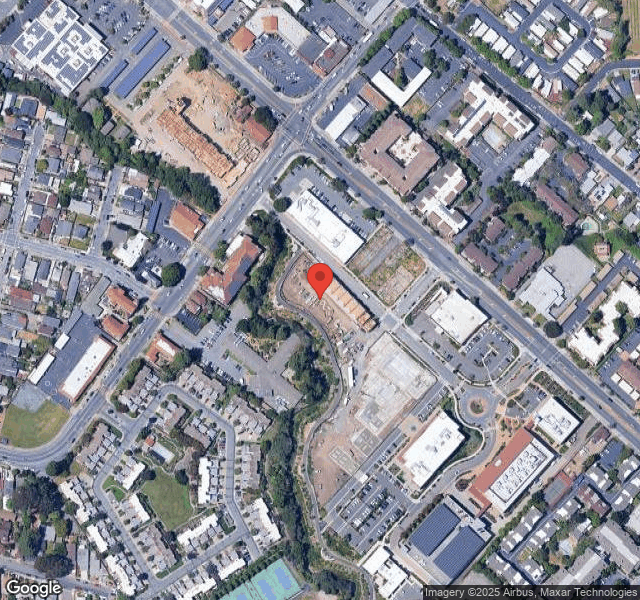
1900 CHURCH LANE, SAN PABLO, CA 94806 (510) 235-5514
For profit - Partnership 80 Beds MARINER HEALTH CARE Data: November 2025
Trust Grade
85/100
#63 of 1155 in CA
Last Inspection: August 2025

Inspected within the last 6 months. Data reflects current conditions.

Overview

Creekside Healthcare Center has received a Trust Grade of B+, which means it is above average and generally recommended for families considering care options. It ranks #63 out of 1,155 facilities in California, placing it in the top half, and #2 out of 30 in Contra Costa County, indicating only one local facility performs better. The trend is improving, with issues decreasing from 10 in 2024 to just 3 in 2025. Staffing is a strong point, with a rating of 4 out of 5 stars and a turnover rate of 36%, which is below the state average, suggesting that staff are experienced and familiar with the residents. However, the facility has faced some concerns, including issues with pest control, as flies were found in multiple residents' rooms, and lapses in infection control practices, such as a laundry staff member not wearing proper protective gear while handling soiled linens. While the absence of fines is positive, the facility needs to address these specific incidents to improve resident comfort and safety.

Trust Score
B+
85/100
In California
#63/1155
Top 5%
Safety Record
Low Risk
No red flags
Inspections
Getting Better
10 → 3 violations
Staff Stability
○ Average
36% turnover. Near California's 48% average. Typical for the industry.
Penalties
✓ Good
No fines on record. Clean compliance history, better than most California facilities.
Skilled Nurses
✓ Good
Each resident gets 90 minutes of Registered Nurse (RN) attention daily — more than 97% of California nursing homes. RNs are the most trained staff who catch health problems before they become serious.
Violations
⚠ Watch
20 deficiencies on record. Higher than average. Multiple issues found across inspections.
★★★★★
5.0
Overall Rating
★★★★☆
4.0
Staff Levels
★★★☆☆
3.0
Care Quality
★★★★★
5.0
Inspection Score
Stable
2024: 10 issues
2025: 3 issues

The Good

  • 4-Star Staffing Rating · Above-average nurse staffing levels
  • Full Sprinkler Coverage · Fire safety systems throughout facility
  • No fines on record
  • Staff turnover below average (36%)

    12 points below California average of 48%

Facility shows strength in staffing levels, fire safety.

The Bad

Staff Turnover: 36%

Near California avg (46%)

Typical for the industry

Chain: MARINER HEALTH CARE

Part of a multi-facility chain

Ask about local staffing decisions and management

The Ugly 20 deficiencies on record

Aug 2025 3 deficiencies
CONCERN (D)

Potential for Harm - no one hurt, but risky conditions existed

Pharmacy Services (Tag F0755)

Could have caused harm · This affected 1 resident

Based on observation, interview and record review, the facility failed to provide routine medications to meet the needs of one of two sampled residents (Resident 62) and ensured controlled medications...

Read full inspector narrative →
Based on observation, interview and record review, the facility failed to provide routine medications to meet the needs of one of two sampled residents (Resident 62) and ensured controlled medications (those with high potential for abuse and addiction) were accurately reconciled for two of three sampled residents (Resident 3 and 39) when:1.Resident 62's basaglar insulin (medication used to help manage blood sugar levels) and epogen (medication used to treat anemia, a condition where the blood doesn't carry enough oxygen to the rest of the body) were not available for administration. These failures resulted in Resident 62 to not receive medications as ordered by the physician.2.Resident 3 and 39's controlled drug records were documented illegibly. These failures resulted in inaccurate accountability of controlled medications and potential for misuse or diversion (illegal distribution or abuse of prescription drugs or their use for purpose not intended by the prescriber) of controlled medications.1. During a review of Resident 62's Face Sheet, printed on 8/6/25, the Face Sheet indicated Resident 62 was admitted in the facility on 12/6/24 with a diagnosis of diabetes mellitus (a condition where blood sugar levels are too high) and anemia (a condition where the blood doesn't carry enough oxygen to the rest of the body).During a concurrent medication administration observation and interview on 8/5/25 at 9:00 a.m. with Licensed Vocational Nurse (LVN) 1, LVN 1 was observed preparing and administering 12 out of 14 scheduled medications for Resident 62. LVN 1 stated Resident 62's basaglar insulin and epogen medications were not available. LVN 1 stated basaglar insulin and epogen medications were usually stored in the medication room refrigerator.During a concurrent observation and interview on 8/5/25 at 9:30 a.m. with LVN 1 in the medication room, LVN 1 unlocked the medication room refrigerator and searched for Resident 62's basaglar insulin and epogen medication. LVN 1 stated Resident 62's basaglar insulin and epogen were not in the refrigerator.During a review of Resident 62's Physician Order Report, dated 8/4/25, the Physician Order Report indicated Resident 62 had an order to receive seven units of basaglar insulin once a day at 9:00 a.m. for diabetes mellitus.During a review of Resident 62's Medication Administration History dated 8/5/25, the Medication Administration History indicated, Resident 62's basaglar insulin was not available and not administered.During a concurrent interview and record review on 8/6/25 at 11:48 a.m. with Registered Nurse (RN) 1, Resident 62's Progress Notes, dated 8/5/25 was reviewed. The Progress Notes indicated, Resident 62's epogen medication was denied by the insurance and RN 1 requested for a STAT delivery (medication to be delivered within a specific timeframe) from the pharmacy at 11:26 a.m. RN 1 stated STAT medication delivery were expected to be delivered within four hours from the time it was requested.During a review of Resident 62's Progress Notes, dated 8/5/25, the Progress Notes indicated, Resident 62's epogen medication delivery was followed up by RN 1 from the pharmacy at 5:51 p.m.During a review of Resident 62's Medication Administration History dated 7/8/25, 7/10/25, 7/12/15, 7/17/25, 7/19/25, 7/24/25, 7/26/25, 7/31/25, the Medication Administration History indicated, Resident 62's epogen medication were scheduled to be administered at 9:00 a.m. but were not available and were not administered.During a review of the facility's policy and procedure (P&P) titled, Medication Pass Guidelines, undated, the P&P indicated, To assure the most complete and accurate implementation of physicians' medication orders and to optimize drug therapy for each resident by providing for administration of drugs in an accurate, safe, timely manner . Medications are administered in accordance with written orders of the attending physician . 6. Administer medications within 60 minutes of the scheduled time. Unless otherwise specified by the physician, routine medications are administered according to the established medication administration schedule for the company.2a. During a review of Resident 3's Face Sheet, printed on 8/6/25, the Face Sheet indicated Resident 3 was admitted in the facility on 6/13/25 with a diagnosis of chronic pain syndrome (pain that lasts for over three months).During a concurrent interview and record review on 8/6/25 at 10:43 a.m. with Licensed Vocational Nurse (LVN) 2, Resident 3's undated Norco (controlled medication to relieve pain) Controlled Drug Record (an inventory sheet that keeps record of the usage of controlled medications) was reviewed. The Controlled Drug Record indicated, the documented date, time and signature of the 12th dose of Norco had multiple black lines across the numbers and letters. LVN 2 stated one line across the date, time and signature should have been made for documentation error. LVN 2 stated the nurse who made the documentation error should have written their initials next to the line.2b. During a review of Resident 39's Face Sheet, printed on 8/6/25, the Face Sheet indicated Resident 39 was admitted in the facility on 7/11/25 with a diagnosis of diverticulitis (condition where pouches in the lining of the colon become inflamed or infected) of large intestine.During a concurrent interview and record review on 8/6/25 at 2:12 p.m. with the Director of Nursing (DON), Resident 39's undated Norco Controlled Drug Record was reviewed. The Controlled Drug Record indicated, multiple documented date, time, and signatures had one line across the numbers and letters and multiple dose numbers were erased with a scribbled vertical line from dose 13 down to dose 1. The DON stated the nurses should have continued documenting dose 13 to dose 1 instead of crossing it out. The DON stated the documentation were confusing. The DON stated documentation should be clear and accurate.During a review of facility's policy and procedure (P&P) titled, Medical Record Management, undated, the P&P indicated, Medical records must be complete, accurately documented . During a review of facility's policy and procedure (P&P) titled, Controlled Medication Storage, dated 2007, the P&P indicated, Discrepancy in controlled substance medication counts is reported to the director of nursing immediately. The director of nursing or designee investigates and makes every reasonable effort to reconcile all reported discrepancies while the nurses remain on duty.
CONCERN (E)

Potential for Harm - no one hurt, but risky conditions existed

PASARR Coordination (Tag F0644)

Could have caused harm · This affected multiple residents

**NOTE- TERMS IN BRACKETS HAVE BEEN EDITED TO PROTECT CONFIDENTIALITY** Based on interview and record review, the facility failed to ensure three of four sampled residents (Resident 3, Resident 18, an...

Read full inspector narrative →
**NOTE- TERMS IN BRACKETS HAVE BEEN EDITED TO PROTECT CONFIDENTIALITY** Based on interview and record review, the facility failed to ensure three of four sampled residents (Resident 3, Resident 18, and Resident 45) Preadmission Screening and Resident Review (PASRR) were screened and referred to the appropriate state mental authority for Level II PASRR evaluation and determination.(PASRR is a federal requirement to help ensure that individuals who have a mental disorder or intellectual disabilities are appropriately placed in nursing homes for long term care). This failure had the potential to prevent residents from receiving appropriate required mental health services. During a review of Resident 3's Minimum Data Set (MDS-an assessment screening tool used to guide care), dated 6/19/25 the MDS indicated Resident 3 was admitted to the facility on [DATE] with diagnosis that included post-traumatic stress disorder (PTSD a disorder in which a person has difficulty recovering after experiencing or witnessing a terrifying event), anxiety disorder (a mental health disorder characterized by feelings of worry, anxiety, or fear that are strong enough to interfere with one's daily activities), and depression. During a concurrent interview and record review on 8/7/25 at 9:32 a.m. with Director of Nursing (DON), Resident 3's PASRR Level I screen dated 6/13/25 was reviewed. PASRR Level I indicated Resident 3 did not had a diagnosis of serious mental illness. DON stated Resident 3's Level I PASRR was initiated from hospital before admission to facility. DON stated facility's process was for the Interdisciplinary Team (IDT) to review residents PASRR upon admission from the hospital and determine if there is required follow up. DON stated Resident 3's PASRR Level I was not accurately screened or referred to the appropriate state mental authority for Level II PASRR evaluation and determination.(IDT-an interdisciplinary team is a group of professionals from different fields who collaborate to address complex needs, often in healthcare or other specialized settings). During a review of Resident 18's Minimum Data Set (MDS-an assessment screening tool used to guide care), dated 5/26/25 the MDS indicated Resident 18 was admitted to the facility on [DATE] with diagnosis that included psychotic disorder ( a mental disorder characterized by a disconnection from reality) and anxiety a mental health disorder characterized by feeling of worry, anxiety, or fear that are strong enough to interfere with one's daily activities) and depression. During a concurrent interview and record review on 8/6/25 at 8:43 a.m. with DON, Resident 18's PASRR Level I screen dated 9/16/24 was reviewed. PASRR Level I indicated Resident 18 did not have a serious mental illness or a diagnosis of serious mental illness. DON stated Resident 18's Level I PASRR was not accurately screened. DON stated it was important to make sure PASRRs accurately reflect residents' mental health conditions in order for Resident 18 to receive necessary supporting care.During a review of Resident 45's MDS, dated [DATE], the MDS indicated Resident 45 was admitted to the facility on [DATE] with diagnosis that included depression and schizophrenia (a mental disorder that affects a person's ability to think, feel, and behave clearly). During a concurrent interview and record review on 8/7/25 at 9:49 a.m. with DON, Resident 45's PASRR Level I screen dated 8/16/21 was reviewed. PASRR Level I indicated Resident 45 required a Level II mental health evaluation and referral. DON stated Resident 45 was not rescreened and referred to the appropriate state mental authority for Level II PASRR evaluation and determination.During a review of the facility's policy and procedure (P&P) titled, PASSR, undated, the P&P indicated, The facility's designated staff will review the PASSR from the acute hospital and determine if there is a required follow-up i.e., Level II referral, etc.
CONCERN (E)

Potential for Harm - no one hurt, but risky conditions existed

Infection Control (Tag F0880)

Could have caused harm · This affected multiple residents

Based on observation, interview and record review, the facility failed to ensure infection control practices were observed by one of one sampled laundry staff (LS) when the LS was not wearing a gown w...

Read full inspector narrative →
Based on observation, interview and record review, the facility failed to ensure infection control practices were observed by one of one sampled laundry staff (LS) when the LS was not wearing a gown while moving soiled linen from the soiled linen hamper in to the washer.This failure had the potential for cross contamination and spread of infections among 72 residents at the facility.During a concurrent observation and interview on 8/7/25 at 10:09 a.m. with the LS and Certified Nursing Assistant (CNA) 1 in the laundry room, the LS was observed grasping soiled linen from the hamper in to the washer only with gloved hands. The LS stated she had never used a gown or was told to use a gown when putting the dirty linen in to the machine. The LS stated wearing the gown could protect staff and other residents from the spread of infection.During a concurrent observation and interview on 8/7/25 at 10:15 a.m. with the Laundry Staff Supervisor (LSS) in the laundry room, the LS continued to move the soiled linen from the hamper in to the washer with only gloved hands. The LSS stated gown should be worn all the time when picking dirty linen from the hamper. The LSS stated some laundry staff would wear a gown and some would not. The LSS stated wearing a gown made other laundry staff feeling hot. During a review of facility's policy and procedure (P&P) titled, Soiled Linen Collection and Transfer, undated, the P&P indicated, Soiled linen should not be carried against clothing when transporting . Put on personal protective equipment (PPE - refers to protective items or garments worn to protect the body or clothing from hazards that can cause injury and to protect residents from cross-transmission) before handling soiled linen or clothing.
May 2024 9 deficiencies
CONCERN (D)

Potential for Harm - no one hurt, but risky conditions existed

Quality of Care (Tag F0684)

Could have caused harm · This affected 1 resident

Based on observation, interview, and record review, the facility failed to accurately assess one of four sampled residents (Resident 322) for right forearm swelling. This failure resulted in Resident...

Read full inspector narrative →
Based on observation, interview, and record review, the facility failed to accurately assess one of four sampled residents (Resident 322) for right forearm swelling. This failure resulted in Resident 322 experiencing pain and limited range of motion of the right arm, and placed Resident 322 at risk of untreated edema, further pain skin damage, and fluid overload. Findings: During a review of Resident 322's Face Sheet (a document used to communicate important information about a resident), undated, the record indicated Resident 322 was admitted to the facility in May 2024. During a review of Resident 322s Data Collection (a document used to collect data upon admission for a resident), dated 5/13/24, the record indicated Resident 322 had [right upper extremity] swelling present upon admission to the facility. During a concurrent observation and interview with Resident 322 on 5/20/24 at 10:05 a.m., Resident 322 stated his right arm was swollen and painful to the touch. Resident 322 was laying in bed with the head of the bed elevated, with a pillow under his head. Resident 322's right forearm and hand were noticeably swollen, and Resident 322 was not able to effectively make a fist with his right hand due to the swelling. Resident 322 stated it had been like this for weeks now. Resident 322 stated the facility had not done anything to decrease the swelling or pain in his right arm. Resident 322 stated it made him feel like I want to jump off a bridge. During a concurrent observation and interview with Certified Nursing Assistant (CNA) 1 on 5/22/24 at 11:50 a.m., CNA 1 stated Resident 322's right arm definitely looks swollen. CNA 1 stated Resident 322 complained of pain in the right arm the day prior, and that was reported to Registered Nurse (RN) 1. CNA 1 stated the risks of untreated pain were further pain and discomfort for the affected resident. During an observation and interview with RN 1 on 5/22/24 at 12:27 p.m., in Resident 322's room, RN 1 stated Resident 322 had edema (a result of excess fluid buildup in the body, causing swelling; when pressure is applied to the swollen area, a pit, or indentation, will remain) in the right arm. RN 1 stated Resident 322's right arm edema had increased as it was 1+ (a scoring system for edema; 1+ means the edema formed a pit at least 2 millimeters deep) the day before, however the edema was at least a 2+ (a score indicating the edema formed a pit at least 4 millimeters deep) that day. RN 1 stated Resident 322 also complained of some pain in the right arm the day before. RN 1 stated she did not inform Resident 322's physician for pain and/or edema she noted on 5/21/24. During a concurrent interview and record review with RN 1 on 5/22/24 at 12:41 p.m., Resident 322's Treatment Administration Record (TAR, a document used to log treatments and observations for a specific resident) and Nursing Progress Notes, dated 5/21/24, were reviewed. RN 1 stated the documents indicated Resident 322 did not have any swelling and/or pain in the right arm on 5/21/24. RN 1 stated not completing an accurate assessment for edema placed Resident 322 at risk for untreated edema leading to further pain, increased limited range of motion, and complications such as fluid overload. During a review of the Care Plan (a document used to indicate problems a resident is facing along with goals and measures to achieve them) for Resident 322, dated 5/13/24, the record indicated Resident 322 had impaired skin integrity . RFA (right forearm) and that approaches to this included monitor daily for pain, skin breakdown, or signs of worsening condition. Notify MD/NP Once a Day.
CONCERN (D)

Potential for Harm - no one hurt, but risky conditions existed

Accident Prevention (Tag F0689)

Could have caused harm · This affected 1 resident

Based on observation, interview, and record review, the facility failed to provide an environment and a safe transfer to prevent accident for one of eight sampled (Resident 2) when Resident 2 fell fro...

Read full inspector narrative →
Based on observation, interview, and record review, the facility failed to provide an environment and a safe transfer to prevent accident for one of eight sampled (Resident 2) when Resident 2 fell from the Hoyer lift during transfer from bed to chair by a Certified Nurse Assistant (CNA) and a Licensed Vocational Nurse (LVN). This deficient practice resulted in Resident 2 sustaining a superficial scalp laceration and hematoma due to the witnessed fall from the Hoyer lift. Findings: During a review of Resident 2's admission Record, undated, the admission Record indicated medical diagnoses that included Alzheimer's disease (a type of dementia that affects memory, thinking, and behavior), dementia (a general term for memory loss and other cognitive abilities serious enough to interfere with daily life), aphasia (a language disorder caused by damage to parts of the brain that control speech and understanding of language), chronic kidney disease, sensorineural hearing loss (happens when there is damage in the inner ear), and high blood pressure. During a review of Resident 2's Minimum Data Set (MDS, a resident assessment instrument used to identify resident care problems to be addressed in an individualized care plan), dated 3/18/24, the MDS indicated no score for Resident 2's Brief Interview for Mental Status (BIMS, a resident assessment instrument used to identify resident care problems to be addressed in an individualized care plan), indicative of severe cognitive impairment. During a review of the MDS for functional activities of daily living (ADL, the activities needed for self-care and mobility and include activities such as bathing, dressing, grooming, oral care, ambulation, toileting, eating, transferring, and communicating), the MDS indicated Resident 2 was dependent indicating a helper does all of the effort. Resident 2 required the assistance of two or more helpers to complete ADLs. During a review of Resident 2's Interdisciplinary Team (IDT) Summary of Investigation, dated 5/1/24, the IDT Summary indicated, On 4/30/24, 11 am, resident was being assisted by an LVN and a CNA to transfer from bed to wheelchair. While the resident was already up on the sling, the LVN was adjusting the wheelchair to prepare for the next step to transfer, while the CNA was steadily holding the Hoyer lift machine, when the resident accidentally slid down to the floor. Both staff were unable to break the fall. Resident sustained a laceration and a bump on the back of her head and was transferred to the hospital via 911 . During a review of Resident 2's hospital x-ray report, dated 4/30/24, the report indicated moderate left parietal scalp hematoma is seen . During a review of Resident 2's Post Fall Risk Observation (FRO), dated 5/22/24, the FRO indicated Resident 2 received a fall risk score of 20; a fall risk score of ten or higher, represents a high risk for fall. During a review of Resident 2's Comprehensive Care Plan. dated 9/13/13, reviewed/revised 5/22/24, the comprehensive care plan included approaches to provide assistance as identified in transfer and mobility . During an interview on 5/21/24, at 2:52 p.m. with CNA 3, CNA 3, stated Resident 2 fell from the Hoyer lift and had a bump in the middle of her head. CNA3 stated she was the one operating the Hoyer lift. During an interview on 5/22/24 at 2:17 p.m. with LVN 2, LVN 2 stated CNA 3 was operating the Hoyer lift, while he was fixing Resident's wheelchair. LVN 2 stated he was looking down as he tried to release the WC brakes and he did not witness the fall. LVN 2 stated he did not get a training for the Hoyer lift prior to the incident. During an interview on 5/23/24 at 1:10 p.m. with the Director of Staff Development (DSD), DSD stated the incident was reported to her. DSD stated she has trained staff on how to use a Hoyer lift properly and safely, and the chair must be placed in the right position. During a concurrent interview and record review on 5/23/24 at 1:20 p.m. with DSD, DSD stated all staff are trained, including licensed nurses (LNs), on use of the Hoyer lift upon hire, but not a requirement for LNs. DSD could not find a training record for the Hoyer lift for LVN 2. During an observation and interview on 5/24/24 at 9 a.m. with Resident 2, Resident 2 was nonverbal. Resident 2 was able to communicate using the basic communication chart. A bump with a scar was observed on the crown of Resident 2's head. After the bump was touched, Resident 2 nodded to pain when showed on the communication chart. During a review of the facility's policy and procedure (P&P) titled Resident Transfer: Mechanical Lift, undated, the P&P indicated, .Manufacturer's instructions and recommendation should always be followed, including the number of staff needed for a safe transfer. Mechanical lifts require at least a 2- person assist, or as per manufacturer's instructions . Both care givers will steady the resident as the lift is being moved. The second caregiver will guide the resident's body while the first caregiver moves the lift .
CONCERN (D)

Potential for Harm - no one hurt, but risky conditions existed

Pharmacy Services (Tag F0755)

Could have caused harm · This affected 1 resident

Based on observation, interview, and record review, the facility failed to provide adequate pharmaceutical services when Resident 1's medication, amlodipine (medication used to treat high blood pressu...

Read full inspector narrative →
Based on observation, interview, and record review, the facility failed to provide adequate pharmaceutical services when Resident 1's medication, amlodipine (medication used to treat high blood pressure) was not available and not administered as ordered. This failure had the potential to result in uncontrolled high blood pressure for Resident 1 During a review of Resident 1's admission Record, undated, the admission Record indicated Resident 1 was admitted in December 2019 with diagnoses that included hypertension, chronic kidney disease, and dementia. During a concurrent medication pass observation and interview on 5/22/24 at 9:18 a.m. with Licensed Vocational Nurse (LVN) 2, LVN 2 checked Resident 1's blood pressure and stated Resident's BP was 125/58. LVN stated order indicated to hold if Systolic BP is less than 100. LVN 2 prepared medications for Resident 1 for the 9 am administration time. LVN 2 unable to find amlodipine, the bubble pack was empty. LVN 2 stated it was supposed to be supplied by pharmacy and doesn't why they do not have it. LVN 2 stated they usually request in advance when there are just few remaining in the pack. During a concurrent interview and record review on 5/22/24 at 11:38 a. m. with LVN 2, the Physician Order was reviewed. The Physician Order indicated amlodipine 10 mg tablet. Amount to administer: 1 tab oral once a day for hypertension. Hold for systolic blood pressure less than 100. LVN 2 stated the amlodipine was not available. During a review of Resident 1's Electronic Medication Administration Record (EMAR) on 5/23/24, the EMAR for amlodipine was not signed off on 5/22/24. During an interview on 5/23/24 at 8:48 a.m. with LVN 2, LVN 2 stated the amlodipine for Resident 1 was delivered by pharmacy later during the day yesterday but was not administered. During a concurrent interview and record review on 5/24/24 with DON at 10:30 a.m., DON stated the licensed nurse would notify the doctor if not delivered on time by pharmacy. During a review of the facility's policy and procedure (P&P) titled, Medication Pass Guidelines, undated, the P&P indicated, To ensure the most complete and accurate implementation of physician's medication orders and to optimize drug therapy for each resident by providing for administration of drugs in an accurate, safe, ant timely, .manner. To systematically distribute medications to residents in accordance with state and federal guidelines .If the medication is not available during the medication pass, the Licensed Nurse (LN) will check the medication room if available. If the medication is still not available in the medication room/medication storage area, the LN will notify the pharmacy for delivery. If the medication will be administered later than the original schedule as a result of the pharmacy delivery time, the LN will notify the physician for further orders or recommendations . During a review of the P&P titled, Pharmaceutical Services, undated, the P&P indicated, Medications shall be administered in a safe and timely manner, and as prescribed .All medication orders will be supported by appropriate care processes and practices.
CONCERN (D)

Potential for Harm - no one hurt, but risky conditions existed

Medication Errors (Tag F0758)

Could have caused harm · This affected 1 resident

Based on observation, interview, and record review, the facility failed to ensure one of two sampled residents (Resident 68) received quetiapine (an antipsychotic medication, a class of medication tha...

Read full inspector narrative →
Based on observation, interview, and record review, the facility failed to ensure one of two sampled residents (Resident 68) received quetiapine (an antipsychotic medication, a class of medication that affects brain activities associated with mental processes and behavior) without an appropriate indication for use or appropriate behavior monitoring. This failure resulted in Resident 68's behavior not being appropriately monitored for the use of quetiapine and placed Resident 68 at risk of experiencing untreated psychosocial distress. Findings: During a review of Resident 68's Resident Face Sheet, the record indicated Resident 68 was admitted to the facility in March 2024 with a diagnoses to include unspecified dementia (a loss of brain function that occurs with certain diseases, affecting one or more brain functions such as memory, thinking, language, judgment, or behavior) without behavioral disturbance (a condition where a person behaves in a manner that may put themselves or others at risk), psychotic disturbance (a condition where a person's thinking is disconnected from reality), mood disturbance (a condition where a person's mood is negatively impacted), and anxiety (a feeling of fear or dread). During a review of Resident 68's Minimum Data Set (MDS, a resident assessment instrument used to identify resident care problems to be addressed in an individualized care plan), dated 4/25/24, the record indicated Resident 68 did not have any unsafe behaviors or mood disturbances during the seven days look back period. During a review of Resident 68's Brief Interview for Mental Status (BIMS, is a scoring system used to determine the resident's cognitive status in regard to attention, orientation, and ability to register and recall information), Resident 68 had a BIMS score of 5, indicating cognitive impairment. During an observation on 5/20/24 at 11:32 a.m., Resident 68 was observed sitting on the edge of the bed with feet dangling over the floor. Resident 68 was eating a piece of bread and stated she was here in a rental home. Resident 68 showed no signs of agitation or distress. During an interview with Certified Nursing Assistant (CNA) 2 on 5/22/24 at 9:58 a.m., CNA 2 stated Resident 68 wandered (walking aimlessly) at times but did not try to leave the facility. CNA 2 stated Resident 68 did not have any other behavioral issues. During a concurrent interview and record review with Licensed Vocational Nurse (LVN) 1 on 5/22/24 at 10:01 a.m., Resident 68's Physician's Orders and Treatment Administration Record (TAR), dated 5/2024 were reviewed. LVN 1 stated Resident 68 received quetiapine 12.5 milligrams (mg) every night for psychosis (A mental disorder characterized by a disconnection from reality) [manifested by] noncompliant to [plan of care] since 4/30/24. LVN 1 stated she was unable to find any record of attempting to refuse or deny care documented in Resident 68's TAR. During a concurrent interview and record review with the Director of Nursing (DON) on 5/22/24 at 10:08 a.m., Resident 68's Medication Regimen Review (MRR), dated 5/10/24, was reviewed. DON stated noncompliance with plan of care was not an appropriate diagnosis or indication for use of quetiapine for Resident 68. The MRR indicated to request clarification on use of quetiapine for refusal of care . as it is not an appropriate indication for use. DON stated the risks of not having an appropriate indication to use quetiapine included not accurately capturing the behaviors or symptoms Resident 68 was experiencing and could result in making it hard to determine the actual need for the psychotropic medication's usage for Resident 68. During a phone interview with Resident Representative (RR) 1 on 5/23/24 at 10:38 a.m., RR 1 stated Resident 68 experienced auditory hallucinations (a condition where a person hears sounds that do not exist) and wanders around frequently, attempting to leave home without reason in the past. These symptoms led to the resident being prescribed quetiapine prior to the admission to the facility. RR 1 stated DON had called her on 5/22/24 to discuss the reason Resident 68 was prescribed quetiapine, and that this was the first time anyone from the facility had asked for this information. During a review of the policy and procedure (P&P) titled Psychotropic Medication Assessment & Monitoring, undated, the P&P indicated the behavior of residents receiving antipsychotic medication will be monitored by the licensed nurse every shift.
CONCERN (D)

Potential for Harm - no one hurt, but risky conditions existed

Deficiency F0836 (Tag F0836)

Could have caused harm · This affected 1 resident

Based on interview and record review, the facility failed to follow its policy and procedure to report the fall incident of Resident 2 to the California Department of Public Health (CDPH) and other ap...

Read full inspector narrative →
Based on interview and record review, the facility failed to follow its policy and procedure to report the fall incident of Resident 2 to the California Department of Public Health (CDPH) and other appropriate agencies, as required by the federal or state regulations. This failure had the potential in delay of investigation and affects the health, safety, or welfare of residents. Findings: During a review of Resident 2's admission Record, undated, the admission Record indicated medical diagnoses that included Alzheimer's disease (a type of dementia that affects memory, thinking, and behavior), dementia (a general term for memory loss and other cognitive abilities serious enough to interfere with daily life), aphasia (a language disorder caused by damage to parts of the brain that control speech and understanding of language), chronic kidney disease, sensorineural hearing loss (happens when there is damage in the inner ear), and high blood pressure. During a review of Resident 2's Interdisciplinary Team (IDT) Summary of Investigation, dated 5/1/24, the IDT summary indicated, On 4/30/24, 11 am, resident was being assisted by an LVN and a CNA to transfer from bed to wheelchair. While the resident was already up on the sling, the LVN was adjusting the wheelchair to prepare for the next step of transfer, while the CNA was steadily holding the Hoyer lift machine, when the resident accidentally slid down to the floor, both staff were unable to break the fall. Resident sustained a laceration and a bump on the back of her head and was transferred to the hospital via 911 . During a review of the facility's policy and procedure (P&P), titled Unusual Occurrence Reporting, undated, the P&P indicated, As required by federal or state regulations, our facility reports unusual occurrences or other reportable events .other occurrences that interfere with facility operations and affect the welfare, safety, or health of residents, employees, or visitors.
CONCERN (E)

Potential for Harm - no one hurt, but risky conditions existed

Unnecessary Medications (Tag F0759)

Could have caused harm · This affected multiple residents

Based on observation, interview, and record review, the facility failed to maintain a medication error rate of less than 5 %. During the medication pass, three medication errors were observed out of 3...

Read full inspector narrative →
Based on observation, interview, and record review, the facility failed to maintain a medication error rate of less than 5 %. During the medication pass, three medication errors were observed out of 32 opportunities for three of six residents, resulting in an error rate of 9.38%. 1. Amlodipine (medication for management of high blood pressure) for Resident 1 was unavailable and not administered as ordered. This failure had the potential to result in uncontrolled high blood pressure. 2. Semglee pen U-100 insulin (Insulin Glargine, a long acting insulin) subcutaneous injection was administered to Resident 45 without following manufacturer's recommendation. This failure had the potential to affect the insulin dose's effectiveness and the resident's blood sugar. 3. Humulin R Regular U-100 insulin (a short acting insulin) subcutaneous injection was administered to Resident 19 without following the manufacturer's recommendation. This failure had the potential to affect the insulin dose's effectiveness and the resident's blood sugar. Findings: 1. During a review of Resident 1's admission Record, undated, the admission Record indicated Resident 1 was admitted in December 2019 with diagnoses that included high blood pressure, chronic kidney disease, and dementia. During a concurrent medication pass observation and interview on 5/22/24 at 9:18 p.m. with Licensed Vocational Nurse (LVN) 2, LVN 2 checked Resident 1's blood pressure (BP) and stated Resident's BP was 125/58. LVN stated the order indicated to hold if Systolic BP is less than 100. LVN 2 prepared medications for Resident 1 for the 9 a.m. administration time. LVN 2 was unable to find the amlodipine. Its bubble pack was empty. LVN 2 stated it was supposed to be supplied by pharmacy. During a concurrent interview and record review on 5/22/24 at 11:38 a. m. with LVN 2, the physician order indicated Amlodipine 10 mg tablet Amount to administer; amount to administer: 1 tab oral once a day for hypertension. Hold for systolic blood pressure less than 100, LVN 2 stated Amlodipine was not yet available. During a review of Resident 1's Electronic Medication Administration (EMAR), the EMAR for amlodipine was not signed off on 5/22/24. During an interview on 5/23/24 at 8:48 a.m. with LVN 2, LVN 2 stated the amlodipine for Resident 1 was delivered by pharmacy later in the day yesterday but was not administered. 2. During a review of Resident 45's admission Record, undated, the admission Record indicated Resident 45 was admitted in January 2023 with diagnoses that included diabetes and chronic kidney disease. During a medication pass observation on 5/22/24 at 10.27 a.m. with Registered nurse (RN) 1, RN 1 administered 18 units of Semglee U-100 insulin to resident 45 via subcutaneous injection. RN 1 immediately removed the needle from the skin after delivering the injection. The manufacturer's recommendation is to hold the needle in place for 10 seconds after administering. During a concurrent record review interview on 5/22/24 at 11:55 a.m. with RN 1, the Physician Order was reviewed. The Physician Order indicated Semglee Pen U-100 Insulin (Insulin glargine); 100 unit/ml (3ml) Amount to Administer: 18 units; subcutaneous once a day for DM (diabetes) at 7:30 am. RN 1 confirmed it was not administered within the time frame. RN 1 stated she was supposed to hold the needle in place for 10 seconds before removing it, so the resident may not be getting the full dose. During a review of the manufacturer's insert for Semglee, the insert indicated once injected, continue to depress the button until the dial has returned to 0 and for an additional 10 seconds. 3. During a review of Resident 19's admission Record, undated, the admission Record indicated Resident 19 was admitted in February 2024 with diagnoses that included diabetes and polyneuropathy. During a medication pass observation on 5/22/24 at 11:31 a.m. with LVN 2, LVN 2 administered 12 units of Humulin R insulin to Resident 19 via subcutaneous injection. LVN 2 immediately removed the needle from the skin after delivering the injection, instead of holding it in place for at least five seconds as recommended by the manufacturer's insert and standard injection protocol. During a concurrent interview and record review on 5/22/24 at 11:38 a.m. with LVN 2, the Physician Order was reviewed. The Physician Order indicated Humulin R Regular U-100 Insulin (Insulin Regular human) solution; 100/unit/ml; Amount to Administer: 12 units injection Before meals for DM. During an interview on 5/22/24 at 1:40 pm with LVN 2, LVN 2 confirmed that he did not hold the insulin syringe in place for the recommended five seconds during the subcutaneous injection. He admitted to immediately withdrawing the needle from the resident's skin after administering the insulin; he stated the resident may not get the full dose. During a review of the manufacturer's insert for Humulin R insulin, the insert indicated once injected, continue to depress the button until the dial has returned to 0 and for an additional 5 seconds. During a review of the facility's policy and procedure (P&P) titled, Medication Pass Guidelines, undated, the P&P indicated, To assure the most complete and accurate implementation of physician's medication orders and to optimize drug therapy for each resident by providing for administration of drugs in an accurate, safe, ant timely, .manner.
CONCERN (E)

Potential for Harm - no one hurt, but risky conditions existed

Deficiency F0761 (Tag F0761)

Could have caused harm · This affected multiple residents

**NOTE- TERMS IN BRACKETS HAVE BEEN EDITED TO PROTECT CONFIDENTIALITY** Based on observation, interview, and record review, the facility failed to store medications and biologicals (a class of medicat...

Read full inspector narrative →
**NOTE- TERMS IN BRACKETS HAVE BEEN EDITED TO PROTECT CONFIDENTIALITY** Based on observation, interview, and record review, the facility failed to store medications and biologicals (a class of medications which are grown and then purified from large-scale cell cultures of bacteria or yeast, or plant or animal cells) in a safe condition when the temperature in one of two medication refrigerators was out of range in accordance with Federal, State, and CDC storage and handling guidelines. This failure had the potential to compromise the integrity and effectiveness of medications and biologicals and could potentially cause harm to the resident. During a concurrent interview and observation of medication refrigerator 2 (med fridge 2) on 5/21/24 at 11:55 a.m. with RN2, in medication storage room [ROOM NUMBER], the thermometer inside med fridge 2 indicated 32 degrees (°) Fahrenheit (F). Inside med fridge 2, were two E kits (Emergency medication kits) with the same contents in each kit with a yellow sticker indicating Refrigerate. The label on the kit indicated the unopened contents included one Lantus insulin, Levemir insulin, one Novolin N insulin, one Novolin R insulin, one Novolog insulin, and two Lorazepam (medication to relieve anxiety) injection vials. There were multiple Lorazepam vials in small plastic bags labeled with a Resident's name (Resident 55). There was an intravenous reconstituted vancomycin (Antibiotics) one gram injection labeled with a Resident's name (Resident 59), and other medications. During an interview with RN 2 at 12 p. m. with RN 2, RN 2 stated that the temperature was 32° F. RN 2 stated she did not know what the normal range for the medication refrigerator temperature was supposed to be. During another observation of the med fridge 2 on 5/21/24 at 2:30 p.m. with RN 4, med fridge 2 thermometer indicated temperature of 29° F. RN 4 acknowledged it was 29° F. RN 4 provided a recorded temperature log from 1st to AM of 21st. However, there was no month and year indicated on it. The log titled, Medication Refrigerator Temperature Log- Done Twice Daily Normal Temperature: 36-46°/Normal Freezer Temperature: 0-32° F. Notify DON if Temperature is out of range. The undated log had records and initials as of 21st and indicated 36° F recorded for AM (morning of the 21st) ref. RN 4 stated the normal range for the med fridge temperature was indicated on the log. During a review of the temperature log, the log indicated the temperatures were 34° F on the 14th, 32° F on the 15th, and 34° F on the 17th of May 2024. During two observations on 5/22.24 at 12:32 pm and at 3:20 pm, with LVN 3 medication room [ROOM NUMBER], med fridge 2 temperature was 32° F. LVN 3 stated the temperature of med fridge 2 was 32° F. The multiple medications were still in med fridge 2. During an interview on 5/23/24 at 10:40 am with RN 4 and RN 3, RN 3 stated she checked the thermometer yesterday and it was okay and recorded the temperature in the log. When asked why the temperature was below the normal range during multiple observations, RN 3 stated sometimes it is okay, sometimes it is not okay, but most of the time, it is okay. When asked what effect that would have on the medications inside med fridge 2, especially the insulin and lorazepam injections, RN 3, and RN 4 were unable to answer. During an interview on 5/23/24 at 3p.m. with Director of Nursing (DON), DON stated the temperature for the fridge should be within range, and they must follow the manufacturer's recommendations for efficacy of the medications. DON stated if the temperature is below the range, medication could freeze. A review on 5/23/24 of the manufacturer's inserts for the insulin vials in med fridge 2: The manufacture's insert for Lantus (Insulin glargine-medication used for diabetes) indicated, Lantus .should not be allowed to freeze .Not-in-use (unopened Refrigerated (36° F-46°). The manufacturer's insert for Levemir insulin (for diabetes) indicated, Not-in-use (unopened) Refrigerated (36° F to 46° F). The manufacturer's insert for Novolin N (for diabetes) indicated, Not-in-use (unopened) Refrigerated (36° F to 46° F). The manufacturer's insert for Novolin R (for diabetes) indicated, Not-in-use (unopened) Refrigerated (36° F to 46° F). The manufacturer's insert for Novolog (for diabetes) indicated, Do not freeze Novolog .All unopened vials: store unopened NovoLog vials in the refrigerator at 36° F to 46° F. During a review of the carton label for Lorazepam injection indicated to store in refrigerator 2° C to 8° C (36° F - 46° F). During a review of the manufacturer's insert for gabapentin oral solution indicated to store gabapentin oral solution refrigerated at 36° F to 46° F. During a review of the facility's policy and procedure (P&P) titled, Medication Storage, Storage of Medication, dated 2007, the P&P indicated: medications and biologicals are stored properly, following manufacturer's or provider pharmacy recommendations, to main integrity and to support safe effective drug administration .Medications requiring, refrigeration or temperatures between 2° C (36° F), and 8° C (46° F) are kept in a refrigerator with a thermometer to allow temperature monitoring .
CONCERN (E)

Potential for Harm - no one hurt, but risky conditions existed

Deficiency F0847 (Tag F0847)

Could have caused harm · This affected multiple residents

Based on interview and record review, for three of three sampled residents (Resident 49, Resident 65 and Resident 68) reviewed for arbitration (a private process where disputing parties agree that one...

Read full inspector narrative →
Based on interview and record review, for three of three sampled residents (Resident 49, Resident 65 and Resident 68) reviewed for arbitration (a private process where disputing parties agree that one or several other individuals can make a decision about the dispute [disagreement or claim among parties where one party claims to have been harmed] after receiving evidence and hearing arguments) agreement, the facility failed to ensure the arbitration agreement was explained in a manner they understood. This failure had the potential to result in violation of the residents' right to make informed decisions and choices about important aspects of healthcare and welfare. Findings: 1. During a review of Resident 49's Resident Face Sheet, the Resident Face Sheet indicated Resident 49 was re-admitted to the facility in April 2024, Resident Representative (RR) 1 was listed as Resident 49's Representative. During a review of Resident 49's Minimum Data Set Assessment (MDS, a resident assessment instrument used to identify resident care problems to be addressed in an individualized care plan), dated 4/7/24, the MDS indicated a Brief Interview for Mental Status (BIMS, a scoring system used to determine the resident's cognitive status in regard to attention, orientation, and ability to register and recall information) score of nine. (A BIMS score of 8-12 is an indication of moderate cognitive impairment). During an interview on 5/23/24 at 10:05 a.m. with RR 1, RR 1 stated he/she asked to sign Resident 49's admission documents/admission packet a few days after Resident 49 was re-admitted from the hospital. RR 1 stated he/she was not aware that an arbitration agreement was one of the documents that was signed. RR 1 stated he/she did not know what the arbitration agreement was about and was not told he/she could rescind the agreement within 30 days of signing. RR 1 stated even if he/she knew what it was now, It would be too late [to rescind]. During a review of Resident 49's ARBITRATION AND DISPUTE RESOLUTION AGREEMENT (arbitration agreement), the arbitration agreement indicated it was signed by RR 1 and Admissions Director (AD) on 4/3/24. 2. During a record review of Resident 65's Resident Face Sheet, the Resident Face Sheet indicated Resident 65 was admitted to the facility in April 2024, Resident 65 was listed as Responsible Party. During a review of Resident 65's MDS, dated 4/29/24, the MDS indicated a BIMS score of nine. During a review of Resident 65's ARBITRATION AND DISPUTE RESOLUTION AGREEMENT, the arbitration agreement indicated, while it was signed by Resident 65, there was no signed acknowledgment that a copy of the Dispute Resolution Program information and Frequently Asked Questions handout were received by Resident 65. The arbitration agreement indicated Admissions Assistant (AA) as the Facility Representative who also signed the agreement. During an interview on 5/23/24 at 9:33 a.m. with Resident 65, Resident 65 stated she did not understand what an arbitration agreement was and what it was for. During an interview on 5/23/24 at 11:44 a.m. with AA, AA stated she asked the resident or the resident representative to sign the admission packet upon admission or return from the hospital. AA stated the arbitration agreement would be included in the admission packet for the resident or resident representative to sign. AA was not able to answer what the arbitration agreement was about and was not able to provide what information was given to the residents or their representative before signing. During a telephone interview on 5/23/24 at 11:46 a.m. with Admissions Director (AD), AD stated during the admission process, the resident or the resident representative would sign the admission packet as soon as possible or within 72 hours of admission. AD stated the admission packet included bed-hold notice, primary insurance information, standard admission agreement, personal funds, and arbitration agreement. AD stated her role was making sure the residents had signed the admission packet and that every document was completed but AA was the assigned Coordinator for the facility, who would oversee the signing of the admission documents in AD's absence. 3. During a review of Resident 68's Resident Face Sheet, the Resident Face Sheet indicated Resident 68 was admitted to the facility in March 2024. RR 2 was listed as Resident 68's representative. During a review of Resident 68's MDS, dated 4/25/24, the MDS indicated a BIMS score of four (severe cognitive impairment). During a review of Resident 68's ARBITRATION AND DISPUTE RESOLUTION AGREEMENT, the arbitration agreement indicated the arbitration agreement was signed by both RR 2 and AD on 4/1/24. During a telephone interview on 5/23/24 at 10:37 a.m. with RR 2, RR 2 stated she was made to sit in the conference room to sign for Resident 68's admission to the facility. RR 2 stated she heard about the arbitration agreement for the first time during the interview and stated she did not know the implications of such an agreement and would not have given up Resident 68's right to litigation in a court proceeding if she had known.
CONCERN (F)

Potential for Harm - no one hurt, but risky conditions existed

Deficiency F0925 (Tag F0925)

Could have caused harm · This affected most or all residents

Based on observation, interview, and record review, the facility failed to maintain an effective pest control program for flies and gnats in three of three units designated for resident care. A dead k...

Read full inspector narrative →
Based on observation, interview, and record review, the facility failed to maintain an effective pest control program for flies and gnats in three of three units designated for resident care. A dead kitten was found outside Resident 24's window for more than 22 hours. The failure to effectively treat flies and gnats and leaving the dead kitten outside Resident 24's room resulted in Resident 24 feeling ugly and grossed out and had the potential to result in infection for all residents residing at the facility. Findings: During an observation on 5/20/24 at 10:05 a.m., three flies were observed in Resident 322's room. During a concurrent observation and interview on 5/20/24 at 10:24 a.m., three flies were observed in Resident 42's room. Resident 42 stated that the facility has numerous flies and that the flies made him feel unsanitary. During a concurrent observation and interview on 5/20/24 at 11:20 a.m., in Resident 34's room, there were five flies in Resident 34's room on the overbed table, the wall, the curtain, and the ceiling. Resident 34 stated that there are flies all over and they drive me crazy. Resident 34 stated that staff often came in to use a chemical spray on Resident 34's room to kill any flies around, and that despite Resident 34 asking, nothing had been done to address the source of the flies. During an observation on 5/20/24 at 12:43 p.m., a fly was observed on Resident 42's lunch plate, directly on the food being served, when Resident 42 was about to eat his lunch. During a concurrent observation and interview on 5/22/24 at 11:50 a.m. with Certified Nursing Assistant (CNA) 1, outside of Resident 24's room on Unit 2, CNA 1 pointed out a dead kitten, outside in the bushes next to Resident 24's window. The cat had only its head, paws, spine, and tail left, and the rest of its organs were open and exposed. CNA 1 stated she noticed that another cat had been coming repeatedly to eat the deceased kitten. During a concurrent observation and interview on 5/23/24 at 9:26 a.m. with Resident 24, the dead kitten was still observed outside Resident 24's window, with further decomposition noted and more of the kitten's head missing. The dead kitten's remains were closer to the window than they were the previous day. A notable foul smell was coming through the window into Resident 24's room. Two flies were observed on the wall to the right of Resident 24's bed. Resident 24 stated, there were gnats all over the room . they get into [Resident 24]'s food and land in my [briefs] and bite my buttocks.' Resident 24 stated it made her feel ugly and grossed out. During a concurrent observation and interview on 5/23/24 at 9:34 a.m. with Housekeeper (HSK) 1, multiple flies were observed on Resident 34's doorframe in Unit 1. HSK 1 stated she had been noticing flies around the building coming in and out. HSK 1 stated that housekeeping staff attempt to kill the flies with a spray, and that sometimes the spray works, but does not work at other times. HSK 1 stated the housekeeping staff typically let the Maintenance Director know about the issue. When asked what the risks are to uncontrolled pests like flies, HSK 1 sated that the flies could land in residents' food and get them sick. During an observation on 5/23/24 at 9:38 a.m., one fly was observed on Resident 45's door in Unit 3. During an interview on 5/23/24 at 9:44 a.m. with the Maintenance Director (MND), the MND stated that there were lots of gnats in some rooms, and facility used fly traps and sprays to keep the pest levels down. The MND stated he was not aware of any dead animals on facility grounds. During a concurrent observation and interview on 5/23/24 at 9:46 a.m., with MND, outside Resident 24's room window, the dead kitten was still there. MND stated the risks from having dead animals on facility grounds and close to resident care areas was that the remains could create more flies and create greater risk for residents becoming sick. During an interview on 5/23/24 at 10:18 a.m. with the Director of Nursing (DON), DON stated that pests like flies posed a risk to residents and that the pests could get into resident food and cause infection. DON stated facility's Administrator (ADM) was responsible for pest control services. During a concurrent interview and record review on 5/23/24 at 10:21 a.m., with ADM and MND, the facility's Maintenance Request Log for February, March, April, and May of 2024 was reviewed. The ADM stated facility staff reported issues related to maintenance in the maintenance log. The ADM stated she was also unable to locate any reports of dead animals from 5/22/24. The ADM stated facility was aware of gnats and flies being an issue since February 2024. However, ADM was unable to find any record in the maintenance log. ADM stated the facility hired an outside vendor to perform cleaning to control the gnat issue on 2/10/24 and 5/8/24, however the pest issue was not effectively resolved. A review of facility's policy and procedure titled Pest Control, undated, indicated that the facility staff should report the following insect or pest related information: type of problem, location, person reporting, and time reported . and that the facility should maintain a written report of pest sightings and remedial actions.
Apr 2024 1 deficiency
CONCERN (D) 📢 Someone Reported This

A family member, employee, or ombudsman was alarmed enough to file a formal complaint

Potential for Harm - no one hurt, but risky conditions existed

Deficiency F0657 (Tag F0657)

Could have caused harm · This affected 1 resident

Based on interview and record review, the facility failed to ensure the care plan was reviewed and revised by the interdisciplinary team after an identified concern for one of three sample selected re...

Read full inspector narrative →
Based on interview and record review, the facility failed to ensure the care plan was reviewed and revised by the interdisciplinary team after an identified concern for one of three sample selected residents (Resident 1) when Resident 1 informed the staff of the facility about his sensitivity to the scents. The facility did not make a care plan and follow up with Resident 1's concern. This failure resulted in frustration for Resident 1 and having to inform each of the staff himself about his issue with scents. Findings: A review of Resident 1's Face Sheet indicated Resident 1 was admitted to the facility with multiple diagnoses including acute bronchospasm (happens when the muscles that line your airways in your lungs tighten) and Chronic Obstructive Pulmonary Disease (COPD, a condition involving constriction of the airways and difficulty or discomfort in breathing). During an interview on 4/10/24 at 10:25 a.m. with Resident 1, Resident 1 stated that he had high sensitivity to fragrances and scents and when he was admitted to the facility, he told every staff and administrator about his issue and none of the staff listened to him. He stated he is still receiving care from staff with the smell of cologne or smoke. Furthermore, Resident 1 stated that he had an accident that he had a respiratory issue and had to go through a lot of treatment because of smell of cologne before. During a concurrent interview and record review on 4/11/24 at 9:00 a.m. with the Administrator (ADM), ADM stated Resident 1 complained to her about staff wearing fragrances and ADM became aware of Resident 1's sensitivity to scents. ADM stated because she did not find any allergy history on Resident 1's medical records, ADM did not take the complaint seriously. Furthermore, ADM reviewed the care plan and confirmed there was no care plan for Resident 1's issue with scents. A review of Resident Progress Note indicated on 3/29/24 . he (Resident 1) said I told you people do not wear perfume . and on 3/16/24 . sensitive to smell . A review of Grievance/complaint Report, dated 3/19/24, indicated Resident 1 complained to the ADM about his sensitivity to scents. A review of Resident 1's Care Plan indicated the facility did not make a care plan for Resident 1's sensitivity to scents. A review of Employee Handbook Union, dated 2018, indicated .Employee should exercise personal hygiene including the absence of body odors and limit the use of strong perfumes and colognes . A review of the facility's policy and procedure Comprehensive Plan of Care, undated, indicated . Re-evaluate and modify care plans: as necessary to reflect changes in care, services and treatment .
May 2022 7 deficiencies
CONCERN (D)

Potential for Harm - no one hurt, but risky conditions existed

Free from Abuse/Neglect (Tag F0600)

Could have caused harm · This affected 1 resident

**NOTE- TERMS IN BRACKETS HAVE BEEN EDITED TO PROTECT CONFIDENTIALITY** Based on interviews and record review, the facility failed to ensure one resident (Resident 274) of two sampled residents (Resid...

Read full inspector narrative →
**NOTE- TERMS IN BRACKETS HAVE BEEN EDITED TO PROTECT CONFIDENTIALITY** Based on interviews and record review, the facility failed to ensure one resident (Resident 274) of two sampled residents (Resident 47 and 274) was free from physical abuse when; Resident 47 grabbed Resident 274 on the back of the neck during an altercation in the lobby area. This deficient practice resulted in repeated episodes of resident to resident altercation and had the potential to cause emotional distress, pain, and injury. Findings: During an interview on 5/3/22 at 10:00 a.m., Resident 274 stated Resident 47 bumped into his wheelchair at the lobby area and grabbed him on the back of his neck. Resident 274 stated he was traumatized. During an interview on 5/3/22 at 10:09 a.m., Resident 47 stated Resident 274 was his roommate. Resident 47 stated he grabbed Resident 274 on the back of his neck because Resident 274 had called him the N word and snored. Resident 47 stated he was upset, and when he bumped into Resident 274 in the lobby, he grabbed his neck and staff separated them immediately. Review of Resident 274's admission Minimum Data Set (MDS- an assessment and care screening tool used to guide care), dated 4/17/22, indicated Resident 274's Basic Interview of mental status (BIMS) score was 15 (meaning cognitively intact). Resident 274 had no behavioral symptoms. Review of Resident 47's admission MDS dated [DATE], indicated Resident 47's BIMS score was 14 (cognitively intact ). Resident 47 diagnoses included anxiety disorder (a mental health disorder characterized by feelings of worry, anxiety, or fear that are strong enough to interfere with ones's daily activities). During an interview on 5/3/22 at 10:20 a.m., the Social Services Director (SSD) confirmed that on 4/30/22, Resident 47 bumped into Resident 274's wheelchair in the lobby area, turned around and grabbed Resident 274 on the back of his neck. Review of the change in condition narrative notes dated 4/30/22 reflected Resident 47 bumped into Resident 274's wheelchair turned around and grabbed Resident 274 on the back of the neck. Review of nursing progress notes dated 4/19/22, indicated Resident 47 had arguments before with Resident 274 in the hallway. Resident 47 tried to gain access to Resident 274, and the on duty nurse gave verbal instructions to stop but Resident 47 did not stop. Resident 47 continuously yelled at Resident 274, and the on duty nurse separated both residents and informed the supervisor to change their room. During an interview on 5/4/22 at 12:54 p.m., the Registered Nurse (RN 1) stated she was the on duty charge nurse on 4/19/22 when Resident 47 argued and yelled at Resident 274 in the hallways. RN 1 stated Resident 47 argued aggressively with pointed finger towards Resident 274 and did not stop. when instructed to stop. RN stated she separated both residents and informed her supervisor to consider a room change for Resident 47. During an interview on 5/4/22 at 9:06 a.m., the Licensed Vocational Nurse (LVN 1) stated Resident 47 complained about loud noises at night. LVN 1 stated no formal report was made because it was difficult to understand who Resident 47 was referring too because of the way he talked. Review of the behavior care plan, dated 4/13/22 indicated, Resident 47's behavior included being physically abusive to others and making sexual advances towards staff members. Further review indicated Resident 47's care plans were not revised with new interventions to address the altercation on 4/19/22 resident-to-resident arguments, yelling and Resident 47's complaints of noise at night. During an interview on 5/4/22 at 12:26 p.m., the Director of Nursing (DON) stated she was not aware of the incident on 4/19/22 about Resident 47 and Resident 274 arguments and yelling. DON further stated Resident 47 and 274's care plans were not revised with new interventions regarding the incident on 4/19/22. The facility's policy and procedure, titled, Abuse & Neglect Prohibition, revised May 2013 indicated, Each resident has the right to be free from mistreatment, neglect, abuse, involuntary seclusion and misappropriation of property. Abuse means the willful infliction of injury, unreasonable confinement, intimidation, or punishment with resulting harm, pain or mental anguish.
CONCERN (D)

Potential for Harm - no one hurt, but risky conditions existed

Deficiency F0657 (Tag F0657)

Could have caused harm · This affected 1 resident

Based on interviews and record review, the facility failed to revised one of two sampled residents (Resident 47) care plans with new interventions to address Resident 47's aggressive arguments and com...

Read full inspector narrative →
Based on interviews and record review, the facility failed to revised one of two sampled residents (Resident 47) care plans with new interventions to address Resident 47's aggressive arguments and complaint. This deficient practice did not ensure interventions were developed and implemented to avoid repeat altercations. Findings: Review of the nursing progress notes dated 4/19/22, indicated Resident 47 had arguments with Resident 274 in the hallway and tried to gain access to Resident 274. The on duty nurse documented Resident 47 continued to yell at Resident 274 and would not stop which required the on duty nurse to separate the residents. A room change was considered at that time following the altercation. During an interview on 5/4/22 at 12:54 p.m., the Registered Nurse (RN 1) stated she was the on duty charge nurse on 4/19/22 when Resident 47 argued and yelled at Resident 274 in the hallways. RN 1 stated she verbally notified her supervisor. During an interview on 5/4/22 at 9:06 a.m., the Licensed Vocational Nurse (LVN 1) stated Resident 47 had complained about loud noise at night. LVN 1 stated no formal report was made because it was difficult to understand who Resident 47 was referring too because of the way he talked. Review of the behavior care plan, dated 4/13/22 indicated Resident 47's behavioral manifesting included physically abusive to others and making sexual advances towards staff members. Further review indicated Resident 47's care plans was not revised with new interventions about the 4/19/22 resident-to-resident arguments, yelling, and complaints of noise at night. Review of change in condition narrative notes dated 4/30/22 indicated Resident 47 bumped into Resident 274's wheelchair turned around and grabbed Resident 274 on the back of the neck. During an interview on 5/4/22 at 12:26 p.m., the Director of Nursing (DON) stated she was not aware of the 4/19/22 incident between Resident 47 and Resident 274 . DON stated Resident 47 and Resident 274's care plan, were not updated with new interventions. The facility's policy and procedure titled, Comprehensive Plan of Care, revised date 11/15/2001, indicated, the comprehensive plan of care must: Be periodically reviewed and revised by the interdisciplinary team as changes in the resident's care and treatment occur.
CONCERN (D)

Potential for Harm - no one hurt, but risky conditions existed

Deficiency F0883 (Tag F0883)

Could have caused harm · This affected 1 resident

**NOTE- TERMS IN BRACKETS HAVE BEEN EDITED TO PROTECT CONFIDENTIALITY** Based on interviews, record review, for one (Resident 27) of five random sampled resident charts reviewed for their pneumonia va...

Read full inspector narrative →
**NOTE- TERMS IN BRACKETS HAVE BEEN EDITED TO PROTECT CONFIDENTIALITY** Based on interviews, record review, for one (Resident 27) of five random sampled resident charts reviewed for their pneumonia vaccination, the facility failed to offer the pneumococcal vaccine recommended by the Advisory Committee on Immunizations Practices (ACIP-group of medical a public health experts) based on the age group and had no medical contraindication against it. This failure increased the risk and potential for Resident 27 to acquire, transmit or experience complications from pneumococcal disease. Findings: During a concurrent interview and medical record review on 05/04/22 at 8:30 A.M., Resident 27's documented date for pneumonia vaccine indicated it was given at the hospital in 2014. The Infection Preventionist (IP) stated she could not find a recent date of when the pneumonia vaccine was given to Resident 27. IP stated the hospital kept track of the pneumonia vaccine record and would request a copy. IP further stated the IP, the Director of Nursing (DON) and nurse supervisor are responsible to keep the vaccination record current. During an interview on 05/04/22 at 3:00 P.M., DON stated she was unable to find Resident 27's pneumococcal vaccination record after 2014, and contacted the hospital for Resident 27's pneumococcal vaccination record. During a follow-up interview on 05/05/22 at 9:40 A.M., DON stated the hospital did not have a subsequent pneomococcal vaccination record for Resident 27 after 2014. DON further stated the facility will administer the pneumococcal vaccine for Resident 27 based on her age and which vaccine was given in 2014. During an interview on 05/05/22 at 10:45 A.M., IP stated pneumonia vaccine is given every five years for residents less than [AGE] years old and every year for residents greater than [AGE] years old. IP stated Resident 27 should have been offered the pneumonia vaccine in 2019. During a review of the document, Influenza Adult Immunization Guide, dated 2021-2022, it indicated two types of vaccinations against bacterial pneumonia are available. ACIP expects administrations of both Prevnar (PCV13) and Pneumovax (PPSV23) will provide optimal protection against pneumococcal infections. The recommendations for adults aged <65 years are different than for adults aged >65 years so they should be vaccinated based on the ACIP recommendations for their age groups.
CONCERN (E)

Potential for Harm - no one hurt, but risky conditions existed

Deficiency F0761 (Tag F0761)

Could have caused harm · This affected multiple residents

**NOTE- TERMS IN BRACKETS HAVE BEEN EDITED TO PROTECT CONFIDENTIALITY** Based on observation, interview and record review, the facility failed to ensure safe medication storage when the eye drops and ...

Read full inspector narrative →
**NOTE- TERMS IN BRACKETS HAVE BEEN EDITED TO PROTECT CONFIDENTIALITY** Based on observation, interview and record review, the facility failed to ensure safe medication storage when the eye drops and ear drops were stored next to each other in green and white boxes and there was an expired 1000 ml (milliliter) bag of 10% Dextrose (sugar water solution given intravenously or into the vein) in the medication storage room. These failures had the potential for medication errors to occur (for example, administering ear medication into the eye which could cause blindness) or or the resident to receive expired intravenous (IV) fluids. Findings: 1. During an observation on [DATE] at 11:15 a.m., there were eye drops and ear drops kept next to each other on a shelf. Both were in green and white boxes. During an interview with the Registered Nurse (RN) 2 on [DATE] at 11:15 a.m., RN 2 stated they should not be stored next to each other because it would be easy to grab the wrong one. 2. During an observation of the Medication Storage Room on [DATE] at 11:15 a.m., there was a bag of 10% Dextrose in a drawer with a pharmacy label indicating a room temperature expiration date of [DATE]. The prescription filled date was [DATE]. During an interview with Registered Nurse 2 (RN) on [DATE] at 11:15 a.m., RN 2 stated the 10% Dextrose was to hang when a Resident was not getting his TPN (total parenteral nutrition, a special formula given through a vein). RN 2 stated the expiration date from the manufacturer was 06/22. During a telephone interview with the Pharmacist (Ph) on [DATE] at 11:49 a.m., Ph stated once the bag of fluids is removed from the moisture bag (a protective overwrap), it expires in 30 days. Ph stated this bag was opened on [DATE], so the expiration date is [DATE]. During a review of the Drug & Biological Storage policy, dated 03/00, the policy indicated that no discontinued, outdated or deteriorated drugs or biologicals may be retained for use.
CONCERN (E)

Potential for Harm - no one hurt, but risky conditions existed

Menu Adequacy (Tag F0803)

Could have caused harm · This affected multiple residents

Based on observation, interviews, and record review, the facility failed to follow a current seasonal menu and meal plan when the facility used the Fall/Winter 2021 menu to prepare the residents' meal...

Read full inspector narrative →
Based on observation, interviews, and record review, the facility failed to follow a current seasonal menu and meal plan when the facility used the Fall/Winter 2021 menu to prepare the residents' meals. This deficient practice did not ensure seasonal foods which offer variety, palatability, and nutritional value were made available to residents. Findings: During an interview on 5/2/22 at 11:11a.m., the Certified Dietary Manager (DS) provided a copy of the menu titled, Fall/Winter 2021. DS stated the facility currently uses the Fall/Winter 2021 menu to prepare the residents' meal. During an interview on 5/2/22 at 12:42 p.m., the Registered Dietician (RD) stated the spring menu cycle began in April 2022. RD stated the facility had contacted the menu provider in order to initiate the new menu cycle. During an interview on 5/3/22 at 10:06 a.m., the Administrator (Admin) stated the facility had been in contact with the menu provider for updated seasonal menus and continued to wait. During the tray line observation on 5/3/22 at 11:33 a.m., the facility used the Fall/Winter 2021 menu for food preparation and served the following for lunch: Fish, carrot and rice pillar, gravy, tomato soup, chicken and rice soup, baked chickens , mashed potato, beef parties, broccoli, puree fish, or chicken ravioli as an alternative. The facility's policy and procedure titled, Menu revised 7/1/2017, indicated the menus incorporate regional tastes, seasonal changes, and dietary modification.
CONCERN (E)

Potential for Harm - no one hurt, but risky conditions existed

Deficiency F0804 (Tag F0804)

Could have caused harm · This affected multiple residents

Based on observation and interview, the facility failed to serve palatable food when the facility served chicken rice soup that was too salty. This deficient practice had the potential to cause reside...

Read full inspector narrative →
Based on observation and interview, the facility failed to serve palatable food when the facility served chicken rice soup that was too salty. This deficient practice had the potential to cause residents to not enjoy their meal and decline to eat. Findings: Review of the Fall/Winter 2021 menu indicated the lunch menu included, Mediterranean style cod, rice pilaf, carrot, wheat roll, margarine, strawberries with whipped topping, coffee with tea, milk with garnish of choice. During the tray line observation on 5/3/22 at 11:33 a.m., the facility served for lunch- Fish, carrot and rice pillar, gravy, tomato soup, chicken and rice soup, baked chicken, mashed potato, beef patties, broccoli, puree fish, and chicken ravioli as the alternate choice. During a sampled meal tray test on 5/03/22 at 1:21 p.m., accompanied by the Certified Dietary Manager (DS), and test tasted by the Registered Dietician (RD) and the Surveyor, the chicken and rice soup tasted too salty. DS stated the soup was canned soup and the facility will work on it. The facility's policy and procedure, titled Food Service Policy, revised 4/15/2001, indicated; The facility provides and each resident receives food that is: prepared by methods that conserve nutritive value, flavor, and appearance, palatable, attractive, and at the proper temperature, and prepared in a form designed to meet individual needs.
CONCERN (E)

Potential for Harm - no one hurt, but risky conditions existed

Food Safety (Tag F0812)

Could have caused harm · This affected multiple residents

Based on observation, interviews, and record review, the facility failed to follow proper sanitation and food storage practices as follows: a. Dishwashing racks with brownish discoloration, b. Plate c...

Read full inspector narrative →
Based on observation, interviews, and record review, the facility failed to follow proper sanitation and food storage practices as follows: a. Dishwashing racks with brownish discoloration, b. Plate covers had a faded, discolored appearance c. Air vent had a thick layer of black dust. These deficient practices had the potential to result in foodborne illness. Findings: During the initial observation tour of the kitchen on 5/02/22 at 9:47 a.m., accompanied by the Certified Dietary Manager (DS), the dishwashing racks had brownish discoloration, plate covers had a faded discolored appearance, and the air vent had a thick layer of black dust. During an interview on 5/02/22 at 9:47 a.m., DS stated the Maintenance Supervisor (MS) was responsible for the cleaning of the kitchen air vent. DS stated the dishwashing racks and plate covers will be ordered and replaced. During an interview on 5/05/22 at 9:05 a.m., MS stated the air vent in the kitchen was supposed to be cleaned weekly. MS further stated the facility had a contractor that does the cleaning, but unfortunately, was not cleaned during the contractor's visit in April 2022. The facility's policy and procedure titled, Sanitation and Infection Control, dated 2018 indicated, sanitation and infection control measures will be followed to ensure resident/patients and staff receives safe food and water. Employees must follow specific procedures in all areas .to ensure the department operates under sanitary conditions on a daily basis
Understanding Severity Codes (click to expand)
Life-Threatening (Immediate Jeopardy)
J - Isolated K - Pattern L - Widespread
Actual Harm
G - Isolated H - Pattern I - Widespread
Potential for Harm
D - Isolated E - Pattern F - Widespread
No Harm (Minor)
A - Isolated B - Pattern C - Widespread

Questions to Ask on Your Visit

  • "Can I speak with families of current residents?"
  • "What's your RN coverage like on weekends and overnight?"

Our Honest Assessment

Strengths
  • • Grade B+ (85/100). Above average facility, better than most options in California.
  • • No major safety red flags. No abuse findings, life-threatening violations, or SFF status.
  • • No fines on record. Clean compliance history, better than most California facilities.
  • • 36% turnover. Below California's 48% average. Good staff retention means consistent care.
Concerns
  • • 20 deficiencies on record. Higher than average. Multiple issues found across inspections.
Bottom line: Generally positive indicators. Standard due diligence and a personal visit recommended.

About This Facility

What is Creekside Healthcare Center's CMS Rating?

CMS assigns Creekside Healthcare Center an overall rating of 5 out of 5 stars, which is considered much above average nationally. Within California, this rating places the facility higher than 99% of the state's 100 nursing homes. This rating reflects solid performance across the metrics CMS uses to evaluate nursing home quality.

How is Creekside Healthcare Center Staffed?

CMS rates Creekside Healthcare Center's staffing level at 4 out of 5 stars, which is above average compared to other nursing homes. Staff turnover is 36%, compared to the California average of 46%. This relatively stable workforce can support continuity of care. RN turnover specifically is 62%, which is notably high. RNs provide skilled clinical oversight, so turnover in this role can affect medical care quality.

What Have Inspectors Found at Creekside Healthcare Center?

State health inspectors documented 20 deficiencies at Creekside Healthcare Center during 2022 to 2025. These included: 20 with potential for harm.

Who Owns and Operates Creekside Healthcare Center?

Creekside Healthcare Center is owned by a for-profit company. For-profit facilities operate as businesses with obligations to shareholders or private owners. The facility is operated by MARINER HEALTH CARE, a chain that manages multiple nursing homes. With 80 certified beds and approximately 70 residents (about 88% occupancy), it is a smaller facility located in SAN PABLO, California.

How Does Creekside Healthcare Center Compare to Other California Nursing Homes?

Compared to the 100 nursing homes in California, Creekside Healthcare Center's overall rating (5 stars) is above the state average of 3.2, staff turnover (36%) is near the state average of 46%, and health inspection rating (5 stars) is much above the national benchmark.

What Should Families Ask When Visiting Creekside Healthcare Center?

Based on this facility's data, families visiting should ask: "Can I visit during a mealtime to observe dining assistance and food quality?" "How do you handle medical emergencies, and what is your hospital transfer rate?" "Can I speak with family members of current residents about their experience?"

Is Creekside Healthcare Center Safe?

Based on CMS inspection data, Creekside Healthcare Center has a clean safety record: no substantiated abuse findings (meaning no confirmed cases of resident harm), no Immediate Jeopardy citations (the most serious violation level indicating risk of serious injury or death), and is not on the Special Focus Facility watch list (a federal program monitoring the lowest-performing 1% of nursing homes). The facility has a 5-star overall rating and ranks #1 of 100 nursing homes in California. While no facility is perfect, families should still ask about staff-to-resident ratios and recent inspection results during their visit.

Do Nurses at Creekside Healthcare Center Stick Around?

Creekside Healthcare Center has a staff turnover rate of 36%, which is about average for California nursing homes (state average: 46%). Moderate turnover is common in nursing homes, but families should still ask about staff tenure and how the facility maintains care continuity when employees leave.

Was Creekside Healthcare Center Ever Fined?

Creekside Healthcare Center has no federal fines on record. CMS issues fines when nursing homes fail to meet care standards or don't correct problems found during inspections. The absence of fines suggests the facility has either maintained compliance or corrected any issues before penalties were assessed. This is a positive indicator, though families should still review recent inspection reports for the full picture.

Is Creekside Healthcare Center on Any Federal Watch List?

Creekside Healthcare Center is not on any federal watch list. The most significant is the Special Focus Facility (SFF) program, which identifies the bottom 1% of nursing homes nationally based on persistent, serious quality problems. Not being on this list means the facility has avoided the pattern of deficiencies that triggers enhanced federal oversight. This is a positive indicator, though families should still review the facility's inspection history directly.