LOS PALOS POST-ACUTE CARE CENTER
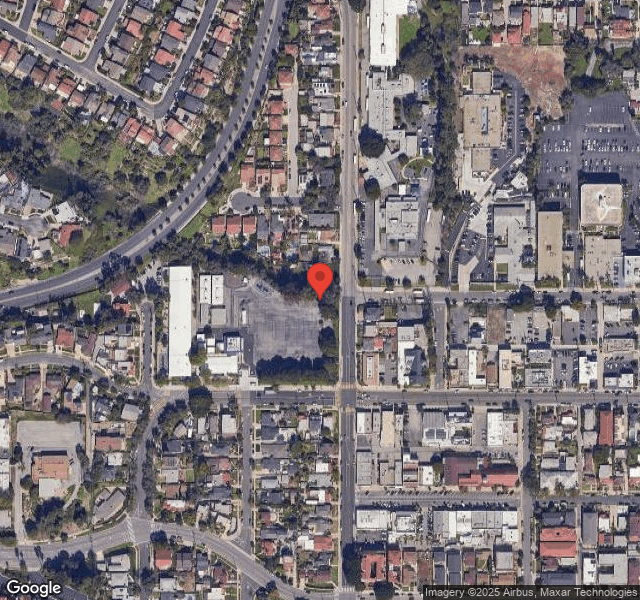

1430 WEST 6TH STREET, SAN PEDRO, CA 90732 (310) 832-6431
For profit - Corporation 99 Beds Independent Data: November 2025
Trust Grade
43/100
#840 of 1155 in CA
Last Inspection: May 2025

Inspected within the last 6 months. Data reflects current conditions.

Overview

Los Palos Post-Acute Care Center has a Trust Grade of D, indicating below-average quality and some concerning issues. It ranks #840 out of 1155 facilities in California, placing it in the bottom half of nursing homes statewide, and #203 out of 369 in Los Angeles County, meaning there are better local options available. While the facility is showing improvement in its inspection results-decreasing from 26 issues in 2024 to 19 in 2025-its staffing turnover rate is a concern at 52%, which is above the state average of 38%. Although it has an average staffing rating of 3/5 stars, it has less RN coverage than 92% of California facilities, which may affect the quality of care. Specific incidents include a resident with a severe pressure ulcer experiencing pain during treatment and the facility failing to have an Infection Preventionist, which could increase infection risks. Overall, while there are some strengths, such as a good quality measure rating, families should weigh these concerns carefully when considering this facility for their loved ones.

Trust Score
D
43/100
In California
#840/1155
Bottom 28%
Safety Record
Moderate
Needs review
Inspections
Getting Better
26 → 19 violations
Staff Stability
⚠ Watch
52% turnover. Above average. Higher turnover means staff may not know residents' routines.
Penalties
✓ Good
$6,351 in fines. Lower than most California facilities. Relatively clean record.
Skilled Nurses
⚠ Watch
Each resident gets only 16 minutes of Registered Nurse (RN) attention daily — below average for California. Fewer RN minutes means fewer trained eyes watching for problems.
Violations
⚠ Watch
69 deficiencies on record. Higher than average. Multiple issues found across inspections.
★★☆☆☆
2.0
Overall Rating
★★★☆☆
3.0
Staff Levels
★★★★☆
4.0
Care Quality
★★☆☆☆
2.0
Inspection Score
Stable
2024: 26 issues
2025: 19 issues

The Good

  • 4-Star Quality Measures · Strong clinical quality outcomes
  • Full Sprinkler Coverage · Fire safety systems throughout facility
  • No fines on record

Facility shows strength in quality measures, fire safety.

The Bad

2-Star Overall Rating

Below California average (3.1)

Below average - review inspection findings carefully

Staff Turnover: 52%

Near California avg (46%)

Higher turnover may affect care consistency

Federal Fines: $6,351

Below median ($33,413)

Minor penalties assessed

The Ugly 69 deficiencies on record

1 actual harm
Sept 2025 1 deficiency
CONCERN (E) 📢 Someone Reported This

A family member, employee, or ombudsman was alarmed enough to file a formal complaint

Potential for Harm - no one hurt, but risky conditions existed

Infection Control (Tag F0880)

Could have caused harm · This affected multiple residents

**NOTE- TERMS IN BRACKETS HAVE BEEN EDITED TO PROTECT CONFIDENTIALITY** Based on interview and record review, the facility failed to report a COVID - 19 (a potentially severe illness caused by a coron...

Read full inspector narrative →
**NOTE- TERMS IN BRACKETS HAVE BEEN EDITED TO PROTECT CONFIDENTIALITY** Based on interview and record review, the facility failed to report a COVID - 19 (a potentially severe illness caused by a coronavirus and characterized by fever, cough, and shortness of breath) outbreak to the California Department of Public Health (CDPH) when three residents (Residents 6, 7, and 8) tested positive for COVID-19 indicative of a facility outbreak.Findings:a. During a review of Resident 6's admission Record (Face Sheet), the Face Sheet indicated Resident 6 was admitted to the facility on [DATE] with diagnoses including arthrogryposis multiplex congenita (a rare, non-progressive condition present at birth, characterized by multiple, stiff, contracted joints (contractures) and muscle weakness).During a review of Resident 6's Minimum Data Set (MDS - a resident assessment tool) dated 7/7/2025, the MDS indicated Resident 6's cognition (the mental action or process of acquiring knowledge and understanding through thought, experience, and the senses) was intact and required substantial/maximal assistance (helper does more than half the effort) from staff to complete her activities of daily living (ADLs- activities such as bathing, dressing and toileting a person performs daily).During a review of Resident 6's COVID- 19 Antigen test result (examines bodily fluids for specific markers of a disease) dated 9/15/2025, the test result indicated Resident 6 tested positive for COVID-19 on 9/15/2025.b. During a review of Resident 7's admission Record (Face Sheet), the Face Sheet indicated Resident 7 was admitted to the facility on [DATE] with diagnoses including diabetes mellitus (DM-a disorder characterized by difficulty in blood sugar control and poor wound healing).During a review of Resident 7's MDS dated [DATE], the MDS indicated Resident 7's cognition was moderately impaired required partial/moderate assistance (helper does less than half the effort) from staff to complete her ADLs.During a review of Resident 7's COVID- 19 Antigen test result dated 9/15/2025, the test result indicated Resident 7 tested positive for COVID-19 on 9/15/2025.c. During a review of Resident 8's admission Record (Face Sheet), the Face Sheet indicated Resident 7 was admitted to the facility on [DATE] with diagnoses including DM.During a review of Resident 8's MDS dated [DATE], the MDS indicated Resident 8's cognition was moderately impaired and required partial/moderate assistance from staff to complete her ADLs.During a review of Resident 8's COVID- 19 Antigen testing results dated 9/15/2025, the testing results indicated Resident 8 tested positive for COVID-19 on 9/15/2025.During an interview on 9/19/2025 at 11:58 a.m., with the Infection Prevention Nurse (IP), the IP Nurse stated she reported the outbreak to the local health department after the residents tested positive on 9/15/2025 but did not report the outbreak to CDPH.During an interview on 9/20/2025 at 2:20 p.m., with the Director of Nursing (DON), the DON stated an outbreak of COVId-19 should be reported to CDPH to ensure proper measures are being done to prevent the virus from spreading within and outside the facility.During a review of the facility's policy and procedure (P&P) titled Unusual Occurrence Reporting, dated 12/2007, the P&P indicted as required by federal or state regulations, the facility reports unusual occurrences or other reportable events which affect the health, safety, or welfare of our residents, employees, or visitors. The P&P indicated the facility will report the following events to appropriate agencies including an outbreak of any communicable disease.
May 2025 16 deficiencies 1 Harm
SERIOUS (G)

Actual Harm - a resident was hurt due to facility failures

Deficiency F0697 (Tag F0697)

A resident was harmed · This affected 1 resident

**NOTE- TERMS IN BRACKETS HAVE BEEN EDITED TO PROTECT CONFIDENTIALITY** Based on observation, interview and record review, the facility failed to ensure the resident, who had a Stage 4 pressure ulcer ...

Read full inspector narrative →
**NOTE- TERMS IN BRACKETS HAVE BEEN EDITED TO PROTECT CONFIDENTIALITY** Based on observation, interview and record review, the facility failed to ensure the resident, who had a Stage 4 pressure ulcer (wound that penetrate all layers of skin exposing muscles, tendons [tissue that unites a muscle with a bone] cartilage {tissue that lines a joints}, and bones caused by prolonged pressure on the skin) to left buttock (the back of a hip that forms one of the fleshy parts on which a person sits), did not experience unnecessary pain and suffering during pressure ulcer treatment and repositioning for one of one sampled resident (Resident 1). The facility failed to: 1. Ensure the Treatment Nurse (TN 1) stopped providing Resident 1 with left buttock pressure ulcer treatment when Resident 1 had facial grimacing (a facial expression where the mouth and face are twisted, often to indicate disgust, disapproval, or pain) and was moaning during treatment. 2. Ensure Licensed Vocational Nurse (LVN) 4 medicated Resident 1 with Tylenol (pain medication) 500 milligrams (mg-unit of measurement) one hour before a left buttock pressure ulcer treatment as ordered by the physician. 3. Ensure TN 1 and TN 2 checked if Resident 1 received Tylenol one hour before providing the resident with pressure ulcer treatment to the left buttock. 4. Ensure TN 1, TN 2 and LVN 4 followed Resident 1's care plan titled, Care Plan Report dated 10/2024, that indicated the goal for Resident 1 was not to experience facial grimacing if pain existed. 5. Ensure Resident 1 received treatment for a left buttock pressure ulcer within one hour after Tylenol administration to lessen possible experience of pain and/or discomfort. 6. Ensure staff followed the facility's policy and procedures (P&P) titled, Pain Assessment and Management, dated 2022, which indicated Observe the resident during rest and movement for physiologic (functions of the body) and behavioral (non-verbal) signs of pain such as groaning, crying, screaming, facial grimacing, frowning, behavior such as resisting care, irritability, or depression (loss of interest in activities, causing significant impairment in daily life). Review resident's treatment record to identify any situations or interventions where an increase in the resident's pain may be anticipated such as treatment like wound care or dressing changes. These deficient practices resulted in Resident 1's experiencing unrelieved, and uncontrolled pain manifested by facial grimacing and moaning during pressure ulcer treatment. Findings: During a review of Resident 1's admission Record, the admission Record indicated Resident 1 was originally admitted to the facility on [DATE] and was readmitted on [DATE] with diagnoses including anoxic brain injury (occurs when the brain receives no oxygen at all and causes brain damage), functional quadriplegia (a severe medical condition characterized by the partial or total loss of function in all four limbs [extremities] and the torso {upper part of the body}), and a Stage 4 pressure ulcer to the left buttock. During a review of Resident 1's History and Physical (H& P) dated 3/25/2021, the H&P indicated Resident 1 was not able to express needs, communicate, and could not follow commands. During a review of Resident 1's Minimum Data Set ([MDS] resident assessment tool ) dated 4/1/2025, the MDS indicated Resident 1 was dependent (helper does all the effort, resident does none of the effort to complete the activity) on staff for bed mobility, moving from sitting on side of bed to lying flat on bed, toileting hygiene, bathing, dressing, personal hygiene, and oral hygiene. The MDS indicated Resident 1 had a Stage 4 pressure ulcer on the left buttock. During an observation on 5/7/2025 at 8:21 a.m. in Resident 1's room, the resident was observed in bed lying on her back with her eyes open. Resident 1 was nonverbal (doesn't use spoken words) and responsive to tactile stimuli (any form of touch or physical contact that is perceived by the skin). During an interview on 5/7/2025 at 4:00 p.m. with Certified Nurse Assistant (CNA ) 2, CNA 2 stated Resident 1 was nonverbal and dependent with care (refers to the care and support provided for individuals who are unable to care for themselves) for activities of daily living ([ADL's]- basic tasks everyone performs daily to care for themselves, like eating, dressing, bathing, and moving around). CNA 2 stated Resident 1 had a pressure ulcer to her left buttock. CNA 2 stated that he observed Resident 1 had facial grimacing and moaning during personal care and pressure ulcer treatments to her left buttock. CNA 2 stated the Treatment Nurse (TN 1) continues to perform the pressure ulcer wound treatment in spite of Resident 1 having facial grimacing and moaning. CNA 2 stated when Resident 1 makes facial grimacing and moaning that indicates that Resident 1 was in pain. CNA 2 stated that TN 1 should have given Resident 1 pain medication prior to each pressure ulcer treatment. CNA 2 stated he had not reported Resident 1 facial grimacing and moaning during pressure ulcer treatment to the charge nurse because Resident 1 always had facial grimacing and moaning during pressure ulcer treatment. CNA 2 stated that he should have reported Resident 1's facial grimacing during pressure ulcer treatment to a charge nurse. During an observation on 5/8/2025 at 8:18 a.m., in the presence of TN 1 and CNA 1, in Resident 1's room, Resident 1 was observed with facial redness, moaning and facial grimacing when Resident 1 was repositioned. After being repositioned observed TN 1 started wound treatment to Resident 1's left buttock pressure ulcer. Resident 1 was observed moaning louder when TN 1 started vigorously cleaning the surrounding skin area of the left buttock pressure ulcer and applying Santyl ointment (a smooth thick substance that is put on sore skin or a wound to help it heal). TN 1 was observed continuing with Resident 1's left buttock pressure ulcer treatment even after Resident 1 continued to moan and grimacing. Resident 1 was observed to stop having facial grimacing and moaning only after when TN 1 finished the pressure ulcer treatment. During an interview on 5/8/2025 at 8:20 a.m. with TN 1, TN 1 stated Resident 1 was nonverbal, responsive to tactile stimulation, and was dependent on ADL. TN 1 stated Resident 1 had a Stage 4 pressure ulcer to her left buttock and was receiving pressure ulcer treatment daily. TN 1 stated Resident 1 appeared to be in pain because she had facial grimacing and moaning during pressure ulcer treatment. TN 1 stated facial grimacing and moaning were the indicators that Resident 1, who was nonverbal, was experiencing pain and was uncomfortable. TN 1 stated she should have stopped the pressure ulcer treatment, assessed Resident 1's pain level, including the non-verbal cues, like facial grimacing, notified the physician, and medicated Resident 1 with pain medication. TN 1 stated she did not know why she continued with the pressure ulcer treatment in spite Resident 1's moaning and facial grimacing. TN 1 stated Resident 1 should be assessed for pain before, during, and after treatment, because Resident 1 could be experiencing pain during pressure ulcer treatment. TN 1 stated Resident 1 should have been pre medicated with Tylenol (medication to relieve pain) one hour prior to pressure ulcer treatment per physician order. TN 1 stated she failed to verify with Licensed Vocational Nurse (LVN) 4, if Resident 1 had been pre medicated with Tylenol prior to pressure ulcer treatment. During an interview on 5/8/2025 at 9:27 a.m. with LVN 4, LVN 4 stated Resident 1 was nonverbal, and dependent with ADLs and had nonverbal cues of pain (moaning and facial grimacing) during provision of personal care and pressure ulcer treatment. LVN 4 stated Resident 1 should have received Tylenol 500 milligram (mg-unit of weight measurement) one hour before left buttock pressure ulcer treatment, for pain management. LVN 4 stated when nonverbal residents begin to moan and have facial grimacing during personal care or pressure ulcer treatment, that would be an indication that a resident was in pain. LVN 4 stated TN 1 should have stopped the pressure ulcer treatment immediately and reassess Resident 1's pain. LVN 4 stated Resident 1's doctor should also be notified because the intervention/medication may not be effective. LVN 4 stated Resident 1 should be assessed before, during and after wound treatment to manage her pain, because pain can negatively impact Resident 1's wellbeing. LVN 4 stated she forgot to give Resident 1 pain medication on 5/8/2025 prior to Resident 1's pressure ulcer wound treatment. During a concurrent interview and record review on 5/9/2025 at 11:35 a.m. with TN 2, Resident 1's Treatment Administration Record (TAR), dated 5/2025 was reviewed. The TAR indicated, on 5/7/2025, at 3:39 p.m., TN 2 performed wound treatment to Resident 1's left buttock pressure ulcer. TN 2 validated that she provided wound treatment without Resident 1 receiving Tylenol prior to pressure ulcer treatment. TN 2 stated Resident 1 had a Stage 4 pressure ulcer to her left buttock, and she should have received Tylenol one hour prior to pressure ulcer treatment to the left buttock. TN 2 stated Resident 1 was non-verbal, and during the wound treatment on 5/7/2025 Resident 1 had facial grimacing and moaning, which indicated Resident 1 was in pain. TN 2 stated the pressure ulcer treatment should have been stopped, and the charge nurse should have been notified. TN 2 stated she continued with the pressure ulcer treatment in spite Resident 1's moaning and facial grimacing because it was going to be done quickly. TN 2 stated that after the treatment Resident 1 stopped grimacing and moaning, which indicated that she was no longer in pain. TN 2 stated Resident 1 should have been assessed for pain before, during and after treatment to ensure she was not in pain because that could affect her quality of life. During an interview on 5/9/2025 at 4:44 p.m. with the Director of Nursing (DON), the DON stated that when residents receive pressure ulcer treatment the nurse should assess resident pain before, during and after treatment. The DON stated for nonverbal residents the staff should observe behaviors such as facial grimacing, frowning, moaning, and crying. The DON stated if a resident exhibits those types of behaviors during pressure ulcer treatment the nurse should stop treatment immediately and contact the doctor. The DON stated unmanaged pain could negatively affect the residents' blood pressure, leading to a high risk of hypertension (high blood pressure) which can ultimately cause a heart attack (supply of blood to the heart is suddenly blocked), stroke (lack of adequate blood supply to the brain ), or even death. During a review of Resident 1's Order Summary Report, dated 5/7/ 2024, the Order Summary Report indicated, to monitor for pain before, during, after wound treatment, every day shift for pain management. During a review of Resident 1's Order Summary Report, dated 1/17/2025, the Order Summary Report indicated, Tylenol 500 mg one tablet every day shift for pain management one hour prior to wound treatment. During a review of Resident 1's Care Plan titled, Resident 1 totally dependent with all ADLs, at risk for pain during turning, facial grimaces if pain existed dated 10/17/2024, the Care Plan indicated the goal for Resident 1 was not to experience pain during turning and facial grimaces if pain existed. The care plan interventions included to monitor resident for inability to express needs, pain during turning and facial grimaces if pain existed. During a review of Resident 1's Care Plan titled, Resident 1 has slow wound healing on left buttock dated 10/17/2024, the care plan indicated the interventions indicated to assess Resident 1 for pain every shift and provide interventions for pain. During a review of Resident 1's Medication Administration Record (MAR) and Treatment Administration Record (TAR), the MAR and TAR indicated that pressure ulcer treatment was not provided in one hour after Tylenol administration to ensure Resident 1would have the most effective pain relief and it was as follows: 1. On 4/24/2025 Tylenol 500 mg was given at 9:16 a.m., but left buttock pressure ulcer treatment was done at 1:36 p.m. 2. On 4/25/2025 Tylenol 500 mg administered at 9:47 a.m., but left buttock pressure ulcer treatment was done at 2:41 p.m. 3. On 4/27/2025 Tylenol 500 mg administered at 9:56 a.m., but left buttock pressure ulcer treatment was done at 2:54 p.m. p.m. 4. On 4/28/2025 Tylenol 500 mg administered at 9:51 a.m., but left buttock pressure ulcer treatment was done at 12:42 p.m. 5. On 4/29/2025 Tylenol 500 mg administered at 8:35 a.m., but left buttock pressure ulcer treatment was done at 12:53 p.m. 6. On 4/30/2025 Tylenol 500 mg administered at 9:38 a.m., but left buttock pressure ulcer treatment was done at 11:39 a.m. 7. On 5/01/2025 Tylenol 500 mg administered at 8:55 a.m., but left buttock pressure ulcer treatment was done at 2:35 p.m. 8. On 5/2/2025 Tylenol 500 mg administered at 8:34 a.m., but left buttock pressure ulcer treatment done at 1:50 p.m. 9. On 5/4/2025 Tylenol 500 mg was administered at 8:41 a.m., but left buttock pressure ulcer treatment was done at 1:40 p.m. 10. On 5/5/2025 Tylenol 500 mg administered at 9:32 a.m., but left buttock pressure ulcer treatment was done at 1:40 p.m. 11. On 5/6/2025 Tylenol 500 mg administered at 8:49 a.m., but left buttock pressure ulcer treatment done at 2:22 p.m. 12. On 5/7/2025 Tylenol 500 mg administered at 10:40 a.m., but left buttock pressure ulcer treatment was done at 3:39 p.m. 13. On 5/9/2025 Tylenol 500 mg administered at 9:20 a.m., but left buttock pressure ulcer treatment was done at 3:43 p.m. During a review of Resident 1's Order Summary Report dated 4/16/2025, the Order Summary Report indicated an order for left buttock Stage 4 treatment to cleanse with normal saline (wound cleanser), apply Medihoney (ointment used to treat pressure ulcer) on wound bed and barrier cream on peri-wound (surrounding) daily. During a review of the facility's policy and procedure (P&P) titled, Pain Assessment and Management, dated 2022, the P&P indicated to observe the resident during rest and movement for physiologic and behavioral (non-verbal) signs of pain. The P& P indicated possible behavioral signs of pain are verbal expressions such as groaning, crying, screaming, facial expressions such as grimacing, frowning, behavior such as resisting care, irritability, or depression. The P&P indicated to review resident's treatment record to identify any situations or interventions where an increase in the resident's pain may be anticipated such as treatment like wound care or dressing changes. During a review of the Charge Nurse/Nurse Supervisor Job Description, dated 2020, the Charge Nurse/Nurse Supervisor Job Description indicated, provide pain management for residents in accordance with established pain management protocols (referring to the Pain Assessment and Management P&P).
CONCERN (D)

Potential for Harm - no one hurt, but risky conditions existed

Assessment Accuracy (Tag F0641)

Could have caused harm · This affected 1 resident

**NOTE- TERMS IN BRACKETS HAVE BEEN EDITED TO PROTECT CONFIDENTIALITY** Based on interview and record review the facility failed to ensure one of one sampled resident (Resident 82) Minimum Data Set (M...

Read full inspector narrative →
**NOTE- TERMS IN BRACKETS HAVE BEEN EDITED TO PROTECT CONFIDENTIALITY** Based on interview and record review the facility failed to ensure one of one sampled resident (Resident 82) Minimum Data Set (MDS - a resident assessment tool) section H was coded accurately to reflect Resident 82 was not incontinent (experiencing the involuntary loss of urine or stool). This failure resulted in Resident 82's MDS being coded incorrectly and had the potential to result in a loss of dignity for Resident 82. Findings: During a review of Resident 82's admission Record (Face Sheet), the Face Sheet indicated Resident 82 was admitted to the facility on [DATE] with diagnoses of but not limited to diabetes mellitus(DM-a disorder characterized by difficulty in blood sugar control and poor wound healing), myocardial infarction(MI-heart attack), broken left arm and hypertension(HTN-high blood pressure). During a review of Resident 82's Interdisciplinary Team (a group of professional from different disciplines or fields who work together towards a common goal)-Plan of Care Meeting Notes, dated 1/3/2025, the Interdisciplinary Team-Plan of Care Meeting Notes indicated Resident 82 had the capacity to make decisions and able to make needs known. During a review of Resident 82's MDS dated [DATE], the MDS indicated Resident 82 had the ability to express ideas and wants. The MDS indicated Resident 82 had the ability to understand others. During an interview on 5/8/2025 9:48 AM with Certified Nurse Assistant (CNA) 4, CNA 4 stated Resident 82 is not incontinent of bowel and bladder. CNA 4 stated Resident 82 does not use diapers and does not need assistance with the bathroom. CNA 4 stated Resident 82 uses a urinal. During an interview on 5/8/2025 11:53 AM with Licensed Vocational Nurse (LVN) 1, LVN 1 stated Resident 82 is continent of bowel and bladder. During an interview on 5/8/2025 at 2:31 PM with Minimum Data Set Nurse (MDSRN), MDSRN stated she is responsible for completing the MDS assessment for all of the residents in the facility. MDSRN stated she reviewed comprehensive care plans initial IDT meeting with the family to complete the MDRS for section H. During an interview on 5/8/2025 at 2:49 PM with Resident 82 and the MDSRN at Resident 82's bedside, Resident 82 stated he is not incontinent. Resident 82 stated the problem is I was not getting help in a timely manner so they put diapers on me at night so I would not have had an accident. MDSN stated she will do a reassessment and in-service the certified nursing assistance on how to document bowel and bladder. MDSRN stated Resident 82 had the urge to urinate and have a bowel movement, so he is continent. During an interview on 5/9/2025 at 4:25 PM the Director of Nursing (DON), DON stated it is important to document accurately on the MDS so there will be no discrepancies. DON stated discrepancies on the MDS can affect the residents' wellbeing. The DON stated Resident 82 will not receive proper care due to incorrect documentation on the MDS. During a review of the facility's policy and procedure (P&P) titled, Urinary Continence and Incontinence - Assessment and Management, dated 8/2022, the P&P indicated Periodically (as required and when there is a change in voiding), staff will define each individual's level of continence, referring to the criteria in the Minimum Data Set (MOS), as follows, Continent: The resident has been continent of urine for at least 7 days, with no episodes of incontinence.
CONCERN (D)

Potential for Harm - no one hurt, but risky conditions existed

Comprehensive Care Plan (Tag F0656)

Could have caused harm · This affected 1 resident

**NOTE- TERMS IN BRACKETS HAVE BEEN EDITED TO PROTECT CONFIDENTIALITY** Based on interview and record review, the facility failed to develop and implement a comprehensive person-centered care plan for...

Read full inspector narrative →
**NOTE- TERMS IN BRACKETS HAVE BEEN EDITED TO PROTECT CONFIDENTIALITY** Based on interview and record review, the facility failed to develop and implement a comprehensive person-centered care plan for one of three sampled residents (Resident 78) by failing to: 1.Develop a comprehensive person-centered care plan to address Resident 78's toe infection. This failure had the potential to negatively affect the delivery of care and services to Resident 78. Findings: During a review of Resident 78's admission Record, the admission Record indicated Resident 78 was admitted to the facility on [DATE] with diagnoses including hypertension (HTN- high blood pressure) and Diabetes Mellitus (DM- a disorder characterized by difficulty in blood sugar control and poor wound healing). During a review of Resident 78's Minimum Data Set (MDS- a resident assessment tool) dated 2/28/2025, the MDS indicated Resident 78's cognition (ability to think, understand, learn, and remember) was severely impaired and required supervision with toileting and dressing. During a review of Resident 78's Order Summary Report, the Order Summary Report indicated an order was placed 5/6/2025 for Doxycycline Hyclate (medication to treat an infection) for left second toe cellulitis (a skin infection that causes swelling and redness). During an interview on 5/7/2025 at 12:18 p.m., with Infection Prevention Nurse (IPN), the IPN stated when a new infection is identified, the residents care plans should be implemented or revised. IPN stated the care plan is important because it is a form of communication between the nurses on how and what to monitor for. IPN stated Resident 78's care plan was not implemented or revised for this toe infection which should have been done at the time the infection was identified. During an interview on 5/8/2025 at 10:10 a.m., with Licensed Vocational Nurse (LVN) 4, LVN stated she did not initiate a care plan for Resident 78's toe infection. LVN 4 stated its important to initiate or revise a care plan to ensure there are interventions in place that will help the residents get better and improve. Care plans are used to make sure the problems for the residents are being addressed and she should have revised Resident 78's care plan when his toe infection was identified. During an interview on 5/9/2025 at 1:38 p.m., with the Director of Nursing (DON), the DON stated that when a resident develops a wound infection, a care plan should be implemented at the time it is identified. The DON stated the care plan is an important guideline of interventions for the nursing staff to follow and a way to monitor the progression of wound healing. During a review of the facility's policy and procedure (P&P) titled, Goals and Objectives, Care Plans, dated 4/2009, the P&P indicated, Care plan goals and objectives are defined as the desired outcomes for a specific resident problem. Goals and objectives are entered on the resident's care plan so that all disciplines have access to such information and are able to report whether or not the desired outcomes are being achieved. Goals and objectives are reviewed and/or revised when there has been a significant change in the resident's condition.
CONCERN (D)

Potential for Harm - no one hurt, but risky conditions existed

Deficiency F0658 (Tag F0658)

Could have caused harm · This affected 1 resident

**NOTE- TERMS IN BRACKETS HAVE BEEN EDITED TO PROTECT CONFIDENTIALITY** Based on observation, interview, and record review, the facility failed to ensure Resident 9's Ciprodex otic (ear) ([generic nam...

Read full inspector narrative →
**NOTE- TERMS IN BRACKETS HAVE BEEN EDITED TO PROTECT CONFIDENTIALITY** Based on observation, interview, and record review, the facility failed to ensure Resident 9's Ciprodex otic (ear) ([generic name - ciprofloxacin and dexamethasone] a medication used to treat ear infection and inflammation) suspension was administered per professional standards of practice and as per facility's policy and procedure (P&P) titled, Specific Medication Administration Procedures - Ear Drop Administration, dated 05/2022, for one of seven sampled residents during medication administration (Resident 9). This failure had the potential to result in Resident 9's discomfort and untreated ear infection. Findings: During a review of Resident 9's admission Record (a document containing demographic and diagnostic information), dated 5/8/2025, the admission Record indicated Resident 9 was originally admitted to the facility on [DATE] and readmitted on [DATE] with diagnoses including type 2 diabetes mellitus (DM-a disorder characterized by difficulty in blood sugar control and poor wound healing) with diabetic polyneuropathy (nerve damage due to diabetes) and other benign neoplasm of skin of right ear and external auricular canal (abnormal mass of tissue in external ear canal). During a review of Resident 9's Minimum Data Set ([MDS], a resident assessment tool) dated 3/28/2025, the MDS indicated Resident 9 had moderately impaired cognition (ability to think, understand, learn, and remember). The MDS indicated that Resident 9 needed cleaning assistance from facility staff for activities of daily living (ADLs) such as eating, supervision assistance for oral hygiene, moderate assistance for upper body dressing, maximal assistance for toileting, showering, lower body dressing and personal hygiene, and dependent on facility staff for putting on or taking off footwear. During a review of Resident 9's Order Summary Report (a document containing a summary of all active physician orders), dated 5/8/2025, the Order Summary Report indicated, but not limited to the following physician order: Ciprofloxacin-dexamethasone otic suspension 0.3%-0.1%, instill four drops in the right ear two times a day for ear infection for 7 days, order date 5/5/2025, start date 5/6/2025, end date 5/13/2025 During an observation on 5/7/2025 between 10:35 a.m. and 10:50 a.m. in Resident 9's room, Licensed Vocational Nurse (LVN) 2 prepared and administered ciprofloxacin 0.3% plus dexamethasone 0.1% ear suspension for Resident 9. LVN 2 was not observed shaking the ear suspension prior to administration. LVN 2 told Resident 9 to keep her head and neck tilted to her left side while seated in wheelchair. LVN 2 instilled one drop of ciprofloxacin-dexamethasone into Resident 9's right ear. LVN 2 informed Resident 9 to keep her neck and head tilted in the same position for five minutes after which LVN 2 would resume to instill next drop. LVN 2 followed the same steps to instill total of four drops into Resident 9's right ear by waiting five minutes between each drop, taking a total of 20 minutes to complete medication administration. Resident 9 complained of her neck hurting throughout the process of receiving ciprofloxacin-dexamethasone ear drops. During an interview on 5/7/2025 at 11:10 a.m. with LVN 2, LVN 2 stated they were informed during a facility in-service to keep a five-minute interval between each drop instilled into the ears for adults. LVN 2 stated it took 20 minutes to administer Resident 9's ciprofloxacin with dexamethasone ear drops. LVN 2 stated she thought she had shaken the suspension before being observed for medication pass. LVN 2 stated it was important to shake the suspension for the medication to be effective for treatment of ear infection. During a concurrent interview and record review on 5/8/2025 at 4:28 p.m. with the Director of Nursing (DON), reviewed facility's P&P titled, Specific Medication Administration Procedures - Ear Drop Administration, dated 05/2022. The P&P indicated, Procedures - F. Instill the prescribed number of drops into the ear canal. Do not touch the tip of the dropper to any surface, including the ear. H. Instruct the resident to remain in same position approximately 5 minutes with affected ear upward. The DON stated ciprofloxacin with dexamethasone ear drops should have been given as four drops and then wait five minutes to make sure the medication was administered into the ear. The DON stated the resident could get a stiff neck from keeping her neck tilted for a long time due to facility nurse's instructions to wait five minutes between each drop. The DON stated Resident 9 could get tired and might not want the medication administered next time and could worsen the ear infection. During a review of the facility's P&P titled, Specific Medication Administration Procedures - Ear Drop Administration, dated 05/2022, the P&P indicated, Procedures - F. Instill the prescribed number of drops into the ear canal. Do not touch including the ear. H. Instruct the resident to remain approximately 5 minutes with affected ear upward. Gently place if necessary.
CONCERN (D)

Potential for Harm - no one hurt, but risky conditions existed

Pressure Ulcer Prevention (Tag F0686)

Could have caused harm · This affected 1 resident

**NOTE- TERMS IN BRACKETS HAVE BEEN EDITED TO PROTECT CONFIDENTIALITY** Based on observation, interview, and record review, the facility failed to provide pressure ulcer treatment for left buttock Sta...

Read full inspector narrative →
**NOTE- TERMS IN BRACKETS HAVE BEEN EDITED TO PROTECT CONFIDENTIALITY** Based on observation, interview, and record review, the facility failed to provide pressure ulcer treatment for left buttock Stage 4 pressure ulcer (wound that penetrate all layers of skin exposing muscles, tendons [tissue that unites a muscle with a bone] cartilage {tissue that lines a joint}, and bones caused by prolonged pressure on the skin) on 5/8/2025, as indicated in the resident's physician orders for one of one sampled residents (Resident 1) . This deficiency had the potential for Resident 1's left buttock Stage 4 pressure ulcer to worsen, to develop new pressure injury, and had the potential to develop infection. Findings: During a review of Resident 1's admission Record, the admission Record indicated Resident 1 was originally admitted to the facility on [DATE] and was readmitted on [DATE] with diagnoses including anoxic brain injury (occurs when the brain receives no oxygen at all and causes brain damage), functional quadriplegia (a severe medical condition characterized by the partial or total loss of function in all four limbs [extremities] and the torso {upper part of the body}), and a Stage 4 pressure ulcer to the left buttock. During a review of Resident 1's History and Physical (H& P) dated 3/25/2021, the H&P indicated Resident 1 was not able to express needs, communicate, and could not follow commands. During a review of Resident 1's Minimum Data Set ([MDS] resident assessment tool ) dated 4/1/2025, the MDS indicated Resident 1 was dependent (helper does all the effort, resident does none of the effort to complete the activity) on staff for bed mobility, moving from sitting on side of bed to lying flat on bed, toileting hygiene, bathing, dressing, personal hygiene, and oral hygiene. The MDS indicated Resident 1 had a Stage 4 pressure ulcer on the left buttock. During an observation on 5/8/2025 at 8:18 a.m. in Resident 1's room with Treatment Nurse (TN 1) and Certified Nurse Assistant (CNA 1), observed TN 1 cleaning the surrounding skin area of the left buttock pressure ulcer and applying Santyl ointment (a smooth thick substance that is put on sore skin or a wound to help it heal). During a concurrent interview and record review on 5/8/2025 at 8:20 a.m. with TN 1, reviewed Resident 1's Treatment Administration Record (TAR), dated 4/2025. The TAR indicated, left buttock Stage 4 treatment to cleanse with normal saline (NS - cleanser), apply Medi Honey (ointment used for wound care, particularly for difficult-to-heal wounds) on wound bed and barrier cream on pre-wound daily every day shift for 21 days. TN 1 stated that she applied Santyl ointment instead of Medi Honey as ordered by Resident 1's doctor. TN 1 stated that she used the Santyl ointment because she had used it before on Resident 1's wound. TN 1 stated doctors' orders should have been reviewed before performing pressure ulcer treatment to Resident 1 to ensure the treatment and interventions were coordinated with Resident 1's plan of care. TN 1 stated prior to administering medications she should verify the five rights of medication administration (set of guidelines that healthcare professionals use to ensure medication safety and reduce the risk of errors) which included right resident, right medication, right time, right dose, and the right route. TN 1 stated by Resident 1 not receiving the correct treatment during pressure ulcer treatment directly impacts her well-being and had the potential delay in Resident 1's pressure ulcer healing. During an interview on 5/9/2025 at 4:44 p.m. with the Director of Nursing (DON), the DON stated that licensed staff should always review the doctors' orders before performing care to residents. The DON stated errors could occur and possibly death if the staff do not follow the doctors' orders. The DON stated it was imperative when performing wound treatment that the resident receives the correct medication because their pressure ulcer might not heal. The DON stated Resident 1 could be at risk for complications like infection, delayed wound healing, and tissue damage, which could cause her to be hospitalized . During a review of Resident 1's Order Summary Report dated 4/16/2025, the Order Summary Report indicated an order for left buttock Stage 4 treatment to cleanse with normal saline (wound cleanser), apply Medihoney (ointment used to treat pressure ulcer) on wound bed and barrier cream on peri-wound (surrounding) daily. During a review of Resident 1's Treatment Administration Record (TAR), dated 4/16/2025, the TAR indicated a treatment for left buttock Stage 4, cleanse with NS, apply Medi honey on wound bed and barrier cream on peri-wound daily every day shift for 21 days. During a review of Resident 1's Administration History for Medi Honey, the Administration History indicated the following: 1.Administer Medi Honey on 4/17/2025 at 11:21 a.m. 2.Administer Medi Honey on 4/18/2025 at 12:13 p.m. 3.Administer Medi Honey on 4/19/2025 at 2:05 p.m. 4.Administer Medi Honey on 4/20/2025 at 3:24 p.m. During a review of Resident 1's Skilled Nursing Facility (SNF) Wound Care Record, dated 4/16/2025, the SNF Wound Care Record indicated, Plan: Cleanse with NS, apply Medi honey on the wound bed, and barrier cream on the peri-wound daily. During a review of the facility's policy and procedure (P&P) titled, Administering Medications, dated 2019, the P&P indicated, The individual administering the medication checks the label three (3) times to verify the right resident, right medication, right dosage, right time and right method (route) of administration before giving the medication.
CONCERN (D)

Potential for Harm - no one hurt, but risky conditions existed

Deficiency F0760 (Tag F0760)

Could have caused harm · This affected 1 resident

**NOTE- TERMS IN BRACKETS HAVE BEEN EDITED TO PROTECT CONFIDENTIALITY** Based on observation, interview, and record review, the facility failed to ensure residents were free from significant medicatio...

Read full inspector narrative →
**NOTE- TERMS IN BRACKETS HAVE BEEN EDITED TO PROTECT CONFIDENTIALITY** Based on observation, interview, and record review, the facility failed to ensure residents were free from significant medication errors for one (Resident 27) of seven sampled residents during medication administration. The facility failed to: 1. Administer Resident 27's metoprolol succinate (a medication used to treat hypertension [high blood pressure] and heart conditions) extended release (ER) within 60 minutes of its scheduled time of administration as per facility's policy and procedure (P&P) titled, Medication Administration - General Guidelines, dated 05/2022. This deficient practice failed to provide medication in accordance with the physician's orders or professional standards of practice and had the potential to result in hypertension, stroke (loss of blood flow to a part of the brain) and hospitalization for Resident 27. Findings: During a review of Resident 27's admission Record (a document containing demographic and diagnostic information), dated 5/8/2025, the admission record indicated, Resident 27 was originally admitted to facility on 2/28/2014 and readmitted on [DATE] with diagnoses including but not limited to primary osteoarthritis, right and left shoulder, essential (primary) hypertension, pain syndrome, retinal edema (fluid buildup in areas of the eye) and unspecified glaucoma. During a review of Resident 27's Minimum Data Set ([MDS], a resident assessment tool) dated 3/29/2025, the MDS indicated, Resident 27 had intact cognition (mental action or process of acquiring knowledge and understanding through thought and the senses). The MDS indicated, Resident 27 was independent with eating, needed setup assistance from the facility staff for performing activities of daily living (ADLs - routine tasks/activities such as bathing, dressing and toileting a person performs daily to care for themselves) such as oral hygiene, supervision assistance for toileting hygiene, upper body dressing, putting on/taking off footwear and personal hygiene, and needed moderate assistance for showering and lower body dressing. During a concurrent observation and interview on 5/7/2025 at 8:54 a.m. with Licensed Vocational Nurse (LVN) 1, LVN 1 prepared eight medications to be administered to Resident 27 that that included one tablet of metoprolol succinate ER 25 mg with instructions to hold for systolic blood pressure ([SBP] the pressure caused by heart while contracting) less than 100 and for pulse rate (PR) less than 60. LVN 1 stated Resident 27's blood pressure was checked on 5/7/2025 at 8:50 a.m. which was recorded at systolic blood pressure ([SBP] the pressure caused by heart while contracting) of 136 millimeters of mercury (mmHg - a measurement of pressure) and diastolic blood pressure ([DBP] the pressure in the arteries when the heart rests between beats) of 70 mmHg, heart rate at 80 beats per minute and resident's pain was at 7 out of 10 (0 out of 10 a numeric pain scale with zero meaning no pain and 10 meaning the worst pain imaginable) at 8:50 a.m. During a medication reconciliation review on 5/7/2025 at 12:20 p.m., Resident 27's Order Summary Report (a document containing a summary of all active physician orders), dated 5/1/2025, 5/8/2025 and order details were reviewed. The order summary report indicated, but not limited to the following physician order scheduled to be administered at 7:15 a.m.: Metoprolol Succinate ER Tablet ER 24 hour 25 milligrams (mg - a unit of measurement for mass), give 1 tablet by mouth two times a day for hypertension, hold if SBP less than 100 or pulse rate (PR) less than 60, give with meals (breakfast and dinner), order date 3/21/2025, start date 3/21/2025 During a concurrent interview and record review on 5/7/2025 at 1:54 p.m. with RN Supervisor (RNS) 1, the order details and medication administration details of Resident 27's metoprolol succinate ER 25 mg were reviewed. RNS 1 stated Resident 27's metoprolol succinate ER 25 mg was administered more than 60 minutes after its scheduled administration time, so it would be considered late administration. RNS 1 stated Licensed Vocational Nurse (LVN) 1 should have administered the medication on 5/7/2025 by 8:15 a.m. because it was scheduled to be administered on 5/7/2025 at 7:15 a.m., but it was administered by LVN 1 at 9 a.m. RNS 1 stated Resident 27's blood pressure would not be managed well, increasing the risk for high blood pressure, stroke (loss of blood flow to a part of the brain) headache, nausea and vomiting. During a review of Resident 27's administration history for metoprolol succinate ER 25 mg, dated 4/23/2025 to 5/7/2025, the document indicated metoprolol succinate ER 25 mg was administered late 10 times, which was beyond 60 minutes of its scheduled time of administration. During an interview on 5/8/2025 at 4:51 p.m. with the Director of Nursing (DON), the DON stated Resident 27's metoprolol succinate ER 25 mg was administered late because it was administered at 9:00 a.m. instead of its scheduled administration time of 7:15 a.m. that should have been administered latest by 8:15 a.m. The DON stated Resident 27 would be at increased risk of high blood pressure resulting in heart complications and hospitalization. During a review of the facility's P&P titled, Preparation and General Guidelines, Medication Administration - General Guidelines, dated 05/2022, the P&P indicated, Medications are administered in accordance with the written orders of the prescriber. Medications are administered within [60 minutes] of scheduled time . [based on mealtimes]. Unless otherwise specified by the prescriber, routine medications .schedule for the facility.
CONCERN (D)

Potential for Harm - no one hurt, but risky conditions existed

Menu Adequacy (Tag F0803)

Could have caused harm · This affected 1 resident

**NOTE- TERMS IN BRACKETS HAVE BEEN EDITED TO PROTECT CONFIDENTIALITY** Based on interview and record the facility failed to ensure one of one sampled resident (Resident 85), food likes, and cultural ...

Read full inspector narrative →
**NOTE- TERMS IN BRACKETS HAVE BEEN EDITED TO PROTECT CONFIDENTIALITY** Based on interview and record the facility failed to ensure one of one sampled resident (Resident 85), food likes, and cultural preferences were met and honored. This failure resulted in Resident 85's not receiving food items from Resident 85's choice and preference. Findings: During a review of Resident 85's admission Record (Face Sheet), the Face Sheet indicated Resident 85 was admitted to the facility on [DATE] with diagnoses of but not limited to Parkinson's disease (a progressive disease of the nervous system marked by tremor, muscular rigidity, and slow, imprecise movements), low back pain, muscle weakness and dementia(a progressive state of decline in mental abilities). During a review of Resident 85's History and Physical (H&P), dated 4/3/2025, the H&P indicated, Resident 85 did not have the capacity to make decisions. The H&P indicated Resident 85 was alert to his name only. During a review of Resident 85's Minimum Data Set (MDS-), dated 3/31/2025, the MDS indicated Resident 85 usually had the ability to express wants and ideas. The MDS indicated Resident 85 had the usually had the ability to understand others. The MDS indicated Resident 85 needed substantial to maximal assistance with eating, oral hygiene, toileting, showering and dressing. During a review of Resident 85's Physician Orders, dated 3/27/2025, the Physician Orders indicated, Resident 85 had an order for a no added salt diet regular texture and regular liquid consistency. During a review of Resident 85's Physician Orders, dated 4/1/2025, the Physician Orders indicated, Resident 85 had an order to add malnutrition (lack of proper nutrition) to his diagnosis. During a review of Resident 85's Care Plan, dated 4/1/2025, the Care Plan indicated a goal for Resident 85 was to have Resident 85 state his food preferences to include them in his therapeutic diet. During an interview on 5/7/2025 with Resident 85's Family Member (FM) 3, FM 3 stated Resident 85 speaks Japanese and can only speak a little English. The Representative stated Resident 85 was unable to express himself verbally. The representative stated no staff at the facility speaks Japanese. During an interview on 5/8/2025 at 10:24 AM with Certified Nurse Assistant (CNA) 5, CNA 5 stated Resident 85 never gets Japanese food. CNA 5 stated Resident 85 would probably like Japanese food because of his culture. During an interview on 5/08/2025 at 1:19 PM with the [NAME] (Cook 1), COOK 1 stated based on Resident 85 meal ticket upon admission, Resident 85 likes everything does not have any dislikes. During an interview on 5/08/2025 at 1:57 PM with the Dietary Staff Supervisor (DSS), the DSS stated upon admission to the facility her responsibilities are to interview the residents for food preferences, likes and dislikes. The DSS stated she interviewed Resident 85 on 3/31/2025 and did not have any dislikes. The DSS stated she did not speak to Resident 85 family or Representative about cultural food preferences, likes, or dislikes. The DSS stated Resident 85 has a BIMS score of three (indicates a severe level of cognitive impairment) she should have interviewed the family about likes, dislikes, and cultural food preferences. The DSS stated she does not know what language Resident 85 speaks or what his culture is. The DSS stated Resident 85 could have weight loss if his food likes, dislikes and cultural food preferences are not provided. During an interview on 5/9/2025 at 4:42 PM with the Director of Nursing (DON), the DON stated Resident 85 could be socially isolated, will not like the food served and could have weight loss. During a review of the facility's policy and procedure (P&P) for the dietary service supervisor titled, Orientation, Inservice, and Personnel Management Job Description, dated 2012, the P&P indicated the dietary service supervisor Participates in charting responsibilities (MDS, care plans, quarterly reviews, resident/patient visits, food preference updates) as requested by facility and Registered Dietitian.
CONCERN (D)

Potential for Harm - no one hurt, but risky conditions existed

Medical Records (Tag F0842)

Could have caused harm · This affected 1 resident

**NOTE- TERMS IN BRACKETS HAVE BEEN EDITED TO PROTECT CONFIDENTIALITY** Based on observation, interview, and record review, the facility failed to ensure licensed staff did not falsify medication admi...

Read full inspector narrative →
**NOTE- TERMS IN BRACKETS HAVE BEEN EDITED TO PROTECT CONFIDENTIALITY** Based on observation, interview, and record review, the facility failed to ensure licensed staff did not falsify medication administration record ([MAR] a record of all medications administered to a resident) entries as administered for medications listed below that were not available in facility, not administered or not observed as self-administered for one of seven sampled residents (Resident 27). For Resident 27, the facility nurses documented on the MAR for timolol ophthalmic solution (a medication used to treat glaucoma [progressive eye disease that damages optic nerve potentially leading to vision loss and blindness] and high eye pressure]), Alphagan P ophthalmic solution ([generic name - brimonidine] a medication used to treat glaucoma and high eye pressure), dorzolamide hydrochloride ophthalmic solution (a medication used to treat glaucoma and high eye pressure) and artificial tears eye solution (eye drops used to treat dry eyes) as administered for different scheduled times. This deficient practice of failing to ensure the medical records accurately reflect care delivered to the residents increased the risk that Resident 27 may not have received their medications as ordered possibly resulting in medical complications leading to an overall diminished quality of life. Findings: During a review of Resident 27's admission Record (a document containing demographic and diagnostic information), dated 5/8/2025, the admission record indicated, Resident 27 was originally admitted to facility on 2/28/2014 and readmitted on [DATE] with diagnoses including but not limited to primary osteoarthritis, right and left shoulder, essential (primary) hypertension, pain syndrome, retinal edema (fluid buildup in areas of the eye) and unspecified glaucoma. During a concurrent observation and interview on 5/7/2025 at 8:54 a.m. with Licensed Vocational Nurse (LVN) 1, LVN 1 prepared eight medications to be administered to Resident 27 that did not include any eye drops. LVN 1 stated Resident 27's blood pressure was checked on 5/7/2025 at 8:50 a.m. which was recorded at systolic blood pressure ([SBP] the pressure caused by heart while contracting) of 136 millimeters of mercury (mmHg - a measurement of pressure) and diastolic blood pressure ([DBP] the pressure in the arteries when the heart rests between beats) of 70 mmHg, heart rate at 80 beats per minute and resident's pain was at 7 out of 10 (0 out of 10 a numeric pain scale with zero meaning no pain and 10 meaning the worst pain imaginable) at 8:50 a.m. LVN 1 prepared the following eight medications to be administered to Resident 27: 1. One tablet of gabapentin (a medication used to treat nerve pain) 600 milligrams ([mg] a unit of measurement for mass) 2. One capsule of duloxetine (a medication used to treat nerve pain) 60 mg 3. One tablet of metoprolol succinate ER 25 mg 4. One tablet of amlodipine (a medication used to treat high blood pressure) 5 mg 5. One tablet of meloxicam (a medication used to treat pain and inflammation) 7.5 mg 6. Two capsules of omega-3 (Docosahexaenoic Acid [DHA] and Eicosapentaenoic Acid [EPA] a medication used to treat high triglycerides [a type of fat that can negatively affect heart health]) 500 mg 7. Five tablets of vitamin D (a vitamin used to treat low levels of vitamin D) 25 micrograms (mcg - a unit of measurement for mass) 8. One tablet of famotidine (a medication used to treat stomach acid) 20 mg During a medication reconciliation review on 5/7/2025 at 12:20 p.m., Resident 27's Order Summary Report (a document containing a summary of all active physician orders), dated 5/8/2025, 5/1/2025 and order details were reviewed. The order summary report indicated Resident 27 also had the following medications scheduled to be administered daily at 9:00 a.m.: Alphagan P Ophthalmic Solution 0.1% (Brimonidine tartrate), instill 1 drop in both eyes three times a day for glaucoma. Wait 5 minutes between administration of all other eye drops, order date 3/21/2025, start date 3/21/2025 Dorzolamide hydrochloride (HCl) solution 2%, instill 1 drop in both eyes two times a day for glaucoma supervised self-administration **wait 5 minutes between administration of all other eye drops, order date 3/21/2025, start date 3/21/2025 Timolol maleate ophthalmic solution 0.5%, instill 1 drop in both eyes two times a day for glaucoma. Wait at least 10 minutes before applying another eye medication, order date 4/20/2025, start date 4/21/2025 Artificial Tears Solution 1% (carboxymethylcellulose sodium), instill 2 drops in both eyes two times a day for dry eye syndrome. Wait at least 5 minutes before applying another eye medication, order date 3/21/2025, start date 3/21/2025 During a concurrent interview and record review on 5/7/2025 at 2:06 p.m. with LVN 1, Resident 27's administration details for Alphagan P 0.1% ophthalmic solution, dorzolamide 2% ophthalmic solution, timolol 0.5% ophthalmic solution and artificial tears 1% solution for and self-administration assessment were reviewed. The document indicated dorzolamide was documented as administered on 5/7/2025 at 8:54 a.m., timolol was documented as administered on 5/7/2025 at 8:55 a.m., Alphagan P was documented as administered on 5/7/2025 at 9:00 a.m. and 12:31 p.m., artificial tears were documented as administered on 5/7/2025 at 9:01 a.m. The review of Resident 27's self-administration assessment document, dated 3/29/2025, indicated Resident 27 was unable to self-administer medications. The document indicated physician order that indicated, Resident may not self-administer medications, medications given by licensed nurse on duty. At first, LVN 1 stated he administered the eye drops at or around 9:00 a.m., then stated he did not administer them. LVN 1 stated Resident 27 self-administered eye medications that included Alphagan P, timolol, dorzolamide and artificial tears. LVN 1 then reviewed the self-administration assessment document and stated Resident 27 was not supposed to keep any medications with her or self-administer medications because she was assessed to be unable to self-administer medications. LVN 1 stated the medications that were supposed to be self-administered would be given to the resident at the time of administration, but LVN 1 did not have those eye drops for Resident 27 in his medication cart, because the resident kept them at bedside. LVN 1 stated he did not remember when the last time he observed Resident 27 administering eye drops to herself. LVN 1 stated he was not supposed to document the medications as administered when they were not administered, and this would be considered as falsification of medical records. LVN 1 stated by missing her eye medications, Resident 27 was at risk for eye complications, worsening of glaucoma and disease progression. During a concurrent observation and interview on 5/7/2025 at 3:05 p.m. in Resident 27's room with LVN 1, dorzolamide 2% eye drops, brimonidine (Alphagan P) 0.1% and Lumigan 0.01% ([generic name - bimatoprost] a medication used to treat glaucoma and high eye pressure) were found at resident's bedside. LVN 1 stated he did not have timolol and artificial tears in stock and would need to reorder all of Resident 27's eye drops from the pharmacy. During an interview on 5/8/2025 at 4:51 p.m. with the Director of Nursing (DON), the DON stated the facility did not reassess Resident 27 for self- administration of medications. The DON stated there was a risk for omission of medications and incorrect administration of medications by the resident. The DON stated facility nurse was not supposed to document medications as administered when they were not administered to the resident. The DON stated the resident was at increased risk of glaucoma, eye irritation and dryness because the medications were not administered as prescribed. During a review of the facility's P&P titled, Preparation and General Guidelines, Medication Administration - General Guidelines, dated 05/2022, the P&P indicated, Documentation (including electronic) - The individual who administers the medication dose records the administration on the resident's MAR/eMAR directly after the medication is given. If electronic MAR is used, documentation of the unadministered dose is done as instructed .eMAR system .If [XX consecutive doses] of a vital medication are withheld, Or not available the physician is notified. The P&P indicated, Medications are administered in accordance with the written orders of the prescriber.
CONCERN (D)

Potential for Harm - no one hurt, but risky conditions existed

Infection Control (Tag F0880)

Could have caused harm · This affected 1 resident

Based on observation, interview, and record review, the facility failed to implement and maintain infection control procedures when Licensed Vocational Nurse (LVN) 3 failed to perform hand hygiene bet...

Read full inspector narrative →
Based on observation, interview, and record review, the facility failed to implement and maintain infection control procedures when Licensed Vocational Nurse (LVN) 3 failed to perform hand hygiene between resident's care and prior to entering and exiting the resident room. This deficient practice had the potential to result in cross contamination (physical movement or transfer of harmful bacteria from one person, object, or place to another) and spread of diseases and infection to the facility staff, residents, and visitors. Findings: During an observation on 5/8/2025 at 11:04 a.m., LVN 3 was observed not performing hand hygiene between resident care or when entering and exiting a resident room. During an interview on 5/8/2025 at 11:12 a.m., LVN 3 stated she should have performed hand hygiene to prevent the spread of germs and infection. During an interview on 5/9/2025 at 1:38 p.m., with the Director of Nursing (DON), the DON stated the number one way to prevent the spread of infection was through hand hygiene. The DON stated the staff should perform hand hygiene between resident care and when entering and exiting a resident room. The DON stated not performing hand hygiene can lead to a resident developing an infection or spreading infection to others. During a review of the facility's policy and procedure (P&P) titled, Handwashing/Hand Hygiene, dated 8/2019, the P&P indicated, The facility considers hand hygiene the primary means to prevent the spread of infection. All personnel shall follow the handwashing/hand hygiene procedures to help prevent the spread of infections to other personnel, residents, and visitors.
CONCERN (D)

Potential for Harm - no one hurt, but risky conditions existed

Antibiotic Stewardship (Tag F0881)

Could have caused harm · This affected 1 resident

**NOTE- TERMS IN BRACKETS HAVE BEEN EDITED TO PROTECT CONFIDENTIALITY** Based on interview and record review, the facility failed to implement their protocol for Antibiotic Stewardship (refers to a se...

Read full inspector narrative →
**NOTE- TERMS IN BRACKETS HAVE BEEN EDITED TO PROTECT CONFIDENTIALITY** Based on interview and record review, the facility failed to implement their protocol for Antibiotic Stewardship (refers to a set of commitments actions designed to optimize the treatments of infections while reducing the adverse events associated with antibiotic use) for one of three sampled residents (Resident 78) by prescribing an antibiotic medication (a substance used to kill bacteria and treat infections) without meeting the criteria, before being treated for toe cellulitis (a skin infection that causes swelling and redness). This failure had the potential for Resident 78 to develop antibiotic resistance (not effective to treat infection) from inappropriate antibiotic use. Findings: During a review of Resident 78's admission Record, the admission Record indicated Resident 78 was admitted to the facility on [DATE] with diagnoses including hypertension (HTN- high blood pressure) and diabetes mellitus (DM- a disorder characterized by difficulty in blood sugar control and poor wound healing). During a review of Resident 78's Minimum Data Set (MDS- a resident assessment tool) dated 2/28/2025, the MDS indicated Resident 78's cognition (ability to think, understand, learn, and remember) was severely impaired and required supervision with toileting and dressing. During a review of Resident 78's Order Summary Report, the Order Summary Report indicated an order was placed 5/6/2025 for Doxycycline Hyclate (medication to treat an infection) for left second toe cellulitis (a skin infection that causes swelling and redness). During a concurrent interview and record review on 5/7/2025 at 12:18 p.m., with the Infection Prevention Nurse (IPN), the IPN stated on 5/6/2025 Resident 78 was prescribed Doxycycline 100 milligrams (mg- unit of measurement) twice a day for seven days for left toe cellulitis. IPN stated a wound culture should be done for any wound drainage. IPN stated a wound culture should have been collected prior to starting the antibiotic to ensure the correct bacteria was being treated because the resident could develop an adverse reaction or antibiotic resistance (when bacteria change to resist antibiotics that are used to effectively treat them). The IPN stated Resident 78 did not meet the McGreer's Criteria (a set of guidelines for identifying infections in long-term care facilities) and not doing so could cause harm to Resident 78. During an interview on 5/9/2025 at 1:38 p.m., with the Director of Nursing (DON), the DON stated the facility uses the McGreer's Criteria to ensure the correct antibiotic was ordered for the specific organism. The DON stated not following the McGreer's Criteria could cause a delay in healing or the development of resistance to the antibiotic. The DON stated a wound culture should be obtained to ensure the correct antibiotic was ordered. During a review of the facility's policy and procedure (P&P) titled, Antibiotic Stewardship- Order for Antibiotics, dated 12/2016, the P&P indicated, Appropriate indications for use of antibiotics include: criteria met for clinical definition of active infection or suspected sepsis; Pathogen susceptibility, based on culture and sensitivity. During a review of the facility's P&P titled, Antibiotic Stewardship, dated 12/2016, the P&P indicated, Antibiotics will be prescribed and administered to residents under the guidance of the facility's Antibiotic Stewardship Program. The purpose of our Antibiotic Stewardship Program is to monitor the use of antibiotics in our residents.
CONCERN (D)

Potential for Harm - no one hurt, but risky conditions existed

Safe Environment (Tag F0921)

Could have caused harm · This affected 1 resident

Based on observation, interview and record review the facility failed to ensure one of the sampled residents (Resident 82) was provided with a home-like environment, Resident 82 had a large hole in hi...

Read full inspector narrative →
Based on observation, interview and record review the facility failed to ensure one of the sampled residents (Resident 82) was provided with a home-like environment, Resident 82 had a large hole in his sliding screen door. This failure had the potential to have unwanted pest entering Resident 82's room . Findings: During a review of Resident 82's admission Record (Face Sheet), the admission Record indicated Resident 82 was admitted to facility on 12/28/2024 with diagnoses of diabetes mellitus (DM-a disorder characterized by difficulty in blood sugar control and poor wound healing), hypertension(HTN-high blood pressure) and hyperlipidemia (elevated levels of cholesterol). During a review of Resident 82's Minimum Data Set (MDS-), dated 1/6/2025, the MDS indicated Resident 82 had the ability to understand others. The MDS indicated Resident 82 had the ability to express ideas and wants. During a concurrent observation and interview on 5/6/2025 at 2:06 PM with Resident 82, Resident 82 pointed to his screen door and stated the hole has been there for four months. Resident 82 stated the hole had been there since he was admitted to the facility. During an interview on 5/8/2025 at 12:37 PM with Certified Nurse Assistant (CNA) 4, CNA 4 stated Resident 82 has a hole in his screen. CNA 4 stated he noticed the hole in the screen today but has not reported it to anyone. During a concurrent interview and record review on 5/9/2025 at 10:30 a.m. with, Maintenance Supervisor (MS), the Primex Rooms Preventative Maintenance Checklist , dated 3/14/2025, was reviewed. The Primex Rooms Preventative Maintenance Checklist indicated the sliding door was checked. The MS stated the rooms are checked monthly for repairs. The MS stated the screen door was replaced yesterday. The MS stated he could not provide any other documentation for Resident 82's room being checked for repairs. The MS stated Resident 82 will be at risk of injury and unwanted pest. During a review of the facility's policy and procedure (P&P) titled, Homelike Environment, dated 2/2012, the P&P indicated, Residents are provided with a safe, clean, comfortable and homelike environment and encouraged to use their personal belongings to the extent possible. `
CONCERN (E)

Potential for Harm - no one hurt, but risky conditions existed

Pharmacy Services (Tag F0755)

Could have caused harm · This affected multiple residents

**NOTE- TERMS IN BRACKETS HAVE BEEN EDITED TO PROTECT CONFIDENTIALITY** Based on observation, interview, and record review, the facility failed to: 1. Ensure administration of metoprolol succinate (a ...

Read full inspector narrative →
**NOTE- TERMS IN BRACKETS HAVE BEEN EDITED TO PROTECT CONFIDENTIALITY** Based on observation, interview, and record review, the facility failed to: 1. Ensure administration of metoprolol succinate (a medication used to treat hypertension [high blood pressure] and heart conditions) extended release (ER) within 60 minutes of its scheduled time as per facility's policy and procedure (P&P) titled, Medication Administration - General Guidelines, dated 05/2022, affecting one of seven sampled residents during medication administration (Resident 27). 2. Clarify and discontinue Resident 27's duplicate orders for Voltaren ([generic name - diclofenac] a medication used topically to treat osteoarthritis [pain and inflammation of joints]) topical gel, affecting one of seven sampled residents during medication administration (Resident 27). 3. Maintain accurate medication administration records as per facility's P&P titled, Medication Administration - General Guidelines, dated 05/2022, affecting one of seven sampled residents during medication administration (Resident 27). 4. Ensure availability and/or administration of Resident 27's timolol ophthalmic solution (a medication used to treat glaucoma [progressive eye disease that damages optic nerve potentially leading to vision loss and blindness] and high eye pressure] ), Alphagan P ophthalmic solution ([generic name - brimonidine] a medication used to treat glaucoma and high eye pressure), dorzolamide hydrochloride ophthalmic solution (a medication used to treat glaucoma and high eye pressure), artificial tears eye solution (eye drops used to treat dry eyes), and Resident 65's vitamin B-1 ([also known as thiamin] a vitamin used to treat low levels of vitamin B-1), in accordance with physician orders, affecting two of seven sampled residents during medication administration (Resident 27 and 65). 5. Ensure Resident 9's Ciprodex otic (ear) ([generic name - ciprofloxacin and dexamethasone] a medication used to treat ear infection and inflammation) suspension was administered per professional standards of practice and as per facility's P&P titled, Specific Medication Administration Procedures - Ear Drop Administration, dated 05/2022, affecting one of seven sampled residents during medication administration (Resident 9). 6. Maintain accurate documentation of Resident 9's Pregabalin (a controlled medication [medications that the use and possession of are controlled by the federal government] used to treat fibromyalgia {pain in muscles and soft tissues} related pain, neuropathic (nerve related) pain and a subset of seizures [a sudden, uncontrolled electrical disturbance in the brain which can cause uncontrolled jerking, blank stares, and loss of consciousness]) after it was administered, and Resident 83's Lacosamide (a medication used to treat epilepsy [recurring seizures]) during inspection of medication cart, on accountability record or controlled medication count sheet/controlled drug record ([CDR] - a document indicating perpetual inventory and administration of controlled substances, affecting two residents (Residents 9 and 83) in two of two inspected medication carts (Station 1 Medication Cart and Station 2 Medication Cart). These deficient practices failed to provide medications in accordance with the physician's orders or professional standards of practice, maintain accurate documentation of controlled medications, represented a pattern of falsification of medication administration records, and had the potential to result in unintended use and loss of controlled medications, medication non-compliance, medication errors, hypertension, seizures, glaucoma, vision loss, ear infection and hospitalization for Residents 9, 27, 65 and 83. Findings: 1, 2, 3 and 4a. During a review of Resident 27's admission Record (a document containing demographic and diagnostic information), dated 5/8/2025, the admission record indicated, Resident 27 was originally admitted to facility on 2/28/2014 and readmitted on [DATE] with diagnoses including but not limited to primary osteoarthritis, right and left shoulder, essential (primary) hypertension, pain syndrome, retinal edema (fluid buildup in areas of the eye) and unspecified glaucoma. During a review of Resident 27's Minimum Data Set ([MDS], a resident assessment tool) dated 3/29/2025, the MDS indicated, Resident 27 had intact cognition (mental action or process of acquiring knowledge and understanding through thought and the senses). The MDS indicated, Resident 27 was independent with eating, needed setup assistance from the facility staff for performing activities of daily living (ADLs - routine tasks/activities such as bathing, dressing and toileting a person performs daily to care for themselves) such as oral hygiene, supervision assistance for toileting hygiene, upper body dressing, putting on/taking off footwear and personal hygiene, and needed moderate assistance for showering and lower body dressing. During a concurrent observation and interview on 5/7/2025 at 8:54 a.m. with Licensed Vocational Nurse (LVN) 1, LVN 1 prepared eight medications to be administered to Resident 27 that did not include any eye drops. LVN 1 stated Resident 27's blood pressure was checked on 5/7/2025 at 8:50 a.m. which was recorded at systolic blood pressure ([SBP] the pressure caused by heart while contracting) of 136 millimeters of mercury (mmHg - a measurement of pressure) and diastolic blood pressure ([DBP] the pressure in the arteries when the heart rests between beats) of 70 mmHg, heart rate at 80 beats per minute and resident's pain was at 7 out of 10 (0 out of 10 a numeric pain scale with zero meaning no pain and 10 meaning the worst pain imaginable) at 8:50 a.m. During a medication reconciliation review on 5/7/2025 at 12:20 p.m., Resident 27's Order Summary Report (a document containing a summary of all active physician orders), dated 5/1/2025, 5/8/2025 and order details were reviewed. The order summary report indicated, but not limited to the following physician order scheduled to be administered daily at 7:15 a.m.: Metoprolol Succinate ER Tablet ER 24 hour 25 milligrams (mg - a unit of measurement for mass), give one tablet by mouth two times a day for hypertension. Hold if SBP less than 100 or pulse rate (PR) less than 60 beats per minute, give with meals (breakfast and dinner), order date 3/21/2025, start date 3/21/2025 The order summary report indicated Resident 27 also had the following medications scheduled to be administered daily at 9:00 a.m.: Alphagan P Ophthalmic Solution 0.1% (Brimonidine tartrate), instill one drop in both eyes three times a day for glaucoma. Wait 5 minutes between administration of all other eye drops, order date 3/21/2025, start date 3/21/2025 Dorzolamide hydrochloride (HCl) solution 2%, instill one drop in both eyes two times a day for glaucoma supervised self-administration. Wait five minutes between administration of all other eye drops, order date 3/21/2025, start date 3/21/2025 Timolol maleate ophthalmic solution 0.5%, instill 1 drop in both eyes two times a day for glaucoma. Wait at least 10 minutes before applying another eye medication, order date 4/20/2025, start date 4/21/2025 Artificial Tears Solution 1% (carboxymethylcellulose sodium), instill 2 drops in both eyes two times a day for dry eye syndrome (a condition where the eyes do not produce enough tears) . Wait at least five minutes before applying another eye medication, order date 3/21/2025, start date 3/21/2025 Diclofenac Sodium Gel 1%, apply to apply one gram (gm - a unit of measurement for mass) to both hands topically (applied to the surface of the body, typically the skin) two times a day for bilateral (both) hands osteoarthritis, order date 3/21/2025, start date 3/21/2025. Diclofenac Sodium Gel 1%, apply to left shoulder topically three times a day for shoulder pain, order date 2/14/2021, start date 2/15/2021 Voltaren External Gel 1% (diclofenac sodium topical), apply to bilateral shoulder topically three times a day for osteoarthritis, order date 3/21/2025, start date 3/21/2025 During a concurrent interview and record review on 5/7/2025 at 1:54 p.m. with RN Supervisor (RNS) 1, the order details and medication administration details of Resident 27's metoprolol succinate ER 25 mg were reviewed. RNS 1 stated Resident 27's metoprolol succinate ER 25 mg was administered more than 60 minutes after its scheduled administration time, so it would be considered late administration. RNS 1 stated Licensed Vocational Nurse (LVN) 1 should have administered the medication on 5/7/2025 by 8:15 a.m. because it was scheduled to be administered on 5/7/2025 at 7:15 a.m., but it was administered by LVN 1 at 9:00 a.m. RNS 1 stated Resident 27's blood pressure would not be managed well, increasing the risk for high blood pressure, stroke (loss of blood flow to a part of the brain) headache, nausea and vomiting. During a review of Resident 27's administration history for metoprolol succinate ER 25 mg, dated 4/23/2025 to 5/7/2025, the document indicated metoprolol succinate ER 25 mg was not administered within 60 minutes of scheduled time of 7:15 am for 10 times. During a concurrent interview and record review on 5/7/2025 at 2:06 p.m. with LVN 1, Resident 27's administration details for diclofenac gel 1%, Alphagan P 0.1% ophthalmic solution, dorzolamide 2% ophthalmic solution, timolol 0.5% ophthalmic solution and artificial tears 1% solution and self-administration assessment were reviewed. The document indicated dorzolamide was documented as administered on 5/7/2025 at 8:54 a.m., timolol was documented as administered on 5/7/2025 at 8:55 a.m., Alphagan P was documented as administered on 5/7/2025 at 9:00 a.m. and 12:31 p.m., artificial tears were documented as administered on 5/7/2025 at 9:01 a.m. The review of Resident 27's self-administration assessment document, dated 3/29/2025, indicated Resident 27 was unable to self-administer medications. The document indicated physician order that indicated, Resident may not self-administer medications, medications given by licensed nurse on duty. At first, LVN 1 stated he administered the eye drops at or around 9:00 a.m., then stated he did not administer them. LVN 1 stated Resident 27 self-administered eye medications that included Alphagan P, timolol, dorzolamide and artificial tears. LVN 1 then reviewed the self-administration assessment document and stated Resident 27 was not supposed to keep any medications with her or self-administer medications because she was assessed to be unable to self-administer medications. LVN 1 stated the medications that were supposed to be self-administered would be given to the resident at the time of administration, but LVN 1 did not have those eye drops for Resident 27 in his medication cart, because the resident kept them at bedside. LVN 1 stated he did not remember when the last time he observed Resident 27 administer eye drops to herself. LVN 1 stated he was not supposed to document the medications as administered when they were not administered, and this would be considered as falsification of medical records. LVN 1 stated by missing her eye medications, Resident 27 was at risk for eye complications, worsening of glaucoma and disease progression. LVN 1 stated there were multiple orders for Resident 27's diclofenac topical gel that was used for shoulder pain and hands. LVN 1 stated the duplicate orders should have been clarified with physician and discontinued to prevent medication errors and overuse of the medication. During a concurrent observation and interview on 5/7/2025 at 3:05 p.m. in Resident 27's room with LVN 1, dorzolamide 2% eye drops, brimonidine (Alphagan P) 0.1% and Lumigan 0.01% ([generic name - bimatoprost] a medication used to treat glaucoma and high eye pressure) were found at resident's bedside. LVN 1 stated he would remove the medications from Resident 27's bedside because there was a risk for unsafe and incorrect administration of eye drops by the resident because the facility's assessment for self-administration indicated that Resident 27 was unable to self-administer. LVN 1 stated he did not have timolol and artificial tears in stock and would need to reorder all of Resident 27's eye drops from the pharmacy. During an interview on 5/8/2025 at 4:51 p.m. with the Director of Nursing (DON), the DON stated the facility did not reassess Resident 27 for self- administration of medications. The DON stated there was a risk for omission of medications and incorrect administration of medications by the resident. The DON stated the facility nurse was not supposed to document medications as administered when they were not administered to Resident 27. The DON stated the resident was at increased risk of glaucoma, eye irritation and dryness because the medications were not administered as prescribed. The DON stated Resident 27's metoprolol succinate ER 25 mg was administered late because it was administered at 9:00 a.m. instead of its scheduled administration time of 7:15 a.m. that should have been administered latest by 8:15 a.m. The DON stated Resident 27 would be at increased risk of high blood pressure resulting in heart complications and hospitalization. 4b. During a review of Resident 65's admission Record, dated 5/8/2025, the admission Record indicated Resident 65 was originally admitted to the facility on [DATE] and readmitted on [DATE] with diagnoses including but not limited to muscle weakness, other specified abnormal findings of blood chemistry (measurement of various chemical substances in a blood sample) , dehydration (abnormally low fluid levels in the body) and alcohol abuse with intoxication (a state of acute impairment resulting from the consumption of substances such as drugs or alcohol) . During a review of Resident 65's MDS dated [DATE], the MDS indicated Resident 65 had severely impaired cognition. The MDS indicated that Resident 65 needed cleaning assistance from facility staff for ADLs such as eating, moderate assistance for oral hygiene, maximal assistance for upper body dressing and depending on the facility staff for toileting hygiene, showering, lower body dressing, putting on or taking off footwear and personal hygiene. During a concurrent observation and interview on 5/8/2025 at 9:04 a.m. with LVN 2, LVN 2 prepared eleven medications to be administered to Resident 65 that included one table of vitamin B complex. LVN 2 stated Resident 65 usually refused to take medications except for diphenhydramine (a medication used to treat itching). Resident 65 refused to take all the medications except one tablet of diphenhydramine 25 mg, even after LVN 2 explained the risks and benefits of taking his medications. During a medication reconciliation review on 5/8/2025 at 12:15 p.m., Resident 65's Order Summary Report, dated 5/8/2025, was reviewed. The document indicated the following physician order and there was no order for vitamin B complex. Thiamin HCl oral tablet, give 1 tablet by mouth one time a day for supplement, order date 7/13/2024, start date 7/14/2024 During an interview on 5/8/2025 at 1:47 p.m. with LVN 2, LVN 2 stated she prepared vitamin B complex during medication pass on 5/8/2025. LVN 2 stated the physician order was supposed to be for thiamin (vitamin B-1), so vitamin B complex was incorrect. LVN 2 stated although vitamin B complex was not administered because Resident 65 refused medications, it was important to follow physician orders. LVN 2 stated it would not be safe to overmedicate the resident with vitamin B complex when Resident 65 was only supposed to receive thiamin. During an interview on 5/8/2025 at 4:28 p.m. with the DON, the DON stated facility prepared the medication incorrectly for Resident 65 because he was supposed to receive thiamin and not vitamin B complex. The DON stated Resident 65 would not receive the benefits and effects from thiamin because of this error. 5. During a review of Resident 9's admission Record, dated 5/8/2025, the admission Record indicated Resident 9 was originally admitted to the facility on [DATE] and readmitted on [DATE] with diagnoses including but not limited to type 2 diabetes mellitus (DM-a disorder characterized by difficulty in blood sugar control and poor wound healing) with diabetic polyneuropathy (nerve damage due to diabetes) and other benign neoplasm of skin of right ear and external auricular canal (abnormal mass of tissue in external ear canal). During a review of Resident 9's MDS dated [DATE], the MDS indicated Resident 9 had moderately impaired cognition. The MDS indicated that Resident 9 needed cleaning assistance from facility staff for ADLs such as eating, supervision assistance for oral hygiene, moderate assistance for upper body dressing, maximal assistance for toileting, showering, lower body dressing and personal hygiene, and dependent on facility staff for putting on or taking off footwear. During a review of Resident 9's Order Summary Report, dated 5/8/2025, the Order Summary Report indicated, but not limited to the following physician order: Ciprofloxacin-dexamethasone otic (ear) suspension 0.3%-0.1%, instill four drops in right ear two times a day for ear infection for 7 days, order date 5/5/2025, start date 5/6/2025, end date 5/13/2025 During an observation on 5/7/2025 between 10:35 a.m. and 10:50 a.m. in Resident 9's room, LVN 2 prepared and administered ciprofloxacin 0.3% with dexamethasone 0.1% ear suspension for Resident 9. LVN 2 was not observed shaking the ear suspension prior to administration. LVN 2 told Resident 9 to keep her head and neck tilted to her left side while seated in wheelchair. LVN 2 instilled one drop of ciprofloxacin-dexamethasone into Resident 9's right ear. LVN 2 informed Resident 9 to keep her neck and head tilted in the same position for five minutes after which LVN 2 would resume to instill next drop. LVN 2 followed the same steps to instill four drops into Resident 9's right ear by waiting five minutes between each drop, taking a total of 20 minutes to complete medication administration. Resident 9 complained of her neck hurting throughout the process of receiving ciprofloxacin-dexamethasone ear drops. During an interview on 5/7/2025 at 11:10 a.m. with LVN 2, LVN 2 stated they were informed during a facility in-service to keep a five-minute interval between each drop instilled into the ears for adults. LVN 2 stated it took 20 minutes to administer Resident 9's ciprofloxacin with dexamethasone ear drops. LVN 2 stated she thought she had shaken the suspension before being observed for medication pass. LVN 2 stated it was important to shake the suspension for the medication to be effective for treatment of ear infection. During a concurrent interview and record review on 5/8/2025 at 4:28 p.m. with the DON, the facility's P&P titled, Specific Medication Administration Procedures - Ear Drop Administration, dated 05/2022, was reviewed. The P&P indicated, Procedures - F. Instill the prescribed number of drops into the ear canal. Do not touch including the ear. H. Instruct the resident to remain approximately 5 minutes with affected ear upward. The DON stated ciprofloxacin with dexamethasone ear drops should have been given as four drops and then wait five minutes to make sure the medication was administered into the ear. The DON stated the resident could get a stiff neck from keeping her neck tilted for a long time due to facility nurse's instructions to wait five minutes between each drop. The DON stated Resident 9 could get tired and might not want the medication administered next time could worsen the ear infection. 6a. During a review of Resident 9's Order Summary Report, dated 5/8/2025, the Order Summary Report indicated, but not limited to the following physician order: Pregabalin oral capsule 50 mg, give one capsule by mouth two times a day for diabetic neuropathy, order date 3/27/2025, start date 3/27/2025 During a concurrent observation, interview and record review on 5/7/2025 at 4:43 p.m. with LVN 2 of Station 2 Medication Cart, Resident 9's medication card / bubble pack ( a card that packages doses of medication within small, clear, or light-resistant, amber-colored plastic bubbles) , facility's controlled medication count sheet (CDR) and the medication administration details in electronic medical record (eMAR) for pregabalin 50 mg were reviewed. Resident 9's medication card / bubble pack for pregabalin 50 mg contained a quantity of 22 capsules remaining. The facility's CDR indicated a quantity of 23 capsules remaining with the last dose administered on 5/7/2025 at 9:00 a.m. The administration details in eMAR indicated the last dose of one capsule of pregabalin 50 mg for Resident 9 was documented as administered on 5/7/2025 at 4:16 p.m. LVN 2 stated she forgot to document in CDR after administering pregabalin 50 mg to Resident 9. LVN 2 stated she should have documented in CDR immediately after administering the medication to Resident 9 to ensure accuracy, and to prevent medication errors and controlled medication diversion. 6b. During a review of Resident 83's admission Record, dated 5/8/2025, the admission Record indicated Resident 83 was admitted to the facility on [DATE] with diagnoses including but not limited to epilepsy not intractable, without status epilepticus (controlled seizures [sudden, uncontrolled electrical disturbance in the brain which can cause uncontrolled jerking, blank stares, and loss of consciousness] and not prolonged) and history of falling. During a review of Resident 83's MDS dated [DATE], the MDS indicated Resident 83 had moderately impaired cognition. The MDS indicated that Resident 83 needed supervision level assistance from the facility staff for eating and personal hygiene, moderate assistance for oral hygiene, upper body dressing, and maximal assistance for toileting, showering, lower body dressing and putting on or taking off footwear. During a review of Resident 83's order summary report, dated 5/8/2025, the document indicated, but not limited to the following physician order: Lacosamide oral tablet 50 mg, give 1 tablet by mouth two times a day for seizure, order date 2/19/2025, start date 2/20/2025 During a concurrent observation, interview and record review on 5/8/2025 at 10:32 a.m. with LVN 1 of Station 1 Medication Cart, Resident 83's medication card / bubble pack, facility's-controlled count sheet and the medication administration details in eMAR for lacosamide 50 mg were reviewed. Resident 83's medication card / bubble pack for lacosamide 50 mg contained a quantity of 23 tablets remaining. The facility's-controlled count sheet indicated a quantity of 24 tablets remaining with the last dose administered on 5/7/2025 at 5:00 p.m. The administration details in eMAR indicated the last dose of one tablet of lacosamide 50 mg for Resident 83 was documented as administered on 5/7/2025 at 5:24 p.m. LVN 1 stated he forgot to document in count sheet after administering lacosamide 50 mg to Resident 83. LVN 1 stated it was important to document on controlled count sheet after lacosamide was administered to ensure accuracy of medication administration, prevent medication errors and to prevent Resident 83 from having seizures. During an interview on 5/8/2025 at 4:16 p.m. with the DON, the DON stated facility staff should sign in the controlled log count sheet and document in the eMAR as soon as a controlled medication was administered to a resident. The DON stated it was important for the controlled count sheet to match with what was administered because that would indicate medication was given and to prevent medication errors, drug diversion and loss. The DON stated there could be a risk of untreated pain for Resident 9 if pregabalin could not be accurately accounted for, and seizures for Resident 83 if she did not receive lacosamide. During a review of the facility's P&P titled, Preparation and General Guidelines, Medication Administration - General Guidelines, dated 05/2022, the P&P indicated, Medications are administered as prescribed in accordance with good nursing principles and practices and only by persons legally authorized to do so. Medications are administered in accordance with the written orders of the prescriber. Medications are administered within [60 minutes] of scheduled time . [based on mealtimes]. Unless otherwise specified by the prescriber, routine medications .schedule for the facility. The P&P indicated, Documentation (including electronic) - The individual who administers the medication dose records the administration on the resident's MAR/eMAR directly after the medication is given. If electronic MAR is used, documentation of the unadministered dose is done as instructed .eMAR system .If [XX consecutive doses] of a vital medication are withheld, Or not available the physician is notified. During a review of the facility's P&P titled, Specific Medication Administration Procedures - Ear Drop Administration, dated 05/2022, the P&P indicated, Procedures - F. Instill the prescribed number of drops into the ear canal. Do not touch including the ear. H. Instruct the resident to remain approximately 5 minutes with affected ear upward. Gently place if necessary. During a review of the facility's P&P titled, Self-Administration of Medications, dated 02/2021, the P&P indicated, If the team determines that a resident cannot safely self-administer medications, the nursing staff administer the resident's medications. As part of the evaluation comprehensive assessment, the interdisciplinary team (IDT team members from different departments working together with a common purpose to set goals and make decisions that ensure residents receive the best care) assesses each resident's cognitive and physical abilities to determine whether self-administering medications is safe and clinically appropriate for the resident. The P&P indicated, Any medications found at the bedside that are not authorized for self- administration are turned over to the nurse in charge for return to the family or responsible party. During a review of the facility's P&P titled, Controlled Substances, dated 11/2022, the P&P indicated, The system of reconciling the receipt, dispensing and disposition of controlled substances includes the following: a. Records of personnel access and usage; b. Medication administration records pharmacy records.
CONCERN (E)

Potential for Harm - no one hurt, but risky conditions existed

Unnecessary Medications (Tag F0759)

Could have caused harm · This affected multiple residents

**NOTE- TERMS IN BRACKETS HAVE BEEN EDITED TO PROTECT CONFIDENTIALITY** Based on observation, interview, and record review, the facility failed to maintain a medication error rate of less than 5% (per...

Read full inspector narrative →
**NOTE- TERMS IN BRACKETS HAVE BEEN EDITED TO PROTECT CONFIDENTIALITY** Based on observation, interview, and record review, the facility failed to maintain a medication error rate of less than 5% (percent) during medication pass for two of seven sampled residents (Residents 27 and 65). The facility failed to: a. Administer Resident 27's metoprolol succinate (a medication used to treat hypertension [high blood pressure] and heart conditions) extended release (ER) within 60 minutes of its scheduled time as per facility's policy and procedure (P&P) titled, Medication Administration - General Guidelines, dated 05/2022, and 2.Administer Resident 27's timolol ophthalmic solution (a medication used to treat glaucoma [progressive eye disease that damages optic nerve potentially leading to vision loss and blindness] and high eye pressure]), Alphagan P ophthalmic solution ([generic name - brimonidine] a medication used to treat glaucoma and high eye pressure), dorzolamide hydrochloride ophthalmic solution (a medication used to treat glaucoma and high eye pressure) and artificial tears eye solution (eye drops used to treat dry eyes). 3.Administer Resident 65's vitamin B-1 ([also known as thiamin] a vitamin used to treat low levels of vitamin B-1) in accordance with physician's orders. These deficient practices of medication administration error rate of 18.75 percent (% ) exceeded the five (5) % threshold. Findings: a. During a review of Resident 27's admission Record (a document containing demographic and diagnostic information), dated 5/8/2025, the admission record indicated, Resident 27 was originally admitted to facility on 2/28/2014 and readmitted on [DATE] with diagnoses including but not limited to primary osteoarthritis, right and left shoulder, essential (primary) hypertension, pain syndrome, retinal edema (fluid buildup in areas of the eye) and unspecified glaucoma. During a review of Resident 27's Minimum Data Set ([MDS], a resident assessment tool) dated 3/29/2025, the MDS indicated, Resident 27 had intact cognition (mental action or process of acquiring knowledge and understanding through thought and the senses). The MDS indicated, Resident 27 was independent with eating, needed setup assistance from the facility staff for performing activities of daily living (ADLs - routine tasks/activities such as bathing, dressing and toileting a person performs daily to care for themselves) such as oral hygiene, supervision assistance for toileting hygiene, upper body dressing, putting on/taking off footwear and personal hygiene, and needed moderate assistance for showering and lower body dressing. During a concurrent observation and interview on 5/7/2025 at 8:54 a.m. with Licensed Vocational Nurse (LVN) 1, LVN 1 prepared eight medications to be administered to Resident 27 that did not include any eye drops. LVN 1 stated Resident 27's blood pressure was checked on 5/7/2025 at 8:50 a.m. which was recorded at systolic blood pressure ([SBP] the pressure caused by heart while contracting) of 136 millimeters of mercury (mmHg - a measurement of pressure) and diastolic blood pressure ([DBP] the pressure in the arteries when the heart rests between beats) of 70 mmHg, heart rate at 80 beats per minute and resident's pain was at 7 out of 10 (0 out of 10 a numeric pain scale with zero meaning no pain and 10 meaning the worst pain imaginable) at 8:50 a.m. LVN 1 prepared the following eight medications to be administered to Resident 27: 1. One tablet of gabapentin (a medication used to treat nerve pain) 600 milligrams ([mg] a unit of measurement for mass) 2. One capsule of duloxetine (a medication used to treat nerve pain) 60 mg 3. One tablet of metoprolol succinate ER 25 mg 4. One tablet of amlodipine (a medication used to treat high blood pressure) 5 mg 5. One tablet of meloxicam (a medication used to treat pain and inflammation) 7.5 mg 6. Two capsules of omega-3 (Docosahexaenoic Acid [DHA] and Eicosapentaenoic Acid [EPA] a medication used to treat high triglycerides [a type of fat that can negatively affect heart health]) 500 mg 7. Five tablets of vitamin D (a vitamin used to treat low levels of vitamin D) 25 micrograms (mcg - a unit of measurement for mass) 8. One tablet of famotidine (a medication used to treat stomach acid) 20 mg During a medication reconciliation review on 5/7/2025 at 12:20 p.m., Resident 27's Order Summary Report (a document containing a summary of all active physician orders), dated 5/1/2025, 5/8/2025 and order details were reviewed. The order summary report indicated, but not limited to the following physician order scheduled to be administered daily at 7:15 a.m.: Metoprolol Succinate ER Tablet ER 24 hour 25 milligrams (mg - a unit of measurement for mass), give 1 tablet by mouth two times a day for hypertension. Hold if SBP less than 100 or pulse rate (PR) less than 60 beats/minute give with meals (breakfast and dinner), order date 3/21/2025, start date 3/21/2025 The order summary report indicated Resident 27 also had the following medications scheduled to be administered daily at 9:00 a.m. Alphagan P Ophthalmic Solution 0.1% (Brimonidine tartrate), instill 1 drop in both eyes three times a day for glaucoma. Wait 5 minutes between administration of all other eye drops, order date 3/21/2025, start date 3/21/2025 Dorzolamide hydrochloride (HCl) solution 2%, instill 1 drop in both eyes two times a day for glaucoma supervised self-administration **wait 5 minutes between administration of all other eye drops, order date 3/21/2025, start date 3/21/2025 Timolol maleate ophthalmic solution 0.5%, instill 1 drop in both eyes two times a day for glaucoma. Wait at least 10 minutes before applying another eye medication, order date 4/20/2025, start date 4/21/2025 Artificial Tears Solution 1% (carboxymethylcellulose sodium), instill 2 drops in both eyes two times a day for dry eye syndrome. Wait at least 5 minutes before applying another eye medication, order date 3/21/2025, start date 3/21/2025 During a concurrent interview and record review on 5/7/2025 at 1:54 p.m. with RN Supervisor (RNS) 1, the order details and medication administration details of Resident 27's metoprolol succinate ER 25 mg were reviewed. RNS 1 stated Resident 27's metoprolol succinate ER 25 mg was administered more than 60 minutes after its scheduled administration time, so it would be considered late administration. RNS 1 stated Licensed Vocational Nurse (LVN) 1 should have administered the medication on 5/7/2025 by 8:15 a.m. because it was scheduled to be administered on 5/7/2025 at 7:15 a.m., but it was administered by LVN 1 at 9:00 a.m. RNS 1 stated Resident 27's blood pressure would not be managed well, increasing the risk for high blood pressure, stroke (loss of blood flow to a part of the brain) headache, nausea and vomiting. During a review of Resident 27's administration history for metoprolol succinate ER 25 mg, dated 4/23/2025 to 5/7/2025, the document indicated metoprolol succinate ER 25 mg was not administered within 60 minutes of scheduled time of 7:15 am for 10 times. During a concurrent interview and record review on 5/7/2025 at 2:06 p.m. with LVN 1, Resident 27's administration details for Alphagan P 0.1% ophthalmic solution, dorzolamide 2% ophthalmic solution, timolol 0.5% ophthalmic solution and artificial tears 1% solution and self-administration assessment were reviewed. The document indicated dorzolamide was documented as administered on 5/7/2025 at 8:54 a.m., timolol was documented as administered on 5/7/2025 at 8:55 a.m., Alphagan P was documented as administered on 5/7/2025 at 9:00 a.m. and 12:31 p.m., artificial tears were documented as administered on 5/7/2025 at 9:01 a.m. The review of Resident 27's self-administration assessment document, dated 3/29/2025, indicated Resident 27 was unable to self-administer medications. The document indicated physician order that indicated, Resident may not self-administer medications, medications given by licensed nurse on duty. At first, LVN 1 stated he administered the eye drops at or around 9:00 a.m., then stated he did not administer them. LVN 1 stated Resident 27 self-administered eye medications that included Alphagan P, timolol, dorzolamide and artificial tears. LVN 1 then reviewed the self-administration assessment document and stated Resident 27 was not supposed to keep any medications with her or self-administer medications because she was assessed to be unable to self-administer medications. LVN 1 stated the medications that were supposed to be self-administered would be given to the resident at the time of administration, but LVN 1 did not have those eye drops for Resident 27 in his medication cart, because the resident kept them at bedside. LVN 1 stated he did not remember when the last time he observed Resident 27 administering eye drops to herself. LVN 1 stated he was not supposed to document the medications as administered when they were not administered, and this would be considered as falsification of medical records. LVN 1 stated by missing her eye medications, Resident 27 was at risk for eye complications, worsening of glaucoma and disease progression. During a concurrent observation and interview on 5/7/2025 at 3:05 p.m. with LVN 1 in Resident 27's room, dorzolamide 2% eye drops, brimonidine (Alphagan P) 0.1% and Lumigan 0.01% ([generic name - bimatoprost] a medication used to treat glaucoma and high eye pressure) were found at resident's bedside. LVN 1 stated he would remove the medications from Resident 27's bedside because there was a risk for unsafe and incorrect administration of eye drops by the resident because the facility's assessment for self-administration indicated that Resident 27 was unable to self-administer. LVN 1 stated he did not have timolol and artificial tears in stock and would need to reorder all of Resident 27's eye drops from the pharmacy. During an interview on 5/8/2025 at 4:51 p.m. with the Director of Nursing (DON), the DON stated the facility did not reassess Resident 27 for self- administration of medications. DON stated there was a risk for omission of medications and incorrect administration of medications by the resident. The DON stated facility nurse was not supposed to document medications as administered when they were not administered to the resident. The DON stated the resident was at increased risk of glaucoma, eye irritation and dryness because the medications were not administered as prescribed. The DON stated Resident 27's metoprolol succinate ER 25 mg was administered late because it was administered at 9:00 a.m. instead of its scheduled administration time of 7:15 a.m. that should have been administered latest by 8:15 a.m. The DON stated Resident 27 would be at increased risk of high blood pressure resulting in heart complications and hospitalization. b. During a review of Resident 65's admission Record, dated 5/8/2025, the admission Record indicated Resident 65 was originally admitted to the facility on [DATE] and readmitted on [DATE] with diagnoses including but not limited to muscle weakness, other specified abnormal findings of blood chemistry (measurement of various chemical substances in a blood sample) , dehydration (abnormally low fluid levels in the body) and alcohol abuse with intoxication (a state of acute impairment resulting from the consumption of substances such as drugs or alcohol) . During a review of Resident 65's MDS dated [DATE], the MDS indicated Resident 65 had severely impaired cognition. The MDS indicated, Resident 65 needed cleaning assistance from facility staff for ADLs such as eating, moderate assistance for oral hygiene, maximal assistance for upper body dressing and depending on the facility staff for toileting hygiene, showering, lower body dressing, putting on or taking off footwear and personal hygiene. During a concurrent observation and interview on 5/8/2025 at 9:04 a.m. with LVN 2, LVN 2 prepared eleven medications to be administered to Resident 65 that included one table of vitamin B complex. LVN 2 stated Resident 65 usually refused to take medications except for diphenhydramine (a medication used to treat itching). Resident 65 refused to take all the medications except one tablet of diphenhydramine 25 mg, even after LVN 2 explained the risks and benefits of taking his medications. During a medication reconciliation review on 5/8/2025 at 12:15 p.m., Resident 65's Order Summary Report, dated 5/8/2025, was reviewed. The document indicated the following physician order and there was no order for vitamin B complex. Thiamin HCl oral tablet, give 1 tablet by mouth one time a day for supplement, order date 7/13/2024, start date 7/14/2024 During an interview on 5/8/2025 at 1:47 p.m. with LVN 2, LVN 2 stated she prepared vitamin B complex during medication pass on 5/8/2025. LVN 2 stated the physician order was supposed to be for thiamin (vitamin B-1), so vitamin B complex was incorrect. LVN 2 stated although vitamin B complex was not administered because Resident 65 refused medications, it was important to follow physician orders. LVN 2 stated it would not be safe to overmedicate the resident with vitamin B complex when Resident 65 was only supposed to receive thiamin. During an interview on 5/8/2025 at 4:28 p.m. with the DON, The DON stated facility prepared the medication incorrectly for Resident 65 because he was supposed to receive thiamin and not vitamin B complex. The DON stated Resident 65 would not receive the benefits and effects from thiamin because of this error. During a review of the facility's P&P titled, Preparation and General Guidelines, Medication Administration - General Guidelines, dated 05/2022, the P&P indicated, Medications are administered as prescribed in accordance with good nursing principles and practices and only by persons legally authorized to do so. Medications are administered in accordance with the written orders of the prescriber. Medications are administered within [60 minutes] of scheduled time . [based on mealtimes]. Unless otherwise specified by the prescriber, routine medications .schedule for the facility. During a review of the facility's P&P titled, Self-Administration of Medications, dated 02/2021, the P&P indicated, If the team determines that a resident cannot safely self-administer medications, the nursing staff administer the resident's medications. As part of the evaluation comprehensive assessment, the interdisciplinary team (IDT team members from different departments working together with a common purpose to set goals and make decisions that ensure residents receive the best care) assesses each resident's cognitive and physical abilities to determine whether self-administering medications is safe and clinically appropriate for the resident. The P&P indicated, Any medications found at the bedside that are not authorized for self- administration are turned over to the nurse in charge for return to the family or responsible party.
CONCERN (E)

Potential for Harm - no one hurt, but risky conditions existed

Deficiency F0761 (Tag F0761)

Could have caused harm · This affected multiple residents

**NOTE- TERMS IN BRACKETS HAVE BEEN EDITED TO PROTECT CONFIDENTIALITY** Based on observation, interview, and record review, the facility failed to: 1. Ensure the dose on Resident 59's Lantus Solostar'...

Read full inspector narrative →
**NOTE- TERMS IN BRACKETS HAVE BEEN EDITED TO PROTECT CONFIDENTIALITY** Based on observation, interview, and record review, the facility failed to: 1. Ensure the dose on Resident 59's Lantus Solostar's ([generic name - insulin glargine] a type of insulin [a hormone that removes excess sugar from the blood, can be produced by the body or given artificially via medication] used to treat high blood sugar) pharmacy label matched with the physician order in electronic medical health record (eMHR), and was labeled with an open date in accordance with manufacturer specifications, and as per facility's policy and procedure (P&P) titled, Medication Labeling and Storage, dated 2/2023, affecting one of seven sampled residents during medication administration. 2. Ensure removal of Resident 25's discontinued Humalog ([generic name - insulin lispro] a type of insulin used to treat high blood sugar) vial from Station 1 Medication Room Refrigerator, affecting one of one medication rooms inspected (Station 1 Medication Room). 3. Ensure Resident 27's medications including dorzolamide (a medication used to treat glaucoma [progressive eye disease that damages optic nerve potentially leading to vision loss and blindness] and high eye pressure]) eye drops, brimonidine (a medication used to treat glaucoma and high eye pressure) eye drops and Lumigan ([generic name - bimatoprost] a medication used to treat glaucoma and high eye pressure) eye drops were stored securely in medication cart and not at resident's bedside, affecting one (Resident 27) of seven sampled residents during medication administration. 4. Ensure removal of three containers of expired Naloxone Nasal Spray (a medication used to reverse opioid [a category of controlled medications - medications that the use and possession of are controlled by the federal government, used to manage pain] overdose) from the medication cart, affecting two residents (Residents 32 and 40) in one of two medication carts inspected (Middle Medication Cart). These deficient practices had the potential to result in Residents 25, 27, 32, 40 and 59 receiving medications that were discontinued, had become expired, ineffective, or toxic due to improper storage and labeling possibly leading to accidental administration and other adverse events such as abnormal blood glucose levels, eye complications, opioid overdose (a class of drug used to reduce moderate to severe pai) , hospitalization and death. Findings: 1. During a concurrent observation and interview on [DATE] at 9:54 a.m. with Licensed Vocational Nurse (LVN) 1, LVN 1 checked Resident 59's blood glucose and stated it was 170 milligrams (mg - a unit of measurement for mass) per deciliter (dL - a unit of measurement for volume). LVN 1 stated the opened Lantus Solostar pen in his medication cart did not have sufficient dose to be administered to Resident 59. LVN 1 then went to the medication room and removed one unopened Lantus Solostar 100 units (a unit of measurement for insulin) per milliliter ([mL] a unit of measurement for volume) pen from Station 1 medication refrigerator to be administered to Resident 59. The pharmacy label for Resident 59's Lantus Solostar pen indicated dosing instructions as Inject 14 units subcutaneously every 12 hours for type 2 DM rotate injection site. LVN 1 stated the dose should be Inject 16 units (not 14 units) subcutaneously every 12 hours which was the updated physician's order in eMAR, but pharmacy labels were not updated to match the physician order. LVN 1 stated the order was updated on [DATE]. LVN 1 administered insulin dose to Resident 59 from Lantus Solostar pen on [DATE] at 10:14 a.m. LVN 1 did not place an open date on the Lantus Solostar pen after opening and placed it in the medication cart. When surveyor asked LVN 1 about the process for insulin labeling, LVN 1 stated he forgot to place an open date on Resident 59's Lantus Solostar pen. LVN 1 stated it was important to indicate the open date to be able to determine expiration date after insulin was taken out of the refrigerator. According to the manufacturer's product labeling, unopened / not in-use Lantus Solostar pen if stored at room temperature (below 86-degree Fahrenheit [(°F) is a unit of temperature]) [30-degree Celsius [(°C) is a unit of temperature]) and opened / in-use Lantus Solostar pen must be used within 28 days. During an interview on [DATE] at 4:42 p.m. with the Director of Nursing (DON), the DON stated facility would need to check with the pharmacy of their process for when Resident 59's Lantus Solostar pharmacy label indicated different dose than physician order in eMHR. The DON stated there would be a risk of medication errors because the pharmacy label indicated a different dose than eMHR. The DON stated Lantus Solostar is an insulin and once it was removed from the refrigerator, the facility nurse should have placed an open date to determine expiration date, ensure its potency for it to be safe and effective use to manage resident's blood glucose levels. 2. During a concurrent observation and interview on [DATE] at 9:56 a.m. with Registered Nurse Supervisor (RNS) 1 in Station 1 Medication Room, the medication refrigerator contained the following medication: a. One sealed vial of Humalog 100 units/mL, quantity of 10 mL for Resident 25 with date of [DATE]. RNS 1 stated Humalog for Resident 25 was discontinued on [DATE]. RNS 1 stated the medication should have been discarded after it was discontinued. RNS 1 stated Humalog for Resident 25 should have been removed from the refrigerator to prevent accidental administration and medication errors. During a review of Resident 25's order details, dated [DATE], the document indicated Humalog injection solution 100 units/mL (Insulin Lispro) inject as per sliding scale with sliding scale instructions with discontinued date as [DATE] at 6:17 p.m. and discontinue reason as start on metformin by mouth (PO). During an interview on [DATE] at 4:12 p.m. with the DON, the DON stated it was important to remove Humalog from the medication refrigerator after it was discontinued. The DON stated having discontinued medication in current stock had the potential to result in its accidental use, increasing the risk for medication errors and adverse effects such as hypoglycemia (low blood sugar levels) for Resident 25. 3. During a concurrent observation and interview on [DATE] at 3:05 p.m. in Resident 27's room with LVN 1, dorzolamide 2% eye drops, brimonidine (Alphagan P) 0.1% and Lumigan 0.01% ([generic name - bimatoprost] a medication used to treat glaucoma and high eye pressure) were found at resident's bedside. LVN 1 stated he would remove the medications from Resident 27's bedside because there was a risk for unsafe and incorrect administration of eye drops by the resident because the facility's assessment for self-administration indicated that Resident 27 was unable to self-administer. During an interview on [DATE] at 4:51 p.m. with the Director of Nursing (DON), the DON stated the facility did not reassess Resident 27 for self- administration of medications. The DON stated there was a risk for omission of medications and incorrect administration of medications by the resident. 4. During a concurrent observation and interview on [DATE] at 1:02 p.m. with LVN 4 of the Middle Medication Cart, the following medications were found expired and stored in a manner contrary to the manufacturer's requirements: 4a. Two sealed containers of Naloxone hydrochloride (HCl) Nasal Spray for Resident 32 with an expiration date of 12/2024 4b. One sealed container of Naloxone HCl Nasal Spray for Resident 40 with an expiration date of 4/2025 According to the manufacturer's product labeling, naloxone Nasal Spray should be replaced before its expiration date. LVN 4 stated naloxone was the medication to be used to treat opioid overdose. LVN 4 stated the naloxone sprays were expired so they would not be safe or effective to treat opioid overdose for the residents. LVN 4 stated the expired naloxone nasal sprays should have been discarded. LVN 4 stated untreated opioid overdose could also lead to death. During an interview on [DATE] at 4:23 p.m. with the DON, the DON stated the expired naloxone should have been removed from the medication cart. The DON stated the expired naloxone nasal spray would not be safe or effective to administer to the residents. The DON stated there was a possibility that the expired naloxone would not work in a life-threatening situation to treat an opioid overdose and could risk resident's lives. During a review of the facility's Policy and Procedure (P&P) titled, Administering Medications, dated 04/2019, the P&P indicated, When opening a multi-dose container, the date opened is recorded on the container. The P&P indicated, Residents may self-administer their own medication only if the attending physician, in conjunction with the interdisciplinary care planning team, has determined that they have the decision-making capacity to do so safely. During a review of the facility's P&P titled, Medication Labeling and Storage, dated 2/2023, the P&P indicated, if the facility has discontinued, outdated or deteriorated medications or biologicals, the dispensing pharmacy is contacted for instructions regarding returning or destroying these items. The P&P indicated, Labeling of medications and biologicals consistent with applicable federal and state requirements and currently accepted .practices. The medication label includes, at a minimum, a. medication name (generic and/or brand) .d. expiration date, when applicable. The P&P indicated, the nursing staff must inform the pharmacy of any changes in physician orders for a medication. During a review of the facility's P&P titled, Discontinued Medications, dated 4/2007, the P&P indicated, The nurse receiving the order to discontinue a medication is responsible for recording the information and notifying the dispensing pharmacy of the discontinuation. Discontinued medications must be destroyed or returned .with established policies.
CONCERN (E)

Potential for Harm - no one hurt, but risky conditions existed

Deficiency F0804 (Tag F0804)

Could have caused harm · This affected multiple residents

**NOTE- TERMS IN BRACKETS HAVE BEEN EDITED TO PROTECT CONFIDENTIALITY** Based on observation, interview, and record review the facility failed to ensure three of three sampled residents (Resident 82, ...

Read full inspector narrative →
**NOTE- TERMS IN BRACKETS HAVE BEEN EDITED TO PROTECT CONFIDENTIALITY** Based on observation, interview, and record review the facility failed to ensure three of three sampled residents (Resident 82, Resident 48, and Resident 41) was served food that was appetizing, not bland and tasteless. This failure had the potential for Resident 82, Resident 48, and Resident 41) to lose weight. Findings: During a review of Resident 82's admission Record (Face Sheet), the Face Sheet indicated Resident 82 was admitted to facility on 12/28/2024 with diagnoses of diabetes mellitus (DM-a disorder characterized by difficulty in blood sugar control and poor wound healing), hypertension(HTN-high blood pressure) and hyperlipidemia(elevated levels of cholesterol). During a review of Resident 82's Minimum Data Set (MDS-), dated 1/6/2025, the MDS indicated, Resident 82 had the ability to understand others. The MDS indicated Resident 82 had the ability to express ideas and wants. During a review of Resident 82's Physician Orders, dated 12/28/2024, the Physician Orders indicated, Resident 82 had an order for a two-gram sodium diet with regular texture and regular liquid consistency. During a review of Resident 82's Interdisciplinary Team(a group of professional from different disciplines or fields who work together towards a common goal)-Plan of Care Meeting, dated 12/28/2024, the Interdisciplinary Team-Plan of Care Meeting indicated, Resident 82 had variable food intake possible due to intolerance to prescribed diet. During a review of Resident 82's Nutritional/Dietary Note, dated 3/23/2025, indicated Resident 82's wife brings food due to episodes of Resident 82 not liking the meals given to him. During a review of Resident 48's admission Record (Face Sheet), the Face Sheet indicated Resident 48 was admitted to facility on 9/2/2024 with diagnoses of dysphagia(difficulty swallowing), diabetes mellitus(DM-a disorder characterized by difficulty in blood sugar control and poor wound healing), and hyperlipidemia(elevated levels of cholesterol). During a review Resident 48's Minimum Data Set (MDS-), dated 9/14/2024, the MDS indicated, Resident 48 had the ability to understand others. The MDS indicated Resident 82 had the ability to express ideas and wants. During a review of Resident 48's Physician Orders, dated 12/17/2024, the Physician Orders indicated, Resident 48 had an order for a no added salt consistent carbohydrate diet with mechanical soft texture and regular liquid consistency. During a review of Resident 41's admission Record (Face Sheet), the Face Sheet indicated, Resident 41 was originally admitted to the facility on [DATE]. The Face Sheet indicated Resident 41 was readmitted to the facility on [DATE] with diagnoses of but not limited to diabetes mellitus(DM-a disorder characterized by difficulty in blood sugar control and poor wound healing), chronic kidney disease (the kidneys are damaged and cannot filter blood properly), and spinal stenosis (the bony tunnel that surrounds the spinal cord and nerve roots, become narrowed). During a review of Resident 41's Minimum Data Set (MDS-), dated 2/11/2025, the MDS indicated Resident 41 had the ability to understand and the ability to express ideas and wants. The MDS indicated Resident 41 had the ability to understand others with clear comprehension. During a review of Resident 41's Physician Orders, dated 1/22/2025, the Physician Orders indicated, Resident 41 had an order for a regular diet with regular texture and regular liquid consistency . During an interview on 5/6/2025 at 2:06 PM, with Resident 82, Resident 82 stated the food is horrible and always cold. Resident 82 stated he buys his own groceries. During an interview on 5/7/2025 at 9:51 AM with Resident 48, Resident 48 stated the food is awful. During an interview on 5/7/2025 at 12:23 PM with Resident 41, Resident 41 stated the food is awful, it has no taste, and no flavor. Resident 41 stated she keeps her own salt and pepper at bedside. Resident 41 stated breakfast is boring. Resident 41 stated the facility serves the same thing every day. Resident 41 stated the eggs not edible and cold. During a concurrent observation and interview on 5/8/2025 at 1:30 pm with the [NAME] (Cook) 1, a regular diet test tray was requested for flavor. The test tray included pork, carrots, and polenta. The carrots were pale grayish orange in color. The meat was greasy. The polenta was tasteless. The food was unseasoned, had no flavor and not pleasing or appetizing. [NAME] 1 stated the food is prepared and cooked at a nearby facility. The [NAME] 1 stated the food is brought into the facility in hot carts. The cook stated her responsibility is to check to make sure the food is correct before distributing the trays. During a review of the facility's policy and procedure (P&P) for the dietary service supervisor titled, Orientation, Inservice, and Personnel Management Job Description, dated 2012, the P&P indicated the dietary service supervisor Ensures residents/patients receive the proper food items to meet their dietary needs and that food is served at the appropriate temperature for safety and palatability.
CONCERN (E)

Potential for Harm - no one hurt, but risky conditions existed

QAPI Program (Tag F0867)

Could have caused harm · This affected multiple residents

Based on interview and record review the facility's Quality Assessment and Assurance (QAA committees established for the purpose of improving the safety and quality of health services) and Quality Ass...

Read full inspector narrative →
Based on interview and record review the facility's Quality Assessment and Assurance (QAA committees established for the purpose of improving the safety and quality of health services) and Quality Assurance Performance Improvement (QAPI- approach to maintain and improve safety and quality in nursing homes) committee failed to implement corrective action to the potential systemic problems identified: 1.Maintain a system to ensure call lights are answered timely. 2.Maintain a system to ensure activities of daily living are implemented. 3.Maintain a system to ensure accurate pharmaceutical services and procedures. 4.Maintain a system to ensure accurate pharmaceutical services and procedures. 5.Maintain a system free of significant medication error. 6.Maintain a system to ensure the storage and labeling of biological and medications. 7.Maintain a system to ensure food is stored in a sanitary manor. 8.Maintain clinical records in accordance with accepted professional standards and practices. These deficient practices had the potential to result in the residents residing in the facility not receiving services and care they need. Findings: During an interview on 5/9/2025 at 5:05 PM with the Administrator (ADM), the ADM stated the facility is working on improvement of pressure ulcers, medication, and call lights. The ADM stated in-services and education are being done and is very important. DON stated everybody is responsible for identifying skin issues and answering call lights. DON stated there is a need for improvement and will be working on the issues identified as deficient practices. During a review of the facility's policy and procedures (P&P) titled, Quality Assurance Performance Improvement, revised dated 2/2020, the P&P indicated, The objectives of the QAPI Program are to provide a means to measures current and potential indicators for outcomes of care and quality of life. Provide a means to establish and implement performance improvement projects to correct identified negative or problematic indicators. Reinforce and build upon effective systems and processes related to the delivery of quality care and services. Establish systems through which to monitor and evaluate corrective actions.
Jan 2025 2 deficiencies
CONCERN (D) 📢 Someone Reported This

A family member, employee, or ombudsman was alarmed enough to file a formal complaint

Potential for Harm - no one hurt, but risky conditions existed

Safe Environment (Tag F0584)

Could have caused harm · This affected 1 resident

**NOTE- TERMS IN BRACKETS HAVE BEEN EDITED TO PROTECT CONFIDENTIALITY** Based on interview and record review, the facility failed to ensure residents room temperature was comfortable and safe temperat...

Read full inspector narrative →
**NOTE- TERMS IN BRACKETS HAVE BEEN EDITED TO PROTECT CONFIDENTIALITY** Based on interview and record review, the facility failed to ensure residents room temperature was comfortable and safe temperatures (71-81 degrees Fahrenheit [°F unit of measurement that is used to measure temperature ]) for one of three sampled residents. This failure had the potential to increase the risk of adverse health effects from an uncomfortable environment for the residents (Resident 3). Findings: During a review of Resident 3 ' s admission Record, the admission Record indicated Resident 3 was admitted to the facility on [DATE] with diagnoses including hypertension (HTN- high blood pressure) and immunodeficiency (decreased ability of the body to fight infections and other diseases). During a review of Resident 3 ' s Minimum Data Set (MDS- resident assessment tool dated 1/3/2025, the MDS indicated Resident 3 was cognitively intact (a person ' s mental abilities, like thinking, remembering, and reasoning, are fully functional and not significantly impaired). The MDS indicated Resident 3 required substantial/maximal assistance (helper does more than half the effort) with personal hygiene, toileting, and transferring. During an interview on 1/23/2025 at 9:06 a.m., with Resident 3, Resident 3 stated earlier in the week (cannot remember exact date) his room was very hot. Resident 3 stated family member checked the room temperature, and it was 90 °F. Resident 3 stated when his room temperature was hot, it made him feel uncomfortable and terrible. During an interview on 1/23/2025 at 10:22 a.m., with the Maintenance Supervisor (MS) 1, the MS 1 stated he only checks room temperatures when he receives complaint from a resident. MS 1 stated on 12/5/2024 at 2:26 p.m., Resident 3 ' s room temperature measured at 82 °F. MS stated he adjusted the thermostat (a device that measures temperature) in the hallway but stated it can take a while for the room to feel the adjustment in the thermostat. MS 1 stated facility staff should be monitoring the resident room temperatures daily and maintain a logbook to ensure the rooms are at the right temperature but also for those residents that are unable to speak and tell them if their room was too hot or too cold. During an interview on 1/23/2025 at 11:00 a.m., with Maintenance Service (MS) 2, the MS 2 stated he does not check the resident room temperatures daily. During an interview on 1/23/2025 at 12:09 p.m., with the Administrator (ADM), the ADM indicated resident room temperatures are only checked if there was a complaint or an issue. ADM stated resident room temperatures should be monitored daily to ensure the room temperature was correct, especially for those that cannot speak. ADM stated not monitoring the resident room temperatures daily could place the residents at risk for dehydration (abnormally low fluid levels in the body),and affect their body temperatures. During a review of the facility ' s policy and procedure (P&P) titled, Homelike Environment, revised 2/202, the P&P indicated, The facility staff and management maximizes, to the extent possible, the characteristics of the facility that reflect a personalized, homelike setting. These characteristics include comfortable and safe temperatures (71-81 degrees Fahrenheit). During a review of the facility ' s P&P titled, Maintenance Services, revised 12/2009, the P&P indicated, Functions of the maintenance personnel include maintaining the building in compliance with current federal, state, and local laws, regulations, and guidelines.
CONCERN (D) 📢 Someone Reported This

A family member, employee, or ombudsman was alarmed enough to file a formal complaint

Potential for Harm - no one hurt, but risky conditions existed

Free from Abuse/Neglect (Tag F0600)

Could have caused harm · This affected 1 resident

**NOTE- TERMS IN BRACKETS HAVE BEEN EDITED TO PROTECT CONFIDENTIALITY** Based on interview and record review, the facility failed to protect the residents ' right to be free from physical abuse for on...

Read full inspector narrative →
**NOTE- TERMS IN BRACKETS HAVE BEEN EDITED TO PROTECT CONFIDENTIALITY** Based on interview and record review, the facility failed to protect the residents ' right to be free from physical abuse for one of three sampled residents (Resident 1) when Resident 2 slapped and punched Resident 1 in the face repeatedly on 1/17/2025. The facility failed to: 1. Developed a plan of care for Resident 2 who verbalized to staff that he does not want to have roommates, does not like noise and preferred to be alone in his room when Resident 1 was transferred to Resident 2 ' s room (unknown date). 2. The facility failed to follow policy and procedures titled Identifying Types of Abuse, revised 9/2022, which indicated, Abuse of any kind against residents is strictly prohibited. These failures resulted in Resident 2 slapped and punched Resident 1 in the face repeatedly on 1/17/2025. Resident 1 sustained scattered facial redness on bilateral (both) cheeks, forehead, and nose with complained of pain level three out of 10 on a pain rating scale from zero to ten (a numeric pain scale with zero represents no pain and 10 represents the worst pain imaginable) and verbalized loss of appetite after the incident. Findings: During a review of Resident 1 ' s admission Record, the admission Record indicated Resident 1 was admitted to the facility on [DATE] with diagnoses including muscle weakness, fracture (broken bone) right femur (thigh bone) and cellulitis (a skin infection that causes redness and swelling). During a review of Resident 1 ' s Minimum Data Set ([MDS]- resident assessment tool) dated 11/3/2024, the MDS indicated Resident 1 had moderate cognitive (ability to think, understand, learn, and remember) impairment. The MDS indicated Resident 1 required supervision with hygiene, bathing, and dressing. During a review of Resident 1 ' s Change of Condition (COC) dated 1/17/2025 timed at 8:30 p.m., the COC indicated Resident 1 had emotional distress and psychological (relating to the mind, thoughts, feelings, and emotions) distress secondary to a physical altercation (an argument between people). The COC indicated Resident 1 was hit in the face by his roommate, developed scattered facial redness on bilateral cheeks, forehead, and nose with complaint of pain, which was relieved by applying a cold compress, administration of Tylenol (pain medication), and numbing (loss of feeling) cream (unknown). During a review of Resident 2 ' s admission Record, the admission Record indicated Resident 2 was admitted to the facility 8/15/2022 with diagnoses including bipolar disorder (mood swings that range from lows of depression to elevated periods of emotional highs), Alzheimer ' s disease (a disease characterized by a progressive decline in mental abilities), and psychosis (a severe mental condition in which thought and emotions are so affected that contact is lost with reality). During a review of Resident 2 ' s MDS dated [DATE], the MDS indicated Resident 2 had severe cognitive impairment. The MDS indicated Resident 2 required set-up assistance with eating, oral hygiene, and dressing. During a review of Resident 2 ' s COC dated 4/11/2024 timed at 5:24 p.m., the COC indicated Resident 2 opened the bathroom door while roommate (unknown) was inside. The COC indicated roommate closed the bathroom door, Resident 2 got upset opened the bathroom door purposely causing to hit the roommate. During a review of Resident 2 ' s COC dated 1/17/2025 timed at 8:35 p.m., the COC indicated Resident 2 admitted to hitting Resident 1 in the face because Resident 1 talks too much. During a review of Resident 2 ' s Physician Order Summary Report, the Physician the Order Summary Report indicated an dated 12/27/2024 for Seroquel ( medication that treats mental health condition) for bipolar ( mood swings that range from the lows of depression to elevated periods of emotional highs) disorder manifested by fluctuation (a constant back and forth change in something) of mood from being pleasant to having a loud sudden spontaneous angry outburst toward staff and others. During a review of Resident 2 ' s Physician Order Summary Report, the Physician the Order Summary Report dated 12/27/2024 indicated an order to monitor Resident 2 ' s episodes of bipolar affective manifested by fluctuation of mood from being pleasant to having a loud sudden spontaneous angry outburst toward staff and others which impedes Resident 2 ' s health condition. During a review of Resident 2 ' s Care Plan titled Alteration in mood and behavior related to bipolar disorder, Alzheimer ' s Disease, and psychosis revised on 8/26/2024, the goals included interacting peacefully in social situations and the resident will not have behavioral episodes. The Care Plan interventions included monitoring the resident ' s interactions with other residents to prevent offensive behaviors. During an interview on 1/22/2025 at 10:41 a.m., with Resident 1, Resident 1 stated Resident 2 repeatedly slapped and punched him because he was talking to him while he was lying defenseless in his bed. Resident 1 stated this incident made him feel terrible. Resident 1 stated his face was reddened from the slaps and punches he took from Resident 2. Resident 1 stated he was given Tylenol as his face was hurting. During an interview on 1/22/2025 at 2:21 p.m., with Licensed Vocational Nurse (LVN) 1, LVN 1 stated Resident 2 did not like having roommates, does not like noise, and preferred to be alone in his room. LVN 1 stated Resident 2 would be calm one minute and then suddenly snap. LVN 1 stated that Resident 2 has been known to be aggressive with other residents if they were talking a lot or were loud. During a concurrent interview and record review on 1/22/2025 at 2:44 p.m., with Registered Nurse Supervisor (RNS), Resident 2 ' s care plan titled Resident 2 had a history of aggressive behavior towards others . was reviewed. RNS stated the incident could have been prevented if Resident 2 was given a private room or transferred to a higher level of care like general acute care hospital (GACH) for evaluation of Resident 2 ' s aggressive behavior. RNS stated Resident 2 benefiting from being in a private room because of his unpredictable behavior toward other residents and staff was not care-planned but should have been. RNS stated Resident 1 had loss of appetite after the incident on 1/17/2025 with Resident 2. During an interview on 1/22/2025 at 3:14 p.m., with the Director of Nursing (DON), the DON stated Resident 2 was easily getting angry and irritated. The DON stated the incident could have been prevented if Resident 2 was transferred out of the facility for evaluation of his aggressive behavior in the past with other residents. The DON stated Resident 2 was a higher risk for hurting another residents. The DON stated Resident 1 developed redness in his face from being slapped and punched in the face, complaint of pain and a loss of appetite after the incident on 1/17/2025. During an interview on 1/23/2025 at 3:38 p.m., with LVN 2, LVN 2 stated Resident 2 told her he hit Resident 1 because he (Resident 1) talks too much. LVN 2 stated Resident 1 developed redness to his face from the incident and was provided with cold compress to the face. LVN 2 stated that this was the second time Resident 2 has had an altercation with a resident. LVN 2 stated Resident 2 resided in the room alone without the roommate. LVN 2 stated Resident 1 was transferred to Resident 2 ' s room (cannot remember when) because the facility felt it was safe because Resident 1 was quiet and was s not talking much. LVN 2 stated Resident 2 does not like to have roommates, and this could have been prevented if Resident 1 was not cohorted with Resident 2 in one room, d and Resident 2 was monitored closely for aggressive behavior towards staff and residents. LVN 2 stated Resident 2 should have been transferred to a higher level of care because of his history of aggressive behavior and sudden outbursts of anger which was scary toother residents. During a review of the facility ' s policy and procedure (P&P) titled, Identifying Types of Abuse, revised 9/2022, the P&P indicated, Abuse of any kind against residents is strictly prohibited. It is understood by the leadership in this facility that preventing abuse requires staff education, training, and support, and a facility-wide culture of compassion and caring. During a review of the facility ' s P&P titled, Resident-to-Resident Altercations, revised 9/2022, the P&P indicated, Facility staff monitor residents for aggressive/inappropriate behaviors towards other residents, family, members, visitors, or to the staff .Behaviors that may provoke a reaction or others include verbally aggressive behavior .physically aggressive behavior such as hitting, kicking, grabbing, scratching, pushing/shoving, biting, spitting, threatening gestures, throwing objects.
Nov 2024 1 deficiency
CONCERN (D) 📢 Someone Reported This

A family member, employee, or ombudsman was alarmed enough to file a formal complaint

Potential for Harm - no one hurt, but risky conditions existed

Comprehensive Care Plan (Tag F0656)

Could have caused harm · This affected 1 resident

**NOTE- TERMS IN BRACKETS HAVE BEEN EDITED TO PROTECT CONFIDENTIALITY** Based on observation, interview, and record review, the facility failed to implement residents' care plan interventions for one ...

Read full inspector narrative →
**NOTE- TERMS IN BRACKETS HAVE BEEN EDITED TO PROTECT CONFIDENTIALITY** Based on observation, interview, and record review, the facility failed to implement residents' care plan interventions for one of three sampled residents (Residents 1), who had wandering (walking around slowly in a relaxed way or without any clear purpose or direction) behavior to monitor Resident 1's whereabouts. This failure resulted in Resident 1 entering her previous room after Resident 1 had alleged physical altercation (a dispute between individuals in which one or more persons sustain bodily injury arising out of the dispute) with her previous roommate. Findings: During a review of Resident 1's admission Record, the admission Record indicated, Resident 1 was initially admitted to the facility on [DATE] and last re-admission was 4/16/2024 with diagnoses including dementia (a progressive state of decline in mental abilities), major depressive disorder (a mood disorder that causes a persistent feeling of sadness and loss of interest), and repeated falls. During a review of Resident 1's History and Physical (H&P), dated 10/28/2024, the H&P indicated, Resident 1 had no capacity to make decision due to dementia. During a review of Resident 1's Minimum Data Set (MDS - a mandated resident assessment tool), dated 10/25/2024, the MDS indicated Resident 1 moderate assistance (Helper does less than half the effort) from one staff for roll left and right, sit to lying, lying to sitting, sit to stand, chair/bed-to-chair transfer, and wheel her wheelchair 150 feet. During an observation on 11/12/2024, at 11:20 a.m., in activity room, Resident 1 was wheeling herself around the room and went out to hallway without assistance from staff. During an interview on 11/12/2024, at 11:27 a.m., with Certified Nurse Assistant (CNA) 1, CNA 1 stated, Resident 1 had alleged physical altercation with roommate and moved to different room to prevent future incident. CNA 1 stated, Resident 1 should not enter previous room for same reason. CNA 1 stated, she checked Resident 1's location from time to time, but she did not document. CNA 1 stated, she did not see Resident 1 enter her previous room today. CNA 1 stated, she noticed Resident 1 was wandering the hallway sometimes. During an interview on 11/12/2024, at 1:11 p.m., with Licensed Vocational Nurse (LVN) 1, LVN 1 stated, Resident 1's whereabouts should be monitored regularly, since she was involved in recent alleged physical altercation with her previous roommate to prevent further altercations for safety as care plan indicated. LVN 1 stated, Resident 1 had dementia and she tried to go back to her previous room a few times. LVN 1 stated, staff did not document hourly rounding. LVN 1 stated, she did not notice that Resident 1 entered her previous room. LVN 1 stated, it was important to follow and to implement interventions from care plan to prevent further incident. LVN 1 stated, the care plan would be updated with new incident or problem to prevent recurrent episodes. During an interview on 11/12/2024, at 1:49 p.m., with Social Service Director (SSD), SSD stated, staff should have monitored Resident 1's whereabouts as indicated in care plan. SSD stated, Resident 1 was alleged perpetrator (the individual alleged to have abused, neglected, or exploited the alleged victim) during physical altercation. SSD stated, implementing intervention of monitoring Resident 1's whereabouts was important to keep both Resident 1 and her previous roommate separated for safety. During a concurrent interview and record review on 11/12/2024, at 4:15 p.m., with Administrator (ADM) in the conference room, Surveillance Camera Footage, dated 11/12/2024 from 9:00 a.m. to 11:15 p.m. was reviewed. The Surveillance Camera Footage indicated, Resident 1 entered her previous room where she had physical altercation with her previous roommate at 10:50 a.m. ADM stated, Surveillance Camera Footage indicated 10:50 a.m., but actual time was 9:50 a.m. due to day light saving (the practice of moving clocks ahead by one hour in the spring and back by one hour in the fall to make better use of daylight hours during the summer). ADM stated, staff should have monitored and documented Resident 1's whereabouts. ADM stated, Resident 1 should have not entered her previous room where the alleged victim stayed. ADM stated, Resident 1's care plan indicated staff should monitor Resident 1 because of safety. ADM stated, it was important to implement care plan interventions because it provides a detailed and effective personalized outline of care to be provided, that helps improve residents' quality of life and ensure their safety. During a review of Resident 1's Care Plan (CP), revised 11/12/2024, the CP Focus indicated, Wandering-Resident 1 is at risk for wandering related to disorientation to place as evidenced by wanders aimlessly. The CP goal indicated; Resident 1's safety will be maintained by target date of 1/16/2025. The CP interventions indicated, Resident 1 needs constant visual checks and check Resident 1's whereabouts every hour. During a review of Resident 1's Care Plan (CP), revised 10/30/2024, the CP Focus indicated, Resident 1 had physical altercation with roommate on 10/25/2024. The CP goal indicated; Resident 1's aggressive behavior will be effectively managed by target date of 11/7/2025. The CP interventions indicated, Maintain a safe distance from other resident during episodes of aggression to prevent physical harm and separate Resident 1 from alleged victim. During a review of the facility's Policy and Procedure (P&P) titled, Care Plans, Comprehensive Person-Centered, dated revised 3/2022, the P&P indicated, Care plan interventions are chosen only after data gathering, proper sequencing of events, careful consideration of the relationship between the resident's problem areas and their causes, and relevant clinical decision making. During a review of the P&P titled, Resident-to-Resident Altercations, dated revised 9/2022, the P&P indicated, Policy Interpretation and Implementation . 2. Behaviors that may provoke a reaction by residents or others include . b. physically aggressive behavior, such as hitting, kicking, grabbing, scratching, pushing/shoving, biting, spitting, threatening gestures, throwing objects . e. wandering into others' rooms/space .If two residents are involved in an altercation, staff . f. make any necessary changes in the care plan approaches to any or all of the involved individuals; g. document in the resident's clinical record all interventions and their effectiveness.
Oct 2024 1 deficiency
CONCERN (D) 📢 Someone Reported This

A family member, employee, or ombudsman was alarmed enough to file a formal complaint

Potential for Harm - no one hurt, but risky conditions existed

Deficiency F0573 (Tag F0573)

Could have caused harm · This affected 1 resident

**NOTE- TERMS IN BRACKETS HAVE BEEN EDITED TO PROTECT CONFIDENTIALITY** Based on interview and record review, the facility failed to provide a copy of medical records upon written request from an auth...

Read full inspector narrative →
**NOTE- TERMS IN BRACKETS HAVE BEEN EDITED TO PROTECT CONFIDENTIALITY** Based on interview and record review, the facility failed to provide a copy of medical records upon written request from an authorized legal representative ([LR] a person who is legally authorized to act on behalf of another) for one of three sampled residents (Resident 1) within two working days per the facility's policy and procedure (P&P) titled, Release of Information. This deficient practice violated Resident 1 and the LR's rights to obtain a copy of the resident's medical record. Findings: During a review of Resident 1 ' s admission Record (Face Sheet), the face sheet indicated Resident 1 was admitted to the facility on [DATE] with diagnoses including severe sepsis (a life-threatening condition that occurs when an infection causes organ damage) with septic shock (a life-threatening condition that occurs when a body-wide infection causes dangerously low blood pressure and organ failure), and vascular dementia (a chronic condition that affects the brain ' s ability to think, remember, and behave due to poor blood flow). During a review of Resident 1 ' s Minimum Data Set ([MDS] a federally mandated assessment tool), dated 6/5/2024, the MDS indicated Resident 1 had severe cognitive (ability to think and reason) impairment. During a review of Resident 1 ' s Authorization for the Release of Information (any information in the medical record or designated record set that can be used to identify an individual and that was created, used, or disclosed in the course of providing a health care service such as diagnosis or treatment) faxed form dated 8/13/2024, and faxed 8/14/2024, indicated LR 1 signed a release to disclose the Medical Records Information for Resident 1. During a review of an email dated 9/24/2024, the email indicated the facility provided LR ' s requested records on 9/24/2024. During an interview on 10/1/2024 at 10:36 a.m., the Medical Records Director (MRD) stated their policy had been changed 9/2024 to release medical records from 15 calendar days to 48 hours from the time requested by residents or their legal representative. During an interview on 10/1/2024 at 12:00 p.m., the Administrator (ADM) stated the facility had 48 hours to submit requested records from the resident or representative. The ADM stated LR ' s request on 8/14/2024 was sent late by the facility because when a law office requests medical records it had to go through their legal team first. During a review of the facility ' s policy and procedure (P&P) titled Release of Information revised 11/2009, the P&P indicated the resident may obtain photocopies of his or her records by forty-eight hours after request excluding weekends and holidays.
Sept 2024 2 deficiencies
CONCERN (D) 📢 Someone Reported This

A family member, employee, or ombudsman was alarmed enough to file a formal complaint

Potential for Harm - no one hurt, but risky conditions existed

Deficiency F0573 (Tag F0573)

Could have caused harm · This affected 1 resident

**NOTE- TERMS IN BRACKETS HAVE BEEN EDITED TO PROTECT CONFIDENTIALITY** Based on interview and record review, the facility failed to provide a copy of medical records upon written request from an auth...

Read full inspector narrative →
**NOTE- TERMS IN BRACKETS HAVE BEEN EDITED TO PROTECT CONFIDENTIALITY** Based on interview and record review, the facility failed to provide a copy of medical records upon written request from an authorized legal representative ([LR] a person who is legally authorized to act on behalf of another) for one of three sampled residents (Resident 4) within two working days per the facility's policy and procedure (P/P) titled, Release of Information. This deficient practice violated Resident 4 and the LR's rights to obtain a copy of the resident's medical record. Findings: During a review of Resident 4's admission Record (Face Sheet), the Face Sheet indicated Resident 4 was admitted to the facility on [DATE] with diagnoses including severe sepsis (a life-threatening condition which occurs when an infection [germ] causes organ damage) with septic shock (a life-threatening condition which occurs when a body-wide infection causes dangerously low blood pressure and organ failure), acute pyelonephritis (a bacterial infection of the kidneys which can be life-threatening and cause organ damage), and Alzheimer's disease (a progressive brain disorder which affects memory, thinking, and language). During a review of Resident 4's Minimum Data Set ([MDS] a standardized assessment and care screening tool), dated 1/6/2023, the MDS indicated Resident 4's cognition (ability to think and reason) was severely impaired. During a review of Resident 4's Authorization for the Release of Medical Records Information (any information in the medical record or designated record set that can be used to identify an individual and that was created, used, or disclosed in the course of providing a health care service such as diagnosis or treatment) form dated 8/30/2024, indicated LR 1 signed a release to disclose the Medical Records Information for Resident 4. During a review of request for medical records fax dated 8/30/2024, the fax indicated LR 1 sent a fax to the facility requesting a copy of Resident 4's complete medical record. During a review of a facility email from the facility to LR 1 dated 9/6/2024 and timed at 1:49 p.m., the email indicated LR 1 submitted the requested records via email attachment. During an interview on 9/16/2024 at 10:30 a.m., the Medical Records Director (MRD) stated per their process they had 15 calendar days to submit records from the time requested for discharged residents. The MRD stated if the resident is in house the facility has two days to submit the records. The MRD stated she received a request from LR 1 on behalf of Resident 4 on 8/30/2024 via fax and submitted the records on 9/6/2024 via email. During an interview on 9/16/2024 at 3:30 p.m., the Administrator (ADM) stated the facility had 15 days to submit requested records to the law office because it was not the resident who was in house. During a review of the facility's policy and procedure (P/P) titled Release of Information, revised 11/2009, the P/P indicated the resident may obtain photocopies of his or her records by forty-eight hours after request excluding weekends and holidays.
CONCERN (D) 📢 Someone Reported This

A family member, employee, or ombudsman was alarmed enough to file a formal complaint

Potential for Harm - no one hurt, but risky conditions existed

Pressure Ulcer Prevention (Tag F0686)

Could have caused harm · This affected 1 resident

**NOTE- TERMS IN BRACKETS HAVE BEEN EDITED TO PROTECT CONFIDENTIALITY** Based on observation, interview, and record review the facility failed to ensure pressure sores (a wound caused by localized are...

Read full inspector narrative →
**NOTE- TERMS IN BRACKETS HAVE BEEN EDITED TO PROTECT CONFIDENTIALITY** Based on observation, interview, and record review the facility failed to ensure pressure sores (a wound caused by localized area of damaged skin or tissue that can occur when prolonged pressure is applied to an area of the body) were measured and appropriate interventions were provided for a resident (Resident 1) who was a high risk for skin break down for one out of three residents. These deficient practices had the potential to cause complications of Resident 1 ' s current wounds and had the potential for Resident 1 to sustain new wounds. Findings: During a review of Resident 1 ' s admission Record (Face Sheet), the Face Sheet indicated Resident 1 was originally admitted to the facility on [DATE] and readmitted to the facility on [DATE] with diagnoses including diabetes mellitus (DM) type 2 [a chronic condition characterized by elevated levels of blood glucose (or blood sugar) in a bloodstream], hemiplegia (paralysis or weakness of one side of the body) and hemiparesis (weakness or inability to move one side of the body) of the left side of the body, and bed confinement. During a review of Resident 1 ' s Minimum Data Set ([MDS] a standardized assessment and care screening tool) dated 8/2/2024, the MDS indicated Resident 1 was cognition (ability to think and reason) was severely impaired. The MDS indicated Resident 1 required total assistance (helper does all the effort) with toileting hygiene, showering/bathing, dressing, and personal hygiene. During a review of Resident 1 ' s Physician ' s Orders dated 6/27/2024, the Physician ' s Orders indicated a low air mattress for wound management was ordered on 6/27/2024. During an observation on 9/13/2024 at 10:49 a.m., in Resident 1 ' s room, Licensed Vocational Nurse (LVN) 1, LVN 1 was observed providing wound care to Resident 1. Resident 1 was observed having a sacral pressure ulcer that had partial thickness loss (the top layers of the skin are gone) measuring 2.5x1.9 centimeters ([cm] a unit of measurement), and a left malleolus (ankle) pressure ulcer measuring 2x1.5 with 90% granulation (a type of connective tissue that forms in a healing wound) tissue and 10% slough (a yellow or white material made of dead cells, fibrin [helps blood clot] and bacteria which could hinder wound healing). During a concurrent interview and record review on 9/13/2024 at 12:28 p.m. with LVN 2, the Nursing admission Screening History and Baseline Care Plan (admission Screening and Care Plan) dated 4/24/2024 was reviewed. The admission Screening and Care Plan indicated Resident 1 had a Stage 2 (partial thickness loss where the top two layers of the skin are removed) pressure ulcer on the coccyx (small bony area of the lower back), and left heel deep tissue injury (a soft tissue injury sustained from pressure that disrupts blood flow to the deeper layers of tissue), but did not indicate the sizes of the wounds. LVN 2 stated there should have been measurements of Resident 1 ' s wounds upon admission to determine if the wounds have worsened. LVN 2 stated in Resident 1 ' s chart the first-time wound measurements were done was on 6/3/2024. During a concurrent interview and record review on 9/13/2024 at 12:32p.m. with LVN 2, the Pressure and Non-Pressure Intensive Report dated 6/14/2024 was reviewed. The Pressure and Non-Pressure Intensive Report indicated Resident 1 had a stage 1 (non-blanchable redness) pressure ulcer on the sacrococcyx (the lower back). LVN 2 stated the stage 1 pressure ulcer Resident 1 had been new and developed under the care of the facility. During a concurrent interview and record review on 9/13/2024 at 12:35p.m. with LVN 2, the Pressure and Non-Pressure Intensive Report dated 6/18/2024 was reviewed. The Pressure and Non-Pressure Intensive Report indicated Resident 1 ' s stage I pressure ulcer had declined and was now a stage II (partial thickness loss of the top two layers of the skin called the epidermis and dermis) pressure ulcer on the sacrococcyx. LVN 2 stated the stage 2 pressure ulcer which was the stage 1 had gotten worse and developed under the care of the facility. During a concurrent interview and record review on 9/13/2024 at 12:42 p.m. with LVN 2, the Nursing Progress Note dated 6/20/2024 was reviewed. The Nursing Progress Note indicated Resident 1 had a new onset of a left malleolus diabetic wound (persistent infection and non-resolving inflammation resulting in impairment wound healing). LVN 2 stated Resident 1 was not hospitalized from admission until 6/28/2024 and the stage 2 sacral pressure ulcer and left malleolus diabetic wound developed under the care of the facility. During a concurrent interview and record review on 9/13/2024 at 12:43 p.m. with LVN 2, the Wound Care Note (by a contracting wound care provider) dated 6/20/2024 was reviewed. The Wound Care Note indicated Resident 1 ' s left malleolus diabetic wound measured 2.5x2.1 and was 100% scabbed. During an interview on 9/13/2024 at 2:20 p.m., LVN 1 stated as a treatment (wound care) nurse and per policy someone should have documented the wound measurements for Resident 1 ' s deep tissue injury of the left heel on 4/24/2024 when she was admitted to the facility. During an interview on 9/13/2024 at 4:09 p.m., LVN 1 stated she had become the full-time treatment nurse on 6/27/2024 and noticed that Resident 1 did not have an air mattress (a mattress used to prevent and treat pressure ulcers by relieving pressure on the body). LVN 1 stated Resident 1 ' s wounds could have gotten worse because of no air mattress. LVN 1 stated she acquired a physician ' s order on 6/27/2024 for an air mattress for Resident 1 since it would benefit her by preventing the development of new wounds and would help her current wounds. During an interview on 9/16/2024 at 10:12 a.m., Nurse Practitioner (NP) 1 stated Resident 1 ' s left malleolus wound could have started as a pressure ulcer but since Resident 1 had diabetes and poor circulation in her lower extremities she had delayed wound healing. NP 1 stated because of the delayed wound healing and her history they diagnosed her left malleolus wound as a diabetic ulcer for treatment purposes. During a concurrent interview and record review on 9/16/2024 at 11:15 a.m. with Registered Nurse (RN) 1, the Braden Scale for Predicting Pressure Sore Risk (Braden Scale) dated 4/24/2024 was reviewed. The Braden Scale indicated Resident 1 was at very high risk for pressure sores. RN 1 stated based on Resident 1 ' s baseline history of wounds and her Braden score, an air mattress should have been ordered upon admission to prevent worsening or more wounds. RN 1 stated as an admitting RN the admitting nurse should have measured all of Resident 1 ' s wounds and not rely on the treatment nurse to do them the next day or two because between the time Resident 1 was admitted and the time a treatment nurse would see her the wounds could have gotten worse. During a review of the facility ' s Policy and Procedure, (P/P), titled Pressure Injury Overview dated 3/2020, the P/P indicated avoidable pressure ulcers mean that the resident developed a pressure ulcer/injury because one of the following was not completed: a. Evaluation of the resident ' s medical condition and risk factors b. Definition of implementation of interventions that are consistent with the resident needs, goals, and professional standards of practice. c. Monitoring or evaluation of the impact of interventions or revision of interventions if appropriate. During a review of facility Policy and Procedure, (P/P), titled Pressure Injury Risk Assessment dated 3/2020, the P/P indicated a risk assessment should be conducted as soon as possible after admission, but no later than eight hours after admission is completed. The P/P further indicated the condition of the resident ' s skin if identified, including the size and location, should be recorded in the resident ' s medical record utilizing facility forms.
Sept 2024 2 deficiencies
CONCERN (D) 📢 Someone Reported This

A family member, employee, or ombudsman was alarmed enough to file a formal complaint

Potential for Harm - no one hurt, but risky conditions existed

Deficiency F0553 (Tag F0553)

Could have caused harm · This affected 1 resident

**NOTE- TERMS IN BRACKETS HAVE BEEN EDITED TO PROTECT CONFIDENTIALITY** Based on interview and record review, the facility failed to include the resident representative in the plan of care for one of ...

Read full inspector narrative →
**NOTE- TERMS IN BRACKETS HAVE BEEN EDITED TO PROTECT CONFIDENTIALITY** Based on interview and record review, the facility failed to include the resident representative in the plan of care for one of three residents (Resident 1) when Resident 1 ' s representative was not informed of Resident 1 ' s change of condition which resulted in Resident 1 being late to his appointment. This deficient practice had the potential to violate Resident 1's right to have their representative participate in his care. Findings: During a review of Resident 1 ' s admission Record (Face Sheet), the Face Sheet indicated Resident 1 was admitted to the facility on [DATE] with the diagnoses including malignant neoplasm of the bone and articular cartilage (bone cancer) and congestive heart failure (a serious condition that occurs when the heart can't pump enough blood to meet the body's needs). During a review of Resident 1 ' s History and Physical (H&P) dated 8/31/2024, the H &P indicated Resident 1 was awake and alert. During a review of Resident 1 ' s Nursing Progress Note dated 9/4/2024, the Nursing Progress Note indicated upon Resident 1 ' s transfer to the infusion appointment, Resident 1 had shortness of breath, and a blood oxygen level (Sa02) of 88% (normal level should be between 92-100%) on four liters (unit of measurement) per minute (LPM) of oxygen via nasal cannula (NC). The Nursing Progress Note indicated a breathing treatment was given to Resident 1 which was helpful and Sa02 increased to 93%. The Nursing Progress Note indicated there was no documentation by the licensed nurse notifying Resident 1 ' s representative of Resident 1 requiring a breathing treatment and that he was going to be late to his infusion appointment. During an interview on 9/6/2024 at 10:32 a.m. with the Minimum Data Set Nurse (MDSN), the MDSN stated when the resident experiences a change in condition or there is a change in the treatment plan, the resident representative should be notified. The MDSN stated there was no documentation of the resident representative being notified of Resident 1 requiring a breathing treatment prior to leaving for his appointment. During an interview on 9/6/2024 at 12:36 p.m. with the Registered Nurse Supervisor 1 (RNS 1), the RNS 1 stated the resident representative should be notified when there is a change of condition or change in care. The RNS 1 stated the resident representative should be part of the decision-making process regarding care and treatment. During a review of the facility ' s policy and procedure (P/P) titled Resident Rights revised 2/2021, the P/P indicated one of the resident ' s rights included being informed of and participating in, his or her care planning and treatment.
CONCERN (D) 📢 Someone Reported This

A family member, employee, or ombudsman was alarmed enough to file a formal complaint

Potential for Harm - no one hurt, but risky conditions existed

Deficiency F0697 (Tag F0697)

Could have caused harm · This affected 1 resident

**NOTE- TERMS IN BRACKETS HAVE BEEN EDITED TO PROTECT CONFIDENTIALITY** Based on interview and record review, the facility failed to ensure pain management was provided according to professional stand...

Read full inspector narrative →
**NOTE- TERMS IN BRACKETS HAVE BEEN EDITED TO PROTECT CONFIDENTIALITY** Based on interview and record review, the facility failed to ensure pain management was provided according to professional standards of practice for one of three residents (Resident 1). The facility failed to: 1. Document the administration of seven doses of Norco [a narcotic (a drug that works in the brain to dull the sense of pain) to relieve moderate to severe pain] from 9/1/2024 through 9/3/2024 on Resident 1 ' s administration record. 2. Assess and document Resident 1 ' s pain using the pain rating scale (a subjective [personal view] measure in which individuals rate their pain on an 11-point scale; 0 = no pain, 1-3 = mild pain, 4-6 =moderate pain, 7 to 9 = severe pain, and 10 = worst possible pain). 3. Assess and document the effectiveness of Norco after administration according to the facility ' s policy and procedure (P/P) titled Pain Assessment and Management. This deficient practice had the potential to result in unrecognized unrelieved pain for Resident 1 and placed Resident 1 at risk to suffer unnecessary pain. Findings: During a review of Resident 1 ' s admission Record (Face Sheet), the Face Sheet indicated Resident 1 was admitted to the facility on [DATE] with the diagnoses including malignant neoplasm of the bone and articular cartilage (bone cancer). During a review of Resident 1 ' s History and Physical (H&P) dated 8/31/2024, the H &P indicated Resident 1 was awake and alert. During a review of Resident 1 ' s Clinical Record (Care Plan section) dated 8/30/2024, the Care Plan indicated Resident 1 was at risk for pain related to impaired mobility. The Care Plan interventions included complete pain assessment and monitor the effectiveness of pain medication. During a review of Resident 1 ' s Physician Order dated 8/30/2024, the Physician Order indicated Resident 1 was to receive one tablet of Norco 5-325 milligrams ([mg]unit of measurement) every four hours as needed for moderate pain 4-6 ordered on 8/30/2024. During a review of Resident 1 ' s Controlled Medication Count Sheet, the count sheet indicated Resident 1 received Norco 5-325 mg one tablet on the following days and times: 1. On 9/1/2024 at 7:56 a.m. 2. On 9/1/2024 at 4:40 p.m. 3. On 9/2/2024 at 8:00 a.m. 4. On 9/2/2024 at 12:00 p.m. 5. On 9/2/2024 at 4:00 p.m. 6. On 9/3/2024 at 8:30 a.m. 7. On 9/3/2024 at 12:30 p.m. During a review of Resident 1 ' s Medication Administration Record (MAR) for the month of 8/2024, the MAR indicated there was no documentation that Norco 5-325 mg was administered to Resident 1 from 9/1/2024 through 9/4/2024. During a review of Resident 1 ' s Nursing Progress Notes dated 9/2/2024 and timed 11:03 a.m., the Nursing Progress Notes indicated the licensed nurses administered one tablet of Norco 5-325 mg to Resident 1 for pain level of 8 out of 10. The Nursing Progress Notes indicated the licensed nurse documented the pain medication was effective at the same time the medication was administered to Resident 1. During a review of Resident 1 ' s Nursing Progress Notes dated 9/3/2024 and timed 10:52 a.m., the Nursing Progress Notes indicated the licensed nurses administered one tablet of Norco 5-325 mg to Resident 1 for lower back pain 8 out of 10. The Nursing Progress Notes indicated the licensed nurse documented the pain medication was effective at the same time the medication was administered to Resident 1. During an interview on 9/6/2024 at 10:32 a.m., the Minimum Data Set Nurse (MDSN) stated Norco 5-325 mg was given to Resident 1 a total of seven times according to the Narcotic Count Sheet and there was no documentation of the administration on the MAR. The MDSN stated the nursing progress note dated 9/2/2024 and timed at 11:03 a.m. indicated the medication was effective at the same time as administered. The MDSN stated on 9/2/2024, the licensed nurses documented Norco 5-325 mg was administered a total of three times on 9/2/2024 however there were no nursing progress notes addressing Resident 1 ' s pain assessment, Norco 5-325 mg administration, nor reassessment of the effectiveness of the pain medication for the additional two doses administered on 9/2/2024. The MDSN stated on 9/3/2024 at 10:52 a.m. the licensed nurses documented Norco 5-325 mg as administered but also documented the Norco 5-325 mg was effective at the same time as administered. The MDSN stated she was not sure which Norco administration the nursing progress note was addressing since Resident 1 received medication at 8:30 a.m. and 12:30 p.m. The MDSN stated when administering narcotics, the administration should be documented in the MAR, the narcotic count sheet, and the licensed nurse should follow up with the resident if the pain medication was effective. The MDSN stated if the pain medication is ineffective, the resident would still experience pain and might require further intervention. During an interview on 9/6/2024 at 12:36 p.m. with the Registered Nurse Supervisor 1 (RNS 1), the RNS 1 stated when a resident requires pain medication, the licensed nurse should assess the resident ' s pain including location and intensity, provide the pain medication according to the physician ' s order, and document the administration on the MAR and narcotic count sheet. RNS 1 stated the licensed nurse should evaluate the effectiveness of the medication after one hour of administration to ensure the resident ' s pain was relieved and if further intervention is needed. RNS 1 stated the medication administration report should be accurate because there is a risk of providing an extra dose if the medication administration is not documented. During a review of the facility ' s P/P titled Pain Assessment and Management dated October 2022, the P/P indicated during the pain assessment the licensed nurse should gather the following information as indicated from the resident including the characteristics of pain (location, intensity of pain -as measured on a standardized pain scale, pattern of pain, and the frequency and duration of pain. The P/P indicated when opioids (medication used to relieve moderate to severe pain) are used for pain management, the resident is monitored for medication effectiveness, adverse effects, and potential overdose. The P/P indicated the licensed staff should document the resident ' s reported level of pain with adequate detail (i.e. enough information to gauge the status of pain and the effectiveness of interventions for pain) as necessary and in accordance with the pain management program.
Jun 2024 1 deficiency
CONCERN (D) 📢 Someone Reported This

A family member, employee, or ombudsman was alarmed enough to file a formal complaint

Potential for Harm - no one hurt, but risky conditions existed

Comprehensive Care Plan (Tag F0656)

Could have caused harm · This affected 1 resident

**NOTE- TERMS IN BRACKETS HAVE BEEN EDITED TO PROTECT CONFIDENTIALITY** Based on interview and record review, the facility failed to ensure one out of three sampled residents, (Resident 3) had floor m...

Read full inspector narrative →
**NOTE- TERMS IN BRACKETS HAVE BEEN EDITED TO PROTECT CONFIDENTIALITY** Based on interview and record review, the facility failed to ensure one out of three sampled residents, (Resident 3) had floor mats (mat used to reduce fall related trauma if a resident gets out of bed, loses balance, and falls to the floor) at the bedside as indicated in Resident 3's care plan This deficient practice had the potential to result in injury from a fall if Resident 3 suffers a fall by the bed. Findings: During a review of Resident 3's admission record, dated 6/4/2024, the record indicated Resident 3 was admitted on [DATE] with a diagnosis including Alzheimer's disease (a brain disorder that slowly destroys memory and thinking skills and eventually the ability to carry out the simplest tasks) and unspecified psychosis (a severe mental disorder in which a person loses the ability to recognize reality or relate to others), unilateral (one side) primary osteoarthritis (happens knee joint breaks down, enabling the bones to rub together), muscle weakness, and unspecified abnormalities of gait and mobility (a change to your walking pattern). During a review of Resident 3's Minimum Data Set ([MDS] a standardized assessment and care screening tool), dated 3/21/2024, the MDS indicated Resident 3 had severe cognitive impairment. Resident 3 required substantial/ maximal assistance with rolling left to right, sit to lying, lying to sitting on side of bed, sit to stand, chair/ bed to chair transfer, toilet transfer, and for tub/ shower transfer. In addition, the MDS also indicated Resident 3 had a fall since admission. During a review Resident 3's Morse Fall Scale (a quick and easy tool used to assess a patient's risk of falling), dated 12/14/2023 and 5/6/2024, the tool indicated, Resident 3 was a high risk for falling. During a review of Resident 3's care plan for assistive devices (equipment used to help perform tasks), initiated on 12/14/2023, the care plan indicated Resident 3 needed floor mats at bedside related to history of a fall, related to generalized weakness, and history decreased function due to dementia (loss of cognitive functioning - thinking, remembering, and reasoning - to such an extent that it interferes with a person's daily life and activities). A care plan intervention indicated to provide rubber mats at the bedside. During a concurrent observation and interview, on 6/3/2024, at 3:43 p.m., with the Charge Nurse (CN), in Resident 3's room, Resident 3 was observed not having any rubber floor mats on either side of Resident 3's bed. CN stated there should have been floor mats in Resident 3's bedside as indicated in the care plan. During a review of the facility's policy and procedure (P&P), titled, Care Plans, Comprehensive Person Centered, dated 3/2022, the P&P indicated, the comprehensive person-centered care plan describes the services that were to be furnished to attain or maintain the resident's highest practicable physical, mental, and psychosocial well-being.
May 2024 2 deficiencies
CONCERN (D) 📢 Someone Reported This

A family member, employee, or ombudsman was alarmed enough to file a formal complaint

Potential for Harm - no one hurt, but risky conditions existed

Comprehensive Care Plan (Tag F0656)

Could have caused harm · This affected 1 resident

**NOTE- TERMS IN BRACKETS HAVE BEEN EDITED TO PROTECT CONFIDENTIALITY** Based on interview and record review, the facility failed to develop an individualized care plan and conduct an interdisciplinar...

Read full inspector narrative →
**NOTE- TERMS IN BRACKETS HAVE BEEN EDITED TO PROTECT CONFIDENTIALITY** Based on interview and record review, the facility failed to develop an individualized care plan and conduct an interdisciplinary (group of professionals from different disciplines) team conference, involving the family member 1 (FM 1), to address one out of nine sampled resident's (Resident 1) refusal of examination and treatment by the podiatrist (foot specialist) and optometrist (health professional that involves examining eyes). This deficient practice resulted in a delay of needed services and had the potential to contribute to further medical problems and contribute to a negative physical wellbeing. Findings: During a review of Resident 1's admission Record, dated 5/23/2024, the admission Record indicated Resident 1 was originally admitted on [DATE] and re-admitted on [DATE] with a diagnosis including dementia (impaired ability to remember, think, or make decisions that interferes with doing everyday activities) with agitation, bipolar disorder (a serious mental illness that causes extreme mood swings that include emotional highs [mania] and lows [depression], and difficulty in walking. During a review of Resident 1's Minimum Data Set (MDS), a standardized assessment and care planning tool, dated 4/30/2024, the MDS indicated, Resident 1 had severe cognitive (thinking) impairment. Resident 1 also had impairment to the lower extremities to both sides, uses a wheelchair for a mobility device, and required substantial, maximum assistance with lower body dressing and with putting on and taking off footwear. During a review of Resident 1's care plan for cognitive (thinking) deficit, initiated 7/6/2022, the care plan indicated, Resident 1 was observed with impaired cognition as evidence by having impaired recall ability, confusion related to Alzheimer's (disease process) dementia and age- related factors. One of the care plan interventions indicated, to involve resident/ family in decision making. During a review of Resident 1's care plan for vision impairment, date initiated 1/26/2022, the care plan indicated, as one of the interventions to involve family member in plan of care. During a review of Resident 1's Order Summary Report (physician orders), dated 8/28/2023, the Order Summary Report indicated, Resident 1 had an active physician order for consults for podiatry (study of the foot) consult as needed and for optometry as needed. During an interview on 5/23/2024, at 2:50 p.m., with Family Member (FM1), FM 1 stated, No one had mentioned Resident 1 had refused his examinations with the podiatrist or optometrist. During an interview on 5/24/2024, at 9:50 am, with the charge nurse (CN), the CN stated he was not aware that Resident 1 refused the podiatrist appointments on 1/13/2024, 3/16/2024, or on 5/16/2024. CN stated the social worker arranges the doctor visits and the chart was not checked to see if Resident 1 had been seen by the podiatrist and the chart should have been checked. The CN stated It was the responsibility of the nurses to check the podiatrist's notes. The responsible party should have been made aware of Resident 1's refusal to be examined by the podiatrist and maybe could have convinced Resident 1 to have his feet checked so Resident 1 doesn't develop any serious foot problems. During a concurrent interview and record review on 5/24/2024, at 10 a.m., with the Registered Nurse Supervisor (RNS), Resident 1's care plans and progress notes were reviewed, and review indicated Resident 1 did not have a care plan for refusals of podiatry and optometry services. Resident 1 Records indicated family was not notified of resident refusals of podiatry and optometry services. The RNS stated, there was not a care plan indicating Resident 1's refusal to be examined by the podiatrist or Resident 1's refusal for eyeglasses. During an interview on 5/24/2024, at 10:36 a.m., with the Registered Nurse Supervisor (RNS), RNS stated, the family should have been notified of resident refusal for podiatry and optometrist services to see if the family could have spoken with Resident 1 and persuaded Resident 1 to be examined by the specialists so Resident 1 doesn't develop problems. During a concurrent interview and record review on 5/24/2024, at 3:29 p.m., with the Director of Nursing (DON), the policy for Refusal was reviewed. The DON stated there should have been an Interdisciplinary Team (IDT) meeting to make IDT members and family aware so the family can encourage the patient to receive treatment and discuss interventions with the family and a care plan should have been developed. The DON stated when a resident has dementia and was refusing to be seen by the doctor, our process was that the family was notified that the resident was refusing to be seen, re- schedule the appointment, and invite the family member to be present. For the second time, the family should be informed, and the care plan should be started that the resident was refusing treatment from the doctor. If the resident continues to refuse treatment without the family knowing, Resident 1 could get an infection in the foot, pain, and could also cause other foot problems or decrease Resident 1 mobility. During a review of the facility policy and procedure (P&P), titled, Requesting, Refusing and/or Discontinuing Care or Treatment, dated 2/2021, the P&P indicated, If a resident/ representative requests, discontinues or refuses care or treatment, an appropriated member of the interdisciplinary team (IDT) will meet with the resident/representative to: determine why he or she was requesting, refusing, or discontinuing care or treatment, try to address his or her concerns and discuss alternative options, and discuss potential outcomes or consequences (positive and negative) of the decision. Detailed information relating to the request, refusal, or discontinuation of treatment are documented in the resident's medical record. During a review of the facility P&P, titled, Change in a Resident's Condition or Status, dated 2/2021, the P&P indicated our facility promptly notifies the resident, his/ her attending physician, and the resident representative of changes in the resident's medical/ mental condition and or status. During a review of the facility's policy and procedure (P&P) titled, Care Plans, Comprehensive Person- Centered, dated 3/2022, the P&P indicated, assessments of residents were ongoing and care plans were revised as information about the residents and the resident's conditions change. The Interdisciplinary team (IDT) reviews and updates the care plan when the desired outcome was not met.
CONCERN (D) 📢 Someone Reported This

A family member, employee, or ombudsman was alarmed enough to file a formal complaint

Potential for Harm - no one hurt, but risky conditions existed

Accident Prevention (Tag F0689)

Could have caused harm · This affected 1 resident

**NOTE- TERMS IN BRACKETS HAVE BEEN EDITED TO PROTECT CONFIDENTIALITY** Based on observation, interview, and record review the facility failed to place floor mats (mats used to reduce fall?related tra...

Read full inspector narrative →
**NOTE- TERMS IN BRACKETS HAVE BEEN EDITED TO PROTECT CONFIDENTIALITY** Based on observation, interview, and record review the facility failed to place floor mats (mats used to reduce fall?related trauma if a patient gets up from bed, loses balance, and falls to the floor) on both sides of one out of nine sampled resident's (Resident 1), bed as ordered by the physician and as indicated in the care plan. This deficient practice had the potential to result in severe injury if Resident 1 fell onto the floor from the bed. Findings: During a review of Resident 1's admission Record, dated 5/23/2024, the admission Record indicated Resident 1 was originally admitted on [DATE] and re-admitted on [DATE] with a diagnosis including dementia (impaired ability to remember, think, or make decisions that interferes with doing everyday activities) with agitation, bipolar disorder (a serious mental illness that causes extreme mood swings that include emotional highs [mania] and lows [depression], and difficulty in walking. During a review of Resident 1's Minimum Data Set (MDS), a standardized assessment and care planning tool, dated 4/30/2024, the MDS indicated, Resident 1 had severe cognitive (thinking) impairment. Resident 1 also had impairment to the lower extremities to both sides, uses a wheelchair for a mobility device, and required substantial, maximum assistance with lower body dressing and with putting on and taking off footwear. During a review of Resident 1's care plan titled Risk for falls related to activities of daily living decline, balance problem, and cognitive deficit initiated 5/5/2023, the care plan intervention indicated, to place bilateral landing pads/floor mats at bedside. During a review of Resident 1's Morse Fall Scale (a tool used to assess a patient's likelihood of falling), dated 5/17/2024, the Morse Fall Scale indicated, Resident 1 had a history of falls and a fall risk score of 75 which indicated Resident 1 was a high risk for falls (reference range of 45 or higher was high risk for falls). During a concurrent record review and interview on 5/24/2024 at 9:45 a.m., with the Charge Nurse (CN), Resident 1's physician orders were reviewed. The order indicated Resident 1 had an active physician order on 9/30/2022 for floor mat placement on both sides of bed. The CN stated there should be floor mats on both sides of Resident 1's bed because he had a history of falls. CN stated floor mats can prevent injury if the fell by the bed. During a concurrent observation and interview on 5/24/2024, at 9:50 p.m., with the CN, in Resident 1's room, Resident 1's bed was observed without any floor mats on either side of bed. The CN stated she was unsure why Resident 1 did not have any floor mats by the bed and the CN will place floor mats by Resident 1's bed immediately. During an interview on 5/24/2024, at 3:29 p.m., with the Director of Nursing (DON), the DON stated, that the nurses should follow the physician orders. The DON stated Resident 1 had an active physician order for floor mat placement on both sides of the bed for the safety of Resident 1, so he does not injure himself badly and hit a hard surface in case the resident falls out of bed. During a review of the Position Description Charge Nurse, (undated), the position description indicated, performs safely and competently those functions delegated by the physician to nursing through written and verbal physician orders. During a review of the facility policy and procedure (P&P) titled Falls and Fall Risk Managing, dated 3/2018, the P&P indicated based on previous evaluations and current data, the staff will identify interventions related to the resident's specific risks and causes to try to prevent the resident from falling and try to minimize complications from falling. The staff, with the input of the attending physician, will implement a resident- centered fall prevention plan to reduce the specific risk factor(s) of falls for each resident at risk or with a history of falls. In conjunction with the attending physician, staff will identify and implement relevant interventions (e.g., hip padding or treatment of osteoporosis [disease the weakens bones], as applicable) to try to minimize serious consequences of falling.
May 2024 14 deficiencies
CONCERN (D)

Potential for Harm - no one hurt, but risky conditions existed

MDS Data Transmission (Tag F0640)

Could have caused harm · This affected 1 resident

**NOTE- TERMS IN BRACKETS HAVE BEEN EDITED TO PROTECT CONFIDENTIALITY** Based on interview and record review, the facility failed to ensure that the discharge Minimum Data Set (MDS-a comprehensive ass...

Read full inspector narrative →
**NOTE- TERMS IN BRACKETS HAVE BEEN EDITED TO PROTECT CONFIDENTIALITY** Based on interview and record review, the facility failed to ensure that the discharge Minimum Data Set (MDS-a comprehensive assessment and care screening tool) Assessment was transmitted to Centers for Medicare and Medicaid Services (CMS) within 14 days' time frame for one of 12 sampled residents (Resident 82). This failure had the potential to the delay in identifying resident care concerns needing individualized care plan, delay in providing residents interventions necessary to provide quality care and delay in the reimbursement process. Findings: During a review of Resident 82's admission Order (Face Sheet), the admission Order indicated Resident 82 was initially admitted to the facility on [DATE] and re-admitted on [DATE], with diagnoses including dysphagia (difficulty of swallowing), hemiplegia (complete paralysis and hemiparesis (partial weakness) following cerebral infarction (damage to the brain from interruption of its blood supply), essential hypertension (high blood pressure). During a review of Resident 82's Minimum Data Sheet (MDS- a comprehensive assessment and care screening tool) dated 3/29/24 indicated Resident 82 had moderate cognitive impairment (ability to learn, understand, and make decisions) and requires dependent assistance for activities of daily living (ADL) such as toileting, shower/bath self, upper and lower dressing and putting on/taking off footwear. During a review of MDS submission form dated 3/21/2024 indicated the assessment completion was late and it was more than fourteen days beyond what was required for submission. During an interview on 5/3/2024 at 2:11 p.m., the MDS Coordinator stated Resident 82's MDS discharge assessment from the hospital was submitted after fourteen days and the regulation requires to submit within fourteen days. The MDS Coordinator stated there was a late submission of Resident 82's discharge assessment. MDS Coordinator stated, affects the quality measures, plan of care and the assessment will not be as accurate for Resident 82. During the review of facility's policy and procedure (P&P) titled MDS Completion and Submission Timeframes revised on 07/2017, indicated: Our facility will conduct and submit resident assessments in accordance with current federal and state submission timeframes. Timeframes for completion and submission of assessments is based on the current requirements published in the Resident Assessment Instrument Manual.
CONCERN (D)

Potential for Harm - no one hurt, but risky conditions existed

ADL Care (Tag F0677)

Could have caused harm · This affected 1 resident

**NOTE- TERMS IN BRACKETS HAVE BEEN EDITED TO PROTECT CONFIDENTIALITY** Based on observation, interview and record review, the facility failed to ensure one of one sampled resident (Resident 20) finge...

Read full inspector narrative →
**NOTE- TERMS IN BRACKETS HAVE BEEN EDITED TO PROTECT CONFIDENTIALITY** Based on observation, interview and record review, the facility failed to ensure one of one sampled resident (Resident 20) fingernails were clean and trimmed. This failure has resulted to Resident 20's right hand fingernails to have irregular edges, accumulation of dark brown substance under the fingernails and had the potential to cause infection and impaired skin integrity. Findings: During a review of Resident 20's admission Record (Face sheet), the face sheet indicated Resident 20 was admitted to the facility on [DATE] with diagnosis including cerebral infarction (stroke- blood flow in the brain is stopped or there is a sudden bleeding in the brain) with hemiplegia on the left side of the body (paralysis to the left side of the body) and diabetes mellitus (a disease that occurs when the blood glucose or blood sugar in the body is too high) and peripheral vascular disease (a disease that is caused by restricted blood flow to the tissues of the body). During a review of Resident 20's Minimum Data Set ([MDS] a standardized assessment and care screening tool) dated 4/23/2024, the MDS indicated Resident 20 was totally dependent to 2-person assist to complete her activities of daily living {ADLs} such as bathing/showering, toileting, dressing and personal hygiene. During a review of Resident 20's plan of care initiated 4/18/2024, the care plan indicated Resident 20 has alteration in physical functioning due to cerebral vascular disease affecting the left side of her body. The care plan indicated a goal for Resident 20 to be able to develop some area of in physical function and achieve some areas of independence with interventions for staff to anticipate the needs, assist in toileting, showering/bathing, dressing and personal hygiene of Resident 20. During an observation on 4/30/2024 at 10:22 a.m., Resident 20's right hand fingernails were untrimmed and had some dark brown substance under her nails. During an observation on 5/1/2024 at 12:05 p.m., Resident 20 was in her room taking a nap and her right hand fingernails were untrimmed and had some dark brown substance under her nails. During an interview on 5/2/2024 at 9:49 a.m., Certified Nursing Assistant 1 stated and confirmed Resident 20's right hand fingernails were untrimmed and unclean. CNA 1 stated Resident 20 had a shower yesterday and nail care should have been provided for Resident 20. CNA 1 stated Resident 20 could get an infection because of the unknown dark brown substances under her fingernails. During an interview on 5/2/2024 at 10:08 a.m., Licensed Vocational Nurse 2 (LVN 2) stated the licensed nurses are responsible for trimming the fingernails of Resident 20 because of diabetes precaution; however, the certified nursing assistants must ensure Resident 20's fingernails were cleaned during bed bath and/ or shower and should be included during her activities of daily living. During an interview on 5/2/2024 at 1:36 p.m., the Director of Nursing Services (DON) stated the care of the residents must include personal grooming that ensures their fingernails are trimmed to prevent skin impairment and cleaned to prevent bacterial growth that could predispose them to infection. During a review of the facility's policy and procedure (P/P) on Fingernails/ Toenails, Care of revised 2/2018, the P/P indicated the residents' nailbeds must be trimmed and cleaned daily to prevent skin problems and infection.
CONCERN (D)

Potential for Harm - no one hurt, but risky conditions existed

Deficiency F0688 (Tag F0688)

Could have caused harm · This affected 1 resident

**NOTE- TERMS IN BRACKETS HAVE BEEN EDITED TO PROTECT CONFIDENTIALITY** Based on observation, interview, and record review the facility failed to ensure one of two sampled residents (Resident 20) was ...

Read full inspector narrative →
**NOTE- TERMS IN BRACKETS HAVE BEEN EDITED TO PROTECT CONFIDENTIALITY** Based on observation, interview, and record review the facility failed to ensure one of two sampled residents (Resident 20) was provided range of motion exercises by the certified nursing assistant staff during activities of daily living (the routine activities that people do to take care of their basic needs such as eating, bathing, dressing, grooming, toileting, repositioning and transferring). This failure has the potential for Resident 20 to decline with mobility and/ or function and develop and/ or worsen contractures (fixed tightening of the muscles, tendons, ligaments, or skin that prevents normal movement) to her extremities. Findings: During a review of Resident 20's admission Record (Face sheet), the face sheet indicated Resident 20 was admitted to the facility on [DATE] with diagnosis including cerebral infraction (stroke- blood flow in the brain is stopped or there is a sudden bleeding in the brain) with hemiplegia on the left side of the body (paralysis to the left side of the body). During a review of Resident 20's Minimum Data Set ([MDS] a standardized assessment and care screening tool) dated 4/23/2024, the MDS indicated Resident 20 had an impairment (diminished or loss of function) to one side of her upper extremity (shoulder, elbow, wrist, or hand) and both of her lower extremities (hip, knee, ankle, foot, or foot) that may interfere with daily functions. During a review of Resident 20's plan of care initiated 4/18/2024, the care plan indicated Resident 20 has alteration in physical functioning due to cerebral vascular disease affecting the left side of her body. The care plan indicated a goal for Resident 20 to be able to develop some area of in physical function and achieve some areas of independence During a review of Resident 20's medical record Tasks dated 4/2024, the Tasks indicated the following: 1. out of 30 (thirty) calendar days, Resident 20 was provided with active range of motion exercises to the left lower extremity and right upper extremity twice, 12 (twelve) episodes documented as Not Applicable, 3 (three episodes) as Refused and 11 (eleven) days with blank documentation. 2. out of 30 (thirty) calendar days, Resident 20 was provided with gentle passive range of motion exercises to the left upper extremity twice, 12 (twelve) episodes documented as Not Applicable, 3 (three episodes) as Refused and 11 (eleven) days with blank documentation. 3. During a review of Resident 20's medical record Tasks dated 5/2024, the Tasks indicated the following: 1. there was no documentation from 5/1/2024 to 5/3/2024 to indicate Resident 20 was provided with active range of motion exercises to the left lower extremity and right upper extremity and gentle passive range of motion exercises to the left upper extremity. During an observation and interview on 4/30/2024 and on 5/1/2024 with Resident 20, the following were observed: 1. At 10:22 a.m., Resident 20 was in lying in bed 2. Between 12:00-and 1 p.m., Resident 20 was lying on a supine (lying on her back) position in bed During an interview on 5/2/2024 at 9:49 a.m., Certified Nursing Assistant 1 (CNA 1) stated Resident 20 a left sided weakness to her upper and lower extremity with a strong right upper extremity and she did not know what to do to prevent Resident 20 from declining further with mobility and function. During an interview on 5/2/2024 at 10:08 a.m., Licensed Vocational Nurse stated Resident 20 has no order for Restorative Nursing Services; however, the certified nursing assistants must provide Resident 20 with range of motion exercises to prevent decline and worsening of contractures. During an interview on 5/2/2024 at 1:50 p.m., Registered Nurse Supervisor 1 stated the certified nursing assistants were supposed to provide Resident 20 with range of motion exercises daily because Resident 20 can decline in mobility and function. RNS 1 confirmed Resident 20's tasks on some days of April and May was not done. During an interview on 5/2/2024 at 3:41 p.m., the Rehabilitation Coordinator (RC) stated Resident 20 was admitted to the facility with functional limitations to both upper extremities and both lower extremities on 10/2023 and the Director of Staff Development coordinates implementation of the residents' restorative nursing services. During an interview on 5/2/ 2024 at 11:35 a.m., the Director of Nursing Services (DON) stated Resident 20 order for restorative nursing services was discontinued in 2021 and Resident 20's range of motion exercises was incorporated with her Activities of Daily Living (ADLs). The DON stated it was important for the certified nursing assistants to consistently provide the range of motion exercises for Resident 20 to prevent overall decline in physical and joint mobility. During a review of the facility Policy and Procedure (P/P) on Resident Mobility and Range of motion revised 7/2017, the P/P indicated the residents of the facility will receive appropriate treatment and services, equipment and assistance to maintain or improve mobility, to increase and or prevent a further decrease in range of motion. During a review of the facility's Policy and Procedure (P/P) on Activities of Daily Living, Supporting revised 3/2018, the P/P indicated the residents will be provided with care, treatment and services to maintain or improve their ability and prevent decline by providing support and assistance with their mobility and function. The P/P indicated the residents will be provided interventions to improve or minimize their functional abilities in accordance with their needs, goals and recognized standards of practice and their response to interventions will be monitored, evaluated, and revised as appropriate.
CONCERN (D)

Potential for Harm - no one hurt, but risky conditions existed

Deficiency F0757 (Tag F0757)

Could have caused harm · This affected 1 resident

**NOTE- TERMS IN BRACKETS HAVE BEEN EDITED TO PROTECT CONFIDENTIALITY** Based on interview and record review, the facility failed to ensure one of one sampled resident (Resident 39) was free from unne...

Read full inspector narrative →
**NOTE- TERMS IN BRACKETS HAVE BEEN EDITED TO PROTECT CONFIDENTIALITY** Based on interview and record review, the facility failed to ensure one of one sampled resident (Resident 39) was free from unnecessary drugs by: Failing to assessed Resident 39 for infection before starting oral antibiotic ( drug used to treat infections caused by bacteria and other microorganisms) medication. This failure had the potential to result in Resident 39 receiving unnecessary medication. Findings: During a review of Resident 39's admission Order (Face Sheet) indicated Resident 39 was admitted on [DATE] with diagnoses including dysphagia (difficulty of swallowing), pressure ulcer of sacral region stage 4 (damage to an area of the skin caused by constant pressure on the area for a long time), acute cystitis without hematuria (sudden inflammation of the bladder without presenting blood in the urine). During a review of Resident 39's Minimum Data Sheet (MDS- a comprehensive assessment and care screening tool) dated 2/16/24 indicated Resident 39 had moderate cognitive impairment (ability to learn, understand, and make decisions) and required dependent assistance for activities of daily living (ADL'S) such as toileting hygiene, shower, dressing for both upper and lower body and personal hygiene. During a review of Resident 39's Physician's Order dated 4/12/2024 for antibiotic order- Doxycycline Hyclate Oral Tablet (a drug used to treat many types of bacterial infections) 100 milligrams (mg-unit of measurement) to give one tablet by mouth one time daily for wound infection Stage 4 for four days. During a review of the Infection Report Surveillance form indicated that Resident 39 was not screened for wound culture and blood works was not done. During a concurrent interview and record review on 5/3/2024 at 9:24 a.m., with Infection Preventionist (IP) and Registered Nurse (RN) 1, it indicated Resident 39 started on oral antibiotic doxycycline hyclate 100 mg daily for four days. There was no documentation to determine if there was wound infection, wound culture (a test to find germs [such as bacteria, a virus, or a fungus] that can cause an infection) and blood works done prior to Resident 39's starting oral antibiotic. During an interview on 5/3/24 at 9:53 a.m., the IP stated if resident was started on antibiotic medication with no indication of use and no test done for culture and sensitivity it would it will put the resident at risk for any adverse reaction of the medication, resistant to the medication and at risk for developing clostridium difficile (a germ [bacterium] that causes diarrhea and colitis [an inflammation of the colon]) as a side effects. IP stated if resident takes medication and was not assessed properly and indicate the indication for its use means unnecessary medication used. During an interview on 5/3/2024 at 10:15 a.m., the Director of Nursing (DON) stated the IP should have questioned the antibiotic order for Resident 39 and should have recommended laboratory tests such as wound culture to prevent unnecessary use of antibiotic. During a review of the facility's policy and procedure (P&P) titled, Antibiotic Stewardship revised 12/2016 indicated: Antibiotics will be prescribed and administered to residents under the guidance of the facility's antibiotic stewardship program. The purpose of our antibiotic stewardship program is to monitor the use of antibiotics in our residents. When a culture and sensitivity (C&S) is ordered lab results and the current clinical situation will be communicated to the prescriber as soon as available to determine if antibiotic therapy should be started, continued, modified, or discontinued. CROSS REFERENCE F881
CONCERN (D)

Potential for Harm - no one hurt, but risky conditions existed

Deficiency F0760 (Tag F0760)

Could have caused harm · This affected 1 resident

**NOTE- TERMS IN BRACKETS HAVE BEEN EDITED TO PROTECT CONFIDENTIALITY** Based on observation, interview and record review the facility failed to ensure one of eight residents (Resident 14) was free fr...

Read full inspector narrative →
**NOTE- TERMS IN BRACKETS HAVE BEEN EDITED TO PROTECT CONFIDENTIALITY** Based on observation, interview and record review the facility failed to ensure one of eight residents (Resident 14) was free from significant medication error by failing to administer fentanyl (medication use to treat severe pain) transdermal (on the skin) patches as ordered by the physician. This deficient practice placed the resident at risk for higher dosage of medication and respiratory depression. Findings: During a review of Resident 14's admission Record (facesheet), indicated resident was admitted to the facility on [DATE] with diagnoses including arthrogryposis multiplex congenita (condition that causes stiffness in the joints), pain due to an internal orthopedic prosthetic (artificial substitute to a part of the body) with history of joint replacement surgery, peripheral vascular disease (narrowed arteries causing reduced blood flow to the arms and legs), gout (inflammation of the joints), difficulty walking and muscle weakness. A review of Resident 14's Electronically Transmitted Prescription orders dated 2/27/2024, 3/23/2024 and 4/23/2024 indicated fentanyl 25 micrograms per hours (mcg/hour), one patch transdermally every 72 hours for 30 days. During a review of Resident 14's Medications Administration Record (MAR) dated 2/1//2024 through 2/29/2024 indicated fentalyl transdermal patch 72 hour, 25 mcg/hr, apply 1 patch transdermally at bedtime every 2 days for pain management. The record indicated medication administration signatures every 2 days for the entire month of February. There was no change in the MAR coinciding with the physician's order dated 2/27/2024. During a review of Resident 14's MAR dated 3/1/2024 through 3/31/2024 indicated fentalyl transdermal patch 72 hour, 25 mcg/hr, apply 1 patch transdermally at bedtime every 2 days for pain management. The record indicated medication administration signatures every 2 days for the entire month of March. There was no change in the MAR coinciding with the physician's order dated 2/27/2024. During a review of Resident 14's MAR dated 4/1/2024 through 4/30/2024 indicated fentalyl transdermal patch 72 hour, 25 mcg/hr, apply 1 patch transdermally at bedtime every 2 days for pain management. The record indicated medication administration signatures every 2 days for the entire month of April. There was no change in the MAR coinciding with the physician's order dated 3/23/2024. During an interview with the Consultant Pharmacist (CPh) on 5/3/2024 at 10:21 a.m., the CPh stated if there was a discrepancy between the physician order and the label on the medication, the nursing staff should call pharmacy about the change or write on the order sheet that the order has been changed. The CPh stated that nursing staff needed to read the order and check it against the medication. During an interview with the Primary Physician (PP) on 5/3/2024 at 10:41 a.m., the PP stated she had been refilling Resident 14's fentanyl patch orders every 30 days. The PP stated the correct order was to remove the fentanyl patch and re-apply every 72 hours. The PP stated the facility staff should be following the pharmacy order. During an interview on 5/3/2024 at 12:12 p.m. with Director of Nursing (DON), the DON stated that licensed staff signatures was to verify if fentanyl patch was given or removed. DON stated if the patches are not monitored, that can cause overdose and respiratory failure. A review of the manufacturer's medication insert dated 2021 indicated, fentanyl transdermal system exposes patients and other users to the risk of opioid addiction, abuse and misuse, which can lead to overdose and death .serious life-threatening or fatal respiratory depression has been reported with the use of opioids .to reduce the risk of respiratory depression, proper dosing and titration of fentanyl transdermal systems are essential.
CONCERN (D)

Potential for Harm - no one hurt, but risky conditions existed

Medical Records (Tag F0842)

Could have caused harm · This affected 1 resident

Based on observation, interview, and record review the facility failed to maintain clinical records in accordance with accepted professional standards and practices for document Resident 14's records ...

Read full inspector narrative →
Based on observation, interview, and record review the facility failed to maintain clinical records in accordance with accepted professional standards and practices for document Resident 14's records of fentanyl patch that required two signatures of licensed staff accurately and completely. This failure had the potential for non-accountability of medication and drug diversion. Findings: During an interview with the Dispensing Pharmacist (DPh) on 5/2/2024 at 9:59 a.m., the DPh stated nurses should fill out the date and time the fentanyl patches were removed and when removed, two nurses' signatures are required on the form. During an interview on 5/3/2024 at 12:12 p.m. with Director of Nursing (DON), the DON stated that licensed staff signatures was to verify if fentanyl patch was given or removed. DON stated if the patches are not monitored, that can cause overdose and respiratory failure. During a review of Controlled Drug Record dated 2/28/2024 through 3/18/2024, 3/20/2024 through 3/28/2024, 3/30/2024 through 4/7/2024 and 4/11/2024 through/19/2024 indicated when patch is removed, it must be immediately destroyed and witnesses with two nurse signatures. The Controlled Drug Records were missing signatures under the witness signature column. During a review of facility's Policy and Procedure (P&P) titled, Charting and Documentation revised 7/2017, the P&P indicated: 1. Documentation in the medical records will be objective (not opinionated or speculative), complete, and accurate. 2. Documentation of procedures and treatment will include care-specific details, including date and me the procedure/treatments were provided.
CONCERN (D)

Potential for Harm - no one hurt, but risky conditions existed

Antibiotic Stewardship (Tag F0881)

Could have caused harm · This affected 1 resident

**NOTE- TERMS IN BRACKETS HAVE BEEN EDITED TO PROTECT CONFIDENTIALITY** Based on interview and record review, the facility failed to implement their protocol for Antibiotic Stewardship (refers to a se...

Read full inspector narrative →
**NOTE- TERMS IN BRACKETS HAVE BEEN EDITED TO PROTECT CONFIDENTIALITY** Based on interview and record review, the facility failed to implement their protocol for Antibiotic Stewardship (refers to a set of commitments and actions designed to optimize the treatment of infections while reducing the adverse events associated with antibiotic use) for one of two sampled residents (Resident 39). Resident 39 was prescribed antibiotic ( drug used to treat infections caused by bacteria and other microorganisms) drug without meeting the criteria and prior to assessing for wound infection. This failure had the potential for resident to develop antibiotic resistance (not effective to treat infection) from unnecessary or inappropriate antibiotic use. Findings: During a review of Resident 39's admission Order (Face Sheet) indicated Resident 39 was admitted on [DATE] with diagnoses including dysphagia (difficulty of swallowing), pressure ulcer of sacral region stage 4 (damage to an area of the skin caused by constant pressure on the area for a long time), acute cystitis without hematuria (sudden inflammation of the bladder without presenting blood in the urine). During a review of Resident 39's Minimum Data Sheet (MDS- a comprehensive assessment and care screening tool) dated 2/16/24 indicated Resident 39 had moderate cognitive impairment (ability to learn, understand, and make decisions) and required dependent assistance for activities of daily living (ADL'S) such as toileting hygiene, shower, dressing for both upper and lower body and personal hygiene. During a review of Resident 39's Physician's Order dated 4/12/2024 for antibiotic order- Doxycycline Hyclate Oral Tablet (a drug used to treat many types of bacterial infections) 100 milligrams (mg-unit of measurement) to give one tablet by mouth one time daily for wound infection Stage 4 for four days. During a review of the Infection Report Surveillance form indicated that Resident 39 was not screened for wound culture and blood works was not done. During a concurrent interview and record review on 5/3/2024 at 9:24 a.m., with Infection Preventionist (IP) and Registered Nurse (RN) 1, it indicated Resident 39 started on oral antibiotic doxycycline hyclate 100 mg daily for four days. There was no documentation to determine if there was wound infection, wound culture (a test to find germs [such as bacteria, a virus, or a fungus] that can cause an infection) and blood works done prior to Resident 39's starting oral antibiotic. During an interview on 5/3/24 at 9:53 a.m., the IP stated if resident was started on antibiotic medication with no indication of use and no test done for culture and sensitivity it would it will put the resident at risk for any adverse reaction of the medication, antibiotic resistance and at risk for developing clostridium difficile (a germ [bacterium] that causes diarrhea and colitis [an inflammation of the colon]) as a side effects. IP stated the importance of screening residents prior to initiation of antibiotic therapy to prevent antibiotic resistance. During an interview on 5/3/2024 at 10:15 a.m., the Director of Nursing (DON) stated the IP should have questioned the antibiotic order for Resident 39 and should have recommended laboratory tests such as wound culture to prior to initiation of antibiotic therapy to prevent antibiotic resistance and ensure antibiotic prescribed was the right antibiotic to give to Resident 39. During a review of the facility's policy and procedure (P&P) titled, Antibiotic Stewardship revised 12/2016 indicated: Antibiotics will be prescribed and administered to residents under the guidance of the facility's antibiotic stewardship program. The purpose of our antibiotic stewardship program is to monitor the use of antibiotics in our residents. When a culture and sensitivity (C&S) is ordered lab results and the current clinical situation will be communicated to the prescriber as soon as available to determine if antibiotic therapy should be started, continued, modified, or discontinued. CROSS REFERENCE F757
CONCERN (E)

Potential for Harm - no one hurt, but risky conditions existed

Resident Rights (Tag F0550)

Could have caused harm · This affected multiple residents

**NOTE- TERMS IN BRACKETS HAVE BEEN EDITED TO PROTECT CONFIDENTIALITY** b. During a review of Resident 59's admission Record (Face sheet), indicated Resident 59 was admitted to the facility on [DATE] ...

Read full inspector narrative →
**NOTE- TERMS IN BRACKETS HAVE BEEN EDITED TO PROTECT CONFIDENTIALITY** b. During a review of Resident 59's admission Record (Face sheet), indicated Resident 59 was admitted to the facility on [DATE] with a diagnoses including acute cystitis (sudden inflammation of the bladder caused by an infection) with hematuria (blood in the urine). During a review of Resident 59's care plan titled Resident 59 has a foley catheter revised 4/13/2024, care plan interventions including to provide a privacy bag for the foley catheter to promote privacy and provide dignity. During an observation and interview on 4/30/2024 at 11:48 a.m., Resident 59 had her privacy curtain open and her foley catheter exposed to residents, staff and visitors passing by the hallway. Resident 59 had a worried expression on her face while looking at the foley catheter and stated she wants to get out of bed. During an interview on 4/30/2024 at 11:48 a.m., CNA 3 stated Resident 59 could feel ashamed if her foley catheter was exposed. CNA 3 stated Resident 59 need a privacy bag to keep the foley catheter out of public view. During an interview on 4/30/2024 at 11:48 a.m., Licensed Vocational Nurse 1 (LVN) 1 stated it was necessary for Resident 59's personal healthcare equipment such as a foley catheter to be unexposed to other individuals because Resident 59 deserves to be treated normal despite her health impairment. During an interview on 5/1/2024 at 10:41 a.m., the Director of Nursing (DON) stated Resident 59 needed a privacy bag to enclose her foley catheter to ensure that she feel respected, valued, and afforded the right to have a dignified life. During the review of facility's policy and procedure (P&P) titled Resident Rights to Respect and Dignity revised on 2/2021, indicated Each resident shall be cared for in a manner that promotes and enhances his or her sense of well-being, level of satisfaction with life, and feelings of self-worth and self-esteem. Staff promote, maintain, and protect resident privacy, including bodily privacy during assistance with personal care and during treatment procedures. Based on observation, interview and record review, the facility failed to provide care in a manner that maintained or enhanced a resident's dignity and respect in full recognition of their individuality for ywo of two sampled residents (Resident 82 and Resident 59. The facility failed to: a. Ensure Resident 82 was dry and clean and provided with privacy while only wearing diaper. This failure had the potential to affect the resident's self-worth and dignity. b. Ensure Resident 59 indwelling urinary catheter ([foley catheter]- a tube that inserted into the bladder, allowing the urine to drain freely into a collection bag, which must be strapped and/ or secured) was enclosed in a privacy bag. This failure has the potential for Resident 59 to feel embarrassed and undignified. Findings: a. During a review of Resident 82's admission Order (Face Sheet), the admission Order indicated Resident 82 was initially admitted to the facility on [DATE] and re-admitted on [DATE], with diagnoses including dysphagia (difficulty of swallowing), hemiplegia (complete paralysis and hemiparesis (partial weakness) following cerebral infarction (damage to the brain from interruption of its blood supply), essential hypertension (high blood pressure). During a review of Resident 82's Minimum Data Sheet (MDS- a comprehensive assessment and care screening tool) dated 3/29/24 indicated Resident 82 had moderate cognitive impairment (ability to learn, understand, and make decisions) and requires dependent assistance for activities of daily living (ADL) such as toileting, shower/bath self, upper and lower dressing and putting on/taking off footwear. During a review of Resident 82's care plan titled Resident 82 has incontinence related to disease process, age and impaired functional mobility dated 03/26/2024, interventions including to provide assistance with toileting needs and to keep resident call light within reach to call for assistance. During a concurrent observation and interview on 5/1/2024 at 9:46 a.m., observed Resident 82 lying in bed wearing incontinent brief (diaper) soaked with urine. Resident 82 privacy curtain was not drawn he was exposed to the hallway. Resident 82 stated that he cannot be exposed with only wearing a diaper and not covered with bed sheet. Resident 82 stated that it was awful, and it takes away his dignity. During a concurrent observation and interview on 5/1/2024 at 10:29 a.m., Resident 82 still was lying in bed wearing only diaper soaked with urine and exposed to the hallway with privacy curtain not drawn. Resident 82 stated the assigned staff did not come and changed his diaper. During a concurrent observation and interview on 5/1/2024 at 10:47 a.m., Resident 82 still was lying in bed wearing diaper soaked with urine and exposed to the hallway with privacy curtain not drawn. During an interview on 5/2/24 at 12:29 p.m., the Licensed Vocational Nurse (LVN) 3 stated if resident privacy curtain was not drawn and was exposed for staff, other residents and visitors that was a dignity issue for the resident. LVN 3 stated Resident 82 should have his privacy curtain drawn and should be covered with bed sheet and not exposed for by passer to see. During an interview on 5/3/24 at 11:03 a.m., Certified Nursing Assistant (CNA) 8 stated when a resident was expose and everyone can see it from the hallway for such a long time, that was a dignity issue. CNA 8 stated if resident needs his diaper to be change and resident was soak in their own urine and feces for a long period of time, that puts them at risk for skin breakdown and pressure ulcer (injury to skin and underlying tissue resulting from prolonged pressure on the skin).
CONCERN (E)

Potential for Harm - no one hurt, but risky conditions existed

Deficiency F0558 (Tag F0558)

Could have caused harm · This affected multiple residents

**NOTE- TERMS IN BRACKETS HAVE BEEN EDITED TO PROTECT CONFIDENTIALITY** Based on observation, interview, and record review the facility failed to ensure call light was within reach for two of three sa...

Read full inspector narrative →
**NOTE- TERMS IN BRACKETS HAVE BEEN EDITED TO PROTECT CONFIDENTIALITY** Based on observation, interview, and record review the facility failed to ensure call light was within reach for two of three sampled residents (Resident 82 and 67). This failure had the potential for Resident 82 and 67 not able to find the call light to call for assistance when needed, and experienced loss of self-esteem. Findings: a. During a review of Resident 82's admission Order (Face Sheet), the admission Order indicated Resident 82 was initially admitted to the facility on [DATE] and re-admitted on [DATE], with diagnoses including dysphagia (difficulty of swallowing), hemiplegia (complete paralysis and hemiparesis (partial weakness) following cerebral infarction (damage to the brain from interruption of its blood supply), essential hypertension (high blood pressure). During a review of Resident 82's Minimum Data Sheet (MDS- a comprehensive assessment and care screening tool) dated 3/29/24 indicated Resident 82 had moderate cognitive impairment (ability to learn, understand, and make decisions) and requires dependent assistance for activities of daily living (ADL) such as toileting, shower/bath self, upper and lower dressing and putting on/taking off footwear. During a review of Resident 82's care plan titled Resident 82 has incontinence related to disease process, age and impaired functional mobility dated 03/26/2024, interventions including to provide assistance with toileting needs and to keep resident call light within reach to call for assistance. During an observation on 4/30/24 at 11:19 a.m., Resident 82's call light was on the floor. Resident 82 was unable to reach the call light and it was placed on the right side where Resident 82 has paralysis. During an interview on 4/30/24 at 2:26 p.m., Resident 82 stated he felt frustrated not to be able to use the call light for assistance especially if his incontinent brief (diaper) needs to be change. During an interview on 05/02/24 at 12:07 p.m., the Certified Nursing Assistant (CNA) 8 stated when resident cannot reach the call light to ask for assistance, it was very frustrating and it makes you less of a person for not be able to get help on time and you are high risk for fall and injury if you try to force to reach it especially if you have paralysis to the other part of your body. During an interview on 05/02/24 at 12:24 p.m., Licensed Vocational Nurse (LVN) 3 stated when resident cannot reach the call light, they feel unsafe, unheard and felt less important and affect their psychosocial being. When resident tries to reach the call light from the floor, it was high risk for fall and injury. b. During a review of Resident 67's admission Record, the admission Record indicated Resident 67 was admitted to the facility on [DATE] with diagnoses including type 2 diabetes mellitus (a disease of inadequate control of blood levels of glucose), atrial fibrillation (an irregular and often very rapid heart rhythm), cerebral ischemia (acute brain injury that results from impaired blood flow to the brain), and depression (mental illness that negatively affects how you feel, the way you think and how you act). During a review of Resident 67's MDS, dated [DATE] indicated Resident 67's cognitive status and decision-making skills were severely impaired. The MDS indicated Resident 67 required supervision or touching assistance (helper provides verbal cues and/or touching/steadying and/or contact guard assistance as resident completes activity) for eating, oral hygiene, toileting hygiene, and personal hygiene. During an observation on 4/30/2024 at 10:39 a.m., in Resident 67's room, Resident 67 was sitting in her bed. Resident 67's call light was hanging down at the side of the bed. During a concurrent observation and interview on 4/30/2024 at 10:59 a.m. with CNA 4, CNA 4 observed the call light for Resident 67 was not within reach. CNA 4 stated, we should need to place call light within reach to be able to use it in case of an emergency because resident might fall and get injured. During an interview on 5/02/2024 at 2:52 p.m., with the Director of Nursing Service (DON), the DON stated call light was a communication tool that enables residents to call for help and it should be placed within easy reach. DON stated, we need to reorient residents on use of call light and visually check to ensure each resident has call light within reach. DON stated, if resident was unable to locate the call light, it has a potential to harm the resident. During a review of facility's policy and procedure (P&P) titled, Call System, Resident dated 10/2022, indicated Residents are provided with a means to call staff for assistance through a communication system that directly calls a staff member or a centralized workstation. Each resident is provided with a means to call staff directly for assistance from his/her bed, from toileting/ bathing facilities and from the floor. If the resident has a disability that prevents him/her from making use of the call system, an alternative means of communication that is usable for the resident is provided and documented in the care plan.
CONCERN (E)

Potential for Harm - no one hurt, but risky conditions existed

Deficiency F0679 (Tag F0679)

Could have caused harm · This affected multiple residents

**NOTE- TERMS IN BRACKETS HAVE BEEN EDITED TO PROTECT CONFIDENTIALITY** Based on observation, interview and record review, the facility failed to ensure two of two sampled residents (Resident 20 and R...

Read full inspector narrative →
**NOTE- TERMS IN BRACKETS HAVE BEEN EDITED TO PROTECT CONFIDENTIALITY** Based on observation, interview and record review, the facility failed to ensure two of two sampled residents (Resident 20 and Resident 145) was provided their activities of choice (preference). This failure has the potential for Resident 20 and Resident 145 to have no mental and emotional interaction that could negatively impact their quality of life. Findings: a. During a review of Resident 20's admission Record (Face sheet), indicated Resident 20 was admitted to the facility on [DATE] with diagnoses including cerebral infraction (damage to the brain from interruption of its blood supply) with hemiplegia on the left side of the body (paralysis to the left side of the body). During a review of Resident 20's Minimum Data Set ([MDS] a comprehensive assessment and care screening tool) dated 4/23/2024, the MDS indicated Resident 20 was able to speak clearly, hear adequately and usually understands and able to be understood. The MDS indicated Resident 20's preferred activities were reading books, listening to music, animal petting, group activities and the outdoors. During a concurrent observation and interview on 4/30/2024 with Resident 20, the following were observed: a. At 10:22 a.m., Resident 20 was lying in bed staring at the window and stated in sad voice that she was okay, covered her face with a blanket and did not want to answer questions anymore. b. At 2 p.m., Resident 20 was in her bed napping with no music or television entertainment and there were no activity personnel in the room. During a concurrent observation and interview on 5/1/2024 with Resident 20, the following were observed: a. At 10 a.m., Resident 20 was alone in the room and stated she do not want to get out of bed and there was no music playing nor an activity personnel offering/ providing Resident 20 with her activity of choice. b. At 11:40 a.m., Resident 20 was napping in her bed and there was no music playing nor an activity personnel offering/ providing Resident 20 with her activity of choice. c. At 1 p.m., Resident 20 was napping and there was no music playing nor any activities going on (no activity personnel) for Resident 20. d. At 3 p.m., Resident 20 was sitting up in bed with a bored expression on her face and she closed her eyes to nap. There was no activity staff in her room and there were not any activities ongoing for Resident 20. During an observation on 5/2/2024 at 9:30 a.m., Resident 2's curtain was closed and can be heard asking for coffee. There was no activity ongoing for Resident 2 and there were no activity personnel in the room. b. During a review of Resident 145's admission Record (Face Sheet), indicated Resident 145 was initially admitted to the facility on [DATE] with diagnoses including dysphagia (difficulty of swallowing), hemiplegia (complete paralysis) and hemiparesis (partial weakness) following cerebral infarction and essential hypertension (high blood pressure). During a review of Resident 145's care plan titled Resident 145 prefers to stay in room, not interested in group activities or socializing with other residents dated 4/26/2024 indicated interventions including recreational activities and honor resident's rights to choose own activities such as enjoy the comfort of her room watching the news. During a review of Resident 145's activities assessment dated [DATE], Resident 145's preference to read mystery and romantic books and likes to listen any kind of romantic music. During an observation on 4/30/2024 at 11:01 a.m., Resident 145 was asleep and gastrostomy tube (a tube inserted through the wall of the abdomen directly into the stomach) feeding was off. During an observation on 04/30/2024 at 12:13 p.m.to 3:04 p.m observed Resident 145 was sleeping. During an observation on 05/01/2024 at 11:12 a.m.to 4:36 p.m.,observed Resident 145 was sleeping. During an observation on 05/02/2024 at 9:12 a.m. to 2:40 p.m., observed Resident 145 was sleeping. During an interview on 5/2/2024 at 9:49 a.m., Certified Nursing Assistant 1 (CNA 1) stated she has not seen the activity personnel visit Resident 20. CNA 1 stated Resident 20 could decline with her thinking and her feelings when not engaging in any activities. During an interview on 5/2/2024 at 10:08 a.m., Licensed Vocational Nurse 2 (LVN 2) stated Resident 20 used to have earphones in the past because she likes to listen to music. LVN 2 stated the staff must provide stimulation for mental and emotional interaction to Resident 20 to prevent depression (constant feelings of sadness and loss on interest, which stops the person from completing their normal activities in life). During an interview on 5/2/2024 at 1:30 p.m., Registered Nurse Supervisor 1 stated it was important for Resident 20 to be provided with interaction and her preferred activities to promote communication and social skills thereby preventing mental and psychosocial decline. During an interview on 5/2/2024 at 2:40 p.m., Resident 145 stated she does not remember anyone came to offer her activities. During an interview on 5/2/2024 at 2:54 p.m., the Activity Director (AD) stated Resident 145 was not consistently provided activities because one of the activity assistants was off work. AD stated each resident must be provided with their activities of choice daily to help the residents enjoy social interaction. During a concurrent interview and record review on 5/2/2024 at 3:46 p.m., with AD, Resident 145 medical records were reviewed. No documentation that activities were provided for the month 4/2024 to Resident 145. Activity Director stated when activities were not documented, then it was not provided. During an interview on 5/3/2024 at 11:28 a.m., the Director of Nursing Services (DON) stated although Resident 20 prefers to stay in her room, the facility staff must provide Resident 20 with activities of her choice to support her psychological and social well-being. During a review of the facility Policy and procedure (P&P) titled Activity Evaluation revised 6/2018, the P&P indicated The residents' physical, mental and psychosocial well-being are promoted through an evaluation of the resident's interests, goals, needs and activity pursuit patterns and preferences and the activity director is responsible for ensuring the completion, direction, and delegation of the residents' activities.
CONCERN (E)

Potential for Harm - no one hurt, but risky conditions existed

Respiratory Care (Tag F0695)

Could have caused harm · This affected multiple residents

**NOTE- TERMS IN BRACKETS HAVE BEEN EDITED TO PROTECT CONFIDENTIALITY** The facility failed to ensure two of two sampled residents (Resident 17 and Resident 47): a. yankauer (an oral suctioning tool u...

Read full inspector narrative →
**NOTE- TERMS IN BRACKETS HAVE BEEN EDITED TO PROTECT CONFIDENTIALITY** The facility failed to ensure two of two sampled residents (Resident 17 and Resident 47): a. yankauer (an oral suctioning tool used in medical procedures), and suction machine tubing were dated, and b. oxygen tubing was dated and humifying water (sterile water incorporated with oxygen use to prevent irritation of the nasal passages during use of supplemental oxygen) was changed timely. These failures have the potential for the respiratory equipment to lose patency and delay delivery of care and services to Resident 17 and Resident 47. Findings: A. During a review of Resident 17's admission Record (Face sheet), the face sheet indicated Resident 17 was admitted to the facility on [DATE] with diagnosis including acute (urgent) and chronic (long lasting and do not quickly go away) respiratory failure ( a condition I which the lungs have a hard time loading the blood with oxygen {large amount of gas released in the air needed by plants, animals and human beings in order to live}and removing carbon dioxide {a waste product of the human body}with hypoxia (too low oxygen not enough to sustain life). During a review of Resident 17's Order Summary Report dated 8/9/2023, the Order Summary indicated Resident 17 has an order for suctioning as needed for increased mucus production. During an observation on 4/30/2024 at 9:19 a.m., Resident 17's suction machine tubing and yankauer did not have a date. B. During a review of Resident 47's admission Records (Face sheet), the face sheet indicated Resident 47 was admitted to the facility with a diagnosis including chronic obstructive pulmonary disease (a group of diseases that block the airflow and make it difficult to breathe). During a review of Resident 47's Order Summary Report dated 4/6/2024, the Order Summary report indicated Resident 47 had an order for Oxygen inhalation at 2 (two) liters per minute thru a nasal cannula (a medical device used to deliver supplemental oxygen or increased airflow to a patient or person in need of a respiratory help) as needed for chronic obstructive disease. During a concurrent observation and interview on 4/30/2024 at 9 a.m., Resident 47 had ongoing oxygen inhalation at 2 Liters with a humified water and the oxygen tubing was undated, and the humidifying water had a date of 4/7/2024. Resident 47 stated he gets oxygen supplement when he feels short of breath, but he was not sure when was the last time the oxygen tubing and the water was changed. During a concurrent observation and interview on 4/30/2023 at 9:00 a.m., Licensed Vocational Nurse 1 (LVN 1) confirmed Resident 47's oxygen tubing was undated, and the humidifying water was dated and/or changed 4/7/2024. LVN 1 stated the oxygen tubing and humidifying water are changed weekly and dated to ensure patency and prevent growth of germs. During a concurrent interview and observation on 4/30/2024 at 9:19 a.m., Registered Nurse Supervisor 1(RNS 1) confirmed Resident 17's suction machine tubing and yankauer should have been dated to identify the next date it needs to be changed. RNS 1 stated the suction tubing need to be changed weekly and if missed can cause patency issues which can affect the effectivity of the suction equipment and therefore delay delivery of care and services. During an interview on 5/1/2024 at 10:41 a.m., with the Director of Nursing Services (DON), DON stated the oxygen tubing and humifying water must be dated and changed weekly as well as the yankauer and suction tubing because these medical items can get clogged with mucus residue and can lose patency overtime. The DON stated the licensed nursing staff must be vigilant to change and date these respiratory tubing to ensure the equipment are renewed and working properly. During a review of the facility's policy and procedure (P/P) titled Oxygen Administration revised in 10/2010, the P/P indicated the facility must ensure oxygen is safely administered by checking the oxygen tubing and discarding used and/ or soiled/outdated tubing as well as other respiratory supplies such as mask, tank, humidifying water, suction machine, and its related supplies.
CONCERN (E)

Potential for Harm - no one hurt, but risky conditions existed

Pharmacy Services (Tag F0755)

Could have caused harm · This affected multiple residents

**NOTE- TERMS IN BRACKETS HAVE BEEN EDITED TO PROTECT CONFIDENTIALITY** Based on observation, interview, and record review, the facility failed to provide accurate and safe pharmaceutical services and...

Read full inspector narrative →
**NOTE- TERMS IN BRACKETS HAVE BEEN EDITED TO PROTECT CONFIDENTIALITY** Based on observation, interview, and record review, the facility failed to provide accurate and safe pharmaceutical services and procedures when: a. Medications for two of two residents (Resident 39 and Resident 16), were not disposed from the medication cart after being discontinued. b. Physician's orders for fentanyl (medication to treat pain) transdermal (placed on the skin) patches were not transcribed into the Medication Administration Record (MAR) for one of one resident (Resident 14) c. Medication destruction was not followed according to the Controlled Drug Record instructions for one of one resident (Resident 14). d. Ensure to check blood pressure parameter for a resident (Resident 148) prior to administering antihypertensive medication as ordered. These failures placed the residents at risk for accidental use of discontinued medications, adverse side effects and potential diversion of a medication with a high risk for addiction and dependence. The deficient practice of not checking blood pressure parameter prior to administering medication has the potential to result in an adverse reaction and may result in dizziness, hypotension (low blood pressure), and bradycardia (low heartbeat). Findings: A. During an observation of a medication cart review with Licensed Vocational Nurse 5(LVN 5) on 5/1/2024 at 8:44 a.m., one bubble pack (packaged container of medications) for Resident 16 for risperidone (medication used to treat mood disorders) 0.25 milligrams [(mg) unit of weight] tablet by mouth every 24 hours as needed for bipolar disorder (mental illness characterized by extreme mood swings) and one bubble pack for Resident 39 for zolpidem tartrate [(Ambien) medication used to treat sleep problems in adults] 5 mg, take 1 tablet by mouth every night at bedtime as needed for sleep were identified in the medication cart. 1. During a review of Resident 39's admission Record (face sheet) indicated the resident was admitted to the facility on [DATE] with diagnoses including acute pyelonephritis (inflammation of the kidney), acute cystitis (inflammation of the bladder), and pressure ulcer of the sacral region (wound over a bone of the lower back). During a review of Resident 39's Psychosocial Notes dated 2/18/2024, the admission Notes indicated the resident was taking Ambien 5 mg 1 tablet as needed for insomnia. A review of Resident 39's Minimum Data Set (MDS), a specialized care and screening tool, dated 2/16/2024 indicated the resident had trouble falling or staying asleep nearly every day. During a review of Resident 39's physician's order dated 3/26/2024 indicated Ambien oral tablet 5 mg, give 1 tablet by mouth as needed for insomnia for 14 days for inability to sleep at bedtime was discontinued on 3/26/2024. 2. During a review of Resident 16's admission Record (face sheet) indicated the resident was admitted to the facility on [DATE] with the most recent re-admission dated 1/8/2021 with diagnoses including bipolar disorder and depression. During a review of Resident 16's physician order dated 9/1/2023 indicated risperidone 0.25 mg, give 0.5 mg tablet by mouth every 24 hours as needed for bipolar disorder was discontinued on 9/1/2023 at 5:50 p.m. During an interview with LVN 5 on 5/3/24 at 11:35 a.m., LVN5 stated when a medication was discontinued, the medication is removed from the medication cart with two licensed nurse's signatures. LVN 5 stated whoever received the physician's order to discontinue the medication was responsible for pulling out and disposing of the medication from the cart. LVN5 stated if the medication remained in the cart, it could still be given to the resident. During an interview with the Director of Nursing (DON) on 5/2/2024 at 11:46 a.m., the DON stated when medications are discontinued the nurses take the bubble pack and pull it out of the medication cart as soon as possible. During a record review of the facility's policy and procedure (P/P) titled medication storage in the facility dated 05/2022, the P &P indicated medications labeled for individual residents are stores separately from floor stock medications when not in medication cart. B. During a review of Resident 14's admission Record (face sheet), indicated resident was admitted to the facility on [DATE] with diagnoses including arthrogryposis multiplex congenita (condition that causes stiffness in the joints), pain due to an internal orthopedic prosthetic (artificial substitute to a part of the body) with history of joint replacement surgery, peripheral vascular disease (narrowed arteries causing reduced blood flow to the arms and legs), gout (inflammation of the joints), difficulty walking and muscle weakness. During a review of Resident 14's Electronically Transmitted Prescription orders dated 2/27/2024, 3/23/2024 and 4/23/2024 indicated fentanyl 25 micrograms per hours (mcg/hour), one patch trans dermally every 72 hours for 30 days. During a review of Resident 14's Medications Administration Record (MAR) dated 2/1//2024 through 2/29/2024 indicated fentanyl transdermal patch 72-hour, 25 mcg/hr, apply 1 patch trans dermally at bedtime every 2 days for pain management. The record indicated medication administration signatures every 2 days for the entire month of February. There was no change in the MAR coinciding with the physician's order dated 2/27/2024. During a review of Resident 14's MAR dated 3/1/2024 through 3/31/2024 indicated fentanyl transdermal patch 72-hour, 25 mcg/hr, apply 1 patch trans dermally at bedtime every 2 days for pain management. The record indicated medication administration signatures every 2 days for the entire month of March. There was no change in the MAR coinciding with the physician's order dated 2/27/2024. During a review of Resident 14's MAR dated 4/1/2024 through 4/30/2024 indicated fentanyl transdermal patch 72-hour, 25 mcg/hr, apply 1 patch trans dermally at bedtime every 2 days for pain management. The record indicated medication administration signatures every 2 days for the entire month of April. There was no change in the MAR coinciding with the physician's order dated 3/23/2024. During a review of the Controlled Drug Record for fentanyl 25 mcg/hr patch dated 3/18/2024, 3/28/2024 and 4/11/2024, the record instructions indicated apply 1 patch trans dermally every 72 hours (3 days), remove per schedule. During an interview with the Consultant Pharmacist (CPh) on 5/3/2024 at 10:21 a.m., the CPh stated if there was a discrepancy between the physician order and the label on the medication, the nursing staff should call pharmacy about the change or write on the order sheet that the order has been changed. The CPh stated that nursing staff needed to read the order and check it against the medication. During an interview with the Primary Physician (PP) on 5/3/2024 at 10:41 a.m., the PP stated she had been refiling Resident 14 fentanyl patch orders every 30 days. The PP stated the correct order was to remove the fentanyl patch and re-apply every 72 hours. The PP stated the facility staff should be following the pharmacy order. During an interview with LVN 6 on 5/3/2024 at 12:28 p.m., LVN 6 stated when administering medications nurses need to compare the medication with the MAR and if there was a discrepancy to call the doctor. LVN 6 stated on Resident 14 MAR the order was to remove and apply every 48 hours. LVN6 stated Registered Nurse Supervisor 1(RNS1) was made aware but the MAR was not changed. LVN6 stated either the charge nurse or nurse supervisor was responsible for changing the MAR. LVN6 stated she did not document clarification with the doctor or pharmacy because the clarification came in while she was off from work. C. During a review of Controlled Drug Record: dated 2/28/2024 through 3/18/2024, 3/20/2024 through 3/28/2024, 3/30/2024 through 4/7/2024 and 4/11/2024 through/19/2024 indicated when patch is removed, it must be immediately destroyed and witnesses with two nurse signatures. The Controlled Drug Records were missing signatures under the witness signature column. During an interview with the Dispensing Pharmacist (DPh) on 5/2/2024 at 9:59 a.m., the DPh stated nurses should fill out the date and time the fentanyl patches were removed and when removed, two nurses' signatures are required on the form. During an interview with the Consultant Pharmacist (CPh) on 5/3/2024 and 10:21 a.m., the CPh stated the best practice for disposing fentanyl patches was to put them in a box to be disposed. The CPh stated the nursing staff can put the drug in a bin for incineration. During an interview on 5/3/2024 at 12:12 p.m. with Director of Nursing (DON), the DON stated that licensed staff signatures was to verify if fentanyl patch was given or removed. DON stated if the patches are not monitored, that can cause overdose and respiratory failure. During a record review of the facility's policy titled Disposal of Medications and Medication-related Supplies: Controlled Substance Disposal dated may 2022 indicated when a dose of a controlled medication is removed from the container for administration .it is destroyed in the presence of two licensed nurses and the disposal is documented on the accountability record/book on the line representing the dose. The same process applies to the disposal of unused partial tablets and unused portions if single dose ampules and doses of controlled substances waster for any reason (including fentanyl patches when removed from the resident). D. During a review of 148's admission Record, the admission Record indicated, Resident 148 was admitted to the facility on [DATE] with diagnoses including hypertension (a condition in which the force of the blood against the artery walls is too high), muscle weakness, and bradycardia (a slow heart rate). During a review of 148's Minimum Data Set ([MDS], a standardized assessment and care screening tool) dated 4/29/2024, indicated Resident 148's cognitive (relating to the process of acquiring knowledge and understanding) status and decision-making skills were intact. During a review of 148's physician's order summary report, the order summary report indicated a physician's order, dated 4/24/2024, to start amlodipine Besylate Oral Tablet 10 milligram (mg) give 1 tablet by mouth one time a day for Hypertension Hold medication if systolic blood pressure ([SBP], measures the pressure in your arteries when your heart beats) is below 120 and heart rate is below 60. During a review of 148's Care Plan titled The resident has potential for increased blood pressure related to complication of comorbidities initiated on 4/23/2024 and revised on 4/24/2024, the Care Plan goals indicated Blood pressure will be maintained within normal range of 90/60mm/hg to 140/95 mm/hg in the next three months. The Care Plan intervention included amlodipine Besylate Oral Tablet 10 mg to give 1 tablet by mouth one time a day for Hypertension Hold medication if sbp is below 120 and heart rate is below 60 and check vital signs, blood pressure prior to administration of medication per order. During a concurrent observation and interview on 5/02/2024 at 8:37 a.m., with License Vocational Nurse (LVN) 3 was observed to check blood pressure for Resident 148 and it was 117/42 mm/hg and HR 67. After that, LVN 3 attempted to preceded administering amlodipine Besylate Oral Tablet 10 mg to Resident 148. LVN 3 stated, she did not realize about physician order to hold the medication if sbp is below 120 and heart rate is below 60. LVN 3 stated, if she administered the medication to Resident 148, the resident might experience possible side effects including bradycardia and hypotension. During an interview on 5/02/2024 at 3:10 p.m., with Director of Nursing Service (DON), the DON stated nurse should always check the doctor's orders including parameters before administering a medication. DON stated, if nurses do not check the parameters and hold medication as ordered, the resident could experience possible hypotension and bradycardia, which could lead to lift-threatening situation. During a review of the facility's policy and procedure (P&P), titled Administering Medications, revised 04/2019, the P&P indicated, 4. Medications are administering in accordance with prescriber orders, including any required time frame.
CONCERN (E)

Potential for Harm - no one hurt, but risky conditions existed

Deficiency F0761 (Tag F0761)

Could have caused harm · This affected multiple residents

During an observation, interview, and record review the facility failed to ensure the refrigerator in the medication storage room was operating at a normal/ expected range of temperature per facility'...

Read full inspector narrative →
During an observation, interview, and record review the facility failed to ensure the refrigerator in the medication storage room was operating at a normal/ expected range of temperature per facility's policy (36-to-46-degree Fahrenheit {a temperature scale in which the freezing point of water is 32 degrees, and the boiling point is 212 degrees}). This failure has the potential for the medications stored in the refrigerator to lose potency (activity of the drug in terms of concentration or amount of the drug required to produce a desired effect) and efficacy (the ability of a drug to produce a desired effect) which could negatively affect the delivery of care and services to the residents. Findings: During an observation on 5/1/2024 at 9:55 a.m., of one of 2 (two) medication storage rooms, the refrigerator in the medication storage had a temperature of 54 degrees Fahrenheit. In the refrigerator were the following unopened and unexpired medications: 1. Lantus Solostar (a long-acting man-made insulin {a hormone that lowers the levels of glucose, or blood sugar} used to control high blood sugar level in adults) 100 units/ml (is a unit of fluid volume equal to one-thousandth of a liter, which means insulin come dissolved/suspended in liquids). 2. Insulin glargine (a synthetic version of human insulin used to treat adults and children with diabetes {a condition or disorder of high blood glucose or high blood sugar level in the blood} to maintain normal blood glucose or blood sugar levels) 100 U Pen (insulin dissolved in liquid contained in a pen that delivers a precise dose as dialed by the nurse from time to time). 3. Aplisol (a sterile solution that contains purified protein derivative of tubercles (bacteria) used to test for tuberculosis (a disease caused by germs that are spread from person to person though the air) infection in people) 5/ 0.1 ml in 1 ml vial (a small glass bottle that contains a chemical or drug) house (facility) supply in 3 (three) vials. 4. Afluria Quad (influenza vaccine) Vial house supply in 13 (thirteen) individual vials. 5. Insulin Lispro (a human-like insulin used to control high blood sugar levels) 100 units /ml pen. 6. House supply emergency kit that contains Lorazepam (a medication used to treat anxiety) 2mg/ml =1ml vial in 2 vials. Humulin N (an intermediate acting insulin which helps the blood sugar levels to be at normal levels after a meal) 100 U/ml 10mls x 1 vial. Humulin R (a short-acting insulin that works rapidly to lower blood sugar levels) 100 U ml 3ml in 1 vial. Humalog (a rapid acting insulin that works in 15 minutes after injected) 100 U/ ml Lispro 10 mls in 1 vial. Promethazine (an antihistamine or an anti-allergy medicine) 25 mg (a unit of weight that is equal to a thousandth of a gram) suppository (a form of medicine contained in a small piece of solid material such as coca butter or glycerin, that melts at body temperature) with 2 (two) individual suppositories. 7. House emergency kit with Glucagon (a hormone injection that raises the blood sugar or glucose) 1mg/ unit per injection, 3(three) injections. 8. Narcan (a medicine that can help people who overdosed on an opioid {narcotic drugs or substance that dulled the senses and relieves the pain) Nasal (thru the nose) Spray 4mg, 1 (one) spray. 9. epinephrine (an emergency medical treatment used to treat life- threatening allergic reactions) auto injector 0.3mg, 3 (three) injectors During a concurrent observation and interview on 5/1/2024 at 9:55 a.m., Registered Nurse Supervisor 1(RNS 1) stated she checked the temperature of the refrigerator at the start of the shift (7:00 a.m.), and it registered 46 degrees Fahrenheit. RNS 1 stated the normal temperature of the refrigerator in the medication storage room should be between 36 to 46 degrees Fahrenheit. RNS 1 stated if the medications are stored in refrigerator out of the normal temp, the medications can lose efficacy and will not be effective to the residents. During an interview on 5/1/2024 at 10:41 a.m., the Director of Nursing (DON) stated the facility, and its nursing staff should ensure the temperature of the refrigerator in the medication storage room is within normal limits so the medications stored in the refrigerator will maintain their potency and efficacy. During a review of the facility's policy (P/P) on Medication Storage in the Facility revised 1/2018, the P/P indicated the medications and biologicals in the facility are stored safely, securely, and properly by ensuring the medication refrigerator temperature is between 36 to 46 degrees Fahrenheit.
CONCERN (E)

Potential for Harm - no one hurt, but risky conditions existed

Food Safety (Tag F0812)

Could have caused harm · This affected multiple residents

Based on observation, interview, and record review, the facility failed to store food in a sanitary manner to prevent growth of infectious agents that could cause food borne illness (food poisoning: a...

Read full inspector narrative →
Based on observation, interview, and record review, the facility failed to store food in a sanitary manner to prevent growth of infectious agents that could cause food borne illness (food poisoning: any illness resulting from the food spoilage or contaminated food) for 93 out of 95 total residents in the facility by failing to: 1. Ensure foods were dated, labeled, and discarded before the used by date (expiration dates). 2. Monitor and document room temperature in dry storage room daily. 3. Ensure three frozen packs of ham was properly thawed in the refrigerator. These failures had the potential to affect residents and result in pathogen (germ) exposure and placed residents at risk for developing food borne illness (food poisoning) with symptoms including upset stomach, stomach cramps, nausea, vomiting, diarrhea, and fever and can lead to other serious medical complications and hospitalization. Findings: 1. During a concurrent observation and interview on 4/30/2024 at 8:32 a.m. with Kitchen Aid (KA), in refrigerator, freezer, and storage room, there were food items that were not dated, and expired as follows: a. three frozen packs of ham with no entry date. b. Swiss cheese with no entry date or no use by ([UB]-the date in which food must be consumed or discarded) date. c. a pack of frozen patty with no entry date or no use by date. d. three packs of opened slice bread with no opened date. The Kitchen Aid (KA) stated all food items in storeroom, refrigerator and freezer should be labeled and dated when the facility got delivery from vendors and stored in refrigerator. The KA stated, all food items should have labeled for an opened date and a use by date (expiration date). The KA stated everyone has responsibility to check all food items for labels, dates, and quality to make sure all food items were in good condition. The KA stated any food items without a label and date should be discarded. 2. During a concurrent interview and record review on 4/30/2024 at 8:52 a.m. with Kitchen Aid (KA), in dry storage room, the KA stated, no one documented for monitoring temperature of dry storage room on 4/27/2024 and 4/28/2024. The KA stated someone must forgotten to document the temperature on those days. The KA stated, checking temperature of dry storage room was essential to ensure food will not be spoiled. 3. During a concurrent observation and interview on 4/30/2024 at 8:32 a.m. with Kitchen Aid (KA), there were three frozen pack of ham in white container stored right next to cups of vanilla pudding on the same shelf. The KA stated, it should not have stored next to each other because it will lead to possible cross contamination (the process by which bacteria or other microorganisms are unintentionally transferred from one substance or object to another with harmful effect). During an interview on 5/2/2024 at 1:35 p.m. with Dietary Supervisor (DS), the DS stated, she supervised all staff working in kitchen. DS stated, the facility follow First in and first out (FIFO) methods and all food items in refrigerator should be label and date for opened date and use by date. DS stated, thawing of frozen ham should include labelling entry date in the refrigerator and store the food separately from cooked or vanilla pudding because it will cause cross contamination. The DS stated she would provide an in-service (staff education) for labeling and dating of foods, monitoring, and documenting dry storage room temperature, and thawing of meats. During a review of the undated, facility policy and procedures (P&P) titled Labeling and Dating of Foods, the P&P indicated, All food items in the storeroom, refrigerator, and freezer need to be labeled and dated. Food delivered to facility needs to be marked with a received date. Note that the delivery sticker is dated, and it can serve as the delivery date for the product. Newly opened food items will need to be closed and labeled with an open date and used by the date that follows the various storage guidelines . During a review of the undated facility P&P titled, Thawing of Meats, the P&P indicated, In a refrigerator at 41 degrees Farenheight (°F- unit of temperature) or colder, allow 2 to 3 days to defrost, depending on quantity and total weight of meat. Label defrosting meat with pull and use by date. Use a drip pan under food being thawed so drippings do not contaminate other food. Store raw meat, poultry, and fish separately from cooked and ready-to-eat food to prevent cross contamination.
Feb 2024 2 deficiencies
CONCERN (E) 📢 Someone Reported This

A family member, employee, or ombudsman was alarmed enough to file a formal complaint

Potential for Harm - no one hurt, but risky conditions existed

Infection Control (Tag F0880)

Could have caused harm · This affected multiple residents

Based on observation, interview and record review, the facility failed to ensure gloves and alcohol-based hand sanitizers were available for use in four out of four resident rooms. These failures plac...

Read full inspector narrative →
Based on observation, interview and record review, the facility failed to ensure gloves and alcohol-based hand sanitizers were available for use in four out of four resident rooms. These failures placed all the residents, staff, and the community at higher risk for cross contamination (transfer of harmful germs from one person, object, or place to another) and increased spread of COVID-19 (a potentially severe respiratory illness) infection in the facility and the community. Findings: During an interview on 2/29/2024 at 10:28 a.m. with the Maintenance Supervisor (MS), the MS stated staff complained about having no gloves two a weeks ago and had to order more. During a concurrent observation and interview with Licensed Vocational Nurse (LVN 1) in four different resident rooms on 2/29/2024 at 11:25 a.m., the in-room alcohol-based hand sanitizers were all empty and there were no gloves available. LVN 1 stated especially because there was an outbreak (at least one resident was positive with Covid-19), staff should have easy access to gloves and hand sanitizers. During an interview on 2/29/2024 at 11:40 a.m., with the Director of Nursing (DON), the DON stated that because of the COVID-19 outbreak, staff should have immediate access to gloves and hand sanitizers to stop the spread of infection. During a review of facility's policy and procedure (P/P) titled, Infection Prevention and Control: Novel Coronavirus (COVID -19), revised on 6/2/2023, the P/P indicated the facility staff will be provided and will be wearing recommended PPE for care for all residents. During a review of the facility assessment, dated 1/16/2024, the assessment indicated the facility will focus on quality care while respecting the resident preferences, needs, and rights. The assessment indicated to enhance quality of life and care to residents the facility will ensure medical supplies like gloves and hand sanitizers were available.
CONCERN (F) 📢 Someone Reported This

A family member, employee, or ombudsman was alarmed enough to file a formal complaint

Potential for Harm - no one hurt, but risky conditions existed

Deficiency F0882 (Tag F0882)

Could have caused harm · This affected most or all residents

Based on observation, interview and record review, the facility failed to ensure there was a facility Infection Preventionist (specially trained professional who makes sure healthcare workers and resi...

Read full inspector narrative →
Based on observation, interview and record review, the facility failed to ensure there was a facility Infection Preventionist (specially trained professional who makes sure healthcare workers and residents are doing all the things they should to prevent infections [IP]) as indicated in the facility assessment for ninety of ninety residents. This deficient practice had the potential to result in the increased spread of COVID-19 (a contagious and potentially severe respiratory illness) infection in the facility and the community. Findings: During a review of the facility document Notice to Employee as to Change in relationship (undated), the document indicated Licensed Vocational Nurse 2 (LVN 2), former IP, resigned on 1/12/2024. During an observation on 2/29/2024 at 11:16 a.m., it was noted that there was no Infection Preventionist nurse in the facility. During an interview on 2/29/2024 at 12 p.m. with the director of staff development (DSD), the DSD stated there was no Infection Preventionist now, the previous IP resigned 1/12/2024 as indicated in the resignation form and has the facility does not have an IP. During an interview with the director of nursing (DON) on 2/27/2024 at 3:45 p.m., the DON stated they have not had an IP since January. During a review of the facility assessment, dated 1/16/2024, the assessment indicated the facility was in the process of hiring an IP. The assessment indicated the facility was very conscientious to the needs of the residents including the facility staffing to achieve the highest practicable wellbeing of the residents. The assessment indicated the facility will have one IP that will work five times a week and that there will be a back up IP in the absence of the IP to oversee facility Infection prevention measures and practices.
Jan 2024 1 deficiency
CONCERN (E) 📢 Someone Reported This

A family member, employee, or ombudsman was alarmed enough to file a formal complaint

Potential for Harm - no one hurt, but risky conditions existed

Resident Rights (Tag F0550)

Could have caused harm · This affected multiple residents

**NOTE- TERMS IN BRACKETS HAVE BEEN EDITED TO PROTECT CONFIDENTIALITY** Based on observation, interview, and record review, the facility failed to determine the call lights were within reach and useab...

Read full inspector narrative →
**NOTE- TERMS IN BRACKETS HAVE BEEN EDITED TO PROTECT CONFIDENTIALITY** Based on observation, interview, and record review, the facility failed to determine the call lights were within reach and useable, for two of three sampled residents (Resident 1 and 3): A. Resident 1's call light was observed hanging over the top of lamp. B. Resident 3 ' s call light was found on the floor. These failures had the potential for Residents 1 and 3 not to receive necessary assistance when needed, and experienced loss of self-esteem. Findings: A. During a review of Resident 1's admission Record, the record indicated Resident 1 was admitted to the facility on [DATE] with diagnoses that included chronic obstructive pulmonary disease (a disease causes obstructed airflow from the lungs), Parkinsonism (brain conditions that cause slowed movements, stiffness, and tremors), diabetes mellitus (irregular blood sugar). A review of Resident 1's Minimum Data Set (MDS), a standardized assessment and care planning tool, dated 10/15/2023, indicated Resident 1's cognitive (relating to the process of acquiring knowledge and understanding) status and decision-making skills were moderately impaired. During an observation on 1/02/2024, at 3:45 p.m., in Resident 1's room, Resident 1's call light was observed hanging over the top of lamp and unable to reach the call light. During an interview on 1/02/2024, at 4:00 p.m., with Certified Nurse Assistant 2(CNA 2), CNA 2 stated, call light should be within reach to get help from staff. CNA 2 stated, the call light should be within reach to meet resident ' s needs and ensure resident's safety. CNA 2 stated, she does not know why Resident 1 ' s call light was hanging up there. CNA 2 stated, resident will not be able to call for help if the call light is not within easy reach. A review of Resident 17's Care Plan (CP), with initiated date 1/11/2021, the CP indicated Resident 1 has alteration in physical functioning related to disease condition. The CP intervention indicated, call light within easy reach, and answered promptly. B. During a review of Resident 3's admission Record, indicated Resident 3 was admitted to the facility on [DATE] with diagnoses that included respiratory failure (condition that makes it difficult to breathe on your own), multiple fractures of ribs (broken rib), and bronchiectasis (airways of lungs damaged, causing them to widen). A review of Resident 3's MDS, dated [DATE], indicated Resident 3's cognitive skills were intact. During a concurrent observation and interview on 1/02/2024, at 3:47 p.m., in Resident 3's room, Resident 3's call light was found on the floor. Resident 3 stated, she cannot reach the call light. A review of Resident 3 ' s Care Plan (CP), with revised date 8/8/2023, the CP indicated Resident 3 has alteration in physical functioning and self-care performance deficit due to impaired functional mobility. The CP intervention indicated call light within easy reach and answer promptly. During a concurrent observation and interview, on 1/02/2024 at 3:35 p.m., with CNA 1, CNA 1 confirmed that Resident 3's call light was found on the floor. CNA 1 stated, if the call light was not within reach, Resident 3 would not get help as needed. During an interview on 1/03/2024, at 1:30 p.m., with Director of Nursing (DON), DON stated, it is important to place the resident ' s call lights within their reach. DON stated, the resident should be able to use the call light when they need it because it is resident's right. A review of the facility 's policy and procedure (P&P) titled, Answering the Call Light, revised 9/2022, the P&P indicated, ensure that the call light is accessible to the resident when in bed, from the toilet, from the shower or bathing facility and from the floor.
Jul 2023 1 deficiency
CONCERN (D) 📢 Someone Reported This

A family member, employee, or ombudsman was alarmed enough to file a formal complaint

Potential for Harm - no one hurt, but risky conditions existed

Notification of Changes (Tag F0580)

Could have caused harm · This affected 1 resident

**NOTE- TERMS IN BRACKETS HAVE BEEN EDITED TO PROTECT CONFIDENTIALITY** Based on interview and record review, the facility failed to notify the physician/psychiatrist for one of two sampled residents ...

Read full inspector narrative →
**NOTE- TERMS IN BRACKETS HAVE BEEN EDITED TO PROTECT CONFIDENTIALITY** Based on interview and record review, the facility failed to notify the physician/psychiatrist for one of two sampled residents (Resident 1), when Resident 1 experienced unusual grogginess (dazed, weak, unstable, unable to think clearly), and was abnormally tired and sleepy. As a result of this deficient practice Resident 1's physician was not aware of Resident 1's continued/increased lethargy (state of sleepiness and inactivity) and could not provide instructions for the Resident 1's care, potentially causing a delay in evaluation and treatment. Findings: A review of Resident 1's admission Record (Face sheet) indicated Resident 1 was initially admitted to the facility on [DATE] and readmitted on [DATE]. The Face sheet indicated Resident 1 had diagnoses that included schizophrenia (mental disorder that affects a person's ability to think, feel and behave clearly), and major depressive disorder ([MDD] a mood disorder that causes a persistent feeling of sadness and loss of interest that can interfere with daily life). A review of Resident 1's Minimum Data Set ([MDS] a standardized assessment and care screening tool) dated 5/5/2023, indicated Resident 1 was able to make independent decisions that were reasonable and consistent. A review of Resident 1's Physician's Order (PO) dated 1/14/2022, indicated an order for Seroquel tablet 200 milligrams ([mg] a unit of measurement), 1 tablet by mouth at bedtime for manifestations paranoid delusion (unfounded feelings that someone is out to mistreat or harm) that people will harm her. A review of Resident 1's PO dated 1/14/2022, indicated an order for Seroquel 300 mg 1 tablet by mouth at bedtime for paranoid delusion that people will harm her. A review of Resident 1's PO dated 5/11/2023, indicated an order for Norco 10-325mg (Hydrocodone- Acetaminophen) 1 tablet by mouth every 24 hours as needed for moderate pain. A review of Resident 1's Change of Condition ([COC] a sudden clinically important deviation from a patient's baseline) dated 7/12/2023 and timed at 12:24 p.m., indicated Resident 1 was groggy and leaning sideways in her wheelchair. A review of Resident 1's COC dated 7/13/2023 and timed at 6:10 a.m. indicated Resident 1 had an altered mental status ([AMS] a change in alertness and thought process), could not form a full sentence, her blood pressure (B/P) was 55/43 (normal range less than 120/80), heart rate (HR) was 155 beats per minute (bpm) (normal range 60 to 100 beats per minute), respiratory rate (RR) was 26 breaths per minute (normal range 12 to 20 breaths per minute) and her oxygen saturation ([O2 SAT] measurement of oxygen in the blood) rate was 90% (normal range 95%-100%), while receiving an undocumented amount of oxygen (O2) with shortness of breath (SOB). During an interview on 7/18/2023, at 12:18 p.m., Licensed Vocational Nurse 2 (LVN 2) stated the morning of 7/12/2023, at approximately 9 a.m., Resident 1 was sitting in the smoking area of the facility, she was sleepy and leaning sideways in her wheelchair. LVN 2 stated after the smoking break ended Resident 1 became sleepier and she had to be taken out of the smoking area via her wheelchair by Certified Nursing Assistant 1 (CNA 1). During an interview on 7/18/2023, at 2:12 p.m., CNA 1 stated Resident 1 was sleepy during the morning of 7/12/2023 and she (CNA 1) had to bring her (Resident 1) back to bed via a wheelchair because she (Resident 1) reported she was tired and sleepy. CNA 1 stated Resident 1 did not attend the 1:30 p.m., smoking break because she was so sleepy. During a telephone interview on 7/18/2023, at 4:20 p.m., LVN 1 stated on 7/12/2023 the outgoing charge nurse (LVN 2) from the day shift (7 a.m. - 7 p.m.) reported to her that Resident 1's 4 p.m. dose of Morphine Sulfate (a controlled release oral medication used to treat moderate to severe pain) was held one time and Norco (a pain medicine used to treat moderate to severe pain) was discontinued, because of Resident 1's drowsiness. LVN 1 stated Resident 1 was tired and sleepy on the night of 7/12/2023 and requested assistance to get back to her bed at approximately 8 or 9 p.m. LVN 1 stated she gave Seroquel 200 mgs and Seroquel 300 mgs to Resident 1 at the scheduled time of 9 p.m. but stated she did not notify Resident 1' s physician that Resident 1 continued to be drowsy. A review of Resident 1's Nursing Progress Note (NPN) dated 7/13/2023 and timed at 1:19 a.m., indicated Resident 1 was drowsy most of the afternoon and several nurses advised her to lie down and rest. A review of Resident 1's NPN dated 7/13/2023, and timed at 6:48 a.m., indicated Resident 1 was found in bed with left side drooping to her body, she was difficult to arouse and incomprehensible (difficult to understand). The NPN indicated the following vital signs; BP 55/43, HR 155 (bpm), RR 14 breaths per minute and an O2 saturation of 90 % while using 2 liters per minute (lpm) of oxygen. The NPN indicated 911 was called. A review of Resident 1's General Acute Care Hospital (GACH) records, titled ED Physician Notes (EDPN) dated 7/13/2023 and timed at 7:20 a.m., indicated Resident 1 was brought to the emergency department because right sided facial drooping, altered level of consciousness ([ALOC], (person is not awake, alert, or able to understand or react as a person normally) low BP. The EDPN Resident 1 was intubated (a process where a physician inserts a tube in a person's mouth or nose then down to their windpipe so oxygen can be delivered to the lungs via breathing machine) and was given with intravenous ([IV] in the vein) fluids for treatment of Resident 1's the low BP. During a phone interview on 7/19/2023, at 11:20 a.m., the facility's Pharmacist Consultant (PC) stated the nurse (LVN 1) should have notified Resident 1's psychiatrist or attending physician when Resident 1 became groggy and sleepy on 7/12/2023 to determine if Resident 1's dose of Seroquel should have been given. During a concurrent interview and record review on 7/18/29023, at 3:46 p.m., with LVN 2, Resident 1's Medication Administration Record (MAR) was reviewed. Resident 1's (MAR) indicated Seroquel 200 mgs and Seroquel 300 mgs was administered to Resident 1 on 7/12/2023 at 9 p.m. LVN 2 stated Seroquel could cause drowsiness and residents should be monitored for drowsiness when they are receiving this medication. LVN 2 stated if a resident was drowsy and lethargic, Seroquel should be held, the resident assessed, reassessed and the physician should be notified. During an interview on 7/19/2023, at 3 p.m., the Director of Nursing (DON) stated Seroquel could cause drowsiness and respiratory depression and if Resident 1 was already sleepy and groggy the nurse should have called the physician to check if Seroquel should have been given or not. During a review of facility's policy and procedure (P/P) titled Administering Medications revised 4/2-19, the P/P indicated medications are administered in a timely and safely manner and if a medication has been identified having potential adverse consequences, the person preparing or administering the medication will contact the prescriber, the resident's attending physician or the facility's medical director to discuss the concerns.
Apr 2023 2 deficiencies
CONCERN (D) 📢 Someone Reported This

A family member, employee, or ombudsman was alarmed enough to file a formal complaint

Potential for Harm - no one hurt, but risky conditions existed

Report Alleged Abuse (Tag F0609)

Could have caused harm · This affected 1 resident

**NOTE- TERMS IN BRACKETS HAVE BEEN EDITED TO PROTECT CONFIDENTIALITY** Based on interview, and record review, the facility failed to report an allegation of rough handling that resulted in a skin lac...

Read full inspector narrative →
**NOTE- TERMS IN BRACKETS HAVE BEEN EDITED TO PROTECT CONFIDENTIALITY** Based on interview, and record review, the facility failed to report an allegation of rough handling that resulted in a skin laceration for one of two sampled residents (Resident 1). This deficient practice resulted in the licensing agency ([DPH] the Department of Public Health) being unaware of the allegation of abuse, a delay in the investigation of an abuse allegation and had the potential for continued abuse to occur. Findings: During a review of Resident 1's admission Record (Face Sheet), the Face Sheet, indicated, Resident 1 was originally admitted to the facility on [DATE] with diagnoses including hemiplegia (loss of strength in the arm, leg, and sometimes the face on one side of the body), hemiparesis (weakness or the inability to move on one side of the body) and muscle weakness. During a review of Resident 1's Minimum Data Set ([MDS] a standardizedassessment and care screening tool) dated 1/30/2023, the MDS indicated Resident 1's cognitive skills for daily decision-making were moderately impaired. The MDS indicated Resident 1 was understood by others and was usually able to understand others. The MDS indicated, Resident 1 required extensive one-person physical assist for bed mobility, transferring, locomotion on and off the unit, dressing, toilet use, and personal hygiene. During a review of Resident 1's Nursing Progress Notes (NPN), dated 1/8/2023 and timed at 8:35 a.m.,the NPNs indicated, Resident 1 was noted with a skin tear on his right arm. During a review of Resident 1's Change of Condition (COC), dated 1/8/2023, the COC indicated during resident care, a certified nursing assistant (CNA 2) noted a skin alteration and reported it to a licensed vocational nurse (LVN 1). LVN 1 assessed Resident 1 and noted a 1-centimeter ([cm] a unit of measurement) x 7 cm skin tear on Resident 1's right forearm. During a review of Resident 1's Social Worker Progress Notes (SWPN), dated 2/14/2023 and timed at 10:42 a.m., the SWPNs indicated, the Interdisciplinary Team (IDT) members were made aware of Resident 1's wife's concerns. During an interview on 3/14/2023 at 11 a.m., with Resident 1, Resident 1 stated he was mistreated by staff and held up his right arm, however, no visible injuries were observed. During an interview on 3/14/2023 at 11:05 a.m., with Resident 2 (Resident 1's roommate), Resident 2 stated, he did not see what happened because the privacy curtains were drawn but stated, he could hear Resident 1 saying he did not want to be changed. During an interview on 3/14/2023 at 11:17 a.m., with CNA 1, CNA 1 stated, Resident 1 accused him of causing a skin tear on his right arm while he was providing care to him. CNA 1 stated, when Resident, Resident 1 is cleaned, he always tries to fight and maybe he (Resident 1) hit his arm on the side rail. CNA 1 stated he saw the skin tear and reported it to the charge nurse (LVN 2). CNA 1 stated, he was removed from the care of Resident 1. During an interview on 3/14/2023 at 12:58 p.m., with LVN 1, LVN 1 stated, CNA 2 reported to her that Resident 1 had a skin tear on his right forearm. LVN 1 stated she notified Resident 1's FM and reported the skin tear to Resident 1's physician, the Registered Nurse Supervisor (RNS), the Treatment Nurse (TN), and the Director of Staff Development (DSD). LVN 1 stated, Resident 1's FM requested thatCNA 1 be removed from caring for Resident 1. LVN 1 stated she notified the DSD of the FMs request, and the DSD told her she would remove CNA 1 from Resident 1's care and investigate. LVN 1 stated, Resident 1 told her the skin tear happened when CNA 1 turned him. During an interview on 3/14/2023 at 1:15 p.m., with the Social Services Director (SSD), the SSD stated Resident 1's FM contacted her via text about concerns she had regarding CNA 1 handling Resident 1 roughly during care. The SSD stated, during an IDT meeting (1/9/2023) she reported to the Administrator (ADM), thecase manager (CM) and the DSD that Resident 1's FM reported Resident 1 was handled roughly by CNA 1. The SSD stated, the ADM told her they needed to have a meeting with Resident 1's FM. The SSD stated, she tried to arrange a meeting with Resident 1's FM but the FM refused to attend the meeting and kept saying she wanted an investigation conducted and a copy of the investigation. The SSD stated an allegation ofrough handling should be reported within two hours if an injury was involved. The SSD stated she did not know why the incident was not reported to the DPH. During an interview on 3/14/2023, at 1:24 p.m., and a concurrent review of the Nursing Staffing Assignment (NSA) dated 1/2023, the DSD stated, LVN 1 reported to her that Resident 1 had a skin tear (1/8/2023) and Resident 1's FM requested that CNA 1 not care for Resident 1 (1/8/2023). The DSD stated CNA 1 told her, the skin tear on Resident 1's arm happened during patient care when he (CNA 1) pulled or turned Resident 1 and Resident 1 accidently hit the side-rail on his bed. During an interview on 3/14/2023 at 2:40 p.m., with the ADM and the SSD, the ADM stated, he could not remember who reported that Resident 1 had a skin tear on his arm, but he was notified the Monday following the incident (1/9/2023). The SSD stated again that she reported to the ADM during an IDT meeting (1/9/2023) that Resident 1 had a skin tear and that Resident 1's FM reported that Resident 1 was handled roughly by CNA 1. The ADM stated, he did not hear the SSD report the incident during the IDT meeting because he was distracted talking on his phone, if he had heard the report that Resident 1 was handled roughly, he would have reported it to the DPH. During a review of the facility's policy and procedure (P&P) titled Abuse Prevention Program, revised 12/2016, the P&P indicated, to report any allegations of abuse within timeframes as required by federal requirements.
CONCERN (D) 📢 Someone Reported This

A family member, employee, or ombudsman was alarmed enough to file a formal complaint

Potential for Harm - no one hurt, but risky conditions existed

Investigate Abuse (Tag F0610)

Could have caused harm · This affected 1 resident

**NOTE- TERMS IN BRACKETS HAVE BEEN EDITED TO PROTECT CONFIDENTIALITY** Based on interview and record review the facility failed to conduct a thorough investigation for one of two sampled residents (R...

Read full inspector narrative →
**NOTE- TERMS IN BRACKETS HAVE BEEN EDITED TO PROTECT CONFIDENTIALITY** Based on interview and record review the facility failed to conduct a thorough investigation for one of two sampled residents (Resident 1) when Resident 1's family member (FM) reported that a certified nursing assistant (CNA 1) handled Resident 1 roughly during care and Resident 1 was found with a skin tear to his right arm. This deficient practice resulted in the inability determine how Resident 1 was injured and/or if abuse occurred and had potential for abuse to continue. Findings: During a review of Resident 1's admission Record (Face Sheet), the Face Sheet, indicated, Resident 1 was originally admitted to the facility on [DATE] with diagnoses including hemiplegia (loss of strength in the arm, leg, and sometimes the face on one side of the body), hemiparesis (weakness or the inability to move on one side of the body) and muscle weakness. During a review of Resident 1's Minimum Data Set ([MDS] a standardized assessment and care screening tool) dated 1/30/2023, the MDS indicated Resident 1's cognitive skills for daily decision-making were moderately impaired. The MDS indicated Resident 1 was understood by others and was usually able to understand others. The MDS indicated, Resident 1 required extensive one-person physical assist for bed mobility, transferring, locomotion on and off the unit, dressing, toilet use, and personal hygiene. During a review of Resident 1's Nursing Progress Notes (NPN), dated 1/8/2023 and timed at 8:35 a.m.,the NPNs indicated, Resident 1 was noted with a skin tear on his right arm. During a review of Resident 1's Change of Condition (COC), dated 1/8/2023, the COC indicated during resident care, a certified nursing assistant (CNA 2) noted a skin alteration and reported it to a licensed vocational nurse (LVN 1). LVN 1 assessed Resident 1 and noted a 1-centimeter ([cm] a unit of measurement) x 7 cm skin tear on Resident 1' right forearm. During a review of the facility's Incident Investigation Summary (IIS),dated 1/10/2023, the IIS indicated, Resident 1 and CNA 1 were interviewed regarding Resident 1's skin tear, During a review of Facility Investigative Documents, the Investigative Documents indicated CNA 1 and CNA 2 gave statements indicating when they noticed Resident 1's skin tear. Continued review of the facility's records indicated no additional documentation of interviews with Resident 2, LVN 1, LVN 2, Resident 1's FM or other staff who may have care for Resident 1 and/or observed him on 1/7/2023. During a review of Resident 1's Social Worker Progress Notes (SWPN), dated 2/14/2023 and timed at 10:42 a.m.,the SWPNs indicated, Resident 1's FM was waiting for a copy of the investigation report regarding Resident 1's injury to his right arm. During an interview and concurrent observation on 3/14/2023 at 11 a.m.,with Resident 1, Resident 1 stated he was mistreated by staff and held up his right arm, however, no visible injuries were observed on Resident 1's right arm. During an interview on 3/14/2023 at 11:05 a.m., with Resident 2 (Resident 1's roommate), Resident 2 stated, he did not see what happened because the privacy curtains were drawn but stated, he could hear Resident 1 saying he did not want to be changed. During an interview on 3/14/2023 at 11:17 a.m., with CNA 1, CNA 1 stated, Resident 1 accused him of causing a skin tear on his right arm while he was providing care to him. CNA 1 stated, when Resident 1 is cleaned, he (Resident 1) always tries to fight and stated maybe he (Resident 1) hit his arm on the side rail. CNA 1 stated Resident 1 told him the injury happened at night and that he (Resident 1) did not realize he had an injury. CNA 1 stated he saw the skin tear on Resident 1's arm and reported it to the charge nurse (LVN 2) During an interview on 3/14/2023 at 12:58 p.m., with LVN 1, LVN 1 stated, CNA 2 reported to her that Resident 1 had a skin tear on his right forearm. LVN 1 stated, Resident 1 told her the skin tear happened when CNA 1 turned him. During an interview on 3/14/2023 at 1:15 pm with the Social Services Director (SSD), the SSD stated Resident 1's FM contacted her via text about concerns she had regarding CNA 1 handling Resident 1 roughly during care. The SSD stated, during an IDT meeting she reported to the Administrator (ADM), the case manager (CM) and the DSD that Resident 1's FM reported Resident 1 was handled roughly by CNA 1. The SSD stated, the ADM told her they needed to have meeting with Resident 1's FM. The SSD stated, she tried to arrange a meeting with Resident 1's FM but the FMrefused to attend the meeting and kept saying she wanted an investigation conducted and a copy of the investigation. During an interview on 3/14/2023, at 1:24 p.m., the DSD stated, CNA 1 told her, the skin tear on Resident 1's arm happened during patient care when he (CNA 1) pulled or turned Resident 1 and Resident 1 accidently hit the side-rail on his bed. During an interview on 3/14/2023 at 1:39 p.m., with CNA 2, CNA 2 stated he saw the skin tear on Resident 1's right arm and blood on the resident's blanket. CNA 2 stated Resident 1 said the skin tear happened during the night shift. During an interview on 3/14/2023 at 2:40 p.m., with the ADM and the SSD, the ADM stated, he could not remember who reported that Resident 1 had a skin tear on his arm, but he was notified the Monday following the incident (1/9/2023). The SSD stated again that she reported to the ADM during an IDT meeting (1/9/2023) that Resident 1 had a skin tear and that Resident 1's FM reported that Resident 1 was handled roughly by CNA 1. The ADM stated, he did not hear the SSD report the incident during the IDT meeting because, if he had heard the report that Resident 1 was handled roughly, he would have investigated. During a review of the facility's policy and procedure (P&P) titled Abuse Prevention Program, revised 12/2006, the P&P indicated, our abuse prevention program provides policies and procedures that govern, as a minimum timely and thorough investigations of all reports and allegations of abuse. During a review of the facility's P&P titled Abuse Prevention Program, revised 4/2017, the P&P indicated, within five working days of the alleged incident, the facility will give the resident, the resident's representative (sponsor), the ombudsman, state survey and certification agencies, accused individuals, etc., a written report of the findings of the investigation and a summary of corrective action taken to prevent such incident from recurring.
Feb 2023 1 deficiency
CONCERN (D) 📢 Someone Reported This

A family member, employee, or ombudsman was alarmed enough to file a formal complaint

Potential for Harm - no one hurt, but risky conditions existed

Deficiency F0676 (Tag F0676)

Could have caused harm · This affected 1 resident

**NOTE- TERMS IN BRACKETS HAVE BEEN EDITED TO PROTECT CONFIDENTIALITY** Based on observation and interview, facility failed to ensure one of three sampled residents (Resident 1) was provided with a co...

Read full inspector narrative →
**NOTE- TERMS IN BRACKETS HAVE BEEN EDITED TO PROTECT CONFIDENTIALITY** Based on observation and interview, facility failed to ensure one of three sampled residents (Resident 1) was provided with a communication board or translator facilitate communication with staff. This deficient practice resulted in Resident 1's need not be met timely. Findings: During a review of Resident 1's admission Record, the admission Record indicated Resident 1 was admitted to the facility on [DATE]. Resident 1's diagnosis included Corona Virus ([COVID-19] a deadly virus that easily spreads from person to person, hypertension (high blood pressure), and history of falling. During a review of Resident 1's Minimum Data Set ([MDS], a standardized assessment and care screening tool) dated 2/10/2023, the MDS indicated Resident 1 had moderate cognitive impairment (ability to think). The MDS indicated Resident 1 had clear speech, and the ability to understand and be understood. During a review of Resident 1's History and Physical (H&P), dated 1/27/2021, the H&P indicated, Resident 1 was Spanish speaking and able to exercise his own rights. The H&P further indicated Resident 1 was alert and oriented to person, place, and time. During a review of Resident 1's Care Plan titled Language Barrier Resident has Impaired Communication Secondary to Language Barrier, initiated on 2/14/2023, the goal of the care plan was to use a translator and gestures to communicate with Resident 1. The care plan interventions included providing Resident 1 with a communication board/translator as needed. During a review of Resident 1's Care Plan titled At Risk for Pain Related to History of Arthritis of Left Knee initiated on 7/26/2021, the care plan intervention indicated staff will monitor the resident for signs of pain, or non-verbal pain such as facial expression, rapid breathing, crying, and body language. During a review of Resident 1's Progress Notes dated 2/12/2023 at 1:13 p.m., the progress notes indicated, Resident 1 was oriented and Spanish speaking. During a concurrent observation and interview on 1/13/2023 at 12:21 p.m., with Resident 1, in the red zone (area exclusive for COVID- 19 residents), Resident 1 walked to his doorway and complained of a headache and requested for pain medicine. Resident 1 stated the headache started the previous night but had not been medicated. Resident 1 stated in Spanish Me duele la [NAME], quiro medicina (my head hurts, I want some medicine). Resident 1 also stated he requested pain medication from the night nurse but was not given any. During a concurrent interview and record review on 1/23/2023 at 12:29 p.m., with Licensed Vocational Nurse (LVN) 1, of Resident 1's Medication Administration Record (MAR) dated 2/2023, LVN 1 stated the last time Resident 1 was medicated for pain was on 2/1/2023 at 12:58 p.m. Resident in Spanish 1 stated, Me duele la [NAME] desde la noche (my head has been hurting since last night). LVN 1 turned and told a Certified Nurse Assistant (CNA) 1 that she (LVN 1) did not understand what Resident 1 wanted. LVN 1 stated she did not know what Resident 1 wanted because she did not understand Spanish. LVN 1 stated she had not medicated Resident 1 for pain because the resident had not complained of pain. During a concurrent observation and interview on 1/23/2023 at 12:49 p.m., in Resident 1's room, there was no translation material at the resident's bedside. Resident 1 stated he notified CNA 1 in the morning that he had a headache. Resident 1 stated CNA 1 said something, but he did not understand her because CNA 1 spoke in English. Resident 1 also stated that he did not understanding English well. Resident 1 stated he asked for pain medicine before and after breakfast on 1/23/2023. Resident 1 stated he had a headache rated at 8/10 (10 being the worst pain). Resident 1 stated he was frustrated and felt the staff did not care about his needs. During an interview on 1/23/2023 at 12:59 p.m., with CNA 1, CNA 1 stated she understood some Spanish speaking residents but did not understand Resident 1 had a headache. When asked how CNA 1 would know if Resident 1 was in pain, CNA 1 stated she was not able know. CNA 1 stated she did not call anyone to translate on 1/23/2023 for Resident 1. CNA 1 stated the importance of having a translator for a resident that did not speak English was so staff could meet residents' needs. During an interview on 1/23/2023 at 1:03 p.m., with LVN 1, the LVN 1 stated she only understood simple Spanish words. LVN 1 stated she did not use a translator for Resident 1 and did not understand Resident 1 had a headache, until 1/23/2023 at 12:45 p.m. During an interview on 3/25/22 at 8:56 a.m., with the Director of Nursing (DON), the DON stated the facility had a book for translation. The DON stated there was a Spanish CNA, but the CNA no longer worked in the Red Zone. The DON stated the staff forgot to provide a translation book in the red zone for Spanish speaking residents. The DON also stated it was important for staff to provide the translation book to non-English speaking residents for communication purposes so each resident's needs could be met timely. During a review of the facility's policy and procedure (P&P) titled, Accommodation of Needs with a revised date of 1/2020, the P&P indicated, staff will interact with residents in a way that accommodated the physical or sensory limitations of the residents, promoted communication, and maintained dignity. During a review of the facility's P&P titled, Resident Rights with a revised date of 12/2016, the P&P indicated, employees shall treat all residents with kindness, respect, and dignity. The P&P indicated federal and state laws guaranteed certain basic rights to all residents of the facility including communication with an access to people and services both inside and outside the facility. During a review of the facility's P&P titled, Pain Assessment and Management with a revised date of 3/2020, the P&P indicated staff were aware that a resident may avoid the term pain and use other descriptors.
Dec 2022 2 deficiencies
CONCERN (D) 📢 Someone Reported This

A family member, employee, or ombudsman was alarmed enough to file a formal complaint

Potential for Harm - no one hurt, but risky conditions existed

Pressure Ulcer Prevention (Tag F0686)

Could have caused harm · This affected 1 resident

**NOTE- TERMS IN BRACKETS HAVE BEEN EDITED TO PROTECT CONFIDENTIALITY** Based on interview and record review, the facility failed to ensure a resident, who was assessed as being at high risk of develo...

Read full inspector narrative →
**NOTE- TERMS IN BRACKETS HAVE BEEN EDITED TO PROTECT CONFIDENTIALITY** Based on interview and record review, the facility failed to ensure a resident, who was assessed as being at high risk of developing pressure ulcers (injuries to the skin and underlying tissue due to prolonged pressure), received the necessary care and treatment to prevent pressure ulcer development for one of three sampled residents (Resident 1), when: 1. Licensed Vocational Nurse (LVN) 1 failed to follow the facility's policy titled, ' Pressure Ulcers/Skin Breakdown - Clinical Protocol, and conduct a skin assessment after a Certified Nursing Assistant (CNA) 4 informed LVN 1 of Resident 1 ' s skin redness to the left hip on 10/30/2022. 2. Ensure the licensed nurses implemented LVN 1's recommendations for the use of a low air loss mattress (LAL, mattress designed to prevent and treat pressure ulcers by distributing the resident's body weight over the surface of the mattress) on 10/18/2022 and 10/25/2022. These deficient practices had the potential to delay necessary treatment and services for Resident 1 who developed a Stage III (pressure ulcer that has gone through the second layer of skin into the fat) sacrococcygeal (pertaining to both the sacrum and coccyx, tailbone) pressure ulcer, a Stage III right hip pressure ulcer, and a left hip eschar wound (dead tissue). Findings: During a review of Resident 1's admission Record (face sheet), the face sheet indicated Resident 1 was initially admitted to the facility on [DATE]with diagnoses including chronic obstructive pulmonary disease ([COPD] progressive disease that makes it hard to breath), adult failure to thrive (decline seen in older adults - typically those with multiple chronic medical conditions ), hemiplegia (paralysis [inability to move] of one side of the body) and hemiparesis (weakness on one side of the body) following cerebral infarction (damage to the brain from interruption of its blood supply), dysphagia ( difficulty swallowing), unspecified protein-calorie malnutrition (the state of inadequate intake of food), and contractures of the muscle (permanent tightening of the muscles and skin causing joints to shorten and become stiff [difficult or impossible to bend or flex]). During a review of Resident 1 ' s Minimum Data Set (MDS, a standardized assessment and care-screening tool), dated 10/22/2022, the MDS indicated Resident 1 had severe impairment in cognitive skills (ability to think) for daily decision making. The MDS indicated Resident 1 required extensive assistance from staff with one-person physical assistance for transfer, dressing, eating, toilet use, personal hygiene and was totally dependent on staff for bathing. The MDS indicated Resident 1 had a Stage II pressure ulcer (pressure ulcer that expands into the deeper layers of the skin). The MDS indicated Resident 1 ' s skin and pressure ulcer treatments included a pressure reducing device for the bed and chair, turning and repositioning, nutritional or hydration intervention, and application of ointments and medications. During a review of Resident 1's Braden Scale Assessment [(BSA) a system to determine if a resident was at risk for pressure sores] dated 10/17/2022, the BSA indicated Resident 1 was at high risk for pressure ulcer development. During a review of Resident 1's Pressure and Non-Pressure Intensive Report (PNPIR), dated 10/18/2022, the PNPIR indicated Resident 1 had a Stage II pressure ulcer to the right hip measuring 2.5 centimeters ([cm] units of measurement) in length by (x) 2.5 cm in width, with 0.1 cm in depth. The recommendations indicated the use of a low air loss mattress (LAL, mattress designed to prevent and treat pressure ulcers by distributing the resident's body weight over the surface of the mattress). During a review of Resident 1 ' s PNPIR dated 10/25/2022, the PNPIR indicated the use of a LAL was recommended. During a telephone interview with Licensed Vocational Nurse (LVN) 1 on 12/7/2022 at 10:45 a.m., LVN 1 stated Resident 1 was admitted to the facility on [DATE] with intact skin. LVN 1 stated on 10/26/2022, Resident 1 developed a Stage II pressure ulcer on the right hip. LVN 1 stated Resident 1 was not provided a LAL. LVN 1 stated on 11/1/2022, Certified Nursing Assistant (CNA) 5 reported to LVN 1 that Resident 1 had skin breakdown to the left hip. LVN 1 stated she assessed Resident 1's left hip pressure ulcer which measured 7.0 cm x 3.0 cm, and was dark purple in color. LVN 1 stated it was a deep tissue injury (DTI, a form of pressure ulcer that occurs in the tissue that has been subjected to pressure that exceed the tolerance level of muscle tissue] pressure ulcer). During a telephone interview with CNA 4 on 12/8/2022 at 8:46 a.m., CNA 4 stated she took care of Resident 1 on 10/30/2022 from 7:00 p.m. to 7:00 a.m. (night shift). CNA 4 stated she observed redness on Resident 1's left hip which she reported to LVN 4 on 10/30/2022 at 8:00 p.m. CNA 4 stated when she cleaned Resident 1 at 5:00 a.m. there was still redness to the resident's left hip. CNA 4 stated she completed an assessment form for Resident 1's skin changes and gave it to the charge nurse (LVN 4). During a telephone interview with CNA 5 on 12/8/2022 at 10:10 a.m., CNA 5 stated he observed a big dark brown open sore on Resident 1 ' s left hip during morning care on 10/31/2022 at 9:00 a.m. CNA 5 stated he reported Resident 1's skin breakdown to LVN 1. CNA 5 stated he did not get any reports from LVN 4 or CNA 4, who took care of Resident 1 on 10/30/2022 during the night shift, regarding the resident's pressure ulcer on the left hip. During a telephone interview with the Director of Nursing (DON) on 12/9/2022 at 4:58 p.m., the DON stated LVN 1's recommendations on 10/25/2022 to place Resident 1 on a LAL mattress was not done. The DON stated the LAL mattress was not initiated because Resident 1 was assessed as a medium risk for pressure ulcer development on the BSA tool. The DON stated the facility only placed residents on a LAL mattress if they were assessed on BSA as being at high risk for pressure ulcer development, or for residents with Stage III pressure ulcers and Stage IV (the pressure injury is very deep, reaching into muscle and bone and causing extensive damage) pressure ulcers. The DON stated there was no documentation to indicate CNA 4 reported to the charge nurse about Resident 1 ' s left hip redness. The DON stated there was no documentation from a charge nurse regarding Resident 1's skin condition on 10/30/2022. The DON stated LVN 4 should have assessed Resident 1 ' s skin condition, documented the findings, and called the attending physician to notify them of the resident ' s change of condition to obtain an order for necessary care and treatment. The DON stated a charge nurse had to ensure the physician ' s order for care and treatment to Resident 1 ' s skin redness on the left hip was implemented to prevent further deterioration of the skin to progress to the pressure ulcer. During a telephone interview with LVN 4 on 12/12/2022 at 4:19 p.m., LVN 4 stated she took care of Resident 1 on 10/30/2022. LVN 4 stated she did not recall if CNA 4 reported to her Resident 1 ' s redness to the left hip. LVN 4 stated when there were changes in the residents ' skin condition, she would have assessed the resident, initiated a change of condition (COC) form, and would notify the attending physician. LVN 4 stated Resident 1 ' s pressure ulcer was avoidable. During a review of Resident 1 ' s a general acute care hospital (GACH) physician's progress notes dated 11/3/2022, the progress notes indicated Resident 1 was admitted to the GACH on 11/1/2022 with a Stage III to the sacrococcygeal, a Stage III to the right hip, and left hip eschar. During a review of the facility ' s undated policy and procedure (P&P) titled, ' Pressure Ulcers/Skin Breakdown - Clinical Protocol, ' the P&P indicated the nursing staff and attending physician will assess and document an individual ' s significant risk factors for developing pressure ulcer; for example, immobility, recent weight loss, and a history of pressure ulcer(s). The P&P indicated the nurse will assess and document/report the following .full assessment of pressure ulcer including location, stage, length, width and depth, presence of exudates (fluid) or necrotic (dead) tissue.
CONCERN (D) 📢 Someone Reported This

A family member, employee, or ombudsman was alarmed enough to file a formal complaint

Potential for Harm - no one hurt, but risky conditions existed

Deficiency F0692 (Tag F0692)

Could have caused harm · This affected 1 resident

**NOTE- TERMS IN BRACKETS HAVE BEEN EDITED TO PROTECT CONFIDENTIALITY** Based on interview and record review, the facility failed to ensure a resident maintained acceptable parameters of nutritional s...

Read full inspector narrative →
**NOTE- TERMS IN BRACKETS HAVE BEEN EDITED TO PROTECT CONFIDENTIALITY** Based on interview and record review, the facility failed to ensure a resident maintained acceptable parameters of nutritional status for one of three sampled residents (Resident 1) who had significant weight loss and by failing to prevent, monitor, and intervene the resident's undesirable weight loss, including: a. Failure to schedule gastrostomy tube (G-tube, surgical opening into the stomach for introduction of nutrition, hydration, and medications) placement in a timely manner as ordered by Resident 1's attending physician. b. Failure to notify Resident 1's resident representative of the resident's significant weight loss and cancellation of a gastrointestinal (GI, relating to the stomach and intestines]) consultation. These deficient practices resulted in Resident 1 ' s progressive severe significant weight loss, development of deep tissue injury (injury to a resident's underlying tissue below the skin's surface that results from prolonged pressure in an area of the body) and, transfer to a general acute care hospital (GACH) on 11/1/2022 due to failure to thrive (downward spiral of poor nutrition, weight loss, inactivity, depression and decreasing functional ability). Findings: During a review of Resident 1's admission Record (face sheet), the face sheet indicated Resident 1 was initially admitted to the facility on [DATE]. Resident 1 ' s diagnoses included chronic obstructive pulmonary disease (COPD, progressive lung disease that makes it hard to breath), adult failure to thrive (decline seen in older adults, typically those with multiple chronic medical conditions ), hemiplegia (paralysis [inability to move] of one side of the body), and hemiparesis (weakness on one side of the body) following cerebral infarction (damage to the brain from interruption of its blood supply), dysphagia ( difficulty swallowing), unspecified protein-calorie malnutrition (the state of inadequate intake of food), amd contractures of the muscle (permanent tightening of the muscles and skin causing joints to shorten and become stiff [difficult or impossible to bend or flex]). During a review of Resident 1 ' s Minimum Data Set (MDS, a resident assessment and care-screening tool), dated 10/22/2022, the MDS indicated Resident 1 had severe impairment in cognitive skills (ability to think) for daily decision making. The MDS indicated Resident 1 required extensive assistance on staff with one-person physical assist for transfer, dressing, eating, toilet use and personal hygiene and total dependence with bathing. The MDS indicated Resident 1's 68 inches in height and weighted 93 pounds (lbs). The MDS indicated Resident 1 had a 5 percent or more weight loss in the last month or 10 % loss in the last six (6) months. During a review of Resident 1 ' s Care Plan titled, Weight Loss, dated 9/14/2022, thecare plan indicated staff interventions indicated a GI referral for possible G-tube placement on 9/30/2022 and IDT with family in regard to further plan of care. During a review of Resident 1 ' s RD ' s progress note dated 10/6/2022, the progress note indicated Resident 1 ' s weights on the following months were as follows: 1. May 2022 -105 lbs 2. July 2022 - 104 lbs 3. September 2022 - 95 lbs The RD progress note indicated Resident 1 had 11 percent (%) significant weight loss for three (3) months and 14.5 % significant weight loss for six (6) months. The RD progress note indicated Resident 1's weight loss was not intended or desired and an Interdisciplinary Team (IDT, group of different disciplines working together towards a common goal of a resident) meeting was done and the IDT decided on possible G-tube placement. The RD progress note indicated the RD's recommendations included weekly weights and follow up with the GI consult. During a review of Resident 1's sScial Services Director (SSD) psychosocial note dated 10/26/2022, the note indicated, Appointment was re-scheduled due to transportation availability. Resident requires gurney. During a review of Resident 1 ' s a general acute care hospital (GACH) emergency room provider notes dated 11/2/2022, the GACH notes indicated Resident 1 appeared cachectic (physical wasting caused by loss of weight and muscle mass) on physical exam. Resident 1's sodium was at a level of 150 millimole per liter (mmol/l, measure of volume likely due to dehydration caused by not drinking enough fluid or by losing more fluid than you take in) and the resident had severe protein calorie malnutrition. The GACH notes indicated a specific nutrition treatment would be implemented. During a telephone interview with the facility's Registered Dietician (RD) on 12/6/2022 at 1:08 p.m., the RD stated Resident 1 was severely underweight with a body mass index ([BMI] is a measure of body fat based on height and weight) of 14 which indicated the resident was severely underweight. The RD stated there was a recommendation and an order on 9/30/2022 from Resident 1's attending physician for gastrostomy tube placement (G-tube, surgical opening into the stomach for introduction of nutrition, hydration, and medications) be inserted through the belly that brings nutrition directly to the stomach). The RD stated a G-tube placement consultation was scheduled on 10/26/2022 but was cancelled. The RD stated she was not aware of the reason why the G-tube placement consultation appointment was cancelled. During a telephone interview with the Director of Nursing (DON) on 12/9/2022 at 4:58 p.m., the DON stated G-tube placement for Resident 1 was ordered on 9/30/2022. The DON stated Resident 1 was scheduled for a GI consult on 10/26/2022 but it was cancelled due to transportation issues. The DON stated Resident 1 was not able to sit in a wheelchair due to the resident's contracture to the lower extremities (legs) and the transportation ordered was for wheelchair accessible residents. The DON stated the next scheduled GI consult was on 12/7/2022. The DON stated the facility contacted Resident 1's representative but the respresentative did not pick up the telephone and there was no further follow up contact with Resident 1 ' s representative. The DON stated the delay of Resident 1's G-tube placement caused the resident continued weight loss. During a telephone interview with Resident 1's family member (FM 1) on 12/11/2022 at 11:20 a.m., FM 1 stated he was not aware of the extent of Resident 1 ' s weight loss and pressure ulcers (injuries to the skin and underlying tissue due to prolonged pressure to the area). FM 1 stated the facility had not called him or informed of him of Resident 1's need of a G-tube placement and that the resident's appointment was cancelled on 10/26/2022. FM 1 stated every time the facility called him, he was told everything was okay and was not informed of the extent of Resident 1's weight loss and pressure ulcers. During a review of the facility ' s undated policies and procedure (P&P) titled, Weight Assessment and Intervention (undated), the P&P indicated, The IDT will strive to prevent, monitor, and intervene for undesirable weight loss for our resident. Notify physician and resident or responsible party of any significant weight change.
Jul 2021 18 deficiencies
CONCERN (D)

Potential for Harm - no one hurt, but risky conditions existed

Deficiency F0638 (Tag F0638)

Could have caused harm · This affected 1 resident

**NOTE- TERMS IN BRACKETS HAVE BEEN EDITED TO PROTECT CONFIDENTIALITY** Based on interview, and record review the facility failed to ensure Resident 17's Minimum Data Set ([MDS] a standard assessment ...

Read full inspector narrative →
**NOTE- TERMS IN BRACKETS HAVE BEEN EDITED TO PROTECT CONFIDENTIALITY** Based on interview, and record review the facility failed to ensure Resident 17's Minimum Data Set ([MDS] a standard assessment and care screening tool) was completed not less frequently than once every 3 months from the last assessment for one of 2 residents (7). Findings: During a record review of Resident 17's admission Record indicated the resident was admitted on [DATE], with a primary diagnoses of right sided weakness, paralysis (inability to move), and difficulty swallowing. During a review of Resident 17's Significant Change of Condition MDS assessment dated [DATE] indicated the resident had moderately impaired cognitive skills for daily decision making. The previous MDS was completed on 2/3/2021. During an interview on, 6/28/21 at 2:50 p.m., with MDS nurse acknowledged completing a Significant Change in MDS assessment when there was a significant change in the mobility, activities of daily living, altered mental status, or when the resident developed two or more irreversible changes in condition. MDS nurse stated the facility would also complete a change in condition when the resident went from a change in condition to custodial care. The MDS nurse stated an MDS quarterly assessment must be completed not less frequently than once every 3 months from the last assessment date was completed. The MDS nurse stated Resident 17's quarterly MDS assessment was not completed. During a review of the facility's policy and procedures titled, Resident Assessments, indicated a quarterly assessment must be conducted every 3 months following the last MDS assessment.
CONCERN (D)

Potential for Harm - no one hurt, but risky conditions existed

Accident Prevention (Tag F0689)

Could have caused harm · This affected 1 resident

**NOTE- TERMS IN BRACKETS HAVE BEEN EDITED TO PROTECT CONFIDENTIALITY** Based on interview and record review, the facility failed to obtain a physician order for Soma Safe Enclosure (collapsible frame...

Read full inspector narrative →
**NOTE- TERMS IN BRACKETS HAVE BEEN EDITED TO PROTECT CONFIDENTIALITY** Based on interview and record review, the facility failed to obtain a physician order for Soma Safe Enclosure (collapsible frame with netted canopy, and mattress system designed to help provide an environment for patients with extreme risk of injury from a fall or unassisted bed exit), conduct entrapment risk assessment, and develop a care plan for the use of the enclosure for one of 6 residents (11). These deficient practices had the potential to place Resident 11 at increased risk for entrapment and physical injuries. Findings: During a review of Resident 11's Face Sheet indicated Resident 11 was admitted to the facility on [DATE] and readmitted on [DATE]. The Face Sheet indicated Resident 11's diagnoses included muscle weakness (decrease in strength in one or more muscles), convulsions (condition where body muscles contract and relax rapidly and repeatedly, resulting in uncontrollable shaking), and persistent vegetative state (condition which resident is completely unresponsive to psychological and physical stimuli and displays no sign of higher brain function, being kept alive only by medical intervention). During a review of Resident 11's Minimum Data Set (MDS), a standardized assessment and care screening tool dated 3/31/2021, indicated Resident 11's cognitive (mental action or process of acquiring knowledge and understanding) skills for daily decisions making were severely impaired. The MDS assessment indicated Resident 11 was totally dependent on two-person for physical assistance during bed mobility and transfers. During observation on 6/25/2021 at 9:15 a.m., Resident 11 was sleeping with SOMA device over the residents' bed. The bed had a warning sign for enclosure. During an interview on 6/25/2021 at 12:52 p.m., Certified Nursing Assistant (CNA 12) stated the SOMA enclosure over Resident 11's bed was for seizure's precautions (a disorder in which nerve cell activity in the brain is disturbed). During interview and review on 6/28/2021 at 11:42 a.m., Licensed Vocational Nurse (LVN 1) stated SOMA enclosure over Resident 11's bed was used for seizure precautions. LVN 1 stated the SOMA enclosure over the bed was also used for prior history of getting out of bed unassisted. LVN 1 stated the zippers have not been zipped up, but the enclosure still needed a physician order, entrapment assessment and a care plan. LVN 1 stated she does not see a order or care plan for the risk factors associated with the use of the SOMA enclosure. LVN 1 confirmed entrapment assessment and care plan were needed as reference for staff to know the plan of care and the risk of injuries was higher if not done. During an interview on 6/28/2021 at 12:25 p.m., LVN 5 stated there should be an order and care plan for the use of SOMA enclosure on Resident 11's bed but none were found on the electronic chart. LVN 5 stated she was unable to find an entrapment assessment. During interview and record review on 6/30/2021 at 2:01 p.m., the MDS nurse stated there was a consent for the use of the SOMA enclosure used over Resident 11's bed but there was no care plan created for the risk for entrapment. The MDS nurse stated the facility staff failed to execute the interventions for the use of the SOMA enclosure because without the interventions, Resident 11 was at a high risk for injuries. During an interview and review on 6/29/2021 at 6:23 p.m., maintenance check list log titled Rounds Checklist, dated 4/18/2021, did not indicate Resident 11's SOMA enclosure was assessed/checked. Maintenance Supervisor (MS) stated no assessment or checks were done on the enclosure, but it made sense to check because it's a unique accessory that not everyone was familiar with. The MS stated the enclosure should have been checked to make sure it is still tucked tightly and not loose, to prevent potential injury to residents. During a review of the WARNING sign posted on Resident 11's SOMA enclosure indicated Failure to follow these Warnings and instructions contained in the User's Manual could result in patient entrapment, serious injury or death: The Soma Safe Enclosure can only be used when authorized or prescribed by a physician's order Before each usage, inspect the Soma Safe Enclosure for damaged or missing parts, check fabric and netting for tears or separated seams, unsure all zippers work freely and check for potential entrapment zones . adjustable bed has the potential for patient entrapment each patient should be assessed by team of medical professionals, including a physician. During review of an undated and untitled facility's policy and procedure indicated the purpose of the the policy was To strive to prevent/reduce hazards such as resident entrapment associated with hospital beds when side rails are required . Ensure that no gap exists between the mattress, bed frame or side rail is wide enough to entrap a resident's head, body, arm, or legs. (note: observation must include when the resident is in bed to observe situations that could be caused by the resident's weight, movement or bed position.) Inspection results shall be reviewed by the Resident Safety Committee quarterly. During a review of the facility's policy and procedures titled Bed Safety, dated 12/2007, indicated the facility to strive to provide a safe sleeping environment for the residents. The policy indicated The resident's sleeping environment shall be assessed by the interdisciplinary team, considering the resident's safety, medical conditions, comfort and freedom of movement . To try to prevent deaths/injuries from the beds and related equipment (including the frame, mattress, side rails, footboard, and bed accessories), the facility shall promote the following approaches: a. Inspection by maintenance staff of all beds and related equipment as part of our regular bed safety program to identify risks and problems including potential entrapment risks; .e. Identify additional safety measures for residents who have been identified as having a higher than usual risk for injury including entrapment .The facility's education and training activities will include instructions about risk factors for resident injury due to beds, and strategies for reducing risk factors for injury, including entrapment.
CONCERN (E)

Potential for Harm - no one hurt, but risky conditions existed

Resident Rights (Tag F0550)

Could have caused harm · This affected multiple residents

**NOTE- TERMS IN BRACKETS HAVE BEEN EDITED TO PROTECT CONFIDENTIALITY** b. During a review of Resident 62's Face Sheet indicated Resident 62 was admitted to the facility on [DATE]. Resident 62's diagn...

Read full inspector narrative →
**NOTE- TERMS IN BRACKETS HAVE BEEN EDITED TO PROTECT CONFIDENTIALITY** b. During a review of Resident 62's Face Sheet indicated Resident 62 was admitted to the facility on [DATE]. Resident 62's diagnoses including Parkinson's disease (a disorder of the central nervous system that affects movement, often including tremors), schizophrenia (A disorder that affects a person's ability to think, feel, and behave clearly), and major depressive disorder (A mental health disorder characterized by persistently depressed mood or loss of interest in activities, causing significant impairment in daily life). During a review of Resident 62's MDS assessment, dated 5/17/2021, indicated Resident 62's cognition was severely impaired for daily decision making and required extensive assistance of one staff person for activities of daily living. During an observation on 6/25/2021 at 9:42 a.m. Resident 62 was laying in bed with blankets kicked off and gown pulled up exposing her buttocks. Resident 62's call light was on the floor out of the resident's easy reach. Based on observation, interview and record review, the facility failed to maintain and/or enhance a resident's dignity and respect in full recognition of their individuality for four of 4 residents (29, 62, 65, 423) by failing to: a. Resident 29's, Power of Attorney (POA) was not notified of a sexual abuse allegation, along with the POA, and Resident 29's respected was not honored when requesting for female Certified Nurse Assistants (CNAs) only assigned to her care. b. Residents 62 and 423, who needed assistance from staff with activities of daily living (are those skills required to manage one's basic physical needs including personal hygiene or grooming, dressing, toileting, transferring or ambulating, and eating) their call lights were not within easy reach. c. Resident 65's call light were not answered in a timely manner, the resident was left sitting in soiled sheets for 2 hours, and issues about staff was not investigated as grievances. The deficient practice for not receiving assistance from staff for activities of daily living (are those skills required to manage one's basic physical needs including personal hygiene or grooming, dressing, toileting, transferring or ambulating, and eating) made the resident feel uncomfortable, sad, and frustrated. These deficient practices violated Resident 29, 62, 65, and 423's rights, increased the potential to affect their self-esteem, self-worth, sense of independence, and psychosocial well-being of the residents. Findings: a. During a review of Resident 29's admission Record (Face Sheet), the Face Sheet indicated Resident 29 was admitted to the facility on [DATE] and readmitted on [DATE]. Resident 29's diagnoses included hypertension (high blood pressure), overactive bladder (problem with bladder function that causes the sudden need to urinate), schizoaffective disorder (mental disorder characterized by abnormal thought processes and an unstable mood), and bipolar disorder (mental condition that causes extreme mood swings that include emotional highs and lows). During a review of Resident 29's Minimum Data Set (MDS), a standardized assessment and care screening tool, dated 4/16/2021, indicated Resident 29's cognitive (mental action or process of acquiring knowledge and understanding) skills for daily decision making was intact. The MDS indicated Resident 29 was always incontinent (inability to control) of bladder (urine) and bowel (stool) functions. During an interview on 6/28/2021 at 3:26 p.m., Resident 29 stated CNA 2 had touched her inappropriately about fifteen (15) times the last three years. Resident 29 stated CNA 2 would put gloves on and put lotion on his gloves and finger me. Resident 29 stated the last time the alleged sexual abuse occurred was 3 weeks ago. Resident 29 stated CNA 2 put gloves on with lotion and he Start playing with me by sticking a couple of fingers up my vagina. Resident 29 stated she did not notify the facility because she was embarrassed. Resident 29 stated her responsible party notified the facility about not wanting a male CNA assigned to her care. Resident 29 stated she was afraid and did not feel safe in the facility. During an interview on 7/01/2021 4:56 p.m., CNA 2 stated he was usually assigned to Resident 29's care and provided perineal care using water, soap and a cloth. CNA 2 stated he may have opened Resident 29's perineal area (private parts) when cleaning the bowel movement to prevent a urinary tract infection. CNA 2 stated he called CNA 3's cell phone and asked to speak with Resident 29 and 60 to clarify why the residents made false accusations of sexual abuse. CNA 2 stated he got Resident 29's cell phone number from CNA 3 and called Resident 29 again to ask her to drop the allegations of sexual abuse because they were not true. During an interview on 7/01/2021 at 12:08 p.m., Resident 29's Responsible Party (RP 1) stated the facility did not notify her or the POA of the alleged sexual abuse. RP 1 stated being concerned and upset when CNA 2 was able to contact Resident 29 and 60 through CNA 3 cell phone asking both residents to drop the complaints about him. RP 1 stated the facility was informed a while ago about the allegation of sexual abuse but was not able to provide specific dates asking Resident 29 only be assigned to female CNAs. RP 1 stated her family was really upset about how this issue had been handled. During an interview on 7/1/2021 at 3:09 p.m., Social Services Director (SSD) confirmed Resident 29's POA was supposed to be notified about the alleged sexual abuse but the staff did not notify the POA. SSD stated the allegation could have been avoided if the request of Resident 29 to have a female CNA was implemented. c. During a review of Resident 423's Face sheet indicated Resident 423 was admitted to the facility on [DATE]. Resident 423's diagnoses included diabetes mellitus (abnormal blood sugar levels), dysphagia (difficulty swallowing), and atherosclerosis (a disease of the arteries characterized by the deposition of plaques of fatty material on their inner walls). During a review of Resident 423's MDS assessment, dated 6/25/2021, indicated Resident 423 was severely impaired in cognition for daily decision making, and required extensive assistance of two staff members for activities of daily living such as bed mobility, personal hygiene, toilet use, eating and getting dressed. During a concurrent observation and interview on 6/25/2021 at 9:15 a.m., CNA 8 confirmed Resident 423's call light was hanging on the wall behind the resident's head, which was not within reach. During interview CNA 8 stated in case Resident 423 had an emergency and needed to use the call light for assistance the call light was out of reach. d. During a review of Resident 65's Face Sheet indicated Resident 65 was admitted to the facility on [DATE]. Resident 65's diagnoses included acute respiratory failure (fluid builds up in the air sacs in lungs), and hypoxia (not enough oxygen makes it to the cells and tissues in the body). During a review of Resident 65's MDS assessment, dated 5/22/2021 indicated Resident 65 was intact with cognitive skills for daily decision making and required extensive assistance of a two-person physical assist with bed mobility, and transfers. During an interview on 6/25/2021 at 10:03 a.m., Resident 65 stated usual response time for call light was 30 to 45 minutes and the longest time he waited for the call light to be answered was between 2 hours to 2 hours and 30 minutes. Resident 65 stated sometimes the staff would turn off the call light and state someone else was coming but no one would showed up to assist the resident. Resident 65 stated sometime in June 2021 he waited for more than 2 hours while sitting in soiled sheets, which caused skin irritations. Resident 65 stated at times he was left wet soaked in urine. Resident 65 stated he would place a towel underneath his penis to pee on the towel because staff did not answer the call light for assistance. Resident 65 stated the days not receiving assistance from staff for activities of daily living made him feel uncomfortable, sad, and frustrated. During an interview on 6/29/2021 at 12 p.m., Registered Nurse (RN 1) confirmed the first week of June 2021, Resident 65 verbalized it took 20 to 40 minutes for call light to be answered. RN 1 stated Resident 65 verbalized needling help to pick up the cell phone charger from the floor, emptying urinal, cleaning him when he had diarrhea (loose stools), and not able to finding a nasal cannula (device used to deliver supplemental oxygen or increased airflow to a patient or person in need of respiratory help), which was used to deliver supplemental oxygen when the resident was short of breath. RN 1 stated not answering call lights could affect the dignity and cause the resident to fall and injure themselves. RN 1 stated she did not report to the manager Resident 65's complaints about staff not answering the call lights and not being assisted in a timely manner. During an interview on 6/29/2021 at 12:55 p.m., about the call lights not being answered in a timely manner the Director of Staff Development (DSD) confirmed it was everyone's responsibility to answer the call lights. During an interview on 6/29/2021 at 2:40 p.m., the Director of Nursing (DON) stated she had noticed some staff standing outside the resident's room when a call light was on but the staff would not go inside the rooms to answer it. The DON stated she did not know what the reasons was for not answering the call lights in a timely manner. The DON stated the staff might be tired or not paying attention but that was not an excuse. DON stated it was a concern she needed to work on with the staff because the resident's might be needing assistance or having an emergency. During a review of the facility's policy and procedure titled, Resident Rights, revised 12/2016, indicated employees shall treat all residents with kindness, respect and dignity. The policy indicated the federal and state laws guarantee certain basic rights to all residents of this facility. These rights include the resident's right to: be free from abuse, neglect, misappropriation of property, and exploitation; .exercise his or her rights as resident of the facility and as a resident or citizen of the United States; .exercise his other rights without interference, coercion, discrimination or reprisal from the facility; .appoint a legal representative of his or her choice, in accordance with state law; .be informed of, and participate in, his or her care planning and treatment; .voice grievances to the facility, or other agency that hears grievances, without discrimination or reprisal and without fear of discrimination or reprisal; .have the facility respond to his or her grievances; .perform services for the facility if he or she chooses, or refuse to perform services for the facility .Inquiries concerning resident rights should be referred to the Social Services Director. During a review of an undated facility's policy titled, Call Lights, indicated all residents regardless of mental status must have a call light, call lights are always within reach, answer call lights immediately, anyone can answer the call light and follow up on unanswered call lights.
CONCERN (E)

Potential for Harm - no one hurt, but risky conditions existed

Deficiency F0578 (Tag F0578)

Could have caused harm · This affected multiple residents

Based on observation, interview, and record review, the facility failed to ensure seven of 18 residents (16, 24, 31, 49, 53, 60, 64,) were offered the opportunity to formulate an Advance Directive (a ...

Read full inspector narrative →
Based on observation, interview, and record review, the facility failed to ensure seven of 18 residents (16, 24, 31, 49, 53, 60, 64,) were offered the opportunity to formulate an Advance Directive (a written statement of a person's wishes regarding medical treatment should the person be unable to communicate them). This deficient practice had the potential to result in Residents 16, 24, 31, 49, 53, 60 and 64 medical wishes not been acknowledged and implemented during an emergency and end of life situations. Findings: a. During a review of advance directives for Resident 16, 24, 31, 49, 53, 60, and 64's were not located in the active clinical records. There were no advance directives found on the Physician Orders for Life-Sustaining Treatment ([POLST] an approach to improving end-of-life care in the United States, encouraging providers to speak with the severely ill and create specific medical orders to be honored by health care workers during a medical crisis). On 7/02/2021 at 9:13 a.m., during a concurrent interview and review of Resident 16, 24, 31, 49, 53, 60 and 64's missing advance directives the Director of Staff Development (DSD) acknowledged and stated the forms were not completed clearly by the staff regarding the resident's wishes. During an interview on 7/2/2021 at 9:12 p.m., Resident 24 stated she did not remember the facility asking her if she had or wanted to formulate an advance directive. During an interview, on 07/01/2021, at 11:33 a.m., Director of Nursing (DON) stated she was not aware of the process and requirements of completing an advance directive. The DON acknowledged not being familiar with how the advanced directive forms should have been completed and how to assess the completion of an advance directives. b. During a review of Resident 60's signed POLST form on 1/28/2021 to determine what specific medical treatment was to be done in the event the resident's heart stopped or she stopped breathing (located in section A of the form), there were no information filled out regarding the resident's wishes. During an interview with Resident 60 on 7/02/2021 at 10:30 a.m., when asked if the facility discussed what an advance directive was and whether the facility gave her a form to fill out to specify her specific wishes upon admission, the Resident replied, No. During a review of the facility's policies and procedures titled, Advance Directives/POLST, revised 4/2008, indicated it was the policy of the facility to comply with state law by providing written information to the resident about his/her right to formulate advance directives prior to or upon admission. The policy indicated the facility will inquire of the resident, and/or his/her family members, about the existence of any written advance directives.
CONCERN (E)

Potential for Harm - no one hurt, but risky conditions existed

Abuse Prevention Policies (Tag F0607)

Could have caused harm · This affected multiple residents

**NOTE- TERMS IN BRACKETS HAVE BEEN EDITED TO PROTECT CONFIDENTIALITY** Based on interview, and record review, the facility failed to implement its policies for abuse to prevent an alleged perpetrator...

Read full inspector narrative →
**NOTE- TERMS IN BRACKETS HAVE BEEN EDITED TO PROTECT CONFIDENTIALITY** Based on interview, and record review, the facility failed to implement its policies for abuse to prevent an alleged perpetrator, Certified Nursing Attendant (CNA 2) from having access to two of 2 residents (29, 60), during an ongoing investigation for an alleged sexual abuse and to provide in-services as needed and annually on these policies, which were kept as part of the training. These deficient practices resulted in CNA 2 calling Residents 29 and 60 during the ongoing investigation of the alleged sexual abuse, which resulted in Resident 29 feeling intimidated, and fearing CNA 2 retaliating. Findings: During a review of Resident 29's admission Record (Face Sheet), the Face Sheet indicated Resident 29 was admitted to the facility on [DATE] and readmitted on [DATE]. Resident 29's diagnoses included hypertension (high blood pressure), overactive bladder (problem with bladder function that causes the sudden need to urinate), schizoaffective disorder (mental disorder characterized by abnormal thought processes and an unstable mood), and bipolar disorder (mental condition that causes extreme mood swings that include emotional highs and lows). During a review of Resident 29's Minimum Data Set (MDS), a standardized assessment and care screening tool, dated 4/16/2021, indicated Resident 29's cognitive (mental action or process of acquiring knowledge and understanding) skills for daily decisions was intact. The MDS indicated Resident 29 was always incontinent (inability to control) of bladder (urine) and bowel (stool) functions. During an interview on 6/28/2021 at 3:15 p.m., Police Officer (Officer 1) stated he was called to the facility to investigate an alleged sexual abuse against CNA 2, which was reported by both Resident 29 and 60. During an interview on 6/28/2021 at 3:26 p.m., Resident 29 stated CNA 2 have touched her inappropriately about fifteen (15) times the last three (3) years. Resident 29 stated CNA 2 would put gloves on and put lotion on his gloves and finger me. Resident 29 stated the last time if occurred was 3 weeks ago. Resident 29 stated CNA 2 put gloves on with lotion and he start playing with me by sticking a couple of fingers up my vagina. Resident 29 stated she did not notify the facility because she was embarrassed. Resident 29 stated her responsible party notified the facility about not wanting a male CNA assigned to her care. Resident 29 stated she was afraid and did not feel safe in the facility. During an interview on 7/01/2021 at 12:08 p.m., Resident 29's Responsible Party (RP 1) stated the facility did not notify her or the Power of Attorney (POA) of the alleged sexual abuse. RP 1 stated being concerned and upset CNA 2 was able to contact Resident 29 and 60 through CNA 3's cell phone asking the residents to drop the complaints made against him. RP 1 stated the facility was informed a while ago but could not remember the specific date when requesting Resident 29 only be assigned to female CNAs. RP 1 stated her family was really upset about how this issue had been handled. During an observation and interview on 7/1/2021 at 1:04 p.m., Resident 29 presented her cell phone showing on 6/28/2021 at 8:30 p.m., CNA 2 called and spoke with Resident 29 for 6 min and 45 seconds. Resident 29 stated CNA 2 told her to get together with Resident 60 and retract the allegations of sexual abuse made by them because he loved them. Resident 29 stated CNA 2 stated he was such a nice guy and only the two residents could save him from jail and from losing his job. Resident 29 stated she told CNA 2 he should have thought about that before. Resident 29 stated CNA 2 called CNA 3's cell phone and CNA 3 gave the phone to her when CNA 2 was trying to reach her. Resident 29 stated not feeling safe in the facility because of what CNA 2 could possibly do to both of the residents for coming forward about the sexual abuse allegations. Resident 29 stated being afraid of CNA 2 coming back to the facility. During a review of Resident 60's Face Sheet indicated Resident 60 was admitted on [DATE] and readmitted on [DATE]. Resident 60's diagnoses included toxic encephalopathy (brain dysfunction caused by toxic exposure), convulsions (uncontrollable muscle contractions), schizophrenia (disorder that affects a person's ability to think, feel, and behave clearly), and major depressive disorder (mood disorder that causes persistent feeling of sadness, loss of interest and can interfere with daily functioning). During a review of Resident 60's MDS assessment, dated 5/08/2021, indicated Resident 60 was cognitively intact in daily decision making and was able to understand and make herself understood. During interview on 6/28/2021 at 3:38 p.m., Resident 60 stated about a month ago she informed CNA 2 she was not feeling good and CNA 2 responded to her: I'm going to come and make you feel good tonight baby. Resident 60 stated CNA 2 gave her a massage, which she thought it was inappropriate because CNA 2 was rubbing lotion on her legs up to her thighs telling Resident 60 he had a crush on her and asked if he could kiss her. Resident 60 stated she said no to CNA 2 because it was inappropriate and since CNA 2 was an employee. Resident 60 stated she did not report the alleged sexual abuse because she was a prior rape victim and froze in the moment when CNA 2 sexually solicit her. Resident 60 stated she hoped CNA 2 would not return to the facility because the thought of him coming back was stressing her out. During an observation and interview on 7/1/2021 at 1:09 p.m., Resident 60 stated CNA 2 called CNA 3's personal cell phone and CNA 3 handed her the cell phone. Resident 60 stated she was asked by CNA 2 to drop the allegations of abuse because he could lose his job. Resident 60 stated she said okay to CNA 2 just to get him off the phone. Resident 60 stated she was afraid CNA 2 would come back and attack her and Resident 29 because his job was at stake and there was a chance for him to go to jail. Resident 60 stated she was afraid of retaliation because CNA 2 felt attacked. During an interview on 6/28/2021 at 4:23 p.m., the Administrator stated CNA 2 was off the schedule pending investigation. During concurrent interview and review of the facility's abuse in-services on 6/28/2021 at 4:30 p.m., the Director of Staff Development (DSD) confirmed there was no documentation of in-services provided to CNA 2 after the hire date of 3/11/2015. DSD confirmed there was no other abuse training's found for CNA 2, who had been hired as a part time CNA. The DSD stated she did not provide any in-services to the part-time employees. During an interview on 7/01/2021 at 4:56 p.m., CNA 2 stated he was usually assigned to Resident 29's care and provided perineal care using water, soap and a cloth. CNA 2 stated he may have opened Resident 29's perineal area when removing bowel movement to prevent urinary tract infections. CNA 2 stated he called CNA 3's cell phone and asked to speak with Resident 29 and 60 to clarify and ask why they made false sexual abuse allegations. CNA 2 stated he got Resident 29's cell phone number from CNA 3 and called Resident 29 again to ask her to drop the allegations of sexual abuse because they were not true. CNA 2 stated and confirmed he called Residents 29 and 60 but was later called by the facility's DSD and told he was not allowed to contact the residents. CNA 2 confirmed he did not receive any abuse in-services covering the facility's policies for 2020 and 2021. During an interview on 7/1/2021 5:47 p.m., the DSD stated she was made aware by CNA 3 on 6/28/20 of CNA 2's calls made to Resident 29, and 60. DSD stated she called CNA 2 to notify him he was not allowed to call the residents because he was intimidating them and that was against the law. During interview on 7/1/2021 at 6:21 p.m., the Administrator stated he was made aware about CNA 2 making calls to Residents 29 and 60 on 6/28/2021. The Administrator stated he instructed DSD to informed CNA 2 about calling Resident 29, and 60 during the alleged sexual abuse investigation impeded the investigations. During a review of facility's Investigation Summary Report form, dated 7/2/2021, indicated CNA 2 was terminated due to his interference with the investigation when he called the facility and talked to Residents 29 and 60 about the alleged sexual abuse allegations. During a review of facility's policy and procedure titled, Abuse Prevention Program, revised 12/2016, indicated the facility Was to protect residents from abuse by anyone including, but not necessarily limed to: facility staff, other residents, consultants, volunteers, staff from other agencies, family members, legal representatives, friends, visitors, or any other individual .Require staff training/orientation programs that include such topics as abuse prevention, identification and reporting abuse, stress management, and handling verbally or physically aggressive resident behavior .Identify and assess all possible incidents of abuse .protect residents during abuse investigations. During review of an undated facility's policy and procedure titled Prevention of Resident Abuse, indicated its purpose is To insure the resident is free from verbal, sexual, physical, and mental abuse, corporal punishment, involuntary seclusion or abuse resulting from the facility not following its policies and procedures or not assessing, or implementing care as per physician's orders .Abuse prevention in services given to employees on hire and annually or as necessary to insure Compliance. During review of an undated facility's policy and procedure titled Resident Abuse Policy, indicated that No resident shall be subjected to physical, mental or verbal abuse of any nature or subjected to any for of corporal punishment. Any staff member suspected of any form of abuse will immediately be suspended from duty and investigation will begin to determine their guilt or innocence .Furthermore, all employees are mandated to attend ten (10) required in-services given by the DSD annually, which includes resident's rights with a strong emphasis on resident abuse.
CONCERN (E)

Potential for Harm - no one hurt, but risky conditions existed

MDS Data Transmission (Tag F0640)

Could have caused harm · This affected multiple residents

**NOTE- TERMS IN BRACKETS HAVE BEEN EDITED TO PROTECT CONFIDENTIALITY** b. During a review of Resident 7's admission Record (Face Sheet) indicated Resident 7 was admitted on [DATE], with the diagnoses...

Read full inspector narrative →
**NOTE- TERMS IN BRACKETS HAVE BEEN EDITED TO PROTECT CONFIDENTIALITY** b. During a review of Resident 7's admission Record (Face Sheet) indicated Resident 7 was admitted on [DATE], with the diagnoses of right sided weakness, paralysis (inability to move), and difficulty swallowing. During a review of Resident 7's MDS assessment, dated 2/3/2021, indicated the resident was moderately impaired in cognitive (thought process) skills for daily decision making. Resident 7's MDS indicated it was completed on 2/26/2021 and was transmitted to CMS on 4/16/2021. During an interview on 6/28/2021 at 2:50 p.m., the MDS nurse stated she completed significant changes MDS assessment for the residents when there was a significant change in the residents mobility, activities of daily living, altered mental status, or when the resident developed 2 or more irreversible changes in condition. The MDS nurses stated MDS assessment must be completed quarterly from the last date the prior MDS assessment completed and must be transmitted to Center for Medicare and Medicaid (CMS) within 28 days. During a review of the Center for Medicare and Medicaid Services State Operations Manual, indicated within 14 days after a facility completes a resident's assessment, a facility must electronically transmit encoded, accurate, and a complete MDS data to the CMS system. Based on interview and record review, the facility failed to ensure the Minimum Data Set ([MDS] a standardized assessment and care screening tool) assessment accurately reflected the status of two of 3 residents (7, 74). Resident 7, The MDS assessment was not transmitted within 14 days of the assessment as required by the Center for Medicare Services (CMS). Resident 74, was discharged to the community but the MDS assessment incorrectly coded the resident was discharged to the hospital. These deficient practices of not transmitting the MDS assessment for Resident 7, and not coding the MDS correctly for Resident 74 could result in inaccurate data sent to Quality Improvement Evaluation System Assessment Submission and Processing System (collects and validates data on provider- and beneficiary-specific outcomes to a branch of government). Findings: a. During a review for Resident 74's admission Record (Face Sheet) indicated Resident 74 was admitted to the facility on [DATE]. Resident 74's primary diagnosis included complete heart block (an abnormal heart rhythm that is serious and causes a dangerously slow pulse/heart rate, or no pulse/heart rate at all). The face sheet indicated Resident 74 was admitted to the facility to receive rehabilitation therapy after undergoing a procedure to receive a pacemaker (device surgically placed inside the body to stimulate the heart muscle and regulate its function) to treat the complete heart block. During a review of Resident 74's discharge summary notes, dated 6/10/2021, the notes indicated Resident 74 was to be discharged home with home health, as her health had improved sufficiently, she no longer needed services of the facility. During a review of Resident 74's progress notes, dated 6/10/2021, the notes indicated Resident 74 received discharge instructions including instructions on medications to be taken. During a review of Resident 74, progress notes dated 6/10/2021 indicated that a follow-up phone call was made to Resident 74's daughter indicating that Resident 74 was discharged home and had with no complaints following the discharge. During a record review of Resident 74's Minimal Data Set (MDS) a standardized assessment and care screening tool, dated 6/20/2021, the MDS indicated Resident 74 was discharged to the hospital. During an interview on 6/30/2021, at 10:57 a.m., the MDS nurse confirmed Resident 74's MDS indicated the resident was discharged to the hospital. The MDS nurse confirmed Resident 74 was discharged home and therefore, the MDS discharge location was incorrect. During a review of the Center for Medicare and Medicaid ([CMS] part of the department of health and human services) MDS guidance titled, The Long-Term Care Facility Resident Assessment Instrument 3.0 User's Manual, dated 10/19, the CMS indicated the MDS assessment should accurately reflects the resident's status.
CONCERN (E)

Potential for Harm - no one hurt, but risky conditions existed

Deficiency F0655 (Tag F0655)

Could have caused harm · This affected multiple residents

**NOTE- TERMS IN BRACKETS HAVE BEEN EDITED TO PROTECT CONFIDENTIALITY** Based on observation, interview, and record review, the facility failed to develop and implement a baseline care plan for two of...

Read full inspector narrative →
**NOTE- TERMS IN BRACKETS HAVE BEEN EDITED TO PROTECT CONFIDENTIALITY** Based on observation, interview, and record review, the facility failed to develop and implement a baseline care plan for two of 6 residents (11, 29) that included the instructions needed to provide effective and person-centered care of the resident that met professional standards of quality care by: Resident 11, the Soma Safe Enclosure ([SOMA] collapsible frame with a netted canopy that goes over the standard hospital beds, which is an enclosed bed system secured with a netted canopy) used on the bed was not care planned to reduce the risks for entrapment, injuries, and death. Resident 29, the responsible Party (RP 1) had requested a female Certified Nurse Assistant (CNA) to provide the care for the resident at all times. These deficient practices resulted in no risk factors and interventions to reduce the risks for entrapment while using the SOMA enclosure, and Resident 29 allegeable was sexually assaulted by a male CNA 2 with no interventions to prevent occurrence of the abuse. Findings: a. During a review of Resident 29's admission Record (Face Sheet), the Face Sheet indicated Resident 29 was admitted to the facility on [DATE] and readmitted on [DATE]. The admission Record indicated Resident 29's diagnoses included hypertension (high blood pressure), overactive bladder (problem with bladder function that causes the sudden need to urinate), schizoaffective disorder (mental disorder characterized by abnormal thought processes and an unstable mood), and bipolar disorder (mental condition that causes extreme mood swings that include emotional highs and lows). During a review of Resident 29's Minimum Data Set (MDS), a standardized assessment and care screening tool, dated 4/16/2021, indicated Resident 29's cognitive (mental action or process of acquiring knowledge and understanding) skills for daily decisions making was intact. The MDS indicated Resident 29 was always incontinent (inability to control) of bladder (urine) and bowel (stool) functions. During an interview on 6/28/2021 at 3:26 p.m., Resident 29 stated Certified Nurse Assistant (CNA 2) had touched her inappropriately about 15 times in the last three years. Resident 29 stated CNA 2 would put gloves on and put lotion on his gloves and finger me. Resident 29 stated the last time the sexual abuse occurred was 3 weeks ago. Resident 29 stated CNA 2 put lotion on the gloves and he Start playing with me by sticking a couple of fingers up my vagina. Resident 29 stated she did not notify the facility because she was embarrassed. Resident 29 stated RP 1 told the facility not wanting a male CNA caring for the resident. Resident 29 stated she was afraid and did not feel safe in the facility. During an interview on 7/01/2021 at 12:08 p.m., Resident 29's RP 1 stated the facility did not notify her of the alleged sexual abuse. RP 1 stated being concern and upset CNA 2 was able to contact Resident 29 and 60 through CNA 3's cell phone asking the residents to drop the complaints. RP 1 stated the facility was informed a while ago but could not recall the date. RP 1 stated wanting only female CNAs assigned to Resident 29. RP 1 stated her family was really upset about how this issue had been handled. During an interview on 7/1/2021 at 3:09 p.m., the Social Services Director (SSD) stated Resident 29 and RP 1 had verbalized a few months ago Resident 29 did not want to have a male nurse caring for her. The SSD stated she informed the previous SSD but was unable to find any documentation of the conversation. The SSD stated a care plan and interventions should have been implemented during the time of the request. b. During a review of Resident 11's Face Sheet indicated Resident 11 was admitted to the facility on [DATE] and readmitted on [DATE]. The Face Sheet indicated Resident 11's diagnoses included muscle weakness (decrease in strength in one or more muscles), convulsions (condition where body muscles contract and relax rapidly and repeatedly, resulting in uncontrollable shaking), persistent vegetative state (condition which resident is completely unresponsive to psychological and physical stimuli and displays no sign of higher brain function, being kept alive only by medical intervention). During a review of Resident 11's MDS, dated [DATE], indicated Resident 11's cognitive (mental action or process of acquiring knowledge and understanding) skills for daily decisions were severely impaired for daily decision making. The MDS indicated Resident 11 was totally dependent on two-person for physical assist during bed mobility and transfers. During observation of Resident 11's bed on 6/25/2021 at 9:15 a.m., there was a SOMA enclosure device over the residents' bed. The bed had a warning sign for enclosure. During interview on 6/29/2021 at 5:24 p.m., LVN 5 stated the SOMA enclosure needed a care plan but the facility had to initiated a care plan. LVN 5 stated she was unable to locate an entrapment assessment for Resident 11. During interview and record review on 6/30/2021 at 2:01 p.m., the MDS nurse stated there was no care plan created for entrapment safety when used for Resident 11's bed. The MDS nurse stated the facility staff failed to execute the interventions for the use of the SOMA because without the interventions, Resident 11 was at a high risk for entrapment, injuries, and death. During a review of the facility's policy and procedure and procedure titled Care Plan, Comprehensive Person-Centered, revised 12/2016, indicated Each resident's comprehensive person-centered care plan will be consistent with the resident's rights to participate in the development and implementation of his or her plan of care, including the right to: participate in the planning process; identify individuals or roles to be included; .The planning process will: facilitate resident and/or representative involvement; .incorporate the residents' personal and cultural preferences in developing the goals of care .The comprehensive, person-centered care plan will: describe the services that are to be furnished to attain or maintain the resident's highest practicable physical, mental, and psychosocial well-being; describe services that would otherwise be provided for the above, but are not provided due to the resident exercising his or her rights, including the right to refuse treatment .Incorporate risk factor associated with identified problems .The comprehensive, person centered care plan is developed within seven (7) days of the completion of a required comprehensive assessment (MDS). During a review of the facility's policy and procedures titled Bed Safety, dated 12/2007, the indicated the purpose of the policy was for the facility to strive to provide a safe sleeping environment for the residents. The policy indicated The resident's sleeping environment shall be assessed by the interdisciplinary team, considering the resident's safety, medical conditions, comfort and freedom of movement .To try to prevent deaths/injuries from the beds and related equipment (including the frame, mattress, side rails, footboard, and bed accessories), the facility shall promote the following approaches: a. Inspection by maintenance staff of all beds and related equipment as part of our regular bed safety program to identify risks and problems including potential entrapment risks; .e. Identify additional safety measures for residents who have been identified as having a higher than usual risk for injury including entrapment .The facility's education and training activities will include instructions about risk factors for resident injury due to beds, and strategies for reducing risk factors for injury, including entrapment.
CONCERN (E)

Potential for Harm - no one hurt, but risky conditions existed

Quality of Care (Tag F0684)

Could have caused harm · This affected multiple residents

**NOTE- TERMS IN BRACKETS HAVE BEEN EDITED TO PROTECT CONFIDENTIALITY** Based on interview and record review, the facility failed to follow the physician order for daily weights, document the weights,...

Read full inspector narrative →
**NOTE- TERMS IN BRACKETS HAVE BEEN EDITED TO PROTECT CONFIDENTIALITY** Based on interview and record review, the facility failed to follow the physician order for daily weights, document the weights, and implement the care plan for two of 2 residents (65, 222) These deficient practices had the potential to cause delay in care and services for Residents 65 and 222. Findings: a. During a review of Resident 65's admission Record (Face Sheet) indicated Resident 65 was admitted to the facility on [DATE]. The admission Record indicated Resident 65's diagnoses included acute respiratory failure (fluid builds up in the air sacs in lungs), hypoxia (not enough oxygen makes it to the cells and tissues in the body), and congestive heart failure ([CHF] the heart can not pump enough blood to meet the body's needs). During a review of Resident 65's Minimum Data Set (MDS), a standardized assessment and care planning tool, dated 5/22/2021, indicated Resident 65 was cognitively (ability to make decisions of daily living) intact with daily decision making, and required extensive assistance of two-person physical assist for bed mobility, and transfers. During a review of Resident 65's Order Summary Report indicated an order on 6/7/2021 for Registered Dietitian (RD) consult for weight loss. The report indicated the resident had a goal of 60 pounds (lbs.) weight loss. During an interview on 06/25/21 at 10:03 a.m., Resident 65 stated the physician ordered 1200 milliliter fluid restrictions and the facility was supposed to weigh him every day but did not get weighed for a week. During a concurrent interview and review of Resident 65's Order Summary Report and Weights and Vital Summary Record, on 6/28/2021 at 1:51 p.m., License Vocational Nurse (LVN 6) stated and confirmed an order for Resident 65 to have daily weights to monitor CHF fluid overload ordered on 5/15/2021. LVN 6 stated and confirmed no records for weights were recorded on 5/19/2021, 5/24/2021, 5/31/2021, 6/5/2021 - 6/12/2021, 6/14/21 - 6/16/2021, and 6/19/2021 - 6/23/2021. LVN 6 stated Resident 65 had a physician order of 1200 milliliter of fluid restriction and monitor fluid intake and output dated 5/15/2021 due to CHF complications. During an interview on 6/29/2021 at 2:540 p.m., the Director of Nursing (DON) stated charge nurse should monitor the residents who needed to be weighed and do daily weights as ordered by the physician. The DON stated it was important to ensure weights be measured because resident could have respiratory distress if he had fluid overload and Resident 65 fluid overload could attribute to shortness of breath. b. During a review of Resident 222's Face Sheet indicated Resident 222 was admitted to the facility on [DATE]. The Face Sheet indicated Resident 222 diagnoses included end stage renal disease (inability of the kidney to excrete waste from body), and heart failure (chronic, progressive condition in which the heart muscle is unable to pump enough blood to meet the body's needs for blood and oxygen). During a review of Resident 222's MDS, dated [DATE] indicated the resident was able to make himself understood and understood others. The MDS indicated Resident 222 required limited assistance of a one-person physical assist for eating. During a review of Resident 222's order and summary report (physician orders), dated 6/1/2021 at 10:03 a.m., the order indicated to have daily weights everyday. During a review of Resident 222's Weights and Vitals Summary dated 5/27/21 through 7/1/21, indicated Resident 222 did not have weights recorded for 6/10/21, 6/12 through 6/14/21, 6/17 through 6/19/21, 6/23/21, and 6/25/21. During a review of Resident 222's Nutritional Status care plan dated 5/27/21, indicated the resident would not have significant weight change daily through the review date 7/1/2021. The interventions indicated to do daily weights. During a review of Risk for Dehydration care plan for Resident 222 indicated the resident was at risk for dehydration, alteration in fluids, electrolyte balance related to age related factors, and impaired mobility. The interventions included monitor weight as ordered and call physician for significant change of 5 percent (%) in 30 days and 10 % in 180 days. During an interview on 6/29/21 at 12:14 p.m. Resident 222 stated he got weighed every other day. Resident 222 stated he received hemodialysis (a process of purifying the blood of a person whose kidneys are not working normally) every Monday, Wednesday, and Friday. During an interview on 6/29/21 at 12:17 p.m., LVN 2 stated residents on hemodialysis should be weighed every day, before leaving for hemodialysis, and after hemodialysis. LVN 2 stated if the resident refused to be weighed it should be documented. LVN 2 stated the Certified Nurse Assistants (CNAs) are to enter daily weights and report weights to the charge nurse and supervisor. During an interview on 6/29/2021 at 3:30 p.m. Restorative Nurse Assistant (RNA) stated if the resident received hemodialysis treatments the resident was weighed when he returned at 9 am. RNA stated if the resident went to hemodialysis on that day, then the resident was weighed before lunch. The RNA stated weights are given to the charge nurse and the charge nurse was responsible for documenting the weights in the computer. During a review of an undated facility's policy and procedures titled Physician Services, the indicated physician orders and progress notes shall be maintained in accordance with current Omnibus Budget Reconciliation Act (OBRA) regulations and facility policy. During a review of an undated facility's policy and procedures titled Care Plans, Comprehensive Person- Centered, indicated a comprehensive, person- centered care plan will include measurable objectives and timeframe; and describe the services that are to be furnished to attain or maintain the resident's highest practicable physical, mental, and psychosocial well-being. During a review of an undated facility's policy and procedures titled Weights-Procedure, the indicated to monitor the resident's weight as ordered. The policy indicated weight information, the date of weighing and other pertinent information (e.g. edema, diarrhea, flu, cast removed) are listed on the Weight Monitoring Sheet. The policy indicated schedule is based on the physician's order (daily, weekly, monthly).
CONCERN (E)

Potential for Harm - no one hurt, but risky conditions existed

Deficiency F0697 (Tag F0697)

Could have caused harm · This affected multiple residents

**NOTE- TERMS IN BRACKETS HAVE BEEN EDITED TO PROTECT CONFIDENTIALITY** b. A review of Resident 63's admission Record indicated the resident was admitted on [DATE] with diagnoses including bacterial p...

Read full inspector narrative →
**NOTE- TERMS IN BRACKETS HAVE BEEN EDITED TO PROTECT CONFIDENTIALITY** b. A review of Resident 63's admission Record indicated the resident was admitted on [DATE] with diagnoses including bacterial pneumonia (an infection of the lungs caused by certain bacteria), sepsis (a serious condition resulting from the presence of harmful microorganisms in the blood or other tissues and the body's response to their presence, potentially leading to the malfunctioning of various organs, shock and death), chronic obstructive pulmonary disease (a chronic inflammatory lung disease that causes obstructed airflow from the lungs), major depressive disorder (a mental health disorder characterized by persistently depressed mood or loss of interest in activities, causing significant impairment in daily life), type 2 diabetes (abnormal blood sugar levels), Stage 3 chronic kidney disease (moderate kidney damage with noticeable loss of kidney function), anxiety disorder (a cluster of mental disorders characterized by significant and uncontrollable feelings of anxiety and fear such that a person's social, occupational, and personal function are significantly impaired), muscle spasms of the back, chronic pain syndrome (persistent pain that lasts weeks to years), and long term (current) use of opiate analgesics (a condition which leads to decreased pain tolerance and increased sensitivity to pain). A review of Resident 63's Minimum Data Set (MDS), a standardized assessment and care planning tool, dated 5/29/21 indicated the resident's cognition was intact for daily decision making. The MDS assessment indicated the resident required extensive assistance carrying out activities of daily living. During an observation on 6/25/21 at 9:25 a.m., Resident 63 was wheeled into her room by a Certified Nursing Assistant (CNA). During observation Resident 63 moaned and cried out in pain as she was being assisted back into her bed. During an interview on 6/25/21 at 9:51 a.m. with Resident 63 stated the pain experienced was constant and the prescribed pain medications did not help. Resident 63 stated she had told the staff about experiencing pain. Resident 63 stated the staff gave the pain medication when she asked for it, but it was not effective. Resident 63 stated This pain is torture all day long. Resident 63 stated the pain experienced was on the right abdominal area and in the rectum (a chamber that begins at the end of the large intestine, immediately following the sigmoid colon, and ends at the anus). Resident 63 stated the pain was not relieve and ongoing for days. A review of the Physician orders for Resident 63 indicated oxycodone extended release, 30 milligram (mg) every 12 hours was ordered for chronic pain syndrome, and acetaminophen (Tylenol) 2 tablets every six hours as needed for pain rating scale of 1-5 (zero being no pain experienced and 10 being the worst pain experienced). However, there was no pain medication noted for pain scale from 6-10 on the pain rating scale. During an interview on 6/28/21 at 3:46 p.m. Resident 63 stated the staff assessed the pain by asking what the pain level was from 0-10 on the pain rating scale only a few days a week. Resident 63 stated the pain experienced today was bad. Resident 63 stated it was Straight up the rectum. I had surgery to correct it, but it is back again. Resident 63 stated she told her CNA how much pain she was experiencing. Resident 63 stated the staff gave her pain medication twice a day, but it was not helping. During an interview on 6/28/21 at 3:59 p.m. with Licensed Vocational Nurse (LVN 2) stated Resident 63 could receive Tylenol as needed for pain if the oxycodone extended release did not work. LVN 2 stated since Resident 63 was not coming to the nurse's station every 5 minutes asking for morphine and saying she was in pain, then she was not in pain. LVN 2 stated the residents should be reevaluated 30 minutes to one hour after taking the pain medicine and if it was not working, they first try to use alternative methods to relive pain such as repositioning or distraction. LVN 2 stated if the alternative methods did not work then the facility reassess the resident again and then perhaps call the doctor. If a resident tells a CNA they have pain, the CNA will come to me right away and we will reposition the resident and maybe give them pain medication if necessary. We try to use non-medication methods to control the pain. LVN 2 stated We use our nursing judgement. LVN 2 stated Resident 63 came to her at 11:33 a.m. the same day to get Tylenol for pain experienced in the perineal area. LVN 2 stated she had been encouraging the resident to stay in bed more and to lay on her side, instead of moving around the facility in her wheelchair, in order to relieve the pain. However, prior to administering the pain medication LVN 2 was not able to answer what the acceptable pain level was for Resident 63 in order to determine if there should be other alternative measures implemented. During and interview on 6/30/21 at 3:46 p.m. with the Director of Nursing (DON) stated the pain assessments were done upon admission, within 24 hours, every shift along with obtaining the vital signs, and before activities. DON stated the pain experienced by the resident should be reported to the supervisor, especially if the resident was on the pain management program. DON stated the CNAs and the Restorative Nursing Assistants (RNAs) work closely with the LVNs when the resident was in pain. DON stated the system works as follows: if the resident tells the CNA or RNA they were in pain, the CNA or RNA reports the pain to the LVN, the LVN give the resident pain medication, and reassesses the effectiveness of the medication. DON stated if the resident was still in pain the resident should be repositioned or other non-medication methods should be used to relieve the pain. DON stated the intervention should be reevaluated for effectiveness and if the pain was still present, the doctor should be called. A review of Resident 63's electronic medical record indicated the Pain Interview form (a pain reassessment) was due on 5/29/21 but had not been completed. During a review of the facility's policy and procedure titled, Pain Assessment and Management, dated 3/09 indicated the purpose of the policy is to help identify presence of pain in the resident, and to develop interventions that are consistent with the goals of care and to address its underlying condition. The policy indicated that possible behavioral signs of pain include groaning, crying, screaming, grimacing, resisting care, irritability, depression, and decreased participation in usual activities. The policy indicated pain management is defined as the process of alleviating the resident's pain to a level that is acceptable. Based on observation, interview, and record review, the facility failed to reassess and alleviate the pain to a level that was acceptable for two of 8 residents (11, 63). This deficient practice potentially caused Resident 11, and 63 to experience pain even after receiving pain medication, which could affect their quality of life. Findings: a. During a review of Resident 11's admission Face Sheet indicated the resident was recently readmitted to the facility on [DATE] with initial admission date on 7/25/2003. The admission Face sheet indicated Resident 11's diagnoses included muscle weakness (decrease in strength in one or more muscles), diabetes (abnormal blood sugar levels), convulsions (condition where body muscles contract and relax rapidly and repeatedly, resulting in uncontrollable shaking), hypoxemia (a low level of oxygen in the blood), and persistent vegetative state (condition which resident is completely unresponsive to psychological and physical stimuli and displays no sign of higher brain function, being kept alive only by medical intervention). During a review of Resident 11's Minimum Data Set (MDS), a standardized assessment and care screening tool, dated 3/31/2021, indicated Resident 11's cognitive (mental action or process of acquiring knowledge and understanding) skills for daily decisions making were severely impaired. The MDS assessment indicated Resident 11 was totally dependent with two person assist for bed mobility and transfer, and was totally dependent with one person physical assist for dressing, eating, toilet use and personal hygiene. The MDS indicated Resident 11 was incontinent (inability to control) of bladder and bowel functions. During interview and record review on 6/28/2021 at 11:42 a.m., Licensed Vocational Nurse (LVN 1) stated Resident 11 had three pressure ulcers ([p/u] injury to skin and underlying tissue resulting from prolonged pressure on the skin): Stage IV (p/u with full thickness skin and tissue loss) left ischium; Stage IV left lateral posterior hip; Stage III (p/u with full thickness skin loss) on the left buttock with daily wound dressing changes ordered and initiated on 3/23/2032. LVN 1 stated there was an existing order for Tylenol (pain reliever and pain reducer) for pain every six (6) hours as needed which was initiated on 3/24/202. LVN 1 stated there was also a new order for Tylenol specifically to be given prior to wound care initiated 6/24/2021. During interivew and record review on 6/28/2021 at 11:42 a.m., the Medication Administration Records (MARs) indicated Tylenol was given to Resident 11 in the month of June only five (5) times: 6/22/2021, 6/25/2021, 6/26/2021, 6/27/2021 and 6/28/2021. LVN 1 stated the pain would be assessed prior to wound care and given as needed. LVN 1 stated medication would probably be needed for a stage III and stage IV pressure ulcer during wound care because those wounds are usually very painful. During observation and interview on 6/28/2021 at 2:30 p.m., LVN 5 stated Resident 11 was given 2 tablets of Tylenol 325 milligram ([mg] unit of measurement) medication today around 1:30 p.m. During observation LVN 5 started to treat Resident 11's Stage III wound without any sound from the resident. However, during dressing change of both Stage IV pressure ulcers the resident moaned 7 times when LVN 5 pulled out the wound packing, when cleansing inside, and upon re-packing the wounds. During interview on 6/28/2021 at 3:03 p.m., LVN 5 acknowledged Resident 11 was non-verbal but moaned when LVN 5 unpacked, cleaned and repacked the Stage IV pressure wounds. LVN 5 stated the resident was moaning a little, but not a lot and it was Resident 11's way of communicating to her that she can feel the treatment was being done. LVN 5 stated since the resident was non-verbal she gauged Resident 11's pain by the sound of her moans, louder moan indicated pain and low moaning indicated the resident felt she was being worked on. LVN 5 stated Resident 11 did not moan during the Stage III wound care because the wound was healing and did not feel it. LVN 5 stated Stage IV wound have subcutaneous tissue loss, muscle tendons, body tissue, and bone exposure, but Resident 11 did not have bone exposure. LVN 5 stated bone exposure could be painful and Resident 11 needed a reassessment for needing pain medication. LVN 5 stated that up until 6/24/21 there was not a pain medication or Tylenol order specifically for wound care, but there was an as needed order utilized on the days when she felt the resident needed the pain medication. LVN 5 stated it was important to manage the resident's pain because it could inhibit wound healing and cause undo stress, anxiety, pain, and suffering. During review of the Order Summary Report for Resident 11 indicated the wound care orders and Tylenol orders were as followed: - Order date: 6/18/2021 End date: 7/3/2021 Dakins (1/4 strength) solution 0.125% (Sodium Hypochlorite) apply to left ischium topically every day shift for stage 4 pressure injury for 14 days. *Cleanse w/ NS, pat dry, pack w/ moistened dakin solution, cover w/ dry dressing. - Order date: 6/17/2021 End date: 7/1/2021 Dakins (1/4 strength) solution 0.125% (Sodium Hypochlorite) apply to LT laterial posterior hip topically every day shift for stage 4 pressure injury (upon admission) for 14 days. *Cleanse w/ NS, pat dry, pack w/ moistened dakin solution, cover w/ dry dressing. - Order date: 6/17/2021 End date: 7/1/2021 Medihoney Wound/Burn Dressing Gel (Wound Dressings) Apply to left buttock topically every day shift for stage 3 pressure injury for 14 days. *Cleanse w/ NS, pat dry, pack w/ moistened dakin solution, cover w/ dry dressing. - Order Date: 3/24/2021 Acetaminophen Tablet 325mg - give 650 mg by mouth every 6 hours as needed for pain. - Order Date: 6/24/2021 End date: 7/25/2021 Tylenol Tablet 325mg - give 2 tablet by mouth every day shift for Pain Management for 30 days. Administer 30 - 1hr prior to administering treatment. During review of the MAR indicated Tylenol administered to Resident 11 on the following days: - Tylenol ordered on 3/24/2021 every 6 hours as needed for pain as was not given to Resident 11 at all in April 2021, given two times in May 2021 (5/21/2021 and 5/24/2021) and given one time in June 2021(6/22/2021). - Tylenol ordered on 6/24/2020 specified to be given before treatment was administered on 6/25/2021, 6/26/2021, 6/27/2021 and 6/28/2021. During a review of the facility's policy and procedure titled, Pain Assessment and Management, dated 3/09, it indicated the purpose of the policy is to help identify presence of pain in the resident, and to develop interventions that are consistent with the goals of care and to address its underlying causes. The policy indicated that recognizing pain can be observed in residents (during rest and movement) for physiologic and behavioral (non-verbal) signs of pain. The policy indicated that possible behavioral signs of pain include groaning, crying, screaming, grimacing, resisting care, irritability, depression, and decreased participation in usual activities. The policy indicated pain management is defined as the process of alleviating the resident's pain to a level that is acceptable.
CONCERN (E)

Potential for Harm - no one hurt, but risky conditions existed

Deficiency F0726 (Tag F0726)

Could have caused harm · This affected multiple residents

**NOTE- TERMS IN BRACKETS HAVE BEEN EDITED TO PROTECT CONFIDENTIALITY** Based on observation, interview, and record review, the facility failed to provide training that included activities that consti...

Read full inspector narrative →
**NOTE- TERMS IN BRACKETS HAVE BEEN EDITED TO PROTECT CONFIDENTIALITY** Based on observation, interview, and record review, the facility failed to provide training that included activities that constituted education on abuse, neglect, exploitation, and misappropriation of resident property that included protection of the residents during abuse investigations for one of 6 staff members ([CNA] Certified Nursing Attendant 2) annually, and as needed per their policy in order to protect two of 2 residents (29, 60) during an alleged sexual abuse investigation. CNA 2, who was allegedly accused of sexual abuse by Resident 29, and 60 did not follow the mandated abuse protocol and contacted the residents by phone so they can resend their statements. This deficient practice resulted in the CNA 2, who was allegedly accused of sexual abuse not following the mandated abuse protocols and contacted Resident 29, and 60, during the investigation. Findings: During a review of Resident 29's admission Face Sheet indicated the resident was readmitted to the facility on [DATE] with initial admission dated 01/26/2017. The Face Sheet indicated Resident 29's diagnoses included hypertension (high blood pressure), overactive bladder (problem with bladder function that causes the sudden need to urinate), schizoaffective disorder (mental disorder characterized by abnormal thought processes and an unstable mood), and bipolar disorder (mental condition that causes extreme mood swings that include emotional highs and lows). During a review of Resident 29's Minimum Data Set (MDS), a standardized assessment and care screening tool, dated 04/16/2021, indicated the resident's cognitive (mental action or process of acquiring knowledge and understanding) skills for daily decisions making was intact. The MDS assessment indicated Resident 29 was always incontinent (inability to control) of bladder and bowel functions. During observation and interview on 07/1/2021 at 1:04 pm, Resident 29 presented her cell phone showing on 6/28/21 at 8:30 pm, CNA 2 had an incoming call and spoke with the resident for 6 min and 45 seconds. Resident 29 stated CNA 2 told her she needs to get with Resident 60 and they need to recant their sexual abuse statements that was made against CNA 2 because he's such a good person and that he loves me and I'm the only one who can save him from losing his job and license and him going to jail. During interview Resident 29 stated she did not feel safe in the facility because of what CNA 2 could possibly do to them for coming forward. Resident 29 stated she was afraid CNA 2 would come back to the facility. During a review of Resident 60's admission Face Sheet indicated the resident was readmitted to the facility on [DATE] with initial admission dated 06/12/2019. The Face Sheet indicated Resident 60's diagnoses included toxic encephalopathy (brain dysfunction caused by toxic exposure), convulsions (uncontrollable muscle contractions), schizophrenia (disorder that affects a person's ability to think, feel, and behave clearly), and major depressive disorder (mood disorder that causes persistent feeling of sadness, loss of interest and can interfere with daily functioning). During a review of Resident 60's Minimum Data Set (MDS), a standardized assessment and care screening tool, dated 05/08/2021, indicated the cognitive (mental action or process of acquiring knowledge and understanding) skills for daily decisions making was intact. The MDS assessment indicated Resident 60 was always incontinent (inability to control) of bladder and bowel functions. During observation and interview on 07/1/2021 at 1:09 pm, Resident 60 stated CNA 2 called CNA 3's personal cell phone and handed her the cell phone. Resident 60 stated CNA 2 told her Resident 60 agreed to recant the sexual abuse complaint made against him and she should too, because he worked in the medical field, which could cost him his job and his license. Resident 60 stated she said okay to CNA 2 just to get him off the phone. Resident 60 stated she was afraid CNA 2 would come back and attack them because his job was at stake and he may go to jail for his actions. Resident 60 stated she was afraid of retaliation because CNA 2 felt he was being attacked. During concurrent interview and record review on 6/28/2021 at 4:30 p.m., the Abuse in-service logs provided by Director of Staff Development (DSD) did not have documentation of CNA 2 was trained in the mandated abuse protocols. DSD stated she could not find any other in-services on the mandated abuse protocols but only one was found in the employee's file, which was dated 3/11/2015. DSD confirmed CNA 2 was a par-time employee. DSD stated the previous DSD did not provide the mandated abuse protocols to all the part-time employees. During interview on 07/01/2021 at 4:56 p.m., CNA 2 was asked about Resident 29 and 60 allegations of sexual abuse involving him. During interview CNA 2 stated he had provided Resident 29 perineal care (involves cleaning the private areas of a patient) using water, soap and a wash cloth. CNA 2 stated he may have opened Resident 29 and 60's perineal area to remove the bowel movements in preventing the residents from developing urinary tract infections. CNA 2 stated he massaged Resident 60's back and legs but never asked to kiss her or tried to kiss her. CNA 2 stated he called CNA 3's cell phone and asked to speak with Resident 29 and 60 to clarify/ask why they were logging sexual abuse allegation against him. CNA 2 stated he asked Resident 29 for her personal cell number while using CNA 3's cell phone and the resident gave it to him. CNA 2 confirmed he spoke to Resident 29 twice during the alleged abuse investigations. CNA 2 stated DSD called him after and told him he was not allowed to contact the residents anymore without giving him an explanation why. During an interview on 07/01/2021 at 4:56 p.m., CNA 2 stated he did not receive the mandated abuse in-service for the year 2020 and 2021. CNA 2 stated he was only part-time and recalled receiving the abuse training once upon hire, but not after. CNA 2 stated he was not aware how often the mandated abuse training were to be done. During interview on 07/01/2021 at 05:47 PM, DSD confirmed there was no log to track the mandated abuse in-services and experiencing difficulties keeping up with training the part-time staff. DSD stated the only in-service she could find was on CNA 3, dated 3/11/2015. DSD confirmed the mandated abuse in-services for all staff was to be done upon hire, annually, and as needed. During review of an undated facility's policy and procedure titled Prevention of Resident Abuse, indicated Abuse prevention in services given to employees on hire and annually or as necessary to insure Compliance. During review of an undated facility's policy and procedure titled Resident Abuse Policy, indicated Any staff member suspected of any form of abuse will immediately be suspended from duty and investigation will begin to determine their guilt or innocence .Furthermore, all employees are mandated to attend ten (10) required in-services given by the DSD annually, which includes resident's rights with a strong emphasis on resident abuse. During review of facility's policy and procedure titled Abuse Prevention Program, revised 12/2016, indicated Facility require staff training/orientation programs that include such topics as abuse prevention, identification and reporting abuse, stress management, and handling verbally or physically aggressive resident behavior .Identify and assess all possible incidents of abuse .protect residents during abuse investigations.
CONCERN (E)

Potential for Harm - no one hurt, but risky conditions existed

Pharmacy Services (Tag F0755)

Could have caused harm · This affected multiple residents

Based on observation, interview, and record review facility failed to have an effective system of timely removal of discontinued and controlled (controlled substance generally a drug or chemical whose...

Read full inspector narrative →
Based on observation, interview, and record review facility failed to have an effective system of timely removal of discontinued and controlled (controlled substance generally a drug or chemical whose manufacture, possession, or use is regulated by a government, such as illicitly used drugs or prescription medications that are designated by law) medications from the medication carts and medication room, and properly store those medications awaiting for destruction for two medication carts reviewed for medication storage for three of 3 residents (4, 60, 422). This deficient practice had the potential to result in diversion (the transfer of a controlled substance or other medication from a lawful to an unlawful channel of distribution or use) of medications or accidental administration of medications that had been discontinued, which could possibly result in serious health complications requiring hospitalization for Resident 4, 60, 422, and other residents. Findings: a. During an observation on 6/28/2021 at 10:04 a.m., of medication room in nurses station one a medication destruction container labeled 'liquids only' contained large amount of pills that remained in their original pill or capsule form. The container did not have any absorbent or an undesirable substance added to render the medications unusable. There was capsules floating on top of an unknown liquid inside a separate container. During an observation on 6/28/2021 at 10:06 a.m. of medication room in station two there was a medication destruction container with an unknown liquid inside of the container. During an observation on 06/28/21 at 10:29 a.m., of the medication cart one, nurses station one the following discontinued medications remained inside the medication cart: 1. Resident 4, there were 7 tablets of Levofloxacin (a medication used to treat infections), which was discontinued on 6/26/2021. 2. Resident 60, there were 2 tablets of Bactrim (a medication used to treat infections), which was discontinued on 6/27/2021. 3. Resident 422, there were 19 tablets of Hydrocodone -APAP (a controlled substance generally a drug or chemical whose manufacture, possession, or use is regulated by a government, such as illicitly used drugs or prescription medications that are designated by law) 5 milligram (mg)/325 mg. The resident was discharged on 6/27/2021. During an interview on, 6/28/21 at 10:29 a.m., with Licensed Vocational Nurse (LVN 6) stated when the doctor ordered for a medication to be discontinued the medication should be removed from the medication cart the same day. LVN 6 stated when the resident was discharged the medications should be removed from the cart once the resident leaves the facility. LVN 6 confirmed there was a potential for diversion and medication administration errors if the discontinued medications were left too long in the medication cart. During an interview on 06/28/21 at 10:14 a.m., with Registered Nurse (RN 1) stated she mislabeled the pill destruction bin as liquid only but it should have indicated for pills only. RN 1 stated each nurses station should have an container for disposing liquid medications and pills. During an interview on 6/28/21 at 10:36 a.m. with Director of Nursing (DON) stated the medication should immediately be removed from the medication cart and brought to the DON when an order has been discontinued or after discharge from the facility. That narcotics must be brought to the DON to be placed in the locked cabinet for storage until the Consulting Pharmacist arrives to destroy medications. During a review of the facility's policy and procedure titled Discontinued Medications, dated April 2007 indicated staff shall destroy discontinued medications in accordance with facility policy tilled Discarding and Destroying Medications. During a review of the facility's policy and procedure titled Discarding and Destroying Medications, dated April 2019, indicated all unused controlled substances shall be retained in a securely locked area with restricted access until disposed of. The policy indicated the EPA recommends destruction of of solid wasted by taking medications out of the original containers and mixing with an undesirable substance such as sand, coffee grounds, cat litter or other absorbent material. The policy indicated to place the waste in a container to prevent leakage.
CONCERN (E)

Potential for Harm - no one hurt, but risky conditions existed

Unnecessary Medications (Tag F0759)

Could have caused harm · This affected multiple residents

**NOTE- TERMS IN BRACKETS HAVE BEEN EDITED TO PROTECT CONFIDENTIALITY** Based on observations, interviews, and record reviews, the facility failed to ensure the medication error rate was less than 5 p...

Read full inspector narrative →
**NOTE- TERMS IN BRACKETS HAVE BEEN EDITED TO PROTECT CONFIDENTIALITY** Based on observations, interviews, and record reviews, the facility failed to ensure the medication error rate was less than 5 percent (%) during medication administrations for three residents (8, 16, 63) out of 31 opportunities for error, resulting in 9.6% error rate. Resident 16, the Tylenol (a medication commonly used for pain) order indicated to administer 30 minutes prior the range of motion ([ROM] activity aimed at improving movement of a specific joint) exercises but the administration was not coordinated with the Restorative Nursing Assistant ([RNA] health-care professionals who are responsible for providing restorative and rehabilitation care for residents/patients to maintain or regain physical, mental and emotional well-being) who had scheduled the treatments for a later time. Resident 18, the Colace (a medication used to make it easier to have a bowel movement) order indicated to hold for any loose stools but the medication was administered prior to determining if the resident experienced any loose stools. Resident 63, the resident requested for the Benadryl (medication used for allergies) but the medication was administered prior to determining the reason for the request. These deficient practices had the potential to cause harm or death to Resident 8, 16, and 63 due to the errors made during medication administrations. Findings: During a record review of Resident 8's admission Record indicated the resident was admitted on [DATE] with left hip osteoarthritis (a disorder that causes pain and stiffness to joints and bones). During a record review of Resident 16's admission Record indicated the resident was admitted on [DATE] with a primary diagnosis of respiratory failure with hypoxia (an absence of enough oxygen in the tissues to sustain bodily functions). During a record review of Resident 63's admission Record indicated the resident was admitted on [DATE] with pneumonia (an infection in the lungs). During the medication administration observation on 06/25/21 between 9:10 a.m. and 9:57 a.m. Licensed Vocational Nurse (LVN 8) administered the following medications: a. Tylenol (a medication commonly used for pain) 650 milligram (mg) tablet was given by mouth to Resident 16. During observation LVN 8 did not coordinate with Restorative Nursing Assistant ([RNA] health-care professionals who are responsible for providing restorative and rehabilitation care for residents/patients to maintain or regain physical, mental and emotional well-being) to determine the time the resident was to receive range of motion ([ROM] activity aimed at improving movement of a specific joint). During a review of Resident 16's Order Summary Report dated 6/25/21, indicated to administer Tylenol 650 mg, 30 minutes before ROM exercises during weekdays (Monday through Friday). During an interview on 6/25/21 at 11:01 a.m., RNA 1 stated Resident 16 was scheduled to received ROM exercises for upper and lower extremities on 6/25/21 but the resident did not receive the exercises yet. RNA 1 stated LVN 8 did not coordinate with RNA 1 before administering the pain medication because the RNA exercises would not be done until later in the afternoon. During a concurrent interview record review on, 6/25/21 at 11:41 a.m., with LVN 8, Resident 16's Order Summary dated 6/25/2021 was reviewed. LVN 8 stated she gave Resident 16 Tylenol because she knew they were about to give him a shower and the resident sometimes complain of pain. LVN 8 confirmed the Order Summary instructions indicated the Tylenol was to be given for ROM exercises she should have coordinated with the RNA's to determine the time for administering their treatments. LVN 8 stated she could have administered as needed Tylenol for the mild pain if needed. LVN 8 acknowledged the Tylenol should be given for the right reason so to addresses the needs of the residents. b. The Colace 100 mg one (1) tablet was given by mouth to Resident 18. During a review of Resident 18's Order Summary, dated 6/25/21, indicated Colace 100 mg should be held for any loose stools. During a concurrent interview and record review on, 6/25/21 at 11:41 a.m., with LVN 8, Resident 18's Order summary dated 6/25/21 was reviewed. The Order Summary indicated Colace 100 mg should be held for loose stools. LVN 8 stated I know I forgot to ask the Certified Nursing Assistants if the resident was having any diarrhea (loose stools). If I give the Colace when the resident has diarrhea it can cause the resident to have even more diarrhea and get dehydrated (a dangerous loss of body fluid caused by illness, sweating, or inadequate intake). c. The Benadryl (medication used for allergies) 25 mg tablet was given by mouth to Resident 63. However, LVN 8 did not show the reason Benadryl was administered. During a concurrent interview and record review on 6/25/21 at 11:41 a.m., with LVN 8, Resident 63's Order Recap Report was reviewed. The Order Recap Report indicated Benadryl allergy tablet should be given as needed for itchiness. During a concurrent interview and record review on 6/25/21 at 11:41 a.m., with LVN 8, Resident 63's Order Recap Report was reviewed. The Order Summary indicated one tablet of Benadryl allergy 25 mg should be given by mouth as needed for itchiness. LVN 8 confirmed forgetting to ask Resident 63 the reason why she needed the Benadryl. LVN 8 stated Resident 63 always ask for her Benadryl and I know its always because she itches that is why I didn't ask.
CONCERN (E)

Potential for Harm - no one hurt, but risky conditions existed

Food Safety (Tag F0812)

Could have caused harm · This affected multiple residents

Based on observation, interview, and record review, the facility failed to properly label foods that were removed from their original packaging and to mark with an expiration or use by dates. These de...

Read full inspector narrative →
Based on observation, interview, and record review, the facility failed to properly label foods that were removed from their original packaging and to mark with an expiration or use by dates. These deficient practices put the residents who consumed the foods from the kitchen at risk of ingesting expired foods, which had the potential of causing foodborne illness (illness caused by food contaminated with bacteria, viruses, parasites, or toxins). Findings: During a concurrent observation and interview on 6/24/21 at 2:21 p.m., with the registered dietician (RD), while in the kitchen the following was observed: a. The prune juice in the cups was dated 6/21/21, which could not be distinguished if the date was opened on or a use by date. b. The cereals were removed from their original packaging and placed in plastic containers, which was not labeled with a use by or expiration date. During interview the RD stated the food that was labeled was dated the day it arrived at the facility. During an observation on 6/28/21 at 11:38 a.m., the following was observed: a. The packets of tartar sauce, ketchup, pancake syrup, dressing, jelly, mustard, and mayonnaise had no expiration or use by dates on their containers or packaging. b. The individual containers of saltine crackers, graham crackers, and cookies were out of their original packaging without a use by or expiration dates. During an interview on 6/28/21 at 11:43 a.m. with a dietary aid (DA) and the dietary supervisor (DS) confirmed the staff had to date the packets the day the package were opened, and when they are put out. DA stated they know a product was not expired even if not labeled because the products are used up too fast to expire. A review of an undated facility's policy and procedure titled Storage and Food Supplies, indicated that bins and containers are to be labeled, covered, and dated.
CONCERN (E)

Potential for Harm - no one hurt, but risky conditions existed

Deficiency F0838 (Tag F0838)

Could have caused harm · This affected multiple residents

Based on observation, interview, and record review, the facility failed to assess, and document a facility-wide assessment in order to determine what resources were necessary to care for its residents...

Read full inspector narrative →
Based on observation, interview, and record review, the facility failed to assess, and document a facility-wide assessment in order to determine what resources were necessary to care for its residents competently during both day-to-day operations and emergencies, review and update the assessment as necessary, and at least annually for three of 6 employees files reviewed per their policy. The facility failed to follow its own policy to ensure the staff had the knowledge base, capability, and capacity to perform their duties by performing an annual Skills Competency (measurable pattern of knowledge, skills, abilities, behaviors and other characteristics that an individual needs to perform work roles or occupational functions successfully) checklist as needed and at least annually that was a part of the employee file. This deficient practice had the potential for 77 of 77 residents who resided in the facility not being assisted, not receive medically related care and services, which could cause serious injury, harm, impairment or death. Findings: a. During a concurrent interview and record review on 6/28/2021 at 4 p.m., with Director of Staff Development (DSD) an employee file for License Vocational Nurse (LVN 1) was reviewed. The employee file indicated LVN 1 was hired on 6/26/2018. There was a Skills Check list form dated 6/26/2018 in LVN 1's file. However, DSD stated there were no Annual Skills Check List found for LVN 1 to revaluate the competencies for the year of 2019, 2020, and 2021. During a concurrent interview and record review on 6/28/2021 at 4:03 p.m., with DSD, LVN 4's employee file was reviewed. The record indicated LVN 4 was hired on 12/9/2009 and had an initial Skills Check list form dated 12/2/2009. However, DSD stated there were no annual Skills Competency Check list found after the year 2009. b. During a dining observation on 06/25/21 at 12:30 p.m., LVN 4 was entered the designated COVID-19 (highly contagious respiratory infection) yellow zone (area for residents exposed to COVID-19, newly admitted or re-admitted residents unknown asymptomatic and untested residents) wearing a surgical face mask and a faceshield. LVN 4 was observed donning (putting on) a gown. However, the gown did not fully cover LVN 4's chest and arms. The gown was not tied at the back of neck and waist prior to LVN 4 changing the surgical mask into an N95 (respiratory protective device designed to achieve a very close facial fit and very efficient filtration of airborne particles) respirator as a part of the personal protective equipment ([PPE] protective devices worn to prevent the spread of infection when providing care in the Yellow Zone). c. During interview on 07/01/2021 at 04:56 p.m., Certified Nurse Assistant (CNA 2) stated he did not get the mandated abuse training for the year 2020 and 2021. CNA 2 stated he was only working part-time and recalled getting abuse in-serviced only once upon hire. CNA 2 stated he was not aware how often he was supposed to received the mandated abuse training. During a concurrent interview and record review on 6/28/2021 at 4:05 p.m., with DSD, the employee file for CNA 2 was reviewed. The file indicated CNA 2 was hired on 03/11/2015 and had the initial Skills Check list done on 06/25/2015. However, DSD stated there were no annual Skills Checklist found and no records to show CNA 2 had attended the mandated annual abuse training after 2015. During an interview with DSD on 6/28/2021 at 04:10 p.m., confirmed the employees should have an annual Skills Competency Check list on their file upon hire, annually, and as needed thereafter to ensure the staff was competent in performing their duties. DSD stated the previous DSD left on February 2021 but the current DSD did not received endorsement because she started at in March 2021. DSD stated she was unable to find all the employee's Skills check off documents. DSD stated she was in the process of completing the employee file but did not have enough time to complete everybody's skills checks. During an interview with Director of Nursing (DON) on 7/2/2021 at 2:26 p.m., stated Skills competency should be completed upon hire and annually to ensure the employees were competent and had the skills to perform their duty safely while caring for the residents. The DON stated the Skills Check list should be kept in the employee's file as a proof to show the competency of the staff. During a review of Facility Assessment form dated 6/23/2021, indicated the DSD and/or designee should follow strict guidelines and facility's protocol in providing training and education to the newly hired facility staff. The assessment indicated it starts from the orientation process, monitoring the progress and on-going validation of training. The form indicated the skills competency are done yearly and as needed. The required in-service training for nurses aides must be sufficient to ensure the continuing competence of nurse aides-must be no less than 12 hours per year, to included dementia management training and resident abuse prevention training. The assessment indicated to address areas of weakness as determined in nurse aide's performance reviews. During a review of the facility's policy and procedure titled, Staffing dated revised October 2017 indicated the facility provides sufficient numbers of staff with the skills and competency necessary to provide care and services for all residents in accordance with resident care plans and facility assessment.
CONCERN (E)

Potential for Harm - no one hurt, but risky conditions existed

Infection Control (Tag F0880)

Could have caused harm · This affected multiple residents

Based on observation, interview, and record review, the facility failed to maintain an infection prevention and control program designed to provide a safe, sanitary and comfortable environment and to ...

Read full inspector narrative →
Based on observation, interview, and record review, the facility failed to maintain an infection prevention and control program designed to provide a safe, sanitary and comfortable environment and to help prevent the development and transmission of communicable diseases and infections by preventing and managing the potential spread of COVID-19 (a highly contagious respiratory infection caused by a virus that can easily spread from person to person) for four of 4 residents (10, 27, 37, 54) and two of 2 staff members by: a. The facility failed to ensure License Vocational Nurse (LVN 4) don (put on) an N95 (respiratory protective device designed to achieve a very close facial fit and very efficient filtration of airborne particles) respirator, and correctly worn a gown as part of the personal protective equipment ([PPE] protective devices worn to prevent the spread of infection) before entering the yellow zone (area for residents exposed to COVID-19, newly admitted or re-admitted residents unknown asymptomatic and untested residents). b. The facility failed to ensure Certified Nursing Assistants (CNA 4 and CNA 5) performed hand hygiene (applying an alcohol-based handrub to the surface of hands or washing hands with the use of a water and soap or a soap solution) during meal tray distributions from one resident room to another resident room. These deficient practices had the potential to further expose Resident 10, 27, 37, 54, other residents, staff, visitors, and the community to an outbreak of COVID-19 infection. Findings: a. During an observation on 06/25/21 at 12:20 p.m., the yellow zone entrance a signage was posted which indicated N95 respirator and face shields were required at all times while in the zone. During dining observation on 06/25/21 at 12:30 p.m., LVN 4 was observed entering the yellow zone wearing a surgical face mask and a face shield. LVN 4 was observed donning a gown. However, the gown did not fully cover LVN 4's chest and arms. The gown was not tied at the back of neck and the waist prior to LVN 4 entering Resident 27's room. LVN 4 did not change the surgical mask into an N95 respirator prior to entering the Resident 27's room. On the same day at 12:35 PM upon entering Resident 27's room LVN 4 was observed wearing a face shield, a regular mask, and a gown that did not fully cover the chest and arms. LVN 4's gown was not tied at the back of neck and at the waist while assisting Resident 27 with the meal tray. During an interview on 06/25/21 at 12:46 p.m., LVN 4 stated she had an N95 respirator in the pocket but forgot to wear the respirator. LVN 4 acknowledged neededing to wear an N95 respirator and had to properly don the PPE gown to protect the residents and the prevent spread of infections. During an interview with Director of Nursing (DON) on 06/29/21 at 02:40 p.m., confirmed the staff should wear an N95 respirator, gown, and face shield prior to entering the resident rooms located in the designated yellow zone in order to prevent the spread of COVID-19 infection. The DON stated even when the staff are vaccinated (a product that stimulates a person's immune system to produce immunity to a specific disease, protecting the person from that disease) they still had to wear the proper PPEs when in the yellow zone. During a review of the facility's Mitigation Plan (the leadership designate planning and staff members to lead epidemic preparation and responses to COVID-19) dated 7/1/2021, indicated PPEs needed for yellow zone were N95 respirator (must be worn during all resident encounters/ within 6 feet of resident and changed when contaminated). The plan indicated to DON/DOFF gowns for each resident encounter. The plan indicated staff will be trained on proper donning and doffing procedures. The plan indicated all staff will wear recommended PPE while in the building. During a review of Center for Disease Control Prevention Guidelines titled Using Personal Protective Equipment When Caring for Patients with Confirmed or Suspected Covid 19, updated August 19, 2020, indicated PPE must be donned correctly before entering the patient area, and to put on isolation gown, and tie all of the ties on the gown. b. During an observation on 6/25/21 at 12:35 pm, Certified Nursing Assistant (CNA 4) entered Resident 37's room without performing hand hygiene. CNA 4 sat a lunch tray onto Resident 37's table and exited the room. CNA 4 did not use hand hygiene before passing lunch trays for the other residents. During an observation on 6/25/21 at 12:38 pm, CNA 5 passed a lunch tray to Resident 10 while wearing gloves, went into the bathroom and took off the gloves but did not perform hand hygiene before exiting the resident's room. CNA 5 took another lunch tray from the lunch cart and passed it to Resident 54. CNA 5 exited Resident 54's room without performing hand hygiene prior to passing trays to the other residents. During an interview on 6/28/21 at 4 pm with CNA 6 confirmed hand hygiene must be performed before and after patient care, after using the restroom, when hands were visibly soiled or soiled with blood or body fluids, before and after using gloves, and when passing trays to the residents and inbetween the residents. During an interview on 6/30/21 at 4:05 pm CNA 7 stated the hands had to be washed when passing trays to each resident and inbetween the residents, after using the bathroom, and after touching contaminated equipment. During a review of an undated facility's policy and procedures titled Handwashing/Hand Hygiene indicated the facility considers hand hygiene the primary means to prevent the spread of infections and that all personnel shall follow the handwashing/ hand hygiene procedures to help prevent the spread of infections to other personnel, residents, and visitors. The policy indicated in most situations, the preferred method of hand hygiene is with an alcohol- based hand rub. The policy indicated if hands are not visibly soiled, use an alcohol based hand rub containing 60-95% ethanol or isopropanol for all the following situations: i) After contact with objects in the immediate vicinity of the resident j) After removing gloves 7) Hand hygiene is always the final step after removing and disposing of personal protective equipment. 8) The use of gloves does not replace handwashing/ hand hygiene.
CONCERN (E)

Potential for Harm - no one hurt, but risky conditions existed

Deficiency F0943 (Tag F0943)

Could have caused harm · This affected multiple residents

**NOTE- TERMS IN BRACKETS HAVE BEEN EDITED TO PROTECT CONFIDENTIALITY** Based on observation, interview, and record review, the facility failed to provide training that included activities that consti...

Read full inspector narrative →
**NOTE- TERMS IN BRACKETS HAVE BEEN EDITED TO PROTECT CONFIDENTIALITY** Based on observation, interview, and record review, the facility failed to provide training that included activities that constituted education on abuse, neglect, exploitation, and misappropriation of resident property that included protection of the residents during abuse investigations for one of 6 staff members ([CNA] Certified Nursing Attendant 2) annually, and as needed per their policy in order to protect two of 2 residents (29, 60) during an alleged sexual abuse investigation. CNA 2, who was allegedly accused of sexual abuse by Resident 29, and 60 not following the mandated abuse protocol and contacted the residents by phone so they can resend their statements. This deficient practice resulted in the CNA 2, who was allegedly accused of sexual abuse did not follow the mandated abuse protocols and contacted Resident 29, and 60, during the investigation. Findings: During a review of Resident 29's admission Face Sheet indicated the resident was readmitted to the facility on [DATE] with initial admission dated 01/26/2017. The Face Sheet indicated Resident 29's diagnoses included hypertension (high blood pressure), overactive bladder (problem with bladder function that causes the sudden need to urinate), schizoaffective disorder (mental disorder characterized by abnormal thought processes and an unstable mood), and bipolar disorder (mental condition that causes extreme mood swings that include emotional highs and lows). During a review of Resident 29's Minimum Data Set (MDS), a standardized assessment and care screening tool, dated 04/16/2021, indicated the resident's cognitive (mental action or process of acquiring knowledge and understanding) skills for daily decisions making was intact. The MDS assessment indicated Resident 29 was always incontinent (inability to control) of bladder and bowel functions. During observation and interview on 07/1/2021 at 1:04 pm, Resident 29 presented her cell phone showing on 6/28/21 at 8:30 pm, CNA 2 had an incoming call and spoke with the resident for 6 min and 45 seconds. Resident 29 stated CNA 2 told her she needs to get with Resident 60 and they need to recant their sexual abuse statements that was made against CNA 2 because he's such a good person and that he loves me and I'm the only one who can save him from losing his job and license and him going to jail. During interview Resident 29 stated she did not feel safe in the facility because of what CNA 2 could possibly do to them for coming forward. Resident 29 stated she was afraid CNA 2 would come back to the facility. During a review of Resident 60's admission Face Sheet indicated the resident was readmitted to the facility on [DATE] with initial admission dated 06/12/2019. The Face Sheet indicated Resident 60's diagnoses included toxic encephalopathy (brain dysfunction caused by toxic exposure), convulsions (uncontrollable muscle contractions), schizophrenia (disorder that affects a person's ability to think, feel, and behave clearly), and major depressive disorder (mood disorder that causes persistent feeling of sadness, loss of interest and can interfere with daily functioning). During a review of Resident 60's Minimum Data Set (MDS), a standardized assessment and care screening tool, dated 05/08/2021, indicated the cognitive (mental action or process of acquiring knowledge and understanding) skills for daily decisions making was intact. The MDS assessment indicated Resident 60 was always incontinent (inability to control) of bladder and bowel functions. During observation and interview on 07/1/2021 at 1:09 pm, Resident 60 stated CNA 2 called CNA 3's personal cell phone and handed her the cell phone. Resident 60 stated CNA 2 told her Resident 60 agreed to recant the sexual abuse complaint made against him and she should too, because he worked in the medical field, which could cost him his job and his license. Resident 60 stated she said okay to CNA 2 just to get him off the phone. Resident 60 stated she was afraid CNA 2 would come back and attack them because his job was at stake and he may go to jail for his actions. Resident 60 stated she was afraid of retaliation because CNA 2 felt he was being attacked. During concurrent interview and record review on 6/28/2021 at 4:30 p.m., the Abuse in-service logs provided by Director of Staff Development (DSD) did not have documentation of CNA 2 was trained in the mandated abuse protocols. DSD stated she could not find any other in-services on the mandated abuse protocols but only one was found in the employee's file, which was dated 3/11/2015. DSD confirmed CNA 2 was a par-time employee. DSD stated the previous DSD did not provide the mandated abuse protocols to all the part-time employees. During interview on 07/01/2021 at 4:56 p.m., CNA 2 was asked about Resident 29 and 60 allegations of sexual abuse involving him. During interview CNA 2 stated he had provided Resident 29 perineal care (involves cleaning the private areas of a patient) using water, soap and a wash cloth. CNA 2 stated he may have opened Resident 29 and 60's perineal area to remove the bowel movements in preventing the residents from developing urinary tract infections. CNA 2 stated he massaged Resident 60's back and legs but never asked to kiss her or tried to kiss her. CNA 2 stated he called CNA 3's cell phone and asked to speak with Resident 29 and 60 to clarify/ask why they were logging sexual abuse allegation against him. CNA 2 stated he asked Resident 29 for her personal cell number while using CNA 3's cell phone and the resident gave it to him. CNA 2 confirmed he spoke to Resident 29 twice during the alleged abuse investigations. CNA 2 stated DSD called him after and told him he was not allowed to contact the residents anymore without giving him an explanation why. During an interview on 07/01/2021 at 4:56 p.m., CNA 2 stated he did not receive the mandated abuse in-service for the year 2020 and 2021. CNA 2 stated he was only part-time and recalled receiving the abuse training once upon hire, but not after. CNA 2 stated he was not aware how often the mandated abuse training were to be done. During interview on 07/01/2021 at 05:47 PM, DSD confirmed there was no log to track the mandated abuse in-services and experiencing difficulties keeping up with training the part-time staff. DSD stated the only in-service she could find was on CNA 3, dated 3/11/2015. DSD confirmed the mandated abuse in-services for all staff was to be done upon hire, annually, and as needed. During review of an undated facility's policy and procedure titled Prevention of Resident Abuse, indicated Abuse prevention in services given to employees on hire and annually or as necessary to insure Compliance. During review of an undated facility's policy and procedure titled Resident Abuse Policy, indicated Any staff member suspected of any form of abuse will immediately be suspended from duty and investigation will begin to determine their guilt or innocence .Furthermore, all employees are mandated to attend ten (10) required in-services given by the DSD annually, which includes resident's rights with a strong emphasis on resident abuse. During review of facility's policy and procedure titled Abuse Prevention Program, revised 12/2016, indicated Facility require staff training/orientation programs that include such topics as abuse prevention, identification and reporting abuse, stress management, and handling verbally or physically aggressive resident behavior .Identify and assess all possible incidents of abuse .protect residents during abuse investigations.
CONCERN (E)

Potential for Harm - no one hurt, but risky conditions existed

Deficiency F0947 (Tag F0947)

Could have caused harm · This affected multiple residents

**NOTE- TERMS IN BRACKETS HAVE BEEN EDITED TO PROTECT CONFIDENTIALITY** Based on observation, interview, and record review, the facility failed to provide training that included activities that consti...

Read full inspector narrative →
**NOTE- TERMS IN BRACKETS HAVE BEEN EDITED TO PROTECT CONFIDENTIALITY** Based on observation, interview, and record review, the facility failed to provide training that included activities that constituted education on abuse, neglect, exploitation, and misappropriation of resident property that included protection of the residents during abuse investigations for one of 6 staff members ([CNA] Certified Nursing Attendant 2) annually, and as needed per their policy in order to protect two of 2 residents (29, 60) during an alleged sexual abuse investigation. CNA 2, who was allegedly accused of sexual abuse by Resident 29, and 60 not following the mandated abuse protocol and contacted the residents by phone so they can resend their statements. This deficient practice resulted in the CNA 2, who was allegedly accused of sexual abuse did not follow the mandated abuse protocols and contacted Resident 29, and 60, during the investigation. Findings: During a review of Resident 29's admission Face Sheet indicated the resident was readmitted to the facility on [DATE] with initial admission dated 01/26/2017. The Face Sheet indicated Resident 29's diagnoses included hypertension (high blood pressure), overactive bladder (problem with bladder function that causes the sudden need to urinate), schizoaffective disorder (mental disorder characterized by abnormal thought processes and an unstable mood), and bipolar disorder (mental condition that causes extreme mood swings that include emotional highs and lows). During a review of Resident 29's Minimum Data Set (MDS), a standardized assessment and care screening tool, dated 04/16/2021, indicated the resident's cognitive (mental action or process of acquiring knowledge and understanding) skills for daily decisions making was intact. The MDS assessment indicated Resident 29 was always incontinent (inability to control) of bladder and bowel functions. During observation and interview on 07/1/2021 at 1:04 pm, Resident 29 presented her cell phone showing on 6/28/21 at 8:30 pm, CNA 2 had an incoming call and spoke with the resident for 6 min and 45 seconds. Resident 29 stated CNA 2 told her she needs to get with Resident 60 and they need to recant their sexual abuse statements that was made against CNA 2 because he's such a good person and that he loves me and I'm the only one who can save him from losing his job and license and him going to jail. During interview Resident 29 stated she did not feel safe in the facility because of what CNA 2 could possibly do to them for coming forward. Resident 29 stated she was afraid CNA 2 would come back to the facility. During a review of Resident 60's admission Face Sheet indicated the resident was readmitted to the facility on [DATE] with initial admission dated 06/12/2019. The Face Sheet indicated Resident 60's diagnoses included toxic encephalopathy (brain dysfunction caused by toxic exposure), convulsions (uncontrollable muscle contractions), schizophrenia (disorder that affects a person's ability to think, feel, and behave clearly), and major depressive disorder (mood disorder that causes persistent feeling of sadness, loss of interest and can interfere with daily functioning). During a review of Resident 60's Minimum Data Set (MDS), a standardized assessment and care screening tool, dated 05/08/2021, indicated the cognitive (mental action or process of acquiring knowledge and understanding) skills for daily decisions making was intact. The MDS assessment indicated Resident 60 was always incontinent (inability to control) of bladder and bowel functions. During observation and interview on 07/1/2021 at 1:09 pm, Resident 60 stated CNA 2 called CNA 3's personal cell phone and handed her the cell phone. Resident 60 stated CNA 2 told her Resident 60 agreed to recant the sexual abuse complaint made against him and she should too, because he worked in the medical field, which could cost him his job and his license. Resident 60 stated she said okay to CNA 2 just to get him off the phone. Resident 60 stated she was afraid CNA 2 would come back and attack them because his job was at stake and he may go to jail for his actions. Resident 60 stated she was afraid of retaliation because CNA 2 felt he was being attacked. During concurrent interview and record review on 6/28/2021 at 4:30 p.m., the Abuse in-service logs provided by Director of Staff Development (DSD) did not have documentation of CNA 2 was trained in the mandated abuse protocols. DSD stated she could not find any other in-services on the mandated abuse protocols but only one was found in the employee's file, which was dated 3/11/2015. DSD confirmed CNA 2 was a par-time employee. DSD stated the previous DSD did not provide the mandated abuse protocols to all the part-time employees. During interview on 07/01/2021 at 4:56 p.m., CNA 2 was asked about Resident 29 and 60 allegations of sexual abuse involving him. During interview CNA 2 stated he had provided Resident 29 perineal care (involves cleaning the private areas of a patient) using water, soap and a wash cloth. CNA 2 stated he may have opened Resident 29 and 60's perineal area to remove the bowel movements in preventing the residents from developing urinary tract infections. CNA 2 stated he massaged Resident 60's back and legs but never asked to kiss her or tried to kiss her. CNA 2 stated he called CNA 3's cell phone and asked to speak with Resident 29 and 60 to clarify/ask why they were logging sexual abuse allegation against him. CNA 2 stated he asked Resident 29 for her personal cell number while using CNA 3's cell phone and the resident gave it to him. CNA 2 confirmed he spoke to Resident 29 twice during the alleged abuse investigations. CNA 2 stated DSD called him after and told him he was not allowed to contact the residents anymore without giving him an explanation why. During an interview on 07/01/2021 at 4:56 p.m., CNA 2 stated he did not receive the mandated abuse in-service for the year 2020 and 2021. CNA 2 stated he was only part-time and recalled receiving the abuse training once upon hire, but not after. CNA 2 stated he was not aware how often the mandated abuse training were to be done. During interview on 07/01/2021 at 05:47 PM, DSD confirmed there was no log to track the mandated abuse in-services and experiencing difficulties keeping up with training the part-time staff. DSD stated the only in-service she could find was on CNA 3, dated 3/11/2015. DSD confirmed the mandated abuse in-services for all staff was to be done upon hire, annually, and as needed. During review of an undated facility's policy and procedure titled Prevention of Resident Abuse, indicated Abuse prevention in services given to employees on hire and annually or as necessary to insure Compliance. During review of an undated facility's policy and procedure titled Resident Abuse Policy, indicated Any staff member suspected of any form of abuse will immediately be suspended from duty and investigation will begin to determine their guilt or innocence .Furthermore, all employees are mandated to attend ten (10) required in-services given by the DSD annually, which includes resident's rights with a strong emphasis on resident abuse. During review of facility's policy and procedure titled Abuse Prevention Program, revised 12/2016, indicated Facility require staff training/orientation programs that include such topics as abuse prevention, identification and reporting abuse, stress management, and handling verbally or physically aggressive resident behavior .Identify and assess all possible incidents of abuse .protect residents during abuse investigations.
CONCERN (F)

Potential for Harm - no one hurt, but risky conditions existed

QAPI Program (Tag F0867)

Could have caused harm · This affected most or all residents

Based on interview, and record review the facility's Quality Assessment and Assurance ([QAA] develop and implement appropriate plans of action to correct identified quality deficiencies) and Quality A...

Read full inspector narrative →
Based on interview, and record review the facility's Quality Assessment and Assurance ([QAA] develop and implement appropriate plans of action to correct identified quality deficiencies) and Quality Assurance Performance Improvement ([QAPI] takes a systematic, interdisciplinary, comprehensive, and data-driven approach to maintaining and improving safety and quality in nursing homes while involving residents and families, and all nursing home caregivers in practical and creative problem solving) committee failed to develop and implement appropriate plans of action: To ensure the QAA/QAPI committee systematically monitored the provisions of care by developing and implementing plans of action to educate staff to safely use a mechanical lift(used to weight and to move those who are unable to stand on their own or whose weight makes it unsafe to move or lift them manually) during care, and ensure three out 6 employees had the knowledge, capability and capacity to perform their duty by performing Skills Competency Check list annually, and as needed. To ensure the QAA/QAPI committee systematically implemented and evaluated the plan of action facility wide to ensure three of 6 employees had the knowledge, capability, and capacity to perform their duties when the Skills Competency Check list (measurable pattern of knowledge, skills, abilities, behaviors and other characteristics that an individual needs to perform work roles or occupational functions successfully) as part of their file annually and as needed. To ensure the QAA/QAPI committee implemented the facility's written abuse policy and procedure and ensured the alleged perpetrator did not have access to two of 2 residents (29, 60) via cell phone during the investigation of alleged sexual abuse. These deficient practices had resulted and could continue to result in Resident 29, 60, and other residents in receiving the quality treatments necessary to meet their highest potential well-being. Findings: a. The QAA /QAPI committee failed to monitor the provisions of care to ensure staff knew how safely use a mechanical lift during care, and to ensure three out 6 employees had the knowledge, capability and capacity to perform their duties by performing Skills Competency annually, and as needed. During an interview with Director of Staff Development (DSD) on 6/28/2021 at 04:10 p.m., stated she was unable to find records that showed the staff received training on how to properly use mechanical lift (used to weight and to move those who are unable to stand on their own or whose weight makes it unsafe to move or lift them manually). During interview the DSD was unable to provide documentation that staff were trained on how to accurately weigh the residents. On 07/02/21 at 02:24 p.m., an interview and review of QAPI minutes was conducted with the Administrator and the Assistant Administrator whom both stated they were part of the QAPI committee. During a review of the QAPI minutes indicated facility did not identify concerns about the staff not receiving as needed and annually abuse training that included Skills Competency checks. The Administrator confirmed the previous DSD had left on February 2021 and the facility did not identify there were staff who did not have annual Skills Competency Check list and the mandated abuse training. b. The QAA /QAPI committee failed to monitor the provisions of care by ensure the staff adhered to facility's abuse policy and procedure so the alleged perpetrator did not have access to Resident 29 and Resident 60 via cell phone during an alleged sexual abuse investigation. During a QAPI interview on 07/02/21 at 02:24 p.m. with Administrator and Assistant Administrator confirmed there was absolutely no reason for the Certified Nursing Attendant (CNA 2) to contact Resident 29 and 60 or any other residents using their personal cell phone. The Administrator acknowledged QAPI was a tool to identify and monitor issues and find a solution but they had not identified some of the facility's concerns due to staffing turnover. According to the facility's policy and procedure titled Quality Assurance and Performance Improvement (QAPI) Plan, revised 2014, indicated the facility shall develop, implement and maintain an ongoing, facility-wide QAPI plan designed to monitor and evaluate the quality and safety of resident care, pursue methods to improve care quality, and resolve identified problems. The policy indicated to provide a means to identify and resolve present and potential negative outcomes related to resident care and services.
Understanding Severity Codes (click to expand)
Life-Threatening (Immediate Jeopardy)
J - Isolated K - Pattern L - Widespread
Actual Harm
G - Isolated H - Pattern I - Widespread
Potential for Harm
D - Isolated E - Pattern F - Widespread
No Harm (Minor)
A - Isolated B - Pattern C - Widespread

Questions to Ask on Your Visit

  • "Can I speak with families of current residents?"
  • "What's your RN coverage like on weekends and overnight?"

Our Honest Assessment

Strengths
  • • Licensed and certified facility. Meets minimum state requirements.
Concerns
  • • 69 deficiencies on record, including 1 serious (caused harm) violation. Ask about corrective actions taken.
  • • Grade D (43/100). Below average facility with significant concerns.
Bottom line: Trust Score of 43/100 indicates significant concerns. Thoroughly evaluate alternatives.

About This Facility

What is Los Palos Post-Acute's CMS Rating?

CMS assigns LOS PALOS POST-ACUTE CARE CENTER an overall rating of 2 out of 5 stars, which is considered below average nationally. Within California, this rating places the facility higher than 0% of the state's 100 nursing homes. A rating at this level reflects concerns identified through health inspections, staffing assessments, or quality measures that families should carefully consider.

How is Los Palos Post-Acute Staffed?

CMS rates LOS PALOS POST-ACUTE CARE CENTER's staffing level at 3 out of 5 stars, which is average compared to other nursing homes. Staff turnover is 52%, compared to the California average of 46%.

What Have Inspectors Found at Los Palos Post-Acute?

State health inspectors documented 69 deficiencies at LOS PALOS POST-ACUTE CARE CENTER during 2021 to 2025. These included: 1 that caused actual resident harm and 68 with potential for harm. Deficiencies causing actual harm indicate documented cases where residents experienced negative health consequences.

Who Owns and Operates Los Palos Post-Acute?

LOS PALOS POST-ACUTE CARE CENTER is owned by a for-profit company. For-profit facilities operate as businesses with obligations to shareholders or private owners. The facility operates independently rather than as part of a larger chain. With 99 certified beds and approximately 87 residents (about 88% occupancy), it is a smaller facility located in SAN PEDRO, California.

How Does Los Palos Post-Acute Compare to Other California Nursing Homes?

Compared to the 100 nursing homes in California, LOS PALOS POST-ACUTE CARE CENTER's overall rating (2 stars) is below the state average of 3.1, staff turnover (52%) is near the state average of 46%, and health inspection rating (2 stars) is below the national benchmark.

What Should Families Ask When Visiting Los Palos Post-Acute?

Based on this facility's data, families visiting should ask: "Can I visit during a mealtime to observe dining assistance and food quality?" "How do you handle medical emergencies, and what is your hospital transfer rate?" "Can I speak with family members of current residents about their experience?"

Is Los Palos Post-Acute Safe?

Based on CMS inspection data, LOS PALOS POST-ACUTE CARE CENTER has a clean safety record: no substantiated abuse findings (meaning no confirmed cases of resident harm), no Immediate Jeopardy citations (the most serious violation level indicating risk of serious injury or death), and is not on the Special Focus Facility watch list (a federal program monitoring the lowest-performing 1% of nursing homes). The facility has a 2-star overall rating and ranks #100 of 100 nursing homes in California. While no facility is perfect, families should still ask about staff-to-resident ratios and recent inspection results during their visit.

Do Nurses at Los Palos Post-Acute Stick Around?

LOS PALOS POST-ACUTE CARE CENTER has a staff turnover rate of 52%, which is 6 percentage points above the California average of 46%. Moderate turnover is common in nursing homes, but families should still ask about staff tenure and how the facility maintains care continuity when employees leave.

Was Los Palos Post-Acute Ever Fined?

LOS PALOS POST-ACUTE CARE CENTER has been fined $6,351 across 1 penalty action. This is below the California average of $33,142. While any fine indicates a compliance issue, fines under $50,000 are relatively common and typically reflect isolated problems that were subsequently corrected. Families should ask what specific issues led to these fines and confirm they've been resolved.

Is Los Palos Post-Acute on Any Federal Watch List?

LOS PALOS POST-ACUTE CARE CENTER is not on any federal watch list. The most significant is the Special Focus Facility (SFF) program, which identifies the bottom 1% of nursing homes nationally based on persistent, serious quality problems. Not being on this list means the facility has avoided the pattern of deficiencies that triggers enhanced federal oversight. This is a positive indicator, though families should still review the facility's inspection history directly.