PROVIDENCE LITTLE COMP OF MARY SUBACUTE CARE CTR
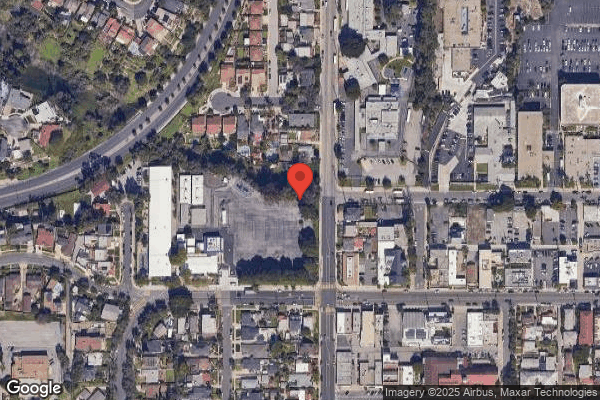

1322 WEST SIXTH STREET, SAN PEDRO, CA 90732 (310) 791-4518
Non profit - Corporation 125 Beds PROVIDENCE HEALTH & SERVICES Data: November 2025 1 Immediate Jeopardy citation
Trust Grade
46/100
#660 of 1155 in CA
Last Inspection: December 2024

Within standard 12-15 month inspection cycle. Federal law requires annual inspections.

Overview

Providence Little Company of Mary Subacute Care Center has a Trust Grade of D, indicating below-average performance with some significant concerns. It ranks #660 out of 1155 facilities in California, placing it in the bottom half, and #136 out of 369 in Los Angeles County, meaning there are better local options available. The facility shows an improving trend, having reduced its issues from 7 in 2024 to just 1 in 2025. Staffing is a strength, with a 4/5 star rating and a turnover rate of 33%, which is below the state average. However, there are serious concerns, including a critical finding where six residents were improperly restrained, and issues with food safety practices that could lead to foodborne illnesses, highlighting the need for improvement in resident care and kitchen hygiene.

Trust Score
D
46/100
In California
#660/1155
Bottom 43%
Safety Record
High Risk
Review needed
Inspections
Getting Better
7 → 1 violations
Staff Stability
○ Average
33% turnover. Near California's 48% average. Typical for the industry.
Penalties
⚠ Watch
$11,170 in fines. Higher than 94% of California facilities. Major compliance failures.
Skilled Nurses
✓ Good
Each resident gets 113 minutes of Registered Nurse (RN) attention daily — more than 97% of California nursing homes. RNs are the most trained staff who catch health problems before they become serious.
Violations
⚠ Watch
35 deficiencies on record. Higher than average. Multiple issues found across inspections.
★★★☆☆
3.0
Overall Rating
★★★★☆
4.0
Staff Levels
★★★★☆
4.0
Care Quality
★★★☆☆
3.0
Inspection Score
Stable
2024: 7 issues
2025: 1 issues

The Good

  • 4-Star Staffing Rating · Above-average nurse staffing levels
  • 4-Star Quality Measures · Strong clinical quality outcomes
  • Full Sprinkler Coverage · Fire safety systems throughout facility
  • No fines on record
  • Staff turnover below average (33%)

    15 points below California average of 48%

Facility shows strength in staffing levels, quality measures, fire safety.

The Bad

3-Star Overall Rating

Near California average (3.1)

Meets federal standards, typical of most facilities

Staff Turnover: 33%

13pts below California avg (46%)

Typical for the industry

Federal Fines: $11,170

Below median ($33,413)

Minor penalties assessed

Chain: PROVIDENCE HEALTH & SERVICES

Part of a multi-facility chain

Ask about local staffing decisions and management

The Ugly 35 deficiencies on record

1 life-threatening
Jan 2025 1 deficiency
CONCERN (D) 📢 Someone Reported This

A family member, employee, or ombudsman was alarmed enough to file a formal complaint

Potential for Harm - no one hurt, but risky conditions existed

Infection Control (Tag F0880)

Could have caused harm · This affected 1 resident

Based on observation, interview, and record review the facility failed to maintain infection control practices when: 1.Certified Nursing Assistant 1 (CNA 1) provided care to Patient 2 then proceeded ...

Read full inspector narrative →
Based on observation, interview, and record review the facility failed to maintain infection control practices when: 1.Certified Nursing Assistant 1 (CNA 1) provided care to Patient 2 then proceeded to Patient 1s bedside without changing CNA 1s personal protective equipment (PPE) gown prior to initiating care for Patient 1. 2.CNA 2 placed clean linen intended for Patient 1 on top of a used soiled linen cart and proceeded to Patient 1s bedside to initiate care. These deficient practices had the potential to cause cross-contamination (the unintentional physical movement or transfer of harmful bacteria from one person, object, or place to another) of infectious pathogens (bacteria and microorganisms) from patient to patient and/or within the facility. Findings: During an observation on 1/15/25 at 10:30 AM, an Enhanced Barrier Precautions ([EBP] measures that use gowns and gloves to reduce the spread of infection) sign is posted outside Patient 1s door which indicated when entering the room, providers and staff must apply a gown and gloves. This is a double occupancy room with the patients distinguished by bed A and bed B. During an interview with the Infection Control Preventionist (IP) on 1/22/25 at 3:33 PM, IP indicated Patient 1 is on EBP which requires glove and gown use during high-contact patient care activities with patients who have wounds and/or indwelling (inside your body) medical devices or are infected or colonized (presence of with an infection where contact precautions (set of practices used to prevent the spread of infectious diseases) do not apply. EBPs are to be observed in addition to standard precautions. Regarding gown/PPE changes between patients, caregivers are educated/trained to not use the same PPE for care of more than one patient. Donning and doffing (putting on and removal) of PPE, as well as hand hygiene practices are part of core infection prevention principles that caregivers are required to get training on upon hire and on a yearly basis. Other educational opportunities on infection prevention practices are also offered all throughout the year in addition to education when a missed opportunity is observed. During an interview with CNA 1 on 1/27/25 at 20:15 PM, CNA 1 reports helping bed A (Patient 2) change Patient 2s urinary pad. CNA 1 then took the PPE gloves off, performed hand hygiene and put on new gloves. CNA 1 indicated the PPE gown was not changed. CNA 1 stated the gown was not changed due to not thinking clearly. CNA 1 stated this was due to bed B (Patient 1) requesting assistance. CNA 1 reports wanting to act quickly for bed B and forgot to change the gown. During an interview with CNA 2 on 1/23/25 at 21:03 PM, CNA 2 reports remembering the incident. CNA 2 stated that the clean linen was grabbed for Patient 1. The linen was held in one hand and the dirty linen hamper with the other hand to bring the items closer to the bed. This is to assist throwing the linen in the hamper as it is removed. CNA 2 stated when walking into the room, bed A (Patient 2) began to cough. CNA 2 reports placing the linen on top of the soiled linen hamper and immediately went to help bed A (Patient 2) with repositioning in order to help maintain Patient 2s airway. After CNA 2 provided care, CNA 2 grabbed the linen and soiled linen hamper and started towards bed B ' s (Patient 1s) side of the room. CNA 2 reported there was no intention of using the items, but the family observed CNA 2 walking toward bed B (Patient 1) and became upset. CNA 2 reports apologizing and listening to the family member ' s concern. CNA 2 stated new linen was gathered and care continued for Patient 1. During review of the facilities policy and procedure (P&P) titled, SACC: Enhanced Barrier Precaution, dated 05/2024, the P&P indicated the purpose is to protect patients, caregivers, providers, and others by placing patients in EBP as indicated. EBP is based on the principle that Multidrug-resistant Organisms ([MDRO] germs that are resistant to more than one antibiotic) may be indirectly transferred (spread by multiple steps and not directly from one source to another) from patient-to-patient during high contact care activities. All caregivers including clinical and non-clinical personnel are expected to follow appropriate precautions during high contact patient care activities. PPE must be used consistently whenever performing any high contact patient care activities. The P&P defines high contact resident care activities as care activities that involves close physical or direct contact with the patient, patient environment, or devices such as during: Dressing Bathing or showering Transferring Providing hygiene Changing linens and/or collecting dirty laundry Changing briefs, or assisting with toileting Device care use such as central line, catheter, feeding tube, tracheostomy or ventilator care Wound care Rehabilitation or therapy services
Dec 2024 7 deficiencies
CONCERN (D)

Potential for Harm - no one hurt, but risky conditions existed

Report Alleged Abuse (Tag F0609)

Could have caused harm · This affected 1 resident

**NOTE- TERMS IN BRACKETS HAVE BEEN EDITED TO PROTECT CONFIDENTIALITY** Based on observation, interview and record review, the facility failed to report an injury of unknown origin (the cause of injur...

Read full inspector narrative →
**NOTE- TERMS IN BRACKETS HAVE BEEN EDITED TO PROTECT CONFIDENTIALITY** Based on observation, interview and record review, the facility failed to report an injury of unknown origin (the cause of injury was not observed by any person or could not be explained by the resident) to the California Department of Public Health (CDPH) for one of two sampled residents (Resident 41) when Resident 41 developed a blood (a fluid-filled sac in the outer layer of skin) blister on the right big toe of the right foot. This failure had the potential to result into a delayed investigation to rule out abuse. Findings: During a review of Resident 41's admission Record, the admission Record indicated the resident was admitted on [DATE] to the facility with diagnoses that included respiratory failure (condition when the lungs are not able to effectively take in oxygen and remove carbon dioxide from the blood), cerebral vascular accident (CVA-stroke, loss of blood flow to a part of the brain), tracheostomy (an opening surgically created through the neck into the windpipe to allow air to fill the lungs) in place, gastrostomy tube (a surgical opening fitted with a device to allow feedings to be administered directly to the stomach common for people with swallowing problems). During a review of Resident 41's Minimum Data Set (MDS- a resident assessment tool) dated 10/23/2024, the MDS indicated the resident had severely impaired cognitive skills (significant decline in a person's ability to think, learn, remember, reason, and make decisions affecting their daily life) and was dependent on staff with bed mobility, oral hygiene, bathing, dressing, personal hygiene and transfer to and from a bed to chair or wheelchair. The MDS indicated Resident 41's skin was intact with no infection on the foot and no presence of pressure injury (localized damage to the skin and/or underlying tissue usually over a bony prominence). During a review of Resident 41's Flow sheets for skin assessment dated [DATE], at 2:51 p.m., 11/30/2024 at 10:22 p.m., 12/1/2024 at 1:33 p.m., and 12/1/2024 at 11:54 p.m., the flowsheets indicated skin color was consistent with ethnicity, blanchable (skin appeared white or not as reddened after being pressed on and skin returns to its normal color) warm, dry skin, and skin was elastic (ability of skin to stretch and return to its original shape). During a review of Resident 41's Progress Notes dated 12/2/2024 timed at 7:22 a.m., the Progress Notes indicated resident's right great toe blood blister was observed by an unnamed Certified Nursing Assistant (CNA) while resident was being cleaned on 12/1/2024 at 6:27 a.m. During a review of Resident 41's Progress Notes dated 12/2/2024 at 12:09 p.m., the Progress Notes indicated Registered Nurse (RN3 ) received report from the morning that the resident had a bruise to the right great toe . The Progress Notes indicated Resident 41's right great toe had a large blood blister, of purple, dark red brown color measuring 1.5-centimeter (cm- unit of measurement) x 2 cm, with slight swelling and tenderness on the right big toe on assessment. The Progress Notes indicated the family, and the physician were notified, and right toe x-ray (imaging that shows organs and bones of the body) was ordered. During a review of Resident 41's x ray of the right big toe performed on 12/2/2024 at 12:49 p.m. and resulted on 12/2/2024 at 1:48 p.m., the x-ray indicated a possible nondisplaced tuft of the big toe fracture (tip of the toe bone has cracked or fractured but the broken pieces of bone are still aligned and have not moved out of position) and soft tissue swelling overlying the big toe. During a review of Resident 41's Custodial Progress Note dated 12/3/2024 timed at 10:56 a.m., the Custodial Progress Notes indicated the possible nondisplaced area is less than 2 millimeter (mm- unit of measurement) and minor enough to buddy tape (a method of treating an injured toe by taping it to an uninjured digit or toe next to it to provide support and protection for an injured digit) as if there is a minor fracture. The Progress Notes indicated the resident would be receiving an antibiotic (medicine used to treat an infection) for five days for the redness and swelling like cellulitis (skin infection that causes swelling and redness). During an observation on 12/3/2024, at 10:37 a.m., Resident 41 was sitting in a wheelchair watching a program on an electronic device. Observed an unnamed physician came and examined resident's right foot. Observed Resident 41's right foot resting on a pillow while in a wheelchair was slightly swollen and red. During an interview on 12/3/2024, at 12:18 p.m., Resident 41's family member (FM1), FM1 stated she could not understand why Resident 41's great big toe was broken or how the injury occurred. During an interview on 12/5/2024, at 3:32 p.m. with Certified Nursing Assistant (CNA1), CNA1 stated on Resident 41 last 12/1/2024 she gave Resident 41 a shower and confirmed she did not observe any skin breakdown or injury on his feet. CNA1 stated she asked CNA2 to assist her with the shower of the resident and used a mechanical lift (device used to assist with transfers from one surface to another for residents that cannot move without assistance) get him out of bed. During an interview on 12/5/2024, at 4:14 p.m., with CNA2, CNA 2 stated she helped CNA1 remove resident's clothes including socks and got him ready for his shower. CNA2 stated Resident 41 required 2 person assist and she did not see any redness, open skin or discoloration during the shower or when they were dressing him up. During an interview on 12/5/2024, at 4:24 p.m., with Licensed Vocational Nurse (LVN5), LVN 5 on the morning of 12/2/2024 when she was making rounds, she observed darkish discoloration on the right big toe of Resident 41 and the resident stayed in the bed that day. During a concurrent interview and record review of Resident 41's electronic chart on 12/6/2024, at 10:11 a.m. with LVN 6, LVN 6 confirmed she documented on the chart dated 12/1/2024 that Resident 41's skin was normal. LVN 6 stated the LVNs do a head-to-toe skin assessment and if there was any change in resident's skin, the RN would be notified. LVN 6 stated on 12/1/2024 at 11:54 p.m., confirmed Resident 41 was within normal limits and there were no skin changes. LVN 6 stated on 12/1/2024 she did not observe any skin breakdown, redness or blood blister especially on the feet. During a concurrent interview and record review of Resident 41's electronic chart on 12/5/2024, at 4:53 p.m. with RN 3, RN 3 stated the night RN discovered the blood blister on Resident 41's right big toe and the physician was notified. RN 3 stated the x-ray of the right big toe indicated a possible nondisplaced fracture on the tuft of the right big toe. RN 3 stated the treatment was splinting by buddy taping the first and second toes together. RN 3 stated blood bisters can be caused by pressure or trauma, and nobody knew how the resident got the blood blister or what caused it. RN 3 stated the facility made an incident report because was an injury of unknown origin and should be investigated as to why it happened. RN3 stated she did not know why it was not reported to CDPH and she did not report the incident because she did not think it was abuse. RN 3 stated she notified the House Supervisor (HS) but was not told to report to CDPH. During a concurrent interview and record review of Resident 41's electronic chart on 12/6/2024, at 9:32 a.m., with House Supervisor (HS1) , HS 1 stated the facility did not know how Resident 41 got a blood blister on his right great big toe and it was an injury of unknown origin. HS 1 confirmed LVNs skin assessment for the day shift and the night shift on 12/1/2024 indicated Resident 41's skin assessment was within normal limits. During a concurrent interview and record review of facility's policy and procedure titled Abuse Prevention on 12/6/2024, at 6:35 p.m., and subsequent interview on 12/6/2024, at 7:05 p.m., with the Director of Nursing (DON), the DON stated an injury of unknown origin is reported to CDPH within 24 hours. The DON stated it was important to report any suspicion of abuse or injury of unknown origin to CDPH within 24 hours to rule out abuse or neglect. During a review of facility's policy and procedure(P&P) titled Abuse Prevention dated 6/2021, the P&P indicated investigation of injuries of unknown origin, or suspicious injuries must be immediately investigated to rule out abuse. The P&P indicated if the injury is unexplainable, a report must be made to the facility designated State agency within 24 hours of the initial findings and employee must always report any abuse or suspicion of abuse immediately.
CONCERN (D)

Potential for Harm - no one hurt, but risky conditions existed

Medication Errors (Tag F0758)

Could have caused harm · This affected 1 resident

**NOTE- TERMS IN BRACKETS HAVE BEEN EDITED TO PROTECT CONFIDENTIALITY** Based on interview and record review, the facility failed to ensure two of four sampled residents (Resident 84 and Resident 96) ...

Read full inspector narrative →
**NOTE- TERMS IN BRACKETS HAVE BEEN EDITED TO PROTECT CONFIDENTIALITY** Based on interview and record review, the facility failed to ensure two of four sampled residents (Resident 84 and Resident 96) were free of unnecessary psychotropic (any drug that affects the brain activities associated with mental processes and behavior) medications by failing to: 1.Ensure Resident 84 and Resident 96 were provided with non-pharmacological interventions (intervention that does not primarily use medicine before administering a prn (as needed) psychotropic medication. 2. Ensure prn psychotropic medication use had not exceeded 14 days. These failures placed Resident 84 and Resident 96 at risk for adverse consequences (unintended, harmful events attributed to the use of medication) due to unnecessary prolonged use of psychotropic medication. Findings: During a review of Resident 96's admission Record, the admission Record indicated the resident was admitted on [DATE] to the facility with diagnoses including respiratory failure ( serious condition when the lungs cannot get enough oxygen into the blood or remove carbon dioxide from the body). During a review of Resident 96's History and Physical (H&P) dated 10/19/2024, the H&P indicated the resident had a medical history of hypertension (HTN-high blood pressure), intracranial hemorrhage (life-threatening condition that occurs when blood pools inside the skull or between the brain and skull), tracheostomy (an opening surgically created through the neck into the trachea (windpipe) to allow air to fill the lungs) and gastrostomy(a surgical opening fitted with a device to allow feedings to be administered directly to the stomach common for people with swallowing problems). During a review of Resident 96's Minimum Data Set (MDS- resident assessment tool) dated 10/25/2024, the MDS indicated the resident had severe cognitive (a person has trouble with memory, learning, concentration, decision making and understanding) impairment and was dependent on staff with bed mobility, bathing, toileting hygiene, dressing, oral hygiene, and personal hygiene. During a review of Resident 96's Physician Order dated 10/18/2024 with an end date of 12/27/2024, the Physician Order indicated an order of Ativan (Ativan- medicine to treat anxiety disorder) 0.5 milligram (mg.- unit of measurement) per gastrostomy tube every 8 hours prn for anxiety manifested by agitation/ restlessness. During a review of Resident 96's Care Plan titled Reduce Risk of Medication Side Effects started on 10/18/2024 (resident is on Ativan) related to diagnoses of anxiety manifested by anxiousness, unable to relax, pulling at essential tubings, and disconnecting from the ventilator (breathing machine) started 10/18/2024 The Care Plan goal indicated the resident will be free from adverse effects focusing on assessment and monitoring for appropriate effectiveness of the medicine and the proper dosage adjustments and reductions. The Care Plan interventions include to monitor mood every shift. Implement diversional activities, observe, and minimize noise level and monitor signs and symptoms of medication's side effects. During a concurrent interview and record review of Resident 96's electronic chart on 12/5/2024, at 11:21 a.m., and subsequent interview on 12/5/2024, at 2:37 p.m. with Licensed Vocational Nurse (LVN 4), LVN 4 confirmed she administered Ativan .5 mg. on 12/4/2024 at 3:04 p.m., because the resident was fighting the ventilator and was moving a lot. LVN 4 stated she documented the non- pharmacological interventions implemented at the end of the shift at 7:18 p.m., LVN 4 stated they always document the behavioral monitoring and provision of non-pharmacological interventions after administration of a prn psychotropic medicine like Ativan. During a concurrent interview and record review on 12/5/2024, at 2:56 p.m., with Registered Nurse (RN2), RN 2 confirmed Ativan .5 mg. every 8 hours prn for agitation and restlessness was ordered on 10/18/2024 with an end date of 12/27/2024 and the physician's order had exceeded the 14 days for prn. RN 2 stated the initial order for prn psychotropic medicine should only be for 14 days and after the 14 days, the need for Ativan use should be assessed and evaluated by the facility. RN 2 confirmed Resident 96 received Ativan on 12/4/2024 at 3:04 p.m. but non-pharmacological interventions were documented at 7:18 p.m. RN 2 stated LVN 4 should have provided the non-pharmacological interventions first before administering Ativan at 3:04 p.m. RN2 stated administering Ativan first before provision of non-pharmacological interventions could put Resident 96 at risk for side effects and could be considered unnecessary medicine for the resident. During a concurrent interview and record review of Resident 96's electronic chart on 12/6/2024, at 1:06 p.m., with RN 1, RN stated prn psychotropic medicine like Ativan is used for 14 days only and the resident should be reevaluated by the physician for renewal of the order, RN 1 stated the facility should provide non-pharmacological interventions first before administering prn psychotropic medicine to ensure the resident did not receive unnecessary medicine that could cause sedation and side effects. During a concurrent interview and record review on 12/6/2024, at 4:15 p.m. with Registered Pharmacist (RPH 1), RPH1 stated all prn psychotropic medicine should only have a duration of 14 days and after 14 days, the order will be renewed based on the documented evaluation of the physician for continued use. RPH1 stated non- pharmacological interventions should be performed first before administering the prn Ativan. During a review of Resident 84's admission Record, the admission Record indicated Resident 84 was admitted to the facility 9/23/2024. During a review of Resident 84's H&P, dated 9/24/2024 the H&P indicated Resident 84 had the capacity to understand and make decisions and also indicated that Resident 84 was admitted with diagnoses of Amyotrophic Lateral sclerosis (progressive degeneration of nerve cells in the spinal cord(ALS), chronic respiratory failure, hyperparathyroidism (high levels of calcium in the blood), panic disorder, functional quadriplegia (completely unable to move due to medical condition). During a review of Resident 84's MDS dated [DATE] the MDS indicated Resident 84's cognition was intact. The MDS indicated Resident 84 was dependent (someone who relies on another person for support) with activities of daily living (ADL's- activities such as bathing, dressing, and toileting a person performs daily). During a review of Resident 84's All Active Orders list dated 12/06/2024, the All Active Orders list indicated resident 84 had orders for Ativan1mg every 3 hours PRN for anxiety manifested by tachycardia (fast heart beat), hyperventilation (rapid, shallow breathing), verbalization of anxiety and restlessness, Ativan order stated on 10/2/2024 and ends on 12/12/24. During a concurrent interview and record review on 12/6/2024 at 2:50 p.m., with RN1, Resident 84's, Active Medication Orders list for dates 11/5/24 at 2:50 am, 11/23/24 at 3:18 am, and 12/3/24 at 4:34 am was reviewed, the Active medication Orders list indicated Resident 84 was not provided with nonpharmacological interventions prior to being given Ativan 1mg and that the Ativan order started on 10/2/2024 and ended on 12/12/2024, RN1 stated that prior to giving any PRN psychotropic medications you must provide the resident with nonpharmacological interventions to ensure the residents are not given any unnecessary psychotropic medications because they are considered a chemical restraints (is the use of a drug to restrict a patient's movement or freedom, or to sedate them). RN 1 stated that all PRN Ativan orders can only be prescribed for 14 days at a time and that the resident needs to be reassessed by the physician prior to a new order being written. During a concurrent interview and record review on 12/6/2024 at 5:05 p.m. with Pharmacist1, Resident 84's Psychotropic Medication Monitoring dated October 2024, the Psychotropic Medication Monitoring indicated that the pharmacist recommended psychiatry (branch of medicine concerned with the study, diagnosis, and treatment of mental illness) consult due to multiple anxiolytics used for the same indication, concern for polypharmacy (use of multiple drugs to treat a single condition) and also indicated that Ativan PRN needed a stop date in October and that on 11/27/2024 the physician added a stop date of 12/12/2024 for the Ativan and psychiatry consult was done on the same day. Pharmacist1 stated she reviews the medications monthly and makes the recommendations and either her or the nursing staff reach out to the doctors to follow up with the recommendations. Pharmacist1stated that all Ativan orders given PRN can only be given for 14 days at a time and then the resident must be reevaluated by the physician, before the medication can be reordered. Pharamcist1 stated residents on multiple psychotropic medication for the same indications should have a psychiatric consult to prevent possible polypharmacy. During an interview on 12/6/2024 at 8:03 a.m., with the DON, the DON stated that the pharmacy and nursing work together to ensure residents are not prescribed any unnecessary medication. Ativan PRN orders can only be written for 14 days to ensure the resident really needs the medications. The DON stated that prior to resident receiving the Ativan, the Resident should have been provided with nonpharmacological interventions. [NAME] stated if the resident gets more medications, then they need it can affect their quality of life. During a review of the facility's policy and procedure (P&P) titled, Psychotropic Drug Management for Long Term Care Facilities dated 4/2021, indicated, psychoactive medications (anti-psychotics, anti-depressants, anti-anxiety, hypnotics) must only be prescribed: By a person authorized to prescribe medications. Non-pharmacological interventions, unless clinically contraindicated, and gradual dose reductions are implemented for patients receiving psychotropic medications. PRN orders for psychotropic drugs are limited to 14 days. PRN Psychotropics other than Anti-psychotics: may be extended beyond 14 days if the physician/provider believes it is appropriate to extend the order and documents the rationale for the extended time period in the medical record. Specific duration must be indicated. Non-pharmacological interventions, unless clinically contraindicated, have been implemented prior to initiating or instead of continuing psychotropic medication. Safe use of psychoactive drugs shall be monitored for adverse consequences or complications, continuation of drug usage, dose/frequency, changed or discontinued, in the monthly drug reduction assessment tool (see attached Monthly Psychoactive Drug Reduction Assessment Tool).
CONCERN (D)

Potential for Harm - no one hurt, but risky conditions existed

Menu Adequacy (Tag F0803)

Could have caused harm · This affected 1 resident

**NOTE- TERMS IN BRACKETS HAVE BEEN EDITED TO PROTECT CONFIDENTIALITY** Based on observation interview and record review the facility failed to ensure one of 22 sampled residents (Resident 46's food a...

Read full inspector narrative →
**NOTE- TERMS IN BRACKETS HAVE BEEN EDITED TO PROTECT CONFIDENTIALITY** Based on observation interview and record review the facility failed to ensure one of 22 sampled residents (Resident 46's food and cultural preferences were honored. This failure resulted in weight loss due to inadequate consumed calories for residents who did not receive the food items of their choices and preference. Findings: During a review of Resident 46's admission Record, the admission Record indicated Resident 46 was admitted to the facility on [DATE] with a diagnoses including respiratory failure (a serious condition that occurs when the lungs cannot get enough oxygen into the blood or remove enough carbon dioxide). During a review of Resident 46's History and Physical (H&P), dated 6/11/2029, the H&P indicated Resident 46 had diagnoses of but not limited to craniotomy (a surgical procedure that involves removing a piece of the skull to access the brain), cerebrovascular accident (stroke, loss of blood flow to a part of the brain) with hemiplegia (paralysis of one half of the body) and Moyamoya disease (a rare progressive disease that occurs when the carotid arteries in the brain narrow and become blocked). The H&P indicated Resident 46 only speaks Korean. The H&P indicated Resident 46 does not always eat and requires gastrostomy tube (a surgical opening fitted with a device to allow feedings to be administered directly to the stomach common for people with swallowing problems) supplementation. During a review of Resident 46's Minimum Data Set (MDS - a resident assessment tool), dated 9/19/2024, the MDS indicated Resident 46 sometimes understood others and sometimes made self understood. The MDS indicated Resident 46 was dependent on staff for toileting, showering, dressing, and putting on and taking off shoes. The MDS indicated Resident 46 needed maximal assistance with sitting, lying, standing and personal hygiene. The MDS indicated Resident 46 lost 5 percent or more of weight in the last month or lost 10 percent or more in the last six months. During a review of Resident 46's Care Plan, titled Aspiration (Enteral Nutrition), dated 11/07/2024, the Care Plan indicated Resident 46 had inadequate oral intake related to frequently refusing meal trays. During a review of Resident 46's Physician Orders, dated 11/29/2024, the Physician Orders indicated Resident 46 had an order for tube feeding (nutrition solution provided through a plastic tube surgically inserted into the stomach) carbohydrate (units digested as sugar) controlled at 55 milliliters for 16 hours a day. The Physician Orders indicated Resident 46 had an order for a general dysphagia (difficulty swallowing) diet with thin liquids (a liquid that flows easily) and soft bite sized textured food. During a concurrent interview and record review on 12/5/2024 at 3:18 pm, with, Restorative Nurse Assistant (RNA) 1, Resident 46's Adult Nutrition Summary was reviewed. The Adult Nutrition Summary indicated the following monthly weights: June 11, 2024 - 147 pounds July 11, 2024 - Resident 46 refused to be weighed. August 21, 2024 - 135 pounds September 17, 2024 - 136 pounds October 13, 2024 - 139 pounds November 11, 2024 - 139 pounds During an interview on 12/06/2024 at 10:43 am, with, Licensed Vocational Nurse (LVN) 7, LVN 7 stated Resident 46 likes Korean food but she is not given her cultural food preferences. LVN 7 stated it is important to know Resident 46's preferences, likes and dislikes so she can eat and maintain her weight. LVN 7 stated if Resident 46 does not like the food weight loss can occur and the resident will be unhappy. LVN 7 stated any staff member can document residents' food preferences, food likes and food dislikes. During an interview on 12/6/2024 at 4:30 pm, with Registered Nurse (RN) 4, RN 4 stated Resident 46 refuses meals and is getting continuous tube feedings. RN 4 stated Resident 46 had an eight-pound weight loss. RN 4 stated when Resident 46 refuses her meals she gets offered sandwiches, yogurt, and Jello. RN 4 stated Resident 46's cultural preferences were not honored. RN 4 stated when the residents food preferences are not honored the resident can have weight loss. RN 4 stated Resident 46 refused breakfast and ate 20 percent of the lunch tray. During an interview on 12/6/2024 at 7:17 pm with the Registered Dietician (RD), the RD stated there was no documentation of Resident 46's food preferences. The RD stated Resident 46's is given rice, tea and stir fry. RD stated she has not met Resident 46 or Resident 46's family to find out what her food preferences are. During a review of the facility's policy and procedure (P&P), titled Clinical Dietetics: Religious and Culture Food Preferences, dated 10/2023, the P&P indicated, The RD will ensure that religious and cultural food preferences and request are granted in accordance with their diet. The patient will be visited as soon as possible to obtain menu and food preferences.
CONCERN (D)

Potential for Harm - no one hurt, but risky conditions existed

Infection Control (Tag F0880)

Could have caused harm · This affected 1 resident

**NOTE- TERMS IN BRACKETS HAVE BEEN EDITED TO PROTECT CONFIDENTIALITY** Based on observation, interview, and record review, the facility failed to observe infection control measures for three of 10 re...

Read full inspector narrative →
**NOTE- TERMS IN BRACKETS HAVE BEEN EDITED TO PROTECT CONFIDENTIALITY** Based on observation, interview, and record review, the facility failed to observe infection control measures for three of 10 residents (Resident 29, 62, and 86) by failing to: 1. Ensure Resident 29's water bag was labeled and dated. 2. Ensure Resident 62's tube feeding bottle was labeled and dated. 3. Ensure Resident 86's tube feeding bottle was dated. These failures had the potential to result in the transmission of infectious microorganisms and increase the risk of infection for Residents 29, 62, and 86. Findings: 1.During a review of Resident 29's admission Record, the admission Record indicated Resident 29 was re-admitted to the facility 11/1/2024. During a review of Resident 29's History and Physical (H&P), the H&P indicated Resident 29 was admitted with diagnoses of ruptured cerebral aneurysm (a weak spot in a blood vessel in the brain, like a tiny balloon, has burst open, causing bleeding in the surrounding brain tissue) and gastroparesis (stomach muscles are weakened or impaired, causing food to remain in the stomach longer than normal). During a review of Resident 29's Minimum Data Set ({MDS}- a resident assessment tool) 8/12/2024 the MDS indicated Resident 29 was comatose (someone is completely unconscious and unresponsive to their surroundings). The MDS indicated Resident 29 was dependent (someone who relies on another person for support) with activities of daily living ({ADL's}- activities such as bathing, dressing, and toileting a person performs daily). During a review of Resident 29's care plan initiated 12/5/2023 with a focus on Resident 29 having altered nutrition related to dysphagia (swallowing difficulties) as evidenced by chronic tube feed, dependence on gastrostomy tube ({GT}- a surgical opening fitted with a device to allow feedings to be administered directly to the stomach common for people with swallowing problems). During a review of Resident 29's care plan initiated 1/6/2018 with a focus on Resident 29 having a risk to develop infection (invasion and growth of germs in the body) related to the presence of a GT Interventions included monitoring Resident 29 for signs and symptoms (s/s) of infection. 2.During a review of Resident 62's admission Record, the admission record indicated Resident 62 was re-admitted to the facility 11/3/2024. During a review of Resident 62's H&P, the H&P indicated Resident 62 was admitted with diagnoses of subdural hematoma (a buildup of blood on the surface of the brain) and chronic respiratory failure (when the lungs cannot get enough oxygen into the blood or eliminate enough carbon dioxide from the body). During a review of Resident 62's MDS dated [DATE], the MDS indicated Resident 62 was comatose. The MDS indicated Resident 62 was dependent with ADL's. During a review of Resident 62's care plan initiated 4/27/2022 had a focus on Resident 62 was at risk for infections related to tube feeding dependent due to dysphagia. Interventions included monitoring Resident 62 for s/s of infection. During a concurrent observation and interview on 12/3/2024 at 11:11 a.m., with Licensed Vocational Nurse (LVN) 1, LVN 1 stated Resident 62's tube feeding bottle was not labeled or dated. LVN 1 stated she is responsible to ensure the tube feeding bottles are labeled and dated when she does her rounding, but stated she missed this one. LVN 1 stated it's important the tube feeding bottles are changed every 24 hours to prevent infection for the resident. During a concurrent observation and interview on 12/3/2024 at 11:27 a.m., with LVN 2, LVN 2 verbally confirmed Resident 29's water bag was not labeled or dated. 3.During a review of Resident 86's admission Record, the admission Record indicated Resident 86 was admitted to the facility 11/27/2024. During a review of Resident 86's H&P, the H&P indicated Resident 86 was admitted with diagnoses of encephalopathy (swelling of the brain), hx of hemicraniectomy (Section of skull removed to relieve extreme pressure on the brain), respiratory failure (lungs failing) dysphagia (unable to swallow correctly), g-tube. During a review of Resident 86's MDS dated [DATE], the MDS indicated Resident 86 was comatose The MDS indicated Resident 86 was dependent (someone who relies on another person for support) with ADL's During a review of Resident 86's All Active Orders dated 12/06/24 indicated resident 86 has orders for continuous tube feeding (liquid food being delivered through tube in the stomach) carbohydrate controlled, diabeticsource ac 1.2 (1320kcal/1100ml 50cc hr x 22hours a day. During a concurrent observation and interview on 12/3/2024 at 10:34 a.m., with Licensed Vocational Nurse (LVN) 3, LVN 3 stated Resident 86's tube feeding bottle was not dated. LVN 3 stated she is responsible to ensure the tube feeding bottles are dated LVN 3 stated it's important to have a date on the tube feeding bottles to ensure the tube feeding is changed every 24 hours to prevent spoilage. LVN 3 stated residents are at risk for stomach issues if tube feeding is not changed every 24 hours. During an interview on12/5/2024 at 10:44 a.m., with the Infection Prevention Nurse (IPN) 1, IPN 1 stated it's important to change and label the tube feeding bottles and water bags at least daily because they are breeding ground for organisms which could result in an infection for the resident. During an interview on 12/6/2024 at 8:03 a.m., with the Director of Nursing (DON), the DON stated for their GT's, they use a closed system for infection control and follow the manufacturers guidelines which indicated to change the tubing every 24 hours and label with the resident's name, date, rate, and type of feeding. The DON stated it's important the tube feeding bottles and water bags are labeled and dated so the staff is aware when it was changed because the feeding can spoil which could potentially cause diarrhea and gastrointestinal (stomach and intestines) issues for the resident. During a review of the facility's policy and procedure (P&P) titled, SACC: Tube Feeding Through Nasogastric Tube, Gastrostomy, or Jejunostomy Intermittent and continuous, revised 11/18/2024, indicated, Make sure that the enteral formula container is labeled with the patient's identifiers; formula name; date and time of formula preparation; date and time that the formula was hung. Label the enteral administration set with the date and time that it was first hung. Change the enteral administration set according to the manufacturer's instructions to prevent bacterial growth.
CONCERN (D)

Potential for Harm - no one hurt, but risky conditions existed

Antibiotic Stewardship (Tag F0881)

Could have caused harm · This affected 1 resident

**NOTE- TERMS IN BRACKETS HAVE BEEN EDITED TO PROTECT CONFIDENTIALITY** Based on interview and record review, the facility failed to address and monitor the use of antibiotic on two of five sampled re...

Read full inspector narrative →
**NOTE- TERMS IN BRACKETS HAVE BEEN EDITED TO PROTECT CONFIDENTIALITY** Based on interview and record review, the facility failed to address and monitor the use of antibiotic on two of five sampled residents (Resident 41 and Resident 98) when residents' conditions or symptoms did not meet McGeer criteria(a set of criteria used in long term care facilities to determine if signs and symptoms constitute a true infection). This failure had the potential to result in Resident 41 and Resident 98 developing resistance (antibiotic will not be effective to treat infection) from unnecessary or inappropriate use of antibiotic. Findings: a. During a review of Resident 98's admission Record, the admission Record indicated the resident was admitted on [DATE] facility with diagnoses that included respiratory failure (condition when the lungs are not able to effectively take in oxygen and remove carbon dioxide from the blood). During a review of Resident 98's History and Physical (H&P), dated 10/26/2024, the H&P indicated Resident 98 had diagnoses of but not limited to traumatic brain injury (TBI-a disruption in the normal function of the brain that can be caused by a bump, blow, or jolt to the head), and encephalopathy (damage or diseases affecting the brain). During a review of Resident 41's Minimum Data Set (MDS- a resident assessment tool) dated 11/4/2024, the MDS indicated Resident 98 was dependent on nursing staff for oral hygiene, toileting, showering, dressing, putting on and taking off footwear, personal hygiene, and transferring. The MDS indicated Resident 98 used an external catheter (a noninvasive device that collects urine from outside the body). The MDS indicated Resident 98 did not have a urinary tract infection in the last 30 days. During an interview on 12/06/2024 at 12:05 pm with Registered Nurse (RN) 5, RN 5 stated Resident 98 was prescribed ampicillin (medication used to treat bacterial infections) per oral (PO)o on 10/30/2024 and ended on 11/5/2024. RN 5 stated Resident 98 was prescribed ampicillin for a urinary tract infection (UTI- an infection in the bladder/urinary tract). During an interview on 12/06/2024 at 2:59 pm with Infection Preventionist (IP), the IP stated on 10/27/2024 urine was collected from Resident 98. IP stated on 10/29/2024 the results of the urine collection indicated Resident 98 did not meet the MC Greer's criteria and did not meet NHSN (National Healthcare safety Network) criteria because the Resident 98 did not have any symptoms of a urinary tract infection. IP stated Antibiotic Stewardship is used to determine surveillance and to determine if the resident meets the criteria for antibiotic use. IP stated the Mc Geer criteria is used so resident are not getting overuse and resistance to antibiotics. During an interview on 12/6/2024 at 4:13 pm with Registered Pharmacist (RPH) 3, RPH 3 stated the Mc Geer criteria is used to diagnose a true infection versus colonization. RPH 3 stated unnecessary administration of antibiotics can adversely affect the resident by causing resistance to pathogens. During a review of resident 98's Physician Orders, the Physician Orders indicated on 10/29/2024 Resident 98 had an order for ampicillin 500 milligrams four times a day. During a review of Resident 98's IP Notes, the IP Notes indicated on 10/27/2024 a urine specimen was collected. The IP Notes indicated the urine specimen resulted on 10/29/2024 and Resident 98 did not meet Long term care NHSN (National Healthcare safety Network) criteria (the infection criteria is used by the National Healthcare safety Network (NHSN) to monitor healthcare-associated infections). b. During a review of Resident 41's admission Record, the admission Record indicated the resident was admitted on [DATE] to the facility with diagnoses that included respiratory failure( condition when the lungs are not able to effectively take in oxygen and remove carbon dioxide from the blood), cerebral vascular accident (CVA-stroke, loss of blood flow to a part of the brain), tracheostomy(an opening surgically created through the neck into the windpipe to allow air to fill the lungs) in place, gastrostomy tube (a surgical opening fitted with a device to allow feedings to be administered directly to the stomach common for people with swallowing problems). During a review of Resident 41's MDS dated [DATE], the MDS indicated the resident had severely impaired cognitive skills( significant decline in a person's ability to think, learn, remember, reason, and make decisions affecting their daily life) and was dependent on staff with bed mobility, oral hygiene, bathing, dressing, personal hygiene and transfer to and from a bed to chair or wheelchair. During a review of Resident 41's Order Report dated 12/3/2024, the Order Report indicated an order of cephalexin (Keflex- medicine used to treat infection) capsule 500 milligrams(mgs- unit of measurement) 4 times daily. During a review of Resident 41's Subacute Custodial Progress Note dated 12/3/2024, the Subacute Custodial Progress Note indicated the resident will be given Keflex for 5 days for the right big toe because the area is red, swollen and like cellulitis(a skin infection that causes swelling and redness). During a concurrent interview and record review of Resident 41's chart on 12/6/2024, at 5:45 p.m. and subsequent interview on 12/6/2024, at 5:22 p.m. with Infection Preventionist (IP), IP confirmed the resident was on Keflex 500 mgs. per gastrostomy tube (GT- a flexible tube surgically inserted through the abdominal wall and into the stomach for delivery of nutrition, fluids, and medications) started on 12/3/2024 to 12/8/2024 for the rt. big toe of the right foot. IP stated the Mcgeer Criteria for cellulitis is diagnosed when there are a pus present in the wound, or a new or increasing presence of at least four signs including: heat at the affected site, swelling, tenderness, and at least one of the symptom of fever, leukocytosis(increased white blood count),acute decline in mental status( sudden and significant change in person's cognitive abilities which can manifest as confusion, disorientation and lack of energy) and functional decline( inability to perform activities of daily living). IP confirmed Resident 41 only met the criteria for tenderness , swelling and redness on the site of the right big toe and there was no drainage or pus was present. IP stated the Mcgeer criteria did not need to be followed because it depends on the physician's order and antimicrobial stewardship collaboration with the pharmacists. IP stated the pharmacists took the lead in the Antibiotic Stewardship Program and performed the surveillance. IP stated residents receiving antibiotic that is not appropriate could build resistance from the antibiotics and could be at risk for the development of multi-drug resistance organism ( MDRO- a germ that is resistant to many antibiotics and can be difficult to treat). During a record review of Resident 41's Podiatry Consult Note dated 12/4/2024, the Podiatry Consult Note indicated the resident had a complaint of long and painful toenails of both feet of long duration. The Podiatry Consult Note indicated the resident's skin is warm to touch on bilateral (both) feet, no pedal edema (no swelling in the feet and ankles) and toenail plates( visible ,hard, and flat part of a toenail that protects the toe) on the bilateral feet were adequate length and appeared recently trimmed. During a review of facility's policy and procedure (P&P) dated 4/2023, the P &P indicated the facility promotes appropriate use of antimicrobials by helping select the appropriate agent, dose, duration, and route of administration to improve patient outcomes, optimize the treatment of infections and reduce adverse events associated with antibiotic use.
CONCERN (E)

Potential for Harm - no one hurt, but risky conditions existed

Food Safety (Tag F0812)

Could have caused harm · This affected multiple residents

Based on observation, interview and record review, the facility failed to ensure safe and sanitary food storage and preparation practices when: 1.Several food items were not dated for thaw date in th...

Read full inspector narrative →
Based on observation, interview and record review, the facility failed to ensure safe and sanitary food storage and preparation practices when: 1.Several food items were not dated for thaw date in the walk-in refrigerator. One box of pepperoni was stored uncovered in the walk-in freezer. One medium container of black beans with expire date of 12/1/2024, one large container of blueberry sauce for toppings and one large container of cooked apple with an expire date of 11/30/2024 exceeding storage period for the food were stored in the reach in refrigerator. Two boxes of (baked pastry) and one package of sliced ready to eat turkey deli meat were stored on the shelf next to raw shelled eggs. One box of raw chicken thighs thawing on the shelf next to raw ground beef. This had the potential to cross contaminate food and result in food borne illness in 14 residents who received food from the kitchen. 2. Ice machine was not maintained in a sanitary manner and the inside compartment of the ice machine was stained and dirty. This deficient practice had the potential to cross contaminate food and put 14 residents, staff, and visitors at risk for food borne illness. 3.One large bucket filled with used grease, fat and oil from cooking was stored on the shelf under the kitchen counter. The bucket was not maintained in a clean manner to prevent the potential harborage of pests and growth of microorganisms. The bucket was not clean and covered with grease and residue and it was sticky to touch. These deficient practices had the potential to result in harmful bacteria growth and cross contamination (transfer of harmful bacteria from one place to another) that could lead to foodborne illness in 14 out of 99 residents who received food from the kitchen. Findings: 1.During an observation in the kitchen on 12/3/24 at 10:36AM There was on medium container of cooked black beans with dates 11/29/24-12/1/23 stored in the walk-in refrigerator. There were 4 large pieces of turkey and one pan with smaller pieces of turkey thawing with no thaw or pull out of the freezer date. During a concurrent observation and interview, Food Service Director (FSD) stated the beans are expired and should have been discarded. FSD removed the beans to discard. FSD stated turkey is thawed for 3 days and hold up to 5 days then cooked. FSD stated there is no date and he doesn't know when it was pulled out of the freezer. During the same observation raw Ground beef with no date was thawing next to raw chicken thighs with no date. FSD stated the ground beef and chicken thighs were delivered 11/29/24 but does not know when it was removed from freezer to refrigerator to thaw because there is no date for thawing. FSD stated its important to mark the thaw date so staff will ensure the product is prepared on time or discarded. FSD stated ground beef should not be stored next to chicken for potential cross contamination. FSD stated the chicken should be on the shelf below the ground beef. There were also two boxes of croissant and sliced turkey deli meat stored on the same shelf next to raw shelled eggs. FSD stated he will inform staff and review safe storage guidelines. During an interview with [NAME] (Cook1) on 12/3/24 at 10:45AM Cook1 stated he removed the turkey from the freezer this morning and forgot to put a thaw date. He also said the croissant and the sliced turkey deli meat should not be next to raw shelled eggs for potential for contamination. During a concurrent observation and interview in the facility walk in freezer on 12/3/24 at 10:50AM there was on large box of pepperoni stored in the freezer. The box was open, and the peperoni were exposed to freezer environment. During an interview with FSD, FSD said food should be covered tight to prevent cross contamination. During an observation in the reach in refrigerator on 12/3/24 at 11:00AM there was on large pan with cooked blueberry sauce topping and another large pan of cooked apples with dates 11/26/24-11/30/24. During a concurrent observation and interview with FSD, FSD stated the cooked fruit has exceeded use by date and should be discarded. A review of facility policy titled, FNS: Food handling Guidelines (HACCP) (revised 10/2022) indicated, Thaw frozen meat/poultry/seafood count the day the raw meat is removed from the freezer as Day1; it must by cooked by the end of +4 days. Label with the date it was removed from the freezer and the date by which it must be used. A review of facility policy titled FNS: Food Preparation and Distribution (12/2023) indicated, All stored foods are to be covered. All leftovers are covered, labeled and dated. Leftovers which have not been utilized within 48 hours are discarded. All prepared perishable foods and custard shall be covered, labeled and dated with a three-day expiration date to be discarded on the day of expiration. A review of facility policy and Procedures titled, FNS-Food Handling Guidelines (HACCP) (Revised 10/2022) indicated, Contamination Precautions: Food shall be protected against cross-contamination by: appropriately separating types of raw animal products such as beef, fish, lamb, pork and poultry during storage and processing with the use of separate equipment or areas .and appropriately separating raw (potentially hazardous) foods from ready to eat food products during storage, preparation, and or service. 2.During an observation of the facility ice machine on 12/3/23 at 10:10AM located in the kitchen, there was brown color residue located inside the ice machine bin (where ice is stored inside the machine). The residue was towards the back wall of the ice bin. During a concurrent observation and interview with FSD, FSD stated facility staff Food Service Attendant (FSA1) is responsible for cleaning the ice machine. FSD verified there are brown color residue on the back wall of the ice bin. FSD stated the ice machine is not clean, FSD stated it is important for ice machine to be clean, and any residue can contaminate the ice. FSD stated will discard the ice and clean the ice machine. During an interview with FSA1 on 12/3/24 at 10:20AM, FSA1 stated she cleaned the ice machine last week. FSA1 stated the bin is not clean and the ice can touch the dirty areas. FSA1 stated she did not clean the back wall of the bin because it was hard to reach. she will remove and discard the ice and clean and sanitize the ice machine. A review of the 2022 U.S. Food and Drug Administration Food Code titled Equipment Food-Contact Surfaces and Utensils Code# 4-602.11, indicated, Surfaces of utensils and equipment contacting food that is not time/temperature control for safety food such as iced tea dispensers, carbonated beverage dispenser nozzles, beverage dispensing circuits or lines, water vending equipment, coffee bean grinders, ice makers, and ice bins must be cleaned on a routine basis to prevent the development of slime, mold, or soil residues that may contribute to an accumulation of microorganisms. 3. During an observation in the kitchen food preparation area on 12/3/24 at 11:20AM one large bucket filled with used cooking grease, fat and oil was stored on the shelf under the food prep counter. The bucket and cover were dirty and covered with grease and brown color residue and was sticky to touch. During a concurrent interview with FSD, he stated the oil and fat is collected from the grills and pots then filled into the bucket and transferred to the grease storage tank outside of the kitchen. FSD stated the bucket is reused and it has not been cleaned. FSD stated the outside of the bucket is covered with the oil and fat and can attract pests in the facility kitchen. A review of facility policy titled FNS: Food Preparation and Distribution (12/2023) indicated, the purpose is to ensure the safe, sanitary and timely provision of food service to patients .All equipment, utensils and work surfaces are sanitized before and after each use away from the food preparation areas. A review of the kitchen task schedule indicated take dirty oil out to the Hazmat Gate, Slowly and carefully pour the dirty oil into receptacle. If any spills, clean it up. A review of the 2022 U.S. Food and Drug Administration Food Code titled Equipment Food-Contact Surfaces, Nonfood-Contact Surfaces, and Utensils Code# 4-601.11, indicated, (A) EQUIPMENT FOOD-CONTACT SURFACES and UTENSILS shall be clean to sight and touch. (B) The FOOD-CONTACT SURFACES of cooking EQUIPMENT and pans shall be kept free of encrusted grease deposits and other soil accumulations. (C) Non-FOOD-CONTACT SURFACES of EQUIPMENT shall be kept free of an accumulation of dust, dirt, FOOD residue, and other debris. A review of the 2022 U.S. Food and Drug Administration Food Code titled Equipment Food-Contact Surfaces and Utensils Code# 4-602.11, indicated, E) surfaces of UTENSILS and EQUIPMENT contacting FOOD that is not TIME/TEMPERATURE CONTROL FOR SAFETY FOOD shall be cleaned: (4) In EQUIPMENT such as ice bins and BEVERAGE dispensing nozzles and enclosed components of EQUIPMENT such as ice makers, cooking oil storage tanks and distribution lines, BEVERAGE and syrup dispensing lines or tubes, coffee bean grinders, and water vending EQUIPMENT: (a) At a frequency specified by the manufacturer, or (b) Absent manufacturer specifications, at a frequency necessary to preclude accumulation of soil or mold.
CONCERN (E)

Potential for Harm - no one hurt, but risky conditions existed

Garbage Disposal (Tag F0814)

Could have caused harm · This affected multiple residents

Based on observation, interview, and record review, the facility failed to ensure the trash stored in the dumpster areas located in the loading and food delivery area behind the kitchen were maintaine...

Read full inspector narrative →
Based on observation, interview, and record review, the facility failed to ensure the trash stored in the dumpster areas located in the loading and food delivery area behind the kitchen were maintained in a sanitary manner. One of six garbage dumpsters had the lid open, the dumpster was uncovered and overfilled with cardboard, and trash. There were disposable gloves, plastic, paper, and food on the ground surrounding the trash dumpsters. The trash was in the loading and food delivery area next to the kitchen back door. This deficient practice had the potential for harborage and feeding of pests, which may be attracted into the facility kitchen. Findings: During a concurrent observation and interview with the Food Service Director (FSD) on 12/3/2024 at 11:15AM, there were a total of six large trash bins. One trash bin was full of cardboard boxes and bags of trash, the dumpster was overfilled and not covered. There was trash on the floor including disposable gloves, paper, plastic wraps, and food. During a concurrent interview with the FSD, the FSD stated housekeeping is responsible for cleaning the trash area. The FSD agreed that the areas was dirty and it was close to the kitchen food delivery area. The FSD stated the area should be clean and the trash bin should always stay covered to prevent attracting flies and other pests to the kitchen. A review of Food and Drug Administration (FDA) Food Code 2022 dated 1/18/2023, code number 5-501.113 titled Covering receptacles, indicated: receptacles and waste handling units for refuse, recyclables, and returnable shall be kept covered with tight-fitting lids or doors if kept outside the establishment. The Food Code also indicated under code number 5-501.110 titled Storing Refuse, Recyclables, and Returnable indicated refuse, recyclables, and returnable shall be stored in receptacles or waste handling units so that they are inaccessible to insects and rodents.
Dec 2023 12 deficiencies 1 IJ (1 affecting multiple)
CRITICAL (K)

Immediate Jeopardy (IJ) - the most serious Medicare violation

Deficiency F0604 (Tag F0604)

Someone could have died · This affected multiple residents

**NOTE- TERMS IN BRACKETS HAVE BEEN EDITED TO PROTECT CONFIDENTIALITY** Based on observation, interview and record review, the facility failed to ensure six of seven sampled residents (Residents 39, 4...

Read full inspector narrative →
**NOTE- TERMS IN BRACKETS HAVE BEEN EDITED TO PROTECT CONFIDENTIALITY** Based on observation, interview and record review, the facility failed to ensure six of seven sampled residents (Residents 39, 45, 20, 11, 68 and 27) were free of unnecessary physical restraints (devices that limit a patient's movement) by failing to: 1. Ensure six of seven residents (Residents 39, 45, 20, 11, 68 and 27) were free from physical restraints. 2. Follow the Physical Restraint Elimination Assessment (assessment used by the facility for restrained residents to determine whether they are candidates for restraint reduction, score of 0-20 is a priority candidate, 21-35 good candidate, and 35 and above is a poor candidate) for Residents 39, 45, 20, 11, 68 and 27, monthly to assess for the need of physical restraint continued used. 3. Release physical restraint every two (2) hours for 15 minutes to ensure good blood circulation (the flow of fluid, especially blood) to upper extremities and assess skin integrity (the skin being whole, intact, and undamaged) for Residents 39, 45, 20, 11, 68 and 27. 4. Use least restrictive measures (restraint that allows the most freedom of movement while still protecting the resident) prior to use of physical restraints per facility's policies and procedures (P&P), titled Physical Restraints for Residents 39, 45, 20, 11, 68 and 27. 5. Ensure soft wrist restraints (soft material or fabric fit around the limbs [arm or leg] of an individual to limit movement and to prevent the dislodgment of tubes, lines, and catheters) were applied correctly and secured in proper position to Resident 39 and 20's bed frame per manufacturer guidelines (instructions provided by maker of a product to provide detailed insight into how to equipment should be used). These deficient practices placed Residents' 39, 45, 20, 11, 68 and 27, at risk for impaired blood circulation with possible formation of venous stasis ulcers (medical condition characterized by impaired blood flow in the veins), skin injuries including pressure ulcer (an injury that breaks down the skin and underlying tissue) and psychosocial harm from not being treated with respect and dignity. On 12/12/2023 at 4:57 p.m., the Director of Nursing (DON) and Nurse Manager were notified of an Immediate Jeopardy ([IJ], a situation in which the facility's noncompliance with one or more requirements of participation has caused, or is likely to cause, serious, injury, harm, impairment, or death to a resident ) was called due to six residents, Residents 39, 11 and 27 on right soft mittens (used to prevent residents from pulling out any essential lines or tubes) and right soft wrist restraints, 20 on left soft mittens and left soft wrist restraints, Resident 45 on bilateral soft mittens and 68 on right soft mitten, failed to follow the Physical Restraint Elimination Assessment for all 6 residents, failed to release physical restraint every two (2) hours for 15 minutes for all six residents, failed to use least restrictive measures prior to use of physical restraints for all six residents and failed to ensure soft wrist restraints were applied correctly for Residents 39 and 20. The facility's DON, and Nurse Manager were notified of the seriousness of the risk of physical restraints. An IJ Removal Plan was requested from the facility's staff. On 12/14/2023 the facility submitted an acceptable IJ Removal Plan. On 12/14/23 at 6:21 p.m., the DON and Core Leader were notified the IJ was removed after on-site validation of the implementation of the IJ Removal Plan via observations, interviews, and record review. The IJ Removal Plan included the following: 1. Facility management rounded on 12/12/2023 on Resident 39, 20,11, and 27 to validate appropriate restraint placement and securement to the bed was in the quick-release manner, per manufacturer's guidelines. 2. Facility management rounded on 12/12/2023 on Resident 45 and 68 to validate appropriate restraint placement. 3. Physician's orders stating needs for physical restraints were reviewed for Resident 39, 45, 20, 11, 68 and 27 on 12/12/23. 4. Nursing assessments on continued need for restraints reviewed for Resident 39, 45, 20, 11, 68 and 27 on 12/12/23. 5. Alternatives for physical restraints were attempted and documented within restraint non-violent flowsheet every shift for Resident 39, 45, 20, 11, 68 and 27 on 12/12/23 and 12/13/23. 6. Peripheral, neurovascular (involving both nerves and blood vessels), and skin assessments performed and documented every two hours for Resident 39, 45, 20, 11, 68 and 27 on 12/12/23 and 12/13/23. 7. Physical restraints released for 15 min every two hours and documented for Resident 39, 45, 20, 11, 68 and 27 on 12/12/23 and 12/13/23. 8. Trial off physical restraints conducted on 12/14/23 from 8:15 am to 8:25 am to evaluate the continued necessity for restraints for Resident 39. Right hand mitten and right soft wrist restraint were removed for Resident 39. Resident 39 failed trial on 12/14/23. 9. Trial off physical restraints conducted on 12/13/23 from 2:00 pm to 2:30 pm to evaluate the continued necessity for restraints for Resident 45. Bilateral soft mittens were removed. Resident 45 tolerated trial off restraints. Trial continues per facility's policy and procedures. 10. Trial off physical restraints conducted on 12/13/23 from 10:30 pm to 10:35 pm to evaluate the continued necessity for restraints for Resident 20. Right hand mitten and right soft wrist restraints were removed for Resident 20. Resident 20 failed trial on 12/13/23. 11. Trial off physical restraints conducted on 12/13/23 from 8:05 pm to 8:15 pm to evaluate the continued necessity for restraints for Resident 11. Right hand mitten and right soft wrist restraints were removed for Resident 11. Resident 11 failed trial on 12/13/23. 12. Trial off physical restraints conducted on 12/13/23 from 8:55 pm to 9:09 pm to evaluate the continued necessity for restraints for Resident 68. Right hand mitten was removed for Resident 68. Resident 68 failed trial on 12/13/23. 13. Trial off physical restraints conducted on 12/13/23 from 7:45 pm to 7:49 pm to evaluate the continued necessity for restraints for Resident 27. Right hand mitten and right soft wrist restraints were removed for Resident 27. Resident 27 failed trial on 12/13/23. 14. Least restrictive restraint attempted on 12/14/23 at 12:15 pm, right soft wrist restraint removed. Resident 39 tolerating will continue to monitor. 15. Least restrictive restraint attempted for Resident 20 on 12/14/23 at 12:45 pm, right soft wrist restraint removed. Resident 20 failed. 16. Least restrictive restraint attempted for Resident 27 on 12/14/23 at 12:15 pm, right soft wrist restraint removed. Resident 27 failed. 17. Reviewed side rails assessment form for Resident 39, 45,20,27,11 and 68 on 12/14/2023, which included recommendations to use bilateral padded upper and lower side rails. 18. Assess resident for risk for entrapment and document by 12/15/23. Findings: 1.During an observation on 12/11/2023 at 11:55 a.m. at Resident 39's bedside, Resident 39 was observed non-verbal with a soft wrist restraint on the right wrist, a soft mitten restraint on the right hand and all four siderails up on the bed. During a review of Resident 39's admission Record (Face Sheet) the Face Sheet indicated Resident 39 was admitted on [DATE] with diagnoses including respiratory failure (a condition in which your blood doesn't have enough oxygen), tracheostomy (a procedure to help air and oxygen reach the lungs by creating an opening into the trachea [windpipe] from outside the neck) and cerebral vascular accident (CVA[ an interruption in the flow of blood to cells in the brain]) with left arm weakness. During a review of Resident 39's Minimum Assessment Set (MDS - a standardized assessment and care screening tool) dated 11/10/2023, the MDS indicated Resident 39 had severe cognitive (ability to learn, remember, understand, and make decisions) and memory impairment for daily decision making. Resident 39 had impairment (weakness) on both arms and was dependent for all activities of daily living (ADL- consist of eating, dressing/grooming, bathing/personal hygiene, mobility (ambulation and transfer), elimination [toileting]). The MDS indicated Resident 39 used one limb (right arm) physical restraints on the right upper extremity. During an observation on 12/11/2023 at 10:24 a.m. at Resident 45's bedside, Resident 45 was observed with bilateral (both) mitten restraints to the hands. During a review of Resident 45's admission Record (Face Sheet) the Face Sheet indicated Resident 45 was admitted on [DATE] with diagnoses including respiratory failure, dementia (a condition characterized by progress loss of intellectual functioning with memory impairment), and status post fall. During a review of Resident 45's MDS dated [DATE], the MDS indicated Resident 45 had severe cognitive impairment for daily decision making. Resident 45 had impairment on both arms and was dependent for all ADL. The MDS indicated Resident 45 had bilateral (both) hand restraints. During a review of Resident 20's admission Record (Face Sheet ), the Face Sheet indicated Resident 20 was admitted on [DATE] and readmitted on [DATE] with diagnoses including deep venous thrombosis (blood clot formed in the deep vein of the body), history of traumatic brain injury (damage to the brain that disrupts normal functioning caused by an outside force, typically such as a violent blow to the head), functional quadriplegia (complete immobility to move due to physical disability or frailty), gastrostomy (opening into the stomach from the abdomen for the introduction of food), presence of tracheostomy, and history of CVA. During a review of Resident 20's MDS dated [DATE], the MDS indicated Resident 20 had severely impaired cognitive skills and was dependent on staff members with bed mobility, bathing, personal hygiene, dressing and toileting. The MDS indicated Resident 20 was on upper limb restraint. During a review of Resident 20's Physician Order dated 10/19/2023 timed at 11:50 p.m., the Physician Order indicated an order to place left hand soft mitten (used to prevent residents from pulling out any essential lines or tubes) and left soft wrist restraints to prevent from pulling out tubes, release and check for redness, circulation, hydration, nutritional/elimination needs, hygiene, safety every two hours and perform range of motion ([ROM] is the extent of movement of a joint, measured in degrees of a circle) exercises until discontinued. During a review of Resident 11's admission Record (Face Sheet), the Face Sheet indicated Resident 11 was admitted on [DATE] with diagnoses including history of hemorrhagic stroke (blood vessels rupture in or near the brain which can cause permanent damage to the brain), tracheostomy, chronic respiratory failure, ileostomy (opening in the abdomen to evacuate stool from the body), anoxic brain injury( blood flow and oxygen to the brain was interrupted which can cause damage to the brain),and dysphagia ( difficulty of swallowing). During a review of Resident 11's Minimum Data Set ([MDS] standardized assessment and care screening tool) dated 11/15/2023, the MDS indicated Resident 11 had severely impaired cognitive skills and was dependent on staff members with bed mobility, transfer from bed to wheelchair, bathing, toileting hygiene and personal hygiene. The MDS indicated Resident 11 had an indwelling catheter (flexible tube used to empty the bladder and collect urine in a drainage bag) and ostomy (creation of an artificial opening in the abdomen to allow for the elimination of body wastes). During a review of Resident 68's admission Record (Face Sheet), the Face Sheet indicated Resident 68's was admitted on [DATE] with diagnoses including aneurysm (an abnormal bulge or ballooning in the wall of a blood vessel), subarachnoid hemorrhage (bleeding in the space between the brain and the tissue covering the brain), cerebral edema (swelling of the brain), tracheostomy and gastrostomy. During a review of Resident 68's MDS dated [DATE] indicated Resident 68 had severe cognitive impairment and requires total assistance for bed mobility, dressing, toilet use and personal hygiene. The MDS indicated Resident 68 used limb (right arm) restraint daily. During a review of Resident 27's admission Record (Face Sheet), the Face Sheet indicated Resident 27 was admitted on 8/2014, with diagnoses including traumatic brain injury, epilepsy (seizure disorder - sudden, uncontrolled electrical activity in the brain that causes temporary abnormalities in muscle tone or movements, behaviors, sensations, or states of awareness), dysphagia, respiratory failure tracheostomy and gastrostomy. During a review of Resident 27's History and Physical (H/P), dated 1/3/23, the H/P indicated, Resident 27 did not have the ability to communicate. During a review of Resident 27's MDS dated [DATE], the MDS indicated, Resident 27 had persistent vegetative state/no discernible consciousness (when a person is awake but is showing no signs of awareness). Resident 27 required extensive assistance (resident total dependent; full staff assistance) with bed mobility and extensive assistance with transferring, dressing, toilet use, personal hygiene and did not utilize a mobility device. The MDS indicated Resident 27 utilized a limb (right arm) restraint daily. 2. During a concurrent interview and record review on 12/12/2023 on 2:15 p.m. with the Nurse Manager (NM) 1, NM 1 stated Resident 39 Physical Restraint Elimination Record assessment score was 26. NM 1 stated a score of 21-35 means Resident 39 was a good candidate to have a trial to see if the restraints can be released. During a review of Resident 20's Physical Restraint Elimination Assessment, the Physical Restraint Elimination assessment indicated Resident 20 was assessed on 10/1/2023, 11/1/2023 and 12/1/2023 with a score of 22 (score of 22 was a good candidate for restraint reduction). During a review of Resident 20's Nurses Progress Notes dated 10/22/2023, at 12:59 p.m., the Nurses Progress Notes indicated the Resident 20 had episodes of pulling essential lines when restraints were released and was not a good candidate for restraints removal. There was no other documentation except for 10/20/2023 and 10/22/2023 regarding weekly assessment of restraint usage for the month of October 2023. During a review of Resident 20's Nursing Progress Notes for the month of November 2023, the Nursing Progress Notes indicated on 11/13/23, 11/19/2023, and 11/28/23 Resident 20 was not a candidate for restraint removal of hand soft mitten and soft wrist restraint due to pulling of essential lines (tracheostomy and gastrostomy tube) when restraints were removed. The Nursing Progress Notes indicated no weekly assessment was done for the week of 10/29/2023 and 11/5/2023. During a review of Resident 20's Nursing Progress Notes for October, November and up to December 11, 2023, the Nursing Progress Notes indicated no trial of restraint removal or least restrictive restraint was attempted and was documented. During a review of Resident 11's Physical Restraint Elimination Assessment, the Physical Restraint Elimination Assessment indicated on 8/1/2023, 9/1/2023, 10/1/2023 and 11/1/2023 Resident 11's score was 24. The Physical Restraint Elimination Assessment indicated a score of 24 was a good candidate for restraint reduction. During a review of Resident 11's Restraints Progress Notes for the month of October 2023, the Restraints Progress Notes indicated weekly assessment for restraint use was performed on 10/1/2023, 10/15/2023, 10/22/2023, and 10/29/2023.The Progress Notes indicated no weekly assessment done for the week of 10/8/2023. During an interview on 12/12/2023, at 2:17 p.m. with Nurse Manager (NM) 1, NM 1 stated Restraints Elimination Assessment was used to determine if a resident (in general) on restraints was a good candidate for reduction or if restraints can be released from restraints. NM 1 stated the low score on the assessment indicates resident (in general) was a good candidate for restraints reduction. NM 1 stated the assessment of restraints were performed weekly by registered nurses' and the licensed nurses must be physically present to release the restraints, check the resident's skin and circulation. NM 1 stated unnecessary restraints could inhibit residents' mobility. 3. During a review of Resident 39's Physician Order dated 3/9/2022, indicated Resident 39 with right hand soft mitten and release every two hours for blood circulation check, redness, and safety, and to apply a right soft wrist restraint and to release every two hours for blood circulation check, redness, and safety. During a review of Resident 39's Restraint Every Two-Hour Monitoring record (documentation log used when residents are in restraints) dated 12/9/2023 timed at 6 a.m. through 12/14/2023 timed at 6:15 p.m., the licensed nurses documented that Resident 39's behavior was calm in response to the restraints. During a review of Resident 39's Restraint Every Two-hour Monitoring record dated 12/9/2023 timed at 6 a.m. through 12/13/2023 timed at 4 a.m., indicated no documentation of Resident 39's right soft mitten and right soft wrist restraints were released every two hours for 15 minutes for blood circulation check. During a review of Resident 39's Restraint Every Two-hour Monitoring record dated 12/11/2023 timed at 6 p.m. through 12/12/2023 timed at 8 a.m., indicated no documentation of Resident 39 was monitored every two (2) hours while on a right soft wrist restraint, and right-hand mitten restraint for blood circulation, and skin integrity. During a review of Resident 45's Restraint Every Two-hour Monitoring record dated 12/9/2023 at 10 a.m. through 12/14/2023 at 6:00 a.m., the licensed nurses documented that Resident 45's behavior was calm in response to the restraints (bilateral soft mittens). During a review of Resident 45's Restraint Every Two-hour Monitoring record dated 12/11/2023 at 12 a.m. through 12/11/2023 at 6 a.m., indicated no documentation that Resident 45's bilateral soft mittens were released every two hours for 15 minutes to check for circulation. During an interview on 12/13/2023 at 8:53 a.m., with Certified Nursing Assistant (CNA) 3, CNA 3 stated, Resident 68 right hand soft mitten should be released every two (2) hours for 15 minutes and during resident care and reapply after resident care was done. CNA 3 stated Resident 68 right hand soft mitten was not released during resident care. During an observation on 12/13/2023 at 9:29 a.m., Resident 68 was observed with a right-hand soft mitten. During an observation on 12/13/2023 at 11:31 a.m., Resident 68 was observed with a right-hand soft mitten. During an observation on 12/14/2023 at 9:03 a.m., Resident 68 was observed with a right-hand soft mitten. During an observation on 12/14/2023 at 11:08 a.m., Resident 68 was observed with a right-hand soft mitten. During a review of Resident 11's Physician Order dated 8/16/2022, timed at 5:17 p.m., the Physician Order indicated to apply right hand mitten and right soft wrist restraint due to poor safety awareness secondary to poor cognition related to history of hemorrhagic stroke until discontinued. The Physician Order indicated to release the right soft restraint and right-hand mitten every two hours for 15 minutes and as needed for activities of daily living, skin, and blood circulation check. During a review of Resident 11's Care Plan titled Restraints dated 8/2/2022, the Care Plan indicated to monitor for episodes of agitation (feeling of uneasiness) or anxiety (feeling of worry or nervousness), assess for less restrictive measures or devices prior to restraint use, check proper placement, release, and check for circulation, hygiene, and impaired skin integrity every two hours as interventions. During a review of Resident 11's Restraint Every Two-hour Monitoring record dated 12/11/2023, indicated Resident 11 was not monitored from 8:26 p.m. to 6:00 a.m. on 12/11/2023. The Restraint Every Two-hour Monitoring record indicated monitoring was resumed on 12/12/2023 at 8:00 a.m. During an interview on 12/14/2023, at 11:52 a.m. with Director of Staff Development (DSD), DSD stated CNA and licensed vocational nurses (LVN) do a visual check of residents on restraints for proper placement every hour, and Hourly Patient Care Rounds log was posted on the door of the resident's room. DSD stated either the LVN or CNA will sign in after hourly checks and the registered nurses check if the LVN had completed the Hourly Patient Care Rounds logs. During a review of Resident 11's Hourly Patient Care Rounds log for residents at risk for removing essential lines from 11/2/2023 to 11/28/2023, the Hourly Patient Care Rounds log indicated hourly rounds were not signed on the following dates and times: 11/2/2023 from 7 a.m. to 10 a.m. and 6:00 p.m. 11/3/2023, at 5p.m. and 6:00 p.m. 11/4/2023 at 5 a.m.,10 p.m. to 12 a.m. 11/5/2023 at 1a.m. to 6 a.m., 9 p.m., 11p.m. 11/6/2023 at 1 a.m. ,3 a.m. and 5 a.m.,9 p.m., and 11p.m. 11/7/2023 at 3 a.m., 5 a.m., 7 p.m., and 9 p.m. 11/8/2023 at 11p.m. 11/9/2023 at 1 a.m., 3 a.m., and 5 a.m. 11/10/2023 at 9 p.m. and 11 p.m. 11/14/2023 at 7 p.m. and 10 p.m. 11/15/2023 at 12 a.m., 4 a.m., 6 a.m. and 7 p.m. 11/16/2023 at 1 a.m. and 5 a.m. 11/18/2023 at 9 a.m., 7 p.m., and 10 p.m. 11/19/2023 at 2 a.m., 6 a.m. 4 a.m., 9 p.m. and 11 p.m. 11/20/2023 at 6 p.m. 11/21/2023 at 4 a.m., 5 a.m., and 6 a.m. 11/26/2023 at 6 p.m. During a review of Resident 27's Physician Order dated 12/1/23, the Physician Order indicated, release restraints every two hours and check for skin redness, blood circulation, hydration, nutritional. During a review of Resident 27's Care Plan titled Absence of Harm or Injury, dated 3/12/23, indicated interventions including check for proper placement of the right-hand soft mitten and right soft wrist restraint; release and check for redness, circulation, hygiene, and impaired skin integrity every two hours and as needed. During a review of Resident 27's Restraint Every Two-hour Monitoring record dated 12/6/23 timed at 10:00 p.m. and 12/8/23 timed at 10 p.m., indicated Resident 27 has no documentation of Resident 27's right soft wrist restraint were released every two hours for 15 minutes for blood circulation check. During an interview on 12/15/2023 at 9:14 a.m., with RN 6, RN 6 stated if right hand soft mitten was not release from Resident 68's hands every two hours for 15 minutes, there was a possibility that will lead to decrease blood circulation. If the Resident 68's restraints were too tight it can lead to skin irritation or even pressure ulcer. During an interview on 12/15/2023 at 11:15 a.m., with CNA 5, CNA 5 stated soft hand mittens should be release every two hours for 15 minutes to prevent wrist pressure that can lead to pressure ulcer. During an interview on 12/15/23 11:16 a.m. with Registered Nurse (RN) 5, RN 5 stated the Restraint Every Two-hour Monitoring record were used for restraint assessment for residents (in general) to check for circulation because if the resident (in general) has poor circulation it can cause poor tissue perfusion (oxygen-rich blood delivered to the tissues in the body) and extremity (part of a limb of the body) could become necrotic. RN 5 stated, residents (in general) could feel frustrated, helpless, and hopeless from wearing physical restraints. During an interview on 12/15/2023 at 12 p.m. with RN 5, RN 5 stated, restrains should be released every two hours to assess for blood circulation and assess if restraint was applied too tight. RN 5 stated if a restraint was applied too tight it can cause harm including impeding blood circulation to the extremity, decrease tissue perfusion and the part of the body restrained can become necrotic and die. RN 5 stated, the risk for using all three restraints (soft mittens, soft wrist restraints and four siderails up) will impede a resident's movement. RN 5 stated, resident (in general) could become frustrated being tied up with a wrist restraint, soft mitten and all four siderails in an up position. During an interview on 12/15/2023 at 12:19 p.m. with NM 1, NM 1 stated resident (in general) with soft mittens, soft wrist restraints could result in impaired blood circulation, loss of movement, stasis ulcer if the resident was not assessed every two hours for 15 minutes. NM 1 stated, a pressure ulcer could occur, or an existing pressure ulcer could worsen, if the restraints are not being released every two hours for 15 minutes or being assessed every two hours. NM 1 stated, if bilateral soft mittens are not removed or assessed every two hours for 15 minutes, it could result in a pressure ulcer or wound for a resident. 4. During a review of Resident 39's Care Plan titled Restraint Care dated 3/8/2018, indicated intervention included assess Resident 39 for least restrictive measures/devices prior to restraint use and to check for proper placement of restraints. The Care Plan indicated the goal was to discontinue the use of restraints on 6/8/2018. During a review of Resident 39's Nursing Progress Note dated 10/1/2023 at 10:22 a.m., indicated no documentation of least restrictive measures were used and unsuccessful prior to the continuation of the use of restraints (right hand soft mittens and right soft wrist restraint). During a review of Resident 39's Nursing Progress Note dated 10/15/2023 at 10:22 a.m., indicated no documentation of least restrictive measures were used and unsuccessful prior to the continuation of the use of restraints (right hand soft mittens and right soft wrist restraint). During a review of Resident 39's Nursing Progress Noted dated 11/5/2023 at 6:08 p.m., indicated no documentation of least restrictive measures were used and unsuccessful prior to the continuation of the use of restraints (right hand soft mitten and right soft wrist restraint). During a review of Resident 39's Interdisciplinary ([IDT] a group of healthcare professional who assess, coordinate, and mange each resident's comprehensive health care, including his or her medical, psychological, social, and functional needs) Team Conference dated 9/21/2023, 10/19/2023 and 11/14/2023, indicated no documentation of the least restrictive measures were used and unsuccessful for Resident 39 prior to the placement of restraints (right soft mitten and right soft wrist restraints). During an interview on 12/15/2023 at 9:41 a.m. with NM 2, NM 2 stated least restrictive measures should be used prior to the initiation of restraints. NM 2 stated the residents (in general) might feel frustrated or angry while being in restraints. During a review of Resident 45's Care Plan titled At risk for social isolation and physical impairment dated 7/31/2023, indicated Resident 45 had potential for injury related to physical restraint use and had on bilateral soft mittens since 11/7/2023. The care plan interventions indicated Resident 45 should be assessed for the least restrictive measures prior to restraint use. During a review of Resident 45's Restraints weekly progress notes dated 11/19/2023, 11/26/2023, 12/3/2023 and 12/11/2023, indicated no documentation of least restrictive measures were used and unsuccessful with the continued use of bilateral soft mitten restraints. During a review of Resident 68's Care Plan titled Restraint non-behavioral dated 07/11/2023, indicated care plan interventions includes evaluate on-going need of restraint by assessing less restrictive measures/devices prior to restraint use, assess at least monthly for continued use of restraints and possible reductions, assess resident's response to restraints, release and check for redness, blood circulation, hygiene, and impaired skin integrity every two hours and as needed. 5. During an observation on 12/11/2023, at 11:52 a.m. in Resident 20's room, Resident 20 was awake, calm, lying in bed with bilateral upper and lower bed rails (a barrier attached to the side of a bed) were up and padded. Observed Resident 20 had a left soft wrist restraint with white plastic buckle and hand mitten on the left wrist. The soft wrist restraint was tied in a knot and not tied in a quick release knot. During a concurrent observation and interview on 12/12/2023, at 12:30 p.m. with CNA 1, observed left soft wrist restraint of Resident 20 became tighter when head of bed was raised placed higher than thirty degrees. CNA 1 stated, CNAs make rounds to ensure the resident was repositioned, changed, restraint was in place and ensuring two fingers will fit under the soft wrist restraint and Resident 20's skin. CNA 1 stated LVN would assess the circulation and skin integrity every two hours. CNA 1 stated Resident 20 soft wrist restraints moved when the head of the bed was raised, and the soft wrist restraints got tighter on Resident 20's wrist. CNA 1 stated the facility was using a buckle to release the restraint instead of the quick release tie knot used in other facilities. During an observation on 12/12/2023, at 12:21 p.m. Resident 20 remained on four bedrails up, left-hand mitten and left soft wrist restraint with buckle was tied in a knot on the adjustable head part of the bed. During a concurrent observation and interview with on 12/12/2023 at 12:18 p.m. with LVN 12, observed Resident 39's restraint was tied in a knot on the bed. LVN 12 stated, the right wrist restraint was tied in the wrong place on a movable bed frame and there was a risk for injury for Resident 39. LVN 12 stated, it was the responsibility of the licensed nurses to assess and check placement of restraints (right soft mittens and right soft wrist restraint) every two hours. During a concurrent interview and record review on 12/14/2023 at 11:51 a.m. with the Director of Staff Development (DSD), the DSD observed the photo of placement of Resident 39's right soft wrist restraint and stated it was tied in the wrong place on the bed. The DSD stated the way Resident 39 restraint was tied; Resident 39 will not be able to use the call light to call for help. During an interview on 12/15/2023, at 12:22 p.m. with LVN 7, LVN 7 stated soft wrist restraint should not be tied on the adjustable head part of the bed because it could hurt the resident's wrist and tighten the restraint on the wrist, which had the potential to cause deep vein thrombosis (blood clot) due to poor circulation. During an observation 12/11/2023, at 11:39 a.m., observed Resident 11 lying in bed, asleep with tracheostomy to oxygen at 5 liters/ minute, right hand soft mitten, right soft wrist restraints with white plastic buckle and padded bilateral upper and lower bedrails were present and applied. Observed the right soft wrist restraint was tied tightly in a loop to the frame of the bed without using the method of a quick release knot. During a concurrent observation and interview on 12/11/2023, at 4:01 p.m. with Family Member (FM) 1, observed Resident 11's right soft wrist restraint and right-hand mitten were not present but padded bilateral lower and upper bedrails were in use. FM 1 stated she would release the right-hand mitten and right soft wrist restraint whenever she would visit because the staff members do not release the restraints most of the time that it would leave a mark on Resident 11's wrist. FM 1 showed a photo she took less than two weeks ago indicating a deep indentation on the right wrist. Observed the photo of Resident 11's right hand had skin discoloration and slight mottling (uneven, discolored patches on the skin due to lack of blood flow). During a review of Resident 11's Nursing Progress notes dated 11/22/2023 at 11:00 a.m., the Nursing Progress Notes indicated the FM expressed concerns about the tightness of right-hand soft mitten. The Nursing Progress Notes indicated the licensed nurse documented the right hand [TRUNCATED]
CONCERN (D)

Potential for Harm - no one hurt, but risky conditions existed

Deficiency F0558 (Tag F0558)

Could have caused harm · This affected 1 resident

**NOTE- TERMS IN BRACKETS HAVE BEEN EDITED TO PROTECT CONFIDENTIALITY** Based on observation, interview and record review the facility failed to ensure call light was within reach on one of six sample...

Read full inspector narrative →
**NOTE- TERMS IN BRACKETS HAVE BEEN EDITED TO PROTECT CONFIDENTIALITY** Based on observation, interview and record review the facility failed to ensure call light was within reach on one of six sampled residents ( Resident 75). This failure had the potential to result in a delay of treatment for Resident 75 pain on the right side of her body and inability for Resident 75 to obtain necessary care and services. Findings: During a review of Resident 75's admission Record (Face Sheet), the Face Sheet indicated Resident 75 was admitted to the facility on [DATE] with diagnoses including sepsis (life threatening complication of an infection), functional quadriplegia ( complete immobility due to severe disability or frailty from other medical condition), amyotrophic lateral sclerosis ( [ALS] nervous disease that affects nerve cells in the brain and spinal cord causing loss of muscle control) diabetes, and acute on chronic respiratory failure ( inability of lungs to meet oxygen needs of the body). During a review of Resident 75's Minimum Data Set ([MDS] standardized assessment and care screening tool) dated 9/15/2023, the MDS indicated Resident 75 had an intact cognition (ability to learn, remember, understand, and make decisions) and required two persons assist with bed mobility, dressing, toilet use and personal hygiene. The MDS indicated Resident 75 was incontinent (having no or insufficient control over defecation) of stool and had an indwelling catheter (flexible tube used to empty the bladder and collect urine in a drainage bag). During a concurrent observation and interview on 12/11/2023, at 1:53 p.m. with Resident 75, observed Resident 75 was lying in bed with a tracheostomy (opening in the windpipe that provides an alternative airway for breathing) connected to a ventilator( machine that provides artificial respiration) and splints ( a strip of rigid material used for supporting and immobilizing) on both hands. Resident 75 used an electronic device (tablet) to communicate during interview. Resident 75 complained of pain on the right side of her body and could not call for help because the call light was not within his reach. Observed an adaptive call light (mechanical pad that had ultra-sensitive touch surfaces that is ideal for patients with limited mobility) on top of the tray basket secured to the wall and located in the head part of the bed. During a concurrent observation and interview on 12/11/2023, at 2 p.m. with Respiratory Therapist (RT) 4, RT 4 stated Resident 75's call light was on top of the basket tray and was not within reach of Resident 75. RT 4 stated call light of Resident 75 should be within reach so she can call for assistance from staff members as need arises. During an interview on 12/11/2023, at 2:10 p.m. with Certified Nursing Assistant (CNA) 4, CNA 4 stated Resident 75's call light must have been placed by the radiology personnel who performed a test on Resident 75. CNA 4 stated it was the responsibility of all facility staff to ensure call light was within reach for all residents. During an interview on 12/15/2023, at 10:34 a.m. with CNA 6, CNA 6 stated Resident 75 used an adaptive call light, and placed it next to her face because she was unable to move her hands to use the call light. CNA 6 stated Resident 75 would be upset or frustrated and could have an unrelieved pain because she would not be able to ask for help. During an interview on 12/15/2023, at 10:07 a.m. with Nurse Manager (NM) 2, NM 2 stated call lights should be within easy reach for all residents for safety and ensure their needs were attended. During a review of facility's policy and procedure (P&P) titled Resident Rights revised 9/2022, the P&P indicated the facility should ensure the staff would promptly addresses residents' requests for assistance and it was the responsibility of each staff member to protect and promote each resident rights.
CONCERN (D)

Potential for Harm - no one hurt, but risky conditions existed

Tube Feeding (Tag F0693)

Could have caused harm · This affected 1 resident

**NOTE- TERMS IN BRACKETS HAVE BEEN EDITED TO PROTECT CONFIDENTIALITY** Based on observation, interview, and record review, the facility failed to ensure two of six sample residents (Resident 11 and R...

Read full inspector narrative →
**NOTE- TERMS IN BRACKETS HAVE BEEN EDITED TO PROTECT CONFIDENTIALITY** Based on observation, interview, and record review, the facility failed to ensure two of six sample residents (Resident 11 and Resident 20) received the care and services necessary to prevent complications while managing their gastrostomy tube ([G-tube] an artificial opening into the stomach to deliver medication, nutrition, and hydration) while providing care by failing to: 1.Ensure Resident 11's G- tube was assessed for feeding tolerance during medication pass observation. 2.Ensure Resident 20's tube feeding ( liquid form of food that is delivered through the body through a flexible tube called gastrostomy tube) was labeled and dated appropriately according to the facility's Policy & Procedure (P&P). These deficient practices had the potential to cause Resident 11 to have intolerance to the feeding which could have caused diarrhea, nausea, vomiting, and aspiration (inhalation of foreign materials) which could lead to pneumonia (a lung infection), and had the potential to result in Resident 20 at risk for infection and inadequate nutrition. Findings: During a review of Resident 11's admission Record (Face Sheet), the Face Sheet indicated Resident 11 was admitted on [DATE] with diagnoses including history of hemorrhagic stroke (blood vessels rupture in or near the brain which can cause permanent damage to the brain), tracheostomy, chronic respiratory failure, ileostomy (opening in the abdomen to evacuate stool from the body), anoxic brain injury( blood flow and oxygen to the brain was interrupted which can cause damage to the brain),and dysphagia ( difficulty of swallowing). During a review of Resident 11's Minimum Data Set ([MDS] standardized assessment and care screening tool) dated 11/15/2023, the MDS indicated Resident 11 had severely impaired cognitive skills( person had trouble remembering, learning, understand or make decisions that affect daily life) and was dependent on staff members with bed mobility, transfer from bed to wheelchair, bathing, toileting hygiene and personal hygiene. The MDS indicated Resident 11 had an indwelling catheter (flexible tube used to empty the bladder and collect urine in a drainage bag) and ostomy (creation of an artificial opening in the abdomen to allow for the elimination of body wastes). During a review of Resident 11's Care Plan (CP), dated 5/18/23 and titled, Absence of Aspiration Signs and Symptoms the Care Plan indicated, Check for gtube residual every 8 hours., if 100 millimeters ([ml] small measurement) and greater hold for 1 hour then recheck. 2. During a review of Resident 20's admission Record, the admission Record indicated the resident was initially admitted on [DATE] and readmitted on [DATE] to the facility with diagnoses that included deep venous thrombosis (blood clot formed in the deep vein of the body), history of traumatic brain injury (happens when a sudden, external, physical assault damages the brain),functional quadriplegia (complete immobility to move due to physical disability or frailty from other medical condition), gastrostomy( opening into the stomach from the abdomen for the introduction of food), presence of tracheostomy( an opening in the windpipe to provide alternative airway for breathing)), and history of cerebrovascular attack(stroke, damage to the brain due to interruption of blood supply). During a review of Resident 20's MDS dated [DATE] the MDS indicated, the resident had severely impaired cognitive skillsand was dependent on staff members with bed mobility, bathing, personal hygiene, dressing and toileting hygiene. During a review of Resident 20's Physician Order dated 12/12/2023 at 5:41 p.m. , the Physician Order indicated a continuous feeding of Isosource 1.5 (caloric dense and complete liquid nutrition) with a rate of 50 ml/hour for 22 hours until discontinued. During an observation on 12/11/2023, at 11:52 a.m. , Resident 20 was receiving tube feeding via feeding pump at 50 milliliters([ml] unit of measurement) per hour. Observed the tube feeding bag was not labeled with resident's name, formula name and strength, date, and time when it was hung and name of person who hung the tube feeding bag. During a concurrent observation and interview on 12/11/2023, at 12:02 p.m. with Licensed Vocational Nurse (LVN 6), LVN 6 confirmed the tube feeding bag was not labeled and the night shift must have hung it and forgot to properly label the bag. LVN 6 stated she should have dated and labeled the bag during her rounds because the resident could get sick from contaminated formula. During an interview on 12/15/2023, at 10:07 a.m. with Nurse Manager (NM2), NM 2 stated open system (formula from cans and bottles is poured into a feeding tube bag) tube feeding bag should be changed every eight hours and the licensed nurse should have labeled it with resident's name, name of formula, date, and time it was initially hung. NM2 stated it is important to know the expiration date of the formula so the licensed nurse will know when to take it down which can prevent infection and will ensure the resident is getting the correct formula. During an observation on 12/14/23 at 10:06 AM in Resident 11's room during medication pass the License Vocational Nurse (LVN 11 ), LVN 11 did not check the aspirate from Resident 11's gtube prior to administering of his medication. During an interview on 12/14/23 10:09 AM with LVN 11, LVN 11 stated prior to administering medications through the gtube the aspirate should be checked in order to ensure that the Resident 11 is tolerating the feeding. LVN 11 stated if Resident 11 is not tolerating the feeding his stomach could become distended (measurably swollen beyond its normal size), start vomiting, and aspirate (to breathe in, or to breathe a substance into your lungs by accident) and that's why it is important to check the residents (in general) aspirate from their gtube. During an interview on 12/14/23 11:02 AM with Nurse Manager (NM 1), the NM 1 stated, it is important prior to administering medication to a resident with a gtube because the resident might not be tolerating the feeding. NM 1 stated Resident 11's stomach could become distended, experience vomiting, aspirate and could get aspiration pneumonia. Nurse manager stated the facility policy indicates that the staff are to check the residual prior to giving medications. During a review of the facility's policy and procedure (P&P) titled, Tube Feeding Through Nasogastric Tube, Gastrostomy, or Jejunostomy Intermittent and continuous, dated 2023, the P&P indicated, Verify enteral tube placement using at least two of the following methods: .Observe for a change in the volume of aspirate from the enteral feeding tube because a large increase in volume may signal the upward dislocation of a small bowel feeding tube into the stomach. During a review of the facility's LPN LVN Job Description, titled, Job Specific Knowledge, Skills, and Abilities dated 1900, indicated .Demonstrated competency in medication administration. During a review of the facility's New Hire Orientation for RN, LVN & CNA titled, Medication Administration, dated 2022, indicated Check placement .Gtube aspirate. During a review of facility's policy and procedure (P/P) titled Tube feeding Through Nasogastric Tube, Gastrostomy, or Jejunostomy Intermittent and Continuous effective 11/20/2023, the P/P indicated to label the enteral (relating to or inside the intestines) administration set with the date and time it was first hung to prevent bacterial growth. The P/P indicated clinical staff who deliver enteral feeding through an open system is changed every eight hours and will label the feeding bag with patient's name, administration route, formula, date, time it was hung, and the initials of who hung it.
CONCERN (D)

Potential for Harm - no one hurt, but risky conditions existed

Respiratory Care (Tag F0695)

Could have caused harm · This affected 1 resident

**NOTE- TERMS IN BRACKETS HAVE BEEN EDITED TO PROTECT CONFIDENTIALITY** Based on observation, interview and record review, the facility failed to ensure one of four sampled residents (Resident 11) had...

Read full inspector narrative →
**NOTE- TERMS IN BRACKETS HAVE BEEN EDITED TO PROTECT CONFIDENTIALITY** Based on observation, interview and record review, the facility failed to ensure one of four sampled residents (Resident 11) had an adequate amount of oxygen in the portable oxygen tank ( light, small tank that allow resident to receive supplemental oxygen ) while attending an activity and while in the patio. This failure had the potential to affect Resident 11's breathing and could cause desaturation (low blood oxygen concentration) from not receiving adequate amount of oxygen. Findings: During a review of Resident 11's admission Record (Face Sheet), the Face Sheet indicated Resident 11 was admitted to the facility on [DATE] with diagnoses including history of hemorrhagic stroke (blood vessels rupture in or near the brain which can cause permanent damage to the brain), tracheostomy (opening in the windpipe that provides an alternative airway for breathing), chronic respiratory failure( occurs when the lungs cannot get enough oxygen into the blood which makes it difficult to breathe), ileostomy (opening in the abdomen to evacuate stool from the body), anoxic brain injury( blood flow and oxygen to the brain was interrupted which can cause damage to the brain), and dysphagia ( difficulty of swallowing). During a review of Resident 11's Minimum Data Set ([MDS] standardized assessment and care screening tool) dated 11/15/2023, the MDS indicated the Resident 11 had severely impaired cognitive skills (person had trouble remembering, learning new things, concentrating, or making decisions that affect their everyday life) and was dependent on the staff members with bed mobility, transfer from bed to wheelchair, bathing, toileting hygiene and personal hygiene. The MDS indicated Resident 11 had an indwelling catheter (flexible tube used to empty the bladder and collect urine in a drainage bag) and ostomy (creation of an artificial opening in the abdomen to allow for the elimination of body wastes). During a concurrent observation and interview on 12/13/2023, at 2:43 p.m. with Family Member (FM) 1, observed Resident 11 had a tracheostomy connected to oxygen at five (5) litersper minute (L-unit of measurement). FM 1 stated Resident 11's portable oxygen tank was empty when they were in the patio and FM 1 informed Licensed Vocational Nurse (LVN) 8 about the empy portable oxygen tank FM 1 stated the Resident 11 was brought back to his room because the portable oxygen tank was empty. During a review of Resident 11's Respiratory Assessment Interventions dated 12/13/2023, the Respiratory Assessment Interventions indicated Resident 11 was assessed by Respiratory Therapist (RT) 1 at 7:50 a.m., 11:00 a.m., and at 2:45 p.m. During an interview on 12/13/2023, at 3:05 p.m. with RT 1, RT 1 stated Resident 11's oxygen could be set up by LVN and Registered Nurses (RN). RT 1 stated the Resident 11 was on oxygen at 2 liters via tracheostomy and when he checked Resident 11 at 11:45 a.m., the dial of the oxygen pressure gauge was not yet on the refill section. RT 1 stated Resident 11 could get short of breath or desaturate (low oxygen in the blood) if the portable oxygen tank did not have enough oxygen when he was in the patio or activity room. During an interview on 12/13/2023, at 4:15 p.m. with LVN 8, LVN 8 stated at 11:30 a.m. she set up the oxygen tank for Resident 11 when he was in the wheelchair to attend bingo game activity in the dining area and was accompanied by FM 1. LVN 8 stated the dial of the oxygen pressure was close to red (refill section) and thought the oxygen tank would be okay to be used by Resident 11. LVN 8 stated that she did not check the resident (Resident 11) till around 2:00 p.m. because she was busy, and the family member was with the resident. LVN 8 stated there was no designated staff member to supervise or check residents who are in the patio. LVN 8 stated Resident 11 could run out of oxygen and desaturate if he was on an empty portable oxygen tank while attending acitivit or in the patio. During an interview on 12/13/2023, at 4:37 p.m. with Certified Nursing Assistant (CNA7), CNA 7 stated she got up Resident 11 into the wheelchair and the RT or LVN 8 hooked up the resident to the oxygen tank. CNA7 stated the resident went into dining area for the bingo game at 11:15 a.m. and there was no designated staff assigned to supervise residents when the residents are in the patio. During an interview on 12/14/2023 at 4:45 p.m. with RN 5, RN 5 stated it was the responsibility of the primary nurse to check the potable oxygen tank had enough oxygen for the resident (Resident 11) to use while outside the room. RN 5 stated if the oxygen tank's gauge needle was close to the refill section, the nurse should have changed the oxygen tank to prevent resident's desaturation. During an interview on 12/15/2023, at 11;48 a.m. with RT 3, RT 3 stated portable oxygen tank with the dial close to the red refill section would be empty within thirty to one hour of use for resident on oxygen at 5 liters/minute. RT 3 stated he would not use portable oxygen tank that was close to the refill section if a resident will be in the dining area for an activity and then in the patio area. During a review of facility's policy and procedure (P&P) titled Oxygen Handling revised 10/2020, the P&P indicated oxygen tanks that are full was indicated by the gauge needle pointing in the green section of the gauge face and gauge needle in the red was considered empty. Tanks are to be checked prior to each use and replaced as necessary for the needed transport time.
CONCERN (D)

Potential for Harm - no one hurt, but risky conditions existed

Deficiency F0726 (Tag F0726)

Could have caused harm · This affected 1 resident

**NOTE- TERMS IN BRACKETS HAVE BEEN EDITED TO PROTECT CONFIDENTIALITY** Based on observation, interview, and record review, the facility failed to ensure one of three sampled residents (Resident 49) r...

Read full inspector narrative →
**NOTE- TERMS IN BRACKETS HAVE BEEN EDITED TO PROTECT CONFIDENTIALITY** Based on observation, interview, and record review, the facility failed to ensure one of three sampled residents (Resident 49) received care and services for the provision of parenteral fluids (medication administered in a manner other than the digestive system) consistent with professional standards of practice by failing to : 1. Ensure staff followed the facility's policy and procedure (P&P), titled, Comprehensive Vascular Access Management prior to the insertion of a peripheral intravenous catheter ([IV] a line inserted into the skin used to give fluids and medications) into Resident 49's left foot. 2. Ensure nursing staff assessed and monitored Resident 49's IV site appropriately during the administration of medication through his left foot IV. These deficient practices resulted in Resident 49 having an IV inserted into his left foot without a physician's order (a formal request for a specific action to be carried out by the medical staff, such as administering a medication, conducting a diagnostic test, or providing a certain type of care to a patient) and subsequently the left foot IV became infiltrated (when some of the fluid leaks out into the tissues causing swelling, pain, or burning in the IV area), and swollen (puffed up) Findings: During a review of Resident 49's admission Record (Face Sheet) , indicated Resident 49 was admitted to the facility on [DATE], with diagnoses including quadriplegia (paralysis of all four limbs), spinal cord stroke (disruption in the blood supply can cause injury or damage to tissues and can block messages (nerve impulses) travelling along the spinal cord), deep vein thrombosis ([DVT] occurs when a blood clot (thrombus) forms in one or more of the deep veins in the body, usually in the legs), and respiratory failure (is a condition in which your blood doesn't have enough oxygen or has too much carbon dioxide). During a review of Resident 1's Minimum Data Set [(MDS), a standardized assessment and care screening tool], dated 6/13/23, The MDS indicated, Resident 49 had the ability to express ideas and wants. Resident 49 was total dependent (required full assistance from staff) with bed mobility, toilet use, hygiene, lower extremity impairment on both sides and did not utilize a mobility device. During an observation on 12/11/23 at 12:42 p.m. in Resident 49's room, Resident 49 had ampicillin (a medication used to manage and treat certain bacterial infections) infusing to his left foot. Observed left foot with IV was swollen. Resident 49's left foot appeared bigger than his right foot in comparison. During an interview on 12/11/23 at 12:44 p.m. with Resident 49, Resident 49 stated he does not have pain to his left foot because he does not have feeling in his lower extremities due to being a quadriplegic. During a concurrent observation and interview on 12/11/23 01:48 p.m. with Registered Nurse (RN) 1 in Resident 49's room, RN 1 stated Resident 49 was receiving ampicillin for a urinary tract infection ([UTI] an infection that happen when bacteria, often from the skin or rectum, enter the urethra, and infect the urinary tract). RN 1 stated prior to giving IV therapy, the IV site should be assessed for skin redness, swelling and pain. RN 1 stated IV site were assessed every shift, also before and after starting IV medications. RN 1 stated, the IV site should be cleaned with alcohol and a saline flush (used to push any residual medication or fluid through the IV line and into your [vein]- a blood vessel that carries blood that is low in oxygen content from the body back to the heart) was used to ensure that residents (in general) IV's are patent. RN 1 stated Resident 49's IV should also be checked for blood return (the presence of blood return indicates the cannula is appropriately located within the patient's vein) to ensure that the IV was in the vein. Observed RN 1 flushed Resident 49's IV site and checked for blood return to ensure proper placement. RN 1 stated that Resident 49's IV site did not have any blood return when observed, which could be an indication that the IV was not in the proper place and could be infusing into Resident 49's tissue. RN 1 stated Resident 49's foot was swollen and IV site was infiltrated. During a concurrent interview and record review on 12/13/23 at 3:34 p.m. with RN 4, RN 4 stated Resident 49 currently has his IV to his right ankle, RN 4 stated after review of Resident 49's Nursing Progress Notes that there was no documentation indicating that the physician was notified of the change of condition for Resident 49 swollen left foot. RN 4 stated a physician order was necessary in order to start an IV on Resident 49's foot. During a concurrent interview and record review on 12/13/23 at 3:59 p.m. with Nurse Manager (NM) 1, the NM 1 stated, to insert an IV a physician order was necessary and was the facility's policy. NM 1 stated the RNs should assess the IV site for skin redness, swelling, and signs of infection. NM 1 stated prior to administering medication through the IV the RN was supposed to flush the IV site and there should not be swelling, no resistance, and there should be blood return in order to ensure the IV was in the vein. NM 1 stated the facility's P&P indicates that a physician's order should be obtained prior to inserting an IV. NM 1 stated, if a nurse inserts IV without a physicians order they are working outside of their scope of practice. NM 1 stated after a review of Resident 49's Physician Order, there was no physician order for a IV insertion. During a review of the facility's policy and procedure (P&P) titled, Comprehensive Vascular Access Management, dated 2023, the P&P indicated, A physician's order is required to perform venipuncture and initiate IV therapy. During a review of the facility's policy and procedure (P&P) titled, Medication Management, dated 2023, the P&P indicated, Medications may be administered on the order of a licensed physician/prescriber with clinical privileges by an RN, LVN or other licensed provider in accordance with their scope of licensure.
CONCERN (D)

Potential for Harm - no one hurt, but risky conditions existed

Unnecessary Medications (Tag F0759)

Could have caused harm · This affected 1 resident

**NOTE- TERMS IN BRACKETS HAVE BEEN EDITED TO PROTECT CONFIDENTIALITY** Based on observation, interview and record review, the facility failed to: 1.Ensure it was free of medication error rate of five...

Read full inspector narrative →
**NOTE- TERMS IN BRACKETS HAVE BEEN EDITED TO PROTECT CONFIDENTIALITY** Based on observation, interview and record review, the facility failed to: 1.Ensure it was free of medication error rate of five percent or greater during the medication pass observation by failing to administer two medications on one of four sampled residents (Resident 30) as ordered by the physician. 2.Check or verify name and date of birth of Resident 30's with his identification band ([ID] an armband that ensures accurate identification and includes the name and date of birth of a resident) before administering medications. These failures resulted to a medication error of 8 percent (%) out of 25 opportunities and had the potential to give medications to a wrong resident. Findings: During a review of Resident 30's admission Record (Face Sheet), the Face Sheet indicated Resident 30 was admitted to the facility on [DATE] with diagnoses including respiratory failure (condition when the lungs cannot get enough oxygen to meet body's demands), seizure(uncontrolled electrical activity between brain cells causing temporary abnormalities in muscle tone or movement), tracheostomy (an opening in the windpipe to provide alternative way for breathing), and right hemiplegia ( right sided weakness or paralysis on the right side of the body). During a review of Resident 30's Minimum Data Set ([MDS] standardized assessment and care screening tool) dated 11/8/2023, the MDS indicated Resident 30 had severely impaired cognition (ability to learn, remember, understand, and make decisions) and was dependent on staff members with bed mobility, toileting, hygiene, bathing, dressing and personal hygiene. During an observation during medication pass on 12/14/2023, at 10:05 a.m. with Licensed Vocational Nurse (LVN) 5, LVN 5 did not administer to Resident 30 the following medications: 1.Triamcinolone (steroid topical cream used to treat various skin condition and itching) .1% ( concentration of medicine) cream to left and right groin. 2.Ketoconazole 2% shampoo (medicine to treat fungal infection) During a review of Resident 30's Physician Order dated 12/13/23, the Physician Order indicated an order for ketoconazole 2% shampoo, apply damp skin, lather, and leave on for five (5) minutes twice weekly. During a concurrent interview and record review on 12/14/23 with Registered Nurse (RN) 5, reviewed Resident 30's Medication Administration Record (MAR) dated 12/14/23, at 4:59 p.m., RN 5 stated Ketoconazole shampoo and triamcinolone cream were not administered on 12/14/2023, at 9:00 a.m. RN 5 stated physician should be notified if a medication was not given to the resident and document the reason it was not administered in the MAR or Nursing Progress Notes. During a concurrent interview and record review on 12/14/2023, at 5:47 p.m. with Clinical Pharmacist (CP) 1, CP1 stated Ketoconazole shampoo and triamcinolone cream were not administered on 12/14/2023 at 9:00 a.m. and no documentation indicating reasons why the medications were not administered. CP 1 stated omission of medication (event in which an appropriate medication was not provided to a patient) was considered a medication error. During a review of facility's policy and procedure (P&P) titled Medication Management revised 6/2023, the P&P indicated to always observe the five rights of administering each medication as follows: 1. Right patient 2. Right medication 3. Right dose 4. Right time 5. Right route/ method of administration 6. Additional rights to be considered for safe medication include right documentation, right action, right form, and right response. 2. During a medication pass observation on 12/14/2023, at 10:05 a.m. with LVN 5, LVN 5 entered Resident 30's room, stated Resident 30's last name and scanned his wristband without checking resident identification band for name and date of birth . During an interview on 12/14/2023, at 2:35 p.m. with LVN 3, LVN 3 stated they just scan the wristband to identify the resident's name and date of birth during administration of medication. LVN 3 stated once you scan the resident's wristband the picture of the resident name and date of birth of resident will show in the computer screen. During an interview on 12/14/2023, at 4:59 p.m. with RN 5, RN 5 stated licensed nurses should check the resident's identification band to verify if the name and date of birth was the same with the resident's medical record before scanning to prevent giving wrong medication that could harm the resident. During an interview on 12/15/2023, at 10:07 a.m. with Nurse Manager (NM) 2, NM 2 stated licensed nursed should check the identification band for resident's name and date of birth and then scan it before administering medications to verify if it was the right resident. NM 2 stated verifying if it's the correct resident will prevent medication error and potential harm to the resident. During a review of facility's P&P titled Medication Management revised 6/2023, the P&P indicated to identify the patient prior to giving medication by always checking the patient's ID before administration of medication. The P&P indicated two patient identifiers are full name and date of birth should be checked and if date of birth is not on the band, patient's name and medical record number will be used to identify the patient.
CONCERN (E)

Potential for Harm - no one hurt, but risky conditions existed

MDS Data Transmission (Tag F0640)

Could have caused harm · This affected multiple residents

**NOTE- TERMS IN BRACKETS HAVE BEEN EDITED TO PROTECT CONFIDENTIALITY** Based on interview and record review, the facility failed to ensure a resident Minimum Data Set ([MDS] a resident standardized a...

Read full inspector narrative →
**NOTE- TERMS IN BRACKETS HAVE BEEN EDITED TO PROTECT CONFIDENTIALITY** Based on interview and record review, the facility failed to ensure a resident Minimum Data Set ([MDS] a resident standardized assessment and care screening tool) assessment was transmitted within 14 days after completion for one of five sampled residents (Resident 3). This deficient practice resulted in late data transmitted to Centers for Medicare and Medicaid Services (CMS) regarding Resident's 3 medical status while in the facility. Findings: During a review of Resident 3's admission Record (Face Sheet), the Face Sheet indicated Resident 3 was admitted to the facility on [DATE] with a diagnoses including respiratory failure (a condition in which your blood doesn't have enough oxygen or has too much carbon dioxide) and tracheostomy (an opening surgically created through the neck into the trachea [windpipe] to allow air to fill the lungs). During a review of Resident 3's quarterly Assessment Reference Date (ARD [the end date of the observation period and provides a common reference point for all team members participating in the assessment]) was completed on 10/5/2023 and was signed on 10/19/2023 by the MDS coordinator. During an interview on 12/13/2023 at 9:45 a.m., with the MDS coordinator, while reviewing Resident 3 MDS assessment, the MDS coordinator identified Resident 3 quarterly (every 3 months) assessment was not being transmitted timely (within 14 days) to the Centers for Medicare and Medicaid (CMS). During a concurrent interview and record review on 12/13/2023 at 2:59 p.m. with the MDS coordinator, the MDS coordinator stated the ARD for Resident 3 was not transmitted to CMS on 10/19/2023. The MDS coordinator stated it should have been sent within 14 days and it was an honest mistake. The MDS coordinator stated it was important to send the ARD on time to follow CMS regulations. During a review of the facility policy and procedure (P&P) titled Interdisciplinary Team Minimum Data Set Assessment revised 9/2023, the P&P indicated the quarterly ARD assessment was required to be submitted to CMS within 14 days. During a review of the Center for Medicare and Medicaid Services' Resident Assessment Instrument Version 3.0 Manual, Chapter 5, provided by the facility indicated that MDS assessments must be submitted within 14 days of the MDS completion date.
CONCERN (E)

Potential for Harm - no one hurt, but risky conditions existed

Deficiency F0694 (Tag F0694)

Could have caused harm · This affected multiple residents

**NOTE- TERMS IN BRACKETS HAVE BEEN EDITED TO PROTECT CONFIDENTIALITY** Based on observation, interview and record review, the licensed nurses failed to follow the facility policy and procedure (P&P) ...

Read full inspector narrative →
**NOTE- TERMS IN BRACKETS HAVE BEEN EDITED TO PROTECT CONFIDENTIALITY** Based on observation, interview and record review, the licensed nurses failed to follow the facility policy and procedure (P&P) for initiation and maintenance of intravenous therapy ([IV] a way to give fluids, medicine, nutrition, or blood directly into the blood stream through a vein) for three of three residents (Residents 92, 65 and 49) as evidenced by: 1.Failing to label and date a peripheral intravenous catheter ([PIV] a short catheter inserted through a peripheral vein for the administration of solution or medication) site for Resident 65. 2.Failing to label and date extension tubing (tubing that is connected to the intravenous catheter upon insertion) to administer solution or medication directly into the resident vein. 3.Failing to obtain a physician order (PO) to insert a PIV in Residents 49 left foot. These deficient practices have the potential to result in harm and lead to development of infection, infiltration (accidental leakage of non-vesicant solutions out of the vein into the surrounding tissue) and phlebitis (inflammation of a vein) for Residents 92, 65 and 49. Findings: 1. During an observation on 12/11/2023 at 10:50 a.m. at Resident 65's bedside, it was observed that Resident 65 had a PIV on his left hand that was not dated or labeled. During a review of Resident 65's admission record (Face Sheet) dated 9/20/2023, the Face Sheet indicated Resident 65 was admitted to the facility with diagnoses of respiratory failure (a condition in which your blood doesn't have enough oxygen or has too much carbon dioxide) and tracheostomy (an opening surgically created through the neck into the trachea [windpipe] to allow air to fill the lungs). During a review of Resident 65's Minimum Assessment Set (MDS - a standardized assessment and care screening tool) dated 10/1/2023, the MDS indicated Resident 65 had severe cognitive (ability to learn, remember, understand, and make decisions and memory impairment) for daily decision making. During a review of Resident 65's physician orders (PO) dated 11/12/2023, Resident 65 had a PO for IV therapy for antibiotics (medication used to treat infection) During an interview on 12/11/2023 at 10:52 a.m. with the Registered Nurse (RN 8), RN 8 stated the PIV site should be dated so they will know when it was inserted and when it should be changed to prevent infection. 2. During an observation on 12/11/2023 at 10:19 a.m. at Resident 92's bedside, it was observed that Resident 92 had extension tubing hanging at the bedside with no date on the tubing. During a review of Resident 92's admission record dated 11/13/2023, the Face Sheet indicated Resident 92 was admitted to the facility with diagnoses of respiratory failure and tracheostomy). During a review of Resident 92's MDS dated [DATE], the MDS indicated Resident 92 was alert, oriented and able to make decisions regarding her activities of daily living (ADL's). During a review of Resident 92's physician orders (PO) dated 11/29/2023, the PO indicated Resident 92 had orders for the initiation of IV antibiotic therapy. During an interview on 12/11/2023 at 10:22 a.m. with RN 8, RN 8 stated the IV tubing should have been dated. RN 8 stated the extension tubing is changed every four days and it should have been changed on 12/4/2023. RN 8 stated it was important to date the extension tubing so the licensed nurses will know when to change it and prevents infection. During an interview on 12/15/2023 with the Nurse Manager (NM 2), NM 2 stated, the PIV site needs to be dated so the licensed nurses will know when the site needs to be changed. NM 2 stated, they changed the PIV site every seven days to prevent infection at the site. NM 2 stated, all IV extension tubing need to be dated and it is the responsibility of the RN to date it and remove it when therapy is completed. 3.During a review of Resident 49's admission Record (Face Sheet), indicated Resident 49 was admitted to the facility on [DATE], with diagnoses including quadriplegia (paralysis of all four limbs), spinal cord stroke (disruption in the blood supply can cause injury or damage to tissues and can block messages (nerve impulses) travelling along the spinal cord), deep vein thrombosis ([DVT] occurs when a blood clot (thrombus) forms in one or more of the deep veins in the body, usually in the legs), and respiratory failure (is a condition in which your blood doesn't have enough oxygen or has too much carbon dioxide). During a review of Resident 1's MDS dated [DATE], The MDS indicated, Resident 49 had the ability to express ideas and wants. Resident 49 was total dependent (required full assistance from staff) with bed mobility, toilet use, hygiene. During an observation on 12/11/23 at 12:42 p.m. in Resident 49's room, the resident had ampicillin (a medication used to manage and treat certain bacterial infections) infusing to his left foot and it appeared to be swollen. Resident 49's left foot appeared bigger than his right foot in comparison. During an interview on 12/11/23 at 12:44 p.m. Resident 49 stated that he does not have pain to his left foot because he does not have feeling in his lower extremities due to being a quadriplegic. During a concurrent observation and interview on 12/11/23 01:48 p.m. with Registered Nurse (RN 1) in Resident 49's room, RN 1 stated the resident is on ampicillin for a urinary tract infection ([UTI] an infection that happen when bacteria, often from the skin or rectum, enter the urethra, and infect the urinary tract). RN 1 stated prior to giving IV therapy, the IV site should be assessed for redness, swelling and pain. RN 1 stated IVs are assessed every shift, also before and after starting IV medications. RN 1 stated, the IV site should be cleaned with alcohol and a saline flush (used to push any residual medication or fluid through the IV line and into your [vein]- a blood vessel that carries blood that is low in oxygen content from the body back to the heart) is used to ensure that residents (in general) IV's are patent. RN 1 stated Resident 49's IV should also be checked for blood return (the presence of blood return indicates the cannula is appropriately located within the patient's vein) to ensure that the IV is in the vein. RN 1 observed flushing Resident 49's IV site and checking for blood return to ensure proper placement. RN 1 confirmed that Resident 49's IV site did not have any blood return when observed, which could be an indication that the IV is not in the proper place and could be infusing into Resident 49's tissue. RN 1 stated Resident 49's foot is swollen and IV site is infiltrated. During a concurrent interview and record review on 12/13/23 at 3:34 p.m. with Registered Nurse (RN 4), RN 4 stated Resident 49 currently has his IV to his right ankle, RN 4 confirmed after review of Resident 49's progress notes that there was no documentation indicating that the doctor was notified of the change of condition for Resident 49 swollen foot. RN 4 stated a doctor's order is necessary in order to start an IV. During a concurrent interview and record review on 12/13/23 at 3:59 p.m with Nurse Manager (NM 1), the NM 1 stated, to insert an IV a doctor's order is necessary and is the facility's policy. NM 1 stated the RNs should assess the IV site for redness, swelling, and signs of infection. NM 1 stated prior to administering medication through the IV the RN is supposed to flush the IV site and there should not be swelling, no resistance, and there should be blood return in order to ensure the IV is in the vein. NM 1 stated the facility's P&P indicates that a doctor's order should be obtained prior to inserting an IV. NM 1 stated, if a nurse inserts IV without a doctors order they are working outside of their scope of practice. NM 1 confirmed after a review of Resident 49's doctor's orders that there was no doctor order for a IV insertion. During a review of the facility policy and procedure (P&P) revised 5/2023, the P&P indicated PIV sites will be labeled, indicating the date of insertion. The P&P indicated IV tubing will be changed every 96 hours and all IV tubing must have a date and time the tubing is to be changed.
CONCERN (E)

Potential for Harm - no one hurt, but risky conditions existed

Deficiency F0700 (Tag F0700)

Could have caused harm · This affected multiple residents

**NOTE- TERMS IN BRACKETS HAVE BEEN EDITED TO PROTECT CONFIDENTIALITY** Based on observation, interview, and record review, the facility failed to ensure appropriate use of bed rails (are adjustable m...

Read full inspector narrative →
**NOTE- TERMS IN BRACKETS HAVE BEEN EDITED TO PROTECT CONFIDENTIALITY** Based on observation, interview, and record review, the facility failed to ensure appropriate use of bed rails (are adjustable metal or rigid plastic bars that attach to the bed) for six of seven sampled residents (Resident 39,45,20,11,68 and 27), as indicated in the facility's policy and procedure by failing to: 1. Assess and complete the Bed Rail Use and Entrapment (an event in which a resident is caught, trapped, or entangled in the space in or about the bed rail) Risk Assessment for Resident 39,45,20,11,68 and 27 per facility's policy and procedure (P&P). 2. Implement a care plan for the use of bed rails. These deficient practices had the potential to physical harm from possible entrapment (when a person is trapped by the bed rail in a position they cannot move from) from the use of bed rails for Resident 39,45,20,11,68 and 27. During an observation on 12/11/2023 at 11:55 a.m. at Resident 39's bedside, Resident 39 was observed non-verbal with a soft wrist restraint on the right wrist, a soft mitten restraint on the right hand and all four siderails up on the bed. During a review of Resident 39's admission Record (Face Sheet) the Face Sheet indicated Resident 39 was admitted on [DATE] with diagnoses including respiratory failure (a condition in which your blood doesn't have enough oxygen), tracheostomy (a procedure to help air and oxygen reach the lungs by creating an opening into the trachea [windpipe] from outside the neck) and cerebral vascular accident (CVA[ an interruption in the flow of blood to cells in the brain]) with left arm weakness. During a review of Resident 39's Minimum Assessment Set (MDS - a standardized assessment and care screening tool) dated 11/10/2023, the MDS indicated Resident 39 had severe cognitive (ability to learn, remember, understand, and make decisions) and memory impairment for daily decision making. Resident 39 had impairment (weakness) on both arms and was dependent for all activities of daily living (ADL- consist of eating, dressing/grooming, bathing/personal hygiene, mobility (ambulation and transfer), elimination (toileting). The MDS indicated Resident 39 used one limb (right arm) physical restraints on the right upper extremity and did not use bed rails for restraints. During a review of Resident 45's admission Record (Face Sheet) the Face Sheet indicated Resident 45 was admitted on [DATE] with diagnoses including respiratory failure, dementia (a condition characterized by progress loss of intellectual functioning with memory impairment), and status post fall. During a review of Resident 45's MDS dated [DATE], the MDS indicated Resident 45 had severe cognitive impairment for daily decision making. Resident 45 had impairment on both arms and was dependent for all ADL. The MDS indicated Resident 45 had bilateral (both) hand restraints and did not use bed rails for restraints. During a review of Resident 20's admission Record (Face Sheet ), the Face Sheet indicated Resident 20 was admitted on [DATE] and readmitted on [DATE] with diagnoses including deep venous thrombosis (blood clot formed in the deep vein of the body), history of traumatic brain injury (damage to the brain that disrupts normal functioning caused by an outside force, typically such as a violent blow to the head), functional quadriplegia (complete immobility to move due to physical disability or frailty), gastrostomy (opening into the stomach from the abdomen for the introduction of food), presence of tracheostomy, and history of CVA. During a review of Resident 20's MDS dated [DATE], the MDS indicated Resident 20 had severely impaired cognitive skills and was dependent on staff members with bed mobility, bathing, personal hygiene, dressing and toileting. The MDS indicated Resident 20 was on upper limb restraint. The MDS indicated Resident 20 was on limb restraint but bilateral lower and upper siderails were not used by resident. During a review of Resident 11's admission Record (Face Sheet), the Face Sheet indicated Resident 11 was admitted on [DATE] with diagnoses including history of hemorrhagic stroke (blood vessels rupture in or near the brain which can cause permanent damage to the brain), tracheostomy, chronic respiratory failure, ileostomy (opening in the abdomen to evacuate stool from the body), anoxic brain injury( blood flow and oxygen to the brain was interrupted which can cause damage to the brain),and dysphagia ( difficulty of swallowing). During a review of Resident 11's Minimum Data Set ([MDS] standardized assessment and care screening tool) dated 11/15/2023, the MDS indicated Resident 11 had severely impaired cognitive skills and was dependent on staff members with bed mobility, transfer from bed to wheelchair, bathing, toileting hygiene and personal hygiene. The MDS section indicated no bedrails were used for the resident but only limb restraint. During a review of Resident 68's admission Record (Face Sheet), the Face Sheet indicated Resident 68's was admitted on [DATE] with diagnoses including aneurysm (an abnormal bulge or ballooning in the wall of a blood vessel), subarachnoid hemorrhage (bleeding in the space between the brain and the tissue covering the brain), cerebral edema (swelling of the brain), tracheostomy and gastrostomy. During a review of Resident 68's MDS dated [DATE] indicated Resident 68 had severe cognitive impairment and requires total assistance for bed mobility, dressing, toilet use and personal hygiene. The MDS indicated Resident 68 used limb (right arm) restraint daily. During a review of Resident 27's admission Record (Face Sheet), the Face Sheet indicated Resident 27 was admitted on 8/2014, with diagnoses including traumatic brain injury, epilepsy (seizure disorder - sudden, uncontrolled electrical activity in the brain that causes temporary abnormalities in muscle tone or movements, behaviors, sensations, or states of awareness), dysphagia, respiratory failure tracheostomy and gastrostomy. During a review of Resident 27's History and Physical (H/P), dated 1/3/23, the H/P indicated, Resident 27 did not have the ability to communicate. During a review of Resident 27's MDS dated [DATE], the MDS indicated, Resident 27 had persistent vegetative state/no discernible consciousness (when a person is awake but is showing no signs of awareness). Resident 27 required extensive assistance (resident total dependent; full staff assistance) with bed mobility and extensive assistance with transferring, dressing, toilet use, personal hygiene and did not utilize a mobility device. The MDS indicated Resident 27 utilized a limb (right arm) restraint daily. During an observation on 12/11/2023, at 11:39 a.m., Resident 11 was lying in bed, asleep with tracheostomy to oxygen at five liters/ min ([L] unit of measurement), right hand soft mitten, right soft wrist restraint and padded bilateral upper and lower bedrails. During a review of Resident 11's Physician Order dated 12/11/2023 timed at 6:47 p.m., the Physician Order indicated hospital bed with siderails, bilateral upper and lower padded siderails up for seizure precautions until discontinued. During a review of Resident 11's Physician Order dated 8/16/2022 timed at 5:16 p.m., the Physician Order indicated an order of leviteracetam (medicine to treat seizures) 500 milligrams ([mg] unit of measurement) per gastrostomy tube (G-tube, flexible tube placed directly into the stomach to give direct access for feeding, water and medicine) twice a day. During a review of Resident 11's Nursing Progress Notes dated 11/1/2023 to 12/13/2023, the Nursing Progress Notes indicated no episodes of seizure was documented. During a review of Resident 11's Medication Administration Record (MAR) dated 12/6/2023 to 12/14/2023, the MAR indicated no monitoring of seizures was documented. During a subsequent observation on 12/12/2023 at 8:30 a.m. and 12/14/2023 at 8:05 a.m., in Resident 11' room, observed bilateral padded upper and lower bedrails were in use in addition to the use of right-hand soft mitten and right soft wrist restraint were present. During a review of Resident 20's Physician Order dated 10/19/2023 timed at 11:45 p.m., the Physician Order indicated bilateral upper and lower side rails padded for safety and for the diagnosis of seizure until discontinued. During a review of Resident 20's Physician Order dated 10/19/2023, the Physician Order indicated an order for lacosamide (medicine to treat seizures) 200 mgs. per G-tube twice a day, Keppra 1,750 mgs (medicine to treat seizures) mgs per G-tube twice a day, Dilantin (medicine to treat seizures)300 mgs. per G-tube twice a day and Topamax (medicine to treat seizures)100 mgs per G-tube twice a day. During a review of Resident 20's Nursing Progress Notes dated 11/1/2023, to 12/12/ 2023, the Nursing Progress Notes indicated the Resident 20 did not have episodes of seizures. During a subsequent observation on 12/11/2023, at 11:52 a.m. 12/12/2023, at 12:21 p.m., Resident 20 was lying in bed with bilateral padded upper and lower siderails in place. During an interview on 12/15/2023, at 12:22 p.m. with Licensed Vocational Nurse (LVN) 7, LVN 7 stated residents (in general) on bilateral upper and lower siderails up was considered a form of restraint because there was a risk of entrapment and residents (in general) could get injured. LVN 7 stated Resident 20's electronic medical record indicated the facility does not document the monitoring of bilateral lower and upper bedrails use. During an interview on 12/15/2023 with RN 5, RN 5 stated, the risk for using all three restraints (soft mittens, soft wrist restrains and four siderails up) will impede a resident's movement. RN 5 stated the risk for using four side rails will impede a resident mobility and can increase the risk of entrapment. RN 5 stated, a resident could become frustrated from being tied up with a wrist restraint, mitten and all four siderails. During an interview on 12/15/2023 at 12:19 p.m. with Nurse Manager (NM) 1, all four siderails up could result in entrapment, resulting in injury of a resident (in general). During a review of the facility policies and procedures (P&P) titled Bedrails revised 9/2022, the P&P indicated Using bedrails that keep a resident from voluntarily getting out of bed is considered a restraint. It is the responsibility of the registered nurse (RN) to complete the Bed Rail Use and Entrapment Risk Assessment on admission, quarterly, annually and with change of condition. It is the responsibility of the licensed nurse to review with the family and or resident the risks and benefits of bed rail use.
CONCERN (E)

Potential for Harm - no one hurt, but risky conditions existed

Deficiency F0865 (Tag F0865)

Could have caused harm · This affected multiple residents

Based on interview and record review, the facility's Quality Assessment and Assurance (QAA) and Quality Assurance Performance Improvement ([QAPI] designated to bring about constant and measurable impr...

Read full inspector narrative →
Based on interview and record review, the facility's Quality Assessment and Assurance (QAA) and Quality Assurance Performance Improvement ([QAPI] designated to bring about constant and measurable improvement in the services provided at the facility for continual improvement of quality care) committee failed to: 1.Reach QAPI goal of 100% for Restraint Reason Justification for the third quarter 2023 (July, August, and September). 2.Reach QAPI goal of 100% for Restraint Assessment for the third quarter 2023 (July, August, and September). 3.Reach QAPI goal of 100% for Restraint Documentation for the third quarter 2023 (July, August, and September). 4.Reach QAPI goal of 100% for Restraint Documentation for the third quarter 2023 (July, August, and September). These deficient practices placed for 12 residents out 95 who were on physical restraints (devices that limit a patient's movement) at risk for impaired blood circulation with possible formation of venous stasis ulcers (medical condition characterized by impaired blood flow in the veins), skin injuries including pressure ulcer (an injury that breaks down the skin and underlying tissue) and psychosocial harm from not being treated with respect and dignity. Cross reference F604 Findings: During a concurrent interview and record review on 12/15/2023 at 9:06 a.m. with the Director of Nurses (DON), the DON stated, every year the facility looks at quality assurance and performance improvement areas on what issues were arising to see what issues to focus on like psychotropic drugs (medications that affect the mind, emotions, and behavior), catheter associated urinary tract infections (CAUTI- urinary tract infection [infection in the urine]associated with urinary catheter use) and restraints. The DON stated restraints was discussed in the last QAPI meeting in the third quarter 2023. The DON stated, the facility did restraint audits and in September 2023 the weekly assessment done by the Registered Nurse (RN) was at 92% and not in compliance at 100%. The DON stated, no re-education was done with the RN's during September 2023 audit. During a review of the facility policy and procedure (P&P) dated 2023-2024 titled, QAPI plan, the P&P indicated the QAPI program will aim for safety and high quality with all clinical interventions while emphasizing autonomy and choice in daily life for residents by ensuring data collection tools and monitoring systems are in place and are consistent for a proactive analysis. The P&P indicated the facility will utilize the best available evidence to define and measure the facility goals. The P&P indicated they will work to improve the organization performance by reducing and/or eliminating preventable and unanticipated outcomes and manage actual or potential risks to safety.
CONCERN (E)

Potential for Harm - no one hurt, but risky conditions existed

Infection Control (Tag F0880)

Could have caused harm · This affected multiple residents

**NOTE- TERMS IN BRACKETS HAVE BEEN EDITED TO PROTECT CONFIDENTIALITY** Based on observation, interview, and record review, the facility failed to observe infection control measures by failing to: 1.P...

Read full inspector narrative →
**NOTE- TERMS IN BRACKETS HAVE BEEN EDITED TO PROTECT CONFIDENTIALITY** Based on observation, interview, and record review, the facility failed to observe infection control measures by failing to: 1.Practice hand hygiene after removal and before putting on a new pair of gloves during medication pass observation. 2.Clean blood pressure machine ( BP- measurement of the force of blood that is flowing through the blood vessels) after using on Resident 30. 3. Dispose used gown to the designated trash bin inside the resident's room. 4.Ensure doffed off (to remove or take off) used personal protective equipment ([PPE] protective clothing, garments or equipment designed to protect the wearer or the resident from infections) such as gloves and gown while walking in the hallway. These failures had a potential to result in cross contamination (physical movement or transfer of harmful bacteria from one person, object, or place to another) and place residents at risk for spread of infection. Findings: 1.During a medication pass observation on 12/14/2023, at 10:05 a.m. with Licensed Vocational Nurse (LVN) 5, LVN 5 crushed pills with gloves on and proceeded to discard used gloves to the trash container. LVN 5 put on a new pair of gloves without washing hands or using an alcohol-based hand rub ([ABHR] alcohol containing preparation in the form of liquid, gel or foam to sanitize hands) and administered medications to the resident. Observed LVN 5 not performing hand hygiene after removal of gloves. During an interview on 12/14/2023, at 10:28 a.m. with LVN 5, LVN 5 stated she did not perform hand hygiene when putting on new pair of gloves because her hands were already clean, and her hands could get sticky from the ABHR, and this could lead to the tearing of the gloves. During an interview on 12/14/2023, at 11:18 a.m. with Infection Preventionist Nurse (IPN) 2, IPN 2 stated hand hygiene was performed after taking off a pair of gloves and before putting a new pair of gloves because wearing a new pair of gloves without hand hygiene was not 100 percent foolproof for cleanliness. IPN 2 stated hand hygiene was practiced in preventing spread of infection. During an interview on 12/14/2023, at 2:55 p.m. with Registered Nurse (RN) 5, RN 5 stated hand hygiene should be performed every time gloves were changed and removed to prevent spread of infection. 2. During a review of Resident 30's admission Record (Face Sheet), the Face Sheet indicated Resident 30 was admitted on [DATE] to the facility with diagnoses including respiratory failure (condition when the lungs cannot get enough oxygen to meet body's demands), seizure(uncontrolled electrical activity between brain cells causing temporary abnormalities in muscle tone or movement), tracheostomy (an opening in the windpipe to provide alternative way for breathing), and right hemiplegia (right sided weakness or paralysis on the right side of the body). During a review of Resident 30's Minimum Data Set ([MDS] standardized assessment and care screening tool) dated 11/8/2023, the MDS indicated Resident 30 had severely impaired cognition (ability to learn, remember, understand, and make decisions) and was dependent on the staff members with bed mobility, toileting hygiene, bathing, dressing and personal hygiene. During a medication pass observation on 12/14/2023, at 10:10 a.m. with LVN 5. LVN 5 brought a portable BP machine inside Resident 30's room and took his BP before administration of medication. Observed Resident 30 was on Enhanced Standard Precaution Isolation (resident-centered and activity-based approach for preventing multi-drug resistant organism [MDRO- germ that is resistant to a lot of antibiotics] transmission in skilled nursing facilities).LVN 5 did not clean or disinfect the BP machine, brought the BP machine out of Resident 30's room and stationed it on the hallway. During an interview on 12/14/2023, at 11:18 a.m. with IPN 2, IPN 2 stated BP machine should be cleaned and sanitized in between use of residents to prevent spread of infection. 3. During an observation on 12/11/2023 at 12:22 p.m., observed certified nursing assistant (CNA) 1 walking in the hallway with gloves and gown on. During an observation on 12/12/2023 at 4:50 p.m., observed LVN 2 placed the used gown that she wore to provide care and put it on top of the medication cart and did not wash her hands. During an interview on 12/14/2023 at 10:41 a.m., with registered nurse (RN) 4, RN 4 stated that when any staff used the gown and enters the resident room for protection, used gown must be discarded inside the container bin designated for the used gown inside the resident room and should not be worn outside the resident room and in the hallway for infection control. RN 4 stated that it should not be place on top of a medication cart after the gown had been used and must wash their hands before and after using the Personal Protective Equipment (PPE- equipment worn to minimize exposure to hazards that cause serious workplace injuries and illnesses) because there was a possibility to spread the infection. During an interview on 12/14/2023 at 12:57 p.m., with LVN 2, LVN 2 stated all staff must dispose the used PPE in the designated trash bin located inside the resident room and wash hands after every use of PPE. LVN 2 stated used gown must never be place on top of the medication cart because for infection control. During a review of facility's policy and procedure (P&P) titled Hand Hygiene Policy revised 9/2019, the P&P indicated gloves are removed when the need for protection no longer exists and hand hygiene should be practiced immediately after removal of gloves. The P&P indicated hand hygiene will be performed before or after the following activities: 1.Upon entering patient room, before patient contact 2. Upon exiting patient room, after patient contact 3. After contact with patient surroundings 4. Before putting and after removing PPE( Personal Protective Equipment, specialized clothing or equipment worn by an employee for protection against infectious materials) 5. Before putting on gloves and after taking off gloves. During a review of facility's P&P titled Cleaning of Moveable Medical Equipment revised 5/2021, the P&P indicated non-dedicated (shared equipment among residents) equipment should be cleaned after each individual use. The P&P indicated only hospital approved disinfectants will be used for disinfection and per manufacturer's instructions for proper use of disinfectant. During a review of the facility's P&P titled Donning and Doffing Personal Protective Equipment (PPE) revised 10/2021, indicated: PPE was to be properly donned put on) and doffed (removed) in the proper sequence, and adjusted and worn properly in order to reduce the risk of contamination. To reduce the risks of exposure to pathogens and prevent workplace illnesses for all staff, physicians, and volunteers.
CONCERN (F)

Potential for Harm - no one hurt, but risky conditions existed

Food Safety (Tag F0812)

Could have caused harm · This affected most or all residents

Based on observation, interview, and record review, the facility failed to ensure food was stored, prepared, distributed, and served in a sanitary manner to prevent foodborne illness (also called food...

Read full inspector narrative →
Based on observation, interview, and record review, the facility failed to ensure food was stored, prepared, distributed, and served in a sanitary manner to prevent foodborne illness (also called food poisoning caused by eating contaminated food or eating food not kept at appropriate temperatures) by failing to: 1. Label multiple canned foods, meat products, and vegetables with opened date and received date. 2.Ensure [NAME] 2 did not repeatedly placed the plastic serving spoon in the soiled area and used it to transfer food to the plate. These deficient practices had the potential to result in foodborne illnesses and can lead to other serious medical complications and hospitalization for residents residing in the facility. Findings: During a facility kitchen tour observation on 12/11/2023 at 9:35 a.m., observed multiple canned foods with no received date, observed multiple seasoning goods that were opened but not labelled with open date. During an interview on 12/11/2023 at 9:40 a.m. with the Dietary Director, stated that all canned foods, meat products, and vegetables delivered to the kitchen pantry should have a received date and expiration date. During a facility kitchen tour observation on 12/11/2023 at 9:45 a.m., observed facility freezer and refrigerator with packed chicken breasts wrapped in a transparent plastic wrapper and vegetables with no receive date. During an interview on 12/11/2023 at 9:55 a.m., the Dietary Director stated that the facility kitchen freezer and refrigerator must have a uniformity of labeling foods and must stamp a date to all goods including dry goods and specially all kinds of meat once the package was open and must have an expiration date. During a tray line (a process of preparing and setting food for the residents in the facility) observation on 12/13/2023 at 11:43 a.m., observed [NAME] 2 serving plastic spoon and scoop and transferred food to the plate and placed the plastic serving spoon to the soiled area and repeated the process three times and did not change the spoon. During an interview on 12/13/2023 at 3:05 p.m., with the Dietary Director stated that the plastic spoon should not be use many times to transfer food from the tray line serving dish to a plate and place the spoon to the soiled and dirty area and use it repeatedly. The Dietary Director stated that it was an infection control issue. During an interview on 12/13/2023 at 2:19 p.m., with the Dietary Supervisor, the Dietary Supervisor stated that a serving spoon must stay in the serving dish and does not need to be place in a dirty area and be place back to the serving dish again and use the process repeatedly because it is an infection control issue. During a review of the facility's policy and procedure (P&P) titled Storage of Foods/Discard Dates Revised 10/2017, indicated to provide pull date guidelines to help ensure that safe, unspoiled foods are served to all our patients and other customers and all foods must be properly covered, labeled, and dated.
Nov 2023 1 deficiency
CONCERN (D) 📢 Someone Reported This

A family member, employee, or ombudsman was alarmed enough to file a formal complaint

Potential for Harm - no one hurt, but risky conditions existed

Pharmacy Services (Tag F0755)

Could have caused harm · This affected 1 resident

Based on interview and record review, the facility failed to ensure for one of the two sampled patients (Patient 1), Patient 1's medications was administered by a licensed personnel or the patient's f...

Read full inspector narrative →
Based on interview and record review, the facility failed to ensure for one of the two sampled patients (Patient 1), Patient 1's medications was administered by a licensed personnel or the patient's family member who had received educational training on the administration of Venelex ointment (a topical medication use in the management of wound) and Triad cream (a topical medication use in the management of wound) in accordance with the facility's policy and procedure (P&P). This deficient practice had the potential to result in medication error and for Patient 1's wound to have an ineffective treatment and delayed healing of the wound. Findings: During a review of Patient 1's PCP (primary care provider) Meeting Progress Note, dated 10/19/2023, the progress note indicated Patient 1's assessment and plan included chronic respiratory failure (a condition where there's not enough oxygen in the body). In addition, the note indicated Patient 1 had a moisture-associated dermatitis to the buttocks and the plan was to treat with topical care and nutritional support. During a review of Patient 1's wound care orders titled Wound Care Right Buttock Skin Maintenance, dated 10/20/2023, it was indicated, Gently cleanse buttocks with soap and water or cleansing wipes. Apply Triad to the area daily and as needed for skin maintenance. During an interview on 10/31/2023 at 2:30 p.m., with the Wound Care Nurse (WCN) 1, WCN 1 stated, Patient 1's family member had been applying the Triad and Venelex ointment to Patient 1's wound on the buttocks. In the same interview, WCN 1 stated when the patient or the patient's family member wanted to do self-administration of the medication, they must go through a medication self-administration training with the educator, then the patient or the family member would sign a form indicating the patient or the patient's family member had completed the training. The self-administration medication form would be in the patient's record. Furthermore, WCN 1 stated she cannot locate the self-administration medication form in Patient 1's chart. WCN 1 stated she cannot confirm that Patient 1's family member had the training on self-administration of Triad and Venelex medications to Patient 1. During a review of the facility's (P&P) titled Interdisciplinary Education/Teaching Record of Resident/Family, dated September 2023, the P&P indicated the following: to ensure education and instruction are given to the resident, patient, or family to improve health outcomes. The provision of education for the resident, family, or responsible party will be fulfilled by the interdisciplinary team as an integral part of the continuum of care. The learning needs of the resident or significant other(s) a. Disease process appropriate training about illness and care needs. b. Safe and effective use of medication. i. Dosage, route of administration and duration of medication therapy. ii. Intended use and expected actions of medication therapy. iii. Special directions for preparing, self-administering or using the medication in the hospital or at home. iv. Action to be taken in event of a missed dose or interaction. v. Significant side effects, interactions or therapeutic contraindications. vi. Techniques for self-monitoring medication therapy. vii. Safeguards against microbial contamination including an infusion. viii. Proper storage and expiration of medications. xi. Other information specific to the patient or medication therapy Documentation: A. Education of the resident//family/responsible party shall be documented on the EMR (Electronic Medical Record) Education Flow Sheet and/or Teaching Record B. Signature of each interdisciplinary team, resident or responsible party will be entered in the Teaching Record
May 2023 1 deficiency
CONCERN (D) 📢 Someone Reported This

A family member, employee, or ombudsman was alarmed enough to file a formal complaint

Potential for Harm - no one hurt, but risky conditions existed

Safe Environment (Tag F0584)

Could have caused harm · This affected 1 resident

**NOTE- TERMS IN BRACKETS HAVE BEEN EDITED TO PROTECT CONFIDENTIALITY** Based on observation, interview, and record review, the facility failed to ensure sound levels in the facility were at adequate ...

Read full inspector narrative →
**NOTE- TERMS IN BRACKETS HAVE BEEN EDITED TO PROTECT CONFIDENTIALITY** Based on observation, interview, and record review, the facility failed to ensure sound levels in the facility were at adequate levels to ensure two of five sampled Residents (4 and 5) were not disturbed by loud music or television levels. This deficient practice had the potential for the inability of residents to rest or sleep. Findings: During a tour of the subacute unit, on 5/15/2023 at 10:50 am, loud music was heard in the hallway coming from Resident 1 & Resident 2's room. Resident 1 was in the restroom, sitting on a motorized wheelchair, grooming himself. Resident 2 was in bed, non-verbal, in no apparent distress. The music could be heard across the hallway, all the way to the back of Resident 3's room. Resident 3 was awake, in bed, non-verbal, in no apparent distress. During an interview, on 5/15/2023 at 11:05 am, Resident 1 stated the following. The music does not bother Resident 2. There have been times when other Resident's family or visitors have asked him to lower down the music and he complies. During an interview, on 5/15/2023 at 11:25 am, a visitor (Visitor 1) stated the following. Visitor 1 visits Resident 4 almost every day. Visitor 1 arrives to the facility at 7 am and leaves at 2 pm. There are times when the music could be heard in Resident 4's room. Sometimes the music is too loud and Visitor 1 has asked Resident 1 to lower the music and Resident 1 complies. At times, the music is so loud that it can be heard by Resident 4 family members when on Facetime (a video call) through the iPad (a tablet). She (Visitor 1) feels bed for other residents who cannot speak for themselves and must endure the loud music. During a tour of the facility, on 5/15/2023 at 11:50 am, the following was observed in Resident 5, 6, and 7's room. Resident 5's bed was empty. Resident 6 was sleeping in bed, the television (TV) was on, and the call light was next to Resident 6's next to his ear. The sound of the TV was coming from the speaker on the Resident 6's call light. The sound was low but could be heard at the doorway and in the rest of the room, including Resident 5's and Resident 7's area. During an observation and interview, on 5/15/2023 at 11:53 am, with Resident 7, Resident 7 was awake, in bed, and non-verbal. Resident 7 was able to answer questions in Spanish by nodding or shaking his head and using hand gestures with his left hand. Resident 7 was asked if he could hear the TV, Resident 7 nodded his head, indicating yes. Resident 7 was asked if the TV was on all day, Resident 7 nodded his head, indicating yes. Resident 7 was asked if the TV was loud at night, Resident 7 nodded his head, indicating yes. Resident 7 was asked if the sound bothered him, Resident 1 nodded his head, indicating no. During an observation and interview, on 5/15/2023 at 12:01 pm, Resident 5 was sitting on a wheelchair in the hallway and looking at an iPad. Resident 5 was non-verbal but able to answer questions in Spanish, by nodding or shaking his head. Resident 5 was asked of the TV in his room was on all day, Resident 5 nodded his head, indicating yes. Resident 5 was asked if the TV was still on at midnight, Resident 1 nodded his head, indicating yes. Resident 5 was asked if the TV was still on at 1 am, Resident 5 shook his head, indicating no. Resident 5 was asked if the volume was too loud at night, Resident 5 nodded his head, indicating yes. Resident 5 was asked if he was able to sleep at night while the TV was on, Resident 5 shook his head, indicating no. During an interview, on 5/15/2023 at 12:06 pm, the Nurse Director (ND) and the Nurse Manager (NM) stated the facility did not have a policy or procedure for loud levels. The ND and NM stated they would try to lower down the volume of the TV at night to ensure the sound was at comfortable levels for everyone. During an interview, on 5/15/2023 at 1 pm, the social worker (SW) stated the following. He (SW) had received complaints that Resident 5 was not able to sleep at night because Resident 6's TV was too loud. Resident 6 liked to watch a show on TV starting at 11:30 pm and ending at 12:30 am. The TV was turned off at 12:30 am. The SW was in the process of trying to resolve the issue and was waiting for family for Resident 6 to provide headphones. The SW stated he would follow up with Resident 6's family regarding the headphones. The SW stated Residents should be considerate towards others. A review of Resident 1's medical record indicated Resident 1 was admitted to the facility on [DATE] with an admitting diagnosis of acute and chronic respiratory failure (a serious condition that makes it difficult to breath on your own) and status post tracheostomy (a surgical opening through the neck into the windpipe to allow air to fill the lungs). A review of Resident 1's Minimum Data Set (MDS, a resident assessment tool) indicated Resident 1's BIMS (Brief Interview for Mental Status) score was 15, indicating Resident 1 was interviewable. A review of Resident 4's medical record indicated Resident 4 was admitted to the facility on [DATE] for respiratory failure and had a tracheostomy in place. A review of Resident 4's MDS, indicated Resident 4 was rarely or never able to understand or make himself understood. A review of Resident 5 medical record indicated Resident 5 was admitted to the facility on [DATE] with an admitting diagnosis of sepsis (the body's overwhelming and life-threatening response to an infection that can lead to tissue damage, organ failure, or death). Resident 5 had a tracheostomy in place. A review of Resident 5's dated 4/27/2023, indicated Resident 1 was sometimes able to make himself understood and sometimes able to understand others. A review of Resident 7's medical record indicated Resident 7 was admitted to the facility on [DATE] for respiratory failure. Resident 7 had a tracheostomy in place. A review of Resident 7's MDS, dated [DATE], indicated Resident 7 was able to sometimes understand and sometimes understood others. A review of the facility's policy and procedure titled, Resident Rights, dated 9/2023, indicated Resident Rights shall include, but are not limited to ensure that each resident's quality of life is maintained or improved by treating them with respect and dignity, and providing care that takes into account their unique characteristics.
Apr 2023 1 deficiency
CONCERN (D) 📢 Someone Reported This

A family member, employee, or ombudsman was alarmed enough to file a formal complaint

Potential for Harm - no one hurt, but risky conditions existed

Pressure Ulcer Prevention (Tag F0686)

Could have caused harm · This affected 1 resident

**NOTE- TERMS IN BRACKETS HAVE BEEN EDITED TO PROTECT CONFIDENTIALITY** Based on interview and record review, the facility failed to assess skin and reposition every two hours for 1 (one) of 1 (one) P...

Read full inspector narrative →
**NOTE- TERMS IN BRACKETS HAVE BEEN EDITED TO PROTECT CONFIDENTIALITY** Based on interview and record review, the facility failed to assess skin and reposition every two hours for 1 (one) of 1 (one) Patient (Patient 1). This deficient practice had the potential to result in Patient 1 to developed pressure ulcer wound (an injury that breaks down the skin and underlying tissue caused when an area of skin is placed under pressure). Findings: A review of Patient 1's H&P, dated 01/07/2023, indicated Patient 1 was admitted for medical management, physical therapy, occupational therapy, respiratory therapy, tube feeding and ventilator management. A review of Patient 1's Wound Assessment and Progress Record, dated 01/07/2023 at 1:34 PM, indicated Patient 1 was immobile, had no pressure injuries on admission, and skin was intact. A review of Patient 1's Skin Assessment Flowsheets, dated 01/05/2023 at 12:15 AM, indicated Patient 1's Braden Score (skin risk assessment tool to identify potential for skin breakdown and pressure injury development) was 11, the score indicated risk for skin breakdown. A review of Patient 1's Discharge summary, dated [DATE] at 5:14 PM, indicated Patient 1's skin was negative for rash with no documentation of full body skin assessment documented. A review of Patient 1's Care Plan, last documented on 03/14/2023 at 3:33 PM, indicated Patient 1 was at risk for pressure/ulcer or skin breakdown due to impaired physical mobility, was totally dependent, required repositioning every two hours, and monitoring for signs of imparted skin integrity. A review of Patient 1's Positioning Flowsheet documentation, dated 03/15/2023, indicated Patient 1 was in a side-lying position, on his left at 3:48 PM. No additional documentation on 03/15/2023 demonstrating Patient 1's turning was performed. A review of Patient 1's medical records, dated 03/15/2023, demonstrated no documentation of skin assessment performed by the primary nurse on 03/15/2023 during 7AM-7PM shift. A review of Patient 1's Discharge Documentation, indicated, Patient 1 was discharged on 03/15/2023 at 4:35 PM. During an interview and concurrent record review on 04/03/2023 at 1:38 PM, with Charge Nurse (CN), Patient 1's medical record was reviewed. CN stated, he did not make any documentation of head-to-toe skin assessment on the day of discharge and throughout his shift because it was not required from nursing on a daily basis. Charge nurse also stated he did not do the full body skin assessment prior to Patient 1's discharge. During an interview, on 04/03/2023 at 2 PM, with Nurse 1, Nurse 1 stated she did not do Patient 1's skin assessment throughout her 12 hour shift on 03/15/2023. During an interview on 04/03/2023 at 2:30 PM, with Nurse Manger, Nurse Manager stated performing skin assessments is required by nursing to be done every shift. Nurse Manager stated, per facility's policy, the nurses are required to provide daily skin assessments; the Certified Nursing Assistants (CNAs') are required to document turning and repositioning of patients after providing the care; and the skin assessments are expected to be performed by nursing staff prior discharge. A review of the facility' Policy and Procedures (P&P), titled, Pressure Injury and Skin Breakdown Assessment and Prevention, last revised on 12/2022, the P&P indicated, B. A complete skin assessment will be performed and documented each shift to detect tissue integrity issues. C. Documentation is to be completed in the Electronic Health Records (EHR) by nursing and ancillary staff as appropriate for the intervention, including skin assessment and interventions/prevention strategies implemented. E. Pressure reduction measures for skin breakdown prevention for at risk patients include repositioning patient at least every 2 hours while in bed. A review of the facility's P&P titled, Documentation, last revised on 01/2023, the P&P, Section A. indicated The RN is responsible for overseeing and coordinating the resident's plan of care.
Jan 2023 12 deficiencies
CONCERN (D)

Potential for Harm - no one hurt, but risky conditions existed

Resident Rights (Tag F0550)

Could have caused harm · This affected 1 resident

**NOTE- TERMS IN BRACKETS HAVE BEEN EDITED TO PROTECT CONFIDENTIALITY** Based on observation, interview and record review the facility failed to ensure one of 21 sampled residents (Resident 8), urine ...

Read full inspector narrative →
**NOTE- TERMS IN BRACKETS HAVE BEEN EDITED TO PROTECT CONFIDENTIALITY** Based on observation, interview and record review the facility failed to ensure one of 21 sampled residents (Resident 8), urine collection bag was completely covered with a dignity/privacy bag and was not visible to other residents and visitors. This failure resulted in Resident 8's rights to dignity and privacy being violated. Findings: During a review of Resident 8's admission Record, the admission Record indicated, Resident 8 was admitted to the facility on [DATE], with diagnoses of but not limited to anoxic brain injury (occurs when the brain is deprived of oxygen), respiratory failure (a serious condition that makes it difficult to breathe), small bowel obstruction (a blockage that keeps food or liquid from passing through the small intestines)from and acute renal failure (when the kidneys suddenly become unable to filter waste products from the blood). During a record review of Resident 8's Minimum Data Set (MDS-a standardized assessment and screening tool) dated 10/1/22 indicated, Resident 8 was comatose (a prolonged state of unconsciousness). The MDS indicated Resident 8 totally depended on staff for bed mobility, transfer, walking, locomotion, dressing, toilet use, and personal hygiene and eating. During a review of Resident 8's Care Plan titled, Altered Urinary Elimination/At Risk for UTI (urinary tract infection) /At Risk for Skin Breakdown, the Care Plan indicated, to provide a dignity/privacy bag as required. During an observation on 1/10/23, at 8:46 a.m., in Resident 8's room, Resident 8's urine collection bag was observed not completely covered with a dignity/privacy bag. During an interview on 1/10/23, at 10:31 a.m. with Certified Nurse Assistant (CNA) 5, CNA (5) stated the urine collection bag should be fully covered with a dignity bag to provide the resident with privacy and dignity. During a concurrent observation and interview on 1/10/37 a.m. with Registered Nurse (RN) 8, RN (8) was observed pulling a blue bag over Resident 8's urine collection bag. RN (8) stated, the blue bag covering the urine collection bag is called a dignity bag and it provides privacy for the residents. The RN (8) stated all residents that have a urine collection bag should have a dignity bag completely covering the urine collection bag. A review of the facility's policy and procedure (P&P) titled Patient Rights and Responsibilities undated, the P&P indicated, Our mission calls for us to care for all by honoring the dignity and diversity of each person. You have the right to have personal privacy respected.
CONCERN (D)

Potential for Harm - no one hurt, but risky conditions existed

Deficiency F0561 (Tag F0561)

Could have caused harm · This affected 1 resident

**NOTE- TERMS IN BRACKETS HAVE BEEN EDITED TO PROTECT CONFIDENTIALITY** Based on observation, interview, and record review, the facility failed to provide one of 8 sampled residents (Resident 57) with...

Read full inspector narrative →
**NOTE- TERMS IN BRACKETS HAVE BEEN EDITED TO PROTECT CONFIDENTIALITY** Based on observation, interview, and record review, the facility failed to provide one of 8 sampled residents (Resident 57) with the opportunity to choose to take a shower on an unscheduled shower day. This deficient practice denied the resident his right to choose their bathing schedule and had the potential to affect Resident 57's quality of life. Findings: During an observation and interview on 1/9/23 at 12:03 p.m. at Resident 57 bedside, Resident 57 stated that he has been asking to have a shower for more than a week. Resident 57 was observed sitting in a wheelchair in a gown and jacket. Resident stated he had washed his face but not had a bath that day. During a record review of Resident 57 admission record, it indicated Resident 57 was admitted to the facility on [DATE] for chronic respiratory failure, sinusitis (infection of the sinuses) and Pneumonia (infection in the lungs). During a record review of the Minimum Data Set (MDS, a standardized comprehensive assessment tool, and care-screening tool) dated 1/3/2023, the MDS indicated Resident 57 was alert and oriented and able to make decisions regarding his activities of daily living During an interview on 1/9/23 at 12:27 p.m. with Certified Nurse Assistant (CNA1 ), CNA stated that Resident 57 did not have a shower today and she believes his shower days are Thursdays and Saturdays. During an interview on 1/11/23 at 10:44 a.m. with Resident 57, Resident 57 stated, he did not have a shower on Monday, he stated the staff said they did not have time to give him a shower and his last shower was last Thursday. Resident 57 stated, he was told he needs to have a shower in the night and it makes him feel dirty when he can't shower. Resident 57 stated, he has a lot of white things like dandruff in his hair and his skin is very dry and itchy. During an interview on 1/12/23 at 8:53 a.m. with the Occupational Therapist (OT) working in the facility since 2011, The OT stated, if the residents are able to take a shower they should be able to take a shower even if it is not their shower day or they should have a bed bath. During an interview on 1/12/23 at 2:42 p.m. with CNA 1, CNA 1 stated, Resident 57 did not have a shower with me because I work in the morning and his showers are scheduled at night. CNA stated, if Resident 57 wanted a shower he could not because we have a schedule of all the people we shower on day and night shift. During an interview on 1/13/23 at 11:03 a.m. with the Nurse Manager, The NM stated, the residents are given a shower twice a week and the other days they get bed baths. NM stated, we try to accommodate the residents as much as possible and they should be cleaned and have hygiene every day. She stated that it is the responsibility of the CNA to clean the residents and they are monitored by the Licensed Vocational Nurse (LVN) and Registered Nurse (RN). Lastly, she stated, it's important to have showers because it's basic hygiene to be free from odor and skin problems. During a record review on 1/13/23 of Resident 57 Hygiene Record (HR), the HR indicated Resident 57 only had a partial bath twice from 1/2/23-1/10/23. During a record review of the facility Policy and Procedure (P&P) titled, Bed Bath and/or Shower dated 9/2022, the P&P indicated: 1. The facility is to ensure that each resident will receive a bed bath or shower as designated. 2. The facility is to provide hygienic needs for each resident in a dignified and respectful manner. 3. Bath and showers should be documented in the electronic medical record (EMR). A record review of the facility Policy and Procedure (P&P), titled Patient Rights and Responsibilities, undated. The P&P indicated, the resident has the right to access services, treatment or accommodations that are available at the facility. It also indicated that the resident has the right to receive considerate, compassionate and respectful care and will be provided care in a culturally responsive manner.
CONCERN (D)

Potential for Harm - no one hurt, but risky conditions existed

Report Alleged Abuse (Tag F0609)

Could have caused harm · This affected 1 resident

**NOTE- TERMS IN BRACKETS HAVE BEEN EDITED TO PROTECT CONFIDENTIALITY** Based on interview and record review the facility failed to thouroughly investiagte and document one of 21 sampled residents (Re...

Read full inspector narrative →
**NOTE- TERMS IN BRACKETS HAVE BEEN EDITED TO PROTECT CONFIDENTIALITY** Based on interview and record review the facility failed to thouroughly investiagte and document one of 21 sampled residents (Resident 53) allegations of neglect. This failure resulted in Resident 53 still feeling neglected by facility staff. Findings: During a review of Resident 53's admission Record, the admission Record indicated, Resident 53 was admitted to the facility on [DATE], with diagnoses of respiratory failure (a serious condition that makes it difficult to breathe), spinal cord stroke (occurs due to disruptions in blood supply to the spinal cord), neurogenic bladder (a lack of bladder control due to a brain, spinal cord, or nerve condition) and dysphagia (difficulty in swallowing). During a review of Resident 53's History and Physical (H&P) dated 11/11/22, indicated, Resident 53 was alert and oriented to person, place, and time, has no cranial nerve (a set of 12 paired nerves in the back of the brain) deficit and able to follow one step commands by mouthing words. During a record review of Resident 53's Minimum Data Set (MDS-a standardized assessment and screening tool) dated 11/28/22 indicated, Resident 53 had the ability to express ideas and wants and the ability to understand others. The MDS indicated Resident 53 totally depended on staff for bed mobility, dressing, toilet use, personal hygiene and eating. During a review of the facility's Resident Council Meeting (meetings to improve residents quality of life and satisfaction and to create a positive living environment) notes dated, 7/28/22, the Resident Council Meeting notes indicated, Resident 53 said he felt neglected, and mistreated. Resident 53 also said his teeth had not been brushed in three months or showered. During an interview on 1/10/23 at 2:17 p.m. with the Director of Nursing (DON), the DON stated the allegations of neglect were reported to him on 7/28/22 by the Recreation Activities staff. During an interview on 1/10/23 at 3:24 p.m. with the Recreations Activity staff, the Recreations activity staff stated during a Resident Council meeting with Resident 53, Resident 53 said he was being neglected, and mistreated. The Recreation Activity staff stated she reported the allegations to the DON, During an interview on 1/11/23 at 12:30 p.m. with Resident 53, Resident 53 stated an inexperienced staff turned him to his right side and he cannot turn on his right side to administer an enema. Resident 53 stated his teeth were not being brushed and he had not showered in months and since complaining was told that the investigation was resolved. During a concurrent interview and record review on 1/12/23 at 9:38 a.m. with the Executive Director for Quality and Risk Management, the EDQRM stated Resident 53's concerns were regarding care issues and were resolved. A review of the facility's policy and procedure (P&P) titled Abuse Prevention, dated 9/2018, Residents will be protected from abuse, neglect, and harm while they are residing at the facility and will be thouroughly investigated. Allegations of neglect include failure to assist residents with personal hygiene.
CONCERN (D)

Potential for Harm - no one hurt, but risky conditions existed

Comprehensive Care Plan (Tag F0656)

Could have caused harm · This affected 1 resident

**NOTE- TERMS IN BRACKETS HAVE BEEN EDITED TO PROTECT CONFIDENTIALITY** Based on observation, interview and record review, the facility failed to develop and implement an individualized, person-center...

Read full inspector narrative →
**NOTE- TERMS IN BRACKETS HAVE BEEN EDITED TO PROTECT CONFIDENTIALITY** Based on observation, interview and record review, the facility failed to develop and implement an individualized, person-centered, comprehensive care plan with measurable objectives, timeframe, and interventions for two of 21 Residents (Residents 69 and 84) by: a. Failing to develop a resident centered care plan regarding the use of Apixaban (medicine to prevent blood clots) for Resident 69 and 84 bilateral contractures. These deficient practice had the potential to negatively affect the delivery of necessary care and services to Resident 69 and 84. Findings: During a record review of Resident 69's admission Record, indicated resident was admitted to the facility on [DATE] with diagnoses that included history of stroke (damage to the brain from interruption of its blood supply), atrial fibrillation (an irregular and often rapid heart rhythm that led to blood clots) and chronic respiratory failure (condition occurs when the lungs cannot get enough oxygen into the blood). During a record review of Resident 69 Minimum Data Set (MDS- comprehensive screening tool) dated 10/1/22 indicated Resident 69 had moderately impaired cognition (person had hard time remembering, learning new things, concentrating, or making decisions in everyday life) and required total assistance with mobility, transfer, toilet use, bathing and personal hygiene. The MDS also indicated resident was on anticoagulant (medicine that prevents blood clots) medication. During a concurrent interview and record review of Resident 69's care plan on 1/12/23, at 3:41 p.m. with Licensed Vocational Nurse (LVN) 4, LVN 4 stated there was no care plan implemented for Apixaban. LVN 4 stated it was important to have care plan about blood thinners so staff members would know what precautions to take, and education can be provided to the resident and her family about the use of Apixaban. During an interview on 1/13/23, at 11:29 a.m. with Registered Nurse 1 (RN)1, RN 1 stated resident on Apixaban should have care plan in order to establish a plan of care to address the needs of the resident. During an interview on 1/12/23, at 11:03 a.m. with RN 5, RN 5 stated Resident 69 was on blood thinners and was a high risk for bleeding and injury and should have a care plan for being on Apixaban to serve as a guideline geared toward her care. During record review of Resident 69's physician orders indicated an order of Apixaban 5 mgs (unit of measurement) 2 times daily ordered on 12/9/22. b. During a review of Resident 84's admission Record (AR), the AR indicated Resident 84 was admitted to the facility on [DATE] and was readmitted on [DATE] with diagnoses that included respiratory failure. During a review of Resident 84's MDS, dated [DATE], the MDS indicated Resident 84 had functional (the way in which something operates) limitation in ROM on both sides of the upper and lower extremities and required special treatment that included RNA Program. During a review of Resident 84's History and Physical (H&P), dated, 6/30/22, the H&P indicated Resident 84 was in a persistent vegetative state (chronic state of brain dysfunction in which a person shows no signs of awareness) and had multiple lower extremity contractures. During a review of Resident 84's Care Plan dated, 6/30/22, there was no care plan related to Resident 84's limited ROM and contractures. During an observation on 1/10/23 at 8:28 a.m., in Resident 84's room, Resident 84 was in bed positioned facing the window. Both upper and lower extremity contractures observed on Air pillows used for positioning of both LE. During a concurrent interview and record review on 1/13/23 at 11:42a.m., with Nurse Manager (NM), Resident 84's Care Plan, dated 6/30/22 was reviewed. There was no care plan addressing Resident 84's limited ROM or contractures. NM stated it is the responsibility of the Registered Nurse to develop residents care plan and it is the responsibility of all staff to carry out the intervention in the care plan. NM stated a comprehensive resident centered care plan must developed for all residents and it is important to have a resident centered care plan to guide staff of the care needs and goals for each resident. NM stated if care plan is not developed, staff will not have the information necessary to provide the care for residents and can lead to a resident's decline. A record review of facility's policy and procedure(P/P) titled Comprehensive Care Plan revised on 6/22, P/P indicated the facility will deliver comprehensive person-centered and individualized care and services that will meet the resident's preferences and goals around medical, nursing, mental and psychosocial needs that are identified in the comprehensive assessments to prevent avoidable decline to the resident.
CONCERN (D)

Potential for Harm - no one hurt, but risky conditions existed

Deficiency F0658 (Tag F0658)

Could have caused harm · This affected 1 resident

**NOTE- TERMS IN BRACKETS HAVE BEEN EDITED TO PROTECT CONFIDENTIALITY** Based on observation, interview, and record review, the facility failed to provide care that meets standards of quality of care ...

Read full inspector narrative →
**NOTE- TERMS IN BRACKETS HAVE BEEN EDITED TO PROTECT CONFIDENTIALITY** Based on observation, interview, and record review, the facility failed to provide care that meets standards of quality of care for one of 8 residents (Resident 57) by failing to follow the facility's Medication Management policy and procedure (P&P) that residents are only allowed to self-administer medications when specifically authorized by the attending physician and in accordance with procedures for self-administration of medications and certain conditions must be met. The facility's deficient practice increased the risk of medication errors and had the potential for unsafe medication administration to an incorrect resident. Findings: During an observation and interview on 1/9/23 at 12:10 p.m. with Resident 57 at the bedside. It was observed that two medications were left on the bedside table by the Licensed Vocational Nurse (LVN 6). Resident 57 stated the medications were left there because he takes them when he needs them, and the nurses don't always bring them on time. The medications at the bedside were Flonase 50 mcg nasal spray and Ocean 0.65% nasal spray. During a record review of Resident 57 admission record, it indicated Resident 57 was admitted to the facility on [DATE] for chronic respiratory failure, sinusitis (infection of the sinuses) and Pneumonia (infection in the lungs). During a record review of the Minimum Data Set (MDS, a standardized comprehensive assessment tool, and care-screening tool) dated 1/3/2023, the MDS indicated Resident 57 was alert and oriented and able to make decisions regarding his activities of daily living. During a record review of the physician orders for Resident 57 dated 10/24/22, the physician orders indicated orders for: 1. Flonase nasal spray 50 mcg (2 sprays) once a day at 9 a.m. 2. Ocean nasal spray 0.65% (2 sprays) every hour as needed During an observation and interview on 1/9/23 at 12:41 p.m. with Registered Nurse (RN 9), RN 9 confirmed that two medications were left on Resident 57 bedside table. RN 9 stated, medications should not be left at the bedside because a resident could overdose on the medications. During an interview on 1/9/23 at 12:58 p.m. with LVN 6, LVN 6 stated, the resident self- administers the medication. LVN 6 also stated, he doesn't believe the resident has an order to self-administer his medications and would have to check. During an interview on 1/9/23 at 1:11 p.m. with LVN 6, LVN 6 stated the medications should not be left at bedside because it could break because it is glass and the resident can take too much and over administer the medication. LVN 6, also confirmed there was no physician order to self-administer the medication. During a record review of the facility Policy and Procedure (P&P) Medication Management dated 1/2020, the P&P indicated that: 1. Do not leave medication at bedside. Bedside storage requires a specific physician order. 2. It is the responsibility of the nurse to ensure the patient understands the directions for self-administration and record doses taken in the patient's medical record. 3. The patient is instructed on the use of the medication and is informed to notify nursing personnel when the medication is taken. 4. The order for self-administration is recorded in the patient's medical record on the physician order sheet. During a review of an online article:https://www.ncbi.nlm.nih.gov/books/NBK560654/ titled Nursing Rights of Medication Administration dated 9/12/21, indicated nurses have a unique role and responsibility in medication administration, in that they are frequently the final person to check to see that the medication is correctly prescribed and dispensed before administration.
CONCERN (D)

Potential for Harm - no one hurt, but risky conditions existed

Quality of Care (Tag F0684)

Could have caused harm · This affected 1 resident

**NOTE- TERMS IN BRACKETS HAVE BEEN EDITED TO PROTECT CONFIDENTIALITY** Based on interview and record review, the facility failed to ensure one (1) out of 8 sampled residents (Resident 57) received tr...

Read full inspector narrative →
**NOTE- TERMS IN BRACKETS HAVE BEEN EDITED TO PROTECT CONFIDENTIALITY** Based on interview and record review, the facility failed to ensure one (1) out of 8 sampled residents (Resident 57) received treatment and care in accordance with the physician`s order by failing to: a. Ensure that Resident 57 had transportation to a scheduled Ear Nose Throat (ENT) consultation at the General Acute Care Facility (GACH) on 12/22/22 for tracheal stenosis (abnormal narrowing of the trachea that restricts your ability to breathe normally). b. Notifying the facility Social Worker that Resident 57 had an appointment on 12/22/22 to set up transportation for a consultation appointment for tracheal stenosis at GACH. This deficient practice had the potential to cause Resident 57 respiratory distress (trouble breathing), obstructive sleep apnea (airflow blockage during sleep) and prevent hypoxemia (low oxygen in the blood) Findings: During an observation and interview on 1/9/23 at 12:10 p.m. during the initial tour with Resident 57, was observed sitting in a wheelchair on humidified oxygen (offers water content in mucous, which can facilitate secretion movement to improve oxygenation) via nasal cannula at 2 liters per minute. Resident 57 stated that, he had an appointment on 12/22/22 at the GACH and the facility did not schedule any transportation to take him, and he really needs to see the doctor because, he can't breathe lying down. Resident 57 state he sits in the wheelchair from 7:30 a.m. to 11:30 p.m., because he can't lie down flat for long periods of time. Resident 57 stated, he was told by the facility that the next appointment is March 10, 2023, and he cannot wait that long to see the doctor so he is concerned. During a record review of Resident 57 admission record, it indicated Resident 57 was admitted to the facility on [DATE] for chronic respiratory failure, sinusitis (infection of the sinuses) and Pneumonia (infection in the lungs). During a record review of the Minimum Data Set (MDS, a standardized comprehensive assessment tool, and care-screening tool) dated 1/3/2023, the MDS indicated Resident 57 was alert and oriented and able to make decisions regarding his activities of daily living. During a record review of the care plan titled Gas Exchange Impaired date 9/20/22, the care plan indicated that Resident 57 was at risk for shortness of breath and respiratory distress due to tracheal decannulation (removal of tracheostomy tube with the intent for the site to close). The interventions included to maintain a patent airway, notify the doctor for any abnormalities and to recognize obstructive sleep apnea. During a record review of the physician order dated 12/14/22 at 11:29 a.m. created by the Case Manager (CM), the physician order stated, Resident 57 has an appointment at GACH on 12/22/22 at 11:00a.m. to see the ENT specialist for tracheal stenosis. During an interview on 1/10/23 3:11 p.m. with the CM, the CM stated, she made the appointment for the resident on 12/14/22 at the GACH for an ENT consult because his tracheostomy was out he and felt he was having a lot of secretions in the back of the throat. The CM stated that he needed the appointment for tracheal stenosis and she felt it was urgent. During an interview on 1/10/23 3:56 p.m. with the CM, the CM stated, it is the responsibility of the Social Worker to make transportation appointment, but she didn't see a note that a transportation appointment was made. During an interview and record review on 1/10/23 4:33 p.m. with the Director of Nurses (DON), the DON stated, it is the responsibility of the SW to set up transportation for outside appointments and it is included with daily administration reports to the DON for follow up. The DON confirmed during record review, there was no communication from the RN or CM to the DON that an appointment was made for the ENT for Resident 57 on 12/22/22. During an interview on 1/11/23 9:16 a.m. with the SW, the SW stated, he is not aware of the order for Resident 57 to see the ENT and this is his first time seeing this order. The SW stated, it is his responsibility to set up transportation when the CM or Registered Nurse (RN) let him know about the appointment and the transportation. The SW stated, appointments go through the case manager before it gets to the SW to set up transportation. During an interview on 1/12/23 8:27 a.m. with the DON, the DON stated, that there was a lack of communication from the CM to the SW and that is why transportation was not set up. The DON stated, it appears that the CM did not let any other staff know about Resident 57 appointment to see the ENT on 12/22/22. A review of the facility Policy and Procedure (P&P) titled Transportation Arrangements dated 8/2022, the P&P indicated, the facility should arrange transportation for the resident to and from the facility for physician visit/consultation appointments. It further indicated that it is the responsibility of the case manager, with the assistance of the social worker to maker appropriate arrangements for the resident transportation services for outside appointments.
CONCERN (D)

Potential for Harm - no one hurt, but risky conditions existed

Pressure Ulcer Prevention (Tag F0686)

Could have caused harm · This affected 1 resident

**NOTE- TERMS IN BRACKETS HAVE BEEN EDITED TO PROTECT CONFIDENTIALITY** Based on observation, interview and record review, the facility failed to assess and implement prevention of skin breakdown prot...

Read full inspector narrative →
**NOTE- TERMS IN BRACKETS HAVE BEEN EDITED TO PROTECT CONFIDENTIALITY** Based on observation, interview and record review, the facility failed to assess and implement prevention of skin breakdown protocol (actions and interventions) to one of five residents (Resident 14) who had a moisture associated skin damage (MASD-inflammation or skin erosion caused by prolonged exposure to a source of moisture such as urine, stool, sweat, wound drainage saliva or mucus) on her sacrum (large triangular shaped bone in the lower spine) by: a. Failing to notify the physician about the frequency of Resident 14's watery stool. b. Failing to hold a stool softener when Resident 14 was already having loose, watery bowel movement. These deficient practices resulted in the worsening of MASD and had the potential to develop into a pressure injury (injury to skin and underlying tissues resulting from prolonged pressure) on Resident 14's sacrum. Findings: During a record review of Resident 14's admission Record, the admission record indicated resident was admitted on [DATE] to the facility with diagnoses that included stroke( blood supply to a part of the brain was interrupted and reduced causing brain damage), chronic respiratory failure( condition when the lungs cannot get enough oxygen into the blood or eliminate carbon dioxide-waste product made by our body), tracheostomy ( artificial opening in front of the neck so a tube can be inserted into the windpipe to help a person breathes), dermatitis associated with moisture(inflammation and erosion of skin caused by prolonged exposure to different kinds of moistures), and gastrostomy ( a tube is inserted into the belly that brings nutrition directly to the stomach). During a record review of Resident 14's Minimum Data Set (MDS- standardized screening tool) dated 10/1/22, MDS indicated resident did not have the capacity to understand others or made herself understood and required total assistance with bed mobility, dressing, eating, toilet use, bathing, and personal hygiene. The MDS indicated resident was always incontinent of stool and the presence of MASD. a. During a record review of Resident 14's flowsheet( patient care record) indicated the following stool output and frequency:; a. 1/1/23 - indicated 1 episode of Type 6 (fluffy pieces, ragged edges black mushy) stool. b. 1/2/23- indicated 1 episode of Type 6 bowel movement. c. 1/3/23- indicated 1 episode of Type 6 stool. d. 1/4/23- indicated 1 large amount of Type 7 stool (black, watery, no solid pieces) e. 1/5/23- indicated 2 episodes of Type 7 stool (large, watery, no solid pieces). f. 1/6/23- indicated 1 episode of Type 7 stool. g. 1/6/23- indicated 1 episode of Type 7 stool. h. 1/9/23- indicated 1 episode of Type 7 stool. i. 1/10/23- indicated 1 episode of large Type 7 stool and one small Type 5 stool (soft blobs with clear cut edges). J. 1/11/23- indicated 2 episodes of large Type 7 stool. k. 1/12/23 - indicated 2 episodes of Type 7 stool. During a record review of Bristol Stool Chart (medical tool to classify shapes and types of stool or feces), chart indicated Type 6, and 7 are indicative of diarrhea. During a record review of Resident 14's Medication Administration Record (MAR), MAR indicated Resident 14 had been receiving Docusate Sodium 100 mg. (unit of measurement) daily (medicine used to soften the stool and to treat constipation) from 1/1/23 to 1/12/23. The MAR indicated to hold Docusate Sodium for loose stools or diarrhea. During a concurrent observation and interview on 1/12/23, at 9:34 a.m. in Resident 14's room with Registered Nurse 4 (RN4) resident's sacral wound indicated reddened, moist, and diffuse open areas were present during the removal of dressing. RN 4 stated the wound looked worst and would call and notify the Nurse Practitioner (NP). During a record review of Resident 14's Treatment Administration Record (TAR) dated 1/12/23 at 9;10 a.m. indicated the sacral wound was reddened and had multiple open superficial areas with pale edges from moist. During a record review of Resident 14's TAR dated 1/10/23, at 6:00 p.m., indicated sacral MASD was reddened and moist and no indication of open areas were present. During a record review of Resident 14's Progress Note about wound assessment dated [DATE], at 11:10 a.m., indicated the sacral MASD had improved well, and the facility would keep the resident clean and dry for every episode of incontinence (loss or lack of voluntary control over urination or defecation). During a record review of Resident 14's Progress Note about Wound assessment dated [DATE], 8:01 p.m., indicated the sacral wound had red, moist with open small areas superficial with white shiny edges representing moisture associated skin damaged. During an interview on 1/12/23, at 11:03 a.m. with RN 5, RN5 stated Resident 14 had watery, unformed and loose stool since 1/10/23 and did not know resident was having loose and watery stool because it was not reported to her by outgoing staff member. RN5 stated it was important to report the episodes of loose and watery stools to the doctor to prevent infection and worsening of the MASD in the sacrum. b. During a concurrent interview and record review on 1/12/23, at 4:10 pm with RN 5, RN 5 stated there was no documentation about a change of condition regarding episodes of loose and watery stools and confirmed Docusate Sodium was given to resident 0n 1/12/23, at 8:11 a.m. RN 5 stated a licensed nurse changed the dressing on her sacrum after each episode of loose and water stool that occurred on 1/12/23 at 4:00 a.m. but did not document that it was changed. She stated the licensed nurse should document on the flowsheet the description of the wound to determine if the wound appears to be decreasing and increasing in size, or increased drainage are present. During an interview on 1/12/23, at 3:15 p.m. with Licensed Vocational Nurse 3 (LVN3), LVN 3 stated she administered Docusate Sodium to Resident 14 because the medicine was a scheduled medication to be given daily as ordered by the doctor. LVN 3 stated the outgoing LVN did not provide any information about resident's episodes of loose and watery stool. She stated giving the Docusate Sodium (stool softener) will make Resident 14's sacral wound bigger and infected because of the watery stool. During a record review of facility's policy and procedure(P/P) titled Pressure Injury and Skin Breakdown Assessment and Prevention revised 12/22, P/P indicated the facility will evaluate and manage urinary or fecal incontinence and all designated staff will be educated regarding potential risk factors for tissue integrity issues. A review of facility's P/P titled Notification of Change in Resident Condition revised 10/21, P/P indicated the facility will notify a physician for adverse reaction or behavior from any medications or treatment and error in the administration of a medication or treatment. The P/P also indicated that RN is responsible to notify the attending physician and resident's family members for any significant change in resident's condition and to review the treatment records consistently.
CONCERN (D)

Potential for Harm - no one hurt, but risky conditions existed

Deficiency F0687 (Tag F0687)

Could have caused harm · This affected 1 resident

Based on observation, interview and record review, the facility failed to document the presence of and the monitoring of the right great toe discoloration/redness for one of the eight sampled resident...

Read full inspector narrative →
Based on observation, interview and record review, the facility failed to document the presence of and the monitoring of the right great toe discoloration/redness for one of the eight sampled residents (Resident 66). This deficient practice had the potential for placing the resident at risk for complications such as infection or bleeding of the right great toe. Findings: During an observation and interview 1/9/23 at 10:15 a.m. during the initial tour, Resident 66 was observed lying in bed on his back, with a tracheostomy (opening in the throat to breath by artificial means) connected to a ventilator (machine that helps you breathe) and non-verbal (unable to communicate). Resident 66 was observed with bright redness and irritation to the right great toe and between the 1st and 2nd toe report by the Responsible Party (RP). The RP stated, that the oxygen censor (cable connected to a monitor to display amount of oxygen in the blood) was wrapped too tight on Resident 66 right great toe for about a week and cause bright redness and irritation to the right great toe. During a record review of the admission record dated 10/26/20, the admission record indicated that Resident 66 was admitted to the facility for motor vehicle accident, aphasia (inability to talk), infection and chronic respiratory failure with a tracheostomy. During a record review of the physician orders dated 10/26/20, the physician orders indicated the facility should do a daily skin check on Resident 66 and check for new skin problems, pressure ulcers or bruises. During a record review of the care plan dated 11/10/20, the care plan indicated that Resident 66 was at risk for skin breakdown related to impaired mobility and history of pressure ulcer. The interventions included were to maintain skin integrity, develop no further skin breakdown and minimize risk of skin breakdown/pressure ulcer development. During an interview on 1/11/23 11:15 a.m. with Licensed Vocational Nurse (LVN 5), LVN 5 stated, she does a full body check daily on her residents and did a full body check on Monday and Resident 66 did not have redness on his right great toe on 1/9/23. During an interview and record review on 1/11/23 at 11:22 a.m. with the Licensed Vocational Nurse (LVN 5), LVN 5 stated, she did not document that there was redness on the toe and should have documented the redness and communicated it to the Nurse Practitioner (NP) or Registered Nurse (RN). LVN also confirmed the photo of Resident 66 right great toe dated 1/9/23 at 10:39 a.m. that there was redness and irritation to the right great toe. During an interview on 1/11/23 at 11:37 a.m. with RN 2, RN 2 stated, he was just notified today, 1/11/23, that there was redness on the toe by LVN 5, and he called the NP, and she will come and assess the toe. During a record review of the facility Policy and Procedure (P&P) titled, Nail Care dated 6/2022, the P&P indicated, the facility should ensure resident nails are kept clean and free from infection. During a record review of the facilty Policy and Procedure (P&P) titled Notification of Change in Resident Condition dated 10/2021, the P&P indicated that the facility should notify the attending physician and responsible party of any Skilled Nursing Center resident significant change in condition and increase in stage of pressure injury or non-healing pressure injury. During a record review of the facility Policy and Procedure (P&P) titled Pressure Injury Assessment and Prevention dated 8/2022, the P&P indicated that: 1. The licensed staff should assess each resident for development of pressure injury. 2. Any abnormal condition of the skin should be documented in the electronic medical record. 3. The Licensed nurse should make rounds every 2 hours and as needed to ensure resident is turned as scheduled and kept clean and dry. During a record review of the facility Policy and Procedure (P&P) titled Pressure Injury and Skin Breakdown Assessment and Prevention dated 12/2022, the P&P indicated that the facility should identify, prevent and care for in-patients at risk for or with existing alteration ins skin integrity.
CONCERN (E)

Potential for Harm - no one hurt, but risky conditions existed

Deficiency F0688 (Tag F0688)

Could have caused harm · This affected multiple residents

**NOTE- TERMS IN BRACKETS HAVE BEEN EDITED TO PROTECT CONFIDENTIALITY** b. During a review of Resident 8's admission Record, the admission Record indicated, Resident 8 was admitted to the facility on ...

Read full inspector narrative →
**NOTE- TERMS IN BRACKETS HAVE BEEN EDITED TO PROTECT CONFIDENTIALITY** b. During a review of Resident 8's admission Record, the admission Record indicated, Resident 8 was admitted to the facility on [DATE], with diagnoses of but not limited to anoxic brain injury (occurs when the brain is deprived of oxygen), respiratory failure (a serious condition that makes it difficult to breathe), small bowel obstruction (a blockage that keeps food or liquid from passing through the small intestines)from and acute renal failure (when the kidneys suddenly become unable to filter waste products from the blood). During a review of Resident 8's History and Physical (H&P), dated 8/12/22, the H&P indicated Resident 8 was severely contracted. During a record review of Resident 8's Minimum Data Set (MDS-a standardized assessment and screening tool) dated 10/1/22 indicated, Resident 8 was comatose (a prolonged state of unconsciousness). The MDS indicated Resident 8 totally depended on staff for bed mobility, transfer, walking, locomotion, dressing, toilet use, and personal hygiene and eating. During an interview on 1/12/23 at 11:12 a.m. with the Lead Physical Therapist (LPT), the LPT stated Resident 8 has orders to receive RNA and is severely contracted. During an interview on 1/12/23 at 3:47 p.m. with the Restorative Nurse Aide (RNA), the RNA stated the last time Resident 8 received RNA services was on 12/22/22. The RNA stated when the facility is short staffed the RNAs are pulled from their duties as RNA to work as certified nurse assistants. The RNA stated if residents do not receive RNA services as ordered the residents will become contracted. During an interview on 1/12/23 at 4:03 p.m. with the Nurse Manger (NM), the NM stated if residents do not receive RNA, they will lose muscle tone and contractures will happen. The NM stated when Resident 8 was admitted to the facility Resident 8 was not severely contracted and attributes the contractures to not receiving RNA services as ordered. During a review of Resident 8's physician orders dated 12/12/22, the physician's orders indicated Resident 8 was to be provided with prolonged stretching for sixty seconds, two sets to the bilateral hips, knees, and ankles two times a day, followed by passive range of motion 20 repetitions two sets for each joint twice a day. During a review of Resident 8's physician orders dated 12/26/22, the physician's orders indicated Resident 8 had an order for prolonged stretching to the bilateral upper extremities, for thirty seconds two times, twice daily. c. During a review of Resident 95's Diagnostic List the Diagnostic List indicated, Resident 95 had diagnoses of but not limited to respiratory failure (a serious condition that makes it difficult to breathe), and anoxic brain injury (occurs when the brain is deprived of oxygen). During a review of Resident 95's admission Record, the admission Record indicated, Resident 95 was admitted to the facility on [DATE] with diagnoses of but not limited to seizures (a sudden, uncontrolled electrical disturbance in the brain). During a record review of Resident 95's Minimum Data Set (MDS-a standardized assessment and screening tool) dated 11/4/22 indicated, Resident 95 usually made self understood, usually had the ability to understand others, moderately impaired regarding making decisions with task of daily life, indicated Resident 95 required extensive two assistance for bed mobility, toilet use, dressing, personal hygiene, totally dependent on staff for locomotion, eating, and locomotion on and off the unit. 0n 1/9/23 at 1:21p.m. during an interview with Resident 95, Resident 95 stated, I have problems with my legs, Resident 95 further stated that's why he has not been getting out of bed. During an interview on 1/13/23 at 11:23 am with the RNA, the RNA stated Resident 95 has physician orders for the RNA program and the last time Resident 95 received RNA was on 12/23/22. During a review of Resident 95's physician orders dated 10/18/22, the physician's orders indicated Resident 8 was to be provided with prolonged stretching for sixty seconds, two sets to the bilateral shoulders, elbows, wrists, and fingers, two times a day, followed by passive range of motion 20 repetitions two sets for each joint in the bilateral upper extremities twice a day and encourage active range of motion and activities of daily living participation. During a review of Resident 95's RNA Notes, the RNA Notes indicated, the last time Resident 95 received RNA services was on 12/23/22. A review of the facility's policy and procedure (P&P) titled, Restorative Nurse Aide Program, revised on 2/2021, the P&P indicated, if the resident would benefit from an RNA program, the therapist obtains an RNA order from the physician and gives hand off communication to the registered nurse about the following, recommended frequency of the RNA program and the Restorative Nursing Assistance carries out the established treatment plan. Based on observation, interview and record review, the facility failed to provide Restorative Nursing Aide (RNA) treatment [range of motion (ROM - movement of the joints) exercises, stretching, and splinting] per physician's orders to both upper extremities (UE) and both lower extremities (LE) for three of 11 sampled residents (Residents 8, 84, and 95). These deficient practices had the potential to promote the worsening of Resident 8, 84, and 95's upper and lower extremity contractures (condition of shortening and hardening of muscles, tendons, or other tissue, often leading to deformity and rigidity of joints). Findings: a. During a review of Resident 84's admission Record (AR), the AR indicated Resident 84 was admitted to the facility on [DATE] and was readmitted on [DATE] with diagnoses that included respiratory failure. During a review of Resident 84's MDS, dated [DATE], the MDS indicated Resident 84 had functional (the way in which something operates) limitation in ROM on both sides of the upper and lower extremities and required special treatment that included RNA Program. During a review of Resident 84's History and Physical (H&P), dated, 6/30/22, the H&P indicated Resident 84 was in a persistent vegetative state (chronic state of brain dysfunction in which a person shows no signs of awareness) and had multiple lower extremity contractures. During a review of Resident 84's Physician Orders, dated, 12/9/22, the order indicated Resident 84 was to receive RNA PT until discontinued as follows: 1. Provide prolonged stretching 60 seconds, two sets to both hips, knees, and ankles twice a day. 2. Followed by Passive range of motion (PROM - amount of motion at a given joint when moved by an external force or another person) 20 reps, two sets, each joint twice a day. 3. Place B comfy knee for 2-4 hours and check for skin breakdown following removal. During a review of Resident 84's Physician Orders, dated, 11/30/22, the order indicated Resident 84 was to receive RNA OT (Occupational Therapy) until discontinued as follows: 1. Prolonged stretching 60 seconds, two sets to both shoulders, elbows, and wrist twice a day. 2. Followed by PROM 15 reps, two sets, each joint on both upper extremities twice a day. 3. Only range shoulders to 90 degrees. During a review of Resident 84's Physical Therapy screening noted dated, 12/9/22, indicated Resident 84 was observed to have quickly worsening LE ROM. During an observation on 1/10/23 at 8:28 a.m., in Resident 84's room, Resident 84 was in bed positioned facing the window. Both upper and lower extremity contractures observed. Air pillows used for positioning of both LE. During a concurrent interview and record review on 1/12/23 at 3:29 p.m., with RNA 1, Resident 84's RNA Activity Flowsheet dated, 12/22 and 1/23 was reviewed. The flowsheet indicated Resident 84 received RNA exercises 12 days out of 42 days and during that time exercises were performed once a day instead of twice a day as ordered and the last RNA services was performed on 1/7/23. RNA 1 stated the RNA assigned to resident 84 did not come to work and RNA1 is not able to provide services for Resident 84 because the resident is not on his assignment. RNA 1 stated RNAs were pulled to cover for Certified Nurse Assistants (CNA) when the facility was short of CNAs. RNA 1 stated if RNAs were doing CNA duties, they could not provide residents their scheduled RNA exercise program. During an interview on 1/12/23 at 4:02 p.m., with Nurse Manager (NM), NM stated if CNAs are short staffed RNAs are given an assignment and resident does not receive RNA services for that day. NM stated there was no RNA to perform ROM on the day shift because the RNA called off work. NM stated it is important for residents to have RNA services to prevent contractures or to prevent worsening of contractures for resident who are contracted. A review of the facility's Policy and Procedure (P&P) titled, Restorative Nursing Aide, dated 8/2022, the P&P indicated the RNA program is designed to prevent deterioration, to achieve and maintain optimal levels of functioning and independence. If a resident would benefit from an RNA program, the therapist obtains an RNA order from the physician order.
CONCERN (E)

Potential for Harm - no one hurt, but risky conditions existed

Accident Prevention (Tag F0689)

Could have caused harm · This affected multiple residents

**NOTE- TERMS IN BRACKETS HAVE BEEN EDITED TO PROTECT CONFIDENTIALITY** Based on observation, interview and record review the facility failed to ensure two of 21 sampled residents (Resident 8 and Resi...

Read full inspector narrative →
**NOTE- TERMS IN BRACKETS HAVE BEEN EDITED TO PROTECT CONFIDENTIALITY** Based on observation, interview and record review the facility failed to ensure two of 21 sampled residents (Resident 8 and Resident 23) beds were in the lowest position to prevent injury or harm. This failure had the potential to result in Resident 23 and Resident 8 sustaining a fall. Findings: a. During a review of Resident 23's admission Record, the admission Record indicated, Resident 23 was admitted to the facility on [DATE] with diagnosis of respiratory failure. During a review of Resident 23's Diagnostic List dated 1/5/17, the Diagnostic List, indicated Resident 23 had a diagnosis of seizure. During a review of Resident 23's Care Plan, dated 4/10/19 indicated Resident 23 was a fall risk. During a review of Resident 23's Minimum Data Set (MDS-a standardized assessment and screening tool) dated 11/4/22 indicated, Resident 23 was comatose, and totally dependent on staff for bed mobility, transfer, dressing, eating, toilet use, and personal hygiene. During a concurrent observation and interview on 1/9/23 at 2:59 p.m., with Licensed Vocational Nurse (LVN) 7. The residents bed was not in the required lowest position. Resident 23's bed had an orange flashing light, LVN 7 entered the room stated the flashing light means the bed should be lowered and all residents' beds should be in the lowest position in case of fall or if the resident has a seizure. b. During a review of Resident 8's admission Record, the admission Record indicated, Resident 8 was admitted to the facility on [DATE], with diagnoses of but not limited to anoxic brain injury (occurs when the brain is deprived of oxygen), respiratory failure (a serious condition that makes it difficult to breathe), small bowel obstruction (a blockage that keeps food or liquid from passing through the small intestines)from and acute renal failure (when the kidneys suddenly become unable to filter waste products from the blood). During a record review of Resident 8's Minimum Data Set (MDS-a standardized assessment and screening tool) dated 10/1/22 indicated, Resident 8 was comatose (a prolonged state of unconsciousness). The MDS indicated Resident 8 totally depended on staff for bed mobility, transfer, walking, locomotion, dressing, toilet use, and personal hygiene and eating. During an observation on 1/10/23 at 8:46 a.m. with Resident 8 was not in a lowered position. Resident 8 bed had an orange light flashing on and off. During a concurrent observation and interview on 1/10/23 at 10:34 am with the Respiratory Therapist (RT), the RT was observed exiting the room of Resident 8. RT stated she had provided suctioning and did a ventilator check. RT stated she does not check the height of the bed for residents her concern is with the head of the bed and further stated she does not lower the bed after providing care for residents and does not know what the orange flashing light means on the bed. During an interview with Registered Nurse (RN)8, RN 8 stated the flashing orange light on Resident 8's bed means the bed is not in the lowest position. RN 8 went back into Resident 8's room and put the bed in the lowest position and stated the bed is supposed to be in the lowest position to prevent fall. RN 8 stated Resident 8 is a fall risk. A review of the facility's policy and procedure (P&P) titled, Fall Risk Prevention, revised on 2/2021 the P&P indicated, Basic Fall Risk Prevention Strategies (Morse Score O - 24) Implement on all patients, no risk/prevention strategies, and on patients who are brain dead, comatose, semi-comatose, quadriplegic, appropriately sedated, and/or paralytic agents. Bed in low position, brakes locked, call light within reach. Side rails are up, if applicable.
CONCERN (E)

Potential for Harm - no one hurt, but risky conditions existed

Respiratory Care (Tag F0695)

Could have caused harm · This affected multiple residents

**NOTE- TERMS IN BRACKETS HAVE BEEN EDITED TO PROTECT CONFIDENTIALITY** Based on observation, interview, and record review, the facility failed to provide necessary respiratory (breathing) care servic...

Read full inspector narrative →
**NOTE- TERMS IN BRACKETS HAVE BEEN EDITED TO PROTECT CONFIDENTIALITY** Based on observation, interview, and record review, the facility failed to provide necessary respiratory (breathing) care services for three of three sampled residents (Resident 28, 51, and 67). a. The facility failed to ensure a spare tracheostomy (surgical opening created through the neck into the trachea (windpipe) to allow direct access to the breathing tube) kit was at the bedside for emergency use for Resident 28. This failure had the potential to delay emergency treatment and further complicate Resident 28's respiratory status. b. The facility failed to ensure the oxygen humidifier (a device used to make supplemental oxygen moist) was changed every two days by not labeling and dating the humidifier for Residents 51 and 67. This deficient practice had the potential for the Residents 51 and 67 to develop respiratory infection. Findings: a. During a review of Resident 28's admission Record, the admission record indicated Resident 28 was admitted to the facility on [DATE] and was readmitted on [DATE] with diagnoses that included respiratory failure (condition in which the blood does not have enough oxygen or has too much carbon dioxide). During a review of Resident 28's History and Physical (H&P), dated 1/3/23, the H&P indicated Resident 28 had been transferred out of the facility the prior week due to removal of her tracheostomy. During a review of Resident 28's Minimum Data Set (comprehensive screening tool [MDS]), dated 12/8/22, the MDS indicated Resident 28 required special treatment that included tracheostomy care (care done to keep your trach tube and the surrounding skin clean. During a review of Resident 28's Physician orders, dated, 1/2/23 indicated an identical tracheotomy tube must be kept at bedside. During a concurrent observation and interview on 1/9/23, at 1:06 p.m., with Licensed Vocational Nurse (LVN) 4, in Resident 28's room, LVN 4 confirmed there was no spare trach at bedside. LVN 4 stated Resident 28 has a history of pulling out her trach, so it is important to have a spare trach at the bedside for emergencies. LVN 4 stated it is the facility's policy, there must be a spare trach at the bedside for all residents and not having a spare trach will delay care during an emergency. During an interview on 1/9/23 at 1:12 p.m. with Registered Nurse (RN) 2, RN 2 stated there must be a spare trach kit at the bedside of every resident. RN 2 stated it is important to have spare trach at bedside for emergency, resident has a history of pulling trach out. b. During a review of Resident 51's admission Record, the admission record indicated Resident 51 was admitted to the facility on [DATE] and was readmitted on [DATE] with diagnoses that included respiratory failure. During a review of Resident 51's MDS, dated [DATE], the MDS indicated Resident 51 required special treatment that included oxygen (02) therapy (a treatment that provides supplemental or extra oxygen), suctioning (a process used to clear the airway so that a patient may breathe), and tracheostomy care. During a review of Resident 51's Physician orders, dated, 4/26/23 indicated Resident 51 was to receive Humified Cool Mist Aerosol Continuous via trach. During an observation on 1/09/23 at 10:35 a.m., in Resident 51's room, Resident 51 was in bed non interviewable, trach was connected to in line suctioning with 02 at two liters per minute via trach. Humified cool mist aerosol bottle was undated. During an interview on 1/09/23 12:35 p.m., with Respiratory Therapist (RT) 2, RT 2 stated he was informed by his boss the humidifier bottle is changed as needed (PRN) or when the bottle is empty. RT 2 stated he did not know the facility policy on dating the humidifiers and stated this was the first time he was asked questions about the humidifier bottles. During an observation on 1/10/23 at 9:06 a.m., in Resident 51's room, the humidified cool mist aerosol remained undated. During an interview on 1/13/23 at 11:59 a.m., Respiratory Therapist Supervisor (RTS) stated the aerosol bottle or humidifier bottle must be dated when the humidifier is opened. RTS stated RTs are responsible for changing and dating the humidifier bottles. RTS stated humidifier bottle are dated because some resident may be on a ventilator and use humified cool mist aerosol, and they must ensure the humidifier bottles are changed out every 2 days. to prevent the buildup of bacteria and spread of infection. A review of the facility's policy and procedure (P&P) titled, Tracheostomy Tube Care and Weaning, dated 10/2020 and revised 4/2022, the P&P indicated an obturator (device used to insert a tracheostomy tube included in the trach kit) and manual resuscitation must be kept at the resident's bedside. A review of the facility's policy and procedure (P&P) titled, Oxygen Therapy- Administration, Titration, Equipment, and Handling, dated 7/2009 and revised on 10/2022, the P&P indicated humidifier must be labeled upon initial use with RT or nurse personnel initials.
CONCERN (E)

Potential for Harm - no one hurt, but risky conditions existed

Infection Control (Tag F0880)

Could have caused harm · This affected multiple residents

**NOTE- TERMS IN BRACKETS HAVE BEEN EDITED TO PROTECT CONFIDENTIALITY** Based on observation, interview, and record review, the facility failed to maintain an infection prevention and control program ...

Read full inspector narrative →
**NOTE- TERMS IN BRACKETS HAVE BEEN EDITED TO PROTECT CONFIDENTIALITY** Based on observation, interview, and record review, the facility failed to maintain an infection prevention and control program to help prevent the development and transmission of communicable diseases and infections for three of three sampled resident (Resident 40) by: a. Failing to ensure CNA 4 wore proper PPE in a contact isolation room while handling the soiled clothes of Resident 40. b. Failing to wear adequate Personal Protective Equipment (PPE- specialized clothing or equipment worn by an employee for protection against infectious materials) when emptying and replacing the liner of the trash can on a contact isolation room of Resident 20 and 91. c. Failing to observe aseptic technique (method used to prevent contamination with microorganisms) during insertion of indwelling catheter on Resident 20. These deficient practices had the potential to place residents and staff at risk for spread of infection. Findings: a. During a review of Resident 40's admission Record (AR), the AR indicated Resident 40 was admitted to the facility on [DATE] and was readmitted on [DATE] with diagnoses that included respiratory failure, tracheostomy, hypertension (high blood pressure), and diabetes (chronic condition that affects how the body processes sugar). During a review of Resident 40's History and Physical (H&P), dated, 12/27/22, the H&P indicated Resident 40 was able to follow commands, on command, can say yes or no, and can move neck and head. During a review of Resident 40's Laboratory (lab) report (lower respiratory culture), dated 11/28/22, the lab report indicated Resident 40 was positive for pseudomonas aeruginosa (a type of bacteria that can cause infections in humans, mostly in hospital patients). During a review of Resident 40's Care Plan dated, 7/30/16, and revised on 9/27/22, the care plan indicated Resident 40 was on contact isolation, interventions included implement contact precautions and PPE per policy. During a review of Resident 40's Physician Orders dated, 9/27/22, the order indicated contact isolation was ordered for Resident 40 with no discontinue date. During an observation on 1/12/23 at 9:23 a.m., outside Resident 40's room, a contact isolation sign was posted on the wall next to the door. Certified Nurse Assistant (CNA) 4, was observed entering Resident 40's room without putting on a gown. CNA 4 proceeded to remove Resident 40's soiled linen for the closet, place the linen in a bag, removed his gloves, applied hand sanitizer, exited the room, and gave the bag of soiled clothes to laundry staff. During an interview on 1/12/23 at 9:43 a.m., CNA 4 stated he was not aware Resident 40 was on contact isolation and he did not see the isolation sign posted on the wall outside Resident 40's room. CNA 4 stated PPE required for contact isolation is gown and gloves and he only wore gloves when entering the room to retrieve the dirty clothing. CNA 4 stated not wearing gown could lead to bacteria getting on his clothes and the bacteria can be spread from resident to resident. During an interview on 1/12/23 at 10:08 a.m., with Registered Nurse (RN) 9, RN 9 stated Resident 40 is in contact isolation and visitors and staff must wear gown gloves before entering an isolation room. RN 9 stated she gave report to CNA 4 in reference to Resident 40 being on contact isolation. RN 9 stated the sign posted outside Resident 40's room indicates the type of isolation and the precaution needed before entering the room. RN 9 stated it is important to wear required PPE in isolations rooms to prevent spreading infection and bacteria to residents, visitors and staff and not wearing the necessary PPE place residents and staff at risk for cross contamination. b. During a record review of Resident 20's admission Record, indicated resident was admitted to the facility on [DATE] with diagnoses that included cerebrovascular accident( CVA-interruption of blood flow to cells in the brain), tracheostomy( surgical opening to the front of the neck and into the windpipe to allow direct access to the breathing tube) diabetes( high blood sugar) , chronic respiratory failure( results from inadequate gas exchange in the lungs and hypertension( high blood pressure). During a record review of Resident 20's Minimum Data Set (MDS-standardized screening tool) dated 10/1/22, indicated resident had severely impaired cognition ((person had hard time remembering, learning new things, concentrating, or making decisions in everyday life) and required total assistance with bed mobility, dressing, eating, toilet use, bathing and personal hygiene. During record review of Resident 20's Physician Orders, indicated an order dated 11/28/22 for Contact Isolation (precautions used for residents who have germs that can be spread by touching the resident or surfaces in their room) till discontinued. During a record review of Resident 91's admission Record, indicated resident was admitted on [DATE] with diagnoses that included stroke (when something blocks blood supply to part of brain) septic shock(widespread infection that is life-threatening which causes blood pressure to drop dangerously), pneumonia (Infection of the lung), hypertension, tracheostomy, and deep vein thrombosis (blood clot in a vein located deep within the body). During a record review of Resident 91's MDS, indicated resident had severely impaired cognition and required total assistance with bed mobility, dressing, eating, toilet use, bathing and personal hygiene. During an observation on 1/9/23, at 11:45 a.m., housekeeper 1 (HSK1) entered the contact isolation room of Resident 20 and 91 wearing a respirator, face shield and gloves and proceeded to remove and empty the trash can without an isolation gown. HSK 1 came back and entered the room of Resident 20 and 91 with respirator, face shield and gloves to place a new liner of the trash can. During an interview on 1/9/23, at 12:00 p.m. with Certified Nursing Assistant 3 (CNA3), CNA 3 stated both Residents 20 and 91 are on contact precautions. CNA3 stated staff members should wear an isolation gown(used to protect the wearer from spread of infection if the wearer comes in contact with potentially infectious materials), gloves, respirator( a mask or device worn over the mouth and nose to protect the lungs by filtering out dangerous substances from inhaled air)and face shield when entering their room. During an interview on 1/9/23, at 12:58 p.m. with HSK 1, HSK1 stated that she was in a hurry to take her lunchbreak and forgot to wear an isolation gown when she emptied the trash and placed a new liner in the trash can of a contact isolation room. HSK 1 stated it was not a reason not to wear adequate PPE because she was going on break and was in a rush because she might get an infection for not following infection control procedures. During an interview on 1/9/23, at 1:10 p.m. with Environmental Services Manager (EMS 1), EMS1 stated housekeeping personnel should wear adequate PPE when entering a contact isolation room. He stated HSK 1 should have worn an isolation gown, respirator, gloves and face shield every time she entered a contact isolation room to prevent spread of infection. c. During an observation on 1/9/23, at 11:41 a.m. in Resident 20's room, Registered Nurse 8 (RN 8) inserted an indwelling catheter(flexible tube that a clinician passes through the urethra and into the bladder to drain urine) on Resident 20. RN 8 used the same surgical gloves that he used to clean the genital area (sexual or reproductive organs located on the outside of the body) to insert the indwelling catheter. RN 8 used the left hand as non-dominant hand to open the urinary meatus (where the urine leaves through a hole at the end of a tube through urine leaves the body)) and proceeded to use both left and right hand to insert the catheter which broke the sterility (free from germs) of the procedure. Observed indwelling catheter touched the curtain while RN 8 pulled the catheter from the plastic wrap before insertion. During an interview on 1/9/23, at 12:40 pm with Registered Nurse 8 (RN8), RN 8 stated it was not correct practice to wear the same sterile gloves that was used to clean the genital area of a resident and used the same gloves to insert an indwelling catheter on Resident 20. RN 8 stated indwelling catheter needs to be inserted aseptically (method used to prevent contamination with microorganisms) to prevent catheter associated urinary tract infection (CAUTI)and prevent transmission of infection. During an interview on 1/11/23, at 11:07 a.m. with Infection Preventionist Nurse (IPN), IPN stated it was not a standard practice of care to use the same gloves that were used to clean the genital area and reuse them again to insert the indwelling catheter on Resident 20 because it will increase incidence of CAUTI. During a record review of facility's policy and procedure (P/P) titled Catheter Associated Urinary Tract Infection Prevention Bundle revised 3/20, P/P indicated to use aseptic technique with sterile equipment when inserting an indwelling catheter and the purpose of the policy was to reduce the risk of catheter-associated urinary tract infection. During a record review of CDC Guidelines for Transmission Based Precautions for Contact Isolation titled Transmission-Based Precautions | Basics | Infection Control | CDC indicated the use of PPE appropriately, including gloves and gown. It also indicated to wear gown and gloves for all interactions that may involve contact with the patient or the patient's environment. Donning PPE upon room entry and properly discarding before exiting the patient room is done to contain pathogens(germs).
Understanding Severity Codes (click to expand)
Life-Threatening (Immediate Jeopardy)
J - Isolated K - Pattern L - Widespread
Actual Harm
G - Isolated H - Pattern I - Widespread
Potential for Harm
D - Isolated E - Pattern F - Widespread
No Harm (Minor)
A - Isolated B - Pattern C - Widespread

Questions to Ask on Your Visit

  • "What changes have you made since the serious inspection findings?"
  • "Can I speak with families of current residents?"
  • "What's your RN coverage like on weekends and overnight?"

Our Honest Assessment

Strengths
  • • 33% turnover. Below California's 48% average. Good staff retention means consistent care.
Concerns
  • • Multiple safety concerns identified: 1 life-threatening violation(s). Review inspection reports carefully.
  • • 35 deficiencies on record, including 1 critical (life-threatening) violation. These warrant careful review before choosing this facility.
  • • $11,170 in fines. Above average for California. Some compliance problems on record.
  • • Grade D (46/100). Below average facility with significant concerns.
Bottom line: Trust Score of 46/100 indicates significant concerns. Thoroughly evaluate alternatives.

About This Facility

What is Providence Little Comp Of Mary Subacute Care Ctr's CMS Rating?

CMS assigns PROVIDENCE LITTLE COMP OF MARY SUBACUTE CARE CTR an overall rating of 3 out of 5 stars, which is considered average nationally. Within California, this rating places the facility higher than 0% of the state's 100 nursing homes. This mid-range rating indicates the facility meets federal standards but may have areas for improvement.

How is Providence Little Comp Of Mary Subacute Care Ctr Staffed?

CMS rates PROVIDENCE LITTLE COMP OF MARY SUBACUTE CARE CTR's staffing level at 4 out of 5 stars, which is above average compared to other nursing homes. Staff turnover is 33%, compared to the California average of 46%. This relatively stable workforce can support continuity of care.

What Have Inspectors Found at Providence Little Comp Of Mary Subacute Care Ctr?

State health inspectors documented 35 deficiencies at PROVIDENCE LITTLE COMP OF MARY SUBACUTE CARE CTR during 2023 to 2025. These included: 1 Immediate Jeopardy (the most serious level, indicating potential for serious harm or death) and 34 with potential for harm. Immediate Jeopardy findings are rare and represent the most serious regulatory concerns. They require immediate corrective action.

Who Owns and Operates Providence Little Comp Of Mary Subacute Care Ctr?

PROVIDENCE LITTLE COMP OF MARY SUBACUTE CARE CTR is owned by a non-profit organization. Non-profit facilities reinvest revenue into operations rather than distributing to shareholders. The facility is operated by PROVIDENCE HEALTH & SERVICES, a chain that manages multiple nursing homes. With 125 certified beds and approximately 100 residents (about 80% occupancy), it is a mid-sized facility located in SAN PEDRO, California.

How Does Providence Little Comp Of Mary Subacute Care Ctr Compare to Other California Nursing Homes?

Compared to the 100 nursing homes in California, PROVIDENCE LITTLE COMP OF MARY SUBACUTE CARE CTR's overall rating (3 stars) is below the state average of 3.1, staff turnover (33%) is significantly lower than the state average of 46%, and health inspection rating (3 stars) is at the national benchmark.

What Should Families Ask When Visiting Providence Little Comp Of Mary Subacute Care Ctr?

Based on this facility's data, families visiting should ask: "What changes have been made since the serious inspection findings, and how are you preventing similar issues?" "Can I visit during a mealtime to observe dining assistance and food quality?" "How do you handle medical emergencies, and what is your hospital transfer rate?" "Can I speak with family members of current residents about their experience?" These questions are particularly relevant given the facility's Immediate Jeopardy citations.

Is Providence Little Comp Of Mary Subacute Care Ctr Safe?

Based on CMS inspection data, PROVIDENCE LITTLE COMP OF MARY SUBACUTE CARE CTR has documented safety concerns. Inspectors have issued 1 Immediate Jeopardy citation (the most serious violation level indicating risk of serious injury or death). The facility has a 3-star overall rating and ranks #100 of 100 nursing homes in California. Families considering this facility should ask detailed questions about what corrective actions have been taken since these incidents.

Do Nurses at Providence Little Comp Of Mary Subacute Care Ctr Stick Around?

PROVIDENCE LITTLE COMP OF MARY SUBACUTE CARE CTR has a staff turnover rate of 33%, which is about average for California nursing homes (state average: 46%). Moderate turnover is common in nursing homes, but families should still ask about staff tenure and how the facility maintains care continuity when employees leave.

Was Providence Little Comp Of Mary Subacute Care Ctr Ever Fined?

PROVIDENCE LITTLE COMP OF MARY SUBACUTE CARE CTR has been fined $11,170 across 1 penalty action. This is below the California average of $33,191. While any fine indicates a compliance issue, fines under $50,000 are relatively common and typically reflect isolated problems that were subsequently corrected. Families should ask what specific issues led to these fines and confirm they've been resolved.

Is Providence Little Comp Of Mary Subacute Care Ctr on Any Federal Watch List?

PROVIDENCE LITTLE COMP OF MARY SUBACUTE CARE CTR is not on any federal watch list. The most significant is the Special Focus Facility (SFF) program, which identifies the bottom 1% of nursing homes nationally based on persistent, serious quality problems. Not being on this list means the facility has avoided the pattern of deficiencies that triggers enhanced federal oversight. This is a positive indicator, though families should still review the facility's inspection history directly.