SEACREST POST-ACUTE CARE CENTER
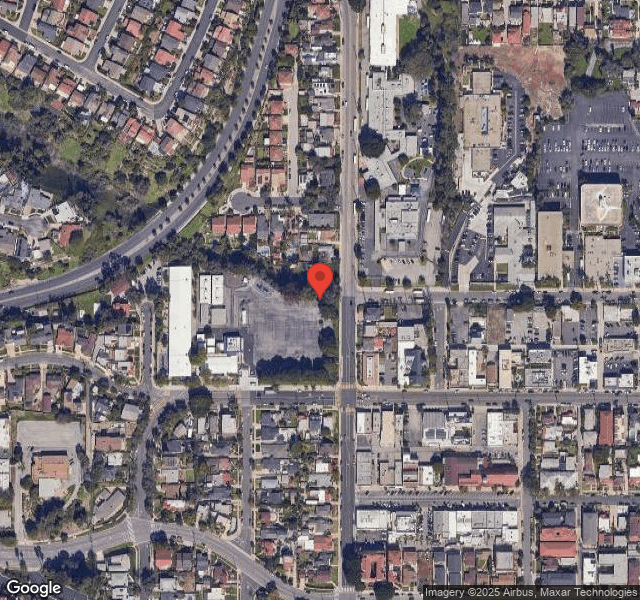
1416 WEST 6TH STREET, SAN PEDRO, CA 90732 (310) 833-3526
For profit - Corporation 80 Beds Independent Data: November 2025 5 Immediate Jeopardy citations
Trust Grade
0/100
#904 of 1155 in CA
Last Inspection: February 2025

Within standard 12-15 month inspection cycle. Federal law requires annual inspections.

Overview

Seacrest Post-Acute Care Center has received a Trust Grade of F, indicating significant concerns about the facility's quality of care. Ranking #904 out of 1155 in California places it in the bottom half of nursing homes, and at #239 out of 369 in Los Angeles County, it is among the less favorable local options. The trend is worsening, with issues increasing from 21 in 2024 to 29 in 2025, highlighting ongoing problems. While staffing is a relative strength with a rating of 4 out of 5 stars, the turnover rate is average at 44%, and the facility has incurred a concerning $224,236 in fines, higher than 98% of California facilities, suggesting repeated compliance problems. Specific incidents from recent inspections revealed critical failures, such as the facility not providing necessary CPR to a resident who was unresponsive and failing to inform a physician when a resident with COVID-19 showed significant health changes, leading to delays in medical intervention. Overall, while there are some strengths, such as decent staffing levels, the serious issues in care and compliance are alarming and warrant careful consideration by families.

Trust Score
F
0/100
In California
#904/1155
Bottom 22%
Safety Record
High Risk
Review needed
Inspections
Getting Worse
21 → 29 violations
Staff Stability
○ Average
44% turnover. Near California's 48% average. Typical for the industry.
Penalties
✓ Good
$224,236 in fines. Lower than most California facilities. Relatively clean record.
Skilled Nurses
⚠ Watch
Each resident gets only 28 minutes of Registered Nurse (RN) attention daily — below average for California. Fewer RN minutes means fewer trained eyes watching for problems.
Violations
⚠ Watch
77 deficiencies on record. Higher than average. Multiple issues found across inspections.
★★☆☆☆
2.0
Overall Rating
★★★★☆
4.0
Staff Levels
★★★★★
5.0
Care Quality
★☆☆☆☆
1.0
Inspection Score
Stable
2024: 21 issues
2025: 29 issues

The Good

  • 4-Star Staffing Rating · Above-average nurse staffing levels
  • 5-Star Quality Measures · Strong clinical quality outcomes
  • Full Sprinkler Coverage · Fire safety systems throughout facility
  • No fines on record
  • Staff turnover below average (44%)

    4 points below California average of 48%

Facility shows strength in staffing levels, quality measures, fire safety.

The Bad

2-Star Overall Rating

Below California average (3.1)

Below average - review inspection findings carefully

Staff Turnover: 44%

Near California avg (46%)

Typical for the industry

Federal Fines: $224,236

Well above median ($33,413)

Significant penalties indicating serious issues

The Ugly 77 deficiencies on record

5 life-threatening 6 actual harm
Sept 2025 5 deficiencies
CONCERN (D) 📢 Someone Reported This

A family member, employee, or ombudsman was alarmed enough to file a formal complaint

Potential for Harm - no one hurt, but risky conditions existed

Notification of Changes (Tag F0580)

Could have caused harm · This affected 1 resident

**NOTE- TERMS IN BRACKETS HAVE BEEN EDITED TO PROTECT CONFIDENTIALITY** Based on interview and record review, the facility failed to notify the physician when Resident 2 presented a new wandering beha...

Read full inspector narrative →
**NOTE- TERMS IN BRACKETS HAVE BEEN EDITED TO PROTECT CONFIDENTIALITY** Based on interview and record review, the facility failed to notify the physician when Resident 2 presented a new wandering behavior for one of three sampled residents. This failure resulted in Resident 2's wandering behaviors not being addressed and a physical altercation between Resident 1 and Resident 2. Findings: During a review of Resident 2's admission record, the admission record indicated Resident 2 was initially admitted to the facility on [DATE] with diagnoses including schizoaffective disorder (a mental illness that can affect thoughts, mood, and behavior)- bipolar (sometimes called manic-depressive disorder- mood swings that range from the lows of depression to elevated periods of emotional highs) type, and depression (persistent sadness and a lack of interest or pleasure in previously rewarding or enjoyable activities). During a review of Resident 2's History and Physical (H&P), dated 7/21/2025, the H&P indicated Resident 2 did not have the capacity to understand and make decisions. During a review of Resident 2's Minimum Data Set (MDS - a resident assessment tool), dated 8/15/2025, the MDS indicated Resident 2 had severe cognitive (ability to learn, reason, remember, understand, and make decisions) impairment, required setup assistance when eating, required supervision for toileting and bathing, and required moderate assistance (helper does less than half the effort) for dressing and oral hygiene. During a review of Resident 2's Nursing Progress Note dated 8/25/2025 at 8:27 p.m., the Note indicated Resident 2 touched and removed Resident 1's belongings (a carton of milk and miscellaneous items) without permission resulting in Resident 2's aggressive behavior against Resident 1. During an interview on 9/9/2025 at 2:08 p.m., with Certified Nurse Assistant (CNA) 1, CNA 1 stated Resident 2 was a wanderer and would walk around and take food and hot chocolate off the snack carts. CNA 1 stated Resident 2 gets aggressive if he was not given the hot chocolate. During an interview on 9/9/2025 at 4:33 p.m. with CNA 3, CNA 3 stated Resident 2 had a history of wandering. CNA 3 stated Resident 2 was sneaky and would try to get hot cocoa and coffee off the carts. During an interview on 9/10/2025 at 2:51 p.m., with Resident 1, Resident 1 stated Resident 2 was known to walk around and grab waters, juices, and other items off of Residents (general) trays and carts. Resident 1 stated the staff knew about Resident 2's behavior. Resident 1 stated on 8/25/2025, Resident 2 grabbed his belongings from his table. Resident 1 stated he was so upset, he clenched his fist, waited for Resident 2 to walk back towards him, and attempted to punch Resident 2. During a concurrent interview and record review on 9/10/2025 at 11:47 a.m., with the Assistant Director of Nursing (ADON), Resident 2's medical record was reviewed. Resident 2's Nursing note dated 8/17/2025 at 6:43 p.m., indicated a nurse unknown) observed Resident 2 standing outside the facility. The ADON stated a Change of Condition where the physician is notified of a new behavior of attempting to leave the facility was not completed. The ADON stated the physician should have been notified when Resident 2 was found outside the facility on 8/17/2025. The ADON stated if the physician is not notified for a change of condition, the physician will not know to address it and there could be a delay of care. During a concurrent interview and record review on 9/10/2025 at 1:47 p.m. with the ADON, the facility's policy and procedure (P&P), titled Change in a Resident's Condition or Status, revised February 2021, was reviewed. The P&P indicated the nurse will notify the resident's attending physician or physician on call when there has been a(an) accident or incident involving the resident. The ADON stated the resident being found outside the facility is considered an incident that should have been communicated to the physician.
CONCERN (D) 📢 Someone Reported This

A family member, employee, or ombudsman was alarmed enough to file a formal complaint

Potential for Harm - no one hurt, but risky conditions existed

Free from Abuse/Neglect (Tag F0600)

Could have caused harm · This affected 1 resident

**NOTE- TERMS IN BRACKETS HAVE BEEN EDITED TO PROTECT CONFIDENTIALITY** Based on observation, interview and record review, the facility failed to ensure Resident 1 and Resident 2 were free from abuse ...

Read full inspector narrative →
**NOTE- TERMS IN BRACKETS HAVE BEEN EDITED TO PROTECT CONFIDENTIALITY** Based on observation, interview and record review, the facility failed to ensure Resident 1 and Resident 2 were free from abuse when Resident 1 and Resident 2 got into a physical altercation on 8/25/2025. The facility failed to ensure: A. Resident 1 received Trazadone (medication for depression [persistent sadness and a lack of interest or pleasure in previously rewarding or enjoyable activities] and insomnia) for three days (8/23/2025, 8/24/2025, and 8/25/2025).B. Resident 2's episodes of wandering (walking around without a specific goal or purpose) and behaviors of taking items from snack carts were communicated to the provider or addressed in a care plan.3.Implement the facility's policy and procedure titled, Abuse, Neglect, Exploitation and Misappropriation Prevention Program, revised April 2021 which indicated residents have the right to be free from abuse. These deficient practices resulted in a physical altercation between Resident 1 and Resident 2 on 8/25/2025 at approximately 8:30 p.m. when:1. Resident 2 took milk and miscellaneous belongings from Resident 12. Resident 1 made a fist and swung at Resident 23. Resident 2 punched Resident 1 in the face4. Leaving Resident 1 with a bruise to the left nose bridgeFindings: A. During a review of Resident 1's admission Record, the admission Record indicated Resident 1 was initially admitted to the facility on [DATE] and readmitted on [DATE] with diagnoses including urinary tract infection (UTI- an infection in the bladder/urinary tract), Heart failure (a heart disorder which causes the heart to not pump the blood efficiently, sometimes resulting in leg swelling), and major depressive disorder (persistent sadness and a lack of interest or pleasure in previously rewarding or enjoyable activities). The admission Record indicated Resident 1's brother was the responsible party (RP-decision maker). During a review of Resident 1's Minimum Data Set (MDS - a resident assessment tool), dated 8/7/2025, the MDS indicated Resident 3 had moderate cognitive (ability to learn, reason, remember, understand, and make decisions) impairment, required setup assistance when eating, required moderate assistance (helper does more than half the effort) for oral hygiene and upper body dressing, and was dependent for toileting hygiene, bathing, and lower body dressing. During a review of Resident 3's Physician Order Summary dated 9/19/2025, the Physican Order Summary indicated an order for Trazodone Hydrochloride (HCL), 50 Milligrams (MG - a unit of measurement) give 1 tablet by mouth at bedtime for depression manifested by (m/b) inability to sleep, start date 1/19/2025. During a concurrent interview and record review on 9/9/2025 at 3:26 p.m., with the Minimum Data Set Coordinator (MDSC), Resident 1's Medication Administration Record (MAR) for August 2025 was reviewed. The MDSC stated the MAR indicated Resident 3 had an order for Trazodone HCL Oral Tablet 50 MG to be given at bedtime for depression manifested by inability to sleep started on 1/9/2025. The MDSC stated there is no documentation indicating Resident 1 received the scheduled Trazodone 50 MG on 8/23/2025, 8/24/2025, and 8/25/2025. The MDSC stated the MAR did not indicate that adverse effects or side effects of Trazodone were being monitored for Resident 1. During a concurrent interview and record review on 9/9/2025 at 3:43 p.m., with licensed vocational nurse (LVN) 3, Resident 1's MAR for August 2025 was reviewed. LVN 3 stated the MAR did not indicate Resident 1 received the evening dose of Trazadone 50 mg on 8/23/2025, 8/24/2025, and 8/25/2025 for the evening shift, the documentation was blank. LVN 3 stated if the resident refused or the medication was held (not administered due to clinical judgment), the documentation would have indicated it. LVN 3 stated if a resident missed Trazadone for three days, it would affect a resident's ability to get enough sleep and could result in the resident becoming restless, agitated, or lead to falls or other safety concerns. During an interview on 9/9/2025 at 4:52 p.m., with Resident 1, Resident 1 stated about two weeks ago (unknown date), a nurse tried to give him his night time medications including the sleeping pill (Trazadone) in the afternoon around 4:30 p.m. Resident 1 stated he told the nurse it was too early, and was unsure if he received the medication. During an interview on 9/10/2025 at 11:47 a.m., with the Assistant Director of Nursing (ADON), the ADON stated it was important that the nurse documented medication administration after the medication was given. The ADON stated documentation is proof that the medication was administered to the resident, and the resident received it. The ADON stated it is important to monitor indicated behaviors such as hours of sleep and monitor adverse effects or side effects every shift to ensure that medications are effective for the resident. The ADON stated if the resident misses 3 consecutive doses of Trazadone for 3 days, the Resident 1 can become irritable and emotional due to lack of sleep. During a concurrent interview and record review on 9/10/2025 at 1:47 p.m. with the ADON, the facility's policy and procedure (P&P) titled Administering Medications, revised April 2019, was reviewed. The P&P indicated medications are administered in accordance with prescriber orders. The P&P indicated medication administration times are determined by resident need and benefit, not staff convenience. B. During a review of Resident 2's admission record, the admission record indicated Resident 2 was initially admitted to the facility on [DATE] with diagnoses including schizoaffective disorder (a mental illness that can affect thoughts, mood, and behavior)- bipolar (sometimes called manic-depressive disorder- mood swings that range from the lows of depression to elevated periods of emotional highs) type, and depression During a review of Resident 2's History and Physical (H&P), dated 7/21/2025, the H&P indicated Resident 2 did not have the capacity to understand and make decisions. During a review of Resident 2's Minimum Data Set (MDS - a resident assessment tool), dated 8/15/2025, the MDS indicated Resident 2 had severe cognitive (ability to learn, reason, remember, understand, and make decisions) impairment, required setup assistance when eating, required supervision for toileting and bathing, and required moderate assistance (helper does less than half the effort) for dressing and oral hygiene. During a review of Resident 2's Nursing Progress Note dated 8/25/2025 at 8:27 p.m., the Nursing Progress Note indicated Resident 2 touched and removed Resident 1's belongings without permission resulting in Resident 2's aggressive behavior against Resident 1. During an interview on 9/9/2025 at 2:08 p.m., with Certified Nurse Assistant (CNA) 1, CNA 1 stated Resident 2 was a wanderer and would walk around and take food and hot chocolate off snack carts. CNA 1 stated Resident 2 would get aggressive if he was not given the hot chocolate. During a concurrent interview and record review on 9/9/2025 at 3:05 p.m., with the MDSC, Resident 2's medical record was reviewed. The MDSC stated Resident 2 was known to walk around a lot and tried to leave of the facility once. During a concurrent interview and record review on 9/9/2025 at 3:43 p.m., with licensed vocational nurse (LVN) 3, LVN 3 stated Resident 2 was known to walk around the facility and made attempts to get hot chocolate. During an interview on 9/9/2025 at 4:33 p.m. with CNA 3, CNA 3 stated Resident 2 had a history of wandering. CNA 3 stated Resident 2 was sneaky and would try to get hot cocoa and coffee off the snack carts. concurrent observation and interview on 9/9/2025 at 4:52 p.m., with Resident 1, Resident 1 was observed with purple discoloration on the left side of his nose bridge. Resident 1 stated Resident 2 punched his face in the hallway. During an interview on 9/10/2025 at 2:15 p.m. with the ADON, the ADON stated when completing an abuse investigation it was important to review the resident's medications because medications could affect the physical body and their behaviors. During an interview on 9/10/2025 at 2:19 p.m. with the Social Services Director (SSD), the SSD stated Resident 2 likes to eat a lot, and forages for food and snacks a lot. The SSD stated because of Resident 2's mental health, it made sense that Resident 2 grabbed the milk from Resident 1. During an interview on 9/10/2025 at 2:51 p.m., with Resident 1, Resident 1 stated Resident 2 was known to walk around and grab waters, juices, and other items off of trays and snack carts. Resident 1 stated the staff knew about Resident 2's behavior. Resident 1 stated on 8/25/2025, Resident 2 grabbed his belongings from his table. Resident 1 stated he was so upset, he clenched his fist, waited for Resident 2 to walk back towards him, and attempted to punch Resident 2. During a review of facility hallway video footage with starting timestamp of 8/25/2025 7:23:45 p.m., the footage indicated:Received footage of [NAME]/[NAME] altercation from medical records. 8/25/2025 7:24:15 PM: Resident 1 makes left hand into a fist as Resident 2 and Staff Walk down the hallway toward Resident 1. 8/25/2025 7:24:20 PM: Resident 1 extends left fist and makes contact with the back of Resident 2 as Staff member and Resident 2 walk by. 8/25/2025 7:24:24 PM: Resident 2 uses right fist to punch left side of Resident 1's face making contact with Resident 1's glasses. During a review of the facilities P&P, titled Care Plans, Comprehensive Person-Centered, revised March 2022 the P&P indicated care plans are revised as information about the residents and the resident's conditions change. The P&P indicated the interdisciplinary team reviews and updates the care plan when there has been a significant change in the resident's condition. During a review of the facility's P&P, titled Safety and Supervision of Residents, revised July 2017 the P&P indicated the interdisciplinary care team shall analyze information obtained from assessments and observations to identify any specific accident hazards or risks for individual residents. The P&P indicated the facility-oriented and resident-oriented approaches to safety are used together to implement a systems approach to safety, which considers the hazards identified in the environment and individual resident risk factors, and then adjusts interventions accordingly. The P&P indicated risk factors and environmental hazards include unsafe wandering. During a review of the facility's policy and procedure (P&P), titled Abuse, Neglect, Exploitation and Misappropriation Prevention Program, revised April 2021, the P&P indicated residents have the right to be free from abuse, neglect, misappropriation of resident property and exploitation. The P&P indicated the resident abuse, neglect and exploitation prevention program consists of a facility-wide commitment and resource allocation to support the following objectives: protect residents from abuse, neglect, exploitation or misappropriation of property by anyone including other residents.
CONCERN (D) 📢 Someone Reported This

A family member, employee, or ombudsman was alarmed enough to file a formal complaint

Potential for Harm - no one hurt, but risky conditions existed

Deficiency F0605 (Tag F0605)

Could have caused harm · This affected 1 resident

**NOTE- TERMS IN BRACKETS HAVE BEEN EDITED TO PROTECT CONFIDENTIALITY** Based on interview and record review, the facility failed to ensure a psychotropic (any medication capable of affecting the mind...

Read full inspector narrative →
**NOTE- TERMS IN BRACKETS HAVE BEEN EDITED TO PROTECT CONFIDENTIALITY** Based on interview and record review, the facility failed to ensure a psychotropic (any medication capable of affecting the mind, emotions, and behavior) medication was not used unnecessarily for one of three sampled residents (Resident 1) by: 1. Failing to monitor manifested behaviors for which Trazadone (medication used to treat depression or insomnia) was prescribed for three consecutive days2. Failing to monitor adverse effects of Trazadone 3. Failing to obtain an active psychotropic informed consent (a process to ensure a resident or the resident's representative receives and understands information about a treatment or medication including its risks, benefits) for Trazadone administration for one of three sampled residents. This failure had the potential to result in lack of identification of adverse effects and the potential to violate the resident's right to be informed or refuse care.Findings: During a review of Resident 1's admission record, the admission record indicated Resident 1 was initially admitted to the facility on [DATE] and readmitted on [DATE] with diagnoses including urinary tract infection (UTI- an infection in the bladder/urinary tract), Heart failure (a heart disorder which causes the heart to not pump the blood efficiently, sometimes resulting in leg swelling), and major depressive disorder (persistent sadness and a lack of interest or pleasure in previously rewarding or enjoyable activities). The admission record indicated Resident 1's brother was the responsible party (RP-decision maker). During a review of Resident 1's Minimum Data Set (MDS - a resident assessment tool), dated 8/7/2025, the MDS indicated Resident 3 had moderate cognition (ability to learn, reason, remember, understand, and make decisions) impairment, required setup assistance when eating, required moderate assistance (helper does more than half the effort) for oral hygiene and upper body dressing, and was dependent for toileting hygiene, bathing, and lower body dressing. During a concurrent interview and record review on 9/9/2025 at 3:26 p.m., with the Minimum Data Set Coordinator (MDSC), Resident 1's Medication Administration Record (MAR) for August 2025 was reviewed. The MDSC stated the MAR indicated Resident 3 had an order for:a. Trazodone HCL Oral Tablet 50 Milligrams (MG- a unit of measurement) to be given at bedtime for depression manifested by inability to sleep started on 1/9/2025b. Monitor hours of sleep during 11-7 and 3-11 shift every evening and shift for Trazodone started on 1/9/2025The MDSC stated there was no documentation for the evening shift (3 p.m. to 11 p.m.) on 8/23/2025, 8/24/2025, and 8/25/2025 indicating Resident 1's hours of sleep were monitored to see if the Trazadone was effective or not. The MAR did not indicate that adverse effects or side effects were being monitored for Resident 1. During a concurrent interview and record review on 9/9/2025 at 3:43 p.m., with licensed vocational nurse (LVN) 3, Resident 1's MAR was reviewed. LVN 3 stated on 8/23/2025, 8/24/2025, and 8/25/2025 for the evening shift, the documentation was blank. LVN 3 stated if the resident refused or the medication was held, the documentation would have indicated it. During a concurrent interview and record review on 9/10/2025 at 11:47 a.m., with the Assistant Director of Nursing (ADON), Resident 1's medical record was reviewed. The ADON stated Resident 1 had an informed consent for Trazodone dated 1/9/2025 and an informed consent for Trazodone dated 8/31/2025 which should have been renewed on 7/9/2025 instead of 8/31/2025. The ADON stated Resident 3 received Trazadone from 8/1/2025 to 8/22/2025 without an active informed consent. The ADON stated it was important to have an active informed consent to ensure that the resident or responsible party is informed of the risks and benefits, and have the right to refuse. The ADON stated it is important to monitor indicated behaviors such as hours of sleep and monitor adverse effects or side effects every shift to ensure that medications are effective for the resident. The ADON stated not receiving Trazadone for 3 days can make the resident irritated or affect their emotions due to lack of sleep. During a review of the facility's policy and procedure (P&P), Verification of Informed Consent for Psychotherapeutic Medications, revised May 2024, the P&P indicated the facility will obtain a written informed consent for treatment using psychotherapeutic drugs and consent renewal every six months. During a review of the facility's P&P, titled Psychotropic Medication Use, revised July 2022. the P&P indicated psychotropic medication management includes indications for use, adequate monitoring for efficacy and adverse consequences, and preventing, identifying, and responding to adverse consequences. The P&P indicated consideration of the use of any psychotropic medication is based on comprehensive review of the resident which includes evaluation or the resident's signs and symptoms in order to identify underlying causes. The P&P indicated residents receiving psychotropic medications are monitored for adverse consequences.
CONCERN (D) 📢 Someone Reported This

A family member, employee, or ombudsman was alarmed enough to file a formal complaint

Potential for Harm - no one hurt, but risky conditions existed

Deficiency F0657 (Tag F0657)

Could have caused harm · This affected 1 resident

**NOTE- TERMS IN BRACKETS HAVE BEEN EDITED TO PROTECT CONFIDENTIALITY** Based on interview and record review, the facility failed to update a care plan for a new wandering behavior for one of three sa...

Read full inspector narrative →
**NOTE- TERMS IN BRACKETS HAVE BEEN EDITED TO PROTECT CONFIDENTIALITY** Based on interview and record review, the facility failed to update a care plan for a new wandering behavior for one of three sampled residents, when Resident 2 was found with new wandering behaviors. This failure resulted in Resident 2's wandering behaviors not being addressed and a physical altercation between Resident 1 and Resident 2. Findings: During a review of Resident 2's admission record, the admission record indicated Resident 2 was initially admitted to the facility on [DATE] with diagnoses including schizoaffective disorder (a mental illness that can affect thoughts, mood, and behavior)- bipolar (sometimes called manic-depressive disorder- mood swings that range from the lows of depression to elevated periods of emotional highs) type, and depression (persistent sadness and a lack of interest or pleasure in previously rewarding or enjoyable activities). During a review of Resident 2's History and Physical (H&P), dated 7/21/2025, the H&P indicated Resident 2 did not have the capacity to understand and make decisions. During a review of Resident 2's Minimum Data Set (MDS - a resident assessment tool), dated 8/15/2025, the MDS indicated Resident 2 had severe cognitive (ability to learn, reason, remember, understand, and make decisions) impairment, required setup assistance when eating, required supervision for toileting and bathing, and required moderate assistance (helper does less than half the effort) for dressing and oral hygiene. During a review of Resident 2's Nursing Progress Note dated 8/25/2025 at 8:27 p.m., the Nursing Progress Note indicated Resident 2 touched and removed Resident 1's belongings without Resident 2's permission resulting in Resident 2's aggressive behavior against Resident 1. During a concurrent interview and record review on 9/9/2025 at 3:05 p.m., with the MDS Coordinator (MDSC), Resident 2's medical record was reviewed. The MDSC stated Resident 2 was known to walk around a lot and tried to leave the facility on 8/17/2025. The MDSC stated Resident 2's wandering care plan was not updated when he was found (wandering) outside the facility on 8/17/2025. During an interview on 9/9/2025 at 2:08 p.m., with Certified Nurse Assistant (CNA) 1, CNA 1 stated Resident 2 was a wanderer and would walk around and take food and hot chocolate off snack carts. CNA 1 stated Resident 2 would get aggressive if he was not given the hot chocolate. During an interview on 9/9/2025 at 4:33 p.m., with CNA 3, CNA 3 stated Resident 2 had a history of wandering. CNA 3 stated Resident 2 was sneaky and would try to get hot cocoa and coffee off the carts. During an interview on 9/10/2025 at 2:51 p.m., with Resident 1, Resident 1 stated Resident 2 was known to walk around and grab waters, juices, and other items off of trays and carts. Resident 1 stated the staff knew about Resident 2's behavior. Resident 1 stated on 8/25/2025, Resident 2 wandered into his room and grabbed his belongings from his (Resident 1's) table. Resident 1 stated he was so upset, he clenched his fist, waited for Resident 2 to walk back towards him, and attempted to punch Resident 2. During a concurrent interview and record review on 9/10/2025 at 11:47 a.m., with the Assistant Director of Nursing (ADON), Resident 2's medical record was reviewed. Resident 2's Nursing note dated 8/17/2025 at 6:43 p.m., indicated a nurse observed Resident 2 standing outside the facility. There was no care plan addressing this behavior after the 8/17/2025 incident. The ADON stated the nurse should have revised the care plan to address Resident 2 wandering outside of the facility. The ADON stated care plans should be reviewed and revised when there is a change of condition (behavior) to ensure the interventions are appropriate for the resident. During a review of the facility's policy and procedure (P&P), titled Care Plans, Comprehensive Person-Centered, revised March 2022. The P&P indicated care plans are revised as information about the residents and the resident's conditions change. The P&P indicated the interdisciplinary team reviews and updates the care plan when there has been a significant change in the resident's condition. During a review of the facility's policy and procedure (P&P), titled Safety and Supervision of Residents, revised July 2017, the P&P indicated the interdisciplinary care team shall analyze information obtained from assessments and observations to identify any specific accident hazards or risks for individual residents. The P&P indicated the facility-oriented and resident-oriented approaches to safety are used together to implement a systems approach to safety, which considers the hazards identified in the environment and individual resident risk factors, and then adjusts interventions accordingly. The P&P indicated risk factors and environmental hazards include unsafe wandering.
CONCERN (D) 📢 Someone Reported This

A family member, employee, or ombudsman was alarmed enough to file a formal complaint

Potential for Harm - no one hurt, but risky conditions existed

Deficiency F0726 (Tag F0726)

Could have caused harm · This affected 1 resident

**NOTE- TERMS IN BRACKETS HAVE BEEN EDITED TO PROTECT CONFIDENTIALITY** Based on interview and record review, the facility failed to ensure one of two sampled employees, Licensed Vocational Nurse (LVN...

Read full inspector narrative →
**NOTE- TERMS IN BRACKETS HAVE BEEN EDITED TO PROTECT CONFIDENTIALITY** Based on interview and record review, the facility failed to ensure one of two sampled employees, Licensed Vocational Nurse (LVN) 1, was competent in medication administration upon hire. This failure resulted in Resident 1 not receiving trazadone for three days on 8/23/2025, 8/24/2025 and 8/25/2025.Findings: During a review of Resident 1's admission record, the admission record indicated Resident 1 was initially admitted to the facility on [DATE] and readmitted on [DATE] with diagnoses including urinary tract infection (UTI- an infection in the bladder/urinary tract), Heart failure (a heart disorder which causes the heart to not pump the blood efficiently, sometimes resulting in leg swelling), and major depressive disorder (persistent sadness and a lack of interest or pleasure in previously rewarding or enjoyable activities). The admission record indicated Resident 1's brother was the responsible party (RP-decision maker). During a review of Resident 1's Minimum Data Set (MDS - a resident assessment tool), dated 8/7/2025, the MDS indicated Resident 3 had moderate cognitive (ability to learn, reason, remember, understand, and make decisions) impairment, required setup assistance when eating, required moderate assistance (helper does more than half the effort) for oral hygiene and upper body dressing, and was dependent for toileting hygiene, bathing, and lower body dressing. During a concurrent interview and record review on 9/9/2025 at 3:26 p.m., with the Minimum Data Set Coordinator (MDSC), Resident 1's Medication Administration Record (MAR) for August 2025 was reviewed. The MDSC stated the MAR indicated Resident 3 had an order for Trazodone Oral Tablet 50 Milligrams (MG- a unit of measurement) to be given at bedtime for depression manifested by inability to sleep started on 1/9/2025. The MDSC stated there was no documentation on 8/23/2025, 8/24/2025, and 8/25/2025 indicating Resident 1 received Trazadone as scheduled. During a concurrent interview and record review on 9/9/2025 at 3:43 p.m., with licensed vocational nurse (LVN) 3, Resident 1's MAR was reviewed. LVN 3 stated on 8/23/2025, 8/24/2025, and 8/25/2025 for the evening shift, the documentation was blank. LVN 3 stated if the resident refused or the medication was held, the documentation would have indicated it. LVN 3 stated if a resident missed Trazadone for three days, it would affect a resident's ability to sleep and could result in the resident becoming restless, agitated, or lead to falls or other safety concerns. During an interview on 9/9/2025 at 3:56 p.m., with the Director of Staff Development (DSD), the DSD stated Licensed Vocational Nurse (LVN) 1 was assigned to Resident 1 on 8/23/2025. 8/24/2025, and 8/25/2025 for the evening shift. During an interview on 9/10/2025 at 11:47 a.m. with the Assistant Director of Nursing (ADON), the ADON stated it is important that the nurse documents medication administration after the medication is given. The ADON stated there is a possibility that a nurse could have dropped the medication. The ADON stated documentation is proof that the medication was administered to the resident, and the resident received it. The ADON stated if you do not document it, it cannot be proved that it happened. The ADON stated not receiving Trazadone for 3 days can make the resident irritated or affect their emotions due to lack of sleep. During a concurrent interview and record review on 9/10/2025 at 1:50 p.m. with the ADON, the facility's policy and procedure (P&P), Competency of Nursing Staff, dated March 2025, was reviewed. The ADON stated it is important for a medication competency to be completed upon hire to get a baseline of what a nurse can or cannot do. The ADON stated if a nurse is deficient of a skill, it can be addressed at the time of hire. The ADON stated if a nurse is not competent, the nurse can make mistakes such as not giving medications or not administering medications safely. The P&P indicated competency in skills and techniques necessary to care for residents' needs includes medication management. The P&P indicated facility and resident-specific competency evaluations will be conducted upon hire, annually and as deemed necessary based on the facility assessment. During a concurrent interview and record review on 9/10/2025 at 4:02 p.m., LVN 1's employee file was reviewed. The DSD stated LVN 1's date of hire was 5/14/2025. The DSD stated LVN 1 has one competency checklist dated 9/2/2025. The DSD stated there are no other competency skill checklists in LVN 1's employee file. The DSD stated the medication competency checklist is completed by the Director of Nursing (DON) and completed upon hire and yearly after.During a review of the facility's P&P titled Administering Medications, revised April 2019, was reviewed. The P&P indicated medications are administered in accordance with prescriber orders. The P&P indicated medication administration times are determined by resident need and benefit, not staff convenience.
Aug 2025 2 deficiencies 1 IJ
CRITICAL (J) 📢 Someone Reported This

A family member, employee, or ombudsman was alarmed enough to file a formal complaint

Immediate Jeopardy (IJ) - the most serious Medicare violation

Deficiency F0678 (Tag F0678)

Someone could have died · This affected 1 resident

**NOTE- TERMS IN BRACKETS HAVE BEEN EDITED TO PROTECT CONFIDENTIALITY** Based on interview and record review, the facility failed to: 1. Ensure, a resident who was a Full Code (a medical term indicati...

Read full inspector narrative →
**NOTE- TERMS IN BRACKETS HAVE BEEN EDITED TO PROTECT CONFIDENTIALITY** Based on interview and record review, the facility failed to: 1. Ensure, a resident who was a Full Code (a medical term indicating a person's consent to receive all possible life-saving measures), received basic life support ([BLS], care healthcare professionals provide to anyone whose heart stops beating suddenly), including cardiopulmonary resuscitation ([CPR] an emergency life-saving procedure to restart a person's heart [chest compressions)]) per the resident's Physician Order for Life Sustaining Treatment ([POLST] a form that contains written medical orders for healthcare professionals regarding the residents wishes for specific medical treatments that can or cannot be done during life threatening emergencies where the resident is incapacitated) and facility's policy and procedure, for one of one sampled resident (Resident 1).2. Ensure registered nurse (RN) 1 honored and followed Resident 1's POLST dated [DATE], and provided the resident with CPR/BLS when Resident 1 was found unresponsive (does not react to verbal or physical cues) and without a pulse (heartbeat) on [DATE] at approximately 9:45 a.m. 3. Implement the facility policy and procedure (P&P) titled, Emergency Procedure-Cardiopulmonary Resuscitation, dated 2001, which indicated, if a resident is found unresponsive, briefly assess for abnormal or absence of breathing. If sudden cardiac arrest is likely, begin CPR: instruct a staff member to activate the emergency response system (code) and call 911. These failures resulted in RN 1 not administering CPR and not calling 911 when Resident 1 was found unresponsive and pulseless on [DATE]. Resident 1 expired on [DATE]. These failures placed 47 other residents in the facility, who have a Full Code status, at risk of not receiving life saving measures when needed.Based on interview and record review, the facility failed to: 1. Ensure, a resident who was a Full Code (a medical term indicating a person's consent to receive all possible life-saving measures), received basic life support ([BLS], care healthcare professionals provide to anyone whose heart stops beating suddenly), including cardiopulmonary resuscitation ([CPR] an emergency life-saving procedure to restart a person's heart [chest compressions)]) per the resident's Physician Order for Life Sustaining Treatment ([POLST] a form that contains written medical orders for healthcare professionals regarding the residents wishes for specific medical treatments that can or cannot be done during life threatening emergencies where the resident is incapacitated) and facility's policy and procedure, for one of one sampled resident (Resident 1).2. Ensure registered nurse (RN) 1 honored and followed Resident 1's POLST dated [DATE], and provided the resident with CPR/BLS when Resident 1 was found unresponsive (does not react to verbal or physical cues) and without a pulse (heartbeat) on [DATE] at approximately 9:45 a.m. 3. Implement the facility policy and procedure (P&P) titled, Emergency Procedure-Cardiopulmonary Resuscitation, dated 2001, which indicated, if a resident is found unresponsive, briefly assess for abnormal or absence of breathing. If sudden cardiac arrest is likely, begin CPR: instruct a staff member to activate the emergency response system (code) and call 911. These failures resulted in RN 1 not administering CPR and not calling 911 when Resident 1 was found unresponsive and pulseless on [DATE]. Resident 1 expired on [DATE]. These failures placed 47 other residents in the facility, who have a Full Code status, at risk of not receiving life saving measures when needed. On [DATE] at 7:10 p.m., an Immediate Jeopardy ([IJ] a situation in which the facility's noncompliance with one or more requirements of participation has caused, or is likely to cause serious injury, harm, impairment, or death to a resident) was called in the presence of the Director of Nursing (DON), Administrator (ADM) and consultant Administrator due to the facility's failure to provide basic life support (BLS) to Resident 1, including immediate initiation of CPR. On [DATE], the facility submitted an acceptable Immediate Jeopardy Removal Plan (IJRP). After onsite verification of IJRP implementation through observation, interview, and record reviews, the IJ was removed on [DATE] at 2:43 p.m., in the presence of the ADM, the DON and the consultant ADM. The IJRP included the following: 1. On [DATE], the DON provided in-service to Registered Nurse (RN 1) regarding POLST policy and procedure, honoring and following the Residents' POLST (if Full Code, start CPR and immediately call 911). 2. On [DATE], the DON and the Director of Staff Development (DSD) provided an in-service to licensed nurses and the Clinical Team members of the Inter-Disciplinary ([IDT] the residents health care team) composed of the Assistant Director of Nursing (ADON), Quality Assurance (QA) Nurse, Minimum Data Set (MDS)/Resident Assessment Coordinator, Social Service Designee (SSD), Activity Director, regarding honoring and following the Residents' POLST. 3. On [DATE], the DSD started providing in-service training to the Certified Nursing Assistants (CNAs) on procedures in administering CPR and calling 911. Findings: During a review of Resident 1's admission Record, the admission Record indicated Resident 1 was admitted to the facility on [DATE] and readmitted on [DATE] with diagnoses including chronic obstructive pulmonary disease ([COPD] a chronic lung disease causing difficulty in breathing), chronic heart failure (heart disorder that causes the heart to not pump blood effectively) and ischemic heart disease (condition where poor blood flow causes heart tissue damage or death). During a review of Resident 1's History and Physical (H&P) dated [DATE], the H&P indicated Resident 1 had the capacity to understand and make decisions. During a review of Resident 1's POLST, dated [DATE], the POLST indicated if Resident 1 had no pulse and was not breathing to attempt resuscitation/CPR. The form indicated the POLST was discussed with Resident 1, who had capacity to understand. The form was signed and dated by Physician (MD) 2 and Resident 1 on [DATE].During a review of Resident 1's Minimum Data Set ([MDS] a resident assessment tool) dated [DATE], the MDS indicated Resident 1's cognition (ability to think, understand, learn, and remember) was moderately impaired and he had the ability to understand and be understood by others. The MDS indicated Resident 1 was fully dependent on staff (requiring two or more-person assistance to complete the activity) for toilet hygiene and putting on and taking off footwear, required partial assistance (helper does less than half the effort) for eating, oral hygiene and personal hygiene. During a review of Resident 1's IDT Meeting Document dated [DATE], the IDT Meeting Document indicated Resident 1 had the capacity to understand and represented himself during the meeting. The IDT Meeting Document indicated Resident 1 wished to be a Full Code. During a review of Resident 1's Nurses Progress Notes, documented by Licensed Vocational Nurse ( LVN) 1, dated [DATE], the Nurses Progress Notes indicated during medication pass on [DATE] at 9:45 a.m., LVN 1 could not obtain Resident 1's vital signs (measurements of the body's basic functions such as heart beat and breathing), RN 1 called to bedside to assess Resident 1. During a review of Resident 1's Nurses Progress Notes dated [DATE], the Nurses Progress Notes indicated when RN 1 assessed Resident 1, RN 1 found Resident 1's skin warm to the touch with no obtainable vital signs (no pulse and no breathing). The Nurses Progress Notes indicated RN 1 notified MD 1 who pronounced Resident 1 as expired. During a review of Resident 1's Physician's Discharge summary, dated [DATE], the Physician's Discharge Summary indicated Resident 1's date of death was [DATE]. During a review of Resident 1's Final Autopsy Report, dated [DATE], the Final Autopsy Report indicated Resident 1's date of death was [DATE] and the immediate cause of death was an acute myocardial infarct ( [heart attack] when blood flow to the heart muscle is blocked) likely associated with COPD induced hypoxia (lack of oxygen [gas needed to sustain life] in the body's tissues). During an interview on [DATE] at 3:27 p.m., RN 1 stated LVN 1 called her to Resident 1's bedside on [DATE], around 9:45 a.m. when LVN 1 found Resident 1 unresponsive. RN 1 stated Resident 1's skin was warm to the touch, he was not responsive, his chest did not rise and fall (indicating Resident 1 was not breathing) and did not have any detectable pulse. RN 1 stated she was CPR certified but she did not attempt CPR and instructed LVN 1 not to perform CPR nor call 911 because she thought Resident 1's POLST indicated Do Not Resuscitate ([DNR] if a person's heart or breathing stops, the person wishes the doctors and nurses not to restart it by doing CPR). During an interview on [DATE] at 2:46 p.m., the DON stated when a resident is found unresponsive, staff should immediately check for a pulse, if the resident does not have a pulse, then immediately start chest compressions, call for help, and immediately call 911. The DON stated, if chest compressions and/or CPR was not initiated immediately after the heart stops beating, the chances of the resident's survival decreases and the risk of permanent brain damage or death increases. The DON stated the resident's POLST must be honored.During a telephone interview on [DATE] at 5:46 p.m., the Facility Medical Director (MD 3) stated the facility must honor the residents' wishes as indicated in their POLST. During a review of the facility's Policy & Procedure (P&P) titled, Emergency Procedure-Cardiopulmonary Resuscitation, dated 2001, the P&P indicated if a resident is found unresponsive, briefly assess for abnormal or absence of breathing. If sudden cardiac arrest is likely, begin CPR: instruct a staff member to activate the emergency response system (code) and call 911, instruct a staff member to retrieve the automatic external defibrillator (an external defibrillator is a machine that helps restart a person's heart if it suddenly stops or beats the wrong way), verify or instruct a staff member to verify DNR or code status of the individual, initiate the basic life support (BLS- compressions, airway, breathing) sequence of events. During a review of an online article titled, American Heart Association 2020, CPR and Emergency Cardiovascular (anything that has to do with the heart and blood vessels) Care Committee Guidelines, the article indicated, the adult basic life support algorithm (a process or set rules to be followed) for healthcare providers included verifying for scene safety, check for responsiveness, shout for nearby help, look for no breathing or only gasping and check pulse simultaneously (at the same time). The guidelines further indicated if there was no breathing, or only gasping, with no pulse, to immediately begin CPR and perform cycles of thirty chest compressions and two breaths.AHH CPR Guidelines During a review of an online article titled, How to Perform CPR - Adult CPR Steps the article indicated, to check the scene for safety, check the person for responsiveness/breathing, if the person does not respond and is not breathing or only gasping, call 911, get equipment, or tell someone to do so, kneel beside the person, and place them on their back on a firm, flat surface. The guidelines indicated to begin chest compressions 30 at a time, give two breaths and to continue the cycle of 30 chest compression and two breaths.www.redcross.org During a review of the facility's P&P titled, POLST/ Advanced directive, undated 2001, the P&P indicated the purpose of the P&P was to specify the form to be used by the facility in documenting resident's preferred intensity of care. The P&P indicated the facility will honor a resident's completed POLST form from the hospital if there is no change to it. The facility must review the POLST with the resident / responsible party and document that this is in the resident's medical records.During a review of the POLST (in general) form, the form indicated the following: 1. First follow these orders, then contact the Physician/Nurse Practitioner/Physician Assistant.2. A copy of the signed POLST form is a legally valid physician's order. Any section not completed implies full treatment for that section.
CONCERN (D) 📢 Someone Reported This

A family member, employee, or ombudsman was alarmed enough to file a formal complaint

Potential for Harm - no one hurt, but risky conditions existed

Deficiency F0573 (Tag F0573)

Could have caused harm · This affected 1 resident

**NOTE- TERMS IN BRACKETS HAVE BEEN EDITED TO PROTECT CONFIDENTIALITY** Based on interview and record review, facility failed to provide medical records upon request for one of three sampled residents...

Read full inspector narrative →
**NOTE- TERMS IN BRACKETS HAVE BEEN EDITED TO PROTECT CONFIDENTIALITY** Based on interview and record review, facility failed to provide medical records upon request for one of three sampled residents (Resident 1) when Resident 1's responsible party (RP1) requested Resident 1's records on 10/11/2024.During a review of Resident 1's admission Record, the admission Record indicated Resident 1 was admitted to the facility on [DATE] and readmitted on [DATE] with diagnoses including chronic obstructive pulmonary disease ([COPD] a chronic lung disease causing difficulty in breathing), chronic diastolic heart failure ( heart disorder that causes the heart to not pump blood effectively) and ischemic heart disease (condition where the blood vessels that supply the heart muscle become narrowed or blocked). During a review of Resident 1's History and Physical (H&P) dated 4/13/2024, the H&P indicated Resident 1 had the capacity to understand and make decisions. During a review of Resident 1's Minimum Data Set ([MDS] a resident assessment tool) dated 8/29/2024, the MDS indicated Resident 1's cognition (ability to think, understand, learn, and remember) was moderately impaired and he had the ability to understand and be understood by others. The MDS indicated Resident 1 was fully dependent on staff (requiring two or more-person assistance to complete the activity) for toilet hygiene and putting on and taking off footwear, partial assist (helper does less than half the effort) for eating, oral hygiene and personal hygiene. During a review of Resident 1's physician's Discharge summary, dated [DATE], the summary indicated Resident 1's date of death was 10/5/2024.During a review of Resident 1's Request for access to Protected Health Information, dated 10/11/2024, the Request for access to Protected Health Information indicated RP 1 signed and submitted on 10/11/2024. During a review of electronic correspondence between RP 1 and facility Medical Records Director (MRD), dated 11/5/2024, the record indicated the following MRD received RP 1's request for records, the request was in process and the facility would notify RP 1 once the records were ready. During a telephone interview on 8/28/2025 at 12:54 p.m., with RP 1, RP 1 stated he requested Resident 1's medical records on 10/11/2024 and had not received Resident 1's records nor any update correspondence from the facility in regards to his request. RP 1 stated he felt his rights were being violated due the facility's lack of response and failure to provide records. RP 1 stated he felt distrustful of the facility and believed they were hiding something due to the delay in records being provided to him.During an interview on 8/28/2025 at 4:32 p.m., the Medical Records Director (MRD) stated she received RP 1 ‘s request for Resident 1's records sometime in 2024. The MRD stated she failed to follow through with RP 1's written request because she forgot about it. MRD stated there has been at least a 10-month delay in providing RP 1 with Resident 1's records. MRD stated it is a violation in resident's rights for a resident or their RP not to receive their records within 30 days. During an interview on 8/29/2025 at 2:46 p.m., the Director of Nursing (DON) stated the facility must follow policies and procedures to uphold resident's rights. During a review of the facility's Policy & Procedure (P&P) titled, Release of information, revised November 2009, the P&P indicated our facility maintains the confidentiality of each resident's personal and protected health information. The P&P indicated all information contained in the resident's medical record is confidential and may only be released by the written consent of the resident or legal representative, consistent with state laws and regulations, a discharged resident may obtain photocopies of his records by providing the facility with at least 15 calendar days advance notice of such request. The facility will transmit copies within 15 calendar days after receiving the written request.
Apr 2025 1 deficiency
CONCERN (E) 📢 Someone Reported This

A family member, employee, or ombudsman was alarmed enough to file a formal complaint

Potential for Harm - no one hurt, but risky conditions existed

Deficiency F0712 (Tag F0712)

Could have caused harm · This affected multiple residents

**NOTE- TERMS IN BRACKETS HAVE BEEN EDITED TO PROTECT CONFIDENTIALITY** Based on interview and record review, the facility failed to ensure a physician visited one of four sampled residents (Resident ...

Read full inspector narrative →
**NOTE- TERMS IN BRACKETS HAVE BEEN EDITED TO PROTECT CONFIDENTIALITY** Based on interview and record review, the facility failed to ensure a physician visited one of four sampled residents (Resident 1) at least once every 60 days. This deficient practice had the potential to result in an undetected decline in medical, health or psychosocial condition and can lead to a delay in necessary care, treatment and services. Findings: During a review of Resident 1's admission Record, the admission Record indicated Resident 1 was originally admitted to the facility on [DATE] with a diagnosis including Type 2 diabetes (disorder characterized by difficulty in blood sugar control and poor wound healing) , dementia (a progressive state of decline in mental abilities), anemia (a condition where the body does not have enough healthy red blood cells), and peripheral vascular disease (PVD - a slow progressive narrowing of the blood flow to the arms and legs). During a review of Resident 1's Minimum Data Set (MDS), a resident assessment tool, dated 2/20/2025, the MDS indicated Resident 1's cognitive (the ability to think, reason, and understand) skills for daily decision making was severely impaired. Resident 1 was dependent on staff f with all activities of daily living (ADLs such as transferring, dressing, toilet use and personal hygiene). During an interview and record review on 4/11/2025 at 12:35 p.m. with the Quality Assurance (QA) Nurse, Resident 1's physician visits were reviewed and records indicated the last physician visit was on 9/6/2024. The QA nurse stated Resident 1 should have had several physician visits since 9/6/2024. During an interview on 4/11/2025 at 1:00 p.m., with the Director of Nursing (DON), the DON stated residents should be visited at least every 90 days and the last time Resident 1 was physically seen was 9/2024. The DON stated residents need regular visits because residents can have lots of changes, residents can deteriorate or improve. During a review of the facility's policy and procedure (P&P) titled, Physician Visits , revised 4/2013, the P&P indicated the attending physician must make visits in accordance with applicable state and federal regulations. The P&P indicated the physician must visit his/or her patients at least once every 30 days for the first 90 days following the residence admission and then at least every 60 days thereafter.
Mar 2025 1 deficiency
CONCERN (D) 📢 Someone Reported This

A family member, employee, or ombudsman was alarmed enough to file a formal complaint

Potential for Harm - no one hurt, but risky conditions existed

Free from Abuse/Neglect (Tag F0600)

Could have caused harm · This affected 1 resident

**NOTE- TERMS IN BRACKETS HAVE BEEN EDITED TO PROTECT CONFIDENTIALITY** Based on interview, and record review, the facility failed to protect one of three sampled residents (Resident 2) who is legally...

Read full inspector narrative →
**NOTE- TERMS IN BRACKETS HAVE BEEN EDITED TO PROTECT CONFIDENTIALITY** Based on interview, and record review, the facility failed to protect one of three sampled residents (Resident 2) who is legally blind verbally abuse repeatedly by Resident 1. This deficient practice resulted in Resident 2 feel unsafe and uncomfortable. Findings: During a review of Resident 1's admission Record, the admission Record indicated Resident 1 was admitted to the facility on [DATE] with diagnoses including cerebral infarction (disruptive blood flow to the brain), and paranoid personality disorder (a mental condition in which a person has a long-term pattern of distrust and suspicion of others). During a review of Resident 1's Minimum Data Set (MDS- a resident assessment tool) dated 3/11/2025, the MDS indicated Resident 1's cognition (ability to think, understand, learn, and remember) was intact and required moderate assistance with toileting, dressing, and personal hygiene. During a review of Resident 1's care plan initiated 9/26/2024, the care plan focus was physical abuse, with goals including resident will verbalize understanding of need to control physically abusive behavior and resident will not harm self or others. Interventions for Resident 1 included analyze key times, places, circumstances, triggers, and what deescalates behaviors, explore source of resident's dissatisfaction/agitation, and always approach the resident in calm, unhurried manner; do not argue with the resident. During a review of Resident 1's care plan initiated 3/14/2024, the care plan focus was risk for violence, with goals including resident will make all efforts to express self calmly. Interventions for Resident 1 included attempt behavioral intervention if resident becomes verbally/physically abusive, speak in a calm voice, and always approach the resident calmly and unhurriedly. During a review of Resident 1's Change in Condition (COC) dated 12/23/2024 timed 5:04 a.m., the COC indicated Resident 1 was exhibiting aggressive behavior, yelling at the staff, and [NAME] other residents to fight. During a review of Resident 1's COC dated 3/1/2025 timed 1:00 a.m., the COC indicated Resident 1 was displaying disruptive behaviors by arguing, yelling, and screaming at the staff by wanting to fight the staff. During a review of Resident 1's COC dated 3/13/2025 timed 10:40 a.m., the COC indicated Resident 1 was angry, agitated, and yelling using profanity towards Resident 2. During a review of Resident 2's admission Record, the admission Record indicated Resident 2 was admitted to the facility on [DATE] with diagnoses including legal blindness, anxiety, and leukemia (cancer of the body's blood-forming tissues, including the bone marrow and the lymphatic system). During a review of Resident 2's MDS dated [DATE], the MDS indicated Resident 2's cognition was intact, and he was dependent (helper does all the work) for all activities of daily living (ADLs- activities such as bathing, dressing, and toileting a person performs daily). During a review of Resident 3's admission Record, the admission Record indicated Resident 3 was admitted on [DATE] with diagnoses including hypertension (HTN- high blood pressure) and Diabetes Mellitus (DM- a disorder characterized by difficulty in blood sugar control and poor wound healing). During a review of Resident 3's MDS dated [DATE], the MDS indicated Resident 3's cognition was intact and required supervision with ADL's. During an interview on 3/19/2025 at 11:43 a.m., with Resident 2,. Resident 2 stated Resident 1 yelled at him when he was in the bathroom to wash his hands. During an interview on 3/19/2025 at 11:59 a.m., with Resident 3, Resident 3 stated Resident 1 bullies Resident 2 because he is blind. Resident 3 stated Resident 1 is always in their shared bathroom and will get upset with him and the other roommates when they use their shared bathroom. During a subsequent interview on 3/19/2025 at 1:15 p.m., with Resident 3, Resident 3 stated he has had verbal altercations with Resident 1 in the past when he uses their shared bathroom in their room. Resident 3 stated Resident 1 yells and curses at him, it makes him feel uncomfortable. Resident 3 stated Resident 1 has random outbursts of yelling and screaming, and he does not like it because Resident 1 will curse at the other roommates when they use their shared bathroom. During an interview on 3/19/2025 at 1:25 p.m., with Certified Nurse Assistant (CNA) 1, CNA 1 stated she has heard Resident 1 curse at other residents in the past. CNA 1 stated Resident 1 should be in a room by himself because Resident 1 scares some of the residents CNA 1 stated some of the female resident near Resident 1's room will verbalize they are worried that he will hurt someone and feels if Resident 1 had his own room and didn't have to share a bathroom with someone, this could have been prevented. CNA 1 stated Resident 1 prefers to share rooms with residents that are bed-bound. During an interview on 3/19/2025 at 1:45 p.m., with Licensed Vocational Nurse (LVN) 1, LVN 1 stated Resident 1 has had verbal aggressiveness towards others and feels he should be in a room alone for the safety of the other residents. LVN 1 stated this was not the first time Resident 1 has had altercations with a roommate. During a review of the facility's policy and procedure (P&P) titled, Abuse, Neglect, Exploitation and Misappropriation Prevention Program, revised 4/2021, the P&P indicated, Residents have the right to be free from abuse, neglect, misappropriation of resident property and exploitation. This includes but is not limited to freedom from corporal punishment, involuntary seclusion, verbal, mental, sexual, or physical abuse .
Feb 2025 20 deficiencies
CONCERN (D)

Potential for Harm - no one hurt, but risky conditions existed

Deficiency F0557 (Tag F0557)

Could have caused harm · This affected 1 resident

**NOTE- TERMS IN BRACKETS HAVE BEEN EDITED TO PROTECT CONFIDENTIALITY** Based on observation interview and record review the facility failed to ensure one of 16 reviewed residents (Resident 29) person...

Read full inspector narrative →
**NOTE- TERMS IN BRACKETS HAVE BEEN EDITED TO PROTECT CONFIDENTIALITY** Based on observation interview and record review the facility failed to ensure one of 16 reviewed residents (Resident 29) personal items were returned to Resident 29 after being laundered. This failure resulted in Resident 29's blankets being lost, missing, and received a blanket that did not belong to him. Findings: During a review of Resident 29's, admission Record, the admission Record indicated Resident 29 was admitted to the facility on [DATE] with diagnoses including hypertension (HTN-high blood pressure), bladder cancer (a type of cancer that starts in the cells lining of the bladder), Alzheimer's (a disease characterized by a progressive decline in mental abilities) dementia (a progressive state of decline in mental abilities), diabetes mellitus (DM-a disorder characterized by difficulty in blood sugar control and poor wound healing), dysphagia (difficulty swallowing), and need for assistance with personal care. During a review of Resident 29's Minimum Data Set (MDS-a resident assessment tool), dated 2/2/2025, the MDS indicated, Resident 29 had the ability to express ideas and wants. The MDS indicated Resident 29 had the ability to make self understood. The MDS indicated Resident 29 usually had the ability to understand others. The MDS indicated Resident 29 needed partial to moderate assistance from nursing staff with inserting and removing dentures into and from the mouth and managing dentures soaking and rinsing with use of equipment. The MDS indicated Resident 29 was dependent on nursing staff for putting on and taking off footwear. The MDS indicated Resident 29 needed substantial to maximal assistance from nursing staff with toileting, showering, dressing, lying, sitting, standing, walking, and transferring to the toilet chair and bed. During a review of Resident 29's Clothing and Possessions List, dated 7/5/2024, the Clothing and Possession List indicated Resident 29 had one blanket. During an interview on 2/26/2025 at 10:46 a.m., with Resident 29's family member (FM) Resident 29's FM stated she brought a blanket to Resident 29 and put Resident 29's name on the blanket and after the blanket was washed, the blanket got lost. FM stated when the blanket was returned Resident 29, he received two blankets that do not belong to him. During a current observation and interview on 2/27/2025 at 12:29 p.m., with Certified Nursing Assistant (CNA) 4, in Resident 29's room. Resident 29 had two blankets in his closet one with another resident's initials (G.V.G.) labeled on the blankets and another blanket with another resident's name. CNA 4 stated she heard in the huddle Resident 29's blankets were missing. CNA 4 stated she was told to return Resident 29's blankets back to him if she found his blankets in another residents' room and not to use Resident 29's blankets on other residents. CNA 4 stated she does not know if Resident 29's blankets were found. CNA 4 stated she goes to every resident's room and makes sure the name of the resident was written on personal stuff. CNA 4 stated she will report to the charge nurse any lost or missing property. CNA 4 stated when laundry comes, she gives the residents their blankets according to the name written on the belonging. During an interview on 2/27/2025 at 1:16 p.m., with Licensed Vocational Nurse (LVN) 6, LVN 6 stated Resident 29's family complained about Resident 29's blankets missing. LVN 6 stated all of Resident 29's blankets were labeled with his name. LVN 6 stated staff were to return items to Resident 29 with the resident's name on it. LVN 6 stated the blankets should be washed and returned to the right resident. During an interview on 2/27/2025 at 2:09 p.m., with Housekeeper (HK) 1, HK 1 stated she separates the clothing that was labeled with resident's name and returns it back to the residents. HK 1 stated when a resident has a blanket, it will be labeled and returned to that resident. HK 1 stated sometimes the laundry staff will mix resident's blankets and place residents blankets in the closet for donations. HK 1 stated the CNAs and registry staff distribute those blankets that are for donations to everybody. During a concurrent observation and interview on 2/28/2025 at 12:44 p.m., with Registered Nurse Supervisor (RNS) in Resident 29's room. RNS pulled two blankets from Resident 29's closet with initials G.V.G. RNS stated this blanket does not belong to Resident 29 and could be a blanket that was donated to the facility. RNS stated Resident 29's missing blanket should have been reported to Social Services (SS) so that Resident 29's items are replaced or reimbursed. During an interview on 2/28/2025 at 1:18 p.m., with Social Services (SS), SS stated she was informed by nursing staff that Resident 29's blankets were missing. SS stated when items go missing, she makes a report and will call the family and notify them of the missing item. SS stated she will ask for a receipt and ask them if they want reimbursement or replacement. During a review of the facility's policy and procedure (P&P) titled, Personal Property, revised 8/2022, the P&P indicated, Residents are permitted to retain and use personal possessions, including furniture and clothing, as space permits, unless doing so would infringe on the rights or health and safety of other residents Resident belongings are treated with respect by facility staff, regardless of perceived value . The facility promptly investigates any complaints of misappropriation or mistreatment of resident property.
CONCERN (D)

Potential for Harm - no one hurt, but risky conditions existed

Deficiency F0558 (Tag F0558)

Could have caused harm · This affected 1 resident

**NOTE- TERMS IN BRACKETS HAVE BEEN EDITED TO PROTECT CONFIDENTIALITY** Based on observation, interview and record review, facility failed to ensure call light was within reach for one of five reviewe...

Read full inspector narrative →
**NOTE- TERMS IN BRACKETS HAVE BEEN EDITED TO PROTECT CONFIDENTIALITY** Based on observation, interview and record review, facility failed to ensure call light was within reach for one of five reviewed residents (Resident 139). This failure had the potential to put Resident 319's safety at risk and not meet his personal needs. Findings: During a review of Resident 319's admission Record, the admission Record indicated, Resident 319 was admitted to the facility on [DATE] with diagnoses including multiple myeloma (blood cancer), difficulty walking, muscle weakness, dementia (a progressive state of decline in mental abilities). During a review of Resident 319's History & Physical (H&P) dated 11/27/24, the H&P indicated, Resident 319 does not have the capacity to understand and make decision. During a review of Resident 319's Minimum Data Set (MDS- a resident assessment tool) dated 12/3/24, the MDS indicated Resident 319's cognition (ability to think, understand, learn, and remember) is severely impaired. The MDS indicated that Resident 319 needs substantial/maximal assist (helper does more than half the effort) with Activities of Daily Living (ADLs- activities such as toileting and personal hygiene a person performs daily). During an observation on 2/25/24 at 11:25 a.m., in Resident 319's room, Resident 319's call light was wrapped around the siderail of his bed with the siderail in down position Resident 319 was not able to reach his call light. During a concurrent observation and interview on 2/26/25 at 9:05 a.m., with the Director of Staff Development (DSD) in Resident 319's room. Observed Resident 319's call light was wrapped around the siderail of his bed with the siderail in down position. The DSD stated Resident 319 was not able to reach his call light. The DSD stated call light should be within reach. DSD stated the call light provides help and support that is needed and that is how Resident 139 communicates with the staff. The DSD stated there could be a medical emergency or resident could fall out bed. During an interview on 2/27/25 at 5:07 p.m., with the Director of Nursing (DON), the DON stated the call light is a devise to help residents call for assistance and should be within reach for the resident. The DON stated residents could fall and hurt themselves when call lights were not within reach. During a review of the facility's policy & procedure (P&P) titled Answering the Call Light dated 9/2022, indicated Staff need to be sure that the call light is plugged in and functioning at all times. Staff need to ensure that the call light is accessible to the resident when in bed, from the toilet, from the shower or bathing facility and from the floor.
CONCERN (D)

Potential for Harm - no one hurt, but risky conditions existed

Comprehensive Care Plan (Tag F0656)

Could have caused harm · This affected 1 resident

**NOTE- TERMS IN BRACKETS HAVE BEEN EDITED TO PROTECT CONFIDENTIALITY** Based on observation, interview, and record review, the facility failed to develop and/or implement an individualized person-cen...

Read full inspector narrative →
**NOTE- TERMS IN BRACKETS HAVE BEEN EDITED TO PROTECT CONFIDENTIALITY** Based on observation, interview, and record review, the facility failed to develop and/or implement an individualized person-centered plan of care with measurable objectives, timeframe, and interventions to meet the resident's needs for one of four reviewed residents (Resident 38). This failure had the potential to negatively affect the delivery of necessary care and services to Resident 38. Findings: During a review of Resident 38's admission Record, the admission Record indicated, Resident 38 was admitted to the facility on [DATE] with the diagnoses including ovarian cancer (a growth of cells that forms in the ovaries [female organ that produce eggs]), type 2 diabetes mellitus (DM-a disorder characterized by difficulty in blood sugar control and poor wound healing) hypertension (HTN-high blood pressure). During a review of Resident 38's Minimum Data Set (MDS - a resident assessment tool) dated 2/04/2025, the MDS indicated Resident 38's cognition (ability to think, understand, learn, and remember) was intact. The MDS also indicated that Resident 38 needs substantial/maximal assistance (helper does more than half the work) with Activities of Daily Living (ADLs- activities such as toileting, bathing and dressing a person performs daily). During a review of Resident 38's History & Physical (H&P) dated 5/08/2024 the H&P indicated, Resident 38 was able to exercise her own rights. During a review of Resident 38's Change of Condition ([COC] a sudden, clinically important deviation from a patient's baseline in physical, cognitive (ability to think, understand, learn, and remember) behavioral, or functional status which without immediate intervention, may result in complications or death ) dated 2/1/2025, the COC indicated Resident 38 had a right leg swelling with redness, skin warm to touch with complain of pain 5 out 10 scale (pain screening tool using numerical value to assess the level of pain ranging from 4 to 6- moderate pain). Resident 38 was prescribed Bactrim DS (medication to treat infection) oral tablet 800-160 milligram (mg-unit of measurement) give one tablet by mouth two times a day for cellulitis (a skin infection that causes swelling and redness) and do a venous doppler ( an ultra sound that uses sound waves to examine blood flow) on the right lower extremity. During a review of Resident 38's Physician Order Summary Report dated 2/28/2025, the Physician Order Summary Report indicated Resident 38 has orders for Restorative Nursing Assistant ([RNA] assist residents in regaining or maintaining their functional abilities) to perform ambulation using platform walker five times a week. The Physician Order Summary Report also indicated Resident 38 had order for Triamcinolone Acetonide 1% (treats inflammatory skin conditions) apply to right lower leg every day shift for superficial cellulitis (skin infection) for 30 days started on 2/14/2025. During a review of Resident 38's RNA Treatment Administration Record (RNA TAR) dated 2/2025, the RNA TAR indicated Resident 38 did not participate in RNA treatments for 16 days in the month of February. A. Resident 38 refused treatment on February 6, 10, 11,12,13,14,18,19,20,25, and 26. B. Resident 38 was not available for RNA treatment on February 7, 9, 17, 21, and 24. During a review of Resident 38's Care Plan dated 2/27/2025, the care plan indicated Resident 38 is non-compliant with RNA program orders. Resident participates at times but has multiple out on passes, appointments, and additional reasons why not to participate when time allows. The Care Plan goals indicated for Resident 38 to participate in RNA program per medical doctor (MD) order and will allow some services within her allotted time prior to departing the facility. The Care Plan interventions indicated to educate Resident 38 on risk and benefits of refusal of services and report observations of decline. RNA to supervise patient using recumbent cycle for 20 min 5 times a week. RNA to perform ambulation using platform walker five times a week once a day as tolerated. Offer RNA service early morning prior to pick up times. Offer RNA services once resident returns from appointment. During a concurrent observation and interview on 2/25/25 at 11:55 a.m. in Resident 38's room. Resident 38's right shin had redness. Resident 38 stated she wears a brace that fits in her right shoe when she walks. Resident 38 stated about 3 weeks ago when she took off her brace, she noticed some redness and swelling on her right shin and ever since then she has not been doing her RNA exercises. During an interview on 2/27/24 at 12:27 p.m., with RNA 1, RNA 1 stated Resident 38 just started refusing to walk in February because she says that her right leg has pain and does not want to try and walk. During a concurrent interview and record review on 2/27/25 at 2:39 p.m. with the Director of Nursing (DON), Resident 38's RNA TAR dated 2/1/2025 and care plan for noncompliant with RNA program dated 2/27/2025 were reviewed. The DON stated that care plans need to be specific, measurable, attainable, realistic and time bound. The DON stated that Resident 38 had been refusing care for about three weeks and that Resident 38's care plan should have been initiated on the reason of Resident 38 refusal when the concern was identified. The DON stated she does not think Resident 38's care plan was appropriate for Resident 38's identified concerns (right leg pain). During a review of the facility's policy and procedure (P&P) titled Care Plans, Comprehensive Person-Centered dated 3/2022, the P&P indicated, A comprehensive, person-centered care plan that includes measurable objectives and timetables to meet the resident's physical, psychosocial and functional needs is developed and implemented for each resident.
CONCERN (D)

Potential for Harm - no one hurt, but risky conditions existed

Deficiency F0658 (Tag F0658)

Could have caused harm · This affected 1 resident

**NOTE- TERMS IN BRACKETS HAVE BEEN EDITED TO PROTECT CONFIDENTIALITY** Based on interview and record review, the facility failed to provide care in accordance with professional standards of practice ...

Read full inspector narrative →
**NOTE- TERMS IN BRACKETS HAVE BEEN EDITED TO PROTECT CONFIDENTIALITY** Based on interview and record review, the facility failed to provide care in accordance with professional standards of practice for one of five reviewed residents (Resident 22) investigated for use of unnecessary psychotropic (any medication capable of affecting the mind, emotions, and behavior) drug, by failing to ensure a medical diagnosis or indication was documented to support administration of Seroquel (generic name - quetiapine, a medication used to treat schizophrenia [a mental illness that is characterized by disturbances in thought]. This failure had the potential to place Resident 22 at risk for significant adverse consequences (unwanted, uncomfortable, or dangerous effects that a drug may have) from the use of unnecessary psychotropic drug, which could result to impairment or decline in the resident's mental, physical condition, functional, and psychosocial status. Findings: During a review of Resident 22's admission Record, the admission Record indicated Resident 22 was admitted to the facility on [DATE] with diagnoses including sepsis (a life-threatening blood infection) due to Escherichia Coli (E.coli - a micro bacterium), acute cystitis (inflammation of the bladder) without hematuria (blood in the urine), encephalopathy (altered brain function), unspecified schizophrenia, hypo-osmolality (low levels of electrolytes, protein and nutrients in blood) and hyponatremia (low sodium level in blood) and vascular dementia (a progressive state of decline in mental abilities), mild, with agitation. During a review of Resident 22's Minimum Data Set (MDS-resident assessment tool), dated 1/30/2025, the MDS indicated Resident 41's cognition (ability to think, understand, learn, and remember) was moderately impaired. The MDS indicated, Resident 22 needed setup assistance from facility staff for Activities of Daily Living (ADLs) such as eating, supervision level assistance for oral and personal hygiene, moderate assistance for upper body dressing, maximal assistance for toileting, showering and lower body dressing, and was dependent on facility staff for putting on/taking off footwear. The MDS did not indicate Resident 22 with diagnoses of any psychiatric (mental) /mood disorders such as schizophrenia, anxiety (emotion characterized by feelings of tension, worried thoughts), depression or bipolar disorder (sometimes called manic-depressive disorder, mood swings that range from the lows of depression to elevated periods of emotional highs). During a review of Resident 22's Physician Order Summary Report, dated 2/1/2025, the order summary report indicated but not limited to the following physician order: 1.Seroquel oral tablet 25 mg (quetiapine fumarate), give 1 tablet by mouth at bedtime for delirium (a serious disturbance in a person's mental abilities that results in a decreased awareness of one's environment and confused thinking), order date 1/24/2025, start date 1/24/2025. During a review of Resident 22's Physician Order Summary Report, dated 2/27/2025, the Physician Order Summary report indicated but not limited to the following physician order: 1.Seroquel oral tablet 25 milligram ([mg] a unit of measurement for mass) (quetiapine fumarate), give 1 tablet by mouth at bedtime for schizophrenia manifested by (m/b) hallucination (sights, sounds, smells, tastes, or touches that a person believes to be real but are not real) informed consent obtained by medical doctor (MD) from responsible party. Risk and benefits explained, order date 2/1/2025, start date 2/1/2025. During a review of Medication Regimen Review report (MRR - a monthly evaluation of the medication regimen of a resident, with the goal of promoting positive outcomes and minimizing adverse consequences associated with medication), dated 2/11/2025, the review indicated the consultant pharmacist failed to identify Resident 22 was receiving quetiapine without a corresponding medical diagnosis of a psychiatric disorder. The consultant pharmacist instead indicated Resident 22 was taking an atypical antipsychotic medication with a potential to cause type II adult-onset diabetes (a disorder characterized by difficulty in blood sugar control and poor wound healing) and hyperlipidemia (high levels of fat particles in the blood). During a review of Resident 22's Medication Administration Record (MAR), dated 1/24/2025 to 1/31/2025, the facility administered quetiapine 25 mg daily at 9:00 p.m. for a total of eight times. During a review of Resident 22's MAR, dated 2/1/2025 to 2/26/2025, the facility administered quetiapine 25 mg daily at 9:00 p.m. for a total of six times. During a concurrent interview and record review on 2/28/25 at 10:26 a.m. with Quality Assurance Licensed Vocational Nurse (QA LVN), the MDS dated [DATE], progress notes dated 2/1/2025, interdisciplinary team ([IDT] team members from different departments working together with a common purpose to set goals and make decisions that ensure residents receive the best care) meeting notes dated 1/28/2025, and hospital admission records sent on 1/23/2025 were reviewed. The MDS did not indicate diagnosis of schizophrenia. The progress notes indicated, Resident was seen and examined by psychiatrist on 2/1/2025, ordered to clarify indication of Seroquel 25mg. Doctor on call made aware and agreed. Resident's daughter made aware. Risk and benefits were discussed and verbalized understanding. The IDT notes indicated, IDT held care plan meeting with resident and resident's daughter. Psych regimen reviewed as resident's daughter provided verbal consent for resident to continue Seroquel medication. THE IDT notes indicated Resident 22 daughter verbalized she is new to it, she started having delirium ( a serious disturbance in person's mental abilities that results in a decreased awareness of one's environment and confused thinking) once she started the dialysis ( a treatment to cleanse the blood of wastes and extra fluids artificially through a machine when the kidneys have failed) it's only been like three weeks, but I think it's affecting her brain they told me it's called schizophrenia' .time. The hospital admission records' section of psychiatric review of systems indicated, No anxiety, depression, or insomnia. QA LVN stated, Resident 22 was receiving quetiapine for Schizophrenia because of hallucinations. QA LVN stated the MDS did not indicate diagnosis of schizophrenia or other psychiatric disorders. QA LVN stated the IDT meeting notes indicated the meeting was held with Resident 22 and Resident 22's daughter. QA LVN stated Resident 22 should not be on quetiapine without a corresponding diagnosis. QA LVN stated quetiapine would be considered as an unnecessary drug for Resident 22 and placed her at risk for altered mental status, allergy, shortness of breath, respiratory distress, dizziness, vomiting, hypotension (low blood pressure) and fever. QA LVN stated Resident 22 also had dementia and stated the administration of quetiapine without medical diagnosis could affect Resident 22's function negatively. During an interview on 2/28/2025 at 12:46 p.m. with QA LVN, QA LVN stated the Medical Records Supervisor (MR) entered the admission order for quetiapine and diagnosis of schizophrenia in Resident 22's facility admission record, per Director of Nursing (DON) instructions. QA LVN stated it was not a right practice for MR to enter medical diagnosis of schizophrenia because medical diagnosis should have been entered by a physician after Resident 22 was evaluated. QA LVN stated she was not able to provide psychiatrist evaluation notes related to Resident 22's diagnosis of schizophrenia. During a review of the facility's policy and procedure (P&P) titled, Psychotropic Medication Use, dated 7/2022, the P&P indicated, Residents will not receive medications that are not clinically indicated to treat a specific condition. The P&P indicated, Psychotropic medication management includes a. indications of use. Residents who have not used psychotropic medication are not prescribed or given these medications unless the medication is determined to be necessary to treat a specific condition that is diagnosed and documented in the medical record. During a review of the facility's P&P titled, Medication Regimen Reviews, dated 05/2019, the P&P indicated, an 'irregularity' refers to the use of medication that is inconsistent with accepted pharmaceutical services standards of practice . not supported by medical evidence .It may also include the use of medication without indication, without adequate consequences. During a review of the facility's document titled, Job Description Unit/Shift Nursing Supervisor, the documented indicated, The primary purpose of your job position is to assist .in accordance with current applicable federal, state and local standards, guidelines and regulations .quality patient care can be maintained at all times. Cross reference F758
CONCERN (D)

Potential for Harm - no one hurt, but risky conditions existed

ADL Care (Tag F0677)

Could have caused harm · This affected 1 resident

**NOTE- TERMS IN BRACKETS HAVE BEEN EDITED TO PROTECT CONFIDENTIALITY** Based on observation, interview, and record review the facility failed to ensure denture care was done for one of 16 reviewed re...

Read full inspector narrative →
**NOTE- TERMS IN BRACKETS HAVE BEEN EDITED TO PROTECT CONFIDENTIALITY** Based on observation, interview, and record review the facility failed to ensure denture care was done for one of 16 reviewed residents (Resident 29). This failure resulted in Resident 29's dentures not being cleaned and stored properly in a denture container. Findings: During a review of Resident 29's, admission Record, the admission Record indicated Resident 29 was admitted to the facility on [DATE] with diagnoses including hypertension (HTN-high blood pressure), bladder cancer (a type of cancer that starts in the cells lining of the bladder), Alzheimer's (a disease characterized by a progressive decline in mental abilities) dementia (a progressive state of decline in mental abilities), diabetes mellitus (DM-a disorder characterized by difficulty in blood sugar control and poor wound healing), dysphagia (difficulty swallowing), and need for assistance with personal care. During a review of Resident 29's Care Plan, titled Oral/Dental Care, dated 3/8/2023, the Care Plan indicated goal of adequate oral/dental hygiene will be maintained. The Care Plan indicated Resident 29 will be provided good mouth care. During a review of Resident 29's Minimum Data Set (MDS-a resident assessment tool), dated 2/2/2025, the MDS indicated, Resident 29 had the ability to express ideas and wants. The MDS indicated Resident 29 had the ability to make self-understood. The MDS indicated Resident 29 usually had the ability to understand others. The MDS indicated Resident 29 needed partial to moderate assistance from nursing staff with inserting and removing dentures into and from the mouth and managing dentures soaking and rinsing with use of equipment. The MDS indicated Resident 29 was dependent on nursing staff for putting on and taking off footwear. The MDS indicated Resident 29 needed substantial to maximal assistance from nursing staff with toileting, showering, dressing, lying, sitting, standing, walking, and transferring to the toilet chair and bed. During a review of the facility's in-service, titled Dentures and Oral Care, dated 2/13/2024, the in-service indicated a summary lecture on denture cup with water storage, denture tablets provided by the families and the facility, providing daily oral care after meals, and as needed, oral care process and preventing bad breath and decaying gum issues. During an interview on 2/26/2025 at 10:46 a.m., with Resident 29's family member (FM), Resident 29's FM stated she had an issue with oral care and dentures not being cleaned and placed in denture cups. During a concurrent observation and interview with Certified Nursing Assistant (CNA) 4, in Resident 29's room observed Resident 29 had a sign on his wall that indicated Please remove lower dentures and disinfect with tablets at night. CNA 4 stated Resident 29 has lower dentures placed on the wall of his bed. CNA 4 stated dentures are cleaned in the sink before and after eating. CNA 4 stated Resident 29 does not have a denture cup, or the tablets used for cleaning the dentures at the bedside. During a concurrent observation and interview on 2/27/2025 at 1:01p.m., with Licensed Vocational Nurse (LVN) 6, in Resident 29's room, Resident 29 did not have a denture container at the bedside and did not have denture tablets used for cleaning at the bedside. LVN 6 stated Resident 29 should have a denture container at the bedside for his lower denture. LVN 6 stated CNAs were responsible for providing oral and denture care. LVN 6 stated CNAs' remove Resident 29's lower denture at night and brush the lower denture. LVN 6 stated dental hygiene has not been documented on 2/27/2025 and should have been documented after it was done. LVN 6 stated she did not see any denture tablets at the bedside and stated she did not see any denture cleaning tablets in the facility's utility room. LVN 6 stated the facility ran out of the denture tablets. LVN 6 stated CNAs are supposed to take dentures out to clean them then take the dentures to the sink and wash them in warm water, place the dentures on a towel to dry and apply dental paste and apply dentures. LVN 6 stated dentures should be placed in a container at bedside when the resident is not using them. During a concurrent observation and interview on 2/28/2025 at 12:44 p.m., with Registered Nurse Supervisor (RNS), in Resident 29's room, RNS stated all nursing staff were responsible for making sure dentures were cleaned. RNS stated she follows up with the CNAs to make sure resident's dentures were being cleaned and to make sure resident have a denture cup. RNS stated CNAs had an in-service for dentures and oral care. RNS stated she failed to check if Resident 29's dentures were cleaned. RNS stated Resident 29 does not have denture tablets at the bedside to clean dentures. RNS stated the family, or the facility supplies the resident with tablets for denture cleaning. During a review of the facility's policy and procedure (P&P) titled, Dentures, Cleaning and Storage, dated revised 3/2028, the P&P indicated, The purposes of this procedure are to cleanse and freshen the resident's mouth, to clean the resident's dentures, to prevent infections of the mouth, to protect the resident's dentures from breakage when dentures are out of the resident's mouth, and to store dentures at bedtime .Store dentures whenever they are not in the resident's mouth .The following equipment and supplies will be necessary when performing this procedure .Toothpaste or denture cleaner .Disposable denture cup/container (with cover) .Clean the dentures by brushing them with a denture cleaner or toothpaste .Rinse dentures thoroughly. Fill the denture cup one-half (1/2) full of fresh water and one-half (1/2) full of mouthwash. Place dentures into the denture cup. Take the denture cup and emesis basin to the bedside table. Leave dentures in the cup until the resident is ready to replace them in his or her mouth .Leave the denture cup, with the cleaning solution, on the resident's bedside stand. Put it within easy reach of the resident. Be sure the denture cup is properly labeled with the resident's name and room number.
CONCERN (D)

Potential for Harm - no one hurt, but risky conditions existed

Deficiency F0694 (Tag F0694)

Could have caused harm · This affected 1 resident

**NOTE- TERMS IN BRACKETS HAVE BEEN EDITED TO PROTECT CONFIDENTIALITY** Based on observation, interview, and record review the facility failed to ensure two of two reviewed residents (Residents 20 and...

Read full inspector narrative →
**NOTE- TERMS IN BRACKETS HAVE BEEN EDITED TO PROTECT CONFIDENTIALITY** Based on observation, interview, and record review the facility failed to ensure two of two reviewed residents (Residents 20 and 319) intravenous catheter (IV - a flexible tube that is inserted into vein to deliver fluids or medications) was maintained in accordance with professional standard of practice. The facility failed to: a.Ensure Resident 20's IV catheter was removed in a timely manner after Resident 20's IV therapy was completed. b.Ensure Resident 318/'s IV site was changed Rotated when Resident 318's IV site was not changed for 14 days. This failure had the potential to cause an infection at the insertion site. Findings: During a review of Resident 20's admission Record, the admission Record indicated, Resident 20 was admitted on [DATE] and readmitted on [DATE] with the diagnoses including chronic obstructive pulmonary disease (COPD-a chronic lung disease causing difficulty in breathing), takotsubo syndrome (causes chest pain, shortness of breath, symptoms mimic a heart attack), sepsis (a life-threatening blood infection). During a review of Resident 20's History & Physical (H&P) dated 1/29/2025 the H&P indicated, Resident 20 was alert and oriented to name place but not situation. During a review of Resident 20's Minimum Data Set (MDS - a resident assessment tool) dated 1/20/2025, the MDS indicated Resident 20's cognition (ability to think, understand, learn, and remember) was moderately impaired. The MDS also indicated that Resident 20 was dependent (helper does all the work) with Activities of Daily Living (ADLs- activities such as toileting, bathing and personal hygiene a person performs daily). During a review of Resident 20's IV administration record dated 2/4/2025 indicated, Resident 20 was given one liter of sodium chloride (NS-normal saline IV solution) started on 2/4/2025, completed on 2/5/25. During a review of Resident 20's Care plan titled Resident 20 has the following IV access and is at risk for infection or other complications such as pain, phlebitis (inflammation of the vein), and embolism (blood clot) dated 2/4/2025 indicated a goal for Resident 20 to be free from complications of IV therapy (signs of infection, phlebitis, and embolism). The Care Plan interventions indicated to rotate IV site every 72 hours and as needed for soilage and complications (signs of infection, phlebitis, and embolism) and monitor for signs and symptoms of infection or other complications such as pain, phlebitis, and embolism. During a review of Resident 318's admission Record, the admission Record indicated, Resident 318 was admitted on [DATE] with the diagnoses including osteomyelitis (bone infection) left ankle and foot, asthma (a chronic lung condition), and muscle weakness. During a review of Resident 318's H&P dated 2/19/25 the H&P indicated, Resident 318 does not have the capacity to understand and make decisions for himself. During a review of Resident 318's Physician Order Summary Report dated 2/27/2025, Physician Order Summary Report indicated Resident 318 had order for ceftriaxone (antibiotic- treats bacterial infection) 2 grams, give one time a day for osteomyelitis until 3/18/2025. Resident 318 also had order to rotate IV site every 72 hours and as needed for soilage and complications (sign of infection, edema, phlebitis). During a review of Resident 318's Care plan titled Resident 318 has an IV antibiotic and is at risk for infection or other complications such as pain, phlebitis, and embolism dated 2/20/2025, The Care Plan goal indicated resident will be free from complications. The Care Plan interventions indicated to change IV peripheral (catheter placed in a vein near the surface of the skin) heplock (a way to access a vein without having an IV running) every three days may extend with medical doctors (MD) order. Change IV peripheral hep lock gauze dressing every day. During an observation on 2/25/2024 at 12:15 p.m. in Resident 20's room, observed Resident 20 had an IV heplock in her right wrist with no date and time label on the dressing. During an observation on 2/25/2024 at 1:26 p.m., in Resident 318's room, observed Resident 318 had an IV in his left forearm wrapped with kerlix (gauze dressing) with no date and time label on the dressing. During a concurrent observation and interview on 2/26/2025 at 8:35 a.m., with Registered Nurse Supervisor (RNS) in Resident 20's room, Resident 20 had an IV catheter in her right wrist. RNS stated Resident 20 was not receiving IV therapy at this time. RNS stated IV catheter should have been removed after Resident 20's IV therapy was completed on 2/5/2025. RNS stated IV sites are a potential source for infection. During a concurrent observation and interview on 2/26/2025 at 8:45 a.m., with RNS in Resident 318's room, Resident 318 had an IV catheter in his left forearm wrapped with a kerlix dressing with no time or date on the dressing. RNS unwrapped IV site, IV site was dated 2/14/2025 and was placed at the general acute care hospital (GACH). RNS stated IV site should be rotated every 72 hours. RNS stated you can leave IV site in longer than 72 hours but we would have to monitor and document daily to ensure there are no signs and symptoms of infection, IV line was flushing well and no infiltration (leakage of medication or solution from the catheter into the surrounding tissues instead of the vein). RNS stated IV sites are a potential source for infection. During an interview on 2/27/2025 at 5:07 p.m., with the Director of Nursing (DON), the DON stated the IV site needs to be rotated every 72 hours because veins are fragile. The DON stated IV catheters must be removed after the course of therapy was completed. The DON stated it could lead to infection and complications because there is an opening in the skin. During a review of the facility's policy & procedure (P&P) titled Peripheral IV Catheter (PIVC) and Site Selection, the P&P indicated to select PICV's based on prescribed therapies, duration of treatments, availability of peripheral access sites, diagnosis, and potential complications. Use PICV's for duration of less than four days when criteria are met for compatibility of therapy.
CONCERN (D)

Potential for Harm - no one hurt, but risky conditions existed

Deficiency F0726 (Tag F0726)

Could have caused harm · This affected 1 resident

**NOTE- TERMS IN BRACKETS HAVE BEEN EDITED TO PROTECT CONFIDENTIALITY** Based on observation, interview, and record review, the facility failed to ensure the Licensed Vocational Nurse (LVN) 4 was trai...

Read full inspector narrative →
**NOTE- TERMS IN BRACKETS HAVE BEEN EDITED TO PROTECT CONFIDENTIALITY** Based on observation, interview, and record review, the facility failed to ensure the Licensed Vocational Nurse (LVN) 4 was trained and had knowledge of conducting a blood pressure (BP) check for one of ten reviewed residents (Resident 368) prior to determining whether hydralazine (a medication used to treat hypertension [high blood pressure]) should be administered per parameters ordered by physician. This failure had the potential for medication errors, hypertension, hypotension (low blood pressure) and hospitalization for Resident 368. Findings: During a review of Resident 368's admission Record, dated 2/27/2025, the admission Record indicated, Resident 368 was admitted to the facility on [DATE] with diagnoses including but not limited to, essential (primary) hypertension, end stage renal disease (irreversible kidney failure) and dependence on renal dialysis (a treatment to cleanse the blood of wastes and extra fluids artificially through a machine when the kidney(s) have failed). During a review of Resident 368's Physician Order Summary Report, dated 2/27/2025, the Physician Order Summary Report indicated but not limited to the following physician orders: Hydralazine (a medication used to treat high blood pressure) hydrochloride (HCl) oral tablet 50 milligram ([mg] a unit of measurement for mass), give 1 tablet by mouth three times a day for hypertension Hold if systolic blood pressure (SBP) less than (<) 100, order date 2/24/2025, start date 2/25/2025. Pregabalin (a medication used to treat pain) 25 mg, give 1 capsule by mouth three times a day for neuropathy (nerve pain), order date 2/24/2025, start date 2/25/2025. Amlodipine besylate (a medication used to treat high blood pressure) oral tablet 10 mg, give 1 tablet by mouth one time a day for hypertension, hold if SBP < 100, order date 2/24/2025, start date 2/25/2025. Clonidine (a medication used to treat high blood pressure) HCl oral tablet 0.1 mg, give 1 tablet by mouth every 6 hours as needed for hypertension, if SBP >160, order date 2/24/2024, start date 2/24/2025. During a concurrent observation and interview on 2/26/2025 at 12:30 p.m. with LVN 4, LVN 4 prepared 1 capsule of pregabalin 25 mg to be administered to Resident 368. LVN 4 stated Resident 368's order list also indicated hydralazine, but LVN 4 stated she wanted to check Resident 368's BP before preparing hydralazine. LVN 4 then proceeded to check BP using a BP monitor. LVN 4 placed the BP cuff onto Resident 368's right forearm close to the right wrist. LVN 4 stated resident had a line on the left side, so she checked BP on the right side. LVN 4 stated Resident 368's BP was 116 but could not state the full BP reading. After leaving Resident 368's room, LVN 4 requested the Director of Staff Development (DSD) to help her find the BP reading on the monitor and failed to find the BP reading. LVN 4 decided to recheck Resident 368's BP in the presence of DSD. During an observation on 2/26/2025 at 12:53 p.m. in Resident 368's room DSD educated and corrected LVN 4 when LVN 4 was confused about where to place BP cuff. DSD assisted LVN 4 in checking Resident 368's BP by placing the cuff on the right upper arm. LVN 4 stated and showed Resident 368's BP reading for right upper arm to be 147/78. LVN 4 stated she would now prepare hydralazine to be administered to Resident 368. During an observation on 2/26/2025 at 1:06 p.m. LVN 4 entered Resident 368's room to recheck BP before administering hydralazine. LVN 4 was interrupted by the DSD. DSD informed LVN 4 that since Resident 368 had a dialysis port on the right side, BP should have been conducted on the opposite arm than the shunt. LVN 4 and DSD proceeded to check Resident 368's BP on left arm and stated it was 113/65. Resident 368 refused to take hydralazine stating that her doctor wanted her to take hydralazine only if BP was over 160. LVN 4 explained to Resident 368 that physician order indicated to hold hydralazine 50 mg only if SBP was less than 100 and Resident 368's SBP was greater than 100. Resident 368 continued to refuse hydralazine 50 mg. LVN 4 stated the resident had the right to refuse medication and would inform physician and document in medical record that Resident 368 refused to take hydralazine. During an interview on 2/26/2025 at 1:15 p.m. with LVN 4, LVN 4 stated her competencies and trainings were provided by registry and not the facility. LVN 4 stated she had not worked at the facility in a long time. LVN 4 stated she was trained for administering medications and checking blood pressure. LVN 4 stated she placed the BP cuff on Resident 368's right forearm near the wrist area and not at right upper arm, because of what she has on the chest, has surgery. LVN 4 stated Resident 368's left arm had dialysis port, so LVN 4 decided to use the right arm. LVN 4 stated she did not want to go further up on the right arm because she had surgery on right side towards chest area. LVN 4 stated if Resident 368 did not take hydralazine as prescribed by physician, it increased risk for high blood pressure, seizures (a sudden, uncontrolled electrical disturbance in the brain which can cause uncontrolled jerking, blank stares, and loss of consciousness), stroke (loss of blood flow to a part of the brain) and hospitalization. During an interview on 2/27/2025 at 10:05 a.m. with DSD, DSD stated Resident 368 had a catheter on her upper right side, so the BP should have been taken on her left arm (opposite side) of the port. DSD stated Resident 368 had an intravenous (IV) line on the left side and the IV should not be running when BP was being taken. DSD stated she should have caught the mistake about the correct site in the first instance. DSD stated as soon as she realized she decided to come back to instruct LVN 4 that the correct side to take BP was on Resident 368's left arm because IV was not running. During a concurrent interview and record review on 2/27/2025 at 10:05 a.m. with DSD, the photograph showing the placement of BP cuff, and resident's right hand and arm was reviewed. DSD stated the photograph indicated there was some edema (swelling due to fluid in tissues) on Resident 368's right hand and arm. DSD stated LVN 4 did not place the BP cuff appropriately while taking BP, because the location of the BP cuff should not have been the forearm, and it was taken on the wrong arm. DSD stated by taking the BP on the wrong arm which had the port, it increased the risk to the port. DSD stated by taking BP on the arm with edema and port, it increased risk for inaccurate BP reading, blocked circulation, additional pain, bruising, swelling, medication errors and hospitalization for Resident 368. DSD stated resident's physician should have been notified, there should have been an order for elevating the resident's arm by placing on a pillow to see if that would help with swelling. DSD stated the BP parameters should have been checked again and physician should have been notified immediately when Resident 368 refused to take hydralazine. DSD stated LVN 4 was from registry and training would be provided from them. DSD stated she conducted skills and competency assessment for Certified Nurse Assistant (CNA) only and would provide retraining for LVN staff if needed. DSD stated the Director of Nursing (DON) conducted skills and competency assessment for licensed nurses. During an interview on 2/27/2025 at 4:29 p.m. with the DON, the DON stated she had not conducted educational in-service about BP monitoring. DON stated, these things are discussed in the school, and facility reinforces this during the in-services. The DON stated, ideally it is important to use arm as your site of blood pressure. The DON stated in the scenario for Resident 368, the resident had one part of shunt because of dialysis, there should be BP check on the side opposite of the shunt. The DON stated, the side where IV line was placed could be used as long as it did not block the infusion flow. The DON stated the facility staff should not have been taking BP at the forearm. The DON stated if the BP was taken where edema was present, it could cause blood clot or present an inaccurate blood pressure and would not be able to manage the BP regimen. During a review of the facility's policy and procedure (P&P) titled, Blood Pressure, Measuring, dated 09/2010, the P&P indicated, Preparation: Review the resident's care plan to assess for any special needs of the resident General Guidelines: A blood pressure reading is represented as a ratio or fraction. The top number (the systolic pressure) measures the blood pressure during the contractions of the heart (systole) .The bottom number (the diastolic pressure) measures .at rest (diastole). The P&P indicated, Steps in the procedure: expose the resident's arm by rolling the sleeve up about 5 inches above the elbow. Wrap the blood pressure cuff evenly around the upper arm, approximately one (1) inch from the elbow. Note: The cuff should fit snugly, but not so tightly that the resident is uncomfortable. If the cuff is placed too loosely, you will get a false high blood pressure reading.) The P&P indicated, Reporting: Notify the supervisor if the resident refuses the treatment. During a review of the facility's P&P titled, Hypertension - Clinical Protocol, dated 11/2018, the P&P indicated, Assessment and Recognition - Blood pressure should be measured correctly, including use of a properly sized cuff, in both arms, and where possible, in the upright position. The P&P indicated, In addition, the nurse shall assess and document/report the following: all current medications, especially antihypertensive therapy.
CONCERN (D)

Potential for Harm - no one hurt, but risky conditions existed

Pharmacy Services (Tag F0755)

Could have caused harm · This affected 1 resident

**NOTE- TERMS IN BRACKETS HAVE BEEN EDITED TO PROTECT CONFIDENTIALITY** Based on observation, interview, and record review, the facility failed to administer medications in accordance with physician o...

Read full inspector narrative →
**NOTE- TERMS IN BRACKETS HAVE BEEN EDITED TO PROTECT CONFIDENTIALITY** Based on observation, interview, and record review, the facility failed to administer medications in accordance with physician order and manufacturer specifications for two of ten reviewed residents (Residents 37 and 367) by failing to: a. Ensure Resident 37's Aspirin (a medication used to prevent heart attack [flow of blood and oxygen is blocked] and stroke [loss of blood flow to a part of the brain]) chewable tablet was administered as chewable during medication administration. b. Clarify order with physician and administer Resident 367's Vitamin D3 (also referred as cholecalciferol - a vitamin used to treat low level of vitamin D) within 60 minutes of its prescribed time as per facility's policy and procedure (P&P) titled, Medication Administration - General Guidelines, dated 11/2021. These failures of not administering medications to Residents 37 and 367 in accordance with physician orders or professional standards of practice had the potential to result in vitamin deficiency, stroke (damage to the brain from interruption of its blood supply), and hospitalization. Findings: During a review of Resident 37's admission Record, the admission Record indicated, Resident 37 was admitted to the facility on [DATE] with diagnoses including hypertension (high blood pressure) hyperlipidemia (high levels of fat particles in the blood) and long term (current) use of aspirin. During a review of Resident 37's Minimum Data Set (MDS-resident assessment tool), dated 12/23/2024, the MDS indicated Resident 37's cognition (ability to think, understand, learn, and remember) was moderately impaired. The MDS indicated, Resident 37 needed supervision level assistance from facility staff for ADLs such as eating and oral hygiene, moderate assistance for upper body dressing and personal hygiene, and dependent on facility staff for toileting, showering, lower body dressing and putting on/taking off footwear. During an observation on 2/26/2025 between 8:44 a.m. and 9:02 a.m., Licensed Vocational Nurse (LVN) 3 prepared and administered five medications for Resident 37 that included one tablet of aspirin 81 mg chewable from a manufacturer's bottle. LVN 3 failed to instruct Resident 37 to chew the aspirin tablet. Resident 37 was observed swallowing all medications including aspirin 81 mg chewable tablet. During a review of Resident 37's Physician Order Summary Report, dated 2/26/2025, the Physician Order Summary Report indicated but not limited to following physician order: Aspirin oral tablet chewable 81 mg, give 1 tablet by mouth one time a day for cerebrovascular accident ([CVA] - stroke, loss of blood flow to a part of the brain) prophylaxis (prevention), take with food, order date 9/16/2024, start date 9/17/2024 During an interview on 2/26/2025 at 9:49 a.m. with LVN 3, LVN 3 stated Resident 37 should have chewed the aspirin. LVN 3 stated he should have separated aspirin 81 mg chewable tablet from other medications and instructed resident to chew aspirin. LVN 3 stated the absorption of chewable aspirin would be affected and might not provide benefit to prevent stroke for Resident 37 if it was not taken as specified by manufacturer. b. During a review of Resident 367's admission Record, the admission Record indicated, Resident 367 was originally admitted to the facility on [DATE] and readmitted on [DATE] with diagnoses including other specified disorders of bone density (measure of bone strength) and structure and difficulty in walking. During a review of Resident 367's MDS, dated [DATE], the MDS indicated Resident 367's cognition was severely impaired. The MDS indicated, Resident 367 needed supervision level assistance from the facility staff for ADLs such as eating and oral hygiene, moderate assistance for upper body dressing and personal hygiene, and dependent on facility staff for toileting, lower body dressing and putting on/taking off footwear. During an observation on 2/26/2025 between 9:15 a.m. and 9:32 a.m., LVN 3 prepared six medications for Resident 367 to be administered. LVN 3 stated physician orders indicated one capsule of Vitamin D3 125 mcg, but LVN 3 did not have capsule formulation in stock. LVN 3 stated he would need to clarify with physician if tablet formulation would be okay to administer. During a review of Resident 367's Physician Order Summary Report, dated 2/26/2025, the Physician Order Summary report indicated but not limited to the following physician order: Cholecalciferol oral capsule 125 mcg (5000 UT), give 1 capsule by mouth one time a day for supplement, order date 2/11/2025, start date 2/12/2025. During a concurrent interview and record review on 2/26/2025 at 1:43 p.m. with LVN 3, the administration details for cholecalciferol (Vitamin D3) 125 mcg, dated 2/26/2025 was reviewed. The document indicated cholecalciferol (Vitamin D3) 125 mcg was administered and documented as administered at 1:36 p.m. LVN 3 stated he was able to clarify cholecalciferol order with physician and administered it to Resident 367 at 11:00 a.m. which was two hours later than the scheduled time of 9:00 a.m. LVN 3 stated medication should be administered and documented as administered in timely manner for its intended effect. During an interview on 2/27/2025 at 4:08 p.m. with the Director of Nursing (DON), the DON stated facility staff should have separated chewable aspirin from other medications to be swallowed and resident should have been instructed to chew the chewable formulation of aspirin for it to be effective and to prevent stroke and blood clots. The DON stated facility staff should have clarified Vitamin D3 order with physician before medication administration to prevent delays in medication administration to ensure a certain level of medication. During a review of the facility's P&P titled, Medication Administration - General Guidelines, dated 11/2021, the P&P indicated, Medications are administered as prescribed in accordance with good nursing principles and practices and only by to do so. Medications are administered in accordance with written orders of the attending physician. Medications are administered without unnecessary interruptions. The P&P indicated, Medications are administered within 60 minutes of scheduled time, except . mealtimes).
CONCERN (D)

Potential for Harm - no one hurt, but risky conditions existed

Drug Regimen Review (Tag F0756)

Could have caused harm · This affected 1 resident

**NOTE- TERMS IN BRACKETS HAVE BEEN EDITED TO PROTECT CONFIDENTIALITY** Based on interview and record review, the facility and consultant pharmacist (a professional responsible for reviewing each resi...

Read full inspector narrative →
**NOTE- TERMS IN BRACKETS HAVE BEEN EDITED TO PROTECT CONFIDENTIALITY** Based on interview and record review, the facility and consultant pharmacist (a professional responsible for reviewing each resident's medication profile monthly to identify and report changes) failed to identify irregularities during medication regimen review ( MRR a comprehensive evaluation of a patient's current medication list to identify potential drug interactions, adverse effects, and other medication-related issues) related to administration of Seroquel (generic name - quetiapine, a medication used to treat schizophrenia [a mental illness that is characterized by disturbances in thought] without a medical diagnosis or indication, affecting one of five reviewed residents for unnecessary medications (Resident 22). This failure of failing to identify and report irregularities resulted in Resident 22 receiving quetiapine unnecessarily without an indication possibly resulting in medication side effects (a secondary, typically undesirable effect of a drug or medical treatment) and leading to a decrease in resident's physical, mental, or psychosocial well-being. Findings: During a review of Resident 22's admission Record, the admission Record indicated Resident 22 was admitted to the facility on [DATE] with diagnoses including sepsis (a life-threatening blood infection) due to Escherichia Coli (E.coli - a micro bacterium), acute cystitis (inflammation of the bladder) without hematuria (blood in the urine), encephalopathy (altered brain function), unspecified schizophrenia, hypo-osmolality (low levels of electrolytes, protein and nutrients in blood) and hyponatremia (low sodium level in blood) and vascular dementia (a progressive state of decline in mental abilities), mild, with agitation. During a review of Resident 22's Minimum Data Set (MDS-resident assessment tool), dated 1/30/2025, the MDS indicated Resident 41's cognition (ability to think, understand, learn, and remember) was moderately impaired. The MDS indicated, Resident 22 needed setup assistance from facility staff for Activities of Daily Living (ADLs) such as eating, supervision level assistance for oral and personal hygiene, moderate assistance for upper body dressing, maximal assistance for toileting, showering and lower body dressing, and was dependent on facility staff for putting on/taking off footwear. The MDS did not indicate Resident 22 with diagnoses of any psychiatric (mental) /mood disorders such as schizophrenia, anxiety (emotion characterized by feelings of tension, worried thoughts ), depression or bipolar disorder (sometimes called manic-depressive disorder, mood swings that range from the lows of depression to elevated periods of emotional highs). During a review of Resident 22's Physician Order Summary Report, dated 2/1/2025, the order summary report indicated but not limited to the following physician order: 1.Seroquel oral tablet 25 mg (quetiapine fumarate), give 1 tablet by mouth at bedtime for delirium (a serious disturbance in a person's mental abilities that results in a decreased awareness of one's environment and confused thinking), order date 1/24/2025, start date 1/24/2025. During a review of Resident 22's Physician Order Summary Report, dated 2/27/2025, the Physician Order Summary report indicated but not limited to the following physician order: 1.Seroquel oral tablet 25 milligram ([mg] a unit of measurement for mass) (quetiapine fumarate), give 1 tablet by mouth at bedtime for schizophrenia manifested by (m/b) hallucination (sights, sounds, smells, tastes, or touches that a person believes to be real but are not real) informed consent obtained by medical doctor (MD) from responsible party. Risk and benefits explained, order date 2/1/2025, start date 2/1/2025. During a review of MRR dated 2/11/2025, the review indicated the consultant pharmacist failed to identify Resident 22 was receiving quetiapine without a corresponding medical diagnosis of a psychiatric disorder. The consultant pharmacist instead indicated Resident 22 was taking an atypical antipsychotic medication with a potential to cause type II adult-onset diabetes (a disorder characterized by difficulty in blood sugar control and poor wound healing) and hyperlipidemia (high levels of fat particles in the blood) and recommended to conduct periodic labs. During a review of Resident 22's Medication Administration Record (MAR), dated 1/24/2025 to 1/31/2025, the facility administered quetiapine 25 mg daily at 9:00 p.m. for a total of eight times. During a review of Resident 22's MAR, dated 2/1/2025 to 2/26/2025, the facility administered quetiapine 25 mg daily at 9:00 p.m. for a total of six times. During an interview on 2/28/2025 at 10:26 a.m. with Quality Assurance Licensed Vocational Nurse (QA LVN), QA LVN stated Resident 22 was receiving quetiapine for schizophrenia because of hallucinations. QA LVN stated the MDS did not indicate diagnosis of schizophrenia or other psychiatric disorders. QA LVN stated the IDT notes indicated the meeting was held with Resident 22 and Resident 22's daughter. QA LVN stated Resident 22 should not be on quetiapine without a corresponding diagnosis. QA LVN stated quetiapine would be considered as an unnecessary drug for Resident 22 and placed her at risk for altered mental status, allergy, shortness of breath, respiratory distress, dizziness, vomiting, hypotension (low blood pressure) and fever. QA LVN stated Resident 22 also had dementia and stated the administration of quetiapine without medical diagnosis could affect Resident 22's function negatively. During a review of the facility's policy and procedures (P&P) titled, Medication Regimen Reviews, dated 05/2019, the P&P indicated, The goal of the MRR is to promote positive outcomes while minimizing adverse consequences and potential risks associated with medication. The P&P indicated, The MRR involves a thorough review of the resident's medical record to prevent, identify, report and resolve medication related problems, medication errors and other irregularities, for example: a. medications ordered in excessive doses or without clinical indication .other medication errors, including those related to documentation. The P&P indicated, An 'irregularity' refers to the use of medication that is inconsistent with accepted pharmaceutical services standards of practice . not supported by medical evidence .It may also include the use of medication without indication, without adequate consequences.
CONCERN (D)

Potential for Harm - no one hurt, but risky conditions existed

Medication Errors (Tag F0758)

Could have caused harm · This affected 1 resident

**NOTE- TERMS IN BRACKETS HAVE BEEN EDITED TO PROTECT CONFIDENTIALITY** Based on interview and record review, the facility failed to ensure one of five reviewed residents (Resident 22), for unnecessar...

Read full inspector narrative →
**NOTE- TERMS IN BRACKETS HAVE BEEN EDITED TO PROTECT CONFIDENTIALITY** Based on interview and record review, the facility failed to ensure one of five reviewed residents (Resident 22), for unnecessary medication care area, was free from the use of unnecessary psychotropic drug (any medication capable of affecting the mind, emotions, and behavior) by failing to ensure there was a medical diagnosis and/or indication to support the administration of Seroquel (generic name - quetiapine, a medication used to treat schizophrenia [a mental illness that is characterized by disturbances in thought]. This failure had the potential to place Resident 22 at risk for significant adverse consequences (unwanted, uncomfortable, or dangerous effects that a drug may have) from the use of unnecessary psychotropic drug, which could result to impairment or decline in the resident's mental, physical condition, functional, and psychosocial status. Findings: During a review of Resident 22's admission Record, the admission Record indicated Resident 22 was admitted to the facility on [DATE] with diagnoses including sepsis (a life-threatening blood infection) due to Escherichia Coli (E.coli - a micro bacterium), acute cystitis (inflammation of the bladder) without hematuria (blood in the urine), encephalopathy (altered brain function), unspecified schizophrenia, hypo-osmolality (low levels of electrolytes, protein and nutrients in blood) and hyponatremia (low sodium level in blood) and vascular dementia (a progressive state of decline in mental abilities), mild, with agitation. During a review of Resident 22's Minimum Data Set (MDS-resident assessment tool), dated 1/30/2025, the MDS indicated Resident 41's cognition (ability to think, understand, learn, and remember) was moderately impaired. The MDS indicated, Resident 22 needed setup assistance from facility staff for Activities of Daily Living (ADLs) such as eating, supervision level assistance for oral and personal hygiene, moderate assistance for upper body dressing, maximal assistance for toileting, showering and lower body dressing, and was dependent on facility staff for putting on/taking off footwear. The MDS did not indicate Resident 22 with diagnoses of any psychiatric (mental) /mood disorders such as schizophrenia, anxiety (emotion characterized by feelings of tension, worried thoughts ), depression or bipolar disorder (sometimes called manic-depressive disorder, mood swings that range from the lows of depression to elevated periods of emotional highs). During a review of Resident 22's Physician Order Summary Report, dated 2/1/2025, the order summary report indicated but not limited to the following physician order: 1.Seroquel oral tablet 25 mg (quetiapine fumarate), give 1 tablet by mouth at bedtime for delirium (a serious disturbance in a person's mental abilities that results in a decreased awareness of one's environment and confused thinking), order date 1/24/2025, start date 1/24/2025. During a review of Resident 22's Physician Order Summary Report, dated 2/27/2025, the Physician Order Summary report indicated but not limited to the following physician order: 1.Seroquel oral tablet 25 milligram ([mg] a unit of measurement for mass) (quetiapine fumarate), give 1 tablet by mouth at bedtime for schizophrenia manifested by (m/b) hallucination (sights, sounds, smells, tastes, or touches that a person believes to be real but are not real) informed consent obtained by medical doctor (MD) from responsible party. Risk and benefits explained, order date 2/1/2025, start date 2/1/2025. During a review of Medication Regimen Review report (MRR - a monthly evaluation of the medication regimen of a resident, with the goal of promoting positive outcomes and minimizing adverse consequences associated with medication), dated 2/11/2025, the MRR report indicated the consultant pharmacist failed to identify Resident 22 was receiving quetiapine without a corresponding medical diagnosis of a psychiatric disorder. The consultant pharmacist instead indicated Resident 22 was taking an atypical antipsychotic medication with a potential to cause type II adult-onset diabetes (a disorder characterized by difficulty in blood sugar control and poor wound healing) and hyperlipidemia (high levels of fat particles in the blood). During a review of Resident 22's Medication Administration Record (MAR - a daily documentation record used by a licensed nurse to document medications and treatments given to a resident), dated 1/24/2025 to 1/31/2025, the facility administered quetiapine 25 mg daily at 9:00 p.m. for a total of eight times. During a review of Resident 22's MAR, dated 2/1/2025 to 2/26/2025, the facility administered quetiapine 25 mg daily at 9:00 p.m. for a total of six times. During a concurrent interview and record review on 2/28/25 at 10:26 a.m. with Quality Assurance Licensed Vocational Nurse (QA LVN), the MDS dated [DATE], progress notes dated 2/1/2025, interdisciplinary team (IDT-team members from different departments working together with a common purpose to set goals and make decisions that ensure residents receive the best care) meeting notes dated 1/28/2025, and hospital admission records sent on 1/23/2025 were reviewed. The MDS did not indicate diagnosis of schizophrenia. The progress notes indicated, Resident 22 was seen and examined by psychiatrist on 2/1/2025, ordered to clarify indication of Seroquel 25 mg. Doctor on call made aware and agreed. Resident's daughter made aware. Risk and benefits were discussed and verbalized understanding. The IDT notes indicated, IDT held care plan meeting with resident and resident's daughter. Psych regimen reviewed as resident's daughter provided verbal consent for resident to continue Seroquel medication. THE IDT notes indicated Resident 22 daughter verbalized she is new to it, she started having delirium ( a serious disturbance in person's mental abilities that results in a decreased awareness of one's environment and confused thinking) once she started the dialysis ( a treatment to cleanse the blood of wastes and extra fluids artificially through a machine when the kidneys have failed) it's only been like three weeks, but I think it's affecting her brain they told me it's called schizophrenia' .time. The hospital admission records' section of psychiatric review of systems indicated, No anxiety, depression, or insomnia. QA LVN stated, Resident 22 was receiving quetiapine for schizophrenia because of hallucinations. QA LVN stated the MDS did not indicate diagnosis of schizophrenia or other psychiatric disorders. QA LVN stated the IDT meeting notes indicated the meeting was held with Resident 22 and Resident 22's daughter. QA LVN stated Resident 22 should not be on quetiapine without a corresponding diagnosis. QA LVN stated quetiapine would be considered as an unnecessary drug for Resident 22 and placed her at risk for altered mental status, allergy, shortness of breath, respiratory distress, dizziness, vomiting, hypotension (low blood pressure) and fever. QA LVN stated Resident 22 also had dementia and stated the administration of quetiapine without medical diagnosis could affect Resident 22's function negatively. During a review of the facility's policy and procedure (P&P) titled, Psychotropic Medication Use, dated 7/2022, the P&P indicated, Residents will not receive medications that are not clinically indicated to treat a specific condition. The P&P indicated, Psychotropic medication management includes a. indications of use. Residents who have not used psychotropic medication are not prescribed or given these medications unless the medication is determined to be necessary to treat a specific condition that is diagnosed and documented in the medical record. Cross reference F756
CONCERN (D)

Potential for Harm - no one hurt, but risky conditions existed

Unnecessary Medications (Tag F0759)

Could have caused harm · This affected 1 resident

**NOTE- TERMS IN BRACKETS HAVE BEEN EDITED TO PROTECT CONFIDENTIALITY** Based on observation, interview, and record review, the facility failed to maintain a medication error rate of less than 5 perce...

Read full inspector narrative →
**NOTE- TERMS IN BRACKETS HAVE BEEN EDITED TO PROTECT CONFIDENTIALITY** Based on observation, interview, and record review, the facility failed to maintain a medication error rate of less than 5 percent (%) during medication pass for three of ten reviewed residents (Residents 54, 37 and 367) by failing to: a. Ensure Resident 54's Humalog [NAME] KwikPen ([generic name - insulin lispro] a medication used to treat high blood sugar) in medication cart was labeled with an 'open date' to ensure medication was not expired prior to medication administration. b. Ensure Resident 37's Aspirin (a medication used to prevent heart attack [flow of blood and oxygen is blocked] and stroke [loss of blood flow to a part of the brain]) chewable tablet was administered as a chewable during medication administration. c. Clarify order with physician and administer Resident 367's Vitamin D3 (also referred as cholecalciferol - a vitamin used to treat low level of vitamin D) within 60 minutes of its prescribed time as per facility's policy and procedure (P&P) titled, Medication Administration - General Guidelines, dated 11/2021. These failures of medication administration error rate of 11.54 percent (%) exceeded the five (5) percent (%) threshold. Findings: a. During a review of Resident 54's admission Record, the admission Record indicated, Resident 54 was admitted to the facility on [DATE] with diagnoses including type 2 Diabetes Mellitus ([DM] - a disorder characterized by difficulty in blood sugar control and poor wound healing) with hyperglycemia (high blood sugar), type 2 DM with foot ulcer (open wound that does not heal), type 2 DM with diabetic polyneuropathy (damage affecting peripheral nerves) and long term (current) use of insulin. During a review of Resident 54's Minimum Data Set (MDS -resident assessment tool), dated 12/18/2024, the MDS indicated, Resident 54's cognition (ability to think, understand, learn, and remember) was intact. The MDS indicated, Resident 54 needed clean-up assistance from facility staff for Activities of Daily Living (ADLs) such as eating, oral hygiene, upper body dressing and personal hygiene, supervision level assistance for toileting, showering and lower body dressing, and moderate assistance from facility staff for putting on/taking off footwear. During a concurrent observation and interview on 2/25/2025 at 12:01 p.m. with Licensed Vocational Nurse (LVN) 2, LVN 2 conducted a fingerstick blood glucose (BG-a simple procedure that measures the amount of glucose (sugar) in a small drop of blood from the fingertip) test for Resident 54 to measure blood glucose level. LVN 2 stated Resident 54's BG was at 230 milligrams (mg - a unit of measurement for mass) / deciliters (dL - a unit of measurement for volume). LVN 2 stated Resident 54 was supposed to receive seven units of insulin for BG level of 230 mg/dL. LVN 2 took out Humalog [NAME] 100 units per milliliters ([mL] a unit of measurement for volume) prefilled pen from medication cart and adjusted dose to seven units. Surveyor asked LVN 2 to show opened date on the Humalog pen. LVN 2 stated she did not see an opened date on the pen and would not know its expiration date. LVN 2 stated she needed to look for a new pen in medication refrigerator and return to Resident 54's room to administer dose. According to the manufacturer's product labeling, once opened / in-use or once stored at room temperature (below 86° Fahrenheit [(°F) is a unit of temperature] or 30° Celsius [(°C) is a unit of temperature]), Humalog [NAME] KwikPen must be used within 28 days or be discarded. During a concurrent observation and interview on 2/25/2025 at 12:36 p.m. with LVN 2, LVN 2 prepared the following two medications to be administered to Resident 54. LVN 2 stated she found a new Humalog [NAME] pen in medication refrigerator to administer to Resident 54. 1. One capsule of gabapentin (a medication used to treat nerve pain and seizures [a sudden, uncontrolled electrical disturbance in the brain which can cause uncontrolled jerking, blank stares, and loss of consciousness]) 300 mg 2. Seven units of Humalog [NAME] 100 units/mL prefilled pen During a review of Resident 54's Physician Order Summary Report, dated 2/26/2025, the Physician Order Summary Report indicated but not limited to the following physician orders: 1. Gabapentin oral capsule 300 mg, give 1 capsule by mouth three times a day for neuropathy, order date 12/11/2024, start date 12/12/2024 2.Insulin Lispro [NAME] KwikPen Subcutaneous Solution Pen-Injector 100 units/mL, inject 7 unit subcutaneously three times a day for DM 2 give before meals .order date 12/11/2024, start date 12/12/2024 During an interview on 2/25/2025 at 1:05 p.m. with LVN 2, LVN 2 stated insulin should be labeled with an open date to be able to determine its expiration date. LVN 2 stated if the insulin was administered without knowing its expiration date, there was an increased risk of hyperglycemia for Resident 54. b. During a review of Resident 37's admission Record, the admission Record indicated, Resident 37 was admitted to the facility on [DATE] with diagnoses including hypertension (high blood pressure) hyperlipidemia (high levels of fat particles in the blood) and long term (current) use of aspirin. During a review of Resident 37's MDS, dated [DATE], the MDS indicated Resident 37's cognition was moderately impaired. The MDS indicated, Resident 37 needed supervision level assistance from facility staff for ADLs such as eating and oral hygiene, moderate assistance for upper body dressing and personal hygiene, and dependent on facility staff for toileting, showering, lower body dressing and putting on/taking off footwear. During an observation on 2/26/2025 between 8:44 a.m. and 9:02 a.m., LVN 3 prepared and administered the following five medications for Resident 37 that included one tablet of aspirin 81 milligram ([mg] a unit of measurement for mass) chewable from a manufacturer's bottle. LVN 3 failed to instruct Resident 37 to chew the aspirin tablet. Resident 37 was observed swallowing all medications including aspirin 81 mg chewable tablet. 1. One tablet of multivitamin with minerals 2. One tablet of aspirin 81 mg chewable 3. One tablet of vitamin B12 (vitamin used to treat low level of vitamin B12) 100 micrograms ([mcg] a unit of measurement for mass) 4. One tablet of ferrous sulfate (a medication used to treat low level of iron) 65 mg (325 mg) 5. One capful (17 gram [g] a unit of measurement for mass) of Clearlax (generic name - polyethylene glycol - a medication used to treat constipation) dissolved in 5 ounces ([oz] a unit of measurement for volume) During a review of Resident 37's Physician Order Summary report, dated 2/26/2025, the Physician Order Summary report indicated but not limited to following physician order: Aspirin oral tablet chewable 81 mg (aspirin), give 1 tablet by mouth one time a day for cerebrovascular accident ([CVA] - stroke, loss of blood flow to a part of the brain) prophylaxis (prevention), take with food, order date 9/16/2024, start date 9/17/2024 During an interview on 2/26/2025 at 9:49 a.m. with LVN 3, LVN 3 stated Resident 37 should have chewed the aspirin. LVN 3 stated he should have separated aspirin 81 mg chewable tablet from other medications and instructed resident to chew aspirin. LVN 3 stated the absorption of chewable aspirin would be affected and might not provide benefit to prevent stroke for Resident 37 if it was not taken as specified by manufacturer. c. During a review of Resident 367's admission Record, the admission Record indicated, Resident 367 was originally admitted to the facility on [DATE] and readmitted on [DATE] with diagnoses including other specified disorders of bone density (measure of bone strength) and structure and difficulty in walking. During a review of Resident 367's MDS, dated [DATE], the MDS indicated Resident 367's cognition was severely impaired. The MDS indicated, Resident 367 needed supervision level assistance from the facility staff for ADLs such as eating and oral hygiene, moderate assistance for upper body dressing and personal hygiene, and dependent on facility staff for toileting, lower body dressing and putting on/taking off footwear. During an observation on 2/26/2025 between 9:15 a.m. and 9:32 a.m., LVN 3 prepared the following six medications for Resident 367 to be administered. LVN 3 stated physician orders indicated one capsule of Vitamin D3 125 mcg, but LVN 3 did not have capsule formulation in stock. LVN 3 stated he would need to clarify with physician if tablet formulation would be okay to administer. 1. One capsule of celecoxib (a medication used to treat joint pain) 100 mg 2. One tablet of labetalol (a medication used to treat high blood pressure) 200 mg 3. One tablet of docusate sodium (a medication used to treat constipation) 100 mg 4. One tablet of ferrous sulfate 65 mg (325 mg) 5. One milliliter (ml- a unit of measurement for volume) of heparin (blood thinner) 5000 units 6. One gram of diclofenac topical gel (a topical medication used to treat pain) 1 percent ([%] a unit of measurement for strength) to be applied to each knee During a review of Resident 367's Physician Order Summary Report, dated 2/26/2025, the Physician Order Summary report indicated but not limited to the following physician order: Cholecalciferol oral capsule 125 mcg (5000 UT), give 1 capsule by mouth one time a day for supplement, order date 2/11/2025, start date 2/12/2025 During a concurrent interview and record review on 2/26/2025 at 1:43 p.m. with LVN 3, the administration details for cholecalciferol (Vitamin D3) 125 mcg, dated 2/26/2025 was reviewed. The document indicated cholecalciferol (Vitamin D3) 125 mcg was administered and documented as administered at 1:36 p.m. LVN 3 stated he was able to clarify cholecalciferol order with physician and administered it to Resident 367 at 11:00 a.m. which was two hours later than the scheduled time of 9:00 a.m. LVN 3 stated medication should be administered and documented as administered in timely manner for its intended effect. During an interview on 2/27/2025 at 3:57 p.m. with the Director of Nursing (DON), the DON stated when insulin was removed from the refrigerator and opened, facility should label it with an open date because they could only be stored up to 28 days. The DON stated with the opened date, facility staff could determine whether the insulin was expired or safe to be administered to resident. The DON stated if the insulin was not dated with open date, there was a risk that it could be expired and increased the risk of glycemic reactions (the effect of food or meal has on blood sugar) such as hypoglycemia (low blood sugar) or hyperglycemia (high blood sugar) if administered to resident. The DON stated facility staff should have separated chewable aspirin from other medications to be swallowed and resident should have been instructed to chew the chewable formulation of aspirin for it to be effective and to prevent stroke and blood clots. The DON stated facility staff should have clarified Vitamin D3 order with physician before medication administration to prevent delays in medication administration to ensure a certain level of medication. During a review of the facility's P&P titled, Medication Administration - General Guidelines, dated 11/2021, the P&P indicated, Medications are administered as prescribed in accordance with good nursing principles and practices and only by .to do so. Medications are administered in accordance with written orders of the attending physician. Medications are administered without unnecessary interruptions. The P&P indicated, Medications are administered within 60 minutes of scheduled time, except . mealtimes). During a review of the facility's P&P titled, Medication Storage in the Facility, dated 08/2019, the P&P indicated, medications and biologicals are stored safely, securely .following manufacturer's recommendations or those of the supplier. During a review of the facility's P&P titled, Medication Labeling and Storage, dated 02/2023, the P&P indicated, The facility stores all medications .under proper temperature, humidity and light controls. The P&P indicated, Labeling of medications and biologicals .is consistent with applicable federal and state requirements and currently accepted pharmaceutical practices. The medication label includes, at a minimum: a. medication name . expiration date, when applicable .and precautions. Multi-dose vials that have been opened or accessed .are dated and discarded within 28 days unless the manufacturer specifies a shorter or longer date for the open vial.
CONCERN (D)

Potential for Harm - no one hurt, but risky conditions existed

Deficiency F0802 (Tag F0802)

Could have caused harm · This affected 1 resident

Based on observation, interview and record review, the facility failed to ensure kitchen staff were routinely trained and evaluated for competency related to their duties when: 1.Dietary Aide (DA 1) d...

Read full inspector narrative →
Based on observation, interview and record review, the facility failed to ensure kitchen staff were routinely trained and evaluated for competency related to their duties when: 1.Dietary Aide (DA 1) did not know the proper sanitizer test strip to use for the dish machine sanitizer and the concentration strength of the chlorine sanitizer used in the dish machine (chlorine sanitizer a product that is used to reduce or eliminate pathogenic agents on surfaces). This failure had the potential to result in unsafe and unsanitary food production that could place 60 out of 62 residents in the facility who received food at risk for food borne illness (illness cause by food contaminated with bacteria, viruses, parasites, or toxins ) Findings: During an observation on 2/25/2025 at 10:15 a.m., in the dishwashing area, DA1 was requested to check the dish machine sanitizer concentration (chlorine sanitizer). DA1 attempted to pick up the QUAT sanitizer test strips (QUAT another type of sanitizer) to test the sanitizer concentration in the dish machine. [NAME] 2 stopped DA1 and asked to look for the other test strip that is purple in color. [NAME] 2 stated DA1 is new and forget which test strip to use. DA1 stated she cannot find any other test strips. During an interview on 2/25/2025 at 10:20 a.m., with DA1, DA1 stated she cannot find the test strip to check the sanitizer. DA 1 stated she does not know where the test strip container was. During a concurrent interview and review with DA 1, reviewed the dish machine sanitizer log. DA1 stated it was her signature on the dish machine sanitizer log for morning shift. DA1 then stated she used the last test strip. During an interview on 2/25/2025 at 10:25 a.m., with DA 1 and DS, DS stated DA 1 should report to him when the test strip container was finished. During an observation on 2/25/2025 at 10:35 a.m., in the kitchen, observed DA 3 provided new test strips borrowed from a nearby sister facility to check the dish machine sanitizer. During an observation on 2/25/2025 at 10:40 a.m., in the dish machine area, DA 1 did not know how to check the dish machine sanitizer concentration. DA 1 did not know the normal range for the dish machine sanitizer concentration. During a review of facility's policy and procedure (P&P) titled Dishwashing (dated 2023) indicated, A chlorine log for low temperature machines will be kept and maintained by the dishwashers to assure that the dish machine is working correctly. This log will be completed each meal prior to any dishwashing .The chlorine should read 50-100 PPM on dish surface in final rinse. The proper chlorine level is crucial in sanitizing the dishes. During a review of facility dishwashers job description indicated, Job knowledge: Ability to operate dish machine, handle cleaning supplies and equipment, sort, stack and store clean dishes; knowledge of sanitary requirements, rules and regulations.
CONCERN (D)

Potential for Harm - no one hurt, but risky conditions existed

Infection Control (Tag F0880)

Could have caused harm · This affected 1 resident

**NOTE- TERMS IN BRACKETS HAVE BEEN EDITED TO PROTECT CONFIDENTIALITY** Based on observation, interview and record review, the facility failed to observe infection control measures by not ensuring sta...

Read full inspector narrative →
**NOTE- TERMS IN BRACKETS HAVE BEEN EDITED TO PROTECT CONFIDENTIALITY** Based on observation, interview and record review, the facility failed to observe infection control measures by not ensuring staff perform hand hygiene for one of one reviewed resident (Resident 33). This failure had the potential to result in cross contamination (the physical movement or transfer of harmful bacteria from one person, object, or place to another) and place the residents at risk for the spread of infection. Findings: During a review of Resident 33's admission Record dated 2/28/25 the admission Record indicated, Resident 33 was admitted on [DATE] with the diagnoses including osteomyelitis (bone infection) left ankle and foot, type 2 diabetes mellitus (DM-a disorder characterized by difficulty in blood sugar control and poor wound healing), partial traumatic amputation (surgically cutting off limb) of left foot. During a review of Resident 33's Minimum Data Set (MDS - a resident assessment tool) dated 2/11/25, the MDS indicated Resident 33's cognition (ability to think, understand, learn, and remember) was intact. The MDS also indicated that Resident 33 needs partial/moderate assistance (helper does less than half the effort) with Activities of Daily Living (ADLs- activities such as toileting, bathing and dressing a person performs daily). During a review of Resident 33's Physician Order Summary Report dated 2/28/25, the Physician Order Summary Report indicated Resident 33 had order to clean left transmetatarsal amputation (TMA-surgical procedure that removes part of the foot) with hibiciens(wound cleaner) pat dry apply Bactroban (topical antibiotic used to treat bacterial infections) and medihoney(medical grade honey used to treat wounds and burns) then cover with calcium alginate (wound treatment used for moderate to heavy draining wounds) and a dry dressing then wrap with kerlix (gauze dressing). During an observation on 2/26/25 at 10:32 a.m. in Resident 33's room Resident 33's wound care was observed. The treatment nurse was observed not performing hand hygiene in between glove changes four times while providing wound care for Resident 33. During an interview on 2/26/25 at 3:44 p.m. with the treatment nurse (TXN), the TXN stated she was thinking she did not touch her gloves that is why she did not wash her hands. TXN stated she should have performed hand hygiene in between glove changes to remove the germs. TXN stated there was a possibility to spread infection when not washing her hands in between glove changes. During an interview on 2/27/25 at 5:07 p.m., with the Director of Nursing (DON), the DON stated when providing wound care, hand hygiene must be done every time you change your gloves. The DON stated there was a possibility of cross contamination when not doing proper hand hygiene in between glove changes. During a review of the facility's policy and procedure (P&P) titled Handwashing/Hand Hygiene dated 10/2023, the P&P indicated The facility considers hand hygiene the primary means to prevent the spread of healthcare-associated infections. The use of gloves does not replace hand washing/hand hygiene Indications for hand hygiene. A. Immediately before touching a resident B. Before performing an aseptic task (for example, placing an indwelling device or handling an invasive medical device). C. After contact with blood, body fluids, or contaminated surfaces D. After touching a resident E. After touching the resident's environment F. Before moving from work on a soiled body site to a clean body site on the same resident G. Immediately after glove removal
CONCERN (D)

Potential for Harm - no one hurt, but risky conditions existed

Antibiotic Stewardship (Tag F0881)

Could have caused harm · This affected 1 resident

**NOTE- TERMS IN BRACKETS HAVE BEEN EDITED TO PROTECT CONFIDENTIALITY** Based on interview and record review the facility failed to ensure a Surveillance Data Collection form was completed for one of ...

Read full inspector narrative →
**NOTE- TERMS IN BRACKETS HAVE BEEN EDITED TO PROTECT CONFIDENTIALITY** Based on interview and record review the facility failed to ensure a Surveillance Data Collection form was completed for one of 16 reviewed residents (Resident 39) who received Keflex (antibiotic used to treat infections caused by bacteria) 500 milligrams (mg-unit of measurement) by mouth twice a day from 1/23/2025 to 1/30/2025 to treat a urinary tract infection (UTI- an infection in the bladder/urinary tract). This failure had the potential to put Resident 39 at risk for antibiotic resistance (when bacteria change to resist antibiotics used to effectively treat them) and inappropriate use of antibiotic. Findings: During a review of Resident 39's admission Record, the admission Record indicated Resident 39 was originally admitted to the facility on [DATE] and readmitted on [DATE] with diagnoses including urinary tract infections, diabetes mellitus (DM-a disorder characterized by difficulty in blood sugar control and poor wound healing), bronchitis (inflammation of the bronchial tubes, the airways that carry air to and from the lungs), and dementia (a progressive state of decline in mental abilities). During a review of Resident 39's Initial History and Physical (H&P) Examination, dated 11/27/2024, the Initial H&P Examination indicated Resident 39 had recurrent urinary tract infections associated with poor hygiene and was given Rocephin (medication to treat infection), then changed to Keflex. The Initial H&P Examination indicated Resident 39 will need to follow-up on urine culture ( a laboratory test that detects the presence and type of bacteria or other microorganisms in a urine sample) results. During a review of Resident 39's Minimum Data Set (MDS-a resident assessment tool), dated 12/4/2024, the MDS indicated Resident 39 had the ability to express ideas and wants. The MDS Indicated Resident 39 was able to make self understood. The MDS indicated Resident 39 had the ability to understand others with clear comprehension. The MDS indicated Resident 39 needed substantial to maximal assistance from nursing staff with toileting and showering. The MDS indicated Resident 39 needed partial to moderate assistance from nursing staff with oral hygiene, dressing, putting on and taking off footwear. The MDS indicated Resident 39 needed partial to moderate assistance from nursing staff with lying flat on the bed, sitting, standing, walking, and transferring. During an interview on 2/27/2025 at 3:17 p.m., with the Infection Preventionist Nurse (IP), the IP stated he monitors antibiotic use for the residents and monitors if the resident needs the antibiotic. The IP stated he continues to monitor the resident for any signs and symptoms of infection while receiving antibiotic. The IP stated he will check the resident's Nursing Progress Notes for documentation of any signs and symptoms of infection and then notifies the doctor. The IP stated he uses the Surveillance Data Collection form to document signs and symptoms of infection and to document antibiotics prescribed. The IP stated he failed to document Resident 39 was on antibiotics in the Antibiotic Stewardship (refers to a set of commitments and actions designed to optimize the treatment of infections while reducing the adverse events associated with antibiotic use) binder. The IP stated he did not see any documentation in the Nursing Progress Notes that Resident 39 had signs and symptoms of a urinary tract infection. The IP stated he did not check Resident 39's antibiotic order for Keflex 500 mg by mouth twice a day. The IP stated he did not check Resident 39's urine culture and sensitivity. The IP stated he checks daily to see what residents are receiving antibiotics and missed Resident 39's order for antibiotics. The IP stated if he had completed the Surveillance Data Collection form, he would have found that Resident 39 did not meet the criteria to start antibiotic for a urinary tract infection. IP stated Resident 39 could develop resistance to antibiotics. During a review of the facility's policy and procedure (P&P) titled, Antibiotic Stewardship, revised 12/2016, the P&P indicated, The purpose of our antibiotic stewardship program is to monitor the use of antibiotics in our residents .When a nurse calls a physician/prescriber to communicate a suspected infection, he or she will have the following information available signs and symptoms, when symptoms were first observed, resident's hydration status, current medication list, allergy information, infection type, any orders for warfarin and results of last INR, last creatinine clearance or serum creatinine, if available, and time of the last antibiotic dose. During a review of the facility's P&P titled, Surveillance for Infections, date revised 9/2017, the P&P indicated, Infections that will be included in routine surveillance include those with clinically significant morbidity or mortality associated with infection ( e.g., pneumonia, UTIs, C.difficile) . Nursing staff will monitor residents for signs and symptoms that may suggest infection, according to current criteria and definitions of infections, and will document and report suspected infections to the charge nurse as soon as possible. The infection preventionist or designated infection control personnel is responsible for gathering and interpreting surveillance data. The infection control committee and/or QAPI committee may be involved in interpretation of the data. The surveillance should include a review of any or all of the following information to help identify possible indicators of infections laboratory records skin care sheets infection control rounds or interviews verbal reports from staph infection documentation records temperature logs, pharmacy records antibiotic review and transfer log/summaries. If laboratory reports are used to identify relevant information, the following findings merit further evaluation, positive blood cultures positive wound cultures that do not just represent surface colonization, positive urine cultures (bacteriuria) with corresponding signs and symptoms that suggest infection .
CONCERN (D)

Potential for Harm - no one hurt, but risky conditions existed

Deficiency F0940 (Tag F0940)

Could have caused harm · This affected 1 resident

Based interview and record review, the facility failed to ensure that staff were being in serviced (staff education) for dementia (a progressive state of decline in mental abilities) care. This failur...

Read full inspector narrative →
Based interview and record review, the facility failed to ensure that staff were being in serviced (staff education) for dementia (a progressive state of decline in mental abilities) care. This failure had the potential to jeopardize the safety of residents when staff are not adequately trained. Findings: During an interview on 2/27/2025 at 12:21 p.m., with Certified Nurse Assistant (CNA) 1, CNA 1 stated that she had not received dementia training. CNA 1 stated that she does provide care for residents with dementia in the facility. CNA 1 stated staff should receive dementia training because residents with dementia require special care. CNA 1 stated residents with dementia need to be approached and communicated differently. CNA 1 stated residents with dementia could become agitated easily if they are not approach appropriately. CNA 1 stated that residents with dementia could become combative and injure the other residents and staff if not approached appropriately. During an interview on 2/27/2025 at 12:33 p.m., with CNA 2 stated that she provides care for residents with dementia. CNA 2 stated that she had not received dementia care training. CNA 2 stated that dementia care training is important in order to provide the best care and services to the residents. CNA 2 stated that without dementia care training it could affect the safety and care of the residents. During a concurrent interview and record on 2/27/2025 at 2:04 p.m., with the Director of Staff Development (DSD), the facility's In-Service Calendar, dated 2025 was reviewed, the In-Service Calendar indicated, January Dementia/Alzheimer's Disease Training. DSD stated that she was responsible for providing dementia care trainings to the staff. DSD stated CNAs should receive dementia training upon hire, every three months, and as needed. DSD stated it was important that the CNAs have the proper dementia care training to ensure that the residents are receiving the proper care that they deserve. DSD stated without the CNAs receiving the proper training that was required could potentially lead to physical and mental harm to the residents. DSD stated the staff need to have the proper training to know how to approach the residents with dementia. DSD validated that she had not provided the dementia care training for January as indicated on the In-Service calendar. DSD validated that the new staff that had been hired had not received dementia care training. During an interview on 2/27/2025 at 3:30 p.m., with Registered Nurse (RN) 1, RN 1 stated dementia care training is imperative for staff to ensure that the residents receive the care and services that they require and deserve. RN 1 stated dementia care training allows the staff to understand their needs, maintain a connection with them and supports their dignity. During a review of the Facility's Assessment titled, Required in-service training for nurse aides- In-service training dated February 2025, the Facility Assessment indicated Must include dementia management training and resident abuse training. During a of the facility's policy and procedure (P&P) titled, Dementia-Clinical Protocol, dated 2018, the P&P indicated, Nursing assistants will receive initial training in the care of residents with dementia and related behaviors. In-services will be conducted at least annually thereafter. Additionally, performance reviews will be conducted annually, and in-service education will be based on the results.
CONCERN (E)

Potential for Harm - no one hurt, but risky conditions existed

Deficiency F0761 (Tag F0761)

Could have caused harm · This affected multiple residents

**NOTE- TERMS IN BRACKETS HAVE BEEN EDITED TO PROTECT CONFIDENTIALITY** Based on observation, interview, and record review, the facility failed to: 1. Ensure Resident 54's Humalog [NAME] KwikPen ([gen...

Read full inspector narrative →
**NOTE- TERMS IN BRACKETS HAVE BEEN EDITED TO PROTECT CONFIDENTIALITY** Based on observation, interview, and record review, the facility failed to: 1. Ensure Resident 54's Humalog [NAME] KwikPen ([generic name - insulin lispro] a medication used to treat high blood sugar) in medication cart was labeled with an 'open date' to ensure medication was not expired prior to medication administration, affecting one of ten reviewed residents. 2. Ensure medications requiring refrigeration were stored in accordance with manufacturer specifications and per facility's policy and procedure (P&P) titled, Storage of Medications, dated 08/2019 at temperature range of 36 degrees Fahrenheit [(°F) is a unit of temperature] to 46°F or 2° Celsius [(°C) is a unit of temperature] to 8°C, affecting two of two facility's medication room refrigerators (Station 1 Medication Room Refrigerator and Station 2 Medication Room Refrigerator). These failures had the potential to result in Residents 54 and other residents receiving medications that had become expired, ineffective, or toxic due to improper storage and labeling possibly leading to adverse health consequences such as hyperglycemia (high blood glucose), bacterial or viral infections, eye complications and hospitalization. Findings: 1. During a review of Resident 54's admission Record, the admission Record indicated, Resident 54 was admitted to the facility on [DATE] with diagnoses including type 2 Diabetes Mellitus ([DM] - a disorder characterized by difficulty in blood sugar control and poor wound healing) with hyperglycemia (high blood sugar), type 2 DM with foot ulcer (open wound that does not heal), type 2 DM with diabetic polyneuropathy (damage affecting peripheral nerves) and long term (current) use of insulin. During a review of Resident 54's Minimum Data Set (MDS -resident assessment tool), dated [DATE], the MDS indicated, Resident 54's cognition (ability to think, understand, learn, and remember) was intact. The MDS indicated, Resident 54 needed clean-up assistance from facility staff for Activities of Daily Living (ADLs) such as eating, oral hygiene, upper body dressing and personal hygiene, supervision level assistance for toileting, showering and lower body dressing, and moderate assistance from facility staff for putting on/taking off footwear. During a concurrent observation and interview on [DATE] at 12:01 p.m. with Licensed Vocational Nurse (LVN) 2, LVN 2 conducted a fingerstick blood glucose (BG-a simple procedure that measures the amount of glucose (sugar) in a small drop of blood from the fingertip) test for Resident 54 to measure blood glucose level. LVN 2 stated Resident 54's BG was at 230 milligrams (mg - a unit of measurement for mass) / deciliters (dL - a unit of measurement for volume). LVN 2 stated Resident 54 was supposed to receive seven units of insulin for BG level of 230 mg/dL. LVN 2 took out Humalog [NAME] 100 units per milliliters ([mL] a unit of measurement for volume) prefilled pen from medication cart and adjusted dose to seven units. Surveyor asked LVN 2 to show opened date on the Humalog pen. LVN 2 stated she did not see an opened date on the pen and would not know its expiration date. LVN 2 stated she needed to look for a new pen in medication refrigerator and return to Resident 54's room to administer dose. According to the manufacturer's product labeling, once opened / in-use or once stored at room temperature (below 86° Fahrenheit [(°F) is a unit of temperature] or 30° Celsius [(°C) is a unit of temperature]), Humalog [NAME] KwikPen must be used within 28 days or be discarded. During a review of Resident 54's Physician Order Summary Report dated [DATE], the Physician Order Summary Report indicated but not limited to the following physician orders: Insulin Lispro [NAME] KwikPen Subcutaneous Solution Pen-Injector 100 units/mL, inject 7 unit subcutaneously three times a day for DM 2 *give before meals*, hold if SBP <120, order date [DATE], start date [DATE] During an interview on [DATE] at 1:05 p.m. with LVN 2, LVN 2 stated insulin should be labeled with an open date to be able to determine its expiration date. LVN 2 stated if the insulin was administered without knowing its expiration date, there was an increased risk of hyperglycemia for Resident 54. 2a. During a concurrent observation and interview on [DATE] at 11:03 a.m. with LVN 6 of the medication refrigerator in Station 1 Medication Room, the following medications were found stored at temperature of 50°F, which were in a manner contrary to its manufacturer's requirements: 1. One unopened Emergency Kit (E-Kit small supply of medications kept in the facility) containing two vials of lorazepam (a medication used to treat anxiety (emotion characterized by feelings of tension, worried thoughts ) and seizures (a sudden, uncontrolled electrical disturbance in the brain which can cause uncontrolled jerking, blank stares, and loss of consciousness) 2 milligram (mg-unit of measurement) /milliliter (ml-unit of measurement), one vial of Humulin N (a type of insulin used to treat high blood sugar) 100 units/ml, one vial of Humulin R 100 units/ml (a type of insulin used to treat high blood sugar), one vial of Humalog 100 units/ml and two promethazine (a medication used to treat nausea and vomiting) 25 mg suppositories. 2. One intravenous (IV administered into a vein) bag of Ceftriaxone (an antibiotic used to treat serious bacterial infections) 2 gram ([gm] a unit of measurement for mass) in 100 ml 0.9% normal saline (NS- type of intravenous fluid). 3. One IV bag of Vancomycin (an antibiotic used to treat serious bacterial infections) 1.6 gm in 500 mL NS. 4. One unopened prefilled syringe of FluAD (an active immunization for [AGE] years of age and older against influenza disease). 5. Four vials of house supply of Aplisol ([generic name - tuberculin] a solution to test for infection) 5 TU/0.1 ml 6. Two unopened vials and one vial with broken seal of Procrit (a medication used to treat anemia [a condition where the body does not have enough healthy red blood cells]) 10,000 units/ml. 7. Three prefilled pens of Insulin Aspart 100 units/ml 8. 17 prefilled pens of Insulin Lispro 100 units/ml 9. Five prefilled pens of Lantus Solostar (a type of insulin used to treat high blood sugar) 100 units/ml 10. One vial of Humulin R 100 units/ml 11. One prefilled pen of Rezvoglar ([generic name - insulin glargine aglr] a type of insulin used to treat high blood sugar) According to the manufacturer's product labeling, medications requiring refrigeration should be stored in refrigerator temperature at 36°F to 46°F. LVN 6 stated it was important to check refrigerator temperature more frequently to ensure the temperature was within the recommended temperature range of 36°F to 46°F. LVN 6 stated all the medications found in refrigerator outside of manufacturer required temperature would not be safe or effective to administer to facility residents and placed residents at risk for adverse events such as hyperglycemia, loss of consciousness, influenza ( highly contagious respiratory illness) and hospitalization. 2b. During a concurrent observation and interview on [DATE] at 12:27 p.m. with LVN 1 of the medication refrigerator in Station 2 Medication Room, the following medications were found stored at temperature of 50°F, which were in a manner contrary to its manufacturer's requirements: 1. One refrigerator E-Kit 2. 10 prefilled pens of Humalog (generic name - Insulin Lispro) 100 units/ml 3. Three prefilled pens of Insulin Lispro [NAME] KwikPen 100 units/ml 4. Twelve prefilled pens of Lantus (Solostar) 100 units/ml 5. Two bottles of Lorazepam oral concentrate 2 mg/ml 6. One pen of Ozempic ([generic name - semaglutide] a medication used to improve blood glucose) 2 mg/dose (8 mg/3ml) 7. Three bottles of Latanoprost (a medication in form of eye drops used to treat high eye pressure) ophthalmic solution 8. Two prefilled pens of Basaglar (generic name - insulin glargine) KwikPen 100 units/ml 9. Three prefilled pens of Insulin Glargine-yfgn 100 units/ml 10. One pen of Insulin Glargine-yfgn (a type of insulin used to treat high blood sugar) 11. One pen of Humulin R 100 units/ml 12. 11 Bisacodyl (a medication used to treat constipation) 10 mg suppositories 13. Eight Acetaminophen (a medication used to treat pain and fever) 650 mg suppositories According to the manufacturer's product labeling, medications requiring refrigeration should be stored in refrigerator at 36°F to 46°F. LVN 1 stated medication refrigerator temperature was at 50°F, which was not the recommended temperature range of 36°F to 46°F. LVN 1 stated the medications would not be safe or effective to administer to facility residents. During an interview on [DATE] at 3:13 p.m. with the Director of Nursing (DON), the DON stated it was important to keep the medications in refrigerator at the temperature range of 36°F to 46°F to keep the medications safe and effective. The DON stated she had ordered two new refrigerators to replace the old refrigerators. The DON stated if the medications that were not stored at manufacturer recommended temperatures were administered to facility residents, it would increase risk for residents' harm, and adverse events such as hypoglycemia, hyperglycemia, infection, and hospitalization. During a review of the facility's P&P titled, Medication Storage in the Facility - Storage of Medications, dated 08/2019, the P&P indicated, medications and biologicals are stored safely, securely .following manufacturer's recommendations or those of the supplier. The P&P indicated, Medications requiring refrigeration or temperatures between 2°C (36°F) and 8°C (46°F) are kept in a refrigerator with a thermometer to allow temperature monitoring. During a review of the facility's P&P titled, Medication Labeling and Storage, dated 02/2023, the P&P indicated, The facility stores all medications .under proper temperature, humidity and light controls. The P&P indicated, Labeling of medications and biologicals is consistent with applicable federal and state requirements and currently accepted pharmaceutical practices. The medication label includes, at a minimum: a. medication name . expiration date, when applicable and precautions. Multi-dose vials that have been opened or accessed .are dated and discarded within 28 days unless the manufacturer specifies a shorter or longer date for the open vial.
CONCERN (F)

Potential for Harm - no one hurt, but risky conditions existed

Food Safety (Tag F0812)

Could have caused harm · This affected most or all residents

**NOTE- TERMS IN BRACKETS HAVE BEEN EDITED TO PROTECT CONFIDENTIALITY** Based on observation, interview and record review, the facility failed to ensure safe and sanitary food storage and preparation ...

Read full inspector narrative →
**NOTE- TERMS IN BRACKETS HAVE BEEN EDITED TO PROTECT CONFIDENTIALITY** Based on observation, interview and record review, the facility failed to ensure safe and sanitary food storage and preparation practices when: 1.There was no trash receptacle (trash can) next to the handwashing sink area in the kitchen. 2. One Dietary Aide (DA1) working in the dish machine area did not wash hands and change gloves when removing the clean and sanitized dishes from the dish machine. 3. Several food items were stored in the refrigerator with dates exceeding storage periods for the ready to eat food. There were 25 previously prepared vanilla flavored pudding and 25 previously prepare chocolate flavored pudding stored in small single serve plastic cups with date of 2/21/2025 exceeding storage period for pudding were stored in the reach in refrigerator. There were 20 single serve cartons of Nutritional Supplements that were voluntarily recalled by manufacturer for potential contamination with listeria (Listeria infection is a foodborne bacterial illness that can be very serious for pregnant women, people older than 65 and people with weakened immune systems. Most commonly caused by eating improperly processed deli meats and unpasteurized milk products) were stored in the reach in refrigerator. There were 23 single serve containers of milk with manufactures expiration date of 2/24/2025 expired and one carton of thickened milk with no open date stored in the reach in refrigerator. Two unopened packages of sliced turkey deli meat thawed with date of 2/20/2025 stored in the freezer to refreeze potentially affecting food quality. Unpasteurized shell eggs were stored in the facility reach in refrigerator. Residents received fried eggs with unpasteurized shell eggs. (Salmonella may be present in raw shell eggs that are not pasteurized). 4. Food Contact surfaces were not sanitized with adequate amount of sanitizer solution per manufactures guidelines. Sanitizers and disinfectant are used on food contact surfaces to prevent cross contamination and food borne illness. These failures had the potential to result in harmful bacteria growth and cross contamination (transfer of harmful bacteria from one place to another) that could lead to food borne illness (illness cause by food contaminated with bacteria, viruses, parasites, or toxins ) in 60 out of 62 residents who received food from the facility and including 10 residents who were receiving nutritional supplements that were on voluntary recall list. Findings: 1.During an observation in the kitchen on 2/25/2025 at 9:00 a.m.,there was no trash receptacle (trash can) next to the handwashing sink. During the same tour of the kitchen after washing hands there was no trash can to discard used paper towels. During a concurrent observation and interview 2/25/2025 at 9:05 a.m., with [NAME] (Cook 2), [NAME] 2 was assisting the dishwasher in the dishwashing area. [NAME] 2 stated she did not know where the trash can is. During an interview on 2/25/2025 at 9:30 a.m., with Dietary Supervisor (DS), DS stated there should be a trash can to discard the paper towels. DS stated the trash can was left outside to be cleaned. During an observation in the kitchen on 2/25/2025 at 12:00 p.m., the trash can lid was broken and had to use clean hands to remove the lid and discard the paper towel. During the same observation and interview with DS, DS stated the trash can foot peddle to open the lid was broken and will replace the trash can. DS stated the lid should open when you press on peddle to not contaminate washed hands. During a review of the 2022 U.S. Food and Drug Administration Food Code titled Disposable Towel, Waste receptacle Code# 6-301.20, indicated, A handwashing sink, or group of adjacent handwashing sinks that is provided with disposable towels shall be provided with a waste receptacle as specified under 5-501.16 (C). During a review of the 2022 U.S. Food and Drug Administration Food Code Titled Storage Areas, Rooms, and Receptacles, Capacity and Availability Code 5-501.16 indicated, (C) If disposable towels are used at handwashing lavatories, a waste receptacle shall be located at each lavatory . During a review of the 2022 U.S. Food Code titled Disposable Towels, Waste Receptacle Code 6-301.20 indicated, Waste receptacles at handwashing sinks are required for the collection of disposable towels so that the paper waste will be contained, will not contact food directly or indirectly, and will not become an attractant for insects or rodents. 2.During an observation in the dishwashing area on 2/25/2025 at 9:15 a.m., Dietary Aide (DA1) was observed rinsing soiled dishes and loading the dirty dishes in the dish machine. DA 1 had gloves on her hands, DA 1 rinsed her gloved hands in the handwashing sink shook excess water off and proceeded to remove the clean and sanitized dishes from the dish machine without washing hands and replacing gloves. DA 1 repeated the same process of loading dirty dishes, rinsing gloved hands then picking up clean dishes three times. During a concurrent interview on 2/25/2025 at 9:25 a.m., with [NAME] 2 and DA 1, [NAME] 2 was also working in the dishwashing area. [NAME] 2 stated DA 1 was new to the facility and was still in training. [NAME] 2 stated she will explain to DA 1 the importance of removing gloves and washing hands during dishwashing. During the same interview DA 1 stated she should remove gloves and wash hands before touching the clean dishes. DA 1 stated not changing gloves and washing hands can contaminate clean dishes and can make residents sick. During a review of facility's policy and procedure (P&P) titled Hand washing procedure (dated 2023) indicated, When hands need to be washed: After handling soiled dishes and utensils. During a review of facility's P&P titled, Glove Use Policy (dated 2023) indicated, When gloves need to be changed .before beginning a different task. During a review of facility's P&P titled Sanitation (dated 2023) indicated, All food and nutrition services staff shall know the proper hand washing technique. The Food and nutrition services director is responsible for the proper training of this. The hand washing sink shall have running hot and cold water, soap, paper toweling, and appropriate receptacles for waste paper. During a review of facility's P&P titled Sanitation (dated 2023) indicated, A minimum of two employees will be used when dishes are machine washed. One will handle the soiled area, and one will handle the clean side. If an employee does need to go from soiled end to clean end, a strict hand washing routine much be followed. During a review of the 2022 U.S. Food and Drug Administration Food Code, Code 2-301.14 When to Wash. Indicated, Food employees shall clean their hands and exposed portions of their arms as specified under § 2-301.12 immediately E) After handling soiled equipment or utensils. 3.During an observation in the kitchen on 2/25/2025 at 9:30 a.m., there were previously prepared vanilla and chocolate pudding stored in small individual serve plastic containers. There were about 25 vanilla flavor and 25 chocolate flavor pudding on the trays. The puddings had a date of 2/21/2025. During a concurrent interview with cook (Cook 1), she stated the pudding was prepared on 2/21/2025. During a concurrent interview and record review on 2/25/2025 at 9:30 a.m., with Dietary Supervisor (DS), reviewed facility food storage guidelines. DS stated previously prepared pudding should be stored for 3 days then discarded. DS removed the pudding from reach in refrigerator to discard. During the same observation there was one container of sour cream with open date of 1/30/2025 stored in the reach in refrigerator. During a concurrent interview and record on 2/25/2025 at 9:35 a.m., with DS, reviewed food storage guidelines. DS stated the maximum refrigeration time for sour cream was 7 days after opening. DS discarded the sour cream from the reach in refrigerator. During a concurrent observation and interview on 2/25/2025 at 9:45a.m., with DS, observed a tray with 20 single serve cartons of sugar free Nutritional Supplements stored in the reach in refrigerator with a sign of do not use on it. DS stated the vendor called the facility regarding the recall on frozen nutritional supplements by manufacturer for potential contamination with listeria. DS stated food delivery vendor told them the sugar free nutritional supplements were not on recall list. DS stated he kept them in refrigerator but told staff not to use. DS stated he should not leave something that was on recall in the refrigerator because staff can accidently use it and cause food borne illness in residents. During a review of letter published by US Food and Drug administration sugar free nutritional supplements were also voluntarily recalled by manufacturer. During the same observation on 2/25/2025 at 9:45 a.m., there were 23 single serve cartons of milk with manufacturer expiration date of 2/24/2025 stored in the reach in refrigerator and there was one open carton of thickened milk dated with received date of 2/13/2025 but no open date. During a review of the manufacturer storage instructions for the thickened milk product indicated to refrigerate after opening and use within 7 days. During a concurrent observation and interview on 2/25/2025 at 9:45 a.m., with DS, DS stated the milk should be discarded and every open product had to be dated with open date. DS discarded the single serve cartons of milk and the thickened milk. DS stated there should be open date on all products to know when to discard before it goes bad. During an observation on 2/25/2025 at 9:50 a.m., in the facility reach in freezer, there were two unopened packages of sliced turkey deli meat (cold cut) that were thawed and soft to touch. The packages of the turkey cold cut had the date of 2/20/2025. During the same observation and interview with DS, DS stated he does not know why the turkey was thawed in the freezer. During the same interview on 2/25/2025 at 9:50 a.m. with [NAME] (Cook 1), Cook1 stated there was a lot of turkey cold cut in the refrigerator, [NAME] 1 retuned two packages to the freezer. [NAME] 1 sated they were already thawed, and she put them in the freezer an hour ago. [NAME] 1 stated she thinks they were in the refrigerator to thaw since 2/20/2025 the date on the package. [NAME] 1 stated she made a mistake and should not refreeze an already thawed food. DS stated refreezing thawed food can affect the quality of the product and removed them from the freezer to discard. During the same observation on 2/25/2025 at 9:55 a.m., in the kitchen there were unpasteurized shell eggs stored in the reach in refrigerator. During a concurrent observation and interview with DS, DS stated the vendor did not have pasteurized eggs because of the egg shortage. DS stated this morning breakfast was made with unpasteurized shell eggs. During an interview on 2/25/2025 at 3:32 p.m., with [NAME] (Cook 2), [NAME] 2 stated this morning she prepared fried eggs for breakfast. [NAME] 2 stated facility used pasteurized shell eggs. [NAME] 2 stated she fried the eggs in a skillet, 6 eggs at a time. [NAME] 2 stated there are two residents who want scrambled eggs but the rest like the fried eggs. [NAME] 2 did not know the shell eggs in the refrigerator were not pasteurized. During a review of the 2022 U.S. Food and Drug Administration Food Code titled Eggs and Milk Products, Pasteurized. Code 3-202.14 indicated, (A) Egg products [NAME] be obtained pasteurized. During a review of facility's P&P titled Procedure for Refrigerated Storage (dated 2023) indicated, Frozen food should be left in a refrigerator to thaw. Once thawed .Cured meats, which are to be used within 5 days .Raw eggs shall be obtained pasteurized. During a review of facility's P&P titled Labeling and Dating of Foods (dated 2023) indicated, Newly opened food items will need to be closed and labeled with an open date and used by the date that follows the various storage guidelines. During a review of facility refrigerated storage guide (dated 2023) indicated, For sour cream follow expiration date or 7 days after opening, whichever comes first .Desserts, prepared, including puddings and cream pies store for 3 days. During a review of the 2022 U.S. Food and Drug Administration Food Code titled Ready to Eat, Time/Temperature control for safety food, Date Marking Code#3-501.17, indicated, Ready to eat, time temperature control for safety food prepared and packaged by food processing plant shall be clearly marked, at the time the original container is opened in a food establishment and if the food is held for more than 24hours, to indicate the date or day by which the food shall be consumed, sold, or discarded. During a review of the 2022 U.S. Food and Drug Administration Food Code titled Frozen Food Code 3-501.11 indicated, Freezing prevents microbial growth in foods, but usually does not destroy all microorganisms. Improper thawing provides an opportunity for surviving bacteria to grow to harmful numbers and/or produce toxins. If the food is then refrozen, significant numbers of bacteria and/or all preformed toxins are preserved. 4.During an observation on 2/25/2025 at 10:45 a.m., in the kitchen food preparation area, observed [NAME] (Cook1) was preparing lunch and cleaned the counter using kitchen cloth stored in a solution inside a red bucket. During a concurrent observation and interview with [NAME] 1, [NAME] 1 stated the kitchen cloth was stored in the sanitizer red bucket. [NAME] 1 stated after wiping and washing counter with soap and water, [NAME] 1 used the cloth in the sanitizer to sanitize food contact surfaces. [NAME] 1 was asked to test the sanitizer effectiveness inside the red bucket. [NAME] 1 immersed a test strip in the bucket and compared the color change to the test strip container. The test strip resulted in sanitizer not effective. [NAME] 1 replaced the sanitizer solution and retested. The sanitizer test strip resulted in sanitizer not effective again. [NAME] 1 stated when sanitizer was prepared in the morning it was always tested. [NAME] 1 stated she did not prepare the sanitizer solution in the container. [NAME] 1 stated when the test strip results in sanitizer not effective it means there was no sanitizer, and the counters were not sanitized. During an interview on 2/25/2025 at 11:00 a.m., with [NAME] 2, [NAME] 2 stated she filled the buckets with the sanitizer solution using the faucet that directly dispenses the QUAT sanitizer solution (Quat sanitizer-Quaternary Ammonium a type of sanitizer used in the kitchen). [NAME] 2 stated that she filled the buckets for the staff at 5:15 a.m. [NAME] 2 stated that she changes the solution three times a day and as needed when the solution was visibly soiled or cloudy. [NAME] 2 stated she should test the sanitizer solution effectiveness using the test strip before distributing to the stations. [NAME] 2 stated she did not check it this morning. [NAME] 2 stated when there was no sanitizer then the counters were not being sanitized and it can cross contaminate the food, making residents sick. During a review of facility's P&P titled Quaternary Ammonium Log Policy (no date) indicated, The concentration of the ammonium in the quaternary sanitizer will be tested to ensure the effectiveness of the solution. The quaternary solution, used for sanitizing clean work surfaces in the kitchen, will be made according to the instruction on the product or dispensing device.Food and nutrition worker will place the solution in the appropriate bucket .and will test the concentration of the sanitation solution. The concentration will be tested at least every shift or when the solution is cloudy. The solution will be replaced when the reading is below 200 parts per million (PPM- a unit used to express the concentration of a substance in a solution). The replacement solution will be tested prior to usage
MINOR (B)

Minor Issue - procedural, no safety impact

Deficiency F0911 (Tag F0911)

Minor procedural issue · This affected multiple residents

**NOTE- TERMS IN BRACKETS HAVE BEEN EDITED TO PROTECT CONFIDENTIALITY** Based on observation, interview, and record review. The facility failed to ensure bedrooms room [ROOM NUMBER] and 34 accomodate ...

Read full inspector narrative →
**NOTE- TERMS IN BRACKETS HAVE BEEN EDITED TO PROTECT CONFIDENTIALITY** Based on observation, interview, and record review. The facility failed to ensure bedrooms room [ROOM NUMBER] and 34 accomodate no morethan four residents. Findings: During the initial the initial tour on 2/26/2025 at 10:00 a.m., to the facility, room [ROOM NUMBER] and 34 housed five residents per room. During a record review of Client Accommodations Analysis form, provide by the facility Maintenance Supervisor (MS) rooms [ROOM NUMBERS] occupied by five residents. During a review of Room Waiver letter dated 2/28/2025 provided by the Administrator (Admin) indicated, all residents and caregivers have ample space in mobility with walkers and wheelchairs. Residents can get in and out of their rooms with ease and facility staff are able to give care of administering treatment or medications to the residents inside the room. The floor size of room [ROOM NUMBER] was 500.73 sq. ft (100.14 sq. ft per bed), and room [ROOM NUMBER] was 534.42 sq. ft (106.88 sq. ft per bed). This exceeds the required 80 sq. ft per bed requirement. During the survey observations from 2/25/2025 to 2/28/2025, the other resident's room were observed with sufficient space to move around freely within the room, and the nursing staff had enough space to provide care. There was space for the beds, side tables, dressers, and resident care equipment. There were no adverse effects noted to the residents' privacy, health, and safety, which could have been compromised by the size of the rooms.
MINOR (B)

Minor Issue - procedural, no safety impact

Deficiency F0912 (Tag F0912)

Minor procedural issue · This affected multiple residents

Based on observation, interview, and record review. The facility failed to ensure 8 of 17 residents rooms met the 80 square feet (sq. ft.-unit of measurement) per residents in multiple resident rooms....

Read full inspector narrative →
Based on observation, interview, and record review. The facility failed to ensure 8 of 17 residents rooms met the 80 square feet (sq. ft.-unit of measurement) per residents in multiple resident rooms. Rooms 20, 21, 22, 23, 25, 26,27 and 32. This failure had the potential to result in an inadequate provision of safe nursing care, and privacy for the residents. Findings: During the initial the initial tour on 2/26/2025 at 10:00 a.m., to the facility, Rooms 20, 21,22, 23, 25, 26, 27, and 32 rooms did not meet the requirement of 80 sq. ft. per residents. During a record review of Client Accommodations Analysis form, provide by the facility Maintenance Supervisor (MS) Rooms 20, 21, 22, 23, 25, 26, 27 and 32 rooms did not meet the requirement of 80 sq.ft per residents. During a review of Room Waiver letter dated 2/28/2025 provided by the Administrator (Admin) indicated, all residents and caregivers have ample space in mobility with walkers and wheelchairs. Residents can get in and out of their rooms with ease and facility staff are able to give care of administering treatment or medications to the residents inside the room. During the survey observations from 2/25/2025 to 2/28/2025, the other resident's room were observed with sufficient space to move around freely within the room, and the nursing staff had enough space to provide care. There was space for the beds, side tables, dressers, and resident care equipment. There were no adverse effects noted to the residents' privacy, health, and safety, which could have been compromised by the size of the rooms.
MINOR (C)

Minor Issue - procedural, no safety impact

Staffing Information (Tag F0732)

Minor procedural issue · This affected most or all residents

Based on observation, interview and record review, the facility failed to ensure staffing information posted was accurate. This failure resulted in the inability of residents and visitors to have know...

Read full inspector narrative →
Based on observation, interview and record review, the facility failed to ensure staffing information posted was accurate. This failure resulted in the inability of residents and visitors to have knowledge of the facility's staffing information to ensure safe staffing ratios are implemented. Findings: During an observation on 2/25/2025 at 11:15 a.m., near Nurses Station One, the staffing information was posted and dated 2/25/2025. During a concurrent interview and record review on 2/28/2025 at 2:42 p.m., with Director of Staff Development (DSD), the facility's CMS Daily Nurse Staffing Form and the Nursing Staffing Assignment and Sign-In-Sheet, dated 2/5/2025, 2/8/2025, 2/19/2025, 2/20/2025, and 2/22/2025 were reviewed. The Nursing Staffing Assignment and Sign-In-Sheet indicated one staff call off on 2/5/2025, 2/8/2025, 2/19/2025, 2/20/2025 and 2/22/2025. The DSD stated staffing was posted daily in the front of Nurses Station One. The DSD stated she does not update or change the posted staffing. The DSD agreed that the sign in signatures on the Nursing Staffing Assignment and Sign in Sheet does not match the posted staffing and should be updated due to discrepancies. The DSD stated quality of care suffers without accurate posted staffing.
Aug 2024 4 deficiencies
CONCERN (D) 📢 Someone Reported This

A family member, employee, or ombudsman was alarmed enough to file a formal complaint

Potential for Harm - no one hurt, but risky conditions existed

Notification of Changes (Tag F0580)

Could have caused harm · This affected 1 resident

**NOTE- TERMS IN BRACKETS HAVE BEEN EDITED TO PROTECT CONFIDENTIALITY** Based on interview and record review the facility failed to notify the physician that one of one resident (Resident 1) has been ...

Read full inspector narrative →
**NOTE- TERMS IN BRACKETS HAVE BEEN EDITED TO PROTECT CONFIDENTIALITY** Based on interview and record review the facility failed to notify the physician that one of one resident (Resident 1) has been noncompliant with taking Risperidone (medication is used to treat certain mental/mood disorders) 0.25 milligrams every 8 hours as ordered. This deficient practice had the potential to result in the delay of care for Resident 1 who may need alternative treatment measures prescribed by the physician due to noncompliance of taking the Risperidone. Findings: During a review of Resident 1's admission Record, the admission record indicated Resident 1 was admitted to the facility on [DATE] with a diagnosis including malignant neoplasm (abnormal growth of tissue or cancerous tumor) of the right breast, schizophrenia (disorder that affects a person's ability to think, feel, and behave clearly), anxiety disorder (mental health disorder characterized by feelings of worry, anxiety, or fear that are strong enough to interfere with one's daily activities), and bipolar disorder (a mental illness that causes unusual shifts in a person's mood, energy, activity levels, and concentration). During a review of Resident 1's Minimum Data Set ([MDS] a standardized assessment and care screening tool) dated 5/28/2024, the MDS indicated Resident 1 was rarely understood and cognitive (thinking) skills for daily decision making was severely impaired. During a review of Resident 1's Order Summary Report, as of 8/113/2024, the report indicated, starting 7/29/2024, to administer Risperidone 0.25 milliliters (0.25 milligrams) by mouth every 8 hours for bipolar disorder manifested by hitting staff and agitation. During an interview review on 8/13/2024 at 9:12 a.m. with the Director of Staff Development (DSD) and record review of Resident 1's Medication Administration Record (MAR), for 7/2024 and 8/2024, Resident 1's MAR, from 7/29/2024 10:00 p.m. to 8/13/2024 at 6 a.m., indicated Risperidone 0.25 mg was refused twice in July and nine times in August, and Resident 1 spit out meds three times during the timeframe. There was no documented evidence Resident 1's physician was notified of Resident 1's noncompliance with taking for Risperidone. The DSD stated there was no documented evidence of the physician being notified of Resident 1's noncompliance with taking risperidone and refusing risperidone that can cause of her increased agitation. During an interview with the Director of Nursing (DON) on 8/13/2024 at 9:47 a.m., the DON stated staff needed to notify the physician of refusals of medications so the physician can make plans of treatment for the resident. During a review of the facility's policy and procedure (P&P) titled, Refusal of Medications and Treatments, Documentation of, revised 12/2006, the P&P indicated repeated refusals shall be reported to the Director of Nursing Services and the physician. The P&P indicated the documentations related to resident refusal shall include at least the following: A. the date and time the staff tried to give the medication. b. the medication they tried to give. c. the resident response and reason for refusal d. name of person attempting to administer the treatment and that the resident was informed (to the extent of their ability to understand) about the purpose of the treatment and the consequences of not receiving the medication or treatment. e. The resident's condition and any adverse effects due to the refusal f. if the physician was notified as well as the physician response. g. other pertinent observations. During a review of the facility's policy and procedure (P&P) titled, Requesting, refusing, and/or Discontinuing Care or Treatment, revised 2/2021, the P&P indicated detailed information relating to the refusal are documented in the resident's medical record including the date and time the practitioner was notified as well as the practitioner's response. The healthcare practitioner must be notified of refusal of treatment, in a time frame determined by the resident's condition and potential serious consequences of the noncompliance.
CONCERN (D) 📢 Someone Reported This

A family member, employee, or ombudsman was alarmed enough to file a formal complaint

Potential for Harm - no one hurt, but risky conditions existed

Comprehensive Care Plan (Tag F0656)

Could have caused harm · This affected 1 resident

**NOTE- TERMS IN BRACKETS HAVE BEEN EDITED TO PROTECT CONFIDENTIALITY** Based on interview and record review the facility failed to develop care plan for one of one resident ' s (Resident 1) noncompli...

Read full inspector narrative →
**NOTE- TERMS IN BRACKETS HAVE BEEN EDITED TO PROTECT CONFIDENTIALITY** Based on interview and record review the facility failed to develop care plan for one of one resident ' s (Resident 1) noncompliance with care. This deficient practice had the potential to result in the delay of care for Resident 1 who may need alternative interventions and measures. Findings: During a review of Resident 1 ' s admission Record, the admission record indicated Resident 1 was admitted to the facility on [DATE] with a diagnosis including malignant neoplasm (abnormal growth of tissue or cancerous tumor) of the right breast, schizophrenia (disorder that affects a person's ability to think, feel, and behave clearly), anxiety disorder (mental health disorder characterized by feelings of worry, anxiety, or fear that are strong enough to interfere with one's daily activities), and bipolar disorder (a mental illness that causes unusual shifts in a person's mood, energy, activity levels, and concentration). During a review of Resident 1 ' s Minimum Data Set ([MDS] a standardized assessment and care screening tool) dated 5/28/2024, the MDS indicated Resident 1 was rarely understood and cognitive (thinking) skills for daily decision making was severely impaired. During a review of resident 1 ' s Interdisciplinary team (IDT) Plan of care meeting, dated 5/24/2024, the IDT meeting notes indicated Resident 1 had episodes of refusing medications, and refusing to eat. During a review of Resident 1 ' s History and Physical, dated 7/29/2024, the H&P indicated Resident 1 tend to refuse care, wound care, even with mother present. The H&P indicated lately resistance/ refusal of general care including hygiene has been increasing. During an interview on 8/13/2024 at 8:39 a.m. with the Director of Staff Development (DSD) and record review of Resident 1 ' s care plan. Resident 1 did not have care plans addressing Resident 1 ' s noncompliance. The DSD stated Resident 1 needed a noncompliance care plan so there ' s interventions to address the resident ' s behavior issues. During an interview with the Director of Nursing (DON) on 8/13/2024 at 9:47 a.m., the DON stated staff needed to create a care plan addressing Resident 1 ' s noncompliance. During a review of the facility ' s policy and procedure (P&P) titled, Care Plans, Comprehensive Person-Centered, revised 3/2022, the P&P indicated a comprehensive, person-centered care plan that includes measurable objectives and timetables to meet the resident's physical, psychosocial and functional needs is developed and implemented for each resident. Care plan interventions are chosen only after data gathering, proper sequencing of events, careful consideration of the relationship between the resident's problem areas and their causes, and relevant clinical decision making.
CONCERN (D) 📢 Someone Reported This

A family member, employee, or ombudsman was alarmed enough to file a formal complaint

Potential for Harm - no one hurt, but risky conditions existed

Quality of Care (Tag F0684)

Could have caused harm · This affected 1 resident

**NOTE- TERMS IN BRACKETS HAVE BEEN EDITED TO PROTECT CONFIDENTIALITY** Based on interview and record review the facility failed to provide quality care in accordance with professional standards of pr...

Read full inspector narrative →
**NOTE- TERMS IN BRACKETS HAVE BEEN EDITED TO PROTECT CONFIDENTIALITY** Based on interview and record review the facility failed to provide quality care in accordance with professional standards of practice when the facility failed to ensure one of one resident ' s (Resident 5) lower extremities edema (fluid retention in the body) was assessed after it was identified on 6/21/2024. This deficient practice had the potential to result in unidentified complications with worsening edema and result in poor resident health outcomes. Findings: During a record review of Resident 5 ' s admission Record, the admission record indicated Resident 5 was admitted to the facility on [DATE] with diagnosis including type 2 diabetes (long-term condition in which the body has trouble controlling blood sugar and using it for energy), contusion (bruise) of lower back, hypertension (condition in which the force of the blood against the artery walls is too high), difficulty walking, muscle weakness, and atherosclerosis (buildup of fats, cholesterol and other substances in and on the artery walls) of aorta (main blood vessel of the body). During a record review of Resident 5 ' s Minimum Data Set ([MDS] a standardized assessment and care screening tool) dated 5/5/2024, the MDS indicated Resident 5 had intact cognition (ability to think and reason). The MDS indicated Resident 5 needed set up assistance when eating, partial assistance (helper does less than half the effort) with personal hygiene, substantial assistance (helper does more than half the effort) with oral hygiene, toileting hygiene, dressing, and dependent with showering/ bathing. During a record review of Resident 5 ' s Health status note, 6/21/2024 at 9:07 p.m., the note indicated Resident 5 was in bed with legs elevated, 4+ pitting (grade 4 edema, the most severe type, is defined as having a pit anywhere over 6 millimeters in depth, taking over 30 seconds to rebound) edema to bilateral legs. During an interview and record review on 8/13/2024 at 7:30 a.m. with Licensed Vocational Nurse (LVN) 2, Resident 5 ' s medical records from July to August including nursing weekly summaries (assessments), nursing progress notes, and nursing change of condition documentations. There was no documented description of Resident 5 ' s edema assessment at least weekly in July or August. LVN 2 stated at the least, the weekly summary should include a description of Resident 5 ' s edema since it was an ongoing problem. LVN 2 stated edema assessment included a documentation of a. the location, b. pitting or nonpitting (when a swollen part of your body has a dimple (or pit) after you press it for a few seconds), c. the grade of the edema. (1-4, grading system of edema to determine severity from scale of +1 to +4) and d. pedal pulses (pulse on top of the foot) LVN 2 stated edema assessment was needed to see if the edema was getting better or worse. During an interview with the Director of Staff Development (DSD) on 8/13/2024 at 8:39 a.m. the DSD stated if the assessment was not documented it was not done. And we won ' t know if the edema was improving or not. During an interview with the Director of Nursing (DON) on 8/13/2024 at 9:47 a.m., the DON stated edema assessment should be documented. The DON stated Weekly summary was a nursing assessment of the resident so the edema description should have been documented weekly from July to August. The DON stated edema assessment was a cardiovascular (refers to the heart and blood vessels that make up the circulatory system, which circulates blood throughout the body) assessment that we will incorporate into facility practice. During a review of the facility ' s policy and procedure (P&P) titled, Care Plans, Comprehensive Person-Centered, revised 3/2022, the P&P indicated assessments of residents were ongoing. During a review of the facility ' s policy and procedure P&P titled Resident Examination and Assessment, Revised 2/2014, the P&P indicated the purpose of this procedure was to examine and assess the resident for any abnormalities in health status, which provides the basis for the care plan. The P&P indicated the physical exams includes skin assessment for the presence of edema. The P&P indicated the assessment will be recorded in the resident ' s medical record: The date and time the procedure was performed. The name and title of the individual who performed the procedure, all assessment data obtained.
CONCERN (D) 📢 Someone Reported This

A family member, employee, or ombudsman was alarmed enough to file a formal complaint

Potential for Harm - no one hurt, but risky conditions existed

Deficiency F0776 (Tag F0776)

Could have caused harm · This affected 1 resident

**NOTE- TERMS IN BRACKETS HAVE BEEN EDITED TO PROTECT CONFIDENTIALITY** Based on interview and record review the facility failed to ensure one of one resident ' s (Resident 5) echocardiogram (imaging ...

Read full inspector narrative →
**NOTE- TERMS IN BRACKETS HAVE BEEN EDITED TO PROTECT CONFIDENTIALITY** Based on interview and record review the facility failed to ensure one of one resident ' s (Resident 5) echocardiogram (imaging test that checks the structure and function of the heart) was completed as ordered on 6/22/2024. This deficient practice resulted in a delay of care that had the potential to result in a continued undiagnosed heart problem for Resident 1. Findings: During a review of Resident 5 ' s admission Record, the admission record indicated Resident 5 was admitted to the facility on [DATE] with diagnosis including type 2 diabetes (long-term condition in which the body has trouble controlling blood sugar and using it for energy), hypertension (condition in which the force of the blood against the artery walls is too high), difficulty walking, and atherosclerosis (buildup of fats, cholesterol and other substances in and on the artery walls) of aorta (main blood vessel of the body). During a review of Resident 5 ' s Minimum Data Set ([MDS] a standardized assessment and care screening tool) dated 5/5/2024, the MDS indicated Resident 5 had intact cognition (ability to think and reason). The MDS indicated Resident 5 needed set up assistance when eating, partial assistance (helper does less than half the effort) with personal hygiene, substantial assistance (helper does more than half the effort) with oral hygiene, toileting hygiene, dressing, and dependent with showering/ bathing. During an interview and record review on 8/13/2024 at 7:51 a.m. with Registered Nurse 2 (RN 2), Resident 5 ' s written physician order dated 6/22/024. The order indicated Echocardiogram, lower extremity edema (fluid retention in the body), once. The order was noted by RN 2. RN 2 stated she noted the order and made a mistake because she ordered an electrocardiogram (recording of hearts electrical activity) and not an echocardiogram. RN 2 stated the echocardiogram should have been ordered because it was important to check for heart function and to check if it was contributing to the edema. During a review of the facility ' s policy and procedure P&P titled Availability of Services, Diagnostic, Revised 12/2009, the P&P indicated clinical radiology services to meet the residents ' needs are provided by the facility. Diagnostic services and radiology services are available twenty-four hours a day seven days a week including holidays as necessary. During a review of the facility ' s &P titled Request for Diagnostic Services, Revised 4/2007, the P&P indicated orders for diagnostic services will be promptly carried out as instructed by the physician order.
Mar 2024 2 deficiencies 1 Harm
SERIOUS (G) 📢 Someone Reported This

A family member, employee, or ombudsman was alarmed enough to file a formal complaint

Actual Harm - a resident was hurt due to facility failures

Safe Environment (Tag F0921)

A resident was harmed · This affected 1 resident

**NOTE- TERMS IN BRACKETS HAVE BEEN EDITED TO PROTECT CONFIDENTIALITY** Based on interview and record review, the facility failed to ensure the hand sink in a resident's bathroom was inspected during ...

Read full inspector narrative →
**NOTE- TERMS IN BRACKETS HAVE BEEN EDITED TO PROTECT CONFIDENTIALITY** Based on interview and record review, the facility failed to ensure the hand sink in a resident's bathroom was inspected during daily rounds by the maintenance staff and/or the facility's administrative staff, to ensure it was mounted securely to the bathroom wall and did not detach and fall off the wall causing a resident to fall and sustain injuries for one of three sampled residents (Resident 1). This deficient practice resulted in the hand sink in Resident 1's bathroom detaching from the wall and falling to the floor when Resident 1 placed her hands on it while washing her face. Resident 1 fell to the floor and sustained a left hip fracture, a bump with discoloration to her left eye and a bump with discoloration to the left side of the back of her head. This deficient practice had the potential for Resident 1 to sustain more critical injuries including death. Findings: During a review of Resident 1's admission Record (Face Sheet), the Face Sheet indicated Resident 1 was admitted to the facility on [DATE], with diagnoses including cerebral infarction [stroke] occurs when blood flow is disrupted to the brain) affecting Resident 1's left side, dementia (impaired ability to remember, think, or make decisions that interferes with doing everyday activities), glaucoma (chronic, progressive eye disease), and a history of failing. During a review of Resident 1's Minimum Data Set ([MDS] a standardized assessment and care screening tool) dated 12/28/2023, the MDS indicated Resident 1's cognitive (the ability to think, reason, and understood) skills for daily decision-making were severely impaired. The MDS indicated Resident 1 required moderate to maximal assistance for activities of daily living ([ADL] activities related to personal care that include, bathing, dressing, getting in/out of bed, walking, toileting and eating). The MDS indicated Resident 1 was 4'7' tall and weighed 100 pounds (lbs.) During a review of Resident 1's Change of Condition (COC) dated 3/10/2024 and timed at 8:29 a.m., the COC indicated Resident 1 sustained a fall and was noted with a bump and discoloration on her left eye and a bump and discoloration to the back left side of her head. During a review of the facility's Incident Investigation Summary, dated 3/10/2024 and timed at 5 a.m., the Incident Investigation Summary, indicated Resident 1 was washing up, while supervised by a Certified Nursing Assistant (CNA 1) when the toilet sink fell off the wall and Resident 1 lost her balance and slid on her left side. The Incident Investigation Summary indicated Resident 1 most likely hit her left orbital external side (the outer portion of the resident's left eye) on a paper towel dispenser, then hit her left mid upper parietal (back of her head) side on the wall, before she slid to the floor. The Incident Investigation Summary indicated at that time Resident 1 had no pain or injuries. On reassessment (time not indicated), Resident 1 was noted with red discoloration and bumps to her left exterior-lateral orbital region and left mid-upper parietal part of her head. Resident 1 complained of minimal tolerable pain on a scale of 3 out of 10 (an 11 point scale where pain is rated zero to 10; 0=no pain, 1-3=mild pain, 4-6=moderate pain, and 7-10=severe pain, and 10=worst imaginable pain). Later in the evening (time not indicated), Resident 1 complained of pain to her left hip when crossing her left leg above her right leg. During a review of Resident 1's Nursing Notes, dated 3/10/2024, the Nursing Notes indicated no documentation of Resident 1's fall or an assessment of Resident 1 after her fall. During a review of Resident 1's Nursing Note dated 3/10/2024 and timed at 2:31 p.m., the Nursing Note indicated Resident 1 verbalized pain to her left hip. The Nursing Note indicated Resident 1's physician was notified and an order for a Stat (immediate) X-ray (an imaging study that takes pictures of bones and soft tissues) was obtained. During a review of Resident 1's X-ray Results Report, dated 3/10/2024 and timed at 4:37 p.m., the X-ray Results Report indicated Resident 1 had an acute (a condition that is severe and has a sudden onset) left hip fracture. During a review of Resident 1's Physician's Order dated 3/10/2024 and timed at 5:16 p.m., the Physician's Order indicated to transfer Resident 1 to a General Acute Care Hospital (GACH) for evaluation related to her fall. During a review of Resident 1's GACH records dated 3/10/2024, the GACH records indicated Resident was admitted to the GACH on 3/10/2024 with a diagnosis of a left intertrochanteric femoral neck (region on top of the thigh bone that connects to the hip bone) fracture, secondary to a mechanical fall (a fall caused by an external force). During a review of the GACH's Hospital Course, dated 3/10/2024, the Hospital Course indicated given Resident 1's frailty, advanced age, poor baseline mobility, and dementia, Resident 1's Family Member (FM) and DPOA, requested conservative, nonoperative management. Resident 1 would return to custodial care for pain management and hospice consultation. Resident 1 was at high risk for mortality (death), either with surgery or without surgery. During a telephone interview on 3/27/2024 at 12 p.m., CNA 1 stated, she escorted Resident 1 to the bathroom (3/10/2024) in her wheelchair and placed her in front of the hand sink and stood her up so she (Resident 1) could wash her face. CNA 1 stated Resident 1 turned on the water in the sink and placed her hands on the sink when the sink fell to the ground. CNA 1 stated Resident 1 landed on her left hip and bumped the left side of her head. CNA 1 stated she could not recall if there was anything wrong with the hand sink prior to Resident 1 using it. During an interview on 3/27/2024 at 1:30 p.m., the Maintenance Supervisor stated it takes a lot of weight to force a sink off the wall and Resident 1 should not have been able to pull it from the wall. The Maintenance Supervisor stated the maintenance staff conducts daily rounds of the facility to identify any issues that the maintenance department needs to address. The Maintenance Supervisor stated he was not aware of any problems with the hand sink in Resident 1's bathroom. During an interview with Licensed Vocational Nurse 1 (LVN 1) on 3/27/2024 at 2:56 p.m., LVN 1 stated she was summoned to Resident 1's room by CNA 1 and found Resident 1 on the floor, and the bathroom sink on the floor with water coming out of the pipes. LVN 1 stated she assessed Resident 1 and noticed discoloration to Resident 1's left eye and on the back of her head. During an interview with the Administrator (ADM) on 3/28/2024 at 12:44 p.m., the ADM stated, safety rounds are conducted daily by all staff to identify any hazards. The ADM stated he was not aware of any problems with the hand sink in Resident 1's bathroom and if there was a problem with the sink it should have been reported immediately to the maintenance department so it could have been repaired. During a review of the facility's policy and procedure (P/P) titled Safety and Supervision of Residents, revised 7/2017, the P/P indicated the facility strives to make the environment as free from accident hazards as possible. Resident safety and supervision and assistance to prevent accidents are facility-wide priorities. During a review of the facility's P/P title Maintenance Service, revised 12/2009, the P/P indicated the maintenance department is responsible for maintaining the buildings, grounds, and equipment in a safe and operable manner at all times. Functions of the maintenance personnel include but are not limited to: maintaining the building in good repair and free from hazards.
CONCERN (E) 📢 Someone Reported This

A family member, employee, or ombudsman was alarmed enough to file a formal complaint

Potential for Harm - no one hurt, but risky conditions existed

Medical Records (Tag F0842)

Could have caused harm · This affected multiple residents

**NOTE- TERMS IN BRACKETS HAVE BEEN EDITED TO PROTECT CONFIDENTIALITY** Based on interview and record review, the facility failed to ensure documentation was completed and correct when the hand sink i...

Read full inspector narrative →
**NOTE- TERMS IN BRACKETS HAVE BEEN EDITED TO PROTECT CONFIDENTIALITY** Based on interview and record review, the facility failed to ensure documentation was completed and correct when the hand sink in the bathroom for one of three sampled residents (Resident 1) fell off the wall causing Resident 1 to fall to the floor, breaking her hip and causing her to sustain a bump to her left eye and the left side of the back of her head. This deficient practice resulted in confusion regarding the timeline of events related to Resident 1's fall, and the inability to determine what Resident 1's actual assessment was after her fall including the subsequent discovery of Resident 1's injuries. This deficient practice had the potential for a delay in evaluation and treatment and non-continuity of care. Findings: During a review of Resident 1's admission Record (Face Sheet), the Face Sheet indicated Resident 1 was admitted to the facility on [DATE], with diagnoses including cerebral infarction [stroke] occurs when blood flow is disrupted to the brain) affecting Resident 1's left side, dementia (impaired ability to remember, think, or make decisions that interferes with doing everyday activities), glaucoma (chronic, progressive eye disease), and a history of failing. During a review of Resident 1's Minimum Data Set ([MDS] a standardized assessment and care screening tool) dated 12/28/2023, the MDS indicated Resident 1's cognitive (the ability to think, reason, and understood) skills for daily decision-making were severely impaired. The MDS indicated Resident 1 required moderate to maximal assistance for activities of daily living ([ADL] activities related to personal care that include, bathing, dressing, getting in/out of bed, walking, toileting and eating). The MDS indicated Resident 1 was 4'7' tall and weighed 100 pounds (lbs.) During a review of Resident 1's Change of Condition (COC) dated 3/10/2024 and timed at 8:29 a.m., the COC indicated Resident 1 sustained a fall and was noted with a bump and discoloration on her left eye and a bump and discoloration to the back left side of her head. Continued review of this COC indicated the time of 8:29 a.m. was approximately three hours after the Resident 1's fall. During a review of Resident 1's Nursing Notes, dated 3/10/2024, the Nursing Notes indicated no documentation of Resident 1's fall at 5:30 a.m., or an assessment of Resident 1's status after her fall to include possible injuries, vital signs what first aid was administered, signs or symptoms of pain, swelling, bruising, deformity, and/or decreased mobility, details of the fall, the condition in which the resident was found, and notification of the physician and family. During a review of Resident 1's Nursing Notes, dated 3/10/2024 late entries were at 8:40 a.m., (over three hours after Resident 1 fell). The late entries were as follows: 1. 5:35 a.m. - the late entry indicated Resident 1 was noted in a wheelchair, in a puddle of water in her room and the sink broke off the wall in the bathroom with water running from the pipe. Continued review of this late entry indicated no assessment of Resident 1 after her fall and incorrect documentation of what actually occurred. 2. 6:30 a.m. - the late entry indicated Resident 1 was in her wheelchair in front of the nursing station and she requested pain medication. Continue review of this late entry indicated no assessment of where Resident 1's pain was, how much pain she was in or why Resident 1 requested pain medication. 3. 7 a.m. - the late entry indicated Resident 1 requested an ice pack for her eye. At this time the nurse noticed discoloration and slight swelling and a bump on the left side of Resident 1's face near her left eye and back of her head on the left side. The late entry indicated a Certified Nursing Assistant (CNA) was asked by the nurse, what happened to Resident 1 in regard to her face, head discoloration and bump on the left side of her head. The CNA (CNA 1) stated when Resident 1 was washing herself in the bathroom and holding on to the sink for balance the sink fell off the wall and Resident 1 lost her balance, hit her head on the wall and slid to the floor. Continued review of this late entry indicated there was no knowledge by the nurse who documented it, that Resident 1's fall/injury was reported. During a review of Resident 1's Skin Observation Tool assessment, dated 3/10/2024 and timed at 8:30 a.m., (three hours after Resident 1 fell and two hours after Resident 1 requested pain medication), the Skin Observation Tool assessment indicated Resident 1 was noted with redness, discoloration, and a bump on the left side of her face near her left eye and on the left side of the back of her head. During a review of Resident 1's Pain Tool assessment, dated 3/10/2024 and timed at 5:26 p.m., (almost twelve hours after Resident 1's fall and 11 hours after Resident 1 requested pain medication), the Pain Tool assessment indicated Resident 1 had pain in her left hip pain on a scale of 3 out of 10 (an 11 point scale where pain is rated zero to 10; 0=no pain, 1-3=mild pain, 4-6=moderate pain, and 7-10=severe pain, and 10=worst imaginable pain) and was unable to perform active range of motion ([ROM] the direction a joint can move to its full potential) on left leg due to pain. Continued review of Resident 1's Pain Tool assessment indicated no documentation that Resident 1's left eye and head bump and discoloration were assessed for pain, although Resident 1 requested pain medication on 3/10/2024 at 6:30 a.m., and the left eye and head injury were assessed on 3/10/2024 at 7 a.m. During a review of the facility's investigative statements from staff with knowledge of Resident 1's fall. The investigative statements indicated there was no written statement of Resident 1's condition by Licensed Vocational Nurse 1 (LVN 1) after LVN 1 was called to the room by CNA 1 after Resident 1 fell. During a review of CNA 1's Statement of the Incident (Resident 1's fall), dated 3/10/2024, the Statement of the Incident indicated Resident 1was assisted to the sink to wash up and as she was holding on the sink broke of the wall, resulting in Resident 1 falling (5 a.m. - 5:30 a.m.), hitting her head, and sliding to the floor. The Statement of the Incident indicated about half an hour later (5:30 a.m. - 6 a.m.) Resident 1 had a bump on the left side of her head and her left eye had discoloration. During an interview on 4/10/2024 at 11:20 a.m., the Director of Nursing (DON) stated LVN 1 completed an Incident Report regarding Resident 1's fall on 3/10/2024 but confirmed the Incident Report was not part of Resident 1's clinical record and was only for the facility's internal use. The DON stated after reviewing Resident 1's clinical record (Nursing Notes, COC, Pain assessment, Skin assessment) that there was no assessment by LVN 1 of Resident 1 after Resident 1 fell. The DON stated Resident 1's fall and assessment should have been documented by LVN 1 on the Interact and Nursing Notes. The DON stated LVN 1 was interviewed about Resident 1's fall but there was no written statement made by her. During a review of the facility's Policy and Procedure (P/P), titled Change in a Resident's Condition or Status, revised 2/2021, the P/P indicated the nurse will record in the resident's medical record information relative to changes in the resident's medical/mental condition or status. If a significant change n the resident's physical or mental condition occurs, a comprehensive assessment of the resident's condition will be conducted. During a review of the facility's P/P, titled Assessing Falls and Their Causes, revised 3/2018, the P/P indicated if the resident has just fallen, evaluate for possible injuries to the head, neck, spine, and extremities, obtain and record vital signs as soon as it is safe to do so. If there is evidence of injury, provide appropriate first aid and/or obtain medical treatment immediately. Document any observed signs or symptoms of pain, swelling, bruising, deformity, and/or decreased mobility. After an observed or probable fall, clarify the details of the fall, such as when the fall occurred and what the individual was trying to do at the time the fall occurred. When a resident falls, the following information should be recorded in the resident's medical record: the condition in which the resident was found, assessment data, including vital signs and any obvious injuries, interventions, first aid, or treatment administered, and notification of the physician and family, as indicated.
Feb 2024 14 deficiencies 1 Harm
SERIOUS (G)

Actual Harm - a resident was hurt due to facility failures

Deficiency F0688 (Tag F0688)

A resident was harmed · This affected 1 resident

**NOTE- TERMS IN BRACKETS HAVE BEEN EDITED TO PROTECT CONFIDENTIALITY** Based on observation, interview, and record review, the facility failed to ensure the resident, who was walking 85 feet with mo...

Read full inspector narrative →
**NOTE- TERMS IN BRACKETS HAVE BEEN EDITED TO PROTECT CONFIDENTIALITY** Based on observation, interview, and record review, the facility failed to ensure the resident, who was walking 85 feet with moderate assistance (about 25-50 percent [%] physical assistance) with a platform walker ([PFW] a type of assistive device with forearm supports to provide extra support during walking), did not decline in walking and subsequently stopped walking, and failed to ensure the resident, who had limited ROM to both lower extremities received restorative nursing treatment to prevent potential decline in ROM for two of 15 sampled residents (Resident 3 and Resident 47). The facility failed to: 1. Assist Resident 47 with ambulation during Restorative Nursing Aide ([RNA] nursing aide program that help residents to maintain their function and joint mobility) treatment to maintain function and ability to move (walking) in accordance with the Physical Therapy ([PT], profession aimed in the restoration, maintenance, and promotion of optimal physical function) Discharge Recommendation and Treatment Note dated 1/3/24. 2. Ensure Resident 47's physician (MD 1) was notified of the resident's decline in his function to walk and subsequently stopped walking. 3. Ensure RNAs notified nursing and physical therapy staff of Resident 47's decline in walking. 4. Ensure RNA 1 and RNA 2 followed the facility's Policy and Procedure (P&P) titled, Resident Mobility and Range of Motion, by ambulating Resident 47 as ordered to maintain or improve mobility. 5. Ensure RNAs 1 provided Resident 3 with ROM to minimize decline in range of motion and mobility. 6. Ensure RNA 1 provided Active Range of Motion ([AROM] a movement at a given joint when the person moves voluntarily) to Resident 3 to both upper extremities (BUE) including shoulder, elbow, wrist, and hand and to both lower extremities (BLE) including hip, knee, ankle, and feet, five (5) times a week in February 2024 as ordered by the physician. These deficient practices resulted in: 1. Resident 47's significant decline in mobility from being able to walk 85 feet with moderate assistance with a PFW to not being able to walk. 2. Resident 3's potential further decline in ROM and physical function such as rolling, dressing, walking, and transferring. Findings: A. During a review of Resident 47's admission Record, the record indicated Resident 47 was admitted to the facility on [DATE] with diagnoses including type 2 diabetes mellitus (condition in which the body does not metabolize blood sugar correctly), chronic kidney disease (gradual loss of kidney function to filter waste and excess fluid from the blood), unilateral primary osteoarthritis (loss of protective cartilage that cushions the ends of your bones) right knee and left knee, difficulty in walking, and muscle weakness. During a review of Resident 47's Joint Mobility Assessment ([JMA] assessment of joints to monitor joint range of motion) dated 10/10/23, the Joint Mobility Assessment indicated Resident 47 had both upper extremities (BUE) and both lower extremities (BLE) within functional limits and had no impairment in upper or lower extremities. The Joint Mobility Assessment indicated, recommendation for Resident 47 to ambulate with RNA using a platform walker. During review of Resident 47's Minimum Data Set ([MDS] a standardized assessment and care-screening tool) dated 12/19/23 indicated Resident 47 had no impairment in cognitive skills (ability to think, understand, learn, and remember) for daily decision making and did not exhibit behavior of rejection of care. The MDS indicated Resident 47 did not have any functional limitations in range of motion ROM on either side of the upper or lower extremities. The MDS also indicated Resident 47 required partial or moderate assistance (helper does less than half the effort) from staff for eating, oral hygiene, upper and lower body dressing, and lying to sitting on side of the bed. The MDS indicated Resident 47 was dependent on two staff assistance (staff does all the effort or the assistance for the resident to complete the activity) to walk 10 feet, walk 50 feet with two turns and walking 150 feet was not attempted. During a review of Resident 47's care plan titled The Resident is at Risk for Injury, Pain and Discomfort related to right knee chondrocalcinosis (condition in which calcium crystals (mineral) deposit in joints causing pain), right knee osteoarthritis, back pain with bilateral sciatica (type of pain that radiates down both legs from the back), right knee joint effusion (extra fluid around the joint), left knee osteoarthritis, chronic midline low back pain with left sided sciatica, left great toe amputation (surgical removal of a limb), history of laminectomy (surgical procedure that remove a portion of the spinal bone to relieve pressure on nerves) dated 6/15/23 with target date of 3/18/24 indicated the goal for Resident 47 was to be able to participate in daily activities. The care plan's intervention included the following: 1. RNA to perform AROM exercises to BUE daily five times a week for four weeks (5x/wk for 4 wks.) as tolerated. 2. RNA to perform AROM to BLE daily 5x/wk for 4 weeks as tolerated. 3. Encourage exercise as well as rest periods, monitor medication (unspecified) effectiveness and for medication adverse effects (undesirable harmful effect resulting from medication). 4. Notify MD 1 as needed, monitor presence of pain during daily care, transfer, or positioning. During a review of Resident 47's care plan titled Resident Has Alteration in Physical Functioning Related to Disease Condition .at Risk for Decline in Joint Mobility .Decline in Activities of Daily Living ([ADL] basic activities such as eating, dressing, toileting), dated 6/15/23 with a target date of 3/18/24, indicated a goal for Resident 47 was to develop some area in physical function and achieve some degree of independence and be able to meet ADL needs with staff assistance. During a review of Resident 47's Physician's Order Summary Report dated 2/14/24 indicated an order dated 7/30/23 for RNA to perform AROM exercises to Resident 47's BUE once a day 5x/wk for 4 weeks as tolerated and an order dated 8/1/23 for RNA to perform BLE AROM daily 5x/wk for 4 weeks as tolerated. During a review of Resident 47's physician's order discontinued on 2/12/24, indicated an order for RNA program for assisted ambulation using platform walker once a day, five times a week for 4 weeks or as tolerated. This order was entered on 2/13/24 with no start date indicated. During a review of Resident 47's Physical Therapy (PT) Evaluation and Plan of Treatment dated 12/4/23 indicated Resident 47's prior level of function (before PT's evaluation on 12/4/23) was independent with rolling, sit to lying, lying to sitting on side of bed, supervision or touching assistance with sit to stand, bed to chair transfer, and walking 10 feet. The PT Evaluation and Plan of Treatment indicated Resident 47's discharge plan was to live at home with support from others. The PT Evaluation and Plan of Treatment indicated Resident 47 required substantial/maximal assistance to roll from left to right, sit to lying, lying to sitting on side of bed, sit to stand, bed to chair transfers, and walking was not attempted due to environmental limitations. During a review of Resident 47's PT Treatment Encounter Note dated 12/29/23 indicated Resident 47 required contact guard (physical steadying assistance) minimal assistance (less than 25% physical assistance) with bed mobility, moderate assistance for transfers and that the resident was able to ambulate 85 feet with moderate assistance and PFW. During a review of Resident 47's PT Treatment Encounter Note dated 1/2/24 indicated Resident 47 required contact guard/minimal assistance with bed mobility, moderate assistance for transfers, and that the resident was able to ambulate 85 feet with moderate assist with PFW. During a review of Resident 47's PT Treatment Encounter Note dated 1/3/24 (last PT treatment) indicated Resident 47 required moderate assistance for transfers, was able to ambulate 85 feet with two persons moderate assistance using PFW and with one person following with a wheelchair (WC) behind. The PT Treatment Encounter Note indicated Resident 47's gait (ambulation) training with RNA was completed using PFW with moderate assistance and required another person following with WC due to resident having episodes of knee buckling (knees feel weak) but resident was able to self-correct and maintain proper base of support (contact points beneath a person and supporting surface to provide balance when walking), step length (how far each step is), and continuity of steps. The PT Treatment Encounter Note indicated Resident 47 was very cooperative and tolerated the treatment session well. During a review of Resident 47's PT Discharge summary dated [DATE] indicated the discharge reason was the resident achieved highest practical level of functioning. The PT Discharge Summary indicated discharge recommendations to see RNA order. During a review of Resident 47's Joint Mobility assessment dated [DATE] indicated Resident 47's BUE and BLE were within functional limits without. The Joint Mobility Assessment indicated the recommendation for RNA for ambulation using platform walker. During a review of Resident 47's January 2024 Documentation Survey Report (record of nursing assistant tasks) for RNA, the report indicated for RNA to ambulate Resident 47's with PFW 5x/wk for 4 weeks as tolerated. Resident 47's January 2024 Documentation Survey Report indicated on 1/10/24 Resident 47 ambulated 20 feet for 15 minutes and on 1/12/24 Resident 47 ambulated 50 feet for 20 minutes. The January 2024 Documentation Survey Report indicated RNAs did not ambulate Resident 47 from 1/13/24 through 1/31/24, a total of 18 days. During a review of Resident 47's RNA Weekly Summary dated 1/11/24, the Weekly Summary indicated RNA walked Resident 47 five times a week from 1/3/24 to 1/10/24, used PFW as the assistive device and walked 25 feet. During a review of Resident 47's RNA Weekly Summary dated 1/18/24, the Weekly Summary indicated Resident 47 was seen by RNA five times the week of 1/11/24 to 1/17/24, and provided the resident with ambulation, AROM of BUE and BLE treatment, used a front-wheeled walker ([FWW] a device to assist with walking that has a wheel on each of the front legs) as the assistive device and walked zero feet. The RNA Weekly Summary also indicated Resident 47 Complains of pain. Not able to walk with the RNA after medicine (unspecified) given. During a review of Resident 47's RNA Weekly Summary dated 1/25/24, the Weekly Summary indicated Resident 47 was seen by RNA five times the week of 1/18/24 to 1/24/24, provided the resident with ambulation, AROM of BUE and BLE treatment, used FWW and walked zero feet. The RNA Weekly Summary also indicated the resident Complains of pain. Not able to walk with the RNA after medicine (unspecified) given. During a review of Resident 47's RNA Weekly Summary dated 2/1/24, the Weekly Summary indicated Resident 47 was seen by RNA five times the week of 1/25/24 to 1/31/24, provided the resident with ambulation, AROM of BUE and BLE treatment, used FWW platform and walked zero feet. The RNA Weekly Summary indicated the resident Complains of pain. Not able to walk with RNA. During a review of Resident 47's RNA Weekly Summary dated 2/8/24, the Weekly Summary indicated Resident 47 was seen by RNA five times the week of 2/1/24 to 2/7/24, provided the resident with ambulation, AROM of BUE and BLE RNA, used PFW as the assistive device and walked zero feet. The RNA Weekly Summary indicated the resident Complains of pain. Not able to walk after standing up. During a review of Resident 47's February 2024 Documentation Survey Report for RNA to perform Resident 47's ambulation with PFW, 5x/wk for 4 weeks as tolerated, the report indicated Resident 47 did not walk with any RNA from 2/1/24 to 2/14/24, a total of 14 days. During a review of Resident 47's medical record, the record indicate there were not any change of condition (COC) reports or reports of Resident 47's inability to ambulate with RNA, or any assessment of Resident 47's decline and interventions to address Resident 47's decline during January 2024 and February 2024. During a concurrent observation and interview on 2/13/24 at 10:15 a.m., in Resident 47's room, Resident 47 was in bed and was observed able to move a little bit both legs underneath the blankets. Resident 47 stated he was walking using a walker with PT, but it had been about a month since the last time he walked. Resident 47 stated no staff had been walking with him since physical therapy stopped on 1/3/2024. During a concurrent observation and interview on 2/14/24 at 10:06 a.m., in Resident 47's room, Resident 47 was in bed. Resident 47 stated he had not walked and wanted to walk again. Resident 47 stated he was walking before but now he was not walking. Resident 47 stated he had not done any walking with RNA and performed exercises (unspecified) on his own in the bed. During a concurrent observation and interview on 2/14/24 at 3:13 p.m., in Resident 47's room, Resident 47 was in bed on his back and stated he did not receive any RNA treatment today (2/14/24). During a concurrent observation and interview on 2/15/24 at 10:49 a.m., in Resident 47's room, RNA 1was observed to conduct treatment session to Resident 47. Resident 47 was observed sitting at the edge of the bed. RNA 1 was observed standing in front of the resident demonstrating the exercise movement to Resident 47 and the resident was following RNA 1's demonstration without any physical assistance from RNA 1. RNA 1 was observed counting the number of exercise repetition until Resident 47 completed the exercise. Resident 47 was observed able to move the right arm up and down to the resident's ear, bend and straighten the right elbow, roll both shoulders backward, touch the left shoulder with right hand, and open and close the right fingers without limitation. Resident 47 was able to lift the left arm to below shoulder level, touch the right shoulder with left hand, able to bend and straight left elbow, and open and close left fingers. Resident 47 was able to bend and straighten right knee but could not fully straighten the right knee, move the right ankle up and down. Resident 47 was able to bend and straighten the left knee but could not fully straighten the left knee and able to move left ankle up and down. RNA 1's was observed not ambulating Redesign 47 during observed treatment session on 2/15/24 at 10:49 a.m. During a concurrent interview and record review on 2/15/24 at 11:01 a.m. with RNA 1, the RNA's January 2024 and February 2024 treatment records and RNA's Weekly Summary were reviewed. RNA 1 stated Resident 47 currently had orders for RNA to provide AROM exercises to BUE and BLE and did not have an order for ambulation with RNA. RNA 1 stated she was not sure when the RNA's ambulation order was discontinued but it was recent. RNA 1 stated Resident 47 was previously on physical therapy and was transferred to RNA program for walking, but Resident 47 was not able to walk much. RNA 1 stated Resident 47 has to walk with a platform walker with two staff next to him on either side and one staff walking behind with a wheelchair. RNA 1 stated Resident 47 had not been walking with RNAs. RNA 1 reviewed the RNAs Weekly Summary dated 1/25/24, 2/1/24, 2/8/24, and stated Resident 47 did not walk with RNA due to pain (location not specified). RNA 1 stated she did not remember the last time she was able to walk with Resident 47. RNA 1 stated there were errors on the January 2024 RNA task documentation and confirmed Resident 47 had not walked for a while. During a concurrent interview and record review on 2/15/24 at 11:59 a.m. with PT 1, Resident 47's PT's records were reviewed. PT 1 stated if residents were discharged from PT with recommendations for RNA program, then orders for RNA were completed and RNAs were trained on how much assistance to provide during transfers, average distance for walking, and how to monitor ambulation. PT 1 reviewed Resident 47's PT's Treatment Notes and Discharge summary and stated, on 1/3/24 Resident 47 was able to ambulate 85 feet with moderate assistance and PFW. PT 1 stated there should have been an order for RNA for ambulation with PFW and leg (BLE) exercises. PT 1 stated Resident 47 should be able to walk 85 feet with moderate assistance, PFW and RNA, because that was the distance Resident 47 was able to walk upon discharge from PT therapy on 1/3/2024. PT 1 stated if Resident 47 could walk and did not receive ambulation exercises, then Resident 47 would decline in walking. PT 1 stated RNAs or nurses would report to physical therapy if a resident stopped walking with RNA or if a resident refused RNA. PT 1 stated PT would try to reassess the resident to see if they could benefit from therapy or assess if the resident really did not want to do any RNA. PT 1 stated walking 85 feet was a functional distance and a good distance so it would not be good if the resident was no longer able to walk this distance anymore. PT 1 stated that if a resident, who could previously ambulate, was no longer ambulating, the resident was at risk for getting weaker which may affect his ability to transfer. PT 1 stated Resident 47 would need to be reassessed by PT. PT 1 stated she was not aware Resident 47 was no longer walking with RNA. During a concurrent interview and record review on 2/15/24 at 1:51 p.m. the Director of Staff Development (DSD) stated she was the RNAs supervisor. DSD reviewed Resident 47's medical records and stated there was an order dated 11/15/23 for RNA program for assisted ambulation using PFW once a day 5x/wk for 4 weeks or as tolerated and she discontinued the RNA ambulation order on 2/12/24. DSD stated she discontinued the order due to Resident 47 was not able to ambulate. DSD stated Resident 47 was doing well with ambulation with RNA, then had a slow decline and complained of pain. DSD stated Resident 47 was walking a little less and then he did not walk at all. DSD stated if Resident 47, who was able to walk when discharged from physical therapy on 1/3/24, no longer able to walk, it considered a change of condition, and a COC should have been completed immediately so that nursing staff could notify the MD to see if there were any interventions or new orders to address the issue. DSD stated if the resident refused to walk with RNA, then RNAs should attempt treatments three times, and then complete a COC. DSD stated she reviewed Resident 47's medical records and there was no documentation indicating RNA staff or DSD reported the decline in ambulation with RNA to nursing staff, therapy staff, or the resident's physician. DSD stated there were no interventions or assessment completed by nursing or physical therapy to address Resident 47's significant decline in mobility. DSD stated if the MD was notified earlier and Resident 47 received an assessment and interventions to address the reason(s) for Resident 47's inability to walk, Resident 47's current inability to walk could have been avoided. During a phone interview on 2/15/24 at 3:07 p.m., with Medical Doctor (MD 1) stated he did not receive any notification from the facility regarding Resident 47's decline in mobility and inability to ambulate with RNA. During a concurrent interview and record review on 2/15/24 at 3:16 p.m. with DSD, the RNA Weekly Summaries was reviewed. DSD stated on 1/11/24 RNA's Weekly Summary indicated Resident 47 ambulated 25 feet with RNA assistance. DSD stated Resident 47 ambulated zero feet as indicated on RNA's Weekly Summaries dated 1/18/24, 1/25/24, 2/1/24, and 2/8/14. DSD stated she reviewed Resident 47's medical record again and confirmed there were no documented evidence of RNAs reporting to nursing, physical therapy, or MD 1 of Resident 47's inability to walk. DSD stated there were no nursing assessment, interventions, or COCs completed for Resident 47 to address the resident's decline in functional mobility and inability to ambulate. During a concurrent observation and interview on 2/16/24 at 9:20 a.m. with Resident 47, in Resident 47's room, the resident was observed in bed on his back. Resident 47 stated he would love to walk. Resident 47 stated he felt great and stronger when he walked and felt like he could move his body more when he walked. Resident 47 stated now he was in bed and felt like it took a lot of time for his body to get going to do anything since he had not walked. Resident 47 stated he felt like he could not walk right now and would have to get stronger to be able to walk again. During a phone interview on 2/16/24 at 10:53 a.m. RNA 2, stated Resident 47 did not walk that much with RNAs. RNA 2 stated Resident 47 did not walk 50 feet with RNA 2 on 1/13/24 and 1/14/24 (as documented by RNA 2) and it must have been an error. During an interview on 2/16/24 at 11:41 a.m., the Director of Nursing (DON) stated a COC was a form of communication about any alteration in a resident's condition and would include a decline in function. The DON stated a COC includes notification of a resident's MD, family, or responsible party, and interventions to improve a resident's condition. The DON stated the nurses must complete a COC. The DON stated if Resident 47 was walking while on RNA program and declined in mobility, and then stop walking, it should have been reported. The DON stated the nurses had to complete an assessment and refer Resident 47 to a higher level of care such as physical therapy to reassess the resident. During an interview on 2/16/24 at 2:38 p.m., the Registered Nurse Supervisor (RN 1) stated the licensed nurses were supposed to complete a COC as soon as possible when there was a decline in Resident 47's physical functioning. RN 1 stated waiting two weeks or four weeks was too long to complete a COC. RN 1 stated it was important to complete a COC immediately or the function of the resident would get worse, and the resident could decline and have contractures. RN 1 reviewed Resident 47's medical record and confirmed Resident 47 was previously able to ambulate and that there was no COC completed for Resident 47's decline in ambulation. RN 1 stated she was not notified about Resident 47 not being able to ambulate. During a concurrent interview and record review on 2/16/24 at 2:54 p.m., with the DON, Resident 47's medical record was reviewed. The DON stated no one from the facility's staff informed about Resident 47's had not been walking with RNAs. The DON stated walking 10 feet and taking a few steps with nursing staff considered a decline from walking 85 feet with moderate assistance. The DON stated Resident 47 should continue to walk 85 feet with RNAs because that was the distance the resident was walking with PT. The DON stated there was no documentation regarding RNAs reporting Resident 47 was not walking with RNAs. The DON stated RNAs should have reported to the licensed nurses and PT about Resident 47 was not walking. B. During a review of Resident 3's admission Record indicated Resident 3 originally was admitted to the facility on [DATE] and readmitted on [DATE] with diagnoses including cellulitis (infection of the skin) of left lower limb and right lower limb, acute respiratory failure (any condition that affects breathing function and result in lungs not functioning properly) with hypoxia (low oxygen level in tissues), and muscle weakness. During a review of Resident 3's MDS dated [DATE] indicated Resident 3 had the ability to express ideas and wants and had the ability to understand others. The MDS also indicated Resident 3 had no functional limitations in range of motion in both upper extremities and had impairments on both sides of the lower extremities. The MDS indicated Resident 3 was dependent on staff for position from sit to lying, lying to sitting on side of a bed, and chair to bed transfers. The MDS indicated Resident 3 required substantial/maximal assistance from staff with eating, oral hygiene, and upper body dressing. During a review of Resident 3's Joint Mobility Assessment (JMA) dated 1/7/24 indicated Resident 3 was within functional limits (variance due to normal aging) for BUE and both ankle flexion (bend). The JMA indicated Resident 3 had minimal limitations (75 percent [%] to 100%) in both hip flexion and both knee flexion. During a review of Resident 3's Physician's Order Summary Report dated 2/14/24 indicated an order dated 7/26/23 for RNA to perform AROM exercises to BUE once a day five (5) times a week for four (4) weeks (5x/wk for 4 wks) as tolerated and an order dated 7/26/23 for RNA to perform BLE AROM (5x/wk for 4 wks) once a day as tolerated. During a review of Resident 3's care plan titled Alteration in Physical Functioning dated 3/10/23, the care plan indicated Resident 3 was at risk for decline in joint mobility and ADL decline. During a review of Resident 3's the February 2024 RNA Task Documentation Survey Report, the Survey Report indicated RNA provided to Resident 3 AROM exercises to BUE and BLE daily on 2/8/24, 2/9/24, 2/10/24, 2/11/24, 2/12/24, 2/13/24. During a concurrent observation and interview on 2/13/24 at 3:59 p.m., in Resident 3's room, observed Resident 3 was lying in bed on her back and wearing a hospital gown. Resident 3 stated she had not started doing any exercises with facility staff due to having an infection. Resident 3 was observed able to move both arms with minimal limitations and able to move a little both lower extremities underneath the blankets. During a concurrent observation and interview on 2/14/24 at 3:16 p.m., in Resident 3's room, Resident 3 was observed lying in bed with eyes closed and arousable to verbal cues. Resident 3 stated no staff came on 2/14/24 to do any exercises with her. During a concurrent interview and record review on 2/15/24 at 11:30 a.m., of Resident 3's February 2024 RNA Documentation Survey Report for RNA tasks, RNA 1 stated she did not provided ROM exercises to Resident 3. RNA 1 stated she has helped a Certified Nursing Assistants (CNA) to complete Resident 3's activity of daily living care and counted those encounters as RNA's treatment. RNA 1 stated the RNAs documented that Resident 3 completed RNA treatment when performed ADL care and not specific RNA ROM exercises to BUE and BLE. RNA 1 stated she should not have counted ADL care as RNA treatment because ROM exercises were different and that during ADL care provided to Resident 3, the resident did not move her arms and legs through a full range of motion. During an interview on 2/15/24 at 11:59 a.m., PT 1 stated joint mobility helps with function such as rolling, dressing, walking, transfers. PT 1 stated it was important to maintain Resident 3's joint mobility. During a concurrent interview and record review on 2/15/24 at 1:16 p.m., the DSD stated she was the RNA supervisor. DSD stated RNA orders for treatments were different than CNA or ADL care. DSD stated RNA orders for ROM was more intentional, more purposeful than just ADL care. DSD stated ADL care was not considered an RNA treatment. During an interview on 2/15/24 at 11:24 a.m., the DON stated an RNA program was a restorative program to maintain or improve a resident's ROM ability because residents could have ROM decline without the RNA program. The DON stated the facility should provide the RNA program to resident so that the residents maintained their function and quality of life. The DON stated RNA was different than CNA, because RNA was a special program that provides exercises to residents as recommended by PT and ordered by a resident physician. During a review of the facility's policies and procedures (P&P) revised 7/2017 titled, Resident Mobility and Range of Motion, indicated residents with limited mobility will receive appropriate services, equipment and assistance to maintain or improve mobility. The policy indicated, documentation of the resident's progress toward the goals and objectives will include attempts to address any changes or decline in the resident's condition or needs. During a review of the facility's P&P revised 7/2017 titled, Restorative Nursing Services, indicated restorative nursing care consists of nursing interventions that may or may not be accompanied by formalized rehabilitative services. During a review of the facility's P&P revised 10/2020 titled, Range of Motion Exercises, indicated, the purpose of this procedure is to exercise the resident's joints and muscles .move each joint through its range of motion three (3) times unless otherwise instructed. Cross reference F580, F842
CONCERN (D)

Potential for Harm - no one hurt, but risky conditions existed

Notification of Changes (Tag F0580)

Could have caused harm · This affected 1 resident

**NOTE- TERMS IN BRACKETS HAVE BEEN EDITED TO PROTECT CONFIDENTIALITY** Based on observation, interview, and record review, the facility failed to notify the resident's physician (MD 1) for one of 15 ...

Read full inspector narrative →
**NOTE- TERMS IN BRACKETS HAVE BEEN EDITED TO PROTECT CONFIDENTIALITY** Based on observation, interview, and record review, the facility failed to notify the resident's physician (MD 1) for one of 15 sampled residents (Resident 47) for a change in condition (COC) for significant decline in physical functioning and inability to ambulate (walk) with Restorative Nursing Aide (RNA, nursing aide program that help residents to maintain their function and joint mobility) over a 4-week period by failing to: a. Assess, address and report to MD Resident 47's inability to ambulate during RNA treatment and decline in physical function from walking 85 feet with moderate assistance (about 25-50 percent [%] physical assistance) with a platform walker (PFW, a type of walking assistive device with forearm supports to provide extra support during walking) to ambulating zero feet from week of 1/18/24 to 2/12/24. b. Implement the facility's policy and procedures (P&P) titled, Change in a Resident's Condition or Status, for facility staff to notify the resident's attending physician when there was a significant change in the resident's physical status. These deficient practices resulted in the delay in assessment and intervention for Resident 47's significant decline in physical functioning in ambulation. Resident 47's decline in ambulation was identified on 1/13/24 and persisted until 2/16/24. Resident 47 continued to demonstrate decreased ability to ambulate with RNA staff over a 4-week period and these changes in condition were not reported to the attending physician immediately or at any time during the 4-week period while Resident 47 demonstrated an inability to ambulate with RNA. As of 2/12/24 Resident 47 was still unable to ambulate with RNA staff and the order for assisted ambulation with PFW with RNA as tolerated with Resident 47 was discontinued and Resident 47 did not ambulate with staff. Findings: a. During a concurrent observation and interview on 2/14/24 at 10:06 a.m., in Resident 47's room, Resident 47 was in bed. Resident 47 stated he had not walked and wanted to walk again. Resident 47 stated he was walking before but now he was not walking. Resident 47 stated he had not done any walking with RNA and performed exercises on his own in the bed. During a concurrent observation and interview on 2/15/24 at 10:49 a.m., in Resident 47's room, RNA 1was observed to conduct treatment session to Resident 47. Resident 47 was observed sitting at the edge of the bed, RNA 1 stood in front of the resident demonstrating the exercise movement to Resident 47 and the resident was following RNA 1's demonstration without any physical assistance from RNA 1. RNA 1 was observed counting the number of exercise repetition until Resident 47 completed the movement. Resident 47 was observed able to move the right arm up and down to the resident's ear, bend and straighten the right elbow, roll both shoulders backward, touch the left shoulder with right hand, and open and close the right fingers without limitation. Resident 47 was able to lift the left arm to below shoulder level, touch the right shoulder with left hand, able to bend and straight left elbow, and open and close left fingers. Resident 47 was able to bend and straighten right knee but could not fully straighten the right knee, move the right ankle up and down. Resident 47 was able to bend and straighten the left knee but could not fully straighten the left knee and able to move left ankle up and down. The RNA treatment did not include ambulation. During a concurrent observation and interview on 2/16/24 at 9:20 a.m. with Resident 47, in Resident 47's room, the resident was observed in bed on his back. Resident 47 stated that he would love to walk. Resident 47 stated he felt great and stronger when he walked and felt like he could move his body more when he walked. Resident 47 stated now he was in bed and felt like it took a lot of time for his body to get going to do anything since he had not walked. Resident 47 stated he felt like he could not walk right now and would have to get stronger to be able to walk again. During a review of Resident 47's admission Record, the record indicated Resident 47 was admitted to the facility on [DATE] with diagnoses including type 2 diabetes mellitus (condition in which the body does not metabolize blood sugar correctly), chronic kidney disease (gradual loss of kidney function to filter waste and excess fluid from the blood), unilateral primary osteoarthritis (loss of protective cartilage that cushions the ends of your bones) right knee and left knee, difficulty in walking, and muscle weakness. During review of Resident 47's Minimum Data Set ([MDS] a standardized assessment and care-screening tool) dated 12/19/23 indicated Resident 47 had no impairment in cognitive skills (ability to think, understand, learn, and remember) for daily decision making and did not exhibit behavior of rejection of care. The MDS indicated Resident 47 did not have any functional limitations in range of motion ROM on either side of the upper or lower extremities. The MDS also indicated Resident 47 required partial or moderate assistance (helper does less than half the effort) from staff for eating, oral hygiene, upper and lower body dressing, and lying to sitting on side of the bed. The MDS indicated Resident 47 was dependent on staff assistance (helper does all the effort or the assistance of two (2) or more helpers is required for the resident to complete the activity) to walk 10 feet, walk 50 feet with two turns and walking 150 feet was not attempted. During a review of Resident 47's care plan titled The resident is at risk for injury, pain and discomfort related to right knee chondrocalcinosis (condition in which calcium crystals (mineral) deposit in joints causing pain), right knee osteoarthritis, back pain with bilateral sciatica (type of pain that radiates down both legs from the back), right knee joint effusion (extra fluid around the joint), left knee osteoarthritis, chronic midline low back pain with left sided sciatica, left great toe amputation (surgical removal of a limb), history of laminectomy (surgical procedure that remove a portion of the spinal bone to relieve pressure on nerves) dated 6/15/23 with target date of 3/18/24. This care plan's goal for Resident 47 was to be able to participate in daily activities. The care plan's intervention included the following: 1. RNA to perform active range of motion ([AROM] a movement at a given joint when the person moves voluntarily) exercises to both upper extremities ([BUE], shoulder, elbow, wrist, hand) daily five times a week for four weeks (5x/wk for 4 wks.) as tolerated. 2. RNA to perform AROM to both lower extremities ([BLE], hip, knee, ankle, feet) daily 5x/wk for 4 weeks as tolerated. 3. Encourage exercise as well as rest periods, monitor medication effectiveness and for medication adverse effects (undesirable harmful effect resulting from medication). 4. Notify MD 1 as needed, monitor presence of pain during daily care, transfer, or positioning. During a review of Resident 47's Physician's Order Summary Report dated 2/14/24 indicated an order dated 7/30/23 for RNA to perform AROM exercises to Resident 47's BUE once a day 5x/wk for 4 weeks as tolerated and an order dated 8/1/23 for RNA to perform BLE AROM daily 5x/wk for 4 weeks as tolerated. During a review of Resident 47's physician order indicated an order for RNA program for assisted ambulation using platform walker once a day, five times a week for 4 weeks or as tolerated was discontinued on 2/12/24 with entered date of 2/13/24 (no start date was indicated). During a review of Resident 47's Joint Mobility assessment dated [DATE] indicated Resident 47's BUE and BLE were within functional limits without impairment. The Joint Mobility Assessment indicated the recommendation for RNA for ambulation using platform walker. During a review of Resident 47's Physical Therapy Evaluation and Plan of Treatment dated 12/4/23 indicated Resident 47 required substantial/maximal assistance to roll from left to right, sit to lying, lying to sitting on side of bed, sit to stand, bed to chair transfers, and walking was not attempted due to environmental limitations. During a review of Resident 47's PT Treatment Encounter Note dated 1/3/24 (last PT treatment) indicated Resident 47 required moderate assistance for transfers, was able ambulate 85 feet with moderate assistance and PFW with one person following with a wheelchair (WC) behind. The PT Treatment Encounter Note indicated Resident 47's gait (ambulation) training with RNA was completed using PFW with moderate assistance and required another person following with WC due to resident having episodes of knee buckling (knees feel weak) but resident was able to self-correct and maintain proper base of support (contact points beneath a person and supporting surface to provide balance when walking), step length (how far each step is), and continuity of steps. The PT Treatment Encounter Note indicated Resident 47 was very cooperative and tolerated the treatment session well. During a review of Resident 47's PT Discharge summary dated [DATE] indicated the discharge reason was the resident achieved highest practical level of functioning. The PT Discharge Summary indicated discharge recommendations to see RNA order. During a review of Resident 47's January 2024 Documentation Survey Report (record of nursing assistant tasks) for RNA, the report indicated for RNA to ambulate Resident 47's with PFW 5x/wk for 4 weeks as tolerated indicated on 1/10/24 Resident 47 ambulated 20 feet for 15 minutes and on 1/12/24 Resident 47 ambulated 50 feet for 20 minutes. Resident 47 did not ambulate with RNA during any other treatment session from 1/13/24 through 1/31/24 (18 days). During a review of Resident 47's RNA Weekly Summary dated 1/11/24, the Weekly Summary indicated Resident 47 was seen by RNA five times a week in past week, (1/3/24- 1/10/24) used the assistive device PFW and walked 25 feet. During a review of Resident 47's RNA Weekly Summary dated 1/18/24, the Weekly Summary indicated Resident 47 was seen by RNA five times a week in the past week (1/11/24-1/17/24), received ambulation, AROM of BUE and BLE RNA treatment, used the assistive device front-wheeled walker ([FWW] a device to assist with walking that has a wheel on each of the front legs) and walked zero feet. The RNA Weekly Summary also indicated Resident 47 Complains of pain. Not able to walk with the RNA after medicine given. During a review of Resident 47's RNA Weekly Summary dated 1/25/24, the Weekly Summary indicated Resident 47 was seen by RNA five times a week the in past week (1/18/24-1/24/24), received ambulation, AROM of BUE and BLE RNA treatment, used FWW and walked zero feet. The RNA Weekly Summary also indicated the resident Complains of pain. Not able to walk with the RNA after medicine given. During a review of Resident 47's RNA Weekly Summary dated 2/1/24, the Weekly Summary indicated Resident 47 was seen by RNA five times a week the in past week (1/25/24-1/31/24), received ambulation, AROM of BUE and BLE RNA treatment, used FWW platform and walked zero feet. The RNA Weekly Summary also indicated the resident Complains of pain. Not able to walk with RNA. During a review of Resident 47's RNA Weekly Summary dated 2/8/24, the Weekly Summary indicated Resident 47 was seen by RNA five times a week the in past week (2/1/24-2/7/24), received ambulation, AROM of BUE and BLE RNA treatment, used the assistive device platform, and walked zero feet. The RNA Weekly Summary also indicated the resident Complains of pain. Not able to walk after standing up. During a review of Resident 47's February 2024 Documentation Survey Report for RNA to perform Resident 47's ambulation with PFW, as tolerated the report indicated Resident 47 did not walk with any RNA staff from 2/1/24 to 2/14/24 (14 days). During a review of Resident 47's medical record, the record did not indicate there were any change of condition (COC) reports, reports of Resident 47's inability to ambulate with RNA, or any assessment of Resident 47's decline and interventions to address Resident 47's decline during January 2024 and February 2024. During an interview on 2/15/24 at 10:21 a.m., the Rehabilitation Coordinator (RC) stated changes in a resident's function would trigger a change of condition or significant change and nursing would notify therapy. If a resident could walk with RNA and then could not walk, it would require a therapy screen and therapy intervention. During a concurrent interview and record review on 2/15/24 at 11:01 a.m. with RNA 1, the RNA's January 2024 and February 2024 treatment records and RNA's weekly summary were reviewed. RNA 1 stated Resident 47 currently had orders for RNA to provide AROM exercises to BUE and BLE and did not have orders for ambulation with RNA. RNA 1 stated she was not sure when the RNA's ambulation order was discontinued but it was recent. RNA 1 stated Resident 47 was previously on physical therapy and was transferred to RNA program for walking, but Resident 47 was not able to walk much. RNA 1 stated Resident 47 walked with a platform walker with two staff next to him on either side and one staff walking behind with the wheelchair. RNA 1 stated Resident 47 had not been walking with RNAs. RNA 1 reviewed the RNAs Weekly Summary dated 1/25/24, 2/1/24, 2/8/24, and stated Resident 47 did not walk with RNA due to pain. RNA 1 stated she did not remember the last time she was able to walk with Resident 47. RNA 1 stated there were errors on the January 2024 RNA task documentation and confirmed Resident 47 had not walked for a while. During a concurrent interview and record review on 2/15/24 at 11:59 a.m., Resident 47's PT records were reviewed. Physical Therapist (PT 1) stated if residents were discharged from PT and PT recommended an RNA program, then orders for RNA were completed and RNAs were trained on how much assistance to provide during transfers, average distance for walking, and how to monitor ambulation. PT 1 reviewed Resident 47's PT 's Treatment Notes and Discharge summary and stated, on 1/3/24 Resident 47 was able to ambulate 85 feet with moderate assistance and PFW. PT 1 stated there should have been an order for RNA for ambulation with PFW and leg exercises. PT 1 stated Resident 47 should be able to walk 85 feet with moderate assistance, PFW and RNA, because that was the distance Resident 47 was able to walk upon discharge from PT therapy on 1/3/2024. PT 1 stated she was not aware that Resident 47 s no longer ambulate with RNA. PT 1 stated if the resident could walk but failed to receive ambulation exercises, then the resident could decline. PT 1 stated that if a resident who could previously ambulate and was no longer ambulating, the resident was at risk for getting weaker which may affect his ability to transfer. PT 1 stated walking 85 feet was a functional distance and a good distance so it would not be good if the resident was no longer walking with RNA. During a concurrent interview and record review on 2/15/24 at 1:51 p.m. the Director of Staff Development (DSD) stated she was the RNAs supervisor. DSD reviewed Resident 47's medical records and stated there was an order dated 11/15/23 for RNA program for assisted ambulation using PFW once a day 5x/wk for 4 weeks or as tolerated and she discontinued the RNA ambulation order on 2/12/24. DSD stated she discontinued the order due to Resident 47 was not able to ambulate. DSD stated Resident 47 was doing well with ambulation with RNA, then had a slow decline and complained of pain. DSD stated Resident 47 was walking a little less and then he did not walk at all. DSD stated when Resident 47, who was able to walk when discharged from physical therapy on 1/3/24, and was no longer able to walk, it was considered a change of condition and a COC should have been completed immediately so that nursing staff could notify the MD to see if there were any interventions or new orders to address the issue. DSD stated if the resident refused to walk with RNA, then RNAs should attempt three times, and then complete a COC. DSD stated she reviewed Resident 47's medical records and there was no documentation indicating RNA staff or DSD reported the decline in ambulation with RNA to nursing staff, therapy staff, or the resident's physician. DSD stated there were no interventions or assessment completed by nursing or physical therapy to address Resident 47's significant decline in mobility. DSD stated if the MD was notified earlier and Resident 47 received an assessment and interventions to address the reason(s) for Resident 47's inability to walk, Resident 47's current inability to walk could have been avoided. During a phone interview on 2/15/24 at 3:07 p.m. MD 1 stated he did not receive any notification from the facility regarding Resident 47's inability to ambulate with RNA. During a concurrent interview and record review on 2/15/24 at 3:16 p.m. with DSD, the RNA Weekly Summary was reviewed. DSD stated on 1/11/24 RNA's Weekly Summary indicated Resident 47 ambulated 25 feet with RNA assistance. DSD stated Resident 47 ambulated zero feet as indicated on RNA's Weekly Summaries dated 1/18/24, 1/25/24, 2/1/24, and 2/8/14. DSD stated she reviewed Resident 47's medical records again and confirmed there were no documented evidence of RNAs reporting to nursing, physical therapy, or MD 1 of Resident 47's inability to walk. DSD stated there were no nursing assessment, interventions, or COCs completed for Resident 47 to address the resident's decline in functional mobility and inability to ambulate. During a phone interview on 2/16/24 at 10:53 a.m. RNA 2, stated Resident 47 did not walk that much with RNAs. RNA 2 stated Resident 47 did not walk 50 feet with RNA 2 on 1/13/24 and 1/14/24 (as documented by RNA 2) and must have been an error. During an interview on 2/16/24 at 11:41 a.m., the Director of Nursing (DON) stated a COC was a form of communication about any alteration in a resident's condition and could include a decline in function. The DON stated a COC involves includes notification of a resident's MD, family, or responsible party, and to improve a resident's condition. The DON stated the nurses must complete a COC. The DON stated if a resident was walking while on RNA program and declined in mobility, and then stop walking, it should have been reported. The DON stated the nurses had to complete an assessment and refer a resident to a higher level of care such as physical therapy to reassess the resident. During a concurrent interview and record review on 2/16/24 at 2:38 p.m., Registered Nurse Supervisor (RN 1) stated staff were supposed to complete a COC as soon as possible when there was a decline in Resident 47's physical functioning. RN 1 stated waiting two weeks or four weeks was too long to complete a COC. RN 1 stated it was important to complete a COC immediately or the function of the resident would get worse, and the resident could decline and have contractures. RN 1 stated if a resident was previously walking and then no longer walking, this would be a concern and require a COC to be completed. RN 1 stated after a COC was completed, licensed staff would notify the MD, family, assess the resident, monitor the resident, and if MD ordered therapy evaluations, then therapy would complete those evaluations. RN 1 reviewed Resident 47's medical record and confirmed Resident 47 was previously able to ambulate and that there was no COC completed for Resident 47's decline in ambulation. RN 1 stated she was not notified about Resident 47 not being able to ambulate. During a concurrent interview and record review on 2/16/24 at 2:54 p.m., with the DON, Resident 47's medical record was reviewed. The DON stated no one form the facility's staff informed about Resident 47 had not been walking with RNAs. The DON stated there was no documentation regarding RNAs reporting Resident 47 was not walking with RNAs. The DON stated RNAs should have reported to the licensed nurses and PT about Resident 47 was not walking. The DON stated licensed nurses could have assess Resident 47, informed MD and implement interventions including physical therapy. During a review of the facility's policies and procedures (P&P) revised 2/2021, titled, Change in a Resident's Condition or Status, indicated Our facility promptly notifies the resident, his or her attending physician, and the resident representative of changes in the resident's medical/mental condition and/or status. The nurse will notify the resident's attending physician .when there has been a .significant change in the resident's physical/emotional/mental condition. The nurse will record in the resident's medical record information relative to changes in the resident's medical/mental condition or station. Cross Reference to F688, F842
CONCERN (D)

Potential for Harm - no one hurt, but risky conditions existed

Comprehensive Assessments (Tag F0636)

Could have caused harm · This affected 1 resident

**NOTE- TERMS IN BRACKETS HAVE BEEN EDITED TO PROTECT CONFIDENTIALITY** Based on interview and record review the facility failed to ensure one of 15 sampled residents (Resident 41) Minimum Data Set (M...

Read full inspector narrative →
**NOTE- TERMS IN BRACKETS HAVE BEEN EDITED TO PROTECT CONFIDENTIALITY** Based on interview and record review the facility failed to ensure one of 15 sampled residents (Resident 41) Minimum Data Set (MDS - a comprehensive assessment and screening tool) was documented accurately to reflect Resident 41's current health condition of dysphagia (difficulty swallowing) and Speech Therapy (assesses and treats speech and language problems including swallowing disorders) daily three times a week for four weeks due to dysphagia. This failure had the potential to result in a delay of Resident 41 not receiving the necessary care and services. Findings: During a review of Resident 41's admission Record Face Sheet, the Face Sheet indicated, Resident 41 was admitted to the facility on [DATE] with diagnoses of but not limited to gastro-esophageal reflux disease (when stomach content repeatedly and regular flows up into the tube connecting the mouth and stomach (esophagus) resulting in symptoms or complications like dysphagia), muscle weakness, dementia (a general term for loss of memory, language, problem-solving and thinking abilities that are severe enough to interfere with daily life), and chronic constipation (problem with passing stool). During a review of Resident 41's MDS, dated [DATE], and signed date of completion on the MDS was on 2/6/2024, the MDS indicated, Resident 41 had a limited ability to make concrete request. The MDS did not indicate Resident 41 had difficulty swallowing and was receiving speech therapy. During a review of Resident 41's Physician Orders, dated 2/2/2024, the Physician Orders indicated Resident 41 had a physician order for Speech Therapy daily three times a week for four weeks for diet texture analysis (compensatory strategies (new or different ways of completing a task), pt/staff/CG training, and education for oropharyngeal dysphagia (a disorder in which a person cannot swallow food, liquid, or saliva, leading to difficulty in swallowing and breathing). During a review of Resident 41's Speech Therapy Progress Notes, dated 2/3/2024, the Speech Therapy Progress Notes indicated Resident 41 was seen at bedside for skilled dysphagia treatment. The Speech Therapy Progress Notes indicated Resident 41 had increased fatigue and difficulty maintaining an upright position in bed. Speech Therapy Progress Notes indicated moderate to severe oral dysphagia characterized by effortful mastication (chewing) and prolonged mastication time. The Speech Therapy Progress Notes indicated Resident 41 had severe oral residue post swallow and the SLP (Speech Language Pathologist) had to spoon out food in the oral cavity. During an interview on 2/16/2024 at 2:27 pm with Registered Nurse (RN 1), RN 1 stated Resident 41 was seen by speech therapy on 2/2/2024. RN 1 stated Resident 41 is seen by the speech therapist three times a week and the speech therapist gives him applesauce. RN 1 stated Resident 41 is on a puree diet and the family wanted to upgrade the diet. RN 1 stated Resident 41 has a history of dysphagia and is at risk for aspiration (accidentally inhaling a foreign substance in the airways) and choking. During an interview on 2/16/2024 at 2:56 pm with Minimum Data Set nurse (MDSN) the MDSN stated to complete the MDSN she looks at medical records medications, and observes the resident during therapy, then records the information in the resident's medical chart. During an interview on 2/16/2024 at 4:26 pm with the Director of Nursing (DON), DON stated the MDS is the residents' assessment and the MDS coordinator oversees making sure the MDS is thorough. DON stated the assessment tool is submitted and determines risk factors of the resident. DON stated the assessment tool is used for quality of care and helps us see potential problem specific to the resident and to provide the best care and the assessment tool provides a comprehensive summary. During a review of the facility's policy and procedure (P&P) titled, Charting and Documentation, revised 7/2017, the P&P indicated, All services provided to the resident, progress toward the care plan goals, or any changes in the resident's medical, physical, functional, or psychosocial condition, shall be documented in the resident's medical record. The medical record should facilitate communication between the interdisciplinary team regarding the resident's condition and response to care.
CONCERN (D)

Potential for Harm - no one hurt, but risky conditions existed

Assessment Accuracy (Tag F0641)

Could have caused harm · This affected 1 resident

**NOTE- TERMS IN BRACKETS HAVE BEEN EDITED TO PROTECT CONFIDENTIALITY** Based on interview and record review the facility failed to ensure one of 15 sampled residents (Resident 45) assessment entries ...

Read full inspector narrative →
**NOTE- TERMS IN BRACKETS HAVE BEEN EDITED TO PROTECT CONFIDENTIALITY** Based on interview and record review the facility failed to ensure one of 15 sampled residents (Resident 45) assessment entries on the Minimum Data Set (MDS- an assessment and care screening tool) related to the section in the MDS called Active Diagnoses was accurately documented to reflect Resident 45's diagnosis of schizophrenia (a mental disorder characterized by recurring episodes of psychosis that are corelated to a misconception of reality). This failure had the potential to result in a negative effect of Resident 45's plan of care and delivery of necessary care and services. Findings: During a review of Resident 45's Face Sheet, the Face Sheet indicated, Resident 45 was admitted to the facility on [DATE] with diagnoses of but not limited to schizophrenia, dementia(a general term for loss of memory, language, problem-solving and thinking abilities that are severe enough to interfere with daily life), depression (mental state of low mood and aversion (a strong dislike) to activity), and anxiety (intense, excessive and persistent worry and fear about everyday situations). During a review of Resident 45's MDS dated [DATE], the MDS indicated, Resident 45 did not have a diagnosis of schizophrenia. During a review of Resident 45's MDS dated [DATE], the MDS indicated Resident 45 rarely had the ability to understand and to make herself understood and had a diagnosis of schizophrenia. During an interview on 2/16/2024 at 12:14 pm with Registered Nurse (RNS 1), RNS 1 stated Resident 45 had schizophrenia behavior per daughter, and Resident 45 was admitted to facility taking medication Invega (medication used to treat schizophrenia) upon admission. RNS 1 stated the MDS should be coded for schizophrenia, so we do not have a discrepancy (a lack of compatibility or similarity between two or more facts). During an interview on at 2:56 pm with Minimum Data Set nurse (MDSN), the MDSN stated the process to complete the MDS is based on review of medical record, medications, observing the resident during therapy, going to the diagnosis in the computerized medical records, and from records in the hospital. MDSN stated she should have coded the MDS for Resident 45 with a diagnosis of schizophrenia because the resident is on Invega medication The MDSN stated she reviewed the MDS and changed the diagnosis on Resident 45's MDS to schizophrenia. During an interview on 2/16/2024 at 4:26 pm with the Director of Nursing (DON), DON stated the MDS needs to be documented correctly because it is an assessment tool and is submitted to Center for Medicare & Medicaid Services(CMS to determines risk factors of the resident. DON stated the MDS is a tool used to provide quality care. DON stated the MDS helps us to see potential problems specific to each resident to provide the best care and provide a comprehensive summary. During a review of the facility's policy and procedure (P&P) titled, Charting and Documentation, revised 7/2017, the P&P indicated, All services provided to the resident, progress toward the care plan goals, or any changes in the resident's medical, physical, functional, or psychosocial condition, shall be documented in the resident's medical record. The medical record should facilitate communication between the interdisciplinary team regarding the resident's condition and response to care.
CONCERN (D)

Potential for Harm - no one hurt, but risky conditions existed

Deficiency F0657 (Tag F0657)

Could have caused harm · This affected 1 resident

**NOTE- TERMS IN BRACKETS HAVE BEEN EDITED TO PROTECT CONFIDENTIALITY** Based on observation, interview, and record review, the facility failed to reviewed and revised care plans to reflect the change...

Read full inspector narrative →
**NOTE- TERMS IN BRACKETS HAVE BEEN EDITED TO PROTECT CONFIDENTIALITY** Based on observation, interview, and record review, the facility failed to reviewed and revised care plans to reflect the changes in the Restorative Nursing Aide program (RNA, nursing aide program that help residents to maintain their function and joint mobility) services for one of 15 sampled residents (Resident 15). This deficient practice had the potential to inaccurate provision of services for Resident 15. Findings: During a review of Resident 15's admission Record indicated Resident 15 admitted to the facility on [DATE] with diagnoses including but not limited to, contracture (loss of motion of a joint) right knee, contracture left knee, and type 2 diabetes mellitus (condition in which the body does not metabolize (process) blood sugar correctly). During a review of Resident 15's Minimum Data Set (MDS, a standardized assessment and care-screening tool) dated 12/3/23 indicated Resident 15 had severe cognitive (ability to learn, remember, understand, and make decision) impairment and required substantial/maximum assistance (helper does more than half the effort) with rolling left to right, sit to lying, oral hygiene. The MDS also indicated Resident 15 required dependent assistance (helper does all of the effort) with bed to chair transfers. The MDS indicated Resident 15 had no functional limitations in range of motion of both upper extremities (BUE, shoulder, elbow, wrist, hand) and impairment on both sides of lower extremities (BLE, hip, knee, ankle, feet). During a review of Resident 15's care plan on 2/13/24 indicated a care plan dated 9/6/19 with target date of 3/11/24 for alteration in physical functioning related to impaired mobility and functional quadriplegia (weakness or paralysis to all four extremities). The care plan goal indicated Resident 15 will be able to develop some area in physical function and achieve some degree of independence. The care plan interventions and tasks included RNA to perform active assistive range of motion exercises (AAROM, movement at a given joint with a person's own effort and assistance from an external force or another person) on left lower extremity (LLE) and gentle passive range of motion (PROM, movement at a given joint with full assistance from another person) exercise on right lower extremity (RLE) five times a week daily as tolerated. During a review of Resident 15's Order Summary Report dated 2/14/24 did not indicate an order for RNA treatment. During an observation on 2/13/24 at 3:30 p.m., in Resident 15's room, observed Resident 15 lying in bed and wearing a hospital gown. Resident 15 was able to lift the left shoulder up and down, bend and straighten the left elbow, and open and close the left hand/fingers. Resident 15 was able to lift the right shoulder about less than shoulder level, bend and straighten the right elbow, and open and close the right hand/fingers. During a concurrent interview and record review on 2/15/24 at 1:16 p.m., with the Director of staff Development (DSD), DSD stated she was the RNA supervisor. DSD stated that all RNA treatment should be care planned and that if RNA services changed or were discontinued, then the care plan needed to be reviewed and revised to reflect the current plan of care and services the resident was receiving. DSD reviewed Resident 15's care plan and confirmed the care plan for alteration in physical functioning still included as an intervention RNA to perform AAROM exercises on LLE and gentle PROM exercise on RLE 5 times a week daily as tolerated. DSD stated the RNA intervention should have been revised and removed from the care plan. DSD stated all active care plans should reflect the resident's current care. During an interview on 2/16/24 at 11:24 a.m. with the Director of Nursing (DON) stated a care plan was based on assessments and it needed to be developed and changed or improved on as care was reassessed. DON stated a care plan was like a picture of the resident and what the facility was providing for the resident. DON stated a care plan should change as the resident changes and what the facility provided for the resident. During a review of the facility's policies and procedures (P&P) revised 3/2022, titled, Care Plans, Comprehensive Person-Centered, indicated assessments of residents are ongoing and care plans are revised as information about the residents and the residents' conditions [NAME]
CONCERN (D)

Potential for Harm - no one hurt, but risky conditions existed

Respiratory Care (Tag F0695)

Could have caused harm · This affected 1 resident

**NOTE- TERMS IN BRACKETS HAVE BEEN EDITED TO PROTECT CONFIDENTIALITY** Based on observation, interview and record review, the facility failed to place the nasal cannula (a device that gives you addit...

Read full inspector narrative →
**NOTE- TERMS IN BRACKETS HAVE BEEN EDITED TO PROTECT CONFIDENTIALITY** Based on observation, interview and record review, the facility failed to place the nasal cannula (a device that gives you additional oxygen (supplemental oxygen or oxygen therapy) through the nose to deliver oxygen for one of one sampled resident (Resident 10). This failure had the potential for Resident 10 to not receive necessary respiratory care and services needed. Findings: During a review of Resident 10's admission Order, the admission Order indicated Resident 10 was initially admitted to the facility on [DATE] and re-admitted on [DATE], with diagnoses including type 2 diabetes mellitus (high blood sugar), essential hypertension (high blood pressure), functional quadriplegia (a form of paralysis that affects all four limbs, plus the torso), acute and chronic respiratory failure with hypoxia (happens when you don't have enough oxygen in your blood). During a review of Resident 10's Minimum Data Sheet (MDS- a comprehensive assessment and care screening tool) dated 2/03/24 indicated Resident 10 had no cognitive impairment (ability to learn, understand, and make decisions) and requires dependent assistance for all activities of daily living (ADL'S). During a review of Resident 10's care plan dated 03/07/2018, Resident 10 was at risk for ineffective breathing patterns related to acute and chronic respiratory failure with hypoxia, shortness of breath and congestive heart failure ([CHF] is a long term condition in which your heart can't pump blood well enough to meet your body's needs) and requires oxygen at 4 liters per minute via nasal cannula to be given continuously. During an observation on 2/13/2024 at 11:03 a.m., Resident 10 did not get oxygen therapy and the nasal cannula was not place at Resident 10's nostril. During an observation on 2/13/2024 at 3:12 p.m., the nasal cannula was not placed in Resident 10's nostrils. During an interview on 2/15/2024 at 11:14 a.m., the Quality Assurance Nurse (QAN) stated that if oxygen was not given as ordered to Resident 10, it will make the resident short of breath that can lead to distress and respiratory arrest. During an interview on 2/15/2024 at 11:17 a.m., the Infection Preventionist (IP) stated that if resident does not get the oxygen needed as ordered via nasal cannula, it will make the resident blood oxygen level low and can make them short of breath. During an interview on 2/16/2024 at 3:05 p.m., the MDS Coordinator stated that if a resident will continue not to get oxygen as ordered, it can lead to respiratory distress or even death and once the staff finds out the resident is not getting the oxygen must check the resident blood oxygen level and assess the resident for respiratory distress. During a review of facility's policy and procedure titled Oxygen Administration revised 10/2010 indicated verify that there is a physician's order for this procedure. Review the physician's orders or facility protocol for oxygen administration. Review the resident's care plan to assess for any special needs of the resident. Assemble the equipment and supplies as needed. Place appropriate oxygen device on the resident (i.e., mask, nasal cannula and/or nasal catheter).
CONCERN (D)

Potential for Harm - no one hurt, but risky conditions existed

Drug Regimen Review (Tag F0756)

Could have caused harm · This affected 1 resident

**NOTE- TERMS IN BRACKETS HAVE BEEN EDITED TO PROTECT CONFIDENTIALITY** Based on interview and record review, the facility failed to ensure a documented justification for the continuation of an as nee...

Read full inspector narrative →
**NOTE- TERMS IN BRACKETS HAVE BEEN EDITED TO PROTECT CONFIDENTIALITY** Based on interview and record review, the facility failed to ensure a documented justification for the continuation of an as needed (PRN) psychotropic medication (Ativan - an anti-anxiety medication) and clonazepam (anti-anxiety medication) beyond 14 days for one 1 out of the 15 sampled residents (Resident 45). This failure had the potential to result in Resident 45 receiving unnecessary medications and can lead to adverse side effects. Findings: During a review of Resident 45's admission Record Face Sheet, the Face Sheet indicated, Resident 45 was admitted to the facility on [DATE] with diagnoses of but not limited to anxiety (intense, excessive and persistent worry and fear about everyday situations schizophrenia(a mental disorder characterized by recurring episodes of psychosis that are corelated to a misconception of reality), dementia (a general term for loss of memory, language, problem-solving and thinking abilities that are severe enough to interfere with daily life), depression(mental state of low mood and aversion (a strong dislike) to activity During a review of Resident 45's Minimum Data Set (MDS- an assessment and care screening tool) dated 1/8/24024, the MDS indicated Resident 45 rarely had the ability to understand and to make herself understood. The MDS indicated Resident 45 had a diagnosis of anxiety and was taking an antianxiety medication. During a review of Resident 45's Medication Regiment Review Report (MRR) dated 2/6/2024, the MRR indicated Resident 45 was taking two medications that are duplicate therapy Ativan and clonazepam and to have the physician document in their progress notes the reason both medications are needed. During an interview on 2/16/2024 at 2:03 pm with Registered Nurse (RN 1), RN 1 stated the physician did not document in the progress notes a reason Ativan and Clonazepam are needed. RN 1 stated she called the physician and documented in the progress notes. RN 1 stated she forgot to get the reason from the physician why the physician disagreed with the pharmacist recommendation. During an interview on 2/16/2024 at 4:30 pm with the Director of Nursing (DON), DON stated the process for licensed staff to inform the physician of a pharmacist recommendation is to call the physician, document the new orders and document in progress notes that the physician disagrees and the reason why it is not being discontinued. During a record review of the facility's policy and procedure (P&P) titled, Consultant Pharmacist Report, dated 8/2019, the P&P indicated the Physician accepts and acts upon suggestion or rejects and provides an explanation for disagreeing. If there is potential for serious harm and the attending physician does not concur, or the attending physician refuses to document an explanation for disagreeing, the director of nursing and the consultant pharmacist contact the medical director.
CONCERN (D)

Potential for Harm - no one hurt, but risky conditions existed

Food Safety (Tag F0812)

Could have caused harm · This affected 1 resident

**NOTE- TERMS IN BRACKETS HAVE BEEN EDITED TO PROTECT CONFIDENTIALITY** Based on observation, interview and record review, the facility failed to: a.Label canned foods, vegetables spring rolls, ice cr...

Read full inspector narrative →
**NOTE- TERMS IN BRACKETS HAVE BEEN EDITED TO PROTECT CONFIDENTIALITY** Based on observation, interview and record review, the facility failed to: a.Label canned foods, vegetables spring rolls, ice creams, eggs, juices, meat products, and vegetables with no dates received. b.Ensure Freeze 1 was in good working condition. c.Ensure Dietary Aid 1 (DA1) change gloves and wash his hands in between touching dirty surfaces in the kitchen and Dietary Supervisor (DS) wears a glove while carrying an open lid ice cream. These failures had the potential to not identify when food was received, and when it would expire, which could affect resident's health when serve to the residents in the facility and had the potential to cause food-borne illnesses. Findings: a.During a facility kitchen tour observation on 2/13/2024 at 8:49 a.m., observed inside the kitchen freezer some broccoli, corn, carrots, brussels sprouts, vegetables spring rolls, eggs, milk, thick and easy, grape juice, tortillas, cranberry blend, tea bags, tomato catsup, Splenda, pizza sauce, mini marshmallows, multiple 6 pounds canned fruits, granulated garlic, iodized salt, oyster sauce, Worcestershire sauce, ground pork, three loaves of ground beef, bihon noodles, [NAME] noodles, white corn grits, ten pounds package of ground chicken not labelled with no received date. b.During a concurrent facility kitchen tour observation and interview on 2/13/2024 at 09:27 a.m., observed Freezer 1 thermometer not working. Dietary Aide 1 stated that freezer thermometer must be fix right away to monitor the correct temperature. During an interview on 2/13/2024 at 9:43 a.m., [NAME] 2 stated that every kitchen delivery, staff must report to their supervisor if thermometer is broken. [NAME] 2 stated it must be reported and fix right away. c.During a tray line (a process of preparing and setting food for the residents in the facility) observation on 02/14/2024 at 12:16 p.m., the dietary supervisor touches the food plates without gloves and brought milk in the food plate. During a tray line observation on 2/14/2024 at 12:22 p.m., observed Dietary Aid(DA) 1 touches the doorknob and brought the food cart 1 outside the kitchen and return to the tray line and did not change gloves. During a tray line observation on 2/14/2024 at 12:27 p.m., observed DA 1 touches the doorknob and brought the food cart 2 outside the kitchen and return to the tray line and did not change gloves. During a tray line observation on 2/14/2024 at 12:28 p.m., the Dietary Supervisor carried ice cream without cover and without wearing gloves and place it in the food plate. During an interview on 02/14/2024 at 2:35 p.m., the DA1stated that she should have changed her gloves, or someone should have assisted her to open the kitchen door and brought the food cart outside to be distributed. During an interview on 02/15/2024 at 2:01 p.m., the Dietary Supervisor (DS)admitted that it was an infection control issue for not wearing gloves when serving food during the tray line and stated that she must always wear gloves when touching unclean surfaces and get back to the tray line. During a review of Food Code 2017 indicated, 2-301.14 When to Wash. Food employees shall clean their hands and exposed portions of their arms as specified under 2-301.12 immediately before engaging in food preparation including working with exposed food, clean equipment and utensils, and unwrapped single-service and single-use articles and: (E) After handling soiled equipment or utensils. (I) After engaging other activities that contaminate the hands. During an interview on 02/16/2024 at 12:00 p.m., the maintenance director stated that the facility has called a company to fix the digital thermometer of the kitchen freezer and refrigerator. Maintenance director stated that it is important that the thermometer of both freezer and refrigerator are in working conditions to monitor the acceptable temperature of both freezers and refrigerators to help prevent wasting supplies. During a review of the facility's policy and procedure titled Labeling and dating of foods dated 2023, indicated: All food items in the storeroom, refrigerator, and freezer need to be labeled and dated. During a review of the facility's policy and procedure titled Cold Storage Temperature Monitoring and Record Keeping dated 2023, indicated: Food & Nutrition Services staff shall review and record temperatures of all refrigerators and freezers to ensure they are at the correct temperature for food storage and handling. Food & Nutrition Services staff will check the inside temperature of refrigerators and freezers. During a review of the facility's policy and procedure titled MEAL SERVICE dated 2012, indicated: Meals will be delivered to residents/patients in a timely manner and free from the risk of cross contamination by those who are serving them.
CONCERN (D)

Potential for Harm - no one hurt, but risky conditions existed

Infection Control (Tag F0880)

Could have caused harm · This affected 1 resident

Based on observation, interview, and record review, the facility failed to ensure laundry aide (LA) perform hand hygiene (hand washing using soap and water, and cleaning hands with waterless or alcoho...

Read full inspector narrative →
Based on observation, interview, and record review, the facility failed to ensure laundry aide (LA) perform hand hygiene (hand washing using soap and water, and cleaning hands with waterless or alcohol-based hand sanitizers) after removing dirty gloves and proceeded to handling clean linens. This failure had the potential to cause contamination of clean linens and place residents of the facility at risk for infection. Findings: During an observation on 2/15/2024 at 2:38 p.m. in the facility's laundry room, the LA loaded dirty linens into the washing machine, removed his gloves and gown, put on clean gloves and gown, and went to unload clean laundry without performing hand hygiene. During an interview on 2/15/2024 at 2:50 p.m., the LA stated hand hygiene should have been performed in between handling dirty to clean laundry and when removing dirty gown and gloves. LA stated failure to perform hand hygiene may result in infections among the facility residents. During a record review of the facility's policy and procedure ( P&P) revised 12/2007, titled Handwashing/Hand Hygiene, indicated hand hygiene needs to be done immediately after glove removal and after handling items potentially contaminated with blood, body fluids, or secretions.
CONCERN (E)

Potential for Harm - no one hurt, but risky conditions existed

Deficiency F0655 (Tag F0655)

Could have caused harm · This affected multiple residents

**NOTE- TERMS IN BRACKETS HAVE BEEN EDITED TO PROTECT CONFIDENTIALITY** Based on interview and record review the facility failed to ensure two of 15 sampled residents (Resident 41and Resident 256) bas...

Read full inspector narrative →
**NOTE- TERMS IN BRACKETS HAVE BEEN EDITED TO PROTECT CONFIDENTIALITY** Based on interview and record review the facility failed to ensure two of 15 sampled residents (Resident 41and Resident 256) baseline care plans were developed and implemented. a. The facility failed to address Speech Therapy in the Care Plan for Resident 41 who was receiving Speech Therapy daily three times a week for four weeks due to dysphagia (difficulty swallowing). b. The facility failed to address mood and behavior concerns in the Care Plan for Resident 256 who was diagnosed with anxiety (intense, excessive, and persistent worry and fear about everyday situations) and depression (mental state of low mood and aversion (a strong dislike) to activity) and taking medications for anxiety. These failures had the potential to result in a delay of Resident 41 and Resident 256 not receiving the necessary care and services. Findings: a. During a review of Resident 41's admission Record (Face Sheet), the Face Sheet indicated, Resident 41 was admitted to the facility on [DATE] with diagnoses of but not limited to gastro-esophageal reflux disease(when stomach content repeatedly and regular flows up into the tube connecting the mouth and stomach (esophagus) resulting in symptoms or complications like dysphagia), muscle weakness, dementia (a general term for loss of memory, language, problem-solving and thinking abilities that are severe enough to interfere with daily life), and chronic constipation (problem with passing stool). During a review of Resident 41's Minimum Data Set (MDS - a comprehensive assessment and screening tool) dated 2/1/2024, the MDS indicated, Resident 41 had limited ability to making concrete request. During a review of Resident 41's Physician Orders, dated 2/2/2024, the Physician Orders indicated Resident 41 had a physician order for Speech Therapy daily three times a week for four weeks for diet texture analysis, compensatory strategies (new or different ways of completing a task), pt/staff/CG training, and education for oropharyngeal dysphagia (a disorder in which a person cannot swallow food, liquid, or saliva, leading to difficulty in swallowing and breathing). During a review of Resident 41's Speech Therapy Progress Notes, dated 2/3/2024, the Speech Therapy Progress Notes indicated Resident 41 was seen at bedside for skilled dysphagia treatment. The Speech Therapy Progress Notes indicated Resident 41 had increased fatigue and difficulty maintaining an upright position in bed. Speech Therapy Progress Notes indicated moderate to severe oral dysphagia characterized by effortful mastication (chewing) and prolonged mastication time. The Speech Therapy Progress Notes indicated Resident 41 had severe oral residue post swallow and the SLP (Speech Language Pathologist) had to spoon out food in the oral cavity. During an interview on 2/16/2024 at 2:27 pm with Registered Nurse (RN 1), RN 1 stated Resident 41 is at risk for aspiration and choking and was seen by speech therapy on 2/2/2024 for dysphagia. RN 1 stated Resident 41 does not have a care plan regarding dysphagia or speech therapy. b. During a review of Resident 256's Face Sheet, the Face Sheet indicated, Resident 256 was originally admitted to the facility on [DATE] with diagnoses of but not limited to depression, anxiety, and insomnia. During a review of Resident 256's MDS dated [DATE], the MDS indicated, Resident 256 had the ability to express ideas and wants and the ability to make himself understood. The MDS indicated Resident 256 was independent with self-care and mobility. During a review of Resident 256's Physician Orders, dated 1/30/2024, the Physician Orders indicated Resident 256 had a Physician Order for lorazepam (Ativan) 1 mg tablet by mouth every four hours as needed for anxiety manifested by the inability to relax for 14 days. The Physician Orders indicated on 1/30/2024 to monitor for antianxiety medication side effects such as sedation, drowsiness, ataxia (drunk walk), dizziness, nausea, vomiting, confusion, headache, blurred vision, skin rash and episodes of inability to relax. During a review of Resident 256's Nursing Progress Notes dated 1/30/2024. The Nursing Progress Notes indicated, Resident 256 was admitted to the facility with a history of depression. During an interview on 2/16/2024 at 11:30 am with Licensed Vocational Nurse (LVN 3), LVN 3 stated Resident 256 had diagnoses of anxiety and depression. LVN 3 stated Resident 256 was receiving Ativan for anxiety. LVN 3 stated Resident 256 does not have a Baseline Care Plan for anxiety or depression. LVN 3 stated the Base line Care Plan is important to monitor the Resident 256's behavior so the staff can come up with ways to lessen the anxiety and depression. During an interview on 2/16/24 at 12:01pm with Registered Nurse (RNS 1), RN 1 stated Resident 256 had depression and anxiety and was receiving Ativan as needed for anxiety. RN 1 stated she could not find a Baseline Care Plan for Resident 256. RN 1 stated any licensed nurse can completes the Baseline Care Plan. The RN 1 stated the Baseline Care Plan is needed to monitor the patient behavior and side effect of medication, residents at risk for injury. RN 1 stated the Care Plan important for safety of the residents. During an interview on 2/16/24 at 3:48 pm with the Director of Nursing (DON), DON stated the Baseline Care Plan is important for resident with diagnoses of depression, anxiety, or dysphagia needs to be care planned so the staff can ensure safety and to monitor the resident's mood and behavior. DON stated the baseline care plan should have been done for Resident 41 and Resident 256. During a review of the facility's policy and procedure (P&P) titled, Baseline Care Plans, revised 2/2022, the P&P indicated A baseline plan of care to meet the resident's immediate health and safety needs is developed for each resident within forty-eight (48) hours of admission.
CONCERN (E)

Potential for Harm - no one hurt, but risky conditions existed

Comprehensive Care Plan (Tag F0656)

Could have caused harm · This affected multiple residents

**NOTE- TERMS IN BRACKETS HAVE BEEN EDITED TO PROTECT CONFIDENTIALITY** Based on interview and record review the facility failed to ensure two of 15 sampled residents (Resident 41 and Resident 256) Co...

Read full inspector narrative →
**NOTE- TERMS IN BRACKETS HAVE BEEN EDITED TO PROTECT CONFIDENTIALITY** Based on interview and record review the facility failed to ensure two of 15 sampled residents (Resident 41 and Resident 256) Comprehensive Care Plan was developed to address speech therapy, mood, and behavior concerns. a. the facility failed to address speech therapy in the Care Plan for Resident 41 who was receiving Speech Therapy daily three times a week for four weeks due to dysphagia (difficulty swallowing). b. the facility failed to address mood and behavior concerns in the Care Plan for Resident 256 who was diagnosed with anxiety and depression and taking medications for anxiety. These failures had the potential to result in a delay of Resident 41 and Resident 256 not receiving the necessary care and services. Findings: a. During a review of Resident 41's admission Record (Face Sheet), the Face Sheet indicated, Resident 41 was admitted to the facility on [DATE] with diagnoses of but not limited to gastro-esophageal reflux disease, muscle weakness, dementia, and chronic constipation. During a review of Resident 41's Minimum Data Set (MDS - a comprehensive assessment and screening tool) dated 2/1/2024, the MDS indicated, Resident 41 had limited ability to making concrete request. During a review of Resident 41's Physician Orders, dated 2/2/2024, the Physician Orders indicated Resident 41 had a physician order for Speech Therapy daily three times a week for four weeks for diet texture analysis, compensatory strategies, patient/staff/Caregiver training, and education for oropharyngeal dysphagia. During a review of Resident 41's Speech Therapy Progress Notes, dated 2/3/2024, the Speech Therapy Progress Notes indicated Resident 41 was seen at bedside for skilled dysphagia treatment. The Speech Therapy Progress Notes indicated Resident 41 had increased fatigue and difficulty maintaining an upright position in bed. Speech Therapy Progress Notes indicated moderate to severe oral dysphagia characterized by effortful mastication and prolonged mastication time. The Speech Therapy Progress Notes indicated Resident 41 had severe oral residue post swallow and SLP had to spoon out food in the oral cavity. During an interview on 2/16/2024 at 2:27 pm with Licensed Vocational Nurse (LVN 3), LVN 3 stated Resident 41 is at risk for aspiration and choking and was seen by speech therapy on 2/2/2024 for dysphagia. LVN 3 stated Resident 41 does not have a care plan regarding dysphagia or speech therapy. b. During a review of Resident 256's Face Sheet, the Face Sheet indicated, Resident 256 was admitted to the facility on [DATE] with diagnoses of but not limited to depression (mental state of low mood and aversion (a strong dislike) to activity), and anxiety (intense, excessive, and persistent worry and fear about everyday situations and insomnia (a sleep disorder that causes difficulty falling or staying asleep). During a review of Resident 256's Physician Orders, the Physician Orders indicated on 1/30/2024 Resident 256 had a Physician Order for lorazepam (Ativan) 1 mg tablet by mouth every four hours as needed for anxiety manifested by the inability to relax for 14 days. The Physician Orders indicated on 1/30/2024 to monitor for antianxiety medication side effects such as sedation, drowsiness, ataxia (drunk walk), dizziness, nausea, vomiting, confusion, headache, blurred vision, skin rash and episodes of inability to relax. During a review of Resident 256's Nursing Progress Notes dated 1/30/2024. The Nursing Progress Notes indicated; Resident 256 was admitted to the facility with a history of depression. During a review of Resident 256's MDS dated [DATE], the MDS indicated, Resident 256 had the ability to express ideas and wants and the ability to make himself understood. The MDS indicated Resident 256 was independent with self-care and mobility. During an interview on 2/16/2024 at 11:30 am with Licensed Vocational Nurse (LVN 3), LVN 3 stated Resident 256 had diagnoses of anxiety and depression. LVN 3 stated Resident 256 was receiving Ativan for anxiety. LVN 3 stated Resident 256 does not have a Comprehensive Care Plan for anxiety or depression. LVN 3 stated the Comprehensive Care Plan is important to monitor the Resident 256's behavior so the staff can come up with ways to lessen the anxiety and depression. . During an interview on 2/16/24 at 12:01 pm with Registered Nurse (RNS 1), RN 1 stated Resident 256 had depression and anxiety and was receiving Ativan as needed for anxiety. RN 1 stated she could not find a Comprehensive Care Plan for Resident 256. RN 1 stated any licensed nurse can completes the Comprehensive Care Plan. The RN 1 stated the Comprehensive Care Plan is needed to monitor the residents' behavior and side effect of medication, and residents at risk for injury. RN 1 stated the Comprehensive Care Plan is important for the resident's safety. During an interview on 2/16/24 at 3:48 pm with the Director of Nursing (DON), DON stated the Comprehensive Care Plan is important for resident with diagnoses of depression or anxiety needs to be care planned so the staff can ensure safety and to monitor the resident's mood and behavior. DON stated the Comprehensive Care Plan should have been done for Resident 256. During a review of the facility's policy and procedure (P&P) titled, Comprehensive Care Plans, revised 2/2022, the P&P indicated A comprehensive, person-centered care plan that includes measurable objectives and timetables to meet the resident's physical, psychosocial and functional needs is developed and implemented for each resident. Cross referenced F-655
CONCERN (E)

Potential for Harm - no one hurt, but risky conditions existed

Antibiotic Stewardship (Tag F0881)

Could have caused harm · This affected multiple residents

**NOTE- TERMS IN BRACKETS HAVE BEEN EDITED TO PROTECT CONFIDENTIALITY** Based on interview and record review, the facility failed to implement their protocol for Antibiotic Stewardship for two of two ...

Read full inspector narrative →
**NOTE- TERMS IN BRACKETS HAVE BEEN EDITED TO PROTECT CONFIDENTIALITY** Based on interview and record review, the facility failed to implement their protocol for Antibiotic Stewardship for two of two sampled residents (Resident 46 and 47) by failing to: a.Resident 46 was prescribed antibiotic drug without meeting the criteria, before being screen for urinary tract infection ([UTI]an infection in any part of the urinary system). b.Resident 47 was prescribed antibiotic drug without meeting the criteria, before being screen for upper respiratory tract infection. These failures had the potential for resident to develop antibiotic resistance (not effective to treat infection) from unnecessary or inappropriate antibiotic use. Findings: a. During a record review of Resident 46's admission Order (Face Sheet) indicated Resident 46 was admitted on [DATE] with diagnoses including Alzheimer's disease (a brain disorder that slowly destroys memory and thinking skills, and eventually, the ability to carry out the simplest tasks), type 2 diabetes mellitus (high blood sugar), severe chronic kidney disease (a condition in which the kidneys are damaged and cannot filter blood as well as they should). During a record review of Resident 46's Minimum Data Sheet (MDS- a comprehensive assessment and care planning tool) dated 01/19/24 indicated Resident 46 had severe cognitive impairment (ability to learn, understand, and make decisions) and requires dependent assistance for all activities of daily living (ADL'S). During a record review of physician's order dated 1/12/2024 for antibiotic order-Bactrim DS oral tablet 800-160 mg (unit of measurement) (Sulfamethoxazole-Trimethoprim). Give one tablet by mouth two times a day for UTI for fourteen days. During a record review of the Infection Report Surveillance form indicated that Resident 46 was not screened for UTI and urine analysis (U/A) was not done. During a record review with the Director of Nursing (DON) on 2/14/2024 at 3:27 p.m., it indicated there was an antibiotic ordered for urinary tract infection (UTI) IN January of 2024 but there was no laboratory works done and there was no order for urinalysis, culture, and sensitivity. b. During a record review of Resident 47's admission Order (Face Sheet), the Face Sheet indicated Resident 47 was admitted on [DATE] with diagnoses including diabetes mellitus, lobar pneumonia (a type of pneumonia characterized by the infection and inflammation of one or more lobes of the lung and is typically caused by bacteria), and acute pulmonary edema (a buildup of fluid in your lungs). During a record review of Resident 47's MDS dated [DATE] indicated Resident 47 had no cognitive impairment and requires moderate assistance for all activities of daily living. During a review of the Infection Report Surveillance form indicated that Resident 47 was not screened for URTI (upper respiratory tract infection) and laboratory works was not done for cellulitis. During an interview on 2/15/2024 at 9:13 a.m., the Infection Preventionist (IP) stated that he should have recommended the assigned physician for laboratory works and urinalysis, culture, and sensitivity for confirmation that it is really a UTI. IP stated that the possibility of using antibiotic makes the resident resistant. During an interview on 2/15/2024 at 9:15 a.m., the DON stated that the IP should have questioned the antibiotic order for both Resident 46 and 47 and should have recommended laboratory works first and urinalysis with culture and sensitivity must be done first to prevent unnecessary use of antibiotic. During a concurrent interview and record review on 2/15/2024 at 11:01 a.m. of the laboratory test , both quality assurance nurse (QAN) and IP stated that there was no laboratory works done for both Resident 46 and Resident 47 done to confirm as a determining factor that antibiotics are needed and must be prescribed. During a record review of the facility's policy and procedure titled, Antibiotic Stewardship revised 12/2016 indicated: Antibiotics will be prescribed and administered to residents under the guidance of the facility's antibiotic stewardship program. The purpose of our antibiotic stewardship program is to monitor the use of antibiotics in our residents. When a culture and sensitivity (C&S) is ordered lab results and the current clinical situation will be communicated to the prescriber as soon as available to determine if antibiotic therapy should be started, continued, modified, or discontinued.
CONCERN (F)

Potential for Harm - no one hurt, but risky conditions existed

Medical Records (Tag F0842)

Could have caused harm · This affected most or all residents

**NOTE- TERMS IN BRACKETS HAVE BEEN EDITED TO PROTECT CONFIDENTIALITY** Based on observation, interview, and record review, the facility failed to maintain timely and accurate resident medical records...

Read full inspector narrative →
**NOTE- TERMS IN BRACKETS HAVE BEEN EDITED TO PROTECT CONFIDENTIALITY** Based on observation, interview, and record review, the facility failed to maintain timely and accurate resident medical records for five of 15 sampled residents (Resident 47, 3,15,19 and 38) when: a. Resident 47's January and February 2024 Restorative Nursing Aide (RNA, nursing aide program that help residents to maintain their function and joint mobility) Documentation Survey Report (record of nursing assistant tasks) was not accurately documented indicating Resident 47 received RNA for ambulation (walking) and ambulated when Resident 47 did not receive RNA treatment for ambulation and/or did not walk. b. Resident 47's quarterly (every three months) Joint Mobility Assessment ([JMA] assessment of joints to monitor joint range of motion {ROM, full movement potential of a joint}) dated 1/10/24 was completed on 2/14/24 (about one month later). c. Resident 3's quarterly Joint Mobility assessment dated [DATE] was completed on 11/7/23 (about one month later) and quarterly Joint Mobility assessment dated [DATE] was completed on 2/14/24 (about five weeks later). d. Resident 15's quarterly Joint Mobility assessment dated [DATE] was completed on 4/10/23 (about five weeks later), quarterly Joint Mobility assessment dated [DATE] was completed on 7/9/23 (about five weeks later), and quarterly Joint Mobility assessment dated [DATE] was completed on 2/14/24 (about one month later). e. Resident 19's quarterly Joint Mobility Assessment was completed for September 2023 and December 2023. f. Resident 38's quarterly Joint Mobility assessment dated [DATE] was completed on 2/14/2023 (about two months later). These deficient practices had the potential for inaccurate medical documentation and reporting of joint range of motion limitations for Residents 47, 3, 15, 19 and 38 and cause a delay in provision of appropriate interventions. Findings: a. During a concurrent observation and interview on 2/14/24 at 10:06 a.m., in Resident 47's room, Resident 47 was in bed. Resident 47 stated he had not walked and wanted to walk again. Resident 47 stated he was walking before but now he was not walking. Resident 47 stated he had not done any walking with RNA and performed exercises on his own in the bed. During a review of Resident 47's admission Record, the record indicated Resident 47 was admitted to the facility on [DATE] with diagnoses including type 2 diabetes mellitus (condition in which the body does not metabolize blood sugar correctly), chronic kidney disease (gradual loss of kidney function to filter waste and excess fluid from the blood), unilateral primary osteoarthritis (loss of protective cartilage that cushions the ends of your bones) right knee and left knee, difficulty in walking, and muscle weakness. During review of Resident 47's Minimum Data Set ([MDS] a standardized assessment and care-screening tool) dated 12/19/23 indicated Resident 47 had no impairment in cognitive skills (ability to think, understand, learn, and remember) for daily decision making and did not exhibit behavior of rejection of care. The MDS indicated Resident 47 did not have any functional limitations in range of motion ROM on either side of the upper or lower extremities. The MDS also indicated Resident 47 required partial or moderate assistance (helper does less than half the effort) from staff for eating, oral hygiene, upper and lower body dressing, and lying to sitting on side of the bed. The MDS indicated Resident 47 was dependent on staff assistance (helper does all the effort or the assistance of two (2) or more helpers is required for the resident to complete the activity) to walk 10 feet, walk 50 feet with two turns and walking 150 feet was not attempted. During a review of Resident 47's physician order indicated an order for RNA program for assisted ambulation using platform walker (PFW, a type of walking assistive device with forearm supports to provide extra support during walking) once a day, five times a week for four (4) weeks (5x/wk for 4 wks) or as tolerated was discontinued on 2/12/24 with entered date of 2/13/24 (no start date was indicated). During a review of Resident 47's RNA Weekly Summary dated 1/18/24, the Weekly Summary indicated Resident 47 was seen by RNA five times a week in the past week (1/11/24-1/17/24), received ambulation, AROM of BUE and BLE RNA treatment, used the assistive device front-wheeled walker ([FWW] a device to assist with walking that has a wheel on each of the front legs) and walked zero feet. The RNA Weekly Summary also indicated Resident 47 Complains of pain. Not able to walk with the RNA after medicine given. During a review of Resident 47's RNA Weekly Summary dated 1/25/24, the Weekly Summary indicated Resident 47 was seen by RNA five times a week the in past week (1/18/24-1/24/24), received ambulation, AROM of BUE and BLE RNA treatment, used FWW and walked zero feet. The RNA Weekly Summary also indicated the resident Complains of pain. Not able to walk with the RNA after medicine given. During a review of Resident 47's RNA Weekly Summary dated 2/1/24, the Weekly Summary indicated Resident 47 was seen by RNA five times a week the in past week (1/25/24-1/31/24), received ambulation, AROM of BUE and BLE RNA treatment, used FWW platform and walked zero feet. The RNA Weekly Summary also indicated the resident Complains of pain. Not able to walk with RNA. During a review of Resident 47's RNA Weekly Summary dated 2/8/24, the Weekly Summary indicated Resident 47 was seen by RNA five times a week the in past week (2/1/24-2/7/24), received ambulation, AROM of BUE and BLE RNA treatment, used the assistive device platform, and walked zero feet. The RNA Weekly Summary also indicated the resident Complains of pain. Not able to walk after standing up. During a review of Resident 47's January 2024 Documentation Survey Report (record of nursing assistant tasks) for RNA, the report indicated for RNA to ambulate Resident 47 with PFW 5x/wk for 4 weeks as tolerated. The record indicated on 1/11/24 Resident 47 ambulated 20 feet for 10 minutes with Restorative Nursing Aide (RNA 1). It also indicated on 1/15/24 Resident 47 ambulated 25 feet for 15 minutes with RNA 1. During a concurrent interview and record review on 2/15/24 at 11:01 a.m. with RNA 1, the RNA's January 2024 Task Documentation Survey Report entry on 1/11/24 and 1/15/24 were reviewed. RNA 1 stated Resident 47 did not walk with RNA 1 on 1/11/24 and 1/15/24 and that must have been a documentation error. RNA 1 stated that she documented on a lot of residents and can make a mistake. RNA 1 stated Resident 47 had not walked for a while. During a review of Resident 47's January 2024 Documentation Survey Report for RNA the report indicated for RNA to perform ambulation with PFW 5x/wk for 4 weeks as tolerated during January 2024. The record indicated on 1/13/24 and 1/24/24 Resident 47 ambulated 50 feet for 15 minutes with Restorative Nursing Aide (RNA 2). During a phone interview on 2/16/24 at 10:53 a.m., RNA 2 stated if the documentation indicated on 1/13/24 and 1/14/24 that Resident 47 ambulated with RNA 2, then she made an error with documentation as Resident 47 was not able to walk on 1/13/24 and 1/15/24 and if he did walk, it would not be 50 feet it will be a few steps. During a review of Resident 47's January 2024 Documentation Survey Report for RNA the report indicated for RNA to perform ambulation with PFW 5x/wk for 4 weeks as tolerated during January 2024. The record indicated on 1/16/24 Resident 47 ambulated 10 feet for 10 minutes with Certified Nursing Assistant (CNA 1). During a phone interview on 2/16/24 at 10:50 a.m., CNA 1 stated she was a registry (staff employed by an outside agency to provide work on an as needed basis) and worked at the facility on 1/16/24. CNA 1 stated she must have made a documentation error because she was not assigned as an RNA that day and did not remember doing any exercises or walking with any residents on 1/16/24. During a review of Resident 47's January 2024 Documentation Survey Report for RNA the report indicated for RNA to perform ambulation with PFW 5x/wk for 4 weeks as tolerated during January 2024. The record indicated on 1/19/24 Resident 47 ambulated 35 feet for 35 minutes with CNA 2. During a phone interview on 2/16/24 at 11:01 a.m., CNA 2 stated she did not remember which day she worked at the facility on January 2024 as registry CNA. CNA 2 stated she did not remember what she had done with her assigned residents and what had been documented. During a review of Resident 47's January 2024 Documentation Survey Report for RNA the report indicated for RNA to perform ambulation with PFW 5x/wk for 4 weeks as tolerated during January 2024. The record indicated on 1/23/24 Resident 47 ambulated 15 feet for 2 minutes with Medical Records Assistant (MRA). During a concurrent interview and record review on 2/16/24 at 10:36 a.m., MRA stated she was also a licensed CNA and sometimes assisted with RNA treatments if needed. MRA stated she remembered completing RNA ROM exercises with Resident 47 and did not walk with Resident 47. MRA stated RNA documentation made on 1/23/24 was entered in error. MRA stated that the documentation needed to be corrected because it currently did not reflect what had happened and was not a current document. During a review of Resident 47's January 2024 Documentation Survey Report for RNA the report indicated for RNA to perform ambulation with PFW 5x/wk for 4 weeks as tolerated during January 2024. The record indicated on 1/26/24 and 1/28/24 Resident 47 ambulated 115 feet for 15 minutes with Medical Records Supervisor (MRS). During a concurrent interview and record review on 2/16/24 at 10:18 a.m., reviewed Resident 47's January 2024 RNA task documentation. MRS stated only RNAs should be documenting in the RNA task documentation. MRS stated the entries completed on 1/26/24 and 1/28/24 were done in error. MRS stated she did not walk with the resident or perform any RNA services with Resident 47. MRS stated once staff was aware of a documentation error, staff should strike out the documentation entry. MRS stated it was important to have accurate medical records to ensure the correct staff was performing their responsibilities. During a review of Resident 47's January 2024 Documentation Survey Report for RNA the report indicated for RNA to perform ambulation with PFW 5x/wk for 4 weeks as tolerated during February 2024. The record indicated on 2/10/24 Resident 47 ambulated 100 feet for 15 minutes with Infection Prevention Nurse (IPN). During a concurrent interview and record review on 2/16/24 at 10:09 a.m. with IPN, reviewed Resident 47's February RNA Task Documentation Report. IPN stated on 2/10/24 IPN did not complete any RNA ambulation with Resident 47. IPN stated he documented in error because he did not walk with the resident. IPN stated it was important to have accurate documentation because the documentation showed what the facility did with the resident. IPN stated the documentation showed he walked with the resident but did not perform the activity as documented. b. During a review of Resident 47's Joint Mobility assessment dated with effective date 1/10/24 indicated Resident 47 a signed date of 2/14/24. During a concurrent interview and record review on 2/16/24 at 9:49 a.m. with RC, reviewed Resident 47's Joint Mobility Assessment. RC stated the 1/10/24 JMA was not signed until 2/14/24. RC stated it was late. RC stated it was important to complete assessments timely because if it was not completed timely, then staff would not be able to monitor any joint mobility changes and it would affect the type of interventions provided. c. During a review of Resident 3's admission Record indicated Resident 3 originally admitted to the facility on [DATE] and readmitted on [DATE] with diagnoses including cellulitis (infection of the skin) of left lower limb and right lower limb and acute respiratory failure (any condition that affects breathing function and result in lungs not functioning properly) with hypoxia (low oxygen level in tissues), and muscle weakness. During a review of Resident 3's MDS, dated [DATE] indicated Resident 3 had the ability to express ideas and wants and had the ability to understand others. The MDS also indicated Resident 3 had no functional limitations in range of motion in both upper extremities and had impairments on both sides of the lower extremities. The MDS indicated Resident 3 required dependent assistance (helper does all the effort) for sit to lying, lying to sitting on side of bed, and chair to bed transfers. The MDS indicated Resident 3 required substantial/maximal assistance (helper does more than half the effort) with eating, oral hygiene, and upper body dressing. During a review of Resident 3's JMA dated with effective date 10/7/23 indicated a signed date of 11/7/23. During a review of Resident 3's JMA dated with effective date 1/7/24 indicated a signed date of 2/14/24. During a concurrent interview and record review on 2/15/24 at 10:21 a.m., reviewed Resident 15's JMA. RC stated the JMA dated 10/7/23 was not signed until 11/7/23 and was late. RC stated the JMA dated 1/7/24 was not signed until 2/14/24 and was late. During an interview on 2/16/24 at 9:49 a.m., RC stated it was important to complete assessments timely because if it was not completed timely, then staff would not be able to monitor any joint mobility changes and it would affect the type of interventions provided to the residents. d. During a review of Resident 15's admission Record indicated Resident 15 admitted to the facility on [DATE] with diagnoses including but not limited to, contracture (loss of motion of a joint) right knee, contracture left knee, and type 2 diabetes mellitus (condition in which the body does not metabolize blood sugar correctly). During a review of Resident 15's MDS dated [DATE] indicated had severe cognitive (mental processes involved in gaining knowledge and comprehension, includes thinking, knowing, remembering, judging, problem-solving) impairment and required substantial/maximum assistance (helper does more than half the effort) with rolling left to right, sit to lying, oral hygiene. The MDS also indicated Resident 15 required dependent assistance (helper does all the effort) with bed to chair transfers. The MDS indicated Resident 15 had no functional limitations in range of motion of both upper extremities (BUE, shoulder, elbow, wrist, hand) and impairment on both sides of lower extremities (BLE, hip, knee, ankle, feet). During a review of Resident 15's JMA dated with effective date 3/1/23 indicated a signed date of 4/16/23. During a review of Resident 15's JMA dated with effective date 6/1/23 indicated a signed date of 7/9/23. During a review of Resident 15's JMA dated with effective date 1/14/24 indicated a signed date of 2/14/24. During a concurrent interview and record review on 2/16/24 at 9:49 a.m., reviewed Resident 15's JMA. RC stated the JMA dated 3/1/23 was not signed until 4/16/23 and was late. RC stated the JMA dated 6/1/23 was not signed until 7/9/23 and was late. RC stated the JMA dated 1/14/24 was not signed until 2/14/24 and was late. RC stated it was important to complete assessments timely because if it was not completed timely, staff would not be able to monitor any joint mobility changes and it would affect the type of interventions provided to the residents. e. During a review Resident 19's admission Record, indicated Resident 19 was admitted to the facility on [DATE], with diagnoses including Parkinson (a brain condition that causes slowed movements, stiffness, and tremors [shaking]). During a review of Resident 19 MDS dated [DATE], indicated Resident 19 was dependent in toileting, showering, bathing, personal hygiene, dressing their lower body. During a review of Resident 19 care plan dated titled Diagnosis of Parkinson dated 11/17/2023, the care plan interventions including staff needed to monitor Resident 19 for stiffness of the arms, legs, and trunk (torso), slowness of movement, and poor balance and coordination. During an interview on 2/14/2024 at 9:42 a.m. with the Rehab Coordinator (RC), stated the Joint Mobility Assessment was done upon admission, quarterly, and annually. During an interview on 2/16/2024 at 8:56 a.m. with the Quality Assurance nurse (QAN), stated that a JMA was done quarterly. If the staff does not do a JMA upon admission, quarterly and yearly the resident may have a decline in their ROM, develop contractures that the facility staff do not know about, and the physical therapist and occupational therapists will not be able to intervene appropriately. During an interview on 2/16/2024 at 9:53 a.m. with RC stated that if JMA was not done the rehab department will not be able to properly monitor the resident. The RC stated that if there are any changes in the resident regarding mobility, it will affect the interventions they provide. During a concurrent interview and record on 2/16/2024, at 11:22am, with QAN, Resident 19's electronic medical record (an electronic version of a patient's medical history) was reviewed. The QAN stated Resident 19 JMA entry for September 2023 and December 2023 were missing. f. During a review of Resident 38's admission Record, indicated Resident 38 was admitted to the facility on [DATE], with diagnoses including spinal stenosis (the spaces in the spine narrow from injury, aging or a medical condition), right artificial knee joint, osteoporosis(a systemic skeletal disorder characterized by low bone mass), and contusion (a type of bleeding under the skin that can affect bones, muscles, cartilage, and organs) of the left knee. During a review of Resident 38's MDS dated , 12/28/2023, the MDS Joint Mobility Assessment indicated it was completed quarterly for Resident 38. The MDS indicated Resident 38 had impairment on both sides of the lower extremities. The MDS indicated Resident 38 used a wheelchair and did not attempt to walk 10 feet. During an interview on 2/14/2024 at 2:50 p.m. with Restorative Nurse Aide (RNA) 1, RNA 1 stated Resident 38 received RNA 1 services for mobility and strength. RNA 1 stated Resident 38's legs were contracted and if she was not getting the RNA 1 services as ordered by Resident 38's physician, her contractures will worsen. During a concurrent interview and record review on 2/16/2024 at 10:57 a.m. with Licensed Vocational Nurse (LVN) 3, reviewed Resident 38's Joint Mobility Assessment dated 12/23/2023. The Joint Mobility assessment indicated it was initiated on 12/23/2023 and was not completed until 2/14/2023. LVN 3 stated Resident 38 needs extensive assistance with mobility. LVN 3 stated the Joint Mobility Assessment needs to be done quarterly and should be completed the same day it was initiated and not two months later. During an interview on 2/16/24 at 11:24 a.m., with the Director of Nursing (DON) stated the purpose of documentation to have a record of what staff did as they cannot remember everything and trust their memory. DON stated it was a paper trail that showed what happened. DON stated it was important for documentation to be timely, honest, and accurate. DON stated documentation allowed other team members to review what happened and gave a history and helped with planning what to do. DON stated if the documentation was not accurate it could affect resident plan of care. During an interview on 2/16/24 at 11:52 a.m. with Registered Nurse (RN) 1, stated the last Joint Mobility Assessment was initiated on 12/23/2023 and was completed on 2/14/2024. RN 1 stated the Joint Mobility Assessment are done to ensure no decline with ROM and mobility. RN 1 stated if there was two months delay in completing the Joint Mobility Assessment, facility staff will not be able assess resident ROM and mobility if there was improvement or decline. During a concurrent interview and record review on 2/16/2024 at 3:50 pm with Rehabilitation Coordinator (RC), Resident 38's Joint Mobility assessment dated [DATE] was reviewed. The Joint Mobility Assessment indicated it was started on 12/23/28 and completed on 2/14/2023. RC stated Joint Mobility Assessments are done quarterly, as needed, and every three months. RC stated the Joint Mobility Assessment was late. During a review of the facility's policy and procedure (P&P) titled, Resident Mobility and Range of Motion, revised 7/2017., the P&P indicated, Residents with limited mobility will receive appropriate services, equipment, and assistance to maintain or improve mobility unless reduction in mobility is unavoidable. Part of the resident's comprehensive assessment, the nurse will identify the resident's current range of motion of his or her joints, current mobility status, and their limitations in movement or mobility. During a review of the facility's P&P revised 7/2017, titled, Charting and Documentation, indicated all services provided to the resident .shall be documented in the resident's medical record. The P&P also indicated documentation in the medical record will be objective, complete, and accurate. The P&P also indicated documentation of procedures and treatments will include care-specific details including .the date and time the procedure/treatment was provided.
MINOR (B)

Minor Issue - procedural, no safety impact

Deficiency F0912 (Tag F0912)

Minor procedural issue · This affected multiple residents

**NOTE- TERMS IN BRACKETS HAVE BEEN EDITED TO PROTECT CONFIDENTIALITY** Based on observation, interview and record review, the facility failed to ensure 8 of 17 residents rooms met the 80 square feet ...

Read full inspector narrative →
**NOTE- TERMS IN BRACKETS HAVE BEEN EDITED TO PROTECT CONFIDENTIALITY** Based on observation, interview and record review, the facility failed to ensure 8 of 17 residents rooms met the 80 square feet (sq. ft.) per residents in multiple resident rooms. Rooms 20, 21, 22, 23, 25, 26, 27, and 32 housed four residents per room and room [ROOM NUMBER] and 34 housed five residents per room. Findings: During the initial tour on 2/13 /2024 at 9:10 a.m.to the facility, Rooms 20, 21, 22, 23, 25, 26, 27, and 32 rooms did not meet the requirement of 80 sq. ft. per residents and rooms [ROOM NUMBERS] housed five residents per room. During a record review of Client Accommodations Analysis form, provided by the facility Maintenance Supervisor (MS) Rooms 20, 21, 22, 23, 25, 26, 27, and 32 occupied by four residents each, ranged in total square feet measurement between 73.8 square feet to 76.5 square feet per resident and rooms [ROOM NUMBERS] occupied by five residents ranged in total square feet measurement between 500.73 square feet for rooms [ROOM NUMBERS].42 square feet for Rooms 34. During a review of Room Waiver letter dated 2/16/2024 provided by the ADM, indicated, all residents and caregivers have ample space in mobility with walkers and wheelchairs. Residents can get in and out of their rooms with ease and facility staffs are able to give care of administrator treatment or medications to the residents inside the room. The floor size of room [ROOM NUMBER] was 500.73 sq. ft (100.14 sq. ft per bed), and room [ROOM NUMBER] was 534.42 sq. ft (106.88 sq. ft per bed. This exceeds the required 80 sq. ft per bed requirement. During the survey observations from 2/13/2024 to 2/16/2024, the other resident's room were observed with sufficient space to move around freely within the room, and the nursing staff had enough space to provide care. There was space for the beds, side tables, dressers, and resident care equipment. There were no adverse effects noted to the residents' privacy, health, and safety, which could have been compromised by the size of the rooms.
Jan 2024 1 deficiency 1 Harm
SERIOUS (G) 📢 Someone Reported This

A family member, employee, or ombudsman was alarmed enough to file a formal complaint

Actual Harm - a resident was hurt due to facility failures

Accident Prevention (Tag F0689)

A resident was harmed · This affected 1 resident

**NOTE- TERMS IN BRACKETS HAVE BEEN EDITED TO PROTECT CONFIDENTIALITY** Based on interview and record review, the facility failed to ensure one of three sampled residents (Resident 1) who had a histor...

Read full inspector narrative →
**NOTE- TERMS IN BRACKETS HAVE BEEN EDITED TO PROTECT CONFIDENTIALITY** Based on interview and record review, the facility failed to ensure one of three sampled residents (Resident 1) who had a history of multiple falls, was supervised, monitored, and provided with a Mat alarm (an alarm used on top of a mattress or in a wheelchair to help monitor residents when they rise from the bed or wheelchair to reduce falls and unnecessary injury) in his wheelchair as recommended the Interdisciplinary Team ([IDT] a group of health care professionals with various areas of expertise who work together toward the goals of a resident) to prevent Resident 1 from falling and sustaining an injury. The facility failed to: 1. Ensure Resident 1's care plan was revised to include IDT's recommendations made after Resident 1's fall on 11/13/2023 that included continued use of the Mat alarm, frequent visual checks, and placing Resident 1 in front of or close to the nursing station. 2. Ensure Resident 1's care observation was endorsed to the nursing staff at the nursing station when Resident 1 was placed next to a nursing station on 12/12/2023 and was left unsupervised. Resident 1 without staff knowledge self-propelled himself in his wheelchair to the facility's dining/activity room where there was no staff present, stood up from his wheelchair unassisted and fell. 3. Ensure licensed staff followed the facility's P&P titled, Care Plans, Goals and Objectives, that indicated care plans shall incorporate goals and objectives that lead to the resident's highest obtainable level of independence. 4. Ensure the licensed nurses and the IDT followed the facility's P&P, titled, Safety and Supervision of Residents in implementing interventions to reduce Resident 1's accident risks and hazards by communicating specific interventions to all relevant staff, assigning responsibility for carrying out interventions and ensuring interventions are implemented and documented. These deficient practices resulted in: Resident 1 sustaining seven falls on 4/16/2023, 5/9/2023, 5/12/2023, 5/30/2023, 11/13/2023 and twice on 12/12/2023. On 12/12/2023 at 8:45 p.m., Resident 1 was taken to a nursing station by CNA 6 without alerting nursing staff that she was leaving Resident 1 there and to watch him. Resident 1 left the nursing station without staff knowledge and entered the facility's dining/activity room where he stood up from his wheelchair unassisted and unsupervised, and fell. After the fall at the dinning/activity room, Resident 1 was taken to the nursing station and approximately 20 minutes later, in the presence of Licensed Vocational Nurse (LVN 1), Resident 1 stood up from his wheelchair unassisted and unsupervised, and fell to the floor again. Resident 1 sustained fracture (break) to his distal coccygeal (tailbone). Findings: During a review of Resident 1's admission Record (Face Sheet), the Face Sheet indicated Resident 1 was admitted to the facility on [DATE] with diagnoses including dementia (progressive loss of memory and impaired ability to remember or make decisions) and difficulty walking. During a review of Resident 1's Minimum Data Set ([MDS] a standardized assessment and care-screening tool), dated 3/10/2023, the MDS indicated Resident 1's cognitive skills for daily decision-making were severely impaired. The MDS indicated Resident 1 was not steady when moving from a seated to a standing position and could only stabilize with staff assistance. The MDS indicated Resident 1 required extensive one-person physical assist to move on/off the unit. During a review of Resident 1's Morse Fall Scale (a method for determining a resident's likelihood of falling) Reports for 2023, the reports indicated Resident 1 had falls on 4/16/2023, 5/9/2023, 5/12/2023, 5/30/2023, 11/13/2023 and 12/12/2023. During a review of Resident 1's IDT meeting note, dated 11/14/2023, the IDT note indicated Resident 1 had poor safety awareness, forgetfulness, and disorientation. The IDT note indicated Resident 1 needed constant redirection and reorientation of location. The IDT's recommendations were to continue the Mat alarm, frequent visual checks, and place Resident 1 in front of or close to the nursing station. During a review of Resident 1's Care Plan dated 11/13/2023, the Care Plan indicated the IDT's recommended interventions, to continue the use the Mat alarm, frequent visual checks, or to place Resident 1 in front of or near the nursing station, were not included. During a review of Resident 1's Tracking Record for Improving Patient Safety Report, dated 12/14/2023, the Tracking report indicated on 12/12/2023 at 8:21 p.m., Resident 1 wheeled himself to the dining room. The Tracking report indicated Resident 4, who was in the dining room, witnessed Resident 1 get out of his wheelchair and fall to the floor. The Tracking report indicated Resident 4 called for assistance and LVN 1, a certified nursing assistant (CNA 2) and CNA 3 arrived to find Resident 1 on the floor. The Tracking report indicated Resident 1's fall was unwitnessed by staff and Resident 1's wheelchair alarm was not in use. During a review of Resident 1's Tracking Record for Improving Patient Safety Report, dated 12/14/2023, the Tracking report indicated on 12/12/2023 at 8:45 p.m., after Resident 1 experienced an unwitnessed fall a few minutes prior (8:21 p.m.) and was taken in his wheelchair to the nursing station. The Tracking report indicated while LVN 1 was on the phone, Resident 1 got up from his wheelchair and fell again. During a review of Resident 1's Health Status Note dated 12/13/2023, the Health Status Note indicated Resident 1's physician ordered a STAT (urgent) X-ray of Resident 1's sacrum (triangular bone near buttocks). During a review of Resident 1's Radiology (X-ray) Report dated 12/13/2023, the Radiology Report indicated Resident 1 sustained a distal coccygeal fracture. During an interview on 12/29/2023, at 1 p.m., LVN 1 stated, on 12/12/2023, CNA 2 called her to attend to Resident 1. LVN 1 stated she went to the activity room to see what was going on and observed Resident 1 lying on the floor outside the activity room. LVN 1 stated, she, CNA 2, and CNA 3 assisted Resident 1 back into his wheelchair. LVN 1 stated, 15 minutes after she assisted Resident 1 back into his wheelchair, she (LVN 1) observed Resident 1, at the nursing station, getting up from his wheelchair and falling onto the floor on his buttocks. LVN 1 stated Resident 1 needed to be closely supervised. During a concurrent interview and record review on 1/2/2024 at 2:05 p.m., with the Director of Staff Development (DSD), Resident 1's Morse Fall Score Reports dated 3/4/2023, 4/16/2023, 5/9/2023, 5/12/2023 and 11/13/2023 were reviewed. The Morse Fall scores indicated Resident 1 scored between 55-75 indicating Resident 1 was at high risk for falls. The Morse Fall Score Report indicated Resident 1 would overestimate or forget limits of his ability to ambulate safely. The DSD stated the purpose of the Morse Fall Scale Report was to determine Resident 1's risk for falls and to develop a care plan with interventions to prevent falls and injuries. The DSD stated Resident 1's Morse Fall Score Report indicated Resident 1 was at high risk for falls due to his diagnosis of dementia and poor safety awareness and his care plans should be revised to reflect effective goals and interventions after each fall. During an interview on 1/12/2023 at 11a.m., CNA 6 stated she was assigned to Resident 1 on 12/12/2023 during the evening shift (3 p.m. - 11 p.m.). CNA 6 stated on 12/12/2023 at approximately 8 p.m., she wheeled Resident 1 to the nursing station. CNA 6 stated during that time there were staff present in the hallway and at the nursing station, so she thought Resident 1 was being supervised. CNA 6 stated she did not tell anyone that Resident 1 was there or to watch him as she left him there. CNA 6 stated Resident 1 propels himself in a wheelchair independently and often tries to get out of the wheelchair unassisted. During an interview on 1/12/2023 at 4:35 p.m., the DON stated she reviewed Resident 1's care plan dated 11/13/2023 and confirmed Resident 1's care plan was not revised to reflect specific interventions such as conducting frequent visual checks and placing a w/c alarm in Resident 1's wheelchair as discussed during the IDT meeting held after Resident 1's fall on 11/13/2023. During a review of the facility's P/P titled, Safety and Supervision of Residents dated 7/2017, the P/P indicated Resident safety, supervision, and assistance to prevent accidents are facility-wide priorities. The P/P indicated the IDT care team shall analyze information obtained from assessments and observation to identify any specific accident hazards or risks for individual residents. The care team shall target interventions to reduce individual risks related to hazards in the environment, including adequate supervision and assistive devices. The P/P indicated the facility will implement interventions to reduce accident risks and hazards including the following: Communicating specific interventions to all relevant staff, assigning responsibility for carrying out interventions, providing training as needed, ensuring that interventions are implemented and documented. The P/P indicated how the facility will monitor the effectiveness of interventions to include ensuring interventions are implemented correctly and consistently, evaluating the effectiveness of interventions, modifying, or replacing interventions as needed, and evaluating the effectiveness of new or revised interventions. During a review of the facility's P/P, titled Care Plans, Goals and Objectives, revised 4/2009, the P/P indicated care plans shall incorporate goals and objectives that lead to the resident's highest obtainable level of independence. Care plan goals and objectives are defined as desired outcome for a specific resident problem. When goals and objectives are not achieved, the resident's clinical record will be documented as to why the results were not achieved and what new goals and objectives have been established. Care plans will be modified accordingly.
Dec 2023 2 deficiencies 2 Harm
SERIOUS (G) 📢 Someone Reported This

A family member, employee, or ombudsman was alarmed enough to file a formal complaint

Actual Harm - a resident was hurt due to facility failures

Accident Prevention (Tag F0689)

A resident was harmed · This affected 1 resident

**NOTE- TERMS IN BRACKETS HAVE BEEN EDITED TO PROTECT CONFIDENTIALITY** Based on interview and record review the facility failed to ensure a resident, who was a high risk for falls, was transferred fr...

Read full inspector narrative →
**NOTE- TERMS IN BRACKETS HAVE BEEN EDITED TO PROTECT CONFIDENTIALITY** Based on interview and record review the facility failed to ensure a resident, who was a high risk for falls, was transferred from a wheelchair to the bed by two persons for one of two sampled residents (Resident 1). The facility failed to: 1. Ensure a certified nursing assistant (CNA 1) and CNA 4 did not transfer Resident 1 from a wheelchair to bed without another staff assistance as indicated in the resident ' s untitled care plan. 2. Ensure CNA 1, CNA 4, and CNA 5 followed the facility ' s policy and procedure (P/P) titled Falls and Fall Risk, Managing by trying to prevent Resident 1 from falling during transfer from a wheelchair to bed by implementing the care plan intervention to have two person physical assistance for the resident ' s transfer. These deficient practices resulted in Resident 1 falling during transfer from a wheelchair to bed and sustaining a right femur (thighbone) fracture (broken bone) requiring transfer to a general acute care hospital (GACH) for right hip repair surgery. Findings: During a review of Resident 1 ' s admission Records the admission Record indicated Resident 1 was initially admitted to the facility on [DATE] and readmitted to the facility 11/19/2023 with diagnoses including unspecified fracture of the right femur, aftercare following right hip replacement surgery, difficulty walking, muscle weakness and hemiplegia (paralysis [loss of the ability to move] on one side of the body). During a review of Resident 1 ' s Minimum Data Set ([MDS], a standardized assessment and care-screening tool) dated 10/11/2023, the MDS indicated Resident 1 was able to make herself understood and understood others. The MDS indicated Resident 1 was not experiencing any pain or hurting during the time of assessment (5 day look back period (period of time within which the resident ' s condition is captured by the MDS assessment). The MDS indicated Resident 1 required maximal assistance (helper does more than half the effort of activities for the resident) on staff for assistance with bathing, dressing, and using the toilet. During a review of Resident 1 ' s Fall Risk assessment dated [DATE], the Fall Risk Assessment indicated Resident 1 was rated 75 indicating a high fall risk (0-24 low fall risk, 25-44 moderate fall risk, above 45 a high fall risk). During a review of Resident 1 ' s Health Status Note dated 3/25/2023, the Health Status Note indicated Resident 1 had an assisted fall on 3/25/2023 while CNA 4 attempted to transfer the resident to a wheelchair. The Health Status Note indicated Resident 1 was being assisted by CNA 4 into her wheelchair and Resident 1 ' s knee gave out. Resident 1 was assisted to the floor, landing on her buttocks. During a review of Resident 1 ' s untitled care plan dated 3/25/2023 (initiated after the witnessed fall), the care plan indicated Resident 1 had an assisted fall by CNA 4 with a goal for Resident 1 to not have any injuries status post (s/p) fall. Resident 1 ' s care plan interventions included assessing for the root cause and risk factors that may have resulted in Resident 1 ' s fall and facility staff to utilize two-person physical assistance for Resident 1 ' s transfers between surfaces and bed mobility. This care plan was active when Resident 1 sustained a fall on 11/15/2023. During a review of Resident 1 ' s Joint Mobility Assessment, dated 7/12/2023, the Joint Mobility Assessment indicated Resident 1 had functional impairment to both lower extremities including hip, knee, ankle, foot. During a review of Resident 1 ' s History and Physical report (H&P) dated 9/26/2023, the H&P indicated Resident 1 required assistance with walking, had right sided hemiplegia, and was able to exercise her rights regarding care (able to understand and be involved in care). During a review of Resident 1 ' s Health Status Note dated 10/4/2023, the Health Status Note indicated Resident 1 was assessed and required extensive two-person assistance for activities of daily living (ADL) and had limited mobility. During a review of Resident 1 ' s Health Status Note written by the licensed vocational nurse (LVN 1) dated 11/15/2023 and timed at 7:09 p.m., the Health Status Note indicated at approximately 3 p.m., Resident 1 sustained a sprain (twist of connective tissue that connects two bones of a joint) on right thigh during incontinence brief change. The Health Status Note indicated LVN 1 applied Rest, Ice, Compression, and Elevation (RICE). During a review of the Change of Condition ([COC] documentation of vital medical information when a resident experiences a change from their normal state of being) evaluation dated 11/16/2023 at 9 a.m., the COC indicated Resident 1 was experiencing right knee and right hip pain rated a nine out of 10. The COC indicated Resident 1 had a witnessed fall on 11/15/2023 (the second fall in 2023 while being assisted by one person). The COC indicated the pain was acute (new) musculoskeletal (involving both muscles and bones) pain. The COC indicated Resident 1 reported the following: 1. Right hip pain was acute, intolerable (unable to endure), sharp, throbbing pain rated nine out of10. 2. Right thigh pain was acute, intolerable, sharp, throbbing pain rated eight out of 10. 3. Right knee pain was acute intolerable, sharp, throbbing pain rated seven out of 10. The COC indicated the movement of the right leg made the pain worse and immobilization (the process of stopping something from moving) that was applied by the registered nurse supervisor (RN 1), made the pain better. During a review of Resident 1 ' s Health Status Note dated 11/16/2023 (the day after the fall) at 9 a.m., the Health Status Note indicated at approximately 9 a.m. Resident 1 complained of right hip and right knee pain. The Health Status Note indicated Resident 1 was assessed by RN 1 and LVN 2, who was a charge nurse. Resident 1 ' s physician (MD1) was notified of Resident 1 ' s severe pain. The Health Status Note indicated MD1 ordered the following: 1. Obtain an X-ray (a photographic or digital image of the internal composition of a part of the body) of the right hip and knee. 2. Administer Ultracet (a combination of Tramadol [pain medication] 37.5 ([mg] unit of weight measurement) and 325 mg Tylenol (a pain medication ) for pain level of six out of 10. 3. Administer Norco (narcotic pain medication) 10/325mg for a pain scale of seven out of 10. 4. Apply an ice pack to the right knee for swelling and pain. During a review of Resident 1 ' s COC dated 11/16/2023 and timed at 9:15 a.m., the COC indicated Resident 1 ' s change of condition was a fall, and Resident 1 had a decline in function and mobility, with uncontrollable pain. The COC indicated Resident 1 had a fall that was associated with a suspected serious injury (e.g., fracture) and hip pain. During a review of Resident 1 ' s X-ray results report dated 11/16/2023 and timed at 12:14 p.m., the X-ray report indicated the following: An acute interochanteric fracture (upper portion of femur, a type of hip fracture or broken hip) of the right femur with superior (top) and medial (middle) displacement (femur bone was forced out of alignment) without dislocation (bones separated where they meet at the joint). During a review of Resident 1 ' s Health Status Note dated 11/16/2023 at 2:47 p.m., the Health Status Note indicated Resident 1 was transferred to GACH via ambulance at 2:45 p.m. on 11/16/2023. During a review of Resident 1 ' s H&P report from the GACH dated 11/16/2023, Resident 1 was admitted to the GACH due to a right hip fracture after sustaining a fall at the facility the day prior (11/15/2023). The GACH record indicated Resident 1 was to undergo an Open Reduction Internal Fixation ([ORIF], a type of surgery used to stabilize and heal a broken bone) for the right hip fracture. During an interview on 11/30/2023 at 11 a.m., Resident 1 stated on 11/15/2023 around 4 p.m. CNA 1 was assisting her to go to the bathroom. Upon returning from the bathroom CNA1 was assisting her (Resident 1) to get back to bed by transferring her from a wheelchair to bed. CNA 1 was transferring her alone without the assistance of another staff. Resident 1 stated when she stood up to initiate the transfer her leg gave out and she (Resident 1) fell to the floor straight on her knees. Resident 1 stated she immediately felt excruciating pain and began yelling and screaming in pain. Resident 1 stated CNA 1 and CNA 2 got her (Resident 1) off the floor and back into bed. Resident 1 stated she was having excruciating pain. Resident 1 stated the next day (11/16/2023) the X-ray was done which showed a fracture and she was sent to the GACH for surgery. During an interview on 11/30/2023 at 1 p.m., a restorative nursing assistant ([RNA 1] a trained CNA that interacts with the resident and provides skilled practice and exercises with walking and mobility) stated Resident 1 could be very unsteady on her feet and her legs were shaky. RNA 1 stated when RNAs walk Resident 1 they would use a front wheeled walker (a mobility device with two front wheels that offers stability and support while walking) and have two to three RNAs for assistance, one on the left side, one on the right side, and one walking behind Resident 1 with a wheelchair in case Resident 1 ' s legs gave out or she became tired. During an interview on 12/1/2023 at 12:21 p.m., CNA 1 stated on 11/15/2023 around 4 p.m. she was helping Resident 1 to transfer from a wheelchair back to bed. When Resident 1 stood up from the wheelchair to get transfer, her leg gave out so she fell on her right side, hitting the mattress with the right side of the body then slid down to her knees. CNA1 stated, Resident 1 immediately started screaming in pain, so she called CNA 2 for help and her (CNA 1) and CNA 2 placed Resident 1 back to bed. CNA1 stated after dinner time (between 5 p.m. to 6 p.m.) she (CNA 1) went to check on Resident 1 and change her incontinence briefs. CNA1 stated Resident 1 was okay when she was just lying in bed but as soon as she (Resident 1) was moved to be changed or repositioned, Resident 1 was yelling and screaming in pain. CNA 1 stated Resident 1 had her face scrunched up and was grimacing (a facial expression of pain) due to the amount of pain she was in. During an interview on 12/1/2023 at 12:58 p.m., LVN 1 stated on 11/15/2023 CNA 1 reported Resident 1 was in pain, she did not mention that Resident 1 fell. During an interview on 12/1/2023 at 1:15 p.m., Resident 1 ' s Family Member (FM1) stated on 11/15/2023 around 7 p.m. Resident 1 called her and was hysterically crying due to having pain in her leg. FM1 stated Resident 1 informed her of the fall. FM1 stated she was frustrated to learn that only one CNA was helping Resident 1 with the transfer from a wheelchair to bed leading to Resident 1 ' s fall. FM1 stated Resident 1 had a history of falls at the facility. FM1 stated she had a meeting with the facility after previous falls, and she was assured that two people would be assisting Resident 1 during care and transfer. FM1 stated she visited Resident 1 frequently and Resident 1 was unsteady on her feet so it was unbelievable to her the facility would have one CNA transferring Resident 1 alone. During an interview on 12/1/2023 at 5:08 p.m., the Director of Nursing (DON) stated when a fall occurs, the facility staff were to follow the facility ' s Falls and Fall Risk policy. The DON stated the licensed nurses must immediately assess the resident prior to moving the resident incase the resident has injuries that can get worse with movement. The DON stated the resident ' s physician should have been notified immediately so the physician could give timely orders for tests to treatment. The DON stated it was important for the facility staff to carry out interventions outlined in Resident 1 ' s untitled care plan for falls, dated 3/25/2023, because the care plan was a guideline for Resident centered care and Resident 1 ' s fall prevention. During an interview on 12/7/2023 at 10:15 a.m., RN 1 stated that on the morning of 11/16/2023, she first learned of Resident 1 ' s right hip pain at around 9 a.m. from LVN 2. RN 1 stated when she went to assess Resident 1, the resident was lying comfortably in bed but as soon as she (RN 1) touched the resident ' s right leg, the resident screamed in pain. RN 1 stated Resident 1 informed her that she had fallen the night prior (11/15/2023) on her right side. RN 1 stated she placed an immobilizer on Resident 1 ' s right leg to relieve Resident 1 ' s pain. RN 1 stated MD1 was notified of Resident 1 fall and right hip pain for the first time on 11/16/2023 around 9 a.m. During a review of the facility ' s P/P titled Falls and Fall Risk, Managing dated 3/2018, the P/P indicated the facility staff was to identify interventions related to the resident ' s specific risks and causes to try to prevent the resident from falling and to try to minimize complications from falling. The P/P indicated facility staff was to implement a resident-centered fall prevention care plan to reduce the specific risk factors of falls for each resident at risk or with history of falls. The P/P indicated if falling recurs despite initial interventions, staff will implement additional or different interventions.
SERIOUS (G) 📢 Someone Reported This

A family member, employee, or ombudsman was alarmed enough to file a formal complaint

Actual Harm - a resident was hurt due to facility failures

Deficiency F0697 (Tag F0697)

A resident was harmed · This affected 1 resident

**NOTE- TERMS IN BRACKETS HAVE BEEN EDITED TO PROTECT CONFIDENTIALITY** Based on interview and record review, the facility failed to manage pain for one of two sampled residents (Resident 1). The faci...

Read full inspector narrative →
**NOTE- TERMS IN BRACKETS HAVE BEEN EDITED TO PROTECT CONFIDENTIALITY** Based on interview and record review, the facility failed to manage pain for one of two sampled residents (Resident 1). The facility failed to: 1. Ensure the licensed vocational nurse (LVN 1) did not let Resident 1 experience excruciating pain without receiving pain medication for 17 and half hours after a fall. 2. Ensure LVN 1 notified Resident 1's physician of Resident 1 experiencing excruciating pain in the right leg after the resident fell; and obtain orders for pain medication. 3. Ensure LVN 1 assessed Resident 1 for pain location and pain severity when Resident 1 complained of pain after a fall. 4. Ensure Resident 1's physician was notified of the resident's fall for the physician to provide orders for timely treatment and transfer to a general acute care hospital (GACH). These deficient practices resulted in Resident 1 experiencing excruciating pain without receiving pain medication for 17 and half hours after the fall. Resident 1 was sent to the GACH on 11/16/2023 where the resident was diagnosed with right femur (thighbone) fracture and underwent an Open Reduction Internal Fixation ([ORIF] a type of surgery used to stabilize and heal a broken bone) surgery of the right hip fracture. Findings: During a review of Resident 1's admission Record, the admission Record indicated Resident 1 was initially admitted to the facility on [DATE] and readmitted to the facility on [DATE] with diagnoses including fracture of the right femur, aftercare following right hip joint replacement surgery, difficulty walking, muscle weakness, and hemiplegia (paralysis [loss of the ability to move] on one side of the body). During a review of Resident 1's Minimum Data Set ([MDS], a standardized assessment and care-screening tool) dated 10/11/2023, the MDS indicated Resident 1 was able to make herself understood and understood others. The MDS indicated Resident 1 was not experiencing any pain or hurting during the time of assessment (5 day look back period (period of time within which the resident's condition is captured by the MDS assessment). The MDS indicated Resident 1 required maximal assistance (helper does more than half the effort of activities for the resident) on staff for assistance with bathing, dressing, and using the toilet. During a review of Resident 1's Care Plan initiated on 8/24/2018, and last revised on 1/11/2023, the Care Plan focus indicated Resident 1 was at risk for pain. The Care Plan goal was for Resident 1 to maintain her comfort level and to be free from pain with interventions that included assessing Resident 1 for changes in pain that may have indicated new pain, assessing Resident 1's characteristics of pain, and administer as needed pain medication as ordered. During a review of Resident 1's Health Status Note, written by licensed vocational nurse (LVN 1) dated 11/15/2023 and timed at 7:09 p.m., the Health Status Note indicated that at approximately 3 p.m., Resident 1 sustained a sprain (a twist of the ligaments [connective tissue that connects two bones] such as in the ankle, the wrist, or other joint violently as to cause pain and swelling) on a left thigh. (however, it was Residetn 1's right leg). The Health Status Note documentation indicated that per a certified nursing assistant (CNA 1), Resident 1 was experiencing pain in the right leg during incontinence brief change . The note indicated the Rest, Ice, Compression, and Elevation (RICE, a method of self-care to care for an injury, usually for soft tissue injuries [sprains, strains, and bruising]) protocol was initiated. During a review of Resident 1's Medication Administration Report (MAR) for the month of 11/2023, the MAR indicated Resident 1 was not given any medication for pain on 11/15/2023 (the day of the fall). During a review of Resident 1's Change of Condition ([COC] documentation of vital medical information when a resident experiences a change from their normal state of being) Evaluation form dated 11/16/2023 and timed at 9 a.m., the COC indicated Resident 1 had a witnessed fall (Resident 1 fell while CNA1 was assisting her from the wheelchair back to bed) on 11/15/2023. The COC indicated the resident had acute (new) musculoskeletal (involving both muscles and bones) pain. The COC indicated Resident 1 complained of right hip pain described as intolerable (unable to endure), sharp and throbbing. Resident 1 rated pain as nine out of 10 on a pain scale from zero to 10 (a tool used to assess a person's pain where zero is no pain, 1-4 was mild pain, 5-7 was moderate pain, and 8-10 was severe pain). The COC indicated that Resident 1 also complained of acute right thigh pain which was described as intolerable, sharp, throbbing, and rated eight out of 10 on the pain scale. The resident also complained of acute right knee pain, which was described as intolerable, sharp, throbbing pain and rated a seven out of 10 on a pain scale. The COC indicated movement of Resident 1's right leg made the pain worse and not moving Resident 1's leg made the pain better. During a review of Resident 1's Health Status Note dated 11/16/2023 (the day after the fall) and timed at 9 a.m., the Health Status Note indicated at approximately 9 a.m. on 11/16/2023 Resident 1's physician (MD 1) was notified of Resident 1's severe pain. MD 1 ordered the following: 1. Obtain an X-ray (a photographic or digital image of the internal composition of a part of the body) of the right hip and knee. 2. Administer Ultracet (a combination of Tramadol [pain medication] 37.5 ([mg] unit of weight measurement) with 325 mg Tylenol for pain level of six out of 10. 3. Administer Norco (narcotic pain medication) 10/325mg for a pain scale of seven out of 10. 4. Apply an ice pack to the right knee for swelling and pain. A review of Resident 1's order summary report dated 11/2023, indicated MD 1 placed an order on 10/31/19 for Tylenol 325 mg, two tablets by mouth every four hours as needed for joint pain scale level one out of 10. During a review of the MAR dated 11/2023, the MAR indicated on 11/16/2023, Resident 1 received Tylenol 650 mg at 9:30 a.m. for pain level of six out of 10 and again at 1 p.m. for pain level of six out of 10. The MAR indicated Resident 1 did not receive Ultracet for a pain level of six out of 10 as ordered. During a review of Resident 1's X-ray results report dated 11/16/2023 and timed at 12:14 p.m., the X-ray report indicated the following: 1. No acute fracture or dislocation of the right knee. 2. Acute interochanteric fracture (upper portion of femur, a type of hip fracture or broken hip) of the right femur with superior (top) and medial (middle) displacement (femur bone was forced out of alignment) without dislocation (bones separated where they meet at the joint). During a review of Resident 1's Health Status Note dated 11/16/2023 and timed at 2:47 p.m., the Health Status Note indicated Resident 1 was transferred to the GACH via ambulance at 2:45 p.m. (22 hours and 45 minutes after Resident 1's fall). During a review of Resident 1's History and Physical (H&P) report from the GACH dated 11/16/2023, the H&P indicated Resident 1 was admitted to the GACH due to a right hip fracture after sustaining a fall at the facility the day prior (11/15/2023). During a review of Resident 1's Discharge Summary report from the GACH dated 11/19/2023, the Discharge Summary indicated Resident 1 underwent ORIF surgery for a right hip fracture. During an interview on 11/30/2023 at 11 a.m., Resident 1 stated on 11/15/2023 around 4 p.m. CNA 1 was assisting her to go to the bathroom. Upon returning from the bathroom CNA1 was assisting her (Resident 1) to get back to bed by transferring her from a wheelchair to bed. CNA 1 was transferring her alone without the assistance of another staff. Resident 1 stated when she stood up to initiate the transfer her leg 'gave out' and she fell straight to the floor on her knees. Resident 1 stated she immediately felt excruciating pain and started yelling and screaming in pain. Resident 1 stated CNA 1 and CNA 2 got her off the floor and placed her back into bed. Resident 1 stated she was having excruciating pain, but LVN 1 just applied an ice pack on her leg. Resident 1 stated she was in excruciating pain all night every time the CNAs tried to change her incontinence briefs. Resident 1 stated she uses incontinence briefs at night. Resident 1 stated around 7 p.m. on 11/15/2023 she was in so much pain she called a family member (FM 1) crying that she could not tolerate the pain and kept begging the facility's staff for medication, but all she got was an ice pack. Resident 1 stated she felt pissed off that she had fallen, and staff was not taking her pain complaints seriously. Resident 1 stated she was waiting for pain medication until the next day. During an interview on 12/1/2023 at 12:21 p.m., CNA 1 stated on 11/15/2023 around 4 p.m. she was helping Resident 1 transfer from a wheelchair back to bed and when Resident 1 stood up to get transferred she fell to her side, hitting the mattress with the right side of her body and then slid down to the floor on her knees. CNA1 stated Resident 1 immediately started screaming in pain. CNA 1 stated she called CNA 2 for help and together they lifted Resident 1 from the floor and placed the resident back into the bed. CNA1 stated she immediately reported to LVN 1 what had happened. CNA 1 stated LVN 1 went to check Resident 1 and told the resident she (LVN 1) would get an ice pack for her (Resident 1's) pain. CNA1 stated after dinner time (between 5 p.m. and 6 p.m.), she (CNA1) went to check on Resident 1 and change her incontinence briefs. CNA1 stated Resident 1 was okay when she was just lying in bed but as soon as she (Resident 1) was moved to be changed or repositioned, Resident 1 was yelling and screaming in pain. CNA 1 stated Resident 1 had her face scrunched up and was grimacing (a facial expression of pain) due to the amount of pain she was in. CNA 1 stated she informed LVN 1 again about Resident 1 having pain and LVN 1 brought more ice to apply on Resident 1's leg. CNA 1 stated she informed LVN 1 three times that day that Resident 1 was screaming in pain. During an interview on 12/1/2023 at 12:58 p.m., LVN 1 stated on 11/15/2023 CNA 1 reported that Resident 1 was in pain, but not that Resident 1 had a fall. LVN 1 stated Resident 1 informed her it was a leg sprain, therefore she treated it as a leg sprain and performed RICE. LVN 1 stated she gave Resident 1 an ice pack and elevated the leg. LVN 1 stated she did not call the physician on 11/15/2023 to report Resident 1's change of condition after the resident complained of pain. During a review of Resident 1's Pain Tool Evaluation form for the month of 11/2023, the Pain Tool Evaluation form indicated LVN 1 did not assess Resident 1's pain location and characteristics on 11/15/2023 (the day of Resident 1 fall) as care planned. During an interview on 12/1/2023 at 1:15 p.m., FM 1 stated on 11/15/2023 at around 7 p.m. Resident 1 called her hysterically crying where she could barely even make out what Resident 1 was saying but she could understand that her leg was hurting her. FM 1 stated she called the facility and spoke to LVN 1 who informed her everything was going to be okay and Resident 1 just sprained her leg. FM1 stated she found it odd that LVN 1 was calling it a sprain just by looking at it without an X-ray, but she was the nurse, so I did not question it. FM 1 stated LVN 1 informed her she did a knee massage for Resident 1 and gave the resident some ice and the resident was okay. FM 1 stated she was worried about Resident 1 and her pain, but the nurse assured her the resident was okay, so she (FM 1) tried not to worry about her that night. FM 1 stated she was very upset and believed the facility downright neglected Resident 1 because they left her in pain all night and did not address the resident's fall or pain until the next day. FM 1 stated Resident 1 was in bad pain all night. FM 1 stated Resident 1 was a very strong lady and does not complain often so the nurses should have known something was seriously wrong when Resident 1 was crying in pain. During an interview on 12/1/2023 at 5:08 p.m., the director of nursing (DON) stated when a fall occurs, the facility staff must follow the facility's policy on Incidents and report the fall, and the resident must immediately be assessed by a licensed nurse prior to moving the resident incase the resident has injuries that can get worse with movement. The DON stated staff cannot make medical diagnoses because it is not within their scope of practice and LVN 1 should not have assumed Resident 1 just had a sprain. The DON stated the physician should have been notified immediately so the physician could give orders for tests and treatment for the resident and get a true medical diagnosis, and to treat the pain. The DON stated LVN1 failed to document a pain assessment (including pain location, intensity, and other characteristics of pain) for Resident 1 on 11/15/2023. The DON stated appropriate pain assessment and management was important because pain affects the resident's quality of life and pain is an indicator that something is wrong with the resident. The DON stated it was important for the facility staff to carry out interventions outlined in Resident 1's untitled care plan for falls, dated 3/25/2023, because the care plan was a guideline for Resident centered care and Resident 1's fall prevention. During an interview on 12/7/2023 at 10:15 a.m., Registered Nurse supervisor (RN 1) stated on the morning of 11/16/2023, she first learned of Resident 1's pain at around 9 a.m. from LVN 2. RN 1 stated when she went to assess Resident 1 on 11/16/2023, the resident was lying comfortably in bed but as soon as she (RN 1) touched the resident's right leg, Resident 1 complained of pain. RN 1 stated Resident 1 informed her that she (Resident 1) had fallen the night prior and had a sprain on her leg. RN 1 stated LVN 2 gave Resident 1 Tylenol 650 mg for pain on 11/16/2023 at around 9:30 a.m., because that was what was available. During an interview and concurrent record review on 12/7/2023 at 10:24 a.m., the DON reviewed Resident 1's MAR record for 11/15/2023 and 11/16/2023. The DON stated that on 11/15/2023 (the day of Resident 1's fall), Resident 1 did not receive any pain medications. The DON stated Tylenol was documented as given on 11/16/2023 at around 9:30 a.m. (17.5 hours after the fall). The DON stated Resident 1 was requesting more powerful pain medications than Tylenol on the morning of 11/16/2023 but by time they received the new orders from MD 1 and the stronger pain medications were authorized, Resident 1 had already been sent out to the GACH. During a review of the facility's policy and procedure (P/P) titled Incidents dated 12/2007, the P/P provided guidelines for facility staff to follow in the case of an actual fall. The P/P indicated to prevent further injury, do not move the resident after fall until complete range of motion (ROM) was done. The P/P indicated a complete head to toe check was required and the physician and responsible party was to be notified of the fall. During a review of the facility's P/P titled Pain Assessment and Management dated 10/2022, the P/P indicated acute pain should be assessed every 30 to 60 minutes after the onset and reassessed as indicated until relief is obtained. The P/P indicated facility staff was to monitor the resident for the presence of pain and the need for further assistance when there was a change of condition. The P/P indicated the physician was to be notified immediately if the resident's pain was not adequately controlled the physician needed to be notified for significant changes in the level of the resident's pain. The P/P indicated the documentation regarding the resident's pain should be documented with adequate detail (i.e., enough information to gauge the status of pain and the effectiveness of interventions for pain).
Oct 2023 3 deficiencies
CONCERN (D) 📢 Someone Reported This

A family member, employee, or ombudsman was alarmed enough to file a formal complaint

Potential for Harm - no one hurt, but risky conditions existed

Pressure Ulcer Prevention (Tag F0686)

Could have caused harm · This affected 1 resident

**NOTE- TERMS IN BRACKETS HAVE BEEN EDITED TO PROTECT CONFIDENTIALITY** Based on interview and record review, the facility failed to ensure one of three sampled residents (Resident 3) were provided in...

Read full inspector narrative →
**NOTE- TERMS IN BRACKETS HAVE BEEN EDITED TO PROTECT CONFIDENTIALITY** Based on interview and record review, the facility failed to ensure one of three sampled residents (Resident 3) were provided incontinence (loss of control of bladder and bowel control)care to prevent the development of skin breakdown. These deficient practices placed Resident 3 at high risk for moisture associated skin dermatitis (skin damage that occurs when the skin is repeatedly exposed to various bodily wastes and fluids, also known as MASD). Findings: During a review of Resident 3 ' s face sheet, the face sheet indicated Resident 3 was admitted to the facility on [DATE] with a diagnosis that included diabetes mellitus (a condition where the blood sugar level was elevated), neuropathy (a condition of nerve damage leading to pain, weakness and feelings of numbness/tingling in one or more parts of the body), hypertension (a condition when the blood pressure[force it takes for heart to pump blood in the body] was abnormally high), muscle weakness and abnormalities in gait and mobility. During a review of Resident 3 ' s MDS, dated [DATE], the MDS indicated Resident 3 was able to make independent decisions that were reasonable and consistent and required extensive one-person assist to complete her activities of daily living (ADLs) such as personal hygiene and toileting and was incontinent of both bladder and bowel functions. During a review of Resident 3 ' s care plan titled, Alteration in skin integrity dated 5/3/2022, the care plan indicated Resident 3 will be free from skin problem and interventions included managing of Resident 3 ' s incontinence by frequent incontinent brief change. During a review of Resident 3 ' s medical record titled, Peri care Task, the records indicated: a. On 8/2023, there were three missing documentations on incontinence/ peri care task. b. On 9/2023, there was one missing documentation on incontinence/ peri care task. c. On 10/2023, there was two missing documentations on incontinence/ peri care task. During a review of Resident 3 ' s medical record titled Nursing Progress Notes, dated 8/26/2023 at 7:32 a.m., the progress notes indicated Resident 3 had complained to a licensed nurse that she was not changed at 11:00 p.m. to 7:00 a.m. shift when she needed incontinence care. During an interview on 10/18/2023 at 11:21 a.m., with Resident 3, Resident 3 stated she had to sit on her bodily wastes (urine and stool) for at least two hours before she could get changed. Resident 3 stated she had rashes to her private area because of that and it caused her discomfort and frustration. During an interview on 10/18/2023 at 11:51 a.m., with CNA 1, CNA 1 stated the residents ' call lights must be answered as soon as possible because she need be clean, free from moisture, if not, Resident 3 will develop rashes which can make Resident 3 uncomfortable. During an interview on 10/18/2023 at 12:28 p.m., with the Registered Nurse Supervisor 1 (RNS 1), RNS1 confirmed there were 3 missing peri care tasks as of 8/2023, one as of 9/2023 and two as of 10/2023. RNS 1 stated the residents ' needs must be accommodated to promote respect and dignity. During an interview on 10/18/2023 at 12:34 pm., with Treatment Nurse 1 (TX 1), TX 1 stated Resident 3 had MASD before due to incontinence but is now healed. TX 1 stated the residents must be checked for moisture and incontinence frequently to prevent skin concerns such as MASD and must be rendered incontinence care upon request so they can feel comfortable and decent. During a review of the facility ' s P/P titled, Prevention of Pressure Injuries, revised 4/2020, the P/P indicated the staff must keep the residents ' skin clean and hydrated and must clean the residents promptly after episodes of incontinence.
CONCERN (D) 📢 Someone Reported This

A family member, employee, or ombudsman was alarmed enough to file a formal complaint

Potential for Harm - no one hurt, but risky conditions existed

Deficiency F0688 (Tag F0688)

Could have caused harm · This affected 1 resident

Based on observation, interview and record review, the facility failed to ensure one of four sampled residents (Resident 3) was assisted to ambulate (walk) during the Restorative Nursing Assistant (RN...

Read full inspector narrative →
Based on observation, interview and record review, the facility failed to ensure one of four sampled residents (Resident 3) was assisted to ambulate (walk) during the Restorative Nursing Assistant (RNA) Therapy Program five times a week, as ordered by the physician. This deficient practice has resulted to Resident 3 to feel worried about her health progress and recovery and had the potential to negatively affect her joint function and integrity. Findings: During a review of Resident 3 ' s admission Record (face sheet), the face sheet indicated Resident 3 was admitted at the facility on 4/28/2022 with a diagnosis that included diabetes mellitus (a condition where the blood sugar level is elevated), neuropathy (a condition of nerve damage leading to pain, weakness and feelings of numbness/tingling in one or more parts of the body), hypertension (a condition when the blood pressure is abnormally high), muscle weakness and abnormalities in gait and mobility. During a review of Resident 3 ' s Minimum Data Set (MDS), a standardized assessment and care screening tool, dated 8/5/2023, the MDS indicated Resident 3 was able to make independent decisions that were reasonable and consistent and required extensive two-person assist to complete her activities of daily living (ADLs) such as transferring from bed to chair and vice versa and locomotion (movement or the ability to move from one place to another) on and off the unit/resident care area. During a review of Resident 3 ' s care plan titled, Restorative Nursing Assistant Range of Motion dated 5/16/2023, the care plan indicated a goal for Resident 3 to maintain joint and connective tissue integrity and mobility; and interventions included for Restorative Nursing Assistant to ambulate (walk) Resident 3 using a platform walker daily five times a week as tolerated. During a review of Resident 3's Order summary report, the report indicated here was an active order that started on 6/15/2022. The order was for RNA to perform gait with front wheel walker five times a week for four weeks every day as tolerated. During a review of Resident 3 ' s RNA Task within the last 28 days (dated 9/20/2023 to 10/17/2023), the RNA task document indicated there were fourteen days that Resident 3 was assisted with ambulation during RNA therapy. The RNA task document indicated there were 6 missed RNA therapy treatments. During an interview on 10/18/2023 at 11:21 a.m. with Resident 3, Resident 3 stated yesterday morning 10/17/2023 the Restorative Nursing Assistant (RNA) assisted her to get out of bed and ambulate in the hallway but today, the RNA did not offer to assist her ambulate early in the morning knowing that she had an appointment after lunch. Resident 3 stated she has not been getting assisted to ambulate by the RNA consistently for the days and it is making her worried about her recovery. During an interview on 10/19/2023 at 10:30 a.m. with Resident 3, Resident 3 stated she was not offered to ambulate by the RNA yesterday and today, she has not heard from the RNA yet. During an observation on 10/19/2023 at 11:30 a.m., Resident 3 was sitting in high back rest in bed watching television and there was no RNA therapy ongoing with Resident 3. During an observation on 10/19/2023 at 12:22 p.m., Resident 3 was napping in bed and there were no RNA personnel in the room. During an observation and interview on 10/19/2023 at 12:42 pm., with Resident 3, Resident 3 was eating lunch in her room and stated there was no RNA personnel who came to see her yet. During an observation and interview on 10/19/2023 at 1:22 p.m., with Resident 3, there was no RNA personnel in the room and Resident 3 stated no one has come to offer the RNA therapy to her so far. During an observation and interview on 10/19/2023 at 1:45 p.m., with Resident 3, Resident 3 stated with a worried expression, the RNA personnel usually would assist her to walk in the morning and sometimes after lunch; however, she was worried that no one has actually offered her any RNA therapy and it was getting too late. During an interview on 10/19/2023 at 1:52 p.m., with RNA 1, RNA 1 stated Resident 3 wanted to get better, and Resident 3 have the right to get her therapy every day. During an interview on 10/19/2023 at 2:16 p.m. with Certified Nursing Assistant 1 (CNA 1), CNA 1 stated Resident 3 have hopes of at least being able to walk one day independently with a walker. CNA 1 stated if Resident 1 was not assisted with RNA therapy consistently, it could stop her motivation. During an interview on 10/19/2023 at 2:26 p.m. with Licensed Vocational Nurse 1 (LVN 1), LVN 1 stated Resident 3 can benefit from the RNA therapy as this will prevent contractures (hardening of joints, muscle and tendons leading to rigidity) and mobility issues. During an interview on 10/19/2023 at 2:35 pm., with Registered Nurse Supervisor 1 (RNS 1), RNS 1 confirmed there were 6 missed RNA therapy treatment for Resident 3 within the last 28 days and further stated RNA therapy services were important to ensure the residents will not decline in function and will have a quality life. RNS 1 stated there was no excuse for the RNA staff not to assist and provide the residents with RNA therapy. During an interview on 10/19/2023 at 3:05 p.m. with the Director of Nursing Services (DON), The DON confirmed Resident 3 had missed 6 RNA therapy sessions within the last 28 days. The DON stated there was an active order for Resident 3 to be provided with RNA services, therefore, must be followed as ordered. During a telephone interview on 10/19/2023 at 3:18 p.m., with the Director of Rehabilitation Services (DOR), the DOR stated if there were days Resident 3 missed the RNA therapy, the RNA staff coordinator can reschedule a make-up session any day during the month. The DOR stated if a resident missed the RNA therapy, there was a potential for decline. During a telephone interview on 10/19/2023 at 3:43 p.m., with the Director of Staff Development (DSD), the DSD stated moving forward it will be coordinated and communicated amongst the RNA staff and coordinator (DSD) to ensure the residents RNA therapy schedule was followed and rescheduled as needed. During a review of the facility ' s Policy and Procedure (P/P) titled, Activities of Daily Living (ADL), Supporting revised 3/ 2018, the P/P indicated appropriate care and services will be provided for the residents who are unable to carry out ADLS independently in accordance with the plan of care including appropriate support and assistance with mobility such as transfer and ambulation, which includes walking. During a review of the facility ' s Policy and Procedure (P/P) titled, Restorative Nursing Services revised 7/2017, the P/P indicated residents will receive restorative nursing care as needed to promote optimal safety and independence while developing, maintaining or strengthening his/her physiological and psychological resources thus, promoting the residents ' dignity, independence and self- esteem.
CONCERN (E) 📢 Someone Reported This

A family member, employee, or ombudsman was alarmed enough to file a formal complaint

Potential for Harm - no one hurt, but risky conditions existed

Deficiency F0676 (Tag F0676)

Could have caused harm · This affected multiple residents

**NOTE- TERMS IN BRACKETS HAVE BEEN EDITED TO PROTECT CONFIDENTIALITY** Based on observation, interview and record review, the facility failed to ensure two of three sampled residents were assisted wi...

Read full inspector narrative →
**NOTE- TERMS IN BRACKETS HAVE BEEN EDITED TO PROTECT CONFIDENTIALITY** Based on observation, interview and record review, the facility failed to ensure two of three sampled residents were assisted with their ADLS ([activities of daily living] activities related to personal care) when a. Resident 2 ' s urinal (a receptable used by men to urinate) was not emptied and it was left at the resident's bedside; and b. Resident 3 call light was not answered in a timely manner. These deficient practices resulted in Resident 2 feeling uncomfortable and undignified as he had to endure the smell of an old urine in his room; and it placed Resident 3 at higher risk for moisture associated skin dermatitis (skin damage that occurs when the skin is repeatedly exposed to various bodily wastes and fluids, also known as MASD). Findings: a. During a review of Resident 2 ' s admission Record (face sheet), the face sheet indicated Resident was admitted to the facility on [DATE] with a diagnosis that included liver (organ that removes toxins from the body ' s blood supply and performs hundreds of other vital functions) cirrhosis (condition in which the organ is permanently damaged), muscle weakness and difficulty walking. During a review of Resident 2 ' s Minimum Data Set (MDS), a standardized assessment and care screening tool, dated 9/8/2023, the MDS indicated Resident 2 was able to make independent decisions that were reasonable and consistent and required extensive one-person assist to complete his activities of daily living (ADLs) such as transferring from bed to wheelchair, walking, personal hygiene, and toileting. During a review of Resident 2 ' s care plan, titled Alteration in Physical Functioning, dated 9/3/2023, the care plan indicated a goal for Resident 2 to was for his ADL needs to be met with staff assistance; and interventions included for staff to anticipate the needs of Resident 2, monitor for hygiene needs/ assist as needed and for Resident 2 ' s call light to be answered promptly. During an observation and interview on 10/18/2023 at 11:11 a.m., with Resident 2, Resident 2 showed a urinal with dark old urine, by his side table and stated that he had to wait for 30 minutes or more before his call light gets answered and it happens at all shifts. Resident 2 stated he felt undignified having to sleep and stay in his room when the room starts to smell with old urine. b. During a review of Resident 3 ' s face sheet, the face sheet indicated Resident 3 was admitted to the facility on [DATE] with a diagnosis that included diabetes mellitus (a condition where the blood sugar level was elevated), neuropathy (a condition of nerve damage leading to pain, weakness and feelings of numbness/tingling in one or more parts of the body), hypertension (a condition when the blood pressure[force it takes for heart to pump blood in the body] was abnormally high), muscle weakness and abnormalities in gait and mobility. During a review of Resident 3 ' s MDS, dated [DATE], the MDS indicated Resident 3 was able to make independent decisions that were reasonable and consistent and the resident required extensive one-person assist to complete her activities of daily living (ADLs) such as personal hygiene and toileting. The MDS indicated Resident 3 was incontinent of both bladder and bowel functions. During a review of Resident 3 ' s care plan titled, Alteration in Physical Functioning, dated 5/3/2022, the care plan indicated Resident 3 ' s ADL needs will be assisted by staff and interventions included anticipation of Resident 3 ' s needs, assistance in toileting and hygiene and call light to be answered promptly. During an interview on 10/18/2023 at 11:21 a.m., with Resident 3, Resident 3 stated call lights were not answered promptly and she had to sit on her bodily wastes (urine and stool) for at least two hours before she could get changed. Resident 3 stated the problem happens at 11:00 p.m. to 7:00 a.m. shift and 7:00 a.m. to 3:00 p.m. shifts. Resident 3 stated she had rashes to her private area because of that and it caused her discomfort and frustration. During an observation on 10/18/2023 by Resident 3 ' s Room, a. At 11:29 a.m., Resident 3 put her call light on, a call bell sound was heard by the hallway and at the call light panel which was situated in front of the nursing station visible and audible to the RNS 1 who was in the nursing station. b. At 11:36 a.m., a housekeeper (HK 1) passed by the room of Resident 3, looked at the call light by Resident 3 ' s door and continued to push her cart away from the room of Resident 3. c. At 11:33 a.m., RNA 1 passed by Resident 3 ' s room while pushing a resident in wheelchair towards the dining room and did not acknowledge the call light of Resident 3. d. At 11:37 a.m., Certified Nurse Assistant (CNA )2 came inside the room of Resident 3 and removed a wheelchair by another resident ' s bedside and did not acknowledge the call light nor asked Resident 3 if she needed anything. e. At 11:40 a.m., CNA 2 returned to the room of Resident 3, did not acknowledge the call light of Resident 3, walked towards the door, and then came back and asked Resident 3, if Resident 3 needed something because her call light has been on. During an interview on 10/18/2023 at 11:51 a.m., with CNA 1, CNA 1 stated the residents ' call lights must be answered as soon as possible because there can be a change of condition, safety concerns, or assistance needed by the residents such as incontinence care. CNA 1 stated Resident 3 has no control over bladder and bowel functions, therefore, she need be clean, free from moisture, if not, Resident 3 will develop rashes which can make Resident 3 uncomfortable. During an interview on 10/18/2023 at 12:07 p.m. with CNA 2, CNA 2 stated all staff must answer the residents ' call lights because the call light panel was visible in the nurses ' station and along the hallway. During an interview on 10/18/2023 at 12:15 p.m., with Licensed Vocational Nurse 1 (LVN 1), LVN 1 stated it was the responsibility of the staff to look around, find out and answer the residents ' calls in a timely manner without having to let a resident wait for incontinence care because it was a dignity issue and the residents can get rashes and pressure sores if exposed to their soilage for a long time. During an interview on 10/18/2023 at 12:22 p.m. with Restorative Nurse Assistant 1 (RNA 1), RNA 1 stated the sound of call light is heard in the facility and the residents ' calls need to answer to determine if there is a safety or emergency situation. During an interview on 10/18/2023 at 12:28 p.m., with the Registered Nurse Supervisor 1 (RNS 1), RNS 1 stated the staff were expected to answer the call lights. RNS 1 stated the residents ' needs must be accommodated to promote respect and dignity. During an interview on 10/18/2023 at 12:46 p.m., with Housekeeper 1 (HK 1), HK 1 stated she saw the call light outside Resident 3 ' s door; however, she did not answer the call light. HK 1 stated everyone in the facility need to answer the residents ' call lights and she should have done so and informed the licensed nurses and the nursing assistants. During an interview on 10/18/2023 at 1:06 p.m., with the Director of Staff Development, the DSD stated staff were expected to look, identify, and address the call lights and provide the needs and/ or assistance to the residents circumspectly. During an interview on 10/18/2023 qt 1:30 p.m., with the Director of Nursing Services (DON), the DON stated it was important for the facility staff not to miss the residents ' calls to prevent falls/accidents, attend to residents ' change of conditions and provide assistance to residents ' care needs to prevent complications that can affect the residents ' health and well- being. During a review of the facility ' s policy and procedure (P/P) titled, Activities of Daily Living revised 3/2018, the P/P indicated the residents who are unable to carry out activities of daily living independently will receive services necessary to maintain good nutrition, grooming, and personal/ oral hygiene. During a review of the facility ' s P/P titled, Answering the Call light revised 9/2021, the P/P indicated the purpose of this procedure was to respond to the residents ' needs and requests and the staff were expected to answer the residents ' call as soon as possible. The P/P indicated that if staff was uncertain and cannot fulfill the residents ' request, the nurse supervisor and or any license nurse must be informed for assistance and the staff must return with the item or information promptly, as promised. During a review of the facility ' s policy and procedure (P/P) titled, Accommodation of Needs revised 3/2021, the P/P indicated the facility ' s environment and staff behaviors must be directed towards assisting the resident in maintaining and/ or achieving safe independent functioning, dignity, and well-being.
Jul 2023 1 deficiency
CONCERN (E) 📢 Someone Reported This

A family member, employee, or ombudsman was alarmed enough to file a formal complaint

Potential for Harm - no one hurt, but risky conditions existed

Accident Prevention (Tag F0689)

Could have caused harm · This affected multiple residents

**NOTE- TERMS IN BRACKETS HAVE BEEN EDITED TO PROTECT CONFIDENTIALITY** Based on observation, interview, and record review, the nursing staff failed to follow the facility ' s policy and procedure on ...

Read full inspector narrative →
**NOTE- TERMS IN BRACKETS HAVE BEEN EDITED TO PROTECT CONFIDENTIALITY** Based on observation, interview, and record review, the nursing staff failed to follow the facility ' s policy and procedure on smoking for two of two sampled residents (Resident 1 and 2) when both residents were allowed to keep their own cigarettes and lighters in their possession. This deficient practice placed the residents at risk for burn injuries, accidental fire in the facility, and injury to other residents. Findings A review of Resident 1 ' s admission Record (AR) indicated Resident 1 was admitted on [DATE] with the diagnoses including atrial fibrillation (irregular heartbeat) and subarachnoid hemorrhage (bleeding around the brain). A review of Resident 1 ' s Minimum Data Set ([MDS]- standardized assessment tool) dated 6/26/2023 indicated Resident 1 ' s cognition (thinking and reasoning) was intact, and Resident 1 required one person assistance with activities of daily living (ADLs). A review of Resident 1 ' s Safety Screen Smoking note (SSS) dated 4/6/2023 indicated Resident 1 needed the facility to store the lighter and cigarettes. A review of Resident 1 ' s care plan (CP) related to smoking and dated 4/18/2021 indicated Resident 1 ' s drawers should be checked periodically for cigarettes and matches. A review of Resident 2 ' s AR indicated Resident 2 was readmitted on [DATE] with an original admission date of 4/11/2012 with the diagnoses including hypertensive heart disease (long term condition of high blood pressure). A review of Resident 2 ' s MDS dated [DATE] indicated Resident 2 ' s cognition was intact, and Resident 2 required extensive assistance from one person with ADLs. A review of Resident 2 ' s SSS note dated 6/16/2023 indicated Resident 2 could not light their own cigarettes, required supervision while smoking, and required the facility to store their lighter and cigarettes. A review of Resident 2 ' s CP related to smoking dated 6/9/2021 indicated Resident 2 had the potential for burns and injuries related to smoking and Resident 2 was at risk for accidental burns to skin and clothing. During an observation on 7/25/2023 at 12:10 pm of Resident 1 and Resident 2 on the patio, observed Resident 1 had cigarettes in the pocket of his smoking apron and Resident 2 had cigarettes in her purse. During an interview on 7/25/2023 at 12:13 p.m. with Resident 1 on the smoking patio, Resident 1 stated that he kept his own cigarettes and lighter and does not give it back to the facility staff. During an interview on 7/25/2023 at 12:40 p.m. with Certified Nursing Assistant 1 (CNA 1), CNA 1 stated both residents, Resident 1 and Resident 2, were able to keep their own cigarettes and lighters. CNA 1 stated the facility does not keep them for the residents. During an interview on 7/25/2023 at 12:45 p.m. with Activities Staff 1 (AS 1), the AS 1 stated the residents kept their own cigarettes and lighters. AS 1 stated the activities department previously kept the cigarettes and lighters but there was a time when the activities staff were not working, and the residents did not have access to the cigarette and lighters. During an interview on 7/25/2023 at 1:31 p.m. with Registered Nurse Supervisor 1 (RNS 1), the RNS 1 stated the cigarettes and lighters were previously kept at the nursing station but Resident 1 would get angry and the staff let him keep the cigarettes and lighter. RNS 1 confirmed both Resident 1 and Resident 2 are allowed to keep their cigarettes and lighter. During an interview on 7/25/2023 at 2:11 p.m. with the Director of Nursing (DON), the DON stated the Resident 1 and 2 were non-compliant with the facility ' s policy and they keep their cigarettes and lighters. The DON stated Resident 1 will get agitated when the staff attempt to keep the cigarettes and lighters at the nursing station. The DON stated allowing the residents to keep their own cigarettes and lighters place the residents at risk for burns and other injuries and placed other residents at risk for accidental fires in the facility. A review of the facility ' s policy and procedure (P/P) titled Smoking Policy-Residents revised 8/2022 indicated residents may not have or keep any smoking items, including cigarettes.
Apr 2023 3 deficiencies 3 IJ
CRITICAL (J) 📢 Someone Reported This

A family member, employee, or ombudsman was alarmed enough to file a formal complaint

Immediate Jeopardy (IJ) - the most serious Medicare violation

Notification of Changes (Tag F0580)

Someone could have died · This affected 1 resident

**NOTE- TERMS IN BRACKETS HAVE BEEN EDITED TO PROTECT CONFIDENTIALITY** Based on interview and record review, the facility failed to immediately inform and consult with the physician when Resident 1 w...

Read full inspector narrative →
**NOTE- TERMS IN BRACKETS HAVE BEEN EDITED TO PROTECT CONFIDENTIALITY** Based on interview and record review, the facility failed to immediately inform and consult with the physician when Resident 1 who had Covid-19 (a potentially severe respiratory illness caused by a coronavirus and characterized by fever, coughing and shortness of breath) experienced a significant change of condition, for one of four residents (Resident 1). The facility failed to: Ensure Licensed Vocational Nurse 1 (LVN 1) assessed Resident 1 and notified Resident 1's physician when Certified Nursing Assistant 1 (CNA 1) informed her (LVN 1) Resident 1 was weak, had slow and shallow breathing, and the resident's oxygen saturation (oxygen saturation refers to the level of oxygen carried by red blood cells through the arteries and delivered to internal organs) rate was 88 percent [(%) reference range rate is 95%-100%] on room air. This deficient practice resulted in a delay of necessary medical interventions for Resident 1 when the resident had a COC leading to respiratory failure (a person exhibiting no effort to breathe or has stopped breathing altogether) manifested by slow and shallow breathing requiring cardio-pulmonary resuscitation Resident 1 expired on [DATE] at the facility. On [DATE] Resident 1 tested positive for COVID-19 (a potentially severe respiratory illness caused by a coronavirus and characterized by fever, coughing and shortness of breath) and was transferred to an isolation (an area where a possibly infectious resident is separated while receiving medical care) room in the facility. On [DATE] at approximately 8 a.m., CNA 1 found Resident 1 being weak, with slow, shallow breathing and an oxygen saturation (the level of oxygen carried by blood through blood vessels and delivered to internal organs) rate of 88% on room air. CNA 1 reported Resident 1's status to LVN 1 right away. However, LVN 1 did not go to Resident 1's room to assess him, did not call Resident 1's physician to report Resident 1's COC, and did not conduct ongoing assessments of Resident 1. At 10:45 a.m., (2 hours and 30 minutes later) CNA 1 found Resident 1 unresponsive, without a pulse (heart beat) and breathless. The Registered Nurse Supervisor (RNS 1) was called to Resident 1's room who began Resident 1's CPR by placing a non-rebreather ([NRM] a medical device that helps provide oxygen for people who can still breathe on their own). oxygen mask at 15 liters per minute [(lpm) a unit of measurement of the oxygen flow]. Resident 1 was pronounced dead at the facility at 11:21 a.m., by paramedics (assess a patient's condition and administer emergency medical care). During an anonymous complaint investigation conducted on [DATE] at 9:40 a.m., an Immediate Jeopardy ([IJ] a situation in which the provider's non-compliance with one or more requirements of participation has caused or is likely to cause serious injury, harm, impairment, or death to a resident) was called in the presence of the facility's Administrator (ADM) and the Director of Nursing (DON) due to the facility's failure to ensure Resident 1 was assessed and monitored during a COC and failure to ensure nursing staff were competent to provide effective CPR. On [DATE] at 2:47 p.m., the ADM submitted an acceptable IJ removal plan ([IJRP] an intervention to immediately correct the deficient practices). After review and verification that the IJRP was implemented through observation, interview, and record review, the IJ was removed while onsite on [DATE] at 2:47 p.m., in the presence of the ADM, the DON, the Operational Consultant (OC), the MDS Coordinator, the Director of Staff Development (DSD), and the Director of Medical Records. The IJRP included the following: 1. In-service (staff education) was provided by the Director of Nursing (designee) on [DATE] & [DATE] on the following topics: a. Identification of worsening signs and symptoms of Covid-19. b. Identification of respiratory distress. c. Identification of COC and when to call the physician. d. Immediate notification of a resident's change of condition to their attending physician. 2. In-services will be on going until all licensed nurses have attended and fully demonstrate knowledge competency. 3. The Interdisciplinary Team ([IDT] a resident's health care team from various specialties) will discuss all change of conditions during daily clinical meetings. During the huddle, CNAs and Licensed Nurses will report any changes and concerns to RN Supervisor and/or the DON immediately and to the incoming shift nurses. Huddles are conducted every shift. 4. The DON (or Nursing Supervisor if DON is unavailable) will review the change of conditions daily and will validate compliance in notifying the physician and through completion of documentation. 5. Medical Records will audit the change of conditions daily and will communicate the outcome of the change of conditions report to the DON and the Administrator for further follow-up. The audit log will be given by the Medical Records to the DON (or Nursing Supervisor if DON is unavailable) on a daily basis. 6. Knowledge competency on worsening change of conditions such as respiratory distress, cardiopulmonary distress and when to notify the MD of COCs started on [DATE] and is ongoing until all nursing staff have been taught and provide a return demonstration to show competence. If the MD is unavailable, the Licensed nurses will contact the Medical Director. 7. CNAs were provided in-services and training education on [DATE] and [DATE] to document any resident changes via the Stop and Watch form located in each station hallway and in each shower room. The Stop and Watch form will be immediately submitted to the Licensed Nurses on duty. The DON (or the Nursing Supervisor if DON is unavailable) will validate for completion daily. The in-services will be on-going until all staff have been in-serviced. 8. Identify all residents who are at risk for respiratory distress to monitor for compliance by reading through the 24 hours report and/or the 72 hours report on electronic health record software Point Click Care (PCC). 9. New hires will be oriented on how to identify COC and when to notify the attending physician. On a daily basis, the DON (or Nursing Supervisor) will ensure that for every COC, the MD will be notified. 10. Knowledge and skills competencies on identification of worsening signs and symptoms of COVID-19 and Identification of respiratory distress will be incorporated and completed in the orientation program for newly hired licensed nurses, quarterly and as needed. Findings: During a review of Resident 1's admission Record (Face Sheet), the Face Sheet indicated Resident 1 was admitted to the facility on [DATE] with diagnoses including Covid 19, diabetes ([DM] a chronic condition associated with abnormally high levels of sugar in the blood), acute kidney failure (when kidneys are unable to filter waste products from the blood) and hypertension ([HTN] high blood pressure). During a review of Resident 1's Minimum Data Set ([MDS] a standardized assessment and care-screening tool), dated [DATE] the MDS indicated Resident 1's cognitive (relating to the mental process of knowing, learning, and understanding things) skills for daily decision-making were severely impaired. The MDS indicated Resident 1 required an extensive one-person physical assistance with transfers, bed mobility, locomotion on/off the unit and activities of daily living ([ADL] tasks such as eating, bathing, dressing, grooming and toileting). During a review of Resident 1's Laboratory Report (LR) dated [DATE], the LR indicated Resident 1 tested positive for Covid-19 on [DATE]. During a review of Resident 1's Physician's Order dated [DATE], the physician's order indicated to transfer Resident 1 to the Red Zone (a designated area in the facility where Covid 19 positive residents are located). During an interview on [DATE], at 2:20 p.m., with CNA 1, CNA 1 stated on [DATE] Resident 1's appetite was decreased, and he did not want anything to eat. CNA 1 stated on [DATE] at 7:30 a.m., when she took Resident 1's vital signs ([v/s] measurements of temperature, pulse, blood pressure, and oxygenation and rate of respiration )) she observed Resident 1 was weak, his breathing was slow and shallow. CNA 1 stated Resident 1 opened his eyes a little bit but when she tapped his shoulder he did not move much. CNA 1 stated Resident 1 was usually confused but usually conversant. CNA 1 stated she reported Resident 1's new condition status right away to LVN 1. During an interview on [DATE], at 8:25 a.m., with LVN 1 and subsequent interviews on the same day at 11:39 a.m., and 1:48 p.m., LVN 1 stated on [DATE] she was assigned to Resident 1 as his charge nurse (assigned to provide nursing care such as assessment, administering medications and treatments, maintaining files and charts). LVN 1 stated at approximately 8 a.m., CNA 1 reported to her that Resident 1's oxygen saturation rate was 88% and he was weak. LVN 1 stated she did not go to Resident 1's room to administer oxygen to the resident after receiving CNA 1's report. LVN 1 stated she did not go into Resident 1's room to assess him and she did not notify Resident 1's physician of Resident 1's COC. LVN 1 stated she should have gone to Resident 1's room, assessed his condition, rechecked his v/s including his oxygen saturation and called Resident 1's physician to let him know about Resident 1's COC, because Resident 1 was medically unstable and further medical interventions and orders were needed. During a telephone interview with Registered Nurse Supervisor 1 (RNS 1) on [DATE], at 12:05 p.m., RNS 1 stated if Resident 1's oxygen saturation was low and he was weak, Resident 1 should have been administered oxygen, a COC should have been documented, and the physician should have been informed right away. During a review of facility's policy and procedure (P/P) titled Change in Resident's Condition of Status revised 4/2007, the P/P indicated the facility will promptly notify resident's Attending Physician and representative of changes in the resident's medical condition. The P/P also indicated the Nurse Supervisor/ Charge Nurse will notify resident's Attending Physician or On-Call Physician when there has been a significant change in the resident's physical/ emotional/ mental conditions, or a need to transfer the resident to a hospital/treatment center.
CRITICAL (J) 📢 Someone Reported This

A family member, employee, or ombudsman was alarmed enough to file a formal complaint

Immediate Jeopardy (IJ) - the most serious Medicare violation

Quality of Care (Tag F0684)

Someone could have died · This affected 1 resident

**NOTE- TERMS IN BRACKETS HAVE BEEN EDITED TO PROTECT CONFIDENTIALITY** Based on interview and record review, the facility failed to ensure a resident, who was experiencing a change of condition (COC)...

Read full inspector narrative →
**NOTE- TERMS IN BRACKETS HAVE BEEN EDITED TO PROTECT CONFIDENTIALITY** Based on interview and record review, the facility failed to ensure a resident, who was experiencing a change of condition (COC), was assessed, and monitored for one of four residents (Resident 1). The facility failed to: 1. Ensure Licensed Vocational Nurse 1 (LVN 1) assessed Resident 1 when she was made aware of the resident's change of condition (COC). 2. Ensure Resident 1 was frequently monitored following a report that he was weak, had slow and shallow breathing with oxygen saturation rate (oxygen saturation refers to the level of oxygen carried by blood through the blood vessels and delivered to internal organs) rate was 88 percent [(%) normal range rate 95%-100%] on room air. This deficient practice resulted in Resident 1 experiencing respiratory failure (a person exhibiting no effort to breathe or stop breathing altogether) manifested by slow and shallow breathing requiring cardio-pulmonary resuscitation ([CPR] emergency life-saving procedure that is done when someone's breathing, or heartbeat has stopped). Resident 1 expired on [DATE] at the facility. On [DATE] Resident 1 tested positive for COVID-19 (a potentially severe respiratory illness caused by a coronavirus and characterized by fever, coughing and shortness of breath) and was transferred to an isolation (an area where a possibly infectious resident is separated while receiving medical care) room in the facility. On [DATE] at approximately 8 a.m., Certified Nursing Assistant (CNA 1) found Resident 1 being weak, with slow and shallow breathing with an oxygen saturation (the level of oxygen carried by blood through blood vessels and delivered to internal organs) rate of 88% (normal reference range 95%-100%) on room air. CNA 1 reported Resident 1's status to LVN 1. However, LVN 1 did not go to Resident 1's room to assess him, did not call Resident 1's physician to report Resident 1's COC and did not conduct ongoing assessments of Resident 1 status. On [DATE] at 10:45 a.m., CNA 1 found Resident 1 unresponsive, without a pulse (heart beat) and breathless. A Registered Nurse Supervisor (RNS 1) was called to Resident 1's room who began CPR on Resident 1 by placing a non-rebreather ([NRM] a medical device that helps provide oxygen for people who can still breathe on their own) oxygen mask on him at 15 liters per minute [(lpm) a unit of measurement of oxygen flow]. Resident 1 was pronounced dead at the facility at 11:21 a.m., by paramedics (assess a patient's condition and administer emergency medical care). During an anonymous complaint investigation conducted on [DATE] at 9:40 a.m., an Immediate Jeopardy ([IJ] a situation in which the provider's non-compliance with one or more requirements of participation has caused or is likely to cause serious injury, harm, impairment, or death to a resident) was called in the presence of the facility's Administrator (ADM) and the Director of Nursing (DON) due to the facility's failure to ensure Resident 1 was assessed and monitored during a COC and failure to ensure nursing staff were competent to provide effective CPR. On [DATE] at 2:47 p.m., the ADM submitted an acceptable IJ removal plan ([IJRP] an intervention to immediately correct the deficient practices). After review and verification that the IJRP was implemented through observation, interview, and record review, the IJ was removed while onsite on [DATE] at 2:47 p.m., in the presence of the ADM, the DON, the Operational Consultant (OC), the MDS Coordinator, the Director of Staff Development (DSD), and the Director of Medical Records. The IJRP included the following: 1. In-service (staff education) was provided by the Director of Nursing (designee) on [DATE] & [DATE] on the following topics: a. Identification of worsening signs and symptoms of Covid-19. b. Identification of respiratory distress. c. Identification of COC and when to call the physician. d. Immediate notification of a resident's change of condition to their attending physician. 2. In-services will be on going until all licensed nurses have attended and fully demonstrate knowledge competency. 3. The Interdisciplinary Team ([IDT] a resident's health care team from various specialties) will discuss all change of conditions during daily clinical meetings. During the huddle, CNAs and Licensed Nurses will report any changes and concerns to RN Supervisor and/or the DON immediately and to the incoming shift nurses. Huddles are conducted every shift. 4. The DON (or Nursing Supervisor if DON is unavailable) will review the change of conditions daily and will validate compliance in notifying the physician and through completion of documentation. 5. Medical Records will audit the change of conditions daily and will communicate the outcome of the change of conditions report to the DON and the Administrator for further follow-up. The audit log will be given by the Medical Records to the DON (or Nursing Supervisor if DON is unavailable) on a daily basis. 6. Knowledge competency on worsening change of conditions such as respiratory distress, cardiopulmonary distress and when to notify the MD of COCs started on [DATE] and is ongoing until all nursing staff have been taught and provide a return demonstration to show competence. If the MD is unavailable, the Licensed nurses will contact the Medical Director. 7. CNAs were provided in-services and training education on [DATE] and [DATE] to document any resident changes via the Stop and Watch form located in each station hallway and in each shower room. The Stop and Watch form will be immediately submitted to the Licensed Nurses on duty. The DON (or the Nursing Supervisor if DON is unavailable) will validate for completion daily. The in-services will be on-going until all staff have been in-serviced. 8. Identify all residents who are at risk for respiratory distress to monitor for compliance by reading through the 24 hours report and/or the 72 hours report on electronic health record software Point Click Care (PCC). 9. New hires will be oriented on how to identify COC and when to notify the attending physician. On a daily basis, the DON (or Nursing Supervisor) will ensure that for every COC, the MD will be notified. 10. Knowledge and skills competencies on identification of worsening signs and symptoms of COVID-19 and Identification of respiratory distress will be incorporated and completed in the orientation program for newly hired licensed nurses, quarterly and as needed. Findings: During a review of Resident 1's admission Record (Face Sheet), the Face Sheet indicated Resident 1 was admitted to the facility on [DATE] with diagnoses that included Covid 19, diabetes ([DM] a chronic condition associated with abnormally high levels of sugar in the blood), acute kidney failure (when kidneys are unable to filter waste products from the blood) and hypertension ([HTN] high blood pressure). During a review of Resident 1's Minimum Data Set ([MDS] a standardized assessment and care screening tool), dated [DATE] the MDS indicated Resident 1's cognitive (relating to the mental process of knowing, learning, and understanding things) skills for daily decision-making were severely impaired. The MDS indicated Resident 1 required extensive one-person physical assistance with transfers, bed mobility, locomotion on/off the unit and activities of daily living ([ADL] task such as eating, bathing, dressing, grooming and toileting. During a review of Resident 1's Laboratory Report (LR) dated [DATE], the LR indicated Resident 1 tested positive for Covid-19 on [DATE]. During a review of Resident 1's Physician's Order dated [DATE], the physician's order indicated to transfer Resident 1 to the Red Zone (an isolation area in the facility where Covid 19 positive residents are located). During an interview on [DATE], at 2:20 p.m. with CNA 1, CNA 1 stated on [DATE] Resident 1's appetite was poor, and he did not want anything to eat. CNA 1 stated on [DATE] at 7:30 a.m., when she took Resident 1's vital signs ([v/s] measurements of temperature, pulse, blood pressure, and oxygenation and rate of respiration) she observed Resident 1 was weak, his breathing was slow and shallow, Resident 1 slightly opened his eyes. CNA 1 tapped the resident on the shoulder, but the resident did not move much. CNA 1 stated Resident 1 was usually confused but conversant. CNA 1 stated she reported these findings right away to LVN 1. During an interview on [DATE], at 8:25 a.m. with LVN 1 and subsequent interviews on the same day at 11:39 a.m., and 1:48 p.m., LVN 1 stated on [DATE] she was assigned to Resident 1 as his charge (assigned to provide nursing care such as assessment, administering medications and treatments, maintaining files and charts) nurse. LVN 1 stated at approximately 8 a.m., CNA 1 reported to her that Resident 1's oxygen saturation rate was 88% on room air and he was weak but stated she did not go to Resident 1's room to administer oxygen to him after receiving CNA 1's report. LVN 1 stated Resident 1 needed to be assessed in person to get an accurate picture of his status and she should have gone to Resident 1's room, assessed his condition, rechecked his v/s including his oxygen saturation. LVN 1 stated she did not go into Resident 1's room to assess him when it was reported to her the resident had slow and shallow breathing and his oxygen saturation was 88% on room air. LVN 1 stated ADM and the DON told them (Licensed Vocational Nurses{LVN's}) not to go into the red zone rooms until the end of the shift so as not to spread the virus. LVN 1 stated during her morning rounds on [DATE] she called Resident 1's name as she stood outside of his door, and she charted based on what CNA 1 reported to her. LVN 1 stated she failed to assess Resident 1 until Resident 1 went into cardiopulmonary arrest (sudden, unexpected loss of heart function, breathing, and consciousness). During a telephone interview on [DATE], at 12:05 p.m. with Registered Nurse Supervisor 1(RSN 1), RNS 1 stated on [DATE] she was working as the charge nurse at Nursing Station 1 until 11 a.m., when another nurse was supposed to relieve her. RNS 1 stated she overhead an immediate STAT (immediate) page was called to Resident 1's room at around 10:45 a.m., (2 hours and 30 minutes after CNA 1 reported of Resident 1's COC) she responded right away. RNS 1 stated she was not aware Resident 1's oxygen saturation was low, and the resident had slow and shallow breathing. RNS 1 stated LVN 1 did not notified her of Resident 1's COC status until CPR started. RNS 1 stated LVN 1 should have notified her about Resident 1's weakness, slow and shallow breathing and low oxygen saturation because she was still the Nursing Supervisor even though she was working as a charge nurse. RNS 1 stated if Resident 1's oxygen saturation was low and he was weak, Resident 1 should have been provided oxygen, a COC should have been documented, and the physician should have been informed. RNS 1 stated Resident 1's vital signs and oxygen saturation rate should have been assessed and monitored to make sure the necessary effective medical interventions were provided to ensure a significant change of condition was treated effectively. During an interview on [DATE], at 5 p.m., with the DON, the DON stated LVN 1 should have assessed Resident 1 regardless of whether the resident was in an isolation area (the red zone) or not when he had a COC. The DON stated LVN 1, and other staff members could still enter the red zone as long as they practiced hand hygiene and wore full personal protective equipment ([PPE] specialized clothing or equipment worn by healthcare workers for protection against infectious materials). During a review of facility's policy and procedure (P/P) titled Change in Resident's Condition or Status, revised 4/2007, the P/P indicated the Nurse Supervisor/ Charge Nurse will notify the attending physician or on call physician promptly about changes in resident's condition. A significant change of condition is a decline or improvement in the resident's condition that will not normally resolve by itself without intervention of staff or implementing standard disease-related clinical interventions.
CRITICAL (J) 📢 Someone Reported This

A family member, employee, or ombudsman was alarmed enough to file a formal complaint

Immediate Jeopardy (IJ) - the most serious Medicare violation

Deficiency F0726 (Tag F0726)

Someone could have died · This affected 1 resident

**NOTE- TERMS IN BRACKETS HAVE BEEN EDITED TO PROTECT CONFIDENTIALITY** Based on observation, interview, and record review, the facility failed to ensure the licensed nurses had the necessary training...

Read full inspector narrative →
**NOTE- TERMS IN BRACKETS HAVE BEEN EDITED TO PROTECT CONFIDENTIALITY** Based on observation, interview, and record review, the facility failed to ensure the licensed nurses had the necessary training, knowledge, and skills to perform effective cardiopulmonary resuscitation ([CPR] emergency lifesaving procedure when the heart stops beating consisting of chest compressions and artificial breathing) to a resident who had a significant change of condition for one of four sampled residents (Resident 1). The facility failed to: 1. Ensure the registered nurse supervisor (RNS 1) provided rescue breathing to Resident 1 by using an AMBU ([artificial manual breathing unit] a hand-held device commonly used to provide ventilation to patients who are not breathing or not breathing adequately) bag or delivered rescue breaths by mouth when the resident was found unresponsive, without a pulse (heart beat) and not breathing. RNS 1 instead of using an AMBU bag applied 15 liters per minute ([lpm] a unit of measurement) of oxygen via non-rebreather mask ([NRM] a medical device that helps provide oxygen for people who can still breathe on their own). This deficient practice resulted in Resident 1 not being adequately ventilated (mechanically move air in and out of the lungs) by nursing staff who performed CPR incorrectly, after Resident 1 experienced a severe change of condition (COC) leading to his death and placed other residents at risk for not receiving proper and effective CPR causing death. Resident 1 expired at the facility. On [DATE] Resident 1 tested positive for COVID-19 (a potentially severe respiratory illness caused by a coronavirus and characterized by fever, coughing and shortness of breath) and was transferred to an isolation (an area where a possibly infectious resident is separated while receiving medical care) room in the facility. On [DATE] at approximately 8 a.m., CNA 1 found Resident 1 being weak, with slow, shallow breathing and an oxygen saturation (the level of oxygen carried by blood through blood vessels and delivered to internal organs) rate of 88% on room air. CNA 1 reported Resident 1's status to LVN 1 right away. However, LVN 1 did not go to Resident 1's room to assess him, did not call Resident 1's physician to report Resident 1's COC, and did not conduct ongoing assessments of Resident 1. At 10:45 a.m., (2 hours and 30 minutes later) CNA 1 found Resident 1 unresponsive, without a pulse (heart beat) and breathless. The Registered Nurse Supervisor (RNS 1) was called to Resident 1's room who began Resident 1's CPR by placing a non-rebreather ([NRM] a medical device that helps provide oxygen for people who can still breathe on their own). oxygen mask at 15 liters per minute [(lpm) a unit of measurement of the oxygen flow]. Resident 1 was pronounced dead at the facility at 11:21 a.m., by paramedics (assess a patient's condition and administer emergency medical care). On [DATE] at 9:40 a.m., an Immediate Jeopardy ([IJ] a situation in which the provider's non-compliance with one or more requirements of participation has caused or is likely to cause serious injury, harm, impairment, or death to a resident) was called in the presence of the facility's Administrator (ADM) and the Director of Nursing (DON) due to the facility's failure to ensure Resident 1 was assessed and monitored during a COC and failure to ensure nursing staff were competent to provide effective CPR. On [DATE] at 2:47 p.m., the ADM submitted an acceptable IJ removal plan ([IJRP] an intervention to immediately correct the deficient practices). After review and verification that the IJRP was implemented through observation, interview, and record review, the IJ was removed while onsite on [DATE] at 2:47 p.m., in the presence of the ADM, the DON, the Operational Consultant (OC), the MDS Coordinator, the Director of Staff Development (DSD), and the Director of Medical Records. The IJRP included the following: 1. In-service (staff education) was provided by the Director of Nursing (designee) on [DATE] & [DATE] on the following topics: a. Identification of worsening signs and symptoms of Covid-19. b. Identification of respiratory distress. c. Identification of COC and when to call the physician. d. Immediate notification of a resident's change of condition to their attending physician. 2. In-services will be on going until all licensed nurses have attended and fully demonstrate knowledge competency. 3. The Interdisciplinary Team ([IDT] a resident's health care team from various specialties) will discuss all change of conditions during daily clinical meetings. During the huddle, CNAs and Licensed Nurses will report any changes and concerns to RN Supervisor and/or the DON immediately and to the incoming shift nurses. Huddles are conducted every shift. 4. The DON (or Nursing Supervisor if DON is unavailable) will review the change of conditions daily and will validate compliance in notifying the physician and through completion of documentation. 5. Medical Records will audit the change of conditions daily and will communicate the outcome of the change of conditions report to the DON and the Administrator for further follow-up. The audit log will be given by the Medical Records to the DON (or Nursing Supervisor if DON is unavailable) on a daily basis. 6. Knowledge competency on worsening change of conditions such as respiratory distress, cardiopulmonary distress and when to notify the MD of COCs started on [DATE] and is ongoing until all nursing staff have been taught and provide a return demonstration to show competence. If the MD is unavailable, the Licensed nurses will contact the Medical Director. 7. CNAs were provided in-services and training education on [DATE] and [DATE] to document any resident changes via the Stop and Watch form located in each station hallway and in each shower room. The Stop and Watch form will be immediately submitted to the Licensed Nurses on duty. The DON (or the Nursing Supervisor if DON is unavailable) will validate for completion daily. The in-services will be on-going until all staff have been in-serviced. 8. Identify all residents who are at risk for respiratory distress to monitor for compliance by reading through the 24 hours report and/or the 72 hours report on electronic health record software Point Click Care (PCC). 9. New hires will be oriented on how to identify COC and when to notify the attending physician. On a daily basis, the DON (or Nursing Supervisor) will ensure that for every COC, the MD will be notified. 10. Knowledge and skills competencies on identification of worsening signs and symptoms of COVID-19 and Identification of respiratory distress will be incorporated and completed in the orientation program for newly hired licensed nurses, quarterly and as needed. Findings: During a review of Resident 1's admission Record (Face Sheet), the Face Sheet indicated Resident 1 was admitted to the facility on [DATE] with diagnoses including Covid 19, diabetes ([DM] a chronic condition associated with abnormally high levels of sugar in the blood), acute kidney failure (when kidneys are unable to filter waste products from the blood) and hypertension ([HTN] high blood pressure). During a review of Resident 1's Minimum Data Set ([MDS] standardized assessment and care screening tool), the MDS indicated Resident 1's cognitive (relating to the mental process of knowing, learning, and understanding things) skills for daily decision-making were severely impaired. The MDS indicated Resident 1 required extensive one-person physical assistance with transfers, bed mobility, locomotion on/off the unit and activities of daily living ([ADL] tasks such as eating, bathing, dressing, grooming and toileting. During a review of Resident 1's Progress Report (PR) dated [DATE], at 11:46 a.m., the PR indicated on [DATE], at 10:46 a.m. Certified Nursing Assistant (CNA 1) called Licensed Vocational Nurse (LVN 1) to report Resident 1 was unresponsive, not breathing and without a pulse. The PR indicated, CPR was begun, and Resident 1 was attached to 15 lpm of oxygen via an NRM. The PR indicated Resident 1 died at 11:21 a.m. on [DATE]. During an interview on [DATE], at 8:30 a.m., and a subsequent interview on the same day at 12:35 p.m., with CNA 1, CNA 1 stated on [DATE] at 10:46 a.m., she found Resident 1 unresponsive, without a pulse and not breathing. CNA 1 stated she did not perform CPR on Resident 1 right away, instead she called LVN 1 who was in the hallway to come and check Resident 1. CNA 1 stated it was her first-time performing CPR and stated she was sorry she did not begin CPR immediately. During an interview on [DATE], 8:25 a.m., with LVN 1, LVN 1 stated she was caring for another resident in another room and heard CNA 1 saying Resident 1 was unresponsive, had no pulse and was not breathing. LVN 1 stated CPR was started, and a staff member called 911. LVN 1 stated she did not use the automated external defibrillator ([AED] a device used in emergency situations to restart the heart when someone is experiencing sudden cardiac arrest) because she did not know how to use it. During an observation on [DATE] at 8:15 a.m., an AED was noted in a glass case that was mounted on the wall near Resident 1's room. During a telephone interview on [DATE], at 12:05 p.m., and a subsequent interview on the same day at 3:45 p.m., with RNS 1, RNS 1 stated she heard on [DATE] 10:46a.m. an emergency page to go to Resident 1's room. RNS 1 stated she brought the crash cart (a wheeled container carrying medicine and equipment for use in emergencies) and an NRM to Resident 1's room where CPR was being performed by staff (LVN1 and CNA1). RNS 1 stated, Resident 1 was unresponsive, was not breathing and had no pulse, she set up the NRM and placed it on Resident 1's face. RNS 1 stated she applied 15 lpm of oxygen via a NRM on Resident 1's face during CPR because it was the protocol of the facility to use a NRB mask on residents who have a low oxygen saturation (the level of oxygen carried by blood through the blood vessels and delivered to internal organs) rate. RNS 1 stated she forgot to use an AMBU bag and acknowledged that a NRM was not the appropriate device to deliver oxygen to a resident who was not breathing, unresponsive and had no pulse. RNS 1 stated she needed a refresher course and training in CPR to manage an airway properly because she was dealing with resident's lives. During a review of facility's policy and procedure (P/P) titled Cardiopulmonary Resuscitation (CPR) and Basic Life Support (BLS), revised 12/2006, the P/P indicated if the victim is unresponsive, no pulse or no respirations, call a code, designate a staff person to call 911, open the airway, check breathing and administer rescue breaths. During a review of an online article titled, American Heart Association 2020 CPR and Emergency Cardiovascular Care Committee ECC Guidelines, the article indicated maintaining a patent (unobstructed) airway and providing adequate ventilation and oxygenation are priorities during CPR. The guidelines indicated for patients without an advanced airway (medical devices inserted through the mouth or nose to provide a stable way of providing breaths during CPR), it is reasonable to deliver breaths either by mouth or by using bag-mask ventilation (AMBU bag). Patients should be monitored continuously to verify airway patency, adequate ventilation, and oxygenation while CPR is being administered. The guidelines indicated delivery of chest compressions without assisted ventilation for prolonged periods could be less effective than conventional CPR (compressions plus ventilation) because arterial oxygen (oxygen level in the blood) content decreases as CPR duration increases. https://cpr.heart.org/en/resuscitation-science/cpr-and-ecc-gudelines
Mar 2023 3 deficiencies 1 Harm
SERIOUS (G) 📢 Someone Reported This

A family member, employee, or ombudsman was alarmed enough to file a formal complaint

Actual Harm - a resident was hurt due to facility failures

Free from Abuse/Neglect (Tag F0600)

A resident was harmed · This affected 1 resident

**NOTE- TERMS IN BRACKETS HAVE BEEN EDITED TO PROTECT CONFIDENTIALITY** Based on interview and record review, the facility failed to ensure a Certified Nursing Assistant (CNA 1) did not physically and...

Read full inspector narrative →
**NOTE- TERMS IN BRACKETS HAVE BEEN EDITED TO PROTECT CONFIDENTIALITY** Based on interview and record review, the facility failed to ensure a Certified Nursing Assistant (CNA 1) did not physically and verbally abuse a resident (Resident 1) when Resident 1 refused to have her wet adult brief changed and peri-care (cleaning the private area) performed by CNA 1 for one out of two sampled residents (Resident 1). As a result of this deficient practice, Resident 1 felt helpless, useless, and like CNA 1 was going to kill her, following CNA 1's disparaging (words meant to belittle the value or importance of someone or something) comments about her that is why you are blind, you cannot walk, and you are going to be in that bed for the rest of your life, and when CNA 1 physically assaulted Resident 1 by grabbing her wrist tightly, pulling and pushing her from side to side in her bed, hitting and smashing her face on the bed rail, then using a threatening tone when she told Resident 1's (Resident 2) not to use the call light again. Findings: During a review of Resident 1's admission Record (Face Sheet), the Face Sheet indicated, Resident 1 was admitted to the facility on [DATE], and readmitted on [DATE], with diagnoses including heart failure (a condition in which the heart cannot pump enough blood to meet the body's needs), type 2 diabetes ([DM] a condition that affects how the body processes sugar), and hypertension ([HTN] high blood pressure). During a review of Resident 1's History and Physical (H&P), dated 11/15/2022, the H&P indicated, Resident 1 was alert and oriented (aware of) to person, place, time, and event, was cooperative and had an appropriate mood and affect (the outward expression of emotion). During a review of Resident 1's Minimum Data Set ([MDS], a standardized assessment and care-screening tool), dated 2/4/2023, the MDS indicated, Resident 1 had the ability to express ideas and wants, had clear comprehension (capability of understanding something), required extensive one-person physical assist to complete toileting, personal hygiene, dressing, and was totally dependent and required a two-person physical assist with transfers and bed mobility. During a review of Resident 1's Care Plan (CP), dated 8/23/2019, the CP indicated, Resident 1 preferred to be changed at specific times by certain CNAs. The CP's goal was to meet Resident 1's needs through the next CP review date, 5/26/2023. The CP's interventions included always respecting Resident 1's rights and letting Resident 1 make choices regarding what time she wanted to be changed instead of staff telling the resident what to do. During a review of a Report of Abuse and Neglect of an Elder or Dependent Adult (SOC 341), dated 3/10/2023, the SOC 341 indicated Resident 1 reported that CNA 1 was physically and verbally abusive. The SOC 341 indicated Resident 1 did not want her buttocks cleaned and CNA 1 ignored Resident 1's preference. The SOC 341 indicated CNA 1 grabbed Resident 1's arm very strongly and forced Resident 1 to have her buttocks cleaned after the resident refused. During a review of Resident 1's Health Status Note (HSN), dated, 3/10/2023, the HSN indicated Resident 1 had episodes of screaming during incontinence (involuntary voiding of urine and stool) care. The HSN indicated Resident 1 did not like her assigned CNA (CNA 1) and after a moment of exchanging words, managed to change the bottom sheet with a dry sheet, but Resident 1 was still upset. It took a while to calm Resident 1 down. During an interview on 3/15/2023 at 2:05 p.m., with the Social Services Director (SSD), the SSD stated on 3/10/2023, she (the SSD), the Administrator (ADM), and the Director of Nursing (DON) interviewed Resident 1, who reported she had been physically and verbally abused on the night shift (3/10/2023), by CNA 1, who was from a registry (a nurse who works on a temporary basis through an agency in a variety of settings rather than a permanent role or in one fixed place). During a concurrent observation and interview on 3/15/2023, at 2:50 p.m., with Resident 1, Resident 1 stated when she refused to allow CNA 1 to change her wet brief, CNA 1 insisted on changing her anyway. Resident 1 stated she asked her roommate (Resident 2) to put on her (Resident 2's) call light, but CNA 1 responded in a loud and aggressive tone of voice, you better not turn on the call light. Resident 1 stated, CNA 1 said to her, that is why you are blind, you cannot walk, and you are going to be in that bed for the rest of your life. Resident 1 stated, she continued to refuse to have her brief changed several times and CNA 1 grabbed her wrist tightly, pulled and pushed her from side to side and hit and smashed her face on the bed rail. Resident 1 stated, she yelled and screamed for help and Licensed Vocational Nurse 1 (LVN 1) came running into her room and she immediately informed LVN 1, that CNA 1 was abusing her. Resident 1 stated she felt helpless and useless, and thought CNA 1 was going to kill her. Resident 1 was observed with glossy eyes, her voice crackled and between long pauses stated, she wished her son had been there to protect her. During an interview on 3/15/2023 at 3:10 p.m., with Resident 2, Resident 2 stated, she was awake and witnessed the incident with Resident 1 and CNA 1. Resident 2 stated, she did not see the physical stuff, but stated she heard CNA 1 tell Resident 1 that she (Resident 1) was blind and could not walk. Resident 2 stated, she heard Resident 1 tell CNA 1 that she (Resident 1) did not want to be changed, then she heard Resident 1 yell, stop treating me so rough! Resident 2 confirmed, Resident 1 asked her (Resident 2) to put on her call light, then stated she heard CNA 1 say in a loud aggressive tone, do not put on that call light again! that was when Resident 1 started screaming for help. Resident 2 stated, CNA 1's statement about not putting the call light on again, made her (Resident 2) afraid to turn on the call light for the rest of the night. During a review of Resident 2's admission Record (Face Sheet), the Face Sheet indicated, Resident 2 was admitted to the facility on [DATE] with diagnoses including heart failure and major depression (persistent feeling of sadness and loss of interest). During a review of Resident 2's MDS, dated [DATE], the MDS indicated Resident 2 had adequate hearing, clear speech, was usually able to understand and make herself understood by others. During an interview on 3/15/2023 at 4:30 p.m., with the Director of Staff Development (DSD), the DSD stated, on 3/10/2023, Resident 1 reported she had been physically and verbally abused by a night shift CNA (CNA 1) The DSD stated, she did not investigate the allegation of abuse made by Resident 1 but reported the allegation of abuse to the Administrator (ADM). The DSD stated, CNA 1 was a registry staff, and worked on 3/9/2023 from 10:30 p.m.,., to 3/10/2023 at 7 a.m. During a telephone interview on 3/15/2023 at 4:45 p.m., with LVN 1, LVN 1 stated, on 3/10/2023 around 4 a.m., to 5 a.m., he was at the other end of the facility when he heard Resident 1 was screaming for help. LVN 1 stated, when he entered Resident 1's room he heard a heated discussion between Resident 1 and CNA 1, but he could not remember what was said. LVN 1 stated, Resident 1 reported that CNA 1 abused her by grabbing her arm tight, pushing, and pulling her and smashing her face against the bed rail. LVN 1 stated, Resident 1 reported that she told CNA 1 she did not want to be changed, but CNA 1 changed her anyway and handled her roughly. During an interview on 3/15/2023 at 5:10 p.m., with the Director of Nursing (DON), the DON stated, on 3/10/2023 the ADM informed her of Resident 1's allegation of abuse. The DON stated, she, the ADM, and the SSD interviewed Resident 1. The DON stated, Resident 1 reported she was physically and verbally abused by her night shift CNA (CNA 1). The DON stated, Resident 1 reported that CNA 1 grabbed her arm and squeeze her tight, hurting her arm. The DON stated the nursing registry was notified of the abuse allegation and CNA 1 was put on the do not return list. During an interview on 3/15/2023 at 5:25 p.m., with the ADM, the ADM stated, on 3/10/2023 she was informed of Resident 1's allegation of abuse. The ADM stated, Resident 1 reported she was handled roughly by the CNA 1 on the night shift. The ADM stated the investigation of the alleged abuse was ongoing. During an interview on 3/16/2023 at 12:43 p.m., with CNA 1, CNA 1 stated, on 3/10/2023 at 4 a.m., she entered Resident 1's room and explained to Resident 1 that she was there to change her wet brief. CNA 1 stated, Resident 1 started arguing with her and refused to be changed. CNA 1 stated, Resident 1 initially told her several times she did not want to be changed but stated eventually Resident 1 agreed to be changed. CNA 1 stated, while changing Resident 1 she (Resident 1) began to scream and would not allow her to finish changing her (Resident 1). CNA 1 stated, LVN 1 came into the room and Resident 1 told LVN 1 that she (CNA 1), was abusing her (Resident 1). CNA 1 stated, Resident 1's sheets and brief were wet, and she could not leave Resident 1 like that even though Resident 1 refused to be changed. CNA 1 acknowledged and stated, Resident 1 had the right to refuse, and staff must honor residents' rights. CNA 1 stated, she did not physically or verbally abuse Resident 1. During an interview on 3/16/2023 at 2:30 p.m., with CNA 2, CNA 2 stated, on the morning of 3/10/2023, Resident 1 was quiet, she was not happy, or talkative, and social like she normally was. CNA 2 stated, she asked Resident 1 if she was ok and Resident 1 told her, she had a rough night and stated, that CNA 1 on the night shift handled her roughly, squeezed her arm, pushed her hard against the bed rail, and was verbally abusive towards her and then told her roommate (Resident 2), in an intimidating manner she better not turn on the call light again. CNA 2 stated she reported the allegation to the DSD. During a review of the facility's policy and procedure (P/P) titled, Abuse Prevention Program, dated 12/2016, the P/P indicated, residents have the right to be free from abuse, neglect, misappropriation of resident property and exploitation. As part of the resident abuse prevention, the administration will protect residents from abuse by anyone including, but not limited to facility staff, other residents, consultants, volunteers, staff from other agencies, family members, legal representatives, friends, visitors, or any other individual.
CONCERN (D) 📢 Someone Reported This

A family member, employee, or ombudsman was alarmed enough to file a formal complaint

Potential for Harm - no one hurt, but risky conditions existed

Resident Rights (Tag F0550)

Could have caused harm · This affected 1 resident

**NOTE- TERMS IN BRACKETS HAVE BEEN EDITED TO PROTECT CONFIDENTIALITY** Based on interview and record review, the facility failed to ensure one of two sampled residents (Resident 1) was allowed to ref...

Read full inspector narrative →
**NOTE- TERMS IN BRACKETS HAVE BEEN EDITED TO PROTECT CONFIDENTIALITY** Based on interview and record review, the facility failed to ensure one of two sampled residents (Resident 1) was allowed to refuse to have her adult brief changed and pericare (cleaning the private area) performed by a Certified Nursing Assistant (CNA 1). This deficient practice resulted in CNA 1 forcing care on Resident 1 against her wishes, which led to an incident of verbal and physical abuse (See F600) and had the potential for Resident 1 to experience continued abuse and feelings of decreased self-worth. During a review of Resident 1's admission Record (Face Sheet), the Face Sheet indicated, Resident 1 was admitted to the facility on [DATE], and readmitted on [DATE], with diagnoses including heart failure (a condition in which the heart cannot pump enough blood to meet the body's needs), type 2 diabetes ([DM] a condition that affects how the body processes sugar), and hypertension ([HTN] high blood pressure). During a review of Resident 1's History and Physical (H&P), dated 11/15/2022, the H&P indicated, Resident 1 was alert and oriented (aware of) to person, place, time, and event, was cooperative and had an appropriate mood and affect (the outward expression of emotion). During a review of Resident 1's Minimum Data Set ([MDS], a standardized assessment and care-screening tool), dated 2/4/2023, the MDS indicated, Resident 1 had the ability to express ideas and wants, had clear comprehension (capability of understanding something), required extensive one-person physical assist to complete toileting, personal hygiene, dressing, and was totally dependent and required a two-person physical assist with transfers and bed mobility. During a review of Resident 1's Care Plan (CP), dated 8/23/2019, the CP indicated, Resident 1 preferred to be changed at specific times by certain CNAs. The CP's goal was to meet Resident 1's needs through the next CP review date, 5/26/2023. The CP's interventions included always respecting Resident 1's rights and letting Resident 1 make choices regarding what time she wanted to be changed instead of staff telling the resident what to do. During a review of Resident 1's Health Status Note (HSN), dated, 3/10/2023, the HSN indicated Resident 1 had episodes of screaming during incontinence (involuntary voiding of urine and stool) care. The HSN indicated Resident 1 did not like her assigned CNA (CNA 1) and after a moment of exchanging words, managed to change the bottom sheet with a dry sheet, but Resident 1 was still upset. It took a while to calm Resident 1 down. During a concurrent observation and interview on 3/15/2023, at 2:50 p.m., with Resident 1, Resident 1 stated when she refused to allow CNA 1 to change her wet brief, CNA 1 insisted on changing her anyway. Resident 1 stated she continued to refuse to have her brief changed several times and CNA 1 grabbed her wrist tightly, pulled and pushed her from side to side and hit and smashed her face on the bed rail. Resident 1 stated, she yelled and screamed for help and Licensed Vocational Nurse 1 (LVN 1) came running into her room. Resident 1 stated she felt helpless and useless, and thought CNA 1 was going to kill her. Resident 1 was observed with glossy eyes, her voice crackled and between long pauses stated, she wished her son had been there to protect her. During an interview on 3/15/2023 at 3:10 p.m., with Resident 2, Resident 2 stated, she heard Resident 1 tell CNA 1 that she (Resident 1) did not want to be changed, then she heard Resident 1 yell, stop treating me so rough! During a telephone interview on 3/15/2023 at 4:45 p.m., with LVN 1, LVN 1 stated, on 3/10/2023 around 4 a.m., to 5 a.m., he was at the other end of the facility when he heard Resident 1 was screaming for help. LVN 1 stated, when he entered Resident 1's room he heard a heated discussion between Resident 1 and CNA 1, but he could not remember what was said. LVN 1 stated, Resident 1 reported that she told CNA 1 she did not want to be changed, but CNA 1 changed her anyway and handled her roughly. During an interview on 3/16/2023 at 12:43 p.m., with CNA 1, CNA 1 stated, on 3/10/2023 at 4 a.m., she entered Resident 1's room and explained to Resident 1 that she was there to change her wet brief. CNA 1 stated, Resident 1 started arguing with her and refused to be changed. CNA 1 stated, Resident 1 initially told her several times she did not want to be changed but stated eventually Resident 1 agreed to be changed. CNA 1 stated, while changing Resident 1 she (Resident 1) began to scream and would not allow her to finish changing her (Resident 1). CNA 1 stated, LVN 1 came into the room and Resident 1 told LVN 1 that she (CNA 1), was abusing her (Resident 1). CNA 1 stated, Resident 1's sheets and brief were wet, and she could not leave Resident 1 like that even though Resident 1 refused to be changed. CNA 1 acknowledged and stated, Resident 1 had the right to refuse, and staff must honor residents' rights. CNA 1 stated, she did not physically or verbally abuse Resident 1. During a review of the facility's policy and procedure (P/P) titled, Resident Rights, dated 4/2007, the P/P indicated the facility must treat each resident with kindness, respect and dignity and residents are entitled to exercise their rights and privileges to the fullest extent possible.
CONCERN (D) 📢 Someone Reported This

A family member, employee, or ombudsman was alarmed enough to file a formal complaint

Potential for Harm - no one hurt, but risky conditions existed

Report Alleged Abuse (Tag F0609)

Could have caused harm · This affected 1 resident

**NOTE- TERMS IN BRACKETS HAVE BEEN EDITED TO PROTECT CONFIDENTIALITY** Based on interview and record review the facility failed to ensure an allegation of abuse was reported to the Department of Publ...

Read full inspector narrative →
**NOTE- TERMS IN BRACKETS HAVE BEEN EDITED TO PROTECT CONFIDENTIALITY** Based on interview and record review the facility failed to ensure an allegation of abuse was reported to the Department of Public Health (DPH) within 24 hours after being made aware of the allegation for one sampled resident (Resident 1). On 3/10/2023 Resident 1 reported she was physically and verbally abused by a Certified Nursing Assistant (CNA 1) but the facility did not report that allegation to the DPH. This deficient practice resulted in the inability of the DPH to investigate Resident 1's allegation of abuse in a timely manner and had the potential for the investigation findings to be compromised and continued abuse to occur. Findings: The facility's abuse report was received in the DPH office via fax on 3/16/2023, six days after the allegation of abuse were reported to the facility's administration. During an onsite visit on 3/16/2023 for an investigation of an unrelated incident, the Social Service Director (SSD) was asked of any recent allegation of abuse reports. SSD advised surveyor of abuse allegation involving Resident 1. SSD presented a copy of a SOC 341 (Report of Abuse and Neglect of an Elder or Dependent Adult) form. During a review of Resident 1's admission Record (Face Sheet), the Face Sheet indicated, Resident 1 was admitted to the facility on [DATE], and readmitted on [DATE], with diagnoses including heart failure (a condition in which the heart cannot pump enough blood to meet the body's needs), type 2 diabetes ([DM] a condition that affects how the body processes sugar), and hypertension ([HTN] high blood pressure). During a review of Resident 1's History and Physical (H&P), dated 11/15/2022, the H&P indicated, Resident 1 was alert and oriented (aware of) to person, place, time, and event, was cooperative and had an appropriate mood and affect (the outward expression of emotion). During a review of Resident 1's Minimum Data Set ([MDS], a standardized assessment and care-screening tool), dated 2/4/2023, the MDS indicated, Resident 1 had the ability to express ideas and wants, had clear comprehension (capability of understanding something), required extensive one-person physical assist to complete toileting, personal hygiene, dressing, and was totally dependent and required a two-person physical assist with transfers and bed mobility. During a review of a Report of Abuse and Neglect of an Elder or Dependent Adult (SOC 341), dated 3/10/2023, the SOC 341 indicated Resident 1 reported that CNA 1 was physically and verbally abusive. The SOC 341 indicated Resident 1 did not want her buttocks cleaned and CNA 1 ignored Resident 1's preference. The SOC 341 indicated CNA 1 grabbed Resident 1's arm very strongly and forced Resident 1 to have her buttocks cleaned after the resident refused. During a concurrent observation and interview on 3/15/2023, at 2:50 p.m., with Resident 1, Resident 1 stated when she refused to allow CNA 1 to change her wet brief, CNA 1 insisted on changing her anyway. Resident 1 stated she asked her roommate (Resident 2) to put on her (Resident 2's) call light, but CNA 1 responded in a loud and aggressive tone of voice, you better not turn on the call light. Resident 1 stated, CNA 1 said to her, that is why you are blind, you cannot walk, and you are going to be in that bed for the rest of your life. Resident 1 stated, she continued to refuse to have her brief changed several times and CNA 1 grabbed her wrist tightly, pulled and pushed her from side to side and hit and smashed her face on the bed rail. Resident 1 stated, she yelled and screamed for help and Licensed Vocational Nurse 1 (LVN 1) came running into her room and she immediately informed LVN 1, that CNA 1 was abusing her. Resident 1 stated she felt helpless and useless, and thought CNA 1 was going to kill her. Resident 1 was observed with glossy eyes, her voice crackled and between long pauses stated, she wished her son had been there to protect her. During an interview on 3/15/2023 at 5:25 p.m., with the ADM, the ADM stated, on 3/10/2023 she was informed of Resident 1's allegation of abuse. The ADM stated, Resident 1 reported she was handled roughly by the CNA 1 on the night shift. The ADM stated the investigation of the alleged abuse was ongoing. A review of the facility's policy and procedure (P/P) titled, Abuse Investigation and Reporting, dated 07/2017, the P/P indicated all alleged violation involving abuse, neglect, exploitation, or mistreatment, including injuries of an unknown source and misappropriation of property will be reported by the facility Administrator, or his/her designee to the State licensing/certification agency responsible for surveying/licensing the facility. Alleged violation will be reported immediately, but no later than two hours if alleged violation involves abuse.
Dec 2022 2 deficiencies 1 IJ
CRITICAL (J) 📢 Someone Reported This

A family member, employee, or ombudsman was alarmed enough to file a formal complaint

Immediate Jeopardy (IJ) - the most serious Medicare violation

Deficiency F0698 (Tag F0698)

Someone could have died · This affected 1 resident

**NOTE- TERMS IN BRACKETS HAVE BEEN EDITED TO PROTECT CONFIDENTIALITY** Based on interview and record review, the facility failed to ensure hemodialysis ([HD] removing of waste, salt, and extra water ...

Read full inspector narrative →
**NOTE- TERMS IN BRACKETS HAVE BEEN EDITED TO PROTECT CONFIDENTIALITY** Based on interview and record review, the facility failed to ensure hemodialysis ([HD] removing of waste, salt, and extra water to prevent build up in the body for residents who have loss of kidney function) treatment was provided as ordered by the physician and adequate monitoring was provided by facility staff for one of two sampled residents (Resident 1) by failing to: 1) Implement the physician's order and plan of care for Resident 1 to receive HD treatment and services every, Monday, Wednesday, and Friday from an off-site HD center. 2) Notify Resident 1's physician of a missed HD treatment on [DATE]. 3) Ensure Resident 1 had transportation to and from an off-site HD center per facility's policy and procedure. 4) Ensure licensed staff provided ongoing oversight of Resident 1's dialysis treatment. 5) Have ongoing communication and collaboration with the dialysis center. These deficient practices resulted in Resident 1 missing HD treatment on [DATE] and [DATE]. Resident 1's last dialysis treatment was [DATE]. On [DATE] at 9:47 a.m., Resident 1 became unresponsive enroute to the dialysis center transported by FM 1, 911 (emergency services) was called and found Resident 1 in pulseless electrical activity ([PEA] a condition where your heart stops because the electrical activity in your heart is too weak to make your heartbeat). Cardiopulmonary Resuscitation (CPR, a lifesaving technique that's useful in many emergencies such as heart attack) was started. Resident 1 was transferred to the general acute care hospital (GACH) and expired approximately six hours later. On [DATE], at 1:28 p.m., an Immediate Jeopardy ([IJ]) a situation in which the facility's noncompliance with one or more requirements of participation had cause, or is likely to cause serious injury, harm, impairment, or death to a resident) was called in the presence of the Administrator (ADM) and the Director of Nursing (DON) due to the facility's failure to implement the physician order and plan of care for Resident 1 to receive HD treatment every Monday, Wednesday, and Friday from an off-site HD center. The facility's failure to notify Resident 1's physician of a missed HD treatment on [DATE], ensure Resident 1 had transportation to and from an off-site HD center per facility's policy and procedure, ensure licensed staff provided ongoing oversight of Resident 1's dialysis treatment and have ongoing communication and collaboration with the dialysis center treating Resident 1. On [DATE], at 4:43 p.m., the facility submitted an acceptable IJ removal plan (IJRP) with interventions to immediately correct the deficient practices. The acceptable IJRP included the following corrective actions: 1.The facility will ensure residents received HD as ordered and licensed staff will document in residents' progress notes and on the dialysis communication sheet. 2. The facility will ensure transportation was set up to transport residents to and from the dialysis center as scheduled. 3. The facility will ensure communication between nursing staff and dialysis center for any refusals and/or re-scheduling of the dialysis treatment. 4. Physician will be informed, and staff will document status of the resident post dialysis. If dialysis is not done due to transportation issues the facility staff will inform the physician and resident representative and will suggest transferring resident to the general acute care hospital (GACH) to be dialyzed. If the physician refused to transfer resident to GACH this information will be documented. 5. The facility will call the dialysis center to re-schedule the missed dialysis treatment. 6. Care plan will be developed and implemented. 7. Residents will be placed on monitoring every shift after any missed dialysis treatments. 8. In-service all nursing staff on dialysis management including the following: a. Dialysis must be done as ordered by the physician and according to the plan of care. b. Nursing Supervisor will communicate the dialysis status (missed dialysis and refusal) of the resident to the physician and resident representative. c. Document the dialysis status of the resident in the progress notes, in the electronic health record (EHR), on the 24-hour report, and the tracking log. d. Dialysis communication sheet must be completed after every dialysis treatment. If the resident did not receive dialysis treatment, document the reasons why in the dialysis communication sheet. e. If the resident refused dialysis, Change of Condition ([COC] sudden clinically important deviation from a patient's baseline in physical, cognitive, behavioral, or functional status) form will be done and the Nursing Supervisor will communicate with the physician, resident representative, and dialysis center immediately. g. If dialysis was missed due to transportation issues, the physician will be informed and suggest transferring to resident to GACH to be dialyzed. Inform the DON and the administrator immediately for further action. h. Any refusals of dialysis treatment for any reasons or dialysis are missed for any reasons, the license nurse will personally communicate this with the DON and/or Administrator for further follow up. 9. Nursing Supervisor will call the Dialysis Center to ensure that the resident has arrived at dialysis and will ensure that the resident will return to the facility safely from dialysis. 10. DON and Medical Records Supervisor will review other residents (if any) receiving dialysis treatment to validate for compliance. 11. Social Services Director will oversee timely dialysis transportation. 12. Facility maintains an agreement with two ambulance companies, Med Reach and Blue Ribbon, which will be utilized as back-up transportation. 13. DON (or Supervisor if DON is not available) will review the 24-hour communication record in EHR and documentation in the progress notes for residents with orders for dialysis treatment, 7x/week. The administrator was informed the IJ was removed on [DATE] at 4:43 p.m. after verifying and confirming on site the IJRP was implemented through observations, interviews, and record reviews. Findings: During a review of Resident 1's admission Record, the admission Record indicated Resident 1 was initially admitted to the facility on [DATE] and re-admitted on [DATE]. Resident 1's diagnoses included end stage renal disease (ESRD, permanent loss of kidney function), dependence on renal (kidney) dialysis (treatment to filter waste, salts, and fluid from blood for those with kidney failure), primary hypertension (abnormally high blood pressure that's not the result of a medical condition), and cardiomyopathy (a disease of the heart muscle that makes it harder for the heart to pump blood to the rest of the body). During a review of Resident 1's Minimum Data Set ([MDS] a standardized assessment and care screening tool), dated [DATE], the MDS indicated, Resident 1's cognition (ability to think and reason) was intact. The MDS indicated Resident 1 required extensive assistance with one staff for bed mobility, transfer, dressing, and toilet use. During a review of Resident 1's Physician's Order, dated [DATE] the physician's orders indicated HD treatments on Mondays, Wednesdays, and Fridays. During a review of Resident 1's care plan titled, Dialysis, dated [DATE], the care plan indicated Resident 1 needed dialysis every Monday, Wednesday, and Friday with transportation. The goal was that Resident 1 will have no complications related to hemodialysis daily. The staff interventions included to have Resident 1 ready at least one hour prior to transportation (pick up) for dialysis services. During an interview on [DATE], at 10:46 a.m., with Licensed Vocational Nurse (LVN) 1, LVN 1 stated on [DATE] (Friday scheduled dialysis appointment) at 8:30 a.m., Resident 1 was observed sitting in the wheelchair and singing. LVN 1 stated she completed the dialysis communication form prior to Resident 1 leaving the facility. LVN 1 stated FM 1 arrived at the facility at 9:00 a.m. and picked up Resident 1 to go to her dialysis treatment center. During an interview on [DATE], at 11:31 a.m., with the Registered Nurse Supervisor (RNS) 1, RNS 1 stated she received a phone call from FM 2, on [DATE], FM 2 informed RNS 1 that Resident 1 became unresponsive enroute to the dialysis center and Resident 1 was dying. RNS 1 called the Director of Staff Development (DSD) who assisted her (RNS 1) with calling the dialysis center and was told Resident 1 was not there and was taken to the GACH per FM 1. During an interview on [DATE], at 9:44 a.m., with the Director of Nursing (DON), the DON stated, she was unable to find Resident 1's dialysis records, nurses notes, or Change of Condition (COC) notes for the missed dialysis treatment on [DATE]. The DON stated FM 1 provided transportation to the dialysis center. The DON also stated the last dialysis note was for [DATE]. The DON also stated, if Resident 1 missed dialysis, the physician should be notified, and it should be documented on the COC notes. During an interview on [DATE] at 10:06 a.m., with the dialysis center administrator (ADM) 2, ADM 2 stated according to the nurses' notes, dated [DATE], Resident 1 did not show up for her scheduled dialysis treatment. ADM 2 stated when a patient missed dialysis treatment, dialysis provider will call the nephrologist (medical doctor specialize in the care of kidneys) and reschedule dialysis treatment the following day. ADM 2 stated there was no documentation the facility was called regarding the missed dialysis on [DATE]. During an interview on [DATE] at 10:06 a.m., with dialysis center Registered Nurse (DCRN) 1, DCRN 1 stated she was not aware Resident 1 was a nursing home resident. DCRN 1 stated, Resident 1 was rescheduled on [DATE] when she missed her dialysis treatment on [DATE]. FM 1 rescheduled the new dialysis appointment for [DATE]. DPRN stated, Resident 1 did not show up on [DATE]. DCRN 1 stated there was no documentation if Resident 1's nephrologist was notified of the missed dialysis treatment on [DATE] and [DATE]. DPRN stated any missed dialysis treatment can cause fluid overload (a condition where you have too much fluid volume in your body), and hyperkalemia (high potassium in the blood). During a review of the dialysis center progress notes report, dated [DATE] at 3:20 p.m., the progress notes indicated Resident 1 dialysis treatment was reschedule to [DATE]. Resident 1 last dialysis treatment was on [DATE]. During a review of the dialysis center progress notes report, dated [DATE], the progress notes indicated Resident 1 dialysis treatment was missed due to unknown reason. During an interview on [DATE] at 11:43 a.m., with RNS 1, RNS 1 stated Resident 1 missed her dialysis treatment on [DATE]. RNS 1 stated Resident 1's attending physician was not informed of the missed dialysis. RNS 1 stated there was no documentation on Resident 1's progress notes or change in condition notes regarding a missed dialysis treatment. RNS 1 stated, the facility forgot Resident 1 had a dialysis appointment on [DATE], since FM 1 did not come to the facility to pick up Resident 1. RNS 1 stated, the reason for Resident 1 missed dialysis should have been documented and facility staff should reschedule the missed dialysis appointment and not FM 1. RNS 1 stated the RN or LVN assigned to Resident 1 on [DATE] should have called the dialysis center to reschedule the missed dialysis treatment. During an interview on [DATE] at 11:43 a.m., with RNS 1, stated, Resident 1 has no transportation arrangements to and from the dialysis center when she was readmitted to the facility on [DATE]. RNS 1 stated there was no documentation indicating the Social Services (SW) made arrangements for Resident 1's transportation to dialysis center. RNS 1 stated, no documentation means it was not done. During an interview on [DATE], at 4:18 p.m., with FM 1, FM 1 stated on [DATE] Resident 1 called him (FM 1) to inform him she (Resident 1) was not feeling well and does not want to go for her dialysis treatment. FM 1 stated Resident 1 told him she informed the facility staff that she was not feeling well. FM 1 stated he did not receive a call from facility regarding Resident 1's missed dialysis treatment. FM 1 also stated the facility did not have transportation arranged for Resident 1 and the social worker called and gave phone numbers for FM 1 to call the County Access transportation program to arrange transportation. FM 1 stated on [DATE], he was taking Resident 1 to dialysis for treatment and Resident 1 became unresponsive. FM 1 pulled over his car and called 911. The paramedics arrived at the scene and started CPR. During a review of the GACH record Emergency Department (E.D.) Documentation, dated [DATE], the E.D. documentation indicated, Resident 1 suddenly became unresponsive in the car and emergency medical services (EMS) was called and found in PEA arrest. Chest compressions (pressing on the chest to restore blood flow to vital organs) were administered. Resident 1 last dialysis was four days ago ([DATE]). Laboratory results in the emergency department includes: potassium (a mineral in your body that helps your heartbeat stay regular, nerves to function and muscles contract) level was 7.5 millimole/liter ([mmol] unit of measure{(normal range 3.5-5.1 mmol/L}), blood urea nitrogen ([BUN] measures the amount waste product that your kidneys remove from your blood) of 108 mg/dL (normal range 7-18 mg/dL), creatinine (a compound excreted from the body) at 11.00 mg/dL (normal 0.7-1.3 mg/dL), lactic acid (organic acid) at 5.1mmol/L, elevated troponin (type of protein found in the muscles of your heart) 274 ng/ L and a positive Covid 19 (a highly contagious infection, caused by a virus that can easily spread from person to person) test on [DATE]. According to the ED Documentation, all resuscitative measures were stopped, and the patient was given comfort measures and expired in the E.D. During a review of the GACH record titled Death Documentation dated [DATE], the death documentation indicated, date and time of death was [DATE] at 3:34 p.m., with a diagnosis of Cardiac arrest (occurs when the heart suddenly and unexpectantly stops pumping) related to hyperkalemia (high potassium level in the blood) versus primary cardiac process. During a review of the facility's policy and procedure titled, Dialysis Care, [undated], indicated, Facility will provide consistent, appropriate quality care for residents receiving dialysis. Facility staff will arrange transportation to and from the dialysis clinic for the resident. Facility will maintain open communication with the dialysis clinic regarding changes in the resident's condition. During a review of the facility's policy and procedure titled, Change in a Resident's Condition or Status, dated revised 2/2021, indicated, our facility promptly notifies the resident, his or her attending physician, and the resident representative of changes in the resident's medical/mental condition and/or status. The nurse will notify the resident's attending physician or physician on call when there has been a (an): need to alter the resident's medical treatment significantly. Prior to notifying the physician or healthcare provider, the nurse will make detailed observations and gather relevant and pertinent information for the provider, including (for example) information prompted by the Interact SBAR (situation, background, assessment, and recommendation. An easy-to-use structured form of communication that enables information to be transferred accurately between individuals) communication form.
CONCERN (D) 📢 Someone Reported This

A family member, employee, or ombudsman was alarmed enough to file a formal complaint

Potential for Harm - no one hurt, but risky conditions existed

Deficiency F0745 (Tag F0745)

Could have caused harm · This affected 1 resident

**NOTE- TERMS IN BRACKETS HAVE BEEN EDITED TO PROTECT CONFIDENTIALITY** Based on observation, interview and record review, the facility failed to ensure facility staff followed-up with necessary medic...

Read full inspector narrative →
**NOTE- TERMS IN BRACKETS HAVE BEEN EDITED TO PROTECT CONFIDENTIALITY** Based on observation, interview and record review, the facility failed to ensure facility staff followed-up with necessary medically-related services due to the following: a. Failure to make transportation arrangements for missed dialysis treatments for one of one sampled resident (Resident 1). This deficient practice had the potential to delay the necessary care needed by Resident 1. Findings: During a review of Resident 1's admission Record, the admission Record indicated Resident 1 was initially admitted to the facility on [DATE] and re-admitted on [DATE]. Resident 1's diagnoses included end stage renal disease (ESRD, permanent loss of kidney function), dependence on renal (kidney) dialysis (treatment to filter waste, salts, and fluid from blood for those with kidney failure), primary hypertension (abnormally high blood pressure that's not the result of a medical condition), and cardiomyopathy (a disease of the heart muscle that makes it harder for the heart to pump blood to the rest of the body). During a review of Resident 1's care plan titled, Dialysis, dated 11/1/22, the care plan indicated Resident 1 needed dialysis every Monday, Wednesday, and Friday with transportation. The goal was that Resident 1 will have no complications related to hemodialysis daily. The staff interventions included to have Resident 1 ready at least one hour prior to transportation (pick up) for dialysis services. During an interview on 12/23/22, at 9:44 a.m., with the Director of Nursing (DON), the DON stated, she was unable to find Resident 1's dialysis records, nurses notes, or Change of Condition (COC) notes for the missed dialysis treatment on 11/9/22. The DON stated FM 1 provided transportation to the dialysis center. The DON also stated the last dialysis note was for 11/7/22. The DON also stated, if Resident 1 missed dialysis, the physician should be notified, and it should be documented on the COC notes. During an interview on 12/27/22 at 10:06 a.m., with dialysis center Registered Nurse (DCRN) 1, DCRN 1 stated she was not aware Resident 1 was a nursing home resident. DCRN 1 stated, Resident 1 was rescheduled on 11/10/22 when she missed her dialysis treatment on 11/9/22. FM 1 rescheduled the new dialysis appointment for 11/10/22. DPRN stated, Resident 1 did not show up on 11/10/22. DCRN 1 stated there was no documentation if Resident 1's nephrologist was notified of the missed dialysis treatment on 11/9/22 and 11/10/22. DPRN stated any missed dialysis treatment can cause fluid overload (a condition where you have too much fluid volume in your body), and hyperkalemia (high potassium in the blood). During an interview on 12/27/22 at 11:43 a.m., with RNS 1, stated, Resident 1 has no transportation arrangements to and from the dialysis center when she was readmitted to the facility on [DATE]. RNS 1 stated there was no documentation indicating the Social Services (SW) made arrangements for Resident 1's transportation to dialysis center. RNS 1 stated, no documentation means it was not done. During a review of the facility's policy and procedure titled, Dialysis Care, [undated], indicated, Facility will provide consistent, appropriate quality care for residents receiving dialysis. Facility staff will arrange transportation to and from the dialysis clinic for the resident. Facility will maintain open communication with the dialysis clinic regarding changes in the resident's condition. This was not done.
Dec 2022 3 deficiencies
CONCERN (E) 📢 Someone Reported This

A family member, employee, or ombudsman was alarmed enough to file a formal complaint

Potential for Harm - no one hurt, but risky conditions existed

Infection Control (Tag F0880)

Could have caused harm · This affected multiple residents

**NOTE- TERMS IN BRACKETS HAVE BEEN EDITED TO PROTECT CONFIDENTIALITY** Based on observation, interview, and record review, the facility failed to maintain an infection preventions and control program...

Read full inspector narrative →
**NOTE- TERMS IN BRACKETS HAVE BEEN EDITED TO PROTECT CONFIDENTIALITY** Based on observation, interview, and record review, the facility failed to maintain an infection preventions and control program to prevent the spread of the COVID19 (a disease caused by a virus that can easily spread from person to person) by failing to: 1. Ensure three (3) Certified Nursing Assistant's (CNA) properly doffed (taking off) the Personal Protective Equipment ([PPE] equipment worn to minimize exposure to hazards that cause serious workplace injuries and illnesses) in the proper sequencing after removing the PPE. 2. Ensured one out of one visitor (Family Member) did not wear PPE such as gloves and gowns while walking around the facility. 3. Ensure three out of three staff (Infection Preventionist ([IP] Person responsible for infection control practices in the facility), Director of Staff Development (DSD) and the administrator Admin) were screened for COVID-19 signs and symptoms before entering the facility. 4. Ensure one ouf one staff (Receptionist) was fit tested (test ensures the respirator selected is acceptable to, and correctly fits, the user) for the proper N95 respirator (protective device designed to achieve a very close facial fit and very efficient filtration of airborne particles) when hired. the Receptionist who screened all staff and visitors who arrived at the facility. 5. Ensure 30 out of 30 COVID-19 testing kit (material used to test a person for COVID-19) were not expired. These deficient practices had the potential to result in the spread of COVID-19 infection to all the residents, staff, and visitors. Findings: 1. During an observation on [DATE], at 12:15 p.m., during meal tray distribution, Certified Nurse Assistant (CNA) 1 removed the PPE gown and then removed by gloves prior to exiting a resident room. During an observation on [DATE], at 12:19 p.m., during meal tray distribution , CNA 2 removed the PPE gown and then removed the gloves prior to exiting a resident room. During an observation on [DATE], at 12:20 p.m., during meal tray distribution, Activity Assistant (AA) removed the PPE gown and then removed the gloves prior to exiting a resident room. During an interview on [DATE], at 12:37 p.m., with CNA 1, CNA 1 stated the proper way to doff PPE was to remove the gown first and then the gloves. CNA 1 stated the gowns was dirty and she needed to take it out first. CNA 1 stated anything dirty needed to be removed first. CNA 1 was directed to the signage with directions of how to doff PPE outside the resident's room. CNA 1 acknowledged when removing PPE the gloves should be removed before the gown since the gloves were the dirtiest PPE. During an interview on [DATE], at 1:12 p.m., with Infection Preventionist ([IP] person responsible for infection control practices in the facility), the IP stated the proper way to doff the PPE was to first doff the gown and then the gloves. The IP corrected himself after he review the signage with directions of how to doff PPE outside the resident's room. The IP stated when removing PPE the gloves should be removed first since it was the dirtiest PPE. The IP stated proper PPE doffing was important to prevent the spread of COVID 19 and other infection. During a record review of the Covid-19 mitigation plan (MP) revised [DATE], the MP indicated staff was trained on selecting, donning, and doffing appropriate PPE. The MP indicated staff demonstrate competency of such skills during resident care and signs would be posted immediately outside of resident's room indicating appropriate infection control and prevention precautions and the required PPE in accordance with California Department of Public Health (CDPH) guidance. The MP indicated supervisors and or designated charge nurse were responsible for providing just in time education to direct care staff and support adherence with PPE policies. 2. During an observation on [DATE], at 10:30 a.m., family member was walking around the facility hallway wearing a PPE gown and gloves. The family member went to the visitor's patio. During a concurrent observation and interview on [DATE], at 10:31 a.m., with the Administrator (Admin) and the IP, the Admin stated nobody should be walking in the hallway wearing PPE. The Admin stated the nurses should have stop the family member from walking around with PPE. During a record review of the Covid-19 mitigation plan (MP) revised [DATE], the MP indicated staff was trained on selecting, donning, and doffing appropriate PPE. The MP indicated staff demonstrate competency of such skills during resident care and signs would be posted immediately outside of resident's room indicating appropriate infection control and prevention precautions and the required PPE in accordance with California Department of Public Health (CDPH) guidance. The MP indicated supervisors and or designated charge nurse were responsible for providing just in time education to direct care staff and support adherence with PPE policies. 3. During an interview with the Receptionist on [DATE], at 10:45 a.m., Receptionist stated she was responsible in screening both the staff and visitors. Receptionist stated she made sure staff and visitors did not have signs and symptoms of COVID-19 when arriving to the facility. During an interview with on [DATE], at 2:05 p.m., with the IP Nurse, the IP stated the facility's protocol was to screen everyone entering the facility to prevent the spread of COVID-19. The IP stated was important for the facility staff to obey the rules of the facility. During a record review of the facility's screening log dated [DATE] there were no log for the COVID-19 screening for the IP, DSD, and the Admin. The log was missing a signature to acknowledge the IP, DSD, and Admin were screened prior to entering the facility. During a concurrent interview and record review of the COVID-19 screening log, on [DATE], at 12:06 p.m., with DSD, IP and Admin, the DSD stated she was not screened for COVID-19 signs and symptoms today because she was rounding and checking the residents. The IP stated he forgot to sign the screening log because he was too busy. The Admin stated she was not screened for COVID-19 signs and symptoms because she went straight to her office and started working. The IP, DSD, and Admin stated they could not make any excuses for them not getting screened for COVID-19 for the day, especially because the facility had a COVID-19 outbreak (a sudden rise in the number of cases of a disease). During an interview with on [DATE] at 2:05 p.m. with the IP Nurse, IP stated that it was the facility's protocol to screen everyone entering the facility. He stated that to prevent the spread of the virus we need to be strict and obey the rules of the facility. During a record review of the facility's screening log dated [DATE] unable to find IP, DSD and Admin signature to acknowledged they were screened prior to entering the facility. During a concurrent interview on [DATE] at 12:06 p.m. with DSD, IP and Admin and record review of the screening log, DSD stated that she did not screen today because she went to make rounds and check the residents. IP stated that he did forget to sign the screening log because he was too busy. Admin stated that she did not do the screening log as well because she went straight to her office and started working. IP, DSD, and Admin stated, there was no excuse for not screening for the day especially facility has an outbreak. A review of the facility's Covid-19 mitigation plan (MP) revised [DATE], the MP indicated all the staff were screened for symptoms of Covid-19 daily and the screen would be documented and available in designated screening binders. 4. During a concurrent observation and interview on [DATE], at 10:43 a.m., with Receptionist, in the front desk, Receptionist wore an N95 respirator. The Receptionist stated she was not fit tested for the N95 respirator she was wearing. the Receptionist stated was important to have a N95 respirator fit test to ensure the N95 respirator had a proper seal to protect the residents, the staff, and herself from spreading COVID-19. During an interview on [DATE], at 11:20 a.m. with DSD, DSD stated the Receptionist was not fit tested for the N95 respirator. The DSD stated was important for the staff to be fit tested to prevent the spread of COVID 19. The facility's policy titled Fit Testing dated [DATE], indicated fit testing would be conducted by the IP or the DSD. The policy indicated fit testing would be done for new hires and then annually thereafter 5. During a concurrent observation and interview on [DATE], at 10:43 a.m. with Receptionist, in the front desk, on the screening table, The COVID-19 testing kit had an expiration date of 11/2021. the Receptionist stated she opened a box of test kit on [DATE]. The Receptionist stated she failed to check the COVID-19 testing kit expiration date. The Receptionist stated was important to check the COVID-19 testing kit to ensure the tests were accurate. The Center for Disease Control and Prevention (CDC) titled Interim Guidelines for Collecting and Handling of Clinical Specimens for COVID-19 Testing dated [DATE], indicated Proper specimen collection is the most important step in the laboratory diagnosis of infectious diseases. A specimen that is not collected correctly may lead to false or inconclusive test results.
CONCERN (E) 📢 Someone Reported This

A family member, employee, or ombudsman was alarmed enough to file a formal complaint

Potential for Harm - no one hurt, but risky conditions existed

Deficiency F0883 (Tag F0883)

Could have caused harm · This affected multiple residents

**NOTE- TERMS IN BRACKETS HAVE BEEN EDITED TO PROTECT CONFIDENTIALITY** Based on interview, and record review the facility failed to follow its policy and ensure five out of five residents (Resident ...

Read full inspector narrative →
**NOTE- TERMS IN BRACKETS HAVE BEEN EDITED TO PROTECT CONFIDENTIALITY** Based on interview, and record review the facility failed to follow its policy and ensure five out of five residents (Resident 1, 2, 3, 4, and 5) were offered the influenza ([flu] viral respiratory infection) and and pneumonia ([PNA] an infection of the lungs)vaccine (medication to prevent a particular disease) and received education about the risks and benefits of the vaccine. This deficient practice had the potential to reult in increasing the risk of Resident 1, 2, 3, 4, and 5 of acquiring and transmitting influenza and pneumonia to other residents and staff in the facility. Findings: During a record review for Resident 1, the admission Record indicated Resident 1 was admitted to the facility on [DATE] with diagnoses that included metabolic diabetes mellitus ( abnormal blood sugar) without complications, Covid-19 (a highly contagious infection, caused by a virus that can easily spread from person to person), malignant neoplasm ( a type of cancer) of unspecified ovary (female organs). During a record review for Resident 1, the admission Progress Notes dated 12/9/2022, indicated Resident 1 had episodes of being forgetfulness. During a record review for Resident 1, indicated Resident 1 did not have flu or PNA vaccination records. During a record review for Resident 2, the admission Record indicated Resident 2 was admitted to the facility on [DATE], with diagnoses that included acute pyelonephritis (kidney infection), peripheral vascular disease (a slow and progressive circulation disorder), and diabetes mellitus without complications. During a record review for Resident 2, the Minimum Data Set ([MDS] a standardized assessment and care screening tool) dated 12/6/2022, the MDS indicated Resident 2 was able to understand and be understood by others. The MDS indicated Resident 2 needed extensive assistance from two staff with bed mobility, transfer, eating, toilet use, bathing, and personal hygiene. During a record review for Resident 2, indicated Resident 2 did not have flu or PNA vaccination records. During a record review for Resident 3, the admission Record indicated Resident 3 was admitted to the facility on [DATE] with diagnoses that included, diabetes mellitus, muscle weakness, dependence on renal dialysis (is a treatment that does some of the things done by healthy kidneys). During a record review for Resident 3, the MDS dated [DATE], indicated Resident 3 was able to understand and be understood by others. The MDS indicated Resident 3 needed extensive assistance from one staff with bed mobility, transfer, eating, toilet use, personal hygiene, bathing and with locomotion on and off unit. During a record review for Resident 3, indicated Resident 1 did not have flu or PNA vaccination records. During a record review for Resident 4, the admission record indicated Resident 4 was admitted to the facility on [DATE] with diagnoses that included diabetes mellitus with other specified complications, unspecified dementia (memory loss), and solve problems), muscle weakness. During a record review for Resident 4, the MDS dated [DATE], indicated Resident 4 was able to understand and be understood by others. The MDS indicated Resident 4 needed extensive assistance from one staff with bed mobility, transfer, eating, toilet use, walking in the room, bathing, personal hygiene, and locomotion on and off unit. During a record review for Resident 4, indicated Resident 4 did not have flu or PNA vaccination records. During a record review for Resident 5, the admission record indicated Resident 5 was admitted to the facility on [DATE] with diagnoses that included unspecified dementia, covid-19, and hyperlipidemia (fat in the blood). During a record review for Resident 5, the MDS dated [DATE], indicated Resident 5 sometimes was able to understand and be understood by others. The MDS indicated Resident 5 needed extensive assistance from two staff with bed mobility, transfer, eating, toilet use, walking in the room, bathing, personal hygiene, and locomotion on and off unit. During a record review for Resident 5, indicated Resident 5 did not have flu or PNA vaccination records. During an interview on 12/10/2022, at 10:45 a.m., with the Infection Preventionist ([IP] person responsible for infection control in the facility), the IP stated he was responsible to ensure the vaccination was offered and documented for all the residents in electronic health record (EHR). During an interview on 12/10/2022, at 11:56 a.m., with the Director of Nursing (DON), the DON stated vaccinations should be offered to the residents upon admission. The DON stated was important to offered the vaccine to all residents to ensure the residents were protected for the flu or pneumonia infection. During a concurrent interview and record review on 12/10/2022, at 12:24 p.m., with the IP, DON, and Director of Staff Development (DSD) about the vaccination records for Resident 1, 2, 3, 4 and 5, the IP stated that since he started working as an IP last August, he did not offer any PNA vaccine for the residents. The IP stated he begin to offer the flu vaccine in 9/2022. The IP and the DSD stated Resident 1, 2, 3, 4 and 5, did not have the PNA and flu vaccine. The DSD stated if the vaccine was not offered it meant the education was not provided for Resident 1, 2, 3, 4 and 5. The DON and the IP confirmed some of the residents in the facility were not offered the flu and PNA vaccine. The facility's policy and procedure (P&P) titled Influenza Vaccine dated 03/2022, indicated, all resident's and employees who had no medical contraindications to the vaccine would be offered the flu vaccine annually to encourage and promote the benefits associated with vaccination against influenza. The P&P indicated the facility should provide pertinent information about the significant risks and benefits of the vaccines to the staff and residents. The P&P indicated the IP would maintain surveillance data on flu vaccine coverage and reported rates of flu among residents and staff. The facility's P & P titled Pneumococcal Vaccine dated 03/2022, indicated, all residents were offered PNA vaccines to aid in preventing pneumonia infections. the P&P indicated assessment of pneumococcal vaccination status was conducted within five working days of the resident's admission if not conducted prior to admission.
CONCERN (E) 📢 Someone Reported This

A family member, employee, or ombudsman was alarmed enough to file a formal complaint

Potential for Harm - no one hurt, but risky conditions existed

Deficiency F0886 (Tag F0886)

Could have caused harm · This affected multiple residents

**NOTE- TERMS IN BRACKETS HAVE BEEN EDITED TO PROTECT CONFIDENTIALITY** Based on interview and record review the facility failed to follow its policy and to develop an effective tracking system to mon...

Read full inspector narrative →
**NOTE- TERMS IN BRACKETS HAVE BEEN EDITED TO PROTECT CONFIDENTIALITY** Based on interview and record review the facility failed to follow its policy and to develop an effective tracking system to monitor 25 out of 25 staff who were not tested for COVID-19 (a highly contagious infection, caused by a virus that can easily spread from person to person) after a facility identified a confirmed case of COVID -19 in a resident (Resident 1). This deficient practice has a potential to spread covid-19 to the facility and the staff. Findings: During a review of Resident 1's admission Records (face sheet), the face sheet indicated Resident 1 was admitted to the facility on [DATE] with diagnoses including diabetes mellitus (abnormal sugar) with diabetic neuropathy (nerve pain), hyperlipidemia (fat in the blood), and end stage renal disease ([ESRD] the stage of kidney disease that appears irreversible and permanent) During a review of Resident 1's Minimum Data Set (MDS), a standardized assessment and care screening tool, dated 11/82022, the MDS indicated Resident 1's cognition (ability to think, make decisions, understand, learn, and make needs known) was intact. The MDS indicated Resident 1 required extensive assistance from the staff with bed mobility, transfers, dressing, toilet use, and personal hygiene, and eating. the MDS indicated Resident 1 received dialysis (a treatment that does some of the things done by healthy kidneys. It is needed when a person's kidneys can no longer perform these functions). During a record review of the progress notes (PN) dated 11/11/2022 at 9:03 a.m., the PN indicated Resident 1's family member picked her up to go to a dialyses appointment at approximately 8:45 a.m. The PN indicated around at 12:30 p.m. the family member notified the facility about Resident 1 confirmed COVID-19 (a highly contagious infection, caused by a virus that can easily spread from person to person) test at the General Acute Care Hospital (GACH). During a record review of the facility's COVID-19 testing list dated 11/11/2022 till 12/5/2022, indicated a total of 55 staff were tested for COVID-19. The COVID-19 testing list did not indicated if the contracted and direct care staff were tested or not. During an interview with the Infection Preventionist ([IP] person responsible for infection control practices for the facility) on 12/9/2022, at 12:25 p.m., the IP stated the facility COVID-19 outbreak (a sudden rise in the number of cases of a disease) was triggered on 11/11/2022 when Resident 1 had a change of condition on the way to dialisys and was transported to the GACH and tested positive for Covid-19. The IP stated Resident 1 did not have any COVID-19 symptoms when she left the facility. During an interview on 12/9/2022, at 1:05 p.m. with the Director of Nursing (DON), the DON stated COVID-19 response testing (when all staff and residents at a skilled nurse facility a tested for COVID-19) started on 11/11/2022. The DON stated the facility tested the staff for COVID-19 twice a week on Monday and Thursdays. During an interview on 12/9/2022, at 1:27 p.m. with the Administrator (Admin), the Admin stated the IP was responsible for administering and tracking the COVID-19 testing for the facility. The Admin stated COVID-19 test for the staff was done twice a week. The Admin stated it was very important to test all the staff and the residents to prevent the spread of the Covid-19 in the facility. The Admin stated the facility had a total of 10 contract employees who did not provided direct resident care and seven contracted employees who provided direct resident care and come in to the facility daily. During a concurrent interview and record review on 12/10/2022, at 10:05, with the Director of Staff Development (DSD), the DSD reviewed the facility's list of COVID-19 testing completed by the facility from 11/11/2022 and 12/5/2022. The COVID-19 test list indicated there were 78 active employees in the facility and a total of 53 employees were tested for COVID-19. The DSD stated she expected all the active staff to be tested for COVID-19 and the COVID-19 test results to be monitored. The DSD stated the COVID-19 test helped to ensure the staff who was confirmed for COVID-19 were isolate (additional precautions taken to prevent transmission of an infectious agent) and did not spread the virus to the vulnerable residents. During an interview on 12/10/2022, at 11:46 a.m. with the IP, the IP stated he thought he had tested all staff for COVID-19. The IP stated a total of 53 staff and 58 residents were tested for COVID-19 on 11/11/2022 and 11/12/2022. IP stated, some of the staff did not sign in when they come to the facility and he was unable to provide proof COVID-19 test was performed for the staff who did not sign in. The IP stated he was having a difficult time tracking all the staff to test for COVID-19 test. The facility's mitigation plan (MP) dated 10/7/22, indicated residents or staff with signs or symptoms consistent with Covid-19 would be tested immediately to identify current infection, regardless of their vaccination status. The MP indicated the facility would not delay testing of symptomatic COVID-19 individuals until the date of a scheduled COVID-19 screening or response driven testing. The MP indicated as soon as possible after one or more Covid-19 positive individuals (resident or staff) was identified in the facility, retesting of all residents and staff (regardless of vaccination status) should be performed within three to seven days, until no new cases were identified in two sequential rounds of testing over 14 days.
Feb 2022 10 deficiencies
CONCERN (D)

Potential for Harm - no one hurt, but risky conditions existed

Safe Environment (Tag F0584)

Could have caused harm · This affected 1 resident

**NOTE- TERMS IN BRACKETS HAVE BEEN EDITED TO PROTECT CONFIDENTIALITY** Based on observation and interview, the facility failed to maintain residents' room temperature level between 71 and 81 degree F...

Read full inspector narrative →
**NOTE- TERMS IN BRACKETS HAVE BEEN EDITED TO PROTECT CONFIDENTIALITY** Based on observation and interview, the facility failed to maintain residents' room temperature level between 71 and 81 degree Fahrenheit (° F) as required by the Federal regulation for one of one sampled residents (Resident 44 ). This deficient practice resulted in the resident's increased level of discomfort and had the potential to negatively impact the resident's quality of life. Findings: During a review of the Resident's 44 admission record (Face Sheet), the face sheet indicated Resident 44 was admitted to the facility on [DATE]. Resident 44 diagnoses included hydrocephalus ( condition in which fluid accumulates in the brain ), atrial fibrillation ( (irregular heartbeat), peripheral vascular disease (reduced blood flow to lower extremities ) . During a review of Resident 44 's Minimum Data Set (MDS), a standardized assessment and care screening tool, dated 11/10/2021, the MDS indicated Resident 44 had intact cognitive (ability to learn, remember, understand, and make decision) skills for daily decision making. Resident 44 needs extensive assistance with bed mobility, dressing, toilet use, personal hygiene and bathing. During an interview on 2/8/22, at 9:11 a.m., with Resident 44, Resident 44 stated, he needs to wear a jacket and a hat when he sleeps due to his room was cold. Resident 44 stated it is uncomfortable when your room was cold. Resident 44 stated that since the door was always closed, it does not circulate the air and makes it colder inside his room. During a concurrent observation and interview on 2/8/22, at 9:17 a.m., with Maintenance Supervisor (MS) , in Resident 44 room, MS checked Resident room [ROOM NUMBER] on his handheld thermometer censor, thermometer read at 67 degrees Fahrenheit ( temperature scale [ °F ] ) while the door was opened. MS rechecked room temperature while the door was closed, and it read 67 °F. MS stated that the room temperature was not comfortable. MS stated the residents' room temperatures should be between 71 °F and 81 °F. During an interview on 2/10/22, at 10:55 a.m., with Director of Nursing (DON), DON stated that 67 °F was not a comfortable temperature for resident. DON stated Resident 44 should have a comfortable environment. During a review of facility's Room Temperature Log , the log indicated, acceptable temperature range 71 °F and 81 °F. Temperature log indicated on Resident's 44 room read at 74.2 on 2/7/2022, 74.1 on 2/8/2022. During a review of the facility's policy and procedure (P&P) titled, Accommodation of Needs, (undated), the P&P indicated, The resident individual needs and preferences, .including modification to the physical environment, shall be evaluated upon admission and reviewed on an ongoing basis.
CONCERN (D)

Potential for Harm - no one hurt, but risky conditions existed

MDS Data Transmission (Tag F0640)

Could have caused harm · This affected 1 resident

**NOTE- TERMS IN BRACKETS HAVE BEEN EDITED TO PROTECT CONFIDENTIALITY** Based on observation, interview and record review the facility failed to submit and transmit Resident's 1 and Resident 2 assessm...

Read full inspector narrative →
**NOTE- TERMS IN BRACKETS HAVE BEEN EDITED TO PROTECT CONFIDENTIALITY** Based on observation, interview and record review the facility failed to submit and transmit Resident's 1 and Resident 2 assessment to Center for Medicare and Medicaid Services (CMS). This deficient practice had the potential to result in delayed services for Residents 1 and 2. Findings: During a review of the Resident's 1 admission record (Face Sheet), the face sheet indicated Resident 1 was admitted to the facility on [DATE]. Resident 1 diagnoses included hyperlipidemia (an abnormally high concentration of fats in the blood), anemia (a condition in which there is lack of enough red blood cells) hypertension (high blood pressure). During a review of Resident 1 's Minimum Data Set (MDS), a standardized assessment and care screening tool, dated 9/30/2021, the MDS indicated Resident 1 had moderate cognitive (ability to learn, remember, understand, and make decision) impairment for daily decision making. Resident 1 needs extensive assistance with bed mobility, toilet use, limited assistance with transfer, eating and supervision with dressing and personal hygiene. During an interview on 2/9/2022 at 12:46 a.m., with Director of Nursing (DON), DON stated she did not complete the MDS discharge assessment for Resident 1 and 2. DON stated that Resident 1 was discharge in the facility on 9/30/2021 and Resident 2 was discharged from the facility on 9/28/2021. DON stated she fails to submit MDS within 14 days per CMS regulation. During a review of the Centers for Medicare and Medicaid Services (CMS) Long-Term Care Facility Resident Assessment Instrument (RAI) User's Manual, Version 1.15 dated October 2017, indicated all Medicare and/or Medicaid-certified nursing homes and swing beds, or agents of those facilities, must transmit required MDS data records to CMS' Quality Improvement and Evaluation System (QIES) Assessment Submission and Processing (ASAP) system. Comprehensive assessments must be transmitted electronically within 14 days of the Care Plan Completion Date. All other MDS assessments must be submitted within 14 days of the MDS Completion Date.
CONCERN (D)

Potential for Harm - no one hurt, but risky conditions existed

Respiratory Care (Tag F0695)

Could have caused harm · This affected 1 resident

**NOTE- TERMS IN BRACKETS HAVE BEEN EDITED TO PROTECT CONFIDENTIALITY** Based on observation, interview and record review, the facility failed to a. ensure the physician's order was carried out when a...

Read full inspector narrative →
**NOTE- TERMS IN BRACKETS HAVE BEEN EDITED TO PROTECT CONFIDENTIALITY** Based on observation, interview and record review, the facility failed to a. ensure the physician's order was carried out when administering oxygen, through the nasal cannula (a device used to deliver supplemental oxygen or increased airflow to a patient or person in need of respiratory help) for Resident 11 b. ensure Resident 8 received three liters of oxygen continuously according to physician's order. This deficient practice had the potential for complications associated with lack of proper oxygen therapy including shortness of breath and respiratory distress. Findings: a. During a review of the Resident's 11 admission record (Face Sheet), the face sheet indicated Resident 11 was admitted to the facility on [DATE]. Resident 11 diagnoses included congestive heart failure (heart muscle is unable to pump enough blood to meet the body's needs for blood and oxygen), type 2 diabetes mellitus (a condition in which the body fails to metabolize (process) glucose (sugar) correctly), acute and chronic respiratory failure with hypoxia (condition when the body does not get enough oxygen). During a review of Resident 11 's Minimum Data Set (MDS), a standardized assessment and care screening tool, dated 11/10/2021, the MDS indicated Resident 11 had intact cognitive (ability to learn, remember, understand, and make decision) skills for daily decision making. Resident 11 needs extensive assistance with bed mobility, dressing, toilet use, personal hygiene and bathing. During an observation on 2/7/2022, at 12:27 p.m., in Resident 11 room, observed Resident 11 on oxygen through the nasal cannula at five liters per minute ( 5L /min). During a concurrent observation and interview on 2/7/22, at 1:33 p.m., with Licensed Vocational Nurse (LVN) 1, LVN 1 verified that Resident 11 oxygen flow rate was 5L/minute. LVN 1 stated that she does not know the order for Resident 11. During a review of Resident's 11 Order Summary Report dated 2/2/2022, indicated oxygen inhalation at 4 liters per minute via nasal cannula continuously. During a review of Resident's 11 care plan titled Shortness of Breath dated 8/23/2019, indicated provide oxygen inhalation at 4L/minute via nasal cannula continuously. During an interview on 2/10/22, at 10:55 a.m., with Director of Nursing (DON) , DON stated, licensed nurse should check oxygen flow rate every shift. DON stated that oxygen flow rate should not be changed without physician order. DON stated Resident 11 had the potential for oxygen toxicity is it is not administered correctly as ordered by the physician. b. During a review of the Resident's 8 admission record (Face Sheet), the face sheet indicated Resident 8 was admitted to the facility on [DATE] and readmitted on [DATE]. Resident 8 diagnoses included Alzheimer's disease (is an irreversible, progressive brain disorder that slowly destroys memory and thinking skills ), dementia (loss of memory, language, problem-solving and other thinking abilities), type 2 diabetes mellitus (a condition in which the body fails to metabolize (process) glucose (sugar) correctly), moderate persistent asthma (condition in which your airways narrow and swell). During a review of Resident 8 's Minimum Data Set (MDS), a standardized assessment and care screening tool, dated 11/30/2021, the MDS indicated Resident 8 was rarely/never understood. Resident 8 needs total dependence with bed mobility, transfer, dressing, toilet use, personal hygiene and bathing. During an observation on 2/9/2022, at 11:01 a.m., in Resident 8 room, observed Resident 8 oxygen concentrator (machine that delivers oxygen) turned off, oxygen level reading at zero (0) liter. During a concurrent observation and interview on 2/9/22, at 11:05 a.m., with Registered Nurse Supervisor (RN Sup.), in Resident's 8 room, RN Sup turned oxygen concentrator on and alarm goes off. RN Sup. stated that the oxygen concentrator was not working. RN Sup stated that licensed nurse should checked the rate of oxygen flow every shift. RN Sup. stated that she does not know how long Resident 8 without oxygen. RN Sup stated that Resident 8 had the potential for desaturation and shortness of breath. During an interview on 2/10/22, at 10:55 a.m., with Director of Nursing (DON) , DON stated, licensed nurse should replace oxygen concentrator if it was not working right away and should not be turned off. DON stated that Resident 8 had the potential for desaturation (drops in oxygen blood level) and shortness of breath. During a review of the facility's policy and procedure (P&P) titled, Oxygen Administration, (undated), the P&P indicated, Verify that there is a physician's order .review the physician's order for oxygen administration. Adjust the oxygen delivery device so that it is comfortable for the resident and the proper flow of oxygen is being administered.
CONCERN (D)

Potential for Harm - no one hurt, but risky conditions existed

Deficiency F0726 (Tag F0726)

Could have caused harm · This affected 1 resident

**NOTE- TERMS IN BRACKETS HAVE BEEN EDITED TO PROTECT CONFIDENTIALITY** Based on interview and record review, the facility failed to ensure an annual competency skill (a measurable pattern of knowledg...

Read full inspector narrative →
**NOTE- TERMS IN BRACKETS HAVE BEEN EDITED TO PROTECT CONFIDENTIALITY** Based on interview and record review, the facility failed to ensure an annual competency skill (a measurable pattern of knowledge, skills, abilities, behaviors, and other characteristics in performing that an individual need to perform work roles or occupational functions successfully) checks for two out of five randomly selected staff were performed every year and Certified Nurse Assistant (CNA) license was not expired. This deficient practice had the potential for the facility not be able to assess the skills necessary to provide nursing services to assure resident safety and to attain or maintain the highest practicable physical, mental, and psychosocial well-being of each resident will not be performed within the acceptable standards of practice. Findings: During a concurrent interview and record review on [DATE] at 4:00 p.m. with the Director of Staff Development (DSD), five random employee files were checked. Licensed Vocational Nurse (LVN) 1, and Registered Nurse (RN) 1, did not have updated competencies and Certified Nurse Assistant ( CNA ) 1, had her licensed expired on [DATE]. DSD stated that the last annual competency for RN 1 was when she was hired on [DATE], and the last competency for LVN 1 was [DATE]. DSD stated that CNA 1 had her licensed expired on [DATE]. DSD stated that CNA 1 last worked was [DATE]. During an interview on [DATE] at 10:55 a.m. with the Director of Nursing (DON), DON stated that the annual competency skills training should be done yearly for all licensed staff. DON stated that it is important to have it done to make sure licensed staff can provide standard of care to all residents within the regulations and guidelines. DON stated that licensed staff cannot practice without a current license. A review of the Facility's Certified Nursing Assistant Job Description , indicated must be a licensed Certified Nursing Assistant in accordance with Laws of this state.
CONCERN (D)

Potential for Harm - no one hurt, but risky conditions existed

Staffing Information (Tag F0732)

Could have caused harm · This affected 1 resident

Based on observation, interview and record review, the facility failed to ensure staffing information was posted and updated on a daily basis. This deficient practice resulted in the inability of resi...

Read full inspector narrative →
Based on observation, interview and record review, the facility failed to ensure staffing information was posted and updated on a daily basis. This deficient practice resulted in the inability of residents and visitors to access the facility's staffing information to ensure safe staffing ratios are implemented. Findings: During an observation on 2/8/2022, at 10:51 a.m., in Nurses Station 1, observed the staffing information posted indicated the date of 2/7/2022, and a resident census of 41. During a concurrent observation and interview on 2/8/22, at 11:45 a.m., with Director of Staff Development (DSD), the facility staffing information posted in Nurses' Station 1 was not updated or changed. DSD stated that the daily staffing information should be posted daily by the 11-7 shift licensed staff. DSD stated that daily staffing should be visible to staff and visitors. During an interview on 2/10/2022 at 10:55 a.m. with Director of Nursing (DON), DON stated that 11-7 staff was responsible in posting the daily staffing information. DON stated that staffing information indicates that the facility had enough staff to take care of the residents in the facility and should be visible for staff and visitors to see. During a review of Title 22 72329.1 (i) indicated The facility shall post the patient census and staffing information daily. The posting shall include the actual number of licensed and certified nursing staff directly responsible for the care of patients for that particular day on each shift. This posting shall be publicly displayed in a clearly visible place.
CONCERN (D)

Potential for Harm - no one hurt, but risky conditions existed

Food Safety (Tag F0812)

Could have caused harm · This affected 1 resident

Based on observation, interview, and record review the facility failed to practice hand hygiene as directed by facility policy before preparing meals. This deficient practice place residents at increa...

Read full inspector narrative →
Based on observation, interview, and record review the facility failed to practice hand hygiene as directed by facility policy before preparing meals. This deficient practice place residents at increased risk of food borne illness. Findings: During the initial kitchen tour on 02/07/22 at 08:36 am it was noted that all soap dispenser (three) were empty of soap. During an interview on 2/07/2022 at 08:38 Kitchen [NAME] 1 whom stated This morning we washed our hand with just the water, but today only because we ran out or soap. And that she would call the maintenance department for fill the dispensers right away. During an interview on 2/9/2022 at 11:59 am, Dietary supervisor stated that the kitchen staff has been trained to use both soap and water during hand hygiene and that the staff failed to notify the maintenance for soap replacement. Dietary supervisor acknowledged that lack of proper hand washing placed the residents at risk for food borne illness A review of facility undated policy, titled Handwashing indicated that staff are to use warm water and soap during hand washing procedure.
CONCERN (D)

Potential for Harm - no one hurt, but risky conditions existed

Infection Control (Tag F0880)

Could have caused harm · This affected 1 resident

**NOTE- TERMS IN BRACKETS HAVE BEEN EDITED TO PROTECT CONFIDENTIALITY** Based on observation, interview, and record review, the facility failed to: a. Failed to report a positive Methicillin Resistan...

Read full inspector narrative →
**NOTE- TERMS IN BRACKETS HAVE BEEN EDITED TO PROTECT CONFIDENTIALITY** Based on observation, interview, and record review, the facility failed to: a. Failed to report a positive Methicillin Resistant Staphylococcus aureus (MRSA[Staph infection that is difficult to treat) culture results to the physician per facility policy. b. Failed to isolate Resident 13 to prevent the spread of a MRSA bacteria to residents and staff. c. Failed to give Intravenous (IV) antibiotics as ordered by the physician These deficient practices had the potential to result in the spread of diseases and infection to residents and staff. Findings: During a concurrent observation and record review on 2/8/22 at 1:23 p.m. of the facility lab report, reviewed by facility staff, it indicated that Resident 13 had positive wound culture results for MRSA in the left foot. During an observation on 2/8/22 at 4:00 p.m., it was observed that Resident 13 was in a room occupied with 3 other residents. During an observation on 2/9/22, staff was observed moving Resident 13 to another room in the facility to isolate Resident 13 for contact isolation precaution. During a review of the facility admission Record dated February 9, 2022, the admission record indicates, that Resident 13 was admitted to the facility on [DATE], with diagnoses of: cellulitis of left lower limb, hypertension (high blood pressure) and anemia (low blood count). During a review of the facility physician orders, dated February 2,2022 at 2:00 p.m., the physician orders indicated, to order Vancomycin (antibiotic) 1000mg IV every 24 hours for 10 days for Resident 13. During a review of the physician progress notes dated February 2, 2022, the physician progress notes indicated, that Resident 13 has gangrene of the left big toe and 4th toe. During a review of the facility care plan dated February 2, 2022, the care plan indicated, that Resident 13 had gangrene of the left big toe. It also indicated that Resident 13 had actual presence of a skin problem and the intervention is to have Vancomycin IV until 2/12/22. Lastly, the care plan indicated, that Resident 13 has left foot cellulitis and will be free from signs and symptoms of infection and to report to the physician immediately. During a review of the facility progress notes dated February 3, 2022, at 11:14 p.m., the progress notes indicated, that Resident 13 had an order for Vancomycin IV given directly in the vein) 1000mg for 10 days for left foot cellulitis (inflammation of the skin) and gangrene (localized death of body tissue) of the left big toe and 4th toe. During a review of the laboratory results dated [DATE], at 10:54 a.m., the laboratory results indicated, that Resident 13 Vancomycin trough levels (lowest concentration of the medicine in the bloodstream) were 7.6, normal levels are 10.0-20.0. During a review of the laboratory results dated [DATE], at 11:16 a.m., the laboratory results indicated, that Resident 13 had positive culture results for Methicillin Resistant Staphylococcus aureus (Staph infection that is difficult to treat) of the left toe. During a review of the facility Medication Administration Record (MAR) dated February 2022, the MAR indicated, that 2 doses of Vancomycin IV were not given as ordered on 2/3/22 and 2/4/22 by the Nursing Supervisor (NSup). During a review of the facility progress notes dated February 9,2022 at 4:43 p.m., it indicated ,to isolate Resident 13 for contact isolation precautions for MRSA. During an interview on 2/8/22 at 1:43 p.m. with LVN 1, LVN 1 stated that the lab results are given to the Registered Nurse Supervisor (RN), and if there is no RN available, any Charge Nurse can take the results from the laboratory LVN 1 stated that the RN is responsible for IV antibiotics maintenance and administration. During an interview on 2/8/22 at 2:06 p.m. with the NSup, the NSup stated that Resident 13 was on Vancomycin IV every 24 hours and it is documented on the MAR every time it is given. The NSup stated that if it is not signed, then it was not given. During a concurrent observation and interview on 2/8/22 at 2:22 p.m. with the NSup, the NSup confirmed that it was not signed on the MAR on 2/3 and 2/4 for the Vancomycin IV that was supposed to be given as ordered by the physician. The NSup stated it was important to give the Vancomycin IV as ordered so the infection will heal. During an interview on 2/9/22 at 1:35 p.m. with the Infection Preventionist (IP), the IP stated that it is important to give IV antibiotics as ordered so it doesn't prolong healing off what the antibiotic is ordered for. The IP also stated if a dose is missed, the physician should be notified to see what to do next. During a concurrent observation and interview on 2/09/22 at 2:46 p.m. with NSup, the NSup stated she is not aware of the final left foot culture results for Resident 13 and the doctor was not notified. NSup viewed the lab report on the computer. NSup stated the results should have been called to the doctor yesterday and we should report the results as soon as we get them. NSup stated that if abnormal culture results aren't reported to the doctor in a timely manner, the infection could get worse. NSup stated It's my responsibility look at the results and I should have notified the doctor. NSup stated she will notify the doctor now. During an interview on 2/9/22 at 3:52 p.m. with the Director of Nurses (DON), the DON stated they are currently moving Resident 13 to another room (he currently resides in a room with 3 other residents) because the DON reviewed the positive MRSA results today. The DON stated, she usually checks the computer system to see if lab results are available, but she forgot that day. The DON stated that no staff had called the doctor when the lab results were reported. The DON stated it was important to move Resident 13 from his current room so he doesn't spread his infection to his roommates and then they could get MRSA. The DON finally stated that if no one checked the results and the antibiotic was not effective then the infection will not clear up. During a review of the facility policy Antibiotic Stewardship dated December 2016, indicated that when a culture and sensitivity (C&S) is ordered, lab results and current clinical situation will be communicated to the prescriber as soon as available to determine if antibiotic therapy should be started, continued, modified or discontinued. During a review of the facility policy Test Results dated April 2006, indicated that the Attending Physician will be notified of laboratory promptly. It also indicated that the DON or Charge Nurse receiving the test results, shall be responsible for notifying the physician of such test results. During a review of the facility policy Competency of Nursing Staff dated revised October 2017, indicated that competency in skills and techniques necessary to care for residents' needs to include, but is not limited to, competencies in areas such as: Basic nursing skills, Medication management, skin/wound care and Infection control. In addition, the policy indicated that licensed nurses demonstrate specific competencies and skill sets deemed necessary to care for the needs of residents as identified through resident assessments and described in the care plans. During a review of the facility policy Change in a Resident's Condition or Status dated revised August 2006, indicated that the Nursing Supervisor or Charge Nurse shall promptly notify the Attending Physician of any changes in the resident's medical condition or status. A review of the facility policy Medication Administration General Guidelines dated, the policy indicated that: Medications are administered in accordance with written orders of the attending physician. It also indicated that the individual who administers the medication, records it on the resident's MAR directly after the medication is given.
CONCERN (D)

Potential for Harm - no one hurt, but risky conditions existed

Room Equipment (Tag F0908)

Could have caused harm · This affected 1 resident

Based on observation and interview the facility failed to ensure that freezer thermometers were present and in working. This deficient practice place residents at increased risk for food borne illness...

Read full inspector narrative →
Based on observation and interview the facility failed to ensure that freezer thermometers were present and in working. This deficient practice place residents at increased risk for food borne illness related to improper temperature control of frozen food. Findings: During a kitchen tour on 02/07/22 at 8:41am, it was noted that the external temperature screens located on top face of freezer 1 and 5 was not in working order and did not display the internal temperature. On further observation it was noted that Freezer 1 had two internal thermometers frozen in water on tray temperature face down also there was no internal thermometers noted in freezer 5. During an interview on 2/07/2022 at 8:53am, Kitchen cook stated that the monitors work sometimes and sometimes it doesn't. During an interview on 2/9/22 at 11:55am, Dietary Supervisor stated that the external temperature gauge for freezers 1 and 5 work on an off and should have been reported to maintenance.
CONCERN (D)

Potential for Harm - no one hurt, but risky conditions existed

Deficiency F0912 (Tag F0912)

Could have caused harm · This affected 1 resident

**NOTE- TERMS IN BRACKETS HAVE BEEN EDITED TO PROTECT CONFIDENTIALITY** Based on observation, interview and record review, the facility failed to ensure 8 of 17 residents rooms met the 80 square feet ...

Read full inspector narrative →
**NOTE- TERMS IN BRACKETS HAVE BEEN EDITED TO PROTECT CONFIDENTIALITY** Based on observation, interview and record review, the facility failed to ensure 8 of 17 residents rooms met the 80 square feet (sq. ft.) per residents in multiple resident rooms. Rooms 20, 21, 22, 23, 25, 26, 27, and 32 housed four residents per room and room [ROOM NUMBER] and 34 housed five residents per room. Findings: On 2/7 /22 at 12:10 p.m., during the initial tour of the facility, Rooms 20, 21, 22, 23, 25, 26, 27, and 32 rooms did not meet the requirement of 80 sq. ft. per residents and rooms [ROOM NUMBERS] housed five residents per room. During a review of Client Accommodations Analysis form, provided by the facility Maintenance Supervisor (MS) Rooms 20, 21, 22, 23, 25, 26, 27, and 32 occupied by four residents each, ranged in total square feet measurement between 73.8 square feet to 76.5 square feet per resident and rooms [ROOM NUMBERS] occupied by five residents ranged in total square feet measurement between 500.73 square feet for rooms [ROOM NUMBERS].42 square feet for Rooms 34. During a review of Room Waiver letter dated 7/28/2018 provided by the ADM, indicated, all residents and caregivers have ample space in mobility with walkers and wheelchairs. Residents are able to get in and out of their rooms with ease and facility staffs are able to give care of administrator treatment or medications to the residents inside the room. The floor size of room [ROOM NUMBER] was 500.73 sq. ft (100.14 sq. ft per bed) and room [ROOM NUMBER] was 534.42 sq. ft (106.88 sq. ft per bed. This exceeds the required 80 sq. ft per bed requirement. During a concurrent observation and interview on 2/10/22, at 10:30 a.m., with Resident 44, Resident 44 stated there were issues moving around her room. Resident t44 stated that she has ample space to move around with her wheelchair. During the survey observations from 2/7/22 to 2/10/22, the other resident's room were observed with sufficient space to move around freely within the room, and the nursing staff had enough space to provide care. There was space for the beds, side tables, dressers, and resident care equipment. There were no adverse effects noted to the residents' privacy, health, and safety, which could have been compromised by the size of the rooms. The survey team recommended approval of the Room Waiver Request. .
CONCERN (E)

Potential for Harm - no one hurt, but risky conditions existed

Quality of Care (Tag F0684)

Could have caused harm · This affected multiple residents

**NOTE- TERMS IN BRACKETS HAVE BEEN EDITED TO PROTECT CONFIDENTIALITY** Based on observation, interview, and record review, the facility failed to ensure resident's received treatment and care in acco...

Read full inspector narrative →
**NOTE- TERMS IN BRACKETS HAVE BEEN EDITED TO PROTECT CONFIDENTIALITY** Based on observation, interview, and record review, the facility failed to ensure resident's received treatment and care in accordance with professional standards of practice, for three of 12 sampled resident (Resident 11, 12 and 13) by: a. Failing to accurately assess and maintain a suprapubic catheter (surgically created connection between the urinary bladder and the skin used to drain urine from the bladder) in Resident 12. b. Staff attempting to reinsert suprapubic catheter into patient without skill or knowledge on how to reinsert it for Resident 12. c. Failed to assess cloudy colored urine with sediment, notify physician and send urine to the laboratory for analysis for Resident 12. d. Failing to notify physician of positive wound cultures (test to find bacteria or fungus) for Resident 13. e. Failed to give Vancomycin (antibiotic medication) intravenously (IV [directly in the vein]) antibiotic as ordered by physician for Resident 13. This deficient practice resulted in a delay in care and treatment, interventions to treat and prevent infection, maintain isolation practices for Resident 13 and prevent leakage of urine from the suprapubic site, treat irritation of the stoma (opening in the skin) site, prevent pain, infection and bleeding from suprapubic catheter for Resident 12. Findings: B. During a concurrent observation and interview on 2/7/22 at 10:41 a.m. with Licensed Vocational Nurse (LVN 1), LVN 1 confirmed that there was a syringe stored open without a cap on the tip at the bedside of Resident 12. LVN 1 stated it was there to flush the suprapubic catheter when it gets clogged. LVN 1 also stated that it should not be left at the bedside because it is for a one-time use, it's not clean or sterile (free from bacteria) after use and could cause infection if re-used. LVN 1 also said, a resident could get a hold of it and touch it and it should have been thrown out after use. During an observation on 2/7/22 at 12:18 p.m., Resident 12 observed with thick cloudy urine with copious (abundant in quantity) amounts of sediments (matter that settles in the bottom of liquid) in the catheter tubing draining from the bladder. During a review of the facility admission Record dated February 9, 2022, the admission record indicated Resident 12 was admitted to the facility on [DATE], with diagnoses of: chronic kidney disease (gradual loss of kidney function) and benign prostatic hyperplasia (enlarged prostate). During a review of the physician orders dated November 11, 2020, the physician orders indicated to: Flush suprapubic catheter with normal saline 100 cc every 8 hours as needed for blockage, sediments or leaking, may change suprapubic catheter size 14 (size of catheter) every 4 weeks with urinary obstruction (blockage) and change suprapubic catheter bag as needed with signs and symptoms of infection. During a review of the Minimum Date Sheet (MDS - a comprehensive assessment and care-planning tool) Section I dated January 23, 2022, the MDS indicated, that Resident 12 had obstructive uropathy (flow of urine in blocked). During a review of the facility care plan dated August 3, 2020, the care plan indicated, that Resident 12 has a suprapubic catheter related to benign prostatic hypertrophy with urinary obstruction and at risk for infection and pain. It also indicated to monitor for signs and symptoms of redness around the insertion site, cloudy urine and elevated temperature on a daily basis. During a review of the facility care plan dated 2/8/22, the care plan indicated, that Resident 12 suprapubic site is leaking and almost came out. The care plan interventions were to order a stat (as soon as possible) urinalysis (test of urine) on 2/8/22 and to sent Resident 12 to the General Acute Care Hospital (GACH) to have the suprapubic catheter replaced. During a review of the facility Change of Condition form dated 2/8/22 at 10:43 a.m., the Change of Condition form indicated that Resident 12 suprapubic catheter site is leaking and has redness at the site. It also indicated that the suprapubic catheter also almost came out of place and that the urine had sediment. During a review of the progress notes dated 2/8/22 at 3:33 p.m., the progress note indicated, that the urine for Resident 12 was not picked up yet by the lab as ordered previously. Urine specimen collected by lab on 2/8/22 at 8:30 p.m. and resulted on 2/9/22 at 2:32 after being ordered stat by the physician. During a review of the facility transfer record dated 2/8/22, the transfer record indicated, that Resident 12 was transferred to GACH to have suprapubic catheter changed and reinserted to stop leaking of urine from the stoma site (opening in the stomach). During the review of the GACH records dated 2/8/22, the GACH records indicated, that Resident 12 was admitted for catheter problems and a suprapubic catheter change. During a review of the lab results dated 2/9/22 at 2:32 p.m., the lab results of the urinalysis indicated, that Resident 12 had: -2+ blood in the urine (normal result is negative) -Leukocyte esterase (white blood cells in the urine) 3+ (normal result is negative) -Clarity (color of urine) Turbid (normal result is clear) -Bacteria- few (normal result is none) During a concurrent observation and interview on 2/8/22 at 10:14 a.m. a.m. with the Nursing Supervisor (NSup), the NSup confirmed that the suprapubic catheter site was leaking, urine was cloudy and large amounts of sediment noted in the urine. NSup stated, she will insert the suprapubic catheter further in to stop the leaking. NSup also stated that when you have sediment in your urine, it is from a lack of fluid and it could be from an infection as well. The NSup stated that the sediment showed up in the urine overnight because she did not see it yesterday. During a concurrent observation and interview on 2/8/22 at 12:12 p.m. with the NSup, the NSup confirmed the physician order is for a size 14 catheter. NSup checked the suprapubic catheter at bedside and stated the current catheter size in Resident 12 is a size 12 catheter. During an interview on 2/8/22 at 12:34 p.m. with LVN 1, LVN 1 stated that she noticed Resident 12 had cloudy urine with sediment on 2/7/22 but did not report it to the RN supervisor. LVN 1 stated she did not know how long the urine was cloudy in color and she did not flush the suprapubic catheter yesterday per the physician orders. During a review of the facility policy Suprapubic Catheter Replacement dated revised September 2005, the Suprapubic Catheter Replacement policy indicated that the facility staff should check for unusual appearance in the urine and record findings and notify the physician. During a review of the facility policy Change in a Resident's Condition or Status dated revised August 2006, the policy indicated, that the Nursing Supervisor or Charge Nurse shall promptly notify the Attending Physician of any changes in the resident's medical condition or status. During a review of the facility contract for Diagnostic Laboratories dated August 1, 1997, the policy indicated that specimens ordered as stat (as soon as possible), may be performed or picked up at any time. During a review of the facility policy Culture tests dated 2006, the policy indicates that urine cultures may be obtained by the Charge Nurse if a resident develops cloudy urine or other signs of urinary tract infection (bacteria in the urine). During a review of the facility policy Competency of Nursing Staff dated revised October 2017, indicated, that competency in skills and techniques necessary to care for residents' needs to include, but is not limited to, competencies in areas such as: Basic nursing skills, Medication management, skin/wound care and Infection control. In addition, the policy indicated that licensed nurses demonstrate specific competencies and skill sets deemed necessary to care for the needs of residents as identified through resident assessments and described in the care plans. C. During a review of the facility admission Record dated February 9, 2022, the admission record indicated, that Resident 13 was admitted to the facility on [DATE], with diagnoses of: cellulitis of left lower limb, hypertension (high blood pressure) and anemia (low blood count). During a review of the facility physician orders, dated February 2,2022 at 2:00 p.m., the physician orders indicated to order Vancomycin 1000mg IV every 24 hours for 10 days for Resident 13. During a review of the physician progress notes dated February 2, 2022, the physician progress notes indicated that Resident 13 has gangrene of the left big toe and 4th toe. During a review of the facility care plan dated February 2, 2022, the care plan indicated, that Resident 13 had gangrene of the left big toe. It also indicated that Resident 13 had actual presence of a skin problem and the intervention is to have Vancomycin IV until 2/12/22. Lastly, the care plan indicated that Resident 13 has left foot cellulitis and will be free from signs and symptoms of infection and to report to the physician immediately. During a review of the facility progress notes dated February 3, 2022, at 11:14 p.m., the progress notes indicated, that Resident 13 had an order for Vancomycin IV given directly in the vein) 1000mg for 10 days for left foot cellulitis (inflammation of the skin) and gangrene (localized death of body tissue) of the left big toe and 4th toe. During a review of the laboratory results dated [DATE], at 10:54 a.m., the laboratory results indicated, that Resident 13 Vancomycin trough levels (lowest concentration of the medicine in the bloodstream) were 7.6, normal levels are 10.0-20.0. During a review of the laboratory results dated [DATE], at 11:16 a.m., the laboratory results indicated, that Resident 13 had positive culture results for Methicillin Resistant Staphylococcus aureus (MRSA[Staph infection that is difficult to treat) of the left toe. During a review of the facility Medication Administration Record (MAR) dated February 2022, the MAR indicated, that 2 doses of Vancomycin IV were not given as ordered on 2/3/22 and 2/4/22 by the Nursing Supervisor (NSup). During a review of the facility progress notes dated February 9,2022 at 4:43 p.m., it indicated to isolate Resident 13 for contact isolation precautions for MRSA. During an interview on 2/8/22 at 1:43 p.m. with LVN 1, LVN 1 stated that the lab results are given to the Registered Nurse Supervisor (RN), and if there is no RN available, any Charge Nurse can take the results from the laboratory LVN 1 stated that the RN is responsible for IV antibiotics maintenance and administration. During an interview on 2/8/22 at 2:06 p.m. with the NSup, the NSup stated that Resident 13 was on Vancomycin IV every 24 hours and it is documented on the MAR every time it is given. The NSup stated that if it is not signed, then it was not given. During a concurrent observation and interview on 2/8/22 at 2:22 p.m. with the NSup, the NSup confirmed that it was not signed on the MAR on 2/3 and 2/4 for the Vancomycin IV that was supposed to be given as ordered by the physician. The NSup stated it was important to give the Vancomycin IV as ordered so the infection will heal. During an interview on 2/9/22 at 1:35 p.m. with the Infection Preventionist (IP), the IP stated that it is important to give IV antibiotics as ordered so it doesn't prolong healing off what the antibiotic is ordered for. The IP also stated if a dose is missed, the physician should be notified to see what to do next. During a concurrent observation and interview on 2/09/22 at 2:46 p.m. with NSup, the NSup stated she is not aware of the final left foot culture results for Resident 13 and the doctor was not notified. NSup viewed the lab report on the computer. NSup stated the results should have been called to the doctor yesterday and we should report the results as soon as we get them. NSup stated that if abnormal culture results aren't reported to the doctor in a timely manner, the infection could get worse. NSup stated It's my responsibility look at the results and I should have notified the doctor. NSup stated she will notify the doctor now. During an interview on 2/9/22 at 3:52 p.m. with the Director of Nurses (DON), the DON stated they are currently moving Resident 13 to another room (he currently resides in a room with 3 other residents) because the DON reviewed the positive MRSA results today. The DON stated, she usually checks the computer system to see if lab results are available, but she forgot that day. The DON stated that no staff had called the doctor when the lab results were reported. The DON stated it was important to move Resident 13 from his current room so he doesn't spread his infection to his roommates and then they could get MRSA. The DON finally stated that if no one checked the results and the antibiotic was not effective then the infection will not clear up. During a review of the facility policy Antibiotic Stewardship dated December 2016, indicated that when a culture and sensitivity (C&S) is ordered, lab results and current clinical situation will be communicated to the prescriber as soon as available to determine if antibiotic therapy should be started, continued, modified or discontinued. During a review of the facility policy Test Results dated April 2006, indicated that the Attending Physician will be notified of laboratory promptly. It also indicated that the DON or Charge Nurse receiving the test results, shall be responsible for notifying the physician of such test results. During a review of the facility policy Competency of Nursing Staff dated revised October 2017, indicated that competency in skills and techniques necessary to care for residents' needs to include, but is not limited to, competencies in areas such as: Basic nursing skills, Medication management, skin/wound care and Infection control. In addition, the policy indicated that licensed nurses demonstrate specific competencies and skill sets deemed necessary to care for the needs of residents as identified through resident assessments and described in the care plans. During a review of the facility policy Change in a Resident's Condition or Status dated revised August 2006, indicated that the Nursing Supervisor or Charge Nurse shall promptly notify the Attending Physician of any changes in the resident's medical condition or status. During a review of the facility policy Medication Administration General Guidelines dated, the policy indicated that: Medications are administered in accordance with written orders of the attending physician. It also indicated that the individual who administers the medication, records it on the resident's MAR directly after the medication is given.
Understanding Severity Codes (click to expand)
Life-Threatening (Immediate Jeopardy)
J - Isolated K - Pattern L - Widespread
Actual Harm
G - Isolated H - Pattern I - Widespread
Potential for Harm
D - Isolated E - Pattern F - Widespread
No Harm (Minor)
A - Isolated B - Pattern C - Widespread

Questions to Ask on Your Visit

  • "What changes have you made since the serious inspection findings?"
  • "Can I speak with families of current residents?"
  • "What's your RN coverage like on weekends and overnight?"

Our Honest Assessment

Strengths
  • • 44% turnover. Below California's 48% average. Good staff retention means consistent care.
Concerns
  • • Multiple safety concerns identified: 5 life-threatening violation(s), 6 harm violation(s), $224,236 in fines, Payment denial on record. Review inspection reports carefully.
  • • 77 deficiencies on record, including 5 critical (life-threatening) violations. These warrant careful review before choosing this facility.
  • • $224,236 in fines. Extremely high, among the most fined facilities in California. Major compliance failures.
  • • Grade F (0/100). Below average facility with significant concerns.
Bottom line: This facility has 5 Immediate Jeopardy findings. Serious concerns require careful evaluation.

About This Facility

What is Seacrest Post-Acute Care Center's CMS Rating?

CMS assigns SEACREST POST-ACUTE CARE CENTER an overall rating of 2 out of 5 stars, which is considered below average nationally. Within California, this rating places the facility higher than 0% of the state's 100 nursing homes. A rating at this level reflects concerns identified through health inspections, staffing assessments, or quality measures that families should carefully consider.

How is Seacrest Post-Acute Care Center Staffed?

CMS rates SEACREST POST-ACUTE CARE CENTER's staffing level at 4 out of 5 stars, which is above average compared to other nursing homes. Staff turnover is 44%, compared to the California average of 46%. This relatively stable workforce can support continuity of care.

What Have Inspectors Found at Seacrest Post-Acute Care Center?

State health inspectors documented 77 deficiencies at SEACREST POST-ACUTE CARE CENTER during 2022 to 2025. These included: 5 Immediate Jeopardy (the most serious level, indicating potential for serious harm or death), 6 that caused actual resident harm, 62 with potential for harm, and 4 minor or isolated issues. Immediate Jeopardy findings are rare and represent the most serious regulatory concerns. They require immediate corrective action.

Who Owns and Operates Seacrest Post-Acute Care Center?

SEACREST POST-ACUTE CARE CENTER is owned by a for-profit company. For-profit facilities operate as businesses with obligations to shareholders or private owners. The facility operates independently rather than as part of a larger chain. With 80 certified beds and approximately 65 residents (about 81% occupancy), it is a smaller facility located in SAN PEDRO, California.

How Does Seacrest Post-Acute Care Center Compare to Other California Nursing Homes?

Compared to the 100 nursing homes in California, SEACREST POST-ACUTE CARE CENTER's overall rating (2 stars) is below the state average of 3.1, staff turnover (44%) is near the state average of 46%, and health inspection rating (1 stars) is much below the national benchmark.

What Should Families Ask When Visiting Seacrest Post-Acute Care Center?

Based on this facility's data, families visiting should ask: "What changes have been made since the serious inspection findings, and how are you preventing similar issues?" "Can I visit during a mealtime to observe dining assistance and food quality?" "How do you handle medical emergencies, and what is your hospital transfer rate?" "Can I speak with family members of current residents about their experience?" These questions are particularly relevant given the facility's Immediate Jeopardy citations.

Is Seacrest Post-Acute Care Center Safe?

Based on CMS inspection data, SEACREST POST-ACUTE CARE CENTER has documented safety concerns. Inspectors have issued 5 Immediate Jeopardy citations (the most serious violation level indicating risk of serious injury or death). The facility has a 2-star overall rating and ranks #100 of 100 nursing homes in California. Families considering this facility should ask detailed questions about what corrective actions have been taken since these incidents.

Do Nurses at Seacrest Post-Acute Care Center Stick Around?

SEACREST POST-ACUTE CARE CENTER has a staff turnover rate of 44%, which is about average for California nursing homes (state average: 46%). Moderate turnover is common in nursing homes, but families should still ask about staff tenure and how the facility maintains care continuity when employees leave.

Was Seacrest Post-Acute Care Center Ever Fined?

SEACREST POST-ACUTE CARE CENTER has been fined $224,236 across 3 penalty actions. This is 6.3x the California average of $35,321. Fines at this level are uncommon and typically indicate a pattern of serious deficiencies, repeated violations, or failure to correct problems promptly. CMS reserves penalties of this magnitude for facilities that pose significant, documented risk to resident health or safety. Families should request specific documentation of what issues led to these fines and what systemic changes have been implemented.

Is Seacrest Post-Acute Care Center on Any Federal Watch List?

SEACREST POST-ACUTE CARE CENTER is not on any federal watch list. The most significant is the Special Focus Facility (SFF) program, which identifies the bottom 1% of nursing homes nationally based on persistent, serious quality problems. Not being on this list means the facility has avoided the pattern of deficiencies that triggers enhanced federal oversight. This is a positive indicator, though families should still review the facility's inspection history directly.