REDWOOD GROVE POST ACUTE
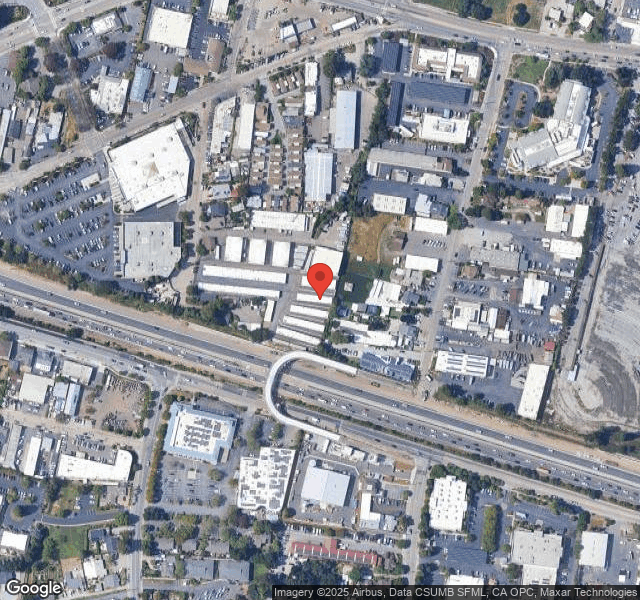
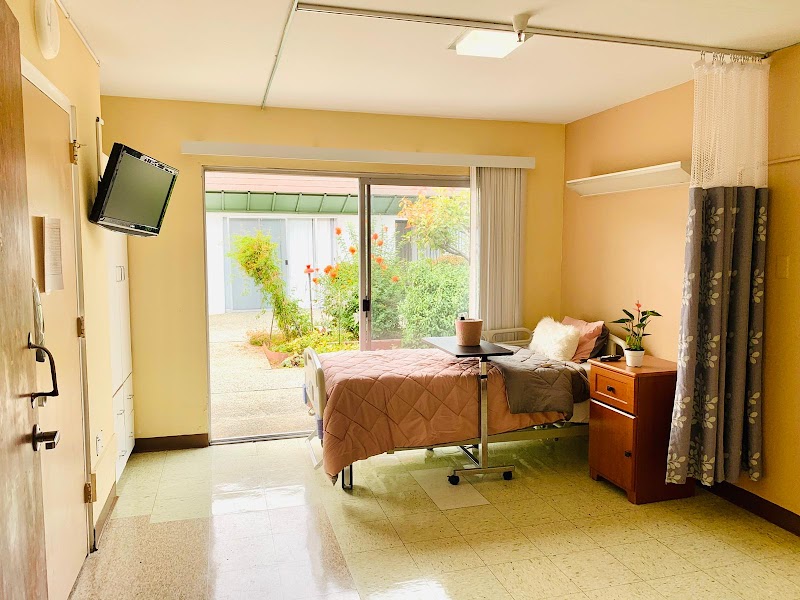
2990 SOQUEL AVENUE, SANTA CRUZ, CA 95062 (831) 479-9000
For profit - Limited Liability company 144 Beds Independent Data: November 2025 1 Immediate Jeopardy citation
Trust Grade
43/100
#665 of 1155 in CA
Last Inspection: February 2025

Within standard 12-15 month inspection cycle. Federal law requires annual inspections.

Overview

Redwood Grove Post Acute has a Trust Grade of D, indicating below-average performance with some concerns about care quality. It ranks #665 out of 1155 facilities in California, placing it in the bottom half, but #2 out of 7 in Santa Cruz County means it is one of the better options locally. The facility is improving, having reduced its issues from 5 in 2024 to 3 in 2025, although it still has a concerning staffing turnover rate of 56%, significantly higher than the state average. Notably, there have been serious incidents related to food safety, including a critical finding where food was stored improperly, leading to potential health risks for residents. While the lack of fines is a positive aspect, families should weigh both the strengths and weaknesses when considering Redwood Grove for their loved ones.

Trust Score
D
43/100
In California
#665/1155
Bottom 43%
Safety Record
High Risk
Review needed
Inspections
Getting Better
5 → 3 violations
Staff Stability
⚠ Watch
56% turnover. Above average. Higher turnover means staff may not know residents' routines.
Penalties
✓ Good
No fines on record. Clean compliance history, better than most California facilities.
Skilled Nurses
○ Average
Each resident gets 37 minutes of Registered Nurse (RN) attention daily — about average for California. RNs are the most trained staff who monitor for health changes.
Violations
⚠ Watch
43 deficiencies on record. Higher than average. Multiple issues found across inspections.
★★★☆☆
3.0
Overall Rating
★★★★☆
4.0
Staff Levels
★★★★☆
4.0
Care Quality
★★★☆☆
3.0
Inspection Score
Stable
2024: 5 issues
2025: 3 issues

The Good

  • 4-Star Staffing Rating · Above-average nurse staffing levels
  • 4-Star Quality Measures · Strong clinical quality outcomes
  • Full Sprinkler Coverage · Fire safety systems throughout facility
  • No fines on record

Facility shows strength in staffing levels, quality measures, fire safety.

The Bad

3-Star Overall Rating

Near California average (3.1)

Meets federal standards, typical of most facilities

Staff Turnover: 56%

Near California avg (46%)

Frequent staff changes - ask about care continuity

Staff turnover is elevated (56%)

8 points above California average of 48%

The Ugly 43 deficiencies on record

1 life-threatening
Mar 2025 1 deficiency
CONCERN (D) 📢 Someone Reported This

A family member, employee, or ombudsman was alarmed enough to file a formal complaint

Potential for Harm - no one hurt, but risky conditions existed

Quality of Care (Tag F0684)

Could have caused harm · This affected 1 resident

**NOTE- TERMS IN BRACKETS HAVE BEEN EDITED TO PROTECT CONFIDENTIALITY** Based on observation, interview, and record review, the facility failed to render care and service based on professional standar...

Read full inspector narrative →
**NOTE- TERMS IN BRACKETS HAVE BEEN EDITED TO PROTECT CONFIDENTIALITY** Based on observation, interview, and record review, the facility failed to render care and service based on professional standards of practice for one of four residents (Resident 1) when the Licensed Vocational Nurse (LVN) incorrectly administered a medication. This failure had the potential to affect the resident's health and psychosocial wellbeing. Findings: Review of Resident 1's medical record indicated she was admitted on [DATE] and had a diagnosis of periprosthetic fracture (a bone fracture that occurs around or near an orthopedic implant) around internal prosthetic right hip joint. Review of Resident 1's medication administration record (MAR) indicated she had an order, dated 10/23/24, for Dulcolax suppository (used to treat constipation)10 milligrams (mg, unit of dose measurement) rectally as needed. During an interview on 1/30/25 at 2:29 p.m., with Resident 1, she stated the LVN and Certified Nursing Assistant (CNA) came to her room to give the suppository she requested. Resident 1 stated she turned to her side and then felt the fingers of the LVN in her private area. Resident 1 stated she yelled wrong hole. During an interview on 1/30/25 at 4 p.m., with the Director of Nursing (DON), the DON stated the LVN was let go and blocked from working in the facility after the incident. The DON stated the LVN knew he was in the wrong hole. The DON stated the LVN did not report the incident. During an interview on 1/30/25 at 5:16 p.m., with the CNA, the CNA stated the LVN called her to help position Resident 1 to administer the suppository. The CNA stated Resident 1 turned on her side in bed facing the CNA. The CNA stated Resident 1 screamed its the wrong hole when the LVN inserted the suppository. The CNA stated she leaned forward over the resident and confirmed the suppository was in the resident's private area but not fully inserted. The CNA stated the LVN removed the suppository from Resident 1's private area. During a review of the facility's policy and procedure (P&P), titled Administering Medications, revised 10/24, indicated 4. Medications are administered in accordance with prescriber orders .6. Medication errors are documented, reported .10. The individual administering the medication checks the label .to verify the right resident .and right method (route) of administration before giving the medication.
Feb 2025 2 deficiencies
CONCERN (E)

Potential for Harm - no one hurt, but risky conditions existed

Infection Control (Tag F0880)

Could have caused harm · This affected multiple residents

3. A facility policy titled, Enhanced Standard Precautions, revised 08/2022, indicated, Enhanced barrier precautions (ESPs) are utilized to prevent the spread of multi-drug resistant organisms (MDROs)...

Read full inspector narrative →
3. A facility policy titled, Enhanced Standard Precautions, revised 08/2022, indicated, Enhanced barrier precautions (ESPs) are utilized to prevent the spread of multi-drug resistant organisms (MDROs) to residents. The policy specified, 2. ESPs employ targeted gown and glove use during high contact resident care activities when contact precautions do not otherwise apply: a. Gloves and gown are applied prior to performing the high contact resident care activity (as opposed to before entering the room). The policy indicated examples of high-contact resident care activities requiring the use of gown and gloves included c. transferring. The policy further indicated, 5. ESPs are indicated (when contact precautions do not otherwise apply) for residents with wounds and/or indwelling medical devices regardless of MDRO colonization. Resident #1's admission Record revealed the facility admitted the resident on 12/31/2003. According to the admission Record, the resident had a medical history that included diagnoses of multiple sclerosis, paraplegia, chronic kidney disease, and neuromuscular dysfunction of the bladder. A quarterly Minimum Data Set (MDS), with an Assessment Reference Date (ARD) of 11/22/2024, revealed Resident #1 had a Brief Interview for Mental Status (BIMS) score of 9, which indicated the resident had moderate cognitive impairment. The MDS indicated Resident #1 had an indwelling urinary catheter. Resident #1's care plan included a focus area, initiated 06/07/2024 and revised 11/10/2024, that indicated the resident required EBP related to having a suprapubic catheter. An intervention dated 06/07/2024 directed staff to instruct visitors and staff to wear proper personal protective equipment (PPE) when needed. During an observation on 02/03/2025 at 9:43 AM, Certified Nursing Assistant (CNA) #3 and Licensed Vocational Nurse (LVN) #2 entered Resident #1's room with a mechanical lift. CNA #3 and LVN #2 wore gloves but no gowns while using the mechanical lift to transfer the resident out of their bed. During an interview on 02/04/2025 at 1:02 PM, LVN #2 stated she did not wear a gown on 02/03/2025 when she assisted with Resident #1's transfer, but she should have. During an interview on 02/04/2025 at 1:34 PM, CNA #3 stated she did not wear a gown on 02/03/2025 when she and LVN #2 transferred Resident #1. CNA #3 said that because the resident had an indwelling urinary catheter, she should have worn a gown to prevent the spread of germs. During an interview on 02/06/2025 at 9:05 AM, the Director of Nursing (DON) stated the expectation was for staff to follow isolation precautions and wear proper PPE. During an interview on 02/06/2025 at 9:10 AM, the Administrator stated the expectation was for staff to apply PPE during resident care and understand its purpose, which was to prevent potential spread of infection. Based on observation, interview, record review, and facility document and policy review, the facility failed to ensure a phlebotomist sanitized items between residents' rooms for 2 (Resident #325 and Resident #326) of 9 residents reviewed as part of the infection control task, failed to ensure oxygen tubing and a nasal cannula was stored in a manner to prevent potential contamination when not in use for 1 (Resident #118) of 9 residents reviewed as part of the infection control task, and failed to ensure staff implemented enhanced barrier precautions (EBP) when providing care to 1 (Resident #1) of 4 residents reviewed for transmission-based precautions. Findings included: 1. A facility policy titled, Cleaning and Disinfection of Resident-Care Items and Equipment, revised 09/2022, indicated, 5. Reusable items are cleaned and disinfected or sterilized between residents. Resident #326's admission Record revealed the facility admitted the resident on 01/24/2025. According to the admission Record, the resident had a medical history that included diagnoses of osteomyelitis (inflammation of bone caused by infection), local infection of the skin and subcutaneous tissue, and resistance to multiple antimicrobial drugs. An admission Minimum Data Set (MDS), with an Assessment Reference Date (ARD) of 01/30/2025, revealed Resident #326 had a Brief Interview for Mental Status (BIMS) score of 14, which indicated the resident had intact cognition. According to the MDS, the resident had active diagnoses of multidrug-resistant organism and a wound infection. Resident #326's care plan included a focus area, initiated on 01/25/2024, that indicated the resident had pseudomonas (a type of bacteria) cellulitis (bacterial skin infection) of their right foot. An intervention dated 01/25/2025 direct staff to implement contact isolation. Another focus area, initiated on 01/25/2025, indicated Resident #326 received intravenous antibiotics for osteomyelitis of their right foot. Resident #325's admission Record revealed the facility admitted the resident on 01/28/2025. According to the admission Record, the resident had a medical history that included diagnoses of Parkinson's disease, orthostatic hypotension (low blood pressure due to postural changes), and atrial fibrillation (irregular heart rhythm). An admission MDS, with an ARD of 02/02/2025, revealed Resident #325 had a BIMS score of 15, which indicated the resident had intact cognition. During an observation on 02/03/2025 at 9:33 AM, Phlebotomist #23 entered Resident #326's room. While in the room, Phlebotomist #23 placed a clipboard on the resident's bed. Without cleaning or sanitizing the clipboard she placed on Resident #326's bed, Phlebotomist #23 then entered Resident #325's room and placed the clipboard on the resident's overbed table. During an interview on 02/03/2025 at 9:46 AM, Phlebotomist #23 said she should have wiped down her clipboard between residents' rooms, but she did not have any wipes to do so. During an interview on 02/06/2025 at 12:32 PM, the Administrator stated phlebotomists should disinfect items between rooms of residents on transmission-based precautions and those that were not. In addition, the Administrator said phlebotomists should save the rooms of residents on transmission-based precautions for last. 2. A facility policy titled, Departmental (Respiratory Therapy)-Prevention of Infection, revised 11/2011, revealed the section titled, Infection Control Considerations Related to Oxygen Administration specified, 8. Keep the oxygen cannulae and tubing used PRN [as needed] in a plastic bag when not in use. Resident #118's admission Record revealed the facility admitted the resident on 01/14/2025. An admission Minimum Data Set (MDS), with an Assessment Reference Date (ARD) of 01/20/2025, revealed Resident #118 had a Brief Interview for Mental Status (BIMS) score of 10, which indicated the resident had moderate cognitive impairment. Resident #118's 02/2025 Medication Administration Record (MAR) revealed the transcription of an order started on 01/31/2025 for supplemental oxygen at a rate of 2 liters per minute via nasal cannula as needed for shortness of breath and to keep oxygen saturation above 92 percent (%). According to the MAR, the resident did not receive supplemental oxygen during the timeframe from 02/01/2025 through 02/04/2025. During a concurrent interview and observation on 02/03/2025 at 10:10 AM, Resident #118 stated they only used oxygen on an as-needed basis. Resident #118's nasal cannula and tubing were observed wrapped under the handle of their oxygen concentrator not in a plastic bag. During an observation on 02/04/2025 at 11:26 AM, Resident #118's nasal cannula and tubing were on the floor in the resident's room. During an interview on 02/04/2025 at 11:25 AM, Registered Nurse (RN) #12 said he did not know where nasal cannulas should be stored when not in use. During an interview on 02/04/2025 at 11:28 AM, RN #13 stated that oxygen nasal cannulas should be stored in a plastic bag when not in use. During an interview on 02/06/2025 at 12:47 PM, the Administrator said oxygen tubing should be stored in a plastic bag when not in use.
MINOR (B)

Minor Issue - procedural, no safety impact

Deficiency F0912 (Tag F0912)

Minor procedural issue · This affected multiple residents

**NOTE- TERMS IN BRACKETS HAVE BEEN EDITED TO PROTECT CONFIDENTIALITY** Based on observation, interview, and facility document review, the facility failed to ensure multiple-resident rooms provided at...

Read full inspector narrative →
**NOTE- TERMS IN BRACKETS HAVE BEEN EDITED TO PROTECT CONFIDENTIALITY** Based on observation, interview, and facility document review, the facility failed to ensure multiple-resident rooms provided at least 80 square feet per resident for 10 (Rooms 101, 103, 105, 107, 109, 111, 114, 116, 118, and 119) of 70 resident rooms. Specifically, each of these 10 rooms had an approved capacity of two residents and provided a total of 143 square feet, or 71.5 square feet per resident when at full capacity. Findings included: A Client Accommodations Analysis, form, signed by the Administrator on 02/19/2025, revealed Rooms 101, 103, 105, 107, 109, 111, 114, 116, 118, and 119 each had an approved capacity of two residents. The Client Accommodations Analysis form indicated each of these rooms measured 11 feet by 13 feet and provided a total of 143 square feet, or 71.5 square feet per resident when at full capacity. During a concurrent observation and interview on 02/05/2025 at 2:50 PM, the Maintenance Supervisor measured room [ROOM NUMBER] and room [ROOM NUMBER] and confirmed they both provided a total of 143 square feet but were approved for a capacity of two residents. The Maintenance Supervisor said Rooms 101, 103, 105, 107, 109, 111, 116, and 118 were also the same size and had an approved capacity of two residents. Based on observation and interview, the facility failed to ensure multiple resident rooms had at least 80 square feet per resident. Having less than 80 square feet per resident could potentially compromise the care and services the residendents received. The following resident rooms's square footage measured as follows: Room number Number of beds Square footage 100 3 75.1 101 2 71.5 102 3 75.1 103 2 71.5 104 3 75.1 105 2 71.5 106 3 75.1 107 2 71.5 108 3 75.1 109 2 71.5 110 3 75.1 111 2 71.5 112 3 75.1 113 2 71.5 114 2 71.5 115 3 75.1 116 2 71.5 117 3 75.1 118 2 71.5 119 2 71.5 120 2 71.5 During the survey, observations and interviews with residents and staff, indicated there were no concerns regarding the square footage of the rooms. Nursing care and services were not impacted by the shortage of space. Room waiver is recommended.
Nov 2024 1 deficiency
CONCERN (D) 📢 Someone Reported This

A family member, employee, or ombudsman was alarmed enough to file a formal complaint

Potential for Harm - no one hurt, but risky conditions existed

Quality of Care (Tag F0684)

Could have caused harm · This affected 1 resident

**NOTE- TERMS IN BRACKETS HAVE BEEN EDITED TO PROTECT CONFIDENTIALITY** Based on interview and record review, the facility failed to ensure care and services were provided in accordance with professio...

Read full inspector narrative →
**NOTE- TERMS IN BRACKETS HAVE BEEN EDITED TO PROTECT CONFIDENTIALITY** Based on interview and record review, the facility failed to ensure care and services were provided in accordance with professional standards of practice for one of three residents (Resident 1) when the facility did not follow the physician's order for Resident 1. This failure had the potential to result in Resident 1 not receiving needed care and treatment, as ordered by the physician. Findings: Review of Resident 1's medical record indicated Resident 1 was admitted on [DATE] and had diagnoses including dementia (a progressive state of decline in mental abilities), type 2 diabetes mellitus (DM-a disorder characterized by difficulty in blood sugar control and poor wound healing), and essential hypertension (HTN-high blood pressure). Review of Resident 1's medical record review indicated KUB (kidney, ureter, and bladder) x-ray (a type of radiation that creates images of the inside of the body) for abdominal pain was performed on 9/16/24 with the impression: no bowel obstruction (blockage) or perforation (a hole), increased bowel distention (bloating and swelling) from prior exam. Review of Resident 1's progress notes, dated 9/17/24, indicated physician A was notified of the x-ray results and ordered repeat abdominal x-ray. Review of Resident 1's physician's orders indicated there was no order to repeat abdominal x-ray. Review of Resident 1's medical record review indicated there was no documentation indicating the repeat abdominal x-ray was performed. There was no result of the repeat abdominal x-ray. During a telephone interview on 11/21/24 at 12:01 p.m. with physician A, he stated he was informed about Resident 1's abdominal x-ray result of bowel distention and ordered to repeat an abdominal x-ray to follow up the prior x-ray finding of bowel distention. The physician verified the repeat abdominal x-ray result was not reported to him. During a telephone interview and record review on 11/22/24 at 9:07 a.m. with licensed vocational nurse (LVN) B, she confirmed she notified Resident 1's abdominal x-ray result of 9/16/24 to physician A and received an order to repeat an abdominal x-ray from physician A. LVN B verified there was no order to repeat the abdominal x-ray on Resident 1's physician's order. LVN B further stated she could not locate the repeat abdominal x-ray result. Review of the facility's policy and procedure titled Medication and Treatment Orders, revised 7/2016, the P&P indicated, Verbal orders must be recorded immediately in the resident's chart by the person receiving the order and must include prescriber's last name, credentials, the date and the time of the order.
Oct 2024 1 deficiency
CONCERN (E) 📢 Someone Reported This

A family member, employee, or ombudsman was alarmed enough to file a formal complaint

Potential for Harm - no one hurt, but risky conditions existed

Accident Prevention (Tag F0689)

Could have caused harm · This affected multiple residents

**NOTE- TERMS IN BRACKETS HAVE BEEN EDITED TO PROTECT CONFIDENTIALITY** Based on the observation, interview, and record review, the facility failed to adequately monitor and supervise one of three sam...

Read full inspector narrative →
**NOTE- TERMS IN BRACKETS HAVE BEEN EDITED TO PROTECT CONFIDENTIALITY** Based on the observation, interview, and record review, the facility failed to adequately monitor and supervise one of three sampled residents (Resident 1) to prevent him from entering other female residents' rooms. This failure resulted to Resident 1 entering Residen 2 and Resident 3's room and could compromised the residents' rights to a safe environment in the facility. Findings: Review of Resident 1's face sheet (front page of the chart that contains a summary of basic information about the resident) indicated Resident 1 was admitted to the facility on [DATE] with diagnoses including Cerebral Infarction due to Unspecified Occlusion or Stenosis of Unspecified Cerebral Artery (blockage or narrowing in a cerebral artery. This leads to a stroke); abnormalities of gait and mobility. Review of Resident 1's Minimum Data Set (MDS, a federally mandated resident assessment tool) dated 8/8/24, indicated Resident 1 had a Brief Interview for Mental Status (BIMS, an assessment tool used by facilities to screen and identify memory, orientation, and judgement status of the resident) score of 5 indicating severe cognition (mental process of thinking, learning, and understanding) impairment. The MDS indicated that Resident 1 needed supervision for mobility and transfers. Resident 1 uses a wheelchair, and once seated in the wheelchair, Resident was able to wheel at least 150 feet in a corridor independently. Review of Resident 1's Situation, Background, Assessment, Recommendation (SBAR, a communication tool used by healthcare workers when there is a change of condition among the residents) form, dated 8/27/23, indicated Resident 1 was found inappropriately touching himself in front of another female resident (Resident 3). Review of Resident 1's Interdisciplinary (IDT, a group of health care professionals with different areas of expertise who work together toward the goals of the patients) Risk Management Meeting Notes, dated 8/28/23 indicated Resident 1 was found by a certified nursing assistant (CNA) in female residents' room inappropriately touching himself. The CNA escorted Resident 1 from the room and Resident 1 was placed on every 1-hour monitoring following the incident, and a stop sign was placed outside female residents' room to deter Resident 1 from returning. The IDT Risk Management Meeting Notes further indicated Resident 1 had behavior of constantly cleaning hallways and doors. Review of Resident 1's SBAR, dated 9/3/24, indicated Resident 1 was inappropriately touching Resident 2 and was witnessed by CNA A (Certified nursing Assistant A). CNA A saw Resident 1 in Resident 2's room rubbing Resident 2's legs with lotion. Review of Resident 1's IDT Risk Management Meeting Notes, dated 9/3/24 indicated, Resident 1 was witnessed with his hand between Resident 2's legs rubbing lotion onto Resident 2. Resident 1 had behavior of wandering. The IDT recommended a psychiatric evaluation for Resident 1's behavior of constantly cleaning walls around facility to the point of exhaustion. Resident 1 was started on every 1-hour safety checks following the incident for 1 week. Review of Resident 1's Behavior Care Plan on inappropriately touching another resident initiated on 9/3/24. The interventions included to monitor resident going into another resident's room, safety check every 1 hour. During an observation on 9/4/24 at 12:10 p.m., Resident 1 was seen seated in a wheelchair, moving independently through the hallway, and wiping the siderails and walls along the corridor. The CNA's were observed delivering meal trays to other resident rooms. During an interview with Licensed Vocational Nurse B (LVN B) on 9/4/24 at 12:15 p.m. LVN B stated that Resident 1 was being monitored every hour for safety checks for one week. When asked how the safety checks were being implemented, LVN B showed the surveyor the Medication Administration Record (MAR) and stated that staff were required to check Resident 1's whereabouts every hour and then nursing will document it in the MAR. During an interview with Certified Nursing Assistant (CNA) A on 9/4/24 at 2:01 p.m., CNA A stated that she witnessed Resident 1 in Resident 2's room, rubbing lotion between Resident 2's legs. CNA A further stated that Resident 1 frequently enters female residents' rooms. Review of Resident 1's SBAR, dated 9/21/24 indicated Resident 1 was found in female resident's (3) room. Resident 1 allegedly started touching Resident 3 inappropriately. Review of Resident 1's IDT Risk Management Meeting Notes, dated 9/23/24, indicated that IDT discussed the claim that Resident 1 entered female residents' room (Resident 3) and licked Resident 3's thigh. Resident 1 was removed from Resident 3's room. Resident 1 was placed on every 1-hour safety checks for 30 days following the claim. Resident 1 will remain on every hour safety checks until the behavior is stable and monitor the effectivenes of the medication. During an observation on 9/24/24 at 12:05 p.m., Resident 1 was seen seated in a wheelchair, moving independently through the hallway, and wiping the siderails and walls along the corridor. At the same time, the CNA's were observed delivering meal trays to other resident rooms. During a phone interview with CNA C on 9/25/24 at 11:37 a.m., CNA C stated on 9/21/24 he heard a scream coming from Resident 3's room. CNA C further stated he saw Resident 1 near Resident 3's bed and Resident 1 was about to wheel himself out of the room. CNA C confirmed he did not see Resident 1 entering Resident 3's room. During a phone interview and concurrent record review with the Director of Nursing (DON) on 10/9/24 at 11:57 a.m., the DON reviewed the three incidents involving Resident 1's inappropriate sexual behavior, icluding entering Residents 2 and 3's rooms. Despite these incidents, the DON stated that the one-hour safety checks were appropriate for monitoring Resident 1's behavior. Review of facility's policy, titled Resident Rights, revised on 2/2021, indicated, Federal and state laws guarantee certain basic rights to all residents of this facility. These rights include the resident's rights to: be treated with respect, kindness, and dignity .
Sept 2024 1 deficiency
CONCERN (D) 📢 Someone Reported This

A family member, employee, or ombudsman was alarmed enough to file a formal complaint

Potential for Harm - no one hurt, but risky conditions existed

Free from Abuse/Neglect (Tag F0600)

Could have caused harm · This affected 1 resident

**NOTE- TERMS IN BRACKETS HAVE BEEN EDITED TO PROTECT CONFIDENTIALITY** Based on observation, interview, and record review, three of four sampled residents (Resident 2, 3 and 4) were not free from ver...

Read full inspector narrative →
**NOTE- TERMS IN BRACKETS HAVE BEEN EDITED TO PROTECT CONFIDENTIALITY** Based on observation, interview, and record review, three of four sampled residents (Resident 2, 3 and 4) were not free from verbal abuse when Resident 1 cursed and threathened to harm Residents 2, 3, and 4. This failure had the potential to negatively impact the physical and mental well-being of all residents in the facility. Findings: Review of Resident 1's admission record, dated 5/22/24, indicated Resident 1 had diagnoses of cerebral infarction due to unspecified occlusion or stenosis of unspecified cerebral artery (a stroke has occurred because a blood vessel in the brain either became blocked or narrowed), major depressive disorder (a mental health condition where a person experiences persistent feelings of sadness, hopelessness, and a lack of interest in activities). Review of Resident 1's Minimum Data Set (MDS, an assessment tool) dated 7/10/24, indicated he had Brief Interview for Mental Status (BIMS, an assessment tool that helps determine a patient's cognitive understanding) score of 13 (BIMS score of 13-15 indicates cognitively intact). Review of Resident 1's Situation, Background, Assessment and Request (SBAR, a licensed staff communication tool) form, dated 5/19/24 at 18:53 [6:53 p.m.], indicated .resident was asked to move by another resident, as he is blocking the doorway .Resident got agitated, and threatened to shoot the other resident. Review of Resident 1's Interdisciplinary Team (IDT, staff from different departments who coordinate the resident's care) meeting notes, 5/20/24, The resident has verbal altercation with another male resident when he ask him to move from blocking the doorway . Resident got agitated, and threatened to shoot the other resident .The resident has hx (history) of verbal altercations due to behavior of having angry out bursts, uses F words towards staff when being redirected for safety of his and others . Review of Resident 2's admission record dated 5/22/24, indicated Resident 2 had diagnoses of cognitive communication deficit, major depressive disorder, cerebrovascular disease (condition that affects the blood vessels in the brain, leading to reduced or blocked blood flow). Review of Resident 2's MDS, dated [DATE], indicated Resident 2 had a BIMS score of 13, indicating his cognition was intact. Review of Resident 2's Care Plan indicated, Alteration in Psychosocial well being due to res. alleged threatened to be shot by another resident on 5/19/24. The facility staff's interventions included skin assessment, monitor emotional distress x 72 hours, local law enforcement was called, notified MD and RP. Review of the facility's Investigation Report dated 5/22/24, indicated .On 5/19/24 resident 1 was heard yelling at another resident (Resident 2) in the hallway and threatened to shoot Resident 2. Nursing immediately separated both residents. Resident 1 was searched, and no weapons were found . Review of Resident 3's admission record, dated 6/27/24, indicated Resident 3 had diagnoses of epilepsy (a chronic brain disorder that causes seizures, which are bursts of abnormal electrical activity in the brain), hemiplegia and hemiparesis following unspecified cerebrovascular disease affecting unspecified side (has weakness or complete paralysis on one side of the body as a result of stroke or other problem with the blood vessels in the brain), anxiety disorder (a mental health condition where a person experiences excessive worry, fear, or nervousness that can interfere with their daily life). Review of Resident 3's, MDS dated [DATE], indicated his BIMS score was 00 indicating his cognition was impaired. Review of the SBAR form, dated 6/26/24, at 10:49, indicated Per activity director (AD) activity assistant was told by the resident that he was in possession of a knife and showed activity assistant. Activity director was notified and requested resident to give up the knife. Resident was in fact in possession of the knife hidden in his L [left] shoe. Knife was confiscated .Resident had anger outburst after knife was confiscated and yelled I have another one in my room! Both knives were confiscated. Administrator called sheriffs .Resident is being monitored 1 on 1 for safety. Review of Resident 1's IDT risk management meeting notes, dated 6/26/24, indicated, IDT met to discuss resident recent threat to kill another resident with a knife at the facility. Residents were not near each other during threat and staff member was placed with resident for safety following the incident . Review of Resident 1's Care Plan, initiated on 6/26/24, indicated Resident threatening to kill another resident. The facility's interventions included notification of the MD (medical doctor), local enforcement, monitoring by CNA (certified nursing assistant) 1 on 1 for 72 hours, redirect resident, collect all utensils after meals, and resident was referred to in house NP (nurse practitioner) psychiatrist on 6/26/24 and declined. During an observation on 6/27/24 at 12:40 p.m., Resident 3 was seen in the dining area with other residents, sitting in a wheelchair and able to wheel himself. Resident 3 stated he was okay but was observed trying to touch the surveyor during interaction. During an interview with the AD on 6/27/24 at 12:47 p.m., about the incident where Resident 1 allegedly threatened to kill Resident 3 with a knife, the AD stated that an assistant informed her about Resident 1's plan to harm Resident 3.The AD took a knife from Resident 1, and Resident 1 mentioned that he had another knife in his room. After searching the room, the facility staff found the second knife and gave it to the administrator. During an observation on 6/27/24 at 12:57 p.m., Resident 1's room was checked, but the resident was not there. According to the charge nurse, Resident 1 had gone out with a family member. During a follow up phone interview with the AD on 9/9/24 at 2:42 p.m., regarding the investigation report from 6/28/24, the AD confirmed that Resident 1 told her, If resident (3) comes anywhere near me, I'm going to stab him in the neck and slit his throat. Review of Resident 4's admission record, dated 9/5/24, indicated Resident 4 had diagnoses of altered mental status (a person's thinking, awareness, or behavior has changed, it can include confusion, disorientation, memory problems, or unusual behavior); difficulty in walking; dementia, unspecified severity (group of symptoms that affect memory, thinking, and reasoning abilities). Review of Resident 4's MDS, dated [DATE], indicated, Resident 4 had a BIMS score of 8 (moderate cognitive impairment). Review of Resident 1's IDT risk management meeting notes, dated 8/28/24, indicated IDT met to discuss a reported incident that occurred on 8/27/24 when this resident was heard yelling and upon the nurse's arrival witnessed that he was making verbal threats towards another male resident and was attempting to hit him in front of the nurse's station. The CNA and licensed nurse immediately separated both residents . During a phone interview with CNA A on 9/4/24, at 2:21 p.m., CNA A confirmed witnessing Resident 1 threaten Resident 2 during the incident that occurred on 5/19/24. During a phone interview with CNA B on 9/6/24, at 10:20 a.m., CNA B confirmed hearing Resident 1 yelling in the hallway on 5/19/24 and verbally threatening Resident 2, stating, If I had a gun, I would shoot up this place. CNA B also witnessed the incident involving Resident 1 and Resident 4 on 8/27/24. CNA B reported that Resident 1 was verbally abusive, cursed at Resident 4, and attempted to punch him. CNA B also observed Resident 1 throwing towels and shoving staff members who intervened. During a phone interview with the Director of Nursing (DON) on 9/6/24 at 2:05 p.m., the DON acknowledged awareness of Resident 1's multiple verbal abuse incidents, where Resident 1 cursed and threatened to harm Residents 2, 3, and 4. The DON stated that Resident 1 was being monitored for angry outbursts and safety after each altercation, with facility staff anticipating Resident 1's needs. However, the DON stated that these interventions were not effective in preventing further verbal abuse because Resident 1 was non-compliant. Resident 1 refused a psychiatric evaluation and medications. The DON also noted that the facility met with Resident 1's family, and by mid-August, Resident 1 agreed to undergo a psychiatric evaluation and start psychiatric medications. During a phone interview with the Administrator (ADM) on 9/10/24 at 10:45 a.m., the ADM stated he was unsure if Resident 1's incidents of cursing and threatening to harm Residents 2, 3, and 4 constituted abuse or if they were a result of Resident 1's angry outbursts. The ADM stated that even facility staff had difficulty having conversations with Resident 1 without provoking angry outbursts. The ADM also stated that the effectiveness of interventions to prevent further outbursts from Resident 1 were limiting. Review of facility's policy, titled, Policy and Procedure on Patient Abuse and Prevention, revised on 6/26/24, indicated, The facility shall uphold resident's right to be free from any form of verbal, sexual, physical, and mental abuse, corporal punishment, and involuntary seclusion. The facility shall establish system to prevent patient abuse including those practices and omissions, neglect and misappropriation of property that if left unchecked, may lead to abuse. Residents shall not be subjected to abuse by anyone, including, but not limited to, facility staff; other residents, consultants or volunteers, staff of other agencies serving the individual, family members or legal guardians, friends, or other individuals .Verbal Abuse is defined as any use of oral, written or gestured language that willfully includes disparaging and derogatory terms to residents or their families, or within their hearing distance, regardless of their age, ability to comprehend, or disability. Examples of verbal abuse include, but are not limited to: threats of harm; saying things to frighten a resident, such as telling a resident that he or she will never be able to see her family again .Prevention: Facility shall also institute procedures that allows for identification, correction, and intervention in situations in which abuse, neglect and/or misappropriation of resident property is more likely to occur. Areas of identification, correction and intervention may include but not be limited to, facility environment, staffing, monitoring & supervision of staff, identification of residents with potential for behavioral symptoms and manifestations that may lead to conflict or anger through comprehensive assessment, care planning and monitoring.
Aug 2024 1 deficiency
CONCERN (D) 📢 Someone Reported This

A family member, employee, or ombudsman was alarmed enough to file a formal complaint

Potential for Harm - no one hurt, but risky conditions existed

Pharmacy Services (Tag F0755)

Could have caused harm · This affected 1 resident

Based on interview and record review, the facility failed to follow their own policy and procedure for disposal of discontinued and/or medications left in the nursing care center for two of three resi...

Read full inspector narrative →
Based on interview and record review, the facility failed to follow their own policy and procedure for disposal of discontinued and/or medications left in the nursing care center for two of three residents (Resident 1 and Resident 2). This failure had the potential to result in the diversion of medications compromising resident's health and wellbeing. Findings: Review of the IDT (Interdisciplinary Team, a group of healthcare professionals from different fields that work together towards common goal for a resident) Summary, dated 5/13/24, indicated the Administrator (ADM) received an anonymous email indicating medications that appeared to be from the facility were scattered in the house of a facility staff (FS). The IDT further indicated two residents' names were identified (Resident 1 who was discharged on 1/28/20 and Resident 2 who was discharged from the facility on 11/29/19). During an interview on 6/4/24 at 12:09 p.m., with the ADM, the ADM stated the FS admitted that he accidentally kept the medications to be disposed in a plastic bag and placed in his car. During an interview on 8/20/24 at 3:57 p.m., with the Pharmacy Consultant (PC), the PC stated the discontinued medications should be destroyed within 90 days. During a review of the facility's policy and procedure titled, Disposal of Medications, dated 11/17, the policy and procedure indicated 6. Dispose of discontinued medications within 90 days of the date the medication was discontinued.
Jun 2024 1 deficiency
CONCERN (D) 📢 Someone Reported This

A family member, employee, or ombudsman was alarmed enough to file a formal complaint

Potential for Harm - no one hurt, but risky conditions existed

Abuse Prevention Policies (Tag F0607)

Could have caused harm · This affected 1 resident

**NOTE- TERMS IN BRACKETS HAVE BEEN EDITED TO PROTECT CONFIDENTIALITY** Based on interview and record review, the facility failed to implement their abuse policy and procedure (P&P) when: 1. For Resid...

Read full inspector narrative →
**NOTE- TERMS IN BRACKETS HAVE BEEN EDITED TO PROTECT CONFIDENTIALITY** Based on interview and record review, the facility failed to implement their abuse policy and procedure (P&P) when: 1. For Resident 1, staff did not report an incident of potential abuse to the state agency and other required agencies; and 2. The facility did not provide abuse training to all staff at least quarterly. These failures had the potential to delay the investigation of abuse allegations and place residents at risk for further potential abuse. Findings: 1. Review of Resident 1's clinical record indicated he was admitted on [DATE] and had the diagnoses including cerebral infarction (known as a stroke, a damage to tissues in the brain due to a loss of oxygen), difficulty in walking, muscle weakness, aphasia, type 2 diabetes (high blood sugar), hypertension (high blood pressure), and major depressive disorder (a mood disorder that causes a feeling of sadness and loss of interest). Review of Resident 1's Minimum Data Set (MDS, an assessment tool), dated 1/22/24, indicated he had a brief interview for mental status (BIMS, a structured cognitive [relating to the mental process involved in knowing, learning, and understanding things] test) score of 9 (moderate cognitive impairment). During an interview on 4/8/24 at 11:30 a.m. with Resident 1, he stated that physical therapist A (PT A) came to his room on 4/3/24 at 7 a.m. The visit was not announced and was too early. Resident 1 did not like PT A's approach and asked him to leave the room. PT A did not leave the room and yelled at Resident 1, You got a problem. Staff came into Resident 1's room, and PT A left the room after the staff asked him to leave multiple times. During an interview on 4/8/24 at 11:45 a.m. with Resident 2, who shared the room with Resident 1, he stated that PT A came to his room on 4/3/24 around 7:15 a.m. Resident 1 and PT A started to argue and yell at each other. Resident 1 asked PT A to leave the room, but PT A kept yelling at Resident 1. The director of staff development (DSD) came into the room, and PT A left the room after the DSD asked him to leave multiple times. Review of Resident 1's clinical record indicated there was no documentation of the incident involving Resident 1 on 4/3/24. Review of the SOC 341 (a document used to report elderly abuse) filed by the facility dated 4/15/24 indicated Resident 1's family member alleged the resident was verbally and emotionally abused by a physical therapist on 4/3/24. During an interview on 4/8/24 at 11:55 a.m. with licensed vocational nurse B (LVN B), he stated that he heard yelling at the nurse station on 4/3/24 around 7 a.m. Resident 1 and PT A were yelling at each other. Resident 1 was kept yelling at PT A to leave the room. LVN B stated he reported it to the DSD. The DSD came into the room and asked PT A to leave the room, but PT A kept yelling at Resident 1. PT A left the room after the DSD asked him to leave a couple of times. LVN B stated Resident 1 looked very upset, and PT A's approach was not acceptable. LVN B further stated it was a reportable incident, but he did not report or document because the DSD said she would report and document. During an interview on 4/8/24 at 12:53 p.m. with the DSD, she stated that she was called by LVN B on 4/3/24 around 7:15 a.m. Resident 1 was still in bed and upset. Resident 1 and PT A were yelling at each other. Resident 1 yelled at PT A to get out of his room, and PT A did not leave the room. The DSD asked PT A to leave the room because Resident 1 was upset, but PT A stayed in the room. PT A left the room after the DSD asked him to leave three times. The DSD stated that she reported to the administrator (ADM) and the director of nursing (DON) because it was a reportable incident for potential verbal and/or emotional abuse. The DSD further stated that the resident had a right to refuse, PT A should have respected the resident's wish then and could revisit the resident when the resident was ready for the therapy. During an interview on 4/8/24 at 2 p.m. with the ADM, he confirmed the incident involving Resident 1 was reported to him on 4/3/24. The ADM stated that he interviewed Resident 1, and Resident 1 said he did not like PT A's approach and requested not to work with PT A. The ADM stated that he filed a grievance and removed PT A from Resident 1's therapy schedule. PT A said he was raising his voice, not yelling, to redirect Resident 1. The ADM further stated that he did not report the incident to the state agency or other agencies because Resident 1 did not mention yelling, arguing, or being abused during his interview on 4/3/24. The ADM confirmed that he did not interview staff who witnessed the incident on 4/3/24. During a telephone interview on 4/9/24 at 7:15 a.m. with certified nurse assistant C (CNA C), she stated that she heard a loud voice from the room on 4/3/24 around 7 a.m. and went into the room. Resident 1 was in bed and very upset. Resident 1 was kept screaming at PT A to get out of the room and saying that it was too early. PT A looked upset and kept saying that Resident 1 needed to get ready for exercise. PT A continued to argue with Resident 1 and left the room after the DSD asked him to leave multiple times. CNA C further stated that PT A's approach was not acceptable and should be reported. During a telephone interview on 4/9/24 at 7:39 a.m. with CNA D, he stated that he was assigned for Resident 1 and 2 on 4/3/24. Around 7 a.m., Resident 1 was agitated in bed and yelled at PT A to get out of the room. PT A looked upset and confrontational to Resident 1. CNA D stated he reported it to LVN B because PT A's confrontational approach was inappropriate, and he considered it a reportable incident for possible abuse. PT A continued to argue with Resident 1 and left the room after the DSD asked him to leave the room multiple times. During a follow-up interview on 6/3/24 at 1:15 p.m. with the DSD, she stated that she reported the incident involving Resident 1 to the DON and the ADM but did not document or file SOC 341. The DSD acknowledged that she was a mandated reporter, and all alleged violations should be reported to the ADM and all required agencies. During an interview on 6/03/24 at 1:55 p.m. with the ADM, he stated Resident 1's family member filed a grievance about PT A's approach toward Resident 1 on 4/11/24, which he reviewed on 4/15/24. The family member said Resident 1 was verbally and emotionally abused by PT A. The ADM stated the facility filed SOC 341 on 4/15/24. During a review of the facility's undated Policy and Procedure (P&P) on Patient Abuse and Prevention, the P&P indicated, Reporting: Facility shall ensure reporting of all alleged and/or substantiated violations to the state agency and all other agencies as required, and to take all necessary corrective actions based on the results of the investigation. 2. During a record review and concurrent interview on 6/3/24 at 1:04 p.m. with the DSD, she confirmed that in-service (training) sheets indicated training for abuse conducted in January 2024 (on 1/9/24, 1/15/24, 1/17/24, and 1/19/24) did not include the administrator. During a record review and concurrent interview on 6/3/24 at 2:40 p.m., she confirmed that in-service sheets indicated training for abuse conducted in January 2023 (on 1/10/23, 1/12/23, 1/13/23, and 2/07/23) and July 2023 (on 7/05/23, 7/06/23, 8/22/23) did not include the DON. The DSD acknowledged that abuse training must be provided to all employees. During a record review and concurrent interview on 6/3/24 at 2:50 p.m., in-service sheets indicated training for abuse conducted in January 2023, July 2023, and January 2024. The DSD stated that the facility provides training for abuse to all employees upon hire and twice a year. The DSD reviewed the facility's policy on abuse training and acknowledged that the facility should provide training for abuse at least quarterly. The DSD further stated she was not aware of the training frequency. During an interview on 6/3/24 at 3:30 p.m. with the ADM, he acknowledged that the facility did not implement their policy of abuse training. During a review of the facility's undated Policy and Procedure (P&P) on Patient Abuse and Prevention, the P&P indicated, Training: Facility staff and employees shall receive, through orientation and continuing education sessions, training on issues related to abuse prohibition practice . Continuing education sessions on Abuse Prevention, Monitoring, Reporting, etc. shall be conducted at least once in every quarter.
Jun 2023 2 deficiencies
CONCERN (D) 📢 Someone Reported This

A family member, employee, or ombudsman was alarmed enough to file a formal complaint

Potential for Harm - no one hurt, but risky conditions existed

Resident Rights (Tag F0550)

Could have caused harm · This affected 1 resident

**NOTE- TERMS IN BRACKETS HAVE BEEN EDITED TO PROTECT CONFIDENTIALITY** Based on interview and record review, the facility failed to maintain dignity and respect for one of three sampled residents (Re...

Read full inspector narrative →
**NOTE- TERMS IN BRACKETS HAVE BEEN EDITED TO PROTECT CONFIDENTIALITY** Based on interview and record review, the facility failed to maintain dignity and respect for one of three sampled residents (Resident 1) when the administrator (ADM) did not provide Certified Nursing Assistant (CNA) A's name to Resident 1 after Resident 1 asked. This deficient practice had the potential to affect Resident 1's self-esteem and self-worth. Findings: A review of Resident 1's clinical record indicated Resident 1 was admitted on [DATE] with diagnoses including malignant neoplasm (a cancerous tumor) of the breast and depression (a mood disorder that causes a persistent feeling of sadness and loss of interest). During an interview on 2/22/23 at 2:17 p.m., with Resident 1, she stated she asked the ADM the name of the CNA [CNA A] and the ADM did not provide the CNA's name. During an interview with the ADM on 2/22/23 at 11:50 p.m., the ADM stated that Resident 1 asked for CNA A's information after the incident happened on 12/29/22. The ADM stated he did not provide CNA A's first name and last name to Resident 1. During an interview with the social service director (SSD)on 4/19/23 at 2:57 p.m., the SSD stated if the resident asked for the CNA's name, the staff should give the CNA's name. Residents had the right to know their care provider's name. A review of the facility's policy and procedure (P&P) titled Resident Rights, revised February 2021, the P&P indicated, Federal and state laws guarantee certain basic rights to all residents of this facility. These rights include the residents' right to be treated with respect, kindness, and dignity .
CONCERN (D) 📢 Someone Reported This

A family member, employee, or ombudsman was alarmed enough to file a formal complaint

Potential for Harm - no one hurt, but risky conditions existed

Deficiency F0697 (Tag F0697)

Could have caused harm · This affected 1 resident

**NOTE- TERMS IN BRACKETS HAVE BEEN EDITED TO PROTECT CONFIDENTIALITY** Based on interview and record review the facility failed to follow the physician's order for one of three sampled residents (Res...

Read full inspector narrative →
**NOTE- TERMS IN BRACKETS HAVE BEEN EDITED TO PROTECT CONFIDENTIALITY** Based on interview and record review the facility failed to follow the physician's order for one of three sampled residents (Resident 1) when the licensed nurses gave three pain medications at the same time and not according to the pain scale. This failure had the potential to compromise safety and well-being. Findings: Review of Resident 1's clinical record indicated Resident 1 was admitted on [DATE] with diagnoses including malignant neoplasm of the breast (a cancerous tumor) and chronic obstructive pulmonary disease (a group of lung diseases that block airflow that can cause difficulty of breathing). Review of Resident 1's physician order dated 5/20/22 indicated morphine sulfate solution (pain medication used for chronic pain) give 1 ml as needed for pain scale of 7 to 10 (severe pain). Further review of Resident 1 physician order dated 5/5/22 indicated the following: 1. Tramadol 50 milligrams (mg, unit of measurement) tablet, give one tablet every eight hours as needed for moderate pain. 2. Tylenol 325 mg two tablets every four hours as needed for pain scale of 1 to 3 (mild pain) for 90 days. During a concurrent interview and record review with Licensed Vocational Nurse C (LVN C) on 3/30/23 at 2:26 p.m., LVN C reviewed Resident 1's August 2022 medication administration record (MAR) and acknowledged on 8/2/22 and 8/13/22 she administered morphine sulfate 1 ml, tramadol 50 mg, and Tylenol 650 mg at the same time. LVN C further stated, she should follow the pain scale assessment before administering the pain medications. During a phone interview with Registered Nurse B (RN B) on 4/20/23 at 8:18 a.m., RN B acknowledged on 8/3/22 and 8/24/22, she administered morphine solution 1 ml and tramadol 50 mg at the same time to Resident 1. RN B further stated Resident 1 wanted all her pain medications at the same time. RN B verified there were no notes indicating the physician was made aware that Resident 1 wanted all her medication at the same time. Review of Resident 1's November 2022 MAR, indicated an order of Tylenol 650 mg every four hours as needed for mild pain. During a concurrent interview and record review with Registered Nurse D (RN D) on 6/29/23 at 3:02 p.m., RN D reviewed Resident 1's November 2022 MAR and acknowledged on 11/17/22 and 11/20/22 both morphine solution 1 ml and tramadol 50 mg were administered together for severe pain. RN D stated on 11/22/22 he administered morphine 1ml, tramadol 50 mg, and Tylenol 650 mg all at the same time for severe pain. RN D acknowledged he should have followed the physician's order in administering the above medications. During a concurrent interview and record review with the Director of Nursing (DON) on 6/29/23 at 4:18 p.m., the DON reviewed Resident 1's August and November 2023 MAR. The DON stated licensed nurses should follow the physician's order. The pain scale should be followed when administering pain medications. The DON further stated administering tramadol and morphine together could increase the risk of respiratory depression. A review of the facility's policy titled, Administering Medications, revised April 2019 indicated, Medications are administered in accordance with prescriber orders, including any required time frame. The policy further indicated the physician, interdisciplinary team in collaboration with the consultant pharmacist as needed should reevaluate residents who uses frequent PRN (as needed) medications.
Apr 2023 1 deficiency
CONCERN (D) 📢 Someone Reported This

A family member, employee, or ombudsman was alarmed enough to file a formal complaint

Potential for Harm - no one hurt, but risky conditions existed

Quality of Care (Tag F0684)

Could have caused harm · This affected 1 resident

**NOTE- TERMS IN BRACKETS HAVE BEEN EDITED TO PROTECT CONFIDENTIALITY** Based on interview and record review, the facility failed to provide showers at least two times a week for three of four sampled...

Read full inspector narrative →
**NOTE- TERMS IN BRACKETS HAVE BEEN EDITED TO PROTECT CONFIDENTIALITY** Based on interview and record review, the facility failed to provide showers at least two times a week for three of four sampled residents (Residents 1, 2 and 3). This failure had the potential to negatively affect the residents' physical, emotional and psychosocial well-being. Findings: 1. During an interview with Resident 1 on 4/4/23 at 11:25 a.m., she stated she had been in the facility for a few weeks and had only received one shower. Review of Resident 1's medical record indicated she was admitted on [DATE]. Resident 1's Minimum Data Set (MDS, an assessment tool), dated 3/21/23, indicated she required extensive assistance (staff provide weight-bearing support) with bathing. Review or Resident 1's Documentation Survey Reports, dated 3/2023 and 4/2023, indicated Resident 1 received a shower only on 3/24/23. Further review of the Documentation Survey Reports indicated on the week of 3/26/23 to 4/1/23, Resident 1 received a bed bath on 3/30/23, but did not receive any type of bathing on any other days of that week. During an interview and concurrent record review with the director of staff development (DSD) on 4/4/23 at 3:19 p.m., she stated residents must be showered on at least two days each week. The DSD stated if a resident received a shower, staff should document this in the resident's record. The DSD further stated if a resident refused a shower, staff should still document in the record and indicate the resident refused. The DSD reviewed the facility's staff assignment sheets and stated Resident 1 was scheduled to receive showers every Monday and Thursday. She reviewed Resident 1's medical record and confirmed the documentation indicated the resident only received one shower since being admitted . The DSD also confirmed that for the week of 3/26/23 to 4/1/23, there was only one day for which there was documentation that Resident 1 either received or refused any type of bathing. 2. During an interview with Resident 2 on 4/4/23 at 11: 30 a.m., she stated she had been in the facility for over a month and did not receive showers regularly. Review of Resident 2's medical record indicated she was readmitted on [DATE]. Resident 2's MDS, dated [DATE], indicated she required extensive assistance with bathing. Review of Resident 2's Documentation Survey Reports indicated for the week of 2/26/23 to 3/4/23, Resident 2 received a shower on 2/27/23, but did not receive any type of bathing on any other days of that week. The Documentation Survey Reports also indicated for the week of 3/5/23 to 3/11/23, Resident 2 received a bed bath on 3/11/23, but did not receive any type of bathing on any other days of that week. During an interview and concurrent record review with the DSD on 4/4/23 at 3:19 a.m., she reviewed the facility's staff assignment sheets and stated Resident 2 was scheduled to receive showers every Wednesday and Saturday. The DSD reviewed Resident 2's medical record and confirmed for the weeks of 2/26/23 to 3/4/23 and 3/5/23 to 3/11/23, there was only one day in each of those weeks for which there was documentation that Resident 2 either received or refused any type of bathing. 3. Review of Resident 3's medical record indicated she was admitted on [DATE]. Resident 3's MDS, dated [DATE], indicated she required supervision for bathing. Review of Resident 3's Documentation Survey Reports indicated for the week of 12/4/22 to 12/10/22, Resident 3 received a shower on 12/5/22, but did not receive any type of bathing on any other days of that week. During an interview and concurrent record review with the DSD on 4/4/23 at 3:19 p.m., she reviewed the facility's staff assignment sheets and stated Resident 3 was scheduled to receive showers every Tuesday and Friday. The DSD reviewed Resident 3's medical record and confirmed for the week of 12/4/22 to 12/10/22, there was only one day for which there was documentation that Resident 3 either received or refused any type of bathing. Review of the facility's policy titled Activities of Daily Living (ADLs), Supporting, revised 3/2018, indicated appropriate care and services will be provided for residents who are unable to carry out ADLs independently, including appropriate support and assistance with bathing.
Apr 2023 1 deficiency
CONCERN (D) 📢 Someone Reported This

A family member, employee, or ombudsman was alarmed enough to file a formal complaint

Potential for Harm - no one hurt, but risky conditions existed

Deficiency F0573 (Tag F0573)

Could have caused harm · This affected 1 resident

**NOTE- TERMS IN BRACKETS HAVE BEEN EDITED TO PROTECT CONFIDENTIALITY** Based on interview and record review, the facility failed to provide access to medical records, in the form and format requested...

Read full inspector narrative →
**NOTE- TERMS IN BRACKETS HAVE BEEN EDITED TO PROTECT CONFIDENTIALITY** Based on interview and record review, the facility failed to provide access to medical records, in the form and format requested by the resident, in a timely manner for one of three sampled residents (Resident 1). Resident 1 requested that the facility provide her medical records on a flash drive (electronic device used to transfer data to and from a computer). The facility did not give the records to Resident 1 until weeks after she requested them. This failure had the potential to cause undue stress and negatively affect Resident 1's psychosocial well-being. Findings: Review of Resident 1's medical record indicated she was admitted on [DATE]. Inside Resident 1's paper chart (a folder containing paper records instead of electronic records), there were several hand-written documents with the titles of various medical records. Further review of these documents indicated one of them was dated 1/23/23, one of them was dated 1/27/23, two of them were dated 1/31/23, and one of them was undated. Attached to one of these hand-written documents was a small note, dated 2/23/23 that said, Done. During an interview and concurrent record review with the medical records director (MRD) on 4/3/23 at 12:54 p.m., she reviewed Resident 1's paper chart and explained that on 1/23/23, 1/27/23 and 1/31/23, the resident requested that the facility provide her with the medical records that were specified on the above hand-written documents. The MRD stated Resident 1 asked the facility to provide the requested records on her flash drive. The MRD confirmed that for the above requests, she did not provide any medical records to Resident 1 until 2/23/23 (more than four weeks after the date of the first request). The MRD stated when a resident requests medical records, the facility must provide them within seven days. The MRD confirmed the facility did not provide Resident 1's requested medical records within seven days. During a follow-up interview with the MRD on 4/3/23 at 1:46 p.m., she stated she was informed by the facility administrator (ADM) that when a resident requests medical records, the facility must provide them within 48 hours. During an interview with the ADM on 4/3/23 at 2:55 p.m., he stated when a resident requests medical records, the facility has 24 hours to provide the resident with access to the records. The ADM stated if a resident requests copies of medical records, the facility has 48 hours to provide the copies. Review of the facility's policy titled Release of Information, revised 11/2009 indicated, A resident may have access to his or her records within 24 hours (excluding weekends or holidays) of the resident's written or oral request. The policy further indicated, A resident may obtain photocopies of his or her records by providing the facility with at least a forty-eight (48) hour (excluding weekends and holidays) advance notice of such request.
Mar 2023 1 deficiency
CONCERN (D) 📢 Someone Reported This

A family member, employee, or ombudsman was alarmed enough to file a formal complaint

Potential for Harm - no one hurt, but risky conditions existed

Quality of Care (Tag F0684)

Could have caused harm · This affected 1 resident

**NOTE- TERMS IN BRACKETS HAVE BEEN EDITED TO PROTECT CONFIDENTIALITY** Based on interview and record review, the facility failed to follow their own policies for one of four sampled residents (Reside...

Read full inspector narrative →
**NOTE- TERMS IN BRACKETS HAVE BEEN EDITED TO PROTECT CONFIDENTIALITY** Based on interview and record review, the facility failed to follow their own policies for one of four sampled residents (Resident 1) when: 1. The facility allowed Resident 1 to go out on pass (temporarily leave the facility) without obtaining a physician's order beforehand; and 2. Staff did not discard food that was in Resident 1's room for more than two hours. These failures had the potential to compromise the resident's health, safety, and well-being. Findings: 1. Review of Resident 1's medical record indicated she was admitted on [DATE] and had the diagnoses of cellulitis (a skin infection) and difficulty in walking. Review of Resident 1's Progress Notes, dated 12/25/22 indicated Residents ride to go OOP [out on pass] came to pick her up . Review of the facility's document titled Release of Responsibility for Leave of Absence indicated on 12/25/22, Resident 1 left the facility at 12:40 p.m. and returned at 4:15 p.m. Further review of Resident's 1 medical record indicated there was no physician's order permitting her to go out on pass on 12/25/22. During an interview and concurrent record review with the director of nursing (DON) on 3/6/23 at 11:19 a.m., he confirmed residents must have a physician's order before going out on pass. The DON reviewed Resident 1's medical record and confirmed she did not have a physician's order permitting her to go out on pass on 12/25/22. Review of the facility's document titled Facility Out On Pass Policy, dated 12/23/22 indicated, Resident or Resident's Representative must obtain clearance from the resident's attending physician 48 hours prior to leaving the facility for an outing. 2. Review of the facility's document titled Release of Responsibility for Leave of Absence indicated on 12/25/22, Resident 1 left the facility at 12:40 p.m. and returned at 4:15 p.m. During an interview with Resident 1's family member (FM) on 1/23/23 at 10:15 a.m., the FM stated that on 12/25/22, Resident 1 went home for a few hours for Christmas. Resident 1 returned to the facility between 3:30 p.m. and 4:30 p.m. with some left-over pasta with sauce. The FM stated Resident 1 had the pasta in her room until the evening, when she asked a staff member to heat it up for her. During an interview with the registered dietitian (RD) on 2/9/23 at 12:57 p.m., she stated pasta dishes were considered potentially hazardous foods (foods that must be kept at a particular temperature to remain safe to eat). The RD explained that if left out for more than two hours, these foods could start to grow microorganisms and cause illness if eaten. The RD stated staff should throw away these foods if they are at the resident's bedside for more than two hours. During an interview with certified nurse assistant A (CNA A) on 2/9/23 at 2:23 p.m., she confirmed Resident 1 asked her to warm up food that was brought from outside the facility. She stated she did not warm up the food because it was against the facility's policy, but she did not throw it away. She stated she left the food with Resident 1. CNA A stated Resident 1 asked her to warm up the food at around 7:00 p.m. or 8:00 p.m. (almost 3 or 4 hours after Resident 1 returned to the facility with the leftovers). CNA A stated the food was in Resident 1's room, but she did not ask how long Resident 1 had the food there. CNA A confirmed if food was in a Resident's room for more than two hours, it must be thrown away. Review of the facility's policy titled Foods Brought by Family/Visitors, revised 3/2022 indicated, Potentially hazardous foods that are left out for the resident without a source of heat or refrigeration longer than 2 hours are discarded.
Feb 2022 15 deficiencies 1 IJ (1 facility-wide)
CRITICAL (L)

Immediate Jeopardy (IJ) - the most serious Medicare violation

Food Safety (Tag F0812)

Someone could have died · This affected most or all residents

⚠️ Facility-wide issue

**NOTE- TERMS IN BRACKETS HAVE BEEN EDITED TO PROTECT CONFIDENTIALITY** Based on observation, interview, and record review, the facility failed to follow safe food handling practices when: 1. A refri...

Read full inspector narrative →
**NOTE- TERMS IN BRACKETS HAVE BEEN EDITED TO PROTECT CONFIDENTIALITY** Based on observation, interview, and record review, the facility failed to follow safe food handling practices when: 1. A refrigerator used to store residents' food brought in by visitors, which included TCS foods (foods that require time/temperature control to prevent bacterial growth) had recorded temperatures above 41 degrees F that were unaddressed by staff. Formerly known as Potentially Hazardous foods); and the facility did not ensure staff followed directions to label food items with an open date, the name of the resident and room number. An Immediate Jeopardy (IJ, a situation in which recipient(s) of care has suffered or is likely to suffer serious injury, harm, impairment, or death as a result of a provider's noncompliance with one or more health safety requirements) was called on 2/14/22, at 5:07 p.m. On 2/14/22, the facility discarded the food in the resident food refrigerator. On 2/18/22 it was verified the facility replaced the refrigerator with a new refrigerator in nursing station 2/3 with a lock only accessible by nursing staff. The facility provided an in-service to staff on cold storage temperatures and labeling and dating food. A plan was put in place to provide oversight to ensure refrigerated foods would be stored at 41 degrees F or less for food safety. The IJ was removed on 2/18/22, at 1:14 p.m. with an acceptable corrective action plan; 2. An ice machine used for residents' beverages was not maintained clean; and the Maintenance Director (MD), who was in charge of cleaning the ice machine, was not knowledgeable about how to clean the equipment per manufacturer's manual. An IJ was called on 2/15/22 at 1:55 p.m. On 2/15/22, the facility discarded all ice from the facility, and cleaned and sanitized all containers used to hold ice. On 2/17/22, it was verified the facility had an outside vendor thoroughly clean the ice machine. A contract was put into place to have an outside vendor clean the ice machine every 6 months or as needed. The outside vendor trained MD on preventative maintenance cleaning, using the ice machine manufacturer's manual. A monitoring plan was put into place to ensure the ice machine would remain clean. The IJ was removed on 2/17/22 at 4:20 p.m. with an acceptable corrective action plan; 3. The facility served unpasteurized, runny (egg white firm and the yolk not firm with a liquid consistency) eggs to 15 residents who preferred undercooked eggs out of a facility census of 89. An IJ was called on 2/22/22 at 8:50 a.m. It was verified that all unpasteurized eggs were removed from the facility, cooks were in-serviced by the Registered Dietitian regarding egg safety, and the facility incorporated a plan and monitoring system to ensure unpasteurized eggs were not used at the facility. The IJ was removed on 2/22/22 at 12:27 p.m. with an acceptable corrective action plan; 4. The facility did not ensure proper procedures were followed for washing items in the kitchen 3-compartment sink; 5. The facility did not ensure proper procedures were followed for the surface sanitizer used in the kitchen; 6. The facility did not ensure the walls and shelving in the kitchen were maintained in good repair; 7. The facility did not ensure shelving and floors in the kitchen dry-food storage room were clean; 8. The facility did not ensure floor tiles in the kitchen were clean and maintained in good condition; 9. The facility did not ensure food was stored 6 inches off the ground inside the kitchen; 10. The facility did not ensure a storage rack for food containers was maintained in good condition; 11. The facility did not ensure a plastic strip curtain inside a walk-in refrigerator was maintained in good condition; 12. The facility did not ensure cooking utensils were stored in a clean and maintained area; 13. The facility did not ensure a freezer used to store food was maintained in good condition; 14. The facility did not ensure an industrial can opener was stored clean and maintained in good condition; 15. The facility did not ensure cooking knives were stored in a clean area; 16. The facility did not ensure proper procedures were followed for drying food pans; and 17. The facility did not ensure maintenance of air-gaps for the ice machine and food preparation sink drains. These failures had the potential to result in serious and potentially life-threatening foodborne illnesses to residents in this long-term care facility for 87 residents, who ate food by mouth, out of a facility census of 89. Findings: 1. Food and Drug Administration (FDA, responsible for protecting public health) Food Code 2017, section For Consumers on Storage Basics, indicated, keep the refrigerator temperature at or below 40 degrees Fahrenheit (F) [temperature measurement]. In Chapter 3 of FDA, Food, subpart 3-501, Time/Temperature Control for Safety Food, Slacking (food preparation), the Food Code indicated to maintain the food temperature at 5 C [Celsius - temperature measurement] (41F) or less . According to the FDA Food Code 2017, prepared, refrigerated, ready-to-eat, Time/Temperature Control for Safety (TCS) Food . is to be clearly marked to indicate the date or day by which the food is to be consumed on the premises or discarded when the food is held at a temperature of 41 degrees F or less for a maximum of 7 days. The preparation or open date is counted as day 1. According to the FDA Food Code 2017, A Highly susceptible population means persons who are more likely than other people in the general population to experience foodborne disease because they are: (1) Immunocompromised (people with low resistance to illness) . older adults; and (2) Obtaining food at a facility that provides services such as custodial, health care . hospital or nursing home . According to California Department of Education website, potentially hazardous foods include, but are not limited to meat, eggs, milk and dairy products, and heat-treated plant foods (rice, beans, and vegetables). Review of the facility's Procedure for Refrigerator Storage, dated 2018, indicated the refrigerator temperature should be 41 degrees F or lower. The policy also indicated in order to keep food at a specific temperature, the air temperature in the refrigerator usually must be about 2 degrees Fahrenheit (F) lower. On 2/14/22 at 12:45 p.m., a full-sized refrigerator/freezer used to store food for the residents was observed in the staff breakroom. The refrigerator color was white, and the majority of the outside surface of the refrigerator was covered with an orange residue. A sign taped to the outside of the refrigerator read for patients use only. Another paper taped to the outside of the refrigerator read Attention Staff: All food needs to be label with open date, room # [number] and residents name please. Food can only be store in fridge for 72 hr [hour] MAX [maximum]. All Food that is not labeled with residents Name, Room #, and Date will be thrown away, lets avoid this please. Please remain [remind] residents about our 72Hr/3day Rule before storing food in fridge. Thank you for all you do, it is truly appreciated - [First name of Infection Preventionist (IP) and the Director of Staff Development (DSD)]. Food stored inside the refrigerator included: a. Leftover pasta with red sauce and cheese in a foil to-go container; there were two white and grey fuzzy spots the size of peas on the pasta that resembled mold. The container was labeled with a resident name, room number, but no date. b. A paper bag labeled with a room number and name. Inside the bag was a reuseable, clear plastic container of rice soup. There was no date on the paper bag or the plastic container. c. A large pizza carton had 3 slices of left-over pizza inside. A room number was written on the box. The label lacked a name and date. d. A reuseable plastic container had what appeared to be a partially eaten, bean and cheese quesadilla (tortillas with refried beans and melted cheese in between the tortillas). The container was labeled with a name and room number, but no date. e. A reuseable plastic container with pasta salad (pasta mixed with other ingredients). There was no label to indicate the date, name, or room number. f. A plastic container contained a boiled egg in sauce and carrots. The container lacked a label with a date, name, or room number. g. A large plastic bag had various items. The bag was labeled with a room number but no name. Two single serve yogurts inside the bag had a manufacturer's use-by date of November 2021. h. A 32-ounce yogurt container contained a brown matter. A note handwritten on the lid indicated, Please give her a scoop for [NAME] [breakfast]. The container was labeled with a resident name but no date. i. A yellow gel substance in a small Styrofoam container with a lid. The yellow substance had a foul, sour smell. The container was labeled with a room number, but no name or date. j. Two cheese and lunch meat sandwiches in plastic bags with no dates, names, or room numbers. k. Four peanut butter and jelly sandwiches in plastic bags with no dates, names, or room numbers. l. an open carton of creamer, with a manufacturer's use-by date of February 9, was labeled with a name, but lacked a room number. m. A large cardboard container of sausages and cheeses was labeled with a resident name. One sausage was partially eaten and not re-wrapped in the plastic wrapper. There was no date on the container to indicate when it was opened. n. A plastic container had pickle and carrot slices in fluid. The container lacked labeling with a date, name, or room number. o. Three travel mugs with liquid inside, two of the mugs were not labeled with a date, name, or room number. One mug was labeled with a room number, but no date or name. p. A sponge cake in a plastic wrapper with a manufacturer's best-by date of 2/6/22 was not labeled with a name or room number. During an interview on 2/14/22 at 1:30 p.m. with the director of nursing (DON), he stated resident food items stored in the refrigerator had to be labeled with a date, room number, and resident's initials. He stated nurses and certified nursing assistants were responsible for labeling the items, but did not know how long items could be stored. The DON stated he did not know the proper temperature for refrigerated food and was not sure if the refrigerator temperature was monitored. He stated the IP nurse was in charge of the refrigerator, and she kept it clean and organized and was responsible for discarding items. During an interview on 2/14/22 at 1:56 p.m., the IP stated the temperature of the residents' food refrigerator located in the staff break room was documented on a log twice a day by herself and the DSD. She showed the refrigerator documentation sheet for the month of February and there were two temperatures by each date and a signature by each temperature. She said the signatures belonged to herself and the DSD. She stated she thought refrigerated food had to be stored at 42 degrees maximum, but the documentation form said up to 46 degrees so she said the refrigerated food could be stored up to 46 degrees. She stated she was not trained on food storage refrigerator temperatures. She stated whoever put the food in the refrigerator was responsible for labeling and dating, and it was usually a CNA or a nurse. She stated in addition to the date the label needed to include the resident name and room number. The IP said the resident name was more important than the room number because residents could change rooms. She said anyone was responsible for discarding the food including housekeeping, CNAs, and nurses. The items stored in the resident food refrigerator located in the staff breakroom were observed with the IP. She stated the fluid in the travel mugs was coffee for a resident. She confirmed it was not dated and 2 of the mugs were not labeled with the resident's name. She confirmed the 6 sandwiches in plastic bags were not dated and they should be. The IP stated the ½ and ½ creamer probably belonged to a staff and should not be stored in the resident refrigerator. She stated the sponge cake was expired and should not be in the refrigerator. She confirmed the pasta salad was not labeled with a date and resident name. She said maybe it belonged to a staff. She confirmed the leftover pizza in the large pizza carton belonged to a resident and was not dated. She stated the leftover pasta with red sauce and cheese was moldy, and confirmed it belonged to a resident and was not dated. She confirmed the reuseable plastic container with the egg and carrot in fluid was not dated and labeled to identify a resident. She also confirmed the left-over quesadilla was not dated. The IP said the 2 single-serve yogurts were expired. She confirmed the soup with rice in the reuseable plastic container belonged to a resident and was not dated. She confirmed the yellow substance in the plastic Styrofoam container was not dated and did not know what the yellow substance was. She confirmed there was no date showing how long the brown substance in the yogurt container was in the refrigerator and she did not know what the brown substance was. Review of the resident refrigerator documentation log provided by the IP, titled AM & PM Shifts Resident Refrigerator Temperature Log (36 degrees F - 46 degrees F) dated February 2022 documented a.m. and p.m. refrigerator temperatures from 2/1/22 - 2/13/22. The temperatures had a signature next to them. On 2/6/22 the documentation showed the p.m. refrigerator temperature was 45 degrees F. On 2/7/22 the p.m. temperature was 42 degrees F. On 2/11/22, the a.m. temperature was 45 degrees F. On 2/13/22 the a.m. temperature was 42 degrees F, and the p.m. temperature was 42 degrees F. During an interview on 2/14/22 at 4:01 p.m., the Registered Dietitian C (RD C) and the Dietary Supervisor (DS) stated there was no training they knew of that was provided to nursing staff, including the IP, regarding proper food storage in the refrigerator and that kitchen staff did not monitor the resident food refrigerator. Review of the job description checklist for the IP, titled Infection Control Nurse dated 9/16/20, showed a checklist of duties and responsibilities. There were no duties and/or responsibilities listed to show the IP was responsible for anything having to do with refrigerators that stored food. On 02/14/22 at 5:07 p.m., an Immediate Jeopardy was called in the presence of the Administrator for not ensuring the safe storage of resident food in the resident food refrigerator. In an interview on 2/17/22 at 2:40 p.m., the DSD stated she was aware that refrigerator temperatures were supposed to be 41 degrees or below, but she did not report temperatures above 41 degrees in the resident refrigerator because the documentation form showed the temperature range for the refrigerator was up to 46 degrees F. The Corrective Action Plan (CAP) included the following: a. Food from the resident refrigerator was discarded b. The resident food refrigerator was replaced with a new refrigerator c. The RD provided an in-service to the IP and DSD on food safety basics d. Licensed nurses were in-serviced on labeling, dating resident food placed in the refrigerator and monitoring temperature below 41 degrees F. In-services will be completed when staff is scheduled by 3/4/22. The in-service will also be provided to new hires. e. CNAs were in-serviced to give food brought by visitors for residents, directly to a licensed nurse and only the licensed nurse may place the food in the refrigerator. In-services will be completed when staff is scheduled by 3/4/22. The in-service will also be provided to new hires. f. The IP or Manager of the Day (when the IP is not in the building) will monitor the refrigerator daily for labeling with resident name, room number and date. g. The IP or Manager of the Day (when IP is not in the building) will monitor twice a day (AM and PM) for refrigerator temperature below 41 degrees . h. The IP or Manager of the Day will monitor for food being discarded within 72 hours of date on the label or by the manufacture's expiration date if this date is less than 72 hours after being placed in the refrigerator. i. If monitored refrigerator temperatures are above 41 degrees F, the food will be discarded, and maintenance and the administrator will be notified. Also, residents known to have consumed food during this time period will be placed on monitoring for signs and symptoms of food borne illness. The Maintenance Supervisor will adjust the refrigerator temperature settings or service the refrigerator until the temperature is below 41 degrees F for 24 hours. j. The RD with the Interdisciplinary Team (IDT) will perform visual spot checks twice a week for 1 month for refrigerator temperatures below 41 degrees F, labeling with resident name and room number and date, until 100 percent compliance. Once 100 percent compliance is reached for 2 weeks, the RD will perform monthly spot checks. k. RD will report the visual spot-check audit findings to QAPI monthly until 100 percent compliance. In an interview with the Administrator on 2/18/22 at 9:17 a.m., he stated the patient food refrigerator was replaced with a new refrigerator and it was now located in station 2/3. On 2/18/22 at 12:44 p.m., an observation and interview with the DSD, showed the new patient food refrigerator located in nursing station 2/3. The temperature of the refrigerator was 33 degrees F. The DSD stated the refrigerator was to remain locked and only nurses had a key for the lock and were responsible for placing food that was labeled and dated in the refrigerator. She stated the refrigerator was monitored twice a day to ensure it was 41 degrees or below and if the refrigerator was above 41 degrees F the food was discarded. On 2/18/22 at 12:50 p.m., CNAs and licensed nursed were interviewed and it was determined the staff were knowledgeable about labeling and dating food as well as monitoring for safe refrigerator food storage. During a meeting on 2/18/22 at 1:14 p.m., with the Administrator, the IJ was lifted. 2. During a review of the FDA Federal Food Code 2017, it indicates that (A) Equipment food-contact surfaces and utensils shall be clean to sight and touch and food-contact surfaces shall be smooth, free of breaks, open seams, cracks, chips, inclusions, pits, and similar imperfections, free from sharp internal angles, corners, and crevices, finished to have smooth welds and joints . The Food Code states that the purpose of the requirements for multiuse food-contact surfaces is to ensure that such surfaces are capable of being easily cleaned and accessible for cleaning. Food-contact surfaces that do not meet these requirements provide a potential harbor for foodborne pathogenic organisms. Surfaces which have imperfections such as cracks, chips, or pits allow microorganisms to attach and form biofilms. Once established, these biofilms can release pathogens to food. Biofilms are highly resistant to cleaning and sanitizing efforts. The 2017 Food Code also states that freezing does not always kill microorganisms, and freezing may preserve microorganisms, so ice that comes into contact with other foods or is used directly for consumption must be as safe as drinking water. Also, the surface of equipment contacting food that is not time/temperature control for safety food such as ice makers, must be cleaned on a routine basis to prevent the development of slime, mold, or soil residues that may contribute to the accumulation of microorganisms. According to the American Society of Heating, Refrigerating and Air-Conditioning Engineers (ASHRAE) Guideline 12-2020, Legionnaires' disease is a severe form of pneumonia, which frequently requires hospitalization. Legionnaires' disease can be fatal, with approximately a 9% over-all fatality rate. Within the subgroup of health-care associated Legionnaires' fatality cases are higher at 25%. People at highest risk for this disease are smokers, those receiving chemotherapy (chemical) treatment for cancer, those with underlying diseases, such as cancer, renal (kidney) disease, diabetes, and chronic lung disease, those taking drugs that weaken the immune system, and the elderly. Infection is possible in any building environment where people can be exposed to water contaminated with Legionella. Outbreaks of Legionnaires' disease is most often associated with water systems in areas including hospitals and long-term care facilities. In the case of aerosols (a substance than can be released in a fine spray when under pressure), infection may result from inhaling Legionella carried in a fine spray of microscopic water droplets that may not be visible. Infection is also possible by aspiration (taking in foreign matter into the lungs when breathing in), where water contaminated with Legionella can unintentionally enter the lungs while drinking, eating, or vomiting. Ice machines have been implicated as the source of transmission by aspiration. Legionellae spend much of their aquatic life-cycle in association with other microorganisms, including bacteria, fungi, and protozoa in biofilm. ASHRAE defines biofilm as a group of microorganisms, imbedded in slime, that adhere to a moist surface. In biofilms, Legionella bacteria are protected from environmental stressors, such as extreme temperatures and disinfectants. Biofilms may be found on any continually moist substrate (the surface or material on or from which an organism lives, grows, or obtains nourishment). Established biofilms are extremely difficult to remove and may serve for decades as reservoirs for Legionella contamination. Characteristics of both hot and cold potable water systems influence the colonization and subsequent growth of Legionella. Aspiration of contaminated water from components such as ice machines can occur. In addition, sediment can provide a home for biofilm and can insulate Legionella from disinfectants. According to the Centers for Disease Control and infection (CDC) website, many buildings need a water management program to reduce the risk for Legionella growing and spreading within the water system and devices. The CDC refers ASHRAE Guidelines as reference. On 6/2/2017 the S&C (Survey and Certification) 17-30 was released and revised on 6.9.2017 to include the facility types. This S&C letter required all Skilled Nursing Facilities, as well as other provider types, to have water management policies and procedures to reduce the risk of growth and spread of Legionella and other opportunistic pathogens in building water systems. At a minimum, the plans and documentation were to include a facility risk assessment to identify where Legionella and other opportunistic waterborne pathogens could grow and spread in the facility water system; a water management program that considered the ASHRAE industry standards and the CDC toolkit; specified testing protocols and acceptable ranges for control measures and documented results of testing and corrective actions when the control limits were not maintained. The S&C letter explained that Legionella could grow in parts of building water systems that were continually wet, and certain devices could spread contaminated water droplets via aerosolization (the act of converting a physical substance into small and light particles which can be carried on air). The S&C letter provided examples of these system components and devices which included ice machines. The S&C letter included the following CMS (Centers for Medicare and Medicaid Services) Regulatory Authority: 42 CFR (Code of Federal Regulations) §483.80 for skilled nursing facilities and nursing facilities: The facility must establish and maintain an infection prevention and control program designed to provide a safe, sanitary, and comfortable environment and to help prevent the development and transmission of communicable diseases and infections. On 2/15/22 at 9:05 a.m., an observation and interview with the Maintenance Director (MD) led to an ice machine located in the staff breakroom. MD stated it was the only ice machine in the facility. He said he worked at the facility for 6 months and cleaned the ice machine 1 time per month. He described how he cleaned the ice machine each month and said he checked the filter located on the back of the outside of machine, to make sure it was working. He said he also checked to ensure the ice machine did not leak and that the outside surface was not dusty. He also said he cleaned the inside of the machine by wiping all of the surfaces he could reach on the inside with soap and water. He said he wiped the surfaces with a soapy rag and rinsed with water. He opened the front metal cover of the top of the machine to show where he cleaned with soap and water. He said he washed the outside of the plastic water curtain (a piece of plastic that covers the evaporator which is a metal grid and the area where water runs and ice is formed), around the plastic that framed the water curtain and evaporator plate, and the outer surface of the water trough (holds water before it is frozen in the ice making process). These parts, which were all located in what is referred to as the evaporator compartment, were easily accessible when the front metal cover for the upper part of the ice machine was removed, and that he stated he only used soap and water to clean. Directly below the evaporator compartment was the ice bin where ice was stored. There was no barrier between the water trough and the ice in the ice bin below. The MD stated he did not remove the ice from the ice bin when he cleaned the area above with the soap and water. MD stated he never removed the plastic water curtain that covered the evaporator plate. He said he was still learning how to clean the ice machine and did not know how to clean the inside yet. The front surface of the water trough and the front lower surface of the water curtain had yellow, brown, black, and pink residue along the length of these parts. Yellow and black residue was also on the inside surface of the water trough. Without removing the water trough, a portion of the inside bottom surface was visible, and majority of the visible area was covered in a layer of black residue. There was thick black residue on the underside corners of the water trough. MD removed the water curtain and more yellow, pink, and black residue was observed around the frame of the evaporator plate. There were a seam and crevices surrounding the plastic frame of the evaporator plate and black and yellow residue was imbedded in the seam. The frame of the evaporator plate was wiped with a white napkin and pinkish, brown, slimy residue easily wiped off onto the napkin. The underside of the water trough was wiped with a white napkin and thick, slimy, chunky, gel-like, black, white, and clear residue easily wiped off onto the napkin. The evaporator compartment was also moist with water on the surface of the water curtain, the plastic around the evaporator plate and the water trough. MD confirmed there was a significant amount of residue inside the ice machine and said it was not clean. During an observation and interview with MD on 2/15/22 at 12 p.m., he was in the staff breakroom working on the ice machine with its top opened. He stated he was cleaning the inside of the machine, including the evaporator compartment, and found the instructions on how to clean the ice machine stamped on the inner surface of the ice bin door. The instructions showed how to clean the ice bin but did not show how to clean the internal components of the upper part of the ice machine, including the evaporator compartment, where ice was made. He stated he just cleaned the top part of the machine by sanitizing it with the contents from a bottle of [Brand name] ice machine cleaner. He said he made a solution according to the instructions on the bottle and wiped down the inside surfaces. MD stated he did not use the manufacturer's manual for instruction on how to clean the internal components of the ice machine and stated he needed to find the manufacturer's manual/instructions. During an observation and interview on 2/15/22 at 12:21 p.m. with certified nursing assistant N (CNA N), she showed an ice water dispenser filled with ice and water at nursing station 4. CNA N stated the kitchen staff brought the ice dispensers to the nursing stations everyday around 8:30 a.m. to 9 a.m. There was a date stamp on the ice dispenser that showed Feb (February) 15 2022 AM. There was also an ice chest filled with ice at the nursing station. CNA N stated when the ice in the chest started to get low, it was refilled with ice from the ice machine by any staff. She stated the ice was used for medications and to put into resident drinks. She stated at meals, drinks were delivered from the kitchen without ice and some residents preferred ice in their drinks; so, staff used the ice from the ice chests for the resident drinks. During an observation on 2/15/22 at 12:25 p.m., a dispenser filled with ice water with a stamp date Feb [February 15 Tues [Tuesday] 2022 AM was observed at nursing station 2/3. During an interview on 2/15/22 at 12:30 p.m., Dietary Aide H and the Dietary Supervisor (DS) stated they were responsible for filling the nursing stations' ice dispensers with ice from the ice machine about 8 a.m. to 8:30 a.m. each morning. The DS stated kitchen staff had no oversite of the ice machine. During an observation on 2/15/22 at 12:35 p.m., a dispenser filled with ice water was at nursing station 1 (non-covid side). On 2/15/22 at 1:55 p.m., and Immediate Jeopardy was called in the presence of the administrator for having ice available to residents from the ice machine that was not clean and for not having a system to provide safe and sanitary ice to residents. In an interview with the Administrator on 2/15/22 at 2 p.m., he stated the last time the inside of the ice machine was cleaned was in April 2021 by a maintenance staff who no longer worked at the facility. He also stated their procedure for keeping the ice machine clean included having an outside vendor clean the machine on an annual basis, but the last annual visit did not happen due to Covid. He stated the last cleaning done by an outs[TRUNCATED]
CONCERN (D)

Potential for Harm - no one hurt, but risky conditions existed

Deficiency F0578 (Tag F0578)

Could have caused harm · This affected 1 resident

**NOTE- TERMS IN BRACKETS HAVE BEEN EDITED TO PROTECT CONFIDENTIALITY** Based on interview and record review, the facility failed to ensure an advance directive (AD, a written instruction, such as a l...

Read full inspector narrative →
**NOTE- TERMS IN BRACKETS HAVE BEEN EDITED TO PROTECT CONFIDENTIALITY** Based on interview and record review, the facility failed to ensure an advance directive (AD, a written instruction, such as a living will or durable power of attorney for health care when the individual is incapacitated) or Physician Orders for Life-Sustaining Treatment (POLST, a form designed to improve patient care by creating a portable medical order form that records patients' treatment wishes so that emergency personnel know what treatments the patient wants in the event of a medical emergency) was available, completed, and accurate for 4 of 18 sampled residents (Residents 12, 25, 29, and 42). These failures had the potential to result in the facility omitting, providing unnecessary or inappropriate medical treatment and services that was against the resident's goals and wishes. During a review of Resident 12's admission Record, the admission Record indicated Resident 12 was admitted with multiple diagnoses including multisystem degeneration of the autonomic nervous system (a disorder affecting the body's involuntary functions, including blood pressure, breathing, bladder function and motor control), diplopia (double vision), and ataxia (a lack of muscle control). During a review of Resident 12's Minimum Data Set (MDS, an assessment tool), dated [DATE], indicated he had a brief interview for mental status (BIMS) score of 14 (a score of 13 to 15 indicates the resident is cognitively intact). During a review of Resident 12's clinical record on [DATE] at 9:27 a.m. there was no evidence of an Advanced Directive or POLST. During an interview on [DATE] at 9:30 a.m. MDSC confirmed there was no POLST or Advanced Directive on Resident 12's paper medical record or electronic medical record (EMR). MDSC stated the POLST should be on the chart, and he would look into it. During a review of Resident 25's admission Record, the admission Record indicated Resident 25 was admitted with multiple diagnoses including end stage renal disease (ESRD kidneys no longer work), dependence on renal dialysis (a treatment for people whose kidneys are failing), and type 2 diabetes mellitus (a condition which affects the way the body processes blood sugar). During a review of Resident 25's Minimum Data Set (MDS, an assessment tool), dated [DATE], indicated Resident 25 had a brief interview for mental status (BIMS) score of 15 (a score of 13 to 15 indicates the resident is cognitively intact). During a review of Resident 25's POLST dated [DATE], Resident 25's POLST indicated Attempt Resuscitation CPR, full treatment, trial period of artificial nutrition. During review of Resident 25's orders summary, order dated [DATE], Resident 25's orders indicated CPR (Cardiopulmonary resuscitation, a lifesaving technique when someone's breathing or heartbeat has stopped) Full, no artificial nutrition. During a review of Resident 29's admission Record, the admission Record indicated Resident 29 was admitted with multiple diagnoses including viral hepatitis C (an inflammation of the liver), bipolar disorder (a mental condition marked by alternating periods of elation and depression), and dementia (a chronic or persistent disorder of the mental processes caused by brain disease or injury and marked by memory disorders, personality changes, and impaired reasoning). During a review of Resident 29's Minimum Data Set (MDS, an assessment tool), dated [DATE], indicated Resident 29 had a brief interview for mental status (BIMS) score of 6 (a score of 0-7 indicates the resident has severe impairment). During a review of Resident 29's POLST dated [DATE], the POLST indicated attempt resuscitation/CPR, full treatment, long term artificial nutrition, including feeding tubes. Signature of patient or legally recognized decisionmaker is incomplete. During review of Resident 29's orders summary, order dated [DATE], Resident 29's orders indicated CPR -Full, no artificial nutrition. During a review of Resident 42's admission Record, the admission Record indicated Resident 42 was admitted with multiple diagnoses including type 2 diabetes mellitus (a condition which affects the way the body processes blood sugar), cognitive communication deficit (progressive degenerative brain disorder), and heart failure. During a review of Resident 42's Minimum Data Set (MDS, an assessment tool), dated [DATE], indicated Resident 42 had a brief interview for mental status (BIMS) score of 12 (a score of 8 to 12 indicates the resident has moderate impairment). During a review of Resident 42's POLST dated [DATE], the POLST indicated Do not attempt Resuscitation/DNR (in case of respiratory and cardiac failure, no cardiopulmonary resuscitation [CPR] or other life sustaining treatments or methods should be used) Allow natural death. Comfort focused treatment. During a review of Resident 42's order summary, order dated [DATE], Resident 42's order indicated CPR (cardiopulmonary resuscitation, a lifesaving treatment). During an interview on [DATE] at 9:21 a.m. with MDSC, MDSC stated if it (POLST) is updated in care conference they should let nurse know or MDS know. During an interview on [DATE] at 4:42 p.m. with MDSC, MDSC stated upon admission, the nurse should review the orders, medical records should check the POLST is on the chart. If the POLST is not available or does not match the orders, then we do not have a current order to meet the resident wishes. MDSC verified they are not being reviewed at case conference. During review of the facility's policy titled Advanced Directives, date revised 4/08, the policy indicated Prior to or upon admission of a resident to our facility, the Social Services Director or designee will provide written information to the resident concerning his/her right to make decisions concerning medical care, including the right to accept or refuse medical or surgical treatment, and the right to formulate advance directives. Information about whether or not the resident has executed an advance directive shall be displayed prominently in the medical record. During review of the facility's policy titled Advanced Directives, date revised 4/08, the policy indicated The Interdisciplinary Team will review annually with the resident his or her advance directives to ensure that such directives are still the wishes of the resident.
CONCERN (D)

Potential for Harm - no one hurt, but risky conditions existed

Deficiency F0658 (Tag F0658)

Could have caused harm · This affected 1 resident

**NOTE- TERMS IN BRACKETS HAVE BEEN EDITED TO PROTECT CONFIDENTIALITY** Based on interview and record review, the facility failed to meet professional standards for one of 18 residents (32) when socia...

Read full inspector narrative →
**NOTE- TERMS IN BRACKETS HAVE BEEN EDITED TO PROTECT CONFIDENTIALITY** Based on interview and record review, the facility failed to meet professional standards for one of 18 residents (32) when social service assistant P (SSA P) pasted Resident 32's name, date of birth , and date of admission on Resident 87's A1C (a blood test that measures the average blood sugar level over the past 3 months) test result to produce Resident 32's A1C test result, and the director of nursing (DON) agreed and signed this produced A1C test result that he faxed to the physician. This failure resulted in inaccurate A1C test result for Resident 32 and could have adverse effects on Resident 32's treatment and well-being. Findings: Review of Resident 32's admission Record indicated he was admitted to the facility on [DATE] with diagnoses including depression (a mood disorder that causes a persistent feeling of sadness and loss of interest and can interfere with the daily functioning) and anxiety (intense, excessive, and persistent worry and fear about everyday situations). Review of Resident 32's physician order, dated 10/18/21, indicated Resident 32 had an order for Abilify (used to treat certain mental/mood disorders) 10 milligrams (mg, a metric unit of mass) one time a day for depression. Since Resident 32 was on Abilify, the physician also ordered monitoring his lipid panel (a blood test that measures fats and fatty substances used as a source of energy by the body) and A1C at baseline and six months after the start of therapy and every year from then on, started on 10/15/21. During the recertification survey, on 2/18/22, residents' documents were requested including Resident 32's A1C and lipid panel test result. During review of residents' documents received from the facility, on 2/18/22 at 4:08 p.m., Resident 87's A1C test result with Resident 32's name, date of birth , and date of admission were pasted on top of Resident 87's name, date of birth , and date of admission, and a copy of this produced A1C test result with the signature that it was faxed to the physician were found among the residents' documents received. During an interview with the administrator (ADM) on 2/18/22 at 4:30 p.m., he reviewed Resident 87's pasted A1C test result and a copy of this produced A1C test result, and he stated he would do the investigation. During an interview with the ADM on 2/22/22 at 11:45 a.m., he stated he completed his investigation and the DON and SSA P were suspended. The SSA P admitted she pasted Resident 32's name, date of birth , and date of admission on Resident 87's A1C test result and copied it to produce Resident 32's A1C test result. The DON agreed and signed the produced A1C test result that he faxed to the physician. The ADM stated he reviewed Resident 32's clinical record and did not find A1C and lipid panel test results for Resident 32. A1C and lipid panel tests were not done for Resident 32 as ordered by the physician. During an interview with the ADM on 2/22/22 at 4 p.m., he stated during his investigation the DON stated that he did not see the SSA P do the pasting but he knew the A1C test result was altered, and he signed the produced A1C test result, which indicated he faxed to the physician.
CONCERN (D)

Potential for Harm - no one hurt, but risky conditions existed

Quality of Care (Tag F0684)

Could have caused harm · This affected 1 resident

**NOTE- TERMS IN BRACKETS HAVE BEEN EDITED TO PROTECT CONFIDENTIALITY** 2. Review of Resident 23's medical record indicated he was admitted on [DATE] and had the diagnosis of epilepsy (a disorder that...

Read full inspector narrative →
**NOTE- TERMS IN BRACKETS HAVE BEEN EDITED TO PROTECT CONFIDENTIALITY** 2. Review of Resident 23's medical record indicated he was admitted on [DATE] and had the diagnosis of epilepsy (a disorder that causes seizures). Review of Resident 23's medication administration record (MAR) indicated he had an order, dated 4/9/2020, for Tegretol (medication used to treat seizures) 500 milligrams (mg, unit of dose measurement) by mouth every morning and at bedtime. The MAR further indicated Resident 23's morning dose of Tegretol was scheduled to be administered at 9:00 a.m. During an observation on 2/16/2022 at 9:19 a.m., licensed vocational nurse I (LVN I) administered medications to Resident 23. As LVN I was preparing the medications, she was unable to find Resident 23's Tegretol in the medication cart. She finished preparing the rest of the medications and administered them to Resident 23. LVN I did not administer Tegretol to Resident 23 during the observation. During an interview with LVN I on 2/16/2022 at 10:55 a.m. (almost two hours after the scheduled administration time for Tegretol), LVN I confirmed she still had not administered Tegretol to Resident 23. LVN I explained that medications can be given as early as one hour before and up to one hour after the scheduled administration times. She confirmed she was supposed to administer Tegretol to Resident 23 between 8:00 a.m. and 10:00 a.m. Review of Resident 23's progress note, dated 2/16/2022 and written by LVN I indicated, Tegretol in process of delivery by pharmacy am [morning] dose not given. During an interview with the resident care coordinator (RCC) on 2/16/2022 at 12:45 p.m., with LVN I present, the RCC explained Resident 23's Tegretol was actually in the medication cart, but LVN I just could not find it. LVN I confirmed this. The facility's policy titled, Medication Administration, dated 9/2018, indicated medications are administered within 60 minutes of scheduled times. 3. Review of Resident 348's medical record indicated he was admitted on [DATE] and had the diagnoses of malignant neoplasm of trachea (cancer of the windpipe). The record also indicated Resident 348 had a tracheostomy (surgical incision in the windpipe to relieve obstruction of breathing). During an observation on 2/16/2022 at 4:29 p.m., registered nurse J (RN J) administered Fluticasone-Salmeterol (a medication that is inhaled to treat breathing difficulties) to Resident 348 through his tracheostomy. Review of Resident 348's Order Summary Report indicated he had a physician's order, dated 12/27/2021, for one inhalation of Fluticasone-Salmeterol to be administered orally (by mouth) two times a day. During an interview with Resident 348 on 2/17/2022 at 12:50 p.m., he confirmed his inhaled medications were administered through his tracheostomy and not his mouth. During an interview with the RCC on 2/18/2022 at 8:11 a.m., she acknowledged Resident 348's physician's order for Fluticasone-Salmeterol was entered incorrectly and should have been clarified. The facility's policy titled, Physicians' Medication Orders, revised 4/2008, indicated orders for medications must include route of administration if other than oral. Based on observation, interview, and record review, the facility failed to ensure three of 18 residents (75, 23, and 348) received necessary and proper care and services when: 1. Licensed nurses did not follow ordered parameters for blood pressure medication for Resident 75; 2. The licensed nurse failed to administer a medication as scheduled for Resident 23; and 3. Licensed nurses failed to clarify a medication order for Resident 348. These failures had the potential to affect the residents' care and could jeopardize their health and well-being. Findings: 1. Review of Resident 75's admission Record indicated he was admitted to the facility on [DATE]. Review of Resident 75's physician order, dated 1/27/22, indicated he had an order for midodrine (used to treat low blood pressure) 5 milligrams (mg, a metric unit of mass) two times a day for hypotension (low blood pressure), hold for systolic blood pressure (SBP, the pressure in the arteries when the heart beats) greater than 120. Review of Resident 75's 2/2022 medication administration record (MAR) indicated midodrine was administered to Resident 75 when his SBP was greater than 120 on 2/6/22, 2/9/22, 2/10/22, 2/11/22, 2/12/22, 2/13/22, 2/16/22, 2/17/22, and 2/19/22. During an interview with the minimum data set coordinator (MDSC) on 2/23/22 at 12:44 p.m., he reviewed Resident 75's clinical record and confirmed midodrine 5 mg was administered to Resident 75 when his SBP was greater than 120 on 2/6/22, 2/9/22, 2/10/22, 2/11/22, 2/12/22, 2/13/22, 2/16/22, 2/17/22, and 2/19/22. Review of the California Board of Registered Nursing website, California Business and Professions Code, Division 2, Chapter 6, Article 2, Section 2725(b)(2), indicated registered nurses should ensure the safety, protection of residents; administration of medications, and therapeutic agents, necessary to implement a treatment, disease prevention, ordered by and within the scope of the licensure of a physician.
CONCERN (D)

Potential for Harm - no one hurt, but risky conditions existed

Accident Prevention (Tag F0689)

Could have caused harm · This affected 1 resident

**NOTE- TERMS IN BRACKETS HAVE BEEN EDITED TO PROTECT CONFIDENTIALITY** 2. Review of Resident 347's clinical record indicated he was admitted on [DATE] and had diagnoses of hemiplegia (partial or comp...

Read full inspector narrative →
**NOTE- TERMS IN BRACKETS HAVE BEEN EDITED TO PROTECT CONFIDENTIALITY** 2. Review of Resident 347's clinical record indicated he was admitted on [DATE] and had diagnoses of hemiplegia (partial or complete paralysis on one side of the body) and hemiparesis (partial weakness on one side of the body) following cerebral infarction (stroke) affecting right dominant side, dysphagia (difficulty swallowing foods or liquids), pneumonitis due to inhalation of food and vomit, dysarthria (slurred speech). Review of Resident 347's Physician's Order, dated 1/20/2022, indicated NPO (nothing by mouth). Review of Resident 347's Care Plan, initiated 1/20/2022, indicated NPO related to dysphagia due to ischemic CVA (cerebrovascular accident; stroke) as evidenced by status post gastrostomy tube placement (G-tube; a tube inserted through the belly that brings nutrition directly to the stomach) on 12/28/2021 and bolus feeding. Review of Resident 347's Situation, Background, Assessment, Reccomendation (SBAR, a communication form) documentation, dated 2/13/2022, indicated, resident had an episode of drinking a cup of coffee. Chest-Xray was ordered to rule out aspiration pneumonia (lung infection caused by inhaled oral or gastric contents). Review of Resident 347's Interdisciplinary team (IDT, facility staff members from different departments who coordinates care provided to the residents) notes, dated 2/14/2022, indicated he had an episode of drinking a cup of coffee on 2/13/2022. Staff was in-serviced regarding the resident's NPO status. The activity director was aware of providing activity staff with an updated list of resident fluids consistency and diet texture. During an interview with the director of nursing (DON) on 2/18/2022, at 11:50 a.m., DON confirmed that Resident 347 has NPO order and was given coffee on 2/13/2022. DON stated that based on their investigation it could be one of the activity assistants who worked last weekend. During an interview with licensed vocational nurse T (LVN T) on 2/18/2022, at 12:20 p.m., LVN T said that on 2/13/2022 at around 10 a.m., certified nursing assistant V (CNA V) reported that Resident 347 was drinking coffee. LVN T immediately went to the resident's room and the resident was holding a cup of coffee. There was some spilled coffee on resident's gown. LVN T further stated that serving food or drinks to Resident 347, who has an NPO order and on strict aspiration precaution, can cause harm to the resident. During an interview with the activity director (AD) on 2/18/2022, at 1:23 p.m., AD stated that activity assistants bring a list of the residents' fluid consistency and dietary restrictions with them as a guide when passing nourishments. AD stated that activity assistants were inserviced on diet texture, fluids consistency and restrictions after the incident. Review of the facility's record List of Residents with Altered Fluid Consistency, dated 2/13/2022, indicated, Resident 347 NPO. Based on observation, interview and record review, the facility failed to provide an environment free of accident hazards for two of 18 sampled residents (Residents 54 and 347) when: 1. Facility staff did not complete quarterly smoking assessments for Resident 54; and 2. Facility staff gave coffee to Resident 347, who was not supposed to receive any food or fluids by mouth. These failures placed the residents at risk for accidents and subsequent harm. Findings: 1. Review of Resident 54's medical record indicated he was admitted on [DATE] and had the diagnoses of epilepsy (a disorder that causes seizures), hemiplegia (one side of the body is paralyzed), cataracts (an eye condition that causes blurred vision), and psychosis (a severe mental disorder). During an observation on 2/16/2022 at 1:41 p.m., Resident 54 was sitting in his wheelchair smoking a cigarette in the designated smoking area. Review of Resident 54's care plan, dated 5/9/2020, indicated he smoked daily and was at risk for injury related to smoking. The care plan further indicated, Initiate smoking assessment to determine resident's capability and compliance with safety during smoking. Review of Resident 54's medical record indicated there were no smoking assessments completed between 11/24/2020 and 2/21/2022 (a period of almost 15 months). During an interview and concurrent record review with the Minimum Data Set Coordinator (MDSC) on 2/22/2022 at 9:38 a.m., he stated smoking assessments must be done quarterly. The MDSC reviewed Resident 54's medical record and acknowledged there were no smoking assessments completed between 11/24/2020 and 2/21/2022. The MDSC stated the purpose of the smoking assessment was to determine whether or not the resident was safe to smoke. He stated the activities staff was responsible for completing the smoking assessments. During an interview with the activities director (AD) on 2/23/2022 at 1:41 p.m., she stated smoking assessments needed to be done upon admission, quarterly and annually. The AD explained that until recently, she was not aware she was responsible for completing the smoking assessments. The facility's policy titled Smoking Policy - Residents, revised 12/2007, indicated Residents will be re-evaluated and assessed for safe smoking practices quarterly and on an as needed basis.
CONCERN (D)

Potential for Harm - no one hurt, but risky conditions existed

Pharmacy Services (Tag F0755)

Could have caused harm · This affected 1 resident

**NOTE- TERMS IN BRACKETS HAVE BEEN EDITED TO PROTECT CONFIDENTIALITY** 2. During a review of Resident 25's admission Record, the admission Record indicated Resident 25 was admitted with multiple diag...

Read full inspector narrative →
**NOTE- TERMS IN BRACKETS HAVE BEEN EDITED TO PROTECT CONFIDENTIALITY** 2. During a review of Resident 25's admission Record, the admission Record indicated Resident 25 was admitted with multiple diagnoses including end stage renal disease (ESRD, kidneys no longer work as they should to meet your body's needs), dependence on renal dialysis (a treatment for people whose kidneys are failing), and type 2 diabetes mellitus (a condition which affects the way the body processes blood sugar). During a review of Resident 25's Minimum Data Set (MDS, anassessment tool), dated 1/24/22, it indicated he had a brief interview for mental status (BIMS) score of 15 (a score of 13 to 15 indicates the resident is cognitively intact). During a review of Residents 25's Medication Administration Record (MAR), for 2/22, the MAR indicated levothyroxine sodium tablet give on an empty stomach or 30 minutes before food. Order dated 7/15/21 scheduled at 6:30 a.m. During a review of Resident 25's MAR for 2/22, it indicated Renvela . (Sevelamer Carbonate) give . by mouth with meals. Order dated 7/14/21, scheduled 6:00 a.m., 12:00 p.m. and 7 p.m. Review of Resident 25's Order Summary dated 2/16/22 (active orders), Resident 25's order summary indicated, levothyroxine .Give on an empty stomach or 30 minutes before food, order dated 7/14/21. Review of Resident 25's Order Summary dated 2/16/22 (active orders), Resident 25's order summary indicated, Renvela (Sevelamer Carbonate) . Give . with meals for ESRD, order dated 7/14/21. During an interview on 2/23/22 at 12:02 p.m. with the facility's consultant pharmacist, the consultant pharmacist stated levothyroxine and renvela should not be given together, levothyroxine is given on an empty stomach and renvela is given with meals. During an interview on 2/23/22 at 1:24 p.m. with Resident 25, Resident 25 stated he receives his morning medications with food. During a review of Resident 25's medication administration history dated 1/10/22 - 2/20/22, Resident 25 received levothyroxine and renvela at the same time for 19 medication administrations. The following dates/times: 1/11/22 at 5:39 a.m., 1/12/22 at 7:07 a.m.,1/14/22 at 5:49 a.m., 1/15/22 at 5:45 a.m., 1/17/22 at 5:44 a.m., 1/18/22 6:05 a.m., 1/22/22 at 6:17 a.m., 1/24/22 at 5:47 a.m., 1/25/22 at 6:26 a.m., 1/27/22 at 5:51 a.m., 1/28/22 at 6:04 a.m., 1/30/22 at 5:39 a.m., 1/31/22 at 6:13 a.m., 2/4/22 at 5:41 a.m., 2/5/22 at 5:59 a.m., 2/6/22 at 5:50 a.m., 2/11/22 at 6:38 a.m., 2/17/22 at 6:09 a.m., and 2/20/22 at 6:48 a.m. During review of the facility's policy titled Administering medications, revised 8/07, the policy indicated Medications must be administered in accordance with the orders, . Medications may not be prepared in advance and must be administered within one (1) hour of their prescribed time, unless otherwise specified (for example, before and after meal orders). During a review of Lexicomp (online.[NAME].com), an online reference for clinical drug information, Lexicomp indicated sevelamer carbonate (renvela) interacts with levothyroxine, sevelamer may decrease the serum concentration of levothyroxine. Levothyroxine prescribing information recommends separating the administration of levothyroxine and sevelamer by at least 4 hours to minimize this interaction. Administration instructions for Sevelamer indicated to be administered with meals. Administration instruction for levothyroxine indicated to take on an empty stomach at least 30 to 60 minutes before breakfast. Based on interview and record review, the facility failed to ensure safe and effective use of medications for two of 18 residents (32 and 25) when: 1. Resident 32 received ferrous sulfate (iron, for prevention/treatment of iron deficiency anemia) and calcium (a medication used to prevent or treat low blood calcium level) at the same time, when the co-administration could lead to decreased absorption of iron. This failure had the potential for the resident not receiving iron supplement as intended; and 2. Resident 25 was not administered medications: levothyroxine (treats hypothyroidism, a common condition where the thyroid (helps to regulate many body function) does not create and release enough thyroid hormone into the bloodstream) and sevelamer carbonate (renvela, lowers the amount of phosphorus (Phosphorus is a mineral found in your bones, too much phosphorus in your blood can harm your body) in the blood of patients receiving kidney dialysis) as ordered by the physician. This failure had the potential to result in Resident 25's prescribed treatments to be ineffective. Findings: 1. Review of Resident 32's admission Record indicated he was admitted to the facility on [DATE]. Review of Resident 32's clinical record indicated he had physician orders for ferrous sulfate 325 milligrams (mg, a metric unit of mass) daily at 9 a.m. started on 2/5/22; and for calcium-vitamin D 600-200 mg two tablets two times a day at 9 a.m. and 5 p.m. started on 10/15/21. Thus since 2/5/22 ferrous sulfate and calcium were given to Resident 32 at the same time at 9 a.m. During an interview with the consultant pharmacist (CP) on 2/23/22 at 11:34 a.m., she stated ferrous sulfate and calcium should be administered at least one hour apart. During an interview with the minimum data set coordinator (MDSC) on 2/23/22 at 1:01 p.m., he confirmed Resident 32 had been administered ferrous sulfate and calcium at 9 a.m. since 2/5/22. MDSC state the CP talked to him, and he would change the administered time. According to Lexi-comp (www.[NAME].com), a nationally recognized drug information resource, the concurrent use of calcium and ferrous sulfate led to a drug-drug interaction (DDI) of Risk Rating D, which was a significant interaction and required therapy modification. The effect of the DDI was that the calcium may decrease the absorption of oral preparations of iron salts. It indicated the iron absorption was decreased an average of 60% when given as ferrous sulfate and co-administered with calcium. Lexi-comp also indicated to separate the administrations of these medications so it may minimize the potential for significant interaction.
CONCERN (D)

Potential for Harm - no one hurt, but risky conditions existed

Medication Errors (Tag F0758)

Could have caused harm · This affected 1 resident

**NOTE- TERMS IN BRACKETS HAVE BEEN EDITED TO PROTECT CONFIDENTIALITY** Based on interview and record review, the facility failed to ensure three of 11 residents (32, 75, and 88) were free from unnece...

Read full inspector narrative →
**NOTE- TERMS IN BRACKETS HAVE BEEN EDITED TO PROTECT CONFIDENTIALITY** Based on interview and record review, the facility failed to ensure three of 11 residents (32, 75, and 88) were free from unnecessary psychotropic medications (drugs that affects brain activities associated with mental processes and behaviors) when: 1. Resident 32 did not have informed consent (the process in which a health care provider educates a resident about the risks, benefits, and alternatives of a given procedure or intervention) for Abilify (used to treat certain mental/mood disorders) 10 milligrams (mg, a metric unit of mass), and his A1C (a blood test that measures the average blood sugar levels over the past 3 months) and lipid panel (a blood test that measures fats and fatty substances used as a source of energy by the body) tests were not done as ordered by the physician; 2. Resident 75 was not monitored for the side effects of Lexapro (used to treat depression, a mood disorder that causes a persistent feeling of sadness and loss of interest and can interfere with the daily functioning, and anxiety, intense, excessive, and persistent worry and fear about everyday situations); and 3. Resident 88 did not have informed consent for Ativan (used to treat anxiety) 1 mg. These failures had the potential for adverse medication reactions and increased risks associated with the use of psychotropic medications that included, but were not limited to, high body fat, weight gain, and high blood sugar. Findings: 1a. Review of Resident 32's admission Record indicated he was admitted to the facility on [DATE] with diagnoses including depression and anxiety. Review of Resident 32's physician order indicated he had an order for Abilify (used to treat certain mental/mood disorders) 10 milligrams (mg, a metric unit of mass) one time a day for depression, started on 10/19/21. But there was no informed consent found for Resident 32's Abilify 10 mg. During an interview with the minimum data set coordinator (MDSC), on 2/23/22 at 1:03 p.m., he reviewed Resident 32's clinical record and confirmed Resident 32 did not have informed consent for Abilify 10 mg. Review of the facility's undated policy, Consents, indicated In accordance with state and federal regulations, and in adherence with patient's bill of rights, facility shall obtain consent, whereby applicable and indicated, from resident and/or responsible party and/or family member for administration of treatment and/or procedure. 1b. As Resident 32 was on Abilify, the physician also ordered for monitoring his lipid panel (a blood test that measures fats and fatty substances used as a source of energy by the body) and A1C at baseline and six months after the start of therapy and every year from then on, started on 10/15/21. But there were no A1C and lipid panel test results found for Resident 32. During an interview with the administrator (ADM) on 2/22/22 at 11:45 a.m., he stated he reviewed Resident 32's clinical record and did not find A1C and lipid panel test results for Resident 32. ADM confirmed A1C and lipid panel tests were not done for Resident 32 as ordered by the physician. Review of the California Board of Registered Nursing website, California Business and Professions Code, Division 2, Chapter 6, Article 2, Section 2725(b)(2), indicated registered nurses should ensure the safety, protection of residents; administration of medications, and therapeutic agents, necessary to implement a treatment, disease prevention, ordered by and within the scope of the licensure of a physician. 2. Review of Resident 75's admission Record indicated he was admitted to the facility on [DATE] with diagnoses including anxiety and depression. Review of Resident 75's physician order indicated he had an order for Lexapro 5 mg one time a day for depression, started on 11/6/21. But there were no monitoring the side effects of Lexapro for Resident 75. During an interview with the minimum data set coordinator (MDSC) on 2/23/22 at 12:54 p.m., he reviewed Resident 75's clinical record and confirmed there were no monitoring the side effects of Lexapro for Resident 75. Review of the facility's policy, Medication Monitoring - Medication Management, dated 2007, indicated When monitoring a resident receiving psychotropic medications, the facility must evaluate the effectiveness of the medications as well as look for potential adverse consequences. 3. Review of Resident 88's admission Record indicated she was admitted to the facility on [DATE] with diagnoses including depression and anxiety. Review of Resident 88's physician order indicated she had an order for Ativan 1 mg two times a day for anxiety, started on 12/29/21. But there was no informed consent found for Resident 88's Ativan 1 mg. During an interview with the minimum data set coordinator (MDSC) on 2/23/22 at 12:58 p.m., he reviewed Resident 88's clinical record and confirmed Resident 88 did not have informed consent for Ativan 1 mg. Review of the facility's undated policy, Consents, indicated In accordance with state and federal regulations, and in adherence with patient's bill of rights, facility shall obtain consent, whereby applicable and indicated, from resident and/or responsible party and/or family member for administration of treatment and/or procedure.
CONCERN (E)

Potential for Harm - no one hurt, but risky conditions existed

Deficiency F0761 (Tag F0761)

Could have caused harm · This affected multiple residents

Based on observation, interview and record review, the facility failed to consistently monitor temperatures for two out of three medication refrigerators. This failure had the potential to result in r...

Read full inspector narrative →
Based on observation, interview and record review, the facility failed to consistently monitor temperatures for two out of three medication refrigerators. This failure had the potential to result in residents receiving medications with decreased potency or efficacy. Findings: During an observation on 2/14/2022 at 9:17 a.m., accompanied by the treatment nurse (TN), medication refrigerator A (Med Ref A) was inspected. There were several bottles of eye drops and one Trulicity pen (injectable medication used to control blood sugar) inside Med Ref A. Review of the 1/2022 and 2/2022 temperature logs for Med Ref A indicated the temperatures were to be monitored on the morning (AM) and evening (PM) shifts. From 1/1/2022 to 2/14/2022, there were 26 shifts for which there was no documentation that staff monitored the temperature of Med Ref A. During a concurrent interview with the TN, she confirmed the Med Ref temperature must be monitored on the AM and PM shifts. The TN reviewed the temperature logs for Med Ref A and acknowledged staff did not monitor the temperature during several shifts. During an observation on 2/14/2022 at 10:14 a.m., accompanied by licensed vocational nurse K (LVN K), Med Ref B was inspected. There were multiple vials (small cylindrical containers) of insulin (medication used to lower blood sugar), a bottle of liquid gabapentin (medication used for nerve pain), and a carton of Med Pass (a nutritional supplement) inside Med Ref B. Review of the temperature logs for Med Ref B indicated from 1/1/2022 to 2/14/2022, there were 20 shifts for which there was no documentation that staff monitored the refrigerator temperature. During a concurrent interview with LVN K, she reviewed the temperature logs for Med Ref B and acknowledged staff did not monitor the temperature during several shifts. The facility's policy titled Medication Storage, dated 11/2017, indicated medications requiring refrigeration are kept in a refrigerator with a thermometer to allow temperature monitoring. The policy further indicated, A temperature log or tracking mechanism is maintained to verify that temperature has remained within accepted limits.
CONCERN (E)

Potential for Harm - no one hurt, but risky conditions existed

Deficiency F0804 (Tag F0804)

Could have caused harm · This affected multiple residents

Based on observation, interview and record review, the facility failed to ensure palatability and nutritive value of cooked foods were maintained when: 1. The recipe for making pureed foods were not f...

Read full inspector narrative →
Based on observation, interview and record review, the facility failed to ensure palatability and nutritive value of cooked foods were maintained when: 1. The recipe for making pureed foods were not followed and 2. Pureed foods were held in the heated oven for an extended time. These failures had the potential to result in decreased palatability leading to decrease in food consumed by residents; and, food held in the heated oven for extended time periods could lose nutritive value, leading to a decreased nutrient intake for 8 residents with a Puree diet order out of a facility census of 89. Findings: During an observation and concurrent interview with [NAME] B, on 2/14/22 at 10:34 a.m., metal pans covered with foil were in the oven. [NAME] B stated the items in the pans were pureed fish and pureed spinach. She stated she did not cook the fish for the Regular textured diets yet. During an interview on 2/15/22 at 9 a.m., [NAME] B stated she usually blended the pureed food for lunch at 9:30 a.m. During an observation and interview with [NAME] B, on 2/15/22 at 9:56 a.m., [NAME] B was making pureed lasagna. She stated she was making 6 servings. [NAME] B started with lasagna that was not firm. In a metal pan, she had cooked flat lasagna noodles with sauce that appeared to be watery. She stated she made the lasagna for pureed diet separate from the lasagna for the regular textured diet. She put one half of the lasagna from the pan in the blender, added 1 cup of milk, pureed it and poured into metal pan. The texture was a pourable consistency. She then added two tablespoons (tbsps) of thickener (a powdery substance that can be added to liquid type foods to make it thicker). [NAME] B stated that she usually added two tbsps of food thickener. She followed the same steps for the second half of lasagna by adding the lasagna to the blender, adding a cup of milk, then blending, pouring it into the pan and adding 2 tablespoons of thickener. [NAME] B stated that it would thicken by trayline. [NAME] B then pureed broccoli. She started with fresh broccoli that she said she boiled in water only. She scooped the broccoli into the blender, pureed and poured it into a metal pan. It was slightly thicker consistency than the lasagna. She then did the second batch of broccoli. [NAME] B added 1 cup of milk before she started the blender. She stated that she added milk because there was more broccoli in this batch. She then blended the second batch of broccoli and added it to the metal pan of the first batch of broccoli. The second batch of broccoli appeared thinner than the first batch. The consistency was pourable and thinner than applesauce. She then added two tbsps of thickener and covered the pan with foil. During an observation and interview with [NAME] B, on 2/15/22 at 10:14 a.m., she placed the pureed lasagna and broccoli in the oven at 300 degrees Fahrenheit (F, a scale for measuring temperature). She stated that she would put the pureed lasagna and broccoli from the oven to the trayline about one half hour before the start of trayline for lunch. [NAME] B stated the trayline would start at 11:55 a.m. Review of the recipe titled Italian Lasagna dated Week 3 Tuesday, indicated to prepare the regular texture lasagna, then puree the lasagna. The recipe did not state to add liquid to puree. In addition, the recipe did not indicate to cook the lasagna longer after it was pureed. Review of the recipe titled Seasoned Broccoli dated Week 3 Tuesday, indicated after the fresh broccoli was cooked by steaming or boiling, to puree the broccoli. The recipe did not indicate to add liquid to the puree. The recipe also did not indicate to cook the broccoli more after it was pureed. Review of the undated facility's Recipe: Pureed Vegetables, showed warm fluid such as milk or low sodium broth could be added but the amounts were only suggested and may vary from vegetable to vegetable. Some vegetables may not require any liquid at all. The suggested amount of liquid for 6 servings was 2 Tbsp to 1/3 cup. The directions stated to puree the vegetables on low speed to a paste consistency before adding any liquid. Start with small amounts of liquid and add more if needed. The recipe showed the pureed vegetables should be the consistency of applesauce. This recipe stated to serve on trayline after the pureeing process. It did not indicate to cook the pureed vegetables any longer. Review of the undated facility's Recipe: Pureed Meats, it stated to puree meats, only start with a few ounces of liquid. The measurements may vary. For the fluid, the suggestion was to add warm gravy or low sodium broth. The directions showed to add liquid slowly until the desired consistency was achieved. For pureed meats, the recipe gave the example of slightly softer than whipped topping. Then stabilizer (thickener) was only to be added if needed to achieve the recommended consistency and that casseroles may not need a stabilizer. This recipe stated to serve on trayline after pureeing. It did not indicate to cook the pureed food after pureeing. Review of document titled Regular Pureed Diet dated 2020 and located in the facility's diet manual (the document used by facility staff to show details about diets available at the facility, including the texture of foods), indicated, The Pureed Diet is a regular diet that has been designed for residents who have difficulty chewing and/or swallowing. The texture of the food should be of a smooth and moist consistency and able to hold its shape . During an observation and interview with Dietary Supervisor (DS) and Registered Dietician C (RD C), on 2/16/22 at 12:40 p.m., a sample test tray was requested for items served for the regular and pureed lunch. Roast beef with gravy and brussels sprouts were served for both diets. The regular texture roast beef and brussels sprouts were flavorful. The pureed roast beef and brussels sprouts tasted very bland (very little or no flavor). DS stated the pureed roast beef and brussels sprouts could use more salt. RD C also verified that pureed brussels sprouts definitely had less flavor than the regular sprouts. RD C declined to try the meat. During an interview with [NAME] B, on 2/16/22 at 12:50 p.m., she stated when she made the pureed roast beef and pureed brussels sprouts, she added two cups of milk like she always did and two tbsps of thickener to both. [NAME] B further stated that she made the puree, about 10:15 a.m., then placed in the oven at 300 degrees F and then put it in the trayline at about half an hour before trayline, which was about 11:30 a.m. Review of the recipe titled Roast Beef dated Week 3 Wednesday indicated to prepare the pureed roast beef, first prepare the regular roast beef, then puree it. The recipe did not indicate to cook the puree roast beef longer after the pureeing process. Review of the recipe titled Brussels Sprouts dated Week 3 Wednesday indicated to prepare the pureed brussels sprouts, first boil or steam the brussels sprouts until cooked soft, then puree. The recipe did not indicate to cook the pureed brussels sprouts longer before serving. During an interview with DS on 2/16/22 at 12:50 p.m., she verified that the recipe for pureed meats and vegetables should be followed. During an interview with RD C on 2/18/22 at 1:39 p.m., she verified that cooks needed to follow the recipe for pureed foods. She stated that liquid can dilute the pureed resulting in less flavor. She suggested that possibly adding milk to the pureed food made it bland when the lunch test tray was sampled on 2/17/22. During further interview with RD C on 2/18/22 at 3:40 p.m., she verified that holding the pureed food that was already cooked, in the oven at 300 degrees F for more than an hour could potentially degrade the nutrients. She also stated that bland taste of the pureed foods would potentially lead to decreased intake of residents. Review of the facility's policy and procedure titled, Food Preparation, dated 2018, indicated, Food shall be prepared by methods that conserve nutritive value, flavor and appearance. Prepare foods as close as possible to serving time in order to preserve nutrition, freshness and to prevent overcooking. Hold foods prior to service for as short a time as practical. A maximum one hour holding time is recommended. According to the Academy of Nutrition and Dietetics at Eatright.org, short cooking times help vegetables keep their bright color and crisper texture. When steaming vegetables, nutrients can get lost to the liquid. Also, heat can destroy vitamins B and C; so, shorter cooking times help retain nutrients as well as crisp textures.
CONCERN (E)

Potential for Harm - no one hurt, but risky conditions existed

Infection Control (Tag F0880)

Could have caused harm · This affected multiple residents

**NOTE- TERMS IN BRACKETS HAVE BEEN EDITED TO PROTECT CONFIDENTIALITY** Based on observation, interview, and record review, the facility failed to implement infection control practices and precautions...

Read full inspector narrative →
**NOTE- TERMS IN BRACKETS HAVE BEEN EDITED TO PROTECT CONFIDENTIALITY** Based on observation, interview, and record review, the facility failed to implement infection control practices and precautions when: 1. Facility staff did not follow the infection control policy when moving Resident 15 from the red zone (area for residents that tested positive for SARS-CoV-2, a virus that can cause COVID-19, a mild to severe respiratory illness) to the green zone (area for residents that tested negative for SARS-CoV-2) ; 2. Housekeeper supervisor (HS) and visitor did not wear appropriate PPE (personal protective equipment; N-95 (type of particulate filtering facepiece respirator mask), gloves, gown and faceshield) while in the yellow zone (area designated for residents who have had a known exposure to coronavirus 2019), room; 3. Registered Nurse L (RN L) did not wear a complete PPE upon entering a yellow zone room; 4. For Resident 7, the oxygen concentrator's (medical device that gives extra oxygen) humidifier bottle was undated and oxygen filter was dusty; 5. For Resident 32, the treatment nurse (TN) did not perform hand hygiene just before performing direct contact with the resident for wound treatment; 6. There was no trash can for disposed personal protective equipment (PPE, clothing or equipment worn by an employee for protection against infectious materials) in Resident 45's room which was in the yellow zone; and 7. Janitor Q (JAN Q) did not remove the disposable gown prior to leaving Resident 65's room which was in the yellow zone. These failures have the potential to spread the infection and to compromise the health and well-being of the residents and staff in the facility. Findings: 1. Review of Resident 15's clinical record indicated he was admitted on [DATE], with diagnosis of COVID-19, contact with and suspected exposure to other viral communicable diseases. During an observation on 2/15/2022 at 1:00 p.m., while in the Station 1 hallway, certified nursing assistant O (CNA O) came out of the red zone through the plastic barrier and wheeled resident 15 to the green zone area via hospital bed. Resident 15 was sitting upright on the hospital bed and was not wearing a surgical mask. The Director of Nursing (DON) intervened and talked to CNA O at the end of the hallway. During an interview with CNA O on 2/15/2022 at 1:06 p.m., while in the hallway, CNA O was about to return to the red zone and he stated that he was not supposed to leave the red zone when moving residents to the green zone. During an interview with the DON on 2/15/2022, at 1:10 p.m., DON stated CNA O should not leave the red zone when transferring residents from the red zone to the green zone. DON further stated that CNA O was already in-serviced regarding this. During an interview with the Infection Preventionist (IP) on 2/16/2022, at 1:30 p.m., IP stated that facility staff should not leave the red zone when moving residents to the green zone area. IP further stated that a follow-up in-service was provided to CNA O. Review of the facility's COVID-19 Mitigation Plan, revised on 10/11/2021 indicated, The facility will assign staff to work the RED section exclusively to the extent possible. 2. During an observation on 2/14/2022 at 11:20 a.m., near Resident 55's room. The resident was sitting in the wheelchair, watching TV. The housekeeping supervisor (HS) went inside the resident's room carrying clean clothes, placed them inside the closet and had a conversation with Resident 55. There was a signage on the door indicating a yellow zone area and PPE needed. HS wore an N95 mask and face shield but did not wear a gown and gloves upon entering the yellow zone. During a concurrent interview with HS on 2/14/2022, HS said he did not notice the sign on the door. HS further stated that he should wear complete PPE as indicated on the signage when in the yellow zone. During an observation on 2/14/2022 at 11:45 a.m., near Resident 96's room. A visitor went inside the room, wore an N-95 but did not wear a gown and face shield upon entering the resident's room. There was a signage on the door indicating yellow zone area and PPE required upon entering the room. During an interview with the director of nursing (DON) on 2/14/2022 at 11:49 a.m., DON stated that visitors and facility staff should wear required PPE upon entering the yellow zone area. During an interview with Resident 96's visitor on 2/14/2022 at 1:30 p.m., she said that she had been coming to the facility for the past two weeks and was not informed to wear a gown when going to the resident's room until now. Review of the facility's COVID-19 Mitigation Plan, revised on 10/11/2021 indicated, Visitors should be provided personal protective equipment (gloves, gown, eye protection, and N95 respirator) for visitation of residents in the yellow and red areas. 3. Review of Resident 295's medical record indicated he was admitted on [DATE] and had the diagnosis of contact with and (suspected) exposure to other viral communicable diseases (diseases that can be passed from one person to another). During an observation on 2/18/2022 at 9:44 a.m., registered nurse L (RN L) administered medications to Resident 295. There was a bright yellow sign on Resident 295's door that indicated a face shield, N95, gown and gloves were required in the room. Without wearing a gown or gloves, RN L entered Resident 295's room, stood next to the resident and administered one medication. As soon as RN L exited the room, Resident 259 requested another medication. Without wearing a gown or gloves, RN L re-entered Resident 295's room, stood next to the resident and administered the second medication. During a concurrent interview with RN L, he confirmed he did not wear a gown or gloves when he was in Resident 295's room administering medications. RN L acknowledged there was a sign on Resident 295's door indicating a gown and gloves were required to be worn in the room. During an interview with the infection preventionist (IP) on 2/18/2022 at 9:57 a.m., she confirmed Resident 295's room was in the facility's yellow zone.The IP stated for the yellow zone, staff must wear a gown, gloves, mask and face shield in the residents' rooms. The IP stated she saw RN L enter Resident 295's room without wearing a gown and gloves. The facility's COVID-19 Mitigation Plan, revised 10/11/2021 indicated, The facility will follow CDPH [California Department of Public Health] PPE [personal protective equipment] recommendations. The CDPH document titled, California Department of Public Health, Healthcare-Associated Infections Program COVID-19 PPE, Resident Placement/Movement, and Staffing Consideration by Resident Category, dated 7/22/2021, indicated gowns and gloves should be worn in the yellow zone. 4. Review of Resident 7's admission Record indicated he was admitted to the facility on [DATE] with diagnoses including pneumonitis (inflammation of lung tissue) and respiratory failure (a condition in which the blood doesn't have enough oxygen or has too much carbon dioxide). During an observation with licensed vocational nurse K (LVN K) on 2/14/22 at 11 a.m., Resident 7 was on oxygen supplement. The filter in the back of his oxygen concentrator (a medical device that concentrates oxygen from environmental air and delivers it to a resident in need of supplemental oxygen) was dusty and the humidifier bottle was undated. During a concurrent interview with LVN K, she stated the filter of the oxygen concentrator needed to be cleansed and the humidifier bottle should be dated. During an interview with the infection preventionist (IP) on 2/18/22 at 1:53 p.m., she stated Resident 7's humidifier bottle should be dated and changed every week, and at 3:22 p.m. IP stated the filter of oxygen concentrator should be cleansed every month and as needed. Review of the facility's policy, Oxygen Therapy, dated 8/2008, indicated It is this facility's policy to provide oxygen to residents, in a safe and therapeutic manner . 15. Nasal cannula and humidifiers shall be properly labeled . 5. Review of Resident 32's admission Record indicated he was admitted to the facility on [DATE] with pressure ulcer (injury to skin and underlying tissue resulting from prolonged pressure on the skin) of left hip diagnosis. During an observation with the treatment nurse (TN) on the treatment of Resident 32's left hip pressure ulcer, on 2/18/22 at 10:25 a.m., TN started by washing her hands then went to open the treatment cart, picked up the scissors, closed the treatment cart, put on gloves, and cleansed Resident 32's left hip pressure ulcer without washing her hands before donning gloves. During an interview with TN, on 2/18/22 at 10:40 a.m., she stated she should wash her hands before donning gloves to cleanse Resident 32's left hip pressure ulcer. Review of the facility's policy, Handwashing/Hand Hygiene, dated 8/2007, indicated Employees must wash their hands for a minimum of 20 seconds, using antimicrobial or non-antimicrobial soap and water under the following conditions: a. Before and after direct contact with residents; . 6. During an observation with the director of nursing (DON) on 2/14/22 at 12:30 p.m., Resident 45's room was in a yellow zone and there was no trash can for used personal protective equipment (PPE, clothing or equipment worn by an employee for protection against infectious materials) in his room. During a concurrent interview with the DON, he stated a trash can for used PPE should be placed in Resident 45's room. During an interview with the infection preventionist (IP) on 2/18/22 at 1:58 p.m., she stated Resident 45's room should have a trash can for disposed PPE. 7. Review of Resident 65's admission Record indicated he was admitted to the facility on [DATE]. Resident 65 was a non-English speaker, and he was in a yellow zone. During an interview with Resident 65 and with the translation help of janitor Q (JAN Q), Resident 65 stated on 2/14/22 at 11:20 a.m., JAN Q wore a gown, then he walked out of Resident 65's room with the gown on and removed his gown in the hallway. During a concurrent interview with JAN Q, he stated he should have removed his gown inside Resident 65's room before walking out to the hallway. During an interview with the infection preventionist (IP) on 2/18/22 at 1:56 p.m., she stated JAN Q should have removed his gown before leaving Resident 65's room.
CONCERN (F)

Potential for Harm - no one hurt, but risky conditions existed

Deficiency F0801 (Tag F0801)

Could have caused harm · This affected most or all residents

Based on observation, interview, and record review, the facility failed to ensure: 1. The Registered Dietitian comprehensively evaluated the effectiveness of food service operations as evidenced by ...

Read full inspector narrative →
Based on observation, interview, and record review, the facility failed to ensure: 1. The Registered Dietitian comprehensively evaluated the effectiveness of food service operations as evidenced by lapses in the delivery of services associated with meal palatability and nutritional value (cross-reference F804) food safety (cross-reference F812); and 2. A competent staff was in the position of the Director of Food and Nutrition services to oversee the day-to-day operations of Food and Nutrition Services, when the Registered Dietitian (RD) did not have full time work status. The failure to ensure dietetic services systems were accurately and effectively delivered had the potential to result in a compromise in the nutritional status of residents through the transmission of foodborne illness, and/or decreased nutritional intake due to poor resident acceptance of meals for 87 residents who ate food by mouth out of a facility census of 89. Findings: During the annual recertification survey from 2/14/22 to 2/23/22, there were multiple issues identified with the delivery of food services, including providing pureed food that was palatable and prepared in a way to conserve nutritive value, and providing safe and sanitary food storage and preparation. In addition, three 3 Immediate Jeopardies (IJ, a situation in which recipient(s) of care has suffered or is likely to suffer serious injury, harm, impairment, or death as a result of a provider's noncompliance with one or more health safety requirements) were called in relation to the safety and sanitation of food served and/or available to residents. (Cross-reference F804 and F812). 1. Review of the undated job description provided for Registered Dietitian C (RD C), titled Director of Food and Nutrition Services Consultant Job Description, was the job description provided for RD C. It showed this position monitored and recommend food service standards for sanitation, safety, and infection control and reported to the Administrator and Director of Food and Nutrition, monthly or as needed findings and concerns regarding the Department of Food and Nutrition Services. The job description also showed this position was responsible for evaluating and participating in implementing in-service programs for the Department of Food and Nutrition Services; evaluating and monitoring the food service department to assure that the department was providing adequate, acceptable quality food; monitoring and recommending food service standards for sanitation, safety, and infection control, advising and counseling Director of Food and Nutrition Services in all areas of food service and nutritional care; reporting to the Administrator and Director of Food and Nutrition Services, or designee, monthly or as needed findings and concerns regarding the Department of Food and Nutrition Services. In an interview on 2/17/22 at 12:38 p.m., Registered Dietitian D (RD D) stated she was RD C's supervisor and there were no in-services for staff regarding following recipes and the preparation of sanitizer used to sanitize surface areas (also referred to the red bucket sanitizer). It was identified that Food and Nutrition staff were not competent in several areas including following recipes to prepare the pureed food (Cross-reference F804) and the preparation of the surface sanitizer (Cross-reference F812). In an interview with Registered Dietitian C (RD C), on 2/18/22 at 1:39 p.m., she stated she worked at the facility 3 days a week for a total of 24 hours. Her typical day included clinical related duties such as writing progress notes on residents, reviewing significant weight changes, attending the weight variance meetings and interdisciplinary team (IDT) meetings, documenting in quarterly and annual assessments, reviewing new resident admissions. She stated she was also in and out of the kitchen to approve any menu changes and to inquire with the diet manager for any issues she needed to know about. She stated she had a monthly sanitation checklist she completed throughout the month but thought she needed more hours to spend more time in the kitchen to complete the checklist. She said she currently spent about 2-3 hours a month completing the sanitation checklist. She stated a copy of her checklist was provided to the dietary manager and the administrator. In an interview on 02/23/22 01:14 p.m. RD C stated she could not find documentation of a past in-service provided to kitchen staff regarding the use of pasteurized/unpasteurized egg safety. It was identified unpasteurized eggs were purchased by the facility and staff used them to serve undercooked eggs. An Immediate Jeopardy was called for this concern (Cross-reference F812). 2. During the annual recertification survey from 3/14/22-3/23/22, it was identified that the staff the facility referred to as the Dietary Supervisor (DS), did not have documentation to show she reported equipment in the kitchen that was in disrepair, to be replaced or maintained; she was not competent on the proper procedures for use of the 3-compartment sink used for washing pots and pans and other cooking utensils and she was not competent on the proper procedures for maintaining the surface sanitizer used by the kitchen staff; the DS did not have a cleaning schedule available for staff to follow when areas in the kitchen were identified as not clean; she ordered unpastuerized eggs which kitchen staff served to residents undercooked, a form not safe to serve to the residents. (Cross-reference F812). Review of the policy and procedure titled Sanitation dated 2018, indicated all the equipment in the Food and Nutrition Services (FNS) Department were to be maintained in the type and amount necessary for the proper storing and preparation of food; and, the FNS Director was responsible for ordering all necessary equipment. In addition the FNS Director was responsible for instructing FNS staff in the use of equipment; was to immediately report any equipment in need of repair; was to have a cleaning schedule designated by staff job title and/or employee who was to do the cleaning task; and was responsible for instructing employees on the fundementals of sanitation in food service and for training staff to use appropriate techniques. Review of the document titled Director of Food and Nutrition Services Job Description showed this position responsibilities included but not limited to interviewing, hiring, orienting, training, and disciplining Department of Food and Nutrition Services staff; supervising the preparation of food and food service for resident meals according to established menus and standardized recipes, providing instruction, counseling, and written evaluation of Department of Food and Nutrition Services staff; and purchases food and supplies according to the facility menu; communicates with the RD routinely. Review of the job description provided for the person the facility referred to as the Dietary Supervisor (DS), titled and signed by the DS on 11/6/07, indicated the job description was for a Head Cook and The primary purpose of your job position is to prepare food in accordance with current applicable federal, state, and local standards, guidelines and regulations, with our established policies and procedures, and as may be directed by the Dietitian and/or Director of Food Services, to assure that quality food service is provided at all times. Dietary Supervisor was handwritten at the top of the this job description.
CONCERN (F)

Potential for Harm - no one hurt, but risky conditions existed

Deficiency F0813 (Tag F0813)

Could have caused harm · This affected most or all residents

Based on observation, interview, and facility document review, the facility failed to ensure food was stored in a safe and sanitary manner, when food brought in by staff was not separate or easily dis...

Read full inspector narrative →
Based on observation, interview, and facility document review, the facility failed to ensure food was stored in a safe and sanitary manner, when food brought in by staff was not separate or easily distinguishable from resident food brought in by family members and/or other visitors. This failure had the potential for the contamination of resident food and/or residents receiving contaminated food, for 87 residents who ate food by mouth out of a facility census of 89. Findings: On 2/14/22 at 9:05 a.m., an observation of the inside of a reach-in refrigerator located in the kitchen, showed a plastic, store bought container was filled with a dark substance. The plastic container was labeled pork blood. The container outside surface was sticky. The container of pork blood was stored inside a plastic tub with other frozen meats, including fish wrapped in an opened plastic wrapper, 3 packages of chicken wings, and 3 pieces of wrapped meat that were not labeled. On 2/14/22 at 10:23 a.m., in an observation and interview with Dietary Aide G (DA G), DA G stated the pork blood was brought in by a staff and it was intended for staff, not for residents. She confirmed the container did not show it was designated for staff. In an interview on 2/17/22 at 11:15 a.m., the Dietary Supervisor (DS) stated staff should not store personal food in the kitchen. She said if they want to store their own food, it should be stored in the staff breakroom refrigerator/freezer designated for staff. On 2/14/22 starting at 12:45 p.m., it was identified through observation and interview with the Infection Preventionist (IP) that there was food stored in the resident food refrigerator located in the staff breakroom and was not labeled with a name, room number or date. The IP stated this food likely belonged to a staff. In addition, there was a sign posted on the resident refrigerator that said, For Patient Use Only. (Cross-reference F812). In an interview on 2/18/22 at 9:32 a.m., the Administrator confirmed staff food was stored in the resident refrigerator located in the staff breakroom and it should not be stored in that refrigerator. In an interview on 2/18/22 at 1:39 p.m., RD C stated staff food stored with resident food could lead to possible cross-contamination of the resident food.
CONCERN (F)

Potential for Harm - no one hurt, but risky conditions existed

Garbage Disposal (Tag F0814)

Could have caused harm · This affected most or all residents

Based on observation, interview and record review, the facility failed to ensure that wastes were properly contained in garbage dumpsters when two out of three garbage dumpsters were overfilled with g...

Read full inspector narrative →
Based on observation, interview and record review, the facility failed to ensure that wastes were properly contained in garbage dumpsters when two out of three garbage dumpsters were overfilled with garbage, so lids were not closed, and three out of three garbage dumpsters had lids that would not lay flat when lowered. These failures had the potential to attract pests to the facility and expose residents to pest related disease for 89 residents out of a facility census of 89. Findings: According to the 2017 Federal Food Code, outside receptacles and waste handling units for refuse, recyclables, and returnables used with materials containing food residue shall be designed and constructed to have tight-fitting lids, doors, or covers. The tight-fitting lids are to prevent the scattering of garbage or refuse by birds, the breeding of flies, or the entry of rodents. During a concurrent observation of the outside trash area located behind the kitchen and interview with the Maintenance Director (MD), on 2/15/22 at 9:49 a.m., two out of three garbage dumpsters were overfilled with garbage, so lids were not closed and the lids of all three garbage dumpsters would not lay flat when lowered. Some garbage in the dumpsters such as empty styrofoam food containers were not placed in plastic bags and were opened and had brown residue on the inside surface that resembled food residue. MD stated that rodents could get into the garbage in the dumpsters if the lids were not fitting right. He stated that they could even eat through the plastic bags and then the garbage. He said these were the only outside garbage dumpsters for the entire facility. During an interview with the Housekeeping Supervisor (HS), on 2/16/22 at 11:15 a.m., he verified that the garbage dumpsters should be closed at all times. Review of the undated policy and procedure titled Grounds, showed facility Maintenance shall have a routine schedule to remove trash from facility on weekly basis or as an on needed basis.
CONCERN (F)

Potential for Harm - no one hurt, but risky conditions existed

Safe Environment (Tag F0921)

Could have caused harm · This affected most or all residents

Based on observation, interview and record review, the facility failed to maintain a sanitary environment in the staff breakroom where resident foods were stored when used beverage containers were loc...

Read full inspector narrative →
Based on observation, interview and record review, the facility failed to maintain a sanitary environment in the staff breakroom where resident foods were stored when used beverage containers were located directly under the sink cabinet of the cabinet's black matter covered floor base. These failures had the potential to affect the health and safety of the staff and 89 residents at the facility by exposure to disease carrying pests. Findings: During an observation on 2/15/22 at 9:05 a.m., inside the the staff breakroom, underneath the cabinet sink were six empty beverage containers on the floor (four flavored iced tea cans, one cola can and one excercise beverage bottle). The floor surface inside the area under the cabinet sink had black matter on it. The refrigerator used to store resident food and the ice machine used to provide ice to the residents were also located inside the staff breakroom. During an interview with the maintenance director (MD), on 2/15/22 at 9:24 a.m., MD verified there should be no empty beverage containers inside the cabinet floor area under the sink of the staff breakroom. MD further stated that these empty beverage containers could attract bugs. MD also verified the area inside the cabinet underneath the sink was dirty. MD stated the janitor was in charge of cleaning the area beneath the sink. During an observation and interview with the Housekeeper A (HK A), with certified nursing assistant N (CNA N) as his interpreter, on 2/16/22 at 11:24 a.m., the four empty, flavored iced tea cans, one empty cola can, and one empty excercise beverage bottle were still under the sink in the staff breakroom. HK A confirmed this observation and verified staff should not put anything inside the cabinet beneath the sink area. HK A also verified the area inside the cabinet underneath the sink appeared dirty. During an interview with the Housekeeping Supervisor (HS), on 2/16/22 at 11:29 a.m., HS verified that the area inside the cabinet underneath the sink was supposed to be cleaned everyday and stated that it was probably not cleaned for over a week. HS also stated the floor inside the cabinet underneath the sink area was dirty. Review of the facility's policy and procedure titled Floors: Cleaning Floors and Floor Cleaning Procedures, revised April 2006, indicated, Floors shall be maintained in a clean, safe and sanitary manner. All floors shall be mopped/cleaned/vacuumed daily in accordance with our established procedures. Floor cleaning procedures are maintained by the Environmental Services Director. Review of the facility's Policy policy and procedure titled Pest Control: Garbage and Trash, revised August 2008, indicated, Garbage and trash are not permitted to accumulate and are removed from the facility daily.
MINOR (B)

Minor Issue - procedural, no safety impact

Deficiency F0912 (Tag F0912)

Minor procedural issue · This affected multiple residents

Based on observation and interview, the facility failed to ensure multiple resident rooms had at least 80 square feet per resident. Having less than 80 square feet per resident could potentially compr...

Read full inspector narrative →
Based on observation and interview, the facility failed to ensure multiple resident rooms had at least 80 square feet per resident. Having less than 80 square feet per resident could potentially compromise the care and services the residents received. Findings: The following resident rooms' square footage measured as follows: Room number Number of beds Square footage 101 2 74.9 103 2 74.9 105 2 74.9 107 2 74.9 109 2 74.9 111 2 71.05 114 2 74.9 116 2 74.9 118 2 71.5 119 2 74.9 During the survey, observations and interviews with residents and staff, indicated there were no concerns regarding the square footage of the rooms. Nursing care and services were not impacted by the shortage of space. Recommend continuance of the room waiver.
Jul 2019 15 deficiencies
CONCERN (D)

Potential for Harm - no one hurt, but risky conditions existed

Deficiency F0552 (Tag F0552)

Could have caused harm · This affected 1 resident

Based on interview and record review, the facility failed to follow it's policy for one of one sampled resident (Resident 88) when Resident 88's legal representative was not notified Resident 88 refus...

Read full inspector narrative →
Based on interview and record review, the facility failed to follow it's policy for one of one sampled resident (Resident 88) when Resident 88's legal representative was not notified Resident 88 refused to use the splint. This failure had violated the right of the resident and his legal representative to choose treatment alternative or choose other options that resident prefer. Findings: Review of Resident 88's clinical record indicated, Resident 88 had diagnoses including anoxic brain damage (an injury to the brain due to lack of oxygen). Review of Resident 88's Order Summary dated 5/3/19 indicated, he had an order for restorative nursing assistant program (RNA program, exercise program intended to maintain or improve physical function) for orthotic (an artificial support or brace for the limbs) donning (put on) on left upper extremities (LUE) for six hours three times a week. During an interview with restorative nursing assistant E (RNA E) on 7/16/19 at 11:15 a.m., he stated Resident 88 had been refusing to wear the splint on his LUE. Review of Resident 88's Physician Communication Facsimile dated 7/8/19, indicated the provider was informed of Resident 88's refusal to wear the splint. The provider wrote an order please notify responsible person, significant other . There was no evidence in Resident 88's clinical record the significant others was informed. During a concurrent interview and record review with registered nurse C (RN C) on 7/17/19 at 8:52 a.m., he confirmed the legal representative was not notified of Resident 88's refusal to wear the splint. Review of the facility's undated policy, Change of Condition Notification, indicated notification of legal representative or family member should be properly documented in the resident's medical record.
CONCERN (D)

Potential for Harm - no one hurt, but risky conditions existed

Deficiency F0554 (Tag F0554)

Could have caused harm · This affected 1 resident

Based on observation, interview, and record review, the facility failed to implement the policy on self-administration of medication for two of two sampled residents (Residents 87 and 86) when medicat...

Read full inspector narrative →
Based on observation, interview, and record review, the facility failed to implement the policy on self-administration of medication for two of two sampled residents (Residents 87 and 86) when medications were kept at Residents 87 and 86 room unattended. These failures had the potential for unsafe and improper administration of medications. Findings : 1. Review of Resident 87's clinical record indicated, she was admitted to the facility with a diagnoses including encephalopathy (a disease that affects the function or structure of the brain). Review of Resident 87's Minimum Data Set (MDS, an assessment tool) dated 5/13/19 indicated, she was cognitively intact. During an observation on 7/14/19 at 10:31 a.m. in Resident 87's room, two bottles of Tums (an anti-acid medication) were found on top of the bedside cabinet and one bottle at the tray table. During an interview with Resident 87, she stated, I take two Tums twice a day and I had those since I came here. During a concurrent interview and record review with registered nurse B (RN B) on 7/14/19 at 10:49 a.m., she confirmed the above observation. RN B stated Resident 87's Self Administration of Medication Assessment dated 7/8/19, indicated Resident 87 did not chose to self-administer but the interdisciplinary team (IDT, team members from different departments involved in a resident's care) recommended she was a candidate for self-administration. RN B stated the IDT should have reassessed Resident 87's self-administration of medication. RN B also stated, Resident 87 did not have an order for Tums. 2. Review of Resident 86's clinical record indicated, she was admitted to the facility with a diagnoses including Alzheimer's Disease (a type of brain disorder that causes problems with memory, thinking and behavior). During an observation on 7/14/19 at 10:43 a.m. in Resident 86's room, a bottle of B-complex (a type of vitamin supplements) with Resident 86's name was on top of the bedside table. Resident 86 stated, I don't take it. During a concurrent interview and record review with RN B on 7/14/19 at 10:49 a.m., she confirmed, the above observation. RN B stated the medicine should not be with Resident 86. RN B also stated, Resident 86 did not have order for B-complex. Review of Resident 86's Self Administration of Medication Assessment dated 6/21/19 indicated, Resident 86 was not a candidate for self administration of medication. Review of the facility's 11/17 policy, Self-Administration by Resident , indicated residents who desire to self-administer medications were permitted to do so with a prescriber's order and if the nursing care center's interdisciplinary team has determined that the practice would be safe and the medications were appropriate and safe for self-administration.
CONCERN (D)

Potential for Harm - no one hurt, but risky conditions existed

Comprehensive Care Plan (Tag F0656)

Could have caused harm · This affected 1 resident

**NOTE- TERMS IN BRACKETS HAVE BEEN EDITED TO PROTECT CONFIDENTIALITY** Based on observation, interview and record review, the facility failed to develop a comprehensive care plan for one of 23 (Resid...

Read full inspector narrative →
**NOTE- TERMS IN BRACKETS HAVE BEEN EDITED TO PROTECT CONFIDENTIALITY** Based on observation, interview and record review, the facility failed to develop a comprehensive care plan for one of 23 (Resident 90) when the interdisciplinary team (IDT, a team of different professional disciplines that work together to provide the greatest benefit for the resident) did not assess Resident 90 to accommodate his food preferences. This failure had the potential for a decline in quality of life. Findings: Review of Resident 90's clinical record, his minimum data set (MDS, an assessment tool) dated 6/26/19, indicated Resident 90 is able to make his needs known and was cognitively intact. During an interview with Resident 90 on 7/14/19 at 11:24 a.m., he stated he wanted regular textured food and does not want pureed food. During an observation on 7/15/19 at 7:50 a.m., certified nursing assistant I (CNA I) fed Resident 90 pureed textured food for breakfast. Resident 90 requested for pancakes and regular textured food; CNA I stated the kitchen sent him pureed food. Review of Resident's 90's quarterly nutrition assessment dated [DATE], indicated a recommendation from the registered dietician (RD) for the IDT to discuss Resident 90's preference for regular textured food to improve quality of life. During an interview and concurrent record review with the director of nursing (DON) on 716/19 at 5:13 p.m., he reviewed the nutrition assessment of the RD on 4/4/19 and confirmed record review above. The DON stated the IDT should have discussed Resident 90's food preference. The DON further reviewed Resident 90's clinical record and was unable to find an IDT discussion regarding Resident 90's food texture preference. During an interview with the social services director (SSD) on 7/17/19 at 8:21 a.m., she stated she could not find any IDT meeting that discussed Resident 90's preference for a food texture upgrade. Review of the facility's policy, Comprehensive Care Plan revised on 4/16, indicated the facility's care planning/IDT develops and maintains a comprehensive care plan for each resident that identifies the highest level of functioning the resident may be expected to attain.
CONCERN (D)

Potential for Harm - no one hurt, but risky conditions existed

Deficiency F0658 (Tag F0658)

Could have caused harm · This affected 1 resident

**NOTE- TERMS IN BRACKETS HAVE BEEN EDITED TO PROTECT CONFIDENTIALITY** Based on observation, interview and record review, the facility failed to follow physician orders for one of one sampled residen...

Read full inspector narrative →
**NOTE- TERMS IN BRACKETS HAVE BEEN EDITED TO PROTECT CONFIDENTIALITY** Based on observation, interview and record review, the facility failed to follow physician orders for one of one sampled resident (Resident 52), when registered nurse (RN) did not give apple juice and glucagon (hormone) as ordered during hypoglycemic episodes (blood sugar below reference ranges). These failures had the potential to result to life-threatening complications. Finding: During review of clinical record, Resident 52 was admitted on [DATE] with diagnoses including diabetes mellitus (DM, high blood sugar) with non-coma (deep state of prolonged unconsciousness) ketoacidosis (excess blood acids), DM Type 1 (insulin dependent) with hyperglycemia (blood sugar above target levels), and DM Type 2 (adult onset diabetes) with diabetic autonomic neuropathy (type of nerve damage that can occur with diabetes). During observation on 7/14/19 at 9:00 a.m., Resident 52 was lying in bed and his eyes closed in a deep sleep. On 07/15/19 at 4:30 p.m., Resident 52 was sitting in bed and conversant. He stated yesterday morning he had hypoglycemic episode. Resident 52 also stated the nurse gave his insulin too early and did not ensure he ate his breakfast. The paramedic staff injected sugar in him. During an interview with CNA U on 7/16/19 at 9:02 a.m., CNA U stated Resident 52 was shaking while walking in the nurses' station. Resident 52 had tremors and body sweat. During interview with RN T on 7/15/19 at 4:45 p.m., RN T stated she checked Resident 52's finger sticks blood glucose (FSBG, a method to measure blood sugar) on 7/14/19 at 7:15 a.m. When the result showed 42 milligrams per deciliter (mg/dl, unit of sugar in the blood), RN T did not give apple juice to Resident 52 which he preferred because immediately available on hand was orange juice. RN T also stated that when Resident 52's FSBG continued to drop from 42 mg/dl to 23 mg/dl, RN T did not administer glucagon because she did not know it was available in the emergency kit and so she called paramedics who gave dextrose (simple sugar). Review of Resident 52's physician's order dated 5/17/19 indicated the following orders: If hypoglycemic, please give apple juice instead of orange juice; Give Glucagon 1 mg IM/SC x 1 if BS is low and unresponsive, check FSBS 15 min if remain unresponsive with low BS MR X 1, notify MD and call 911 as needed for DM; Hypoglycemia protocol: >70 Call MD, Give 4 oz PO repeat FSBS in 15 min and notify MD as needed; Give oral instant glucose 31 gm PO if needed BS < 70, check BS in 10 min if continue to be low MR x 1 & call MD, as needed. The facility's policy and procedure, Nursing Care of the Resident with Diabetes Mellitus revised date 4/07, indicated, Assist the resident with his or her specific medication regimen, as ordered and as needed . According to https://emedicine.medscape.com/article/2087913-overview#a1, indicated the American Diabetes Association defines the normal glucose reference ranges as: Fasting plasma glucose - 70-99 mg/dL, Postprandial plasma glucose at 2 hours - Less than 140 mg/dL , Random plasma glucose - Less than 140 mg/dL . The value for hypoglycemia is a blood glucose level of less than 70 mg/dL.
CONCERN (D)

Potential for Harm - no one hurt, but risky conditions existed

Accident Prevention (Tag F0689)

Could have caused harm · This affected 1 resident

**NOTE- TERMS IN BRACKETS HAVE BEEN EDITED TO PROTECT CONFIDENTIALITY** Based on observation, interview and record review, the facility failed to provide an oversight to prevent fall for two of six sa...

Read full inspector narrative →
**NOTE- TERMS IN BRACKETS HAVE BEEN EDITED TO PROTECT CONFIDENTIALITY** Based on observation, interview and record review, the facility failed to provide an oversight to prevent fall for two of six sampled residents (Residents 34 and 101), when Resident 34 and Resident 101 had a fall incident and sustained an injury. Findings: 1. Review of Resident 34's clinical record, Resident 34 was admitted on [DATE] with diagnoses including Alzheimer's disease (memory loss), glaucoma (group of eye conditions that can cause blindness) and benign neoplasm of prostate (age-associated prostate gland enlargement that can cause urination difficulty). Review of Resident 34's MDS dated [DATE], indicated Resident 34 was severely impaired cognitively and required supervision during transfer and ambulation. Review of Resident 34's fall risk assessment dated [DATE] indicated Resident 34 was high risk for fall. During observation on 7/14/19 at 10:16 a.m., Resident 34 was alert and sat in a wheelchair and propelled himself in the hallway. During review of Resident 34's progress note dated 6/14/19, indicated Resident 34 had an unwitnessed fall in the hallway and sustained a skin tear on his right arm. During interview with LVN Q on 7/18/19 at 4:14 p.m., LVN Q stated she lost sight of him at the time. During interview with CNA R on 7/18/19 at 4:47 p.m., CNA R stated the assigned CNA to the resident was busy working with another resident. Review of Resident 34's fall care plan dated 2/20/17, indicated Monitor safety for unassisted transfer. Educate and provide verbal cues for safety awareness and assist resident when needed. 2. Review of Resident 101's clinical record, Resident 101 was admitted on [DATE] with diagnoses including dementia (memory loss), glaucoma, and osteoporosis (causes bones to become weak and brittle). Review of Resident 101 's comprehensive MDS dated [DATE], indicated Resident 101 was severely cognitively impaired and required supervision during transfers. Review of Resident 101 's fall risk assessment dated [DATE], indicated Resident 101 was fall high risk (score of 10). Resident 101 had history of exit seeking/ wandering room to room or within the building or out of the facility. During observation on 7/14/19 at 9:52 a.m., Resident 101 was not in her bed. Resident 101 was alert, speaking Spanish, and was wearing plain black closed shoes. Resident 101 was walking independently with no assistive device in the hallway at Station 2. Review of Resident 101's progress note dated 6/26/19, indicated at 6:00 p.m., Resident 101 was found on floor and sustained a head laceration (1 cm). Resident 101 was transferred via ambulance to acute hospital for CT scan and evaluation. During an interview with CNA N on 7/16/19 at 1:15 p.m., CNA stated there was no regular periods to monitor the whereabouts of Resident 101. During an interview with RNA O on 7/16/19 at 9:15 p.m., she stated CNA P could not find Resident 101 at the time. It was too late to assist Resident 101 when RNA O saw her tripp on the floor in the RNA area. RNA O also stated that sometimes the resident would remove her shoes. During an interview with CNA P on 7/17/19 at 10:45 a.m., CNA P stated he could not find Resident 101 after she ate her dinner. RNA O called CNA P to go to RNA area where she saw Resident 101's bleeding head. CNA P also stated there was no constant period of time to actually watch resident's whereabouts and that whoever facility staff present where the resident was, had to supervise the resident to prevent his fall. During an interview with LVN F at 11:00 a.m., she stated Staff at least should know her whereabouts. Review of Resident 101's fall care plan related to dementia with wandering behavior dated 10/01/18 indicated Educate and provide verbal cues for safety awareness and assist resident when needed. Monitor resident's whereabouts regularly or at frequent intervals. Distract resident from wandering by offering pleasant diversions, structured activities, food, conversation, television, book, resident prefers .
CONCERN (D)

Potential for Harm - no one hurt, but risky conditions existed

Deficiency F0740 (Tag F0740)

Could have caused harm · This affected 1 resident

Based on observation, interview and record review, the facility failed to ensure one of one sampled resident (Resident 88) with behavioral problem would be adequately monitored and would received the ...

Read full inspector narrative →
Based on observation, interview and record review, the facility failed to ensure one of one sampled resident (Resident 88) with behavioral problem would be adequately monitored and would received the necessary care and services. This failure had the potential for residents not attaining their highest well-being. Findings: Review of Resident 88's clinical record indicated, he was admitted to the facility with a diagnoses including anoxic brain damage (an injury to the brain due to lack of oxygen). Review of Resident 88's Minimum Data Set (MDS, an assessment tool) dated 6/26/19, indicated he had memory problem and severely impaired cognitively. Review of Resident 88's Order Summary Report dated 3/22/19, indicated Resident 88 was nothing by mouth (NPO, [nil per os] a medical instruction meaning to withhold food and fluids) and required enteral feeding (nutrition taken through the mouth or through a tube that goes directly to the stomach) through his gastrostomy tube (G-tube, a tube inserted through the wall of the abdomen directly into the stomach). Review of Resident 88's care plan dated 4/23/19 indicated chewing on personal items and/or self. The interventions were to notify the provider, physical and occupational therapist, and redirect Resident 88 when noted chewing on personal item and self. On 6/17/19 Resident 88 had a behavioral problem; picks on his dressing and put on his mouth,and episodes of yelling. The interventions did not include specific approach to address the behavior of picking on his dressing and putting on his mouth. Review of Resident 88's therapy progress documentation dated 4/23/19, indicated the speech therapist reviewed his functional status related to his oral intake and gratification, and determined Resident 88 was not safe to resume oral intake. During an observation with certified nursing assistant D (CNA D) on 7/15/19 at 9:30 a.m., Resident 88 was continuously chewing a white object. CNA D stated, he was eating his dressing from his thigh. CNA D pointed on Resident 88's right thigh wound and it did not have a dressing in place. CNA D stated, he had this behavior before. During an interview with registered nurse C (RN C) on 7/15/19 at 9:38 a.m., he confirmed Resident 88's behavior of chewing his gowns, linens, and wound dressing was not new, anything he could grab, he would eat. RN C stated he knew Resident 88 had a monitoring behavior every two hours in place. During an interview and concurrent record review with RN A on 7/15/19 at 3:52 p.m., he confirmed Resident 88 did not have the every two hours behavior monitoring. RN A stated Resident 88 care plan should indicate specific interventions to address the above behaviors. Review of the facility's policy, Comprehensive Care Plan revised on 4/16, indicated the facility's care planning/IDT develops and maintains a comprehensive care plan for each resident that identifies the highest level of functioning the resident may be expected to attain . Care plans were revised as changes in the resident's condition dictate.
CONCERN (D)

Potential for Harm - no one hurt, but risky conditions existed

Deficiency F0757 (Tag F0757)

Could have caused harm · This affected 1 resident

**NOTE- TERMS IN BRACKETS HAVE BEEN EDITED TO PROTECT CONFIDENTIALITY** Based on interview and record review, the facility failed to provide adequate monitoring for efficacy of Nuedexta (used to treat...

Read full inspector narrative →
**NOTE- TERMS IN BRACKETS HAVE BEEN EDITED TO PROTECT CONFIDENTIALITY** Based on interview and record review, the facility failed to provide adequate monitoring for efficacy of Nuedexta (used to treat uncontrollable laughter or crying) for one of one sampled resident (Resident 38). These medication had the potential to cause medication adverse effects. Finding: Review of clinical record, Resident 38 was admitted on [DATE], with diagnoses including multiple sclerosis (a disease in which the immune system eats away at the protective covering of nerves), pseudobulbar affect (uncontrollable laughter or crying) and paraplegia (paralysis of lower extremities). Review of Resident 38's medication and treatment administration record dated 7/19, there was no behavioral monitoring of Resident 38's laughing or crying episode. During an interview with LVN F on 7/17/19 at 12:13 p.m., she confirmed, no documentation the episode of laughing or crying was monitored. According to http://www.avanir.com/nuedexta (website for Nuedexta), Nuedexta was approved for the treatment of PseudoBulbar Affect (PBA). PBA is a medical condition that causes involuntary, sudden, and frequent episodes of crying and/or laughing in people living with certain neurologic conditions or brain injury. PBA episodes were typically exaggerated or don't match how the person feels. Most common side effects were diarrhea, dizziness, cough, vomiting, weakness, swelling of feet and ankles, urinary tract infection, flu like symptoms, abnormal liver tests, and gas.
CONCERN (D)

Potential for Harm - no one hurt, but risky conditions existed

Medication Errors (Tag F0758)

Could have caused harm · This affected 1 resident

Based on interview and record review, the facility failed to ensure one of one sampled resident (Resident 81) was assessed when, Valium (anti-anxiety and sedative) PRN (as needed) order for Resident 8...

Read full inspector narrative →
Based on interview and record review, the facility failed to ensure one of one sampled resident (Resident 81) was assessed when, Valium (anti-anxiety and sedative) PRN (as needed) order for Resident 81 has no physician justification for the continued PRN use order after 14 days. This failure had the potential to exposed the resident in the use of unnecessary drugs. Findings: During review of Resident 81's physician order dated 5/9/19 indicated Valium 2 milligram (mg, unit of mass). Give 1 tablet by mouth every 12 hours as needed for anxiety manifested by inability to relax. During interview with LVN F on 7/17/19 at 2:00 p.m., LVN F confirmed there was no physician justification for continued use of PRN Valium and stated there should have been one. The facility's policy and procedure, Use of Antipsychotics/Psychotropics, undated, indicated PRN Psychotropic's (excluding antipsychotics): 14 day limitation on all PRN orders. Order may be extended beyond 14 days if the attending physician or prescribing practitioner: 1 Believes it is appropriate to extend the order. 2. Documents clinical rationale for the extension and 3. Provides a specific duration of use .
CONCERN (D)

Potential for Harm - no one hurt, but risky conditions existed

Unnecessary Medications (Tag F0759)

Could have caused harm · This affected 1 resident

Based on observation, interview and record review, the facility had 15.38 percent medication error rate when four medication errors out of 26 opportunities were observed during medication pass for two...

Read full inspector narrative →
Based on observation, interview and record review, the facility had 15.38 percent medication error rate when four medication errors out of 26 opportunities were observed during medication pass for two out of six residents (38 and 24). These failures had the potential to compromise the resident's medical health. Findings: 1. During a medication pass observation with licensed vocational nurse F (LVN F) on 7/15/19 at 8:12 a.m., LVN F expelled bubble from Glatopa (used to treat multiple sclerosis (MS, a disease in which the immune system eats away at the protective covering of nerves) )20 milligrams/milliliters (mg/ml, a unit of measurement) prefilled syringe, administered two puffs of AirDuo RespiClick 55/14 Aerosol Powder Breath Activated 55-14 MCG/ACT (Fluticasone-Salmeterol, prevent symptoms of asthma and chronic obstructive pulmonary disease) and failed to rinse Resident 38's mouth after. During an interview with LVN F on 7/15/19 at 8:26 a.m., LVN F confirmed she expelled an air bubble from Glatopa 20mg/ml prefilled syringe, administered two puffs of Fluticasone-Salmeterol and forgot to rinse Resident 38's mouth. During a review of record for Resident 38, the Order Summary Report dated 7/15/19 indicated an order for AirDuo RespiClick one puff inhale orally two times a day related to other asthma. A review of Glatopa's manufacturer specification indicated to do not try to push the air bubble from the syringe before giving injection to prevent losing any medication. A review of AirDuo Respiclick's manufacturer specification indicated AIRDUO RESPICLICK can cause serious side effects, including: fungal infection in your mouth and throat (thrush). Rinse your mouth with water without swallowing after using AIRDUO RESPICLICK to help reduce your chance of getting thrush. During an interview with the director of nursing (DON) on 7/16/19 at 4:04 p.m., the DON stated LVN F should have followed the manufacturer guidelines related to administration of Glatopa, should have administered one puff of AirDuo RespiClick based on physician order and confirmed LVN F should have rinsed Resident 38's mouth after inhaling AirDuo RespiClick to prevent fungal infections. A review of the facility's policy, Medication Administration General Guidelines dated 9/18, indicated medications are administered as prescribed in accordance with manufacturers' specifications, good nursing principles and practices and only by persons legally authorized to do so. 2. During a medication pass observation with licensed vocational nurse H (LVN H) on 7/16/19 at 8:22 a.m, LVN H failed to rinse a cup of medication to make sure the full dose was taken by Resident 24. During an interview with LVN H on 7/16/19 at 8:35 a.m., LVN H confirmed she should have rinsed the cup of Sinemet to make sure Resident 24 received the full dose. During an interview with the DON on 7/16/19 at 4:17 p.m., the DON confirmed LVN H should have rinsed the cup of medication to make sure Resident 24 received the full dose. A review of the facility's policy, Medication Administration General Guidelines dated 9/18, indicated the soufflé cup is rinsed with water to get all of the medication contained within the cup to facilitate ordered dose.
CONCERN (D)

Potential for Harm - no one hurt, but risky conditions existed

Deficiency F0761 (Tag F0761)

Could have caused harm · This affected 1 resident

**NOTE- TERMS IN BRACKETS HAVE BEEN EDITED TO PROTECT CONFIDENTIALITY** Based on interview and record review, the facility failed to ensure medications were stored/labeled when: 1 .Refrigerator was ou...

Read full inspector narrative →
**NOTE- TERMS IN BRACKETS HAVE BEEN EDITED TO PROTECT CONFIDENTIALITY** Based on interview and record review, the facility failed to ensure medications were stored/labeled when: 1 .Refrigerator was out of temperature requirements. 2. One insulin pen with no pharmacy label 3. Two bottles of eye drop medications improperly stored and a bottle of insulin with no open date. 4. Two eye drop medications expired and three insulins improperly stored. These failures could potentially compromise the health and safety of the resident. Findings: 1. During a medication room audit and interview with the director of nursing (DON) on [DATE] at 8:49 a.m., the DON confirmed the refrigerator had an internal temperature of 30 degrees Fahrenheit while several medications requiring refrigeration were inside. A review of the facility's policy, Storage of Medication dated 9/18, indicated Medication requiring refrigeration or temperatures between 2C (Celsius, a unit of measurement) (36F (Farenheit, a unit of measurement) and 8C (46F) are kept in a refrigerator with a thermometer to allow temperature monitoring. 2. During a medication cart audit with the DON on [DATE] at 9:37 a.m., a Basaglar Kwik Pen (an insulin to treat diabetes) was found inside a cart with no pharmacy label. During a follow-up interview with the DON, he confirmed a Basaglar Kwik Pen did not have proper pharmacy label. A review of the facility's policy, Medications and Medications Labels dated 5/16, indicated medications are labeled in accordance with currently accepted professional principles including appropriate auxiliary and cautionary instructions to promote safe medication use following state and federal laws. 3. During a medication cart audit with licensed vocational nurse F (LVN F) on [DATE] at 9:45 a.m., a Basaglar Kwikpen was found in the cart with no open date and two bottles of Latanoprost (an eye drop medication for glaucoma) was stored in the cart unopened. During a follow-up interview with LVN F, she confirmed the Basaglar Kwikpen had no open date and two bottles of Latanoprost were unopened. She also stated the Basaglar Kwikpen needed to have a date open label and Latanoprost needed to be refrigerated when it's unopened. A review of manufacturer specification for Latanoprost indicated to store unopened bottles under refrigeration at 2C (36F) to 8C (46F). (https://www.accessdata.fda.gov/drugsatfda_docs/label/2012/020597s044lbl.pdf) A review of the facility's policy, General Guidelines dated 9/18, indicated certain products or package types such multi-dose vials and ophthalmic drops have specified shortened end-of-use dating, once opened, to ensure medication purity and potency. A review of the facility's policy, Storage of Medication dated 9/18, indicated Medication requiring refrigeration or temperatures between 2C (36F) and 8C (46F) are kept in a refrigerator with a thermometer to allow temperature monitoring. 4. During a medication cart audit with licensed vocation nurse K (LVN K) on [DATE] at 9:57 a.m., the following was observed. a. Latanoprost was opened [DATE] b. Latanopost was opened [DATE] c. Novolog (an insulin to treat diabetes) unopened d. Lispro (an insulin to treat diabetes) unopened e. Levemir (an insulin to treat diabetes) unopened. During a follow-up interview with LVN K, she confirmed that Latanoprost was opened passed allowable date based on manufacturer specifications and unopened bottles of insulin should be refrigerated. A review of manufacturer specification for Latanoprost indicated once a bottle is opened for use, it may be stored at room temperature for 6 weeks. (https://www.accessdata.fda.gov/drugsatfda_docs/label/2012/020597s044lbl.pdf) A review of the facility'a policy, General Guidelines dated 9/18, indicated certain products or package types such multi-dose vials and ophthalmic drops have specified shortened end-of-use dating, once opened, to ensure medication purity and potency. A review of the facility's policy, Storage of Medication dated 9/18, indicated Medication requiring refrigeration or temperatures between 2C (36F) and 8C (46F) are kept in a refrigerator with a thermometer to allow temperature monitoring.
CONCERN (D)

Potential for Harm - no one hurt, but risky conditions existed

Deficiency F0810 (Tag F0810)

Could have caused harm · This affected 1 resident

Based on observation, interview and record review the facility failed to provide two of three residents (Residents 90 and 26) with adaptive assistive device during meals when Residents 90 and 26 were ...

Read full inspector narrative →
Based on observation, interview and record review the facility failed to provide two of three residents (Residents 90 and 26) with adaptive assistive device during meals when Residents 90 and 26 were not given nosey cut cups (a cup with a nose cut out that allows with proper head positioning, avoid neck extension and spillage). This failure could potentially compromise residents' head and neck positioning while drinking and limit the degree of independence of the resident. Findings: Review of Resident 90's clinical record indicated he has diagnoses including quadriplegia (paralysis that results in the partial or total loss of use of all their limbs and torso). During an observation on 7/15/19 at 7:50 a.m., Resident 90 was being fed breakfast by certified nursing assistant I (CNA I). A nosey cut cup was not observed on Resident 90's meal tray and was not used while giving beverages to Resident 90. Review of the facility list of residents needing adaptive equipment indicated Resident 90 required a nosey cut cup. During an interview with the minimum data set coordinator (MDSC) on 7/17/19 at 9:06 a.m., the MDSC confirmed Resident 90 needed a nosey cut cup during meals. Review of Resident 26's clinical record indicated he has diagnoses including dysphagia (difficulty swallowing) and paraplegia (paralysis of the legs and lower body). Review of Resident 26's care plan indicated Resident 26 was at risk for nutritional problem and adaptive equipment of a nosey cut cup was indicated. During several meal observations on 7/14/19 at 12:17 p.m., 7/15/19 at 8:22 a.m., 7/16/19 at 8:02 a.m. and 12:16 p.m., no nosey cut cup was observed provided for Resident 26. During an interview with CNA J on 7/16/19 at 11:39 a.m., he stated Resident 26 does not use any adaptive assistive device including a nosey cut cup. During an interview and concurrent record review with the MDSC on 7/17/19 at 8:59 a.m., he confirmed Resident 26 needed a nosey cut cup and it was recommended by the registered dietitian.
CONCERN (D)

Potential for Harm - no one hurt, but risky conditions existed

Infection Control (Tag F0880)

Could have caused harm · This affected 1 resident

3. During a medication pass observation with LVN F on 7/15/19 at 8:12 a.m., LVN F administered Glatopa (used to treat multiple sclerosis (MS, a disease in which the immune system eats away at the prot...

Read full inspector narrative →
3. During a medication pass observation with LVN F on 7/15/19 at 8:12 a.m., LVN F administered Glatopa (used to treat multiple sclerosis (MS, a disease in which the immune system eats away at the protective covering of nerves)) 20 milligrams/milliliters (mg/ml, a unit of measurement) prefilled syringe via injection subcutaneously (fat layer between the skin and muscle) without wearing gloves. During an interview with LVN F on 7/15/19 at 8:26 a.m., LVN F confirmed she did not wear glove during administration of Glatopa via injection subcutaneously. A review of the facility's policy, Medication Administration Subcutaneous dated 9/10, indicated put on gloves prior to subcutaneous injection. 4. During a medication pass observation with registered nurse G (RN G) on 7/15/19 at 11:31 a.m., RN G did not clean rubber cup of insulin vial prior to injecting needle. During an interview with RN G on 7/15/19 at 11:34 a.m., she confirmed she forgot to clean the rubber cup of insulin vial prior to injecting needle. A review of the facility's policy, Medication Administration Subcutaneous dated 9/10, indicated swab rubber cap with antimicrobial agent. 5. During a medication pass observation with LVN H on 7/16/19 at 8:22 a.m., LVN H removed gloves and put one on without performing hand hygiene three times while administering medication via gastrostomy tube (G-tube, a tube inserted through the wall of the abdomen directly into the stomach). During an interview with LVN H on 7/16/19 at 8:35 a.m., LVN H confirmed she did not wash her hands every time she changed gloves and don a new ones. According to Centers for Disease Control and Prevention (CDC) clinical indications for hand hygiene includes immediately after glove removal. (https://www.cdc.gov/handhygiene/providers/index.html) Based on observation, interview, and record review, the facility failed to ensure infection prevention practices were followed for five of five sampled residents (Residents 93, 88, 38, 54, and 24) when: 1. Resident 93, his indwelling catheter (a thin, sterile tube inserted into the bladder to drain urine bag) did not have a privacy bag and was placed on the floor 2. Resident 88, he was observed chewing on his treatment dressing 3. Resident 38, a licensed nurse did not use gloves while giving medication via injection 4. Resident 54, a licensed nurse did not clean a rubber cup of insulin vial prior to injecting needle, and 5. Resident 24, a licensed nurse did not perform hand hygiene in between glove changes Findings: 1. During an observation on 7/14/19 at 12:51 p.m, Resident 93 was in bed and his indwelling catheter bag was uncovered and placed on the floor. During an interview with certified nursing assistant L (CNA L) on 7/14/19 at 12:54 p.m., she confirmed the above observation and stated she did not realize the bag was on the floor since she came on duty on 7/14/19. During an interview with licensed vocational nurse M (LVN M) who was also the infection preventionist on 7/17/19 at 10:06 a.m., she stated the indwelling catheter bag should be covered in a blue bag at all times. A review of the facility's undated policy, Foley/ Indwelling Catheter Care, indicated it was the facility's policy to provide services relating to use of foley/indwelling catheter to prevent resident from developing related infection. 2. During an observation together with CNA D on 7/15/19 at 9:30 a.m., Resident 88 was observed continuously chewing a white object. CNA D stated he was eating his dressing from his thigh. CNA D pointed to Resident 88's right thigh wound and it did not have a dressing in place. CNA D stated, he had this behavior before. During an interview with registered nurse C (RN C) on 7/15/19 at 9:38 a.m., he confirmed Resident 88's behavior of chewing his gowns, linens, and wound dressing was not new, anything he could grab, he would eat.
CONCERN (E)

Potential for Harm - no one hurt, but risky conditions existed

Pharmacy Services (Tag F0755)

Could have caused harm · This affected multiple residents

Based on observation, interview and record review, the facility failed to ensure the policy regarding use of emergency medication kit was implemented when used emergency medication kits were not retur...

Read full inspector narrative →
Based on observation, interview and record review, the facility failed to ensure the policy regarding use of emergency medication kit was implemented when used emergency medication kits were not returned to pharmacy and items removed from the emergency medication kit were not documented. These deficient practices have the potential to compromise the health and safety of the residents due to lack of emergency medication kit accountability which may lead to improper drug use. During a medication storage audit with the director of nursing (DON) on 7/15/19 at 8:49 a.m., the following were observed: 1. Pharmacy emergency kit was found inside a medication cabinet with following labels: a. IV (intravenous) supply emergency kit with a green plastic zip tie. b. IV medication emergency kit with a green plastic zip tie. c. Oral emergency kit with a green plastic zip tie. d. Injectable emergency kit with a green plastic zip tie. e. CIII - CV (Controlled Substances 3 to 5) emergency kit with a green plastic zip tie. f. CII (Controlled Substances 2) Narcotic emergency kit with a green plastic zip tie. Each pharmacy emergency kits were labeled with specific medications, quantity, expiration dates and pharmacy label. During a follow-up interview with the DON, he confirmed the green plastic zip tie means emergency kits are sealed and not been used. 2. A clear box labeled Tray 2 was found inside a medication cabinet with the following medications inside: a. 2 vials of Meropenem (antibacterial agent used to treat infections) 500 mg (milligram, a unit of measurement) b. 2 vials of Ceftriaxone (antibacterial agent used to treat infections) 1 gm (gram, a unit of measurement) c. 4 vials of Imipenem Cilastatin (antibacterial agent used to treat infections) 500 mg d. 3 vials Clindamycin 500 mg / 4 ml (antibacterial agent used to treat infections) (milliliters, a unit of measurement) e. 4 Cefasolin 1 gm (antibacterial agent used to treat infections) Review of the label on top of the clear box labeled Tray 2 revealed list of following medications: a. Piperacillin / Tazobactam (antibacterial agent used to treat infections) 3.375 mg vial (#2) b. Meropenem 500 mg / vial (#4) c. Ceftriaxone 1 gm vial (#4) d. Impinem / Cilastatin 500 mg vial (#4) e. Cefazolin 1 gm vial (#6) f. Clindamycin 600 mg/4ml (#3) g. Piperacillin / Tazobactam 2.25 gm vial (#6) During a follow-up interview with the DON, he confirmed the label corresponded with the contents and quantity of the clear box labeled Tray 2. 3. A clear box labeled Tray 1 was found inside a medication cabinet with the following medications inside: a. 4 vials of Ampicillin Sulbactam (antibacterial agent used to treat infections) 1.5 gm b. 3 vials of Cefepime (antibacterial agent used to treat infections) 1 gm c. 4 vials of Ampicillin (antibacterial agent used to treat infections) 1 gm d. 3 vials of Nafcillin (antibacterial agent used to treat infections) 2 gm Review of the label on top of clear box labeled Tray 1 revealed list of following medications: a. Ampicillin / Sulbactam 1.5 gm/ml (#6) b. Cefepime 1gm vial (#4) c. Vancomycin (antibacterial agent used to treat infections) 500 mg vial (#2) d. Ceftazidime (antibacterial agent used to treat infections) 1 gm vial (#4) e. Ampicillin (antibacterial agent used to treat infections) 1 gm vial (#6) f. Vancomycin 750 vial (#2) g. Nafcillin 2 gm vial (#3) h. Vancomycin 1 gm vial (#2) During a follow-up interview with the DON, he confirmed the label corresponded with the contents and quantity of the clear box labeled Tray 1. 4. Another clear box labeled Tray 2 was found inside a medication cabinet with the following medications inside: a. 2 vials of Piperacillin /Tazobactam 3.375 mg b. 3 vials of Ceftriaxone 1 gm c. 4 vials Impinem / Cilastatin 500 mg d. 6 vials Cefazolin 1 gm e. 3 vials Clindamycin 600 mg/ 4 ml f. 6 vials of Piperacillin /Tazobactam 2.25 mg Review of the label on top of the clear box labeled Tray 2 revealed list of following medications: h. Piperacillin / Tazobactam 3.375 mg vial (#2) i. Meropenem 500 mg / vial (#4) j. Ceftriaxone 1 gm vial (#4) k. Impinem / Cilastatin 500 mg vial (#4) l. Cefazolin 1 gm vial (#6) m. Clindamycin 600 mg/4ml (#3) n. Piperacillin / Tazobactam 2.25 gm vial (#6) During a follow-up interview with the DON, he confirmed the label corresponded with the contents and quantity of the clear box labeled Tray 2. During a follow-up interview with the DON on 7/15/19 at 9:08 a.m., he stated medication found inside the three clear boxes were facility owned and purchased. The DON stated facility bought the above medications because pharmacy was always late in delivering medications. The DON confirmed there were no logs used to account medications that was taken from three clear boxes. The DON confirmed the three boxes did not have green zip ties and a specific pharmacy label. During an interview with the consultant pharmacist (CP) on 7/15/19 at 3:48 p.m., she stated the three clear boxes found inside the medication cabinets were part of an IV medication emergency kit from the pharmacy. The CP stated the facility should have a log related to what was taken out of emergency kit. The CP stated she was at facility two months ago and denied seeing three clear boxes with medications inside medication cabinet. During an interview with the CP on 7/15/19 at 5:07 p.m., she confirmed those clear boxes were not intended to be taken out of the pharmacy emergency kit and should have been returned to the pharmacy after opening. During an interview with the DON on 7/15/19 at 5:12 p.m., the DON stated he was new at the facility and did not know medications that were found inside clear boxes were part of emergency kits. The DON confirmed he previously, when asked by the surveyor, responded incorrectly. During an interview with administrator (ADM) on 7/17/19 at 12:38 p.m., she stated medications that were found inside the clear boxes were pharmacy owned. The ADM stated the DON was new and provided the surveyor a wrong answer. The ADM stated she was not aware staff took clear boxes out of the pharmacy IV emergency kit and left it in the facility. The ADM confirmed staff should have placed the clear boxes back inside the pharmacy IV emergency kit upon returning the kit to pharmacy. A review of the facility's policy, Emergency Pharmacy Service and Emergency Kits (California Specifics) dated 9/10, indicated: #8. Upon removal of any medication or supply item from the emergency kit, the nurse documents the medication or item used on an emergency kit lo. One copy of this information should be immediately faxed to the pharmacy with the original prescriber order or refill request form and placed within the resealed emergency kit until it is scheduled for exchange. The hard copy will be retained in the nursing care center. Items to be documented on the log include: a. Resident's name b. Medication name, strength and quantity c. Date and time of medication removal d. Prescriber's name e. Date and time pharmacy notified f. Signature of nurse removing and administering the dose. #12. When the replacement kit arrives, the receiving nurse gives the used kit to the pharmacy personnel for return to the pharmacy.
CONCERN (E)

Potential for Harm - no one hurt, but risky conditions existed

Food Safety (Tag F0812)

Could have caused harm · This affected multiple residents

Based on observation, interview and record review, the facility failed to ensure food safety and sanitation requirements were met as evidenced by: 1. Gas stove was covered with dark substance 2. Back ...

Read full inspector narrative →
Based on observation, interview and record review, the facility failed to ensure food safety and sanitation requirements were met as evidenced by: 1. Gas stove was covered with dark substance 2. Back of gas stove was found with dirt and other debris 3. Milk temperature was not within acceptable range 4. Three compartment sink has no observable air gap 5. Rust was found on the ceiling of the walk in refridgetor 6. A pan of ground beef was cooked 8 hours early prior to serving These failures had the potential to result in cross contamination and can cause food borne illnesses in a medically vulnerable population of residents who consumed food from kitchen. Findings: 1. During a kitchen observation with the kitchen supervisor (KS) on 7/15/19 at 7:44 a.m., the bottom part of the gas stove was covered with sticky dark brown residue. The KS confirmed the gas stove was covered with sticky dark brown residue and it was hard for kitchen staff to clean it. A review of the facility's policy, Sanitation dated 2015, indicated kitchen staff is responsible for all the cleaning with the exception of ceiling vents, light fixtures and the hood over stoves, which be cleaned by the maintenance staff. According to the 2017 Federal FDA Food Code, food-contact surfaces and utensils were to be clean to sight and touch and nonfood-contact surfaces of equipment were to be free of accumulation of dust, dirt, food residue and other debris. 2. During a kitchen observation with the kitchen supervisor (KS) on 7/15/19 at 7:44 a.m., behind gas stove was dark particles and food residue. KS confirmed behind kitchen gas stove needs to be clean. A review of the facility's policy, Sanitation date 2015, indicated kitchen staff is responsible for all the cleaning with the exception of ceiling vents, light fixtures and the hood over stoves, which be cleaned by the maintenance staff. According to the 2017 Federal FDA Food Code, food-contact surfaces and utensils were to be clean to sight and touch and nonfood-contact surfaces of equipment were to be free of accumulation of dust, dirt, food residue and other debris. 3. During a tray line observation pm 7/16/19 at 11:43 a.m., cups of liquid food items were already inside the tray cart before tray line starts. During a follow up interview with kitchen cook S (KC S) she indicated, cups of liquid food items were placed inside tray cart around 11:30 a.m. During an observation and interview with kitchen cook S (KC S) 7/16/19 at 11:59 a.m., KC S measured the temperature of the milk two consecutive times. KC S confirmed the temperature of the milk was at 53F (Farenheit, a unit of measurement) and stated Milk should be below 40. During a test tray observation and interview with the KS on 7/16/19 at 12:43 p.m., she stated the milk was at 50F when it reached the furthest station from the kitchen. The KS confirmed it was warm. During an interview with the registered dietician (RD) on 7/16/19 at 3:09 p.m., the RD stated milk was a high hazard food and should be served per facility policy. A review of the facility's policy, Meal Service dated 2015, indicated cold food items will be place on the trays as close to serving time and possible to assure the temperature is below 41F. To accomplish this, all cold foods will be pre-poured and kept in the refrigerator or freezer and pulled out in small quantities at a time. A review of the facility's policy, Meal Service dated 2015, indicated milk/cold beverage were recommended to be at less than or equal to 45F at delivery to resident. 4. During an observation and interview with the KS on 7/16/19 at 10:00 a.m., the three compartment sink had no observable air gap and confirmed by the KS. During an interview with the administrator (ADM) on 7/16/19 at 10:03 a.m., the ADM confirmed three compartment sink has no observable air gap. According to the Federal Food Code (2017), there was to be an air gap between the water supply inlet and the flood level rim of the plumbing fixture, equipment, or nonfood equipment that was at least twice the diameter of the water supply inlet and may not be less that one inch. 5. During an initial kitchen tour with the DM on 7/14/19 at 9:08 a.m., rust was observed on the ceiling of the walk-in refrigerator. During an interview with the Maintenance Supervisor on 7/16/19 at 9:48 a.m., he confirmed the observation above and stated it needed to be replaced. 6. During a kitchen observation 7/14/19 at 9:42 a.m., a pan of cooked ground beef was found inside the oven. During a concurrent interview with the KS, she stated the ground beef inside the oven was for dinner, she further stated she cooked the ground beef after breakfast and was not supposed to. Dinner meal preparation should be done after lunch and not after breakfast. The nutritional value of food which are heated for long periods of time compromises both the palatability and nutritional value of food (Nutrition.gov).
MINOR (B)

Minor Issue - procedural, no safety impact

Deficiency F0912 (Tag F0912)

Minor procedural issue · This affected multiple residents

Based on observation and interview, the facility failed to ensure multiple resident rooms had at least 80 square feet per resident. Having less than 80 square feet per resident could potentially compr...

Read full inspector narrative →
Based on observation and interview, the facility failed to ensure multiple resident rooms had at least 80 square feet per resident. Having less than 80 square feet per resident could potentially compromise the care and services the residents received. Findings: The following resident rooms' square footage measured as follows: Room number Number of beds Square footage 101 2 74.9 103 2 74.9 105 2 74.9 107 2 74.9 109 2 74.9 111 2 71.05 114 2 74.9 116 2 74.9 118 2 71.5 119 2 74.9 During the survey, observations and interviews with residents and staff, indicated there were no concerns regarding the square footage of the rooms. Nursing care and services were not impacted by the shortage of space. Recommend continuance of the room waiver.
Understanding Severity Codes (click to expand)
Life-Threatening (Immediate Jeopardy)
J - Isolated K - Pattern L - Widespread
Actual Harm
G - Isolated H - Pattern I - Widespread
Potential for Harm
D - Isolated E - Pattern F - Widespread
No Harm (Minor)
A - Isolated B - Pattern C - Widespread

Questions to Ask on Your Visit

  • "What changes have you made since the serious inspection findings?"
  • "Why is there high staff turnover? How do you retain staff?"
  • "Can I speak with families of current residents?"
  • "What's your RN coverage like on weekends and overnight?"

Our Honest Assessment

Strengths
  • • No fines on record. Clean compliance history, better than most California facilities.
Concerns
  • • Multiple safety concerns identified: 1 life-threatening violation(s). Review inspection reports carefully.
  • • 43 deficiencies on record, including 1 critical (life-threatening) violation. These warrant careful review before choosing this facility.
  • • Grade D (43/100). Below average facility with significant concerns.
  • • 56% turnover. Above average. Higher turnover means staff may not know residents' routines.
Bottom line: Trust Score of 43/100 indicates significant concerns. Thoroughly evaluate alternatives.

About This Facility

What is Redwood Grove Post Acute's CMS Rating?

CMS assigns REDWOOD GROVE POST ACUTE an overall rating of 3 out of 5 stars, which is considered average nationally. Within California, this rating places the facility higher than 0% of the state's 100 nursing homes. This mid-range rating indicates the facility meets federal standards but may have areas for improvement.
How is Redwood Grove Post Acute Staffed?

CMS rates REDWOOD GROVE POST ACUTE's staffing level at 4 out of 5 stars, which is above average compared to other nursing homes. Staff turnover is 56%, which is 10 percentage points above the California average of 46%. High turnover can affect care consistency as new staff learn residents' individual needs. RN turnover specifically is 79%, which is notably high. RNs provide skilled clinical oversight, so turnover in this role can affect medical care quality.

What Have Inspectors Found at Redwood Grove Post Acute?

State health inspectors documented 43 deficiencies at REDWOOD GROVE POST ACUTE during 2019 to 2025. These included: 1 Immediate Jeopardy (the most serious level, indicating potential for serious harm or death), 39 with potential for harm, and 3 minor or isolated issues. Immediate Jeopardy findings are rare and represent the most serious regulatory concerns. They require immediate corrective action.
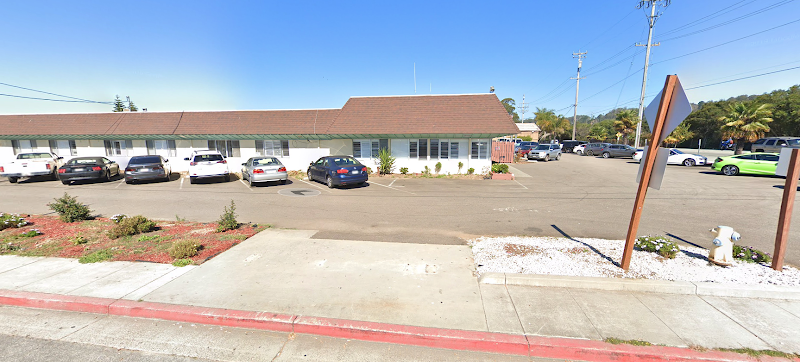
Who Owns and Operates Redwood Grove Post Acute?

REDWOOD GROVE POST ACUTE is owned by a for-profit company. For-profit facilities operate as businesses with obligations to shareholders or private owners. The facility operates independently rather than as part of a larger chain. With 144 certified beds and approximately 120 residents (about 83% occupancy), it is a mid-sized facility located in SANTA CRUZ, California.
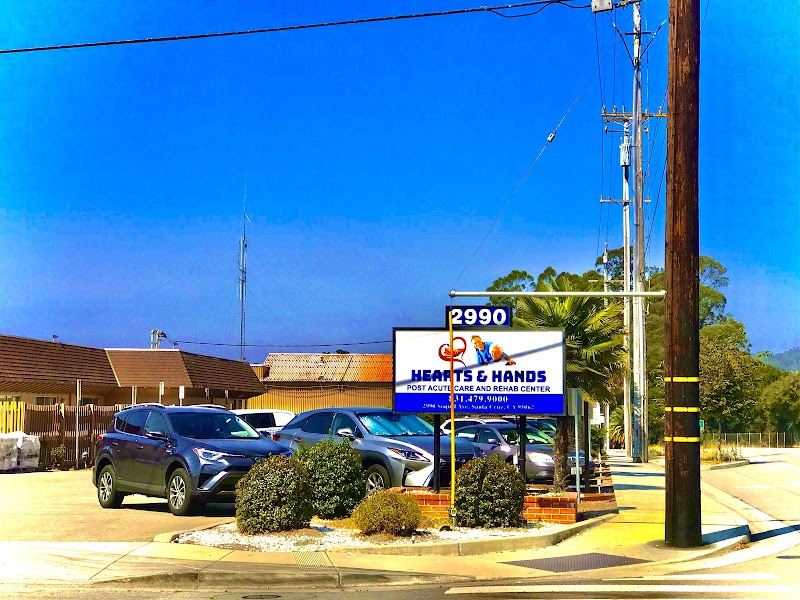
How Does Redwood Grove Post Acute Compare to Other California Nursing Homes?

Compared to the 100 nursing homes in California, REDWOOD GROVE POST ACUTE's overall rating (3 stars) is below the state average of 3.1, staff turnover (56%) is near the state average of 46%, and health inspection rating (3 stars) is at the national benchmark.

What Should Families Ask When Visiting Redwood Grove Post Acute?

Based on this facility's data, families visiting should ask: "What changes have been made since the serious inspection findings, and how are you preventing similar issues?" "How do you ensure continuity of care given staff turnover, and what is your staff retention strategy?" "Can I visit during a mealtime to observe dining assistance and food quality?" "How do you handle medical emergencies, and what is your hospital transfer rate?" These questions are particularly relevant given the facility's Immediate Jeopardy citations and the facility's high staff turnover rate.

Is Redwood Grove Post Acute Safe?

Based on CMS inspection data, REDWOOD GROVE POST ACUTE has documented safety concerns. Inspectors have issued 1 Immediate Jeopardy citation (the most serious violation level indicating risk of serious injury or death). The facility has a 3-star overall rating and ranks #100 of 100 nursing homes in California. Families considering this facility should ask detailed questions about what corrective actions have been taken since these incidents.

Do Nurses at Redwood Grove Post Acute Stick Around?

Staff turnover at REDWOOD GROVE POST ACUTE is high. At 56%, the facility is 10 percentage points above the California average of 46%. Registered Nurse turnover is particularly concerning at 79%. RNs handle complex medical decisions and coordinate care — frequent RN changes can directly impact care quality. High turnover means new staff may not know residents' individual needs, medications, or preferences. It can also be disorienting for residents, especially those with dementia who rely on familiar faces. Families should ask: What is causing the turnover? What retention programs are in place? How do you ensure care continuity during staff transitions?

Was Redwood Grove Post Acute Ever Fined?

REDWOOD GROVE POST ACUTE has no federal fines on record. CMS issues fines when nursing homes fail to meet care standards or don't correct problems found during inspections. The absence of fines suggests the facility has either maintained compliance or corrected any issues before penalties were assessed. This is a positive indicator, though families should still review recent inspection reports for the full picture.

Is Redwood Grove Post Acute on Any Federal Watch List?

REDWOOD GROVE POST ACUTE is not on any federal watch list. The most significant is the Special Focus Facility (SFF) program, which identifies the bottom 1% of nursing homes nationally based on persistent, serious quality problems. Not being on this list means the facility has avoided the pattern of deficiencies that triggers enhanced federal oversight. This is a positive indicator, though families should still review the facility's inspection history directly.