SANTA CRUZ POST ACUTE
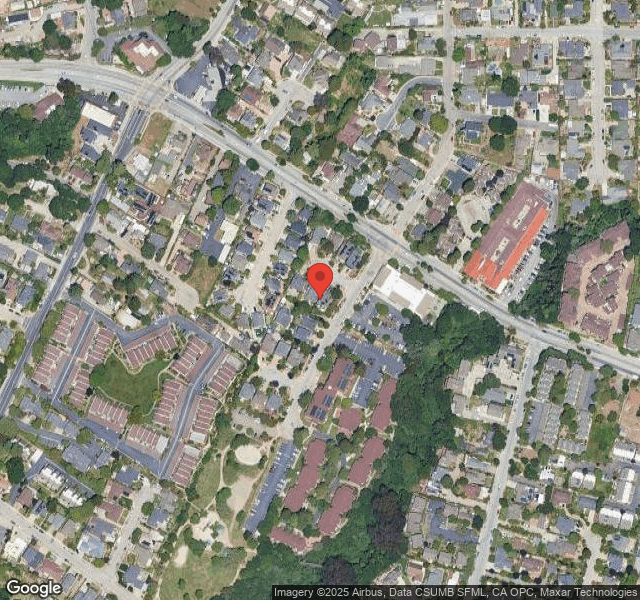

1115 CAPITOLA ROAD, SANTA CRUZ, CA 95062 (831) 475-4055
For profit - Limited Liability company 149 Beds PACS GROUP Data: November 2025 1 Immediate Jeopardy citation
Trust Grade
13/100
#901 of 1155 in CA
Last Inspection: March 2025

Within standard 12-15 month inspection cycle. Federal law requires annual inspections.

Overview

Santa Cruz Post Acute has received a Trust Grade of F, indicating significant concerns and overall poor performance compared to other facilities. They rank #901 out of 1155 in California, placing them in the bottom half of nursing homes in the state, and #5 out of 7 in Santa Cruz County, meaning only two local options are worse. The facility's trend is stable, with 21 issues reported in both 2024 and 2025, but the staffing rating is only 2 out of 5 stars, with a concerning turnover rate of 59%, much higher than the state average of 38%. Additionally, the home has incurred $77,549 in fines, which is higher than 82% of California facilities, suggesting ongoing compliance problems. Strengths include excellent quality measures rated 5 out of 5, indicating good outcomes for residents. However, serious incidents have been reported, such as a resident falling and sustaining a laceration after being left unsupervised, and multiple residents not receiving necessary medication management, including a failure to monitor blood pressure before administering critical medications. These findings highlight significant weaknesses in both resident safety and medication oversight.

Trust Score
F
13/100
In California
#901/1155
Bottom 22%
Safety Record
High Risk
Review needed
Inspections
Holding Steady
21 → 21 violations
Staff Stability
⚠ Watch
59% turnover. Above average. Higher turnover means staff may not know residents' routines.
Penalties
✓ Good
$77,549 in fines. Lower than most California facilities. Relatively clean record.
Skilled Nurses
⚠ Watch
Each resident gets only 26 minutes of Registered Nurse (RN) attention daily — below average for California. Fewer RN minutes means fewer trained eyes watching for problems.
Violations
⚠ Watch
82 deficiencies on record. Higher than average. Multiple issues found across inspections.
★★☆☆☆
2.0
Overall Rating
★★☆☆☆
2.0
Staff Levels
★★★★★
5.0
Care Quality
★☆☆☆☆
1.0
Inspection Score
Stable
2024: 21 issues
2025: 21 issues

The Good

  • 5-Star Quality Measures · Strong clinical quality outcomes
  • Full Sprinkler Coverage · Fire safety systems throughout facility
  • No fines on record

Facility shows strength in quality measures, fire safety.

The Bad

2-Star Overall Rating

Below California average (3.1)

Below average - review inspection findings carefully

Staff Turnover: 59%

13pts above California avg (46%)

Frequent staff changes - ask about care continuity

Federal Fines: $77,549

Well above median ($33,413)

Moderate penalties - review what triggered them

Chain: PACS GROUP

Part of a multi-facility chain

Ask about local staffing decisions and management

Staff turnover is elevated (59%)

11 points above California average of 48%

The Ugly 82 deficiencies on record

1 life-threatening 2 actual harm
Jul 2025 1 deficiency
CONCERN (D) 📢 Someone Reported This

A family member, employee, or ombudsman was alarmed enough to file a formal complaint

Potential for Harm - no one hurt, but risky conditions existed

Deficiency F0552 (Tag F0552)

Could have caused harm · This affected 1 resident

Based on interview and record review, the facility failed to obtain informed consent for psychotropic medications from the responsible party (RP, a person empowered to make decisions for the resident)...

Read full inspector narrative →
Based on interview and record review, the facility failed to obtain informed consent for psychotropic medications from the responsible party (RP, a person empowered to make decisions for the resident) for one of three residents (Resident 1). This failure had the potential to result in the resident's RP not being fully informed regarding care and treatment in order to make health care decisions for the resident. Findings: Review of Resident 1's clinical record indicated he was admitted to the facility with diagnoses including toxic encephalopathy (neurologic disorder caused by exposure to toxic substances) and dementia (a progressive state of decline in mental abilities). Review of Resident 1's admission Record, printed 4/29/25 indicated the resident's contacts included a case worker and conservator, who was Resident 1's RP. Review of Resident 1's Informed Consent - Psychoactive Medication, dated 1/27/25 indicated the resident's psychoactive medications were escitalopram (an antidepressant medication used to treat depression or anxiety) and Seroquel (an antipsychotic medication used to treat mental health disorders). The informed consent indicated, Verbal consent obtained from [name of case worker] - case worker. During an interview on 5/19/25 at 2:18 p.m., the social services director (SSD) stated Resident 1's conservator is the resident's responsible party and is the main person who makes decisions for Resident 1. The SSD stated the case worker was not able to make any medical decisions for Resident 1. During an interview on 5/19/25 at 10:48 am, the case worker stated he definitely did not have the responsibility to make decisions for Resident 1. Review of the facility's 2001 policy, Psychotropic Medication Use, indicated, Prior to initiating the use of, increasing the dose of, or switching to a different psychotropic medication, the staff and physician will review the following with the resident/representative prior to obtaining documented consent or refusal: . The resident's/representative's right to accept or decline the treatment.
Mar 2025 20 deficiencies 1 IJ (1 affecting multiple)
CRITICAL (K)

Immediate Jeopardy (IJ) - the most serious Medicare violation

Deficiency F0757 (Tag F0757)

Someone could have died · This affected multiple residents

**NOTE- TERMS IN BRACKETS HAVE BEEN EDITED TO PROTECT CONFIDENTIALITY** Based on observation, interview, and record review, the facility failed to ensure 13 out of 40 sampled residents (Residents 10, ...

Read full inspector narrative →
**NOTE- TERMS IN BRACKETS HAVE BEEN EDITED TO PROTECT CONFIDENTIALITY** Based on observation, interview, and record review, the facility failed to ensure 13 out of 40 sampled residents (Residents 10, 19, 38, 39, 47, 53, 60, 67, 72, 93, 104, 111, and 121) were free from unnecessary medications when there was inadequate monitoring and systemic failure in the management of antihypertensive (medication to manage high blood pressure) and antiarrhythmic (medication to manage arrhythmia [abnormal or irregular heartbeats]) medications, and lack of monitoring for signs and symptoms related to the use of anticoagulants (medication to prevent blood clots). They are as follows: 1. During a medication pass observation, Licensed Vocational Nurse C (LVN C) failed to measure Resident 47's blood pressure (BP) before administering an antihypertensive medication, losartan 50 milligrams (mg, unit of measurement), to Resident 47. 2a. For Resident 104: - Nursing staff did not carry out the physician's order for daily BP monitoring. - He had a routine order for metoprolol (medication to lower BP and heart rate [HR]) with the direction to hold the medication if SBP less than (<)100 milliliters of mercury (mmHg, unit of measurement) and HR <60 beats per minute (bpm) order but the staff did not check the BP and HR daily before its administration. (Normal HR: 60 - 100 bpm) - He received daily amiodarone (a potent antiarrhythmic agent - medication to treat/prevent irregular or abnormal heart rhythms) without consistent and daily BP and HR monitoring, and without a comprehensive care plan. - He received four routine antihypertensive medications without daily BP monitoring: Metoprolol, Entresto (a combination medication for hypertension and heart failure [a condition when the heart cannot pump enough blood to meet the body's needs]), furosemide (a diuretic, or water pill, to remove excess salt and water, and thereby lowering BP), and spironolactone (a diuretic to manage hypertension). The nursing staff did not code the Medication Administration Record (MAR, official document where staff record medication administration and related monitoring) correctly to require the input of the required BP and HR before administration of these medications. The record review indicated there was a period where BP and HR were not checked for as long as 14 days, as follows: - Resident 104's BP was not checked for 14 days from 1/11/25 to 1/26/25; for 3 days from 1/26/25 to 1/30/25; for 7 days from 2/1/25 to 2/8/25; for 2 days from 2/9/25 to 2/12/25; for 5 days from 2/13/25 to 2/18/25; and for 6 days from 2/19/25 to 2/26/25. - Resident 104's HR measurement was not obtained for 14 days from 1/11/25 to 1/26/25; for 4 days from 1/26/25 to 1/30/25; for 11 days from 2/1/25 to 2/13/25, and for 8 days from 2/19/25 to 2/27/25. 2b. For six residents (Residents 10, 38, 54, 111, 121, and 287) receiving digoxin (an antiarrhythmic agent to treat heart failure and AF) - Resident 38 received digoxin 6 times when HR was outside of the prescribed parameter in January and February 2025 - Resident 111 had no HR obtained on 2/26/24, but digoxin was given - Resident 111 received digoxin daily since admission in June 2024 without monitoring for digoxin blood level (to monitor if the medication is within therapeutic range and to avoid toxicity) - Resident 10 had a physician's order to obtain digoxin level every 3 months since 4/1/24. There was no digoxin level done in July 2024, October 2024, and January 2025. - Six out of six residents did not have comprehensive care plan developed related to digoxin use (see F 656). 2c. The facility's consultant pharmacist (CP) failed to identify and report to the facility irregularities related to the above findings for above residents (Residents 10, 38, 54, 104, 111, 121, and 287) (See F 756) 2d. For eight residents (Residents 19, 38, 60, 67, 72, 93, 104, and 121) receiving amiodarone: - Eight out of eight residents had no documentation of BBW monitoring related to amiodarone - Eight out of eight residents had no documentation of BP and HR checks prior to administration of amiodarone until 2/28/2025 (day of survey); - Resident 72 received amiodarone on 2/28/2025 at 9:00 a.m. with BP of 95/87 when it was supposed to be held and the physician to be notified. - Seven out of eight residents did not have comprehensive care plan developed related to amiodarone use (see F 656). 2e. The competency checks for five licensed nurses (LNs) revealed one out of five LNs did not have nursing care competency and medication administration training (see F 726). The facility's noncompliance related to lack of monitoring of BP and HR prior to antihypertensive and antiarrhythmic medication administration and as ordered; hold parameters not being followed; lack of laboratory monitoring for digoxin level; lack of BBW monitoring for amiodarone; lack of hold parameters for these medications; inaccurate coding of the MAR; lack of comprehensive care planning; and lack of CP's recommendations or identification of irregularities related to these deficient practices had the potential for the residents to suffer adverse effects from severe hypotension or low BP (such as dizziness or lightheadedness, weakness, fatigue, confusion, blurred vision, nausea and vomiting) and worsening arrhythmias (such as chest pain, fainting, rapid or pounding heartbeats, sweating, collapse, and sudden cardiac arrest [heart stop beating suddenly]). Resident 104 had low BP readings on 1/7/25, 1/30/25, 2/1/25, 2/8/25, 2/13/25, and 2/19/25. Due to these systemic failures (as stated above) with the potential to affect all residents receiving antihypertensive and antiarrhythmic medications, the facility needed to take immediate action to correct the noncompliance. On 2/28/25 at 5:45 p.m., an Immediate Jeopardy (IJ, a situation in which the facility's noncompliance with one or more requirements of participation has caused, or is likely to cause, serious injury, harm, impairment, or death to a resident) was identified and declared, in the presence of the facility's Administrator, the Director of Nursing (DON), and the Regional Director of Clinical Services (RDCS) related to lack of BP and HR monitoring prior to antihypertensive and antiarrhythmic medication administration and as ordered; lack of laboratory monitoring for digoxin; lack of BP, HR, and BBW monitoring for amiodarone; lack of hold parameters for these medications; lack of comprehensive care planning; and lack of CP's recommendations or identification of irregularities related to these medication use. On 3/3/25, at 1:48 p.m., the IJ was removed after the Administrator submitted an acceptable IJ Removal Plan ([IJRP], a plan with interventions to immediately correct the deficient practices, and after the survey team verified and confirmed the corrective actions while onsite. The acceptable IJRP included the following corrective actions: A. The facility identified residents whose BP and HR need to be monitored. All 59 residents with antihypertensive and antiarrhythmic medications have their updated orders for BP and/or HR check prior to administration, hold parameters, BBW monitoring, digoxin level (when applicable), and developed comprehensive care plan. B. The DON or RDCS in-serviced/trained 7 out of 8 clinical leadership members, and 34 out of 38 licensed nurses (LNs) on ensuring that residents with anti-hypertensive and antiarrhythmic medications have orders for BP and/or HR check prior to administration, hold parameters, BBW monitoring order, digoxin level (when applicable) is carried out, and care plan is developed for use of those medications. LNs who are on vacation or leave and any new registry licensed nurses will be provided in-service/competency training before they work on the floor. C. The CP was provided an in-service by his supervisor on reviewing and identifying medication irregularities during monthly medication regimen review on 3/1/2025. The CP performed an audit of all residents on anti-hypertensive and antiarrhythmic medications for any inconsistencies on BP and/or HR checks prior to medication administration and on applicable lab test recommendations for those medications. This audit was completed by 3/2/2025. D. The interdisciplinary team (IDT, team composed of members from different departments involved in a resident's care) will continue to conduct a daily review of new admissions orders and any new orders for anti-hypertensive and antiarrhythmic medications and verify that those required components are present and being followed. E. The clinical leadership team started with random observation of several LNs during medication pass on 3/1/2025 to ensure that BP and/or HR are checked prior to giving medication(s) and hold parameters are followed. F. The Medical Director ([NAME]) has been actively consulted and involved by the clinical leadership team on ensuring that all residents receiving medications have appropriate vital signs (measure of basic functions: body temperature, HR, respiratory rate, BP) monitoring and checks, have hold parameters, and applicable lab orders for use of medications. G. The Medical Records Director (MRD) or designee will continue to perform compliance audits to ensure that residents with anti-hypertensive and antiarrhythmic medications have orders for BP and/or HR check prior to administration, hold parameters, black box monitoring, digoxin level (when applicable), and care plan. H. Corrective Action Plan will be reviewed at QAPI [Quality Assessment and Performance Improvement] Committee Meeting for 6 months using pertinent compliance audit information and resolutions from March 2025 through the end of August 2025 or until the desired outcome of 100% compliance is achieved and sustained for at least six consecutive months. 3. Resident 47 received daily losartan with a hold parameter without the nursing staff monitoring the BP prior to its administration. 4. Resident 104 received amiodarone on 2/28/2025 at 9:00 a.m. with BP of 98/66 when it was supposed to be held and the physician to be notified, after the concerns had been raised with facility leadership staff. 5. Resident 39 received Xarelto (an anticoagulant to prevent blood clots) without evidence of staff monitoring for signs and symptoms related to its use. 6. For Resident 53, the nursing staff did not consistently monitor the signs and symptoms related to the use of Eliquis (an anticoagulant). The failures had the potential for residents to suffer adverse effects of the medications including undetected severe hypotension, worsening of arrythmias, and anticoagulant-related symptoms such as bleeding, bruising, discolored urine, black, tarry stools, lethargy, sudden changes in mental status or vital signs, shortness of breath, or nosebleeds, and untimely interventions for the residents. Findings: The BP is measured in millimeters of mercury (mmHg, unit of measurement) and in two numbers. The upper number is the systolic BP, or SBP, indicating the pressure in the arteries when the heart beats and pumps blood through the body; the lower number is the diastolic BP, or DBP, is the pressure in the arteries when the heart rests between beats. According to the American Heart Association, normal BP is less than 120/80 mmHg; and low BP is a reading lower than 90/60 mmHg (www.heart.org; accessed 3/6/25) 1. During a medication pass observation on 2/24/25 at 9:33 a.m., LVN C was observed preparing and administering 8 medications, including a tablet of losartan 50 mg, to Resident 47. During the concurrent interview and record review on 2/24/25 at 9:52 a.m., when asked about Resident 47's BP for the administration of losartan, LVN C stated a certified nursing assistant (CNA) had already taken it earlier that day. She reviewed Resident 47's BP in the clinical record which indicated the latest BP was obtained the day prior, on 2/23/25 at 16:08 (4:08 p.m.). LVN C stated she did not check the resident's BP earlier that morning. On 2/24/25 at 9:54 a.m., she was observed returning to Resident 47's bedside and obtained her BP. It was 156/70 mmHg. After returning to the medication cart, LVN C stated, It was a mistake and she should have checked the BP before giving the losartan. A review of Resident 47's clinical record indicated a physician's order, dated 5/21/24, for losartan 50 mg, give 1 tablet one time a day for hypertension hold for systolic [BP] <110 [mmHg]. 2a. A review of Resident 104's admission record indicated he was admitted to the facility with diagnoses including pleural effusion (condition where excess fluid accumulates in the pleural space, the thin cavity between the lungs and the chest wall), heart failure, pulmonary edema (condition where excess fluid accumulates in the lungs, causing difficulty breathing), and unspecified peripheral vascular disease (slow and progressive circulation disorder caused by narrowing, blockage or spasms in a blood vessel). A review of the cardiologist's (physician specialized in heart medical conditions) After Visit Summary, dated 9/9/24, indicated the resident was assessed with bruit (abnormal sound in an artery caused by turbulent blood flow). A review of Resident 104's Minimum Data Set (MDS, a care area assessment and screening tool), dated 12/17/24, indicated he had a BIMS (Brief Interview for Mental Status, a test given by medical professionals that helps determine a patient's cognitive understanding, scored from 1 to 15) score of 11, which indicated his cognitive condition was moderately impaired. On 2/27/25, a review of Resident 104's physician's orders, and January and February 2025 Medication Administration Records (MARs), indicated the following orders and administration times: A. Four routine antihypertensive medications: - Valsartan (treat high blood pressure and heart failure) 40 mg 1 tablet twice daily for hypertension, dated 4/12/24. On 1/30/25, valsartan was discontinued and switched to Entresto (combination of valsartan and sacubitril, another antihypertensive medication) 24-26 mg twice daily. One 2/4/25, Entresto was reduced to one time a day for hypertension. Part of its order indicated to Check BP without specified frequency. Each of these medications was scheduled to be administered daily at 10 a.m. - Furosemide 20 mg, give 1.5 tablets (30 mg) one time a day for edema (swelling caused by a buildup of fluid in body tissues) and hypertension, dated 8/23/24. It was scheduled to be administered daily at 9 a.m. - Spironolactone 25 mg, give 1 tablet one time day for fluid retention, dated 12/26/24. It was scheduled to be administered daily at 9 a.m. - Metoprolol extended release (ER) 25 mg one time a day for hypertension, hold for systolic BP < [less than] 100 [mmHg], [HR] <60 [bpm], dated 4/12/24. It was scheduled to be administered daily at 10 a.m. (Normal HR is between 60 - 100 bpm). B. Amiodarone 200 mg, 1 tablet by mouth one time a day for arrhythmia, dated 4/12/24. It was scheduled to be administered daily at 10 a.m. C. Check BP Q [every] day one time a day 'call clinic if SBP is less than 100 [mmHg] consistently, dated 1/30/25. It was scheduled daily at 9 a.m. A review of the Package Insert (PI, document included in the package of a medication that provides information about that drug and its use) for amiodarone, revised 10/2018, indicated it an antiarrhythmic medication to treat ventricular arrhythmias (life-threatening heart rhythm disturbance where the ventricles [lower chambers of the heart] quiver instead of contracting normally) and atrial fibrillation (an irregular heart rhythm that begins in your heart's upper chambers [atria]). The PI also indicated to monitor the patient's cardiac [heart] rhythm and blood pressure, and, if bradycardia [low HR] ensues, a ß-adrenergic agonist [a type of medication to increase HR] or a pacemaker may be used . The review of the PI for amiodarone also indicates it has a Black Box Warning (BBW, strongest warning put in the labeling of a prescription drug by the Food and Drug Administration [FDA] to indicate the drug carries a significant risk of serious or life-threatening adverse effects) indicating it has potential to cause life-threatening liver toxicity, pulmonary [lung] toxicity, and worsening arrhythmia. (https://www.accessdata.fda.gov/scripts/cder/daf/index.cfm, accessed 2/28/25) A review of Resident 104's January and February 2025 MARs indicated the nursing staff placed their initials and a check mark on in the entry for the Check BP one time a day with no corresponding BP readings. There were no corresponding BP readings for the administration of furosemide, valsartan or Entresto, and spironolactone. Similarly, there was no documentation of corresponding BP and HR for the administration of metoprolol despite the physician's order to hold for SBP <100 mmHg and HR <60 bpm. Furthermore, there was no hold parameters for or corresponding measurement of BP and HR for the use of amiodarone. Further review of Resident 104's BP and HR summary indicated: - Resident 104's BP was not checked for 14 days from 1/11/25 to 1/26/25; for 3 days from 1/26/25 to 1/30/25; for 7 days from 2/1/25 to 2/8/25; for 2 days from 2/9/25 to 2/12/25; for 5 days from 2/13/25 to 2/18/25; and for 6 days from 2/19/25 to 2/26/25. - Resident 104's HR measurement was not obtained for 14 days from 1/11/25 to 1/26/25; for 4 days from 1/26/25 to 1/30/25; for 11 days from 2/1/25 to 2/13/25, and for 8 days from 2/19/25 to 2/27/25. A review of Resident 104's clinical record also indicated there was no comprehensive care plan that included the diagnosis, goals/outcomes, monitoring parameters and interventions for Resident 104's arrhythmia or the monitoring of the BBW related to amiodarone use. During a concurrent interview and record review with the Director of Nursing (DON), the Infection Control Preventionist (IP), and Nurse Supervisor D (NS D) on 2/27/25 at 1:45 p.m., they reviewed Resident 104's clinical record and acknowledged the resident's BP and HR were not checked on a daily basis as per physician's order, and before administration of metoprolol; no BP checks done before the administration of Entresto, spironolactone, and furosemide; no hold parameters and no BP and HR check for amiodarone; and no comprehensive care plan for Residentn104's arrhythmia and amiodarone use. The IP and NS D stated the BP and HR should be checked at least daily, and the care plan should have been developed. The staff present also verified there were gaps of multiple days (as stated above) where BP and HR were not checked daily and acknowledged the potential for resident to suffer from undetected severe hypotension and arrhythmias (such as too slow HR) During an interview with Resident 104 on 2/27/25 at 2:09 p.m., when asked how often the staff obtained his HR, he stated, Here and there. About the BP measurement, Resident 104 stated, They get it when they come in, sometimes 2 to 3 times per day. It depends. During a telephone interview with the CP on 2/27/25 at 3:30 p.m., he stated residents receiving amiodarone should receive routine HR monitoring, and Resident 104 receiving four antihypertensive medications had a risk of hypotension. When asked whether he had identified and made a recommendation for the nursing staff to include HR and BP monitoring for the use of his antihypertensive and antiarrhythmic medications for Resident 104, the CP stated he did not. During an interview with the DON on 2/27/25 at 4:33 p.m., she stated, The blood pressure and pulse were not consistently done . The MAR was not coded right so it's not on the MAR. She explained the MAR should be coded to require an input of the BP and/or HR with BP and cardiac (heart) medications. When asked whether the BP and HR measurements were documented somewhere else, the DON stated no and that she checked the CNA's logs, and it's not there. On 2/28/25 at 9:26 a.m. in the presence of the Assistant Director of Staff Development (ADSD), a review of Resident 104's February 2025 MAR was conducted with LVN G. She confirmed she administered the metoprolol with the prescribed hold parameters, and documented she checked the BP on 2/5 and 2/6/25; however, there was no BP and HR measurement in the clinical record for both days. Both LVN G and the ADSD stated the nursing staff check BP and HR before giving BP and cardiac medications. The ADSD also reviewed the clinical record and stated, I am not sure what to say. During a concurrent interview and record review with LVN H on 2/28/25 at 9:42 a.m., she reviewed Resident 104's February 2025 MAR and confirmed she documented the administration of metoprolol with ordered hold parameters, and did the daily BP on 2/25/26; however, there were no BP and HR measurement on 2/25/26 in Resident 104's clinical record. She stated, If the MAR doesn't say then I don't put in there unless I put in the progress notes. When asked to look up the progress notes, LVN H stated, I know I did not. During a concurrent interview and record review with LVN I on 2/28/25 at 9:55 a.m., a review of Resident 104's February 2025 MAR with LVN I indicated she documented she administered the metoprolol and did the daily BP check on 2/10, 2/11, 2/15, and 2/21/25 during which there were no documentation of daily BP and HR measurement. She stated, I checked them but not entered into the system because it didn't have entry to enter, but I always check them. In a concurrent interview and record review with Registered Nurse (RN) J on 2/28/25 at 10:11 a.m., a review of Resident 104's February 2025 MAR with RN J indicated she administered the BP medications, including the metoprolol; and the daily BP check, on 2/3, 2/4, 2/14, 2/22, 2/23, and 2/26/25 during which there were no BP and HR measurement in the clinical record. RN J acknowledged there were BP and HR missing in the MAR and stated, I understand what you are saying. There's no excuse for it. She also acknowledged Resident 104 was receiving four BP medications which had the potential for severe hypotension if not checked. She stated the nurses can change the order when the MAR did not have entries to input BP and HR, but acknowledged they were not done prior to being brought up by the survey team (on 2/27/25). A request was made for an interview with Resident 104's physician (Physician A) on 2/28/25. During an interview on 2/28/25 at 10:55 a.m., Nursing Supervisor D (NS D) stated she just received a telephone call from Physician A who said she is not available for interview as she was in a conference. NS D stated Physician A wanted her to relay the message to the surveyor that Resident 104 was being followed by the cardiologist. NS D also stated that Physician A said she has had concerns about the care in the facility and that is the reason why she would not admit new patients to this facility until things are fixed. On 2/28/25 at 11:35 a.m., a telephone interview was conducted with the Medical Director ([NAME]). When asked about the expectation of staff obtaining and documenting the BP and HR for antihypertensive and cardiac medications, he stated, If there's a standing order, it should be documented. Ideally. During a concurrent interview and record review with NS D on 2/28/25 at 11:47 a.m., a review of Resident 104's BP summary in the electronic record indicated he had low BP readings (see below). NS D stated she could not tell if the BP readings were before or after metoprolol administration on 2/1, 2/8, and 2/13/25. She was asked to provide the exact timing of the metoprolol administration for those days. Date and time BP readings in mmHg - 1/7/25 at 1:40 a.m. 108/58 - 1/30/25 at 10:23 a.m. 101/50 - 2/1/25 at 10:20 a.m. 93/54 - 2/8/25 at 9:10 a.m. 91/56 - 2/13/25 at 8:52 a.m. 96/54 - 2/19/25 at 1:02 a.m. 95/54 During a follow-up interview with NS D on 3/1/25 at 4:07 p.m., she stated the electronic system only allowed a 14-day look back of medication administration times, so she could not provide the exact time the metoprolol was administered on those days. A review of an online article from the National Heart, Lung, and Blood Institute titled Low Blood Pressure, updated 3/14/22, indicated hypotension symptoms included: Confusion, dizziness or lightheadedness, fainting, feeling tired or weak, blurry vision, headache, neck or back pain, nausea, and heart palpitations. (https://www.nhlbi.nih.gov/health/low-blood-pressure, accessed 2/28/25) A review of the online publication titled Symptoms, Diagnosis and Monitoring of Arrhythmia dated 10/10/24, by the American Heart Association (www.heart.org), severe arrhythmia symptoms include: Fatigue or weakness, dizziness or lightheadedness, fainting or near-fainting spells, shortness of breath, chest pain, alternating fast and slow heart rate, sweating, and in extreme cases, collapse and sudden cardiac arrest. 2b. A review of the PI for digoxin, dated 2015, indicated Digoxin has a narrow therapeutic index [medication in which the therapeutic dose is very close to the toxic dose], increased monitoring of serum digoxin concentrations and for potential signs and symptoms of clinical toxicity is necessary when initiating, adjusting, or discontinuing drugs that may interact with digoxin . Monitor for signs and symptoms of digoxin toxicity and clinical response. Adjust dose based on toxicity, efficacy, and blood levels. On 2/28/25 starting at 2:30 p.m., a concurrent interview and review of the clinical records residents receiving digoxin was conducted with Minimum Data Set Coordinator B (MDSC) B. The following was identified: A. On 2/28/25 starting at 2:32 p.m., a review of Resident 38's clinical record with MDSC B indicated the resident had a physician's order for Digoxin Tablet 250 MCG [micrograms, unit of measurement], Give 1 tablet by mouth one time a day for heart failure check apical heart rate [or apical pulse or AP; heartbeat that is felt or heard at the apex (bottom) of the heart, typically on the left side of the chest] prior to each dose. Hold dose if heart rate is less than 60 and notify MD [medical doctor], dated 1/5/25. A review of Resident 38's January and February 2025 MARs indicated the nursing staff did not hold the resident's digoxin when he had the documented pulse (HR) of less than 60 bpm on: 1/20 (HR: 58); 1/26 (HR: 53); on 2/3 (HR: 59), on 2/5 (HR: 53), 2/7 (HR: 55), and 2/18/25 (HR: 59). MDSC B also reviewed the progress notes and stated there was no physician's notification on those days. She confirmed the physician's order was not followed. Furthermore, there was no comprehensive care plan developed for the resident's heart failure or digoxin use. MDSC B stated it should have been care planned. B. On 2/28/25 at 2:40 p.m., a review of Resident 111's clinical record with MDSC B indicated Resident 111 had a physician's order for Digoxin Oral Tablet 125 MCG . Give 1 tablet by mouth one time a day for Antiarrhythmic Hold if APICAL pulse <60 [bpm], dated 6/28/24. A review of Resident 111's February 2025 MAR indicated digoxin was documented as administered to the resident on 2/26/25, but there was no documented AP on that day. MDSC B verified this finding. She also confirmed there was no care plan developed for the use of digoxin, and stated there should have been a care plan developed. Also, the review of Resident 111's clinical record with MDSC B indicated no digoxin level since admission and ordered date of 6/28/24 (a period of 8 months). C. On 2/28/25 at 2:42 p.m., a concurrent interview and record review of Resident 287's clinical record with MDSC B indicated a physician's order for Digoxin Tablet 125 MCG Give 1 tablet by mouth one time a day for heart failure hold if pulse less than 70, dated 2/14/2025. MDSC B stated she could not find any care plan for the resident's heart failure or digoxin use. She confirmed there should have been a care plan developed. D. On 2/28/25 at 2:44 p.m., a review of Resident 10's clinical record indicated he had been receiving Digoxin Tablet 125 MCG Give 1 tablet by mouth one time a day for heart failure Hold dose if AP less than 60, since 4/24/2021. He also had a physician's order, dated 4/1/24, for laboratory blood tests including the digoxin level every 3 months, scheduled January, April, July, and October each year. MDSC B reviewed Resident 10's clinical record and the contracted laboratory website and stated she could only found one laboratory report conducted on 4/1/24. She confirmed there was no digoxin level done in July 2024, October 2024, or in January 2025. Also, MDSC B stated she could not find any care plan for the use of digoxin. She acknowledged the physician's order was not carried out and there should be a care plan for the resident's heart failure. E. On 2/28/25 at 3:40 p.m., a review of Resident 54's clinical record with MDSC B indicated a physician's order for Digoxin tablet 125 MCG Give 1 tablet by mouth one time a day for AFib [atrial fibrillation] hold if less than 60 [bpm] and notify M.D as needed, dated 9/6/2023. MDSC B stated she could not find the comprehensive care plan for AF or digoxin use. She confirmed there should have been a care plan developed. F. On 2/28/25 at 3:57 p.m., a concurrent interview and record review of Resident 121's clinical record with MDSC B indicated a physician's order for digoxin 125 mcg 1 tablet one time a day for AF, dated 10/18/24. MDSC B stated there was no care plan for Resident 121's AF or digoxin use. 2c. During a telephone interview with the CP on 2/28/25 at 4:12 p.m., the CP stated digoxin level should be monitored routinely, and he would make a recommendation for it every 6 months. When asked whether he had made a recommendation to draw a digoxin level for Resident 111 since she was admitted in June 2024, the CP stated he did not, and confirmed he should have. Regarding the review for the care plans related to medication use in the residents' clinical record, the CP stated, Sometimes I do but not too much. After reviewing his own record, the CP stated he did not make recommendation on care plans during the monthly medication regimen review for Residents 10, 38, 54, 111, 121, and 287. 2d. A concurrent interview and record review of seven additional residents (Residents 19, 38, 60, 67, 72, 93, and 121) receiving amiodarone indicated: A. Review of Resident 121's clinical record titled, admission Record, dated 2/28/25, indicated Resident 121 was admitted to the facility with diagnoses including hypertensive heart and chronic kidney disease (refers to a condition where high blood pressure damages both the heart and kidneys) with heart failure and stage 1 through stage 4 chronic kidney disease (occurs when kidneys work harder to filter blood and may stop working altogether), paroxysmal atrial fibrillation (a fast, irregular heartbeat that only lasts a few hours or days), and cardiomyopathy (a disease that affects the heart muscle, making it difficult for the heart to pump blood). Review of Resident 121's physician order, dated 12/20/24, indicated, Amiodarone . 100 MG Give 1 tablet by mouth one time a day for CHF [chronic heart failure, a condition where the heart can't pump enough blood to meet the body's needs]. Amiodarone was scheduled to be given daily at 9:00 a.m. During a concurrent interview with the Assistant Director of Staff Development (ADSD) and record review on 2/28/25 at 3:35 p.m., the ADSD reviewed Resident 121's physician's order and the February 2025 MAR, and confirmed there was no documentation from nursing that the amiodarone's BBW was being monitored. The ADSD further confirmed there was no documented BP and HR readings in the MAR from 2/1 to 2/27/25 prior to administration of amiodarone. ADSD also confirmed there was no care plan developed
CONCERN (D)

Potential for Harm - no one hurt, but risky conditions existed

Resident Rights (Tag F0550)

Could have caused harm · This affected 1 resident

**NOTE- TERMS IN BRACKETS HAVE BEEN EDITED TO PROTECT CONFIDENTIALITY** Based on observation, interview, and record review, the facility failed to maintain respect, and dignity to three of 28 sampled ...

Read full inspector narrative →
**NOTE- TERMS IN BRACKETS HAVE BEEN EDITED TO PROTECT CONFIDENTIALITY** Based on observation, interview, and record review, the facility failed to maintain respect, and dignity to three of 28 sampled residents (Residents 46, 296, and 133) when: 1.Residents 46 and 296's indwelling catheter's (a catheter which is inserted into the bladder, thru the urethra and remains in place to drain urine) urinary bags were exposed and not covered with a privacy bag; and 2.Resident 133's personal information and care guide was posted in the room visible to roommate's visitors. These failures had the potential to negatively affect resident's emotional and psychosocial well-being. Findings: 1a. During an observation on 2/24/2025 at 8:53 a.m., inside Resident 46's room, Resident 46 was resting on her bed, talking to self. A urinary bag was observed hanging under the bed, exposed, and not covered with a privacy bag. During a concurrent observation and interview with registered nurse F (RN F) on 2/25/2025 at 9:55 a.m., inside Resident 46's room, Resident 46's urinary bag was still exposed containing 400 milliliters (ml, volume of measurement) of yellow urine, and not covered. RN F confirmed above observation, and stated, I am just a part time here and I cannot babysit everybody. RN F further stated it (urinary bag) should have been covered. During a review of Resident 46's clinical record titled, Order Summary Report, order dated 12/17/2024, indicated, Indwelling urinary (Foley) catheter is in privacy bag . During a review of Resident 46's care plans titled, Bladder: At risk for complication with urinary system related to indwelling catheter, date initiated 2/8/2025, indicated in one of the interventions, Privacy cover to catheter bag as indicated to promote dignity. 1b. During an observation on 2/24/2025 at 9:15 a.m., inside Resident 296's room, Resident 296's bed was near the door. Resident 296 was eating breakfast in bed, and the indwelling catheter's urinary bag was hanging at the right side of bed, exposed with 200 ml of yellow urine which could be seen by passersby at the hallway. The urinary bag was not inside a privacy bag. During a concurrent observation and interview with RN F on 2/24/2025 at 9:19 a.m., inside Resident 296's room, RN F confirmed above observation, and stated the urinary bag should have been covered. During a review of Resident 296's minimum data set (MDS - a federally mandated resident assessment tool) admission assessment dated [DATE], indicated Resident 296's brief interview for mental status (BIMS, a tool used to assess cognition [knowing, learning, and understanding things]) score was 11 (0 to 7 indicates severe cognitive impairment, 8-12 moderate impairment, 13-15 patient is cognitively intact). During an interview with director of nursing (DON) on 2/25/2025 at 10:21 a.m., DON confirmed residents' urinary bags should be covered to maintain residents' dignity. During a review of the facility's policy and procedure titled, Dignity, date revised February 2021, indicated, Residents are treated with dignity and respect at all times .Demeaning practices and standards of care that compromise dignity are prohibited. Staff are expected to promote dignity and assist residents; for example: a. helping the resident to keep urinary catheter bags covered . 2. During a concurrent observation and interview with RN F on 2/24/2025 at 9:20 a.m., inside Resident 133's room, Resident 133 was eating breakfast in bed and there were two paper notes posted at the wall above Resident 133's head of bed (HOB). One note titled, Swallowing /Mealtime Precautions, indicated Resident 133's full name and the following, Diet/Texture: Mech [mechanical] SOFT; Liquids: Thin; Supervision: Checking in; Medications: Whole 1at a time; Swallow Precautions: SET Up! *open Salad dressing, etc. *assist upright posture. *In w/c [wheelchair] is best. *Mandarin speaking. Please Anticipate Needs! He will NOT express needs independently. Another note posted, indicated, Fluid Restriction 1200 ml/day AM: 600 mL; PM: 400 mL; NOC: 200 mL. Resident 133 was sharing a room with two other residents. RN F confirmed above observation. RN F stated it should have been covered. During a review of Resident 133's MDS admission and 5 day assessment dated [DATE], it indicated Resident 133 had memory problem. During an interview with director of nursing (DON) on 2/25/2025 at 10:32 a.m., DON stated residents' care instructions should have to be covered. DON confirmed they have a new dietitian, and she did not know their policy about postings inside resident's room. During a review of the facility's policy and procedure titled, Dignity, date revised February 2021, indicated, Staff protect confidential clinical information. Examples include the following .b. Signs indicating the resident's clinical status or care needs are not openly posted in the resident's room unless specifically requested by the resident or family member. Discreet posting of important clinical information for safety reasons is permissible (e.g., taped to the inside of the closet door).
CONCERN (D)

Potential for Harm - no one hurt, but risky conditions existed

Deficiency F0554 (Tag F0554)

Could have caused harm · This affected 1 resident

**NOTE- TERMS IN BRACKETS HAVE BEEN EDITED TO PROTECT CONFIDENTIALITY** Based on observation, interview, and record review, the facility failed to implement their policy and procedure on self-administ...

Read full inspector narrative →
**NOTE- TERMS IN BRACKETS HAVE BEEN EDITED TO PROTECT CONFIDENTIALITY** Based on observation, interview, and record review, the facility failed to implement their policy and procedure on self-administration of medication (resident takes medication without staff assistance) when there were no documentation found in resident's records for self-administration of medication, and medications were left at bedside for two of 28 sampled residents (Residents 113 and 44). This failure had the potential for unsafe and improper administration of medications. Findings: 1.Review of Resident 113's clinical record titled, admission Record, dated 2/25/2025, indicated Resident 113 was admitted to the facility with diagnoses including low back pian, opioid use (a chronic disease that involves compulsive use of opioids [a class of drug used to reduce moderate to severe pain], even when it harms a person's life), and chronic pain syndrome (pain that lasts longer than three months, or past the normal healing time). Review of Resident 113's minimum data set (MDS - a federally mandated resident assessment tool) quarterly assessment dated [DATE], indicated Resident 113's brief interview for mental status (BIMS, a tool used to assess cognition [knowing, learning, and understanding things]) score was 14 (a score of 13-15 indicates patient is cognitively intact). During an observation on 2/23/2025 at 10:25 a.m., inside Resident 113's room, Resident 113 was seated at the edge of bed and a bottle of lidocaine (a medication that numbs areas of tissue) pain relief roll on was observed on top of Resident 113's bedside drawer. Resident 113 confirmed he was using the lidocaine pain relief roll on for his knee pain. During a concurrent interview with licensed vocational nurse K (LVN K) and record review on 2/24/2025 at 1:48 p.m., LVN K reviewed Resident 113's physician's order for lidocaine pain relief roll on. LVN K confirmed Resident 113 did not have an order of lidocaine pain relief roll on and an order to have it a bedside for self administration. LVN K further confirmed Resident 113 only had an order of lidocaine patch for his lower back pain. LVN K stated Resident 113 should not have the lidocaine pain relief roll on at bedside because there was no self-administration assessment of the medication completed, and there was no physician order for him to have the lidocaine pain relief roll on. 2.Review of Resident 44's clinical record titled, admission Record, dated 2/26/2025 indicated, Resident 44 was admitted to the facility with diagnoses including spondylosis of the lumbar region (a chronic condition that occurs when the vertebrae and disks of the lower back degenerate, also known as osteoarthritis), mild cognitive impairment (a condition in which people have more memory or thinking problems than other people their age), and failure to thrive (a state of decline that is multifactorial and may be caused by chronic concurrent diseases and functional impairment). Review of Resident 44's MDS quarterly assessment dated [DATE], indicated Resident 44's BIMS score was 11, with moderate cognitive impairment. During an observation on 2/23/2025 at 10:42 a.m., inside Resident 44's room, Resident 44 was seated at the edge of bed, with bedside commode next to her bed and two bottles of wound cleansers were observed on top of her overbed table. Resident 44 confirmed she used the wound cleansers to wash her hands after she used the bedside commode. During a concurrent interview with LVN K and record review on 2/24/2025 at 1:58 p.m., LVN K reviewed Resident 44's physician orders. LVN K confirmed Resident 44 should not have wound cleansers on top of her overbed table. LVN K stated the wound cleansers should have been kept in their treatment carts. During an interview with the director of nursing (DON) on 2/25/2025 at 10:14 a.m., DON confirmed all their residents should not have medication at bedside. DON stated medications should not be left on resident's overbed table or bedside drawer. DON further stated a resident can only have medication at bedside when: they were determined safe to self-administer the medication based on the self-administration assessment, there was a physician's order, it was care planned and the medication was stored in a locked box at resident's bedside drawer. During a review of the facility's policy and procedure titled, Self-Administration of Medications, dated 2/2021, indicated, Residents have the right to self-administer medication .If it is deemed safe and appropriate for a resident to self-administer medications, this is documented in the medical record and the care plan .Self -administered medications are stored in a safe and secure place, which is not accessible by other residents .Any medications found at the bedside that are not authorized for self-administration are turned over to the nurse in charge for return to the family or responsible party .
CONCERN (D)

Potential for Harm - no one hurt, but risky conditions existed

Deficiency F0558 (Tag F0558)

Could have caused harm · This affected 1 resident

**NOTE- TERMS IN BRACKETS HAVE BEEN EDITED TO PROTECT CONFIDENTIALITY** Based on observation, interview, and record review, the facility failed to ensure needs were accommodated for one of 28 sampled ...

Read full inspector narrative →
**NOTE- TERMS IN BRACKETS HAVE BEEN EDITED TO PROTECT CONFIDENTIALITY** Based on observation, interview, and record review, the facility failed to ensure needs were accommodated for one of 28 sampled residents (Resident 296) when the call button (a red or white button used to call for assistance) was not within Resident 296's reach for use. This failure had the potential for a delayed response and not meeting the resident's needs timely. Findings: Review of Resident 296's clinical record titled, admission Record, dated 2/25/2025, indicated Resident 296 was admitted to the facility with diagnoses including nondisplaced fracture (the bone cracks or breaks but retains its proper alignment) of left tibial tuberosity (a bony bump on the front of the upper part of the shin bone), repeated falls, and difficulty walking. Review of Resident 296's minimum data set (MDS - a federally mandated resident assessment tool) admission assessment dated [DATE], indicated Resident 296's brief interview for mental status (BIMS, a tool used to assess cognition [knowing, learning, and understanding things]) score was 11 (score of 8-12 indicates moderate impairment) During a concurrent observation and interview with Resident 296 on 2/24/2025 at 9:15 a.m., inside Resident 296's room, Resident 296 was eating breakfast in bed. Resident 296 complained he didn't know where his call button was located. Resident 296 tried to check both sides of his bed and still couldn't find his call button. Resident 296's call button was observed on the floor near the bed's wheels. During a concurrent observation and interview with registered nurse F (RN F) on 2/24/2025 at 9:19 a.m., inside Resident 296's room, RN F confirmed the above observation. RN F stated the call button should have been within Resident 296's reach for use. During an interview with the director of nursing (DON) on 2/25/2025 at 10:21 a.m., the DON stated call buttons or call lights should always be within resident's reach for use. During a review of the facility's policy and procedure titled, Call System, Residents, date revised 9/2022, indicated, Residents are provided with a means to call staff for assistance through a communication system that directly calls a staff member .Each resident is provided with a means to call staff directly for assistance from his/her bed .
CONCERN (D)

Potential for Harm - no one hurt, but risky conditions existed

Comprehensive Assessments (Tag F0636)

Could have caused harm · This affected 1 resident

**NOTE- TERMS IN BRACKETS HAVE BEEN EDITED TO PROTECT CONFIDENTIALITY** Based on interview, and record review, the facility failed to complete a comprehensive minimum data set (MDS - a federally manda...

Read full inspector narrative →
**NOTE- TERMS IN BRACKETS HAVE BEEN EDITED TO PROTECT CONFIDENTIALITY** Based on interview, and record review, the facility failed to complete a comprehensive minimum data set (MDS - a federally mandated resident assessment tool) admission assessment and a required discharge assessment in a timely manner for one of 10 residents (Resident 120). This failure resulted in Resident 120's admission and discharge assessment not completed within the time requirement and had a potential to result in inappropriate care planning and intervention. Findings: A.Review of Resident 120's clinical record titled, admission Record, dated 2/26/2025, indicated Resident 120 was admitted at the facility on 10/13/2024 with diagnoses including osteoarthritis (OA, a progressive disorder of the joints, caused by a gradual loss of cartilage) of first carpometacarpal joint (the saddle-shaped joint at the base of the thumb that connects the thumb to the wrist), left hand, chronic obstructive pulmonary disease (COPD-a chronic lung disease causing difficulty in breathing), and asthma (inflammatory disease of the airway that often causes wheezing, coughing, and shortness of breath). Further review, indicated Resident 120 was discharged on 1/20/2025. During a concurrent interview and record review on 2/26/2025 at 3:58 p.m., minimum data set coordinator A (MDSC A) reviewed Resident 120's admission record and MDS assessments. MDSC A confirmed Resident 120 was admitted on [DATE] and discharged to home on 1/20/2025. MDSC A stated the required timeframe to complete the MDS discharge assessment - return not anticipated should be 14 days from the discharge date . MDSC A confirmed Resident 120's MDS discharge assessment - return not anticipated was completed late on 2/11/2025 when it should have been completed on 2/3/2025. Review of Center for Medicare and Medicaid Services' Long-Term Care Facility Resident Assessment Instrument (CMS's LTCF RAI - a guide for facility staff to existing coding and transmission) Manual 3.0 Version 1.19.1, dated 10/2024, indicated, Discharge Assessment-return not anticipated - MDS Completion Date No Later Than - discharge date + 14 calendar days. B.During a concurrent interview and record review on 2/27/2025 at 8:55 a.m., MDSC A reviewed Resident 120's admission assessment combined with 5-day assessment. MDSC A stated based on the RAI manual, the MDS admission assessment should be completed on the 14th day of the resident's admission. MDSC A confirmed Resident 120's MDS admission assessment was completed late on 11/3/2024 when it should have been completed on 10/26/2024. Review of CMS's LTC RAI Manual 3.0 Version 1.19.1, dated 10/2024, indicated, admission (Comprehensive) - MDS Completion Date No Later Than - 14th calendar day of the resident's admission (admission date + 13 calendar days).
CONCERN (D)

Potential for Harm - no one hurt, but risky conditions existed

Deficiency F0836 (Tag F0836)

Could have caused harm · This affected 1 resident

Based on observation, interview, and document review, the facility failed to comply with Federal and State laws and regulations when the approval letter for staffing waiver was not posted where visito...

Read full inspector narrative →
Based on observation, interview, and document review, the facility failed to comply with Federal and State laws and regulations when the approval letter for staffing waiver was not posted where visitors and residents could easily read. This failure had the potential to result in nurse staffing misinformation about residents' care. Findings: During an observation on 2/28/25 at 11:54 a.m., in front of the facility's glass covered cork board, the approval letter for the staffing waiver was not posted. During a concurrent observation and interview with the facility administrator (ADM) on 2/28/2025 at 11:56 a.m., in front of the facility's glass covered cork board, the ADM confirmed the approval letter for staffing waiver should have been posted on the board. During an interview on 03/03/25 at 01:58 p.m. with the staffing coordinator (SC), the SC stated the facility had a staffing waiver. Review of the staffing waiver's approval letter dated 6/18/2024, it indicated, Your request is approved and valid from July 1, 2024, until June 30, 2025, under the following conditions: 1. This approval letter shall be posted immediately adjacent to the facility's license. The facility shall provide written notice of the approved waiver to all residents prior to the execution of an admission agreement. The notice shall be a true copy of the approval letter.
CONCERN (E)

Potential for Harm - no one hurt, but risky conditions existed

Comprehensive Care Plan (Tag F0656)

Could have caused harm · This affected multiple residents

**NOTE- TERMS IN BRACKETS HAVE BEEN EDITED TO PROTECT CONFIDENTIALITY** Based on interview and record review, the facility failed to ensure the comprehensive care plans were developed and implemented ...

Read full inspector narrative →
**NOTE- TERMS IN BRACKETS HAVE BEEN EDITED TO PROTECT CONFIDENTIALITY** Based on interview and record review, the facility failed to ensure the comprehensive care plans were developed and implemented for 11 of 40 sampled residents (Resident 10, 19, 38, 54, 67, 72, 93, 104, 111, 121, and 287 ). This failure placed the residents at risk of not being provided appropriate, consistent, and individualized care. Findings: 1. A review of Resident 104's admission record indicated he was admitted to the facility with diagnoses including heart failure (condition where the heart cannot pump enough blood to meet the body's needs). A review of the physician's orders indicated an order, dated 4/12/24, for amiodarone (a anti-arrhythmic medication, to treat irregular heart rhythms) 200 milligrams (mg, unit of measurement), 1 tablet by mouth one time a day for arrhythmia. A review of Resident 104's clinical record indicated no care plan was developed and implemented for Resident 104's arrhythmia and use of amiodarone. During a concurrent interview and record review with the Director of Nursing (DON), the Infection Control Preventionist (IP), and Nurse Supervisor D (NS D) on 2/27/25 at 1:45 p.m., they reviewed Resident 104's clinical record and confirmed there was no care plan developed for arrhythmia and use of amiodarone. They acknowledged it should have been developed. 2a. A review of Resident 38's clinical record indicated the resident was admitted to the facility with diagnoses including heart failure. He had a physician's order for Digoxin [an antiarrhythmic medication] Tablet 250 MCG [micrograms, unit of measurement], Give 1 tablet by mouth one time a day for heart failure, dated 1/5/25. On 2/28/25 starting at 2:32 p.m., a review of Resident 38's clinical record with the Minimum Data Set Coordinator B (MDSC B) indicated there was no comprehensive care plan developed for the resident's heart failure or digoxin use. MDSC B stated it should have been care planned. 2b. Resident 38 also had a physician's order, dated 1/4/25, for Amiodarone . 200 MG Give 1 tablet by mouth two times a day for abnormal heart rhythm. During a concurrent interview and record review with the DON on 2/28/25, at 5:25 p.m., the DON reviewed Resident 38's list of care plans and confirmed there was no care plan in place to address Resident 38's abnormal heart rhythm and amiodarone use. 3. A review of Resident 111's clinical record indicated she was admitted to the facility with diagnoses including paroxysmal atrial fibrillation (a fast, irregular heartbeat that only lasts a few hours or days). She had a physician's order for Digoxin Oral Tablet 125 MCG . Give 1 tablet by mouth one time a day for Antiarrhythmic dated 6/28/24. On 2/28/25 at 2:40 p.m. during a concurrent interview and record review with MDSC B, she reviewed Resident 111's list of care plans and stated there was no care plan developed for the use of digoxin. MDSC B stated there should have been a care plan developed. 4. A review of Resident 287's clinical record indicated the resident was admitted to the facility with diagnoses including atrial fibrillation (AF; condition where the upper chambers of the heart [atria] beat irregularly and rapidly). Resident 287 had physician's order for Digoxin Tablet 125 MCG Give 1 tablet by mouth one time a day for heart failure, dated 2/14/25. On 2/28/25 at 2:42 p.m., during a concurrent interview and record review with MDSC B, she reviewed Resident 287's list of care plans and stated she could not find any care plan for the resident's heart failure or digoxin use. She confirmed there should have been a care plan developed. 5. A review of Resident 10's clinical record indicated was admitted to the facility with diagnoses including heart failure. A review of the physician's order, dated 4/24/21 indicated, Digoxin Tablet 125 MCG Give 1 tablet by mouth one time a day for heart failure since 4/24/21. On 2/28/25 at 2:44 p.m., during a concurrent interview and record review with MDSC B, she reviewed the resident's list of care plans and stated she could not find any care plan for the use of digoxin. She acknowledged there should be a care plan for the resident's heart failure and digoxin use. 6. A review of Resident 54's clinical record indicated the resident was admitted with diagnoses including unspecified AF. She had a physician's order for digoxin tablet 125 mcg, 1 tablet by mouth one time a day for AF, dated 9/6/2023. On 2/28/25 at 3:40 p.m., during a concurrent interview and record review with MDSC B, she reviewed Resident 54's list of care plans and stated she could not find a care plan for AF or digoxin use. She confirmed there should have been a care plan developed. 7a. A review of Resident 121's clinical record indicated he was admitted to the facility with diagnoses including paroxysmal atrial fibrillation (a fast, irregular heartbeat that only lasts a few hours or days), and cardiomyopathy (a disease that affects the heart muscle, making it difficult for the heart to pump blood). A review of the physician's orders indicated an order for digoxin 125 mcg 1 tablet one time a day for AF, dated 10/18/24. On 2/28/25 at 3:57 p.m., during a concurrent interview and record review with MDSC B, she reviewed Resident 121's list of care plans, and stated there was no care plan for Resident 121's AF or digoxin use. 7b. Resident 121 also had another physician's order, dated 12/20/24, for Amiodarone . 100 MG Give 1 tablet by mouth one time a day for CHF [chronic heart failure, a condition where the heart can't pump enough blood to meet the body's needs]. During a concurrent interview with the Assistant Director of Staff Development (ADSD) and record review on 2/28/2025 at 3:35 p.m., the ADSD reviewed Resident 121's physician order and list of care plans. The ADSD confirmed there was no care plan developed for Resident 121's amiodarone use. 8. Review of Resident 67's clinical record titled, admission Record, dated 2/28/25, indicated Resident 67 was admitted to the facility with diagnoses including unspecified diastolic heart failure (a condition in which the heart's main pumping chamber becomes stiff and unable to fill with enough blood and reducing the amount of blood pumped out to the body), hypertensive heart and chronic kidney disease with heart failure and stage 1 through stage 4 chronic kidney disease, and unspecified atrial fibrillation. Review of Resident 67's physician order, dated 11/17/2020, indicated, Amiodarone . 200 MG Give 1 tablet by mouth one time a day for Arrythmia. During a concurrent interview with minimum data set coordinator B (MDSC B) and record review on 2/28/25 at 4:21 p.m., MDSC B reviewed Resident 67's physician order and list of care plans, and confirmed there was no care plan developed for Resident 67's amiodarone use. 9. Review of Resident 72's clinical record titled, admission Record, dated 2/28/25, indicated Resident 72 was admitted at the facility with diagnoses including nonrheumatic mitral valve prolapse (a heart condition that occurs when the mitral valve [a heart valve between the left upper chamber and left lower chamber of the heart] flaps bulge into the left atrium of the heart), left bundle-branch block (occurs when something blocks or disrupts the electrical impulse that causes the heart to beat), atherosclerotic heart disease of native coronary artery (a buildup of plaque in the coronary arteries that supply blood to the heart), bradycardia (a condition where the heart rate is abnormally slow, typically below 60 bpm), presence of cardiac pacemaker (a small device that's implanted in the chest to regulate the heart's rhythm and rate), presence of aortocoronary bypass graft (CABG - a surgical procedure that improves blood flow to the heart) and presence of coronary angioplasty implant and graft (a minimally invasive procedure that uses a balloon to widen a blocked artery, and a stent to keep it open). Review of Resident 72's physician order, dated 2/11/25, indicated, Amiodarone .100 MG Give 1 tablet by mouth one time a day for bradycardia. During a concurrent interview with MDSC B and record review on 2/28/25 at 4:26 p.m., MDSC B reviewed Resident 72's physician order and list of care plans, and confirmed there was no care plan developed for Resident 72's amiodarone used. MDSC B stated there should have been a care plan developed for Resident 72's amiodarone used which indicated about amiodarone's black box warning monitoring and the parameters of blood pressure (BP) and heart rate (HR) prior to administration of the medication. 10. A Review of Resident 19' clinical record indicated Resident 19 was admitted to the facility on [DATE] with diagnoses including heart failure and unspecified atrial fibrillation. A review of Resident 19's physician order, dated 8/19/24, indicated for amiodarone 100 mg give 1 tablet by mouth one time a day for arrhythmia. Hold for SBP less than 110 or heart rate (HR) less than 60. The start date was 8/19/24. During a concurrent interview and record review with the DON on 2/28/25, at 5:23 p.m., the DON reviewed Resident 19's physician order and MARs ( medication administration record) for December 2024, January, and February 2025. The DON confirmed there was no care plan in place to address Resident 19's abnormal heart rhythm and amiodarone use. 11. A Review of Resident 93's clinical record indicated Resident 93 was admitted to the facility on [DATE] with diagnoses including essential hypertension, heart failure, and a personal history of sudden cardiac arrest. A review of Resident 93's physician order, dated 2/3/25, indicated for amiodarone 200 mg, Give 1 tablet by mouth two times a day for abnormal heart rhythm. The start date was 2/3/25. During a concurrent interview and record review with DON on 2/28/25, at 5:27 p.m., the DON reviewed Resident 93's list of care plans and confirmed there was no care plan in place to address Resident 93's abnormal heart rhythm and amiodarone use. A review of the facility's undated policy and procedures titled Care Plans, Comprehensive Person-Centered indicated, A comprehensive, person-centered care plan that includes measurable objectives and timetables to meet the resident's physical, psychosocial and functional needs is developed and implemented for each resident.
CONCERN (E)

Potential for Harm - no one hurt, but risky conditions existed

Quality of Care (Tag F0684)

Could have caused harm · This affected multiple residents

**NOTE- TERMS IN BRACKETS HAVE BEEN EDITED TO PROTECT CONFIDENTIALITY** Based on observation, interview and record review, the facility failed to provide care in accordance with professional standards...

Read full inspector narrative →
**NOTE- TERMS IN BRACKETS HAVE BEEN EDITED TO PROTECT CONFIDENTIALITY** Based on observation, interview and record review, the facility failed to provide care in accordance with professional standards of practice for three of 40 sampled residents, (Residents 34, 124 and 5), when: 1. Resident 34, had no documentation that her weights were being monitored for the last 3 months; 2. Resident 124's STAT (is derived from the Latin word 'Statim, which translates to immediately, and it denotes that order should be prioritized first since it is required promptly) order for x-ray ( a type of radiation that produces images of the inside of the body to diagnose and treat some conditions like bone injuries, tumors, and infections) to left knee was not carried out in a timely manner; and 3. Resident 5, the licensed nurse did not follow physician's order regardinging the prescribed frequency of water flushes during gastrostomy tube (GT, a tube inserved via the abdomen for feeding/medication administration) feeding. These failures had the potential for the residents, not to attain or maintain their highest practicable physical, mental and psychosocial well-being. Findings: 1.During an observation on 2/23/25 at 12:37 p.m., Resident 34 was sitting on her wheelchair in the hallway. Resident 34 was confused and could not respond to questions. Review of Resident 34's admission record (a document created during the resident's admission to the healthcare facility containing their personal details and medical history) indicated, Resident 34 was admitted to the facility on [DATE] with diagnoses including cerebral infarction (blood flow to the brain is interrupted, causing brain tissue to die) due to unspecified occlusion (blockage or closing of an opening) or stenosis (narrowing of a tubular structure in the body) of unspecified carotid artery (large blood vessel located on either side of the neck), vascular dementia (brain damage caused by multiple strokes causing memory loss), unspecified severity without behavioral disturbance (range of conditions that involve disruptive or extreme behaviors), psychotic disturbance (loss of contact with reality), mood disturbance (mental health condition that affects primarily the emotional state) and anxiety (excessive worrying) and unspecified recurrent (happens repeatedly) major depressive disorder (persistent feelings of sadness or hopelessness). Review of Resident 34's order summary report (concise document that compiles all the orders placed for a resident) indicated, Resident 34 had an order for monthly weight check, one time a day every 1 month starting on the first for 1 day for monthly weight check every month per physician's order until discontinued. This was ordered on 3/22/24 and was started on 4/1/24. Review of Resident 34's weight records indicated, Resident 34 did not have record of her weights for 3 months. There were no weight records of Resident 34 for December 2024, January 2025 and February 2025. During a concurrent review of Resident 34's clinical records and interview with the assistant director of staff development (ADSD) on 2/28/25 at 1:01 p.m., the ADSD verified that there was no record and documentation that Resident 34 was weighed on December 2024, January 2025 and February 2025. The ADSD acknowledged that Resident 34 was last weighed on 11/4/24 and the order of Resident 34 was to weigh her every first day of the month which was not followed. During another interview with the ADSD on 2/28/25 at 1:55 p.m., the ADSD further acknowledged that they could not find any weight record of Resident 34 for December 2024, January 2025 and February 2025. The ADSD then stated that they will weigh Resident 34 right away. During an interview with the director of nursing (DON) on 2/28/25 at 5:35 p.m., the DON verified the finding that Resident 34 did not have weight records for December 2024, January 2025 and February 2025 and the order was not followed. She then stated that she will follow up on it. Review of the facility's policy titled, Medication and Treatment Orders, revised July 2016, indicated, Orders for medications and treatments will be consistent with principles of safe and effective order writing Review of the facility's policy and procedure titled, Weight Assessment and Intervention, revised March 2022, indicated, Resident weights are monitored for undesirable or unintended weight loss or gain Weights are recorded in each unit's weight record chart and in the individual's medical record 2.Review of Resident 124's admission Record, dated 2/25/2025, indicated Resident 124 was admitted to the facility with diagnoses including rhabdomyolysis (a condition where muscle tissue breaks down, releasing harmful substances into the bloodstream), morbid (severe) obesity (abnormal or excessive fat accumulation that presents a risk to health) due to excess calories, and difficulty walking. Review of Resident 124's admission minimum data set (MDS - a federally mandated resident assessment tool) assessment dated [DATE], indicated Resident 124's brief interview for mental status (BIMS, a tool used to assess cognition [knowing, learning, and understanding things]) score was 14 (a score of 13-15 indicates patient is cognitively intact). During a concurrent observation and interview with Resident 124 on 2/23/2025 at 11:05 a.m., inside Resident 124's room, Resident 124 was observed seated at the edge of his bed. Resident 124 stated he was still getting physical therapy and complained of left knee pain. Resident 124's left knee was observed swollen down to his left lower leg which was bigger compared to his right leg. Resident 124 stated he was scheduled to discharge out of the facility on Friday, 2/28/2025. During another concurrent observation and interview with Resident 124 on 2/25/2025 at 4:02 p.m., at the facility's common activity area, Resident 124 was observed seated and was watching television (TV). Resident 124 stated he walked from his room to the common activity area with the use of a rollator (a wheeled walker with a seat that helps people with balance issues or limited mobility walk longer distances). Resident 124's left leg was observed bigger than it was observed on 2/23/2025. Resident 124 stated, they will do an x-ray to my left knee. Review of Resident 124's physician order dated 2/25/2025, indicated, STAT X-ray to Left Knee r/t [related to] c/o [complain of] Pain one time only until 2/25/2025 23:59 [military time for 11:59 p.m.]. The order was entered on 2/25/2025 at 2:53 p.m. During an interview with minimum data set coordinator B (MDSC B) on 2/26/2025 at 8:51 a.m., MDSC B confirmed the nurse practitioner have seen Resident 124 on 2/25/2025 and have ordered a STAT x-ray to his left knee. MDSC B stated a STAT order should have been done within 4-6 hours since it was ordered. During a concurrent interview with licensed vocational nurse L (LVN L) and record review on 2/26/2025 at 9:54 a.m., LVN L reviewed Resident 124's radiology examination order form and confirmed the STAT x-ray of left knee order on 2/25/2025 was not completed yet. During a concurrent interview with DON and record review on 2/26/2025 at 10:13 a.m., DON reviewed Resident 124's nurse's documentations and confirmed the x-ray to left knee was not completed yet. DON further confirmed there was no documentation that nurses followed up the STAT x-ray to the diagnostic laboratory on 2/25/2025. DON stated a STAT order should have been done within 4 hours from the time it was ordered. During a review of the facility's policy and procedure titled, Request for Diagnostic Services, date revised 4/2007, indicated, Orders for diagnostic services will be promptly carried out as instructed by the physician's order. Emergency requests must be labeled stat (generally within 4 hours if possible) to assure that prompt action is taken. 3. A review of Resident 5's clinical record indicated he was admitted to the facility on [DATE] with diagnoses including dysphagia (Difficulty swallowing foods or liquids), oropharyngeal phase, unspecified severe protein-calorie malnutrition, gastrointestinal complications, and other artificial openings of gastrointestinal tract status. A review of Resident 5's clinical record indicated a physician's order, dated 6/7/2024, for enteral feeding every shift: Jevity 1.2 at 65 mL( milliliter, a unit of measurement) per hour for 22 hours (off from 8 a.m. to 10 p.m.), with a flush of 130 mL of free water every 6 hours. During an observation in Resident 5's room on 2/23/2025 at 1:21 p.m., Resident 5 was lying in bed with the GT feeding pump running. The feeding pump was set to flush 130 mL of water every four hours. During a concurrent observation and interview in Resident 5's room with the Director of Staff Development (DSD) on 2/26/2025 at 10:37 a.m., Resident 5 was lying in bed with the GT feeding pump running. The feeding pump was set to flush 130 mL of water every four hours. The DSD confirmed that the water flush setup was 130 mL every four hours. During a concurrent interview and record review with the Director of Staff Development (DSD) on 2/26/2025 at 10:58 a.m., the DSD reviewed Resident 5's physician's order and confirmed that the water flush should have been 130 mL every 6 hours. The DSD stated that nurses should have followed the physician's enteral feeding order. A review of the facility's policies and procedures, titled Enteral Feedings, indicated .preventing errors in administration, 1. Check the enteral nutrition label against the order before administration. Check the following information: a. Resident name, ID, and room number; b. Type of formula; c. Date and time formula was prepared. d. Route of delivery; e. Access site; f. Method (pump, gravity, syringe); and g. Rate of administration (ml/hour).2. on the formula label, document initials, date and time the formula was hung, and that the label was checked against the order .
CONCERN (E)

Potential for Harm - no one hurt, but risky conditions existed

Incontinence Care (Tag F0690)

Could have caused harm · This affected multiple residents

Based on observation, interview, and record review, the facility failed to provide appropriate care and services for indwelling catheter (a catheter which is inserted into the bladder [a sac-shaped mu...

Read full inspector narrative →
Based on observation, interview, and record review, the facility failed to provide appropriate care and services for indwelling catheter (a catheter which is inserted into the bladder [a sac-shaped muscular organ that stores the urine secreted by the kidneys],via the urethra [the tube through which urine leaves the body] and remains in place to drain urine) for one of three residents (Resident 46) with indwelling catheters when there was no documented indwelling catheter care for Resident 46 in some days and shifts in December 2024, January 2025 and February 2025. This failure had the potential for the resident to develop catheter associated urinary tract infection (CAUTI, an infection caused by a bacteria [germs] that get into the bladder or kidneys [a pair of organs that are on either side of the spine, just below the rib cage of a person's back ] related to catheter use). Findings: Review of Resident 46's clinical record titled, admission Record, dated 2/25/2025, indicated Resident 46 was admitted to the facility with diagnoses including wedge compression fracture (a type spinal fracture that occurs when the front of a vertebra collapses, creating a wedge shape) of third lumbar vertebra (L3 is a bone in the middle of the lower back that helps support the upper body's weight), dementia (a progressive state of decline in mental abilities), infection and inflammatory reaction due to indwelling urethral catheter and encounter for palliative care (specialized medical care that focuses on providing relief from pain and other symptoms of a serious illness). Review of Resident 46's order summary report, the order dated 12/17/2024, indicated, Indwelling Urinary (Foley) Catheter Care: cleanse with soap and water every shift [days, evening and night shifts]. During an observation on 02/24/2025 at 8:53 a.m., inside Resident 46's room, Resident 46 was observed alert, but talking to self, with indwelling catheter connected to a urinary bag. Review of Resident 46's 12/2024 treatment administration record (TAR), indicated licensed nurses had no documentation of Resident 46's catheter care was provided in the following days and shifts:12/24 - day, and night shifts; 12/25 - day shift; 12/29 - night shift; 12/30 - evening, and night shifts; and 12/31 - evening shift. Review of Resident 46's 01/2025 TAR, indicated licensed nurses had no documentation of Resident 46's catheter care was provided in the following days and shifts: 01/01 - day, and evening shifts; 01/02 - day, and night shifts; 01/03 - night shift; 01/04 - evening, and night shifts; 01/06 - day shift; 01/08 - evening shift; 01/09 - evening, and night shifts; 01/10 - evening, and night shift; 01/11 - day, and night shift; 01/12 - night shift; 01/14 - day shift; 01/15 - day, and evening shifts; 01/16 - evening shift; 01/17 - day shift; 01/18 - evening shift; 01/19 - evening shift; 01/20 - evening shift; 01/22 - evening shift; 01/23 - night shift; 01/24 - evening, and night shifts; 01/25 - evening shift; 01/26 - day, and evening shifts; 01/27 - evening shift; 01/28 - evening, and night shifts; 01/29 - day shift; 01/30 - night shift; and 01/31 - evening, and night shifts. Review of Resident 46's 02/2025 TAR, indicated licensed nurses had no documentation of Resident 46's catheter care was provided in the following days and shifts: 02/01 - evening, and night shifts; 02/02 - evening, and night shifts; 02/04 - evening, and night shifts; 02/05 - evening, and night shifts; 02/06 - day, and evening shifts; 02/07 - evening, and night shifts; 02/08 - evening, and night shifts; 02/09 - evening, and night shift; 02/10 - evening shift; 02/11 - evening shift; 02/12 - evening shift; 02/13 - evening, and night shifts; 02/14 - evening shift; 02/15 - evening shift; 02/16 - evening, and night shifts; 02/17 - day shift; 02/18 - evening shift; 02/19 - day, and evening shifts; 02/20 - evening shift; 02/21 - day shift; 02/23 - day, and evening shifts; 02/24 - evening shift; and 02/25 - evening shifts. During a concurrent interview with minimum data set coordinator A (MDSC A) and record review on 02/26/2025 at 1:19 p.m., MDSC A reviewed Resident 46's admission records, order summary report and TARs for 12/2024, 01/2025, and 02/2025. MDSC A confirmed Resident 46 had indwelling catheter and had history of UTI. MDSC A further confirmed above missed documentations of Resident 46's indwelling catheter care. MDSC A stated if indwelling catheter care was not documented in the TAR, it was not done. During a concurrent interview with director of nursing (DON) and record review on 2/28/2025 at 9:45 a.m., DON reviewed Resident 46's TARs for 12/2024, 01/2025, and 02/2025 and confirmed above missed documentations of Resident 46's indwelling catheter care. DON stated nurses did not sign their names in some days and shifts in 12/2024, 01/2025, and 02/2025 for Resident 46's indwelling catheter care and confirmed if it was not signed and documented, the indwelling catheter care was not done. Review of Centers for Disease Control and Prevention's (CDC) Summary of Recommendations from the Guideline for Prevention of Catheter-Associated Urinary Tract Infections (2009) dated 3/25/2024, indicated, Proper Techniques for Urinary Catheter Maintenance .Use Standard Precautions, including the use of gloves and gown as appropriate, during manipulation of the catheter or collecting system .Routine hygiene (e.g. cleansing of the meatal surface .) is appropriate .System of documentation: Ensuring that documentation is accessible in the patient record and recorded in a standard format for data collection and quality improvement purposes is suggested .
CONCERN (E)

Potential for Harm - no one hurt, but risky conditions existed

Deficiency F0700 (Tag F0700)

Could have caused harm · This affected multiple residents

**NOTE- TERMS IN BRACKETS HAVE BEEN EDITED TO PROTECT CONFIDENTIALITY** Based on observation, interview, and record review, the facility failed to ensure the proper use of side or bed rails (adjustabl...

Read full inspector narrative →
**NOTE- TERMS IN BRACKETS HAVE BEEN EDITED TO PROTECT CONFIDENTIALITY** Based on observation, interview, and record review, the facility failed to ensure the proper use of side or bed rails (adjustable rigid bars attached to the side of a bed) for 29 (Residents 21, 80, 302, 15, 40, 11, 68, 94, 23, 85, 106, 77, 27, 30, 12, 74, 4, 287, 29, 66, 91, 13, 299, 103, 75, 59, 53, 114, and 45) of 63 residents who used bed or side rails when: 1. There was no documentation of informed consents (a form in which residents are given important information, including possible risks and benefits, about a medical procedure or treatment) were obtained prior to bed/side rail use for four of 63 residents (Residents 91, 114, 45, and 59); 2. The Bed Rail Observation/Assessment was not updated in a timely manner for three of 63 residents (Residents 287, 29 and 53); 3. There were 18 of 63 residents (Residents 302,15, 40, 11, 94, 77, 27, 30, 12, 74, 287, 66, 91, 13, 103, 75, 59 and 53) who used bed rails without care plans; and 4. There was no physician orders obtained prior to the use of bed rails for 21 of 63 residents (Residents 21, 80, 302, 15, 40, 68, 94, 23, 85, 106, 77, 27, 30, 12, 74, 4, 287, 66, 13, 299, and 53). These failures had the potential to place the residents at risk of entrapment and serious injury. Findings: 1a During an observation on 2/24/2025 at 9:00 a.m., inside Resident 91's room, Resident 91 was not in her room. Resident 91's bed was observed with two upper bed rails installed and in upright position. During a concurrent observation and interview with minimum data set coordinator A (MDSC A) on 2/27/2025 at 8:42 a.m., inside Resident 91's room, Resident 91 complained that a staff removed her bed rails in the morning and stated she needed the bed rails. MDSC A confirmed Resident 91's bed rails were removed in the morning because they need to get a consent from the conservator. MDSC A further confirmed Resident 91 had been using the bed rails, but they couldn't find the consent. MDSC A stated a consent for bed rail use should have been obtained first prior to installation of bed rail and resident's use. During a concurrent interview with the regional director of clinical services (RDCS) and record review on 2/27/2025 at 10:49 a.m., the RDCS looked for Resident 91's bed rail consent for use and confirmed there was no consent found in Resident 91's medical records. The RDCS confirmed there was no documentation when the possible risks and benefits for bed rail use was explained to Resident 91's conservator prior to bed rail use. 1b. A review of Resident 114's admission record indicated Resident 114 was admitted to the facility on [DATE]. During an observation on 2/25/2025 at 1:32 p.m., inside Resident 114's room. Resident 114's bed had two upper bed rails installed and both in upright position. During a concurrent interview and record review with the RDCS on 3/3/2025 at 10:59 a.m., the RDCS reviewed Resident 114's bed rail consent and confirmed there was no signed consent found in Resident 114's medical records. The RDCS stated the consent should have been obtained prior to using the bedside rails. 1c. A review of Resident 45's admission record indicated Resident 45 was admitted to the facility on [DATE]. During an observation on 2/25/2025 with Certified Nursing Assistant O (CNA O) at 1:46 p.m., inside Resident 45's room. CNA O confirmed that Resident 45's bed had two upper bed rails installed and both in upright position. During a concurrent interview and record review with the RDCS on 3/3/2025 at 11:00 a.m., the RDCS reviewed Resident 45's bed rail consent and confirmed there was no signed consent found in Resident 45's medical records. The RDCS stated the consent should have been obtained prior to using the bedside rails. 1d. A review of Resident 59's admission record indicated Resident 59 was admitted to the facility on [DATE]. During an observation on 2/25/2025 with CNA O at 1:48 p.m., inside Resident 59's room. CNA O confirmed that Resident 59's bed had two upper bed rails installed and both in upright position. During a concurrent interview and record review with the RDCS on 3/3/2025 at 11:02 a.m., RDCS reviewed Resident 59's bed rail consent and confirmed there was no signed consent found in Resident 59's medical records.The RDCS stated the consent should have been obtained prior to using the bedside rails. 2a. During an observation on 2/23/2025 at 10:09 a.m., inside Resident 287's room, Resident 287 was in bed and observed to have two upper bed rails installed to her bed and in upright position. During a concurrent observation and interview with MDSC A on 2/27/2025 at 8:35 a.m., inside Resident 287, Resident 287 was observed in bed with two upper bed rails installed in bed and in upright position. MDSC A confirmed above observation and stated Resident 287 used the bed rails for repositioning. During a concurrent interview with the RDCS and record review on 2/27/2025 at 10:06 a.m., RDCS reviewed Resident 287's bed rail assessment/evaluation and confirmed it was last completed on 5/30/2023. The RDCS confirmed there was no latest bed rail assessment completed and stated it should have been updated quarterly. 2b. During an observation on 2/24/2025 at 8:57 a.m., inside Resident 29's room, Resident 29 was in bed, eating breakfast and observed two upper bed rails have been installed to her bed and in upright position. During a concurrent observation and interview with MDSC A on 2/27/2025 at 8:40 a.m., inside Resident 29's room, Resident 29 was in bed, with two upper bed rails installed and in upright position. MDSC A confirmed above observation. MDSC A stated nurses should do a bed rail evaluation assessment upon resident's admission and should be updated quarterly, and when there was a significant change in resident's status. During a concurrent interview with the RDCS and record review on 2/27/2025 at 10:38 a.m., the RDCS reviewed Resident 29's bed rail assessment dated [DATE] and confirmed there was no other bed rail assessment completed for Resident 29. The RDCS stated there should have been an updated bed rail assessment for Resident 29. 2c. A review of Resident 53's admission record indicated Resident 53 was admitted to the facility on [DATE]. During an observation with CNA O on 2/25/2025 at 1:50 p.m., inside Resident 53's room. CNA O confirmed that Resident 53's had two upper bed rails installed and both in upright position. During a concurrent interview and record review with the RDCS on 3/3/2025 at 11:04 a.m., the RDCS reviewed Resident 53's bed rail assessment/evaluation and confirmed there was no bed rail assessment completed until 2/26/2025. The RDCS stated it should have been completed prior to using the bedside rails. 3a. During the observation of Resident 302 on 2/23/25 at 11:30 a.m., Resident 302 had his bilateral half siderails up. Review of Resident 302's admission record indicated, Resident 302 was originally admitted to the facility on [DATE]. Review of Resident 302's care plans indicated, Resident 302's siderail care plan was just created on 2/27/25. The facility already observed and assessed Resident 302 for his siderails on 10/30/24. Resident 302 did not have a siderail care plan when he was using the side rails already. 3b. During the observation of Resident 15 on 2/23/25 at 11:32 a.m., Resident 15 had his bilateral half siderails up. Review of Resident 15's admission record indicated, Resident 15 was admitted to the facility on [DATE]. Review of Resident 15's care plans indicated, Resident 15's siderail care plan was just created on 2/26/25. Resident 15 did not have a siderail care plan when it was observed on 2/23/25. 3c. During the observation of Resident 40 on 2/24/25 at 9:50 a.m., Resident 40 had his bilateral half siderails up. Review of Resident 40's admission record indicated, Resident 40 was admitted to the facility on [DATE]. Review of Resident 40's care plans indicated, Resident 40's siderail care plan was just created on 2/26/25. Resident 40 did not have a siderail care plan when it was observed on 2/24/25. 3d. During the observation of Resident 11 on 2/24/25 at 9:50 a.m., Resident 11 had his bilateral half siderails up. Review of Resident 11's admission record indicated, Resident 11 was readmitted to the facility on [DATE]. Review of Resident 11's care plans indicated, Resident 11's siderail care plan was just created on 2/26/25. Resident 11 did not have a siderail care plan when it was initially ordered on 11/22/23. 3e. During the observation of Resident 94 on 2/24/25 at 3:50 p.m., Resident 94 had his bilateral half siderails up. Review of Resident 94's admission record indicated, Resident 94 was readmitted to the facility on [DATE]. Review of Resident 94's care plans indicated, Resident 94's siderail care plan was just created on 2/26/25. Resident 94 did not have a siderail care plan when it was observed on 2/24/25. 3f. During the observation of Resident 77 on 2/23/25 at 12:30 p.m., Resident 77 had his bilateral siderails up. Review of Resident 77's admission record indicated, Resident 77 was readmitted to the facility on [DATE]. Review of Resident 77's care plans indicated, Resident 77's siderail care plan was just created on 2/26/25. The facility already observed and assessed Resident 77 for his bilateral siderails on 5/28/24. Resident 77 did not have a siderail care plan when he was using the siderails already. 3g. During the observation of Resident 27 on 2/23/25 at 12:35 p.m., Resident 27 had his bilateral siderails up. Review of Resident 27's admission record indicated, Resident 27 was readmitted to the facility on [DATE]. Review of Resident 27's care plans indicated, Resident 27's siderail care plan was just created on 2/26/25. The facility already observed and assessed Resident 27 for his bilateral siderails on 7/9/24. Resident 27 did not have a siderail care plan when he was using the siderails already. 3h. During the observation of Resident 30 on 2/23/25 at 12:35 p.m., Resident 30 had his bilateral siderails up. Review of Resident 30's admission record indicated, Resident 30 was admitted to the facility on [DATE]. Review of Resident 30's care plans indicated, Resident 30's siderail care plan was just created on 2/26/25. The facility already observed and assessed Resident 30 for his siderails on 4/23/24. Resident 30 did not have a siderail care plan when he was using the siderails already. 3i. During the observation of Resident 12 on 2/24/25 at 3:31 p.m., Resident 12 had her left siderail up. Review of Resident 12's admission record indicated, Resident 12 was admitted to the facility on [DATE]. Review of Resident 12's care plans indicated, Resident 12's siderail care plan was just created on 2/26/25. The facility already observed and assessed Resident 12 for her siderail on 2/13/15. Resident 12 did not have a siderail care plan when she was using the siderail already. 3j. During the observation of Resident 74 on 2/23/25 at 12:40 p.m., Resident 74 had her bilateral siderails up. Review of Resident 74's admission record indicated, Resident 74 was admitted to the facility on [DATE]. Review of Resident 74's care plans indicated, Resident 74's siderail care plan was just created on 2/26/25. The facility already observed and assessed Resident 74 for her bilateral siderails on 4/11/24. Resident 74 did not have a siderail care plan when she was using the siderails already. During the concurrent record review of the clinical records of Residents 302,15, 40, 11, 94, 77, 27, 30, 12 and 74, and interview with the RDCS, on 2/28/25 at 10:37 a.m., the RDCS verified that Residents 302,15, 40, 11, 94, 77, 27, 30, 12 and 74 did not have side rail care plans when their side rails were initiated and already used by the residents. Their side rail care plans were just recently created. During the interview with the director of nursing (DON), on 2/28/25 at 5:35 p.m., the DON acknowledged the above findings and would follow up on them. 3k. During a concurrent interview with RDCS and record review on 2/27/2025 at 10:06 a.m., the RDCS reviewed Resident 287's list of care plans and confirmed there was no care plan developed for Resident 287 prior to bed rail use. 3l. During an observation on 2/24/2025 at 9:00 a.m., inside room [ROOM NUMBER]'s room, Resident 66 was in bed, just had breakfast and observed two upper bed rails were installed in the bed and in upright position. During a concurrent observation and interview with MDSC A on 2/27/2025 at 8:41 a.m., inside Resident 66's room, Resident 66 was in bed with two upper bed rails installed and in upright position. MDSC A confirmed above observation. During a concurrent interview with the RDCS and record review on 2/27/2025 at 10:45 a.m., the RDCS reviewed Resident 66's list of care plans and confirmed there was no care plan developed for Resident 66 prior to bed rail use. 3m. During a concurrent interview with the RDCS and record review on 2/27/2025 at 10:49 a.m., the RDCS reviewed Resident 91's list of care plans and confirmed there was no care plan developed for Resident 91 prior to bed rail use. 3n. During an observation on 2/24/2025 at 9:31 a.m., inside Resident 13's room, Resident 13 was in bed watching TV, and observed two upper bed rails were installed in her bed and in upright position. During a concurrent observation and interview with MDSC A on 2/27/2025 8:44 a.m., inside Resident 13's room, Resident 13 was in bed with two upper bed rails installed and in upright position. MDSC A confirmed above observation. During a concurrent interview with the RDCS and record review on 2/27/2025 at 10:55 a.m., the RDCS reviewed Resident 13's list of care plans and confirmed there was no care plan developed for Resident 13 prior to bed rail use. The RDCS stated care plan for bed rail use should have been developed prior to installation and use of bed rails. 3o. A review of Resident 103's admission record indicated Resident 103 was admitted to the facility on [DATE]. During an observation on 2/25/2025 at 1:34 p.m., inside Resident 103's room. Resident 103's bed was observed with two upper bed rails installed and in upright position. During a concurrent interview and record review with the RDCS on 3/3/2025 at 11:06 a.m., RDCS reviewed Resident 103's care plan and confirmed there was no care plan to address the bedside rails use until 2/26/2025. The RDCS stated Resident 103 should have a siderail care plan when it was initiated. 3p. A review of Resident 75's admission record indicated Resident 75 was admitted to the facility on [DATE]. During an observation on 2/25/2025 with CNA O at 1:52 p.m., inside Resident 75's room. CNA O confirmed that Resident 75's bed was observed with two upper bed rails installed and in upright position. During a concurrent interview and record review with the RDCS on 3/3/2025 at 11:04 a.m., the RDCS reviewed Resident 75's care plan and confirmed there was no care plan to address the bedside rails use until 2/26/2025. The RDCS stated Resident 75 should have a siderail care plan when it was initiated. 3q. A review of Resident 59's admission record indicated Resident 59 was admitted to the facility on [DATE]. During an observation on 2/25/2025 with CNA O at 1:48 p.m., inside Resident 59's room. CNA O confirmed that Resident 59's bed had two upper bed rails installed and both in upright position. During a concurrent interview and record review with the RDCS on 3/3/2025 at 11:04 a.m., the RDCS reviewed Resident 59's care plan and confirmed there was no care plan to address the bedside rails use until 2/27/2025. The RDCS stated Resident 59 should have a siderail care plan when it was initiated. 3r. A review of Resident 53's admission record indicated Resident 53 was admitted to the facility on [DATE]. During an observation on 2/25/2025 with CNA O at 1:50 p.m., inside Resident 53's room. CNA O confirmed that Resident 53's bed had two upper bed rails installed and both in upright position. During a concurrent interview and record review with the RDCS on 3/3/2025 at 11:04 a.m., the RDCS reviewed Resident 53's care plan and confirmed there was no care plan to address the bedside rails use until 2/26/2025. The RDCS stated Resident 53 should have a siderail care plan when it was initiated. 4a. During the observation of Resident 21 on 2/23/25 at 11:27 a.m., Resident 21 had her bilateral half siderails up. Review of Resident 21's admission record (document created when a resident is admitted to a healthcare facility, containing the vital information about the resident), indicated, Resident 21 was initially admitted to the facility on [DATE]. Review of Resident 21's physician orders indicated, Resident 21's siderail order was just created on 2/26/25. Resident 21 did not have a siderail order when it was initiated and used. 4b. During the observation of Resident 80 on 2/23/25 at 11:27 a.m., Resident 80 had her bilateral siderails up. Review of Resident 80's admission record indicated, Resident 80 was admitted to the facility on [DATE]. Review of Resident 80's physician orders indicated, Resident 80's siderail order was just created on 2/26/25. Resident 80 did not have a siderail order when it was initiated and used. 4c. During the observation of Resident 302 on 2/23/25 at 11:30 a.m., Resident 302 had his bilateral half siderails up. Review of Resident 302's admission record indicated, Resident 302 was originally admitted to the facility on [DATE]. Review of Resident 302's physician orders indicated, Resident 302's siderail order was just created on 2/27/25. Resident 302 did not have a siderail order when it was initiated and used. 4d. During the observation of Resident 15 on 2/23/25 at 11:32 a.m., Resident 15 had his bilateral half siderails up. Review of Resident 15's admission record indicated, Resident 15 was admitted to the facility on [DATE]. Review of Resident 15's physician orders indicated, Resident 15's siderail order was just created on 2/26/25. Resident 15 did not have a siderail order when it was initiated and used. 4e. During the observation of Resident 40 on 2/24/25 at 9:50 a.m., Resident 40 had his bilateral half siderails up. Review of Resident 40's admission record indicated, Resident 40 was admitted to the facility on [DATE]. Review of Resident 40's physician orders indicated, Resident 40's siderail order was just created on 2/26/25. Resident 40 did not have a siderail order when it was initiated and used. 4f. During the observation of Resident 68 on 2/24/25 at 10:00 a.m., Resident 68 had her bilateral siderails up. Review of Resident 68's admission record indicated, Resident 68 was readmitted to the facility on [DATE]. Review of Resident 68's physician orders indicated, Resident 68's siderail order was just created on 2/26/25. Resident 68 did not have a siderail order when it was initiated and used. 4g. During the observation of Resident 94 on 2/24/25 at 3:50 p.m., Resident 94 had his bilateral half siderails up. Review of Resident 94's admission record indicated, Resident 94 was readmitted to the facility on [DATE]. Review of Resident 94's physician orders indicated, Resident 94's siderail order was just created on 2/26/25. Resident 94 did not have a siderail order when it was initiated and used. 4h. During the observation of Resident 23 on 2/24/25 at 3:35 p.m., Resident 23 had his bilateral siderails up. Review of Resident 23's admission record indicated, Resident 23 was readmitted to the facility on [DATE]. Review of Resident 23's physician orders indicated, Resident 23's siderail order was just created on 2/26/25. Resident 23 did not have a siderail order when it was initiated and used. 4i. During the observation of Resident 85 on 2/24/25 at 3:35 p.m., Resident 85 had his bilateral siderails up. Review of Resident 85's admission record indicated, Resident 85 was readmitted to the facility on [DATE]. Review of Resident 85's physician orders indicated, Resident 85's siderail order was just created on 2/26/25. Resident 85 did not have a siderail order when it was initiated and used. 4j. During the observation of Resident 106 on 2/23/25 at 12:42 p.m., Resident 106 had her bilateral siderails up. Review of admission record of Resident 106 indicated, Resident 106 was readmitted to the facility on [DATE]. Review of the physician orders of Resident 106 indicated, the siderail order of Resident 106 was just created on 2/26/25. Resident 106 did not have a siderail order when it was initiated and used. 4k. During the observation of Resident 77 on 2/23/25 at 12:30 p.m., Resident 77 had his bilateral siderails up. Review of Resident 77's admission record indicated, Resident 77 was readmitted to the facility on [DATE]. Review of Resident 77's physician orders indicated, Resident 77's siderail order was just created on 2/26/25. Resident 77 did not have a siderail order when it was initiated and used. 4l. During the observation of Resident 27 on 2/23/25 at 12:35 p.m., Resident 27 had his bilateral siderails up. Review of Resident 27's admission record indicated, Resident 27 was readmitted to the facility on [DATE]. Review of Resident 27's physician orders indicated, Resident 27's siderail order was just created on 2/26/25. Resident 27 did not have a siderail order when it was initiated and used. 4m. During the observation of Resident 30 on 2/23/25 at 12:35 p.m., Resident 30 had his bilateral siderails up. Review of Resident 30's admission record indicated, Resident 30 was admitted to the facility on [DATE]. Review of Resident 30's physician orders indicated, Resident 30's siderail order was just created on 2/26/25. Resident 30 did not have a siderail order when it was initiated and used. 4n. During the observation of Resident 12 on 2/24/25 at 3:31 p.m., Resident 12 had her left siderail up. Review of Resident 12's admission record indicated, Resident 12 was admitted to the facility on [DATE]. Review of Resident 12's physician orders indicated, Resident 12's siderail order was just created on 2/26/25. Resident 12 did not have a siderail order when it was initiated and used. 4o. During the observation of Resident 74 on 2/23/25 at 12:40 p.m., Resident 74 had her bilateral siderails up. Review of Resident 74's admission record indicated, Resident 74 was admitted to the facility on [DATE]. Review of Resident 74's physician orders indicated, Resident 74's siderail order was just created on 2/26/25. Resident 74 did not have a siderail order when it was initiated and used. 4p. During the observation of Resident 4 on 2/23/25 at 12:40 p.m., Resident 4 had her bilateral siderails up. Review of Resident 4's admission record indicated, Resident 4 was readmitted to the facility on [DATE]. Review of Resident 4's physician orders indicated, Resident 4's siderail order was just created on 2/26/25. Resident 4 did not have a siderail order when it was initiated and used. During the concurrent record review of the clinical records of Residents 21, 80, 302, 15, 40, 68, 94, 23, 85, 106, 77, 27, 30, 12, 74 and 4, and interview with the regional director of clinical services (RDCS), on 2/28/25 at 10:37 a.m., the RDCS verified that Residents 21, 80, 302, 15, 40, 68, 94, 23, 85, 106, 77, 27, 30, 12, 74 and 4, did not have side rail orders when their side rails were initiated and already used by the residents. Their side rail orders were just recently created. During the interview with the DON, on 2/28/25 at 5:35 p.m., the DON acknowledged the above findings and would check on these concerns. 4q. During a concurrent interview with the RDCS and record review on 2/27/2025 at 10:06 a.m., the RDCS reviewed Resident 287's physician order and confirmed Resident 287 did not have an order for the use of bed rail prior to its installation and use. 4r. During a concurrent interview with the RDCS and record review on 2/27/2025 at 10:45 a.m., the RDCS reviewed Resident 66's physician order and confirmed Resident 66 did not have an order for use of bed rail prior to its installation and use. 4s. During a concurrent interview with the RDCS and record review on 2/27/2025 at 10:55 a.m., the RDCS reviewed Resident 13's physician order and confirmed Resident 13 did not have an order for use of bed rail prior to its installation and use. 4t. During an observation on 2/24/2025 at 10:36 a.m., inside Resident 299's room, Resident 299 was in bed, and there were two upper bed rails installed in her bed and in upright position. During a concurrent observation and interview with MDSC A on 2/27/2025 at 8:50 a.m., inside Resident 299's room, Resident 299 was in bed, with two upper bed rails installed in her bed and in upright position. MDSC A confirmed above observation. MDSC A stated after nurses have completed the bed rail assessment and determined resident had an indication to have bed rails, they should obtain a physician's order for bed rail use. During a concurrent interview with the RDCS and record review on 2/27/2025 at 11:08 a.m., RDCS reviewed Resident 299's physician order and confirmed Resident 299 did not have an order for use of bed rail prior to its installation and use. 4u. A review of Resident 53's admission record indicated Resident 53 was admitted to the facility on [DATE]. During an observation on 2/25/2025 with CNA O at 1:50 p.m., inside Resident 53's room. CNA O confirmed Resident 53's bed had two upper bed rails installed and both in upright position. During a concurrent interview and record review with the RDCS on 3/3/2025 at 11:05 a.m., the RDCS reviewed Resident 53's physician orders and confirmed that Resident 53's siderail order was just created on 2/26/25. The RDCS stated Resident 53 did not have a siderail order when it was initiated. During a review of the facility's policy and procedure titled, Bed Safety and Bed Rails, date revised 8/2022, indicated, The resident's sleeping environment is evaluated by the interdisciplinary team [IDT, a group of health care professionals from diverse fields who work toward a common goal for residents]. Consideration is give to the resident's safety, medical conditions, comfort, and freedom of movement, as well as input from the resident and family regarding previous sleeping habits and bed environment .The use of bed rails (including temporarily raising the side rails for episodic use during care) is prohibited unless the criteria for use of bed rails have been met, inlcuding .interdisciplinary evaluation, resident assessment, and informed consent. Periodic evaluation and assessment on use of bed rails or side rails will be done (e.g. quarterly). During a review of the facility's undated policy and procedure titled, Careplans, Comprehensive Person-Centered, indicated, The interdisciplinary team (IDT), in conjunction with the resident and his/her family or legal representatvie, develops and implements comprehensive, person-centered care plan for each resident .Assessments of residents are ongoing .
CONCERN (E)

Potential for Harm - no one hurt, but risky conditions existed

Deficiency F0725 (Tag F0725)

Could have caused harm · This affected multiple residents

Based on interview and record review, the facility failed to provide sufficient nursing staff on a 24-hour basis based on the Staffing Data Report submitted to the Centers for Medicare & Medicaid Serv...

Read full inspector narrative →
Based on interview and record review, the facility failed to provide sufficient nursing staff on a 24-hour basis based on the Staffing Data Report submitted to the Centers for Medicare & Medicaid Services (CMS). This failure could potentially affect resident's care, health, and psychosocial well-being. Findings: A record review of the facility's Direct Care Service Hours Per Patient Day (DHPPD) from July 2024 to January 2025 indicated that 63 days had actual DHPPD below 3.5. 5 days in July 2024 7/13/2024 Actual DHPPD 3.38; 7/20/2024 Actual DHPPD 3.04 ;7/21/2024 Actual DHPPD 3.10; 7/27/2024 Actual DHPPD 3.25; 7/28/2024 Actual DHPPD 3.41. 8 days in August 2024 8/3/22024 Actual DHPPD 3.29; 8/4/2024 Actual DHPPD 3.35;8/11/2024 Actual DHPPD 3.19; 8/17/2024 Actual DHPPD 3.45;8/18/2024 Actual DHPPD 3.38;8/24/2024 Actual DHPPD 3.21; 8/25/2024 Actual DHPPD 3.27; 8/31/2024 Actual DHPPD 3.34. 8 days in September 2024 9/7/2024 Actual DHPPD 3.21; 9/14/2024 Actual DHPPD 3.16;9/15/2024 Actual DHPPD 3.17 9/21/2024 Actual DHPPD 3.27; 9/22/2024 Actual DHPPD 3.39; 9/28/2024 Actual DHPPD 3.31 9/29/2024 Actual DHPPD 2.83; 9/01/2024 Actual DHPPD 3.01. 14 days in October 2024 10/10/2024 Actual DHPPD 3.31;10/11/2024 Actual DHPPD 3.48;10/12/2024 Actual DHPPD 2.83 10/13/2024 Actual DHPPD 2.95;10/14/2024 Actual DHPPD 3.43;10/15/2024 Actual DHPPD 3.43 10/17/2024 Actual DHPPD 3.35;10/18/2024 Actual DHPPD 3.12;10/19/2024 Actual DHPPD 2.45 10/20/2024 Actual DHPPD 2.43;10/21/2024 Actual DHPPD 3.45;10/22/2024 Actual DHPPD 3.49 10/23/2024 Actual DHPPD 2.52;10/26/2024 Actual DHPPD 3.34. 9 days in November 2024 11/2/2024 Actual DHPPD 3.33;11/6/2024 Actual DHPPD 2.68;11/17/2024 Actual DHPPD 3.13 11/23/2024 Actual DHPPD 3.11;11/24/2024 Actual DHPPD 3.32;11/25/2024 Actual DHPPD 3.33 11/28/2024 Actual DHPPD 2.64;11/29/2024 Actual DHPPD 2.61;11/30/2024 Actual DHPPD 2.62 11 days in December 2024 12/1/2024 Actual DHPPD 3.17;12/7/2024 Actual DHPPD 3.38;12/8/2024 Actual DHPPD 3.30 12/12/2024 Actual DHPPD 3.44;12/14/2024 Actual DHPPD 3.26;12/15/2024 Actual DHPPD 3.14 12/21/2024 Actual DHPPD 3.43;12/25/2024 Actual DHPPD 3.47;12/22/2024 Actual DHPPD 2.81 12/30/2024 Actual DHPPD 3.45;12/31/2024 Actual DHPPD 3.47. 7 days in January 2025 1/1/2025 Actual DHPPD 3.46;1/2/2025 Actual DHPPD 3.4;1/4/2025 Actual DHPPD 3.01 1/5/2025 Actual DHPPD 2.47;1/18/2025 Actual DHPPD 3.26;1/19/2025 Actual DHPPD 3.15 1/26/2025 Actual DHPPD 3.25. During a concurrent interview and record review with the Staffing Coordinator (SC) on 3/3/2025 at 1:58 p.m., the SC reviewed the DHPPD records from July 2024 to January 2025. The SC confirmed that the actual DHPPD for the above 63 days were below the required 3.5 and acknowledged past and ongoing staffing challenges. The SC stated that the Direct Care Service Hours Per Patient Day (DHPPD) should have been 3.5. During an interview with the Administrator (ADM) on 3/3/2025 at 2:29 p.m., the ADM acknowledged that the facility had a workforce shortage waiver but stated that the facility should have provided no less than 3.5 direct care service hours per patient day. During a review of the facility's Certified Nursing Assistant (CNA) waiver from the California Department of Public Health (CDPH) dated June 18,2024 it indicated, Your request is approved, only as applicable to the required 2.4 CNA staffing standard, and valid from July 1, 2024, until June 30, 2025, under the following conditions .2. The facility shall provide no less than 3.5 direct care hours per patient day. A review of the All Facilities Letter (AFL) 21-11 dated March 17, 2021, indicated, The 3.5 DHPPD staffing requirement, of which 2.4 hours per patient day must be performed by CNAs, is a minimum requirement for SNFs (Skilled Nursing Facility). SNFs shall employ and schedule additional staff and anticipate individual patient needs for the activities of each shift, to ensure patients receive nursing care based on their needs. The staffing requirement does not ensure that any given patient receives 3.5 or 2.4 DHPPD; it is the total number of actual direct care service hours performed by direct caregivers per patient day divided by the average patient census.
CONCERN (E)

Potential for Harm - no one hurt, but risky conditions existed

Deficiency F0726 (Tag F0726)

Could have caused harm · This affected multiple residents

2. During the medication pass observation on 2/24/25 at 9:17 a.m., Licensed Vocational Nurse C (LVN C), was observed giving medications to Resident 6. On 2/24/25 at 9:33 a.m., LVN C was also observed...

Read full inspector narrative →
2. During the medication pass observation on 2/24/25 at 9:17 a.m., Licensed Vocational Nurse C (LVN C), was observed giving medications to Resident 6. On 2/24/25 at 9:33 a.m., LVN C was also observed administering medications for Resident 47. Review of the facility's records of five nursing staffs' competency checks and medication pass trainings indicated, LVN C did not have a record that she was checked of her nursing care competencies and medication pass trainings. During an interview with the regional director of clinical services (RDCS) on 2/28/25 at 3:40 p.m., RDCS verified that the facility did not have a record that LVN C was checked of her nursing care competencies and medication pass trainings. Review of the facility's policy and procedure titled, Staffing, Sufficient and Competent Nursing, dated 2001, indicated, Our facility provides sufficient numbers of nursing staff with the appropriate skills and competency necessary to provide nursing and related care and services for all residents in accordance with resident care plans and the facility assessment . Licensed nurses .to provide competent resident care services including .attaining or maintaining the highest practicable physical, mental and psychosocial well-being of each resident .assessing, evaluating, planning and implementing resident care plans . Competent staff .must demonstrate the skills and techniques necessary to care for resident needs including . Basic nursing skills . Competency requirements and training for nursing staff are established and monitored by nursing leadership with input from the medical director . Based on observation, interview, and record review, the facility failed to ensure the nursing staff demonstrated competency in the assessment and management of antihypertensive (medication to manage high blood pressure [BP]) and antiarrhythmic (medication to manage arrhythmia [abnormal or irregular heartbeats]) medications for 11 out of 40 sampled residents (Residents 10, 19, 38, 47, 60, 67, 72, 93, 104, 111, and 121). There were no documented BP and/HR before the medication administration, and physician's orders and prescribed hold parameters were not being followed. The failure had the potential for residents to suffer from undetected severe hypotension (low BP) and worsening of arrythmias. Also, the facility failed to ensure all nursing staffs were checked off their competencies to provide nursing care and medication pass trainings to assure resident safety, when one of five nurses reviewed did not have a record that she was checked off on nursing care competencies and medication pass trainings. The failure had the potential to compromise the safety of the residents and not attaining or maintaining their highest practicable physical, mental, and psychosocial well-being. Findings: 1a. During a medication pass observation on 2/24/25 at 9:33 a.m., LVN C was observed preparing and administering 8 medications, including a tablet of losartan 50 mg, to Resident 47. During the concurrent interview and record review on 2/24/25 at 9:52 a.m., when asked about Resident 47's BP for the administration of losartan, LVN C stated a certified nursing assistant (CNA) had already taken it earlier that day. She reviewed Resident 47's clinical record which indicated the latest BP was obtained the day prior, on 2/23/25 at 16:08 (4:08 p.m.). LVN C stated she did not check the resident's BP earlier that morning. On 2/24/25 at 9:54 a.m., she returned to Resident 47's bedside and obtained her BP. It was 156/70 mmHg (normal BP is under 120/80 mmHg). After returning to the medication cart, LVN C stated, It was a mistake and she should have checked the BP before giving the losartan. A review of Resident 47's clinical record indicated a physician's order, dated 5/21/24, for losartan 50 mg, give 1 tablet one time a day for hypertension hold for systolic [BP] <110 [mmHg]. 1b. For Resident 104, he had the following physician's orders: - Valsartan (treat high blood pressure and heart failure) 40 mg 1 tablet twice daily for hypertension, dated 4/12/24. On 1/30/25, valsartan was discontinued and switched to Entresto (combination of valsartan and sacubitril, another antihypertensive medication) 24-26 mg twice daily. One 2/4/25, Entresto was reduced to one time a day for hypertension. Part of its order indicated to Check BP without specified frequency. Each of these medications was scheduled to be administered daily at 10 a.m. - Furosemide 20 mg, give 1.5 tablets (30 mg) one time a day for edema (swelling caused by a buildup of fluid in body tissues) and hypertension, dated 8/23/24. It was scheduled to be administered daily at 9 a.m. - Spironolactone 25 mg, give 1 tablet one time day for fluid retention, dated 12/26/24. It was scheduled to be administered daily at 9 a.m. - Metoprolol extended release (ER) 25 mg one time a day for hypertension, hold for systolic BP < [less than] 100 [mmHg], [HR] <60 [bpm], dated 4/12/24. It was scheduled to be administered daily at 10 a.m. (Normal HR is between 60 - 100 bpm). B. Amiodarone 200 mg, 1 tablet by mouth one time a day for arrhythmia, dated 4/12/24. It was scheduled to be administered daily at 10 a.m. C. Check BP Q [every] day one time a day 'call clinic if SBP is less than 100 [mmHg] consistently, dated 1/30/25. It was scheduled daily at 9 a.m. A review of Resident 104's January and February 2025 MARs indicated the nursing staff placed their initials and a check mark on in the entry for the Check BP one time a day without corresponding BP readings. There were no corresponding BP readings for the administration of furosemide, valsartan or Entresto, and spironolactone. Similarly, there was no documentation of corresponding BP and HR for the administration of metoprolol despite the physician's order to hold for SBP <100 mmHg and HR <60 bpm. Furthermore, there was no hold parameters for or corresponding measurement of BP and HR for the use of amiodarone. Further review of Resident 104's BP and HR summary indicated there were periods of BP and HR as long as 14 days: 1/11/25 to 1/26/25. During a concurrent interview and record review with the Director of Nursing (DON), the Infection Control Preventionist (IP), and Nurse Supervisor D (NS D) on 2/27/25 at 1:45 p.m., they reviewed Resident 104's clinical record and acknowledged the resident's BP and HR were not checked on a daily basis as per physician's order, and before administration of metoprolol; no BP checks done before the administration of Entresto, spironolactone, and furosemide; no hold parameters; and no BP and HR check for amiodarone . The IP and NS D stated the BP and HR should be checked at least daily. The DON, the IP, and NS D also verified there were gaps of multiple days where BP and HR were not checked daily and acknowledged the potential for resident to suffer from undetected severe hypotension and arrhythmias (such as too slow HR). During an interview with the DON on 2/27/25 at 4:33 p.m., she stated, The blood pressure and pulse were not consistently done . The MAR was not coded right so it's not on the MAR. She explained the MAR should be coded to require an input of the BP and/or HR with BP and cardiac (heart) medications. On 2/28/25 at 9:26 a.m. in the presence of the Assistant Director of Staff Development (ADSD), a review of Resident 104's February 2025 MAR with LVN G indicated she administered the metoprolol with the prescribed hold parameters, and documented she checked the BP on 2/5 and 2/6/25; however, there was no BP and HR measurement in the clinical record for both days. Both LVN G and the ADSD verified this finding. During a concurrent interview and record review with LVN H on 2/28/25 at 9:42 a.m., she reviewed with the surveyor Resident 104's February 2025 MAR and confirmed she documented the administration of metoprolol with ordered hold parameters, and did the daily BP on 2/25/26; however, there were no BP and HR measurement on 2/25/26 in Resident 104's clinical record. She stated, If the MAR doesn't say then I don't put in there unless I put in the progress notes. When asked to look up the progress notes, LVN H stated, I know I did not. During a concurrent interview and record review with LVN I on 2/28/25 at 9:55 a.m., a review of Resident 104's February 2025 MAR with LVN I indicated she documented she administered the metoprolol and did the daily BP check on 2/10, 2/11, 2/15, and 2/21/25 during which there were no documentation of daily BP and HR measurement. She stated, I checked them but not entered into the system because it didn't have entry to enter, but I always check them. In a concurrent interview and record review with Registered Nurse (RN) J on 2/28/25 at 10:11 a.m., a review of Resident 104's February 2025 MAR with RN J indicated she administered the BP medications, including the metoprolol; and the daily BP check, on 2/3, 2/4, 2/14, 2/22, 2/23, and 2/26/25 during which there were no BP and HR measurement in the clinical record. RN J acknowledged there were BP and HR missing in the MAR and stated, I understand what you are saying. There's no excuse for it. She also acknowledged Resident 104 was receiving four BP medications which had the potential for severe hypotension if not checked. She stated the nurses can change the order when the MAR did not have entries to input BP and HR, but acknowledged they were not done prior to being brought up by the survey team (on 2/27/25). 1c. Digoxin is an antiarrhythmic agent to treat heart failure and atrial fibrillation (AF; condition where the upper chambers of the heart [atria] beat irregularly and rapidly). A. A review of Resident 38's clinical record indicated the resident had a physician's order for Digoxin Tablet 250 MCG [micrograms, unit of measurement], Give 1 tablet by mouth one time a day for heart failure check apical heart rate [or apical pulse or AP; heartbeat that is felt or heard at the apex (bottom) of the heart, typically on the left side of the chest] prior to each dose. Hold dose if heart rate is less than 60 [bpm] and notify MD [medical doctor], dated 1/5/25. On 2/28/25 starting at 2:32 p.m., a review of Resident 38's January and February 2025 MARs with Minimum Data Set Coordinator B (MDSC B) indicated the nursing staff did not hold the resident's digoxin when he had the documented pulse (HR) of less than 60 bpm on: 1/20 (HR: 58); 1/26 (HR: 53); on 2/3 (HR: 59), on 2/5 (HR: 53), 2/7 (HR: 55), and 2/18/25 (HR: 59). MDSC B also reviewed the progress notes and stated there was no physician's notification on those days. She confirmed the physician's order was not followed. B. On 2/28/25 at 2:40 p.m., a review of Resident 111's clinical record with MDSC B indicated Resident 111 had a physician's order for Digoxin Oral Tablet 125 MCG . Give 1 tablet by mouth one time a day for Antiarrhythmic Hold if APICAL pulse <60 [bpm], dated 6/28/24. A review of Resident 111's February 2025 MAR indicated digoxin was documented as administered to the resident on 2/26/25, but there was no documented AP on that day. MDSC B verified this finding . C. On 2/28/25 at 2:44 p.m., a review of Resident 10's clinical record indicated he had been receiving Digoxin Tablet 125 MCG Give 1 tablet by mouth one time a day for heart failure Hold dose if AP less than 60 [bpm] since 4/24/2021. He also had a physician's order, dated 4/1/24, for laboratory blood tests including the digoxin level every 3 months, scheduled January, April, July, and October each year. MDSC B reviewed Resident 10's clinical record along with the contracted laboratory website, and stated she could only found one laboratory report conducted on 4/1/24. She confirmed there was no digoxin level done in July 2024, October 2024, or in January 2025. She acknowledged the physician's order was not carried out. 1d. A review of the Package Insert (PI, document included in the package of a medication that provides information about that drug and its use) for amiodarone, revised 10/2018, indicated it an antiarrhythmic medication to treat ventricular arrhythmias (life-threatening heart rhythm disturbance where the ventricles [lower chambers of the heart] quiver instead of contracting normally) and atrial fibrillation. The PI also indicated to monitor the patient's cardiac [heart] rhythm and blood pressure, and, if bradycardia ensues, a ß-adrenergic agonist [a type of medication to increase HR] or a pacemaker may be used . A. Review of Resident 121's physician order, dated 12/20/2024, indicated, Amiodarone . 100 MG Give 1 tablet by mouth one time a day for CHF [chronic heart failure, a condition where the heart can't pump enough blood to meet the body's needs]. Amiodarone was scheduled to be given daily at 9:00 a.m. During a concurrent interview with the Assistant Director of Staff Development (ADSD) and record review of Resident 121's physician's order and February 2025 MAR on 2/28/25 at 3:35 p.m., the ADSD confirmed there was no documented BP and HR readings in the MAR from 2/1 to 2/27/25 prior to administration of amiodarone. During a follow-up interview with MDSC B on 2/28/25 at 3:58 p.m., MDSC B stated nurses should check and document Resident 121's BP and HR prior to administration of amiodarone. Review of Resident 121's blood pressure summary (undated) indicated Resident 121 had documentation of systolic BP of less than 110 mmHg as follows: BP: 108/78 on 2/1/25 at 9:04 a.m.; BP: 108/59 on 2/8/25 at 4:25 p.m.; and BP 91/62 on 2/9/25 at 1:46 a.m. B. Review of Resident 60's physician order, dated 2/1/25, indicated, Amiodarone . 200 MG Give 1 tablet by mouth one time a day for abnormal heart rhythm. Amiodarone was scheduled to be given daily at 9:00 a.m. During a concurrent interview with MDSC B and record review on 2/28/25 at 4:05 p.m., MDSC B reviewed Resident 60's physician order and the February 2025 MAR, and confirmed there was no documentation of Resident 60's BP and HR prior to administration of amiodarone from 2/1 to 2/28/25. Review of Resident 60's BP summary indicated Resident 60 had systolic BP less than 110 as follows: BP: 105/63 on 2/6/25 at 5:37 p.m.; BP: 105/70 on 2/20/25 at 4:18 p.m.; BP: 90/60 on 2/23/25 at 6:13 p.m.; BP 103/62 on 2/24/25 at 6:52 p.m.; and BP: 107/62 on 2/27/25 at 4:46 p.m. C. Review of Resident 67's physician order, dated 11/17/2020, indicated, Amiodarone . 200 MG Give 1 tablet by mouth one time a day for Arrythmia. Amiodarone was scheduled to be given daily at 9:00 a.m. During a concurrent interview with MDSC B and record review on 2/28/25 at 4:21 p.m., MDSC B reviewed Resident 67's physician order and February 2025 MAR, and confirmed nurses did not check Resident 67's BP and HR prior to administration of amiodarone from 2/1 to 2/27/25. D. Review of Resident 72's physician order, dated 2/11/25, indicated, Amiodarone .100 MG Give 1 tablet by mouth one time a day for bradycardia. Amiodarone was scheduled to be given daily at 9:00 a.m. During a concurrent interview with MDSC B and record review of Resident 72's physician order and February 2025 MAR on 2/28/25 at 4:26 p.m., MDSC B confirmed nurses did not obtain and document Resident 72's BP and HR prior to medication administration from 2/12 to 2/27/25. Further review of Resident 72's February 2025 MAR revealed Resident 72 had an order of 200 mg of amiodarone, dated 1/28/25, with parameter indicated, Hold for SBP less than 110 [mmHg] or HR less than 60 [bpm] The following was revealed: on 2/5/25, Resident 72's BP was 90/61, amiodarone was documented as given; on 2/6/25, Resident 72's BP was 105/73 with HR of 50 bpm, amiodarone was documented as given; and on 2/11/25, Resident 72's BP was 102/66, amiodarone was marked as given. During a concurrent interview with MDSC B and record review of Resident 72's February 2025 MAR on 2/28/25 at 4:26 p.m., MDSC B reviewed Resident 72's February 2025 MAR and confirmed amiodarone was given on 2/28/25 with BP of 95/87. MDSC B confirmed the nurse did not follow the parameters ordered by the physician. E. A review of Resident 19's physician order, dated 8/19/24, indicated for amiodarone 100 mg give 1 tablet by mouth one time a day for arrhythmia. Hold for SBP less than 110 or heart rate (HR) less than 60. The start date was 8/19/24. During a concurrent interview and record review of Resident 19's clinial record with the DON on 2/28/25, at 5:23 p.m., the DON reviewed Resident 19's physician order and MARs for December 2024, January, and February 2025. The DON confirmed no BP or HR readings were documented in the MAR from 12/1/24 to 2/27/25 prior to the administration of amiodarone. A review of Resident 19's BP summary from 1/26/25 to 2/28/25 indicated that Resident 19 had SBP less than 110: BP: 96/54 on 2/14/25 at 1:14 p.m.; BP: 95/51 on 2/27/25 at 7:30 p.m. A review of Resident 19's pulse summary from 1/2/25 to 2/28/25 indicated six instances of a recorded pulse rate (PR) below 60 in January 2025 and in February 2025, as follows: Date and time PR/ HR reading (bpm) 1/07/25 18:18 58 1/09/25 16:34 57 1/25/25 16:51 55 1/25/25 16:52 55 1/26/25 16:15 59 2/08/25 17:25 55 F. A review of Resident 38's physician order dated 1/4/25 indicated, Amiodarone . 200 MG Give 1 tablet by mouth two times a day for abnormal heart rhythm. Hold for SBP less than 110 or heart rate less than 60. The start date was 1/4/25. During a concurrent interview and record review of Resident 38's clinical record with the DON on 2/28/25, at 5:25 p.m., the DON confirmed that no BP or HR readings were documented in the MAR from 1/4/25 to 1/31/25 prior to the administration of amiodarone. A review of Resident 38's pulse rate summary from 1/4/25 to 2/28/25, indicated 15 recorded pulse rates below 60 in January 2025 and 16 instances in February 2025. G. A review of Resident 93's physician order, dated 2/3/25, indicated for amiodarone 200 mg, Give 1 tablet by mouth two times a day for abnormal heart rhythm. Hold for SBP less than 110 or heart rate less than 60. The start date was 2/3/25. During a concurrent interview and record review of Resident 93's clinical record with DON on 2/28/25, at 5:27 p.m., the DON reviewed Resident 93's physician order and the February 2025 MAR, and confirmed that no BP or HR readings were documented in the MAR from 2/4 to 2/27/25 before the administration of amiodarone. A review of Resident 93 's pulse rate summary indicated Resident 93 had a pulse rate below 60, which was 52 bpm on 2/9/25. A review of the facility's policy and procedures (P&P) titled Medication Administration, revised 4/2019, it indicated, Medications are administered in accordance with prescribers orders . The following information is checked/verified for each resident prior to administering medications . Vital signs, if necessary.
CONCERN (E)

Potential for Harm - no one hurt, but risky conditions existed

Pharmacy Services (Tag F0755)

Could have caused harm · This affected multiple residents

**NOTE- TERMS IN BRACKETS HAVE BEEN EDITED TO PROTECT CONFIDENTIALITY** Based on observation, interview, and record review, the facility failed to ensure the provision of pharmaceutical services that ...

Read full inspector narrative →
**NOTE- TERMS IN BRACKETS HAVE BEEN EDITED TO PROTECT CONFIDENTIALITY** Based on observation, interview, and record review, the facility failed to ensure the provision of pharmaceutical services that included availability of medication, accurate and safe administration of medications, and accurate accountability of controlled substance (that can be easily abused and are under strict government control) when: 1. A medication was not available to administer to Resident 296 for 10 days, and the nursing staff failed to follow up with the pharmacy or notify the physician of the missing medication. This had the potential for untreated and worsening of the resident's medical condition. 2. Two non-crushable medications for Resident 296 were crushed during administration. This had the potential for the resident to suffer from adverse effects of the medications due to too fast delivery of the medication. 3. There was no person-centered, individualized approach for administering medications for Resident 6 who has trouble swallowing medications. This resulted in one of her medications being crushed and not meeting her needs. 4. For Resident 297, the facility did not have a system to ensure weekly narcotic patch was in place to ensure continued delivery of the medication and to prevent abuse of medication. 5. Controlled medications were not reconciled for 4 out of 6 residents (Residents 39, 81, 287, 294). This resulted in facility not having an accurate accountability and the potential for abuse/loss of controlled medications. Findings: 1. During a medication administration observation on 2/24/25 at 8:44 a.m. with Registered Nurse F(RN F), she stated she could not find Steglatro (oral medication to lower blood sugar levels in people with diabetes) to administer to the Resident 296. A review of Resident 296's clinical record indicated a physician's order, dated 1/30/25, for Steglatro Oral Tablet 5 MG . Give 1 tablet by mouth one time a day for diabetes. A review of Resident 296's February 2025 Medication Administration Record (MAR) indicated the nursing staff documented a 9 (meaning Other/See Nurses Notes) in the Steglatro entry on 2/9 - 2/13/25; 2/15 - 2/17/25; 2/19-2/20/25; and 2/24/25 (a total of 10 days). A review of the corresponding Nurses Notes for the above dates indicated: - 2/9/25 at 10:31 a.m. - medication not available. pending insurance clarification - 2/10/25 at 9:45 a.m. - waiting delivery - 2/11/25 8:10 a.m. - on order - 2/12/25 8:48 a.m. - reordered from pharmacy - 2/13/25 8:47 a.m.- reordered from pharmacy - 2/15/25 8:59 a.m.- on delivery - 2/1724 8:53 a.m.- - not available - 2/19/25 8:43 a.m.- no notes - 2/20/25 8:08 a.m.- No notes - 2/24/25 9:03 a.m. medication is not covered by insurance; recommendation for alternative faxed to be addressed with MD [medical doctor] - 2/24/25 9:26 a.m. - Note Text: Pharmacy informed staff that Steglatro not covered by insurance and to consider alternative Farxiga [medication for diabetes]. Dr. [name] made aware and medication changed as per pharmacy recommendation. During a concurrent interview and record review with Nursing Supervisor D (NS D) on 2/24/25 at 2:06 p.m., she stated she called the pharmacy and was informed they sent a 2-week and a 3-day supply since the order date on 1/30/25. She was just informed by the pharmacy this morning that the medication was not covered by the insurance, and the pharmacy recommended an alternative medication. NS D reviewed Resident 296's clinical record and February 2025 MAR. She confirmed the resident missed 10 days of the medication, and there was no documented evidence the staff called the pharmacy to follow up and informing the physician of the missing medication. A review of the facility's policy and procedures titled Pharmacy Services Overview, dated 4/2019, indicated: 4. Residents have sufficient supply of their prescribed medications and receive medications (routine, emergency or as needed) in a timely manner. 5. Nursing staff communicate prescriber orders to the pharmacy and are responsible for contacting the pharmacy if a resident's medication is not available for administration. 2. During the medication administration observation with RN F above, on 2/24/25 at 8:43 a.m., RN F was observed preparing 9 medications, including a tablet of metoprolol (medication to to treat high blood pressure) extended release (ER, medication is formulated so that the drug is released slowly over time) 25 milligrams (mg, unit of measurement), to give to Resident 296. RN F was observed crushing all the tablets and poured the crushed contents into a medicine cup. RN F stated Resident 296, likes them all crushed together. RN F added a spoonful of yogurt to the crushed powder and spoon-fed the mixture to Resident 296 at his bedside. During an interview on 2/24/25 at 9:02 a.m., RN F stated that metoprolol ER shouldn't be crushed, but it was. A review of Resident 296's physician orders included the following: - Metoprolol Succinate ER tablet 25 mg, give 1 tablet by mouth one time a day for high blood pressure, dated 1/30/25 - Protonix tablet delayed release 40 mg, give 1 tablet by mouth one time a day for acid indigestion, start date 1/30/25. A review of drug resource, DailyMed (https://dailymed.nlm.nih.gov), indicated, Metoprolol succinate extended-release tablets are scored on both sides and can be divided; however, do not crush or chew the whole or half table and Do not split, crush, or chew PROTONIX For Delayed-Release Tablets. During an interview with Resident 296 on 2/25/25 at 9:01 a.m., he stated his medications are crushed, all the time. Resident 296 stated that he does not remember the reason his medications are crushed, but said he likes them crushed. During another interview with RN F on 2/25/25 at 9:08 a.m. RN F stated that Resident 296, always takes his meds crushed. RN F acknowledged metoprolol ER should not be crushed due to being extended released. During a concurrent interview and record review with NS D and RN F on 2/25/25 at 9:15 a.m., RN F stated Resident 296 would chew the medications if given in whole tablets. RN D acknowledged the Metoprolol ER and Protonix tablets are not crushable. During an telephone interview with the Consultant Pharmacist (CP) on 2/27/25 at 11:21 a.m., he stated metoprolol ER and Protonix tablets cannot be crushed. A review of the facility's policy titled, Crushing Medications, revised April 2018, indicated Medications shall be crushed only when it is appropriate and safe to do so, consistent with physician orders 1. The medical director and director of nursing services, in conjunction with the consultant pharmacist, shall identify appropriate indications and procedures for crushing medications. 3. During a medication administration observation on 2/24/25 at 9:17 a.m., Licensed Vocational Nurse (LVN) C was observed preparing four medications for Resident 6. The medications included a tablet of potassium chloride (to treat low potassium level in the blood) ER 20 milliequivalents (mEq, a unit of measure). On 2/24/25 at 9:22 a.m., at Resident 6's bedside, LVN C was observed administering the medications to Resident 6, in whole pills, with applesauce. The resident swallowed the applesauce but not the medications. She pushed the large pills out of her mouth using her tongue. LVN C took the rejected pills from the resident's mouth. On 2/24/25 at 9:26 a.m., LVN C returned to the medication cart and stated the rejected medications were the potassium ER tablet, a Tylenol 500 mg tablet, and docusate sodium (stool softener) 250 mg tablet. She disposed of the medications and retrieved new ones from the medication cart, crushed them into a fine powder, and mixed with applesauce. On 2/24/25 at 9:29 a.m., LVN C returned to Resident 6's bedside and administered the medication-applesauce mixture to the resident. During a concurrent interview with LVN C at 2/24/25 at 10:02 a.m. and a review of the pharmacy label for potassium ER 20 mEQ tablet indicated its manufacturer is Manufacturer A, and a warning label indicating May be Broken or Allowed to Disintegrate In Water (Stir Well) Before Swallowing. Rinse Down With Water, But Do Not Chew, All of The Remaining Particles. LVN C acknowledged it should not be crushed. A review of Manufacturer A's drug information for potassium chloride ER tablet, revised 3/2023, indicated, To take each dose without crushing, chewing or sucking the tablets. A review of Resident 6's clinical record indicated a physician's order, dated 2/23/24, for Potassium Chloride ER Tablet Extended Release 20MEQ Give 1 tablet by mouth one time a day for supplement. During concurrent interview and record review with another nurse, LVN H, on 2/25/25 at 1:46 p.m., she confirmed she crushed and administered the potassium ER tablet to Resident 6 earlier this morning. LVN H stated the pharmacy label indicated it could be dissolved in water, so she thought it could be crushed. A review of Resident 6's clinical record indicated no care plans for swallowing or whether or not medications were to be crushed. There was no swallowing evaluation identified. During an interview with the Director of Staff Development (DSD) on 2/25/25 at 1:55 p.m., she stated, The doctor told us that you could mix the [potassium] tablet with water, but it takes forever. The DSD also stated Resident 6 had a regular nurse in the past who knew how to give her the potassium tablet, but with registry nurses, they may not know how to give it to her. During a telephone interview with the CP on 2/27/25 at 11:21 a.m., he stated potassium ER tablet should not be crushed. A review of the facility's policy titled, Crushing Medications, revised April 2018, indicated Medications shall be crushed only when it is appropriate and safe to do so, consistent with physician orders . 1. The medical director and director of nursing services, in conjunction with the consultant pharmacist, shall identify appropriate indications and procedures for crushing medications. 2. The nursing staff and/or consultant pharmacist shall notify any attending physician who gives an order to crush a drug that the manufacturer states should not be crushed a. The attending physician or consultant pharmacist must identify an alternative medication and/or dosage form . 4. A review of Resident 297's clinical record indicated she was admitted to the facility with diagnoses including fracture of the right pubis (flat, triangular bone that forms the front part of the right hip bone and pelvis). Her Minimum Data Set (MDS, a care area assessment and screening tool), dated 2/25/25, indicated she had a BIMS score of 10 (Brief Interview for Mental Status, a test given by medical professionals that helps determine a patient's cognitive understanding, scored from 1 to 15), which indicated his cognitive condition was moderately impaired. Resident 297 had a physician's order, dated 2/23/25, for Buprenorphine Transdermal Patch [a narcotic skin patch used to treat severe and persistent pain that requires an extended treatment period] Weekly 5 MCG/HR [micrograms per hour] Apply 1 patch transdermally in the morning every 7 day(s) for pain and remove per schedule. During an interview with Resident 297 at her bedside on 2/26/25 at 2:35 p.m., when asked about her buprenorphine patch, Resident 297 stated a physician at the hospital applied it on her before she left the hospital. She uncovered her left neckbone/upper chest to show the surveyor the patch but it was not there. She stated it does not work for her but it was there before arriving to the facility. She stated she had a shower yesterday and it may have fallen off during the shower. During a concurrent interview and record review with LVN K on 2/26/25 at 2:38 PM, LVN K reviewed Resident 297's clinical record and confirmed the resident arrived with a hospital-applied patch on 2/21/25. During another interview with Resident 297 in the presence of LVN K on 2/26/25 at 2:46 p.m., Resident 297 stated she had a new patch applied by the hospital doctor before arriving in the facility. She had a shower yesterday and she did not know what happened to the patch as she had forgotten about it. During another interview with LVN K on 2/26/25 at 2:59 p.m., when asked if there was a system of daily checking of patch placement for weekly patch such as buprenorphine, LVN K stated there was no such thing as she has been here for 2 years. She said it would make sense to have such system for narcotic patches. During an interview with NS D on 2/26/25 at 3:39 p.m., she stated currently there was no process for daily patch placement check but there should be. NS D acknowledged lost or misplaced narcotic patch would result in disruption in delivery of the medication which would lead to uncontrolled pain management, and the potential for abuse/misuse. A review of the Prescribing Information for buprephenone patch, revised June 2014, indicated the patch is intended to be worn for 7 days . If your patch falls off later, but before 1 week (7 days) of use, throw it away properly . and apply a new patch at a different skin site. 5. During the survey, the controlled drug record (CDR, an inventory sheet) for 6 residents receiving PRN (as needed) controlled (narcotic) medications was requested for review. During an interview with the DON on 2/25/25 at 11:53 a.m., she stated any time a resident requests a PRN narcotic medication, the nurse assesses the resident, checks the physician's order and reads the instructions in the computer, removes the medication from the narcotic drawer, administers the medication to the resident, and documents the administration on the MAR. On 2/25/25 starting at 12 noon, during a concurrent interview and record review with the DON and the Medical Record Director (MRD), they verified the following: a. Resident 39 had a physician's order, dated 7/22/24, for Norco (a combination of hydrocodone with acetaminophen, a narcotic for pain) 5-325 mg, 1 tablet every 6 hours as needed for pain. A review of Resident 39's CDR for Norco 5-325 mg and the October 2024 MAR with the two staff indicated a nursing staff removed 1 tablet of Norco on 10/2/24 at 1 p.m. without documenting the administration on the MAR. b. Resident 294 had a physician's order, date 2/4/25, for Norco 5-325 mg, give 1 tablet by mouth every 4 hours as needed for severe pain. A review of Resident 294's CDR for Norco 5-325 mg and February 2025 MAR with the two staff indicated, on 2/22/25 at 10 a.m., a nursing staff removed 1 tablet from the CDR without documenting the administration on the MAR. c. Resident 287 had a physician's order for Norco 5-325 mg,1 tablet by mouth every 6 hours as needed for moderate pain, start date 2/13/25. A review of Resident 287's CDR for Norco 5-325 mg and the February 2025 MAR with the DON and the MRD indicated, on 4 occasions, the nursing staff removed the medication and signed out of the CDR but did not document the administration on the MAR: on 2/14/25 at 3:26 p.m. and 9:40 p.m.; on 2/15/25 at 0050 a.m.; and on 2/20/25 at 2:49 p.m. d. Resident 81 had a physician's order for oxycodone (a potent narcotic for pain) 10 mg, 1 tablet by mouth every 6 hours as needed for severe pain, start date 1/24/25. A review of Resident 81's CDR for oxycodone 10 mg and the February 2025 MAR with the DON and MRD showed, on 6 occasions, the nursing staff signed out of the CDR but did not document the administration on the MAR: on 2/14/25 at 3:42 p.m. and 10:59 p.m.; on 2/16/25 at 9 p.m.; on 2/19/25 at 11:20 a.m. and 11 p.m.; and on 2/22/25 at 1 p.m. During the interview and record review above, on 2/25/25 at 12:20 p.m., the DON confirmed the above findings and stated the facility has been made aware of this issue during the survey, and started the in-service with the nursing staffs. She confirmed the controlled medications for these four residents were not fully accounted for. A review of the facility's P&P titled, Medication Administration, revised April 2019, indicated in part, . the individual administering the medication records in the resident's medical record: a. The date and time of the medication was administered . g. The signature and title of the person administering the drug.
CONCERN (E)

Potential for Harm - no one hurt, but risky conditions existed

Drug Regimen Review (Tag F0756)

Could have caused harm · This affected multiple residents

Based on observation, interview, and record review, the facility failed to ensure the Consultant Pharmacist (CP) identified and reported irregularities during the monthly medication regimen review (MR...

Read full inspector narrative →
Based on observation, interview, and record review, the facility failed to ensure the Consultant Pharmacist (CP) identified and reported irregularities during the monthly medication regimen review (MRR) for 7 out of 34 sampled residents (10, 38, 54, 104, 111, 121, and 287) and one non-sampled Resident 296. Also, the facility failed to respond to the CP's recommendation for Resident 296. This failures resulted in unnecessary medications for the residents including duplicate therapy and inappropriately monitored medication use for the residents. Findings: 1. During the medication administration observation with RN F above, on 2/24/25 at 8:43 a.m., RN F was observed preparing 9 medications, including a tablet of metoprolol (medication to to treat high blood pressure) extended release (ER, medication is formulated so that the drug is released slowly over time) 25 milligrams (mg, unit of measurement), to give to Resident 296. RN F was observed crushing all the tablets and poured the crushed contents into a medicine cup. RN F stated Resident 296, likes them all crushed together. During an interview on 2/24/25 at 9:02 a.m., RN F stated that metoprolol ER shouldn't be crushed, but it was. A review of Resident 296's physician orders included the following: - Metoprolol Succinate ER tablet 25 mg, give 1 tablet by mouth one time a day for high blood pressure, dated 1/30/25 - Protonix tablet delayed release 40 mg, give 1 tablet by mouth one time a day for acid indigestion, start date 1/30/2025. - May crush medications (or open capsules) as indicated per pharmacy protocol, dated 1/29/2025. A review of drug resource, DailyMed (https://dailymed.nlm.nih.gov), indicated, Metoprolol succinate extended-release tablets are scored on both sides and can be divided; however, do not crush or chew the whole or half tablet and Do not split, crush, or chew PROTONIX For Delayed-Release Tablets. During an interview with Resident 296 on 2/25/25 at 9:01 a.m., he stated his medications are crushed, all the time. Resident 296 stated that he does not remember the reason his medications are crushed, but said he likes them crushed. During a concurrent interview and record review with NS D and RN F on 2/25/25 at 9:15 a.m., RN F stated Resident 296 would chew the medications if given in whole tablets. RN D acknowledged the Metoprolol ER and Protonix tablets are not crushable. During an telephone interview with the Consultant Pharmacist (CP) on 2/27/25 at 11:21 a.m., he stated he reviewed the residents' medication regimen from 2/1 to 2/3/25 for this month. He stated metoprolol ER and Protonix tablets cannot be crushed. Given Resident 296's order for may crush medications, the CP was asked if he made a recommendation for the staff not to crush the metoprolol and Protonix during the February 2025 MRR, he stated he did not but will pay more attention in the future. 2. A review of Resident 296's clinical record indicated he had physician's orders for two medications, Protonix and omeprazole (both belong to medication class called proton pump inhibitors, to treat acid reflux), as follows: - Protonix tablet delayed release 40 mg, give 1 tablet by mouth one time a day for acid indigestion, start date 1/30/25. - Omeprazole 20 mg, 1 tablet by mouth one time a day for gastric indigestion, dated 1/30/25. Both medications were ordered on the same day and scheduled to be administered at the same time, at 6 a.m. During a telephone interview with the CP on 2/27/25 at 11:21 a.m., he reviewed his own record and stated the pharmacy made a recommendation to discontinue omeprazole on 1/30/25, the day the orders were made. The CP stated he did not know what happened to the recommendation. During a concurrent interview and record review with the Director of Nursing (DON), the Infection Control Preventionist (IP), and Nurse Supervisor D (NS D) on 2/27/25 at 1:45 p.m., the IP provided the said recommendation from the pharmacy, dated 1/30/25, which read, The use of the above GI [gastrointestinal] medications [omeprazole and Protonix] may be considered duplicate therapy and contribute to polypharmacy and unnecessary medication use with an increased risk of side effects. RECOMMENDATION: Please consider discontinuing omeprazole. The IP stated the Assistant DON is responsible for following up all the recommendations from the CP, but she was not available for interview. The DON acknowledged this recommendation was not acted upon as Resident 296 continued to receive duplicate therapy until it was brought up by the surveyor today (almost a month later.) 3. A review of Resident 104's admission record indicated he was admitted to the facility with diagnoses including pleural effusion (condition where excess fluid accumulates in the pleural space, the thin cavity between the lungs and the chest wall), heart failure, pulmonary edema (condition where excess fluid accumulates in the lungs, causing difficulty breathing), and unspecified peripheral vascular disease (slow and progressive circulation disorder caused by narrowing, blockage or spasms in a blood vessel). On 2/27/25, a review of Resident 104's physician's orders, and January and February 2025 MARs, indicated the following orders and administration times: A. Four routine antihypertensive (to lower BP) medications: - Valsartan (treat high blood pressure and heart failure) 40 mg 1 tablet twice daily for hypertension, dated 4/12/24. On 1/30/25, valsartan was discontinued and switched to Entresto (combination of valsartan and sacubitril, another antihypertensive medication) 24-26 mg twice daily. One 2/4/25, Entresto was reduced to one time a day for hypertension. Each of these medications was scheduled to be administered daily at 10 a.m. - Furosemide 20 mg, give 1.5 tablets (30 mg) one time a day for edema (swelling caused by a buildup of fluid in body tissues) and hypertension, dated 8/23/24. It was scheduled to be administered daily at 9 a.m. - Spironolactone 25 mg, give 1 tablet one time day for fluid retention, dated 12/26/24. It was scheduled to be administered daily at 9 a.m. - Metoprolol extended release (ER) 25 mg one time a day for hypertension, hold for systolic BP < [less than] 100 [mmHg], [HR] <60 [bpm], dated 4/12/24. It was scheduled to be administered daily at 10 a.m. (Normal HR is between 60 - 100 bpm). B. Amiodarone (medication to manage irregular or abnormal heart rhythms) 200 mg, 1 tablet by mouth one time a day for arrhythmia, dated 4/12/24. It was scheduled to be administered daily at 10 a.m. C. Check BP Q [every] day one time a day 'call clinic if SBP is less than 100 [mmHg] consistently, dated 1/30/25. It was scheduled daily at 9 a.m. A review of the Package Insert (PI, document included in the package of a medication that provides information about that drug and its use) for amiodarone, revised 10/2018, indicated it an antiarrhythmic medication to treat ventricular arrhythmias (life-threatening heart rhythm disturbance where the ventricles [lower chambers of the heart] quiver instead of contracting normally) and atrial fibrillation. The PI also indicated to monitor the patient's cardiac rhythm and blood pressure, and, if bradycardia ensues, a ß-adrenergic agonist [a type of medication to increase HR] or a pacemaker may be used . A review of Resident 104's January and February 2025 MARs indicated the nursing staff placed their initials and a check mark on in the entry for the Check BP one time a day with no corresponding BP readings. There were no corresponding BP readings for the administration of furosemide, valsartan or Entresto, and spironolactone. Similarly, there was no documentation of corresponding BP and HR for the administration of metoprolol despite the physician's order to hold for SBP <100 mmHg and HR <60 bpm. Furthermore, there was no hold parameters for or corresponding measurement of BP and HR for the use of amiodarone. Further review of Resident 104's BP and HR summary indicated: - Resident 104's BP was not checked for 14 days from 1/11/25 to 1/26/25; for 3 days from 1/26/25 to 1/30/25; for 7 days from 2/1/25 to 2/8/25; for 2 days from 2/9/25 to 2/12/25; for 5 days from 2/13/25 to 2/18/25; and for 6 days from 2/19/25 to 2/26/25. - Resident 104's HR measurement was not obtained for 14 days from 1/11/25 to 1/26/25; for 4 days from 1/26/25 to 1/30/25; for 11 days from 2/1/25 to 2/13/25, and for 8 days from 2/19/25 to 2/27/25. During a concurrent interview and record review with the Director of Nursing (DON), the Infection Control Preventionist (IP), and Nurse Supervisor D (NS D), on 2/27/25 at 1:45 p.m., they reviewed Resident 104's clinical record and acknowledged the resident's BP and HR were not checked on a daily basis as per physician's order, and before administration of metoprolol; no BP checks done before the administration of Entresto, spironolactone, and furosemide; no hold parameters; and no BP and HR check for amiodarone . The IP and NS D stated the BP and HR should be checked at least daily. The DON, the IP, and NS D also verified there were gaps of multiple days (as stated above) where BP and HR were not checked daily and acknowledged the potential for resident to suffer from undetected severe hypotension and arrhythmias (such as too slow HR). They also verified there was no care plan developed to address the resident's heart failure and amiodarone use. During a telephone interview with the CP on 2/27/25 at 3:30 p.m., he stated residents receiving amiodarone should receive routine HR monitoring, and Resident 104 receiving four antihypertensive medications had a risk of hypotension. When asked whether he had identified and made a recommendation for the nursing staff to include HR and BP monitoring for the use of his antihypertensive and antiarrhythmic medications for Resident 104, the CP stated he did not and confirmed he should have. 4. A review of the PI for digoxin, dated 2015, indicated Digoxin has a narrow therapeutic index [medication in which the therapeutic dose is very close to the toxic dose], increased monitoring of serum digoxin concentrations and for potential signs and symptoms of clinical toxicity is necessary when initiating, adjusting, or discontinuing drugs that may interact with digoxin . Monitor for signs and symptoms of digoxin toxicity and clinical response. Adjust dose based on toxicity, efficacy, and blood levels. A. On 2/28/25 starting at 2:32 p.m., a review of Resident 38's clinical record with Minimum Data Set Coordinator B (MDSC B) indicated the resident had a physician's order for Digoxin Tablet 250 MCG [micrograms, unit of measurement], Give 1 tablet by mouth one time a day for heart failure. dated 1/5/25. MDSC B reviewed Resident 38's list of care plans and confirmed there was no comprehensive care plan developed for the resident's heart failure or digoxin use. MDSC B stated it should have been care planned. B. On 2/28/25 at 2:40 p.m., a review of Resident 111's clinical record with MDSC B indicated she had a physician's order for Digoxin Oral Tablet 125 MCG . Give 1 tablet by mouth one time a day for Antiarrhythmic, dated 6/28/24. MDSC B reviewed Resident 111's clinical record and stated there had been no digoxin level since admission and ordered date of 6/28/24 (a period of 8 months) and had no care plan for the use of digoxin. C. On 2/28/25 at 2:42 p.m., a concurrent interview and record review of Resident 287's clinical record with MDSC B indicated a physician's order for Digoxin Tablet 125 MCG Give 1 tablet by mouth one time a day for heart failure, dated 2/14/2025. MDSC B reviewed the resident's list of care plans and stated she could not find any care plan for the resident's heart failure or digoxin use. She confirmed there should have been a care plan developed. D. On 2/28/25 at 2:44 p.m., a review of Resident 10's clinical record indicated he had been receiving Digoxin Tablet 125 MCG Give 1 tablet by mouth one time a day for heart failure Hold dose if AP less than 60, since 4/24/2021. He also had a physician's order, dated 4/1/24, for laboratory blood tests including the digoxin level every 3 months, scheduled January, April, July, and October each year. MDSC B reviewed Resident 10's clinical record and the contracted laboratory website, and stated she could only found one laboratory report conducted on 4/1/24. She confirmed there was no digoxin level done in July 2024, October 2024, or in January 2025. Also, MDSC B stated she could not find any care plan for the use of digoxin. She acknowledged the physician's order was not carried out and there should be a care plan for the resident's heart failure. E. On 2/28/25 at 3:40 p.m., a review of Resident 54's clinical record with MDSC B indicated a physician's order for Digoxin tablet 125 MCG Give 1 tablet by mouth one time a day for AFib [atrial fibrillation] dated 9/6/2023. MDSC B stated she could not find the comprehensive care plan for AF or digoxin use. She confirmed there should have been a care plan developed. F. On 2/28/25 at 3:57 p.m., a concurrent interview and record review of Resident 121's clinical record with MDSC B indicated a physician's order for digoxin 125 mcg 1 tablet one time a day for AF, dated 10/18/24. MDSC B reviewed the resident's list of care plans and stated there was no care plan for Resident 121's AF or digoxin use. During a telephone interview with the CP on 2/28/25 at 4:12 p.m., he stated digoxin level should be monitored routinely, and he would make a recommendation for it every 6 months. When asked whether he had made a recommendation to draw a digoxin level for Resident 111 since she was admitted in June 2024, the CP stated he did not, and confirmed he should have. Regarding the review for the care plans related to medication use in the residents' clinical record, the CP stated, Sometimes I do but not too much. After reviewing his own record, the CP stated he did not make recommendations on care plans during the monthly MRR for Residents 10, 38, 54, 104, 111, 121, and 287. A review of the facility's P&P titled Pharmacy Services - Role of the Consultant Pharmacist, revised 4/2019, indicated, The consultant pharmacist shall provide consultation on all aspects of pharmacy services in the facility and collaborate with the facility and medical director to: a. Develop, implement, evaluate, and revise (as necessary) the procedures to support resident quality of life such as safe, individualized medication administration programs . The Consultant Pharmacist will provide .Appropriate communication of information to prescribers and facility leadership about potential or actual problems related to any aspect of medications and pharmacy services, including medication irregularities, and pertinent resident-specific documentation in the medical record, as indicated. A review of the facility's P&P titled Medication Regimen Review, dated 5/2019, indicated the CP reviews the MRR for each resident at least monthly, and The MRR involves a thorough review of the resident's medical record to prevent, identify, report and resolve medication-related problems, medication errors and other irregularities . The medication regimen and associated treatment goals involve collaboration with the resident, family members, and the interdisciplinary team (IDT). As such, the MRR includes review of the resident's . stated preferences, the comprehensive care plans and information provided about the risks and benefits of the medication regimen.
CONCERN (E)

Potential for Harm - no one hurt, but risky conditions existed

Medication Errors (Tag F0758)

Could have caused harm · This affected multiple residents

Based on interview and record review, the facility failed to ensure three out of 28 sampled residents (Residents 45, 104, and 107) were free from unnecessary psychotropic medications (drugs that affec...

Read full inspector narrative →
Based on interview and record review, the facility failed to ensure three out of 28 sampled residents (Residents 45, 104, and 107) were free from unnecessary psychotropic medications (drugs that affects brain activities associated with mental processes and behavior) when: 1. Resident 45 received as-needed (PRN) lorazepam (brand name: Ativan; medication to treat agitation and anxiety) beyond 14 days without the physician-documented clinical rationale and a specified duration for the extended period. 2. Resident 107 received Depakote (a medication to treat mood disorder) and quetiapine (brand name: Seroquel, an anti-psychotic medication) without the facility staff monitoring for their side effects, and without laboratory monitoring for A1c (measures your average blood glucose level over the past 3 months) and lipid panel (a blood test that measures the levels of various fats [lipids] in the bloodstream) related to Seroquel use. 3. Resident 104 received PRN lorazepam exceeding 14 days without the physician-documented clinical rationale and a specified duration for the extended period; received PRN Seroquel beyond 14 days; and received routine Seroquel with inappropriate indication and inaccurate behavior monitoring for its use. The failures resulted in unnecessary psychotropic medications for the residents, which had the potential for increased risks associated with psychotropic medication use that include but not limited to sedation, respiratory depression, falls, constipation, anxiety, agitation, abnormal involuntary movements, and memory loss. Findings: 1. A review of Resident 45's clinical record indicated she was admitted with diagnoses including unspecified anxiety disorder. A review of her physician's orders included the following: a. Lorazepam 0.5 mg, give 1 tablet by mouth at bedtime for anxiety manifested by (m/b) inability to relax, dated 10/23/24 b. Lorazepam 0.5 mg, Give 1 tablet by mouth every 24 hours as needed for anxiety DO NOT DISCONTINUE PRN ORDER, dated 11/22/24 (3 months ago). There is not documented evidence in Resident 45's clinical record indicating the rationale why the resident needed the PRN lorazepam beyond 14 days, nor did the order itself had a specified duration. During a concurrent interview and review of Resident 45's clinical record with the Director of Nursing (DON), the Director of Staff Development (DSD), and the Social Service Director (SSD) on 2/27/25 at 10:47 a.m., they all acknowledged PRN lorazepam are limited to 14 days. The SSD stated the order was written by the physician assistant (PA) to do not discontinue. The staff present could not provide any documentation of the rationale for extending the PRN beyond 14 days, and the order itself did not indicate a duration of how long the order was for. 2. A review of Resident 107's clinical record indicated she was admitted to the facility with diagnoses including unspecified dementia (a condition characterized by memory loss). A review of Resident 107's physician orders included the following: a. Depakote 250 mg, 1 tablet by mouth two times a day for mood liability manifested by poor impulse control, dated 2/14/25 b. Quetiapine 12.5 mg by mouth two times a day for dementia m/b by aggressive verbal behaviors, dated 5/11/24 (7 months ago). A review of Resident 107's clinical record indicated there had been no monitoring for the side effects of Depakote since ordered date of 2/14/25; and of quetiapine since 1/9/25. Also, there had been no monitoring for the resident's lipid panel or A1c. A review of the Drug Information (https://dailymed.nlm.nih.gov/dailymed) for quetiapine indicated antipsychotics have been associated with metabolic [related to physical and chemical] changes. These metabolic changes include hyperglycemia [high blood glucose], dyslipidemia [abnormal levels of lipids in the bloodstream]. It indicates to monitor for glucose regularly in patients with diabetes or at risk for diabetes and fasting blood lipid at the beginning of, and periodically, during treatment. During a concurrent interview and record review with Nursing Supervisor D (NS D) on 2/26/25 at 5:13 p.m., she reviewed Resident 107's clinical record and verified the absence of side effect monitoring for Depakote and quetiapine. She stated she does not see why the monitoring for quetiapine was stopped on 1/9/25 (more than a month ago) while the resident continued to receive the medication. Regarding the A1c and lipid panel monitoring, she acknowledged antipsychotic medications could lead to changes in blood glucose and lipids, and stated she would need to look further. During a follow-up interview on 2/27/25 at 10:17 a.m., NS D stated she looked through the entire record for Resident 107 and could not find any A1c or lipid panel blood test results. She also stated she did not see any recommendations from the consultant pharmacist. 3. A review of Resident 104's clinical record indicated he was admitted to the facility with diagnoses including unspecified anxiety disorder and unspecified depression. A review of Resident 104's physician orders included the following: a. Lorazepam 1 mg, 1 tablet by mouth every 24 hours as needed for anxiety, dated 7/5/24 (seven months ago). b. Seroquel 25 mg, give 1 tablet at bedtime as needed for insomnia. To be given in addition to 25 mg tab routine if still unable to sleep. Do not discontinue PRN PRN order, dated 9/27/24 (5 months ago). c. Seroquel 50 mg (Quetiapine), Give 1 tablet by mouth at bedtime for depression per [psychiatrist's name], dated 11/1/24 A review of Resident 104's care plan, dated 10/23/24, indicated the resident uses of seroquel as for insomnia due to altered mental status unable to sleep at night. A review of Resident 104's February 2025 MAR indicated the nursing staff monitored for episodes of aggressive behavior for use of Quetiapine every shift . dated 7/23/24. During a concurrent interview and record review with the DON, the Infection Control Preventionist (IP), and Registered Nurse J (RN J) on 2/27/25 at 1:30 p.m., they acknowledged Resident 104's clinical record had no physician-documented rationale why PRN lorazepam order was extended beyond 14 days. The order itself had no specified duration for the extended period. Similarly, the PRN Seroquel was written 5 months ago while the federal regulation indicated a maximum of 14 days. Regarding the routine Seroquel use, the DON verified the indication was for depression while the staff monitored for aggressive behavior, and its care plan was for altered mental status unable to sleep at night. She also acknowledged the indication of altered mental status and insomnia are not appropriate indications for antipsychotic medication use. A review of the facility's policy and procedures (P&P) titled Psychotropic Medication Use, dated 7/2022, indicated, Psychotropic medications are not prescribed or given on a PRN basis unless that medication is necessary to treat a diagnosed specific condition that is documented in the clinical record. a. PRN orders for psychotropic medications are limited to 14 days. (1) For psychotropic medications that are NOT antipsychotics: If the prescriber or attending physician believes it is appropriate to extend the PRN order beyond 14 days, he or she will document the rationale for extending the use and include the duration for the PRN order. (2) For psychotropic medications that ARE antipsychotics: PRN orders cannot be renewed . A review of the facility's P&P titled Antipsychotic Medication Use, dated 12/2016, indicated: The Attending Physician and other staff will gather and document information to clarify a resident's behavior, mood, function, medical condition, specific symptoms ., Antipsychotic medications will not be used if the only symptoms are one or more of the following . insomnia and Nursing staff shall monitor for and report any of the following side effects and adverse consequences of antipsychotic medications to the Attending Physician . Metabolic: increase in total cholesterol/triglycerides, unstable or poorly controlled blood sugar .
CONCERN (E)

Potential for Harm - no one hurt, but risky conditions existed

Unnecessary Medications (Tag F0759)

Could have caused harm · This affected multiple residents

Based on observation, interview, and record review, the facility had a medication error rate of 12.12% when four medication errors were observed out of 33 opportunities during medication administratio...

Read full inspector narrative →
Based on observation, interview, and record review, the facility had a medication error rate of 12.12% when four medication errors were observed out of 33 opportunities during medication administration for three out of six residents (Residents 6, 47, and 296). Resident 296 and Resident 6 received crushed medications when the manufacturer indicated not to crush; senna (a laxative) was missed for Resident 6; and Resident 47 received the wrong dose of vitamin C. This failure resulted in residents not receiving medications as prescribed and/or according to manufacturers' specifications, and had the potential to result in residents not receiving the full therapeutic benefit of their medications or experiencing negative health outcomes. Findings: 1. During a medication administration observation and interview on 2/24/25 at 8:43 a.m., registered nurse F (RN F) was observed preparing 9 medications, including a tablet of metoprolol (medication to to treat high blood pressure or hypertension) extended release (ER, medication is formulated so that the drug is released slowly over time) 25 milligrams (mg, unit of measurement), to give to Resident 296. RN F was observed crushing all the tablets and poured the crushed contents into a medicine cup. RN F stated Resident 296, likes them all crushed together. RN F added a spoonful of yogurt to the crushed powder and spoon-fed the mixture to Resident 296 at his bedside. During an interview on 2/24/25 at 9:02 a.m., RN F stated that metoprolol ER shouldn't be crushed, but it was. During an interview with Resident 296 on 2/25/25 at 9:01 a.m., he stated his medications are crushed, all the time. Resident 296 stated that he does not remember the reason his medications are crushed, but said he likes them crushed. During another interview with RN F on 2/25/25 at 9:08 a.m. RN F stated that Resident 296, always takes his meds crushed. RN F acknowledged metoprolol ER should not be crushed due to being extended released. A review of Resident 296's clinical record indicated a physician's order, dated 1/30/25, for Metoprolol Succinate ER Tablet Extended Release 24 Hour 25 MG Give 1 tablet by mouth one time a day for HTN [hypertension]. During an telephone interview with the Consultant Pharmacist (CP), he stated metoprolol ER should not be crushed due to its formulation. A review of drug resource, DailyMed (https://dailymed.nlm.nih.gov), indicated, Metoprolol succinate extended-release tablets are scored on both sides and can be divided; however, do not crush or chew the whole or half table. 2. During a medication administration observation on 2/24/25 at 9:17 a.m., Licensed Vocational Nurse (LVN) C was observed preparing four medications, a total of 6 pills, for Resident 6. The medications included a tablet of potassium chloride (to treat low potassium level in the blood) ER 20 milliequivalents (mEq, a unit of measure). On 2/24/25 at 9:22 a.m., at Resident 6's bedside, LVN C was observed administering the medications to Resident 6, in whole pills, with applesauce. The resident swallowed the applesauce but not the medications. She pushed the large pills out of her mouth using her tongue. LVN C took the medications from the resident's mouth. On 2/24/25 at 9:26 a.m., LVN C returned to the medication cart and stated the rejected medications were the potassium ER tablet, a Tylenol 500 mg tablet, and docusate sodium (stool softener) 250 mg tablet. She disposed of the medications and retrieved new ones from the medication cart, crushed them into a fine powder, and mixed with applesauce. On 2/24/25 at 9:29 a.m., LVN C returned to Resident 6's bedside and administered the medication-applesauce mixture to the resident. During a concurrent interview with LVN C at 2/24/25 at 10:02 a.m. and a review of the pharmacy label for potassium ER 20 mEQ tablet indicated its manufacturer is Manufacturer A, and a warning label indicating May be Broken or Allowed to Disintegrate In Water (Stir Well) Before Swallowing. Rinse Down With Water, But Do Not Chew, All of The Remaining Particles. LVN C acknowledged it should not be crushed. A review of Manufacturer A's drug information for potassium chloride ER tablet, revised 3/2023, indicated, To take each dose without crushing, chewing or sucking the tablets. A review of Resident 6's clinical record indicated a physician's order, dated 2/23/24, for Potassium Chloride ER Tablet Extended Release 20MEQ Give 1 tablet by mouth one time a day for supplement. During a telephone interview with the CP on 2/27/25 at 11:18 a.m., he stated potassium ER tablet should not be crushed. A review of the facility's policy titled, Crushing Medications, revised April 2018, indicated Medications shall be crushed only when it is appropriate and safe to do so, consistent with physician orders 1. The medical director and director of nursing services, in conjunction with the consultant pharmacist, shall identify appropriate indications and procedures for crushing medications. 3. During a medication administration observation with LVN C for Resident 6 (as above) on 2/24/2025 at 9:17 a.m., there were a total of 4 medications (total of 6 pills). The number of pills was verified with LVN C before she entered Resident 6's room. A review of Resident 6's clinical record indicated a physician's order for Senna Tablet 8.6 MG Give 2 tablet by mouth two times a day for constipation, dated 1/11/2020. It was scheduled daily at 9 a.m. Senna was not observed prepared and given to Resident 6 during the morning medication administration by LVN C on 2/24/25. During a concurrent interview and record review with LVN C on 2/24/25 at 11:50 a.m., she reviewed Resident 6's physician's orders and acknowledged senna was not administered. She stated, I will go give it now. A review of the facility's policy titled, Medication Administration, revised April 2019, indicated Medications are administered within one (1) hour of their prescribed time, unless otherwise specified . 4. During a medication administration observation on 2/24/25 at 9:33 a.m., LVN C was observed preparing and administering 10 medications, including 2 tablets of vitamin C 500 mg (total 1,000 mg), to Resident 47. A review of Resident 47's clinical record indicated a physician's order, dated 5/30/24, for Vitamin C Oral Tablet 500 MG . Give 1 tablet by mouth two times a day for Supplement. On 2/24/25 at 11:45 a.m., during a concurrent interview and review with LVN C, she reviewed Resident 47's vitamin C order, then looked through the medication cart. She showed the surveyors the Vitamin C 500 mg bottle, which she had used earlier for Resident 47. She stated she thought the Vitamin C bottle label read 250 mg, that was the reason why she gave 2 tablets. LVN C confirmed she gave twice the ordered dose. A review of the facility's policy titled, Medication Administration, revised April 2019, indicated, Medications are administered in accordance with prescriber orders .
CONCERN (E)

Potential for Harm - no one hurt, but risky conditions existed

Deficiency F0761 (Tag F0761)

Could have caused harm · This affected multiple residents

Based on observation, interview, record review, the facility failed to ensure medications were properly stored and labeled in three of three medication carts and in two of three medication rooms. Mult...

Read full inspector narrative →
Based on observation, interview, record review, the facility failed to ensure medications were properly stored and labeled in three of three medication carts and in two of three medication rooms. Multiple opened inhalers, eye drops, and multi-dose vials were not labeled with open dates, or with an accurate expiration date, or being used past their discard dates. Also, one of three medication refrigerators was identified with incorrect setting and with temperature reading below freezing. These failures had the potential for residents to receive outdated and/or ineffective medications which could result in the residents not receiving the full benefit of the medications and negative health outcomes. Findings: 1. During an inspection of Station 4 Medication Cart on 2/24/25 at 10:57 a.m. with licensed vocational nurse E (LVN E), the following were identified and confirmed with LVN E: a. An eye drop latanoprost (medication to lower pressure in the eye) bottle, for Resident 15, did not have a label indicating when it was opened. LVN E stated it should have an open date. b. Another latanoprost eye drop bottle, for Resident 36, had an open date of 1/4/25. A review of the product labeling for latanoprost, dated 9/27/24, indicated Once a bottle is opened for use, it may be stored at room temperature . for 6 weeks. c. An opened fluticasone/vilanterol inhaler (to treat breathing problems) 100 micrograms (mcg)/25 mcg had an open date of 11/8/2024. The product labeling indicated to discard 6 weeks after opening. LVN E acknowledged that the medication expired. LVN E stated that the resident is no longer taking this medication. LVN E stated that the medication should be removed from the cart. d. An opened Humulin R insulin (medication to lower blood sugar) vial, for Resident 9, had an open date label listed as 1/20/25. The product labeling indicated to discard 31 days after opening. LVN E acknowledged the insulin vial expired. 2. During an inspection of Station 1 Medication Cart on 2/24/25 at 11:29 a.m. with the Minimum Data Set Coordinator B (MDSC B), a bottle of senna (a laxative, a medication to promote bowel movements) syrup was identified with an expiration date of 1/2025. MDSC B verified the medication expired. 3. During an inspection of the Station 2B Medication Cart with Nursing Supervisor D (NS D) on 2/24/25 at 11:54 a.m., the following were identified and confirmed with NS D: a. An insulin lispro (short acting insulin, to lower blood sugar) vial, for Resident 38, did not have an open date label. A review of the product labeling for insulin lispro indicated to discard 28 days after opening. b. Three opened insulin lispro vials and one Lantus (long-acting insulin) vial had the manufacturer's expiration date handwritten on the label instead of the 28-day expiration date from the date they were opened. c. An opened latanoprost eye drop bottle for Resident 8 had an open date of 1/8/25. NS D verified it was being used past the 6-week discard date. d. An opened Trelegy inhaler (to treat breathing problems) without an open date. The product labeling on the Trelegy carton indicated, Discard the inhaler 6 weeks after opening . During this inspection, NS D verified the above medications were either mislabeled with an incorrect expiration date, missing a date open label. and/or expired. 4. During a visit to the Station 2 Medication Room with the Assistant Director of Nursing (ADON) on 2/25/25 at 9:20 a.m., an opened tuberculin (used to test for tuberculosis, a lung infection) vial was identified without an open date. The product labeling on the carton indicated to discard the vial 30 days after opening. The ADON verified this finding. A review of the facility's policy and procedures (P&P) titled Medication Storage and Labeling for Single dose/Multi-dose Container, revised April 2019, indicated, 'When opening a multi-dose container, the date opened is recorded on the container. A review of the facility's P&P titled Storage of Medications, revised April 2007, indicated, The facility shall not use discontinued, outdated, or deteriorated drugs or biologicals. All such drugs shall be returned to the dispensing pharmacy or destroyed. 5. During a visit to the Automated Dispensing Unit (ADU) Medication Room with the ADON on 2/24/25 at 3:44 p.m., a medication refrigerator was identified in the room. The refrigerator was observed to contain 14 full boxes (each box contained 10 single-dose syringes) and one partial box with four syringes of Fluad (a type of flu vaccine), one full box and three partial boxes of Flucelvax (a type of flu vaccine), and one full box and 1 partial box of 7 syringes of Prevnar (a type of pneumonia vaccine). The display inside the refrigerator read 32 degrees Fahrenheit (°F, a unit of measurement for temperature). 32°F is freezing temperature. The ADON stated this was the refrigerator's setting. The thermometer inside the refrigerator had a reading of 28 °F (below freezing). During this visit, a review of the product labeling on the Fluad carton with the ADON indicated, Store between 2° - 8° C [Celsius] (36° - 46°F). Do not freeze. Discard if the vaccine has been frozen. A review of the Consumer Medicine Information Summary for Flucelvax, dated 1/2025, indicated, Keep it in the refrigerator, between 2°C and 8°C. Do not freeze Flucelvax® Quad. Protect from light. Discard if the vaccine has been frozen. Freezing destroys the vaccine. A review of the product labeling for Prevnar, dated 4/2023, indicated: Store refrigerated at 2 ºC to 8 ºC (36 ºF to 46 ºF) . Do not freeze. Discard if the vaccine has been frozen. During a follow-up visit to the ADU room with the ADON on 2/25/25 at 9:19 a.m., she stated, I don't know why the refrigerator was originally set to 32 °F . We're checking it frequently [since yesterday]. A review of the facility's P&P titled Medication Storage - Refrigerators and Freezers, revised December 2014, indicated, Acceptable temperature ranges are 35°F to 40°F for refrigerators.
CONCERN (E)

Potential for Harm - no one hurt, but risky conditions existed

Deficiency F0804 (Tag F0804)

Could have caused harm · This affected multiple residents

**NOTE- TERMS IN BRACKETS HAVE BEEN EDITED TO PROTECT CONFIDENTIALITY** Based on observation, interview and record review, the facility failed to ensure palatability and nutritive value of cooked food...

Read full inspector narrative →
**NOTE- TERMS IN BRACKETS HAVE BEEN EDITED TO PROTECT CONFIDENTIALITY** Based on observation, interview and record review, the facility failed to ensure palatability and nutritive value of cooked foods were maintained when: 1. Three of 28 sampled residents complained that the food tasted bland (lacking taste or flavor); 2. Pureed foods (a puréed diet is an eating plan where all the foods have a soft, pudding-like consistency. It is a texture-modified diet that is often recommended for people who can't eat solid foods) were held in the heated oven for an extended time; and, 3. The recipe for making pureed food was not followed. These failures resulted in decreased food palatability that could lead to decrease in food consumed by residents, and the food held in the heated oven for extended time periods could lose nutritive value, leading to a decreased nutrient intake for the thirteen residents on puree diet order out of 139 facility residents. Findings: 1. During the concurrent observation and interview of Resident 16 on 2/23/25 at 11:25 a.m., Resident 16 was in his bed, alert, oriented and verbally responsive. Resident 16 said that his food tasted bland. Review of the admission record (document created when a resident is admitted to a healthcare facility, containing the vital information about the resident) of Resident 16 indicated, Resident 16 was admitted to the facility on [DATE] with the primary diagnosis of unspecified gout (painful form of arthritis causing swelling in the joints). Review of the order summary report of Resident 16 dated 3/1/25 indicated, Resident 16 had an order of no added salt diet, regular texture (foods without any modifications), with thin liquid consistency (liquid that is easy to pour and no additives), ordered and started on 1/6/25. During the concurrent observation and interview of Resident 88 on 2/23/25 at 11:26 a.m., Resident 88 was laying in his bed, calm and verbally responsive. Resident 88 stated that he had issues with his food. They tasted bland. Review of Resident 88's admission record indicated, Resident 88 was admitted to the facility on [DATE] with the primary diagnosis of unspecified Alzheimer's disease (progressive disease that destroys memory and other important mental functions). Review of Resident 88's order summary report dated 3/3/25 indicated, Resident 88 had an order of regular diet, mechanical soft texture (food consistency that is easy to chew and swallow), thin liquids consistency, fortified diet (diet that includes foods that have been enriched with additional vitamins and minerals), ordered and started on 8/19/22. During the concurrent observation and interview of Resident 15 on 2/23/25 at 11:32 a.m., Resident 15 was in his bed, calm, alert and verbally responsive. Resident 15 stated that the food did not taste good and tasted bland. Review of Resident 15's admission record indicated, Resident 15 was admitted to the facility on [DATE] with the primary diagnosis of cerebral ischemia (common mechanism of acute brain injury that results from impaired blood flow to the brain). Review of Resident 15's order summary report dated 3/3/25 indicated, Resident 15 had an order of regular diet, pureed texture (smooth, uniform texture that's soft and semi-liquid, without stringy bits), thin liquids consistency, ordered and started on 11/13/24. During the test tray observation and tasting with cook M (COOK M) and the dietary manager (DM) on 2/26/25 at 2:10 p.m., two test trays were brought and tasted. One of the test trays contained regular ground beef, rice and vegetables. The second tray contained pureed beef, rice and green beans. The pureed rice and pureed green beans tasted bland. The regular ground beef and regular rice also tasted bland. During the concurrent interviews with COOK M and the DM after they tasted the two test trays, on 2/26/25 at 2:13 p.m., COOK M and DM verified that the pureed rice, pureed green beans, regular ground beef and regular rice, all tasted bland and will check on them. 2. During the concurrent pureed making observation and interview with COOK M on 2/26/25 at 11:29 a.m., COOK M stated that she was already done in making the pureed rice and pureed vegetables at 10:30 a.m., and they were placed in the oven, heated at 300 degrees Fahrenheit (temperature scale). During an interview with COOK M on 2/26/25 at 2:37 p.m., COOK M verified that the pureed rice and pureed vegetables were prepared ahead of time, more than 1 hour from the tray line preparation. It was prepared at 10:30 a.m., and the tray line preparation (a system of food preparation used in healthcare facilities) started at 11:40 a.m., and acknowledged that she would not do it next time. During an interview with the DM on 2/26/25 at 2:40 p.m., the DM verified that the pureed rice and pureed vegetables were prepared more than 1 hour from the tray line preparation and will remind COOK M, not do it next time. During an interview with the registered dietitian (RD), on 2/28/25 at 8:54 a.m., the RD verified that COOK M should not prepare the pureed rice and pureed vegetables more than 1 hour from the tray line preparation and then placed them in the oven, heated at 300 degrees Fahrenheit, to preserve their nutritive value and taste. During an interview with the director of nursing (DON), on 2/28/25 at 5:35 p.m., the DON acknowledged the finding and would follow up on it. Review of the facility's policy titled, HACCP (Hazard Analysis and Critical Control Point) - Tips for Safety, dated 2008 indicated, Avoid holding foods for long periods of time (serve and consume within 1 hour of preparation) 3. During the concurrent meat pureed making observation and interview with COOK M, on 2/26/25 at 11:30 a.m., COOK M was making ground beef pureed. COOK M acknowledged that she did not know the amount of ground beef that was placed in the container for pureed preparation. COOK M, then got a scoop, not using the #6 scoop (scoop used for ground beef pureed making), to measure the amount of ground beef to be pureed. COOK M placed 14 scoops of ground beef in the robot coupe machine, then pureed it. Added 1 cup of water and then another cup of water to the pureed ground beef. Review of the facility's undated production recipe titled, Pureed Tacos Beef Soft indicated, Using #6 scoop, for 2 beef soft tacos per resident on pureed diet, measure desired number of servings into food processor. Blend until smooth. Add broth or gravy if product needs thinning. Add commercial thickener if product needs thickening There was no mention to add water into the pureed ground beef. During the concurrent review of the recipe for making ground beef pureed and interview with COOK M, on 2/26/25 at 2:35 p.m., COOK M verified that the recipe for making ground beef pureed was not followed which could affect the food taste, and she acknowledged to follow the recipe next time. During the concurrent review of the recipe for making ground beef pureed and interview with the DM on 2/26/25 at 2:38 p.m., the DM verified that the recipe for making ground beef pureed was not followed and would remind COOK M to follow it next time. During an interview with the RD on 2/28/25 at 8:54 a.m., the RD verified that COOK M should have followed the recipe in making ground beef pureed and she would do an in-service with the kitchen staffs about it. During an interview with the DON on 2/28/25 at 5:35 p.m., the DON acknowledged the finding and would follow up on it. Review of the facility's policy titled, Regular Pureed Diet, dated 2023 indicated, All foods are prepared in a food processor or blender, except for foods, which are normally in a soft and smooth state such as pudding, ice cream Additional liquid is added in the form of broth, gravy, vegetable or fruit juices, or milk to achieve the appropriate consistency. Water is not used because it dilutes flavors and results in a poorly accepted product Review of the facility's policy and procedure titled, Standardized Recipes, revised April 2007 indicated, Standardized recipes shall be developed and used in the preparation of foods Standardized recipes will be adjusted to the number of portions required for a meal
CONCERN (E)

Potential for Harm - no one hurt, but risky conditions existed

Food Safety (Tag F0812)

Could have caused harm · This affected multiple residents

**NOTE- TERMS IN BRACKETS HAVE BEEN EDITED TO PROTECT CONFIDENTIALITY** Based on observation, interview, and record review, the facility failed to ensure food items were stored and prepared in accorda...

Read full inspector narrative →
**NOTE- TERMS IN BRACKETS HAVE BEEN EDITED TO PROTECT CONFIDENTIALITY** Based on observation, interview, and record review, the facility failed to ensure food items were stored and prepared in accordance with professional standards for food safety when: 1.The food items that were out of their original boxes and stored in the food containers, were not labeled with open dates and use by dates, and 2. The kitchen staff did not wear his face mask properly while preparing the desserts for the residents. These failures had the potential to cause the growth of micro-organisms which could cause foodborne illness (illness resulting from contaminated food) and cross-contaminated food for the 138 residents who received foods from the facility kitchen. Findings: 1. During the initial kitchen tour observation on 2/23/25 at 9:48 a.m., there were packets of sugar, chocolate powder, coffee creamers, coffee powders, tea and cookie bars that were taken out of their boxes, placed in the storage containers of the preparation area, and they were not labeled with open dates and use by dates. During an interview with the assistant dietary manager (ASSTDM), who was assisting me with the kitchen tour observation on 2/23/25 at 9:50 a.m., the ASSTDM verified that the food items were not labeled, and they should have labeled them with open dates and use by dates. During an interview with the registered dietitian (RD), on 2/28/25 at 8:54 a.m., the RD verified that food stuffs that were taken out of their boxes including packets of sugar, chocolate powder, coffee creamers, coffee powders, tea and cookie bars should be labeled with open dates and use by dates, and she would remind the kitchen staffs about it. During an interview with the director of nursing (DON), on 2/28/25 at 5:35 p.m., the DON verified the above findings and would follow up on it. Review of the facility's policy and procedure titled, Food Receiving and Storage, revised October 2017, indicated, Foods shall be received and stored in a manner that complies with safe food handling practices Dry foods that are stored in bins will be removed from original packaging, labeled and dated (use by date). Such foods will be rotated using a first in - first out system 2. During the concurrent initial kitchen tour observation and interview with cook assistant N (CA N) on 2/23/25 at 10:00 a.m., CA N was observed not wearing his face mask properly with his nose exposed and only covering his mouth while preparing desserts for the residents. CA N acknowledged that he was not wearing his face mask properly and corrected it right away. During an interview with the ASSTDM, who was also around at that time, on 2/23/25 at 10:02 a.m., the ASSTDM verified that CA N was not wearing his face mask properly and reminded CA N to always wear it properly. During an interview with the RD on 2/28/25 at 8:54 a.m., the RD verified that kitchen staffs should wear their face masks properly, covering properly their nose and mouth, when preparing foods and she would do an in-service with the kitchen staffs about it. During an interview with the DON, on 2/28/25 at 5:35 p.m., the DON verified the finding and would check on it. Review of the facility's policy following the policy of the County of Santa [NAME] titled, Health Services Agency, dated September 18, 2024 indicated, Order of the health officer requiring use of face masks indoors by all personnel and visitors in acute care facilities, skilled nursing facilities during respiratory virus season
CONCERN (E)

Potential for Harm - no one hurt, but risky conditions existed

Infection Control (Tag F0880)

Could have caused harm · This affected multiple residents

**NOTE- TERMS IN BRACKETS HAVE BEEN EDITED TO PROTECT CONFIDENTIALITY** 5a. During a medication administration observation with Registered Nurse (RN) F on 2/24/25 at 8:43 a.m., she was observed prepar...

Read full inspector narrative →
**NOTE- TERMS IN BRACKETS HAVE BEEN EDITED TO PROTECT CONFIDENTIALITY** 5a. During a medication administration observation with Registered Nurse (RN) F on 2/24/25 at 8:43 a.m., she was observed preparing 9 medications, including 1 capsule of tamsulosin (medication for enlarged prostate) 0.4 milligrams (mg, unit of measurement), for Resident 296. RN F was observed crushing the pills. After finish crushing the pills, she opened the tamsulosin capsule with her bare hands. During an interview witth RN F on 2/25/25 at 9:08 a.m., when asked about opening capsules without wearing gloves, she stated, I thought because I don't touch the medication inside I don't need to wear gloves. She stated she just touched the outside capsule. 5b. On 2/24/25 at 9:09 a.m., upon meeting with licensed vocational nurse (LVN) C at the Station 3 Medication Cart, LVN C had already prepared multiple medications for Resident 43. She was observed picking a green capsule from a medication cup, and opening it to pour the contents inside the capsule back into the medication cup, while not wearing gloves. During an interview with LVN C on 2/24/25 at 9:58 a.m., she stated she should have worn gloves when opening capsules. During an interview with the Director of Nursing (DON) on 2/25/25 at 12:42 p.m., she stated, because of infection control, nurses need to wear gloves when opening the capsules regardless they touch the inside contents or not. 6. During a medication administration observation with LVN C on 2/24/25 at 9:22 a.m., LVN C was observed preparing and administering 4 medications (total of 6 solid pills) with applesauce to Resident 6. At the bedside, the resident swallowed the applesauce but not the medications. She pushed the large pills out of her mouth using her tongue. LVN C took the medications from the resident's mouth with her bare hands. On 2/24/25 at 9:26 a.m., LVN C returned to the medication cart, disposed of the rejected medications, and prepared new medications for the resident. This time she crushed and mixed them in applesauce. On 2/24/25 at 09:29 a.m. LVN C returned to the resident's bedside and spoon-fed the resident the medication-applesauce mixture. On 2/24/25 at 9:32 a.m., LVN C returned to the medication cart and started preparing medications for the next resident, Resident 47. LVN C did not perform hand hygiene, such as washing or sanitizing her hands, after the medication administration for Resident 6. During an interview with LVN C on 2/24/25 at 10:02 a.m., LVN C stated she did not sanitize her hands after giving medications to Resident 6. She stated she sanitized her hands before but not after the medication administration. A review of the facility's P&P titled Medication Administration, dated 24/2019, indicated, Staff follows established facility infection control procedures (e.g., handwashing, aseptic technique, gloves .) for the administration of medications, as applicable. 7. During an inspection of Station 4 Medication Cart on 2/24/25 at 10:57 a.m. with LVN E, the bottom drawer of the medication cart was observed saturated with sticky yellow and brown stains and debris. LVN E acknowledged the medication cart was not clean. A review of the facility's P&P titled Storage of Medications, dated 4/2007, indicated, The nursing staff shall be responsible for maintaining medication storage AND preparation areas in a clean, safe, and sanitary manner. Based on observation, interview, and record review, the facility failed to implement infection control measures when: 1. A dirty pair of gloves were found inside Resident 287's room floor; 2. Resident 72's used urinal (a plastic bottle for urination) was found on top of the overbed table; 3. Resident's used basins, bedpans (a container used to collect urine or feces), urinals and water pitcher were not labeled, cleaned/disinfected, and stored properly; 4. Certified nursing assistant P (CNA P) did not perform hand hygiene in between resident's meal set up; 5. Two nursing staff touched and opened two medication capsules without wearing gloves; 6. A nursing staff failed to perform hand hygiene between medication administration for residents; 7. One of three medication carts was observed with yellow and brown substances on the bottom drawer; 8. Resident 388's peripherally inserted central catheter (PICC, long, soft, flexible tubes inserted into a vein in the upper arm to administer fluids or medications) line dressing was not changed in a timely manner; and 9. A bag of dirty linens was found at the hallway's floor. These failures had the potential to result in the transmission and spread of infection throughout the facility. Findings: 1. During an observation on 2/23/2025 at 10:23 a.m., inside Resident 287's room, a pair of used transparent gloves were observed on the floor beside a linen container. This observation was captured in a photo with the use of a state phone. During a concurrent interview with the director of nursing (DON) and picture review on 2/25/2025 at 10:29 a.m.,the DON reviewed the picture taken during the above observation. The DON confirmed used gloves should not be left on the floor. The DON stated used gloves should be disposed properly in the garbage inside the room. During a review of the facility's policy and procedure titled, Personal Protective Equipment - Using Gloves, dated 9/2010, indicated, Removing Gloves .Discard the glove into the designated waste receptacle inside the room. 2. During an observation on 2/23/2025 at 10:31 a.m., inside Resident 72's room, Resident 72 was in bed, with slurred speech. Resident 72's used urinal with about 50 milliliters (ml, volume of measurement) of urine was observed on his overbed table beside a cup of water and cranberry juice. The observation was captured in a photo with the use of a state phone. During a concurrent interview with nurse supervisor D (NS D) and picture review on 2/24/2025 at 9:35 a.m., NS D reviewed the picture taken during above observation and confirmed urinal should not be placed on top of Resident 72's overbed table. NS D stated residents' urinals should be hung at the side of their beds. During an interview with DON on 2/25/2025 at 10:02 a.m., DON stated urinals should be placed on top of the overbed table for residents' reach. DON further stated the overbed table was used by residents during meals and residents' drink placement. After DON's first two statements, she confirmed the urinal should be placed at the side of bed when not in used for infection control. 3. During an observation on 2/23/2025 at 10:23 a.m., inside Bathroom AA (BR AA), a bedpan with used toilet paper was observed on top of a used basin, without a label. Both items were stored in BR AA's floor under the sink. The observation was captured by photo using the state phone. BR AA was being shared by three residents. During a concurrent observation and interview with certified nursing assistant Q (CNA Q) on 2/23/2025 at 10:47 a.m., inside Bathroom BB (BR BB), three unlabeled basins and one small unlabeled bedpan were found on the floor under the sink. CNA Q confirmed above observation and stated both items should have been labeled, cleaned, and stored at the bottom of resident's closets. BR BB was shared by three residents. During an observation on 2/23/2025 at 10:54 a.m., inside Bathroom CC (BR CC), one unlabeled urinal was placed on top of the bidet's (a bathroom fixture or appliance that sprays water to clean genital and anal area) pipe. The observation was captured by photo with used of state phone. BR CC was shared by four residents in two rooms. During an observation on 2/23/2025 at 11:15 a.m., inside Bathroom DD (BR DD), one unlabeled urinal was hanged at the bidet's pipe. The observation was captured by photo with used of state phone. BR DD was shared by five residents in two rooms. During an observation on 2/23/2025 at 11:23 a.m., inside Bathroom EE (BR EE), one unlabeled water pitcher was found stored in a holder beside the bidet. The observation was captured by photo with used of state phone. Bathroom EE was shared by four residents in two rooms. During an observation on 2/24/2025 at 9:00 a.m., inside Bathroom FF (BR FF), a used basin was placed in BR FF's floor under the sink. BR FF was shared by two residents. During a concurrent observation, and interview with certified nursing assistant R (CNA R) on 2/24/2025 at 9:04 a.m., inside BR FF, CNA R confirmed two basins were stuck together under the sink. CNA R stated the basins should have been cleansed and stored inside the resident's closet. During a follow up interview with CNA R and photo review on 2/24/2025 at 9:06 a.m., CNA R reviewed the photos of BR AA, BR CC, BR DD, and BR EE taken on 2/23/2025 and confirmed the unlabeled bedpans, basins and urinals and stated these should be labeled and stored in their designated storage areas. CNA R stated the used urinals should be hung in the blue holder, at the side of the resident's bed. During a concurrent observation and interview with NS D on 2/24/2025 at 9:35 a.m., inside Bathroom GG, an unlabeled urinal was observed hanging in a pipe. NS D confirmed the observation and stated the urinal should be labeled since BR GG was shared by two residents. During a follow up interview with NS D and photo review on 2/24/2025 at 9:37 a.m., NS D reviewed the photos of BR AA, BR CC, BR DD, and BR EE taken on 2/23/2025 and confirmed basins, and bedpans should not be stored on the floor. NS D stated the water pitcher found in BR EE should not be stored inside BR EE. NS D further stated urinals should be hung at the side of resident's beds. During a concurrent observation and interview with licensed vocational nurse S (LVN S) on 2/24/2025 at 10:03 a.m., inside Bathroom HH (BR HH), one unlabeled bedpan and three unlabeled basins were in BR HH's floor under the sink. LVN S confirmed above observation. LVN S stated the bedpan and basins should have been labeled and stored under resident's closet. LVN S confirmed BR HH was shared by three residents. During an interview with the DON on 2/25/2025 at 10:02 a.m., the DON stated bedpans, basins and urinals should be stored under resident's bedside drawer after being cleaned and dried. The DON further stated resident's bedpans, basins and urinals should be labeled with resident's room number and initials. During a review of the facility's policy and procedure titled, Cleaning and Disinfecting Non-Critical Resident-Care Items, date revised 6/2011, indicated, Single resident use items are for single resident use only. [NAME] with the resident's room number and discard upon transfer or discharge .Bedpans/Urinals .3. Rinse bedpan or urinal with cool water to remove feces and urine. 4. Wash surface of bedpan or urinal with disinfectant solution. 5. Rinse with hot running water .10. Place article on paper towel and allow to air dry or dry article with paper towel .13. Return the bedpan or urinal to resident's bedside cabinet. 4. During observation on 2/23/2025 at 1:08 p.m., in Station II, CNA P was carrying Resident 294's meal tray and went inside Resident 294's room. CNA P set up Resident 294's meal tray and stepped out of the room without hand hygiene. CNA P took Resident 90's lunch tray from the food cart and served it to Resident 90. CNA P stepped out of Resident 90's room and did not perform hand hygiene. CNA P prepared a coffee located on top of the food cart, then checked other resident's lunch trays by touching them and went back to Resident 90's room to serve her coffee. CNA P stepped out of Resident 90's room, still did not perform hand hygiene and went straight to Room JJ to check if residents had their lunch trays. CNA P went out of Room JJ without performing hand hygiene. During an interview with CNA P on 2/23/2025 at 1:10 p.m., CNA P confirmed the above observations and stated she should have performed hand hygiene in between resident's meal set up or every time she stepped out of resident's rooms. During an interview with the DON on 2/25/2025 at 10:36 a.m., the DON stated staff should perform hand hygiene in between resident's meal set up. The DON further stated if their hands were soiled, they should wash their hands with soap and water, but if their hands were not soiled, they could use the hand sanitizers. During a review of the facility's policy and procedure titled, Handwashing/Hand Hygiene, dated 10/2023, indicated, This facility considers hand hygiene the primary means to prevent the spread of healthcare-associated infections .All personnel are expected to adhere to hand hygiene policies and practices to help prevent the spread of infections to other personnel, residents, and visitors. 8. A review of Resident 338's clinical record indicated he was admitted to the facility on [DATE] with diagnoses including pneumonia (an infection that inflames the air sacs in one or both lungs) due to streptococcus pneumoniae( a contagious infection caused by bacteria)and unspecified organism sepsis. A review of Resident 338's clinical record indicated a physician's order, dated 2/17/2025, for PICC Line dressing change: right upper arm every day shift every 7 days for PICC line dressing. During an observation in Resident 338's room on 2/26/2025 at 10:29 a.m., Resident 338 was lying in bed. His PICC line dressing was dated 2/17/2025. During a concurrent interview and record review with the Director of Staff Development (DSD) on 2/26/2025 at 11:33 a.m., the DSD reviewed Resident 338's physician's order and confirmed that Resident 338 had a physician order to change his PICC line dressing every 7 days. The DSD also stated that the registered nurses should have changed this PICC line dressing on 2/24/2025 to prevent infection. A review of the facility's policies and procedures, titled Mid-line, PICC line, and Central Dressing Changes, indicated .change catheter dressing 24 hours after catheter insertion, every 5-7 days, or if it is wet, dirty, not intact, or compromised in any way. 9. During an observation with the Infection Preventionist (IP) on 2/28/2025 at 12:09 p.m., in the hallway near the laundry room, a big plastic bag with dirty linen was sitting in the hallway. During an interview with the IP on 02/28/25 at 12:20 p.m., the IP stated the staff should not have left a dirty linen bag on the hallway floor to prevent infection.
Dec 2024 2 deficiencies
CONCERN (D) 📢 Someone Reported This

A family member, employee, or ombudsman was alarmed enough to file a formal complaint

Potential for Harm - no one hurt, but risky conditions existed

Transfer Requirements (Tag F0622)

Could have caused harm · This affected 1 resident

**NOTE- TERMS IN BRACKETS HAVE BEEN EDITED TO PROTECT CONFIDENTIALITY** Based on interview and record review, the facility failed to provide and/or communicate the appropriate information to the recei...

Read full inspector narrative →
**NOTE- TERMS IN BRACKETS HAVE BEEN EDITED TO PROTECT CONFIDENTIALITY** Based on interview and record review, the facility failed to provide and/or communicate the appropriate information to the receiving facility for one of two residents (Resident 3) regarding the pending laboratory workup. This failure had the potential to negatively affect the continuity of care and may jeopardize Resident 3's health and safety. Findings: Review of Resident 3's medical record indicated she was originally admitted to the facility on [DATE] and was readmitted on [DATE] with diagnoses that included overactive bladder (a problem with bladder function that causes the sudden need to urinate) and urinary tract infection (UTI, infection in any part of urinary system). She was discharged to another facility on 9/28/24. Review of Resident 3's medical record indicated, she received of Cephalexin (antibiotic) 500 milligram (mg, unit of measurement) capsule orally every eight hours for 7 days as ordered by her physician on 9/10/24 for UTI. Review of Resident 3's laboratory workups report indicated, a urine specimen was collected on 9/26/24 for urinalysis (test of urine for presence of infection) and culture and sensitivity (C&S, a lab procedures that identifies the cause of an infection and the best treatment) if indicated. It also indicated the urine specimen was received by laboratory on 9/27/24 with preliminary result on 9/30/24 of gram-negative bacilli (bacteria that can cause infection) with colony count (estimate number of bacteria) more than 100,000 and identification and sensitivity test to follow. Further review of Resident 3's final laboratory urine cultures results dated 10/1/24 indicated presence of pseudomonas aeruginosa (bacteria that can cause disease in humans) and enterococcus faecalis (bacteria that can cause disease in humans) in the urine. During a review of Resident 3's transfer and discharge report dated 9/24/24 indicated she was discharged on 9/28/24 at 12:30 p.m. There was no written information on the report that Resident 3 had a pending urinalysis exam in the laboratory being done since 9/27/24. During a review of Resident 3's medical record indicated there was no evidence of documentation that the Licensed Vocational Nurse A (LVN A) who discharged Resident 3 provided or communicated to the receiving facility that Resident 3 had a pending urine exams in the laboratory. During an interview with LVN A on 12/26/24 at 12:29 p.m., he stated he did not know that Resident 3 had a pending urine exam in the laboratory. LVN A confirmed he did not communicate or provide information to the receiving facility that Resident 3 had a pending urine exam in the laboratory. LVN A acknowledged he should have communicated that Resident 3 had a pending urine exam to the receiving facility and also to Resident 3 and her RP on the day of discharged on 9/28/24 to facilitate effective and safe continuity of care. During a concurrent interview and record review with the Director of Nursing (DON) on 12/26/24 at 1:35 p.m., she confirmed there was no evidence of documentation that the pending urinalysis exam was communicated to the receiving facility nor to Resident 3 and her RP. The DON acknowledged LVN A should have communicated or provided information that Resident 3 had a pending urine exam in the laboratory to the receiving facility for Resident 3's safe continuity of care. Review of facility's revised policy and procedures dated 10/2022 titled Transfer or Discharge, Facility-Initiated: Information Conveyed to The Receiving Provider indicated, Should a resident be transferred or discharged for any reason, the following information is communicated to the receiving facility or provider: All information necessary to meet the resident's needs, including but not limited to . (5) most recent labs, other diagnostic test, .(7) any other documentation, as applicable, to ensure a safe and effective transition of care. Review of the facility's policy and procedures dated 11/2018 Job Description: LPN/LVN indicated Periodically review the resident's written discharge plan. Participate in the updating of the resident's written discharge plan as required. Assist in planning the nursing services portion of the resident's discharge plan as necessary. Admit, transfer, and discharge resident as required. Review of the facility's policy and procedures dated 9/2018 Job Description: Registered Nurse (RN) indicated Periodically review the resident's written discharge plan. Participate in the updating of the resident's written discharge plan as required. Assist the Director in planning the nursing services portion of the 's discharge plan as necessary. Admit, transfer, and discharge resident as required. Assist in the overall supervision of and management of the nursing staff.
CONCERN (E) 📢 Someone Reported This

A family member, employee, or ombudsman was alarmed enough to file a formal complaint

Potential for Harm - no one hurt, but risky conditions existed

Quality of Care (Tag F0684)

Could have caused harm · This affected multiple residents

**NOTE- TERMS IN BRACKETS HAVE BEEN EDITED TO PROTECT CONFIDENTIALITY** Based on interview and record review, the facility failed to provide approriate and necessary services in accordance with profes...

Read full inspector narrative →
**NOTE- TERMS IN BRACKETS HAVE BEEN EDITED TO PROTECT CONFIDENTIALITY** Based on interview and record review, the facility failed to provide approriate and necessary services in accordance with professional standard of practice for three out of three residents (Residents 1, 2, & 3) when: 1. a) For Resident 1, the skin and wound assessment was incomplete and Nursing Care Plan (NCP a detailed document that outlines a patient's specific healthcare needs, identifying potential problems, setting goals, and detailing the nursing interventions required to address those needs) was not specific to wound status and b) Facilitys' Licensed Nurses (LNs) did not recheck and notify the physician for abnormal low blood pressures (the pressure of blood circulating against the walls of the blood vessels) measurements. 2.) For Resident 2, there was no evidence of documentation that physician was notified and treatment order was obtained for right gluteus (buttock) abrasion (a superficial rub or wearing off of the skin, usually caused by a scrape).; there was no evidence of documentation that treatment was provided for Resident 2's right gluteus abrasion the day after wound assessment on 11/1/24 until resident was discharged on 11/5/24; and no NCP was developed for Resident 2's right gluteus abrasion. 3.) For Resident 3, there was no evidence of documentation regarding what happened on the fall incident on 9/16/24, and Interdisciplinary Team's (IDT, a group of healthcare professionals from differrent disciplines who collaborate to develop and manage a patient comprehensive care plan, considering all aspect of their health needs) post fall notes was incomplete. These failures had the potential to jeopardize Residents 1, 2, & 3's health and safety. Findings: 1. a) Review of Resident 1's medical record indicated he was admitted to the facility on [DATE] with diagnoses that included dislocation of right shoulder, multiple fractures right ribs, dementia (a progressive state of decline in mental abilities), and difficulty walking. Review of Resident 1's Braden Scale (a risk assessment tool that predicts a patient's likelihood of developing pressure ulcers) dated 10/25/2023 indicated he had a score of 17 which means he was at risk for developing pressure ulcer (localized, pressure-related damage to skin and/or underlying tissue usually over a bony prominence area). Review of Resident 1's skin and wound assessment dated [DATE] which was conducted by Assistant Director of Nursing/Licensed Vocational Nurse (ADON/LVN) who is no longer work at the facility, indicated Resident 1 had moisture associated skin damage (MASD, moisture associated skin damage caused from prolonged exposure to moisture), but no entries were selected for the categories of location of the wound, evidence of infection, exudate (fluid that leaks out of blood vessels into the nearby tissues), periwounds (the skin and tissue that surrounds a wound), induration (thickening and hardening of soft tissues), edema (swelling caused by fluid buildup in the body's tissues), periwound temperature, pain scale, goal of care, and treatments. Review of Resident 1's NCP dated 10/26/23 indicated Resident 1 has potential/actual impairment to skin integrity related to fragile skin. It did not indicate the location and actual status of the skin alteration condition. During an interview with the Treatment Nurse B (TN B) on 12/24/24 at 10:06 a.m., she stated the skin and wound assessment should have been filled up by ADON/LVN completely including the location of the wound, evidence of infection, exudate, peri wounds, induration, edema, peri wound temperature, pain scale, goal of care, and treatments. During a concurrent interview and record review with the Director of Nursing (DON) on 12/26/24 at 2:27 p.m., she confirmed Resident 1's skin and wound assessment conducted by ADON/LVN on 10/27/23 was incomplete. The DON also confirmed the NCP was not specific to Resident 1's skin alteration. The DON acknowledged every category in the skin and wound assessment form should have been filled up completely by ADON/LVN, and the specific NCP should have been developed by facility's Licensed Nurses (LNs) for Resident 1's skin alteration on coccyx area. Review of the revised facility's policy and procedures dated 3/2014 titled Pressure Ulcer/Skin Breakdown -Clinical Protocol indicated, The Nurse shall describe and document/report the following: a. Full assessment of pressure sore including location, ., presence of exudates or necrotic tissue. b. Pain assessment .d. Current Treatments, including support surfaces . Review of the facility's policy and procedures dated 10/2016 titled Job Description: Treatment Nurse RN/LVN/LPN indicated, Accurately observe and assess wounds and pressure sores . Review of the facility's policy and procedures dated 3/2022 titled Care Plans-Baseline indicated, The baseline care plan includes instructions needed to provide effective, person-centered care of the resident that meet professional standards of quality of care . Review of the facility's policy and procedures dated 11/2018 titled Job Description: LPN/LVN indicated, Review resident care plans for appropriate resident goals, problems, approaches, and revisions based on nursing needs. Review of the facility's policy and procedures dated 9/2018 titled Job Description: Registered Nurse (RN) indicated, Review resident care plans for appropriate resident goals, problems, approaches, and revisions based on nursing needs. Assist in overall supervision of and management of the nursing staff. b) Review of Resident 1's medical record he was admitted to the facility on [DATE] with diagnoses that included atrial fibrillation (irregular heartbeat), presence of cardiac pacemaker (a small, battery powered device that surgically implanted in the chest or abdomen to regulate abnormal heart rhythm) , COVID-19 (a contagious respiratory illness caused by virus) positive, and chronic kidney disease (kidneys are damaged and lose their ability to filter waste and fluid out of blood). Review of Resident 1's vital signs summary record indicated his blood pressures measurements on 10/26/23 at 12:04 a.m. was 131/82 millimeters of mercury (mmHg, a unit of pressure) and at 8:33 a.m. was 114/60 mmHg, and on 10/27/23 at 1:14 a.m. was 122/69 mmHg. Further Review of Resident 1's vital signs summary record indicated his blood pressures measurements on 10/28/23 at 4:08 p.m. was 96/53 mmHg and on 10/29/23 at 11:03 a.m. was 80/38 mmHg. During an interview with the Director of Medical Record (DMR) on 12/24/24 at 10:50 a.m., she confirmed there was no other blood pressures measurements documented in Resident 1's medical records on 10/28/23 excpet the documentation at 4:08 p.m., and on 10/29/23 at 11:03 a.m. During an interview with LN C on 12/26/24 at 9:40 a.m., she stated the blood pressures measurements taken on the above dates on 10/28/23 and 10/29/23 should have been rechecked by facility's staff using manual blood pressure apparatus and if it is still the same, LNs should have notified Resident 1's physician and follow any order or instructions. During an interview with the AM Unit Supervisor (AM US) 12/26/24 at 10:58 a.m., she stated the blood pressure measurements taken on the above dates on 10/28/23 and 10/29/23 should have been rechecked by facility's staff using manual blood pressure apparatus and if it is still the same measurement, the LNs should have notified Resident 1's physician and should have followed up for any order. During an interview with the DON on 12/26/24 at 2:37 p.m., she confirmed she did not find any records in Resident 1's medical record that facility staff rechecked the blood pressure measurements after it was taken on 10/28/23 at 4:08 p.m. and on 10/29/23 at 11:03 a.m., and no evidence of documentation that Resident 1's physician was notified of the abnormally low blood pressure measurements. The DON acknowledged facility staff should have rechecked the blood pressures using manual and digital blood pressure (BP) apparatus and if still low or the same, LNs should have been notified Resident 1's physician and should have followed instructions or any orders. Review of the revised facility's policy and procedures dated 2/2021 titled Change in a Resident's Condition or Status indicated, 1. The nurse will notify the resident's attending physician or physician on call when there has been a (an): .significant change in the physical .condition. 2. A significant change of condition is a major decline or improvement in the resident's status that will not normally resolve itself without intervention by staff or by implementing standard disease related clinical interventions (is not self-limiting). Review of the facility's policy and procedures dated 11/2018 titled Job Description: LPN/LVN indicated, Consult with the resident's physician in providing the resident's care, treatment ., etc., as necessary. Notify the resident's attending physician and .when there is a change in the resident's condition. Take and record TPRs, blood pressures, etc., as necessary. Review of the facility's policy and procedures dated 9/2018 titled Job Description: Registered Nurse (RN) indicated, Notify the resident's attending physician and .when there is a change in the resident's condition. Take and record TPRs (temperature, pulse, respiration), blood pressures, etc., as necessary. Assist in overall supervision of and management of the nursing staff.Based on interview and record review, the facility failed to ensure services were provided that met professional standard for one of two residents (Resident 1) when there was no evidence of documentations of the followings: 2.) Review of Resident 2's medical record indicated she was admitted to the facility on [DATE] with diagnoses that included spondylosis (a chronic condition that resulted from age-related wear and tear on the spine's joint and disks), neuromuscular dysfunction of bladder (a condition that occurs when the nerve and muscles that control the bladder don't work properly) and difficulty of walking. Review of Resident 2's skin and wound evaluation assessment on 11/1/24 indicated she had abrasion on right gluteus (buttock) measuring 1 centimeter (cm, unit of measurement) by 0.85 cm. Review of Resident 2's medical record on 12/9/24 indicated there was no documentation that Resident 2's physician was notified regarding the abrasion on right gluteus after TN B conducted the skin and wound assessment on 11/1/24. There was also no documentation that a treatment order was obtained from Resident 2's physician for the abrasion on right gluteus. There was also no NCP developed for abrasion on Resident 2's abrasion on right gluteus. Review of Resident 2's Treatment Administration Record (TAR) on 12/9/24 indicated no treatment was done for the abrasion on right gluteus the day after skin and wound assessment was conducted on 11/1/24 until Resident 2's discharged on 11/5/24. During an interview with the TN B on 12/9/24 at 10:15 a.m., she confirmed there was no written documentation regarding notification of Resident 2's physician regarding abrasion on right gluteus including getting a treatment wound order on 11/1/24. TN B also confirmed there was no documentation that treatment was done on abrasion on right gluteus the day after wound assessment was conducted on 11/1/24 until Resident 2's discharged on 11/5/24. TN B stated she notified the Resident 2's physician regarding Resident 2's abrasion on right gluteus including obtaining of treatment on 11/1/24 but forgot to put it in Resident 2's electronic record. During an interview with TN D on 12/9/24 at 10:58 a.m., he confirmed there was no evidence of record in Resident 2's medical record that Resident 2's physician was notified regarding abrasion on right gluteus. TN D also confirmed there was no evidence of record in Resident 2's medical record that treatment was provided the day after wound assessment was conducted on 11/1/24 until Resident 2's discharged on 11/5/24. During an interview with the Director of Nursing (DON) on 12/9/24 at 2:21 p.m., she stated TN B should have documented that she notified Resident 2's MD regarding abrasion on right gluteus and obtained treatment order. DON acknowledged TN B should have recorded the treatment provided as ordered by Resident 2's physician in Resident 2's TAR. The DON further stated NCP should have been developed for Resident 2's right gluteus abrasion by facilitys' LNs. Review of facility's policy and procedures dated 10/2016 titled Job Description: Treatment Nurse indicated, Chart nurses' notes in an informative and descriptive manner that reflect the care provided to the resident .Provide resident care including carrying out physician's orders for care including providing medication and treatment. Communicate with physicians and other health professionals regarding resident care, treatment, and condition. Review of the revised facility's policy and procedures dated 3/2022 titled Care Plans-Baseline indicated, A baseline plan of care to meet resident's immediate health and safety needs is developed for each resident within forty-eight (48) hours of admission. Review of Resident 2's medical record indicated physician medication orders on 10/31/24 of Basaglar Kwik Pen (medication used to control high blood sugar in the body) 100 unit/milligrams, inject 30 unit subcutaneously (SQ, under the skin) one time a day for blood sugar management; on 11/1/24 of Olanzapine (antipsychotic medication) 2.5 mg tablet, give one tablet at bedtime for bipolar disorder; on 11/1/24 of Montelukast Sodium (medication used for asthma)10 mg tablet, give one tablet in the evening for asthma; and on 10/31/24 Fluticasone Propionate (medication used for nasal allergy) 50 mcg/ACT, give one spray in both nostril two times a day, then was changed on 11/1/24 to give two sprays in both nostrils two times a day for asthma. Review of Resident 2's Medication Administration Record (MAR) on 11/13/24 indicated the above Basaglar Kwik Pen medication 30 unit SQ was not administered on 11/1/24 and 11/2/24; Olanzapine 2.5 mg tablet was not administered from 11/1/24 to 11/4/24; Montelukast Sodium 10 mg was not administered on 11/1/24 and 11/2/24; and Fluticasone Propionate 50 mcg/ACT was not administered on 11/1/24 at 9 a.m. and 5 p.m., on 11/2/24 at 5 p.m., on 11/3/24 at 9 a.m., on 11/4/24 at 9 a.m. and 5 p.m., and on 11/5/24 at 9 a.m. During a review of Resident 2's pharmacy dispensed medication report with the DON on 12/26/24 at 1:43 pm indicated 3 Basaglar Kwik Pen injection 100 unit/ml was dispensed on 10/31/24; 4 tablets of 10 mg Montelukast was dispensed on 11/1/24, and no record that Olanzapine 2.5 mg was dispensed from 11/1/24 to 11/5/24. The DON confirmed the above Resident 2's pharmacy medication dispensed report. During a concurrent interview and record review with the Director of Nursing (DON) on 12/26/24 at 2:10 p.m., she confirmed the above medications were not administered by the facility's LNs on the above dates and times for Resident 2 because it was noted in Resident 2's progress notes that they were not available. The DON further stated there were no evidence of documentations that Resident 2's physician was notified of the above medications' unavailability. The DON acknowledged LNs should have informed Resident 2's physician that the above medications were not available on the above dates and times for the physician to prescribe alternatives or order to monitor Resident 2's condition. During an interview with the Pharmacy Manager (PM) on 12/27/24 at 3:27 p.m., he stated that Basaglar Kwik Pen with Pen was delivered to the facility on [DATE] at 4:00 a.m. The PM further stated they communicated with the facility's management team on 11/2/24, 11/3/24, and 11/4/24 if the facility is willing to pay for it cost because it was billed in another pharmacy but the PM did not receive an answer from the facility until 11/7/24 indicating that the facility will pay for the Olanzapine 2.5 mg tablets for Resident 2. The PM stated that Montelukast Sodium 10 mg tablets were available in the dispenser machine, and it was dispensed on 11/1/24. Review of the facility's policy and procedures dated 11/2018 titled Job Description: LPN/LVN indicated, Prepare and administer medications as ordered by the physician. Order Prescribed medication . in accordance with established policy. Consult with the resident's physician in providing the resident's care, treatment ., etc., as necessary . Ensure that an adequate stock level of medication .is always maintained on your unit/shift to meet the needs of the residents. Review of the facility's policy and procedures dated 9/2018 titled Job Description: Registered Nurse (RN) indicated, monitor medication passes and treatments schedules to ensure that medications are being administered as ordered as scheduled. Ensure that an adequate stock level of medications .etc., is always maintained on premises to meet the needs of the resident. Assist with the overall supervision of and management of the nursing staff. Review of revised facility's policy and procedures dated 4/2019 titled Administering Medications indicated Medications are administered in accordance with prescriber orders, including any required time frame. Review of revised facility's policy and procedures dated 6/2016 titled Medication and Treatment Orders indicated, 1. Medications shall be administered only upon the written order of a person duly licensed and authorized to prescribe such medications in this state. 3.) Review of Resident 3's medical record indicated she was readmitted to the facility with diagnoses that included fracture of first lumbar vertebrae, fracture of right femur, dementia (a progressive state of decline in mental disabilities), unsteadiness on feet, difficulty in walking, depression (persistent feeling of sadness and loss of interest), anxiety (a feeling of fear, dread, and uneasiness), and history of repeated falls. Review of Resident 3's Minimum Data Set (MDS, a federally mandated asessment tool) dated 6/20/24 indicated, her cognition ( the process of thinking , learning, remembering, and using judgement) was severely impaired. She needed assistance with the activity of daily living (ADL). Review od Resident 3's Fall Risk Assessment (FRA, an assesment to determine patient's risk of falling) dated 9/9/24 indicated she had a score of 16 (a score of 16-42 means high risk for fall). Review of Resident 3's medical record on 12/9/24 indicated she had incident of unwitnessed fall on 9/16/24 but there was no documentation on how the fall happened. Further review of the IDT notes dated 9/17/24 indicated there was no information on how the fall happened on 9/16/24. During a concurrent and record review with the Director of Nursing (DON) on 12/26/24 at 1:17 p.m., she confirmed the documentation for Resident 3's fall incident on 9/16/24 and IDT notes on 9/17/24 were incomplete. DON acknowledged the documentation of the incident of fall should have included the scenario on how the fall happened. DON also stated the IDT notes should have included the complete investigation of the root cause of the fall in order to formulate effective recommendations for Resident 3's NCP for fall prevention. Review of the revised facility's policy and procedures dated 9/2012 titled Falls-Clinical Protocol indicated: Assessment and recognition indicated In addition, the nurse shall assess and document/report the following: .h. Precipitating factors, details on how fall occurred. For cause identification it indicated For an individual who has fallen, staff will attempt to define possible causes within 24 hours of the fall. A. Causes refer to the factors that are associated with or that directly result in a fall; for example, a balance problem caused by an old or recent stroke. Often, multiple factors in varying degrees contribute to a falling problem. Review of the facility's policy and procedures dated 11/2018 Job Description: LPN/LVN indicated Complete accident/incident reports as necessary. Fill out and complete accident/incident reports. Submit to Director as required. Chart all reports of accident/incidents involving residents. Follow established procedures. Perform routine charting duties as required and in accordance with the established charting and documentation policies and procedures. Review of the facility's policy and procedures dated 9/2018 Job Description: Registered Nurse (RN) indicated Complete accident/incident reports as necessary. Fill out and complete accident/incident reports. Submit to Director as required. Chart all reports of accident/incidents involving residents. Follow established procedures. Perform routine charting duties as required and in accordance with the established charting and documentation policies and procedures. Perform administrative duties such as completing medical forms, reports .charting, etc. Assist in the overall supervision of and management of the nursing staff. Review of the revised facility's policy and procedures dated 3/2022 titled Care Planning - Interdisciplinary Team indicated The Interdisciplinary team is responsible for the development of care plans. Comprehensive, person-centered care pals are based on resident assessments and developed by an IDT.
Dec 2024 1 deficiency
CONCERN (E) 📢 Someone Reported This

A family member, employee, or ombudsman was alarmed enough to file a formal complaint

Potential for Harm - no one hurt, but risky conditions existed

ADL Care (Tag F0677)

Could have caused harm · This affected multiple residents

Based on interview and record review, the facility failed to ensure the Activities of Daily Living (ADL -routine tasks/activities such as bathing, dressing and toileting a person performs daily to car...

Read full inspector narrative →
Based on interview and record review, the facility failed to ensure the Activities of Daily Living (ADL -routine tasks/activities such as bathing, dressing and toileting a person performs daily to care for themselves) care was provided for one of two sampled residents (Resident 1) when there was no evidence of record by three certified nursing assistants that shower/bed bath was provided for three consecutive scheduled shower days for Resident 1. This failure may result in poor body hygiene and may affect the physical and psychological well-being of the resident. Findings: Review of Resident 1 ' s medical record on 11/13/24 indicated diagnoses that included above the knee amputation of right lower extremity, difficulty of walking and obesity. Review of Resident 1 ' s Minimum Data Set (MDS, a federally mandated resident assessment tool) dated 9/10/24 indicated she had a Brief Interview for Mental Status (BIMS, an assessment tool used by facilities to screen and identified memory, orientation, judgement status of the resident) score of 13 (a score of 13-15 means that her cognition (mental process of thinking, learning, remembering, being aware of surroundings, and using judgment) was intact. She had impairment of both sides of lower extremities and needed partial/moderate assistance (Helper does less half than the effort) with shower/bathing. Review of Resident 1 ' s physician order dated 9/12/24 indicated Resident prefers a shower/bed bath around 11:00 a.m./11:30 a.m. every Monday shower and Thursday bed bath for hygiene preference. Review of Resident 1 ' s revised Nursing Care Plan (NCP, a written document that outlines the process of providing patient care) for bathing dated 3/12/24 indicated, Staff participation with bathing. During an interview with the Resident 1 on 11/13/24 at 10:29 a.m., she stated she was not given shower/bed bath by the facility ' s staff on her scheduled shower days on 10/31/24 (Thursday), 11/4/24 (Monday), and 11/7/24 (Thursday). Resident 1 stated she did not refuse showers/bed bath on the above dates. Review of Resident 1 ' s ADL documentations for bathing dated 10/31/24 (Day/Evening/Night shifts), 11/4/24 Day/Evening/Night shifts), and 11/7/24 (Day/Evening/Night shifts) indicated no showers or bed bath given for Resident 1. During an interview with Certified Nursing Assistant A (CNA A) on 12/11/24 1:28 p.m., he stated he gave shower to Resident 1 in the morning of 10/31/24 but made a mistake by putting NA (not applicable) entry in ADL bathing record. CNA A acknowledged he should have put the correct entry that shower was given on 10/31/24. During an interview with the Licensed Nurse D (LN D) on 12/11/24 at 11:35 a.m., she stated CNA A should have put the correct entry instead of putting NA after he provided shower to Resident 1. During an interview with CNA B on 12/11/24 at 11:12 a.m., she stated she was not sure if she gave shower to Resident 1 on 11/4/24 in the morning. CNA B acknowledged she should have not recorded NA in Resident 1 ' s ADL bathing record. During an interview with the LN E on 12/9/24 at 2:09 p.m., she acknowledged CNA B should have documented the correct entry for ADL bathing record including the reason why it was recorded NA on 11/4/24. During an interview with CNA C on 12/11/24 at 12:55 p.m., she stated she was not sure if she gave shower/bed bath for Resident 1 in the morning shift of 11/7/24 and CNA C was not able to put entry because she was not able to log in Point Click (PCC, a type of electronic heath record that allows users to securely store, share, and access patient health information). CNA C acknowledged she should have entered a late entry when the time she was able to log in again in PCC. During an interview with the Director of Staff Development (DSD) on 12/11/24 at 1:58 p.m., she acknowledged CNAs A, B & C should have correctly documented their entries in Resident 1 ' s ADL bathing record on 10/31/24, 11/4/24, and 11/7/24 because NA means anything. DSD further stated CNAs can put a late entry whenever they can log in again in PCC. During an interview with the Director of Nursing (DON) on 12/11/24 at 2:21 p.m. she acknowledged CNAs A, B, & C should have documented their entries correctly in Resident 1 ' s ADL bathing record and did late entry whenever CNA was able to log in again in PCC. Review of the revised facility ' s policy and procedures dated 2/2018, titled Bath, Shower/Tub: Documentation indicated, enter the date and time the shower/tub bath was performed. How the resident tolerated the shower/tub bath and if the resident refused the shower/tub bath, the reason (s). Review of the facility ' s policy and procedures dated 2/2019 titled, Job Description: Certified Nursing Assistant indicated, Record all entries on flow sheets, charts, etc., in an informative, descriptive manner. Follow work assignments, and/or work schedules in completing and performing your assigned tasks. Assist residents with daily functions ( .bath functions .). Review of the facility ' s policy and procedures dated 11/2018 titled, Job Description: LPN/LVN-Administrative Functions indicated, Direct the day-to-day functions of the nursing assistants in accordance with current rules, regulations, and guidelines that govern the long-term care facility.
Oct 2024 2 deficiencies
CONCERN (D) 📢 Someone Reported This

A family member, employee, or ombudsman was alarmed enough to file a formal complaint

Potential for Harm - no one hurt, but risky conditions existed

Accident Prevention (Tag F0689)

Could have caused harm · This affected 1 resident

Based on interview and record review, the facility failed to provide proper supervision for one of three residents (Resident 1) when a nurse aide (nursing assistant) did not have the required certific...

Read full inspector narrative →
Based on interview and record review, the facility failed to provide proper supervision for one of three residents (Resident 1) when a nurse aide (nursing assistant) did not have the required certification to work as a certified nursing assistant (CNA) and assisted Resident 1 out of the shower room by herself. This failure resulted in Resident 1's fall. Findings: Review of Resident 1's clinical record indicated she was admitted to the facility with diagnoses including intraspinal abscess and granuloma (swelling and inflammation in or around the spinal cord due to infection) and difficulty in walking. Review of Resident 1's Minimum Data Set (MDS, an assessment tool), dated 8/27/24 indicated for Tub/Shower transfer (the ability to get in and out of a tub/shower), Resident 2 was dependent, meaning Helper does ALL of the effort. Resident does none of the effort to complete the activity. Or, the assistance of 2 or more helpers is required for the resident to complete the activity. Review of Resident 1's IDT (interdisciplinary) - Fall notes, dated 9/16/24 indicated on 9/13/24, indicated, When the CNA [certified nursing assistant] attempted to transport her back to her room, via the wheeled shower chair, [Resident 1] slipped from the shower chair onto the floor, landing on her buttocks. The IDT notes also indicated Resident 2 is a two-person assist with transfers. During an interview on 9/23/24 at 10:15 a.m., Resident 1 stated two Fridays ago (9/13/24) she fell in the shower room. Resident 1 stated nursing assistants in the facility were told that that they did not have certification. She stated one of the nursing assistants, Nursing Assistant A (NA A), who did not have certification, helped her to and from the shower room. Resident 1 stated that she was on a shower chair and NA A did not take her out of the shower room properly. She stated NA A was pushing her on the shower chair and the shower chair wheel got caught on the drain, so she fell forward onto the shower room floor. During an interview on 9/23/24 at 10:26 a.m., nursing assistant A (NA A) stated she was helping Resident 1 out of the shower and when she pushed Resident 1 in the shower chair, Resident 1 fell over. NA A stated she had been working in the facility for six months and was in the process of getting her CNA certification. During a telephone interview on 10/23/24 at 2:15 p.m., an agent from Registry Unit of The Healthcare Professional Certification Program stated a person can only work as a nursing assistant for up to 120 days while certification requirements are pending, meaning while they are waiting for test results. The agent stated the only way they can work as an CNA is after they take the written test and skills test. During an interview on 10/23/24 4:14 p.m., the director of nursing (DON) stated the safest way to push a resident who is larger than you is to get someone to help. During an interview on 10/23/24 at 3:51 p.m., the administrator (ADM) confirmed NA A was assigned as a CNA to take care of residents by herself. The ADM confirmed NA A was hired before completing a skills test and written test. He stated NA A should not have been working in patient care before passing the required tests. During an interview on 10/25/24 at 11:40 a.m., the DON stated NA A should not have been working by herself. The DON stated NA A needed to be certified to be sure that she was capable of all the skills as a certified nursing assistant. Review of the California Department of Public Health L & C (Licensing and Certification) Verification Search Page (This system displays information related to Certified Nurse Assistants [CNA] and other certificate and license types), on 9/6/24 indicated NA A did not have an active certification as a CNA. Review of NA A's hire letter, dated 4/30/24 indicated the facility is delighted to offer you the Full-Time position as a Certified Nursing Assistant with an anticipated start date of May 1, contingent upon the completion and results of a background check and drug screening. Review of NA A's Job Description: Certified Nursing Assistant, signed by NA A on 5/8/24, indicated, Must be licensed Certified Nursing Assistant in accordance with the laws of the state. According to the CDPH website, Licensing and Certification Program, updated 10/7/24 indicated, An applicant for certification as a CNA shall comply with each of the following: Be at least sixteen (16) years of age. Have successfully completed a training program approved by the department in California, which includes an examination to test the applicant's knowledge and skills related to basic patient care services . Certification is issued when the CDPH receives an applicant's . Successful exam results from testing vendor.
CONCERN (E) 📢 Someone Reported This

A family member, employee, or ombudsman was alarmed enough to file a formal complaint

Potential for Harm - no one hurt, but risky conditions existed

Deficiency F0728 (Tag F0728)

Could have caused harm · This affected multiple residents

Based on interview and record review, the facility failed to ensure three of 12 aides (Nursing Assistant A (NA A), Nursing Assistant B (NA B), and Nursing Assistant C (NA C)) completed their state cer...

Read full inspector narrative →
Based on interview and record review, the facility failed to ensure three of 12 aides (Nursing Assistant A (NA A), Nursing Assistant B (NA B), and Nursing Assistant C (NA C)) completed their state certification program, including an examination to test the aides' knowledge and skills. This failure resulted in staff working as Certified Nurse Assistants (CNA) without proper certification and had the potential to put residents' safety at risk. Findings: Review of the California Department of Public Health L & C (Licensing and Certification) Verification Search Page (This system displays information related to Certified Nurse Assistants [CNA] and other certificate and license types), on 9/6/24 indicated Nursing Assistant A (NA A), Nursing Assistant B (NA B), and Nursing Assistant C (NA C) did not have active certifications as CNAs. Review of NA A's hire letter, dated 4/30/24 indicated the facility is delighted to offer you the Full-Time position as a Certified Nursing Assistant with an anticipated start date of May 1, contingent upon the completion and results of a background check and drug screening. Review of NA A's Job Description: Certified Nursing Assistant, signed by NA A on 5/8/24, indicated, Must be licensed Certified Nursing Assistant in accordance with the laws of the state. Review of NA B's hire letter, dated 5/5/24 indicated the facility is delighted to offer you the Full-Time position as a Certified Nursing Assistant with an anticipated start date of May 14, 2024, contingent upon the completion and results of a background check and drug screening. Review of NA C's hire letter, dated 5/21/24 indicated the facility is delighted to offer you the Full-Time position as a Certified Nursing Assistant with an anticipated start date of May 22, 2024, contingent upon the completion and results of a background check and drug screening. Review of NA C's Job Description: Certified Nursing Assistant, signed by NA C on 7/9/24, indicated, Must be licensed Certified Nursing Assistant in accordance with the laws of the state. Review of the facility's July 2024 CNA Evening Schedule indicated NA B was scheduled to work 7/1, 7/2, 7/6-7/8, 7/12 to 7/15, 7/18 to 7/21, 7/24 to 7/25, 7/27, and 7/30 to 7/31. Review of the facility's August 2024 CNA Evening Schedule indicated NA B was scheduled to work 8/1, 8/2, 8/5 to 8/8, 8/11 to 8/14, 8/17 to 8/20, 8/23 to 8/26, 8/29 to 8/31. Review of the facility's August 2024 CNA Night Schedule indicated NA A was schedule to work 8/1 to 8/3, 8/7 to 8/9, 8/13 to 8/16, 8/19 to 8/22, 8/25 to 8/28, and 8/31. The schedule also indicated NA C was scheduled to work 8/1, 8/13, 8/15, 8/16, and 8/25. Review of the facility's Nursing Staffing Assignment and Sign-In Sheets, indicated the Discipline of NA A, NA B, and NA C was CNA. The Sign-In Sheets also indicated the following: On 7/7/24, NA B was assigned as a to take care of residents in six rooms during the evening shift; On 7/8/24, NA B was assigned to take care of residents in six rooms during the evening shift; On 7/24/24, NA B was assigned to take care of residents in four rooms during the evening shift; On 8/1/24, NA C was assigned to take care of residents in five rooms during the night shift; On 8/2/24, NA A was assigned to take care of residents in seven rooms during the night shift, NA C was assigned to take care of residents in seven rooms during the night shift, NA C was assigned to take care of residents in five rooms during the morning shift, and NA A was assigned to take care of residents in seven rooms during the evening shift; On 8/6/24, NA B was assigned to take care of residents in five rooms during the evening shift; On 8/13/24, NA C was assigned to take care of residents in six rooms during the night shift; On 8/15/24, NA C was assigned to take care of residents in seven rooms during the night shift; On 8/16/24, NA C was assigned to take care of residents in 14 rooms during the night shift; On 8/23/24, NA B was assigned to take care of residents in seven rooms during the evening shift; On 8/24/24, NA A was assigned to take care of residents in seven rooms during the night shift and NA C was assigned to take care of residents in five rooms during the night shift; On 8/25/24, NA B was assigned to take care of residents in six rooms during the evening shift; On 9/5/24, NA B was assigned to take care of residents in seven rooms during the evening shift; On 9/10/24, NA B was assigned to take care of residents in seven rooms during the evening shift. During an interview on 9/23/24 at 10:26 a.m., NA A stated she had been working in the facility for six months and was in the process of getting her CNA certification. During an interview on 9/17/24 at 3:38 p.m., NA B stated he did not have a CNA certification yet. He stated he will take the skills test in two weeks. NA B stated he has been working on the floor since May 2024. He stated he had his own assignment, was helping residents, and doing all the care for the residents. During an interview on 9/27/24 at 11:04 a.m., NA C stated after completing the nursing assistant program, she applied to work at the facility. NA C stated she was working like she was a CNA except transferring residents. During a telephone interview on 10/23/24 at 2:15 p.m., an agent from Registry Unit of The Healthcare Professional Certification Program stated a person can only work as a nursing assistant for up to 120 while certification requirements are pending, or while they are waiting for results. The agent stated the only way they can work as an CNA is after they take the written test and skills test. During an interview on 10/23/24 at 3:51 p.m., the administrator (ADM) confirmed NA A, NA B, and NA C were assigned as CNAs and took care of residents by themselves. The ADM confirmed NA A, NA B, and NA C were hired before they completed a skills test and written test. He stated the NAs should not have been providing patient care before taking and passing their tests. According to the CDPH website, Licensing and Certification Program, updated 10/7/24 indicated, An applicant for certification as a CNA shall comply with each of the following: Be at least sixteen (16) years of age. Have successfully completed a training program approved by the department in California, which includes an examination to test the applicant's knowledge and skills related to basic patient care services . Certification is issued when the CDPH receives an applicant's . Successful exam results from testing vendor.
Aug 2024 2 deficiencies
CONCERN (D) 📢 Someone Reported This

A family member, employee, or ombudsman was alarmed enough to file a formal complaint

Potential for Harm - no one hurt, but risky conditions existed

Incontinence Care (Tag F0690)

Could have caused harm · This affected 1 resident

Based on interview and record review, the facility failed to provide appropriate care and services for an indwelling catheter (flexible tube inserted and left in the bladder to drain urine) for one of...

Read full inspector narrative →
Based on interview and record review, the facility failed to provide appropriate care and services for an indwelling catheter (flexible tube inserted and left in the bladder to drain urine) for one of three residents when Resident 1 did not have a physician's order for an indwelling catheter, there was no care plan for an indwelling catheter, and there was no documentation of the assessment of urine output and whether catheter care was completed. Also, the facility staff did not document the number of times Resident 1 voided per physician's order. These failures had the potential to result in health complications for the resident. Findings: Review of Resident 1's face sheet indicated she was admitted to the facility with diagnoses including displaced (out of alignment) intertrochanteric fracture of right femur (broken hip). Review of Resident 1's Minimum Data Set (MDS, assessment tool), dated 6/20/24 indicated the resident had an indwelling catheter. Review of Resident 1's care plans indicated she did not have a urinary catheter care plan. Review of Resident 1's medical record indicated there was no documented evidence that urinary catheter care was performed. There was no documentation regarding urine output and urine assessment. Review of Resident 1's physician orders indicated she had an order, dated 7/11/24, Bladder training. Make sure patient is voiding. If bladder discomfort or no voiding do bladder scan and call MD every shift for 5 Days Document # [number] times patient voids. There was no documentation in Resident 1's medical record that indicated staff documented the number of times Resident 1 voided every shift for five days. During an interview on 8/6/24 at 2:15 p.m., the director of nursing (DON) confirmed Resident 1 was admitted to the facility with an indwelling catheter. The DON stated Resident 1 did not have a physician's order for an indwelling catheter. She confirmed Resident 1 did not have a catheter care plan and there was no documentation regarding urine output, urine color, catheter care. The DON also confirmed there was no documentation of the number of time Resident 1 voided after the indwelling catheter was removed. Review of the facility's policy, Goals and Objectives, Care Plans, indicated, Care plan goals and objectives are derived from information contained in the resident's comprehensive assessment. Review of the facility's policy and procedure (P&P), Urinary Catheter Care, revised 8/2022, indicated to use soap and water or bathing wipes for routine daily hygiene. The P&P also indicated, The following information should be recorded in the resident's medical record: 1. The date and time that catheter care was given. 2. The name and title of the individual(s) giving the catheter care. 3. All assessment data obtained when giving catheter care. 4. Character of urine such as color (straw-colored, dark, or red), clarity (cloudy, solid particles, or blood), and odor. 5. Any problems noted at the catheter-urethral junction during perineal care such as drainage, redness, bleeding, irritation, crusting, or pain . Review of the facility's policy, Behavioral Programs and Toileting Plans for Urinary Incontinence, revised 10/2010 indicated the staff will document the results of toileting trial in the resident's medical record. Based on interview and record review, the facility failed to provide appropriate care and services for an indwelling catheter (flexible tube inserted and left in the bladder to drain urine) for one of three residents when Resident 1 did not have a physician's order for an indwelling catheter, there was no care plan for an indwelling catheter, and there was no documentation of the assessment of urine output and whether catheter care was completed. Also, the facility staff did not document the number of times Resident 1 voided per physician's order. These failures had the potential to result in health complications for the resident. Findings: Review of Resident 1's face sheet indicated she was admitted to the facility with diagnoses including displaced (out of alignment) intertrochanteric fracture of right femur (broken hip). Review of Resident 1's Minimum Data Set (MDS, assessment tool), dated 6/20/24 indicated the resident had an indwelling catheter. Review of Resident 1's care plans indicated she did not have a urinary catheter care plan. Review of Resident 1's medical record indicated there was no documented evidence that urinary catheter care was performed. There was no documentation regarding urine output and urine assessment. Review of Resident 1's physician orders indicated she had an order, dated 7/11/24, Bladder training. Make sure patient is voiding. If bladder discomfort or no voiding do bladder scan and call MD every shift for 5 Days Document # [number] times patient voids. There was no documentation in Resident 1's medical record that indicated staff documented the number of times Resident 1 voided every shift for five days. During an interview on 8/6/24 at 2:15 p.m., the director of nursing (DON) confirmed Resident 1 was admitted to the facility with an indwelling catheter. The DON stated Resident 1 did not have a physician's order for an indwelling catheter. She confirmed Resident 1 did not have a catheter care plan and there was no documentation regarding urine output, urine color, catheter care. The DON also confirmed there was no documentation of the number of time Resident 1 voided after the indwelling catheter was removed. Review of the facility's policy, Goals and Objectives, Care Plans, indicated, Care plan goals and objectives are derived from information contained in the resident's comprehensive assessment. Review of the facility's policy and procedure (P&P), Urinary Catheter Care, revised 8/2022, indicated to use soap and water or bathing wipes for routine daily hygiene. The P&P also indicated, The following information should be recorded in the resident's medical record: 1. The date and time that catheter care was given. 2. The name and title of the individual(s) giving the catheter care. 3. All assessment data obtained when giving catheter care. 4. Character of urine such as color (straw-colored, dark, or red), clarity (cloudy, solid particles, or blood), and odor. 5. Any problems noted at the catheter-urethral junction during perineal care such as drainage, redness, bleeding, irritation, crusting, or pain . Review of the facility's policy, Behavioral Programs and Toileting Plans for Urinary Incontinence, revised 10/2010 indicated the staff will document the results of toileting trial in the resident's medical record.
CONCERN (D) 📢 Someone Reported This

A family member, employee, or ombudsman was alarmed enough to file a formal complaint

Potential for Harm - no one hurt, but risky conditions existed

Medical Records (Tag F0842)

Could have caused harm · This affected 1 resident

**NOTE- TERMS IN BRACKETS HAVE BEEN EDITED TO PROTECT CONFIDENTIALITY** Based on interview and record review, the facility failed to ensure nurses documented the admission for one of three residents (...

Read full inspector narrative →
**NOTE- TERMS IN BRACKETS HAVE BEEN EDITED TO PROTECT CONFIDENTIALITY** Based on interview and record review, the facility failed to ensure nurses documented the admission for one of three residents (Resident 1). This failure resulted in an incomplete medical record for Resident 1. Findings: Review of Resident 1's face sheet indicated she was admitted to the facility on [DATE] with diagnoses including displaced (out of alignment) intertrochanteric fracture of right femur (broken hip). Review of Resident 1's medical record indicated there was no admission assessment or narrative admission notes when the resident was admitted on [DATE]. During an interview on 8/6/24 at 2:15 p.m., the director of nursing (DON) confirmed Resident 1 did not have an admission assessment or admission notes when the resident was admitted on [DATE]. The DON stated the admission notes should be one of the most detailed notes in order to paint the picture of how the resident got to the facility. Review of the facility's policy, admission Notes, revised 9/2012 indicated, When a reident is admitted to the nursing unit, the admitting nurse must document the following information . The date and time of the resident's admission . From where the resident was admitted (i.e., hospital, home, other facility) . The general condition of the resident upon admission . This initial information-gathering precedes the complete history and physical assessment that also accompanies the resident admission process. Based on interview and record review, the facility failed to ensure nurses documented the admission for one of three residents (Resident 1). This failure resulted in an incomplete medical record for Resident 1. Findings: Review of Resident 1's face sheet indicated she was admitted to the facility on [DATE] with diagnoses including displaced (out of alignment) intertrochanteric fracture of right femur (broken hip). Review of Resident 1's medical record indicated there was no admission assessment or narrative admission notes when the resident was admitted on [DATE]. During an interview on 8/6/24 at 2:15 p.m., the director of nursing (DON) confirmed Resident 1 did not have an admission assessment or admission notes when the resident was admitted on [DATE]. The DON stated the admission notes should be one of the most detailed notes in order to paint the picture of how the resident got to the facility. Review of the facility's policy, admission Notes, revised 9/2012 indicated, When a reident is admitted to the nursing unit, the admitting nurse must document the following information . The date and time of the resident's admission . From where the resident was admitted (i.e., hospital, home, other facility) . The general condition of the resident upon admission . This initial information-gathering precedes the complete history and physical assessment that also accompanies the resident admission process.
Aug 2024 2 deficiencies
CONCERN (D) 📢 Someone Reported This

A family member, employee, or ombudsman was alarmed enough to file a formal complaint

Potential for Harm - no one hurt, but risky conditions existed

Comprehensive Care Plan (Tag F0656)

Could have caused harm · This affected 1 resident

**NOTE- TERMS IN BRACKETS HAVE BEEN EDITED TO PROTECT CONFIDENTIALITY** Based on interview and record review, the facility failed to develop a care plan (identifies residents' concerns and outlines th...

Read full inspector narrative →
**NOTE- TERMS IN BRACKETS HAVE BEEN EDITED TO PROTECT CONFIDENTIALITY** Based on interview and record review, the facility failed to develop a care plan (identifies residents' concerns and outlines the care and services needed to meet their needs) to address foley catheter for two of four sampled residents (Resident 1 and 2). This failure had the potential to result in the inability to identify the residents' individualized care issues and implement a person-centered care. Findings: Review of Resident 1's clinical record, indicated, Resident 1 was admitted on [DATE] with diagnoses including hypertensive heart disease with heart failure (heart problems that occur because of high blood pressure that is present over a long time), acute on chronic diastolic congestive heart failure (heart works less efficiently and can lead to buildup of fluid in the lungs and shortness of breath), acute respiratory failure with hypoxia (A condition where not enough oxygen in the body. A condition in which the lungs have a hard time loading the blood with oxygen or removing carbon dioxide. Lungs cannot release enough oxygen into the blood), obstructive and reflux uropathy (obstruction in the urinary tract that prevents urine from flowing normally). Review of Resident 1's clinical record indicated he had a physician's order, dated 9/17/23, to insert foley catheter. There was no care plan developed to address the foley catheter. During a concurrent interview and record review on 8/2/24 at 3:29 p.m., with the Director of Nursing (DON), the DON acknowledged there was no care plan developed for foley catheter. The DON stated the care plan was needed so the staff would know how to take care of the foley catheter. During a concurrent interview and record review on 8/7/24 at 1:54 pm., with the Assistant Director of Nursing (ADON), the ADON acknowledged there was no care plan developed for the foley catheter. The ADON stated there should be one. Review of Resident 2's clinical record, indicated, Resident 2 was admitted on [DATE] with diagnoses including fusion of spine cervical region (surgery to permanently join together two or more bones in the spine), essential hypertension (high blood pressure that does not have a known cause), muscle wasting (the loss of muscle tissue, strength, and mass) and atrophy (the partial or complete wasting away of a body part or tissue), dysphagia (difficulty swallowing). Review of Resident 2's nursing progress notes indicated he had a foley catheter inserted on 6/10/24. There was no care plan developed to address foley catheter. During a concurrent interview and record review on 8/2/24 at 1:04 p.m., with the Nursing Supervisor (NS), the NS confirmed there was no care plan developed addressing foley catheter. During a concurrent interview and record review on 8/7/24 at 12:39 p.m., with the Assistant Director of Nursing (ADON), the ADON confirmed there was no care plan developed addressing the foley catheter. The ADON stated there should be one. During a review of the facility's policy and procedure titled Care Plans, Comprehensive Person-Centered, dated 3/22, indicated The comprehensive, person-centered care plan should include measurable objectives and timetables to meet the resident's physical, psychosocial and functional needs.
CONCERN (D) 📢 Someone Reported This

A family member, employee, or ombudsman was alarmed enough to file a formal complaint

Potential for Harm - no one hurt, but risky conditions existed

Quality of Care (Tag F0684)

Could have caused harm · This affected 1 resident

**NOTE- TERMS IN BRACKETS HAVE BEEN EDITED TO PROTECT CONFIDENTIALITY** Based on interview and record review, the facility failed to ensure care and services were provided in accordance with professio...

Read full inspector narrative →
**NOTE- TERMS IN BRACKETS HAVE BEEN EDITED TO PROTECT CONFIDENTIALITY** Based on interview and record review, the facility failed to ensure care and services were provided in accordance with professional standards of practice for one of two residents (Resident 2) when: 1. Discharge wound care order from acute hospital to skilled nursing facility was not transcribed, and 2. No physician order to insert foley catheter. This failure had the potential to negatively affect Resident 2's health and well-being. Findings: 1. Review of Resident 2's clinical record, indicated, Resident 2 was admitted on [DATE] with diagnoses including fusion of spine cervical region (surgery to permanently join together two or more bones in the spine), essential hypertension (high blood pressure that does not have a known cause), muscle wasting (the loss of muscle tissue, strength, and mass) and atrophy (the partial or complete wasting away of a body part or tissue), dysphagia (difficulty swallowing). Review of Resident 2's Interagency Discharge Summary and Order from acute hospital, dated 6/6/24, indicated Resident 2 had PSF (posterior spinal fusion, a surgical procedure used to correct problems with the small bones in the spine) and decompression (a treatment that relieves pressure on the spinal cord) on 5/31/24. Review of Resident 2's discharge wound care from acute hospital, dated 6/6/24, indicated sutures or staples must be removed in 7-10 days. Review of Resident 2's clinical record, indicated Resident 2 has a physician order to remove sutures to cervical spine, dated 6/27/24. During a concurrent interview and record review on 8/2/24 at 11:41 a.m., with the Wound Nurse (WN) A, the WN A stated half of the sutures were removed on 6/28/24. WN A stated the remaining sutures will be removed by the wound doctor. During a concurrent interview and record review on 8/2/24 at 12:28 p.m., with the Nursing Supervisor (NS), the NS stated the surgical wound was not checked if sutures were removed. The NS stated there was no documentation that the surgical wound on the back of the neck was checked. The NS confirmed the sutures were removed on 6/28/24. The NS stated the sutures should have been removed within 7-10 days based on the acute hospital discharge instructions. During a concurrent interview and record review on 8/2/24 at 4:39 p.m., with the Director of Nursing (DON), the DON stated the facility follow the discharge summary instruction from acute hospital. The DON stated the sutures should have been removed within 7-10 days. During a concurrent interview and record review on 8/7/24 at 11:02 a.m., with WN B, WN B confirmed that half of the sutures were removed on 6/28/24. The WN B stated there was no documentation that the remaining sutures were removed. During a concurrent interview and record review on 8/7/24 at 11:33 a.m., with the Assistant Director of Nursing (ADON), the ADON stated the facility follows the discharge summary instructions and orders from acute care hospital and will be transcribed in the physician order. The ADON confirmed the wound care order from acute hospital to remove the sutures within 7-10 days was not transferred as an order on 6/6/24. During a review of the facility's policy and procedure tiled, admission Criteria, undated, indicated Prior to or at time of admission, the resident's attending physician provides the facility with information needed for the immediate care of the resident, including orders at least: .c. routine care orders to maintain or improve the resident's function . 2. Review of Resident 2's progress notes, indicated foley catheter was inserted on 6/10/24. During a concurrent interview and record review on 8/2/24 at 12:28 p.m., with the NS, the NS confirmed there was no order to insert the foley catheter. The NS stated there should be an order to insert the foley catheter. During a concurrent interview and record review on 8/7/24 at 12:33 p.m., with the ADON, the ADON confirmed foley catheter was inserted on 6/10/24 and there was no physician order. During a review of the facility's policy and procedure titled, Indwelling (Foley) Catheter Insertion, Male Resident, dated 2001, indicated Verify that there is a physician's order for this procedure.
Jul 2024 3 deficiencies
CONCERN (D) 📢 Someone Reported This

A family member, employee, or ombudsman was alarmed enough to file a formal complaint

Potential for Harm - no one hurt, but risky conditions existed

Deficiency F0561 (Tag F0561)

Could have caused harm · This affected 1 resident

**NOTE- TERMS IN BRACKETS HAVE BEEN EDITED TO PROTECT CONFIDENTIALITY** Based on observation, interview, and record review, the facility failed to honor two of three residents' (Residents 2 and 3) req...

Read full inspector narrative →
**NOTE- TERMS IN BRACKETS HAVE BEEN EDITED TO PROTECT CONFIDENTIALITY** Based on observation, interview, and record review, the facility failed to honor two of three residents' (Residents 2 and 3) requests for showers. This failure resulted in the resident's request and preference not being honored. Findings: 1. Review of Resident 2's clinical record indicated Resident 2 was admitted on [DATE] and had diagnoses including acquired absence of right leg above knee (a surgical amputation [the loss or removal of a body part]), obesity (a disorder that has too much body fat), and difficulty in walking. Review of Resident 2's Minimum Data Set (MDS, an assessment tool), dated 6/11/24, indicated she had a brief interview for mental status (BIMS, a structured cognitive [relating to the mental process involved in knowing, learning, and understanding things] test) score of 15 (cognitively intact). During an interview on 7/26/24 at 1:20 p.m. with Resident 2, she was lying in bed and stated she missed showers on her scheduled shower days. Resident 2 stated she asked for a bed bath on her scheduled shower days, and the facility staff said they were too busy and did not have time. Review of the facility's shower schedule indicated Resident 2's scheduled shower days were Tuesdays and Fridays. Review of Resident 2's bathing task records indicated there was no documentation indicating the staff provided or offered a shower or bed bath to Resident 2 on 7/09/24, 7/16/24, 7/26/24, and 7/30/24. 2. Review of Resident 3's clinical record indicated Resident 3 was admitted on [DATE] and had diagnoses including osteomyelitis of vertebra (a spinal [back bone] infection), type 2 diabetes (high blood sugar), and difficulty in walking. Review of Resident 3's MDS, dated [DATE], indicated she had a BIMS score of 15. During an interview on 7/26/24 at 1:40 p.m. with Resident 3, she was lying in bed and stated she missed showers on some Saturdays. Resident 3 stated she asked for a shower on her scheduled shower days, and the facility staff said they were too busy and did not have time for a shower. Review of the facility's shower schedule indicated Resident 3's scheduled shower days were Wednesdays and Saturdays. Review of Resident 3's bathing task records indicated there was no documentation indicating the staff provided or offered a shower or bed bath to Resident 3 on 7/03/24, 7/13/24, 7/20/24, 7/24/24 and 7/27/24. During an interview and record review on 7/31/24 at 2:15 p.m. with the minimum data set coordinator (MDSC) A, she confirmed the above record review of Resident 2 and 3. The MDSC A stated staff should have provide or offer showers or bed baths as scheduled and document them. During a review of the facility's policy and procedure (P&P) titled Resident Rights, revised 2/2021, the P&P indicated, Employees shall treat all residents with kindness, respect, and dignity. Federal and state laws guarantee certain basic rights to all residents of this facility. These rights include the resident's right to: e. self-determination. During a review of the facility's policy and procedure (P&P) titled Bath, Shower/Tub, revised 2/2018, the P&P indicated, Purpose: The purposes of this procedure are to promote cleanliness, provide comfort to the resident and to observe the condition of the resident's skin. Documentation: if the resident refused the shower/tub bath, the reason(s).
CONCERN (D) 📢 Someone Reported This

A family member, employee, or ombudsman was alarmed enough to file a formal complaint

Potential for Harm - no one hurt, but risky conditions existed

Deficiency F0658 (Tag F0658)

Could have caused harm · This affected 1 resident

**NOTE- TERMS IN BRACKETS HAVE BEEN EDITED TO PROTECT CONFIDENTIALITY** Based on interview, and record review, the facility failed to ensure care and services were provided in accordance with professi...

Read full inspector narrative →
**NOTE- TERMS IN BRACKETS HAVE BEEN EDITED TO PROTECT CONFIDENTIALITY** Based on interview, and record review, the facility failed to ensure care and services were provided in accordance with professional standards of practice for one of two residents when it did not follow the physician's order to provide 1:1 monitoring for Resident 1. This failure had the potential to compromise residents' safety and health in the facility. Findings: Review of Resident 1's clinical record indicated Resident 1 was admitted on [DATE] and had diagnoses including dementia (a decline in mental capacity affecting daily function), neurosyphilis (an infection of the brain or spinal cord), and unsteadiness on feet. Review of Resident 1's Minimum Data Set (MDS, an assessment tool), dated 4/30/24, indicated he had a brief interview for mental status (BIMS, a structured cognitive [relating to the mental process involved in knowing, learning, and understanding things] test) score of 03 (severe cognitive impairment). Review of Resident 1's care plan for episodes of altercation with another resident initiated on 5/01/24 included an intervention of temporary 1:1 initiated. Review of Resident 1's care plan involving him as the aggressor in resident to resident incident on 5/01/24 initiated on 5/02/24 included the goal that resident will be monitored 1:1 to ensure other residents' safety. Review of Resident 1's physician's order, dated 5/01/24, indicated 1:1 monitoring every shift. Review of Resident 1's interdisciplinary team (IDT, a group of health care professionals from diverse fields who work toward a common goal for residents) note included New interventions: Monitoring initiated for agitation. Patient currently on 1:1. Review of Resident 1's medication administration record (MAR) from May 2024 to July 2024 on 7/26/24 indicated Resident 1 had a physician's order for 1:1 monitoring every shift from 5/01/24 to present. There was documentation in the MAR indicating staff provided 1:1 monitoring every shift for Resident 1 from 5/01/24 to 7/25/24. Review of the facility's 1:1 monitoring assignment for Resident 1 from May 2024 to July 2024 indicated there was no staff assignment to provide 1:1 monitoring at night shift from 6/09/24 to present. During an interview and facility document review on 7/26/24 at 12:40 p.m. with the staffing coordinator (SC), she confirmed the above assignment. The SC stated that there was no 1:1 monitoring assignment for the night shift from 6/09/24 to the present because Resident 1 slept at night. During an interview and record review on 7/26/24 at 12:50 p.m. with the administrator (ADM), he confirmed Resident 1's physician's order of 1:1 monitoring every shift was current and active, and there was no 1:1 monitoring assignment for night shift from 6/09/24 to the present. The ADM stated there was no documentation indicating the facility evaluated Resident 1's behavior and communicated with his physician to change his 1:1 monitoring schedule. The ADM agreed the facility should have done the resident evaluation and communicated with his physician before changing the monitoring schedule. During a telephone interview on 8/01/24 at 10:30 a.m. with the director of nursing (DON), she confirmed Resident 1's physician's order of 1:1 monitoring every shift was current and active. The DON agreed the facility should have done the resident's evaluation for any behavior change, communicated with his physician, and received an order to change the monitoring schedule. During a review of the facility's policy and procedure (P&P) titled Behavioral Assessment, Intervention and Monitoring, revised 3/2019, the P&P indicated, The facility will provide and residents will receive behavioral health services as needed to attain or maintain the highest practicable physical, mental and psychosocial well-being in accordance with the comprehensive assessment and plan of care. If the resident is being treated for altered behavior or mood, the IDT will seek and document any improvements or worsening in the individual's behavior, mood, and function.
CONCERN (D) 📢 Someone Reported This

A family member, employee, or ombudsman was alarmed enough to file a formal complaint

Potential for Harm - no one hurt, but risky conditions existed

Deficiency F0700 (Tag F0700)

Could have caused harm · This affected 1 resident

Based on observation, interview, and record review, the facility failed to follow their bed rails (adjustable rigid bars attached to the side of a bed: side rails, safety rails, and grab/assist bars) ...

Read full inspector narrative →
Based on observation, interview, and record review, the facility failed to follow their bed rails (adjustable rigid bars attached to the side of a bed: side rails, safety rails, and grab/assist bars) policy for one of three residents (Resident 4). The facility failed to follow their bed rail policy when: 1. There was no documentation that alternatives were attempted prior to installing bed rails; 2. There was no documentation that the risks and benefits were explained to the residents or responsible parties (RP, individuals designated to make decisions on behalf of the residents) prior to installing bed rails; 3. There was no informed consent obtained prior to installing bed rails; 4. There was no documentation that the facility assessed for risk of entrapment (becoming trapped between the bed rail and mattress) prior to installing bed rails; and 5. There was no documentation that the facility assessed the bed dimensions to ensure they were appropriate for the residents' size and weight. These failures resulted in the resident and the resident's RPs not being fully informed on the risks of the use of bed rails and had the potential to place the resident at risk of entrapment and serious injury. Findings: During an observation on 7/26/24 at 2:00 p.m., the bed of Resident 4 was inspected. The bed had upper partial bed rails bilaterally (on both sides). Review of Resident 4's physician's order, dated 7/05/24, indicated she may have bilateral upper repositioning bars up every shift to assist the resident in bed mobility (movement). Review of Resident 4's clinical record indicated there was no documentation that the facility attempted alternatives, explained risks and benefits, obtained informed consent, assessed for risk of entrapment, and assessed the bed dimensions prior to installing bed rails. During an interview on 7/31/24 at 1:35 p.m., minimum data set coordinator (MDSC) A stated that the facility should attempt alternatives, explain risks and benefits, obtain informed consent, assess for risk of entrapment, and assess the bed dimensions prior to installing bed rails. During a concurrent observation and interview on 7/31/24 at 1:50 p.m. with MDSC A in Resident 4's room, bilateral upper partial bed rails were in an upright position on Resident 4's bed. MDSC A confirmed the observation. During concurrent interview and record review on 7/31/24 at 2:00 p.m., MDSC A confirmed there was no documentation indicating the facility attempted alternatives, explained risks and benefits, obtained informed consent, assessed for risk of entrapment, or assessed the bed dimensions prior to installing bed rails. During a review of the facility's policy and procedure (P&P) titled Bed Safety and Bed Rails, revised 8/2022, the P&P indicated, Bed frames, mattresses and bed rails are checked for compatibility and size prior to use. Prior to the installation or use of a side or bed rail, alternatives to the use of side or bed rails are attempted. The resident assessment to determine risk of entrapment includes, but is not limited to: medical diagnosis, conditions, symptoms; size and weight; sleep habits; medication(s) .Before using bed rails for any reason, the staff shall inform the resident or representative about the benefits and potential hazards associated with bed rails and obtain informed consent.
Jul 2024 1 deficiency
CONCERN (E) 📢 Someone Reported This

A family member, employee, or ombudsman was alarmed enough to file a formal complaint

Potential for Harm - no one hurt, but risky conditions existed

Deficiency F0559 (Tag F0559)

Could have caused harm · This affected multiple residents

Based on interview and record review, the facility failed to provide a written notice for two of six residents (Resident 1 and 2) prior to a room change. Also, there was no documentation in the medica...

Read full inspector narrative →
Based on interview and record review, the facility failed to provide a written notice for two of six residents (Resident 1 and 2) prior to a room change. Also, there was no documentation in the medical record regarding a room change for six of six residents (Resident 1, 2, 3, 4, 5 and 6). These failures had a potential to affect the residents' emotional and psychosocial well-being. Findings: Review of Resident 1's Census List, dated 7/3/24 indicated she had a room change with an effective date of 5/7/24. There was no documentation by nurses or social services in the progress notes regarding the Resident 1's room change and the resident's response to the room change. Review of Resident 2's Census List, dated 7/3/24 indicated she had a room change with an effective date of 5/7/24. There was no documentation by nurses or social services regarding the Resident 2's room change and the resident's response to the room change. Review of Resident 3's Census List, dated 7/3/24 indicated he had a room change with an effective date of 5/7/24. There was no documentation by nurses or social services regarding the Resident 3's room change and the resident's response to the room change. Review of Resident 4's Census List, dated 7/3/24 indicated he had a room change with an effective date of 5/7/24. There was no documentation by nurses or social services regarding the Resident 4's room change and the resident's response to the room change. Review of Resident 5's Census List, dated 7/3/24 indicated she had a room change with an effective date of 5/6/24. There was no documentation by nurses or social services regarding the Resident 5's room change and the resident's response to the room change. Review of Resident 6's Census List, dated 7/3/24 indicated she had a room change with an effective date of 5/6/24. There was no documentation by nurses or social services regarding the Resident 6's room change and the resident's response to the room change. During an interview on 5/9/24 at 1:04 p.m., Resident 1 stated on 5/6/24, staff came to her to tell her she was moving to another room. She stated usually in the past she would sign a paper agreeing to a room change, but for this move she stated she did not sign a paper. She stated she did not agree to the room change. During an interview on 5/16/24 at 11:48 a.m., licensed vocational nurse A (LVN A) stated after a resident moves to a new room, the nurse should document in a progress note, monitor the resident, and make sure they are acclimated. During an interview on 5/16/24 at 1:15 p.m., licensed vocational nurse B (LVN B) stated she knew that Resident 1 was really upset about the room change. During an interview on 5/16/24 at 2:28 p.m. when asked how he felt about the room change, Resident 2's family member stated they did not have a choice. Resident 2's family member stated the facility did not ask for permission. He stated there was nothing in writing that was given and nothing that needed to be signed. During an interview on 7/3/24 at 10:45 a.m., the admissions coordinator (AC) stated after a room change, social services follows up with the resident. During an interview 7/3/24 at 10:50 a.m. social services director C (SS C) stated after a room change, admissions notifies social services of the room change. SS C stated social services will visit with the resident, do a psychosocial check, and document it in a progress note. During an interview on 7/3/24 at 4:23 p.m. social services director D (SS D) stated after a room change, the nurse will follow up with the resident. SS D stated social services would follow up if there was any issue. She also stated she was aware of the room changes but she was not aware that any follow up had to be done from social services. Review of the facility's policy, Room Change/Roommate Assignment, revised 5/2017 indicated, Advance notice of a roommate change will include why the change is being made . Documentation of a room change is recorded in the resident's medical record. Review of the facility's Licensed Vocational Nurse Job Description, dated 11/2018 indicated duties include to chart nurses' notes in an informative and descriptive manner that reflects the care provided to the resident, as well as the resident's response to the care and to perform routine charting duties as required and in accordance with established charting and documentation policies and procedures. It also indicated nurses make periodic checks to evaluate the resident's physical and emotional status. Review of the facility's Social Services Director Job Description, dated 3/2017 indicated an essential duty included to provide emotional support and address emotional problems for residents.
Jun 2024 1 deficiency 1 Harm
SERIOUS (G) 📢 Someone Reported This

A family member, employee, or ombudsman was alarmed enough to file a formal complaint

Actual Harm - a resident was hurt due to facility failures

Accident Prevention (Tag F0689)

A resident was harmed · This affected 1 resident

**NOTE- TERMS IN BRACKETS HAVE BEEN EDITED TO PROTECT CONFIDENTIALITY** Based on interview and record review, the facility failed to ensure supervision and assistance were provided for one of three sa...

Read full inspector narrative →
**NOTE- TERMS IN BRACKETS HAVE BEEN EDITED TO PROTECT CONFIDENTIALITY** Based on interview and record review, the facility failed to ensure supervision and assistance were provided for one of three sampled residents (Resident 1), who was dependent on staff for transferring, when Resident1 was left sitting in her wheelchair in her room and fell on the floor on 2/19/2024 without staff watching and/or supervising her. This failure resulted in Resident 1 falling on the floor and sustaining a laceration (a deep cut or tear in skin) on her forehead that required hospital transfer on 2/19/2024 where she had 18 stitches (a way doctors can close certain types of cuts). Findings: A review of Resident 1's face sheet (a document that gives a resident's information) indicated Resident 1 was admitted to the facility on [DATE] with diagnoses including unspecified dementia (a range of?neurological conditions affecting the brain including loss of the ability to think, remember, and reason to levels that affect daily life and activities), difficulty in walking, muscle weakness, and history of falling. A review of Resident 1's Fall Risk assessment, dated 11/21/2023, indicated a score of 22 (score of 16-42 indicates high risk of falling), Resident 1 was at high risk of falling. A review of Resident 1's care plan, initiated on 3/2/2023, indicated Resident 1 had an Activities of daily living (ADLs, a person's daily self-care activities) self-care performance deficit related to impaired balance and limited mobility . TRANSFER The resident has [sic] requires staff participation with transfers. A review of Resident 1's admission minimum data set (MDS, an assessment tool) dated 11/21/2023 indicated a brief interview for mental status (BIMS, cognition [includes memory, problem-solving, and thinking skills] level) score of 8 (score of 8-12 indicates moderate cognitive impairment). A review of Resident 1's MDS section GG, dated 11/21/2023, indicated Resident 1's level of performance was coded 1 which indicated Resident 1 was dependent, and helpers did all of the effort, the resident did none of the effort to complete the activities; and Resident 1 required assistance of 2 or more helpers to complete the activities of bed mobility, transfer, and toileting. A review of Resident 1's Interdisciplinary Team's (IDT, team composed of members from different departments involved in resident's care) Fall Follow up notes dated 2/20/2024, indicated, the resident was found lying on her right side next to her wheelchair in her room, bleeding from right forehead and hand noted . Several minutes prior to the incident, the resident participated in group activities and was assisted back to her room via wheelchair . resident was sent to the hospital via 911 per physician's order for further evaluation and treatment as indicated .the resident's previous fall incident was about a month ago with no injury noted . The staff had been providing redirection and assistance with ADLs .Resident appeared to have tried to self-transfer without staff assistance and lost balance . Prior lntervention(s) : Preventive measures prior to event: frequent checks for needs, assistance with ADLs and re-direction as needed . Resident returned on the same day with sutures to scalp. A review of Resident 1's clinical records from the hospital, titled emergency room (ED) Physician Report, dated 2/19/2024, indicated that .patient (Resident 1) was presenting to the ED via ambulance after an unwitnessed fall .Patient (Resident 1) was found on the ground after she had fallen out of her wheelchair. The patient was noted to have a large laceration to her forehead and scalp. No other injuries were noted . During an interview with the MDS coordinator (MDSC) on 6/13/24 at 10:30 a.m., the MDSC reviewed Resident 1's MDS section GG, and she confirmed Resident 1 was dependent, required helpers (staff) to do all of the effort, the resident did none of the effort to complete the activities. Resident 1 required the assistance of 2 or more helpers(staff) to complete the activities of bed mobility, transfer, and toileting. During an interview with the Activity Director (AD) on 6/13/24 at 2:42 p.m., the AD confirmed the concerned activity staff C (AS C) who brought Resident 1 back to her room no longer work in the facility. The AD stated the activity staff should not leave residents alone in their room without notifying nursing staff. During a phone interview with Registered Nurse (RN) A on 6/13/24 at 3:04 p.m., RN A recalled Resident 1 falling inside her room on 2/19/2024 around noon time. RN A stated the AS C brought Resident 1 back to her room without notifying the nursing staff. RN A confirmed that Resident 1's MDS and ADL care plan indicated Resident 1 needed helpers to help with the transfer. RN A further stated Resident 1 was at risk of falling and should not have been left alone in her room. she also stated Resident 1 returned from the hospital on the same day (2/19/2024) with 18 stitches on her forehead. During a phone interview with CNA B on 6/13/24 at 3:57 p.m., CNA B confirmed she was the assigned CNA for Resident 1 on 2/19/2024. CNA B confirmed that Resident 1 cannot transfer by herself and required staff help during wheelchair-to-bed transfer. CNA B stated AS C brought Resident 1 back to her room without informing her. When CNA B came to Resident 1' room to answer the call light, Resident 1 already fell on the floor. CNA B further stated that the AS C should not have left Resident 1 alone in her room. During an interview with the Director of Nursing (DON) on 6/13/24 at 4:11 p.m., the DON reviewed Resident 1's MDS and ADL care plan. The DON confirmed that Resident 1 was a high risk for falling and needed help with the wheelchair to bed transfer. The DON stated that the AS C should have stayed with Resident 1 and notified the CNAs and/or nurses that Resident 1 was back in her room. A Review of the facility's undated policy and procedure (P&P) titled Falls and Fall risk, Managing, the P&P indicated, .several possible interventions may be identified considering resident fall risks, and the staff may prioritize certain interventions based on the circumstances .
Jun 2024 1 deficiency
CONCERN (F) 📢 Someone Reported This

A family member, employee, or ombudsman was alarmed enough to file a formal complaint

Potential for Harm - no one hurt, but risky conditions existed

Deficiency F0726 (Tag F0726)

Could have caused harm · This affected most or all residents

**NOTE- TERMS IN BRACKETS HAVE BEEN EDITED TO PROTECT CONFIDENTIALITY** Based on observation, interview, and record review, the facility failed to ensure nurses were trained and demonstrated competenc...

Read full inspector narrative →
**NOTE- TERMS IN BRACKETS HAVE BEEN EDITED TO PROTECT CONFIDENTIALITY** Based on observation, interview, and record review, the facility failed to ensure nurses were trained and demonstrated competency in testing the functionality of the Wander Management Transmitters (wander guard, a device placed on a resident's wrist, ankle, or wheelchair that alarms to notify the staff if a resident tries to leave the facility) used for 9 of 9 residents (Residents 1, 2, 3, 4, 5, 6, 7, 8, and 9). This failure had the potential to result in transmitter equipment failure or system failure and resident elopement (to leave a health facility without notification or permission). Findings: Review of Resident 1's face sheet indicated she was admitted to the facility with diagnoses including dementia (decline in mental capacity affecting daily function) and type 2 diabetes mellitus (a condition which affects the way the body processes blood sugar). Review of Resident 1's Elopement Risk Observation/Assessment, dated [DATE], indicated her elopement risk score was 12 (If the score was 10 or greater, the resident would be considered to be at risk for elopement). Review of Resident 1's Order Summary Report, dated [DATE] indicated she had a physician order to check function and placement of wander guard every shift, dated [DATE]. The report also indicated Resident 1 had a physician order for Wander Guard on wheelchair for safety, dated [DATE]. Review of Resident 1's elopement care plan, dated [DATE] indicated Wander Alert: Check function and placement per orders. Review of Resident 2's face sheet indicated she was admitted to the facility with diagnoses including hypertension (high blood pressure) and dementia. Review of Resident 2's Elopement Risk Observation/Assessment, dated [DATE], indicated her elopement risk score was 12. Review of Resident 2's Order Summary Report, dated [DATE] indicated she had a physician order for Wander guard right wrist verify function every evening shift every Wednesday and Saturday, dated [DATE]. The report also indicated Resident 2 had a physician order for Wander Guard right wrist check placement every shift, dated [DATE]. Review of Resident 2's elopement care plan, dated [DATE] indicated Wander Alert: check placement and functioning per orders. Review of Resident 3's face sheet indicated she was admitted to the facility with diagnoses including syncope (fainting)/collapse and dementia. Review of Resident 3's Elopement Risk Observation/Assessment, dated [DATE], indicated her elopement risk score was 20. Review of Resident 3's Order Summary Report, dated [DATE] indicated she had a physician order Wander Guard For Safety applied to the right wrist every shift, dated [DATE]. Review of Resident 3's elopement care plan, dated [DATE] indicated Equip with device that alarms when the resident wanders. Check for proper functioning of the device and alarms every shift. Review of Resident 4's face sheet indicated she was admitted to the facility with diagnoses including parkinsonism (a term for brain conditions that cause slowed movements, rigidity [stiffness] and tremors) and dementia. Review of Resident 4's Elopement Risk Observation/Assessment, dated [DATE], indicated her elopement risk score was 24. Review of Resident 4's Order Summary Report, dated [DATE] indicated she had a physician order for Wander guard on right wrist for exit seeking, Check placement and function every shift, dated [DATE]. Review of Resident 4's elopement care plan, dated [DATE] indicated wander guard to be worn at all times related to poor safety awareness. Review of Resident 5's face sheet indicated he was admitted to the facility with diagnoses including diabetes and dementia. Review of Resident 5's Elopement Risk Observation/Assessment, dated [DATE], indicated his elopement risk score was 14. Review of Resident 5's Order Summary Report, dated [DATE] indicated he had a physician order for Wanderguard on the right wrist check placement daily, dated [DATE]. Review of Resident 5's elopement care plan, dated [DATE] indicated resident has episode of wandering. Review of Resident 6's face sheet indicated he was admitted to the facility with diagnoses including paranoid schizophrenia (a serious mental health condition that affects a person's ability to think, feel, and behave clearly) and autistic disorder (a developmental disorder that impairs the ability to communicate and interact). Review of Resident 6's Order Summary Report, dated [DATE] indicated he had a physician order for Wander guard to prevent elopement on left wrist every shift, dated [DATE]. The Report also indicated Resident 6 had a physician order to check functioning and placement of wander guard twice a week, every Tuesday and Saturday evening shift, dated [DATE]. Review of Resident 7's face sheet indicated she was admitted to the facility with diagnoses including aphasia (a disorder that affects the ability to communicate due to a brain injury) and diabetes. Review of Resident 7's Order Summary Report, dated [DATE] indicated she had a physician order for Wander guard on left wrist check function every Wednesday and Saturday evening shift, dated [DATE]. Review of Resident 7's elopement care plan, dated [DATE] indicated wander guard check placement and function. Review of Resident 8's face sheet indicated she was admitted to the facility with diagnoses including hemiplegia and hemiparesis (complete paralysis, partial paralysis or muscle weakness on one side of the body) and dementia. Review of Resident 8's Order Summary Report, dated [DATE] indicated she had a physician order for Wander guard apply to walker, check placement and function every shift, dated [DATE]. Review of Resident 8's elopement care plan, dated [DATE] indicated wander guard (on walker) at all times related to poor safety awareness. Review of Resident 9's face sheet indicated she was admitted to the facility with diagnoses including dementia and difficulty walking. Review of Resident 9's Order Summary Report, dated [DATE] indicated she had a physician order for Wander guard apply for safety, check placement and function every shift, dated [DATE]. During an interview on [DATE] at 1:16 p.m. licensed vocational nurse A (LVN A) stated she had multiple residents who had a wander guard. When asked how to check whether the wander guard was working, LVN A stated to bring the resident to the door because there is a sensor on each exit door in the facility. LVN A did not mention the use of a tester. During an observation and interview on [DATE] at 1:20 p.m., LVN A stated Resident 1 had a wander guard on her left wrist. LVN A attempted to bring Resident 1 to a side exit door but she did not want to go outside. During an observation on [DATE] at 1:25 p.m., LVN A brought Resident 2 to a side exit door and the alarm sounded. During an interview on [DATE] at 10:50 a.m., the director of staff development (DSD) stated since he has been a DSD, he has not given a wander guard training. The DSD stated he would check to see whether one has been given. During an interview on [DATE] at 10:54 a.m., registered nurse B (RN B) stated she was normally worked during the day shift (working hours from 7 a.m. to 3 p.m.) and was assigned to at least one resident with a wander guard. When asked how to check whether the wander guard was working, RN B stated there is a device used to check the wander guard function at the nurse's station. She stated she was not sure where it was because it was the night shift's (working hours from 11 p.m. to 7 a.m.) responsibility to check it. During an interview on [DATE] at 10:56 a.m., licensed vocational nurse C (LVN C) stated he was assigned to a resident with a wander guard. When asked how to check whether the wander guard was working, LVN C stated prior to putting a wander guard on a resident, staff should put it near one of the doors. LVN C stated staff can take the residents near a door to make sure the wander guard is working. During an interview on [DATE] at 11:01 a.m. licensed vocational nurse D (LVN D) stated she was not assigned to any residents with a wander guard. During an interview on [DATE] at 11:20 a.m., with the DSD and nurse supervisor (NS), the DSD stated he has been taking the residents to the front door to check whether their wander guard was working. The NS took the tester to Resident 1 to test Resident 1's wander guard. The NS pressed the button on the tester and the tester indicator light turned green and beeped. After the tester indicator light turned green, the NS released the button. The NS did not hold the button to wait for the indicator light to continue blinking. During an interview on [DATE] at 11:38 a.m., licensed vocational nurse E (LVN E) stated she was assigned to residents with a wander guard. She stated the day shift nurses just check to make sure the wander guard is in place. LVN E stated the night shift used a device shaped like a box to check the functionality. LVN E checked three drawers and the medication cart to locate the device and was not able to locate it. During an interview and concurrent record review on [DATE] at 12:14 p.m., the DSD provided a facility in-service, Wandering and Elopements, dated [DATE]. The in-service training indicated it addressed elopement assessment, care plans, and resident elopement. The DSD stated he did not know if there was any in-service about how to use the wander guard tester. He stated he did not even know that a wander guard tester existed. During an concurrent observation and interview on [DATE] at 1:36 p.m. LVN D was asked whether Resident 3 had a wander guard. LVN D confirmed she was assigned to Resident 3 and Resident 3 had a wander guard on her right wrist. LVN D stated she only checked to see that the wander guard was on the resident. LVN D stated she did not check the functionality of Resident 3's wander guard. During an interview and concurrent record review on [DATE] at 3:45 p.m. the director of nursing (DON) stated she was familiar with the wander guard system. She stated nurses should be checking the placement of the wander guard on the residents. The DON stated that there should be a little device to check the functionality of the wander guard every shift. She stated bringing the resident to the doors to test the wander guard was not the accurate way to do it. The DON stated it was not only the night shift's responsibility. She reviewed the facility's Wander Management Transmitters User Guide, dated 11/2018 and verified that users should have adequate training on how to use the wander guard system and that the wander guards should be tested using the device tester. The DON also confirmed that the User Guide indicated not to bring the residents to the exit doors to test their wander guard. During an interview on [DATE] 2:17 p.m., the DON stated it was the responsibility of the DON and DSD to train nurses regarding the use of the wander guard. Review of the facility's policy, Wandering and Elopements, dated 3/2019 indicated, If identified as at risk for wandering, elopement, or other safety issues, the resident's care plan will include strategies and interventions to maintain the resident's safety . nursing assessment is initiated to determine if a resident is at risk for elopement and is eligible for a wander guard alert device . A care plan is added and daily check ins for wander guard placement. Review of the Wander Management Transmitters User Guide, dated 11/2018 indicated the following: - Only users who have received adequate training on the use of the system, outlined in this manual, should use the system. It is the responsibility of the facility to ensure all users have been trained. Failure to adequately train employees may cause system failure due to user error. In addition, incorrect use of the equipment may also result in system failure . - You must test all transmitters prior to use to verify proper operation. This includes every time that the band is replaced. Failure to test the transmitters before use can result in system failure and/or an elopement. - Operation: Test the operation of the transmitter using the Transmitter Tester. The transmitter tester will detect whether or not a transmitter is emitting a signal, but cannot indicate the strength of the signal. 1. Place the transmitter tester directly on the transmitter. 2. Press and hold the button on the left side of the transmitter tester. 3. The device beeps once when you initially press the button. 4. While holding the button in, the indicator light flashes and a tone sounds once per second. Wait for at least 3 flashes of the indicator light and 3 tones from the transmitter tester to verify that the transmitter is functioning correctly . - Weekly Testing: The following testing is required for all transmitters in use on residents. 1. Test the operation of transmitters using the transmitter tester. NOTE: Never take a resident to a door to test their transmitter . Verify that the warranty expiration date stamped on the transmitter has not expired. If the warranty period has expired, discard and replace the transmitter immediately.
Jun 2024 2 deficiencies 1 Harm
SERIOUS (G) 📢 Someone Reported This

A family member, employee, or ombudsman was alarmed enough to file a formal complaint

Actual Harm - a resident was hurt due to facility failures

Pressure Ulcer Prevention (Tag F0686)

A resident was harmed · This affected 1 resident

**NOTE- TERMS IN BRACKETS HAVE BEEN EDITED TO PROTECT CONFIDENTIALITY** Based on interview and record review the facility failed to ensure care and services were provided in accordance with profession...

Read full inspector narrative →
**NOTE- TERMS IN BRACKETS HAVE BEEN EDITED TO PROTECT CONFIDENTIALITY** Based on interview and record review the facility failed to ensure care and services were provided in accordance with professional standards of practice in performing accurate skin assessment to help prevent pressure ulcers (injury to skin and tissue below the skin caused from prolonged pressure on the skin) and provide necessary pressure treatment for one of three residents when staff failed to identify the presence of pressure ulcers for Resident 1. This failure resulted in Resident 1 not receiving pressure ulcer treatment and nursing interventions to aid in wound healing. When Resident 1 was transferred to a hospital's emergency department (ED) on 11/17/23, an unstageable pressure injury (unable to determine the stage; staging/classification system uses depth to classify ulcers) to the coccyx (tailbone) and deep tissue pressure injury (intact or non-intact skin with persistent, deep red, maroon, or purple discoloration) to the left ankle were identified in the ED upon initial physical assessment. Findings: 1. Review of Resident 1's face sheet (summary page of a patient's important information), printed 2/9/24 indicated Resident 1 was admitted to the facility on [DATE] with diagnoses including meningitis (infection and inflammation of the membranes surrounding the brain and spinal cord) and neuromuscular dysfunction of the bladder (loss of bladder control due to brain, spinal cord, or nerve problems). Review of Resident 1's Nursing - Admission/readmission Evaluation/Assessment, dated 11/6/23 indicated Resident 1 did not have wounds or skin integrity (condition of skin's barrier) concerns present on admission. Review of Resident 1's Braden Scale for Predicting Pressure Sore Risk, dated 11/6/24 indicated the resident's score was 17. A score of 15-18 indicated she was at risk for developing a pressure sore. Review of Resident 1's IDT (interdisciplinary team, a group of health care professionals from diverse fields who work toward a common goal for residents) Conference Notes, dated 11/8/23 indicated the resident had no pressure ulcers and she was at risk for skin breakdown due to age and immobility. Review of Resident 1's Nursing - Daily Skilled Charting Forms (documentation including symptoms review [head to toe review of any symptoms a person is experiencing] and assessment of the body systems [such as neurological (mental status and alertness), cardiovascular (examination of the heart), respiratory (examination of lungs and breathing), skin (examination of color, skin integrity), etc.], dated 11/7/23 to 11/16/23, documented by Licensed Vocational Nurse A (LVN A) indicated the Outcomes of Physical Assessment/Observation (performing a physical assessment includes the techniques of inspection [to look at something carefully], palpation [the method of using fingers or hands to touch and feel to examine a body part], percussion [the technique of examining body parts by tapping it with the fingers or an instrument to produce a sound/vibration], and auscultation [listening to the sounds of the body] to gather data) were the following: -Respiratory: breath sounds, clear; -Digestive Status: Bowel sounds, present; -Integumentary (skin) Status: Not Applicable (N/A); Further review of the Daily Skilled Charting forms dated from 11/7/23 to 11/16/23, documented by LVN A, the daily assessments did not indicate Resident 1 had skin issues. There were no check marks on the following check boxes to describe Resident 1's skin status: skin color normal, warm, dry, cool, chills, intact, cyanosis (bluish discoloration due to lack of circulation or oxygen), redness, jaundiced (yellow discoloration), pallor (pale appearance), clammy (moist/sweaty), flushing of skin (reddening of the face or neck area), rash/itching, edema (swelling), burns, and wounds. The only box checked for skin status was N/A. Review of Resident 1's progress notes from 11/6/23 to 11/17/23 indicated there was no documented evidence staff identified any skin issues or pressure ulcers for Resident 1. There was no documented evidence staff implemented nursing interventions to treat skin issues or pressure ulcers to aid in wound healing. Review of Resident 1's Order Summary Report, date range 11/6/23 to 11/17/23 indicated there were no orders for pressure ulcer treatment. Review of Resident 1's SNF (Skilled Nursing Facility) to Hospital Transfer form, dated late entry (documented on a later date) on 11/28/23, indicated the resident was transferred to the hospital on [DATE] (time not specified) due to hypotension (low blood pressure) and tachycardia (increased heart rate). The form also indicated Resident 1 had no pressure ulcers/injuries. Review of Resident 1's hospital Emergency Department (ED) Physician Notes, dated 11/17/23 at 5:31 p.m., indicated the Physical Examination identified Resident 1 had a decubitus ulcer (pressure ulcer). Review of Resident 1's hospital History and Physical (formal document created by a physician based on patient interview, physical exam, and summary of tests) dated 11/17/23 indicated, [Patient 1] came to [hospital] . pressure ulcer on sacrum [bone at the base of the spine] noted on admission, nursing will photograph. Review of Resident 1's hospital Wound Care Photo, dated 11/17/23 indicated three pictures were taken of Resident 1's coccyx wound in the ER (emergency room, ED) on 11/17/23. Review of Resident 1's hospital Wound Care Photo, dated 11/17/23 indicated one picture was taken of Resident 1's left outer ankle wound in the ER on [DATE]. Review of Resident 1's hospital Wound Care Note, dated 11/18/23 indicated Resident 1 had two wounds discovered on 11/17/23: -Resident 1's Wound 1 was an unstageable pressure injury on the coccyx, measuring 2.5 centimeters (cm, unit of measurement) by 3.5 cm x 0.2 cm. The wound bed had slough [dead tissue], peeling skin, dark non blanchable [discoloration of the skin that does not turn white when pressed] tissue and clean non gran [absence of granulation, which is an important component in the wound healing process] pink tissue. -Resident 1's Wound 2 was a deep tissue pressure injury to the left lateral ankle. Wound 2 was described as Dark non blanchable tissue over Lat [lateral, to the side] malleolus [ankle bone] with boggy [soft, abnormal texture of tissue] blistered center. During interviews from 3/18/24 to 3/28/24 with LVNs and certified nursing assistants (CNA) who cared for Resident 1, the LVNs and CNAs stated they did not remember pressure ulcers identified for Resident 1. During an interview with LVN A on 4/2/24 at 3:22 p.m., LVN A confirmed she completed the Daily Skilled Charting Forms for Resident 1 on the above dates remotely (not physically present, working from a location other than the place where the residents currently reside), including the skin assessments. LVN A stated she was not physically present in the facility when she documented Daily Skilled Chartings for Resident 1 and other residents since November 2023. LVN A also stated she based her assessment documentations including the symptoms review (head to toe review of any symptoms a person is experiencing), assessment of the body systems (such as respiratory [examination of lungs and breathing], skin [requires inspection and palpation to determine color, skin integrity], etc.) and pain assessments from the previous progress notes of nurses, MD (doctor of medicine), and PT/OT (physical therapy and occupational therapy). LVN A acknowledged that the assessment should not be based on the documents of others, but she should be physically present to perform the resident's assessment herself. During an interview on 5/16/24 at 2:42 p.m. with the human resources/payroll manager (HRPM), the HRPM stated LVN A is a regional minimum data set (MDS) nurse. The HRPM stated LVN A's work is done remotely. When asked whether LVN A had a signed job description for the regional MDS nurse, HRPM stated there was none. During an interview on 5/16/24 at 3:40 p.m., the director or nursing (DON) stated when doing a physical assessment, including documentation for Daily Skilled Charting, it should be done while staff was present in the facility. During an interview on 6/4/24 at 1:40 p.m., the DON acknowledged Resident 1's Daily Skilled Charting Forms, dated 11/7/23 to 11/16/23 indicated N/A was checked for integumentary status for Resident 1. She also stated she would not be documenting breath sounds and bowel sounds without physically assessing the resident. The DON further stated if Resident 1 had any problems that day, she expected it to reflect in the Daily Skilled Charting documentation. Review of an article from the National Library of Medicine, Physical Assessment Competencies for Nurses: A Quality Improvement Initiative, published 4/17/22 indicated, Physical assessment is a basic but essential nursing skill. Being able to assess the patient's current condition can help identify early changes. Knowledge of a patient's clinical status and usual behaviors gained through a full (head?to?toe) physical assessment is a key influence on a nurse's ability to recognize subtle changes in a patient's condition. Review of an article, LVN Scope of Practice in California 2024: A Comprehensive Guide, dated 3/7/24 from the National Career College website indicated, While LVNs can perform basic health assessments, conducting comprehensive physical examinations and developing care plans are the responsibilities of RNs [Registered Nurses] and physicians. Review of the facility's policy, Charting and Documentation, dated 2001 indicated, All services provided to the resident, progress toward the care plan goals, or any changes in the resident's medical, physical, functional, or psychosocial (involves the interaction between a person's thoughts and behaviors with a social environment) condition, shall be documented in the resident's medical record . The following information is to be documented in the resident medical record: a. Objective observations . Documentation in the medical record will be objective (not opinionated or speculative), complete, and accurate. Review of the facility's Job Description: MDS Coordinator LPN [Licensed Practical Nurse]/LVN, dated 7/2020 indicated, The primary purpose of you job position is to provide direct nursing care to residents . Chart nurses' notes in an informative and descriptive manner that reflects the care provided to the resident . Perform charting duties as required and in accordance with established charting and documentation policies and procedures.
CONCERN (E) 📢 Someone Reported This

A family member, employee, or ombudsman was alarmed enough to file a formal complaint

Potential for Harm - no one hurt, but risky conditions existed

Deficiency F0658 (Tag F0658)

Could have caused harm · This affected multiple residents

**NOTE- TERMS IN BRACKETS HAVE BEEN EDITED TO PROTECT CONFIDENTIALITY** Based on interview and record review, the facility failed to ensure care and services were provided in accordance with professio...

Read full inspector narrative →
**NOTE- TERMS IN BRACKETS HAVE BEEN EDITED TO PROTECT CONFIDENTIALITY** Based on interview and record review, the facility failed to ensure care and services were provided in accordance with professional standards of practice for three of four sampled residents (Residents 1, 2, and 3) when: 1. Resident 1's Daily Skilled Charting documentation (documentation including symptoms review [head to toe review of any symptoms a person is experiencing] and assessment of the body systems [such as neurological (mental status and alertness), cardiovascular (examination of the heart), respiratory (examination of lungs and breathing), skin (examination of color, skin integrity), etc.]) from 11/7/23 to 11/16/23 was completed by a licensed vocational nurse working remotely, without physically seeing the resident. The Daily Skilled Charting documentation was not an accurate summary of the assessment and/or care provided to Resident 1 and did not accurately describe Resident 1's condition. The facility did not identify Resident 1's pressure ulcers (injury to skin and tissue below the skin caused from prolonged pressure on the skin). Resident 1 did not have a urinary catheter (a device inserted in the urinary tract to drain urine from bladder) care plan and there was no documentation that urinary catheter care was performed. Resident 1's physician order for laboratory tests were not completed as ordered. 2. Resident 2's Daily Skilled Charting documentation from 1/3/24 to 1/20/24 and from 1/22/24 to 2/1/24, was completed by licensed vocational nurses working remotely, without physically seeing the resident. The Daily Skilled Charting documentation was not an accurate summary of the assessment and/or care provided to Resident 2 and did not accurately describe Resident 2's condition. 3. Resident 3's Daily Skilled Charting documentation from 3/18/24 to 3/28/24 was completed by licensed vocational nurses working remotely, without physically seeing the resident. The Daily Skilled Charting documentation was not an accurate summary of the assessment and/or care provided to Resident 3 and did not accurately describe Resident 3's condition. These failures resulted in the facility not accurately summarizing and documenting the medical and physical conditions of Residents 1, 2, and 3 and the care provided to the residents. This failure had the potential to result in not providing necessary care and treatment for Residents 2 and 3. Assessments are the bases for residents' plan of care and provision of appropriate interventions. Resident 1's laboratory tests aimed to monitor the progress of the resident's clinical condition were not completed as ordered, so Resident 1's doctor could not provide orders accordingly. Resident 1 had hypotension (low blood pressure) and tachycardia (increased heart rate) and was transferred to a hospital's emergency department (ED) on 11/17/23 and pressure ulcers to the coccyx (tailbone) and left ankle were identified in the ED. She was admitted to the intensive care unit (ICU, a unit in a hospital that provides specialized care and treatment for critically ill patients) with overall presentation is consistent with septic shock [widespread infection that causes dangerously low blood pressure] with UTI [urinary tract infection, infection in the urinary system] and right-sided pneumonia [inflammation and fluid in the lungs caused by infection] concerning for aspiration [when food, liquid or other material enters your airway or lungs]. Findings: 1. Review of Resident 1's face sheet (summary page of a patient's important information), printed 2/9/24 indicated Resident 1 was admitted to the facility on [DATE] with diagnoses including meningitis (infection and inflammation of the membranes surrounding the brain and spinal cord), neuromuscular dysfunction of the bladder (loss of bladder control due to brain, spinal cord, or nerve problems), Coronavirus disease 2019 (COVID-19, a contagious disease caused by the coronavirus), and dysphagia (difficulty swallowing). Review of Resident 1's hospital Discharge summary, dated [DATE] indicated Resident 1 tested positive for COVID-19 on 10/31/23. Review of Resident 1's Nursing - Admission/readmission Evaluation/Assessment, dated 11/6/23 indicated Resident 1 had an indwelling Foley catheter (IFC, a device inserted in the urinary tract and held in the bladder to drain urine), did not have wounds or skin integrity concerns present, and was on droplet precautions (used to prevent the spread of infection through respiratory droplets, staff must wear appropriate personal protective equipment, i.e. gloves, gown, mask) on admission. Review of Resident 1's care plan, dated 11/6/23 indicated, Communicable Disease: resident is at risk for complications related to Coronavirus . isolation precautions as indicated on droplet/contact precaution. Review of Resident 1's Order Summary Report, date range 11/6/23 to 11/17/23, indicated the resident had the following physician orders: - Lidocaine (anesthetic medication used to numb an area or treat pain) Viscous mouth/throat solution 2% Give 5 ml by mouth every four hours as needed for mouth sore before meals and at bedtime, dated 11/6/23; - Divalproex Sodium (Depakote, medication used to treat migraines, seizures, mood disorders) delayed release 500 milligrams 1 tablet by mouth two times a day, dated 11/6/23; - Depakote laboratory level (test to determine whether the medication is at a therapeutic or toxic level) every three months starting on 11/13/23, dated 11/7/23; - Laboratory tests (labs), CBC (complete blood count, test to determine the number of red blood cells, white blood cells, etc.) and BMP (basic metabolic panel, test to determine level of sugar, electrolytes, etc. in the blood) on 11/10/23, dated 11/7/23; - Voiding trial: remove foley catheter and bladder scan every 4 hours. Reinsert foley if bladder scan is greater than 300 milliliters (ml, unit of measurement), dated 11/9/23 (until 11/14/23); - Skilled speech therapy (ST) four times a week for four weeks to include oral function therapy effective 11/12/23 for an increase in pain with swallowing, signs and symptoms of dysphagia, risk for weight loss, dated 11/12/23; - Lidocaine Viscous mouth/throat solution 2% Give 5 ml by mouth before meals for mouth-throat, dated 11/14/23; - Voiding trial: remove foley catheter and bladder scan every 4 hours. Straight cath (intermittent catheterization, insert a small tube through the urinary tract into the bladder to drain urine) if bladder scan is greater than 300 mL, dated 11/14/23. Review of Resident 1's IDT (interdisciplinary team, a group of health care professionals from diverse fields who work toward a common goal for residents) Conference Notes, dated 11/8/23 indicated the resident was noted with swallowing difficulty and a speech therapist (ST) would evaluate the patient. Review of Resident 1's Dietary Note, dated 11/10/23 indicated, RD [Registered Dietician] was informed by staff member that pt [Resident 1] is having difficulty eating regular texture foods. Will downgrade pt to puree. ST to complete evaluation ASAP [as soon as possible]. Review of Resident 1's Speech Therapy SLP (Speech-Language Pathologist, speech therapist) Evaluation and Plan of Treatment, dated 11/12/23 indicated, Reason for Referral - Dysphagia Therapy: [Resident 1] referred to SLP due to new onset of risk for aspiration, risk for dehydration, risk for weight loss, safety during oral intake and signs/symptoms of dysphagia causing change in swallowing abilities related to generalized weakness, aseptic meningitis. [Resident 1] arrives with COVID positive and is on isolation. [Resident 1] expressing pain in her throat with swallowing. Review of Resident 1's Speech Therapy Treatment Encounter Note, dated 11/12/23 indicated Resident 1 was seen by speech therapy on 11/12/23 and she still complained of pain with swallowing. Review of Resident 1's Speech Therapy Treatment Encounter Note, dated 11/14/23 indicated Resident 1 was seen by speech therapy on 11/14/23 and her pain is in the throat with swallowing. Review of Resident 1's Speech Therapy Treatment Encounter Note, dated 11/15/23 indicated Resident 1 was seen by speech therapy on 11/15/23. Review of Resident 1's Physician Progress Note, dated 11/13/23 indicated, Repeat labs ordered but results not posted yet. Review of Resident 1's lab results indicated there was no documented evidence that Resident 1 had lab results for the ordered labs. Resident 1 did not have a Depakote lab level on 11/13/23. Resident 1 did not have a CBC and BMP done on 11/10/23. Review of Resident 1's care plans indicated Resident 1 did not have a care plan regarding urinary catheter use. Review of Resident 1's physician orders indicated Resident 1 did not have any physician orders regarding the care of a urinary catheter. Review of Resident 1's clinical record indicated there was no documentation regarding Resident 1's assessment of the urine and IFC care. Review of Resident 1's Nursing - Daily Skilled Charting Forms, dated 11/7/23 to 11/16/23, documented by Licensed Vocational Nurse A (LVN A) indicated the Outcomes of Physical Assessment/Observation (performing a physical assessment includes the techniques of inspection [to look at something carefully], palpation [the method of using fingers or hands to touch and feel to examine a body part], percussion [the technique of examining body parts by tapping it with the fingers or an instrument to produce a sound/vibration], and auscultation [listening to the sounds of the body] to gather data) were the following: - Respiratory: breath sounds, clear; - Digestive Status: Bowel sounds, present; - Swallowing/Nutritional Status 1. Any difficulty swallowing noted or complaint of painful swallowing during meal/or swallowing medication? No; - Renal Status: Not Applicable (N/A); - Integumentary [skin] Status: N/A; - Immunological [related to infection] Status: N/A; - Therapy: Physical Therapy and Occupational Therapy [PT/OT]. Further review of Resident 1's Nursing - Daily Skilled Charting Forms, indicated the forms dated 11/7/23, 11/8/23, 11/9/23 were signed on 11/14/23, the form dated 11/10/23 was signed on 11/13/23, and the form dated 11/11/23 was signed on 11/16/23. Review of the forms also indicated the following: - The forms dated 11/7/23 and 11/8/23 did not indicate Resident 1's use of an indwelling catheter or whether catheter care was provided. - The forms dated 11/9/23 to 11/16/23 did not indicate Resident 1 was provided intermittent catheterization. - The forms dated 11/8/24, 11/10/24, 11/12/24, and 11/14/23, did not indicate Resident 1's difficulty swallowing/complaint of painful swallowing. - The forms dated 11/14/23 to 11/16/23 did not indicate Resident 1's nutrition intervention, Lidocaine Viscous mouth/throat solution 2%, for swallowing issues. - The forms dated 11/12/23, 11/14/23 and 11/15/23 did not indicate Resident 1 was seen by speech therapy (Speech Language Pathology, SLP). - The forms dated from 11/7/23 to 11/10/23 did not indicate Resident 1's isolation related to COVID-19 infection. - The forms dated from 11/7/23 to 11/16/23 did not indicate Resident 1 had skin issues. Review of Resident 1's SNF (Skilled Nursing Facility) to Hospital Transfer form, dated late entry (documented on a later date) on 11/28/23, indicated the resident was discharged to the hospital on [DATE] (time not specified) due to hypotension and tachycardia. The form also indicated Resident 1 had no pressure ulcers/injuries and had a urinary catheter in place. Review of Resident 1's hospital Emergency Department (ED) Physician Notes, dated 11/17/23 at 5:31 p.m., indicated, She arrives febrile [showing symptoms of a fever], tachycardic [increased heart rate], and hypotensive [low blood pressure], is critically ill . [Resident 1] has leukocytosis [increased white blood cells, which help fight infection] with significant bandemia [increased levels of band cells (immature white blood cells)]. This is quite concerning. She has elevated sodium that is critically high. This suggest free water deficit [increased sodium and insufficient water]. Her chloride is also high. Her BUN [blood urea nitrogen] and creatinine [indicator of kidney health] are markedly elevated compared to her baseline of about 0.6. Lactic acid [formed when the body breaks down carbohydrates to use for energy] is elevated above 2 which indicates at least severe sepsis in this febrile hypotensive patient . Urine looks quite infected . Overall presentation is consistent with septic shock with UTI and right-sided pneumonia concerning for aspiration . Admit to ICU for ongoing care and evaluation. The notes also indicated Resident 1 had a decubitus ulcer (pressure ulcer). Review of Resident 1's hospital History and Physical, dated 11/17/23 indicated, [Patient 1] came to [hospital] without a Foley catheter as they were trying a voiding trial, however when Foley was placed here, there was very cloudy thick urine . pressure ulcer on sacrum [bone at the base of the spine] noted on admission, nursing will photograph. Review of Resident 1's hospital Wound Care Photo, dated 11/17/23 indicated three pictures were taken of Resident 1s coccyx wound in the ER (emergency room, ED) on 11/17/23. Review of Resident 1's hospital Wound Care Photo, dated 11/17/23 indicated one picture was taken of Resident 1's left outer ankle wound in the ER on [DATE]. Review of Resident 1's hospital Wound Care Note, dated 11/18/23 indicated Resident 1 had two wounds discovered on 11/17/23: - Resident 1's Wound 1 was an unstageable pressure injury (pressure injury unable to determine the stage; staging/classification system uses depth to classify ulcers) on the coccyx, measuring 2.5 centimeters (cm, unit of measurement) by 3.5 cm x 0.2 cm. The wound bed had slough [dead tissue], peeling skin, dark non blanchable [discoloration of the skin that does not turn white when pressed] tissue and clean non gran [absence of granulation, which is an important component in the wound healing process] pink tissue. - Resident 1's Wound 2 was a deep tissue pressure injury to the left lateral ankle. Wound 2 was described as Dark non blanchable tissue over Lat [lateral, to the side] malleolus [ankle bone] with boggy [soft, abnormal texture of tissue] blistered center. During an interview with LVN A on 4/2/24 at 3:22 p.m., LVN A confirmed she completed the Daily Skilled Charting Forms for Resident 1 on the above dates remotely (not physically present, working from a location other than the actual physical work location), including the skin assessments. LVN A stated she was not physically present in the facility when she documented Daily Skilled Charting Forms for Resident 1 and other residents since November 2023. LVN A also stated she based her assessment documentation including the symptoms review (head to toe review of any symptoms a person is experiencing), assessment of the body systems (such as neurological [mental status and alertness], cardiovascular [examination of the heart], respiratory [examination of lungs and breathing], skin, etc.) and pain assessments from the previous progress notes of nurses, MD (doctor of medicine), and PT/OT. LVN A acknowledged that the assessment should not be based on the documents of others, but she should be physically present to perform the resident's assessment herself. During an interview on 5/16/24 at 2:42 p.m. with the human resources manager (HRM), the HRM stated LVN A is a regional minimum data set (MDS) nurse. The HRM stated LVN A's work is done remotely. When asked whether LVN A had a signed job description for the regional MDS nurse, HRM stated there was none. During an interview on 5/16/24 at 3:40 p.m., the director or nursing (DON) stated for residents with urinary catheter, they should have catheter care every shift, urinary catheter orders, and a care plan. The DON confirmed Resident 1 did not have a care plan regarding urinary catheter. The DON also confirmed there were no physician orders related to Resident 1's indwelling catheter. She confirmed there was no documentation of the description of Resident 1's urine. The DON also stated if doing a physical assessment, including daily skilled charting, it should be done while staff was present in the facility. During an interview on 5/16/24 at 3:53 p.m., the DON confirmed there was no documentation that indicated Resident 1 had any laboratory tests done. Resident 1 did not have a Depakote lab level on 11/13/23 and Resident 1 did not have a CBC and BMP done on 11/10/23. During an interview on 6/4/24 at 1:40 p.m., the DON stated the Daily Skilled Charting Forms were a summary of the care provided that day as indicated as effective date. The DON acknowledged Resident 1's Daily Skilled Charting Forms indicated Resident 1 did not have difficulty/painful swallowing, and N/A was checked for renal status, integumentary status, and immunological status. She stated if Resident 1 had an indwelling catheter, the Daily Skilled Charting should have had indwelling catheter checked. The DON stated if Resident 1 had intermittent catheterization, the Daily Skilled Charting should have had intermittent catheterization checked on the days it was provided. She also stated she would not be documenting breath sounds without physically assessing the resident. The DON further stated if Resident 1 had any problems that day, she expected it to reflect in the Daily Skilled Charting documentation. The DON stated for Resident 1, isolation should have been checked from admission [DATE]) to 11/10/23. During an interview on 6/5/24 at 2:17 p.m., the DON stated the Daily Skilled Charting Form is documented based on the day it is dated. She stated the facility's goal is to complete the Daily Skilled Chartings within 72 hours. Review of an article from the National Library of Medicine, Physical Assessment Competencies for Nurses: A Quality Improvement Initiative, published 4/17/22 indicated, Physical assessment is a basic but essential nursing skill. Being able to assess the patient's current condition can help identify early changes. Knowledge of a patient's clinical status and usual behaviors gained through a full (head-to-toe) physical assessment is a key influence on a nurse's ability to recognize subtle changes in a patient's condition. Review of an article, LVN Scope of Practice in California 2024: A Comprehensive Guide, dated 3/7/24 from the National Career College website indicated, While LVNs can perform basic health assessments, conducting comprehensive physical examinations and developing care plans are the responsibilities of RNs [Registered Nurses] and physicians. Review of the facility's Job Description: MDS Coordinator LPN [Licensed Practical Nurse]/LVN, dated 7/2020 indicated, The primary purpose of you job position is to provide direct nursing care to residents . Chart nurses' notes in an informative and descriptive manner that reflects the care provided to the resident . Perform charting duties as required and in accordance with established charting and documentation policies and procedures. Review of the facility's policy, Charting and Documentation, dated 2001 indicated, All services provided to the resident, progress toward the care plan goals, or any changes in the resident's medical, physical, functional, or psychosocial (involves the interaction between a person's thoughts and behaviors with a social environment) condition, shall be documented in the resident's medical record . The following information is to be documented in the resident medical record: a. Objective observations . Documentation in the medical record will be objective (not opinionated or speculative), complete, and accurate. Review of the facility's policy and procedure (P&P), Urinary Catheter Care, dated 2001, indicated, the purpose of this procedure is to prevent urinary catheter-associated complications, including UTI. The P&P indicated to use soap and water or bathing wipes for routine daily hygiene. The P&P also indicated, The following information should be recorded in the resident's medical record: 1. The date and time that catheter care was given. 2. The name and title of the individual(s) giving the catheter care. 3. All assessment data obtained when giving catheter care. 4. Character of urine such as color (straw-colored, dark, or red), clarity (cloudy, solid particles, or blood), and odor. 5. Any problems noted at the catheter-urethral junction during perineal care such as drainage, redness, bleeding, irritation, crusting, or pain . Review of the facility's P&P, Lab and Diagnostic Test Results, dated 2001 indicated, The physician will identify, and order diagnostic and lab testing based on the resident's diagnostic and monitoring needs and The staff will process test requisitions and arrange for tests. Review of the facility's policy, Care Plans - Baseline, dated 2/2021 indicated, The baseline care plan includes instructions needed to provide effective, person-centered care of the resident that meet professional standards of quality care and must include the minimum health care information necessary to properly care for the resident. 2. Review of Resident 2's clinical record indicated he was admitted to the facility with diagnoses including dysphagia following cerebral infarction (stroke, damage to tissues in the brain due to a loss of oxygen). Review of Resident 2's Nursing - Admission/readmission Assessment, dated 8/20/22 indicated the resident had a craniotomy (an operation to remove part of the bone from the skull to expose the brain) on 7/31/22 and had an incision on the right side of the scalp (head). It also indicated he had a PEG (percutaneous endoscopic gastrostomy, gastrostomy tube [GT] inserted through a surgical opening into the stomach for administration of nutrition and medications) tube to the abdomen. Review of Resident 2's SBAR (Situation, Background, Assessment, Recommendation) Communication Form, dated 1/3/24 indicated Resident 2 has an open wound, depth UTD [unable to determine] with slough noted. The form did not indicate the location of the wound. Review of Resident 2's physician orders from January 2024 indicated he had the following orders: - Unstageable PI (pressure injury) to sacrococcygeal area (sacrum and coccyx, area of the tailbone) Cleanse with normal saline, pat dry, apply skin prep to peri wound and betadine paint, cover with foam dressing every evening shift, dated 1/3/24; - Unstageable PI to sacrococcygeal area- cleanse with NS (normal saline), pat dry, apply skin prep to peri wound and Santyl (a medication used to remove damaged skin to help with wound healing) to wound bed, pack with 4x4 Calcium Alginate (an absorbent wound dressing), cover with foam dressing daily or as needed, dated 1/24/24; - Pressure injury to Sacrococcygeal area - Wound VAC (Vacuum Assisted Closure, a device used to decrease air pressure and help to heal a wound) orders- cleanse with Dakin's solution (an antiseptic used to cleanse wounds to prevent infection) quarter strength, rinse with NS, pat dry, skin prep to peri wound. Apply black foam to wound bed and cover with Tegaderm, set to continuous therapy, 125 mmHg (millimeters of mercury, measurement of pressure), change three days a week, every day shift every Tue, Thu, Sat for pressure injury wound vac and as needed, dated 1/31/24. Review of Resident 2's Nursing - Daily Skilled Charting Forms, dated 1/3/24 to 1/20/24 and 1/22/24 to 2/1/24, indicated the Outcomes of Physical Assessment/Observation were the following: - Respiratory: breath sounds, clear; - Digestive Status: Bowel sounds, present; - Integumentary [skin] Status: Wounds, Wound Sites and Treatments, GT site R (right) side of head. The Daily Skilled Charting forms dated 1/3/24 to 1/20/24 and 1/22/24 to 2/1/24 did not indicate Resident 2's wound to the sacrococcygeal area and/or treatments to the wound. Further review of Resident 2's Nursing - Daily Skilled Charting Forms indicated the form dated 1/19/24 was signed on 1/23/24. Review of the forms also indicated the following: - Resident 2's Nursing - Daily Skilled Charting Forms, dated 1/6/24, 1/7/24, 1/13/24, 1/14/24, 1/20/24, 1/27/24, and 1/28/24, indicated the forms were documented by LVN A. - Resident 2's Nursing - Daily Skilled Charting Forms, dated 1/3/24 to 1/25/24, 1/8/24 to 1/12/24, 1/15/24 to 1/19/24, 1/22/24 to 1/26/24, and 1/29/24 to 2/1/24 indicated the forms were documented by LVN B. During an interview with LVN A on 4/2/24 at 3:22 p.m., LVN A stated she was not physically present in the facility when she documented Daily Skilled Charting Forms for Resident 2 and other residents since November 2023. LVN A stated she based her documentation from the previous progress notes of nurses, MD, and PT/OT. LVN A acknowledged that the assessment should not be based on the documentation or notes of others, but she should be physically present to perform the resident's assessment herself. During an interview on 6/4/24 at 12:37 p.m. LVN B confirmed she did not perform the actual physical assessments when she completed the residents' Daily Skilled Charting Forms. LVN B stated she worked from home and would document the Daily Skilled Charting based on what is documented in the resident's chart. LVN B stated if there were no progress notes or any resident changes documented, she would not make any changes to the Daily Skilled Charting Forms and would document what was documented the previous day. When told Resident 2's pressure ulcer was not documented in Resident 2's Daily Skilled Charting, LVN B replied, Okay. During an interview on 6/5/24 at 1:40 p.m., the DON confirmed Resident 2 had a pressure ulcer and was on a wound VAC treatment. She confirmed Resident 2's Daily Skilled Charting Forms did not indicate the resident had a pressure ulcer and pressure ulcer treatment. The DON stated she would expect Resident 2's Daily Skilled Charting Forms to indicate Resident 2 had a sacrococcygeal wound. 3. Review of Resident 3's clinical record indicated he was admitted to the facility with diagnoses including metabolic encephalopathy (disease that affects brain function caused by a chemical imbalance in the blood) and UTI. Review of Resident 3's Nursing - Admission/readmission Evaluation/Assessment, dated 3/17/24 indicated he had recurrent UTI, had in indwelling Foley catheter, and his urine was dark in color upon admission. Review of Resident 3's physician orders indicated he had an order, dated 3/18/24 of an indwelling urinary catheter for urinary retention. Review of Resident 3's Nursing - Daily Skilled Charting Forms, dated 3/18/24 to 3/28/24, indicated the Outcomes of Physical Assessment/Observation were the following: Respiratory: breath sounds, clear; Digestive Status: Bowel sounds, present; Renal Status: N/A; The forms dated 3/18/24 to 3/28/24, did not indicate Resident 3's use of an indwelling catheter. Review of Resident 3's Nursing - Daily Skilled Charting Forms, dated 3/23/24, 3/24/24, indicated the forms were documented by LVN A. Review of Resident 3's Nursing - Daily Skilled Charting Forms, dated 3/18/24 to 3/22/24, and 3/25/24 to 3/28/24, indicated the forms were documented by LVN B. During an interview with LVN A on 4/2/24 at 3:22 p.m., LVN A stated she was not physically present in the facility when she documented Daily Skilled Charting Forms for residents since November 2023. LVN A stated she based her documentation from the previous progress notes of nurses, MD, and PT/OT. LVN A acknowledged that the assessment should not be based on the documents of others, but she should be physically present to perform the assessment herself with the resident. During an interview on 6/4/24 at 12:37 p.m. LVN B confirmed she did not perform physical assessments. She stated she worked from home and would document the Daily Skilled Charting Forms based on what was documented in the resident's chart. LVN B stated if there were no progress notes or any resident changes documented, she would not make any changes to the Daily Skilled Charting Forms and would document what was documented the previous day. She stated she stopped completing Daily Skilled Charting Forms remotely in March because of a survey that found that foley catheter was not checked when it should have been checked. LVN B stated now the Daily Skilled Charting Forms are supposed to be completed by the nurses physically caring for the resident. During an interview on 6/4/24 at 1:40 p.m., the DON confirmed Resident 3 had an indwelling catheter the while he was at the facility. The DON confirmed Resident 3's Daily Skilled Charting Forms did not have indwelling catheter checked. She stated Resident 3's Daily Skilled Charting Forms should have had indwelling catheter checked. Review of an email, dated 6/20/24 from the administrator (ADM) indicated LVN A and LVN B documented in the Daily Skilled Charting Forms for 74 residents in November 2023, 68 residents in December 2023, 75 residents in January 2024, 83 residents in February 2024, and 86 patients in March 2024. Review of an article from the National Library of Medicine, Physical Assessment Competencies for Nurses: A Quality Improvement Initiative, published 4/17/22 indicated, Physical assessment is a basic but essential nursing skill. Being able to assess the patient's current condition can help identify early changes. Knowledge of a patient's clinical status and usual behaviors gained through a full (head-to-toe) physical assessment is a key influence on a nurse's ability to recognize subtle changes in a patient's condition. Review of an article, LVN Scope of Practice in California 2024: A Comprehensive Guide, dated 3/7/24 from the National Career College website indicated, While LVNs can perform basic health assessments, conducting comprehensive physical examinations and developing care plans are the responsibilities of RNs [Registered Nurses] and physicians. Review of the facility's Job Description: MDS Coordinator LPN/LVN, dated 7/2020 indicated, The primary purpose of you job position is to provide direct nursing care to residents . Chart nurses' notes in an informative and descriptive manner that reflects the care provided to the resident . Perform charting duties as required and in accordance with established charting and documentation policies and procedures. Review of the facility's policy, Charting and Documentation, dated 2001 indicated, All services provided to the resident, progress toward the care plan goals, or any changes in the resident's medical, physical, functional, or psychosocial condition, shall be documented in the resident's medical record . The following information is to be documented in the resident medical record: a. Objective observations . Documentation in the medical record will be objective (not opinionated or speculative), complete, and accurate.
Mar 2024 1 deficiency
CONCERN (D) 📢 Someone Reported This

A family member, employee, or ombudsman was alarmed enough to file a formal complaint

Potential for Harm - no one hurt, but risky conditions existed

Deficiency F0658 (Tag F0658)

Could have caused harm · This affected 1 resident

Based on interview and record review, the facility failed to meet professional standard of practice when there were missing licensed nurse's signature entries in the treatment administration record (T...

Read full inspector narrative →
Based on interview and record review, the facility failed to meet professional standard of practice when there were missing licensed nurse's signature entries in the treatment administration record (TAR) that indicated the treatment were done for one of two residents (Resident 1). This failure had the potential to compromise Resident 1's health. Findings: Review of Resident 1's medical record indicated diagnoses that included history of traumatic brain injury (happens when a bump, blow, or other head injury causes damage to the brain), difficulty in walking, and dementia (a condition characterized by progressive or persistent loss of intellectual functioning, especially with impairment of memory and abstract thinking, and often with personality change, resulting from organic disease of the brain). Review of Resident 1's medical record indicated a physician's order dated 1/4/2024 to 1/9/24, cleanse unstageable pressure injury ( full thickness pressure injuries in which the base is obscured by slough and/or eschar) on sacrococcygeal area (pertaining to both the sacrum and tailbone) with normal saline (mixture of sodium chloride and water), pat dry, apply skin prep to peri wound and betadine paint (antiseptic solution), cover with foam dressing (used to provide a moist wound environment) every evening shift. During a review of Resident 1's TAR on 2/9/24 indicated there were missing licensed nurse's signatures on the above pressure injury treatment on 1/6/24 and 1/7/24 evening shifts. During a concurrent interview and record review with the Staffing Coordinator (SC) on 3/7/24 at 10:30 a.m., the SC confirmed Licensed Vocational Nurse A (LVN A) was assigned to provide the dressing treatment for Resident 1 on 1/6/24 and 1/7/24 evening shift. During an interview with Assistant Director of Nursing (ADON) on 3/7/24 at 10:45 a.m., the ADON acknowledged LVN A should have initialed the TAR on 1/6/24 and 1/7/24 evening shifts indicating the treatment have been done for Resident 1. The ADON also stated, if LVN A did not sign the TAR, then the treatment was not done. Review of the facility's policy and procedures dated 11/2018 Job Description: LPN LVN indicated Perform routine charting duties as required and in accordance with the established charting and documentation policies and procedures. Sign and date all entries made in the resident's medical record.
Jan 2024 3 deficiencies
CONCERN (D) 📢 Someone Reported This

A family member, employee, or ombudsman was alarmed enough to file a formal complaint

Potential for Harm - no one hurt, but risky conditions existed

Deficiency F0624 (Tag F0624)

Could have caused harm · This affected 1 resident

**NOTE- TERMS IN BRACKETS HAVE BEEN EDITED TO PROTECT CONFIDENTIALITY** Based on interview and record review, the facility failed to provide safe discharge for one of three sampled residents (Resident...

Read full inspector narrative →
**NOTE- TERMS IN BRACKETS HAVE BEEN EDITED TO PROTECT CONFIDENTIALITY** Based on interview and record review, the facility failed to provide safe discharge for one of three sampled residents (Resident 1) when: 1. The licensed nurse A (LN A) did not instruct accurately the dosing frequency of Methadone (medication used to treat moderate to severe pain when round the clock pain relief is needed for a long period of time) tablet to be taken at home as ordered by the physician for Resident 1, and 2. The inventory list of personal effects was not signed off by Resident 1 upon discharged from the facility. These failures had the potential to jeopardize Resident 1's health and safety for not taking the correct dosing frequency of Methadone tablet as prescribed by the physician and potential for missing and inaccurate accounting of personal belongings that may affect Resident1's safety when he got transfered to another facility or home. Findings: 1. Review of Resident 1 indicated he was admitted to the facility on [DATE] with diagnoses that includes polyneuropathy (damaged peripheral nerves, aseptic necrosis( death of tissues due to little blood supply) of left and right toes. He was discharged from the facility on 9/14/23. He is the responsible party on his behalf. Review of Resident 1's minimum data set (MDS, a patient assessment tool) dated 7/25/23 indicated a score of 15 for his brief interview for mental status (BIMS, a score of 13-15 indicated a person cognition is intact). Review of Resident 1's physician discharge medications order include Methadone tablet 5 milligrams (mg, unit of measurement) ½ tab three times a day. Review of post discharged plan of care signed by Resident 1 on 9/14/23 indicated Resident 1was instructed to take Methadone tablet 5 mg ½ tab once a day instead of three times a day as ordered by the physician. During an interview with the LN A on 1/12/24 at 4:21 p.m., confirmed she instructed Resident 1 to take Methadone 5 mg ½ tablet one a day at home. The LN A acknowledged she should have instructed Resident 1 to take Methadone 5 mg ½ tab three time a day as ordered by physician. During an interview with the director of nursing (DON) on 1/12/24 at 4:45 p.m., she acknowledged the LN A should have instructed Resident 1 to continue taking Methadone 5 mg ½ tab three times a day because it was the signed physician home medication order. Review of the facility's revised policy and procedures dated 3/2022, Discharge Medications indicated, . The charge nurse shall verify that the medications are labeled consistent with current physician orders including instructions for use . 2. During Resident 1's medical record review indicated he was admitted to the facility on [DATE] and was discharged from the facility on 9/14/23. Resident 1 is self-responsible for himself. Review of Resident 1's inventory list form dated 1/31/23, indicated the left bottom section of the form was to be completed upon admission to the facility and the right bottom section was to be completed when the resident was discharged . Both sections of the form requires both resident or resident ' s representative and facility staff signatures. However, only the left bottom section of the form were signed by the Resident 1 and facility staff. The right bottom section were not signed by Resident 1 and facility staff when Resident 1 was discharged on 9/14/23. During an interview with the LN A on 12/8/23 at 4:12 p.m, she stated the certified nursing assistant D (CNA D) should have the Resident 1 signed the inventory list form upon discharged . The LN A stated the CNA is the one responsible for having the resident signed off the inventory list upon discharge from the facility. During an interview with the CNA D on 1/8/24 at 1:05 p.m., confirmed she did not have Resident 1 signed off the inventory list form upon discharged . The CNA D acknowledged the facility staff should have the Resident 1 signed off the inventory list upon discharged on 9/14/23. During an interview with the social worker staff E (SWS E) on 1/12/24 at 1:14 p.m., she acknowledged the facility staff should have the Resident 1 signed off the inventory list prior to discharge to another facility or home on 9/14/23. Review of the facility's policy and procedures dated 2/2019 Job Description: Certified Nursing Assistance indicated assist residents with packing their personal possessions when they are being . discharged .
CONCERN (D) 📢 Someone Reported This

A family member, employee, or ombudsman was alarmed enough to file a formal complaint

Potential for Harm - no one hurt, but risky conditions existed

Comprehensive Care Plan (Tag F0656)

Could have caused harm · This affected 1 resident

Based on interview and record review, the facility failed to develop a care plan that reflect the specific care needs for one of three sampled residents (Resident 1) when there was no care plan develo...

Read full inspector narrative →
Based on interview and record review, the facility failed to develop a care plan that reflect the specific care needs for one of three sampled residents (Resident 1) when there was no care plan developed specific to Resident 1's refusals of the weekly wound assessments. This failure had the potential to negatively affect the resident quality of care. Findings: Review of Resident 1's medical record indicated diagnoses that includes aseptic necrosis (death of tissue due to little blood supply) of bilateral toes. During a review of Resident 1's medical record indicated there were no nursing weekly wound assessments of the bilateral toes necroses since he was seen by the podiatry doctor (PD) on 7/13/23 until 9/14/23. During an interview with the assistant director of nursing/treatment nurse (ADON/TN) on 10/13/23 at 10:25 a.m., she stated Resident 1 was refusing weekly wound assessments since 7/13/23. During a concurrent interview and record review of Resident 1's medical record with the ADON/TN on 1/12/24 at 3:12 p.m., indicated there was no specific resident-centered care plan developed for Resident 1's refusal of wound assessment of necroses of bilateral toes. The ADON/TN confirmed there was no specific care plan developed for Resident 1 ' s refusal of wound assessment for the necroses of bilateral toes. Review of the facility's policy and procedures dated 9/2018 Job Description: Registered Nurse (RN) indicated, . Participate in the development of a written care plan (preliminary and comprehensive) for each resident that identifies the problems/needs of the resident, indicates the care to be given, goals to be accomplished, and which professional service is responsible for each element of care .
CONCERN (E) 📢 Someone Reported This

A family member, employee, or ombudsman was alarmed enough to file a formal complaint

Potential for Harm - no one hurt, but risky conditions existed

Deficiency F0658 (Tag F0658)

Could have caused harm · This affected multiple residents

**NOTE- TERMS IN BRACKETS HAVE BEEN EDITED TO PROTECT CONFIDENTIALITY** Based on interview and record review, the facility failed to provide services which meet professional standards for one of three...

Read full inspector narrative →
**NOTE- TERMS IN BRACKETS HAVE BEEN EDITED TO PROTECT CONFIDENTIALITY** Based on interview and record review, the facility failed to provide services which meet professional standards for one of three sampled residents (Resident 1) when there was no evidence of documentation that weekly nursing summaries are done consistently. This failure had the potential not to identify new healthcare needs and may compromised the continuity of plan of care that may affect the Resident 1's quality of care. Findings: Review of Resident 1's medical record indicated he was admitted to the facility on [DATE] with diagnoses that includes polyneuropathy (damaged peripheral nerves) , benign prostatic hyperplasia (enlarged prostate gland), depression (a persistent feeling of sadness and loss of interest), anxiety (persistent feeling of worry) , aseptic necrosis (death of tissue due to little blood supply) little of bilateral toes. Resident 1 was discharged from the facility on 9/14/23. During a review Resident 1's medical record indicated the last nursing weekly summary (a summary of informations regarding the health condition of a patient in relation to nursing care) was done on 7/18/23. There was no evidence of documentation that nursing weekly summaries were done from 7/18/23 until Resident 1 was discharged on 9/14/23. During an interview with the licensed nurse B (LN B) on 1/12/24 at 12:52 p.m., she stated nursing summary for each resident is being done by the facility's licensed nurses in a weekly basis. During an interview with the medical record staff C (MRS C) on 1/12/24 at 1:35 p.m., she confirmed there was no documentation of nursing weekly summaries found in Resident 1 ' s medical record since 7/18/23 until 9/14/23. During an interview with the director of nursing (DON) on 1/12/24 at 1:40 p.m., she confirmed there was no evidence in Resident 1's medical record that the weekly summaries were done from 7/18/23 until the Resident 1 was discharged on 9/14/23. The DON acknowledged nursing weekly summaries should have been documented regularly by the licensed nurses in Resident 1's medical record from 7/18/23. Review of the facility's policy and procedures dated 11/2018 Job description: LPN/LVN indicated, .Perform routine duties as required and in accordance with the established charting and documentation policies and procedures .
Nov 2023 6 deficiencies
CONCERN (D) 📢 Someone Reported This

A family member, employee, or ombudsman was alarmed enough to file a formal complaint

Potential for Harm - no one hurt, but risky conditions existed

Deficiency F0658 (Tag F0658)

Could have caused harm · This affected 1 resident

Based on interview and record review, the facility failed to ensure services were provided to meet professional standard of practice for one of two residents (Resident 1) when: 1. There was no documen...

Read full inspector narrative →
Based on interview and record review, the facility failed to ensure services were provided to meet professional standard of practice for one of two residents (Resident 1) when: 1. There was no documentation in Resident 1's medical record regarding the change of condition that led the resident to be transferred to the hospital. 2. There was no documentation in Resident 1's medical record regarding nursing intervention/action done for Resident 1's abnormal blood pressure and These failures had the potential to compromise the resident health and safety. Findings: 1. Review of the Resident 1's medical record on 11/29/23 indicated diagnoses including COVID-19, tachycardia (rapid heartbeat), hypertension (persistent elevated blood pressure), acute kidney failure (sudden loss of kidney filtering ability), transient ischemic attack (temporary blockage of blood flow to the brain) and cerebral infarction (damage to tissues in the brain due to loss of oxygen to the area) without residual deficits. Review of the Resident 1's emergency department (ER) record on 11/29/23 indicated Resident 1 was brought into the emergency department via ambulance from the facility on 11/17/23 at 5:31 p.m. due to altered level of consciousness (ALOC, a person is not as awake, alert, or able to understand or react to the surrounding environment) and presented at ER with weakness and lethargy (sleepy). During a review of Resident 1's facility medical record indicated there was no documentation of the event or incident regarding change of condition that led Resident 1 to be transferred to the ER. During an interview with the TN/ADON on 11/30/23 at 4:11 p.m., she confirmed there was no documentation of the change of condition in Resident 1's medical record regarding the incident or event that led Resident 1 to be transferred to the ER. The TN/ADON acknowledged the facility ' s licensed nurse should have documented the event or incident in Resident 1 ' s medical record. Review of the revised facility's policy and procedures dated 2/2021 Change in a Resident ' s Condition or Status indicated . The nurse will record in the resident's medical record information relatives to changes in the resident ' s medical/mental condition or status. Review of the facility's policy and procedure dated 11/2018, Job Description: LPN/LVN indicated . Chart all reports of . incidents involving residents. Follow the established procedures . 2. Review of Resident 1's medical record on 11/30/23 indicated Resident 1's systolic blood pressure (SBP, the pressure caused by your heart contracting and pushing out blood)) was 86 millimeters of mercury (mmHg, measurement of pressure) and diastolic BP (DBP, the pressure when your heart relaxes and fills with blood) was 42 mmHg on 11/17/23 at 10:26 a.m. Further review of Resident 1's blood pressure record on 11/30/23, it indicated from the period of 11/7/23 to 11/17/23 at 5:55 a.m., the Resident 1's SBP ranged from 109-169 mmHg and DBP ranged from 59-87 mmHg. During a review of Resident 1's medical record on 11/30/23 indicated there was no documentation of any nursing actions or interventions done for resident 1's BP of 86/42 mmHg on 11/17/23 at 10:26 a.m. During an interview with the licensed vocational nurse A (LVN A) on 11/30/23 at 4:50 p.m. she confirmed there was no documentation found in Resident 1's medical record regarding the nursing intervention or action for Resident 1's BP of 86/42 mmHg on 11/17/23 at 10:26 a.m. The LVN A acknowledged the LVN B should have documented what nursing intervention or action the LVN B did. During an interview with the LVN B on 12/6/23 at 2:28 p.m., stated she rechecked Resident 1's BP after 10 minutes later on 11/17/23 at 10:36 a.m. and it was within normal limits. The LVN B cannot remember the exact numbers. She confirmed there was no documentation in Resident 1's medical record regarding the BP reading after she rechecked it. During an interview with DON on 12/6/23 at 2:04 p.m., she acknowledged the LVN B should have documented in Resident 1's medical record the rechecking of Resident 1's BP including the result. According to American Heart Association (https://www.heart.org, a BP reading of less than 90/60 mmHg is considered hypotension (low blood pressure. Review of the facility's policy and procedure dated 11/2018, Job Description: LPN/LVN indicated . Chart nurse's notes in an informative and descriptive manner that reflects the care provided to the resident, as well as the resident ' s response to care.
CONCERN (D) 📢 Someone Reported This

A family member, employee, or ombudsman was alarmed enough to file a formal complaint

Potential for Harm - no one hurt, but risky conditions existed

Quality of Care (Tag F0684)

Could have caused harm · This affected 1 resident

Based on observation, interview, and record review, the facility failed to ensure quality of care was provided for two out of two residents (Resident 2 & 3) when the weekly wound evaluations were not ...

Read full inspector narrative →
Based on observation, interview, and record review, the facility failed to ensure quality of care was provided for two out of two residents (Resident 2 & 3) when the weekly wound evaluations were not completed. These failures had the potential for not meeting residents' care needs and affect residents ' quality of care. Findings: During Resident 2's wounds treatment observation with the treatment nurse/assistant director of nursing (TN/ADON) on 11/29/23 at 9:40 a.m., an open wound on right lateral calf and abrasions with scabs on front right lateral lower leg and right lower abdominal quadrant were observed. Review of the Resident 2's weekly wound evaluations on 11/29/23 indicated from the period of 10/12/2023 to 11/15/23 there were 12 wound evaluations that marked still In Progress and not completed. For right lower quadrant abdomen abrasion wound dated 10/25/23 and right calf open lesion wound evaluations dated 11/23/23, the following sections were not filled up such as whether the wound is acquired, how long has the wound has been present, exact date, stage by, wound bed, peri wound, wound pain, and orders. During an interview with the TN/ADON on 11/29/23 at 11:18 a.m., she confirmed that Resident 2's wounds' assessments from 10/12/23 to 11/15/23 were incomplete. The TN/ADON acknowledged the wound evaluations should have been completed by TN for Resident 2. Review of Resident 3's medical record on 11/30/23 indicated diagnoses including diabetes mellitus (disease characterized by too much sugar in the blood) and chronic ulcer (open sore caused by poor blood circulation) of left heel. Review of the Resident 3 's weekly wound evaluations on 11/30/23 for left heel ulcer dated 8/30/23 and 9/6/23 indicated still marked In Progress. During an interview with the director of nursing (DON) on 12/6/23 at 9:11 a.m., she acknowledged Resident 3's weekly wound evaluations for left heel ulcer dated 8/30/23 and 9/6/23 should have been closed and completed by the TN. Review of the revised facility's policy and procedures dated 4/2012 indicated, General Rules for Charting and Documentation indicated, . Be . accurate, and complete .Document assessments .All entries must reflect the date, the time and the signature and title of the person recording the data.
CONCERN (D) 📢 Someone Reported This

A family member, employee, or ombudsman was alarmed enough to file a formal complaint

Potential for Harm - no one hurt, but risky conditions existed

Deficiency F0692 (Tag F0692)

Could have caused harm · This affected 1 resident

**NOTE- TERMS IN BRACKETS HAVE BEEN EDITED TO PROTECT CONFIDENTIALITY** Based on interview and record review, the facility failed to ensure acceptable parameters of nutrition and hydration when the me...

Read full inspector narrative →
**NOTE- TERMS IN BRACKETS HAVE BEEN EDITED TO PROTECT CONFIDENTIALITY** Based on interview and record review, the facility failed to ensure acceptable parameters of nutrition and hydration when the meal and fluid intake were not monitored and recorded consistently. This failure could potentially place Resident 1, who was already at risk for further decline and compromised in nutritional and hydrational status. Findings: Review of Resident 1's medical record on 11/29/23 indicated she was admitted to the facility on [DATE] with diagnoses including severe protein-calorie malnutrition (reduced availability of nutrients leads to changes in body composition and function), acute kidney failure (sudden loss of kidney filtering ability), and positive for COVID-19. Review of Resident 1's physician order dated 11/11/23 indicated to monitor fluid intake every shift for Resident 1 is at risk for dehydration. Review of Resident 1's nursing care plans for positive COVID-19 dated 11/6/23 indicated .Encourage fluid intake unless contraindicated .; and nutritional problem dated 11/10/23 indicated .Provide, serve diet as ordered. Monitor intake and record every meal . During a review of Resident 1's fluid intake monitoring record on 11/30/23 indicated there were no entries on the amount on how many millimeters of fluids Resident 1 took on the following dates and shifts: on night and morning shifts of 11/9/23; all shifts on 11/10/23; afternoon shift of 11/11/23; and night shift of 11/15/23. During a review of Resident 1's meal intake record on 11/30/23 indicated there were no entries on the meal percentage on how much Resident 1 ate on the following dates and shifts: dinner on 11/8/23; breakfast and lunch time on 11/9/23; lunch and dinner on 11/10/23; and dinner on 11/11/23. During an interview with the certified nursing assistant C (CNA C) on 11/30 23 at 12:45 p.m., stated she is responsible in recording the amount of fluids and percentage of food eaten for the residents that assigned to her at the end of the shift. During an interview with the licensed vocational nurse (LVN D) on 11/30/23 at 12:47 p.m., he stated the licensed nurse is responsible to oversee that fluid and meal intake monitoring and recording are done completely by the CNAs at the end of the shift. During an interview with the TN/ADON on 11/30/23 at 4:15 p.m., she confirmed the entries for fluid and meal intakes on the above dates for Resident 1 were not consistently documented. The TN/ADON acknowledged the facility staff should have made sure that the monitoring and recording of Resident 1's fluid and meal intake are completed at the end of the shift. Review of the facility's policy and procedures dated 2/2019 Job Description: Certified Nursing Assistant indicated, . Record the resident's food/fluid intake . Review of the facility's policy and procedures dated 11/2018 Job Description: LPN/LVN indicated .Supervise the day-to-day nursing activities performed by nursing assistants . Review of the revised facility's policy and procedures dated 4/2017 Meal Intake indicated, The facility will provide accurate daily meal intake monitoring as necessary for nutritional evaluation. Resident food intake will be monitored and recorded by direct care staff on a daily basis. The meal intake shall be documented in the following increments: 0-25%, 26-50%, 51-75%, and 76-100 %. Meal intake will be recorded in health record. Review of the revised facility's policy and procedures dated 10/2010 Intake, Measuring and Recording indicated, The purpose of the procedure is to accurately determine the amount of liquid a resident consumes in a 24-hour period. Preparation: Verify that there is a physician's order for this procedure and/or that the procedure is being performed per facility policy. Review the resident's care plan to assess for any special needs of the resident. Documentation: The following information should be recorded in the resident's medical record, per facility guidelines: The amount (in mLs) of liquid consumed.
CONCERN (D) 📢 Someone Reported This

A family member, employee, or ombudsman was alarmed enough to file a formal complaint

Potential for Harm - no one hurt, but risky conditions existed

Deficiency F0711 (Tag F0711)

Could have caused harm · This affected 1 resident

Based on interview and record review, the facility failed to ensure the wound doctor write the progress notes at each visit for Resident 2. The wound doctor physician had no documented written notes i...

Read full inspector narrative →
Based on interview and record review, the facility failed to ensure the wound doctor write the progress notes at each visit for Resident 2. The wound doctor physician had no documented written notes in Resident 2 ' s progress notes of her visits from 7/26/23 to 11/25/23 regarding the Resident 2's wounds status/condition. This failure placed the resident at risk of poor continuity of care, poor follow- up, and unidentified resident's status for each wound evaluation visits. Review of Resident 2's medical record on 11/29/23 indicated Resident 2 was seen by wound doctor on 7/26/23, 11/15/23, 11/18/23, 11/22/23, and 11/25/23 for wound consultations for open wound on right calf and abrasions on right lower extremity and right lower abdominal quadrant. Further review of Resident 2's medical record indicated there was no written evidence that the wound doctor documented in Resident 2's progress notes regarding the wound consultation visits on the above dates including the date, time, and the signature and title. During an interview with the TN/ADON on 11/29/23 at 11:18 a.m., she confirmed there was no written notes by the wound doctor found in Resident 2's progress notes on the above dates regarding the wounds' consultations visits including the date, time, and the signature and title. Review of the revised facility's policy and procedures dated 4/2012 indicated, General Rules for Charting and Documentation: Personnel Authorized to Record Data indicated, it included the Physicians.All entries must reflect the date, the time and the signature and title of the person recording the data.
CONCERN (D) 📢 Someone Reported This

A family member, employee, or ombudsman was alarmed enough to file a formal complaint

Potential for Harm - no one hurt, but risky conditions existed

Medical Records (Tag F0842)

Could have caused harm · This affected 1 resident

Based on interview and record review, the facility failed to ensure resident ' s medical records were complete and readily available for review by official authorized by law for Resident 2 when the wo...

Read full inspector narrative →
Based on interview and record review, the facility failed to ensure resident ' s medical records were complete and readily available for review by official authorized by law for Resident 2 when the wound consultation reports were not found in Resident 2's medical record. This failure had the potential to cause delay for the determination of the quality of care rendered to Resident 2. Findings: During a review of Resident 2's medical record indicated she was seen by wound doctor for an open wound on right calf, and abrasions on right lower extremity and right abdominal lower quadrant on 7/26/23, 11/15/23, 11/18/23, 11/22/23, and 11/25/23. During a concurrent interview and record review with the treatment nurse/assistant director of nursing (TN/ADON) on 11/29/23 at 11:18 a.m., she confirmed Resident 2's wounds doctor ' s consultation reports were not in the Resident 2's medical record at that time. During an interview with the medical record staff (MRS) on 11/29/23 at 12:15 p.m., she confirmed the facility did not receive the copies of Resident 2's the wound consultation reports done by the wound doctors from 7/26/23 through 11/25/23 as of this time. The MRS further stated the facility should have secured copies of wound consultation reports right away after the wound evaluations. Review of the revised facility's policy and procedures dated 12/2016 Abstract of Medical Record indicated . The abstract may contain, as a minimum, the following data: a. History and Physical; b. Current Diagnosis; .d. Treatment summary; .o. other information as appropriate.
CONCERN (E) 📢 Someone Reported This

A family member, employee, or ombudsman was alarmed enough to file a formal complaint

Potential for Harm - no one hurt, but risky conditions existed

Transfer Notice (Tag F0623)

Could have caused harm · This affected multiple residents

**NOTE- TERMS IN BRACKETS HAVE BEEN EDITED TO PROTECT CONFIDENTIALITY** Based on interview and record review, the facility failed to notify the resident's responsible party (RP, a person responsible i...

Read full inspector narrative →
**NOTE- TERMS IN BRACKETS HAVE BEEN EDITED TO PROTECT CONFIDENTIALITY** Based on interview and record review, the facility failed to notify the resident's responsible party (RP, a person responsible in making healthcare decision for the resident) and provide the Long-Term Care (LTC) Ombudsman (organization that routinely visits the facility and advocates on behalf of the residents) complete information regarding residents transfers and discharges from the facility when: 1. For Resident 1, there was no evidence of written notification of transfer to the Resident 1's RP when Resident 1 was transferred to the hospital, 'and 2. The information provided to the LTC Ombudsman for 17 of 17 residents who were transferred and discharged from the facility for the month of October 2023 were incomplete. These failures had the potential to result in depriving Resident 1's RP of the information about the admission, transfer, and discharge rights and options and the LTC Ombudsman of all necessary information in determining if transfer and discharge is appropriate and did not violate resident ' s rights. Findings: 1. Review of Resident 1's emergency record on 11/29/23 indicated she was brought to the hospital on [DATE] due to altered level of consciousness (ALOC, a person is not as awake, alert, or able to understand or react to the surrounding environment). Review of Resident 1's facility medical record on 11/29/23 indicated there was no evidence of documentation that they notified Resident 1's RP in writing regarding the transfer of Resident 1 to the hospital. During an interview with the DON on 11/29/23 at 4:15 p.m., she confirmed there was no documentation that they notified Resident 1's RP in writing regarding the transfer of Resident 1 to the hospital on [DATE]. During an interview with the TN/ADON on 11/30/23 at 4:11 p.m. she acknowledged the notification of Resident 1's RP regarding Resident 1's transfer to the hospital in writing should have been followed as indicated in the Federal regulation. 2. Review of the facility's binder record for notification of transfer and discharge provided to the to the LTC Ombudsman for seventeen (17) residents for the month of October 2023 indicated incomplete information. It did not include the reason for transfer or discharge; statement of the resident ' s appeal rights including the name, address (mailing and email), and telephone number of the entity which receives such requests; and information on how to obtain an appeal form and assistance in completing the form and assistance the form and submitting the appeal hearing request; and the name, address (mailing and telephone number of the office of the State Long-Term Care Ombudsman. During an interview with the social worker assistant (SSA) on 11/29/23 at 3:58 p.m., she confirmed the information for the seventeen (17) residents notice of transfers and discharges provided to the LTC- Ombudsman were incomplete. During an interview with the administrator on 11/29/23 at 4:05 p.m., he acknowledged the information for the notifications of transfer and discharge to the LTC-Ombudsman should be complete.
Oct 2023 1 deficiency
CONCERN (D) 📢 Someone Reported This

A family member, employee, or ombudsman was alarmed enough to file a formal complaint

Potential for Harm - no one hurt, but risky conditions existed

Deficiency F0658 (Tag F0658)

Could have caused harm · This affected 1 resident

**NOTE- TERMS IN BRACKETS HAVE BEEN EDITED TO PROTECT CONFIDENTIALITY** Based on interview and record review, the facility failed to ensure care and services were provided in accordance with professio...

Read full inspector narrative →
**NOTE- TERMS IN BRACKETS HAVE BEEN EDITED TO PROTECT CONFIDENTIALITY** Based on interview and record review, the facility failed to ensure care and services were provided in accordance with professional standards of practice for one of two residents when the facility did not follow the physician's order for diabetes (blood sugar higher than normal) management for Resident 1 when the attending doctor was not notifie dof blood sugar level greater than 400, and the insulin medicationw as not given with meals as ordered. This failure could compromise Resident 1's safety and health. Findings: During a review of Resident 1's clinical record, the record indicated Resident 1 was admitted on [DATE] and had diagnoses of type 2 diabetes mellitus (DM), right humerus fracture (broken arm), bronchitis (inflammation of the bronchial tubes), and major depressive disorder (a mood disorder that causes a feeling of sadness and loss of interest). During a review of Resident 1's physician's order, dated 9/27/23, the order indicated Humalog (insulin, medication for diabetes) solution 100 unit/ml inject as per sliding scale, call MD (Medical Doctor) if greater than 400, subcutaneously with meals for diabetes. During a review of Resident 1's medical administration record (MAR), the MAR indicated blood sugar (BS) of 407 milligrams per deciliter (mg/dL, a unit of measure) on 9/28/23 at 8 a.m., 401 mg/dL on 9/29/23 at 6:30 p.m., and 447 mg/dL on 10/01/23 at 12:00 p.m. The MAR further indicated BS of 239 on 9/30/23 at 8 a.m. but recorded as 9=other/see nurse notes. During a review of Resident 1's progress notes, the note indicated 201-250=4, subcutaneously with meals, noc (night) nurse gave at 6 a.m. on 9/30/23 at 8:41 a.m. During a review of Resident 1's care plan for DM, the care plan indicated diabetes medication as ordered by doctor. During an interview and record review on 10/06/23 at 1:40 p.m. with Licensed Vocational Nurse A (LVN A), she confirmed the above MAR and progress note. LVN A stated she could not find any documentation indicating the physician was notified when the resident's BS was greater than 400. LVN A acknowledged that the nurse should have called the MD when the BS was greater than 400, as ordered. LVN A stated she could not tell why the Humalog was given at 6 a.m., not at 8 a.m., as ordered. LVN A further stated that there was no evidence the Humalog was given with a meal. LVN A acknowledged that the nurse should have given the Humalog with a meal because it is fast-acting insulin. During a review of the facility's undated policy and procedure (P&P) titled Administering Medications, the P&P indicated, Medications are administered in accordance with prescriber orders. Medications are administered within one hour of their prescribed time, unless otherwise specified (for example, before and after meal orders) or change of schedule approved by MD.
Jul 2023 1 deficiency
CONCERN (D) 📢 Someone Reported This

A family member, employee, or ombudsman was alarmed enough to file a formal complaint

Potential for Harm - no one hurt, but risky conditions existed

Deficiency F0761 (Tag F0761)

Could have caused harm · This affected 1 resident

Based on observation, interview, and policy review, the facility failed to ensure proper medication storage when an unlocked medication cart with a bottle of acetaminophen (used to treat aches and pai...

Read full inspector narrative →
Based on observation, interview, and policy review, the facility failed to ensure proper medication storage when an unlocked medication cart with a bottle of acetaminophen (used to treat aches and pains, and reduce fever) 325 milligrams (mg, a metric unit of mass) on top of it was left unattended. This failure had the potential for residents, unauthorized staff, and visitors to access the medications. Findings: During an observation on 7/14/23 at 4:45 p.m., a medication cart parked at Room AA was unlocked, and a bottle of acetaminophen 325 mg was left on top of it. There was no licensed nurse presented at the cart, and there was no licensed nurse in Room AA. During an interview with licensed vocational nurse A (LVN A) on 7/14/23 at 4:50 p.m., she confirmed her medication cart was not locked and a bottle of acetaminophen 325 mg was left on top of the cart unattended. LVN A acknowledged that she should not leave the medication unattended, and the medication cart should be locked. Review of the facility's policy, Storage of Medications, dated 11/2020, indicated The facility stores all drugs and biologicals in a safe, secure, and orderly manner . 1. Drugs and biologicals used in the facility are stored in locked compartments under proper temperature, light and humidity controls.
May 2023 17 deficiencies
CONCERN (D)

Potential for Harm - no one hurt, but risky conditions existed

Deficiency F0558 (Tag F0558)

Could have caused harm · This affected 1 resident

Based on observation, interview and record review, the facility failed to maintain the call light was within reach for one of 25 sampled residents (Resident 69). The failure could result to untimely d...

Read full inspector narrative →
Based on observation, interview and record review, the facility failed to maintain the call light was within reach for one of 25 sampled residents (Resident 69). The failure could result to untimely delivery of resident's care. Findings: During an initial tour on 5/8/23, at 10:54 a.m., Resident 69's call light was observed on the floor. During an interview on 5/10/23, at 8:33 a.m., with Certified Nursing Assistant D (CNA D), she stated everyone's responsibility was to ensure call light is within resident's reach. During an interview on 5/10/23, at 8:40 a.m., with CNA K, she stated that Resident 69 was able to use the call light. During an interview on 5/12/23, at 8:25 a.m., with the Director of Nursing (DON), she stated that she was aware of call light issue. She further stated that everyone should ensure call light was within resident's reach. Review of facility's Answering the Call Light policy, dated October 2022 , indicated answer the resident's call light as soon as possible; if you have promised the resident you will return with an item or information, do so promptly.
CONCERN (D)

Potential for Harm - no one hurt, but risky conditions existed

Deficiency F0642 (Tag F0642)

Could have caused harm · This affected 1 resident

Based on interview and record review, the facility failed to maintain the accuracy of the resident assessment of one of 25 sampled residents (Resident 113). The failure resulted in ineffective care pl...

Read full inspector narrative →
Based on interview and record review, the facility failed to maintain the accuracy of the resident assessment of one of 25 sampled residents (Resident 113). The failure resulted in ineffective care planning of resident's needs. Findings: Resident 113 was admitted with diagnoses including chronic kidney disease, and neuromuscular dysfunction of bladder. Review of facility's Resident Matrix (form to identify pertinent care categories), dated 5/8/23, indicated Resident 113 was on anticoagulant. During a concurrent interview and record review, on 5/11/23 at 8:32 a.m., with Minimum Data Set Coordinator (MDS), she stated that the anticoagulant medication was ordered on 2/18/23, and was discontinued on 2/23/23. She further stated that the assessment was incorrect for Resident 113. During an interview on 5/12/23, at 8:25 a.m., with Director of Nursing (DON), she stated that she was aware that there was a discrepancy with the minimum data set report. Review of facility's Resident Assessments policy, dated March 2022, indicated all persons who have completed any portion of the Minimum Data Set resident assessment form must sign the document attesting to the accuracy of such information.
CONCERN (D)

Potential for Harm - no one hurt, but risky conditions existed

Deficiency F0658 (Tag F0658)

Could have caused harm · This affected 1 resident

**NOTE- TERMS IN BRACKETS HAVE BEEN EDITED TO PROTECT CONFIDENTIALITY** Based on observation, interview, and record review, the facility failed to ensure services were provided to meet the professiona...

Read full inspector narrative →
**NOTE- TERMS IN BRACKETS HAVE BEEN EDITED TO PROTECT CONFIDENTIALITY** Based on observation, interview, and record review, the facility failed to ensure services were provided to meet the professional standard of practice for one of two residents (Residents 69) who had a pacemaker (implanted device for a heart condition, a battery-powered device implanted inside the heart to restore a normal heartbeat) when: 1. The licensed nurses did not know the pacemaker location and no pacemaker information in the resident's medical record; 2. The licensed nurse did not check Resident 69's apical pulse (a pulse point on your chest that gives the most accurate reading of your heart rate) to monitor pacemaker malfunction; and 3. A cell phone was placed on the tray table at the bedside near Resident 69's chest. These failures had the potential to compromise residents' health. A review of Resident 69 's clinical records indicated she was admitted on [DATE] and had diagnoses including acute systolic (congestive) heart failure (a chronic condition in which the heart doesn't pump blood as well as it should ) and the presence of a cardiac pacemaker. A review of Resident 69's physician order, dated 4/4/2023, indicated monitoring the apical pulse and notifying the doctor as needed for the pacemaker. During a concurrent interview and record review on 5/11/2023 at 1:20 p.m. with the Director of Staff Development (DSD), she verified that Resident 69 had a pacemaker, and she checked the resident's pulse using the blood pressure (BP) cuff on the BP machine during her shift on 5/10/2023. She further stated that she should check the apical pulse of the resident with a pacemaker. During a review of resident 69's clinical record, the DSD could not locate any document indicating pacemaker information, including the type, manufacturer, model, serial number, implant date, and pace rate. She stated she was unsure about the pacemaker's location, the pacing rate, and how to provide pacemaker care. She did not provide pacemaker care for the resident on her shift. During a concurrent observation and interview with Registered Nurse (RN) J on 5/12/2023, at 1:00 p.m., in resident 69's room, Resident 69 was lying on her bed watching TV and a cell phone was on the tray table at the bedside near her right chest. RN J stated she was unsure if the pacemaker was on the resident's right or left upper chest. RN J further stated the cell phone could not be near the resident with a pacemaker, which might cause a pacemaker malfunction. During a concurrent interview and record review on 5/11/2023 at 3:31 p.m. with the Assistant Director of Nursing (ADON), The ADON verified there was no apical pulse monitoring from 5/1-5/11 on the electronic medication administration record (EMAR). The ADON stated the nurse should have checked the apical pulse to monitor pacemaker malfunction. The ADON also verified that no nurse knew the pacemaker's location and no pacemaker information in the resident's medical record, including the type of pacemaker, manufacturer, model, serial number, date of the implant, paced rate and until she verified the pacemaker information with the cardiologist (a physician who's an expert in the care of your heart and blood vessels) on 5/11/2023. The ADON stated that the facility should keep the pacemaker information in resident's medical record. She acknowledged cell phones should not be placed nearby residents with a pacemaker according to the facility policy and procedure, which might interfere with pacemaker functioning. A review of the facility's undated policy and procedure (P&P), Pacemaker, Care of a Resident with a , the P&P indicated, the following devices or procedures may interfere with pacemaker functioning: cell phones and MP 3 Players (for example, iPods); household appliances, such as microwave ovens; high-tension wires; Metal detectors; Industrial welders; Electrical generators
CONCERN (D)

Potential for Harm - no one hurt, but risky conditions existed

Deficiency F0685 (Tag F0685)

Could have caused harm · This affected 1 resident

**NOTE- TERMS IN BRACKETS HAVE BEEN EDITED TO PROTECT CONFIDENTIALITY** Based on observation, interview, and record review, the facility failed to ensure an eye consultation and/or referral was arrang...

Read full inspector narrative →
**NOTE- TERMS IN BRACKETS HAVE BEEN EDITED TO PROTECT CONFIDENTIALITY** Based on observation, interview, and record review, the facility failed to ensure an eye consultation and/or referral was arranged for one of 25 sampled residents (Resident 73) in a timely manner. This failure had the potential to negatively affect the resident's health, well-being, and quality of life. Findings: Review of Resident 73's clinical record indicated the resident was admitted on [DATE] with diagnoses including type 2 diabetes mellitus (high blood sugar) with ketoacidosis (when there is not enough insulin in the body) with coma (a state of prolonged loss of consciousness), legal blindness and hypertension (high blood pressure). Review of Resident 73 's Minimum Data Set (MDS, an assessment tool), dated 4/27/23, indicated Resident 73 had impaired (diminished in function or ability) vision and used corrective lenses. During an observation on 5/8/23, at 11:37 a.m., there was white tape wrapped around Resident 73's eyeglasses on the left hinge (the part that allows the eyeglasses to fold open and close) and temple (arms connected to the eyeglass frame that extend behind the ears). During an interview on 5/10/23, at 9:26 a.m., Resident 73 stated his eyeglass were broken and he could not do anything about it. During an interview on 5/10/23, at 11:12 a.m., with Certified Nursing Assistant C (CNA C), she stated she did not notice Resident 73's eyeglasses were broken. She stated that it was everyone's responsibility to report to the Social Services if anything is broken. During an interview on 5/10/23, at 11: 16 a.m., with Licensed Vocational Nurse B (LVN B), she stated she did not see the broken part of Resident 73's eyeglasses. During an interview on 5/10/23, at 1:24 p.m., with the Social Services Assistant (SSA), the SSA stated she did not notice Resident 73's broken eyeglasses. The SSA stated no one informed her of the broken eyeglasses. Review of the facility's policy and procedure (P&P) titled, Visually Impaired Resident, Care of , dated and revised in 2022, the P &P indicated, While it is not required that our facility provide devices to assist with vision, it is our responsibility to assist the resident and representative in locating available resources (e.g. Medicare, Medicaid or local organization), scheduling appointment and arranging transportation to obtain needed services.
CONCERN (D)

Potential for Harm - no one hurt, but risky conditions existed

Deficiency F0687 (Tag F0687)

Could have caused harm · This affected 1 resident

**NOTE- TERMS IN BRACKETS HAVE BEEN EDITED TO PROTECT CONFIDENTIALITY** Based on observation, interview, and record review, the facility failed to provide necessary podiatry services for one of 25 sam...

Read full inspector narrative →
**NOTE- TERMS IN BRACKETS HAVE BEEN EDITED TO PROTECT CONFIDENTIALITY** Based on observation, interview, and record review, the facility failed to provide necessary podiatry services for one of 25 sampled residents (Resident 273) when: 1. The licensed nurses failed to assess the toenail issue, 2. The licensed nurses failed to develop a care plan for the toenail care, 3. The facility failed to refer Resident 273 to a podiatrist (foot doctor). These failures had the potential to affect the resident's foot health and contribute to resident's discomfort, injury and infection. Findings: A review of Resident 273 's clinical records indicated he was admitted on [DATE], and had diagnoses including type 2 diabetes (high blood sugar) and long-term (current) use of anticoagulants (medicines that help prevent blood clots). During a concurrent observation and interview with Resident 273 on 5/9/23 at 1:10 p.m., observed Resident 273's both great toenails were long, thick, hypertrophied (excessively enlarged), discolored, protruded, dark brown color, and black debris built-up under his toenails. Resident 273 stated that his toenails were thick, long and painful, and he needed a podiatry service (he medical care and treatment of the human foot). Resident 273 further stated he had not seen a podiatrist (foot doctor) since his admission. A review of Resident 273's physician's order dated 5/2/23, indicated to refer resident to podiatry services as needed. During a concurrent observation and interview, with the Director of Staff Development (DSD) on 5/10/23 at 2:50 p.m., in Resident 273's room, the DSD confirmed the observation and stated the podiatrist needed to trim the resident's toenails because resident was diabetic, and the toenails were thick and long. The DSD further stated Resident 273's podiatry needs were not reported to the social service staff. The DSD acknowledged licensed nurses should assess the foot care needs for diabetic residents. During a concurrent interview record review with the Social Services Director (SSD) on 5/10/23 at 3:40 p.m., the SSD stated the podiatrist needed to trim the Resident 273's toenails because he was diabetic. The SSD further stated she could not locate any document indicating that the staff made a referral for Resident 273 to see the podiatrist. During a concurrent interview and record review with the Assistant Director of Nursing (ADON) on 5/11/23 at 3:31 p.m., the ADON reviewed Resident 273's clinical record, and she confirmed there was no documented evidence regarding the toenail being long, thick and hypertrophied documented, and there was no care plan to address the toenail problem. The ADON stated that the nurse overlooked the toenail issue during admission, and did not refer the resident to the podiatrist. The ADON acknowledged the facility should provide podiatry services to Resident 273. A review of the facility's policy and procedure titled, Foot Care, revised 10/2022, the P&P indicated, Residents are provided with foot care and treatment in accordance with professional standards of practice .residents with foot disorders or medical conditions associated with foot complications are referred to qualified professionals. Foot disorders that require treatment include corns, neuromas, calluses, hallux valgus(bunions), digiti flexus(hammertoe), heel spurs, and nail disorders A review of the facility's policy and procedure titled, Care Plan, Comprehensive Person-Centered revised 3/2022, the P &P indicated, .The comprehensive, person-centered care plan should describe the services that are to be finished in an attempt to assist the resident attain or maintain that level of physical, mental, and psychosocial well being that resident desires or that is possible
CONCERN (D)

Potential for Harm - no one hurt, but risky conditions existed

Incontinence Care (Tag F0690)

Could have caused harm · This affected 1 resident

**NOTE- TERMS IN BRACKETS HAVE BEEN EDITED TO PROTECT CONFIDENTIALITY** Based on observation, interview, and record review, the facility failed to ensure one of nine residents (Resident 273) who had t...

Read full inspector narrative →
**NOTE- TERMS IN BRACKETS HAVE BEEN EDITED TO PROTECT CONFIDENTIALITY** Based on observation, interview, and record review, the facility failed to ensure one of nine residents (Resident 273) who had the indwelling urinary catheters (a small, flexible tube that can be inserted through the bladder to drain urine into a urine collection bag) had appropriate urinary management when the Resident 273 wore the urine drainage leg bag on his bed higher than his bladder. This failure could potentially put the Resident at risk of urinary infection. Findings: A review of Resident 273's clinical records indicated he was admitted on [DATE] and had diagnoses including type 2 diabetes (high blood sugar), chronic kidney disease( a type of kidney disease in which a gradual loss of kidney function ), obstructive and reflux uropathy (a disorder of the urinary tract that occurs due to obstructed urinary flow and can be either structural or functional). A review of Resident 273's Minimum Data Set (MDS, an assessment tool) dated 5/9/23, indicated his brief interview for mental status (BIMS, cognition level) score was 9, or moderately impaired. During a concurrent observation and interview with Resident 273 in his room, on 5/9/2023 at 8:35 a.m., Resident 273 was lying on his bed and confirmed his urine drainage bag was a small leg bag attached to his left thigh. During a concurrent observation and interview with the Certified Nursing Assistant L (CNA L) in Resident 273's room on 5/11/2023 at 11:13 a.m., Resident 273 was lying on his right side, and his urinary catheter (a flexible tube that is inserted in the urinary bladder to drain urine) leg bag was attached on his left thigh and positioned above his bladder. CNA L confirmed the observation and stated the urine leg bag above the bladder might lead to urine backflow and cause infection. During a concurrent observation and interview with the Licensed Vocational Nurse M (LVN M) in Resident 273's room on 5/11/2023 at 11:22 a.m., LVN M confirmed the observation that the urine leg bag was full of urine attached to the left thigh above the bladder, and stated this could cause urine to flow back into the bladder and could cause infection. LVN M further stated that the urine leg bag should not be placed on the bed, which may cause backflow and leak urine to contaminate the surrounding linens. Resident 273 agreed to change the urine leg bag to a regular urine collection bag and hung it on the bed below his bladder to prevent infection. During an interview with the Assistant Director of Nursing (ADON) on 05/11/23 at 03:31 p.m., the ADON stated the urine drainage leg bag should not be used on residents' beds because the urine could flow back to the bladder to cause infection. Based on the CDC (Center for Disease Control) on the Catheter-associated Urinary Tract Infection (CAUTI) Toolkit indicated .Maintain unobstructed urine flow .Keep catheter and collecting tube free from kinking, Keep collecting bag below level of bladder at all times (do not rest bag on floor) (https://www.cdc.gov/hai/pdfs/toolkits/cautitoolkit_3_10.pdf).
CONCERN (D)

Potential for Harm - no one hurt, but risky conditions existed

Deficiency F0694 (Tag F0694)

Could have caused harm · This affected 1 resident

**NOTE- TERMS IN BRACKETS HAVE BEEN EDITED TO PROTECT CONFIDENTIALITY** Based on observation, interview, and record review, the facility failed to ensure the central venous catheter (CVC, a thin, flex...

Read full inspector narrative →
**NOTE- TERMS IN BRACKETS HAVE BEEN EDITED TO PROTECT CONFIDENTIALITY** Based on observation, interview, and record review, the facility failed to ensure the central venous catheter (CVC, a thin, flexible tube that is placed into a large vein above the heart) care for one of three residents (Resident 69) with parenteral lines (one form of route of administration such as intravenous) were performed per professional standards of practice when: 1. The registered nurse (RN) failed to flush the CVC for two days, and no nursing notes indicated why not to flush, 2. The registered nurses failed to change the CVC dressing since admission, 3. The Registered nurse did not develop a person-centered, resident-specific CVC care plan and included CVC-related information such as insertion site/location, date of insertion, number of lumens (openings), type of catheter, etc. in the care plan. These failures pose a risk for Resident 69 to develop complications that could compromise her care, health, and safety. Findings: A review of Resident 69 'S clinical records indicated she was admitted on [DATE], and a CVC was placed on 3/27/2023. A review of resident 69's order summary dated 5/11/2023 indicated PICC (peripherally-inserted central line, a thin, flexible tube inserted into a vein in the upper arm and guided into a large vein above the right side of the heart to obtain intravenous access for medication administration) line dressing change location: left chest every evening shifts every seven days and single lumen(opening) PICC: Normal saline flush x 1 on 5/11/2023. During a concurrent observation and interview on 5/11/2023 at 2:00 p.m., with the Director of Staff Development (DSD), In Resident 69's room. the DSD confirmed a catheter was located on the left upper chest covered by a transparent dressing without the initial, date, and time. DSD stated, I am a Licensed Vocational Nurse and could not flush the catheter, and I did not flush it on 5/10/2023. During a concurrent interview and record review with DSD on 05/11/23 at 03:22 p.m., the DSD verified no care plan to address the CVC care, and no CVC-related information such as insertion site/location, date of insertion, number of lumens (openings), type of catheter, etc. in the care plan. During a concurrent interview and record review with the Medical Record Director (MRD) on 5//12/2023 at 11:50 a.m., The MRD could not locate any document indicating the CVC dressing was changed from admission on [DATE] to 5/10/2023. During a concurrent interview and record review with the registered nurse J (RN) J on 5/12/2023 at 12:39 p.m., RN J verified the catheter on Resident 69's left upper chest was not a PICC and that the order to flush the PICC was inaccurate. She stated there was no CVC dressing change order before 5/11/2023, and she did not change the dressing from 4/3-5/10. RN J stated RN should change the CVC dressing weekly and flush the lumens daily. During a concurrent interview and record review with the Assistant Director of Nursing (ADON) on 5/12/2023 at 1:23 p.m., the ADON verified the catheter on Resident 69's left upper chest was a CVC not a PICC. The ADON reviewed the electronic medication administration record (EMAR) of April and May 2023, and there was no document indicated the RN had changed CVC dressing from admission on [DATE] to 5/10/2023, and no document indicated the RN flushed the CVC on 5/9 and 5/10. The ADON further verified there was no nursing notes that indicated why not to flush the CVC, and no care plan to address the CVC care. The ADON stated the CVC on the left chest had more risk for infection than PICC and needed more frequent monitoring. The ADON stated, the CVC dressing should be labeled with the RN's initial, date, and time the dressing was done. The ADON further stated that the RN should have developed a care plan to manage the CVC care, and should flush the CVC lines daily and change the dressing every seven days to prevent infection. A review of the 2011 CDC (Center for Disease Control) Guideline for prevention of intravascular-associated bloodstream infection titled Checklist for prevention of central line-associated bloodstream infections, the Guideline indicated perform routine dressing changes using aseptic technique with clean or sterile gloves. Change gauze dressing at least every two days or semipermeable dressing at least every seven days (https://www.cdc.gov/hai/pdfs/bsi/checklist-for-clabsi.pdf) A review of the facility's policy and procedure (P&P) titled Central Venous Catheter Flushing and Locking revised March 2022, the P&P indicated the purpose of this procedure are to maintain patency of central venous catheters (CVADS); to prevent mixing of incompatible medications and solutions; and to ensure entire dose of solution or medication is administered into the venous system. A review of the National Institutes of Health Guidelines January 2023 on Care of a Central Line . , indicated .Central venous catheters must be flushed every day to prevent clotting and keep it clear of blood (https://www.ncbi.nlm.nih.gov/books/NBK564398/#:~:text=Central%20venous%20catheters%20must%20be,either%20heparin%20or%20saline%20solution.) A review of the facility's policy and procedure (P&P) titled, Care Plan, Comprehensive Person-Centered revised 3/2022, the P&P indicated, .The comprehensive, person-centered care plan should describe the services that are to be finished in an attempt to assist the resident attain or maintain that level of physical, mental, and psychosocial well being that resident desires or that is possible
CONCERN (D)

Potential for Harm - no one hurt, but risky conditions existed

Deficiency F0757 (Tag F0757)

Could have caused harm · This affected 1 resident

Based on interview and record review, the facility failed to ensure each resident's medication regimen was free from unnecessary medication for two of 25 sampled residents (Residents 62 and 69). Resid...

Read full inspector narrative →
Based on interview and record review, the facility failed to ensure each resident's medication regimen was free from unnecessary medication for two of 25 sampled residents (Residents 62 and 69). Resident 62 had been receiving magnesium oxide (an electrolyte to treat low magnesium level in the body) for two and a half years without magnesium level monitoring. Resident 69 had been receiving two types of insulin (medication to lower blood glucose [BG] in the body) without staff monitoring the signs and symptoms of hypo/hyperglycemia (too low/high BG). The failure had the potential for adverse effects to go undetected or recognized for timely intervention. Findings: 1. A review of Resident 62's clinical record indicated she was an elderly resident admitted to the facility with diagnoses including chronic kidney disease (condition in which the kidneys are damaged and cannot filter blood as well as they should) and heart failure (a condition that develops when your heart does not pump enough blood for your body's needs). A review of her clinical record indicated she had a physician's order and been receiving magnesium oxide 400 milligrams (mg, unit of measurement), 1 tablet one time a day for supplement, dated 10/9/2020 (two and a half years ago). There was no documented evidence in Resident 62's clinical record the facility conducted a lab test to monitor the blood magnesium level since 10/9/2020. Lexicomp, a nationally recognized drug information resource, indicated the following for magnesium oxide administration: Use with caution in patients with renal [kidney] impairment; accumulation of magnesium may lead to magnesium intoxication. Under Older Adult Considerations, it indicated, Decreased renal function . may result in toxicity; monitor for toxicity. During concurrent interview and record review with the director of staff development (DSD) on 5/10/23 at 1:06 p.m., she reviewed Resident 62's clinical record and stated the magnesium oxide was for supplement. The DSD could not locate a laboratory monitoring for serum magnesium level. She verified the resident had a diagnosis of chronic kidney disease, and stated, She had an annual labs in April but I don't know why magnesium level not collected. During a telephone interview with the consultant pharmacist (CP) on 5/10/23 at 4:08 p.m., she stated residents receiving routine magnesium supplement should be tested every 6 months to make there is not hypermagnesemia [high magnesium level in the blood]. She confirmed there had been no testing or monitoring for the resident's magnesium level since ordered. According to the online publication titled Medical Tests of the National Library of Medicine, it indicated, Most of your body's magnesium is in your bones and cells. But a small amount is found in your blood. Magnesium levels in the blood that are too low or too high can be a sign of a serious health problem. (https://medlineplus.gov/lab-tests/; accessed 5/16/23) 2. A review of Resident 69's clinical record indicated she was admitted to the facility with diagnoses including Type 2 Diabetes (a chronic condition that affects the way the body processes BG, where the body either does not produce enough insulin, or it resists insulin) and long term use of insulin. A review of Resident 69's physician's orders indicated she had been receiving daily injection, at various doses, of insulin glargine (long-acting insulin) since 4/3/23. The latest physician's order was: insulin glargine 20 units subcutaneously (under the skin) at bedtime for diabetes, dated 5/10/23. Resident 69 also had a physician's order, dated 4/4/23, for insulin lispro (a short-acting insulin) injection per sliding scale (a set of instructions for administering insulin dosages based on specific BG readings) with meals. There was no documented evidence in her clinical record the nursing staff monitoring for the signs and symptoms of hypo/hyperglycemia. A review of the nursing progress notes, written on 4/4/23 at 7:56 p.m., indicated, Patients BG was 56 when checked, patient appeared tired and just wanted to sleep. Glucagon [injectable medication to treat severely low BG] Emergency Kit 1 mg was administered and brought up her blood sugar level to 149. (Target BG is between 80 milligrams per deciLiter [mg/dL] and 130 mg/dL, according to the Centers for Disease Control and Prevention [CDC] publication titled Living with Diabetes, dated September 30, 2022.) A review of the Diabetes Care Plan, revised on 4/21/23, indicated, Diabetes medication as ordered by doctor. Monitor for side effects and effectiveness, but did not indicate what specific signs and symptoms of hypo/hyperglycemia the staff should be monitoring. A concurrent interview and record review was conducted with the assistant director of nursing (ADON) on 5/11/23 at 1:54 p.m. She reviewed the May 2023 medication administration record (where the nursing staff documented monitoring for therapy) and the diabetes care plan, and confirmed there was no documented evidence of staff monitoring for signs and symptoms of hypo/hyperglycemia. She stated they should be monitored. According to the CDC's online publication named Living with Diabetes, dated 9/30/22, many causes such as insulin use, changes in diet or drinking, and illnesses could lead to hypo/hyperglycemia. Hypoglycemia symptoms may include fast heartbeat, sweating, nervousness or anxiety, irritability or confusion, dizziness, and hunger. Hyperglycemia symptoms included feeling very tired, thirsty, blurry vision, and needing to urinate more often. It indicated to monitor for signs and symptoms of diabetes complication and .catch low blood sugar early and treat it . Low blood sugar can be dangerous and should be treated as soon as possible. Regarding hyperglycemia, the publication indicated, Over time, high blood sugar can lead to long-term and serious health problems. (https://www.cdc.gov/diabetes/managing/manage-blood-sugar.html; accessed 5/16/23)
CONCERN (D)

Potential for Harm - no one hurt, but risky conditions existed

Medication Errors (Tag F0758)

Could have caused harm · This affected 1 resident

Based on interview and record review, the facility failed to ensure one of 25 sampled residents (Resident 69) was free from unnecessary psychotropic medications (drugs that affect brain activities ass...

Read full inspector narrative →
Based on interview and record review, the facility failed to ensure one of 25 sampled residents (Resident 69) was free from unnecessary psychotropic medications (drugs that affect brain activities associated with mental processes and behaviors). Resident 69 received trazodone (anti-depressant medication) and Depakote (a medication to treat mood disorder or seizures) without monitoring for hours of sleep related to trazodone use and the potential side effects of the medications. The failure resulted in inadequate monitoring for effectiveness and adverse effects of psychotropic medications. Findings: A review of Resident 69's clinical record indicated she was admitted to the facility with diagnoses including anxiety and depression. A review of Resident 69's physician's orders included the following: - Trazodone 50 milligrams (mg, unit of measurement), 1 tablet by mouth at bedtime for depression manifested by inability to sleep, dated 4/3/23; - Depakote 250 mg, 1 tablet by mouth two times a day for mood stabilizer manifested by yelling out, dated 4/3/23. A review of her April and May 2023 medication administration records (MARs, where nursing staff documented behavior and side effect monitoring) indicated there had been no monitoring for number of hours of sleep; the nursing staff mostly documented a 0 for behavior of inability to sleep for use of trazodone. Furthermore, there was no side effect monitoring for Depakote and trazodone During a concurrent interview and record review with the assistant director of nursing (ADON) on 5/11/23 at 1:55 p.m., she stated the facility would monitor number of hours of sleep for residents receiving antidepressants manifested by inability to sleep. She reviewed the May 2023 MAR and confirmed there was no hours of sleep monitored. The ADON also confirmed there had been no side effect monitoring for trazodone and Depakote. She stated they should be monitored and documented on the MAR. A review of the PYCHOTHERAPEUTIC care plan, revised on 5/2/23, indicated the resident was receiving Depakote and trazodone for above-indicated conditions; however, the care plan did not indicate the monitoring for or list the potential side effects for the nursing staff to monitor. During a telephone with the consultant pharmacist (CP) on 5/11/23 at 3:36 p.m., she stated, The resident is in and out of the hospital, and when she got admitted the orders may have been dropped off. When she re-admitted , they didn't re-activate the orders. A review of the facility's Psychotropic Medication Policy and Procedure- California, dated February 2022, indicated, The facility goal for using psychotropic medications appropriately . to ensure appropriate use, evaluation and monitoring . The facility will make every effort to comply with state and federal regulations . to include regular review for continued need . side effects, risks and/or benefits.
CONCERN (D)

Potential for Harm - no one hurt, but risky conditions existed

Food Safety (Tag F0812)

Could have caused harm · This affected 1 resident

2. During a kitchen observation on 5/8/23, at 8:20 a.m., accompanied by the Dietary Director (DD), there was one dented big can of golden cream style corn and one dented big can of salsa de queso para...

Read full inspector narrative →
2. During a kitchen observation on 5/8/23, at 8:20 a.m., accompanied by the Dietary Director (DD), there was one dented big can of golden cream style corn and one dented big can of salsa de queso para nachos in the dry storage area. The dented cans were stored with the other cans of food that were meant to be prepared and consumed. The DD confirmed this observation and verified the dented cans of food should have been removed and stored in a separate area specifically designated for dented cans. During an interview on 5/11/23, at 10:29 a.m., with the Registered Dietician (RD), the RD stated dented cans should be separated and returned to the vendors. Review of the United States Food and Drug Administration's (FDA) 2022 Food Code, indicated, pitted, or dented cans may present a serious potential hazard . Based on observation, interview, and record review the facility failed to store food under sanitary condition when: 1. For Resident 105, there was an opened tube feeding (a way of giving medicines and liquids, including liquid foods, through a small tube placed through the nose or mouth into the stomach or small intestine) formula at the bedside; and 2. Two dented cans were not removed from the kitchen's dry storage area. These failures had the potential to expose residents to food borne illnesses in the facility. Findings: During an observation on 5/10/2023 at 10:20 a.m., while in Resident 105's room. Resident 105 was lying in bed, and there was a 1000 milliliter (ml, measure of volume) bottle of ready-to-hang Jevity 1.5 calorie (nutritional supplement) on top of the nightstand next to Resident 105's bed. The bottle was labeled, open on 5/10/2023 at 9:00 a.m. The bottle contained approximately 800 ml of formula left in the bottle. During another observation on 5/10/2023 at 1:30 p.m., while in Resident 105's room, the same Jevity 1.5 calorie bottle was still on top of the nightstand next to Resident 105's bed. The bottle now contained approximately 600 ml of formula left in the bottle. During an observation and concurrent interview with the Registered Nurse E (RN E) on 5/10/2023, at 3:40 p.m., while in Resident 105's room. Resident 105 was in bed and appeared confused, attempting to get out of bed. RN E intervened by trying to reorient and calm Resident 105. RN E confirmed the bottle of Jevity 1.5 calorie was on top of the nightstand next to Resident 105's bed. The bottle still contained approximately 600 ml of formula. RN E stated she's not sure where to store the tube feeding formula. RN E removed the tube feeding formula from Resident 105's room. During an interview with the Licensed Vocational Nurse F/Infection Preventionist (LVN F/IP) on 5/11/2023, at 9:00 a.m., LVN F/IP stated she was the charge nurse assigned to Resident 105 the previous day. LVN F/IP confirmed the tube feeding formula, once opened, should not be left at resident's bedside. LVN F/IP acknowledged forgetting to remove the tube feeding formula from the bedside. Review of Resident 105's Medication Administration Record (MAR), dated 5/2023, indicated, Enteral Feed Order four times a day Enteral Feeding: Jevity 1.5 x 210 ml bolus. Hours: 0900, 1200, 1700, 2100. Review of the Manufacturer's Recommendation, titled, Jevity 1.5 calorie: Preparation, indicated, Store unopened at room temperature .Once opened, reclose, refrigerate and use within 48 hours.
CONCERN (D)

Potential for Harm - no one hurt, but risky conditions existed

Infection Control (Tag F0880)

Could have caused harm · This affected 1 resident

Based on observation, interview, and record review, the facility failed to ensure compliance with infection control practices when one Laundry Personnel I (LP I) was wearing gloves in the hallway. Thi...

Read full inspector narrative →
Based on observation, interview, and record review, the facility failed to ensure compliance with infection control practices when one Laundry Personnel I (LP I) was wearing gloves in the hallway. This deficient practice had the potential to affect the safety and well-being of residents, visitors, and staff in the facility. Findings: During an observation on 5/9/2023, at 1:10 p.m., while in Station 1, the LP I was wearing gloves on both hands and carrying a cloth while walking in the hallway. The LP I walked passed an open meal tray cart in Station 1, proceeded to Station 5, and continued to wear gloves on both hands while shaking the cloth and interacting with other facility staff in the hallway. The LP I stopped in front of her utility cart, removed her gloves, and disposed of gloves in the trash. During an interview with the Licensed Vocational Nurse F/Infection Preventionist (LVN F/IP) and Laundry Supervisor (LS) on 5/9/2023 at 1:20 p.m., the surveyor informed the LVN F/IP and LS of the above incident. LVN F/IP stated gloves should not be worn in the hallway unless cleaning tasks were being performed. The LS acknowledged the concern and will provide an in-service training to the staff. Review of facility's policy, Personal Protective Equipment-Gloves, revised 7/2020, the policy indicated, Gloves must be worn when handling blood, body fluids, secretions, excretions, mucous membranes and/or non-intact skin.
CONCERN (E)

Potential for Harm - no one hurt, but risky conditions existed

Resident Rights (Tag F0550)

Could have caused harm · This affected multiple residents

**NOTE- TERMS IN BRACKETS HAVE BEEN EDITED TO PROTECT CONFIDENTIALITY** 3. Resident 113 was admitted with diagnoses including chronic kidney disease, and neuromuscular dysfunction of bladder. There wa...

Read full inspector narrative →
**NOTE- TERMS IN BRACKETS HAVE BEEN EDITED TO PROTECT CONFIDENTIALITY** 3. Resident 113 was admitted with diagnoses including chronic kidney disease, and neuromuscular dysfunction of bladder. There was a physician order, dated 2/27/23, to insert indwelling urinary Foley catheter (FC). During an observation on 5/8/23, at 10:54 a.m., Resident 113's urine collection bag was not covered. During an interview on 5/09/23, at 1:36 p.m., with Certified Nursing Assistant D (CNA D), she stated that the urine collection bag should be covered. During an interview on 5/12/23, on 8:25 a.m., with Director of Nursing (DON), she stated that she was not aware of at least two incidents wherein the urine collection bag had no cover. She further stated that the urine collection bag should have the privacy bag unless the resident preferred to have it uncovered. Based on observation, interview, and record review, the facility failed to ensure dignity was maintained for three of nine residents who had the urinary catheters connected to urine collection bags (113, 236, and 523), when the urine collection bags for their indwelling urinary catheters (sterile tube inserted into the bladder to drain urine) were not covered. These failures had the potential to negatively affect the residents' emotional and psychosocial well-being. Findings: 1. Review of Resident 236's clinical record indicated, he was admitted on [DATE] with diagnoses that included acute kidney failure, disorder of prostate (part of the male reproductive system), and retention of urine. Review of Resident 236's clinical record indicated a physician order of indwelling urinary(Foley) catheter, dated 5/8/23. During an observation on 5/8/23 at 1:26 p.m., Resident 236 was lying in bed. The urine collection bag for his indwelling catheter was hanging on the left side of his bed. The urine collection bag was not covered, and the contents were visible. During a concurrent observation and interview with Licensed Vocational Nurse A (LVN A) on 5/8/23, at 3:13 p.m., inside Resident 236's room, LVN A verified Resident 236's urine collection bag was not covered. LVN A stated the urine collection bag should have been covered with a privacy bag. During an interview on 5/12/23, at 10:31 a.m., with Director of Nursing (DON), the DON stated urine collection bag should be covered for privacy of the resident. 2. Review of Resident 523's Order Summary Report, indicated, Resident 523 was admitted on [DATE], with indwelling Foley catheter (FC, a thin, flexible catheter used especially to drain urine from the bladder by way of the urethra) care orders. During an observation on 5/8/2023 at 12:50 p.m., while inside Resident 523's room, Resident 523 was lying in bed. A FC urine collection bag was observed hanging on the left side of the bed, containing yellow urine. The FC urine collection bag was not covered with a dignity bag. During another observation on 5/9/2023, at 9:53 a.m., Resident 523's FC urine collection bag was still hanging on the left side of the bed, and remained uncovered with a dignity bag.
CONCERN (E)

Potential for Harm - no one hurt, but risky conditions existed

Pharmacy Services (Tag F0755)

Could have caused harm · This affected multiple residents

Based on observation, interview, and record review, the facility failed to ensure the provision for safe use of insulin (medication to lower blood glucose) pens; and controlled medications (those with...

Read full inspector narrative →
Based on observation, interview, and record review, the facility failed to ensure the provision for safe use of insulin (medication to lower blood glucose) pens; and controlled medications (those with high potential for abuse and addiction) were fully accounted, when: 1. The nursing staff failed to prime or accurately prime the Humalog Kwikpen (a pre-filled pen containing insulin lispro, a short-acting insulin) before administration for three out of three residents (Residents 78, 227, and 523). This had the potential for resident getting too much or too little insulin which would negatively affect the health of 15 residents receiving insulin pens; and 2. Random controlled medication use audit for three of six sampled residents (Residents 31, 223, and 225) did not reconcile. The medications were signed out of the controlled drugs accountability sheet (Count Sheet, an inventory sheet that keeps record of the usage of controlled medications) but not documented on the Medication Administration Records (MAR) to indicate they were given to the residents. This failure resulted in inaccurate accountability and potential for abuse or diversion of controlled medications. Findings: 1. A review of the manufacturer's Instructions for Use for Humalog Kwikpen, dated April 2020, indicated: Prime before each injection. Priming your Pen means removing the air from the Needle and Cartridge that may collect during normal use and ensures that the Pen is working correctly. If you do not prime before each injection, you may get too much or too little insulin. The instructions also included: Step 3: - Select a new Needle Step 4: - Push the capped Needle straight onto the Pen and twist the Needle on until it is tight Step 5: - Pull off the Outer Needle Shield [cap]. Do not throw it away Step 6: To prime your Pen, turn the Dose Knob to select 2 units. Step 7: Hold your Pen with the Needle pointing up. Tap the Cartridge Holder gently to collect air bubbles at the top. Step 8: Continue holding your Pen with Needle pointing up. Push the Dose Knob in until it stops, and 0 is seen in the Dose Window. Hold the Dose Knob in and count to 5 slowly. You should see insulin at the tip of the Needle. - If you do not see insulin, repeat priming steps 6 to 8, no more than 4 times. - If you still do not see insulin, change the Needle and repeat priming steps 6 to 8. a. During a medication administration observation on 5/8/23 at 11:25 a.m., Licensed Vocational Nurse A (LVN A) was observed preparing an insulin injection for Resident 227 after obtaining the BG reading. He stated the resident needed 3 units of insulin for BG reading of 199 milligrams per deciLiter (mg/dL, unit of measurement). LVN A removed Resident 227's Humalog Kwikpen from the medication cart and brought it to the resident's bedside. On 5/8/23 at 11:30 a.m., at the resident's bedside, LVN A removed the cap of the pen, twisted on a new capped needle, turned the dose knob (at bottom of the pen) to select 3 units, and injected the insulin into the lower part of the resident's right upper arm. LVN A did not prime the pen before administering the injection. During an interview on 5/8/23 at 11:33 a.m., LVN A confirmed he did not prime the pen before administering the Humalog. When asked if he should prime the pen before the injection, LVN responded, I am not sure. If it's new pen, then I prime. But I should prime it. A review of Resident 227's medical record indicated a physician's order, dated 4/28/23, for Humalog solution (insulin lispro) 100 units/milliliter (mL), inject as per sliding scale [a set of instructions for administering insulin dosages based on specific BG readings]: if [BG reading of] .151 - 200: 3 [units] . subcutaneously (under the skin) with meals for diabetes. b. During an observation on 5/8/23 at 12:05 p.m., at Resident 78's bedside, LVN F was observed pricking Resident 78's right forefinger with a poking device to obtain a blood sample for BG measurement. The BG reading was 160 mg/dL. On 5/8/23 at 12:07 p.m., at the medication cart, LVN F was observed removing Resident 78's Humalog Kwikpen from the medication cart. She then removed its cap, wiped the top rubber seal (top of the pen) with an alcohol swab, placed and twisted a new capped needle on, and dialed the dose knob to select 1 unit while the needle cap/shield remained on. The surveyor did not observe LVN F prime the insulin pen. On 5/8/23 at 12:11 p.m. at the resident's bedside, LVN F administered the insulin injection to the resident. During an interview on 5/8/23 at 12:13 p.m., LVN F stated she primed the insulin with the needle cap on by pressing the bottom of the pen quickly. She stated, I primed it but with the cap on. I'm supposed to have it vertically and let the air out. A review of a physician's order, dated 5/2/23, indicated for insulin lispro solution 100 units/milliliter, inject as per sliding scale: If 71-150 = 0 units; 151 - 200 = 1 unit . subcutaneously four times a day with meals and at bedtime for diabetes. c. During an observation on 5/9/23 at 8:38 a.m., at Resident 523's bedside, LVN G was observed pricking Resident 523's left ring finger to obtain a blood sample. The resident's BG reading at this time was 213 mg/dL. On 5/9/23 at 8:43 a.m., at the medication cart, LVN G removed the Humalog Kwikpen from the medication cart, removed the cap of the pen, put on a new needle, and brought it to the resident's bedside. At 8:46 a.m. while at the resident's bedside, LVN G stated she will need to prime the pen. She turned the dose knob to select 2 units, pressed on it while the needle cap was still on and placing the pen at a slanting angle of about 45-50 degrees. Then she turned the dose knob to select 3 units and administered it in the lower part of the resident's left upper arm. Shortly after the observation on 5/9/23 at 8:48 a.m., LVN G stated she would normally prime the pen by turning the dose knob to 1 to 2 units, press on the bottom of the pen until it turns back to 0, then turn to the desired unit based on the doctor's order. She demonstrated by using Resident 523's pen, turned the dose knob to 2 units while the needle cap on with the pen held at lightly slanted angle, and then pressed the bottom of the pen. Then she removed the needle cap, there was some insulin spilling out. She said there was still some air in the pen. A review of Resident 523's physician's order, dated 4/26/23, indicated for Humalog solution 100 units/mL, Inject as per sliding scale: if 81-150 = 0 units . 201 - 250 = 3 units . subcutaneously before meals for diabetes. The facility had six medication carts containing 26 insulin pens for 15 residents, as below: - On 8/8/23 at 11:25 a.m., Station 2B Medication Cart was observed with LVN A to have 8 insulin pens for 4 residents. - On 5/9/23 at 8:38 a.m., Station 2A Medication Cart was observed with LVN G to have 5 insulin pens for 3 residents. - On 5/09/23 at 10:23 a.m., Station 4 Medication Cart was observed with the nursing unit manager (NUM) to have 4 insulin pens for 3 residents; - On 5/09/23 at 10:34 a.m., Station 3 Medication Cart was observed with the NUM to have 5 insulin pens for 2 residents; - On 5/09/23 at 10:51 a.m., Station 5 Medication Cart was observed to have no insulin pens. - On 5/09/23 at 11:11 a.m., Station 1 Medication Cart was observed with LVN F to contain 4 insulin pens for 3 residents. During an interview with the NUM on 5/9/23 at 10:42 a.m., she stated she could speak to whether the facility had an in-service regarding administration of insulin pen. She stated, as the nursing manager, she would watch the nurse administering medications during medication pass. When asked about priming technique, the NUM demonstrated by using a resident's pen. She turned the insulin pen downward and stated she would turn the dose dial to a few units, invert the pen downward and ensure it works by it pushing, then turn to the desired unit and give it. During an interview with the director of staff development (DSD) on 5/9/23 at 11:39 a.m., she stated the insulin pen should be primed before each use (not just for new pen) to remove air from the needle. She stated the nursing staff should put on new needle after sanitizing the rubber seal, twist the dose knob to select 2 units, remove the needle cap/shield, place the pen upright, press the dose knob up making sure there's a beam of insulin squirting out and making sure there's no air, then dial to the desired unit based on order. On 5/9/23 at 4:25 p.m., the DSD provided the lesson plan for emergency drug administration which included insulin administration; she stated it was incorporated in the orientation for new hired nurses but not line-itemed so the orientation document would not indicate the nurse had the in-service on insulin administration. During an interview with the consultant pharmacist (CP) on 5/10/23 at 4:08 p.m., she stated she had been the facility's CP since February 2022 (over a year). When asked there had been any in-services given to the nursing staff regarding insulin pen administration, she stated, Not to my knowledge. A review of the facility's policy and procedures titled Pharmacy Services Overview, dated April 2022, indicated: The facility shall accurately and safely provide . pharmaceutical services . Pharmaceutical services consists of . administering . and the provision, monitoring and/or the use of medication related devices. It also indicated, The consultant pharmacist, in collaboration with the dispensing pharmacy and the facility, oversees the development of procedures to pharmacy services, including . Administration of medications. 2. The controlled medication Count Sheets for six random residents receiving controlled medications were requested for review during the survey. During an interview with the assistant director of nursing (ADON) on 5/9/23 at 3:44 p.m., she stated any time a nursing staff removed a controlled medication from the medication cart for resident administration, they need to sign it out of the Count Sheet and document the administration on the MAR. a. Resident 31 had a physician order, dated 1/23/18, for tramadol (a controlled medication for pain) 50 milligrams (mg, unit of measurement), 1 tablet every 4 hours as needed for pain. During a concurrent interview and record review with the ADON on 5/9/23 at 3:49 p.m., a review of Resident 31's Count Sheet for tramadol and January to April 2023 MARs reflected the nursing staff removed 1 tablet on 1/31/23 at 9:30 a.m.; on 3/21/23 at 12:45 p.m.; and on 4/4/23 at 8:50 p.m. from the medication cart and documented on the Count Sheet but not on the MARs to show they were administered to the resident. The ADON verified this finding and acknowledged three tramadol tablets were not accounted for. b. Resident 223 had a physician's order for Norco (hydrocodone with acetaminophen, a controlled medication for pain) 5-325 mg, 1 tablet by mouth every 4 hours as needed for moderate to severe pain, dated 4/8/23. During a concurrent interview and record review with the ADON on 5/9/23 at 3:55 p.m., a review of Resident 223's Count Sheet for Norco 5-325 mg and the April and May 2023 MARs reflected the nursing staff removed and documented on the Count Sheet: 1 tablet on 4/16 at 10 a.m.; 4/25 at 10:30 a.m.; 4/26 at 1:30 p.m.; 4/30 at 10:30 a.m.; 4/30 at 4:09 p.m.; and 5/3/23 at 10:45 a.m., but did not document the respective administration on the MARs. The ADON confirmed six Norco tablets were not accounted for. c. Resident 225 had a physician's order, dated 4/12/23, for oxycodone (a potent controlled medication for pain) 5 mg, 1 tablet every 4 hours as needed for moderate pain; and 2 tablets for severe pain. During a concurrent interview and record review with the ADON on 5/9/23 at 4 p.m., a review of Resident 225's Count Sheet for oxycodone 5 mg and the April and May 2023 MARs reflected the nursing staff removed 1 tablet on 4/26/23 at 10:30 a.m.; 2 tablets on 5/2/23 3:24 p.m.; and 1 tablet on 5/4/23 at 9:46 p.m. without documenting the respective administration on the MARs. The ADON verified this finding and stated they should have been documented on the MAR to show they were administered to the resident. She acknowledged four oxycodone tablets were not accounted for. A review of the facility's policy and procedure titled Documentation of Medication Administration, dated November 2022, indicated: 1. A licensed nurse must document all medications administered to each resident whether medication is a routine scheduled or as needed (prn). 2. Administration of medication is documented immediately after it is given or shortly thereafter.
CONCERN (E)

Potential for Harm - no one hurt, but risky conditions existed

Drug Regimen Review (Tag F0756)

Could have caused harm · This affected multiple residents

Based on interview and record review, the facility failed to ensure the consultant pharmacist (CP) identify and report to the facility irregularities related to medication regimen for three of 25 samp...

Read full inspector narrative →
Based on interview and record review, the facility failed to ensure the consultant pharmacist (CP) identify and report to the facility irregularities related to medication regimen for three of 25 sampled residents (Residents 62, 69, and 101) during the medication regimen review (MRR). The failure resulted in inadequate monitoring and had the potential for medications not being optimized for best possible health outcome. Findings: 1. A review of Resident 62's clinical record indicated she was an elderly resident admitted to the facility with diagnoses including chronic kidney disease (condition in which the kidneys are damaged and cannot filter blood as well as they should) and heart failure (a condition that develops when your heart does not pump enough blood for your body's needs). A review of her clinical record indicated she had a physician's order and been receiving magnesium oxide (an electrolyte to treat low magnesium level in the blood) 400 milligrams (mg, unit of measurement), 1 tablet one time a day for supplement, dated 10/9/2020 (two and a half years ago). There was no documented evidence in Resident 62's clinical record the facility conducted a lab test to monitor the blood magnesium level since 10/9/2020. Lexicomp, a nationally recognized drug information resource, indicated the following for magnesium administration: Use with caution in patients with renal [kidney] impairment; accumulation of magnesium may lead to magnesium intoxication. Under Older Adult Considerations, it indicated, Elderly, due to disease or drug therapy, may be predisposed to diarrhea . Decreased renal function . may result in toxicity; monitor for toxicity. During a concurrent interview and record review with the director of staff development (DSD) on 5/10/23 at 1:06 p.m., she reviewed Resident 62's clinical record and stated the magnesium oxide was for supplement. The DSD could not locate any laboratory monitoring for the serum magnesium level. She verified the resident had a diagnosis of chronic kidney disease, and stated, She had an annual labs in April but I don't know why magnesium level not collected. During a telephone interview with the consultant pharmacist (CP) on 5/10/23 at 4:08 p.m., she stated residents receiving routine magnesium supplement should be tested every 6 months to make sure there is not hypermagnesemia [high magnesium level in the blood]. She confirmed there had been no testing or monitoring for the resident's magnesium level since ordered. When asked whether she had made a recommendation for periodic testing of the magnesium, the CP said, No, it's my oversight. 2. On 5/11/23, a review of Resident 101's clinical record indicated the resident had allergy to Ativan, lorazepam. Ativan is the brand name for lorazepam, a controlled substance medication to treat anxiety. A review of Resident 101's Minimum Data Set (MDS, a care area assessment and screening tool), dated 3/23/23, indicated she had a BIMS score of 10 (Brief Interview for Mental Status, a test given by medical professionals that helps determine a patient's cognitive understanding that can be scored from 1 to 15), which indicated her cognitive condition was moderately impaired. A review of the hospital admission record, dated 9/30/22, indicated she was allergic to cephalexin (a type of antibiotic to treat various infections). Resident 101's clinical record indicated she had ongoing appointments with a cardiologist (a doctor specializing in heart health). A review of the cardiologist's progress notes, dated 6/24/20, 6/28/21, and 3/21/2022, all three indicated she was allergic to sulfa (a group of drugs that contain sulfonamides for treating various medical conditions). During an interview with Resident 101 on 5/11/23 at 11:16 a.m., she stated she could not think of the name of medication she was allergic to, but she had cephalexin and Ativan before and tolerated them well. When asked about sulfa drugs, she stated, That rings a bell. She explained there was something about sulfa that she did not react well to it. On 5/11/23, a review of the face sheet (a one-page summary of important information about a resident, including resident identification, past medical history, allergies, insurance status, or other pertinent information) in the hard chart (the paper clinical record) indicated the resident had no known allergies. During a concurrent interview and record review with the nursing unit manager (NUM) on 5/11/23 at 11:42 a.m., she verified different records indicated different allergy information, and agreed the facility record should reflect the right one(s) in the electronic clinical record to avoid the resident being prescribed and given medications she was allergic to. During an interview with the CP on 5/11/23 at 3:28 p.m., she stated she had not identified the allergy information discrepancy and reported to the facility as an irregularity in the monthly regimen review for Resident 101. She added, But I should have checked on this. To be honest, it should have been clarified. 3. A review of Resident 69's clinical record indicated she was admitted to the facility with diagnoses including anxiety and depression. A review of Resident 69's physician's orders included the following: - Trazodone (an anti-depressant medication) 50 mg, 1 tablet by mouth at bedtime for depression manifested by inability to sleep, dated 4/3/23; - Depakote (a medication to treat mood disorder and seizures) 250 mg, 1 tablet by mouth two times a day for mood stabilizer manifested by yelling out, dated 4/3/23. A review of her April and May 2023 medication administration records (MARs, where nursing staff documented behavior and side effect monitoring) indicated there had been no monitoring for number of hours of sleep. Furthermore, there was no side effect monitoring for Depakote and trazodone. During a concurrent interview and record review with the assistant director of nursing (ADON) on 5/11/23 at 1:55 p.m., she stated the facility would monitor the number of hours of sleep for residents receiving antidepressants manifested by inability to sleep. She reviewed the May 2023 MAR and confirmed there was no hours of sleep monitored. The ADON also confirmed there had been no side effect monitoring for trazodone and Depakote. She stated they should be monitored and documented on the MAR. During a telephone with the CP on 5/11/23 at 3:36 p.m., she stated, The resident is in and out of the hospital, and when she got admitted the orders may have been dropped off. When she re-admitted , they didn't re-activate the orders. When asked whether she identified the irregularity and made a recommendation to monitor these, she stated no and I should have brought it up. The CP stated she performed the MRR for Resident 69 on 4/6/23 and again in early May 2023. A review of the facility's policy and procedure titled Medication Regimen Review, dated May 2022, indicated during the MRR, the CP performs a thorough review of the resident's medical record to prevent, identify, report and resolve medication related problems, medication errors and other irregularities including inadequate monitoring for adverse consequences and those related to documentation.
CONCERN (E)

Potential for Harm - no one hurt, but risky conditions existed

Unnecessary Medications (Tag F0759)

Could have caused harm · This affected multiple residents

Based on observation, interview, and record review, the facility had a medication error rate of 10.34% when three medication errors occurred out of 29 opportunities during the medication administratio...

Read full inspector narrative →
Based on observation, interview, and record review, the facility had a medication error rate of 10.34% when three medication errors occurred out of 29 opportunities during the medication administration for three residents (Residents 78, 227, and 523): 1. For Resident 227, there was no priming of insulin (medication to lower blood glucose [BG]) pen before administration; 2. For Resident 78, the nursing staff did not correctly prime the insulin pen before administration; 3. For Resident 523, the nursing staff did not correctly prime the insulin pen before administration, and administered the insulin dose after a meal while the physician's order indicated before meal. The failure resulted in medications not given according to the manufacturer's instructions and/or physician's order, and had the potential for residents not receiving the full therapeutic effects of medications. Findings: 1. During a medication administration observation on 5/8/23 at 11:25 a.m., Licensed Vocational Nurse A (LVN A) was observed preparing an insulin injection for Resident 227 after obtaining the BG reading from the resident. He stated the resident needed 3 units of insulin for BG reading of 199 milligrams per deciLiter (mg/dL, unit of measurement). LVN A removed Resident 227's Humalog Kwikpen (a pre-filled pen containing insulin lispro, a short-acting insulin) from the medication cart and brought it to the resident's bedside. On 5/8/23 at 11:30 a.m., at the resident's bedside, LVN A removed the cap of the pen, twisted on a new capped needle, turned the dose knob (at bottom of the pen) to select 3 units, and injected the insulin into the lower part of the resident's right upper arm. LVN A did not prime the pen before administering the injection. During an interview shortly after the administration, on 5/8/23 at 11:33 a.m., LVN A confirmed he did not prime the pen before administering the Humalog. When asked if he should prime the pen before the injection, LVN responded, I am not sure. If it's new pen, then I prime. But I should prime it. A review of Resident 227's medical record indicated a physician's order, dated 4/28/23, for Humalog solution (insulin lispro) 100 units/milliliter (mL), inject as per sliding scale [a set of instructions for administering insulin dosages based on specific BG readings]: if [BG reading of] .151 - 200: 3 [units] . subcutaneously (under the skin) with meals for diabetes. A review of the Lexicomp, a nationally recognized drug information resource, indicated: For all Humalog prefilled pen devices, prime the needle before each injection with 2 units of insulin (use a new needle for each injection); see manufacturer's labeling for specific procedure. Once primed, set dial to the appropriate dose . 2. During an observation on 5/8/23 at 12:05 p.m., at Resident 78's bedside, LVN F was observed pricking Resident 78's right forefinger with a poking device to obtain a blood sample for BG measurement. The BG reading was 160 mg/dL. On 5/8/23 at 12:07 p.m., at the medication cart, LVN F was observed removing Resident 78's Humalog Kwikpen from the medication cart. She then removed its cap, wiped the top rubber seal (top of the pen) with an alcohol swab, placed and twisted a new capped needle on, and dialed the dose knob to select 1 unit while the needle cap/shield remained on. The surveyor did not observe LVN F prime the insulin pen. On 5/8/23 at 12:11 p.m. at the resident's bedside, LVN F administered the insulin injection to the resident. During an interview on 5/8/23 at 12:13 p.m., LVN F stated she primed the insulin with the needle cap on by pressing the bottom of the pen quickly. She stated, I primed it but with the cap on. I'm supposed to have it vertically and let the air out. A review of Resident 78's physician's order, dated 5/2/23, indicated for insulin lispro solution 100 units/milliliter, inject as per sliding scale: If 71-150 = 0 units; 151 - 200 = 1 unit . subcutaneously four times a day with meals and at bedtime for diabetes. 3. During an observation on 5/9/23 at 8:38 a.m., at Resident 523's bedside, LVN G was observed pricking Resident 523's left ring finger to obtain a blood sample. The resident's BG reading at this time was 213 mg/dL. On 5/9/23 at 8:43 a.m., at the medication cart, LVN G removed the Humalog Kwikpen from the medication cart, removed the cap of the pen, put on a new needle, and brought it to the resident's bedside. At 8:46 a.m. while at the resident's bedside, LVN G stated she will need to prime the pen. She turned the dose knob to select 2 units, pressed on it while the needle cap was still on and placing the pen at a slanting angle of about 45-50 degrees. Then she turned the dose knob to select 3 units and administered it in the lower part of the resident's left upper arm. Shortly after the observation on 5/9/23 at 8:48 a.m., LVN G stated she would normally prime the pen by turning the dose knob to 1 to 2 units, press on the bottom of the pen until it turns back to 0, then turn to the desired unit based on the doctor's order. She demonstrated by using Resident 523's pen, turned the dose knob to 2 units while the needle cap on with the pen held at lightly slanted angle, and then pressed the bottom of the pen. Then she removed the needle cap, there was some insulin spilling out. She said there was still some air in the pen. A review of Resident 523's physician's order, dated 4/26/23, indicated for Humalog solution 100 units/mL, Inject as per sliding scale: if 81-150 = 0 units . 201 - 250 = 3 units . subcutaneously before meals for diabetes. During an interview with Resident 523 on 5/9/23 at 9:40 a.m., he stated he had breakfast at 8 a.m. that morning. During another interview with LVN G on 5/9/23 at 9:55 a.m., she confirmed the physician's order for Humalog indicated to administer before a meal (breakfast), but stated she was not sure what time the resident had breakfast. On 5/9/23 at 10:04 a.m., during an interview with Resident 523's assigned certified nursing assistant (CNA H), he stated Resident 523 had his breakfast tray brought in around 7:30 a.m., and removed around 8:10-8:20 a.m. Thus, the resident had breakfast before the insulin administration. During an interview with the director of staff development (DSD) on 5/9/23 at 11:39 a.m., she stated the insulin pen should be primed before each use (not just for new pen) to remove air from the needle. She stated the nursing staff should put on new needle after sanitizing the rubber seal, twist the dose knob to select 2 units, remove the needle cap/shield, place the pen upright, press the dose knob up making sure there's a beam of insulin squirting out and making sure there's no air, then dial to the desired unit based on order. A review of the manufacturer's Instructions for Use for Humalog Kwikpen, dated April 2020, indicated: Prime before each injection. Priming your Pen means removing the air from the Needle and Cartridge that may collect during normal use and ensures that the Pen is working correctly. If you do not prime before each injection, you may get too much or too little insulin. The instructions included: Step 3: - Select a new Needle Step 4: - Push the capped Needle straight onto the Pen and twist the Needle on until it is tight Step 5: - Pull off the Outer Needle Shield [cap]. Do not throw it away Step 6: To prime your Pen, turn the Dose Knob to select 2 units. Step 7: Hold your Pen with the Needle pointing up. Tap the Cartridge Holder gently to collect air bubbles at the top. Step 8: Continue holding your Pen with Needle pointing up. Push the Dose Knob in until it stops, and 0 is seen in the Dose Window. Hold the Dose Knob in and count to 5 slowly. You should see insulin at the tip of the Needle. - If you do not see insulin, repeat priming steps 6 to 8, no more than 4 times. - If you still do not see insulin, change the Needle and repeat priming steps 6 to 8. A review of the facility's policy and procedure titled Administering Medications, dated October 2022, indicated, Medications are administered in accordance with prescriber orders .
CONCERN (E)

Potential for Harm - no one hurt, but risky conditions existed

Deficiency F0804 (Tag F0804)

Could have caused harm · This affected multiple residents

Based on observation, interview, and record review, the facility failed to ensure the food served to two of 25 sampled residents (Resident 63 and one anonymous resident) were maintained at the proper ...

Read full inspector narrative →
Based on observation, interview, and record review, the facility failed to ensure the food served to two of 25 sampled residents (Resident 63 and one anonymous resident) were maintained at the proper temperature, and food trays were delived late in one of five facility stations (Station 3). These failures had the potential for residents to consume less amount of food due to non-palatable temperature and delayed trays. Findings: During an initial tour with Resident 63 on 5/8/23, at 12:54 p.m., Resident 63 stated food arrives cold and late delivery. During an observation and concurrent interview with another resident who requested to remain anonymous, on 5/9/2023 at 1:40 p.m., the resident was observed eating food brought from outside the facility. The resident stated the food was consistently cold and, at times, delivered late by the facility. During a lunch observation on 5/8/23, at 1:15 p.m., station 3, staff was observed passing the food tray. During another lunch observation on 5/9/23, at 1:36 p.m., station 3, staff was observed passing the food tray During review of facility lunch schedule, from kitchen time and food served in the floor: Kitchen Floor 12:00 p.m. 12:25 p.m. Station 2 12:25 p.m. 12:35 p.m. Station 4/5 12:35 p.m. 12:45 p.m., Station 1 12:45 p.m. 1:00 p.m. Station 3 During an observation on 5/9/23, at 1:29 p.m., with the Dietary Director (DD) on station 3 a test tray of regular and puree diet was conducted, the temperature of the pureed chicken salad was 66.3 Fahrenheit (°F, unit of measurement), pureed croissant 66.5 °F, chicken salad sandwich 42.3°F, chicken noodle soup 118 °F, and milk 41.8 °F. During a concurrent observation and interview 5/9/23, at 1:35 p.m., with DD, she stated the food temperature was cold and came in late. During an interview on 5/12/23, at 10:42 a.m., with the Director of Nursing (DON), she stated a resident has a preference if it wants to be warmed the food again and should be serve timely and within range of the temperature. During a review of the facility's policy and procedure (P&P) titled, Food Preparation and Service , dated and revised 2022, the P&P indicated, Proper hot and cold temperature are maintained during food distribution and service. Foods that are held in the temperature danger zone are discarded
CONCERN (E)

Potential for Harm - no one hurt, but risky conditions existed

Garbage Disposal (Tag F0814)

Could have caused harm · This affected multiple residents

Based on observation, interview and record review, the facility failed to ensure the proper disposal of garbage when two of the four receptacles were overfilled so the lids could not be closed. This f...

Read full inspector narrative →
Based on observation, interview and record review, the facility failed to ensure the proper disposal of garbage when two of the four receptacles were overfilled so the lids could not be closed. This failure had the potential for pests to harbor and breed on the garbage posing a hazardous environment for the residents and staff. Findings: During an observation and concurrent interview with the Dietary Director (DD) on 5/10/23 at 9:02 a.m., by the facility's parking lot near the kitchen, there were two recycle disposal dumpsters with the lids not closed. Some empty cans of food, cardboard, and plastics were sticking out of the dumpsters. The DD confirmed this observation. During an interview on 5/10/23, at 9:05 a.m., with the Maintenance Director (MD), the MD stated the garbage and recycle bins should be closed. During an interview on 5/10/23, at 9:07 a.m., with Registered Dietitian (RD), the RD stated the dumpster lids should always be closed. Review of the facility's policy and procedure (P&P) titled, Food-related Garbage and Refuse Disposal, dated and revised 2020, the P&P indicated, Outside recyclable dumpster containing dry refuse, must have lids down and be free of surrounding clutter. According to the 2022 Federal Food Code, outside receptacles must be constructed with tight -fitting lids or covers to prevent the scattering of the garbage or refuse by birds, the breeding of flies, or the entry of rodents.
May 2023 1 deficiency
CONCERN (D) 📢 Someone Reported This

A family member, employee, or ombudsman was alarmed enough to file a formal complaint

Potential for Harm - no one hurt, but risky conditions existed

Deficiency F0658 (Tag F0658)

Could have caused harm · This affected 1 resident

**NOTE- TERMS IN BRACKETS HAVE BEEN EDITED TO PROTECT CONFIDENTIALITY** Based on interview and record review, the assistant director of nursing (ADON) failed to document the hospitalist's (a doctor wh...

Read full inspector narrative →
**NOTE- TERMS IN BRACKETS HAVE BEEN EDITED TO PROTECT CONFIDENTIALITY** Based on interview and record review, the assistant director of nursing (ADON) failed to document the hospitalist's (a doctor who provides care for patients at a hospital) name and did not provide timely notification to the primary attending physician (PAP) regarding the change in the Apixaban (anticoagulant medication used to treat and prevent blood clots) order for one of two sampled residents (Resident 1). These failures had the potential to jeopardize the safety and well-being of Resident 1 in the facility. Findings: Review of Resident 1's clinical record, indicated resident was admitted on [DATE]. Diagnoses included, Pulmonary Embolism (a blood clot from leg that travels to lungs). Review of Resident 1's Medication Discharge Report, dated 2/17/2023, indicated, previous order was Apixaban 5 mg oral tablet, 2 tablets (tabs) PO (by mouth) BID (twice a day) through 2/19/2023, then reduce dose to 1 tab PO BID, was changed to, Pharmacy Alert: Start Apixaban 5 mg QD (daily) begin 2/20/23. Clarified with Hospitalist. Signed by ADON. Review of Resident 1's Medication Administration Record (MAR), dated March 2023, indicated the following: Apixaban Oral Tablet 5 milligrams (mg, unit of weight). Give 2 tablets by mouth two times a day to prevent blood clots until 2/19/2023. Start date was on 2/17/2023. Apixaban Oral Tablet 5mg. Give 1 tablet by mouth one time a day to prevent blood clot to be started on 2/20/2023. Review of Resident 1's Discharge Summary from Acute Hospital, dated 3/23/2023, indicated, Resident 1's medication list from facility was reviewed .Apixaban 5 mg daily starting on 2/20 (per PAP was supposed to be twice daily). During a phone interview with Resident 1's primary attending physician (PAP) on 4/28/2023, at 3:00 p.m., PAP stated that she was not notified about the change in Resident 1's Apixaban order. The PAP stated the importance of promptly informing her about any concerns or medication changes for her patients in the facility. During a phone interview with the DON on 5/5/2023, at 1:47 p.m., DON confirmed that the ADON called the hospital on 2/17/2023 to clarify the Apixaban order. ADON received an order from the hospitalist to change the Apixaban order from twice a day to once a day. However, the ADON did not document the name of the hospitalist. The DON stated it is important to document the name of the hospitalist in such cases. During an interview with the ADON on 5/5/2023, at 4:30 p.m., ADON stated that she could not recall the name of the hospitalist and did not notify the primary attending physician about the change in the Apixaban order. Review of facility's policy, Medication and Treatment Orders, dated 7/2016, indicated, Orders for medications and treatments will be consistent with principles of safe and effective order writing.
Mar 2023 1 deficiency
CONCERN (E) 📢 Someone Reported This

A family member, employee, or ombudsman was alarmed enough to file a formal complaint

Potential for Harm - no one hurt, but risky conditions existed

Transfer Requirements (Tag F0622)

Could have caused harm · This affected multiple residents

**NOTE- TERMS IN BRACKETS HAVE BEEN EDITED TO PROTECT CONFIDENTIALITY** Based on interview and record review, the facility failed to ensure residents are discharged appropriately for two of two sample...

Read full inspector narrative →
**NOTE- TERMS IN BRACKETS HAVE BEEN EDITED TO PROTECT CONFIDENTIALITY** Based on interview and record review, the facility failed to ensure residents are discharged appropriately for two of two sampled residents (Resident 1 and 2) when: 1. For Resident 1, physician was not notified of against medical advice (AMA) discharge upon discharge, and the discharge was not documented in the resident's medical record. Also, her Physician Discharge Summary was not completed timely. 2. For Resident 2, physician was not notified of against medical advice (AMA) discharge upon discharge, and the discharge was not documented in the resident's medical record. These deficient practices had the potential for the residents to be discharged inappropriately. Findings: 1. Review of Resident 1's clinical record indicated she was admitted on [DATE] with the diagnoses including lateral malleolus of left fibula fracture (left ankle fracture), bipolar disorder (mental disorder), and hypertension (high blood pressure). Review of Resident 1's admission record indicated she was discharged home on [DATE]. Review of Resident 1's clinical record indicated the resident signed on Leaving nursing center against advice on 12/23/22. There was no documentation of the discharge or physician discharge summary. Further record review indicated there was no evidence that the physician was notified of the AMA discharge upon discharge. During an interview and record review with director of nursing (DON) on 3/03/23 at 11:50 a.m., she reviewed Resident 1's clinical record and confirmed the above record review. The DON stated nurses should have notified the physician of any change of the condition of the residents and should have documented. The DON further stated the social service director (SSD) should have notified the physician of the AMA discharge and should have documented. During an interview with the SSD on 3/03/23 at 12:30 p.m., she stated she didn't notify the physician of Resident 1's AMA discharge. The SSD stated she should have notified the physician of the AMA discharge and should have documented. 2. Review of Resident 2's clinical record indicated he was admitted on [DATE] with the diagnoses including left hand osteomyelitis (bone infection), traumatic brain injury, and stimulant dependence (a condition where a person misuse stimulant drugs or medications). Review of Resident 2's admission record indicated he was discharged on 12/18/22. Review of Resident 2's clinical record indicated there was no documentation of the discharge and no evidence that her physician was notified of the AMA discharge upon discharge. Further review of Resident 2's Leaving nursing center against advice indicated refused to sign. During an interview and record review with the SSD on 3/03/23 at 12:30 p.m., she reviewed Resident 2's clinical record and confirmed the above record review. The SSD stated she didn't notify the physician of Resident 2's AMA discharge. The SSD stated she should have notified the physician of the AMA discharge and documented. Review of the facility's undated policy Discharging a patient without a physician's approval indicated to notify the attending physician of resident discharge. Review of the facility's undated policy Physician discharge summary indicated Physician discharge summary is completed by the attending physician when a patient discharges from the facility. Physician provides discharge summary to medical records for record keeping. Based on interview and record review, the facility failed to ensure residents are discharged appropriately for two of two sampled residents (Resident 1 and 2) when: 1. For Resident 1, physician was not notified of against medical advice (AMA) discharge upon discharge, and the discharge was not documented in the resident's medical record. Also, her Physician Discharge Summary was not completed timely. 2. For Resident 2, physician was not notified of against medical advice (AMA) discharge upon discharge, and the discharge was not documented in the resident's medical record. These deficient practices had the potential for the residents to be discharged inappropriately. Findings: 1. Review of Resident 1's clinical record indicated she was admitted on [DATE] with the diagnoses including lateral malleolus of left fibula fracture (left ankle fracture), bipolar disorder (mental disorder), and hypertension (high blood pressure). Review of Resident 1's admission record indicated she was discharged home on [DATE]. Review of Resident 1's clinical record indicated the resident signed on Leaving nursing center against advice on 12/23/22. There was no documentation of the discharge or physician discharge summary. Further record review indicated there was no evidence that the physician was notified of the AMA discharge upon discharge. During an interview and record review with director of nursing (DON) on 3/03/23 at 11:50 a.m., she reviewed Resident 1's clinical record and confirmed the above record review. The DON stated nurses should have notified the physician of any change of the condition of the residents and should have documented. The DON further stated the social service director (SSD) should have notified the physician of the AMA discharge and should have documented. During an interview with the SSD on 3/03/23 at 12:30 p.m., she stated she didn't notify the physician of Resident 1's AMA discharge. The SSD stated she should have notified the physician of the AMA discharge and should have documented. 2. Review of Resident 2's clinical record indicated he was admitted on [DATE] with the diagnoses including left hand osteomyelitis (bone infection), traumatic brain injury, and stimulant dependence (a condition where a person misuse stimulant drugs or medications). Review of Resident 2's admission record indicated he was discharged on 12/18/22. Review of Resident 2's clinical record indicated there was no documentation of the discharge and no evidence that her physician was notified of the AMA discharge upon discharge. Further review of Resident 2's Leaving nursing center against advice indicated refused to sign. During an interview and record review with the SSD on 3/03/23 at 12:30 p.m., she reviewed Resident 2's clinical record and confirmed the above record review. The SSD stated she didn't notify the physician of Resident 2's AMA discharge. The SSD stated she should have notified the physician of the AMA discharge and documented. Review of the facility's undated policy Discharging a patient without a physician's approval indicated to notify the attending physician of resident discharge. Review of the facility's undated policy Physician discharge summary indicated Physician discharge summary is completed by the attending physician when a patient discharges from the facility. Physician provides discharge summary to medical records for record keeping.
Mar 2023 1 deficiency
CONCERN (D) 📢 Someone Reported This

A family member, employee, or ombudsman was alarmed enough to file a formal complaint

Potential for Harm - no one hurt, but risky conditions existed

Grievances (Tag F0585)

Could have caused harm · This affected 1 resident

**NOTE- TERMS IN BRACKETS HAVE BEEN EDITED TO PROTECT CONFIDENTIALITY** Based on observation, interview and record review, the facility failed to provide evidence of documentation regarding the action...

Read full inspector narrative →
**NOTE- TERMS IN BRACKETS HAVE BEEN EDITED TO PROTECT CONFIDENTIALITY** Based on observation, interview and record review, the facility failed to provide evidence of documentation regarding the action, progress, and resolution of a complaint/grievance regarding missing glasses reported by Resident 1's responsible party (RP, being able to consciously make decisions, conduct behaviors that seek to improve oneself and/or help others and accepts the consequences of his or her own actions and decisions) and staff. This failure resulted in Resident 1's complaint not resolved. Findings: Review of the Resident 1's clinical record indicated she was admitted to the facility on [DATE] and has diagnoses including dementia (decline in mental capacity affecting daily function), major depressive disorder (a mood disorder that causes a feeling of sadness and loss of interest), anxiety disorder (a mental disorder characterized by feelings of worry, anxiety, or fear), and type 2 diabetes (high blood sugar). Review of Resident 1's Minimum Data Set (MDS, an assessment tool) dated 1/03/23, indicated she had a brief interview of mental status (BIMS, a structured cognitive test) scoring 05 (severe impairment). During a telephone interview with the Resident 1's RP on 1/25/23 at 3:12 p.m., he stated he reported to the facility staff that Resident 1's glasses were missing at the facility. However, the RP had not heard any update or information regarding the missing glasses. Review of the facility's 2023 theft/loss and grievance binder on 1/27/23 at 9:50 a.m., indicated no written report regarding Resident 1's missing glasses. Social service director (SSD) confirmed there was no written reports regarding Resident 1's missing glasses. During an observation and interview with Resident 1 on 1/27/23 at 10:10 a.m., she was lying in bed, watching television (TV). Resident 1 stated she lost her glasses and could not see well. Resident 1 was able to read the large print, not the regular print on the facility's THE DAILY CHRONICLE when asked if she could read. Resident 1 further stated she could read better with her glasses. During an interview with registered nurse A (RN A) on 1/27/23 at 10:30 a.m., she stated Resident 1's glasses were missing and she reported to the previous SSD about the missing glasses. Resident 1's Inventory of personal effects dated 6/08/21 included one pair of glasses. During an interview with SSD on 1/27/23 at 10:50 a.m., SSD confirmed above review. SSD stated she was not informed of Resident 1's missing glasses. SSD further stated she could not locate any document of Resident 1's missing glasses from the previous SSD. During an interview with director of nursing (DON) on 1/27/23 at 1:30 p.m., she stated Resident 1's missing glasses should have been documented with the initial action/resolution. DON further stated the SSD should have resolved the report of the missing glasses. Review of the facility's Job Description: Social Services Director dated 10/2016, indicated The responsibility of SSD is to act as advocates for the residents. and Essential Duties included Assist in inventory and tracking patient belongings. Ensure all reports of missing, lost or stolen belongings are resolved. Review of the facility's policy Resident Concern/Grievance program updated 12/17/06, indicated Grievances may include . lost clothing, lost items. A resident ' s concern or grievance may be verbal or non-verbal . Procedure: 2. Concerns or grievances shall be communicated in writing.
Dec 2022 1 deficiency
CONCERN (D) 📢 Someone Reported This

A family member, employee, or ombudsman was alarmed enough to file a formal complaint

Potential for Harm - no one hurt, but risky conditions existed

Deficiency F0624 (Tag F0624)

Could have caused harm · This affected 1 resident

**NOTE- TERMS IN BRACKETS HAVE BEEN EDITED TO PROTECT CONFIDENTIALITY** Based on interview and clinical record review, the facility failed to ensure one of two sampled residents (Resident 1) had an ap...

Read full inspector narrative →
**NOTE- TERMS IN BRACKETS HAVE BEEN EDITED TO PROTECT CONFIDENTIALITY** Based on interview and clinical record review, the facility failed to ensure one of two sampled residents (Resident 1) had an appropriate discharge location based on his medical needs. This failure has the potential for a decline in the resident ' s medical condition. Findings: Clinical record review was initiated on 11/30/2022 for Resident 1. His diagnoses included a displaced fracture of the base of his right femur (hip) and aseptic necrosis (death of bone tissue) of his right femur. His Minimum Data Set (MDS-an assessment tool) dated 11/14/2022, showed a score of 12 (moderately impaired cognition). Review of Resident 1 ' s Health Status Note dated 11/7/2022 at 2:03 p.m., showed the resident had some short term memory deficits. Review of Resident 2 ' s Social Service Notes showed: a. 11/8/2022 9:35 a.m.: expects to discharge on ce he has his hip surgery. b. 11/23/2022 3:53 p.m.: since patient does not have Medical or a secondary insurance, his stay will no longer be able to be justified. Patient was informed of this and explained in great detail why a discharge must happen. Patient is set to be discharged home to his van on 11/30/2022. c. 11/28/2022 2:08 p.m.: confirmed discharge plans for 11/30/2022 as discussed. He will be discharging to his van. Patient signed a notice of transfer/discharge. d. 11/29/2022 5:42 p.m.: he was reminded that he has no medical or physical needs to justify his stay. Review of Resident 1 ' s Nurse ' s Note dated 11/22/2022 at 10:55 p.m., showed he had episode of forgetfulness. A Notice of Proposed Transfer and Discharge was signed 11/28/2022 by Resident 1. A physician ' s order dated 11/29/2022 at 9:03 a.m., showed he was to be discharged from the facility on 11/30/2022 at 11 a.m., to his van with home health evaluation and treatment from Physical Therapy, Occupational Therapy and a registered nurse. Physical Therapy Treatment Encounter Note dated 11/30/2022: a. PTA did gait training with patient. Patient is rated moderate independent (MOD I -one or more of the following may be true: the activity requires an assistive device, the activity takes more than reasonable time or there are safety (risk) considerations). b. Response to treatment: Mod I for gait and transfers with front wheel walker. c. Plan: continue gait, balance and lower extremity resistance training. Review of Resident 2 ' s Medication Administration Record showed he received 50 doses of Hydrocodone-Acetaminophen (a narcotic) tablet 5-325 milligrams every six hours as needed for moderate pain between 11/8 - 11/30/2022. (Including three doses on 11/27, two doses on 11/28, three doses on 11/29 and one dose the morning of 11/30/2022). On 11/30/2022 at 1:20 p.m., an interview was conducted with the Social Service Assistant (SSA). She stated Resident 1 was alert and oriented, able to make his needs known and ambulated using a front wheel walker (FWW). When the SSA was asked where Resident 1 was being discharged to, she stated to the resident ' s van that is parked on the street (exact location she did not know). She confirmed Resident 1 had signed his discharged papers on 11/28/2022. When the SSA was asked if she thought discharging Resident to his van was a safe discharge, she stated That is what the resident wanted. When she was asked if any other discharge options were given to Resident 1, she stated no. The SSA was asked if anyone at the facility had assessed Resident 1 ' s van to ensure the van was livable, had heat, was able to get food, and/or if he could get into the van with his necrotic hip, she stated she was unaware if anyone had assessed the van. An interview was conducted with Resident 1 on 11/30/2022 at 1:55 p.m. Resident 1 was lying in his bed with a wheelchair next to the bed. When Resident 1 was asked simple questions like the year, he responded 2021, he thought he was in Monterey, then a few seconds later stated he was in Santa [NAME]. He was able to answer correctly his name. When Resident 1 was asked if the van has heat, he stated the engine heats the van. When Resident 1 was asked if he cooks in the van, he stated no, he buys fruit or takeout food. When Resident 1 was asked where his van was parked, he stated somewhere on the street near the facility. In addition, Resident 1 was asked about driving the van with his hip, he stated he has slight difficulty driving the van, since he is waiting for right hip surgery, and he has pain when using his right leg. On 11/30/2022 at 2 p.m., the Rehabilitation Director (Rehab Dir) was interviewed. She stated Resident 1 was awake and alert and ambulated with his FWW. The Rehab Dir stated Physical Therapy is currently working with Resident 1 to improve his balance and strengthening because Resident 1 has one leg shorter than the other leg due to his necrotic hip. When she was asked if Resident 1 ' s van was assessed for him to live in, she was unable to locate any documentation of a home assessment and stated rehab does home assessments if the resident lives within a 5 mile radius of the facility. On 11/30/2022 at 2:15 p.m., the Director of Nurses (DON) was interviewed. She confirmed Resident 1 was to be discharged to his van and did not know if his van was assessed for appropriate discharge. A follow-up interview was conducted with the DON at 3:15 p.m., When she was asked how Resident 1 was going to drive himself to his doctor appointments or other locations he may need before his surgery if he was going to be discharged to his van, she stated he could drive himself, ask a friend or take an Uber. In addition, the DON was asked how the resident was going to drive if he was taking narcotic pain pills, she said he was not going to be discharge. Review of the facility ' s Policy and Procedure titled Transfer or Discharge Notice showed a transfer or discharge is appropriate because the resident ' s health has improved sufficiently so the resident no longer needs the services provided by the facility Lexicomp (Web based Internet site) shows a warning for the use of Hydrocodone and Acetaminophen risks of driving- medication may impair the mental or physical abilities needed to perform potentially hazardous activities such as driving a car.
Nov 2022 2 deficiencies
CONCERN (D) 📢 Someone Reported This

A family member, employee, or ombudsman was alarmed enough to file a formal complaint

Potential for Harm - no one hurt, but risky conditions existed

Deficiency F0685 (Tag F0685)

Could have caused harm · This affected 1 resident

**NOTE- TERMS IN BRACKETS HAVE BEEN EDITED TO PROTECT CONFIDENTIALITY** Based on observation, interview and record review, the facility failed to address hearing deficit issues for one resident (Resid...

Read full inspector narrative →
**NOTE- TERMS IN BRACKETS HAVE BEEN EDITED TO PROTECT CONFIDENTIALITY** Based on observation, interview and record review, the facility failed to address hearing deficit issues for one resident (Resident 1) when the referral for an audiologist (hearing loss specialist) was not followed up. This failure resulted in Resident 1 not receiving an evaluation on her hearing loss and has the potential for her yelling out and not being able to hear her telephone ring. Findings: Record review (RR) was conducted on 11/21/2022. Resident 1 ' s diagnoses include unspecified dementia, unspecified severity with other behavioral disturbance, anxiety disorder and restlessness and agitation. Review of Resident 1 ' s Minimum Data Set (MDS) dated [DATE], shows a brief interview memory assessment score of 5, with verbal behaviors. She needs supervision with eating (able to use her hands independently). Review of Resident 1 ' s Activity Participation Review dated 11/3/2022, indicated the resident will talk loudly until she gets attention. Review of Resident 1 ' s care plan problem date 6/7/2021, indicated a problem: Impaired cognition function/dementia. Yelling out. On 6/16/2021, a problem was identified as a behavior problem related to yelling/calling out loud with no purpose. On 8/25/2022, a problem for communication related to hearing deficit was identified. No problem was identified for Resident 1 being hard of hearing, having a hearing evaluation and/or the use of hearing aids if needed. On 11/21/2022 at 1:20 p.m., Resident 1 was observed lying in her bed. Her head of bed was elevated. She had black headphones in place and was watching television. A portable red flip phone was visible next to her on her overbed table. Concurrently, Certified Nursing Assistant (CNA) A was delivering lunch trays into the room. An interview was conducted with CNA A. She confirmed Resident 1 ' s portable cell phone was the red flip phone next to her on the overbed table. When CNA A was asked why Resident 1 was wearing the headphones, she stated Resident 1 wears the headphones so she can hear the television. During this interview/observation, Resident 1 yelled loudly I don ' t even know if that ' s my phone. On 11/21/2022 at 2:15 p.m., an interview was conducted with the Social Service Director (SSD). She stated Resident 1 had intermittent alertness, but able to make her needs known. Resident 1 ' s behaviors including yelling out, throwing things at staff and attempts to bit or hit staff members. The SSD stated Resident 1 has a portable cell phone. She stated when the telephone is plugged in to be charged, the phone powers down and the resident may or may not get a call. She confirmed the resident probably cannot hear the telephone ring when she is wearing the headphones to watch television. When the SSD was asked when the last time Resident 1 had a hearing evaluation, she was unable to recall the date/time. In addition, she confirmed Resident 1 ' s care plan did not identify a problem related to the use of hearing aids, if she had hearing aids, or if she refused to wear hearing aids. The SSD confirmed if a person is hard of hearing, they usually have to yell because they cannot hear how loud they are talking. A telephone interview was conducted on 11/23/2022 at 9:34 a.m., with Resident 1 ' s family member. He stated Resident 1 had been seen by an ear doctor when she was first admitted to the facility and had been approved for hearing aids; however, he does not know what happened with the hearing aids. On 11/23/2022 at 4:23 p.m., a facsimile (FAX) was received from the SSD. It had Resident 1 ' s hearing evaluation dated 7/15/2021. The doctor recommended the patient to consider an audiology consultation within 6 months of the hearing test to discuss aural rehabilitation options (such as hearing aids) and/or tinnitus management strategies, if applicable. Review of the facility ' s Social Service Director job description showed the SSD was to provide medically related social services so that the highest practicable physical, mental and psychosocial well-being of each resident is attained or maintained.
CONCERN (E) 📢 Someone Reported This

A family member, employee, or ombudsman was alarmed enough to file a formal complaint

Potential for Harm - no one hurt, but risky conditions existed

Infection Control (Tag F0880)

Could have caused harm · This affected multiple residents

**NOTE- TERMS IN BRACKETS HAVE BEEN EDITED TO PROTECT CONFIDENTIALITY** Based on observation, interview and record review, the facility failed to follow their infection prevention and control policy a...

Read full inspector narrative →
**NOTE- TERMS IN BRACKETS HAVE BEEN EDITED TO PROTECT CONFIDENTIALITY** Based on observation, interview and record review, the facility failed to follow their infection prevention and control policy and procedures and national standards when multiple staff members and visitors entered resident rooms, without proper personal protective equipment (PPE: equipment such as gowns, gloves, masks and/or goggles). This practice occurred on different hallways throughout the facility, in resident rooms that were identified as being on Droplet Precautions.This has the potential for spreading infections and placing residents, staff and visitors at risk for harm. Findings: Upon entering the facility on 11/21/2022 at 8:50 a.m., the front desk receptionist stated the facility ' s census today was 124 residents, with eight residents with Covid infections and 18 staff members with Covid infections. On 11/21/2022 at 9 a.m., observation on initial facility tour showed every container outside resident rooms with PPE storage. An interview with the Minimum Data Set (MDS) Coordinator confirmed there were multiple PPE containers outside resident rooms as a precautionary measure to prevent the spread of infection. An interview with the Director of Nurses (DON) on 11/21/2022 at 9:10 a.m. was conducted. She stated if the facility was unable to determine the source of Covidi nfection in the red zone, everyone in the facility will be put in a yellow zone (isolation) as a precautionary measure. 11/21/2022 at 10:40 a.m., DON stated the red zone was for Covid positive residents. If a resident is in Droplet Precautions that means anyone entering the resident's room must wear a gown, glove and mask/goggles. During an observation on 11/21/2022 at 11:25 a.m., the Social Service Director (SSD) was observed sitting in a chair talking to Resident 3. The SSD was only wearing a mask despite the sign on the entrance door that read Droplet Precautions: gown, gloves, mask and face shield. When the SSD was interviewed about only wearing a mask inside Resident 3 ' s room, she stated she did not read the sign on the door. A random observation on 11/21/2022 at 11:35 a.m., showed the Occupational Therapist (OT) standing at the foot of Resident 4 ' s bed, wearing only a face mask. The sign on Resident 4 ' s entrance door showed Droplet Precautions. When the OT asked if he could help me, I asked him why he was only wearing a face mask inside Resident 4 ' s room with the sign on the door reading Droplet Precautions. He stated he was only standing at the foot of the bed. Another observation on 11/21/2022 at 11:38 a.m., showed 2 visitors entering Resident 5 ' s room, wearing only a mask. The sign on Resident 5 ' s entrance door revealed Droplet Precautions. When Visitors C and D were asked if they were aware of Resident 5 being on Droplet Precautions, Visitor C stated they were not aware. In addition, he stated they visit Resident 5 every day and no one had ever told them of the need to wear a gown, gloves and mask upon entering. He continued to state when they had visited Resident 5 in the Covid unit, they were instructed to wear a gown, glove and mask upon entering her room, but no one had mentioned that to them in this room. On 11/21/2022 at 1:35 p.m., an observation was conducted in a room with a sign posted on the entrance door that read Droplet Precautions. Inside the room, CNA B was observed assisting Resident 6 on the side of the bed only wearing a mask and goggles. She was assisting the Resident 6 to sit up in a chair to eat her lunch. No other Personal Protective Equipment (PPE) was on CNA B. As CNA B was exiting the room, she told me I know, I know. When she was asked what PPE should have been on, she stated yes, I should have had a gown on, but I was in a hurry and wanted to make sure the resident go to eat. CNA B stated this was not her assigned room. Review of the facility ' s emails with the Santa [NAME] Public Health Department dated 10/7/2022 – 10/11/2022, showed an email dated 10/10/2022 of the facility not being able to contact trace the source of the Covid virus at the facility. An email dated 10/11/2022 from the Administrator to the Santa [NAME] County Public Health Division, showed based on the analysis of our facility ' s Covid Status we intend to do facility wide-quarantine (creating a yellow zone with droplet precautions). A returned email from the Santa [NAME] County Public Health Division dated 10/11/2022, agreed with the facility wide quarantine.
Jan 2020 9 deficiencies
CONCERN (D)

Potential for Harm - no one hurt, but risky conditions existed

Deficiency F0694 (Tag F0694)

Could have caused harm · This affected 1 resident

Based on observation, interview, and record review, the facility failed to ensure peripherally inserted central catheter (PICC, a thin flexible tube was inserted into a vein in the upper arm and guide...

Read full inspector narrative →
Based on observation, interview, and record review, the facility failed to ensure peripherally inserted central catheter (PICC, a thin flexible tube was inserted into a vein in the upper arm and guided into a large vein above the right side of the heart) line care for one of two residents (Resident 174) when licensed nurses did not measure the circumference and the length of the arm of Resident 174 as prescribed by the physician. This failure could compromise the health and safety of the resident. Findings: Review of Resident 174's clinical record indicated he had diagnoses sepsis (a potentially life-threatening condition caused by the body's response to an infection), phlebitis (inflammation of the walls of a vein), and muscle weakness. Review of Resident 174's order summary report dated 1/12/2020, indicated PICC line dressing change, measure arm circumference and the length visible every 7 days and as needed. Review of Resident 174's medication administration record (MAR) dated 1/2020, indicated Resident 174's PICC line had no measurement for the arm circumference and the length of the catheter. During an observation with Resident 174 on 1/21/2020 at 8:50 a.m., Resident 174 was seated in his wheelchair and his PICC line was hanging on the left arm. During an interview and record review with the assistant director of nursing (ADON) on 1/23/2020 at 4:56 p.m., she confirmed the licensed nurse did not measure the arm circumference and the length of the catheter when they changed the PICC line dressing on 1/18/2020 for Resident 174. The ADON stated the licensed should have followed the physician order to measure the arm and the length of the catheter to prevent complication. Review of the California Board of Registered Nursing website, California Business and Professions Code, Division 2, Chapter 6, Article 2, Section 2725(b)(2), indicated registered nurses (RNs) should ensure the safety, protection of residents; administration of medications, and therapeutic agents, necessary to implement a treatment, disease prevention, ordered by and within the scope of the licensure of a physician.
CONCERN (D)

Potential for Harm - no one hurt, but risky conditions existed

Respiratory Care (Tag F0695)

Could have caused harm · This affected 1 resident

Review of Resident 6's clinical record indicated he was admitted to the facility with diagnoses including acute respiratory failure with hypoxia (absence of enough oxygen in the tissues to sustain bod...

Read full inspector narrative →
Review of Resident 6's clinical record indicated he was admitted to the facility with diagnoses including acute respiratory failure with hypoxia (absence of enough oxygen in the tissues to sustain bodily functions). During observations on 1/21/2020 at 8:33 a.m. and on 1/22/2020 at 7:54 a.m., Resident 6 was lying in bed receiving oxygen at 5 LPM via nasal cannula connected to the oxygen concentrator. During an interview with LVN G on 1/22/2020 at 7:54 a.m., he stated Resident 6's physician order for oxygen was to administer oxygen at 2 LPM. LVN G checked Resident 6 and stated the oxygen was above 2 LPM. Review of Resident 6's physician orders dated 8/13/19, indicated oxygen at 2 LPM via nasal cannula to keep oxygen saturation at 90-94%. Review of the facility's undated policy and procedure, Oxygen Administration, indicated to verify that there is a physician's order for the procedure. The following equipments and supplies will be necessary including No Smoking/Oxygen in Use signs. Place an Oxygen in Use sign on the outside of the room entrance door and in a designated place on or over the resident's bed. Based on observation, interview and record review, the facility failed to provide respiratory care in accordance with professional standards of practice for two of four sampled residents (Residents 63 and 6) when the licensed nurse failed to ensure oxygen was administered as specified in the physician's order for Resident 6 and facility staff administered oxygen without a physician's order and no No Smoking/oxygen in Use signs at the entrance door for Resident 63. These failures had the potential to compromise the residents' health and safety. Findings: 1. Review of Resident 63's clinical record indicated he had the diagnoses that included pancytopenia (a condition in which a person's body has too few component of blood cells including the one that is responsible for carrying oxygen). During multiple observations on 1/21/2020 at 8:36 a.m. and 3:14 p.m., Resident 63 was lying in bed receiving oxygen at 2 liters per minute (LPM, rate of oxygen administration) via nasal cannula (flexible tubing placed into the nostrils) connected to oxygen concentrator (machine used to deliver oxygen). There was no No Smoking/ Oxygen in Use signage at the Resident 63's door and/or inside his room. During an interview with certified nursing assistant D (CNA D) on 1/21/2020 at 8:36 a.m., she confirmed there was no No Smoking/Oxygen in Use signs posted at Resident 63's door or inside the room. Further review of Resident 63's clinical record, indicated he did not have a physician's order for oxygen administration. During an interview with the minimum data set nurse consultant (MDSNC) on 1/21/2020 at 3:14 p.m., she confirmed there was no evidence of a written physician's order for oxygen administration in Resident 63's clinical records. During an interview with the director of nursing (DON) on 1/23/2020 at 1:30 p.m., she acknowledged the facility staff should have obtained a physician order before oxygen administration and a signage No Smoking/Oxygen in Use should have been posted at Resident 63's door before administration of oxygen for safety.
CONCERN (D)

Potential for Harm - no one hurt, but risky conditions existed

Pharmacy Services (Tag F0755)

Could have caused harm · This affected 1 resident

Review of Resident 75's clinical record indicated he was admitted to the facility with diagnoses including diabetes mellitus (group of diseases that result in too much sugar in the blood high blood gl...

Read full inspector narrative →
Review of Resident 75's clinical record indicated he was admitted to the facility with diagnoses including diabetes mellitus (group of diseases that result in too much sugar in the blood high blood glucose). Review of Resident 75's clinical record, the physician's ordered lantus solostar solution pen-injector inject 45 units twice a day for diabetes mellitus. Review of Resident 75's medication administration record (MAR) and progress notes for December 2019 and January 2020, indicated Resident 75 did not receive his lantus on several occasions namely 4:00 p.m. dose on 12/7/19, 7:00 a.m. and 9:00 p.m. doses on 12/31/19, 7:00 a.m. and 9 p.m. doses on 1/1/2020, 7:00 a.m. dose on 1/2/2020, 7:00 a.m. dose on 1/7/2020, and 7:00 a.m. dose on 1/8/2020. The progress notes indicated medication was not available in the facility, waiting for delivery. The progress notes did not indicate the physician was notified on the dates mentioned. During an interview and concurrent record review with the director of nursing (DON) on 1/23/2020 at 1:30 p.m., she confirmed the reason for not administrating the medication was due to unavailability. She further stated the licensed nurses should give a medication as ordered and notify the physician when a medication was not given. During a follow-up interview with the DON on 1/24/2020 at 10:22 a.m., she was unable to find documentation that the physician was notified when Resident 75's lantus was not given. Based on interview and record review the facility failed to ensure: 1. The timely replacement of emergency kits (e-kit, a kit/box containing medications and supplies for immediate use during a medical emergency); 2. The accurate accountability of the controlled substance (CS, medications with high potential for abuse and addiction) medications for five of six residents (Residents 39, 55, 67, 75, and 114) 3. The availability of Resident 75's lantus (long-acting insulin). These failures had the potential to cause delay in treatment and compromise residents' medical health. 1. During an observation in medication room A on 1/21/2020 at 10:55 a.m. with licensed vocational nurse B (LVN B), revealed the emergency intravenous medication and supply kits were opened on 1/16/2020. During a concurrent interview, LVN B stated the e-kits should have been ordered the day it was opened. Review of the facility's undated policy, Emergency Medications, indicated medications and supplies used from the emergency medication kit must be replaced upon the next routine drug order. 2. On 1/21/2020 and 1/22/2020, six random Controlled Drug Records (CDR, an inventory/accountability sheet) for six residents were requested for review. Review of Resident 39's clinical record indicated he had a physician orders, dated 10/21/19 for Norco (a potent narcotic for pain) 10-325 milligrams (mg, a unit of measurement) one tablet every six hours as needed for moderate to severe pain and Norco 10-325 mg two tablets every six hours as needed for severe pain. Review of the CDR for Resident 39's Norco indicated the medication was signed out on the following dates with no documentation of administration on Resident 39's medication administration record (MAR): - One tablet on 8/22/19 at 8:34 p.m. - One tablet on 8/28/19 at 8:45 a.m. - Two tablets on 10/21/19 at 6 p.m. Review of Resident 55's clinical record indicated she had a physician order, dated 9/10/18 for Norco 5-325 mg one tablet every four hours as needed for moderate pain. Review of the CDR for Resident 55's Norco indicated the medication was signed out on 10/1/19 at 12:22 p.m. with no documentation of administration on Resident 55's MAR. Review of Resident 67's clinical record indicated he had a physician order, dated 1/8/2020 for Tramadol (a potent narcotic for pain) 50 mg half tablet every six hours as needed for moderate to severe pain. Review of the CDR for Resident 67's Tramadol indicated the medication was signed out on 1/16/2020 at 8:15 p.m. and 1/19/2020 at 8:29 p.m. with no documentation of administration on Resident 67's MAR. Review of Resident 75's clinical record indicated he had a physician order, dated 12/6/19 for hydromorphone (a potent narcotic for pain) 4 mg one tablet every 6 hours as needed for moderate to severe pain. Review of the CDR for Resident 75's hydromorphone indicated the medication was signed out on 1/15/2020 at 1:37 p.m. and 1/20/2020 at 6 a.m. with no documentation of administration on Resident 67's MAR. Review of Resident 114's clinical record indicated he had a physician order, dated 12/31/19 for Norco 7.5-325 mg one tablet every 8 hours as needed for pain. Review of the CDR for Resident 114's Norco indicated the medication was signed out on 1/16/2020 at 3:10 p.m. with no documentation of administration on Resident 114's MAR. During an interview on 1/24/2020 at 2:45 p.m., LVN B confirmed there was a discrepancy between the CDR and the MAR for Residents 39, 55, 67, 75, and 114. Review of the facility's policy, Documentation of Medication Administration, revised 4/2007, indicated licensed nurses shall document all medication administered to each resident on the resident's electronic medication administration record and administration of medication must be documented immediately after it is given.
CONCERN (D)

Potential for Harm - no one hurt, but risky conditions existed

Medication Errors (Tag F0758)

Could have caused harm · This affected 1 resident

**NOTE- TERMS IN BRACKETS HAVE BEEN EDITED TO PROTECT CONFIDENTIALITY** Review of Resident 25's clinical record indicated she was admitted on [DATE] with diagnoses major depressive disorder and dement...

Read full inspector narrative →
**NOTE- TERMS IN BRACKETS HAVE BEEN EDITED TO PROTECT CONFIDENTIALITY** Review of Resident 25's clinical record indicated she was admitted on [DATE] with diagnoses major depressive disorder and dementia (decline in memory). Review of Resident 25's physician order dated 12/12/19, indicated Escitalopram Oxalate (medication for depression and anxiety) tablet 10 mg give 0.5 tablet by mouth one time a day for depression. During an interview with the ADON on 1/23/2020 at 5:20 p.m., she stated there was no side effects monitoring for Escitalopram for Resident 25. Review of Resident 40's clinical record indicated she was admitted on [DATE] with diagnoses altered mental status (is a disruption in how your brain works that causes a change in behavior) and major depressive disorder (mental health disorder). Review of Resident 40's physician order dated 1/20/2020, indicated Geodon (Ziprasidone HCL, antipsychotic medication) capsule 20 mg by mouth two times a day for altered mental status. During an interview with the ADON on 1/23/2020 at 5:15 p.m., she stated there was no side effects monitoring for Geodon for Resident 40. 2. Review of Resident 74's clinical record indicated she was admitted [DATE] with diagnoses including anxiety disorder and bipolar disorder (a mental condition marked by alternating periods of elation and depression). Review of Resident 74's physician order dated 12/5/19, indicated Lorazepam (a medication for anxiety) tablet 2 mg one tablet by mouth at bedtime for anxiety manifested by verbalization of restlessness. During an interview with the ADON on 1/23/2020 at 3:21 p.m., she confirmed there was no behavior monitoring and no side effects monitoring for Lorazepam. Review of Resident 45's clinical record, indicated he was admitted to the facility with diagnoses including schizophrenia (a mental disorder that affects a person's ability to think, feel, and behave clearly). Review of Resident 45's physician's order on 1/8/2020, indicated take Risperidone (an anti-psychotic medication) tablet 0.25 mg by mouth two times a day for schizophrenia affect disorder manifested by auditory hallucination. During an interview with the ADON on 1/23/2020 at 5:31 p.m., she stated there was no side effects monitoring Resident 45's Risperidone. Review of Resident 75's clinical record, indicated he was admitted to the facility with diagnoses including depression (mental health disorder characterized by persistently depressed mood or loss of interest in activities, causing significant impairment in daily life). Review Resident 75's physician's order dated 12/6/19, indicated to take Duloxetine capsule delayed release 60 mg, 1 capsule by mouth once a day for depression manifested by verbalization of sadness. During an interview with the ADON on 1/23/2020 at 5:31 p.m., she stated there was no side effects monitoring Resident 75's Duloxetine. 3. Review of Resident 274's clinical record indicated she had diagnoses that included anxiety and depression. Her physician order dated 1/17/2020, indicated Seroquel (antipsychotic drug) 100 mg tablet orally at bedtime for generalized anxiety disorder and agitated depression. Further review of Resident 274's clinical record, indicated there was no evidence of documentation that the specific target behavior was identified and monitored by the facility's licensed nurse every shift for the use of Seroquel. During an interview with the licensed vocational nurse B (LVN B) on 1/23/2020 at 9:58 a.m., she confirmed there was no documentation of specific target behavior was identified and monitored for Resident 274 for the use of Seroquel. During an interview with the director of nursing (DON) on 1/23/2020 at 1:23 p.m., she acknowledged the facility's licensed staff should have identified, documented, and monitored the specific target behavior for the use of Seroquel for Resident 274. Review of the undated facility's policy and procedures, Antipsychotic Medication Use, indicated residents will only receive antipsychotic medications when necessary to treat specific conditions for which they are indicated and effective. 4. Review of Resident 25's clinical record indicated she had diagnoses including dementia (decline in mental capacity affecting daily function). Review of Resident 25's Interdisciplinary (IDT) Team Psychotherapeutic Review, dated 5/9/19, indicated she was on a medication Quetiapine Fumarate (Seroquel, a medication used to treat mental or mood disorders). The review indicated the IDT recommended to reduce Resident 25's Seroquel from two times a day to one time a day. Review of Resident 25's physician orders indicated the following: -On 3/12/19, Resident 25 received Seroquel 12.5 milligrams (mg, unit of measurement) every evening; -On 4/2/19, Resident 25 received Seroquel 12.5 mg two times a day; -On 7/16/19, Resident 25 received Seroquel 25 mg two times a day; -On 12/13/19, Resident 25 received Seroquel 12.5 mg two times a day; -On 1/7/2020, Resident 25 received Seroquel 25 mg two times a day. There was no documentation that indicated the IDT's recommendation to reduce Resident 25's Seroquel from two times a day to one time a day was implemented. During an interview on 1/24/2020 at 11:10 a.m., the director of nursing stated she was still following up regarding Resident 25's IDT recommendation to reduce the Seroquel frequency. No documentation was provided that indicated Resident 25's Seroquel was reduced to one time a day or the reason the recommendation was not implemented. Based on interview and record review, the facility failed to ensure the residents were free from unnecessary psychotropic (medication affecting the mind, emotions, and behavior) medications for 8 of 11 sampled residents (Residents 106, 94, 74, 45, 75, 25, 40, and 274) when: 1. For Residents 106, 94, 45, 75, 25, and 40, the facility failed to monitor the side effects of the medications; 2. For Resident 74, facility failed to monitor the specific target behavior and side effects of the medication; 3. For Resident 274, the facility failed to identify and monitor the specific target behavior for the use of the medication; 3. For Resident 25, the facility failed to implement the interdisciplinary team (IDT) recommendation to reduce Seroquel. These failures had the potential to negatively affect the residents' physical and psychosocial well-being. Findings: 1. Review of Resident 106's clinical record indicated she was admitted [DATE] with diagnoses including dementia (a decline in mental ability severe enough to interfere with daily life), anxiety disorder (nervousness, fear, apprehension, and worrying), and depressive disorder (characterized by sadness severe enough or persistent enough to interfere with function and often by decreased interest or pleasure in activities). Review of Resident 106's minimum data set (MDS, an assessment tool) dated 12/30/19, indicated she had a brief interview of mental status (BIMS, a structured cognitive test) score of 13 (cognitively intact). Review of Resident 106's order summary sheet dated 1/20/2020, indicated Mirtazapine (a medication for depression) tablet 15 milligrams (mg, unit of measurement) by mouth at bedtime for depression. During an interview and record review with the assistant director of nursing (ADON) on 1/23/2020 at 4:48 p.m., she confirmed there was no side effects monitoring for Mirtazapine medication for Resident 106. Review of Resident 94's clinical record indicated she was admitted [DATE] with diagnoses Alzheimer's (progressive mental deterioration), psychotic disorder (severe mental disorders that cause abnormal thinking and perceptions), and depressive disorder. Review of Resident 94's physician order dated 12/17/19, indicated Remeron (a medication for depression) tablet 15 mg one tablet by mouth at bedtime for depression and Quentiapine Fumarate (a medication for psychosis) tablet 50 mg one tablet every morning and at bedtime for psychosis. During an interview with the ADON on 1/23/2020 at 3:28 p.m., she stated there were no side effects monitoring for Remeron and Quentiapine Fumarate for Resident 94. 2. Review of Resident 74's clinical record indicated she was admitted [DATE] with diagnoses including anxiety disorder and bipolar disorder (a mental condition marked by alternating periods of elation and depression). Review of Resident 74's physician order dated 12/5/19, indicated Lorazepam (a medication for anxiety) tablet 2 mg one tablet by mouth at bedtime for anxiety manifested by verbalization of restlessness. During an interview with the ADON on 1/23/2020 at 3:21 p.m., she confirmed there was no behavior monitoring and no side effects monitoring for Lorazepam.
CONCERN (D)

Potential for Harm - no one hurt, but risky conditions existed

Unnecessary Medications (Tag F0759)

Could have caused harm · This affected 1 resident

**NOTE- TERMS IN BRACKETS HAVE BEEN EDITED TO PROTECT CONFIDENTIALITY** Based on observation, interview, and record review, the facility had a 12% error rate when three medication errors out of 25 opp...

Read full inspector narrative →
**NOTE- TERMS IN BRACKETS HAVE BEEN EDITED TO PROTECT CONFIDENTIALITY** Based on observation, interview, and record review, the facility had a 12% error rate when three medication errors out of 25 opportunities were observed during a medication pass. Resident 87 did not receive amlodipine besylate (medication for high blood pressure) and amantadine (medication used to treat Parkinson's disease [a movement disorder]) as scheduled. These failures resulted in medications not given in accordance with the prescriber's orders and may affect the resident's clinical condition. Findings: During a medication pass observation on [DATE] at 9:21 a.m., LVN A prepared medications for Resident 87. LVN A removed a Humulin N insulin (injectable medication that lowers blood sugars quickly) vial that was labeled [DATE] and drew up the medication. LVN A took one tablet of aspirin from a bottle. During an observation on [DATE] at 9:36 a.m., LVN A administered the medications to Resident 87. Resident 87 told LVN A that nurses usually give her three pills instead of one. LVN A told Resident 87 she gave her all her scheduled medications. During a concurrent interview, LVN A stated she did not know what other medications Resident 87 was referring to. LVN A checked on the medication administration record (MAR, record of medications given) and stated Resident 87 was not due for any other medications until 12 p.m. Review of Resident 87's physician orders indicated the following orders: 1. Amantadine HCl capsule 100 milligrams (mg, unit of measurement), give one capsule two times a day; 2. Amlodipine besylate tablet 10 mg, give one table one time a day; 3. Aspirin tablet 81 mg, give 1 tablet one time a day; 4. Humulin N suspension 100 unit/milliliter, inject 21 units one time a day. During an interview on [DATE] at 12:07 p.m., LVN A confirmed she missed two medications for Resident 87 and stated she will give it now. During an interview on [DATE] at 1:35 p.m., LVN A confirmed Resident 87's insulin was opened on [DATE]. LVN A stated the insulin was expired. Review of the manufacturer's specifications of Humulin N insulin indicated if the vial is stored at room temperature, the vial must be discarded after 31 days.
CONCERN (D)

Potential for Harm - no one hurt, but risky conditions existed

Deficiency F0761 (Tag F0761)

Could have caused harm · This affected 1 resident

**NOTE- TERMS IN BRACKETS HAVE BEEN EDITED TO PROTECT CONFIDENTIALITY** Based on observation, interview, and record review, the facility failed to store medication in accordance with professional stan...

Read full inspector narrative →
**NOTE- TERMS IN BRACKETS HAVE BEEN EDITED TO PROTECT CONFIDENTIALITY** Based on observation, interview, and record review, the facility failed to store medication in accordance with professional standards when an Advair (medication that is inhaled and used to improve breathing) inhaler had no open date and was left unattended on the medication cart, latanoprost (eye drops used to lower pressure in the eye) bottle was not labeled with an open date, lorazepam (medication used to treat anxiety) container was not refrigerated, and expired insulin (medication used to lower blood sugar) vials were stored in the medication cart. These failures had the potential to allow residents and unauthorized staff to access medications and affect the integrity of the medications. Findings: 1. During a medication pass observation on [DATE] at 8:40 a.m., licensed vocational nurse H (LVN H) prepared medications for Resident 20. LVN H removed the Advair inhaler from medication cart D and placed it on top of the cart. LVN H continued to put medication inside a medication cup. During an observation on [DATE] at 8:54 a.m., LVN H stated she had to go to the central supply room for a medication. She placed the medication cup inside medication cart D and locked the cart. LVN H left the Advair on top of medication cart D and walked down the hallway. Residents and staff walked by medication cart D. During an interview on [DATE] at 9:05 a.m., LVN H acknowledged she left the Advair inhaler unattended. During an interview on [DATE] at 8:06 a.m., LVN H confirmed the Advair inhaler had no open date. LVN H read the instructions on the box and confirmed the medication should be discarded after one month. Review of the manufacturer's specifications of Advair indicated to write the date the foil pouch was opened on the first line on the label and write the use by date in the second blank line on the label, which is one month after the open date. Review of the facility's policy, Storage of Medications, revised 4/2019, indicated drugs and biologicals should be stored in locked compartments. 2. During an inspection of medication cart B on [DATE] at 10:55 a.m., with licensed vocational nurse B (LVN B) revealed an open latanoprost bottle with no open date. During a concurrent interview, LVN B confirmed the latanoprost bottle had no open date. Review of the manufacturer's specifications of latanoprost indicated once latanoprost was opened, it can be used for six weeks. 3. During an inspection of medication cart C on [DATE] at 11:56 a.m., with licensed vocational nurse I (LVN I), indicating an unopened container of lorazepam solution. During a concurrent interview, LVN I stated she was not sure if the medication should be refrigerated after opening. Review of the manufacturer's specifications for lorazepam solution indicated to refrigerate at 2 to 8 degrees Celsius (scale of temperature). Review of the facility's policy, Storage of Medications, revised 4/2019, indicated medications requiring refrigeration should be stored in a refrigerator located in the drug room at the nurses station. 4. During a medication pass observation on [DATE] at 9:21 a.m., LVN A prepared medications for Resident 87. LVN A removed a Humulin N insulin (injectable medication that lowers blood sugars quickly) vial that was labeled [DATE] and drew up the medication. During an interview at [DATE] on 1:35 p.m., LVN A confirmed Resident 87's insulin was opened on [DATE]. LVN A stated the insulin was expired. During an inspection of medication cart A on [DATE] at 7:56 a.m. with licensed vocational nurse (LVN G) indicated the following: a. A Levemir insulin vial labeled with an open date of [DATE]; b. A Levemir insulin vial labeled with an open date of [DATE]; c. A Lantus insulin vial labeled with an open date of [DATE]; d. A Humalog insulin vial labeled with an open date of [DATE]. During a concurrent interview, LVN G confirmed the insulins were expired. Review of the manufacturer's specifications of Humulin N insulin indicated once the vial is opened, the vial must be discarded after 31 days. Review of the manufacturer's specifications of Levemir insulin indicated once the vial is opened, the vial must be discarded after 42 days. Review of the manufacturer's specifications of Lantus insulin indicated once the vial is opened, the vial must be discarded after 28 days. Review of the manufacturer's specifications of Humalog insulin indicated once the vial is opened, the vial must be discarded after 28 days. Review of the facility's policy, Storage of Medications, revised 4/2019, indicated outdated drugs are returned to the pharmacy or destroyed.
CONCERN (D)

Potential for Harm - no one hurt, but risky conditions existed

Food Safety (Tag F0812)

Could have caused harm · This affected 1 resident

Based on observation, interview, and record review, the facility failed to ensure safe food storage practices when residents' food were not labeled and dated and when the temperature of two of two res...

Read full inspector narrative →
Based on observation, interview, and record review, the facility failed to ensure safe food storage practices when residents' food were not labeled and dated and when the temperature of two of two resident food refrigerators were not monitored. These failures had a potential for residents to contract food-borne illnesses. Findings: During an observation of medication room B on 1/21/2020 at 8:36 a.m. with the director of nursing (DON) revealed there was a refrigerator for resident's food. There were three containers of food inside the refrigerator that were not labeled with a date. During a concurrent interview, the DON confirmed the food items were not dated. During an observation of medication room C on 1/21/2020 at 9:02 a.m., with licensed vocational nurse C (LVN C), indicated there was a refrigerator for resident's food. One container of food was inside the refrigerator. During a concurrent interview, LVN C stated she did not think there was a log to monitor the temperatures of the resident food refrigerator. During an observation and interview on 1/21/2020, the assistant director of nursing looked inside medication room B and stated there was no log to monitor the temperatures of the resident food refrigerator. During an interview on 1/22/2020 at 2:31 p.m., the dietary supervisor stated the nurses should be monitoring the resident's food refrigerators everyday and the food should be labeled and dated. Review of the facility's policy, Food Receiving and Storage, revised 10/2017, indicated food items and snacks kept on the nursing units must be maintained by labeling foods belonging to residents with the resident's name, the item, and the use by date. The policy also indicated refrigerators must have working thermometers and be monitored for temperature.
CONCERN (D)

Potential for Harm - no one hurt, but risky conditions existed

Infection Control (Tag F0880)

Could have caused harm · This affected 1 resident

**NOTE- TERMS IN BRACKETS HAVE BEEN EDITED TO PROTECT CONFIDENTIALITY** Based on observation, interview and record review the facility failed to ensure staff implemented proper infection control pract...

Read full inspector narrative →
**NOTE- TERMS IN BRACKETS HAVE BEEN EDITED TO PROTECT CONFIDENTIALITY** Based on observation, interview and record review the facility failed to ensure staff implemented proper infection control practices for 6 of 26 sampled residents (274, 175, 88, 87, 8, and 20) when: 1. For Resident 274, nebulizer face mask was not properly stored. 2. For Resident 175, indwelling catheter (a flexible plastic tube (a catheter) inserted into the bladder which provide for continuous urinary drainage) bag was not covered; 3. For Resident 88, contact precaution was not followed as prescribed by the physician; 4. For Resident 87, licensed vocational nurse A (LVN A) did not clean the top of the insulin vial with alcohol 5. For Resident 8, licensed vocational nurse J (LVN J) did not perform hand hygiene after touching a trash can and before administering medication 6. For Resident 20, licensed vocational nurse H (LVN H) was not able to pull her gloves on to completely cover her palms and wrists when in a room on contact precautions. These failures had the potential to result in infection for the residents and spread of infection in the facility Findings: 1. Review of Resident 274's clinical record indicated she had diagnoses including emphysema (a condition in which the air sacs of the lungs are damaged and enlarged, causing breathlessness) and chronic obstructive pulmonary disease (COPD, a condition involving constriction of the airways and difficulty or discomfort in breathing). Her physician order dated 1/16/2020 indicated Ipratropium-Albuterol Solution (a drug to helps open up the airways in your lungs to make it easier to breathe) inhale orally every 4 hours as needed for shortness of breath. During an observation on 1/21/2020 at 8:59 a.m., Resident 274's nebulizer face mask was on top of the bedside table exposed, uncovered, and not inside the plastic bag. On a concurrent interview with the licensed vocational nurse B (LVN B), she confirmed Resident 274's nebulizer face mask was not inside the clean plastic bag. During an interview with the director of nursing (DON) on 1/23/2020 at 1:25 p.m., she acknowledged the nebulizer face mask should have been stored by the facility's staff inside the clean plastic bag after used for Resident 274. Review of the undated facility's policy and procedures, Infection Control Considerations Related to Medication Nebulizers/Continuous Aerosol, indicated to store the circuit in plastic bag between uses. 4. During a medication pass observation on 1/21/2020 at 9:21 a.m., LVN A prepared medications for Resident 87. LVN A removed an insulin (injectable medication that lowers blood sugar) vial from the cart. She inserted a needle into the top of the vial without cleaning the top with alcohol. LVN A drew up the medication and removed the needle. LVN A stated she had to remove an air bubble and inserted the needle a second time into the top of the vial without cleaning the top with alcohol. During an interview on 1/21/2020 at 1:35 p.m., LVN A stated she forgot to clean the top of the insulin vial with alcohol. During an interview on 1/24/2020 at 2:01 p.m., the infection control nurse (ICN) stated nurses should clean the top of the vial with alcohol every time they access it with a clean needle. 5. During a medication pass observation on 1/21/2020 at 10:34 a.m., licensed vocational nurse J (LVN J) prepared medications for Resident 8. LVN J asked another staff to get hot water for Resident 8. As she waited, LVN J went into Resident 8's room and talked to Resident 8. LVN J used her right hand to pick up the trash can and move it to make space for Resident 8's wheelchair. LVN J did not perform hand hygiene. LVN J used her right hand to pour more water into the cup of hot water. LVN J gave Resident 8 her medications. During an interview on 1/21/2020 at 10:46 a.m., LVN J stated she should have cleaned her hands after touching the trash can. During an interview on 1/24/2020 at 2:01 p.m., the ICN stated nurses should wash hands after touching trash or the trash can. 6. During a medication pass observation on 1/22/2020 at 8:40 a.m., licensed vocational nurse H (LVN H) prepared medications for Resident 20. During an observation and concurrent interview on 1/22/2020 at 9:05 a.m., LVN H donned a blue gown to enter Resident 20's room. LVN H stated Resident 20 and her roommate are on contact precautions. LVN H donned gloves and while attempting to put the gloves on, the cuff of the glove ripped. LVN H's gloves were not fully covering her palms and her wrists. LVN H entered Resident 20's room and administered the medications. LVN H confirmed she was not able to pull the gloves on to completely cover her palms and wrists. During an interview on 1/24/2020 at 2:01 p.m., the ICN stated in a room on contact precautions especially, nurses should make sure their wrists are covered. 2. Review of Resident 175's clinical record indicated he had diagnoses including quadriplegia (paralysis of all four limbs), neurogenic bowel (the loss of normal bowel function), and contracture (a condition of shortening and hardening of muscles). During an observation with Resident 175 on 1/22/2020 at 9:03 a.m. and 1/24/2020 at 11:06 a.m., resident was lying on bed and the indwelling catheter bag was not covered. During a concurrent interview with registered nurse K (RN K), she stated Resident 175 indwelling catheter bag was not covered and it should have been covered with a blue bag. Review of the facility's 2009 policy, Quality of Life-Dignity, indicated to keep urinary catheter bag covered. 3. Review of Resident 88's clinical record indicated she was admitted [DATE] with including diagnoses of diabetes (increase blood sugar), hypertension (increase blood pressure), and low back pain. Review of Resident 88's minimum data set (MDS, an assessment tool) dated 12/22/19, indicated she had brief interview for mental status (BIMS, a structured cognitive test) a score of 13 (cognitively intact). Review of Resident 88's physician order dated 1/15/2020, indicated for contact precaution (suspected to have a serious illness easily transmitted by direct contact) prophylactic scabies (a contagious skin disease marked by itching and small raised red spots). Review of Resident 88's progress note dated 1/20/2020, indicated Resident 88 was monitored for possible scabies and contact precaution was in placed. There was no progress note after 1/20/2020. During an observation and interview with Resident 88's on 1/21/2020 at 12:07 p.m., Resident 88 stated her body was itchy and they said it was scabies. There was no sign on the door for contact precaution. During an interview and record review with licensed vocational nurse E (LVN E) 1/23/2020 1:20 p.m., he confirmed Resident 88 was on contact precaution as ordered by the physician and the facility should have wear personal protective equipment (PPE, means any appliance designed to worn or held by an individual for protection against one or more health and safety hazards) when providing care. During an interview with certified nursing assistant F (CNA F) on 1/23/2020 at 1:29 p.m., she stated she was the assigned nursing assistant the last two days and she did not wear PPE when she provided care to Resident 88. CNA F also stated Resident 88 was walking the hallway. During an interview with director of staff development DSD on 1/23/2020 at 4:10 p.m., he confirmed Resident 88 should have a contact precaution on the door and wear PPE when providing care. During an interview with the ADON on 1/23/2020 at 4:10 p.m., she stated contact precaution should have been followed as ordered by the physician for Resident 88. Review of the facility's undated policy, Isolation-Categories of Transmission -Based Precautions, indicated the transmission based precautions was initiated when resident develops signs and symptoms of transmissible infection and at risk of transmitting the infection to other residents. When resident was placed on transmission-based precautions, appropriate notification was placed on the room entrance door, instructions for use of PPE and or instructions to see the nurse before entering the room.
CONCERN (D)

Potential for Harm - no one hurt, but risky conditions existed

Deficiency F0919 (Tag F0919)

Could have caused harm · This affected 1 resident

Based on observation, interview and record review, the facility failed to accommodate resident's needs for one of 26 residents (Resident 61) when staff did not attend to Resident 61's needs promptly. ...

Read full inspector narrative →
Based on observation, interview and record review, the facility failed to accommodate resident's needs for one of 26 residents (Resident 61) when staff did not attend to Resident 61's needs promptly. This failure resulted in Resident 61 waiting 22 minutes for her call light (a button pressed by a patient that turn on a light and/or sound alerting staff a patient needs their help) to be answered and had the potential for residents' to not receive assistance from staff in a timely manner and not meeting their needs. Findings: Review of Resident 61's clinical record indicated she was admitted in the facility with diagnoses including muscle weakness and diabetes mellitus (group of diseases that result in too much sugar in the). Further review of Resident 61's clinical record indicated she was incontinent on both bladder and bowel and needed limited to extensive assistance with bed mobility, dressing, toilet use and personal hygiene activities of daily living (ADLs, daily activities for self-care). During an observation and interview with Resident 61 on 1/21/2020 at 9:12 a.m., Resident 61 pressed her call light and stated she has soiled her incontinence brief and needed to be changed. During succeeding observations, several different staff members entered Resident 61's room turned off her call light, left her room and passed on her request to another staff member and did not attend to her request: 1. 9:15 a.m. treatment nurse (TXN) 2. 9:22 a.m. a certified nursing assistant (CNA) 3. 9:25 a.m. director of nursing (DON) 4. 9:26 a.m. a CNA 5. 9:28 a.m. another CNA 6. 9:34 a.m. CNA came in and changed resident. During the span of 22 minutes, Resident 61 was observed to have communicated her needs to several different staff and had to call for help several times before she was changed. During an interview with the treatment nurse (TXN) on 1/21/2020 at 9:36 a.m., she stated Resident 61 needed to be changed and she called a CNA to change her. During an interview with Resident 61 on 1/22/2020 at 3:40 p.m., she stated almost every night she was not changed before she slept and her call lights were ignored. During an interview following a skin observation with licensed vocational nurse J (LVN J) on 1/22/2020 at 4:12 p.m., she stated Resident 61 had a bed time routine, she wanted to be changed prior to sleeping at around 10:00 p.m. Review of Resident 61's clinical record, her ADLs tasks list from 12/25/19 to 1/21/2020 indicated Resident 61 was not changed prior to bedtime on 1/21/2020, 1/19/2020, 1/18/2020, 1/17/2020, 1/13/2020, and 12/29/19. During an interview with the assistant director of nursing (ADON) on 1/24/2020 at 10:40 a.m., she confirmed the record review above. Review of the facility's policy, Answering the Call Light, indicated the procedure is to respond to the residents' request and needs.
Understanding Severity Codes (click to expand)
Life-Threatening (Immediate Jeopardy)
J - Isolated K - Pattern L - Widespread
Actual Harm
G - Isolated H - Pattern I - Widespread
Potential for Harm
D - Isolated E - Pattern F - Widespread
No Harm (Minor)
A - Isolated B - Pattern C - Widespread

Questions to Ask on Your Visit

  • "What changes have you made since the serious inspection findings?"
  • "Why is there high staff turnover? How do you retain staff?"
  • "Can I speak with families of current residents?"
  • "What's your RN coverage like on weekends and overnight?"

Our Honest Assessment

Strengths
  • • Licensed and certified facility. Meets minimum state requirements.
Concerns
  • • Multiple safety concerns identified: 1 life-threatening violation(s), 2 harm violation(s), $77,549 in fines. Review inspection reports carefully.
  • • 82 deficiencies on record, including 1 critical (life-threatening) violation. These warrant careful review before choosing this facility.
  • • $77,549 in fines. Extremely high, among the most fined facilities in California. Major compliance failures.
  • • Grade F (13/100). Below average facility with significant concerns.
Bottom line: Trust Score of 13/100 indicates significant concerns. Thoroughly evaluate alternatives.

About This Facility

What is Santa Cruz Post Acute's CMS Rating?

CMS assigns SANTA CRUZ POST ACUTE an overall rating of 2 out of 5 stars, which is considered below average nationally. Within California, this rating places the facility higher than 0% of the state's 100 nursing homes. A rating at this level reflects concerns identified through health inspections, staffing assessments, or quality measures that families should carefully consider.
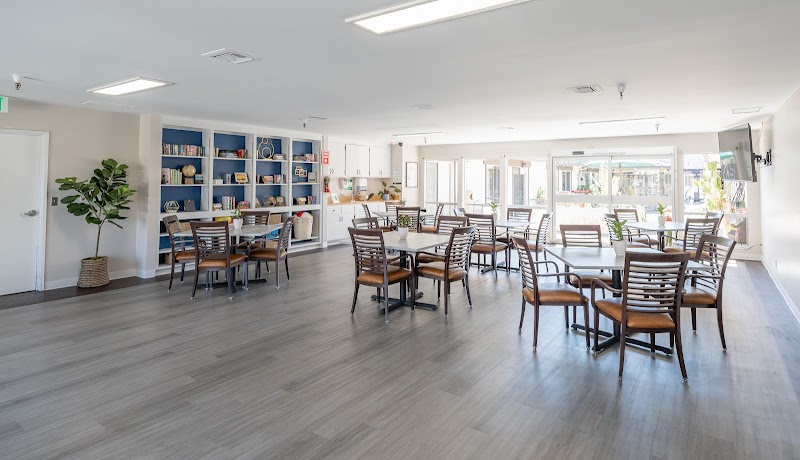
How is Santa Cruz Post Acute Staffed?

CMS rates SANTA CRUZ POST ACUTE's staffing level at 2 out of 5 stars, which is below average compared to other nursing homes. Staff turnover is 59%, which is 13 percentage points above the California average of 46%. High turnover can affect care consistency as new staff learn residents' individual needs. RN turnover specifically is 73%, which is notably high. RNs provide skilled clinical oversight, so turnover in this role can affect medical care quality.

What Have Inspectors Found at Santa Cruz Post Acute?

State health inspectors documented 82 deficiencies at SANTA CRUZ POST ACUTE during 2020 to 2025. These included: 1 Immediate Jeopardy (the most serious level, indicating potential for serious harm or death), 2 that caused actual resident harm, and 79 with potential for harm. Immediate Jeopardy findings are rare and represent the most serious regulatory concerns. They require immediate corrective action.

Who Owns and Operates Santa Cruz Post Acute?

SANTA CRUZ POST ACUTE is owned by a for-profit company. For-profit facilities operate as businesses with obligations to shareholders or private owners. The facility is operated by PACS GROUP, a chain that manages multiple nursing homes. With 149 certified beds and approximately 135 residents (about 91% occupancy), it is a mid-sized facility located in SANTA CRUZ, California.

How Does Santa Cruz Post Acute Compare to Other California Nursing Homes?

Compared to the 100 nursing homes in California, SANTA CRUZ POST ACUTE's overall rating (2 stars) is below the state average of 3.1, staff turnover (59%) is significantly higher than the state average of 46%, and health inspection rating (1 stars) is much below the national benchmark.

What Should Families Ask When Visiting Santa Cruz Post Acute?

Based on this facility's data, families visiting should ask: "What changes have been made since the serious inspection findings, and how are you preventing similar issues?" "How do you ensure continuity of care given staff turnover, and what is your staff retention strategy?" "Can you walk me through typical staffing levels on day, evening, and night shifts?" "Can I visit during a mealtime to observe dining assistance and food quality?" These questions are particularly relevant given the facility's Immediate Jeopardy citations, the facility's high staff turnover rate, and the below-average staffing rating.

Is Santa Cruz Post Acute Safe?

Based on CMS inspection data, SANTA CRUZ POST ACUTE has documented safety concerns. Inspectors have issued 1 Immediate Jeopardy citation (the most serious violation level indicating risk of serious injury or death). The facility has a 2-star overall rating and ranks #100 of 100 nursing homes in California. Families considering this facility should ask detailed questions about what corrective actions have been taken since these incidents.

Do Nurses at Santa Cruz Post Acute Stick Around?

Staff turnover at SANTA CRUZ POST ACUTE is high. At 59%, the facility is 13 percentage points above the California average of 46%. Registered Nurse turnover is particularly concerning at 73%. RNs handle complex medical decisions and coordinate care — frequent RN changes can directly impact care quality. High turnover means new staff may not know residents' individual needs, medications, or preferences. It can also be disorienting for residents, especially those with dementia who rely on familiar faces. Families should ask: What is causing the turnover? What retention programs are in place? How do you ensure care continuity during staff transitions?

Was Santa Cruz Post Acute Ever Fined?

SANTA CRUZ POST ACUTE has been fined $77,549 across 2 penalty actions. This is above the California average of $33,854. Fines in this range indicate compliance issues significant enough for CMS to impose meaningful financial consequences. Common causes include delayed correction of deficiencies, repeat violations, or care failures affecting resident safety. Families should ask facility leadership what changes have been made since these penalties.

Is Santa Cruz Post Acute on Any Federal Watch List?

SANTA CRUZ POST ACUTE is not on any federal watch list. The most significant is the Special Focus Facility (SFF) program, which identifies the bottom 1% of nursing homes nationally based on persistent, serious quality problems. Not being on this list means the facility has avoided the pattern of deficiencies that triggers enhanced federal oversight. This is a positive indicator, though families should still review the facility's inspection history directly.