BERKLEY EAST HEALTHCARE CENTER
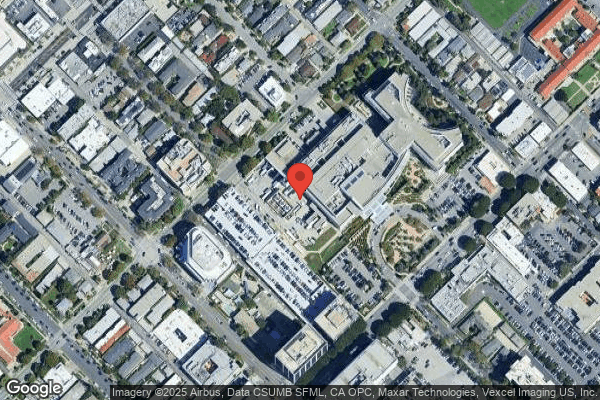
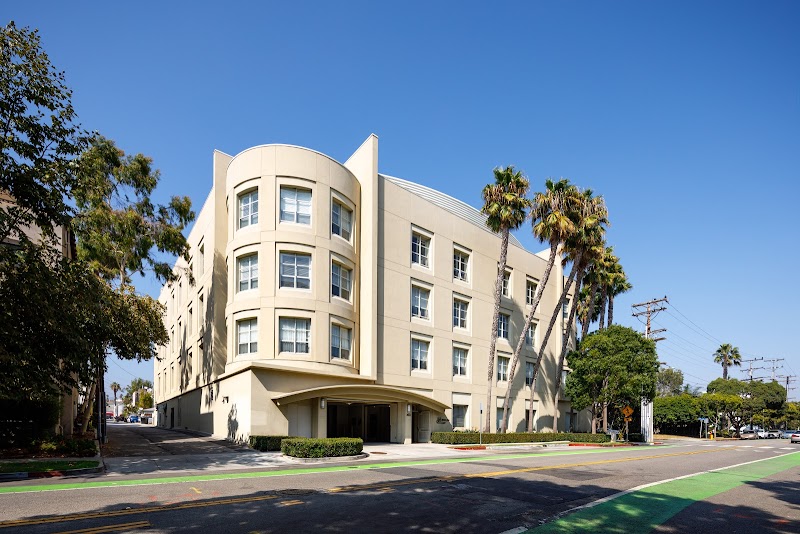
2021 ARIZONA AVE, SANTA MONICA, CA 90404 (310) 829-5377
For profit - Limited Liability company 207 Beds ASPEN SKILLED HEALTHCARE Data: November 2025 3 Immediate Jeopardy citations
Trust Grade
0/100
#751 of 1155 in CA
Last Inspection: December 2024

Within standard 12-15 month inspection cycle. Federal law requires annual inspections.

Overview

Berkley East Healthcare Center has received a Trust Grade of F, indicating significant concerns about the quality of care provided. They rank #751 out of 1155 facilities in California, placing them in the bottom half and #161 out of 369 in Los Angeles County, meaning only a few local options are worse. However, the facility is showing signs of improvement, reducing issues from 37 in 2024 to just 4 in 2025. Staffing is rated at 3 out of 5 stars, with a turnover rate of 42%, which is average for the state. Unfortunately, the facility has faced serious concerns, including incidents of physical abuse by staff and failures to administer critical medications, highlighting both the need for better staff training and oversight.

Trust Score
F
0/100
In California
#751/1155
Bottom 35%
Safety Record
High Risk
Review needed
Inspections
Getting Better
37 → 4 violations
Staff Stability
○ Average
42% turnover. Near California's 48% average. Typical for the industry.
Penalties
⚠ Watch
$58,205 in fines. Higher than 88% of California facilities, suggesting repeated compliance issues.
Skilled Nurses
⚠ Watch
Each resident gets only 24 minutes of Registered Nurse (RN) attention daily — below average for California. Fewer RN minutes means fewer trained eyes watching for problems.
Violations
⚠ Watch
145 deficiencies on record. Higher than average. Multiple issues found across inspections.
★★☆☆☆
2.0
Overall Rating
★★★☆☆
3.0
Staff Levels
★★★★★
5.0
Care Quality
★☆☆☆☆
1.0
Inspection Score
Stable
2024: 37 issues
2025: 4 issues

The Good

  • 5-Star Quality Measures · Strong clinical quality outcomes
  • Full Sprinkler Coverage · Fire safety systems throughout facility
  • No fines on record
  • Staff turnover below average (42%)

    6 points below California average of 48%

Facility shows strength in quality measures, fire safety.

The Bad

2-Star Overall Rating

Below California average (3.1)

Below average - review inspection findings carefully

Staff Turnover: 42%

Near California avg (46%)

Typical for the industry

Federal Fines: $58,205

Above median ($33,413)

Moderate penalties - review what triggered them

Chain: ASPEN SKILLED HEALTHCARE

Part of a multi-facility chain

Ask about local staffing decisions and management

The Ugly 145 deficiencies on record

3 life-threatening 4 actual harm
May 2025 1 deficiency
CONCERN (D) 📢 Someone Reported This

A family member, employee, or ombudsman was alarmed enough to file a formal complaint

Potential for Harm - no one hurt, but risky conditions existed

Deficiency F0627 (Tag F0627)

Could have caused harm · This affected 1 resident

**NOTE- TERMS IN BRACKETS HAVE BEEN EDITED TO PROTECT CONFIDENTIALITY** Based on interview and record review, the facility failed to provide sufficient preparation and orientation for one of four samp...

Read full inspector narrative →
**NOTE- TERMS IN BRACKETS HAVE BEEN EDITED TO PROTECT CONFIDENTIALITY** Based on interview and record review, the facility failed to provide sufficient preparation and orientation for one of four sampled residents, (Resident) 1 with a safe and orderly discharge planning by failing to: 1. Follow-up on the Interdisciplinary Team (IDT - a group of dedicated healthcare professionals who work to bring knowledge together to help residents receive the care they need) Care Conference meeting regarding Resident 1 ' s discharge planning during admission. 2. Ensure Resident 1 ' s are provided with necessary care and services upon discharge to home. These deficient practices resulted in incomplete and ineffective discharge planning that may lead to lack of necessary care, accident and possible injury after discharge. Findings: During a review of Resident 1 ' s admission Record, it indicated Resident 1 was admitted to the facility on [DATE] with diagnosis including infrarenal abdominal aortic aneurysm (AAA - is a bulge or weakening in the main blood vessel that runs through the belly, specifically below the arteries that supply blood to the kidneys), type II diabetes mellitus (DM-a disorder characterized by difficulty in blood sugar control and poor wound healing), muscle weakness (weakening, shrinking, and loss of muscle), and major depressive disorder (a mood disorder that causes a persistent feeling of sadness and loss of interest). The admission Record also indicated, Resident 1 was discharged home on 4/28/2025. During a review of the Minimum Data Set (MDS – resident assessment tool) dated 4/12/2025, indicated Resident 1 ' s cognitive (mental action or process of acquiring knowledge and understanding) skills for daily decisions were moderately impaired. The MDS indicated Resident 1 required moderate assistance from staff for activities of daily living (ADLs- routine tasks/activities such as bathing, dressing and toileting a person performs daily to care for themselves). During a review of Resident ' s History and Physical, dated 4/9/2025, it indicated that, Resident 1 has fluctuating capacity to understand and make decisions – risk for delirium ((a serious disturbance in a person's mental abilities that results in a decreased awareness of one's environment and confused thinking). The H&P also indicated, Patient (Resident 1) lives at home alone . Resident 1 ' s majority of family in Central California and concerned about him (Resident 1) living alone . He (Resident 1) has been declining, but on the surface still appears to manage adequately and is able to compensate and mask deficits. However, they know he is not safe and has had more memory loss and cognitively also has had more deficits. During an interview with General Acute Care Hospital Social Worker 1 (GACH SW1) on 5/1/2025 at 8:44 a.m., GACH SW 1 stated, Resident 1 was discharged home alone from the facility on 4/28/2025 without a CG. GACH SW 1 stated, they have recommended Resident 1 to be discharged to an Assisted Living Facility (ALF - a type of housing that provides both housing and personal care services to people who need assistance with daily living activities, but who don't require the medical care of a nursing home) as he (Resident 1) was not safe to be home alone because of his comorbidities and home situation. During a review of Resident 1 ' s Care Plan (CP) for discharge, initiated on 4/10/2025, the CP indicated a goal of, Resident (1) will be able to verbalize/communicate required assistance post-discharge and the services required to meet needs before discharge. During a review of Resident 1 ' s Discharge Planning Review, dated 4/10/2025, it indicated that, Resident (1) lives alone . concerns are including: will need a Caregiver (CG). During a review of Resident 1 ' s IDT Care Conference Meeting, dated 4/22/2025, the IDT Care Conference indicated that, Plan: Recommended home health follow-up and CG for safety . Resident (1) was provided with different brochures for Caregiver Agencies since CG are recommended upon discharge . Resident (1) lives alone on an apartment . During a review of Resident 1 ' s Discharge summary, dated [DATE], it indicated that, Resident (1) was discharged to home with Home Health, ADL: independent. The DC summary does not indicate if Resident 1 was provided with a CG. During an interview with SSA 1 on 5/1/2025 at 3:22 p.m., SSA 1 stated, Resident 1 was discharged home on 4/28/2025 with Home Health. SSA1 stated that there was no information about if Resident 1 was discharged with a CG at home. During an interview with SSA 2 on 5/1/2025 at 3:55 p.m., SSA 2 stated, Resident 1 was given brochures regarding CG agencies as he was recommended to go home with a Home Health Provider and a CG. SS2 stated Resident 1 was provided with CG agencies, but Resident 1 stated, he cannot afford a CG. SSA2 stated that no information was provided to Resident 1 regarding ALF as an option for discharge planning. During a concurrent interview with the Social Services Director (SSD) on 5/1/2025 at 4:16 p.m., SSD stated, if a resident was given a recommendation to be discharged with a CG and/or be transferred to an ALF during discharge planning, they need to follow-up on the recommendation by providing resources and information and documenting it on the medical record. SSD stated, if not, this may negligibly affect the residents as Resident 1 may not be safe to be home alone. During a review of the facility ' s policy and procedure (P&P), titled, Transfer or Discharge, Resident-Initiated, revised on 1/2025, the P&P indicated that, For resident-initiated discharges, the medical record contains: Documentation: a. documentation or evidence of the resident's or resident representative's verbal or written notice of intent to leave the facility; b. a discharge care plan; and c. documented discussions with the resident or, if appropriate, his/her representative, containing details of discharge planning and arrangements for post-discharge care.
Apr 2025 2 deficiencies
CONCERN (D) 📢 Someone Reported This

A family member, employee, or ombudsman was alarmed enough to file a formal complaint

Potential for Harm - no one hurt, but risky conditions existed

Comprehensive Care Plan (Tag F0656)

Could have caused harm · This affected 1 resident

**NOTE- TERMS IN BRACKETS HAVE BEEN EDITED TO PROTECT CONFIDENTIALITY** Based on interview and record review, the facility failed to develop a comprehensive care plan that met the care/services based ...

Read full inspector narrative →
**NOTE- TERMS IN BRACKETS HAVE BEEN EDITED TO PROTECT CONFIDENTIALITY** Based on interview and record review, the facility failed to develop a comprehensive care plan that met the care/services based on the resident's individual assessed needs for one of five sampled residents (Resident 1) by failing to develop an individualized Care Plan (CP) for Resident 1 ' s behavior of removing his own wound dressing. This deficient practice had the potential to have a negative impact on residents ' health and safety, as well as the quality of care and services received. Cross Reference F686. Findings: During a review of the admission Record indicated Resident 1 was admitted to the facility on [DATE] with diagnosis including surgical aftercare following surgery on the circulatory system (body's network of blood vessels and heart that delivers oxygen and nutrients to cells and removes waste products), Type II diabetes mellitus (DM-a disorder characterized by difficulty in blood sugar control and poor wound healing), peripheral vascular disease (PVD - a circulatory condition in which narrowed blood vessels reduce blood flow to the limbs), and chronic (a condition that persists for a long time, generally lasting three months or more) non-pressure ulcer (open sores on the skin that are not caused by pressure on the skin) of right ankle. The admission Record also indicated Resident 1 was discharged /transferred to General Acute Care Hospital 1 (GACH 1) on 4/4/2025. During a review of the Minimum Data Set (MDS – resident assessment tool) dated 3/28/2025 indicated Resident 1 ' s cognitive (mental action or process of acquiring knowledge and understanding) skills for daily decisions was severely impaired. The MDS indicated Resident 1 required moderate assistance to maximal assistance from staff for activities of daily living (ADLs- routine tasks/activities such as bathing, dressing and toileting a person performs daily to care for themselves). During a review of Resident 1 ' s Care Plan as of 4/29/2025, there was no CP developed regarding Resident 1 ' s behavior of removing his own wound dressings. During a concurrent interview and record review with TXN 2 on 4/29/2025 at 1:17 p.m., TXN 2 stated Resident 1 had a behavior removing his own wound dressings and leaving it open to air. TXN 2 stated he would come during the day shift and the wound dressing from the previous day would already been removed. TXN 2 further stated, Resident 1 verbalized, he removed the old wound dressing because it was itchy. TXN 2 stated that the licensed nurses assigned to Resident 1 should have changed the dressing if it was removed by residents. TXN 2 further stated, there was no CP developed for Resident 1 ' s behavior. During an interview with Director of Nursing (DON) on 4/29/2025 at 2:21 p.m., DON stated, any licensed nurses can perform skin treatment at any shift and a CP should be developed on Resident 1 ' s behavior so that may address his behavior. DON stated, if a resident removed the wound dressing on his own, it puts the resident at risk of infection as he might scratch the wound and bleed. DON further stated, it should have been documented in the progress notes as well and notified the physician. During a review of facility ' s policy and procedure (P&P), titled, Care Plans, Comprehensive Person-Centered, reviewed on 1/2025, the P&P indicated, A comprehensive, person-centered care plan that includes measurable objectives and timetables to meet the resident's physical, psychosocial and functional needs is developed and implemented for each resident . The comprehensive, person-centered care plan will: a. Include measurable objectives and timeframes; b. Describe the services that are to be furnished to attain or maintain the resident's highest practicable physical, mental, and psychosocial well-being; c. Describe services that would otherwise be provided for the above, but are not provided due to the resident exercising his or her rights, including the right to refuse treatment. During a review of facility ' s P&P titled, Nursing Care of the Resident with Diabetes Mellitus, reviewed on 1/2025, the P&P indicated, Skin should be kept as dry and clean as possible.
CONCERN (D) 📢 Someone Reported This

A family member, employee, or ombudsman was alarmed enough to file a formal complaint

Potential for Harm - no one hurt, but risky conditions existed

Pressure Ulcer Prevention (Tag F0686)

Could have caused harm · This affected 1 resident

**NOTE- TERMS IN BRACKETS HAVE BEEN EDITED TO PROTECT CONFIDENTIALITY** Based on interviews and record review, the facility failed to: 1. Obtain a wound consultation in the management of wound and mai...

Read full inspector narrative →
**NOTE- TERMS IN BRACKETS HAVE BEEN EDITED TO PROTECT CONFIDENTIALITY** Based on interviews and record review, the facility failed to: 1. Obtain a wound consultation in the management of wound and maintain skin integrity for one of five sampled residents (Resident 1). 2. Ensure Resident 1 ' s Treatment Administration Record (TAR) were documented accurately per facility ' s policy and procedure (P&P) titled, Charting and Documentation. 3. Ensure Resident 1 ' s wound dressings are monitored and kept clean and dry per physician ' s order. These deficient practices had the potential to delay the provision of necessary care and services and deterioration of residents ' current wounds. Findings: A. During a review of the admission Record indicated Resident 1 was admitted to the facility on [DATE] with diagnosis including surgical aftercare following surgery on the circulatory system (body's network of blood vessels and heart that delivers oxygen and nutrients to cells and removes waste products), Type II diabetes mellitus (DM-a disorder characterized by difficulty in blood sugar control and poor wound healing), peripheral vascular disease (PVD - a circulatory condition in which narrowed blood vessels reduce blood flow to the limbs), and chronic (a condition that persists for a long time, generally lasting three months or more) non-pressure ulcer (open sores on the skin that are not caused by pressure on the skin) of right ankle. The admission Record also indicated Resident 1 was discharged /transferred to General Acute Care Hospital 1 (GACH 1) on 4/4/2025. During a review of the Minimum Data Set (MDS – resident assessment tool) dated 3/28/2025 indicated Resident 1 ' s cognitive (mental action or process of acquiring knowledge and understanding) skills for daily decisions was severely impaired. The MDS indicated Resident 1 required moderate assistance to maximal assistance from staff for activities of daily living (ADLs- routine tasks/activities such as bathing, dressing and toileting a person performs daily to care for themselves). During a review of Resident 1 ' s Order Summary Report, dated 3/25/2025, the OSR indicated the following: i. Right dorsal foot (refers to the top or upper side of the foot, opposite the sole or bottom) arterial (blood vessels that distribute oxygen-rich blood to the entire body) wound – cleanse with normal saline (NS - a mixture of salt and water that can be applied directly to the wound site). Pat dry. Apply xeroform (a non-adhering, occlusive gauze dressing [a type of dressing used in wound care that creates a sealed environment to protect the wound and promote healing]), cover with ABD pad (used to absorb discharges) then wrap with kerlix (gauze rolls with open-weave design that provides fast wicking action, aeration and absorbency) every day ii. Right femoral (thigh bone) area incision site – cleanse with NS. Pat dry then cover with ABD pad, every day iii. Right foot wound: cleanse with NS. Pat dry then apply mupirocin (used to treat some skin infections), 2 percent (% - unit of measurement) and gentamycin (treat skin infections caused by certain bacteria) 0.1% topical daily. During a review of Resident 1 ' s Medical Record, as of 4/29/2025, there was no consultation and assessment by a Wound Provider Specialist (WPS). During a review of Resident 1 ' s Weekly Non-pressure Ulcer Observation Tool, dated 4/2/2025, Treatment Nurse 1 (TXN 2) documented, Resident (1) was supposed to be seen by wound specialist today, but resident (1) was not in the room. WPS will see resident next visit. During a concurrent interview and record review with TXN 2 on 4/29/2025 at 1:17 p.m., TXN 2 stated, WPS comes in the facility once a week, usually on Wednesdays, but they may also come anytime for new admit residents and if a resident needs a wound consultation. TXN 2 stated, according to Resident 1 ' s medical record, Resident 1 has not been seen by WPS since admitted and Resident 1 ' s wound and skin integrity was not evaluated by WPS. TXN 2 further stated Resident 1 had a behavior removing his own wound dressings and leaving it open to air. TXN 2 stated he would come during the day shift and the wound dressing from the previous days have been removed. TXN 2 further stated, Resident 1 verbalized, he removed the old wound dressing because it was itchy. TXN 2 stated that the licensed nurses assigned to Resident 1 should have changed the dressing if it was removed by residents. TXN 2 further stated, there was no CP developed for Resident 1 ' s behavior. During an interview with Director of Nursing (DON) on 4/29/2025 at 2:08 p.m., DON stated, resident with any skin integrity such as surgical wounds and non-pressure ulcer, there should be a wound assessment and consultation by a WPS upon resident ' s admission so they can validate if the current treatment orders for wounds are appropriate for the residents. DON stated, a WPS can come any day if needed. DON further stated, if a licensed nurse noticed the wound dressing was removed by Resident 1, they need to change and cover the wound and surgical sites to keep it clean and dry as ordered by the physician. B. During a review of Resident 1 ' s TAR on 4/7/2025, the TAR indicated, Licensed Vocational Nurse 1 (LVN 1) documented, all skin treatment was documented as given. During a concurrent interview and record review with DON on 4/29/2025 at 2:21 p.m., DON stated, Resident 1 ' s TAR was not accurately documented and charted as Resident 1 was transferred to GACH 1 on 4/4/2025 and was not in the facility on 4/7/2025. DON further stated, Resident 1 ' s TAR documentation was fraudulent. During a review of facility ' s P&P, titled, Consulting Physician, reviewed on 1/2025, the P&P indicated, It is the policy of this facility that primary physician will be aware of all consulting physician orders. During a review of facility ' s P&P titled, Nursing Care of the Resident with Diabetes Mellitus, reviewed on 1/2025, the P&P indicated, Skin should be kept as dry and clean as possible. During a review of facility ' s P&P titled, Charting and Documentation, reviewed on 1/2025, Documentation in the medical record will be objective (not opinionated or speculative), complete, and accurate. During a review of facility ' s P&P titled, Podiatry/Food Services, reviewed on 1/2025, the P&P indicated, Podiatric services are provided for those residents who need such service for a specified reason and at a frequency determined by the needs of the individual residents; provided in a manner to prevent infections, and consistent with the facility ' s infection control policies and practices.
Mar 2025 1 deficiency
CONCERN (D) 📢 Someone Reported This

A family member, employee, or ombudsman was alarmed enough to file a formal complaint

Potential for Harm - no one hurt, but risky conditions existed

Accident Prevention (Tag F0689)

Could have caused harm · This affected 1 resident

**NOTE- TERMS IN BRACKETS HAVE BEEN EDITED TO PROTECT CONFIDENTIALITY** Based on observation, interview, and record review, the facility failed to ensure one of three sampled residents (Resident 1) re...

Read full inspector narrative →
**NOTE- TERMS IN BRACKETS HAVE BEEN EDITED TO PROTECT CONFIDENTIALITY** Based on observation, interview, and record review, the facility failed to ensure one of three sampled residents (Resident 1) remained free of recurrent falls by failing to provide supervision of Resident 1 who is a high fall risk. This deficient practice resulted in Resident 1 had an unwitnessed fall on 2/5/2025, and 3/19/2025 while trying to ambulate to bathroom. Findings: A review of Resident 1 ' s admission record indicated, Resident 1 was originally admitted to the facility on [DATE] with a diagnosis that includes multiple fractures of ribs, dysphagia (difficulty swallowing), history of falls, personal history of transient ischemic attack (TIA-a temporary disruption of blood flow to the brain), unspecified dementia (loss of cognitive functioning, thinking, remembering, and reasoning). A review of Resident 3 ' s Morse Fall Risk Screen (assessment tool for prediction of a patient's potential for experiencing a fall while in a facility) dated 9/30/2023 Indicated Resident 1 had a history of falling, have more than one diagnosis. A review of Resident 1 ' s Minimum Data Set (MDS- a resident assessment screening tool), dated 1/22/2025, indicated, Resident 1 ' s cognition (the mental ability to understand and make decisions of daily living) was severely impaired, limitations with daily functions affecting lower extremity (hip, knee, ankle, foot) and uses a walker to ambulate. A review of Resident 1 ' s care plan (CP-a plan of care that summarizes a resident ' s health conditions, specific care needs, and current treatment) for High risk falls and injury created on 1/31/2025 indicated, the CP goal for Resident 1included to utilize call lights for assistance during transfers and ambulation until next review date. Resident 1 will not have more than 1 fall incident until next review date.The CP interventions (specific care and services facility staff need to provide a resident to promote healing and prevent a worsening of condition) for Resident 1 indicated to orient Resident 1 to person, place, time, routine and event, re-iteratet the importance of using call lights for assistance, and provide assistance needed with ADL (Activities of Daily Living). A review of Resident 1 ' s Morse Fall Risk Screen (assessment tool for prediction of patient ' s potential for experiencing a fall while in a facility) dated 2/5/2025 indicated, Resident 1 had a history of falling, have more than one diagnosis, and impaired gait, overestimates or forgets limits. A review of Resident 1 ' s History and Physical (H&P) dated, 2/7/2025, indicated, Resident 1 was admitted to General Acute Care Hospital (GACH) from 2/5/2025 to 2/6/2025 after falling at thenSkilled Nursing Facility. During an interview on 2/24/2025 at 11:25 AM with Licensed Vocational Nurse (LVN) 1 stated, Resident 1 is confused, sometimes uses hand signal to eat or go to bathroom, does not communicate even with his primary language. LVN 1 stated Resident 1 had falls in the past and injured himself. LVN 1 stated, He [Resident 1] had frequent falls; he just gets up and go to bathroom or go out he does not ask for assistance. A review of Resident 1 ' s Physical Therapy Evaluation and Plan of Treatment dated 3/11/2025, indicated, short term goal plan was for Resident 1 to safely ambulate 100 feet using a two-wheeled walker wit supervision or touching assistance with ability, long term goal safely ambulate 150 feet, and prior cognitive assistance constant supervision needed. A review of Resident 1 ' s SBAR (situation, background, assessment, recommendation-a communication tool used by healthcare workers when there is a change of condition among the residents) dated 3/19/2025 indicated, Resident 1 was found by a desk nurse on the floor next to restroom floor in his room. A review of Resident 1 ' s physician ' s order dated 3/19/2025, indicated, Resident 1 may transfer to emergency room via 911 (emergency medical services or ambulance that are dispatched for emergency to provide immediate transport to a hospital). During an observation in front of Resident 1 ' s room on 3/24/2025 at 11:25 AM, Resident 1 suddenly got up from his bed sat at the edge of bed, attempted to get up and go to bathroom, LVN 1 immediately went in Resident 1 ' s room and prevented a fall, assisted Resident 1 sit on a wheelchair to ambulate to bathroom. During an interview on 3/24/2025 at 11:56 with Registered Nurse (RN) stated, Resident 1 is a long-term resident of the facility, confused, uses wheelchair for ambulation, able to stand and walk but not for long time he loses his balance. He does not follow instructions he does not ask for assistance. A one-to-one/sitter observation likely will help to prevent his falls. During an interview on 3/24/2025 at 1:07 PM with Director of Rehabilitation (DOR) stated, Resident 1 has been in the physical therapy program. DOR stated that in the past Resident 1 benefited from the program physically but not psychosocially because the resident has impaired cognition. DOR stated Resident 1 does does not ask for help when the resident gets up and go which leads to falls. DOR stated Resident 1 can benefit from a sitter or having alert enough roommate who can call on the resident's behalf when the resident gets up. During an interview on 3/24/2025 at 1:45 PM with the Director of Nursing (DON) stated, Resident 1 has dementia, confusion, language barrier, is very independent does not like to get help, and likes to do things on his own. The DON stated Resident 1 lately has been refusing physical therapy, the physical therapy helps him maintain strength and the resident's last two falls were unwitnessed. The DON stated tat Bed alarms are not utilized in the facility. The DON stated the facility will establish anticipatory recognition for further fall prevention interventions. The DON stated the next plan to prevent falls is to have a sitter outside Resident 1's room because the resident does not like to have a sitter in the room. A review of the facility policy and procedures (P&P) titled Falls and Fall Risk, managing reviewed 1/2025, indicated, Resident conditions that may contribute to the risk of falls include: delirium and other cognitive impairment; functional impairment, lower extremity weakness; and incontinence. Monitoring subsequent falls and fall risk, if interventions have been successful in preventing falling, staff will continue the interventions or reconsider whether these measures are still needed if a problem that required the intervention (e.g., dizziness or weakness) has resolved. If the resident continues to fall, staff will re-evaluate the situation and weather it is appropriate to continue or change current interventions. As needed the attending physician will help the staff reconsider possible causes that may not previously have been identified.
Dec 2024 11 deficiencies
CONCERN (D)

Potential for Harm - no one hurt, but risky conditions existed

Tube Feeding (Tag F0693)

Could have caused harm · This affected 1 resident

Based on observation, interview, and record review, the facility failed to label Resident 141's enteral feeding (aka tube feeding - the delivery of nutrients through a feeding tube directly into the s...

Read full inspector narrative →
Based on observation, interview, and record review, the facility failed to label Resident 141's enteral feeding (aka tube feeding - the delivery of nutrients through a feeding tube directly into the stomach) for one of 22 sampled residents. This deficient practice had the potential to cause complications associated with enteral feeding, including infection. Findings: A review of Resident 141's admission Record indicated the facility admitted the resident on 12/2/2024 with diagnoses including tongue cancer, dysphagia (difficulty swallowing) and endocarditis (inflammation of (inflammation of cardiac tissue, usually caused by a bacterial infection. A review of Resident 141's Minimum Data Set (MDS- a resident assessment tool) dated 12/6/2024 indicated the resident's cognition was severely impaired. The MDS also indicated Resident 131 was totally dependent upon staff oral hygiene, bathing, dressing, toileting and personal hygiene. The MDS further indicated the resident had a feeding tube. A review of Resident 141's Physician Orders dated 12/4/2024 indicated every shift administer Glucerna 1.5 (specific type of tube feeding formula for people with diabetes) via gastrostomy tube (GT - a surgical opening fitted with a device to allow feedings to be administered directly to the stomach common for people with swallowing problems) at 65 milliliters per hour (mL/hr, a unit of measurement for rates of administration) [for] 20 [hours] via enteral pump (a pump that administers TF at a controlled rate) to provide 1949 kcal (a unit of measurement and another word for what's commonly called a calorie). Start administration at 2 pm to 10 am or until dose is completed. A review of Resident 141's at risk care plan titled, initiated 12/3/2024 indicated the resident required a feeding tube due to malnutrition. The care plan also indicated the resident was at risk for aspiration, ostomy site infection and significant weight changes. The care plan interventions indicated staff were to administer the prescribed tube feeding, change tubing every 24 hours and observe and notify the physician for signs and symptoms of infection at the insertion site and surround skin areas. During an observation on 12/16/2024 at 8:46 AM at Resident 141's bedside, Resident 141's enteral feeding was observed. The enteral feeding was running, the bottle was not labeled. During a concurrent interview and observation on 12/16/2024 at 8:58 AM with Licensed Vocational Nuse 1 (LVN 1) at Resident 141's bedside, Resident 141's enteral feeding ws observed. LVN 1 stated Resident 1's enteral feeding bottle was not labeled. LVN 1 stated he was not able to say when the bottle was first administered. LVN 1 further stated staff were to label the bottle with the resident name, time, date of administration. LVN 1 stated this is an infection control issue. During an interview on 12/19/2024 at 11:01 AM, the Director of Nursing (DON) stated the enteral feeding is labeled with the resident's name, room number, feeding rate every time the bottle is changed. The DON further stated the enteral feeding is labeled to confirm the correct administration and for infection control. A review of the facility's policy and procedures titled, Enteral Nutrition, revised 11/2018, indicated the Nurse confirms that orders for enteral nutrition are complete. Complete orders include: a. The enteral nutrition product; b. Delivery site (tip placement); c. The specific enteral access device (nasogastric, gastric, jejunostomy tube, etc.; d. Administration method ( continuous, bolus, intermittent); e. Volume and rate of administration; f. The volume/rate goals and recommendations for advancement toward these; and g. Instructions for flushing (solution, volume, frequency, timing and 24-hour volume).
CONCERN (D)

Potential for Harm - no one hurt, but risky conditions existed

Respiratory Care (Tag F0695)

Could have caused harm · This affected 1 resident

Based on observation, interview, and record review, the facility failed to obtain a physician's order for the use of Continuous Positive Airway Pressure (machine helps treat sleep apnea [a sleep disor...

Read full inspector narrative →
Based on observation, interview, and record review, the facility failed to obtain a physician's order for the use of Continuous Positive Airway Pressure (machine helps treat sleep apnea [a sleep disorder that causes breathing to repeatedly stop and start during sleep]. CPAP machine delivers continuous air through your mouth and/or nose to keep your airways)/Bilevel Positive Airway Pressure (BIPAP a noninvasive breathing device that helps people who have trouble breathing) upon admission for one of six sampled residents, Resident 191. This deficient practice had the potential to place Resident 191 at risk for respiratory distress and death. Findings: A review of Resident 191's admission Record indicated the facility admitted Resident 191 on 15/15/2024 with a diagnosis that included obstructive sleep apnea and polyneuropathy (a condition that occurs when many peripheral nerves in the body malfunction at the same time). A review of Resident 191's Information record dated 12/15/2024, indicated Resident 191 has a diagnosis of sleep apnea (CPAP at night). A review of Resident 191's admission Physician Orders dated 12/15/24, indicated there was no physician orders for the use of CPAP at night on the day of admission. A review of Resident 191's physician orders dated 12/17/2024, indicated a physician order for the use of CPAP. A review of Resident 191's care plan titled, :Needs Special Care related to CPAP/BIPAP machine use:, initiated on 12/16/2024, included the following interventions: Monitor resident for episodes of shortness of breath, CPAP/BIPAP (pre-settings as ordered by MD, CPAP Setting: 9cmH20 (centimeters of water-unit of measurement) at bedtime CPAP:9cmH20 and remove per schedule A review of Resident 191's Progress Notes dated 12/19/2024, indicated Resident 191 has the capacity to understand and make decisions. During an interview on 12/18/24 at 8:03 am, Registered Nurse 1 (RN1) stated she has been employed with the facility for 8 months. RN 1 stated she has not had any training on how to use a CPAP/BIPAP from the staff at the facility. RN1 stated if a nurse is not knowledgeable on how to efficiently use a CPAP/BIPAP a resident could go into respiratory distress and die. During an interview on 12/18/24 at 8:23 am, License Vocational Nurse (LVN) 1 stated he has been employed with the facility for 1 year. LVN 1 stated he has not had any training on how to use a CPAP/BIPAP machine. During an interview on 12/18/24 at 8:23 am, LVN 2 stated she has been employed with the facility for 4 months and has not had any training on how to use a CPAP/BIPAP at the facility. During a concurrent on 12/18/24 at 10:24 am, record review of the employee files for LVN 1, LVN 2, and RN 1, there was no annual skills competency check list, or in-service training on how to use a CPAP/BIPAP machine. During an interview on 12/18/24 at 10:33 am, Director of Staff Development (DSD) stated she has been employed with the facility for 1 month. DSD stated it is important for the nursing staff to be knowledgeable in the use of a CPAP/BIPAP so that the nurses will know the signs and symptoms of respiratory distress, malfunction of the BIPAP, and how to troubleshoot the CPAP/BIPAP if it is not functioning properly. DSD stated she has not had a chance to conduct an in-service on CPAP/BIPAP for the residents. During an interview on 12/18/24 at10:58 am, the Director of Nursing (DON) stated if the staff is not trained properly the resident could have increased Carbon Dioxide (C02 colorless, odorless gas that is naturally present in the air, produced when we breathe out), go into respiratory distress, and stop breathing. DON stated the previous DSD conducted an in-service on the use of a BIPAP, but he does not have a copy of the in-service. A review of the facility policy and procedures titled CPAP/BIPAP Support with a revised date of 1/2024, indicated : Purpose: 1. To provide the spontaneously breathing resident with continuous positive airway pressure with or without supplemental oxygen. 2. To improve arterial oxygen (Pao2) in residents with respiratory insufficiency, obstructive sleep apnea, or restrictive/obstructive lung disease. 3. To promote resident comfort and safety.
CONCERN (D)

Potential for Harm - no one hurt, but risky conditions existed

Deficiency F0698 (Tag F0698)

Could have caused harm · This affected 1 resident

Based on observation, interview, and record review, the facility failed to ensure that a hemodialysis (HD -a treatment to cleanse the blood of wastes and extra fluids artificially through a machine wh...

Read full inspector narrative →
Based on observation, interview, and record review, the facility failed to ensure that a hemodialysis (HD -a treatment to cleanse the blood of wastes and extra fluids artificially through a machine when the kidney(s) have failed) emergency kit was at the bedside for one of ten sampled residents (Resident 26). This deficient practice had the potential to delay life saving interventions during accidental bleeding. Findings: A review of Resident 26's admission Record indicated the facility admitted Resident 26 on 5/3/2024 and readmitted Resident 26 on 11/29/2024 with diagnoses including end stage renal disease (ESRD - irreversible kidney failure), metabolic encephalopathy (a disease or disorder that affects the structure or function of the brain), and generalized muscle weakness (feeling weak or lacking strength in most of the muscles throughout the body). A review of Resident 26's Minimum Data Set (MDS - a resident assessment tool) dated 12/3/2024, indicated Resident 26 had cognitive impairment (when a person has trouble remembering, learning new things, concentrating, or making decisions that affect their everyday life). The MDS indicated Resident 44 was dependent on staff for activities of daily living. During a concurrent observation and interview on 12/16/2024, at 10:49 A.M., with Licensed Vocational Nurse 1 (LVN 1), there was no HD emergency kit at the bedside, LVN 1 stated, Resident 26 has HD on Mondays, Wednesday, and Fridays. LVN 1 stated Resident 26 does not have a HD emergency kit at the bedside because we no longer keep them (HD emergency kit) at the bedside because family members take them (HD emergency kit) home. LVN 1 stated a HD emergency kit at the bedside is needed in case of an emergency or complication such as bleeding. It (HD emergency kit) is at the bedside to control bleeding, and if the kit is not at the bedside resident may bleed to death. During an interview on 12/19/2024, at 9:29 A.M., with the Director of Nursing (DON), the DON stated HD kit should be at the bedside for easy reach in case of any emergency bleeding to help stop the bleeding promptly. The DON stated potential adverse outcome of not having the HD emergency kit at the bedside is that the resident may have bleeding which can lead to hypovolemic shock. Having the HD kit the bedside can alleviate adverse outcomes because time is of the essence. A review of the facility's policy and procedures titled, End-Stage Renal Disease, Care of a Resident with reviewed 1/2024, indicated, Residents with end-stage renal disease (ESRD) will be cared for according to currently recognized standards of care . h. Provision of an emergency kit at bedside and on the crash carts.
CONCERN (D)

Potential for Harm - no one hurt, but risky conditions existed

Deficiency F0726 (Tag F0726)

Could have caused harm · This affected 1 resident

Based on interview and record review failed to: 1. Ensure staff was competent on how to use a Continuous Positive Airway Pressure (machine helps treat sleep apnea [a sleep disorder that causes breathi...

Read full inspector narrative →
Based on interview and record review failed to: 1. Ensure staff was competent on how to use a Continuous Positive Airway Pressure (machine helps treat sleep apnea [a sleep disorder that causes breathing to repeatedly stop and start during sleep]. CPAP machine delivers continuous air through your mouth and/or nose to keep your airways)/Bilevel Positive Airway Pressure (BIPAP a noninvasive breathing device that helps people who have trouble breathing) . 2. Ensure staff completed their annual skills competencies. These failures can cause or have the potential to cause a resident to go into respiratory distress. Findings: A review of Resident 191's admission Record indicated the facility admitted Resident 191 on 15/15/2024 with a diagnosis that included obstructive sleep apnea and polyneuropathy (a condition that occurs when many peripheral nerves in the body malfunction at the same time). A review of Resident 191's Information record dated 12/15/2024, indicated Resident 191 has a diagnosis of sleep apnea (CPAP at night). A review of Resident 191's admission Physician Orders dated 12/15/24, indicated there was no physician orders for the use of CPAP at night on the day of admission. A review of Resident 191's physician orders dated 12/17/2024, indicated a physician order for the use of CPAP. A review of Resident 191's care plan titled, :Needs Special Care related to CPAP/BIPAP machine use:, initiated on 12/16/2024, included the following interventions: Monitor resident for episodes of shortness of breath, CPAP/BIPAP (pre-settings as ordered by MD, CPAP Setting: 9cmH20 at bedtime CPAP:9cmH20 and remove per schedule During an interview on 12/18/24 at 8:03 am, Registered Nurse 1 (RN1) stated she has been employed with the facility for 8 months. RN 1 stated she has not had any training on how to use a CPAP/BIPAP from the staff at the facility. RN1 stated if a nurse is not knowledgeable on how to efficiently use a CPAP/BIPAP a resident could go into respiratory distress and die. During an interview on 12/18/24 at 8:23 am, License Vocational Nurse (LVN) 1 stated he has been employed with the facility for 1 year. LVN 1 stated he has not had any training on how to use a CPAP/BIPAP machine. During an interview on 12/18/24 at 8:23 am, LVN 2 stated she has been employed with the facility for 4 months and has not had any training on how to use a CPAP/BIPAP at the facility. LVN 2 stated she was trainied by a respiratory therapist at her previous job approximately 1 year ago. LVN 2 tated if the nurses are not properly trained on how to use a BIPAP the resident can go into respiratory distress and stop breathing. During a concurrent on 12/18/24 at 10:24 am, record review of the employee files for LVN 1, Certified Nursing Asistant (CNA) 1, LVN 2, and RN 1, idicated there was no annual skills competency check list, or in-service training on how to use a BIPAP. During an interview on 12/18/24 at 10:33 am, Director of Staff Development (DSD) stated she has been employed with the facility for 1 month. DSD stated it is important for the nursing staff to be knowledgeable in the use of a CPAP/BIPAP so that the nurses will know the signs and symptoms of respiratory distress, malfunction of the BIPAP, and how to troubleshoot the CPAP/BIPAP if it is not functioning properly. DSD stated she has not had a chance to conduct an in-service on CPAP/BIPAP for the residents. During an interview on 12/18/24 at10:58 am, the Director of Nursing (DON) stated if the staff is not trained properly the resident could have increased Carbon Dioxide (C02 colorless, odorless gas that is naturally present in the air, produced when we breathe out), go into respiratory distress, and stop breathing. DON stated the previous DSD conducted an in-service on the use of a CPAP/BIPAP, but he does not have a copy of the in-service. A review of the facility policy and procedures titled CPAP/BIPAP Support with a revised date of 1/2024, indicated: Preparation: 1.Only a qualified and properly trained nurse or respiratory therapist should administer oxygen through a CPAP mask.
CONCERN (D)

Potential for Harm - no one hurt, but risky conditions existed

Medication Errors (Tag F0758)

Could have caused harm · This affected 1 resident

**NOTE- TERMS IN BRACKETS HAVE BEEN EDITED TO PROTECT CONFIDENTIALITY** Based on interview and record review, the facility failed to properly receive proper verificiation of informed consent (a princi...

Read full inspector narrative →
**NOTE- TERMS IN BRACKETS HAVE BEEN EDITED TO PROTECT CONFIDENTIALITY** Based on interview and record review, the facility failed to properly receive proper verificiation of informed consent (a principle in medical ethics and medical law that a patient should have sufficient information before making their own free decisions about their medical care) form prior to administering psychotropic medication Lexapro (an antidepressant medication) and Seroquel (an antipsychotic medication) for one of five sampled residents (Resident 77). This deficient practice had the potential for Resident 77 to receive medications without being properly informed of the medications' risks and adverse side effects that could lead to serious illness, hospitalization, or death. Findings: A review of Resident 77's admission Record indicated the resident was originally admitted to the facility on [DATE], and re-admitted on [DATE] with diagnoses that included but were not limited to encephalopathy (a disease damaged the functions of the brain) , sepsis (a very severe infection) and heart failure (condition in which the heart muscle is unable to pump enough blood to meet the body's needs for blood and oxygen). A review of Resident 77's History and Physical, dated 11/7/2024 indicated the resident can make needs known but can not make medical decisions. A review of Resident 77's Minimum Data Set (MDS, a resident assessment tool), dated 12/3/2024, indicated the resident's cognitive skills of daily decisions making were severely impaired and required total assistance from staff with toileting hygiene, bathing and lower body dressing. A review of Resident 77's Physician's Orders, dated 11/29/2024, indicated Resident 77 to receive Lexapro 5 milligrams (mg-unit of measurement) by mouth once daily for depression manifested by self-isolation and withdrawn. A review of Resident 77's Physician's Orders, dated 11/30/2024, indicated Resident 77 to receive Seroquel 12.5 mg by mouth at bedtime for psychosis manifested by delirium until 12/5/2024. A review of Resident 77's Verification of Informed Consent for Psychotropic Medication, dated 11/29/2024, for Seroquel 12.5mg indicated facility verified informed consent with Resident 77. There was a section of the form where one could if the resident had or did not have the capacity to consent. This section was not filled out. A review of Resident 77's Verification of Informed Consent for Psychotropic Medication, dated 11/29/2024, for Lexapro 5mg, indicated facility verified informed consent with Resident 77. There was a section of the form where one could if the resident had or did not have the capacity to consent. This section was not filled out. A review of Resident 77's admission readmission Screen and Baseline Care Plan, dated 11/30/24 indicated the resident was confused. A review of Resident 77's Medication Administration Record (MAR) dated 12/2024, indicated the facility administered the medications Lexapro 5mg by mouth once daily from 12/1/2024 to 12/8/2024. The MAR also indicated the resident received Seroquel 12.5mg at bedtime from 12/1/2024 to 12/5/2024. During a concurrent interview and record review on 12/18/2024 at 12:55 PM, Resident 77's informed consents, dated 11/29/2024, for Seroquel and Lexapro were reviewed with Registered Nurse Supervisor 1 (RN 1). RN 1 stated staff are to verify with resident or resident's representative that informed consent was received. RN 1 stated the nurse verified informed consent was received from Resident 77. RN 1 further stated Resident 77 does not have capacity to make medical and the informed consent should have been received from the resident's representative and the informed consent form was executed incorrectly. RN 1 stated psychotropics can restrict the resident's behavior and cause them harm. During an interview on 12/19/2024 at 11:04 AM, the Director of Nursing (DON) stated the nurses validate with the family member or resident, if the resident has capacity that the MD got consent; Sometimes the resident changes their mind after the MD receives consent. The DON further stated informed consent ensures that we inform the RP/resident about the side effects, explain the risks and benefits and we want to make sure residents know the expected effects and adverse reactions that are possible. A review of the facility's undated policy and procedures titled, Informed Consent, dated 4/4/2024, indicated the licensed prescriber shall determine the capacity of the resident to understand and make decisions, if the resident is determined to not have the capacity to make informed decisions, a surrogate decision maker shall be identified. The licensed nurse shall verify from the resident and or legal representative where the consent has been obtained for the use of prescribed restraints and/or psychotropic medication, and will sign the form and document the name of the person who gave consent and the date when the consent was verified.
CONCERN (D)

Potential for Harm - no one hurt, but risky conditions existed

Deficiency F0761 (Tag F0761)

Could have caused harm · This affected 1 resident

Based on observations, interview, and record review, the facility failed to ensure the label matched the correct quantity of a controlled medication (medications that the use and possession of are con...

Read full inspector narrative →
Based on observations, interview, and record review, the facility failed to ensure the label matched the correct quantity of a controlled medication (medications that the use and possession of are controlled by the federal government) received by the facility for a former resident. This deficient practice had the potential for loss or diversion (transfer of a controlled medication from a lawful to an unlawful channel of distribution or use) of controlled medications. Findings: During an observation on 12/18/24 at 1:53 PM at Nursing Station 1 on floor 2, and an inspection of the Medication Cart 1, there was a bundle of medications wrapped together by a rubber band in the locked compartment. Licensed Vocational Nurs2 (LVN) 2 stated that the aforementioned wrapped bundle were discontinued controlled medications to be brought to the director of nursing (DON) for disposition. During an observation on 12/18/24 at 2:11 PM, DON was in a meeting and instructed LVN 2 to hand off those discontinued controlled meds with the Registered Nurse (RN) 1. RN 1 stated the discontinued medications which would to be secured by DON for destruction later with the facility pharmacist. One of the aforementioned discontinued medications, was morphine sulfate (a potent opioid used in pain management) 100 milligrams (mg, an unit to measure mass) per (/) 5 milliliters (ml, an unit to measure volume) and the label indicated there was 15 ml in the bottle. The accountability record also indicated a qty (quantity) of 15 ml (milliliters-unit of measurement) and there was no indication of use. LVN 2 stated the bottle had not been opened. RN 1 stated the prints on the box and the bottle indicated there was 30 ml. During an interview on 12/18/24 at 2:28 PM the quality assurance nurse (QA) reviewed the aforementioned morphine sulfate container with DON. DON confirmed the quantity sent by the pharmacy did not match the label and the delivery receipt. QA stated this incident had a potential for diversion. A concurrent review of the delivery receipt faxed over by the pharmacy indicated the pharmacy delivered 15 ml on 12/12/2024. A review of the facility's policy and procedures (P&P) titled Ordering and Receiving Controlled Medications (April 2008), indicated . The director of nursing and the consultant pharmacist maintain the facility's compliance with federal and state laws and regulations in the handling of controlled medications . The pharmacy dispenses medications . in readily accountable quantities . The following information is completed: . quantity received . A review of the facility's P&P titled Medication Labels (April 2014), indicated . Improperly or inaccurately labeled medications are rejected and returned to the dispensing pharmacy .
CONCERN (D)

Potential for Harm - no one hurt, but risky conditions existed

Room Equipment (Tag F0908)

Could have caused harm · This affected 1 resident

Based on observation, interview, and record review, the facility failed to ensure the reach in freezer was maintained in a good operating condition. The freezer had ice buildup inside the ceiling and ...

Read full inspector narrative →
Based on observation, interview, and record review, the facility failed to ensure the reach in freezer was maintained in a good operating condition. The freezer had ice buildup inside the ceiling and walls. There was ice buildup on the door and the parameters of the door. Ice buildup on the door gasket and ice outside of the freezer door sealing the door and causing difficulty to open the freezer door. The freezer was operational in a manner that had the potential to affect food quality. This deficient practice results in the inappropriate storage of food and had the potential to affect 101 out of 102 residents, who eat food from the facility kitchen. Findings: During an observation in the kitchen on 12/16/24 at 9:30AM the reach in Freezer Number 7 (F7) temperature was at -10degrees Fahrenheit. There was large amount of ice buildup outside of the freezer door on the edges. The ice was stuck around the door parameters, and it was difficult to open the freezer door. Inside the freezer there was ice buildup on the ceiling, the door and on the gasket (a flexible elastic stirp attached to the outer edge of a freezer door. Gasket is designed to form an air-tight seal that serves as a barrier between the cool air inside the appliance and the warmer external environment.) There were boxes of frozen food inside of the freezer, one package of the plant-based turkey alternative vegetarian food had frost buildup and discoloration. During a concurrent interview with Dietary Supervisor (DS) on 12/16/24 at 9:30AM, DS stated F7 has been accumulating ice and she knows about it. DS stated she has requested maintenance to fix it on 11/6/24. DS stated its hard to open the door of the freezer because the door gets stuck with the ice buildup around it. DS stated she will discard all the food inside the freezer because the quality may have been affected by the frost. During an interview with Maintenance supervisor (MS) on 12/16/24 at 10:00AM, MS stated that outside vendor had serviced the freezer, and he didn't know it was making ice again. MS stated he will look at the freezer. During an interview with MS on 12/17/24 at 12:21PM, MS stated his records indicated that the last time the vendor serviced the freezer was more than a year ago on 1/3/2023. MS stated they have removed and discarded the food from the freezer because ice can affect the quality and they are continuing to work to fix it. A review of facility policy titled Safety and Infection Control (dated 2018) indicated, The kitchen will be equipped with safe equipment, which is to be maintained in good working order. A review of facility policy and procedures titled Sanitation (dated 2018) indicated, The maintenance department will assist t Food and nutrition services as necessary in maintaining equipment . A review of facility policy and procedures titled Refrigerator and Freezer (dated 2018) indicated, Maintaining a clean refrigerator and freezer can improve the safety and quality of your foods. Periodically check door gaskets and replace if damaged, clean the evaporator and condensing coils at least twice a year, at least once a year ensure that drain lines are clean and all electrical connections are intact.
CONCERN (E)

Potential for Harm - no one hurt, but risky conditions existed

Deficiency F0583 (Tag F0583)

Could have caused harm · This affected multiple residents

Based on observation, interview, and record review, the facility failed to protect and safeguard the residents personal and medical records according to the facility's policy and procedures (P&P), tit...

Read full inspector narrative →
Based on observation, interview, and record review, the facility failed to protect and safeguard the residents personal and medical records according to the facility's policy and procedures (P&P), titled, confidentiality of information and personal privacy, reviewed 1/2024 for 11 of 13 sampled residents (Residents 11, 31, 44, 59, 65, 78, 142, 242, 343, 345, and 346). This deficient practice violated the resident's rights for privacy. Findings: A review of Resident 11's admission Record indicated the facility admitted Resident 11 on 11/17/2024 with diagnoses including atrial fibrillation (a heart condition where the upper chambers of the heart beat irregularly and rapid causing racing sensation), major depressive disorder (a mood disorder that causes a persistent feeling of sadness and loss of interest), and anxiety disorder (a mental health condition that causes a person to experiences excessive and intense feelings of fear, worry, dread, and uneasiness). A review of Resident 31's admission Record indicated the facility admitted Resident 31 on 12/18/2019 and readmitted Resident 31 on 3/5/2024 with diagnoses including end stage renal disease (ESRD - irreversible kidney failure), diabetes mellitus (DM -a disorder characterized by difficulty in blood sugar control and poor wound healing), and hypothyroidism (a condition where the thyroid gland doesn't produce enough thyroid hormone). A review of Resident 44's admission Record indicated the facility admitted Resident 44 on 9/2/2024 with diagnoses including hypothyroidism (a condition where the thyroid gland doesn't produce enough thyroid hormone), major depressive disorder (a mood disorder that causes a persistent feeling of sadness and loss of interest), and anxiety disorder (a mental health condition that causes a person to experiences excessive and intense feelings of fear, worry, dread, and uneasiness). A review of Resident 59's admission Record indicated the facility admitted Resident 59 on 9/9/2023 and readmitted Resident 59 on 11/15/2024 with diagnoses including diabetes mellitus (DM -a disorder characterized by difficulty in blood sugar control and poor wound healing), major depressive disorder (a mood disorder that causes a persistent feeling of sadness and loss of interest), and anxiety disorder (a mental health condition that causes a person to experiences excessive and intense feelings of fear, worry, dread, and uneasiness). A review of Resident 65's admission Record indicated the facility admitted Resident 65 on 3/1/2024 with diagnoses including hypothyroidism (a condition where the thyroid gland doesn't produce enough thyroid hormone), insomnia (a common sleep disorder that makes it difficult to fall or stay asleep, or get to quality sleep), and history of falling. A review of Resident 78's admission Record indicated the facility admitted Resident 78 on 11/7/2024 with diagnoses including metabolic encephalopathy (imbalance in the body's chemical causing the brain not to work properly), atrial fibrillation (a heart condition where the upper chambers of the heartbeat irregularly and rapid causing racing sensation), and acute kidney failure (kidneys suddenly stop working properly). A review of Resident 142's admission Record indicated the facility admitted Resident 142 on 12/12/2024 with diagnoses including hypertension (HTN -high blood pressure), chronic obstructive pulmonary disease (COPD -a chronic lung disease causing difficulty in breathing), and bronchiectasis (a chronic lung condition that occurs when the airway in the lungs become damaged, widened, and scarred). A review of Resident 242's admission Record indicated the facility admitted Resident 242 on 8/28/2024 and readmitted Resident 242 on 12/14/2024 with diagnoses including diabetes mellitus (DM -a disorder characterized by difficulty in blood sugar control and poor wound healing), depression (a mental health condition that involves a persistent low mood and loss of interest in activities that a person normally enjoys), and anxiety disorder (a mental health condition that causes a person to experience excessive and intense feelings of fear, worry, dread, and uneasiness). A review of Resident 343's admission Record indicated the facility admitted Resident 343 on 12/10/2024 with diagnoses including Alzheimer's disease (a disease characterized by a progressive decline in mental abilities), anxiety disorder (a mental health condition that causes a person to experience excessive and intense feelings of fear, worry, dread, and uneasiness), and chronic kidney disease (CKD -gradual damage to the kidneys so they cannot filter waste from the blood properly causing a buildup of toxins in the body). A review of Resident 345's admission Record indicated the facility admitted Resident 345 on 12/9/2024 with diagnoses including hypertension (HTN -high blood pressure), depression (a mental health condition that involves a persistent low mood and loss of interest in activities that a person normally enjoys), and history of falling. A review of Resident 346's admission Record indicated the facility admitted Resident 346 on 12/3/2024 with diagnoses including depression (a mental health condition that involves a persistent low mood and loss of interest in activities that a person normally enjoys), hypertension (HTN -high blood pressure), and history of falling. During an initial tour of the facility on 12/16/2024, at 10:10 A.M., Resident 141's family member (FM) approached surveyor with a stack of documents and stated, I found these documents in Resident 141's room, I think they are all medical records and they do not belong to Resident 141. During a concurrent interview and record review of the documents found in Resident 141's room, on 12/16/2024, at 10:12 A.M., with the Social Services Director (SSD), the SSD was within an ear shot of the conversation that this surveyor had with Resident 141's FM, SSD confirmed that the records that were found by Resident 141's FM were other residents medical records and that they should have not been in Resident 141's room for confidentiality reasons and that it was a violation on Health Insurance Portability and Accountability Act (HIPAA - federal standards protecting sensitive health information from disclosure without patient's consent). During an interview on 12/19/2024, at 10:06 A.M., with the Case Manager (CM), the CM stated the documents found in Resident 141's room were his and that those documents belonged to other residents and not Resident 141. The CM stated the documents included but were not limited to other residents' information from the hospital, resident demographics, resident financial information, residents' insurance information, residents' clinical information and residents living information, overall, a brief summary of their (residents) house and personal information. CM stated residents' medial information should not be in the residents' rooms due to HIPAA, medical records should not be accessible to other residents or their responsible party. The CM states exposure of the residents' medical records to unauthorized individuals will cause residents to feel unsafe, due to the invasion of their privacy and lead to other individuals discussing their (residents) personal information. During an interview 0n 12/19/2024, at 9:57 A.M., with the Facility Administrator (FA), the FA stated residents' medical information should not be in other residents' room, it is a violation of HIPAA. The FA stated the facility has already reported the incident to their HIPAA compliance officer and a case was opened. A review of the facility's P&P, titled, Confidentiality of Information and Personal Privacy, revised 1/20214, indicated Policy Statement: Our facility will protect and safeguard resident confidentiality and personal privacy . 1. The facility will safeguard the personal privacy and confidentiality of all resident personal and medical records. 2. The facility will strive to protect the resident's privacy regarding his or her: a. Medical treatment; 3 4. Access to resident personal and medical records will be limited to authorized staff and business associates.
CONCERN (E)

Potential for Harm - no one hurt, but risky conditions existed

Pharmacy Services (Tag F0755)

Could have caused harm · This affected multiple residents

**NOTE- TERMS IN BRACKETS HAVE BEEN EDITED TO PROTECT CONFIDENTIALITY** Based on observations, interview, and record review, the facility failed to: 1. Ensure the facility received and reviewed daily...

Read full inspector narrative →
**NOTE- TERMS IN BRACKETS HAVE BEEN EDITED TO PROTECT CONFIDENTIALITY** Based on observations, interview, and record review, the facility failed to: 1. Ensure the facility received and reviewed daily activity and discrepancy reports of the Cubex system (a computerized system that stores, dispenses, and tracks medications in healthcare setting), which was inconsistent with the facility policy for at least 11 months. 2. Ensure non-controlled drug dispositions (the process of returning or destroying unused medications) were performed and recorded by two licensed nurses as per policy for at least 8 months. 3. Ensure outdated medication are discarded and not stored in a medication cart. These deficient practices had the potential for medication errors, loss and/or diversion (transfer of medication from a lawful to an unlawful channel of distribution or use) of medications, and the potential for residents to receive outdated, deteriorated, and ineffective medication. Findings: 1. During an observation on [DATE] at 11:50 AM in a medication room on the 2nd floor, and a concurrent interview with a Licensed Vocation Nurse (LVN 2). There was an automated drug dispensing cabinet (Cubex, a computerized system that stores, dispenses, and tracks medications in healthcare setting) inside the medication room. There was a binder labeled inventory count next to the Cubex which indicated the facility pharmacist consultant performed inventory count once a month. LVN 2 stated the facility used Cubex for resident's first dose for new order and/or as oral emergency drugs supply. During an interview on [DATE] at 12:45 PM, the director of nursing (DON) could not pull activity report from Cubex. DON contacted the Cubex specialist (CS) of the facility pharmacy who stated the facility did not have access to reports. CS stated activity/transaction/discrepancy reports were sent to the DON daily via email. During a concurrent interview, DON stated the pharmacy took care of discrepancies. DON did not recall reviewing any Cubex reports. A review of the facility's policy and procedures titled Resolving Discrepancies Automated Drug Delivery Systems (dated 5/2019) indicated . Transaction and . Controlled Medication Discrepancy Report shall be generated and reviewed daily by the Director of Nursing . During an interview on [DATE] at 2:45 PM, the Quality Assurance Nurse (QA) stated Cubex was installed in [DATE]. During an interview on [DATE] at 3:02 PM, DON called the facility pharmacy personnel who stated the daily activity or transaction report of the Cubex was automatically generated by the system and automatically emailed to the facility designated person. During an interview on [DATE] at 3:14 PM, DON searched the email record and stated they had not received any reports from the pharmacy since the facility started using Cubex in [DATE]. During an interview on [DATE] at 3:31 PM, DON confirmed the facility did not have access or ability to generate reports from the Cubex. A moment later, the facility pharmacy emailed Cubex transaction occurred from September to November and from [DATE] to [DATE], to DON. During an interview on [DATE] at 9:40 AM, DON stated the facility pharmacy corrected the email address in the system and the facility received autogenerated email of the Cubex transaction report. 2. During an interview on [DATE] at 10:01 AM, DON presented non-controlled med disposition log, dated [DATE]. DON stated there was 1 (one) nurse's signature on the log. During an interview on [DATE] at 2:22 PM, DON reviewed a binder of medication disposition records from February 2024 to [DATE], DON stated only the disposition record of [DATE] had 2 nurses' signatures. During a concurrent review of the facility policy, Medication Destruction (dated [DATE]), DON stated the medication disposition should be done in the presence of 2 nurses. 3. During an observation on [DATE] at 1:53 PM with LVN 2 at Nursing Station 1 of floor 2 Medication Cart 1, there were 2 boxes of fluticasone Propionate and Salmeterol inhalers (an inhalation medication to treat certain lung disease or chronic conditions) for Resident 8 During an interview on [DATE] at 1:58 PM, LVN 2 reviewed the aforementioned inhalers and confirmed one of those inhaler boxes had an open date of [DATE] written on the label and the other inhaler had an open date on [DATE]. LVN 2 reviewed the instruction on the inhaler box and stated, Discard after 1 month of opening. LVN 2 stated the inhaler with an open date of [DATE] had expired and would bring it to DON for disposal. During an interview on [DATE] at 2:35 PM, DON reviewed the aforementioned inhaler with an open date of [DATE] and stated the inhaler should have been removed from the medication cart when it became outdated on [DATE], since it was opened on [DATE]. A review of the facility's policy and procedures titled Discontinued Medications (dated 12/2018), indicated . If a medication expires, . drug container shall be marked . and shall be stored in a separate location designated solely for this purpose .
CONCERN (E)

Potential for Harm - no one hurt, but risky conditions existed

Menu Adequacy (Tag F0803)

Could have caused harm · This affected multiple residents

Based on observation, interview, and record review, the facility failed to ensure the standardized recipes for lunch menu was followed on 12/16/24 when: 1.25 residents on mechanical soft diet (for re...

Read full inspector narrative →
Based on observation, interview, and record review, the facility failed to ensure the standardized recipes for lunch menu was followed on 12/16/24 when: 1.25 residents on mechanical soft diet (for resident who experience chewing or swallowing limitations) received Cajun country rice with sliced turkey instead of the Cajun country rice with ground turkey per menu and spreadsheet (food production guide includes food portion and serving guide). One resident on Dysphagia diet (for people with difficulty swallowing- food is moist, mechanical altered easily mashed, or pureed requires little chewing) received baked fish instead of ground fish, received regular Cajun Country rice instead of pureed rice per food production guides (food portion and serving guide). This deficient practice had the potential to result in meal dissatisfaction, decreased nutritional intake, weight loss and increased risk of choking for the residents who were on mechanical soft and dysphagia diet. Findings: According to the facility lunch menu for mechanical soft diet on 12/16/24, the following items will be served: Flaked and moist with fish fillet with tarragon sauce 3 ounces (3oz.); Cajun Country [NAME] with ground ham/turkey; creamed spinach with soft carrots, chopped corn salad, fruit Bavarian cream and beverage. For Dysphagia diet: Ground fish fillet with pureed tarragon sauce, Pureed Cajun country rice, Mashable and chop to ½ inch creamed spinach; pureed corn salad, Bavarian cream and beverage. During an observation of the tray line service for lunch on 12/16/24 at 12:00PM, the mechanical soft diet for Cajun Country [NAME] had large slices of turkey. During the same observation for lunch service on 12/16/24 one resident who was on dysphagia diet received baked fish that was flaked instead of ground and regular rice instead of pureed rice per the menu. During an interview with Cook1 on 12/16/24 at 12:30PM, Cook1 stated he used turkey slices instead of ham in the Cajun country rice because some residents don't like ham. Cook1 stated he chopped the turkey into 1 inch slices and he served the same rice to residents on regular diet and mechanical soft diet. During a concurrent review of the spreadsheet (food portions and serving guide), Cook1 stated he made a mistake, and he should have used ground turkey in the Cajun rice and not chopped pieces. Cook1 also stated one resident who is on the dysphagia diet should receive puree rice and ground fish. Cook1 stated when the pieces are large chops and it's the wrong texture residents can choke from the food. During a taste test of the mechanical soft and dysphagia diet on 12/16/24 at 12:40PM the pieces of the turkey in the Cajun country rice for the mechanical soft diet were large chopped into 1 inch and not ground. The Dysphagia diet received regular rice and not puree, and the fish was flaked instead of ground. During an interview with Dietary Supervisor (DS) on 12/16/24 at 12:45PM, DS stated residents on mechanical soft diet should receive rice with ground turkey or ham and residents on dysphagia diet should receive puree rice and ground fish. DS stated cooks should always follow the menu and to be careful with texture modified diets are important to prevent choking. During an interview with Registered Dietitian (RD1) on 12/17/24 at 10:00AM, RD1 stated the ham or turkey in the rice should be ground for the mechanical soft diet per the menu and the fish has to be ground and rice is pureed per the menu for dysphagia diet. RD1 stated mistakes had potential for residents choking. A review of facility policy and procedures titled Regular Mechanical soft diet (dated 2023) indicated, Meats poultry and fish allowed need to be ground with meat juices, gravy or sauce. A review of facility recipe for Fish with Tarragon Sauce indicated for dysphagia diet grind the fish and serve with pureed sauce. A review of facility recipe for the Cajun Country [NAME] indicated for mechanical soft Ham needs to be ground and the vegetables soft, for dysphagia diet puree the rice.
CONCERN (E)

Potential for Harm - no one hurt, but risky conditions existed

Food Safety (Tag F0812)

Could have caused harm · This affected multiple residents

Based on observation, interview and record review, the facility failed to ensure safe food handling practices when: 1.One of one ice scooper was not cleaned and sanitized daily in accordance with the...

Read full inspector narrative →
Based on observation, interview and record review, the facility failed to ensure safe food handling practices when: 1.One of one ice scooper was not cleaned and sanitized daily in accordance with the facility policy and procedure (P&P) titled, Ice Procedures. The ice scooper was not stored in a sanitary condition, the ice scooper had red color stains on it and was sticky. This deficient practice had the potential to result in harmful bacteria growth and cross contamination (transfer of harmful bacteria from one place to another) that could lead to food borne illness in101 out of 102 residents who received ice from the facility. Findings: During a concurrent observation and interview with Dietary Supervisor (DS) on 12/16/24 at 9:00AM the ice scooper was stored in the ice scoop container next to the ice machine. The Ice scooper had red stains on it and the stains were sticky to touch. DS stated it must be juice that is stuck on the ice scooper. DS stated the ice scooper is used to transfer ice from the ice machine and into water/juice pitchers for residents. DS stated the ice scoop is cleaned daily in the dishwasher and in the mornings. DS stated this must have happened after the daily cleaning. DS removed the ice scooper to the Dishwasher to wash. DS stated facility does not keep a log or a record of when the ice scooper is cleaned. DS stated when the scooper is dirty it can cross contaminate the ice. During a concurrent observation and interview with Dishwasher (DW) on 12/16/24 at 9:15AM, DW stated he works in the morning shifts. DW stated he washed the ice scooper today in the morning, he doesn't remember the time. DW stated he doesn't keep a record on days and time that he washes the scooper. During a review of the facility's policy and procedures (P&P) titled, Ice Procedures, (dated 2018) indicated, Ice scoops are to be washed in the dish machine daily by the PM Dishwasher or specify on the daily cleaning schedule who is to clean and when. A review of the 2022 U.S. Food and Drug Administration Food Code titled Equipment Food-Contact Surfaces and Utensils Code# 4-602.11, indicated, Surfaces of utensils and equipment contacting food that is not time/temperature control for safety food such as iced tea dispensers, carbonated beverage dispenser nozzles, beverage dispensing circuits or lines, water vending equipment, coffee bean grinders, ice makers, and ice bins must be cleaned on a routine basis to prevent the development of slime, mold, or soil residues that may contribute to an accumulation of microorganisms.
Nov 2024 1 deficiency
CONCERN (D) 📢 Someone Reported This

A family member, employee, or ombudsman was alarmed enough to file a formal complaint

Potential for Harm - no one hurt, but risky conditions existed

Deficiency F0602 (Tag F0602)

Could have caused harm · This affected 1 resident

**NOTE- TERMS IN BRACKETS HAVE BEEN EDITED TO PROTECT CONFIDENTIALITY** Based on interview and record review, the facility failed to ensure one of three sampled residents (Resident 1), was free from p...

Read full inspector narrative →
**NOTE- TERMS IN BRACKETS HAVE BEEN EDITED TO PROTECT CONFIDENTIALITY** Based on interview and record review, the facility failed to ensure one of three sampled residents (Resident 1), was free from potential of misappropriation of her property (jewelry), by not reimbursing Resident 1's ring included on the inventory list upon admission to the facility. This deficeint practice had the potential for Resident 1 to be anxious and upset about her missing ring. Findings: A review of Resident 1 ' s admission Record indicated the facility originally admitted this [AGE] year-old female on 6/21/2024 and more recently on 7/11/2024 with diagnoses including Metabolic Encephalopathy (brain disorder), Chronic Obstructive Pulmonary Disease (COPD-a chronic lung disease causing difficulty in breathing), Chronic respiratory failure, Anemia (a condition where the body does not have enough healthy red blood cells, Essential Hypertension (HTN-high blood pressure) and Dependence on Supplemental Oxygen. A review of Resident 1 ' s Minimum Data Set (MDS - a resident assessment tool) dated 7/12/2024 indicated Resident 1 ' s cognition (mental ability to make decisions for daily living) was severely not intact. Resident 2 required maximal assistance (helper does more than half than half the effort) with toileting, personal hygiene, and transfers (moving between surfaces) from bed to wheelchair. A review of Resident 1 ' s inventory list dated 6/21/2024 indicated 2 yellow rings with an emerald. A review of Resident 1 ' s Nursing Progress Note dated 7/15/2024 indicated Resident 1 was transferred to the General Acute Care Hospital (GACH) for a critically low [NAME] dioxide level. On 11/15/2024 The California Department of Public Health (CDPH) received a complaint alleging the facility failed to return 1 yellow ring to Resident 1 upon discharge. During a concurrent interview and record review on 11/19/2024 at 10:00 a.m. with the Social Services Assistant (SSA), The SSA ' s progress note dated 9/16/2024 was reviewed. The SSA ' s progress note indicated The SSA would follow up with the GACH to ensure the ring was not left there and update the Resident Representative with the findings. The SSA stated, The RR called to inform Resident 1 ' s ring was missing. I told the RR I would complete a theft loss form and inform my director of the missing ring. The SSA further stated the RR sent a picture of the ring from the internet and not the actual ring, to show how much the ring cost. Lastly, The SSA stated, I submitted both to the Administrator (Adm) for reimbursement. During a concurrent interview and record review on 11/19/2024 at 10:14 a.m. with the Director of Social Services (DSS), Resident 1 ' s inventory list dated 7/11/2024 indicated 1 yellow ring was reviewed. The DSS stated the ring issue was never resolved. During an interview on 11/19/2024 at 10:31 a.m. the SSA stated an unknown staff member stated Resident 1 was wearing the ring when Resident 1 was transferred to the GACH. The SSA did not document this nor did the SSA update the RR with this information. The SSA stated when a resident is transferred to the GACH or discharged the inventory list should be reviewed when returning the items to residents or family members. During an interview on 11/19/2024 at 2:40 p.m. the RR stated there is 1 ring missing, a picture of what the ring looks like was sent to them with a price of the ring. I don ' t have the receipt for the ring it was purchased four years ago, and they told me they were not going to replace it. During an interview on 11/20/2024 at 3:15 p.m. the Adm stated the Adm found out about the missing ring on 9/16/2024 so, How do we know it did not go to the GACH with Resident 1 back on 7/15/2024. The Adm went on to say, The RR did provide a picture of a ring from the internet that resembled the ring, but I needed a receipt to say exactly how much was paid for the ring. I did see the ring included on Resident 1 ' s inventory list but the fact that it was reported missing almost two months later made us question our responsibility. The Adm went on to add the social service staff looked for the ring and did not locate. We would have reported to the police of we suspected the ring was stolen but based on the fact it was reported missing two months later there is really no investigation that could take place. Lastly, The Adm stated the RR stopped communicating with the facility and the ring issue was not resolved. A review of the facility policy and procedure titled, Theft Loss reviewed 1/2024 indicated: 1. Loss or theft of resident or visitor property worth $100.00 and more will be documented on Theft and Lost - Referral Slip (See Attached). Each such report will be submitted to the Administrator for investigation, police reporting or other appropriate, 2. Completed Theft and Loss referral Slip forms (See Attached) will be filed in a binder which will be retained in the Social Service Department Office. Each Report must be: A. Retained for at least 12 months. B. Made available to the Department of Public Health, Law Enforcement Agencies and/or the State Long-Term Care Ombudsman in response to a specific complaint. 3. A written Resident personal property inventory must be recorded: in the Inventory List form (See Attachment) upon the resident's admission and it must be: A. Retained during theresident's stay. B. Provided to the resident or to the person acting upon: the resident's behalf. C. Updated and maintained current by noting all items being added or deleted by the written request of the resident or the person acting upon the resident's behalf (it is their responsibility to inform us of such changes), the facility is not liable for any items no requested to be added to the inventory or for any items which have been deleted from the inventory. D. Made available (an updated copy) to the resident or to person acting upon the resident ' s behalf, as requested.
Nov 2024 3 deficiencies
CONCERN (D) 📢 Someone Reported This

A family member, employee, or ombudsman was alarmed enough to file a formal complaint

Potential for Harm - no one hurt, but risky conditions existed

Deficiency F0625 (Tag F0625)

Could have caused harm · This affected 1 resident

**NOTE- TERMS IN BRACKETS HAVE BEEN EDITED TO PROTECT CONFIDENTIALITY** Based on interview and record review, and per facility policy and procedures (P&P) titled Bed-Holds and Returns reviewed 1/2024,...

Read full inspector narrative →
**NOTE- TERMS IN BRACKETS HAVE BEEN EDITED TO PROTECT CONFIDENTIALITY** Based on interview and record review, and per facility policy and procedures (P&P) titled Bed-Holds and Returns reviewed 1/2024, the facility failed to inform in writing one of four sampled residents (Resident 1) of the bed-hold and return policy when the resident was transferred to General Acute Care Hospital 1 (GACH 1) on 8/13/2024. This deficient practice had a potential to result in the resident's responsible party being unaware of the bed hold policy and can lead to a transfer of the resident to another skilled nursing facility not of the resident's or responsible party's preference. Findings: A review of Resident 1's admission Record indicated resident was admitted to the facility on [DATE] with diagnoses including hypertensive heart disease (a group of heart conditions caused by chronic high blood pressure), emphysema (lung condition that causes shortness of breath) and dysphagia (difficulty swallowing). A review of the Minimum Data Set (MDS - resident assessment tool) dated 7/13/2024, indicated Resident 1's cognitive (mental action or process of acquiring knowledge and understanding) skills for daily decisions was severely impaired. The MDS indicated Resident 1 required moderate assistance from staff for Activities of Daily Living (ADLs- routine tasks/activities such as bathing, dressing and toileting a person performs daily to care for themselves). A review of Resident 1's SBAR (situation, background, assessment, recommendation-a communication tool used by healthcare workers when there is a change of condition among the residents), dated 8/13/2024 indicated the physician recommended to send Resident 1 to GACH 1 due to low blood oxygen level. A review of Resident 1's Physician Order Summary and electronic and paper medical chart as of 11/15/2024, indicated there was no order for Bed-hold and no Bed-hold notice completed after Resident 1 was hospitalized on [DATE]. During an interview with the Director of Nursing (DON) on 11/15/2024 at 3:06 p.m., the DON stated there was no physician order for Resident 1's bed-hold and there was no Bed-hold notice completed after Resident 1's hospitalization. The DON stated there should have been a notification of Bed-hold and documentation if bed-hold was offered to Resident 1 ' s responsible party. A review of the facility's policy and procedure (P&P) titled, Bed-Holds and Returns, reviewed 1/2024, the P&P indicated, Prior to transfers and therapeutic leaves, residents or resident representatives will be informed in writing of the bed-hold and return policy . Prior to a transfer, written information will be given to the residents and the resident representatives that explains in detail: a. The rights and limitations of the resident regarding bed-holds; b. The reserve bed payment policy as indicated by the state plan (Medicaid residents); c. The facility per diem rate required to hold a bed (non-Medicaid residents), or to hold a bed beyond the state bed-hold period (Medicaid residents); and d. The details of the transfer (per the Notice of Transfer).
CONCERN (D) 📢 Someone Reported This

A family member, employee, or ombudsman was alarmed enough to file a formal complaint

Potential for Harm - no one hurt, but risky conditions existed

Safe Transfer (Tag F0626)

Could have caused harm · This affected 1 resident

**NOTE- TERMS IN BRACKETS HAVE BEEN EDITED TO PROTECT CONFIDENTIALITY** Based on interview and record review, the facility failed to readmit one of four sampled residents (Resident 1) to the facility ...

Read full inspector narrative →
**NOTE- TERMS IN BRACKETS HAVE BEEN EDITED TO PROTECT CONFIDENTIALITY** Based on interview and record review, the facility failed to readmit one of four sampled residents (Resident 1) to the facility following hospitalization at General Acute Care Hospital 1 (GACH 1) on 8/13/2024 according to the facility's policy and procedure (P&P) titled, Transfer or Discharge, Facility-initiated. As a result, Resident 1 remained in GACH 1 and had the potential to cause psychosocial harm. Findings: A review of Resident 1's admission Record indicated resident was admitted to the facility on [DATE] with diagnoses including hypertensive heart disease (a group of heart conditions caused by chronic high blood pressure), emphysema (lung condition that causes shortness of breath) and dysphagia (difficulty swallowing). A review of the Minimum Data Set (MDS - resident assessment tool) dated 7/13/2024, indicated Resident 1 ' s cognitive (mental action or process of acquiring knowledge and understanding) skills for daily decisions was severely impaired. The MDS indicated Resident 1 required moderate assistance from staff for Activities of Daily Living (ADLs- routine tasks/activities such as bathing, dressing and toileting a person performs daily to care for themselves). A review of Resident 1's SBAR (situation, background, assessment, recommendation-a communication tool used by healthcare workers when there is a change of condition among the residents), dated 8/13/2024 indicated the physician recommended to send Resident 1 to GACH 1 due to low blood oxygen level. A review of Resident 1's GACH1 referral sent to the facility on 8/19/2024, indicated, Resident 1 was to be discharged from the hospital after 8/19/2024. During an interview with Business Development (BD) on 11/14/2024 at 1:57 p.m., BD stated, they received GACH 1 ' s referral for Resident 1 on 8/19/2024 for readmission after hospitalization. BD stated the referral was sent to clinical staff to review in which the referral was to be approved by the clinical staff before the facility could readmit resident. BD stated the referral was reviewed by the Director of Nursing (DON) and the Administrator (ADM). BD stated, upon review by the clinical staff, BD was notified the facility was unable to readmit Resident 1 because the facility was unable to accommodate Resident 1 ' s needs. During an interview with the Director of Nursing (DON) on 11/15/2024 at 3:06 p.m., the DON stated the facility was not able to accommodate Resident 1 ' s needs which was why the facility did not readmit Resident 1 after hospitalization from GACH 1. The DON stated, Resident 1's family member (FM) tended to refuse care which could end with Resident 1 requiring transfer back to the hospital. The DON reviewed GACH 1 ' s referral with surveyor and stated, the facility was able to clinically meet the Resident 1 ' s post-hospitalization care plan but the DON was not aware of the GACH ' s referral. When asked if facility provided a reasonable and appropriate notice and documentation why the facility was unable to accommodate Resident 1 after hospitalization, DON stated, no. A review of the facility's P&P titled, Transfer or Discharge, Facility-Initiated, reviewed 1/2024, the P&P indicated, Residents who are sent emergently to an acute care setting, such as a hospital, are permitted to return to the facility. Residents who are sent to the acute care setting for routine treatment/planned procedures are also allowed to return to the facility . If the facility does not permit a resident's return to the facility (i.e., initiates a discharge) based on inability to meet the resident's needs, the facility will notify the resident, and/or his or her representative in writing of the discharge, including notification of appeal rights . If the facility determines that the resident cannot return to the facility, the medical record will indicate that the facility made efforts to: a. determine if the resident still requires the services of the facility and is eligible for Medicare skilled nursing facility or Medicaid nursing facility services; b. ascertain an accurate status of the resident's condition, which can be accomplished via communication between hospital and facility staff and/or through visits by facility staff to the hospital.
CONCERN (D) 📢 Someone Reported This

A family member, employee, or ombudsman was alarmed enough to file a formal complaint

Potential for Harm - no one hurt, but risky conditions existed

Deficiency F0657 (Tag F0657)

Could have caused harm · This affected 1 resident

**NOTE- TERMS IN BRACKETS HAVE BEEN EDITED TO PROTECT CONFIDENTIALITY** Based on interview, and record review, the facility failed to revise a care plan for weight loss for two of four sampled residen...

Read full inspector narrative →
**NOTE- TERMS IN BRACKETS HAVE BEEN EDITED TO PROTECT CONFIDENTIALITY** Based on interview, and record review, the facility failed to revise a care plan for weight loss for two of four sampled residents (Resident 1 and 2), who had actual significant weight loss. This deficient practice had the potential to place Resident 1 and 2 at risk for recurrent weight loss. Findings: 1. A review of Resident 1's admission Record indicated resident was admitted to the facility on [DATE] with diagnoses including hypertensive heart disease (a group of heart conditions caused by chronic high blood pressure), emphysema (lung condition that causes shortness of breath) and dysphagia (difficulty swallowing). A review of the Minimum Data Set (MDS - resident assessment tool) dated 7/13/2024, indicated Resident 1 ' s cognitive (mental action or process of acquiring knowledge and understanding) skills for daily decisions was severely impaired. The MDS indicated Resident 1 required moderate assistance from staffs for Activities of Daily Living (ADLs- routine tasks/activities such as bathing, dressing and toileting a person performs daily to care for themselves). A review of Resident 1's weight indicated the following: i. 7/15/2024: 107 pounds (lbs. - unit of measurement) ii. 8/1/2024: 101 lbs. iii. 8/5/2024: 100 lbs. A review of Resident 1's care plan (CP) initiated on 7/10/2024 for residents at risk of weight loss related to meal intake less than 50 percent (% - unit of measurement), indicated a goal of Resident will show evidence of good hydration. The care plan indicated no revisions were made since the initiation date of 7/10/2024. A review of Resident 1's Progress Notes by Registered Dietitian (RD) on 8/2/2024, indicated Resident 1 had a significant weight loss of 5.6% within three weeks . Resident 1 is not eating well . may benefit from appetite stimulant. 2. A review of Resident 2's admission Record indicated resident was admitted to the facility on [DATE] and readmitted on [DATE] with diagnoses including respiratory failure (condition in which your blood does not get enough oxygen or has too much carbon dioxide), Type II Diabetes Mellitus (DM-a disorder characterized by difficulty in blood sugar control and poor wound healing) and dysphagia. A review of the MDS dated [DATE], indicated Resident 2's skills for daily decisions was moderately impaired. The MDS indicated Resident 1 required moderate assistance from staffs for ADLs. A review of Resident 2's weight indicated the following: i. 7/10/2024: 132 lbs. ii. 8/5/2024: 127 lbs. iii. 8/19/2024: 121 lbs. A review of Resident 2's CP initiated on 7/10/2024 for resident's impaired nutritional and hydration status, indicated a goal of Resident will show evidence of good hydration. The care plan indicated no revisions were made since the initiation date of 7/10/2024. A review of Resident 2's Progress Notes by RD on 8/19/2024, indicated Resident 2 had a significant weight loss of 10.4% within one month . Resident 2 with significant weight loss likely related to very poor intake . suggested to start an appetite stimulant. During an interview with the Registered Dietitian (RD) on 11/15/2024 at 12:45 p.m., the RD stated Resident 1 had a significant weight loss of 5.6% within three weeks in which the RD recommended adding an appetite stimulant. The RD stated Resident 2 also had a significant weight loss of 10.4% within a month. The RD stated she did not revise the current CP of at risk for weight loss and impaired nutritional status for Resident 1 and Resident 2. The RD stated that was the nursing staff ' s responsibility to revise and update the CP ' s and told surveyor to question the nursing staff. During an interview with the Director of Nursing (DON) on 11/15/2024 at 2:47 p.m., the DON stated any licensed staff could revise and initiate a CP. The DON stated since the RD's responsibilities were to recommend plan of care when a resident had a significant weight loss, it was the RD's responsibilities to revise and initiate a CP. The DON stated, a CP should have been revised for the actual weight loss of Residents 1 and 2 so that the nursing staff would do interventions that were recommended and suggested by the RD. During a review of the facility's policy and procedure (P&P) titled, Weight Assessment and Intervention, revised 1/2024, the P&P indicated, The threshold for significant unplanned and undesired weight loss will be based on the following criteria [where percentage of body weight loss = {usual weight - actual weight) I (usual weight) x 100]: a. I month - 5% weight loss is significant; greater than 5% is severe . Care planning for weight loss or impaired nutrition will be a multidisciplinary effort and will include the Physician, nursing staff, the Dietitian, the Consultant Pharmacist, and the resident or resident's legal surrogate.
Sept 2024 1 deficiency
CONCERN (D) 📢 Someone Reported This

A family member, employee, or ombudsman was alarmed enough to file a formal complaint

Potential for Harm - no one hurt, but risky conditions existed

Deficiency F0658 (Tag F0658)

Could have caused harm · This affected 1 resident

**NOTE- TERMS IN BRACKETS HAVE BEEN EDITED TO PROTECT CONFIDENTIALITY** Based on interview and record review, the facility failed to meet professional standards of quality of care and services for one...

Read full inspector narrative →
**NOTE- TERMS IN BRACKETS HAVE BEEN EDITED TO PROTECT CONFIDENTIALITY** Based on interview and record review, the facility failed to meet professional standards of quality of care and services for one of three sampled residents (Resident 1) by failing to: 1. Ensure proper documentation was done when Resident 1 had a change of condition (COC/CIC). On 8/15/2024 at around 7:25 p.m., Licensed Vocational Nurse 2 (LVN2) notified Resident 1's physician (MD) via text message that Resident 1's family was concerned that Resident 1 was becoming confused and with hallucinations (a perception of having seen, heard, touched, tasted, or smelled something that wasn't actually there). 2. Ensure a urinalysis (UA-urine test) was done per physician's order (MD order). These deficient practices had the potential to negatively impact the delivery of care services provided to Resident 1. Findings: During a review of Resident 1's admission Record, the admission Record indicated Resident 1 was admitted to the facility on [DATE] with diagnoses including left lower limb (arms/legs) cellulitis (bacterial skin infection), diabetes mellitus (DM-a chronic condition that affects the way the body processes blood sugar [glucose]) and Parkinson's Disease (a disorder in the brain that affects movement, often including tremors). During a review of Resident 1's Minimum Data Set (MDS - a comprehensive assessment and care screening tool), dated 8/2/2024, MDS indicated Resident 1's cognitive (relating to mental action or process of acquiring knowledge and understanding) skills for daily decision-making was intact. Resident 1 was dependent on staff for activities of daily living (ADLs- bed mobility, transfer, dressing, and toilet use). During a review of Resident 1's Order Summary Report (OSR), dated 8/15/2024, OSR indicated an order for urinalysis- sent uncollected. During a review of Resident 1's Progress Notes (PN), dated from 7/29/2024 to 8/18/2024, PN indicated no documentation of COC/CIC regarding Resident 1's confusion or hallucinations; notification to the MD regarding the COC/CIC and the reason for the UA to be ordered on 8/15/2024. During a concurrent interview and record review with the Director of Nursing (DON) on 9/10/2024 at 2:17 p.m., DON validated a text message sent to Resident 1's MD indicated that on 8/15/2024 at 7:25 p.m., LVN2 texted Resident 1's MD that Resident 1's family requested for a UA order due to their (Resident 1's family) concern that Resident 1 was becoming confused with hallucinations. DON stated there was no documentation completed on Resident 1's medical record regarding the COC/CIC. DON also validated missing UA result in Resident 1's medical record stating she had called the laboratory and there was no UA was done. During an interview with LVN2 on 9/10/2024 at 3:03 p.m., LVN2 stated that he (LVN2) received a call from Resident 1's family requesting for a UA order due to Resident 1's confusion with hallucinations. LVN2 validated and stated receiving the UA order from the MD. LVN2 also stated that he (LVN2) was not sure if he (LVN2) had documented the issue and added that Resident 1's family's concern should trigger him (LVN2) to do a COC/CIC documentation. During an interview with DON on 9/10/2024 at 3:49 p.m., DON stated that any resident's changes in condition should be documented to the resident's medical record. DON also stated that all MD orders should be carried out by the nursing staff and further stated that facility had failed to send Resident 1's urine sample for UA. During a review of facility's policy and procedure (P&P), titled, Charting and Documentation, reviewed on 1/2024, P&P indicated that the following information is to be documented in the resident medical record: a. Objective observations; b. Medications administered; c. Treatments or services performed; d. Changes in the resident's condition; e. Events, incidents or accidents involving the resident; and f. Progress toward or changes in the care plan goals and objectives. During a review of facility's P&P, titled, Lab and Diagnostic Test Results, reviewed on 1/2024, P&P indicated that staff will process test requisitions and arrange for tests. During a review of facility's Job Description (JD), titled, Charge Nurse (CN), undated, JD indicated that CN will chart nurses' notes in an informative and descriptive manner that reflects the care provided to the resident. JD also indicated that CN will do requisition and arrange for diagnostics and therapeutic services as ordered by the physician and in accordance with the established procedure.
Jul 2024 2 deficiencies
CONCERN (D) 📢 Someone Reported This

A family member, employee, or ombudsman was alarmed enough to file a formal complaint

Potential for Harm - no one hurt, but risky conditions existed

Pharmacy Services (Tag F0755)

Could have caused harm · This affected 1 resident

Based on interview, and record review, the facility failed to document Quality Control (QC-routine tests that verify the reliability of the machine) results on multiple days for the Glucometer (machin...

Read full inspector narrative →
Based on interview, and record review, the facility failed to document Quality Control (QC-routine tests that verify the reliability of the machine) results on multiple days for the Glucometer (machine used to check blood sugars) as per policy. Additionally, based on observation, interview, and record review the facility failed to dispose of medications as per policy. These deficient practices had the potential to place residents at risk for inaccurate results when checking blood sugars for diabetic residents and had the potential to place staff at risk of diversion (when a medication is redirected from its intended destination for personal use, sale, or distribution to others) which could in turn place residents at risk. Findings: a. On 7/16/2024, the California Department of Public Health (CDPH) received a complaint alleging the facility ' s glucometers were not checked consistently. During a concurrent interview and record review on 7/29/2024 at 12:08 p.m. with the Director of Nursing (DON), the Daily Quality Control Record for Blood Glucose Testing dated 5/1/2024, 5/19/2024-5/20/2024, 5/27/2024, 6/19/2024, 6/25/2024-6/27/2024, 7/2/2024 and 7/13/2024 was reviewed. The Daily Quality Control Record for Blood Glucose Testing indicated blank entries on theses dates. The DON stated, the QC for the glucometer should be run every night during 11 p.m. to 7 a.m. shift and documented. If it is not done it could cause an inaccurate blood sugar reading followed by an inaccurate insulin (medication to lower blood sugar level in blood) dose administration. A review of the facility policy and procedure titled, Quality Control Testing on Assure Glucometer dated 10/2023 indicated, Quality control testing using the Assure Dose Control Solution will be performed to examine the performance of the Assure Blood Glucose Monitoring System. The Assure Dose Control Solution checks if the meter and test strips are working correctly as a system and if you are testing correctly. General Guidelines: A control solution test should be performed: · Every night. · Before testing with the Assure Blood Glucose System for the first time. · When you open a new bottle of test strips. · Whenever you suspect the meter or test strips may not be functioning properly. · If test results appear to be abnormally high or low or are not consistent with clinical symptoms. · The test strip bottle has been left open or has been exposed to light, temperatures below 39F or above 86 F or humidity levels above 80%. · To check your technique. · When the Assure meter has been dropped or stored below 32 or above 122F · Each time the batteries are changed. b. On 7/16/2024 The California Department of Public Health (CDPH) received a complaint alleging medications were left out and easily accessible to multiple staff entering and exiting the medication storage room. During a concurrent observation and interview on 7/29/2024 at 12:08 p.m. with the Director of Nursing (DON) inside of the medication storage room, the blue and white medication disposal bin top was not secured and easily removable, multiple, intact, dry pills of many different colors and sizes were noted inside of the bin. The DON stated, This top should not be open, the pills should be dropped inside of the small opening at the top and hot water should be poured inside to destroy the pills. The DON further stated, The pills inside can be removed and re-used. A review of the facility ' s policy and procedure titled, Discarding and Destroying Medications revised 2019, indicated: 1. All unused controlled substances shall be retained in a securely locked area with restricted access until disposed of. 2. Non-controlled and Schedule V (non-hazardous) controlled substances will be disposed of in accordance with state regulations and federal guidelines regarding disposition of non-hazardous medications. 3. Unless otherwise prohibited under applicable federal or state laws, individual resident medications supplied in sealed unopened containers may be returned to the issuing pharmacy for disposition provided that: a. All such medications are identified as to lot or control number; and b. The receiving Pharmacist and a Registered Nurse employed by the facility sign a separate log that lists the resident's name; the name, strength, prescription number (if applicable) and amount of the medication returned; and the date the medication was returned. 4. Schedule II, III, and IV (non-hazardous) controlled substances will be disposed of in accordance with state regulations and federal guidelines regarding disposition of non-hazardous controlled medications. 5. The facility may contract with a DEA registered collector for proper disposal of non-hazardous schedule II, III, IV and V controlled substances. 6. Should the facility contract with a DEA-registered collector, controlled substances may be disposed of in an authorized collection receptacle located at the facility. a. If a resident is transferred to another facility or dies while he or she is in lawful possession of controlled substances, the facility may dispose of the controlled substance(s) by depositing in the authorized on-site collection receptacle. b. Family members, or other persons lawfully entitled to dispose of the resident's property may also dispose of the resident ' s-controlled substances. c. Disposal of controlled substances must take place immediately (no longer than three days) after discontinuation of use by the resident. d. Both controlled and non-controlled substances may be disposed of in the collection receptacle. e. The collector will be responsible for managing the collection receptacles, including picking up and properly disposing of medications collected in the receptacles and training facility staff on the procedures associated with collection and storage of controlled substances awaiting disposal. 7. For unused, non-hazardous controlled substances that are not disposed of by an authorized collector, the EPA recommends destruction and disposal of the substance with other solid waste following the steps below: a. Take the medication out of the original containers. b. Mix medication, either liquid or solid, with an undesirable substance. Undesirable substances include sand, coffee grounds, kitty litter, or other absorbent materials. Place the waste mixture in a sealable bag, empty can, or other container to prevent leakage. c. Dispose with the solid waste (i.e., regular trash) in the presence of two witnesses. d. Document the disposal on the medication disposition record. e. Include the signature(s) of at least two witnesses. 8. Destruction of a controlled substance must render it non-retrievable, meaning that the process permanently alters the physical or chemical properties of the substance so that it is no longer available or usable and cannot be illegally diverted. 9. Any controlled substance that is considered hazardous waste will be managed in accordance with federal, state, and local hazardous waste regulations, as well as the Controlled Substance Act and DEA regulations. 10. Ointments, creams, and other like substances may be discarded into the trash receptacle in the medication room.
CONCERN (E) 📢 Someone Reported This

A family member, employee, or ombudsman was alarmed enough to file a formal complaint

Potential for Harm - no one hurt, but risky conditions existed

Respiratory Care (Tag F0695)

Could have caused harm · This affected multiple residents

**NOTE- TERMS IN BRACKETS HAVE BEEN EDITED TO PROTECT CONFIDENTIALITY** Based on interview and record review, the facility failed to ensure a BIPAP (bilevel positive airway pressure- a noninvasive mac...

Read full inspector narrative →
**NOTE- TERMS IN BRACKETS HAVE BEEN EDITED TO PROTECT CONFIDENTIALITY** Based on interview and record review, the facility failed to ensure a BIPAP (bilevel positive airway pressure- a noninvasive machine that pushes air into the lungs via a mask to assist with breathing) was available from 6/21/2024 to 6/25/2024 for one of two sampled oxygen dependent (required 24-hour oxygen administration), residents (Resident 1). This deficient practice had the potential to place Resident 1 at risk for shortness of breath. Findings: A review of Resident 1's admission Record indicated the facility originally admitted this [AGE] year-old female on 6/21/2024 and most recently on 7/11/2024 with diagnoses that included metabolic encephalopathy (a problem with the brain caused by a chemical imbalance that can lead to personality changes), respiratory failure (inadequate gas exchange in the lungs) with hypoxia (low levels of oxygen in your body tissues), centrilobular emphysema (a long term, obstructive lung disease that occurs when there is damage to the center of the lungs), chronic obstructive pulmonary disease (COPD- a group of lung diseases that block airflow and make it difficult to breathe), dependence on supplemental oxygen, mild cognitive impairment and essential primary hypertension (high blood pressure). A review of Resident 1's physician order dated 6/21/2024 indicated to administer oxygen at 2L/min (liters per minute- unit of measurement) via nasal cannula (N/C- a plastic tube connected to an oxygen source that delivers 2-6 L/min of oxygen through prongs placed into each nostril) to keep the oxygen saturation (the amount if oxygen in the blood measured in percentage with a normal range between 92%-100% if no history of lung disease) greater than 89%. A review of Resident 1's care plan titled, Needs Special Care related to CPAP/BIPAP machine use, initiated on 6/22/2024 included the following interventions: BIPAP with pre-set settings as ordered by the medical doctor (MD) and to report to charge nurse immediately when resident attempts or observed removing BiPAP/Oxygen. A review of Resident 1's physician orders dated 6/21/2024-7/3/2024 did not indicate any orders for BIPAP. A review of Resident 1's Nursing Progress note dated 6/24/2024 timed at 11:46 p.m. indicated Resident 1 was seen by the attending physician with an order to have the family bring the home BIPAP machine. Residents 1 needs to use at night with home settings. Pt needs to be on oxygen 24/7, do not remove oxygen. A review of Resident 1's Change in Condition Evaluation form (a form used to communicate when a long-term resident develops an acute illness to the physician) dated 7/3/2024 timed at 1:30 p.m. indicated Resident 1 had been removing the Bi-pap oxygen mask throughout the night before, continued to remove N/C and as a result Resident 1's oxygen saturation decreased to 79%. The facility placed Resident 1 on a non-rebreather oxygen mask (a face mask connected to a reservoir bag that fills with high a concentration of oxygen on 10L/min and delivers 100% oxygen) and transferred Resident 1 to the GACH via 911 emergency paramedic transport. A review of Resident 1's Minimum Data Set (MDS-a standardized assessment and care planning tool) dated 7/12/2024, indicated Resident 1's cognition (mental ability to make decisions for daily living) was not intact. The MDS indicated Resident 1 required maximal assistance (helper does more than half the effort) with toileting, personal hygiene, and transfers (moving between surfaces) from bed to chair. In addition, Resident 1 required continuous oxygen therapy with a non-invasive mechanical ventilator. On 7/16/2024, the California Department of Public Health (CDPH) received an anonymous complaint alleging the facility failed to ensure Resident 1 had the BIPAP machine upon admission to the facility and days after. During a concurrent interview and record review on 7/31/2024 at 10:20 a.m. with the Director of Nursing (DON), Resident 1's pre-admission general acute care hospital (GACH) History and Physical (H&P- the physician obtains a through medical history from the patient and or family, performs a physical assessment and documents findings) dated 6/14/2024 was reviewed. The pre-admission GACH H&P indicated Resident 1 needed to continue BIPAP nightly and the family was unsure of the BIPAP home settings. If resident owned equipment, please place order Patient may use own medical equipment. The DON stated it was the facility's process for the admission coordinator (AC) to review the GACH H&P prior to the Resident's admission to ensure the facility would be able to provide the care needed by the Residents. Then the DON or Minimum data nurse reviews the diagnoses and treatment orders to make the final decision for admission. The DON stated, I do not recall reviewing this paperwork prior to Resident 1 arriving at this facility. The DON further stated, I don't know if the MDS nurse reviewed it either. Lastly, the DON stated, Before Resident 1 was accepted and arrived here at the facility we should have entered the order for Resident 1 to use the BIPAP from home and then coordinated with them to bring the BIPAP here. During a concurrent interview and record review on 7/31/2024 at 10:55 a.m. with the Licensed Vocational Nurse (LVN) 1, Resident 1's Nursing progress note dated 6/25/2024 timed at 10:49 p.m. was reviewed. The Nursing Progress note indicated, attempted to assist with home BIPAP with RN on shift, per Resident 1 the machine was missing a part that was not brought in. Attempted to call family to bring in the missing part but unable to reach. LVN 1 stated, The doctor came in on 6/24/2024 and placed an order for the family to bring in the BIPAP because Resident 1 did not have it there. I guess they brought it the next day on 6/25/2024, I was not there at that time. Later that night we tried to turn on and connect the BIPAP but Resident 1 claimed there was a part missing so were not able to turn it on or view the settings, so the registered nurse supervisor (RNS) called central supply to order another BIPAP machine. Resident 1 was placed on oxygen via N/C, and she was doing okay. Usually when a resident is on BIPAP, the machine is brought in already and a company will come and program the settings so all you would normally do is put the mask on the resident and turn it on. Resident 1 did not try to remove the N/C that night. During a concurrent interview and record review on 7/31/2024 at 12:16 p.m. with the RNS, Resident 1's Nursing Progress note dated 6/24/2024 timed at 3:31 p.m. was reviewed. The Nursing Progress note indicated, Spoke with the family via video call to ensure personal BIPAP machine settings and connections were correct. The RNS stated, The morning the new BIPAP arrived the RNS called the attending physician to obtain the settings and the physician did not know and instructed the RNS to keep trying to obtain the settings and to call the family. The RNS checked the old machine and was able to turn it on and view the settings and program them into the new machine. The RNS then realized the new machine was very different from Resident 1's own machine because it did not have a tube to connect to the oxygen. The RNS stated central supply did not order the correct machine. The RNS then went back to Resident 1's machine and called the family on a video call to assist with setting up the machine and finding out exactly which part was missing. The RNS stated the family verified there were no parts missing and now the machine is working. The RNS then tried to put the mask on Resident 1, and Resident 1 kept trying to remove the mask. During a concurrent interview and record review on 7/31/2024 at 3:39 p.m. with LVN 2, Resident 1's Nursing progress note dated 7/2/2024 timed at 3:39 p.m. was reviewed. The Nursing progress note indicated Resident 1 has a new BIPAP. Called family to find out settings and stated they did not know. They would call Resident 1's Pulmonologist to find out and call back. LVN 2 stated, LVN 2 was told Resident 1 had a BIPAP machine, but it was missing a part. LVN 2 stated the new machine that was ordered by central supply had arrived but did not have Resident 1's settings programmed. LVN 2 stated the family never called back with the settings. LVN 2 stated the RNS informed LVN 2 the settings could be retrieved from the original BIPAP machine because it was now working. LVN 2 stated Resident 1 was supposed to be on BIPAP from 9 p.m. until 7:00 a.m. and on regular O2 via N/C during the off hours. LVN 2 stated on this day, 7/2/2024 Resident 1 kept removing the N/C several times throughout the shift, but her oxygen saturations did not decrease. A review of the facility policy and procedure titled, admission Policy reviewed 1/2024 indicated the company's goal is to admit residents in which the facility staff can clinically and financially manage, while delivering exceptional quality of care. In order to obtain this goal, each department within the facility must be in full cooperation and communication with each other. The inquiry communication process is outlined in the steps listed below. Procedure: Initial Inquiry *Reviewed by: Admissions Coordinator or Facility Designee Clinical Pre-Screening: Director of Nursing /Case Manager if appropriate Financial Pre-Screening: Admissions Coordinator /BOM Admissions Director - Review Financial Information/ at Risk Insurance (DOFR) which includes-J, 1. RP name and address 2. Medicare days used / MSP Information 3. Prior Stay (look back 60 days) 4. Collect 30 days Private Pay deposit 5. M/Cal-Share of Cost including Hospice Routine Medicaid. 6. Copy of all Insurance Cards and ID Cards, DPOA, POA Medical & Financial / HMO Inquiry Form 7. Obtain prior Authorization/LOA; Cert/Recert. 8. Review CWF 9. Review all required clinical documentation per Aspen admission checklist in AIIScripps and/or NaviHealth to ensure documents are pulled into PCC once admission is confirmed. If the referral is manual and/or faxed, the admission coordinator will obtain documents from the hospital and upload into PCC. Inquiry Approval: Room Placement: Prior Stay Information: 72 Hour Meeting: DON, Administrator, Business Office Admissions Director, Social Service, or DON Admissions Office, and or Business Office Business Office. Admissions that are denied/not approved-the reason must be documented on the inquiry form and Communication/Referral Log Process: a.) Be prepared to discuss all Admissions in detail on the next business day during Stand Up. b.) The Communication Log (admission Report) is to be updated at the end of every day. c.) Print the PCC Action Summary Report to verify all census activity. d.) Review all established sources for leads and referrals. (Allscripts, Curaspan, eFax, Ai din, Epic (Little Co of [NAME], *Enso Care, etc.). Respond timely. e.) Completion of the Prior Stay Form is mandatory. A review of the facility policy and procedure titled, CPAP/BiPAP Support reviewed 1/2024 indicated, Preparation: 1. Only a qualified and properly trained nurse or respiratory therapist should administer oxygen through a CPAP mask. 2. Review the resident's medical record to determine his/her baseline oxygen saturation or arterial blood gases (ABGs), respiratory, circulatory, and gastrointestinal status. 3. Review the physician's order to determine the oxygen concentration and flow, and the PEEP pressure) CPAP, IPAP and EPAP) for the machine. 4. Review and follow manufacturer's instructions for CPAP machine setup and oxygen delivery. 5. Resident should be NPO: for at least 2 hours before using a full-face mask [ .]
Jul 2024 1 deficiency
CONCERN (D) 📢 Someone Reported This

A family member, employee, or ombudsman was alarmed enough to file a formal complaint

Potential for Harm - no one hurt, but risky conditions existed

Infection Control (Tag F0880)

Could have caused harm · This affected 1 resident

Based on observation, interview, and record review, the facility failed to implement its policy on infection control to prevent the spread of coronavirus 2019 (COVID-19, a respiratory (organs involved...

Read full inspector narrative →
Based on observation, interview, and record review, the facility failed to implement its policy on infection control to prevent the spread of coronavirus 2019 (COVID-19, a respiratory (organs involved in breathing) disease that is highly contagious thought to spread mainly from person to person through respiratory droplets produced when an infected person coughs, sneezes, or talks) and other diseases as evidenced by failing to: 1. Ensure Certified Nursing Assistant 1 (CNA 1), Licensed Vocational Nurse 1(LVN 1) and Central Supply staff (CS) performed hand hygiene by washing hands using soap and water or use alcohol-based hand rub (ABHR) after contact with residents and their environment. 2. Ensure visitors were screened before entry into the facility. These deficient practices had the potential to spread infection to the residents, staff, and visitors. Findings: During a concurrent observation and interview on 7/30/2024, at 9:35 A.M., with LVN 1, by resident rooms, LVN 1 was observed entering and leaving a resident's room without performing hand hygiene. LVN 1 stated, I need to wash my hand with hand sanitizer before going into the room and after coming out of the room. LVN 1 stated potential adverse outcome of not performing hand hygiene is may spread infection. During a concurrent observation and interview on 7/30/2024, at 9:40 A.M., with CNA 1, by residents' room, CNA 1 was observed coming out of a resident's room into another resident's room without performing hand hygiene between rooms. CNA 1 stated, I need to wash my hands between rooms to prevent infection. During a concurrent observation and interview on 7/30/2024, at 10:23 A.M., on the fourth floor, two Central Supply (CS 1 and CS 2) staff were observed entering a resident's room, without performing hand hygiene, left the room, did not perform hand hygiene, entered another resident's room without performing hand hygiene, touched the residents bed, left the room, did not perform hand hygiene and then entered another residents room without performing hand hygiene and again exiting the room without performing hand hygiene. CS 1 stated, we are going to do a test in the facility today, so we are checking the air mattresses, unplugging, and plugging beds, making sure the beds are plugged in the red outlet in all the rooms. CS 1 stated, sorry we didn't use hand sanitizer, we are supposed to use hand sanitizer. CS 1 staff stated adverse outcome of not observing hand hygiene between resident rooms and resident is that It could transfer infection and cause more infection on the residents. During an observation on 7/30/2024, at 12:55 P.M., in the facility's lobby, there was no staff member at the front desk. During an observation on 7/30/2024, at 1:03 P.M., in the lobby, there was no staff member at the front desk. Visitor 1 was observed assisting Visitor 2 with screening for covid. Visitor 3 entered the facility, had no face mask, did not perform hand hygiene, did not check his own temperature, did not fill out the covid questionnaire, or put on a face mask. Visitor 3 was seen entering the elevator that indicated going up. During an interview on 7/30/2024, at 1:10 P.M., with the Admissions Coordinator (AC), the AC stated, No one is here (front desk/lobby area) for the next 30 minutes. I just have an open door to my office so that if I can hear the visitor then I can help them. During a concurrent observation and interview on 7/30/2024, at 1:15 P.M., with the Administrator (ADM) at the front desk/lobby area, Visitor 2 was in the lobby and there was no staff member at the front desk/lobby area. The ADM stated, there is no one at the front desk, they (front desk staff) have gone to lunch. The ADM stated, there is no one covering for their lunch. Visitors are screened so we (facility) know if they have a fever or are having sign and symptoms of covid. When asked if visitors coming into the facility while the facility is still in an active covid outbreak need to be screened by staff, the ADM stated, you are asking me leading questions; I am not answering any of your questions anymore. The ADM became verbally belligerent, got up and walked away. During an interview on 7/31/2024, at 1:47 P.M., with the Infection Preventionist Nurse (IPN), the IPN stated, hand hygiene should be observed at all times between residents' rooms and between resident care to prevent transmission of infection which can lead to illness that are more infectious and even lead to death. Visitor screening needs to be done before entry into the facility to prevent the spread of covid or any other infection that can affect our patients. During an interview on 7/31/2024, at 2:15 P.M., with the Director of Nursing (DON),the DON stated, hand hygiene needs to be observed at all times, between resident rooms and in between resident care to prevent the spread of infection which may lead to illness that can cause harm to the resident, even hospitalization. The DON stated, visitor screening for covid needs to be done at all times especially now that there is a covid outbreak that has not been cleared yet. Potential adverse outcome of not screening visitors before entry into the facility is that visitor may bring in more covid and pass it on to our residents. We want to know that they do not have symptoms of covid before they can come in. The DON stated facility has not received a clearance letter for covid from the Department of Public Health. A Review of the facility's Covid 19 outbreak notification dated 7/19/2024, indicated, Require visitors to wear well-fitting masks when indoors due to the outbreak . A review of the facility's policy and procedures, titled, Covid-19: Testing Policy, effective 6/20/2024, indicated, Residents, visitors and staff are screened
Jul 2024 1 deficiency
CONCERN (D) 📢 Someone Reported This

A family member, employee, or ombudsman was alarmed enough to file a formal complaint

Potential for Harm - no one hurt, but risky conditions existed

Deficiency F0906 (Tag F0906)

Could have caused harm · This affected 1 resident

**NOTE- TERMS IN BRACKETS HAVE BEEN EDITED TO PROTECT CONFIDENTIALITY** Based on observation, interview, and record review, the facility failed to ensure the emergency generator started and transferre...

Read full inspector narrative →
**NOTE- TERMS IN BRACKETS HAVE BEEN EDITED TO PROTECT CONFIDENTIALITY** Based on observation, interview, and record review, the facility failed to ensure the emergency generator started and transferred power to supply the facility within 10 seconds after interruption of normal power on 6/13/2024 at 8:28 PM As a result, the facility lacked power for over 30 minutes on 6/13/2024 for 88 of 88 residents in the facility. Findings: A review of Resident 1 ' s admission record (background information; a document containing demographic and diagnostic information) indicated Resident 1 was admitted to the facility on [DATE] with the following diagnoses: mechanical complication of internal fixation device of vertebrae (a surgical device used to stabilize and fixate the backbones), osteomyelitis (swelling that occurs in the bone) of vertebra, abnormalities of gait (a person ' s manner of walking) and mobility (ability to move freely and easily), and polymyalgia rheumatica (swelling disorder that causes muscle pain and stiffness, especially in the shoulders and hips). A review of Resident 1 ' s history and physical (H&P – a physician ' s complete patient examination) dated 5/16/2024 indicated, Resident 1 had significant physical disability. The H&P indicated, Resident 1 had the capacity to understand and make decisions. A review of Resident 1 ' s Minimum Data Set (MDS – a core set of screening, clinical and functional status elements forming the foundation of a comprehensive assessment) dated 5/20/2024 indicated, Resident 1 was cognitively intact (mental ability to make decisions on activities of daily living). Resident 1 was able to independently perform daily activities while using a walker. During an interview on 7/02/2024 at 1:47 PM with Resident 1, Resident 1 stated it was pitch black everywhere immediately the lights went out. Resident 1 stated the lights came back on 30-45 minutes after the power went out some lights above some doors were on but not all lights. During a concurrent observation and interview on 7/02/2024 at 1:47 PM with Resident 1, Resident 1 had a continuous positive airway pressure (c-pap – a machine that uses mild air pressure to keep breathing airways open while one is asleep) machine on top of the bedside drawer. Resident 1 stated she usually turns the cpap machine on between 8 PM and 8:30 PM before going to bed but was not able to use the cpap machine on 6/13/2024 night because of the power outage. During a concurrent observation and interview on 7/02/2024 at 1:47 PM with Resident 1, Resident 1 was observed sitting on a low-air loss (LAL) mattress (designed to distribute the patient ' s body weight over a broad surface area and help prevent skin breakdown). Resident 1 stated the LAL mattress lost all the air,. It just shrunk soon after the power went out. Resident 1 stated the LAL mattress re-inflated a few hours later, when the power went back up. Resident 1 stated while the power was out, she had to sleep on the deflated LAL with the head of the bed at a 45-degree angle, it was uncomfortable. A review of the facility's rounding sheet dated 6/13/2024 did not indicate Resident 1 ' s LAL mattress and cpap machine were checked and connected to the generator-powered red outlet. During a concurrent observation and interview on 7/02/2024 at 3:10 PM with the Director of Maintenance (DM), the DM stated the generator usually takes five to 10 seconds to start after a power outage. The DM stated there are generator-powered red outlet in every resident's room. The generator-powered red outlet is good for 4-6 hours, depending on the amount of energy used while the power is out. The DM stated DM is responsible to ensure the generator is maintained. During an interview on 7/02/2024 at 3:27 PM with Maintenance Assistant (MA), the MA stated the generator usually takes 10-15 seconds to start after the power outage. The MA stated the generator did not start for about 20-30 minutes after the power outage on 6/13/2024. When asked why it took 20-30 minutes for the generator to start working, MA stated people asked him many questions he did not have answers for. MA stated that he called the DM to get directions on what to do with the generator. The MA stated when MA went to check on the generator, one of the breakers was not on the ON position. The MA stated when the MA turned the breaker switch on, the power then came back on. During an interview on 7/02/2024 at 4:44 PM with the Administrator, the Adm stated the generator came on 32 minutes after the power went out on 6/13/2024 because the breaker switch was tripped off because of the power outage. During an interview on 7/02/2024 at 4:58 PM with DM, DM stated the generator started 32 minutes after the power went out and MA asked me to give him directions on what to do because MA did not know what to do. A review of the facility ' s policy and procedures (P&P) Emergency Procedure – Utility Outage revised on 8/2018 indicated, the back-up emergency generator should operate as it was designed. A review of the facility ' s P&P Maintenance Service revised on 1/2024 indicated, the DM was responsible in maintaining the emergency generator in good working order.
Jun 2024 1 deficiency
CONCERN (E) 📢 Someone Reported This

A family member, employee, or ombudsman was alarmed enough to file a formal complaint

Potential for Harm - no one hurt, but risky conditions existed

Pharmacy Services (Tag F0755)

Could have caused harm · This affected multiple residents

**NOTE- TERMS IN BRACKETS HAVE BEEN EDITED TO PROTECT CONFIDENTIALITY** Based on observation, interview, and record review, the facility failed to meet professional standards of quality for two of fiv...

Read full inspector narrative →
**NOTE- TERMS IN BRACKETS HAVE BEEN EDITED TO PROTECT CONFIDENTIALITY** Based on observation, interview, and record review, the facility failed to meet professional standards of quality for two of five sampled residents (Residents 2) by failing to ensure that Resident 2 ' s albuterol sulfate (used to prevent and treat wheezing and shortness of breath caused by breathing problems) medication was not left unattended. This deficient practice had the potential to result in residents in unintended complications related to the management of medication. Findings: 1. A review of Resident 2 ' s admission Record indicated Resident 1 was admitted to the facility on [DATE] with diagnoses including emphysema (lung condition that causes shortness of breath), chronic obstructive pulmonary disease (COPD - a group of lung diseases that block airflow and make it difficult to breathe) and asthma (respiratory condition marked by spasms in the bronchi of the lungs, causing difficulty in breathing). A review of Resident 2 ' s Minimum Data Set (MDS - a standardized assessment and screening tool), dated 4/30/2024, indicated Resident 2's cognitive skill (mental action or process of acquiring knowledge and understanding) for daily decision-making were mildly impaired. The MDS indicated Resident 2 required moderate to maximal assistance from staffs for activities of daily living (ADL – toileting hygiene, shower/bathe, upper and lower body dressing and personal hygiene). A review of Resident 2 ' s Physician ' s Order Summary, dated 4/26/2024 indicated, Albuterol sulfate nebulization solution – 3 millimeters (ml – unit of measurement) orally via nebulizer every six hours for COPD. A review of Resident 2 ' s admission Assessment, dated 4/26/2024 indicated, there was no assessment done for self-administration of medication. A review of Resident 2 ' s Medication Administration Record (MAR) for the month of June 2024 indicated, the albuterol sulfate inhaler was administered by nurses every 6 hours every day. During a concurrent observation and interview with Resident 2 on 6/25/2024 at 10:46 a.m., observed albuterol sulfate inhaler at bedside with Resident 2 ' s labeled with her name which was filled by Pharmacy 1 (outside pharmacy). Resident 2's albuterol inhaler box was observed with brown stain. Resident 2 stated, it was her own albuterol medication that was brought from home, and she uses it herself. Resident 2 stated, she always needs her inhaler with her and she takes it anytime she needs to. During a concurrent observation and interview with Licensed Vocational Nurse 1 (LVN 1) on 6/25/2024 at 10:52 a.m., LVN1 stated, residents should be assessed if they can administer their own medications. LVN1 stated, they are administering albuterol inhaler for Resident 2 and they have their own medication supply. LVN1 observed Resident 2 ' s albuterol inhaler at bedside and stated, she (Resident 2) is not allowed to keep her own medications at bedside as they don ' t know if Resident is able to self-medicate. LVN1 further stated, this puts Resident 2 at risk of respiratory issues and concerns as she (Resident 2) may be double dosing her medications. A review of the facility ' s policy and procedures (P&P) titled, Medication Administration, reviewed date 1/2024 indicated, Medications are administered as prescribed in accordance with good nursing principles and practices and only by persons legally authorized to do so . The person who prepares the dose for administration is the person who administers the dose . Residents are allowed to self-administer medications when specifically authorized by the attending physician and in accordance with procedures for self-administration of medications.
Jun 2024 4 deficiencies 1 Harm
SERIOUS (G) 📢 Someone Reported This

A family member, employee, or ombudsman was alarmed enough to file a formal complaint

Actual Harm - a resident was hurt due to facility failures

Accident Prevention (Tag F0689)

A resident was harmed · This affected 1 resident

**NOTE- TERMS IN BRACKETS HAVE BEEN EDITED TO PROTECT CONFIDENTIALITY** Based on interview and record review, the facility failed to ensure one of five sampled residents (Resident 3), who was assessed...

Read full inspector narrative →
**NOTE- TERMS IN BRACKETS HAVE BEEN EDITED TO PROTECT CONFIDENTIALITY** Based on interview and record review, the facility failed to ensure one of five sampled residents (Resident 3), who was assessed as a high risk was not left unattended in the bathroom unsupervised. This deficient practice resulted in Resident 3 falling while in the bathroom on 5/9/2024 at 6:45 p.m. and sustained a mild displaced comminuted subcapital (is a difficult hip injury that can have serious complications) fracture (a break in a bone) of the right femoral neck (right hip fracture). Resident 3 was transferred to General Acute Care Hospital (GACH) on 5/10/2024. Resident 3 underwent a closed reduction percutaneous fixation (a procedure to set [reduce] a broken bone without cutting the skin open) of the right femoral neck fracture resulting from a right non-displaced femoral neck fracture. Findings: A review of the Resident 3 ' s admission Record indicated Resident 3 was originally admitted to the facility on [DATE] with a subsequent admission on [DATE] with diagnoses that included atrial fibrillation (an irregular and often very rapid heart rhythm), congestive heart failure (CHF- A weakened heart condition that causes fluid buildup in the feet, arms, lungs, and other organs non-displaced fracture of the sixth and seventh cervical vertebra (C6 and C7-broken neck), low blood pressure, Benign Prostatic hyperplasia (BPH- enlarged prostate), abnormalities with walking and moving around and repeated falls. A review of Resident 3 ' s Morse Fall Risk Screen (assessment tool for prediction of a patient ' s potential for experiencing a fall while in a facility) dated 3/27/2024 Indicated Resident 3 had a history of falling and was at high risk for recurrent falls. A review of Resident 3 ' s history and physical (H&P) dated 3/28/2024 indicated, Resident 3 has limited capacity to understand and make decision depending on complexity of decisions that need to be made. Resident 3 required family assistance with making complex medical decisions. The same H & P indicated Resident 3 was admitted to the facility after recent hospitalization for cervical fracture due to recurrent falls in the facility. Assessment and plan included physical therapy (PT- is a healthcare profession, as well as the care provided by physical therapists who promote, maintain, or restore health through patient education, physical intervention, disease prevention, and health promotion) and occupational therapy (OT- a branch of health care that helps people of all ages who have physical, sensory, or cognitive problems. and fall precautions). The plan further included to always wear rigid cervical collar while in bed and in showers and wear cervical thoracic orthosis (CTO- neck brace with piece that extends down to protect the spine) brace when out of bed and during PT and OT. A review of Resident 3 ' Care Plan titled, High Risk for Fall created on 3/31/2024 indicated Resident 3 was at high risk for falls and injury related to limitation of mobility, repeated falls, and low blood pressure. Interventions to prevent falls included to provide assistance needed with toileting and do not leave the resident unattended in the room. A review of Resident 3 ' s Minimum Data Set (MDS-a standardized assessment and care planning tool), dated, 4/3/2024 indicated Resident 3 ' s cognition (mental ability to make decisions for daily living) was moderately impaired. Resident 3 was totally dependent (helper does all the effort) with toileting hygiene and transfers (moving between surfaces) from bed to chair. Resident 3 ' s ability to get on and off a toilet or commode was not attempted due to medical condition or safety concerns. A review of Resident 3 ' s Change in Condition Evaluation form dated 5/9/2024 at 6:45 p.m. indicated Resident 3 was found sitting on the bathroom floor wearing neck brace. Resident 3 was able to move both arms and legs and denied any pain. A review of Resident 3 ' s GACH X-Ray (are a form of electromagnetic radiation, similar to visible light) result of right femur (thigh) dated 5/10/2024 indicated a mild displaced mildly comminuted subcapital fracture of the right femoral neck. A review of Resident 3 ' s GACH orthopedic (focuses on injuries and diseases affecting your musculoskeletal system [bones, muscles, joints and soft tissues]) record dated 5/11/2024 indicated Resident 3 underwent a closed reduction percutaneous fixation (a procedure to set [reduce] a broken bone without cutting the skin open) of the right femoral neck fracture resulting from a right non-displaced femoral neck fracture. During an interview on 5/15/2024 at 11:10 a.m. Resident 5 (Resident 3 ' s roommate) stated on 5/9/2024 at unknown time an unknown staff member brought Resident 3 to his room in a wheelchair and left him (Resident 3) there watching television. Resident 5 stated he observed Resident 3 wheel himself into the bathroom and close the door. Resident 5 stated, after about 10 minutes, he became concerned because Resident 3 had not come out of the bathroom, so he pushed the call light. Resident 5 further stated an unknown staff responded to the call light and he informed the staff that Resident 3 had been in the restroom for a long time. Resident 5 further stated the unknown staff opened the bathroom door and found Resident 3 on the floor. During an interview on 5/15/2024 at 3:08 p.m. the Licensed Vocational Nurse 1 (LVN 1) stated on 5/9/2024 she had just finished rounding and left Resident 3 in his room sitting in the wheelchair eating dinner. LVN 1 stated after 10 minutes she returned to the nursing station and noticed the call light was on in the room. LVN 1 stated she went to the room and Resident 5 told her that Resident 3 wheeled himself to the bathroom. LVN 1 stated when she opened the bathroom door, she found Resident 3 sitting on the floor with both hands on the floor. LVN 1 further stated she then called for assistance to pick Resident 3 up and put back into the bed. LVN 1 further stated Resident 3 had a history of fall that resulted in a broken neck and required him to wear a neck brace. LVN 1 confirmed and stated Resident 3 required supervision with walking. During a concurrent interview and record review on 6/3/2024 at 12:53 p.m. with LVN 2, the Change in Condition Evaluation form dated 5/10/2024 was reviewed. The Change in Condition form indicated at 11p.m. the physical therapist informed LVN 2 Resident 3 was having pain in the right thigh and could not complete therapy session due to the pain. LVN 2 stated when she assessed Resident 3, he cried out in pain when she touched the areas, so she notified the Medical Director (MD) and received an order to transfer Resident 3 out to the GACH for evaluation. During an interview on 6/3/2024 at 2:48 p.m. Certified Nursing Assistant 1 (CNA 1) stated he was assigned to Resident 3 on 5/9/2024 from 3 p.m. to 11 p.m. CNA 1 stated he saw Resident 3 sitting in his wheelchair in his room when he started his shift at 3 p.m. CNA 1 added, he was in another room assisting a different resident to the bathroom when Resident 3 was found on the bathroom floor. CNA 1 did not recall the exact time, however, stated it was after dinner when he last saw Resident 3 still sitting in the wheelchair in his room talking with his roommate. CNA 1 stated it was his first-time taking care of Resident 3, so he was not too familiar with him. CNA 1 stated he was not aware Resident 3 was at risk for fall, but he made sure the call light was within his reach when he was last in the room. CNA 1 stated he asked LVN 1 about the level of assistance needed for Resident 3 and was told Resident 3 was able to stand and assist with transfers and he had in a neck brace. CNA 1 stated he asked because he did not know the resident and there was no huddle (verbal reports on status and needs of the residents) given before the shift. I did not know he was confused and started to sundown (a state on confusion that occurs in the late afternoon and lasts into the night) otherwise I would have checked on him more frequently. I did do more visual checks after the fall for the rest of the evening. CNA 1 further stated when he came out of the other room, he saw LVN 1 flagging him to come to the room and that is when he saw Resident 3 on the bathroom floor and assisted her with getting him up and to bed. During a concurrent interview and record review on 6/3/2024 at 2:50 p.m. with CNA 1, the assignment sheet dated 5/9/2024 3p.m.-11p.m. was reviewed. The assignment sheet indicated CNA 1 was assigned to 3 additional residents on top of his 8 residents for a total of 11 residents. The 3 additional residents indicated 7 p.m. next to the name of the CNA originally assigned to those residents. CNA 1 stated, Oh now I remember we were short on staff that evening so I had to cover those additional residents until the other CNA arrived at 7 p.m. so it must have happened before 7p.m. During a concurrent interview and record review on 6/3/2024 at 4 p.m. with the occupational therapist (OT), the Treatment Encounter Note dated 4/30/2024 was reviewed. The Treatment Encounter Note indicated Resident 3 required contact guard assist (the assisting person has one or two hands on your body but provides no other assistance to perform the functional mobility task) with minimal assist. Resident 3 required mod/max (moderate/maximum) assist for peri care (wipe and clean after using the bathroom) and brief management for safety due to limited balance. The OT stated, He was able to stand with me standing there on guard with minimal assistance because he has severe impairment in balance, so he needed to be cued to hold on to the grab bar while I pulled down his pants and wiped him after he was done. He required 50-75% (percentage) assistance from me and needed 50% rest breaks in between tasks because he would get tired and lose his balance. The OT further stated Resident 3 did follow commands, but he had periods of confusion and poor safety awareness overall due to his cognitive impairment. He required assistance from at least one person to use the bathroom. The Nursing Staff were made aware of this verbally and they have asked us to put our notes under the therapy tab in the electronic medical record system so they can access them and review at any time. During an interview on 6/6/2024 at 11:28 a.m. the Director of Nursing (DON), stated Resident 3 ' s cognition was severely impaired at admission, and he was admitted as a high fall risk. The DON stated Resident 3 required increase supervision due the high risk for fall, so he was moved closer to the nursing station after the unwitnessed fall incident on 5/9/2024. The DON could not state how the facility provided supervision and assistive devices to Resident 1 to prevent avoidable accidents. The DON further stated, When I did meet him after the fall, I saw that he was very confused and forgetful, so we decided to call the family to get a personal sitter to sit with him all day. During a concurrent interview and record review on 6/6/2024 at 12:28 p.m. with the DON; the OT Treatment Encounter Note dated 4/30/2024 was reviewed. The Treatment Encounter Note indicated Resident 3 required contact guard assist with minimal assist. Resident 3 required mod/max assist for peri care (wipe and clean after using the bathroom) and brief management for safety due to limited balance. The DON stated, this means he needed at least one person to assist with using the restroom and that one person would need to do most of the task. The DON further stated, The OT will verbally communicate these needs directly to the nursing staff so they will know how much assistance is needed. The DON further stated the resident ' s level of assistance that is needed should continue to be communicated to oncoming staff by outgoing staff and during huddle at change of shift. The DON stated, we should have done a better job of communicating to all staff that Resident 3 was moderately confused and required moderate assistance to use the bathroom that way we could have better anticipated his needs regarding safety and supervision. We could have provided more activities to keep him from getting out of bed unassisted. A review of the facility ' s policy and procedures (P & P) titled, Falls Management Program reviewed 1/2024 indicated: To provide residents with hazard free environment, adequate supervision and reduce risk factors leading to falls and injury .When a resident, family member or staff member said a fall occurred; When a person was found on the floor, regardless of whether any injury resulted; An occasion on which residents lowered themselves to the floor; When the resident had to be lowered to the floor by a staff member to prevent a fall . The same P & P indicated, It is the policy of this facility to provide residents with a safe environment which is free from accident hazard as is possible. The facility will provide residents with adequate supervision and assistive device to prevent accidents. It is also the policy of the facility to investigate the circumstances surrounding the resident fall and implement actions to reduce the incidence of additional falls and minimize potential for injury. The same P & P further indicated, 1. The Licensed nurse will observe the resident and review risk factors that may potentially contribute to the occurrence and reoccurrence of a fall on admission, quarterly thereafter, and following incident of fall and when a significant change of condition is identified to determine if he/she is at risk for falls using the Morse Fall Scale. 2.During schedule or unscheduled down time the Licensed Nurse will complete the Morse Fall Scale form in paper .4. The Licensed Nurse will initiate a plan of care within 24 hours from admission and readmission on residents identified as high risk for fall. The plan of care will be updated by the Licensed Nurse and Interdisciplinary Team as indicated; 5. The Interdisciplinary Team will reassess the risk factors contributing to falls and interventions to minimize recurrence of falls and injury during the initial, quarterly and annual assessment, post fall and when a significant change of condition is identified .
CONCERN (D) 📢 Someone Reported This

A family member, employee, or ombudsman was alarmed enough to file a formal complaint

Potential for Harm - no one hurt, but risky conditions existed

Assessment Accuracy (Tag F0641)

Could have caused harm · This affected 1 resident

**NOTE- TERMS IN BRACKETS HAVE BEEN EDITED TO PROTECT CONFIDENTIALITY** Based on interview and record review the facility failed to accurately perform a neuro check (assessing mental status and level ...

Read full inspector narrative →
**NOTE- TERMS IN BRACKETS HAVE BEEN EDITED TO PROTECT CONFIDENTIALITY** Based on interview and record review the facility failed to accurately perform a neuro check (assessing mental status and level of consciousness, pupil response, motor strength, sensation, and walking) after a fall for one of five sampled residents, (Resident 3). This deficient practice had the potential to result in a delay to transport Resident 3 to the general acute care hospital (GACH) where he was diagnosed with a mild displaced mildly comminuted subcapital fracture of the right femoral neck (right hip fracture). Findings: A review of the Resident 3 ' s admission Record indicated the facility originally admitted Resident 3 on 10/05/2023 with a subsequent admission on [DATE] with diagnoses that included atrial fibrillation (an irregular and often very rapid heart rhythm), congestive heart failure (CHF- A weakened heart condition that causes fluid buildup in the feet, arms, lungs, and other organs ), nonrheumatic mitral valve insufficiency (when blood leaks from an improperly closed mitral valve back to the heart), non-displaced fracture of the sixth and seventh cervical vertebra(C6 and C7-broken neck), low blood pressure, Benign Prostatic hyperplasia (BPH- enlarged prostate), Gastroesophageal reflux disease (GERD-indigestion), abnormalities with walking and moving around and repeated falls. A review of Resident 3 ' s history and physical (H&P) dated 3/28/2024 indicated, Resident 3 has limited capacity to understand and make decision depending on complexity of decisions that need to be made. Resident 3 required family assistance with making complex medical decisions. A review of Resident 3 ' s Minimum Data Set (MDS-a standardized assessment and care planning tool), dated, 4/3/2024 indicated Resident 3 ' s cognition (mental ability to make decisions for daily living) was moderately impaired. Resident 3 was totally dependent (helper does all the effort) with toileting hygiene and transfers (moving between surfaces) from bed to chair. Resident 3 ' s ability to get on and off a toilet or commode was not attempted due to medical condition or safety concerns. A review of Resident 3 ' s Morse Fall Risk Screen (assessment tool for prediction of a patient ' s potential for experiencing a fall while in a facility) dated 3/27/2024 Indicated Resident 3 had a history of falling and was at high risk for recurrent falls. A review of Resident 3 ' s Change in Condition Evaluation form dated 5/9/2024 timed at 6:45 p.m. indicated Resident 3 was found sitting on the bathroom floor. Resident 3 was able to move both arms and legs and denied any pain. During an interview on 6/3/2024 at 12:53 p.m. LVN 2 stated on 5/10/2024 she first saw Resident 3 at 7:30 a.m. sleeping in bed; she asked the resident if he had any pain and he said no so she did not give any medications for pain she just gave him his regular medication. I knew he had a fall the day before and we were doing neuro checks (assessment of level of consciousness, blood pressure, heart rate, pupil response and strength in arms and legs) to monitor and monitoring his vital signs and pain level which is what we do whenever a Resident has a fall. We do that every 15 minutes for the first hour and then it ' s done every 30 minutes. I don ' t know the exact time frames I just follow what is on the form. I did do a neuro check that morning. During a concurrent interview and record review on 6/3/2024 at 12:53 p.m. with LVN 2, the Change in Condition Evaluation form dated 5/10/2024 was reviewed. The Change in Condition form indicated at 11:00 a.m. the physical therapist informed LVN 2 Resident 3 was having pain in the right thigh and could not complete therapy session due to the pain. LVN 2 stated when she touched the right thigh Resident 3 cried out in pain so she notified the MD and received an order to transfer Resident 3 out to the GACH for evaluation. During a concurrent interview and record review on 6/3/2024 at 12:56 p.m., with LVN 2; the neurological assessment form dated 5/10/2024 timed at 9:30 a.m. was reviewed. The neurological assessment form indicated a legend to document the extremity (arms and legs) assessment indicating S=strong, W=weak, F=flaccid, R=rigid. The form indicated an S for lower right extremity and a check mark next to the pain category. LVN 2 stated yes that is my signature next to the assessment for 9:30 a.m. LVN 2 stated, when I did the neuro check I just asked him if he had pain and he said no. LVN 2 further stated I did not ask him to move his legs and I did not try to move his legs. LVN 2 was asked how she knew the right lower leg was strong and stated, yes you are right I probably should have moved it. LVN 2 further stated, If I would have moved his leg we would have known about his pain before the physical therapist told me an hour and a half later and maybe we could have gotten him to the hospital sooner. During an interview on 6/3/2024 at 2:21 p.m. the certified nursing assistant (CNA) 2 & 3; CNA 2 stated she was assigned to Resident 3 on 5/10/2024 from 7:00 a.m. to 3:00 p.m. CNA 2 went on to say on 5/10/2024 at 9:00 a.m. she went in to change Resident 3 ' s brief and give him a bed bath. CNA 2 stated she went to turn him, and he screamed out in pain when she touched his right thigh. CNA 2 stated she stopped and went and got CNA 3 to assist because the Resident had too much pain. CNA 3 stated when entering the room Resident 3 was on the bed complaining of right hip pain. CNA 3 stated he helped CNA 2 reposition Resident 3 then went to report the pain to LVN 2 at approximately 9:30 a.m. During an interview on 6/3/2024 at 3:30 p.m. LVN 2 stated she did not recall CNA 2 nor CNA 3 informing her of Resident 3 ' s right thigh pain. During an interview on 6/6/2024 at 11:28 a.m. the Director of Nursing (DON) stated, To assess the strength in the arms and legs when doing a neuro check you should have the resident squeeze your hands to assess arm strength and have them push their feet against you to assess leg strength. Lastly, the [NAME] stated, asking about pain does not tell you the strength of an arm or leg and is not the correct way to perform a neurocheck. A review of the facility policy and procedures (P & P) titled, Falls Management Program reviewed 1/2024 indicated: To provide residents with hazard free environment, adequate supervision and reduce risk factors leading to falls and injury .When a resident, family member or staff member said a fall occurred; When a person was found on the floor, regardless of whether any injury resulted; An occasion on which residents lowered themselves to the floor; When the resident had to be lowered to the floor by a staff member to prevent a fall . The same P & P indicated, It is the policy of this facility to provide residents with a safe environment which is free from accident hazard as is possible. The facility will provide residents with adequate supervision and assistive device to prevent accidents. It is also the policy of the facility to investigate the circumstances surrounding the resident fall and implement actions to reduce the incidence of additional falls and minimize potential for injury. The same P & P further indicated, 1.The Licensed nurse will observe the resident and review risk factors that may potentially contribute to the occurrence and reoccurrence of a fall on admission, quarterly thereafter, and following incident of fall and when a significant change of condition is identified to determine if he/she is at risk for falls using the Morse Fall Scale. 2.During schedule or unscheduled down time the Licensed Nurse will complete the Morse Fall Scale form in paper and later on enter in PointClickCare the information written in paper using the same date of completion as directed by the Director of Nursing Services once the Licensed Nurse is able to access PointClickCare. 3.The completed Morse Fall Scale form will be uploaded in PointClickCare by Medical Records to show original date of completion. 4.The Licensed Nurse will initiate a plan of care within 24 hours from admission and readmission on residents identified as high risk for fall. The plan of care will be updated by the Licensed Nurse and Interdisciplinary Team as indicated; 5.The Interdisciplinary Team will reassess the risk factors contributing to falls and interventions to minimize recurrence of falls and injury during the initial, quarterly and annual assessment, post fall and when a significant change of condition is identified; 6.After a fall incident, the Licensed Nurse will check the resident for a change in the level of consciousness, change in the range of motion, functional mobility and ADL function and for presence of visible injury; 7.The Licensed Nurse will notify the Attending Physician and the resident ' s responsible party regarding the fall incident and the status of the resident; 8.The Licensed Nurse will determine the cause of the fall and provide interventions to manage the falls and the reduce the risk of additional falls and injury; 9.A neuro-check will be initiated by the Licensed Nurse on unwitnessed fall and when there is identified head injury.10.72 hours observation of the resident post fall will be initiated by the Licensed Nurse.
CONCERN (D) 📢 Someone Reported This

A family member, employee, or ombudsman was alarmed enough to file a formal complaint

Potential for Harm - no one hurt, but risky conditions existed

Deficiency F0725 (Tag F0725)

Could have caused harm · This affected 1 resident

**NOTE- TERMS IN BRACKETS HAVE BEEN EDITED TO PROTECT CONFIDENTIALITY** Based on interview, and record review the facility failed to provide enough certified nursing aids (CNA) ' s to provide assistan...

Read full inspector narrative →
**NOTE- TERMS IN BRACKETS HAVE BEEN EDITED TO PROTECT CONFIDENTIALITY** Based on interview, and record review the facility failed to provide enough certified nursing aids (CNA) ' s to provide assistance with toileting for one of five sampled Residents, (Resident 3). This deficient practiced caused Resident 3 to fall while unattended in the bathroom; subsequently develop leg pain that required transport to the general acute care hospital (GACH) where he was diagnosed with a mild displaced mildly comminuted sub capital fracture of the right femoral neck (right hip fracture). Findings: A review of the Resident 3 ' s admission Record indicated the facility originally admitted this [AGE] year old male on 10/05/2023 with a subsequent admission on [DATE] with diagnoses that included atrial fibrillation (an irregular and often very rapid heart rhythm), congestive heart failure (CHF- A weakened heart condition that causes fluid buildup in the feet, arms, lungs, and other organs ), nonrheumatic mitral valve insufficiency (when blood leaks from an improperly closed mitral valve back to the heart), non-displaced fracture of the sixth and seventh cervical vertebra (C6 and C7-broken neck), low blood pressure, Benign Prostatic hyperplasia (BPH- enlarged prostate), Gastroesophageal reflux disease (GERD-indigestion), abnormalities with walking and moving around and repeated falls. A review of Resident 3 ' s history and physical (H&P) dated 3/28/2024 indicated, Resident 3 has limited capacity to understand and make decision depending on complexity of decisions that need to be made. Resident 3 required family assistance with making complex medical decisions. Additionally Resident 3 was admitted to the facility after recent hospitalization for cervical fracture due to recurrent falls. Assessment and plan included physical therapy (PT), occupational therapy (OT) and fall precautions. Lastly, the plan included to always wear rigid cervical collar while in bed and in showers and wear cervical thoracic orthosis (CTO- neck brace with piece that extends down to protect the spine) brace when out of bed and during PT and OT. A review of Resident 3 ' s Minimum Data Set (MDS-a standardized assessment and care planning tool), dated, 4/3/2024 indicated Resident 3 ' s cognition (mental ability to make decisions for daily living) was moderately impaired. Resident 3 was totally dependent (helper does all the effort) with toileting hygiene and transfers (moving between surfaces) from bed to chair. Resident 3 ' s ability to get on and off a toilet or commode was not attempted due to medical condition or safety concerns. A review of Resident 3 ' s Morse Fall Risk Screen (assessment tool for prediction of a patient ' s potential for experiencing a fall while in a facility) dated 3/27/2024 Indicated Resident 3 had a history of falling and was at high risk for recurrent falls. A review of Resident 3 ' Care Plan titled, High Risk for Fall created on 3/31/2024 indicated Resident 3 was at high risk for falls and injury related to limitation of mobility, repeated falls, and low blood pressure. Interventions to prevent falls included to provide assistance needed with toileting and do not leave the resident unattended. A review of Resident 3 ' s Change in Condition Evaluation form dated 5/9/2024 timed at 6:45 p.m. indicated Resident 3 was found sitting on the bathroom floor wearing neck brace. Resident 3 was able to move both arms and legs and denied any pain. A review of the Daily Assignment Schedule dated 5/9/2024 from 7:00 a.m. to 3:00 p.m. indicated a total of 6 CNA ' s with 7-8 residents. A review of Resident 3 ' s GACH X-Ray result of right femur (thigh) dated 5/10/2024 indicated a mild displaced mildly comminuted sub capital fracture of the right femoral neck. A review of Resident 3 ' s GACH orthopedic record dated 5/11/2024 indicated Resident 3 underwent a closed reduction percutaneous fixation (a procedure to set (reduce) a broken bone without cutting the skin open) of the right femoral neck fracture resulting from a right non-displaced femoral neck fracture. A review of the nurse staffing assignment sheet dated 6/3/2024 indicated 2 CNA call offs for the 3:00 p.m. to 11: 00 p.m. shift. And 2 additional names written. The assignment sheet indicated a total of three CNA ' s assigned to 12-13 residents a piece. During a concurrent interview and record review on 6/3/2024 at 2:48 p.m. with Certified Nursing Assistant (CNA) 1, the Daily Assignment Schedule dated 5/9/2024 3:00 p.m.-11:00 p.m. shift was reviewed. The daily assignment scheduled indicated three CNA assignments with 14-15 residents assigned. This assignment sheet was revised and indicated 3 additional CNA ' s, two with 7:00 p.m. start time and one with an 8:00 p.m. start time. CNA 1 stated, I remember on 5/9/2024 we were short staffed that shift, so they split the resident assignment among the CNA ' s that were there at 3:00 p.m. and I had to cover three additional residents until the CNA arrived at 7:00 p.m. I was in one of those rooms helping that resident to the bathroom when Resident 3 fell. When I started the shift at 3:00 p.m., I first saw Resident 3 sitting in his wheelchair in the room, talking to his roommate. I made sure he had the call light and I thought he was okay. The next time I saw him we were picking him up off of the bathroom floor after he fell I don ' t recall the time, but it was before 7:00 p.m. I did not know he was confused and started to sundown (a state on confusion that occurs in the late afternoon and lasts into the night) otherwise I would have checked on him more frequently. I did do more visual checks after the fall for the rest of the evening. During a concurrent interview and record review on 6/3/2024 at 3:43 p.m. with the director of staff development (DSD), The Daily Assignment Schedule dated 5/9/2024 3:00 p.m.-11:00 p.m. shift was reviewed. The daily assignment scheduled indicated three CNA assignments with 14-15 residents assigned. This assignment sheet was revised and indicated 3 additional CNA ' s, two with 7:00 p.m. start time and one with an 8:00 p.m. start time. The DSD stated, the staffing was projected the day before based on a census of 44 and three possible admissions discussed in the morning stand up meeting at 10:00 a.m. We started with three CNA ' s at 3:00 p.m. assigned to 14 residents, since we had two new admissions coming, I called the registry at 3:00 p.m. to request for two more CNA ' s who were going to arrive later in the shift because I knew they would need some help. They usually have 10 residents sometimes 12 at the most. Having 14 residents assigned might make it harder to answer call lights timely and might put residents at risk for fall or injury because the CNA may not be able to get to them timely. During an interview on 6/3/2024 at 4:37 p.m. CNA 1 stated, I get called to come in and work extra shifts sometimes once a week and I would usually have between 8-12 residents during the 3:00 p.m. shift to 11:00 p.m. shift. My duties include going to each residents ' room and meeting them and provide diaper change if its needed, taking vital signs, setting up for dinner, assisting with feeding if needed, collecting dinner trays and getting them ready for bed. During an interview on 6/3/2024 at 5:00 p.m. with CNA 4 stated, I have 13 residents today usually I have between 9-10 but today we only had three CNA ' s when we usually have four. I think someone called off today that is why but its harder answer call lights on time when we have more than 10 residents. During an interview on 6/6/2024 at 11:28 a.m. the Director of Nursing (DON) stated projected staffing is done 24 hours before the shift and updated to show new admissions by 10:00 am so by this time we should know the census and the number of staff we need for the 3:00 p.m. to 11:00 p.m. shift. Usually during this shift, we will have 3 CNAs on each side of the floor so a total of 6 CNA ' s. The assignments are made based on acuity so for example Resident 3 required moderate assistance, was cognitively impaired and wore a neck brace constantly so he would be considered high acuity. On 5/9/2024 we had a census of 44 and expecting 2 admissions I don ' t think 3 CNAs would be enough especially if the residents are high acuity level, they will need more help. A review of the facility policy and procedure titled, Staffing reviewed, 1/2024 indicated, Our facility provides sufficient numbers of staff with the skills and competency necessary to provide care and services for all residents in accordance with resident care plans and the facility assessment .1. Licensed nurses and certified nursing assistants are available 24 hours a day to provide direct resident care services; 2. Staffing numbers and the skill requirements of direct care staff are determined by the needs of the residents based on each resident ' s plan of care; 3. If needed, nursing agency will be contracted to meet facility staffing needs; 4. Other support services (e.g., dietary, activities/recreational, social, therapy, environmental, etc.) are also staffed to ensure that resident needs are met; 5. Direct care staffing information per day (including agency and contract staff) is submitted to the CMS payroll-based journal system on the schedule specified by CMS, but no less than once a quarter; 6. Inquiries or concerns relative to our facility ' s staffing should be directed to the Administrator or his/her designee.
CONCERN (D) 📢 Someone Reported This

A family member, employee, or ombudsman was alarmed enough to file a formal complaint

Potential for Harm - no one hurt, but risky conditions existed

Deficiency F0760 (Tag F0760)

Could have caused harm · This affected 1 resident

**NOTE- TERMS IN BRACKETS HAVE BEEN EDITED TO PROTECT CONFIDENTIALITY** Based on observation, interview, and record review the facility failed to administer antihypertensive (medications to lower bloo...

Read full inspector narrative →
**NOTE- TERMS IN BRACKETS HAVE BEEN EDITED TO PROTECT CONFIDENTIALITY** Based on observation, interview, and record review the facility failed to administer antihypertensive (medications to lower blood pressure) medications timely for one of four sampled residents, Resident 4. This deficient practice placed Resident 4 at risk of having elevated blood pressure which can lead to severe Headache, hemorrhagic stroke (bleeding in the brain) or death. Findings: A review of Resident 4 ' s admission Record indicated the facility admitted this [AGE] year-old female on 5/15/2024 with diagnoses including after care after shoulder joint prosthesis (artificial joint placement), Chronic Obstructive Pulmonary Disease (COPD- lung disease causing mucus and shortness of breath), Diabetes Mellitus (DM- long term disease causing high blood sugar), Asthma, Hypertension (HTN- high blood pressure). A review of Resident 4 ' s Minimum Data Set (MDS-a standardized assessment and care planning tool), dated, 5/19/2024 indicated Resident 4 ' s cognition (mental ability to make decisions for daily living) was intact. A review of Resident 4 ' s physician order dated 5/22/2024 indicated Amlodipine Besylate Oral tab 2.5mg, give 1 tablet by mouth two times per day for HTN hold for systolic blood pressure (SBP) less than 100. A review of Resident 4 ' s physician orders dated 5/15/2024 indicated Lisinopril Oral tab 40mg, give 1 tab by mouth one time a day for HTN hold for SBP less than 100. A review of Resident 4 ' s physician order dated 5/15/2024 indicated Metoprolol Succinate Oral tab 25mg, give 1 tab by mouth one time a day for HTN hold for SBP less than 100. On 5/30/2024 the California Department of Public Health (CDPH) received a complaint against the facility alleging medications were not being given timely. During a concurrent observation and interview on 5/31/2024 at 10:45a.m. with the Licensed Vocational Nurse (LVN) 4 at the medication cart in front on Resident 4 ' s room. Removing Amlodipine, Lisinopril and Metoprolol from bubble pack and placing into a medication cup. LVN 4 stated, Yes, they are late I know I can give them an hour before and up to an hour after they are due at 9:00 a.m. Her blood pressure is 141/71 it was taken at 7:00 a.m. I should take the blood pressure right before I give the medication I will re-check. Honestly some residents take a long time to take their medications so that caused me to be late even though I started med pass at 8:00 a.m. A review of the facility policy and procedure titled, Administering Medications, revised 4/2019 indicated medications are administered within one (1) hour of their prescribed time, unless otherwise specified (for example) before and after meal orders. The following information is checked/verified for each resident prior to administering medications: a. allergies to medications, and b. Vital Signs, if necessary
May 2024 2 deficiencies
CONCERN (D) 📢 Someone Reported This

A family member, employee, or ombudsman was alarmed enough to file a formal complaint

Potential for Harm - no one hurt, but risky conditions existed

Respiratory Care (Tag F0695)

Could have caused harm · This affected 1 resident

**NOTE- TERMS IN BRACKETS HAVE BEEN EDITED TO PROTECT CONFIDENTIALITY** Based on interview, and record review the facility failed to apply a non-rebreather oxygen mask (NRBM- It is a face mask oxygen ...

Read full inspector narrative →
**NOTE- TERMS IN BRACKETS HAVE BEEN EDITED TO PROTECT CONFIDENTIALITY** Based on interview, and record review the facility failed to apply a non-rebreather oxygen mask (NRBM- It is a face mask oxygen delivery device that fits over your mouth and nose. An elastic band stretches around your head to keep mask on. The mask connects to a small bag filled with oxygen (reservoir bag), and the bag is attached to an oxygen tank. Oxygen should be set on 10-15 lpm (liters per minute) to administer a higher concentration of oxygen in an emergent situation) correctly in an emergent situation for one of three sampled residents, Resident 1. This deficient practice could have caused Resident 1 to remain short of breath due to not enough oxygen delivery. Findings: A review of Resident 1's admission Record indicated the facility admitted this [AGE] year-old- male on 4/27/2024 with diagnoses including Parkinson's Disease (a disorder of the nervous system that affects movement, often causing tremors), Asthma (long term disease in which the airways in the lungs become narrow and swollen causing difficulty breathing), Prostate Cancer (cancer in the gland in men that produces sperm), Bladder Cancer, Sick Sinus Syndrome (a heart rhythm disorder), Aneurysm of the Aorta (a balloon-like bulge in the largest artery in the body), Heart Disease (disease that affects the hear or blood vessels), Atrial Fibrillation (an irregular, often rapid heart rate that causes poor blood flow), Hyperlipidemia (high cholesterol), major Depressive Disorder (a mental health disorder characterized by persistent low mood or loss of interest in activities, causing impairment in daily life), Urinary Tract Infection (UTI- infection in the bladder or urinary tubes), presence of a Cardiac pacemaker. A review of Resident 1's admission Record indicated Resident 1 had allergies to Codeine (drug in narcotic class used to treat pain), Levaquin (antibiotic medication), Penicillin (antibiotic medication), Sulfa antibiotics, garlic, and peanut oil. A review of Resident 1's Minimum Data Set (MDS – a standardized assessment and care screening tool), dated 5/1/2024 indicated Resident 1's cognition (the mental ability to make decisions of daily living)was moderately impaired. Resident 1 required maximal assistance (helper does more than half the effort) with transfers (moving from bed to chair), toileting and hygiene. A review of Resident 1's Skilled Nursing facility Progress Note dated 5/9/2024 indicated Resident 1's attending physician spoke with Resident 1's primary physician and together agreed to administer Cefepime (antibiotic medication that contains penicillin) to treat UTI despite Resident 1's allergy to Penicillin. A review of Resident 1's physician order dated 5/10/2024 indicated Cefepime 2 grams (gm)/100milliliters (ml) (IV-Intravenously-through the veins) every 8 hours for urinary tract infection for 7 days. A review of resident 1's physician order dated 5/11/2024 indicated Transfer resident via 911(emergency medical services) due to anaphylaxis (a severe, potentially life-threatening allergic reaction). On 5/13/2024 The California Department of Public Health (CDPH) received a complaint alleging the facility placed Resident 1 on a NRBM at 2 lpm and the reservoir bag on the mask was flat causing the resident to remain in respiratory distress. During a concurrent interview and record review on 5/15/2024 at 7:42 a.m. with, The Licensed Vocational Nurse (LVN), Resident 1's Nursing Progress Note dated 5/11/2024 timed at 1:54 a.m. was reviewed. The Nursing progress noted indicated Resident 1 was found in bed with a red flushed face, an oxygen saturation (O2 sat- the percentage of oxygen in the blood normal range is from 92%-100%) measuring 79% without supplemental oxygen and a low blood pressure. The LVN stated, I informed the Registered Nurse Supervisor (RNS) who then came to the room to assist. The RNS was initially given an order to place the resident on Oxygen at 2 lpm via nasal cannula (oxygen delivery tubing with two prongs that insert into each nostril and deliver 2-5 lpm of oxygen) to maintain an O2 sat of 92% and we did that but the O2 sat was still in the 80's. After that the RNS called the doctor and got an order to put on the NRBM. The RNS connected the tubing to the wall, and I am not sure how many liters. I put the mask on the Resident. Before I put the mask on, I flattened out the bag and put the mask over his nose and mouth. After that I notice the bag was little bit inflated but not fully inflated or more flat than puffy. I did not inflate the bag fully before I put it on the Resident, but I did hear oxygen flowing from it. After this Resident 1's was having some wheezing (whistling sound caused by narrow inflamed airways) and the O2 sat came up to 94%; If we removed the mask the O2 sat would drop so he kept the mask on for about 40 minutes until the paramedics arrived. When the paramedics arrived, they said the bag on the mask was not inflated enough and I believe they increased the amount of oxygen, but I am not sure how much . During on interview on 5/15/2024 at 8:17 a.m. the RNS stated, I put the oxygen on 5 lpm when the LVN put the NRBM on Resident 1. The bag on the mask was just a little bit inflated not fully . When the paramedics got there, they said we have to put the oxygen at 15 lpm with that mask but our oxygen regulators (reduces, controls and measures the flow rate of oxygen) only go to 10 lpm. Resident 1's O2 sat went up to 91% when we put the mask on, so I thought it was okay . A review of the facility policy and procedure titled, Non-rebreather mask dated 1/1/2024 indicated partial and non-rebreather masks should be used by resident's who do not have a tracheostomy and need more than 50% supplemental oxygen. Procedure 1. Verify physician's order. 2. Identify yourself to the resident and explain procedure. 3. Wash hands and put on any personal protection equipment indicated. 4. Connect mask to the oxygen tank and turn the tank to approximately 15 lpm. 5. Occlude the valve between the bag and the mask causing the bag to fully inflate. 6. Place mask on the resident by pulling the strap over and behind their head and form the nose piece around the bridge of their nose assuring a snug fit. 7. Adjust the flow to the mask so that the reservoir bag is fully inflated during exhalation and only deflates approximately one third of its volume at peak of the resident's inspiration, usually between 10-15 lpm.
CONCERN (D) 📢 Someone Reported This

A family member, employee, or ombudsman was alarmed enough to file a formal complaint

Potential for Harm - no one hurt, but risky conditions existed

Deficiency F0726 (Tag F0726)

Could have caused harm · This affected 1 resident

**NOTE- TERMS IN BRACKETS HAVE BEEN EDITED TO PROTECT CONFIDENTIALITY** Based on observation, interview, and record review the facility failed to ensure that licensed nurses had the skills and knowled...

Read full inspector narrative →
**NOTE- TERMS IN BRACKETS HAVE BEEN EDITED TO PROTECT CONFIDENTIALITY** Based on observation, interview, and record review the facility failed to ensure that licensed nurses had the skills and knowledge apply a non-rebreather oxygen mask (NRBM- It is a face mask oxygen delivery device that fits over your mouth and nose. An elastic band stretches around your head to keep mask on. The mask connects to a small bag filled with oxygen (reservoir bag), and the bag is attached to an oxygen tank. Oxygen should be set on 10-15 lpm (liters per minute) to administer a higher concentration of oxygen in an emergent situation) correctly in an emergent situation for one of three sampled residents, Resident 1. This deficient practice could have caused Resident 1 to remain short of breath due to not enough oxygen delivery and potentially places other residents having severe shortness of breath at risk. Findings: A review of Resident 1's admission Record indicated the facility admitted this [AGE] year-old- male on 4/27/2024 with diagnoses including Parkinson's Disease (a disorder of the nervous system that affects movement, often causing tremors), Asthma (long term disease in which the airways in the lungs become narrow and swollen causing difficulty breathing), Prostate Cancer (cancer in the gland in men that produces sperm), Bladder Cancer, Sick Sinus Syndrome (a heart rhythm disorder), Aneurysm of the Aorta (a balloon-like bulge in the largest artery in the body), Heart Disease (disease that affects the hear or blood vessels), Atrial Fibrillation (an irregular, often rapid heart rate that causes poor blood flow), Hyperlipidemia (high cholesterol), major Depressive Disorder (a mental health disorder characterized by persistent low mood or loss of interest in activities, causing impairment in daily life), Urinary Tract Infection (UTI- infection in the bladder or urinary tubes), presence of a Cardiac pacemaker. During a concurrent interview and record review on 5/15/2024 at 7:42 a.m. with, The Licensed Vocational Nurse (LVN), Resident 1's Nursing Progress Note dated 5/11/2024 timed at 1:54 a.m. was reviewed. The Nursing progress noted indicated Resident 1 was found in bed with a red flushed face, an oxygen saturation (O2 sat- the percentage of oxygen in the blood normal range is from 92%-100%) measuring 79% without supplemental oxygen and a low blood pressure. The LVN stated, I informed the Registered Nurse Supervisor (RNS) who then came to the room to assist. The RNS was initially given an order to place the resident on Oxygen at 2 lpm via nasal cannula (oxygen delivery tubing with two prongs that insert into each nostril and deliver 2-5 lpm of oxygen) to maintain an O2 sat of 92% and we did that but the O2 sat was still in the 80's. After that the RNS called the doctor and got an order to put on the NRBM. The RNS connected the tubing to the wall, and I am not sure how many liters. I put the mask on the Resident. Before I put the mask on, I flattened out the bag and put the mask over his nose and mouth. After that I notice the bag was little bit inflated but not fully inflated or more flat than puffy. I did not inflate the bag fully before I put it on the Resident, but I did hear oxygen flowing from it. After this Resident 1's was having some wheezing (whistling sound caused by narrow inflamed airways) and the O2 sat came up to 94%; If we removed the mask the O2 sat would drop so he kept the mask on for about 40 minutes until the paramedics arrived. When the paramedics arrived, they said the bag on the mask was not inflated enough and I believe they increased the amount of oxygen, but I am not sure how much . During on interview on 5/15/2024 at 8:17 a.m. the RNS stated, I put the oxygen on 5 lpm when the LVN put the NRBM on Resident 1. The bag on the mask was just a little bit inflated not fully . When the paramedics got there, they said we have to put the oxygen at 15 lpm with that mask but our oxygen regulators (reduces, controls and measures the flow rate of oxygen) only go to 10 lpm. Resident 1's O2 sat went up to 91% when we put the mask on, so I thought it was okay . During a concurrent observation and interview on 5/15/2024 at 2:08 p.m. with the Director of Staff Development (DSD) inside of an empty room. The DSD inserted the oxygen regulator (reduces, controls and measures the flow rate of oxygen) into the wall, then attached the oxygen concentrator humidifier (a refillable plastic bottle that infuses the normal flow of oxygen with water droplets) to the regulator, then attached the NRBM tubing to the humidifier and turned on oxygen to 10 lpm. The DSD then held the mask in hand waiting for the reservoir bag to fill with oxygen. The DSD then placed the mask on a mannequin in the bed with the reservoir bag partially inflated but mostly flat then tightened straps on the mask around the head and pinched the bridge of the nose. The DSD was asked if the humidifier would be used during an emergency and stated, I don't think so . During a concurrent interview and record review on 5/15/2024 at 2:37 p.m. with the DSD, a Class Attendance Roster with a course titled, Oxygen dated 5/10/2024 was reviewed. The Class Attendance Roster indicated multiple signatures and did not include a lesson plan. The DSD stated, there is no lesson plan I have to make one . The DSD was asked what was taught during this class and stated, I taught what I know about oxygen based on my experience . During a concurrent observation and interview on 5/15/2024 at 2:51 p.m. with the Registered Nurse (RN) 1 inside of an empty room. RN 1 inserted the oxygen regulator into the wall, then attached the oxygen concentrator humidifier to the regulator, then attached the NRBM tubing to the humidifier and turned-on oxygen to 15 lpm. Then waited for reservoir bag to inflate. The reservoir bag did not fully inflate; then RN 1 stated, Then I would put the mask on the resident. RN 1 further stated, The paramedics told me before that with this mask the oxygen has to be between 8 - 15 lpm and I have also asked other respiratory therapists that I know, and they say the same thing . Lastly, RN 1 stated, 5 lpm is not enough oxygen it has to be at least 8 lpm, the last time I had an in service on this mask was in December of 2023 . A review of the facility policy and procedure titled, Competency of Nursing Staff indicated: 1. All nursing staff must meet the specific competency requirements of their respective licensure and certification requirements defined by State law. 2. In addition, licensed nurses and nursing assistants employed (or contracted) by the facility will: a. participate in a facility-specific, competency-based staff development and training program; and b. demonstrate specific competencies and skill sets deemed necessary to care for the needs of residents, as identified through resident assessments and described in the plans of care. he staff development and training program is created by the nursing leadership, with input from the medical director, and is designed to train nursing staff to deliver individualized, safe, quality care and services for the residents. 2. The following factors are considered in the creation of the competency-based staff development and training program: a. An evaluation of the current program to ensure basic nursing competencies; b. Any gaps in education or training that may be contributing to poor outcomes; c. Specialized skills or training needed based on the resident population; d. A method to track, assess, plan, implement and evaluate the effectiveness of training; and e. A method to evaluate critical thinking skills and management of care in complex environments with multiple interruptions. 3. The facility assessment includes an evaluation of the staff competencies that are necessary to provide the level and types of care specific to the resident population. 4. Competency in skills and techniques necessary to care for residents' needs includes but is not limited to competencies in areas such as: a. Preventing abuse, neglect and exploitation of resident property; b. Dementia management; c. Resident rights; d. Person centered care; e. Communication; f. Basic nursing skills; g. Basic restorative services; h. Skin and wound care; i. Medication management; j. Pain management; k. Infection control; l. Identification of changes in condition; and m. Cultural competency. 5. Training and competency evaluations include elements of critical thinking and processes necessary to identify and report resident changes of condition. The type and amount of this training is based on the facility assessment and is specific to the different skill levels and licensure of staff. For example, CNAs are trained for and evaluated on competency in identifying and reporting resident changes of condition to the LPN or RN, while LPNs and RNs are trained for and evaluated on managing and reporting pertinent findings to the provider. 6. Facility and resident-specific competency evaluations will be conducted upon hire, annually and as deemed necessary based on the facility assessment. 7. Facility and resident-specific competency evaluations will include: a. Lecture with return demonstration for physical activities; b. A pre-and post-test for documentation issues; c. Demonstrated ability to use tools, devices, or equipment used to care for residents; d. Reviewing adverse events that occurred as an indication of gaps in competency; or e. Demonstrated ability to perform activities that are within the scope of practice an individual is licensed or certified to perform. 8. Competency demonstrations will be evaluated based on the staff member's ability to use and integrate knowledge and skills obtained in training, which will be evaluated by staff already deemed competent in that skill or knowledge. 9. Inquiries concerning staff competency evaluations should be referred to the Director of Nursing Services or to the Personnel Director. A review of the facility policy and procedure titled, Non-rebreather mask dated 1/1/2024 indicated partial and non-rebreather masks should be used by resident's who do not have a tracheostomy and need more than 50% supplemental oxygen. Procedure 1. Verify physician's order. 2. Identify yourself to the resident and explain procedure. 3. Wash hands and put on any personal protection equipment indicated. 4. Connect mask to the oxygen tank and turn the tank to approximately 15 lpm. 5. Occlude the valve between the bag and the mask causing the bag to fully inflate. 6. Place mask on the resident by pulling the strap over and behind their head and form the nose piece around the bridge of their nose assuring a snug fit. 7. Adjust the flow to the mask so that the reservoir bag is fully inflated during exhalation and only deflates approximately one third of its volume at peak of the resident's inspiration, usually between 10-15 lpm.
Apr 2024 1 deficiency
CONCERN (D) 📢 Someone Reported This

A family member, employee, or ombudsman was alarmed enough to file a formal complaint

Potential for Harm - no one hurt, but risky conditions existed

Deficiency F0657 (Tag F0657)

Could have caused harm · This affected 1 resident

**NOTE- TERMS IN BRACKETS HAVE BEEN EDITED TO PROTECT CONFIDENTIALITY** Based on interview and record review the facility failed to develop a care plan for discharge planning for one of three sampled ...

Read full inspector narrative →
**NOTE- TERMS IN BRACKETS HAVE BEEN EDITED TO PROTECT CONFIDENTIALITY** Based on interview and record review the facility failed to develop a care plan for discharge planning for one of three sampled residents (Resident 1). This deficient practice had the potential to place Resident 1 at risk of needs not been met and delay in necessary intervention during discharge. Findings: A review of Resident 1's admission Record indicated the facility admitted Resident 1, a [AGE] year-old male on [DATE] with diagnoses including Parkinson's disease (a progressive disorder that affects the nervous system and parts of the body controlled by the nerves), chronic kidney disease (gradual, prolonged loss of Kidney's ability to filter fluids and waste from the body), Dementia (a condition characterized by progressive or persistent loss of intellectual functioning, especially with impairment of memory and abstract thinking), Anxiety (a feeling of worry, nervousness or unease), adult failure to thrive (syndrome of weight loss, decreased appetite and poor nutrition, and inactivity and dysphagia. A review of Resident 1's Minimum Data Set (MDS - a standardized assessment and care screening tool), dated [DATE] indicated Resident 1's cognition (the mental ability to make decisions of daily living) was severely impaired. Resident 1 was totally dependent (full staff performance) with bed mobility (how resident moves to and from lying positions, turns side to side, and positions body while in bed), dressing, toilet use, personal hygiene, and dressing. Transfer (how resident moves between surfaces including to or from bed, chair, wheelchair, standing position) did not occur during this assessment and requires two- person assist. Resident 1 did not walk. A review of Resident 1's physician order dated [DATE] indicated to admit Resident 1 under hospice routine level of care. A review of Resident 1s physician order dated [DATE] indicated anticipated discharge (lateral transfer) to facility when bed available. A review of Resident 1's physician order dated [DATE] indicated DNR (do not resuscitate-a type of advance directive in which a person states that health care providers should not perform CPR) Selective treatment, trial period of artificial nutrition, including feeding tubes. During a concurrent interview and record review on [DATE] at 12:15 p.m. with the director of nursing (DON), Resident 1's care plan titled, Discharge Planning initiated [DATE] was reviewed. The care plan indicated Resident 1 was issued a 2nd 30-day eviction/transfer/discharge notice and included a goal that resident will be discharged to appropriate placement which will meet individualized care needs through the next review date. The care plan does not mention the first eviction letter. The care plan does not mention the appealed discharges. The DON stated, Discharge planning starts when we have the first care plan meeting upon admission. During that meeting we find out their goal or where they want to go after their stay here. Along the way if their plan changes, we should have another meeting and update the care plan to reflect the current plan. This resident was issued an eviction notice I believe last year, and they appealed and won. The second notice was given this year for non-payment, but I am not sure of the results, by the previous social worker however she did not document any conversations between herself and the family. The social worker no longer works here so we initiated this care plan based on the social service assistant notes. The DON further stated, we should have started this care plan after the first care plan meeting and revised it after each meeting with the family. A review of the facility's policy and procedures (P &P) titled, Care Planning (IDT) Policy , reviewed 1/2024 indicated Licensed Nurses and other IDT members will develop a preliminary care plan to meet the resident's immediate care needs at the time of admission. The IDT shall complete a comprehensive care plan within seven (7) days of completion of the resident assessment (MDS) .Care plans are revised per RAI schedules and as changes in the resident's condition dictates or in preparation for discharge. A review of the facility's P & P titled, Charting and Documentation, reviewed 1/2024 indicated the following information is to be documented in the resident medical record: a. Objective observations b. Medications administered. c. Treatments or services performed. d. Changes in resident's condition e. Events, incidents or accidents involving the resident; and f. Progress toward or changes in the care plan goals and objectives.
Feb 2024 2 deficiencies
CONCERN (D) 📢 Someone Reported This

A family member, employee, or ombudsman was alarmed enough to file a formal complaint

Potential for Harm - no one hurt, but risky conditions existed

Quality of Care (Tag F0684)

Could have caused harm · This affected 1 resident

**NOTE- TERMS IN BRACKETS HAVE BEEN EDITED TO PROTECT CONFIDENTIALITY** Based on interview and record review, the facility failed to ensure that one of five sampled residents, (Resident 1) received tr...

Read full inspector narrative →
**NOTE- TERMS IN BRACKETS HAVE BEEN EDITED TO PROTECT CONFIDENTIALITY** Based on interview and record review, the facility failed to ensure that one of five sampled residents, (Resident 1) received treatment and care accordance with professional standards of practice to meet the resident's physical, mental, and psychosocial needs by failing to ensure Resident 1 was routinely checked and monitored to maintain safety and well-being per facility ' s policy and procedure (P&P) titled, Routine Resident Checks. This deficient practice resulted to failure in the delivery of necessary care and services for Resident 1. Findings: A review of Resident 1's admission Record indicated the resident was originally admitted to the facility on [DATE] and readmitted on [DATE] with diagnosis including urinary tract infection (UTI- an infection in any part of the urinary system, including the kidney, bladder or urethra), chronic obstructive pulmonary disease (COPD - a group of lung diseases that block airflow and make it difficult to breathe), malignant neoplasm of unspecified part of bronchus [a large airway that leads from the trachea (windpipe) to a lung] or lung (a disease in which malignant (cancer) cells form in the tissues of the lungs). A review of Resident 1's Minimum Data Set (MDS - a comprehensive standardized assessment and care-screening tool) dated [DATE], indicated Resident 1 ' s cognition (the mental action or process of acquiring knowledge and understanding through thought, experience, and the senses) was severely impaired for daily decision-making and required maximal assistance to dependent from staff for activities of daily living (ADL- shower/bathe self, upper and lower body dressing, and putting on/taking off footwear). A review of Resident 1 ' s Progress Notes dated [DATE] at 6:43 a.m., entered by Licensed Vocational Nurse 3 (LVN 3) indicated, Paramedics (a healthcare professional trained in the medical model, whose main role has historically been to respond to emergency calls for medical help outside of a hospital) arrived at approximately 6:43 a.m., and determined patient (Resident 1) has expired. During an interview with LVN 3, on [DATE] at 12:59 p.m., LVN 3 stated, she was not a regular staff of the facility and was assigned to Resident 1 on [DATE] - [DATE] during the night shift (11:00 p.m. – 7:00 a.m.). LVN 3 stated, she did not see Resident 1 on the time of her expiration and the last time she checked on Resident 1 was around 12:06 a.m. when she administered her medication dexamethasone (works on the immune system to help relieve swelling, redness, itching and allergic reactions). LVN 3 further stated, residents should be monitored and assessed at least every two hours by licensed nurses, if not done so, they are not able to closely monitor residents. During an interview with Director of Nursing (DON), on [DATE] at 5:40 p.m., DON stated, residents should be monitored and assessed every two hours per their policy. A review of the facility ' s policy and procedures (P&P) titled, Routine Resident Checks, revised 02/2024 indicated, Staff shall make routine resident checks to help maintain resident safety and well-being . To ensure the safety and well-being of our residents, nursing staff shall make a routine resident check at least every 2 hours per each 8-hour shift. A review of the facility ' s Job Description titled, Charge Nurse, undated, indicated the primary purpose of job position is to provide direct nursing care to the residents, and to supervise the day-to-day nursing activities performed by nursing assistants . Ensure that personnel direct care to residents are providing such care in accordance with the resident ' s care plan and wishes . Ensure that residents who are unable to call for help are checked frequently.
CONCERN (D) 📢 Someone Reported This

A family member, employee, or ombudsman was alarmed enough to file a formal complaint

Potential for Harm - no one hurt, but risky conditions existed

Deficiency F0726 (Tag F0726)

Could have caused harm · This affected 1 resident

**NOTE- TERMS IN BRACKETS HAVE BEEN EDITED TO PROTECT CONFIDENTIALITY** Based on interview, and record review, the facility failed to ensure that Licensed Vocational Nurse 3 (LVN 3) have the specific ...

Read full inspector narrative →
**NOTE- TERMS IN BRACKETS HAVE BEEN EDITED TO PROTECT CONFIDENTIALITY** Based on interview, and record review, the facility failed to ensure that Licensed Vocational Nurse 3 (LVN 3) have the specific competencies and skill sets necessary to care for one of one sampled resident (Resident 1) by failing to properly monitor and assessed Resident 1 per facility ' s policy and procedure titled, Routine Checks. This deficient practice resulted in a negative effect to Resident 1 ' s plan of care and delivery of necessary care and services. Cross Reference F684. Findings: A review of Resident 1's admission Record indicated the resident was originally admitted to the facility on [DATE] and readmitted on [DATE] with diagnosis including urinary tract infection (UTI- an infection in any part of the urinary system, including the kidney, bladder or urethra), chronic obstructive pulmonary disease (COPD - a group of lung diseases that block airflow and make it difficult to breathe), malignant neoplasm of unspecified part of bronchus [a large airway that leads from the trachea (windpipe) to a lung] or lung (a disease in which malignant (cancer) cells form in the tissues of the lungs). A review of Resident 1's Minimum Data Set (MDS - a comprehensive standardized assessment and care-screening tool) dated [DATE], indicated Resident 1 ' s cognition (the mental action or process of acquiring knowledge and understanding through thought, experience, and the senses) was severely impaired for daily decision-making and required maximal assistance to dependent from staff for activities of daily living (ADL- shower/bathe self, upper and lower body dressing, and putting on/taking off footwear). A review of Resident 1 ' s Progress Notes dated [DATE] at 6:43 a.m., entered by Licensed Vocational Nurse 3 (LVN 3) indicated, Paramedics (a healthcare professional trained in the medical model, whose main role has historically been to respond to emergency calls for medical help outside of a hospital) arrived at approximately 6:43 a.m., and determined patient (Resident 1) has expired. During an interview with LVN 3, on [DATE] at 12:59 p.m., LVN 3 stated, she was not a regular staff of the facility and was assigned to Resident 1 on [DATE] - [DATE] during the night shift (11:00 p.m. – 7:00 a.m.). LVN 3 stated, she did not see Resident 1 on the time of her expiration and the last time she checked on Resident 1 was around 12:06 a.m. when she administered her medication dexamethasone (works on the immune system to help relieve swelling, redness, itching and allergic reactions). LVN 3 further stated, residents should be monitored and assessed at least every two hours by licensed nurses, if not done so, they are not able to closely monitor residents. LVN 3 stated, she was not given proper orientation to the facility and was not oriented as a charge nurse, therefore, she was not able to properly assess the residents. During an interview with Director of Staff and Development on [DATE] at 4:29 p.m., DSD stated, staffs were given orientation before working in the facility. DSD stated, they were given a worksheet to sign which indicates the facility ' s policy and procedures. During a concurrent interview and record review of LVN 3 ' s orientation worksheet titled, Agency / Registry Staff – Licensed Nurse with DSD, the orientation worksheet was incomplete with no name, no signature of the staff and no signature of the DSD. DSD stated, LVN 3 refused the sign the worksheet, but DSD was unable to provide a documentation that LVN 3 refused to sign any documents. During an interview with Director of Nursing (DON), on [DATE] at 5:40 p.m., DON stated, residents should be monitored and assessed every two hours per their policy. DON further stated licensed nurses from agencies are given orientation before working in the facility, but the documentation provided by the DSD was incomplete. A review of the facility ' s policy and procedures (P&P) titled, Routine Resident Checks, revised 02/2024 indicated, Staff shall make routine resident checks to help maintain resident safety and well-being . To ensure the safety and well-being of our residents, nursing staff shall make a routine resident check at least every 2 hours per each 8-hour shift. A review of the facility ' s Job Description titled, Charge Nurse, undated, indicated the primary purpose of job position is to provide direct nursing care to the residents, and to supervise the day-to-day nursing activities performed by nursing assistants . Ensure that personnel direct care to residents are providing such care in accordance with the resident ' s care plan and wishes . Ensure that residents who are unable to call for help are checked frequently.
Jan 2024 3 deficiencies
CONCERN (D) 📢 Someone Reported This

A family member, employee, or ombudsman was alarmed enough to file a formal complaint

Potential for Harm - no one hurt, but risky conditions existed

Comprehensive Care Plan (Tag F0656)

Could have caused harm · This affected 1 resident

**NOTE- TERMS IN BRACKETS HAVE BEEN EDITED TO PROTECT CONFIDENTIALITY** Based on interview and record review, the facility failed to develop and implement a comprehensive care plan that met the care/s...

Read full inspector narrative →
**NOTE- TERMS IN BRACKETS HAVE BEEN EDITED TO PROTECT CONFIDENTIALITY** Based on interview and record review, the facility failed to develop and implement a comprehensive care plan that met the care/services based on the resident's individual assessed needs for one of nine sampled residents (Resident 1) by failing to develop a comprehensive care plan for Resident 1's diagnosis of Parkinson's disease (a disorder in the brain that affects movement, often including tremors). This deficient practice had the potential to result negative impact on residents' health and safety, as well as the quality of care and services received. Findings: A review of Resident 1's admission Record indicated Resident 1 was admitted to the facility on [DATE] with diagnoses including Parkinson's disease, chronic kidney disease (CKD-a longstanding disease of the kidneys leading to renal failure), dementia (loss of cognitive functioning-thinking, remembering, and reasoning), contracture of muscle, upper arms (occurs when muscles, tendons, joints, or other tissues tighten or shorten causing a deformity) and dysphagia (difficulty swallowing food or liquid). A review of Resident 1's Minimum Data Set (MDS - a comprehensive standardized assessment and care-screening tool) dated 12/28/2023, indicated Resident 1 had severely impaired cognition (mental action or process of acquiring knowledge and understanding) for daily decision-making. Resident 1 was fully dependent from staff for activities of daily living (ADL-eating, oral hygiene, toileting hygiene, upper and lower body dressing, roll left to right, lying to sitting on side of bed, and chair/bed-to-chair transfer). A review of Resident 1's Care Plan for at risk for injury from tremors, involuntary muscle movement and muscle twitching related to Parkinson's disease, initiated on 1/6/2020, indicated a goal that Resident 1 will not have significant injury if increased tremors (repetitive, involuntary shaking of a body part, most commonly the hands or head), involuntary movement, muscle twitching occurs through the next review date, and resident will have no significant injury and will be able to cope with physical limitation and progression of the disease. The care plan intervention doesn't specifically indicated how A review of Morse Fall Risk Screen (a commonly used assessment tool to predict a patient's potential to experience a fall while in a healthcare facility) dated 1/13/2024, indicated Resident 1 scored 51 (a score of 45 and higher indicated the resident was at a high risk for falls). A review of Resident 1's Change of Condition (COC - a sudden clinically important deviation from a patient's baseline in physical, cognitive, behavioral, or functional domains) dated 1/13/2024 at 12:19 p.m., indicated, [Resident 1] had an unwitnessed fall. [Resident 1] was found lying on the floor next to wheelchair. [Resident 1] had a minor abrasion on crown of head . During an observation in Resident 1's room and concurrent interview on 1/17/2024 at 10:52 a.m., Resident 1 was observed sitting on a wheelchair inside by himself with his eyes closed. Resident 1 was observed with an abrasion on the crown of the head. Resident 1 was unable to move his bilateral (both) upper and lower extremities (arm and legs) on his own. Resident 1 was nonverbal (not able to speak) and did not open his eyes when interviewed. During an interview with certified nursing assistant 1 (CNA 1) on 1/17/2024 at 1:45 p.m., CNA 1 stated, she was assigned to Resident 1 on 1/13/2024. CNA 1 stated, Resident 1 is fully dependent on staffs for ADL care, does not move his body on his own and nonverbal. CNA 1 stated, she transferred Resident 1 from bed to wheelchair using a Hoyer lift machine in the morning after providing ADL care, left the resident's room and did not check on Resident 1 again. CNA 1 further stated, she clocked out for lunch on 1/13/2024 at 11:30 a.m. CNA 1 stated CNA 2 was covering for her and was monitoring the residents assigned to her [CNA 1] while she was on lunch break. During an interview with Licensed Vocational Nurse 1 (LVN 1) on 1/17/2024 at 3:32 p.m., LVN 1 stated that on 1/13/2024, while she was passing noon time medications, FM 1 came up to her and reported that Resident 1 was on the floor. LVN 1 stated, she immediately went inside Resident 1's room and saw Resident 1 lying on his right side and found an abrasion on the crown of Resident 1's head. LVN 1 further stated, the last time she went in Resident 1's room was on 1/13/2024 morning when she administered morning medications to Resident 1. During a review of the facility's video surveillance camera (Camera #1) with Administrator (ADM) and Assistant Director of Nursing (ADON) on 1/24/2024 at 11:36 a.m., the timeline that CNA 1 provided morning ADL care to Resident 1 was as follows: I. 1/13/2024 at 9:03 a.m. - LVN 1 entered Resident 1's room holding a drink supplement and a cup of apple sauce. II. 1/13/2024 at 9:11 a.m. - CNA 1 entered Resident 1's room with a linen cart. III. 1/13/2024 at 9:44 a.m. - CNA 1 exited Resident 1's room, since then, no staffs were seen entering Resident 1's room. IV. 1/13/2024 at 11:08 a.m., a sudden movement was seen inside Resident 1's room that appeared like a person fell on the floor while there was no one else inside the resident's room. V. 1/13/2024 at 11:30 a.m., - FM 1 was passing by and looked inside Resident 1's room and then went to talk to LVN 1 VI. 1/13/2024 at 11:31 a.m. - LVN 1 went to see Resident 1, looked inside the room and immediately called staffs for help. VII. 1/13/2024 at 11:32 a.m., - LVN 1 was seen inside Resident 1's room next to the person on the floor. LVN 1 grabbed the Hoyer lift cloth/sling and placed it on the floor . VIII. 1/13/2024 at 11:33 a.m., CNA 4 and LVN 4 entered Resident 1's room and assisted LVN 1. During an interview with CNA 2, on 1/24/2024 at 2:51 p.m., CNA 2 stated, the incident of Resident 1 falling from the wheelchair happened while CNA 1 was on her lunch break. CNA 2 stated, she was busy with her assigned residents, and she was not covering CNA 1 while she was on her (CNA 1) lunch break. During an interview with ADON, on 1/29/2024 at 2:35 p.m., ADON stated, Resident 1 should be monitored and not left alone in the room while sitting on the wheelchair for a long period of time (From 9:44 a.m. to 11:31 a.m.) ADON stated and confirmed, the facility did not monitor Resident 1 while CNA 1 was on lunch break. ADON further stated, No one knows how [Resident 1] ended on the floor and how he sustained the abrasion on the top of his head. During an interview with CNA 1, on 1/17/2024 at 1:45 p.m., CNA 1 stated, she was assigned to Resident 1 on 1/13/2024 . CNA 1 stated that on 1/13/2024 morning, CNA 2 assisted her transfer Resident 1 from bed to wheelchair using a Hoyer lift machine after providing morning ADL care to Resident 1. CNA 1 further stated, she clocked out for lunch on 1/13/2024 at 11:30 a.m., and that CNA 2 was covering her and monitoring the residents assigned to her while she was on lunch break. During an interview with CNA 2, on 1/24/2024 at 2:51 p.m., CNA 2 stated that on 1/13/2024 at around 10:15 a.m. to 10:30 a.m., she helped CNA 1 transfer Resident 1 from bed to wheelchair using a Hoyer lift machine. CNA 2 stated, she clocked out for lunch on 1/13/2024 at 11 a.m. Surveyor notified CNA 2 that the facility's surveillance camera video recording was reviewed, and that CNA 2 was not seen entering Resident 1's room on 1/13/2024 from 9:03 a.m. to 11:08 a.m. CNA 2 then stated, she entered Resident 3's room and went inside Resident 1's room through the shared shower room for Resident 1 and Resident 3. During a review of the facility's video surveillance camera (Camera # 2) on 1/30/2024 at 10:18 a.m., indicated CNA 2 was nowhere near Resident 3's room and did not enter Resident 3's room on 1/13/2024 from 9:03 a.m. until 12:30 p.m. During an interview with DON, on 1/29/2024 at 3:34 p.m., DON stated, there should be at least two people 9staff) while using a Hoyer lift machine, if not, this is unsafe, and it puts residents at risk of accidents and as well as the staffs. DON further stated, the facility should have monitored Resident 1 while the assigned staff (CNA 1) was on break. DON stated Resident 1 should have not been left alone for a long period (the time that CNA 1 was on her lunch break) of time while sitting on a wheelchair. A review of the facility's policy and procedures (P&P) titled, Care Plans, Comprehensive Person-Centered, reviewed 1/2024, A comprehensive, person-centered care plan that includes measurable objectives and and timetables to meet the resident's physical, psychosocial and functional needs is developed and implemented for each resident. The same P&P indicated, the comprehensive, person-centered care plan: include measurement objectives and timeframes.
CONCERN (D) 📢 Someone Reported This

A family member, employee, or ombudsman was alarmed enough to file a formal complaint

Potential for Harm - no one hurt, but risky conditions existed

Accident Prevention (Tag F0689)

Could have caused harm · This affected 1 resident

**NOTE- TERMS IN BRACKETS HAVE BEEN EDITED TO PROTECT CONFIDENTIALITY** Based on interview and record review, the facility failed to ensure a resident received adequate and continuous supervision and ...

Read full inspector narrative →
**NOTE- TERMS IN BRACKETS HAVE BEEN EDITED TO PROTECT CONFIDENTIALITY** Based on interview and record review, the facility failed to ensure a resident received adequate and continuous supervision and monitoring to prevent falls and injury for one of two sampled residents (Resident 1) who was a high risk of fall by failing to: 1. Ensure Resident 1 was closely supervised when he was left alone in his room while sitting on a wheelchair. According to Certified Nursing Assistant 2 (CNA 2), she did not monitor Resident 1 while Certified Nursing Assistant 1 (CNA 1) went for her lunch break. 2. Failing to use two people to transfer Resident 1 from bed to wheelchair, using a Hoyer lift (sling lift, an mechanical assistive device that allows residents to be transferred between a bed and a chair, by the use of electrical or hydraulic power) as indicated in the facility ' s policy and procedure. As a result, Resident 1 was on the floor for approximately 24 minutes alone and was found by Family Member 1 (FM 1) on 1/13/2024. Resident 1 sustained an abrasion on frontal scalp area that needed daily cleanse and applications of bacitracin (topical antibiotic ointment) ordered by the Physician. Findings: 1. A review of Resident 1 ' s admission Record indicated Resident 1 was admitted to the facility on [DATE] with diagnoses including Parkinson ' s disease (a disorder in the brain that affects movement, often including tremors), chronic kidney disease (CKD-a longstanding disease of the kidneys leading to renal failure), dementia (loss of cognitive functioning-thinking, remembering, and reasoning), contracture of muscle, upper arms (occurs when muscles, tendons, joints, or other tissues tighten or shorten causing a deformity) and dysphagia (difficulty swallowing food or liquid). A review of Resident 1's Minimum Data Set (MDS - a comprehensive standardized assessment and care-screening tool) dated 12/28/2023, indicated Resident 1 has severely impaired cognition (mental action or process of acquiring knowledge and understanding) for daily decision-making and required fully dependence from staff for activities of daily living (ADL-eating, oral hygiene, toileting hygiene, upper and lower body dressing, roll left to right, lying to sitting on side of bed, and chair/bed-to-chair transfer). A review of Resident 1 ' s Care Plan for high risk for falls and injury, initiated on 1/6/2020 and revised on 1/25/2024 indicated an intervention including to provide assistance needed with transfers. A review of Resident 1 ' s Care Plan for at risk for injury from tremors, involuntary muscle movement and muscle twitching related to Parkinson ' s disease, initiated on 1/6/2020, indicated a goal of Resident 1 will have no significant injury if increased tremors (repetitive, involuntary shaking of a body part, most commonly the hands or head), involuntary movement, muscle twitching occurs through the next review date, and resident will have no significant injury and will be able to cope with physical limitation and progression of the disease. A review of Morse Fall Risk Screen (a commonly used assessment tool for prediction of a patient's potential for experiencing a fall while in a healthcare facility) dated 1/13/2024, indicated Resident 1 had a total score of 51. According to the assessment tool, a total score of 45 and higher indicated the resident was at a high risk for falls. A review of Resident 1 ' s Change of Condition (COC) dated 1/13/2024 at 12:19 p.m., indicated resident had an unwitnessed fall, resident (1) was found lying on the floor next to wheelchair. Resident had a minor abrasion on crown of head . During an observation of Resident 1 on 1/17/2024 at 10:52 a.m., Resident 1 was observed sitting on a wheelchair inside the room by himself with eyes closed. Resident 1 was observed with an abrasion on the crown of his head. Resident 1 was unable to move his bilateral upper and lower extremities on his own, nonverbal and does not open his eyes when tried to interview. During an interview with CNA 1 on 1/17/2024 at 1:45 p.m., CNA 1 stated, she was assigned to Resident 1 on 1/13/2024. CNA 1 stated, Resident 1 is fully dependent on staffs with ADL care, does not move his body on his own and nonverbal. CNA 1 stated, she transferred Resident 1 from bed to wheelchair using a Hoyer lift machine in the morning after providing ADL care. CNA 1 stated, she left the room and did not see him again right after Resident 1 was transferred to wheelchair. CNA 1 further stated, she clocked out for lunch on 1/13/2024 at 11:30 a.m., and CNA 2 was covering her and monitoring the residents assigned to her while she was on lunch break. During an interview with Licensed Vocational Nurse 1 (LVN 1) on 1/17/2024 at 3:32 p.m., LVN 1 stated, on 1/13/2024 while she was passing noon time medications, FM 1 came up to her and reported that Resident 1 was on the floor. LVN 1 stated, she immediately went inside Resident 1 ' s room and saw Resident 1 lying on his right side and found an abrasion on the crown of his (Resident 1) head. LVN 1 further stated, the last time she went in Resident 1 ' s room was when she administered his morning medications. During a review of the facility ' s video surveillance camera (Camera #1) with Administrator (ADM) and Assistant Director of Nursing (ADON) on 1/24/2024 at 11:36 a.m., the timeline for when CNA 1 provided morning ADL care to Resident 1 was as follow: I. 1/13/2024 at 9:03 a.m. – LVN 1 went inside Resident 1 ' s room holding a drink supplement and a cup of apple sauce II. 1/13/2024 at 9:11 a.m. – CNA 1 was seen inside Resident 1 ' s room with a linen cart III. 1/13/2024 at 9:44 a.m. – CNA 1 was seen exiting Resident 1 ' s room, since then, no staffs were seen entering Resident 1 ' s room. IV. 1/13/2024 at 11:08 a.m., a sudden movement was seen inside Resident 1 ' s room that appears like a person fell on the floor while there was no one else inside. V. 1/13/2024 at 11:30 p.m., - FM 1 was seen passing by and looked inside Resident 1 ' s room and then went to talk to LVN 1 VI. 1/13/2024 at 11:31 p.m. – LVN 1 went to see Resident 1, looked inside the room and immediately called staffs for help. VII. 1/13/2024 at 11:32 p.m., - LVN 1 was seen inside Resident 1 ' s room next to the person on the floor, grabbed the Hoyer lift cloth and lay it on the floor. VIII. 1/13/2024 at 11:33 p.m., Certified Nursing Assistant 4 (CNA 4) and Licensed Vocational Nurse 4 (LVN 4) was seen entering Resident 1 ' s room and assisted LVN 1. During an interview with CNA 2 on 1/24/2024 at 2:51 p.m., CNA 2 stated, the incident of Resident 1 falling from the wheelchair happened while CNA 1 was on her lunch break. CNA 2 stated, she was busy with her assigned residents, and she was not covering CNA 1 while she was on her (CNA 1) lunch break. During an interview with ADON on 1/29/2024 at 2:35 p.m., ADON stated, Resident 1 should be monitored and not left alone in the room while sitting on the wheelchair for a long period of time. ADON stated and confirmed, there was no one monitoring Resident 1 while CNA 1 went on her lunch break. ADON further stated, no one knows how Resident 1 ended on the floor and how he sustained the abrasion on the top of his (Resident 1) ' s head. 2. During an interview with Certified Nursing Assistant 1 (CNA 1) on 1/17/2024 at 1:45 p.m., CNA 1 stated, she was assigned to Resident 1 on 1/13/2024. CNA 1 stated, she transferred Resident 1 from bed to wheelchair using a Hoyer lift machine with Certified Nursing Assistant 2 (CNA 2) ' s assistance in the morning after providing morning ADL care. CNA 1 further stated, she clocked out for lunch on 1/13/2024 at 11:30 a.m., and CNA 2 was covering her and monitoring the residents assigned to her while she was on lunch break. During a review of the facility ' s video surveillance camera (Camera #1) with Administrator (ADM) and Assistant Director of Nursing (ADON) on 1/24/2024 at 11:36 a.m., the timeline for when CNA 1 provided morning ADL care to Resident 1 was as follow: I. 1/13/2024 at 9:11 a.m. – CNA 1 was seen inside Resident 1 ' s room with a linen cart until 9:44 a.m., CNA 1 was seen inside Resident 1 ' s room and moving the Hoyer lift inside the room. II. 1/13/2024 at 9:44 a.m. – CNA 1 was seen exiting Resident 1 ' s room, since then, no staffs was seen entering Resident 1 ' s room. During an interview with CNA 2 on 1/24/2024 at 2:51 p.m., CNA 2 stated, she helped CNA 1 to transfer Resident 1 from bed to wheelchair using a Hoyer lift machine around 10:15 a.m. to 10:30 a.m. on 1/13/2024. CNA 2 stated, she went to lunch and clocked out at 11:00 a.m. Surveyor notified CNA 2 that surveillance camera was reviewed, and she (CNA 2) was not seen entering Resident 1 ' s room from 9:03 a.m. to 11:08 a.m. CNA 2 then stated, she entered from Resident 3 ' s room and went inside Resident 1 ' s room through the shared shower room of Resident 1 and Resident 3. During a review of the facility ' s video surveillance camera (Camera 2) on 1/30/2024 at 10:18 a.m., CNA 2 was nowhere near Resident 3 ' s room and did not enter Resident 3 ' s room on 1/13/2024 from 9:03 a.m. until 12:30 p.m. During an interview with DON on 1/29/2024 at 3:34 p.m., DON stated, there should be at least two people while using a Hoyer lift machine, if not, this is unsafe, and it puts residents at risk of accidents and as well as the staffs. DON further stated, Resident 1 should be monitored while the assigned staff was on break Resident 2 should have not been left alone for a long period of time while sitting on a wheelchair. A review of the facility ' s policy and procedures (P&P) titled, Prohibition of abuse, neglect and/or misappropriation of resident property and mandated reporting, reviewed on 1/2024 indicated, The facility will maintain an environment as free of accident hazards as possible, and that each resident receives adequate supervision. A review of the facility ' s P&P titled, Hoyer Lift, reviewed on 1/2024 indicated, Hoyer Lifts shall be used to transport residents/patients from their bed to the chair/bed and back . At least two (2) trained staff members are recommended to be present to assist with residents/patients being transported in a Hoyer Lift. A review of the facility ' s P&P titled, Repositioning, reviewed on 1/2024 indicated, Repositioning is critical for a resident who is immobile or dependent upon staff for repositioning . Evaluate residents who sit or recline in a chair with the back of the chair (or the back of the bed) elevated to or above a 30 degree angle . does the resident need position changes more frequently than hourly. A review of the facility ' s P&P titled, Falls and Fall Risk, Managing, reviewed on 1/2024 indicated, Based on previous evaluations and current date, the staff will identify interventions related to the resident ' s specific risks and causes to try to prevent the resident from falling and to try to minimize complications from falling . A review of the facility ' s P&P titled, Assessing Falls and Their Causes, reviewed on 1/2024 indicated, Residents must be assessed upon admission and regularly afterward for potential risk of falls. Relevant risk factors must be addressed promptly.
CONCERN (D) 📢 Someone Reported This

A family member, employee, or ombudsman was alarmed enough to file a formal complaint

Potential for Harm - no one hurt, but risky conditions existed

Deficiency F0883 (Tag F0883)

Could have caused harm · This affected 1 resident

**NOTE- TERMS IN BRACKETS HAVE BEEN EDITED TO PROTECT CONFIDENTIALITY** Based on interview and record review, the facility failed to ensure the pneumonia (PNA-infection that inflames air sacs in one o...

Read full inspector narrative →
**NOTE- TERMS IN BRACKETS HAVE BEEN EDITED TO PROTECT CONFIDENTIALITY** Based on interview and record review, the facility failed to ensure the pneumonia (PNA-infection that inflames air sacs in one or both lungs and can be life-threatening to anyone but particularly to infants, children, and people over [AGE] years old) vaccine was offered to one of five sampled residents (Resident 1). This deficient practice placed Resident 1 at a higher risk of possibly acquiring and transmitting pneumonia infection to other residents in the facility. Findings: A review of Resident 1 ' s admission Record indicated Resident 1 was admitted to the facility on [DATE] with diagnoses including Parkinson ' s disease (a disorder in the brain that affects movement, often including tremors), chronic kidney disease (CKD-a longstanding disease of the kidneys leading to renal failure), dementia (loss of cognitive functioning-thinking, remembering, and reasoning), contracture of muscle, upper arms (occurs when muscles, tendons, joints, or other tissues tighten or shorten causing a deformity) and dysphagia (difficulty swallowing food or liquid). A review of Resident 1's Minimum Data Set (MDS - a comprehensive standardized assessment and care-screening tool) dated 12/28/2023, indicated Resident 1 has severely impaired cognition (mental action or process of acquiring knowledge and understanding) for daily decision-making and required fully dependence from staff for activities of daily living (ADL-eating, oral hygiene, toileting hygiene, upper and lower body dressing, roll left to right, lying to sitting on side of bed, and chair/bed-to-chair transfer). During a review of Resident 1's Immunization Report and a concurrent interview with the Infection Preventionist Nurse (IPN) on 1/24/2024 at 1:23 p.m., the record indicated Resident 1 pneumococcal conjugate vaccine (PCV13) on 10/14/2002. The record did not indicate if Resident 1 was offered the subsequent pneumococcal vaccine dose. IPN stated, Resident 1 is eligible to receive the subsequent vaccine but unsure why it was not offered to Resident 1 and/or Resident 1 ' s responsible party. During an interview with Director of Nursing (DON) on 1/24/2024 at 4:16 p.m., DON stated, residents should be offered immunizations if they are eligible. DON stated, she ' s not sure why Resident 1 was offered his subsequent dose of pneumococcal vaccines. DON stated, this puts Resident 1 at higher risk of acquiring pneumonia infection. A review facility ' s policy and procedures (P&P) titled Pneumococcal Vaccine, revised 3/2023, the P&P indicated, all residents will be offered pneumococcal vaccines to aid in preventing pneumonia/pneumococcal infections. The same P&P also indicated, prior to or upon admission, residents will be assessed for eligibility to receive the pneumococcal vaccine series, and when indicated, will be offered the vaccine series within thirty (30) days of admission to the facility unless medical contraindicated or the resident has already been vaccinated.
Jan 2024 2 deficiencies
CONCERN (D) 📢 Someone Reported This

A family member, employee, or ombudsman was alarmed enough to file a formal complaint

Potential for Harm - no one hurt, but risky conditions existed

Deficiency F0578 (Tag F0578)

Could have caused harm · This affected 1 resident

**NOTE- TERMS IN BRACKETS HAVE BEEN EDITED TO PROTECT CONFIDENTIALITY** Based on interview and record review, the facility failed to ensure the resident's clinical records were updated regarding Physi...

Read full inspector narrative →
**NOTE- TERMS IN BRACKETS HAVE BEEN EDITED TO PROTECT CONFIDENTIALITY** Based on interview and record review, the facility failed to ensure the resident's clinical records were updated regarding Physician Orders for Life-Sustaining Treatment (POLST - is a form designed to improve patient care by creating a portable medical order form that records patients' treatment wishes so that emergency personnel know what treatments the patient wants in the event of a medical emergency) for two out of two sampled residents (Resident 1 and Resident 2) by failing to maintain a completed form of the resident's POLST in the resident's medical record. This deficient practice had the potential to cause conflict with resident's wishes regarding health care. Findings: 1. A review of Resident 1 ' s admission Record indicated Resident 1 was admitted to the facility on [DATE] with diagnoses including atherosclerotic heart disease (build-up of fats, cholesterol, and other substance in and on the arterial walls), Type II diabetes mellitus (DM-a chronic condition that affects the way the body processes blood sugar [glucose]), peripheral vascular disease (PVD - a circulatory condition in which narrowed blood vessels reduce blood flow to the limbs) and dysphagia (difficulty swallowing food or liquid). A review of the Minimum Data Set (MDS - a comprehensive assessment and care screening tool) dated 12/6/2023, indicated Resident 1 ' s cognitive (mental action or process of acquiring knowledge and understanding) skills for daily decisions was intact. The MDS also indicated Resident 2 required maximal assistance to dependent from staffs for activities of daily living (ADLs – oral hygiene, toileting hygiene, upper and lower body dressing). A review of Resident 1 ' s Order Summary Report, dated 12/3/2023 indicated, physician ordered a, Do not resuscitate (DNR - means a person has decided not to have cardiopulmonary resuscitation (CPR) attempted on them if their heart or breathing stops) code status. A review of Resident 1 ' s Progress Notes, entered by Director of Nursing (DON) on 12/7/2023 at 12:11 p.m., Resident (1) noted with oxygen continuously saturating at 90 percent (%) titrated to 10 liters (l)/minute (min) via non-rebreather mask at this time due to shortness of breath .Charge nurse informed daughter and verified POLST in place as DNR and daughter changed her mind to provide full code measures . At around 9:05 a.m., resident noted desaturating (the condition of a low blood oxygen concentration) rapidly despite maximum oxygen at 15 l/min via non-rebreather mask, 9:08 a.m., resident ceased breathing and initiated chest compressions as code blue was paged and code blue protocol in place was followed. A review of Resident 1 ' s Situation Background Assessment Recommendation (SBAR - a written or verbal communication tool used to provide essential and concise information, usually during crucial situations), dated 12/7/2023 at 12:25 p.m., the SBAR indicated, Resident 1 had a change of condition due to shortness of breath (SOB), SBAR indicated, patient (Resident 1) was having nausea, abdominal pain and SOB, simethicone (used to relieve the painful symptoms of too much gas in the stomach and intestines) 80 milligram (mg) was given, oxygen was increased to 15 liters per minute (LPM) using a non-rebreather mask (an oxygen mask that delivers high concentrations of oxygen). During an interview with Licensed Vocational Nurse 1 (LVN 1) on 1/5/2024 at 1:27 p.m., LVN 1 stated, she was the assigned charge nurse to Resident 1 on 12/3/2023 when Resident 1 passed away (expired). LVN 1 stated, when Resident 1 was desaturating rapidly, they checked Resident 1 ' s POLST form which indicated DNR, but it was not signed by the physician. LVN 1 stated, the POLST form is not complete if it was not signed by the physician. 2. A review of Resident 2 ' s admission Record indicated Resident 1 was originally admitted to the facility on [DATE] and readmitted on [DATE] with diagnoses including malignant neoplasm of cecum (a specific type of cancer that can develop at the very beginning of the colon), gastro-esophageal reflux disease (the stomach acid flowing back into the tube connecting the mouth and the stomach), and disorder of muscle. A review of the Minimum Data Set (MDS - a comprehensive assessment and care screening tool) dated 11/28/2023, indicated Resident 2 ' s cognitive skills for daily decisions was moderately intact. The MDS also indicated Resident 2 required moderate to maximal assistance from staffs for ADLs – toileting hygiene, shower/bathe self, upper and lower body dressing and putting on/taking off footwear. A review of Resident 2 ' s Order Summary Report dated 12/3/2023 indicated, there was no physician order of Resident 2 ' s code status. A review of Resident 2 ' s Progress Notes dated 12/15/2023 at 4:25 p.m., entered by Licensed Vocational Nurse 2 (LVN 2), the Progress Notes indicated, Resident (2) was received in the room, alert, oriented, verbal, able to communicate needs, with slow response . I (LVN 2) checked on resident (2) at 3:20 p.m., when the Certified Nurse Assistant (CNA) was taking vitals, the resident grandson also in the room, resident had a pulse 67 (beats per minute), oxygen saturation (O2) 96 % but no blood pressure, resident (2) was making a groaning sound .called for code blue and called the paramedic at 3:50 p.m., resident daughter was called via phone to confirm resident (2) POLST code but no definite answer, resident had earlier requested for DNR according to the daughter . During an interview with LVN 2 on 1/5/2024 at 1:01 p.m., LVN 2 stated, she was the assigned charge nurse of Resident 2 on 12/15/2023 when Resident 2 expired. LVN 2 stated, Resident 2 ' s POLST form was not signed but indicated DNR. LVN 2 further stated, they called Resident 2 ' s daughter to confirm Resident 2 ' s code status. During an interview with Registered Nurse 1 (RN 1) on 1/5/2024 at 1:37 p.m., RN 1 stated, Resident 2 ' s POLST form was not signed by the physician when they checked it on 12/15/2023, therefore, they consider her (Resident 2) as a full code (if a person ' s heart stopped beating or breathing, the person will allow all medical measures to be taken to maintain and resuscitate life). During an interview with DON on 1/5/2024 at 3:00 p.m., DON stated, the POLST form should be signed by the physician and staff nurses should follow up with the physician to make sure they sign and review the POLST form upon admission. DON confirmed and verified, Resident 1 and Resident 2 ' s POLST form was incomplete as it was not signed by the physician and staffs did not follow-up with the physician to make sure they are signed. A review of the facility ' s policy and procedures (P&P) titled, Administrative Manual – Physician Orders for Life Sustaining Treatment (POLST), reviewed on 1/2023, the P&P indicated, The POLST will be honored if received on admission and signed by both the resident and a physician in accordance with the guidelines. The same P&P also indicated, the POLST form is not valid until it is signed by the resident (or the designated decision-maker) AND physician.
CONCERN (D) 📢 Someone Reported This

A family member, employee, or ombudsman was alarmed enough to file a formal complaint

Potential for Harm - no one hurt, but risky conditions existed

Deficiency F0655 (Tag F0655)

Could have caused harm · This affected 1 resident

**NOTE- TERMS IN BRACKETS HAVE BEEN EDITED TO PROTECT CONFIDENTIALITY** Based on interview, and record review, the facility failed to develop a baseline care plan for one of six sampled residents (Res...

Read full inspector narrative →
**NOTE- TERMS IN BRACKETS HAVE BEEN EDITED TO PROTECT CONFIDENTIALITY** Based on interview, and record review, the facility failed to develop a baseline care plan for one of six sampled residents (Resident 1), addressing Resident 1 ' s identified risk of aspiration and physician ' s diet orders. This deficient practice had the potential for delayed provision of necessary care and services. Findings: A review of Resident 1 ' s admission Record indicated Resident 1 was admitted to the facility on [DATE] with diagnoses including atherosclerotic heart disease (build-up of fats, cholesterol, and other substance in and on the arterial walls), Type II diabetes mellitus (DM-a chronic condition that affects the way the body processes blood sugar [glucose]), peripheral vascular disease (PVD - a circulatory condition in which narrowed blood vessels reduce blood flow to the limbs) and dysphagia (difficulty swallowing food or liquid). A review of the Minimum Data Set (MDS - a comprehensive assessment and care screening tool) dated 12/6/2023, indicated Resident 1 ' s cognitive (mental action or process of acquiring knowledge and understanding) skills for daily decisions was intact. The MDS also indicated Resident 2 required maximal assistance to dependent from staffs for activities of daily living (ADLs – oral hygiene, toileting hygiene, upper and lower body dressing). A review of Resident 1 ' s Order Summary Report, dated 12/3/2023 indicated, physician ordered a mechanical soft texture, thin liquids consistency diet (type of texture-modified diet for people who have difficulty chewing and swallowing). A review of Resident 1 ' s Progress Notes, entered by Director of Nursing (DON) on 12/7/2023 at 12:11 p.m., At around 9:05 a.m., resident noted desaturating (the condition of a low blood oxygen concentration) rapidly despite maximum oxygen at 15 l/min via non-rebreather mask, 9:08 a.m., resident ceased breathing and initiated chest compressions as code blue was paged and code blue protocol in place was followed. During an interview with Licensed Vocational Nurse 1 (LVN 1) on 1/5/2024 at 1:27 p.m., LVN 1 stated, she was the assigned charge nurse to Resident 1 on 12/3/2023 when Resident 1 passed away (expired). LVN 1 stated, Resident 1 had abdominal pain upon admission which is relieved by simethicone (used to relieve the painful symptoms of too much gas in the stomach and intestines). LVN 1 further stated, Resident 1 was having shortness of breath of 12/3/2023 and was positioned flat on bed when she first arrived in the morning of her shift. During a concurrent interview and record review on 1/5/2023 at 3:15 p.m. with DON, Resident 1 ' s Baseline care plan was reviewed. Resident 1 ' s baseline care plan did not indicate what the plan of care for Resident 1 ' s risk of aspiration and diet order of mechanical soft texture. DON stated, Resident 1 is at risk of aspiration due to her diagnosis of dysphagia and baseline care plan should be developed within 48 hours of admission. DON stated and confirmed, there was no baseline care plan developed for Resident 1 ' s risk of aspiration and physician ' s diet orders. A review of the facility ' s policy and procedures (P&P) titled, Care Plans – Baseline, reviewed on 1/2023, the P&P indicated, A baseline plan of care to meet the resident ' s immediate needs shall be developed for each resident within forty-eight (48) hours of admission. The same P&P also indicated, the Interdisciplinary team (IDT - a group of dedicated healthcare professionals who work to bring knowledge together to help residents receive the care they need) will review the healthcare practitioner ' s orders and implement a baseline care plan to meet the resident ' s immediate care needs including but not limited to: initial goals based on admission orders; physician orders; dietary orders .
Jan 2024 2 deficiencies 1 Harm
SERIOUS (G) 📢 Someone Reported This

A family member, employee, or ombudsman was alarmed enough to file a formal complaint

Actual Harm - a resident was hurt due to facility failures

Deficiency F0678 (Tag F0678)

A resident was harmed · This affected 1 resident

**NOTE- TERMS IN BRACKETS HAVE BEEN EDITED TO PROTECT CONFIDENTIALITY** Based on interview, and record review, the facility failed to ensure Licensed Vocational Nurse 1 ( LVN 1) immediately initiated ...

Read full inspector narrative →
**NOTE- TERMS IN BRACKETS HAVE BEEN EDITED TO PROTECT CONFIDENTIALITY** Based on interview, and record review, the facility failed to ensure Licensed Vocational Nurse 1 ( LVN 1) immediately initiated Cardiopulmonary Resuscitation (CPR- a medical procedure involving repeated compression of a patient's chest, performed to restore the blood circulation, and breathing of a person who has suffered cardiac arrest) for one of the three sampled residents (Resident 1) and did not leave Resident 1 unattended when LVN 1 found Resident 1 unresponsive (Unconscious, and possibly dead or dying) on 12/3/23 at 7:30 p.m. As a result, Resident 1 did not receive the necessary emergency life-saving services immediately. The paramedics (Healthcare professionals trained in the medical model, whose main role is to respond to emergency calls for medical help outside of a hospital) arrived at the facility on 12/3/23 at 7:39 p.m. Paramedics pronounced Resident 1 dead in the facility on 12/3/23 but did not indicate the time Resident 1 was pronounced (Officially state or declare) dead. Findings: A review of Resident 1's admission record indicated Resident 1 was admitted to the facility on [DATE] with diagnoses including cerebral infarction (CVA-also known as a stroke refers to damage to tissues in the brain due to a loss of oxygen to the area), metabolic encephalopathy (occurs when problems with your metabolism cause brain dysfunction), and Alzheimer's disease (A progressive disease beginning with mild memory loss and possibly leading to loss of the ability to carry on a conversation and respond to the environment). A review of Resident 1's Physician's Order of Life-Sustaining Treatment (POLST - a medical order that helps give people with serious illness more control over their care during a medical emergency), dated 7/8/23, indicated to attempt Cardiopulmonary Resuscitation (CPR - A emergency life-saving procedure that is done when someone's breathing, or heartbeat has stopped) and provide full treatment of prolonging life by all medical effective means. A review of Resident 1's care plan titled Dysphagia (Difficulty swallowing) ., initiated 7/8/23, indicated, Patient [Resident 1] will be free from aspiration (When food, liquid, or other material enters a person's airway and eventually the lungs) . A review of Resident 1's history and physical (H&P - The most formal and complete assessment of the patient and the problem) dated 7/9/23, indicated, Resident 1 was diagnosed with recurrent aspiration. A review of Resident 1's Minimum Data Set (MDS- a standardized assessment and care screening tool), dated 10/12/23, indicated Resident 1 had mild cognitive impairment (when a person starts to have problems with their memory or thinking). Resident 1 required one-person physical assist with bed mobility, dressing, toileting, and personal hygiene, and two-person physical assistance for surface transfer. A review of Resident 1's 911 (Emergency telephone number is any situation that requires immediate assistance from the police, fire department or ambulance) Run Sheet dated 12/3/23, indicated paramedics arrived at the facility on12/3/23 at 7:39 p.m. Resident 1 was unresponsive, pulseless (no heartbeat), and apneic (not breathing) . Upon arrival violations assisted with Bag Valve Mask (BVM- non-rebreathing valve that directs fresh flow of oxygen to the patient and prevents exhaled gas re-entering the bag) and CPR. A review of Resident 1's Nurses Notes created on 12/4/23 at 1:13 a.m., indicated that on 12/3/23 at 7:30 p.m., LVN 1 found Resident 1 unresponsive. Resident 1 was placed on Oxygen 15 liters per min (L/min) via a nonrebreather mask (NRB - A device used to assist in the delivery of oxygen therapy which requires that the patient be able to breathe unassisted). During an interview with Family Members 1 and 2 (FM 1 and FM 2), on 1/11/24 at 11:33 a.m., FM 1 stated Resident 1 had other comorbidities (more than one disease or condition at the same time) such as Alzheimer's and weakness due to residual (Remaining after a disease or operation) from the CVA. FMs 1 and 2 stated Resident 1 was in his usual state of mind, full of joy and vivacious until 12/3/23 when FM 1 received a call from the facility that Resident 1 had passed (Died) away. FM 1 and FM 2 stated they were very shocked Resident 1 had died and could not understand what had happened to the resident. FM 1 stated he went to the facility on [DATE] the same night Resident 1 died. FM 1 stated upon inquiry, LVN 1 stated that on 12/3/23, Resident 1 was doing alright throughout the day, had dinner in bed and asked for water a while later. FM 1 further stated that LVN 1 told FM 1 that [LVN 1] peeked into Resident 1's room on 12/3/23 (unknown time) and noted that Resident 1 looked unwell. FM 1 stated LVN 1 told him that [LVN 1] left Resident 1 unattended and proceeded to administer medication/s to another resident in a different room. FM 1 stated that LVN 1 told him that [LVN 1] later returned to Resident 1's room and found Resident 1 unresponsive (unknown time). FM 1 and FM 2 stated that per Resident 1's Ear Nose and Throat (ENT- treats conditions affecting your ears, nose and throat) physician had emphasized to FM 1 that Resident 1 must always sit up in chair for meals and be reminded to sweep (running your finger through the choking person's mouth in an attempt to dislodge the food or other object that is blocking the airway) his mouth to prevent food pocketing (The act of storing food inside the mouth without swallowing) to prevent aspirating on food. FM 1 and 2 stated they believed Resident 1 aspirated on the noodle during dinner which was consistent with the postmortem (After death) autopsy (A specialized surgical procedure used to determine the cause and manner of death) report for Resident 1. During a telephone interview with LVN 1 on 1/11/24 at 3:44 p.m., LVN 1 confirmed and stated the facility identified Resident 1 as at risk for aspiration and that Resident 1 was on a mechanical soft diet (designed for people who have trouble chewing and swallowing). LVN 1 stated that on 12/3/23 at around 5:30 p.m., Resident 1 was set up for dinner in bed by CNA 1. LVN 1 stated that on 12/3/23 at around 7 p.m., Resident 1 yelled out and was asking for water to drink. LVN 1 stated that on 12/3/23 at around 7:30 p.m., while LVN 1 was at a Treatment Cart (Storage for medical or treatment supplies) which was right outside Resident 1's room, LVN 1 peeked in Resident 1's room and noted that Resident 1 Did not look good. His (Resident 1) eyelids were closed and the eyeballs moving underneath the closed eyelids. LVN 1 confirmed and stated she was, Going over to a room a few doors down to give certified nurse assistant 1 (CNA 1) a topical cream (To be applied to the skin to treat ailments) to be applied on another resident. LVN 1 confirmed and stated that when she [LVN 1] returned to Resident 1's room (time unknown), she found Resident 1 unresponsive, and that Resident 1 failed to respond to a sternal rub (involves using your knuckles to vigorously rub the breastbone to find out if a patient reacts to painful stimuli). LVN 1 stated she left Resident 1 unattended (time unknown), went to the nurses' station to ask for assistance and to call for Code Blue (Term used to describe the critical status of a patient/person) before she returned to Resident 1 and initiated CPR on Resident 1. LVN 1 further stated she [LVN 1] should have gone into Resident 1's room to assess what was happening when she (LVN 1) first noticed that something was wrong. LVN 1 further stated that she should not have left Resident 1 alone when she [LVN 1] found the resident unresponsive because any second wasted could cause irreversible (Incapable of being reversed) damage. LVN 1 also stated, It is important for a resident on aspiration precautions to sit resident up to prevent aspiration. LVN 1 stated she did not perform Heimlich maneuver (The manual application of sudden upward pressure on the upper abdomen of a choking victim to force a foreign object from the trachea [The airway that leads from the voice box to the bronchi which are large airways that lead to the lungs]) because she did not think that Resident 1 could have choked while eating. During a concurrent interview and record review with the Director of Nursing (DON) on 1/11/24 at 5:19 p.m., Resident 1's medical chart was reviewed. The DON confirmed and stated Resident 1 was on aspiration precautions (To ensure safe swallowing and prevent aspiration). The DON stated that LVN 1 should have checked on Resident 1 immediately when LVN 1 suspected Resident 1 had a change in condition (COC - a deterioration in health, mental, or psychosocial status which can be life-threatening). The DON stated staff need to respond immediately and immediately provide necessary treatment/measures whenever a resident develops a COC. The DON stated a resident could die if found unresponsive and necessary treatment/appropriate measures are delayed. The DON stated that nurses must always stay/remain with a resident whenever the resident is non-responsive while summoning for help by shouting help. The DON stated that other nurses should check the code status (the type of emergent treatment a person would or would not receive if their heart or breathing) of the resident and call 911. The DON confirmed and stated that Resident 1 should have been supervised during meals for safety. A review of the facility's policy and procedures (P&P) titled, Emergency Procedure - Choking Disaster Emergency Response, reviewed 1/24, indicated, Trained staff will assist the resident who is choking by attempting to expel the foreign body from the airway. The P&P indicated emergency procedure for chocking in an unconscious resident includes: - Call for help if assistance is not already present but do not leave the resident unattended. - Position the resident on his or her back with the arms at his or her side. - Perform abdominal thrusts as follows: a. Facing the resident, kneel and straddle the resident's upper thighs with your body. b. Place the heel of one hand on the resident's upper mid-abdomen, below the rib cage and above the navel and with fingers pointed toward the resident's chest. c. Place the other hand directly over the positioned hand. d. Bring your shoulders forward over your hands. e. Use your body weight to press your hands into the resident's upper abdomen with a quick upward thrust. - Perform abdominal thrusts as follows: a. Facing the resident, kneel and straddle the resident's upper thighs with your body. b. Place the heel of one hand on the resident's upper mid-abdomen, below the rib cage and above the navel and with fingers pointed toward the resident's chest. c. Place the other hand directly over the positioned hand. d. Bring your shoulders forward over your hands. e. Use your body weight to press your hands into the resident's upper abdomen with a quick upward thrust.
CONCERN (D) 📢 Someone Reported This

A family member, employee, or ombudsman was alarmed enough to file a formal complaint

Potential for Harm - no one hurt, but risky conditions existed

Comprehensive Care Plan (Tag F0656)

Could have caused harm · This affected 1 resident

**NOTE- TERMS IN BRACKETS HAVE BEEN EDITED TO PROTECT CONFIDENTIALITY** Based on observation, interview, and record review, the facility failed to develop and/or implement an individualized person-cen...

Read full inspector narrative →
**NOTE- TERMS IN BRACKETS HAVE BEEN EDITED TO PROTECT CONFIDENTIALITY** Based on observation, interview, and record review, the facility failed to develop and/or implement an individualized person-centered plan of care with measurable objectives, timeframe, and interventions to meet the residents' needs for one of three sampled residents (Resident 1) by failing to develop an individualized/person-centered care plan with goals and interventions upon readmission for being at risk for aspiration. This deficient practice had the potential for Resident 1 to aspirate (when something enters your airway or lungs by accident) during meals for Resident 1. Cross reference F678 Findings: A review of Resident 1 ' s admission record indicated Resident 1 was admitted to the facility on [DATE] with diagnoses including cerebral infarction (CVA-also known as a stroke refers to damage to tissues in the brain due to a loss of oxygen to the area), metabolic encephalopathy (occurs when problems with your metabolism cause brain dysfunction), and Alzheimer ' s disease (a progressive disease beginning with mild memory loss and possibly leading to loss of the ability to carry on a conversation and respond to the environment. Alzheimer's disease involves parts of the brain that control thought, memory, and language). A review of Resident 1 ' s Minimum Data Set (MDS- a standardized assessment and care screening tool), dated 10/12/2023, indicated Resident 1 had mild cognitive impairment (when a person starts to have problems with their memory or thinking). Resident 1 required one-person physical assist with bed mobility, dressing, toileting, and personal hygiene. The MDS further indicated Resident 1 required two-person physical assistance for surface transfer. During a concurrent interview and record review of Resident 1 ' s care plan with the Director of Nursing (DON), on 1/16/24 at 12:23 p.m., the care plan with a focus for dysphagia (medical term for swallowing difficulties) to improve oral intake, initiated 7/8/23 had goals of keeping resident free of aspiration was reviewed. The interventions included: dysphagia treatment, diet modification, oral motor exercises, and caregiver training. The DON stated the purpose of a care plan is to address specific diagnoses/problems that a resident had. The DON stated that a care plan needs to be individualized, specific, and have an interdisciplinary approach which in this case should have included: Nursing, speech pathologist as well as a registered diet instead of just speech therapy. The DON confirmed and stated that the indicated interventions were not specific and individualized according to the needs of Resident 1. The DON stated care plan should further explain what motor exercises are, what diet modification was and what care giver training was provided. A review of the facility's policy and procedures titled Care Planning (IDT) Policy, revised on 1/23, indicated, All residents will have a comprehensive care plan to meet their individual needs that is prepared by the Interdisciplinary Team (IDT) within 7 days after the completion of the comprehensive assessment and periodically reviewed and revised after subsequent assessments. Licensed Nurses and other IDT members will develop a preliminary care plan to meet the resident's immediate care needs at the time of admission.
Dec 2023 5 deficiencies
CONCERN (D) 📢 Someone Reported This

A family member, employee, or ombudsman was alarmed enough to file a formal complaint

Potential for Harm - no one hurt, but risky conditions existed

Notification of Changes (Tag F0580)

Could have caused harm · This affected 1 resident

**NOTE- TERMS IN BRACKETS HAVE BEEN EDITED TO PROTECT CONFIDENTIALITY** Based on interview and record review, the facility staff failed to promptly inform the physician (MD) for one of four sampled re...

Read full inspector narrative →
**NOTE- TERMS IN BRACKETS HAVE BEEN EDITED TO PROTECT CONFIDENTIALITY** Based on interview and record review, the facility staff failed to promptly inform the physician (MD) for one of four sampled residents (Resident 3's) STAT (immediately, urgent or rush) laboratory results. This deficient practice had the potential to result in possible delayed provision of necessary care and services to Resident 3. Resident 3 expired in the facility on [DATE]. Cross Referenced F726. Findings: A review of Resident 3's admission Record indicated Resident 3 was admitted to the facility on [DATE], with diagnoses including encephalopathy (a disease in which the functioning of the brain is affected by some agent or condition-such as viral infection or toxins in the blood), sepsis (a life-threatening condition that arises when the body ' s response to infection causes injury to its own tissues and organs) and neoplasm (a new and abnormal growth of tissues) of thyroid gland (a gland that controls hormones in the body). A review of Resident 3's Minimum Data Set (MDS - a comprehensive standardized assessment and care-screening tool), dated [DATE], indicated Resident 3 has moderately impaired cognition (mental action or process of acquiring knowledge and understanding) for daily decision-making and dependent from staff for activities of daily living (ADL-bed mobility, surface transfer, eating, walk in room, dressing, toileting, and personal hygiene). A review of Resident 3's physician and telephone orders, dated [DATE], indicated that Resident 3's MD ordered a STAT lab works of basic metabolic panel (BMP) and complete blood count (CBC) for Resident 3. Resident 3 's MD also ordered to notify him (MD) once resulted via text. A review of Resident 3's lab result report, indicated facility received the faxed result on [DATE] at 11:25 p.m. Lab result report indicated Resident 3 had a white blood count (WBC-normal level 4.0 to 11.0 per microliter [ul]) of 13.30 ul, sodium (NA-normal level 135 to 145 milliequivalents per liter [mEq/L]) of 160 mEq/L, blood urea nitrogen (BUN-normal level 7 to 23 milligrams per deciliter [mg/dL]) of 54 mg/dL and creatinine (normal level 0.6 to 1.4 mg/dL) of 2.1 mg/dL. During a concurrent interview and record review with Licensed Vocational Nurse 1 (LVN 1) on [DATE] at 3:00 p.m., LVN 1 verified and stated that the night shift nurse did not endorse the STAT lab result in the morning of [DATE]. LVN 1 stated that it was important to endorse STAT lab results for follow up to the Resident 3 ' s MD due to having out of range results. During an interview with the Registered Nurse 1 (RN 1) on [DATE] at 4:43 p.m., RN 1 stated that she knew about the STAT order and was not aware that it was not reported to Resident 3's MD. RN 1 also stated that the nurses supposed to endorse to each other for follow up. During a concurrent interview and record review with the Director of Nursing (DON), on [DATE] at 12:25 p.m., DON reviewed and verified Resident 3's medical chart, indicated missing documentation of notification of Resident 3's lab result dated [DATE] to Resident 3's MD. DON stated importance of endorsement between incoming and outgoing nurses and documenting the notification to the progress notes. DON also stated that since it was a STAT order, MD should be made aware of the result promptly and as soon as possible. During an interview with Resident 3 ' s MD on [DATE] at 3:12 p.m., Resident 3's MD stated that he was not made aware of the lab results on [DATE]. A review of the facility 's policy and procedure (P&P), titled, Physician Services, reviewed on 1/2023, P&P indicated that facility will inform the attending physician when there is a significant change in the resident ' s physical, mental or psychosocial status and all attempts to notify the MD shall be recorded int eh clinical/medical record including: i. time and method of communication ii. documentation of assessment, descriptive findings, follow up needed/notes. A review of the facility 's P&P, titled, Lab and Diagnostic Test Results, review on 1/2023, P&P indicated that when test results are reported to the facility, a nurse will review the result. P&P indicated that if staff who first received or reviewed lab results cannot follow up for reporting and documenting the result and implications, another nurse is the facility should follow up. P&P also indicated under identifying situations that warrant immediate notifications, indicated that facility will notify the MD promptly when the physician had requested to be notified as soon as a result is received. Lastly, P&P indicated that facility staff should document information about when, how and to whom the information was provided and the response via progress notes section, not on the lab result report.
CONCERN (D) 📢 Someone Reported This

A family member, employee, or ombudsman was alarmed enough to file a formal complaint

Potential for Harm - no one hurt, but risky conditions existed

Deficiency F0657 (Tag F0657)

Could have caused harm · This affected 1 resident

**NOTE- TERMS IN BRACKETS HAVE BEEN EDITED TO PROTECT CONFIDENTIALITY** Based on interview and record review, the facility failed to ensure an interdisciplinary team (IDT-a coordinated group of expert...

Read full inspector narrative →
**NOTE- TERMS IN BRACKETS HAVE BEEN EDITED TO PROTECT CONFIDENTIALITY** Based on interview and record review, the facility failed to ensure an interdisciplinary team (IDT-a coordinated group of experts from several healthcare fields that actively coordinate treatment goals for the patient)meeting was done since admission for one of two sampled resident (Resident 3). This deficient practice had the potential for Resident 3 not receiving appropriate care/ treatment and/ or services to be provided by the facility such as offering palliative care (interdisciplinary medical caregiving approach aimed at optimizing quality of life to patients who have serious or life-threatening disease or illness) and when Resident 3 had a fall. Findings: A review of Resident 3's admission Record indicated Resident 3 was admitted to the facility on [DATE], with diagnoses including encephalopathy (a disease in which the functioning of the brain is affected by some agent or condition-such as viral infection or toxins in the blood), sepsis (a life-threatening condition that arises when the body ' s response to infection causes injury to its own tissues and organs) and neoplasm (a new and abnormal growth of tissues) of thyroid gland (a gland that controls hormones in the body). admission Record also indicated that Resident 3 expired on [DATE]. A review of Resident 3's Minimum Data Set (MDS - a comprehensive standardized assessment and care-screening tool), dated [DATE], indicated Resident 3 has moderately impaired cognition (mental action or process of acquiring knowledge and understanding) for daily decision-making and dependent from staff for activities of daily living (ADL-bed mobility, surface transfer, eating, walk in room, dressing, toileting, and personal hygiene). A review of Resident 3's advance directive dated [DATE], advance directive indicated Resident 3 had requested to not prolonging life with treatment for alleviation of pain or discomfort to be provided at all times. A review of Resident 3's Change in Condition Evaluation (CIC) dated, [DATE], Resident 3 had an episode of fall with no injuries. During a concurrent interview and record review with the Director of Nursing (DON) on [DATE] at 11:32 a.m., DON verified missing IDT meeting with Resident 3. DON stated that IDT should be done within the first week of admission and they try to do it within the 72-hours upon admission. DON also stated that they also meet up and do IDT for any unusual occurrence such as fall and when family or resident requested it. DON also stated that Resident 3 had poor prognosis and the IDT meeting should have been done so they can discuss to the resident and family what Resident 3 ' s wishes, goals and plans and possibly offer palliative or hospice care. A review of the facility 's policy and procedures (P&P), titled, Care Planning-Interdisciplinary Team, reviewed on 1/2023, P&P indicated that the IDT is responsible for the development of resident care plans.
CONCERN (D) 📢 Someone Reported This

A family member, employee, or ombudsman was alarmed enough to file a formal complaint

Potential for Harm - no one hurt, but risky conditions existed

Deficiency F0711 (Tag F0711)

Could have caused harm · This affected 1 resident

**NOTE- TERMS IN BRACKETS HAVE BEEN EDITED TO PROTECT CONFIDENTIALITY** Based on interview and record review, the facility failed to ensure physician (MD) progress notes for one of four sampled reside...

Read full inspector narrative →
**NOTE- TERMS IN BRACKETS HAVE BEEN EDITED TO PROTECT CONFIDENTIALITY** Based on interview and record review, the facility failed to ensure physician (MD) progress notes for one of four sampled residents (Resident 3) was up to date when Resident 3's MD assessed and visited Resident 3 on [DATE]. This deficient practice had the potential to delay necessary services, poor continuity of care and follow up for Resident 3. Findings: A review of Resident 3's admission Record indicated Resident 3 was admitted to the facility on [DATE], with diagnoses including encephalopathy (a disease in which the functioning of the brain is affected by some agent or condition-such as viral infection or toxins in the blood), sepsis (a life-threatening condition that arises when the body ' s response to infection causes injury to its own tissues and organs) and neoplasm (a new and abnormal growth of tissues) of thyroid gland (a gland that controls hormones in the body). admission Record also indicated that Resident 3 expired on [DATE]. A review of Resident 3's Minimum Data Set (MDS - a comprehensive standardized assessment and care-screening tool), dated [DATE], indicated Resident 3 has moderately impaired cognition (mental action or process of acquiring knowledge and understanding) for daily decision-making and dependent from staff for activities of daily living (ADL-bed mobility, surface transfer, eating, walk in room, dressing, toileting, and personal hygiene). A review of Resident 3's Medical Chart, indicated missing physician progress notes visit on [DATE] for Resident 3. During an interview with Resident 3 ' s MD on [DATE] at 3:12 p.m., Resident 3's MD stated and verified visiting Resident 3 on [DATE] with orders given. Resident 3's MD also stated that he (Resident 3 ' s MD) has not completed Resident 3's progress notes and will send it to the facility this upcoming Monday. During a concurrent interview and record review with the Director of Nursing (DON), on [DATE] at 12:27 p.m., DON stated missing progress note when Resident 3's MD visited Resident 3 on [DATE]. DON stated that it was unacceptable since all MD should write a note under progress notes during each visit. A review of the facility's policy and procedures (P&P), titled, Physician Services, reviewed on 1/2023, P&P indicated that under physician visits, the physician must review the resident's total program, including medications and treatments and write, sign and date progress notes.
CONCERN (D) 📢 Someone Reported This

A family member, employee, or ombudsman was alarmed enough to file a formal complaint

Potential for Harm - no one hurt, but risky conditions existed

Deficiency F0726 (Tag F0726)

Could have caused harm · This affected 1 resident

**NOTE- TERMS IN BRACKETS HAVE BEEN EDITED TO PROTECT CONFIDENTIALITY** Based on interview and record review, the facility failed to ensure nursing staff had specific skills necessary to care for one ...

Read full inspector narrative →
**NOTE- TERMS IN BRACKETS HAVE BEEN EDITED TO PROTECT CONFIDENTIALITY** Based on interview and record review, the facility failed to ensure nursing staff had specific skills necessary to care for one of three sampled resident (Resident 3 ' s) needs by failing to: 1. Ensure prompt notification of Resident 3 ' s lab result to the physician (MD). 2. Ensure proper documentation pertaining Resident 3 ' s death was recorded in the nurse progress notes. 3. Ensure a change of condition documentation was completed when Resident 3 ' s physician ordered STAT (immediately, urgent or rush) lab works and dextrose 5 percent (%) in water (D5W) at 50 cubic centimeter per hour (cc/hr) for one liter intravenously (IV-administering fluid medication through a needle or tube inserted into a vein) for Resident 3 ' s episode of poor oral intake. 4. Ensure Resident 3 ' s physician order of D5W at 50 cc/hr for one liter via IV was transcribed in the IV medication administration record (MAR). These deficient practices violated facility ' s policy and procedure (P&P) in accordance with current nursing standards and had the potential for residents not receiving the appropriate nursing and related services. Cross Referenced F580. Findings: 1. A review of Resident 3's admission Record indicated Resident 3 was admitted to the facility on [DATE], with diagnoses including encephalopathy (a disease in which the functioning of the brain is affected by some agent or condition-such as viral infection or toxins in the blood), sepsis (a life-threatening condition that arises when the body ' s response to infection causes injury to its own tissues and organs) and neoplasm (a new and abnormal growth of tissues) of thyroid gland (a gland that controls hormones in the body). A review of Resident 3's Minimum Data Set (MDS - a comprehensive standardized assessment and care-screening tool), dated [DATE], indicated Resident 3 has moderately impaired cognition (mental action or process of acquiring knowledge and understanding) for daily decision-making and dependent from staff for activities of daily living (ADL-bed mobility, surface transfer, eating, walk in room, dressing, toileting, and personal hygiene). A review of Resident 3's physician and telephone orders, dated [DATE], indicated that Resident 3 ' s MD ordered a STAT lab works of basic metabolic panel (BMP) and complete blood count (CBC) for Resident 3. Resident 3's MD also ordered to notify him (MD) once resulted via text. A review of Resident 3's lab result report, indicated facility received the faxed result on [DATE] at 11:25 p.m. Lab result report indicated Resident 3 had a white blood count (WBC-normal level 4.0 to 11.0 per microliter [ul]) of 13.30 ul, sodium (NA-normal level 135 to 145 milliequivalents per liter [mEq/L]) of 160 mEq/L, blood urea nitrogen (BUN-normal level 7 to 23 milligrams per deciliter [mg/dL]) of 54 mg/dL and creatinine (normal level 0.6 to 1.4 mg/dL) of 2.1 mg/dL. During a concurrent interview and record review with Licensed Vocational Nurse 1 (LVN 1) on [DATE] at 3:00 p.m., LVN 1 verified and stated that the night shift nurse did not endorse the STAT lab result in the morning of [DATE]. LVN 1 stated that it was important to endorse STAT lab results for follow up to the Resident 3 ' s MD due to having out of range results. During an interview with the Registered Nurse 1 (RN 1) on [DATE] at 4:43 p.m., RN 1 stated that she knew about the STAT order and was not aware that it was not reported to Resident 3's MD. RN 1 also stated that the nurses supposed to endorse to each other for follow up. During a concurrent interview and record review with the Director of Nursing (DON) on [DATE] at 12:25 p.m., DON reviewed and verified Resident 3's medical chart, indicated missing documentation of notification of Resident 3's lab result dated [DATE] to Resident 3 ' s MD. DON stated importance of endorsement between incoming and outgoing nurses and documenting the notification to the progress notes. DON also stated that since it was a STAT order, MD should be made aware of the result promptly and as soon as possible. DON stated facility staff should be aware of proper lab result notification and documentation. During an interview with Resident 3's MD on [DATE] at 3:12 p.m., Resident 3's MD stated that he was not made aware of the lab results on [DATE]. A review of the facility's policy and procedures (P&P), titled, Physician Services, reviewed on 1/2023, P&P indicated that facility will inform the attending physician when there is a significant change in the resident 's physical, mental or psychosocial status and all attempts to notify the MD shall be recorded int eh clinical/medical record including: i. time and method of communication ii. documentation of assessment, descriptive findings, follow up needed/notes. A review of facility ' s P&P, titled, Lab and Diagnostic Test Results, review on 1/2023, P&P indicated that when test results are reported to the facility, a nurse will review the result. P&P indicated that if staff who first received or reviewed lab results cannot follow up for reporting and documenting the result and implications, another nurse is the facility should follow up. P&P also indicated under identifying situations that warrant immediate notifications, indicated that facility will notify the MD promptly when the physician had requested to be notified as soon as a result is received. Lastly, P&P indicated that facility staff should document information about when, how and to whom the information was provided and the response via progress notes section, not on the lab result report. 2. A review of Resident 3's admission Record indicated Resident 3 expired on [DATE]. A review of Resident 3's nurses notes dated [DATE], indicated that LVN 1 had a documentation entry at 11:00 a.m., indicated LVN 1 received Resident 3 at 7:00 a.m.; summoned RN 1 for re-assessment; Resident 3 became restless despite interventions to calm Resident 3 down by staff and started removing IV line. Resident 3 ' s nurses notes indicated that Resident 3 had advance directive and followed resident POLST (physician order for life sustaining treatment). Resident 3's nurses note also indicated no other information (when was Resident 3 found unresponsive, date, time, name and title of the individual pronouncing the resident had expired, etc.) indicated concerning about the death of Resident 3. During an interview with LVN 1 on [DATE] at 3:00 p.m., LVN 1 stated that she only needed to document her part while RN 1 was supposed to complete Resident 3's death documentation. During an interview with RN 1 on [DATE] at 4:43 p.m., RN 1 stated that LVN 1 was supposed to complete and document Resident 3 ' s death information in the nurses' notes. During a concurrent interview and record review with the DON on [DATE] at 12:25 p.m., DON verified incomplete documentation regarding Resident 3's death. DON stated that staff should document in order of the event leading to death, and what interventions provided to the resident up to pronouncing Resident 3's death. DON also stated facility staff supposed to be aware of proper documentation. A review of the facility's P&P, titled, Death of a Resident, Documenting, reviewed 1/2023, P&P indicated appropriate documentation shall be made in the clinical record concerning the death of a resident and all information pertaining to a resident death (date, time of death, name and title of the individual pronouncing the resident had expired, etc.) must be recorded on the nurses' notes. 3. A review of Resident 3's MD handwritten physician and telephone orders, dated [DATE], indicated that Resident 3 ' s MD ordered a STAT lab works and D5W at 50 cc/hr for one liter via IV for Resident 3. A review of Resident 3's medical chart indicated missing progress notes from Resident 3 ' s MD visit dated [DATE]. A review of Resident 3's medical chart indicated missing nurses notes, and missing change in condition documentation regarding Resident 3 ' s MD ordered STAT lab works and D5W at 50 cc/hr via IV. During an interview with LVN 1 on [DATE] at 3:00 p.m., LVN 1 stated and verified that Resident 3's MD visited on [DATE] and ordered labs and IV fluids for Resident 3's episode of poor appetite. LVN 1 stated that it should have been documented in the change in condition and endorsed to her by the outgoing nurse. During a concurrent interview and record review with RN 1 on [DATE] at 4:43 p.m., RN 1 verified missing change in condition. RN 1 stated that when she started her shift on [DATE], she received Resident 3 ' s ordered lab works and IV and carried it out. RN 1 stated that the charge nurse was supposed to start the change in condition for the IV fluids and Resident 3 ' s poor oral intake for proper monitoring. RN 1 stated that charge nurse will not be doing anything anymore if RN 1 keeps on doing the documentation for them. During a concurrent interview and record review with the DON on [DATE] at 12:25 p.m., DON verified missing change in condition and nurses notes documentation regarding Resident 3 ' s episodes of poor oral intake and Resident 3 ' s ordered lab works and IV fluids. DON stated that staff should document any changes in condition and any new IV medications that started for any resident for monitoring. DON also stated facility staff were trained in documentation and supposed to be aware on how to do it properly. A review of the facility 's P&P, titled, Change of Condition Reporting, reviewed 1/2023, P&P indicated to document resident change of condition and response in nursing progress notes, on 24-hour report and update resident care plan as indicated. P&P also indicated that the licensed nurse will continue the observation, assessment and documentation every shift for at least 72-hours or until condition has stabled. A review of the facility 's P&P, titled, Charting and Documentation, reviewed 1/2023, P&P indicated that all services provided to the resident, progress toward the care plan goals, or any changes in the resident ' s medical, physical, functional or psychosocial condition, shall be documented in the resident ' s medical record. 4. A review of Resident 3's MD handwritten physician and telephone orders, dated [DATE], indicated that Resident 3's MD ordered a STAT lab works and D5W at 50 cc/hr for one liter via IV for Resident 3. A review of Resident 3 ' s IV MAR indicated missing D5W at 50 cc/hr for one liter via IV order. A review of Resident 3's medical chart indicated missing nurses' notes if D5W at 50 cc/hr via IV was administered. During an interview with LVN 1 on [DATE] at 3:00 p.m., LVN 1 stated and verified that Resident 3 had an IV fluid order. LVN 1 stated that the RN was supposed to document and IV related medications. During a concurrent interview and record review with the DON on [DATE] at 12:25 p.m., DON verified that D5W at 50 cc/hr for one liter via IV order was not transcribed in the IV MAR. DON stated that since Resident 3's MD handwrote the orders in the physician and telephone orders form; the nurse was supposed to transcribe it to the electronic medical record to automatically upload to the IV MAR. DON added that the RN was supposed to sign it electronically after administering the ordered medication. DON stated that all staff were trained to administer medication and signed in the MAR. A review of facility ' s P&P, titled, Adnmisntering Medications, reviewed 1/2023, P&P indicated that the individual administering the medication record in the resident ' s medical record: · The date and time medicaton was administered; · Dosage; · Route of administration; · Any complaints or symptoms; · Any results achieved and when those results were observed; and · The signature and title of the person administering the drug. A review of the facility 's P&P, titled, Staffing, reviewed 1/2023, P&P indicated that facility provides sufficient numbers of staff with the skills and competency necessary to provide care and services for all residents.
CONCERN (E) 📢 Someone Reported This

A family member, employee, or ombudsman was alarmed enough to file a formal complaint

Potential for Harm - no one hurt, but risky conditions existed

Deficiency F0836 (Tag F0836)

Could have caused harm · This affected multiple residents

**NOTE- TERMS IN BRACKETS HAVE BEEN EDITED TO PROTECT CONFIDENTIALITY** Based on interview and record review, the facility failed to provide services in compliance with the applicable Federal, State, ...

Read full inspector narrative →
**NOTE- TERMS IN BRACKETS HAVE BEEN EDITED TO PROTECT CONFIDENTIALITY** Based on interview and record review, the facility failed to provide services in compliance with the applicable Federal, State, and local laws, regulations, and codes and with accepted professional standards and principles for two of two sampled residents (Residents 1 and 4) by failing to: 1. Ensure timely reporting and notification of death to appropriate agencies for Residents 1 and 4. Resident 1 expired on [DATE] and Resident 4 expired on [DATE]. 2. Ensure reporting of any positive COVID-19 (Coronavirus- a deadly respiratory disease transmitted from person to person) resident ' s death to the Los Angeles County Department of Public Health (LAC-DPH). Resident 4 tested positive on [DATE]. 3. Ensure reporting of Resident 1's unwitnessed fall with complain of pain, left temporal (area behind the ear) area bump, left forearm hematoma (large bruise; when an injury causes blood to collect and pool under the skin) and small cut in Resident 1 ' s eyebrow. These deficient practices resulted in delayed investigation of incidents for Residents 1 and 4. Findings: 1a. A review of Resident 1's admission Record indicated Resident 1 was originally admitted to the facility on [DATE] and was re-admitted on [DATE], with diagnoses including sepsis (a life-threatening condition that arises when the body ' s response to infection causes injury to its own tissues and organs), severe protein calorie malnutrition (lack of sufficient nutrients in the body), and disorder of muscles. admission Record also indicated that Resident 1 expired on [DATE]. A review of Resident 1's Minimum Data Set (MDS - a comprehensive standardized assessment and care-screening tool), dated [DATE], indicated Resident 1 has moderately impaired cognition (mental action or process of acquiring knowledge and understanding) for daily decision-making and needing maximal assistance from staff for activities of daily living (ADLs-bed mobility, surface transfer, eating, walk in room, dressing, toileting, and personal hygiene). A review of Resident 1's progress notes, dated [DATE], progress note indicated that at 5:40 a.m., Resident 1 passed away. During a concurrent interview and record review with the Director of Nursing (DON) on [DATE] at 12:16 p.m., DON stated that Resident 1 was not on palliative care (interdisciplinary medical caregiving approach aimed at optimizing quality of life to patients who have serious or life-threatening disease or illness) neither hospice care (program designed to provide palliative care and emotional support to the terminally ill so that quality of life is maintained). DON stated that she (DON) was not aware that Resident 1's death needed to be reported. 1b. A review of Resident 4 's admission Record indicated Resident 4 was admitted to the facility on [DATE], with diagnoses including metabolic encephalopathy (a disease in which the functioning of the brain is affected by some agent or condition-such as viral infection or toxins in the blood), failure to thrive (FTT-syndrome of weight loss, decreased appetite and poor nutrition) and disorder of muscles. admission Record also indicated that Resident 4 expired on [DATE]. A review of Resident 4's MDS, dated [DATE], indicated Resident 4 has moderately impaired cognition for daily decision-making and needing moderate to maximal assistance from staff for ADLs. A review of Resident 4 ' s progress notes, dated [DATE], progress note indicated that paramedics pronounced Resident 4 ' s time of death at 18:04 a.m. During a concurrent interview and record review with the DON on [DATE] at 12:25 p.m., DON stated that Resident 4 was not on palliative care neither hospice care (program designed to provide palliative care and emotional support to the terminally ill so that quality of life is maintained). DON stated that she (DON) was not aware that Resident 4 ' s death needed to be reported. A review of facility 's policy and procedure (P&P), titled, Unusual Occurrence Reporting, reviewed on 1/2023, P&P indicated that as required by federal or state regulations, the facility will report unusual occurrences or other reportable events which affect the health, safety, or welfare or the residents, employees, or visitors. P&P also indicated that facility will report the following events to appropriate agencies such as death of a resident, employee or visitor because of unnatural causes (e.g., suicide, homicide, accidents, etc.). 2. A review of Resident 4 ' s medical chart, indicated Resident 4 tested COVID-19 positive on [DATE]. During a concurrent interview and record review with the Infection Preventionist Nurse (IPN) on [DATE] at 4:20 p.m., IPN stated that the facility was mandated to report Resident 4 's death to the assigned public health nurse (PHN) per LAC-DPH guidelines. During a concurrent interview and record review with the DON on [DATE] at 1:29 p.m., DON stated and verified that Resident 4's death was not reported to any entities. During a concurrent interview and record review with the LAC-DPH PHN on [DATE] at 2:45 p.m., LAC-DPH PHN stated that the facility did not report to him regarding Resident 4's death. LAC DPH PHN stated that per LA county guidelines, facilities must report all COVID-19 related death. A review of LAC-DPH COVID-19 outbreak (a sudden rise in the number of cases of a disease) letter for the facility dated [DATE], letter indicated that facility immediately report and notify all healthcare personnel, and residents who are cases (confirmed and suspect), hospitalizations, deaths, and contacts. Letter also indicated that all COVID-19 associated deaths should be reported regardless of the attributions to the facility or the current outbreak. A review of facility 's job description (JD), titled, Infection Control Nurse, undated, indicated that infection control nurse will plan, develop, organize, implement, evaluate, coordinate, and direct the infection control program in accordance with current rules, regulations, and guidelines that govern such requirements in nursing care facilities. 3. A review of Resident 1's Change in Condition (CIC), dated [DATE], CIC indicated that Resident 1 had an unwitnessed fall; unable to describe what happened and with complain of pain, left temporal area bump, left forearm hematoma and small cut in Resident 1 ' s eyebrow. CIC also indicated that Resident 1 was transferred to General Acute Hospital (GACH) for further evaluation. During a concurrent interview and record review with the DON on [DATE] at 12:16 p.m., DON stated that Resident 1 had an unwitnessed fall and was not aware that it should be reported since Resident 1 was transferred to GACH for evaluation and Resident 1 ' s symptoms were not counted as serious bodily injury. A review of facility 's staff forms, titled, New Mandated-Reported Abuse-Reporting Requirements, reviewed on 1/2023, indicated that facility required to be mandated reporter who reasonably suspect or have observed physical abuse of an elder or dependent adult for serious bodily injury to report all such instances to the local ombudsman in addition to local law enforcement and DPH. Staff form indicated that serious bodily injury means an injury involving extreme physical pain, substantial risk of death, or loss or impairment of function of bodily member, organ or requiring medical intervention, including, but not limited to hospitalization, surgery or physical rehabilitation. A review of facility 's P&P, titled, Prohibition of abuse, neglect and/or misappropriation of resident property and mandated reporting, reviewed on 10/2023, indicated that incidents of suspected or alleged abuse, neglect, exploitations, and/or mistreatment of an elder or dependent adult, including injuries of unknown source . shall be reported to the abuse coordinator(s) and appropriate State agencies/law enforcement. P&P also indicated that the interdisciplinary team will identify events such as suspicious bruising or injuries of unknown source of the residents that may constitute abuse or reasonable suspicion of a crime and shall determine the direction of the investigation. A review of facility 's P&P, titled, Unusual Occurrence Reporting, reviewed on 1/2023, P&P indicated that as required by federal or state regulations, the facility will report unusual occurrences or other reportable events which affect the health, safety, or welfare or the residents, employees, or visitors. P&P also indicated that facility will report the following events to appropriate agencies such as allegations of abuse and neglect.
Nov 2023 31 deficiencies 1 Harm
SERIOUS (G)

Actual Harm - a resident was hurt due to facility failures

Deficiency F0558 (Tag F0558)

A resident was harmed · This affected 1 resident

**NOTE- TERMS IN BRACKETS HAVE BEEN EDITED TO PROTECT CONFIDENTIALITY** Based on observation, interview, and record review the facility failed to provide reasonable accommodations to meet resident nee...

Read full inspector narrative →
**NOTE- TERMS IN BRACKETS HAVE BEEN EDITED TO PROTECT CONFIDENTIALITY** Based on observation, interview, and record review the facility failed to provide reasonable accommodations to meet resident needs for one of 27 sampled residents (Resident 387) by failing to assess the resident for call light accommodation needs and provide an appropriate call device that Resident 387 could use independently and without risk for injury or harm. 1. On 11/25/2023 at 6:22 PM Resident 387 was observed to have a silver bell with a black handle tightly tied to resident's left middle finger with a white gauze causing an indentation (area of skin that looks pushed in close to the bone of the finger) and redness, pain, and swelling to the resident's left middle finger. 2. On 11/25/2023 at 7:57 PM, the same bell was observed tied to Resident 387's left index finger. 3. On 11/26/2023 at 8:40AM, the same bell was observed tied to Resident 387's left index finger. The deficient practice denied Resident 387 independence to use an individualized call system, and the ability to prompt staff response. Resident 387 expressed feeling isolated and being a burden to staff. Resident 387 suffered swelling, redness, numbness, and pain to her left middle finger, placing the resident at increased risk for permanent harm and injury to the left middle finger. Cross Reference: F684 Findings: A review of Resident 387's admission record indicated Resident 387 was originally admitted to the facility on [DATE] and was readmitted on [DATE] with diagnoses including intraspinal abscess (an accumulation of pus in the epidural space [space in between the bones of the spine] that can mechanically compress the spinal cord[long cord that is connected to the brain and send messages to and from the brain from the body]), spinal stenosis (is the narrowing of the spine which puts pressure on the spinal cord and nerves and can cause pain), depression (a common mental disorder that involves a depressed mood or loss of pleasure or interest in activities for long periods of time) and contractures (tightening and stiffening of joints) in both hands. A review of Resident 387's Minimum Data Set (MDS- a standardized assessment and care screening tool), dated 10/10/2023, indicated Resident 387 was cognitively intact (mental ability to make decisions of daily living) and required one-person physical assist with bed mobility, dressing, toileting, and personal hygiene. The MDS indicated Resident 387 required two-person physical assistance for surface transfer and was dependent on facility staff for all care and needs and had limited mobility to both arms with contractures (a condition of shortening and hardening of muscles, tendons, or other tissue, often leading to deformity and rigidity of joints) to both hands. A review of Resident 387's history and physical (H&P- a term used to describe a physician's examination of a patient. The physician obtains a thorough medical history from the patient, performs a physical examination, and then documents their findings) dated 11/15/2023, indicated Resident 387 had the capacity to understand and make decisions. A review of Resident 387's comprehensive care plan since admission [DATE]) indicated Resident 387 did not have a care plan in place for the resident's call light needs. A review of the General Acute Care Hospital (GACH) H&P dated 11/14/2023 indicated, Resident 387 presented with worsening neck pain and also noted numbness and tingling in her (Resident 387) hands. The H&P indicated Resident 387 reported that the numbness and tingling in her hand was chronic (ongoing) but more recently involved her right hand as well. The H&P indicated Resident 387 had to always wear a cervical collar (a device used to support the neck and spine and limit head movement after an injury to prevent a person from moving the head and neck until the injury heals). During an interview on 11/24/2023 at 12 PM, Resident 387 stated the nurses did not respond to her calls timely. Resident 387 stated when the nurses would eventually show up but would say things like what is it now? which made her feel like she was a burden to the nurses. Resident 387 stated she would often feel isolated because the nurses could not hear ring the ringing bell tied to the resident's left middle finger. Resident 387 stated the bell was the only way she could get a hold of facility staff. During a concurrent observation and interview with Resident 387 alongside the assisted Director of Nursing (ADON) on 11/25/2023 at 6:22 p.m.,Resident 387 was observed lying down in bed a bell with a black handle tied to the resident's left middle finger with white gauze. The black handle was tied to the resident's left middle finger with a white gauze wrapped around the bell handle and was tightly tied with a knot. The ADON confirmed and stated Resident 387's left middle finger was tied to the bell. The ADON was observed to immediately untie the gauze and removed the bell from Resident 387's middle finger. Resident 387's left middle finger was indented where the gauze had been tied/applied. The base of Resident 387's left middle finger and the left middle finger knuckle (joints of the fingers right) above the indentation was swollen with redness. Resident 387 verbalized feeling pain (resident refused to scale her pain, resident stated she just was in pain) and numbness to the left middle finger. Resident 387 stated the facility gave her the bell after she notified the staff that she was unable to push the button on the call light (an alerting device for nurses or other nursing personnel to assist a patient when in need). Resident 387 stated the bell was not loud and did not catch the attention of staff. During a follow up observation and interview in Resident 387's room with the ADON on 11/25/2023 at 7:57 p.m., Resident 387 was observed with the bell tied to the resident's left index (pointer) finger. The ADON confirmed and stated the resident had the bell tied to the left index finger and that the bell was placed on Resident 387's finger upon admission on [DATE]. The ADON was not aware that facility staff was tying the bell to the resident's finger. When asked if the facility had looked into other options for the resident to call the staff, the ADON stated the facility had not looked at alternative call devices for Resident 387. The ADON stated the tied call bell could potentially interfere with circulation to the resident's finger. When asked how facility staff were able to hear the bell tied to Resident 387's finger, the ADON confirmed and stated the facility staff were not within earshot when Resident 387 rang the bell. During an observation on 11/26/2023 at 8:40 AM, the bell was observed tied to Resident 387's left index finger. Resident 387 stated the bell was the only way she (Resident 387) could get a hold of facility staff. A review of Resident 387's Nursing Progress Notes dated 11/26/2023 at 11:19 a.m., indicated Resident 387 with swelling to the right middle finger. The nursing progress notes indicated Resident 387 experienced pain to the right hand and requested Excedrin (pain medication) for the swollen finger. The progress notes did not indicate the level of pain the resident was experiencing. There was no documented evidence on the nursing progress notes regarding Resident 387's left index finger or the left middle finger. During an interview with Certified Nursing Assistant (CNA) 5 on 11/26/2023 at 12:51 p.m., CNA 5 confirmed and stated the bell was wrapped around Resident 387's left middle finger for approximately one week when CNA 5 began caring for the resident. CNA 5 stated all the nurses were aware that the bell was tied to the resident's left index finger and left middle finger. A review of the facility's policy and procedures (P&P) titled Answering the Call Light reviewed 10/2023, indicated, The purpose of this procedure is to ensure timely responses to the resident's requests and needs. The P&P general guidelines were as follows: 1. Upon admission and periodically as needed, explain, and demonstrate use of the call light to the resident. 2. Ask the resident to return the demonstration. 3. Explain to the resident that a call system is also located in his/her bathroom. 4. Be sure that the call light is plugged in and functioning at all times. 5. Ensure that the call light is accessible to the resident when in bed, from the toilet, from the shower or bathing facility and from the floor. 6. Report all defective call lights to the nurse supervisor promptly. A review of the facility's P&P titled Accommodation of Needs reviewed 1/2023, indicated, Our facility's environment and staff behaviors are directed toward assisting the resident in maintaining and/or achieving safe independent functioning, dignity and well-being. The resident's individual needs and preferences are accommodated to the extent possible, except when the health and safety of the individual or other residents would be endangered. The resident's individual needs and preferences, including the need for adaptive devices and modifications to the physical environment, are evaluated upon admission and reviewed on an ongoing basis.
CONCERN (D)

Potential for Harm - no one hurt, but risky conditions existed

Resident Rights (Tag F0550)

Could have caused harm · This affected 1 resident

**NOTE- TERMS IN BRACKETS HAVE BEEN EDITED TO PROTECT CONFIDENTIALITY** Based on observation, interview and record review, the facility failed to provide care in a manner that promote or enhanced resi...

Read full inspector narrative →
**NOTE- TERMS IN BRACKETS HAVE BEEN EDITED TO PROTECT CONFIDENTIALITY** Based on observation, interview and record review, the facility failed to provide care in a manner that promote or enhanced resident's dignity and respect for two of five sampled residents (Resident 12 and 232) by failing to: 1. Ensure adhering to facility's care plan, policy, and procedure (P&P) regarding non-English-speaking residents for one of three sampled residents (Resident 12). This deficient practice violated Resident 12's right to have effective mode of communication and to communicate her needs to facility staff as desired. 2. Ensure one of three sampled residents (Resident 232) was informed of confirmed COVID-19 (a viral infection, highly contagious, that easily transmits from person to person, causing respiratory problems and may cause death) cases in the facility. This deficient practice had the potential to cause psychosocial harm to Resident 232 by violating resident's right to be treated with respect and dignity. Findings: A review of Resident 12's admission Record indicated Resident 12 was originally admitted to the facility on [DATE] and was readmitted on [DATE] with diagnoses that included chronic pancreatitis (ongoing damage to the pancreas [gland behind the stomach] by long standing inflammation [generally painful swelling]), diabetes mellitus (DM -when the blood sugar is too high), and hypertensive heart disease (hypertensive [high or raised] blood pressure. A review of Resident 12's Minimum Data Set (MDS-a standardized assessment and care screening tool), dated 11/12/2023, indicated Resident 12 was intact in cognitive skills (thought processes) for daily decision making and needed some help with self-care, required partial/moderate to substantial/maximal assistance on staff for activities of daily living (ADLs-shower/bath, dressing and toileting hygiene). A review of resident 12's Admission/readmission screen and Baseline care plan dated 11/8/2023 at 10:35 p.m., indicated under language that Resident 12 needed or wanted an interpreter to communicate with a doctor or health care staff and that preferred language was Russian. A review of resident 12's care plan on impaired verbal communication related to language barrier/non-English speaking initiated on 11/9/2023, indicated the goal was to provide effective mode of communication and interventions included obtain assistance of interpreter for Resident12. During a telephone interview with Resident 12's family member (FM), FM stated Resident 12 did not speak nor understood English. FM stated the facility did not have a translator to communicate with Resident 12 and did not contact FM to translate for Resident 12. During an interview with Certified Nursing Assistant 4 (CNA 4) on 11/25/2023 at 5:10 p.m., CNA 4 stated she was familiar with Resident 12. CNA 4 stated she utilizes the facility's basic communication board at Resident 12's bedside. CNA 4 stated she would notify the charge nurse for any complex information she needed to communicate to Resident 4. CNA 4 stated, there is no staff member that speaks [Resident 12's] language on the unit. During a concurrent interview and record review with Licensed Vocational Nurse 7 (LVN 7) on 11/25/2023 at 6:48 p.m., Resident 12's care plan was reviewed. LVN 7 stated Resident 12 spoke a primary language and speaks basic English. LVN 7 stated the care plan goal was to have an effective mode of communication with Resident 12. LVN 7 stated the care plan interventions included using a staff member who spoke Resident 12's native language to interpret for Resident 12 or utilize Resident 12's FM for communication with Resident 12. LVN 7 stated the facility did not have a have staff member who spoke Resident 12's primary language or any other translation services. LVN 7 stated she had never contacted Resident 12's FM to help with interpretation for Resident 12. LVN 7 stated Resident 12 uses the little English [Resident 12] speaks and we try to understand each other. LVN 7 stated the facility staff should utilize an interpreter so Resident 12 can fully understand what is being communicated to her. LVN 7 stated the potential adverse reaction of not using a translator was providing care that was not resident specific. During a concurrent interview and record review with Assistant Director of Nursing (ADON) on 11/26/2023 at 11:22 a.m., Resident 12's progress notes were reviewed. ADON stated facility utilizes either family members or staff to translate for non-English speaking Residents. ADON stated the facility did not have interpreter service(s) to help communicate with non-English speaking residents. ADON stated there was no documented evidence that facility staff either used a staff member who spoke Resident 12's primary language or Resident 12's FM to interpret for Resident 12. ADON stated no nursing staff member spoke Resident 12's primary language. ADON stated potential adverse outcome of not using an interpreter resulted in ineffective communication between the facility staff and Resident 12. A review of facility's policy and procedures (P&P), titled, communication with non-English/Aphasic Resident, reviewed on 1/2023 indicated, It is the policy for this facility that all residents who are cognitively intact will be able to communicate their needs to facility staff, other resident, and other persons as desires by the resident. The facility will also provide interpreter for non-English speaking resident. 2. A review of Resident 232's admission Record indicated resident was admitted to the facility on [DATE], with diagnoses including radiculopathy (a disease of the root of nerve that causes pain), DM and right-side sciatica (pain radiating the lower back which runs down to one or both legs). A review of Resident 232's history and physical (H&P), dated 11/14/2023, H&P indicated Resident 232 has the capacity to make decision. A review of Resident 232's care plan, dated 11/14/2023, care plan indicated that Resident 232 was at risk for psychosocial well-being concerns related to medical and visitation restrictions secondary to COVID-19 with interventions to update resident and family as needed. A review of Resident 232's chart, titled, Cliniconex Communication Record, dated 11/14/2023, indicated that facility updated Resident 232's emergency person via phone messages. No other documentation that Resident 232 was informed and updated. During an interview with Resident 232 on 11/24/2023 at 11:22 a.m., Resident 232 stated that she was concerned and feeling uncomfortable not knowing if there was confirmed COVID-19 cases in the same floor. Resident 232 stated that the other residents were coughing loudly in the hallway and she was scared to go out due to possibility of getting COVID-19. Resident 232 stated that one nurse stated that the floor she was staying had confirmed COVID-19 residents while the rehabilitation staff stated no COVID-19 residents in the floor. Resident 232 verified that she has not received any calls notifying her of confirmed COVID-19 residents. During a concurrent interview and record review with the Infection Preventionist Nurse (IPN) on 11/25/2023 at 11:26 a.m., IPN stated and verified that facility had a COVID-19 outbreak started on 11/13/2023. IPN also stated missing documentation indicating notification to Resident 232 regarding the outbreak. IPN stated that facility should be notifying all residents, representatives, and staff whenever there was any new confirmed positive with COVID-19 via mean of automatic emails, voicemail or text. During an interview with the Director of Nursing (DON) on 11/24/2023 at 3:12 p.m., DON stated that all residents must be notified regarding any COVID-19 positives and staff should be documenting. A review of facility's policy and procedure (P&P), titled, COVID-19 Positive Notification Policy, dated, 1/2023, indicated that the facility will provide regular updates to residents, their families, and staff about the overall COVID-19 situation within the facility. A review of facility's P&P, titled, Resident Rights, reviewed 1/2023, P&P indicated that facility employees shall treat all residents with kindness, respect and dignity.
CONCERN (D)

Potential for Harm - no one hurt, but risky conditions existed

Deficiency F0559 (Tag F0559)

Could have caused harm · This affected 1 resident

**NOTE- TERMS IN BRACKETS HAVE BEEN EDITED TO PROTECT CONFIDENTIALITY** Based on interview and record review, the facility failed to ensure residents were provided with room change notification for on...

Read full inspector narrative →
**NOTE- TERMS IN BRACKETS HAVE BEEN EDITED TO PROTECT CONFIDENTIALITY** Based on interview and record review, the facility failed to ensure residents were provided with room change notification for one of three sampled residents (Resident 430). This deficient practice violated resident 430's right to room change notification. Findings: A review of Resident 430's admission Record indicated Resident 430 was admitted to the facility on [DATE], with diagnoses that included joint replacement surgery (when a surgeon removes a damaged joint and replaces it with an artificial one), diabetes mellitus (DM -when the blood sugar is too high) and atherosclerosis (thickening or hardening of the arteries). A review of Resident 430's Minimum Data Set (MDS-a standardized assessment and care screening tool), dated 11/21/2023, indicated Resident 430 had intact cognitive skills (thought processes) for daily decision making and required partial/moderate to substantial/maximal assistance on staff for activities of daily living (ADLs-sit to standing, lying to sitting on side of bed, bed to chair transfers, and walking 50 feet). During an interview with Resident 430 and family member (FM) in Resident 430's room, Resident 430 and FM stated they were not notified that Resident 430 would be moving to a different room. Resident 430 stated she was notified on the day of the move that she would be moving to another room and the facility did not have her sign an agreement to move nor neither did they ask for her approval to move I don't like it here, I liked the second floor better. During a concurrent interview and record review with Assistant Director of Nursing (ADON) on 11/26/2023 at 11:01 a.m., Resident 430's medical chart (electronic and paper) was reviewed, ADON stated there was no documented evidence that Resident 430 was notified or provided a room change notification form to move from the second floor to the fourth floor. ADON stated Resident 430 should have been provided a room change notification form when she moved from the second floor to the fourth floor to ensure that Resident 430 was agreeable to the room change. ADON stated room change notification forms need to be signed by the resident and Social Services to make sure that the facility is adhering to the rights of the resident. During a concurrent interview and record review with Social Services Assistant 1 (SSA 1) and Social Services Assistant 2 (SSA 2) on 11/26/2023 at 12:00 p.m., Resident 430's room change advance notification form and Social Services progress notes were reviewed, under signature of resident/Resident representative it (room change advance notification form) stated, Resident and . notified and date was blank. SSA 1 and SSA 2 both stated complete room change advance notification should have the resident's signature as Resident 430 is alert and oriented, self-responsible with dated section filled out with the date that Resident 430 signed the form. SSA 1 and SSA 2 both stated there was no documented evidence that Resident 430 was notified of the room change. A review of facility's policy and procedures (P&P), titled, Room or Roommate Change, reviewed on 1/2023 indicated, Prior to changing a room or roommate assignment, the resident, the resident's representative . will be given timely advance notice of this change . The notice of a change in room or roommate assignment much receive an explanation in writing .
CONCERN (D)

Potential for Harm - no one hurt, but risky conditions existed

Deficiency F0578 (Tag F0578)

Could have caused harm · This affected 1 resident

**NOTE- TERMS IN BRACKETS HAVE BEEN EDITED TO PROTECT CONFIDENTIALITY** Based on interview and record review, the facility failed to ensure residents were informed or offered an advanced directive (wr...

Read full inspector narrative →
**NOTE- TERMS IN BRACKETS HAVE BEEN EDITED TO PROTECT CONFIDENTIALITY** Based on interview and record review, the facility failed to ensure residents were informed or offered an advanced directive (written statement of a person's wishes regarding medical treatment made to ensure those wishes are carried out should the person be unable to communicate them to a doctor) in a timely manner for four out of four sampled residents (Resident 85, Resident 89, Resident 127, and Resident 430). This deficient practice had the potential to cause conflict with resident's wishes regarding health care (Resident 85, Resident 89, Resident 127, and Resident 430). Findings: A. A review of Resident 430's admission Record indicated Resident 430 was originally admitted to the facility on [DATE], with diagnoses that included joint replacement surgery (when a surgeon removes a damaged joint and replaces it with an artificial one), diabetes mellitus (DM -when the blood sugar is too high) and atherosclerosis (thickening or hardening of the arteries). A review of Resident 430's Minimum Data Set (MDS-a standardized assessment and care screening tool), dated 11/21/2023 indicated Resident 430 was intact in cognitive skills (thought processes) for daily decision making and required partial/moderate to substantial/maximal assistance on staff for activities of daily living (ADLs-sit to standing, lying to sitting on side of bed, bed to chair transfers, and walking 50 feet). A review of Resident 430's Advance Directive Acknowledgement form, date was blank. During a concurrent interview and record review with Social Services Assistant 1 (SSA 1) and Social Services Assistant 2 (SSA 2) on 11/26/2023 at 8:54 a.m., Resident 430's progress notes and Advance Directive Acknowledgement form were reviewed, SSA 2 stated, Resident 430's Advance Directive Acknowledgement form did not have a date on it. SSA 2 stated Resident 430's Advance Directive Acknowledgement form was completed on 11/23/2023 when she (Resident 430) transferred to the fourth floor. SSA 2 stated there was no documented evidence in the social services progress notes that Resident 430's Advance Directive Acknowledgement form was completed while she was on the second floor. SSA 2 states Advance Directive Acknowledgement form should have been completed upon admission, within 24 hours. SSA 2 stated accurate and complete Advance Directive Acknowledgement form is importance to make sure that the residents healthcare wishes are known and placed in the resident's file. During an interview with Director of Nursing (DON) and Administrator (Adm) on 11/26/2023 at 10:25 p.m., DON and Adm stated Advanced Directive Acknowledgement form should be completed upon admission. DON and Adm stated upon admission means within 72 hours of resident's admission to the facility. B. A review of Resident 85's admission Record indicated resident was originally admitted to the facility on [DATE] and was readmitted on [DATE], with diagnoses including hemiplegia and hemiparesis (loss of the ability to move in one side of the body) following cerebral infarction (lack of blood flow resulting in severe damage to some of the brain tissue) affecting left non-dominant side, paroxysmal atrial fibrillation (a fib- an irregular and very rapid heart rhythm that and can lead blood clots in the heart), and acute respiratory failure (condition in which your blood does not get enough oxygen or has too much carbon dioxide). A review of Resident 85's MDS dated [DATE], indicated the resident was intact in cognitive skills (thought processes) for daily decision making and required extensive assistance on staff for activities of daily living (ADLs-bed mobility, transfers, dressing, eating, toilet use, and personal hygiene). A review of Resident 85's Advance Directive Acknowledgement form, dated 9/5/2023, indicated, Resident 85 specified, have executed an Advance Directive. A review of Resident 85's Progress Notes as of 11/24/2023, indicated no documented notes by the Social Services Department regarding obtaining a copy of Resident 85's Advance Directive. During an interview with SSA 1 and SSA 2 on 11/26/2023 at 8:27 a.m., SSA 1 stated, they did not follow through on Resident 85's copy of his Advance Directive. SSA 1 stated, Advance Directive is the important to have on file is its residents' legal document that indicates who to speak to regarding their medical decisions if they become incapacitated to speak for themselves. C. A review of Resident 89's admission Record indicated Resident 89 was admitted to the facility on [DATE] and was readmitted on [DATE], with diagnoses including displaced comminuted fracture of shaft of left femur (the thigh bone has broken into three or more pieces), chronic obstructive pulmonary disease (COPD - a group of lung diseases that block airflow and make it difficult to breathe), unspecified asthma (respiratory condition marked by spasms in the bronchi of the lungs, causing difficulty in breathing). A review of Resident 89's MDS dated [DATE], indicated the resident was intact in cognitive skills for daily decision making and required moderate assistance on staff for ADLs- sit to lying positioning, sit to stand, toilet transfer, and walking 50 feet. A review of Resident 89's Advance Directive Acknowledgement form, dated 11/25/2023 indicated, Resident 89 specified, she have executed an Advance Directive. There was no Advance Directive Acknowledgement Form upon admission on [DATE]. During an interview with SSA 1 and SSA 2 on 11/26/2023 at 8:27 a.m., SSA 1 stated, they did not ask Resident 89 regarding her Advance Directive upon admission. SSA 1 and SSA 2 stated, they have overload of work and were unable to keep up with their responsibilities. D. A review of Resident 127's admission Record indicated Resident 127 was admitted to the facility on [DATE], with diagnoses including peripheral vascular disease (PVD - a circulatory condition in which narrowed blood vessels reduce blood flow to the limbs), hyperparathyroidism (the parathyroid glands [in the neck, near the thyroid gland] produce too much parathyroid hormone that regulates calcium levels in a person's body), and Polyneuropathy (a condition in which a person's peripheral nerves are damaged). A review of Resident 127's MDS dated [DATE], indicated Resident 127 had intact cognitive skills for daily decision making and required maximal assistance on staff for ADLs (toileting hygiene, shower/bathe, lower body dressing and putting on/taking off footwear). A review of Resident 127's Advance Directive Acknowledgement form, dated 11/4/2023 indicated, Resident 127 specified, have executed an Advance Directive. A review of Resident 127's Progress Notes as of 11/24/2023, there was no notes by the Social Services Department regarding obtaining a copy of Resident 127's Advance Directive. During an interview with SSA 1 and SSA 2 on 11/26/2023 at 8:27 a.m., SSA 1 stated, they did not follow through on Resident 127's copy of her Advance Directive. SSA 1 stated, Advance Directive is important to have on file, it's residents' legal document that indicates who to speak to regarding their medical decisions if they become incapacitated to speak for themselves. A review of facility's policy and procedures (P&P), titled, Advance Directives, reviewed on 1/2023, indicated, Advance directives will be respected in accordance with state law and facility policy . prior to or upon admission of a resident, the Social Services Director or designee will inquire of the resident, his/her family members and/or his or her legal representative, about the existence of any written advance directive information about whether or not the resident has executed an advance directive shall be displayed prominently in the medical record.
CONCERN (D) 📢 Someone Reported This

A family member, employee, or ombudsman was alarmed enough to file a formal complaint

Potential for Harm - no one hurt, but risky conditions existed

Notification of Changes (Tag F0580)

Could have caused harm · This affected 1 resident

Based on interview and record review, the facility failed to follow its policies and procedure by failing to notify the physician immediately upon identification of COVID-19 (a viral infection, highly...

Read full inspector narrative →
Based on interview and record review, the facility failed to follow its policies and procedure by failing to notify the physician immediately upon identification of COVID-19 (a viral infection, highly contagious, that easily transmits from person to person, causing respiratory problems and may cause death) positive result for one of three sampled residents (Resident 48). This deficient practice resulted in a delay of necessary treatment for COVID-19 and could result in a decline in medical condition for Resident 48. Findings: A review of Resident 48's admission Record indicated the facility admitted Resident 48 on 2/14/2018 with diagnoses including fracture of the left leg, atrial fibrillation (irregular and abnormal heart rate) and muscle weakness. A review of Resident 48's Minimum Data Set (MDS- a standardized assessment and screening tool), dated 9/13/2023, indicated the resident's cognition (ability to think, understand and reason) was severely impaired. A review of Resident 48's Situation, Background, Assessment and Recommendation (SBAR- is a structured communication framework that can help nursing staff to share information about the condition of the patient to the doctor) dated 11/16/2023, indicated Resident 48 was exposed to another resident who was positive for COVID 19. During a concurrent interview and record review on 11/25/2023 at 5:55 p.m., with Director of Nursing (DON), Resident 48's SBAR form dated 11/16/2023 until 11/25/2023 and COVID 19 test result dated 11/17/2023 were reviewed. DON stated that if there was any change of condition to any resident such us testing positive for COVID-19, the doctor and the SBAR form should be initiated. DON stated that Resident 48 tested positive for COVID 19 on 11/17/2023. DON also stated that resident had an SBAR on 11/16/2023 when resident was exposed to another resident who tested positive for COVID-19. DON further stated that there was no other SBAR after 11/16/2023. DON stated that there should have another SBAR documentation on 11/17/2023 when resident was tested positive for COVID-19. DON stated that if the doctor was not notified of Resident 48's COVID 19 results, it will delay resident's care and treatment for COVID-19. A review of the facility's policy and procedures titled Change in Condition reviewed on 1/2023, indicated that to ensure residents, family, legal representative and physicians are informed of changes in the resident's condition. It also indicated that a facility must immediately inform the resident, consult with the resident's physician and or Nurse Practitioner, and notify, consistent with his/her authority, resident representative when there is a significant change in the resident's physical, mental or psychosocial status.
CONCERN (D)

Potential for Harm - no one hurt, but risky conditions existed

Deficiency F0582 (Tag F0582)

Could have caused harm · This affected 1 resident

**NOTE- TERMS IN BRACKETS HAVE BEEN EDITED TO PROTECT CONFIDENTIALITY** Based on interview and record review, the facility failed to ensure two of three randomly selected residents (Residents 26 and 1...

Read full inspector narrative →
**NOTE- TERMS IN BRACKETS HAVE BEEN EDITED TO PROTECT CONFIDENTIALITY** Based on interview and record review, the facility failed to ensure two of three randomly selected residents (Residents 26 and 121) were provided with the Skilled Nursing Facility Advanced Beneficiary Notice of Non-Coverage (skilled nursing facility Advanced Beneficiary Notice [SNF-ABN]) complete appeal process. This deficient practice had the potential to result in Residents 26 and 121 and their responsible parties not being able to exercise their right to decide if they wished to continue receiving the skilled services that may not be paid for by Medicare and to assume financial responsibility. Findings: A. A review of Resident 26's admission Record indicated Resident 26 was admitted to the facility on [DATE], with diagnoses including acute osteomyelitis, right ankle and foot (inflammation or swelling that occurs in the bone), type II diabetes mellitus (DM-a chronic condition that affects the way the body processes blood sugar [glucose]), and cellulitis of right lower limb (bacterial skin infection). A review of Resident 26's Minimum Data Set (MDS-a standardized assessment and care screening tool), dated 10/4/2023, indicated Resident 26 was severely impaired in cognitive skills (thought processes) for daily decision making and required maximal assistance to dependent on staff for activities of daily living (ADLs-shower/bathe, upper and lower body dressing, personal hygiene). A review of Resident 26's SNF ABN form indicated the resident last covered day for Medicare Part A Skilled Services was on 11/27/2023 and the SNF ABN form was provided to Resident 26's responsible party on 11/24/2023. The SNF-ABN form does not indicate if Resident 26's opted to appeal or not to appeal Medicare non-coverage. B. A review of Resident 121's admission Record indicated Resident 121 was admitted to the facility on [DATE], with diagnoses including polyneuropathy (a condition in which a person's peripheral nerves are damaged), disorder of muscle and major depressive disorder (a mental disorder that have a persistent feeling of loss of pleasure or interest in life). A review of Resident 121's MDS dated [DATE] indicated the resident was intact in cognitive skills (thought processes) for daily decision making and required extensive assistance on staff for ADLs (bed mobility, locomotion on and off unit, dressing, toilet use and personal hygiene). A review of Resident 121's SNF ABN form indicated the resident last covered day for Medicare Part A Skilled Services was on 5/27/2023. The SNF-ABN form does not indicate if Resident 121's opted to appeal or not to appeal Medicare non-coverage, furthermore, the form does not have any signature or date if the form was explained to Resident 121 and/or her responsible party. During an interview with Social Services Assistant 1 (SSA 1) and Social Services Assistant 2 (SSA 2) on 11/26/2023 at 8:35 a.m., SSA 1 stated, they provided Resident 26's responsible party the SNF-ABN form but they did not complete the form. SSA 1 stated, if the form is not completed, it doesn't indicate what Resident 26's responsible party's choice which is their rights. SSA 1 stated, the SNF ABN form of Resident 121 does not indicate what was her choice if she wants to appeal or not and if the form was explained to her. SSA 2 stated, they are overwhelmed with work and therefore unable to finish their task and responsibilities. A review of the facility's policy and procedures (P&P) titled, Beneficiary Notices, reviewed on 1/2023, indicated, Medicare beneficiaries will be properly notified in accordance with the most current CMS Beneficiary Notice guidelines when it is determined that they do not meet the requirements for covered skills services under the Medicare program . The facility designee will issue SNF Determination on continued stay form when it has been determined that the beneficiary no longer meets requirements for skilled level of care: ensure that all areas are complete and signed .
CONCERN (D) 📢 Someone Reported This

A family member, employee, or ombudsman was alarmed enough to file a formal complaint

Potential for Harm - no one hurt, but risky conditions existed

Deficiency F0637 (Tag F0637)

Could have caused harm · This affected 1 resident

**NOTE- TERMS IN BRACKETS HAVE BEEN EDITED TO PROTECT CONFIDENTIALITY** Based on interview and record review, the facility failed to complete a change in condition (COC - a deterioration in health, me...

Read full inspector narrative →
**NOTE- TERMS IN BRACKETS HAVE BEEN EDITED TO PROTECT CONFIDENTIALITY** Based on interview and record review, the facility failed to complete a change in condition (COC - a deterioration in health, mental, or psychosocial status) assessment for one of three sampled residents (Resident 390). On 11/24/2023, Resident 390 intravenous (IV - a within a vein) line (a soft, flexible tube placed inside a vein, usually in the hand or arm) on the left forearm, infiltrated (when fluid or medication accidentally leaks into the surrounding tissues outside a vein). As a result, Resident 49 experienced swelling, redness and pain of the left forearm. Findings: A review of Resident 390's admission Record indicated Resident 390 was admitted to the facility on [DATE], with diagnoses that included, urinary tract disease (infection of the bladder), hypertensive heart disease (heart problems that occur because of high blood pressure that is present over a long time), and Extended Spectrum Beta Lactamases Resistance (ESBL-Beta lactamases are enzymes produced by some bacteria that may cause resistance to some antibiotics [medications used to treat infection(s)]) urinary tract infection (UTI-infection of any part of the urine system). A review of the physician's orders dated 11/20/2023 indicated restart IV and subcutaneous (beneath or under) site every 72 hours as needed (PRN). A review of Resident 390's Minimum Data Set (MDS-a standardized assessment and care screening tool), dated 11/30/2023, indicated Resident 390 did not have intact cognitive skills (thought processes) for daily decision making and required set up or clean up assistance for Activities of Daily Living (ADLs- eating, oral hygiene and touch assistance for personal hygiene and substantial /maximum assistance for toilet hygiene, showering, and lower body dressing). During a concurrent observation and interview with Resident 390 on 11/24/23 at 12:07 p.m., Resident 390 stated she was on IV antibiotics for an infection in her urine. Resident 390 held out to expose her left forearm. Resident 390's left forearm was swollen, red, painful to the touch. Resident 390 stated she had an IV on her left forearm and that on 11/24/2023 morning, and the IV site was painful and was swelling when a nurse dried to flush (the method of clearing intravenous lines to keep the IV lines and entry area clean and clear). During a concurrent interview and record review with Assistant Director of Nursing (ADON) on 11/26/23 6:03 p.m., the ADON confirmed and stated Resident 390's IV infiltrated very early in the morning on 11/24/2023 and the IV line was removed. ADON confirmed and stated that the IV infiltration was a COC. ADON stated that in addition to notifying a physician, a COC/ Situation, Background, Assessment, Recommendation (SBAR- an easy to use, structured form of communication that enables information to be transferred accurately between the health care team). The ADON confirmed and stated there was no COC/SBAR completed, nor a care plan for the infiltrated IV for Resident 390. ADON stated lack of a care plan could lead to staff not being unaware of the appropriate care to provide Resident 390. A review of facility's policy and procedures titled, Removal of Peripheral Catheter, reviewed on 1/2023, indicated to, replace IV site no more frequently than every 72 to 96 hours and that IV should also be removed when therapy discontinues.
CONCERN (D) 📢 Someone Reported This

A family member, employee, or ombudsman was alarmed enough to file a formal complaint

Potential for Harm - no one hurt, but risky conditions existed

Deficiency F0658 (Tag F0658)

Could have caused harm · This affected 1 resident

**NOTE- TERMS IN BRACKETS HAVE BEEN EDITED TO PROTECT CONFIDENTIALITY** Based on observation, interview, and record review, the facility failed to meet professional standards of quality by failing to ...

Read full inspector narrative →
**NOTE- TERMS IN BRACKETS HAVE BEEN EDITED TO PROTECT CONFIDENTIALITY** Based on observation, interview, and record review, the facility failed to meet professional standards of quality by failing to ensure trazodone (medication used to treat depression and may help to improve mood, appetite, and energy level as well as decrease anxiety and insomnia [difficulty falling or staying asleep]) was not left unattended at the bedside for one of five sampled residents (Residents 107) This deficient practice had the potential to result in residents in unintended complications related to the management of medications. Findings: A review of Resident 107's admission Record indicated Resident 107 was originally admitted to the facility on [DATE] and was readmitted on [DATE], with diagnoses including type II diabetes mellitus (DM-a chronic [ongoing] condition that affects the way the body processes blood sugar [glucose]), and atherosclerotic heart disease (build-up of fats, cholesterol, and other substance in and on the arterial walls), and depression (a mood disorder that causes persistent feeling of sadness and loss of interest). A review of Resident 107's Minimum Data Set (MDS - a standardized assessment and screening tool), dated 10/25/2023, indicated Resident 107 had intact cognitive skills (mental action or process of acquiring knowledge and understanding) for daily decision making and required set-up assistance to moderate assistance on staff for activities of daily living (ADLs-eating, oral hygiene, upper body dressing). A review of Resident 107's Order Summary Report dated 10/23/2023, indicated a physician ordered trazodone oral tablet 50 milligram (mg - unit of measurement) - give 1 tablet by mouth at bedtime for depression manifested by inability to sleep. During an observation of Resident 107's on 11/25/2023 at 4:57 p.m., a white pill in a clear plastic medicine cup with hand written room number for Resident 107 was observed at Resident 107's bedside table. During a concurrent observation, interview and record review with Assistant Director of Nursing (ADON) on 11/25/2023 at 5:01 p.m., ADON observed a white pill in a clear plastic medicine cup with hand written room number for Resident 107 was observed at Resident 107's bedside table. ADON stated the white pill was trazodone for Resident 107. ADON reviewed Resident 107's Medication Administration Record (MAR) and verified and stated that trazodone was administered on 11/24/2023 night but Resident 107 did not take it. ADON stated, licensed nurses should not document medications as administered if a resident refuses to take or a resident wants to delay taking the medications. A review of the facility's policy and procedures (P&P) titled, Administering Medications, reviewed 1/2023, indicated, Medications are administered in a safe and timely manner, and as prescribed . If a drug is withheld, refused, or given at a time other than the scheduled time, the individual administering the medication shall initial and circle the MAR space provided for the drug and dose.
CONCERN (D) 📢 Someone Reported This

A family member, employee, or ombudsman was alarmed enough to file a formal complaint

Potential for Harm - no one hurt, but risky conditions existed

Quality of Care (Tag F0684)

Could have caused harm · This affected 1 resident

**NOTE- TERMS IN BRACKETS HAVE BEEN EDITED TO PROTECT CONFIDENTIALITY** Based on observation, interview, and record review, the facility failed to ensure two of 27 sampled residents (Residents 387 and...

Read full inspector narrative →
**NOTE- TERMS IN BRACKETS HAVE BEEN EDITED TO PROTECT CONFIDENTIALITY** Based on observation, interview, and record review, the facility failed to ensure two of 27 sampled residents (Residents 387 and 330) received treatment, care, and services in accordance with professional standards of practice by failing to: 1. Assess, identify risk factors, and provide Resident 387 with a call device the resident could use independently and without risk for injury or harm. 1.1 On 11/25/2023 at 6:22 p.m., Resident 387 was observed to have a silver bell with a black handle tightly tied to resident's left middle finger with a white gauze causing an indentation (area of skin that looks pushed in close to the bone of the finger) and redness, pain, and swelling to the resident's finger. 1.2. On 11/25/2023 at 7:57 p.m., the same bell was observed tied to Resident 387's left index finger. 1.3. On 11/26/2023 at 8:40 a.m., the same bell was observed tied to Resident 387's left index finger again. 2. Ensure Physical Therapist (PT- -a person qualified to treat disease, injury, or deformity by physical methods such as massage, heat treatment, and exercise rather than by drugs or surgery) failed to notify a licensed nurse that Resident 330 was experiencing shortness of breath (SOB - difficulty breathin). These deficient practices denied Resident 387 the right to an appropriate call system, prompt staff response, and resulted in Resident 387 expressing feelings of isolation, and suffering swelling, redness, numbness, and pain to her left middle finger, placing the resident at risk for permanent harm and injury, and placed Resident 330 at increased risk of complications related to SOB and death. Cross Reference: F558 Findings: A review of Resident 387's admission Record indicated Resident 387 was originally admitted to the facility on [DATE] and was readmitted on [DATE] with diagnoses including intraspinal abscess (an accumulation of pus in the epidural space that can mechanically compress the spinal cord), spinal stenosis (is the narrowing of the spine which puts pressure on the spinal cord and nerves and can cause pain), depression (a common mental disorder that involves a depressed mood or loss of pleasure or interest in activities for long periods of time) and contractures (tightening and stiffening of joints) in both hands. A review of Resident 387's Minimum Data Set (MDS- a standardized assessment and care screening tool), dated 10/10/2023, indicated Resident 387 was cognitively intact (mental ability to make decisions of daily living) and required one-person physical assist with bed mobility, dressing, toileting, and personal hygiene. The MDS indicated Resident 1 required two-person physical assistance for surface transfer. The MDS indicated the resident was dependent on facility staff for all care and needs and had limited mobility to both arms with contractures (a condition of shortening and hardening of muscles, tendons, or other tissue, often leading to deformity and rigidity of joints) to both hands. A review of the history and physical (H&P - a term used to describe a physician's examination of a patient. The physician obtains a thorough medical history from the patient, performs a physical examination, and then documents their findings) dated 11/15/2023 indicated that Resident 387 had the capacity to understand and make decisions. A review of Resident's comprehensive care plan since admission [DATE]) revealed the resident did not have a care plan in place for the resident's call light needs. A review of the General Acute Care Hospital (GACH) history and physical indicated, Resident 387 presented with worsening neck pain and also noted numbness and tingling in her (Resident 387) hands which she reports has been chronic (ongoing) in her left hand but more recently involves her right hand as well. The same H&P indicated Resident 387 had to always wear a cervical collar (a device used to support the neck and spine and limit head movement after an injury. Its purpose is to prevent you from moving your head and neck until the injury is healed). During an interview on 11/24/2023at 12 p.m., Resident 387 stated nurses did not respond to calls timely and the nurses made the resident feel like a burden. The resident stated when the nurses would eventually show up, they would say things like what is it now? The Resident stated she (Resident 387) would often feel isolated because the nurses could not hear the bell when she (Resident 387) would ring the bell tied to her (Resident 387's) finger. Resident 387 stated the bell was the only way she could get a hold of facility staff. During a concurrent observation and interview with Resident 387 alongside the ADON on 11/25/2023 at 6:22 p.m., Resident 387 was observed with a bell with a black handle tied to the resident's left middle finger with white gauze. The black handle was tied to the resident's left middle finger with a white gauze wrapped around the bell handle and was tightly tied with a knot. The ADON confirmed and stated Resident 387's left middle finger was tied to the bell. The ADON was observed to immediately untie the gauze and removed the bell from Resident 387's middle finger. Resident 387's left middle finger was indented where the gauze had been tied/applied. The base of Resident 387's left middle finger and the left middle finger knuckle (joints of the fingers right) above the indentation was swollen with redness. Resident 387 verbalized feeling pain (resident refused to scale her pain, resident stated she just was in pain) and numbness to the left middle finger. Resident 387 stated the facility gave her the bell after she notified the staff that she was unable to push the button on the call light (an alerting device for nurses or other nursing personnel to assist a patient when in need). Resident 387 stated the bell was not loud and did not catch the attention of staff. During a follow up observation and interview with the ADON on 11/25/2023 at 7:57 p.m., Resident 387 was observed with the bell tied to the resident's left index (pointer) finger. The ADON confirmed and stated the resident had the bell tied to the left index finger and that the bell was placed on Resident 387's finger upon admission on [DATE]. The ADON was not aware that facility staff was tying the bell to the resident's finger. When asked if the facility had looked into other options for the resident to call the staff, the ADON stated the facility had not looked at alternative call devices for Resident 387. The ADON stated the tied call bell could potentially interfere with circulation to the resident's finger. When asked how facility staff were able to hear the bell tied to Resident 387's finger, the ADON confirmed and stated the facility staff were not within earshot when Resident 387 rang the bell. During an observation on 11/26/2023 at 8:40 a.m., Resident 387 was observed to have the bell tied to the left index finger again. The resident stated the bell was the only way she (Resident 387) could get a hold of facility staff. A review of Resident 387's Nursing Progress Notes dated 11/26/2023 at 11:19 a.m., indicated Resident 387 with swelling to the right middle finger. The nursing progress notes indicated Resident 387 experienced pain to the right hand and requested Excedrin (pain medication) for the swollen finger. The progress notes did not indicate the level of pain the resident was experiencing. There was no documented evidence on the nursing progress notes regarding Resident 387's left index finger or the left middle finger. During an interview with Certified Nursing Assistant 5 (CNA 5) on 11/26/2023 at 12:51 p.m., CNA 5 confirmed and stated the bell was wrapped around Resident 387's left middle finger for approximately one week when CNA 5 began caring for the resident. CNA 5 stated all the nurses were aware that the bell was tied to the resident's left index finger and left middle finger. During an interview with Licensed Vocational Nurse 9 (LVN 9) on 11/26/2023 at 12:10 p.m., LVN 9 confirmed and stated Resident 387's left index finger was swollen but LVN 9 was unable to assess the resident's finger because the resident had refused. LVN 9 stated the effects of wrapping Resident 387's finger to the bell with gauze could reduce with blood circulation to the resident's finger. LVN 9 stated tying the bell to the resident's finger could lead to complications such as pain, numbness, cyanosis (a bluish discoloration of the skin resulting from poor circulation or inadequate oxygenation of the blood), signs (is something a doctor, or other person, notices) and symptoms (a symptom is something an individual experiences) of compartment syndrome (occurs when pressure rises in and around muscles. The pressure from compartment syndrome is painful and dangerous and could result in a loss of the affected area) or necrosis (the death of most or all the cells in an organ or tissue due to disease, injury, or failure of the blood supply). During a telephone interview with the facility's Medical Director (MD) on 11/26/2023 10:50 a.m., the MD stated tying anything to a finger could reduce circulation which would cause symptoms such as pain, swelling, and numbness. The MD stated he was not aware the facility staff was tying a bell to Resident 387's fingers. A review of the facility's policy and procedures (P&P) titled Resident Rights indicated, Employees shall treat all residents with kindness, respect, and dignity. It further indicated federal and state laws guarantee certain basic rights to all residents of this facility. These rights Include the resident's right to: a. a dignified existence. b. be treated with respect, kindness, and dignity. c. be free from abuse, neglect, misappropriation of property, and exploitation. d. be free from corporal punishment or involuntary seclusion, and physical or chemical restraints not required to treat the resident's symptoms. A review of the facility's policy and procedures (P&P) titled Answering the Call Light reviewed 10/2023, indicated, The purpose of this procedure is to ensure timely responses to the resident's requests and needs. The P&P general guidelines were as follows: 1. Upon admission and periodically as needed, explain, and demonstrate use of the call light to the resident. 2. Ask the resident to return the demonstration. 3. Explain to the resident that a call system is also located in his/her bathroom. 4. Be sure that the call light is plugged in and functioning at all times. 5. Ensure that the call light is accessible to the resident when in bed, from the toilet, from the shower or bathing facility and from the floor. 6. Report all defective call lights to the nurse supervisor promptly. A review of the facility's P&P titled Accommodation of Needs reviewed 1/2023, indicated, Our facility's environment and staff behaviors are directed toward assisting the resident in maintaining and/or achieving safe independent functioning, dignity and well-being. The resident's individual needs and preferences are accommodated to the extent possible, except when the health and safety of the individual or other residents would be endangered. The resident's individual needs and preferences, including the need for adaptive devices and modifications to the physical environment, are evaluated upon admission and reviewed on an ongoing basis. 2. A review of Resident 330's admission Record, indicated Resident 330 was admitted at the facility on 11/17/2023 with diagnoses including joint replacement surgery (a procedure in which a surgeon removes damage joint and replaces it with a new artificial part) , chronic obstructive pulmonary disease (a group of lung diseases that block airflow and make it difficult to breathe), asthma (a condition in which a person's airways become inflamed making it difficult to breathe), chronic bronchitis (a productive cough of more than 3 months occurring within a span of 2 years), type 2 diabetes (a chronic condition that affects the way the body processes blood sugar), fibromyalgia (widespread musculoskeletal pain accompanied by fatigue), polyneuropathy (a condition in which a person's peripheral nerves are damaged), gout (a form of arthritis characterized by severe pain), heart failure (a chronic condition in which the heart does not pump blood as well as it should ), chronic pulmonary embolism (a blockage of the pulmonary arteries ), sleep apnea (a potentially serious sleep disorder in which breathing repeatedly stops and starts), depression, chronic pain syndrome (ongoing pain lasting longer than 6 months), and abnormalities of gait and mobility. A review of Resident 330's H&P dated 11/24/2023, indicated Resident 330 had the capacity to understand and make decisions. A review of Resident 330's Care Plan dated 11/24/2023, indicated Resident 330 was at risk for cardiac distress related to hypertension (elevated blood pressure), chronic pulmonary embolism (a blockage of the pulmonary arteries), hyperlipidemia (a condition in which there are high levels of fat particles in the blood), coronary artery disease (CAD- damage or disease in the heart's major blood vessels). The care plan goal indicated Resident 330 would be free of signs and symptoms of cardiac distress through the review date. the care plan's interventions included to observe and notify the Medical Doctor when the resident is experiencing change in the level of consciousness, shortness of breath, chest pain, restlessness, cyanosis, weakness, palpitation, secondary to cardiac distress. During an observation and interview with Resident 330 on 11/24/2023 at 10:00 a.m., Resident 330 was sitting up in a wheelchair and was oxygen via nasal cannula (NC- a device used to deliver supplemental oxygen) at 2 liters (a metric unit of capacity) per minute (2L/min) and that she was having shortness of breath (SOB). Resident 330 stated a PT brought her to the PT therapy room earlier. Resident 330 stated she told PT that she was having SOB and told PT to go to her (Resident 330) room and bring her breathing inhaler (a portable device for administering a drug which is to be breathed in, used for relieving asthma and other bronchial or nasal congestion) which she keeps at the bedside. Resident 330 stated, the PT went to look for her brething inhaler but did not find it. Resident 330 stated, no nurse came to assess her the entire time she was experiencing SOB or checked her oxygen. Resident 330 stated, after some time the PT returned her to the room. During an interview with LVN 4 on 11/24/2023 at 10:30 a.m., LVN 4 stated no one reported to her that Resident 330 was experiencing SOB. LVN 4 stated, she gave Resident 330 her medications prior to the resident going for physical therapy. LVN 4 stated, the physical therapist did not notify her about the resident having SOB. During an interview with the PT on 11/25/2023 at 1:00 a.m., PT stated, he took Resident 330 to the physical therapy room after she received her medications. PT stated Resident 330 did not complain of pain. The PT stated Resident 330 started using the work out equipment and then told him that she needed her inhaler and for PT to go get her inhaler which she keeps by the bedside. PT stated he went and looked for the inhaler but could not find it. PT stated he did not notify any nurse that Resident 330 was experiencing SOB and that he did not find Resident 330's inhaler. PT stated he returned Resident 330 back to her room and Resident 330 used her inhaler. PT stated, he put the resident on oxygen via nasal cannula at 2 liters per minute. PT stated, he should have notified/called a nurse when Resident 330 was experiencing SOB and when PT could not find Resident 330's inhaler. During an interview with Director of Nurses (DON) on 11/26/2023 at 11:00 a.m., DON stated SOB is a change in condition (COC- a deterioration in health, mental, or psychosocial status that can be life-threatening) and that Resident 330 needed to be assessed by a nurse immediately. DON stated vital signs should have been performed when Resident 330 was experiencing COC and a physician notified of the COC as indicated in the resident's plan of care. DON stated, she will in service PT on the importance of reporting a COC in a resident to a licensed nurse. A review of the facility's policy and procedures (P&P) titled, Charting and Documentation dated 1/2021, indicated, all services provided the resident, progress toward the care plan goals, or any changes in the resident's medical, physical, functional or psychological condition, shall be documented in the resident's medical record. The medical record should facilitate communication between the interdisciplinary team regarding the resident's condition and response to care. A review of the facility's P&P titled, Oxygen Administration dated 10/2010, indicated, before administering oxygen, and while the resident is receiving oxygen therapy, assess for the following: 1. Signs or symptoms of cyanosis (blue tone to the skin and mucous membrane) 2. Signs or symptoms of hypoxia (rapid breathing, rapid pulse rate, restlessness, confusion) 3. Signs or symptoms of oxygen toxicity (tracheal irritation, difficulty breathing, or shallow rate of breathing 4. Vital signs 5. Lung sounds 6. Arterial blood gases and oxygen saturation, if applicable, and 7. Other laboratory results (hemoglobin, hematocrit, and complete blood count) if applicable.
CONCERN (D)

Potential for Harm - no one hurt, but risky conditions existed

Deficiency F0694 (Tag F0694)

Could have caused harm · This affected 1 resident

**NOTE- TERMS IN BRACKETS HAVE BEEN EDITED TO PROTECT CONFIDENTIALITY** Based on observation, interview and record review, the facility failed to: 1. Ensure the Peripherally Inserted Central Catheter ...

Read full inspector narrative →
**NOTE- TERMS IN BRACKETS HAVE BEEN EDITED TO PROTECT CONFIDENTIALITY** Based on observation, interview and record review, the facility failed to: 1. Ensure the Peripherally Inserted Central Catheter PICC- a long, flexible catheter (thin tube) that's put into a vein in your upper arm and goes all the way up to a vein near the heart or just inside the heart) line dressing was changed every seven days for Resident 387. 2. Ensure peripheral intravenous (IV-a small, flexible tube placed into a small vein used to administer medications and fluids) for Resident 223 by failing to: 2.1. Replace IV site no more frequently than every 72 to 96 hours. 2.2. Date and initial when IV dressing is changed. 2.3. Document and assess and monitor the IV site after IV for infection. These deficient practices placed Residents 233 and 387 at increased risk to develop infections at IV site with a potential to sepsis (a serious and life threatening condition in which the body responds improperly to an infection) and death. Findings: 1. A review of Resident 387's admission record indicated Resident 387 was originally admitted to the facility on [DATE] and was readmitted on [DATE] with diagnoses including intraspinal abscess (an accumulation of pus in the epidural space that can mechanically compress the spinal cord), spinal stenosis (is the narrowing of the spine which puts pressure on the spinal cord & nerves & can cause pain), and depression (a common mental disorder that involves a depressed mood or loss of pleasure or interest in activities for long periods of time). A review of Resident 387's Minimum Data Set (MDS- a standardized assessment and care screening tool), dated 10/10/2023, indicated Resident 387 was cognitively intact (mental ability to make decisions of daily living). Resident 387 required one-person physical assist from staff for activities of daily living (ADL-bed mobility, surface transfer, eating, walk in room, dressing, toileting, and personal hygiene) and two-person physical assistance for surface transfer. During a concurrent observation and interview in Resident 387's room with the Assistant Director of Nursing (ADON) on 11/25/23 at 6:25 p.m., the DON confirmed and stated Resident 387's PICC line dressing was dated 11/14/2023. The DON further stated a physician's order indicated to change the PICC line dressing every seven days. The DON stated it was 10 days since Resident 387's PICC line dressing was changed. The DON confirmed and stated not changing the PICC line dressing could result in infections around the PICC line site and could result in sepsis. A review of the physician's order dated 11/15/2023 indicated, dressing change of PICC line site every night shift every 7 days. Record external catheter measurement in every dressing change. A review of the facility's policy and procedures (P&P) titled PICC DRESSING CHANGE dated 3/2023, indicated, to be performed by registered nurses (RNs) and lV Certified licensed vocational nurses (LVNs) according to state law and facility policy. Dressing changes using transparent dressings are performed: 1. Upon admission (if not dated or site is not visible for assessment) 2. At least weekly if the integrity of the dressing has been compromised (wet, loose or soiled). The same P&P indicated to label dressing with: 1. Date and time 2. Nurse's initials Documentation in the medical record includes, but is not limited to: 1. Date and time 2. Site assessment 3. Length of external catheter. 2. A review of Resident 233's admission record indicated Resident 233 was admitted to the facility on [DATE] with diagnoses including metabolic encephalopathy (a disease in which the functioning of the brain is affected by some agent or condition-such as viral infection or toxins in the blood), respiratory failure (condition in which your blood does not get enough oxygen or has too much carbon dioxide) and diabetes mellitus (DM-a chronic [ongoing] condition that affects the way the body processes blood sugar [glucose]). A review of Resident 233's MDS, dated [DATE], indicated Resident 233 had moderately impaired in cognition and required moderate assistance from staff with ADLs. The MDS further indicated Resident 1 required two-person physical assistance for surface transfer. A review of Resident 233's care plan, dated 11/3/2023, indicated Resident 233 was at risk for side effects of IV antibiotic medication. Intervention included to flush (to clear out intravenous lines that deliver medicine directly into the veins of a patient) and site care per facility protocol. Care plan also indicated Resident 233 was at risk for infection with a potential for air embolism (blockage of blood supply caused by air bubbles). Interventions to check IV site every shift, label dressing changes on IV site and change dressing on IV site every 72 hours and as needed. A review of Resident 233's order summary report, indicated no current IV therapy effective 11/25/2023. A review of Resident 233's medication administration record (MAR) dated from 11/1/2023 to 11/30/2023, indicated that on 11/3/2023, the facility administered ceftriaxone (antibiotic medication) 1 gram via IV once a day until 11/4/2023 to Resident 233. MAR indicated to monitor Resident 233's IV site for sign and symptoms of complication s from 11/2/2023 to 11/5/2023. MAR did not indicate any documentation that IV access site was changed, assessed or monitored after 11/5/2023. During a concurrent interview and observation with the Assistant Director of Nursing (ADON) on 11/24/2023 at 4:19 p.m., Resident 233 IV site on left hand was missing the initial of the licensed nurse who accessed the IV site and no date to indicate when IV site was last changed. ADON stated she (ADON) knew that Resident 233 had an IV access for antibiotic therapy upon admission and that the IV access should have been removed since Resident 233 was currently not receiving any IV medications. ADON verified and stated there was no documented evidence that indicated Resident 233 IV site was monitored after 11/5/2023. ADON stated the importance of labeling IV site, monitoring, documenting IV site assessment and removing IV access was for possible infection of the IV access site. A review of facility's P&P titled, Peripheral Catheter Dressing Change, reviewed 1/2023, indicated, IV site dressing will be changed every 48 hours and condition of site will be documented at least every shift. Labeling the dressing with date, time, and nurse's initials and documentation in medical record includes date and time, site assessment, resident response to procedure and resident teaching. A review of facility's P&P, titled, Removal of Peripheral Catheter, reviewed on 1/2023, indicated to replace IV site no more frequently than every 72 to 96 hours and that IV should also be removed when therapy discontinues.
CONCERN (D)

Potential for Harm - no one hurt, but risky conditions existed

Respiratory Care (Tag F0695)

Could have caused harm · This affected 1 resident

**NOTE- TERMS IN BRACKETS HAVE BEEN EDITED TO PROTECT CONFIDENTIALITY** B. A review of Resident 330's admission Record, indicated Resident 330 was admitted on [DATE] with medical history including joi...

Read full inspector narrative →
**NOTE- TERMS IN BRACKETS HAVE BEEN EDITED TO PROTECT CONFIDENTIALITY** B. A review of Resident 330's admission Record, indicated Resident 330 was admitted on [DATE] with medical history including joint replacement surgery (a procedure in which a surgeon removes damage joint and replaces it with a new artificial part), chronic obstructive pulmonary disease (a group of lung diseases that block airflow and make it difficult to breathe), asthma (a condition in which a person's airways become inflamed making it difficult to breathe), chronic bronchitis (a productive cough of more than 3 months occurring within a span of 2 years), type 2 diabetes (a chronic condition that affects the way the body processes blood sugar), fibromyalgia (widespread musculoskeletal pain accompanied by fatigue), polyneuropathy (a condition in which a person's peripheral nerves are damaged), gout (a form of arthritis characterized by severe pain), heart failure (a chronic condition in which the heart does not pump blood as well as it should ), chronic pulmonary embolism (a blockage of the pulmonary arteries ), sleep apnea (a potentially serious sleep disorder in which breathing repeatedly stops and starts), depression (a mood disorder that causes persistent feelings of sadness), chronic pain syndrome (ongoing pain lasting longer than 6 months), and abnormalities of gait and mobility. A review of Resident 330's History and Physical dated 11/24/2023, indicated Resident 330 had the capacity to understand and make decisions. A record review of Resident 330's Care Plan dated 11/24/2023, indicated Resident 330 was at risk for cardiac distress (a group of heart related symptoms, including shortness of breath) related to hypertension (elevated blood pressure), chronic pulmonary embolism (a blockage of the pulmonary arteries), hyperlipidemia (elevated level of lipids), coronary artery disease. The care plan's goal indicated the resident will be free of signs and symptoms of cardiac distress through the next review date. The care plan's interventions included to observe and notify the medical doctor when the resident experienced change in the level of consciousness, shortness of breath, chest pain, restlessness, cyanosis (when skin, lips, or nails turn blue due to a lack of oxygen in the blood), weakness, palpitation (a sensation that the heart is racing), secondary to cardiac distress. During an observation and interview with Resident 330 on 11/24/2023 at 10 a.m., Resident 330 was sitting up in a wheelchair and was receiving oxygen via nasal cannula (a medical device to provide supplemental oxygen therapy to people who have lower oxygen levels) at 2 L/min. Resident 330 stated, she was on oxygen therapy because of shortness of breath. During an interview with DON on at 11/26/2023 at 11:10 a.m., DON stated, she could not locate a physician's order or an individualized care plan for the administration of oxygen therapy. DON stated, Resident 330 has chronic obstructive pulmonary disease and requires oxygen therapy. DON stated, the resident needs supplemental oxygen to maximize lung capacity, and a care plan needs to be initiated so appropriate interventions can be implemented. A review of the facility's policy and procedures titled Oxygen Administration reviewed 1/2023, indicated, the purpose of the procedure is to provide guidelines for safe oxygen administration. It also indicated that for preparation, verify that there is a physician's order for the oxygen administration procedure. Label oxygen tubing and humidifier. Change tubing and humidifier weekly. Based on observation, interview and record review, the facility failed to provide respiratory care that was consistent with professional standards of practice to meet the goal ensure for two of five sampled residents (Residents 113 and 330) by: 1. Failing to ensure Resident 113's oxygen nasal cannula tubing and oxygen humidifier had a date when the humidifier and tubing were changed. 2. Failing to ensure to obtain a physician order for Resident 330's oxygen therapy. This deficient practice had the potential to result in complications including infections related to oxygen therapy for Residents 113 and 330. Findings: A. A review of Resident 113's admission Record indicated the facility admitted Resident 113 on 10/29/2023 with diagnoses including atrial fibrillation (irregular heartbeat), anemia (low red blood cells in the body) and stroke (medical emergency that damage the brain from the interruption of its blood supply). A review of Resident 113's Minimum Data Set (MDS- a standardized assessment and screening tool) dated 11/2/2023, indicated Resident 113's cognition (ability to think, understand and reason) was moderately impaired. A review of Resident 113's physician order dated 11/23/2023, indicated Resident 113 to have oxygen at two to three Liters per minute (L/min-unit of measurement) as needed for shortness of breath. During a concurrent observation and interview with Certified Nursing Assistant 1 (CNA 1) on 11/24/2023 at 12:07 p.m., Resident 113's oxygen nasal cannula tubing and humidifier were observed inside Resident 113's room. CNA 1 stated the oxygen nasal cannula tubing and humidifier did not have dates when first used or the date they were last changed. CNA 1 stated it was the licensed nurses' responsibility to change the nasal cannula tubing and humidifier.
CONCERN (D)

Potential for Harm - no one hurt, but risky conditions existed

Deficiency F0700 (Tag F0700)

Could have caused harm · This affected 1 resident

**NOTE- TERMS IN BRACKETS HAVE BEEN EDITED TO PROTECT CONFIDENTIALITY** Based on observation, interview and record review the facility failed to ensure proper use of bed rails (a barrier attached to t...

Read full inspector narrative →
**NOTE- TERMS IN BRACKETS HAVE BEEN EDITED TO PROTECT CONFIDENTIALITY** Based on observation, interview and record review the facility failed to ensure proper use of bed rails (a barrier attached to the side of the bed) for three out of five sampled residents (Residents 85, 107 and 127) as indicated in the facility's policy and procedure titled Proper Use of Side Rails. These deficient practices had the potential to result in inappropriate use of bed siderails and placed the residents at risk for serious injury or harm. Findings: 1. A review of Resident 85's admission Record indicated resident was originally admitted to the facility on [DATE] and readmitted on [DATE], with diagnoses including hemiplegia and hemiparesis (loss of the ability to move in one side of the body) following cerebral infarction (lack of blood flow resulting in severe damage to some of the brain tissue) affecting left non-dominant side, and paroxysmal atrial fibrillation (a fib- an irregular and very rapid heart rhythm that and can lead blood clots in the heart), and acute respiratory failure (condition in which your blood does not get enough oxygen or has too much carbon dioxide). A review of Resident 85's Minimum Data Set (MDS-a standardized assessment and care screening tool) dated 9/9/2023 indicated the resident was intact in cognitive skills (thought processes) for daily decision making and required extensive assistance on staff for activities of daily living (ADLs-bed mobility, transfers, dressing, eating, toilet use, and personal hygiene). During the initial facility tour on 11/24/2023 at 11:06 a.m., Resident 85 was observed with bilateral upper bed siderails up. During an interview with Licensed Vocational Nurse 5 (LVN 5) on 11/24/2023 at 4:21 p.m., LVN 5 stated bed siderails used on residents' beds had to have a physician's order and a signed by resident or resident's responsible party for the use of the siderails. LVN 5 stated Resident 85 had bilateral upper side rails for mobility (movement). A review of Resident 85's Order Summary Report on 11/25/2023, revealed there was no Physician's order and/or indications for Resident 85 to have bilateral upper bed siderails. A review of Resident 85's Bed Side Rail Permission (BSRP) form, dated 9/5/2023, indicated, upper bed side rails used only. The BSRP form did not specify the indications for use of the bed side rails. 2. A review of Resident 107's admission Record indicated resident was originally admitted to the facility on [DATE] and readmitted on [DATE], with diagnoses including type II diabetes mellitus (DM-a chronic condition that affects the way the body processes blood sugar [glucose]), and atherosclerotic heart disease (build-up of fats, cholesterol, and other substance in and on the arterial walls). A review of Resident 107's MDS dated [DATE] indicated the resident was intact in cognitive skills for daily decision making and required set-up assistance to moderate assistance on staff for ADLs-eating, oral hygiene, upper body dressing. During the initial facility tour on 11/24/2023 at 11:25 a.m., Resident 89 was observed with bilateral upper bed siderails up. During an interview with LVN 5 on 11/24/2023 at 4:21 p.m., LVN 5 stated bed siderails used on residents' beds had to have a physician's order and a signed by resident or resident's responsible party for the use of the siderails. LVN 5 stated, Resident 107 was with a bilateral upper side rails for mobility. A review of Resident 107's Order Summary Report on 11/25/2023, revealed there was no Physician's order and/or indication for Resident 107 to have bilateral upper bed siderails. A review of Resident 107's BSRP form, undated, indicated, upper bed side rails used only. The BSRP form did not specify the indications of use of bed side rails and there was no date indicating when the form was signed. 3. A review of Resident 127's admission Record indicated resident was originally admitted to the facility on [DATE] with diagnoses including aftercare following joint replacement surgery (a procedure in which a surgeon removes a damaged joint and replaces it with a new, artificial part), peripheral vascular disease (PVD - a circulatory condition in which narrowed blood vessels reduce blood flow to the limbs), and disorder of muscle. A review of Resident 127's MDS dated [DATE] indicated the resident was intact in cognitive skills for daily decision making and required moderate to maximal assistance on staff for ADLs-toileting hygiene, shower/bathe self, upper and lower body dressing. During the initial facility tour on 11/24/2023 at 11:42 a.m., observed Resident 127's with bilateral upper bed siderails up. During an interview with Licensed Vocational Nurse 5 (LVN 5) on 11/24/2023 at 4:21 p.m., LVN 5 stated bed siderails used on residents' beds had to have a physician's order and a signed by resident or resident's responsible party for the use of the siderails. LVN 5 stated, Resident 85 had bilateral upper side rails for mobility. A review of Resident 127's Order Summary Report on 11/25/2023, revealed there was no Physician's order and/or indications for Resident 127 to have bilateral upper bed siderails. A review of Resident 127's BSRP form, dated 10/29/2023, indicated, upper bed side rails used only. The BSRP form did not specify the indications of use of bed side rails. During an interview with the Assistant Director of Nursing (ADON) on 11/25/2023 at 5:01 p.m., the ADON stated there were no physician's order for the use of the bed side rails for Residents 85, 107, and 127. The ADON stated, the bed side rails were being used for mobility, positioning, and transferring, which had to be indicated in the physician's order and consent form. A review of a facility's policy and procedure (P&P) titled, Proper Use of Side Rails, reviewed on 1/2023 indicated, The purposes of these guidelines are to ensure the safe use of side rails as resident mobility aids and to prohibit the use of side rails as restraints unless necessary to treat a resident's medical symptoms . An assessment will be made to determine the resident's symptoms, risk of entrapment and reason for using side rails. When used for mobility or transfer, an assessment will include a review of the resident's bed mobility, ability to change positions, transfer to and from bed or chair, and to stand and toilet, risk of entrapment from the use of side rails, and the bed dimensions are appropriate for the resident's size and weight . the sue of side rails as an assistive device will be addressed in the resident care plan. A review of a facility's P&P titled, Use of Restraints, reviewed on 01/2023 indicated, Practices that inappropriately utilize equipment to prevent resident mobility are considered restraints and are not permitted, including: using bedrails to keep a resident from voluntarily getting out of bed as opposed to enhancing mobility while in bed.
CONCERN (D)

Potential for Harm - no one hurt, but risky conditions existed

Deficiency F0757 (Tag F0757)

Could have caused harm · This affected 1 resident

**NOTE- TERMS IN BRACKETS HAVE BEEN EDITED TO PROTECT CONFIDENTIALITY** Based on interview and record review, the facility failed to ensure the Medication Regimen Review (MRR-a thorough evaluation of ...

Read full inspector narrative →
**NOTE- TERMS IN BRACKETS HAVE BEEN EDITED TO PROTECT CONFIDENTIALITY** Based on interview and record review, the facility failed to ensure the Medication Regimen Review (MRR-a thorough evaluation of the medication regimen of a resident, with the goal of promoting positive outcomes and minimizing adverse consequences associated with medication) for two of five sampled residents (Residents 49 and 113) was free from unnecessary drug. This deficient practice resulted in unnecessary use of antibiotics and at risk for side effects of antibiotics for Resident 113 and had the potential to place Resident 49's receiving unnecessary medication and possibly hospitalization. Findings: A review of Resident 49's admission Record indicated Resident 49 was originally admitted to the facility on [DATE] and readmitted on [DATE], with diagnoses that included hemiplegia and hemiparesis (loss of the ability to move in one side of the body) following cerebral infarction (lack of blood flow resulting in severe damage to some of the brain tissue) affecting left non-dominant side, diabetes mellitus (DM -when the blood sugar is too high), and unspecified asthma (respiratory condition marked by spasms in the bronchi of the lungs, causing difficulty in breathing). A review of Resident 49's Minimum Data Set (MDS-a standardized assessment and care screening tool), dated 10/27/2023 indicated Resident 49 was not intact in cognitive skills (thought processes) for daily decision making and required extensive assistance on staff for activities of daily living (ADLs-eating, oral hygiene, toilet hygiene, eating, showering, and personal hygiene). A review of the Physicians orders dated 10/20/2023 indicated, Depakote (Divalproex-FDA-approved medication for patients with acute bipolar mania [an extremely unstable euphoric or irritable mood along with an excess activity or energy level, excessively rapid thought and speech, reckless behavior and feeling of invincibility]& epilepsy [a brain disorder that causes recurring, unprovoked seizures]) Sprinkles Oral Capsule Delayed Release Sprinkle 125 MG (Divalproex Sodium), Give 1 capsule by mouth two times a day for Ischemic stroke DO NOT CRUSH. A review of the MRR dated 9/12/2023 by a pharmacist indicated, noted an order for Divalproex for stroke. Please clarify the reason for use. During an interview with the Director of Staff Development on 11/26/2023 at 5:00 p.m., the DSD confirmed that she had entered the order and that it was part of her admission orders. She admitted to clarifying the order of which she stated the goal was to make sure that there were no error. She admitted to being aware that Depakote belonged to a class of anticonvulsants (medications used for treating and preventing seizures). When asked if she should have called the physician to clarify the order as it was indicated for a reason outside the indicated use, the DSD did not respond. During a concurrent interview and record review with the Director of Nursing (DON) on 11/26/23 5:22 p.m., the DON confirmed that the facility Pharmacist (Pharm D) had recommended to clarify the order with the physician she further stated that following pharmacist recommendation are important and must be carried out as soon as possible for patient safety. A review of the facility's policy and procedures (P&P) titled Medication Therapy, indicated: 1. Each resident's medication regimen shall include only those medications necessary to treat existing conditions and address significant risks. 2. Medication use shall be consistent with an individual's condition, prognosis, values, wishes, and responses to such treatments. 3. All medication orders will be supported by appropriate care processes and practices. The same P&P indicated, upon or shortly after admission, and periodically thereafter, the staff and practitioner (assisted by the consultant pharmacist) will review an individual's current medication regimen, to identify whether: a. there is a clear indication for treating that individual with the medication. b. the dosage is appropriate. c. the frequency of administration and duration of use are appropriate; and d. potential or suspected side effects are present. A review of Resident 113's admission Record indicated the facility admitted the resident on 10/29/2023 with diagnoses including atrial fibrillation (irregular heartbeat), anemia and stroke (medical emergency that damage the brain from the interruption of its blood supply). A review of Resident 113's MDS dated [DATE], indicated the resident's cognition was moderately impaired. A review of Resident 113's physician order dated 10/28/2023, indicated resident had an order for chest Xray (is an imaging test that look at the structures and organs in the chest) to rule out tuberculosis (serious infectious bacterial disease that affect the lungs). A review of Resident 113's Chest Xray dated 10/29/2023, and reported on 10/31/2023, indicated resident had superimposed left base pneumonia (infection of the lungs). A review of Resident 113's physician order dated 11/7/2023, indicated resident had an order for amoxicillin-pot clavunate (antibiotic-medication that treat infection) tablet 875-125 milligram (mg-unit of measurement), give one tablet by mouth every 12 hours for sinus infection for seven days. A review of Resident 113's SBAR (Situation, Background, Assessment and Recommendation- is a structured communication framework that can help nursing staff to share information about the condition of the patient to the doctor), dated 11/7/2023, indicated resident started new antibiotic for seven days. SBAR also indicated that the respiratory evaluation was not clinically applicable to the change of condition being monitored. A review of Resident 113's McGreer Criteria (standardized guidance for infection surveillance activities in long term care [LTC] facilities) for Infection Surveillance Checklist (McGreer form) dated 11/7/2023, indicated resident had sinusitis (infection of the sinus) and had sign and symptoms of runny nose, sneezing and stuffy nose or nasal congestion. The form also indicated that resident was on amoxicillin pot-clavunate 875-125 mg for sinus infection due to chest xray was positive for pneumonia. During a concurrent interview and record review on 11/26/2023 at 4:20 p.m. with Infection Preventionist Nurse (IPN), Resident 113's physician orders and McGreer's form for dated 11/7/2023 and SBAR dated 11/7/2023 was reviewed. When asked, what was the sign and symptoms of Resident 113's for the diagnosis of the sinus infection. IPN then checked off the criteria in the McGreer's Form dated 11/7/2023 for runny nose or sneezing and stuffy nose or nasal congestion. When asked, where did he based the sign and symptoms, he just filled out today, since SBAR dated 11/7/2023 did not have any documentation of any sign and symptoms for respiratory evaluation? IPN stated he assumed since it was a sinus infection. When asked, why the McGreer's form dated 11/7/2023 criteria was blank. IPN stated he forgot to fill it out. IPN also stated that since Resident had pneumonia based on the chest xray result on 10/29/2023, the resident did meet the criteria for infection. When asked, when does the McGreer's form need to be filled out. IPN stated that it should have been filled out by the licensed nurses as soon as the resident had an order for antibiotic. IPN stated that it was not filled out completely until today. A review of Resident 113's physician order dated 11/17/2023, indicated resident had an order for doxycycline monohydrate (antibiotic) 100 mg, give one capsule by mouth two times a day for pneumonia for seven days. A review of Resident 113's McGreer's form, dated 11/17/2023, indicated resident had pneumonia and was on doxycycline monohydrate oral capsule 100 mg for pneumonia. The form also indicated that the chest Xray was positive for pneumonia reported on 10/31/2023. During a concurrent interview and record review on 11/26/2023 at 4:40 p.m. with Infection Preventionist Nurse (IPN), Resident 113's physician orders and McGreer's Form for the month of November 2023 was reviewed. IPN stated that on 11/17/2023, doxycycline monohydrate was ordered for pneumonia. When asked, what chest xray did the facility based the antibiotic from? IPN stated that the resident had a chest xray on 10/29/2023 and reported on 10/31/2023. When asked, if the doctor was aware that resident already had an antibiotic on 11/7/2023 for the same chest xray result dated 10/29/2023, IPN was not able to answer. IPN stated there was no documentation in progress notes notifying the doctor about the recent use of antibiotic on 11/7/2023. IPN stated that if the pneumonia on 10/29/2023 was already treated with amoxicillin, the criteria for infection will not be met because for pneumonia, resident had to fulfill all A, B, C criteria: A. Chest xray with pneumonia or a new infiltrate B. At least one of the following criteria: a. New or increased cough b. New or increased sputum production c. Oxygen saturation less than 94% on room iar d. New or changed lung exam abnormalities e. Pleuritic chest pain (condition in which the pleura [two large, thin layers of tissue that separate the lungs from the chest wall] becomes inflamed) f. Respiratory rate equal or more than 25 breaths per minute C. At least one of the following criteria: a. Fever b. Leukocytosis (increase white blood cells, indication of infection) c. Acute mental status change d. Acute functional decline. A review of Resident 113's physician order dated 11/22/2023, indicated resident had an order for azithromycin 500 mg, give one tablet by mouth one time a day for three days. During a concurrent interview and record review on 11/26/2023 at 4:50 p.m. with IPN, the facility's antibiotic stewardship binder for the month of November 2023 was reviewed. IPN stated that Resident 113 had an order for azithromycin on 11/22/2023 but was not able to find any McGreer's form indicating any sign and symptoms of the infection. IPN also stated that the November antibiotic stewardship was not done at this time. A review of Resident 113's progress note dated 11/15/2023, indicated, resident was noted with nausea and an elevated temperature of 99.8 Fahrenheit (?-unit of measurement). It also indicated that resident was noted to have difficulty breathing and shortness of breath with oxygen saturation of 89%, and COVID 19 (a viral infection, highly contagious, that easily transmits from person to person, causing respiratory problems and may cause death) rapid test performed and resulted positive. It further indicated that the doctor was notified and ordered to transfer the resident via 911 to General Acute Care Hospital (GACH). A review of Resident 113's progress note dated 11/18/2023, indicated resident was readmitted to the facility. A review of Resident 113's physician order dated 11/23/2023, indicated resident had an order for Paxlovid (treatment for COVID 19), 150/100 mg, give two tablets by mouth two times a day for COVID 19 for five days. During a concurrent interview and record review on 11/26/2023 at 5:00 p.m. with IPN, Resident 113's order for Paxlovid dated 11/23/2023 was reviewed. IPN stated that the resident was already having symptoms of COVID 19 because there was an order for cough medicine on 11/20/2023 due to cough. IPN stated that the doctor should have been asked regarding COVID 19 treatment instead of antibiotic on 11/22/2023. IPN also stated that according to their policy, COVID 19 treatment such as Paxlovid should be use within five days of symptom onset of COVID 19. When asked, if the resident should have had Paxlovid treatment instead of antibiotic, IPN was unable to answer. IPN also stated that COVID 19 is a virus infection so antibiotic will not be effective. During an interview on 11/26/2023 at 11/26/2023 at 4:45 p.m., with IPN, stated that the facility uses the McGreer's criteria to check if the resident who had an order for antibiotic meets the criteria for a true infection and does need the antibiotic. IPN also stated that the licensed nurses can fill out the McGreer's form and checked off any sign and symptoms and any lab result. IPN stated that if the criteria are not met for infection, the doctor should be notified and document in the progress notes. IPN stated that the antibiotic stewardship program purpose was to make sure that the resident are not being prescribed unnecessary antibiotic use that can lead to antibiotic resistance. A review of the facility's P & P titled Antibiotic Stewardship-Orders for Antibiotic reviewed on 1/2023, indicated antibiotics will be prescribed and administered to residents under the guidance of the facility's antibiotic stewardship program and in conjunction with the facility's general policy for Medication Utilization and Prescribing. it also indicated that appropriate indications for use of antibiotics include: A. criteria met for clinical definition of active infections or suspected sepsis; B. pathogen susceptibility, based on culture and sensitivity, to antimicrobial (or therapy begun while culture is pending). A review of the facility's P & P titled Medication Therapy reviewed on 1/2023, indicated that each resident's medication regimen shall include only those medications necessary to treat existing and address significant risks. It also indicated that medicaiton use shall be consistent with an individual's condition, prognosis, values, wishes and responses to such treatments.
CONCERN (D)

Potential for Harm - no one hurt, but risky conditions existed

Medication Errors (Tag F0758)

Could have caused harm · This affected 1 resident

**NOTE- TERMS IN BRACKETS HAVE BEEN EDITED TO PROTECT CONFIDENTIALITY** Based on interview and record review, the facility failed to implement its' policy and procedures (P & P) titled, Psychotropic M...

Read full inspector narrative →
**NOTE- TERMS IN BRACKETS HAVE BEEN EDITED TO PROTECT CONFIDENTIALITY** Based on interview and record review, the facility failed to implement its' policy and procedures (P & P) titled, Psychotropic Medication Use,, by failing to indicate the behavioral symptoms and follow up with the recommendation for a gradual dose reduction for Seroquel (This medication is used to treat certain mental/mood conditions, such as bipolar disorder [a mental illness that causes unusual shifts in a person's mood, energy, activity levels, and concentration] or depression) for one of six sampled residents (Resident 17). These deficiencies had the potential to result in the use of unnecessary medication and expose Resident 17 to adverse side effects related to higher or prolong use of antipsychotic drugs (medication taken to exert an effect on the chemical makeup of the brain and nervous system). Findings: A review of Resident 17's admission Record, indicated Resident 17 was admitted to the facility on [DATE], and readmitted on [DATE] and 8/07/2022 with diagnoses including dementia (loss of memory), peripheral autonomic neuropathy (nerve damage), spinal stenosis (narrowing of one or more spaces within the spinal canal), low back pain, fibromyalgia (muscle pain and tenderness), hypertension (elevated blood pressure), irritable bowel syndrome (an intestinal disorder causing pain in the belly), hyperlipidemia (elevated cholesterol), chronic kidney disease (longstanding disease of the kidneys), adult failure to thrive (characterized by weight loss and decreased appetite), allergic rhinitis (an allergic response causing itchy, watery eyes), anemia (low red blood cells), and overactive bladder (sudden need to urinate). A review of Resident 17's Minimum Data Set (MDS - a standardized assessment and care screening tool) dated 9/11/2023, indicated Resident 17's cognition was moderately impaired. The same MDS, indicated Resident 17 needed limited-one person assistance with transfers, dressing, eating, toilet use and personal hygiene. A review of Resident 17's Physician order dated 8/11/2022, indicated an order for seroquel tablet give 250 milligrams (mg, unit of measurement) by mouth at bedtime for major depressive disorder (a mood disorder)/insomnia (inability to sleep). A review of Resident 17's Plan of Care dated 6/27/2023, indicated Resident 17 uses psychotropic medication Seroquel. The care plan's goal indicated the resident will remain free of psychotropic drug related complications, including, movement disorder, discomfort, hypotension (low blood pressure), gait disturbance (any deviations from normal walking), constipation (when a person passes less than three bowel movements a week), and behavioral impairment (impaired mood) through the review date. The same care plan indicated interventions to monitor and record occurrence of target behavior symptoms and document per facility protocol. A review of Resident 17's Medication Regimen Review (MRR) dated 8/14/2023, indicated Resident 17 had been on the current dose of Seroquel 250 mg every night since August 2022. The following recommendations were made to re-evaluate the psychotropic medication and consider a dose reduction, if appropriate. If a dose was clinically contraindicated document risk versus benefits. During an interview with Assistant Director of Nurses (ADON), on 11/26/2023 at 2:00 p.m., the ADON confirmed and stated that the pharmacy recommendation dated 8/14/2023 was not addressed. The ADON stated the recommendation was not reported to the Medical Doctor. ADON stated, the medication should also include a behavior manifestation in the resident's medical record. ADON stated, not following pharmacy recommendations could lead to inappropriate use of psychotropic medications. A review of the facility's P & P titled, Psychotropic Medication Use, dated June 2021, indicated a psychotropic drug is any medication that affects brain activities associated with mental processes and behavior, which includes but is not limited to antipsychotics, anxiolytics, hypnotics and antidepressants. Psychotropic medications to treat behaviors will be used appropriately to address specific underlying medical or psychiatric causes of behavioral symptoms. Antipsychotic medications used to treat Behavioral or Psychological Symptoms of Dementia (BPSD) must be clinically indicated, be supported by an adequate rational for use, and may not be used for a behavior with an unidentified cause. Antipsychotics used to treat BPSD must receive gradual dose reduction and behavioral interventions, unless contraindicated. Gradual dose reduction is used to discontinue antipsychotics. Facility staff should monitor behavioral triggers, episodes, and symptoms. Facility staff should document the number and/or intensity of symptoms and the resident's response to staff interventions.
CONCERN (D) 📢 Someone Reported This

A family member, employee, or ombudsman was alarmed enough to file a formal complaint

Potential for Harm - no one hurt, but risky conditions existed

Deficiency F0760 (Tag F0760)

Could have caused harm · This affected 1 resident

Based on interview and record review, the facility failed to ensure one out of five sampled residents (Resident 60), were free from significant medication errors by: 1.Failing to ensure Resident 60's ...

Read full inspector narrative →
Based on interview and record review, the facility failed to ensure one out of five sampled residents (Resident 60), were free from significant medication errors by: 1.Failing to ensure Resident 60's benazepril hydrochloride (medications to treat high blood pressure (BP) [the force of the blood pushing on the blood vessel walls is too high]) was administered in accordance with the physician's order with parameters (low and high limits set by the physician telling the nurse when a medication can and cannot be given) to hold (do not give) the medication if Resident 60's systolic blood pressure (SBP-measures the pressure in your arteries [pathway that carries blood away from the heart] when your heart beats) was less than 110 millimeters of mercury (mmHg). 2.Failing to ensure Resident 60's Amlodipine Besylate (medication to treat high blood pressure) 10 mg, give one tablet by mouth one time a day for hypertension was administered in accordance with the physician's order with parameters indicating to hold the medication if the resident's SBP was less than 100 mmHg. These deficient practices resulted in Resident 60's blood pressure dropping to a critical level on 07/24/2023 the resident's BP was documented as 77/44 mm/Hg which required immediate transfer to the hospital placing the resident at risk for tissue damage, organ failure, and death. Findings: 1.A review of Resident 60's admission Record indicated the facility originally admitted the resident on 8/2/2022 and readmitted the resident on 7/18/2023, with diagnoses including sepsis (a life-threatening condition that arises when the body's response to infection causes injury to its own tissues and organs), diabetes mellitus (chronic condition that affects the way the body processes blood sugar). and pneumonia (infection of the lungs) A review of Resident 60's Minimum Data Set (MDS-standardized assessment and screening tool) dated 8/23/2023, indicated resident had severely impaired cognition (ability to think and make decisions). A review of Resident 60's care plan, dated 7/24/2023, indicated Resident 60 had an episode of hypotension. A review of Resident 60's chart, titled, Change in Condition Evaluation, dated 7/24/2023, indicated Resident 60 had an episode of hypotension with blood pressure of 77/44 mmHg. A review of Resident 60's physician order dated 7/19/2023, indicated the resident was to receive Benazepril HCL, 20 milligrams (unit of measurement), give two tablets by mouth one time a day for hypertension (high blood pressure). The order indicated the Benazepril HCL was to be held if the resident's SBP was less than 110 mmHg. The physician's orders indicated Resident 60 was also to receive Amlodipine Besylate 10 mg, give one tablet by mouth one time a day for hypertension. The order indicated the Amlodipine Besylate was to be held if the resident's SBP was less than 100 mmHg. A review of Resident 60's chart, titled, Weights and Vitals Summary from 7/21/2023 to 7/24/2023 indicated following BPs: 7/21/2023 at 9 am: 109/58 mmHg 7/22/2023 at 9am:101/67 mmHg 7/23/2023 at 9am: 97/48 mmHg 7/24/2023 at 9am: 77/44 mmHg A review of Resident's 60's Medication Administration Record (MAR) for July 2023 indicated on 7/21/2023 at 9:00 AM the resident's BP was 109/68 mm/Hg. The MAR revealed the resident was given Benazepril HCL 20 mg by mouth despite the parameter indicating to hold the medication if the resident's SBP was less than 110 mmHg. A review of Resident's 60's Medication Administration Record (MAR) for July 2023 indicated on 7/22/2023 at 9:00 AM the resident's BP was 101/58 mm/Hg. The MAR revealed the resident was given Benazepril HCL 20 mg by mouth despite the parameter indicating to hold the medication if the resident's SBP was less than 110 mmHg. A review of Resident's 60's Medication Administration Record (MAR) for July 2023 indicated on 7/23/2023 at 9:00 AM the resident's BP was 97/48 mm/Hg. The MAR revealed the resident was given Benazepril HCL 20 mg by mouth despite the parameter indicating to hold the medication if the resident's SBP was less than 110 mmHg. The MAR revealed the resident was also given Amlodipine Besylate 10 mg by mouth despite the parameter indicating to hold the medication if the resident's SBP was less than 100 mmHg. During a concurrent interview and record review on 11/25/2023 at 6:20 p.m. with the Director of Nursing (DON), Resident 60's July 2023 MAR was reviewed. The DON stated that on 7/21/2023, 7/22/2023 and 7/23/2023, Resident 60's SBP was less than 110 and 100 and the Amlodipine Besylate and Benazepril HCL should have been held. The DON stated that it had the potential to place resident at further hypotension (low BP). A review of facility's policy and procedure (P&P), titled, Administering Medications, reviewed 1/2023, P&P indicated that medications are administered in a safe and timely manner, and as prescribed. P&P also indicated that the following information is checked/verified for each resident prior to administering medications: a. Allergies to medication; and b. Vital signs, if necessary.
CONCERN (D)

Potential for Harm - no one hurt, but risky conditions existed

Deficiency F0773 (Tag F0773)

Could have caused harm · This affected 1 resident

**NOTE- TERMS IN BRACKETS HAVE BEEN EDITED TO PROTECT CONFIDENTIALITY** Based on interview, and record review, the facility failed to promptly notify the physician of one of two sampled residents (Res...

Read full inspector narrative →
**NOTE- TERMS IN BRACKETS HAVE BEEN EDITED TO PROTECT CONFIDENTIALITY** Based on interview, and record review, the facility failed to promptly notify the physician of one of two sampled residents (Resident 113) about abnormal hemoglobin (blood cells that is responsible for delivery of oxygen to the tissues), hematocrit (measures the percentage of the red blood cells in the blood) and potassium (electrolyte) levels. On 11/20/2023 Resident 113 had a documented hemoglobin level of 8.3 grams per deciliter (gm/dL, ranges from 13.2 to 16.6 gm/dL), a documented Hematocrit level of 27.5 percent (%-ranges from 38.3% to 48.6%), and a documented potassium level of 3.3 millimoles per liter (mmol/L, ranges from 3.6 to 5.2mmol/L). This deficient practice placed the resident at risk for insufficient blood and oxygen supply to the entire body, brain, and heart, muscle weakness, heart attack, heart failure, and worsening of current medical conditions which could lead to death. Findings: A review of Resident 113's admission Record indicated the facility admitted the resident on 10/29/2023 with diagnoses including atrial fibrillation (irregular heartbeat), anemia (low red blood cells in the body) and stroke (medical emergency that damage the brain from the interruption of its blood supply). A review of Resident 113's Minimum Data Set (MDS- a standardized assessment and screening tool), dated 11/2/2023, indicated the resident's cognition (ability to think, understand and reason) was moderately impaired. A review of Resident 113's physician orders, dated 11/18/2023, physician order indicated Resident 113 had an order for complete blood count (CBC-type of blood work) and comprehensive metabolic panel (CMP-type of blood work) on 11/20/2023. A review of Resident 113's care plan, dated 10/30/2023, indicated Resident 113 was high risk for signs and symptoms of weakness, easily fatigue, and intolerance to participation in care and activities of daily living with interventions to follow up lab and notify doctor for any abnormal results. A review of Resident 113's Laboratory result dated 11/20/2023, indicated the resident had a Hemoglobin level of 8.3 gm/dL, a Hematocrit level of 27.5 %, and a Potassium level of 3.3 mmol/L. The laboratory results did not indicate the resident's physician was notified of the abnormal results. During a concurrent interview and record review on 11/25/2023 at 5:29 p.m., the Director of Nursing (DON) reviewed the resident's laboratory results dated [DATE] and progress notes dated 11/20/2023. The DON confirmed the laboratory results had not been reviewed until 11/25/2023 (date of interview). The DON stated that all laboratory results that were out of range had to be relayed to the doctor as soon as possible. The DON stated that on 11/20/2023, Resident 113's laboratory results came back, and the hemoglobin, hematocrit, and potassium levels were low. The DON was not able to find any documentation that the doctor was notified of the abnormal lab results. The DON stated the resident was taking a diuretic (medication that increase production of urine) and was at risk for losing more potassium from the body. The DON also stated that resident had a history of anemia, and it was important to make sure that the doctor was notified of the hemoglobin and hematocrit to see if the doctor would like to order more tests or medications. During an interview on 11/26/2023 at 9:58 a.m., the Assistant Director of Nursing (ADON) stated that all abnormal laboratory results had to be relayed to the doctor within 24 hours. The ADON stated not notifying the doctor of the low hemoglobin, hematocrit and low potassium levels placed the resident will be at risk for worsening anemia and hypokalemia (low potassium level). A review of the facility's policy and procedure titled Clinical protocol for Lab and diagnostic test results reviewed on 1/2023, indicated that when test results were reported to the facility, a nurse would first review the results. The policy indicated that a physician could be notified by phone, fax, voicemail, email, mail, pager, or a telephone message to another person acting as the physician's agent. The policy indicated Facility staff should document information about when, how and to whom the information was provided and the response. This should be done in the progress notes section of the medical record and not on the lab results report, because test results should be correlated with other relevant information such as the individual's overall situation, current symptoms, advance directives, prognosis, etc.
CONCERN (D)

Potential for Harm - no one hurt, but risky conditions existed

Deficiency F0778 (Tag F0778)

Could have caused harm · This affected 1 resident

**NOTE- TERMS IN BRACKETS HAVE BEEN EDITED TO PROTECT CONFIDENTIALITY** Based on interview and record review, the facility failed to assist with arranging transportation services to a follow up Orthop...

Read full inspector narrative →
**NOTE- TERMS IN BRACKETS HAVE BEEN EDITED TO PROTECT CONFIDENTIALITY** Based on interview and record review, the facility failed to assist with arranging transportation services to a follow up Orthopedic (a doctor that is specialized in the musculoskeletal [muscles and bones] system) appointment for one of three sampled residents (Resident 12). This deficient practice resulted in Resident 12 missing a scheduled physician's appointment with the potential to negatively affect Reident 12's health and wellbeing. Findings: A review of Resident 12's admission Record indicated Resident 12 was originally admitted to the facility on [DATE] and readmitted on [DATE] with diagnoses including chronic pancreatitis (caused by damage to the pancreas [gland behind the stomach] by long standing inflammation [generally painful swelling]), diabetes mellitus (DM -when the blood sugar is too high), and hypertensive heart disease (hypertensive [high or raised] blood pressure. A review of Resident 12's Minimum Data Set (MDS-a standardized assessment and care screening tool), dated 11/12/2023 indicated the resident was intact in cognitive skills (thought processes) for daily decision making and needed some help with self-care, required partial/moderate to substantial/maximal assistance on staff for activities of daily living (ADLs-shower/bath, dressing and toileting hygiene). A review of Resident 12's interfacility transfer report dated 11/8/2023 under discharge instructions, orthopedic surgery indicated follow up with Orthopedics within network in two (2) weeks. A review of Resident 12's physicians orders dated 11/20/2023 at 8:15 p.m., indicated Appointment with Orthopedic Center on 11/21/2023 at 11:15 a.m., . please arrange transportation. During an interview with Resident 12's family member (FM), FM stated Resident 12 missed her Orthopedic appointment that was scheduled for 11/21/2023 because the facility was not able to arrange for her transportation. During a concurrent interview and record review with the Assistant Director of Nursing (ADON), on 11/26/2023 at 11:22 a.m., Resident 12's interfacility transfer report, admitting assessment, physicians orders, nursing and social services progress notes were reviewed. The ADON stated the process for follow up appointments was that facility staff will coordinate with Resident, resident's FM or resident representative (RP) to ask if they would be making the appointment and arranging transportation or if they wanted the facility to assist with transportation and appointment arrangements. ADON stated if FM/RP request for the facility's assistance with arranging for the follow up and transportation to the appointment, then social services will arrange for the transportation and let nursing staff know once transportation has been secured. ADON acknowledged that Resident 12 had an order for a two week follow up with orthopedics and to arrange for transportation however, there was no documented evidence that the facility coordinated with Resident 12's FM regarding the follow up Orthopedic appointment and transportation arrangements to the appointment. ADON further stated Resident 12's Orthopedic appointment and transportation to the appointment should have been arranged by the facility. The ADON further stated that the potential adverse outcome of not arranging the follow up Orthopedic appointment and transportation to the appointment might lead to Resident 12 not getting the right treatment for her care. During a concurrent interview and record review with Social Services Assistant 2 (SSA 2),) on 11/26/2023 at 5:00 p.m., Resident 12's physicians orders, social services progress notes and fourth floor appointment binder were reviewed. The SSA 2 stated she was responsible for arranging transportation for all the resident in the facility and that the process for transportation arrangements is that when a resident has an appointment, nursing will notify social services on the facility group text, Social Services then will confirm the appointment order in the physicians orders, arrange for the transportation, notify nursing and then place the transportation arrangement form in the appointment binder on the floor where the resident resides. The SSA 2 confirmed and stated there was not documented evidence that transportation was arranged for Resident 12 to the Orthopedic appointment and based on the order should have been arranged. A review of the facility's policy and procedures titled, Transportation for Medically Necessary Services with an effective date of 1/26/2023 indicated, The nursing or social services staff shall coordinate transportation services with the resident and/pr [patient] responsible agent for medically related services, including office or clinic visits.
CONCERN (D) 📢 Someone Reported This

A family member, employee, or ombudsman was alarmed enough to file a formal complaint

Potential for Harm - no one hurt, but risky conditions existed

Medical Records (Tag F0842)

Could have caused harm · This affected 1 resident

**NOTE- TERMS IN BRACKETS HAVE BEEN EDITED TO PROTECT CONFIDENTIALITY** Based on interview, and record review, the facility failed to maintain accurate medical record in accordance with accepted profe...

Read full inspector narrative →
**NOTE- TERMS IN BRACKETS HAVE BEEN EDITED TO PROTECT CONFIDENTIALITY** Based on interview, and record review, the facility failed to maintain accurate medical record in accordance with accepted professional standards and practices for three of 19 sampled residents (Residents 4, 41, and 90) by failing to ensure complete and accurate pneumonia (PNA-infection that inflames air sacs in one or both lungs which may fill with fluid), influenza (Flu-common viral infection that can be deadly, especially in high-risk groups) and COVID-19 (Coronavirus- a deadly respiratory disease transmitted from person to person) vaccination consents were properly completed. This deficient practice had the potential to negatively impact the delivery of services given to Residents 4, 41, and 90. Findings: 1. A review of Resident 4's admission Record indicated Resident 4 was originally admitted to the facility on [DATE], and was re-admitted on [DATE], with diagnoses including sacral (area at the bottom of the spine [backbone] and the coccyx [tailbone]) region pressure ulcer (injury to skin and underlying tissue resulting from prolonged pressure on the skin), malnutrition (lack of sufficient nutrients in the body) and gastrostomy tube (GT- a flexible tube surgically inserted through the abdomen into the stomach for feeding, fluid, and medication administration). A review of Resident 4's Minimum Data Set (MDS - a comprehensive standardized assessment and care-screening tool), dated 9/11/2023, indicated Resident 4 has severely impaired cognition (mental action or process of acquiring knowledge and understanding) for daily decision-making and requiring extensive assistance from staff for activities of daily living (ADL-bed mobility, surface transfer, eating, walk in room, dressing, toileting, and personal hygiene). A review of Resident 4's PNA immunization consent, undated, consent form indicated missing date, missing name of the responsible party, missing signature of licensed nurse (LN) who received the telephone/verbal consent and missing Resident 4's name. A review of Resident 4's Flu vaccine consent, undated, consent form indicated missing date, missing name of the responsible party, missing signature of licensed nurse (LN) who received the telephone/verbal consent and missing Resident 4's name. A review of Resident 4's COVID-19 immunization consent, undated, consent form indicated missing date, missing name of the responsible party, missing signature of licensed nurse (LN) who received the telephone/verbal consent and missing Resident 4's name. 2. A review of Resident 41's admission Record indicated Resident 41 was admitted to the facility on [DATE] with diagnoses including amputation (removal of a limb), diabetes mellitus (DM-a chronic condition that affects the way the body processes blood sugar [glucose]) and peripheral vascular disease (PVD-condition in which narrowed blood vessels that reduce blood flow to the limb [arms/legs]). A review of Resident 41's MDS, dated [DATE], indicated Resident 41 has moderately impaired cognition for daily decision-making and requiring supervision assistance from staff for ADLs. A review of Resident 41's PNA immunization consent, dated 11/5/2023, consent form indicated missing Resident 41's name. A review of Resident 41's Flu vaccine consent, dated 11/5/2023, consent form indicated missing Resident 41's name. A review of Resident 41's COVID-19 immunization consent, dated 11/5/2023, consent form indicated missing Resident 4's name. 3. A review of Resident 90's admission Record indicated Resident 90 was admitted to the facility on [DATE] with diagnoses including encephalopathy (a disease in which the functioning of the brain is affected by some agent or condition-such as viral infection or toxins in the blood), congestive heart failure (CHF-a chronic condition in which the heart does not pump blood as well as it should)and depression (a mood disorder that causes persistent feeling of sadness and loss of interest). A review of Resident 90's MDS, dated [DATE], indicated Resident 90 has severely impaired cognition for daily decision-making and independent for ADLs. A review of Resident 90's PNA immunization consent, dated 10/17/2023, consent form indicated missing Resident 90's name and missing signature of LN who received the verbal consent. A review of Resident 90's Flu vaccine consent, dated 10/17/2023, consent form indicated missing Resident 90's name and missing signature of LN who received the verbal consent. A review of Resident 90's COVID-19 immunization consent, dated 10/17/2023, consent form indicated missing Resident 90's name and missing signature of LN who received the verbal consent. During a concurrent interview and record review, with the Director of Nursing (DON) on 11/26/2023 at 3:12 p.m., DON stated and verified completion of the vaccination consents and stated that all consents must be completed with the name of the resident, signature and name of the resident/representative, date and the nurses' signature whomever took the consent. A review of the facility's policy and procedures (P&P), titled, Charting and Documentation, reviewed on 1/2023, indicated that documentation in the medical record will be objective, complete and accurate.
CONCERN (D) 📢 Someone Reported This

A family member, employee, or ombudsman was alarmed enough to file a formal complaint

Potential for Harm - no one hurt, but risky conditions existed

Antibiotic Stewardship (Tag F0881)

Could have caused harm · This affected 1 resident

Based on interview and record review, the facility failed to implement its antibiotic stewardship (actions designed to use antibiotic medications effectively while reducing the possibility of being pr...

Read full inspector narrative →
Based on interview and record review, the facility failed to implement its antibiotic stewardship (actions designed to use antibiotic medications effectively while reducing the possibility of being prescribed an unnecessary medication) program by failing to conduct infection surveillance and complete the infection control reporting form when signs and symptoms of infection were identified and antibiotics were initiated for one of five sampled residents (Residents 113). This deficient practice had the potential for Resident 113 to develop antibiotic resistance (not effective to treat infection) resulting from unnecessary or inappropriate antibiotic use. Findings: A review of Resident 113's admission Record indicated the facility admitted the resident on 10/29/2023 with diagnoses including atrial fibrillation (irregular heartbeat), anemia and stroke (medical emergency that damage the brain from the interruption of its blood supply). A review of Resident 113's Minimum Data Set (MDS- standardized assessment and screening tool dated 11/2/2023, indicated the resident's cognition (the mental action or process of acquiring knowledge and understanding) was moderately impaired. A review of Resident 113's physician order dated 10/28/2023, indicated the resident had an order for chest X-ray (an imaging test that looks at the structures and organs in the chest) to rule out tuberculosis (serious infectious bacterial disease that affect the lungs). A review of Resident 113's Chest X-ray dated 10/29/2023, and reported on 10/31/2023, indicated the resident had superimposed left base pneumonia (infection of the lungs). A review of Resident 113's physician order dated 11/7/2023, indicated the resident had an order for amoxicillin-pot clavunate (antibiotic-medication that treat infection) tablet 875-125 milligram (mg-unit of measurement), give one tablet by mouth every 12 hours for sinus infection for seven days. A review of Resident 113's McGreer Criteria (standardized guidance for infection surveillance activities in long term care [LTC] facilities) for Infection Surveillance Checklist (McGreer form) dated 11/7/2023, indicated the resident had sinusitis (infection of the sinus) and had signs and symptoms of runny nose, sneezing and stuffy nose or nasal congestion. The form also indicated that the resident was on amoxicillin pot-clavunate 875-125 mg for sinus infection due to chest X-ray was positive for pneumonia. A review of Resident 113's physician order dated 11/17/2023, indicated the resident had an order for doxycycline monohydrate (type of antibiotic) 100 mg, give one capsule by mouth two times a day for pneumonia for seven days. A review of Resident 113's McGreer's form, dated 11/17/2023, indicated the resident had pneumonia and was on doxycycline monohydrate oral capsule 100 mg for pneumonia. The form also indicated that the chest X-ray was positive for pneumonia reported on 10/31/2023. During a concurrent interview and record review on 11/26/2023 at 4:20 p.m. with Infection Preventionist Nurse (IPN), Resident 113's physician orders and McGreer's form dated 11/7/2023 and SBAR dated 11/7/2023 were reviewed. When asked about what Resident 113's signs and symptoms were for the diagnosis of the sinus infection, the IPN then checked off the criteria in the McGreer's Form dated 11/7/2023 for runny nose or sneezing and stuffy nose or nasal congestion. When asked about where the signs and symptoms were based on as he just filled out today and since SBAR dated 11/7/2023 did not have any documentation of any signs and symptoms for respiratory evaluation? the IPN stated he assumed since it was a sinus infection. When asked about why the McGreer's form with criteria dated 11/7/2023 left blank, the IPN stated he forgot to fill it out. The IPN also stated that since Resident 113 had pneumonia based on the chest X-ray result on 10/29/2023, the resident did meet the criteria for infection. When asked about when did the McGreer's form need to be filled out, the IPN stated the form should have been filled out by the licensed nurses as soon as the resident had an order for antibiotic. The IPN stated the form was not filled out completely until today. During a concurrent interview and record review on 11/26/2023 at 4:40 p.m. with Infection Preventionist Nurse (IPN), Resident 113's physician orders and McGreer's Form for the month of November 2023 were reviewed. The IPN stated that on 11/17/2023, doxycycline monohydrate was ordered for pneumonia. When asked about what chest X-ray was based on for the antibiotic order? the IPN stated that the resident had a chest X-ray on 10/29/2023 and reported on 10/31/2023. When asked if the doctor was aware that the resident already had an antibiotic on 11/7/2023 for the same chest X-ray result dated 10/29/2023, the IPN was not able to answer. The IPN stated there was no documentation in progress notes indicating the notification to the doctor about the recent use of antibiotic on 11/7/2023. The IPN stated that if the pneumonia on 10/29/2023 was already treated with amoxicillin, the criteria for infection would not be met because for pneumonia, the resident had to fulfill all A, B, C criteria: A. Chest X-ray with pneumonia or a new infiltrate B. At least one of the following criteria: a. New or increased cough b. New or increased sputum production c. Oxygen saturation less than 94% on room air d. New or changed lung exam abnormalities e. Pleuritic chest pain (condition in which the pleura [two large, thin layers of tissue that separate the lungs from the chest wall] becomes inflamed) f. Respiratory rate equal or more than 25 breaths per minute C. At least one of the following criteria: a. Fever b. Leukocytosis (increase white blood cells, indication of infection) c. Acute mental status change d. Acute functional decline. A review of Resident 113's physician order dated 11/22/2023, indicated the resident had an order for azithromycin 500 mg, give one tablet by mouth one time a day for three days. During a concurrent interview and record review on 11/26/2023 at 4:50 p.m. with the IPN, the facility's antibiotic stewardship binder for the month of November 2023 was reviewed. The IPN stated that Resident 113 had an order for azithromycin on 11/22/2023 but he (IPN) was not able to find any McGreer's form indicating any signs and symptoms of the infection. The IPN also stated the November antibiotic stewardship was not done at this time. During an interview on 11/26/2023 at 4:45 p.m., the IPN stated that the facility uses the McGreer's criteria to check if the resident who had an order for antibiotic meets the criteria for a true infection and does need the antibiotic. The IPN also stated that the licensed nurses can fill out the McGreer's form and check off any signs and symptoms and any lab result. The IPN stated that if the criteria are not met for infection, the doctor should be notified and the notification should be documented in the progress notes. The IPN stated that the purpose of antibiotic stewardship program is to make sure that residents are not being prescribed unnecessary antibiotic use that can lead to antibiotic resistance. A review of the facility's policy and procedure (P&P) titled Antibiotic Stewardship-Orders for Antibiotic reviewed on 1/2023, indicated antibiotics will be prescribed and administered to residents under the guidance of the facility's antibiotic stewardship program and in conjunction with the facility's general policy for Medication Utilization and Prescribing. appropriate indications for use of antibiotics include: A. Criteria met for clinical definition of active infections or suspected sepsis; B. Pathogen susceptibility, based on culture and sensitivity, to antimicrobial (or therapy begun while culture is pending.
CONCERN (D) 📢 Someone Reported This

A family member, employee, or ombudsman was alarmed enough to file a formal complaint

Potential for Harm - no one hurt, but risky conditions existed

Deficiency F0882 (Tag F0882)

Could have caused harm · This affected 1 resident

Based on interview and record review, the facility failed to ensure the Infection Preventionist Nurse (IPN), who is responsible for the facility's Infection Prevention Control Program (IPCP), adequate...

Read full inspector narrative →
Based on interview and record review, the facility failed to ensure the Infection Preventionist Nurse (IPN), who is responsible for the facility's Infection Prevention Control Program (IPCP), adequately maintained the facility's vaccination program and properly monitored the facility's antibiotic stewardship program (ASP). This deficient practice had the potential to increase the spread of infection and possible transmission of communicable diseases between residents, staff and the community. Cross Reference F880, F881, F883 and F887 Findings: During a concurrent interview and record review with the Infection Preventionist Nurse (IPN) on 11/26/2023 at 11:04 a.m., the IPN validated multiple missing follow ups on facility's vaccination program and ASP. The IPN stated his inability to finish all the work was because of the facility's size. The IPN also stated, as an IPN, it was his (IPN's) job to make sure both vaccinations and ASP were up to date and monitored. During an interview with the Director of nursing (DON) on 11/26/2023 at 3:12 p.m., the DON stated that it was the IPN's job to make sure vaccination list and ASP were monitored and checked per facility's policy. The DON also stated that the current IPN needed a lot of improvement with all the infection control issues found during the recertification survey. The DON also stated that it was her (DON's) job to oversee IPN's work. A review of the facility's job description (JD), titled, Infection Control Nurse, undated, indicated that the IPN's primary purpose is to plan, organize, develop, coordinate and direct IPCP and its activities in accordance with current federal, state, and local standards, guidelines and regulations that govern such programs, and as may be directed by the administrator and the infection control committee to ensure that an effective IPCP is maintained as all times. A review of the facility's policy and procedure (P&P), titled, Infection Prevention and Control Program, reviewed 1/2023, indicated that the IPCP is coordinated and overseen by an IPN consisting of process surveillance, antibiotic stewardship, data analysis, outbreak management, prevention of infection, immunization and monitoring of employee health and safety.
CONCERN (E)

Potential for Harm - no one hurt, but risky conditions existed

Deficiency F0554 (Tag F0554)

Could have caused harm · This affected multiple residents

**NOTE- TERMS IN BRACKETS HAVE BEEN EDITED TO PROTECT CONFIDENTIALITY** 4. A review of Resident 330's admission Record, indicated Resident 330 was admitted on [DATE] with medical history including joi...

Read full inspector narrative →
**NOTE- TERMS IN BRACKETS HAVE BEEN EDITED TO PROTECT CONFIDENTIALITY** 4. A review of Resident 330's admission Record, indicated Resident 330 was admitted on [DATE] with medical history including joint replacement surgery (a procedure in which a surgeon removes damage joint and replaces it with a new artificial part) , chronic obstructive pulmonary disease (a group of lung diseases that block airflow and make it difficult to breathe), asthma (a condition in which a person's airways become inflamed making it difficult to breathe), chronic bronchitis (a productive cough of more than 3 months occurring within a span of 2 years), type 2 diabetes, fibromyalgia (widespread musculoskeletal pain accompanied by fatigue), polyneuropathy (a condition in which a person's peripheral nerves are damaged), gout (a form of arthritis characterized by severe pain), heart failure (a chronic condition in which the heart does not pump blood as well as it should ), chronic pulmonary embolism (a blockage of the pulmonary arteries ), sleep apnea (a potentially serious sleep disorder in which breathing repeatedly stops and starts), depression (a mood disorder that causes persistent feelings of sadness), chronic pain syndrome (ongoing pain lasting longer than 6 months), and abnormalities of gait and mobility. A review of Resident 330's History and Physical dated 11/24/2023, indicated Resident 330 had the capacity to understand and make decisions. A review of Resident 330's Order Summary Report dated 11/17/2023, indicated an order for Albuterol Sulfate (medication used to prevent and treat difficulty breathing, wheezing, shortness of breath, coughing, and chest tightness caused by lung diseases such as asthma) 2 puffs inhale orally every 6 hours as needed for shortness of breath. The order did not indicate to keep the inhaler at bedside. During an observation and interview with Resident 330 on 11/24/2023 at 10:00 a.m., Resident 330 was sitting up in a wheelchair with oxygen via nasal cannula (a device used to deliver supplemental oxygen) at 2 liters (a metric unit of capacity) per minute. Resident 330 stated, she was having shortness of breath (SOB-difficulty breathing). Resident 330 stated the Physical Therapist (PT) brought her down to therapy room earlier and that she reported to PT that she was having SOB. Resident 330 told PT to go to her [Resident 330] room and bring her Albuterol inhaler which she keeps at the bedside. Resident 330 stated, she brought the inhaler from home. During an interview with LVN 4 on 11/25/2023 10:30 a.m., LVN 4 stated Resident 330 had an inhaler at her bedside and did not know which inhaler Resident 330 had at the bedside. LVN 4 stated she did not know if Resident 330 has been self-administering the inhaler. LVN 4 stated she had many residents with inhalers and did not which inhaler Resident 330 had at the bedside. During a concurrent record review, Resident's 330's Medication Administration Record (MAR) was reviewed. LVN stated the MAR did not indicate which inhaler was at the bedside. During an interview with Director of Nursing (DON) at 11/26/2023 at 11:05 a.m., DON stated, she had inserviced (educated) licensed nurses to call the Medical Doctor when residents bring medications from home. DON stated, she could not locate a self-administration assessment in Resident 330's medical chart. DON stated, it is important to assess that residents can correctly administer their own medications, and the residents need to be supervised by staff. A review of the facility's policy and procedures (P&P) titled, Medications Brought to the Facility by a Resident or Family Member, reviewed on 1/2023, indicated, Use of medications brought to the facility by a resident of family member from home is allowed only when the following conditions are met: the prescription label and the physical description of the medication have been verify by a pharmacist or a physician, the medication container is clearly labeled in accordance with medication labeling requirements . all nurses and aides are required to report to the charge nurse on duty any medications [NAME] at the bedside not authorized for beside storage and to give unauthorized for bedside storage and to give unauthorized medications to the charge nurse for return to the family or responsible party. A review of the facility's P&P titled, Medication storage in the facility, reviewed on 1/2023, indicated, Bedside medication storage is permitted for residents who are able to self-administer medications, upon the written order of the prescriber and when it is deemed appropriate in the judgment of the facility's IDT resident assessment team. Based on observation, interview and record review, the facility's interdisciplinary team (IDT-a coordinated group of experts from several different fields who work together) failed to ensure medications were not left at the bedside without a physician's order and Medication Self-Administration Assessment was completed for four of 27 sampled residents (Resident 85, 89, 107 and 330). These deficient practices had the potential to result in unsafe medication application and delayed necessary health intervention. Findings: 1. A review of Resident 85's admission Record indicated Resident 85 was originally admitted to the facility on [DATE] and was readmitted on [DATE], with diagnoses including hemiplegia and hemiparesis (loss of the ability to move in one side of the body) following cerebral infarction (lack of blood flow resulting in severe damage to some of the brain tissue) affecting left non-dominant side, paroxysmal atrial fibrillation (afib- an irregular and very rapid heart rhythm that and can lead blood clots in the heart), and acute respiratory failure (condition in which your blood does not get enough oxygen or has too much carbon dioxide). A review of Resident 85's Minimum Data Set (MDS-a standardized assessment and care screening tool), dated 9/9/2023, indicated Resident 85 was intact in cognitive skills (thought processes) for daily decision making and required extensive assistance on staff for activities of daily living (ADLs-bed mobility, transfers, dressing, eating, toilet use, and personal hygiene). During the initial facility tour on 11/24/2023 at 11:06 a.m., Resident 85 was at bedside with a Private Caregiver 1 (PR 1) and Vitamin A & D ointment (medication is used as a moisturizer to treat or prevent dry, rough, scaly, itchy skin and minor skin irritations - such as diaper rash, skin burns from radiation therapy) was observed at the bedside. During a concurrent interview, PR 1 stated, he [PR 1] brought the Vitamin A & D ointment from home and that him and Resident 85 uses it on Resident 85 twice daily. PR 1 stated the nurses were aware but did not ask or questioned him on where and why he uses vitamin A & D ointment on Resident 85. During an interview with Licensed Vocational Nurse 5 (LVN 5) on 11/24/2023 at 4:21 p.m., LVN 5 stated and confirmed that Vitamin A & D ointment at the bedside was for Resident 85. LVN 5 stated he did not have an order from a physician that Resident 85 could self-medicate and could keep Vitamin A & D at bedside. LVN 5 stated, residents should not self-medicate with proper physician's order. A review of Resident 85's electronic medical record on 11/25/2023, indicated no Physician's order for Resident 85 to self-administer medications and/or may keep medications at bedside. Furthermore, there was no Medication Self-Administration Assessment completed for Resident 85 since admission. 2. A review of Resident 89's admission Record indicated Resident 89 was originally admitted to the facility on [DATE] and was readmitted on [DATE], with diagnoses including displaced comminuted fracture of shaft of left femur (the thigh bone has broken into three or more pieces), chronic obstructive pulmonary disease (COPD - a group of lung diseases that block airflow and make it difficult to breathe), unspecified asthma (respiratory condition marked by spasms in the bronchi of the lungs, causing difficulty in breathing), and unspecified asthma (asthma (respiratory condition marked by spasms in the bronchi of the lungs, causing difficulty in breathing). A review of Resident 89's MDS dated [DATE], indicated Resident 89 had intact cognitive skills for daily decision making and required moderate assistance on staff for ADLs (sit to lying positioning, sit to stand, toilet transfer, and walking 50 feet). A review of Resident 89's Order Summary Report dated 11/11/2023, indicated a physician ordered, Calcium-Vitamin D tablet (medication to treat low calcium level) 600-200 milligram (mg- unit of measurement) give 1 tablet by mouth three times a day for supplement. During the initial facility tour on 11/24/2023 at 11:25 a.m., Resident 89 was observed with a bottle of Citracal (calcium supplements with Vitamin D3 (supplement) at the bedside. During a concurrent interview, Resident 89 stated, she brought the Citracal from home, that she took (consumed) additional Citracal tablet on her own every other day and that the nurses were aware. During an interview with LVN 5 on 11/24/2023 at 4:17 p.m., LVN 5 stated and confirmed, there was a Citracal bottle at bedside for Resident 89, LVN 5 stated Resident 5 does not have an order from the physician that she can self-medicate and that she can keep her own Citracal at bedside. LVN 5 stated, residents should not self-medicate with proper physician's order. A review of Resident 89's electronic medical record on 11/25/2023, indicated no physician's order if Resident 89 could self-administer medications and/or may keep medications at the bedside. Furthermore, there was no Medication Self-Administration Assessment completed for Resident 89 since admission. C. A review of Resident 107's admission Record indicated Resident 107 was originally admitted to the facility on [DATE] and was readmitted on [DATE], with diagnoses including type II diabetes mellitus (DM-a chronic [ongoing] condition that affects the way the body processes blood sugar [glucose]), and atherosclerotic heart disease (build-up of fats, cholesterol, and other substance in and on the arterial walls). A review of Resident 107's MDS dated [DATE], indicated Resident 107 had intact cognitive skills for daily decision making and required set-up assistance to moderate assistance on staff for ADLs (eating, oral hygiene, upper body dressing). A review of Resident 107's Order Summary Report dated 10/23/2023, indicated a physician ordered Acular Ophthalmic Solution (helps with pain and inflammation after eye surgery and also treats eye itching due to seasonal allergies) 0.5 percent (%) (Ketorolac tromethamine ophthalmic) - instill 1 drop in both eyes as needed for dry itchy eyes daily. During an observation in Resident 107's room on 11/25/2023 at 5:57 p.m., a bottle of Ketorolac ophthalmic eyedrops was observed at Resident 107 bedside table. During an observation and concurrent interview with Assistant Director of Nursing (ADON) on 11/25/2023 at 5:01 p.m. in Resident 107's room, ADON observed a bottle of ketorolac ophthalmic eyedrop at Resident 107's bedside table. ADON stated, residents should be assessed and monitored if they [residents] want to keep their own medication at the bedside. ADON stated leaving medications at the bedside was a safety issue for residents.
CONCERN (E)

Potential for Harm - no one hurt, but risky conditions existed

Comprehensive Care Plan (Tag F0656)

Could have caused harm · This affected multiple residents

**NOTE- TERMS IN BRACKETS HAVE BEEN EDITED TO PROTECT CONFIDENTIALITY** 3. A review of Resident 330's admission Record, indicated Resident 330 was admitted on [DATE] with medical history including jo...

Read full inspector narrative →
**NOTE- TERMS IN BRACKETS HAVE BEEN EDITED TO PROTECT CONFIDENTIALITY** 3. A review of Resident 330's admission Record, indicated Resident 330 was admitted on [DATE] with medical history including joint replacement surgery (a procedure in which a surgeon removes damage joint and replaces it with a new artificial part), chronic obstructive pulmonary disease (COPD -a group of diseases that cause airflow blockage and breathing-related problems), asthma, chronic bronchitis (a productive cough of more than 3 months occurring within a span of 2 years), DM, fibromyalgia (widespread musculoskeletal pain accompanied by fatigue), polyneuropathy (a condition in which a person's peripheral nerves are damaged), gout (a form of arthritis characterized by severe pain), heart failure (a chronic condition in which the heart does not pump blood as well as it should ), chronic pulmonary embolism (a blockage of the pulmonary arteries ), sleep apnea (a potentially serious sleep disorder in which breathing repeatedly stops and starts), depression (a mood disorder that causes persistent feelings of sadness), chronic pain syndrome (ongoing pain lasting longer than 6 months), and abnormalities of gait and mobility. A review of Resident 330's History and Physical (H&P) dated 11/24/2023, indicated Resident 330 had the capacity to understand and make decisions. A record review of Resident 330's Care Plan dated 11/24/2023, indicated Resident 330 was at risk for cardiac distress related to hypertension (elevated blood pressure), chronic pulmonary embolism (a blockage of the pulmonary arteries), hyperlipidemia (an elevated level of lipids), coronary artery disease (damage in the heart's major blood vessels). The care plan's goal indicated the resident will be free of signs and symptoms of cardiac distress through the next review date. The care plan's interventions included to observe and notify the medical doctor when the resident would experience a change in the level of consciousness, shortness of breath, chest pain, restlessness, cyanosis, weakness, palpitation, secondary to cardiac distress. During an observation and interview with Resident 330 on 11/24/2023 at 10:00 a.m., Resident 330 was sitting up in a wheelchair was receiving oxygen via nasal cannula (a device used to deliver supplemental oxygen) at 2 liters (a metric unit of capacity) per minute (2L/min). Resident 330 stated, she was on oxygen therapy because she gets short of breath. During an interview with Director of Nursing (DON) on at 11/26/2023 at 11:10 a.m., DON stated she could not locate a physician's order or an individualized care plan for the administration of oxygen therapy for Resident 330. DON stated, Resident 330 has chronic obstructive pulmonary disease and requires oxygen therapy. DON stated Resident 330 needed supplemental oxygen to maximize lung capacity, and a care plan initiated so staff can implement appropriate interventions. A review of the facility's policy and procedures (P&P) titled, Proper Use of Side Rails, reviewed on 1/2023 indicated, An assessment will be made to determine the resident's symptoms, risk of entrapment and reason for using side rails. When used for mobility or transfer, an assessment will include a review of the resident's bed mobility, ability to change positions, transfer to and from bed or chair, and to stand and toilet, risk of entrapment from the use of side rails, and the bed dimensions are appropriate for the resident's size and weight . the use of side rails as an assistive device will be addressed in the resident care plan. A review of the facility's P&P titled, Care Plans, Comprehensive Person-Centered, reviewed 1/2023, indicated, A comprehensive, person-centered care plan that includes measurable objectives and timetables to meet the resident's physical, psychosocial and functional needs is developed and implemented for each resident. Based on interview and record review, the facility failed to develop and implement comprehensive care plan to meet the care/services needs based on the resident's individual assessed needs for five of 25 sampled residents (Residents 85, 89, 107, 127 and 330) by failing to: 1. Implement a comprehensive care plan for bed side rails for Residents 85, 107 and 127 2. Implement a comprehensive care plan for contact isolation precaution and on antiviral therapy (a class of medication used for treating viral infection [are illnesses you get from tiny organisms that use your cells to make more copies of themselves]) for Resident 280 3. Implement a comprehensive care plan for oxygen therapy for Resident 330 . These deficient practices had the potential to result in negative impact on the health, safety and quality of care and services provided for Residents 85, 107 and 127. Findings: 1a. A review of Resident 85's admission Record indicated Resident 85 was originally admitted to the facility on [DATE] and readmitted on [DATE], with diagnoses including hemiplegia and hemiparesis (loss of the ability to move in one side of the body) following cerebral infarction (lack of blood flow resulting in severe damage to some of the brain tissue) affecting left non-dominant side, paroxysmal atrial fibrillation (afib- an irregular and very rapid heart rhythm that and can lead blood clots in the heart), and acute respiratory failure (condition in which your blood does not get enough oxygen or has too much carbon dioxide). A review of Resident 85's Minimum Data Set (MDS-a standardized assessment and care screening tool), dated 9/9/2023, indicated Resident 85 had intact cognitive skills (thought processes) for daily decision making and required extensive assistance on staff for activities of daily living (ADLs-bed mobility, transfers, dressing, eating, toilet use, and personal hygiene). During the initial facility tour on 11/24/2023 at 11:06 a.m., Resident 85 was observed in bed and bilateral upper bed siderails pulled up. During an interview with Licensed Vocational Nurse 5 (LVN 5) on 11/24/2023 at 4:21 p.m., LVN 5 stated bed siderails for residents must have a physician's order and consent signed by resident or resident's responsible party. LVN 5 stated, Resident 85 had bilateral upper side rails for mobility. A review of Resident 85's Order Summary Report dated 11/25/2023, indicated physician's order or indications for use of bilateral upper bed siderails for Resident 85. A review of Resident 85's Care Plan on 11/25/2023, indicated no comprehensive care plan implemented for bilateral upper side rails for Resident 85. 1b. A review of Resident 107's admission Record indicated Resident 107 was originally admitted to the facility on [DATE] and was readmitted on [DATE], with diagnoses including type II diabetes mellitus (DM-a chronic [ongoing] condition that affects the way the body processes blood sugar [glucose]), and atherosclerotic heart disease (build-up of fats, cholesterol, and other substance in and on the arterial walls). A review of Resident 107's MDS dated [DATE], indicated Resident 107 had intact cognitive skills for daily decision making and required set-up assistance to moderate assistance on staff for ADLs (eating, oral hygiene, upper body dressing). During the initial facility tour on 11/24/2023 at 11:25 a.m., Resident 89 was observed in bed and bilateral upper bed siderails pulled up. During an interview with LVN 5 on 11/24/2023 at 4:21 p.m., LVN 5 stated bed siderails used for residents must have a physician's order and consent signed by resident or resident's responsible party. LVN 5 stated, Resident 107 had bilateral upper side rails for mobility. A review of Resident 107's Order Summary Report on 11/25/2023, indicated no physician's order or indication for bilateral upper bed siderails for Resident 107. A review of Resident 107's Care Plan dated 11/25/2023, indicated no comprehensive care plan implemented for bilateral upper side rails for Resident 107. 1c. A review of Resident 127's admission Record indicated Resident 127 was originally admitted to the facility on [DATE] with diagnoses including aftercare following joint replacement surgery (a procedure in which a surgeon removes a damaged joint and replaces it with a new, artificial part), peripheral vascular disease (PVD - a circulatory condition in which narrowed blood vessels reduce blood flow to the limbs), and disorder of muscle. A review of Resident 127's MDS dated [DATE], indicated Resident 127 had intact cognitive skills for daily decision making and required moderate to maximal assistance on staff for ADLs (toileting hygiene, shower/bathe self, upper and lower body dressing). During the initial facility tour on 11/24/2023 at 11:42 a.m., Resident 127 was observed in bed and bilateral upper bed siderails pulled up. During an interview with LVN 5 on 11/24/2023 at 4:21 p.m., LVN 5 stated bed siderails used for residents must have a physician's order and consent signed by resident or resident's responsible party. LVN 5 stated, Resident 85 used bilateral upper side rails for mobility. A review of Resident 127's Order Summary Report on 11/25/2023, indicated no physician's order or indications for Resident 127 to use of bilateral upper bed siderails. A review of Resident 127's Care Plan on 11/25/2023, indicated no comprehensive care plan implemented for bilateral upper side rails. During an interview with Assistant Director of Nursing (ADON) on 11/25/2023 at 5:01 p.m., ADON stated there was no physician's order to use bed side rails for Residents 85, 107 and 127. ADON stated residents use bed side rails for mobility and positioning and transfer, and that physician's order and consent form should indicate the reason a resident is using bedside rails for. 2. A review of Resident 280's admission Record indicated Resident 280 was originally admitted to the facility on [DATE] with diagnoses including rhabdomyolysis (often called rhabdo - is a serious medical condition that can be fatal or result in permanent disability. Rhabdo occurs when damaged muscle tissue releases its proteins and electrolytes into the blood), unspecified dementia (loss of cognitive functioning-thinking, remembering, and reasoning), and bilateral primary osteoarthritis of hip (is a degenerative joint disease, in which the tissues in the joint break down over time). A review of Resident 280's MDS dated [DATE], indicated Resident 280 had moderately impaired in cognitive skills for daily decision making and required maximal assistance on staff for ADLs (toileting hygiene, shower/bathe self, upper and lower body dressing). During the initial facility tour on 11/24/2023 at 11:12 a.m., Resident 280's door was observed with a contact precaution isolation (used for patients with known or suspected infections that represent an increased risk for contact transmission) signages. During an interview with LVN 5 on 11/24/2023 at 4:15 p.m., LVN 5 stated, Resident 280 was on contact isolation precaution for suspected possible shingles (an infection that causes a painful rash) and was on antiviral medication. LVN 5 stated, the order for contact precaution isolation has been completed and discontinued as well as her antiviral treatment. A review of Resident 280's Order Summary Report dated 11/15/2023, indicated a physician ordered: Valacyclovir hydrochloride (medication used to treat herpes virus infections [a virus causing contagious sores, most often around the mouth or on the genitals] including shingles, cold sores, and genital herpes) tablet 1 gram (g - unit of measurement) - give 1 tablet every 8 hours for possible shingles for 7 days. A review of Resident 280's Care Plan dated 11/25/2023, indicated no comprehensive care plan implemented for contact precaution isolation and antiviral medications for Resident 280. During an interview with Infection Preventionist Nurse (IPN) on 11/25/2023 at 12:34 p.m., IPN stated, residents who are on contact isolation precaution should have comprehensive care plan implemented. During an interview with Assistant Director of Nursing (ADON) on 11/25/2023 at 5:01 p.m., ADON stated, a resident on contact isolation precautions should have a comprehensive care plan implemented. ADON further stated, a comprehensive care plan should have been implemented for residents who have and use bed side rails.
CONCERN (E)

Potential for Harm - no one hurt, but risky conditions existed

Deficiency F0697 (Tag F0697)

Could have caused harm · This affected multiple residents

**NOTE- TERMS IN BRACKETS HAVE BEEN EDITED TO PROTECT CONFIDENTIALITY** Based on interview and record review, the facility failed to provide effective pain management to maintain the highest practical...

Read full inspector narrative →
**NOTE- TERMS IN BRACKETS HAVE BEEN EDITED TO PROTECT CONFIDENTIALITY** Based on interview and record review, the facility failed to provide effective pain management to maintain the highest practical level of well-being for two of 27 sampled residents (Residents 230 and 383) by failing to: 1. Assess, recognize, develop, and implement an individualized pain management care plan for Resident 230. 2. Ensure accurate documentation for Oxycodone hydrochloride (narcotic [a drug or other substance that affects mood or behavior and is consumed for nonmedical purposes, especially one sold illegally] pain medication) 10 milligram (mg - unit of measurement) give one tablet by mouth every four hours as needed for severe pain. in Resident 230's electronic Medication Administration record (eMAR). 3. Ensure Resident 230 was offered nonpharmacological (therapies that do not involve medications) interventions for pain management. 4. Ensure staff educated Resident 383 on Oxycodone (a group of drugs known as opioids used to relieve pain severe when other pain medicines did not work well enough or cannot be tolerated) in Resident 383's primary language. Resident 383 did not speak or understand English. These deficient practices resulted in Resident 383 suffering pain (would not give a pain level, resident just stated a lot of pain), was unable to sleep and was unable to participate in physical therapy (PT - the treatment of disease, injury, or deformity by physical methods such as massage, heat treatment, and exercise rather than by drugs or surgery). The deficient practice also had the potential to overmedicating and under medicating residents. Cross reference to F755 and F656 Findings: A review of Resident 383' s admission Record indicated Resident 383 was initially admitted to the facility on [DATE] and was readmitted on [DATE] with diagnoses that included malignant neoplasm (cancer) of urethra (A tube that carries urine out of the body from the bladder [balloon like organ that collects urine]), major depressive disorder (a common and serious medical illness that negatively affects how a person feels, thinks and acts). A review of Resident 383's care plan titled Alteration in comfort due to pain related to stage 4 bladder cancer (Bladder cancer is a common type of cancer that begins in the cells of the bladder. The bladder is a hollow muscular organ in your lower abdomen that stores urine), diabetic neuropathy (a type of nerve damage that can occur if you have diabetes. High blood sugar (glucose) can injure nerves throughout the body), right lower extremity (limb) Deep Vein Thrombosis (DVT- a medical condition that occurs when a blood clot forms in a deep vein usually the lower leg, thigh, pelvis or arm) initiated 11/7/2023, indicated, the risk for pain/discomfort would be minimized with interventions. The interventions included to observe and report changes in usual sleep patterns and to administer prescribed pain medication for Resident 383. A review of Resident 383's Minimum Data Set (MDS- a standardized assessment and care screening tool) dated 11/10/2023, indicated Resident 383 had moderate cognitive impairment (trouble remembering, learning new things, concentrating, or making decisions that affect their everyday life) and required supervision assistance for eating, oral hygiene, upper body strength and personal hygiene. Resident 383 also needed moderate physical assistance with activities of daily living (ADL- shower, toileting, personal hygiene, and dressing). A review of Resident 383's physician orders dated 11/21/2023, indicated Resident 383 to receive oxycodone 5 mg tablet, give 0.5 (half) mg by mouth (PO) every 6 hours as needed for moderate pain four to six out of 10 (4/10 to 6/10 - numerical pain assessment tool where zero is no pain and 10 is severe pain) and severe pain (7/10 to 10/10). The physician orders also indicated Tylenol 325 mg (acetaminophen - mild pain medication) give 2 tablets (650 mg), PO every 6 hours as needed for mild pain (1-3). A review of Resident 383's pain assessment log as well as the electronic Medication Administration record (eMAR) for 11/2023, indicated Resident 383 experienced moderate pain (4/10 to 6/10) which the facility did not address on the following dates and time. 11/12/2023 08:53 a.m. - pain level of 4/10 11/12/2023 12:11 p.m. - pain level of 4/10 11/13/2023 10:19 a.m. - pain level of 4/10 11/13/2023 12:00 p.m.- pain level of 5/10 11/14/2023 08:09 a.m. - pain level of 4/10 11/14/2023 12:38 p.m. - pain level of 4/10 11/16/2023 4:44 p.m. - pain level of 4/10 11/16/2023 4:47 p.m. - pain level of 4/10 11/17/2023 12:02 p.m.- pain level of 4/10 11/23/2023 12:59 p.m.- pain level of 4/10 11/24/2023 10:30 a.m. - pain level of 4/10 During an observation and interview in Resident 383's room on 11/24/2023 at 10 a.m., Resident 383 was observed wincing (facial expression of discomfort or pain, squinting of eyes, moving head back, tucking chin, tightening of lips), and guarding (protecting, bracing) his lower back. Resident 383 stated he had bladder cancer and was experiencing a lot of pain in the lower back. Resident 383 stated he was unable sleep well or participate in PT without experiencing severe pain. During an interview with Licensed Vocational Nurse 8 (LVN8) on 11/25/23 at 5:30 p.m., LVN8 stated she was familiar with Resident 383 but was unaware that the resident's pain was so bad. LVN8 stated she knew a few words in Resident 383's primary language (Spanish) such as pain. LVN 8 stated Resident 383 received Tylenol give 2 tablets (650 mg), PO every 6 hours as needed for mild pain (1-3) as a routine order to prevent pain. LVN8 stated the resident never expressed being in pain so LVN8 did not ask if the resident was in pain. When asked if an interpreter was used or if the facility had provided pain management education to Resident 383, LVN8 stated the facility Certified Nurses Assistants (CNAs) assisted with translation. LVN8 stated she (LVN8) had not educated Resident 383 on pain management. During an interview with Resident 383 on 11/25/2023 at 5:30 p.m., CNA 6 translated for Resident 383. Resident 383 stated he was afraid to take prescribed oxycodone (controlled medicine used to treat moderate to severe pain) because was afraid of getting addicted to oxycodone. Resident 383 stated none of the facility staff educated him on oxycodone and addiction to oxycodone. Resident 383 stated he would have taken oxycodone for pain and stopped worrying about addiction had the facility provided him with education on oxycodone and addiction. During an interview with the Director of Nursing (DON) on 11/26/2023 at 5:27 p.m., the DON confirmed there was no care plan which addressed the language barrier and sated it was important to have one so that proper education would be provided in a language the resident understood. The DON stated it was important to discuss and address needs such as pain, medications, and comfort measures, otherwise the resident would not be comfortable. The DON stated providing education to the resident would have helped the resident cooperate with treatments and take medications to alleviate his discomfort. The DON stated that not doing the above, would result in increased pain, inability to sleep well, inability to participate in therapy, and lack of interest in activities. The DON added that a care plan about medication refusal should have been developed if resident continued to refuse oxycodone. A review of a facility policy and procedures titled Pain Assessment and Management, reviewed 1/2023 indicated, the purposes of this procedure are to help the staff identify pain in the resident, and to develop interventions that are consistent with the resident's goals and needs and that address the underlying causes of pain. It further indicated some of the general guidelines which included: It is important to recognize cognitive, cultural, familial, or gender-specific influences on the president's ability or willingness to verbalize pain. For example, some cultures value stoicism and a high threshold for pain which may influence a resident's willingness to report pain or accept pain-relieving interventions. The policy also indicated implementation pain management strategies that indicated, Addiction to narcotic analgesics (a class of medicines that are used to provide relief from moderate-to-severe acute or chronic pain) is not likely if used appropriately for moderate to severe pain. 2. A review of Resident 230's admission record indicated the facility admitted the resident on 11/15/2022 with diagnosis including multiple fractures of pelvis, compression fracture of thoracic (spine located in the upper and middle part of the back) and lumbar (bones in the lower back) area and depression (mental health disorder characterized by persistently depressed mood or loss of interest in activities, causing significant impairment in daily life). A review of Resident 230's history and physical dated 11/15/2022, indicated resident had the capacity to understand and make decisions. A review of Resident 230's Minimum Data Set (MDS- a standardized assessment and care-screening tool), dated 11/21/2022, indicated the resident was to receive pain medications non-medication interventions for pain. The MDS also indicated the resident had pain almost constantly and made which made it hard for the resident to sleep at night and the pain limited the resident's day-to-day activities. A review of Resident 230's physician order dated 11/15/2022 indicated the resident had an order for oxycodone hydrochloride (narcotic pain medication) 10 milligram (mg) give one tablet by mouth every four hours as needed for severe pain. A review of Resident 230's physician order dated 11/17/2022, indicated the resident had an order for non-pharmacological pain management interventions as needed: 1. Repositioning 2. Dim light/quiet environment 3. Hot/cold applications 4. Relaxation technique 5. Distraction 6. Music 7. Massage A review of Resident 230's physician order dated 11/18/2022, indicated resident had an order for Dilaudid (narcotic pain medication) 2 mg by mouth, give one tablet by mouth as needed for pain management three times a day. A review of Resident 230's eMAR for November 2022 indicated there were no non-pharmacological interventions provided to the resident. During an interview on 11/18/2022 at 7:50 p.m., Resident 230 stated that his (Resident 230's) pain was unbearable at times and the nurses had been giving him (Resident 230) pain medications but the medication was not enough. Resident 230 denied having any non-pharmacological interventions for pain relief provided by the staff in the facility. During a concurrent interview and record review on 11/22/2022 at 5:30 p.m., the Assistant Director of Nursing (ADON) reviewed Resident 230's medical record. The ADON stated there was no baseline or comprehensive care plan for the resident regarding pain medication or pain assessment. The ADON stated the resident needed a care plan for pain because of his Resident 383's) diagnoses. The ADON stated that the resident was at risk for unresolved pain. A review of a facility policy and procedures titled Pain Assessment and Management, reviewed 1/2023 indicated, the purposes of this procedure are to help the staff identify pain in the resident, and to develop interventions that are consistent with the resident's goals and needs and that address the underlying causes of pain. It further indicated some of the general guidelines which included: It is important to recognize cognitive, cultural, familial, or gender-specific influences on the president's ability or willingness to verbalize pain. For example, some cultures value stoicism and a high threshold for pain which may influence a resident's willingness to report pain or accept pain-relieving interventions. The policy also indicated implementation pain management strategies that indicated, Addiction to narcotic analgesics is not likely if used appropriately for moderate to severe pain.
CONCERN (E)

Potential for Harm - no one hurt, but risky conditions existed

Staffing Information (Tag F0732)

Could have caused harm · This affected multiple residents

Based on observation, interview and record review, the facility failed to post daily the actual hours worked by licensed and unlicensed nursing staffing directly responsible for resident care per shif...

Read full inspector narrative →
Based on observation, interview and record review, the facility failed to post daily the actual hours worked by licensed and unlicensed nursing staffing directly responsible for resident care per shift in a visible and prominent place for residents and visitors. This deficient practice resulted in the actual staffing information not being readily accessible and available to residents and visitors and had the potential to cause inadequate staffing. Findings: On 11/24/23 at 2:00 p.m., a projected, not an actual DHPPD (Direct Care Services Hours Per Patient Day) was observed at the nurse's station counter of the 2nd, 3rd and 4th floor of the facility. On 11/25/23 at 2:00 p.m., a projected, not an actual DHPPD (Direct Care Services Hours Per Patient Day) was observed at the nurse's station counter of the 2nd, 3rd and 4th floor of the facility. On 11/26/23 at 11:00 a.m., a projected, not an actual DHPPD (Direct Care Services Hours Per Patient Day) was observed at the nurse's station counter of the 2nd, 3rd and 4th floor of the facility. During an interview with Director of Nursing (DON) on 11/26/2023 at 11:30 AM, DON stated she was not aware Staff Developer was not posting the daily actual hours worked by licensed and unlicensed nursing staff working per shift. DON stated, the daily actual hours needed to be visible to all residents and visitors for every shift. A review of the facility's policy and procedures titled, Posting Direct Care Daily Staffing Numbers dated 7/2018, indicated, the facility will post on a daily basis for each shift, the facility will post on a daily basis for each shift, the number of nursing personnel responsible for providing direct care to residents. Within 2 hours of the beginning of each shift, the number of Licensed Nurses (registered nurses [RNs] and licensed vocational nurses [LVNs]) and the number of unlicensed nursing personnel certified nursing assistants (CNAs) directly responsible for resident care will be posted in a prominent location (accessible to residents and visitors) and in a clear and readable format.
CONCERN (E)

Potential for Harm - no one hurt, but risky conditions existed

Pharmacy Services (Tag F0755)

Could have caused harm · This affected multiple residents

**NOTE- TERMS IN BRACKETS HAVE BEEN EDITED TO PROTECT CONFIDENTIALITY** Based on observation, interview and record reviews, the facility failed to: 1. Ensure discontinued medications were removed from...

Read full inspector narrative →
**NOTE- TERMS IN BRACKETS HAVE BEEN EDITED TO PROTECT CONFIDENTIALITY** Based on observation, interview and record reviews, the facility failed to: 1. Ensure discontinued medications were removed from the medication cart and returned to back to the resident for one of three sampled discharged residents (Resident 121). Resident 121 was discharged to home on [DATE] without Resident 121's own clonazepam (medication that can treat seizures, panic disorder, and anxiety) 0.5 milligram (mg - unit of measurement) . 2. Ensure Controlled Drug Record (CDR- accountability record of medications that are considered to have a strong potential for abuse) matched/corresponded with the Medication Administration Records (MAR) for two of five sampled residents (Residents 65 and 230) by failing to: a. Account and document on CDR and on the MAR for 4 (four) doses of oxycodone HCL (controlled strong pain medication) 5 milligrams (mg- unit dose measurement) for the month of 11/2023 for Resident 230. b. Document on CDR and MAR and account for 10 doses of oxycodone HCL 5 mg (for mild pain) for the month of 11/2023 for Resident 230. c. Document on CDR and MAR and account for 3 (three) doses of oxycodone HCL 10 mg (for sever pain) for the month of 11/2023 for Resident 65. These deficient practices placed Resident 121 at risk for seizures, which could result in hospitalization, serious injury, and death. These deficient practices also had the potential for medication errors for Residents 65 and 230 and increased the risk for diversion (illegal distribution or abuse of prescription drug) of oxycodone HCL. Findings: a. A review of Resident 121's admission Record indicated Resident 121 was admitted to the facility on [DATE] with diagnoses that included malignant neoplasm of colon (a cancer of the large intestine located at the end of the digestive tract), disorder of muscle and anxiety disorder (a mental health disorder characterized by feelings of worry, anxiety or fear that are strong enough to interfere with one's daily activities). A review of Resident 121's Physician's Order Summary Report, dated 11/15/2023 indicated, Discharge Resident 121 to home with discharge instructions and medications on 11/16/2023. A review of Resident 121's Discharge Summary indicated the facility discharged Resident 121 to home on [DATE]. A review of Resident 121's Minimum Data Set (MDS-standardized assessment and screening tool) dated 10/19/2023, indicated Resident 121's cognitive skills (mental ability to think and make decisions) for daily decision-making were intact. During a concurrent observation of the Medication Cart on the 4th floor and interview with Licensed Vocational Nurse 10 (LVN 10) on 11/25/2023 at 5:57 p.m., Resident 121's own clonazepam 0.5 mg tablet was stored in the medication cart. LVN 10 stated Resident 121 was no longer in the facility, and that he (LVN 10) did not know why the facility did not return the medication back to Resident 121 when the resident was discharged home. LVN 10 stated since clonazepam was a narcotic (controlled medication), the facility needed to make sure the count was correct upon returning the clonazepam back to Resident 121. During an interview with Assistance Director of Nursing (ADON) on 11/25/2023 at 7:45 p.m., ADON stated, residents' own medication should be returned to them [residents] upon discharge. A review of a facility's policy and procedures (P&P) titled, Controlled Substances, reviewed on 1/2023 indicated, Controlled substances are not surrendered to anyone, including the resident's provider, except for the following: to a resident or responsible party upon discharge from the facility . A review of a facility's P&P titled, Transfer of Discharge, Preparing a Resident for, revised 1/2023 indicated, Residents will be prepared in advance for discharge . Nursing services is responsible for . packing and collecting personal possessions. b. A review of Resident 65's admission Record indicated Resident 65 was originally admitted at the facility on 11/5/2021 and was readmitted on [DATE] with diagnoses including surgery of the spine, chronic (long lasting) pain and atrial fibrillation (irregular heart rate). A review of Resident 65's physician order dated 11/5/2023, indicated Resident 65 to receive oxycodone HCL (controlled medication for severe pain) 10 milligram (mg-unit of measurement) give one tablet by mouth every four hours as needed for severe pain. A review of Resident 65's MDS dated [DATE], indicated Resident 65 had moderately impaired cognition. A review of Resident 65's CDR for oxycodone HCI 10 mg, indicated the facility removed oxycodone HCL 10 mg, give one tablet by mouth (PO) every four hours from the narcotic storage on the following dates and time: 11/4/2023 at 2 a.m. 11/5/2023 at 5 p.m. 11/16/2023 at 9 a.m. During a concurrent interview and record review on 11/26/2023 at 9:52 a.m. with ADON, Resident 65's CDR for oxycodone HCL and MAR for the month of 11/2023 was reviewed. ADON stated there was no documented evidence that oxycodone HCL 10 mg was administered to Resident 65 on the following dates and time: 11/4/2023 at 2 a.m. 11/5/2023 at 5 p.m. 11/16/2023 at 9 a.m. c. A review of Resident 230's admission Record indicated Resident 230 was admitted to the facility on [DATE] with diagnoses including fracture (broken bone) of the right leg, osteoarthritis (type of arthritis [inflammation of the joints] that occurs when flexible tissue at the ends of the bone wears down) of hip and right artificial hip joint (a new joint can be made of metal, plastic or ceramic parts). A review of Resident 230's physician order dated 11/13/2023, indicated Resident 230 to receive oxycodone HCL 5 mg give one tablet PO every six hours as needed for moderate pain (four to six out of 10 [4-6/10 pain level-numerical pain assessment where zero is no pain and 10 is severe pain]), give 0.5 mg tablet PO every six hours as needed for mild pain level of one to three out of 10 (1/10 to 3/10). A review of Resident 230's History and Physical dated 11/14/2023, indicated Resident 230 had the capacity to understand and make decisions. A review of Resident 230's physician order dated 11/15/2023, indicated Resident 230 to oxycodone HCL 10 mg give one tablet by mouth every four hours as needed for severe pain. A review of Resident 230's MDS, dated [DATE], indicated Resident 230 was alert and able to verbalize needs, experienced pain almost constantly which made it hard for the resident to sleep at night. The MDS indicated day-to-day activities were limited for Resident 230 because of pain. A review of Resident 230's CDR for oxycodone HCL 5 mg, indicated the facility removed give one tablet by PO every six hours as needed for moderate to severe pain from the locked narcotic storage on the following dates and time: 11/16/2023 at 4 a.m. 11/18/2023 at 7 a.m. and 7 p.m. 11/21/2023 at 7:20 a.m. 11/21/2023 at1:30 p.m. 11/22/2023 at 2:20 p.m. 11/23/2023 at 6 p.m. 11/24/2023 at 6:30 a.m. 11/24/2023 at 6:10 p.m. 11/25/2023 at 6 a.m. A review of Resident 100's CDR for Oxycodone 10 mg tablet indicated that the facility removed Oxycodone 10 mg on the following dates and time: 11/16/2023 at 5:35 a.m. 11/16/2023 at 9:40 a.m. 11/16/2023 at 2:48 p.m. 11/16/2023 at 8 p.m. 11/17/2023 at 12:18 a.m. 11/17/2023 at 5:57 a.m. 11/17/2023 2:15 p.m. 11/17/2023 time not legible 11/17/2023 at 11:25 p.m. 11/18/2023 at 3:30 a.m. 11/18/2023 at 8:08 a.m. 11/18/2023 at12:50 p.m. 11/18/2023 at 4:53 p.m. 11/18/2023 at 9 p.m. 11/19/2023 at 1 a.m. 11/19/2023 at 5 a.m. 11/19/2023 at 9:30 a.m. 11/19/2023 at 2:32 p.m. 11/19/2023 at 6:30 p.m. 11/20/2023 at 5:10 a.m. A review of Resident 230's MAR for the month 11/2023, indicated Resident 230 received oxycodone 10 mg on the following dates and time: 11/16/2023 at 12:04 a.m. 11/15/2023 at 5:35 a.m. 11/16/2023 at 9:40 a.m. 11/16/2023 at 2:48 p.m. 11/16/2023 at 7:46 p.m. 11/17/2023 at 12:18 a.m. 11/17/2023 at 5:57 a.m. 11/17/2023 at 2:15 p.m. 11/17/2023 at 11:24 p.m. 11/18/2023 at 3:31 a.m. 11/18/2023 at 8:08 a.m. 11/18/2023 at 12:53 p.m. 11/18/2023 at 4:53 p.m. 11/19/2023 at 9:30 a.m. 11/19/2023 at 12:33 p.m. 11/19/2023 at 6:30 p.m. 11/20/2023 at 5:12 a.m. During a concurrent observation, interview and record review with LVN 3 on 11/20/2023 at 11:29 a.m., Resident 230's CDR for oxycodone HCL 10 mg was reviewed. LVN 3 confirmed and stated a total of 20 tablets of oxycodone HCL 10 mg were removed from oxycodone HCL 10 mg bubble pack for Resident 230. LVN 3 stated according to the electronic MAR (eMAR), the facility documented only 17 doses of oxycodone HCL 10 mg for Resident 230. During a concurrent interview and record review with ADON on 11/20/2023 at 12:15 p.m., Resident 230's CDR and eMAR for oxycodone HCL 10 mg were reviewed. ADON confirmed and stated the facility could not account for four doses for Resident 230. ADON stated that on 11/16/2023 at 12:04 a.m., the first dose of oxycodone HCL 10 mg was removed from the facility's Emergency Medication Kit (Ekit - a tamper-evident sealed and secured container or secured electronic system containing drugs which are used for either immediate administration to patients of facilities). ADON further stated inability to account for oxycodone HCL 10 mg increased the risk for under medication or over medication for Resident 230. During a concurrent interview and record review on 11/26/2023 at 9:30 a.m. with ADON, Resident 230's CDR for Oxycodone HCL and MAR for the month of 11/2023 were reviewed. ADON stated there was no records of oxycodone HCL five mg was administered on the following date and time: 11/16/2023 at 4 a.m. 11/18/2023 at 7 a.m. and 7 p.m. 11/21/2023 at 7:20 a.m. 11/21/2023 at 1:30 p.m. 11/22/2023 at 2:20 p.m. 11/23/2023 at 6 p.m. 11/24/2023 at 6:30 a.m. 11/24/2023 at 6:10 p.m. 11/25/2023 at 6 a.m. During the same interview, ADON stated that CDR and the MAR should matched. ADON stated the purpose of the CDR was to document when controlled drug medication such as oxycodone was removed from the locked narcotic storage. ADON stated the MAR was proof that a medication was administered to a resident. ADON stated any discrepancy between CDR and a resident's MAR, increased the risk for medication error and possible risk of drug diversion. A review of the facility's policy and procedures (P&P) titled Controlled Substances reviewed 1/2023, indicated, the facility complies with all laws, regulations and other requirements related to handling, storage, disposal and documentation of controlled medications. The system of reconciling the receipt, dispensing and disposition of controlled substances include the following: a. Records of personnel access and usage b. Medication administration records c. Declining inventory records; and d. Destruction, waste and return to pharmacy records. A review of the facility's P&P titled Administering Medications reviewed 1/2023, indicated, that medications are administered in a safe and timely manner and as prescribed. It also indicated that as required or indicated for a medication, the individual administering the medication records in the resident's medical record: a. The date and time the medication was administered.
CONCERN (E)

Potential for Harm - no one hurt, but risky conditions existed

Deficiency F0761 (Tag F0761)

Could have caused harm · This affected multiple residents

**NOTE- TERMS IN BRACKETS HAVE BEEN EDITED TO PROTECT CONFIDENTIALITY** 5. A review of Resident 381's admission Record indicated the resident was originally admitted to the facility on [DATE] and read...

Read full inspector narrative →
**NOTE- TERMS IN BRACKETS HAVE BEEN EDITED TO PROTECT CONFIDENTIALITY** 5. A review of Resident 381's admission Record indicated the resident was originally admitted to the facility on [DATE] and readmitted on [DATE] with diagnoses that included type II diabetes mellitus (DM-a chronic condition that affects the way the body processes blood sugar [glucose]), systolic congestive heart failure (CHF- a progressive condition that affects the pumping power of the heart muscle), and intervertebral disc degeneration, lumbar region (when the spinal disks wear down). A review of the MDS dated [DATE], indicated Resident 381's cognitive skill for daily decision-making were moderately impaired and required maximal assistance from staff for activities of daily living (ADLs - toileting hygiene, shower/bathe self, upper and lower body dressing and putting on/taking off footwear). A review of Resident 381's Order Summary Report, dated 11/8/2023, indicated physician ordered ipratropium-albuterol inhalation solution 0.5-2.5 mg/ml medication (used to prevent and treat difficulty breathing, wheezing, shortness of breath, coughing, and chest tightness) inhale orally via nebulizer (an electrically powered machine that turns liquid medication into a mist so that it can be breathed directly into the lungs through a face mask or mouthpiece) every 6 hours for shortness of breath. During a concurrent interview and observation of Medication Cart 4 with Licensed Vocational Nurse 10 (LVN 10) on 11/25/2023 at 5:57 p.m., Resident 381's ipratropium-albuterol inhalation solution 0.5-2.5 mg/ml medication box was observed to have an opened date of 11/10/2023. LVN 10 stated, the nurses would go by the expiration date of the box for the nebulizer solution. LVN 10 was asked to read the manufacturer's label in the medication box which indicated, once removed from the foil pouch, the individual vials should be used within two weeks. LVN 10 then stated, the box and foil were opened more than 2 weeks prior and therefore, the remaining vials should have been discarded on 11/24/2023. A review of The Ritedose Corporation (manufacturer) guidelines for Ipratropium Bromide and Albuterol Sulfate Inhalation Solution, revised 6/2023, indicated, Once removed from the foil pouch, the individual vials should be used within two weeks. Based on observation, interview, and record review, for two out of four sampled medication carts (medication cart 3 and medication cart 4) the facility failed: 1. To label an open date on Resident 5's ipratropium-albuterol inhalation solution (medications to help relieve shortness of breath) and Pulmicort (medication that helps with breathing by decreasing swelling in the lungs) inhalation located in medication cart 3 solution that that could expire according to manufacture guidelines. 2. To label an open date on Resident 86's albuterol inhaler (medication that help relieve shortness of breath) located in medication cart 3 that could expire according to manufacture guidelines. 3. To label an open Resident 233's Budesonide-formoterol fumarate dihydrate (medications that help with breathing by decreasing swelling in the lungs) inhalation solution located in medication cart 3 that could expire according to manufacture guidelines. 4. To label an open date on Resident 381's Ipratropium-Atrovent inhalation solution located in medication cart 3 that could expire according to manufacture guidelines. The deficient practice of failing to label open medication with an open date per the manufacturers' requirements increased the risk that Residents 5, 86, 233, and 381 could have received medication that had become ineffective or toxic due to improper storage possibly leading to health complications resulting in hospitalization. Findings: 1. A review of Resident 5's admission Record indicated the facility admitted the resident on 11/13/2023 with diagnoses that included chronic obstructive pulmonary disease (COPD-lung diseases that block airflow, making it difficult to breath), diabetes mellitus (a long-lasting condition that affects the way the body processes blood sugar) and anemia (low red blood cells that carry oxygen to the body). A review of Resident 5's Minimum Data Set (MDS-standardized assessment and screening tool) dated 9/22/2023, indicated resident had intact cognition (ability to think and make decisions). A review of Resident 5's physician order dated 6/25/2020, indicated an order for the following medications: a. Ipratropium-albuterol solution three milliliters (ml-unit of measurement), inhale orally two times a day for COPD. b. Pulmicort suspension two ml, inhale orally two times a day for COPD. During a concurrent observation and interview on 11/24/2023 at 11:22 a.m., with Licensed Vocational Nurse 1 (LVN 1) Medication cart 3 (Med Cart 3) was observed. LVN 1 stated that Resident 5's ipratropium albuterol and Pulmicort inhalation solution was stored inside an open foil bag in the medication cart (3). LVN 1 stated, there was no date on when the medications were opened. A review of Ipratropium-albuterol solution manufacturer's guideline indicated that once the foil pouch was opened, the vials could be used for up to 30 days. A review of Pulmicort suspension solution manufacturer's guideline indicated that once the foil pouch was open, the shelf life of the unused solutions was two weeks. 2. A review of Resident 86's admission record indicated the facility originally admitted the resident on 2/7/2022, with diagnoses that included COPD and asthma (a condition that causes airways in the lungs to narrow and swell and may produce extra mucus). A review of Resident 86's MDS dated [DATE], indicated resident had intact cognition. A review of Resident 86's physician order dated 11/15/2023, indicated an order for albuterol sulfate 1 puff inhale orally every four hours. During a concurrent observation and interview on 11/24/2023 at 11:22 a.m., with LVN 1 Med Cart 3 was observed. LVN 1 stated that Resident 86's albuterol sulfate inhaler stored inside the medication cart (3) did not have an open date. 3. A review of Resident 233's admission record indicated the facility admitted the resident on 11/2/2023 with diagnoses including acute and chronic respiratory failure, chronic pulmonary edema (fluid trapped in tissues) and anemia. A review of Resident 233's MDS dated [DATE], indicated resident had moderately impaired cognition. A review of Resident 233's physician order dated 11/2/2023, indicated an order for Budesonide inhalation suspension two ml inhale orally two times a day for chronic respiratory failure. During a concurrent observation and interview on 11/24/2023 at 11:22 a.m., with LVN 1 Med Cart 3 was observed. LVN 1 stated that Resident 233's budesonide inhalation suspension stored inside the medication cart (3) was opened and did not have an open date. A review of Budesonide solution manufacturer's guideline indicated that once the foil pouch in which the medication was stored in was opened, the vials could be used for up to two weeks. A review of facility's policy and procedure titled Storage of Medications reviewed on 1/2023, indicated the facility stores all drugs and biologicals in a safe, secure, and orderly manner.
CONCERN (E)

Potential for Harm - no one hurt, but risky conditions existed

Food Safety (Tag F0812)

Could have caused harm · This affected multiple residents

Based on observation, interview, and record review the facility failed to ensure proper food handling practices by: 1. Failing to label an open bag of wheat bread with the date it was opened and use b...

Read full inspector narrative →
Based on observation, interview, and record review the facility failed to ensure proper food handling practices by: 1. Failing to label an open bag of wheat bread with the date it was opened and use by date inside one of one walk in Refrigerator 1. 2. Failing to seal the open box of turkey skinless links, veggie patties, green beans in the one of one Freezer (Freezer 1) and label with the open and use by date. 3. Failing to ensure an open almond milk and grape juice in Refrigerator 3 was dated with open and use by date inside one of two Refrigerator (Refrigerator 1). 4a. Failing to ensure food and drinks brought in from outside the facility kitchen had a date food was prepared and open and use by date. 4b. Failing to ensure one of three Residents' Refrigerator (Residents' fridge 3) temperature was checked every day. These deficient practices had the potential to result in foodborne illness for 90 out of 90 residents who receive and consume food from the facility kitchen and for resident who received outside food. Findings: 1. During a concurrent observation and interview on 11/25/2023 at 9:53 a.m. with Dietary Aide 1 (DA 1), inside walk-in Fridge 1, an open bag of wheat bread was observed. DA 1 stated that the bag should have a label of an open and use by date. 2. During a concurrent observation on 11/25/2023 at 9:55 a.m. with DA 1 inside walk-in freezer 1, a bag of green beans tied with a rubber band, a bag of unsealed turkey buffet skinless links, inside the box and unsealed bag of veggie patties was observed. DA 1 stated that there was no open and use by date. DA 1 also stated that the bags were not sealed. 3. During a concurrent observation and interview on 11/25/2023 at 10:06 a.m., with DA 1, Refrigerator 1, a carton of almond milk and grape juice was observed. DA 1 stated that both carton of almond milk and grape juice was already open and should have had an open and use by date. 4a.During an interview on 11/25/2023 at 8:45 a.m., Dietary Supervisor (DS) stated that all opened food and drinks in the refrigerator should have date open and use by date. DS also stated that all open bag inside the freezer should be sealed and dated with open and use by date. DS stated that it's important to know when the open date of bread, green beans, veggie patties and turkey buffet skinless links so the kitchen staff would know when to discard the food. A review of the facility's policy and procedures (P & P) titled Labeling and dating of foods reviewed on 1/2023, indicated all food items in the storeroom, refrigerator, and freezer need to be labeled and dated. It also indicated that newly opened food items will need to be closed and labeled with an open date and use by the date. During a concurrent observation and interview on 11/24/2023 at 11:50 a.m. with Licensed Vocational Nurse 2 (LVN 2), Resident Refrigerator 3 was observed. LVN 2 stated that there was a leftover food and sauce with no date on when the food was brought in. LVN 2 also stated that there was a scrambled egg and there was no date when it was prepared. LVN 2 also stated that there was two open kombucha bottle with no open and use by date. 4b. During a concurrent interview and record review on 11/24/2023 at 11:55 a.m., with LVN 2, Resident Refrigerator 3 temperature log for November 2023 was reviewed. LVN 2 stated that she was not aware who was supposed to check the inside temperature of the Resident's refrigerator. LVN 2 stated that according to the temperature log, the temperature should be checked daily. LVN 2 stated that there was no temperature log on 11/6/2023 and 11/13/2023. During an interview on 11/25/2023 at 5:01 p.m. with DS, stated that it is important to check the temperature of the Resident Refrigerator for outside food to make sure that it's safe to store food inside it. DS also stated that the food should be discard within 24 hours if not eaten to prevent foodborne illness from outside food. A review of the facility's P & P titled Food for Residents from Outside Sources, reviewed on 1/2023, indicated that food brought in from outside the facility kitchen for resident's consumption will be monitored. It also indicated that prepared food brought in for the resident for the resident must be consumed within one hour of receiving it in an effort to prevent food borne illness. Unused food will be disposed of immediately thereafter. It also indicated that prepared foods, beverages, or perishable food that require refrigeration can be stored for the resident in the facility kitchen, nursing station's refrigerator or in the resident's personal refrigerator. In the food service department, the policy on food storage will apply. Otherwise, if unopened, refrigerated, or frozen items will be disposed of by the expiration date on the container. If opened, the food must be sealed, dated to the date opened and disposed of in two days after opening. A review of the 2017 U.S. Food and drug Administration Food Code indicated that for Time temperature controlled for safety (TCS) food made on the premises and held more than 24 hours the food is to be marked to indicate the date or day it is to be consumed or discarded. It also indicated that for commercially prepared, refrigerated, ready-to-eat TCS food, the food is to be marked with the time the container is opened. If the food will be held for more than 24 hours, it is to indicate the date or day it will be consumed or discarded.
CONCERN (E) 📢 Someone Reported This

A family member, employee, or ombudsman was alarmed enough to file a formal complaint

Potential for Harm - no one hurt, but risky conditions existed

Infection Control (Tag F0880)

Could have caused harm · This affected multiple residents

**NOTE- TERMS IN BRACKETS HAVE BEEN EDITED TO PROTECT CONFIDENTIALITY** 6. A review of Resident 330's admission Record indicated the resident was admitted on [DATE] with medical history including join...

Read full inspector narrative →
**NOTE- TERMS IN BRACKETS HAVE BEEN EDITED TO PROTECT CONFIDENTIALITY** 6. A review of Resident 330's admission Record indicated the resident was admitted on [DATE] with medical history including joint replacement surgery (a procedure in which a surgeon removes damage joint and replaces it with a new artificial part) , chronic obstructive pulmonary disease (a group of lung diseases that block airflow and make it difficult to breathe), asthma (a condition in which a person's airways become inflamed making it difficult to breathe), chronic bronchitis (a productive cough of more than 3 months occurring within a span of 2 years), type 2 diabetes (a chronic condition that affects the way the body processes blood sugar), fibromyalgia (widespread musculoskeletal pain accompanied by fatigue), polyneuropathy (a condition in which a person's peripheral nerves are damaged), gout (a form of arthritis characterized by severe pain), heart failure (a chronic condition in which the heart does not pump blood as well as it should ), chronic pulmonary embolism (a blockage of the pulmonary arteries ), sleep apnea (a potentially serious sleep disorder in which breathing repeatedly stops and starts), depression (a mood disorder that causes persistent feelings of sadness), chronic pain syndrome (ongoing pain lasting longer than 6 months), and abnormalities of gait and mobility. A review of Resident 330's History and Physical dated 11/24/2023, indicated the resident had the capacity to understand and make decisions. During an observation in Resident 330's room on 11/24/2023 at 10:00 a.m., Resident 330 had a purewick urinary external catheter (a non-invasive wick made of soft flexible fabric that draws urine away from the body into the collection canister) by her bedside. The urinary canister was sitting on the floor. Resident 330 stated the catheter came with a basin to place the canister in but did not know where it was. During an interview with CNA 2 on 11/24/2023 at 10:05 a.m., CNA 2 stated the urinary canister should be placed inside a basin and should not be placed on the floor because of a risk for infections and contamination. During an interview with the IPN on 11/25/2023 at 12:34 p.m., the IPN stated, Resident's 330's urinary canister was not supposed to be on the floor due to risk for infection and contamination. A review of the facility's P&P, titled, Infection Prevention and Control Program, reviewed 1/2023, indicated the facility's policy to provide a safe, sanitary and comfortable environment and to help prevent the development and transmission of communicable diseases and infections. 4. A review of Resident 127's admission Record indicated the resident was originally admitted to the facility on [DATE] with diagnoses including joint replacement surgery (a procedure in which a surgeon removes a damaged joint and replaces it with a new, artificial part), peripheral vascular disease (PVD - a circulatory condition in which narrowed blood vessels reduce blood flow to the limbs), and disorder of muscle. A review of Resident 127's MDS, dated [DATE] indicated the resident' s cognitive skills were intact for daily decision making and required moderate to maximal assistance on staff for ADLs. During the initial facility tour on 11/24/2023 at 11:42 a.m., in Resident 127's room, a water pitcher was on top of her bedside commode. During an interview with Certified Nursing Assistant 2 (CNA 2) on 11/24/2023 at 12:25 p.m., CNA 2 stated the water pitcher should not be placed on top of a bedside commode. CNA 2 also stated this was the risk of infection. During an interview with the IPN on 11/25/2023 at 12:34 p.m., the IPN stated, a water pitcher should not be placed on top of a bedside commode due to risk of spreading infection. A review of the facility's P&P, titled, Infection Prevention and Control Program, reviewed 1/2023, indicated it is the facility's policy to provide a safe, sanitary and comfortable environment and to help prevent the development and transmission of communicable diseases and infections. 5. A review of Resident 280's admission Record indicated the resident was originally admitted to the facility on [DATE] with diagnoses including rhabdomyolysis (often called rhabdo - a serious syndrome due to a direct or indirect muscle injury), unspecified dementia (loss of cognitive functioning-thinking, remembering, and reasoning), and bilateral primary osteoarthritis of hip (is a degenerative joint disease, in which the tissues in the joint break down over time). A review of Resident 280's MDS dated [DATE], indicated the resident was moderately impaired in cognitive skills for daily decision making and required maximal assistance on staff for ADLs. During the initial facility tour on 11/24/2023 at 11:12 a.m., a contact precaution isolation (used for patients with known or suspected infections that represent an increased risk for contact transmission) signage was observed on Resident 280's room door, however, there was no personal protective equipment (PPE-a barrier precaution which includes the use of gloves, gown, mask, face shield, when anticipating coming in contact with blood, body fluids or other communicable toxins or agents) cart/supply nearby outside Resident 280's room during the observation. During an interview with Licensed Vocational Nurse 5 (LVN 5) on 11/24/2023 at 4:15 p.m., LVN 5 stated, Resident 280 was on contact isolation precaution on prior days due to suspected possible shingles (an infection that causes a painful rash) and was on antibiotic. LVN 5 stated the order for contact precaution isolation had been completed and discontinued as well as her antibiotic treatment. LVN 5 stated the contact precaution isolation signages should have been removed from Resident 280's room door. During an interview with the IPN on 11/25/2023 at 12:34 p.m., the IPN stated, the contact isolation precaution signages should have been removed after the order for isolation by the physician was completed. A review of the facility's policy and procedure (P&P) titled, Isolation - Categories of Transmission-Base Precautions, reviewed on 1/2023, indicated, Transmission-based precautions are additional measures that protect staff, visitors and other residents from becoming infected. Based on observation, interview and record review, the facility failed to maintain an infection control measure and prevention program by failing to: 1. Ensure two of six sampled facility staff (Housekeeper 1 [HK1] and Housekeeper 2 [HK2]) wore proper fit tested N95 (filtering facepiece respirator) mask when entering a COVID-19 (Coronavirus- a deadly respiratory disease transmitted from person to person) isolation room. 2. Ensure one of three sampled Residents' refrigerator (Residents' fridge #3) temperature log was checked and documented. 3. Ensure proper signages for droplet/contact (precautions used for diseases that can be transmitted during contact with the patient or patient's environment) transmission-based precaution (TBP) were placed on the room entrance of two of five sampled rooms. 4. Ensure water pitcher was not placed on top of Resident 127's bedside commode (a movable toilet). 5. Ensure signages for contact TBP were removed when isolation order was discontinued for Resident 280. 6. Ensure Resident 330's urinary canister (urine container) was not placed on the floor. These deficient practices had the potential to result in the spread of disease and infection to residents and staff. Findings: 1. During a concurrent observation and interview with housekeeping 1 (HK 1) on 11/24/2023 at 11:50 a.m., HK 1 was observed wearing Honeywell (DF300N95-type of N95 mask). HK 1 stated Honeywell N95 mask had been used in the facility. HK 1 also stated and verified that HK 1 was also assigned to COVID-19 isolation rooms. During a concurrent observation and interview with the housekeeping 2 (HK 2) on 11/24/2023 at 11:53 a.m., HK 2 was observed wearing Honeywell N95 mask. HK 2 stated that someone had told her that she (HK 2) could use Honeywell N95 mask. HK 2 also stated and verified that HK 2 was also assigned to COVID-19 isolation rooms. During a concurrent interview and record review with the Infection Preventionist Nurse (IPN), on 11/25/2023 at 10:29 a.m., the IPN stated that all staff must be N95 fit tested and documented upon hire, yearly and as needed. The IPN also stated that staff must wear the fit tested N95 mask due to high risk of COVID-19 infection. The IPN verified and stated that facility was currently on a COVID-19 outbreak (a sudden rise in the number of cases of a disease). During a review of facility staff N95 fit testing log, dated 4/14/2023, the N95 fit testing log indicated that HK 1 was fit tested for BYD (DE2322 TC-84-9221-type of N95 mask) and on 3/30/2023, HK 2 was fit tested for BYD mask. A review of the facility's policy and procedure (P&P), titled, Personal Protective Equipment-N95 Respirator, reviewed 1/2023, indicated that it is facility's policy to prevent transmission of infectious agents through the inhalation of airborne particles or droplet. The P&P also indicated that staff shall be fit-tested on available N95 annually and as needed. A review of the facility's P&P, titled, Infection Prevention and Control Program, reviewed 1/2023, indicated it is the facility's policy to provide a safe, sanitary and comfortable environment and to help prevent the development and transmission of communicable diseases and infections. A review of the facility's COVID-19 outbreak notification letter provided by local Department of Public Health (DPH) to the facility, dated 11/16/2023, indicated that N95 respirator should be worn for every encounter with a confirmed or suspect case of COVID-19. A review of All Facilities Letter (AFL 20-15.1) from California Department of Public Health (CDPH), dated 4/9/2020, indicated that when a respirator is used to protect HCP (healthcare professional) from an infectious agent, a written respiratory protection program that meets the requirements of Occupational Safety and Health Administration's (OSHA) Respiratory Protection standard must be used. OSHA specifies that before an employee use any respirator, the employee must be fit tested with the same make, model, style, and size of respirator that will be used and that an employer shall ensure that an employee is fit tested prior to initial use of the respirator, whenever a different respirator facepiece (size, style, model or make) is used, and at least annually thereafter. 2. During an observation on 11/26/23 at 11:23 a.m., Residents' refrigerator temperature log record in 4th floor (Residents' fridge #3) indicated missing temperature logs on the following dates: 11/9/2023 11/10/2023 11/11/2023 11/14/2023 11/15/2023 11/16/2023 11/17/2023 During an interview with Licensed Vocational Nurse 6 (LVN 6) on 11/26/2023 at 11:36 a.m., LVN 6 stated that Residents' refrigerator was monitored daily by the housekeepers. LVN 6 also stated that temperature must be recorded in the log. During an interview with the Maintenance Supervisor (MS) on 11/26/2023 at 11:59 a.m., the MS stated that housekeepers must check temperature of Residents' refrigerator and record it in the log on a daily basis. A review of the facility's P&P, titled, Refrigerators and Freezers, reviewed on 1/2023, indicated that facility will ensure safe refrigerator and freezer maintenance, temperatures, and sanitation. 3a. A review of Resident 4's admission Record indicated Resident 4 was originally admitted to the facility on [DATE], and was re-admitted on [DATE], with diagnoses including sacral (area at the bottom of the spine [backbone] and the coccyx [tailbone]) region pressure ulcer (injury to skin and underlying tissue resulting from prolonged pressure on the skin), malnutrition (lack of sufficient nutrients in the body) and gastrostomy tube (GT- a flexible tube surgically inserted through the abdomen into the stomach for feeding, fluid, and medication administration). A review of Resident 4's Minimum Data Set (MDS - a comprehensive standardized assessment and care-screening tool), dated 9/11/2023, indicated Resident 4 had severely impaired cognition (mental action or process of acquiring knowledge and understanding) for daily decision-making. Resident 4 required extensive assistance from staff for activities of daily living (ADL-bed mobility, surface transfer, eating, walk in room, dressing, toileting, and personal hygiene). A review the facility's COVID-19 outbreak list, dated 11/16/2023, indicated Resident 4 tested positive with COVID-19. A review of Resident 4's order summary, dated 11/16/2023, indicated droplet/contact isolation precaution for COVID-19 positive (resident). 3b. A review of Resident 48's admission Record indicated Resident 48 was admitted to the facility on [DATE] with diagnoses including fracture of the left leg, atrial fibrillation (irregular and abnormal heart rate) and muscle weakness. A review of Resident 48's MDS, dated [DATE], indicated Resident 48 had severely impaired cognition for daily decision-making and required maximal assistance from staff for ADLs. A review the facility's COVID-19 outbreak list, dated 11/17/2023, indicated Resident 48 tested positive with COVID-19. A review of Resident 48's order summary, dated 11/17/2023, indicated droplet/contact isolation precaution for COVID-19 positive (resident). During an observation on 11/24/2023 at 10:36 a.m., Resident 4 and 48's isolation rooms were observed missing droplet/contact isolation precaution signs/signages. 3c. A review of Resident 113's admission Record indicated Resident 113 was admitted to the facility on [DATE] with diagnoses including atrial fibrillation, anemia (disorder in which red blood cells [cells that carry oxygen to all parts of body] are destroyed faster than they can be made) and stroke (medical emergency that damage the brain from the interruption of its blood supply). A review of Resident 113's MDS, dated [DATE], indicated Resident 113 had moderately impaired cognition for daily decision-making and was independent with ADLs. A review the facility's COVID-19 outbreak list, dated 11/15/2023, indicated Resident 113 tested positive with COVID-19. A review of Resident 113's order summary, dated 11/17/2023, indicated droplet/contact isolation precaution for COVID-19 positive (resident). During an observation on 11/24/2023 at 12:11 a.m., Resident 322's isolation room was observed missing droplet/contact isolation precaution signs/signages. During a concurrent interview with the IPN on 11/25/2023 at 10:29 a.m., the IPN validated that Residents 4, 48 and 113 were still on isolation. The IPN stated that all isolation rooms must have droplet/contact isolation precaution sign by the door to notify staff and visitors what type of precaution and PPE use before entering the room. A review of the facility's P&P, titled, Isolation-Categories of Transmission-Based Precautions, reviewed 1/2023, indicated, that when a resident is placed on transmission-based precautions, appropriate notification is placed on the room entrance door and on the front of the chart so that the personnel and visitors are aware of the need for the type of precaution. P&P also indicted that the signage informs the staff of the type of CDC (Centers for Disease Control and Prevention) precautions, instructions for use of PPE (personal protective equipment), and/or instructions to see a nurse before entering the room. A review of the facility's P&P, titled, Infection Prevention and Control Program, reviewed 1/2023, indicated it is the facility's policy to provide a safe, sanitary and comfortable environment and to help prevent the development and transmission of communicable diseases and infections.
CONCERN (E) 📢 Someone Reported This

A family member, employee, or ombudsman was alarmed enough to file a formal complaint

Potential for Harm - no one hurt, but risky conditions existed

Deficiency F0883 (Tag F0883)

Could have caused harm · This affected multiple residents

**NOTE- TERMS IN BRACKETS HAVE BEEN EDITED TO PROTECT CONFIDENTIALITY** Based on interview and record review, the facility failed to ensure: 1. Pneumonia (PNA-infection that inflames air sacs in one ...

Read full inspector narrative →
**NOTE- TERMS IN BRACKETS HAVE BEEN EDITED TO PROTECT CONFIDENTIALITY** Based on interview and record review, the facility failed to ensure: 1. Pneumonia (PNA-infection that inflames air sacs in one or both lungs and can be life-threatening to anyone but particularly to infants, children, and people over [AGE] years old) vaccine was offered to four of 19 sampled residents (Resident 4, 28, 44, and 62). 2. Influenza (Flu-common viral infection that can be deadly, especially in high-risk groups) vaccine was offered to five of 19 sampled residents (Resident 4, 38, 44, 62, 280). These deficient practices placed Residents 4, 28, 38, 44, 62, and 280 at a higher risk of possibly acquiring and transmitting influenza and pneumonia infection to other residents and staff in the facility. Findings: 1a. A review of Resident 4's admission Record indicated Resident 4 was originally admitted to the facility on [DATE], and was re-admitted on [DATE], with diagnoses including sacral (area at the bottom of the spine [backbone] and the coccyx [tailbone]) region pressure ulcer (injury to skin and underlying tissue resulting from prolonged pressure on the skin), malnutrition (lack of sufficient nutrients in the body) and gastrostomy tube (GT- a flexible tube surgically inserted through the abdomen into the stomach for feeding, fluid, and medication administration). A review of Resident 4's Minimum Data Set (MDS - a comprehensive standardized assessment and care-screening tool), dated 9/11/2023, indicated Resident 4 had severely impaired cognition (mental action or process of acquiring knowledge and understanding) for daily decision-making. Resident 4 required extensive assistance from staff for activities of daily living (ADL-bed mobility, surface transfer, eating, walk in room, dressing, toileting, and personal hygiene). A review of Resident 4's immunization report, indicated on 8/20/2022, PPV23 (type of PNA vaccine) was administered. The Immunization report also indicated that Resident 4 was supposed to have another PNA dose due on 8/20/2023. A review of Resident 4's PNA immunization consent form, undated, indicated missing the following: date, name of the responsible party, signature of licensed nurse (LN) who received the telephone/verbal consent and Resident 4's name. During a concurrent interview and record review with the Infection Preventionist Nurse (IPN) on 11/26/2023 at 11:04 a.m., the IPN stated that he was supposed to follow up the consent with Resident 4's responsible party and re-offer PNA vaccination. 1b. A review of Resident 28's admission Record indicated Resident 28 was admitted to the facility on [DATE] with diagnoses including cerebral infarction (lack of blood flow resulting in severe damage to some of the brain tissue), protein calorie malnutrition (lack of sufficient nutrients in the body) and COVID-19 (Coronavirus- a deadly respiratory disease transmitted from person to person). A review of Resident 28's MDS, dated [DATE], indicated Resident 28 had severely impaired cognition for daily decision-making and required maximal assistance from staff for ADLs. A review of Resident 28's immunization report, indicated on 8/26/2022, PCV13 (type of PNA vaccine) was administered. The immunization report also indicated that Resident 28 was supposed to have another PNA dose due on 8/2023. A review of Resident 28's medical records indicated missing PNA vaccine consent; and there were no documentations to indicate if PNA vaccine was re-offered. During a concurrent interview and record review with the IPN on 11/26/2023 at 11:04 a.m., the IPN stated that he was supposed to follow up and re-offer Resident 28's PNA vaccine. 1c. A review of Resident 44's admission Record indicated Resident 44 was originally admitted to the facility on [DATE] and was re-admitted on [DATE] with diagnoses including diabetes mellitus (DM-a chronic condition that affects the way the body processes blood sugar [glucose]), and encephalopathy (a disease in which the functioning of the brain is affected by some agent or condition-such as viral infection or toxins in the blood). A review of Resident 44's MDS, dated [DATE], indicated Resident 44 had moderately impaired cognition for daily decision-making and required maximal assistance from staff for ADLs. A review of the IPN's vaccination log, undated, indicated neither PNA vaccine history nor PNA vaccine administration for Resident 44. A review of Resident 44's medical records indicated Resident 44 requested a PNA vaccine and consented on 4/9/2023. During a concurrent interview and record review with the IPN on 11/26/2023 at 11:04 a.m., the IPN stated that there were no issues on ordering the PNA vaccine; however, the IPN did not provide the reason for not administering PNA vaccine to Resident 44. 1d. A review of Resident 62's admission Record indicated Resident 62 was originally admitted to the facility on [DATE] and was re-admitted on [DATE] with diagnoses including encephalopathy and DM. A review of Resident 62's MDS, dated [DATE], indicated Resident 62 had moderately impaired cognition for daily decision-making and required moderate to maximal physical assistance from staff for ADLs. A review of Resident 62's immunization report, indicated on 1/16/2016, Resident 62 had a historical administration of PCV13. A review of Resident 62's medical records indicated Resident 62 requested a PNA vaccine and consented on 11/11/2023. During a concurrent interview and record review with the IPN on 11/26/2023 at 11:04 a.m., IPN stated that there were no issues on ordering the PNA vaccine; however, the IPN did not provide the reason for not administering PNA vaccine to Resident 62. A review of the facility's policy and procedure (P&P), titled, Pneumococcal Vaccine, reviewed 3/2023, indicated that all residents will be offered PNA vaccines. 2a. A review of Resident 4's admission Record indicated Resident 4 was originally admitted to the facility on [DATE], and was re-admitted on [DATE], with diagnoses including sacral region pressure ulcer, malnutrition, and gastrostomy tube. A review of Resident 4's MDS, dated [DATE], indicated Resident 4 had severely impaired cognition for daily decision-making and required extensive assistance from staff for ADLs. A review of Resident 4's immunization report, indicated on 10/24/2022, Flu vaccine was administered. A review of Resident 4's Flu vaccine consent form, undated, indicated missing the following: date, name of the responsible party, signature of licensed nurse (LN) who received the telephone/verbal consent and Resident 4's name. During a concurrent interview and record review with the IPN on 11/26/2023 at 11:04 a.m., the IPN stated that he was supposed to follow up the consent with the responsible party and re-offer flu vaccination. 2b. A review of Resident 38's admission Record indicated Resident 38 was admitted to the facility on [DATE] with diagnoses including encephalopathy (a disease in which the functioning of the brain is affected by some agent or condition-such as viral infection or toxins in the blood), adult failure to thrive (FTT-syndrome of weight loss, decreased appetite and poor nutrition) and weakness. A review of Resident 38's MDS, dated [DATE], indicated Resident 28 had moderately impaired cognition for daily decision-making and required maximal assistance from staff for ADLs. A review of Resident 38's immunization report, indicated on 10/10/2022, Flu vaccine was administered. A review of Resident 38's medical records indicated missing current year's flu vaccine consent, and there were no documentations to indicate if flu vaccine was offered. During a concurrent interview and record review with the IPN on 11/26/2023 at 11:04 a.m., the IPN stated that he was supposed to follow up and offer flu vaccine to Resident 38. 2c. A review of Resident 44's admission Record indicated Resident 44 was originally admitted to the facility on [DATE] and was re-admitted on [DATE] with diagnoses including DM and encephalopathy. A review of Resident 44's MDS, dated [DATE], indicated Resident 44 had moderately impaired cognition for daily decision-making and required maximal assistance from staff for ADLs. A review of the IPN's vaccination log, undated, indicated on 10/20/2022, Resident 44 received a flu vaccine. A review of Resident 44's medical records indicated missing current year's flu vaccine consent, and there were no documentations to indicate if flu vaccine was offered. During a concurrent interview and record review with the IPN on 11/26/2023 at 11:04 a.m., the IPN confirmed missing flu consent for the resident and stated the facility will offer flu vaccine to Resident 44. 2d. A review of Resident 62's admission Record indicated Resident 62 was originally admitted to the facility on [DATE] and was re-admitted on [DATE] with diagnoses including encephalopathy and DM. A review of Resident 62's MDS, dated [DATE], indicated Resident 62 had moderately impaired cognition for daily decision-making and required moderate to maximal physical assistance from staff for ADLs. A review of Resident 62's immunization report, indicated on 10/20/2021, Resident 62 had a historical administration of flu vaccine. A review of Resident 62's medical records indicated Resident 62 requested a flu vaccine and consented on 11/11/2023. During a concurrent interview and record review with the IPN on 11/26/2023 at 11:04 a.m., the IPN stated that there were no issues on ordering the flu vaccine; however, the IPN did not provide the reason for not administering the flu vaccine to Resident 62. 2e. A review of Resident 280's admission Record indicated Resident 280 was admitted to the facility on [DATE] with diagnoses including malnutrition (lack of sufficient nutrients in the body) and dementia (loss of cognitive functioning-thinking, remembering, and reasoning). A review of Resident 280's MDS, dated [DATE], indicated Resident 280 had severely impaired cognition for daily decision-making and required supervision from staff for ADLs. A review of Resident 280's immunization report, indicated on 12/20/2022, Resident 280 had a historical administration of flu vaccine. A review of Resident 280's medical records, indicated Resident 280's representative requested a flu vaccine for the resident and consented on 11/12/2023. During a concurrent interview and record review with the IPN on 11/26/2023 at 11:04 a.m., the IPN stated that there were no issues on ordering the flu vaccine but did not provide the reason for not administering the flu vaccine to Resident 280. A review of the facility's P&P, titled, Influenza Vaccine, reviewed 3/2023, indicated that all residents will be offered flu vaccines annually to encourage and promote the benefits associated with vaccination against flu.
CONCERN (E) 📢 Someone Reported This

A family member, employee, or ombudsman was alarmed enough to file a formal complaint

Potential for Harm - no one hurt, but risky conditions existed

Deficiency F0887 (Tag F0887)

Could have caused harm · This affected multiple residents

**NOTE- TERMS IN BRACKETS HAVE BEEN EDITED TO PROTECT CONFIDENTIALITY** Based on interview and record review, the facility failed to ensure that COVID-19 (a viral infection, highly contagious, that ea...

Read full inspector narrative →
**NOTE- TERMS IN BRACKETS HAVE BEEN EDITED TO PROTECT CONFIDENTIALITY** Based on interview and record review, the facility failed to ensure that COVID-19 (a viral infection, highly contagious, that easily transmits from person to person, causing respiratory problems and may cause death) vaccination was offered/ re-offered and/or administered to eight of 19 sampled residents (Resident 4, 28, 38, 41, 44, 48, 60, 280). This deficient practice might have the potential for not preventing Resident 4, 41, and 48, who were tested positive for COVID 19, from COVID-19 infection, and placed other residents and staff at risk for COVID-19 infection. Findings: 1. A review of Resident 4's admission Record indicated Resident 4 was originally admitted to the facility on [DATE], and was re-admitted on [DATE], with diagnoses including sacral (area at the bottom of the spine [backbone] and the coccyx [tailbone]) region pressure ulcer (injury to skin and underlying tissue resulting from prolonged pressure on the skin), malnutrition (lack of sufficient nutrients in the body) and gastrostomy tube (GT- a flexible tube surgically inserted through the abdomen into the stomach for feeding, fluid, and medication administration). A review of Resident 4's Minimum Data Set (MDS - a comprehensive standardized assessment and care-screening tool), dated 9/11/2023, indicated Resident 4 had severely impaired cognition (mental action or process of acquiring knowledge and understanding) for daily decision-making. Resident 4 required extensive assistance from staff for activities of daily living (ADL-bed mobility, surface transfer, eating, walk in room, dressing, toileting, and personal hygiene). A review of Resident 4's immunization report, indicated, on 11/11/2022, COVID-19 vaccine booster was last administered. A review of Resident 4's COVID-19 immunization consent form, undated, indicated missing the following: date, name of the responsible party, signature of licensed nurse (LN) who received the family's refusal consent, Resident 4's name and the information the reason for declination of COVID-19 vaccination. There were no documentations to indicate COVID-19 vaccine was recently offered to Resident 4. A review facility's COVID-19 outbreak list, dated 11/16/2023, indicated Resident 4 tested positive with COVID-19. 2. A review of Resident 28's admission Record indicated Resident 28 was admitted to the facility on [DATE] with diagnoses including cerebral infarction (lack of blood flow resulting in severe damage to some of the brain tissue), protein calorie malnutrition (lack of sufficient nutrients in the body) and COVID-19. A review of Resident 28's MDS, dated [DATE], indicated Resident 28 had severely impaired cognition for daily decision-making and required maximal assistance from staff for ADLs. A review of Resident 28's immunization report, indicated on 10/11/2022, COVID-19 vaccine booster was last administered. A review of Resident 28's medical records indicated missing COVID-19 vaccine consent; and there were no documentations to indicate if COVID-19 vaccine was recently offered. 3. A review of Resident 38's admission Record indicated Resident 38 was admitted to the facility on [DATE] with diagnoses including encephalopathy (a disease in which the functioning of the brain is affected by some agent or condition-such as viral infection or toxins in the blood), adult failure to thrive (FTT-syndrome of weight loss, decreased appetite and poor nutrition) and weakness. A review of Resident 38's MDS, dated [DATE], indicated Resident 28 had moderately impaired cognition for daily decision-making and required maximal assistance from staff for ADLs. A review of Resident 38's immunization report, indicated on 4/29/2022, COVID-19 vaccine booster was last administered. A review of Resident 38's medical records, indicated missing COVID-19 vaccine consent; and there were no documentations to indicate if COVID-19 vaccine was recently offered. 4. A review of Resident 41's admission Record indicated Resident 41 was admitted to the facility on [DATE] with diagnoses including amputation (removal of a limb), diabetes mellitus (DM-a chronic condition that affects the way the body processes blood sugar [glucose]) and peripheral vascular disease (PVD-condition in which narrowed blood vessels that reduce blood flow to the limb [arms/legs]). A review of Resident 41's MDS, dated [DATE], indicated Resident 41 had moderately impaired cognition for daily decision-making and required supervision assistance from staff for ADLs. A review of Resident 41's immunization report, indicated on 10/20/2022, COVID-19 vaccine booster was last administered. A review of Resident 41's COVID-19 immunization consent form, dated 11/5/2023, indicated missing Resident 41's name and both consent and declination for COVID 19 vaccine were signed, which made it unknown if Resident consented or refused COVID-19 vaccination. A review facility's COVID-19 outbreak list, dated 11/13/2023, indicated Resident 4 tested positive with COVID-19. 5. A review of Resident 44's admission Record indicated Resident 44 was originally admitted to the facility on [DATE] and was re-admitted on [DATE] with diagnoses including DM, and encephalopathy. A review of Resident 44's MDS, dated [DATE], indicated Resident 44 had moderately impaired cognition for daily decision-making and requiring maximal assistance from staff for ADLs. A review of Resident 44's immunization report, indicated on 9/20/2022, COVID-19 vaccine booster was last administered. A review of Resident 44's COVID-19 immunization consent form, dated 4/9/2023, indicated that both consent and declination for COVID 19 vaccine were signed, which made it unclear if Resident consented or refused COVID-19 vaccination. 6. A review of Resident 48's admission Record indicated Resident 48 was admitted to the facility on [DATE] with diagnoses including fracture of the left leg, atrial fibrillation (irregular and abnormal heart rate) and muscle weakness. A review of Resident 48's MDS, dated [DATE], indicated Resident 48 had severely impaired cognition for daily decision-making and required maximal assistance from staff for ADLs. A review of Resident 48's immunization report, indicated on 11/23/2022, COVID-19 vaccine booster was last administered. A review of Resident 48's medical records indicated missing COVID-19 vaccine consent; and there were no documentations to indicate if COVID-19 vaccine was recently offered. A review facility's COVID-19 outbreak list, dated 11/17/2023, indicated Resident 48 tested positive with COVID-19. 7. A review of Resident 60's admission Record indicated Resident 60 was originally admitted to the facility on [DATE] and was re-admitted on [DATE] with diagnoses including multiple fractures (broken bones) and DM. A review of Resident 60's MDS, dated [DATE], indicated Resident 60 had severely impaired cognition for daily decision-making and required one-person physical assistance from staff for ADLs. A review of Resident 60's immunization report, indicated on 2/18/2021 and 3/11/2021, COVID-19 vaccination completion was last administered. A review of Resident 60's COVID-19 immunization consent form, dated 7/18/2023, indicated declination was signed as Resident 60 had already received the COVID-19 vaccine. There were no documentations to indicate that education was provided regarding COVID-19 vaccine booster. 8. A review of Resident 280's admission Record indicated Resident 280 was admitted to the facility on [DATE] with diagnoses including malnutrition (lack of sufficient nutrients in the body) and dementia (loss of cognitive functioning-thinking, remembering, and reasoning). A review of Resident 280's MDS, dated [DATE], indicated Resident 280 had severely impaired cognition for daily decision-making and required supervision from staff for ADLs. A review of Resident 280's immunization report, indicated on 12/20/2022, COVID-19 vaccine booster was last administered. A review of Resident 280's medical records, dated 11/12/2023, indicated Resident 280's representative consented for Resident 280 to receive COVID-19 vaccine. During an interview with the pharmacy staff (PS) on 11/25/2023 at 3:30 p.m., the PS stated and verified that depending on how much COVID-19 vaccines a facility wants to order and if the facility does not want to pay, each resident should be checked on their insurance for the coverage. The PS stated it can take one to two weeks for COVID-19 vaccines to be delivered; but if the facility requests lesser and will pay for COVID-19 vaccine, the vaccines can be delivered quicker, less than a week. During a concurrent interview and record review with the Infection Preventionist Nurse (IPN) on 11/26/2023 at 11:04 a.m., the IPN verified all missing and needed information for Resident 4, 28, 38, 41, 44, 48, 60, and 280. The IPN stated that it was his job to follow up all the vaccination status of residents but was unable to finish everything due to the size of the facility. The IPN verified that COVID-19 should be offered, re-offered and constant education to resident and family should be provided due to possibility of infection. During an interview with the Director of Nursing (DON) on 11/26/2023, the DON stated that vaccination status should be started upon admission by getting the consent and properly documenting the consent. The DON stated that the IPN should follow up the following day from the time resident was admitted by checking for any needed verification, and if consent was not done during admission, education should be provided to residents and representatives regarding importance of getting the vaccine, and if they refuse, the IPN should re-offer and/or follow up. The DON also stated and verified that regardless of the insurance, facility should still offer and pay for COVID-19 vaccine. A review of the facility's COVID-19 outbreak notification letter provided by local Department of Public Health (DPH) to the facility, dated 11/16/2023, indicated to immediately set up a vaccination clinic to increase up to date vaccination coverage among residents and staff especially during outbreaks. A review of the facility's policy and procedure (P&P), titled, COVID-19 Vaccination, reviewed on 10/4/20232, indicated that residents and staff will be offered the COVID-19 vaccine unless is medically contraindicated and they already have been immunized. P&P also indicated that COVID-19 vaccine education, documentation and reporting are overseen by the IPN.
CONCERN (E)

Potential for Harm - no one hurt, but risky conditions existed

Room Equipment (Tag F0908)

Could have caused harm · This affected multiple residents

Based on observation, interview and policy review, the facility failed to maintain patient care equipment in safe working condition when: - One sit-down bicycle was missing foot straps. - One sit-down...

Read full inspector narrative →
Based on observation, interview and policy review, the facility failed to maintain patient care equipment in safe working condition when: - One sit-down bicycle was missing foot straps. - One sit-down bicycle's monitor screen was not working. - One stand-up bicycle was missing foot straps. These deficient practices had a potential to cause incidental accidents to the residents while using the equipment. Findings: During an observation in the Rehabilitation Gym with the Director of Rehabilitation (DOR) on 11/26/2023 at 9:15 a.m., the following equipment conditions were observed: i. One sit-down bicycle had a monitor screen turned off with a manual timer taped around it. ii. One of the other two sit-down bicycle was missing both foot straps. iii. One stand-up bicycle was missing both foot straps. During an interview with the DOR on 11/26/2023 at 9:23 a.m., the DOR stated two bicycles were missing foot straps, and one bicycle's monitor screen was not working which was the reason that they taped a manual timer to the bicycle. The DOR stated she had requested the maintenance department to check the equipment. The DOR also stated this condition put residents at risk of safety. During a concurrent interview with the DOR and observation of the two sit-down bicycles and one stand-up bicycle on 11/26/2023 at 10:58 a.m., the manufacturer sticker for maintenance check indicated all three bicycles were last checked 10/2020 and the date due for next maintenance check was 10/2021. The DOR stated and confirmed the maintenance check was overdue for all three patient-care equipment. During a concurrent interview with the Maintenance Supervisor (MS) and observation in the Rehabilitation Gym on 11/26/2023 at 10:52 a.m., the MS stated and confirmed that one of the sit-down bicycles was missing foot straps, and the other sit-down bicycle had a non-working monitor with a manual timer taped around it. The MS further stated and confirmed that the stand-up bicycle was missing both foot straps. The MS stated the patient care equipment are checked monthly and annually by the manufacturer. A review of the facility's policy and procedure (P&P) titled, Adaptive Equipment - Rehabilitation Services, with a reviewed date of 1/2023, indicated, Rehabilitation Services staff ensures the proper, safe, and consistent use of adaptive equipment that maximizes the resident/patient's level of independence for those resident/patients on therapy services. A review of the facility's P&P titled, Therapy Department, with a reviewed date of 1/2023, indicated, The skilled nursing facility will ensure that all essential equipment is available and maintained in good working condition to provide safe and effective care to residents . The facility will ensure that all equipment is inspected and maintained according to the manufacturer's recommendations and industry standards . the facility will ensure that all equipment is labeled with a date of last inspection and maintenance.
Nov 2023 3 deficiencies
CONCERN (D) 📢 Someone Reported This

A family member, employee, or ombudsman was alarmed enough to file a formal complaint

Potential for Harm - no one hurt, but risky conditions existed

Safe Environment (Tag F0584)

Could have caused harm · This affected 1 resident

**NOTE- TERMS IN BRACKETS HAVE BEEN EDITED TO PROTECT CONFIDENTIALITY** Based on observation, interview, and record review, the facility failed to provide a homelike environment for one of five sample...

Read full inspector narrative →
**NOTE- TERMS IN BRACKETS HAVE BEEN EDITED TO PROTECT CONFIDENTIALITY** Based on observation, interview, and record review, the facility failed to provide a homelike environment for one of five sampled residents (Resident 1) by failing to ensure the shower chair was cleaned before and after use. This deficient practice had the potential to negatively impact the quality of life and increased risk for physical discomfort for Resident 1. Findings: A review of Resident 1's admission Record indicated Resident 1 was admitted to the facility on [DATE] with diagnoses including hemiplegia affecting right dominant side (loss of the ability to move in one side of the body), systemic lupus erythematosus ((SLE) - an autoimmune disease in which the immune system attacks its own tissues, causing widespread inflammation and tissue damage in the affected organs), persistent asthma (respiratory condition marked by spasms in the bronchi of the lungs, causing difficulty in breathing). A review of Resident 1's Minimum Data Set (MDS - a standardized assessment and screening tool), dated 10/29/2023, indicated Resident 1's cognitive skill (mental action or process of acquiring knowledge and understanding) for daily decision-making were intact. The MDS indicated Resident 1 required moderate to maximal assistance from staffs for activities of daily living (ADL - toileting hygiene, shower/bathe, upper and lower body dressing and putting on/taking off footwear). The MDS indicated Resident 1 has impairment in functional range of motion in upper (shoulder, elbow, hand) and lower extremity (hip, knee, ankle, foot). During an interview with Resident 1 on 11/15/2023 at 10:58 a.m., Resident 1 stated, the shower chair was soiled and dirty with stains that look like it was from someone ' s bowel movement one time when she was about to go for a shower. During an interview with Certified Nursing Assistant 2 (CNA 2), on 11/15/2023 at 1:44 p.m., CNA 2 stated, he assisted Resident 1 in the shower room one time during the evening shift and confirmed, the shower chair was soiled and dirty when she took Resident 1 in the shower room. CNA 2 stated, he doesn ' t know who used it before but staffs should clean the shared equipment such as shower chair before and after used. During an interview with Assistant Director of Nursing (ADON) on 11/15/2023 at 4:45 p.m., ADON stated, equipment must be clean before and after using it to prevent contamination. A review of the facility 's policy and procedures (P&P) titled, Bath, Shower/Tub, reviewed on 1/2023 indicated, The purposes of this procedure are to promote cleanliness, provide comfort to the resident . clean the bathtub with a disinfectant solution.
CONCERN (D) 📢 Someone Reported This

A family member, employee, or ombudsman was alarmed enough to file a formal complaint

Potential for Harm - no one hurt, but risky conditions existed

Deficiency F0836 (Tag F0836)

Could have caused harm · This affected 1 resident

**NOTE- TERMS IN BRACKETS HAVE BEEN EDITED TO PROTECT CONFIDENTIALITY** Based on observation, interview, and record review, the facility failed to meet professional standards of quality for two of fiv...

Read full inspector narrative →
**NOTE- TERMS IN BRACKETS HAVE BEEN EDITED TO PROTECT CONFIDENTIALITY** Based on observation, interview, and record review, the facility failed to meet professional standards of quality for two of five sampled residents (Residents 1 and Resident 4) by failing to: 1. Ensure that Resident 1 ' s Lidoderm patch (eases pain by numbing the nerves and making them less sensitive to pain) medications were not left unattended. 2. Ensure Resident 4 ' s potassium chloride tablet (a medication used in the management and treatment of hypokalemia [low potassium level]) was not left unattended. These deficient practices had the potential to result in residents in unintended complications related to the management of medications. Findings: 1. A review of Resident 1 ' s admission Record indicated Resident 1 was admitted to the facility on [DATE] with diagnoses including hemiplegia affecting right dominant side (loss of the ability to move in one side of the body), systemic lupus erythematosus ((SLE) - an autoimmune disease in which the immune system attacks its own tissues, causing widespread inflammation and tissue damage in the affected organs), persistent asthma (respiratory condition marked by spasms in the bronchi of the lungs, causing difficulty in breathing). A review of Resident 1 ' s Minimum Data Set (MDS - a standardized assessment and screening tool), dated 10/29/2023, indicated Resident 1's cognitive skill (mental action or process of acquiring knowledge and understanding) for daily decision-making were intact. The MDS indicated Resident 1 required moderate to maximal assistance from staffs for activities of daily living (ADL - toileting hygiene, shower/bathe, upper and lower body dressing and putting on/taking off footwear). The MDS indicated Resident 1 has impairment in functional range of motion in upper (shoulder, elbow, hand) and lower extremity (hip, knee, ankle, foot). A review of Resident 1 ' s Physician ' s Order Summary, dated 10/25/2023 indicated, Lidoderm patch 5 percent (%) (lidocaine), apply to left shoulder topically one time a day for pain management, on 12 hours, off 12 hours. A review of Resident 1 ' s Care Plan for at risk for developing joint limitations and contractures, initiated on 10/26/2023 had a goal of, risk for decline in range of motion and/or functional mobility will be minimized . with interventions included, to administer prescribed pain medication as needed. During a concurrent observation and interview with Resident 1 on 10:58 a.m., observed two Lidoderm patches in Resident 1 ' s room, one Lidoderm patch was opened with the patch still inside the medication packet with written date of 11/4/2023, the other Lidoderm patch was not opened. Resident 1 stated, she told the nurse to apply the Lidoderm patch after shower, but the medication nurse left the medication on top of the table. A review of Resident 1 ' s Medication Administration Record (MAR) on 11/4/2023 indicated, the Lidoderm 5% patch was administered by LVN 1. The MAR also indicated; all Lidoderm patch was administered since admission date of 10/25/2023. During a concurrent interview with Licensed Vocational Nurse 1 (LVN 1) and record review of Resident ' s MAR on 11/15/2023 at 11:33 a.m., LVN 1 stated, the MAR was recorded as administered for Lidoderm patch for Resident 1 on 11/4/2023. LVN 1 stated, the medication should not be left in resident ' s room and if resident requested to give the medication at a later time, they need to come back and offer it to the resident at another time and should not document it as given. 2. A review of Resident 4 ' s admission Record indicated Resident 4 was admitted to the facility on [DATE] with diagnoses including chronic obstructive pulmonary disease (COPD - a group of lung diseases that block airflow and make it difficult to breathe), type II diabetes mellitus (DM-a chronic condition that affects the way the body processes blood sugar [glucose]), hypertensive heart disease (heart problems that occur because of high blood pressure that is present over a long time) with heart failure (a condition in which the heart does not pump blood as well as it should). A review of Resident 4 ' s MDS dated [DATE], indicated Resident 4's cognitive skill for daily decision-making were intact. The MDS indicated Resident 4 required maximal assistance from staffs ADLs - toileting hygiene, shower/bathe, lower body dressing and putting on/taking off footwear. The MDS indicated Resident 4 has impairment in functional range of motion in lower extremity (hip, knee, ankle, foot). A review of Resident 4 ' s Physician ' s Order Summary, dated 11/3/2023 indicated, Potassium Chloride 20 Milliequivalent (mEq), give 2 tablets one time a day. A review of Resident 4 ' s Care Plan for at risk for cardiac distress related to atrial fibrillation, heart disease with heart failure initiated on 11/4/2023 indicated a goal of, resident will be free from signs and symptoms of cardiac distress, with interventions including, to administer prescribed medication. During a concurrent observation and interview with Resident 4 on 11/15/2023 at 10:51 a.m., observed two while pill in a medication cup on top of Resident 4 ' s bedside table. Resident 4 stated, it was her potassium chloride medication, and it takes time for her to swallow the pill because it was too big. A review of Resident 4 ' s MAR on 11/15/2023 indicated, the potassium chloride tablet was already administered by LVN 1. During an interview with LVN 1 on 1/15/2023 at 10:56 a.m., LVN 1 stated, she gave Resident 4 ' s potassium chloride tablet this morning around 9:00 a.m. LVN 1 stated and confirmed, Resident 4 had not taken the potassium chloride tablet that she left on Resident 4 ' s bedside tablet. LVN 1 stated, she should have come back with the medication when Resident 4 was ready and offer it at a later time. During an interview with the Assistant Director of Nursing (ADON) on 11/15/2023 at 4:45 p.m., ADON stated, the medication should be administered and documented given once resident took the medications. ADON stated, the medication should not be left at bedside. A review of the facility ' s policy and procedures (P&P) titled, Administering Medications, reviewed date 1/2023 indicated, if a drug is withheld, refused, or given at a time other than the scheduled time, the individual administering the medication shall initial and circle the MAR space provided for that drug and dose . The individual administering the medication initials the resident ' s MAR on the appropriate line after giving each medication and before administering the next ones.
CONCERN (D) 📢 Someone Reported This

A family member, employee, or ombudsman was alarmed enough to file a formal complaint

Potential for Harm - no one hurt, but risky conditions existed

Safe Environment (Tag F0921)

Could have caused harm · This affected 1 resident

**NOTE- TERMS IN BRACKETS HAVE BEEN EDITED TO PROTECT CONFIDENTIALITY** Based on observation, interview, and record review, the facility failed to maintain safe and functional shower room for 1 out of...

Read full inspector narrative →
**NOTE- TERMS IN BRACKETS HAVE BEEN EDITED TO PROTECT CONFIDENTIALITY** Based on observation, interview, and record review, the facility failed to maintain safe and functional shower room for 1 out of 5 shower rooms in the facility, by having a broken shower door knob. This deficient practice had the potential to negatively impact the psychosocial wellbeing of the residents or result in delayed provision of services. Findings: A review of Resident 1's admission Record indicated Resident 1 was admitted to the facility on [DATE] with diagnoses including hemiplegia affecting right dominant side (loss of the ability to move in one side of the body), systemic lupus erythematosus ((SLE) - an autoimmune disease in which the immune system attacks its own tissues, causing widespread inflammation and tissue damage in the affected organs), persistent asthma (respiratory condition marked by spasms in the bronchi of the lungs, causing difficulty in breathing). A review of Resident 1's Minimum Data Set (MDS - a standardized assessment and screening tool), dated 10/29/2023, indicated Resident 1's cognitive skill (mental action or process of acquiring knowledge and understanding) for daily decision-making were intact. The MDS indicated Resident 1 required moderate to maximal assistance from staffs for activities of daily living (ADL - toileting hygiene, shower/bathe, upper and lower body dressing and putting on/taking off footwear). The MDS indicated Resident 1 has impairment in functional range of motion in upper (shoulder, elbow, hand) and lower extremity (hip, knee, ankle, foot). During an interview with Resident 1 on 11/15/2023 at 10:58 a.m., Resident 1 stated, her shower room was being shared by another resident in the room next to hers. Resident 1 stated, the shower room doorknob has been broken since she got admitted as it doesn' t latch completely and unable to closed completely. During an observation of Resident 1's shower door on 11/15/2023 at 12:55 p.m., the shower doorknob on Resident 1's shower room was observed to be not latching completely and therefore, it cannot be completely closed. During an interview with Maintenance Supervisor (MS) on 11/15/2023 at 12:35 p.m., MS stated, Resident 1's shower doorknob needs to be replaced or fixed as it was unable to latch and unable to be closed completely. MS stated, when something is broken or not working, the staff should notify them by logging it on their maintenance request book. During an interview with Certified Nursing Assistant 2 (CNA 2) on 11/15/2023 at 1:44 p.m., CNA 2 stated, he assisted Resident 1 in the shower room one time during the evening shift and confirmed, the shower room doorknob in Resident 1's room is broken and was not latching. CNA 2 stated, it ' s been broken for a while, but he did not notify the maintenance department about it. A review of the facility 's policy and procedures (P&P) titled, Bath, Shower/Tub, reviewed on 1/2023 indicated, The purposes of this procedure are to promote cleanliness, provide comfort to the resident . A review of the facility 's P&P titled, Maintenance Service, reviewed on 1/2023 indicated, The Maintenance Department is responsible for maintaining the buildings, grounds, and equipment in a safe and operable manner at all times.
Nov 2023 2 deficiencies 1 Harm
SERIOUS (G) 📢 Someone Reported This

A family member, employee, or ombudsman was alarmed enough to file a formal complaint

Actual Harm - a resident was hurt due to facility failures

Accident Prevention (Tag F0689)

A resident was harmed · This affected 1 resident

**NOTE- TERMS IN BRACKETS HAVE BEEN EDITED TO PROTECT CONFIDENTIALITY** Based on observation, interview, and record review, the facility failed staff responded to residents call light timely for three...

Read full inspector narrative →
**NOTE- TERMS IN BRACKETS HAVE BEEN EDITED TO PROTECT CONFIDENTIALITY** Based on observation, interview, and record review, the facility failed staff responded to residents call light timely for three of five sampled residents (Residents 2, 4, and 5) in accordance with the facility's policy and procedures (P&P) n accordance with the facility's undated P&P titled, Answering the Call Light. The facility was aware Resident 2 was a high risk for fall and had disorders of bone density and structure (Osteoporosis is a bone disease that develops when bone mineral density and bone mass decreases, or when the quality or structure of bone changes). Residents 4 and 5 were dependent on staff for activities of daily living (ADL) As a result, 1. On 9/24/2023, Resident 2 pressed the call light waited for 50 minutes from for facility staff to respond to call light. On 9/24/2023 at 6:50 a.m., Resident 2 got up to use the bathroom fell and suffered right knee swelling and pain level of five out of 10 (5/10 - numerical pain assessment where zero is no pain and 10 is severe pain). On 9/24/2023 at 11:32 a.m., Resident 2 was transferred to General Acute Care Hospital 1 (GACH 1) where Resident 2 was diagnosed with right femur fracture (break in a bone). Resident 2 was diagnosed with acute (of sudden onset) nondisplaced fracture (a crack or a break in a bone but the bone retains its alignment) of the proximal anterior (front) and lateral (to the side of) femoral cortex (thigh bone) in the intertrochanteric region (located between the greater and lesser trochanters (a bony prominence on the side of the thigh bone) and acute distal (away from a specific area) lateral femoral fracture (fractures of the thighbone that occur just above the knee joint). 2. Resident 4 and Resident 5 both stated they waited for about 15 minutes for a staff member to answer their call lights and that the response to call lights was longer when staff are on break and during shift change. Resident 5 stated what can I do, I just have to wait. Findings: 1. A record review of Resident 2's admission Record indicated Resident 2 was admitted to the facility on [DATE] with diagnoses including urinary tract infection (UTI- an infection in any part of the urinary system, including the kidney [remove waste products from the blood and produce urine], bladder [A hollow organ in the lower abdomen that stores urine] or urethra[a canal that in most mammals carries off urine from the bladder]), centrilobular emphysema (lung condition that causes shortness of breath), disorders of bone density and structure and spinal stenosis (narrowing of the spaces within the spine, which can put pressure on the nerves that travel through the spine). A record review of Resident 2's Minimum Data Set (MDS - a standardized assessment and screening tool), dated 9/24/2023, indicated Resident 2's cognitive skill (mental action or process of acquiring knowledge and understanding) for daily decision-making were moderately impaired. The MDS indicated Resident 2 required one person staff physical assistance for activities of daily living (ADL - bed mobility, walking, locomotion (the act or the power of moving from place to place) on and off the unit, toileting, dressing, and grooming). The MDS indicated Resident 2 was not steady (ability to balance) for surface to surface transfers, walking, and seated to standing position. The MDS indicated Resident 2 used a wheelchair and a walker for mobility. A record review of Resident 2's Morse Fall Risk Screen (Fall Risk Assessment tool that predicts the likelihood that a patient will fall), dated 9/23/2023, indicated, Resident 2 had impaired (imperfect/weakened) gait. The fall risk assessment tool indicating Resident 2 was a high risk for falls. A record review of Resident 2's care plan on Limited Physical Mobility, created on 9/23/2023, indicated, the goal was that Resident 2 would remain free of complications related to immobility. The care plan interventions indicated Resident 2 required staff assistance to walk as necessary. A record review of Resident 2's care plan on High Risk for Falls and Injury, created on 9/24/2023, indicated interventions included to provide assistance as needed with transfer and ambulation . provide assistance as needed in toileting and to not leave Resident 2 unattended. The care plan indicated to pay attention to Resident 2's attempt to communicate needs. A record review of Resident 2's care plan on Impaired bladder function related to (R/T) Benign prostatic hyperplasia (BPH - is a condition in men in which the prostate gland [a gland in the male reproductive system that is located just below the bladder] is enlarged and not cancerous) initiated 9/24/2023, indicated to provide Resident 2 with assistance needed in toileting. A record review of Resident 2's Progress Notes dated 9/24/2023, indicated that on 9/24/2023 at 6:50 a.m., Registered Nurse 3 (RN 3) documented that Resident 2 had unwitnessed fall on 9/24/2023 at 5 a.m. Resident 2 was alert but confused . complained of 5/10 right knee pain, and pain medication administered. Resident 2's right knee was swollen, cold compress applied, texted attending physician . awaiting further orders . A review of Resident 2's document titled, Change of Condition (COC - a deterioration in health, mental, or psychosocial status) dated 9/24/2023 at 7:44 a.m., indicated Resident 2 had unwitnessed fall. patient pain level reduces. patient should be placed on more observation for any swelling or discomfort on the affected knee and that a physician was notified on 9/24/2023 at 5:45 a.m. who ordered to transfer Resident 2 to an emergency room (ER - a hospital room or area staffed and equipped for the reception and treatment of persons requiring immediate medical care). The COC document indicated Resident 2 received hydrocodone (controlled strong pain medication) and Tylenol for musculoskeletal (muscle and bone) pain for pain level of 5/10. The COC document indicated Resident 2 had marked localized bruising (skin discoloration from damaged, leaking blood vessels underneath your skin), swelling, or pain over joint or bone. A record review of Resident 2's Progress Notes dated 9/24/2023, indicated that on 9/24/2023 at 8:25 a.m., RN 1 documented that, Resident 2 was reassessed due to post fall with swollen with limited movement on right knee noted. The progress note indicated Resident 2 said that he received pain medication and did not have pain, but that his knee was getting more swollen. Noted to Attending Physician 1 regarding resident status . received order with x-ray (a picture which is taken using a form of radiation that is able to pass through the body to create a digital Xray image) immediately or transfer to emergency department to evaluate if unable to bear weight . Reassessed [Resident 2] and [Resident 2] with movement more limited noted at this time. Re-informed Attending Physician 1 and clarified order with transfer to GACH 1 for further evaluation after fall with right knee swelling. A review of Resident 2's Order Summary Report, indicated that on 9/24/2023, the facility received a physician's orders an order was received STAT (now) Xray of the right knee status post (s/p - after) fall with swelling and to transfer to GACH 1 ER for further evaluation s/p fall with right knee swelling. A record review of Resident 2's Nurses Notes Note dated 9/24/2023 at 11:32 a.m., indicated non-emergency ambulance transferred Resident 2 to GACH 2 ER for further evaluation in stable condition and the right knee pain level was 3/10. A record review of GACH 1 Orthopedic Surgery Trauma/General Consult notes for Resident 1 dated 9/24/2023 at 12:03 p.m., indicated that: a. Resident 2 was admitted to GACH 1 on 9/24/2023 and the chief complaint was right knee pain. The Orthopedic Surgery Trauma/General Consult notes indicated Resident 2, with severe right knee pain . lost his balance while walking and sustained a ground-level fall landing on his right knee. Resident endorses feeling immediate 10/10 pain in the right knee, which was made worse with movement and improved with rest . b. X-ray of the right femur, right knee, right tibia fibula (the two long bones located in the lower leg) and right ankle for Resident 2, completed on 9/24/2023, revealed, moderate to large right knee lipohemarthrosis (a mixture of fat and blood in a joint cavity following trauma) with a probable minimally impacted fracture of the lateral tibial plateau (an injury in which you break your bone and injure the cartilage that covers the top end of your tibia (bottom part of your knee). c. Computed tomography (CT scan - is a diagnostic imaging procedure that uses a combination of X-rays and computer technology to produce images of the inside of the body) right knee for Resident 2, collected on 9/25/2023, revealed the following: i. Interval development (the change that occurs in the interval between two scans) of acute nondisplaced fracture of the proximal anterior and lateral femoral cortex in the intertrochanteric region terminating just distal to anterior (a position in a limb that is farther from the point of) intertrochanteric area. ii. Acute distal lateral femoral shaft fracture (fractures are high energy injuries to the femur that are associated with life-threatening injuries) extending to metaphyseal junction (a type of bone fracture that occurs in the metaphysis, the wider part of the bone near the growth plate) with femoral condyles (the smooth surface area at the end of a bone, forming part of a joint). On 10/25/2023 at 9:10 a.m., during an interview with Family Member 3 (FM 3), FM 3 stated, that on 9/24/2023 at approximately 5:25 a.m., Resident 2 fell in the facility while trying to go to the bathroom. FM 3 stated Resident 2 told FM 3 that he used the call light for staff assistance to go to the bathroom, but the facility staff did not respond to his call light. FM 3 stated Resident 2 then got up on his own to go to the bathroom but fell and hit his knee on the floor. FM 3 stated that on 9/24/2023 at 6 a.m., RN 3 telephoned and informed her that Resident 2 fell down. FM 3 stated she went to the facility right away and found Resident 2 complaining of pain on the right knee and Resident 2 had an ice pack on the right knee. On 10/25/2023 at 9:10 a.m., during an interview, FM 3 stated, RN 3 called and left message for Resident 2's physician but since it was a Sunday and early morning, the facility might not get a return call until the next business hours.FM 3 stated RN 3 suggested that FM 3 to go home, but FM 3 refused to go home. FM3 stated RN 3 did not follow up with Resident 2's physician about Resident 2's fall and that Resident 2 was complaining of right knee pain. FM 3 stated RN 1 (working the 7 am to 3 pm shift) reported to work and informed FM 3 that the Resident 2 will be transferred to a GACH because of the right knee pain and swelling. FM 3 stated GACH 1 diagnosed Resident 2 with a fractured right femur and that GACH 1 applied a cast on Resident 2's right leg. On 10/25/2023 at 4:01 p.m., during an interview with RN 3, RN 3 stated that on 9/24/2023 at 5 a.m., Resident 2 had an unwitnessed fall and that she [RN 3] found Resident 2 on the floor next to Resident 2's bed. RN 3 stated, if a resident falls, then complains of swelling and pain, the resident may have sustained a fracture. RN 3 stated that her documentation on 9/25/2923 regarding Resident 2 falling, indicated that Resident 2 may have suffered a fracture after the fall. RN 3 stated she was not able to get a hold of a physician and get an order for an X-ray to rule out a fracture. RN 3 stated, she left a message for Resident 2's attending physician after she found Resident 2's on the floor. On 10/25/2023 at 4:01 p.m., during an interview RN 3 stated, but they (facility) usually do not get a return call from a physician until the next business hours. When asked if there was any other physician that the facility could contact, RN 3 stated, Yes. They [facility] can call the Medical Doctor (MD). However, RN 3 stated, she did not know who the MD was or how she could contact the MD because she did not work in the facility often. RN 3 stated, she did not document that she followed up with Resident 2's attending physician after leaving a message, and did not try to contact the facility's MD. On 10/26/2023 at 6:50 p.m., during an interview with Director of Nursing (DON), DON stated a physician should follow up with residents following unwitnessed fall and had symptoms of pain and swelling after the fall, to rule out injury(ies) such as fractures. DON stated licensed nurses are responsible to contact the facility's MD if a resident's attending physician was unavailable. 2a. A record review of Resident 4's admission Record indicated Resident 4 was admitted to the facility on [DATE] with diagnoses including scoliosis (sideway curvature of the spine [back bone]), intervertebral disc degeneration (age-related wear and tear on discs, causing pain and instability) and abnormalities of gait (a person's manner of walking) and mobility. A record review of Resident 4's dated 9/29/2023, indicated Resident 4's cognitive skill for daily decision-making was intact. The MDS indicated Resident 4 required extensive assistance to total dependence from staff for ADL (bed mobility, surface to surface transfers, toilet use and personal hygiene). On 11/15/2023 at 11:44 a.m., during an interview with Resident 4, Resident 4 stated, he pressed the call light because he needed assistance and was wanted to request for a new incontinent brief (a piece of absorbent material wrapped around a person's bottom and between the legs to absorb and retain urine and feces. Resident 4 stated, he had waited for more than 10 minutes for facility staff to answer his call light. 2b. A record review of Resident 5's admission Record indicated Resident 5 was admitted to the facility on [DATE] with diagnoses including aftercare (the care of people after they have left a hospital) following joint replacement surgery (a procedure done to realign or replacing a joint in the body with a prosthesis (a device designed to replace a missing part of the body or to make a part of the body work better), disorder of muscle, and abnormalities of gait and mobility. A record review of Resident 5's dated 11/2/2023, indicated Resident 5's cognitive skill for daily decision-making was intact. The MDS indicated Resident 5 required moderate to maximum assistance from staff for ADL (sitting to lying, toileting, showering). On 11/15/2023 at 11:33 a.m., during an observation, the call light for Resident 4 and Resident 5 was on, and the call light was buzzing and could be heard at the nursing station. On 11/15/2023 at 11:43 a.m., during a concurrent observation, Licensed Vocational Nurse 6 (LVN 6) entered Resident 4 room and then entered Resident 5's room to answer the call lights. During a concurrent interview, LVN 6 stated, some of the staffs were on lunch break and she had to attend to residents' call lights. Resident 4 stated, he pressed the call for staff to clean his room. Resident 4 stated he waited for about 15 minutes for someone to answer the call light. Resident 4 stated staff delay in responding to call lights during breaktime and change of shift. On 11/15/2023 at 12:04 p.m., during an interview with Resident 5, Resident 5 stated, she pressed the call light because she wanted to request for Tylenol (pain medication) and needed assistance for someone to clean her room. Resident 5 stated, she had come from physical therapy and was in pain in her legs. Resident 5 stated she waited for about 15 minutes for someone to answer the call light. Resident 5 state, what can I do, I just have to wait. Resident 5 stated staff delay in responding to call lights during breaktime and change of shift. On 11/15/2023 at 4:45 p.m., during an interview with RN 1, RN 1 stated, all staffs are responsible to answer residents' the call light. RN 1 stated, when staff are on break, another staff must cover for them (staff on break). RN 1 stated, call light should be answered timely especially for residents who are on fall risk. A review of the facility's policy and procedures (P&P) titled, Fall and Fall Risk, Managing, revised 1/2023, indicated, The staff will monitor and document each resident's response to interventions intended to reduce failing or the risks of falling . A review of the facility's P&P titled, Fall Prevention Policy, reviewed and updated on 1/2023, indicated, Facility is dedicated to providing a safe and secure environment for residents, employees, and visitors. The prevention of falls is of utmost importance to ensure the well-being and safety of our residents . clinical staffs to implement fall prevention interventions based on individualized care plans . ensure that staff members are trained in responding to falls and providing appropriate care. A review of the facility's undated P&P titled, Answering the Call Light, indicated the purpose of this procedure is to ensure timely responses to the resident's requests and needs.
CONCERN (D) 📢 Someone Reported This

A family member, employee, or ombudsman was alarmed enough to file a formal complaint

Potential for Harm - no one hurt, but risky conditions existed

Incontinence Care (Tag F0690)

Could have caused harm · This affected 1 resident

**NOTE- TERMS IN BRACKETS HAVE BEEN EDITED TO PROTECT CONFIDENTIALITY** Based on observation, interview and record review, the facility failed to ensure that one of four sampled residents (Resident 10...

Read full inspector narrative →
**NOTE- TERMS IN BRACKETS HAVE BEEN EDITED TO PROTECT CONFIDENTIALITY** Based on observation, interview and record review, the facility failed to ensure that one of four sampled residents (Resident 10) with an indwelling catheter (urinary catheter-a flexible plastic tube inserted into the bladder that remains there to provide continuous urinary drainage) received proper care and services consistent with professional standard of care by failing to: 1. Ensure Resident 10 ' s urinary catheter drainage bag was not touching the floor. 2. Ensure Resident 10 ' s urinay catheter drainage bag was covered with privacy bag. These deficient practices had the potential to cause urinary issues such as infection and had the potential to violate Resident 10 ' s rights to be treated with dignity. Findings: During a review of Resident 10 ' s admission Record, indicated the facility originally admitted Resident 10 on 6/26/2020, and was re-admitted on [DATE] with diagnoses including disorder of the muscle, lack of coordination and hemiplegia (paralysis on one side of the body)and hemiparesis (weakness on one side of the body). During a review of Resident 10 ' s Minimum Data Set (MDS - a standardized assessment and care-screening tool), dated 8/25/2023, the MDS indicated Resident 10's cognitive skill for daily decision-making was severely impaired and with one-person assistance for activities of daily livings (ADLs- bed mobility, dressing, toilet use, and personal hygiene). MDS also indicated Resident 9 has an indwelling catheter. During a review of Resident 10 ' s order summary report, dated 10/21/2023, order summary report indicated Resident 10 had an order for a urinary catheter to be connected to the drainage bag. During a review of Resident 10 ' s care plan, dated 10/21/2023, care plan indicated high risk for developing complications due to the use of urinary catheter. During a concurrent interview and observation with the Treatment Nurse 2 (TXN 2), on 10/25/2023 at 12:21 p.m., Resident 10 was observed with urinary catheter drainage bag was touching the floor with no privacy bag. TXN 2 stated that urinary catheter drainage bag should not be touching the floor due to infection control and should be inside a privacy bag for dignity. A review of facility ' s policy and procedure (P&P), titled, Quality of Life-Dignity, reviewed on 1/2023. P&P indicated Staff shall promote dignity and assist residents as needed by helping the resident to keep urinary catheter bags covered. A review of facility ' s P&P, titled, Catheter Care, Urinary, reviewed on 1/2023. P&P indicated under infection control that facility will make sure that catheter tubing and drainage bag are kept off the floor.
Oct 2023 5 deficiencies
CONCERN (D) 📢 Someone Reported This

A family member, employee, or ombudsman was alarmed enough to file a formal complaint

Potential for Harm - no one hurt, but risky conditions existed

Deficiency F0582 (Tag F0582)

Could have caused harm · This affected 1 resident

**NOTE- TERMS IN BRACKETS HAVE BEEN EDITED TO PROTECT CONFIDENTIALITY** Based on interview and record review, the facility failed to notify resident upon changes to the charges for items and services ...

Read full inspector narrative →
**NOTE- TERMS IN BRACKETS HAVE BEEN EDITED TO PROTECT CONFIDENTIALITY** Based on interview and record review, the facility failed to notify resident upon changes to the charges for items and services that the facility offers in writing at least 30 days of implementation of the change according to their policy for one of five sampled residents, Resident 1. This deficient practice had the potential to result in Resident 1 and her responsible parties not being able to exercise their rights. Findings: A review of Resident 1's the admission Record indicated Resident 1 was admitted to the facility on [DATE] with diagnoses that included acute respiratory failure (condition in which your blood does not get enough oxygen or has too much carbon dioxide), malignant neoplasm of colon (another term for a cancerous tumor, neoplasm refers to an abnormal growth of tissue in the colon), and disorder of muscle. A review of the Minimum Data Set (MDS - a comprehensive assessment and care screening tool), dated 7/19/2023, indicated Resident 1's cognitive (mental action or process of acquiring knowledge and understanding) skills for daily decision-making were intact and required extensive assistance from staff for activities of daily living (ADL-bed mobility, dressing, toilet use and personal hygiene). A review of Resident 1 ' s Notice of Medicare Non-Coverage (NOMNC) dated 8/28/2023 indicated Resident 1 ' s coverage for skilled nursing facility will end on 8/30/2023. During an interview with Resident 1 ' s family member 2 (FM 2) on 10/25/2023 at 3:47 p.m., stated, Resident 1 agreed to pay out-of-pocket for seven days of Physical Therapy (PT) after her coverage ended. FM 2 stated Resident 1 paid in full for additional 7 days of services from the facility where a statement with itemized figures was given to them along with the receipt. FM 2 stated, from 8/31-2023 to 9/6/2023, Resident 1 only received 5 days of PT instead of 7 days and was told that she will be given a refund during discharge on [DATE]. FM 2 stated, when Resident 1 asked for the refund via email, facility sent a reply stating that there were changes on the services charges such as the PT and PT evaluation that was implemented starting August 1, 2023, with an increase rate of PT evaluation of $300 and $75 per 15 minutes of PT ($225/45 min/day). FM 2 stated, they were never notified of the changes of the increase in charges and instead of getting a refund, the facility was charging them for these rate increase. A review of the Resident 1 ' s Statement, dated 8/30/2023 indicated, charges for the following: a. Physical Therapy evaluation - $200 b. Physical Therapy treatments 45 minutes at $150/day x seven days - $1050.00. During an interview with Business Office Manager (BOM) on 10/26/2023 at 2:41 p.m., BOM stated, there was a rate increase for their services that was implemented on 8/1/2023 for all facilities belonging to their company. BOM stated, he was not notified of the rate increase, therefore, there was no notification sent to the residents and resident ' s representatives for these changes. BOM stated, he provided the statement to Resident 1 with their rate prior to increase on 8/30/2023. BOM stated and confirmed, Resident 1 received five days of PT instead of seven days. BOM stated, Resident 1 should only be charged for the services she (Resident 1) received and should be refunded. BOM further stated, he should have notified all residents and resident ' s representatives regarding the changes in billing 30 days prior. During an interview with Director of Nursing (DON) on 10/26/2023 at 6:59 p.m., DON stated, residents should be notified of the changes in the billing prior to the implementation of the changes. DON further stated, it is the resident ' s right to be charge according to the services they received and to follow with the statements that was provided to them upon agreement especially for residents who are paying out-of-pocket. A review of the facility ' s policy and procedures (P&P) titled, Billings, revised 1/2023 indicated, each resident will receive an itemized statement for services rendered during the billing cycle . The resident will be notified in writing at least 30 days prior to changes in the cost of non-covered items and services. A review of the facility ' s P&P titled, Resident Rights, reviewed on 1/2023 indicated, Federal and state laws guarantee certain basic rights to all residents of this facility. These rights include the resident's right to . communication with and access to people and services, both inside and outside the facility; be informed about his or her rights and responsibilities .
CONCERN (D) 📢 Someone Reported This

A family member, employee, or ombudsman was alarmed enough to file a formal complaint

Potential for Harm - no one hurt, but risky conditions existed

Deficiency F0583 (Tag F0583)

Could have caused harm · This affected 1 resident

**NOTE- TERMS IN BRACKETS HAVE BEEN EDITED TO PROTECT CONFIDENTIALITY** Based on observation, interview and record review, the facility failed to ensure protection of resident ' s medical record for t...

Read full inspector narrative →
**NOTE- TERMS IN BRACKETS HAVE BEEN EDITED TO PROTECT CONFIDENTIALITY** Based on observation, interview and record review, the facility failed to ensure protection of resident ' s medical record for three of three sampled residents (Resident 11, 12 and 14) when Resident 11, 12 and 14 ' s information was not removed from the medication containers. This deficient practice had the potential to result on violating Resident 11, 12 and 14 ' s right to privacy and confidentiality. Findings: 1. During a review of Resident 11 ' s admission Record, indicated the facility admitted Resident 11 on 9/20/2023 with diagnoses including dislocation of left shoulder, osteoarthritis (inflammation of the bone)and abnormalities of gait (ambulation) and mobility. admission Record also indicated Resident 11 was discharge on [DATE]. During a review of Resident 11 ' s Minimum Data Set (MDS - a standardized assessment and care-screening tool), dated 9/24/2023, the MDS indicated Resident 11's cognitive skill for daily decision-making was intact and requiring supervision for activities of daily livings (ADLs- bed mobility, dressing, toilet use, and personal hygiene). During a review of Resident 11 ' s Order Summary Report (OSR), dated 10/25/2023, OSR indicated Resident 11 was prescribed by the physician a potassium (important mineral that the body needs, to work properly) chloride 20 milliequivalent (mEq) per 15 milliliter (ml) by mouth daily once a day for low potassium level. During a concurrent observation and interview with Registered Nurse 1 (RN 1), on 10/26/2023 at 4:39 p.m. observed Resident 11 ' s information was still in the potassium bottle inside the white and blue collection receptacle bin (container for disposal of medication). RN 1 verified Resident 11 was no longer in the facility and stated that it is important to remove Resident 11 ' s information before disposing the bottle in the collection receptable bin. 2. During a review of Resident 12 ' s admission Record, indicated the facility originally admitted Resident 12 on 9/1/2021, and was re-admitted on [DATE] with diagnoses including urinary tract infection (UTI-infection in the urinary system [kidneys, bladder, or urethra]), and ascites (abdominal swelling caused by accumulation [build-up] of fluid). During a review of Resident 12 ' s MDS, dated [DATE], the MDS indicated Resident 12's cognitive skill for daily decision-making was intact and requiring one person assistance for ADLs. During a review of Resident 12 ' s OSR, dated 9/7/2023, OSR indicated Resident 12 had an order for timolol maleate ophthalmic (eye medication) solution 0.5 percent (%), one drop to both eyes at bedtime. During a concurrent observation and interview with RN 1, on 10/26/2023 at 4:39 p.m. observed Resident 12 ' s information was still in the timolol maleate container inside the white and blue collection receptacle bin. RN 1 stated importance of removing Resident 12 ' s information before disposing the container in the collection receptable bin. 3. During a review of Resident 14 ' s admission Record, indicated the facility originally admitted Resident 14 on 10/11/2019, and was re-admitted on [DATE] with diagnoses including chronic obstructive pulmonary disease (COPD-group of lung diseases that block airflow and make it difficult to breathe), diabetes mellitus (DM-a chronic condition that affects the way the body processes blood sugar [glucose])and anemia (disorder in which red blood cells [cells that carry oxygen to all parts of body] are destroyed faster than they can be made). During a review of Resident 14 ' s MDS, dated [DATE], the MDS indicated Resident 14's cognitive skill for daily decision-making was moderately impaired and requiring two plus person assistance for ADLs. During a review of Resident 14 ' s OSR, dated 7/3/2021, OSR indicated Resident 14 had an order for acetylcysteine (medication to loosen thick mucus) solution 20% oral inhalation via nebulizer one time a day. During a concurrent observation and interview with RN 1, on 10/26/2023 at 4:37 p.m. observed Resident 14 ' s information was still in the acetylcysteine vial inside the white and blue collection receptacle bin. RN 1 stated importance of removing Resident 14 ' s information before disposing the vial in the collection receptable bin. A review of facility ' s policy and procedure (P&P), titled, Discarding and Destroying Medications, reviewed on 1/2023, indicated that facility will dispose medications in accordance with federal, state and local regulations for management or non-hazardous pharmaceuticals, hazardous waste and controlled substances. A review of facility ' s P&P, titled, Quality of Life-Dignity, reviewed on 1/2023, indicated that facility staff shall maintain an environment in which confidential clinical information is protected.
CONCERN (D) 📢 Someone Reported This

A family member, employee, or ombudsman was alarmed enough to file a formal complaint

Potential for Harm - no one hurt, but risky conditions existed

Report Alleged Abuse (Tag F0609)

Could have caused harm · This affected 1 resident

**NOTE- TERMS IN BRACKETS HAVE BEEN EDITED TO PROTECT CONFIDENTIALITY** Based on interview and record review, the facility failed to follow its policy by failing to report a sexual abuse within 2 hour...

Read full inspector narrative →
**NOTE- TERMS IN BRACKETS HAVE BEEN EDITED TO PROTECT CONFIDENTIALITY** Based on interview and record review, the facility failed to follow its policy by failing to report a sexual abuse within 2 hours of occurrence to law enforcement, the State Agency and Ombudsman for one of five sampled residents (Resident 3). This deficient practice resulted in a delay of an onsite investigation by the law enforcement and the State Agency to ensure the rights and safety of the resident involved. Findings: A review of Resident 3's admission Record indicated Resident 3 was admitted to the facility on [DATE] with diagnoses that included fracture of unspecified part of neck of left femur (a break in the uppermost part of thighbone, next to the hip joint), cognitive communication (the individual may struggle with social language skills, paying attention when conversing or being spoken to, reasoning and judgment abilities, and short and long-term memory) and chronic kidney disease (CKD-a longstanding disease of the kidneys leading to renal failure). A review of Resident 3's Minimum Data Set (MDS - a comprehensive assessment and care screening tool), dated 10/21/2023, indicated Resident 3's cognitive (mental action or process of acquiring knowledge and understanding) skills for daily decision-making were severely impaired and required maximal assistance from staff for activities of daily living (ADL-toileting hygiene, shower/bathe, lower body dressing, putting on/taking off footwear). During an interview with Resident 3 ' s family member 1 (FM 1) on 10/26/2023 at 11:42 a.m., FM 1 stated, Resident 3 ' s roommate, Resident 4, mentioned to him that there was a man who try to molest his grandmother on the night of 10/24/2023. FM 1 stated, he reported it to the staff, and he requested Resident 4 to be separated his grandmother to be separated in a different room. A review of Resident 4's the admission Record indicated Resident 4 was admitted to the facility on [DATE] with diagnoses that included encephalopathy (a disease in which the functioning of the brain is affected by some agent or condition-such as viral infection or toxins in the blood), atherosclerotic heart disease (build-up of fats, cholesterol, and other substance in and on the arterial walls) and visual hallucinations (seeing images when there is nothing in the environment to account for it). A review of the MDS dated [DATE], indicated Resident 4's skills for daily decision-making were moderately impaired and required supervision from staff for ADL- bed mobility, transfer, dressing, eating, toilet use, and personal hygiene. During an interview with Resident 4 on 10/26/2023 at 11:48 a.m., Resident 4 stated, there was a night, around 3:00 a.m., when one of the employees tried to molest her roommate while changing her (Resident 3) incontinent brief. Resident 4 stated, she told the Licensed Vocational Nurse 3 (LVN 3) right away so she can separate Resident 4 from that employee. During an interview with LVN 4 on 10/27/2023 at 8:27 a.m., LVN 4 stated, Resident 4 reported to her that Certified Nursing Assistant 1 (CNA 1) tried to molest Resident 3 while she (Resident 3) was being changed. LVN 4 stated, she checked on Resident 3 and did not see any signs and symptoms of sexually abuse but she separated CNA 1 from Resident 3 right away. LVN 4 stated, she did not report this to the Director of Nursing (DON) or Administrator (ADM) during that shift and did not document the incident in the Progress Notes as well. LVN 4 stated, she should have documented it and reported it to the DON and ADM upon knowledge of the allegations. A review of an SOC 341 (this form, as adopted by the California Department of Social Services CDSS, is required under Welfare and Institutions Code WIC.Use SOC 341 to report suspected dependent adult/elder abuse), indicated that the incident was reported to the Los Angeles County Department of Public Health, Health Inspection Division on 10/24/2023 at 6:39 p.m. via fascimile transmission. During an interview with DON on 10/26/2023 at 6:18 p.m., DON stated, according to their policy, upon knowledge of any abuse allegations in the facility, the staffs should report the incident to her and/or ADM right away. DON stated, then they will have to report it to State Agency, Ombudsman, and law enforcement within 2 hours. DON stated, anyone is a mandatory reporter. DON stated the sexual abuse allegation was not reported timely as indicated in their policy. A review of facility ' s policy and procedures (P&P) titled, Prohibition of abuse, neglect, and/or misappropriation of resident property and mandated reporting, revised 1/2023, indicated, all employees are mandated to report all allegations of elder or dependent adult abuse to the Abuse Coordinator immediately if he/she observed, has knowledge of or reasonably suspect abuse, or receiving the allegation of abuse in a long-term care facility . the mandated reported must notify the LTC Ombudsman, local State licensing office, and law enforcement immediately by phone, or as soon as practically possible within 2 hours, and fax a copy of the written SOC 341 to the Ombudsman, State licensing agency, and law enforcement. A review of facility ' s P&P titled, Abuse Reporting and Investigation, effective date 12/1/2022 indicated, all allegations of abuse, including but not limited to, neglect, exploitation, or mistreatment injury of an unknown origin and misappropriation of property will be reported by the facility ADM, or his/her designees . within 2 hours after the allegation is made or reported, if the alleged violation involves abuse with or without serious bodily injury.
CONCERN (D) 📢 Someone Reported This

A family member, employee, or ombudsman was alarmed enough to file a formal complaint

Potential for Harm - no one hurt, but risky conditions existed

Pressure Ulcer Prevention (Tag F0686)

Could have caused harm · This affected 1 resident

**NOTE- TERMS IN BRACKETS HAVE BEEN EDITED TO PROTECT CONFIDENTIALITY** Based on observation, interview and record review, the facility failed to provide the necessary treatment and service to three o...

Read full inspector narrative →
**NOTE- TERMS IN BRACKETS HAVE BEEN EDITED TO PROTECT CONFIDENTIALITY** Based on observation, interview and record review, the facility failed to provide the necessary treatment and service to three of seven sampled residents (Resident 7, 9 and 10) consistent with the resident ' s needs and professional standard of care by failing to ensure Resident 7, 9, and 10 ' s low air loss mattresses (LAL-a mattress designed to prevent and treat pressure wounds) were in appropriate setting per manufacturer ' s guideline. This deficient practice can place Resident 7, 9 and 10 at risk of poor wound healing of the current pressure ulcer (injury to skin and underlying tissue resulting from prolonged pressure on the skin) and possibly development of a new pressure injury. Findings: 1. During a review of Resident 7 ' s admission Record, indicated the facility originally admitted Resident 7 on 11/24/2021, and was re-admitted on [DATE] with diagnoses including acute respiratory failure (condition in which your blood does not get enough oxygen or has too much carbon dioxide), diabetes mellitus (DM-a chronic condition that affects the way the body processes blood sugar [glucose])and malnutrition (lack of sufficient nutrients in the body). During a review of Resident 7 ' s Minimum Data Set (MDS - a standardized assessment and care-screening tool), dated 10/19/2023, the MDS indicated Resident 7's cognitive skill for daily decision-making was intact and with supervision to maximal assistance for activities of daily livings (ADLs- bed mobility, dressing, toilet use, and personal hygiene). MDS also indicated Resident 6 has stage four (full thickness tissue loss with exposed bone, tendon or muscle) pressure ulcer, and at risk of developing pressure ulcers with treatments for a pressure reducing device for bed. During a review of Resident 7 ' s order summary report, dated 10/19/2023, order summary report indicated Resident 7 had an order for a LAL mattress for skin management and to check for proper functioning every day shift. During a review of Resident 7 ' s weights and vitals summary, dated 10/19/2023, weights and vitals summary indicated Resident 7 weighed 152 pounds (lbs). During a review of Resident 7 ' s care plan, revised 10/18/2023, care plan indicated Resident 7 has an altered skin integrity related to pressure ulcer with interventions for LAL mattress for skin management. During a concurrent interview and observation with the Treatment Nurse 1 (TXN 1), on 10/25/2023 at 12:12 p.m., Resident 7 was laying on the LAL mattress with the setting of number (#) 7. LAL mattress machine setting chart indicated for resident weighing between 200 lbs. to 250 lbs. should have settings between #6-#8. TXN 1 stated that Resident 7 should be set at the proper setting. 2. During a review of Resident 9 ' s admission Record, indicated the facility admitted Resident 9 on 10/3/2023 with diagnoses including acute respiratory failure, adult failure to thrive (FTT-syndrome of weight loss, decreased appetite and poor nutrition) and malnutrition (lack of sufficient nutrients in the body). During a review of Resident 9 ' s MDS, dated [DATE], the MDS indicated Resident 9's cognitive skill for daily decision-making was moderately impaired and with moderate to maximal assistance for ADLs. MDS also indicated Resident 9 has stage three (full thickness tissue loss) pressure ulcer, and at risk of developing pressure ulcers with treatments for a pressure reducing device for bed. During a review of Resident 9 ' s order summary report, revised 10/16/2023, order summary report indicated Resident 9 had an order for a LAL mattress and monitor proper functioning and placement every shift for wound management. During a review of Resident 9 ' s weights and vitals summary, dated 10/4/2023, weights and vitals summary indicated Resident 9 weighed 81 lbs. During a review of Resident 9 ' s care plan, revised 10/5/2023, care plan indicated Resident 9 has an altered skin integrity related to pressure ulcer with interventions for LAL mattress for skin management. During a concurrent interview and observation with the Treatment Nurse 2 (TXN 2), on 10/25/2023 at 12:19 p.m., Resident 9 was laying on the LAL mattress with the setting of #7. LAL mattress machine setting chart indicated for resident weighing between 200 lbs. to 250 lbs. should have settings between #6-#8. Resident 9 stated being uncomfortable with the current setting. TXN 2 aslo stated that Resident 9 should be set according to the weight setting. 3. During a review of Resident 10 ' s admission Record, indicated the facility originally admitted Resident 10 on 6/26/2020, and was re-admitted on [DATE] with diagnoses including disorder of the muscle, lack of coordination and hemiplegia (paralysis on one side of the body) and hemiparesis (weakness on one side of the body). During a review of Resident 10 ' s MDS, dated [DATE], the MDS indicated Resident 10's cognitive skill for daily decision-making was severely impaired and with one-person assistance for ADLs. MDS also indicated Resident 9 has stage four pressure ulcer, and at risk of developing pressure ulcers with treatments for a pressure reducing device for bed. During a review of Resident 10 ' s order summary report, dated 10/23/2023, order summary report indicated Resident 10 had an order for a LAL mattress and monitor proper functioning and placement every shift for wound management. During a review of Resident 10 ' s weights and vitals summary, dated 10/5/2023, weights and vitals summary indicated Resident 9 weighed 149 lbs. During a review of Resident 10 ' s care plan, revised 10/23/2023, care plan indicated Resident 10 has an altered skin integrity related to pressure ulcer with interventions for LAL mattress for skin management. During a concurrent interview and observation with the TXN 2, on 10/25/2023 at 12:21 p.m., Resident 10 was laying on the LAL mattress with the setting of #7. LAL mattress machine setting chart indicated for resident weighing between 200 lbs. to 250 lbs. should have settings between #6-#8. TXN 2 stated that Resident 9 should be set according to the weight setting. A review of facility ' s policy and procedure (P&P), titled, Support Surface Guidelines, reviewed on 1/2023. P&P indicated providing proper assessment of appropriated pressure reducing and relieving devices for residents at risk of skin breakdown. A review of facility ' s P&P, titled, Skin Integrity Management Protocol, reviewed on 1/2023. P&P indicated to consider a pressure reducing device to address underlying cause.
CONCERN (E) 📢 Someone Reported This

A family member, employee, or ombudsman was alarmed enough to file a formal complaint

Potential for Harm - no one hurt, but risky conditions existed

Deficiency F0658 (Tag F0658)

Could have caused harm · This affected multiple residents

**NOTE- TERMS IN BRACKETS HAVE BEEN EDITED TO PROTECT CONFIDENTIALITY** Based on observation, interview and record review, the facility failed to: a. Ensure the quality control testing for the Assure ...

Read full inspector narrative →
**NOTE- TERMS IN BRACKETS HAVE BEEN EDITED TO PROTECT CONFIDENTIALITY** Based on observation, interview and record review, the facility failed to: a. Ensure the quality control testing for the Assure glucometer machine (device that measures how much sugar is in the blood sample) are performed correctly according to the manufacturer guidelines for 11 out of 11 glucometer machines. This deficient practice has the potential to result in residents with unintended complications related to the management of their blood glucose. b. Ensure the medication disposition record log for discarding and destroying medications are complete with date when it was discarded for one of three medication disposition log (Medication room [ROOM NUMBER]) according to their policy. This deficient practice has the potential to result in drug diversions. c. Ensure a Restorative Nursing Assistant (RNA) meeting was done on a monthly basis. This deficient practice had the potential not to meet residents care and needs that may lead to decline in range of motion (ROM). Findings: 1a. During a concurrent interview and record review of the Assure glucometer machine #1, #2, #3, #4 in Medication Cart Station 1 and Station 2 (2nd floor) with Licensed Vocational Nurse 1 (LVN 1) on 10/25/2023 at 10:40 a.m., observed the glucometer machine and the test strips used to check the quality control does not match on the log for the month of October. A further review of the Glucometer Machine quality control test log, some days were missing for the month of October. LVN 1 stated, she does not check the quality control on the glucometer machines. A review of the Assure Platinum test strips (used with Assure Glucometer machine to check the quality of the machine) #1 was labeled with date opened: 8/16/2023. A review of the Glucometer Quality Control test log for October for Glucometer Machine #1, observed missing dates for the following: 10/4/2023 and 10/5/2023. A review of the Glucometer Quality Control test log for October for Glucometer Machine #2, observed missing dates for the following: 10/4/2023. A review of the Glucometer Quality Control test log for October for Glucometer Machine #3, observed missing dates for the following: 10/5/2023 and 10/9/2023. A review of the Glucometer quality control test log for October for Glucometer Machine #4, observed missing dates for the following: 10/1/2023, 10/3/2023, 10/4/2023, 10/5/2023, 10/7/2023, 10/8/2023, and 10/9/2023. 1b. During a concurrent interview and record review of the Assure glucometer machine #5, #6, #7, #8 in Medication Cart Station 1 and Station 2 (3rd floor) with Licensed Vocational Nurse 2 (LVN 2) on 10/25/2023 at 11:06 a.m., observed the glucometer machine and the test strips used to check the quality control does not match on the log for the month of October. LVN 2 stated, the nurses during the night shift does the quality control check daily. LVN 2 stated, she thinks the test strips is good for 30 days after opening. A review of the Assure Platinum test strips for October for Glucometer Machine #5, #6, #7, #8, the test strips used does not match in the Glucometer quality control test log for the month of October. 1c. During a concurrent interview and record review of the Assure glucometer machine #9, #10, #11 in Medication Cart Station 1 and Station 2 (4th floor) with Registered Nurse 1 (RN 1) on 10/25/2023 at 11:40 a.m., observed the glucometer machine and the test strips used to check the quality control does not match on the log for the month of October. RN 1 stated, the Assure test strips used to check the quality control for the glucometer machine does not match the log. RN 1 stated, it was copy and pasted from the previous dates. An observation of the Assure Platinum test strips #11 on 10/25/2023 at 12:10 p.m., the test strips was observed opened with no date labeled when it was opened. During an interview with RN 1 on 10/25/2023 at 12:17 p.m., RN 1 stated and confirmed, the Assure glucometer machine quality test control was not being done properly. The platinum test strips used does not match the log. RN 1 further stated, the Assure platinum test strips # 11 does not have an opened date. During an interview with Director of Nursing (DON) on 10/26/2023 at 6:18 p.m., DON stated, the Glucometer machine quality control check should be done properly following the manufacture guidelines and their policies. DON stated, if the quality control check is not done properly, the machines may not work accurately. A review of the facility ' s policy and procedure (P&P) titled, Quality Control Testing on Assure Glucometer, effective date 10/1/2023 indicated, Quality control testing using the Assure Dose Control Solution will be performed to examine the performance of the Assure Blood Glucose Monitoring System. The Assure Dose Control Solution checks if the meter and test strips are working correctly as a system and if you are testing correctly . Compare the result to the range printed on the test strip bottle. Make sure the result is within the acceptable range. 2. During a record review of the facility ' s medication disposition record log for discarding medications in Medication room [ROOM NUMBER] (2nd floor) on 10/25/2023 at 10:54 a.m., observed the logs with no dates of when the medications were discarded, no signatures of the nurses who discarded the medications and no method of destructions were documented. During an interview with RN 1 on 10/25/2023 at 12:54 p.m., RN 1 stated, the medications for discontinued medications and discharge residents should be discarded as needed. RN 1 stated and confirmed, the medications disposition record log in Medication room [ROOM NUMBER] does not have a date of when it was discarded. RN 1 stated, it should be complete with date, signature and the method of destruction. During an interview with DON on 10/25/2023 at 6:33 p.m., DON stated, the medications disposal should be properly logged with complete information of when the medications were discarded. A review of the facility ' s P&P titled, Discharge Medications, revised 01/2023 indicated, the nurse shall complete the medication disposition record, including: the resident ' s name; . the date of discharge . the signatures of the person receiving the medications and the nurse releasing the medications. 3. During an interview with the Restorative Nursing Assistant 2 (RNA 2) on 10/26/2023 at 11:27 a.m., RNA 2 stated that the facility should have a monthly RNA meeting with the Director of Staff Development (DSD). RNA 2 stated that they missed 2-3 months before. During a concurrent interview and record review with the DSD on 10/26/2023 at 2:25 p.m., RNA meeting form was reviewed. RNA meeting form indicated missing meetings on the months of May, June and July 2023. DSD stated and verified missing meetings and stated importance of doing the monthly meeting with the RNAs. DSD also stated that DSD recently took over the DSD role and no one had notified her of needing to do an RNA meeting. During a review of facility ' s policy and procedure (P&P), titled, Restorative Nursing Services, reviewed on 1/2023. P&P Indicated Restorative goals may include, but are not limited to supporting and assisting the resident in: a. Adjusting or adapting to changing abilities; b. Developing, maintaining or strengthening his/her physiological and psychological resources; c. Maintaining his/her dignity, independence and self-esteem; and d. Participating in the development and implementation of his/her plan of care.
Oct 2023 2 deficiencies
CONCERN (D) 📢 Someone Reported This

A family member, employee, or ombudsman was alarmed enough to file a formal complaint

Potential for Harm - no one hurt, but risky conditions existed

Deficiency F0602 (Tag F0602)

Could have caused harm · This affected 1 resident

**NOTE- TERMS IN BRACKETS HAVE BEEN EDITED TO PROTECT CONFIDENTIALITY** Based on interview and record review, the facility failed to: a. Report missing ring to the Administrator timely, and b. Initia...

Read full inspector narrative →
**NOTE- TERMS IN BRACKETS HAVE BEEN EDITED TO PROTECT CONFIDENTIALITY** Based on interview and record review, the facility failed to: a. Report missing ring to the Administrator timely, and b. Initiate and Investigate allegation of a missing ring thoroughly and timely as per facility policy for one of three sampled residents, (Resident 1). This deficient practice could have place other residents at risk of possible theft due to prolonged and incomplete investigation. Findings: A review of Resident 1's admission Record indicated the facility admitted this [AGE] year-old female on 10/2/2023 with diagnoses including cerebral infarction due to embolism (a blood clot in the vessels of the brain interrupting blood flow causing brain tissue death), difficulty walking, Dementia (a progressive, persistent loss of intellectual functioning causing impairment in memory and abstract thinking) without behavioral disturbance, gastrostomy (permanent opening created surgically into the abdominal wall for insertion of a feeding tube), Dysphagia (difficulty swallowing), altered mental status (a disruption in how your brain works that causes change in behavior), hypertension (high blood pressure), malignant neoplasm of breast (breast cancer). A review of Resident 1's Minimum Date Set (MDS - a standardized assessment care screening tool) dated 10/6/2023 indicated Resident 1's cognition (the mental ability to make decisions of daily living) was not intact. Resident 1 required two-person physical extensive assist with bed mobility and surface to surface transfers. Resident 1 did not walk. A review of Resident 1's Inventory List dated 10/2/2023 indicated 1 diamond ring, (promise Ring) on left hand. The form further indicated Resident 1 was not able to sign and signed by Certified Nursing Assistant (CNA 1). A review of Resident 1's Theft and Loss Referral slip dated 10/9/2023 indicated patient lost silver ring and the social service assistant (SSA 1) checked Resident 1's room in drawers and closet. SSA 1 checked the laundry department and kitchen department, and the ring was not found. Lastly, the form indicated the estimated value of the ring was unknown. A review of the SSA 1's progress note dated 10/13/2023 timed at 9:22 a.m. indicated SSA 1 was approached by Licensed Vocational Nurse (LVN) 1 on 10/7/2023 and stated a CNA informed LVN 1 the day prior of Resident 1's missing ring and the family member (FM 1) was under the impression the ring was placed in a safe inside of the social service office. The note further indicated SSA 1 checked the safe in social service office, searched Resident 1's room and medication carts and no ring was found. Lastly, the note indicated SSA 1 then notified the director of social services (DSS). A review of SSA 1's progress note dated 10/13/2023 timed at 1:08p.m. indicated SSA 1 called and left message with FM 1 indicating the DSS had been notified and would follow up on Monday morning as she was not there on that day. A review of the DSS progress note dated 10/17/2023 timed at 11:29 a.m. indicated the theft loss referral had been received, the Administrator (Adm) had been informed, the investigation is on going and if not resolved will be reported to local law enforcement. On 10/16/2023 at 8:00 a.m. the California Department of Public Health (CDPH) received an anonymous complaint alleging theft in the facility and resident's diamond ring was lost. During an interview on 10/17/2023 at 9:39 a.m. the DSS stated SSA 1 just informed her Resident 1's missing ring and provided the theft loss referral form. The DSS stated the SSA's can complete the form in her absence and begin the investigation. During an interview on 10/17/2023 at 10:01 a.m. SSA 2 stated the missing ring was reported to SSA 1 on 10/9/2023. She further stated they confirmed the ring was included on the inventory list and informed the Adm. Lastly, she stated they could not find the ring in the room, social service safe nor med carts and tried to contact FM 1 but no answer. During an interview on 10/17/2023 at 10:43 a.m. SSA 1 stated she came in on a Saturday 10/7/2023 to get caught up on some work when she was approached in the hallway by LVN 1 asking if anyone reported a missing ring for Resident 1. SSA 1 stated it was not reported to her, asked LVN 1 if she started to look for the ring and LVN 1 sated no because she just found out. SSA 1 then stated she would let SSA 2 know on Monday because she was still in training and was not sure where to find the theft loss referral form as this was her first time. SSA 1 stated she did not interview staff assigned to the Resident 1 on 10/7/2023, when asked why not she stated because the CNA 1 was the last person to visualize the ring and he was not working that day. SSA 1 was asked if she interviewed any staff assigned to the resident other than CNA 1 and she stated no and that SSA 2 had taken over. During an interview on 10/17/2023 at 11:02 a.m. FM 1 stated I visit Resident 1 everyday and the last time I saw the ring on her finger was on 10/1/2023 before she got to this facility. I visited Resident 1 on 10/3/2023 and did not see the ring on her finger which I thought it was definitely stolen because that ring has been on her finger since 1982, her knuckle was enlarged, and it was very difficult to get off. FM1 further stated it meant a lot to Resident 1 because she is a widow, and her husband gave her the ring. FM 1 stated Resident 1 had surgery last year and they did not remove the ring because they did not want to cut it off. FM 1stated she notified someone that ring was missing on that day, and they took her to the social service office where she knocked on the door and there was no answer. FM 1 stated she visited again on 10/4/2023 went back to the social service office and again no answer so she called and left a message but never received a return call. FM 1 stated she left another message on 10/5/2023 and no response. FM 1 stated on 10/10/2023 she attended a care meeting for Resident 1 and was told they would check the safe in the social service office for the ring but never heard back from the facility. FM1 showed text sent to facility on 10/12/2023 asking if the ring was found and was told the investigation is ongoing and asked her when she last saw the ring and notified her, they did not find it in the safe. FM 1 stated I did not take the ring, but someone did and my son thinks I should file a police report. Lastly, FM 1 stated she had not received any messages from the facility regarding the ring. During an interview on 10/17/2023 at 12:41 p.m. CNA 2 stated FM 1 approached him and asked about Resident 1's missing ring on 10/4/2023. CNA 2 stated it was his first time working with Resident 1 and he did not see the ring on her finger, so they searched Resident 1's blankets and the drawers then directed FM 1 to LVN 1. CNA 2 stated FM 1was saying the ring was impossible to get off her finger and kept saying how did they get it off . CNA 2 stated he saw the daughter there a lot because she comes daily. CNA 2 stated he worked with Resident 2 again on 10/7/2023 and did not see a ring on her hand. Lastly, CNA 1 stated he was not interviewed by SSA 1, nor SSA 2, nor DSS, nor LVN 1 regarding Resident 1's missing ring. During an interview on 10/17/2023 at 1:42 p.m. LVN 1 stated she saw Resident 1 on 10/2/2023 when she was admitted , then later that evening they moved her to a different room closer to the nursing station for safety. LVN 1 stated she returned the next day on 10/3/2023 and states she di d not see a ring but she was not looking for it because the CNA's do the inventory list and the treatment nurse and Supervisors do the body assessments, I was passing medications I did not see her hands LVN 1 stated she worked either 10/6/2023 or 10/7/2023 when she was approached by CNA 1 stated he saw the ring on her when she was admitted but now it is not there. LVN stated then on 10/8/2023 she saw FM 1 and told her, Please let us know when you take something home, like the ring to which FM 1 replied, oh no I did not take it home social service may have it . LVN 1 stated she then asked SSA 2 and she knew nothing about the ring. LVN 1 stated, I'm not sure who told her social service has the ring in the safe we don't do that any more for about a year now because we could not access the safe when social service was not here. During an interview on 10/17/2023 at 4:17 p.m. the Adm stated, I found out about the missing ring on 10/10/2023 , we are waiting to hear back from the daughter because social services out our multiple calls to ask if the ring was taken home and we are also waiting for the laundry department to check one other place. The Adm stated, today is the 7th day and I will continue to interview people . The Adm further stated according to their policy the investigation should be completed within 7 days of his knowledge of the incident. The Adm was asked to provide evidence of investigation such as statements taken thus far from staff and could not provide at the time. During an interview on 10/18/2023 at 10:43 a.m. CNA 1 stated he saw the ring on Resident 1's finger on 10/2/2023 and wrote it on the inventory list. CNA 1 stated it was on her left hand and it looks like a ring when you get married. CNA 1 stated, I work evening shift and I moved her to another room that night and the ring was there when I moved her . CNA 1 stated he was off a few days and came back to work maybe 10/6/2023 or 10/7/2023, saw Resident 1 and noticed the ring was not on her finger. CNA 1 stated he went to LVN 1 and said, when she was admitted she had a ring on her finger, and she doesn't have it anymore do you know what happened to it . CNA 1 stated LVN 1 replied with she would ask FM 1. CNA stated he was not interviewed by SSA 1, SSA 2 nor DSS about the ring. A review of the facility policy and procedures titled, Investigating Incidents of Theft and or Misappropriation of Residents Property , reviewed 1/2023 indicated when an incident of theft/and misappropriation of property is reported, the Administrator will appoint a staff member to investigate the incident. The investigation shall consist of at least the following. a. an interview with the person(s) reporting the missing items. b. an interview with any witnesses that may have knowledge of the missing items. e. interview with staff members (on all shifts) having contact with the resident during the past 48 hours. f. interviews with the resident's roommate, family member and visitors. The results of the investigation will be reported to the Administrator within five (5) working days of the reported incident. The Administrator or his designees will notify the resident and/or resident representative of the results of the investigation and corrective action taken within 3 working days of the completion of the investigation.
CONCERN (D) 📢 Someone Reported This

A family member, employee, or ombudsman was alarmed enough to file a formal complaint

Potential for Harm - no one hurt, but risky conditions existed

Report Alleged Abuse (Tag F0609)

Could have caused harm · This affected 1 resident

**NOTE- TERMS IN BRACKETS HAVE BEEN EDITED TO PROTECT CONFIDENTIALITY** Based on interview and record review the facility failed to report possible misappropriation of property for one of three sample...

Read full inspector narrative →
**NOTE- TERMS IN BRACKETS HAVE BEEN EDITED TO PROTECT CONFIDENTIALITY** Based on interview and record review the facility failed to report possible misappropriation of property for one of three sampled residents, (Resident 1), to the California Department of Public Health (CDPH) per policy. This deficient practice resulted in a delay in the investigation of the allegation of the misappropriation of property for Resident 1. Findings A review of Resident 1's admission Record indicated the facility admitted this [AGE] year-old female on 10/2/2023 with diagnoses including cerebral infarction due to embolism (a blood clot in the vessels of the brain interrupting blood flow causing brain tissue death), difficulty walking, Dementia (a progressive, persistent loss of intellectual functioning causing impairment in memory and abstract thinking) without behavioral disturbance, gastrostomy (permanent opening created surgically into the abdominal wall for insertion of a feeding tube), Dysphagia (difficulty swallowing), altered mental status (a disruption in how your brain works that causes change in behavior), hypertension (high blood pressure), malignant neoplasm of breast (breast cancer). A review of Resident 1's Minimum Date Set (MDS - a standardized assessment care screening tool) dated 10/6/2023 indicated Resident 1's cognition (the mental ability to make decisions of daily living) was not intact. Resident 1 required two-person physical extensive assist with bed mobility and surface to surface transfers. Resident 1 did not walk. A review of Resident 1's Inventory List dated 10/2/2023 indicated 1 diamond ring, (promise Ring) on left hand. The form further indicated Resident 1 was not able to sign and signed by Certified Nursing Assistant (CNA 1). A review of Resident 1's Theft and Loss Referral slip dated 10/9/2023 indicated patient lost silver ring and the social service assistant (SSA 1) checked Resident 1's room in drawers and closet. SSA 1 checked the laundry department and kitchen department, and the ring was not found. Lastly, the form indicated the estimated value of the ring was unknown. On 10/16/2023 at 8:00 a.m. the California Department of Public Health (CDPH) received an anonymous complaint alleging theft in the facility and resident's diamond ring was lost. A review of the DSS progress note dated 10/17/2023 timed at 11:29 a.m. indicated the theft loss referral had been received, the Administrator (Adm) had been informed, the investigation is on going and if not resolved will be reported to local law enforcement. During an interview on 10/17/2023 at 4:17 p.m. the Adm stated, I found out about the missing ring on 10/10/2023 , we are waiting to hear back from the daughter because social services out our multiple calls to ask if the ring was taken home and we are also waiting for the laundry department to check one other place. The Adm stated, today is the 7th day and I will continue to interview people . The Adm further stated according to their policy the investigation should be completed within 7 days of his knowledge of the incident. The Adm was asked to provide evidence of investigation such as statements taken thus far from staff and could not provide at the time. The Adm stated the incident was not reported to CDPH as they were still investigating. A review of the facility policy and procedures titled, Investigating Incidents of Theft and or Misappropriation of Residents Property , reviewed 1/2023 indicated should alleged or suspected case of staff misappropriation of resident property be reported, the facility Administrator. Or his/her designee, will notify the following persons or agencies within twenty-four (24) hours of such incident, as appropriate: a. State Licensing and Certification Agency b. Ombudsman c. Resident Representative d. Adult protective Services e. Law enforcement officials
Oct 2023 2 deficiencies 2 IJ
CRITICAL (J) 📢 Someone Reported This

A family member, employee, or ombudsman was alarmed enough to file a formal complaint

Immediate Jeopardy (IJ) - the most serious Medicare violation

Free from Abuse/Neglect (Tag F0600)

Someone could have died · This affected 1 resident

**NOTE- TERMS IN BRACKETS HAVE BEEN EDITED TO PROTECT CONFIDENTIALITY** Based on interviews and record review, the facility failed to protect the rights of one of four sampled residents (Resident 1) t...

Read full inspector narrative →
**NOTE- TERMS IN BRACKETS HAVE BEEN EDITED TO PROTECT CONFIDENTIALITY** Based on interviews and record review, the facility failed to protect the rights of one of four sampled residents (Resident 1) to be free from physical abuse (any intentional act not limited to slapping, pinching, choking, kicking, shoving) by caregiver 1 (CG1) in accordance with the facility's undated policy and procedures titled Prohibition Of Abuse, Neglect and/or Misappropriation of Resident Property and Mandating Reporting by failing to: 1. Ensure CG1 did not hit and slap Resident 1 on the leg on 10/11/2023 at 6 a.m. Resident 1's diagnoses included dementia (progressive, persistent loss of intellectual functioning, especially with impairment (significant disturbance in an individual's cognition, emotional regulation, or behavior) of memory and abstract thinking). 2. Screen and conduct criminal background searches for four of 35 caregivers before hire and before being allowed to provide direct care to four of four residents (Resident 1, Resident 5, Resident 6, Resident 7). 3. Ensure CG1, CG2, CG3, CG4, CG5 and CG6 received abuse training prior to hire, and providing care and having direct contact with Resident 1, Resident 5, Resident 6, and Resident 7. 4. Secure a contract with the care givers staffing agency prior to hiring the caregivers. These deficient practices resulted in CG1 hitting Resident 1 on the right leg with CG1's open left hand with the potential for Resident 1 to suffer physical pain and psychosocial (to do with mental, emotional, social, and spiritual health) harm, mental anguish, and emotional distress and had the potential to result in abuse of (Resident 1, Resident 5, Resident 6, and Resident 7). On 10/11/2023 at around 6 a.m., Registered Nurse 1 (RN1) heard Resident 1, who had a diagnosis of dementia, who was dependent on staff for activities of daily living (ADL- mobility, eating, personal hygiene, toileting, personal grooming, surface transfers), scream loudly for help. Upon entering Resident 1's room, RN 1 witnessed CG1 hit Resident 1 on the right thigh with her left hand. CG1 told RN1 that Resident 1 kicked CG1 on the chest. On 10/13/2023 at 2:39 p.m. while onsite, the State Survey Agency (SSA) called an Immediate Jeopardy (IJ - a situation in which the facility's non-compliance with one or more requirements of participation has caused, or is likely to cause, serious injury, harm, impairment, or death of a resident) in the presence of the Administrator (ADM), Director of Nursing (DON), Assistant Director of Nursing (ADON), Minimum Data Set coordinator (MDS), Medical Records Director (MRD) and Assistant Social Services Director (ASSD) because of the seriousness related to the facility 's failure to protect Resident 1 from abuse from CG1 on 10/11/2023. On 10/15/2023 at 3:28 p.m., the facility provided an acceptable IJ Removal Plan (interventions to correct the deficient practice). While onsite, the survey team confirmed implementation of the IJ corrective actions through interview, and record review. The SSA removed the IJ on 10/13/2023 at 2:39 p.m. in the presence of the ADM and DON. A review of the IJ removal plan indicated that: 1. On 10/11/2023, the Social Services Director (SSD) and RN1 reported the allegation of abuse to the Ombudsman (a person usually appointed by the government who investigates, reports on, and helps settle complaints), SSA and police department. 2. On 10/11/23, the ADON initiated a Change in Condition (COC- a major decline or improvement in a resident's status that will not normally resolve itself without intervention from staff) for Resident 1 regarding the abuse allegation. Resident 1's condition was monitored for physical, emotional and/or mental distress and COC since 10/11/2023. Resident 1's comprehensive care plan was updated to reflect the physical abuse and incident and in-service education on abuse prevention and mandatory background checks were completed on all of Resident 1's caregivers as corrective actions to prevent recurrence and to ensure Resident 1 will continue to feel safe and secure in the facility. Resident 1 continues to be totally dependent for bed mobility, dressing, eating, toilet use and personal hygiene and felt safe and secure. 3. On 10/11/2023, CG1 was immediately escorted out of the facility with assistance of the police. The facility notified CG1s employer [staffing agency] of the witnessed physical abuse inflicted by CG1 on Resident 1. CG1 will never return to the facility and that CG1's services were no longer needed. 4. On 10/11/2023, SSD conducted a follow up visit with Resident 1 at the bedside for psychosocial distress regarding the incident of being hit by a caregiver on her right thigh. 5. On 10/11/2023 the DON and Director of Staff Development (DSD) initiated the following: a. Criminal background checks on all 35 caregivers in the facility. b. The facility issued Identification Badges which included the names and titles of all caregivers in the facility. c. The facility provided in-service training on abuse reporting and abuse preventions to all caregivers in the facility. 6. The DON conducted one to one (1:1- teaching that takes place directly between a single student and teacher) caregiver in-service education with the DSD regarding abuse training, screening and background checks, orientation and onboarding per facility policy and procedures on Orientation Program for newly hired employees/transfers/volunteers/contractors/caregivers. 7. On 10/13/2023, the ADM informed the Medical Director about the IJ in the facility. 8. On 10/14/2023, a psychologist (a professional trained and qualified to address emotional and behavioral issues) visited Resident 1. 9. On 10/14/2023, the DSD conducted a screening and background verification review on all 35 caregivers in the facility. The facility determined that there were no negative findings noted. 10. On 10/14/2023, the ADM and/ or Designee conducted an in-service on abuse with the facility's Interdisciplinary team (IDT- a group of health care professionals with various areas of expertise who work together toward the goals of their clients) with emphasis on: a. Types and prohibition of Abuse b. Neglect and misappropriation of property c. Mandated reporting d. Onboarding and orientation procedures per policy and procedures e. Background checks and screenings to all newly hired employees, transfers, caregivers, contractors, and vendors Findings: A review of the facility's in-services dated 6/6/2023, indicated the facility provided training to all staff on resident rights, reporting elder and dependent adult Abuse. A review of Resident 1's admission record indicated Resident 1 was admitted to the facility on [DATE] with diagnoses that included dementia, fracture of the left femur (a break in the left thigh bone), dysphagia (difficulty swallowing- taking more time and effort to move food or liquid from your mouth to your stomach) and anxiety disorder (persistent and excessive worry that interferes with daily activities). A review of Resident 1's care plan initiated on 8/30/2023, related to altered thought process, indicated Resident 1 had short term memory problem, was unable to recall conversations after five minutes, had long-term memory impairment, was unable to make decisions, is poor at decision making, has problems understanding others, had problem making needs known, . had periods of confusion and disorientation (when a person is confused about the time, location or identity), . The interventions included explaining all procedures to Resident 1, anticipate Resident 1's needs, . pay attention to resident's attempt to communicate needs. A review of Resident 1's Minimum Data Set (MDS, a standardized assessment and care screening tool) dated 8/31/2023, indicated Resident 1 had moderately impaired cognition (the mental ability to understand and make decisions of daily living), was non-ambulatory (unable to walk), and was totally dependent on staff for bed mobility, dressing, eating, toilet use and personal hygiene. A review of Resident 1's Progress Notes dated 10/11/2023 at 11:40 a.m., indicated on 10/11/2023 at around 6 a.m., RN1 reported to the DON and the ADM that he [RN1] witnessed CG1 hit Resident 1 when CG1 was providing care to Resident 1. RN1 intervened immediately and escorted CG1 outside Resident 1's room and notified police. RN1 ensured Resident 1 was safe and treatment nurse 1 (TX1) together with RN1 performed a thorough body check on Resident 1. The progress notes indicated, No . discomfort and/or injuries were discovered on Resident 1 and that Resident 1's Power of Attorney (POA- a someone that makes decisions about a person health care in case the person is not able to make decisions) and the primary physician were informed of the abuse incident. A review of Resident 1's Physician Order Summary report dated 10/11/2023, indicated effective 10/11/2023, the facility to provide witnessed care on every shift for Resident 1. A review of the facility's investigation report dated 10/23/2023, indicated the facility initially substantiated (proved) the abuse incident on Resident 1. However, the facility later unsubstantiated the allegation because there was only one witness (RN1). A review of Resident 5's admission record indicated Resident 5 was admitted to the facility on [DATE] with diagnoses of right femur fracture major depressive disorder (a mood disorder that causes a persistent feeling of sadness and loss of interest), chronic obstructive pulmonary disease (COPD-common lung disease causing restricted airflow and breathing problems) and dysphagia (difficulty swallowing). A review of Resident 5's MDS dated [DATE], indicated Resident 5 had severely impaired cognition and required extensive staff assistance with bed mobility, transfers, dressing, eating, toilet use and personal hygiene. A review of Resident 6's admission record indicated Resident 6 was admitted to the facility on [DATE] with diagnoses of fracture of left femur dementia (progressive, persistent loss of intellectual functioning, especially with impairment of memory and abstract thinking) hypertension (blood pressure that is higher than normal hyperlipidemia (abnormally high levels of fats (lipids) in the blood) A review of Resident 6's MDS dated [DATE], indicated Resident 6 had severely impaired cognition was non-ambulatory and requires limited staff assistance with personal hygiene and extensive staff assistance with bed mobility, dressing and toilet use. A review of Resident 7's admission record indicated Resident 7 was admitted to the facility on [DATE] with diagnoses that included hemiplegia (severe or complete loss of strength leading to paralysis on one side of the body) and hemiparesis (related conditions that cause weakness on one side of the body), atrial fibrillation (afib- an irregular and often very rapid heart rhythm), and hypothyroidism (a condition in which the thyroid gland [A large gland in the neck which secrets hormones that regulate growth and development] does not make enough thyroid hormone). A review of Resident 7's MDS dated [DATE], indicated Resident 7 was cognitively intact (ability to think and make decisions), is non- ambulatory and requires extensive assistance with bed mobility, transfers, dressing, eating, toilet use and personal hygiene. On 10/12/2023 at 11:45 a.m., during an interview with Resident 1, Resident 1 was unable to recall the incident on Resident 1 by CG1. When asked if she felt safe in the facility, Resident 1 stated, I don't know if I do or don't. On 10/12/2023 at 11:50 a.m., during an interview with CG2, CG2 stated she was hired by a staffing agency as a caregiver for Resident 1. CG2 stated she started caring for Resident 1 since 8/29/2023, after the facility admitted Resident 1. CG2 stated the facility never asked her for a background check prior to working in the facility and/or providing care to Resident 1. CG2 stated the facility never in-serviced her on abuse prevention and or abuse reporting during the time she provided care to Resident 1. On 10/12/2023 at 12:10 p.m., during an interview with CG3, CG3 stated she was the caregiver for Resident 5 since Resident 5's admission to the facility on 9/18/2023. CG3 stated the facility does not require caregivers to have an identification (ID) and the facility never in-serviced her on abuse. On 10/12/2023 at 1:05 p.m., during a telephone interview with CG1, CG1 stated she works for a staffing agency and has been Resident 1's caregiver for the past six (6) years and was unable to recall the exact dates. CG1 stated she has been Resident 1's caregiver since Resident 1 was admitted to the facility on [DATE]. CG1 stated while in the facility she feeds, bathes, changes bed linen, makes the bed and cleans Resident 1. CG1 stated she ensures Resident 1 is always comfortable. CG1 stated on 10/11/2023 at around 6 a.m., she had just completed a bed bath and while repositioning Resident 1, Resident 1 kicked her [CG1] in the chest. CG1 stated Resident 1 was yelling Help Help. CG1 stated she held Resident 1's legs down so Resident 1 would not kick her again. CG1 stated RN1 opened the door to Resident 1's room and immediately asked Did you hit her [Resident 1]?. CG1 stated she told RN1, No I did not hit [Resident 1]. CG1 stated she told RN1 that Resident 1 had just kicked her in the chest, and that she was holding Resident 1's legs down on the bed to prevent Resident 1 from kicking her again. CG1 stated she was about to place a cover on Resident 1 when she heard RN1 say That is elderly abuse and that RN1 was going to call the police. CG1 further stated Resident 1 had a lower extremity leg fracture and would always yell when being repositioned. CG1 stated she repositioned Resident 1 to prevent Resident 1 from developing a pressure ulcer (Injury to skin and underlying tissue resulting from prolonged pressure on the skin.). CG1 stated two police officers arrived at the facility and one of the police officers interviewed her, while the other police officer went to Resident 1's room. CG1 stated RN1 told the two police officers that CG1's services were no longer needed in the facility. The police officers helped her retrieve her belongings at Resident 1's bedside, then she went home. CG1 stated the facility had never asked her for a background check. CG1 stated the facility had never provided her any orientation or inserviced her on abuse prevention or reporting. CG1 stated she received abuse training through the staffing agency that hired her on 4/5/2023. On 10/12/2023 at 2:47 p.m. during an interview with the DSD, the DSD stated the facility had 35 caregivers who provided direct care to 19 residents at different times of the day. The DSD stated all the 35 caregivers were either hired by the residents' family members or by the facility through staffing agencies to provide care to residents in the facility. The DSD further stated the facility did not have any documentation or personal files on any of the 35 caregivers in the facility. The DSD stated the facility did not have or conducted any background searches, any identification, any abuse training of any of the 35 caregivers in the facility. The DSD stated she did not know the work hours (schedule) of any of the 35 caregivers in the facility. The DSD further stated the facility should have ensured all 35 caregivers had background checks, identification, and abuse training prior to entering the facility and providing care to residents. The DSD stated background searches and personal files would ensure that all 35 caregivers had no criminal history such as resident abuse and had received required training to safely provide care to the residents in the facility. The DSD further stated, that starting 10/11/2023, the facility initiated the process of compiling information on all 35 caregivers after the abuse incident was reported regarding Resident 1. On 10/12/2023 at 3:55 p.m., during an interview CG4, stated she has been providing care to Resident 5 for four (4) weeks. CG4 was unable to recall the exact dates. CG4 stated the facility never oriented, educated, or in-serviced her on abuse. On 10/12/2024 at 4:47 p.m., during a telephone interview with RN1, RN1 stated he heard a noise and opened the closed door to Resident 1's room. RN1 stated he observed CG1's back was towards the door and that CG1 was facing Resident 1. RN1 further stated he observed CG1's left hand moving in an up and down motion and heard a slapping noise. RN1 stated he heard CG1 tell Resident 1 to Stop hitting me. RN1 stated he then asked CG1 What are you doing, and CG1 told RN1 that Resident 1 had just kicked her in the chest. RN1 asked CG1 Who is hitting who? and CG1 did not say anything to RN1. RN1 stated he separated CG1 from Resident 1 and asked CG1 to leave and told CG1 This is physical abuse. RN1 stated he called the police, the police came and interviewed RN1 and CG1. The Police retrieved CG1s belongings (her purse and jacket ) from Resident 1's bed side table and escorted CG1 off the premises. RN1 stated he told CG1 not to return to the facility and that CG1's services would not be needed. RN1 stated he immediately notified the DON and ADM and reported the incident to CDPH. On 10/13/2023 at 12:17 p.m., during an interview with CG5, CG5 stated she has been Resident 6's caregiver since the last week of 8/2023. CG5 stated she works for 12 hours in the facility on Monday to Friday from 7 a.m. to 7 p.m. CG5 stated the facility never oriented, educated, or in-serviced her on abuse prevention and/or reporting. On 10/13/2023 at 12:30 p.m., during an interview CG6, CG6 stated he provided care to Resident 7 for 24 hours a day. CG6 states he provided care to Resident 7 each week from Tuesday to Saturday. CG6 stated the facility never oriented, educated, or in-serviced him on abuse prevention and/or reporting. On 10/13/2023 at 1:35p.m., during an interview with the DON, the DON stated, state and federal regulations require that the facility provide . background checks, . for all caregivers, . The DON stated the facility should implement background checks and provided in-service training on abuse for all the 35 caregivers prior to having them provide caregiving services to the facility residents. The DON further stated the DSD must clear all caregivers before providing care to any resident in the facility. The DON stated the facility did not have any documented evidence of signed contracts with staffing agency(ies for the 35 caregivers. On 10/14/2023 at 1:30 p.m., during an interview with the ADM and DON, the ADM and DON stated there were a total of 35 caregivers in the facility at any given time that provide direct care to 19 residents in the facility. The ADM and DON stated the facility did not have any or performed any background checks on all 35 caregivers since the caregivers started proving care to residents in the facility. The ADM and DON stated the facility had not conducted in-services on abuse to all 35 caregivers. The ADM and DON further stated background checks and abuse in-services, Should have been done prior to the caregivers working in the facility. The DON stated the reason for conducting background checks and providing abuse in-services training was to prevent resident abuse and to ensure caregivers understood and were competent in their roles and responsibilities, knew their limitations and adhered to the facility's policies and procedures on abuse prevention and reporting. A review of facility's undated policy and procedures titled Prohibition Of Abuse, Neglect and/or Misappropriation of Resident Property and Mandating Reporting, indicated, All residents shall be free from mistreatment, neglect, abuse, exploitation and misappropriation of resident property by anyone, including, but not limited to, facility staff, other residents, consultants, contractors or volunteers, staff of other agencies serving the resident, family members or legal guardians, friends or other individuals who provide care and services to residents on behalf of the facility. The facility shall make reasonable efforts to ensure that contracted workers provided by temporary placement agencies or contracted health services providing care have received training in elder and dependent adult abuse protocols and abuse prevention. Such efforts may include, but not be limited to: a. Contract clauses specifying abuse training has been provided. b. Verification of agency's employee orientation checklist and/or training programs c. Verification of agency's employment screening policies and procedures d. Distribution of the facility's policies and procedures regarding abuse prohibition. e. Participation in the facility's abuse prevention training programs. A review of the facility's policy and procedures titled Caregiver, Non-Staff Policy & Procedure revised on 1/2023 indicated, It is the policy of this facility to allow non-staff care givers (family members, private duty and other care givers) to assist in the provision of care to residents within the scope of state and federal regulations and according to the provisions of this policy. The Policy further indicated All non-staff caregivers will adhere to facility policy and state and federal regulations. A review of facility's policy and procedures titled Orientation Program for Newly Hired Employees, Transfers, Volunteers, revised on 5/2019 indicated, An orientation program shall be conducted for all newly hired employees, transfers from other departments, those providing services under contractual arrangements, and volunteers. All newly hired personnel/volunteers/transfers/contractors must attend a 10-hr orientation program within the first five (5) days of hire. Facility orientation program includes but is not limited to: a. A tour of the facility, which includes: (1) An overview of the resident's daily routine; and . An introduction to resident care procedures, which includes, but is not limited to: (2) A review of the facility's In-Service Training Program. b. An introduction of our administrative structure, which includes: (1) A review of resident rights; and (2) A review of personnel policies.
CRITICAL (J) 📢 Someone Reported This

A family member, employee, or ombudsman was alarmed enough to file a formal complaint

Immediate Jeopardy (IJ) - the most serious Medicare violation

Abuse Prevention Policies (Tag F0607)

Someone could have died · This affected 1 resident

**NOTE- TERMS IN BRACKETS HAVE BEEN EDITED TO PROTECT CONFIDENTIALITY** Cross Reference F600 Based on interview, and record review, for 35 of 35 caregivers, the facility failed: 1. To make reasonable ...

Read full inspector narrative →
**NOTE- TERMS IN BRACKETS HAVE BEEN EDITED TO PROTECT CONFIDENTIALITY** Cross Reference F600 Based on interview, and record review, for 35 of 35 caregivers, the facility failed: 1. To make reasonable efforts to ensure contracted workers received training in elder and dependent adult abuse protocols and abuse prevention in accordance with the facility's undated Prohibition of Abuse, Neglect and/or Misappropriation of Resident Property and Mandated Reporting, Orientation Program for Newly Hired Employees, Transfers, Volunteers revised on 5/2019, and Caregiver, Non-Staff Reviewed on 1/2023, 2. To provide orientation program for all contracted caregivers in accordance with the facility's policy and procedures titled Orientation Program for Newly Hired Employees, Transfers, Volunteers, revised on 5/2019, by failing to: a. Ensure all caregivers attended a 10-hour orientation program within their first five (5) days of hire. b. Maintain written record of 35 of 35 care givers participation of orientation program. c. Maintain orientation records that includes date reviewed, caregiver's initials, subject matter reviewed, and other information deemed necessary or appropriate. d. Maintain records of caregivers personnel file upon completion of orientation program. e. Ensure all non-staff care givers adhere to facility's policy and State/Federal regulations. These deficient practices resulted in caregiver 1 (CG1) hitting Resident 1 and had the potential for further undetected abuse by 35 caregivers in the facility and severe psychosocial harm for Resident 1 and 19 identified residents assigned to the 35 caregivers. On 10/13/2023 at 2:39 p.m. while onsite, the State Survey Agency (SSA) called an Immediate Jeopardy (IJ - a situation in which the facility's non-compliance with one or more requirements of participation has caused, or is likely to cause, serious injury, harm, impairment, or death of a resident) in the presence of the Administrator (ADM), Director of Nursing (DON), Assistant Director of Nursing (ADON), Minimum Data Set coordinator (MDS), Medical Records Director (MRD) and Assistant Social Services Director (ASSD) because of the seriousness related to the facility 's failure to protect Resident 1 from abuse from CG1 on 10/11/2023. On 10/15/2023 at 3:28 p.m., the facility provided acceptable IJ Removal Plan (interventions to correct the deficient practice). While onsite, the survey team confirmed implementation of the IJ corrective actions through interview, and record review. The SSA removed the IJ on 10/13/2023 at 2:39 p.m. in the presence of the ADM and DON. A review of the IJ removal plan indicated that: 1. On 10/11/2023, the Social Services Director (SSD) and RN1 reported the allegation of abuse to the Ombudsman, SSA and police department. 2. On 10/11/23, ADON initiated a Change in Condition (COC- a major decline or improvement in a resident's status that will not normally resolve itself without intervention from staff) for Resident 1 regarding the abuse allegation. Resident 1's condition was monitored for physical, emotional and/or mental distress and COC since 10/11/2023. Resident 1's comprehensive care plan was updated to reflect the physical abuse and incident and in-service education on abuse prevention and mandatory background checks were completed on R1's all of caregivers as corrective actions prevent recurrence and to ensure Resident 1 will continue to feel safe and secure in the facility. Resident 1 continues to be totally dependent for bed mobility, dressing, eating, toilet use and personal hygiene and expressed feeling safe and secure. 3. On 10/11/2023, CG1 was immediately escorted out of the facility with assistance of police. The facility notified CG1s employer of the witnessed physical abuse inflicted by CG1 on Resident 1. CG1 will never return to the facility and that CG1's services were no longer needed. 4. On 10/11/2023, SSD conducted a follow up visit with Resident 1 at bedside for psychosocial distress from the incident being hit by a caregiver on her right thigh. 5. On 10/11/2023, the DON and Director of Staff Development (DSD) initiated the following: a. Criminal background checks on all 35 caregivers in the facility. b. Issued Identification Badges that indicated the name and title of all caregivers in the facility. c. Provided In-service training on Abuse reporting and Abuse preventions to all caregivers inside the facility. 6. The DON conducted one to one (1:1- teaching that takes place directly between a single student and teacher) caregiver in-service education to DSD regarding abuse training, screening/ background checks, orientation and onboarding per facility policy and procedures on orientation Program for newly hired employees/transfers/volunteers/contractors/caregivers. 7. On 10/13/2023, the ADM informed the Medical Director about the IJ in the facility. 8. On 10/14/2023, a psychologist (a professional trained and qualified to address emotional and behavioral issues) visited Resident 1. 9. On 10/14/2023, the DSD conducted a screening/background verification review on all 35 caregivers in the facility. The facility determined that there were no negative findings noted. 10. On 10/14/2023, the ADM and/ or Designee conducted an in-service on abuse to the facility's Interdisciplinary team (IDT- a group of health care professionals with various areas of expertise who work together toward the goals of their clients) with emphasis on: a. Types and prohibition of Abuse b. Neglect and misappropriation of property c. Mandated reporting d. Onboarding and orientation procedures per policy and procedures e. Background checks and screenings to all newly hired employees/transfers/caregivers/contractors/vendors Findings: A review of facility's in-services dated 6/6/2023, indicated the facility provided training to all staff on resident rights, reporting elder and dependent adult Abuse. A review of Resident 1's admission record indicated Resident 1 was admitted in the facility on 8/29/2023 with diagnoses including dementia (a loss of memory, language, problem-solving and other thinking abilities that interfere with daily life), fracture of the left femur (a break in the left thigh bone), dysphagia (difficulty swallowing- taking more time and effort to move food or liquid from your mouth to your stomach) and anxiety disorder (persistent and excessive worry that interferes with daily activities). A review of Resident 1's care plan initiated on 8/30/2023, related to altered thought process, indicated Resident 1 had short term memory problem, was unable recall conversations after 5 minutes, had long term memory impairment, was unable to make decision, is Poor at decision making, has Problems understanding others, had problem making needs known, . had periods of confusion and disorientation (when a person is confused about the time, location or identity), . The interventions included explaining all procedures to Resident 1, anticipate Resident 1's needs, . pay attention to resident's attempt to communicate needs. A review of Resident 1's Minimum Data Set (MDS, a standardized assessment and care screening tool) dated 8/31/2023, indicated Resident 1 had moderately impaired cognition (the mental ability to understand and make decisions of daily living), was non-ambulatory (unable to walk), and was totally dependent on staff for bed mobility, dressing, eating, toilet use and personal hygiene. A review of Resident 1's Progress Notes dated 10/11/2023 at 11:40 a.m., indicated that on 10/11/2023 at around 6 a.m., morning, Registered Nurse (RN1) reported to the DON and the ADM that he [RN1] witnessed CG1 hit Resident 1 when CG1 was providing care to Resident 1. RN1 intervened immediately and escorted CG1 outside Resident 1's room and notified police. RN1 ensured Resident 1 was safe and treatment nurse 1 (TX1) together with RN1 performed a thorough performed body check on Resident 1. The progress notes indicated, no . discomfort and/or injuries were discovered on Resident 1 and that Resident 1's Power of Attorney (POA- a someone that makes decisions about a person health care in case the person is not able to make decisions) and the primary physician were informed of the abuse incident. A review of Resident 1's Physician Order Summary dated 10/11/2023, indicated effective 10/11/2023, the facility to provide witnessed care on every shift for Resident 1. On 10/12/2023 at 1:05 p.m., during a telephone interview with CG1, CG1 stated she works for a staffing agency and has been a private caregiver for R1 for the past six (6) years. CG1 stated she has been Resident 1's caregiver since Resident 1 was admitted to the facility on [DATE]. CG1 stated while in the facility she feeds, bathes, changes bed linen, makes the bed and cleans Resident 1. CG1 stated she ensures Resident 1 is always comfortable. CG1 stated on 10/11/2023 at around 6 a.m., she had just completed a bed bath and while repositioning Resident 1, Resident 1 kicked her [CG1] in the chest. CG1 stated Resident 1 was yelling help help. CG1 stated she held Resident 1's legs down so Resident 1 would not kick her again. CG1 stated RN1 opened the door to Resident 1's room and immediately asked did you hit her [Resident 1]?. CG1 stated she told RN1, no I did not hit [Resident 1]. CG1 stated she told RN1 that Resident 1 had just kicked her in the chest, and that she was holding Resident 1's legs down on the bed to prevent Resident 1 from kicking her again. CG1 stated she was about to place a cover on Resident 1 when she heard RN1 say that is elderly abuse and that RN1 was going to call the police. CG1 further stated Resident 1 had lower extremity leg fracture and would always yell when being repositioned. CG1 stated she repositioned Resident 1 to prevent Resident 1 from developing of pressure ulcer (Injury to skin and underlying tissue resulting from prolonged pressure on the skin.). CG1 stated two police officers arrived at the facility and that one of police officer interviewed her CG1 while the other police officer went to Resident 1's room. CG1 stated RN1 told the two police officers that CG1's services were no longer needed in the facility. The police officers helped her retrieve her belongings at Resident 1's bedside, then she went home. CG1 stated the facility had never asked her for her background check and had never required caregivers to have/wear any form of identification. CG1 stated the facility had never provided her any orientation/inserviced her on abuse prevention or reporting prior to and/or during the time she was providing care to Resident 1. CG1 stated she received abuse training through the staffing agency that hired her on 4/5/2023. On 10/12/2023 at 2:47 pm during an interview with DSD, DSD stated the facility had 35 caregivers who provided direct care to 19 residents respective at different times of the day. DSD stated all the 35 caregivers were either hired privately by the residents' family members or by the facility through staffing agencies to provide care to residents in the facility. DSD further stated the facility did not have any documentation/personal files for all the 35 caregivers in the facility. DSD stated the facility did not have any background checks documentation nor conducted any background searched for all 35 caregivers in the facility. DSD stated all 35 caregivers did not have form identification and the facility did not provide any abuse training for all 35 caregivers in the facility. DSD stated she did not know (was not aware) the work hours (schedule) for all 35 caregivers in the facility. DSD further stated the facility should have ensured all 35 caregivers had background checks, identification, abuse training prior to entering the facility and providing care to residents. DSD stated background searches and personal files would ensure that all 35 caregivers had no criminal history such as resident abuse and had received required training to safely provide care to the residents in the facility. DSD further stated, that effective 10/11/2023, the facility initiated the process of compiling information for all 35 caregivers after the abuse incident was reported for Resident 1. On 10/12/2024 at 4:47 p.m., during a telephone interview with RN1, RN1 stated he heard noise opened the closed door to Resident 1's room. RN1 stated he observed CG1's back was towards the door and that CG1 was facing Resident 1. RN1 further stated he observed CG1's left hand in up and down motion and heard slapping noise. RN1 stated he heard CG1 tell Resident 1 to stop hitting me. RN1 stated he then asked CG1 what are you doing, and CG1 told RN1 that Resident 1 had just kicked her in the chest. RN1 asked CG1 who is hitting who and CG1 did not say anything to RN1. RN1 stated he separated CG1 from R1 and asked CG1 to leave and told CG1 this is physical abuse. RN1 stated he called the police, the police came and interviewed RN1 and CG1. The Police retrieved CG1s belongings (her purse and jacket ) from Resident 1's bed side table and escorted CG1 off the premises. RN1 stated he told CG1 not to return to the facility and that CG1 services would not be needed. RN1 stated he immediately notified the DON and ADM and reported the incident to CDPH. On 10/14/2023 at 1:30 p.m., during an interview with the ADM and DON, the ADM and DON stated there were a total of 35 private caregivers in the facility at any given time that provide direct care to 19 residents in the facility. The ADM and DON stated the facility did not have any background or performed any background checks on all 35 caregivers. The ADM and DON stated the facility had not conducted in-services on abuse to all 35 caregivers. The ADM and DON further stated Background checks and abuse in-services ,should have been done prior to the caregivers working in the facility. The DON stated the reason for conducting background checks and providing abuse in-services training was to prevent resident abuse and to ensure caregivers understood and were competent in their roles and responsibilities, knew their limitations and adhered to the facility's policies and procedures on Abuse prevention and reporting. On 10/14/2023 at 1:35p.m., during an interview with the DON, the DON stated State and Federal regulations require that the facility provide . background checks, . for all caregivers, . DON stated facility should implement background checks and provided in-service training on abuse for all the 35 caregivers prior to having them provide caregiving services to the facility residents. The DON further stated the DSD must be clear all caregivers before providing care to any resident in the facility. A review of facility's undated policy and procedures title Prohibition Of Abuse, Neglect and/or Misappropriation of Resident Property and Mandating Reporting, indicated, All residents shall be free from mistreatment, neglect, abuse, exploitation and misappropriation of resident property by anyone, including, but not limited to, facility staff, other residents, consultants, contractors or volunteers, staff of other agencies serving the resident, family members or legal guardians, friends or other individuals who provide care and services to residents on behalf of the facility. The facility shall make reasonable efforts to ensure that contracted workers provided by temporary placement agencies or contracted health services providing care have received training in elder and dependent adult abuse protocols and abuse prevention. Such efforts may include, but not be limited to: a. Contract clauses specifying abuse training has been provided. b. Verification of agency's employee orientation checklist and/or training programs c. Verification of agency's employment screening policies and procedures d. Distribution of the facility's policies and procedures regarding abuse prohibition. e. Participation in the facility's abuse prevention training programs. A review of facility's policy and procedures titled Caregiver, Non-Staff Policy & Procedure revised on 1/2023 indicated, It is the policy of this facility to allow non-staff care givers (family members, private duty and other care givers) to assist in the provision of care to residents within the scope of State and Federal regulations and according to the provisions of this policy. The Policy further states all non-staff caregivers will adhere to facility policy and state and federal regulations. A review of facility's policy and procedures titled Orientation Program for Newly Hired Employees, Transfers, Volunteers, revised on 5/2019 indicated, An orientation program shall be conducted for all newly hired employees, transfers from other departments, those providing services under contractual arrangements, and volunteers. All newly hired personnel/volunteers/transfers/contractors must attend a 10-hr orientation program within the first five (5) days of hire. Facility orientation program includes but is not limited to: a. A tour of the facility, which includes: (1) An overview of the resident's daily routine; and . An introduction to resident care procedures, which includes, but is not limited to: (2) A review of the facility's In-Service Training Program. b. An introduction of our administrative structure, which includes: (1) A review of resident rights; and (2) A review of personnel policies.
Oct 2023 1 deficiency
CONCERN (D) 📢 Someone Reported This

A family member, employee, or ombudsman was alarmed enough to file a formal complaint

Potential for Harm - no one hurt, but risky conditions existed

Deficiency F0558 (Tag F0558)

Could have caused harm · This affected 1 resident

**NOTE- TERMS IN BRACKETS HAVE BEEN EDITED TO PROTECT CONFIDENTIALITY** Based on observation, interview, and record review, the facility failed to ensure that the call light (A device used by a patien...

Read full inspector narrative →
**NOTE- TERMS IN BRACKETS HAVE BEEN EDITED TO PROTECT CONFIDENTIALITY** Based on observation, interview, and record review, the facility failed to ensure that the call light (A device used by a patient to signal his or her need for assistance from professional staff) for one of four sampled residents (Resident 2) was answered in a timely manner. This deficient practice had the potential for Resident 2's needs not being met. Findings: During an initial tour on an unannounced visit to the facility on [DATE] at 10:25 am, a light outside room A was observed to be on. During a concurrent observation and interview, Resident 2 was observed lying down in bed looking uncomfortable. She stated that she had pushed the call light earlier and does not remember exactly what time, but it was a long time ago. She stated that she had pain 9/10 on the pain scale of 0-10 (used to measure pain 0-3 mild, 4-6 moderate, 7-8 severe) but stated that the nurse had just given her pain medication not so long ago but could not remember when. When asked how often it happens that her call light takes a while, she stated that it had happened every time for the 5 days that she had been in the facility. Stated that she wanted to ask for some tissue and could not even remember what she was calling for because it usually takes that long for staff to respond. A record review of Resident 2's admission record (Facesheet) indicated the Resident 2 was admitted on [DATE]. A review of Resident 2's history and physical dated 10/2/2023 indicated, Resident 2 had a history of right hip replacement (a surgical procedure in which an orthopedic surgeon removes the diseased parts of the hip joint and replaces them with new, artificial parts), hypertension (when the pressure in your blood vessels is too high (140/90 mmHg or higher), and a renal mass (an abnormal growth in the kidney). During a concurrent observation and interview on 10/7/23 at 10:38 a.m., Certified Nursing Assistant (CNA) 1 was observed walking into Resident 2 ' s room to answer the call light. She stated that call lights are to be answered as soon as possible. She admitted that the time was a little too long and that she was working with another resident before answering Resident 2 ' s call light. She further stated that everyone on the floor could have helped answer the call light. When asked what the importance of answering call lights she stated for preventing accidents such as falls. During an interview with the Director of Nursing (DON), on 10/7/23 at 12:23 p.m., the DON stated called lights are to be answered as soon as possible and that nonclinical staff may also answer if nursing unavailable in non-emergency situations. She further stated that call lights should be answered promptly to address emergency situations, addressing the needs and to make them feel comfortable since they ' re not home. A review of the facility's policy and procedures titled Answering the Call Light, revised September 2022 indicated, the purpose of their procedure is to ensure timely responses to the resident's requests and needs. It further indicated the following steps in the procedure: 1. Answer the resident call system immediately. When answering an auditory request for assistance, identify yourself and politely respond to the resident by his/her name (e.g., This is Mrs. [NAME]. Mr. [NAME], how may I help you?). a. If the resident needs assistance, indicate the approximate time it will take for you to respond. b. If the resident's request requires another staff member, notify the individual. c. If the resident's request is something you can fulfill, complete the task within five minutes if possible. d. If you are unce11ain as to whether or not a request can be fulfilled, or if you cannot fulfill the resident's request, ask the nurse supervisor for assistance.
Sept 2023 7 deficiencies
CONCERN (D) 📢 Someone Reported This

A family member, employee, or ombudsman was alarmed enough to file a formal complaint

Potential for Harm - no one hurt, but risky conditions existed

Report Alleged Abuse (Tag F0609)

Could have caused harm · This affected 1 resident

**NOTE- TERMS IN BRACKETS HAVE BEEN EDITED TO PROTECT CONFIDENTIALITY** Based on interview and record review, the facility failed to provide the State Survey Agency a written report of the findings of...

Read full inspector narrative →
**NOTE- TERMS IN BRACKETS HAVE BEEN EDITED TO PROTECT CONFIDENTIALITY** Based on interview and record review, the facility failed to provide the State Survey Agency a written report of the findings of the investigation of an unusual occurrence of elopement (leaving the facility unsupervised and without staff knowledge) after 5 working days of Resident 1's leaving the facility unsupervised and without staff knowledge for one out of five sampled residents (Residents 1). This deficient practice had a potential for an ongoing reoccurrence of elopement. Findings: A review of Resident 1's admission Record dated 3/21/2023, indicated Resident 1 was admitted to the facility 9/6/2023, with diagnoses including hemiplegia and hemiparesis (loss of the ability to move in one side of the body) following cerebral infarction (lack of blood flow resulting in severe damage to some of the brain tissue) affecting right dominant side, dysarthria (weakness in the muscles used for speech, which often causes slowed or slurred speech) following cerebral infarction and type II diabetes mellitus (DM-a chronic condition that affects the way the body processes blood sugar [glucose]). A review of Resident 1's Baseline Admission/readmission Screen, effective date 9/6/2023, entered by Registered Nurse 2 (RN 2) indicated, Resident's 1 mental status (assessment of the patient's behavioral and cognitive functioning) was confused and alert with some forgetfulness. A review of the Minimum Data Set (MDS - a comprehensive assessment and care screening tool), dated 9/7/2023, indicated Resident 1's cognitive (mental action or process of acquiring knowledge and understanding) skills for daily decision-making were severely impaired. A review of Resident 1's Care Plan for altered thought process (person has changed perspective and/or intellect that conflicts with daily living) related to cerebral vascular accident (CVA - an interruption in the flow of blood to cells in the brain) and periods of forgetfulness as evidenced by short term memory problem – cannot recall after 5 minutes, long term memory impairment – cannot recall long past, unable to make decision, poor decision making, problem understanding other and problem making needs known initiated on 9/7/2023, with an intervention to explain all procedures and treatments to resident, allow resident ample time to absorb and respond to information. A review of Resident 1's Care Plan for risk for elopement related to verbalization of wanting to go home without notifying staff, expression to daughter of not wanting to stay in the facility, initiated on 9/20/2023, had a goal of resident will have no episode of elopement through the next review date, will maintain resident's safety through the next review date and will minimize episodes of elopement and possible injuries . A review of Resident'1 Progress Notes entered by Licensed Vocational Nurse 1 (LVN 1), dated 9/20/2023 at 4:05 p.m., indicated, At 2:50 p.m., Certified Nursing Assistant (CNA) made me (LVN 1) aware that during her rounds, resident (Resident 1) was not present in room. Search for resident (Resident 1) began, starting on the third floor; but was unable to find him. Each bathroom and resident room checked but still unable to find resident. Code PINK (code for missing resident) was paged throughout the building. Resident (Resident 1) was searched for throughout the whole building and outside the perimeter of building. While attempting to call resident (Resident 1) in his cell phone, resident (Resident 1) answered and stated that he (Resident 1) is on [NAME] and 26th street. Resident then handed phone to bus driver; stating that he had resident (Resident 1) on bus. Another staff member received a phone call from the police, stating that they had received a phone call from a bus driver and that they had resident (Resident 1); and would be taking him to police station. Location of resident provided to staff. Informed Officer that staff member would be there to pick up resident. Supervisor and Director of Staff and Development (DSD) spoke with resident (Resident 1) where he agreed to return to facility. Risks and benefits explained for unplanned discharge. Resident verbalized full understanding and cooperation. Waiting for resident to return to facility. Attending Medical Doctor (MD), present in facility and made aware of resident leaving. During a concurrent observation and interview with Resident 1 on 9/26/2023 at 11:37 a.m., observed Resident 1 walking in his room and standing by his door. When surveyor asked the Resident 1 for his name, place, time and situation, Resident 1 stated, he doesn't know the current date and he doesn't remember the name of the facility he is in. Resident 1 stated, last week he left the facility and took the bus because he wanted to go home. Resident 1 stated, the staffs told him to go back to the facility which is why he is back. Resident 1 then started walking in the hallway asked the staffs for his bags of belongings and stated he wants his shaver. During an interview with Licensed Vocational Nurse 4 (LVN 4) on 9/26/2023 at 12:12 p.m., LVN 4 stated, Resident 1 alert but has some confusion and has been verbalizing of wanting to go home. LVN 4 stated, they are keeping a close monitor on him due to his history of leaving the facility unattended and without notifying the staffs. LVN 4 stated, Resident 1 is confused and has been asking for his electric razor in which she (LVN 4) tried to explain that they don't have it in the facility but Resident 1 still insist on looking for his electric razor. During an interview with Certified Nursing Assistant (CNA 2) on 9/26/2023 at 12:31 p.m., CNA 2 stated, Resident 1 is independent and stable on walking by himself. CNA 2 stated Resident 1 walks around his room throughout the day and would stand by the door in his room. CNA 2 stated, Resident 1 would ask for his belongings and would verbalize that he wants his electric razor, even though they explained to him that they only have manual shaver in the facility. CNA 2 stated, the DSD did an in-service and training about elopement. During an interview with LVN 1 on 9/26/2023 at 12:12 p.m., LVN 1 stated, Resident 1 had been verbalizing of wanting to leave and go home. LVN 1 stated, Resident 1 alert and oriented to person and place but confused. LVN 1 stated, on the day of 9/20/2023, they noticed Resident 1 standing by the door of his room and looking by the elevator and would periodically walk by the hallway in front of the nursing station and the elevator. LVN 1 stated, they walked him back to his room which he followed commands. LVN 1 stated, at around 3:00 p.m., at the end of shift, the CNA told her that Resident 1 is not in his room. They then started looking for him and called the staffs on each floor to look out and check each room to find him. LVN 1 stated, they called for Code Pink to alert staff on missing resident. LVN 1 stated, after the incident, the DSD did an in-service and training about elopement. During an interview with Certified Nursing Assistant 1 (CNA 1) on 9/26/2023 at 12:50 p.m., CNA 1 stated, she is usually assigned to Resident 1. CNA 1 stated, Resident 1 is independent on walking, able to verbalize his needs but confused on his surroundings and situation. CNA 1 stated since Resident 1 was admitted , he (Resident 1) would always verbalize that he wanted to go home. CNA 1 stated, Resident 1 would wander around his room and hallway and would attempt to take the elevator. CNA 1 stated, they would redirect him back to his room and Resident 1 would follow commands but would attempt to leave throughout the day. CNA 1 stated when she noticed that Resident 1 was not in his room, all staffs were asked to search around the facility to look for him, some staff went outside, some staffs went to the staircase, rooftop and they all searched each room. CNA 1 stated, after the incident, the DSD did an in-service and training about elopement. During an interview with Registered Nurse 1 (RN 1) on 9/26/2023 at 2:00 p.m., RN 1 stated, Resident 1 left the facility without notifying the staffs on 9/20/2023. RN 1 stated, Resident 1 wanted to go home to pick up his vitamins. RN 1 stated, they kept explaining to him that they will get an order from the physician for his vitamins but Resident 1 doesn't seem to understand their explanations. RN 1 stated, Resident 1 took the bus to go to his house on his own, the bus driver ended up calling the police so he (driver) can safely drop off Resident 1. RN 1 stated, one of their staff, Secretary 1 (SC 1) picked up Resident 1 at the police station and that Resident 1 was happy to see SC 1 when she picked him (Resident 1) up. RN 1 stated, they had a meeting after the incident with Resident 1 and the Director of Nursing (DON) decided that Resident 1 left against medical advice (AMA), and that it was not an elopement. RN 1 stated, Resident 1 was not provided with leaving AMA documents, was not explained the risks of leaving AMA and Resident 1 did not sign any forms. When asked if she (RN 1) agreed on the conclusion of the meeting and if she think Resident 1 eloped, RN 1 was unable to answer and stated, they just followed the DON's decision. During an interview with DON on 9/26/2023 at 4:08 p.m., DON stated, Resident 1 left the facility via bus without supervision and without physician's order and there was no witness how Resident 1 left the facility. DON stated, the bus driver called the police and RC 2 picked up Resident 1 in the police station. DON stated, she had decided that Resident 1 left the facility AMA because Resident 1 wanted to go home. DON stated, she did not think that Resident 1 eloped and the incident was not reportable to the state agency. DON further stated, reporting to the State Agency does not make Resident 1 safe. A review of facility's policy and procedure (P&P) titled, Elopement , reviewed date of 1/2023 indicated, if the staff member noted a resident missing and could not find resident inside the facility, the licensed nurse/designee will call a code pink and organize a search immediately, the facility staff will search areas of the facility, including common areas such as bathrooms, showers, outside patio, etc. while sending other members outside the premises to start a search . the facility will make necessary reports to state agencies in compliance with facility's policy . A review of facility's P&P titled, Unusual Occurrence Reporting , reviewed date of 1/2023 indicated, as required by federal or state regulations, our facility reports unusual occurrences or other reportable events which affect the health, safety, or welfare of our residents, employees or visitors . A written report detailing the incident and actions taken by the facility after the event shall be sent or delivered to the state agency (and other appropriate agencies as required by law) within 5 days of reporting the event or as required by federal and state regulations .
CONCERN (D) 📢 Someone Reported This

A family member, employee, or ombudsman was alarmed enough to file a formal complaint

Potential for Harm - no one hurt, but risky conditions existed

Investigate Abuse (Tag F0610)

Could have caused harm · This affected 1 resident

**NOTE- TERMS IN BRACKETS HAVE BEEN EDITED TO PROTECT CONFIDENTIALITY** Based on interview and record review, the facility failed to implement its policy of elopement (leaving the facility unsupervise...

Read full inspector narrative →
**NOTE- TERMS IN BRACKETS HAVE BEEN EDITED TO PROTECT CONFIDENTIALITY** Based on interview and record review, the facility failed to implement its policy of elopement (leaving the facility unsupervised and without staff knowledge) by failing to investigate and report the unusual occurrence to the State Survey Agency within 24 hours after Resident 1 left the facility unsupervised and without staff knowledge for one of five sampled residents (Resident 1). This deficient resulted in a delay of an onsite inspection by the Department of Public Health and had potential for an ongoing reoccurrence of elopement. Cross reference F609. Findings: A review of Resident 1's admission Record dated 3/21/2023, indicated Resident 1 was admitted to the facility 9/6/2023, with diagnoses including hemiplegia and hemiparesis (loss of the ability to move in one side of the body) following cerebral infarction (lack of blood flow resulting in severe damage to some of the brain tissue) affecting right dominant side, dysarthria (weakness in the muscles used for speech, which often causes slowed or slurred speech) following cerebral infarction and type II diabetes mellitus (DM-a chronic condition that affects the way the body processes blood sugar [glucose]). A review of Resident 1's Baseline Admission/readmission Screen, effective date 9/6/2023, entered by Registered Nurse 2 (RN 2) indicated, Resident's 1 mental status (assessment of the patient's behavioral and cognitive functioning) was confused and alert with some forgetfulness. A review of the Minimum Data Set (MDS - a comprehensive assessment and care screening tool), dated 9/7/2023, indicated Resident 1's cognitive (mental action or process of acquiring knowledge and understanding) skills for daily decision-making were severely impaired. A review of Resident 1's Care Plan for altered thought process (person has changed perspective and/or intellect that conflicts with daily living) related to cerebral vascular accident (CVA - an interruption in the flow of blood to cells in the brain) and periods of forgetfulness as evidenced by short term memory problem – cannot recall after 5 minutes, long term memory impairment – cannot recall long past, unable to make decision, poor decision making, problem understanding other and problem making needs known initiated on 9/7/2023, with an intervention to explain all procedures and treatments to resident, allow resident ample time to absorb and respond to information. A review of Resident 1's Care Plan for risk for elopement related to verbalization of wanting to go home without notifying staff, expression to daughter of not wanting to stay in the facility, initiated on 9/20/2023, had a goal of resident will have no episode of elopement through the next review date, will maintain resident's safety through the next review date and will minimize episodes of elopement and possible injuries . A review of Resident'1 Progress Notes entered by Licensed Vocational Nurse 1 (LVN 1), dated 9/20/2023 at 4:05 p.m., indicated, At 2:50 p.m., Certified Nursing Assistant (CNA) made me (LVN 1) aware that during her rounds, resident (Resident 1) was not present in room. Search for resident (Resident 1) began, starting on the third floor; but was unable to find him. Each bathroom and resident room checked but still unable to find resident. Code PINK (code for missing resident) was paged throughout the building. Resident (Resident 1) was searched for throughout the whole building and outside the perimeter of building. While attempting to call resident (Resident 1) in his cell phone, resident (Resident 1) answered and stated that he (Resident 1) is on [NAME] and 26th street. Resident then handed phone to bus driver; stating that he had resident (Resident 1) on bus. Another staff member received a phone call from the police, stating that they had received a phone call from a bus driver and that they had resident (Resident 1); and would be taking him to police station. Location of resident provided to staff. Informed Officer that staff member would be there to pick up resident. Supervisor and Director of Staff and Development (DSD) spoke with resident (Resident 1) where he agreed to return to facility. Risks and benefits explained for unplanned discharge. Resident verbalized full understanding and cooperation. Waiting for resident to return to facility. Attending Medical Doctor (MD), present in facility and made aware of resident leaving. During a concurrent observation and interview with Resident 1 on 9/26/2023 at 11:37 a.m., observed Resident 1 walking in his room and standing by his door. When surveyor asked the Resident 1 for his name, place, time and situation, Resident 1 stated, he doesn't know the current date and he doesn't remember the name of the facility he is in. Resident 1 stated, last week he left the facility and took the bus because he wanted to go home. Resident 1 stated, the staffs told him to go back to the facility which is why he is back. Resident 1 then started walking in the hallway asked the staffs for his bags of belongings and stated he wants his shaver. During an interview with Licensed Vocational Nurse 4 (LVN 4) on 9/26/2023 at 12:12 p.m., LVN 4 stated, Resident 1 alert but has some confusion and has been verbalizing of wanting to go home. LVN 4 stated, they are keeping a close monitor on him due to his history of leaving the facility unattended and without notifying the staffs. LVN 4 stated, Resident 1 is confused and has been asking for his electric razor in which she (LVN 4) tried to explain that they don't have it in the facility but Resident 1 still insist on looking for his electric razor. During an interview with Certified Nursing Assistant (CNA 2) on 9/26/2023 at 12:31 p.m., CNA 2 stated, Resident 1 is independent and stable on walking by himself. CNA 2 stated Resident 1 walks around his room throughout the day and would stand by the door in his room. CNA 2 stated, Resident 1 would ask for his belongings and would verbalize that he wants his electric razor, even though they explained to him that they only have manual shaver in the facility. CNA 2 stated, the DSD did an in-service and training about elopement. During an interview with LVN 1 on 9/26/2023 at 12:12 p.m., LVN 1 stated, Resident 1 had been verbalizing of wanting to leave and go home. LVN 1 stated, Resident 1 alert and oriented to person and place but confused. LVN 1 stated, on the day of 9/20/2023, they noticed Resident 1 standing by the door of his room and looking by the elevator and would periodically walk by the hallway in front of the nursing station and the elevator. LVN 1 stated, they walked him back to his room which he followed commands. LVN 1 stated, at around 3:00 p.m., at the end of shift, the CNA told her that Resident 1 is not in his room. They then started looking for him and called the staffs on each floor to look out and check each room to find him. LVN 1 stated, they called for Code Pink to alert staff on missing resident. LVN 1 stated, after the incident, the DSD did an in-service and training about elopement. During an interview with Certified Nursing Assistant 1 (CNA 1) on 9/26/2023 at 12:50 p.m., CNA 1 stated, she is usually assigned to Resident 1. CNA 1 stated, Resident 1 is independent on walking, able to verbalize his needs but confused on his surroundings and situation. CNA 1 stated since Resident 1 was admitted , he (Resident 1) would always verbalize that he wanted to go home. CNA 1 stated, Resident 1 would wander around his room and hallway and would attempt to take the elevator. CNA 1 stated, they would redirect him back to his room and Resident 1 would follow commands but would attempt to leave throughout the day. CNA 1 stated when she noticed that Resident 1 was not in his room, all staffs were asked to search around the facility to look for him, some staff went outside, some staffs went to the staircase, rooftop and they all searched each room. CNA 1 stated, after the incident, the DSD did an in-service and training about elopement. During an interview with Registered Nurse 1 (RN 1) on 9/26/2023 at 2:00 p.m., RN 1 stated, Resident 1 left the facility without notifying the staffs on 9/20/2023. RN 1 stated, Resident 1 wanted to go home to pick up his vitamins. RN 1 stated, they kept explaining to him that they will get an order from the physician for his vitamins but Resident 1 doesn't seem to understand their explanations. RN 1 stated, Resident 1 took the bus to go to his house on his own, the bus driver ended up calling the police so he (driver) can safely drop off Resident 1. RN 1 stated, one of their staff, Secretary 1 (SC 1) picked up Resident 1 at the police station and that Resident 1 was happy to see RC 2 when she picked him (Resident 1) up. RN 1 stated, they had a meeting after the incident with Resident 1 and the Director of Nursing (DON) decided that Resident 1 left against medical advice (AMA), and that it was not an elopement. RN 1 stated, Resident 1 was not provided with leaving AMA documents, was not explained the risks of leaving AMA and Resident 1 did not sign any forms. When asked if she (RN 1) agreed on the conclusion of the meeting and if she think Resident 1 eloped, RN 1 was unable to answer and stated, they just followed the DON's decision. During an interview with DON on 9/26/2023 at 4:08 p.m., DON stated, Resident 1 left the facility via bus without supervision and without physician's order and there was no witness how Resident 1 left the facility. DON stated, the bus driver called the police and RC 2 picked up Resident 1 in the police station. DON stated, she had decided that Resident 1 left the facility AMA because Resident 1 wanted to go home. DON stated, she did not think that Resident 1 eloped and the incident was not reportable to the state agency. DON further stated, reporting to the State Agency does not make Resident 1 safe. A review of the facility's policy and procedure (P&P) titled, Elopement , reviewed date of 1/2023 indicated, if the staff member noted a resident missing and could not find resident inside the facility, the licensed nurse/designee will call a code pink and organize a search immediately, the facility staff will search areas of the facility, including common areas such as bathrooms, showers, outside patio, etc. while sending other members outside the premises to start a search . the facility will make necessary reports to state agencies in compliance with facility's policy . A review of the facility's P&P titled, Unusual Occurrence Reporting , reviewed date of 1/2023 indicated, as required by federal or state regulations, our facility reports unusual occurrences or other reportable events which affect the health, safety, or welfare of our residents, employees or visitors . unusual occurrences shall be reported via telephone to appropriate agencies as required by current law and/or regulations within 24 hours of such incident or as otherwise required by federal and state regulations .
CONCERN (D) 📢 Someone Reported This

A family member, employee, or ombudsman was alarmed enough to file a formal complaint

Potential for Harm - no one hurt, but risky conditions existed

Comprehensive Care Plan (Tag F0656)

Could have caused harm · This affected 1 resident

**NOTE- TERMS IN BRACKETS HAVE BEEN EDITED TO PROTECT CONFIDENTIALITY** Based on observation, interview, and record review, the facility failed to implement an individualized person-centered plan of c...

Read full inspector narrative →
**NOTE- TERMS IN BRACKETS HAVE BEEN EDITED TO PROTECT CONFIDENTIALITY** Based on observation, interview, and record review, the facility failed to implement an individualized person-centered plan of care with measurable objectives, timeframe, and interventions to meet the residents' needs for two of five sampled residents (Residents 2 and 3) by failing to: 1. Implement the care plan for Resident 3's self-administration of Vyndamax (used to treat a certain type of heart failure) medication when Licensed Vocational Nurse 1 (LVN 1) confirmed that Resident 3 takes his own medication, and the medication was left at bedside. 2. Implement the care plan for Resident 2's refusal of taking Biktarvy (prescriptions medicine used to treat human immunodeficiency virus [HIV 1 - a virus that attacks the body's immune system] in adults and children) medications. This deficient practice had the potential to result in inconsistent implementation of the care plan and can lead to a delay or lack of delivery of necessary care and services. Findings: 1. A review of Resident 3's admission Record indicated resident was admitted to the facility on [DATE], with diagnoses including acute right heart failure (a condition in which the heart does not pump blood as well as it should), atrial fibrillation (afib- an irregular and very rapid heart rhythm that and can lead blood clots in the heart), cardiomyopathy (a disease of the heart muscle that makes it harder for the heart to pump blood to the rest of the body), and abnormalities of gait (ambulation) and mobility (movement). A review of the Minimum Data Set (MDS - a comprehensive assessment and care screening tool), dated 8/4/2023, indicated Resident 3's cognitive (mental action or process of acquiring knowledge and understanding) skills for daily decision-making was moderately impaired and required extensive assistance from staff for activities of daily living (ADL-bed mobility, surface transfer, dressing and toilet use). A review of Resident 3's Order Summary Report dated 8/1/2023 indicated, Vyndamax oral capsule 61 milligram (mg) - take 1 tablet by mouth one time a day for cardiomyopathy. A review of Resident 3's Care Plan, indicated, no care plan was implemented for Resident 3's self-administration of Vyndamax medication and storing at bedside. During a concurrent observation and interview with Resident 3 on 9/26/2023 at 12:05 p.m., Resident 3 was observed with medication Vyndamax bottle at the bedside labaled with name and direction. Resident 3 stated, he brought his own Vyndamax medication from home and takes the medication on his own. Resident 3 further stated, he was not being assisted or observed by the nurses while he takes it daily. During a concurrent observation and interview with LVN 1 in Resident 3's room with the surveyor on 9/26/2023 at 12:12 p.m., LVN 1 observed and confirmed Resident 3's medication Vyndamax was at bedside. LVN 1 stated, Resident 3's medication should not be kept at bedside and if Resident 3 wants to take his (Resident 3) medication on his own, they need a physician's order. LVN 1 stated, this puts the resident at risk of overdosing or underdosing the medication. LVN 1 stated, there is no active order from the physician that resident may self-administer medications and that resident is supplying his own Vyndamax medication. During an interview with Registered Nurse 1 (RN 1) on 9/26/2023 at 2:06 p.m., RN 1 stated, if resident wants to take their medication at bedside, they must obtain an order from the physician first, then need to do an assessment if resident is able to self-administer medications. RN 1 further stated, the nurses must observe residents while doing self-administration of medication and it should not be kept at resident's bedside table and/or in the room. RN 1 stated, if resident takes medication on their own without physician's order and assessment of self-administration, it puts them at risk of overdosing or underdosing of medications. A review of the facility's policy and procedure (P&P) titled, Medication Administration (General) , reviewed date of 1/2023 indicated, to be able to safely administer in a timely manner, and as prescribed, in accordance to nursing scope and practices . medications shall be administered in accordance with the orders, including any required time frame . if a drug is withheld, refused, or given other than the scheduled time, the individual administering the medical shall initial and document the applicable code for specific situation as indicated on the electronic MAR, and document the reason why the drug is withheld, refused, or given at a time other than the scheduled prescribed time . A review of the facility's P&P titled, Care Plans, Comprehensive Person-Centered , reviewed date on 1/2023 indicated, a comprehensive, person-centered care plan that includes measurables objectives and timetables to meet the resident's physical, psychosocial and functional needs is developed and implemented for each resident . The Interdisciplinary Team (IDT - a group of experts from various disciplines working together to treat your ailment, injury, or chronic health condition), in conjunction with the resident and his/her family or legal representative, develops and implements a comprehensive, person-centered care plan for each resident .
CONCERN (D) 📢 Someone Reported This

A family member, employee, or ombudsman was alarmed enough to file a formal complaint

Potential for Harm - no one hurt, but risky conditions existed

Deficiency F0657 (Tag F0657)

Could have caused harm · This affected 1 resident

**NOTE- TERMS IN BRACKETS HAVE BEEN EDITED TO PROTECT CONFIDENTIALITY** Based on observation, interview, and record review, the facility failed to revise a care plan for at risk of elopement (leaving ...

Read full inspector narrative →
**NOTE- TERMS IN BRACKETS HAVE BEEN EDITED TO PROTECT CONFIDENTIALITY** Based on observation, interview, and record review, the facility failed to revise a care plan for at risk of elopement (leaving the facility unsupervised and without staff knowledge) for one of five sampled residents (Resident 1), who left the facility unsupervised and did not notify the staff and without physician's order. This deficient practice placed Resident 1's at risk for recurrent elopement. Findings: A review of Resident 1's admission Record dated 3/21/2023, indicated Resident 1 was admitted to the facility 9/6/2023, with diagnoses including hemiplegia and hemiparesis (loss of the ability to move in one side of the body) following cerebral infarction (lack of blood flow resulting in severe damage to some of the brain tissue) affecting right dominant side, dysarthria (weakness in the muscles used for speech, which often causes slowed or slurred speech) following cerebral infarction and type II diabetes mellitus (DM-a chronic condition that affects the way the body processes blood sugar [glucose]). A review of Resident 1's Baseline Admission/readmission Screen, effective date 9/6/2023, entered by Registered Nurse 2 (RN 2) indicated, Resident's 1 mental status (assessment of the patient's behavioral and cognitive functioning) was confused and alert with some forgetfulness. A review of the Minimum Data Set (MDS - a comprehensive assessment and care screening tool), dated 9/7/2023, indicated Resident 1's cognitive (mental action or process of acquiring knowledge and understanding) skills for daily decision-making were severely impaired. A review of Resident 1's Care Plan for risk for elopement related to verbalization of wanting to go home without notifying staff, expression to daughter of not wanting to stay in the facility, initiated on 9/20/2023, had a goal of resident will have no episode of elopement through the next review date, will maintain resident's safety through the next review date and will minimize episodes of elopement and possible injuries . A review of Resident'1 Progress Notes entered by Licensed Vocational Nurse 1 (LVN 1), dated 9/20/2023 at 4:05 p.m., indicated, At 2:50 p.m., Certified Nursing Assistant (CNA) made me (LVN 1) aware that during her rounds, resident (Resident 1) was not present in room. Search for resident (Resident 1) began, starting on the third floor; but was unable to find him. Each bathroom and resident room checked but still unable to find resident. Code PINK (code for missing resident) was paged throughout the building. Resident (Resident 1) was searched for throughout the whole building and outside the perimeter of building. While attempting to call resident (Resident 1) in his cell phone, resident (Resident 1) answered and stated that he (Resident 1) is on [NAME] and 26th street. Resident then handed phone to bus driver; stating that he had resident (Resident 1) on bus. Another staff member received a phone call from the police, stating that they had received a phone call from a bus driver and that they had resident (Resident 1); and would be taking him to police station. Location of resident provided to staff. Informed Officer that staff member would be there to pick up resident. Supervisor and Director of Staff and Development (DSD) spoke with resident (Resident 1) where he agreed to return to facility. Risks and benefits explained for unplanned discharge. Resident verbalized full understanding and cooperation. Waiting for resident to return to facility. Attending Medical Doctor (MD), present in facility and made aware of resident leaving. During an interview with Licensed Vocational Nurse 4 (LVN 4) on 9/26/2023 at 12:12 p.m., LVN 4 stated, Resident 1 alert but has some confusion and has been verbalizing of wanting to go home. LVN 4 stated, they are keeping a close monitor on him due to his history of leaving the facility unattended and without notifying the staffs. LVN 4 stated, Resident 1 is confused and has been asking for his electric razor in which she (LVN 4) tried to explain that they don't have it in the facility but Resident 1 still insist on looking for his electric razor. During an interview with Certified Nursing Assistant (CNA 2) on 9/26/2023 at 12:31 p.m., CNA 2 stated, Resident 1 is independent and stable on walking by himself. CNA 2 stated Resident 1 walks around his room throughout the day and would stand by the door in his room. CNA 2 stated, Resident 1 would ask for his belongings and would verbalize that he wants his electric razor, even though they explained to him that they only have manual shaver in the facility. CNA 2 stated, the DSD did an in-service and training about elopement. During an interview with Certified Nursing Assistant (CNA 2) on 9/26/2023 at 12:31 p.m., CNA 2 stated, Resident 1 is independent and stable on walking by himself. CNA 2 stated Resident 1 walks around his room throughout the day and would stand by the door in his room. CNA 2 stated, Resident 1 would ask for his belongings and would verbalize that he wants his electric razor, even though they explained to him that they only have manual shaver in the facility. CNA 2 stated, the DSD did an in-service and training about elopement. During an interview with LVN 1 on 9/26/2023 at 12:12 p.m., LVN 1 stated, Resident 1 had been verbalizing of wanting to leave and go home. LVN 1 stated, Resident 1 alert and oriented to person and place but confused. LVN 1 stated, on the day of 9/20/2023, they noticed Resident 1 standing by the door of his room and looking by the elevator and would periodically walk by the hallway in front of the nursing station and the elevator. LVN 1 stated, they walked him back to his room which he followed commands. LVN 1 stated, at around 3:00 p.m., at the end of shift, the CNA told her that Resident 1 is not in his room. They then started looking for him and called the staffs on each floor to look out and check each room to find him. LVN 1 stated, they called for Code Pink to alert staff on missing resident. LVN 1 stated, after the incident, the DSD did an in-service and training about elopement. During an interview with Certified Nursing Assistant 1 (CNA 1) on 9/26/2023 at 12:50 p.m., CNA 1 stated, she is usually assigned to Resident 1. CNA 1 stated, Resident 1 is independent on walking, able to verbalize his needs but confused on his surroundings and situation. CNA 1 stated since Resident 1 was admitted , he (Resident 1) would always verbalize that he wanted to go home. CNA 1 stated, Resident 1 would wander around his room and hallway and would attempt to take the elevator. CNA 1 stated, they would redirect him back to his room and Resident 1 would follow commands but would attempt to leave throughout the day. CNA 1 stated when she noticed that Resident 1 was not in his room, all staffs were asked to search around the facility to look for him, some staff went outside, some staffs went to the staircase, rooftop and they all searched each room. CNA 1 stated, after the incident, the DSD did an in-service and training about elopement. During an interview with Registered Nurse 1 (RN 1) on 9/26/2023 at 2:00 p.m., RN 1 stated, Resident 1 left the facility without notifying the staffs on 9/20/2023. RN 1 stated, Resident 1 wanted to go home to pick up his vitamins. RN 1 stated, they kept explaining to him that they will get an order from the physician for his vitamins but Resident 1 doesn't seem to understand their explanations. RN 1 stated, Resident 1 took the bus to go to his house on his own, the bus driver ended up calling the police so he (driver) can safely drop off Resident 1. RN 1 stated, one of their staff, Secretary 1 (SC 1) picked up Resident 1 at the police station and that Resident 1 was happy to see SC 1 when she picked him up. RN 1 stated, they had a meeting after the incident with Resident 1 and the Director of Nursing (DON) decided that Resident 1 left against medical advice (AMA), and that it was not an elopement. RN 1 stated, Resident 1 was not provided with leaving AMA documents, was not explained the risks of leaving AMA and Resident 1 did not sign any forms. When asked if she (RN 1) agreed on the conclusion of the meeting and if she think Resident 1 eloped, RN 1 was unable to answer and stated, they just followed the DON's decision. RN further 1 stated, no revised care plan for elopement was implemented and this puts resident at risk of eloping in the facility again. During an interview with DON on 9/26/2023 at 4:08 p.m., DON stated, Resident 1 left the facility via bus without supervision and without physician's order and there was no witness how Resident 1 left the facility. DON stated, the bus driver called the police and RC 2 picked up Resident 1 in the police station. DON stated, she had decided that Resident 1 left the facility AMA because Resident 1 wanted to go home. DON stated, she did not think that Resident 1 eloped and the incident was not reportable to the state agency. DON further stated, reporting to the State Agency does not make Resident 1 safe. A review of Resident 1's Care Plan indicated; no revised care plan was documented about Resident 3's change of condition of leaving the facility unsupervised and without staff's knowledge. A review of the facility's policy and procedure (P&P) titled, Elopement , reviewed on 1/2023 indicated, if the staff member noted a resident missing and could not find resident inside the facility, the licensed nurse/designee will call a code pink and organize a search immediately, the facility staff will search areas of the facility, including common areas such as bathrooms, showers, outside patio, etc. while sending other members outside the premises to start a search . the facility will make necessary reports to state agencies in compliance with facility's policy . A review of the facility's P&P titled, Care Plans, Comprehensive Person-Centered , reviewed date on 1/2023 indicated, a comprehensive, person-centered care plan that includes measurables objectives and timetables to meet the resident's physical, psychosocial and functional needs is developed and implemented for each resident . assessments of residents are ongoing and care plans are revised as information about the residents and the residents' conditions change. The IDT team must review and update the care plan: when there has been a significant change in the resident's condition .
CONCERN (D) 📢 Someone Reported This

A family member, employee, or ombudsman was alarmed enough to file a formal complaint

Potential for Harm - no one hurt, but risky conditions existed

Deficiency F0658 (Tag F0658)

Could have caused harm · This affected 1 resident

**NOTE- TERMS IN BRACKETS HAVE BEEN EDITED TO PROTECT CONFIDENTIALITY** Based on observation, interview, and record review, facility failed to meet professional standards of quality for two of five sa...

Read full inspector narrative →
**NOTE- TERMS IN BRACKETS HAVE BEEN EDITED TO PROTECT CONFIDENTIALITY** Based on observation, interview, and record review, facility failed to meet professional standards of quality for two of five sampled residents (Resident 2 and 3) by failing to: 1. Implement the facility ' s policy and procedure titled, Medication Administration (General) , to assess each resident ' s mental and physical abilities, to determine whether a resident is capable of self-administering medications. 2. Clarity with the physician for order of Resident 3 ' s Vyndamax (used to treat a certain type of heart failure) medication left at bedside. 3. Failing to ensure a timely assessment for self-administration of Vyndamax medication for Resident 3. These deficient practices increased the risk for accidents, unintended complications from receiving more or less than the required medications dose for Resident 3, potential to result in unintended consequences of the management of illness such as exacerbation of disease (increase in severity) and resulted in Resident 3 missing doses of his medication. Findings: 1. A review of Resident 3's admission Record indicated resident was admitted to the facility on [DATE], with diagnoses including acute right heart failure (a condition in which the heart does not pump blood as well as it should), atrial fibrillation (afib- an irregular and very rapid heart rhythm that and can lead blood clots in the heart), cardiomyopathy (a disease of the heart muscle that makes it harder for the heart to pump blood to the rest of the body), and abnormalities of gait (ambulation) and mobility (movement). A review of the Minimum Data Set (MDS - a comprehensive assessment and care screening tool), dated 8/4/2023, indicated Resident 3's cognitive (mental action or process of acquiring knowledge and understanding) skills for daily decision-making was moderately impaired and required extensive assistance from staff for activities of daily living (ADL-bed mobility, surface transfer, dressing and toilet use). A review of Resident 3 ' s Order Summary Report dated 8/1/2023 indicated, Vyndamax oral capsule 61 milligram (mg) – take 1 tablet by mouth one time a day for cardiomyopathy. A review of Resident 3 ' s Care Plan for self-care deficit (a condition where an individual has difficulty performing self-care activities, such as dressing, grooming, bathing, feeding, and toileting, due to physical or cognitive impairment) as evidenced by requiring or is dependent in bed mobility, eating, transfer, toileting . initiated on 8/2/2023 with interventions to provide assistance with care and ADL. A review of Resident 3 ' s care plan for at risk for cardiac distress (a group of heart-related symptoms, including shortness of breath and fainting, that can quickly become life-threatening) related to afib . initiated on 8/11/2023, with interventions to assist resident during care and ADL. During a concurrent observation and interview with Resident 3 on 9/26/2023 at 12:05 p.m., Resident 3 was observed with medication Vyndamax bottle at the bedside labaled with name and direction. Resident 3 stated, he brought his own Vyndamax medication from home and takes the medication on his own. Resident 3 further stated, he was not being assisted or observed by the nurses while he takes it daily. During a concurrent observation and interview with Licensed Vocational Nurse 1 (LVN 1) in Resident 3 ' s room with the surveyor on 9/26/2023 at 12:12 p.m., LVN 1 observed and confirmed Resident 3 ' s medication Vyndamax was at bedside with the surveyor. LVN 1 stated, Resident 3 ' s medication should not be kept at bedside and if Resident 3 wants to take his (Resident 3) medication on his own, they need a physician ' s order. LVN 1 stated, this puts the resident at risk of overdosing or underdosing the medication. LVN 1 stated, there is no active order from the physician that resident may self-administer medications and that resident is supplying his own Vyndamax medication. During an interview with Registered Nurse 1 (RN 1) on 9/26/2023 at 2:06 p.m., RN 1 stated, if resident wants to take their medication at bedside, they must obtain an order from the physician first, then need to do an assessment if resident is able to self-administer medications. RN 1 further stated, the nurses must observe residents while doing self-administration of medication and it should not be kept at resident ' s bedside table and/or in the room. RN 1 stated, if resident takes medication on their own without physician ' s order and assessment of self-administration, it puts them at risk of overdosing or underdosing of medications. A review of facility ' s policy and procedure (P&P) titled, Medication Administration (General), reviewed date of 1/2023 indicated, to be able to safely administer in a timely manner, and as prescribed, in accordance to nursing scope and practices . medications shall be administered in accordance with the orders, including any required time frame . if a drug is withheld, refused, or given other than the scheduled time, the individual administering the medical shall initial and document the applicable code for specific situation as indicated on the electronic MAR, and document the reason why the drug is withheld, refused, or given at a time other than the scheduled prescribed time. 2. A review of Resident 2's admission Record indicated resident was admitted to the facility 8/14/2023, with diagnoses including encephalopathy (a chemical imbalance in the blood affecting the brain), cirrhosis of the liver (permanent scarring that damages the liver and interferes with its functioning), type II diabetes mellitus (DM-a chronic condition that affects the way the body processes blood sugar [glucose]) and abnormalities of gait and mobility. A review of the MDS dated [DATE], indicated Resident 2's cognitive skills for daily decision-making was moderately impaired and required limited to extensive assistance from staff for ADL-bed mobility, surface transfer, dressing, eating, toilet use and personal hygiene. A review of Resident 3 ' s Order Summary Report dated 8/15/2023 indicated, Biktarvy oral tablet 50-200-25 mg – give 1 tablet by mouth one time a day for HIV – family will provide. A review of Resident 3 ' s Progress Notes indicated: i. dated 8/20/2023 indicated, resident could not verify if Biktarvy oral tablet 50-200-25mg was the correct medication pill he takes, entered by Licensed Vocational 5 (LVN 5) ii. dated 8/26/2023 indicated, late entry - attempted to provide medication to resident by preferred to take later but resident changed his mind and refused, entered by LVN 5 iii. dated 8/27/2023 indicated, Resident 3 got picked up by family member, went over discharge summary, medication reconciliation and inventory list . resident left in stable condition via walker, entered by Licensed Vocational Nurse 3 (LVN 3). During an interview with Resident 3 ' s family member 1 (FM 1) on 9/26/2023 at 10:39 a.m., FM 1 stated, Resident 3 was in the facility for 2 weeks and they supplied his (Resident 3) ' s Biktarvy medication as it was a very expensive medication. Resident 3 stated, Biktarvy was ordered by physician to be taken once daily and it affects his (Resident 3) liver if not taken daily. FM 1 stated, upon discharge the nurse returned the Biktarvy medication and it showed only 4 tablets (4 days) were given and Resident 3 was in the facility for 14 days. FM 1 stated, she talked to RN 1 and reported the incident and RN 1 confirmed, the facility did not supply the Biktarvy and RN 1 disciplined the nurses who did not administered the medications as ordered. A review of Resident 3 ' s Medication Administration Record indicated the following: a) Biktarvy oral tablet 50-200-25 mg – give 1 tablet by mouth one time a day i. 8/15/2023 – 8/19/2023 - documented as given ii. 8/20/2023 – documented as others / see progress notes iii. 8/21/2023 – 8/24/2023 – documented as given iv. 8/25/2023 – 8/26/2023 – documented as refused v. 8/27/2023 – documented as given. During an interview with RN 1 on 9/26/2023 at 2:00 p.m., RN 1 stated, FM 1 reported to her that only 4 tablets (4 days) of Resident 3 ' s medication Biktarvy was given to resident. RN 1 stated, she investigated the incident and found out that the nurses documented Biktarvy were administered but was confirmed to her that it was indeed, withheld. RN 1 stated, other times Resident 3 refused some of the medications and other times, the nurses were unable to distinguish the Biktarvy medication and therefore, did not administered it. RN 1 stated, nurses should also not document that medications were administered when it was being withheld. RN 1 stated, she reported the incident to the Director of Nursing (DON) and the DON reacted very upset and stated, I will fire those nurses (terminated from job). RN 1 stated, some of the nurses no longer works in the facility and/or on call, therefore, she was unable to interview them. RN 1 stated, if resident refuses medications, they need to inform the responsible party and physician. RN 1 stated, this puts residents at risk of exacerbation of the disease by missing his medications. During an interview with DON on 9/26/2023 at 4:08 p.m., DON stated, medications should be documented as administered if it was given to the residents. DON stated, she is unsure of how the mechanism of the Biktarvy medications and unable to answer what the risk of not administering the medications. DON further stated, I think it works with regarding his (Resident 3) immunity (protection from an infectious disease). A review of the facility ' s P&P titled, Medication Administration (General), reviewed date of 1/2023 indicated, to be able to safely administer in a timely manner, and as prescribed, in accordance to nursing scope and practices . medications shall be administered in accordance with the orders, including any required time frame . residents may self-administered their own medications only if the attending physician, in conjunction with the Interdisciplinary Care Planning Team (IDT - a group of experts from various disciplines working together to treat your ailment, injury, or chronic health condition), has determined that they have the decision-making capacity to do so safely.
CONCERN (D) 📢 Someone Reported This

A family member, employee, or ombudsman was alarmed enough to file a formal complaint

Potential for Harm - no one hurt, but risky conditions existed

Accident Prevention (Tag F0689)

Could have caused harm · This affected 1 resident

**NOTE- TERMS IN BRACKETS HAVE BEEN EDITED TO PROTECT CONFIDENTIALITY** Cross reference to F657 Based on observation, interview, and record review, the facility failed to ensure one of five sampled re...

Read full inspector narrative →
**NOTE- TERMS IN BRACKETS HAVE BEEN EDITED TO PROTECT CONFIDENTIALITY** Cross reference to F657 Based on observation, interview, and record review, the facility failed to ensure one of five sampled residents (Resident 1) was properly supervised to prevent elopement (leaving the facility unsupervised and without staff knowledge) by failing to: 1. Ensure to evaluate and analyze hazard(s) and risk(s) of elopement when Resident 1 was observed walking around his room and made attempt of leaving as he was observed walking in the hallway and attempting to take the elevator. 2. Implement the comprehensive care plan for risk of elopement related to Resident 1 verbalizing of wanting to go home and expressing to his (Resident 1) daughter of not wanting to stay in the facility. These deficient practices resulted in Resident 1 eloping on 9/23/2023, took the bus unsupervised and without notifying the staffs. Police department called the facility and was notified of Resident 1's actual location and Resident 1 was triaged back to the facility. Findings: A review of Resident 1's admission Record dated 3/21/2023, indicated Resident 1 was admitted to the facility 9/6/2023, with diagnoses including hemiplegia and hemiparesis (loss of the ability to move in one side of the body) following cerebral infarction (lack of blood flow resulting in severe damage to some of the brain tissue) affecting right dominant side, dysarthria (weakness in the muscles used for speech, which often causes slowed or slurred speech) following cerebral infarction and type II diabetes mellitus (DM-a chronic condition that affects the way the body processes blood sugar [glucose]). A review of Resident 1's Baseline Admission/readmission Screen, effective date 9/6/2023, entered by Registered Nurse 2 (RN 2) indicated, Resident's 1 mental status (assessment of the patient's behavioral and cognitive functioning) was confused and alert with some forgetfulness. A review of the Minimum Data Set (MDS - a comprehensive assessment and care screening tool), dated 9/7/2023, indicated Resident 1's cognitive (mental action or process of acquiring knowledge and understanding) skills for daily decision-making were severely impaired. A review of Resident 1's Care Plan for altered thought process (person has changed perspective and/or intellect that conflicts with daily living) related to cerebral vascular accident (CVA - an interruption in the flow of blood to cells in the brain) and periods of forgetfulness as evidenced by short term memory problem – cannot recall after 5 minutes, long term memory impairment – cannot recall long past, unable to make decision, poor decision making, problem understanding other and problem making needs known initiated on 9/7/2023, with an intervention to explain all procedures and treatments to resident, allow resident ample time to absorb and respond to information. A review of Resident 1's Care Plan for risk for elopement related to verbalization of wanting to go home without notifying staff, expression to daughter of not wanting to stay in the facility, initiated on 9/20/2023, had a goal of resident will have no episode of elopement through the next review date, will maintain resident's safety through the next review date and will minimize episodes of elopement and possible injuries . A review of Resident'1 Progress Notes entered by Licensed Vocational Nurse 1 (LVN 1), dated 9/20/2023 at 4:05 p.m., indicated, At 2:50 p.m., Certified Nursing Assistant (CNA) made me (LVN 1) aware that during her rounds, resident (Resident 1) was not present in room. Search for resident (Resident 1) began, starting on the third floor; but was unable to find him. Each bathroom and resident room checked but still unable to find resident. Code PINK (code for missing resident) was paged throughout the building. Resident (Resident 1) was searched for throughout the whole building and outside the perimeter of building. While attempting to call resident (Resident 1) in his cell phone, resident (Resident 1) answered and stated that he (Resident 1) is on [NAME] and 26th street. Resident then handed phone to bus driver; stating that he had resident (Resident 1) on bus. Another staff member received a phone call from the police, stating that they had received a phone call from a bus driver and that they had resident (Resident 1); and would be taking him to police station. Location of resident provided to staff. Informed Officer that staff member would be there to pick up resident. Supervisor and Director of Staff and Development (DSD) spoke with resident (Resident 1) where he agreed to return to facility. Risks and benefits explained for unplanned discharge. Resident verbalized full understanding and cooperation. Waiting for resident to return to facility. Attending Medical Doctor (MD), present in facility and made aware of resident leaving. During a concurrent observation and interview with Resident 1 on 9/26/2023 at 11:37 a.m., observed Resident 1 walking in his room and standing by his door. When surveyor asked the Resident 1 for his name, place, time and situation, Resident 1 stated, he doesn't know the current date and he doesn't remember the name of the facility he is in. Resident 1 stated, last week he left the facility and took the bus because he wanted to go home. Resident 1 stated, the staffs told him to go back to the facility which is why he is back. Resident 1 then started walking in the hallway asked the staffs for his bags of belongings and stated he wants his shaver. During an interview with Licensed Vocational Nurse 4 (LVN 4) on 9/26/2023 at 12:12 p.m., LVN 4 stated, Resident 1 alert but has some confusion and has been verbalizing of wanting to go home. LVN 4 stated, they are keeping a close monitor on him due to his history of leaving the facility unattended and without notifying the staffs. LVN 4 stated, Resident 1 is confused and has been asking for his electric razor in which she (LVN 4) tried to explain that they don't have it in the facility but Resident 1 still insist on looking for his electric razor. During an interview with Certified Nursing Assistant (CNA 2) on 9/26/2023 at 12:31 p.m., CNA 2 stated, Resident 1 is independent and stable on walking by himself. CNA 2 stated Resident 1 walks around his room throughout the day and would stand by the door in his room. CNA 2 stated, Resident 1 would ask for his belongings and would verbalize that he wants his electric razor, even though they explained to him that they only have manual shaver in the facility. CNA 2 stated, the DSD did an in-service and training about elopement. During an interview with LVN 1 on 9/26/2023 at 12:12 p.m., LVN 1 stated, Resident 1 had been verbalizing of wanting to leave and go home. LVN 1 stated, Resident 1 alert and oriented to person and place but confused. LVN 1 stated, on the day of 9/20/2023, they noticed Resident 1 standing by the door of his room and looking by the elevator and would periodically walk by the hallway in front of the nursing station and the elevator. LVN 1 stated, they walked him back to his room which he followed commands. LVN 1 stated, at around 3:00 p.m., at the end of shift, the CNA told her that Resident 1 is not in his room. They then started looking for him and called the staffs on each floor to look out and check each room to find him. LVN 1 stated, they called for Code Pink to alert staff on missing resident. LVN 1 stated, after the incident, the DSD did an in-service and training about elopement. During an interview with Certified Nursing Assistant 1 (CNA 1) on 9/26/2023 at 12:50 p.m., CNA 1 stated, she is usually assigned to Resident 1. CNA 1 stated, Resident 1 is independent on walking, able to verbalize his needs but confused on his surroundings and situation. CNA 1 stated since Resident 1 was admitted , he (Resident 1) would always verbalize that he wanted to go home. CNA 1 stated, Resident 1 would wander around his room and hallway and would attempt to take the elevator. CNA 1 stated, they would redirect him back to his room and Resident 1 would follow commands but would attempt to leave throughout the day. CNA 1 stated when she noticed that Resident 1 was not in his room, all staffs were asked to search around the facility to look for him, some staff went outside, some staffs went to the staircase, rooftop and they all searched each room. CNA 1 stated, after the incident, the DSD did an in-service and training about elopement. During an interview with Registered Nurse 1 (RN 1) on 9/26/2023 at 2:00 p.m., RN 1 stated, Resident 1 left the facility without notifying the staffs on 9/20/2023. RN 1 stated, Resident 1 wanted to go home to pick up his vitamins. RN 1 stated, they kept explaining to him that they will get an order from the physician for his vitamins but Resident 1 doesn't seem to understand their explanations. RN 1 stated, Resident 1 took the bus to go to his house on his own, the bus driver ended up calling the police so he (driver) can safely drop off Resident 1. RN 1 stated, one of their staff, Secretary 1 (SC 1) picked up Resident 1 at the police station and that Resident 1 was happy to see SC 1 when she picked him up. RN 1 stated, they had a meeting after the incident with Resident 1 and the Director of Nursing (DON) decided that Resident 1 left against medical advice (AMA), and that it was not an elopement. RN 1 stated, Resident 1 was not provided with leaving AMA documents, was not explained the risks of leaving AMA and Resident 1 did not sign any forms. When asked if she (RN 1) agreed on the conclusion of the meeting and if she think Resident 1 eloped, RN 1 was unable to answer and stated, they just followed the DON's decision. During an interview with DON on 9/26/2023 at 4:08 p.m., DON stated, Resident 1 left the facility via bus without supervision and without physician's order and there was no witness how Resident 1 left the facility. DON stated, the bus driver called the police and RC 2 picked up Resident 1 in the police station. DON stated, she had decided that Resident 1 left the facility AMA because Resident 1 wanted to go home. DON stated, she did not think that Resident 1 eloped and the incident was not reportable to the state agency. DON further stated, reporting to the State Agency does not make Resident 1 safe. A review of the facility's policy and procedure (P&P) titled, Elopement , reviewed on 1/2023 indicated, if the staff member noted a resident missing and could not find resident inside the facility, the licensed nurse/designee will call a code pink and organize a search immediately, the facility staff will search areas of the facility, including common areas such as bathrooms, showers, outside patio, etc. while sending other members outside the premises to start a search . the facility will make necessary reports to state agencies in compliance with facility's policy . A review of the facility's P&P titled, Safety and Supervision of Residents , with reviewed date of 1/2023 indicated, our facility strives to make the environment as free from accident hazards as possible. Resident safety and supervision and assistance to prevent accidents are facility-wide priorities . resident supervision is a core component of the system approach to safety, the type and frequency of resident supervision is determined by the individual resident's assessed needs and identified hazards in the environment .
CONCERN (E) 📢 Someone Reported This

A family member, employee, or ombudsman was alarmed enough to file a formal complaint

Potential for Harm - no one hurt, but risky conditions existed

Deficiency F0726 (Tag F0726)

Could have caused harm · This affected multiple residents

**NOTE- TERMS IN BRACKETS HAVE BEEN EDITED TO PROTECT CONFIDENTIALITY** Based on interview, and record review, the facility failed to 1. ensure the Director of Nursing (DON) have the specific competen...

Read full inspector narrative →
**NOTE- TERMS IN BRACKETS HAVE BEEN EDITED TO PROTECT CONFIDENTIALITY** Based on interview, and record review, the facility failed to 1. ensure the Director of Nursing (DON) have the specific competency and skill set necessary to ensure the facility's policy of elopement (leaving the facility unsupervised and without staff knowledge) was implemented by failing to investigate and report the unusual occurrence to the State Survey Agency within 24 hours after Resident 1 left the facility unsupervised and without staff knowledge for one of five sampled residents (Resident 1). 2. ensure that Licensed Vocational Nurse (LVN 5) and Licensed Vocational Nurse 6 (LVN 6) have the specific competencies and skill sets necessary to care for one of five sampled residents (Resident 2) by failing to properly document in the Medication Administration Record (MAR) when medications were refused and withheld. These deficient practices had the potential to result in a negative effect to Resident 1 and Resident 2's plan of care and delivery of necessary care and services. Findings: 1. A review of Resident 1's admission Record dated 3/21/2023, indicated Resident 1 was admitted to the facility 9/6/2023, with diagnoses including hemiplegia and hemiparesis (loss of the ability to move in one side of the body) following cerebral infarction (lack of blood flow resulting in severe damage to some of the brain tissue) affecting right dominant side, dysarthria (weakness in the muscles used for speech, which often causes slowed or slurred speech) following cerebral infarction and type II diabetes mellitus (DM-a chronic condition that affects the way the body processes blood sugar [glucose]). A review of Resident 1's Baseline Admission/readmission Screen, effective date 9/6/2023, entered by Registered Nurse 2 (RN 2) indicated, Resident's 1 mental status (assessment of the patient's behavioral and cognitive functioning) was confused and alert with some forgetfulness. A review of the Minimum Data Set (MDS - a comprehensive assessment and care screening tool), dated 9/7/2023, indicated Resident 1's cognitive (mental action or process of acquiring knowledge and understanding) skills for daily decision-making were severely impaired. A review of Resident 1's Care Plan for altered thought process (person has changed perspective and/or intellect that conflicts with daily living) related to cerebral vascular accident (CVA - an interruption in the flow of blood to cells in the brain) and periods of forgetfulness as evidenced by short term memory problem – cannot recall after 5 minutes, long term memory impairment – cannot recall long past, unable to make decision, poor decision making, problem understanding other and problem making needs known initiated on 9/7/2023, with an intervention to explain all procedures and treatments to resident, allow resident ample time to absorb and respond to information. A review of Resident 1's Care Plan for risk for elopement related to verbalization of wanting to go home without notifying staff, expression to daughter of not wanting to stay in the facility, initiated on 9/20/2023, had a goal of resident will have no episode of elopement through the next review date, will maintain resident's safety through the next review date and will minimize episodes of elopement and possible injuries . A review of Resident'1 Progress Notes entered by Licensed Vocational Nurse 1 (LVN 1), dated 9/20/2023 at 4:05 p.m., indicated, At 2:50 p.m., Certified Nursing Assistant (CNA) made me (LVN 1) aware that during her rounds, resident (Resident 1) was not present in room. Search for resident (Resident 1) began, starting on the third floor; but was unable to find him. Each bathroom and resident room checked but still unable to find resident. Code PINK (code for missing resident) was paged throughout the building. Resident (Resident 1) was searched for throughout the whole building and outside the perimeter of building. While attempting to call resident (Resident 1) in his cell phone, resident (Resident 1) answered and stated that he (Resident 1) is on [NAME] and 26th street. Resident then handed phone to bus driver; stating that he had resident (Resident 1) on bus. Another staff member received a phone call from the police, stating that they had received a phone call from a bus driver and that they had resident (Resident 1); and would be taking him to police station. Location of resident provided to staff. Informed Officer that staff member would be there to pick up resident. Supervisor and Director of Staff and Development (DSD) spoke with resident (Resident 1) where he agreed to return to facility. Risks and benefits explained for unplanned discharge. Resident verbalized full understanding and cooperation. Waiting for resident to return to facility. Attending Medical Doctor (MD), present in facility and made aware of resident leaving. During a concurrent observation and interview with Resident 1 on 9/26/2023 at 11:37 a.m., observed Resident 1 walking in his room and standing by his door. When surveyor asked the Resident 1 for his name, place, time and situation, Resident 1 stated, he doesn't know the current date and he doesn't remember the name of the facility he is in. Resident 1 stated, last week he left the facility and took the bus because he wanted to go home. Resident 1 stated, the staffs told him to go back to the facility which is why he is back. Resident 1 then started walking in the hallway asked the staffs for his bags of belongings and stated he wants his shaver. During an interview with Licensed Vocational Nurse 4 (LVN 4) on 9/26/2023 at 12:12 p.m., LVN 4 stated, Resident 1 alert but has some confusion and has been verbalizing of wanting to go home. LVN 4 stated, they are keeping a close monitor on him due to his history of leaving the facility unattended and without notifying the staffs. LVN 4 stated, Resident 1 is confused and has been asking for his electric razor in which she (LVN 4) tried to explain that they don't have it in the facility but Resident 1 still insist on looking for his electric razor. During an interview with Certified Nursing Assistant (CNA 2) on 9/26/2023 at 12:31 p.m., CNA 2 stated, Resident 1 is independent and stable on walking by himself. CNA 2 stated Resident 1 walks around his room throughout the day and would stand by the door in his room. CNA 2 stated, Resident 1 would ask for his belongings and would verbalize that he wants his electric razor, even though they explained to him that they only have manual shaver in the facility. CNA 2 stated, the DSD did an in-service and training about elopement. During an interview with LVN 1 on 9/26/2023 at 12:12 p.m., LVN 1 stated, Resident 1 had been verbalizing of wanting to leave and go home. LVN 1 stated, Resident 1 alert and oriented to person and place but confused. LVN 1 stated, on the day of 9/20/2023, they noticed Resident 1 standing by the door of his room and looking by the elevator and would periodically walk by the hallway in front of the nursing station and the elevator. LVN 1 stated, they walked him back to his room which he followed commands. LVN 1 stated, at around 3:00 p.m., at the end of shift, the CNA told her that Resident 1 is not in his room. They then started looking for him and called the staffs on each floor to look out and check each room to find him. LVN 1 stated, they called for Code Pink to alert staff on missing resident. LVN 1 stated, after the incident, the DSD did an in-service and training about elopement. During an interview with Certified Nursing Assistant 1 (CNA 1) on 9/26/2023 at 12:50 p.m., CNA 1 stated, she is usually assigned to Resident 1. CNA 1 stated, Resident 1 is independent on walking, able to verbalize his needs but confused on his surroundings and situation. CNA 1 stated since Resident 1 was admitted , he (Resident 1) would always verbalize that he wanted to go home. CNA 1 stated, Resident 1 would wander around his room and hallway and would attempt to take the elevator. CNA 1 stated, they would redirect him back to his room and Resident 1 would follow commands but would attempt to leave throughout the day. CNA 1 stated when she noticed that Resident 1 was not in his room, all staffs were asked to search around the facility to look for him, some staff went outside, some staffs went to the staircase, rooftop and they all searched each room. CNA 1 stated, after the incident, the DSD did an in-service and training about elopement. During an interview with Registered Nurse 1 (RN 1) on 9/26/2023 at 2:00 p.m., RN 1 stated, Resident 1 left the facility without notifying the staffs on 9/20/2023. RN 1 stated, Resident 1 wanted to go home to pick up his vitamins. RN 1 stated, they kept explaining to him that they will get an order from the physician for his vitamins but Resident 1 doesn't seem to understand their explanations. RN 1 stated, Resident 1 took the bus to go to his house on his own, the bus driver ended up calling the police so he (driver) can safely drop off Resident 1. RN 1 stated, one of their staff, Secretary 1 (SC 1) picked up Resident 1 at the police station and that Resident 1 was happy to see SC 1 when she picked him up. RN 1 stated, they had a meeting after the incident with Resident 1 and the Director of Nursing (DON) decided that Resident 1 left against medical advice (AMA), and that it was not an elopement. RN 1 stated, Resident 1 was not provided with leaving AMA documents, was not explained the risks of leaving AMA and Resident 1 did not sign any forms. When asked if she (RN 1) agreed on the conclusion of the meeting and if she think Resident 1 eloped, RN 1 was unable to answer and stated, they just followed the DON's decision. During an interview with DON on 9/26/2023 at 4:08 p.m., DON stated, Resident 1 left the facility via bus without supervision and without physician's order and there was no witness how Resident 1 left the facility. DON stated, the bus driver called the police and RC 2 picked up Resident 1 in the police station. DON stated, she had decided that Resident 1 left the facility AMA because Resident 1 wanted to go home. DON stated, she did not think that Resident 1 eloped and the incident was not reportable to the state agency. DON further stated, reporting to the State Agency does not make Resident 1 safe. A review of facility's policy and procedure (P&P) titled, Elopement , reviewed date of 1/2023 indicated, if the staff member noted a resident missing and could not find resident inside the facility, the licensed nurse/designee will call a code pink and organize a search immediately, the facility staff will search areas of the facility, including common areas such as bathrooms, showers, outside patio, etc. while sending other members outside the premises to start a search . the facility will make necessary reports to state agencies in compliance with facility's policy . A review of facility's P&P titled, Unusual Occurrence Reporting , reviewed date of 1/2023 indicated, as required by federal or state regulations, our facility reports unusual occurrences or other reportable events which affect the health, safety, or welfare of our residents, employees or visitors . A written report detailing the incident and actions taken by the facility after the event shall be sent or delivered to the state agency (and other appropriate agencies as required by law) within 5 days of reporting the event or as required by federal and state regulations . A review of the facility's document titled, Job Description: Director of Nursing , undated, indicated, the DON is a registered nurse who oversees and supervises the care of all the residents . essential duties: overall management of the entire nursing department and staffing levels . develop and implement nursing policies and procedures and ensure compliance . responsible for ensuring resident safety and that all residents are treated with utmost respect . 2. A review of Resident 2's admission Record indicated resident was admitted to the facility 8/14/2023, with diagnoses including encephalopathy (a chemical imbalance in the blood affecting the brain), cirrhosis of the liver (permanent scarring that damages the liver and interferes with its functioning), type II diabetes mellitus (DM-a chronic condition that affects the way the body processes blood sugar [glucose]) and abnormalities of gait and mobility. A review of the MDS dated [DATE], indicated Resident 2's cognitive skills for daily decision-making was moderately impaired and required limited to extensive assistance from staff for ADL-bed mobility, surface transfer, dressing, eating, toilet use and personal hygiene. A review of Resident 3's Order Summary Report dated 8/15/2023 indicated, Biktarvy oral tablet 50-200-25 mg – give 1 tablet by mouth one time a day for HIV – family will provide. A review of Resident 3's Progress Notes indicated: i. dated 8/20/2023 indicated, resident could not verify if Biktarvy oral tablet 50-200-25mg was the correct medication pill he takes , entered by Licensed Vocational 5 (LVN 5) ii. dated 8/26/2023 indicated, late entry - attempted to provide medication to resident by preferred to take later but resident changed his mind and refused, entered by LVN 5 iii. dated 8/27/2023 indicated, Resident 3 got picked up by family member, went over discharge summary, medication reconciliation and inventory list . resident left in stable condition via walker , entered by Licensed Vocational Nurse 3 (LVN 3) During an interview with Resident 3's family member 1 (FM 1) on 9/26/2023 at 10:39 a.m., FM 1 stated, Resident 3 was in the facility for 2 weeks and they supplied his (Resident 3)'s Biktarvy medication as it was a very expensive medication. Resident 3 stated, Biktarvy was ordered by physician to be taken once daily and it affects his (Resident 3) liver if not taken daily. FM 1 stated, upon discharge the nurse returned the Biktarvy medication and it showed only 4 tablets (4 days) were given and Resident 3 was in the facility for 14 days. FM 1 stated, she talked to RN 1 and reported the incident and RN 1 confirmed, the facility did not supply the Biktarvy and RN 1 disciplined the nurses who did not administered the medications as ordered. A review of Resident 3's Medication Administration Record indicated the following: a) Biktarvy oral tablet 50-200-25 mg – give 1 tablet by mouth one time a day i. 8/15/2023 – 8/19/2023 - documented as given ii. 8/20/2023 – documented as others / see progress notes iii. 8/21/2023 – 8/24/2023 – documented as given iv. 8/25/2023 – 8/26/2023 – documented as refused v. 8/27/2023 – documented as given During an interview with RN 1 on 9/26/2023 at 2:00 p.m., RN 1 stated, FM 1 reported to her that only 4 tablets (4 days) of Resident 3's medication Biktarvy was given to resident. RN 1 stated, she investigated the incident and found out that the LVN 5 and LVN 6 documented Biktarvy were administered but was confirmed to her that it was indeed, withheld. RN 1 stated, other times Resident 3 refused some of the medications and other times, the nurses were unable to distinguish the Biktarvy medication and therefore, did not administered it. RN 1 stated, nurses should also not document that medications were administered when it was being withheld. RN 1 stated, she reported the incident to the Director of Nursing (DON) and the DON reacted very upset and stated, I will fire those nurses (terminated from job). RN 1 stated, some of the nurses no longer works in the facility and/or on call, therefore, she was unable to interview them. RN 1 stated, if resident refuses medications, they need to inform the responsible party and physician. RN 1 stated, this puts residents at risk of exacerbation of the disease by missing his medications. During an interview with DON on 9/26/2023 at 4:08 p.m., DON stated, medications should be documented as administered if it was given to the residents. DON stated, she is unsure of how the mechanism of the Biktarvy medications and unable to answer what the risk of not administering the medications. DON further stated, I think it works with regarding his (Resident 3) immunity (protection from an infectious disease). A review of the facility's P&P titled, Medication Administration (General) , reviewed date of 1/2023 indicated, to be able to safely administer in a timely manner, and as prescribed, in accordance to nursing scope and practices . medications shall be administered in accordance with the orders, including any required time frame . residents may self-administered their own medications only if the attending physician, in conjunction with the Interdisciplinary Care Planning Team (IDT - a group of experts from various disciplines working together to treat your ailment, injury, or chronic health condition), has determined that they have the decision-making capacity to do so safely . A review of the facility's document titled, Job Description: Licensed Practical Nurse (LPN) / LVN , undated, indicated, the primary purpose of your job position is to provide direct nursing care to the residents, and to supervise the day-to-day nursing activities performed by nursing assistants. Such supervision must be in accordance with current federal, state, and local standards, guidelines, and regulations that govern our facility, and as may be required by the Director of Nursing Services or Nurse Supervisor to ensure that the highest degree of quality care is maintained at all times . prepare and administer medications as ordered by the physician.
Aug 2023 4 deficiencies 1 IJ
CRITICAL (J) 📢 Someone Reported This

A family member, employee, or ombudsman was alarmed enough to file a formal complaint

Immediate Jeopardy (IJ) - the most serious Medicare violation

Deficiency F0760 (Tag F0760)

Someone could have died · This affected 1 resident

Based on interview and record review, the facility failed to administer as needed (PRN) glucagon (a lifesaving medication for low blood glucose [BG-sugar]) per physician order for one of 22 sampled re...

Read full inspector narrative →
Based on interview and record review, the facility failed to administer as needed (PRN) glucagon (a lifesaving medication for low blood glucose [BG-sugar]) per physician order for one of 22 sampled residents (Resident 1) who was found on bed, with difficulty to arouse (wake up) and a BG of 44 milligrams per deciliter (mg/dl-unit measure that shows concentration of a substance in a fluid) on 8/8/2023 at 5:30 a.m. This deficient practice delayed prompt treatment care resulting in Resident 1 ' s BG dropped from 44 mg/dl to 34 mg/dl upon paramedics ' arrival to the facility on 8/8/2023 at 5:40 a.m. and Resident 1 ' s hospitalization on 8/8/2023, which had the potential to cause a life-threatening condition such as seizure (a sudden, uncontrolled electrical disturbance in the brain), coma (period of prolonged unconsciousness brought on by an illness or injury) and death. On 8/10/2023 at 2:45 p.m., while at the facility, an Immediate Jeopardy (IJ, a situation in which the facility ' s non-compliance with one or more requirements of participation has caused, or is likely to cause, serious injury, harm, impairment, or death to a resident) was identified in the presence of facility ' s Director of Nursing (DON) and Assistant Director of Nursing (ADON) regarding the facility ' s failure to ensure PRN glucagon was administered per physician order when Resident 1 was found on bed, difficulty to arouse and a blood sugar of 44 mg/dl. On 8/12/2023 at 10:29 a.m., the IJ was removed in the presence of the DON and ADON after the facility submitted an acceptable IJ Removal Plan (a plan that identifies all actions the facility will take to immediately address the noncompliance that has resulted in the IJ situation) and the surveyor verified and confirmed through observation, interview, and record review onsite the facility ' s implementation of the IJ Removal Plan. The acceptable removal plan included the following actions: 1.On 8/8/2023, the Facility Administrator (FA) and the DON conducted disciplinary action counselling to Licensed Vocational Nurse 5 (LVN 5) for failure to follow physician order during Resident 1 ' s hypoglycemic (low blood sugar) episode. 2.On 8/8/2023 to 8/10/2023, the DON and ADON conducted an in-service to all nursing staff on handling hypoglycemic emergencies and diabetic protocols including glucagon locations, proper administration, and resident assessments. 3.On 8/10/2023, the DON and Medical Record Staff (MRS) conducted a medical record audit for all residents with diagnosis of diabetes mellitus (DM-a chronic condition that affects the way the body processes blood sugar [glucose]) to make sure these residents have fingerstick blood glucose monitoring in place or a recent hemoglobin A1C (HbA1C-a blood test that indicates average blood glucose level over the past two to three months) laboratory test. 4.The MRS will print all new physician orders for the last 24 hours and provide to the DON for review beginning 8/11/2023. 5.On 8/11/2023, facility staff notified primary physicians(MDs) and received physician order for either fingerstick blood glucose monitoring or HbA1C blood tests for all the Residents with history of DM. 6.On 8/10/2023, the Director of Staff Development (DSD) conducted a competency and skills check test to facility staff on administering via intramuscular injections (IM). 7.On 8/10/2023 to 8/14/2023, the DSD in-serviced facility licensed nurses on locations, usages, and replacements of emergency medication kit (Ekit). 8.On 8/10/2023, the facility generated an emergency tracking log to monitor status of Ekits and DSD conducted an in-service to the licensed nurses from 8/10/2023 to 8/14/2023. 9.On 8/10/2023 to 8/14/2023, the DSD in-serviced licensed nurses on medication administration according to the physician orders. 10.On 8/14/2023, the Pharmacy Consultant (PC) conducted an in-serviced with all the licensed nurses to review on glucagon administration, diabetic protocols, handling hypoglycemic emergencies and following physician orders. 11.On 8/10/2023 to 8/14/2023, the DON, ADON, DSD and Director of Clinical Services (DCS) conducted an in-serviced regarding accurately following physician orders as written. 12.The facility initiated a QAPI (Quality Assurance and Performance Improvement) implementing ordering a baseline HbA1C upon admission for all residents with DM on 8/14/2023. 13.Starting 8/14/2023, DON, ADON and of the DSD will initiate automatic education and competencies check for medication administration according to physician orders for all licensed nurses who are currently on leave of absence prior to start of the next scheduled working shift. Cross Referenced F726 Findings: During a review of Resident 1 ' s admission Record, indicated the facility admitted Resident 1 on 8/4/2023 , with diagnoses including sacral (area at the bottom of the spine [backbone]) pressure ulcer (injury to skin and underlying tissue resulting from prolonged pressure on the skin), DM, urinary tract infection (UTI-infection in the urinary system [kidneys, bladder, or urethra-opening by which urine is removed out of the body]) and kidney transplant. During a review of Resident 1 ' s Physician ' s Order (PO), dated 8/4/2023, PO indicated a medication order of glimepiride (medication that treats DM by enhancing the release of body ' s natural insulin [regulate the body ' s energy supply]) one milligram (mg) to be given via mouth daily for DM management. Resident 1 ' s PO also indicated on 8/5/2023, that if the resident is unresponsive, and the BG is below 70 mg/dl, or less than the physician order parameter: Immediately administer one mg glucagon IM or give 25 mg IV Dextrose 50 percent (D50%-medication given for severe hypoglycemia) and notify MD for further orders. PO also indicated that if the resident remains unresponsive, call 911. During a review of Resident 1 ' s Care Plan (CP), dated 8/5/2023, CP indicated Resident 1 was at risk for hypoglycemia with an intervention for facility staff to immediately administer glucagon 1 mg via IM or give 25 mg IV (intravenous- administering fluid medication through a needle or tube inserted into a vein) D50% and notify MD for further orders when Resident 1 is unresponsive and a BG of less than 70 mg/dl. CP also indicated if Resident 1 remains unresponsive, call 911 (emergency number for medical assistance). During a review of Resident 1 ' s History and Physical (H&P), dated 8/6/2023, the H&P indicated Resident 1 has a capacity to make decisions. During a review of Resident 1 ' s Medication Administration Record (MAR), dated 8/7/2023 at 9 a.m., MAR indicated glimepiride medication was administered. Resident 1 ' s MAR, dated 8/8/2023, also indicated as needed glucagon was not administered when Resident 1 had an episode of BG of 44 mg/dl. During a review of Resident 1 ' s Documentation Survey Report (DSR), dated 8/7/2023 at 9:38 p.m., indicated Resident 1 did not have a bedtime snacks prior to an episode of Resident 1's BG of 44 mg/dl. During a review of Resident 1 ' s Minimum Data Set (MDS - a standardized assessment and care-screening tool), dated 8/8/2023, the MDS indicated one to two persons assist from staff for activities of daily living (ADLs-bed mobility, transfers, locomotion on and off the unit, dressing, eating, toilet use, and personal hygiene). MDS also indicated Resident 1 was diabetic. During a review of Resident 1 ' s SBAR (situation, background, appearance and review/notify- structured tool for healthcare provider that provides communication between members. Also, being used as documentation for any changes of condition) Communication Form and Progress note (SBAR Notes), dated 8/8/2023, SBAR Notes indicated Resident 1 had a BG of 44 mg/dl, difficult to be aroused and other nurse (Licensed Vocational Nurse 7 [LVN 7]) was attempting to find a glucagon. During a review of the Paramedic Report (PR) dated 8/8/2023, indicated Paramedics received a call at 5:30 a.m. from Resident 1 ' s facility for the complaint of hypoglycemia. PR indicated that Paramedics arrived at Resident 1 at 5:40 a.m., noting Resident 1 was non-verbal with Glasgow Coma Scale (GCS -estimates coma severity from 15 to 3; 15 means fully awake and 3 completely unresponsive) of three. PR also indicated a BG of 34 mg/dl per arrival. PR also indicated that facility staff was not able to find glucagon medication, unable to administer medication. PR indicated Resident 1 was transported to GACH (General Acute Hospital) for further evaluation. During an interview on 8/9/2023 at 4:19 p.m., with the DON, DON stated that she (DON) came in early on 8/8/2023. DON stated that she (DON) was made aware that LVN5 was not able to administer glucagon before Resident 1 was taken to GACH. DON also stated that she (DON) was the person that found the glucagon located in the emergency kit. During an interview on 8/10/2023 at 11:11 a.m. with LVN 5, LVN 5 stated, on 8/8/2023 at approximately 5:30 a.m., Certified Nursing Assistant 3 (CNA 3) notified LVN 5 that Resident 1 was not her (Resident 1) usual condition when Resident 1 was not assisting CNA 3 on bed turning. LVN 5 stated that she (LVN 5) immediately assessed Resident 1. LVN 5 stated that Resident 1 was snoring loudly and with her (LVN 5) multiple attempts on waking Resident 1, Resident 1 was still not arousable. LVN5 stated upon turning, Resident 1 ' s pillow was wet, and she (LVN 5) immediately checked Resident 1 ' s MD orders. LVN 5 stated that upon checking Resident 1 ' s chart, LVN 5 found out that Resident 1 was diabetic with no orders for routine BG checks. LVN 5 stated that Resident 1 had an order for as needed glucagon via IM and/or D50% IV. LVN5 stated checking Resident 1 ' s BG was at around 43-44 mg/dl. LVN 5 stated that she (LVN 5) and LVN 7 were not aware where the location of the glucagon medication, unable to find glucagon immediately, LVN 5 decided to call 911 instead at around 5:40 a.m., and paramedics came in and took Resident 1 to GACH. During an interview on 8/10/2023 at 11:59 a.m., with the DON, DON stated that LVN 5 failed to follow as needed physician order for glucagon administration when Resident 1 was found difficult to arouse and a BG of 44 mg/dl. During an interview on 8/14/20232 at 11:37 a.m., with the Medical Director (MDR), MDR stated importance of following physician order as prescribed, and facility staff should act on the hypoglycemia protocol right away to give as needed medication per physician order. A review of the facility ' s policy and procedures (P&P) titled, Administering Medications, dated 1/2023, was conducted with the DON. The P&P indicated, Medications are administered in a safe and timely manner, and as prescribed. A review of the facility ' s P&P titled, Management of Hypoglycemia, dated 1/2023, indicated, If a resident has Level 3 hypoglycemia (altered mental and/or physical status requiring assistance for treatment of hypoglycemia) and is unresponsive, to administer glucagon (intranasal [route via nasal], IM or as provided). A review of the facility ' s P&P titled, Nursing Care of the Older Adult with DM, dated 1/2023, indicated, Facility will manage hypoglycemia according to protocols and provider orders. A review of facility ' s P&P titled, Diabetes-Clinical Protocol, dated 1/2023, indicated, Facility staff and physician will manage hypoglycemia appropriately for someone who is lethargic but not comatose, treatment might include oral glucose paste rubbed onto the buccal mucosa, IM glucagon, or IV 50% dextrose.
CONCERN (D) 📢 Someone Reported This

A family member, employee, or ombudsman was alarmed enough to file a formal complaint

Potential for Harm - no one hurt, but risky conditions existed

Deficiency F0624 (Tag F0624)

Could have caused harm · This affected 1 resident

**NOTE- TERMS IN BRACKETS HAVE BEEN EDITED TO PROTECT CONFIDENTIALITY** Based on interview and record review, the facility failed to provide, and document sufficient preparation for discharge for two ...

Read full inspector narrative →
**NOTE- TERMS IN BRACKETS HAVE BEEN EDITED TO PROTECT CONFIDENTIALITY** Based on interview and record review, the facility failed to provide, and document sufficient preparation for discharge for two of two sampled residents (Residents 3 and 4) by failing to ensure Resident 3 and 4 had a proper arrangement for a home health care services (HHCS-healthcare services at home to people with specialized needs) when Resident 3 and 4 was discharged to home with a physician (MD) order for a HHCS. This deficient practice had a potential for an unsafe discharge to home for Resident 3 and 4. Findings: a. During a review of Resident 3 ' s admission Record (AR), indicated that facility admitted Resident 3 on 6/12/2023, with diagnoses including left hip joint replacement (hip joint is preplaced by a prosthetic implant [artificial device that replaces a missing body part]) surgery, abnormalities of gait (walking) and mobility and diabetes mellitus (DM-a chronic condition that affects the way the body processes blood sugar [glucose]). AR also indicated that Resident 3 was discharge on [DATE]. During a review of Resident 3 ' s Minimum Data Set (MDS - a standardized assessment and care-screening tool), dated 6/16/2023, the MDS indicated Resident 3 had an intact cognition (thought processes) for daily decision making and with one person assist from staff for activities of daily living (ADLs-bed mobility, transfers, locomotion on and off the unit, dressing, eating, toilet use, and personal hygiene). MDS also indicated Resident 3 was receiving rehabilitation services for physical therapy (PT) and occupational therapy (OT). During a review of Resident 3 ' s Discharge Planning Review (DPR), dated 6/19/2023, the DPR indicated that Resident 3 needed a home health service for PT/OT and nursing. During a review of Resident 3 ' s Physician ' s Order (PO), dated 7/26/2023, PO indicated an MD order for Resident 3 to be discharge to home with home health services of PT, OT, Registered Nurse (RN) care for home safety evaluation and medication reconciliation and home health aide for bathing. During a concurrent interview and record review on 8/9/2023 at 3:37 p.m., with the Social Service Assistant (SSA), Resident 3 ' progress notes and any discharge planning notes, from 6/12/2023 to 8/9/2023, was reviewed. Resident 3 ' progress notes and any discharge planning notes indicated missing and or no documentation indicating HHCS arrangements and follow up. SSA stated and verified missing documentations in Resident 3 ' s chart regarding any HHCS arrangements and follow ups. SSA also stated that the facility should assist, make arrangement prior to a resident ' s discharge and follow up with the resident after the resident was discharge to home. b. During a review of Resident 4 ' s AR, indicated the facility admitted Resident 4 on 7/21/2023, with diagnoses including right hip joint replacement surgery, abnormalities of gait and mobility and bilateral osteoarthritis (inflammation of the bone) of knee. The AR further indicated that Resident 4 was discharge on [DATE]. During a review of Resident 4 ' s MDS, dated [DATE], the MDS indicated Resident 4 had an intact cognition for daily decision making and with one person assist from staff for ADLs. MDS also indicated Resident 4 was receiving rehabilitation services for PT and OT. During a review of Resident 4 ' s PO, dated 8/2/2023, PO indicated an order for Resident 4 to be discharge to home with home health services of PT/OT/RN care for home safety evaluation and home health aide for bathing. During a concurrent interview and record review on 8/9/2023 at 3:37 p.m., with the SSA, Resident 4 ' progress notes and any discharge planning notes, from 7/21/2023 to 8/9/2023, was reviewed. Resident 4 ' progress notes and any discharge planning notes indicated missing and or no documentation indicating HHCS arrangements and follow ups. SSA stated and verified missing documentations in Resident 4 ' s chart regarding any HHCS arrangements and follow ups. SSA also stated that the facility should assist, make arrangement prior to a resident ' s discharge, and follow up with the resident after the resident was discharge to home. A review of the facility ' s policy and procedures (P&P) titled, Discharge Summary and Plan, dated 1/2023, the P&P indicated, The post discharge plan will be developed by the care planning/interdisciplinary team (IDT-a coordinated group of experts from several healthcare fields that actively coordinate treatment goals for the patient) that include arrangements that have been made for follow up care and services. P&P also indicated, The resident/representative will be involved in the post-discharge planning process and informed of the final post discharge plan and a copy will be provided to the resident and will be filed in the resident ' s medical records. A review of the facility ' s P&P titled, Social Services, dated 1/2023, the P&P indicated, Social Services will assist on referrals and obtaining needed services from outside entities; and helping residents with transitions of care services (for example, community placement options, home health care services, transfer arrangements, etcetera). A review of the facility ' s P&P titled, Charting and Documentation, dated 1/2023, the P&P indicated, All services provided to the resident, progress toward the care plan goals, or any changes in the resident ' s medical, physical, functional or psychosocial condition, shall be documented in the resident ' s medical record. The P&P also indicated, The medical record should facilitate communication between the interdisciplinary team regarding the resident ' s condition and response to care.
CONCERN (D) 📢 Someone Reported This

A family member, employee, or ombudsman was alarmed enough to file a formal complaint

Potential for Harm - no one hurt, but risky conditions existed

Deficiency F0657 (Tag F0657)

Could have caused harm · This affected 1 resident

**NOTE- TERMS IN BRACKETS HAVE BEEN EDITED TO PROTECT CONFIDENTIALITY** Based on interview and record review, the facility failed to ensure an interdisciplinary team (IDT-a coordinated group of expert...

Read full inspector narrative →
**NOTE- TERMS IN BRACKETS HAVE BEEN EDITED TO PROTECT CONFIDENTIALITY** Based on interview and record review, the facility failed to ensure an interdisciplinary team (IDT-a coordinated group of experts from several healthcare fields that actively coordinate treatment goals for the patient)meeting was done since admission for one of two sampled resident (Resident 4) per facility policy. This deficient practice had the potential for Resident 4 not receiving appropriate care/ treatment and/ or services by the facility. Findings: During a review of Resident 4 ' s admission Record (AR), indicated that facility admitted Resident 4 on 7/21/2023, with diagnoses including right hip joint replacement (hip joint is preplaced by a prosthetic implant [artificial device that replaces a missing body part]) surgery, abnormalities of gait and mobility and bilateral osteoarthritis (inflammation of the bone) of knee. AR also indicated that Resident 4 was discharge on [DATE]. During a review of Resident 4 ' s Minimum Data Set (MDS - a standardized assessment and care-screening tool), dated 7/23/2023, the MDS indicated Resident 4 had an intact cognition (thought processes) for daily decision making and with one person assist from staff for activities of daily living (ADLs-bed mobility, transfers, locomotion on and off the unit, dressing, eating, toilet use, and personal hygiene). During a concurrent interview and record review on 8/9/2023 at 5:26 p.m., with the Director of Nursing (DON), Resident 4 ' chart, from 7/21/2023 to 8/2/2023, was reviewed. Resident 4 ' chart indicated missing and/or no documentation indicating an IDT meeting with the resident and/or resident representative was done. DON stated and verified missing IDT documentation in Resident 4 ' s chart. DON also stated importance of IDT meeting once resident was admitted and before a resident get discharge to home. During a review of the facility ' s policy and procedures (P&P) titled, Discharge Summary and Plan, dated 1/2023, the P&P indicated, The post discharge plan will be developed by the IDT that include arrangements that have been made for follow up care and services. During a review of facility ' s P&P titled, Care Planning-IDT, dated 8/25/2021, the P&P indicated, A comprehensive care plan for each resident is developed within seven (7) days of completion of the comprehensive assessment.
CONCERN (D) 📢 Someone Reported This

A family member, employee, or ombudsman was alarmed enough to file a formal complaint

Potential for Harm - no one hurt, but risky conditions existed

Deficiency F0726 (Tag F0726)

Could have caused harm · This affected 1 resident

Based on interview and record review, the facility failed to provide appropriate competencies and skill sets to provide nursing and related services to provide care and respond to each residents ' ind...

Read full inspector narrative →
Based on interview and record review, the facility failed to provide appropriate competencies and skill sets to provide nursing and related services to provide care and respond to each residents ' individualized needs by failing to maintain competencies of nursing staff per facility policy for 10 of 13 sampled facility licensed nurses (Assistant Director of Nursing-ADON, Licensed Vocational Nurse 1-LVN 1, Licensed Vocational Nurse 2-LVN 2, Licensed Vocational Nurse 3-LVN, Licensed Vocational Nurse 4-LVN4, Licensed Vocational Nurse 5-LVN5, Licensed Vocational Nurse 6-LVN6, Licensed Vocational Nurse 10-LVN10, Licensed Vocational Nurse 12-LVN12, and Licensed Vocational Nurse 13-LVN13). This deficient practice violated the facility ' s policy and had the potential for residents not receiving the appropriate nursing care and related services. Cross Reference F760. Findings: During a concurrent interview and record review on 8/12/2023 at 9:31 a.m., with the Director of Nursing (DON) and ADON, facility licensed nurses ' (ADON, LVN1, LVN2, LVN 3, LVN4, LVN5, LVN6, LVN10, LVN12 and LVN13) staff files was reviewed. The facility licensed nurses ' staff files indicated missing updated skills competencies either upon hire, yearly and as necessary. Both DON and ADON verified missing updated skills competencies for all 10 licensed nurses. DON also stated that nursing skills competency evaluations must be done upon hire, yearly and as needed. A review of the facility ' s policy and procedures (P&P), titled, Competency of Nursing Staff, dated 1/2023, the P&P indicated, Training and competency evaluations include elements of critical thinking and processes necessary to identify and report resident change of condition and the type and amount of training is based on facility assessment and is specific to the different skill levels and licensure of staff. P&P also indicated that Facility and resident-specific competency evaluations will be conducted upon hire, annually and as deemed necessary based on the facility assessment.
Jul 2023 1 deficiency
CONCERN (D) 📢 Someone Reported This

A family member, employee, or ombudsman was alarmed enough to file a formal complaint

Potential for Harm - no one hurt, but risky conditions existed

Deficiency F0624 (Tag F0624)

Could have caused harm · This affected 1 resident

Based on observation, interview, and record review, the facility failed to ensure durable medical equipment (DME-medical equipment ordered by healthcare provider for routine long-term use) was deliver...

Read full inspector narrative →
Based on observation, interview, and record review, the facility failed to ensure durable medical equipment (DME-medical equipment ordered by healthcare provider for routine long-term use) was delivered to residents' home prior to discharge for one of three sampled residents (Resident 1). This failure had the potential to cause rehospitalization or risk for injury and fall for resident 1. Finding: A review of Resident 1's admission Records indicated the facility admitted Resident 1 on 6/25/20223 with diagnoses including muscle disorder (disease that affects the muscles that control voluntary movement in the body), lack of coordination (an inability to coordinate movements) and unspecified head injury. A review of Resident 1's Minimum Data Set (MDS -a standard assessment and care screening tool) dated 6/29/2023, indicated Resident 1 was cognitively (in a way that is connected with thinking or conscious mental processes) intact. The MDS indicated Resident 1 required extensive assistance with bed mobility, Transfer, dressing and personal hygiene. During a concurrent interview and observation on 7/29/2023 at 11:00 a.m., with Resident 2 in Resident 2's room, Resident 2 stated she was being discharged home today with Home Health Physical Therapy (HHPT), a Bedside Commode (BSC) and a Front wheel walker (FWW) which she was told was going to be delivered to her room. However, no FWW or BSC was observed in her room and Resident 2 stated she was yet to know where the DMEs were. During a concurrent interview and record review on 7/29/2023 at 1:30 p.m., Licensed Vocational Nurse 1 (LVN 1), stated Resident 2's DME's had not been delivered to her prior to discharge, they should have been delivered. Potential adverse effect of not having them would compromise her safety. During a concurrent interview and record review on 7/31/2023 at 9:04 a.m., with Director of Rehab (DOR), Resident 2's Physician orders dated 7/29/2023 and Occupational therapy notes from 7/27/2023 to 7/28/2023 were reviewed. The Physicians Orders indicated Resident may be discharge home with necessary DME's, DOR stated the necessary DME's are FWW and BSC. DOR stated Resident 1 had been using the FWW in the facility and should continue to do so at home for safety. During a concurrent interview and record review on 7/31/2023 at 9:04 a.m., with the DOR, Resident 1's Physician orders dated 7/20/2023 and Physical therapy notes dated 7/16/2023 were reviewed. The DOR stated Resident 1 required maximum assistance with care and was to be discharged home with HHPT, Hospital bed, FWW and BSC. Potential adverse effects of not having recommended DME's may lead to rehospitalization and compromise Residents safety. During a concurrent interview and record review on 7/31/2023 at 2:50 p.m., with the Director of Nursing (DON), Resident 1's Physician Orders dated 7/20/2023, Physical Therapy notes dated 7/16/2023, social worker notes and Discharge Instruction v.3 dated 7/20/2023 were reviewed. The DON stated Resident 1 required a hospital bed. Wheelchair and BSC for home use. DME delivery was not confirmed prior to Resident1's discharge. DME should have been delivered to either the Skilled Nursing Facility or the Resident's home prior to discharge. Potential adverse outcome of not having DME may lead to safety concerns and DME are required for Residents to make sure they can thrive at home with the assistive devices. A review of the facility's policy and procedures title Discharging the Resident, dated 1/2023, indicated the purpose of the procedure is to provide guidelines for the discharge process .Assemble the equipment and supplies necessary to discharge the resident.
Jun 2023 2 deficiencies
CONCERN (D) 📢 Someone Reported This

A family member, employee, or ombudsman was alarmed enough to file a formal complaint

Potential for Harm - no one hurt, but risky conditions existed

Pressure Ulcer Prevention (Tag F0686)

Could have caused harm · This affected 1 resident

Based on interview and record review the facility failed to provide wound care on the weekends for or one of three sampled residents (Resident 1) diagnosed with a stage 4 pressure ulcer (full thicknes...

Read full inspector narrative →
Based on interview and record review the facility failed to provide wound care on the weekends for or one of three sampled residents (Resident 1) diagnosed with a stage 4 pressure ulcer (full thickness skin loss with extensive destruction: tissue death or damage to muscle, bone or supporting structure). This deficient practice had the potential for delayed and further decline of the pressure ulcer for Resident 1. Findings: A review of Resident 1's admission record indicated the facility originally admitted Resident 1 on 2/5/2022 and readmitted Resident 1 on 9/11/2022 with diagnoses including pressure ulcer of sacral region stage 4, pressure induced deep tissue damage to right and left heels, pressure ulcer of unspecified part of back, unstageable, anemia (condition marked by a deficiency of red blood cells or hemoglobin in the blood resulting in weakness), rheumatoid arthritis (a chronic progressive disease causing inflammation in the joints and resulting in painful deformity and immobility especially in the fingers, wrist, feet and ankles), dementia (a condition characterized by progressive or persistent loss of intellectual functioning especially with impairment of memory and abstract thinking and often personality change) and gastrostomy (GT- an opening into the stomach from the abdominal wall made surgically for the introduction of food). A review of Resident 1's care plan initiated 9/2022 indicated Resident 1 had a stage 4 pressure ulcer to sacral coccyx area (lower back-tail bone area). The intervention included to provide treatments to the pressure ulcer as ordered. A review of Resident 1's Minimum Date Set (MDS-a standardized assessment care screening tool) dated 3/11/2023, indicated Resident 1's cognition (the mental action or process of acquiring knowledge and understanding through thought, experience, and the senses) was not intact. Resident 1 required extensive one person physical staff assistance (resident involved in activity, staff provide weight-bearing support) with surface transfers (between surfaces including to and from: bed, chair, wheelchair and standing position). Resident 1 had two Stage 4 pressure ulcers and required pressure ulcer care. A review of Resident 1's Physician Order Summary dated 6/12/2023, indicated to cleanse the sacral coccyx stage four pressure ulcer with normal saline (NS- wound care solution), pat dry, and apply med honey (topical medication used to draw moisture out of an environment and thus dehydrate bacteria) and calcium alginate (a water insoluble, gelatinous substance placed on a wound to absorb fluid resulting in gels that maintain a physiologically moist environment and minimize bacterial infections at the wound site), and cover with dry dressing daily one time a day for 31 days. A review of Resident 1's Treatment Administration Record (TAR- a record to document wound care treatments and dressing changes) dated 6/2023, was blank on the following dates: 6/10/2023, 6/11/2023, 6/17/2023, and 6/18/2023. On 6/14/2023 at 9:58 a.m. The California Department of Public Health (CDPH) received an anonymous complaint alleging that the facility was not providing wound care on the weekends. During an interview on 6/27/2023 at 3:28 p.m., the director of nursing (DON) stated, we do not have any treatment nurses on the weekends, so the nurses are responsible for doing the treatments. I just hired a treatment nurse for the weekends, and she will be starting in two weeks. The DON further stated, I have told the nurses to document their treatments so if it was not documented I assume it was not done. The DON further stated, A resident's wound could get worse if the treatments are not done as ordered. A review of the facility's policy and procedures titled, Pressure Ulcer/Skin Breakdown Clinical Protocol, dated 4/2018, indicated, the nurse shall describe and document/report the following: a. Full assessment of pressure sore including location, stage, length, width and depth, presence of exudates or necrotic tissue. d. Current treatments, including support surfaces. A review of the facility's policy and procedures titled, Documentation in PointClickCare reviewed 1/2023, indicated, all documentation in PointClickCare (electronic medical records for the residents) must be accurate, complete and reflect the patient's condition, care provided, and outcomes. Healthcare professionals should ensure that information entered into PCC is factual and based on their professional judgement, assessments and observations.
CONCERN (D) 📢 Someone Reported This

A family member, employee, or ombudsman was alarmed enough to file a formal complaint

Potential for Harm - no one hurt, but risky conditions existed

Deficiency F0761 (Tag F0761)

Could have caused harm · This affected 1 resident

Based on observation interview and record review the facility failed to ensure medication refrigerator temperatures were daily. This deficient practice could cause medications stored in refrigerator t...

Read full inspector narrative →
Based on observation interview and record review the facility failed to ensure medication refrigerator temperatures were daily. This deficient practice could cause medications stored in refrigerator to become ineffective as they are not stored at the correct temperature. Findings: On 6/14/2023 at 9:58 a.m. The California Department of Public Health (CDPH) received an anonymous complaint alleging the facility has not been checking the medication refrigerator temperatures on a regular basis. During an observation on 6/27/2023 at 10:15 a.m. of the medication ' s refrigerator temperature log on the second floor dated 1/2023 was blank on the following days: 1/12/2023 and 1/29/2023. During an observation on 6/27/2023 at 10:15 a.m. of the medication ' s refrigerator temperature log on the second floor dated 2/2023 was blank on 2/17/2023. During an observation on 6/27/2023 at 10:35 a.m. of the medication ' s refrigerator temperature log on the third floor dated 2/2023 was blank on 2/5/2023. During an observation on 6/27/2023 at 10:35 a.m. of the medication ' s refrigerator temperature log on the third floor dated 5/2023 was blank on the following days:5/21/2023 and 5/27/2023. During a concurrent observation and interview on 6/27/2023 at 10:35 a.m. with the registered nurse supervisor (RNS) of the third-floor medication storage refrigerator the RNS stated, the current temperature is 52°(F) (Fahrenheit- of denoting a scale of temperature on which water freezes at 32°F and boils at 212°F under standard conditions) degrees and it should be between 36°F-46°F degrees. The RNS was asked what can happen when medication storage refrigerator temperature is not checked or out of range and stated, If we don ' t check it we may not know its broken and if it is out of range it can ruin medications that need to be refrigerated. A review of the facility policy and procedure titled, Medication Storage in the Facility dated 4/2008 indicated medications requiring refrigeration or temperatures between 36°F and 46°F are kept in the refrigerator with a thermometer to allow temperature monitoring. Medication storage conditions are monitored on a routine basis and corrective action is taken if problems are identified.
Jun 2023 2 deficiencies
CONCERN (D) 📢 Someone Reported This

A family member, employee, or ombudsman was alarmed enough to file a formal complaint

Potential for Harm - no one hurt, but risky conditions existed

Deficiency F0625 (Tag F0625)

Could have caused harm · This affected 1 resident

Based on interview and record review, for one of three sampled Residents (Resident 1), the facility failed to provide a verbal and written bed hold notification to Resident 1's Representative 1 (R1) a...

Read full inspector narrative →
Based on interview and record review, for one of three sampled Residents (Resident 1), the facility failed to provide a verbal and written bed hold notification to Resident 1's Representative 1 (R1) and Resident 1 when the facility transferred Resident 1 to a General Acute Care Hospital (GACH). This deficient practice had the potential for lack of bed for Resident 1 and psychosocial harm (an emotional response caused by severe distressing events) for Resident 1 and R1. Finding: A review of Resident 1 ' s admission Record indicated the facility admitted Resident 1 on 5/5/2023 with diagnoses including dysphagia (swallowing difficulties), diabetes mellitus (DM-a chronic condition that affects the way the body processes blood sugar [glucose]), muscle weakness (lack of strength in the muscles) and lack of coordination (uncoordinated movement that may affect walking, speech, ability to swallow, and other usually voluntary muscles). A review of Resident 1 ' s Minimum Data Set (MDS - a standard assessment and care screening tool) dated 5/12/2023, indicated Resident 1 had cognitively (mental ability to make decisions of daily living) impairment. The MDS indicated Resident 1 required extensive staff assistance for dressing and was dependent on staff for bed mobility, personal hygiene, eating, toilet use. On 6/17/2023 at 2:14 p.m., during an interview, the Business Office Manager (BOM) stated she did not provide Resident 1 ' s Representative with a bed hold notification. The BOM stated, I was supposed to call but I didn ' t and that R1 would not know that they can (have a bed hold) and decide if they want it or not. On 6/17/2023 at 4:30 p.m., during an interview, Licensed Vocational Nurse 1 (LVN 1) stated she did not provide a bed hold notification to R1. LVN 1 stated, I did not talk to her [R1] about a bed hold. On 6/17/2023 at 4:30 p.m., during an interview, Registered Nurse Supervisor 1 (RNS 1) stated, it was the responsibility of the charge nurses and the Supervisors to provide the resident and/or their representative with a bed hold notification and then document notification in the nursing notes. RNS 1 stated, I was not able to discuss the bed hold with the family [R1]. It is a requirement to be discussed [bed hold notification] with the resident or their representative. On 6/20/2023 at 8:50 a.m., during an interview and record review with the Director of Nursing (DON), Resident 1 ' s medical record and the facility ' s bed hold policy were reviewed. The DON stated, bed hold notification is to be provided to all residents. Nurses are responsible for notifying residents and their families for the bed hold. The DON stated the bed hold notification for Resident 1, was not done. The DON stated adverse effects of not providing bed hold notification had the potential for the resident lose if their bed, someone else might take their [residents] bed. The resident may end up with another set of healthcare providers who may not be the same as the ones that provided care in the facility. A review of the facility ' s policy and procedures titled ,Transfer/Bed Holds and Discharge -Out of Facility, dated 1/27/2022, indicated, at the time of the actual transfer to acute care hospital or therapeutic leave: The licensed nurse shall notify the resident and responsible party of the transfer and the availability of bed hold during hospitalization or therapeutic leave. Licensed nurse shall inform them that bed hold charges vary with each payor source, therefore the business office staff will follow up with the resident/responsible party . Business office designee shall follow up with the resident and/or responsible party within 48 hours of transfer to confirm the following Whether or not the resident/responsible party would like to keep the bed available for the resident ' s return to the facility, up to the maximum of twenty-one (21) days.
CONCERN (D) 📢 Someone Reported This

A family member, employee, or ombudsman was alarmed enough to file a formal complaint

Potential for Harm - no one hurt, but risky conditions existed

Safe Transfer (Tag F0626)

Could have caused harm · This affected 1 resident

Based on interview and record review, the facility failed to allow Resident 1 to return to the facility after discharge from a General Acute Care Hospital (GACH) for one of three sampled Residents (Re...

Read full inspector narrative →
Based on interview and record review, the facility failed to allow Resident 1 to return to the facility after discharge from a General Acute Care Hospital (GACH) for one of three sampled Residents (Resident 1). This deficient practice had the potential for lack of a bed for Resident 1 and psychosocial harm (an emotional response caused by severe distressing events) for Resident 1. Finding: A review of Resident 1's admission Record indicated the facility admitted Resident 1 on 5/5/2023 with diagnoses including dysphagia (swallowing difficulties), diabetes mellitus (DM-a chronic condition that affects the way the body processes blood sugar [glucose]), muscle weakness (lack of strength in the muscles) and lack of coordination (uncoordinated movement that may affect walking, speech, ability to swallow, and other usually voluntary muscles). A review of Resident 1's Minimum Data Set (MDS - a standard assessment and care screening tool) dated 5/12/2023, indicated Resident 1 had cognitively (mental ability to make decisions of daily living) impairment. The MDS indicated Resident 1 required extensive staff assistance for dressing and was dependent on staff for bed mobility, personal hygiene, eating, toilet use. On 6/20/2023 at 9:50 a.m., during a concurrent interview and record review with the Director of Nursing (DON), Resident 1's medical record and the facility's policy and procedures (P&P) on Transfers/Bed holds and Discharges -Out of Facility; Notice of Proposed Transfer/Discharge and admission packet were reviewed. The DON stated the facility initiates the discharge process after resident has met his/her goals, the resident or resident's family member makes a request for discharge, or if MD feels that a resident is ready for discharge or if facility is unable to provide the level of care needed by the resident. The DON stated the facility did not follow the facility's discharge P&P for Resident 1. The DON stated, I am aware that there was going to be some ramification (a consequence of an action or event). it was not an easy route. Technically I know we missed some of the it (proper discharge process). No, proper discharge process was not followed. On admission, the notice of proposed transfer was not given, it should have been here (admission packet) or an email for electronic signature should have been sent but that was not done either. A review of the facility's P&P titled, Transfer/Bed Holds and Discharge -Out of Facility dated 1/27/2022, indicated, upon admission, the resident/responsible party shall be informed by the admission Coordinator that they can only be transferred or discharged involuntarily only under one of the five circumstances listed on the Notice proposed Transfer/Discharge form . Notice of Proposed Transfer/Discharge . Note: Federal Regulations require that your transfer/discharge be made for the following reason(s): . The transfer/discharge is necessary for your welfare and your needs cannot be met in the facility . The transfer or discharge is appropriate because your health has improved sufficiently so that you no longer require services provided by this facility or by this facility's District/Non-District Part . The safety of individuals in the facility is endangered due to your clinical or behavior status . The health of individuals in the facility is endangered by your presence You have failed, after reasonable and appropriate notice, to pay for (or to have paid under Medicare of Medical) A stay at the facility . The facility is ceasing to operate.
Jun 2023 3 deficiencies
CONCERN (D) 📢 Someone Reported This

A family member, employee, or ombudsman was alarmed enough to file a formal complaint

Potential for Harm - no one hurt, but risky conditions existed

Assessment Accuracy (Tag F0641)

Could have caused harm · This affected 1 resident

**NOTE- TERMS IN BRACKETS HAVE BEEN EDITED TO PROTECT CONFIDENTIALITY** Based on interview, and record review, the facility failed to ensure the assessment entries were accurate for one of 10 sampled ...

Read full inspector narrative →
**NOTE- TERMS IN BRACKETS HAVE BEEN EDITED TO PROTECT CONFIDENTIALITY** Based on interview, and record review, the facility failed to ensure the assessment entries were accurate for one of 10 sampled residents (Resident 4) by failing to appropriately assess Resident 4 ' s Braden scale assessment (a scale made up of six subscales, which measure elements of risk that contribute to either higher intensity and duration of pressure, or lower tissue tolerance for pressure) and Morse Fall Risk Screen (assessment tool that predicts the likelihood that a patient will fall) upon admission. These deficient practices had the potential to result in a negative effect to Resident 4's plan of care and delivery of necessary care and services. Findings: A review of the admission Records indicated Resident 4 was admitted to the facility on [DATE] with diagnoses including history of falling, facial weakness following his cerebral infarction (lack of blood flow resulting in severe damage to some of the brain tissue), encephalopathy (a disease in which the functioning of the brain is affected by some agent or condition-such as viral infection or toxins in the blood), and Type II diabetes mellitus (DM-a chronic condition that affects the way the body processes blood sugar [glucose]). A review of the Minimum Data Set (MDS - a comprehensive assessment and care screening tool), dated 4/27/2023, indicated Resident 4's cognitive (mental action or process of acquiring knowledge and understanding) skills for daily decision-making were moderately impaired and required extensive assistance from staff for activities of daily living (ADL-bed mobility, transfer, dressing, eating, toilet use, and personal hygiene). A review of Resident 4 ' s Braden Scale assessment, dated 4/24/2023, indicated a score of 19 (no risk for developing an acquired ulcer or injury) with the following information: i. Sensory perception (ability to respond meaningfully to pressure-related discomfort – No impairment ii. Moisture (degree to which skin is exposed to moisture) – occasionally moist iii. Activity (degree of physical activity) – walks occasionally iv. Mobility (ability to change and control body position) – slightly limited v. Nutrition (usual food intake pattern) – adequate vi. Friction & Shear – no apparent problem. A review of Resident 4 ' s Morse Fall Risk Screen, dated 4/24/2023m indicated a score of 41 (moderate risk of fall) with the following information: i. History of Falling – No A review of Resident 4 ' s Care Plan, initiated on 4/24/2023, indicated, i. Resident has self-care deficit as evidenced by requiring assistance or is dependent in bed mobility, eating, transfer, toileting, personal hygiene, walking, locomotion, bathing and dressing due to balance problems, unsteady gait and weakness . ii. High risk for falls and injury related to poor safety awareness, limitation of mobility, functional range of motion, poor balance . iii. At risk for skin breakdown/further skin breakdown related to admitted with pressure ulcer, DM, existing pressure ulcer, fragile skin . During an interview with Registered Nurse 1 (RN 1) on 6/15/2023 at 1:22 p.m., RN 1 stated, he did the initial assessment for Resident 4 upon admission. RN 1 stated, RNs are responsible to do resident ' s initial assessments which included Braden Scale and Morse Fall Risk Scale upon admission. RN 1 stated, Resident 4 required extensive assistance from staff for ADLs and at high risk developing skin injury due to weakness and inability to move by himself. RN 1 stated, he failed to do proper assessment of Resident 4 as he only based his initial assessment through history and physical (H&P) record from the hospital. RN 1 stated, this put Resident 4 at risk of developing skin injury and injury due to falls. During an interview with Director of Nursing (DON) on 6/15/2023 at 2:10 p.m., DON stated and confirmed, RN 1 did not do a proper nursing assessment for Resident 4 upon admission. DON stated, Resident 4 was at high risk of fall due to his (Resident 4) history of fall indicated as one of his (Resident 4) diagnosis and has high risk of skin breakdown due to his inability to get out of bed on his own, requiring extensive assistance from staffs with ADLs. A review of facility ' s policy and procedure (P&P) titled, admission Notes, revised on September 2012 indicated, when a resident is admitted to the nursing unit, the admitting Nurse must document the following information (as each may apply) in the nurses ' notes, admission form, or other appropriate place as designed by facility protocol: the general condition of the resident upon admission . this initial information-gathering precedes the complete history and physical assessment that also accompanies the resident admission process. A review of the facility ' s P&P titled, Prevention of Pressure Ulcers/Injuries, revised July 2017, indicated, assess the resident on admission for existing pressure ulcer/injury risk factors . conduct a comprehensive skin assessment upon admission, including skin integrity, tissue tolerance and areas of impaired circulation due to pressure from positioning or medical devices.
CONCERN (E) 📢 Someone Reported This

A family member, employee, or ombudsman was alarmed enough to file a formal complaint

Potential for Harm - no one hurt, but risky conditions existed

Transfer Notice (Tag F0623)

Could have caused harm · This affected multiple residents

**NOTE- TERMS IN BRACKETS HAVE BEEN EDITED TO PROTECT CONFIDENTIALITY** Based on interview and record review, the facility failed to ensure residents' notice of proposed transfer/discharge's notificat...

Read full inspector narrative →
**NOTE- TERMS IN BRACKETS HAVE BEEN EDITED TO PROTECT CONFIDENTIALITY** Based on interview and record review, the facility failed to ensure residents' notice of proposed transfer/discharge's notification was sent to the Office of the State Long-Term Care Ombudsman (public advocate for residents in a long term care facilities) on a timely manner for four of four sampled residents, (Residents 3, 7, 8, and 9) as indicated in the facility ' s policy. This deficient practice had the potential to deny Residents 3, 7, 8, and 9's protection from being inappropriately discharged . Findings: A review of Resident 3's admission Records indicated Resident 3 was admitted to the facility on [DATE] and was discharged to home on 1/17/2023 with diagnoses including Type II diabetes mellitus (DM-a chronic condition that affects the way the body processes blood sugar [glucose]), scoliosis (sideway curvature of the spine [back bone]), and end stage renal disease (ESRD-a medical condition in which a person ' s kidney [organ in the body that lifters waste and excess fluid from the blood] function stop functioning on a permanent basis). A review of Resident 3's Minimum Data Set (MDS - a comprehensive assessment and care screening tool), dated 12/8/2022, indicated Resident 3's cognitive (mental action or process of acquiring knowledge and understanding) skills for daily decision-making were moderately impaired and required limited to extensive assistance from staff for activities of daily living (ADL-bed mobility, transfer, dressing, eating, toilet use, and personal hygiene). A review of Resident 3 ' s Physician Order Summary Report dated 1/13/2023, indicated ok to discharge home with home health. A review of Resident 3's Notice of Proposed Transfer/Discharge indicated the notification was sent to Ombudsman via facsimile transmission dated 1/17/2023. A review of Resident 7's admission Records indicated Resident 7 was admitted to the facility on [DATE] and was discharged to home on 6/13/2023 with diagnoses including Type II DM, moderate persistent asthma (respiratory condition marked by spasms in the bronchi of the lungs, causing difficulty in breathing), and essential hypertension (HTN - elevated blood pressure). A review of Resident 7's MDS dated [DATE], indicated Resident 7's cognitive skills for daily decision-making were intact and required extensive assistance from staff for ADL-bed mobility, transfer, dressing, toilet use, and personal hygiene. A review of Resident 7 ' s Physician Order Summary Report dated 6/12/2023, indicated ok to discharge home with home health. A review of Resident 7's Notice of Proposed Transfer/Discharge indicated the notification was sent to Ombudsman via facsimile transmission dated 6/13/2023. A review of Resident 8's admission Records indicated Resident 8 was admitted to the facility on [DATE] and was discharged to home on 6/13/2023 with diagnoses including Type II DM, COVID-19 (an infectious disease that can cause respiratory illness in humans), and primary osteoarthritis (a type of arthritis that occurs when flexible tissue at the ends of bones wears down). A review of Resident 8's MDS dated [DATE], indicated Resident 8's cognitive skills for daily decision-making were moderately impaired and required limited to extensive assistance from staff for ADL-bed mobility, transfer, dressing, toilet use, and personal hygiene. A review of Resident 8 ' s Progress Notes dated 6/13/2023, indicated Resident 9 was discharged home. A review of Resident 8's Notice of Proposed Transfer/Discharge indicated the notification was sent to Ombudsman via facsimile transmission dated 6/13/2023. A review of Resident 9's admission Records indicated Resident 9 was admitted to the facility on [DATE] and was discharged to home on 6/13/2023 with diagnoses including multiple sclerosis (a progressive disease involving cell damage of the brain, spinal cord which will leave numbness, impairment of speech, muscular coordination, blurred vision and extreme tiredness), dysphagia (difficulty swallowing food or liquid), and muscle weakness. A review of Resident 9's MDS dated [DATE], indicated Resident 9's cognitive skills for daily decision-making were intact and required extensive assistance from staff for ADL-bed mobility, transfer, dressing, toilet use, and personal hygiene. A review of Resident 9 ' s Progress Notes dated 6/13/2023, indicated Resident 9 was discharged home. A review of Resident 9's Notice of Proposed Transfer/Discharge indicated the notification was sent to Ombudsman via facsimile transmission dated 6/13/2023. During an interview with the Social Services Director (SSD) on 6/15/2023 at 1:10 p.m., SSD stated she sends the notice of transfer or discharge to the ombudsman on the day the residents are discharged or days after and not before residents were discharged . SSD stated and confirmed, Resident 3, 7, 8, 9 ' s Notice of Proposed Transfer/Discharge were sent to the Ombudsman ' s office on the day they were discharged . During an interview with the Director of Nursing (DON), on 6/15/2023 at 3:14 p.m., the DON stated, according to their policy and procedure, residents are to be given a 30-day advance notice of an impending transfer or discharge from the facility, as well as to their representative and a copy should be sent to the Ombudsman. A review of the facility ' s policy and procedures titled, Transfer or Discharge Notice, revised December 2016, indicated, our facility shall provide a resident and/or the resident ' s representative (sponsor) with a 30-day written notice of an impending transfer or discharge . A copy of the notice will be sent to the Office of the State Long-Term Care Ombudsman.
CONCERN (E) 📢 Someone Reported This

A family member, employee, or ombudsman was alarmed enough to file a formal complaint

Potential for Harm - no one hurt, but risky conditions existed

Pressure Ulcer Prevention (Tag F0686)

Could have caused harm · This affected multiple residents

**NOTE- TERMS IN BRACKETS HAVE BEEN EDITED TO PROTECT CONFIDENTIALITY** Based on interview and record review, the facility failed to ensure three of four sampled residents (Resident 1, 7 and Resident ...

Read full inspector narrative →
**NOTE- TERMS IN BRACKETS HAVE BEEN EDITED TO PROTECT CONFIDENTIALITY** Based on interview and record review, the facility failed to ensure three of four sampled residents (Resident 1, 7 and Resident 10) received wound care treatment and monitoring as ordered by the physician. These deficient practices placed the residents at risk of poor wound healing and deterioration of current wound infection. Findings: a. A review of the admission Record indicated Resident 10 was admitted to the facility on [DATE], with diagnoses including Infection following a procedure, superficial incisional surgical site (infection occurs just in the area of the skin where the incision was made), type II diabetes mellitus (DM-a chronic condition that affects the way the body processes blood sugar [glucose]), and peripheral vascular disease (PVD - a circulatory condition in which narrowed blood vessels reduce blood flow to the limbs). A review of the Minimum Data Set (MDS - a comprehensive assessment and care screening tool), dated 4/19/2023, indicated Resident 10's cognitive (mental action or process of acquiring knowledge and understanding) skills for daily decision-making were intact and required supervision from staff for activities of daily living (ADL-bed mobility, transfer, dressing, eating, toilet use, and personal hygiene). A review of Resident 10's physician active order dated 1/31/2023, indicated the following: i. Clotrimazole (used to treat skin infections such as athlete's foot, jock itch, ringworm, and other fungal skin infections) external cream 1 percent (%) – apply to right foot topically for fungal infection ii. Daily dressing change to left 2nd toe – Cleanse wound with saline (NS - a mixture of sodium chloride and water used in medicine including cleaning wounds), pat to dry with gauze (used for cleansing, packing, scrubbing, covering, and securing in a variety of wounds). Apply mupirocin (used to treat impetigo as well as other skin infections caused by bacteria), calcium alginate (used primarily for the granulating phase of wound repair) with silver (used to prevent or treat infection in a wide range of acute and chronic wounds) and band-aid (a brand of adhesive bandages) iii. Efinacozole solution (an antifungal medicine) 10% - apply to toenail topically every night for fungal infection iv. Ciclodan (can treat fungal skin infections) external solution – apply to toenails and feet topically every day and evening shift for fungal infection v. Bactroban (can treat skin infections) external cream 2% - apply to face topically three times a day for rash. A review of Resident 10 ' s Treatment Administration Record (TAR) for May 2023, indicated, a blank TAR with no treatment administration record was done on the following dates: i. 5/8/2023 (pm shift), 5/13/2023, 5/14/2023, 5/20/2023, 5/21/2023 – Ciclodan medication ii. 5/13/2023, 5/14/2023, 5/20/2023, 5/21/2023 - for Clotrimazole, daily dressing change to left 2nd toe, efinacazole solution iii. 5/8/2023 (night shift) – Bactroban cream A review of Resident 10 ' s Care Plan, initiated on 1/30/2023 indicated, Resident 10 has a diabetic ulcer of the Left 2nd toe related to diabetes with interventions to carefully dry between toes, monitor pressure areas for color, sensation, temperature, and monitor/document wound. The same Care Plan also indicated, Resident 10 is at high risk for skin breakdown related to DM, with a goal of resident will maintain skin integrity and interventions to observe for presence of skin breakdown during care . provide good skin care. b. A review of the admission Records indicated Resident 7 was admitted to the facility on [DATE] and was discharged to home on 6/13/2023 with diagnoses including Type II DM, moderate persistent asthma (respiratory condition marked by spasms in the bronchi of the lungs, causing difficulty in breathing), and essential hypertension (HTN - elevated blood pressure). A review of the MDS dated [DATE], indicated Resident 7's cognitive skills for daily decision-making were intact and required extensive assistance from staff for ADL-bed mobility, transfer, dressing, toilet use, and personal hygiene. A review of Resident 7's physician active order dated 4/21/2023, indicated the following: i. Monitor signs and symptoms on left knee surgical incision every day in the morning for wound management A review of Resident 7 ' s TAR for June 2023, indicated, a blank TAR with no treatment administration record was done on the following dates: i. 6/3/2023, 6/4/2023, 6/10/2023, 6/11/2023 – Monitor signs and symptoms on left knee surgical incision every day in the morning for wound management. A review of Resident 7 ' s Care Plan, initiated on 4/21/2023 indicated, Resident 7 is at risk for skin breakdown/further skin breakdown related to post-surgical left knee arthroplasty (total knee replacement surgery). c. A review of the admission Records indicated Resident 1 was admitted to the facility on [DATE] with diagnoses including encephalopathy (a disease in which the functioning of the brain is affected by some agent or condition-such as viral infection or toxins in the blood), pressure ulcer of sacral region, stage 4 (deepest, extending into the muscle, tendon, ligament, cartilage or even bone), pressure ulcer of left ankle, stage 3 (sores resulting from prolonged pressure on the skin). A review of the MDS dated [DATE], indicated Resident 1's cognitive skills for daily decision-making were severely impaired and required extensive assistance to total dependence from staff for ADL-bed mobility, transfer, dressing, toilet use, and personal hygiene. A review of Resident 1's physician active order dated 5/12/2023, indicated the following: i. Left heel deep tissue injury (DTI - purple or maroon localized area of discolored intact skin or blood-filled blister due to damage of underlying soft tissue from pressure and/or shear) – cleanse with vashe (wound solution) and pat dry, apply thin layer of silvadene (medication used with other treatments to help prevent and treat wound infections in patients with serious burns) to wound base and cover with gauze, secure with kerlix (bandage rolls) and tape ii. Right ear with DTI – leave open to air and monitor for any deterioration (the process of becoming progressively worse) every day iii. Right heel DTI – cleanse with vashe and pay dry, apply thin layer of Silvadene to wound base and cover with gauze, secure with kerlix and tape iv. Right medial (toward the middle or center) ankle with stage 3 – cleanse with vashe, apply mepilex (absorbent foam dressing) every 2 days v. Sacrum (triangular-shaped bone at the bottom of the spine) and perianal area, cleanse with warm water, moistened wash cloths, wipe with barrier cleam, apply thin layer of citric acid (antifungals) every day. A review of Resident 1 ' s TAR for May 2023, indicated, a blank TAR with no treatment administration record was done on the following date: i. 5/23/2023 – Left heel DTI, Right ear with DTI, Right heel DTI, Right medial ankle, sacrum. A review of Resident 1 ' s Care Plan, initiated on 5/13/2023 indicated, Resident 1 has an altered skin integrity with interventions included, treatment as ordered and until healed. During an interview with Director of Nursing (DON) on 6/15/2023 at 1:59 p.m., DON stated, there are no treatment nurses staff scheduled to work during the weekends and are currently hiring more treatment nurses ' staff. DON further stated, if physician ' s order for skin treatment is not being followed and not done, it places residents at risk of stalling (stop or cause to stop making progress) wound healing. DON further stated, all nurses are responsible on doing skin treatment, not just the treatment nurses. A review of the facility ' s policy and procedures titled, Pressure Ulcers/Skin Breakdown – Clinical Protocol, revised April 2018, indicated, the nursing staff and practitioner will assess and document an individual ' s significant risk factors for developing pressure ulcers. In addition, the nurse shall describe and document/report the following: full assessment of pressure sore . pain assessment, resident ' s mobility statusl; current treatments and all active diagnoses.
Jun 2023 1 deficiency
CONCERN (D) 📢 Someone Reported This

A family member, employee, or ombudsman was alarmed enough to file a formal complaint

Potential for Harm - no one hurt, but risky conditions existed

Report Alleged Abuse (Tag F0609)

Could have caused harm · This affected 1 resident

**NOTE- TERMS IN BRACKETS HAVE BEEN EDITED TO PROTECT CONFIDENTIALITY** Based on interview and record review, the facility failed to follow its policy by failing to report a sexual abuse within 2 hour...

Read full inspector narrative →
**NOTE- TERMS IN BRACKETS HAVE BEEN EDITED TO PROTECT CONFIDENTIALITY** Based on interview and record review, the facility failed to follow its policy by failing to report a sexual abuse within 2 hours of occurrence to law enforcement, the State Agency, and Ombudsman for one of four sampled residents (Resident 1). This deficient practice resulted in a delay of an onsite investigation by the law enforcement and the State Agency to ensure the rights and safety of the resident involved. Findings: A review of Resident 1's the admission Record indicated Resident 1 was admitted to the facility on [DATE] with diagnoses that included respiratory failure (condition in which your blood does not get enough oxygen or has too much carbon dioxide), pneumothorax (a collapse lung - this condition occurs when air leaks into the space between the lungs and chest wall), and cardiomyopathy (a disease of the heart muscle that makes it harder for the heart to pump blood to the rest of the body). A review of Resident 1's Minimum Data Set (MDS - a comprehensive assessment and care screening tool), dated 5/1/2023, indicated Resident 1's cognitive (mental action or process of acquiring knowledge and understanding) skills for daily decision-making were intact and required extensive assistance from staff for activities of daily living (ADL-bed mobility, surface transfer, dressing and toilet use). During an interview with Physical Therapist 1 (PT 1) on 6/7/2023 at 10:29 a.m., PT 1 stated, Resident 1 reported to him during their physical therapy session on 6/5/2023 at around 11:30 a.m. that she was sexually abused by a black male, then changed it to an Asian male descent. PT 1 stated, Resident 1 was unable to indicate the timeline and unable to describe the person who raped her. PT 1 further stated, at around 1:00 p.m., he went to see the Administrator (ADM) to report the incident but was unable to talk to him, so he left him a note for him to call him back and then he went to continue working that day. PT 1 stated, he waited for ADM to call him back and was finally able to talk to him at around 6:35 p.m. and reported the incident. A review of an SOC 341 (this form, as adopted by the California Department of Social Services CDSS, is required under Welfare and Institutions Code WIC.Use SOC 341 to report suspected dependent adult/elder abuse), indicated that the incident was reported to the Los Angeles County Department of Public Health, Health Inspection Division on 6/5/2023 at 8:18 p.m. via facsimile transmission. During an interview with the Director of Nursing (DON) on 6/7/2023 at 1:45 p.m., DON stated, upon knowledge of any abuse allegations in the facility, it should be reported to State Agency, Ombudsman, and law enforcement within 2 hours. DON stated, anyone is a mandatory reporter and PT 1 should have not waited for more than 2 hours to report to ADM about the sexual abuse allegation and therefore, the abuse allegation investigation was not done timely. DON stated the sexual abuse allegation was not reported timely as indicated in their policy. A review of facility's policy and procedure titled, Abuse Reporting and Investigation, effective date 12/1/2022 indicated, all alleged violations involving abuse, neglect, exploitation or mistreatment, including injuries of unknown source and misappropriation of resident property, shall be reported by APC (Administrator)/Designees to local CDPH (Stage Agency), Long-term Care (LTC) Ombudsman and Local Law enforcement either by telephone, email or in writing (SOC 341) immediately within 2 hours after the allegation is made or reported, if the alleged violation involves abuse with or without serious bodily injury.
May 2023 1 deficiency
CONCERN (D) 📢 Someone Reported This

A family member, employee, or ombudsman was alarmed enough to file a formal complaint

Potential for Harm - no one hurt, but risky conditions existed

Respiratory Care (Tag F0695)

Could have caused harm · This affected 1 resident

**NOTE- TERMS IN BRACKETS HAVE BEEN EDITED TO PROTECT CONFIDENTIALITY** Based on interview and record review, for one of three sampled residents (Resident 1), the facility failed to: 1· Provide...

Read full inspector narrative →
**NOTE- TERMS IN BRACKETS HAVE BEEN EDITED TO PROTECT CONFIDENTIALITY** Based on interview and record review, for one of three sampled residents (Resident 1), the facility failed to: 1· Provide correct amount of oxygen therapy in accordance with the facility ' s policy and procedures (P&P) titled Oxygen Administration (Mask, Cannula, Catheter), revised on 12/2016, 2· Determine the appropriate equipment for oxygen therapy based on the resident ' s condition in accordance with the facility ' s P&P titled Oxygen Administration (Mask, Cannula, Catheter), revised on 12/2016. 3. Document the assessment and monitoring of the resident ' s conditions including response to therapy provided during the change in the resident ' s respiratory condition in accordance with the facility ' s undated P&P titled Charting and Documentation. These deficient practices had the potential to result in further complications of hypoxia (a condition where there is not enough oxygen in the tissues in the body), including shortness of breath (SOB), rapid breathing, confusion, and loss of consciousness (passing out/loss of awareness) and death. Findings: A review of Resident 1 ' s admission record indicated the facility originally admitted Resident 1 was originally admitted at the facility on 3/31/2023 and was readmitted on [DATE], with diagnoses that included respiratory failure with hypoxia, dysphagia (swallowing difficulties), and pneumonitis (inflammation of lung tissue) due to inhalation (the act of taking a substance into the body by breathing) of food and vomit. A review of Resident 1 ' s Minimum Data Set (MDS - a standardized assessment and care-screening tool), dated 4/24/2023, indicated Resident 1 had intact cognition (mental action or process of acquiring knowledge and understanding) for daily decision-making. Resident 1 required limited to extensive staff assist for activities of daily living (ADLs-bed mobility, transfer, dressing, toileting, and personal hygiene). A review of Resident 1 ' s Hospital Progress Notes, dated 5/18/2023, indicated Resident 1 was transferred to a general acute care hospital (GACH) on 5/8/2023 for hypoxia where Resident 1 was found to have aspiration pneumonitis (inhalation lung injury that occurs after aspiration [occurs when food or liquid is breathed into the airways or lungs, instead of being swallowed] of stomach contents) and anemia (when the body does not have enough healthy red blood cells). The GACH transferred Resident 1 back to facility on 5/10/2023. During an interview on 5/19/2023, at 10:55 am, Resident 1 stated he was recently transferred to the GACH because he had an emergency, had SOB and was rapidly breathing for approximately 30 minutes. Resident 1 stated he remained in GACH for three days and then transferred back to the facility. During an interview on 5/19/2023, at 11:19 am, Licensed Vocational Nurse 2 (LVN 2) stated, if resident ' s experience shortness of breath, troubled breathing, and or showing signs of hypoxia, staff will start providing oxygen therapy with a nasal cannula (NC- a device used to deliver supplemental oxygen or increased airflow to the patient [resident] in need of respiratory help. LVN 2 stated, the oxygen flow rate is usually set to two to four liters per minute (L/min) starting at two (2) L/min. LVN 2 stated, if the resident does not respond properly to the use of NC, a simple face mask (SFM-provides a method to transfer breathing oxygen gas from a storage tank to the lungs. Simple face mask may cover the nose and mouth. An appropriate flow rate is six to 10 L/min) will then be placed on the resident starting flow rate at 10L/min. LVN 2 stated, if the resident does not respond to the NC or SFM, a non-rebreathing mask (NBR- a device to provide oxygen in emergencies. NRB is set from 10-15L/min) will then be used on the resident starting at flow rate of four (4) L/min to a maximum of six (6) L/min. LVN 2 stated he was not sure which oxygen therapy equipment or the amount of oxygen to administer to a resident during a respiratory distress emergency situation. During an interview on 5/19/2023, at 1:45 pm, the Director of Nursing (DON), stated Resident 1 told LVN 1 that he (Resident 1) was having a hard time breathing. The DON stated LVN 1 did not document in the nursing notes that Resident 1 had difficulty breathing, had abnormal breath sounds, and that Resident 1 ' s oxygen saturation (amount of oxygen in the blood) was at 84 percent (%- normal 95% to 100%). The DON stated the facility staff did not know what oxygen equipment to use and the amount of oxygen to administer to Resident 1 when Resident 1 was experiencing SOB. The DON stated, the facility failed to document sequence of the resident ' s change of condition (COC) and nursing staff needs to document more. During a concurrent interview and record review with LVN 1, on 5/19/2023, at 3:45 pm, Resident 1 ' s Progress Notes dated 5/8/2023, the Change in Condition Evaluation dated 5/8/2023, the Situation Background Assessment Recommendation (SBAR) Communication Form dated 5/8/2023, the Charge Nurse Job Description dated 2003, and the facility ' s undated policy and procedures titled Charting and Documentation were reviewed. The Progress Notes indicated, Resident 1 was sent to a GACH for SOB and aspiration. The paramedics (a member of an ambulance crew trained in a number of life-saving skills), physician, and the Resident Representative (RP) were notified. Resident 1 ' s heart rate was between 130 to 140 beats per minute (bpm- normal heart rate 60-100 beats per minute), oxygen saturation at 84% to 88%, and an oxygen mask was applied. LVN 1 stated Resident 1 was having trouble breathing and the respirations were rapid (fast). LVN 1 stated he raised Resident 1 ' s head of bed up and had called the Registered Nurse Supervisor (RNS 1) to assist. LVN 1 stated RNS 1 instructed LVN 1 to start Resident 1 on oxygen via NC at 2L/min and titrate (the process of adjusting the dose of a medication for the maximum benefit without adverse effects) the oxygen flow up to 6 L/min as needed. LVN 1 stated RNS 1 instructed LVN 1 to replace Resident 1 ' s NC with a NRB when Resident 1 ' s oxygen saturation did not improve on the NC. LVN 1 stated he had placed Resident 1 on the NRB by the paramedics arrived in the facility. LVN 1 stated the flow of oxygen should be started at 2L/min and kept at 2L /min maximum when administering oxygen via NC. LVN 1 stated, if residents exhibit (show) signs of respiratory distress his next steps would be to place a NC on the resident, call the primary physician next for further orders, and then use the NRB if needed. LVN 1 stated the oxygen flow rate is titrated between 6l/min to10L/min for NRB. LVN 1 stated he did not chart the time when the aforementioned event started and ended for Resident 1, how Resident 1 responded to the treatment, and which staff provided care for Resident 1. LVN 1 stated, I could have done better with documentation to have an accurate description of the event and treatment provided for Resident 1 and did not perform charting as necessary. During a concurrent interview and record review with RNS 1 on 5/19/2023, at 4:05 pm, Resident 1 ' s Progress Notes dated 5/8/2023, the Change in Condition Evaluation dated 5/8/2023, the Situation Background Assessment Recommendation (SBAR) Communication Form dated 5/8/2023, the Charge Nurse Job Description dated 2003, and the facility ' s undated policy and procedures titled Charting and Documentation were reviewed. RNS 1 stated he instructed LVN 1 to provide Resident 1 with oxygen at 2L/min via NC and to titrate up to eight (8)L/min as needed to raise (improve) the oxygen saturation to 95% for Resident 1. RNS 1 stated oxygen is started at 2L/min for NC and could be titrated up to 15L/min. RNS 1 stated, if a simple face mask is used, oxygen is started at 2L/min and can be titrated up to 15L. RNS 1 stated if NRB, is required, it is started at 2L/min and can be titrated up to 15L/min. RNS 1 stated LVN 1 ' s progress notes were incomplete and that LVN 1 did not follow the facility ' s policy and procedures. RNS 1 stated, according to the Nurse Supervisor and Charge Nurse job description, both the RNS 1 and LVN 1 did not perform administrative duties for charting for Resident 1. A review of the facility ' s policy and procedures (P&P) titled Oxygen Administration (Mask, Cannula, Catheter), revised on 12/2016, indicated, the purpose of the oxygen therapy is to provide sufficient oxygen to the blood stream and tissues. The policy of this facility is that oxygen therapy is administered, as ordered by the physician or an emergency measure until the order can be obtained. The procedure is to obtain appropriate physician ' s order, attach the oxygen delivery device to the oxygen unit and turn the unit on to the desired flow rate, and assess equipment for proper functioning. The use of oxygen mask is not recommended if flow is less than 5L. Document all appropriate information in medical record including oxygen therapy, respiratory assessment findings, method of oxygen delivery, flow rate, patency of cannula, resident ' s response, and any adverse reactions or side effects. A review of the facility ' s undated policy and procedures (P&P) titled Charting and Documentation, indicated, documentation in the medical record will be objective, complete, and accurate. Documentation of procedures and treatments will include care-specific details, including date and time procedure/treatment was provided, the name and title of the individuals who provided care, the assessment data and/or any unusual findings obtained during the procedure/treatment and how the resident tolerated the procedure/treatment. A review of the facility ' s job description document titled Nurse Supervisor, dated 2003, indicated, Administrative Functions include performing administrative duties such as completing medical forms, reports charting, as necessary. Ensure that direct nursing care be provided by licensed nurse, a certified nursing assistant, and/or a nurse aide trainee qualified to perform the procedure. Review nurses ' notes to ensure that they are informative and descriptive of the nursing care being provided, that they reflect the resident ' s response to care, and that such care is provided in accordance with resident ' s wishes. A review of the facility ' s job description document titled Charge Nurse, dated 2003, indicated, Administrative Functions included performing administrative duties such as completing medical forms and charting, as necessary. Chart nurses ' notes in an informative and descriptive manner that reflects the care provided to the resident, as well as response to care. Drug Administration Function includes preparing and administering medications as ordered by the physician. A review of the facility ' s policy and procedure titled Competency of Nursing Staff, revised date 5/2019, indicated, all nursing staff must meet the specific competency requirements of their respective licensure and certification requirements defined by State law. Licensed nurses by the facility will demonstrate skills sets deemed necessary to care for the needs of residents, as identified through resident assessments.
Apr 2023 2 deficiencies
CONCERN (D) 📢 Someone Reported This

A family member, employee, or ombudsman was alarmed enough to file a formal complaint

Potential for Harm - no one hurt, but risky conditions existed

Deficiency F0726 (Tag F0726)

Could have caused harm · This affected 1 resident

**NOTE- TERMS IN BRACKETS HAVE BEEN EDITED TO PROTECT CONFIDENTIALITY** Based on interview and record review, the facility failed to ensure licensed staff ' s licenses were maintained valid and unexpi...

Read full inspector narrative →
**NOTE- TERMS IN BRACKETS HAVE BEEN EDITED TO PROTECT CONFIDENTIALITY** Based on interview and record review, the facility failed to ensure licensed staff ' s licenses were maintained valid and unexpired per facility ' s policy regarding job description for two of seven sampled licensed nurses (Infection Preventionist Nurse [ IPN] and Licensed Vocational Nurse 1 [LVN 1]). This deficient practice violated the facility ' s policy and had the potential for residents not receiving the appropriate nursing care and related services. Findings: During an interview with LVN 1 on [DATE] at 3:41 p.m., LVN 1 stated, she was hired on [DATE] and her vocational license was due to be renewed on [DATE]. LVN 1 stated, she didn ' t realize her license was about to expire at the time she was hired and forgot to renew her license on time. LVN 1 stated, she continued working for 3 months while her license was inactive (11/2022 – 3/2023) until it was brought up to her that her license was expired and was needed to be off from work. A review of LVN 1 ' s employee chart, indicated, LVN 1 was hired on [DATE] and signed the job description as a Charge Nurse. During an interview with IPN on [DATE] at 3:51 p.m., IPN stated she was hired in [DATE] and her vocational license was due to be renewed on [DATE]. IPN stated, she could not renew her license as she was missing credit hours. The IPN further stated, she thought her license renewal went through and continued working until [DATE] until it was brought up to her that her license was invalid. A review of IPN ' s employee chart, indicated, IPN was hired on [DATE] and signed the job description as a Charge Nurse and Infection Control Nurse on [DATE]. During an interview with Director of Staff and Development (DSD), on [DATE] at 2:16 p.m., the DSD stated, licensed nurses were confirmed if their license was valid upon hiring. DSD stated, she keeps track of all license nurses, but it was overseen that the IPN and LVN 1 ' s vocational licenses were expired at some point. DSD stated and confirmed that the two license staffs were working while their licenses were invalid. During an interview with Director of Nursing (DON), on [DATE] at 2:11 p.m., DON stated, license nurses should not be working while their licenses are invalid. DON stated, she will create a new system where they will be able to keep better track of the staffs ' licenses to make sure that it is valid and current. A review of facility ' s job description titled, Charge Nurse, undated, indicated, must possess a current, unencumbered, active license to practice as a Registered Nurse or LVN in this state. A review of facility ' s job description titled, Infection Control Nurse, undated, indicated, must possess a current, unencumbered, active license to practice as a Registered Nurse or LVN in this state.
CONCERN (D) 📢 Someone Reported This

A family member, employee, or ombudsman was alarmed enough to file a formal complaint

Potential for Harm - no one hurt, but risky conditions existed

Food Safety (Tag F0812)

Could have caused harm · This affected 1 resident

Based on observation, interview and record review, the facility failed to ensure dietary staff rotated the emergency food supply per facility's policy regarding Emergency and Disaster Procedures to en...

Read full inspector narrative →
Based on observation, interview and record review, the facility failed to ensure dietary staff rotated the emergency food supply per facility's policy regarding Emergency and Disaster Procedures to ensure desirable practices included managing the receipt and storage of dry food and rotating supplies. These deficient practices had the potential to cause food-borne illnesses. Findings: During an observation on 4/13/2023 at 12:55 p.m., the emergency food supply room located next to the kitchen was inspected. Several unopened cans of food were observed including: i. green beans - date received 12/20/2021 ii. sliced peaches - date received 05/03/2021 iii. saltine crackers - date received 7/18/2022 iv. cream of wheat - date received 7/15/2022 v. coffee decaffeinated - date received 7/28/2022 vi. powdered milk - date received 4/29/2021 vii. water bottled (gallons, etc) - date received 12/20/2021. During an interview with Dietary Supervisor (DS), on 4/13/2023 at 12:55 p.m., the DS stated she was newly hired in the facility and still in process of updating the emergency food supply list. The DS stated, the emergency food supply needed to be rotated by 6 months to 1 year. DS further stated and confirmed, she needed to clean up and update the emergency food supply room as most of the food was received more than 6 months ago. DS stated, if these foods were not tracked and rotated timely, they will have a hard time to be prepared when an emergency happens as they won't know if the food will still be safe to eat. During an interview with the Director of Nursing (DON), on 4/14/2023 at 2:11 p.m , The DON stated confirmed the findings and stated, the facility needed a better system of keeping track and logging the food supply so that they will be ready in case an emergency happens. A review of facility's document titled, Dry Goods Storage Guidelines, dated 3/2013 indicated, i. cereal, ready to cook - unopened on shelf: 6 months ii. coffee - unopened on shelf: 6 months iii. crackers - unopened on shelf: 6 months iv. fruits, canned - unopened on shelf: 1 year v. dry milk - unopened on shelf: 1 year vi. vegetables, canned - unopened on shelf: 1 year vii. water, bottled - unopened on shelf: 1 year. A review of facility's policy and procedures titled, Emergency and Disaster Procedures, dated 2018 indicated, emergency supplies to be used/rotated utilizing recommended good storage guideline charts. All items must be dated when received.
Apr 2023 3 deficiencies
CONCERN (D) 📢 Someone Reported This

A family member, employee, or ombudsman was alarmed enough to file a formal complaint

Potential for Harm - no one hurt, but risky conditions existed

Deficiency F0583 (Tag F0583)

Could have caused harm · This affected 1 resident

Based on observation, interview, and record review, the facility failed to ensure protection of resident's medical records by leaving computers unattended for one of five computers. This deficient pra...

Read full inspector narrative →
Based on observation, interview, and record review, the facility failed to ensure protection of resident's medical records by leaving computers unattended for one of five computers. This deficient practice violated the resident's right for privacy and had the potential of unauthorized release of personal information. Findings: During a concurrent observation and interview with Licensed Vocational Nurse 3 (LVN 3), on 3/22/2023 at 7:08 am, LVN 3 observed a computer on the third floor nursing station was left unattended, unlocked and showing resident's medical records. LVN 3 stated when computers are not being used, computers should not be left unattended and locked because it can cause a break in patient confidentiality. During an interview with Director of Nursing (DON), on 3/22/2023 at 1:03 pm, DON stated if staff leave the computers, they need to close the monitor and lock it to protect patient information. A record review of facility's policy and procedures, titled, Computer Terminals/ Workstations, revised dated on April 2014, indicated computer terminals and workstations will be positioned/shielded to ensure that protected health information (PHI) and facility information is protected from public view or unauthorized access. A user may not leave his/her workstation or terminal unattended unless the terminal screen is cleared and the user is logged off. Each user must log off at the end of his/her work shift. Violation of this policy can result in disciplinary actions up to and including termination of employment.
CONCERN (D) 📢 Someone Reported This

A family member, employee, or ombudsman was alarmed enough to file a formal complaint

Potential for Harm - no one hurt, but risky conditions existed

Deficiency F0761 (Tag F0761)

Could have caused harm · This affected 1 resident

Based on observation, interview, and record review, the facility failed to maintain proper medication by leaving medication cart unlocked for one of two sampled medication carts. This deficient practi...

Read full inspector narrative →
Based on observation, interview, and record review, the facility failed to maintain proper medication by leaving medication cart unlocked for one of two sampled medication carts. This deficient practice had the potential of unauthorized medication access leading to possible medication theft, unapproved medication use, and medication dispensing errors. Findings: During an observation and a concurrent interview on 3/22/2023 at 6:55 a.m., Licensed Vocational Nurse (LVN 1), confirmed and stated that Medication Cart was left unattended and unlocked during the medication pass. LVN 1 stated all Medication Carts should be locked at all times so no one will have unauthorized access to medications. During an interview on 3/22/2023 at 1:45 p.m., the Director of Nursing (DON), stated only charge nurses have the key to open the medication carts. If nurses must leave the cart, it needs to be locked and to keep the key in their pockets until the next shift arrives to prevent unauthorized access to medications. A record review of facility's policy and procedures (PnP) titled, Security of Medication Cart, with revised dated on April 2007 indicated the nurse must secure the medication cart during the medication pass to prevent unauthorized entry. The cart must be locked before the nurse enters the resident's room. Medication carts must be securely locked at all times when out of the nurse's view. When the medication cart is not being used, it must be locked and parked at the nurses' station or inside the medication room.
CONCERN (E) 📢 Someone Reported This

A family member, employee, or ombudsman was alarmed enough to file a formal complaint

Potential for Harm - no one hurt, but risky conditions existed

Deficiency F0642 (Tag F0642)

Could have caused harm · This affected multiple residents

**NOTE- TERMS IN BRACKETS HAVE BEEN EDITED TO PROTECT CONFIDENTIALITY** Based on observation, interview and record review, the facility failed to ensure the Minimum Data Set (MDS- comprehensive assess...

Read full inspector narrative →
**NOTE- TERMS IN BRACKETS HAVE BEEN EDITED TO PROTECT CONFIDENTIALITY** Based on observation, interview and record review, the facility failed to ensure the Minimum Data Set (MDS- comprehensive assessment and care planning process used by skilled nursing facility as a requirement for nursing home participation in the Medicare and Medicaid programs. It can be used as a measure of quality and serves as a benchmark for quality and cost data within the nursing facilities) were not signed and certified for accuracy when there were no physician-documented diagnoses of malnutrition or at risk for malnutrition for five of six residents (Residents 1, 2, 3, 4, and 5). This deficiency could potentially submit fraudulent documentation and/or billing documentation to Centers for Medicare and Medicaid Services (CMS-a federal agency that provides health coverage to residents) for services that were medically unnecessary or never performed. Findings: On 3/21/2023 at 11:38 am, during a concurrent interview and record review, Minimum Data Set Nurse 1 (MDS 1) stated the Administrator (FA) was notified about MDS 2 and their fraudulent coding in the MDS. MDS 1 stated FA will investigate the allegations and will consult with the facility consultants. MDS 1 stated under MDS I5600 (a section in the MDS to determine if the resident had an active diagnosis of malnutrition or at risk for malnutrition), MDS 2 had revised the MDS and coded that the residents were at risk of malnutrition and/or malnutrition (lack of proper nutrition) although physicians are not documenting or addressing the diagnosis under any physician notes. MDS 1 stated they are not comfortable with coding something fraudulent, so they have contacted the State Resident Assessment Instrument (RAI- the coding instructions, assessment guidance and steps in the assessment process) for guidance. MDS 1 stated coding a resident with the code I5600 malnutrition will result in a higher reimbursement for the facility. MDS 1 stated MDS 2 had frequently inquired which diagnosis will create a higher reimbursement for the facility and stated that everyone (residents) is at risk for malnutrition. On the same concurrent interview and record review on 3/21/2023 at 11:38 am, MDS 1 stated that based on the guidance provided by the State RAI representative, dietitians will conduct a nutritional assessment for residents which determines if criteria are met for malnutrition or at risk of malnutrition. Dietitians may contact the physicians with findings. Dietitians are not requesting for diagnosis but rather providing evidence of the nutritional assessment so the physician who can make the informed decision. MDS 1 stated physicians, nurse practitioners and physician ' s assistants are the only individuals that can diagnose a resident/patient. In addition, MDS 1 stated a dietitian ' s documentation is not enough to code for I5600, the physician must document the diagnosis in direct relationship to the resident ' s current functional status, cognitive status, mood or behavior, medical treatments, nursing monitoring or risk of death. MDS 1 stated based on the RAI guidance, MDS 2 has been coding fraudulently. On 3/21/2023 at 12:55 pm, during an interview, the FA stated they have received a report from MDS 1 regarding MDS 2 ' s alleged fraudulent coding in the MDS. The FA stated only physicians can diagnose a resident. Licensed vocational nurses or registered nurses cannot diagnose because it is not within their scope of practice. On 3/22/2023 at 7:35 am, during a concurrent interview and record review, MDS 2 stated upon resident admission, they will review the hospital records, labs, progress notes, consults,discharge summary and obtain the active diagnosis upon discharge. Based on the information above, they determine the primary diagnosis for the patient. Once the diagnosis has been resolved, it is not considered an active diagnosis. MDS 2 stated, any active medication monitoring, receiving medication, or lab monitoring is an active diagnosis. MDS 2 stated who ever completed the MDS, signs for accuracy. The MDS RN (registered nurse) signs for completion and accuracy. MDS 2 stated MDS LVNs and MDS RNs do not diagnose residents, it would be considered out of their scope of practice. MDS 2 stated only physicians and nurse practitioners can diagnose a resident. On 3/22/2023 at 8:05 am, during an interview, the FA stated any individuals that signs or makes changes in the MDS, are making changes as accurate and to the best of their knowledge. On 3/22/2023 at 8:10 am, during a concurrent interview and record review for Resident 1, 2 and 3, 4 and 5, MDS 2 verified Resident 1 did not have a primary diagnosis of malnutrition or at risk of malnutrition. MDS 2 stated they have made changes in MDS I5600 due to the resident ' s Body Mass Index (BMI- measure of body fat based on height and weight), low food intake and nausea diagnosis. MDS 2 stated based on the findings, it was sufficient information to trigger I5600 under the MDS assessment. MDS 2 stated under ICD-10 CM MD Query form, the physician agreed with the at risk malnutrition and malnutrition and coded resident under I5600. MDS 2 verified that there are no physician notes discussing malnutrition or at risk of malnutrition for Resident 1. MDS 2 stated Resident 2 did not have a primary diagnosis of malnutrition or at risk of malnutrition. MDS 2 stated they have made changes in MDS I5600 due to the Resident 2 ' s low BMI, low food intake and diagnosis of oral thrush (fungal infection which causes a creamy white lesion on the tongue). MDS 2 verified that there are no physician notes discussing malnutrition or at risk of malnutrition for Resident 2. MDS 2 verified that there were no physician notes indicating oral thrush in correlation with malnutrition. MDS 2 verified Resident 3 did not have a primary diagnosis of malnutrition or at risk of malnutrition. MDS 2 stated they have made changes in MDS I5600 due to Resident 3 ' s low food intake, post-polio syndrome and weakness diagnosis. MDS 2 verified that there are no physician notes discussing malnutrition or at risk of malnutrition for Resident 3. MDS 2 verified Resident 4 did not have a primary diagnosis of malnutrition or at risk of malnutrition. MDS 2 stated they have made changes in MDS I5600 due to Resident 4 ' s low albumin (a blood test that checks for liver and kidney function) lab values from the hospital. MDS 2 verified that there are no physician notes discussing malnutrition or at risk of malnutrition for Resident 4. MDS 2 verified that there were no physician notes indicating low albumin lab values in correlation with malnutrition. MDS 2 verified Resident 5 did not have a primary diagnosis of malnutrition or at risk of malnutrition. MDS 2 stated they have made changes in MDS I5600 due to Resident 5 having a low BMI, low food intake and end-stage renal failure (ESRD- kidney disease) diagnosis. MDS 2 verified that there are no physician notes discussing malnutrition or at risk of malnutrition for Resident 5. MDS 2 verified that there were no physician notes indicating ESRD in correlation with malnutrition. MDS 2 stated upon hire, they were instructed by Consultant 1 to use the ICD-10 CM MD Query form. MDS 2 stated they are unaware if there is a policy for the ICD-10- CM MD Query form. MDS 2 stated they use the CMS RAI version 3 manual dated October 2019 for guidance regarding the MDS. MDS 2 stated if I5600 is coded for the resident, it had the possibility of changing the point system pertaining to resident billing and reimbursement. MDS 2 stated the MDS needs to be accurate and submitted in a timely manner. When the MDS is signed, it is stating it is accurate and to the best of the assessor ' s knowledge. MDS 2 stated if a resident is getting billed for a diagnosis that is not accurate, it can be considered fraudulent and a form of financial abuse. MDS 2 stated that signing the MDS form certifies that they are accompanying information accurately and in accordance with applicable Medicare and Medicaid requirements. MDS 2 stated they may be personally subject to or may subject their organization to substantial criminal, civil, and/or administrative penalties for submitting false information and submitting information by the facility on its behalf. On 3/22/2023 at 12:46 pm, during an interview and record review, the physician (MD) stated the document titled ICD-10-CM MD Query is a new form and no one in the facility has ever discussed the purpose of the document. The MD stated they are assuming the purpose of the form is to inform the physicians areas of concerns for the residents. The MD stated the form is not used to diagnose a resident and stated for a resident to be diagnosed, it needs to be documented in the History and Physical (H&P) or Progress Notes. The MD stated they were not informed that the residents are being coded in the I5600, malnutrition or at risk of malnutrition. The MD further stated the facility should not be coding it in the MDS. The MD stated Resident 3 had a post-polio syndrome (a deterioration of nerve cells leading to loss of muscle strength and dysfunction) listed under problem list but would not link it to malnutrition or considered at risk of malnutrition and stated Resident 3 should not be coded under I5600 and needs to be removed. The MD stated Resident 4 was not at risk of malnutrition or had been diagnosed malnutrition. The MD stated residents with low albumin lab values does not only indicate malnutrition, but it can also be related to liver disease, kidney disease or an inflammatory disease. The MD stated Resident 4 should not be coded under I5600 and needs to be removed. On 3/22/2023 at 1:03 pm, during an interview, the Director of Nursing (DON) stated if the MDS assessment is not accurate, the patient will not receive proper care. The DON stated MDS coding will affect reimbursement for the facility. If the registered nurse or the licensed vocational nurse are signing or making changes in the MDS, they are verifying completion and accuracy. The DON stated she heard a month ago that there has been a recent increase of malnutrition diagnosis in the facility. The DON stated if there were a concern for malnutrition, they would check the weight trend, recent labs and compare it to the diagnosis of malnutrition and stated they would usually let the physician aware, and it is still under the discretion of the physicians to code for I5600. The DON stated if the physician does not have concerns for malnutrition or at risk of malnutrition, she would not code for I5600 in the MDS. The DON stated only physicians, physician ' s assistant or the nurse practitioner can diagnose a resident. a. A review of Resident 1 ' s admission Record indicated the resident was admitted to the facility on [DATE], with diagnosis that included Parkinson ' s disease (a disorder in the brain that affects movement, often including tremors), anxiety (feeling of worry) and hypertension (elevated blood pressure). A review of Resident 1 ' s Minimum Data Set (MDS- a comprehensive standardized assessment and care-screening tool), dated 1/19/2023, indicated that Resident 1 was moderately cognitively (the mental action or process of acquiring knowledge and understanding through thought, experience, and the senses) impaired and requires extensive assistance from staff with transfer, locomotion on/off unit, dressing and personal hygiene. MDS section D0200, E. indicated no symptom presence and frequency with poor appetite or overeating. MDS section I5600 was checked for malnutrition or at risk for malnutrition. MDS section K0300 and K0310 indicated no weight loss or gain of 5% or more in the last month. MDS section X0900 indicated item coding error signed by MDS 2. A review of Resident 1 ' s Facesheet, dated 3/21/2023, did not indicate a diagnosis of malnutrition. b. A review of Resident 2 ' s admission Record indicated the resident was admitted to the facility on [DATE], with diagnosis that included respiratory failure (condition in which your blood does not get enough oxygen or has too much carbon dioxide), pneumonia (lung infection that inflames air sacs with fluid or pus), and asthma (respiratory condition marked by spasms in the bronchi of the lungs, causing difficulty in breathing). A review of Resident 2 ' s MDS dated [DATE], indicated that Resident 2 was cognitively intact and required extensive assistance from staff with bed mobility, dressing, eating, toilet use and personal hygiene. MDS section I5600 was checked for malnutrition or at risk for malnutrition. MDS section K0300 and K0310 indicated no weight loss or gain of 5% or more in the last month. A review of Resident 2 ' s Facesheet, dated 3/21/2023, did not indicate a diagnosis of malnutrition. c. A review of Resident 3 ' s admission Record indicated the resident was admitted to the facility on [DATE], with diagnosis that included cellulitis (bacterial skin infection) of right lower limb, malaise (feeling of discomfort, illness, or uneasiness) and post-polio syndrome. A review of Resident 3 ' s MDS, dated [DATE], indicated that Resident 3 was moderately cognitively impaired and requires extensive assistance from staff with bed mobility, transfer, locomotion on/off unit, dressing and personal hygiene. MDS section D0200 E. indicated no symptom presence and frequency with poor appetite or overeating. MDS section I5600 was checked for malnutrition or at risk for malnutrition. MDS section K0300 and K0310 indicated no weight loss or gain of 5% or more in the last month. A review of Resident 3 ' s Facesheet, dated 3/21/2023, did not indicate a diagnosis of malnutrition. d. A review of Resident 4 ' s admission Record indicated the resident was admitted to the facility on 1/20//2023, with diagnosis that included anemia (the body does not have enough healthy red cells to provide oxygen to body tissues), hypertension and chest pain. A review of Resident 4 ' s MDS, dated [DATE], indicated that Resident 4 was cognitively intact and requires limited assistance from staff with bed mobility, transfer, dressing, toilet use and personal hygiene. MDS section D0200 E. indicated no symptom presence and frequency with poor appetite or overeating. MDS section I5600 was checked for malnutrition or at risk for malnutrition. MDS section K0300 and K0310 indicated no weight loss or gain of 5% or more in the last month. A review of Resident 4 ' s Facesheet, dated 1/30/2023, indicated there was no diagnosis of malnutrition. e. A review of Resident 5 ' s admission Record indicated the resident was admitted to the facility on [DATE], with diagnosis that included anemia, asthma, and hypothyroidism (when the thyroid gland does not make enough thyroid hormones to meet the body ' s needs). A review of Resident 5 ' s MDS, dated [DATE], indicated that Resident 5 was cognitively intact and required limited assistance with staff with bed mobility, transfer, dressing, eating, toilet use and personal hygiene. MDS section D0200 E. indicated no symptom presence and frequency with poor appetite or overeating. MDS section I5600 was checked for malnutrition or at risk for malnutrition. MDS section K0300 and K0310 indicated no weight loss or gain of 5% or more in the last month. A review of Resident 5 ' s Facesheet, dated 3/21/2023, indicated there was no diagnosis of malnutrition. A review of a document titled, Minimum Data Set Orientation and Reorientation Tool dated 1/31/2023 indicated MDS 2 completed orientation. The document indicated Consultant 1 was the evaluator for MDS training. A review of facility ' s policy and procedure (P&P), titled, Resident Assessment Instrument (RAI), revised on 5/2019, indicated that the MDS Coordinator will ensure that the information is entered accurately into the resident ' s database. A review of the MDS Job Description titled, Resident Assessment/Care Plan Coordinator, dated 1/20/2023, indicated to report known or suspected incidents of fraud to the Administrator. Inform all assessment team members of the requirements for accuracy and completion of the resident assessment (MDS). Report suspected or known incidence of fraud relative to false [NAME], cost reports, kickbacks, etc. A review of the CMS ' s RAI Version 3.0 Manual indicated the following: Definition of Active diagnoses physician-documented diagnoses in the last 60 days that have a direct relationship to the resident ' s current function status, cognitive status, mood or behavior, medical treatments, nursing monitoring, or risk of death during the 7-day look-back period. Identifying diagnoses: the disease conditions in this section require a physician-documented diagnosis (or by a nurse practitioner, physician assistant, or clinical nurse specialist if allowable under state licensure laws) in the last 60 days. Medical record sources for physician diagnoses include progress notes, the most recent history and physical, transfer documents, discharge summaries, diagnosis/ problem list, and other resources as available. If a diagnosis/problem list is used, only diagnoses confirmed by the physician should be entered. Although open communication regarding diagnostic information between the physician and other members of the interdisciplinary team is important, it is also essential that diagnoses communicated verbally be documented in the medical record by the physician to ensure follow-up. Diagnostic information, including past history obtained from family members and close contacts, must also be documented in the medical record by the physician to ensure validity and follow-up.
Mar 2023 2 deficiencies
CONCERN (D) 📢 Someone Reported This

A family member, employee, or ombudsman was alarmed enough to file a formal complaint

Potential for Harm - no one hurt, but risky conditions existed

Infection Control (Tag F0880)

Could have caused harm · This affected 1 resident

Based on observation, interview, and record review, the facility failed to maintain an infection prevention and control program designed to help prevent the development and transmission of Coronavirus...

Read full inspector narrative →
Based on observation, interview, and record review, the facility failed to maintain an infection prevention and control program designed to help prevent the development and transmission of Coronavirus disease 2019 (COVID-19, a virus that causes respiratory illness that can spread from person to person) as evidenced by failing: 1.To ensure that staff were fit tested for the N95 respirator/mask (a respiratory protective device designed to achieve a very close facial fit and very efficient filtration of airborne particles) for 22 of 22 sampled staff (Licensed Vocational Nurses (LVNs 4, 6, and 7), Certified Nurse Assistants (CNAs 8 and 11); Medical records (MR 1), Minimal Data Set Nurse 1 (MDS 1), Physical Therapist (PT 1), Physical Therapy Assistant (PTAs 1 and 3), Certified Occupational Therapy Assistant (COTAs 1, 4, 5, 6, 7, 8, and 9), PTA 2, PTA 4, Occupational Therapist (OT 1), and Speech Therapist (STs 2 and 3). 2. To fit test staff annually per Centers for Disease Control and Prevention (CDC) guideline for the N95 respirators for 19 of 22 sampled staff [(CNA 3, CNA 4, housekeeping (HSK 1), MR 2, Dietary Aide (DA), CNAs 1, 10, 11, 12, 13, and 14), LVN 8, PT 3, COTA 2, Director of rehab (DR), ST 1, Director of PT (DPT), COTA 3, and OT 2]. 3. To ensure that staff were wearing N95 respirators they were fit tested for two of 22 sampled staff (LVN 3 and CNA 2). These deficient practices had the potential to transmit infectious microorganisms and increase the risk of COVID-19 to residents, staff and visitors. Findings: During an observation and a concurrent interview with LVN 3, on 3/15/23 at 2:45 pm and was observed wearing a white N95 respirator. LVN 3 stated that she had not been fit tested since December 2021. LVN 3 stated that she was fit tested for a different N95 mask other than the one that she was wearing. LVN 3 further stated that the reason for annual fit testing was getting the right fit and mask to make sure that staff are protecting themselves and residents. During an interview with LVN 4 on 3/15/23 at 3:15 pm, LVN 4 stated that she had not been fit tested since she started working at the facility a few weeks prior. LVN 4 stated that her last fit test was more than a year, and this was done at her previous job. She further stated that wearing a properly fit tested mask helps protects staff as well as resident. During an interview with CNA 1 on 3/15/23 at 3:20 pm, CNA 1 stated that she had not been fit tested for more than a year. CNA 1 further stated that she was unaware that she was due for another test. During an interview with CNA 2 on 3/15/23 at 3:51 pm, CNA 2 was observed wearing a green N95 mask. However, she stated that she was fit tested for a white N95 mask almost 2 years prior. She also stated that wearing an N95 mask that one was fit tested for may prevent infection from infections such as Covid-19 and Tuberculosis (TB, is a disease caused by germs that are spread from person to person through the air). A review of the facility ' s record titled, Fit Test Record, updated 3/2021, indicated that the following staff did not have a fit test done: LVN 4, LVN 6, CNA 8, LVN 7, MR 1, CNA 11, MDS 1, PT 1, PTA 1, COTA 1, PTA 2, PTA 4, OT 1, ST, ST 3, PTA 3, COTA 4, COTA 5, COTA 6, COTA 7, COTA 8, and COTA 9. A review of the Fit Test Record, updated 3/2021, indicated that the following staff were overdue for their annual fit test: CNA 3, CNA 4, HSK 1, MR 2, DA, CNA 9, CNA 10, CNA 1, CNA 11, CNA 12, CNA 13, CNA 14, LVN 8, PT 3, COTA 2, DR, ST 1, DPT, COTA 3, and OT 2. During an interview and concurrent record review with the Director of Staff Development (DSD), 3/20/23 at 9:36 am, the DSD confirmed the findings and stated that the fit tests are past due. The DSD further stated it was important to have staff fit tested for infection control and for staff safety. The DSD further stated that fit testing was supposed to be performed annually per Centers for Disease Control and Prevention (CDC, is the national public health agency of the United States) guidelines. A review of the CDC guidelines at https://www.cdc.gov/niosh/npptl/hospresptoolkit/fittesting.html, indicated that Healthcare personnel (paid and unpaid persons who provide patient care in a healthcare setting or support the delivery of healthcare by providing clerical, dietary, housekeeping, engineering, security, or maintenance services) should be fit tested (test protocol conducted to verify that a respirator is both comfortable and provides the wearer with the expected protection) at least annually to ensure the expected level of protection is provided by minimizing the total amount of contaminant leakage into the facepiece through the face seal.
CONCERN (D) 📢 Someone Reported This

A family member, employee, or ombudsman was alarmed enough to file a formal complaint

Potential for Harm - no one hurt, but risky conditions existed

Deficiency F0883 (Tag F0883)

Could have caused harm · This affected 1 resident

**NOTE- TERMS IN BRACKETS HAVE BEEN EDITED TO PROTECT CONFIDENTIALITY** Based on interview and record review, the facility's licensed nursing staff failed to screen and offer the influenza (flu) (a co...

Read full inspector narrative →
**NOTE- TERMS IN BRACKETS HAVE BEEN EDITED TO PROTECT CONFIDENTIALITY** Based on interview and record review, the facility's licensed nursing staff failed to screen and offer the influenza (flu) (a contagious respiratory illness) and pneumonia (an infection of the lungs) vaccine (medication to prevent a particular disease) education to residents and responsible parties (PRs) about the benefits and potential side effects for four of eight sampled residents (Residents 4, 5, 6 and 8). This deficient practice violated Residents 4, 5, 6, and 8 and their PRs' right to be notified to make an informed choice to receive or not to receive the influenza or pneumococcal vaccines. Findings: A review of Resident 4's admission Record (Facesheet) indicated that Resident 4 was initially admitted to the facility on [DATE] and re-admitted [DATE] with diagnoses including respiratory failure (a serious condition that makes it difficult to breathe on your own), acute bronchitis (occurs when the airways of the lungs swell and produce mucus in the lungs), and dementia (impaired ability to remember, think, or make decisions that interferes with doing everyday activities). A review of Resident 4's Minimum Data Set (MDS- a comprehensive assessment and care screening tool), dated 3/13/2023, indicated Resident 4 had severe cognitive impairment (is when a person has trouble remembering, learning new things, concentrating, or making decisions that affect their everyday life) and required 1-person limited assistance for all Activities of Daily Living (ADLs-bed mobility, eating, and personal hygiene, transfer, dressing, and toilet use, walk in room, walk in corridor). A review of Resident 4's medical chart indicated there was no documented evident of education regarding the risks and benefits of either the influenza or pneumococcal vaccinations. A review of Resident 5's admission record indicated that Resident 5 was initially admitted to the facility on [DATE] and re-admitted [DATE] with diagnoses including chronic obstructive pulmonary disease (COPD- refers to a group of diseases that cause airflow blockage and breathing-related problems), atrial fibrillation (the heart muscle beats too slow or too fast in an irregular way), and history of falls. A review of Resident 5's MDS, dated [DATE], indicated Resident 5 had moderate cognitive impairment and required extensive 1-person assist for bed mobility, dressing, toilet use and personal hygiene. It further indicated that he required limited one-person assist for ADLs. A review of Resident 5's medical chart indicated there was no documented evident of education regarding the risks and benefits of either the influenza or pneumococcal vaccinations. A review of Resident 6's admission record indicated that Resident 6 was admitted to the facility on [DATE] with diagnoses including atrial fibrillation, sepsis (the body's extreme response to an infection), and cardiomegaly (an enlarged heart seen on any imaging test, including a chest X-ray). A review of Resident 6's MDS, dated [DATE], indicated Resident 6 had moderate cognitive impairment and required limited one-person assistance for ADLs. A review of Resident 6's medical chart indicated there was no documented evident of education regarding the risks and benefits of either the influenza or pneumococcal vaccinations. A review of Resident 8's admission record indicated that Resident 8 was initially admitted to the facility on [DATE] and re-admitted on [DATE] with diagnoses including Anemia (a condition in which the body does not have enough healthy red blood cells), Alzheimer's disease (a brain disorder that slowly destroys memory and thinking skills and, eventually, the ability to carry out the simplest tasks), and diabetes mellitus (a condition that happens because of a problem in the way the body regulates and uses sugar as a fuel). During an interview and a concurrent record review with the Director of Staff Development (DSD), on 3/20/23 at 9:36 am, the DSD confirmed that Residents 4, 5, 6 and 8 and their PRs were not educated about the benefits and risks of either the influenza or pneumococcal vaccinations. The DSD stated that residents are to be screened and offered the vaccinations within 24 hours of admission. The DSD further stated that not offering immunizations upon admission is considered a delay in care. A review of the facility's policy and procedures (P & P) titled Pneumococcal Vaccine, revised on 3/2023 indicated All residents will be offered pneumococcal vaccines to aid in preventing pneumonia/pneumococcal infections .prior to or upon admission, residents will be assessed for eligibility to receive the pneumococcal vaccine series, and when indicated, will be offered the vaccine series within thirty (30) days of admission to the facility unless medically contraindicated or the resident has already been vaccinated .assessments of pneumococcal vaccination status will be conducted within five (5) working days of the resident's admission if not conducted prior to admission. A review of facility's P & P titled Vaccination of Residents, revised on 3/2023 indicated, that all residents will be offered vaccines that aid in preventing infectious diseases unless the vaccine is medically contraindicated, or the resident has already been vaccinated. It also indicated the following: 1. Prior to receiving vaccinations, the resident or legal representative will be provided information and education regarding the benefits and potential side effects of the vaccinations . 2. Provision of such education shall be documented in the resident's medical record. 3. All new residents shall be assessed for current vaccination status upon admission. 4. The resident or the resident's legal representative may refuse vaccines for any reasons. 5. If vaccines are refused, the refusal shall be documented in the resident's medical record.
Feb 2022 25 deficiencies
CONCERN (D)

Potential for Harm - no one hurt, but risky conditions existed

Deficiency F0554 (Tag F0554)

Could have caused harm · This affected 1 resident

Based on observation, interview, and record review, the facility failed to ensure that the facility's interdisciplinary team (IDT-A team of professionals responsible to plan and coordinate a resident'...

Read full inspector narrative →
Based on observation, interview, and record review, the facility failed to ensure that the facility's interdisciplinary team (IDT-A team of professionals responsible to plan and coordinate a resident's care) assessed a resident for self-medication administration, and medication not left at a resident's bedside table for two of two sampled residents (Residents 39 and 212). These deficient practices increased the risk for medication error, unauthorized medication access by other residents, and medication diversion. Findings: A review of Resident 39's admission Record indicated the facility admitted Resident 39 on 1/07/2022, with diagnoses that included cerebral infarction (Disrupted blood flow to the brain), diabetes mellitus (high blood sugar), hypertensive heart disease, dementia (a broad category of brain diseases that cause a long-term and often gradual decrease in the ability to think and remember that is great enough to affect a person's daily functioning) and aphasia (loss of ability to understand or express speech). A review of Resident 39's Order Summary Report dated 1/12/2022, indicated Resident 39 was prescribed Lidoderm 5% (a medication used for pain management) patch to be removed at bedtime. During medication administration observation on 2/16/2022 at 8:33 a.m., Registered Nurse 3 (RN 3) was on medication pass assignment. The surveyor observed a Lidoderm patch package on Resident 39's bedside table unadministered and unattended. A review of Resident 39's Order Entry dated 1/13/2022 at 9:00 a.m., indicated Lidoderm Patch 5% to be administered by a clinician (A healthcare professional qualified in the clinical practice of medicine). During an interview with RN 3 on 2/16/2022 at 11:05 a.m., RN 3 stated Resident 39 often refused the Lidoderm Patch 5% and that the facility should have notified the attending physician that Resident 39 refused Lidoderm Patch 5%. A review of Resident 212's admission Record indicated the facility admitted Resident 212 on 2/07/2022, with diagnoses that included acute respiratory failure (A disease or injury that affects one breathing), pulmonary fibrosis (Thickening or scarring of the lung tissue), asthma (A chronic lung disease that inflames and narrows the airways), congestive heart failure (CHF, a chronic condition in which the heart doesn't pump blood as well as it should), benign prostatic hyperplasia (prostate gland enlargement that can cause urination difficulty), hypertensive heart disease (heart problems that occur because of high blood pressure), and hyperlipidemia (medical condition characterized by increased levels of fatty substances in the blood). A review of Resident 212's Order Summary Report dated 2/07/2022, indicated Resident 212 was prescribed Breztri Aerosphere Aerosol (Medication to treat asthma) inhaler to administer 2 (two) puffs orally (by mouth) one time daily. During medication administration observation on 2/16/2022 at 8:54 a.m., RN 3 handed Breztri oral inhaler to Resident 212. Resident 212 was then observed to administer Breztri inhaler orally by himself as RN 3 stood nearby. A review of Resident 212's Order Entry dated 2/8/2022 at 9:00 a.m., indicated Breztri Aerosphere Aerosol to be administered by a clinician. A review of the facility's document titled Self -Administration of Medication effective date 2/16/2022 at 11:59 a.m., indicated Resident 212 requested to self-administration of medication. During an interview with RN 3 on 2/16/2022 at 9:00 a.m., RN 3 stated Resident 212 was not permitted to self-administer medications. A review of the facility's policy and procedures (P&P) titled Administering of Medications revised December 2016, indicated that medications must be administered in accordance with the orders. A review of the facility's P&P titled Administering of Medications revised December 2016, indicated that resident may self-administer their own medications only if the Attending Physician, in conjunction with the Interdisciplinary Care Planning Team, has determined that they have the decision-making capacity to do so safely A review of the facility's undated document titled Self-Administration of Medications, indicated that staff shall identify and give to the Charge Nurse any medications found at the bedside that are not authorized for self-administration.
CONCERN (D)

Potential for Harm - no one hurt, but risky conditions existed

Deficiency F0557 (Tag F0557)

Could have caused harm · This affected 1 resident

**NOTE- TERMS IN BRACKETS HAVE BEEN EDITED TO PROTECT CONFIDENTIALITY** Based on observation, interview, and record review, the facility failed to provide dignity bags (a bag to discreetly hide urinar...

Read full inspector narrative →
**NOTE- TERMS IN BRACKETS HAVE BEEN EDITED TO PROTECT CONFIDENTIALITY** Based on observation, interview, and record review, the facility failed to provide dignity bags (a bag to discreetly hide urinary drainage bags from public view) for foley catheter (a thin, flexible catheter used to drain urine from the bladder) bags for two of two sampled residents (Residents 8 and 464) This deficient practice had the potential to affect the psychosocial wellbeing, level of satisfaction with life, feeling of self-worth and self-esteem for Residents 8 and 464. Findings: A review of Resident 8's admission Record indicated the facility admitted Resident 8 on 12/07/2021, with diagnoses that included chronic kidney disease (CKD-a longstanding disease of the kidneys leading to renal failure), atrial fibrillation (Afib- Irregular and very rapid heart rhythm that can lead to blood clots in the heart), and myocardial infarction (a heart attack- when the heart muscle does not get enough oxygen). A review of Resident 8's Minimum Data Set (MDS-standardized screening and assessment tool for all residents of long-term care facilities) dated 12/10/2021, indicated Resident 8 had intact cognition and required extensive staff assist with bed mobility, transfer, eating, toilet use, and personal hygiene. On 2/15/2022 9:14 a.m., during a concurrent observation with Restorative Nurse Assistant 1 (RNA 1), Resident 8's foley catheter bag did not have a dignity bag. Resident 8's foley catheter bag was observed with red like-tinged fluid. During a concurrent interview with RNA 1, RNA 1 stated that Resident 8's urine bag should have a dignity bag so other people did not see the resident's urine. A review of Resident 464's admission Record indicated the facility admitted Resident 464 on 2/05/2022, with diagnoses that included dementia, depression (A group of conditions associated with the elevation or lowering of a person's mood, or loss of interest in activities, causing significant impairment in daily life), and schizophrenia (a disorder that affects a person's ability to think, feel, and behave clearly). A review of Resident 464's MDS dated [DATE], indicated Resident 464 had severe cognitive impairment. The MDS further indicated Resident 464 required extensive staff assist with bed mobility, dressing, toilet use and personal hygiene. On 2/15/2022 8:23 a.m., during a concurrent observation with Certified Nurse Assistant 1 (CNA 1), Resident 464's foley catheter bag was observed with yellow like liquid. Resident 464's foley catheter bag did not have a dignity bag. During a concurrent interview with CNA 1, CNA1 stated Resident 464's foley catheter bag should be placed inside a dignity bag to ensure the resident's privacy. A record review of the facility's policy and procedures (P&P) titled Urinary Catheter Care dated 3/2021, did not indicate to provide a dignity bag for residents with foley catheter bag. A record review of the facility's P&P titled Quality of Life- Dignity dated 2/17/2022, indicated Each resident shall be cared for in a manner that promotes and enhances his or her sense of well-being, level of satisfaction with life, feeling of self-worth and self-esteem. Residents are always treated with dignity and respect. Staff promote, maintain, and protect resident privacy, including bodily privacy during assistance with personal care and during treatment procedures. Demeaning practices and standards of care that compromise dignity are prohibited. Staff are expected to promote dignity and assist residents. For example: Helping the resident to keep urinary catheter bags covered.
CONCERN (D)

Potential for Harm - no one hurt, but risky conditions existed

Transfer Notice (Tag F0623)

Could have caused harm · This affected 1 resident

Based on interview and record review, the facility failed to send Notice of Transfer/Discharge to the office of the State Long Term Care Ombudsman (assists residents in long-term care facilities with ...

Read full inspector narrative →
Based on interview and record review, the facility failed to send Notice of Transfer/Discharge to the office of the State Long Term Care Ombudsman (assists residents in long-term care facilities with issues related to day-to-day care, health, safety, and personal preferences) discharged to the General Acute Care Hospital 1 (GACH 1) for 1 of 3 sampled residents (Resident 10). This deficient practice had the potential to deny added protection for inappropriate discharge for Resident 10. Findings: A review of Resident 10's Comprehensive Resident Assessment document, indicated the facility: admitted Resident 10 on 12/15/2021. Transferred Resident 10 to a GACH 1 due to GI (gastrointestinal-pertains to stomach and intestines) bleed on 1/1/2022. readmitted Resident 10 on 1/12/2022. discharged Resident 10 to GACH 1 on 1/13/2022 due to two episodes of bloody stool (bowel) and a low blood pressure reading of 88/44 (reference range 120/80) millimeters of mercury (mm Hg). readmitted Resident 10 on 1/19/22 discharged Resident to GACH 1 on 2/6/2022 due to neutropenic (A few neutrophils [type of white blood cells help fight infections]) fever and had not returned to the facility. During a concurrent interview and record review with Registered Nurse 2 (RN 2) on 2/18/22 at 8:36 a.m., RN 2 stated there was no documented evidence that the facility sent Notice of Transfer discharge to the State Long Term Care Ombudsman on all afore mentioned dates when the facility Transferred and or discharged Resident 10 to GACH 1. On 2/18/22 at 11:26 a.m., during an interview with the facility's Director of Medical Records (MR), the MR stated she could not find notices of transfer/ discharge for Resident 10 for all the times the facility transferred/discharged to GACH. A review of the facility's policy and procedures titled, Discharging the Resident, undated, the facility did not list contacting the ombudsman are part of their policy. However, facility references include survey tag numbers F623 of the State Operations Manual that states in part, Before a facility transfers or discharges a resident, the facility must- Send a copy of the notice to a representative of the Office of the State Long-Term Care Ombudsman.
CONCERN (D)

Potential for Harm - no one hurt, but risky conditions existed

Assessment Accuracy (Tag F0641)

Could have caused harm · This affected 1 resident

**NOTE- TERMS IN BRACKETS HAVE BEEN EDITED TO PROTECT CONFIDENTIALITY** Based on observation, interview and record review, the facility failed to ensure the assessment entries on the Minimum Data Set ...

Read full inspector narrative →
**NOTE- TERMS IN BRACKETS HAVE BEEN EDITED TO PROTECT CONFIDENTIALITY** Based on observation, interview and record review, the facility failed to ensure the assessment entries on the Minimum Data Set (MDS-standardized assessment and care screening tool for all residents of long-term care facilities) related to Antipsychotic Medication (a group of drugs that are used to treat serious mental health conditions) Review was accurately completed to reflect the resident taking antipsychotic medications since admission for one of one sampled resident (Resident 464). This deficient practice had the potential to negatively affect Resident 464's plan of care and delivery of necessary care and services. Findings: A review of Resident 464's admission Record indicated the resident was admitted to the facility on [DATE], with diagnoses that included Dementia (loss of cognitive functioning-thinking, remembering, and reasoning), Depression (a mood disorder that causes persistent feeling of sadness and loss of interest), and Schizophrenia (a disorder that affects a person's ability to think, feel, and behave clearly). A review of Resident 464's MDS, dated [DATE], indicated that Resident 464 was severely cognitively (the mental action or process of acquiring knowledge and understanding through thought, experience, and the senses) impaired. Resident 464 required extensive assistance of staff with bed mobility, dressing, toilet use, and personal hygiene. In addition, under MDS Section N, N0450A., indicated 0 , meaning zero antipsychotics were received, and N0450B, with questions for GDR (gradual dose reduction), were not answered. On 2/17/2022 1:50 p.m., during a concurrent interview and record review, MDS nurse (MDS 1) reviewed Resident 464's medical record. MDS 1 stated Resident 464's MDS form, Section N0450 was not completed accurately because Resident 464 was currently on antipsychotic medications since admission 2/05/2022. The code entered was O which indicated No- Antipsychotics were not received. which directed the user to skip N0450B. MDS stated the error was not an accurate documentation and can change the plan of care for the resident. On 2/18/2022 9:13 a.m., MDS titled Section N Medications, dated 2/08/2022, was provided by MDS 1. MDS 1 stated she had revised Resident 464's MDS Section N0450A and N0450B. On 2/18/2022 10:59 a.m., during an interview, physician ( MD 1) stated Resident 464 was on multiple psychotropic medications prior to admission to the facility and was concerned about polypharmacy (the concurrent use of multiple drugs to treat a single medical condition) for the resident. In addition, MD1 stated he requested a psychiatrist (a medical practitioner specializing in the diagnosis and treatment of mental illness) consult to review the psychotropic medications, but the facility failed to make the necessary arrangements. During a record review of document titled, Order Summary Report, dated on 2/15/2022, the report indicated Resident 464 was prescribed the following medications: Aripiprazole Tablet 5mg (milligram) for schizophrenia, Buspirone HCl Table 5mg for anxiety (a mental health disorder characterized by feelings of worry, anxiety or fear that are strong enough to interfere with one's daily activities)., Escitalopram Oxalate tablet 5mg for depression, and Olanzapine tablet 2.5mg for psychotic disorder (a group of serious illnesses that affect the mind). During a record review of the facility's policy and procedure (P&P) titled, MDS Access, revised on 5/2019, the P&P did not indicate to ensure a comprehensive and accurate assessment of residents to be completed in the format and in accordance with time frames required by the Department of Health and Human Services Center for Medicare and Medicaid Services (CMS).
CONCERN (D)

Potential for Harm - no one hurt, but risky conditions existed

Deficiency F0655 (Tag F0655)

Could have caused harm · This affected 1 resident

Based on observation, interview and record review, facility failed to ensure a baseline care plan for one of two sampled residents (Resident 564). The facility failed to ensure Resident 564 who had a ...

Read full inspector narrative →
Based on observation, interview and record review, facility failed to ensure a baseline care plan for one of two sampled residents (Resident 564). The facility failed to ensure Resident 564 who had a Foley catheter (A soft plastic or rubber tube that is inserted into the bladder to drain the urine) had a baseline care plan that identified the resident-specific interventions regarding Resident 564's toileting needs. This deficient practice had the potential for the resident to not receive appropriate care and treatment specific to her needs. Findings During an initial tour of the facility on 02/15/2022 at 8:22 a.m. Resident 564 was observed with a Foley catheter. A review of Resident 564's admission Record, indicated the facility admitted Resident 564 on 2/11/2022,with diagnoses including, but were not limited to, with diagnoses that included pneumonia (lung inflammation), acute respiratory failure with hypoxia, (occurs when person is not exchanging oxygen properly in their lungs due to swelling or damage to the lungs resulting in very low oxygen levels and unspecified severe protein-calorie malnutrition (a condition in which a lack of sufficient energy or protein to meet the body's metabolic demands, as a result of either an inadequate dietary intake of protein, intake of poor quality dietary protein, increased demands due to disease, or increased nutrient losses. On 02/16/22 11:40 AM during an interview and a concurrent record review, Registered Nurse 2 (RN 2) was unable to a baseline care plan regarding Resident 564's urinary catheter. RN 2 was unable to provide the indication for which resident had a foley catheter and a doctor's orders for resident's continued use for foley catheter. RN 2 further stated, doctor's order for continued use of foley catheter was missed by the admitting nurse and continued use of foley catheter without a doctor's order and indication for use would place the resident at risk for a urinary tract infection (UTI, a condition in which bacteria invade and grow in the urinary tract (the kidneys, ureters, bladder, and urethra). A review of the facility's policy and procedures titled, Urinary Catheter Care, with revised date of 3/2021, indicated, To prevent catheter-associated urinary tract infection by use of standard precautions when handling or manipulating the drainage system and maintaining a clean technique when handling or manipulating the catheter, tubing or drainage bag .to prevent catheter-associated urinary tract infection. 1 Use of standard precautions when handling or manipulating the drainage system. 2. Maintaining a clean technique when handling or manipulating the catheter, tubing or drainage bag: a). Do not clean the periurethral area with antiseptic to prevent catheter associated UTI's while the catheter is in place. (Routine hygiene (e.g., cleansing of the meatal surface during daily bathing or showering is appropriate. b). Be sure the catheter tubing and drainage bag are kept off the floor. c). Empty drainage bag regularly using a separate, clean collection container for each resident. Avoid splashing and prevent contact of the drainage spigot with the nonsterile container. d). Empty the collection bag every eight (8) hours
CONCERN (D)

Potential for Harm - no one hurt, but risky conditions existed

ADL Care (Tag F0677)

Could have caused harm · This affected 1 resident

**NOTE- TERMS IN BRACKETS HAVE BEEN EDITED TO PROTECT CONFIDENTIALITY** Based on interview, observation, and record review, the facility failed to provide assistance with Activities of Daily Living (A...

Read full inspector narrative →
**NOTE- TERMS IN BRACKETS HAVE BEEN EDITED TO PROTECT CONFIDENTIALITY** Based on interview, observation, and record review, the facility failed to provide assistance with Activities of Daily Living (ADL) for one of three sampled residents (Resident 524) when the facility staff left Resident 524 to eat alone. This deficient practice had the potential for Resident 524 to feel scared, and not be able to get the proper assistance to eat and resulting in decrease in oral intake. Findings: A review of Resident 524's admission Record indicates Resident 524 was admitted to the facility on [DATE] with diagnoses including fracture (break) of right femur (large bone in leg), pneumonia (Infection that inflames air sacs in one or both lungs, which may fill with fluid) , and moderate malnutrition (lack of proper nutrition). During an observation and a cocurrent interview with Certified Nurse Assistant 8 (CNA 8) in room [ROOM NUMBER] on 2/17/2022 at 8:47 a.m., Resident 524 was eating oatmeal unsupervised in bed. Resident 524 stated his aid left to go get coffee. CNA 8 stated Resident 524 should have someone present when eating. CNA 8 further stated the potential negative outcome would be resident feeling scared or choking. A review of Resident 524's Minimum Data Set (MDS, a standardized resident assessment and care planning tool) dated 2/12/2022 indicated that Resident 524 needed supervision while eating. A review of Resident 524's Speech Therapy Evaluation and Plan of Treatment dated 2/16/2022 indicates Resident 524 needed supervision 50-75% of the time when eating with encouragement for intake by mouth. A review of Resident 524's care plan (a formal process that identifies existing needs and recognizes potential needs or risk) dated 2/12/22 indicates that staff are to provide assistance with care and ADLs. A review of the facility's policy and procedures titled Activities of Daily Living (ADLs) Supporting, with revised date of 3/2018, indicated, Appropriate care and services will be provided for residents who are unable to carry out ADLs independently in accordance with the plan of care.
CONCERN (D)

Potential for Harm - no one hurt, but risky conditions existed

Accident Prevention (Tag F0689)

Could have caused harm · This affected 1 resident

**NOTE- TERMS IN BRACKETS HAVE BEEN EDITED TO PROTECT CONFIDENTIALITY** Based on observation and interview the facility failed to ensure the environment was free from accident hazards for Resident 412...

Read full inspector narrative →
**NOTE- TERMS IN BRACKETS HAVE BEEN EDITED TO PROTECT CONFIDENTIALITY** Based on observation and interview the facility failed to ensure the environment was free from accident hazards for Resident 412. This deficient practice had the potential to result in injury for Resident 412 Findings: A review of Resident 412's admission Record (A document containing diagnostic and demographic resident information) indicated Resident 412 was admitted to the facility on [DATE] with diagnoses including atrioventicular block (when the electrical signal that controls ones heartbeat is partially or completely blocked), hypertension (high blood pressure, a long term medical condition in which the blood pressure in the arteries is persistently elevated), benign prostatic hyperplasia (prostate gland enlargement that can cause urination difficulty), hypercholesterolemia (high amounts of cholesterol in the blood), schizophrenia (a disorder that affects a person's ability to think, feel, and behave clearly), and depression (a state of low mood and aversion to activity, can affect a person's thoughts, behavior, tendencies, feelings, and sense of well-being). During an observation on 02/15/2022 at 8:31 a.m., Resident 412 was noted trying to get out of bed with left leg dangling on the side of the bed. Resident 412's room chair and an additional bed were positioned against the left and right sides of the bed that Resident 412 was laying in. During an interview with Certified Nurse Assistant 6 (CNA 6), on 02/16/2022 at 12:25 p.m., CNA 6 stated Resident 412's was a high fall risk and Resident 412's bed was often placed between the mattress and the chair to prevent Resident 412 from falling. A review of Resident 412's Baseline Care Plan indicated that Resident 412 has generalized weakness and requires assistance with grooming, hygiene, bathing, and dressing. Regarding Resident 412's safety care his problems have been identified as fall, ambulation, and transfer with 2 staff assist. A review of Resident 412's Morse Fall Risk Screen indicated Resident 412 had a morse fall score of 51 which was categorized as high risk for falling. A review of the facility's policy and procedures Fall Management Program, revised on 1/2019, indicates, The facility will provide residents with a safe environment which is free from accident hazard as is possible.
CONCERN (D)

Potential for Harm - no one hurt, but risky conditions existed

Tube Feeding (Tag F0693)

Could have caused harm · This affected 1 resident

**NOTE- TERMS IN BRACKETS HAVE BEEN EDITED TO PROTECT CONFIDENTIALITY** Based on observation, interview and record review, the facility failed to label tube feeding tubing with date, time, and initial...

Read full inspector narrative →
**NOTE- TERMS IN BRACKETS HAVE BEEN EDITED TO PROTECT CONFIDENTIALITY** Based on observation, interview and record review, the facility failed to label tube feeding tubing with date, time, and initials for one of two sampled residents (Resident 463). This deficient practice had the potential for Resident 463 to develop tube feeding associated complications such as infection or diarrhea, and lead to serious illness, hospitalization or death. Findings: A review of Resident 463's admission Record indicated Resident 463 was originally admitted to the facility on [DATE] and readmitted on [DATE], with diagnoses including dysphagia (difficulty swallowing food or liquid), heart failure (a condition in which the heart does not pump blood as well as it should), and gastro-esophageal reflux disease (the stomach acid flowing back into the tube connecting the mouth and the stomach). A review of Resident 463's Minimum Data Set (MDS- a comprehensive standardized assessment and care-screening tool), dated on 2/07/2022, indicated Resident 463 required total dependence with eating. During an observation and a concurrent interview on 2/15/2022 at 8:34 a.m., observed Resident 463's tube feeding tubing without a date, time, and initials. The Licensed Vocational Nurse 1 (LVN 1) stated there should be a date, time, and signature on the tube feeding and should be changed every 24 hours to prevent infection for occurring. LVN 1 stated not having a date and time on the tube feeding will not let the staff know when the tube feeding tubing was changed. During an interview with the Director of Nursing (DON), on 2/16/2022 at 12:17 p.m., the DON stated tube feeding including tube feeding tubes and syringes needed to be changed every 24 hours. The DON stated staff needed to label the tube feeding and supplies once it had been opened. A record review of a document titled, Order Summary Report, dated 2/15/2022 indicated Enteral feed order-every night shift change spike set with each bag and hang. Every night shift Change syringe daily. If tube feeding is cyclic/intermittent, indicate start and stop times. A review of the facility's policy and procedures titled, Enteral Nutrition dated 2/17/2022, indicated, Does not indicate when tube feeding tubing should be dated, timed, and initialed.
CONCERN (D)

Potential for Harm - no one hurt, but risky conditions existed

Deficiency F0697 (Tag F0697)

Could have caused harm · This affected 1 resident

**NOTE- TERMS IN BRACKETS HAVE BEEN EDITED TO PROTECT CONFIDENTIALITY** Based on interview and record review, the facility failed to manage pain for one of 20 sampled residents (Resident 565) in a tim...

Read full inspector narrative →
**NOTE- TERMS IN BRACKETS HAVE BEEN EDITED TO PROTECT CONFIDENTIALITY** Based on interview and record review, the facility failed to manage pain for one of 20 sampled residents (Resident 565) in a timely manner. This deficient practice resulted in Resident 565 experienced unnecessary pain. Findings: A review of Resident 565's admission Record, indicated the facility admitted Resident 565 on 2/11/2022 at 7:21 p.m., with diagnoses including malignant neoplasm of peritoneum (a rare cancer found in the thin layer of tissue that lines the abdomen and covers the uterus, bladder, and rectum), malignant neoplasm of vulva (a type of cancer that occurs on the outer surface area of the female genitalia) and abdominal pain. During an initial tour of the facility on 2/15/2022 at 08:27 a.m., in room [ROOM NUMBER] C, Resident 565 stated she was concerned about getting her pain medication, which was delayed, and she was in the facility for comfort care. During an interview and a concurrent record review, on 02/17/2022 at 1:12 p.m., Registered Nurse 2 (RN 2) stated upon admission, resident's medication reconciliation was submitted to pharmacy and usually takes 6-8hrs to complete and update. The RN 2 further stated, for medications such as antibiotics and pain medications can be taken from the Emergency-Kit (E-Kit, contains medication used to control sudden unexpected symptoms). A review of Resident 565's eMAR (electronic Medical Administration Record) with RN 2 on 02/17/2022 at 1:12 p.m. indicated Resident 565 received her 1st pain medication oxycodone 5mg x2 tablets by mouth on 2/12/2022 at 8 p.m. approximately 24hrs after admission. RN 2 was unable to provide any nurses notes or communication indicating attempts made by licensed staff to reach the resident 565's doctor for pain medication orders. During an interview on 02/17/2022 at 01:24 p.m., RN 2 placed a call to pharmacy to verify date patient medication was brought to facility. RN 2 stated further stated Resident 565's medication order was completed on 2/12/2022 at 4:28p.m., was sent via driver on 2/12/2022 at 10:51p.m. and received by facility on 2/13/2022 at 3:04 p.m. RN 2 further stated, Resident 565 received her first pain medication from the E-kit on 2/12/2022 at 8 p.m and this delayed in pain management and Resident 565 could potentially have elevated blood pressure, anxiety, loss of appetite, and a lack of participation in daily activities. A review of facility's policy and procedures titled, Pain Assessment and Management, revised on March 2015, indicated, To help the staff identify pain in the resident and to develop interventions that are consistent with the resident's goals and needs and that address the underlying causes of pain. To Implementing pain Management Strategies, Physician and staff will establish a treatment regimen based on consideration of the following: a). The resident's medical condition, b). Current medication regiment, c). Nature, severity, and cause of the pain, d). Course of the illness and e). Treatment goals,
CONCERN (D)

Potential for Harm - no one hurt, but risky conditions existed

Staffing Information (Tag F0732)

Could have caused harm · This affected 1 resident

Based on observation, interview and record review, the facility failed to post in a visible and prominent place on a daily basis the actual hours worked by licensed and unlicensed nursing staffing dir...

Read full inspector narrative →
Based on observation, interview and record review, the facility failed to post in a visible and prominent place on a daily basis the actual hours worked by licensed and unlicensed nursing staffing directly responsible for resident care per shift. This deficient practice resulted in the actual staffing information not being readily accessible and available to residents and visitors. The deficient practice had the potential to cause inadequate staffing. Findings: On 02/16/22 at 3:17p.m., a projected, not an actual DHPPD (Direct Care Services Hours Per Patient Day) was observed at the nurse's station counter of the 2nd, 3rd and 4th floor of the facility. During an interview with DSD (Director of Staff Development), 02/17/2022 10:07 a.m., the DSD stated her process for staffing facility was based on projected admissions and discharges. The DSD stated she did not know the actual DHPPD was supposed to be posted and not projected sufficient staffing and that she filed the actual DHPPD at the end of her workday. The DSD was unable to verbalize potential negative outcomes for using projected DHPPD versus actual DHPPD. The DSD further stated she had worked in the facility for 18 years and was promoted to DSD in December of 2021.
CONCERN (D)

Potential for Harm - no one hurt, but risky conditions existed

Deficiency F0757 (Tag F0757)

Could have caused harm · This affected 1 resident

**NOTE- TERMS IN BRACKETS HAVE BEEN EDITED TO PROTECT CONFIDENTIALITY** Based on observation, interview and record review, the facility failed to adequately monitor for physical side effects of antico...

Read full inspector narrative →
**NOTE- TERMS IN BRACKETS HAVE BEEN EDITED TO PROTECT CONFIDENTIALITY** Based on observation, interview and record review, the facility failed to adequately monitor for physical side effects of anticoagulant medication (as indicated in the care plan) for one of three sampled residents (Resident 94). This deficient practice could result in increased risk of a broad range of adverse consequences such as medication interactions. Findings: A review of Resident 94's admission Record indicated Resident 94 was admitted to the facility on [DATE] and readmitted on [DATE], with diagnoses including urinary tract infection (or UTI, an infection in any part of one's urinary system - kidneys, ureters, bladder and urethra), anemia (a condition in which an individual lacks enough healthy red blood cells to carry adequate oxygen to the body's tissues) and other abnormalities of gait and mobility. A review of Resident 94's Minimum Data Set (MDS, a standardized assessment and care-screening tool), dated 2/01/2022, indicated Resident 94 had a Brief Interview for Mental Status Score of 10 and was moderately impaired cognition. Resident 94 required extensive assistance and one person physical assistance with bed mobility, required substantial/maximal assistance for sit to stand mobility; and walk 10 feet activity was not attempted due to medical condition or safety concerns. A review of the care plan dated 1/24/2022, indicated Resident 94 was at high risk for signs and symptoms of bruising and bleeding related to anticoagulation therapy to prevent thrombosis or embolism. Medication: Lovenox. The care plan goal indicated Resident 94 will not show any signs and symptoms of generalized bleeding example bruises and petechiae. The care plan interventions indicated to observe and report for signs and symptoms of bruising, bleeding of the gums, coffee ground emesis, tarry stool and hematuria. A review of Resident 94's Physician Order with start date of 1/28/2022 and unspecified end date, indicated to administer Enoxaprin Sodium Solution (Lovenox) 40MG/0.4ML. Inject 0.4ml subcutaneously one time a day for Deep vein thrombosis (DVT, medical condition that occurs when a blood clot forms in a deep vein) prophylaxis. On 2/15/2022 at 9:29 a.m., Resident 94 was observed sitting up in bed, awake, alert, and oriented to person, place, and time. Resident stated the facility nurses gave him a shot every morning, to prevent blood clots. A review of Resident 94's Medication Administration Record (MAR) dated 2/01/2022 to 2/28/2022, indicated no documented evidence the licensed nurses did monitoring for side effects of bleeding from Lovenox, as written in their care plan. During an interview and a concurrent record review with Licensed Vocational Nurse 11 (LVN 11), on 2/18/2022 at 6:16 a.m., LVN 11 stated the licensed nurses should monitor for bleeding side effects of Lovenox and verified it was not documented in Resident 94's electronic medical record. A review of the facility's policy and procedures titled Administering Medications, with revised date of December 2012, indicated, As required for a medication, the individual administering the medication will record in the resident's medical record: any complaints or symptoms for which the drug was administered. If a medication has been identified as having potential adverse consequences for the resident or is suspected of being associated with adverse consequences, person administering the medication shall contact the Attending Physician to discuss the concerns. Ensure medications shall be administered in a safe manner, and as prescribed.
CONCERN (D)

Potential for Harm - no one hurt, but risky conditions existed

Deficiency F0806 (Tag F0806)

Could have caused harm · This affected 1 resident

**NOTE- TERMS IN BRACKETS HAVE BEEN EDITED TO PROTECT CONFIDENTIALITY** Based on observation, interview, and record review, the facility failed to serve food that accommodated allergies and intoleranc...

Read full inspector narrative →
**NOTE- TERMS IN BRACKETS HAVE BEEN EDITED TO PROTECT CONFIDENTIALITY** Based on observation, interview, and record review, the facility failed to serve food that accommodated allergies and intolerance - to one of three sampled residents (Resident 79). This deficient practice had the potential to alter Resident 79's nutritional status due to food intolerance, which could further contribute to the risk for weight loss. Findings: A review of the admission Record indicated Resident 79 was admitted to the facility on [DATE] with diagnoses that included: pressure ulcer (injury to skin and underlying tissue resulting from prolonged pressure on the skin) of unspecified part of back, prediabetes (A condition in which blood sugar is high, but not high enough to be type 2 diabetes), and disorder of muscle. A review of Resident 79's Minimum Data Set (MDS-a standardized assessment and care-screening tool), dated 1/26/2022, indicated the resident had a Brief Interview for Mental Status Score of 10 meaning 'moderately impaired cognition (the mental process of knowing, including awareness, perception, reasoning, and judgment)'. Resident 79 required supervision and one person physical assistance with eating. A review of the care plan dated 1/26/2022 and revised on 2/08/2022, indicated Resident 79 was at nutrition risk due to significant weight changes. The care plan goal indicated Resident 79 would have adequate nutrition and hydration. The care plan interventions indicated to provide Diet as ordered 'Regular Diet'. A review of Resident 79's physician order with 'start date' 1/24/2022 and unspecified 'end date', indicated an active order for Regular diet. Regular texture, thin liquids consistency. A review of Resident 79's dietary note on 2/08/2022 also indicated diet: regular. On 2/15/2022 at 12:38 p.m., during an observation, Resident 79 was sitting up in bed, awake, alert, and oriented to person (but not place, and time), with a representative family member at bedside. Resident 79 had her meal in front of her; included in her tray was a fish filet, noodles, broccoli and lemon wedge. Observed was a carton of nutritional drink 'Nestle Boost Breeze'. Ingredients list read Contains milk ingredient. The tray card read: Diet Regular, 'Lactose Intolerance'. During a concurrent interview, the representative stated that Resident 79 is lactose intolerant. Upon a follow up interview on 2/15/2022 at 12:58 p.m., Registered Nurse 3 (RN 3) read diet, printed on tray card Lactose Intolerance. RN 3 further verified Boost Breeze drink ingredients list 'Contains: Milk Ingredient'. RN 3 stated Resident 79 should not be consuming Boost drink because it contains an ingredient that the resident is allergic to and may cause an adverse reaction. During this same meal observation on 2/15/2022 at 12:38 p.m., Resident 79 requested an alternative to the fish entrée, stating she was getting tired of eating the same thing every day. Certified Nursing Assistant 6 (CNA 6) acknowledged and notified the kitchen of Resident 79's request. On 2/15/2022 at 1:30 p.m., alternative meal arrived; included in her tray was a 'cheese' lasagna. Upon a concurrent interview, CNA 6 stated 'cheese' lasagna was not in accordance with the 'Lactose Intolerant' diet printed on the resident's meal card. A review of the facility policy and procedures dated 2001, with revision date October 2017, titled Therapeutic Diets indicated that the Diet order should match the terminology used by the food and nutrition services department. A 'therapeutic diet' is ordered by a physician as part of treatment for a disease or clinical condition, to modify specific nutrients in the diet. Snacks will be compatible with the therapeutic diet. The dietician, nursing staff, and attending physician will regularly review the need for, and resident acceptance of, prescribed therapeutic diets.
CONCERN (D)

Potential for Harm - no one hurt, but risky conditions existed

Infection Control (Tag F0880)

Could have caused harm · This affected 1 resident

Based on observation, interview, and record review the facility failed to ensure staff wore proper PPE (Personal Protective Equipment such as gowns, gloves and masks) of a gown when providing care for...

Read full inspector narrative →
Based on observation, interview, and record review the facility failed to ensure staff wore proper PPE (Personal Protective Equipment such as gowns, gloves and masks) of a gown when providing care for resident 96 where it was indicated. This deficient practice had the potential to transmit infectious microorganisms and increase the risk of infection for the residents. Findings: A review of Resident 96's admission Record indicated the facility admitted Resident 96 on 1/29/2022 with diagnoses including, fracture (break) of right femur (long bone in the leg), history of falling, and type two diabetes mellitus (a chronic condition that affects the way the body processes blood sugar). A review of Resident 96's Minimum Data Set (MDS - standardized assessment and care screening tool), dated 2/2/2022, indicated the residents need for assistance with bed mobility, dressing, and toileting. During a concurrent observation and interview on 2/15/2022 at 10:30 a.m., inside a Grey Cohort room (residents who have pending COVID-19 test results, asymptomatic to COVID-19 symptoms who are partially vaccinated or are unvaccinated) with a Grey Cohort sign and PPE cart outside door to room, Licensed vocational nurse (LVN) 3 was observed walking into the room, without wearing a gown, to answer call light of resident 96. LVN 3 stated Resident 96's room was in the Grey Cohort which meant he should have worn a gown per the posted door signage. LVN 3 stated not wearing the correct PPE could potentially result in transmitting infection from one resident to another. During an interview on 2/17/2022 at 1:01 p.m. the director of nursing (DON) stated that staff caring for residents in the Grey zone should be wearing a gown when providing care per the facilities mitigation plan. During a review of the facility's policy and procedure mitigation plan dated February 2022 page 20 indicated that gowns should be donned and doffed between every patient regardless of cohort.
CONCERN (D)

Potential for Harm - no one hurt, but risky conditions existed

Deficiency F0919 (Tag F0919)

Could have caused harm · This affected 1 resident

**NOTE- TERMS IN BRACKETS HAVE BEEN EDITED TO PROTECT CONFIDENTIALITY** Based on observation, interview, and record review, the facility failed to ensure the call system was within reach for two of fo...

Read full inspector narrative →
**NOTE- TERMS IN BRACKETS HAVE BEEN EDITED TO PROTECT CONFIDENTIALITY** Based on observation, interview, and record review, the facility failed to ensure the call system was within reach for two of four sampled residents (Resident 50 and 464). This deficient practice had the potential to cause a delay in meeting the resident's needs for assistance which could lead to frustration, falls and accidents. Findings: A review of Resident 50's admission Record indicated the resident was admitted to the facility on [DATE], with diagnoses that included chronic kidney disease (CKD-a longstanding disease of the kidneys leading to renal failure), spinal stenosis (narrowing of the spaces within the spine, which can put pressure on the nerves that travel through the spine), and history of falling. A review of Resident 50's Minimum Data Set (MDS- a comprehensive standardized assessment and care- screening tool), dated 1/17/2022, indicated that Resident 50 had moderate cognitive (thinking, reasoning, or remembering) impairment. Resident 50 required extensive assistance of staff with bed mobility, dressing, toilet use and personal hygiene. A review of Resident 464's admission Record indicated the resident was admitted to the facility on [DATE], with diagnoses that included Dementia (loss of cognitive functioning-thinking, remembering, and reasoning), Depression (a mood disorder that causes persistent feeling of sadness and loss of interest, and Schizophrenia (a disorder that affects a person's ability to think, feel, and behave clearly). A review of Resident 464's MDS, dated [DATE], indicated that Resident 464 was severely cognitively impaired. Resident 464 required extensive assistance of staff with bed mobility, dressing, toilet use and personal hygiene. On 2/15/2022 at 8:23 a.m., during a concurrent observation and interview, with Certified Nurse Assistant (CNA 1), Resident 464's call light was on the floor; CNA 1 stated the call light should be with the resident and within reach. CNA 1 also stated not having access to the call light could delay the needs for the resident to be met. On 2/15/2022 at 9:03 a.m., during a concurrent observation and interview, Resident 50's call light was on the floor and not within reach of the resident. Resident 50 stated she was unable to find her call light which she uses it to call for help or assistance. On 2/16/2022 at 12:17 p.m., during an interview, the director of nursing (DON) stated call lights need to be within all of the residents' reach and to be answered as soon as possible. A record review of the facility's policy and procedures titled, Call Light Answering, dated 2/17/2022 indicated Place the call device within a resident's reach before leaving the room. The nursing staff will check the placement of the call light during care.
CONCERN (E)

Potential for Harm - no one hurt, but risky conditions existed

Deficiency F0552 (Tag F0552)

Could have caused harm · This affected multiple residents

**NOTE- TERMS IN BRACKETS HAVE BEEN EDITED TO PROTECT CONFIDENTIALITY** Based on observation, interview, and record review, the facility failed to inform responsible party (RP) and or three of four sa...

Read full inspector narrative →
**NOTE- TERMS IN BRACKETS HAVE BEEN EDITED TO PROTECT CONFIDENTIALITY** Based on observation, interview, and record review, the facility failed to inform responsible party (RP) and or three of four sampled residents (Residents 4, 12, and 464), the risks and benefits of psychoactive (Medication that changes brain function and results in alterations in perception, mood, consciousness, or behavior) medications. This deficient practice violated the rights of Residents 4, 12, and 464, and or the RP to make informed decision(s) on the use of psychoactive medications Findings: A review of Resident 4's admission Record indicated the facility admitted Resident 4 on 11/09/2021, with diagnoses that included Major Depressive Disorder (a mood disorder that causes a persistent feeling of sadness and loss of interest that may interfere with daily functioning), Diabetes Mellitus (DM-a chronic condition that affects the way the body processes blood sugar), and dysphagia (difficulty swallowing food or liquid). A review of Resident 4's Minimum Data Set (MDS- a standardized assessment and care- screening tool) dated 2/7/2022, indicated Resident 4 had severe cognitive (the mental action or process of acquiring knowledge and understanding through thought, experience, and the senses) impairment. The MDS also indicated Resident 4 required extensive assistance of staff with bed mobility, dressing, eating, toilet use and personal hygiene. A review of Resident 12's admission Record indicated the facility admitted Resident 12 on 11/14/2021, with diagnoses that included Dementia (loss of cognitive functioning-thinking, remembering, and reasoning), Major Depressive Disorder (a mood disorder that causes persistent feeling of sadness and loss of interest), and Insomnia (inability to sleep). A review of Resident 12's MDS indicated, Resident 12 had severe cognitive impairment. The MDS indicated Resident 12 required extensive assistance of staff with bed mobility, dressing, eating, toilet use and personal hygiene. A review of Resident 464's admission Record indicated the facility admitted Resident 464 on 2/05/2022, with diagnoses that included Dementia, Depression, and Schizophrenia (a disorder that affects a person's ability to think, feel, and behave clearly). A review of Resident 464's MDS dated [DATE], indicated Resident 464 had severe cognitive impairment. The MDS indicated Resident 464 required extensive assistance of staff with bed mobility, dressing, toilet use and personal hygiene. On 2/17/2022 1:48 p.m., during an interview and record review of Residents 4, 12, and 464 medical records with Medical Records (MR) staff, the MR stated the facility did not have consent forms for use of psychotropic medications for Residents 4, 12, and 464. On 2/18/2022 8:58 a.m., during an interview and record review of Residents 4, 12, and 464 with Licensed Vocational Nurse 6 (LVN 6), LVN 6 stated the facility did not have consent forms for use of psychotropic medication consent forms for Residents 4, 12, and 464. LVN 6 further stated lack of signed consent forms for psychotropic medications, indicated Residents 4, 12, and 464 and/or representative (RP) did not give consent for the facility to administer psychotropic medications to Residents 4, 12, and 464. LVN 6 further stated the facility should not administer ordered psychotropic medications ordered to Residents 4, 12, and 464. In addition, LVN 6 stated the facility did not inform Residents 4, 12, and 464 and or RP of the potential harm, side effects, and the purpose for the medication ordered by a physician. A review of the facility's document titled Order Summary Report dated 2/17/2022, indicated Resident 4 to receive Mirtazapine (medication to treat depression) 7.5mg (milligrams, unit dose of measurement) for depression. A review of facility's document titled Order Summary Report dated 2/17/2022, indicated Resident 12 to receive Seroquel (antipsychotic) 50mg for psychosis, Mirtazapine 30 mg for depression, and Olanzapine (medication to treat mental disorders) 5mg for agitation. A review of the facility's document titled Order Summary Report dated on 2/15/2022, indicated Resident 464 to receive Aripiprazole (An antipsychotic medicine that is used to treat schizophrenia [A mental disorder that affects a person's ability to think, feel, and behave clearly]) 5mg for schizophrenia, Buspirone HCl (Medication to treat anxiety [A mental health disorder characterized by feelings of worry, anxiety or fear that are strong enough to interfere with one's daily activities]) 5mg for anxiety Escitalopram Oxalate (Medication to treat depression and generalized anxiety disorder) 5mg for depression, and Olanzapine 2.5mg for psychotic disorder (a group of serious illnesses that affect the mind). A review of the facility's policy and procedures titled Psychotherapeutic Drug Management dated effective 1/2021, indicated Nursing shall not administer the psychotherapeutic medication until informed consent has been obtained from the resident and/or responsible party except in emergency situations.
CONCERN (E)

Potential for Harm - no one hurt, but risky conditions existed

Deficiency F0578 (Tag F0578)

Could have caused harm · This affected multiple residents

**NOTE- TERMS IN BRACKETS HAVE BEEN EDITED TO PROTECT CONFIDENTIALITY** Based on interview and record review, the facility failed to request for advance directives (A notice of health care wishes in a...

Read full inspector narrative →
**NOTE- TERMS IN BRACKETS HAVE BEEN EDITED TO PROTECT CONFIDENTIALITY** Based on interview and record review, the facility failed to request for advance directives (A notice of health care wishes in advance) and, discuss and provide the advanced directives information with responsible parties for four of the four sampled residents (Residents 8, 463, 464 and 564). This deficient practice violated the right to be fully informed and make decisions about advanced for Residents 8, 463, 464, and 564. Findings: 1. A review of Resident 8's admission Record indicated the facility admitted Resident 8 on 12/07/2021, with diagnoses that included chronic kidney disease (CKD-a longstanding disease of the kidneys leading to renal failure), atrial fibrillation (Afib-Irregular and very rapid heart rhythm that and can lead blood clots in the heart), and myocardial infarction (a heart attack- when the heart muscle does not get enough oxygen). A review of Resident 8's Minimum Data Set (standardized screening and assessment tool for all residents of long-term care facilities) dated 12/10/2021, indicated Resident 8 had intact cognition and required extensive staff assist with bed mobility, transfer, eating, toilet use, and personal hygiene. A review of Resident 463's admission Record indicated the facility admitted Resident 5463 on 2/04/2022, then readmitted on [DATE], with diagnoses of dysphagia (difficulty swallowing food or liquid), heart failure (a condition in which the heart does not pump blood as well as it should), and gastro-esophageal reflux disease (GERD-the stomach acid flowing back into the tube connecting the mouth and the stomach). A review of Resident 463's MDS dated on 2/07/2022, indicated Resident 463 was dependent on staff with eating. A review of Resident 464's admission Record indicated the facility admitted Resident 464 on 2/05/2022, with diagnoses that included dementia (loss of cognitive functioning-thinking, remembering, and reasoning), depression (a mood disorder that causes persistent feeling of sadness and loss of interest), and schizophrenia (a disorder that affects a person's ability to think, feel, and behave clearly). A review of Resident 464's MDS dated [DATE], indicated Resident 464 had severe cognitive impairment. The MDS also indicated Resident 464 required extensive staff assist with bed mobility, dressing, toilet use and personal hygiene. On 2/15/2022 1:10 p.m., during an interview and medical records review of Residents 8, 463, and 464 medical with Medical Records Director (MR), the advanced directives nor advance directive were not in the medical records for Residents 8, 463, and 464. On 2/17/2022 1:50 p.m., during an interview with MDS staff, the MDS staff stated a resident was considered a full-code (if a person's heart stopped beating or breathing, the person will allow all medical measures to be taken to maintain and bring back to life) if a resident did not have an advance directive, advance directives acknowledgment, or a POLST (Physician Orders for Life Sustaining Treatment). Also, the MDS staff stated the facility would not be able to determine the wishes of a resident in case of an emergency. On 2/18/2022 9:15 a.m., during an interview with the Director of Social Services (SS), the SS stated that the admissions department would initiate advance directive process with the resident upon admission to the facility, and the nurses would follow up with the resident and with the resident's physician. The SS stated the facility would contact the legal representative for residents with cognitive impairment, have no advanced directives and or no advance directive acknowledgment. The SS further stated the facility was not compliant with the facility's Advance Directive Policy and Procedures. A review of the facility's policy and procedures titled, Advance Directives dated 2/17/2022, indicated Upon admission, the resident will be provided with written information concerning the right to refuse or accept medical or surgical treatment and to formulate an advance directive if he or she chooses to do so. Written information will include a description of the facility's policies to implement advance directives and applicable state law. If the resident is incapacitated and unable to receive information about his or her right to formulate an advance directive, the information may be provided to the resident's legal representative. Prior to or upon admission of a resident, the Social Services Director or designee will inquire of the resident, his/her family members and/or his or her legal representative, about the existence of any written advance directive. Information about whether the resident has executed an advance directive shall be displayed prominently in the medical record. Nursing staff will document in the medical record the offer to assist and the resident's decision to accept or decline assistance. 2. A review of Resident 564's admission Record, indicated the facility originally admitted Resident 564 on 2/11/2022, with diagnoses that included pneumonia (lung inflammation), acute respiratory failure with hypoxia, (occurs when person is not exchanging oxygen properly in their lungs due to swelling or damage to the lungs resulting in very low oxygen levels, and unspecified severe protein-calorie malnutrition (Lack of sufficient energy or protein to meet the body's metabolic demands, as a result of either an inadequate dietary intake of protein, intake of poor quality dietary protein, increased demands due to disease, or increased nutrient losses). 2/16/22 11:36 a.m., during and interview and Resident 564's record review with Registered Nurse 2 (RN 2). RN 2 stated Resident 564 did not have advance directive in Resident 564's clinical records chart. RN 2 stated the admitting Licensed staff should request Resident 564for a copy of advance directive upon the resident's admission. A review of Resident 564's Nurses Progress Notes dated 2/15/2022 with RN 2, indicated Resident 564 was alert and oriented to self with confusion at baseline. RN 2 was not able to provide any documented evidence to indicate that the facility had requested for a copy of the resident's advanced directive nor provided Resident 564 and or the resident's family or POA (Power of Attorney) with Advance Directive information for a resident had cognitive impairment. During a concurrent interview with RN 2, RN 2 stated the admitting nurse would request for an advanced directive from the resident upon resident's admission to the facility. A review of the facility's policy and procedures titled, Advance Directives dated 2/17/2022, indicated Upon admission, the resident will be provided with written information concerning the right to refuse or accept medical or surgical treatment and to formulate an advance directive if he or she chooses to do so. Written information will include a description of the facility's policies to implement advance directives and applicable state law. If the resident is incapacitated and unable to receive information about his or her right to formulate an advance directive, the information may be provided to the resident's legal representative. Prior to or upon admission of a resident, the Social Services Director or designee will inquire of the resident, his/her family members and/or his or her legal representative, about the existence of any written advance directive. Information about whether the resident has executed an advance directive shall be displayed prominently in the medical record. Nursing staff will document in the medical record the offer to assist and the resident's decision to accept or decline assistance.
CONCERN (E)

Potential for Harm - no one hurt, but risky conditions existed

Comprehensive Care Plan (Tag F0656)

Could have caused harm · This affected multiple residents

**NOTE- TERMS IN BRACKETS HAVE BEEN EDITED TO PROTECT CONFIDENTIALITY** Based on interview and record review, the facility failed: 1. To develop a comprehensive care plan to address medication admini...

Read full inspector narrative →
**NOTE- TERMS IN BRACKETS HAVE BEEN EDITED TO PROTECT CONFIDENTIALITY** Based on interview and record review, the facility failed: 1. To develop a comprehensive care plan to address medication administration and side effects of olanzapine (an antipsychotics medication used to help restore the balance in the brain) for 1 of 3 sampled residents (Resident 12). This deficient practice had the potential of the medication side effects not being identified and addressed. 2. To ensure a care plan was initiated for 1 of 3 sampled residents (Resident 564) with a foley catheter (A soft plastic or rubber tube that is inserted into the bladder to drain the urine). This deficient practice had the potential to place Resident 3 at risk for a UTI (urinary tract infections) and Urosepsis (a urinary tract infection that could spread to the Kidneys). 3. To development and implement a comprehensive care plan to address medication administration and side effects of Zoloft (Sertraline, medication for depression) and Remeron (Mirtazapine- used to balance mood and emotions) for 1of 3 sampled residents (Resident 23). This deficient practice had the potential of the medication side effects not being identified and addressed. Findings: 1. A review of Resident 12's admission Record indicated Resident 12 was admitted to the facility on [DATE], with diagnoses including dementia (loss of cognitive functioning-thinking, remembering, and reasoning), major depressive disorder (a mood disorder that causes persistent feeling of sadness and loss of interest), and insomnia (inability to sleep). A review of Resident 12's Minimum Data Set (standardized resident screening and assessment tool for all residents of long-term care facilities) indicated Resident 12 was severely cognitively impaired and required extensive assistance of staff with bed mobility, dressing, eating, toilet use and personal hygiene. On 2/18/2022 8:58 a.m., during a concurrent interview and record review, Licensed Vocational Nurse 6 (LVN6) reviewed Resident 12's medical records. LVN 6 stated Resident 12 did not have a care plan for the medication olanzapine. LVN 6 further stated without a care plan for the olanzapine medication, staff would not be able to identify and address medication side effects which could potentially harm the resident. A review of the facility's policy and procedures (P & P) titled, Care Planning- Interdisciplinary Team, dated 2/17/2022, indicated Our facility's Care Planning/Interdisciplinary Team is responsible for the development of an individualized comprehensive care plan for each resident. A comprehensive care plan for each resident is developed within seven days of completion of the resident assessment (MDS). Every effort will be made to schedule a care plan meeting at the best time of the day for the resident and family. A review of the facility's policy and procedures titled, Psychotherapeutic Drug management, dated 1/2021, indicated This facility shall monitor all psychotherapeutic medications for effectiveness and side effects according to OBRA (Omnibus Budget Reconciliation Act-a directive whose purpose is to improve the quality of care in nursing homes for the health and safety of nursing home residents) guidelines. 2. A review of Resident 564's admission Record, indicated the facility admitted Resident 564 on 2/11/2022 with diagnoses including pneumonia (lung inflammation), acute respiratory failure with hypoxia, (occurs when person is not exchanging oxygen properly in their lungs due to swelling or damage to the lungs resulting in very low oxygen levels and unspecified severe protein-calorie malnutrition (a condition in which A lack of sufficient energy or protein to meet the body's metabolic demands, as a result of either an inadequate dietary intake of protein, intake of poor quality dietary protein, increased demands due to disease, or increased nutrient losses On 02/15/2022 at 8:22am during an initial tour of the facility, Resident 564 was observed with a foley catheter (A soft plastic or rubber tube that is inserted into the bladder to drain the urine) to gravity. On 02/16/22 11:40, during a concurrent interview and record review Registered Nurse 2 (RN 2) was unable to provide evidence of a care plan for Resident 564's foley catheter care from 2/11/22 to 2/16/2022. RN 2 further stated the admitting nurse failed to initiate a foley catheter a plan of care for resident this failure had the potential risk of exposing the resident to UTI urinary tract infection (A condition in which bacteria invade and grow in the urinary tract (the kidneys, ureters, bladder, and urethra). A review of the facility's P & P titled, Urinary Catheter Care, revised on 3/2021, indicated, To prevent catheter-associated urinary tract infection . 1. Use of standard precautions when handling or manipulating the drainage system; 2. Maintaining a clean technique when handling or manipulating the catheter, tubing or drainage bag; a) Do not clean the periurethral area with antiseptic to prevent catheter associated UTI's while the catheter is in place. (Routine hygiene (e.g., cleansing of the meatal surface during daily bathing or showering is appropriate; b) Be sure the catheter tubing and drainage bag are kept off the floor; c) Empty drainage bag regularly using a separate, clean collection container for each resident. Avoid splashing and prevent contact of the drainage spigot with the nonsterile container; d) Empty the collection bag every eight (8) hours. 3. A review of Resident 23's admission Record indicated the facility admitted Resident 23 on 12/31/2021 with diagnoses including right hemiplegia (paralysis on right side of the body), high blood pressure and severely overweight. A review of Resident 23's MDS dated [DATE], indicated Resident 23 had an additional diagnosis of depression (feelings of sadness and lack of pleasure in activities). A review of resident 23's Physician Order Summary Report dated 1/21/2022 indicated Remeron was ordered for depression. A review of resident 23's Physician Order Summary Report dated 1/31/2022 indicating discontinue Remeron and start Zoloft for depression. A review of resident 23's Medication Administration Record (MAR) for 1/31/2022 indicated Resident 23 received both Remeron and Zoloft as ordered. During an interview and a concurrent record review of Resident 23's medical records, on 2/17/2022 at 2:25 p.m., RN 2 was unable to find care plan for Remeron and for Zoloft. RN 2 confirmed and stated the care plans should have been developed according to the facility's policy. A review of the facility's P & P titled, Care Planning- Interdisciplinary Team, dated 2/17/2022, indicated Our facility's Care Planning/Interdisciplinary Team is responsible for the development of an individualized comprehensive care plan for each resident. A comprehensive care plan for each resident is developed within seven days of completion of the resident assessment (MDS). Every effort will be made to schedule a care plan meeting at the best time of the day for the resident and family. A review of the facility's policy and procedures titled, Psychotherapeutic Drug management, dated 1/2021, indicated This facility shall monitor all psychotherapeutic medications for effectiveness and side effects according to OBRA (Omnibus Budget Reconciliation Act-a directive whose purpose is to improve the quality of care in nursing homes for the health and safety of nursing home residents) guidelines.
CONCERN (E)

Potential for Harm - no one hurt, but risky conditions existed

Medication Errors (Tag F0758)

Could have caused harm · This affected multiple residents

**NOTE- TERMS IN BRACKETS HAVE BEEN EDITED TO PROTECT CONFIDENTIALITY** Based on interview and record review, the facility failed to: 1) Define and monitor for specific target behaviors tied to the us...

Read full inspector narrative →
**NOTE- TERMS IN BRACKETS HAVE BEEN EDITED TO PROTECT CONFIDENTIALITY** Based on interview and record review, the facility failed to: 1) Define and monitor for specific target behaviors tied to the use of psychotropic medications (medications that affect brain activities associated with mental processes and behavior) in two of five sampled residents (Resident 12 and 464). 2) Monitor for general adverse effects (unwanted or dangerous side effects of medications) such as drowsiness, dizziness, or constipation related to the use of antipsychotic medications (medications used to treat mental illness) medications in two of five sampled residents (Resident 12 and 464). These deficient practices increased the risk that Residents 12 and 464 may have experienced adverse effects of psychotropic medications therapy leading to an overall negative impact on their physical, mental, and psychosocial well-being. Findings: A review of Resident 12's admission Record indicated the resident was admitted to the facility on [DATE], with diagnoses that included Dementia (loss of cognitive functioning-thinking, remembering, and reasoning), Major Depressive Disorder (a mood disorder that causes persistent feeling of sadness and loss of interest), and Insomnia (inability to sleep). A review of Resident 12's Minimum Data Set (standardized screening and assessment tool for all residents of long-term care facilities) indicated that Resident 12 had severe cognitive (thinking, reasoning, or remembering) impairment. Resident 12 required extensive assistance of staff with bed mobility, dressing, eating, toilet use and personal hygiene. During a review of Resident 12's Physician Order Summary, dated 2/17/2022, the Physician Order Summary indicated on 2/14/2022 the resident was prescribed Olanzapine (a medication used to treat mental health conditions) 30 milligrams (mg- a unit of measure for mass) by G-Tube (gastrostomy tube-a tube inserted through the abdomen that brings medication/nutrition directly to the stomach) every twelve hours as needed for agitation (nervous excitement). During a review of Resident 12's care plans, none of the available care plans indicated which behaviors constituted agitation or how Resident 12 would be monitored for behaviors related to the use of Olanzapine. During a review of Resident 12's Medication Administration Record (MAR-a record of all medications administered and monitoring performed for a resident by nursing staff), dated 2/17/2022, the MAR indicated that Resident 12 was not being monitored for general adverse effects and effectiveness of Olanzapine. On 2/18/2022 8:58 a.m., during a concurrent interview and record review with Licensed Vocational Nurse (LVN 6), LVN 6 confirmed and stated Resident 12's MAR did not include monitoring of agitation, side effects of Olanzapine, and the effectiveness of Olanzapine. In addition, LVN 6 stated without a care plan or monitoring on MAR for Olanzapine use, staff would not be able to identify and address side effects or evaluate the effectiveness of the medication, which could potentially harm the resident. A review of Resident 464's admission Record indicated the resident was admitted to the facility on [DATE], with diagnoses that included dementia (loss of cognitive functioning-thinking, remembering, and reasoning), depression (a mood disorder that causes persistent feeling of sadness and loss of interest), and Schizophrenia (a disorder that affects a person's ability to think, feel, and behave clearly). A review of Resident 464's MDS, dated [DATE], indicated that Resident 464 was severely cognitively impaired. Resident 464 required extensive assistance from staff with bed mobility, dressing, toilet use and personal hygiene. During a review of Resident 464's Physician Order Summary, dated 2/17/2022, the Physician Order Summary indicated on 2/05/2022 the resident was prescribed: a. Aripiprazole (used to treat schizophrenia) 5mg by mouth one time a day for schizophrenia- did not specify behavior manifestation (display) of the disorder treated. b. Buspirone (used to treat anxiety) 5mg by mouth three times a day for anxiety (feeling of worry)- did not specify behavior manifestation of the disorder treated. c. Escitalopram Oxalate (used to treat depression and anxiety) 5mg by mouth at bedtime for depression- did not specify behavior manifestation of the disorder treated. d. Olanzapine 2.5mg by mouth at bedtime for psychotic disorder (a group of serious illnesses that affect the mind)- did not specify behavior manifestation of the disorder treated. During a record review of Resident 464's MAR, dated 2/15/2022, the MAR indicated Resident 464 was not being monitored for general adverse effects and effectiveness for Aripiprazole, Buspirone, Escitalopram Oxalate and Olanzapine. On 2/18/2022 8:58 a.m., during a concurrent interview and record review with Licensed Vocational Nurse (LVN 6), LVN 6 confirmed and stated Resident 464's MAR did not include monitoring behaviors of schizophrenia, depression, psychotic disorder, and anxiety. LVN 6 stated the MAR also did not monitor the side effects and the effectiveness for Aripiprazole, Buspirone, Escitalopram Oxalate and Olanzapine. LVN 6 stated without monitoring the use of those medications in the MAR, staff would not be able to identify side effects and evaluate effectiveness of the medication, which could potentially harm the resident. On 2/18/2022 10:59 a.m., during an interview, physician (MD 1) stated that he was aware that there was no order to monitor side effects and effectiveness in the MAR for psychotropic medications prescribed to Resident 464. MD 1 stated he was concerned of polypharmacy (the simultaneous use of multiple drugs by a single patient, for one or more conditions) and wanted to consult with psychiatry (the medical specialty devoted to the diagnosis, prevention, and treatment of mental disorders) regarding Resident 464's psychotropic medications. MD 1 stated the facility did not follow up with the consult as requested. In addition, MD 1 stated he usually indicated the need for the medication with the diagnosis and the behavior manifestation of the disorder written in his progress notes. MD 1 stated he was aware that Resident 464 was admitted in the facility since 2/05/2022 and no changes to the resident's MAR regarding psychotropic medications order for 13 days. A record review of the facility's policy and procedure titled, Psychotherapeutic Drug (used to treat problems in thought processes with individuals with behavioral disorders) management, dated 1/2021, indicated This facility shall monitor all psychotherapeutic medications for effectiveness and side effects according to OBRA (Omnibus Budget Reconciliation Act-a directive whose purpose is to improve the quality of care in nursing homes for the health and safety of nursing home residents) guidelines. The psychotherapeutic medication order shall include the following information: behavior manifestations of the disorder treated i.e., auditory hallucinations (false belief of sound), hitting others, refusing to eat etc. The physician shall write a progress note supporting the reason for ordering the psychotherapeutic drug. The medication shall be written on the MAR with the following information: Manifestations for the drug i.e., hitting others etc. Documentation shall occur each shift with the number of times this behavior has occurred. Side effects of the drug i.e., drooling, dry mouth, abnormal gait (walk) etc. Documentation of side effects shall occur each shift
CONCERN (E)

Potential for Harm - no one hurt, but risky conditions existed

Unnecessary Medications (Tag F0759)

Could have caused harm · This affected multiple residents

Based on observation, interview, and record review, the facility failed to ensure that its medication error rate was less than five percent (%). Seven medication errors out of 25 total opportunities c...

Read full inspector narrative →
Based on observation, interview, and record review, the facility failed to ensure that its medication error rate was less than five percent (%). Seven medication errors out of 25 total opportunities contributed to an overall medication error rate of 28 % affecting four of five residents observed for medication administration (Residents 39, 212, 213 and 9.) The deficient practice of failing to administer medications in accordance with the attending physician's orders increased the risk that Residents 39, 212, 213 and 9 may have experienced health complications related to incorrect medication administration which could have negatively impacted their health and well-being. Findings: During an observation of medication administration for Resident 39 on 02/16/2022 at 8:33 a.m., Registered Nurse (RN 3) was observed administering docusate sodium [a stool softener] 100 milligrams [mg - a unit of measure for mass], acetaminophen [a pain reducer] 325 mg, metoprolol [a medication used to treat high blood pressure] 25 mg, jardiance [a blood sugar stabilizer], Lisinopril [a medication used to treat high blood pressure] 5 mg, diclofenac sodium [a medication for pain management] 1%, and triamcinolone acetonide cream [a medication for skin conditions] 0.5% to Resident 39. During a review of Resident 39's admission Record (a document containing diagnostic and demographic resident information), with an admission date of 01/07/2022, the admission Record indicated the resident was admitted to the facility with diagnoses including Cerebral Infarction (disrupted blood flow to the brain), Diabetes Mellitus [too much sugar in the blood], Hypertensive Heart Disease [heart problems that occur because of high blood pressure], Dementia [a broad category of brain diseases that cause a long-term and often gradual decrease in the ability to think and remember that is great enough to affect a person's daily functioning] and Aphasia [loss of ability to understand or express speech] During a review of Resident 39's Order Summary Report (a comprehensive list of current physician orders), dated 01/12/2022, the report indicated that the attending physician prescribed Lidoderm Patch (a medication used to pain management) 5% placed topically one time daily. During an observation of medication administration for Resident 39, on 02/16/2022 at 8:33 a.m., RN 3 omitted to administer the Lidoderm Patch. RN 3 also neglected to ask Resident 39 if he wanted the Lidoderm Patch for pain management. During an interview on 02/16/2022 at 11:05 a.m. with RN 3, RN 3 stated he failed to administer Resident 39's Lidoderm because the resident had often refused the medication. RN 3 stated that the attending physician should have been notified of residents medication refusal. During a review of Resident 39's Order Summary Report (a comprehensive list of current physician orders), dated 01/07/2022, the report indicated that the attending physician prescribed Triamcinolone Acetonide Cream [a medication for skin conditions] 0.5% topically three times daily. During an observation of medication administration for Resident 39, on 02/16/2022 at 8:33 a.m., RN 3 did not measure Triamcinolone Acetonide Cream prior to applying to the affected skin of Resident 39. During an observation of medication administration for Resident 39, on 2/16/2022 at 8:33 a.m. RN 3 applied Triamcinolone Acetonide Cream 0.025% oppose to administering prescribed order for 0.5%. During an interview with RN 3, on 2/16/22 at 11:05 a.m., he stated that he followed the wrong order and that the order would need to be changed. He also stated that pharmacy should be consulted when resident medication administration orders do not match. During an observation of medication administration for Resident 212 on 02/16/2022 at 8:54 a.m., Registered Nurse (RN 3) was observed administering amlodipine [a medication used to treat high blood pressure] 2.5 mg, clopidogrel [a medication for blood clot prevention] 75 mg, metoprolol [a medication used to treat high blood pressure] 50 mg, Breztri Aerosphere Aerosol [a medication used to treat Asthma], Omega 3 [daily supplement] and DHEA [a daily supplement] 25 mg. During a review of Resident 212's admission Record (a document containing diagnostic and demographic resident information), with an admission date of 02/07/2022, the admission Record indicated the resident was admitted to the facility with diagnoses including Acute Respiratory Failure (a disease or injury that affects one breathing], Pulmonary Fibrosis [thickening or scarring of the lung tissue], Asthma [a chronic lung disease that inflames and narrows the airways], Congestive Heart failure [a chronic condition in which the heart doesn't pump blood as well as it should], Benign Prostatic Hyperplasia [prostate gland enlargement that can cause urination difficulty], Hypertensive Heart Disease [heart problems that occur because of high blood pressure], and Hyperlipidemia [medical condition characterized by increased levels of fatty substances in the blood] During a review of Resident 212's Order Summary Report (a comprehensive list of current physician orders), dated 02/07/2022, the report indicated that the attending physician prescribed Breztri Aerosphere Aerosol 2 puffs oral inhalation one time a day for Asthma. During an observation of medication administration for Resident 212, on 02/16/2022 at 8:54 a.m., RN 3 was observed passing the Breztri Aerosphere inhaler to Resident 212 during his medication administration. Resident 212 was observed administering the oral inhaler himself while RN 3 watched nearby. During a review of Resident 212's physician order for Briztri Aerosphere, the order indicated that the oral inhaler should be clinician administered. During an interview, on 02/16/2022 at 9:02 a.m., with RN 3, RN 3 stated that stated that Resident 212 was not permitted to self-administer medications. During an observation, on 02/16/2022 at 11:21 a.m. Resident 212's Breztri Aerosphere medication was not identified with a date opened label or marking. RN 3 allowed Resident 212 to receive medication without awareness of opened date or date of expiration. During an interview, on 02/16/2022 at 11:24 a.m., RN 3 stated that staff should consult with the pharmacist to verify expiration date. During an observation of medication administration for Resident 213 on 02/16/2022 at 9:18 a.m., Registered Nurse (RN 3) was observed administering biotin [a dietary supplement] 1000 mcg [mcg - a unit of measure for mass] multi vitamin [a dietary supplement] 1 tablet, diltiazem [a medication used to treat high blood pressure] 1 capsule, polythene glycol [a medication used to treat constipation] 1 dose, nicotine transdermal smoking patch [a medication for nicotine replacement therapy] 7 mg, risperidone [a medication used to treat Schizophrenia] 1 mg, olmesartan [a medication used to treat high blood pressure] 5 mg and magnesium oxide [a mineral supplement] 400 mg. During a review of Resident 213's admission Record (a document containing diagnostic and demographic resident information), with an admission date of 02/10/2022, the admission Record indicated the resident was admitted to the facility with diagnoses including Chronic Obstructive Pulmonary Disease [[a group of progressive lung disorders characterized by increasing breathlessness], Type 2 Diabetes Mellitus [a chronic condition that affects the way the body processes blood sugar], Schizophrenia [a disorder that affects a person's ability to think, feel, and behave clearly], Depression [a state of low mood and aversion to activity, can affect a person's thoughts, behavior, tendencies, feelings, and sense of well-being], tobacco use and heart failure [a chronic condition in which the heart doesn't pump blood as well as it should]. During a review of Resident 213's Order Summary Report (a comprehensive list of current physician orders), the report indicated that the attending physician prescribed nicotine replacement therapy 14 mg. During an observation of medication administration for Resident 213, on 02/16/2022 at 9:30 a.m., RN 3 administered nicotine replacement therapy 7 mg. During an interview, on 02/16/2022 at 11:30 a.m., RN 3 stated that Resident 213's order for nicotine replacement therapy should have been clarified with the pharmacist. During a review of Resident 213's Order Summary Report (a comprehensive list of current physician orders), the report indicated that the attending physician prescribed calcium/vitamin D supplement that was not offered to Resident 213 by RN 3 During an observation of medication administration for Resident 9 on, 02/17/2022 at 8:27 a.m., Licensed Vocational Nurse (LVN 6) was observed administering amiodarone [a medication for the heart] 200 mg, potassium [a dietary supplement] 1 tablet, furosemide [a medication used to treat fluid retention] 40 mg, and multivitamin [a dietary supplement] 1 tablet. During a review of Resident 9's admission Record (a document containing diagnostic and demographic resident information), with an admission date of 12/22/2021, the admission Record indicated he was admitted to the facility with diagnoses including Urinary Tract Infection [an infection involving any part of the urinary system, including urethra, bladder, ureters, and kidney], hypokalemia [an abnormally low concentration of potassium in the blood], Dementia [a broad category of brain diseases that cause a long-term and often gradual decrease in the ability to think and remember that is great enough to affect a person's daily functioning], Hypertension [high blood pressure, a long term medical condition in which the blood pressure in the arteries is persistently elevated] and Hyperlipidemia [medical condition characterized by increased levels of fatty substances in the blood] During a review of Resident 9's Order Summary Report (a comprehensive list of current physician orders), the report indicated that the attending physician prescribed furosemide 20 mg. LVN 6 administered furosemide 40 mg to Resident 9. A review of the facility's policy Administering of Medications, policy, revised December 2016, indicated that medications must be administered in accordance with the orders. A review of the facility's policy Administering of Medications, policy, revised December 2016, indicated that if a dosage is believed to be inappropriate or excessive for a resident .the person preparing or administering the medication shall contact the resident's Attending physician or the facility's Medical Director to discuss concerns A review of the facility's policy Administering of Medications, policy, revised December 2016, indicated that the expiration/beyond use date on the medication label must be checked prior to administering
CONCERN (E)

Potential for Harm - no one hurt, but risky conditions existed

Deficiency F0761 (Tag F0761)

Could have caused harm · This affected multiple residents

Based on observation, interview, and record review, the facility failed to: 1) Store medications requiring refrigeration in the refrigerator in two of three inspected medication carts (Floor 4 Station...

Read full inspector narrative →
Based on observation, interview, and record review, the facility failed to: 1) Store medications requiring refrigeration in the refrigerator in two of three inspected medication carts (Floor 4 Station 1 Cart and Floor 3 Station 1 Cart) affecting Residents 99, 217, 262, 567 2) Remove expired medications from the e-kits and refrigerators in two of two inspected medications rooms (Floor 3 and Floor 4 Medication Room) affecting residents 83, 214, 215, 216, 219. 3) Ensure open medications were labeled with open dates as required by the manufacturer in one of three inspected medication carts (Floor 3 Station 1 Cart) affecting residents 218, 564, 565 Those deficient practices of failing to store or label medications per the manufacturer's requirements and remove expired medications from the medication carts increased the risk that Residents 83, 99, 214, 215, 216, 217, 218, 219, 262, 564, 565, and 567 could have received medications that had become ineffective or toxic due to improper storage or labeling possibly leading to health complications resulting in hospitalization or death. Findings: On 2/16/2022 2:30 p.m., of Floor 4 Station 1 Cart with Licensed Vocational Nurse (LVN10), the following medications were found stored in a manner contrary to their respective manufacturer's requirements, or not labeled with an open date as required by their respective manufacturer's specifications: 1. One Lantus Solostar (a type of insulin) for Resident 262 was found unopened and stored at room temperature. Per manufacturer's product labeling, Lantus insulin should be stored in the refrigerator. 2. One opened Humulin R (a type of insulin) vial for Resident 99 without an open date. Per the manufacturer's product labeling, insulin should be discarded 28 days after opening. On 2/16/2022 2:40 p.m., of Floor 4 Medication Room with LVN10, the following medications were found expired or not labeled with an open date as required by their respective manufacturer's specifications: 1. Pantoprazole (used to treat stomach problems) 2mg/ml expired 12/01/2021 for Resident 214. 2. Azithromycin (used to treat viral respiratory infections) 20mg/5ml- expired 12/06/2021 for Resident 215. 3. Pantoprazole 2mg/ml- expired 2/11/2022 for Resident 83. 4. Pantoprazole 2mg/ml- expired 2/01/2022 for Resident 216. 5. Humulin N (a type of insulin) expired at 5/2021 found in the e-kit (a locked medication storage used for emergencies). 6. Humalog (a type of insulin) opened without an open date found in the e-kit. LVN10 stated insulin medications should be in the refrigerator and have an open date once it has been opened. If medications are not stored as directed by the manufacturer, the resident's may suffer from impaired blood sugar if their insulin does not work as expected. In addition, expired medications should be stored away from other medications to prevent it from being given to the residents. On 2/16/2022 3:08 p.m., of Floor 3 Station 1 Cart with Licensed Vocational Nurse (LVN5), the following medications were found stored in a manner contrary to their respective manufacturer's requirements or not labeled with an open date as required by their respective manufacturer's specifications: 1. Gabapentin 250mg/5ml (used to decrease abnormal excitement in the brain) found in room temperature for Resident 217. 2. Gabapentin 250mg/5ml found in room temperature for Resident 567. 3. Fluticasone/salmeterol 500mcg/50mcg (used to improve breathing) found with no open date for Resident 218. 4. Fluticasone/salmeterol 500mcg/50mcg found with no open date for Resident 565. 5. Fluticasone/salmeterol 500mcg/50mcg found with no open date for Resident 564. LVN5 stated that not refrigerating medications may cause them not to work correctly and the residents could suffer medical complications as a result. On 2/16/2022 3:25 p.m., of Floor 3 Medication Room with Registered Nurse Supervisor (RN2), the following medications were expired: 1. Humalog found in the e-kit expired at 11/2021. 2. Firvanq (used to treat infections) 25mg/ml found expired 12/04/2021 for Resident 219. RN2 stated there should be no expired medications in the e-kit or the medication room. Having an expired medication with other medication may cause complications if given to residents. During a review of the facility's policy and procedure titled, Labeling of Medication Containers, dated 2/17/2022 indicated, All medications maintained in the facility shall be properly labeled in accordance with current state and federal regulations. Any medication packaging or containers that are inadequately or improperly labeled shall be returned to the issuing pharmacy. Labels for individual drug containers shall include all necessary information, such as: the date that the medication was dispensed, the expiration date when applicable. Labels for each floor's stock medications shall include all necessary information, such as: the expiration date when applicable. Labels for each single unit dose package shall include all necessary information, such as: the date drug dispensed, the expiration date when applicable. Labels for over-the-counter drugs shall include all necessary information, such as: the expiration date when applicable. During a review of the facility's document titled, Insulin Storage Guidelines dated 2/17/2022 indicated, Humalog, Humulin R, Lantus, and Humulin N requires to be refrigerated between 36-46F for 28 days once the medication is open or until expiration date for unopened medications. During a review of the facility's policy and procedures titled, Storage of Medications, revised on 04/2017 indicated, The nursing staff shall be responsible for maintaining medication storing AND preparation areas in a clean, safe, and sanitary manner. Drug containers that have missing, incomplete, improper, or incorrect labels shall be returned to the pharmacy for proper labeling before storing. The facility shall not use discontinued, outdated, or deteriorated drug or biologicals. All such drugs shall be returned to the dispensing pharmacy or destroyed. Medications requiring refrigeration must be stored in a refrigerator located in the drug room at the nurses' station or other secured location.
CONCERN (E)

Potential for Harm - no one hurt, but risky conditions existed

Menu Adequacy (Tag F0803)

Could have caused harm · This affected multiple residents

Based on observation, interview and record review, the facility failed to follow portion size as written on the menu for residents on pureed diet. 13 of 109 residents who were on pureed diet received ...

Read full inspector narrative →
Based on observation, interview and record review, the facility failed to follow portion size as written on the menu for residents on pureed diet. 13 of 109 residents who were on pureed diet received inaccurate portion. This deficient practice had the potential for residents to receive wrong protein and caloric intake when not following the menu, which could result in undernutrition or overnutrition, having a negative impact on their health and well-being. Findings: A review of the facility's document titled, Cooks Spreadsheet Winter Menus, dated 12/21/21, 1/18/22, and 2/15/22, indicated that the accurate scoop size as follows: a) Pureed Italian Lasagna: 1 cup; and b) Pureed Seasoned Broccoli: #12 scoop serving a 1/3 cup. During a concurrent observation and interview on 2/15/2022, at 12:27 p.m., with Dietary Supervisor (DS), the [NAME] was serving a full scoop of food with inaccurate scoops as follows: a) Pureed Italian Lasagna: #6 scoop serving 2/3 cup. b) Pureed Seasoned Broccoli: #8 scoop serving a 1/2 cup. The DS stated that the [NAME] should follow the portion sizes listed on the Cooks Spreadsheet.
CONCERN (E)

Potential for Harm - no one hurt, but risky conditions existed

Deficiency F0804 (Tag F0804)

Could have caused harm · This affected multiple residents

Based on observation, interview, and record review, the facility failed to: 1) ensure that food was served at appetizing temperatures and as recommended per policy. 2) ensure all foods that were serve...

Read full inspector narrative →
Based on observation, interview, and record review, the facility failed to: 1) ensure that food was served at appetizing temperatures and as recommended per policy. 2) ensure all foods that were served to the residents were flavorful. An entrée that was served to 13 of 109 residents who were on pureed diet was not palatable. This deficient practice had the potential to result in decreased food intake for the residents who ate the food served by the facility. Findings: 1) During a concurrent observation and interview on 2/15/2022, at 1:09 p.m., with Dietary Supervisor (DS) and Assistant Dietary Supervisor (ADS), in the conference room, multiple food items served on the test tray did not meet the recommended temperature indicated in the facility's policy as follows: a) Regular Seasoned Broccoli: 97°F (Fahrenheit). b) Pureed Seasoned Broccoli: 105.6°F. c) Pureed Italian Lasagna: 98.2°F. d) Peanut Butter Cup Pudding (containing dairy product): 53°F. e) Juice: 53.6°F. f) Milk: 51°F. 2) During a concurrent observation and interview on 2/15/2022, at 1:21 p.m., with Dietary Supervisor (DS) and Assistant Dietary Supervisor (ADS), in the conference room, surveyors, the DS and the ADS tasted the pureed Italian Lasagna that was served on a test tray. All surveyors, the DS, and the ADS who tasted the lasagna stated that the lasagna tasted bland. A review of the facility's policy and procedures titled, Meal Service, dated 2020, indicated Cold food items will be placed on the trays as close to serving time as possible to assure the temperature is below 41°F. To accomplish this, all cold foods will be pre-poured and kept in the refrigerator or freezer and pulled out in small quantities at a time. The cold beverages can be stored up to 1-2 hours prior to service in a freezer and pulled out in quantities sufficient to maintain proper temperature. A review of the facility's policy and procedures titled, Meal Service, dated 2020, indicated recommended temperature at delivery to resident as follows: a) Vegetables: greater than or equal to 120°F; b) Hot Entrée: greater than or equal to 120°F; c) Fruit or Cold Dessert: less than or equal to 50°F; and d) Milk/Cold Beverage: less than or equal to 45°F.
CONCERN (E)

Potential for Harm - no one hurt, but risky conditions existed

Antibiotic Stewardship (Tag F0881)

Could have caused harm · This affected multiple residents

Based on interview and record review the facility failed to implement antibiotic stewardship program (the effort to measure and improve how antibiotics are prescribed by clinicians and used by patient...

Read full inspector narrative →
Based on interview and record review the facility failed to implement antibiotic stewardship program (the effort to measure and improve how antibiotics are prescribed by clinicians and used by patients) by appropriately educating and monitoring the antibiotic use. This deficient practice had the potential for inappropriate antibiotic use, which could cause antibiotic resistance and adverse events associated with the use of antibiotics. Findings: A review of the facility's course completion history ranging from 4/2021 to 1/2022 on the basics of hand hygiene, personal protective equipment and transmission-based precautions indicated no education provided on use of antibiotics. A review of the facility's change of condition documentation log dated 2/2022 indicated multiple residents' names and a listed change of condition (COC). Some of the COC entries included antibiotics start and stop dates with a line drawn through. During an interview on 2/16/2022 at 8:01 a.m. the director of nursing (DON) stated the facility had not had a full-time infection preventionist nurse (IPN) for two weeks. When asked who was designated to lead the antibiotic stewardship program, the DON stated and confirmed the facility did not have a program in place. The DON further added they had been running infection reports for the last two months indicating antibiotics utilization during that time. During an interview on 2/16/2022 at 8:01 a.m., when asked how these (infection) reports were used, the DON stated the previous IPN should have used them to monitor labs, infection rates and antibiotic usage. The DON went on to say the facility may have some data as of October 2021 but nothing after that time. The DON further added the unit managers followed up on culture results daily. During an interview on 2/17/2022 at 3:34 p.m., When asked about the process for reviewing culture results, registered nurse (RN 2) stated if a resident had an order for a culture, the charge nurses knew to follow up for results each shift. RN 2 went on to say they wrote the antibiotic ordered in the change of condition (COC) log and crossed it off the day the antibiotic was complete. When asked if this was used to solely monitor antibiotic use, RN 2 confirmed it was also used to monitor other changes in condition. A review of the facility policy and procedures titled antibiotic stewardship revised 12/2015 indicates antibiotics will be prescribed to residents under the guidance of the facility's Antibiotic Stewardship Program.
CONCERN (E)

Potential for Harm - no one hurt, but risky conditions existed

Deficiency F0882 (Tag F0882)

Could have caused harm · This affected multiple residents

Based on interview and record review, the facility failed to ensure a full-time designated Infection Preventionist (IP) with a completed specialized training on infection prevention and control. This ...

Read full inspector narrative →
Based on interview and record review, the facility failed to ensure a full-time designated Infection Preventionist (IP) with a completed specialized training on infection prevention and control. This deficient practice had the potential to compromise the quality of infection control program to prevent and mitigate the spread of infections including COVID-19 (a virus that causes respiratory illness that can spread from person to person) between residents, staff, and the community. Findings: A review of licensed vocational nurse (LVN 2's) nursing home infection preventionist training course certificate dated 6/7/2021 indicated LVN 2 completed 19.3 contact hours of training course. During an interview on 2/16/2022 at 8:01 a.m., the director of nursing (DON) stated the facility had not had a full-time infection preventionist nurse (IPN) for two weeks. The DON went on to say the previous IPN quit unexpectedly and the IPN duties were split between the DON and a remote LVN 2. The DON was asked and confirmed her spending two to four hours per day on IPN duties. When asked, the DON stated those duties for IPN were to verify COVID test results for residents and staff, gather COVID vaccination status for staff and verify pneumonia (PNA) and influenza (Flu) vaccination status for residents. The DON was asked to provide proof of IPN training certification. During an interview on 2/16/2022 at 8:01 a.m., the DON was also asked about the hours of LVN 2 as IPN and what duties of the IPN were assigned to LVN 2. The DON stated and confirmed LVN 2 mostly works remotely as a resource. The DON went on to say LVN 2 assisted with figuring out reporting log in information as that was not passed down from previous IPN. The DON further added LVN 2 had been trying to locate COVID vaccination status for residents. In addition, the DON was asked and confirmed both received infection preventionist training. During an interview on 2/17/2022 at 9:43 a.m., the DON stated a full time IPN had just been hired last night (2/16/22). The DON was reminded again to provide proof of her IPN training certificate. During an interview on 2/17/2022 at 4:32 p.m., The DON was asked to provide a copy of her IPN training certificate for a third time and was unable to provide one. A review of the facility policy and procedures titled, Infection preventionist revised 7/2016, indicated the infection preventionist is responsible for coordinating the implementation and updating of our established infection prevention and control policies and practices.
CONCERN (F)

Potential for Harm - no one hurt, but risky conditions existed

Food Safety (Tag F0812)

Could have caused harm · This affected most or all residents

Based on observation, interview and record review, the facility failed to store, prepare, distribute, and serve food in accordance with professional standards for food service safety when: 1) Multipl...

Read full inspector narrative →
Based on observation, interview and record review, the facility failed to store, prepare, distribute, and serve food in accordance with professional standards for food service safety when: 1) Multiple food items in the refrigerators and staff lounge were kept beyond the use-by-date or not labeled/dated; 2) Concentration level of quaternary ammonium compound sanitizer (a sanitizing chemical) in two sanitizer buckets in the kitchen were measured below the required level; and 3) The walk-in freezer and the reach-in freezer had ice build-up on and around the door. These deficient practices had the potential to result in food-borne illness (any illness resulting from the spoilage of contaminated food, bacteria-germs, viruses, or parasites that contaminate food, as well as toxins (poisons)) for all medically vulnerable residents who consumed the food prepared by the facility kitchen. Findings: 1) During a concurrent observation and interview on 2/15/2022, at 8:21 a.m., with Dietary Aide 1 (DA 1), in the kitchen storage room, a plastic container holding 119 orange jam packets had a label indicating the prep (preparation) date as 3/24/21 and the use by date as 9/24/21. The DA 1 stated the labels containing the use-by-date were created per the facility's food storage guidelines, and food items should be discarded after the use-by-date posted on the label. A review of the facility's policy and procedures titled, Storage of Food and Supplies, undated, indicated that all food will be dated - month, day, year. All foods products will be used per the times specified in the Dry Food Storage Guidelines, pages 6-6, 6-7 & 6-8 of the Policy and Procedure Book. A review of the facility's policy and procedures titled, General Receiving of Delivery of Food and Supplies, undated, indicated to label all items with the delivery date or a use-by date. A review of the facility's document titled, Refrigerated Storage Guide, 3/13, indicated that supplemental shakes taken from the frozen state and thawed in the refrigerator will be dated as soon as they are placed in the refrigerator. Follow the manufacturer's recommendation (specifications) for shelf life. During a concurrent observation and interview on 2/15/2022, at 8:38 a.m., with Assistant Dietary Supervisor (ADS), in the #3 walk-in refrigerator, a container holding 30 tomatoes had a label indicating the prep date as 2/3/22 and the use by date as 2/9/22. During a concurrent observation and interview on 2/15/2022, at 8:51 a.m., with Assistant Dietary Supervisor (ADS), in the #1 walk-in refrigerator, the ADS stated that she forgot to mark the use-by-date, and the following items were observed: a) An open box was marked R: 1/10/22 and holding 52 pre-packaged chocolate health shakes. Defrosting start date or use by date was not indicated. The ADS stated that the labeled date on the box indicated the date that the facility received the box from the food vendor. b) An open box was marked R: 1/20/22 and holding 45 pre-packaged strawberry health shakes. Defrosting start date or use by date was not indicated. c) An open box was marked R: 1/10/22 and holding 58 pre-packaged vanilla health shakes. Defrosting start date or use by date was not indicated. d) An open box was marked R: 1/24/22 and holding 28 pre-packaged NSA (no sugar added) vanilla health shakes. Defrosting start date or use by date was not indicated. e) An unopen box of 75 chocolate health shakes was marked R: 1/2/22. Defrosting start date or use by date was not indicated. f) An unopen box of 50 NSA strawberry health shakes was marked R: 1/10/22. Defrosting start date or use by date was not indicated. g) Two unopen boxes of 50 NSA vanilla health shakes were both marked R: 1/20/22. Defrosting start date or use by date was not indicated. h) An undated plastic container was holding pre-packaged milk and 15 NSA vanilla health shakes, 6 NSA strawberry shakes, 16 vanilla shakes, and 11 strawberry shakes. The ADS stated that these health shakes were from the open boxes in the walk-in cooler. During an interview on 2/15/2022, at 9:15 a.m., with Assistant Dietary Supervisor (ADS), she stated that she pulled all health shakes from the freezer to the refrigerator on 2/10/2022 because she had to empty the freezer to clean it. She further stated that she forgot to mark the defrosting start date for all health shakes she pulled out from the freezer. A review of the health shake label, undated, indicated the following: Storage and Handling: Store frozen. Thaw under refrigeration. After thawing keep refrigerated. Use within 14 days after thawing. During a concurrent observation and interview on 2/16/2022, at 11:15 a.m., with Dietary Supervisor (DS) and Registered Dietician (RD), in the second-floor staff lounge, the following items were stored without indicating any dates (e.g. received date or use-by date) in the designated refrigerator for resident foods: a) an entrée from Panda Express (Chinese food); b) two slices of pizza; c) an open almond milk carton; d) 9 undated health shakes; e) an open box of half & half packets; and f) A container of tuna salad. The following items were stored in the second-floor staff lounge without indicating any dates (e.g. received date or use-by date): g) 34 pancake syrup packets; h) 53 mixed fruit jelly packets; i) 17 orange jam packets; j) 28 grape jelly packets; k) 1 strawberry jam packet; l) 20 tomato ketchup packets; m) 34 cracker packets; n) 3 hot chocolate mix packets. The DS stated she would voluntarily dispose of the food items just to be on the safe side. During a concurrent observation and interview on 2/16/2022, at 11:42 a.m., with Dietary Supervisor (DS) and Registered Dietician (RD), in front of the third-floor Nurses' Station, the following items were stored without indicating any dates (e.g. received date or use-by date) in the designated refrigerator for resident foods: a) One undated health shake; and b) An orange chicken bowl. During a concurrent observation and interview on 2/16/2022, at 11:51 a.m., with Dietary Supervisor (DS) and Registered Dietician (RD), in front of the fourth-floor Nurses' Station, the following items were stored without indicating any dates (e.g. received date or use-by date) in the designated refrigerator for resident foods: A cup of frozen shake. A review of the facility's policy and procedures titled, Food for Residents from Outside Sources, dated 2018, indicated the following: a) Prepared food brought in for the resident must be consumed within one (1) hour of receiving it in effort to prevent food borne illness. Unused food will be disposed of immediately thereafter. b) Prepared foods, beverages, or perishable food that requires refrigeration, can be stored for the resident in the facility kitchen, nursing stations' refrigerator or in the residents' personal refrigerator. In the food service department, the policy on food storage will apply. Otherwise, if unopened, refrigerated or frozen items will be disposed of by the expiration date on the container. If opened, the food must be sealed, dated to the date opened and disposed of in 2 days after opening. Frozen items, such as ice cream, will be disposed of in 30 days. 2) During a concurrent observation and interview on 2/15/2022, at 8:03 a.m., with Dietary Aide 1 (DA 1), in the kitchen, the DA 1 measured the concentration of two sanitizer buckets with the test strip designed to measure quaternary ammonium compound. The DA 1 further stated that he got the sanitizer solution from the sanitizer dispenser connected to a quaternary ammonium compound bottle. Reading of the concentration of the buckets were measured from 100 ppm to 150 ppm (parts per million - Usually describes the concentration of something in water or soil). The DA 1 stated that the sanitizer concentration must be measured between 200 ppm and 400 ppm. A review of the facility's policy and procedure titled, Quaternary Ammonium Log Policy, dated 2/10, indicated to read instructions on quat container for proper level. This may differ from policy. Follow container instructions. A review of the instructions on the quaternary ammonium product (Sani-10%) that was being used in the kitchen, undated, indicated as follows: When used as directed this product is an effective sanitizer at an active quaternary concentration of 200-400 ppm when diluted in water up to 650 ppm hardness (CaCO3) in public eating establishments, dairies and food processing plants . 3) During a concurrent observation and interview on 2/15/2022, at 8:40 a.m., with Dietary Supervisor (DS), in the kitchen, ice build-up was observed around and below the door handle of the #2 walk-in freezer. The DS stated that the facility was working to resolve the ice build-up issue. During an observation on 2/15/2022, at 9:18 a.m., with Dietary Supervisor (DS), in the kitchen, ice build-up was observed around the top right door of unit #7 freezer. A review of the facility's policy and procedures titled, Sanitation, undated, indicated that all equipment shall be maintained as necessary and kept in working order.
Understanding Severity Codes (click to expand)
Life-Threatening (Immediate Jeopardy)
J - Isolated K - Pattern L - Widespread
Actual Harm
G - Isolated H - Pattern I - Widespread
Potential for Harm
D - Isolated E - Pattern F - Widespread
No Harm (Minor)
A - Isolated B - Pattern C - Widespread

Questions to Ask on Your Visit

  • "What changes have you made since the serious inspection findings?"
  • "Can I speak with families of current residents?"
  • "What's your RN coverage like on weekends and overnight?"

Our Honest Assessment

Strengths
  • • 42% turnover. Below California's 48% average. Good staff retention means consistent care.
Concerns
  • • Multiple safety concerns identified: 3 life-threatening violation(s), 4 harm violation(s), $58,205 in fines, Payment denial on record. Review inspection reports carefully.
  • • 145 deficiencies on record, including 3 critical (life-threatening) violations. These warrant careful review before choosing this facility.
  • • $58,205 in fines. Extremely high, among the most fined facilities in California. Major compliance failures.
  • • Grade F (0/100). Below average facility with significant concerns.
Bottom line: This facility has 3 Immediate Jeopardy findings. Serious concerns require careful evaluation.

About This Facility

What is Berkley East Healthcare Center's CMS Rating?

CMS assigns BERKLEY EAST HEALTHCARE CENTER an overall rating of 2 out of 5 stars, which is considered below average nationally. Within California, this rating places the facility higher than 0% of the state's 100 nursing homes. A rating at this level reflects concerns identified through health inspections, staffing assessments, or quality measures that families should carefully consider.

How is Berkley East Healthcare Center Staffed?

CMS rates BERKLEY EAST HEALTHCARE CENTER's staffing level at 3 out of 5 stars, which is average compared to other nursing homes. Staff turnover is 42%, compared to the California average of 46%. This relatively stable workforce can support continuity of care.

What Have Inspectors Found at Berkley East Healthcare Center?

State health inspectors documented 145 deficiencies at BERKLEY EAST HEALTHCARE CENTER during 2022 to 2025. These included: 3 Immediate Jeopardy (the most serious level, indicating potential for serious harm or death), 4 that caused actual resident harm, and 138 with potential for harm. Immediate Jeopardy findings are rare and represent the most serious regulatory concerns. They require immediate corrective action.

Who Owns and Operates Berkley East Healthcare Center?

BERKLEY EAST HEALTHCARE CENTER is owned by a for-profit company. For-profit facilities operate as businesses with obligations to shareholders or private owners. The facility is operated by ASPEN SKILLED HEALTHCARE, a chain that manages multiple nursing homes. With 207 certified beds and approximately 114 residents (about 55% occupancy), it is a large facility located in SANTA MONICA, California.

How Does Berkley East Healthcare Center Compare to Other California Nursing Homes?

Compared to the 100 nursing homes in California, BERKLEY EAST HEALTHCARE CENTER's overall rating (2 stars) is below the state average of 3.1, staff turnover (42%) is near the state average of 46%, and health inspection rating (1 stars) is much below the national benchmark.

What Should Families Ask When Visiting Berkley East Healthcare Center?

Based on this facility's data, families visiting should ask: "What changes have been made since the serious inspection findings, and how are you preventing similar issues?" "Can I visit during a mealtime to observe dining assistance and food quality?" "How do you handle medical emergencies, and what is your hospital transfer rate?" "Can I speak with family members of current residents about their experience?" These questions are particularly relevant given the facility's Immediate Jeopardy citations.

Is Berkley East Healthcare Center Safe?

Based on CMS inspection data, BERKLEY EAST HEALTHCARE CENTER has documented safety concerns. Inspectors have issued 3 Immediate Jeopardy citations (the most serious violation level indicating risk of serious injury or death). The facility has a 2-star overall rating and ranks #100 of 100 nursing homes in California. Families considering this facility should ask detailed questions about what corrective actions have been taken since these incidents.

Do Nurses at Berkley East Healthcare Center Stick Around?

BERKLEY EAST HEALTHCARE CENTER has a staff turnover rate of 42%, which is about average for California nursing homes (state average: 46%). Moderate turnover is common in nursing homes, but families should still ask about staff tenure and how the facility maintains care continuity when employees leave.

Was Berkley East Healthcare Center Ever Fined?

BERKLEY EAST HEALTHCARE CENTER has been fined $58,205 across 2 penalty actions. This is above the California average of $33,661. Fines in this range indicate compliance issues significant enough for CMS to impose meaningful financial consequences. Common causes include delayed correction of deficiencies, repeat violations, or care failures affecting resident safety. Families should ask facility leadership what changes have been made since these penalties.

Is Berkley East Healthcare Center on Any Federal Watch List?

BERKLEY EAST HEALTHCARE CENTER is not on any federal watch list. The most significant is the Special Focus Facility (SFF) program, which identifies the bottom 1% of nursing homes nationally based on persistent, serious quality problems. Not being on this list means the facility has avoided the pattern of deficiencies that triggers enhanced federal oversight. This is a positive indicator, though families should still review the facility's inspection history directly.