BERKLEY WEST HEALTHCARE CENTER
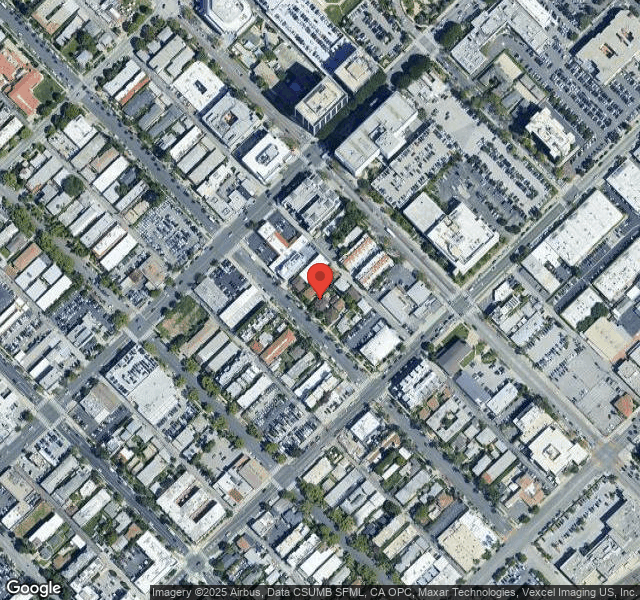
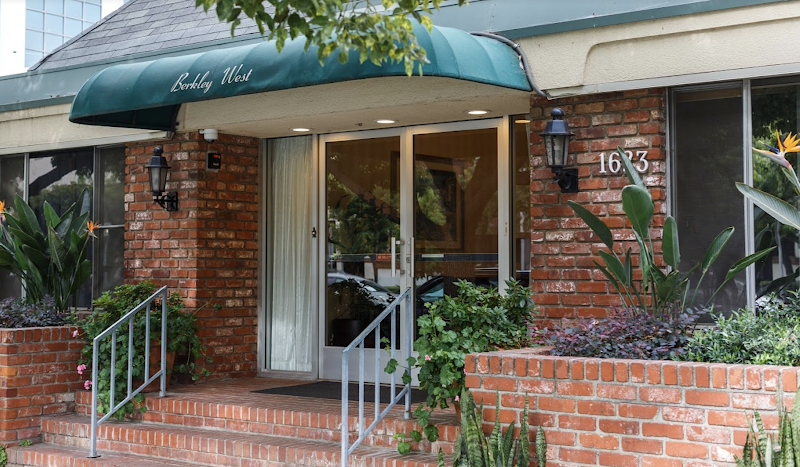
1623 ARIZONA AVENUE, SANTA MONICA, CA 90404 (310) 829-4565
For profit - Limited Liability company 54 Beds ASPEN SKILLED HEALTHCARE Data: November 2025 1 Immediate Jeopardy citation
Trust Grade
3/100
#985 of 1155 in CA
Last Inspection: November 2024

Within standard 12-15 month inspection cycle. Federal law requires annual inspections.

Overview

Berkley West Healthcare Center has received a Trust Grade of F, indicating significant concerns about the quality of care provided. They rank #985 out of 1155 facilities in California, placing them in the bottom half of all nursing homes in the state, and #277 out of 369 in Los Angeles County, meaning only a few local options are better. Although the facility's trend is improving, with issues decreasing from 39 in 2024 to just 2 in 2025, the overall situation remains concerning. Staffing is rated average with a turnover of 55%, which is higher than the state average, but they have an adequate RN coverage. However, the facility has been fined $101,046, which is higher than 96% of California facilities, suggesting ongoing compliance problems. Specific incidents include the failure to monitor a resident's vital signs according to physician orders, which is critical for medications that manage serious heart conditions, and a delay in providing necessary respiratory care due to a lack of emergency supplies, which could have life-threatening consequences. Overall, while there are some signs of improvement, families should weigh these serious concerns against the strengths when considering this facility for care.

Trust Score
F
3/100
In California
#985/1155
Bottom 15%
Safety Record
High Risk
Review needed
Inspections
Getting Better
39 → 2 violations
Staff Stability
⚠ Watch
55% turnover. Above average. Higher turnover means staff may not know residents' routines.
Penalties
✓ Good
$101,046 in fines. Lower than most California facilities. Relatively clean record.
Skilled Nurses
○ Average
Each resident gets 37 minutes of Registered Nurse (RN) attention daily — about average for California. RNs are the most trained staff who monitor for health changes.
Violations
⚠ Watch
91 deficiencies on record. Higher than average. Multiple issues found across inspections.
★☆☆☆☆
1.0
Overall Rating
★★★☆☆
3.0
Staff Levels
★★★★☆
4.0
Care Quality
★☆☆☆☆
1.0
Inspection Score
Stable
2024: 39 issues
2025: 2 issues

The Good

  • 4-Star Quality Measures · Strong clinical quality outcomes
  • Full Sprinkler Coverage · Fire safety systems throughout facility
  • No fines on record

Facility shows strength in quality measures, fire safety.

The Bad

1-Star Overall Rating

Below California average (3.1)

Significant quality concerns identified by CMS

Staff Turnover: 55%

Near California avg (46%)

Frequent staff changes - ask about care continuity

Federal Fines: $101,046

Well above median ($33,413)

Significant penalties indicating serious issues

Chain: ASPEN SKILLED HEALTHCARE

Part of a multi-facility chain

Ask about local staffing decisions and management

Staff turnover is elevated (55%)

7 points above California average of 48%

The Ugly 91 deficiencies on record

1 life-threatening 1 actual harm
Jun 2025 1 deficiency
CONCERN (D) 📢 Someone Reported This

A family member, employee, or ombudsman was alarmed enough to file a formal complaint

Potential for Harm - no one hurt, but risky conditions existed

Deficiency F0552 (Tag F0552)

Could have caused harm · This affected 1 resident

**NOTE- TERMS IN BRACKETS HAVE BEEN EDITED TO PROTECT CONFIDENTIALITY** Based on observation, interview, and record review, the licensed nursing staff failed to follow their own policy and procedure t...

Read full inspector narrative →
**NOTE- TERMS IN BRACKETS HAVE BEEN EDITED TO PROTECT CONFIDENTIALITY** Based on observation, interview, and record review, the licensed nursing staff failed to follow their own policy and procedure to ensure one of three residents (Resident 1) had an interdisciplinary (IDT)/Bioethics review process to evaluate resident ' s care needs that required informed consent who was known to have fluctuating capacity to understand and make decisions. This deficient practice violated the residents' right to make an informed decision including the use of psychoactive medications. Findings: During a review of the admission record for Resident 1 indicated Resident 1 was admitted to the facility on [DATE] with diagnoses including metabolic encephalopathy (a range of conditions where brain dysfunction occurs due to a systemic metabolic problem, meaning a problem with the body's overall chemical processes. This dysfunction can manifest as confusion, memory problems, changes in behavior, and even loss of consciousness), major depressive disorder (a mood disorder that causes a persistent feeling of sadness and loss of interest), and memory deficit following (a decline in a person's ability to remember things, encompassing difficulties in forming new memories, recalling past events, or both. It can range from mild forgetfulness to significant amnesia and may be a symptom of various conditions, including aging, brain injury, or neurological disorders) other cerebrovascular disease (a group of conditions that affect blood flow to the brain, potentially causing damage to brain tissue and affecting brain function). During a review of Resident 1 ' s Minimum Data Set (MDS – a resident assessment tool) dated 5/1/2025, indicated Resident 1 had moderate cognitive impairment (a stage of cognitive decline where individuals experience more pronounced difficulties with thinking, memory, and judgment than what is considered normal for their age). The same MDS indicated Resident 1 was dependent on staff for his Activities of Daily Living such as: (ADLs routine tasks/activities such as eating, oral hygiene, toileting hygiene, shower/bathe self, personal hygiene, lower/upper body dressing, putting on/taking off footwear). During a review of the General Acute Care Hospital progress note dated 4/29/2025 at 1:27 pm, the progress note indicated under assessment/plan Acute metabolic encephalopathy with waxing/waning mental status. Unclear etiology. Query if toxic-metabolic encephalopathy and residual effect from intentional ingestion of meds at home. and/or delirium (a state of acute mental confusion and disorientation that develops rapidly). During an interview with Certified Nursing Assistant (CNA) 1 on 6/19/2025 at 12:40 pm, CNA 1 stated that Resident 1 ' s had instances where it was difficult to have conversations with him (Resident 1) because he would get confused and refer to things that were not there such as seeing a baby in his room. During an interview with the Social Worker (SW) on 6/20/2025 at 3:34 pm, the SW stated that Resident 1 had fluctuating capacity (a person's ability to make decisions or understand information varies over time). The SW stated that capacity was important for making informed decisions but stated that she was not involved in getting any type of consent from Resident 1. During an interview with the Facility administrator (FA) on 6/20/2025 at 5:16 pm, the FA confirmed that Resident 1 had fluctuating capacity to make decisions. The FA stated that during the times that Resident 1 was unable to make decisions, the facility waited until the times when Resident 1 had a moment of clarity. The FA was unable to demonstrate or verbalize how one could prove that a document was signed while the resident had capacity. The FA stated that a resident must be able to make decisions or have capacity so that he (Resident) understands what is going on with their care. During a review of a Policy and Procedure (P&P) titled, Interdisciplinary Team Review/Bioethics – Substitute Decision-Making, revised 4/16/2025, indicated, Biomedical ethical dilemmas often occur when Long-Term Care Facility (LTCF) residents do not have the cognitive capacity to make informed choices about their health care and when they do not have an advance directive and where there is no surrogate decision-maker/resident representative. The same P&P indicated, The Facility makes a reasonable effort to reach family members and friends, and if none located, take steps to search for a representative to participate in the IDT meeting, including - Interviewing residents -Reviewing medical records -Consulting with SNF staff -Document efforts made to find a legal decision-maker and/or resident representative -If unable to identify a Resident Representative, contact The Long-Term Care Office for Patient Representatives (OPR) within 72 hours of MD determination of no capacity May contact OPR before 72 hours if unlikely that a legal decision-maker, family member, or friend will be located 1) Continue to search after contacting OPR 2) Family member or friend may replace the OPR selected Resident Representative if person becomes available to serve as the resident representative
Mar 2025 1 deficiency
CONCERN (E) 📢 Someone Reported This

A family member, employee, or ombudsman was alarmed enough to file a formal complaint

Potential for Harm - no one hurt, but risky conditions existed

Deficiency F0660 (Tag F0660)

Could have caused harm · This affected multiple residents

**NOTE- TERMS IN BRACKETS HAVE BEEN EDITED TO PROTECT CONFIDENTIALITY** Based on interview and record review, the facility failed to ensure safe and orderly discharge from the facility to home for fou...

Read full inspector narrative →
**NOTE- TERMS IN BRACKETS HAVE BEEN EDITED TO PROTECT CONFIDENTIALITY** Based on interview and record review, the facility failed to ensure safe and orderly discharge from the facility to home for four of five sampled residents (Resident 1, 2, 4 and 5) by failing to: 1. Properly discharge Resident 1 to home by setting up the home health agency with complete instructions for ongoing care according to physician's order. 2. Complete a discharge plan summary upon Resident 1, 2, 4, 5's discharge to home. 3. Complete an Interdisciplinary Team (IDT - a group of dedicated healthcare professionals who work to bring knowledge together to help residents receive the care they need) meeting with services provided by the Social Services department regarding Resident 1, 2, 4 and 5's discharge planning according to facility's policy and procedure (P&P). These deficient practices resulted in incomplete and ineffective discharge planning that led to lack of necessary care after discharge. Findings: A. During a review of Resident 1's admission Record, the admission Record indicated the resident was admitted to the facility on [DATE] with diagnoses including amyotrophic lateral sclerosis (ALS - commonly known as Lou Gehrigsdisease, is a progressive neurodegenerative disease that affects the motor neurons in the brain and spinal cord), dysphagia (difficulty swallowing) and disorder of muscle (a group of conditions that affect the muscles and their function). The admission Record also indicated; Resident 1 was discharge on [DATE]. During a review of the Minimum Data Set (MDS - a federally mandated resident assessment tool) dated 12/19/2024, the MDS indicated Resident 1's cognitive (relating to mental action or process of acquiring knowledge and understanding) skills for daily decisions was mildly impaired. The MDS indicated Resident 1 required maximal assistance to total dependence from staff for activities of daily living (ADLs- routine tasks/activities such as bathing, dressing and toileting a person performs daily to care for themselves). During a review of Resident 1's Order Summary Report (OSR), dated 1/2/2025, the OSR indicated, Discharge with Home Health Agency (HHA1) with Physical Therapy, Occupational Therapy, Speech Therapy including Durable Medical Equipment (DME -refers to medical devices like wheelchairs, walkers, oxygen equipment, and hospital beds that are designed to be used repeatedly at home): hospital bed and gastrostomy tube (g-tube - is a thin, flexible tube inserted through the abdominal wall directly into the stomach) supplies. During a review of Resident 1's IDT team meeting [notes], dated 12/17/2024, the IDT meeting [notes] did not include any services provided by Social Services Director (SSD) and any documentation regarding discharge planning of Resident 1. During a review of Resident 1's Progress Notes as of 3/3/2025, the Progress Notes indicated there were no documentations by SSD regarding Resident 1's discharge planning that included HHA1 setup, medications and DME prior to Resident 1's discharge on [DATE]. Additionally, there were no documented notes by SSD regarding follow-up calls regarding Resident 1's status after discharge. During an interview with Family Member 1 (FM 1) on 2/28/2025 at 2:26 p.m., FM 1 stated, Resident 1 was discharged on 1/2/2025 and during discharge instruction, they were informed that HHA1 will be following Resident 1 for ongoing care such as g-tube feeding and physical therapy. FM 1 stated, they waited for HHA1 to call them and set-up after Resident 1 was discharged and did not receive a call. FM 1 stated, she had to call Resident 1's physician to verify the orders and she also called HHA1 to get a clarification in which they confirmed that HHA1 did not get a referral and/or physician's orders from the facility regarding home health services. During an interview with Home Health Administrative Specialist (HHAS) on 2/28/2025 at 2:53 p.m., the HHAS stated, they received the referral for Resident 1's home health services from Resident 1's physician on 2/2/2025. B. During a review of Resident 2's admission Record, the admission Record indicated the resident was admitted to the facility on [DATE] with diagnoses including fracture of lower end of right femur (a break, crack or crush injury of the thigh bone), depression (a mood disorder that causes persistent feeling of sadness and loss of interest) and disorder of muscle. The admission Record indicated Resident 2 was discharged on 1/10/2025. During a review of Resident 2's MDS dated [DATE], the MDS indicated Resident 2's cognitive skills for daily decisions were intact. The MDS indicated Resident 2 required maximal assistance to total dependence from staff for ADLs. During a review of Resident 2's OSR, dated 1/10/2025, the OSR indicated, Discharge home with Home Health Agency (HHA2) with Physical Therapy, Occupational Therapy, Registered Nurse with left over medications. During a review of Resident 2's IDT team meeting [notes], dated 12/31/2024, the IDT meeting [notes] did not include any services provided by SSD and any documentation regarding discharge planning of Resident 2. During a review of Resident 2's Progress Notes as of 3/3/2025, the Progress Notes indicated there were no documentations by SSD regarding Resident 2's discharge planning that included HHA2 setup, and medications prior to Resident 2's discharge on [DATE]. Additionally, there were no documented notes by SSD regarding follow-up calls regarding Resident 2's status after discharge. C. During a review of Resident 4's admission Record, the admission Record indicated the resident was admitted to the facility on [DATE] with diagnoses including multiple fractures of ribs, right side, chronic obstructive pulmonary disease (COPD - a group of lung diseases that block airflow and make it difficult to breathe) and diastolic congestive heart failure (CHF-a heart disorder which causes the heart to not pump the blood efficiently, sometimes resulting in leg swelling). The admission Record indicated Resident 4 was discharged on 3/1/2025. During a review of Resident 4's MDS dated [DATE], the MDS indicated Resident 4's cognitive skills for daily decisions were intact. The MDS indicated Resident 4 required maximal assistance from staff for ADLs. During a review of Resident 4's OSR, dated 3/1/2025, the OSR indicated, Discharge home with Home Health Agency (HHA3) with Physical Therapy, Occupational Therapy, Registered Nurse with left over medications. During a review of Resident 4's medical record as of 3/3/2025, the medical record indicated, there were no IDT team meetings conducted, and no documentations on what discharge planning had been completed for Resident 4. During a review of Resident 4's Progress Notes as of 3/3/2025, the Progress notes indicated there were no documentations by SSD regarding Resident 4's discharge planning that included HHA3 setup, and medications prior to Resident 3's discharge 3/1/2025. Additionally, there are no notes by SSD regarding follow-up calls regarding Resident 4's status after discharge. D. During a review of Resident 5's admission Record, the admission Record indicated the resident was admitted to the facility on [DATE] with diagnoses including metabolic encephalopathy (a chemical imbalance in the blood affecting the brain), end stage renal disease (ESRD-a medical condition in which a person's kidney [organ in the body that lifters waste and excess fluid from the blood] function stop functioning on a permanent basis) and disorder of muscle. The admission Record indicated Resident 5 was discharged on 1/3/2025. During a review of Resident 5's MDS dated [DATE], the MDS indicated Resident 5's cognitive skills for daily decisions were intact. The MDS indicated Resident 2 required maximal assistance to total dependent from staff for ADLs. During a review of Resident 5's OSR, dated 1/3/2025, the OSR indicated, Discharge home with Physical Therapy, Occupational Therapy, Registered Nurse with left over medications. During a review of Resident 5's medical record as of 3/3/2025, the medical record indicated, there were no IDT team meetings conducted, and no documentations on what discharge planning had been completed for Resident 5. During a review of Resident 5's Progress Notes as of 1/3/2025, the Progress Notes indicated there were no documentations by SSD regarding Resident 5's discharge planning that included HHA setup, and medications prior to Resident 5's discharge on [DATE]. Additionally, there were no documented notes by SSD regarding follow-up calls regarding Resident 5's status after discharge. During a concurrent interview and record reviews with Registered Nurse (RN 1) on 3/3/2025 at 12:05 p.m., RN 1 stated, for IDT meeting regarding discharges, they would notify SSD as it is her (SSD) responsibility to setup home health. RN 1 reviewed Resident 1, 2, 4, and 5's medical record and confirmed, there were no documentations completed regarding residents' discharge planning. RN 1 stated residents who were discharged with HHA should be followed up immediately after discharge for continuity of care and for safety. During an interview with Director of Nursing (DON) on 3/3/2025 at 12:21 p.m., the DON stated, it is important to ensure the continuity of care for the services to be setup prior to discharging residents in the facility for the safety of the residents. The DON stated, it is also important to make follow-up phone calls with residents to ensure that they are safe after being discharged from the facility. During a review of facility's policy and procedure (P&P), titled, Discharge Summary and Plan, revised on 10/2024, the P&P indicated that, When a resident's discharge is anticipated, a discharge summary and post-discharge plan is developed to assist the resident with discharge . Every resident will be evaluated for his or her discharge needs and will have an individualized postdischarge plan. The post-discharge plan will be developed by the Care Planning/Interdisciplinary Team with the assistance of the resident and his or her family . A copy of the following will be provided to the resident and receiving facility and a copy will be filed in the resident's medical records: a. An evaluation of the resident's discharge needs; b. The post-discharge plan; and c. The discharge summary.
Dec 2024 5 deficiencies 1 IJ (1 affecting multiple)
CRITICAL (K) 📢 Someone Reported This

A family member, employee, or ombudsman was alarmed enough to file a formal complaint

Immediate Jeopardy (IJ) - the most serious Medicare violation

Deficiency F0757 (Tag F0757)

Someone could have died · This affected multiple residents

**NOTE- TERMS IN BRACKETS HAVE BEEN EDITED TO PROTECT CONFIDENTIALITY** Based on interview, and record review, for one of six sampled residents (Resident 1) the facility failed to 1. Monitor the vita...

Read full inspector narrative →
**NOTE- TERMS IN BRACKETS HAVE BEEN EDITED TO PROTECT CONFIDENTIALITY** Based on interview, and record review, for one of six sampled residents (Resident 1) the facility failed to 1. Monitor the vital signs (VS) which included blood pressure (BP), apical pulse (AP- a pulse point on the chest that gives the most accurate reading of a heart rate), and heart rate (HR-Pulse), according to physician's order for the following medications: a. Amiodarone HCL (Medication to treat/control very rapid and irregular pulse]) 200 milligrams (mg - unit of measurement) oral tablet a day for atrial fibrillation (A-Fib, serious medical condition of the heart: fast and irregular heartbeat) hold for apical pulse <60, Amiodarone dose was held or given with no documented apical pulse on 11/29, 11/30, 12/1, 12/2, 12/3, 12/4, 12/5, 12/6, 12/7, 12/8, and [DATE]. b. Metoprolol Succinate (Medication to treat/control high blood pressure) Extended Release (ER) 50 mg Oral Tab ER 1 tab one time day for hypertension (HTN- high blood pressure) hold for systolic blood pressure (SBP-top number of BP ready) <100 millimeters of mercury (mmHg, unit of pressure) and HR<60, dose was held with no documented BP or HR on 11/4, 11/7, 11/13, 11/19, 11/20, 11/26, 12/1, 12/7, and [DATE]. Metoprolol dose administered when BP was below acceptable parameters (SBP<100mmHg) on 11/24, 11/28, and [DATE]. c. Spironolactone (Medication to treat/control HTN) oral tablet 25mg give 0.5 tab a day for congestive heart failure (CHF- weakened heart condition that causes fluid buildup in the feet, arms, lungs, and other organs) hold for SBP <100, dose was held with no documented BP on 11/4, 11/7, 11/13, 11/19, 11/20, 11/26, 12/1, 12/7, and [DATE]. Spironolactone dose administered when BP was below acceptable parameters (SBP<100mmHg) on 11/15, 11/17, 11/24, and [DATE]. d. Entresto (Medication for heart failure) 24-26mg give 0.5mg two times a day for HTN hold for SBP <100 as per indicated parameters. Entresto dose was held with no documented BP on 11/4, 11/7, 11/13, 11/19, 11/20, 11/25, 11/26, 12/1, 12/7, and [DATE]. Entresto Dose administered when BP was below acceptable parameters (SBP<100mmHg) on 11/15, 11/17, 11/24, and [DATE]. 2. Monitor for potential adverse consequences by ensuring the licensed staff will not ignore or override when amiodarone and metoprolol were triggered for severe drug to drug interaction (Adverse drug Reaction [ADR]- harmful or unpleasant reactions to a medication that can be life-threatening) if administered together could result in hypotension, bradycardia (slow heart rate), cardiac arrest, and death. 3. Monitor the responses to or effects of a medications to Resident 1 by analyzing the trend of the vital signs. 4. Resident 1 did not get an excessive dose of Lidoderm patch 5% topically (onto skin) by receiving two doses on [DATE] at 8:13 AM and [DATE] at 1:23 PM. As result, on [DATE] at 9 PM, Resident 1 received all these medications (metoprolol, spironolactone, Entresto, amiodarone, and 2 doses of Lidoderm 5% patch). On [DATE] at 1:20 PM, the facility discharged Resident 1 to the Assisted Living Facility (ALF- a facility for people who need help with daily care, but not as much help as a nursing home provides) via the facility provided non-emergency transportation. Upon arrival of Resident 1 to the AFL resident was pronounced deceased /dead upon arrival. Cross Reference: F580, F624, F760, F842 On [DATE] at 6:09 PM, while onsite, the State Survey Agency (SSA) called an Immediate Jeopardy (IJ-a situation in which the facility's non-compliance with one or more requirements of participation has caused, or is likely to cause, serious injury, harm, impairment, or death of a resident) situation for the facility's failure to: 1. Adequately monitor the parameter per physician order of the following medications: Amiodarone HCL 200 mg oral tablet a day for A-Fib hold for Apical pulse <60 (per pharmacy recommendation), Metoprolol Succinate ER 50 mg Oral Tab ER 1 tab one time day for HTN hold for SBP <100 and HR<60, Spironolactone Oral tablet 25mg give 0.5 tab a day for CHF hold for SBP <100, Entresto 24-26mg give 0.5mg two times a day for HTN hold for SBP <100 as per indicated parameters. 2. Monitor for potential adverse consequences by ensuring the licensed staff will not ignore or override when amiodarone and metoprolol were triggered for severe drug to drug interaction if administered together could result in hypotension, bradycardia, cardiac arrest, and death. 3. Resident 1 did not get an excessive dose of Lidoderm patch 5% topically by receiving two doses on [DATE] at 8:13 AM and [DATE] at 1:23 PM. Administering these medications (metoprolol, spironolactone, Entresto, amiodarone, a Lidoderm 5% patch and second Lidoderm 5% patch) which were known to have severe drug-to-drug interactions without adequate monitoring may result arrhythmias, severe hypotension, bradycardia, and cardiac arrest, including death. On [DATE] at 9 am, Resident 1 received these medications (metoprolol, spironolactone, Entresto, amiodarone, a Lidoderm 5% patch and at 1:17 PM, second Lidoderm 5% patch) and was discharged via the facility provided transportation to an assisted living, Resident 1 was pronounced deceased upon arrival to AFL. On [DATE] at 9:55 PM, while onsite, the SSA removed the IJ after the facility submitted an acceptable removal plan (interventions to correct the deficient practices) which was verified and confirmed through observation, interview, and record review. The acceptable removal plan was as follows: On [DATE], the facility contracted with an outside Pharmacist Consultant to conduct a baseline Medication Regimen Review of residents who resided in the facility on [DATE] for the period beginning [DATE] through [DATE]; to identify other residents potentially affected by missing order parameters, inadequate monitoring, and/or requiring dose adjustments due to medications repeatedly being held. Recommendations were referred to Director of Nursing for follow-up and/or Physician consultation as indicated. On [DATE], the facility contracted with an outside Physician to conduct a medication regimen review of the facility residents. The outside contracted Physician will collaborate with the outside contracted Pharmacy Consultant regarding the reviews. On [DATE] the outside contracted Pharmacy Consultant reviewed in-house residents' medication regimen from [DATE] through [DATE] with the following summary of audit findings: MRR completed for 42 Residents on [DATE]. 33 Residents noted with orders for parameters and monitoring without any irregularities identified. 6 Residents noted with an irregularity in following Physician's ordered parameters. An outside Consultant Pharmacist educated Director of Nursing Services, and Clinical Nurse Resource Consultant on [DATE] at 10 PM regarding: Safe Medication Administration; Alerting Nurses of Drug-to-Drug interaction prior to Medication Administration; Importance of Adhering to Ordered Medication Parameters; Physician Notification; and Importance of Pharmacist Performing a Thorough Medication Regimen Review (MRR). On [DATE], the facility contracted with an outside Nurse Consultant to conduct in-services and complete the medication administration observations of the licensed nurses. The Director of Nursing Services (DNS) educated licensed nurses on Safe Medication Administration; Alerting Nurses of Drug-to-Drug interaction prior to Medication Administration; Importance of Adhering to Ordered Medication Parameters; Physician Notification; and Importance of Pharmacist Performing a Thorough Medication Regimen Review (MRR) and Medication Administration Technique; and expectations on consulting with physicians as indicated. This training started [DATE] for in-house staff, with remaining staff educated prior to the start of their shift. As of [DATE] at 11am, 12 of 14 nurses (5 Registered Nurses [RN] and 9 License Vocational Nurses [LVNs] total on staff) have completed training (4 RNs + 8 LVNs); for the remaining 2 nurses, 1 LVN will be trained by [DATE]; and 1 RN on LOA will receive training prior to working her shift upon her return. As of [DATE] (4) Registry-LVNs have been in-serviced. Moving forward any Registry Staff will be in-service prior to working their scheduled shift. Licensed Nurses will be educated on Safe Medication Administration; Alerting Nurses of Drug-to-Drug interaction prior to Medication Administration; Importance of Adhering to Ordered Medication Parameters; Physician Notification; and Importance of Pharmacist Performing a Thorough Medication Regimen Review (MRR) and Medication Administration Technique and follow-up expectations upon hire and annually. Training will be completed with the Director of Nursing Services (DNS) and documentation will be retained on training records. DNS educated Licensed Nurses on safe medication administration practices using the 10 Rights of administration; administering meds in accordance with physician ordered monitoring parameters, promptly notifying Physician of significant drug-to-drug interactions; and importance of facilitating new admission, change-of-condition, and monthly Medication Regimen Reviews (MRRs); and promptly reviewing and remediating MRR findings when indicated. This training will begin 12-20-24 for in-house staff, and remaining staff will be educated prior to the start of their shift. As of [DATE] at 7 PM, total licensed nursing staff 5 Registered Nurses (RNs) and 9 Licensed Vocational Nurses (LVNs) of which 4 RNs and 8 LVNs have completed training; the remaining 2 nurses, 1 LVN will be trained by [DATE]; and 1 RN on LOA will receive training prior to her return. As of [DATE] four (4) Registry-LVNs have been in-serviced. Moving forward any Registry Staff will be in-service prior to working their scheduled shift. Licensed Nurses will receive training upon hire and annually on safe medication administration practices using the 10 Rights of administration; administering meds in accordance with physician ordered monitoring parameters, promptly notifying Physician of significant drug-to-drug interactions; and importance of facilitating new admission, change-of-condition, and monthly Medication Regimen Reviews (MRRs); and promptly reviewing and remediating MRR findings when indicated. Training will be completed with the Director of Nursing Services and documentation will be retained on training records. Medication Pass Competency Assessments will be completed with Licensed Nurses upon hire and annually by Facility Director of Nursing Services (DON), Director of Staff Development (DSD), or Pharmacy Nurse Consultant. Competencies will include verifying proper/safe medication administration practices and compliance with physician ordered administration parameters. New admissions, those experiencing a change-of-condition, and no less often than monthly, a thorough MRR will be conducted through our contracted Pharmacy to identify drug-to-drug interactions and medications requiring dose adjustments (i.e. held frequently). The facility contracted with an outside Pharmacist Consultant [DATE] to conduct a concurrent Medication Regimen Review each month for a minimum of 3 months at which time it will be re-evaluated by the Quality Assessment and Assurance (QAA) Committee for further recommendation. The facility contracted a Medical Records Consultant to conduct concurrent audits with our facility Medical Records Director to monitor Licensed Nurse compliance adhering to ordered medication parameters and contacting Physician's for dose adjustments when indicated (i.e. frequently held). Audits started [DATE] and continue weekly for a minimum of 3 months at which time it will be re-evaluated by the QAA Committee for further recommendation. Beginning [DATE], Director of Nursing Services (DON) is responsible for monitoring Pharmacy compliance of new admission reviews, change of condition, and monthly medication regimen reviews; and coordinating prompt MRR remediation and follow-up. Each month, DON will report MRR compliance thresholds for completion and remediation to the facility's QAA Committee for analysis and remedial planning or monitoring needs as indicated. The Director of Nursing Services (DON) beginning [DATE] will conduct 3 random med pass observations each week x's 3 months, then monthly x's 3 months, then quarterly thereafter to monitor compliance with safe medication administration practices and following ordered parameters where indicated. DON will be responsible for reporting compliance with med pass observations and results to the facility's QA Committee for analysis and remedial planning or monitoring needs as indicated. Facility Medical Records Director (MRD) beginning [DATE] will conduct medication administration record audits of in-house Residents each week x's 3 months, then monthly x's 3 months, then quarterly thereafter to monitor Licensed Nurse compliance adhering to ordered medication parameters and consulting Physicians on dose adjustments when indicated (i.e. frequently held). The audit results will be reported to the Administrator and Director of Nursing for appropriate corrective action. MRD will be responsible for reporting compliance with order parameters and dose adjustment consults to facility's QA Committee for analysis and remedial planning or monitoring needs as indicated it will be re-evaluated for a minimum of 3 months at which time it by the QAA Committee for further recommendation. Findings: A review of Resident 1's admission Record, indicated the facility admitted the resident on [DATE], with diagnosis that included acute (sudden) on chronic (long-term) systolic cardiac heart failure (a specific type of heart failure that occurs in the heart's left ventricle), paroxysmal A-Fib (fast and irregular heartbeat), essential hypertension (HTN: high blood pressure that is not due to another medical condition), ST-elevation myocardial infarction (STEMI, type of heart attack that is more serious and has a greater risk of serious complications and death) involving coronary artery of anterior wall (the artery supplies blood to the front portion of your heart), sick sinus syndrome (a disease in which the heart's natural pacemaker located in the upper right heart chamber (right atrium) becomes damaged and is no longer able to generate normal heartbeats at the normal rate), rheumatic disorders of both mitral valves (lies between the left atria and the left ventricle) and tricuspid valves (lies between the right atrium and the right ventricle). A review of Resident 1's Minimum Data Set (MDS- a resident assessment tool) dated [DATE], indicated the resident had moderately impaired cognition (ability to think, read, learn, remember, reason, express thoughts, and make decisions). The MDS indicated the resident was dependent on staff for toileting, lower body dressing, and putting on and taking off footwear. The MDS indicated the resident required substantial/maximal assistance (helper does more than half the effort) with showering/bathing, upper body dressing, and personal hygiene. A review of Resident 1's Order Summary Report dated [DATE], indicated Resident 1 was on the following medications: a. Amiodarone HCI Oral tablet 200 mg give one tablet by mouth one time a day for A-fib hold for Apical pulse <60 (per pharmacy recommendation). b. Metoprolol Succinate Extended Release (ER) Oral Tablet 24 Hour 50 mg give one tablet by mouth one time a day for HTN hold for SBP <100 and HR<60. c. Spironolactone Oral tablet 25mg give 0.5 tablet by mouth one time a day for CHF hold for SBP <100. d. Entresto Oral tablet 24-26mg give 0.5mg by mouth two times a day for HTN for SBP <100. e. Lidoderm Patch 5% (Lidocaine) apply to left thigh topically one time a day for pain management and remove per schedule. The order did not indicate what the schedule was. A review of Resident 1's Progress Notes for 10/2024, indicated medication administration orders had triggered a severe drug to drug interaction between Metoprolol Succinate ER and Amiodarone HCL on [DATE] at 8:37 PM, [DATE] at 10:29 AM, [DATE] at 2:38 PM, and [DATE] at 4:08 PM. The progress notes indicated Interaction: Administration of Amiodarone HCI Oral Tablet 200 mg and Metoprolol Succinate ER Oral Tablet Extended Release 24 Hour 100 mg may result in severe bradycardia, hypotension and cardiac arrest. The progress notes did not indicate a physician was notified of the severe drug to drug interaction on any of the aforementioned dates. A review of Resident 1's Progress Notes dated [DATE] at 8:45 PM, indicated a medication administration order had triggered a severe drug to drug interaction between Metoprolol Succinate ER and Amiodarone HCL. The progress notes indicated Interaction: Administration of Amiodarone HCI Oral Tablet 200 mg and Metoprolol Succinate ER Oral Tablet Extended Release 24 Hour 100 mg may result in severe bradycardia, hypotension and cardiac arrest. The note did not indicate the physician was notified of the severe drug to drug interaction. A review of Resident 1's Medication Administration Record (MAR) for 11/2024, indicated Amiodarone HCL oral tablet a day for A-Fib hold for apical pulse <60 (per pharmacy recommendation) start date [DATE]. The MAR had a section to document the resident's BP but did not have a section to document the resident's pulse. The MAR indicated administration was as follows: 11/292024: Dose held, BP 99/67 mmHg, (per vital sign documentation pulse was 71 bpm [did not indicate if apical] on [DATE] at 9:34 am). The pulse did not indicate if checked apically. [DATE]: Dose held, BP 99/70 mmHg, pulse not indicated. No pulse documented in medical record for [DATE] at 9 am. if checked apically as ordered. A review of Resident 1's MAR for 11/2024, indicated to administer Metoprolol Succinate ER oral, one tab one time day (9 AM) for HTN and to hold the medication for SBP <100 mmHg and HR<60 per minute. The MAR further indicated the following about Metoprolol ER: [DATE]: Dose held. No documented BP or HR/AP BP not indicated/documented in Resident 1's chart (no vital signs documented in medical record) [DATE]: Dose held, BP or pulse not indicated/documented (no vital signs documented in medical record) [DATE]: Dose held, BP or pulse not indicated/documented (no vital signs documented in Resident 1's chart) [DATE]: Dose held, BP or pulse not indicated/documented (no vital signs documented in medical record). [DATE]: Dose held, BP or pulse not indicated/documented on the MAR or on medical records. [DATE]: Dose administered, BP 93/66 mmHg, pulse 66. [DATE]: Dose administered, BP 90/60 mmHg, pulse 74. [DATE]: Dose administered, BP 99/67 mmHg, pulse 71. The 11/2024 MAR did not indicate a physician was notified for held metoprolol ER and for VS parameters out of prescribed range. A review of Resident 1's MAR for 11/2024, indicated Spironolactone Oral tablet 25mg give 0.5mg one tab a day (9am) for CHF hold for SBP <100 administration was as follows: [DATE]: Dose held; BP not documented on the MAR or on medical records. [DATE]: Dose held; BP not documented on the MAR or on medical records. [DATE]: Dose held; BP not documented on the MAR or on medical records. [DATE]: Dose administered, BP 90/60 mmHg [BP taken at 11:02 am] (parameter indicated hold for SBP <100) [DATE]: Dose administered BP 90/60 mmHg. [DATE]: Dose held, BP and pulse not documented on the MAR or on medical records. [DATE]: Dose held, BP not indicated, pulse not documented (no vital signs documented in medical record) [DATE]: Dose administered, BP 93/66 mmHg [BP taken at 11:16 am] [DATE]: Dose held; BP not indicated on MAR. [DATE]: Dose held, BP not indicated, pulse not documented (no vital signs documented in medical record). [DATE]: Dose administered, BP 99/70 mmHg. The 11/2024 MAR did not indicate a physician was notified for held Spironolactone Oral tablet 25mg give 0.5mg and for VS parameters out of prescribed range. A review of Resident 1's MAR for 11/2024, indicated Entresto 24-26mg give 0.5mg two times a day for HTN hold for SBP <100 administration was as follows: [DATE]: Dose held; BP not documented on the MAR or on medical records. [DATE]: Dose held; BP not documented (no vital signs documented in medical record) [DATE]: Dose held; BP not documented (no vital signs documented in medical record) [DATE]: Dose administered, BP 90/60 mmHg [BP taken at 11:02 AM] (parameter indicated hold for SBP <100) [DATE]: Dose administered BP 90/60 mmHg [DATE]: Dose held, BP and pulse not documented on the MAR or on medical records. [DATE]: Dose held, BP and pulse not documented on the MAR or on medical records. [DATE]: Dose administered, BP 93/66 mmHg [BP taken at 11:16 am] [DATE]: Dose held; BP not documented on MAR. [DATE]: Dose held, BP not documented on the MAR or on medical records. [DATE]: Dose administered, BP 99/70 mmHg. The 11/2024 MAR did not indicate a physician was notified for held Entresto 24-26 mg give 0.5 mg and for VS parameters out of prescribed range. A review of Resident 1's MAR for 12/2024, indicated Amiodarone HCL 200mg oral tablet a day for A-Fib hold for Apical pulse <60 (per pharmacy recommendation) administration was as follows: [DATE]: Dose administered, BP 97/65 mmHg, Apical pulse not documented. [DATE]: Dose held, BP 98/59 mmHg, Apical pulse not documented. [DATE]: Dose held, BP 101/50 mmHg, Apical pulse not documented. [DATE]: Dose administered, BP 96/62 mmHg, Apical pulse not documented. [DATE]: Dose administered, BP112/76 mmHg, Apical pulse not documented. [DATE]: Dose administered, BP 104/61 mmHg, Apical pulse not documented. [DATE]: Dose administered; Apical pulse not documented. [DATE]: Dose held; Apical pulse not documented. [DATE]: dose administered, BP 104/69 mmHg, Apical pulse not documented. The 12/2024 MAR did not indicate a physician was notified for held Amiodarone HCL Oral tablet 200mg and for VS parameters out of prescribed range. A review of Resident 1's MAR for 12/2024, indicated Metoprolol Succinate ER Oral Tab ER 1 tab one time day for HTN hold for SBP <100 and HR<60 administration was as follows: [DATE]: Dose held, BP and pulse not documented (no vital signs documented in medical record). [DATE]: Dose held, BP and pulse not documented on the MAR or on medical records. [DATE]: Dose administered, BP 104/69 mmHg, pulse 84. A review of Resident 1's MAR for 12/2024, indicated Spironolactone Oral tablet 25mg give 0.5mg one tab a day for CHF hold for SBP <100 administration was as follows: [DATE]: Dose held; no BP documented on the MAR. VS not documented on medical records. [DATE]: Dose held; no BP documented. VS not documented in medical records. [DATE]: Dose held; no BP documented. VS not documented in medical records. [DATE]: administered, BP 104/69 mmHg. A review of Resident 1's MAR for 12/2024, indicated Entresto 24-26mg give 0.5mg two times a day for HTN hold for SBP <100 administration was as follows: [DATE]: 9 AM: Dose held; BP not documented. [DATE]: 9 AM: Dose held; BP not documented. [DATE]: 9 AM: Dose held; BP not documented in medical records. [DATE]: 9 AM: Administered, BP 104/69 mmHg. A review of Resident 1's MAR for [DATE] at 8:13 AM, indicated Resident 1 was administered a Lidoderm patch 5% topically (onto skin). A review of Resident 1's MAR for [DATE], indicated Resident 1 was administered a second Lidoderm patch on [DATE] at 1:23 PM as recorded in MAR (a discrepancy from the time of discharge of 1:20 PM. Actual application was at 1 pm per LVN1 interview). The MAR did not indicate the Lidoderm patch applied on [DATE] at 8:13 AM was removed. A review of Resident 1's physician's Skilled Nursing Facility Discharge Medication Reconciliation Note dated [DATE] at 9:23 AM, indicated Resident 1 was to be discharged on amiodarone 200 mg 1 tablet by mouth daily, Entresto 24-26 mg 0.5 tablet by mouth twice a day, Lidocaine 5% patch 12 hours on and 12 hours off, metoprolol succinate 50 mg 1 tablet daily, Spironolactone 25mg 0.5mg tablet daily in the morning. A review of Resident 1's Nurses Notes dated [DATE] at 1:20 PM, indicated Resident discharged home with caregiver in provided transportation via wheelchair. No complaints of pain or discomfort. Resident signed all paperwork and leftover medications were given as ordered. Resident escorted to transportation by staff. MD and family aware. The nurses noted indicated Resident 1's VS were taken on [DATE] at 8:16 AM; BP 104/69, T97.2, P64, RR18, O2 97% RA. The nurses' notes did not indicate the resident's vital signs were taken prior to discharge. During an interview on [DATE] at 11:57 AM, Assisted Living Facility Staff (AFL 1) stated on [DATE] at around 1:30 PM Resident 1 arrived at the facility (AFL) there were no sign of life, paramedics were called, and cardiopulmonary resuscitation (CPR) started. Resident 1 was pronounced dead at approximately 2 PM. During an interview on [DATE] at 1:27 PM, the Director of Staff Development (DSD) stated CNAs and CNs are responsible for assessing VS, and that VS needed for medication administration are assessed by the licensed nurses 10 to 15 minutes prior to medication administration because the side effects of the medication can cause low BP, low heartrate (bradycardia), or syncope. DSD stated, it was important to check BP timely to ensure the BP remained within a normal range because BP medications could work too well and cause hypotension. DSD stated a resident's physician must be informed of three consecutive low BP readings. DSD stated VS must be within ordered parameters must be within range before the medications are administered to mitigate (lessen) adverse (negative) reactions from the medications and had to be followed for resident safety. DSD stated if BP medications are given outside of ordered parameters the residents BP could drop low, which could result in death due to lack of circulation. DSD stated if VS are ordered to such as to assess apical pulse, the documentation must indicate apical pulse was taken. DSD stated the EHR alerts the nurses of any drug-to-drug interactions. DSD defined drug to drug interactions as two drugs (medications) given together that can cause harm and can increase the likelihood of harm. DSD stated the RNS oversee and act on drug to drug to interactions. DSD stated when the EHR alerts facility staff of severe drug to drug interactions, staff must take immediate action and must contact/notify the resident's physician. During an interview on [DATE] at 10:48 AM, LVN1 stated certified nursing assistants (CNAs) are in charge of checking VS and the charge nurses (CNs) were responsible for checking medication administration VS such as BP. LVN1 stated CNAs document the VS in the VS log and the CNs document the VS on the MAR. LVN1 stated VS are taken within 15minutes before medication administration because the VS can change. LVN1 stated medications could be administered an hour before or after the ordered time. LVN1 restated it was important to take a BP timely with medication administration because the BP could change. LVN1 defined parameters as the recommended scale that must be followed to give certain medications at the proper dose such as BP and blood sugar (BS) medications. LVN1 stated if parameters are not followed the results could be detrimental (harmful) and dangerous to a resident's health. LVN1 stated if ordered, apical pulse must be assessed apically and documented as apical pulse on the MAR. LVN1 stated registered nurse supervisors (RNS) are responsible for inputting medication orders and acting upon severe drug to drug interaction warnings. LVN1 stated the physician must be notified immediately of all severe drug to drug interaction warnings. LVN1 stated physician must be notified of all changes in condition in resident status and VS taken at the time of the change of condition otherwise the residents could receive the wrong treatment. During an interview on [DATE] at 11:54 am, the Director of Nursing (DON) stated care plan must include resident's condition, diagnosis/es, . black box warnings to ensure residents are provided with appropriate care during their stay at the facility. The DON stated if specific interventions and orders for cardiac medication administration are not carried out as per physician's orders can result in the resident experiencing hypotension or hypertension. The DON stated when administering medications the CNs are responsible for assessing VS. The DON stated VS must be documented on the vital signs logs and must be taken prior to medication administration because if the BP is too low and medications are given can result in hypotension, shock (a life-threatening emergency in which the organs cannot function properly), and syncope (fainting or passing out). The DON stated parameters are placed on medication orders to ensure resident safety and that it was important to administer medications as ordered to improve the resident's condition/outcome. The DON stated BP/cardiac medications must not be administered without current VS because the VS could change. The DON stated if a physician ordered a specific VS such as apical pulse the nurses must check the apical pulse for one full minute (pointed to her [DON] left rib area of the chest location) to check the apical pulse. The DON stated she was not sure if the electronic health record (EHR) was set up to allow the nurses to document an apical pulse was taken but stated that documentation must be specific and must indicate an apical pulse was assessed. The DON stated drug to drug interactions are first reviewed by the facility's contracted pharmacy and then the pharmacy notifies the facility. The DON stated after the pharmacy notifies the facility, the facility contacts the resident the resident's physician to check if it is okay for the resident to receive medications (Spironolactone, Amiodarone, Entresto, and Metoprolol) together. The DON stated the facility must notify a resident's physicians of drug to drug-to-drug interactions immediately, regardless of if the drug-to-drug interactions indicates mild or severe. During a telephone interview on [DATE] at 12:07 PM, the pharmacy consultant (PC) stated it was important to review BP and pulse especially if a resident is on multiple blood pressure medications because of the risk for hypotension and bradycardia. The PC stated it was very important to monitor the apical pulse when a resident is on an antiarrhythmic such as amiodarone because amiodarone specifically affects the pulse, and the residents is at risk for bradycardia, fainting, and dizziness. The PC stated it was important the check the apical pulse for one full minute when a resident is on amiodarone because that is where the most accurate pulse is be obtained. The PC stated it was important the check the vital signs at the time of medication administration because the vital signs can change depending on the patient's movement, behavior, what they have eaten, and time between other medications, the blood pressure fluctuates even hour to hour you may get some variations 20 minutes. The PC stated the nurses administering the medications are responsible to adhere to the parameters set by the physician and if the medications are being held multiple days the nurses should have notified the physician of the continued need to hold the medications. The PC stated the nurses administering the medications are responsible for notifying the physician if the vital signs are continuously out of the parameters. During a follow up interview and record review of drug-to-drug interaction [TRUNCATED]
CONCERN (D) 📢 Someone Reported This

A family member, employee, or ombudsman was alarmed enough to file a formal complaint

Potential for Harm - no one hurt, but risky conditions existed

Deficiency F0624 (Tag F0624)

Could have caused harm · This affected 1 resident

**NOTE- TERMS IN BRACKETS HAVE BEEN EDITED TO PROTECT CONFIDENTIALITY** Based on interviews and record reviews, the facility failed to provide a safe and orderly discharge for one of the three of the ...

Read full inspector narrative →
**NOTE- TERMS IN BRACKETS HAVE BEEN EDITED TO PROTECT CONFIDENTIALITY** Based on interviews and record reviews, the facility failed to provide a safe and orderly discharge for one of the three of the three sampled residents (Resident 1) by failing to reassess Resident 1's Vital Signs (VS - basic functions of your body. which include body temperature, blood pressure [BP], pulse, and respiratory [breathing] rate) who was known to have low BPs prior to discharging the resident on [DATE]. On [DATE] Resident 1 received these medications: metoprolol, spironolactone, Entresto, amiodarone, a Lidoderm 5% patch and a second dose of Lidoderm 5% patch. As a result, on [DATE] at 1:20 PM, the facility discharged Resident 1 to an alternate living facility (ALF) via the facility provided transportation. The ALF pronounced Resident 1 deceased /dead upon arrival. Cross reference: F580, F760, F757, F842 Findings: A review of Resident 1's admission Record, indicated the facility admitted the resident on [DATE], with diagnosis that included acute (sudden) on chronic (long-term) systolic cardiac heart failure (a specific type of heart failure that occurs in the heart's left ventricle), paroxysmal A-Fib (fast and irregular heartbeat), essential hypertension (HTN: high blood pressure that is not due to another medical condition), ST-elevation myocardial infarction (STEMI, type of heart attack that is more serious and has a greater risk of serious complications and death) involving coronary artery of anterior wall (the artery supplies blood to the front portion of your heart), sick sinus syndrome (a disease in which the heart's natural pacemaker located in the upper right heart chamber (right atrium) becomes damaged and is no longer able to generate normal heartbeats at the normal rate), rheumatic disorders of both mitral valves (lies between the left atria and the left ventricle) and tricuspid valves (lies between the right atrium and the right ventricle). A review of Resident 1's Minimum Data Set (MDS- a resident assessment tool) dated [DATE], indicated the resident had moderately impaired cognition (ability to think, read, learn, remember, reason, express thoughts, and make decisions). The MDS indicated the resident was dependent on staff for toileting, lower body dressing, and putting on and taking off footwear. The MDS indicated the resident required substantial/maximal assistance (helper does more than half the effort) with showering/bathing, upper body dressing, and personal hygiene. A review of Resident 1's Order Summary Report dated [DATE], indicated Resident 1 was on the following medications: a. Amiodarone HCI Oral tablet 200 mg give one tablet by mouth one time a day for A-fib. b. Metoprolol Succinate Extended Release (ER) Oral Tablet 24 Hour 50 mg give one tablet by mouth one time a day for HTN hold for SBP <100 and HR<60. c. Spironolactone Oral tablet 25mg give 0.5 tablet by mouth one time a day for CHF hold for SBP <100. d. Entresto Oral tablet 24-26mg give 0.5mg by mouth two times a day for HTN for SBP <100. e. Lidoderm Patch 5% (Lidocaine) apply to left thigh topically one time a day for pain management and remove per schedule. The order did not indicate what the schedule was. A review of Resident 1's MAR for [DATE] at 8:13 am, indicated the resident was administered a Lidoderm patch 5% topically on [DATE] at 8:13 am. A review of Resident 1's MAR for [DATE] at 9am, indicated the resident was administered Amiodarone HCL 200 mg oral tablet a day for A-Fib hold for Apical pulse <60 (per pharmacy recommendation), Metoprolol Succinate ER (extended release) 50 mg Oral Tab ER 1 tab one time day for HTN hold for Systolic Blood Pressure (SBP - is the first/top BP number which measures the pressure blood pushing against the artery walls when the heart beats) less than (<)100 mmHg and HR<60 beats per minute, Spironolactone Oral tablet 25mg give 0.5 tab a day for Congestive Heart Failure (CHF- weakened heart condition that causes fluid buildup in the feet, arms, lungs, and other organs) hold for SBP <100, and Entresto 24-26mg give 0.5mg two times a day for HTN hold for SBP <100 as per indicated parameters. A review of Resident 1's Weights and Vitals Summary dated [DATE] at 8:16 am, indicated the resident's last documented pulse was taken on [DATE] at 8:16 am and was 84 bpm. A review of Resident 1's Weights and Vitals Summary dated [DATE] at 8:16 am, indicated the resident's last documented BP was taken on [DATE] at 8:16 am and was 104/69mmHG (lying l/arm). A review of Resident 1's MAR for [DATE]/9/2024 at 1:23 pm, indicated Resident 1 was administered a second patch on [DATE] at 1:23 pm. The MAR did not indicate the patch applied on [DATE] at 8:13 am was removed. A review of Resident 1's nurses notes dated [DATE] at 1:20 pm, indicated resident discharged home with caregiver in provided transportation via wheelchair. no complaints of pain or discomfort. resident signed all paperwork and leftover medications were given as ordered. resident escorted to transportation by staff. MD and family aware. The vital signs indicated on the note were taken on [DATE] at 8:16 am: BP 104/69, T97.2, P64, RR18, O2 97% RA. The notes did not indicate vital signs were taken prior to discharge. During an interview with Licensed Vocational Nurse (LVN)1 on [DATE] at 10:48 am, LVN1 stated if BP meds were not taken regularly, stopped, held for days, and then started again the resident's BP could fluctuate in a negative way and the body would have to readjust to taking the medication. During a telephone interview on [DATE] at 12:07 pm, the pharmacy consultant (PC) stated it was important to check BP and pulse especially if a resident was on multiple blood pressure medications because by administering multiple antihypertensives the risk was present of the BP and pulse going down. The PC stated if on an antiarrhythmic such as Amiodarone it was very important to monitor the apical pulse because Amiodarone specifically affects the pulse, and the residents ran the risk of the pulse going down and increased the risk for fainting and dizziness. The PC stated vital signs can change depending on the patient's movement, behavior, what they have eaten, and time between other medications, the blood pressure fluctuates even hour to hour you may get some variations 20 minutes you know it's not like a cholesterol where you check every now and then. The PC stated if a resident was on multiple antihypertensives and antiarrhythmics it was important to administer the medications regularly because when you take them on a regular basis your body will stabilize itself where you know if there are peaks and valleys, and the blood pressure will regulate that, so you won't have all of those up and down fluctuations. The PC was asked what could happen if the that can kind of like alter your system in terms of the blood pressure regulation that can kind of like alter your system in terms of the blood pressure regulation medication were held for two to three days at time and then administered, the PC stated, that can kind of like alter your system in terms of the blood pressure regulation. During a follow up concurrent interview and record review of Resident 1's chart with LVN1 on [DATE] at 1:50 pm, LVN 1 stated that Resident 1 did not like to get up out of bed much. LVN1 stated that she was not aware about any interactions between Resident 1's BP meds but recalled that she (LVN1) had to hold BP meds because of the low BPs. LVN1 admitted to holding Resident 1's following medication doses with no evidence of checking Resident 1's VS on the following days: a) Amiodarone dose was held with no documented apical pulse on 11/29, 11/30, 12/2, 12/3, and 12/8. b) Amiodarone dose was administered with no documented apical pulse on 12/1, 12/4, 12/5, 12/6, 12/7, and 12/9. c) Metoprolol dose was held with no documented BP or pulse on 11/4, 11/7, 11/13, 11/19, 11/20, and 11/26, 12/1, 12/7, and 12/8. d) Metoprolol dose administered when BP was below acceptable parameters on 11/24, 11/28, and 11/29. e) Spironolactone dose was held with no documented BP or pulse on 11/4, 11/7, 11/13, 11/19, 11/20, 11/26, 12/1, 12/7, and 12/8. f) Spironolactone dose administered when BP was below acceptable parameters on 11/17, 11/24, 11/30. g) Entresto dose was held with no documented BP or pulse on 11/4, 11/7, 11/13, 11/19, 11/20, 11/26, 12/1, 12/7, and 12/8. h) Entresto Dose administered when BP was below acceptable parameters on 11/15, 11/24, and 11/30. LVN 1 stated that when someone that is usually in a lying position sits up may affect BP by lowering. On [DATE] at 8:13 am, Resident 1's BP was at 104mmHG and all four medications (metoprolol, amiodarone, Entresto, and spironolactone) were administered to Resident 1. Additionally, a lidocaine patch was applied to Resident 1's left thigh. During Resident 1's discharge about 1 pm, Resident 1 was administered an additional patch to the same site (left thigh) without any evidence of the previous patch being removed by a different LVN. Resident 1 was placed in a wheelchair and placed in the facility provided non-emergency transportation and transported while sitting in the wheelchair. LVN1 admitted that she did not recheck resident 1's VS. During a follow up concurrent interview and record review of Resident 1's chart with the DON on [DATE] at 2:52 pm, the DON stated that BP levels may drop if a person goes from lying to sitting down. The DON stated that VS signs upon discharge must be current but confirmed that Resident 1's VS were not rechecked upon discharge at 1:20 pm. During a review of a Policy and Procedure (P&P) titled TRANSFER OR DISCHARGE DOCUMENTATION dated 1/2024, indicated 4. When a resident is transferred or discharged from the facility, the following information will be documented in the medical record: . f. A summary of the resident's overall medical, physical, and mental condition: . 7.Should a resident be transferred or discharged for any reason, the following information will be communicated to the receiving facility or provider: . g. All other necessary information, including a copy of the resident's discharge summary, and any other documentation, as applicable, to ensure a safe and effective transition of care.
CONCERN (E) 📢 Someone Reported This

A family member, employee, or ombudsman was alarmed enough to file a formal complaint

Potential for Harm - no one hurt, but risky conditions existed

Notification of Changes (Tag F0580)

Could have caused harm · This affected multiple residents

**NOTE- TERMS IN BRACKETS HAVE BEEN EDITED TO PROTECT CONFIDENTIALITY** Based on interviews and record reviews, the facility failed to: 1. Notify Resident 1's physician of the presence of a severe dru...

Read full inspector narrative →
**NOTE- TERMS IN BRACKETS HAVE BEEN EDITED TO PROTECT CONFIDENTIALITY** Based on interviews and record reviews, the facility failed to: 1. Notify Resident 1's physician of the presence of a severe drug-to-drug interaction warning between Amiodarone and Metoprolol Succinate ER on [DATE]. The facility continued to administer amiodarone and metoprolol Succinate ER despite the presence of negative side effects listed in the severe drug to drug warning (bradycardia and hypotension) from 10/24/24 to 12/9/24. 2. Notify Resident 1's physician of the need to hold medication's frequently due to low blood pressure readings or below the parameter ordered between November 2024 and 12/8/24. 3. Notify Resident 1's physician when medications: metoprolol (Medication to treat/control high blood pressure), spironolactone (Medication to treat/control high blood pressure), and Entresto (Medication for heart failure) were administered even below the ordered parameters. These deficient practices placed Resident 1 at continued risk from potential negative effects of severe drug to drug interactions between amiodarone and metoprolol succinate ER (bradycardia, hypotension, and cardiac arrest) from 10/24/24 to 12/9/24 and the risk for severe hypotension due to the unsafe administration of antihypertensive mediations on 11/28/24 and 11/29/24. Cross Reference:F624, F757, F760, F842 Findings: A review of Resident 1's admission Record, indicated the facility admitted the resident on 10/24/24, with diagnosis that included acute (sudden) on chronic (long-term) systolic cardiac heart failure (a specific type of heart failure that occurs in the heart's left ventricle), paroxysmal A-Fib (fast and irregular heartbeat), essential hypertension (HTN: high blood pressure that is not due to another medical condition), ST-elevation myocardial infarction (STEMI, type of heart attack that is more serious and has a greater risk of serious complications and death) involving coronary artery of anterior wall (the artery supplies blood to the front portion of your heart), sick sinus syndrome (a disease in which the heart's natural pacemaker located in the upper right heart chamber (right atrium) becomes damaged and is no longer able to generate normal heartbeats at the normal rate), rheumatic disorders of both mitral valves (lies between the left atria and the left ventricle) and tricuspid valves (lies between the right atrium and the right ventricle). A review of Resident 1's Minimum Data Set (MDS- a resident assessment tool) dated 10/24/24, indicated the resident had moderately impaired cognition (ability to think, read, learn, remember, reason, express thoughts, and make decisions). The MDS indicated the resident was dependent on staff for toileting, lower body dressing, and putting on and taking off footwear. The MDS indicated the resident required substantial/maximal assistance (helper does more than half the effort) with showering/bathing, upper body dressing, and personal hygiene. A review of Resident 1's Order Summary Report dated 10/24/2024, indicated Resident 1 was on the following medications: a. Amiodarone HCI Oral tablet 200 mg give one tablet by mouth one time a day for A-fib. b. Metoprolol Succinate Extended Release (ER) Oral Tablet 24 Hour 50 mg give one tablet by mouth one time a day for HTN hold for SBP <100 and HR<60. c. Spironolactone Oral tablet 25 mg give 0.5 tablet by mouth one time a day for CHF hold for SBP <100. d. Entresto Oral tablet 24-26mg give 0.5mg by mouth two times a day for HTN for SBP <100. A review of Resident 1's Progress Notes for 10/2024, indicated medication administration orders had triggered a severe drug to drug interaction between Metoprolol Succinate ER and Amiodarone HCL on 10/24/2024 at 8:37 PM, 10/27/2024 at 10:29 AM, 10/30/2024 at 2:38 PM, and 10/30/2024 at 4:08 PM. The progress notes indicated Interaction: Administration of Amiodarone HCI Oral Tablet 200 mg and Metoprolol Succinate ER Oral Tablet Extended Release 24 Hour 100 mg may result in severe bradycardia, hypotension and cardiac arrest. The progress notes did not indicate a physician was notified of the severe drug to drug interaction on any of the aforementioned dates. A review of Resident 1's Progress Notes dated 11/28/24 at 8:45 PM, indicated a medication administration order had triggered a severe drug to drug interaction between Metoprolol Succinate ER and Amiodarone HCL. The progress notes indicated Interaction: Administration of Amiodarone HCI Oral Tablet 200 MG and Metoprolol Succinate ER Oral Tablet Extended Release 24 Hour 100 MG may result in severe bradycardia, hypotension and cardiac arrest. The note did not indicate the physician was notified of the severe drug to drug interaction. A review of Resident 1's medication administration record (MAR) for November 2024, indicated Metoprolol Succinate ER Oral Tab ER 1 tab one time day (9 AM) for HTN hold for SBP <100 and HR<60 administration was as follows: 11/3: dose held, BP 94/58, 87 11/4: dose held, BP not indicated in MAR, pulse not indicated in MAR (no vital signs documented in medical record) 11/5: dose held, BP 94/58, pulse 85 11/6: dose held, BP 98/65, pulse 81 11/7: dose held, BP not indicated, pulse not indicated (no vital signs documented in medical record) 11/9: dose held, BP 90/56, pulse 79 11/10: dose held, BP 90/55, pulse 85 11/12: dose held, BP 90/60, pulse 75 11/13: dose held, BP not indicated, pulse not indicated (no vital signs documented in medical record) 11/14: dose held, BP 95/55, pulse 86 11/15: dose held, BP 90/60 (taken at 11:02 AM), pulse 80 11/16: dose held, BP 95/60 (taken at 12:17 PM), pulse 80 11/17: dose held, BP 90/60, pulse 71 11/18: dose held, BP 97/65, pulse 76 11/19: dose held, BP not indicated, pulse not indicated (no vital signs documented in medical record) 11/20: dose held, BP not indicated, pulse not indicated (no vital signs documented in medical record) 11/22: dose held, BP 92/61 (taken at 11:18 AM), pulse 74 11/23: dose held, BP 99/64, pulse 80 11/24: dose administered, BP 93/66 (parameter indicated hold for SBP <100), pulse 66 11/25: dose held, BP not indicated on MAR, pulse not indicated on MAR 11/26: dose held, BP not indicated, pulse not indicated (no vital signs documented in medical record) 11/27: dose held, BP 99/65, pulse 76 11/28: dose administered, BP 90/60 (parameter indicated hold for SBP <100), pulse 74 11/29: dose administered, BP 99/67 (parameter indicated hold for SBP <100), pulse 71 11/30: dose held, BP 99/70, pulse 63 A review of Resident 1's MAR for December 2024, indicated Metoprolol Succinate ER Oral Tab ER 1 tab one time day for HTN hold for SBP <100 and HR<60 administration was as follows: 12/1: dose held, BP not indicated, pulse not indicated (no vital signs documented in medical record) 12/2: dose held, BP 98/59, pulse 83 12/4: dose held, BP 96/62, pulse 68 12/7: dose held, BP not indicated, pulse not indicated (no vital signs documented in medical record) 12/8: dose held, BP not indicated, pulse not indicated (no vital signs documented in medical record) During an interview on 12/17/24 at 1:27 PM, the Director of Staff Development DSD stated a resident's physician must be informed of three consecutive low BP readings. DSD stated the EHR alerts the nurses of any drug-to-drug interactions. DSD defined drug to drug interactions as two drugs (medications) given together that can cause harm and can increase the likelihood of harm. DSD stated the RNS oversee and act on drug to drug to interactions. DSD stated when the EHR alerts facility staff of severe drug to drug interactions, staff must take immediate action and must contact/notify the resident's physician. During an interview on 12/19/24 at 10:48 AM, License Vocational Nurse (LVN1) stated registered nurse supervisors (RNS) are responsible for inputting medication orders and acting upon severe drug to drug interaction warnings. LVN1 stated the physician must be notified immediately of all severe drug to drug interaction warnings. LVN1 stated physician must be notified of all changes in condition in resident status and VS taken at the time of the change of condition otherwise the residents could receive the wrong treatment. During an interview on 12/19/24 at 11:54 am, the Director of Nursing (DON) stated drug to drug interactions are first reviewed by the facility's contracted pharmacy and then the pharmacy notifies the facility. The DON stated after the pharmacy notifies the facility, the facility contacts the resident the resident's physician to check if it is okay for the resident to receive medications (Spironolactone, Amiodarone, Entresto, and Metoprolol) together. The DON stated the facility must notify a resident's physicians of drug to drug-to-drug interactions immediately, regardless of if the drug-to-drug interactions indicates mild or severe. During a telephone interview on 12/19/2024 at 12:07 PM, the pharmacy consultant (PC) stated there is no system in place that triggered drug-to-drug interaction warnings (warnings advising that certain combinations of medications can cause serious even deadly side effects) on the consultants ends in the EHR. The PC stated the nurses administering the medications are responsible to adhere to the parameters set by the physician and if the medications are being held multiple days the nurses should have notified the physician of the continued need to hold the medications. The PC stated the nurses administering the medications are responsible for notifying the physician if the vital signs are continuously out of the parameters. The PC stated the nurses are holding medications (amiodarone, metoprolol, spironolactone, Entresto) for a reason. During a follow up interview and record review of drug-to-drug interaction alerts on 12/19/24 at 3:15 PM, LVN1 stated, drug-to-drug interactions only appears when a medication is newly ordered. LVN1 stated when a medication is ordered and there is a drug-to-drug interaction present, the RN supervisor is responsible for calling the physician, to clear the drug-to-drug interaction on the MAR/EHR and the medication can be placed on the MAR after the drug-to-drug interaction has been cleared. LVN2 opened up a MAR for another unidentified resident to show the symbol/warning on the MAR that signified a drug-to-drug interaction and a symbol with 2 capsules was noted. LVN1 stated the symbol with the 2 capsules indicated drug to drug interactions between medications. LVN1 hovered over the symbol and when LVN1 clicked the legend for the symbol, the legend indicated there were 2 medications that had drug to drug interactions with each other. LVN1 stated she does not need to check what the drug-to-drug interactions were because she (LVN1) assumes the drug-to-drug interactions were already cleared by the RNS. During an interview on 12/20/24 at 11:32 AM, LVN2 stated that drug-to-drug interaction warnings often appear for the first time when a new medication is ordered on the MAR or when a new resident is admitted to the facility. LVN2 stated when she (LVN2) reads the drug-to-drug interaction alert, she takes no action and continues with the medication pass as she assumes that the licensed nurse who had initially placed the order had cleared it. LVN2 admitted that drug-to-drug interactions flagged graded as severe must have immediate action taken which included notifying the physician. LVN2 admitted and stated that Resident 1's BPs were on the lower side almost every single day with and recalled a reading of the SBP 87mmHG. LVN2 stated that she had to hold resident 1's medications often because the parameters were to hold if SBP is less than 100mmHG. On 11/28/2024, Resident 1's SBP was 90/60. LVN2 admitted to administering the following medications: Metoprolol 50 mg (Hold if SBP less [<] than 100mmHG) Entresto oral tabs 24-26mg (hold SBP < 100) Spironolactone oral tab (hold SBP < 100) On 11/29/2024, Resident 1's SBP was 99/67. LVN2 admitted to administering the following medications: Metoprolol 50 mg (Hold if SBP less [<] than 100mmHG) Entresto oral tabs 24-26mg (hold SBP < 100) Spironolactone oral tab (hold SBP < 100) LVN2 confirmed that the above medications should have been held because they were under the ordered parameters. LVN2 admitted that the physician was not notified. During a follow up interview on 12/20/2024 at 1:50 PM, LVN1 stated she (LVN1) was not aware of any drug-to-drug interactions between Resident 1's BP medications (Amiodarone and metoprolol). LVN 1 recalled and admitted that she (LVN1) held BP medications because of the resident's BPs were trending low. LVN1 stated that there was no documented evidence that Resident 1's VS were checked/recorded. LVN1 admitted and stated that she held the aforementioned medications and did not get Resident 1's VS. LVN1 stated that she did not inform a physician that Resident 1's afore mentioned medications were being held more than they were being administered. LVN1 stated that on 12/9/2024 at 1:20 PM, Resident 1 was placed in a wheelchair; was assisted into the facility provided non-emergency transportation vehicle, and then the resident was transported while sitting in the wheelchair to the ALF. LVN1 admitted and stated that she (LVN1) did not recheck Resident 1's VS. During the same interview and concurrent record review on 12/20/2024 at 1:50 PM, Resident 1's MAR for 11/2024 and 12/2024 were reviewed. LVN1 admitted and stated that she administered the following medication doses with below acceptable parameters: a) Metoprolol dose administered when BP was below acceptable parameters (SBP<100mmHg) on 11/24/2024, 11/28/2024, and 11/29/2024. b) Spironolactone dose administered when BP was below acceptable parameters (SBP<100mmHg) on 11/17/2024, 11/24/2024, and 11/30/2024. c) Entresto Dose administered when BP was below acceptable parameters (SBP<100mmHg) on 11/15/2024, 11/17/2024, 11/24/2024, and 11/30/2024. During a follow up concurrent interview and record review of Resident 1's chart with the DON on 12/20/2024 at 2:52 PM, the DON acknowledged that the DON's name was attached on the second drug-to-drug interactions severe warning dated 10/30/2024 at 2:30 PM indicating that she (DON) had cleared the flagged drug-to-drug interactions. The DON admitted and stated that she had not notified a physician about the above drug-to-drug interactions severe warning per facility protocol Adverse Consequences and Medication Errors. During an interview on 12/21/24 at 11:35 AM, the facility's Medical Director (MD- Also Resident 1's physician) stated Resident 1 had a history of cardiac issues and events. MD stated she was not aware that the facility was holding/not administering Metoprolol Succinate ER 50 mg, Amiodarone HCL 200 mg, Spironolactone 25 mg, or Entresto 24-26 mg to Resident 1. MD stated MD was not aware that Resident 1 received Metoprolol Succinate ER, Amiodarone HCL, Spironolactone, or Entresto outside ordered parameters. MD stated the facility should have notified MD immediately upon discovering medications were being held. During a review of a Policy and Procedure (P&P) titled Administering Medications, revised 1/2024 indicated, Medications shall be administered in a safe and timely manner, and as prescribed. The same P&P included the following policy interpretation and implementation: i. Medications must be administered in accordance with the orders, including any required time frame. ii. If a dosage is believed to be inappropriate or excessive for a resident, or a medication has been identified as having potential adverse consequences for the resident or is suspected of being associated with adverse consequences, the person preparing or administering the medication shall contact the resident's Attending Physician or the facility's Medical Director to discuss the concerns. iii. The following information must be checked/verified for each resident prior to administering medication: a. Allergies to medications; and b. Vital signs, if necessary. During a review of a P&P titled Adverse Consequences and Medication Error, reviewed 1/2024 indicated, The interdisciplinary team evaluates medication usage in order to prevent and detect adverse consequences and medication related problems such as adverse drug reactions (ADRs) and side effects. Adverse consequences shall be reported to the Attending Physician and Pharmacist, and to federal agencies as appropriate. the same P&P defined consequence as an unpleasant symptom or event that is due to or associated with a medication, such as an impairment or decline in an individual's mental or physical condition or functional or psychosocial status. An adverse consequence may include: a. Adverse drug/medication reaction. b. Side effect. c. Medication-medication interaction; During a review of a Policy and Procedure (P&P) titled Change in a Resident's Condition or Status, revised 1/2024 indicated, Our facility promptly notifies the resident, his or her attending physician, and the resident representative of changes in the resident's medical/mental condition and/or status (e.g., changes in level of care, billing/payments, resident rights, etc.). the same P&P indicated the following under policy interpretation and implementation: 1. The nurse will notify the resident's attending physician or physician on call when there has been a(an): c. adverse reaction to medication. d. significant change in the resident's physical/emotional/mental condition. e. need to alter the resident's medical treatment significantly. f. refusal of treatment or medications three (3) or more consecutive times). i. specific instruction to notify the physician of changes in the resident's condition.
CONCERN (E) 📢 Someone Reported This

A family member, employee, or ombudsman was alarmed enough to file a formal complaint

Potential for Harm - no one hurt, but risky conditions existed

Deficiency F0760 (Tag F0760)

Could have caused harm · This affected multiple residents

Based on interview and record review, the facility failed to ensure, one out of 3 sampled residents (Resident 1) were free of significant medication errors (an error in medication administration that ...

Read full inspector narrative →
Based on interview and record review, the facility failed to ensure, one out of 3 sampled residents (Resident 1) were free of significant medication errors (an error in medication administration that may jeopardizes a resident's health and/or safety) by not administering the following medications withhold parameters (conditions for administration indicated in the physician order based on vital sign measurements) a. Metoprolol Succinate (Medication to treat/control high blood pressure) Extended Release (ER) 50 milligrams (mg - unit of measurement) Oral Tab ER 1 tab one time day for hypertension (HTN- high blood pressure) hold for systolic blood pressure (SBP-top number of BP ready) <100 millimeters of mercury (mmHg, unit of pressure) and HR<60, Metoprolol dose administered when BP was below acceptable parameters (SBP<100mmHg) on 11/24/2024, 11/28/2024, and 11/29/2024. b. Spironolactone (Medication to treat/control HTN) oral tablet 25mg give 0.5 tab a day for congestive heart failure (CHF- weakened heart condition that causes fluid buildup in the feet, arms, lungs, and other organs) hold for SBP <100, Spironolactone dose administered when BP was below acceptable parameters (SBP<100mmHg) on 11/15/24, 11/17/2024, 11/24/2024, and 11/30/2024. c. Entresto (Medication for heart failure) 24-26mg give 0.5mg two times a day for HTN hold for SBP <100 as per indicated parameters. Entresto Dose administered when BP was below acceptable parameters (SBP<100mmHg) on 11/15/2024, 11/17/24, 11/24/2024, and 11/30/2024. This significant medication error was a deficient practice that increased the risk that Resident 1could have experienced adverse effects (potentially harmful side effects) related to medication administration errors which could have resulted in medical complications possibly leading to hospitalization or death. Cross Reference: F580, F624, F757, F842 Findings: A review of Resident 1's admission Record, indicated the facility admitted the resident on 10/24/24, with diagnosis that included acute (sudden) on chronic (long-term) systolic cardiac heart failure (a specific type of heart failure that occurs in the heart's left ventricle), paroxysmal A-Fib (fast and irregular heartbeat), essential hypertension (HTN: high blood pressure that is not due to another medical condition), ST-elevation myocardial infarction (STEMI, type of heart attack that is more serious and has a greater risk of serious complications and death) involving coronary artery of anterior wall (the artery supplies blood to the front portion of your heart), sick sinus syndrome (a disease in which the heart's natural pacemaker located in the upper right heart chamber (right atrium) becomes damaged and is no longer able to generate normal heartbeats at the normal rate), rheumatic disorders of both mitral valves (lies between the left atria and the left ventricle) and tricuspid valves (lies between the right atrium and the right ventricle). A review of Resident 1's Minimum Data Set (MDS- a resident assessment tool) dated 10/24/24, indicated the resident had moderately impaired cognition (ability to think, read, learn, remember, reason, express thoughts, and make decisions). The MDS indicated the resident was dependent on staff for toileting, lower body dressing, and putting on and taking off footwear. The MDS indicated the resident required substantial/maximal assistance (helper does more than half the effort) with showering/bathing, upper body dressing, and personal hygiene. A review of Resident 1's Order Summary Report dated 10/24/2024, indicated Resident 1 was on the following medications: a. Metoprolol Succinate Extended Release (ER) Oral Tablet 24 Hour 50 mg give one tablet by mouth one time a day for HTN hold for SBP <100 and HR<60. b. Spironolactone Oral tablet 25mg give 0.5 tablet by mouth one time a day for CHF hold for SBP <100. c. Entresto Oral tablet 24-26mg give 0.5mg by mouth two times a day for HTN for SBP <100. A review of Resident 1's Medication Administration Record (MAR) for 11/2024, indicated to administer Metoprolol Succinate ER oral, one tab one time day (9 AM) for HTN and to hold the medication for SBP <100 mmHg and HR<60 per minute. The MAR further indicated the following about Metoprolol ER: 11/24/2024: Dose administered, BP 93/66 mmHg, pulse 66. 11/28/2024: Dose administered, BP 90/60 mmHg, pulse 74. 11/29/2024: Dose administered, BP 99/67 mmHg, pulse 71. A review of Resident 1's MAR for 11/2024, indicated Spironolactone Oral tablet 25 mg give 0.5 mg one tab a day (9 AM) for CHF hold for SBP <100 administration was as follows: 11/15/2024: Dose administered, BP 90/60 mmHg [BP taken at 11:02 am] (parameter indicated hold for SBP <100) 11/17/2024: Dose administered BP 90/60 mmHg. 11/24/2024: Dose administered, BP 93/66 mmHg [BP taken at 11:16 am] 11/30/2024: Dose administered, BP 99/70 mmHg. A review of Resident 1's MAR for 11/2024, indicated Entresto 24-26mg give 0.5mg two times a day for HTN hold for SBP <100 administration was as follows: 11/15/2024: Dose administered, BP 90/60 mmHg [BP taken at 11:02 AM] (parameter indicated hold for SBP <100) 11/17/224: Dose administered BP 90/60 mmHg 11/24/2024: Dose administered, BP 93/66 mmHg [BP taken at 11:16 am] 11/30/2024: Dose administered, BP 99/70 mmHg. During an interview on 12/17/24 at 1:27 PM, the Director of Staff Development (DSD) stated DSD stated, it was important to check BP timely to ensure the BP remained within a normal range because BP medications could work too well and cause hypotension. DSD stated VS must be within ordered parameters must be within range before the medications are administered to mitigate (lessen) adverse (negative) reactions from the medications and had to be followed for resident safety. DSD stated if BP medications are given outside of ordered parameters the residents BP could drop low, which could result in death due to lack of circulation. During an interview on 12/19/24 at 10:48 AM, License Vocational Nurses (LVN1) stated certified nursing assistants (CNAs) are in charge of checking VS and the charge nurses (CNs) were responsible for checking medication administration VS such as BP. LVN1 restated it was important to take a BP timely with medication administration because the BP could change. LVN1 defined parameters as the recommended scale that must be followed to give certain medications at the proper dose such as BP and blood sugar (BS) medications. LVN1 stated if parameters are not followed the results could be detrimental (harmful) and dangerous to a resident's health. During an interview on 12/19/24 at 11:54 am, the Director of Nursing (DON) stated when administering medications the CNs are responsible for assessing VS. The DON stated VS must be documented on the vital signs logs and must be taken prior to medication administration because if the BP is too low and medications are given can result in hypotension, shock (a life-threatening emergency in which the organs cannot function properly), and syncope (fainting or passing out). The DON stated parameters are placed on medication orders to ensure resident safety and that it was important to administer medications as ordered to improve the resident's condition/outcome. During an interview on 12/20/24 at 11:32 am, LVN2 stated BP must be checked prior to administering BP medications to ensure medications are administered only when the VS are within the ordered parameters and that a resident is in a condition to take their medications as ordered by a physician, otherwise the BP could get too low which may result in death. LVN2 stated that medications should not be given or held without checking VS. On 11/28/2024, Resident 1's SBP was 90/60. LVN2 admitted to administering the following medications: Metoprolol 50 mg (Hold if SBP less [<] than 100mmHG) Entresto oral tabs 24-26mg (hold SBP < 100) Spironolactone oral tab (hold SBP < 100) On 11/29/2024, Resident 1's SBP was 99/67. LVN2 admitted to administering the following medications: Metoprolol 50 mg (Hold if SBP less [<] than 100mmHG) Entresto oral tabs 24-26mg (hold SBP < 100) Spironolactone oral tab (hold SBP < 100) LVN2 confirmed that the above medications should have been held because they were under the ordered parameters. A review of a Policy and Procedures (P&P) titled Administering Medications, revised 1/2024 indicated, Medications shall be administered in a safe and timely manner, and as prescribed. The same P&P included the following policy interpretation and implementation: i. Medications must be administered in accordance with the orders, including any required time frame. ii. If a dosage is believed to be inappropriate or excessive for a resident, or a medication has been identified as having potential adverse consequences for the resident or is suspected of being associated with adverse consequences, the person preparing or administering the medication shall contact the resident's Attending Physician or the facility's Medical Director to discuss the concerns. iii. The following information must be checked/verified for each resident prior to administering medication: . b. Vital signs, if necessary.
CONCERN (E) 📢 Someone Reported This

A family member, employee, or ombudsman was alarmed enough to file a formal complaint

Potential for Harm - no one hurt, but risky conditions existed

Medical Records (Tag F0842)

Could have caused harm · This affected multiple residents

Based on interview and record review, the facility failed to maintain complete and accurate medical record in accordance with accepted professional standards and practices for one out of 3 sampled res...

Read full inspector narrative →
Based on interview and record review, the facility failed to maintain complete and accurate medical record in accordance with accepted professional standards and practices for one out of 3 sampled residents (Resident 1) for the following medications: a. Amiodarone HCL (Medication to treat/control very rapid and irregular pulse]) 200 milligrams (mg - unit of measurement) oral tablet a day for atrial fibrillation (A-Fib, serious medical condition of the heart: fast and irregular heartbeat) hold for apical pulse <60, Amiodarone dose was held or given with no documented apical pulse on 11/29, 11/30, 12/1, 12/2, 12/3, 12/4, 12/5, 12/6, 12/7, 12/8, and 12/9/2024. b. Metoprolol Succinate (Medication to treat/control high blood pressure) Extended Release (ER) 50 mg Oral Tab ER 1 tab one time day for hypertension (HTN- high blood pressure) hold for systolic blood pressure (SBP-top number of BP ready) <100 millimeters of mercury (mmHg, unit of pressure) and HR<60, dose was held with no documented BP or HR on 11/4, 11/7, 11/13, 11/19, 11/20, 12/1, 12/7, and 12/8/2024. c. Spironolactone (Medication to treat/control HTN) oral tablet 25mg give 0.5 tab a day for congestive heart failure (CHF- weakened heart condition that causes fluid buildup in the feet, arms, lungs, and other organs) hold for SBP <100, dose was held with no documented BP on 11/4, 11/7, 11/13, 11/19, 11/20, 11/26, 12/1, 12/7, and 12/8/2024. d. Entresto (Medication for heart failure) 24-26mg give 0.5mg two times a day for HTN hold for SBP <100 as per indicated parameters. Entresto dose was held with no documented BP on 11/4, 11/7, 11/13, 11/19, 11/20, 11/25, 11/26, 12/1, 12/7, and 12/8/2024. These deficient practices had the potential to result in confusion in provision of care and services for Resident 1 and places Resident 1 at risk of not receiving appropriate treatment due to incomplete medical care information. Cross Reference: F580, F624, F757, F760 Findings: A review of Resident 1's admission Record, indicated the facility admitted the resident on 10/24/24, with diagnosis that included acute (sudden) on chronic (long-term) systolic cardiac heart failure (a specific type of heart failure that occurs in the heart's left ventricle), paroxysmal A-Fib (fast and irregular heartbeat), essential hypertension (HTN: high blood pressure that is not due to another medical condition), ST-elevation myocardial infarction (STEMI, type of heart attack that is more serious and has a greater risk of serious complications and death) involving coronary artery of anterior wall (the artery supplies blood to the front portion of your heart), sick sinus syndrome (a disease in which the heart's natural pacemaker located in the upper right heart chamber (right atrium) becomes damaged and is no longer able to generate normal heartbeats at the normal rate), rheumatic disorders of both mitral valves (lies between the left atria and the left ventricle) and tricuspid valves (lies between the right atrium and the right ventricle). A review of Resident 1's Minimum Data Set (MDS- a resident assessment tool) dated 10/24/24, indicated the resident had moderately impaired cognition (ability to think, read, learn, remember, reason, express thoughts, and make decisions). The MDS indicated the resident was dependent on staff for toileting, lower body dressing, and putting on and taking off footwear. The MDS indicated the resident required substantial/maximal assistance (helper does more than half the effort) with showering/bathing, upper body dressing, and personal hygiene. A review of Resident 1's Order Summary Report dated 10/24/2024, indicated Resident 1 was on the following medications: a. Amiodarone HCI Oral tablet 200 mg give one tablet by mouth one time a day for A-fib hold for apical pulse <60. b. Metoprolol Succinate Extended Release (ER) Oral Tablet 24 Hour 50 mg give one tablet by mouth one time a day for HTN hold for SBP <100 and HR<60. c. Spironolactone Oral tablet 25mg give 0.5 tablet by mouth one time a day for CHF hold for SBP <100. d. Entresto Oral tablet 24-26mg give 0.5mg by mouth two times a day for HTN for SBP <100. A review of Resident 1's Medication Administration Record (MAR) for 11/2024, indicated Amiodarone HCL oral tablet a day for A-Fib hold for apical pulse <60 (per pharmacy recommendation) start date 11/29/24. The MAR had a section to document the resident's BP but did not have a section to document the resident's apical pulse. The MAR indicated administration was as follows: 11/292024: Dose held, BP 99/67 mmHg, (per vital sign documentation pulse was 71 bpm [did not indicate if apical] on 11/29/24 at 9:34 am). The pulse did not indicate if checked apically. 11/30/2024: Dose held, BP 99/70 mmHg, pulse not indicated. No pulse documented in medical record for 11/30/24 at 9 am. if checked apically as ordered. A review of Resident 1's MAR for 11/2024, indicated to administer Metoprolol Succinate ER oral, one tab one time day (9 AM) for HTN and to hold the medication for SBP <100 mmHg and HR<60 per minute. The MAR further indicated the following about Metoprolol ER: 11/4/2024: Dose held. No documented BP or HR/AP BP not indicated/documented in Resident 1's chart (no vital signs documented in medical record) 11/7/2024: Dose held, BP or pulse not indicated/documented (no vital signs documented in medical record) 11/13/2024: Dose held, BP or pulse not indicated/documented (no vital signs documented in Resident 1's chart) 11/19/2024: Dose held, BP or pulse not indicated/documented (no vital signs documented in medical record). 11/20/2024: Dose held, BP or pulse not indicated/documented on the MAR or on medical records. A review of Resident 1's MAR for 11/2024, indicated Spironolactone Oral tablet 25mg give 0.5mg one tab a day (9am) for CHF hold for SBP <100 administration was as follows: 11/4/2024: Dose held; BP not documented on the MAR or on medical records. 11/7/2024: Dose held; BP not documented on the MAR or on medical records. 11/13/2024: Dose held; BP not documented on the MAR or on medical records. 11/19/2024: Dose held, BP not documented on the MAR or on medical records. 11/20/2024: Dose held; BP not documented (no vital signs documented in medical record) 11/26/2024: Dose held; BP not documented (no vital signs documented in medical record). 11/30/2024: Dose administered, BP 99/70 mmHg. A review of Resident 1's MAR for 11/2024, indicated Entresto 24-26mg give 0.5mg two times a day for HTN hold for SBP <100 administration was as follows: 11/4/2024: Dose held; BP not documented on the MAR or on medical records. 11/7/2024: Dose held; BP not documented (no vital signs documented in medical record) 11/13/2024: Dose held; BP not documented (no vital signs documented in medical record) 11/20/2024: Dose held, BP not documented on the MAR or on medical records. 11/25/2024: Dose held; BP not documented on MAR. 11/26/2024: Dose held, BP not documented on the MAR or on medical records. A review of Resident 1's MAR for 12/2024, indicated Amiodarone HCL 200mg oral tablet a day for A-Fib hold for Apical pulse <60 (per pharmacy recommendation) administration was as follows: 12/1/2024: Dose administered; Apical pulse not documented. 12/2/2024: Dose held; Apical pulse not documented. 12/3/2024: Dose held; Apical pulse not documented. 12/4/2024: Dose administered; Apical pulse not documented. 12/5/2024: Dose administered; Apical pulse not documented. 12/6/024: Dose administered; Apical pulse not documented. 12/7/2024: Dose administered; Apical pulse not documented. 12/8/2024: Dose held; Apical pulse not documented. 12/9/2024: dose administered; Apical pulse not documented. A review of Resident 1's MAR for 12/2024, indicated Metoprolol Succinate ER Oral Tab ER 1 tab one time day for HTN hold for SBP <100 and HR<60 administration was as follows: 12/1/2024: Dose held, BP and pulse not documented (no vital signs documented in medical record). 12/7/2024: Dose held, BP and pulse not documented on the MAR or on medical records. 12/8/2024: Dose held; no BP documented. A review of Resident 1's MAR for 12/2024, indicated Spironolactone Oral tablet 25mg give 0.5mg one tab a day for CHF hold for SBP <100 administration was as follows: 12/1/24: Dose held; no BP documented on the MAR. VS not documented on medical records. 12/7/2024: Dose held; no BP documented. VS not documented in medical records. 12/8/2024: Dose held; no BP documented. VS not documented in medical records. A review of Resident 1's MAR for 12/2024, indicated Entresto 24-26mg give 0.5mg two times a day for HTN hold for SBP <100 administration was as follows: 12/1/2024: 9 AM: Dose held; BP not documented. 12/7/2024: 9 AM: Dose held; BP not documented. 12/8/2024: 9 AM: Dose held; BP not documented in medical records. During an interview on 12/17/24 at 1:27 PM, the Director of Staff Development (DSD) stated CNAs and CNs are responsible for assessing vital signs (VS), and that VS needed for medication administration are assessed by the licensed nurses 10 to 15 minutes prior to medication administration because the side effects of the medication can cause low BP, low heartrate (bradycardia), or syncope. DSD stated, it was important to check BP timely to ensure the BP remained within a normal range because BP medications could work too well and cause hypotension. DSD stated if VS are ordered to such as to assess apical pulse, the documentation must indicate apical pulse was taken. During an interview on 12/19/24 at 10:48 AM, LVN1 stated certified nursing assistants (CNAs) are in charge of checking VS and the charge nurses (CNs) were responsible for checking medication administration VS such as BP. LVN1 stated CNAs document the VS in the VS log and the CNs document the VS on the MAR. During an interview on 12/19/24 at 11:54 am, the Director of Nursing (DON) stated when administering medications the CNs are responsible for assessing VS. The DON stated VS must be documented on the vital signs logs and must be taken prior to medication administration because if the BP is too low and medications are given can result in hypotension, shock (a life-threatening emergency in which the organs cannot function properly), and syncope (fainting or passing out). During a telephone interview on 12/19/2024 at 12:07 PM, the pharmacy consultant (PC) stated it was important to review BP and pulse especially if a resident is on multiple blood pressure medications because of the risk for hypotension and bradycardia. The PC stated it was very important to monitor the apical pulse when a resident is on an antiarrhythmic such as amiodarone because amiodarone specifically affects the pulse, and the residents is at risk for bradycardia, fainting, and dizziness. The PC stated it was important the check the apical pulse for one full minute when a resident is on amiodarone because that is where the most accurate pulse is be obtained. The PC stated it was important the check the vital signs at the time of medication administration because the vital signs can change depending on the patient's movement, behavior, what they have eaten, and time between other medications, the blood pressure fluctuates even hour to hour you may get some variations 20 minutes. During an interview on 12/20/24 at 11:32 am, LVN2 stated BP must be checked prior to administering BP medications to ensure medications are administered only when the VS are within the ordered parameters and that a resident is in a condition to take their medications as ordered by a physician, otherwise the BP could get too low which may result in death. LVN2 stated that medications should not be given or held without checking VS. LVN2 stated that an apical pulse is checked at the apex (the pointed end of the heart) on the left side of the chest and is checked with a stethoscope for one full minute. The documentation must indicate a pulse was checked apically. A review of a Policy and Procedures (P&P) titled Administering Medications, revised 1/2024 indicated, Medications shall be administered in a safe and timely manner, and as prescribed. The same P&P included the following policy interpretation and implementation: i. Medications must be administered in accordance with the orders, including any required time frame. ii. If a dosage is believed to be inappropriate or excessive for a resident, or a medication has been identified as having potential adverse consequences for the resident or is suspected of being associated with adverse consequences, the person preparing or administering the medication shall contact the resident's Attending Physician or the facility's Medical Director to discuss the concerns. iii. The following information must be checked/verified for each resident prior to administering medication: a. Allergies to medications; and b. Vital signs, if necessary. A review of the facility's P&P, titled, Charting and Documentation, revised date 1/22024, indicated All services provided to the resident, progress toward the care plan goals, or any changes in the resident's medical, physical, functional or psychosocial condition, shall be documented in the resident's medical record . 3. Documentation in the medical record will be objective (not opinionated or speculative), complete, and accurate. 7. Documentation of procedures and treatments will include care-specific details, including: a. the date and time the procedure/treatment was provided; b. the name and title of the individual(s) who provided the care; c. the assessment data and/or any unusual findings obtained during the procedure/treatment; d. how the resident tolerated the procedure/treatment; e. whether the resident refused the procedure/treatment; f. notification of family, physician or other staff, if indicated;
Nov 2024 21 deficiencies
CONCERN (D)

Potential for Harm - no one hurt, but risky conditions existed

Deficiency F0578 (Tag F0578)

Could have caused harm · This affected 1 resident

**NOTE- TERMS IN BRACKETS HAVE BEEN EDITED TO PROTECT CONFIDENTIALITY** Based on interview and record review, the facility failed to ensure residents Advance Directive (ACHD - a legal document indicat...

Read full inspector narrative →
**NOTE- TERMS IN BRACKETS HAVE BEEN EDITED TO PROTECT CONFIDENTIALITY** Based on interview and record review, the facility failed to ensure residents Advance Directive (ACHD - a legal document indicating resident preference on end-of-life treatment decisions) form was accurately documented in the paper chart and electronic chart for one out of six sampled residents (Resident 147). This deficient practice had the potential to cause conflict with resident's wishes regarding health care. Findings: A review of Resident 147's admission Record indicated Resident 147 was admitted to the facility on [DATE] with diagnoses including degeneration of nervous system due to alcohol (damage to the nerves due to the direct toxic effect of alcohol and the malnutrition induced by it), spinal stenosis (narrowing of the spaces within the spine, which can put pressure on the nerves that travel through the spine) and alcohol dependence with withdrawal (a condition that occurs when someone stops or reduces their alcohol consumption after long-term use, it's characterized by a range of physical and mental symptoms that can be uncomfortable and distressing). A review of Resident 147's Minimum Data Set (MDS - a federally mandated resident assessment tool) dated 10/28/2024, indicated Resident 147's cognition (the mental action or process of acquiring knowledge and understanding through thought, experience, and the senses) was moderately impaired for daily decision-making. A review of Resident 147's Advance Directive Acknowledgement Form, dated 10/23/2024, the form indicated, I (Resident 147) have executed an Advance Directive. On the same form on the second page, indicated, if Advance Directive was available and reviewed, the form indicated, none. During concurrent interview and record review with Social Services Director (SSD) on 11/10/2024 at 10 a.m., SSD reviewed Resident 147's paper chart and electronic chart and stated, Resident 147's Advance Directive Acknowledgment Form was not accurate. SSD stated, Resident 147 did not have an ACHD, but the form indicated Resident 147 have an executed an ACHD. SSD stated, she should have correctly filled out the form. A review of the facility's policy and procedures (P&P) titled, Advance Directives revised on 1/2024, the P&P indicated, Prior to or upon admission of a resident, the social services director or designee inquires of the resident, his/her family members and/or his or her legal representative, about the existence of any written advance directives . The plan of care for each resident is consistent with his or her documented treatment preferences and/or advance directive.
CONCERN (D)

Potential for Harm - no one hurt, but risky conditions existed

Deficiency F0604 (Tag F0604)

Could have caused harm · This affected 1 resident

**NOTE- TERMS IN BRACKETS HAVE BEEN EDITED TO PROTECT CONFIDENTIALITY** Based on observation, interview, and record review, the facility failed to ensure that one out of six sampled resident (Resident...

Read full inspector narrative →
**NOTE- TERMS IN BRACKETS HAVE BEEN EDITED TO PROTECT CONFIDENTIALITY** Based on observation, interview, and record review, the facility failed to ensure that one out of six sampled resident (Resident 144) was free from physical restraint and use of bed siderails by failing to: a. Ensure the use of bilateral (relating to both sides) bed siderails consent was completed per individualized (Resident 144) assessment. b. Obtain a physician's order to use of bilateral bed siderails. These deficient practices had the potential to result in entrapment and injury and residents not being treated with respect and dignity with the use of restraints (bed siderails). Cross Reference F657 Findings: A review of Resident 144's admission Record indicated Resident 144 was admitted to the facility on [DATE] with diagnosis including hemiplegia and hemiparesis (loss of the ability to move in one side of the body) following cerebral infarction (lack of blood flow resulting in severe damage to some of the brain tissue) affecting right and left dominant side, Diabetes Mellitus (DM-a disorder characterized by difficulty in blood sugar control and poor wound healing), and dysphagia (difficulty swallowing). A review of Resident 144's Minimum Data Set (MDS - a federally mandated resident assessment tool) dated 10/31/2024, indicated Resident 144's cognition (the mental action or process of acquiring knowledge and understanding through thought, experience, and the senses) was severely impaired for daily decision-making and required maximal assistance to total dependent from staff for Activities of Daily Living (ADL- routine tasks/activities such as bathing, dressing and toileting a person performs daily to care for themselves). During the initial tour of the facility and observation of Resident 144 on 11/8/2024 at 7:05 p.m., Resident 144 was lying on a bed with bilateral bed siderails pulled up. During an observation of Resident 144 on 11/9/2024 at 9 a.m., Resident 144 was lying in bed with bilateral bed siderails pulled up. A review of Resident 144's medical chart on 11/9/2024 at 12:52 p.m., indicated, a Bed Side Rail Permission was documented with no information and option of the use of bed side rails. A review of Resident 144's Physician Order Summary Report as of 11/9/2024, indicated there was no physician order to use/apply bilateral bed siderails. During an interview with Registered Nurse 1 (RN 1) on 11/10/2024 at 10:13 a.m., RN 1 stated, Resident 144 is utilizing bed siderails for mobility and protection since admission on [DATE]. RN 1 reviewed chart with surveyor and confirmed, the bed siderail permission form in the chart is incomplete and not accurate and there was no physician's order for the bilateral bed siderails. RN 1 further stated, there should be a physician's order and consent when they started using the bilateral siderails for Resident 144. A review of the facility's policy and procedures (P&P) titled, Bed Safety and Bed Rails revised on 1/2024, the P&P indicated, The use of bed rails or side rails (including temporarily raising the side rails for episodic use during care) is prohibited unless the criteria for use of bed rails have been met, including attempts to use alternatives, interdisciplinary evaluation, resident assessment, and informed consent . If attempted alternatives do not adequately meet the resident's needs the resident may be evaluated for the use of bed rails. This interdisciplinary evaluation includes: . consultation with the attending physician . Before using bed rails for any reason, the staff shall inform the resident or representative about the benefits and potential hazards associated with bed rails and obtain informed consent. The following information will be included in the consent: a. The assessed medical needs that will be addressed with the use of bed rails; b. The resident's risks from the use of bed rails and how these will be mitigated; c. The alternatives that were attempted but failed to meet the resident's needs; and d. The alternatives that were considered but not attempted and the reasons.
CONCERN (D)

Potential for Harm - no one hurt, but risky conditions existed

Transfer Requirements (Tag F0622)

Could have caused harm · This affected 1 resident

**NOTE- TERMS IN BRACKETS HAVE BEEN EDITED TO PROTECT CONFIDENTIALITY** Based on observation, interview, and record review, the facility staff failed to document the reason why one of three sampled re...

Read full inspector narrative →
**NOTE- TERMS IN BRACKETS HAVE BEEN EDITED TO PROTECT CONFIDENTIALITY** Based on observation, interview, and record review, the facility staff failed to document the reason why one of three sampled residents (Resident 41) was discharged from the facility. This deficient practice resulted to incomplete information of reason Resident 41 was transferred to General Acute Care Hospital 1 (GACH 1). Findings: A review of Resident 41's admission Record indicated Resident 41 was admitted to the facility on [DATE] and was readmitted on [DATE] with diagnoses including nondisplaced fracture (a broken bone where the pieces of bone remain aligned and don't move out of place) of anterior wall of left acetabulum (the front part of the hip socket on the left side of the body) and spinal stenosis (narrowing of the spaces within the spine, which can put pressure on the nerves that travel through the spine). The admission Record indicated Resident 41 was discharged from the facility on 8/22/2024. A review of Resident 41's Minimum Data Set (MDS - a federally mandated resident assessment tool) dated 8/22/2024, indicated Resident 41's cognitive (mental action or process of acquiring knowledge and understanding) skills for daily decisions was severely impaired. A review of Resident 41's Progress Notes as of 11/10/2024, the Progress Notes did not have any documentation and discharge summary notes to indicate where Resident 41 was discharged to and the reason why the resident was discharged . During a concurrent interview with Director of Nursing (DON) on 11/10/2024 at 1:36 p.m., DON stated, Resident 41 was transferred to GACH 1 on 8/22/2024 due to a problem with his nephrostomy tube (a thin, flexible tube that drains urine directly from the kidney into a bag outside the body). Concurrently, DON reviewed Resident 41's medical record. DON stated and confirmed, there was no documentation regarding Resident 41's discharge to GACH 1. DON stated, Resident 41 did not have proper discharge process. A review of the facility's policy and procedures (P&P) titled, Transfer or Discharge, Facility-Initiated, dated 1/2024, the P&P indicated, Sufficient preparation and orientation for the resident prior to an immediate facility-oriented transfer or discharge includes explaining to the resident where he/she is going and why, and taking steps to minimize his/her anxiety or depression (e.g., working with the resident, representative, or family to ensure that the resident's belongings will be taken care of and transferred to the new location as needed/requested, and ensuring that staff recognize characteristic resident reactions identified during assessment and care planning) . Nursing notes will include documentation of appropriate orientation and preparation of the resident prior to transfer or discharge.
CONCERN (D)

Potential for Harm - no one hurt, but risky conditions existed

Deficiency F0625 (Tag F0625)

Could have caused harm · This affected 1 resident

**NOTE- TERMS IN BRACKETS HAVE BEEN EDITED TO PROTECT CONFIDENTIALITY** Based on interview and record review, the facility failed to complete a notice of bed-hold policy and return form when the resid...

Read full inspector narrative →
**NOTE- TERMS IN BRACKETS HAVE BEEN EDITED TO PROTECT CONFIDENTIALITY** Based on interview and record review, the facility failed to complete a notice of bed-hold policy and return form when the resident was transferred to the general acute care hospital (GACH) for one of three sampled residents (Resident 41). This deficient practice had a potential to result in the resident's responsible party being unaware of the bed hold policy and can lead to a transfer of the resident to another skilled nursing facility not of the resident's or responsible party's preference. Findings: A review of Resident 41's admission Record indicated Resident 41 was admitted to the facility on [DATE] and was readmitted on [DATE] with diagnoses including nondisplaced fracture (a broken bone where the pieces of bone remain aligned and don't move out of place) of anterior wall of left acetabulum (the front part of the hip socket on the left side of the body) and spinal stenosis (narrowing of the spaces within the spine, which can put pressure on the nerves that travel through the spine). The admission Record indicated Resident 41 was discharged from the facility on 8/22/2024. A review of the Minimum Data Set (MDS - a federally mandated resident assessment tool) dated 8/22/2024, indicated Resident 41's cognitive (mental action or process of acquiring knowledge and understanding) skills for daily decisions was severely impaired. A review of Resident 41's Progress Notes dated 8/12/2024, the Progress Notes indicated, Resident ( Resident 41) pulled out right nephrostomy tube (a thin, flexible tube that drains urine directly from the kidney into a bag outside the body), Physician (MD) aware with new order transfer to GACH for further evaluation. During a record review of Resident 41's Medical Record, there was no Notification of Bed Hold recorded when Resident 41 was transferred to GACH. During a concurrent interview with Director of Nursing (DON) on 11/10/2024 at 1:36 p.m. and record review, DON stated, Resident 41 was transferred to General Acute Care Hospital 1 (GACH 1) on 8/12/2024 and 8/22/2024 due to a problem with her nephrostomy tube. DON reviewed Resident 41's medical record and stated and confirmed, there was no documentation if bed hold notice was provided to Resident 41 and to her legal representative. A review of the facility's policy and procedures (P&P) titled, Bed-Holds and Returns, reviewed 1/2024, the P&P indicated, All residents/representatives are provided written information regarding the facility and state bed-hold policies, which address holding or reserving a resident's bed during periods of absence (hospitalization or therapeutic leave). Residents, regardless of payer source, are provided written notice about these policies at least twice: a. notice 1: well in advance of any transfer ( e.g., in the admission packet); and b. notice 2: at the time of transfer (or, if the transfer was an emergency, within 24 hours).
CONCERN (D)

Potential for Harm - no one hurt, but risky conditions existed

Deficiency F0637 (Tag F0637)

Could have caused harm · This affected 1 resident

**NOTE- TERMS IN BRACKETS HAVE BEEN EDITED TO PROTECT CONFIDENTIALITY** Based on interview and record review, the facility failed to ensure the Minimum Data Set (MDS - a federally mandated resident as...

Read full inspector narrative →
**NOTE- TERMS IN BRACKETS HAVE BEEN EDITED TO PROTECT CONFIDENTIALITY** Based on interview and record review, the facility failed to ensure the Minimum Data Set (MDS - a federally mandated resident assessment tool) a comprehensive standardized assessment and screening tool) for significant change in status was completed within the required time frame for one of six sampled residents, Resident 41. This deficient practice had the potential to negatively affect the provision of necessary care and services. Findings: A review of Resident 41's admission Record indicated Resident 41 was admitted to the facility on [DATE] and readmitted on [DATE] with diagnoses including nondisplaced fracture (a broken bone where the pieces of bone remain aligned and don't move out of place) of anterior wall of left acetabulum (the front part of the hip socket on the left side of the body) and spinal stenosis (narrowing of the spaces within the spine, which can put pressure on the nerves that travel through the spine). The admission Record indicated Resident 41 was discharged from the facility on 8/22/2024. A review of Resident 41's MDS dated [DATE], indicated Resident 41's cognitive (mental action or process of acquiring knowledge and understanding) skills for daily decisions was severely impaired. A review of Resident 41's Progress Notes as of 11/10/2024, the Progress Notes did not have any documentation and discharge summary notes where Resident 41 was discharged to and the reason why. A review of Resident 41's Situation Background Assessment Recommendation (SBAR-a communication tool used by healthcare workers when there is a change of condition among the residents) as of 11/10/2024, there was no SBAR documented on 8/22/2024. During a concurrent interview with Director of Nursing (DON) on 11/10/2024 at 1:36 p.m., DON stated, Resident 41 was transferred to General Acute Care Hospital 1 (GACH 1) on 8/22/2024 due to a problem with the nephrostomy tube (a thin, flexible tube that drains urine directly from the kidney into a bag outside the body). DON reviewed Resident 41's medical record. DON stated and confirmed, there was no documentation regarding a change of condition when Resident 41 A review of the facility's policy and procedures (P&P) titled, Change in a Resident's Condition or Status, dated 1/2024, the P&P indicated, Our facility promptly notifies the resident, his or her attending physician, and the resident representative of changes in the resident's medical/mental condition and/or status (e.g., changes in level of care, billing/payments, resident rights, etc.) . The nurse will record in the resident's medical record information relative to changes in the resident's medical/mental condition or status.
CONCERN (D)

Potential for Harm - no one hurt, but risky conditions existed

Deficiency F0657 (Tag F0657)

Could have caused harm · This affected 1 resident

**NOTE- TERMS IN BRACKETS HAVE BEEN EDITED TO PROTECT CONFIDENTIALITY** Based on interview, and record review, the nursing staff failed to revise a care plan for at risk for falls for one of four samp...

Read full inspector narrative →
**NOTE- TERMS IN BRACKETS HAVE BEEN EDITED TO PROTECT CONFIDENTIALITY** Based on interview, and record review, the nursing staff failed to revise a care plan for at risk for falls for one of four sampled residents (Resident 24), who sustained a fall and injury after the resident was found on the floor on 12/3/2023 and on 8/9/2024. This deficient practice had the potential to place Resident 24 at increased risk for recurrent falls. Cross Reference F604 Findings: A review of Resident 24's admission Record indicated the resident was admitted to the facility on [DATE] with diagnoses including Parkinsonism (a general term for a range of conditions that cause movement problems similar to Parkinson's disease, such as tremors, slowness, and stiffness), spinal stenosis (narrowing of the spaces within the spine, which can put pressure on the nerves that travel through the spine) and history of falling. A review of Resident 24's Minimum Data Set (MDS - a federally mandated resident assessment tool) dated 9/5/2024, indicated Resident 24's cognition (the mental action or process of acquiring knowledge and understanding through thought, experience, and the senses) was severely impaired for daily decision-making. The MDS also indicated Resident 24 required maximal assistance to total dependence from staff with Activities of Daily Living (ADLs- routine tasks/activities such as bathing, dressing and toileting a person performs daily to care for themselves). A review of Resident 24's Morse Fall Risk Screen (MFRS- assessment tool for risk for fall) dated 8/9/2024 indicated, Resident 24 scored 75 (MFRS score of 46 or higher indicates a high risk of falling). - A review of Resident 24's Progress Notes indicated the following: i. Dated 12/3/2023, a caregiver reported to a nurse that Resident 24 had a fall from bed, found resident sitting position with back against the bed, upon head to toe assessment, noted skin tear to right elbow. ii. Dated 8/9/2024 at 11:00 a.m., Resident 24 was found sitting on the floor, on injury. A review of Resident 24's care plan (CP) for high risk of fall and injury, initiated on 12/2/2023, the CP goal indicated Resident (24) will be able to adjust to a change in the usual environment and routine to prevent falls and injury through the next review date. A revision of this CP was made on 11/9/2024, indicated Resident 24 had an actual fall on 8/9/2024. During a concurrent interview and record review with Registered Nurse 1 (RN 1) on 11/10/2024 at 3:51p.m., RN 1 reviewed Resident 24's CP. RN 1 stated Resident 24 had an actual fall on 12/3/2023 and on 8/9/2024 and that the CP was not revised for Resident 24's high risk of fall and injury. RN 1 stated, the CP should have been revised when Resident 24 had an actual fall to prevent another fall incident and injury. A review of the facility's policy and procedures (P&P) titled, Falls and Fall Risk, Managing, revised 1/2024, the P&P indicated, if falling recurs despite initial interventions, staff will implement additional or different interventions, or indicate why the current approach remains relevant . The staff will monitor and document each resident's response to interventions intended to reduce falling of the risks of falling . If the resident continues to fall, staff will re-evaluate the situation and whether it is appropriate to continue or change current interventions. As needed, the Attending Physician will help the staff reconsider possible causes that may not previously have been identified.
CONCERN (D)

Potential for Harm - no one hurt, but risky conditions existed

ADL Care (Tag F0677)

Could have caused harm · This affected 1 resident

**NOTE- TERMS IN BRACKETS HAVE BEEN EDITED TO PROTECT CONFIDENTIALITY** Based on observation, interview, and record review, the facility failed to provide oral care to two of five sampled residents (R...

Read full inspector narrative →
**NOTE- TERMS IN BRACKETS HAVE BEEN EDITED TO PROTECT CONFIDENTIALITY** Based on observation, interview, and record review, the facility failed to provide oral care to two of five sampled residents (Residents 20 and 28). This failure had the potential to result in infection, illness and effect the resident's self-esteem and quality of life. Cross reference with F790 and F656 Findings: A review of Resident 20's admission Record dated 11/10/24, indicated the resident was admitted to the facility on [DATE] with diagnoses including Alzheimer's disease (a disease characterized by a progressive decline in mental abilities), malnutrition, disorder of the muscle, abnormalities of gait and mobility gastrostomy tube (Gtube - a surgical opening fitted with a device to allow feedings to be administered directly to the stomach common for people with swallowing problems) and dysphagia (difficulty swallowing). A review of Resident 20's Minimum Data Set (MDS, a federally mandated resident assessment tool), dated 5/22/24, the MDS indicated, Resident 20 had severely impaired cognition (ability to think, understand and make daily decisions). The same MDS indicated Resident 20 required substantial/ maximal assistance with helper for eating, and was dependent on staff for oral hygiene, toileting, bathing, dressing and bed mobility. During an observation with concurrent interview on 11/10/24 at 7:50 a.m., with facility Administrator (ADM), Resident 20 was observed with a buildup of pasty yellow film on her mouth, the ADM stated the resident has that issue (gets a yellow buildup on her mouth) probably from the night shift and the Certified Nursing Assistant (CNA) should provide oral care. During a review of Resident 28's admission Record dated 11/10/24 indicated, Resident 28 was admitted to the facility on [DATE], with diagnosis including; Alzheimers disease (a disease characterized by a progressive decline in mental abilities), disorder of the muscles, Parkinsonism (a progressive disease of the nervous system marked by tremor, muscular rigidity, and slow, imprecise movements), gastrostomy tube (Gtube - a surgical opening fitted with a device to allow feedings to be administered directly to the stomach common for people with swallowing problems) and dysphagia (difficulty swallowing). During a review of Resident 28's MDS dated [DATE], indicated the resident was rarely/never understood, with severely impaired cognition rarely/never made decisions, had short- and long-term memory problems, was unable to eat by mouth, and was dependent on staff for oral hygiene, toileting, showering/bathing, dressing, personal hygiene and bed mobility. During observation with concurrent interview with the facility administrator (ADM) on 11/10/24 at 7:48 a.m., Resident 28 was observed in bed with his mouth wide open and crusty buildup of yellow-brown dried secretions in this oral cavity. The AMD stated the resident does mouth-breath and has buildup in his mouth of the dried secretions quickly shift to shift, the CNA should have done oral care on the night shift. During observation with concurrent interview on 11/10/24 at 8:17 a.m. with CNA 3. Resident 28's mouth was observed wide open with the same crusty buildup of yellow-brown dried secretions in this oral cavity CNA 3 was providing oral care and stated the buildup in his mouth was tarter. The CNA was unable to clear the mouth of the crusty buildup with the oral sponge on a stick and toothbrush and toothpaste. She further stated she didn't know if the resident had been seen by a dentist. During a review of the facility's policy and procedure (P&P) titled Mouth Care revised January 2024 indicated, the purpose of this procedure are to keep the resident's lips and oral tissues moist, to cleanse and freshen the resident's mouth and to prevent oral infection.
CONCERN (D)

Potential for Harm - no one hurt, but risky conditions existed

Accident Prevention (Tag F0689)

Could have caused harm · This affected 1 resident

**NOTE- TERMS IN BRACKETS HAVE BEEN EDITED TO PROTECT CONFIDENTIALITY** Based on observation, interview, and record review, the facility failed to ensure one of one sampled resident (Resident 147) was...

Read full inspector narrative →
**NOTE- TERMS IN BRACKETS HAVE BEEN EDITED TO PROTECT CONFIDENTIALITY** Based on observation, interview, and record review, the facility failed to ensure one of one sampled resident (Resident 147) was properly supervised to prevent elopement (leaving the facility unsupervised and without staff knowledge) by failing to: a. Ensure to evaluate and analyze hazard(s) and risk(s) of elopement when Resident 147 verbalized of wanting to leave the facility and made attempt of leaving as she was observed walking out of her room with her two luggage with her multiple times in a day. b. Examine Resident 147 for injury, complete and file an incident report and document relevant information in the resident's medical record when Resident 147 was returned back to the facility per facility's policy and procedure titled, Wandering and Elopement. These deficient practices resulted in Resident 1 eloping on 11/8/2024, walked outside unsupervised and without notifying the staff. Cross reference to F656. Findings: A review of Resident 147's admission Record indicated the resident was admitted to the facility on [DATE] with diagnosis including degeneration of nervous system due to alcohol (there is damage to the nerves due to the direct toxic effect of alcohol and the malnutrition induced by it), spinal stenosis (narrowing of the spaces within the spine, which can put pressure on the nerves that travel through the spine) and alcohol dependence with withdrawal (a condition that occurs when someone stops or reduces their alcohol consumption after long-term use, it's characterized by a range of physical and mental symptoms that can be uncomfortable and distressing). A review of Resident 147's Minimum Data Set (MDS - a federally mandated resident assessment tool) dated 10/28/2024, indicated Resident 147's cognition (the mental action or process of acquiring knowledge and understanding through thought, experience, and the senses) was moderately impaired for daily decision-making. A review of Resident 147's elopement risk/wanderer related to disoriented to place, impaired safety awareness, initiated on 11/8/2024, had a goal of resident's safety will be maintained and resident will now leave facility unattended through the review date. A review of Resident 147's Elopement Screening, dated 10/22/2024 indicated a score of 5 (low risk). A review of Resident 147's Elopement Screening, dated 11/5/2024 indicated a score of 13 (high risk). During an observation of the facility on 11/8/2024 at 7:28 p.m., Resident 147 was not observed inside her room. During a follow-up observation of Resident 147's room on 11/8/2024 at 8:50 p.m., Resident 147 was not seen inside her room and inside the facility. During an interview with Resident 27 on 11/8/2024 at 7:28 p.m., Resident 27 stated, Resident 147 left the facility today and she doesn't know where she went. Resident 27 stated, Resident 147 has been wanting to leave the facility and she saw her walked out of her room with her two luggage with her. During an interview with Administrator (ADM) on 11/9/2024 at 10:29 a.m., ADM stated, Resident 147 left the building yesterday (11/8/2024). When they found out that Resident 147 was not in her room, he called her on her cellphone and Resident 147 did not want to say where she was initially and that she was not going to come back. ADM stated, they then called Resident 147's daughter and they finally was able to track Resident 147. ADM stated, the Director of Nursing (DON) picked her up on her location that night (11/8/2024). ADM stated, Resident 147 left against [NAME] advice (AMA) and it was not an elopement case. When asked if Resident 147 was given a documentation and explanation of leaving AMA, ADM stated no. When asked then why Resident 147 is back in the facility if she left AMA, ADM did not answer. During an interview with Resident 147 on 11/9/2024 at 10:29 a.m., Resident 147 stated, she left the facility without staff's knowledge, and she walked on her own to Hotel 1. Resident 147 stated, she was not provided with any discharge AMA letter or documentation if she wants to leave AMA. During an interview with Licensed Vocational Nurse (LVN) 2 on 11/9/2024 at 10:47 a.m., LVN 2 stated, Resident 147 is able to walk on her own with no assistive device. LVN 2 stated, Resident 147 was anxious to go home, and she would be seen carrying her two luggage with her. LVN 2 stated, Resident would verbalize, where is the garage, I want to grab my car and go home while carrying two luggage with her and she would verbalize that she wants to leave the facility and go home several times in a day. During a follow-up interview with ADM on 11/9/2024 at 2:30 p.m., ADM stated, Resident 147 did not elope and that she left AMA. ADM was asked if any of the staff observed and saw Resident 147 leaving the facility and walked out of the door, ADM stated, no. ADM further stated that surveyors were not informed while surveyors were in the facility on 11/8/2024 and the State Department was not notified when Resident 147 left the facility without staff's knowledge. A review of Resident 147's electronic and paper charting as of 11/10/2024, there was no documentation of the incident and relevant information and assessment of injury when Resident 147 was returned back to the facility on the night of 11/8/2024. During a review of facility's policy and procedures (P&P) titled, Wandering and Elopement, revised on 1/2024, the P&P indicated, If a resident is missing, initiate the elopement/missing resident emergency procedure: a. Determine if the resident is out on an authorized leave or pass; b. If the resident was not authorized to leave, initiate a search of the building(s) and premises; and c. If the resident is not located, notify the administrator and the director of nursing services, the resident's legal representative, the attending physician, law enforcement officials, and (as necessary) volunteer agencies (i.e., emergency management, rescue squads, etc.). When the resident returns to the facility, the director of nursing services or charge nurse shall: a. examine the resident for injuries; b. contact the attending physician and report findings and conditions of the resident; c. notify the resident's legal representative (sponsor); d. notify search teams that the resident has been located; e. complete and file an incident report; and f. document relevant information in the resident's medical record. During a review of facility's P&P titled, Discharging a Resident without a Physician's Approval, revised on 1/2024, the P&P indicated, If the resident or representative (sponsor) requests discharge without the approval of the attending physician, the resident and/or representative (sponsor) will be asked to sign a release of responsibility form. Should either party refuse to sign the release, such refusal must be documented in the resident's medical record and witnessed by two staff members.
CONCERN (D)

Potential for Harm - no one hurt, but risky conditions existed

Incontinence Care (Tag F0690)

Could have caused harm · This affected 1 resident

**NOTE- TERMS IN BRACKETS HAVE BEEN EDITED TO PROTECT CONFIDENTIALITY** Based on observation, interview and record review, the facility staff failed to ensure resident received appropriate treatment a...

Read full inspector narrative →
**NOTE- TERMS IN BRACKETS HAVE BEEN EDITED TO PROTECT CONFIDENTIALITY** Based on observation, interview and record review, the facility staff failed to ensure resident received appropriate treatment and services to prevent urinary tract infections urinary tract infection (UTI- an infection in the bladder/urinary tract) for one of two sampled residents (Resident 144) by failing to ensure Resident 144's indwelling urinary (foley) catheter (a hollow tube inserted into the bladder to drain or collect urine) was placed below the level of the bladder at all times. This deficient practice had the potential to result or resulted in urinary tract infections for the resident. Findings: A review of Resident 144's admission Record indicated the resident was admitted to the facility on [DATE] with diagnosis including hemiplegia and hemiparesis (loss of the ability to move in one side of the body) following cerebral infarction (lack of blood flow resulting in severe damage to some of the brain tissue) affecting right and left dominant side, Diabetes Mellitus (DM-a disorder characterized by difficulty in blood sugar control and poor wound healing), and dysphagia (difficulty swallowing). A review of Resident 144's Minimum Data Set (MDS - a federally mandated resident assessment tool) dated 10/31/2024, indicated Resident 144's cognition (the mental action or process of acquiring knowledge and understanding through thought, experience, and the senses) was severely impaired for daily decision-making and required maximal assistance to total dependent from staff for Activities of Daily Living (ADLs- routine tasks/activities such as bathing, dressing and toileting a person performs daily to care for themselves). A review of Resident 144's Order Summary Report, dated 10/27/2024 indicated, Foley catheter balloon connected to drainage bag. During an observation of Resident 144 on 11/8/2024 at 7:05 p.m., observed Resident 144's foley catheter with the drainage bag hanging on the side of the bed, placed above the level of Resident 144's bladder and was tied to the right moveable bed side rails. During a concurrent observation and interview with Licensed Vocational Nurse (LVN) 1 on 11/8/2024 at 7:19 p.m., in Resident 144's room, LVN 1 observed Resident 144's foley catheter and stated, the foley catheter drainage bag was placed high up. LVN 1 stated, the foley catheter drainage bag should be placed below resident's bladder so that the urine won't back up which places them at risk of complications and infection. LVN 1 was then observed untying the foley catheter drainage bag and tied to a non-movable frame of the bed, below Resident 144's bladder. A review of Resident 144's Care Plan for at risk for high risk for developing complications including UTI due to use of foley catheter related to urinary retention, initiated on 11/9/2024, with a goal of Resident (144) will not develop any complications associated with catheter usage and Resident (144) will be free from signs and symptoms of UTI. During an interview with Registered Nurse (RN )1 on 11/10/2024 at 10:22 a.m., RN 1 stated, Resident 144 is on foley catheter and all foley catheter drainage should be placed below the bladder on a non-movable frame of the bed. RN 1 stated, if the FC was placed above the bladder, it places resident at risk for infection. RN 1 stated, license staff, certified nurses and supervisors are all responsible on making sure that the FC are placed correctly. During a review of the facility's policy and procedures (P&P) titled, Urinary Tract Infections (Catheter-Associated), Guidelines for Preventing, reviewed on January 2024, the P&P indicated, The following catheter-associated urinary tract infections (CAUTI) prevention strategies have been adopted and are to be followed by clinical staff: Maintain unobstructed urine flow . keep drainage bag below the level of the bladder at all times.
CONCERN (D)

Potential for Harm - no one hurt, but risky conditions existed

Deficiency F0697 (Tag F0697)

Could have caused harm · This affected 1 resident

**NOTE- TERMS IN BRACKETS HAVE BEEN EDITED TO PROTECT CONFIDENTIALITY** Based on observation, interview, and record review, the facility failed to properly assess resident's pain for one of three samp...

Read full inspector narrative →
**NOTE- TERMS IN BRACKETS HAVE BEEN EDITED TO PROTECT CONFIDENTIALITY** Based on observation, interview, and record review, the facility failed to properly assess resident's pain for one of three sampled residents (Resident 196) during a medication pass observation. This deficient practice had the potential to negatively affect the residents' physical comfort and psychosocial well-being and had the potential to increase the pain level and result in an unmanageable pain level. Findings: A review of the admission Record indicated Resident 196 was admitted to the facility on [DATE] with diagnosis including spinal stenosis (narrowing of the spaces within the spine, which can put pressure on the nerves that travel through the spine), low back pain, and disorder of muscle. A review of the Minimum Data Set (MDS - a federally mandated resident assessment tool) dated 11/1/2024, indicated Resident 196's cognitive (mental action or process of acquiring knowledge and understanding) skills for daily decisions was intact. The MDS indicated Resident 1 required moderate to maximal assistance from staffs for activities of daily living (ADLs- routine tasks/activities such as bathing, dressing and toileting a person performs daily to care for themselves). A review of Resident 196's Order Summary indicated physician ordered the following: i.Dated 11/5/2024, Oxycodone (an opioid used in the management of moderate to severe pain) oral tablet five milligram (mg - unit of measurement) - give one tablet by mouth four times a day for pain. ii.Dated 11/2/2024, Tylenol I(it can treat minor aches and pains, and reduces fever) extra strength 500 mg - give 1000 mg by mouth three times a day for pain management During an observation of medication pass with Licensed Vocational Nurse (LVN) 2 on 11/9/2024 at 9:48 a.m., LVN 2 was observed administering Resident 196's Tylenol and Oxycodone medication without assessing and asking resident's pain level prior to giving the medications. During an interview with LVN 2, on 11/9/2024 at 9:52 a.m., LVN 2 stated, she forgot to assess Resident 196's pain level prior to giving his pain medications. During an interview with Registered Nurse (RN) 1 on 11/10/2024 at 10:35 a.m., RN 1 stated, the pain level should be assessed by asking resident's their pain level prior to giving their pain medications. RN 1 stated, pain assessment must be done first so that they know which pain medications and other interventions to provide to make sure the pain will be managed. During a review of the facility's policy and procedures (P&P) titled, Pain Assessment and Management, revised on 1/2024, the P&P indicated, The purposes of this procedure are to help the staff identify pain in the resident, and to develop interventions that are consistent with the resident's goals and needs and that address the underlying causes of pain. Pain management is a multidisciplinary care process that includes the following: a. Assessing the potential for pain; b. Recognizing the presence of pain; c. Identifying the characteristics of pain; d. Addressing the underlying causes of the pain; e. Developing and implementing approaches to pain management; f. Identifying and using specific strategies for different levels and sources of pain; g. Monitoring for the effectiveness of interventions; and h. Modifying approaches as necessary. When opioids are used for pain management, the resident is monitored for medication effectiveness, adverse effects, and potential overdose.
CONCERN (D)

Potential for Harm - no one hurt, but risky conditions existed

Unnecessary Medications (Tag F0759)

Could have caused harm · This affected 1 resident

**NOTE- TERMS IN BRACKETS HAVE BEEN EDITED TO PROTECT CONFIDENTIALITY** Based on observation, interview, and record review, the facility failed to administer medications appropriately to two of four s...

Read full inspector narrative →
**NOTE- TERMS IN BRACKETS HAVE BEEN EDITED TO PROTECT CONFIDENTIALITY** Based on observation, interview, and record review, the facility failed to administer medications appropriately to two of four sampled residents, (Residents 26 and 196) observed during the medication pass observation. During medication pass observation, there were four medication errors for Resident 26 and two medication errors for Resident 196 for a total of six medication errors out of 25 opportunities. These medication administration errors resulted to a medication error rate of 24%. Cross Reference: F755 and F697 Findings: A. A review of the admission Record indicated Resident 26 was originally admitted to the facility on [DATE] and readmitted on [DATE] with diagnoses including hemiplegia and hemiparesis (total paralysis of the arm, leg, and trunk on the same side of the body) following cerebral infarction (lack of blood flow resulting in severe damage to some of the brain tissue) affecting left non-dominant side, type II diabetes mellitus (DM-a disorder characterized by difficulty in blood sugar control and poor wound healing), and Parkinson's disease (a chronic brain disorder that causes movement problems, and can also affect mental health, sleep, and pain). A review of the Minimum Data Set (MDS - a federally mandated resident assessment tool) dated 10/20/2024, indicated Resident 26's cognitive (mental action or process of acquiring knowledge and understanding) skills for daily decisions was mildly impaired. The MDS indicated Resident 26 required moderate to maximal assistance from staffs for activities of daily living (ADLs- routine tasks/activities such as bathing, dressing and toileting a person performs daily to care for themselves). During an observation of medication pass with Licensed Vocational Nurse (LVN) 2 on 11/9/2024 at 9:26 a.m. LVN 2 was observed crushing the following four medications: i. Apixaban (medication to prevent blood clots) 5 milligram (mg - unit of measurement) oral tablet ii. Lisinopril (medication for high blood pressure) 10 mg oral tablet iii.Vitamin D oral tablet iv.Multivitamin-minerals oral tablet LVN 2 placed all four pills in a plastic pouch used for medications which was then placed in a pill crusher (a metal tool used to crush pills at the same time). LVN 2 then placed all crushed medication together in a medicine cup and mixed an apple sauce with it. During an interview with LVN 2, on 11/9/2024 at 9:35 a.m., LVN 2 stated, she crushed all four medications then put them all together in a cup and added an apple sauce with it. LVN 2 stated, this was her process on administering medications and it is acceptable to put mix all medications together after crushing it. During an interview with Registered Nurse (RN) 1, on 11/10/2024 at 10:35 a.m., RN 1 stated, medications that were crushed must be given one by one and separated on each medication cup so that the licensed nurse will know which medications is which and that if resident refuses any of the medications, then she will be able to distinguish each medication. During a review of facility's policy and procedure (P&P) titled Medication Administration - General Guidelines, effective 10/2017, the P&P indicated, Crushed medications should not be combined and given all at once, either orally or via feeding tube. B. A review of the admission Record indicated Resident 196 was admitted to the facility on [DATE] with diagnosis including spinal stenosis (narrowing of the spaces within the spine, which can put pressure on the nerves that travel through the spine), low back pain, and disorder of muscle. A review of the MDS dated [DATE], indicated Resident 196's skills for daily decisions was intact. The MDS indicated Resident 1 required moderate to maximal assistance from staffs for ADLs. A review of Resident 196's Order Summary indicated physician ordered the following: i. Dated 11/5/2024, Oxycodone (an opioid used in the management of moderate to severe pain) oral tablet five milligram (mg - unit of measurement) - give one tablet by mouth four times a day for pain ii. Dated 11/2/2024, Tylenol I(medication to treat minor aches and pains, and reduces fever) extra strength 500 mg - give 1000 mg by mouth three times a day for pain management During an observation of medication pass with LVN 2 on 11/9/2024 at 9:48 a.m., LVN 2 was observed administering Resident 196's Tylenol and Oxycodone medication without assessing and asking resident's pain level prior to giving the medications. During an interview with LVN 2 on 11/9/2024 at 9:52 a.m., LVN 2 stated, she forgot to assess Resident 196's pain level prior to giving his pain medications. During an interview with RN 1 on 11/10/2024 at 10:35 a.m., RN 1 stated, the pain level should be assessed by asking resident's their pain level prior to giving their pain medications. RN 1 stated, pain assessment must be done first so that they know which pain medications and other interventions to provide to make sure the pain will be managed. During a review of the facility's P&P titled, Pain Assessment and Management, revised on 1/2024, the P&P indicated, The purposes of this procedure are to help the staff identify pain in the resident, and to develop interventions that are consistent with the resident's goals and needs and that address the underlying causes of pain. Pain management is a multidisciplinary care process that includes the following: a. Assessing the potential for pain; b. Recognizing the presence of pain; c. Identifying the characteristics of pain; d. Addressing the underlying causes of the pain; e. Developing and implementing approaches to pain management; f. Identifying and using specific strategies for different levels and sources of pain; g. Monitoring for the effectiveness of interventions; and h. Modifying approaches as necessary. When opioids are used for pain management, the resident is monitored for medication effectiveness, adverse effects, and potential overdose.
CONCERN (D)

Potential for Harm - no one hurt, but risky conditions existed

Deficiency F0790 (Tag F0790)

Could have caused harm · This affected 1 resident

**NOTE- TERMS IN BRACKETS HAVE BEEN EDITED TO PROTECT CONFIDENTIALITY** Based on observation, interview, and record review, the facility failed to provide a routine dental visit to one of two resident...

Read full inspector narrative →
**NOTE- TERMS IN BRACKETS HAVE BEEN EDITED TO PROTECT CONFIDENTIALITY** Based on observation, interview, and record review, the facility failed to provide a routine dental visit to one of two residents sampled (Resident 28) as per physician's orders dated 9/23/24. This failure had the potential to result in pain, infection, illness and effect the resident's self-esteem and quality of life. Cross reference with F677 Findings: During a review of Resident 28's admission Record dated 11/10/24 indicated, Resident 28 was admitted to the facility on [DATE], with diagnosis including; Alzheimer's disease (a disease characterized by a progressive decline in mental abilities), disorder of the muscles, Parkinsonism (a progressive disease of the nervous system marked by tremor, muscular rigidity, and slow, imprecise movements), gastrostomy tube (Gtube - a surgical opening fitted with a device to allow feedings to be administered directly to the stomach common for people with swallowing problems) and dysphagia (difficulty swallowing). During a review of Resident 28's Minimum Data Set (MDS- a federally mandated resident assessment tool) dated 10/15/24, indicated the resident was rarely/never understood, with severely impaired cognition (ability to think, read, learn, remember, reason, express thoughts, and make decisions), rarely/never made decisions, had short- and long-term memory problems, was unable to eat by mouth, and was dependent on staff for oral hygiene, toileting, showering/bathing, dressing, personal hygiene and bed mobility. During observation and concurrent interview on 11/10/24 at 8:17 a.m. with Certified Nursing Assistant 3 (CNA 3). Resident 28's mouth was observed wide open with crusty buildup of yellow-brown dried secretions in the resident's oral cavity. CNA 3 was providing oral care and stated the buildup in the resident's mouth was tarter (plaque that has become hardened). CNA 3 was unable to clear the mouth of the crusty buildup with the oral sponge on a stick and toothbrush and toothpaste. CNA 3 stated she did not know if the resident had been seen by a dentist. During a concurrent interview and record review with Registered Nurse (RN) 1 on 11/10/24 at 10:06 a.m., Resident 28's physician's orders, dated 9/23/24 were reviewed. The orders indicated dental evaluation/consult as needed, RN 1 stated she did not know if the resident had a dental evaluation. RN 1 stated Social Services usually dealt with dental evaluations. During an interview with Social Services Director (SSD) on 11/10/24 at 10:20 a.m., the SSD stated Resident 28 had not been seen by a dentist at the facility. The SSD confirmed there was a dentist that went to the facility and was able to perform all dental services. During a review of the facility's policy and procedures (P&P) titled Dental Services revised January 2024, indicated routine and emergency dental services were available to meet the resident's oral health services in accordance with the resident's assessment and plan of care.
CONCERN (D)

Potential for Harm - no one hurt, but risky conditions existed

Deficiency F0806 (Tag F0806)

Could have caused harm · This affected 1 resident

**NOTE- TERMS IN BRACKETS HAVE BEEN EDITED TO PROTECT CONFIDENTIALITY** Based on observation, interview and record review, the facility failed to ensure 1 of 12 sampled residents (Resident 37) was ser...

Read full inspector narrative →
**NOTE- TERMS IN BRACKETS HAVE BEEN EDITED TO PROTECT CONFIDENTIALITY** Based on observation, interview and record review, the facility failed to ensure 1 of 12 sampled residents (Resident 37) was served the food preferences listed on the lunch meal ticket (physician ordered diet with resident food preferences). By serving Resident 37 who had lactose intolerance (lactose a sugar found in dairy products such as milk) regular milk during lunch, despite lactose being listed as an intolerance on resident's lunch meal ticket/tray card. This Deficient practice had the potential to result in decreased meal satisfaction, decrease caloric intake and experience symptoms associated with lactose intolerance. Findings: A review of Resident 37's admission record indicated the facility admitted the resident on 9/28/2024 with diagnoses that included dysphagia (difficulty swallowing), prediabetes (condition in which blood sugar levels are higher than normal), and severe protein-calorie malnutrition. A review of Resident 37's diet order dated 11/7/2024 at 7:58 am, indicated a diet order for regular large portions diet minced and moist texture, thin liquids consistency. A review of Resident 37's care plan for risk for significat weight changes and/or malnutrition, indicate the residnet was to recive the diet as ordered. A review of Resident 37's Nutritional Risk assessment dated [DATE] indicated Resident 37 was allergic to corn syrup and lactose. A review of the Dietary Profile dated 10/8/2024 indicated Resident 37's diet was regular diet mechanical soft texture. The dietary profile indicated resident preferred lactose free milk, eats eggs, and eats cheese occasionally. A review of resident 37's meal ticket (physician ordered diet with resident food preferences and intolerances) for lunch dated 11/9/2024 indicated resident food intolerances included lactose intolerance. During an observation in the kitchen on 11/9/2024 at 11:45 a.m., beverages and milk were prepared for service, cups were sealed with a plastic wrap and the type of beverage written on the wrapper with a marker. Dietary Aide 2 (DA2) was observed serving a regular cup of milk to resident 37. During a concurrent observation and interview with DS on 11/9.2024 at 11:50 a.m. The dietary supervisor (DS) stated beverages were marked by the type of milk and the consistency of milk or juice. The DS stated facility served lactose free milk, or non-dairy milk such as almond or soy and there was texture modified (thickened) beverages as well. The DS stated as staff prepared the beverages, staff would mark the beverage and then serve accordingly. The DS stated when there was no writing on the wrapper of the milk it meant the beverage was regular milk. During an interview with DA2 on 11/9/2024 at 12:20 p.m. DA2 stated no lactose means no dairy products such as milk. DA2 stated the facility offered lactose free milk and would write the type of milk on the wrapper on top of the cup. DA2 stated when someone with no lactose intolerance received regular milk they would have stomach problems. During a dining observation on 11/9/2024 at 1:00 p.m., Resident 37's tray was observed on the bedside table with regular milk on the tray. During a concurrent interview with resident 37 and resident's spouse, resident 37 stated she has lactose intolerance, and she usually gets lactose free milk. Resident 37's spouse stated he is at the facility every day and usually the cup of milk is marked with writings on the wrapper indicating lactose free milk, but today there was no writing on the wrapper that is why resident 37 did not drink it until we verify it is lactose free. Resident 37's family member 1 (FM 1) stated when resident 37 drank regular milk the resident would have stomachaches. FM 1 stated the resident took lactase when at home (medication helps digest the milk) to prevent the symptoms. During an interview with the DS and the registered dietician (RD) on 11/9/2024 at 1:30 p.m., the DS stated he verified that resident 37 received the regular milk instead of lactose free milk. The DS stated DA2 made a mistake and served the wrong milk. The DS stated giving Resident 37 regular milk had the potential for the resident to have a stomachache. The RD stated she would provide an in-service on monitoring the trays and checking them twice. A review of facility policy titled Food Preferences (dated 2023) indicated, Resident's food preferences will be adhered .Substitutes for all foods disliked will be given from the appropriate food group.
CONCERN (D)

Potential for Harm - no one hurt, but risky conditions existed

Infection Control (Tag F0880)

Could have caused harm · This affected 1 resident

**NOTE- TERMS IN BRACKETS HAVE BEEN EDITED TO PROTECT CONFIDENTIALITY** Based on observation, interview, and record review, the facility failed to ensure staff wore appropriate Personal Protective Equ...

Read full inspector narrative →
**NOTE- TERMS IN BRACKETS HAVE BEEN EDITED TO PROTECT CONFIDENTIALITY** Based on observation, interview, and record review, the facility failed to ensure staff wore appropriate Personal Protective Equipment (PPE- equipment worn to minimize exposure to hazards that cause serious workplace injuries and illnesses, PPE may include respirators, gloves, overalls, boots, disposable gowns, and goggles) when providing care to one of four sampled residents (Resident 144) who was on enhanced barrier precautions (utilized to prevent the spread of multi-drug resistant organisms) room. This deficient practice had the potential to result in the spread of disease and infection to all 46 residents, visitors, and staffs. Findings: A review of Resident 144's admission Record indicated the resident was admitted to the facility on [DATE] with diagnosis including hemiplegia and hemiparesis (loss of the ability to move in one side of the body) following cerebral infarction (lack of blood flow resulting in severe damage to some of the brain tissue) affecting right and left dominant side, Diabetes Mellitus (DM-a disorder characterized by difficulty in blood sugar control and poor wound healing), and dysphagia (difficulty swallowing). A review of Resident 144's Minimum Data Set (MDS - a federally mandated resident assessment tool) dated 10/31/2024, indicated Resident 144's cognition (the mental action or process of acquiring knowledge and understanding through thought, experience, and the senses) was severely impaired for daily decision-making and the resident required maximal assistance and was totally dependent on staff for Activities of Daily Living (ADLs- routine tasks/activities such as bathing, dressing and toileting a person performs daily to care for themselves). A review of Resident 144's Care Plan for at risk for high risk for developing complications including UTI (Urinary tract Infection: an infection in any part of the urinary system including the kidneys [organs in the body that filter waste materials out of the blood and pass them out of the body as urine, regulates blood pressure and the levels of water, salts, and minerals], and ureters [Tube/s that carry urine from the kidneys to the bladder and urethra]) due to use of foley catheter (a hollow tube inserted into the bladder to drain or collect urine) related to urinary retention, initiated on 11/9/2024, with a goal of Resident (144) will not develop any complications associated with catheter usage and Resident (144) will be free from signs and symptoms of UTI. During an observation of Resident 144 on 11/8/2024 at 7:05 p.m., Resident 144's foley catheter was observed with the drainage bag hanging on the side of the bed, placed above the level of Resident 144's bladder. The foley catheter drainage bag was observed tied to the right moveable bed side rails. During a concurrent observation and interview with Licensed Vocational Nurse 1 (LVN 1) on 11/8/2024 at 7:19 p.m., in Resident 144's room, LVN 1 was observed going inside Resident 144 without putting on full PPE. LVN 1 was observed putting on gloves, did not hand sanitize before putting on new gloves, and then moved the foley catheter to a non-movable frame of the bed. After moving the foley catheter, LVN 1 then removed the soiled gloves, went outside the room, did not hand sanitize after exiting the room and was still holding the soiled gloves in both hands. During an interview with LVN 1 on 11/8/2024 at 7:23 p.m., LVN 1 stated, Resident 144 was on an enhanced barrier precautions. LVN 1 confirmed by stating, she did not wear full PPE before touching resident's indwelling catheter because she was about to give another resident's medications. LVN 1 stated, she should have worn full PPE for infection control. During an interview with Registered Nurse 1 (RN 1) on 11/10/2024 at 10:22 a.m., RN 1 stated staff needed to wear full PPE before touching indwelling catheter or giving care to residents who were on enhanced barrier precautions. RN 1 stated wearing full PPE was for infection control and prevention. A review of the facility's policy and procedure (P&P) titled, Enhanced Barrier Precautions (EBP) dated 1/2024, the P&P indicated, EBPs employ targeted gown and glove use during high contact resident care activities when contact precautions do not otherwise apply. a. Gloves and gown are applied prior to performing the high contact resident care activity (as opposed to before entering the room). b. Personal protective equipment (PPE) is changed before caring for another resident. c. Face protection may be used if there is also a risk of splash or spray . Examples of high-contact resident care activities requiring the use of gown and gloves for EBPs include: a. dressing; b. bathing/showering; c. transferring; d. providing hygiene; e. changing linens; f. changing briefs or assisting with toileting; g. device care or use (central line, urinary catheter, feeding tube, tracheostomy/ventilator, etc.); and h. wound care (any skin opening requiring a dressing).
CONCERN (D)

Potential for Harm - no one hurt, but risky conditions existed

Deficiency F0919 (Tag F0919)

Could have caused harm · This affected 1 resident

**NOTE- TERMS IN BRACKETS HAVE BEEN EDITED TO PROTECT CONFIDENTIALITY** Based on observation, interview, and record review, the facility failed to ensure that call light (a device with a button or tou...

Read full inspector narrative →
**NOTE- TERMS IN BRACKETS HAVE BEEN EDITED TO PROTECT CONFIDENTIALITY** Based on observation, interview, and record review, the facility failed to ensure that call light (a device with a button or touch pad a resident uses to set off an alarm that flashes/rings to alert the facility staff the resident needs assistance) were within reach for one of six sampled residents (Resident 199). This deficient practice had the potential to result in staff delay in meeting Resident 199's needs for hydration, toileting, and activities of daily living. Findings: A review of Resident 199's admission Record indicated Resident 199 was admitted to the facility on [DATE], with medical diagnoses that included: Muscle weakness (a lack of physical or muscle strength, throughout the body). Hypertension (HTN-high blood pressure). Acute Kidney Failure (A condition in which the kidneys suddenly can't filter waste from the blood). A review of Resident 199's Minimum Data Set (MDS - a federally mandated resident assessment tool) was intact. The MDS indicated the resident was able to make decisions regarding daily care. The MDS indicated the resident required minimal assistance from staff for toileting, hygiene, bathing, lower body dressing, and personal hygiene). During observation on 11/8/2024 at 7:01 pm, Resident 199 was observed lying in bed, with the call light was hanging off the wall, behind the resident's bed and out of reach of Resident 199. During an interview on 11/8/2024 at 7:03 pm Resident 199 stated she did not know where her call light was. Resident 199 stated that if she needed help, she would yell for help. During an interview on 11/8/2024 at 7:08 pm with Certified Nurse Assistant (CNA) 2, CNA 2 stated that Resident 199 did not have the call light within reach; however, it was okay because CNA 2 was always checking on her residents. CNA 2 stated the residents usually had the call light within reach if the call light was not within reach the resident would not be able to get help if needed because the residents would not be able to call for help. During an interview on 11/8/2024 at 07:27 p.m., with the Director of Nursing (DON), the DON stated that while the residents were in bed call lights were to remain within easy reach of the resident. The DON stated staff were to perform room checks periodically to ensure resident safety was maintained and that call lights were within reach of each resident. During a review of the facility's policy and procedures titled, Answering the Call Light date revised January 2024, indicated the purpose of the policy was The purpose of this procedure is to ensure timely response to the resident's requests and needs. General Guidelines 1.Upon admission and periodically as needed, explain, and demonstrate use of the call light to the resident. 2.Ensure that the call light is accessible to the resident.
CONCERN (E)

Potential for Harm - no one hurt, but risky conditions existed

Comprehensive Care Plan (Tag F0656)

Could have caused harm · This affected multiple residents

**NOTE- TERMS IN BRACKETS HAVE BEEN EDITED TO PROTECT CONFIDENTIALITY** Based on interview and record review, for four of four sampled residents (Residents 28, 144, 147, and 201), the facility failed ...

Read full inspector narrative →
**NOTE- TERMS IN BRACKETS HAVE BEEN EDITED TO PROTECT CONFIDENTIALITY** Based on interview and record review, for four of four sampled residents (Residents 28, 144, 147, and 201), the facility failed to ensure: 1. A care plan was developed for psychotropic (any drug that affects brain activities associated with mental processes and behavior) medications and the care plan for impaired renal (kidney) function was specific for Resident 201. 2. A care plan was developed specifically for mouth breathing and oral care for Resident 28. Cross Reference F657 and F677. 3. A care plan was developed when Resident 147 showed signs of high risk of elopement (leaving the facility unsupervised and without staff knowledge). Cross Reference F689 4. A care plan was developed for Resident 144's use of bilateral bed siderails. These failures had the potential to negatively affect the delivery of care and services for (Residents 28, 144, 147, and 201). Findings: 1. During a review of Resident 201's admission Record dated 11/10/24 indicated, Resident 201 was admitted to the facility on [DATE], with diagnoses including, anxiety, insomnia (trouble falling or staying asleep), chronic obstructive pulmonary disease (COPD - a chronic/ongoing lung disease causing difficulty in breathing), and end stage renal disease (ESRD - irreversible kidney failure). During a review of Resident 201's Physician Progress Note, dated 10/20/24, indicated the resident had the capacity to understand and make decisions. During a review of Resident 201's MDS dated [DATE], indicated the resident had moderate memory problems, and had trouble falling and staying asleep. During a review of Resident 201's physician's orders, indicated an order for Buspirone oral tablet 15 micrograms (mcg) two times a day for anxiety disorder dated 10/17/24, and Trazodone oral tablet 50 milligrams (mg) by mouth as needed for insomnia at bedtime dated 10/17/24. During a concurrent interview and record review with Registered Nurse 1 (RN) 1 on 11/10/24 at 3:02 pm, Resident 201's care plans were reviewed. RN 1 verified there were no care plans for the two psychotropic medications ordered and stated not having a care plan could not monitor the interventions for the medications. Further review of the resident's care plan indicated a care plan initiated on 10/18/24 for impaired renal function related to (specify) - no reason specified in the care plan. RN 1 verified the care plan did not specify a reason for the impaired renal function and stated is it supposed to be for ESRD but is not complete. 2. During a review of Resident 28's admission Record dated 11/10/24, indicated, Resident 28 was admitted to the facility on [DATE], with diagnoses including; Alzheimer's disease (a disease characterized by a progressive decline in mental abilities), disorder of the muscles, Parkinsonism (a progressive disease of the nervous system marked by tremor, muscular rigidity, and slow, imprecise movements), gastrostomy tube (Gtube - a surgical opening fitted with a device to allow feedings/medications/hydration to be administered directly to the stomach common for people with swallowing problems) and dysphagia (difficulty swallowing). During a review of Resident 28's MDS dated [DATE], indicated Resident 28 was rarely/never understood, with severely impaired cognition rarely/never made decisions, had short and longer term memory problems, was unable to eat by mouth, and was dependent on staff for oral hygiene, toileting, showering/bathing, dressing, personal hygiene and bed mobility. During observation with concurrent interview with the facility administrator (ADM) on 11/10/24 at 7:48 a.m. Resident 28 was observed in bed with his mouth wide open and crusty buildup of yellow-brown dried secretions in this oral cavity. The AMD stated the resident mouth-breathes and builds up dried secretions quickly in the mouth shift to shift. During a review of Resident 28's care plans, indicated there was no specific care plan developed/created for oral hygiene and mouth-breathing that resulted in dry oral cavity and build up of dried secretions in Resident 2's mouth. 3. A review of Resident 147's admission Record indicated Resident 147 was admitted to the facility on [DATE] with diagnoses including degeneration of nervous system due to alcohol (there is damage to the nerves due to the direct toxic effect of alcohol and the malnutrition induced by it), spinal stenosis (narrowing of the spaces within the spine, which can put pressure on the nerves that travel through the spine) and alcohol dependence with withdrawal (a condition that occurs when someone stops or reduces their alcohol consumption after long-term use, it's characterized by a range of physical and mental symptoms that can be uncomfortable and distressing). A review of Resident 147's MDS 10/28/2024, indicated Resident 147's cognition was moderately impaired for daily decision-making. A review of Resident 147's elopement (when a patient leaves a healthcare facility without permission and may be a danger to themselves or others) risk/wanderer related to disoriented to place, impaired safety awareness, initiated on 11/8/2024, had a goal of resident's safety will be maintained and resident will not leave facility unattended through the review date. A review of Resident 147's Elopement Screening, dated 11/5/2024 indicated a score of 13 (high risk for elopement). A review of Resident 147's care plan as of 11/9/2024 indicated, there was no care plan developed when Resident 147 was screened to be at high risk of elopement. During an observation of the facility on 11/8/2024 at 7:28 p.m., Resident 147 was not observed inside her room. During a follow-up observation of Resident 147's room on 11/8/2024 at 8:50 p.m., Resident 147 was not seen inside her room and inside the facility. During an interview with Resident 27 on 11/8/2024 at 7:28 p.m., Resident 27 stated, Resident 147 left the facility today and Resident 27 did not know where Resident 147 went. Resident 27 stated, Resident 147 has been wanting to leave the facility, that Resident 27 saw Resident 147 walk out of her [Resident 147] room and that Resident 147 had two luggages. During an interview with Administrator (ADM) on 11/9/2024 at 10:29 a.m., ADM stated, Resident 147 left the building yesterday (11/8/2024). ADM stated that when they (facility) found out that Resident 147 was not in the resident's room, ADM called Resident 147's cellphone but Resident 147 did not want to say where she [Resident 147] was initially and that Resident 147 was not going to come back to the facility. ADM stated, they (facility) then called Resident 147's family member and that the facility finally was able to track Resident 147. ADM stated, that on 11/8/2024 night, the Director of Nursing (DON) picked up Resident 147 at a location at a location the resident was at. ADM stated, Resident 147 left against medical advice (AMA) and that Resident 147 leaving the facility was not an elopement case. When asked if Resident 147 was given a documentation and explanation of leaving AMA, ADM stated no. When asked then why Resident 147 is back in the facility if she left AMA, ADM did not answer. During an interview with Resident 147 on 11/9/2024 at 10:29 a.m., Resident 147 stated, Resident 147 left the facility without staff's knowledge, and walked on her own to Hotel 1. Resident 147 stated, she was not provided with any discharge AMA letter or documentation that indicated Resident 147 wanted to leave AMA. During an interview with Licensed Vocational Nurse 2 (LVN 2) on 11/9/2024 at 10:47 a.m., LVN 2 stated, Resident 147 is able to walk on her own with no assistive device. LVN 2 stated, Resident 147 was anxious to go home, and staff would see Resident 147 carrying the resident's two luggage. LVN 2 stated, Resident 147 would verbalize, where is the garage, I want to grab my car and go home while carrying two luggage with her and Resident 147 would verbalize that she wants to leave the facility and go home several times in a day. During a follow-up interview with ADM on 11/9/2024 at 2:30 p.m., ADM stated, Resident 147 did not elope and that she left AMA. ADM was asked if any of the staff observed and saw Resident 147 leaving the facility and walked out of the door, ADM stated, no. ADM further stated that surveyors were not informed while surveyors were in the facility on 11/8/2024 and the State Department was not notified when Resident 147 left the facility without staff's knowledge. 4. A review of Resident 144's admission Record indicated Resident 144 was admitted to the facility on [DATE] with diagnoses including hemiplegia and hemiparesis (loss of the ability to move in one side of the body) following cerebral infarction (lack of blood flow resulting in severe damage to some of the brain tissue) affecting right and left dominant side, Diabetes Mellitus (DM-a disorder characterized by difficulty in blood sugar control and poor wound healing), and dysphagia (difficulty swallowing). A review of Resident 144's MDS dated [DATE], indicated Resident 144's cognition action or process, was severely impaired for daily decision-making and required maximal assistance to total dependent from staff for Activities of Daily Living. During the initial tour of the facility and observation of Resident 144 on 11/8/2024 at 7:05 p.m., Resident 144 was in bed, lying on a bed with a bilateral bed siderails up. During an observation of Resident 144 on 11/9/2024 at 9 a.m., Resident 144 was lying in bed with a bilateral bed siderails up. A review of Resident 144's medical chart on 11/9/2024, indicated, there was no care plan developed for the use of bilateral side rails for Resident 144. A review of Resident 144's Physician Order Summary Report as of 11/9/2024, indicated there was no physician order for the bilateral bed siderails. During an interview with Registered Nurse 1 (RN 1) on 11/10/2024 at 10:13 a.m., RN 1 stated, Resident 144, is utilizing bed siderails for mobility and protection since admission on [DATE]. RN 1 stated, a care plan should have been developed and initiated upon the use of bilateral side rails. A review of the facility's policy and procedures titled Care plans, Comprehensive Person-Centered', revised on 1/2024, indicated, a comprehensive, person-centered care plan that included measurable objectives and timetables to meet the resident's physical psychosocial and functional needs is developed and implemented for each resident . describes the services that are to be furnished . includes the resident's stated goals upon admission . reflects currently recognized standards of practice for problem areas and conditions. .
CONCERN (E)

Potential for Harm - no one hurt, but risky conditions existed

Pharmacy Services (Tag F0755)

Could have caused harm · This affected multiple residents

**NOTE- TERMS IN BRACKETS HAVE BEEN EDITED TO PROTECT CONFIDENTIALITY** Based on observation, interview, and record review, the facility failed to ensure: A.The policy and procedure for medication adm...

Read full inspector narrative →
**NOTE- TERMS IN BRACKETS HAVE BEEN EDITED TO PROTECT CONFIDENTIALITY** Based on observation, interview, and record review, the facility failed to ensure: A.The policy and procedure for medication administration was followed for one of three sampled residents (Resident 26). On 11/9/2024 at 9:26 a.m., Licensed Vocational Nurse 2 (LVN 2) was observed crushing Apixaban (anticoagulant used to reduce the risk of stroke and blood clots), lisinopril (can treat high blood pressure and heart failure), Vitamin D (a fat-soluble vitamin that helps the body absorb calcium and perform other important functions) and multivitamin (used to treat or prevent vitamin deficiency due to poor diet, certain illnesses). This deficient practice placed resident at risk for physical and chemical incompatibilities between medications, loss of effectiveness, and worsening of medical conditions. B. The Controlled Drug Record (CDR- accountability record of medications that are considered to have a strong potential for abuse) coincided with the Medication Administration Records (MAR) for one of one sampled resident (Resident 196). This deficient practice had the potential to result in medication error and/or drug diversion (illegal distribution or abuse of prescription drug). Findings: A.A review of the admission Record indicated Resident 26 was originally admitted to the facility on [DATE] and readmitted on [DATE] with diagnosis including hemiplegia and hemiparesis (total paralysis of the arm, leg, and trunk on the same side of the body) following cerebral infarction (lack of blood flow resulting in severe damage to some of the brain tissue) affecting left non-dominant side, type II diabetes mellitus (DM-a disorder characterized by difficulty in blood sugar control and poor wound healing), and Parkinson's disease (a chronic brain disorder that causes movement problems, and can also affect mental health, sleep, and pain). A review of the Minimum Data Set (MDS - a federally mandated resident assessment tool) dated 10/20/2024, indicated Resident 26's cognitive (mental action or process of acquiring knowledge and understanding) skills for daily decisions was mildly impaired. The MDS indicated Resident 26 required moderate to maximal assistance from staffs for activities of daily living (ADLs- routine tasks/activities such as bathing, dressing and toileting a person performs daily to care for themselves). During an observation of medication pass with Licensed Vocational Nurse (LVN) 2 on 11/9/2024 at 9:26 a.m. LVN 2 was observed crushing the following four medications: i. Apixaban 5 milligram (mg - unit of measurement) oral tablet ii. Lisinopril (medication for high blood pressure) 10 mg oral tablet iii. Vitamin D oral tablet iv. Multivitamin-minerals oral tablet LVN 2 placed all four pills in a plastic pouch used for medications which was then placed in a pill crusher (a metal tool used to crush pills at the same time). LVN 2 then placed all crushed medication together in a medicine cup and mixed an apple sauce with it. During an interview with LVN 2, on 11/9/2024 at 9:35 a.m., LVN 2 stated, she crushed all four medications then put them all together in a cup and added an apple sauce with it. LVN 2 stated, this was her process on administering medications and it is acceptable to put mix all medications together after crushing it. During an interview with Registered Nurse (RN) 1, on 11/10/2024 at 10:35 a.m., RN 1 stated, medications that were crushed must be given one by one and separated on each medication cup so that the licensed nurse will know which medications is which and that if resident refuses any of the medications, then she will be able to distinguish each medication. During a review of facility's policy and procedure (P&P) titled Medication Administration - General Guidelines, effective 10/2017, the P&P indicated, Crushed medications should not be combined and given all at once, either orally or via feeding tube. B. A review of the admission Record indicated Resident 196 was admitted to the facility on [DATE] with diagnosis including spinal stenosis (narrowing of the spaces within the spine, which can put pressure on the nerves that travel through the spine), low back pain, and disorder of muscle. A review of the MDS dated [DATE], indicated Resident 196's cognitive (mental action or process of acquiring knowledge and understanding) skills for daily decisions was intact. The MDS indicated Resident 1 required moderate to maximal assistance from staffs for activities of daily living (ADLs- routine tasks/activities such as bathing, dressing and toileting a person performs daily to care for themselves). A review of Resident 196's Order Summary, indicated physician ordered the following: i. Oxycodone (an opioid used in the management of moderate to severe pain) oral tablet five milligram (mg - unit of measurement) - give one tablet by mouth four times a day for pain. ii. Oxycodone 5 mg tablet - give one tablet by mouth every 4 hours as needed for moderate pain. iii. Oxycodone 5 mg tablet - give 2 tablets by mouth every 4 hours as needed for severe pain. A review of Resident 196's MAR indicated the following: i. Oxycodone 5 mg - give one tablet four times a day: indicated administered to Resident 196 from 11/5/2024 to 11/9/2024 (at 9 a.m., 1 p.m., 5 p.m., and 9 p.m.) ii. Oxycodone 5 mg tablet - give one tablet every 4 hours as needed for moderate pain: the MAR indicated; Resident 196 has not received this medication as ordered by physician. iii. Oxycodone 5mg tablet - give two tablet every 4 hours as needed for severe pain: the MAR indicated; Resident 196 received three doses of this medication from 11/1/2024 to 11/4/2024). A review of Resident 196's bubble pack for the following indicated: i. Oxycodone 5 mg four times daily - 28 tablets remaining ii. Oxycodone 5 mg - one tablet for moderate pain: 30 tablets remaining iii. Oxycodone 5 mg - two tablets for severe pain: 11 tablets remaining During an interview with LVN 2, on 11/9/2024 at 9:52 a.m., LVN 2 stated, when giving Oxycodone medication to Resident 196, they don't look at the bubble pack and they don't compare it from physician's order. LVN 2 stated, the narcotic count is not accurate because they the remaining tablets is not the same as the count in each CDR. During a concurrent interview and record review of Resident 196's MAR, CDR and bubble pack with Registered Nurse 1 (RN 1) on 11/10/2024 at 10:35 a.m., RN 1 stated, the MAR, CDR and bubble pack for Resident 196's oxycodone medication orders are not accurate when matched. RN 1 stated, the nurses must remove the medication from the correct bubble pack and document on the correct CDR. During a review of facility's P&P, titled, Controlled Substances, revised on 1/2024, the P&P indicated, The facility complies with all laws, regulations, and other requirements related to handling, storage, disposal, and documentation of controlled medications . The system of reconciling the receipt, dispensing and disposition of controlled substances includes the following: a. Records of personnel access and usage; b. Medication administration records; c. Declining inventory records; and d. Destruction, waste and return to pharmacy records. 3. Nursing staff count controlled medication inventory at the end of each shift, using these records to reconcile the inventory count. 4. The nurse coming on duty and the nurse going off duty make the count together and document and report any discrepancies to the director of nursing services.
CONCERN (E)

Potential for Harm - no one hurt, but risky conditions existed

Deficiency F0761 (Tag F0761)

Could have caused harm · This affected multiple residents

**NOTE- TERMS IN BRACKETS HAVE BEEN EDITED TO PROTECT CONFIDENTIALITY** Based on observation, interview, and record review, the facility failed to provide pharmaceutical services to meet the needs of ...

Read full inspector narrative →
**NOTE- TERMS IN BRACKETS HAVE BEEN EDITED TO PROTECT CONFIDENTIALITY** Based on observation, interview, and record review, the facility failed to provide pharmaceutical services to meet the needs of residents in the facility by failing to esnure: A. Proper disposal of one open sterile intravenous (IV- inside the vein) administration set sterile intravenous medication tubing (used for delivering fluids or medications though and IV), eight expired sterile collection swabs, seven expired specimen collection tubes, and 10 expired specimen collection kits. B. Medication cart and pill cutter were clean and sanitized at all times. These deficient practices had the potential to compromise the safety and effectiveness of medications and sterile supplies which can result in medication administration error and risk for unsafe, improper medication administration use. Findings: During a concurrent observation and interview on [DATE] 6:45 p.m., with Infection Preventionist Nurse (IPN), the medication storage closet was reviewed for expired supplies. One open sterile IV administration set, eight expired sterile collection swabs (expiration date [DATE]), seven expired specimen collection tubes (expiration date [DATE]), and 10 expired specimen collection kits (expiration date [DATE]) were observed, IPN verified the expiration dates of the supplies, gathered them to throw out and stated they may not be accurate (since expired). During a review of the facility's policy and procedures (P&P), titled Medication Labeling and Storage, reviewed on [DATE], the P&P indicated, the nursing staff is responsible for maintaining the medication storage and preparation areas in a clean, safe, and sanitary manner. B. During a concurrent observation and interview with Licensed Vocational Nurse (LVN) 3 on [DATE] at 4:09 p.m., observed Medication Cart 1 (East Station). Medication Cart 1's medication bottles plastic container was observed with brown and black spots that were not easily removed. Inside the cart, a pill cutter was also observed with whitish particles. LVN 2 stated the medication bottle containers should be cleaned and the pill cutter should be cleaned and sanitized after each use, so it does not cause of mixing with medications. During a review of the facility's P&P titled, Medication Labeling and Storage, revised on [DATE], the P&P indicated, The nursing staff is responsible for maintaining medication storage and preparation areas in a clean, safe, and sanitary manner. During a review of facility's P&P titled Medication Administration - General Guidelines, effective 10/2017, the P&P indicated, Medications are crushed between two souffle cups/or in a plastic pouch . A tablet-splitter is used to avoid contact with the tablet.
CONCERN (E)

Potential for Harm - no one hurt, but risky conditions existed

Deficiency F0802 (Tag F0802)

Could have caused harm · This affected multiple residents

Based on observations, interviews, and record reviews, the facility failed to ensure kitchen staff were competent in safe and effective food preparation and handling practices. By failing to: 1.Ensur...

Read full inspector narrative →
Based on observations, interviews, and record reviews, the facility failed to ensure kitchen staff were competent in safe and effective food preparation and handling practices. By failing to: 1.Ensure [NAME] 1moniotored cooked roast pork for safe cool down process and storage (hot food cooled down within a certain time frame to prevent harmful bacterial growth). 2. Ensure [NAME] 1 knew the concentration strength of the chlorine sanitizer (a substance or product that is used to reduce or eliminate pathogenic agents on surfaces) used for food contact surfaces and did not follow the sanitizer solution procedures and preparation per the facility policy. These deficient practices had the potential to result in unsafe and unsanitary food production that could lead to foodborne illness (Infectious organisms or their toxins are the most common causes of food poisoning with symptoms that may include cramping, nausea, vomiting or diarrhea and death) in 42 out of 46 residents who received food from the facility kitchen. Findings: 1. During a concurrent observation and interview in the kitchen on 11/8/2024 at 6:18 p.m., one cooked roast pork was observed set on the kitchen counter. The roast pork was in a plastic bag in a large deep pan and was covered with ice. Cook1 stated she did not document the time the roast was taken out of the oven. [NAME] 1 stated the thought she removed the roast pork from the oven at 5 p.m. and she set it on the counter to cool down. Cook1 stated after the roast cooled down it will be stored in the refrigerator for Sunday lunch. Cook1 checked the temperature of the roast pork using the facility thermometer and the temperature registered at 191.3 degrees Fahrenheit (F) in the middle section of the roast and 188.4 degrees F on the side of the roast. [NAME] 1 stated she would put the roast in the refrigerator before she went home at 7:30 p.m. Cook1 did not know at what temperature to place the roast pork in the refrigerator. Cook1 sated she put ice on the roast to cool the roast down. Cook1 did not know how else to cool down the roast pork and when asked if the temperature of the roast should be monitored in the refrigerator Cook1 did not answer. During a concurrent observation and interview with cook1 and the Dietary Supervisor (DS) on 11/9/2024 at 11:05 a.m. The DS stated the facility policy was to hold cold food at 41 degrees or lower. The DS stated when improper holding temperature occurred, bacteria could grow and cause illness. The DS stated when cooking large pieces of meat ahead of time, during the cool down process, the large piece of meat should be cut into smaller pieces to cool down faster. The DS stated cook1 should have cut the roast into smaller pieces to cool down faster. DS stated cook1 should have documented the time the pork was removed from the oven and started the monitoring of the cool down process. The DS then discarded the pork. During a review of in-service records for kitchen staff on cool down process dated 5/23/24, Cook1 was not present during the in-service. A review of job description for cook indicated, the cook, prepare food in accordance with sanitary regulations as well as established policies and procedures. A review of facility policy and procedures titled Cooling and reheating of potentially hazardous or time/temperature Control for Safety Food dated 2023 indicated, when cooked PHF or TCS food will not be served right away it must be cooled as quickly as possible the method is: cool cooked food form 140 degrees (F) to 70 degrees (F) within two hours, then cool from 70 degrees F to 41 degrees F or less in an addition four hours for total cooling time of six hours. Methods of cooling Food 1) placing the food in shallow pans; 2) separate into smaller or thinner portions. 2. During an observation in the kitchen on 11/9/2024 at 9:00 a.m. [NAME] 1 was observed cleaning the food contact surfaces with a cloth that was stored in a sanitizer solution in the red bucket. When asked to test the sanitizer solution, Cook1 proceeded to demonstrate how to prepare the sanitizer solution using chlorine disinfectant. Cook1 filled the bucket with two liters of water then added a capful (1 tablespoon) of chlorine in the water. Cook1 then proceeded to test the solution and it was at 200 PPM (parts per million sanitize concentration) The recommended concentration level for chlorine sanitizer is between 50-100 parts per million (ppm). During a concurrent interview with Cook1 and DS on 11/9/2024 at 9:15 a.m., Cook1 stated the normal range for the sanitizer solution is 200 PPM, Cook1 pointed to the sanitizer testing log and stated every day we check and its 200PPM. The DS stated the normal range for the chlorine sanitizer was 200PPM. The DS stated the kitchen staff did not use Quaternary ammonia (another type of sanitizer) in the kitchen and only chlorine sanitizer was used. The DS stated the chlorine sanitizer was used to clean the kitchen counters, meal carts and equipment. During a concurrent interview with DS and review of facility policy for chlorine sanitizer solution, the DS verified that the normal concentration of the chlorine solution had to be 100 parts per million. During an interview with Registered Dietitian (RD) and the DS on 11/9/2024 at 1:40 p.m., the DS sated kitchen staff were not mixing the solution of the choline sanitizer correctly because they were not following facility policy. The DS stated the correct range for an affective chlorine sanitizer is 100 PPM as per policy. The RD stated too much chlorine could result in a potential of chemical cross contamination of food. A review of facility policy and procedures titled Sanitizers or Germicides (dated 2023) indicated, if Chlorine is used a bactericidal agent, the concentration of the solution must be 100PPM. One tables of bleach diluted with 1 gallon (a unit of volume) or (3.7 liters) of water and will yield 100 parts per million.
CONCERN (E)

Potential for Harm - no one hurt, but risky conditions existed

Menu Adequacy (Tag F0803)

Could have caused harm · This affected multiple residents

Based on observation, interview and record review, the facility failed to ensure the standardized recipes for lunch menu were followed on 11/9/2024 when: 1.Facility failed to follow lunch menu and po...

Read full inspector narrative →
Based on observation, interview and record review, the facility failed to ensure the standardized recipes for lunch menu were followed on 11/9/2024 when: 1.Facility failed to follow lunch menu and portion sizes as written for residents on pureed diet. Four residents on pureed diet received ½ cup of pureed Salisbury steak instead of 2/3 of cup per the food portion and serving guide. This deficient practice had the potential to result in decreased nutritional intake and weight loss for Four residents who were on puree diet. Findings: According to the facility lunch menu for pureed diet on 11/9/2024, the following items will be served: Salisbury Steak All American Gravy #6 scoop (5 1/3 ounces (oz)); Twice baked mashed potato #8 scoop (1/2 cup); Confetti corn pureed #12 scoop (1/3 cup); pureed wheat roll, margarine; apples with caramel sauce pureed and milk. During an observation of the tray line service for lunch on 11/9/2024, at 11:45 a.m., for residents who were on pureed diet the cook served pureed Salisbury steak using 4oz. ladle, instead of 5 1/3 oz. per menu. During a review of the menu and interview with Cook2 and DS on 11/9/2024 at 12:30 pm. Cook2 stated she served the pureed meat with using the wrong spoon and served less protein to residents who were on pureed diet. Cook2 sated when serving less food to residents, the resident could lose weight. The dietary supervisor (DS) stated cooks should always follow the menu and the serving guide to serve the correct amount according to the planned menu. A review of facility menu and spreadsheet (portion and serving guide) on 11/9/2024 indicated serve pureed Salisbury steak using #6 scoop yielding 5 ½ ounces. A review of facility Policy titled Menu Planning indicated, The menus are planned to meet nutritional needs of residents in accordance with .the most recent recommended dietary allowances of the Food and Nutrition Board of the national Research Council National Academy of Sciences.
CONCERN (E)

Potential for Harm - no one hurt, but risky conditions existed

Food Safety (Tag F0812)

Could have caused harm · This affected multiple residents

Based on observation, interview and record review, the facility failed to ensure safe and sanitary food storage and food preparation practices in accordance with professional standards to ensure food ...

Read full inspector narrative →
Based on observation, interview and record review, the facility failed to ensure safe and sanitary food storage and food preparation practices in accordance with professional standards to ensure food service safety. By failing to: 1.Ensure cut watermelon and cantaloupe stored in the reach in refrigerator did not exceed storage periods for ready to eat food. 2. Ensure dietary aide 1 (DA1) adhered to sanitary practices. DA 1 on 11/8/2024 at 6:45 p.m. was observed cleaning the kitchen, leaving the kitchen, returning to the kitchen with the dinner cart with the dishes, putting on a clean apron and proceeded to remove clean and sanitized dishes from the dish machine without washing hands. 3. Ensure DA 1 and DA 2 did not use a kitchen/dish towel to dry the cooking pots, pans, and utensils instead of letting them air dry. 4. Ensure previously cooked roast beef was monitored for safe cool down process (hot food cooled down within a certain time frame to precent harmful bacterial growth) These deficient practices had the potential to result in harmful bacteria growth and cross contamination (transfer of harmful bacteria from one place to another) that could lead to foodborne illness in 42 out of 46 residents who received food from the facility. Findings: 1.During an observation in the kitchen on 11/8/2024 at 6:00 p.m. there was one medium size bowl of cut watermelon and cantaloupe stored in the reach in refrigerator with a date of 11/3/24 and use by date of 11/5/2024. The fruits in the bowl looked wilted. On the same shelf there was a quarter of a cantaloup wrapped with plastic wrap with dates 11/6/2024 and half of a watermelon wrapped with plastic with dates 11/6/2024. The cantaloupe looked wilted and not fresh. During a concurrent observation and interview with [NAME] 1 on 11/8/2024 at 6:10 p.m., Cook1 stated the fruits in the bowl were old and should have been discarded. Cook1 stated the quarter cantaloupe did not look fresh, and half the watermelon was old. [NAME] 1 removed the fruits from the reach in refrigerator to discard the fruits. A review of facility policy titled Procedure for Refrigerated Storage (dated 2023) indicated, Produce will be delivered frequently and rotated in the order it is delivered to assure that a fresh product is used, free of any wilting or spoilage. 2.During an observation in the kitchen on 11/8/2024 at 6:45 p.m., DA1 was observed cleaning and wiping the food cart that was in the kitchen, DA then left the kitchen and returned with another food cart. DA1then put on a cloth apron, rinsed hands in the dishwashing area sink with water and proceeded to remove clean and sanitized dishes from the dishwasher without washing hands. During a concurrent observation and interview with DA1 and the Dietary Supervisor (DS) on 11/8/2024 at 6:50 p.m., DA1 stated she did not wash hands when returned to the kitchen. DA1 stated my hands are contaminated, and I touched the clean and sanitized dishes. DA1 stated she should wash hands in the hand washing sink using soap and water after entering the kitchen and before removing clean and sanitized dishes from the dishwashing machine. The DS stated dishes could be contaminated and would be rewashed. The DS asked DA1 to wash their hands before returning to the task. A review of facility policy and Procedure titled Hand Washing Procedure (dated 2023) indicated, Hand washing is important to prevent the spread of infection. Use warm running water and soap .wet hands and forearms first. Add soap and rub hands for 20 seconds. rinse thoroughly and dry hands .When hands need to be washed: before starting work in kitchen, before and after doing housekeeping procedures. 3.During an observation in the kitchen on 11/8/2024 at 7:00 p.m., DA1 was observed removing the clean and sanitized dishes from the dishwashing machine and drying them with a kitchen cloth before storing them. During a concurrent observation and interview with DA1 and DS on 11/8/2024 at 7:15 p.m., The DS stated staff should not use kitchen towels to dry dishes because of the potential for contaminating the dishes with the cloth. The DS stated DA1 should have allowed the dishes to air dry. During an interview with the Registered Dietitian (RD) on 11/9/2024 at 1:40 p.m., the RD stated staff should not use kitchen /dish cloths to dry dishes in the facility kitchen. The RD stated all the kitchen cloth towels would be removed from the kitchen, so staff is not tempted to use them and provide in-services to kitchen staff. During a review of facility policy and procedures titled Dishwashing (dated 2023) indicated, Dishes are to be air dried in racks before stacking and storing. A review of the 2022 U.S. Food and Drug Administration Food Code titled Equipment and Utensils, Air-Drying Required. Code 4-901.11 indicated, Items must be allowed to drain and to air-dry before being stacked or stored .Cloth drying of equipment and utensils is prohibited to prevent the possible transfer of microorganisms to equipment or utensils. 4.During an observation in the kitchen on 11/8/2024 at 6:18 p.m. a cooked roast pork was observed set on the kitchen counter. The cooked roast pork was in a plastic bag in a large deep pan and was covered with ice. Cook1 stated she believed the roast pork was removed from the oven at 5 p.m. and was set on the counter to cool down. Cook1 stated after cooling down the roast would be stored in the refrigerator for Sunday lunch. Cook1 stated she did not document the time the roast was taken out of the oven. Cook1 checked the temperature of the roast pork using the facility thermometer and the temperature registered at 191.3 degrees Fahrenheit (F) in the middle section of the roast and 188.4 degrees F on the side of the roast. [NAME] 1 stated she would put the roast in the refrigerator before she went home at 7:30 p.m. When asked if the temperature of the roast should be monitored in the refrigerator Cook1 did not answer. During an observation in the kitchen on 11/9/2024 at 11:00 a.m. previously cooked roast pork was in the reach in refrigerator. The roast pork was still in the plastic bag and stored in a large pan. Cook1 checked the temperature of the roast pork using the facility thermometer and the temperature ranged from 42.8 to 42.4 degrees F. Cook1 stated the temperature should have been 41 degrees or less. During a concurrent observation and interview with cook1 and the DS on 11/9/2024 at 11:05 a.m. The DS stated the facility policy was to hold cold food at 41 degrees or lower. The DS stated when food was held at improper temperatures bacteria could grow and cause illness. The DS stated when cooking large pieces of meat ahead of time and during the cool down process, the large piece of meat should be cut into smaller pieces to cool down faster. The DS stated cook1 should have cut the roast into smaller pieces to cool down faster. The DS stated cook1 should have documented the time the pork was removed from the oven and started the monitoring of the cool down Process. The DS stayed late at night and put the pork in the refrigerator. The DS stated the pork was not monitored for cool down per policy. The DS then discarded the pork. During an interview with the RD on 11/9/2024 at 11:15 a.m., the RD stated the facility policy was to hold cold food at 41 degrees or lower. The RD stated she will provide Inservice on proper cool down process. A review of facility policy and procedure titled Cooling and reheating of potentially hazardous or time/temperature Control for Safety Food (dated 2023) indicated, when cooked PHF or TCS food will not be served right away it must be cooled as quickly as possible the metho is: cool cooked food form 140 degrees (F) to 70 degrees (F) within two hours, then cool from 70 degrees F to 41 degrees F or less in an addition four hours for total cooling time of six hours. Methods of cooling Food 1) placing the food in shallow pans; 2) separate into smaller or thinner portions. A review of the 2022 U.S. Food and Drug Administration Food Code titled Time/temperature control for safety food, hot and cold holding Code 3-501.16 indicated, except during preparation, cooking or cooling, time/temperature control for safety food shall be maintained at 135degrees F or above, and at 41 degrees F or below.
Aug 2024 1 deficiency
CONCERN (D) 📢 Someone Reported This

A family member, employee, or ombudsman was alarmed enough to file a formal complaint

Potential for Harm - no one hurt, but risky conditions existed

Infection Control (Tag F0880)

Could have caused harm · This affected 1 resident

**NOTE- TERMS IN BRACKETS HAVE BEEN EDITED TO PROTECT CONFIDENTIALITY** Based on observation, interview, and record review, the facility failed to ensure staff did not use expired N95 Masks during (an...

Read full inspector narrative →
**NOTE- TERMS IN BRACKETS HAVE BEEN EDITED TO PROTECT CONFIDENTIALITY** Based on observation, interview, and record review, the facility failed to ensure staff did not use expired N95 Masks during (an infectious disease caused by the SARS-CoV-2 virus) outbreak in the facility. This failure placed the residents/staff/visitors at increased risk of contracting and spreading covid-19. Findings: During an interview, on [DATE] at 2:25 p.m., the Central Services Director (CSD) stated the facility had adequate Personal Protective Equipment (PPE - face masks, gowns, eye protectors, and gloves used to minimize exposure and help prevent the spread of contagious diseases), to supply all staff members during an outbreak of Covid 19) and for all emergencies when necessary. The CSD stated that she orders supplies on a weekly basis. However, the CSD stated that she did not have any invoice receipts to show that N95 masks were purchased in the past, or currently on order. The CSD stated she has not ordered any new N95 masks since the start of Covid 19 pandemic (A disease that has spread across multiple countries and continents and usually impacts many people), in 2020 because the face masks last for at least five years. The CSD stated she received an email note indicating that the face masks currently in the facility can be used past the expiration date. The CSD stated she decided not to purchase any new face masks because they (facility) did not need them since they already had the ones currently on hand. During observation on [DATE] at 2:35 p.m., of the facilities storage area where all personal protective equipment (PPE) emergency supplies are stored. There was one opened box of N95 respirator masks containing several smaller boxes of N95 masks. The label on NIOSH Foldable N95 Particulate Respirator. Lot 6200807 Production dated [DATE], had an Expiration Date of [DATE]. On further inspection and observation, the BYD N95 masks contained in the smaller boxes were labeled individually as expired. There were no other N95 masks in use within the facility. During an interview, on [DATE] at 8:45 a.m., Infection Preventionist (IP) stated that the Central Supply Director assured the IP that the facility adequate PPE and N95 masks for staff. The IP stated that she was aware that the masks had expired, and that she had received a letter from the manufacturer indicating that the masks can be used for up to five years past the manufacture date. The IP stated the danger of using expired face masks had the potential for direct exposure to the Covid-19 virus while caring for a Covid-19 positive resident. The IP stated that she was not aware of any supply chain problems, or financial problems that the facility was having, that may have cause a shortage of masks, or prompted the need to continue using expired masks. During an interview on [DATE] at 11:50 a.m., Director of Nursing (DON) stated, the IP and the Central Supply Director had assured her that the facility had adequate PPE. The DON stated there was a memo from the manufacturer of N95 model DE2322 Foldable Particulate Respirator indicating that the facility could use the masks past the expiration date. The DON stated using expired face mask could fail while in use and that expired fac mask may be ineffective PPE. The DON stated there was no difficulty with purchasing N95 masks. The DON stated that due to the letter, there was no need to purchase any new masks. A review of letter provided to facility entitled Particulate Respirator DE2322 Foldable Single-Use Model: DE2322, indicated, . Warnings 7. DO NOT use masks if they expired. A review of the facility's policy and procedures titled Donning and Doffing of Personal Protective Equipment (PPE) revised on 1/2024, indicated, PPE Requirements: 1. Staff need to wear eye protection (face shield. Goggles), N95 respirator, gown and gloves when caring for symptomatic or confirmed COVID-19 positive residents in isolation. Full PPE will be removed and discarded after each patient encounter. 2. Surgical masks or N95s will not be used beyond their expiration date.
Jul 2024 1 deficiency
CONCERN (E) 📢 Someone Reported This

A family member, employee, or ombudsman was alarmed enough to file a formal complaint

Potential for Harm - no one hurt, but risky conditions existed

Assessment Accuracy (Tag F0641)

Could have caused harm · This affected multiple residents

Based on interview and record review, the facility failed to assess for cellulitis (when bacteria enter through a crack in the skin and causes skin to become infected and may appear red, warm, and pai...

Read full inspector narrative →
Based on interview and record review, the facility failed to assess for cellulitis (when bacteria enter through a crack in the skin and causes skin to become infected and may appear red, warm, and painful to the touch) in the left lower extremity (left leg) in one of three sampled residents, Resident 1. This deficient practice caused Resident 1 to sign out against medical advice (AMA-when a patient leaves a hospital or facility before the treating physician recommends discharge) and go the general acute care hospital (GACH) where Resident 1 was diagnosed with cellulitis of the lower extremity unspecified laterality, bilateral leg pain and at risk for bacteremia (blood stream infection). Resident 1 was given Daptomycin (antibiotic medication used to treat infection) 350 mg (milligram-unit of measurement) IV (intravenous- given through the veins) and subsequently required in-patient admission for continued antibiotic treatment. Findings: A review of Resident 1's admission Record indicated the facility admitted Resident 1 on 7/1/2024 with diagnoses including fusion of spine cervical region (the cartilage in between bones of the neck is removed allowing the bones to fuse together), intervertebral disc degeneration lumbar region, spinal stenosis (narrowing of the hole the spinal cord passes through), diabetes mellitus (DM- long term disease causing high blood sugar), asthma, hypertension (HTN- high blood pressure) and dysphagia (difficulty swallowing. A review of Resident 1's Minimum Data Set (MDS-a standardized assessment and care planning tool) dated 7/13/2024, indicated Resident 1's cognition (mental ability to make decisions for daily living) was intact. The MDS indicated Resident 1 required maximal assistance (helper does more than half the effort) with toileting, personal hygiene, and transfers (moving between surfaces) from bed to chair. A review of Resident 1's physician order dated 7/11/2024 indicated an order for duplex doppler (an ultrasound test that examines the blood flow in the major arteries and veins in the legs) of right lower extremity (RLE) for swelling. A review of Resident 1's right lower extremity arterial doppler dated 7/13/2024 indicated, mild right lower extremity arterial disease, there is no deep vein thrombosis (DVT- blood clot in vein). A review of Resident 1's GACH History of Present Illness (HPI- a chronological description of the progression of the patient's present illness from the first sign and symptom to the present written by the examining physician) note dated 7/13/2024 indicated Resident 1 had recurrent cellulitis, presented with bilateral leg swelling and signed out AMA from facility due to not being checked for cellulitis. A review of Resident 1's GACH POC US Soft Tissue (ultrasound of leg done at bedside) of the right extremity dated 7/13/2024 indicated redness and cellulitis with no abscess (a confined pocket of infectious drainage). A review of Resident 1's GACH Emergency Department (ED) Summary dated 7/13/2024, indicated, overall [Resident 1] with redness, warmth anterior portion of legs bilaterally, bedside US done consistent with cobble stoning (a three-dimensional visual appearance of multiple, equally sized, round, raised lesions, resembling roads paved by multiple equal-sized cobbled stones which indicates inflamed tissue)- cellulitis. Discussed with pharmacy about the plan for antibiotics. On 7/24/2024 the California Department of Public Health (CDPH) received a complaint alleging that Resident 1 noted left leg had become redder and more swollen and Resident 1 was concerned about recurrent cellulitis. Resident 1 informed the facility, and an ultrasound on the right leg was ordered. The complaint further alleged Resident 1 requested to see a physician and was told by a facility staff that Resident 1 would have to wait until Monday so Resident 1 decided to sign out AMA and go to the GACH for further evaluation. During a concurrent interview and record review on 7/26/2024 at 11:01 a.m. with the Licensed Vocational Nurse 1 (LVN 1), Resident 1's Nursing progress note dated 7/13/2024 was reviewed. The nursing progress note indicated that on 7/13/2024 at 11 a.m., Resident 1 expressed concern about the redness in Resident 1's LLE and suspected the beginnings of cellulitis. Resident 1 was increased edema (swelling) in both legs, was offered Lasix but refused. On 7/13/2024 at 1 p.m. Resident 1 was still concerned about the resident's leg possibly being infected and was considering going to the GACH. On 7/13/2024 at 3:30 p.m. Resident 1 told LVN 1 that Resident 1wanted to go the GACH to have the LLE examined and did not want to wait for the duplex ultrasound results. LVN 1 stated the doppler ultrasound of the LLE was not ordered nor done. During a concurrent interview and record review on 7/26/2024 at 11:01 a.m. with LVN 1, Resident 1's Situation Background Assessment and Recommendation (SBAR a form used to communicate between the nursing team and the physician) dated 7/13/2024 was reviewed. Resident 1's SBAR indicated Resident 1 complained of redness to the left lower extremity (LLE) and a duplex doppler had been taken that morning, but no results were available. The SBAR form indicated LVN 1 notified the attending physician who ordered a venous doppler of the LLE to be done the previous day and Lasix (a medication that relives the body of fluid buildup) however Resident 1 refused the medication. The SBAR form indicated Resident 1 contacted the resident's own physician and decided to sign out AMA because the resident's left leg was showing early signs of cellulitis. LVN 1 confirmed and stated Resident 1 had swelling and redness on the right leg the day before (7/12/2024) and that is why the US of the right leg was ordered. LVN 1 stated the US took a while to get it done. LVN 1 further stated the US of the RLE was not done until the morning of 7/13/2024 when Resident 1 complained about the LLE. LVN 1 stated Resident 1 left the facility before the US result for the RLE was obtained and before the US of the LLE could be ordered. LVN 1 stated, I should have asked for an US of both legs when the right leg was ordered that is why [Resident 1] called her own doctor and left. During a concurrent interview and record review on 7/26/2024 at 1 p.m., with the Director of Nursing (DON), Resident 1's SBAR dated 7/13/2024 was reviewed. Resident 1's SBAR indicated Resident 1 complained of redness to the left lower extremity (LLE) and a duplex doppler had been taken that morning, but no results were available. The SBAR form indicated LVN 1 notified the attending physician who ordered a venous doppler of the LLE to be done the previous day and Lasix (a medication that relives the body of fluid buildup) however Resident 1 refused the medication. Lastly, the form indicated Resident 1 contacted her own physician and decided to sign out AMA because the left leg was showing early signs of cellulitis. The DON stated, if Resident 1 complained about the left leg, then it should have been assessed and reported to the physician so the US could be ordered for the left leg. The DON further stated, I do not see an assessment of either leg documented. During a concurrent interview and record review on 7/26/2024 at 1:15 p.m. with the DON, Resident 1's nursing progress notes dated 7/11/2024, 7/12/2024, 7/13/2024 and the medical records were reviewed. Resident 1's nursing progress notes dated 7/11/2024 -7/13/2024 did not indicate any assessments for the RLE nor the LLE. Resident 1's medical record did not indicate an any SBAR related to RLE redness nor monitoring or RLE nor LLE redness or swelling. The DON stated when there is a change in condition (COC- clinically important deviation from a patient's. baseline in physical, cognitive, behavioral, or functional domains) the resident should be assessed, and findings should be communicated to the physician. The DON stated if the physician gives orders, the orders should be carried out and the resident should be monitored for any further changes. A review of the facility's policy and procedures titled, Change in a Resident's Condition or Status, (n.d.) indicated, 1. The nurse will notify the resident's Attending Physician or physician on call when there has been a(an): a. accident or incident involving the resident. b. discovery of injuries of an unknown source. c. adverse reaction to medication. d. significant change in the resident's physical/emotional/mental condition. e. need to alter the resident's medical treatment significantly. f. refusal of treatment or medications two (2) or more consecutive times). g. need to transfer the resident to a hospital/treatment center. h. discharge without proper medical authority; and/or i. specific instruction to notify the Physician of changes in the resident's condition. 2. A significant change of condition is a major decline or improvement in the resident's status that: a. Will not normally resolve itself without intervention by staff or by implementing standard disease-related clinical interventions (is not self-limiting). b. Impacts more than one area of the president's health status. c. Requires interdisciplinary review and/or revision to the care plan; and d. Ultimately is based on the judgment of the clinical staff and the guidelines outlined in the Resident Assessment Instrument. 3. Prior to notifying the Physician or healthcare provider, the nurse will make detailed observations and gather relevant and pertinent information for the provider, including (for example) information prompted by the Interact SBAR Communication Form. 4. Unless otherwise instructed by the resident, a nurse will notify the resident's representative when: a. The resident is involved in any accident or incident that results in an injury including injuries of an unknown source. b. There is a significant change in the resident's physical, mental, or psychosocial status. c. There is a need to change the resident's room assignment. d. A decision has been made to discharge the resident from the facility; and/or e. It is necessary to transfer the resident to a hospital/treatment center. 5. Except in medical emergencies, notifications will be made within twenty-four (24) hours of a change occurring in the resident's medical/mental condition or status. 6. Regardless of the resident's current mental or physical condition, a nurse or healthcare provider will inform the resident of any changes in his/her medical care or nursing treatments. 7. In addition to notifying the resident and/or representative, the state mental health agency or state intellectual disability agency will be notified within 24 hours of a significant change in the mental or physical condition of a resident with a mental disorder or intellectual disability. 8. The nurse will record in the resident's medical record information relative to changes in the resident's medical/mental condition or status. 9. If a significant change in the resident's physical or mental condition occurs, a comprehensive assessment of the resident's condition will be conducted as required by current OBRA regulations governing resident assessments and as outlined in the MOS RAI Instruction Manual. The business office manager or designee will verify the address and telephone number of the resident's family or representative (sponsor) on a quarterly basis. Any noted changes will be reported to the Director of Nursing Services to ensure that such information is changed in the resident's medical record. 11. A representative of the business office will notify the resident, his/her family, or representative (sponsor), when: a. There is a change in the resident's billing. b. There is a change in the resident's level of care status. c. There is a change in resident rights under federal or state law or regulations; and/or d. There is a change in the rules of the facility that affects the rights or responsibilities of the resident.
May 2024 1 deficiency
CONCERN (D) 📢 Someone Reported This

A family member, employee, or ombudsman was alarmed enough to file a formal complaint

Potential for Harm - no one hurt, but risky conditions existed

Deficiency F0660 (Tag F0660)

Could have caused harm · This affected 1 resident

**NOTE- TERMS IN BRACKETS HAVE BEEN EDITED TO PROTECT CONFIDENTIALITY** Based on interview and record review the facility failed to involve an interdisciplinary team (IDT, is a group of professionals ...

Read full inspector narrative →
**NOTE- TERMS IN BRACKETS HAVE BEEN EDITED TO PROTECT CONFIDENTIALITY** Based on interview and record review the facility failed to involve an interdisciplinary team (IDT, is a group of professionals from different disciplines who work together to achieve a common goal for residents), resident and/or resident representative in developing a discharge plan and assist the resident and/or resident representatives in selecting a post-acute care provider for one of three sampled resident, (Resident 1). This deficient practice caused the resident and resident representative to be uninformed regarding the discharge plan and placed Resident 1 at risk potentially going to a facility that does not meet her needs. Findings: A review of Resident 1's admission Record indicated the facility admitted this [AGE] year-old-female on 4/15/2024 with diagnoses including non-traumatic intracerebral Hemorrhage (bleeding in the brain unrelated to trauma), diabetes Mellitus type 2, Cirrhosis (long term liver damage) of the liver, abnormal gait (an unusual walking pattern), pressure ulcer of left and right heel (open wounds due to the pressure of the feet resting on the bed), Hypertension (high blood pressure), Anemia (low red blood cells), history of falls, Glaucoma (pressure in the eyes) and Hyperlipidemia (high cholesterol). A review of Resident 1's Multidisciplinary Care Conference Note dated 4/18/2024 indicated the director of social services (DSS) spoke with the family member (FM) regarding discharge planning and the FM stated she will need placement, she is not safe to live alone at home, DSS will continue to follow up. Further indicates Resident 1 has no barriers, can walk with a front wheel walker and standby assistance. Resident 1 is confused per rehab at times des not want to participate with walking or exercise. Per FM she is working with staff at GACH for placement and will inform DSS of outcome. DSS will assist with finding a placement memory care for resident. DSS will also refer to placement agent (PA) to assist with finding memory care facility. Resident 1 was able to take 3 steps on a front wheel walker with maximal assistance of two people. A review of Resident 1's Minimum Data Set (MDS - a standardized assessment and care screening tool), dated 4/19/2024 indicated Resident 1's cognition (the mental ability to make decisions of daily living)was moderately impaired. Resident 1 required maximal assistance (helper does more than half the effort) with transfers (moving from bed to chair), toileting and hygiene. The resident and family are active participants in the discharge process. The resident has a goal to discharge to the community and active discharge planning has occurred. No referrals have been made to the local contact agency due to referral not wanted. A review of Resident 1's discharge care plan dated 5/2024 indicated Resident 1 was to return to the community to a daily living shelter. Interventions included to assist with obtaining community resources for discharge, social services will meet with resident or family to begin discharge planning, give family list of resources needed. A review of Resident 1's physician order dated 4/24/2024 indicated discharge Resident 1 home on 4/29/2024 with home health, physical therapy, occupational therapy, and a registered nurse. (DME-durable medical equipment) hospital bed and wheelchair. On 5/8/2024 the California Department of Public Health (CDPH) received a complaint alleging the facility was not assisting with placement of Resident 1 after discharge from the facility. During an interview on 5/22/2024 at 10:30 a.m. the social worker (SW) from the general acute care hospital (GACH) stated, we intermittently assist with short term resident's placement. My colleague spoke with the DSS at the facility regarding Resident 1's discharge and was told the GACH was helping with the discharge and that is not correct because we don't do that. We then spoke with the FM who stated the facility was not helping with the discharge planning process and Resident 1 was still in the facility. I then tried to reach the DSS at the facility several times and never heard back . During an interview on 5/23/2024 at 1:45 p.m. the FM stated, On 4/29/2024 I spoke with the facility, and they informed me that I would be responsible to pay 100 dollars a day for Resident 1's stay there after this date and I told them immediately that I could not afford that, and they should start working on getting her a new place. I also told them she was not safe to go home because I travel for work. Initially the DSS told me it was not her job to assist with the discharge . So, on 5/8/2024, I called the GACH, and they gave me a referral to an agency to assist with getting Resident 1 on an assist living waiver program (ALWP-designed to assist Medi-Cal beneficiaries to remain in their community as an alternative to residing in a licensed health care facility) to help cover the cost of her stay at a new place. No one from the facility said to me that they would start looking for a new place for her so there was no clear direction or plan for her discharge. On 5/9/2024 I heard from a representative from the ALWP, and they said they would assist with the waiver to find placement for Resident 1 . I communicated this to the DSS at the facility and she did not ask for the number or offer to follow up as I travel for work and may or may not be available . I then got a call from the PA offering potential facilities however that was not helpful because they did not accept Medi-Cal. I informed them Resident 1 was in the process of applying for the ALWP and once she was approved, we could find a place . The PA did not provide a list of any facilities that accept the ALWP. The DSS did not call back after I spoke with the placement center nor offer a list of facilities that accept the ALWP . I called the agency from GACH yesterday to follow up on the ALWP because I had not heard back from them nor the DSS at the facility and I was told that someone would go to visit Resident 1 after she had been at the facility for 60 days to evaluate her for the ALWP, so I provided them with the contact information for the facility . I felt like the DSS should have been making these phone calls and following up not me I am not a medical professional, and my work schedule is very hectic with travel . During a concurrent interview and record review on 5/23/2024 at 2:00pm with the DSS, the DSS progress note dated 5/8/2024 was reviewed. The progress note indicated the FM called to follow up with discharge planning and stated she did not have a plan. The DSS offered to assist as needed with placement. The DSS will refer to PA to reach out to FM and help find memory care for facility for Resident 1. DSS will keep daughter posted. The DSS stated, the last conversation I had with the FM was on 5/8/2024. The FM told me She was getting help from somewhere to apply for the ALWP and they would contact me . I am not familiar with that program, but I do have a list of facilities that accept the waiver program . I did not provide the FM with that list . I have not been contacted by anyone regarding the ALPW for Resident 1 and I did not follow up with the FM regarding the ALWP . I did reach out to another associated at another facility to see if they could accept Resident 1 but I never heard back from them . I did not communicate that to the resident nor the FM . The DSS stated, I have not followed up with the FM regarding discharge planning since 5/9/2024, I usually follow up when I have time after I have ordered DME for my other residents . Lastly, the DSS stated, we have one initial discharge care plan meeting with the family and the team and any communication after that is usually between me and the family . During an interview on 5/23/2024 at 4:26 p.m. the Administrator (Adm) stated, When the FM stated she would find placement I expected the DSS to follow up and ask if she needed any resources to find assisted living facilities. The role of the DSS is to exhaust all means to find placement which means contacting a minimum of three facilities to see if they could accept Resident 1. The DSS should have provided the list of facilities that accept the ALWP to the FM so she could choose places then faxed Resident 1's paperwork to those places for possible placement and kept the FM informed. A review of the facility's policy and procedures (P &P) titled, Interdisciplinary Team (IDT) Discharge (DC) Planning , revised 10/2023 indicated: This facility shall provide Discharge Planning for all resident/patients according to federal and state regulatory requirements. This facility shall complete a comprehensive assessment of the resident/patient's needs, strengths, goals, life history and preferences utilizing the resident assessment instrument to assist with the process of discharge planning. This facility's discharge planning process shall apply all resident/patients and shall consist of four (4) stages: Screening all residents/patients to determine which are at risk of adverse health consequences post-discharge if they lack discharge planning. Evaluation of the post-discharge needs of resident/patients identified in the first stage, or of resident/patients who request an evaluation, or whose physician requests one. Development of a discharge plan if indicated by the evaluation or at the request of the resident/patient's physician. Initiation of the implementation of the discharge plan prior to the discharge of a resident/patient A registered nurse, social worker or other qualified staff shall oversee the development of the discharge plan. The resident/patient/significant other/family must be informed of the resident/patient's freedom to choose among participating providers for post-hospital care services. A list of participating medical skilled nursing facilities that are available and in the geographic area requested by the resident/patient shall be included in the discharge plan. Resident/patient education shall be a major focus of discharge planning activities, as many aftercare needs are met through education provided by the interdisciplinary team (IDT). Resident/patient education is documented in both the plan of care and medical record.
May 2024 1 deficiency
CONCERN (D) 📢 Someone Reported This

A family member, employee, or ombudsman was alarmed enough to file a formal complaint

Potential for Harm - no one hurt, but risky conditions existed

Report Alleged Abuse (Tag F0609)

Could have caused harm · This affected 1 resident

**NOTE- TERMS IN BRACKETS HAVE BEEN EDITED TO PROTECT CONFIDENTIALITY** Based on interview and record review, the facility failed to follow their abuse reporting policy and procedures for one of six s...

Read full inspector narrative →
**NOTE- TERMS IN BRACKETS HAVE BEEN EDITED TO PROTECT CONFIDENTIALITY** Based on interview and record review, the facility failed to follow their abuse reporting policy and procedures for one of six sampled residents (Resident 1). This deficient practice resulted in Resident 1 ' s alleged abuse incident not being reported to state licensing/certification office or ombudsman. Findings: A review of Resident 1's admission Record, dated 5/17/24, indicated, Resident 1 was admitted to the facility on [DATE] with diagnoses including hypertension (HTN, high blood pressure), heart failure (HF, a medical condition where the heart muscle doesn't pump blood as well as it should), chronic obstructive pulmonary disease (COPD, a group of lung diseases that block airflow and make it difficult to breath), reliance on supplemental oxygen, abnormalities of gait and mobility, and dementia (a group of conditions affecting brain functions such as memory loss and impaired judgement). A review of Resident 1's Minimum Data Set (MDS - a care planning and assessment tool), dated 4/10/24, indicated, Resident 1 had mild cognitive issues (ability to think, understand and make daily decisions). The same MDS indicated Resident 1 required supervision from staff while eating, and maximal assistance from staff for toileting, bathing, dressing and personal hygiene. During a concurrent interview and record review on 5/17/24 at 12:29 pm, with Licensed Vocational Nurse (LVN) 1, Resident 1 ' s nursing progress note, dated 4/20/24, was reviewed. The progress note indicated the Resident Representative (RR) accused facility of elderly abuse. LVN 1 verified the progress noted and stated she reported the incident to the Administrator (ADM) who is the Abuse Prevention Coordinator (APC). During a concurrent interview and record review on 5/17/24 at 4:37 pm, with ADM, Resident 1 ' s nursing progress note, dated 4/20/24, was reviewed. The progress note indicated RR accused facility of elderly abuse . some CNAs slapped . Resident 1 ' s hand . police were called. The ADM verified the progress note indicated alleged abuse, and stated it was unfortunate and the allegation was made out of spite by the RR, because she did not get a room change. A review of the facility ' s policy and procedures titled Abuse Reporting and Investigation, dated 1/10/24, indicated, Policy: To promptly report ALL allegations of abuse as required by law and regulation to the appropriate agencies within the required time frames . To thoroughly investigate reports of ALL allegations of abuse . Role of Administrator: Administrator as Abuse Prevention Coordinator (APC) . 1. All allegations of abuse . shall be reported to the APC immediately . When the APC receives a report of an incident or suspected incident of abuse . the APC shall initiate and investigation immediately . Reporting Procedure: 1. All allegations of abuse, including but not limited to, neglect, exploitation, or mistreatment, . will be reported by the facility Administrator or his/her designee, to the following persons or agencies: a. The State licensing/certification agency responsible for surveying/licensing the facility b. The local/State Ombudsman c. Local law enforcement . All alleged violations involving abuse . shall be reported by APC / designees to local CDPH (California Department of Public Health), LTC (Long Term Care) Ombudsman and Local Law Enforcement either by telephone mail or in writing (SOC 341) immediately: a. within 2 hours after the allegation is made or reported.
May 2024 3 deficiencies
CONCERN (D) 📢 Someone Reported This

A family member, employee, or ombudsman was alarmed enough to file a formal complaint

Potential for Harm - no one hurt, but risky conditions existed

Transfer Notice (Tag F0623)

Could have caused harm · This affected 1 resident

**NOTE- TERMS IN BRACKETS HAVE BEEN EDITED TO PROTECT CONFIDENTIALITY** Based on interview and record review, the facility failed to ensure a resident's notice of discharge or transfer was provided to...

Read full inspector narrative →
**NOTE- TERMS IN BRACKETS HAVE BEEN EDITED TO PROTECT CONFIDENTIALITY** Based on interview and record review, the facility failed to ensure a resident's notice of discharge or transfer was provided to the resident and/or resident's representative that included a right to appeal for one of one sampled resident, Resident 1. This had the potential to result in an unsafe discharge and or denying the resident of the right to appeal the discharge. Finding: A review of Resident 1 ' s admission Record indicated Resident 1 was admitted to the facility on [DATE] with diagnoses including type II diabetes mellitus (DM - a chronic condition that affects the way the body processes blood sugar [glucose]), nontraumatic intracerebral hemorrhage (when blood suddenly bursts into brain tissue, causing damage to the brain) and history of falling. During a review of the Minimum Data Set (MDS - a comprehensive assessment and screening tool), dated 4/19/2024, indicated Resident 1's cognitive skill (mental action or process of acquiring knowledge and understanding) for daily decision-making were intact and required moderate to maximal assistance from staff for activities of daily living (ADL-toileting hygiene, shower/bathing, repositioning from sit to stand, sit to lying and rolling left and right). A review of Resident 1 ' s Notice of Medicare Non-Coverage (NOMNC - a notice that indicates when your care is set to end from a home health agency (HHA), skilled nursing facility (SNF), comprehensive outpatient rehabilitation facility (CORF), or hospice), dated 4/26/2024 indicated, the effective date coverage for current SNF services will end on 4/28/2024. Resident 1 ' s NOMNC form has a handwritten notes by SSD, that indicated the following: i. on 4/26/2024, SSD called Resident 1 ' s family member (FM) at 3.25 p.m., to informed her of NOMNC. ii. SSD called FM at 11:45 p.m., on Saturday to remind her (FM) of NOMNC last coverage date of 4/28/2024, discharge on [DATE]. During an interview with Social Services Director (SSD) on 5/15/2024 at 11:30 a.m., SSD stated, they received the NOMNC letter on 4/26/2024 and she attempted to talk to Resident 1 ' s FM regarding the last covered date. SSD stated, she was not able to talk to Resident 1 ' s FM directly so she left a message on 4/26/2024 and 4/27/2024. SSD stated, she did not provide the NOMNC information to Resident 1. SSD further stated, there was no information given to Resident 1 and Resident 1 ' s FM regarding how to submit an appeal. SSD further stated, she did not document any of this information in Resident 1 ' s Progress Notes in Electronic Health Record (EHR) and she did not send a copy of the NOMNC via mail. A review of the facility ' s policy and procedure (P&P) titled, Medicare Denial Process Beneficiary Notices, effective date 11/27/2023 indicated, the facility will ensure that the communication of the Generic Notice to the representative occurs as follows: the beneficiary ' s appeal rights must be explained to the representative. The P&P also indicated, when direct phone contact cannot be made, send a copy of the Generic Notice to the representative by certified mail, return receipt requested. A review of the facility ' s P&P titled, Resident Rights, revised on 10/2023 indicated, The resident has the right to be informed of his or her rights and of all rules and regulations governing resident conduct and responsibilities during his or her stay in the facility. Based on interview and record review, the facility failed to ensure a resident's notice of discharge or transfer was provided to the resident and/or resident's representative that included a right to appeal for one of one sampled resident, Resident 1. This had the potential to result in an unsafe discharge and or denying the resident of the right to appeal the discharge. Finding: A review of Resident 1's admission Record indicated Resident 1 was admitted to the facility on [DATE] with diagnoses including type II diabetes mellitus (DM - a chronic condition that affects the way the body processes blood sugar [glucose]), nontraumatic intracerebral hemorrhage (when blood suddenly bursts into brain tissue, causing damage to the brain) and history of falling. During a review of the Minimum Data Set (MDS - a comprehensive assessment and screening tool), dated 4/19/2024, indicated Resident 1's cognitive skill (mental action or process of acquiring knowledge and understanding) for daily decision-making were intact and required moderate to maximal assistance from staff for activities of daily living (ADL-toileting hygiene, shower/bathing, repositioning from sit to stand, sit to lying and rolling left and right). A review of Resident 1's Notice of Medicare Non-Coverage (NOMNC - a notice that indicates when your care is set to end from a home health agency (HHA), skilled nursing facility (SNF), comprehensive outpatient rehabilitation facility (CORF), or hospice), dated 4/26/2024 indicated, the effective date coverage for current SNF services will end on 4/28/2024. Resident 1's NOMNC form has a handwritten notes by SSD, that indicated the following: i. on 4/26/2024, SSD called Resident 1's family member (FM) at 3.25 p.m., to informed her of NOMNC. ii. SSD called FM at 11:45 p.m., on Saturday to remind her (FM) of NOMNC last coverage date of 4/28/2024, discharge on [DATE]. During an interview with Social Services Director (SSD) on 5/15/2024 at 11:30 a.m., SSD stated, they received the NOMNC letter on 4/26/2024 and she attempted to talk to Resident 1's FM regarding the last covered date. SSD stated, she was not able to talk to Resident 1's FM directly so she left a message on 4/26/2024 and 4/27/2024. SSD stated, she did not provide the NOMNC information to Resident 1. SSD further stated, there was no information given to Resident 1 and Resident 1's FM regarding how to submit an appeal. SSD further stated, she did not document any of this information in Resident 1's Progress Notes in Electronic Health Record (EHR) and she did not send a copy of the NOMNC via mail. A review of the facility's policy and procedure (P&P) titled, Medicare Denial Process Beneficiary Notices , effective date 11/27/2023 indicated, the facility will ensure that the communication of the Generic Notice to the representative occurs as follows: the beneficiary's appeal rights must be explained to the representative. The P&P also indicated, when direct phone contact cannot be made, send a copy of the Generic Notice to the representative by certified mail, return receipt requested. A review of the facility's P&P titled, Resident Rights , revised on 10/2023 indicated, The resident has the right to be informed of his or her rights and of all rules and regulations governing resident conduct and responsibilities during his or her stay in the facility.
CONCERN (D) 📢 Someone Reported This

A family member, employee, or ombudsman was alarmed enough to file a formal complaint

Potential for Harm - no one hurt, but risky conditions existed

Deficiency F0687 (Tag F0687)

Could have caused harm · This affected 1 resident

**NOTE- TERMS IN BRACKETS HAVE BEEN EDITED TO PROTECT CONFIDENTIALITY** Based on observation, interview and record review, the facility failed to refer and provide podiatry service as ordered by physi...

Read full inspector narrative →
**NOTE- TERMS IN BRACKETS HAVE BEEN EDITED TO PROTECT CONFIDENTIALITY** Based on observation, interview and record review, the facility failed to refer and provide podiatry service as ordered by physician for one of four sampled residents, Resident 1. This deficient practice placed the resident at risk of injury and complications. Findings: A review of Resident 1 ' s admission Record indicated Resident 1 was admitted to the facility on [DATE] with diagnoses including type II diabetes mellitus (DM - a chronic condition that affects the way the body processes blood sugar [glucose]), nontraumatic intracerebral hemorrhage (when blood suddenly bursts into brain tissue, causing damage to the brain) and history of falling. During a review of the Minimum Data Set (MDS - a comprehensive assessment and screening tool), dated 4/19/2024, indicated Resident 1's cognitive skill (mental action or process of acquiring knowledge and understanding) for daily decision-making were intact and required moderate to maximal assistance from staff for activities of daily living (ADL-toileting hygiene, shower/bathing, repositioning from sit to stand, sit to lying and rolling left and right). A review of Resident 1 ' s Order Summary Report, dated 4/15/2024, indicated, physician ordered podiatry services for treatment of mycotic hypertrophic toenails (infection of the nails causing thickening of the nails and may become curled) and/or other foot problems - diabetic (a person who has DM) or vascular disease (any condition that affects your circulatory system, or system of blood vessels). A review of Resident 1 ' s Care Plan for at risk for hypoglycemia (low blood sugar) and hyperglycemia (high blood sugar) related to type II DM, created on 4/17/2024, indicated an intervention to provide good foot care. During a concurrent observation and interview with Resident 1 on 5/15/2024 at 10:58 a.m., Resident 1 stated, she had requested for a podiatry appointment for his foot and toes, and she was told that the Podiatrist will come but she still has not been seen by a Podiatrist. Resident 1 stated her toenails are long and it makes her very uncomfortable. Resident 1 stated, she is having a hard time putting on her socks because of how long her toenails are. Resident further stated, she is being seen by her Podiatrist frequently when she was at home. Resident 1 was noted to have long, thick, sharp toenails on both feet. During an interview with Licensed Vocational Nurse 1 (LVN1) on 5/15/2024 at 11:07 a.m., LVN1 stated, Podiatrist services are managed by the Social Services department, and they are the one who makes sure that residents are seen by Podiatrist. LVN1 observed Resident 1 ' s toenails on both feet and stated, her nails are really long and mycotic. LVN1 stated, Resident 1 also has heel ulcer (localised injury to the heel as result of pressure sometimes in association with other factors). LVN1 further stated, this puts her at risk of injury and makes her uncomfortable. During an interview with Social Services Director (SSD) on 5/15/2024 at 11:30 a.m., SSD stated, Resident 1 has a standing physician order of podiatry services. SSD stated, podiatrist come to the facility to see residents if requested and they can come once referral is sent to the Podiatrist office. SSD stated, she had not sent the referral to the Podiatrist for Resident 1. SSD stated, Resident 1 has a Health Maintenance Organization (HMO - a type of health insurance plan that usually limits coverage to care from doctors who work for or contract with the HMO) insurance and Podiatry Services are not being paid by her insurance. SSD further stated, she did not ask if Resident 1 would like to pay for the Podiatry services. During an interview with Director of Nursing (DON) on 5/15/2024 at 2:10 p.m., DON stated, physician ' s order should have been followed up upon receiving the order such as podiatry services. DON stated residents who are diabetic are at risk of wound infection. A review of the facility ' s policy and procedures (P&P) titled, Podiatry/Foot Services: revised on 10/2023 indicated, The facility provides those foot/podiatric treatment and care services to maintain mobility and good foot health, prevent complications from the resident ' s medical condition and that meet the resident needs under the direct order of the physician . podiatry/foot services will be provided to those residents who have DM, serious circulatory conditions (any conditions that affect your heart or blood vessels) which restrict blood flow to the lower extremities (refers to the part of the body from the hip to the toes) and feet . Based on observation, interview and record review, the facility failed to refer and provide podiatry service as ordered by physician for one of four sampled residents, Resident 1. This deficient practice placed the resident at risk of injury and complications. Findings: A review of Resident 1's admission Record indicated Resident 1 was admitted to the facility on [DATE] with diagnoses including type II diabetes mellitus (DM - a chronic condition that affects the way the body processes blood sugar [glucose]), nontraumatic intracerebral hemorrhage (when blood suddenly bursts into brain tissue, causing damage to the brain) and history of falling. During a review of the Minimum Data Set (MDS - a comprehensive assessment and screening tool), dated 4/19/2024, indicated Resident 1's cognitive skill (mental action or process of acquiring knowledge and understanding) for daily decision-making were intact and required moderate to maximal assistance from staff for activities of daily living (ADL-toileting hygiene, shower/bathing, repositioning from sit to stand, sit to lying and rolling left and right). A review of Resident 1's Order Summary Report, dated 4/15/2024, indicated, physician ordered podiatry services for treatment of mycotic hypertrophic toenails (infection of the nails causing thickening of the nails and may become curled) and/or other foot problems – diabetic (a person who has DM) or vascular disease (any condition that affects your circulatory system, or system of blood vessels). A review of Resident 1's Care Plan for at risk for hypoglycemia (low blood sugar) and hyperglycemia (high blood sugar) related to type II DM, created on 4/17/2024, indicated an intervention to provide good foot care . During a concurrent observation and interview with Resident 1 on 5/15/2024 at 10:58 a.m., Resident 1 stated, she had requested for a podiatry appointment for his foot and toes, and she was told that the Podiatrist will come but she still has not been seen by a Podiatrist. Resident 1 stated her toenails are long and it makes her very uncomfortable. Resident 1 stated, she is having a hard time putting on her socks because of how long her toenails are. Resident further stated, she is being seen by her Podiatrist frequently when she was at home. Resident 1 was noted to have long, thick, sharp toenails on both feet. During an interview with Licensed Vocational Nurse 1 (LVN1) on 5/15/2024 at 11:07 a.m., LVN1 stated, Podiatrist services are managed by the Social Services department, and they are the one who makes sure that residents are seen by Podiatrist. LVN1 observed Resident 1's toenails on both feet and stated, her nails are really long and mycotic . LVN1 stated, Resident 1 also has heel ulcer (localised injury to the heel as result of pressure sometimes in association with other factors). LVN1 further stated, this puts her at risk of injury and makes her uncomfortable. During an interview with Social Services Director (SSD) on 5/15/2024 at 11:30 a.m., SSD stated, Resident 1 has a standing physician order of podiatry services. SSD stated, podiatrist come to the facility to see residents if requested and they can come once referral is sent to the Podiatrist office. SSD stated, she had not sent the referral to the Podiatrist for Resident 1. SSD stated, Resident 1 has a Health Maintenance Organization (HMO - a type of health insurance plan that usually limits coverage to care from doctors who work for or contract with the HMO) insurance and Podiatry Services are not being paid by her insurance. SSD further stated, she did not ask if Resident 1 would like to pay for the Podiatry services. During an interview with Director of Nursing (DON) on 5/15/2024 at 2:10 p.m., DON stated, physician's order should have been followed up upon receiving the order such as podiatry services. DON stated residents who are diabetic are at risk of wound infection. A review of the facility's policy and procedure (P&P) titled, Podiatry/Foot Services: revised on 10/2023 indicated, The facility provides those foot/podiatric treatment and care services to maintain mobility and good foot health, prevent complications from the resident's medical condition and that meet the resident needs under the direct order of the physician . podiatry/foot services will be provided to those residents who have DM, serious circulatory conditions (any conditions that affect your heart or blood vessels) which restrict blood flow to the lower extremities (refers to the part of the body from the hip to the toes) and feet .
CONCERN (F) 📢 Someone Reported This

A family member, employee, or ombudsman was alarmed enough to file a formal complaint

Potential for Harm - no one hurt, but risky conditions existed

Deficiency F0563 (Tag F0563)

Could have caused harm · This affected most or all residents

**NOTE- TERMS IN BRACKETS HAVE BEEN EDITED TO PROTECT CONFIDENTIALITY** Based on observation, interview and record review, the facility failed to ensure indoor and outdoor visitations for all resident...

Read full inspector narrative →
**NOTE- TERMS IN BRACKETS HAVE BEEN EDITED TO PROTECT CONFIDENTIALITY** Based on observation, interview and record review, the facility failed to ensure indoor and outdoor visitations for all residents are in placed with no limitations of frequency and length of visits according to federal regulations. This deficient practice violated 33 out of 33 residents ' rights regarding visitation. Findings: A review of Resident 4 ' s admission Record indicated Resident 4 was admitted to the facility on [DATE] and readmitted on [DATE] with diagnoses including acute respiratory failure (condition in which your blood does not get enough oxygen or has too much carbon dioxide) and pneumonia (lung infection that inflames air sacs with fluid or pus). During a review of the Minimum Data Set (MDS - a comprehensive assessment and screening tool), dated 4/25/2024, indicated Resident 4's cognitive skill (mental action or process of acquiring knowledge and understanding) for daily decision-making were moderately impaired. During an interview with Resident 4 on 5/15/2024 at 10:51 a.m., Resident 4 stated, her family members can visit her (Resident 4) only on certain hours. Resident 4 further stated, visitors need to make an appointment prior to coming and can only come and visit for one hour. During an observation of the facility on 5/15/2024 at 9:49 a.m., observed posted signage outside the door of the facility that stated, Visiting Hours are from 11:00 a.m. to 6:00 p.m., Appointment Only!!! (highlighted) . Visits are one hour only at a time with only four visitors at a time in the facility. During an interview with Receptionist 1 (RC 1), on 5/15/2024 at 10:31 a.m., RC 1 stated, visitations have to be make via appointment and only during 11 a.m., to 6 p.m. and only 1 person at a time if inside the room. RC1 stated, family members are made aware of the visitation hours and limit. During an interview with Director of Nursing (DON), on 5/15/2024 at 2:10 p.m., DON stated, they are currently not on any COVID-19 (an infectious disease that can cause respiratory illness in humans) outbreak. During an interview with Administrator (ADM) on 5/15/2024 at 3:04 p.m., ADM stated, visitation hours are posted outside the door which is from 11 a.m., to 6 p.m. because they don't want the visitors to interfere with morning residents' care. A review of the facility ' s undated policy and procedure (P&P) titled, Resident Rights, reviewed on 10/2023 indicated that federal and state laws guarantee certain basic rights to all residents of this facility. These rights include the resident ' s right to: . communication with and access to people and services, both inside and outside the facility . visit and be visited by others from outside the facility. A review of Centers for Medicare & Medicaid Services (CMS), Quality, Safety & Oversight (QSO - oversight for compliance with the Medicare health and safety standards for laboratories, acute and continuing care providers [including hospitals, nursing homes, home health agencies (HHAs), end-stage renal disease (ESRD) facilities, hospices, and other facilities serving Medicare and Medicaid beneficiaries], made available to beneficiaries, providers/suppliers, researchers and State surveyors information about these activities), reference letter: QSO-20-39-NH, revised on 5/8/2023 indicated that, facilities must allow indoor visitation at all times and for all residents as permitted under the regulations. While previously acceptable during the Public Health Emergency (PHE), facilities can no longer limit the frequency and length of visits for residents, the number of visitors, or require advance scheduling of visits. Based on observation, interview and record review, the facility failed to ensure indoor and outdoor visitations for all residents are in placed with no limitations of frequency and length of visits according to federal regulations. This deficient practice violated 33 out of 33 residents' rights regarding visitation. Findings: A review of Resident 4's admission Record indicated Resident 4 was admitted to the facility on [DATE] and readmitted on [DATE] with diagnoses including acute respiratory failure (condition in which your blood does not get enough oxygen or has too much carbon dioxide) and pneumonia (lung infection that inflames air sacs with fluid or pus). During a review of the Minimum Data Set (MDS - a comprehensive assessment and screening tool), dated 4/25/2024, indicated Resident 4's cognitive skill (mental action or process of acquiring knowledge and understanding) for daily decision-making were moderately impaired. During an interview with Resident 4 on 5/15/2024 at 10:51 a.m., Resident 4 stated, her family members can visit her (Resident 4) only on certain hours. Resident 4 further stated, visitors need to make an appointment prior to coming and can only come and visit for one hour. During an observation of the facility on 5/15/2024 at 9:49 a.m., observed posted signage outside the door of the facility that stated, Visiting Hours are from 11:00 a.m. to 6:00 p.m., Appointment Only!!! (highlighted) . Visits are one hour only at a time with only four visitors at a time in the facility. During an interview with Receptionist 1 (RC 1) on 5/15/2024 at 10:31 a.m., RC 1 stated, visitations have to be make via appointment and only during 11 a.m., to 6 p.m. and only 1 person at a time if inside the room. RC1 stated, family members are made aware of the visitation hours and limit. During an interview with Director of Nursing (DON) on 5/15/2024 at 2:10 p.m., DON stated, they are currently not on any COVID-19 (an infectious disease that can cause respiratory illness in humans) outbreak. During an interview with Administrator (ADM) on 5/15/2024 at 3:04 p.m., ADM stated, visitation hours are posted outside the door which is from 11 a.m., to 6 p.m. because they don't want the visitors to interfere with morning residents' care. A review of facility's undated policy and procedure (P&P) titled, Resident Rights , reviewed on 10/2023 indicated that federal and state laws guarantee certain basic rights to all residents of this facility. These rights include the resident's right to: . communication with and access to people and services, both inside and outside the facility . visit and be visited by others from outside the facility. A review of Centers for Medicare & Medicaid Services (CMS), Quality, Safety & Oversight (QSO - oversight for compliance with the Medicare health and safety standards for laboratories, acute and continuing care providers [including hospitals, nursing homes, home health agencies (HHAs), end-stage renal disease (ESRD) facilities, hospices, and other facilities serving Medicare and Medicaid beneficiaries], made available to beneficiaries, providers/suppliers, researchers and State surveyors information about these activities), reference letter: QSO-20-39-NH, revised on 5/8/2023 indicated that, facilities must allow indoor visitation at all times and for all residents as permitted under the regulations. While previously acceptable during the Public Health Emergency (PHE), facilities can no longer limit the frequency and length of visits for residents, the number of visitors, or require advance scheduling of visits.
Feb 2024 6 deficiencies
CONCERN (D) 📢 Someone Reported This

A family member, employee, or ombudsman was alarmed enough to file a formal complaint

Potential for Harm - no one hurt, but risky conditions existed

Deficiency F0604 (Tag F0604)

Could have caused harm · This affected 1 resident

**NOTE- TERMS IN BRACKETS HAVE BEEN EDITED TO PROTECT CONFIDENTIALITY** Based on observation, interview, and record review, the facility failed to ensure that one out of one sampled resident (Resident...

Read full inspector narrative →
**NOTE- TERMS IN BRACKETS HAVE BEEN EDITED TO PROTECT CONFIDENTIALITY** Based on observation, interview, and record review, the facility failed to ensure that one out of one sampled resident (Resident 2) was free from physical restraint by failing to: a. Ensure an individualized assessment was completed for the use of bilateral full bedside rails (barriers attached to the upper and/or lower sides of a bed). b. Ensure a physician ' s order for bilateral full bedside rails was in place. These deficient practices had the potential to result in entrapment (stuck in or trapped), injury, and residents not being treated with respect and dignity. Findings: A. A review of Resident 2's admission Record indicated the resident was admitted to the facility on [DATE] with diagnosis including Parkinsonism (an umbrella term that refers to brain conditions that cause slowed movements, rigidity [stiffness] and tremors), cirrhosis of the liver (permanent scarring that damages the liver and interferes with its functioning), and spinal stenosis (narrowing of the spaces within the spine, which can put pressure on the nerves that travel through the spine). A review of Resident 2's Minimum Data Set (MDS - a comprehensive standardized assessment and care-screening tool) dated 12/5/2023, indicated Resident 2 ' s cognition (the mental action or process of acquiring knowledge and understanding through thought, experience, and the senses) was moderately impaired for daily decision-making. The MDS indicated the resident required maximum assistance and was dependent on facility staff for activities of daily living (ADL- sit to lying, sit to stand, toilet transfer, toileting hygiene, upper and lower body dressing). A review of Resident 2 ' s Bed Side Rail Permission Consent form dated 12/1/2023 indicated, Enablers. The Bed Side Rail Permission form did not indicate what type of enablers were to be used or what enablers were. During an observation in Resident 2 ' s room on 2/1/2024 at 11:04 a.m., Resident 2 was observed lying on a bed with full length (the entire length of the bed) bilateral (both sides of the bed) bedside rails in the up and engaged position. Resident 2 was observed unable to move or get up out of the bed and unable to move the siderails down. A review of Resident 2 ' s Physician Order Report as of 2/2/2024, indicated there was no physician order for the use of bilateral full side rails or any other type of siderails. A review of Resident 2 ' s Care Plan as of 2/2/2024 indicated, there was no comprehensive care plan for the use of bilateral full side rails. During an interview with Licensed Vocational Nurse 2 (LVN 2) on 2/2/2024 at 11:24 a.m., LVN 2 stated, Resident 2 was dependent to facility staff on all ADL care and was unable to move independently. During an interview with Resident 2 ' s Family Member (FM) on 2/2/2024 at 1:56 p.m., FM stated, Resident 2 ' s had bilateral full side rails up to prevent the resident from falling from the bed. FM stated, she (FM) signed a consent but did not remember what the consent was for. FM stated the facility had staffing shortages and were unable to monitor Resident 2 who was at risk for falls due to Parkinson ' s disease and tremors. During an interview with the Director of Nursing (DON) on 2/2/2024 at 3:23 p.m., the DON stated Resident 2 ' s had bilateral full side rails used as enablers. The DON confirmed by stating there was no active physician order for Resident 2 ' s bilateral full side rails and there were no comprehensive care plans regarding the use of the bed side rails. The DON stated the consent form signed was not complete and did not indicate what type of enablers were to be used for Resident 2. A review of the facility ' s policy and procedure (P&P) titled Restraints – Physical, revised on 10/2023 indicated, The facility will keep the resident free from physical restraints imposed for purposes of discipline or convenience and that are not required to treat the resident ' s medical symptoms . Physical restraints include but are not limited to: bed rails / side rails that keep an independent resident from voluntarily getting out of bed . Restraints may not be used for purposes of discipline or convenience . Practices that are not permitted include: using bed rails / side rails to keep a resident from voluntarily getting out of bed as opposed to enhancing mobility while in bed . Bed rails may be considered a restraint if a resident cannot easily and voluntarily release the bed rails, Bed rail or other device is a restraint if it is used to prevent a resident from transferring to or from a chair or bed . Physical restraint documentation must include: Assessment to include less restrictive alternatives that were attempted to treat the medical symptoms, but were ineffective; A written order from the attending physician including: a medical symptoms, reason for use, type of restraints; when it is to be used .
CONCERN (D) 📢 Someone Reported This

A family member, employee, or ombudsman was alarmed enough to file a formal complaint

Potential for Harm - no one hurt, but risky conditions existed

Deficiency F0637 (Tag F0637)

Could have caused harm · This affected 1 resident

**NOTE- TERMS IN BRACKETS HAVE BEEN EDITED TO PROTECT CONFIDENTIALITY** Based on interview and record review, the facility failed to ensure a resident received appropriate treatment and services to pr...

Read full inspector narrative →
**NOTE- TERMS IN BRACKETS HAVE BEEN EDITED TO PROTECT CONFIDENTIALITY** Based on interview and record review, the facility failed to ensure a resident received appropriate treatment and services to prevent urinary tract infections (UTI-an infection in any part of your urinary system your kidneys, ureters, bladder, and urethra) for one of one sampled resident (Resident 1) by failing to: 1. Assess Resident 1 who was incontinent (inability to control bowel and bladder function) with bladder and bowel when Resident 1 started showing signs and symptoms of UTI on 1/08/2024. 2. Notify Resident 1 ' s physician timely when Resident 1 started showing signs and symptoms of UTI on 1/08/2024. As a result, Resident 1 was discharged without treatment for a UTI, placing the resident at risk for hospitalization, spread of infection, organ damage, and death. Findings: A review of Resident 1's admission Record indicated the resident was admitted to the facility on [DATE] with diagnoses including Parkinsonism (an umbrella term that refers to brain conditions that cause slowed movements, rigidity [stiffness] and tremors), acute respiratory failure (condition in which your blood does not get enough oxygen or has too much carbon dioxide) with hypoxia (low levels of oxygen in your body tissues), and idiopathic pulmonary fibrosis (IPF - a disease that causes scarring (fibrosis) of the lungs). A review of Resident 1's Minimum Data Set (MDS - a comprehensive standardized assessment and care-screening tool) dated 12/9/2023, indicated Resident 1 ' s cognition (the mental action or process of acquiring knowledge and understanding through thought, experience, and the senses) was intact for daily decision-making. The MDS indicated the resident required moderate to maximum assistance from facility staff for activities of daily living (ADL- oral hygiene, toileting hygiene, personal hygiene, sit to stand, toilet transfer). The MDS indicated the resident was frequently incontinent with bladder and bowel. During an interview with Family Member 2 (FM 2) on 2/2/2024 at 12:23 p.m., FM 2 stated on 1/8/2024, Resident 1 told FM2 she (Resident 1) was feeling different and felt like she (Resident 1) was hallucinating (seeing things that aren ' t there). FM 2 stated, Resident 2 felt she (Resident 1) might have had a UTI. FM2 stated the resident was frequently left by the staff with a soiled incontinent brief for long periods of time. FM 2 stated she talked to the nurse supervisor assigned that day (1/09/2024) and requested a urine sample be collected and tested to confirm if Resident 1 had a UTI. FM2 stated Resident 2 had COVID-19 on a day that she went to visit her (Resident 1) at the facility which was on 1/6/2024. FM 2 stated Resident 1 ' s family ultimately decided to take Resident 1 home on 1/13/2024 due to the facility failing to provide proper care to Resident 1. A review of Resident 1 ' s Change of Condition (COC) as of 1/6/2024 indicated, there was no COC completed when Resident 1 tested positive with COVID-19. A review of Resident 1 ' s Progress Notes on 1/8/2024 indicated, there were no nurse ' s notes regarding Resident 1 ' s change of condition of showing signs and symptoms of UTI, or if a physician was notified, or if a laboratory urine test was collected as ordered by the physician. A review of Resident 1 ' s Physician Order Summary Report as of 1/8/2024 indicated, there was no order for a laboratory test of urine sample to rule out UTI. A review of Resident 1 ' s Laboratory Result Report, collected on 1/13/2024 indicated, Resident 1 ' s urinalysis (test of your urine) indicated a white blood count (WBC - may mean there is an infection or inflammation in the urinary tract) of 301 (normal WBC of urine is 0-5). During an interview with Licensed Vocational Nurse 1 (LVN 1) on 2/2/2024 at 1:53 p.m., LVN 1 confirmed by stating she (LVN1) talked with FM 2 on 1/8/2024 and FM2 did report Resident 1 might have had UTI and that FM2 requested a urine sample be collected. LVN 1 stated Resident 1 refused to have urine collected that day. When asked why there is no documentation if the physician was notified regarding Resident 1 ' s concern and no laboratory test was ordered, LVN 1 was unable to answer. LVN 1 stated she (LVN1) should have documented a change in condition which included information as to when the physician was notified and the resident ' s refusal. During an interview with Director of Nursing (DON) on 2/2/2024 at 3:50 p.m., DON stated, Resident 1 ' s urine sample was not collected until 1/13/2024. The DON was unable to answer when asked why the urine sample was not collected upon Resident 1 ' s showing signs and symptoms of UTI. The DON stated any change of condition had to be documented with the notification of the physicians with pertinent information included in the COC. The DON stated, Resident 1 laboratory test result came back after she was discharged , which indicated Resident 1 did have a UTI. A review of the facility ' s policy and procedure titled, Change in a Resident ' s Condition or Status, revised October 2022 indicated, Our facility shall promptly notify the resident, his or her Attending Physician, and representative (sponsor) of changes in the resident ' s medical/mental condition and/or status . The nurse will notify the resident ' s Attending Physician or physician on call when there has been a(an): significant change in the resident ' s physical/emotional/mental condition . A significant change of condition is a major decline or improvement in the resident ' s status that: will not normally resolve itself without intervention by staff or by implementing standard disease-related clinical interventions, impacts more than one area of the resident ' s health status; required interdisciplinary review and/or revision to the care plan . A review of the facility ' s P&P titled, Perineal Care, dated 2001 indicated, The purpose of this procedure is to provide cleanliness and comfort to the resident, to prevent infections and skin irritation, and to observe the resident ' s skin condition . Notify the supervisor if the resident refuses the perineal care.
CONCERN (D) 📢 Someone Reported This

A family member, employee, or ombudsman was alarmed enough to file a formal complaint

Potential for Harm - no one hurt, but risky conditions existed

Comprehensive Care Plan (Tag F0656)

Could have caused harm · This affected 1 resident

**NOTE- TERMS IN BRACKETS HAVE BEEN EDITED TO PROTECT CONFIDENTIALITY** Based on interview and record review, the facility failed to develop and implement a comprehensive care plan (a plan of care tha...

Read full inspector narrative →
**NOTE- TERMS IN BRACKETS HAVE BEEN EDITED TO PROTECT CONFIDENTIALITY** Based on interview and record review, the facility failed to develop and implement a comprehensive care plan (a plan of care that summarizes a resident's health conditions, specific care needs, and current treatments) that met the care/services based on the resident's identified individual needs for one of three sampled residents (Resident 2) by failing to: 1. Develop a comprehensive care plan for Resident 2 ' s personal medication supply kept at Resident 2 ' s bedside. 2. Develop a comprehensive care plan for use of Resident 2 ' s bilateral full bedside rails (a barrier attached to the upper and/or lower sides of a bed). This deficient practice had the potential to delay and affect the quality of care and services received. Cross Reference: F604, F760, F761 Findings: A. A review of Resident 2's admission Record indicated the resident was admitted to the facility on [DATE] with diagnosis including Parkinsonism (an umbrella term that refers to brain conditions that cause slowed movements, rigidity [stiffness] and tremors), cirrhosis of the liver (permanent scarring that damages the liver and interferes with its functioning), and spinal stenosis (narrowing of the spaces within the spine, which can put pressure on the nerves that travel through the spine). A review of Resident 2's Minimum Data Set (MDS - a comprehensive standardized assessment and care-screening tool) dated 12/5/2023, indicated Resident 2 ' s cognition (the mental action or process of acquiring knowledge and understanding through thought, experience, and the senses) was moderately impaired for daily decision-making. The MDS indicated the resident required maximum assistance and was dependent on facility staff for activities of daily living (ADL- sit to lying, sit to stand, toilet transfer, toileting hygiene, upper and lower body dressing). A review of Resident 2 ' s Order Summary Report dated 12/3/2023 and 12/5/2023 indicated: a. Rytary (used to treat symptoms of Parkinson's disease and parkinsonism) oral capsule extended release (ER) 23.75-95 milligram (mg) - give 1 capsule (cap) by mouth one time a day for Parkinson ' s at 8:00 a.m., with 145 mg. b. Rytary oral capsule ER 23.75-95 mg - give 2 capsules by mouth one time a day at 4:00 p.m. with 145 mg. c. Rytary oral capsule ER 36.25-145 mg - give 1 capsule by mouth two times a day at 8:00 a.m. with (1) 95 mg cap and 4:30 p.m. with (2) 95 mg cap. d. Rytary oral capsule ER 36.25-145 mg - give 2 capsules by mouth two times a day at noon and 7:00 p.m. A review of Resident 2 ' s care plan for behavior problem related to delirium and Parkinson ' s disease, initiated on 12/5/2023 indicated interventions included administering medications as ordered, monitor/document for side effects and effectiveness. The care plan did not indicate Resident 2 could keep his (Resident 2 ' s) own supply of medication at bedside. During a concurrent interview with Private Caregiver 1 (PCG 1) and observation in Resident 2 ' s room on 2/1/2024 at 11:08 a.m., Resident 2 ' s was observed with Rytary medication supply at bedside labeled with Resident 2 ' s name, directions, and expiration date. Resident 2 ' s Rytary was labeled: Rytary 36.25-145 mg ER capsule. PCG 1 was observed at Resident 2 ' s bedside and stated Resident 2 ' s own supply of Rytary medications was kept at the bedside because sometimes PCG had to administer Resident 2 ' s Rytary medication if facility staff were late to administer the Rytary. PCG 1 stated it was crucial for Resident 2 to receive Rytary medication on time per physician ' s order. During a concurrent observation of Resident 2 ' s own Rytary medication and interview with Director of Nursing (DON) on 2/2/2024 at 3:23 p.m., the DON confirmed by stating Resident 2 ' s own Rytary medications were at the bedside and there was no active physician ' s order or care plan indicating Resident 2 could keep the personal supply of Rytary at the bedside. During an interview with Director of Nursing (DON) on 2/2/2024 at 3:40 p.m., the DON stated residents were not allowed to keep medications at bedside unless there was a physician ' s order and an assessment indicating the resident could administer their own medications. The DON stated resident ' s private caregivers were not allowed to administer residents ' medications. The DON stated the allowing PCG ' s to administer medications placed residents at risk of overdosing and not receiving the correct medications per physician ' s order. A review of the facility ' s policy and procedure (P&P) titled, Medication Administration (General), reviewed on 1/2023 indicated, Policy: to be able to safely administer in a timely manner, and as prescribed, in accordance to nursing scope and practices . Only persons licensed or permitted by this state to prepare, administer, and document the administration of medications may do so . Residents may self-administer their own medications only if the Attending Physician, in conjunction with the Interdisciplinary Care Planning Team, has determined that they have the decision-making capacity to do so safely. 2. A review of Resident 2 ' s Bed Side Rail Permission Consent form dated 12/1/2023 indicated, Enablers. The Bed Side Rail Permission form did not indicate what type of enablers were to be used or what enablers were. During an observation in Resident 2 ' s room on 2/1/2024 at 11:04 a.m., Resident 2 was observed lying on a bed with a full length bilateral (both sides of the bed) bedside rail in the up and engaged position. Resident 2 was observed unable to move or get up out of the bed and unable to move the siderails down own. A review of Resident 2 ' s Physician Order Report as of 2/2/2024 indicated there was no physician order for the use of bilateral full side rails or any other type of siderails. A review of Resident 2 ' s Care Plan as of 2/2/2024 indicated, there was no comprehensive care plan for the use of bilateral full side rails. During an interview with Licensed Vocational Nurse 2 (LVN 2) on 2/2/2024 at 11:24 a.m., LVN 2 stated, Resident 2 was dependent to facility staff on all ADL care and was unable to move independently. During an interview with the Director of Nursing (DON) on 2/2/2024 at 3:23 p.m., the DON stated Resident 2 ' s had bilateral full side rails used as enablers. The DON confirmed by stating there was no active physician order for Resident 2 ' s bilateral full side rails and there were no comprehensive care plans regarding the use of the bed side rails. A review of the facility ' s P&P titled, Care Plans, Comprehensive Person-Centered, dated 2001 indicated, A comprehensive, person-centered care plan that includes measurable objectives and timetables to meet the resident ' s physical, psychosocial and functional needs is developed and implemented for each resident . The comprehensive, person-centered care plan is developed within seven days of the completion of the required comprehensive assessment.
CONCERN (D) 📢 Someone Reported This

A family member, employee, or ombudsman was alarmed enough to file a formal complaint

Potential for Harm - no one hurt, but risky conditions existed

Incontinence Care (Tag F0690)

Could have caused harm · This affected 1 resident

**NOTE- TERMS IN BRACKETS HAVE BEEN EDITED TO PROTECT CONFIDENTIALITY** Based on interview and record review, the facility failed to ensure a resident received appropriate treatment and services to pr...

Read full inspector narrative →
**NOTE- TERMS IN BRACKETS HAVE BEEN EDITED TO PROTECT CONFIDENTIALITY** Based on interview and record review, the facility failed to ensure a resident received appropriate treatment and services to prevent urinary tract infections (UTI-an infection in any part of your urinary system your kidneys, ureters, bladder, and urethra) for one of one sampled resident (Resident 1) by failing to: 1. Assess Resident 1 who was incontinent (inability to control urine or bowel movements) with bladder and bowel when Resident 1 started showing signs and symptoms of UTI on 1/08/2024. 2. Notify Resident 1 ' s physician timely when Resident 1 started showing signs and symptoms of UTI on 1/08/2024. As a result, Resident 1 was discharged from the facility without reeceiving treatment for a UTI, placing the resident at risk for a spread of infection, organ failure, and death. Findings: A review of Resident 1's admission Record indicated the resident was admitted to the facility on [DATE] with diagnoses including Parkinsonism (an umbrella term that refers to brain conditions that cause slowed movements, rigidity [stiffness] and tremors), acute respiratory failure (condition in which your blood does not get enough oxygen or has too much carbon dioxide) with hypoxia (low levels of oxygen in your body tissues), and idiopathic pulmonary fibrosis (IPF - a disease that causes scarring (fibrosis) of the lungs). A review of Resident 1's Minimum Data Set (MDS - a comprehensive standardized assessment and care-screening tool) dated 12/9/2023, indicated Resident 1 ' s cognition (the mental action or process of acquiring knowledge and understanding through thought, experience, and the senses) was intact for daily decision-making. The MDS indicated the resident required moderate to maximum assistance from facility staff for activities of daily living (ADL- oral hygiene, toileting hygiene, personal hygiene, sit to stand, toilet transfer). The MDS indicated the resident was frequently incontinent with bladder and bowel continence. During an interview with Family Member 2 (FM 2) on 2/2/2024 at 12:23 p.m., FM 2 stated on 1/8/2024, Resident 1 told FM2 she (Resident 1) was feeling different and felt like she (Resident 1) was hallucinating (seeing things that aren ' t there). FM 2 stated, Resident 2 felt she (Resident 1) might have had a UTI. FM2 stated the resident was frequently left by the staff with a soiled incontinent brief for long periods of time. FM 2 stated she talked to the nurse supervisor assigned that day (1/09/2024) and requested a urine sample be collected and tested to confirm if Resident 1 had a UTI. FM2 stated Resident 2 had COVID-19 on a day that she went to visit her (Resident 1) at the facility which was on 1/6/2024. FM 2 stated Resident 1 ' s family ultimately decided to take Resident 1 home on 1/13/2024 due to the facility failing to provide proper care to Resident 1. A review of Resident 1 ' s Progress Notes on 1/8/2024 indicated, there were no nurse ' s notes regarding Resident 1 ' s change of condition of showing signs and symptoms of UTI, or if a physician was notified, or if a laboratory urine test was collected as ordered by the physician. A review of Resident 1 ' s Physician Order Summary Report as of 1/8/2024 indicated, there was no order for a laboratory test of urine sample to rule out UTI. A review of Resident 1 ' s Laboratory Result Report, collected on 1/13/2024 indicated, Resident 1 ' s urinalysis (test of your urine) indicated a white blood count (WBC - may mean there is an infection or inflammation in the urinary tract) of 301 (normal WBC of urine is 0-5). During an interview with Licensed Vocational Nurse 1 (LVN 1) on 2/2/2024 at 1:53 p.m., LVN 1 confirmed by stating she (LVN1) talked with FM 2 on 1/8/2024 and FM2 did report Resident 1 might have had UTI and that FM2 requested a urine sample be collected. LVN 1 stated Resident 1 refused to have urine collected that day. When asked why there is no documentation if the physician was notified regarding Resident 1 ' s concern and no laboratory test was ordered, LVN 1 was unable to answer. LVN 1 stated she (LVN1) should have documented a change in condition which included information as to when the physician was notified and the resident ' s refusal. During an interview with Director of Nursing (DON) on 2/2/2024 at 3:50 p.m., DON stated, Resident 1 ' s urine sample was not collected until 1/13/2024. The DON was unable to answer when asked why the urine sample was not collected upon Resident 1 ' s showing signs and symptoms of UTI. The DON stated any change of condition had to be documented with the notification of the physicians with pertinent information included in the COC. The DON stated, Resident 1 laboratory test result came back after she was discharged , which indicated Resident 1 did have a UTI. A review of the facility ' s policy and procedure titled, Change in a Resident ' s Condition or Status, revised October 2022 indicated, Our facility shall promptly notify the resident, his or her Attending Physician, and representative (sponsor) of changes in the resident ' s medical/mental condition and/or status . The nurse will notify the resident ' s Attending Physician or physician on call when there has been a(an): significant change in the resident ' s physical/emotional/mental condition . A significant change of condition is a major decline or improvement in the resident ' s status that: will not normally resolve itself without intervention by staff or by implementing standard disease-related clinical interventions, impacts more than one area of the resident ' s health status; required interdisciplinary review and/or revision to the care plan . A review of the facility ' s P&P titled, Perineal Care, dated 2001 indicated, The purpose of this procedure is to provide cleanliness and comfort to the resident, to prevent infections and skin irritation, and to observe the resident ' s skin condition . Notify the supervisor if the resident refuses the perineal care.
CONCERN (D) 📢 Someone Reported This

A family member, employee, or ombudsman was alarmed enough to file a formal complaint

Potential for Harm - no one hurt, but risky conditions existed

Deficiency F0760 (Tag F0760)

Could have caused harm · This affected 1 resident

**NOTE- TERMS IN BRACKETS HAVE BEEN EDITED TO PROTECT CONFIDENTIALITY** Based on observation, interview, and record review, facility failed to ensure one of three sampled residents (Resident 2) was fr...

Read full inspector narrative →
**NOTE- TERMS IN BRACKETS HAVE BEEN EDITED TO PROTECT CONFIDENTIALITY** Based on observation, interview, and record review, facility failed to ensure one of three sampled residents (Resident 2) was free from significant medication errors by failing to ensure Rytary (medication used to treat symptoms of Parkinson's disease and parkinsonism [an umbrella term that refers to brain conditions that cause slowed movements, rigidity [stiffness] and tremors]) was given on time as ordered by the physician. This deficient practice had the potential to lead to a worsening of Parkinsonism symptoms, underdosing and/or overdosing which could result in serios injury, harm, and death. Cross Reference: F656, F761 Findings: A. A review of Resident 2's admission Record indicated the resident was admitted to the facility on [DATE] with diagnoses including Parkinsonism, cirrhosis of the liver (permanent scarring that damages the liver and interferes with its functioning), and spinal stenosis (narrowing of the spaces within the spine, which can put pressure on the nerves that travel through the spine). A review of Resident 2's Minimum Data Set (MDS - a comprehensive standardized assessment and care-screening tool) dated 12/5/2023, indicated Resident 2 ' s cognition (the mental action or process of acquiring knowledge and understanding through thought, experience, and the senses) was moderately impaired for daily decision-making and required maximum facility staff assistance with activities of daily living (ADL- sit to lying, sit to stand, toilet transfer, toileting hygiene, upper and lower body dressing). A review of Resident 2 ' s Order Summary Report dated 12/3/2023 and 12/5/2023 indicated: a. Rytary oral capsule extended release (ER) 23.75-95 milligram (mg) - give 1 capsule (cap) by mouth one time a day for Parkinson ' s at 8:00 a.m., with 145 mg. b. Rytary oral capsule ER 23.75-95 mg - give 2 capsules by mouth one time a day at 4:00 p.m. with 145 mg. c. Rytary oral capsule ER 36.25-145 mg - give 1 capsule by mouth two times a day at 8:00 a.m. with (1) 95 mg cap and 4:30 p.m. with (2) 95 mg cap. d. Rytary oral capsule ER 36.25-145 mg - give 2 capsules by mouth two times a day at noon and 7:00 p.m. A review of Resident 2 ' s Care Plan for behavior problem related to delirium and Parkinson ' s disease, initiated on 12/5/2023 indicated interventions including to administer medications as ordered, monitor/document for side effects and effectiveness. During concurrent interview and record review of Resident 2 ' s Medication Administration Record for Rytary medications with the Director of Staff Development/Infection Preventionist Nurse (DSD/IPN) on 2/2/2024 at 1:17 p.m., the DSD/IPN reviewed MAR record of Rytary medications which indicated the following: 1. Rytary oral capsule ER 36.25-145 mg: i. on 1/29/2024, Rytary ER 145 mg due on 4:30 p.m. was administered at 5:11 p.m. ii. on 1/30/2024, Rytary ER 145 mg was due on 9:00 a.m. was administered at 10:40 a.m. iii. on 1/30/2024, Rytary ER 145 mg was due on 7:30 p.m. was administered at 4:40 a.m. iv. on 1/30/2024, Rytary ER 145 mg was due on 4:30 p.m. was administered at 6:14 p.m. v. on 1/30/2024, Rytary ER 145 mg was due on 7:30 p.m. was administered at 9:30 9.m. vi. on 1/31/2024, Rytary ER 145 mg was due on 4:30 p.m. was administered at 5:55 p.m. vii. on 2/1/2024, Rytary ER 145 mg was due on 1:00 p.m. was administered at 2:11 p.m. viii. on 2/1/2024, Rytary ER 145 mg was due on 4:30 p.m. was administered at 6:06 p.m. 2. Rytary oral capsule ER 23.75-95 mg: ix. on 1/29/2024, Rytary ER 95 mg due on 4:00 p.m. was administered at 5:11 p.m. x. on 1/30/2024, Rytary ER 95 mg was due on 8:00 a.m. was administered at 10:07 a.m. xi. on 1/30/2024, Rytary ER 95 mg was due on 4:00 p.m. was administered at 6:14 p.m. xii. on 1/31/2024, Rytary ER 95 mg was due on 8:00 a.m. was administered at 9:27 a.m. xiii. on 1/31/2024, Rytary ER 95 mg was due on 4:00 p.m. was administered at 5:55 p.m. xiv. on 2/1/2024, Rytary ER 95 mg was due on 8:00 a.m. was administered at 9:31 a.m. xv. on 2/1/2024, Rytary ER 95 mg was due on 4:00 p.m. was administered at 6:06 a.m. During a concurrent interview with Private Caregiver 1 (PCG 1) and observation in Resident 2 ' s room on 2/1/2024 at 11:08 a.m., the PCG stated facility staff were often late to administer the Rytary. PCG 1 stated it was crucial for Resident 2 to receive Rytary medication on time per physician ' s order. During an interview with Resident 2 ' s Family Member 1 (FM 1) on 2/2/2024 at 1:56 p.m., FM 1 stated Resident 2 was on Rytary medication to treat Parkinson ' s disease and it was crucial that the Rytary medication be administered on time. FM 1 stated Resident 2 ' s Rytary medication supply was kept at the bedside so that the PCG could administer the medications when the facility staff could not administer the Rytary on time. During a follow-up interview with the DSD/IPN on 2/2/2024 at 2:05 p.m., the DSD/IPN stated, the Rytary medication for Resident 2 was not being administered timely and per schedule. The DSD/IPN stated the nurses had to administer medications within 1 hour of scheduled time, if not, the nurses needed to notify the physician and document the late medication administration in the residents ' chart. During an interview with Director of Nursing (DON) on 2/2/2024 at 3:40 p.m., the DON stated residents were not allowed to keep medications at bedside unless there was a physician ' s order and an assessment indicating the resident could administer their own medications. The DON stated resident ' s private caregivers were not allowed to administer residents ' medications. The DON stated allowing private caregivers to administer medications placed residents at risk of overdosing and not receiving the correct medications per physician ' s order. The DON stated medications had to be administered on time as scheduled per physician ' s order. The DON stated if medications were administered late, the nursed needed to document the late medication administration in the resident ' s chart and notify the physician. A review of the facility ' s policy and procedure (P&P) titled, Medication Administration (General), reviewed on 1/2023 indicated, Policy: to be able to safely administer in a timely manner, and as prescribed, in accordance to nursing scope and practices . Only persons licensed or permitted by this state to prepare, administer, and document the administration of medications may do so . Medications shall be administered, as soon as possible but no more than one hour of their prescribed time, unless otherwise specified . If a drug is withheld, refused, or given at a time other than the scheduled time, the individual administering the medication shall initial and document the applicable code for specific situation as indicated on the EMAR (electronic MAR), and document the reason why the drug is withheld, refused, or given at a time other than the scheduled prescribed time.
CONCERN (D) 📢 Someone Reported This

A family member, employee, or ombudsman was alarmed enough to file a formal complaint

Potential for Harm - no one hurt, but risky conditions existed

Deficiency F0761 (Tag F0761)

Could have caused harm · This affected 1 resident

**NOTE- TERMS IN BRACKETS HAVE BEEN EDITED TO PROTECT CONFIDENTIALITY** Based on observation, interview, and record review the facility failed ensure medications were stored as per the facility ' s po...

Read full inspector narrative →
**NOTE- TERMS IN BRACKETS HAVE BEEN EDITED TO PROTECT CONFIDENTIALITY** Based on observation, interview, and record review the facility failed ensure medications were stored as per the facility ' s policy and procedure titled Storage of Medications dated October 2023. By failing to ensure one out of three sampled residents (Resident 2) did not keep a personal supply of Rytary (medication used to treat symptoms of Parkinson's disease and parkinsonism) oral capsule extended release (ER) 23.75-95 milligram (mg) – give 1 capsule (cap) by mouth one time a day for Parkinson ' s at 8:00 a.m., with 145 mg in the bedside table of Resident 2 ' s room. This deficient practice had the potential to lead to medication under and/or overdosing which could result in serious injury, harm, and death. Cross Reference: F656, F760 Findings: A. A review of Resident 2's admission Record indicated the resident was admitted to the facility on [DATE] with diagnosis including Parkinsonism (an umbrella term that refers to brain conditions that cause slowed movements, rigidity [stiffness] and tremors), cirrhosis of the liver (permanent scarring that damages the liver and interferes with its functioning), and spinal stenosis (narrowing of the spaces within the spine, which can put pressure on the nerves that travel through the spine). A review of Resident 2's Minimum Data Set (MDS - a comprehensive standardized assessment and care-screening tool) dated 12/5/2023, indicated Resident 2 ' s cognition (the mental action or process of acquiring knowledge and understanding through thought, experience, and the senses) was moderately impaired for daily decision-making. The MDS indicated the resident required maximum assistance and was dependent on staff for activities of daily living (ADL- sit to lying, sit to stand, toilet transfer, toileting hygiene, upper and lower body dressing). A review of Resident 2 ' s Order Summary Report dated 12/3/2023 and 12/5/2023 indicated: a. Rytary oral capsule extended release 23.75-95 mg– give 1 capsule (cap) by mouth one time a day for Parkinson ' s at 8:00 a.m., with 145 mg. b. Rytary oral capsule ER 23.75-95 mg – give 2 capsules by mouth one time a day at 4:00 p.m. with 145 mg. c. Rytary oral capsule ER 36.25-145 mg – give 1 capsule by mouth two times a day at 8:00 a.m. with (1) 95 mg cap and 4:30 p.m. with (2) 95 mg cap. d. Rytary oral capsule ER 36.25-145 mg – give 2 capsules by mouth two times a day at noon and 7:00 p.m. A review of Resident 2 ' s care plan for behavior problem related to delirium and Parkinson ' s disease, initiated on 12/5/2023 indicated interventions included administering medications as ordered, monitor/document for side effects and effectiveness. The care plan did not indicate Resident 2 could keep his (Resident 2 ' s) own supply of medication at bedside. A review of Resident 2 ' s Order Summary Report as of 2/2/2024 did not indicate Resident 2 could keep his (Resident 2 ' s) own medication supply from home. A review of Resident 2 ' s electronic record chart as of 2/2/2024 did not indicate an assessment for Medication Self-Administration was conducted and documented upon admission. During a concurrent interview with Private Caregiver 1 (PCG 1) and observation in Resident 2 ' s room on 2/1/2024 at 11:08 a.m., Resident 2 ' s was observed with Rytary medication supply at bedside labeled with Resident 2 ' s name, directions, and expiration date. Resident 2 ' s Rytary was labeled: Rytary 36.25-145 mg ER capsule. PCG 1 was observed at Resident 2 ' s bedside and stated Resident 2 ' s own supply of Rytary medications was kept at the bedside because sometimes PCG had to administer Resident 2 ' s Rytary medication if facility staff were late to administer the Rytary. PCG 1 stated it was crucial for Resident 2 to receive Rytary medication on time per physician ' s order. During an interview with Resident 2 ' s Family Member 1 (FM 1) on 2/2/2024 at 1:56 p.m., FM 1 stated Resident 2 was on Rytary medication to treat Parkinson ' s disease and it was crucial that the Rytary medication be administered on time. FM 1 stated Resident 2 ' s Rytary medication supply was kept at the bedside so that the PCG could administer the medications when the facility staff could not administer the Rytary on time. FM stated PCG 1 would notify FM1 when PCG would administer the Rytary from Resident 2 ' s personal supply. FM1 stated PCG had administered the Rytary to Resident 2 on a few occasions. FM 1 stated facility staff allow Resident 2 to keep the medications at bedside. During a concurrent observation of Resident 2 ' s own Rytary medication and interview with Director of Nursing (DON) on 2/2/2024 at 3:23 p.m., the DON confirmed by stating Resident 2 ' s own Rytary medications were at the bedside and there was no active physician ' s order or care plan indicating Resident 2 could the personal supply of Rytary at the bedside. During an interview with Director of Nursing (DON) on 2/2/2024 at 3:40 p.m., the DON stated residents were not allowed to keep medications at bedside unless there was a physician ' s order and an assessment indicating the resident could administer their own medications. The DON stated resident ' s private caregivers were not allowed to administer residents ' medications. The DON stated allowing private caregivers to administer medications placed residents at risk of overdosing and not receiving the correct medications per physician ' s order. A review of the facility ' s policy and procedure (P&P) titled, Storage of Medications, revised October 2023 indicated, The facility shall store all drugs and biologicals in a safe, secure, and orderly manner . The nursing staff shall be responsible for maintaining medication storage and preparation areas in a clean, safe, and sanitary manner . Only persons authorized to prepare and administer medications shall have access to the medication room, including any keys. A review of the facility ' s P&P titled, Caregiver, Non-staff Policy and Procedure, dated 3/2010 indicated, To ensure that resident and family preferences are identified and supported by an interdisciplinary approach to care while assuring safety and continuity of care . Family member of resident must request in writing for specific tasks to be performed by the non-staff care giver.
Dec 2023 2 deficiencies
CONCERN (D) 📢 Someone Reported This

A family member, employee, or ombudsman was alarmed enough to file a formal complaint

Potential for Harm - no one hurt, but risky conditions existed

Deficiency F0836 (Tag F0836)

Could have caused harm · This affected 1 resident

**NOTE- TERMS IN BRACKETS HAVE BEEN EDITED TO PROTECT CONFIDENTIALITY** Based on interview and record review, the facility failed to follow its policy on Medication Administration for one (1) of three...

Read full inspector narrative →
**NOTE- TERMS IN BRACKETS HAVE BEEN EDITED TO PROTECT CONFIDENTIALITY** Based on interview and record review, the facility failed to follow its policy on Medication Administration for one (1) of three (3) sampled residents (Resident 1) by failing to administer Resident 1 ' s Sinemet (a medication used to treat symptoms of Parkinson ' s disease [a progressive disorder of the central nervous system that affects movement such as muscle stiffness, tremors, spasm, and poor muscle control])on time as scheduled. This deficient practice resulted in a delay for Resident 1 receiving her Sinemet, which might have the negative impact on the management of the resident ' s Parkinson disease. Findings: A review of Resident 1 ' s admission Record (Face Sheet) indicated Resident 1 was admitted to the facility on [DATE] with diagnoses that included Parkinsonism (an umbrella term that refers to brain conditions that caused slow movements, rigidity (stiffness) and tremors) and acute respiratory failure (a condition where the respiratory system cannot adequately provide oxygen to the body). A review of the Minimum Data Set (MDS, a comprehensive screening and assessment tool), dated 12/6/2023, indicated Resident 1 had an intact cognition (thought process involving in understanding, reasoning and remembering). The MDS also indicated Resident 1 needed supervision (helper provides verbal cues) when eating and required partial or moderate assistance (helper does less than half the effort) with oral hygiene and upper body dressing and needed substantial assistance (helper does more than half of the effort) with toileting and lower body dressing. A review of Resident 1 ' s Care Plan, initiated on 12/6/2023, indicated that Resident 1 was at risk for injury from tremors, involuntary muscle movement and muscle twitching secondary to her Parkinson ' s Disease. The goal of the care plan was for Resident 1 not to have significant injury due to increased tremors, involuntary movements, and muscle twitching and for Resident 1 to be able to cope with the physical limitation and progression of the disease. One of the interventions in the care plan was to administer Resident 1 ' s Sinemet as ordered. A review of the Physician Order, dated 12/6/2023, indicated an order for Sinemet CR (controlled release) oral tablet extended release 25-100 mg (Carbidopa-Levodopa). (To) give 1.5 tablet by mouth two times a day for Parkinson for Resident 1. A review of the Medication Administration Record (MAR) for December 2023 indicated administration times for Sinemet CR oral tablet extended release 25-100 mg of 8 am and 5 pm. A review of the Physician Order, dated 12/6/2023, indicated an order for Sinemet CR oral tablet extended release 25-100 mg (Carbidopa-Levodopa). (To) give 1 tablet by mouth two times a day for Parkinson. A review of the Medication Administration Record for December 2023 indicated an administration time for Sinemet CR oral tablet extended release 25-100 mg of 12 pm and 9 pm. A review of the Medication Administration History, dated 12/10/2023, indicated that the Sinemet dose scheduled on 12/10/2023 at 8 am was administered and documented as given on 12/10/2023 at 11:35 am. Furthermore, the dose scheduled at 12 pm was documented as refused at 1:13 pm. During a concurrent interview and record review on 12/21/2023 at 3:16 pm, Licensed Vocational Nurse 1 (LVN 1), who is also the facility ' s Director of Staff Development (DSD), stated and confirmed that based on Resident 1 ' s Medication Administration History, Resident 1 ' s Sinemet dose that was scheduled on 12/10/2023 at 8 am was documented as given at 11:35 am and Resident 1 ' s Sinemet dose that was scheduled on 12/10/2023 at 12 pm was documented as refused at 1:13 pm. LVN 1 stated and confirmed, it is the facility ' s policy to give medications as ordered within the time frame of one hour before or one hour after of the scheduled time. During an interview on 12/21/2023 at 3:51 pm, Responsible Party 1 (RP 1) stated that on 12/10/2023, Resident 1 ' s Sinemet dose that was scheduled at 8 am was given at 11:35 am, while the 12 pm dose was refused because it was too close of an administration to the prior dose of 11:35 am. RP 1 stated the facility did not seem to understand the importance and need for Sinemet to be given in its scheduled times. A review of the facility ' s policy and procedures titled, Medication Administration, revised on 01/2023, indicated that medications shall be administered in accordance with the orders, including any required time frame. The policy also indicated, medications shall be administered, as soon as possible but no more than one (1) hour of their prescribed time, unless otherwise specified (for example, before and after meal orders).
CONCERN (E) 📢 Someone Reported This

A family member, employee, or ombudsman was alarmed enough to file a formal complaint

Potential for Harm - no one hurt, but risky conditions existed

Room Equipment (Tag F0908)

Could have caused harm · This affected multiple residents

Based on observation, interview and record review, the facility failed to ensure its telephone system was in good working condition. This deficient practice had the potential to delay the communicatio...

Read full inspector narrative →
Based on observation, interview and record review, the facility failed to ensure its telephone system was in good working condition. This deficient practice had the potential to delay the communications for those who need to contact residents in the facility, including doctors and families. Findings: The State survey agency (CDPH-California Department of Public Health) received a complaint on 12/13/2023 with allegations including being unable to contact anyone via phones to the facility. On 12/21/2023 at 9:31 am, CDPH surveyor made a verification call to reach the facility, but the call went straight to dial tone. During an interview on 12/21/2023 at 2:16 pm, the Administrator stated and confirmed the facility ' s phone had had issues for the last two weeks and family members in the facility had informed him of the issue. The Administrator stated and confirmed sometimes calls go through, sometimes not. The Administrator stated the phone company was scheduled to come tomorrow (12/22/2023) to fix the issue. A review of the facility ' s policy and procedures titled, Resident Rights, reviewed on 1/2023, indicated the resident has the right to be informed of his or her rights and of all rules and regulations governing resident conduct and responsibilities during his or her stay in the facility. The policy also indicated, the resident has the right to be in communication with and access to people and services, both inside and outside the facility.
Oct 2023 18 deficiencies
CONCERN (D)

Potential for Harm - no one hurt, but risky conditions existed

Deficiency F0552 (Tag F0552)

Could have caused harm · This affected 1 resident

**NOTE- TERMS IN BRACKETS HAVE BEEN EDITED TO PROTECT CONFIDENTIALITY** Based on interview, and record review, the facility failed to ensure the residents and/or responsible party (RP) were informed i...

Read full inspector narrative →
**NOTE- TERMS IN BRACKETS HAVE BEEN EDITED TO PROTECT CONFIDENTIALITY** Based on interview, and record review, the facility failed to ensure the residents and/or responsible party (RP) were informed in advance, of the risks and benefits of psychoactive medication (a drug that changes brain function and results in alterations in perception, mood, consciousness or behavior) for one of five sampled resident (Resident 10) in accordance with the facility's P&P titled, Informed Consent, reviewed on 10/2022, and Psychotropic Medication Use, reviewed on 10/2022. This deficient practice violated Resident 10's right to make an informed decision regarding the use of psychoactive medications. Findings: During a review of Resident 10's admission Record, indicated the facility originally admitted Resident 10 on 3/3/2023, and was re-admitted on [DATE] with diagnoses including respiratory failure with hypoxia (low level of oxygen in the blood), pneumonia (PNA-infection that inflames air sacs in one or both lungs which may fill with fluid) and dementia (a chronic or persistent disorder of the mental processes caused by brain disease). During a review of Resident 10's Minimum Data Set (MDS - a standardized assessment and care-screening tool), dated 9/7/2023, the MDS indicated Resident 10's cognitive skill for daily decision-making was moderately impaired and with one-person assist for activities of daily livings (ADLs- bed mobility, dressing, toilet use, and personal hygiene). MDS also indicated Resident 10 has been receiving antipsychotic and anti-depressant medications from the facility. During a review of Resident 10's Order Summary Report, dated 7/13/2023, the Order Summary Report indicated Resident 10 had an order for Lexapro (antidepressant medication) 20 mg tablet by mouth once a day for anxiety. During a concurrent interview and record review with the Director of Nursing (DON), on 10/15/2023 at 2:57 p.m., Resident 10's chart was reviewed. Resident 10's chart indicated missing Verification of informed consent for psychotropic medication form for Lexapro. The DON stated and verified missing consent. DON stated importance of getting the consent prior to start of Lexapro to notify the resident and or representative the risks and benefits of taking the medication. During an interview on 10/16/2023 at 10:21 a.m., with the facility Pharmacist 1 (PH 1), PH 1 stated that all psychotropic medications should have resident or resident's representative's consent prior to start of the medication. During a review of the facility's policy and procedures (P&P) titled, Psychotropic Medication Use, reviewed on 10/2022, P&P indicated that facility staff should inform the resident and/or resident representative of the initiation, reason for use, and the risks associated with the use of psychotropic medications, per facility policy or applicable state regulation. During a review of the facility's P&P titled, Informed Consent, reviewed on 10/2022, indicated that it is the policy of the facility to involve residents in their care decisions by facilitating information and obtaining consent for the use of psychotropic drugs, physical restraints and medical devices which may lead to the inability to regain use of a body function after prolonged use.
CONCERN (D)

Potential for Harm - no one hurt, but risky conditions existed

Deficiency F0558 (Tag F0558)

Could have caused harm · This affected 1 resident

**NOTE- TERMS IN BRACKETS HAVE BEEN EDITED TO PROTECT CONFIDENTIALITY** 3. A review of Resident 150's admission Record indicated Resident 150 was admitted to the facility on [DATE] with diagnoses incl...

Read full inspector narrative →
**NOTE- TERMS IN BRACKETS HAVE BEEN EDITED TO PROTECT CONFIDENTIALITY** 3. A review of Resident 150's admission Record indicated Resident 150 was admitted to the facility on [DATE] with diagnoses including encephalopathy (a disease in which the functioning of the brain is affected by some agent or condition-such as viral infection or toxins in the blood), other sequelae (a condition which is the consequence of a previous disease or injury) of cerebral infarction (lack of blood flow resulting in severe damage to some of the brain tissue) and dysphagia (difficulty swallowing food or liquid) and DM. A review of Resident 150's Order Summary Report, dated 10/5/2023, indicated, physician ordered LAL for pressure injury prevention. A review of Resident 150's MDS dated [DATE], indicated Resident 150's cognitive skill for daily decision-making were moderately impaired and required assistance to supervision from staff for activities of daily living (ADL-eating, oral hygiene). A review of Resident 150's Weights and Vitals Summary, dated 10/5/2023 indicated, Resident 150 weighs 155 pounds (lbs). During a concurrent observation and interview with Resident 150 on 10/13/2023 at 7:37 a.m., Resident 150 stated, his mattress was uncomfortable because it was too hard. Resident 150 was observed lying on a LAL mattress with a setting of 200 lbs. During an interview with Infection Preventionist Nurse/Director of Staff and Development (IPN/DSD) on 10/14/2023 at 10:30 a.m., IPN/DSD stated, the LAL mattress should be set according to a resident's weight. A review of facility's P&P, titled, Skin integrity management Protocol, revised on 10/2022 indicated, relieve the underlying cause, addressing pressure, shear, other physical friction and maceration/moisture factors. Considers a pressure-reducing device to address underlying cause. A review of the manufacturer's undated P&P, titled, Drive (user guidelines), indicated the comfort setting controls the air pressure output based on the patient's weight. A review of the facility's P&P, titled, Accommodation of Needs, dated 10/2022, P&P indicated that The resident's individual needs and preferences will be accommodated to the extent possible and shall be evaluated upon admission and reviewed on an ongoing basis. Based on observation, interview and record review, the facility failed to provide reasonable accommodation to meet the needs and preferences by failing to ensure low air loss mattress (LAL - a mattress designed to prevent and treat pressure wounds) settings were set according toresident's wieght for comfort for three of four sampled residents (Residents 14, 23 and 150) in accordance to the facility's policy and procedures (P&P) titled P&P titled, Accommodation of Needs, dated 10/2022, and facility provided manufacturer's undated P&P, titled, Drive (user guidelines). This deficient practice resulted in Residents 14, 23 and 150 complaining of being uncomfortable and also had the potential to negatively affect the delivery of necessary care and services provided to Residents 14, 23 and 150. Findings: 1. During a review of Resident 14's admission Record, indicated the facility admitted Resident 14 on 8/26/2023, with diagnoses including pressure ulcer (injury to skin and underlying tissue resulting from prolonged pressure on the skin) of sacral (area at the bottom of the spine [backbone]) region, osteomyelitis (bone infection) of the sacral and diabetes mellitus (DM-a chronic condition that affects the way the body processes blood sugar [glucose]). During a review of Resident 14's Minimum Data Set (MDS - a standardized assessment and care-screening tool), dated 9/28/2023, the MDS indicated Resident 14's cognitive (mental action or process of acquiring knowledge and understanding) skill for daily decision-making was moderately impaired and with one-person assist for activities of daily livings (ADLs- bed mobility, dressing, toilet use, and personal hygiene). MDS also indicated Resident 14 was at risk for developing pressure ulcer/injuries and was being provided with pressure reducing device for bed. During a review of Resident 14's Order Summary Report, dated 8/26/2023, the Order Summary Report indicated an order for a LAL mattress for sacral pressure injury. During a review of Resident 14's Care Plan, initiated on 8/27/2023, Care Plan indicated Resident 14 was at risk for skin breakdown and further skin breakdown with interventions to apply pressure reducing mattress. During a review of Resident 14's Weight Summary, dated 10/4/2023, Resident 14's Weight Summary indicated Resident 14 was at 107 pounds (lbs.). During a concurrent observation and interview on 10/13/2023 at 7:19 p.m., with Resident 14, in Resident 14's room, Resident 14's LAL mattress was set at 90 lbs. setting. Resident 14 stated her lower back was uncomfortable laying in the LAL. During an interview on 10/13/2023 at 7:54 p.m., with the Director of Nursing (DON), in Resident 14's room, the DON stated unsure of Resident 14's LAL mattress setting. The DON also stated that as long as Resident 14's wound area was not touching the mattress and resident was comfortable, the setting should be fine. During an interview on 10/15/2023 at 6:28 p.m., with the facility's LAL representative (LMR), LMR stated LAL mattresses are supposed to be individualized and resident specific since LAL inflate differently depending on the weight and comfort of the resident. LMR stated the facility should use the manufacturer's comfort weight setting (controls the air pressure output based on patient's weight) and follow by the hand check method (where they put their (staff) hand to determine if resident is bottoming out). 2. During a review of Resident 23's admission Record, indicated the facility admitted Resident 23 on 5/1/2023, with diagnoses including fracture of left femur (a break, crack or crush injury of the thigh bone), left hip replacement (hip joint is preplaced by a prosthetic implant [artificial device that replaces a missing body part]) surgery and abnormalities with gait (walking) and mobility. During a review of Resident 23's MDS, dated [DATE], the MDS indicated Resident 23's cognitive skill for daily decision-making was cognitively intact and with one-person assist for ADLs. MDS also indicated Resident 23 was at risk for developing pressure ulcer/injuries and was being provided with pressure reducing device for bed. During a review of Resident 23's Order Summary Report, dated 5/16/2023, the Order Summary Report indicated an order for a LAL mattress for pressure injury. During a review of Resident 23's Care Plan, initiated on 5/16/2023, the care plan indicated Resident 23 was at risk for skin breakdown and further skin breakdown with interventions to apply pressure reducing mattress. During a review of Resident 23's Weight Summary, dated 10/2/2023, Resident 23's Weight Summary indicated Resident 23 was 113 pounds (lbs - unit of measurement). During a concurrent observation in Resident 23's room and interview with Resident 23 on 10/13/2023 at 7:33 p.m., Resident 23's LAL mattress was set at 200 lbs setting. Resident 23 stated, I am uncomfortable and the bed is too hard. During an interview on 10/13/2023 at 7:53 p.m., with the DON, the DON stated that as long as Resident 23's wound area was not touching the mattress and resident is comfortable, the setting should be fine. During an interview on 10/15/2023 at 6:28 p.m., with the facility's LMR, LMR stated that the LAL mattresses are supposed to be individualized and resident specific since LAL inflate differently depending on the weight and comfort of the resident. LMR stated the facility should follow/use the manufacturer's comfort weight setting and the hand book check. A review of facility's policy and procedures (P&P) titled, Skin integrity management Protocol, revised on 10/2022 indicated, relieve the underlying cause, addressing pressure, shear, other physical friction and maceration/moisture factors. Considers a pressure-reducing device to address underlying cause. A review of the manufacturer's undated P&P titled, Drive (user guidelines), indicated the comfort setting controls the air pressure output based on the patient's weight. A review of the facility's P&P titled, Accommodation of Needs, dated 10/2022, the P&P indicated, The resident's individual needs and preferences will be accommodated to the extent possible and shall be evaluated upon admission and reviewed on an ongoing basis.
CONCERN (D)

Potential for Harm - no one hurt, but risky conditions existed

Deficiency F0637 (Tag F0637)

Could have caused harm · This affected 1 resident

**NOTE- TERMS IN BRACKETS HAVE BEEN EDITED TO PROTECT CONFIDENTIALITY** 2. A review of Resident 34's admission Record indicated Resident 34 was initially admitted to the facility on [DATE] and readmit...

Read full inspector narrative →
**NOTE- TERMS IN BRACKETS HAVE BEEN EDITED TO PROTECT CONFIDENTIALITY** 2. A review of Resident 34's admission Record indicated Resident 34 was initially admitted to the facility on [DATE] and readmitted on [DATE] with diagnoses including hemiplegia and hemiparesis (Hemiplegia refers to a severe or complete loss of strength, whereas hemiparesis refers to a relatively mild loss of strength) following cerebral infection (stroke) affecting left dominant side, hemiplegia and hemiparesis following cerebral infection affecting right dominant side, and essential hypertension (occurs when you have abnormally high blood pressure that's not the result of a medical condition). A review of the MDS, dated [DATE], indicated Resident 34's cognitive skill for daily decision-making were moderately impaired and required one-person assistance ADLS-walk in hallway, locomotion on and off unit, dressing, eating). It further indicated Resident 34 required two-person assistance for bed mobility, transfer, and toilet use. During a concurrent record review and interview of Resident 34's chart with the DON on 10/15/23 at 7:08 p.m., the nursing notes indicated that Resident 34 had increase dysarthria (occurs when the muscles you use for speech are weak or you have difficulty controlling them) and drooling on 8/29/2023 and was transferred to the hospital on 8/30/2023. When asked if that would be considered a Change in Condition (COC), the DON confirmed that it was and confirmed that there was no COC nor care plan developed/documented She admitted that a COC should have been completed and a care plan formulated. She stated that the potential effect A review of facility's P&P titled, Change in a resident's condition or status, revised 10/2022, indicated, Our facility shall promptly notify the resident, his or her attending physician, and representative of changes in the resident's medical/mental condition and/or status . The nurse will notify the resident's attending physician or physician on call when there has been a: accident or incident involving the resident .Prior to notifying the physician or healthcare provider, the nurse will make detailed observations and gather relevant and pertinent information for the provider, including information prompted by the interact Situation Background Assessment Recommendation (SBAR - a written or verbal communication tool used to provide essential and concise information, usually during crucial situations) communication form. Based on interview and record review, the facility failed to ensure the Minimum Data Set (MDS - a comprehensive standardized assessment and screening tool) for significant change in status was completed within the required time frame for two of 14 sampled residents (Residents 150 and 34) in accordance with the facility's policies and procedures (P&P) titled, Change in a resident's condition or status, revised 10/2022, Resident Assessment Instrument, revised in October 2023, and Resident Assessment Instrument, revised in October 2023. This deficient practice had the potential to negatively affect the provision of necessary care and services for Residents 150 and 34. Findings: 1. A review of Resident 150's admission Record indicated Resident 150 was admitted to the facility on [DATE] with diagnoses including encephalopathy (a disease in which the functioning of the brain is affected by some agent or condition-such as viral infection or toxins in the blood), other sequelae (a condition which is the consequence of a previous disease or injury) of cerebral infarction (lack of blood flow resulting in severe damage to some of the brain tissue) and dysphagia (difficulty swallowing food or liquid) and type II diabetes mellitus (DM-a chronic condition that affects the way the body processes blood sugar [glucose]). A review of Resident 17's Order Summary Report, dated 10/5/2023, indicated, physician ordered consistent carbohydrate diet (CCHO - consistent, constant, or controlled carbohydrate diet) mechanical soft texture (designed for people who have trouble chewing and swallowing), thin liquids consistency (a liquid that is thin and easy to pour such as water) for DM for Resident 17. A review of the Minimum Data Set (MDS - a standardized assessment and screening tool), dated 10/9/2023, indicated Resident 150's cognitive skill (mental action or process of acquiring knowledge and understanding) for daily decision-making were moderately impaired and required assistance to supervision from staff for activities of daily living (ADL-eating, oral hygiene). The same MDS also indicated, Resident 17 is on a mechanically altered diet (consist of foods that can be safely and successfully swallowed) and therapeutic diet (a prescribed meal plan that controls certain aspects of nutrients and/or foods as part of a treatment plan). During an interview with Resident 17 on 10/13/2023 at 7:37 a.m., Resident 17 stated, he almost chocked while eating lunch one time because the broccoli was cooked hard. Resident 17 stated, he told the nursing staffs, and they did not do anything about it. Resident 17 stated, he has history of stroke (occurs when something blocks blood supply to part of the brain or when a blood vessel in the brain bursts) and it's hard for him to swallow food and liquid. A review of Resident 17's Care Plan for potential for injury, aspiration (when something enters the airway or lungs by accident) related to impaired swallow ability, initiated on 10/14/2023 indicated, a goal of patient will have no choking episodes while eating, and an intervention to feed patient slowly, give resident enough time to swallow the food and monitor for sign/symptoms of aspiration . During an interview with Director of Nursing (DON) on 10/15/2023 at 10:25 a.m., DON stated, there was an incident when the Licensed Vocational Nurse 1 (LVN 1) told her that Resident 17 complained of choking. DON stated, LVN 1 reported to her (DON) that Resident 17 was able to talk, no coughing observed when he (Resident 17) reported he was choking. DON stated, she did not assess Resident 17 herself and she thought that LVN 1 documented the incident. During a concurrent interview and record review with DON on 10/15/2023 at 10:42 a.m., of Resident 17's medical record in the progress notes, DON stated, there was no documented evidence that Resident 17 complained of choking. DON stated, there was no care plan revised regarding his incident of aspiration. DON further stated, she should have assessed Resident 17 herself, follow-up with the physician and speech therapist (field of healthcare who specializes in the evaluation, diagnosis, treatment, and prevention of communication disorders), and initiated a significant change of condition (COC). DON stated, this puts Resident 17 at risk of low oxygen, shortness of breath and respiratory issues if he aspirated. A review of the facility's P&P titled, Change in a resident's condition or status, revised 10/2022, indicated, Our facility shall promptly notify the resident, his or her attending physician, and representative of changes in the resident's medical/mental condition and/or status . The nurse will notify the resident's attending physician or physician on call when there has been a: accident or incident involving the resident .Prior to notifying the physician or healthcare provider, the nurse will make detailed observations and gather relevant and pertinent information for the provider, including information prompted by the interact Situation Background Assessment Recommendation (SBAR - a written or verbal communication tool used to provide essential and concise information, usually during crucial situations) communication form. A review of the facility's P&P titled, Resident Assessment Instrument, revised in October 2023 indicated, The assessment coordinator is responsible for ensuring the Interdisciplinary Assessment Team conduct timely resident assessments and reviews according to the following schedule: . when there has been a significant change in the resident's condition.
CONCERN (D)

Potential for Harm - no one hurt, but risky conditions existed

Deficiency F0638 (Tag F0638)

Could have caused harm · This affected 1 resident

Based on interview and record review, the facility failed to ensure that the comprehensive Minimum Data Set (MDS - a comprehensive standardized assessment and screening tool) was completed within the ...

Read full inspector narrative →
Based on interview and record review, the facility failed to ensure that the comprehensive Minimum Data Set (MDS - a comprehensive standardized assessment and screening tool) was completed within the required time frame for one of two sampled resident (Resident 23) in accordance with the policy and procedures (P&P) titled, Comprehensive Assessments and the Care Delivery Process, revised 10/2022, and Resident Assessment Instrument, revised 10/2022. This deficient practice had the potential to negatively affect the provision of necessary care and services provided to Resident 23. Findings: During a review of Resident 23's admission Record, indicated the facility admitted Resident 23 on 5/1/2023, with diagnoses including fracture of left femur (a break, crack or crush injury of the thigh bone), left hip replacement (hip joint is preplaced by a prosthetic implant [artificial device that replaces a missing body part]) surgery and abnormalities with gait (walking) and mobility. During a review of Resident 23's Minimum Data Set (MDS - a standardized assessment and care-screening tool), dated 5/8/2023, the MDS indicated Resident 23's cognitive skill for daily decision-making was intact and with one-person assist for activities of daily livings (ADLs- bed mobility, dressing, toilet use, and personal hygiene). During a concurrent interview and record review with MDS Nurse (MDSN) on 10/16/2023 at 6:48 p.m., MDSN stated and verified, last MDS assessment was done on 5/8/2023 and the next quarterly assessment was supposed to be on 8/8/2023. MDSN stated not knowing what happened why she (MDSN) missed the scheduled re-assessment for Resident 23. A review of the facility's P&P titled, Comprehensive Assessments and the Care Delivery Process, revised 10/2022, indicated, Comprehensive assessments, care planning and the care delivery process involve collecting and analyzing information, choosing and initiating interventions, and then monitoring results and adjusting interventions. A review of the facility's P&P titled, Resident Assessment Instrument, revised 10/2022, indicated, the Assessment Coordinator is responsible for ensuring that the Interdisciplinary Assessment Team conduct timely resident assessments and reviews according to the following schedule: a. Within fourteen (14) days of the resident's admission to the facility; b. When there has been a significant change in the resident's condition; c. Quarterly; and d. Once every twelve (12) months.
CONCERN (D)

Potential for Harm - no one hurt, but risky conditions existed

Deficiency F0687 (Tag F0687)

Could have caused harm · This affected 1 resident

**NOTE- TERMS IN BRACKETS HAVE BEEN EDITED TO PROTECT CONFIDENTIALITY** Based on observation, interview, and record review, the facility failed to refer and provide podiatry service as ordered by phys...

Read full inspector narrative →
**NOTE- TERMS IN BRACKETS HAVE BEEN EDITED TO PROTECT CONFIDENTIALITY** Based on observation, interview, and record review, the facility failed to refer and provide podiatry service as ordered by physician for one of 14 sampled residents (Resident 17) in accordance with the facility's policy and procedures (P&P) titled, Podiatry/Foot Services: revised on 10/2022. This deficient practice placed the resident at risk of injury and complications. Findings: A review of Resident 17's admission Record indicated Resident 17 was originally admitted to the facility on [DATE] with diagnoses including type II diabetes mellitus (DM - a chronic condition that affects the way the body processes blood sugar [glucose]), chronic obstructive pulmonary disease (COPD - a group of lung diseases that block airflow and make it difficult to breathe), weakness and bilateral (both) osteoarthritis (a type of arthritis that occurs when flexible tissue at the ends of bones wears down) of the knee. During a review of Resident 17's Minimum Data Set (MDS - a comprehensive assessment and screening tool), dated 8/29/2023, indicated Resident 17's cognitive skill (mental action or process of acquiring knowledge and understanding) for daily decision-making were intact and required limited to extensive assistance from staff for activities of daily living (ADL-bed mobility, transfer, dressing, toilet use and personal hygiene). A review of Resident 17's Order Summary Report, dated 8/25/2023, indicated, physician ordered podiatry services for treatment of mycotic hypertrophic toenails (infection of the nails causing thickening of the nails and may become curled) and/or other foot problems - diabetic (a person who has DM) or vascular disease (any condition that affects your circulatory system, or system of blood vessels). A review of Resident 17's Care Plan for at risk for hypoglycemia (low blood sugar) and hyperglycemia (high blood sugar) related to type II DM, initiated on 9/23/2023, indicated an intervention to provide good foot care . pay attention to feet and maintain proper foot care. During a concurrent observation and interview with Resident 17 on 10/13/2023, Resident 17 stated, he had requested for a podiatry appointment for his foot and toes, but he was told that his insurance does not cover it. Resident 17 stated his toenails are long and it bleeds when he tries to cut it himself. Resident 17 further stated, he also has callus (a rough, thickened area of skin that appears because of repeated irritation or pressure to an area of skin) on his foot which is very uncomfortable especially when he walks. Resident 17 was noted to have long, thick toenails and calluses on both feet. During an interview with Social Services Director (SSD) on 10/14/2023 at 4:49 p.m., SSD stated, Resident 17 has a standing physician order of podiatry services. SSD stated, podiatrist come to the facility to see residents if requested and they can come once referral is sent to the Podiatrist office. SSD stated, she had not sent the referral to the Podiatrist for Resident 17 but she should have completed it. During an interview with Director of Nursing (DON) on 10/15/2023 at 10:44 a.m., the DON stated, physician's order should have been followed up upon receiving the order such as podiatry services. DON stated residents who are diabetic are at risk of wound infection and skin breakdown if they have opening wound on their toes. A review of the facility's P&P titled, Podiatry/Foot Services: revised on 10/2022, indicated, The facility provides those foot/podiatric treatment and care services to maintain mobility and good foot health, prevent complications from the resident's medical condition and that meet the resident needs under the direct order of the physician . podiatry/foot services will be provided to those residents who have DM, serious circulatory conditions (any conditions that affect your heart or blood vessels) which restrict blood flow to the lower extremities (refers to the part of the body from the hip to the toes) and feet .
CONCERN (D)

Potential for Harm - no one hurt, but risky conditions existed

Accident Prevention (Tag F0689)

Could have caused harm · This affected 1 resident

**NOTE- TERMS IN BRACKETS HAVE BEEN EDITED TO PROTECT CONFIDENTIALITY** Based on interview and record review, the facility failed to ensure for one of 14 sampled residents (Resident 150) received adeq...

Read full inspector narrative →
**NOTE- TERMS IN BRACKETS HAVE BEEN EDITED TO PROTECT CONFIDENTIALITY** Based on interview and record review, the facility failed to ensure for one of 14 sampled residents (Resident 150) received adequate supervision and assistance based on the residents' individual needs to prevent accidental injuries by failing to ensure Resident 150 was properly assessed and monitored when Resident 150 verbalized that he was choking from his food in accordance with the facility's policy and procedures (P&P) titled, Accidents and Incidents - Investigating and Reporting, revised on 10/2022. This deficient practice had the potential for Resident 150 to aspirate (when something enters the airway or lungs by accident) and cause accidental injury such as shortness of breath (SOB) due to lack of oxygen and even death. Findings: A review of Resident 150's admission Record indicated Resident 150 was admitted to the facility on [DATE] with diagnoses including encephalopathy (a disease in which the functioning of the brain is affected by some agent or condition-such as viral infection or toxins in the blood), other sequelae (a condition which is the consequence of a previous disease or injury) of cerebral infarction (lack of blood flow resulting in severe damage to some of the brain tissue) and dysphagia (difficulty swallowing food or liquid) and type II diabetes mellitus (DM-a chronic condition that affects the way the body processes blood sugar [glucose]). A review of Resident 150's Order Summary Report, dated 10/5/2023, indicated, physician ordered consistent carbohydrate diet (CCHO - consistent, constant, or controlled carbohydrate diet) mechanical soft texture (designed for people who have trouble chewing and swallowing), thin liquids consistency (a liquid that is thin and easy to pour such as water) for DM. A review of Resident 150's Minimum Data Set (MDS - a comprehensive assessment and screening tool), dated 10/9/2023, indicated Resident 150's cognitive skill (mental action or process of acquiring knowledge and understanding) for daily decision-making were moderately impaired and required assistance to supervision from staff for activities of daily living (ADL-eating, oral hygiene). The same MDS also indicated, Resident 150 is on a mechanically altered diet (consist of foods that can be safely and successfully swallowed) and therapeutic diet (a prescribed meal plan that controls certain aspects of nutrients and/or foods as part of a treatment plan). During an interview with Resident 150 on 10/13/2023 at 7:37 a.m., Resident 150 stated, he almost chocked while eating lunch one time because the broccoli was cooked hard. Resident 150 stated, he told the nursing staffs, and they did not do anything about it. Resident 150 stated, he has history of stroke (occurs when something blocks blood supply to part of the brain or when a blood vessel in the brain bursts) and it's hard for him to swallow food and liquid. A review of Resident 150's Care Plan for potential for injury, aspiration related to impaired swallow ability, initiated on 10/14/2023 indicated, a goal of patient will have no choking episodes while eating, and an intervention to feed patient slowly, give resident enough time to swallow the food and monitor for sign/symptoms of aspiration . During an interview with Director of Nursing (DON) on 10/15/2023 at 10:25 a.m., DON stated, there was an incident when the Licensed Vocational Nurse 1 (LVN 1) told her that Resident 150 complained of choking. DON stated, LVN 1 reported to her (DON) that Resident 150 was able to talk, no coughing observed when he (Resident 150) reported he was choking. DON stated, she did not assess Resident 150 herself and she thought that LVN 1 documented the incident. During a concurrent interview and record review with DON on 10/15/2023 at 10:42 a.m., of Resident 150's medical record in the Progress notes, DON stated, there was no documentation regarding Resident 150's complained of choking. DON stated, there was no care plan revised regarding his incident of aspiration. DON further stated, she should have assessed Resident 150 herself, follow-up with the physician and speech therapist (field of healthcare who specializes in the evaluation, diagnosis, treatment, and prevention of communication disorders), and initiated a significant change of condition (COC). DON stated, this puts Resident 150 at risk of low oxygen, shortness of breath and respiratory issues if he aspirated. A review of the facility's P&P titled, Accidents and Incidents - Investigating and Reporting, revised on 10/2022, indicated, All accidents or incidents involving residents, employees, visitors, vendors, etc., occurring on our premises shall be investigated and reported to the Administrator . the following shall be included in the investigation: the date and time the accident or incident took place; the nature of the injury/illness . other pertinent data as necessary or required.
CONCERN (D)

Potential for Harm - no one hurt, but risky conditions existed

Respiratory Care (Tag F0695)

Could have caused harm · This affected 1 resident

**NOTE- TERMS IN BRACKETS HAVE BEEN EDITED TO PROTECT CONFIDENTIALITY** Based on observation, interview and record review, the facility failed to ensure oxygen nasal cannula (NC - a flexible device us...

Read full inspector narrative →
**NOTE- TERMS IN BRACKETS HAVE BEEN EDITED TO PROTECT CONFIDENTIALITY** Based on observation, interview and record review, the facility failed to ensure oxygen nasal cannula (NC - a flexible device used to deliver supplemental oxygen or increased airflow to a patient or person in need of oxygen) tubing was changed every seven days for two of three sampled residents (Residents 5 and 10) in accordance with the the facility's policy and procedures (P&P) titled, Oxygen administration (Mask, Cannula, catheter), reviewed 10/2022. This deficient practice had the potential for Resident 5 and 10 to develop respiratory distress and infection. Findings: 1. During a review of Resident 5's admission Record, indicated the facility admitted Resident 5 on 7/6/2023, with diagnoses including fracture of right femur (a break, crack or crush injury of the thigh bone), joint replacement (joint is preplaced by a prosthetic implant [artificial device that replaces a missing body part]) surgery and chronic respiratory failure (a condition that results in the inability to effectively exchange carbon dioxide and oxygen). During a review of Resident 5's Minimum Data Set (MDS - a standardized assessment and care-screening tool), dated 7/11/2023, the MDS indicated Resident 5's cognitive skill for daily decision-making was cognitively intact and with one-person assist for activities of daily livings (ADLs- bed mobility, dressing, toilet use, and personal hygiene). MDS also indicated that Resident 5 has been receiving oxygen therapy from the facility. During a review of Resident 5's Order Summary Report, dated 7/6/2023, the order summary report indicated Resident 5 had an order for oxygen at 2 liters per min (L/min) via NC continuously every shift for shortness of breath (SOB). During a review of Resident 5's care plan, dated 7/6/2023, the care plan indicated Resident 5 had altered respiratory status/ difficulty breathing. The goal indicated Resident 5 will have no complications related to SOB. During a concurrent observation and interview with the Director of Nursing (DON) on 10/13/2023 at 7:50 p.m., Resident 5's oxygen NC tubing was labelled with a date of 9/25/2023. The DON stated the facility changes oxygen NC tubings every two to three weeks. During a concurrent observation and interview on 10/14/2023 at 4:35 p.m., with the Licensed Vocational Nurse 5 (LVN 5), observed Resident 5's NC tubing was labeled, dated 9/25/2023. LVN 5 stated that facility change the NC every three weeks. During record review with the Infection Preventionist Nurse/Director of Staff and Development (IPN/DSD) on 10/15/2023 at 10:20 a.m., the facility's P&P titled, Oxygen administration (Mask, Cannula, catheter) with a review date of 10/2022, was reviewed. The P&P indicated, oxygen tubing is to be replaced every seven days. 2. During a review of Resident 10's admission Record, indicated the facility originally admitted Resident 10 on 3/3/2023, and was re-admitted on [DATE] with diagnoses including respiratory failure with hypoxia (low level of oxygen in the blood), pneumonia (PNA-infection that inflames air sacs in one or both lungs which may fill with fluid) and dementia (a chronic or persistent disorder of the mental processes caused by brain disease). During a review of Resident 10's MDS, dated [DATE], the MDS indicated Resident 10's cognitive skill for daily decision-making was moderately impaired and with one-person assist for ADLs. MDS also indicated that Resident 10 has been receiving oxygen therapy from the facility. During a review of Resident 10's Order Summary Report, dated 6/1/2023, the order summary report indicated Resident 10 had an order for oxygen at 2 L/min via NC continuously every shift for shortness of breath (SOB). During a review of Resident 10's care plan, dated 6/1/2023, the care plan indicated Resident 10 had impaired respiratory function with the goal that Resident 10 will be free from complications. During a concurrent observation and interview with the DON on 10/13/2023 at 7:49 p.m., Resident 10's oxygen NC tubing in the bag was labelled with a date of 9/24/2023. The DON stated the facility changes oxygen NC tubing every two to three weeks. During record review with the IPN/DSD on 10/15/2023 at 10:20 a.m., the facility's P&P titled, Oxygen administration (Mask, Cannula, catheter), reviewed 10/2022, was reviewed. The P&P indicated that oxygen tubing is to be replaced every seven days.
CONCERN (D)

Potential for Harm - no one hurt, but risky conditions existed

Deficiency F0725 (Tag F0725)

Could have caused harm · This affected 1 resident

**NOTE- TERMS IN BRACKETS HAVE BEEN EDITED TO PROTECT CONFIDENTIALITY** 2. During a review of Resident 32's admission Record indicated the facility initially admitted Resident 32 on 5/28/2023 with dia...

Read full inspector narrative →
**NOTE- TERMS IN BRACKETS HAVE BEEN EDITED TO PROTECT CONFIDENTIALITY** 2. During a review of Resident 32's admission Record indicated the facility initially admitted Resident 32 on 5/28/2023 with diagnoses which included unspecified fracture (a partial or complete break in the bone)of upper end of right tibia (the shinbone, the larger of the two bones in the lower leg), subsequent encounter for closed fracture (a broken bone with the skin still intact) with routine healing, disorder of muscle (patterns of weakness, loss of muscle tissue), and other abnormalities of gait and mobility (the way that a person walks). During a review of Resident 25's MDS dated [DATE], the MDS indicated Resident 32's cognitive skill for daily decision-making was cognitively intact and with one-person assist for ADLs- bed mobility, dressing, toilet use, and personal hygiene). During the resident council meeting on 10/14/23 at 2:02 p.m., Resident 25 stated he felt like the facility needed more staffing especially over the weekend. Resident 25 further stated, it takes such a long time for staff to respond to his call light, sometimes over an hour. He also stated that most times he calls for assistance with some personal care. A review of the facility's P&P titled, Call Light Answering, reviewed 10/2022, indicated, Facility will answer the light/bell within a reasonable time (three minutes). 3. During a review of Resident 197's admission Record indicated the facility initially admitted Resident 197 on 9/6/2023 with diagnoses which included quadriplegia (a symptom of paralysis that affects all a person's limbs and body from the neck down), other abnormalities of gait and mobility, and essential hypertension (occurs when you have abnormally high blood pressure that's not the result of a medical condition). During a review of Resident 197's MDS dated [DATE], the MDS indicated Resident 197's cognitive skill for daily decision-making was cognitively intact and required one-person assists for all his ADLs- bed mobility, transfer, walk in room, walk in corridor, locomotion on and off unit, dressing, eating, toilet use, and personal hygiene). During a review of the facility's Resident Council Meeting minutes dated 10/14/23 at 2:02 p.m., indicated Resident 197 had stated that the facility's staffing coverage over the weekend could use more staffing. The resident council meeting minutes further indicated Resident 197 had stated, it takes close to an hour for staff to respond and the calls involve helping with personal care. Based on interview, and record review, the facility failed to provide sufficient staffing to accommodate residents needs and request by not answering the call light timely for three of three sampled residents (Residents 17, 25 and 32) in accordance with the facility's policy and procedures (P&P) titled, Staffing, reviewed on 10/2022, and P&P titled, Call Light Answering, reviewed 10/2022. This deficient practice resulted in residents not receiving needed services timely and efficiently and had the potential to affect the quality of life and treatment given to the residents. Findings: 1. During a review of Resident 25's admission Record indicated the facility admitted Resident 25 on 9/8/2023, with diagnoses including congestive heart failure (CHF-a chronic condition in which the heart does not pump blood as well as it should), rheumatoid arthritis (inflammation of the joints) and abnormalities of gait (ambulation) and mobility. During a review of Resident 25's Minimum Data Set (MDS - a standardized assessment and care-screening tool), dated 9/13/2023, the MDS indicated Resident 25's cognitive skill for daily decision-making was cognitively intact and with one to two-person assist for activities of daily livings (ADLs- bed mobility, dressing, toilet use, and personal hygiene). MDS also indicated frequent incontinence (loss of bowel and or bladder control) with bowel and bladder. During a review of Resident 25's Order Summary Report, dated 9/8/2023, indicated Resident 25 had an order for Furosemide (medication that treats fluid retention and swelling) 40 milligrams (mg - unit of measurement) by mouth daily. During an interview on 10/13/2023 at 7:21 p.m., Resident 25 stated she (Resident 25) had to wait for the nurses for more than 45 minutes whenever she had to use the restroom. Resident 25 stated that she takes furosemide that makes her urinate (pass urine) constantly. Resident 25 also stated there were several times that she could not wait and accidentally lost bladder control and wet herself. During an interview with the Director of Nursing (DON) on 10/15/2023 at 3:35 p.m., the DON stated that 45 minutes of wait was too long and that residents should not be waiting that long for assistance. DON stated that any staff should be able to answer them right away. A review of the facility's P&P titled, Resident Rights, reviewed 10/2022, indicated, Employees shall treat all residents with kindness, respect and dignity. A review of the facility's P&P titled, Staffing, reviewed on 10/2022, indicated, Facility will provide sufficient numbers of staff to provide care and services for all residents and Licensed nurses and certified nursing assistant are available 24 hours a day to provide direct patient care services.
CONCERN (D)

Potential for Harm - no one hurt, but risky conditions existed

Staffing Information (Tag F0732)

Could have caused harm · This affected 1 resident

Based on observation, interview and record review, the facility failed to ensure that staffing information posted was updated with the actual hours on a daily basis on four of four sampled days (10/13...

Read full inspector narrative →
Based on observation, interview and record review, the facility failed to ensure that staffing information posted was updated with the actual hours on a daily basis on four of four sampled days (10/13/2023, 10/14/2023, 10/15/2023 and 10/16/2023) in accordance to All Facilities Letter (AFL) 21-11 dated 3/17/2021, and the facility's policy and procedures (P&P) titled, Posting Direct Care Daily Staffing Numbers, reviewed on 10/2022. This deficient practice had the potential to prevent residents and visitors from knowing the accurate and final Direct Care Services Hours Per Patient Day (DHPPD - Actual total direct care service) and possibly residents' need to go unmet. Findings: During an observation on 10/13/2023 at 7:45 p.m., in front of the nurses' station, the nurse staffing information posted, dated 10/13/2023, with no actual DHPPD hours and missing designee signature. During an observation on 10/14/2023 at 8:18 a.m., in front of the nurses' station, the nurse staffing information posted, dated 10/14/2023, with no actual DHPPD hours and missing designee signature. During an observation on 10/14/2023 at 10:23 a.m., in front of the nurses' station, the nurse staffing information posted, dated 10/14/2023, with no actual DHPPD hours and missing designee signature. During an observation on 10/14/2023 at 4:22 p.m., in front of the nurses' station, the nurse staffing information posted, dated 10/14/2023, with no actual DHPPD hours and missing designee signature. During an observation on 10/15/2023 at 7:36 a.m., in front of the nurses' station, the nurse staffing information posted, dated 10/15/2023, with no actual DHPPD hours and missing designee signature. During an interview with the Infection Preventionist Nurse/Director of Staff and Development (IPN/DSD) on 10/15/2023 at 8:03 a.m., the IPN/DSD stated not needing to post the actual hours for the DHPPD and signing the posting. During an observation on 10/15/2023 at 2:03 p.m., in front of the nurses' station, the nurse staffing information posted, dated 10/15/2023, with no actual DHPPD hours and missing designee signature. During an observation on 10/16/2023 at 3:23 p.m., in front of the nurses' station, the nurse staffing information posted, dated 10/15/2023. During a review of the facility's policy and procedures (P&P) titled, Posting Direct Care Daily Staffing Numbers, reviewed on 10/2022, P&P indicated that, within two hours of the beginning of the shift, the number of the Licensed Nurses and the number of the unlicensed nursing personnel directly responsible for the resident care will be posted in a prominent location. P&P also indicated that shift staffing information will be recorded each shift in the form and includes: a. Name of the facility b. Date for which information is posted. c. Resident census at the beginning of the shift for which the information is posted. d. Twenty-four hours shift schedule operated by the facility. e. Shift for which the information is posted. f. Type (RN, LVN, CNA) and category (licensed and non-licensed) of nursing staff working during the shift. g. Actual time worked during that shift for each category and type of nursing staff. h. Total number of licensed and non-licensed nursing staff working for the posted shift. A review of All Facilities Letter (AFL) 21-11 dated 3/17/2021, indicated, facilities are mandated to use the CDPH 612 to record daily census and The Administrator, DON, or designee must sign the census form verifying that the information is true and accurate and unacceptable documentation includes, but is not limited to: substantially similar or modified versions of CDPH 530 or CDPH 612. In addition, in determining time, the actual time will be based upon the calculation of the actual (not scheduled) time worked by direct caregivers while providing skilled nursing care to patients.
CONCERN (D)

Potential for Harm - no one hurt, but risky conditions existed

Deficiency F0757 (Tag F0757)

Could have caused harm · This affected 1 resident

**NOTE- TERMS IN BRACKETS HAVE BEEN EDITED TO PROTECT CONFIDENTIALITY** Based on interview and record review, the facility failed to ensure one of three sampled resident (Resident 10) was adequately m...

Read full inspector narrative →
**NOTE- TERMS IN BRACKETS HAVE BEEN EDITED TO PROTECT CONFIDENTIALITY** Based on interview and record review, the facility failed to ensure one of three sampled resident (Resident 10) was adequately monitored for any signs and symptoms of bleeding while using Apixaban (anticoagulant- blood thinner medication that can prevent stroke [when a blood flow to a part of your brain is stopped either by a blockage or rupture of a blood vessel], heart attack [when a blood clot obstruct the heart vessels] and other heart problems) medication. This deficient practice had the potential to place the resident at the risk for hospitalization, even death due to lack of monitoring for side effects including bleeding. Findings: A review of Resident 10's admission Record indicated the facility originally admitted Resident 10 on 3/3/2023 and re-admitted on [DATE] with diagnoses including respiratory failure with hypoxia (low level of oxygen in the blood), pneumonia (PNA-infection that inflames air sacs in one or both lungs which may fill with fluid) and dementia (a chronic or persistent disorder of the mental processes caused by brain disease). A review of Resident 10's Minimum Data Set (MDS - a standardized assessment and care-screening tool), dated 9/7/2023, indicated Resident 10's cognitive skills for daily decision-making were moderately impaired. Resident 10 required one-person assist for activities of daily livings (ADLs- bed mobility, dressing, toilet use, and personal hygiene). MDS also indicated Resident 10 had received antipsychotic (to treat mental illnesses), anti-depressant, and anticoagulant medications from the facility. A review of Resident 10's Order Summary Report, dated 6/1/2023, indicated a physician order of Apixaban 2.5 milligrams (mg) tablet by mouth two times a day. During a concurrent interview and record review, on 10/15/2023 at 2:57 p.m., with the Director of Nursing (DON), Resident 10's Order Summary Report was reviewed. Order Summary Report indicated there were no orders to monitor for any signs and symptoms of bleeding while on Apixaban. The DON stated the importance of having an order to monitor high risk medications such as Apixaban is due to risk of bleeding. During a review of the facility's policy and procedure (P&P) titled, Consultant Pharmacist Reports, reviewed on 10/2022, the P&P indicated that medication regimen review (MRR) will be at least monthly and includes evaluating the resident's response to medication therapy to determine that the resident maintains the highest practicable level of functioning and prevents or minimizes adverse consequences related to medication therapy. During a review of the National Library of Medicine (NIH), updated 4/19/2023, NIH indicated under enhancing healthcare team outcomes, that patients taking Apixaban needs an ongoing close monitoring to prevent bleeding: https://www.ncbi.nlm.nih.gov/books/NBK507910/.
CONCERN (E)

Potential for Harm - no one hurt, but risky conditions existed

Comprehensive Assessments (Tag F0636)

Could have caused harm · This affected multiple residents

**NOTE- TERMS IN BRACKETS HAVE BEEN EDITED TO PROTECT CONFIDENTIALITY** Based on interview and record review, the facility failed to ensure the comprehensive Minimum Data Set (MDS - a comprehensive st...

Read full inspector narrative →
**NOTE- TERMS IN BRACKETS HAVE BEEN EDITED TO PROTECT CONFIDENTIALITY** Based on interview and record review, the facility failed to ensure the comprehensive Minimum Data Set (MDS - a comprehensive standardized assessment and screening tool) was completed within the required time frame for four out of seven sample discharged residents (Residents 2, 7, 18 and 31) in accordance with the facility provided MDS 3.0 Resident Assessment (RAI) Manual, dated 10/2019, and the facility's policy and procedures (P&P) titled, Comprehensive Assessments and the Care Delivery Process, revised 10/2022. This deficient practice had a potential to negatively affect the provision of necessary care and services for Residents 2, 7, 18 and 31. Findings: 1. A review of the admission Records indicated Resident 31 was admitted to the facility on [DATE] and readmitted on [DATE], with diagnoses including urinary tract infection (UTI- an infection in any part of the urinary system, including the kidney, bladder or urethra), atrial fibrillation (afib- an irregular and very rapid heart rhythm that can lead blood clots in the heart) and epilepsy (a disorder in which nerve cell activity in the brain is disturbed causing seizures). A review of Resident 31's Discharge Summary indicated Resident 31 was discharged to home on 6/30/2023. A review of the MDS, dated [DATE], indicated Resident 33's cognitive (mental action or process of acquiring knowledge and understanding) skills for daily decision-making were moderately impaired. The same MDS indicated, no discharge assessment was completed after Resident 33 was discharged on 6/30/2023. 2. A review of the admission Records indicated Resident 2 was admitted to the facility on [DATE], with diagnoses including severe asthma (respiratory condition marked by spasms in the bronchi of the lungs, causing difficulty in breathing), acute and chronic respiratory failure (condition in which your blood does not get enough oxygen or has too much carbon dioxide) and type II diabetes mellitus (DM-a chronic condition that affects the way the body processes blood sugar [glucose]). A review of Resident 2's Discharge Summary indicated Resident 2 was discharged to home on 7/16/2023. A review of the MDS, dated [DATE], indicated Resident 2's cognitive skills for daily decision-making were intact. The same MDS indicated, no discharge assessment was completed after Resident 2 was discharged on 7/16/2023. 3. A review of the admission Records indicated Resident 18 was admitted to the facility on [DATE], with diagnoses including hereditary motor and sensory neuropathy ((a condition in which a person's peripheral nerves are damaged), glaucoma (eye condition that can cause blindness) and depression (a mood disorder that causes persistent feeling of sadness and loss of interest). A review of Resident 18's Discharge Summary indicated Resident 18 was discharged to home on 7/18/2023. A review of the MDS, dated [DATE], indicated Resident 18's cognitive skills for daily decision-making were intact. The same MDS indicated, no discharge assessment was completed after Resident 18 was discharged on 7/18/2023. 4. A review of the admission Records indicated Resident 7 was admitted to the facility on [DATE], with diagnoses hemiplegia and hemiparesis (loss of the ability to move in one side of the body) following cerebral infarction (lack of blood flow resulting in severe damage to some of the brain tissue) affecting left non-dominant side. A review of Resident 7's Discharge Summary indicated Resident 7 was discharged to home on 6/23/2023. A review of the MDS, dated [DATE], indicated Resident 7's cognitive skills for daily decision-making were intact. The same MDS indicated, no discharge assessment was completed after Resident 7 was discharged on 4/26/2023. During a concurrent interview and record review with Minimum Data Set Nurse (MDSN) on 10/16/2023 at 6:48 p.m., MDSN stated, the discharge assessment in the MDS was not completed for Residents 31, 2, 18 and 7. MDSN stated, they should have submitted the discharge information accordingly through MDS, 14 days after discharging residents. MDSN stated, the discharge assessment was not completed timely. A review of the facility provided MDS 3.0 Resident Assessment (RAI) Manual, dated 10/2019, indicated, Discharge assessments consists of discharge return anticipated and discharge return not anticipated, (facility) MDS discharge assessment must be completed when the resident is discharged from the facility . must be submitted within 14 days after the discharge date . A review of the facility's P&P titled, Comprehensive Assessments and the Care Delivery Process, revised 10/2022, indicated, Comprehensive assessments, care planning and the care delivery process involve collecting and analyzing information, choosing and initiating interventions, and then monitoring results and adjusting interventions.
CONCERN (E)

Potential for Harm - no one hurt, but risky conditions existed

Comprehensive Care Plan (Tag F0656)

Could have caused harm · This affected multiple residents

**NOTE- TERMS IN BRACKETS HAVE BEEN EDITED TO PROTECT CONFIDENTIALITY** A review of Resident 34's admission Record indicated resident was initially admitted to the facility on [DATE] and readmitted on...

Read full inspector narrative →
**NOTE- TERMS IN BRACKETS HAVE BEEN EDITED TO PROTECT CONFIDENTIALITY** A review of Resident 34's admission Record indicated resident was initially admitted to the facility on [DATE] and readmitted on [DATE] with diagnoses including hemiplegia and hemiparesis (Hemiplegia refers to a severe or complete loss of strength, whereas hemiparesis refers to a relatively mild loss of strength) following cerebral infection (occurs because of disrupted blood flow to the brain due to problems with the blood vessels that supply it. A lack of adequate blood supply to brain cells deprives them of oxygen and vital nutrients which can cause parts of the brain to die off) affecting left dominant side, hemiplegia and hemiparesis following cerebral infection affecting right dominant side, and depression (mood disorder that causes a persistent feeling of sadness and loss of interest. Also called major depressive disorder or clinical depression, it affects how you feel, think, and behave and can lead to a variety of emotional and physical problems). A review of the Minimum Data Set (MDS - a comprehensive assessment and screening tool), dated 9/6/2023, indicated Resident 34's cognitive skill (mental action or process of acquiring knowledge and understanding) for daily decision-making were moderately impaired and required one-person assistance ADLS-walk in hallway, locomotion on and off unit, dressing, eating). It further indicated Resident 34 required two-person assistance for bed mobility, transfer, and toilet use. A review of Resident 34's Order Summary Report, dated 10/01/2023, indicated an order for trazodone 50 mg to be given by mouth every night for depression manifested by insomnia (a common sleep disorder where you may have trouble falling asleep, staying asleep, or getting good quality sleep). During a concurrent interview and record review on 10/15/23 at 10:12 a.m., the DON confirmed that Resident 34 did not have a care plan for trazodone to monitor for depression manifested by insomnia. She admitted that a care plan should have been formulated because that is how staff can monitor the adverse effects. A review of facility's P&P, titled, Medication Orders: Black Box Warnings, revised 10/2022, indicated Nursing to document in the care plan the black box warning when a resident is on a medication with a black box warning. Based on interview and record review, the facility failed to develop and implement a comprehensive care plan that met the care/services based on the resident's individual assessed needs for four of 25 sampled residents (Resident 10, 14, 34 and 39) by failing to: 1. Ensure Residents 10 and 14's episodes of behaviors when using psychoactive medications were care planned. 2. Ensure Residents 10, 14 and 34's high risk medications were care planned with black box warning (warning on a medication that represents serious or life-threatening potential side effect associated with the specific medication). 3. To implement care plan for monitoring interventions for Resident 39. These deficient practices had the potential to result negative impact on Residents 10, 14, 34, and 39's health and safety, as well as the quality of care and services received. Findings: 1a. A review of Resident 10's admission Record, indicated the facility originally admitted Resident 10 on 3/3/2023, and was re-admitted on [DATE] with diagnoses including respiratory failure with hypoxia (low level of oxygen in the blood), pneumonia (PNA-infection that inflames air sacs in one or both lungs which may fill with fluid) and dementia (a chronic or persistent disorder of the mental processes caused by brain disease). During a review of Resident 10's Minimum Data Set (MDS - a standardized assessment and care-screening tool), dated 9/7/2023, the MDS indicated Resident 10's cognitive skill for daily decision-making was moderately impaired and with one-person assist for activities of daily livings (ADLs- bed mobility, dressing, toilet use, and personal hygiene). MDS also indicated Resident 10 has been receiving antipsychotic, and anti-depressant medications from the facility. A review of Resident 10's Order Summary Report, the Order Summary Report indicated physician orders for the following: Lexapro (anti-depressant medication) 20 milligram (mg) tablet by mouth once a day for anxiety, ordered 7/13/2023 Seroquel (anti-psychotic medication)12.5 mg tablet by mouth at bedtime for psychotic disorder manifested by thought disorganization, ordered 8/14/2023 During a concurrent interview and record review, on 10/15/2023, at 2:57 p.m., with the Director of Nursing (DON), Resident 10's care plans were reviewed. Resident 10's care plan was missing care plans for the episodes of anxiety and psychotic disorder manifested by thought disorganization while using psychoactive medications (Lexapro and Seroquel). DON stated that all episodes of behaviors when using psychoactive medications should have a care plan. A review of facility's policy and procedure (P&P), titled, Behavioral Assessment, Intervention and Monitoring, revised 10/2022, indicated the interdisciplinary team (IDT) will evaluate behavioral symptoms in residents to determine the degree of severity, distress, and potential safety risk to the resident, and develop a plan of care accordingly. A review of facility's P&P, titled, Comprehensive Assessments and the Care Delivery Process, revised 10/2022, indicated Comprehensive assessments will be conducted to assist in developing person-centered care plans. 1b. A review of Resident 14's admission Record, indicated the facility admitted Resident 14 on 8/26/2023, with diagnoses including pressure ulcer (injury to skin and underlying tissue resulting from prolonged pressure on the skin) of sacral (area at the bottom of the spine [backbone]) region, osteomyelitis (bone infection) of the sacral, diabetes mellitus (DM-a chronic condition that affects the way the body processes blood sugar [glucose]) and dementia. A review of Resident 14's MDS, dated [DATE], the MDS indicated Resident 14's cognitive skill for daily decision-making was moderately impaired and with one-person assist for ADLs. MDS also indicated Resident 14 has been receiving antipsychotic, and anti-depressant medications from the facility. During a review of Resident 14's Order Summary Report, the Order Summary Report indicated physician orders for the following: Mirtazapine (anti-depressant medication) 7.5 mg tablet by mouth once a day for depression manifested by poor appetite, ordered 9/11/2023 Semaglutide (medication that lower blood sugar) 14 mg tablet by mouth once a day for DM, ordered 8/28/2023 Tramadol (pain medication) 50 mg tablet by mouth every 12 hours as needed for pain, ordered 9/22/2023 Venlafaxine ER (anti-depressant) 75 mg capsule by mouth once a day for depression manifested by poor appetite, ordered 9/11/2023 During a concurrent interview and record review, on 10/15/2023, at 3:15 p.m., with the DON, Resident 14's care plans were reviewed. Resident 14's care plan was missing care plans for the episodes of depression while using psychoactive medications (Mirtazapine and Venlafaxine). DON stated that all episodes of behaviors when using psychoactive medications should have a care plan. A review of facility's P&P, titled, Behavioral Assessment, Intervention and Monitoring, revised 10/2022, indicated the interdisciplinary team (IDT) will evaluate behavioral symptoms in residents to determine the degree of severity, distress, and potential safety risk to the resident, and develop a plan of care accordingly. A review of facility's P&P, titled, Comprehensive Assessments and the Care Delivery Process, revised 10/2022, indicated Comprehensive assessments will be conducted to assist in developing person-centered care plans. 2a. During a concurrent interview and record review, on 10/15/2023, at 2:57 p.m., with the DON, Resident 10's care plans were reviewed. Resident 10's care plan was missing care plans for the high-risk medication for black box warning while using Lexapro and Seroquel medications. DON stated that all high-risk medications must have a black box warning care planned to all residents. A review of facility's P&P, titled, Medication Orders: Black Box Warnings, revised 10/2022, indicated Nursing to document in the care plan the black box warning when a resident is on a medication with a black box warning. 2b. During a concurrent interview and record review, on 10/15/2023, at 3:15 p.m., with the DON, Resident 14's care plans were reviewed. Resident 14's care plan was missing care plans for the high-risk medication for black box warning while using Tramadol, Venlafaxine and Semaglutide medications. DON stated that all high-risk medications must have a black box warning care planned to all residents. A review of facility's P&P, titled, Medication Orders: Black Box Warnings, revised 10/2022, indicated Nursing to document in the care plan the black box warning when a resident is on a medication with a black box warning.
CONCERN (E)

Potential for Harm - no one hurt, but risky conditions existed

Deficiency F0658 (Tag F0658)

Could have caused harm · This affected multiple residents

**NOTE- TERMS IN BRACKETS HAVE BEEN EDITED TO PROTECT CONFIDENTIALITY** 2A. A review of Resident 149's admission Record indicated Resident 149 was originally admitted to the facility on [DATE] with di...

Read full inspector narrative →
**NOTE- TERMS IN BRACKETS HAVE BEEN EDITED TO PROTECT CONFIDENTIALITY** 2A. A review of Resident 149's admission Record indicated Resident 149 was originally admitted to the facility on [DATE] with diagnoses including DM 2 with diabetic chronic kidney disease (a decrease in kidney function that occurs in some people who have diabetes. It means that your kidneys are not doing their job as well as they once did to remove waste products and excess fluid from your body), other abnormalities of gait and mobility (the way that someone walks), and dysphagia, oropharyngeal phase (at term that describes swallowing problems occurring in the mouth and/or the throat). A review of the history and physical dated 9/27/23 indicated Resident 149 did not have the capacity to understand and make decisions. A review of Resident 149's Order Summary Report, with an effective date of 10/01/2023, indicated an order for insulin lispro injection (helps blood sugar enter the body's cells so it can be used for energy) sliding scale (SS - varies the dose of insulin based on blood glucose level). The order summary report further indicated to inject subcutaneously (SQ - beneath, or under, all the layers of the skin) before meals and at bedtime. Inject as per sliding scale for blood sugar: 151 - 200 = 0 (zero- no insulin); 201- 250= 2 units; 251 - 300 = 4 units; 301 - 350 = 6 units; 351 - 400 = 8 units; greater than 400 call Medical Doctor (MD). During an observation and interview with LVN 4 on 10/14/23 at 11:30 a.m., LVN 4 was observed performing a fingerstick (a blood test for which blood is obtained by a finger stick using a fingerstick devise that springs a needle forward) in the center of Resident 149's left ring finger pad. 2B. A review of Resident 39's admission Record indicated Resident 39 was originally admitted to the facility on [DATE] with diagnoses including DM 2 with foot ulcers (Open sores on the feet that develop as a complication of diabetes mellitus, peripheral vascular disease (PAD- the reduced circulation of blood to a body part, other than the brain or heart, due to a narrowed or blocked blood vessel), and acute kidney failure (when your kidneys lose their filtering ability, dangerous levels of wastes may accumulate, and your blood's chemical makeup may get out of balance and develops rapidly) During a review of Resident 39's MDS dated [DATE], indicated Resident 39's cognitive skill for daily decision-making were intact. Resident 39 required one-person physical assistance from staff for ADLs-locomotion off unit, dressing, toilet use and personal hygiene). It further indicated Resident 39 two-person physical assistance from staff for the rest of ADLs-bed mobility, transfer, and locomotion on unit. A review of Resident 39's Order Summary Report, dated 10/01/2023, indicated an order dated 8/8.23 to monitor blood glucose (fingerstick) four times a day. During an observation and interview with LVN 4 on 10/14/23 at 11:30 a.m., LVN 4 was observed performing a fingerstick to the center of Resident 39's right ring finger pad. 2C. A review of Resident 145's admission Record indicated Resident 145 was originally admitted to the facility on [DATE]. No listed diagnoses. A review of the history and physical (H&P - physician obtains a thorough medical history from the patient, performs a physical examination, and then documents their findings) dated 10/13/2023 indicated Resident 145 had diagnoses including type II diabetes mellitus (DM 2 - a chronic condition that affects the way the body processes blood sugar [glucose]), hyperlipidemia (HLD), and ESRD. The H&P further indicated Resident 145 had the capacity to understand and make decisions. A review of Resident 145's Order Summary Report, dated 10/14/2023, indicated an order for insulin lispro injection sliding scale (varies the dose of insulin based on blood glucose level). The order summary report further indicated to inject SQ before meals and at bedtime. Inject as per SS for blood sugar of: 151 - 200 = 0; 201- 250= 2 units; 251 - 300 = 4 units; 301 - 350 = 6 units; 351 - 400 = 8 units; greater than 400 call Medical Doctor (MD). During a concurrent observation and interview with LVN 4 on 10/14/23 at 4:30 p.m., LVN 4 was observed performing a fingerstick to the center of Resident 145's left thumb finger pad. LVN 4 stated there was no specific policy or instructions on the location on a finger to perform/collect a blood sample for the blood sugar check. During an interview with the DON on 10/15/23 at 6:12 p.m., the DON stated that fingerstick are to be performed on the lateral (to the side and away from the center) part of a finger because of better blood supply and to avoid too much pain. During a record review of a blood glucose monitoring system user instruction manual for the brand used at the facility, the manual indicated to choose a site on the side of a fingertip to minimize pain. Based on observation, interview and record review, for five of five sampled residents (Residents 14, 23, 39, 145 and 149), the facility failed to meet professional standards of quality by failing to ensure: 1. Resident 27 did not receive Levalbuterol (a medication that treats lung/airway conditions and makes breathing easier) with an open date past 14 days in accordance with the facility's policy and procedures (P&P) titled, Medication Administration (General), effective date 10/2022, . This deficient practice had the potential to affect the effectiveness of the medication and also inabilityto effectively control lung conditions for Resident 27. 2. Licensed Vocational Nurse 4 (LVN 4) selected appropriate site on a finger to perform blood sugar monitoring for Residents 39, 145 and 149 in accordance with a blood glucose monitoring system user instruction manual used at the facility. This deficient practice placed Residents 39, 145 and 149 at a risk to experience unnecessary pain/discomfort. 3. Balmex (zinc oxide-used to prevent/reduce skin redness) ointment medication was not at Resident 14's bedside table, and caladryl (relieves skin itching/discomfort) bottle and halobetasol (relieves redness, itching or swelling caused by certain skin conditions) ointment in Resident 23's bedside table in accordance with the facility's P&P titled P&P titled, Medication Administration (General), reviewed on 10/2022, and that Residents 14 and 23 had a physician order to self medicate in accordance with facility's P&P titled, Self-Administration, reviewed on 10/2022. This deficient practice the potential to negatively impact the delivery of care service provided to Resident 14 and 23. Findings: 1. A review of Resident 27's admission Record indicated Resident 27 was originally admitted to the facility on [DATE] with diagnoses that included acute and chronic respiratory failure (condition in which your blood does not get enough oxygen or has too much carbon dioxide) with hypoxia (an absence of enough oxygen in the tissues to sustain bodily functions), mild intermittent asthma (respiratory condition marked by spasms in the bronchi of the lungs, causing difficulty in breathing) and end stage renal disease (ESRD-a medical condition in which a person's kidney [organ in the body that lifters waste and excess fluid from the blood] function stop functioning on a permanent basis). A review of the Minimum Data Set (MDS - a standardized assessment and screening tool), dated 10/2/2023, indicated Resident 27's cognitive skill (mental action or process of acquiring knowledge and understanding) for daily decision-making were intact. Resident 27 required moderate assistance from staff for activities of daily living (ADL-toileting hygiene and upper body dressing), and supervision for ADL - oral hygiene. A review of Resident 27's Order Summary Report, dated 9/29/2023, indicated a physician ordered levalbuterol inhalation nebulization solution 1.25 milligram per millimeter (mg- unit of measurement/ml) - 3 ml inhale orally every six hours as needed for shortness of breath (SOB)/wheezing. A review of Resident 27's Care Plan for altered respiratory status/difficulty breathing, revised on 4/19/2023, indicated a goal of resident will have no complications related to shortness of breath (SOB) and interventions to administer medications/puffers as ordered. During an observation of the Medication Cart [NAME] on 10/15/2023 at 4:48 p.m., observed Resident 27's levalbuterol medication with opened date of 9/30/2023. Pharmacy instructions on the levalbuterol box, indicated to discard unused portion after 14 days (of opening the medication foil). During an interview with Licensed Vocational Nurse 5 (LVN 5) on 10/16/2023 at 2:51 p.m., LVN 5 stated, she administered Resident 27's levalbuterol medication on 10/15/2023. LVN 5 stated, she checked the expiration date on the box, and she does not know what the manufacture guidelines regarding levalbuterol medication's opening date. A review of Medication Administration Record ([MAR] - a legal record of drug administered to a resident), the MAR for Resident 27 was initialed by a licensed nurses to indicate the resident was administered levalbuterol on 10/15/2023 at 6:39 p.m. and 10/16/2023 at 4:43 a.m. During an interview with Director of Nursing (DON) on 10/16/2023 at 8:45 p.m., DON stated, the expiration of the medications should be checked prior to administering by licensed nurses. DON stated, if medications are not checked prior to administering, the medications may not be effective. A review of the facility's policy and procedures (P&P) titled, Medication Administration (General), effective date 10/2022, indicated, medications shall be administered in accordance with the orders, including any required timeframe the expiration/beyond used date on the medication label must be checked prior to administering. 3a. During a review of Resident 14's admission Record, indicated the facility admitted Resident 14 on 8/26/2023, with diagnoses including pressure ulcer (injury to skin and underlying tissue resulting from prolonged pressure on the skin) of sacral (area at the bottom of the spine [backbone]) region, osteomyelitis (bone infection) of the sacral and diabetes mellitus (DM-a chronic condition that affects the way the body processes blood sugar [glucose]). During a review of Resident 14's MDS, dated [DATE], the MDS indicated Resident 14's cognitive skill for daily decision-making was moderately impaired and with one-person assist for activities of daily livings (ADLs- bed mobility, dressing, toilet use, and personal hygiene). During a concurrent observation and interview on 10/13/2023 at 7:54 p.m., with the DON, observed balmex ointment at Resident 14's bedside table. DON stated ointment should not be left at bedside unless with doctor's order. During a concurrent interview and record review, on 10/14/2023 at 4:39 p.m., with the Licensed Vocational Nurse 5 (LVN 5), Resident 14's Order Summary Report was reviewed. Resident 14's Order Summary Report indicated missing physician order for the balmex ointment. LVN 5 stated that ointment should not be left at bedside and should have a doctor's order. 3b. During a review of Resident 23's admission Record, indicated the facility admitted Resident 23 on 5/1/2023, with diagnoses including fracture of left femur (a break, crack or crush injury of the thigh bone), left hip replacement (hip joint is preplaced by a prosthetic implant [artificial device that replaces a missing body part]) surgery and abnormalities with gait (walking) and mobility. During a review of Resident 23's MDS, dated [DATE], the MDS indicated Resident 23's cognitive skill for daily decision-making was cognitively intact and with one-person assist for ADLs. During a concurrent observation and interview on 10/13/2023 at 7:53 p.m., with the DON, observed caladryl bottle and halobetasol ointment in Resident 23's bedside table. DON stated skin treatments should not be left at bedside unless with doctor's order. During a concurrent interview and record review, on 10/14/2023 at 4:39 p.m., with LVN 5, Resident 23's Order Summary Report was reviewed. Resident 23's Order Summary Report indicated missing physician order for the caladryl bottle and halobetasol ointment. LVN 5 stated that ointment should not be left at bedside and should have a doctor's order. During a review of the facility's P&P titled, Medication Administration (General), reviewed on 10/2022, P&P indicated that facility will be able to safely administer in a timely manner and as prescribed nursing scope and practices. Medications are administered in accordance with written orders of the attending physician. During a review of the facility's P&P, titled, Self-Administration, reviewed on 10/2022, the P&P indicated that self-administered medications must be stored in a safe and secure place, not accessible by other residents.
CONCERN (E)

Potential for Harm - no one hurt, but risky conditions existed

Drug Regimen Review (Tag F0756)

Could have caused harm · This affected multiple residents

**NOTE- TERMS IN BRACKETS HAVE BEEN EDITED TO PROTECT CONFIDENTIALITY** 2b. A review of Resident 39's admission Record indicated Resident 39 was originally admitted to the facility on [DATE] with diag...

Read full inspector narrative →
**NOTE- TERMS IN BRACKETS HAVE BEEN EDITED TO PROTECT CONFIDENTIALITY** 2b. A review of Resident 39's admission Record indicated Resident 39 was originally admitted to the facility on [DATE] with diagnoses including type II diabetes mellitus (DM - a chronic condition that affects the way the body processes blood sugar [glucose]) with foot ulcers (Open sores on the feet that develop as a complication of diabetes mellitus, peripheral vascular disease (PAD- the reduced circulation of blood to a body part, other than the brain or heart, due to a narrowed or blocked blood vessel), and acute kidney failure (when your kidneys lose their filtering ability, dangerous levels of wastes may accumulate, and your blood's chemical makeup may get out of balance and develops rapidly) During a review of Resident 39's MDS dated [DATE], the MDS indicated Resident 39's cognitive skill (mental action or process of acquiring knowledge and understanding) for daily decision-making were intact and required one-person physical assistance from staff for ADLs-locomotion off unit, dressing, toilet use and personal hygiene). It further indicated Resident 39 two-person physical assistance from staff for the rest of ADLs-bed mobility, transfer, and locomotion on unit. A review of Resident 39's Order Summary Report, dated 10/01/2023, indicated an order for Levothyroxine sodium (Levothyroxine sodium- a medicine used to treat an underactive thyroid gland [hypothyroidism]) oral tablet 50 micrograms (mcg - unit of measurement) to be given by mouth once a day on Monday, Wednesday, and Friday for low thyroid hormone. Also, another order for levothyroxine 25 mcg was ordered to be given once a day by mouth on Tuesdays, Thursdays, Saturdays, and Sundays. A review of Resident 39's Care Plan for high risk for black box warning indicated interventions included monitoring levothyroxine blood levels to be monitored periodically. During a concurrent interview and record review with the DON on 10/15/23 at 3:26 p.m., the Consultant Pharmacist's MRR for the month of 9/2023 was reviewed. The DON confirmed and stated Resident 39 was not included on the MRR for the month of 9/2023. The DON further stated the potential effect of not monitoring levothyroxine levels would result in either under medicating or over medicating Resident 39. The DON also stated that the pharmacy consultant comes into the facility monthly, and everyone should be included in the MRR. During a review of the facility's P&P titled, Consultant Pharmacist Reports, reviewed on 10/2022, P&P indicated, the consultant pharmacist performs a comprehensive medication regimen review (MRR) at least monthly and includes evaluating the resident's response to medication therapy to determine that the resident maintains the highest practicable level of functioning and prevents or minimizes adverse consequences related to medication therapy. 1b . A review of Resident 17's admission Record indicated Resident 17 was originally admitted to the facility on [DATE] with diagnoses including type II diabetes mellitus (DM - a chronic condition that affects the way the body processes blood sugar [glucose]), chronic obstructive pulmonary disease (COPD - a group of lung diseases that block airflow and make it difficult to breathe), weakness and bilateral (both) osteoarthritis (a type of arthritis that occurs when flexible tissue at the ends of bones wears down) of the knee. A review of the MDS dated [DATE], indicated Resident 17's cognitive skill (mental action or process of acquiring knowledge and understanding) for daily decision-making were intact and required limited to extensive assistance from staff for ADL (bed mobility, transfer, dressing, toilet use and personal hygiene). A review of Resident 17's Order Summary Report, dated 8/25/2023, indicated, a physician ordered Restoril (used to treat a certain sleep problem (insomnia)) oral capsule 30 milligram (mg - unit of measurement) by mouth at bedtime for insomnia. A review of Resident 17's Care Plan for high risk for black box warning (the highest safety-related warning that medications can have assigned by the Food and Drug Administration) signs and symptoms related to the use of Restoril, initiated on 9/23/2023 indicated, an intervention to pharmacy to review drug regimen monthly. A review of Consultant Pharmacist's MRR, dated 9/7/2023, indicated Resident 17 was taking Restoril 30 mg at bedtime for insomnia and Pharmacist 1 (PH 1) noted the recommended maximum elderly daily dose threshold for this medication when used to treat insomnia is 15 mg. PH 1 recommended, to reevaluate the hypnotic (medications prescribed for insomnia and other sleep disorders) order and consider a trial dose reduction, if appropriate. If a dose reduction is clinically contraindicated, please documents the risk versus (vs) benefits. No documented evidence was found in the MRR or on Resident 17's medical records that indicated the licensed nurses and a physician addressed PH 1's recommendations. During an interview with the Administrator (ADM) on 10/16/2023 at 4:06 p.m., the ADM stated licensed nurses should have followed up with the physicians for any pharmacist recommendation after the monthly MRR. The ADM stated, there was no documentation if the physician was contacted regarding Resident 17's Restoril medication trial dose reduction. ADM stated, it is good to do a follow-up with the physician for pharmacist recommendations during monthly MRR. A review of facility's P&P titled, Consultant Pharmacist Reports, revised 10/2022, the P&P indicated, Recommendations are acted upon and documented by the facility staff and or the prescriber. Physician accepts and acts upon suggestion or rejects and provides an explanation for disagreeing by the next physician visits. Based on interview and record review, for four of six sampled residents (Residents 10, 14, 17 and 39), the facility failed to ensure: A. The attending physician documented in the resident's medical record that an identified drug regimen irregularity has been reviewed and what, if any, action has been taken to address the irregularity for Residents 10 and 17 in accordance with the facility's policy and procedures (P&P) titled, Consultant Pharmacist Reports, reviewed on 10/2022. B. Monthly medication regimen review was completed for Resident 14 and 39 in accordance with the facility's P&P titled, Consultant Pharmacist Reports, reviewed on 10/2022. These deficient practices had the potential to result in adverse medication outcome for potential unnecessary medications for Residents 10, 14, 17 and 39. Findings: 1a. During a review of Resident 10's admission Record, indicated Resident 10 was originally admitted to the facility on [DATE], and was re-admitted on [DATE] with diagnoses including respiratory failure with hypoxia (low level of oxygen in the blood), pneumonia (PNA-infection that inflames air sacs in one or both lungs which may fill with fluid) and dementia (a chronic or persistent disorder of the mental processes caused by brain disease). During a review of Resident 10's Minimum Data Set (MDS - a standardized assessment and care-screening tool), dated 9/7/2023, the MDS indicated Resident 10's cognitive skill for daily decision-making was moderately impaired and with one-person assist for activities of daily livings (ADL - bed mobility, dressing, toilet use, and personal hygiene). The MDS also indicated Resident 10 has been receiving antipsychotic and anti-depressant medications from the facility. During a review of Resident 10's Order Summary Report, the Order Summary Report indicated the following physician orders: -Lexapro (antidepressant medication) 20 mg tablet by mouth once a day for anxiety, dated 7/13/2023. -Seroquel (antipsychotic medication) 12.5 mg tablet by mouth at bedtime from psychotic disorder manifested by thought organization, dated 8/14/2023. During a review of Resident 10's medical chart, indicated missing Lexapro psychotropic summary report (PSR-monthly report of episodes of behavior every shift). During a review of Resident 10's Seroquel PSR, indicated missing dates from 9/1/2023 to 9/30/2023. During a concurrent interview and record review with the Director of Nursing (DON) on 10/15/2023 at 2:57 p.m., the facility's Consultant Pharmacist's Medication Regimen Review (MRR) report created between 9/1/2023 to 9/7/2023, and PSR for Lexapro and Seroquel were reviewed. The Consultant Pharmacist's MRR report indicated that the monthly psychiatry (psych) summary needed to be completed. The DON stated and verified missing PSR for Lexapro and missing completion on Seroquel from 9/1/2023 to 9/30/2023. DON stated completing the PSR was important to be able to see any changes in resident's behavior. The DON also stated importance of following up the pharmacist's MRR and documenting what was done by the facility. During a review of the facility's P&P titled, Consultant Pharmacist Reports, reviewed on 10/2022, P&P indicated that, recommendations are acted upon and documented by the facility staff and or the prescriber. 2a. During a review of Resident 14's admission Record, indicated the facility admitted Resident 14 on 8/26/2023, with diagnoses including pressure ulcer (injury to skin and underlying tissue resulting from prolonged pressure on the skin) of sacral (area at the bottom of the spine [backbone]) region, osteomyelitis (bone infection) of the sacral and diabetes mellitus (DM-a chronic condition that affects the way the body processes blood sugar [glucose]). During a review of Resident 14's MDS, dated [DATE], the MDS indicated Resident 14's cognitive skill for daily decision-making was moderately impaired and with one-person assist for ADLs. MDS also indicated Resident 14 has been receiving antipsychotic, anti-depressant, antibiotics and insulin (medication to treat high blood sugar) medications from the facility. During a concurrent interview and record review with the facility's Pharmacist 1 (PH 1) on 10/16/2023 at 10:33 a.m., Consultant Pharmacist's MRR created between 9/1/2023 and 9/7/2023, was reviewed. The Consultant Pharmacist's MRR indicated missing Resident 14's MRR completion for the month of 9/2023. PH 1 stated and verified MRR was completed for Resident 14 on 10/12/2023 and no other review was done. PH 1 stated that during his monthly medication review, all residents will be reviewed and recommendations will be provided to the facility if needed. During a review of the facility's P&P titled, Consultant Pharmacist Reports, reviewed on 10/2022, the P&P indicated, the consultant pharmacist performs a comprehensive medication regimen review (MRR) at least monthly and includes evaluating the resident's response to medication therapy to determine that the resident maintains the highest practicable level of functioning and prevents or minimizes adverse consequences related to medication therapy.
CONCERN (E)

Potential for Harm - no one hurt, but risky conditions existed

Medication Errors (Tag F0758)

Could have caused harm · This affected multiple residents

**NOTE- TERMS IN BRACKETS HAVE BEEN EDITED TO PROTECT CONFIDENTIALITY** 5. A review of Resident 17's admission Record indicated Resident 17 was originally admitted to the facility on [DATE] with diagn...

Read full inspector narrative →
**NOTE- TERMS IN BRACKETS HAVE BEEN EDITED TO PROTECT CONFIDENTIALITY** 5. A review of Resident 17's admission Record indicated Resident 17 was originally admitted to the facility on [DATE] with diagnoses including DM, chronic obstructive pulmonary disease (COPD - a group of lung diseases that block airflow and make it difficult to breathe), weakness and bilateral (both) osteoarthritis (a type of arthritis that occurs when flexible tissue at the ends of bones wears down) of the knee. There was no diagnosis in Resident 17's medical record for insomnia (sleep problem). A review of Resident 17's MDS, dated [DATE], indicated the resident's cognitive skills for daily decision-making were intact. Resident 17 required limited to extensive assistance from staff for ADLs. A review of Resident 17's Order Summary Report, dated 8/25/2023, indicated physician ordered Restoril oral capsule 30 milligrams (mg) by mouth at bedtime for insomnia. There was no order to attempt in reducing the dose for Resident 17's Restoril use. A review of Resident 17's Care Plan for high risk for black box warning (the highest safety-related warning that medications can have assigned by the Food and Drug Administration) signs and symptoms related to the use of Restoril, initiated on 9/23/2023, indicated, a goal of, Resident will be free from black box warning signs and symptoms related to the use Restoril, and an intervention to pharmacy to review drug regimen monthly. A review of Consultant Pharmacist's Medication Regimen Review (MRR), dated 9/7/2023, indicated Resident 17 took Restoril 30 mg at bedtime for insomnia and pharmacist noted the recommended maximum elderly daily dose threshold for this medication when used to treat insomnia is 15 mg. Pharmacist 1 (PH 1) recommended, to reevaluate the hypnotic (medications prescribed for insomnia and other sleep disorders) order and consider a trial dose reduction, if appropriate. If a dose reduction is clinically contraindicated, please documents the risk versus (vs) benefits. There were no documentations in the MRR regarding a follow-through by the licensed nurses and from the physician in the medical records to address pharmacist's recommendation. During an interview with the Administrator (ADM) on 10/16/2023 at 4:06 p.m., the ADM stated, the licensed nurses should have followed up with the physicians for any pharmacist recommendation after the monthly MRR. The ADM stated, there was no documentation if the physician had been contacted regarding Resident 17's Restoril medication trial dose reduction. The ADM stated, there were no attempts to reduce the Restoril dose, and no diagnosis in Resident 17's medical record for his insomnia. The ADM stated it is good to do a follow-up with the physician for pharmacist recommendations during monthly MRR. A review of facility's P&P titled, Consultant Pharmacist Reports, revised 10/2022, indicated, Recommendations are acted upon and documented by the facility staff and or the prescriber. Physician accepts and acts upon suggestion or rejects and provides an explanation for disagreeing by the next physician visits. Based on interview and record review, the facility failed to ensure that three of eight sampled residents' (Resident 10, 14 and 17) psychotropic medication (used to treat mental health disorders) regimens were managed and monitored to promote or maintain the highest practicable mental, physical, and psychosocial well-being of residents by failing to: 1. Ensure Resident 10's psychotropic medication, Lexapro (antidepressant medication), was used to treat a specific, diagnosed and documented condition/ behavioral symptoms manifested. 2. Ensure implementation of monitoring episodes of anxiety for Resident 10's Lexapro use. 3. Ensure implementation of monitoring for any potential adverse effects for Resident 10's Lexapro use. 4. Ensure Resident 14's psychotropic medication, Aripiprazole (antipsychotic medication-used to treat mental illnesses), was used to treat a specific diagnosed and documented condition / behavioral symptoms manifested. 5. Ensure to follow up with the physicians for pharmacist recommendation concerning Restoril (used to treat a certain sleep problem) use for Resident 17. These deficient practices had the potential to place Resident 10, 14 and 17 at risk of receiving unnecessary medications and/or overuse of medication and at risk for adverse consequences while taking psychotropic medications. Findings: 1. A review of Resident 10's admission Record, indicated the facility originally admitted Resident 10 on 3/3/2023, and re-admitted on [DATE] with diagnoses including respiratory failure with hypoxia (low level of oxygen in the blood), pneumonia (PNA-infection that inflames air sacs in one or both lungs which may fill with fluid) and dementia (a chronic or persistent disorder of the mental processes caused by brain disease). A review of Resident 10's Minimum Data Set (MDS - a standardized assessment and care-screening tool), dated 9/7/2023, indicated Resident 10's cognitive skills for daily decision-making were moderately impaired. Resident 10 required one-person assist for activities of daily livings (ADLs- bed mobility, dressing, toilet use, and personal hygiene). The MDS also indicated Resident 10 had received antipsychotic, and anti-depressant medications from the facility. A review of Resident 10's Order Summary Report, dated 7/13/2023, indicated a physician order for Lexapro 20 milligram (mg) tablet by mouth once a day for anxiety. During a concurrent interview and record review, on 10/15/2023, at 2:57 p.m., with the Director of Nursing (DON), Resident 10's diagnoses information, physician's progress notes from 7/13/2023 to 10/15/2023 and order summary report as of 10/1/2023, were reviewed. Resident 10's diagnoses information, progress notes and order summary report indicated missing diagnoses and behavioral symptoms manifested by the resident on the Lexapro use. The DON stated that all psychotropic medications such as Lexapro should be ordered with an approved diagnosis, clinically indicated symptoms and manifestation of behavior. During an interview, on 10/16/2023, at 10:21 a.m., with the facility Pharmacist 1 (PH 1). PH 1 stated that when ordering a psychotropic medication, order should have the right dosing, appropriate diagnosis and the specific behavioral symptom manifested by the resident. A review of the facility's policy and procedure (P&P) titled, Psychotropic Medication Use, revised 10/2022, indicated Antipsychotic medications used to treat Behavioral or psychological symptoms of dementia (a chronic or persistent disorder of the mental processes caused by brain disease) must be clinically indicated, be supported by an adequate rational for use, and may not be used for a behavior with an unidentified cause .When a physician/prescriber orders a psychotropic medication for a resident, facility should ensure that physician/prescriber has conducted a comprehensive assessment of the resident and had documented in the clinical record that the psychopharmacologic medication is necessary. The P&P also indicated that When medications are prescribed for behavioral symptoms, documentation will include rationale, potential underlying causes of the behavior and specific target behaviors. A review of the facility's P&P titled, Depression-Clinical Protocol, revised 10/2022, indicated The physician and staff will review available information and inquire further to identify and document individuals who have a history of depression or another mood disorder, other psychiatric disorders, psychiatric treatment or hospitalizations or suicide attempts. The staff and physician will document in the admission medical record the presence of these conditions. 2. During a concurrent interview and record review, on 10/15/2023, at 2:57 p.m., with the DON, Resident 10's order summary report as of 10/1/2023, was reviewed. Resident 10's order summary report indicated missing monitoring episodes of anxiety for Resident 10's Lexapro use. The DON stated that Resident 10's Lexapro use should have an order to monitor episodes of behavioral symptoms manifested by Resident 10. A review of the facility's P&P titled, Psychotropic Medication Use, revised 10/2022, indicated Facility should monitor the resident's behavior using a behavioral monitoring chart or behavioral assessment record for residents receiving psychotropic medication. Staff should monitor behavioral triggers, episodes and symptoms and document the number and/or intensity of symptoms and the resident's response to staff interventions. 3. During a concurrent interview and record review, on 10/15/2023, at 2:57 p.m., with the DON, Resident 10's order summary report as of 10/1/2023, was reviewed. Resident 10's order summary report indicated missing monitoring for any potential adverse consequences on Resident 10's Lexapro use. The DON stated that Resident 10 should have an order to monitor any potential adverse consequences when using Lexapro. A review of facility's P&P titled, Psychotropic Medication Use, revised 10/2022, indicated Nursing staff and the physician will monitor for side effects and complications related to psychoactive medications; for example, lethargy (lack of energy), abnormal involuntary movements, etc. 4. A review of Resident 14's admission Record, indicated the facility admitted Resident 14 on 8/26/2023, with diagnoses including pressure ulcer (injury to skin and underlying tissue resulting from prolonged pressure on the skin) of sacral (area at the bottom of the spine [backbone]) region, osteomyelitis (bone infection) of the sacral, diabetes mellitus (DM-a chronic condition that affects the way the body processes blood sugar [glucose]) and dementia. A review of Resident 14's MDS, dated [DATE], indicated Resident 14's cognitive skills for daily decision-making were moderately impaired and the resident required one-person assist for ADLs. The MDS also indicated Resident 14 had received antipsychotic, and anti-depressant medications from the facility. A review of Resident 14's Order Summary Report, dated 9/11/2023, indicated a physician order for Aripiprazole 5 mg tablet by mouth once a day for neurological disease to be given with dinner per family request. During an interview, on 10/15/2023, at 3:15 p.m., with the DON, the DON stated that all psychotropic medications such as Aripiprazole should have an order with an approved diagnosis, clinically indicated symptoms with manifestation of behavior. The DON stated that neurological disease as diagnosis was not enough to order a psychotropic medication for Resident 14. During an interview, on 10/16/2023, at 10:21 a.m., with PH 1. PH 1 stated that when ordering a psychotropic medication, order should have the right dosing, appropriate diagnosis and the specific behavioral symptom manifested by the resident. A review of facility's P&P titled, Psychotropic Medication Use, revised 10/2022, indicated Antipsychotic medications used to treat Behavioral or psychological symptoms of dementia (a chronic or persistent disorder of the mental processes caused by brain disease) must be clinically indicated, be supported by an adequate rational for use, and may not be used for a behavior with an unidentified cause .When a physician/prescriber orders a psychotropic medication for a resident, facility should ensure that physician/prescriber has conducted a comprehensive assessment of the resident and had documented in the clinical record that the psychopharmacologic medication is necessary. The P&P also indicated that When medications are prescribed for behavioral symptoms, documentation will include rationale, potential underlying causes of the behavior and specific target behaviors. A review of facility's P&P titled, Antipsychotic Medication Use, revised 10/2022, indicated Antipsychotic medications shall generally be used only for the conditions/diagnoses as documented in the record, consistent with the definition in the Diagnostic and Statistical manual of Mental Disorders such as schizophrenia (mental disorder in which people interpret reality abnormally), schizo-affective (a mental condition combined with symptoms of schizophrenia [mental disorder in which people interpret reality abnormally]), etc
CONCERN (E)

Potential for Harm - no one hurt, but risky conditions existed

Deficiency F0761 (Tag F0761)

Could have caused harm · This affected multiple residents

**NOTE- TERMS IN BRACKETS HAVE BEEN EDITED TO PROTECT CONFIDENTIALITY** Based on observation, interview and record reviews, the facility failed to: 1. Ensure the removal of discontinued, expired, or m...

Read full inspector narrative →
**NOTE- TERMS IN BRACKETS HAVE BEEN EDITED TO PROTECT CONFIDENTIALITY** Based on observation, interview and record reviews, the facility failed to: 1. Ensure the removal of discontinued, expired, or medications not approved for resident administration for four out of 12 sampled discharged residents (Resident 153, 43, 37 and 33) from the medication storage room. 2. Ensure expired medications were properly stored and/or discarded per manufacturer's guidelines for four of 12 sampled residents (Resident 19, 25, 20, 27). 3. Ensure Resident 14, and 23's skin treatment medications were properly secured per facility's policy. Those deficient practices have the potential for unsafe use of expired and/or discontinued medications, to result in undetected diversion of medications and to place residents at risk for unintended complications of medications. Findings: 1a. A review of the admission Record indicated Resident 153 was admitted to the facility on [DATE] with diagnoses including age-related osteoporosis (a condition in which bones become weak and brittle) with current pathological fracture (a break in a bone that is caused by an underlying disease, hypertension (high blood pressure), and basal cell carcinoma (BCC - is the most common form of skin cancer and the most frequently occurring form of all cancers) of the skin. A review of the Minimum Data Set (MDS - a comprehensive assessment and care screening tool), dated 7/19/2023, indicated Resident 153's cognitive (relating to mental action or process of acquiring knowledge and understanding) skills for daily decision-making were intact. A review of Resident 153's Discharge Summary indicated Resident 153 was discharged home on 8/4/2023. During a concurrent observation of the medication storage room and interview with Director of Nursing (DON) on 10/15/2023 at 9:58 a.m., Resident 153's own medications were stored in a cabinet inside the medication storage room that included, tramadol (a narcotic medication that can treat moderate to severe pain) 50 milligram (mg), cyclobenzaprine (a medication that can treat pain and stiffness caused by muscle spasms) 10 mg tablets, Neurontin (a medication that can treat seizures and pain) 200 mg tablets, rosuvastatin (a medication treats high cholesterol) 10 mg. The DON stated, Resident 153 had been discharged from the facility and the medications should not be kept in the storage room. 1b. A review of the admission Record indicated Resident 43 was admitted to the facility on [DATE] and readmitted on [DATE] with diagnoses including cardiomyopathy (patients whose heart can no longer pump enough blood to the rest of their body due to heart artery disease), congestive heart failure (CHF- a progressive condition that affects the pumping power of the heart muscle), and unspecified asthma (respiratory condition marked by spasms in the bronchi of the lungs, causing difficulty in breathing). A review of Resident 43's MDS dated [DATE], indicated the resident's cognition for daily decision-making were severely impaired. A review of Resident 43's Discharge Summary indicated Resident 43 expired (died) on 7/17/2023. During a concurrent observation of the medication storage room and interview with the DON on 10/15/2023 at 9:58 a.m., Resident 43's own medications were stored in a cabinet inside the medication storage room that included, escitalopram (medication used to manage and treat major depressive and generalized anxiety disorders) 20 mg tablets, metoprolol (medication used to lower blood pressure and heart rate) 25 mg tablet, spironolactone (medication used to treat blood pressure) 25 mg tablets and Flovent (medication used to control and prevent symptoms [such as wheezing and shortness of breath] caused by asthma) 220 microgram (mcg) nasal spray. The DON stated Resident 43 passed away in the facility, however, the DON was unable to provide information if the facility had called Resident 43's responsible party for the medications to be returned. 1c. A review of the admission Record indicated Resident 37 was admitted to the facility on [DATE] with diagnoses including atrial fibrillation (afib- an irregular and very rapid heart rhythm that and can lead blood clots in the heart), chronic obstructive pulmonary disease (COPD - a group of lung diseases that block airflow and make it difficult to breathe) and centrilobular emphysema (lung condition that causes shortness of breath). A review of Resident 37's MDS dated [DATE], indicated the resident's cognition for daily decision-making was intact. A review of Resident 37's Discharge Summary indicated Resident 37 was discharged home on 8/4/2023. During a concurrent observation of the medication storage room and interview with the DON on 10/15/2023 at 9:58 a.m., Resident 37's own medication was stored in a cabinet inside the medication storage room which was calcitonin (medication used to treat osteoporosis [a bone disease that develops when bone mineral density and bone mass decreases]). The DON stated, Resident 37 had been discharged from the facility and the resident's medication should not be kept in the storage room. 1d. A review of the admission Record indicated Resident 33 was admitted to the facility on [DATE] with diagnoses including hemiplegia and hemiparesis (loss of the ability to move in one side of the body) following cerebral infarction (lack of blood flow resulting in severe damage to some of the brain tissue) affecting left non-dominant side, dysphagia (difficulty swallowing food or liquid), and disorder of muscle. A review of Resident 33's MDS dated [DATE], indicated the resident's cognition for daily decision-making were severely impaired. A review of Resident 33's Discharge Summary indicated Resident 33 was discharged home on 9/7/2023. During a concurrent observation of the medication storage room and interview with the DON on 10/15/2023 at 9:58 a.m., Resident 33's own medication was stored in a cabinet inside the medication storage room which was fibertab (a bulk-forming laxative that increases the amount of water in your stools to help make them softer and easier to pass) 625 mg. The DON stated, Resident 33 had been discharged from the facility and the medication should not be kept in the storage room. A review of the facility's policy and procedure (P&P) titled, Disposal of medications and medication-related supplies - medication destruction, revised on October 2022, indicated, Discontinued medications and medications left in the facility after a resident's discharge, which do not qualify for return to the pharmacy for credit, are destroyed . controlled substances are retained in a securely locked area using 'double-lock' procedures, with restricted access until destroyed by the facility director of nursing . 2a. A review of Resident 27's admission Record indicated the resident was originally admitted to the facility on [DATE] with diagnoses that included acute and chronic respiratory failure (CRF - condition in which your blood does not get enough oxygen or has too much carbon dioxide) with hypoxia (an absence of enough oxygen in the tissues to sustain bodily functions), and mild intermittent asthma. A review of the MDS dated [DATE], indicated Resident 27's cognitive skills for daily decision-making were intact and the resident required moderate assistance from staff for activities of daily living (ADL-bed mobility, transfer, dressing, eating, toilet use and personal hygiene). A review of Resident 27's order summary report, dated 9/29/2023, indicated physician ordered levalbuterol (a medication that treats lung conditions like asthma, it works by opening your airways to make breathing easier) inhalation nebulization solution 1.25 milligram per millimeter (mg/ml) - 3 ml inhale orally every six hours as needed for shortness of breath (SOB)/wheezing. A review of Resident 27's Care Plan for altered respiratory status/difficulty breathing, revised on 4/19/2023, indicated a goal of resident will have no complications related to SOB and interventions to administer medications/puffers as ordered. During an observation of the Medication Cart [NAME] on 10/15/2023 at 4:48 p.m., Resident 27's levalbuterol medication was observed with opened date of 9/30/2023. The direction on the medication box from the pharmacy indicated to discard unused portion after 14 days (of opening the medication foil). During an interview with Licensed Vocational Nurse 5 (LVN 5) on 10/16/2023 at 2:51 p.m., LVN 5 stated, she administered Resident 27's levalbuterol medication on 10/15/2023. LVN 5 stated she checked the expiration date on the box, but she did not know what the manufacture guidelines were regarding levalbuterol medication's opening date. 2b. A review of Resident 25's admission Record indicated the resident was admitted to the facility on [DATE] with diagnoses that included CHF, secondary parkinsonism (refers to different conditions that can cause movement symptoms similar to those associated with Parkinson's disease - a disorder in the brain that affects movement, often including tremors), and disorder of muscle. A review of the MDS dated [DATE], indicated Resident 25's cognitive skills for daily decision-making were intact and the resident required extensive assistance from staff for ADLs. A review of Resident 25's Care Plan for impaired visual function related to glaucoma (eye condition that can cause blindness), undated, had a goal of resident will be able to maintain safety, with interventions to administer prescribed eye medication as ordered. During an observation of the Medication Cart [NAME] on 10/13/2023 at 9:46 p.m., Resident 25's dorzolamide and timolol maleate 2 percent (%)/0.5 % (a combination eye drop used to lower eye pressure and treat glaucoma) box was observed with opened date of 9/8/2023. During an interview with LVN 3 on 10/13/2023 at 9:55 p.m., LVN 3 stated, they only checked the expiration date printed on the box of the eyedrop vial medications but did not take notes of when the medication foil was first opened. LVN 3 stated, she was not aware of the manufacturer's guidelines about expiration date after the foil was first opened. 2c. A review of Resident 19's admission Record indicated the resident was originally admitted to the facility on [DATE] and readmitted on [DATE] with diagnoses that included acute respiratory failure (condition in which your blood does not get enough oxygen or has too much carbon dioxide), pneumonia (lung infection that inflames air sacs with fluid or pus), and chronic kidney disease (CKD-a longstanding disease of the kidneys leading to renal failure). A review of the MDS dated [DATE], indicated Resident 19's cognitive skills for daily decision-making were severely impaired and the resident required total dependence from staff for ADLs. A review of Resident 19's Care Plan for altered respiratory status/difficulty breathing, undated, indicated a goal of resident will have no complications related to SOB and interventions to administer medications/puffers as ordered. During an observation of the Medication Cart [NAME] on 10/15/2023 at 4:48 p.m., Resident 19's albuterol medication (used to prevent and treat difficulty breathing, wheezing, shortness of breath, coughing, and chest tightness) box was observed with opened date of 7/5/2023. During an interview with LVN 5 on 10/15/2023 at 4:50 p.m., LVN 5 stated, they only checked the expiration date printed on the box of the albuterol medication but did not take notes of when the medication foil was first opened. 2d. A review of Resident 20's admission Record indicated the resident was originally admitted to the facility on [DATE] with diagnoses that included COPD, pulmonary embolism (a blood clot gets stuck in an artery in the lung, blocking blood flow to part of the lung), and CHF. A review of the MDS dated [DATE], indicated Resident 20's cognitive skills for daily decision-making were intact and the resident required extensive assistance from staff for ADLs. A review of Resident 20's Care Plan for altered respiratory status/difficulty breathing related to COPD, undated, indicated a goal of resident will have no complications related to SOB and interventions to administer inhalation solution via nebulizer as needed. During an observation of the Medication Cart East on 10/15/2023 at 4:40 p.m., Resident 20's ipratropium-albuterol inhalation solution 0.5-2.5 mg/ml medication (used to prevent and treat difficulty breathing, wheezing, shortness of breath, coughing, and chest tightness) box was observed with opened date of 8/23/2023. During an interview with Infection Preventionist Nurse/Director of Staff and Development (IPN/DSD) on 10/15/2023 at 4:43 p.m., the IPN/DSD stated, they only checked the expiration date printed on the box of the inhalation medications, not the opened date on label. During an interview with Pharmacist 2 (PH 2) on 10/14/2023 at 11:39 p.m., PH 2 stated that they supply the medications for the residents in the facility. PH 2 stated, the following medications guidelines according to the manufacturer are as follows: i. Levalbuterol medication vials should be discarded 14 days after opening the foil. ii. Dorzolamide and timolol eyedrops should be discarded 15 days after opening the foil iii. Albuterol inhalation nebulizer vials should be discarded 14 days after opening the foil iv. Ipratropium-albuterol inhalation nebulizer should be discarded 14 days after opening the foil. PH 2 also stated, if these medications were used after manufacturer guidelines opening date, the medications might lose their effectivity. A review of Amneal Pharmaceuticals (manufacturer) guidelines for Levalbuterol inhalation solution, undated, indicated, Keep unopened vials in the foil pouch. Once the foil pouch is opened, the vials should be used within 2 weeks. Vials removed from the pouch, if not used immediately, should be protected from light and used within 1 week. A review of Aurobindo (manufacturer) guidelines for Dorzolamide and Timolol Maleate Ophthalmic Solution, undated, indicated, After the pouch is opened, store the remaining single-use containers in the foil pouch to protect from light. Write down the date you open the foil pouch in the space provided on the pouch. Discard any unused containers 15 days after first opening the pouch. A review of The Ritedose Corporation (manufacturer) guidelines for Albuterol Sulfate Inhalation Solution, undated, indicated, Once removed from the foil pouch, the individual vials should be used within two weeks. A review of The Ritedose Corporation (manufacturer) guidelines for Ipratropium Bromide and Albuterol Sulfate Inhalation Solution, undated, indicated, Once removed from the foil pouch, the individual vials should be used within two weeks. During a review of the facility's policy and procedure (P&P) titled, Medication Administration (General), reviewed on 10/2022, the P&P indicated that the facility shall not use discontinued, outdated, or deteriorated drugs or biologicals. 3a. A review of Resident 14's admission Record indicated the facility admitted Resident 14 on 8/26/2023, with diagnoses including pressure ulcer (injury to skin and underlying tissue resulting from prolonged pressure on the skin) of sacral (area at the bottom of the spine [backbone]) region, osteomyelitis (bone infection) of the sacral and diabetes mellitus (DM-a chronic condition that affects the way the body processes blood sugar [glucose]). A review of Resident 14's MDS, dated [DATE], indicated Resident 14's cognitive skills for daily decision-making were moderately impaired and the resident required with one-person assist for ADLs. During a concurrent observation and interview on 10/13/2023 at 7:54 p.m., with the Director of Nursing (DON), balmex (zinc oxide-used to prevent/reduce skin redness) ointment was observed on Resident 14's bedside table. The DON stated ointment should not be left at bedside unless with doctor's order. During a concurrent interview and record review, on 10/14/2023 at 4:39 p.m., with LVN 5, Resident 14's Order Summary Report was reviewed. Resident 14's Order Summary Report indicated missing physician order for the balmex ointment. LVN 5 stated that ointment should not be left at bedside. 3b. A review of Resident 23's admission Record indicated the facility admitted Resident 23 on 5/1/2023, with diagnoses including fracture of left femur (a break, crack or crush injury of the thigh bone), left hip replacement (hip joint is preplaced by a prosthetic implant [artificial device that replaces a missing body part]) surgery and abnormalities with gait (walking) and mobility. A review of Resident 23's MDS, dated [DATE], indicated Resident 23's cognitive skills for daily decision-making were cognitively intact and the resident required one-person assist for ADLs. During a concurrent observation and interview on 10/13/2023 at 7:53 p.m., with the DON, caladryl (relieves skin itching/discomfort) bottle and halobetasol (relieves redness, itching or swelling caused by certain skin conditions) ointment was observed on Resident 23's bedside table. The DON stated skin treatments should not be left at bedside unless with doctor's order. During a concurrent interview and record review, on 10/14/2023 at 4:39 p.m., with LVN 5, Resident 23's Order Summary Report was reviewed. Resident 23's Order Summary Report indicated missing physician order for the caladryl bottle and halobetasol ointment. LVN 5 stated that medications should not be left at bedside. A review of the facility's policy and procedure (P&P) titled, Medication Administration (General), reviewed on 10/2022, indicated that facility will be able to safely administer in a timely manner and as prescribed nursing scope and practices. A review of the facility's P&P, titled, Storage of Medications, reviewed on 10/2022, indicated that the facility shall store all drugs and biologicals in a safe, secure, and orderly manner. A review of the facility's P&P, titled, Self-Administration, reviewed on 10/2022, indicated that self-administered medications must be stored in a safe and secure place, not accessible by other residents.
CONCERN (E)

Potential for Harm - no one hurt, but risky conditions existed

Food Safety (Tag F0812)

Could have caused harm · This affected multiple residents

Based on observation, interview, and record review the facility failed to ensure proper sanitation and safe food handling practices in accordance with professional standards for food service safety fo...

Read full inspector narrative →
Based on observation, interview, and record review the facility failed to ensure proper sanitation and safe food handling practices in accordance with professional standards for food service safety for 25 of 25 residents who consumed food prepared by the facility kitchen by failing to: 1. Ensure one of two freezers (freezer 2) temperature was being monitored using a temperature log per facility policy. 2. Ensure kitchen and dry storage floor were free from food particles, residue, dirt and or debris. 3. Ensure flour lid container was kept clean. 4. Ensure expired food such as croissant dough, breaded turkey breast and corn were removed from the refrigerator and/or freezer and tortilla was labeled with the used by date when opened. 5. Ensure dented sliced apple can was removed in the storage area room. These deficient practices had the potential to result in compromised food qualities, harmful bacteria growth and cross contamination that could lead to foodborne illness in 25 of 25 residents living in the facility. Findings: 1. During a kitchen observation on 10/13/2023 at 6:48 p.m., freezer 2's temperature log was missing. During a concurrent interview and observation on 10/14/2023 at 8:49 a.m., with the Dietary Supervisor (DS), freezer 2's temperature log was observed missing in the kitchen. The DS verified missing temperature log and stated that freezer should have log and temperature checked twice a day. A review of the facility's policy and procedure (P&P) titled, Cold Storage Temperature Logging, revised 10/2022, indicated Food and Nutrition Services staff shall review and record temperatures of all refrigerators and freezers to ensure they are at the correct temperature for food safety and handling. The P&P also indicated, staff will record and initial the temperature in the 'Cold Storage Temperature Log' at the beginning of the morning and evening shifts. 2. During a kitchen observation on 10/13/2023 at 6:48 p.m., kitchen and dry storage floor were observed with food particles, residue, dirt and/or debris. During a concurrent interview and observation on 10/14/2023 at 8:49 a.m., with the DS, the DS confirmed there were food particles, residue, dirt and/or debris inside the kitchen and dry storage floors. The DS stated that floors must be kept clean at all times. A review of the facility's P&P titled, General Appearance of Food & Nutrition Department, revised 10/2022, indicated Floors, floor mats, and walls must be schedules for routine cleaning and maintained in good condition. The P&P also indicated that Floors must be mopped at least once per day. 3. During a kitchen observation on 10/13/2023 at 6:48 p.m., flour lid container was observed with white powder all over the lid. During an interview on 10/14/2023 at 8:49 a.m., with the DS, the DS stated that lids should be kept clean by wiping it down and cleaning it at least daily and as needed. A review of facility's P&P titled, Ingredient Bins, dated 2023, indicated Ingredient bins must be kept clean to prevent food contaminations. 4. During a kitchen observation on 10/13/2023 at 6:48 p.m., observed inside the refrigerators and freezer were the following: *Opened croissant in a zip lock labeled, used by 9/28/2023 *Opened breaded turkey strips in zip lock labeled, used by 8/27/2023 *Opened corn cob in zip lock labeled, used by 8/12/2023 *Unlabeled open tortilla During an interview on 10/14/2023 at 8:42 a.m., with the DS, the DS stated all opened items should be labeled with the opened dates and use it by used by date. A review of the facility's P&P titled, Labeling Date Marking and Safe Storage of Refrigerated & Frozen Foods, dated 2023, indicated facility to provide a means for the safe storage or refrigerated items that have been opened and may not be in their original container and stored. A review of the facility's P&P titled, Labeling and Dating of Goods, dated 2023, indicated newly opened food items will need to be closed and labeled with the open date and used by date. A review of the 2017 United Stated Food and Drug Administration (US FDA) Food Code, indicated that the time/ temperature control for safety refrigerated food must be consumed, sold or discarded by the expiration date. 5. During a kitchen observation on 10/13/2023 at 6:48 p.m., a dented sliced apple can was observed in the storage room. During an interview on 10/14/2023 at 8:49 a.m., with the DS, the DS stated that dented cans should be removed in the storage room and cannot be used. A review of the facility's P&P titled, Storage of Food and Supplies, dated 2023, indicated Food and supplies will be stored properly and in a safe manner. The P&P also indicated, Food in cans with side seam dents, rim dents or swells shall not be retained or used.
CONCERN (E)

Potential for Harm - no one hurt, but risky conditions existed

Infection Control (Tag F0880)

Could have caused harm · This affected multiple residents

**NOTE- TERMS IN BRACKETS HAVE BEEN EDITED TO PROTECT CONFIDENTIALITY** Based on observation, interview and record review, the facility failed to follow its infection prevention and control protocol t...

Read full inspector narrative →
**NOTE- TERMS IN BRACKETS HAVE BEEN EDITED TO PROTECT CONFIDENTIALITY** Based on observation, interview and record review, the facility failed to follow its infection prevention and control protocol to prevent spread of infection by failing to: 1. Ensure the licensed staff properly followed hand hygiene while providing skin care treatment for one of 14 sampled residents (Resident 14). 2. Ensure staff checked the refrigerator temperature and updated the refrigerator temperature log per facility's policy. 3. Ensure two of three sampled residents (Resident 5 and 10) nasal cannulas (NC-a device that delivers extra oxygen through a tube and into your nose) tubing were changed once a week per facility's policy. These deficient practices had the potential to transmit infectious microorganisms and increase the risk of infection for the residents. Findings: 1. A review of Resident 14's admission Record indicated Resident 14 was admitted to the facility on [DATE] with diagnoses Type II diabetes mellitus (DM II-a chronic condition that affects the way the body processes blood sugar [glucose]), osteomyelitis (inflammation or swelling that occurs in the bone), and anemia (a condition which the blood does not have enough health red blood cells). A review of Resident 14's Minimum Data Set (MDS - a standardized assessment and care-screening tool) dated 9/28/2023, indicated Resident 14's cognition (mental action or process of acquiring knowledge and understanding) was moderately intact for daily decision-making. Resident 14 required extensive assistance from staff for activities of daily living (ADL-bed mobility, transfer, dressing, toilet use, and personal hygiene). A review of Resident 14's physician order summary report, dated 9/27/2023, indicated, cleanse sacral/coccyx (a large triangle-shaped vertebra at the lower end of the spine area) wound with normal saline (uses in medicine including cleaning wounds), apply gentamycin ointment (works by stopping the growth of certain bacteria), follow by medi-honey (medical honey used in all different stages of wound healing) then cover with calcium alginate (used in advanced wound care for the management of highly draining wounds), cover with dry dressing once daily for 21 days. During a concurrent observation and interview with Licensed Vocational Nurse 5 (LVN 5) on 10/14/2023 at 10:14 a.m., LVN 5 was observed providing a skin treatment to Resident 14's sacrum pressure injury (injury to skin and underlying tissue resulting from prolonged pressure on the skin). LVN 5 washed her hands, put on two pairs of clean gloves then removed the soiled dressing from Resident 14's sacral area. After having placed the soiled dressing into a disposal bag, LVN 5 removed the first pair of soiled gloves. Without washing or sanitizing her hands, LVN 5 kept the second pair of gloves on hands and proceeded to open a clean gauze to wet with normal saline. LVN 5 then picked up the wet gauze and cleaned Resident 14's pressure injury wound. LVN 5 went on to remove the soiled gloves and put on a new pair of clean gloves without hand sanitizing in between. LVN 5 opened calcium alginate and spread gentamicin and medi-honey then applied in Resident 14's sacral wound, LVN 5 then covered the wound with Mepilex foam (extra-conformable, flexible, and highly absorbent all-in-one bordered foam dressing). LVN 5 stated, she put on two pairs of gloves and did not sanitize or wash hands in between donning (putting on the required apparel before patient contact) and doffing (taking off) the gloves. During an interview with Director of Nursing (DON) on 10/15/2023 at 11:10 a.m., the DON stated, staffs should hand sanitize in between donning and doffing personal protective equipment (PPE) such as gloves. The DON stated, if not followed, it put residents at risk of spread of infection. A review of the facility's policy and procedure (P&P) titled, Hand Washing/Hand Hygiene, revised 10/2022, indicated, This facility considers hand hygiene the primary means to prevent the spread of infection . Use an alcohol-based hand rub containing at least 62 percent (%) alcohol or alternatively, soap and water for the following situations: before handling clean or soiled dressings, gauze pads etc. after removing gloves . 2. During a concurrent observation and interview on 10/14/2023 at 5:28 p.m., with the Facility Administrator (ADM), inside the staff break room, the staff refrigerator temperature log had not been updated since May 2023. The ADM stated that it is important to check the temperature at least daily for all refrigerator for safety issues. During an observation on 10/15/2023 at 7:33 a.m., inside the staff break room, the staff refrigerator temperature log had still not been updated since May 2023. During a concurrent observation and interview on 10/16/2023 at 4:46 p.m., with the Maintenance Director (MTD), inside the staff break room, the staff refrigerator temperature log was updated. The MTD stated that housekeeping recently updated the temperature log and it (log) should have been completed and checked twice daily. A review of the facility Refrigerator Temperature Log (RTL), undated, indicated under instructions that refrigerator temperature will be check twice a day and that any supervisor will review for completeness. A review of the facility's P&P titled, Refrigerators and Freezers, reviewed 10/2022, indicated that facility will ensure safe refrigerator and freezer maintenance, temperatures and sanitation. 3a. A review of Resident 5's admission Record indicated the facility admitted Resident 5 on 7/6/2023, with diagnoses including fracture of right femur (a break, crack or crush injury of the thigh bone), joint replacement (joint is preplaced by a prosthetic implant [artificial device that replaces a missing body part]) surgery and chronic respiratory failure (a condition that results in the inability to effectively exchange carbon dioxide and oxygen). A review of Resident 5's MDS dated [DATE], indicated Resident 5's cognitive skill for daily decision-making was cognitively intact. Resident 5 required one-person assist for ADLs. The MDS also indicated that Resident 5 had received oxygen therapy from the facility. A review of Resident 5's order summary report, dated 7/6/2023, indicated Resident 5 had an order for oxygen at 2 liters per min (L/min) via NC continuously every shift for shortness of breath (SOB). A review of Resident 5's care plan, dated 7/6/2023, indicated Resident 5 had an altered respiratory status/ difficulty breathing with the goal that Resident 5 would have no complications related to SOB. During a concurrent observation and interview on 10/13/2023 at 7:50 p.m., with the DON, Resident 5's NC tubing was observed with a label, which was dated 9/25/2023. The DON stated that facility changes NC every two to three weeks. During a concurrent observation and interview on 10/14/2023 at 4:35 p.m., with the LVN 5, Resident 5's NC tubing was observed with a label, which was dated 9/25/2023. LVN 5 stated that facility changes NC every three weeks. During a concurrent interview and record review on 10/15/2023 at 10:20 a.m., with the Infection Preventionist Nurse/Director of Staff and Development (IPN/DSD), the facility's P&P titled, Oxygen Administration (Mask, Cannula, catheter), reviewed 10/2022, was reviewed. The P&P indicated that oxygen tubing is to be replaced every seven days. 3b. A review of Resident 10's admission Record indicated the facility originally admitted Resident 10 on 3/3/2023, and re-admitted on [DATE] with diagnoses including respiratory failure with hypoxia (low level of oxygen in the blood), pneumonia (PNA-infection that inflames air sacs in one or both lungs which may fill with fluid) and dementia (a chronic or persistent disorder of the mental processes caused by brain disease). A review of Resident 10's MDS, dated [DATE], indicated Resident 10's cognitive skill for daily decision-making was moderately impaired and required one-person assist for ADLs. The MDS also indicated that Resident 10 had received oxygen therapy from the facility. A review of Resident 10's order summary report, dated 6/1/2023, indicated Resident 10 had an order for oxygen at 2 L/min via NC continuously every shift for shortness of breath (SOB). A review of Resident 10's care plan, dated 6/1/2023, indicated Resident 10 had impaired respiratory function with the goal that Resident 10 would be free from complications. During a concurrent observation and interview on 10/13/2023 at 7:49 p.m., with the DON, Resident 10's NC tubing was observed with a label dated 9/24/2023. The DON stated that facility changes the NC every two to three weeks. During a concurrent interview and record review on 10/15/2023 at 10:20 a.m., with the IPN/DSD, the facility's policy and procedure P&P titled, Oxygen Administration (Mask, Cannula, catheter), reviewed 10/2022, was reviewed. The P&P indicated that oxygen tubing is to be replaced every seven days.
Jun 2023 2 deficiencies
CONCERN (D) 📢 Someone Reported This

A family member, employee, or ombudsman was alarmed enough to file a formal complaint

Potential for Harm - no one hurt, but risky conditions existed

Deficiency F0657 (Tag F0657)

Could have caused harm · This affected 1 resident

**NOTE- TERMS IN BRACKETS HAVE BEEN EDITED TO PROTECT CONFIDENTIALITY** Based on interview, and record review, the nursing staff failed to revise a comprehensive care plan for at risk of respiratory d...

Read full inspector narrative →
**NOTE- TERMS IN BRACKETS HAVE BEEN EDITED TO PROTECT CONFIDENTIALITY** Based on interview, and record review, the nursing staff failed to revise a comprehensive care plan for at risk of respiratory distress for one of four sampled residents (Resident 1), who was transferred to General Acute Care Hospital 1 (GACH 1) on 5/21/2023 to 5/29/2023 due to shortness of breath and low oxygen saturation (O2 sat, is a measure of how much hemoglobin is currently bound to oxygen compared to how much hemoglobin remains unbound). This deficient practice had the potential to place Resident 1 at risk for further respiratory distress and shortness of breath. Findings: A review of Resident 1 ' s admission records indicated Resident 1 was admitted to the facility on [DATE] and readmitted on [DATE] with diagnoses including, acute respiratory failure with hypoxia (condition in which there is a decreased oxygen level in arterial blood.), end stage renal disease (ESRD-a medical condition in which a person ' s kidney [organ in the body that lifters waste and excess fluid from the blood] function stop functioning on a permanent basis), and congestive heart failure (CHF- a progressive condition that affects the pumping power of the heart muscle). A review of Resident 1 ' s Minimum Data Set (MDS - a comprehensive assessment and care screening tool), dated 5/27/2023, indicated Resident 1's cognitive (mental action or process of acquiring knowledge and understanding) skills for daily decision-making were moderately impaired and required limited to extensive assistance from staff for activities of daily living (ADL-bed mobility, and toilet use). A review of Resident 1 ' s Progress Notes by Licensed Vocational Nurse 1 (LVN 1) indicated the following: a. 5/21/2023 at 12:30 a.m., documented as Late Entry indicated, Patient call complained of (c/o) shortness of breath (SOB). O2 sat 84% (percent), started 02 at 2 liters per minute (lpm, unit of measurement) via nasal cannula (NC, is a device used to deliver supplemental oxygen or increased airflow to a patient or person in need of respiratory help). b. 5/21/2023 at 12:40 a.m., documented as Late Entry indicated, O2 sat 86% c. 5/21/2023 at 12:50 a.m., documented as Late Entry indicated, O2 sat 88% d. 5/21/2023 at 1:00 a.m., documented as Late Entry indicated, patient call and stated still feeling SOB, O2 increase at 3 lpm via NC 90% e. 5/21/2023 at 1:10 a.m., documented as Late Entry indicated, O2 88%-90% f. 5/21/2023 at 1:20 a.m., documented as Late Entry indicated, O2 still 88% - 90% with 4 lpm via NC and pt still c/o SOB and she stated that she feels water running in her chest. Call 911 (universal telephone number the gives the public direct access to the Public Safety. Answering point where emergency services such as the fire department, police or paramedics can be dispatched to a location) g. 5/21/2023 at 1:35 a.m., documented as Late Entry indicated, transferred to (GACH) via 911 due to SOB and low O2 76% with O2 at 4 lpm and paramedics present at the time . A review of Resident 1 ' s Progress Notes by LVN 1 indicated the following: a. 5/29/2023 at 3:15 a.m., documented as Late Entry indicated, Resident called and state she is SOB, O2 sat 88% on room air, On O2 at 5 lpm via NC 88%-91%, but patient c/o SOB and having so much saliva. Call 911 b. 5/29/2023 at 3:45 a.m., documented as Late Entry indicated, Patient transferred to GACH via paramedics. During an interview with LVN 1, on 6/8/2023 at 12:02 p.m., stated Resident 1 complained of SOB on 5/29/2023 at about 3:07 a.m., and she looks like she was cold because she has so many blankets on top of her. LVN 1 stated, she put her on oxygen supplement via NC to try to increase her oxygen saturation, however, Resident 1 ' s oxygen saturation did not increase to more than 91% which prompted her to call for emergency 911. LVN 1 stated, her priority is to call 911 and did not think of putting her on a different oxygen mask. LVN 1 further stated, Resident 1 was also sent to GACH on 5/21/2023 for the same reason of SOB and low O2 sat. LVN 1 stated, she documented in the Progress Notes which indicated that Resident 1 had a low 02 sat from 76% - 90% and she only put her on 4 lpm oxygen supplement via NC. LVN 1 stated, Resident 1 ' s O2 sat didn ' t go up more than 90% for about 1 hour. LVN 1 stated, she did not document a change of condition for Resident 1 on both incident as it is not requirement to do so. A review of Resident 1 ' s Care Plan indicated there are no revised comprehensive plan of care regarding Resident ' 1 at risk of respiratory distress, or impaired gas exchange when Resident 1 had a significant change of condition due to SOB and low O2 sat which Resident 1 was then transferred to GACH 1 for further care on 5/21/2023 and 5/29/2023. During an interview with Director of Nursing (DON), on 6/9/2023 at p.m., the DON stated they were not able to increase Resident 1 ' s oxygen saturation due to not properly assessing and intervening when Resident 1 had a shortness of breath. DON stated, Resident should have been given a higher oxygen saturation therapy via face mask or nonrebreather mask and they should not just rely on Paramedics. DON further stated, if a resident desaturated and was not given proper medical device such as a nonrebreather mask, it could lead to a resident ' s death and in Resident 1 case, she was sent to GACH on both incidence on 5/21/2023 and 5/29/2023. DON stated and confirmed, there is significant change of condition documented, and the comprehensive care plan should be revised after the incident on 5/21/2023 and 5/29/2023. A review of the facility ' s policy and procedures titled, Care Plans, Comprehensive Person-Centered, revised December 2016 indicated, a comprehensive, person-centered care plan that includes measurable objectives and timetables to meet the resident ' s physical, psychosocial and functional needs is developed and implemented for each resident. The same P&P also indicated, assessments of residents are ongoing and care plans are revised as information about the residents and the residents ' conditions change.
CONCERN (D) 📢 Someone Reported This

A family member, employee, or ombudsman was alarmed enough to file a formal complaint

Potential for Harm - no one hurt, but risky conditions existed

Deficiency F0726 (Tag F0726)

Could have caused harm · This affected 1 resident

Based on interview and record review, the facility failed to ensure licensed vocational nurse 1 (LVN 1) was competent to provide prompt and necessary respiratory lifesaving interventions for one of fo...

Read full inspector narrative →
Based on interview and record review, the facility failed to ensure licensed vocational nurse 1 (LVN 1) was competent to provide prompt and necessary respiratory lifesaving interventions for one of four sampled residents (Resident 1) who was experiencing shortness of breath (SOB -the frightening sensation of being unable to breathe normally or feeling suffocated) before the paramedics (are healthcare professionals who responds to emergency medical calls outside of a hospital) arrived by failing to promptly: 1.Notify a physician that Resident 1 complained of shortness of breath (SOB, difficulty breathing) and that Resident 1's oxygen (O2) saturation (O2 sat - amount of oxygen [a colorless and odorless gas present in the air and necessary to maintain life] circulating in the blood) was 76 percent (% - reference range [RR] is 95% to 100%) on room air (RA, The concentration of oxygen in the air that we breathe) for one hour on 5/21/2023 from 12:30 a.m., in accordance with the facility's policy and procedures titled, Change in a Resident's Condition or Status, revised 5/2017. Resident 1 complained of feeling like water was running in her chest. 2. Notify a physician that Resident 1 complained of SOB and that Resident 1's O2 sat at 88% on RA (room air) for 30 minutes (mins) on 5/29/2023 from 3:15 a.m., in accordance with the facility's policy and procedures titled, Change in a Resident's Condition or Status, revised 5/2017. 3. Deliver O2 at 5 to 10 liter per minute (lpm) via a nonrebreather mask (medical device used to provide constant flow supplemental oxygen in an acute medical emergency) to Resident 1 when Resident 1's O2 sat failed to improve on 5/21/2023 and 5/29/2023 in accordance with the facility's policy and procedures titled, Overview of oxygen delivery devices, updated on 2/28/2023. 4. Assess and to recognize that Resident 1 was not cold but was experiencing hypoxia (an absence of enough oxygen in the tissues to sustain bodily functions) on 5/29/2023 in accordance with the facility's undated policy and procedures titled, Assessment of Resident. These deficient practices placed Resident 1 at increased risk for complications related SOB and resulted in: 1. Resident 1 continued experience of SOB for one hour on 5/21/2023. 2. Resident 1 stated on 5/29/2023 that she had been experiencing SOB for 48 hours with O2 sat levels in the low 80%. 3. Resident 1 speaking in 1-to-2-word sentences and used accessory muscle (using muscles other than those typically used for breathing to take in and expel air) to breath. 4. The paramedics administered to Resident 1 O2 via nonrebreather mask (medical device used to provide constant flow supplemental oxygen in an acute medical emergency). Resident 1 was transported to a general acute care hospital 1 (GACH 1) on 5/21/2023 at 1:35 a.m., and on 5/29/2023 at 3:45 a.m. Resident 1 was started on Bilevel positive airway pressure (BiPAP - is a type of ventilator [breathing machine] that helps a person breathe) O2 therapy at GACH 1. Findings: A review of Resident 1's admission records indicated the facility originally admitted Resident 1 on 2/17/2022 and readmitted Resident 1 on 5/26/2023 with diagnoses including, acute respiratory failure with hypoxia (a condition in which a person has decreased oxygen level in the blood), end stage renal disease (ESRD - a medical condition in which a person's kidney [organ in the body that lifters waste and excess fluid from the blood] stop to function permanently), and congestive heart failure (CHF - a serious condition in which the heart doesn't pump blood as efficiently as it should). A review of Resident 1's Care Plan, initiated on 4/20/2023, indicated Resident 1 was at risk for altered respiratory status/difficulty breathing related to asthma (a disease that affects your lungs). The care plan goal indicated Resident 1, will have no complications related to SOB. A review of the facility's in-services lesson plan conducted by the Director of Nursing (DON), dated 4/28/2023, indicated that, A non-rebreather mask is a special medical device that helps provide with oxygen in emergencies. These masks help people who can still breathe on their own but need a lot of extra oxygen . Oxygen flows from the tank into the reservoir bag [helps to increase the inspired oxygen concentration by preventing oxygen loss during inspiration]. A one-way valve connects the reservoir bag to the mask. When a person breathes in, oxygen moves from the bag into the mask and you can give up to 15 L of oxygen . Performance objective indicated: Staff will verbalize what is a non-rebreather mask, and when to use it, where to find it on the facility, who uses the mask and what to do within their scope of practice. A review of Resident 1's care plan titled, At risk for altered respiratory status/difficulty breathing related to acute (of sudden onset) hypoxic respiratory failure initiated on 5/4/2023, indicated The goals included Resident 1 will not have no complications related to SOB . Resident 1's pulse oximetry (O2 sat) will remain above 90% . the care plan interventions included to observe resident 1 for . respiratory distress . increased respirations, decreased pulse oximetry, . diaphoresis (excessive sweating), accessory muscle usage, or skin color changes to blue/grey . Monitor/document/report abnormal breathing to a medical doctor (MD) . A review of Resident 1's Minimum Data Set (MDS - a standardized assessment and care screening tool), dated 5/27/2023, indicated Resident 1's cognitive (mental action or process of acquiring knowledge and understanding) skills for daily decision-making were moderately impaired. The MDS indicated Resident 1 required limited to extensive staff assist for activities of daily living (ADL-bed mobility, and toilet use). The MDS indicated Resident 1 was on O2 therapy. A review of Resident 1's Progress Notes dated 5/21/2023 timed at 12:30 a.m., indicated Licensed Vocational Nurse 1 (LVN 1) made a late entry (entering information in residents medical chart several hours or days after a treatment/care was delivered to the resident) and documented that, Patient [Resident 1] called and complained of (c/o) SOB. O2 sat 84%, started [Resident 1] on 02 at 2 liters per minute (lpm) via nasal cannula (NC- a flexible tube used to administer O2). The progress note did not indicate if LVN 1 notified any physician that Resident 1 was experiencing SOB and that Resident 1 was receiving O2. A review of Resident 1's Progress Notes dated 5/21/2023 timed at 12:40 a.m., indicated LVN 1 made a late entry and documented that, O2 sat 86% for Resident 1. The progress note did not indicate if LVN 1 notified any physician that Resident 1 was experiencing SOB and that Resident 1 was receiving O2. A review of Resident 1's Progress Notes dated 5/21/2023 timed at 12:50 a.m., indicated LVN 1 made a late entry and documented that, O2 sat 88% for Resident 1. The progress note did not indicate if LVN 1 notified any physician that Resident 1 complained and was experiencing SOB and that Resident 1 was receiving O2. A review of Resident 1's Progress Notes dated 5/21/2023 timed at 1:00 a.m., indicated LVN 1 made a late entry and documented that, patient [Resident 1] called and stated still feeling SOB. O2 increase to 3 lpm via NC. [O2] 90%. The progress note did not indicate if LVN 1 notified any physician that Resident 1 complained and was experiencing SOB and that Resident 1 was receiving O2. A review of Resident 1's Progress Notes dated 5/21/2023 timed at 1:10 a.m., indicated LVN 1 made a late entry and documented that, O2 88%-90% for Resident 1. The progress note did not indicate if LVN 1 notified any physician that Resident 1 complained and was experiencing SOB and that Resident 1 was receiving O2. A review of Resident 1's Progress Notes dated 5/21/2023 timed at 1:20 a.m., indicated LVN 1 made a late entry and documented that, O2 still 88% - 90% with 4 lpm via NC and patient still c/o SOB. she [Resident 1] stated that she feels water running in her chest. Call 911 (universal telephone number the gives the public direct access to emergency services such as the fire department, police or paramedics) for Resident 1. The progress note did not indicate if LVN 1 notified any physician that Resident 1 complained and was experiencing SOB and that Resident 1 was receiving O2. A review of Resident 1's Progress Notes dated 5/21/2023 at 1:35 a.m., LVN 1 made a late entry and documented, Transferred [Resident 1] to (GACH) via 911 due SOB at four lpm [O2] and paramedics present at the time . A review of Resident 1's Fire Department 1 (FD 1) medical records dated 5/21/2023, indicated, Dispatch called on 5/21/2023 at 1:25 a.m. and arrived at the facility at 1:31 a.m. [Resident 1] reported an episode of shortness of breath. Patient's lung sounds are clear but diminished (absent or decreased air in the lungs. A Review of Resident 1's physician's order for dated 5/8/2023 timed at 9:31 p.m., indicated Resident 1 to receive Albuterol Sulfate (used to prevent and treat difficulty breathing, wheezing, shortness of breath, coughing, and chest tightness Inhalation solution 108 (90 base) micrograms (MCG/ACT, unit of measurement) every 4 hours as needed for wheezing/SOB. A review of Resident 1's Medication Record Administration (MAR) on 5/21/2023, indicated, Resident 1 was not given Albuterol medication as needed for her SOB. A review of a physician's order for Resident 1 dated 5/25/2023 timed at 10:33 p.m., indicated Resident 1 to receive Proventil HFA inhalation (medication to treat SOB or wheezing) Aerosol 108 (90 Base) micrograms (MCG/ACT (Albuterol Sulfate, medication to help someone breath better) I puff inhale orally (PO- by mouth) every 4 hours as needed for SOB or wheezing. A review of a physician's order for Resident 1 dated 5/26/2023 timed at 11:29 a.m., indicated Resident 1 to receive Ipratropium-Albuterol Solution (medication to treat SOB or wheezing) 0.5-2.5 (3) milligrams (ml)/3 ml inhale PO as needed for SOB/wheezing four times a day (QID). A review of Resident 1's MAR for the month of 5/2023, indicated, the facility did not administer Proventil HFA inhalation (medication to treat SOB or wheezing) Aerosol 108 (90 Base) micrograms (MCG/ACT (Albuterol Sulfate) I puff inhale orally (PO- by mouth) every 4 hours as needed for SOB or wheezing or Ipratropium-Albuterol Solution (medication to treat SOB or wheezing) 0.5-2.5 (3) milligrams (ml)/3 ml inhale PO as needed for SOB/wheezing four times a day (QID) to Resident 1 for SOB on 5/21/2023 and 5/29/2023. A review of Resident 1's Progress Notes dated 5/29/2023 timed at 3:15 a.m., indicated LVN 1 made a late entry and documented that, [Resident 1] called and stated she is having SOB. O2 sat 88% on room air. On O2 at 5 lpm via NC. 88%-91% [O2], but patient [Resident 1] c/o SOB and having so much saliva (watery fluid in the mouth). Call 911. A review of Resident 1's Progress Notes dated 5/29/2023 timed at 3:45 a.m., indicated LVN 1 made a late entry and documented that, Patient [Resident 1] transferred to GACH via paramedics. A review of Resident 1's FD 1 medical records dated 5/29/2023, indicated, dispatch called on 5/29/2023 at 3:31 a.m. Arrived at the facility at 3:33 a.m., found Resident 1 sitting in bed with chief complaint of shortness of breath times 48 hours. Patient [Resident 1] was alert and oriented times four (person, place, time and event). Patient had audible rhonchi (low-pitched sounds similar to snores, usually indicating secretions in the airway, and are often cleared by coughing) in all fields (lungs). Patient speaking in 1-to-2-word sentences. Patient had accessory muscle use. Facility staff placed patient on nasal cannula at four lpm. Patient's oxygen was in low 80s. Patient placed on CPAP pressure (CPAP - a machine that uses mild air pressure to keep breathing airways open) with albuterol and her oxygen saturation improved with O2 sat increased to 93%. During an interview on 6/8/2023 at 10:01 a.m., Paramedics 1 (PM 1) stated, when they [paramedics] arrived at the facility on 5/29/2023, Resident 1's O2 sat was in the low 80% and Resident 1 was on O2 4 lpm via NC. PM 1 stated, LVN 1 reported to PM 1 that Resident 1 desaturated (drops in blood oxygen level) for more than 30 minutes and facility staff was unable to improve Resident 1's O2 sat via a NC. PM 1 stated, Resident 1 should have been placed on a nonrebreather mask or another type of oxygen therapy to provide constant oxygen supplement. During an interview on 6/8/2023 at 12:02 p.m., LVN 1 stated Resident 1 complained of SOB, on 5/29/2023 at about 3:07 a.m. and she looked like she was cold because she had so many blankets on top of her. LVN 1 stated, she administered oxygen via NC to try and improve Resident 1's O2 sat. LVN 1 stated Resident 1's O2 sat did not improve to more than 91% which prompted LVN 1 to call 911 emergency services. LVN 1 stated, her priority is to call 911 and did not think of putting her on a different oxygen delivery devices. LVN 1 stated, she also did not administer any as needed medications that was ordered by the physician for SOB. LVN 1 further stated, Resident 1 was also sent to GACH on 5/21/2023 due to SOB and low O2 sat. LVN 1 stated, she documented in the Progress Notes which indicated that Resident 1 had a low 02 sat from 76% - 90% and she only put her on 4 lpm oxygen supplement via NC. LVN 1 stated, Resident 1's O2 sat did not go up more than 90% for about 1 hour and she did not administer any as needed medications for her (Resident 1's) SOB. LVN 1 stated, she knew what other types of oxygen devices are in the facility and when to use and what it looks like but when asked to name the devices, LVN 1 was unable to answer. LVN 1 stated, she did not use any oxygen delivery devices other than NC. LVN 1 stated, she attended the in-services conducted by the DON few months ago regarding oxygen administration. A review of Resident 1's GACH 1 medical records titled, Emergency Provider Note, dated 5/29/2023 at 3:58 a.m., indicated, Chief complaint of shortness of breath, 80% 2 lpm NC on scene. She (Resident 1) was hypoxic on scene on 2 lpm and was started on Bilevel positive airway pressure O2 sat 94% maximum. During an interview on 6/9/2023 at 10:32 a.m., Resident 1 stated, the facility transferred her to a GACH on 5/29/2023 night because she was experiencing SOB and sweating. Resident 1 stated that on same night, she told the night nurse (LVN 1) that she was experiencing SOB. Resident 1 stated LVN 1 put on her [Resident 1] on oxygen that goes on my [Resident 1] nose. Resident 1 stated the paramedics arrived at the facility and placed her on a different kind of oxygen mask that covers her mouth and nose and that she could breathe better, and she felt better right away. During an interview on 6/9/2023 at 12:30 p.m., the Director of Nursing (DON) stated the facility was not able to improve Resident 1's O2 due to not properly assessing Resident 1 as indicated in the facility's policy and procedures and not intervening when Resident 1 was experiencing SOB. The DON stated the facility should have administered a higher O2 sat therapy via face mask or nonrebreather mask for Resident 1 and not just rely on the paramedics. The DON further stated, if a resident oxygen level goes below normal (less than 80%) and was not provided appropriate proper medical device such as a nonrebreather mask, could lead to a resident's death. The DON stated Resident 1 was transported to a GACH on 5/21/2023 and 5/29/2023 for SOB. DON further stated, she did an in-service to the staffs regarding Respiratory Care with return demonstration from the staffs about two months ago. However, LVN 1's name and signature were not on the inservice sign in sheet. A review of the facility's undated job description titled, Charge Nurse, indicated, the primary purpose of your (Charge Nurse) job position is to provide direct nursing care to the residents, and to supervise the day-to-day nursing activities . complete accident/incident reports as necessary . chart nurses' notes in an informative and descriptive manner that reflects the care provided to the resident, as well as the resident's response to the care . prepare and administer medications as ordered by the physician . notify the resident's attending physician and next-of-kin when there is a change in the resident's condition . attend and participate in continuing education programs designed to keep you abreast of changes in your profession, as well as to maintain your license on a current status. A review of the facility's policy and procedures titled, Oxygen Administration, revised 10/2010 indicated, verify that there is a physician's order for this procedure . oxygen therapy is administered by way of an oxygen mask, nasal cannula and/or nasal catheter . place appropriate oxygen device on the resident, adjust the oxygen delivery device so that it is comfortable for the resident and the proper flow of oxygen is being administered. A review of the facility's policy and procedures (P &P) titled, Change in a Resident's Condition or Status, revised 5/2017, indicated, The facility shall promptly notify the resident, his or her Attending Physician, and representative of changes in the resident's medical/mental condition and/or status. The P&P indicated, the nurse will notify the resident's Attending Physician on call when there has been .: significant change in the resident's physical/emotional/mental condition . need to transfer the resident to a hospital/treatment center. A review of the facility's policy and procedures titled, Competency of Nursing Staff revised 10/2017 indicated, All nursing staff must meet the specific competency requirement of their respective licensure and certification requirements defined by State law . Competency in skills and techniques necessary to care for residents' needs includes but is not limited to competencies in areas such as: basic nursing skills . identification of changes in condition . Facility and resident-specific competency evaluations will be conducted upon hire, annually and as deemed necessary based on the facility assessment. Competency demonstrations will be evaluated based on the staff member's ability to use and integrate knowledge and skills obtained in training, which will be evaluated by staff already deemed competed in that skill or knowledge. A review of the facility's P & P titled, Overview of oxygen delivery devices, updated on 2/28/2023, indicated, O2 delivery devices: a. NC: O2 flow 1-5 lpm - when delivering standard flow rates with this delivery method, the flow of oxygen usually does not meet the patient's full inspiratory demand (the flow rate at which a patient inhales), so ambient room air (atmospheric air in its natural state, not contaminated by air-borne pollutants) mixes with the delivered oxygen. b. Face mask (a basic disposable mask, made of clear plastic, to provide oxygen therapy): 02 flow 5-10 lpm - the flow of oxygen usually does not meet the patient's full inspiratory demand, so ambient room air mixes with the delivered oxygen. c. Face mask with reservoir bag (non-rebreather mask). 10-15 lpm - a non-rebreather mask has a one-way valve between the reservoir bag and the facemask (to prevent breath from going into the reservoir), as well as two one-way valves on the exhalation ports from the facemask (to prevent room air entrainment). Collectively these prevent rebreathing of exhaled breath and maximize the concentration of oxygen for the patient.
May 2023 2 deficiencies
CONCERN (D) 📢 Someone Reported This

A family member, employee, or ombudsman was alarmed enough to file a formal complaint

Potential for Harm - no one hurt, but risky conditions existed

Deficiency F0658 (Tag F0658)

Could have caused harm · This affected 1 resident

**NOTE- TERMS IN BRACKETS HAVE BEEN EDITED TO PROTECT CONFIDENTIALITY** Based on observation, interview, and record review, the facility failed to meet professional standards of quality of care for on...

Read full inspector narrative →
**NOTE- TERMS IN BRACKETS HAVE BEEN EDITED TO PROTECT CONFIDENTIALITY** Based on observation, interview, and record review, the facility failed to meet professional standards of quality of care for one out of eight sampled residents, Resident 2 by failing to ensure the lispro insulin pen (injectable medication used to treat high blood sugar) was used within 28 days after it was opened in accordance with the facility ' s policy and procedures (P&P) titled, Insulin Administration, revised [DATE], and the manufacturer's undated guide for lispro insulin pen titled, Lilly USA - manufacturer guidelines. This deficient practice had the potential to result in adverse/undesired reactions to insulin administration such as low blood sugar, and loss of consciousness if the blood sugar was left untreated for Resident 2. Findings: A review of Resident 2's admission records indicated Resident 2 was admitted to the facility on [DATE], with diagnoses including Type II diabetes mellitus (DM-a chronic [longstanding] condition that affects the way the body processes blood sugar [glucose]), chronic kidney disease (CKD-a longstanding disease of the kidneys leading to renal failure) and atrial fibrillation (afib- an irregular and very rapid heart rhythm that and can lead blood clots in the heart). A review of Resident 2's Minimum Data Set (MDS - a standardized assessment and care screening tool), dated [DATE], indicated Resident 2's cognitive (mental action or process of acquiring knowledge and understanding) skills for daily decision-making was moderately impaired. During a concurrent interview and observation of the facility ' s medication storage cart 1 with Licensed Vocational Nurse 2 (LVN 2) on [DATE] at 11:48 a.m., Resident 2 ' s lispro insulin pen was observed with an open date labeled [DATE]. LVN 2 stated, he administered Resident 2 ' s insulin this morning ([DATE]) and yesterday ([DATE]) from the same insulin pen. LVN 2 stated and confirmed, the lispro insulin pen for Resident 2 was, opened on [DATE], and is good to use until the 28th day after opening, which should be on [DATE]. LVN 2 further stated, Resident 2 ' s, insulin pen is way past 28 days after opening and therefore, was already expired. During an interview with the Director of Nursing (DON) on [DATE] at 2:18 p.m., the DON stated, insulin pen should be used within 28 days from the date opened. The DON stated, if insulin pens are used after 28 days from date opened, then the effectiveness degrades and is (insulin) no longer effective which will affect resident ' s health as their blood sugar might not be properly controlled. A review of the facility ' s policy and procedures (P&P) titled, Insulin Administration, revised [DATE], indicated, check expiration date (follow manufacture recommendations for expiration after opening). A review of the manufacturer's undated guide for lispro insulin pen titled, Lilly USA - manufacturer guidelines, indicated, lispro insulin pen should be used within 28 days or be discarded, even if their sill contains some medications.
CONCERN (E) 📢 Someone Reported This

A family member, employee, or ombudsman was alarmed enough to file a formal complaint

Potential for Harm - no one hurt, but risky conditions existed

Deficiency F0761 (Tag F0761)

Could have caused harm · This affected multiple residents

**NOTE- TERMS IN BRACKETS HAVE BEEN EDITED TO PROTECT CONFIDENTIALITY** Based on observation, interview and record reviews, the facility failed to: a. Ensure unopened Humalog insulin pen (injectable m...

Read full inspector narrative →
**NOTE- TERMS IN BRACKETS HAVE BEEN EDITED TO PROTECT CONFIDENTIALITY** Based on observation, interview and record reviews, the facility failed to: a. Ensure unopened Humalog insulin pen (injectable medication used to treat high blood sugar) medication was stored at the correct temperature as per the manufacturer's specification to maintain the integrity and effectiveness of insulin for one of eight sampled residents (Resident 2). b. Remove discontinued, expired, or unapproved medications from the medication refrigerator for two of two discharged residents (Resident 1 and Resident 8). These deficient practices had the potential for staff to administer discontinued, expired, or unapproved or ineffective medications to other residents in the facility. Findings: 1. A review of Resident 2's admission records indicated Resident 2 was admitted to the facility on [DATE], with diagnoses including Type II diabetes mellitus (DM-a chronic condition that affects the way the body processes blood sugar [glucose]) chronic kidney disease (CKD-a longstanding disease of the kidneys leading to renal failure) and atrial fibrillation (afib- an irregular and very rapid heart rhythm that and can lead blood clots in the heart). A review of the Minimum Data Set (MDS - a standardized assessment and care screening tool), dated [DATE], indicated Resident 2's cognitive (mental action or process of acquiring knowledge and understanding) skills for daily decision-making were moderately impaired. During a concurrent interview and observation of the facility's medication storage cart 1 with Licensed Vocational Nurse 2 (LVN 2) on [DATE] at 11:48 a.m., observed Resident 2's Humalog insulin pen, unopened, was stored in the medication cart. LVN 2 stated, it's unopened and has not been used, with a delivery date from the pharmacy on [DATE]. LVN 2 stated, unopened insulin pen should be stored in the refrigerator per policy and manufacturer's guidelines. LVN 2 further stated, Resident 2's insulin pen has been stored in the medication cart since it was delivered on [DATE]. 2a. A review of Resident 1's admission records indicated Resident 1 was admitted to the facility on [DATE], with diagnoses including DM, osteomyelitis left ankle and foot (inflammation or swelling that occurs in the bone), and peripheral vascular disease (PVD - a circulatory condition in which narrowed blood vessels reduce blood flow to the limbs). Resident 1 was discharged on [DATE]. A review of Resident 1's MDS dated [DATE] indicated Resident 1's cognitive skills for daily decision-making was intact. During a concurrent interview and observation of the facility's medication storage room with Licensed Vocational Nurse 2 (LVN 2) on [DATE] at 11:48 a.m., Resident 1's Humalog insulin pen was observed stored in the medication refrigerator. LVN 2 stated, Resident 2 was discharged to a General Acute Care Hospital 1 (GACH 1) on [DATE] and had not returned to the facility. 2b. A review of Resident 8's admission records indicated Resident 8 was admitted to the facility on [DATE], with diagnoses including DM, acute respiratory failure (condition in which your blood does not get enough oxygen or has too much carbon dioxide), and muscle wasting and atrophy (characterized by a significant shortening of the muscle fibers and a loss of overall muscle mass). Resident 8 was discharged from the facility to home on [DATE]. A review of Resident 8's MDS dated [DATE], indicated Resident 8's cognitive skills for daily decision-making were moderately impaired. During a concurrent interview and observation of the facility's medication storage room with Licensed LVN 2 on [DATE] at 11:48 a.m., Resident 8's Glargine insulin pen (injectable medication used to treat high blood sugar) was observed stored in the medication refrigerator. LVN 2 stated, Resident 8 was no longer in the facility. During an interview with the Director of Nursing (DON) on [DATE] at 2:18 p.m., the DON stated, Resident 2's, insulin pen medication should have been stored in the refrigerator since it hasn't been opened. The DON stated, if medication are not stored properly, the medication might no longer be effective and their blood sugar might not be properly controlled, which puts residents at risk of hyperglycemia (high blood sugar). The DON further stated, for discharged residents, their medications should not be stored together with the medications for residents currently in the facility. The DON stated, this puts other residents at risk of medication error. A review of the facility's policy and procedures (P&P) titled, Medication Storage in the Facility, effective date [DATE], indicated, medications and biologicals are stored safely, securely, and properly, following manufacturer's recommendations or those of the supplier. Medications requiring refrigeration or temperature between 2 degrees Celsius (C - unit to measure temperature) (36 degrees Fahrenheit (F)) and 8 degrees C (46 degrees F) are kept in a refrigerator with a thermometer to allow temperature monitoring. A review of the facility's P&P titled, Disposal of Medications and Medication-related supplies, effective date [DATE] indicated, discontinued medications and medications left in the facility after a resident's discharge, which do not qualify for return to the pharmacy for credit, are destroyed. All medications are placed in the proper waste container per facility policy. A review of the facility's P&P titled, Discontinued Medications, revised [DATE] indicated, staff shall destroy discontinued medications or shall return them to the dispensing pharmacy in accordance with facility policy.
May 2023 2 deficiencies 1 Harm
SERIOUS (G) 📢 Someone Reported This

A family member, employee, or ombudsman was alarmed enough to file a formal complaint

Actual Harm - a resident was hurt due to facility failures

Respiratory Care (Tag F0695)

A resident was harmed · This affected 1 resident

**NOTE- TERMS IN BRACKETS HAVE BEEN EDITED TO PROTECT CONFIDENTIALITY** Based on interview and record review, the facility failed to ensure Resident 1's respiratory care was consistent with profession...

Read full inspector narrative →
**NOTE- TERMS IN BRACKETS HAVE BEEN EDITED TO PROTECT CONFIDENTIALITY** Based on interview and record review, the facility failed to ensure Resident 1's respiratory care was consistent with professional standards of practice to meet the resident's goal for one of six sampled residents (Resident 1) by failing to: 1.Ensure the facility had readily available supply of a nonrebreather mask (medical device used to provide constant flow supplemental oxygen in an acute medical emergency). 2.Implement the facility's policy and procedures, Emergency Supplies Planning , to maintain appropriate medical supplies to accommodate the needs of residents for emergency situations. These deficient practices resulted in delay in providing necessary lifesaving intervention before the paramedics (are healthcare professionals who responds to emergency calls for medical help outside of a hospital) arrived. Resident 1's oxygen saturation (amount of oxygen circulating in the blood) dropped to 79 percent (%, one part in every hundred - ideal range is 95% to 100%) and Resident 1was transferred to the general acute hospital (GACH 1) on 4/24/2023. Findings: A review of Resident 1's admission records indicated Resident 1 was admitted to the facility on [DATE] with diagnoses including, acute respiratory failure with hypoxia (condition in which there is a decreased oxygen level in arterial blood.), congestive heart failure (CHF- a progressive condition that affects the pumping power of the heart muscle), peripheral vascular disease (PVD - a circulatory condition in which narrowed blood vessels reduce blood flow to the limbs) and dysphagia (difficulty swallowing food or liquid). A review of Resident 1's Minimum Data Set (MDS - a comprehensive assessment and care screening tool), dated 2/7/2023, indicated Resident 1's cognitive (mental action or process of acquiring knowledge and understanding) skills for daily decision-making were moderately impaired and required extensive assistance from staff for activities of daily living (ADL-bed mobility, transfer, dressing, eating, toilet use, and personal hygiene). A review of Resident 1's Situation Background Assessment Recommendation (SBAR - a written or verbal communication tool used to provide essential and concise information, usually during crucial situations) form, dated 4/24/2023, indicated a change of condition (COC) was reported due to shortness of breath with oxygen saturation of 81% (normal oxygen saturation is 90% and above) on room air. A review of Resident 1's Progress Notes dated, 4/24/2023 indicated, Resident 1 had difficulty of breathing, oxygen saturation of 79%-83% on room air, the charge nurse put resident on oxygen via nasal canula (NC) at five liters per minute (lpm) and oxygen saturation increased to 85%. A review of Resident 1's care plan risk of cardiovascular complications dated 2/3/2023, had a goal to be free of chest pain, shortness of breath, edema . The interventions included to provide oxygen as needed per physician (Medical Doctor - MD's) order. During an interview with Paramedics 1 (PM 1), on 4/27/2023 at 1:02 p.m., PM 1 stated, when they arrived at the facility, Resident 1's oxygen saturation was in the mid 80% via simple face mask at five lpm. PM 1 stated, LVN 1 reported that Resident 1 desaturated (drops in blood oxygen level) for more than 30 minutes and facility staff was unable to increase her oxygen saturation using a NC and simple face mask. PM 1 stated, Resident 1 should have been placed on a nonrebreather mask to provide constant oxygen supplement, but the facility did not have any available nonrebreather mask. PM 1 further stated, when he asked for a nonrebreather mask from LVN 1, LVN 1 showed him a bag valve mask instead (also known as ambu-bag or generically as a manual resuscitator or self-inflating bag, is a hand-held device commonly used to provide positive pressure ventilation to patients who are not breathing or not breathing adequately). PM 1 further stated, upon arrival, they put Resident 1 via nonrebreather mask with 15 lpm of oxygen and Resident 1's oxygen saturation increased to 96% instantly. During an interview with Licensed Vocational Nurse 1 (LVN 1), on 4/27/2023 at 2:35 p.m., stated Resident 1 has a history of respiratory failure. LVN 1 stated, Resident 1 had shortness of breath on 4/24/2023 at 5:23 p.m., which required an oxygen supplement. LVN 1 stated, she put her on oxygen supplement via nasal canula initially and then switched simple face mask (a basic disposable mask, made of clear plastic, to provide oxygen therapy) to try to increase her oxygen saturation, but Resident 1's oxygen saturation did not increase to more than 90% which prompted her to call for emergency 911 (universal telephone number the gives the public direct access to the Public Safety. Answering point where emergency services such as the fire department, police or paramedics can be dispatched to a location) at 5:30 p.m. LVN 1 stated, in that scenario, they needed to use a nonrebreather oxygen mask, but the facility did not have any available nonrebreather mask in the facility. A review of Resident 1's medical records from Fire Department 1 (FD 1) indicated, paramedics arrived at the facility on 4/24/2023 at 6:09 p.m. and found Resident 1's oxygen saturation was 88% with oxygen supplement on five lpm via simple face mask. Staff at the facility stated they did not have any nonrebreather mask available. Patient was placed on nonrebreather mask and oxygen saturation increased on 96%. A review of Resident 1's Medical Records, Emergency Department Encounter Note , from the GACH 1 indicated the following: a. Resident 1 presented in the Emergency department (ED) on 4/24/2023 for low oxygen saturation and unable to increase oxygen saturation at the facility b. Chest x-ray (an imaging study that takes pictures of bones and soft tissues) resulted Resident 1 has an extensive pulmonary infiltrate (a shadow seen on a chest x-ray and assumed to represent blood, pus, or other body fluids in the lung) or edema (a condition in which too much fluid accumulates in the lungs, interfering with a person's ability to breathe normally). During an interview with Director of Nursing (DON), on 4/27/2023 at 2:59 p.m., the DON stated and confirmed, the facility did not have any nonrebreather mask when the incident happened which prompted her to borrow from their sister's facility. The DON stated, they were not able to increase Resident 1's oxygen saturation due to unavailability of a nonrebreather mask. DON further stated, if a resident desaturated and was not given proper medical device such as a nonrebreather mask, it could lead to a resident having cardiac arrest and death. The DON further stated now the facility have nonrebreather mask on stock and was delivered within 24 hours after the incident happened. A review of the facility's policy and procedures (P&P) titled, Emergency Supplies Planning , revised on 8/2018 indicated, an adequate supply of emergency water, food, medical supplies and non-medical emergency items and equipment is maintained in appropriate quantities and in accordance with all applicable regulations to accommodate the needs of residents, staff members and their family members for emergency situations. The same P&P also indicated, supplies and equipment are stored in clearly designated locations and easily accessible.
CONCERN (E) 📢 Someone Reported This

A family member, employee, or ombudsman was alarmed enough to file a formal complaint

Potential for Harm - no one hurt, but risky conditions existed

Deficiency F0726 (Tag F0726)

Could have caused harm · This affected multiple residents

Based on interview and record review, the facility failed to provide nursing related services to provide care to each residents ' individualized needs by failing to ensure three of four Certified Nurs...

Read full inspector narrative →
Based on interview and record review, the facility failed to provide nursing related services to provide care to each residents ' individualized needs by failing to ensure three of four Certified Nursing Assistants (CNAs 1, ,2, and 3) have the appropriate specific competency and skill set during an emergency. This deficient practice had the potential for residents at the facility not receiving the care and treatment needed during a health crisis. Findings: During an interview with CNA 1 on 4/27/2023 at 1:38 p.m., CNA 1 stated she does not know what a nonrebreather oxygen mask looks like and where it was located. CNA 1 stated, she does not know where to find a nonrebreather mask (medical device used to provide constant flow supplemental oxygen in an acute medical emergency) if a license nurse needs assistance during an emergency. During an interview with CNA 2 on 4/27/2023 at 1:48 p.m., CNA 2 stated, she was hired three months ago. CNA 2 stated she is aware where the emergency supplies are located but does not know what a nonrebreather mask looks like and what it was used for. During an interview with CNA 3 on 4/27/2023 at 1:27 p.m., CNA 3 stated she ' s been working in the facility for 35 years. CNA 3 stated, she doesn ' t know what a nonrebreather mask was. CNA 3 further stated, if a charge nurse asks for an assistance during an emergency, she wouldn ' t know how to assist if they asked for a certain respiratory supply. CNA 3 stated, she doesn ' t remember when the last in-services was completed regarding respiratory supply. During an interview with Infection Preventionist Nurse/Director of Staff and Development (IPN/DSD), on 4/27/2023 at 1:58 p.m., the IPN/DSD stated, CNAs should be able to assists charge/licensed nurse during an emergency such as resident coding, shortness of breath, etc. During an interview with Director of Nursing (DON), on 4/27/2023 at 2:59 p.m., the DON stated, staffs should be able to assist during an emergency and help licensed nurses as they are able to delegate task to the CNAs. A review of the facility's document titled, Certified Nursing Assistant – job description, undated, indicated, provide residents physical and respiratory therapy as instructed.
Apr 2023 1 deficiency
CONCERN (D) 📢 Someone Reported This

A family member, employee, or ombudsman was alarmed enough to file a formal complaint

Potential for Harm - no one hurt, but risky conditions existed

Transfer Notice (Tag F0623)

Could have caused harm · This affected 1 resident

**NOTE- TERMS IN BRACKETS HAVE BEEN EDITED TO PROTECT CONFIDENTIALITY** Based on interview and record review, the facility failed to ensure a notice of transfer was provided to the resident's responsi...

Read full inspector narrative →
**NOTE- TERMS IN BRACKETS HAVE BEEN EDITED TO PROTECT CONFIDENTIALITY** Based on interview and record review, the facility failed to ensure a notice of transfer was provided to the resident's responsible party (RP) and to the State long Term Care Ombudsman (public advocate) as soon as practicable for one of three sampled residents (Resident 1). This deficient practice violated Resident 1's right for a safe discharge and the potential to make Resident 1 and her RP anxious. Findings: A review of Resident 1 ' s admission record (Facesheet) indicated Resident 1 was admitted on [DATE] with diagnoses that included encephalopathy (any disease of the brain that alters brain function or structure. It may be caused by: An infection), fracture of left femur (broken left thigh bone), and hypertension (blood pressure that is higher than normal). A review of Resident 1 ' s Minimum Data Set (MDS- a comprehensive assessment and care screening tool), dated 1/18/2023, indicated Resident 1 was cognitively intact and required 1-person limited assistance for all Activities of Daily Living (ADLs-bed mobility, eating, and personal hygiene, transfer, dressing, and toilet use, walk in room, walk in corridor). A review of the facility ' s document titled Notice of Medicare Non-Coverage dated 3/14/2023 at 4 pm indicated that the administrator (Admin) and Director of Nursing (DON) called the RP via telephone to inform her Medicare would probably no longer cover for Resident 1 ' s skilled services after 3/16/23. During an interview with the DON, on 2/25/23 at 11:33 am, the DON stated that on 3/14/23 RP was notified about the 3/17/23 upcoming discharge. The DON stated that she was unaware that a written notice had to be given at least 30 days prior. The DON further stated that front wheeled walker was ordered on 3/20/23 and delivered on 3/21/23 to Resident 1 ' s home after she left the faciity on 3/19/23. A review of Resident 1 ' s care plan dated 1/18/23 indicated the resident ' s goal was to return to her home. It further indicated on of the interventions that staff will arrange necessary Durable Medical Equipment (DME) upon discharge. A review of the facility ' s policy and procedures titled Transfer or Discharge Documentation, date 1/2019 indicated when a resident is transferred or discharged , details of the transfer or discharge will be documented in the medical record and appropriate information will be communicated to the receiving health care facility or provider.
Apr 2023 2 deficiencies
CONCERN (D) 📢 Someone Reported This

A family member, employee, or ombudsman was alarmed enough to file a formal complaint

Potential for Harm - no one hurt, but risky conditions existed

Report Alleged Abuse (Tag F0609)

Could have caused harm · This affected 1 resident

Based on interview and record review, the facility failed to report to the State Survey Agency (SSA-Department of Public Health) an unusual occurrence that occurred on 3/27/2023, where Resident 1, had...

Read full inspector narrative →
Based on interview and record review, the facility failed to report to the State Survey Agency (SSA-Department of Public Health) an unusual occurrence that occurred on 3/27/2023, where Resident 1, had an unwitnessed fall with injury. This deficient practice, resulted in a delay of an onsite inspection by the SSA to rule out abuse placing Resident 1 at risk for further abuse and to ensure the safety of all residents. Findings: A review of Resident 1's admission Record indicated that the facility admitted Resident 1 on 3/16/2023 with diagnoses including history of motor vehicle accident; resulting for sacrum (bone at the bottom of the spine and lies between the fifth segment of the spine and the tailbone) and pubis (part of the pelvic [hip] bone) fracture (a break, crack or crush injury of the thigh bone), and traumatic subdural hemorrhage (bleed inside the head). Resident 1 was discharged to the general acute hospital (GACH) on 3/28/2023. A review of Resident 1's Minimum Data Set (MDS-a standardized assessment and care-screening tool), dated 3/22/2023, indicated Resident 1's cognitive (mental action or process of acquiring knowledge and understanding) skills for daily decision-making was intact and requiring one-person physical assistance from staff for activities of daily livings (ADLs-bed mobility, dressing, toilet use and personal hygiene). A review of Resident 1's SBAR (situation, background, appearance and review/notify- structured tool for healthcare provider that provides communication between members. Also, being used as documentation for any changes of condition) dated 3/27/2023, indicated Resident 1 had a fall incident. A review of Resident 1's Progress Notes, dated 3/27/2023 at 6:06 a.m., indicated that Resident 1 was found on the floor, unwitnessed on her left side inside the bedroom with a skin tear on left wrist. A review of Resident 1's Progress Notes, dated 3/27/2023 at 12:58 p.m., indicated Resident 1 was complaining of pain on the left arm and back. A review of Resident 1's Physician Order, dated 3/27/2023, indicated Resident 1 had an order for a stat (immediate) order of the left arm, chest and lumbar (spine; lower back) x-rays (electromagnetic energy that produced images of internal tissues, bones and organs on film or digital media). A review of Resident 1's X-ray results, dated 3/27/2023, indicated lumbar compression fracture and displaced fracture of the distal radius (bone located between the wrist and the forearm). A review of Resident 1's Progress Notes, dated, 3/28/2023 at 9:00 p.m., Resident 1 was transferred to GACH for further evaluation of the status post fall fracture. A concurrent record review and interview with the Facility Administrator-also a registered nurse (FA) on 4/25/2023 at 1:48 p.m., FA stated and verified that Resident 1's incident was not reported. FA also stated that the facility will need to report to the SSA any suspicions of possible abuse, neglect, unusual occurrence such as death per facility policy. A review of the facility 's policy and procedures titled, Unusual Occurrence Reporting, revised 12/2007, indicated as required by federal and state regulations, the facility will report unusual occurrences or other reportable events which affect the health, safety, or welfare of their residents, employees or visitors.
CONCERN (D) 📢 Someone Reported This

A family member, employee, or ombudsman was alarmed enough to file a formal complaint

Potential for Harm - no one hurt, but risky conditions existed

Deficiency F0657 (Tag F0657)

Could have caused harm · This affected 1 resident

Based on interview and record review, the facility failed to ensure an interdisciplinary team (IDT-a coordinated group of experts from several healthcare fields that actively coordinate treatment goal...

Read full inspector narrative →
Based on interview and record review, the facility failed to ensure an interdisciplinary team (IDT-a coordinated group of experts from several healthcare fields that actively coordinate treatment goals for the patient) meeting was done since admission for one of three sampled residents (Resident 1) per the facility's policy and procedures regarding Care Planning IDT. This deficient practice had the potential for Resident 1 not receiving appropriate care/ treatment and/ or services by the facility. Findings: A review of Resident 1's admission Record indicated that the facility admitted Resident 1 on 3/16/2023 with diagnoses including history of motor vehicle accident; resulting for sacrum (bone at the bottom of the spine and lies between the fifth segment of the spine and the tailbone) and pubis (part of the pelvic [hip] bone) fracture (a break, crack or crush injury of the thigh bone), and traumatic subdural hemorrhage (bleed inside the head). Resident 1 was discharged to the general acute hospital (GACH) on 3/28/2023. A review of Resident 1's Minimum Data Set (MDS-a standardized assessment and care-screening tool), dated 3/22/2023, indicated Resident 1's cognitive (mental action or process of acquiring knowledge and understanding) skills for daily decision-making was intact and requiring one-person physical assistance from staff for activities of daily livings (ADLs-bed mobility, dressing, toilet use and personal hygiene). During a concurrent record review and interview with the Facility Administrator (FA), on 4/25/2023 at 3:53 p.m., the FA verified and stated missing IDT meeting with Resident 1. FA further stated that facility was supposed to do the IDT care planning as soon as possible within a week of admission. A review of the facility's policy and procedures (P&P), titled, Care Planning-Interdisciplinary Team, revised 9/2013, indicated that a comprehensive care plan for each resident is developed within seven days and will be based on the resident ' s comprehensive assessment and developed by the IDT. A review of the facility's P&P, titled, Care Plans, Comprehensive Person-Centered, revised 12/2016, indicated the IDT, in conjunction with the resident and his/her family or legal representative, develops and implements a comprehensive, person-centered care plan for each resident.
Oct 2022 21 deficiencies
CONCERN (D)

Potential for Harm - no one hurt, but risky conditions existed

Deficiency F0637 (Tag F0637)

Could have caused harm · This affected 1 resident

**NOTE- TERMS IN BRACKETS HAVE BEEN EDITED TO PROTECT CONFIDENTIALITY** Based on interview and record review, the facility failed to ensure the Minimum Data Set (MDS - a comprehensive standardized ass...

Read full inspector narrative →
**NOTE- TERMS IN BRACKETS HAVE BEEN EDITED TO PROTECT CONFIDENTIALITY** Based on interview and record review, the facility failed to ensure the Minimum Data Set (MDS - a comprehensive standardized assessment and screening tool) for significant change in status was completed within the required time frame for one of 27 sampled residents (Resident 188). This deficient practice had the potential to negatively affect the provision of necessary care and services for Resident 188. Findings: A review of Resident 188's admission Record indicated Resident 188 was admitted to the facility on [DATE], with diagnoses including rheumatoid arthritis (a disorder affecting joints of the body including hands and feet), chronic kidney disease (CKD-a longstanding disease of the kidneys leading to renal failure) and anxiety disorder (a mental health disorder characterized by feelings of worry, anxiety or fear that are strong enough to interfere with one's daily activities). A review of Resident 188's Minimum Data Set (MDS- a comprehensive assessment and care screening tool) dated 10/14/2022, indicated Resident 188's cognitive skills for daily decision-making were moderately intact. During an initial tour of the facility on 10/21/2022 at 7:14 p.m., Resident 188 was in the room yelling and screaming, looking for random people which can be heard from the across the room. During a concurrent interview and observation on 10/22/2022 at 4:47 p.m. with Certified Nursing Assistant 3 (CNA 3), Resident 188 was heard again yelling and screaming inside the room. CNA 3 stated, Resident 188 was looking for her husband, so she sat with her for a few minutes to calm her down and reassured her. During an interview with Licensed Vocational Nurse 5 (LVN 5) on 10/22/2022 at 4:54 p.m., LVN 5 stated Resident 188 often yells and screams for her husband or daughter but can easily be calmed down with reassurance from staff. A review of Resident 188's progress notes, dated 10/9/2022, indicated, Resident 188 found multiple times trying to get out of bed for no reason. A review of Resident 188's Physician notes dated 10/10/2022, indicated, per nursing notes on 10/9/2022, Resident 188 was yelling to staff loudly and trying to get out of bed during the afternoon. During an interview with Director of Nursing (DON) on 10/23/2022 at 3:44 p.m., the DON stated and confirmed Resident 188 has a behavioral signs and symptoms but there is no significant change of condition documentation when Resident 188 was assessed for behavioral issues. The DON stated, per policy, there should be a significant change of condition to communicate this to resident's family and physician and to closely monitor residents regarding the behavior. A review of the facility's policy and procedures titled, Change in a Resident's Condition or Status, revised May 2017 indicated, our facility shall promptly notify the resident his or her Attending Physician and representative of changes in the resident's medical/mental condition and/or status . A significant change of condition is a major decline or improvement in the resident's status that: will not normally resolve itself without intervention by staff or by implementing standard disease-related clinical interventions . notifications will be made within 24 hours of a change occurring in the resident's medical/mental condition or status.
CONCERN (D)

Potential for Harm - no one hurt, but risky conditions existed

Deficiency F0655 (Tag F0655)

Could have caused harm · This affected 1 resident

**NOTE- TERMS IN BRACKETS HAVE BEEN EDITED TO PROTECT CONFIDENTIALITY** 2. A review of Resident 140's admission Record indicated Resident 140 was admitted to the facility on [DATE], with diagnoses inc...

Read full inspector narrative →
**NOTE- TERMS IN BRACKETS HAVE BEEN EDITED TO PROTECT CONFIDENTIALITY** 2. A review of Resident 140's admission Record indicated Resident 140 was admitted to the facility on [DATE], with diagnoses including osteomyelitis (bone infection) of left ankle and foot, diabetes mellitus (DM-a condition that affects the body processes blood sugar), and abnormalities of gait (ambulation) and mobility. A review of Resident 140's Minimum Data Set (MDS-a standardized assessment and screening tool), dated 10/22/2022, indicated resident was cognitively (mental action or process of acquiring knowledge and understanding) intact, and limited to extensive assistance with activities of daily living (ADLs-bed mobility, surface transfer, walk in room, dressing, toileting, and personal hygiene). The same MDS further indicated Resident 140 had a skin tear and at risk of developing pressure ulcers/injuries. A review of Resident 140's Nursing Assessment and Evaluation, dated 10/16/2022, indicated Resident 140's multiple skin issues such as left diabetic ulcer of right great toe, skin tears on right forearm and left elbow, rashes on bilateral lower legs and redness on right lower abdomen and right second toe. A review of Resident 140's Active Order Summary Report, on 10/22/2022, indicated no treatment orders on the right forearm skin tear. A review of Resident 140's Care Plan, on 10/22/2022, indicated no documentation on right forearm skin tear. During an initial tour on 10/21/2022, Resident 140 was observed with bandage on the right forearm. During a concurrent observation and interview with Resident 140 and Registered Nurse 1 (RN 1) on 10/22/2022 at 11:12 a.m., Resident 140 stated staff has not had checked the bandage since he came in and his right forearm was tender to touch. RN 1 was observed removing the bandage in the right forearm, noting an open skin with both new and old dried blood. RN 1 stated unsure if there was any order for the skin issue. During an interview with the LVN 3, on 10/23/2022 at 10:47 a.m., LVN 3 stated and verified that there was no order for the right forearm and no care plan was started upon admission. LVN 3 stated that upon admission, if a newly admitted resident had any skin issues, they should have a treatment order and a baseline care plan started right away. During an interview with the Administrator (ADM), who is also a Registered Nurse, on 10/23/2022 at 2:50 p.m., the ADM stated if upon admission, a skin issue like a skin tear was observed during an assessment, the nurse should have interventions and care planning done. A review of the facility's policy and procedures (P&P), titled Care of hearing-impaired resident with revised date of 2/2018, indicated that the staff will assist hearing impaired residents to maintain effective communication with clinicians, caregivers, other residents and visitors. A review of the facility's P&P, titled, Baseline Admission/ re-admission Screening, dated 12/2016, indicated that the facility will initiate the baseline care plan on admission and complete it within 48 hours in order to manage the care of the resident properly. A review of the facility's P&P, titled, admission Assessment and Follow Up: Role of the Nurse, dated 9/2012, indicated that facility will gather resident's information upon admission for the purpose of managing the resident and initiating the care plan. A review of the facility's Job Description (JD), titled, Charge Nurse, dated 2003, indicated that the charge nurse's function was to review care plans daily to ensure the appropriate care is being rendered. Based on interview and record review, the facility failed to ensure to develop a baseline care plan addressing two of three sampled residents (Residents 88 and 140) by failing to: 1. Ensure that Resident 88 had a baseline care plan regarding communication deficit. 2. Ensure that Resident 140 who was assessed with skin tear on admission had a baseline care plan regarding the treatment. This deficient practice had the potential to negatively affect the provision of care and services for Residents 88 and 140. Findings: 1. A review of Resident 88's admission Record indicated Resident 88 was admitted to the facility on [DATE] with diagnosis including intestinal obstruction, malnutrition and atrial fibrillation (abnormal heart rhythm). A review of Resident 88's History and Physical Examination dated 10/20/2022 indicated Resident 88 had the capacity to understand and make decisions. During an observation on 10/21/2022 at 6:30 p.m., Resident 88 was observed with sign posted at the head of the bed deaf. During an interview on 10/21/2022 at 6:32 p.m., Resident 88 stated that she was deaf and needed the pen and paper to communicate. During a concurrent interview and record review on 10/22/2022 at 4:20 p.m. with the Licensed Vocational Nurse 1 (LVN 1), Resident 88 baseline care plans and inventory list were reviewed. LVN 1 stated Resident 88 was admitted to the facility on [DATE] and according to the inventory list, the resident had a hearing aid. LVN 1 further stated there was no care plan regarding resident's communication deficit in the chart. LVN 1 further stated that communication with Resident 88 should have been part of the baseline care plan.
CONCERN (D)

Potential for Harm - no one hurt, but risky conditions existed

Deficiency F0657 (Tag F0657)

Could have caused harm · This affected 1 resident

**NOTE- TERMS IN BRACKETS HAVE BEEN EDITED TO PROTECT CONFIDENTIALITY** Based on observation, interview, and record review, the facility failed to revise the care plan for one of two sampled residents...

Read full inspector narrative →
**NOTE- TERMS IN BRACKETS HAVE BEEN EDITED TO PROTECT CONFIDENTIALITY** Based on observation, interview, and record review, the facility failed to revise the care plan for one of two sampled residents (Resident 15), who was using antipsychotic medication. This deficient practice had the potential for the resident not to be monitored for antipsychotic medication's effectiveness, side effects, and adverse reactions, which could negatively affect the resident's health and wellbeing. Findings: A review of Resident 15's admission record indicated the facility admitted the resident on 1/28/2015 with diagnoses including cellulitis (inflammation of the skin) of the right toe, morbid obesity (condition that has excess weight) and mild cognitive (relating to thinking, reasoning, or remembering) impairment. A review of Resident 15's Minimum Data Set (MDS- a standardized assessment and screening tool), dated 5/13/2022, indicated the resident had a moderately impaired cognition (ability to think, understand and reason). The MDS also indicated that the resident had potential psychosis due to indicator of hallucinating (perceptual experiences in the absence of real external sensory stimuli). The MDS also indicated that the resident had verbal behavioral symptoms directed toward others (e.g. threatening others, screaming at others, cursing at others) which occurred four to six days but less than daily. A review of Resident 15's MDS, dated [DATE], indicated the resident had moderately impaired cognition. The MDS also indicated that the resident had potential psychosis due to indicator of hallucinating. The MDS also indicated the resident had verbal behavioral symptoms directed toward others which occurred one to three days. A review of Resident 15's physician order indicated the resident had an order for Zyprexa (antipsychotic medication) 2.5 milligram (mg), give 1 tablet by mouth one time a day for psychosis manifested by continuous yelling and screaming for no reason/verbally abusive behavior. A review of Resident 15's psychotropic summary for the month of August 2022, indicated the resident had 14 episodes of continuous yelling and screaming for no reasons and had verbally abusive behavior. It also indicated that Zyprexa 2.5 milligram by mouth daily was ordered on 8/23/2022. A review of Resident 15's psychotropic summary for the month of September 2022, indicated the resident had 50 episodes of continuous yelling and screaming for no reasons and had verbally abusive behavior. It also indicated that Zyprexa 2.5 mg by mouth daily dose remained the same. A review of Resident 15's Medication administration record for the month of October 2022, indicated Resident 15 had episodes of continuous yelling and screaming for no reason/verbally abusive behavior on the following days: 10/1/2022 two episodes during the evening 10/2/2022 five episodes at night 10/3/2022 two episodes during the day and 4 episodes during the evening 10/4/2022 total episodes of 5 10/6/2022 one episode at night 10/7/2022 one episode during the day 10/8/2022 one episode during the day 10/9/2022 one episode during the day and one in the evening 10/10/2022 one episode during the day 10/11/2022 one episode during the day 10/12/2022 one episode during the day one in the evening 10/13/2022 three total episodes 10/14/2022 three total episodes 10/15/2022 three total episodes 10/16/2022 three total episodes 10/17/2022 two total episodes 10/18/2022two total episodes 10/19/2022 one episode during the evening 10/20/2022 no episodes 10/21/2022 no episodes 10/22/2022 no episodes A review of Resident 15's care plan created on 4/9/2020 with last revision date of 8/28/2021, indicated the resident used psychotropic medications Zyprexa 5 mg 1 tablet by mouth daily related to psychosis manifested by continuous yelling and screaming. The interventions were to discuss with the doctor and family the ongoing need for use of medication and to review behaviors and interventions and alternate therapies attempted and their effectiveness as per facility policy. The care plan also indicated to administer the psychotropic medications as ordered by physician and to monitor for side effects and effectiveness every shift. The care plan included the goal for the resident to remain free of psychotropic drug related complications, including movement disorder, discomfort, hypotension (low blood pressure), gait (manner of walking) disturbance . Or cognitive behavioral/impairment through review date. The care plan had a target date as 8/14/2021. A review of Resident 15's care plan created on 8/23/2022, indicated the resident had an alteration in behavior pattern related to psychotic disordered manifested by continuous yelling and screaming for no reasons and verbally abusive behavior. The goal was for the resident to reduce to zero or one episode of persistent verbal abuse towards staff, peer, family member or visitor per week through the next review date times 90 days. A review of Resident 15's Multidisciplinary care conference, dated 5/19/2022, indicated social services (SS) spoke to the resident's family member via telephone. It also indicated the resident had behavioral problem of episodes of yelling and outbursts while using psychotropic medication. During an observation on 10/22/2022 at 8:30 a.m., Resident 15 was screaming and yelling inside her room. During a concurrent observation and interview on 10/22/2022 at 4:30 p.m. with Licensed Vocational Nurse 2 (LVN 2) in front of Resident 15's room. Resident 15 was observed screaming while sitting in her chair. LVN 2 stated that the resident always screams. LVN 2 stated that the resident was already on psychotropic medication and that they just monitored her and made sure she was safe. During a concurrent interview and record review on 10/23/2022 at 8:15 a.m. with the Director of Nursing (DON), Resident 15's medical record was reviewed. The DON stated that the resident continued to have the behavior of yelling and screaming for no reasons for the month of September and October 2022. The DON also stated that the care plan for Zyprexa use had not been updated or revised since 8/28/2021. The DON stated that the resident did not have any revision on the behavioral care plan since August 23, 2022. The DON stated that the doctor and family should be notified for any increased behavior and the care plan should be revised to monitor if the interventions were effective. The DON further stated that the last Multidisciplinary care conference was on 5/19/2022. A review of the facility's policy and procedure titled Care planning-interdisciplinary team with revised date of September 2013, indicated that the facility's care planning/interdisciplinary team is responsible for the development of an individualized comprehensive care plan for each resident. A review of the facility's policy and procedure titled Comprehensive person-centered care plans with revised date of 12/2016, indicated a comprehensive, person-centered care plan that includes measurable objectives and timetables to meet the resident's physical, psychosocial and functional needs is developed and implemented for each resident. It also included that the interdisciplinary team must review and update the care plan when the desired outcome is not met . and at least quarterly, in conjunction with the required quarterly MDS assessment.
CONCERN (D)

Potential for Harm - no one hurt, but risky conditions existed

Deficiency F0658 (Tag F0658)

Could have caused harm · This affected 1 resident

**NOTE- TERMS IN BRACKETS HAVE BEEN EDITED TO PROTECT CONFIDENTIALITY** Based on observation, interview, and record review, facility failed to meet professional standards of quality for two of 27 samp...

Read full inspector narrative →
**NOTE- TERMS IN BRACKETS HAVE BEEN EDITED TO PROTECT CONFIDENTIALITY** Based on observation, interview, and record review, facility failed to meet professional standards of quality for two of 27 sampled residents (Resident 185 and 2) by failing to: 1. Obtain a physician's if Resident 185 could self-medicate with Albuterol (a medication that opens up the medium and large airways in the lungs) inhaler and or keep Albuterol at the bedside. 2. Obtain a physician's if Resident 2 could self-medicate with Cortisone cream (a medication used to help relieve redness, itching, swelling, or other discomfort caused by skin conditions) and or keep Cortisone cream at the bedside. 3. Ensure a timely assessment for self-administration of medications for Resident 185 and Resident 2. These deficient practices increased the risk for the aforementioned medications access by unintended person, unintended under or over medicating, and unmonitored/supervised complications related asthma (shortness of breath, chest tightness or pain, wheezing, and coughing) for Resident 185, and or complications related to skin rashes (itching or blisters) for Resident 2. Findings: a. A review of Resident 185's admission Record indicated the facility admitted on [DATE], with diagnoses including metabolic encephalopathy (a chemical imbalance in the blood affecting the brain), heart failure (a condition in which the heart does not pump blood as well as it should), and Type II diabetes (a chronic condition that affects the way the body processes blood sugar [glucose]). A review of Resident 185's Minimum Data Set (MDS - a standardized assessment and care screening tool), dated 10/14/2022, indicated Resident 185's cognitive (mental action or process of acquiring knowledge and understanding) skills for daily decision-making were moderately impaired and Resident 185 required extensive staff assistance for activities of daily living (ADLs- bed mobility, transfers, dressing, toilet use, and personal hygiene). During an initial tour observation and concurrent interview on 10/21/2022 at 6:33 p.m., Albuterol 2.5 milligram (mg - unit of measurement) Unit Dose (UD) inhaler medication was observed at Resident 185's bedside and was not labelled with a resident's/person's name, date, dose and or direction. Resident 185 stated, she brought the Albuterol inhaler from home and used on her own whenever she had shortness of breath because of asthma (respiratory condition marked by spasms in the bronchi of the lungs, causing difficulty in breathing). A review of Resident 185's Inventory of Personal Effects, dated 10/7/2022 indicated, Resident 185 was admitted with an Asthma pump. During an observation and interview with Director of Nursing (DON) on 10/21/2022 at 8:21 p.m., the DON observed albuterol inhaler medication at Resident 185's bedside. The DON stated and confirmed, there are no active order that indicated Resident 185 may use her own albuterol medication without physician's order or notes that indicated a physician was aware that Resident 185 was self-medicating herself with an Albuterol inhaler. The DON further stated Resident 185 should not self-medicate because Resident 185 was at risk of over or under medicate, and Resident 185 was not properly monitored for potential medication allergies and/or if the resident developed symptoms of asthma such as shortness of breath. b. A review of Resident 2's admission Record indicated the facility admitted Resident 2 on 3/31/2022, with diagnoses including chronic obstructive pulmonary disease (COPD - a group of lung diseases that block airflow and make it difficult to breathe), Parkinson's disease (a disorder in the brain that affects movement, often including tremors), and atherosclerotic heart disease (the build-up of fats, cholesterol, and other substances in and on the artery walls). A review of Resident 2's MDS dated [DATE], indicated Resident 185's cognitive skills was intact, and Resident 2 required staff supervision for ADLs- bed mobility, transfer, dressing and eating. During an initial tour observation and concurrent interview on 10/21/2022 at 6:46 p.m., Cortisone cream was observed at Resident 2 bedside and was not labelled with a resident's/person's, date, dose and or direction. Resident 2 stated, she brought her itching cream from home which she applies when she itches due to rashes. Resident 2 further stated, she mentioned to the healthcare worker staff (unidentified) about her rashes but the worker told Resident 2 that it was not a rash and so she just brought her own cream. During an observation and interview with DON on 10/21/2022 at 8:51 p.m., the DON observed Cortisone cream at Resident 2's bedside. The DON stated and confirmed, there are no active orders that Resident 2 may use her own cortisone cream medication without physician's order or notes if physician is aware that Resident 2 was self-medicating with the Cortisone cream. The DON further stated Resident 2 should not self-medicate themselves, because Resident 2 was at risk of over or under medicate, and Resident 2 was not properly monitored for potential medication allergies and/or if the resident developed symptoms of further skin irritation. A review of facility's policy and procedures (P&P) titled Medication Ordering and Receiving from Pharmacy, effective August 2014, indicated, medications brought into the facility by a resident or family member are used only upon written order by the resident's attending physician, after the contents are verified if required, and if the packaging meets the facility's guidelines. Unauthorized medications are not accepted by the facility. A review of facility's P&P titled, Medication Storage in the Facility, effective April 2008, indicated, bedside medication storage is permitted for residents who are able to self-administer medications upon the written order of the prescriber and when it is deemed appropriate in the judgment of the facility's interdisciplinary resident assessment team.
CONCERN (D)

Potential for Harm - no one hurt, but risky conditions existed

Quality of Care (Tag F0684)

Could have caused harm · This affected 1 resident

**NOTE- TERMS IN BRACKETS HAVE BEEN EDITED TO PROTECT CONFIDENTIALITY** Based on observation, interview, and record review, the facility failed to provide care consistent with professional standards o...

Read full inspector narrative →
**NOTE- TERMS IN BRACKETS HAVE BEEN EDITED TO PROTECT CONFIDENTIALITY** Based on observation, interview, and record review, the facility failed to provide care consistent with professional standards of practice for one of one sampled resident (Resident 1) by failing to assess a skin tear, obtain a physician's order for skin tear, and develop a care plan for the skin tear since Resident 140 was admitted on [DATE]. These deficient practices resulted in a delayed skin tear care/management, with the potential for skin tear infection and delayed skin tear healing for Resident 140. Findings: A review of Resident 140's admission Record indicated the facility admitted Resident 140 on 10/16/2022, with diagnoses that included osteomyelitis (bone infection) of left ankle and foot, diabetes mellitus (DM-a condition that affects the body processes blood sugar), and abnormalities of gait (ambulation) and mobility. A review of Resident 140's Minimum Data Set (MDS-a standardized assessment and care screening tool), dated 10/22/2022, indicated Resident 140 was cognitively (mental action or process of acquiring knowledge and understanding) intact, and needed limited to extensive staff assist with activities of daily living (ADLs-bed mobility, surface transfer, walk in room, dressing, toileting, and personal hygiene). The MDS further indicated Resident 140 had a skin tear and was at risk of developing pressure ulcers/injuries. A review of Resident 140's Nursing Assessment and Evaluation, dated 10/16/2022, indicated Resident 140 had multiple skin issues such as left diabetic ulcer (an open sore or wound that occurs in approximately 15% (percent) of patients with diabetes) of right great toe, skin tears on right forearm and left elbow, rashes on bilateral lower legs and redness on right lower abdomen and right second toe. During an initial tour observation on 10/21/2022, Resident 140 was observed with bandage on the right forearm. A review of Resident 140's Active Order Summary Report, on 10/22/2022, indicated no treatment ordered on the right forearm skin tear for Resident 140. A review of Resident 140's Chart on 10/22/2022, indicated no documentation if skin tears on right forearm was resolved for Resident 140. A review of Resident 140's Care Plan, on 10/22/2022, indicated no documentation on right forearm skin tear for Resident 140. During a concurrent observation and interview with Resident 140 and Registered Nurse 1 (RN 1) on 10/22/2022 at 11:12 a.m., Resident 140 stated the facility staff had not checked the bandage on his right forearm since admission. Resident 140 stated his right forearm was tender to touch. Registered Nurse 1 (RN 1) was observed removing the bandage on Resident 140's right forearm and an open skin with both fresh and old dried blood like liquid was observed on the removed bandage. RN 1 stated she was unsure if there was a physician order(s) for the skin open skin area for Resident 140. During an interview on 10/23/2022 at 10:47 a.m., Licensed Vocational Nurse 3 (LVN 3) stated and verified there was no physician's order to treat/care for Resident 140's right forearm. LVN 3 further stated there was no care plan developed to address the open skin area when and after Resident 140 was admitted . LVN 3 stated newly admitted resident with any skin issues should have a treatment order and a baseline care plan started right away. During an interview on 10/23/2022 at 2:50 p.m., the Administrator (ADM- who was also an RN), stated that if upon admission and during assessment, a skin issue like a skin tear was identified, the nurse should have initiated interventions including initial treatment and physician notification for a wound care and care planning. A review of Facility's Policy and Procedures (P&P), titled, Baseline Admission/ re-admission Screening, dated 12/2016, indicated the facility will initiate the baseline care plan on admission and complete it within 48 hours in order to manage the care of the resident properly. A review of Facility's P&P, titled, admission Assessment and Follow Up: Role of the Nurse, dated 9/2012, indicated the facility will gather the resident's information upon admission for the purpose of managing the resident and initiating the care plan. A review of Facility's P&P, titled, Pressure Injury Risk Assessment, revised on 3/2020, indicated when conducting a comprehensive skin assessment, and if a skin alteration is noted, to initiate a (pressure or non-pressure) form related to the type of alteration; reporting information in accordance with facility policy and professional standards of practice, and documentation in medical record addressing physician notification. A review of Facility's Job Description (JD), titled, Charge Nurse, dated 2003, indicated the charge nurse's function was to consult with the resident's physician in providing the resident's care and treatment; and implement and maintain established nursing objectives and standards.
CONCERN (D)

Potential for Harm - no one hurt, but risky conditions existed

Pressure Ulcer Prevention (Tag F0686)

Could have caused harm · This affected 1 resident

**NOTE- TERMS IN BRACKETS HAVE BEEN EDITED TO PROTECT CONFIDENTIALITY** Based on observation, interview, and record review, the facility failed to provide necessary treatment and service to one of one...

Read full inspector narrative →
**NOTE- TERMS IN BRACKETS HAVE BEEN EDITED TO PROTECT CONFIDENTIALITY** Based on observation, interview, and record review, the facility failed to provide necessary treatment and service to one of one sampled resident (Resident 22) consistent with the resident's needs and professional standard of care by failing to ensure low air loss mattress (LAL-a mattress designed to prevent and treat pressure wounds) was ordered and set up for Resident 22. This deficient practice placed Resident 22 at increased risk for poor/delayed wound healing of the current pressure ulcer (damage to an area of the skin as a result of constant pressure on the area for a long time) and possibly development of a new pressure injury. Findings: A review of Resident 22's admission Record indicated the facility originally admitted Resident 22 on 9/5/2022 and was re-admitted on [DATE], with diagnoses including acute respiratory failure (condition in which your blood does not get enough oxygen or has too much carbon dioxide), pressure ulcer (injury to skin and underlying tissue resulting from prolonged pressure on the skin) in the sacral and left buttock and abnormalities of gait and mobility. A review of Resident 22's Minimum Data Set (MDS-a standardized assessment and care screening tool), dated 9/12/2022, indicated Resident 22 was cognitively (mental action or process of acquiring knowledge and understanding) intact, and needed limited to extensive staff assist with activities of daily living (ADLs-bed mobility, surface transfer, walk in room, dressing, toileting, and personal hygiene). The MDS further indicated Resident 22 was at risk of developing pressure ulcers/injuries, had pressure ulcers, and the facility provided pressure ulcer/injury care. A review of Resident 22's Order Summary Report, dated 10/22/2022, indicated to cleanse unstageable (when the extent of tissue damage within the ulcer cannot be determined) sacral (area at the base of the spine) pressure injury with normal saline (NS- cleansing solution), pat dry, apply Santyl (ointment that removes dead tissue from wounds that helps in healing), then cover with dry dressing daily. A review of Resident 22's Order Summary Report did not include LAL mattress order. A review of Resident 22's entire Medical Chart did not have any documented evidence to indicate any LAL mattress was requested for Resident 22. A review of Resident 22's Care Plan, dated 10/22/2022, indicated Resident 22 had altered skin integrity and the resident was a high risk for skin breakdown. A review of Resident 22's Surgical Consult, dated 10/11/2022, indicated Resident 22 to continue with LAL mattress and with offloading. During the initial tour observation and concurrent interview on 10/21/2022 at 7:18 p.m., Resident 22 was observed laying on a regular mattress. Resident 22 stated he was supposed to be on a special bed. During a concurrent observation and interview on 10/22/2022 at 9:57 a.m., Resident 22 was observed laying on a regular mattress. Resident 22 stated the facility had not provided him the LAL mattress. During a concurrent interview and record review on 10/23/2022 at 10:31 a.m., Licensed Vocational Nurse 3 (LVN 3) verified and stated the facility barely ordered the LAL mattress on 10/23/2022 for Resident 22. LVN 3 also stated, there was no documentation in Resident 22's medical chart that indicated the facility had ordered a LAL mattress for Resident 22. During an interview on 10/23/2022 at 2:39 p.m., the facility's Administrator (FA) stated that when a resident was at risk for skin breakdown, staff must be able to order a specialty bed for skin prevention and must document when ordering/ordered. A review of facility's policy and procedures (P&P), titled, Skin Integrity Management Protocol, revised 1/2019, indicated for pressure relief, to consider a pressure reducing device to address underlying cause. A review of facility's P&P, titled, Support Surface Guidelines, revised 9/2013, indicated any individual at risk for developing pressure ulcers should be placed in a redistribution support surface when lying in bed.
CONCERN (D)

Potential for Harm - no one hurt, but risky conditions existed

Incontinence Care (Tag F0690)

Could have caused harm · This affected 1 resident

**NOTE- TERMS IN BRACKETS HAVE BEEN EDITED TO PROTECT CONFIDENTIALITY** Based on observation, interview and record review, the facility failed to ensure one of two sample residents (Resident 29) who w...

Read full inspector narrative →
**NOTE- TERMS IN BRACKETS HAVE BEEN EDITED TO PROTECT CONFIDENTIALITY** Based on observation, interview and record review, the facility failed to ensure one of two sample residents (Resident 29) who was admitted to the facility with an indwelling urinary catheter (tube inserted into the bladder to drain urine) received appropriate care and services, by failing to ensure: 1. The indwelling catheter (thin sterile tube inserted into the bladder to drain urine) was not touching the floor for resident 29. 2. Certified Nursing Assistant 1 (CNA 1) used standard precaution (the minimum infection prevention practices that apply to all patient care) when handling the indwelling catheter for Resident 29. 3. A person-centered comprehensive care plan for indwelling catheter was developed for Resident 29. These deficient practices placed Resident 29 at increased risk for urinary tract infection (UTI-infection involving any part of the urinary system). Findings: A review of Resident 29's admission Record indicated the facility originally admitted Resident 29 on 8/22/2022 and was readmitted on [DATE] with diagnoses including morbid obesity (excessive weight), paraplegia (loss of function of lower extremities of the body) and dysfunction (not working properly) of the bladder. A review of Resident 29's Minimum Data Set (MDS- a standardized assessment and screening tool), dated 8/29/2022, indicated Resident 9's cognition (ability to think, understand and reason) was intact. The MDS indicated Resident 29 required extensive staff assist with dressing, bed mobility and personal hygiene, and that Resident 29 had an indwelling catheter. During a concurrent interview and record review on 10/22/2022 at 3:43 p.m., with Licensed Vocational Nurse 1 (LVN 1), Resident 29's medical record was reviewed. LVN 1 stated that according to the nurses note indicated Resident 29 was admitted with an indwelling catheter on 9/15/2022. LVN 1 stated there was no care plan developed for indwelling catheter for Resident 29. LVN 1 stated that all residents with indwelling catheter will need to a care plan for proper care for the resident. During a concurrent observation and interview on 10/22/2022 at 5:10 p.m., Resident 29 was inside his room and the indwelling catheter covered with a dignity bag. However, the indwelling catheter drainage bag was touching the floor. Resident 29 confirmed and stated that he was admitted with the indwelling catheter. During a concurrent observation and interview on 10/22/2022 at 5:23 p.m., CNA 1 was inside Resident 29's room Resident 29's indwelling catheter urine bag was observed touching the floor. CNA 1 not wearing gloves, touched and lifted up the indwelling catheter drainage bag. CNA 1 then placed the indwelling catheter drainage bag back to Resident 29's bed side. CNA 1 then touched Resident 29's bed remote control and to raise the bed higher. CNA 1 stated, yes when asked if she needed to wear gloves and perform hand hygiene prior to touching Resident 29's bed remote control. During an interview on 10/23/2022 at 2:38 p.m., the Director of Nursing (DON) stated a resident's indwelling catheter urine bags should not touch the floor and should not be touched with bare (not wearing gloves) hands. The DON also stated hand hygiene should be done prior to touching a resident's indwelling catheter drainage bag and prior to touching resident's clean area such as the bed remote. A review of facility's policy and procedures (P&P) titled Urinary catheter Care revised on 3/2021, indicated the purpose of the procedure is to prevent catheter-associated urinary tract infection. The P&P also indicated that standard precaution and clean technique should be used when handling or manipulating the drainage system. The P&P also indicated the catheter tubing and drainage bag are kept off the floor. A review of facility's P&P titled Handwashing/Hand hygiene revised on 6/2021, indicated the facility considers hand hygiene the primary means to prevent the spread of infections. The P&P also indicated to use an alcohol-based hand rub containing at least 62% alcohol or alternatively, soap and water before and after handling an invasive device such as urinary catheters. A review of facility's P&P titled Comprehensive Person-Centered Care Plans, revised on 12/2016, indicated a comprehensive, person-centered care plan that includes measurable objectives and timetables to meet the resident's physical, psychosocial and functional needs is developed and implemented for each resident.
CONCERN (D)

Potential for Harm - no one hurt, but risky conditions existed

Deficiency F0725 (Tag F0725)

Could have caused harm · This affected 1 resident

Based on interview and record review, the facility failed to ensure sufficient nursing staff were available to provide nursing and related services to meet the residents' needs safely and in a manner ...

Read full inspector narrative →
Based on interview and record review, the facility failed to ensure sufficient nursing staff were available to provide nursing and related services to meet the residents' needs safely and in a manner that promoted each resident's rights, physically, mentally and psychosocial well-being for two of two sampled residents (Residents 88 and 89). As a result, the call lights not answered in a timely manner, and the deficient practice had potential to affect the quality of care and treatment for Residents 88 and 89. Findings: A review of Resident 88's admission Record indicated the facility admitted Resident 88 on 10/19/2022 with diagnoses including intestinal obstruction (a partial or complete block of the small or large intestine), malnutrition (a condition caused by not getting enough calories or the right amount of key nutrients, such as vitamins and minerals, that are needed for health), and atrial fibrillation (abnormal heart rhythm). A review of Resident 88's History and Physical (H&P), dated 10/20/2022, indicated Resident 88 had the capacity to understand and make decisions. During the initial screening interview on 10/22/2022 at 9:06 a.m., Resident 88 stated it took staff about 30-45 minutes to answer the call light for bathroom use. A review of Resident 89's admission Record indicated the facility admitted Resident 89 on 10/16/2022 with diagnoses including bilateral heels pressure ulcer (injury to skin and underlying tissue resulting from prolonged pressure on the skin), diabetes mellitus (DM-a chronic condition that affects the way the body processes blood sugar [glucose]) and morbid obesity (a disorder involving excessive body fat that increases the risk of health problems). A review of Resident 89's H&P, dated 10/20/2022, indicated Resident 89 had the capacity to understand and make decisions. During an initial screening interview on 10/22/2022 at 8:44 a.m., Resident 89 stated that she had been waiting for about 15 minutes to get assistance to use the bathroom and that it (waiting) happens all the time. During an interview on 10/22/2022 at 8:23 a.m., Licensed Vocational Nurse 4 (LVN 4) stated that all staff must answer the residents' call light and attend on residents' needs as soon as possible. During the Resident Council Meeting on 10/22/2022 at 11:16 a.m., the residents who attended the meeting stated they were having some issues with call light and that some staff took a long time to answer the call lights when the residents need assistance with the care. A review of Facility's undated Policy and Procedures (P&P), titled, Call Light Answering, indicated it is the facility's policy to provide the resident a means of communication with nursing staff and to answer the light/bell within a reasonable time. A review of Facility's Job Description (JD), titled, Certified Nursing Assistant (CNA), dated 2003, indicated the CNA will answer the resident's call as promptly as feasible.
CONCERN (D)

Potential for Harm - no one hurt, but risky conditions existed

Staffing Information (Tag F0732)

Could have caused harm · This affected 1 resident

Based on observation, interview and record review, the facility failed to ensure that posted staffing information was updated and with the actual hours on a daily basis for each shift per facility pol...

Read full inspector narrative →
Based on observation, interview and record review, the facility failed to ensure that posted staffing information was updated and with the actual hours on a daily basis for each shift per facility policy on three of three sampled dates (10/21/2022, 10/22/2022, and 10/23/2022). This deficient practice had the potential to prevent residents and visitors from knowing the accurate and final Direct Care Services Hours Per Patient Day (DHPPD) and not meeting the residents' needs. Findings: During a concurrent observation and interview on 10/21/2022 at 6:47 p.m., the Director of Nursing (DON) verified the missing nurse staffing information posting. The DON stated the staffing information was supposed to be posted in the nursing station. The DON also stated the facility did not have a director of staffing development (DSD) to post the staffing information daily and therefore the DON was posting the projected staffing hours every three days. During an observation on 10/22/2022 at 7:25 a.m., the nurse staffing information posting dated 10/21/2022, did not indicate the actual DHPPD hours, and was missing the designee signature. During an observation on 10/22/2022 at 4:11 p.m., the nurse staffing information posting dated 10/22/2022, did not indicate the actual DHPPD hours and was missing the designee signature. During an observation on 10/23/2022 at 7:18 a.m., the nurse staffing information posting dated 10/23/2022, did not indicate the actual DHPPD hours and was missing the designee signature. During an interview on 10/23/2022 at 10:10 a.m., the Administrator (ADM) stated the nurse staffing posting should be posted at least once a day for anyone to see the nursing hours per facility's policy. The ADM also stated the DON was supposed to post the nurse staffing information because the facility did not have a DSD, A review of facility's Policy and Procedures (P&P) titled, Posting Direct Care Daily Staffing Numbers, revised on 7/2016, indicated that within two hours of beginning of each shift, the number of Licensed Nurses and the number of unlicensed nursing personnel (certified nursing assistants) directly responsible for resident care will be posted in a prominent location (accessible to residents and visitors) and in a clear and readable format. A review of All Facilities Letter (AFL) 21-11 dated 3/17/2021, indicated facilities are mandated to use the CDPH 612 to record daily census and The Administrator, DON, or designee must sign the census form verifying that the information is true and accurate and unacceptable documentation includes, but is not limited to: substantially similar or modified versions of CDPH 530 or CDPH 612. In addition, in determining time, the actual time will be based upon the calculation of the actual (not scheduled) time worked by direct caregivers while providing skilled nursing care to patients.
CONCERN (D)

Potential for Harm - no one hurt, but risky conditions existed

Deficiency F0740 (Tag F0740)

Could have caused harm · This affected 1 resident

Based on observation, interview and record review, the facility failed to provide necessary behavioral health care and services to attain or maintain the highest practicable physical, mental, and psyc...

Read full inspector narrative →
Based on observation, interview and record review, the facility failed to provide necessary behavioral health care and services to attain or maintain the highest practicable physical, mental, and psychosocial well-being, in accordance with the comprehensive assessment and plan of care, to one of two sampled resident (Resident 15) by failing to address behavioral health care needs and to implement a person-centered care plan when Resident 15 continued to have episodes of screaming and yelling on the month of September to October 2022. This deficient practice had the potential not meeting the needs of Resident 15 and negatively affacting the resident's health and wellbeing due to the lack of the delivery of behavioral health care and services. Findings: A review of Resident 15's admission record indicated the facility admitted the resident on 1/28/2015 with diagnoses including cellulitis (a common, potentially serious bacterial skin infection) of the right toe, morbid obesity (condition that has excess weight) and mild cognitive (relating to thinking, reasoning, or remembering) impairment. A review of Resident 15's Minimum Data Set (MDS- a standardized assessment and screening tool), dated 8/13/2022, indicated the resident had moderately impaired cognition (ability to think, understand and reason). The MDS also indicated that the resident had potential psychosis (severe mental disorder in which thought and emotions are so impaired that contact is lost with external reality) due to indicator of having hallucinations (perceptual experiences in the absence of real external sensory stimuli). The MDS further indicated the resident had verbal behavioral symptoms directed toward others (e.g., threatening others, screaming at others, cursing at others) which occurred one to three days. A review of Resident 15's physician order indicated the resident had an order for Zyprexa (antipsychotic medication) 2.5 milligram (mg), give 1 tablet by mouth one time a day for psychosis manifested by continuous yelling and screaming for no reason/verbally abusive behavior. The review of the order also indicated to monitor episodes of continuous yelling and screaming for no reason and verbally abusive behavior and document number of episodes every shift. A review of Resident 15's care plan created on 8/23/2022, indicated the resident had an alteration in behavior patter related to psychotic disorder manifested by continuous yelling and screaming for no reasons and verbally abusive behavior. Interventions were to determine cause of the change in the resident's behavior, observe trigger events of behavior and redirect as needed, evaluate comfort level, check for presence of pain and provide intervention as indicated, administer prescribed pain medication, encourage resident to express feelings of anger, guilt and frustration, establish a daily routine based on the input from the resident, family member, promote independence and decision making, determine activity of choice and administer prescribed anti-psychotic medication. A review of resident 15's psychotropic summary for the month of August 2022, indicated the resident had 14 episodes of continuous yelling and screaming for no reasons and had verbally abusive behavior. it also indicated that Zyprexa 2.5 milligram by mouth daily was ordered on 8/23/2022. A review of Resident 15's psychotropic summary for the month of September 2022, indicated the resident had 50 episodes of continuous yelling and screaming for no reasons and had verbally abusive behavior. It also indicated that Zyprexa 2.5 mg by mouth daily dose remain the same. A review of Resident 15's Medication administration record for the month of October 2022, indicated the non-drug intervention prior to the use of psychotropic medication was either to check for presence of pain or change position for comfort or both. No other interventions were documented. A review of Resident 15's Medication administration record for the month of October 2022, indicated Resident 15 had episodes of continuous yelling and screaming for no reason/verbally abusive behavior on the following days: 10/1/2022 two episodes during the evening 10/2/2022 five episodes at night 10/3/2022 two episodes during the day and 4 episodes during the evening 10/4/2022 total episodes of 5 10/6/2022 one episode at night 10/7/2022 one episode during the day 10/8/2022 one episode during the day 10/9/2022 one episode during the day and one in the evening 10/10/2022 one episode during the day 10/11/2022 one episode during the day 10/12/2022 one episode during the day one in the evening 10/13/2022 three total episodes 10/14/2022 three total episodes 10/15/2022 three total episodes 10/16/2022 three total episodes 10/17/2022 two total episodes 10/18/2022two total episodes 10/19/2022 one episode during the evening 10/20/2022 no episodes 10/21/2022 no episodes 10/22/2022 no episodes During an observation on 10/22/2022 at 8:30 a.m., Resident 15 was screaming and yelling inside her room. During a concurrent observation and interview on 10/22/2022 at 4:30 p.m. with Licensed Vocational Nurse 2 (LVN 2) in front of Resident 15's room. Resident 15 was observed screaming while sitting in her chair. LVN 2 stated that Resident 15 always screams. LVN 2 stated that the resident was already on psychotropic medication and that they just monitored her and made sure the resident was safe. During a concurrent interview and record review on 10/23/2022 at 8:15 a.m. with the Director of Nursing (DON), Resident 15's medical record was reviewed. The DON stated that the resident continued to have the behavior of yelling and screaming for no reasons. The DON stated that according to Resident 15's record, the resident had increased episodes of yelling and screaming for no reasons on the month of September 2022. The DON further stated that there was no notification of the doctor of the increased behaviors. The DON stated that the resident had not been seen by the psychiatrist or psychologist. The DON stated that the doctor should be notified for any increased behaviors. The DON stated that there was no documentation of notification of the doctor in the resident's medical record for the month of September to October 2022. During a telephone interview on 10/23/2022 at 9:31 a.m., with the Pharmacist Consultant (PC), the PC stated that in October 2022, he recommended to start the monthly psych summary for Resident 15. The PC also stated that the facility needed to count how much episodes of yelling and screaming and it is the nurse's responsibility to call the doctor for any changes such as increased or decreased episodes. A review of the facility's Policy and procedure (P&P), titled, Behavioral Assessment, Intervention and Monitoring, revised 3/2019, indicated that that facility will provide, and resident will receive behavioral health services as needed to attain or maintain the highest practicable physical, mental, and psychosocial well-being in accordance with the comprehensive assessment and plan or care. P&P also indicated that the nursing staff will identify, document, and inform the physician about specific details regarding changes in an individual's mental status, behavior, and cognition, including: a. Onset, duration, intensity, and frequency of behavioral symptoms. b. Any recent precipitating or relevant factors or environmental triggers; and c. Appearance and alertness of the resident and related observations. A review of the facility's P & P titled Comprehensive person-centered care plans with revised date of 12/2016, indicated a comprehensive, person-centered care plan that includes measurable objectives and timetables to meet the resident's physical, psychosocial and functional needs is developed and implemented for each resident.
CONCERN (D)

Potential for Harm - no one hurt, but risky conditions existed

Pharmacy Services (Tag F0755)

Could have caused harm · This affected 1 resident

Based on interviews and records review, the facility failed to ensure the controlled drug accountability records were reconciled with the corresponding electronic medication administration records (eM...

Read full inspector narrative →
Based on interviews and records review, the facility failed to ensure the controlled drug accountability records were reconciled with the corresponding electronic medication administration records (eMAR) for one of three sampled residents (Resident 139). This deficient practice had the potential to result in medication error and/or drug diversion. Findings: A review of Resident 139's admission Record indicated the facility admitted the resident on 10/20/2022 with diagnoses including cancer of the pancreas, depression (mood disorder that causes persistent feeling of sadness and loss of interest), and pneumonia (inflammation of the lung). A review of Resident 139's Physician's Order dated 10/20/2022, indicated to give oxycodone hydrochloride (controlled pain medication) five milligram (mg) by mouth every four hours as needed for moderate pain and give ten mg by mouth every four hours as needed for severe pain. During a concurrent interview and record review on 10/22/2022 at 2:08 p.m., with Licensed vocational nurse 4 (LVN 4), Resident 139's eMAR and controlled medication count sheet were reviewed. Resident 139's controlled drug record indicated eight tablets of 5mg oxycodone were removed. LVN 4 stated that there were two tablets of 5mg oxycodone removed on 10/21/2022 at 9:59 a.m. but only 1 tablet was documented to be given in the eMAR. LVN 4 stated that the dose given did not match the dose removed from the bubble pack. During an interview on 10/22/2022 at 4:48 p.m., LVN 2 stated that he gave two tablets of 5mg oxycodone on 10/21/2022. LVN 2 stated that he should have documented two tablets instead of only one tablet in the eMAR. During a concurrent interview and record review on 10/22/2022 at 2:45 p.m. with the Director of Nursing (DON), both Resident 139's eMAR and controlled medication count sheet were reviewed. The DON stated that the medication removed did not match the medication given in the eMAR. The DON stated that medication should be documented correctly at all times especially the narcotic. A review of the facility's policy and procedure titled Medication Administration-General guidelines dated 10/2017, indicated medications are administered as prescribed in accordance with good nursing principles and practices and only by persons legally authorized to do so. It also indicated that the individual who administers the medication dose records the administration on the residents MAR directly after the medication is given. At the end of each medication pass, the person administering the medication reviews the MAR to ensure necessary doses were administered and documented. It further stated that when as needed medications are administered, the following documentation is provided: date and time of administrations, dose, route of administration.
CONCERN (D)

Potential for Harm - no one hurt, but risky conditions existed

Deficiency F0761 (Tag F0761)

Could have caused harm · This affected 1 resident

Based on observation, interview, and record review, the facility failed to store and label medications appropriately according to manufacture guidelines for one of two medication cart (Med cart 1) by:...

Read full inspector narrative →
Based on observation, interview, and record review, the facility failed to store and label medications appropriately according to manufacture guidelines for one of two medication cart (Med cart 1) by: 1. Failing to label the opened house supply medications with open dates. 2. Failing to label a pain medication gel tube with an open date. 3. Failing to store unused insulin (medication to treat diabetes) vial in the refrigerator. 4. Failing to label an opened Albuterol sulfate (medication that helps prevent shortness of breath) nebulization (to administer medication to the lungs) solution and inhaler with an open date. These deficient practices had the potential to compromise the therapeutic effectiveness and potency of the stored medications given to the residents. Findings: During a concurrent observation and interview on 10/21/2021 at 7:27 p.m., with Licensed Vocational Nurse 2 (LVN 2), Medication Cart 1 was observed. There were no labels on when the bottles were opened for those medications in the cart: liquid multivitamin, liquid milk of magnesia (antacid or laxative), and liquid gerilanta (medication to treat symptoms of too much stomac acid). LVN 2 stated that he did not know that the house supply medications should be label once open. An open diflonelac (nonsteroidal anti-inflammatory drug used to treat pain and inflammatory diseases) tube was observed in the cart with no open date label. A used Combivent (medication used to treat chronic obstructive disease [copd-lung disease]) oral inhaler and an albuterol sulfate (used to prevent and treat wheezing and shortness of breath) inside a foil bag were observed with no open dates. An unused insulin pen was also observed inside the medication cart inside a bag with a note refrigerate. The label in the bag also indicated that the medication needs to be refrigerated when unopened pen. During an interview on 10/21/2022 at 7:44 a.m., the Director of nursing (DON) stated that all house supply medications including the multivitamins, milk of magnesia, gerilanta should have a date on when it was opened. This is to ensure that the nurse giving the medication will know if the medication is still good to use. The DON also stated that unused insulin pen should not be in the medication cart but should be inside the refrigerator. A review of the manufacturer's guidelines using for Combivent inhaler indicated that the inhaler should be discarded after 3 months or 120 sprays, whichever comes first. A review of the facility's policy and procedures titled Medication storage in the facility-storage of medications with effective date of 4/2008, indicated that medications and biologicals are stored safely, securely and properly, following a manufacturer's recommendations or those of the supplier. It also indicated medications requiring 'refrigeration or temperatures between 36 degree Fahrenheit and 46 degree Fahrenheit are kept in refrigerator.
CONCERN (E)

Potential for Harm - no one hurt, but risky conditions existed

Deficiency F0578 (Tag F0578)

Could have caused harm · This affected multiple residents

**NOTE- TERMS IN BRACKETS HAVE BEEN EDITED TO PROTECT CONFIDENTIALITY** Based on interview and record review, the facility failed to ensure residents' medical records were updated to show documentatio...

Read full inspector narrative →
**NOTE- TERMS IN BRACKETS HAVE BEEN EDITED TO PROTECT CONFIDENTIALITY** Based on interview and record review, the facility failed to ensure residents' medical records were updated to show documentation that advance directives (written statement of a person's wishes regarding medical treatment made to ensure those wishes are carried out should the person be unable to communicate them to a doctor) were discussed and written information were provided to the residents and/or responsible parties for 10 of 27 sampled residents, (Residents 26, 188, 189, 32, 192, 185, 29, 16, 34, 88, 192). This deficient practice violated the residents' and/or the representatives' right to be fully informed of the option to formulate advanced directives and had the potential to cause conflict with health care wishes for Residents 26, 188, 189, 32, 192, 185, 29, 16, 34, 88, 192. Findings: a. A review of Resident 26's admission Record indicated Resident 26 was admitted to the facility on [DATE], with diagnoses including metabolic encephalopathy (a chemical imbalance in the blood affecting the brain), congestive heart failure (a condition in which the heart does not pump blood as well as it should), and dementia (loss of cognitive functioning-thinking, remembering, and reasoning). A review of the Minimum Data Set (MDS - a comprehensive assessment and care screening tool), dated 10/20/2022, indicated Resident 26's cognitive (mental action or process of acquiring knowledge and understanding) skills for daily decision-making were intact and required extensive assistance from staff for activities of daily living (ADLs- bed mobility, dressing, toilet use, and personal hygiene). A record review of Resident 26's Physician Orders for Life-Sustaining Treatment (POLST - a form that gives seriously ill patients more control over their end-of-life care) dated 9/20/2022, indicates Resident 26 have an Advance Directive on file. b. A review of Resident 188's admission Record indicated Resident 188 was admitted to the facility on [DATE], with diagnoses including rheumatoid arthritis (a disorder affecting joints of the body including hands and feet), chronic kidney disease (CKD-a longstanding disease of the kidneys leading to renal failure) and anxiety disorder (a mental health disorder characterized by feelings of worry, anxiety or fear that are strong enough to interfere with one's daily activities). A review of the MDS dated [DATE], indicated Resident 188's cognitive skills for daily decision-making were moderately intact. A record review of Resident 188's POLST dated 10/7/2022, did not indicate if Resident 188 have an Advance Directive on file, and if Resident 188 was asked if she have an Advance Directive and/or if they want to create one. c. A review of Resident 189's admission Record indicated resident was admitted to the facility on [DATE], with diagnoses including Type II diabetes (a chronic condition that affects the way the body processes blood sugar [glucose]), sepsis (a life-threatening condition that arises when the body's response to infection causes injury to its own tissues and organs), and anemia (a condition which the blood does not have enough health red blood cells). A review of the MDS dated [DATE], indicated Resident 189's cognitive skills for daily decision-making were intact and required extensive assistance from staff for ADLs- bed mobility, transfer, and locomotion on unit. A record review of Resident 189's POLST dated 9/21/2022, indicated Resident 189 has no Advance Directive on file, and if Resident 189 or legal representative was asked or explained what an Advance Directive is and if they want to create one. d. A review of Resident 32's admission Record indicated resident was admitted to the facility on [DATE], with diagnoses including asthma (respiratory condition marked by spasms in the bronchi of the lungs, causing difficulty in breathing), Alzheimer's disease (a progressing brain disorder that destroys memory and other important mental function), and sleep apnea (a potentially serious sleep disorder in which breathing repeatedly stops and starts). A review of the MDS dated [DATE], indicated Resident 32's cognitive skills for daily decision-making were intact and required extensive assistance from staff for ADLs- bed mobility, transfer, and locomotion on and off unit and dressing. A record review of Resident 32's POLST dated 9/22/2022, indicated Resident 32's has no information if resident has an Advance Directive on file, and if Resident 32 or legal representative was asked or explained what an Advance Directive is and if they want to create one. e. A review of Resident 192's admission Record indicated resident was admitted to the facility on [DATE], with diagnoses including Parkinson's disease (a disorder in the brain that affects movement, often including tremors), Type II diabetes, and epilepsy (a disorder in which nerve cell activity in the brain is disturbed causing seizures) A review of the Resident 192's Physician's History and Physical dated 10/21/2022, indicated Resident 192's has the capacity to understand ad make decision. A record review of Resident 192's POLST dated 9/22/2022, indicated Resident 192's has no information if resident has an Advance Directive on file, and if Resident 192 or legal representative was asked or explained what an Advance Directive is and if they want to create one. f. A review of Resident 185's admission Record indicated resident was admitted to the facility on [DATE], with diagnoses including metabolic encephalopathy (a chemical imbalance in the blood affecting the brain), heart failure and Type II diabetes A review of the MDS dated [DATE], indicated Resident 185's cognitive skills for daily decision-making were moderately intact and required extensive assistance from staff for ADLs- bed mobility, transfers, dressing, toilet use, and personal hygiene. A record review of Resident 185's POLST dated 10/8/2022, indicated Resident 185's POLST had no information if resident has an Advance Directive on file, and if Resident 32 or legal representative was asked or explained what an Advance Directive is and if they want to create one. During a concurrent interview and record review with Social Services (SS), on 10/23/2022 at 9:02 a.m., the SS stated residents have rights to be informed regarding formulating an advance directive if there is none on file. The SS further stated Residents 26, 188, 189, 32, 192, and 185 Advance Directives are not on file, and/or they were not informed of their rights to formulate an Advance Directive. The SS further stated it was important to have residents advance directive or educate how to formulate an Advance Directive to know their rights and wishes. g. A review of Resident 16's admission Record indicated the facility initially admitted the resident on 11/17/2021 and readmitted on [DATE] with diagnoses including pneumonia (inflammation of the lung), dementia (impaired ability to remember, think or make decisions that interferes with doing everyday activity) and cancer of the breast. A review of Resident 16's MDS, dated [DATE] indicated resident has severely impaired cognition (thought process). MDS also indicated that resident advance directive was not completed. During a concurrent interview and record review on 10/22/2022 at 10:15 a.m., with Social Service (SS) Resident 16's both electronic and physical medical record was reviewed. SSD stated that they were not able to find the advance directive or the advance directive acknowledgement form for Resident 16. h. A review of Resident 29's admission Record indicated the facility originally admitted resident on 8/22/2022 and readmitted on [DATE] with diagnoses including morbid obesity (excessive weight of more than 80 to 100 pounds above the ideal weight), paraplegia (loss of function of lower extremities of the body) and dysfunction of the bladder. A review of Resident 29's MDS dated [DATE], indicated the resident's cognition (ability to think, understand and reason) was intact. MDS also indicated that resident did not complete an advance directive. During a concurrent interview and record review on 10/22/2022 at 8:25 a.m., with Social Services (SS), Resident 29's medical record was reviewed. SS stated that resident was originally admitted on [DATE] and readmitted in the facility on 9/15/2022. SS stated Resident 29 did not have any advance directive form or advance directive acknowledgement form both in electronic and physical chart. During an interview on 10/23/2022 at 5:10 p.m., Resident 29 stated that he has advance directive since he was admitted here in august 2022. Resident 29 also stated that he does not remember the facility asking for a copy of it but if they did, he would immediately email it to them. i. A review of Resident 88 admission record indicated resident was admitted on [DATE] with diagnosis including intestinal obstruction, malnutrition and atrial fibrillation (abnormal heart rhythm). A review of Resident 88 History and physical dated 10/20/2022 indicated resident has the capacity to understand and make decisions. During a concurrent interview and record review on 10/22/2022 at 8:30 a.m., with Social Services (SS), Resident 88's medical record was reviewed. SS stated that there were no advance directive or advance directive acknowledgement form both in the physical and electronic medical chart. j. A review of Resident 34's admission record indicated the facility admitted the resident on 9/27/2022 with diagnoses including fracture of the right leg, chronic obstructive pulmonary disease (COPD-lung disease that cause constriction of airways and difficulty of breathing), and Parkinson's disease (a disorder of the central nervous system that affects the movement, often tremors). A review of Resident 34's MDS dated [DATE], indicated resident has moderately impaired cognition (thought processes). MDS also indicated that resident did not complete an advance directive. During a concurrent interview and record review on 10/22/2022 at 8:12 a.m., with SS, Resident 34's medical record was reviewed. SS stated that she was not able to find any advance directive or advance directive acknowledgement form for the resident. During a concurrent interview and record review on 10/22/2022 at 4:50 p.m. with Social Services, a blank advanced directives acknowledgement form was reviewed. SS stated that the advance directive acknowledgement form is given to the resident upon admission. It indicated that the resident was given written materials about their right to accept or refuse medical treatments and that they were informed of their rights to formulate advance directives. SS stated that this form is sign by the resident or the resident representative as soon as they are admitted . A review of facility's policy and procedure titled Advance directives with revised date of 12/2016, indicated that advance directives will be respected in accordance with state law and facility policy. It also indicated that upon admission the resident will be provided with written information concerning the right to refuse or accept medical or surgical treatment and to formulate an advance directive if he or she chooses to do so. It further stated that the social services director or designee will inquire of the resident, his/her family members and/or his/her legal representative about the existence of any written advance directive.
CONCERN (E)

Potential for Harm - no one hurt, but risky conditions existed

Comprehensive Care Plan (Tag F0656)

Could have caused harm · This affected multiple residents

**NOTE- TERMS IN BRACKETS HAVE BEEN EDITED TO PROTECT CONFIDENTIALITY** 3. A review of Resident 185's admission Record indicated the resident was admitted to the facility on [DATE], with diagnoses inc...

Read full inspector narrative →
**NOTE- TERMS IN BRACKETS HAVE BEEN EDITED TO PROTECT CONFIDENTIALITY** 3. A review of Resident 185's admission Record indicated the resident was admitted to the facility on [DATE], with diagnoses including metabolic encephalopathy (a chemical imbalance in the blood affecting the brain), heart failure (a condition in which the heart does not pump blood as well as it should), and Type II diabetes (a chronic condition that affects the way the body processes blood sugar [glucose]). A review of the MDS dated [DATE], indicated Resident 185's cognitive skills for daily decision-making were moderately intact and the resident required extensive assistance from staff for activities of daily living (ADLs- bed mobility, transfers, dressing, toilet use, and personal hygiene). During an initial tour of the facility on 10/21/2022 at 6:33 p.m., Resident 185 was observed with an Albuterol (a medication that opens up the medium and large airways in the lungs) 2.5 milligram (mg) Unit Dose (UD) inhaler medication at bedside. The medication had no label of name, date, dose and direction. Resident 185 stated that she brought her inhaler medication from home which she used on her own whenever she had shortness of breath for her asthma (respiratory condition marked by spasms in the bronchi of the lungs, causing difficulty in breathing). During a concurrent observation and interview on 10/21/2022 at 8:21 p.m., the DON also observed Resident 185's albuterol medication at bedside. The DON stated and confirmed, there were no Physician's active orders that Resident 185 may use her own albuterol medication or notes to indicate if physician was aware that Resident 185 was medicating herself with an Albuterol inhaler. The DON further stated there was no comprehensive care plan regarding Resident 185's Albuterol medication for asthma. The DON stated there should be a comprehensive care plan for the resident using medication at bedside and for albuterol inhaler to closely monitor the resident. 4. A review of Resident 188's admission Record indicated the resident was admitted to the facility on [DATE], with diagnoses including rheumatoid arthritis (a disorder affecting joints of the body including hands and feet), chronic kidney disease (CKD-a longstanding disease of the kidneys leading to renal failure) and anxiety disorder (a mental health disorder characterized by feelings of worry, anxiety or fear that are strong enough to interfere with one's daily activities). A review of the MDS dated [DATE], indicated Resident 188's cognitive skills for daily decision-making were moderately intact. During an initial tour of the facility on 10/21/2022 at 7:14 p.m., Resident 188 was in the room yelling and screaming, looking for random people, which could be heard from across the room. During a concurrent interview and observation on 10/22/2022 at 4:47 p.m. with Certified Nursing Assistant 3 (CNA 3), Resident 188 was observed again yelling and screaming inside the room. CNA 3 stated, Resident 188 was looking for her husband, so she (CNA 3) sat with her for a few minutes to calm her down and reassured her. During a concurrent interview and record review with LVN 5 on 10/22/2022 at 4:54 p.m., LVN 5 stated Resident 188 often yells and screams for her husband or daughter but can easily be calmed down with reassurance from staff. A review of Resident 188's comprehensive care plan did not indicate any care plan with interventions for behavioral health care and services. LVN 5 stated there should be a comprehensive care plan for Resident 188's behavior because it is part of their needs and services. LVN 5 stated she will add a comprehensive care plan for Resident 188 to closely monitor the resident's behavior. A review of the facility's policy and procedure (P+P), titled Comprehensive Person-centered Care Plans with revised date of 12/2016, indicated a comprehensive, person-centered care plan that includes measurable objectives and timetables to meet the resident's physical, psychosocial and functional needs is developed and implemented for each resident. It also indicated that the care plan interventions are chosen only after careful data gathering, proper sequencing of events, careful consideration of the relationship between the resident's problem areas and their causes, and relevant clinical decision making. When possible, interventions address the underlying source(s) of the problem area(s), not just addressing only symptoms or triggers. Based on interview and record review the facility failed to develop and implement a comprehensive person-centered care plan for four of four sampled residents by failing to: 1. Ensure Resident 15's comprehensive and resident-centered care plan was implemented for alteration in behavior pattern. 2. Develop a comprehensive and resident-centered care plan regarding Resident 29's indwelling catheter (thin sterile tube inserted into the bladder to drain urine) care. 3. Develop a comprehensive and resident-centered care plan regarding Resident 185's anti-asthma inhaler at bedside with the interdisciplinary team. 4. Develop a comprehensive and resident-centered care plan regarding Resident 188's behavioral health care and services with the interdisciplinary team. This deficient practice had the potential to negatively affect the delivery of care and services of the residents. Findings: 1. A review of Resident 15's admission Record indicated the facility admitted the resident on 1/28/2015 with diagnoses including cellulitis (inflammation of the skin) of the right toe, morbid obesity (condition that has excess weight) and mild cognitive (relating to mental action or process of acquiring knowledge and understanding) impairment. A review of Resident 15's MDS, dated [DATE], indicated the resident had moderately impaired cognition. The MDS also indicated that the resident had potential psychosis due to indicator of hallucinating. The MDS also indicated the resident had verbal behavioral symptoms directed toward others which occurred one to three days. A review of Resident 15's physician order indicated the resident had an order for Zyprexa (antipsychotic medication) 2.5 milligram (mg), to give 1 tablet by mouth one time a day for psychosis manifested by continuous yelling and screaming for no reason/verbally abusive behavior. A review of Resident 15's psychotropic summary for the month of August 2022, indicated the resident had 14 episodes of continuous yelling and screaming for no reasons and had verbally abusive behavior. It also indicated that Zyprexa 2.5 milligram by mouth daily was ordered on 8/23/2022. A review of Resident 15's psychotropic summary for the month of September 2022, indicated the resident had 50 episodes of continuous yelling and screaming for no reasons and had verbally abusive behavior. It also indicated that Zyprexa 2.5 mg by mouth daily dose remained the same. A review of facility's Consultant pharmacist's medication regimen review for the month of October 2022, indicated Resident 15 needed to complete the monthly psych summary. A review of Resident 15's care plan created on 4/9/2020, indicated the resident used psychotropic medications Zyprexa 5 mg 1 tablet by mouth daily related to psychosis manifested by continuous yelling and screaming. The interventions were to discuss with the doctor, family the ongoing need for use of medication and to review behaviors and interventions and alternate therapies attempted and their effectiveness as per facility policy. The care plan also indicated to administer the psychotropic medications as ordered by physician and monitor for side effects and effectiveness every shift. A review of Resident 15's care plan created on 11/9/2021, indicated the resident had an alteration in behavior pattern related to psychotic disordered manifested by angry outburst and poor impulse control with diagnosis of unspecified dementia with behavioral disturbance, mixed Alzheimer's disease. The interventions were to monitor response to medication and assess the resident for the referral to the attending physician for the need of dose adjustment or dose reduction. The review of Resident 15's care plan also indicated that the primary care physician and/or consulting psychiatrist should be notify regarding the escalation of the inappropriate behavior and the monthly medication regimen review will be done. A review of Resident 15's care plan created on 8/23/2022, indicated the resident had an alteration in behavior patter related to psychotic disorder manifested by continuous yelling and screaming for no reasons and verbally abusive behavior. A review of Resident 15's Medication administration record for the month of October 2022, indicated Resident 15 had episodes of continuous yelling and screaming for no reason/verbally abusive behavior on the following days: 10/1/2022 two episodes during the evening 10/2/2022 five episodes at night 10/3/2022 two episodes during the day and 4 episodes during the evening 10/4/2022 total episodes of 5 10/6/2022 one episode at night 10/7/2022 one episode during the day 10/8/2022 one episode during the day 10/9/2022 one episode during the day and one in the evening 10/10/2022 one episode during the day 10/11/2022 one episode during the day 10/12/2022 one episode during the day one in the evening 10/13/2022 three total episodes 10/14/2022 three total episodes 10/15/2022 three total episodes 10/16/2022 three total episodes 10/17/2022 two total episodes 10/18/2022two total episodes 10/19/2022 one episode during the evening 10/20/2022 no episodes 10/21/2022 no episodes 10/22/2022 no episodes During an observation on 10/22/2022 at 8:30 a.m., Resident 15 was screaming and yelling inside her room. During a concurrent observation and interview on 10/22/2022 at 4:30 p.m. with Licensed Vocational Nurse 2 (LVN 2) in front of Resident 15's room. Resident 15 was observed screaming while sitting in her chair. LVN 2 stated that resident always screams. LVN 2 stated that the resident was already on psychotropic medication and that they just monitored her and made sure she was safe. During a concurrent interview and record review on 10/23/2022 at 8:15 a.m. with the Director of Nursing (DON), Resident 15's medical record was reviewed. The DON stated that the resident continued to have the behavior of yelling and screaming for no reasons for the month of September and October 2022. The DON also stated that the care plan for Zyprexa use had not been updated or revised since 8/28/2021. The DON stated that the resident did not have any revision on the behavioral care plan since August 23, 2022. The DON stated that the doctor and family should be notified for any increased behavior and the care plan should be revised to monitor if the interventions were effective. During a telephone interview on 10/23/2022 at 9:31 a.m., with Pharmacist Consultant (PC), the PC stated that in October 2022, he recommended to start the monthly psych summary for Resident 15. The PC also stated that the facility needed to count how much episodes of yelling and screaming and it is the nurse's responsibility to call the doctor for any changes such as increased or decreased episodes. A review of the facility's policy and procedures (P&P), titled, Behavioral Assessment, Intervention and Monitoring, revised 3/2019, indicated that that facility will provide, and resident will receive behavioral health services as needed to attain or maintain the highest practicable physical, mental, and psychosocial well-being in accordance with the comprehensive assessment and plan or care. P&P also indicated that the nursing staff will identify, document, and inform the physician about specific details regarding changes in an individual's mental status, behavior, and cognition, including: a. Onset, duration, intensity, and frequency of behavioral symptoms. b. Any recent precipitating or relevant factors or environmental triggers; and c. Appearance and alertness of the resident and related observations. The P&P further indicated that the interventions will be individualized and part of an overall care environment that support physical, functional and psychosocial needs and strives to understand, prevent, or relieve the resident's distress or loss of abilities. Non-pharmacologic approaches will be utilized to the extent possible to avoid or reduce the use of antipsychotic medications to manage behavioral symptoms. 2. A review of Resident 29's admission Record indicated the facility originally admitted the resident on 8/22/2022 and readmitted on [DATE] with diagnoses including morbid obesity (excessive weight), paraplegia (loss of function of lower extremities of the body) and dysfunction (not working properly) of the bladder. A review of Resident 29's MDS dated [DATE], indicated the resident's cognition was intact. The MDS indicated Resident 29 required extensive assistance from staff with dressing, bed mobility and personal hygiene. The MDS also indicated that resident had an indwelling catheter. During a concurrent observation and interview on 10/22/2022 at 5:10 p.m. with Resident 29, inside his room, the indwelling catheter was observed. Resident 29 stated that he was admitted with the indwelling catheter. During a concurrent interview and record review on 10/22/2022 at 3:43 p.m., with Licensed Vocational Nurse 1 (LVN 1), Resident 29's medical record was reviewed. LVN 1 stated that according to the nurses note the resident was admitted with indwelling catheter. LVN 1 stated that there was no care plan for Resident 29 concerning the indwelling catheter. LVN 1 stated that any resident that has indwelling catheter will need to a have care plan to properly care for the resident.
CONCERN (E)

Potential for Harm - no one hurt, but risky conditions existed

Accident Prevention (Tag F0689)

Could have caused harm · This affected multiple residents

**NOTE- TERMS IN BRACKETS HAVE BEEN EDITED TO PROTECT CONFIDENTIALITY** Based on interview and record review, the facility failed to monitor the hot water temperature accessible to residents, staffs, ...

Read full inspector narrative →
**NOTE- TERMS IN BRACKETS HAVE BEEN EDITED TO PROTECT CONFIDENTIALITY** Based on interview and record review, the facility failed to monitor the hot water temperature accessible to residents, staffs, and visitors throughout the facility to ensure safe water temperatures and according to the facility's policy and procedures titled water temperature safety. This deficient practice had the potential to result an environmental hazard including accidental thermal burns (burns due to external heat sources which raise the temperature of the skin and tissues and cause tissue cell death or charring) injuries to residents, staffs, and visitors. Findings: A record review of the facility's document titled, Monthly Water Temperature Log for the month of August 2022, the water temperatures check for resident Rooms 117, 118, 119, 120, Shower rooms [ROOM NUMBERS], Nursing Station, Beauty Salon Room, Laundry room, Restroom and Lobby had no information of the water temperature, and the log was blank. During a concurrent interview and record review on 10/22/2022 at 5:16 p.m., the Maintenance Assistant (MA) stated, he was responsible to monitor the water temperature throughout the facility and stated he monitored the water temperature once a week. The MA stated, the water temperature log for resident Rooms 117, 118, 119, 120, Shower Rooms 1 & 2, Nursing Station, Beauty Salon room, laundry room, Restroom and Lobby was blank and had no information regarding the water temperature for month of August 2022. The MA was unable to answer when asked why the water temperature was not monitored. During an interview on 10/22/2022 at 5:40 p.m., the Administrator (ADM) stated the facility's water temperature should be monitored closely to ensure the water temperature was within acceptable level to prevent burns to the residents, staffs, and visitors. ADM stated this put everyone who have accessed to the resident's rooms, lobby, nursing station, restroom, and shower rooms at risk of accidental burns. A review of the facility's policy and procedures (P&P) titled, Water Temperature Safety, undated, indicated, water heaters that service resident rooms, bathrooms, common area, and tub/shower area shall be set to temperature of no more than 125 degrees Fahrenheit (F) of the maximum allowable temperature per state regulation. Maintenance staff is responsible for checking the thermostats and temperature controls in the facility and recording these checks in a maintenance log. Maintenance staff shall conduct periodic tap water temperature checks and record the water temperatures in a safety log.
CONCERN (E)

Potential for Harm - no one hurt, but risky conditions existed

Deficiency F0726 (Tag F0726)

Could have caused harm · This affected multiple residents

Based on interview and record review, the facility failed to ensure appropriate competencies and skill sets of six of six sampled facility staff (Director of Nursing-DON, Registered Nurse 1-RN 1, Lice...

Read full inspector narrative →
Based on interview and record review, the facility failed to ensure appropriate competencies and skill sets of six of six sampled facility staff (Director of Nursing-DON, Registered Nurse 1-RN 1, Licensed Vocational Nurse 2-LVN 2, LVN 6, Certified Nursing Assistant 3-CNA 3, and CNA 4) in providing nursing and related services to assure resident safety and attain or maintain the highest practicable physical, mental, and psychosocial well-being of residents. This deficient practice violated the facility's policy and procedure (P&P) regarding nursing staff competency and had the potential for residents not receiving the appropriate and needed nursing and related services. Findings: A concurrent interview and record review of the staff files with the Director of Nursing (DON) on 10/22/2022 at 5:09 p.m., the DON stated that the facility did not have a current Director of Staffing Development (DSD). The DON also stated that she currently took care of the role and was not sure if staff competencies were completed or not. The DON also added that since they are caring for residents with behavioral or psychosocial disorders, staff must have skills and competencies to care for them and the skills and competencies should be checked at least upon hire, yearly basis or as needed. The DON verified and stated there were missing behavioral health competencies for the following staff: RN 1- Date of hire: 5/17/2008, last competency skills check: 10/1/2019 CNA 3- Date of hire: 10/1/2019, last competency skills check: missing CNA 4- Date of hire: 5/13/2008, last competency skills check: missing A concurrent interview and record review of the staff files with the Administrator (ADM) on 10/22/2022 at 5:17 p.m., the ADM stated that facility staff should have behavioral and psychosocial skills and competencies done during the hiring process, at least yearly and as needed to be able to properly give the care for the residents' needs. The ADM verified and stated there were missing behavioral and psychosocial competencies for the following staff: DON- Date of hire: 2/21/2014, last competency skills check: 2/12/2020 LVN 2- Date of hire: 10/1/2019, last competency skills check: Missing LVN 6- Date of hire: 7/5/2022, last competency skills check: Missing A review of the facility's Facility Assessment (FA) 2022, reviewed on 7/14/2022, indicated that facility staff training and competencies are necessary to provide the level and types of support and care needed for the resident's population. A review of the facility's P&P, titled, Competency of Nursing Staff, revised 10/2017, indicated that licensed nurses and nursing assistants employed (or contracted) by the facility will demonstrate specific competencies and skill sets deemed necessary to care for the needs of residents.
CONCERN (E)

Potential for Harm - no one hurt, but risky conditions existed

Deficiency F0741 (Tag F0741)

Could have caused harm · This affected multiple residents

Based on interview and record review, the facility failed to implement its policies and procedures (P&P) to ensure appropriate competencies and skill sets of six of six sampled facility staff (Directo...

Read full inspector narrative →
Based on interview and record review, the facility failed to implement its policies and procedures (P&P) to ensure appropriate competencies and skill sets of six of six sampled facility staff (Director of Nursing-DON, Registered Nurse 1-RN 1, Licensed Vocational Nurse 2-LVN 2, LVN 6, Certified Nursing Assistant 3-CNA 3, and CNA 4) in providing nursing and related services to attain or maintain the highest practicable physical, mental, and psychosocial well-being for the residents with mental and psychosocial disorders. This deficient practice had the potential for the residents who have mental and psychosocial disorders not receiving the appropriate nursing and related services. Findings: A concurrent interview and record review of the staff files with the Director of Nursing (DON) on 10/22/2022 at 5:09 p.m., the DON stated that the facility did not have a current Director of Staffing Development (DSD). The DON also stated that she currently took care of the role and was not sure if staff competencies were completed or not. The DON also added that since they are caring for residents with behavioral or psychosocial disorders, staff must have skills and competencies to care for them and the skills and competencies should be checked at least upon hire, yearly basis or as needed. The DON verified and stated there were missing behavioral health competencies for the following staff: RN 1- Date of hire: 5/17/2008, last behavioral competency skills check: 10/1/2019 CNA 3- Date of hire: 10/1/2019, last behavioral competency skills check: missing CNA 4- Date of hire: 5/13/2008, last behavioral competency skills check: missing A concurrent interview and record review of the staff files with the Administrator (ADM) on 10/22/2022 at 5:17 p.m., the ADM stated that facility staff should have behavioral and psychosocial skills and competencies done during the hiring process, at least yearly and as needed to be able to properly give the care for the residents' needs. The ADM verified and stated there were missing behavioral and psychosocial competencies for the following staff: DON- Date of hire: 2/21/2014, last competency skills check: 2/12/2020 LVN 2- Date of hire: 10/1/2019, last competency skills check: Missing LVN 6- Date of hire: 7/5/2022, last competency skills check: Missing A review of the facility's Facility Assessment (FA) 2022, reviewed on 7/14/2022, indicated that facility will have services and care that they can offer based on their residents' needs such as mental health and behavior care. The FA also indicated that staff training and competencies are necessary to provide the level and types of support and care needed for the resident's population. A review of the facility's P&P, titled, Competency of Nursing Staff, revised 10/2017, indicated that licensed nurses and nursing assistants employed (or contracted) by the facility will demonstrate specific competencies and skill sets deemed necessary to care for the needs of residents. A review of the facility's P&P, titled, Behavioral Health Services, revised on 2/2019, indicated that staff training regarding behavioral health services includes: a. Recognizing changes in behavior that indicate psychological distress; b. Implementing care plan in interventions that are relevant to the residents' diagnoses and appropriate his/her care; c. Monitoring care plan interventions and reporting changes in condition and d. Protocols and guidelines related to the treatment of mental disorders, psychosocial adjustments difficulties, history of trauma and post-traumatic stress disorder. The P&P also indicated that behavioral health services are provided by the staff who are qualified and competent in behavioral health.
CONCERN (E)

Potential for Harm - no one hurt, but risky conditions existed

Food Safety (Tag F0812)

Could have caused harm · This affected multiple residents

Based on observation, interview, and record review, the facility failed to ensure proper food handling practices by: 1. Failing to label four cups of salad with tomato and dressing with the date when ...

Read full inspector narrative →
Based on observation, interview, and record review, the facility failed to ensure proper food handling practices by: 1. Failing to label four cups of salad with tomato and dressing with the date when it was prepared and use by date. 2. Failing to label an open shredded mozzarella cheese with the date it was opened and use by date. 3. Failing to label a frozen chicken in the freezer with a use by date. 4. Failing to seal the open box of sausages in the freezer and label with use by date. 5. Failing to seal the open box of hotdogs in the freezer and label with use by date. This deficient practice had the potential to result in foodborne illness for 28 out of 31 residents who received and consumed food from the facility kitchen. Findings: During an initial tour of the facility kitchen 10/21/2022 at 6:05 p.m. with Dietary Aide 1 (DA 1), four cups of salad with tomato and dressing were observed in Refrigerator 1 without the date prepared and use by date. DA 1 stated that all four cups of salad with tomato and dressing should have a date while grabbing the salads and throwing them in the trash. An open bag of shredded mozzarella cheese also was observed not having a date when it was opened. During a concurrent observation and interview on 10/21/2022 at 6:28 p.m. with DA 1, a frozen chicken in a bag was observed on the bottom of Freezer 1 with no date or label of what the item was. DA 1 confirmed it was a frozen chicken and acknowledged there was no date or label on the bag. A box of frozen hotdog was observed with an open date of 10/20/2022, but the bag was opened and with freezer burn on the hotdogs. A box of frozen sausages was also observed with an open date of 10/20/2022, but the bag was opened and with freezer burns on the sausages. During an interview on 10/22/2022 at 11:20 a.m., with the Dietary Supervisor (DS), the DS stated that all prepared food including salad should have a date on each container if not in the tray on when it was prepared. The DS also stated that all open item such as cheeses and frozen item should have date on when it was opened. The DS also stated that the frozen items should be kept in a sealed bag once open. A review of the facility's policy and procedure titled Labeling and dating of foods dated 2020, indicated that all food items in the storeroom, refrigerator and freezer need to be labeled and dated. It also indicated that newly opened food items will need to be closed and labeled with an open date and used by the date. All prepared foods need to be covered, labeled and dated.
CONCERN (E)

Potential for Harm - no one hurt, but risky conditions existed

Infection Control (Tag F0880)

Could have caused harm · This affected multiple residents

**NOTE- TERMS IN BRACKETS HAVE BEEN EDITED TO PROTECT CONFIDENTIALITY** Based on observation, interview and Record review, the facility failed to implement its own policy and procedure related to safe...

Read full inspector narrative →
**NOTE- TERMS IN BRACKETS HAVE BEEN EDITED TO PROTECT CONFIDENTIALITY** Based on observation, interview and Record review, the facility failed to implement its own policy and procedure related to safe, sanitary environment by failing to: 1. Ensure staff were screened for COVID-19 (Coronavirus- a deadly respiratory disease transmitted from person to person) symptoms upon entering the facility. 2. Ensure Resident 29's indwelling catheter (thin sterile tube inserted into the bladder to drain urine) was not touching the floor and ensure a Certified Nursing Assistant (CNA) used standard precaution (the basic level of infection control that should be used in the care of all patients all of the time, including hand hygiene and use of gloves) when handling the indwelling catheter. These deficient practices placed other residents and staff at risk for exposure and contracting COVID-19 and had the potential to transmit other infectious microorganisms and increase the risk of infection to other residents. Findings: 1. During a concurrent interview and record review on 10/21/2022 at 7:45 p.m. with Director of Nursing (DON), the Healthcare Personnel (HCP) Screening for COVID 19 sign in and sign out log/sheet was reviewed. The DON stated that all staff need to sign in and sign out in the folder as a screening for COVID 19 signs and symptom. the review of the HCP screening for COVID 19 sign in and sign out log on 10/20/2022 indicated Dietary Aide 2 (DA 2) signed out but not signed in on that day. During a concurrent interview and record review on 10/23/2022 at 11:15 a.m., with the DON, the HCP screening for COVID 19 sign in and sign out log/sheet was reviewed. The review of the screening log indicated Licensed Vocational Nurse 2 (LVN 2), Certified Nursing Assistant 1 (CNA 1), CNA 2 and Medical Record (MR) did not fill out the HCP screening log upon entering the facility on 10/18/2022. During an interview on 10/23/2022 at 2:38p.m., the DON stated that all staff need to be screened before entering the facility to make sure they do not have the sign and symptoms of COVID 19. A review of the facility's policy and procedure titled COVID-19 General policy with revised date of 10/11/2022, indicated all persons, regardless of vaccination status, will be screened for signs and symptoms of COVDI-19 infection, including but not limited to, fever, chills, cough, shortness of breath, new loss of taste or smell, muscle or body aches, headache, sore throat, congestion or runny nose, nausea or vomiting, diarrhea, or not feeling well. Anyone with fever or signs or symptoms of COVID 19 infection is prohibited from entry. It also indicated that all staff will be checked for COVID 19 symptoms for and for fever at least once per shift, including at the beginning of the shifts. 2. A review of Resident 29's admission Record indicated the facility originally admitted resident on 8/22/2022 and readmitted on [DATE] with diagnoses including morbid obesity (excessive weight), paraplegia (loss of function of lower extremities of the body) and dysfunction (not working properly) of the bladder. A review of Resident 29's Minimum Data Set (MDS- a standardized assessment and screening tool), dated 8/29/2022, indicated the resident's cognition (ability to think, understand and reason) was intact. The MDS indicated Resident 29 required extensive assistance from staff with dressing, bed mobility and personal hygiene. MDS also indicated that resident had an indwelling catheter. During a concurrent observation and interview on 10/22/2022 at 5:10 p.m. with Resident 29, inside his room, the indwelling catheter was observed covered with a dignity bag but touching the floor. Resident 29 stated that he was admitted with the indwelling catheter. During a concurrent observation and interview on 10/22/2022 at 5:23 p.m., with CNA 1 inside Resident 29's room, the indwelling catheter was observed touching the floor. CNA 1 touched the indwelling catheter with no gloves, lifted the catheter up and brought it back to the side of the bed where it was initially observed. CNA 1 then touched Resident 29's bed remote and put the bed higher. When asked if she needed to wear gloves and perform hand hygiene prior to touching the resident's bed remote, CNA 1 said yes. During an interview on 10/23/2022 at 2:38 p.m., the DON stated that the indwelling catheter should not be touching the floor and should not be touched by bare hands. The DON also stated that hand hygiene should be done prior to touching the resident's indwelling catheter and prior to touching resident's clean area such as the bed remote. A review of the facility's policy and procedure titled Urinary catheter care revised on 3/2021, indicated that the purpose of the procedure is to prevent catheter-associated urinary tract infection. It also indicated that standard precaution (minimum infection prevention practices such as hand hygiene, use of gloves .) and clean technique need to be use when handling or manipulating the drainage system. It also indicated that the catheter tubing and drainage bag are kept off the floor. A review of the facility's policy and procedure titled Handwashing/Hand hygiene with revised date of 6/2021, indicated that the facility considers hand hygiene the primary means to prevent the spread of infections. It also indicated that use an alcohol-based hand rub containing at least 62% alcohol or alternatively, soap and water before and after handling an invasive device such as urinary catheters.
CONCERN (E)

Potential for Harm - no one hurt, but risky conditions existed

Antibiotic Stewardship (Tag F0881)

Could have caused harm · This affected multiple residents

**NOTE- TERMS IN BRACKETS HAVE BEEN EDITED TO PROTECT CONFIDENTIALITY** 4. A review of Resident 140's admission Record indicated that resident was admitted in the facility on 10/16/2022, with diagnose...

Read full inspector narrative →
**NOTE- TERMS IN BRACKETS HAVE BEEN EDITED TO PROTECT CONFIDENTIALITY** 4. A review of Resident 140's admission Record indicated that resident was admitted in the facility on 10/16/2022, with diagnoses that included osteomyelitis (bone infection) of left ankle and foot, diabetes mellitus (DM-a condition that affects the body processes blood sugar), and abnormalities of gait (ambulation) and mobility. A review of Resident 140's MDS, dated [DATE], indicated the resident was cognitively intact, and the resident required limited to extensive assistance with ADLs. The MDS further indicated Resident 140 had received an antibiotic in the facility. A review of Resident 140's physician order, dated 10/16/2022, indicated Resident 140 had an order for Vancomycin hydrochloric acid (hcl) solution (antibiotic medication) 750 milligram (mg)/150 milliliter (ml) via intravenous (IV-administering fluid medication through a needle or tube inserted into a vein) every 12 hours and Cefepime hcl solution (antibiotic medication) 2 gram (gm)/100 ml every 8 hours for osteomyelitis. A review of Resident 140's Medication Administration Record (MAR) for October 2022, indicated Vancomycin and Cefepime were administered as ordered. A review of Resident 140's Care Plan, undated, indicated Resident 140 was at risk for side effects of IV medications: Vancomycin and Cefepime. A review of Resident 140's Chart, indicated there were no documentation on tracking, collecting and reviewing data regarding Vancomycin and Cefepime use. During an interview 10/22/2022 at 10:36 a.m., the DON stated that the facility did not have an infection preventionist nurse and that she (DON) had been doing the antibiotic surveillance a month after the antibiotic medication was ordered. 5. A review of Resident 189's admission Record indicated resident was admitted to the facility on [DATE], with diagnoses including Type II diabetes (a chronic condition that affects the way the body processes blood sugar [glucose]), sepsis (a life-threatening condition that arises when the body's response to infection causes injury to its own tissues and organs), and anemia (a condition which the blood does not have enough health red blood cells). A review of the MDS dated [DATE], indicated Resident 189's cognitive skills for daily decision-making were intact and required extensive assistance from staff for ADLs- bed mobility, transfer, and locomotion on unit. A review of Resident 189's Physician's Order Summary Report, indicated the resident had an order for Ceftriaxone Sodium Solution (can treat infections) 2 gram (g) intravenously (IV) every 24 hours for lumbar (lower back) surgical wound infection, dated 9/20/2022. During a concurrent interview and record review on 10/23/2022 at 2:37 p.m., the DON stated that she had been the acting Infection Preventionist (IP) since their previous IP resigned in September. The DON stated and confirmed that there was no assessment for all antibiotic orders on the month of September and October. The DON stated that antibiotic stewardship program should starts when the nurse obtains an order from the doctor to avoid unnecessary usage of antibiotic medications and prevent antibiotic resistance to the residents. A review of the facility's policy and procedures titled Antibiotic Stewardship Program with revised date of 6/2021, indicated that the facility will establish and implement an antibiotic stewardship program (ASP) to promote appropriate use of antibiotics while optimizing the treatment of infections, and simultaneously reducing the possible adverse events associated with antibiotic use. This policy is aimed at limiting antibiotic resistance in the post-acute care setting, improving treatment efficacy and resident safety and reducing treatment related costs. It also indicated that the IP will collect and analyze infection surveillance data and monitor the adherence to the program as well as separate report for the number of residents on antibiotic did not meet criteria for active infection and suggest appropriate overall changes to make it successful well rounded programs. It also included that the facility will utilize McGreer criteria (use to assess if the antibiotic was ordered appropriately) when making decisions to use antibiotics empirically. Facility will utilize the antibiotic time out to reassess and review the need and choice of antibiotics based upon diagnostic information and consider a stop order if diagnostic results do not support the use of antibiotic. Based on interview and record review, the facility failed to implement its protocol for Antibiotic (medications that fight bacterial infection) Stewardship Program (ASP) by ensuring completion of the antibiotic tracking and monitoring documentation for five of five sampled residents (Resident 20, 21, 29, 140 and 189) receiving an antibiotic order This deficient practice had the potential for Resident 20, 21, 29, 140 and 189 to develop antibiotic resistance (not effective to treat infection) from unnecessary or inappropriate antibiotic usage. Findings: 1. A review of Resident 20's admission Record indicated that resident was admitted in the facility on 8/31/2022, with diagnoses that included acute ischemic heart disease (also called coronary heart disease [CHD-heart problems caused by a narrowed heart artery which can cause less blood and oxygen circulation to the heart]), cardiomyopathy (hereditary disease of heart muscle) and abnormalities of gait and mobility. A review of Resident 20's Minimum Data Set (MDS-a standardized assessment and care screening tool), dated 9/6/2022, indicated the resident was cognitively (relation to mental action or process of acquiring knowledge and understanding) intact. Resident 20 required supervision to extensive assistance with activities of daily living (ADLs-bed mobility, surface transfer, walk in room, dressing, toileting, and personal hygiene). A review of Resident 20's physician order, dated 9/7/2022, indicated Resident 140 had an order for Vancomycin hydrochloric acid (hcl) oral capsule (antibiotic medication) 125 milligram (mg) by mouth four times a day for Clostridium difficile (C.diff. colitis- inflammation of the colon caused by the bacteria). During an interview on 10/22/2022 at 10:36 a.m., the DON stated that the facility did not have an infection preventionist nurse and that she (DON) only had been doing the antibiotic surveillance a month after the antibiotic medication was ordered for Resident 20. 2. A review of Resident 21's admission record indicated resident was admitted on [DATE] with diagnoses including disorder of the muscle, hypertension (high blood pressure) and dementia (impaired ability to remember, think or make decisions that interferes with doing everyday activity). A review of Resident 21's MDS, dated [DATE], indicated resident had severely impaired cognition (thought processes-ability to think, understand and reason). A review of Resident 21's physician order indicated resident had an order for Ciproflaxin (antibiotic) tablet 250 milligrams (mg) by mouth two times a day for urinary tract infection for five days on 9/26/2022. During a concurrent interview and record review on 10/23/2022 at 2:38 p.m., with the DON, the antibiotic stewardship binder was reviewed. The DON stated that she was the acting Infection Preventionist (IP) since their last IP was gone since September of 2022. The DON stated that there were no assessments for all antibiotic orders on the month of September and October. The DON stated that antibiotic stewardship program starts when the nurse obtains an order from the doctor. The DON stated that all antibiotics should be assessed as soon as possible to rule out unnecessary use of antibiotic that can lead to antibiotic resistance to the residents. 3. A review of Resident 29's admission Record indicated the facility originally admitted resident on 8/22/2022 and readmitted on [DATE] with diagnoses including morbid obesity (a disorder involving excessive body fat that increases the risk of health problems), paraplegia (loss of function of lower extremities of the body) and dysfunction of the bladder. A review of Resident 29's MDS, dated [DATE], indicated the resident's cognition was intact. A review of Resident 29's Physician order dated 9/15/2022, indicated the resident had an order for Metronidazole (antibiotic) tablet 500 milligram (mg) by mouth every eight hours for Proctitis (inflammation of the prostate) for two days. During a concurrent interview and record review on 10/23/2022 at 2:38 p.m., with the DON, the antibiotic stewardship binder was reviewed. The DON stated that she was the acting Infection Preventionist (IP) since their last IP was gone since September of 2022. The DON stated that there were no assessments for all antibiotic orders on the month of September and October. The DON stated that antibiotic stewardship program starts when the nurse obtains an order from the doctor. The DON stated that all antibiotics should be assessed as soon as possible to rule out unnecessary use of antibiotic that can lead to antibiotic resistance to the residents.
CONCERN (F)

Potential for Harm - no one hurt, but risky conditions existed

Deficiency F0882 (Tag F0882)

Could have caused harm · This affected most or all residents

Based on observation, interview and record review, the facility failed to ensure a full-time designated Infection Preventionist (IP) that worked for 40 hours per week and completed a specialized train...

Read full inspector narrative →
Based on observation, interview and record review, the facility failed to ensure a full-time designated Infection Preventionist (IP) that worked for 40 hours per week and completed a specialized training on infection prevention and control to plan, organize, develop, coordinate, and direct the facility's infection control program. This deficient practice could result in infection control training courses and infection control measures not being carried out, potentially leading to the spread and transmission of diseases such as COVID-19 among the residents and staff. Findings: During a concurrent observation and interview on 10/21/2022 at 6:29 p.m., the Administrator (ADM) stated that facility was missing an IP nurse and the current Director of Nursing (DON) had been assisting with the IP roles. During a concurrent interview and record review on 10/23/2022 at 2:38 p.m., the DON stated that the previous IP, who had been on medical leave for 2-3 weeks prior to the resignation, resigned on 10/9/2022. The DON also stated and verified that she was covering the IP since then. The DON also verified she missed the specialized training to carry out the duties of the IP role, titled, Nursing Home Infection Preventionist Training Course. During an interview with the DON on 10/22/2022 at 5:49 p.m., the DON verified no documentation or timesheets verifying the 40 hours of IP work. A review of the previous IP's employee timecard report, indicated that the last day that the previous IP worked was on 8/30/2022 from 11:19 a.m. to 11:14 p.m. A review of the facility's Job Description (JD), titled, Infection Control Nurse, dated 2003, indicated that the primary purpose of IP is to plan, organize, develop, coordinate, and direct the facility's infection control program and its activities in accordance with the current federal, state, and local standards, guidelines, and regulations that govern such programs to ensure an effective infection control program is maintained at all times. A review of California Department of Public Health (CDPH) All Facilities Letter (AFL) 20-52, dated 5/11/2020, under COVID-19 SNF Mitigation Plan Glossary, indicated that One or more individuals who are responsible for the facility's infection prevention and infection control program. The IP must: 1. Work 40 hours per week at the facility. 2. Have completed specialized training on infection prevention and control more than one staff member may share this role; however, only direct care hours can be counted towards Direct Care Service Hours Per Patient Day staffing requirements. An IP may be considered a direct caregiver only when providing nursing services beyond the hours required to carry out the duties of the IP role, as long as these additional nursing hours are separately documented. A review of CDPH AFL 20-84, dated 11/4/2020, indicated that the designated IP (or both IPs if there are two part-time staff designated) should complete their initial IP training within 90 calendar days of hire if the IP is an existing SNF employee who was recently designated to this role, initial training should occur within 30 calendar days of designation. An existing IP who has not completed initial IP training must complete the training no later than January 1, 2021. A review of CDPH AFL 20-85, dated 11/9/2020, indicated, Effective January 1, 2021, requires a SNF to have a full-time Infection Preventionist (IP). The IP must be a registered nurse or licensed vocational nurse, and the IP hours cannot be included in the 3.5 direct care service hours per patient day required in a SNF.
Understanding Severity Codes (click to expand)
Life-Threatening (Immediate Jeopardy)
J - Isolated K - Pattern L - Widespread
Actual Harm
G - Isolated H - Pattern I - Widespread
Potential for Harm
D - Isolated E - Pattern F - Widespread
No Harm (Minor)
A - Isolated B - Pattern C - Widespread

Questions to Ask on Your Visit

  • "What changes have you made since the serious inspection findings?"
  • "Why is there high staff turnover? How do you retain staff?"
  • "Can I speak with families of current residents?"
  • "What's your RN coverage like on weekends and overnight?"

Our Honest Assessment

Strengths
  • • Licensed and certified facility. Meets minimum state requirements.
Concerns
  • • Multiple safety concerns identified: 1 life-threatening violation(s), 1 harm violation(s), $101,046 in fines. Review inspection reports carefully.
  • • 91 deficiencies on record, including 1 critical (life-threatening) violation. These warrant careful review before choosing this facility.
  • • $101,046 in fines. Extremely high, among the most fined facilities in California. Major compliance failures.
  • • Grade F (3/100). Below average facility with significant concerns.
Bottom line: Trust Score of 3/100 indicates significant concerns. Thoroughly evaluate alternatives.

About This Facility

What is Berkley West Healthcare Center's CMS Rating?

CMS assigns BERKLEY WEST HEALTHCARE CENTER an overall rating of 1 out of 5 stars, which is considered much below average nationally. Within California, this rating places the facility higher than 0% of the state's 100 nursing homes. A rating at this level reflects concerns identified through health inspections, staffing assessments, or quality measures that families should carefully consider.
How is Berkley West Healthcare Center Staffed?

CMS rates BERKLEY WEST HEALTHCARE CENTER's staffing level at 3 out of 5 stars, which is average compared to other nursing homes. Staff turnover is 55%, which is 9 percentage points above the California average of 46%. High turnover can affect care consistency as new staff learn residents' individual needs. RN turnover specifically is 67%, which is notably high. RNs provide skilled clinical oversight, so turnover in this role can affect medical care quality.

What Have Inspectors Found at Berkley West Healthcare Center?

State health inspectors documented 91 deficiencies at BERKLEY WEST HEALTHCARE CENTER during 2022 to 2025. These included: 1 Immediate Jeopardy (the most serious level, indicating potential for serious harm or death), 1 that caused actual resident harm, and 89 with potential for harm. Immediate Jeopardy findings are rare and represent the most serious regulatory concerns. They require immediate corrective action.
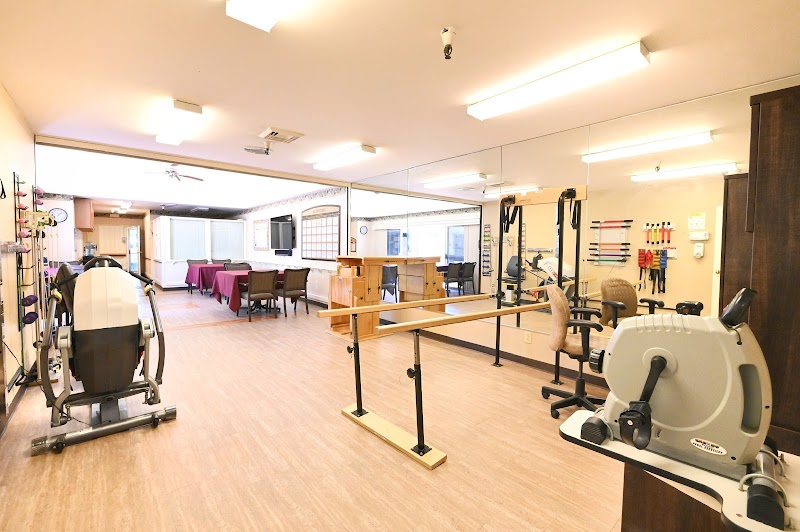
Who Owns and Operates Berkley West Healthcare Center?

BERKLEY WEST HEALTHCARE CENTER is owned by a for-profit company. For-profit facilities operate as businesses with obligations to shareholders or private owners. The facility is operated by ASPEN SKILLED HEALTHCARE, a chain that manages multiple nursing homes. With 54 certified beds and approximately 40 residents (about 74% occupancy), it is a smaller facility located in SANTA MONICA, California.
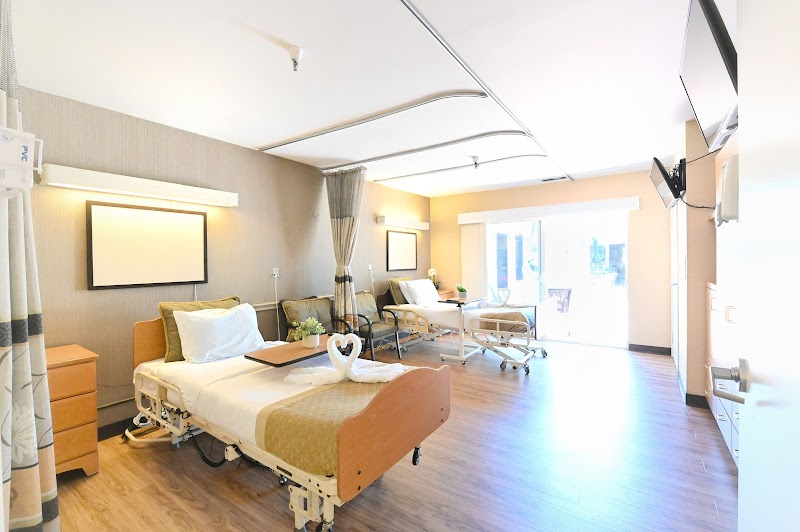
How Does Berkley West Healthcare Center Compare to Other California Nursing Homes?

Compared to the 100 nursing homes in California, BERKLEY WEST HEALTHCARE CENTER's overall rating (1 stars) is below the state average of 3.1, staff turnover (55%) is near the state average of 46%, and health inspection rating (1 stars) is much below the national benchmark.

What Should Families Ask When Visiting Berkley West Healthcare Center?

Based on this facility's data, families visiting should ask: "What changes have been made since the serious inspection findings, and how are you preventing similar issues?" "How do you ensure continuity of care given staff turnover, and what is your staff retention strategy?" "Can I visit during a mealtime to observe dining assistance and food quality?" "How do you handle medical emergencies, and what is your hospital transfer rate?" These questions are particularly relevant given the facility's Immediate Jeopardy citations and the facility's high staff turnover rate.

Is Berkley West Healthcare Center Safe?

Based on CMS inspection data, BERKLEY WEST HEALTHCARE CENTER has documented safety concerns. Inspectors have issued 1 Immediate Jeopardy citation (the most serious violation level indicating risk of serious injury or death). The facility has a 1-star overall rating and ranks #100 of 100 nursing homes in California. Families considering this facility should ask detailed questions about what corrective actions have been taken since these incidents.

Do Nurses at Berkley West Healthcare Center Stick Around?

Staff turnover at BERKLEY WEST HEALTHCARE CENTER is high. At 55%, the facility is 9 percentage points above the California average of 46%. Registered Nurse turnover is particularly concerning at 67%. RNs handle complex medical decisions and coordinate care — frequent RN changes can directly impact care quality. High turnover means new staff may not know residents' individual needs, medications, or preferences. It can also be disorienting for residents, especially those with dementia who rely on familiar faces. Families should ask: What is causing the turnover? What retention programs are in place? How do you ensure care continuity during staff transitions?

Was Berkley West Healthcare Center Ever Fined?

BERKLEY WEST HEALTHCARE CENTER has been fined $101,046 across 1 penalty action. This is 3.0x the California average of $34,089. Fines at this level are uncommon and typically indicate a pattern of serious deficiencies, repeated violations, or failure to correct problems promptly. CMS reserves penalties of this magnitude for facilities that pose significant, documented risk to resident health or safety. Families should request specific documentation of what issues led to these fines and what systemic changes have been implemented.

Is Berkley West Healthcare Center on Any Federal Watch List?

BERKLEY WEST HEALTHCARE CENTER is not on any federal watch list. The most significant is the Special Focus Facility (SFF) program, which identifies the bottom 1% of nursing homes nationally based on persistent, serious quality problems. Not being on this list means the facility has avoided the pattern of deficiencies that triggers enhanced federal oversight. This is a positive indicator, though families should still review the facility's inspection history directly.