FIRESIDE HEALTH CARE CENTER
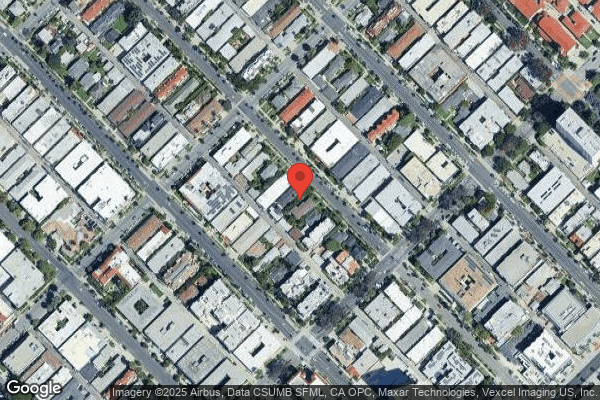
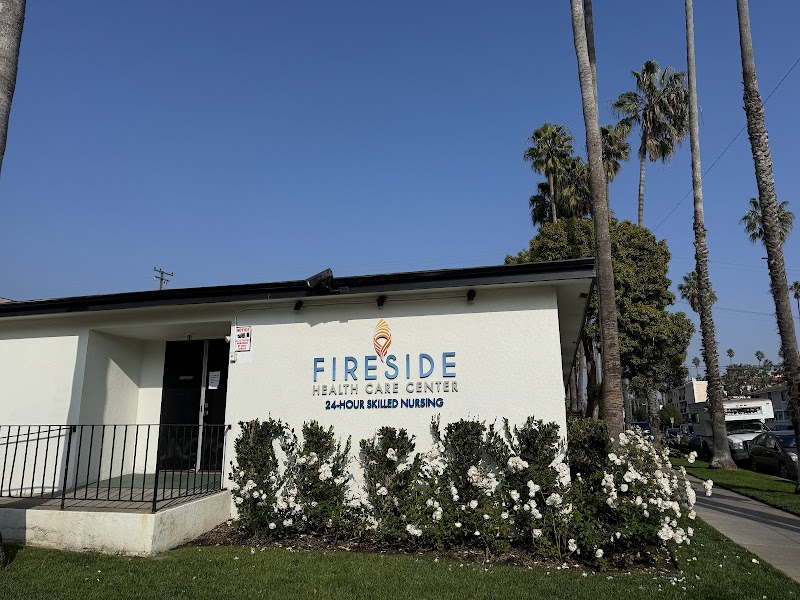
947 3RD STREET, SANTA MONICA, CA 90403 (310) 393-7117
For profit - Limited Liability company 66 Beds NAHS Data: November 2025 1 Immediate Jeopardy citation
Trust Grade
23/100
#796 of 1155 in CA
Last Inspection: December 2024

Within standard 12-15 month inspection cycle. Federal law requires annual inspections.

Overview

Fireside Health Care Center has received a Trust Grade of F, indicating poor quality and significant concerns about care. It ranks #796 out of 1155 facilities in California and #181 out of 369 in Los Angeles County, placing it in the bottom half of all facilities in both categories. Although the facility is showing signs of improvement, reducing issues from 23 in 2024 to 5 in 2025, many challenges remain as it has a concerning 55% staff turnover rate, significantly higher than the state average. The center has faced substantial fines totaling $97,670, which is higher than 95% of California facilities, suggesting ongoing compliance issues. Recent inspections revealed critical incidents, including a caregiver leaving a resident alone during a heated argument and failing to ensure proper medical oversight due to an unfiled application for the Medical Director, which raises serious concerns about resident safety and care quality.

Trust Score
F
23/100
In California
#796/1155
Bottom 32%
Safety Record
High Risk
Review needed
Inspections
Getting Better
23 → 5 violations
Staff Stability
⚠ Watch
55% turnover. Above average. Higher turnover means staff may not know residents' routines.
Penalties
○ Average
$97,670 in fines. Higher than 57% of California facilities. Some compliance issues.
Skilled Nurses
⚠ Watch
Each resident gets only 24 minutes of Registered Nurse (RN) attention daily — below average for California. Fewer RN minutes means fewer trained eyes watching for problems.
Violations
⚠ Watch
69 deficiencies on record. Higher than average. Multiple issues found across inspections.
★★☆☆☆
2.0
Overall Rating
★★☆☆☆
2.0
Staff Levels
★★★★☆
4.0
Care Quality
★★☆☆☆
2.0
Inspection Score
Stable
2024: 23 issues
2025: 5 issues

The Good

  • 4-Star Quality Measures · Strong clinical quality outcomes
  • Full Sprinkler Coverage · Fire safety systems throughout facility
  • No fines on record

Facility shows strength in quality measures, fire safety.

The Bad

2-Star Overall Rating

Below California average (3.1)

Below average - review inspection findings carefully

Staff Turnover: 55%

Near California avg (46%)

Frequent staff changes - ask about care continuity

Federal Fines: $97,670

Well above median ($33,413)

Moderate penalties - review what triggered them

Chain: NAHS

Part of a multi-facility chain

Ask about local staffing decisions and management

Staff turnover is elevated (55%)

7 points above California average of 48%

The Ugly 69 deficiencies on record

1 life-threatening
Mar 2025 2 deficiencies
CONCERN (D) 📢 Someone Reported This

A family member, employee, or ombudsman was alarmed enough to file a formal complaint

Potential for Harm - no one hurt, but risky conditions existed

Grievances (Tag F0585)

Could have caused harm · This affected 1 resident

**NOTE- TERMS IN BRACKETS HAVE BEEN EDITED TO PROTECT CONFIDENTIALITY** The facility failed to take the appropriate corrective action to address grievances for two of two sampled residents (Residents ...

Read full inspector narrative →
**NOTE- TERMS IN BRACKETS HAVE BEEN EDITED TO PROTECT CONFIDENTIALITY** The facility failed to take the appropriate corrective action to address grievances for two of two sampled residents (Residents 1 and 2) when: 1. Resident 1 complained about a missing cellphone and clothing 2. Resident 2 complained about missing clothing. 3. Facility failed to complete inventory list for Resident 1 upon admission to the facility. 4. The facility failed to investigate reports of missing property for Residents 1 and 2. As a result: 1. Resident 1 was angry about missing clothing and cellphone, and felt disconnected from the outside world 2. Resident 2 was angry about missing clothing. Findings: 1. During a record review, Resident 1's admission Record indicated Resident 1 (Resident 2's roommate) was re-admitted to the facility on [DATE], with the diagnoses of cognitive communication deficit (difficulties in communication arising from impairments in cognitive process like attention, memory, and executive functions), and generalized muscle weakness (lack of physical or muscle strength throughout the body). During a record review, Resident 1's Minimum Data Set (MDS- a resident assessment tool) dated 1/8/2025, indicated Resident 1s [cognitive skills- the core skills your brain uses to think, read, learn, remember, reason, and pay attention] for daily decision making was intact. The MDS further indicated Resident 1 needed moderate to substantial/maximal assistance with ADL's (bathing, showering, toileting, and mobility). During an observation, interview, and concurrent record on 3/18/2025 from 12:52 p.m., Resident 1 in his room sitting in a wheelchair. Resident 1 stated approximately a week ago a certified nursing assistant (CNA-unable to recall the mane) was his bed linen, and the CNA rolled his personal cell phone up in the linen and took the linen and the cellphone to the laundry. Resident 1 stated the cell phone got damaged and was no longer working. Resident 1 stated he has been requesting to speak to the social worker for about 6 or 7 days, but the social worker will not come and talk with the resident about replacing the cellphone and multiple missing clothing. Resident 1 stated his 2 pairs of blue jean pants, 1 pair of beige casual pants, 4 sets of sweat suits black, blue, burgundy, and brown, 1 pair of special white tennis shoes, 4 pair of underwear (stated he can't remember the color), 6 pairs of white diabetic socks, and 1 pair of metal frame glasses were missing. During a record review, Resident 1's medical chart indicated there was no inventory list developed/created for Resident 1. During an interview on 3/18/2025 at 1:35 p.m., certified nursing assistant (CNA) 2 stated a resident inventory list is supposed to be completed by a CNA or a License Nurse on the date of admission. CNA 2 Stated if a resident reports missing clothing, CNA 2 she checks with the laundry first and then reports about missing clothing to the LVN Charge Nurse if unable to find the resident's missing clothing. During an interview on 3/18/2025 at 3 p.m., Director of Social Service (DSS) stated Resident 1 reported to more than one facility staff that a CNA rolled the resident's cellphone up in bedsheets and that the cellphone got washed in the laundry, and about missing clothing, shoes, and eyeglasses. DSS stated the facility is going to replace Resident 1's cellphone and will follow up with Resident 1 about the missing clothing, shoes, and eyeglasses. DSS stated she did not document in Resident 1 ' s chart about the arrangements for the replacement of his cell phone. During an interview and concurrent record review on 3/18/2025 at 5:11 p.m., with Director of Medical Records (DMR), DMR stated there was no inventory list in Resident 1's medical chart. 2. During a record review, Resident 2's admission Record indicated Resident 2 (Resident 1's roommate) was re-admitted to the facility on [DATE], with diagnoses of obstructive sleep apnea (breathing is interrupted during sleep), and type 2 diabetes melliltus with hyperglycemia (a condition where your body either doesn't produce enough insulin or can't properly use the insulin it does produce, leading to high blood sugar levels). During a record review, Resident 2's MDS dated [DATE], indicated Resident 2 cognitive skills was moderately intact. During an observation and interview on 3/18/2025 at 1:15 p.m., Resident 2 (roommate for Resident 1) noted in his room sitting up on the side of the bed. Resident 2 stated his 2 pair of khaki pants, 2 dress shirts blue and yellow, 3 pair of white underwear, 3 pair of white diabetic socks, 1 grey sweatpants, and 2 pair of athletic shorts were missing. Resident 2 stated he has requested to speak with the social worker for over a month about his missing clothing and follow up doctor ' s appointments at the Veterans Hospital, however, the social worker has not come to talk to him. Resident 2 stated he is angry because his missing clothing having missed his follow-up doctor's appointments. During an interview on 3/18/2025 at 3 p.m., DSS stated DSS will follow up with Resident 2 about the missing clothing items. During an interview on 3/19/2025 at 10:27 a.m., Administrator stated he was not informed of the missing clothing, shoes, and eyeglasses for Resident 1 nor was Administrator aware of missing clothing items for Resident 2. During an interview on 3/19/2025 at 3:26 p.m., Director of Nursing (DON) stated she was not aware about Resident 1's damaged cell phone or missing clothing items, shoes, and eyeglasses, or Resident 2's missing clothing items. DON stated that upon a resident's admission, the CNA assigned to the resident along with the license nurse are supposed to complete the resident inventory list. DON stated she will follow up on Residents 1 and 2 's missing personal belongings and cell phone replacement. During a record review, the facility policy and procedures titled Theft Prevention dated 1/25/2022, indicated: . Purpose: To assist residents in safeguarding their personal property. Policy: The facility is committed to preventing the misappropriation of resident property. The facility will exercise reasonable care for the protection of the resident ' s property from theft or loss. The facility investigates all reports of lost or stolen property. Upon admission, facility staff provides the resident sections of the health and safety code. All inquires regarding lost or stolen items are reported to the administrator. During a record review, the facility policy and procedures titled Residents Rights-Personal Property revised on 5/1/2023, indicated: . Procedure: V. the Resident ' s personal belongings and clothing are inventoried and documented upon admission. Vl. Facility failed to promptly investigate any complaints of misappropriation, theft, or mistreatment of resident property.
CONCERN (E) 📢 Someone Reported This

A family member, employee, or ombudsman was alarmed enough to file a formal complaint

Potential for Harm - no one hurt, but risky conditions existed

Deficiency F0837 (Tag F0837)

Could have caused harm · This affected multiple residents

Based on observation, interview, and record review, the facility failed to display and provide a copy of the current Administrators license as per regulation. This failure had the potential for resid...

Read full inspector narrative →
Based on observation, interview, and record review, the facility failed to display and provide a copy of the current Administrators license as per regulation. This failure had the potential for residents, families, and Department of Public Health to be provided the wrong information regarding the current Administrator. Findings: During an unannounced visit tour and observation of the facility on 3/18/2025 at 11:20 a.m., the facility posted the license of a former Administrator and did not the license of the current Administrator. During an interview on 3/19/2025 at 10:57 a.m., Administrator stated he did not have a current copy of his Administrators License because the license was mailed to the wrong address and had no way of printing another copy. Administrator stated he has only been employed with the facility for 1 month. Administrator stated he is aware that his Administrators license is supposed to be posted on the first day of employment. Administrator stated if the current Administrator ' s License is not posted the staff, residents ' family, or Department of Public Health will not know who the current Administrator is. During a record review of a letter that was sent to the Department of Public Health dated 2/19/2025, indicated, effective 1/29/2025 Administrator was the Administrator of the facility. During an interview on 3/18/2025 at 5:11 p.m., Director of Medical records stated the facility does not have a policy for Administrator.
Mar 2025 1 deficiency
CONCERN (D) 📢 Someone Reported This

A family member, employee, or ombudsman was alarmed enough to file a formal complaint

Potential for Harm - no one hurt, but risky conditions existed

Accident Prevention (Tag F0689)

Could have caused harm · This affected 1 resident

**NOTE- TERMS IN BRACKETS HAVE BEEN EDITED TO PROTECT CONFIDENTIALITY** Based on observation, interview, and record review, for one of three sampled residents (Resident 1), facility failed to: 1. Moni...

Read full inspector narrative →
**NOTE- TERMS IN BRACKETS HAVE BEEN EDITED TO PROTECT CONFIDENTIALITY** Based on observation, interview, and record review, for one of three sampled residents (Resident 1), facility failed to: 1. Monitored and supervised Resident 1 to prevent elopement (the act of leaving a facility unsupervised and without prior authorization). 2. Ensure the alarm system was functioning on two of five exits doors (Door C- [south side exit door leading to the front of the facility] and Door E [northside door, at the back of the facility leading to the alley]) to alert staff if a resident was eloping and or exiting the facility. 3. Ensure the alarm system was activated/functional on one of five exit doors (Door D- northside back of the facility exit door leading to the side street). 4. Ensure that the alarm system was checked for proper functionality for five of five exit doors. 5. Ensure that Resident 1's care plan was resident specific for possible elopement. These deficient practices resulted in Resident 1 eloping from the facility on 2/27/2025, at 1:40 P.M., placing the resident at increased risk for extreme weather conditions, medical emergencies, accidents, injuries, hospitalization, and/or death. Findings: During a record review, Resident 1's admission Record indicated the facility admitted Resident 1 on 1/10/2025 with diagnoses including epilepsy (a brain disorder that causes seizure which are abnormal electrical surges in the brain), cardiac pacemaker (a small battery powered device that prevents the heart from beating too slowly), and hypertension (HTN - elevated blood pressure). During a record review, Resident 1's care plan date initiated 1/14/2025, indicated Resident 1 had a history of ETOH (ethyl alcohol -a type of alcohol found on alcoholic beverages) abuse and withdrawal. During a record review of Resident 1's Minimum Data Set (MDS - a resident assessment tool) dated 1/17/2025, indicated Resident 1 was cognitively intact (when a person has no trouble remembering, learning new things, concentrating, or making decisions that affect their everyday life). The MDS indicated Resident 1 required substantial/maximal staff assistance with activities of daily living (ADLs- routine tasks/activities such as bathing, dressing and toileting a person performs daily to care for themselves). During a record review, Resident 1's physician orders dated 1/10/2025 indicated that Resident 1 may go out on pass with responsible party for therapeutic purposes. During a record review, Resident 1's Situation, Background, Assessment, Recommendation (SBAR - situation, background, assessment, recommendation-a communication tool used by healthcare workers when there is a change of condition among the residents) dated 2/27/2025 indicated the Infection Preventionist Nurse (IPN) documented that on 2/27/2025 at 1:10 P.M., Certified Nursing Assistant (CNA) 1 saw Resident 1 in the facility lobby. The SBAR indicated that on 2/27/2025 at 1:55 P.M., CNA 1 informed LVN 1 that Resident 1 was out of the facility and LVN 1 then alerted an unidentified facility staff. LVN 1 and the other checked the vicinity and when they could not find Resident 1, LVN 1 and the facility staff went outside the building (facility) and asked the [NAME] (VT) staff if VT had seen Resident 1. The SBAR indicated VT stated that on 2/27/2025 at 1:40 P.M., [NAME] staff (use identifier) saw Resident 1 walking towards the street by the facility and was heading towards the nearby stores. The SBAR also indicated that facility staff (unidentified) checked nearby streets and stores, however, Resident 1's was nowhere to be found. The SBAR indicated the facility also called Resident 1's phone number which went to voicemail. An unidentified facility staff also called Resident 1's family member (FM) emergency contact who said that FM did not know where Resident 1 was. The SBAR further indicated that facility staff called the police, the nearby hospitals and were told that Resident 1 was not with the police or the nearby hospitals. The SBAR further indicated that the facility staff will continue to search for Resident 1. During a record review, Resident 1's Nursing Progress Notes dated 2/28/2025 at 6:48 A.M., indicated, Licensed Vocation Nurse (LVN) 2 documented that on 2/28/2025 at 12 A.M., a staff (unknown) notified the facility that on the way home staff spotted Resident 1 on the street a few blocks away from the facility. The Nursing progress note further indicated that unidentified two staff members went to bring Resident 1 back to the facility. During a record review, Resident 1's Physician's Orders dated 2/28/2025, indicated a physician ordered STAT (STAT -immediate) CBC (CBC -comprehensive blood count [blood work that checks for different types and numbers of cells in the blood]), CMP (CMP -comprehensive metabolic panel [blood test that measures proteins, enzymes, electrolytes, minerals and other substances in the body]) and alcohol levels. During an interview on 2/28/2025, at 2:50 P.M., Resident 1 stated that on 2/27/2025 (unable to remember the time), Resident 1 sneaked out through the main door in the facility lobby. Resident 1 stated they was a crowd of people in the lobby and that is when Resident 1 sneaked out of the facility. During an interview on 2/28/2025, at 3:34 P.M., CNA1 stated CNA 1 last saw Resident 1 on 2/27/2025 at around 1:15 P.M. maybe 1:20 P.M., and that Resident 1 told CNA 1 that Resident 1 was going to the lobby area for a change of scenery (how the place looks). CNA 1 stated that on 2/27/2025 at around 1:30 P.M. maybe 1:40 P.M, CNA 1 went to look for Resident 1 and was not able to find Resident 1 in the facility and immediately notified LVN 1 that Resident 1 was missing. During an interview on 2/28/2025, at 3:57 P.M., LVN 1 stated LVN 1 last saw Resident 1 in his room on 2/27/2025 at around 12 P.M. maybe 1 P.M, during medication pass/administration. LVN 1 stated that on 2/27/2025 at around 1:30 P.M., CNA 1 reported to LVN 1 that Resident 1 was gone, and could not be found. LVN 1 further stated that LVN 1, CNA 1, and other facility staff looked for Resident 1 inside the entire facility and outside the facility but were not able to find Resident 1. LVN 1 stated facility staff including the Facility Administrator (FA) asked the if VT had seen Resident 1. The VT said that on 2/27/2025, at 1:40 P.M., VT saw Resident 1 walking towards the street in front of the facility and was heading towards the nearby stores. LVN 1 stated the facility staff said it had been five minutes maybe seven minutes since the VT last saw Resident 1. LVN 1 stated the VT did not alert/notify LVN 1 that Resident 1 had left the facility building. LVN 1 stated facility staff including LVN 1 searched the surround neighborhood, called nearby hospitals and called Resident 1's phone but Resident 1 was nowhere to be found. LVN 1 stated LVN 1 went home at around 3:50 P.M. maybe 4 P.M., but Resident 1 had not been found. LVN 1 stated that on 2/27/2025, a staff member (unknown) found Resident 1 at a nearby store and called the facility. During a telephone interview on 3/1/2025, at 10:55 A.M., Receptionist (RP) 1 stated RP 1 worked on 2/27/2025. RP 1 stated that on 2/27/2025 at around 2 P.M. maybe 2:30 P.M., LVN 1 informed RP 1 that Resident 1 was not in the facility. RP 1 stated on 2/27/2025 RP 1 went on a lunch break and returned between 12:10 P.M., and 12;15 P.M., and did not see Resident 1 leave the facility. RP 1 stated RP 1 was not sure what RP 1 was doing when Resident 1 was reported missing or having left the facility. RP 1 stated RP 1 may have been assisting another resident, taking a telephone message, or answering the phone. RP 1 stated RP 1 may have gone to a nursing station to deliver a telephone note because the facility staff do not answer the phones when she calls the nursing stations which happens a lot. RP 1 stated RP 1 will leave the front desk without any coverage to deliver the notes to the nursing stations. During a concurrent observation of the facility five exit doors and interview on 3/1/2025, at 12:57 P.M., with the Facility Administrator (FA) and the Registered Nurse Supervisor (RNS), the facility following exit doors did not alarm on exit: 1. Exit door (Door B) on the southside leading to the front of the facility, 2. Exit door (Door D) on the southside of the facility leading to the side street to the facility, 3. Exit door (Door E) on the northside of the facility leading to the back alley (door E). The FA stated Door B has an alarm system that needs to ring when pushed, however, when FA pushed the Door B open, the door opened but did not alarm. FA stated Door B should alarm when pushed open so that when a resident is leaving the facility, facility staff is/are alerted. FA stated failure for the door to alarm when pushed open makes that door a safety risk that can lead to residents wandering, falling, and suffer hypothermia with the cold weather at night. FA stated the exit Door D did not have an alarm system on the door because resident use the small patio by the door to smoke. FA stated there is a small gate that is about two and half feet (ft -unit of length measure) maybe three ft tall and a person that is tall enough may be able to hop over the gate and wander off. RNS stated Door E has an alarm system on the door, however, when the surveyor and RNS pushed the door open, the door did not alarm. RNS stated Inservice for door not alarming was going to be provided to the staff because Door E was not locked, and the alarm was off/not on. RNS stated Door E leads to the alley in the back of the facility and that the door needs to be closed and alarm is on at all times to avoid residents from going out the facility without supervision. RNS stated residents may wander, get lost, get hurt, fall, or get hit by a car. During a record review, the facility 5-Day Summary undated report, indicated that on 2/27/2025 at around 11:30 P.M., a staff (unidentified) spotted Resident 1 at two blocks from the facility and notified the facility. Two staff members brought Resident 1 back to the facility . The 5-Day Summary report indicated In-services for elopement, door alarms and resident safety started on 2/28/2025 . Logs for door alarm checks created and will be kept daily. During a concurrent interview and record review, on 3/1/2025, at 1:55 P.M., with RNS, Resident 1's medical chart was reviewed. The RNS stated the facility process is that immediately on an admission, the Registered Nurse conducts a standalone elopement assessment on every resident and also to assess the residents' current health conditions or diagnosis history that may place a resident to be at risk for elopement. RNS stated the facility did not complete/conduct elopement assessment for Resident 1 on admission, 1/10/2025. RNS stated elopement assessment was completed only after Resident 1 eloped on 2/27/2024. RNS stated Resident 1 had a history of ETOH abuse withdrawal which could pose as a risk factor for Resident 1 to elope from the facility because of craving alcohol. RNS stated Resident 1 should have been monitored closely for possible elopement which was not included in Resident 1's care plan. During an interview on 3/1/2025, at 2:40 P.M., FA stated facility does not have any documented evidence that indicated when the facility checked if the five exits door alarms were functional/operational. FA stated the facility should have a log to show that the exit door alarms are in proper working condition. FA stated if the exit doors do not alarm and or not working condition, could result in residents leaving the facility without staff being aware. During a record review if the facility's policy and procedure (P&P), titled, Door Alarm System, revised 10/16/2024, indicated, the skilled nursing facility will maintain a fully functional alarm system to enhance resident safety and prevent unauthorized exits. Procedure: 1. System Maintenance and Testing a. The door alarm system will be tested daily to ensure functionality. b. Any malfunctioning alarms must be reported immediately to the maintenance department for repair. 3. Resident Safety and Supervision b. Staff must ensure that all exit doors are monitored, and alarms are on at all times Compliance: Failure to adhere to this policy may result in disciplinary action in accordance with facility regulations. Regular audits will be conducted to ensure compliance and effectiveness of the door alarm system. During a record review, the facility P&P, titled, Maintenance Services, revised 10/16/2024, indicated: 1. The Maintenance Department is responsible for maintaining the buildings, grounds and equipment in a safe and operable manner at all times 8. The Maintenance Department is responsible for maintaining the following reports a. Inspection of building. During a record review, the facility P&P, titled, Wandering and elopement, revised 10/2024, indicated, the facility will identify residents who are at risk of unsafe wandering and strive to prevent harm while maintaining the least restrictive environment for residents. 1. If identified as at risk for wandering, elopement, or other safety issues, the resident's care plan will include strategies and interventions to maintain the resident's safety.
Feb 2025 1 deficiency
CONCERN (D) 📢 Someone Reported This

A family member, employee, or ombudsman was alarmed enough to file a formal complaint

Potential for Harm - no one hurt, but risky conditions existed

Pharmacy Services (Tag F0755)

Could have caused harm · This affected 1 resident

Based on observation, interview, and record review for one of three sampled residents, Resident 2. The facility failed to waste an Ativan (medication used to treat anxiety) 0.5 mg(milligrams) per faci...

Read full inspector narrative →
Based on observation, interview, and record review for one of three sampled residents, Resident 2. The facility failed to waste an Ativan (medication used to treat anxiety) 0.5 mg(milligrams) per facility-controlled narcotic (a medication tightly controlled by the government because it may be abused or cause addiction) protocol. This deficient practice resulted in an inaccurate Ativan 0.5mg count for Resident 2. Findings: During record review, Resident 2's admission Record indicated the facility admitted Resident 2 on 1/15/2025 with diagnoses including Parkinson's disease (a progressive disease of the nervous system marked by tremor, muscular rigidity, and slow, imprecise movements), chronic obstructive pulmonary disease (COPD-a chronic lung disease causing difficulty in breathing), epilepsy (a condition that causes sudden, uncontrolled electrical disturbance in the brain which can cause uncontrolled jerking, blank stares, and loss of consciousness), displaced left femur fracture (broken thigh bone), dysphagia (difficulty swallowing), dementia (a progressive state of decline in mental abilities), overactive bladder (problem that causes sudden need to urinate), hyperlipidemia (high fat in the blood), paranoid schizophrenia (a mental illness that is characterized by disturbances in thought), gastroesophageal reflux disease (indigestion/heartburn), Anxiety (a mental condition of constant worry or fear for unknown reason) presence of cardiac pacemaker. During record review, Resident 2's Physician Order dated 1/15/2025 indicated Ativan 0.5mg, give 1 tablet four times a day for anxiety manifested by inability to relax due to current medical condition. During record review, Resident 2's Minimum Data Set (MDS-a resident assessment tool) dated 1/22/2025 indicated Resident 2's cognition (mental ability to make decisions for daily living) was not intact. The MDS indicated Resident 2 required maximal assistance (helper does less than half the effort. Helper lifts or holds trunk or limb and provides more than half the effort to complete the activity) with toileting, personal hygiene, and transfers (moving between surfaces) from bed to chair. On 2/18/2025 the California Department of Public Health (CDPH) received a complaint alleging narcotic medications intended for residents have gone missing during the day shift. During a concurrent observation, interview, and record review on 2/24/2025 from 11:08 a.m. with the licensed vocational nurse (LVN) at Station # (number) 1 of medication cart #1, Resident 2's Ativan 0.5mg bubble pack was observed with 31 pills. The LVN stated, Oh, I gave one (Ativan 0.5 mg) this morning that is why there are 31 pills left. Resident 2s' controlled medication count sheet for Ativan 0.5mg was reviewed. A circle was observed around #33 on Resident 2's-controlled medication count sheet for Ativan 0.5mg. Also, there was no date or time next to the circle around the #33. The LVN stated, That means there should be 33 pills left. I gave one (tablet) to the resident this morning and I have not documented yet and I dropped one during the count with the off going unnamed nurse that I forgot to waste. The LVN then signed Resident 2s' controlled medication count sheet for Ativan 0.5mg the date and time next to #33. The LVN then took the sheet to another charge nurse at the nursing station and had that charge nurse sign Resident 2's-controlled medication count sheet for Ativan 0.5 mg. The LVN stated, The waste (Ativan) needs to be signed by two licensed nurses. During record review, Resident 2's medication administration record (MAR- a form where medications are documented after they are given) dated 2/24/2025 for Ativan 0.5mg timed 9:00a.m. was blank. During an interview on 2/24/2025 at 12 p.m., the Director of Nursing (DON) stated, Narcotic waste should be witnessed and signed by two licensed nurses. In this case, the LVN should have reported the forgotten waste (Ativan) to the DON and the DON could have called the unnamed off going nurse (charge nurse who co-signed for the Ativan waste) to verify the waste. During record review, the facility policy, and procedures (P&P) titled, Medication Administration dated 1/25/2022 indicated, the time and dose of the drug or treatment administered to the resident will be recorded in the resident's individual medication record by the person who administered the drug. During record review, the facility P&P titled, Discarding and Destroying Medications , dated 10/2024 indicated: For unused, non-hazardous controlled substances that are not disposed of by an authorized collector, the EPA recommends destruction and disposal of the substance with other solid waste following the steps below: a. Take the medication out of the original containers. b. Mix medication, either liquid or solid, with an undesirable substance. Undesirable substances include sand, coffee grounds, kitty litter, or other absorbent materials. Place the waste mixture in a sealable bag, empty can, or other container to prevent leakage. c. Dispose with the solid waste (i.e., regular trash) in the presence of two witnesses. d. Document the disposal on the medication disposition record. e. Include the signature(s) of at least two witnesses.
Jan 2025 1 deficiency
CONCERN (E) 📢 Someone Reported This

A family member, employee, or ombudsman was alarmed enough to file a formal complaint

Potential for Harm - no one hurt, but risky conditions existed

Deficiency F0697 (Tag F0697)

Could have caused harm · This affected multiple residents

**NOTE- TERMS IN BRACKETS HAVE BEEN EDITED TO PROTECT CONFIDENTIALITY** Based on interview and record review, for one of three sampled residents (Resident 2), the facility failed to: 1. Follow up and ...

Read full inspector narrative →
**NOTE- TERMS IN BRACKETS HAVE BEEN EDITED TO PROTECT CONFIDENTIALITY** Based on interview and record review, for one of three sampled residents (Resident 2), the facility failed to: 1. Follow up and ensure that a physician ordered oxycodone-APAP (controlled medication used to manage moderate to severe pain). 2. Administer Oxycodone-APAP to Resident 2 for 18 of 54 days, The facility was aware Resident 2 had verbalized and was experiencing eight out of 10 (8/10 - numerical pain assessment tool where 0 is no pain and 10 being the worst pain) pain level in both shoulders, neck, and the back. As a result, Resident 2 experienced pain, frustration, and was unable to attend/participate in activities. Findings: During a review of the admission record for Resident 2 indicated Resident 2 was initially admitted to the facility on [DATE] and was readmitted on [DATE] with diagnoses including cervical disc disorder at cervical 6 (C6-neck bone) to C7 level with radiculopathy (also known as pinched nerve is a condition that results in radiating pain, weakness and/or numbness caused by compression of any of the nerve roots in your neck), non-Hodgkin lymphoma (a type of cancer that affects the lymphatic system [immune system] that grow out of control and can form tumors throughout the body), rotator cuff tear of left shoulder (rupture of tendons - tough, fibrous, cord-like tissue that connects muscle to bone or another structure). During a review of a history and physical (a term used to describe a physician's examination of a patient) for Resident 2 dated 10/1/2024 indicated, Resident 2 was alert and oriented to person, place, and time and mental status was at baseline. The H&P indicated Resident 2 had chronic (ongoing) neck pain . During a review of a physician order dated 10/1/2024 indicated to administer to Resident 2, oxycodone-Acetaminophen Oral Tablet 5-325 MG (Oxycodone with Acetaminophen) Give 1 tablet by mouth every 4 hours as needed for Moderate Pain 4-7 NTE (not to exceed) 3gms (grams - a unit of measurement for the weight of medicine in a tablet or capsule)/APAP (acetaminophen, medication for pain and fever) 24hrs, and Hold for RR (respiratory rate) <(less than) 12. During a review of the Minimum Data Set (MDS - a resident assessment tool) dated 1/8/2025, indicated Resident 2 had moderate cognitive impairment (a stage of cognitive decline that affects short-term memory and the ability to complete complex tasks). The same MDS indicated Resident 2 required between setup or clean assistant and substantial/maximum assistance for his Activities of Daily Living such as: (ADLs- routine tasks/activities such as eating, oral hygiene, toileting hygiene, shower/bathe self, personal hygiene, lower/upper body dressing, putting on/taking off footwear). The same MDS indicated Resident 2 experienced occasional moderate pain. During a review of a physician order dated 1/23/2025 indicated the facility to monitor and assess level of pain before, during, and after administration of treatment using pain scale as follows: zero (0)- No pain; 1-3 mild pain; 4-7 moderate pain; and 8-10 sever pain every shift. During an interview on 1/23/2025 at 11:18 am, Resident 2 stated that nursing staff had not consistently given him pain medication. Resident 2 stated he had 3/10 pain level in both his shoulders, neck, and the back. Resident 2 stated there were several occasions where he so much pain (8/10) and needed to take the oxycodone-APAP but the nursing staff would tell him that the pharmacy did not have the oxycodone-APAP in stock. Resident 2 stated he felt frustrated because the doctor ordered the oxycodone-APAP, but the pharmacy did not have it. Resident 2 stated that he had suggested to the nursing staff to take his prescription for the oxycodone-APAP to another pharmacy, but the nurses did not heed his suggestion. Resident 2 stated that he was able to sleep well but was unable to participate in activities due to the pain. During a concurrent interview and record review of the Medication Administration Record (MAR) for 12/ 2024 and 1/2025 for Resident 2 with Licensed Vocational Nurse (LVN) 1 on 1/23/25 at 1:57 pm, LVN 1 confirmed and stated that the pharmacy did not send the oxycodone/APAP for 18 out of 54 days because the pharmacy had not receive authorization from the ordering physician. LVN 1 stated medications must be ordered before the current medication stock runs out. LVN 1 stated nursing must also call the physician ordering the medication to ensure that authorization for the ordered medication is completed and refilled promptly/timely. LVN 1 confirmed and stated there was no documented evidence that the a physician was informed that Resident 2 had run out of oxycodone-APAP which required urgent attention to have the authorization completed. LVN 1 confirmed and stated that Resident 2 was not administered oxycodone-APAP on the following days: 12/2/24, 12/3/24, 12/4/24, 12/5/24, 12/6/24, 12/11/24, 12/12/24, 12/23/24, 12/24/24, 12/25/24, 12/26/24, 12/27/24, 12/28/24, 12/29/24, 1/7/25, 1/8/25, 1/17/25, and 1/20/25. LVN 1 stated that same MAR indicated Resident 2 experienced pain levels range between four out of 10 (4/10-numerical pain assessment where 0 is no pain and 10 is severe pain) and 8/10 on the days Resident 2 received/administered oxycodone-APAP. There was no documented evidence that Resident 2 was assessed for pain on the aforementioned dates and that Resident 2 did not receive pain Oxycodone-APAP for pain. LVN 1 admitted and stated that not ordering and having oxycodone-APAP in stock could lead to Resident 2 experiencing unnecessary pain. LVN 1 admitted that Resident 2 did not participate in activities when he was in pain. During an interview with Registered Nurse Supervisor (RNS) 1 on 1/23/25 at 2:15 pm, RNS 1 stated that in addition to calling in the medications at the pharmacy, nursing staff must reach out to the prescribing physician to ensure prompt authorization of the prescribed medication to avoid medication administration disruption which can result in unnecessary pain. During a concurrent interview and record review of Resident 2's MARs for December 2024 and January 2025 with the Director of Nursing (DON) on 1/23/25 at 4 pm, the DON confirmed and stated the facility did not administer oxycodone-APAP for pain to Resident 2. on the following dates: 12/2/24, 12/3/24, 12/4/24, 12/5/24, 12/6/24, 12/11/24, 12/12/24, 12/23/24, 12/24/24, 12/25/24, 12/26/24, 12/27/24, 12/28/24, 12/29/24,1/7/25,1/8/25,1/17/25, and 1/20/25. The DON stated medications must be ordered from the pharmacy before the medication completely runs out. The DON stated nursing must follow up with the pharmacy on the status for medication/s refill and contact the prescribing physician immediately if the issue is related to medication authorization. The DON stated that failure to administer pain medication to a resident experiencing pain can result in the resident suffering unnecessary pain. The DON was unable to provide the oxycodone-APAP pharmacy medication delivery receipts. As of 1/31/2025, the facility did not provide documented evidence/receipts that the pharmacy delivered oxycodone-APAP for Resident 2. During a review of a Policy and Procedures (P&P) titled Pain Management. Reviewed on 10/16/24 indicated, To ensure accurate assessment and management of the resident's pain. A Licensed Nurse will assess residents for pain on admission and routinely as indicated by the resident's health and functional status. Facility Staff is responsible for helping the resident attain or maintain the highest level of well-being while working to prevent or manage the resident's pain. The same P&P indicated under pain management which included the following: -The Licensed Nurse will administer pain medication as ordered and document al medication administered on the Medication Administration Record (MAR). -The Licensed Nurse will assess the resident for pain and document results on the MAR each shift using the 1-10 pain scale. i. The shift pain score will indicate the highest pain level that occurred on that shift. During a review of the facility P&P titled, PREPARATION AND GENERAL GUIDELINES, reviewed on 10/16/24 indicated, if a medication with a current, active order cannot be located in the medication cart/drawer, other areas of the medication cart, medication room, and facility (e.g., other units) are searched, if possible. If the medication cannot be located after further investigation, the pharmacy is contacted, or medication removed from the night box/emergency kit.
Dec 2024 12 deficiencies
CONCERN (D)

Potential for Harm - no one hurt, but risky conditions existed

PASARR Coordination (Tag F0644)

Could have caused harm · This affected 1 resident

**NOTE- TERMS IN BRACKETS HAVE BEEN EDITED TO PROTECT CONFIDENTIALITY** Based on observation, interview, and record review, the facility failed to ensure one of three sampled residents (Resident 27) P...

Read full inspector narrative →
**NOTE- TERMS IN BRACKETS HAVE BEEN EDITED TO PROTECT CONFIDENTIALITY** Based on observation, interview, and record review, the facility failed to ensure one of three sampled residents (Resident 27) Preadmission Screening and Resident Review (PASRR - a screening evaluation used to determine whether placement in a long term care facility is appropriate for the resident) Level II (a person-centered evaluation that helps determine placement and specialized services) assessment was completed as required by PASRR Level I (a tool that helps identify possible serious mental illness and/or intellectual/development disability) assessment. This deficient practice of failing to complete PASRR Level II assessment for Resident 27 put Resident 27 at risk for not receiving the necessary care and specialized services tailored to Resident 27's needs. Findings: During a review of Resident 27's face sheet (admission Record- a document containing demographic and diagnostic information) indicated Resident 27 was admitted to the facility on [DATE] and was re-admitted on [DATE] with the following medical diagnoses: major depressive disorder (a mood disorder that causes a persistent feeling of sadness and loss of interest) and post-traumatic stress disorder (PTSD - a disorder in which a person has difficulty recovering after experiencing or witnessing a traumatic event). During a review of Resident 27's PASRR Level 1 screening dated 1/25/2024 indicated Resident 27 required a PASRR Level II for mental health evaluation screening. During a review of Resident 27's History and Physical (H&P - a physician's complete patient examination) dated 1/25/2024, indicated, Resident 27 had the mental ability to understand and make decisions. During a review of Resident 27's Minimum Data Set, (MDS - a resident assessment tool) dated 10/21/2024, indicated, Resident 27 had moderately impaired cognition (make poor decisions, cues and supervisions required). During a review of Resident 27's Internal Medicine Attending (a fully licensed doctor who manages the care of patients in a hospital or clinic setting) progress note, dated, 11/06/2024, indicated, Resident 27 has a diagnosis of PTSD. During a review of Resident 27's Physician Order Summary Report, dated 11/30/2024, indicated, Resident 27 had an order for duloxetine (medication use to treat depression and anxiety) 20 mg taken daily by mouth for depression. During a review of Resident 27's Medication Administration Record (MAR - a daily documentation record used by a licensed nurse to document medications and treatments given to a resident) dated 11/2024, indicated, Resident 27 received Duloxetine (medication to treat depression) daily for depression. During an interview on 12/01/2024 at 10 AM, Director of Staff Development (DSD) stated PASRR Level II must be completed when Level I was positive this must be completed as soon as possible. When asked why it was important to complete the Level II. DSD stated the care plan and interventions are based on the recommendations indicated on Level II evaluation. DSD stated the when Level II was not completed, potential harm for Resident 27 would be Resident 27 will receive the required treatment and interventions, symptoms may become worse, Resident 27 may be hospitalized for higher level of care. During a review of the facility's policy and procedures (P&P - policy explains the rules and presents them in a logical framework while procedures outline the step-by-step implementation of various tasks) titled Resident Assessment Coordination with PASARR Program, revised on 6/22/2023, indicated, Level II resident review must be completed within 40 calendar days of admission.
CONCERN (D)

Potential for Harm - no one hurt, but risky conditions existed

Accident Prevention (Tag F0689)

Could have caused harm · This affected 1 resident

**NOTE- TERMS IN BRACKETS HAVE BEEN EDITED TO PROTECT CONFIDENTIALITY** Based on observation and, interview, facility failed to ensure two of 15 sampled Residents (Resident 17 and Resident 46) were in...

Read full inspector narrative →
**NOTE- TERMS IN BRACKETS HAVE BEEN EDITED TO PROTECT CONFIDENTIALITY** Based on observation and, interview, facility failed to ensure two of 15 sampled Residents (Resident 17 and Resident 46) were in a hazard and clutter free environment by failing to ensure the residents room entrance was accessible to staff and the residents. This deficient practice had the potential to place Residents 17 and 46 at risk from unnecessary accidents, hazards, and delay in necessary emergency care and/or treatment that could result in poor outcomes, unnecessary hospitalization and/or death. Findings: During a review of Resident 17's admission record indicated Resident 17 was originally admitted to the facility on [DATE] and re-admitted on [DATE], with diagnoses that included sepsis (the body's extreme reaction to an infection), morbid obesity (a weight that exceeds an individual's desirable weight by more than 100 pounds) diabetes type 2 (blood glucose, or blood sugar, levels are too high.) and cellulitis (bacterial infection that affects the skin and deep tissues,) of the right lower limb. During a review of the History and Physical (H&P) report completed on 7/19/2024, indicated Resident 17 had the capacity to understand and make decisions. During a review of Resident 17s Minimum Data Set (MDS - a resident assessment tool) dated 10/29/2024, indicated Resident 17s cognition (the mental action or process of acquiring knowledge and understanding through thought, experience, and the senses) was intact. The MDS indicated Resident 17 was independent with eating, required supervision for oral hygiene and was dependent for toileting hygiene, shower/bathing, upper and lower body dressing and putting on/taking off footwear. During a review of Resident 46 admission record indicated Resident 46 was originally admitted to the facility on [DATE] and was re-admitted on [DATE], with diagnoses that included encephalopathy (disease or damage that affects your brain's function or structure), hemiplegia (severe or complete loss of strength) and hemiparesis (mild loss of strength) of the right dominant side, muscle weakness and adult failure to thrive. During a review of the H&P report completed on 9/27/2024, indicated Resident 46 cannot make own medical decisions but can make needs known. During a review of Resident 46's MDS dated [DATE], the MDS indicated Resident 46's cognition was severely impaired. The MDS indicated Resident 46 was totally dependent for activities of daily living (ADL) care and mobility. During a facility tour on 11/29/2024, at 8:32 AM, the entry door to the shared room for Resident 17 and, Resident 46s was observed to have (1 small and 1 bariatric), two (2) wheelchairs obstructing the entrance and access to Resident 17 and Resident 46. Both wheelchairs were observed to have boxes placed in each individual wheelchair seat with one having facility supply of nasal cannulas and the other with Resident 17s personal belongings. During an interview on 11/29/2024 at 8:32 AM with Registered Nurse (RN) 2 stated, the boxes are not supposed to be placed on the wheel chairs and was observed removing the boxes from the wheelchair and folding both wheelchairs allowing for easy access to the Residents, RN2 further stated the wheelchairs blocking the Resident's room door were a safety and fire hazard, RN2 stated it would be difficult for staff to access the Resident promptly in the event of an emergency which could delay care and result in poor health outcomes. During a review of facility's policy and procedures (P&P) titled Quality of Life-Homelike Environment, dated 04/2023 indicated, Residents are provided with a safe, clean, comfortable, and homelike environment . The facility staff and management shall maximize, to the extent possible, the characteristics of the facility that reflect a personalized, homelike setting. These characteristics include: a. Cleanliness and order.
CONCERN (D)

Potential for Harm - no one hurt, but risky conditions existed

Incontinence Care (Tag F0690)

Could have caused harm · This affected 1 resident

Based on observation, interview, and record review, the facility failed to ensure one of ten sampled residents (Resident 41) who was incontinent of bowel and bladder received appropriate treatment and...

Read full inspector narrative →
Based on observation, interview, and record review, the facility failed to ensure one of ten sampled residents (Resident 41) who was incontinent of bowel and bladder received appropriate treatment and services to prevent urinary tract infection (UTI - an infection that can occur in any area of the urinary tract, including the ureters, bladder, kidneys, or urethra) by failing to assess and monitor Resident 41's urinary catheter for signs of infections. This deficient practice had the potential for delayed UTI treatment and reoccurrence of UTIs. Findings: During a review of Resident 41's admission Record indicated the facility admitted Resident 41 on 8/14/2024 and readmitted Resident 41 on 11/1/2024 with diagnoses including obstructive and reflux uropathy (blocked urine flow), dementia (loss of memory, language, problem-solving and other thinking abilities that are severe enough), and generalized muscle weakness (feeling weak in most areas of the body requiring extra effort to move the muscles) During a review of Resident 41's Minimum Data Set (MDS - a resident assessment tool) dated 11/7/2024, indicated Resident 41 had cognitive impairment (when a person has trouble remembering, learning new things, concentrating, or making decisions that affect their everyday life). The MDS indicated Resident 41 was dependent of staff for activities of daily living (ADL's: activities related to personal care. They include bathing or showering, dressing, getting in and out of bed or a chair, walking, using the toilet, and eating). During a review of Resident 41's care plan dated initiated 9/17/2024, the care plan indicated Resident 41 had an indwelling catheter (a hollow tube inserted into the bladder to drain or collect urine). The care plan goal indicated Resident 41 would not show s/s (signs and symptoms) of a UTI. The care plan interventions indicated staff was to monitor/record/report to physician s/s UTI: cloudiness, deepening of urine color. During a concurrent observation and interview on 11/29/2024, at 9:29 A.M., with the Registered Nurse Supervisor (RNS 2), in Resident 41's room, Resident 41's indwelling catheter tubing, urine was observed to be cloudy with clusters of sediments (tiny bits of solid stuff). RNS 2 stated the urine in the indwelling catheter tubing was cloudy with sediments which was a s/s of UTI infection. RNS 2 further stated after speaking with the Treatment Nurse (TN) there was no change of condition (coc -a noticeable change in health from baseline) or physician notification for the coc. During a review of Resident 41's physicians' orders dated 11/30/2024, indicated a new order was received (day after surveyor observation) for Ertapenem sodium (medication used to treat infections) 1 gram (gm -unit of measure for mass or weight) intramuscularly (into the muscle) one time a day for possible UTI as evidenced by cloudy urine and sediments for 4 days. During a review of the facility's policy and procedure titled, Catheter care, Urinary revised 9/2023, indicated, Purpose: The purpose of this procedure is to prevent catheter associated urinary tract infection . Review the residents care plan to assess for any special needs of the resident .Complications . b. Check the urine for unusual appearance (i.e., color, blood, etc .).
CONCERN (D)

Potential for Harm - no one hurt, but risky conditions existed

Tube Feeding (Tag F0693)

Could have caused harm · This affected 1 resident

Based on observation, interview, and record review the facility failed to ensure one of ten sampled residents (Resident 220) received the appropriate treatment and services needed to maintain and prev...

Read full inspector narrative →
Based on observation, interview, and record review the facility failed to ensure one of ten sampled residents (Resident 220) received the appropriate treatment and services needed to maintain and prevent gastrostomy tube (a surgical procedure to insert a tube through the abdomen and into the stomach used for feeding, usually via a feeding tube) complications. By failing to label the resident's tube feeding syringe with an open date. This deficient practice had the potential to cause a spread of infection. Findings: During a review of Resident 220's admission Record indicated the facility admitted Resident 220 on 11/27/2024 with diagnoses including Diabetes mellitus (DM - a disorder characterized by difficulty in blood sugar control and poor wound healing), cerebral infarction (stroke, loss of blood flow to a part of the brain), and pulmonary embolism (PE -a life threatening blockage in a lung artery that occurs when a blood clot travels from a vein to the lungs). Durng a review of Resident 220's Minimum Data Set (MDS - a resident assessment tool) dated 11/30/2024, indicated Resident 220 had cognitive impairment (when a person has trouble remembering, learning new things, concentrating, or making decisions that affect their everyday life). The MDS indicated Resident 220 was dependent of staff for activities of daily living. During an observation on 11/29/2024, at 9:48 A.M., in Resident 220's room, the tube feeding syringe was observed hanging from Resident 220's feeding pole not labeled with the date the syringe was opened from its packaging. During a concurrent observation and interview on 11/29/2024, at 9:55 A.M., with the Registered Nurse Supervisor 1(RNS 1), in Resident 220's room, the tube feeding syringe was observed hanging from Resident 220's feeding pole not labeled with the date, RNS 1 stated, the tube feeding syringe was not labeled with a date and that it (tube syringe) needed to be labeled for identification purposes and to prevent infection/contamination which could lead to fever, altered confusion, diarrhea, and vomiting. During a review of the facility's policy and procedure titled, Administration set/Tubing changes revised 12/2024, indicated, Purpose: The purpose of this procedure is to provide guidelines for aseptic administration set changes, in order to prevent infections .Devices that are added to tubing such as extension sets . or any other devices, should be changed when tubing is changed.
CONCERN (D)

Potential for Harm - no one hurt, but risky conditions existed

Infection Control (Tag F0880)

Could have caused harm · This affected 1 resident

**NOTE- TERMS IN BRACKETS HAVE BEEN EDITED TO PROTECT CONFIDENTIALITY** B. During a concurrent interview and observation on 11/29/2024 at 10:56 AM with licensed vocational nurse 3 (LVN 3), LVN 3 was a...

Read full inspector narrative →
**NOTE- TERMS IN BRACKETS HAVE BEEN EDITED TO PROTECT CONFIDENTIALITY** B. During a concurrent interview and observation on 11/29/2024 at 10:56 AM with licensed vocational nurse 3 (LVN 3), LVN 3 was asked who used the restroom located between rooms [ROOM NUMBERS], LVN 3 stated the restroom was for staff, visitors, everybody. LVN 3 was shown the restroom with a resident commode chair on top of the toilet. LVN 3 was asked whose commode chair was in the restroom, LVN 3 stated it was Resident 27's commode chair. LVN 3 was asked why there was a commode chair in the restroom, LVN 3 stated there were no restroom in rooms [ROOM NUMBERS]. LVN 3 did not know when the facility started using the restroom located between rooms [ROOM NUMBERS] for residents' use. LVN 3 stated residents in rooms [ROOM NUMBERS] who were continent could use the restroom when needed. LVN 3 was asked why the restroom door did not have a sign that indicated the restroom was for residents use only, LVN 3 stated well, staff is aware not to use it for personal use. LVN 3 stated it was important to have a sign on the door so staff and visitors know what this restroom is for patient use only. When LVN 3 was asked what would happen to staff or visitors who used the restroom without knowing the restroom was used for residents only, LVN 3 stated there is possible for spread of infection because everybody is coming in and we don't know what they have. During an observation on 11/29/2024 at 11:04 AM, family member 1 (FM 1) was observed emptying a urinal in the toilet, placed the urinal under the faucet in the sink, shake the urinal away from the sink, then empty the urinal contents into the toilet. FM 1 was observed walking away from the restroom with gloves on, holding the urinal, but did not wash hands after rinsing the urinal. FM 1 returned to room [ROOM NUMBER]A. During an observation on 11/29/2024 at 11:49 AM, CNA 3 was observed taking a resident's urinal to the restroom located between rooms [ROOM NUMBERS], emptying the contents in the toilet, rinsing the urinal in the sink, then emptied the urinal contents in the toilet. During an interview on 11/29/2024 at 12:05 PM, Resident 27 confirmed using the commode chair in the restroom located between rooms [ROOM NUMBERS] when Resident 27 was residing in room [ROOM NUMBER]. During an interview on 11/29/2024 at 2:36 PM with CNA 5, CNA 5 stated CNA 5 used the restroom located between rooms [ROOM NUMBERS] to empty urinals in the toilet, rinsed the urinal using hot water from the faucet sink then emptied the contents in the toilet. When CNA 5 was asked why it was important to have a sign outside the restroom door indicating the restroom was for residents use only, CNA 5 stated so we know who is allowed to use it or not. I will never use that bathroom because patients leave it [restroom] dirty and may cause infection. CNA 5 stated it was common knowledge that the restroom located between rooms [ROOM NUMBERS] was for residents use only, I've been using the bathroom for patients since I started here in 2021. During an interview on 11/29/2024 at 2:43 PM with LVN 3, LVN 3 stated the contents from the bedside commodes was emptied in a large garbage can in the shower room located next to room [ROOM NUMBER] by the CNAs. During an interview on 11/29/2024 at 2:50 PM with CNA 4, CNA 4 stated the bedside commode basins were lined with clear plastic bag. When the commode was full, the clear plastic bag was placed in a second clear plastic bag then tied tightly then the double bagged clear plastic bag was placed in the heavy-duty large garbage can located in the shower room next to room [ROOM NUMBER]. CNA 4 stated the garbage can could be found either inside or just outside of the shower room. During an interview on 11/29/2024 at 3:02 PM with the housekeeper (HSK), the HSK stated the heavy-duty large garbage can in the shower room located next to room [ROOM NUMBER] was used to put all dirty diapers and commode stuff [referring to commode contents]. CNAs put them there [referring to the garbage can]. The HSK stated the garbage can was emptied three times a day, every day. The HSK stated at times the garbage can was left inside the shower room while residents were having their showers. During an interview on 11/19/2024 at 3:23 PM with LVN 3, LVN 3 stated the HSK took the garbage can out of the shower room every one to two hours. LVN 3 stated it's okay to keep the trash [garbage] can in the shower room while pt is having a shower because there are two stalls. The patient can be using one stall while the trash [garbage] can is in the other stall. When LVN 3 was asked if staff were in-serviced [educated] on emptying commode, LVN 3 stated I don't know, I have to look. LVN 3 was not able to provide in-service education to staff on how to empty bedside commode contents. During a telephone interview on 11/29/2024 at 4:13 PM with FM 1, FM 1 stated the urinal was emptied in the toilet in the restroom located between rooms [ROOM NUMBERS] then rinsed the urinal under the faucet in the sink then emptied the contents in the toilet. When asked who gave FM 1 training on how to empty urinal to prevent infection, FM 1 stated nobody, I just watched the staff do it so that's how I do it. During an interview on 12/01/2024 at 2:39 PM with the DSD, the DSD stated there should have been a sign outside the restroom located between rooms [ROOM NUMBERS] indicating for patient use only to alert everyone. The DSD stated staff could have been breaking infection control and spread infection by continuing to use the restroom sink to rinse urinals. The DSD stated the potential harm to residents was the spread of infection to residents, visitors, and other staff. The DSD was asked about the heavy-duty large garbage can inside the shower room while residents were taking their showers, and stated the trash can should not have been in the shower room while residents were taking their showers, that is break in infection control; may cause infection to staff and residents. The DSD stated the potential harm that could come to residents was getting infection, smell foul odors, and getting sicker. During a review of the facility's policy and procedures (P&P - policy explains the rules and presents them in a logical framework while procedures outline the step-by-step implementation of various tasks) titled Bedside Commode, Offering/Removing, revised on 2/2024, indicated, the bedside commode was to be taken to the bathroom to be emptied and clean. The P&P indicated to wipe down the portable commode but did not indicate how the commode was to be cleaned and what solutions to use. During a review of the facility's P&P titled Infection Prevention and Control Program, revised on 10/2024, indicated, important infection prevention included (a) instituting measures to avoid complications or dissemination, (b) educating staff and ensuring that they adhere to proper techniques and procedures, and (c) communicating the importance of standard precautions. Based on observation, interview and record review, the facility failed to maintain infection control measures necessary to prevent the spread of infections by failing to ensure: 1) Residents' shower room were always maintained in safe and hygienic conditions; the facility utilized the resident shower room to store a heavy-duty large garbage can designated for dirty diaper only. 2) The for patients use only restroom located between rooms [ROOM NUMBERS] was not used by staff or visitors to prevent cross contamination. 3) The sink in the restroom located between rooms [ROOM NUMBERS] was not used to rinse urinals after emptying the contents in the toilet. 4) Rooms 15, 17, 22, 23 and 32 with residents who were under enhanced barrier precaution measures (EHB-precaution used for residents who are at higher risk of acquiring or spreading Multi drug resistant organisms [MDROs] and/or who are known to be infected or colonized with an MDRO, or who have wounds or indwelling medical devices) were provided with restrooms which contained toilets and sinks for handwashing after toileting. This deficient practice had the potential to result in the spread of disease and infection from infectious agents such as blood, body fluids, secretions, excretions both visible and invisible in the Residents environment and an unsanitary shower room. Findings: A. During a facility tour on 12/29/2024 Resident rooms 15, 17, 22, 23, and 32 were observed not to have a toilet for the Residents use and no sink for handwashing after toilet use. Additionally, Residents rooms 15,17,22, and 32 were under enhanced barrier precaution measures (EHB-precaution used for residents who are at higher risk of acquiring or spreading Multi drug resistant organisms (MDROs) and/or who are known to be infected or colonized with an MDRO, or who have wounds or indwelling medical devices. During an interview on 11/30/2024 at 12:15PM, certified nursing assistant (CNA 1) stated the resident in room [ROOM NUMBER] B had a bedside commode at bedside with a plastic liner inside it to capture bodily waste and fluids and for easy disposal. CNA1 stated she took the resident's urinal out of the room and emptied the urinal in the other residents' rooms closest to room [ROOM NUMBER], and would then clean the urinal and return the urinal to the Resident in bed 15B. During an interview on 12/01/2024 at 2:39 PM the director of staff development (DSD) stated staff could be breaking infection control and spread infection by continuing to use the restroom sink to rinse urinals. The DSD stated the potential harm to residents was the spread of infection to residents, and other staff. The DSD stated the potential harm the could come to residents was getting infection, smelling foul odors, and getting sicker. During a review of the facility's policy and procedures (P&P - policy explains the rules and presents them in a logical framework while procedures outline the step-by-step implementation of various tasks) titled Bedside Commode, Offering/Removing, revised on 2/2024, indicated the bedside commode was to be taken to the bathroom to be emptied and cleaned. The P&P indicated to wipe down the portable commode but did not indicate how the commode was to be cleaned and what solution was to be used. During a review of the facility's P&P titled Infection Prevention and Control Program, revised on 10/2024, indicated important infection prevention included (a) instituting measures to avoid complications or dissemination, (b) educating staff and ensuring that they adhere to proper techniques and procedures, and (c) communicating the importance of standard precautions. C. During a review of Resident 8's admission Record indicated Resident 8 was admitted to the facility on [DATE] with a diagnoses of, but not limited to Generalized muscle weakness (feeling significantly weaker than usual in most of your body muscles, making it harder to move your arms, legs, or other parts of your body, often due to a medical condition that affects your overall muscle strength), Morbid Obesity (a severe and dangerous level of obesity that's characterized by a body mass index of 40 or higher), Chronic Respiratory Failure (COPD, when the lungs can't effectively exchange oxygen and carbon dioxide). During a review of Resident 8's Minimum Data Set (MDS, a resident assessment tool), dated 10/7/24, the MDS indicated Resident 8 had the capacity to understand and make decisions. Resident 8's cognition (thought process) is intact, and she required extensive assistance in dressing, mobility, transfer, and toilet use. During an observation in Resident 8's room on at 11/30/24 at 3:18 pm, a bipap machine sitting on the nightstand next to Resident 8's bed. During an interview on 11/30/24 3:18 pm, Resident 8 stated facility staff are not cleaning her Bipap machine daily. The resident stated she has to remind the staff to clean her Bipap machine daily and feels frustrated and nervous by not having her Bipap cleaned daily. During record review of Resident 8's physician orders, the physician orders indicated BIPAP/CPAP filter: wash with warm soapy water, rinse, and air dry daily to remove dust and debris. BIPAP/CPAP machine at bedtime with settings. BIPAP/CPAP mask, tubing, humidifier container, and headgear, wash with warm soapy water, rinse, and air dry once a week and as needed. During an interview on 11/30/24 at 4:56 pm, Director of Staff Development (DSD) stated the last in-service on how to operate and clean a Bipap machine was last week (date unspecified). DSD stated she cannot remember the date of the in-service. Surveyor requested a copy of in-service and lesson plan. DSD stated she do not have a lesson plan for the use of a Bipap. DSD stated she used the facility's policy to in-service staff. DSD stated she did not have any materials, manufactures manual or any other materials to in-service staff on how to use and clean and operate Bipap. DSD stated staff did not perform return demonstrations so that DSD could assess if the staff are competent in operating/cleaning/maintaining a Bipap machine. DSD did not have a copy, or a binder of any in-services provided for the use and cleaning of a Bipap machine. During an interview on 11/30/24 at 5:00 pm, Licensed Vocational Nurse (LVN) 1 stated he has never completed an in-service how to operate a Bipap machine since hired for the facility. LVN1 stated he did not know the last time Resident 8's bipap was cleaned and has never cleaned Resident 8's Bipap. LVN1 stated if a bipap is not cleaned it could cause a resident to have an infection. During an interview on 12/01/24 at 9:19 am, LVN2 stated she has been employed with the facility for 1 year and has never had any training or in-service on the use of Bipap machine. LVN2 stated if the bipap is not cleaned properly the resident can get an infection. During a review of the facility's policy titled BIPAP/CPAP (continuous positive airway pressure-a medical treatment that uses a machine to deliver a steady flow of air pressure to keep airways open while sleeping)/Support indicated specific cleaning instructions are obtained from the manufacturer/supplier of the CPAP device.
CONCERN (D)

Potential for Harm - no one hurt, but risky conditions existed

Deficiency F0940 (Tag F0940)

Could have caused harm · This affected 1 resident

**NOTE- TERMS IN BRACKETS HAVE BEEN EDITED TO PROTECT CONFIDENTIALITY** Based on interviews, and record reviews, the facility failed to ensure Restorative Nurse Assistant 1 (RNA - assists the resident...

Read full inspector narrative →
**NOTE- TERMS IN BRACKETS HAVE BEEN EDITED TO PROTECT CONFIDENTIALITY** Based on interviews, and record reviews, the facility failed to ensure Restorative Nurse Assistant 1 (RNA - assists the resident in performing tasks that restore or maintain physical function) had been properly certified and trained in the RNA training program prior to providing care to residents. This deficient practice had the potential to harm residents when RNA 1 performed inadequate techniques in therapeutic rehabilitation. Findings: During a concurrent record review and interview on [DATE] at 2:39 PM with the director of staff development (DSD), the DSD stated RNA 1's Certified Nursing Assistant (CNA - provides basic care and support to patients under the supervision of a licensed nurse) certification could not be found in RNA 1's employee file. During a concurrent record review and interview on [DATE] at 2:39 PM with DSD, DSD stated RNA 1's Cardiopulmonary Resuscitation (CPR - a credential that qualifies the holder to perform a life-saving procedure on someone who cannot breathe on their own due to a near-drowning incident, suffocation, or a cardiac event) certification could not be found in RNA 1's employee file. During a concurrent record review and interview on [DATE] at 2:39 PM with the DSD, the DSD stated RNA 1's training certificate for RNA was not found in RNA 1's employee file. The DSD stated the RNA training certificate was required to work as an RNA. The DSD stated RNA 1 would be removed from the RNA assignment until the RNA training certificate had been obtained. When asked what potential harm to residents when RNA 1 continued to work without RNA training certificate, the DSD stated the RNA may hurt a resident because RNA [1] may not know the proper technique in helping residents with their range of motion exercises (a nursing technique that helps maintain or increase joint mobility and prevent contractures). During a review of the facility's policy and procedures (P&P - policy explains the rules and presents them in a logical framework while procedures outline the step-by-step implementation of various tasks) titled Credentialing of Nursing Service Personnel revised on 5/2024, indicated, nursing personnel who require a certification to perform resident care must present verification of certification prior to or upon employment. Also, P&P indicated nursing personnel requiring a certification are not permitted to perform direct resident care services until [certification] has been completed.
CONCERN (E)

Potential for Harm - no one hurt, but risky conditions existed

Deficiency F0645 (Tag F0645)

Could have caused harm · This affected multiple residents

Based on interview and record review, the facility failed to ensure that a pre-admission screening Resident Review level I(PASRR -an evaluation to determine if an induvial has a serious mental illness...

Read full inspector narrative →
Based on interview and record review, the facility failed to ensure that a pre-admission screening Resident Review level I(PASRR -an evaluation to determine if an induvial has a serious mental illness, intellectual disability, developmental disability, or related condition) was obtained and maintained in the residents chart for one of five sampled residents (Resident 61). This deficient practice had the potential to negatively affect the appropriated care and services rendered to the resident. Findings: During a review of Resident 61's admission Record indicated the facility admitted Resident 61 on 10/10/2024 with diagnoses including Bipolar disorder (sometimes called manic-depressive disorder; mood swings that range from the lows of depression to elevated periods of emotional highs), dementia (loss of memory, language, problem-solving and other thinking abilities that are severe enough), and major depressive disorder (a mood disorder that causes a persistent feeling of sadness and loss of interest) During a review of Resident 61's Minimum Data Set (MDS - a resident assessment tool) dated 10/12/2024, indicated Resident 61 had cognitive impairment (when a person has trouble remembering, learning new things, concentrating, or making decisions that affect their everyday life). The MDS indicated Resident 61 required substantial maximal assistance to dependency on staff assist for bed mobility, dressing and transfers. During a concurrent interview and record review, on 11/30/2024, at 8:55 A.M., with the Social Services Director (SSD), the facility's policy and procedures (P&P) titled Resident Assessment -Coordination with PASARR Program, dated 6/22/2023 was reviewed. The P&P indicated 6. The Social Services Director or Admissions shall be responsible for keeping track of each residents PASARR screening status, and referring to the appropriate authority. SSD stated she was not aware if Resident 61 had a PASRR I have not been doing the PASRR's, I am not familiar with it. SSD further that if a mental health screening was not done on Resident 61 who has mental health diagnosis, then Resident 61's mental health needs may not be getting met. During a concurrent interview and record review, on 11/30/2024, at 9:22 A.M., with the Admission's Director (AD), Resident 61' chart was reviewed. The AD stated facility process for Resident that have a mental illness, the hospital needs to send a PASRR level I with their clinical records for screening prior to be accepted into the facility, it (PASRR) is a requirement for resident admission to the facility. AD stated the PASARR would be in the resident's admission packet or clinical form in the resident electronic chart under the miscellaneous tab, AD states there is nowhere else the PASRR would be except in the location. AD stated there was no documented evidence that Resident 61 had a PASRR level I on file. AD further stated, a PASRR level I should have been obtained from the hospital prior to Resident 61's admission so that the nurses will know their (Resident 61) mental capacity to know how to care for him when he comes to the facility. During an interview on 11/30/2024, at 11:29 A.M., the Director of Nursing (DON) stated, I cannot find the PASRR. It should be on the resident chart. PASRR is part of the admission process to check if the resident had a need to Psychologist consult for mental health. DON further stated, missing a PASRR on the resident leads to not addressing the resident's mental issues regarding the mental care if the resident. During a review of the facility's P&P titled, Resident Assessment -Coordination with PASARR Program, dated 6/22/2023, indicated, Policy: The facility coordinates assessments with the preadmission screening and resident review (PASARR) program under Medicaid to ensure that individuals with mental disorder, intellectual disability, or a related condition receives care and services in the most integrated setting appropriate to their needs. Policy Explanation and compliance guidelines: 1. All applicants to this facility will be screened for serious mental disorders or intellectual disabilities and related conditions in accordance with the States Medicaid rules for screening . 3. A record of the prescreening shall be maintained in the residents medical chart . 6. The Social Services Director or Admissions shall be responsible for keeping track of each residents PASARR screening status, and referring to the appropriate authority.
CONCERN (E)

Potential for Harm - no one hurt, but risky conditions existed

Quality of Care (Tag F0684)

Could have caused harm · This affected multiple residents

**NOTE- TERMS IN BRACKETS HAVE BEEN EDITED TO PROTECT CONFIDENTIALITY** Based on observation, interview, and record review, the facility failed to apply neck brace at all times to Resident 122 accordi...

Read full inspector narrative →
**NOTE- TERMS IN BRACKETS HAVE BEEN EDITED TO PROTECT CONFIDENTIALITY** Based on observation, interview, and record review, the facility failed to apply neck brace at all times to Resident 122 according to the physician's order. Resident 122 was admitted to the facility with displaced fracture of second cervical vertebra (a broken bone in the neck), This failure had the potential to cause further injury and pain to Resident 122. Findings: During a review of Resident 122's admission Record indicated Resident 122 was admitted to the facility on [DATE] with a diagnosis of, but not limited to displaced fracture of second cervical vertebra, and abnormalities of gait and mobility (the inability to walk normal). During an observation on 11/29/24 at 9:35 am, with Physical Therapist (PT, a person qualified to treat disease, injury, or deformity by physical methods such as massage, heat treatment, and exercise rather than by drugs or surgery) and RN 3, Resident 122 lying in bed without neck brace in place. A neck brace was noted next to Resident 122 and not on the resident's neck. During record review, Resident 122's care plan dated 11/26/24 indicated Resident 122 to wear cervical collar related to C2 (second vertebra of the spine) cervical vertebra fracture. During a review of Resident 122's physician orders with a late entry date of 11/29/24 indicated Resident 122 to wear cervical collar at all times. During an interview on 11/29/24 at 9:35 am, PT stated Resident 122, is supposed to wear the neck brace at all times. PT stated if Resident 122 is not wearing her neck brace at all times it can cause further injury and increase her pain level. During an interview on 11/29/24 at 9:55 am, Registered Nurse (RN) 3 stated Resident 122 is supposed to wear neck collar at all times. RN 3 stated if Resident 122 is not wearing her neck collar at all times it could cause further injury and increase the pain to Resident 122's neck During a review of the facility's policy and procedures (P&P) titled Cervical Collars dated 1/25/2022, indicated: Purpose: to treat an acute injury or to prevent potential cervical spine fracture or cord damage. During a review of the facility's policy titled Cervical Collar, Care of undated, indicated, Cervical collar is based on: 1. Physician order to determine the wearing schedule.
CONCERN (E)

Potential for Harm - no one hurt, but risky conditions existed

Respiratory Care (Tag F0695)

Could have caused harm · This affected multiple residents

**NOTE- TERMS IN BRACKETS HAVE BEEN EDITED TO PROTECT CONFIDENTIALITY** Based on observation, interview, and record review, the facility failed to clean the Bilevel positive airway pressure (Bipap- is...

Read full inspector narrative →
**NOTE- TERMS IN BRACKETS HAVE BEEN EDITED TO PROTECT CONFIDENTIALITY** Based on observation, interview, and record review, the facility failed to clean the Bilevel positive airway pressure (Bipap- is a breathing device that helps people breathe when they have trouble on their own) machine for one of six residents, Resident 8. This deficient practice had the potential to cause respirartory infection to Resident 8. Cross Reference F726 Findings: During a review of Resident 8's admission Record indicated Resident 8 was admitted to the facility on [DATE] with a diagnoses of, but not limited to Generalized muscle weakness (feeling significantly weaker than usual in most of your body muscles, making it harder to move your arms, legs, or other parts of your body, often due to a medical condition that affects your overall muscle strength), Morbid Obesity (a severe and dangerous level of obesity that's characterized by a body mass index of 40 or higher), Chronic Respiratory Failure (COPD, when the lungs can't effectively exchange oxygen and carbon dioxide). During a review of Resident 8's Minimum Data Set (MDS, a resident assessment tool), dated 10/7/24, the MDS indicated Resident 8 had the capacity to understand and make decisions. Resident 8's cognition (thought process) is intact, and she required extensive assistance in dressing, mobility, transfer, and toilet use. During an observation in Resident 8's room on at 11/30/24 at 3:18 pm, a bipap machine sitting on the nightstand next to Resident 8's bed. During an interview on 11/30/24 3:18 pm, Resident 8 stated facility staff are not cleaning her Bipap machine daily. The resident stated she has to remind the staff to clean her Bipap machine daily and feels frustrated and nervous by not having her Bipap cleaned daily. During record review of Resident 8's physician orders, the physician orders indicated BIPAP/CPAP filter: wash with warm soapy water, rinse, and air dry daily to remove dust and debris. BIPAP/CPAP machine at bedtime with settings. BIPAP/CPAP mask, tubing, humidifier container, and headgear, wash with warm soapy water, rinse, and air dry once a week and as needed. During an interview on 11/30/24 at 4:56 pm, Director of Staff Development (DSD) stated the last in-service on how to operate and clean a Bipap machine was last week (date unspecified). DSD stated she cannot remember the date of the in-service. Surveyor requested a copy of in-service and lesson plan. DSD stated she do not have a lesson plan for the use of a Bipap. DSD stated she used the facility's policy to in-service staff. DSD stated she did not have any materials, manufactures manual or any other materials to in-service staff on how to use and clean and operate Bipap. DSD stated staff did not perform return demonstrations so that DSD could assess if the staff are competent in operating/cleaning/maintaining a Bipap machine. DSD did not have a copy, or a binder of any in-services provided for the use and cleaning of a Bipap machine. During an interview on 11/30/24 at 5:00 pm, Licensed Vocational Nurse (LVN) 1 stated he has never completed an in-service how to operate a Bipap machine since hired for the facility. LVN1 stated he did not knowthe last time Resident 8's bipap was cleaned and has never cleaned Resident 8's Bipap. LVN1 stated if a nurse is not properly trained to operate a bipap a resident could have respiratory distress. LVN1 stated if a bipap is not cleaned it could cause a resident to have an infection. During an interview on 12/01/24 at 9:19 am, LVN2 stated she has been employed with the facility for 1 year and has never had any training or in-service on the use of Bipap machine. LVN2 stated if the nurses are not properly trained on the use of a Bipap the resident can have respiratory issues, and if the bipap is not cleaned properly the resident can get an infection. During a review of the facility's policy titled BIPAP/CPAP (continuous positive airway pressure-a medical treatment that uses a machine to deliver a steady flow of air pressure to keep airways open while sleeping)/Support indicated specific cleaning instructions are obtained from the manufacturer/supplier of the CPAP device.
CONCERN (E)

Potential for Harm - no one hurt, but risky conditions existed

Deficiency F0726 (Tag F0726)

Could have caused harm · This affected multiple residents

**NOTE- TERMS IN BRACKETS HAVE BEEN EDITED TO PROTECT CONFIDENTIALITY** B. During an interview on [DATE] at 11:49 AM with CNA 4, CNA 4 was asked when CNA 4's CPR card expires, CNA 4 stated I don't hav...

Read full inspector narrative →
**NOTE- TERMS IN BRACKETS HAVE BEEN EDITED TO PROTECT CONFIDENTIALITY** B. During an interview on [DATE] at 11:49 AM with CNA 4, CNA 4 was asked when CNA 4's CPR card expires, CNA 4 stated I don't have a CPR card. During a concurrent record review and interview on [DATE] at 6:10 PM with the director of staff development (DSD), the DSD stated the CPR card for CNA 4 could not be found in CNA 4's employee file. When asked if the CNAs needed CPR cards to work at the facility, the DSD stated it was mandatory before about 2-4 years ago, now it is not mandatory to have CPR cards for CNAs. When asked why CPR cards were not mandatory for CNAs, the DSD stated, policy changes .CPR is no longer mandatory to have for CNAs. The DSD also stated CPR card was important for CNAs to have if there is an emergency with a patient, they (CNAs) can help doing CPR. The DSD added, the potential harm to residents when CNAs were not certified to perform CPR was they cannot help with the patient during an emergency, but they can get some other things like get oxygen, crash cart, cannulas. During an interview on [DATE] at 6:27 PM with the Director of Nursing (DON), the DON stated licensed nurses and CNAs had to have current CPR certification to work at the facility. The DON stated CNAs could work at the facility if their CNA certification was expired. During an interview and observation on [DATE] at 3:03 PM with CNA 4, CNA 4 was not able to competently demonstrate how to perform basic CPR. When CNA 4 was asked how long CNA 4 should check for breathing when an adult was unresponsive, CNA 4 stated one minute. When CNA 4 was asked how many chest compressions and breathing were there in one cycle (a cycle in CPR for adults is 30 chest compressions followed by two rescue breaths), CNA 4 stated I don't remember. CNA 4 was asked what an automated external defibrillator (AED - portable electronic device that automatically diagnoses the life-threatening irregular cardiac rhythms) was for, CNA 4 stated I don't know. When CNA 4 was asked to demonstrate hand placement when performing CPR on an adult, CNA 4 placed the heel of the hand on the left side of SA's chest, just below the collar bone, away from the heart. During an interview and record review on [DATE] at 2:39 PM with the DSD, the DSD stated CNA 5's employee file did not have a copy of CNA 5's CPR card, LVN 3's CPR card was missing from the LVN 3's employee file, RNA 1's employee file did not have an updated CPR card or a CNA certificate, and RNS 4's employee file did not have an updated CPR card. During a review of the facility's policy and procedure (P&P - policy explains the rules and presents them in a logical framework while procedures outline the step-by-step implementation of various tasks) titled Credentialing of Nursing Service Personnel revised on 5/2024, indicated, nursing personnel who require a certification to perform resident care must present verification of certification prior to or upon employment. Also, P&P indicated nursing personnel requiring a certification are not permitted to perform direct resident care services until [certification] has been completed. During a review of the facility's P&P titled Emergency Procedure - Cardiopulmonary Resuscitation revised on 2/2024, indicated, if first-responder is not CPR-certified, that person will call 911 . P&P also indicated, staff must obtain and/or maintain .American Heart Association certification in .CPR for key clinical staff members who will direct resuscitative efforts . Based on interview and record review, the facility failed to: 1. Ensure staff were competent in operating and cleaning a Bilevel positive airway pressure (Bipap- is a breathing device that helps people breathe when they have trouble on their own). 3. Ensure five of five staff (registered nurse supervisor 4 (RNS 4), licensed vocational nurse 3 (LVN 3), certified nursing assistant 4 (CNA 4), CNA 5, and rehabilitative nursing assistant 1 (RNA 1) providing care and services to residents had the current required Cardiopulmonary Resuscitation (CPR: a credential that qualifies the holder to perform a life-saving procedure on someone who cannot breathe on their own due to a near-drowning incident, suffocation, or a cardiac event) certification by the American Heart Association (AHA - trains healthcare professionals to meet national performance standards) and or required annual competencies. These failures had the potential to cause physical harm to residents when RNS 4, LVN 3, CNA 4, CNA 5, and RNA 1 were not certified to perform life-saving procedure in CPR. and for residents dependent on the Bipap machine. Cross Reference F695 Findings: During a review of Resident 8's admission Record indicated Resident 8 was admitted to the facility on [DATE] with a diagnoses of, but not limited to generalized muscle weakness (feeling significantly weaker than usual in most of your body muscles, making it harder to move your arms, legs, or other parts of your body, often due to a medical condition that affects your overall muscle strength), Morbid Obesity (a severe and dangerous level of obesity that's characterized by a body mass index of 40 or higher), Chronic Respiratory Failure (COPD- when the lungs can't effectively exchange oxygen and carbon dioxide over a long period or time leading to a constant During a review of the Minimum Data Set (MDS, a resident assessment tool), dated [DATE], the MDS indicated Resident 8 had the capacity to understand and make decisions. Resident 8's cognition (thought process) was intact, and the resident required extensive assistance in dressing, mobility, transfer, and toilet use. During an observation in Resident 8's room on [DATE] at 12:32 pm, a BIPAP machine was on night stand next to the resident's bed. During an interview on [DATE] 3:18 pm, Resident 8 stated facility staff are not cleaning her Bipap machine daily. The resident stated she has to remind the staff to clean her Bipap machine daily and feels frustrated and nervous by not having her Bipap cleaned daily. During an interview on [DATE] at 4:56 pm, Director of Staff Development (DSD) stated the last in-service on how to operate and clean a Bipap machine was last week (date unspecified). DSD stated she cannot remember the date of the in-service. Surveyor requested a copy of in-service and lesson plan. DSD stated she do not have a lesson plan for the use of a Bipap. DSD stated she used the facility's policy to in-service staff. DSD stated she did not have any materials, manufactures manual or any other materials to in-service staff on how to use and clean and operate Bipap. DSD stated staff did not perform return demonstrations so that DSD could assess if the staff are competent in operating/cleaning/maintaining a Bipap machine. DSD did not have a copy, or a binder of any in-services provided for the use and cleaning of a Bipap machine. During a concurrent record review on [DATE] at 5:13 pm, License Vocational Nurse (LVN) 1 employee file was reviewed. There were no copies of LVN1's current nursing license, cardiopulmonary resuscitation (CPR - It is an emergency life-saving procedure that is done when someone's breathing or heartbeat has stopped) card, or annual competencies. During a concurrent interview LVN1 stated he has never completed an in-service on bi-pap machine since he was hired by the facility. DSD stated he do not know when the last time Resident 8 Bipap was cleaned. LVN1 sated he has never cleaned Resident 8's Bipap machine. LVN1 stated if a nurse is not properly trained to operate a bipap a resident could have respiratory distress. LVN1 stated if a Bipap is not cleaned it could cause a resident to have an infection. During an interview on [DATE] at 5:42 pm, the Director of Nursing (DON) stated employee files should be complete and readily accessible and stored in the DSD office. DON stated if the nurses are not trained to operate Bipap correctly it could cause the resident to experience respiratory distress. DON stated if a Bipap is not properly cleaned it could cause a resident to have an infection. DON stated the facility does not have the manufacturer's guide on how to cleaning and operate a Bipap machine. During a concurrent record review with the DON, employee files for LVN1 or RN 2 were reviewed. DON stated there was no annual competencies/skill, no current copy of nurse's license, current copy of current CPR card in employee file for LVN1 or RN 2. During an interview on [DATE] at 9:19 pm, LVN2 stated she has been employed with the facility for 1 year. LVN2 stated she has never had any training or in-service on how to operate a Bipap. LVN2 stated if the nurses are not properly trained on the use of a Bipap the resident can have respiratory issues, and if the Bipap is not cleaned properly the residents can get an infection. During a review of the facility's policy and procedures titled CPAP (continuous positive airway pressure-a medical treatment that uses a machine to deliver a steady flow of air pressure to keep airways open while sleeping)/BIPAP Support indicated, only a qualified and properly trained nurse or respiratory therapist should administer oxygen through a CPAP mask. It is used to promote resident comfort and safety.
CONCERN (E)

Potential for Harm - no one hurt, but risky conditions existed

Safe Environment (Tag F0921)

Could have caused harm · This affected multiple residents

**NOTE- TERMS IN BRACKETS HAVE BEEN EDITED TO PROTECT CONFIDENTIALITY** Based on observation, interview, and record review, the facility failed to provide a functional bed and a comfortable mattress f...

Read full inspector narrative →
**NOTE- TERMS IN BRACKETS HAVE BEEN EDITED TO PROTECT CONFIDENTIALITY** Based on observation, interview, and record review, the facility failed to provide a functional bed and a comfortable mattress for one of four sampled residents (Resident 8). The facility failed to ensure the resident's mattress was not worn out and the bed was not operating properly. This failure resulted in Resident 8 feeling very angry. Findings: During a review of Resident 8's admission Record indicated Resident 8 was admitted to the facility on [DATE] with a diagnoses of, but not limited to generalized muscle weakness (feeling significantly weaker than usual in most of your body muscles, making it harder to move your arms, legs, or other parts of your body, often due to a medical condition that affects your overall muscle strength), Morbid Obesity (a severe and dangerous level of obesity that's characterized by a body mass index of 40 or higher), Chronic Respiratory Failure (COPD- when the lungs can't effectively exchange oxygen and carbon dioxide over a long period or time leading to a constant During a review of the Minimum Data Set (MDS, a resident assessment tool), dated 10/7/24, the MDS indicated Resident 8 had the capacity to understand and make decisions. Resident 8's cognition (thought process) was intact, and the resident required extensive assistance in dressing, mobility, transfer, and toilet use. During an observation on at 10:30 a.m., of Resident 8's bed, Resident 8 into a sitting position and was not able to raise up or lower the height of the bed. During an interview on 11/30/24 3:18 pm, Resident 8 stated her bed was not working properly for the staff to take care of her. Resident 8 stated the bed mattress has a hole and was taped with duct tape. Resident 8 stated she reported to Maintenance Supervisor (MS) a week ago but MS has not replaced her bed or the mattress. Resident 8 stated she feels very angry that she has to continue sleep on a worn out mattress and a broken bed. During an observation on 12/01/24 9:31 am, of Resident 8's bed function and mattress with Registered Nurse 1, Resident 8's bed was not functioning properly. The mattress was not clean, was worn out, with holes and pealing. During an interview on 11/30/24 at 3:48 pm, Maintenance Supervisor (MS) stated Resident 8 did tell him (MS) that her bed was not working properly, and that the mattress was worn out. MS stated he forgot to replace Resident 8's bed and mattress. MS stated if the resident's beds are not working properly the resident's will be uncomfortable and the staff can injure themselves if the bed cannot raise and lower properly. MS stated if a resident's mattress is not clean and has holes in it the resident can get an infection and can be very uncomfortable. During an interview on 12/01/24 9:31 am, Registered Nurse (RN) 1 stated if a resident's bed is not functioning properly the nurses could get injured. RN 1 stated if a resident is using a mattress that has holes and is worn out the resident could get bed sores. RN 1 stated if a resident is using a mattress that is dirty the resident could get a rash and an infection. During a review of the facility's policy and procedures titled Maintenance Policies & Procedures, indicated facility is to inspect all beds and to call a service company if a bed fails to operate properly.
MINOR (B)

Minor Issue - procedural, no safety impact

Deficiency F0912 (Tag F0912)

Minor procedural issue · This affected multiple residents

Based on observation, interview, and record review, the facility failed to ensure that 28 out of 32 rooms met the 80 square feet (sq. ft.) per resident in multiple resident rooms. These 28 rooms consi...

Read full inspector narrative →
Based on observation, interview, and record review, the facility failed to ensure that 28 out of 32 rooms met the 80 square feet (sq. ft.) per resident in multiple resident rooms. These 28 rooms consisted of twenty-five 2-bed rooms, two 3-bed rooms and one 4-bed room. This deficient practice had the potential to result in inadequate space to provide safe nursing care and privacy for the residents. Findings: On 11/30/2024, the Administrator provided a copy of the Client Accommodation Analysis and the facility letter requesting for continuation of room waiver. A review of the Client Accommodation Analysis indicated that 28 of 32 rooms did not have at least 80 square feet per resident. The room waiver request and Client Accommodation Analysis' showed the following: Rm No. No. of Beds Sq. Ft. Sq.Ft/Res 1 2 140 70 2 2 140 70 3 2 140 70 4 2 140 70 5 2 140 70 6 2 140 70 7 2 140 70 8 2 140 70 9 2 140 70 10 2 140 70 11 2 140 70 12 2 140 70 13 2 140 70 14 2 140 70 15 2 140 70 17 2 133 66.5 18 4 294.5 73.6 21 2 140 66.5 23 3 196 65.3 24 2 140 70 25 2 140 70 26 2 140 70 27 2 140 70 28 2 140 70 29 2 140 70 30 2 140 70 31 2 140 70 32 3 217 72.3 The minimum requirement for a 2 bed-room should be at least 160 sq. ft. The minimum requirement for a 3 bed-room should be at least 240 sq. ft. The minimum requirement for a 4 bed-room should be at least 320 sq. ft. During the initial tour on 11/30/2023, from 12 p.m., the evaluators inspected the aforementioned rooms and observed that nursing staff had enough space to provide care to the residents; there were curtains to provide privacy for each resident and the rooms had direct access to the corridors. During the group interview with the residents on 11/30/2023, from 2:11 p.m. - 2:59 p.m., no concerns were brought up regarding the size of the rooms by the residents.
Nov 2024 1 deficiency
CONCERN (D) 📢 Someone Reported This

A family member, employee, or ombudsman was alarmed enough to file a formal complaint

Potential for Harm - no one hurt, but risky conditions existed

Transfer Requirements (Tag F0622)

Could have caused harm · This affected 1 resident

**NOTE- TERMS IN BRACKETS HAVE BEEN EDITED TO PROTECT CONFIDENTIALITY** Based on interview and record review, the facility failed to follow the physician's orders were carried out by failing to provid...

Read full inspector narrative →
**NOTE- TERMS IN BRACKETS HAVE BEEN EDITED TO PROTECT CONFIDENTIALITY** Based on interview and record review, the facility failed to follow the physician's orders were carried out by failing to provide one of three sampled residents (Resident 1) with a hospice (A program that provides care for people who are near the end of their life and have stopped treatment. Hospice offers physical, emotional, social, and spiritual support for patients and their families) agency during/upon discharge as ordered. This deficient practice resulted in Resident 1 receiving incomplete discharge information which caused confusion. Findings: During a review of the admission record indicated Resident 1 was i admitted to the facility on [DATE] with diagnoses including diabetes mellitus (DM-a disorder characterized by difficulty in blood sugar control and poor wound healing), dementia (a progressive state of decline in mental abilities), and hypertension (HTN-high blood pressure). During a review of the Minimum Data Set (MDS – a resident assessment tool) dated 12/8/2023, indicated Resident 1 had severe cognitive impairments (a condition that makes it very difficult for a person to remember things, learn, concentrate, or make decisions). The same MDS indicated Resident 1 supervision or touching assistance for most of her Activities of Daily Living such as: (ADLs - ADLs- oral hygiene, shower/bathe self, upper and lower body dressing, toileting hygiene) The discharge order dated 1/11/24 at 9:31 am indicated May discharge resident to home on 1/12/2024 with Hospice Care. During an inter with Family Member (FM) 1 on 11/23/2024 at 12:14 pm, FM 1 stated that when she learned that that Resident 1 was going to be on hospice, FM 1 requested to have Resident 1 discharged to her home with hospice services. FM 1 stated that hospice was discussed by facility staff, but no information or options were provided to her while Resident 1 was still in the facility. FM1 stated that she had called the facility and spoke with the Social Worker (SW) after Resident 1 arrived at home with no instructions of what to do to get the services started. FM 1 was then given a phone number to an agency which she felt was not credentialled because none of the forms they provided had a letterhead. FM 1 stated that the discharge process was very tedious and confusing. During an interview with the SW on 11/25/2024 1:22 pm, the SW stated that when a resident is being discharged home with hospice, the resident and/or family members are provided options of agencies which helps the resident/family choose an agency of their choice. The hospice information must be provided during the discharge process for a timely initiation of services. The SW stated that providing the information while Resident 1 could have allowed for better communication. The SW admitted that shh had verified the hospice after the fact when FM 1 complained that the hospice provided was fake. During an interview with the Facility Administrator (FA) on 11/25/24 at 2:30 pm, the FA admitted that the hospice information was provided over the phone to FM 1 after Resident 1 was discharged . The FA stated that the hospice was verified but was unable to provide documentation as well as the specific date when the verification was done. During a review of the Policy and Procedure (P&P) titled Transfer and Discharge, revised 10/24/2022 indicated the purpose To ensure that residents are transferred and discharged from the Facility in compliance with state and federal laws and to provide complete, safe, and appropriate discharge planning and necessary information to the continuing care provider.
Oct 2024 2 deficiencies
CONCERN (E) 📢 Someone Reported This

A family member, employee, or ombudsman was alarmed enough to file a formal complaint

Potential for Harm - no one hurt, but risky conditions existed

Pharmacy Services (Tag F0755)

Could have caused harm · This affected multiple residents

**NOTE- TERMS IN BRACKETS HAVE BEEN EDITED TO PROTECT CONFIDENTIALITY** Based on observation, interview, and record review the facility failed to: 1. Return medications after discharged from the facil...

Read full inspector narrative →
**NOTE- TERMS IN BRACKETS HAVE BEEN EDITED TO PROTECT CONFIDENTIALITY** Based on observation, interview, and record review the facility failed to: 1. Return medications after discharged from the facility for four of eight sampled residents Residents 3, 5, 6, 7 and 8), and 2. Destroy medications per policy for four of eight sampled residents Residents 3, 5, 6, 7 and 8). This deficient practice led to multiple medications left behind in the medication storage room accessible to all staff with access to the room. Findings: 1.A review Resident 3 ' s admission Record indicated the facility admitted this [AGE] year old male on 7/23/2024 with diagnoses including, Hemiplegia and Hemiparesis on left side following cerebral infarction (weakness on left arm and leg after having a stroke), dislocation of left shoulder, history of falling, polyneuropathy (damage to nerves causing pain), Hypertension (HTN-high blood pressure), and Major depressive disorder (a mental health disorders characterized by persistent low mood and loss of interest in activities). A review of Resident 3 ' s physician orders dated 7/23/2024 indicated Amlodipine Besylate (medication used to treat high blood pressure) 10mg (milligrams) give 1 tablet by mouth one time a day for HTN. A review of Resident 3 ' s physician orders dated 7/23/2024 indicated Hydrochlorothiazide (HCTZ- medication used to treat high blood pressure) 12.5mg tablet give 1 tablet by mouth one time a day for HTN. A review of Resident 3 ' s physician orders dated 7/23/2024 indicated Valsartan (medication used to treat high blood pressure) 160mg give 1 tablet by mouth one time a day for HTN. A review of Resident 3 ' s Nursing progress note dated 8/19/2024 indicated Resident 3 was discharged to another facility with all remaining medications. A review of Resident 5 ' s admission Record indicated the facility admitted this [AGE] year old female on 6/26/2024 with diagnoses including metabolic encephalopathy (chemical imbalance in the brain causing confusion), Anxiety (intense persistent worrying and fear about everyday situations), HTN (high blood pressure), overactive bladder (OAB-muscles in the bladder tighten on their own causing urination) and Dementia (a group of conditions characterized by progressive decline in higher mental functioning and decision making) and depression. A review of Resident 5 ' s physician orders dated 6/26/2024 indicated Amlodipine 10mg give 1 tablet one time a day for HTN. A review of Resident 5 ' s physician orders dated 6/26/2024 indicated Escitalopram Oxalate 10mg give 1 tablet by mouth at bedtime for depression. A review of Resident 5 ' s physician orders dated 6/26/2024 indicated Trospium 20mg give 1 tablet by mouth two times a day for OAB. A review of Resident 5 ' s Nursing progress note dated 7/9/2024 indicated Resident 5 was transferred to the general acute care hospital (GACH) for evaluation of urinary tract infection. A review of Resident 6 ' s admission Record indicated the facility admitted this [AGE] year-old female on 6/19/2024 with diagnoses including fracture of right femur (broken right thigh bone), Hypothyroidism (the thyroid gland does not make enough thyroid hormones to meet the body ' s needs) and atrial fibrillation (a-fib an irregular, rapid heartbeat). A review of Resident 6 ' s physician order dated 6/20/2024 indicated Levothyroxine Sodium 100mcg(microgram) give 1 tablet by mouth in the morning for hypothyroidism before breakfast. A review of Resident 6 ' s physician order dated 6/20/2024 indicated Apixaban (medication used to thin the blood and prevent clots) 2.5mg give 1 tablet by mouth two times a day for a-fib. A review of Resident 6 ' s Nursing Progress note dated 6/26/2024 indicated Resident 6 was transferred to the GACH for further evaluation of a leg wound. A review of Resident 7 ' s admission Record indicated the facility admitted this [AGE] year-old male on 6/7/2024 with diagnoses including arthritis (pain in the joint) of the left elbow. A review of Resident 7 ' s physician order dated 6/7/2024 indicated Linezolid 600mg, give 1 tablet by mouth two times a day for left elbow Septic Arthritis for 24 days. A review of Resident 7 ' s Nursing Progress note dated 8/2/2024 indicated Resident 7 was discharged home with all remaining medications. A review of Resident 8 ' s admission Record indicated the facility originally admitted this [AGE] year-old male on 1/20/2024 and most recently on 3/26/2024 with diagnosis including Chronic Obstructive Pulmonary Disorder (COPD-chronic lung disease with shortness of breath due to inflamed airways causing a blockage of air). A review of Resident 8 ' s physician order dated 8/12/2024, start date 8/13/2024 end date 8/18/2024 indicated prednisone 20mg give two tablets by mouth one time a day for COPD exacerbation for five days. A review of Resident 8 ' s Nursing progress note dated 8/13/2024 indicated Resident 8 was transferred to another facility. During an interview on 10/8/2024 at 1:40 p.m. with the Licensed Vocational Nurse (LVN) 1 stated when medications are destroyed two licensed nurses will count each pill in the bubble pack, pop the pills out of the bubble pack into the biohazard waste bin inside of the medication room and then we both sign the multipurpose drug disposition record, and lastly remove any identifying information from the bubble pack and throw it in the trash. Lastly, LVN 1 stated, We usually destroy medications during night shift but to be honest I don ' t always do them nightly because it gets too busy at night sometimes. During a concurrent observation and interview on 10/9/2024 at 10:00 a.m. with the Registered Nurse Supervisor (RNS) inside of the medication storage room, 1 large box labeled patient ' s own medications store here was noted on the countertop. Inside of the box multiple pill bubble packs were found with pills sealed inside, each pack was labeled with resident ' s 3,5,6,7 and 8 ' s names. Each pack included the medications listed within this write up. The RNS was not sure if these residents were still at the facility and stated, I will find out if they are still here. Lastly, The RNS stated when residents are discharged or transferred their meds should be returned or sent home with family. 2.During a concurrent observation and interview on 10/9/2024 at 10:35 a.m. with the Director of Nursing (DON), inside of the medication room the pharmacy waste bin top was easily removed and multiple, intact, pills of all sizes shapes and colors were noted inside. The DON stated, at my previous facility we would pour soda inside to destroy the pills to keep them from being re-used, I am not sure what the policy is here but they should be destroyed. A review of the facility's policy and procedure (P&P) titled, Disposal of Medications and Medication-Related Supplies, dated 5/2022, the P&P indicated, Discontinued medications and medications left in the facility after a resident's discharge, which do not qualify for return to the pharmacy for credit, or are donated are destroyed Destruction methods comply with federal and state laws and regulations for medication destruction A. Unused, unwanted and non-returnable medications should be removed from their storage area and secured until destroyed. B. Medications should not be flushed down the toilet or drain unless the package insert specifically instructs you to do so [refer to state laws and regulations). C. Options to dispose of non-flushable prescription drugs include*: 1) The facility may be able to take advantage of a community take-back program or other program that collects drugs at a central location for proper disposal. 2) If a drug take-back or collection program is not available: a. Remove medications from their original containers. b. Mix drugs with an undesirable substance, such as cat litter or used coffee grounds. c. Put the mixture into a disposable container with a lid, such as a 5-gallon bucket, or into a sealable bag. Place in an opaque bag and dispose in the trash. d. Dispose of drug packaging in the trash, making sure that no resident identifiers are on the labels. 3) If neither of the above options is feasible, the facility may engage a reverse distributor to pick up the unwanted, unused NON-CONTROLLED medications. 4) Employ a mail-back program for pharmaceutical waste. D. The provider pharmacy is contacted if the facility is unsure of proper disposal methods for a medication. E. Medication destruction occurs only in the presence of at least two licensed healthcare professionals or according to regulation and applicable law. F. The licensed healthcare professionals witnessing the destruction ensure that the following information is entered on the [medication disposition form): 1) Date of destruction. 2) Resident's name. 3) Name and strength of medication. 4) Prescription number, if applicable. 5) Amount of medication destroyed. 6) Signatures of witnesses.
CONCERN (E) 📢 Someone Reported This

A family member, employee, or ombudsman was alarmed enough to file a formal complaint

Potential for Harm - no one hurt, but risky conditions existed

Deficiency F0761 (Tag F0761)

Could have caused harm · This affected multiple residents

**NOTE- TERMS IN BRACKETS HAVE BEEN EDITED TO PROTECT CONFIDENTIALITY** Based on observation, interview, and record review the facility failed to: 1. Secure a discharged residents ' -controlled substa...

Read full inspector narrative →
**NOTE- TERMS IN BRACKETS HAVE BEEN EDITED TO PROTECT CONFIDENTIALITY** Based on observation, interview, and record review the facility failed to: 1. Secure a discharged residents ' -controlled substances (medications that are high risk for addiction and dependence and can cause respiratory distress and death when taken in high doses) as per facility protocol for one of eight sampled residents (Resident 4). 2. Store discontinued controlled substances per facility policy. These deficient practices resulted in these controlled substances easily accessible to all staff with access to the medication storage room and potential for drug diversion. Findings: 1. A review of Resident 4 ' s admission Record indicated the facility originally admitted this [AGE] year old male on 1/25/2024 and most recently on 9/18/2024 with diagnoses including Diffuse Large B cell Lymphoma (cancer of the white blood cells), secondary malignant neoplasm of bone (cancer in the bones), malignant neoplasm of prostate (cancer in the prostate), sciatica left side (pain that travels down the sciatica nerve in the leg) and neoplasm (cancer) related pain. A review of Resident 4 ' s physician order dated 9/15/2024 indicated Hydromorphone (a medication used for severe pain classified as an opioid and included on the list of controlled substances) 2mg(milligrams) tablet, give 3 tablets by mouth every 8 hours as needed for severe pain. A review of Resident 4 ' s physician order dated 9/15/2024 indicated Hydromorphone (a medication used for severe pain classified as an opioid and included on the list of controlled substances) 4mg(milligrams) tablet, give 1 tablet by mouth every 4 hours as needed for moderate pain. A review of Resident 4 ' s physician order dated 9/15/2024 indicated Morphine Sulfate ER. (extended release-dose releases slowly over time inside of body) (a medication used for severe pain classified as an opioid and included on the list of controlled substances) 30 mg(milligrams) tablet, give 1 tablet by mouth every 8 hours as needed for pain management. A review of Resident 4 ' s Nursing Progress Note dated 9/17/2024 indicated Resident 4 left the facility against medical advice (AMA) accompanied by spouse. Resident left with a plastic bag that included all belongings. During a concurrent observation and interview on 10/9/2024 at 10:00 a.m. with the Registered Nurse Supervisor (RNS) inside of the medication storage room, 1 large box labeled patient ' s own medications store here was noted on the countertop. Inside of the box 1 bottle Hydromorphone 4mg tablets with multiple pills inside, 1 bottle of Hydromorphone 2mg tablets with multiple pills inside and 1 bottle of Morphine Sulphate ER 30mg tablets with multiple pills inside was noted with Resident 4 ' s name on all the bottles. The RNS was not sure if Resident 4 was still at the facility and stated, I will find out if this resident is still here. During a concurrent observation and interview on 10/9/2024 at 10:35 a.m. with the Director of Nursing (DON) inside of the DON ' s office a two-drawer cabinet with one lock was opened and the bottom drawer was full of multiple medication pill packs with inventory sheet s attached. The DON stated controlled substances should be stored in this cabinet when they are discontinued and double locked. The DON further stated, I actually called pharmacy yesterday to come and destroy these medications because I am not sure the last time they came. 2. During a concurrent observation and interview on 10/9/2024 at 11:52 a.m. with the Pharmacist (Pharm) 1, inside of the DON ' s office going through the drawer full of narcotics with the DON wasting all the medications. Pharm 1 stated, I usually come every month but the last time I came and did a waste was on 8/16/2024 with the previous DON. I was not aware the facility had a new DON so when I came last month in September, I was told there was an Interim DON but that person was unavailable, so we did not get to waste the narcotics last month. A review of the facility's policy and procedure (P&P) titled, Medication Storage in the Facility dated 5/2022, the P&P indicated, Schedule [II-V] medications and other medications subject to abuse or diversion are stored in a permanently affixed, [double-locked) compartment separate from all other medications or per state regulation. Alternatively, in a unit dose system, medications may be kept with other medications in the cart if the supply of medication(s) is minimal and a shortage is readily detectable. The access system to controlled medications is not the same as the system giving access to other medications (the key that opens the compartment is different from the key that opens the medication cart). If a key system is used, the medication nurse on duty maintains possession of the key to controlled substance storage areas. Back-up keys to all medication storage areas, including those for controlled substances, are kept by the director of nursing or designee. Medication storage conditions are monitored on a [monthly) basis by [the consultant pharmacist or pharmacy designee) and corrective action taken if problems are identified. A review of the facility's P&P titled, Disposal of Medications and medication-related Supplies, dated 5/2022, the P&P indicated, A. The director of nursing, in collaboration with the consultant pharmacist, is responsible for the facility's compliance with federal and state laws and regulations in the handling of controlled medications. Only authorized licensed nursing and pharmacy personnel have access to controlled medications. B. When a dose of a controlled medication is removed from the container for administration but refused by the resident or not given for any reason, it is not placed back in the container. It is destroyed in the presence of [two licensed nurses], and the disposal is documented on the accountability record/book on the line representing that dose. The same process applies to the disposal of unused partial tablets and unused portions of single dose ampules and doses of controlled substances wasted for any reason (including used fentanyl patches when removed from resident). Ct All controlled substances remaining in the facility after a resident has been discharged , or the order is discontinued, are disposed of: 1) In the facility by the [administrator], director of nursing and/or consultant pharmacist ( or others as allowed by state law); OR 2) By returning to the Drug Enforcement Administration (DEA); OR 3) By retaining for destruction by an agent of the DEA; OR 4) By sending to the appropriate state agency or pharmacy as directed by state laws, regulations, and/or the DEA. D. Disposition is documented on the [individual controlled substance accountability record/book). For emergency kit controlled substances disposal, the bottom portion of the accountability record is completed. Controlled drugs given via intravenous/infusion therapy may be accounted for on a separate type of control drug record, and disposition of any remaining drug is documented on that form. Empty containers and tubing used in administration of controlled drugs via intravenous/infusion therapy are disposed of in the same manner as containers and tubing for any other intravenous/infusion drug (See facility policies and procedures of intravenous/infusion therapy). E. When controlled medications are destroyed at the facility, licensed staff as allowed by state law will witness the destruction and ensure that the following information is entered on the [individual controlled substance accountability record/book): r) Date of destruction. 2) Resident's name. a) Name and strength of medication. 4) Prescription number.
Sept 2024 1 deficiency
CONCERN (F) 📢 Someone Reported This

A family member, employee, or ombudsman was alarmed enough to file a formal complaint

Potential for Harm - no one hurt, but risky conditions existed

Deficiency F0841 (Tag F0841)

Could have caused harm · This affected most or all residents

Based on interview, and record review the facility failed to ensure the Medical Director had filed an application with the State Licensing and Certification department ' s Centralized Applications Bra...

Read full inspector narrative →
Based on interview, and record review the facility failed to ensure the Medical Director had filed an application with the State Licensing and Certification department ' s Centralized Applications Branch (CAB). This failure resulted in the Medical Director (MD) not being listed in the Electronic Licensing Management System (ELMS) and had the potential to affect resident care and medical oversight in the facility. Findings: A review of ELMS on 9/5/2024, indicated the facility did not have a listed MD. During an interview on 9/5/24 at 6:24 pm with the Administrative Assistant (AA), AA stated facility had a MD. During an interview on 9/5/24 at 6:45 pm Licensed Vocational Nurse (LVN) 1, LVN 1 stated the facility had a MD but didn ' t know the name of the MD. During an interview on 9/5/24 at 6:55 pm, the Interim Director of Nursing (IDON) stated the facility had a MD and was able to verbalize the name of the MD. During an interview on 9/12/24 at 2:00 pm with the facility Administrator (ADM), Administrator confirmed the MD ' s name and stated he was getting the application ready to submit to CAB for processing for processing. The Administrator further stated the MD was not part of the governing body of the facility but did participate in the Quality Assessment and Assurance (QAA) meetings. A review of the facility ' s Job Description: Medical Director dated 4/2024, indicated a Physician shall guide, approve, and help oversee the development, implementation, and monitoring/evaluation of Facility ' s resident care policies and procedures in the following areas: admission policies and care practices that address the type of residents that may be admitted and retained based upon the ability of the Facility to provide the services and care to meet their needs.
Sept 2024 2 deficiencies
CONCERN (D) 📢 Someone Reported This

A family member, employee, or ombudsman was alarmed enough to file a formal complaint

Potential for Harm - no one hurt, but risky conditions existed

Transfer Notice (Tag F0623)

Could have caused harm · This affected 1 resident

**NOTE- TERMS IN BRACKETS HAVE BEEN EDITED TO PROTECT CONFIDENTIALITY** Based on interview and record review, the facility failed to ensure the Notice of Proposed Transfer and Discharge was provided t...

Read full inspector narrative →
**NOTE- TERMS IN BRACKETS HAVE BEEN EDITED TO PROTECT CONFIDENTIALITY** Based on interview and record review, the facility failed to ensure the Notice of Proposed Transfer and Discharge was provided to the resident as soon as practicable. The facility also failed to provide documentation to show that the State Long Term Care Ombudsman (public advocate) was notified of the transfer and discharge from the facility for one out of the three sampled residents (Resident 1). This deficient practice denied the residents additional protections from being inappropriately discharged and caused Resident 1 to have feelings of confusion and become upset. Findings: A review of Resident 1 ' s admission Record indicated the resident was admitted to the facility on [DATE] with diagnoses including hemiplegia and hemiparesis (loss of the ability to move in one side of the body) following cerebral infarction (lack of blood flow resulting in severe damage to some of the brain tissue) affecting left non-dominant side, post-traumatic stress disorder (a disorder that develops in some people who have experienced a shocking, scary, or dangerous event), and major depressive disorder (a serious mental disorder that affects how a person feels, thinks, and acts. It's characterized by a depressed mood, loss of interest, and other symptoms that last for at least two weeks). A review of the Minimum Data Set (MDS - a comprehensive assessment and screening tool), dated 7/30/2024, indicated Resident 1, moderate cognitive impairment (a condition in which people have more memory or thinking problems than other people their age) and required between substantial/maximal assistance to supervision or touching assistance for Activities of Daily Living (ADLs) such as toilet transfer and chair/beds-to-chair transfer; toilet hygiene, shower/bathe self, upper and lower body dressing, and putting on/taking off footwear. During a review of a physician ' s order dated 8/19/2024 indicated, discharge Resident 1 to another Skilled Nursing Facility (SNF- a type of inpatient facility that provides short or long-term skilled nursing care, and rehabilitation services to patients). During an interview with the Social Services Director (SSD) on 8/31/2024 at 1:49 pm, the SSD stated that she (SSD) had told Resident 1 had a day or two coverage left for his therapies and that there was a possibility of getting therapies reinitiated if he (Resident 1) was admitted to another SNF. The SSD admitted that had discussed the discharge on [DATE] after which Resident 1 gathered his belongings and was on his way to the new SNF within an hour of the discussion. The SSD acknowledge that she had not given advance notice to Resident 1 nor the Ombudsman (an official appointed to investigate individuals' complaints against maladministration, especially that of public authorities). The SSD stated that advance notice is given so that residents had time to prepare mentally and make sure that they have their belongings. The SSD stated the ombudsman must be given notice so that they (ombudsman) will do their investigation and ensure residents are getting their needs met. A review of the facility's policy and procedure (P&P) titled Transfer and Discharge, revised 10/24/2022, indicated, To ensure that residents are transferred and discharged from the Facility in compliance with state and federal laws and to provide complete, safe, and appropriate discharge planning and necessary information to the continuing care provider. The same P&P indicated, Facility staff will provide the resident with reasonable advance notice of the transfer or discharge before it occurs. Unless exigent circumstances exist, the notice should be provided 30 days prior to the proposed date of transfer/discharge. Situations that may prevent 30 days' notice include: A. The resident poses a threat to the health or safety of other individuals at the Facility. B. The resident's health improves sufficiently to allow for more immediate transfer /discharge. C. The resident is experiencing urgent medical needs; or D. The resident has not resided in the Facility for 30 days.
CONCERN (D) 📢 Someone Reported This

A family member, employee, or ombudsman was alarmed enough to file a formal complaint

Potential for Harm - no one hurt, but risky conditions existed

Comprehensive Care Plan (Tag F0656)

Could have caused harm · This affected 1 resident

**NOTE- TERMS IN BRACKETS HAVE BEEN EDITED TO PROTECT CONFIDENTIALITY** Based on observation, interview, and record review, the facility failed to develop and/or implement an individualized person-cen...

Read full inspector narrative →
**NOTE- TERMS IN BRACKETS HAVE BEEN EDITED TO PROTECT CONFIDENTIALITY** Based on observation, interview, and record review, the facility failed to develop and/or implement an individualized person-centered plan of care with measurable objectives, timeframe, and interventions to meet the residents' needs for one of three sampled residents (Resident 1) by failing to: Develop an individualized/person-centered care plan with goals and interventions upon readmission for discharge plan to ensure a smooth and safe transition from the facility to the post-discharge setting. This failure resulted in Resident feeling confused and anxious. Cross reference F623. Findings: A review of Resident 1 ' s admission Record indicated the resident was admitted to the facility on [DATE] with diagnoses including hemiplegia and hemiparesis (loss of the ability to move in one side of the body) following cerebral infarction (lack of blood flow resulting in severe damage to some of the brain tissue) affecting left non-dominant side, post-traumatic stress disorder (a disorder that develops in some people who have experienced a shocking, scary, or dangerous event), and major depressive disorder (a serious mental disorder that affects how a person feels, thinks, and acts. It's characterized by a depressed mood, loss of interest, and other symptoms that last for at least two weeks). A review of the Minimum Data Set (MDS - a comprehensive assessment and screening tool), dated 7/30/2024, indicated Resident 1, moderate cognitive impairment (a condition in which people have more memory or thinking problems than other people their age) and required between substantial/maximal assistance to supervision or touching assistance for Activities of Daily Living (ADLs) such as toilet transfer and chair/beds-to-chair transfer; toilet hygiene, shower/bathe self, upper and lower body dressing, and putting on/taking off footwear. During an interview with the Social Services Director (SSD) on 8/31/2024 at 1:49 pm, the SSD admitted that there was no discharge care plan initiated for Resident 1. The SSD stated that the care plan was important because it helped the resident and the healthcare team work on the discharge goals, allowing for a smooth discharge. During an interview with the Director of Nursing (DOR) on 9/2/24 at 10: 10 am, the DOR confirmed that there was no discharge care plan developed for Resident 1. The DOR stated that discharge planning begins upon admission and admitted that a care plan should have been initiated to ensure that therapists were aware about what interventions to provide for the Resident 1. During a review of the facility's policy and procedure (P&P) titled Care Planning, revised 10/24/2022 indicated, A culturally competent and trauma-informed Comprehensive Care Plan will be developed for each resident. The Care Plan will include measurable objectives and timetables to meet a resident's medical. nursing. mental and psychosocial needs. The same P&P indicated, Each resident's Comprehensive Care Plan will describe the following which included: - Discharge plans as appropriate in accordance with §483.21(c) including: i. The resident's preference and potential for future discharge.
Aug 2024 1 deficiency
CONCERN (D) 📢 Someone Reported This

A family member, employee, or ombudsman was alarmed enough to file a formal complaint

Potential for Harm - no one hurt, but risky conditions existed

Transfer Requirements (Tag F0622)

Could have caused harm · This affected 1 resident

**NOTE- TERMS IN BRACKETS HAVE BEEN EDITED TO PROTECT CONFIDENTIALITY** Based on interview and record review the facility failed to provide physician documentation to support a facility-initiated disc...

Read full inspector narrative →
**NOTE- TERMS IN BRACKETS HAVE BEEN EDITED TO PROTECT CONFIDENTIALITY** Based on interview and record review the facility failed to provide physician documentation to support a facility-initiated discharge for one of two sampled residents, Resident 1. This deficient practice placed the resident at risk for an unsafe discharge. Findings: A review of Resident 1's admission Record indicated the facility originally admitted this [AGE] year-old male on 9/5/2013 with diagnoses including cerebral infarction (an area of death in the brain tissue due to a blockage in a vessel in the brain), hemiplegia and hemiparesis (weakness and or paralysis on one side of the body) following unspecified cerebrovascular disease, difficulty walking, Tobacco Use, Major Depressive Disorder and Anemia (low red blood cells). A review of Resident 1's History and Physical (H&P- a formal assessment by the health care provider that involves a patient interview, physical exam, and documentation of findings) dated 11/22/2023 indicated Resident 1 has capacity to understand and make decisions. During a review of Resident 1's Minimum Date Set (MDS-a standardized assessment care screening tool) dated 5/30/2024 indicated Resident 1's cognition (the mental action or process of acquiring knowledge and understanding through thought, experience, and the senses) was intact. Resident 1 required setup or clean up assistance (Helper sets up or cleans up; resident completes activity) with transfer (how resident moves between surfaces including to and from: bed, chair, wheelchair, and standing position), toileting hygiene and showering. During a concurrent interview and record review on 8/15/2024 at 11:37 a.m. with the Director of Social Services (DSS). Resident 1's Interdisciplinary Team (IDT) Care Conference Note dated 5/31/2024 was reviewed. The IDT note indicated Resident 1 was issued a 30-day notice of transfer or discharge due to Resident 1 ' s recent behavior of physical aggression towards staff caused an unsafe environment for residents and staff. The DSS stated Resident 1 ' s attending physician did not attend this IDT conference however was made aware of Resident 1 ' s aggressive behavior towards staff. The DSS was not sure if the attending physician agreed with the facility reason to initiate the discharge for Resident 1. The DSS could not provide any supportive documentation from the attending physician to support the reason for the facility-initiated discharge. During a concurrent interview and record review on 8/15/2024 at 4:55 p.m. with the Administrator (Adm). Resident 1's Department of Health Care Services Office of Administrative Hearings and Appeals (DHCS/OAHA) Summary decision and order dated 7/2/2024 was reviewed. Resident 1's DHCS/OAHA indicated Resident 1's appeal to this discharge was granted because the facility failed to provide documentation from the attending physician that indicated the safety of individuals in the facility would have been endangered due to resident ' s clinical or behavioral status. The Adm stated the facility had an order from the attending physician indicating Resident 1could have been transferred to a lower level of care. The Adm stated, we did not have the attending physician assess Resident 1 nor did we have a psychologist evaluate Resident 1's behavior prior to initiating the discharge. During a review of the facility's policy and procedure titled, Transfer and Discharge revised 10/24/2022 indicated, I. The Facility may transfer or discharge a resident for the following reasons: A. The transfer or discharge is necessary for the resident's welfare and the resident's needs cannot be met in the facility; B. The transfer or discharge is appropriate because the resident's health has improved sufficiently so the resident no longer needs the services provided by the Facility; C. The safety of individuals in the Facility is endangered by the resident's presence; D. The health of individuals in the Facility would otherwise be endangered by the resident's presence; E. The resident has failed, after reasonable and appropriate notice, to pay for (or to have paid under Medicare or Medicaid) a stay at the Facility. For a resident who becomes eligible for Medicaid after admission to a Facility, the Facility may charge a resident only allowable charges under Medicaid; or F. The Facility ceases to operate. II. The Facility may not transfer or discharge a resident while the appeal to the notice of transfer/discharge is pending, unless it is documented that failure to transfer or discharge the resident would endanger the health or safety of the resident or other individuals. Residents are transferred/discharged based on physician order unless the resident signs out against medical advice. See Policy No. -AD - 05 - Discharge Against Medical Advice. IV. Facility staff will provide the resident with reasonable advance notice of the transfer or discharge before it occurs. Unless exigent circumstances exist, the notice should be provided 30 days prior to the proposed date of transfer/discharge. Situations that may prevent 30 days' notice include: A. The resident poses a threat to the health or safety of other individuals at the Facility; B. The resident's health improves sufficiently to allow for more immediate transfer/discharge; C. The resident is experiencing urgent medical needs; or D. The resident has not resided in the Facility for 30 days. V. In cases in which 30 days' notice is not possible, the notice of transfer or discharge should be provided to the resident or resident's representative as soon as practicable. VI. Documentation of written or telephone acknowledgement of the resident's transfer by the resident's representative may occur after the transfer in an emergency situation. VII. Documentation relating to resident's transfer/discharge will be maintained in the resident's medical record. Facility initiated discharge: A transfer or discharge which the resident objects to, did not originate through a resident's verbal or written request, and/or is not in alignment with the resident's stated goals for care and preferences. ii. Drug therapy, including all prescription and over-the counter medications taken by the resident with information on dosage, frequency of administration, and recognition of significant side effects that would be most likely to occur in the resident. F. The medical record will contain written documentation from the resident's Attending Physician that the resident is transferred/ discharged because: i. It is necessary for the resident's welfare and the resident's needs cannot be met in the Facility; or ii. The resident's health has improved and he/or she no longer needs the Facility's services. G. If the resident is transferred because his/her needs cannot be met, the Facility must document attempts to meet the resident's needs and the service available at the receiving facility to meet the need(s). H. The medical record will contain written documentation from a physician if the resident is transferred/ discharged because: i. The safety of individuals in the Facility is endangered by the resident's presence; or ii. The health of individuals in the Facility would otherwise be endangered by the resident's presence. I. The resident or his/her representative will be provided with a copy of the Discharge Care Plan and Discharge Summary. J. Document Retention i. The medical records of discharged patients will be completed according to the Facility's Medical Records policy.
Aug 2024 2 deficiencies 1 IJ
CRITICAL (J) 📢 Someone Reported This

A family member, employee, or ombudsman was alarmed enough to file a formal complaint

Immediate Jeopardy (IJ) - the most serious Medicare violation

Free from Abuse/Neglect (Tag F0600)

Someone could have died · This affected 1 resident

**NOTE- TERMS IN BRACKETS HAVE BEEN EDITED TO PROTECT CONFIDENTIALITY** Based on interview and record review the facility failed to protect the resident's right to be free from physical abuse (deliber...

Read full inspector narrative →
**NOTE- TERMS IN BRACKETS HAVE BEEN EDITED TO PROTECT CONFIDENTIALITY** Based on interview and record review the facility failed to protect the resident's right to be free from physical abuse (deliberately aggressive or violent behavior with the intention to cause harm) for one of three sampled residents (Resident 1) who has severe cognitive impairment with no capacity to make decisions in accordance with facility's abuse policy and procedures. By failing to: 1. Implement the facility's policy and procedures (P&P) Abuse Prevention and Prohibition Program to protect residents from abuse by screening and training caregivers (a person who tends to the needs or concerns of a person with short- or long-term limitations due to illness, injury, or disability) two of two caregivers (CG1 and CG2). 2. Implement the facility's P&P Caregiver Policy that all caregivers for resident will undergo an orientation with the Director of Staff Development (DSD) which includes education on abuse, facility policy and procedures, and safety in the facility for two of two caregivers (CG1 and CG2). 3. Ensure the facility's Guest Liaison 1 (GL1- a person that ensures a seamless flow of communication and facilitates efficient utilization of resources) did not leave Resident 1 alone in the facility's patio on 7/23/2024 at 1:09 PM with Care Giver 1 (CG1- another resident's caregiver). 4. Ensure Activities Director 1 (AD1) who entered the facility's patio on 7/23/2024 at 1:13 PM and having heard a verbal altercation (a heated or angry dispute: noisy argument) and witnessed CG1 argue with Resident 1, AD1 did not leave Resident 1 alone with CG1. AD1 did not separate CG1 from Resident 1. AD1 left the patio and allowed the altercation to continue between CG1 and Resident 1. These deficient practices resulted in Resident 1 being subjected to physical abuse by CG1 while under the care of the facility. On 7/23/2024 at 1:15 PM, CG1 slapped Resident 1 on the face twice placing Resident 1 at increased risk to suffer severe pain, emotional distress (a highly unpleasant emotional reaction, severe body injury, serious impairment and/or death. Findings: During a review of Residents 1's admission Record indicated Resident 1 was initially admitted to the facility on [DATE] and was readmitted on [DATE] with diagnoses including diabetes (a disease in which your body does not produce enough insulin needed to control sugar levels in the blood), hypertension (HTN - elevated blood pressure), and generalized muscle weakness (lack of physical or muscle strength). During a review of Resident 1's Minimum Data Set (MDS - a standard assessment and care screening tool) dated 7/15/2023, indicated Resident 1 had cognitive impairment (when a person has trouble remembering, learning new things, concentrating, or making decisions that affect their everyday life). The MDS indicated Resident 1 was dependent on staff for toileting, shower, chair to bed transfer and personal hygiene. The MDS further indicated Resident 1uses a manual wheelchair for mobility and was dependent on staff to wheel and make turns. During a review of Resident 1's Change of Condition (COC -a sudden deviation from person/patient's baseline in physical, cognitive, behavioral or function) dated 7/23/2024 at 2:08 P.M., indicated Licensed Vocational Nurse 1 (LVN 1) documented that the administrative assistant saw . the caregiver (CG1) allegedly got up and slapped [Resident 1] in the face. During a review of Resident 1's History and Physical (H&P- physician's examination of a resident, in which the physician obtains a thorough medical history from the resident or resident representative, performs a physical examination, and then documents the findings) dated 8/3/2024 indicated Resident 1, does not have capacity for medical decision making due to dementia (impaired ability to remember, think, or make decisions that interferes with doing everyday activities). During an interview on 8/12/2024, at 7:30 A.M., with the Infection Preventionist Nurse (IPN), the IPN stated the facility had two caregivers who provided directed care to one resident (Resident 3). The IPN stated both caregivers were hired privately by the resident's family members. The IPN stated I don't know the full name and phone number of the caregiver who was involved in the incident or the second caregiver coming in (facility) later that is now taking care of [Resident 3]. During an interview on 8/12/2024, at 8:50 A.M., using public health translation services with Resident 1, Resident 1 was unable to recall the abuse incident by Resident 3's caregiver. Resident 1 was unable to confirm or deny if she felt safe in the facility. During an interview on 8/12/2024, at 9:45 A.M., with GL1, GL1 stated Resident 1 is mostly Farsi speaking. She used to speak some English when I first started working here. GL1 stated Resident 1, likes to spend the day on the patio and will typically seat with [Resident 3] and his [Resident 3's] caregiver who are both Farsi speaking. GL1 stated GL1 has been working at the facility for six months and that Resident 3's caregiver (CG1) has been there longer than that [CG1] was there (working in the facility) when I started. GL1 stated that on 7/23/2024 at around 1 P.M., Resident 1 was seating on the patio with other residents and watching television. GL1 stated Resident 1 was sharing a table with Resident 3 and CG1. GL1 stated Resident 1, Resident 3, and CG1's table, table was in the back, so the other residents didn't see what was going on when it (CG1 had the altercation with Resident 1 and then slapped Resident 1). GL1 stated LVN 1 came to the patio to give medications in a cup to Resident 1, but Resident 1 took the cup of medications and threw them in the air. GL1 stated GL1 picked up the medications and LVN 1 took the medications inside the facility. GL1 stated Resident 1 and CG1 started speaking to each other in Farsi, I don't know what they were talking about, but I could tell the conversation was heated (a discussion or quarrel where the people involved are angry and exited). GL1 stated AD1 had heard the commotion between Resident 3 and CG1 and came outside and helped to calm the situation. GL1 stated, [CG1] is gaslighting (a form of emotional abuse where one person manipulates another person into doubting their own perception, memories, and sanity) [Resident 1]. GL1 stated CG1 would normally help translate what Resident 1, is saying, but because the conversation seemed heated, I went into the building to get another Farsi speaking person because I didn't trust that [CG1] would translate the right information in that moment. GL1 stated that when CG1 was inside the facility and on the way back to the patio, I heard the caregiver slap [Resident 1] and then saw [CG1] slap [Resident 1]. GL1 stated when CG1 arrived at the patio, Resident 1 was no longer at the same table with Resident 3 and CG1. GL1 stated, [CG1] had moved [Resident 1] to the back of the patio which is further behind the tables that the residents' seat to watch television, is where she [CG1] slapped her [Resident 1]. GL1 stated she separated CG1 and Resident 1. GL1 stated GL1 informed the ADM who instructed her to inform the social worker about the incident. GL1 stated the social worker called the police officers who came to the facility about 10 minutes later. GL1 stated CG1 left the facility after CG1 spoke with the police officers. During an interview on 8/12/2024, at 12:50 P.M., with the DON, the DON stated that caregivers coming into the facility are provided with orientation which includes abuse training, safety in the facility and provision of credentials such as background check, certificate, or license. The DON stated CG1 and caregiver 2 (CG 2), both have no documented evidence of a background check (search), and orientation which includes abuse training. The DON stated, It's my fault. I should have checked, I don't' have any background or orientation training on her (CG1) or the one (CG2) that is here now. The DON stated the facility did not have CG1 or CG2's last name or contact information. The DON stated, We only have Resident 3's family phone number. We called them (Resident 3's family), and they said they do not have her (CG1's) phone number or last name. The caregiver (CG 2) that is here right now, I will go and ask here for that information for you. The DON stated CG1 has been coming to the facility as Resident 3's caregiver for one year. During a concurrent record review and interview on 8/13/2024, at 2:45 P.M., with the ADM in the ADM's office, the facility's video surveillance (no sound) dated 7/23/2024, was reviewed. The video surveillance indicated the following: 1. On 7/23/2024 at 1:11 P.M., Resident 1 was seating at a table with Resident 3 and CG1, and GL1 was talking to Resident 1. 2. On 7/23/2024 at 1:12 P.M., LVN 1 was seating at the table next to Resident 1, handed Resident 1 a small cup and placed a glass of water on the table in front of Resident 1. Resident 1 then tossed out into the air and onto the ground, white looking particles. GL1 then picked up the white looking particles from the ground. 3. On 7/23/2024 at 1:13 P.M., the AD showed up at the table where Resident 1, Resident 3, CG1, GL1 and LVN 1 were at. The AD spoke to Resident 1 and then CG1. 4. On 7/23/2024 at 1:13 P.M., LVN 1 left and went inside the facility table. 5. On 7/23/2024 at 1:14 P.M., GL1 and the ADS both left the patio leaving Resident 1, Resident 3, and CG1 at the same table. 6. On 7/23/2024 at 1:14 P.M., Resident 1 stretched her right arm with closed fist toward CG1. 7. On 7/23/2024 at 1:15 P.M., Resident 1 was observed picking up a cup in front of her, on the table, and threw a clear liquid substance in the direction of the caregiver and it landed on the caregiver. 8. On 7/23/2024 at 1:15 P.M., CG1 unlocked the brakes of Resident 1's wheelchair (WC), pulled and wheeled Resident 1 on the WC backwards, turned the WC to Resident 1's left and around, and pushed the WC forward toward the patio furniture, that was a few feet away directly opposite the table where Resident 1 was seating, CG1 then locked the left side of Resident 1's WC and slapped the resident twice on the left cheek. During the same record review and interview, the ADM stated the incident between CG1, and Resident 1 could have been avoided by separating CG1 and Resident 1 immediately. During a telephone interview on 8/12/2024, at 9:54 A.M., with AD1, AD1 stated he was coming from the activities room and noticed that Resident 1 was escalated, (when someone becomes more agitated, angry, or violent in a situation) was very, very upset, her body gestures were a little larger than they usually are, her voice was more elevated. She (Resident 1) was yelling which I did not understand what she (Resident 1) was yelling at but apparently it was directed at the caregiver (CG1) that was there for the other resident. I talked to her (Resident 1), she seemed to have come down a little bit, so I continued to assist the residents in the activity room. During a review of facility's undated policy and procedures (P&P) title Caregiver Policy, indicated, Purpose: To ensure staff and caregivers are aware of expectations of the facility and care of resident. All Caregivers for resident will undergo an orientation with the Director of Staff Development. This orientation will include education on abuse, facility policy and procedures, and safety in the facility. In addition, DSD will check caregiver credentialing with appropriate agency. Caregivers on the facility will only be allowed to interact with the resident whom they have been hired for. During a review of facility's P&P dated 10/24/2022, title Abuse Prevention and Prohibition Program, indicated, Purpose: To ensure the facility establishes, operationalizes, and maintains an abuse prevention and prohibition program designed to screen and train employees, protect residents, and to ensure a standardized methodology for the prevention, identification, investigation, and reporting of abuse, neglect, mistreatment, misappropriation of property, and crime in accordance with federal and state requirements. II. The facility is committed to protecting residents from abuse by anyone, including but not limited to facility staff, other residents, consultants, volunteers, staff from other agencies serving residents, family members, legal guardians, surrogates, sponsors, friends, and visitors. A.Covered individuals will be trained through orientation and ongoing training sessions, no less that annually .
CONCERN (D) 📢 Someone Reported This

A family member, employee, or ombudsman was alarmed enough to file a formal complaint

Potential for Harm - no one hurt, but risky conditions existed

Report Alleged Abuse (Tag F0609)

Could have caused harm · This affected 1 resident

**NOTE- TERMS IN BRACKETS HAVE BEEN EDITED TO PROTECT CONFIDENTIALITY** Based on interview and record review, the facility failed to investigate and report allegations physical abuse (willful inflicti...

Read full inspector narrative →
**NOTE- TERMS IN BRACKETS HAVE BEEN EDITED TO PROTECT CONFIDENTIALITY** Based on interview and record review, the facility failed to investigate and report allegations physical abuse (willful infliction of injury, unreasonable confinement, intimidation, or punishment with resulting physical harm, pain, or mental anguish) for one out of three sampled residents (Resident 1) to the Department of Public Health, Ombudsman (an official appointed to investigate individuals' complaints against maladministration), and to the local law enforcement in accordance with the facility's policy and procedures (P&P) titled Abuse Prevention and Prohibition Program dated 10/24/2022, by failing to report the unusual occurrence of a resident-to-caregiver altercation to the State Survey Agency (SSA) within 2 hours after the allegation occurred on 7/23/2024. This deficient practice had the potential to place Resident 1 at risk for elder abuse and delay onsite inspection by the Department of Public Health to ensure the residents' allegation of abuse was investigated. Cross Reference F600 Findings: A review of Residents 1's admission Record indicated Resident 1 was initially admitted to the facility on [DATE] and was readmitted on [DATE] with diagnoses including diabetes (a disease in which your body does not produce enough insulin needed to control sugar levels in the blood), hypertension (HTN - elevated blood pressure), and generalized muscle weakness (lack of physical or muscle strength). A review of Resident 1's Minimum Data Set (MDS - a standard assessment and care screening tool) dated 7/15/2023, indicated Resident 1 had cognitive impairment (when a person has trouble remembering, learning new things, concentrating, or making decisions that affect their everyday life). The MDS indicated Resident 1 was dependent on staff for toileting, shower, chair to bed transfer and personal hygiene. The MDS further indicated Resident 1uses a manual wheelchair for mobility and was dependent on staff to wheel and make turns. A review of Resident 1's Neuropsychiatric note dated 7/15/2024, indicated the resident had a 28/28 score for the mini mental state exam (MMSE -a set of questions used to check for cognitive impairment -a score of 25 or higher is said to be normal) A review of Resident 1's Change of Condition (COC -a sudden deviation from person/patient's baseline in physical, cognitive, behavioral or function) dated 7/23/2024 at 2:08 P.M., indicated Licensed Vocational Nurse 1 (LVN 1) documented that the administrative assistant saw . the caregiver allegedly got up and slapped [Resident 1] in the face. A review of Resident 1's History and Physical (H&P- physician's examination of a resident, in which the physician obtains a thorough medical history from the resident or resident representative, performs a physical examination, and then documents the findings) dated 8/3/2024 indicated Resident 1, does not have capacity for medical decision making due to dementia (impaired ability to remember, think, or make decisions that interferes with doing everyday activities). During an interview on 8/12/2024, at 8:50 A.M., using public health translation services with Resident 1, Resident 1 was unable to recall the abuse incident by Resident 3's caregiver. Resident 1 was unable to confirm or deny if she felt safe in the facility. During an interview on 8/12/2024, at 9:45 A.M., with Guest Liaison 1 (GL1), GL1 stated Resident 1 is mostly Farsi speaking. She used to speak some English when I first started working here. GL1 stated Resident 1, likes to spend the day on the patio and will typically seat with [Resident 3] and his [Resident 3's] caregiver who are both Farsi speaking. GL1 stated GL1 has been working at the facility for six months and that Resident 3's Caregiver 1 (CG1) has been there longer than that [CG1] was there (working in the facility) when I started. GL1 stated that on 7/23/2024 at around 1 P.M., Resident 1 was seating on the patio with other residents and watching television. GL1 stated Resident 1 was sharing a table with Resident 3 and CG1. GL1 stated Resident 1, Resident 3, and CG1's table, table was in the back, so the other residents didn't see what was going on when it (CG1 had the altercation with Resident 1 and then slapped Resident 1). GL1 stated LVN 1 came to the patio to give medications in a cup to Resident 1, but Resident 1 took the cup of medications and threw them in the air. GL1 stated GL1 picked up the medications and LVN 1 took the medications inside the facility. GL1 stated Resident 1 and CG1 started speaking to each other in Farsi, I don't know what they were talking about, but I could tell the conversation was heated (a discussion or quarrel where the people involved are angry and exited). GL1 stated AD1 had heard the commotion between Resident 3 and CG1 and came outside and helped to calm the situation. GL1 stated, [CG1] is gaslighting (a form of emotional abuse where one person manipulates another person into doubting their own perception, memories, and sanity) [Resident 1]. GL1 stated CG1 would normally help translate what Resident 1, is saying, but because the conversation seemed heated, I went into the building to get another Farsi speaking person because I didn't trust that [CG1] would translate the right information in that moment. GL1 stated that when CG1 was inside the facility and on the way back to the patio, I heard the caregiver slap [Resident 1] and then saw [CG1] slap [Resident 1]. GL1 stated when CG1 arrived at the patio, Resident 1 was no longer at the same table with Resident 3 and CG1. GL1 stated, [CG1] had moved [Resident 1] to the back of the patio which is further behind the tables that the residents' seat to watch television from and that's where she [CG1] slapped her [Resident 1]. GL1 stated she separated CG1 and Resident 1. GL1 stated GL1 informed the ADM who instructed her to inform the social worker about the incident. GL1 stated the social worker called the police officers who came to the facility about 10 minutes later. GL1 stated CG1 left the facility after CG1 spoke with the police officers. During a concurrent interview and record review, on 8/13/2024, at 10:15 A.M., with Social Services Director (SSD), the fax confirmation log was to SSA dated 7/23/2023 was reviewed. The fax cover report to the SSA indicated time 5:33 P.M. The SSD stated, the incident happened around 1 PM, it (Incident report) have been faxed by 3:30 P.M., so that it (incident) can be addressed by the department of public health to make sure that the victim is safe, and the situation (Incident) can be investigated and evaluated timely. During an interview on 8/14/2024, at 1:47 A.M., with the Administrator (ADM), The ADM stated, GL called me around 1 P.M., and told me that the caregiver for Resident 3 had slapped Resident 1. The ADM stated, abuse allegations need to be reported within two hours to the three agencies to prevent delay in communication, investigation and to prevent noncompliance on our part. A review of facility's policy and procedures (P&P) dated 10/24/2022, title Abuse prevention and prohibition Program, indicated The facility will report allegations of abuse, neglect, exploitation, mistreatment, injuries of unknown source .immediately, but no later than two hours after forming the suspicion.
Aug 2024 1 deficiency
CONCERN (D) 📢 Someone Reported This

A family member, employee, or ombudsman was alarmed enough to file a formal complaint

Potential for Harm - no one hurt, but risky conditions existed

Report Alleged Abuse (Tag F0609)

Could have caused harm · This affected 1 resident

**NOTE- TERMS IN BRACKETS HAVE BEEN EDITED TO PROTECT CONFIDENTIALITY** Based on interview and record review the facility failed to report alleged abuse to the abuse coordinator and state agency for o...

Read full inspector narrative →
**NOTE- TERMS IN BRACKETS HAVE BEEN EDITED TO PROTECT CONFIDENTIALITY** Based on interview and record review the facility failed to report alleged abuse to the abuse coordinator and state agency for one of three residents sampled residents (Resident 1). This deficient practice placed other residents at risk for potential alleged abuse. Findings: A review of Resident 1 ' s admission Record indicated the facility admitted the [AGE] year-old male on 7/23/2024 with diagnoses including Hemiplegia affecting the left side (weakness of paralysis of the entire left side of the body), dislocation of left shoulder joint, history of falls, essential hypertension (high blood pressure) and polyneuropathy (many nerves in different parts of the body have pain). A review of Resident 1 ' s Minimum Data Set (MDS-a standardized assessment and care planning tool) dated 8/7/2024, indicated Resident 1 ' s cognition (mental ability to make decisions for daily living) was mildly impaired. The MDS indicated Resident 1 required maximal assistance (helper does more than half the effort) with toileting, personal hygiene, and transfers (moving between surfaces) from bed to chair. On 8/5/2024 The California Department of Public Health (CDPH) received a complaint alleging Resident 1 was hit by and employee. During an interview on 8/7/2024 at 12:09 p.m., Resident 1 stated on 8/3/2024 the certified nursing assistant (CNA) 1 who delivered Resident 1 ' s breakfast tray tried to hit Resident 1. Resident 1 asked for some butter and CNA 1 allegedly brought the butter and threw the butter onto the tray. Resident 1 was then upset and stated, don ' t throw it show some respect to which CNA 1 replied, don ' t tell me how to do my job after which Resident 1 stated CNA 1 then reached for Resident 1 as if to hit Resident 1. Resident 1 then stated, don ' t touch me. Resident 1 then grabbed the cell phone and threatened to call the police. Resident 1 stated CNA 1 did not hit Resident 1 but Resident 1 felt very angry after the incident. Resident 1 stated an unidentified staff member entered the room and asked what was going on because Resident 1 was arguing with CNA 1. Resident 1 explained what happened to the unidentified staff member and the unidentified staff member stated, CNA 1 would not do that. Resident 1 stated, why would I make that up and told both CNA 1 and the unidentified staff member to exit the room. Resident 1 did not call the police and did not see CNA 1 for the rest of the day. During an interview on 8/7/2024 at 2:10 p.m. with CNA 1, CNA 1 stated on the morning of 8/3/2024, CNA 1 went to Resident 1 ' s room to answer the call light. CNA 1 stated Resident 1 asked for extra butter. CNA 1 went to the kitchen and returned to the room with the butter and placed it on the table and stated, Here is your butter and exited the room. CNA 1 went to attend to another resident them returned to Resident 1 ' s room to answer the call light again. CNA 1 stated upon entering the room Resident 1 began to yell stating, why would you do that and treat me like a dog. CNA 1 stated Resident 1 was accusing CNA 1 of throwing butter at Resident 1 and hitting Resident 1. CNA 1 denied this happened and went to get the Licensed Vocational Nurse (LVN) 1 in charge to come to Resident 1 ' s room. During an interview on 8/7/2024 at 3:53 p.m., the Assistant Director of Nursing (ADON) stated alleged abuse had to be reported immediately to the supervisor on shift and the Administrator (Adm). The ADON further added the ADON had been covering for the DON since 8/5/2024 and was not informed by LVN 1 nor CNA 1 about the alleged incident between CNA 1 and Resident 1 on 8/3/2024. During an interview on 8/7/2024 at 4:22 p.m. with LVN 1, LVN 1 stated on 8/3/2024 CNA 1 asked LVN 1 to go into Resident 1 ' s room because there was a problem; Resident 1 was accusing CNA 1 of things that did not happen. Resident 1 told LVN 1 that CNA 1 threw food at and hit Resident 1. LVN 1 then removed the cover from the breakfast tray and noticed all the food there was untouched. LVN 1 said to Resident 1, maybe Resident 1 was offended by the tone of CNA 1 ' s speech at times but LVN 1 did not believe CNA 1 threw food and hit Resident 1. LVN 1 apologized to Resident 1 for the misunderstanding and reassigned CNA 1. LVN 1 did not interview CNA 1 ' s other residents to inquire about potential abuse. LVN 1 did not report the incident to the abuse coordinator nor to the ADON. LVN 1 stated the incident should have been reported because Resident 1 alleged physical abuse, and the abuse allegation should have been investigated. During an interview on 8/7/2024 at 4:22 p.m. with the Adm, The Adm stated the Adm was the abuse coordinator and allegations of abuse had to be reported to the Adm immediately. The Adm stated neither LVN 1 nor CNA 1 reported the incident between CNA 1 and Resident 1 on 8/3/2024 until the interview with the surveyor on 8/7/2024. The Adm stated LVN 1 absolutely should have reported the incident to the Adm immediately, so the Adm could then reported the incident to the ombudsman and police; investigated and submitted the 5 days conclusion to CDPH. A review of the facility policy and procedure titled, Abuse Prevention and Prohibition Program dated 10/2022 indicated, IX. Reporting/Response A. Facility Staff are Mandatory Reporters i. Facility owners, operc1tors, employees, managers, agents, and contractors are obligated by the Elder Justice Act and the California Elder Abuse and Dependent Adult Civil Protection Act to report known or suspected instances of abuse of elder or dependent adults. ii. The Facility will not impede or inhibit a Facility Staff member's reporting duties, nor will Facility Staff be reprimanded or disciplined for reporting abuse. iii. The Facility has a strict non-retaliation policy for good faith reporting in compliance with the Elder Justice Act and the Elder Abuse and Dependent Adult Civil Protection Act. iv. Failure to report suspected or known abuse may result in legal action against the individual(s) withholding such information. Administrator, or his/her designee, as Abuse Coordinator i. In order to facilitate reporting, ensure confidentiality, and promote order at the Facility, the Administrator, or his/her designee, shall be the individual who reports known or suspected instances of abuse of residents at the Facility to the proper authorities. ii. Facility Staff will report known or suspected instances of abuse to the Administrator, or his/her designee. iii. Facility/staff members shall be notified that the Administrator, or his/her designee, has this responsibility, and that inquiries concerning resident abuse and reporting requirements should be referred to the Administrator, or his/her designee.
May 2024 1 deficiency
CONCERN (D) 📢 Someone Reported This

A family member, employee, or ombudsman was alarmed enough to file a formal complaint

Potential for Harm - no one hurt, but risky conditions existed

Deficiency F0660 (Tag F0660)

Could have caused harm · This affected 1 resident

**NOTE- TERMS IN BRACKETS HAVE BEEN EDITED TO PROTECT CONFIDENTIALITY** Based on interview and record review, the facility failed to develop and implement a discharge plan that included visits by an o...

Read full inspector narrative →
**NOTE- TERMS IN BRACKETS HAVE BEEN EDITED TO PROTECT CONFIDENTIALITY** Based on interview and record review, the facility failed to develop and implement a discharge plan that included visits by an operating hospice (medical care for people with an anticipated life expectancy of 6 months or less, when cure isn't an option, and the focus shifts to symptom management and quality of life) agency (HA1) for one of one sampled resident (Resident 1). The facility also failed to provide information about HA1 to Resident 1's family member. This deficient practice resulted in Resident 1 not receiving physical comfort and emotional, social, and spiritual support when nearing the end of life. Findings. A review of Resident 1's admission Record indicated the resident was admitted to the facility on [DATE] with diagnosis including malignant neoplasm of left female breast (a disease in which malignant (cancer) cells form in the tissues of the breast), type II diabetes mellitus (DM-a chronic condition that affects the way the body processes blood sugar [glucose]) and major depressive disorder (a mental health condition that causes a persistently low or depressed mood and a loss of interest in activities that once brought joy). Resident 1 was discharged (to home) on 1/12/2024. A review of Resident 1's Minimum Data Set (MDS - a comprehensive standardized assessment and care-screening tool), dated 12/8/2023, indicated Resident 1 has moderately impaired cognition (mental action or process of acquiring knowledge and understanding) for daily decision-making and required maximal assistance to dependent from staff for activities of daily living (ADLs-toileting hygiene, shower/bathe self, lower body dressing, sit to lying repositioning and toilet transfer). A review of Resident 1's Progress Notes dated 1/12/2024, entered by Licensed Vocational Nurse 1 (LVN1) indicated, at 1 p.m., Resident 1 discharged to home with hospice care. A review of Resident 1's Progress Notes dated 1/12/2024 at 3:57 p.m., entered by Social Services Director (SSD) indicated, Resident 1 discharge to home with visits for hospice care by Hospice Agency 1 (HA1). During an interview with Resident 1's Family Member 1 (FM1) on 5/6/2024 at 8:12 a.m., FM1 stated, when Resident 1 was discharged home under hospice care, she did not get a written information about the HA1. FM1 stated, she looked up the agency and was unable to find information about the company. FM1 stated, she later found out that HA1 was an illegible hospice agency, and she notified the Administrator (ADM) in the facility. During an interview with SSD on 5/6/2024 at 11:48 a.m., SSD stated, Resident 1 was discharged home on 1/12/2024 under hospice care, in which she initiated the referral for a hospice agency to be provided to Resident 1 after she was discharged . SSD stated, she got a referral from an outside marketer and found HA1 where they agreed to provide hospice to Resident 1. SSD stated, they don't have a contract agreement with HA1 and was unable to provide documentation of what detailed services that HA1 will provide to Resident 1 upon discharged to home. SSD stated, she did not document in detail in Resident 1's medical record when she (SSD) did a discharge follow-up with Resident 1. A review of the facility's policy and procedure (P&P) titled, Transfer and Discharge, reviewed on 10/12/2023, the P&P indicated, to ensure that residents are transferred and discharged from the facility in compliance with state and federals laws and to provide complete, safe, and appropriate discharge planning and necessary information to continuing care provider.
Dec 2023 2 deficiencies
CONCERN (D) 📢 Someone Reported This

A family member, employee, or ombudsman was alarmed enough to file a formal complaint

Potential for Harm - no one hurt, but risky conditions existed

Deficiency F0883 (Tag F0883)

Could have caused harm · This affected 1 resident

**NOTE- TERMS IN BRACKETS HAVE BEEN EDITED TO PROTECT CONFIDENTIALITY** Based on interview and record review, the facility failed to ensure the Influenza (Flu-common viral infection that can be deadly...

Read full inspector narrative →
**NOTE- TERMS IN BRACKETS HAVE BEEN EDITED TO PROTECT CONFIDENTIALITY** Based on interview and record review, the facility failed to ensure the Influenza (Flu-common viral infection that can be deadly, especially in high-risk groups) vaccine was offered to one of six sampled residents (Resident 3). This deficient practice placed Resident 3 at a higher risk of possibly acquiring and transmitting influenza infection to other residents in the facility. Findings: A review of Resident 3 ' s admission Record indicated Resident 3 was originally admitted to the facility on [DATE] and readmitted on [DATE], with diagnoses including metabolic encephalopathy (a chemical imbalance in the blood affecting the brain), end stage renal disease (ESRD-a medical condition in which a person ' s kidney [organ in the body that lifters waste and excess fluid from the blood] function stop functioning on a permanent basis), and hemiplegia and hemiparesis (loss of the ability to move in one side of the body) following cerebral infarction (lack of blood flow resulting in severe damage to some of the brain tissue) affecting right dominant side. A review of Resident 3's Minimum Data Set (MDS - a comprehensive standardized assessment and care-screening tool) dated 11/13/2023, indicated Resident 3 has severely impaired cognition (mental action or process of acquiring knowledge and understanding) for daily decision-making and requiring fully dependence from staff for activities of daily living (ADL-sit to lying position, sit to stand, roll left and right). A review of Resident 3 ' s Influenza Immunization Informed Consent form, dated 2/9/2023, consent form indicated resident ' s legal representative refused Influenza Vaccine. Resident 3 ' s electronic medical record does not indicate if Resident 3 was reoffered the Influenza Vaccine during 2023 flu season. During a concurrent interview and record review with the Infection Preventionist Nurse (IPN) on 12/15/2023 at 1:42 p.m., IPN stated, she had started offering the latest flu vaccine to residents but had not offered it to everyone as she had been busy and overwhelmed with her task and responsibilities. IPN further stated, she had just gotten back from vacation and are trying to catch up with residents ' vaccinations. A review of the facility ' s policy and procedures (P&P), titled, Influenza Prevention & Control, reviewed on 10/12/2023, P&P indicated that, Flu season will be defined by the Centers for Disease Control (CDC) Guidelines . Residents are offered an influenza vaccine during flu season annually, unless the vaccination is medically contraindicated, or the resident has already been vaccinated during this time period. A review of Centers for Disease Control and Prevention, National Center for Immunization and Respiratory Diseases titled, Prevention and Control of Seasonal Influenza with Vaccines: Recommendations of the Advisory Committee on Immunization Practices (ACIP) – United States, 2023-24, last reviewed on 8/23/2023, indicated, For most persons who need only one dose of influenza vaccine for the season, vaccination should ideally be offered during September or October. However, vaccination should continue throughout the season as long as influenza viruses are circulating.
CONCERN (D) 📢 Someone Reported This

A family member, employee, or ombudsman was alarmed enough to file a formal complaint

Potential for Harm - no one hurt, but risky conditions existed

Deficiency F0887 (Tag F0887)

Could have caused harm · This affected 1 resident

**NOTE- TERMS IN BRACKETS HAVE BEEN EDITED TO PROTECT CONFIDENTIALITY** Based on interview and record review, the facility failed to ensure that COVID-19 (a viral infection, highly contagious, that ea...

Read full inspector narrative →
**NOTE- TERMS IN BRACKETS HAVE BEEN EDITED TO PROTECT CONFIDENTIALITY** Based on interview and record review, the facility failed to ensure that COVID-19 (a viral infection, highly contagious, that easily transmits from person to person, causing respiratory problems and may cause death) vaccination was offered/ re-offered and/or administered per facility ' s policy for one of six sampled residents (Resident 2). This deficient practice resulted COVID-19 infection to Resident 2 and placing other resident and staff at risk for COVID-19 infection. Findings: A. A review of Resident 2 ' s admission Record indicated Resident 2 was admitted to the facility on [DATE], with diagnoses including aftercare following joint replacement surgery (a procedure in which a surgeon removes a damaged joint and replaces it with a new, artificial part), hereditary and idiopathic neuropathy (a condition in which a person's peripheral nerves are damaged), and anxiety disorder (a mental health disorder characterized by feelings of worry, anxiety or fear that are strong enough to interfere with one ' s daily activities). A review of Resident 2's Minimum Data Set (MDS - a comprehensive standardized assessment and care-screening tool), dated 12/5/2023, indicated Resident 2 has severely impaired cognition (mental action or process of acquiring knowledge and understanding) for daily decision-making and requiring maximal assistance to dependence from staff for activities of daily living (ADL-sit to lying position, sit to stand, roll left and right). A review of Resident 2 ' s immunization report, indicated on 12/1/2022, COVID-19 booster was last administered. A review of Resident 2 ' s electronic medical record indicated no documentation if the latest COVID-19 vaccine was offered upon admission. A review facility ' s COVID-19 outbreak list, dated 12/11/2023, list indicated Resident 2 tested positive with COVID-19. During a concurrent interview and record review with the Infection Preventionist Nurse (IPN) on 12/15/2023 at 1:42 p.m., IPN stated, she had started offering the latest COVID-19 vaccine to residents but had not offered it to everyone as she had been busy and overwhelmed with the current COVID-19 outbreak. IPN further stated, she had just gotten back from vacation and are trying to catch up with residents ' vaccinations. A review of facility ' s COVID-19 Outbreak Notification Letter given by the Los Angeles County Department of Public Health (LA-DPH), dated 12/7/2023, letter indicated that immediately set up a vaccination clinic to increase up to date vaccination coverage among residents and staff especially during outbreaks. A review of the facility ' s policy and procedures (P&P), titled, COVID-19 Vaccination, reviewed on 10/12/2023, P&P indicated that, facility will offer each resident and facility staff member the COVID-19 vaccine unless it is medically contraindicated, or the individual has already been fully vaccinated.
Nov 2023 13 deficiencies
CONCERN (D)

Potential for Harm - no one hurt, but risky conditions existed

Deficiency F0559 (Tag F0559)

Could have caused harm · This affected 1 resident

Based on interview and record review, the facility failed to ensure one of two sampled residents (Resident 77) received written notice of room change prior to changing the resident's room. This defic...

Read full inspector narrative →
Based on interview and record review, the facility failed to ensure one of two sampled residents (Resident 77) received written notice of room change prior to changing the resident's room. This deficient practice violated Resident 77 and Resident 77's Responsible Party's rights to receive written notice of the room change, including the reason for the change, before the resident's room in the facility was changed. Findings: A review of Resident 77's admission Record dated 9/14/2023 indicated the facility admitted Resident 77 on 9/14/2023 with diagnoses including Encephalopathy (a disease in which the functioning of the brain is affected by some agent or condition), heart failure (a chronic condition in which the heart doesn't pump blood as well as it should), hypokalemia (a blood level that is below normal in potassium, an important body chemical), and hypertension (a condition in which the force of the blood against the artery walls is too high). A review of Resident 77's Minimum Data Set (MDS - a standardized assessment care screening tool) dated 9/21/2023, indicated Resident 77's cognition (the mental ability to make decisions of daily living) was intact. Resident 77 required two-person physical extensive assist with bed mobility, surface to surface transfers. Resident 77 did not walk. During an interview on 11/7/2023 at 11:15 a.m., Resident 77 stated he was forced to move from the room that he was in because the family of his roommate wanted him to move. Resident 77 stated that his roommate's family wanted his roommate to be next to the window. The family asked him directly if he would change beds with the roommate, he stated that he said no. The same day Resident 77 stated that he was told that he had to move to another room by the infection preventionist (IP). Resident 77 stated that he refused to move. However, the IP asked him more than three more times to move. Resident 77 stated that after the IP repeatedly asked him to move to another room. The Social Services Director (SSD) asked him to move. Resident 77 stated, he did not want to be the cause of any problems, so he agreed to move, at the request of the SSD. Resident 77 stated that he did not get anything in writing, and he was not given any notice, he did not get a chance to see the room. During an interview on 11/8/2023 at 9:40 a.m., the IP stated that room changes are authorized by the SSD. The IP stated that the SSD talks to the residents prior to a room change to let them know that their room is being changed. If the resident is unable to communicate, then staff will call the family or the responsible party to get an agreement to change the room. If the resident can make decisions, staff will explain the reason for moving them into another room. Then they will move them to another room in about an hour or no later than the end of the day. If a resident does not agree to move, then the resident will be left in the room. During an interview on 11/8/23 at 11:15 a.m., the SSD stated that she works with the IP when the residents need an explanation about why they are being moved. The SSD stated that the IP approves all room changes, because she works with the Certified Nurse Assitants and the Licensed Vocational Nurses. The SSD stated that at times she does not do anything concerning room changes because the rooms are changed before she is made aware of the change. The SSD stated that she recalled the time when Resident 77 was moved, SSD stated that she talked to him at length about the reason the facilities decision to move him. The SSD stated that he eventually agreed to move after several days and several attempts to get him to agree to move. The SSD stated that Resident 77 continued to refuse to move until she spoke to him at length, then he agreed to move. The SSD stated that Resident 77 stated that he did not want to cause any trouble so he would move. During an interview on 11/9/23 at 10:15 a.m., the director of nursing (DON), stated the decision for room changes is made by the IP and the SSD. The DON stated that the SSD and the IP worked together to change Resident rooms when needed. The DON stated that room changes are made in a joint effort between the SSD and the IP. The DON stated first the staff speak to the Resident to get an agreement for them to move. If they refuse then residents are not moved. A review of the facility's policy and procedures titled, Transfer, Room to Room, with revised date of 12/2020 indicated, The following information should be recorded in the resident's medical record: the date and time the room transfer was made. The name and title of the individual(s) who assisted in the move. All assessment data obtained during the move. How the resident tolerated the move. If the resident refused the move, the reason(s) why and the intervention taken. The signature and title of the person recording the data.
CONCERN (D)

Potential for Harm - no one hurt, but risky conditions existed

Safe Environment (Tag F0584)

Could have caused harm · This affected 1 resident

Based on observation, interview, and record review, one of two sampled residents (Resident 283) complained of uncomfortable noise levels within the facility. The deficient practice of loud noises had...

Read full inspector narrative →
Based on observation, interview, and record review, one of two sampled residents (Resident 283) complained of uncomfortable noise levels within the facility. The deficient practice of loud noises had the potential to cause Resident 283 distress. Findings: A review of Resident 283's admission Record dated 11/1/2023 indicated the facility admitted Resident 283 on 11/1/2023 with diagnoses including fibromyalgia (a chronic (condition that last 1 year or more and require ongoing medical attention or limit activities of daily living or both, disorder characterized by widespread pain), diabetes mellitus (a chronic, metabolic disease characterized by elevated levels of blood sugar), anemia ( low red blood cells), hyperlipidemia (an abnormally high concentration of fats or lipids [any of a class of organic compounds that are fatty acids], in the blood). A review of Resident 283's Risk Assessment (a systematic process of evaluated a resident's physical and mental capabilities), dated 11/1/2023 indicated Resident 283's cognition (the mental ability to make decisions of daily living) was intact. Resident 283 required one-person physical assist with bed mobility, surface to surface transfers. Resident 283 was able to walk. During an interview on 11/6/2023 at 8:55 a.m., Resident 283 stated that there is too much noise in this room at night. Resident 283 further stated that during early mornings and activity times the noise was so loud that she cannot hear anything on her television in the room. Resident 283 stated that she liked the room, however, the noise level is terrible and when she asked to have the noise reduced, she was ignored, or told that there was nothing that can be done. The room is next to the outside patio, and the television is placed on the wall just outside of Resident 283's window. Resident 283 stated that she (Resident 283) is unable to sleep, due to the television being on at all hours of the night. Resident 283 also stated that she was unable to concentrate due to the high volume of noise by the activity constantly being done just outside of her window. During observation on 11/6/2023 at 8:00 a.m. in the hallway in front of Resident 283's room. Staff were speaking loudly to one another, carts where being pushed with loud wheel noises. During an interview on 11/6/2023 at 8:55 a.m., the Activity Director (AD) stated most of the activities held on the patio. The AD stated the activity room is open only when staff is available. The outside activity area is open 24 hours a day for families to visit and residents to watch television outside and gather for fresh air. The AD stated that in the morning he turns on the television located outside at about 7:30am so the residents can listen to Jazz music while eating their breakfast on the outside patio area. The AD stated the television is just outside of the resident's room window. The AD stated the noise level is very loud at times during outside activities. The AD stated yes the noise level can get high during times when activities are held outside, or when the television is on for the residents. The AD stated the television is bolted to the wall and cannot be moved unless the facility gets a mobile television stand. The AD stated the television is allowed to be on at all hours of the night. The AD stated the residents are allowed to watch the outside television anytime they like. The AD stated for the residents living next to the television there should be a cut off time for the outside television, because residents have televisions in their rooms. The AD further stated that perhaps it should be shut down at 9pm or at 10pm. During observation on 11/7/2023 at 9:15 a.m. on the outside patio, just outside the window of Resident 283's room. The AD was singing loudly on a microphone and playing loud music with residents laughing and having a good time for an activity session. The activity session was less than two feet away from the window of Resident 283's room. A review of the facility's policy and procedures titled, Noise Control with revised date of 4/2014 indicated, Resident care and services should be provided in a manner that promotes calm, organized and comfortable sound levels. Personnel should refrain from making loud noises or talking in a loud voice when communicating with coworkers and during shift changes. Personnel shall refrain from shouting from one room or section to another. Sound level of radios and televisions shall not disturb other residents, their families, or visitors.
CONCERN (D)

Potential for Harm - no one hurt, but risky conditions existed

Comprehensive Care Plan (Tag F0656)

Could have caused harm · This affected 1 resident

**NOTE- TERMS IN BRACKETS HAVE BEEN EDITED TO PROTECT CONFIDENTIALITY** Based on interview and record review the facility failed to initiate and implement comprehensive care plans for two of six sampl...

Read full inspector narrative →
**NOTE- TERMS IN BRACKETS HAVE BEEN EDITED TO PROTECT CONFIDENTIALITY** Based on interview and record review the facility failed to initiate and implement comprehensive care plans for two of six sampled residents (Residents 71 and 183), by failing to develop and implement care plans for: 1. Resident 71 for hospice (a program designed to provide a caring environment for meeting the physical and emotional needs of the terminally [serious illness leading to death] ill) care. 2. Resident 183 for smoking and pain management. These deficient practices had the potential to result in inconsistent implementation of care that may have resulted in injury or delay in the delivery of services for Residents 71 and 183. Findings: 1. A review of Resident 71's admission record dated 8/14/2023, indicated Resident 71 was admitted to the facility on [DATE] with diagnoses that include malignant melanoma (a disease in which malignant [spread] cells form in melanocytes [cells that color the skin]) of skin, malignant neoplasm (growth of new and abnormal growth of cells) of brain, epilepsy (disorder in which nerve cell activity in the brain is disturbed, causing seizures [a burst of uncontrolled electrical activity between brain cells]), and muscle weakness (a decrease in muscle strength). A review of Resident 71's history and physical dated 8/15/2023 indicated Resident 71 has the capacity to understand and make decisions. A review of Resident 71's Minimum Data Set (MDS - a standardized assessment and care screening tool) dated 8/21/2023 indicated Resident 71's cognition (a person's mental ability to think, learn, remember, use judgement, and make decisions) is intact. Resident 71 requires set up assist only for bed mobility, transfer, dressing, eating, toilet use and personal hygiene. A review of Resident 71's physician order dated 9/27/2023, indicated Resident 71's physician order for hospice evaluation and treatment as needed. A review of Resident 71's care plans did not show a care plan was developed and implemented for hospice care. During an interview with the Director of Nursing (DON) on 11/8/2023 at 12:30 PM, DON stated that Resident 71 should have had a care plan developed and implemented for hospice care upon entering hospice care to determine that resident specific needs were met. 2. A review of resident 183's admission record dated 10/30/2023, indicated Resident 183 was admitted to the facility on [DATE] with diagnoses that included spinal stenosis (narrowing of the spinal canal), chronic obstructive pulmonary disease (COPD-chronic inflammatory lung disease that cause obstructed airflow for the lungs), and seizures (a burst of uncontrolled electrical activity between brain cells). A review of Resident 183's history and physical dated 11/2/2023, indicated Resident 183 has the capacity to understand and make decisions. During an interview with Resident 183 on 11/6/2023 at 9:00 a.m., Resident 183 stated that he was recently admitted to the facility after being admitted to the General Acute Care Hospital (GACH). Resident stated that he wanted to go have a cigarette and was waiting for the nursing staff to assist him to the wheelchair and take him to the smoking patio. Resident stated that he has a long history of smoking. Cigarettes were observed on Resident 183's bedside table. Resident 183 stated that he is having and was waiting for the nursing staff to give him medication for his pain. During an observation of Resident 183 on 11/7/2023 at 10:30 a.m., Resident 183 was observed on the smoking patio smoking a cigarette. During an interview with the Director of Nursing (DON), on 11/8/2023 at 10:00 a.m., DON stated that care plan should have been developed and implemented for Resident 183 upon admission for smoking and pain management to determine that resident specific needs were met. A review of the facility's policy and procedures titled Care Planning dated 10/24/2022, indicated the purpose is to ensure that a comprehensive person-centered care plan is developed for each resident based on their individual assessed needs .The facility will develop person-centered baseline care plan for each resident within 48 hours of admission .Each residents' comprehensive care plan will describe the following, services that are to be furnished to attain or maintain the resident's highest practicable physical, mental and psychosocial well-being .The comprehensive care plan must be completed within 7 days after completion of the comprehensive admission assessment, and must periodically reviewed and revised by a team of qualified persons after each assessment, including the comprehensive and quarterly review assessments.
CONCERN (D)

Potential for Harm - no one hurt, but risky conditions existed

Deficiency F0657 (Tag F0657)

Could have caused harm · This affected 1 resident

Based on interview and record review the facility failed to update comprehensive care plan for Duloxetine (medication used to treat depression) 20mg (one thousandth of a gram) daily for one of two sam...

Read full inspector narrative →
Based on interview and record review the facility failed to update comprehensive care plan for Duloxetine (medication used to treat depression) 20mg (one thousandth of a gram) daily for one of two sampled resident (Resident 39). This deficient practice had the potential to cause inconsistent treatment in relation to this medication for Resident 39. Findings: A review of Resident 39's admission Record indicated the facility originally admitted Resident 39 on 10/12/2021 and most recently on 10/14/2022 with diagnoses including Diabetes Mellitus (a chronic, metabolic disease characterized by elevated levels of blood sugar), hyperlipidemia (high blood pressure), Post Traumatic Stress Disorder (PTSD - disorder in which a person has difficulty recovering after experiencing or witnessing a terrifying event) and major depressive disorder (mental condition characterized by persistently depressed mood and long term loss of pleasure or interest in life). A review of Resident 39's Minimum Date Set (MDS - a standardized assessment care screening tool) dated 10/17/2023, indicated Resident 39's cognition (the mental ability to make decisions of daily living) was intact and this resident should be assessed for mood however at the time of the assessment Resident 39 did not display any signs of symptoms of depression. The MDS indicated Resident 39 requires extensive assistance with turning sided to side while in bed, transferring from bed to chair, toilet use and personal hygiene. A review of Resident 39's physician order dated 3/11/2023, indicated Duloxetine 20mg daily by mouth at bedtime for depression manifested by sad, facial expression and mood change. During a concurrent interview and record review on 11/9/2023 at 9:47am with MDS nurse (MDSN), Resident 39's care plan for Duloxetine dated 4/1/2023 was reviewed. The care plan indicated Duloxetine 20mg for depression manifested by verbalization of sadness related to current health care condition. The care plan does not indicated interventions related to this drug. The MDSN stated the care should be developed at time medication is started and include interventions specific to the drug and the resident. The MDSN further stated the care plan should be revised when there is a change to the dose of the medication or new behaviors. A review of the facility's policy and procedures titled, care planning revised 10/2022, indicated, changes may be made to the comprehensive care plan on an ongoing basis for the duration of the resident's stay.
CONCERN (D)

Potential for Harm - no one hurt, but risky conditions existed

Quality of Care (Tag F0684)

Could have caused harm · This affected 1 resident

Based on observation, interview and record review the facility failed to order a dermatology (the branch of medicine concerned with the diagnosis, treatment, and prevention of diseases of the skin, ha...

Read full inspector narrative →
Based on observation, interview and record review the facility failed to order a dermatology (the branch of medicine concerned with the diagnosis, treatment, and prevention of diseases of the skin, hair, nails) consult for one of two sampled residents (Resident 48). This deficient practice may have delayed potential treatment for this abnormal growth on Resident 48's left shoulder. Findings: A review of Resident 48's admission Record indicated the facility admitted Resident 48 on 12/11/2021 with diagnoses including quadriplegia (paralysis in both arms and legs), dysphagia (difficulty swallowing), spinal stenosis (narrowing of the cavity that runs down the spine in between each bone and contains the spinal cord), pressure ulcer of the sacrum (bed sore on the lower back) and left hip, bipolar(a disorder associated with episodes of mood swings from depression to high energy excitement), Major Depressive Disorder (a mental health disorder characterized by persistently depressed mood or loss of interest in activities) and gastroesophageal reflux disease (GERD - acid backs into the tube where food enters the stomach causing a burning pain). A review of the most recent quarterly Minimum Date Set (MDS - a standardized assessment care screening tool) dated 9/10/2023, indicated Resident 48's cognition (the mental ability to make decisions of daily living) was intact and he required extensive assistance with turning side to side, moving between surfaces (bed, chair), dressing, personal hygiene and toileting. The MDS indicated Resident 48 had two bedsores (pressure ulcers/decubitus ulcers - injuries to skin and underlying tissue resulting from prolonged pressure on the skin) and no other skin abnormalities noted. A review of Resident 48's care plan initiated 2/5/2022, indicated Resident 48 was at risk for bruises, skin tear, breakdown, and irritation due to fragile dry skin. The interventions included to monitor skin during care for bruises, swelling, skin tears, redness, irritation or breakdown, report promptly to medical doctor (MD) for intervention. A review of Resident 48's physician order dated 10/5/2023, indicated dermatology consult for left shoulder skin tag/mole for Resident 48. During a concurrent observation and interview on 11/6/2023 at 9:19 a.m. with Resident 48 at his bedside, Resident 48 pointed out a growth on his left shoulder that was raised, purplish brown with scaly, flaky yellowish whitish coloring around the entire surface approximately the size of a large gumball with a few strands of hair growing from it. Resident 48 stated, I have been asking them to see a dermatologist for months. It is (growth) not painful and does not bother me but I want to know what it is. During an interview with the Registered Nurse supervisor (RNS) on 11/8/2023 at 1:34 p.m., the RNS stated resident's skin should be assessed upon admission, daily and weekly. The RNS stated any changes identified should be reported immediately to a physician. The RNS stated if a certified nursing assistant (CNA) notices a change in skin during care it they should complete a form called Stop and watch and give it to a supervisor immediately. When asked about the frequency of dermatologist (a health professional who diagnoses and treatments, diseases of the skin, hair, nails) visits to the facility, the RNS stated the resident's primary physician places an order for dermatology consult order and then licensed nurses call from the in-house (facility) list to arranges for appointment for the resident. The RNS further stated, I put a consult today for Resident 48 because it was just reported to me about 15 minutes ago that he has a skin tag on his left shoulder. The RNS stated the director of medical records (DMR) had just informed her about the skin tag on Resident 48's shoulder. The RNS stated she did not have prior knowledge that Resident 48 had a skin tag on the left shoulder and did not have she any knowledge of any existing order for a dermatology consult for Resident 48. During an interview on 11/8/2023 at 1:46 p.m. CNA 1 stated she had worked with Resident 48 off and on over the last year and that she was familiar with Resident 48. CNA 1 stated residents' skin should be assessed every time care is provided and if changes should re reported immediately to the nursing supervisor. CNA 1 further stated she first noticed the growth on Resident 48's left shoulder about two months ago and did report the growth to a charge nurse. CNA 1 stated she could not remember the charge nurse's name, shift nor date when she noticed the growth on Resident 48's shoulder. CNA 1 stated any change in a resident's condition is when something new is noticed and that she should report verbally to a licensed nurse. However, CNA 1 stated she was not familiar and had never heard about Stop and Watch form to report changes in condition. A review of the facility's policy and procedures titled, change of condition notification dated 1/23/2022 indicated, a licensed nurse will document the following after a change in condition: I. Date, time and pertinent details of the incident and the subsequent assessment in the Nursing notes. II. The time the Attending Physician was contacted, the method by which he was contacted, the response time, and whether orders were received. III. The time the family or responsible party was contacted. IV. Update the care plan to reflect the patient's status. V. The incident and brief details in the 24-hour report.
CONCERN (D)

Potential for Harm - no one hurt, but risky conditions existed

Accident Prevention (Tag F0689)

Could have caused harm · This affected 1 resident

**NOTE- TERMS IN BRACKETS HAVE BEEN EDITED TO PROTECT CONFIDENTIALITY** Based on interview and record review, the facility failed to follow the facility's policy and procedures (P&P) and complete smok...

Read full inspector narrative →
**NOTE- TERMS IN BRACKETS HAVE BEEN EDITED TO PROTECT CONFIDENTIALITY** Based on interview and record review, the facility failed to follow the facility's policy and procedures (P&P) and complete smoking assessment to determine resident smoking-related privileges for one of three sampled residents (Resident 183) upon admission to the facility. This deficient practice had the potential for injury or a smoking related accident for Resident 183. Findings: A review of resident 183's admission record dated 10/30/2023, indicated Resident 183 was admitted to the facility on [DATE] with diagnoses that included spinal stenosis (narrowing of the spinal canal), chronic obstructive pulmonary disease (COPD-chronic inflammatory lung disease that cause obstructed airflow for the lungs), and seizures (a burst of uncontrolled electrical activity between brain cells). A review of Resident 183's history and physical dated 11/2/2023, indicated Resident 183 had the capacity to understand and make decisions. During an interview with Resident 183 on 11/6/2023 at 9 a.m., Resident 183 stated he was recently admitted to the facility after being discharged from a General Acute Care Hospital (GACH). Resident 183 stated he wanted to go have a cigarette and was waiting for the nursing staff to assist him to the wheelchair and take him to the smoking patio. Resident 183 stated that he had a long history of smoking. Cigarettes were observed on Resident 183's bedside table. During an observation of Resident 183 on 11/7/2023 at 10:30 a.m., Resident 183 was observed on the smoking patio smoking a cigarette. During an interview with the Director of Nursing (DON) on 11/8/2023 at 10 a.m., the DON stated the facility had not completed smoking assessment for Resident 183. The DON stated smoking assessment should have been completed when Resident 183 was admitted to the facility. The DON stated she was unsure why a smoking assessment had not been completed. A review of the facility's policy and procedures (P&P) titled Smoking Policy dated 12/2022, indicated, the policy statement is for this facility shall establish and maintain safe resident smoking practices .prior to or upon admission, residents shall be informed about any limitations on smoking, including designated smoking areas, and the extent to which the facility can accommodate their smoking or non-smoking preferences .The staff shall consult with the attending physician and the DON to determine any restrictions on a resident's smoking privileges .The staff will review that status of a resident's smoking privileges periodically, and consult as needed with the DON and attending physician.
CONCERN (D)

Potential for Harm - no one hurt, but risky conditions existed

Pharmacy Services (Tag F0755)

Could have caused harm · This affected 1 resident

**NOTE- TERMS IN BRACKETS HAVE BEEN EDITED TO PROTECT CONFIDENTIALITY** 2. A review of Resident 11's admission record, indicated Resident 11 was admitted to the facility on [DATE], with diagnoses that...

Read full inspector narrative →
**NOTE- TERMS IN BRACKETS HAVE BEEN EDITED TO PROTECT CONFIDENTIALITY** 2. A review of Resident 11's admission record, indicated Resident 11 was admitted to the facility on [DATE], with diagnoses that included Type 2 Diabetes (a group of diseases that affect how the body uses blood sugar (glucose)), sepsis (a life threatening condition in which the body responds improperly to an infection). A review of Resident 11's Minimum Data Set (MDS- a standardized assessment and screening tool) dated 10/17/2023, indicated Resident 11 was cognitively (mental ability to make decisions of daily living) intact, and required assistance Activities of Daily Living [ADL - activities related to personal care]. A review of Resident 11's Care Plan (document of the resident's needs, wants, and nursing interventions) dated 10/15/2023, indicated Resident 11 required assistance with ADL related to personal care]. During an observation on 11/6/2023, at 10:26 a.m., the surveyor observed two white and one beige round medications at Resident 11's bedside in a clear plastic cup. During an interview with Resident 11 on 10/6/2023, at 10:29 a.m., Resident 11 stated, the nurses always leave my medicines at the bedside. A review of Resident 11's physician order dated 10/10/2023, indicated no order for Resident 11 to self-medicate. During an interview and concurrent record review with LVN 1 on 10/6/2023, at 10:56 a.m., Resident 11's physician orders were reviewed. LVN 1 stated and confirmed there was no physician's order for Resident 11 to self-administer medications. LVN 1 stated she left Resident 11's medication at the bedside for him to take without her observation at the resident's bedside. LVN 1 stated she should not have left medication at Resident 11's bedside because the resident may not take the medication at the time ordered. LVN 1 stated leaving medication(s) at the bedside, could cause Resident 11's medical condition to become worse. LVN 1 stated the facility's policy indicates to administer medication and ensure a resident swallows the medication before leaving the resident's room. A review of the facility's P&P titled, Medication Administration dated 1/25/2023, indicated the, Purpose to provide practice standards for safe administration of medications for residents in the facility. Medications must be given to the resident by the Licensed Nurse preparing the medication, and the Licensed Nurse will remain with the resident until the medicine is actually swallowed. Based on observation, interview and record review the facility failed to administer medication as per physician's order for two of four sampled residents (Resident 11 and Resident 53). This deficient practice had the potential to place resident at risk for feeling dizzy, upset stomach, or feeling weak for Resident 53 and medication error related to self-medication administration for Resident 11. Findings: 1. A review of Resident 53's admission record, dated 7/22/2022, indicated Resident 53 was admitted to the facility on [DATE] with diagnoses that included cerebral infraction (stroke-injury to the brain due to lack of blood supply) with hemiplegia (unable to move one side of the body) affecting the right dominant side, hypertension (high blood pressure), abnormalities of gait and mobility (difficulty with walking and transferring from one surface to another). A review of Resident 53's physician order summary dated 9/28/2022, indicated to administer Carvedilol (medication used to treat hypertension) oral tablet 25 milligrams (mg-unit of measurement) by mouth two times a day for hypertension and administer with food to Resident 53. During medication administration observation on 11/7/2023 at 9 a.m., Licensed Vocational Nurse 1 (LVN 1), administered Carvedilol 25mg to Resident 53 without food. During an interview with LVN 1 on 11/7/2023 at 9:05 a.m., LVN 1 stated she administered Carvedilol 25mg to Resident 53 and did not provide food per the physicians' order. LVN 1 stated Carvedilol should be administered with food as ordered by the physician. LVN 1 stated that she would speak with the doctor to change the administration time of Carvedilol for Resident 53 to be given with breakfast. During an interview with Director of Nursing (DON) on 11/9/2023 at 11:30 a.m., DON stated Carvedilol should be administered with food as per the physician's order. A review of the facility's policy and procedures (P&P) titled Medication-Administration dated 1/25/2022, indicated, the purpose of the policy is to provide practice standards for safe administration of medications for residents in the facility . Compare the licensed practitioner's prescription/order with the Medication Administration Record (MAR), compare the licensed practitioner order with the pharmacy label on the medication package and compare the pharmacy label with the MAR and any discrepancies identified during the first, second or third check must be resolved prior to the administration of any medication.
CONCERN (D)

Potential for Harm - no one hurt, but risky conditions existed

Medication Errors (Tag F0758)

Could have caused harm · This affected 1 resident

**NOTE- TERMS IN BRACKETS HAVE BEEN EDITED TO PROTECT CONFIDENTIALITY** Based on interview and record review the facility failed to perform recommended gradual dose reduction (GDR-a stepwise tapering ...

Read full inspector narrative →
**NOTE- TERMS IN BRACKETS HAVE BEEN EDITED TO PROTECT CONFIDENTIALITY** Based on interview and record review the facility failed to perform recommended gradual dose reduction (GDR-a stepwise tapering of a dose to determine if symptoms, conditions or risks can be managed by a lower dose or if the dose or the medication can be discontinued) for the medication Duloxetine (medication used to treat depression) 20mg (one thousandth of a gram) daily for one of two sampled resident (Resident 39). This deficient practice could have caused too high or too low levels of the medication to manage Resident 39's symptoms. Findings: A review of Resident 39's admission Record indicated the facility originally admitted Resident 39 on 10/12/2021 and was readmitted on [DATE] with diagnoses including Diabetes Mellitus (ongoing, metabolic disease characterized by elevated levels of blood sugar), Hyperlipidemia (high blood pressure), Post Traumatic Stress Disorder (PTSD-disorder in which a person has difficulty recovering after experiencing or witnessing a terrifying event) and Major depressive Disorder (mental condition characterized by persistently depressed mood and long term loss of pleasure or interest in life). A review of Resident 39's Minimum Date Set (MDS - a standardized assessment care screening tool) dated 10/17/2023 indicated Resident 39's cognition (the mental ability to make decisions of daily living) was intact. The MDS indicated Resident 39 did not display any signs of symptoms of depression. The MDS indicated Resident 39 requires extensive assistance with turning from side to side while in bed, transferring from bed to chair, toilet use and personal hygiene. A review of Resident 39's physician's order dated 3/11/2023, indicated Duloxetine 20mg daily by mouth at bedtime for depression manifested by sad, facial expression and mood change. A review of Resident 39's physician order dated 3/22/2023, indicated Resident 39 may have psychiatry (the branch of medicine focused on the diagnosis, treatment and prevention of mental, emotional and behavioral disorders) consult and follow up visits as indicated. Reason: Duloxetine 20mg reassessment in 6 (six) weeks if dose needs to be readjusted. One time only until 5/3/2023. A review of Resident 39's physician order dated 10/30/2023, indicated Resident 39 may have psychiatry consult and follow up visits as indicated. A review of the Note to Attending Physician/Prescriber form (a communication tool used by pharmacist after conducting a monthly medication review of Resident 39's medication to relay recommended regarding dosage and or effects of the medication) dated 8/2023, indicated to, please evaluate for the continuous use of Duloxetine 20mg daily. The facility must attempt a GDR in two separate quarters (with at least one month in between attempts) unless clinically contraindicated. Please check one of the following below: Disagree-Clinically contraindicated because target symptoms returned or worsened after a past GDR. Disagree-Clinically contraindicated because any additional GDR would impair the resident's function. Agree- I will attempt a dose reduction. Other-Must provide explanation below. This form was noted to be blank with no response from the physician. A review of Resident 39's confidential psychotherapy (a variety of treatments that aim to help a person identify and change troubling emotions, thoughts, and behaviors) note dated 9/24/2023, indicated, it is highly recommended [Resident 39] continues with ongoing psychiatric care to assess cognitive, mood, and psychological functioning. Proper medication management is essential to optimal functioning. During a concurrent interview and record review on 11/8/2023 at 8:24 a.m. with the director of nursing (DON), the Note to Attending Physician/Prescriber form dated 8/2023 was reviewed. The form indicated no signature from the attending physician. The DON stated the form should have been given to the psychiatrist to review however the facility has been having an issue keeping a psychiatrist. The DON also stated Resident 39 was seeing an outside psychiatrist (is a medical doctor who specializes in mental health, including substance use disorders) but was unable to provide any evidence of these visits. The [NAME] stated the facility had a new psychiatrist, but the DON was unaware of his/her schedule. During an interview on 11/8/2023 at 9:53 a.m. with the director of social services (DSS), the DSS stated the facility was previously using a nurse practitioner (NP- a nurse with a graduate degree in advanced practice nursing) sent by the previous psychiatrist. The DSS stated it was challenging for the facility to meet the psychiatrist schedules and show up at the facility. The DSS stated the psychiatrist, were not very productive and the facility stopped using the psychiatrist services. The DSS further stated the facility had a new psychiatrist who was supposed to start on 11/7/23 but called to reschedule. During an interview on 11/9/2023 at 9:47 a.m. Resident 39 stated he had been seeing a psychologist at the facility and the visits were helpful as he is able to talk about his feelings. Resident 39 asked, it's the psychiatrist that does the medication right? Resident 39 stated No I have not seen a psychiatrist here nor elsewhere. A review of the facility's policy and procedures titled, Antipsychotic Medication Use dated 12/2020, indicated, antipsychotic medications will be prescribed at the lowest dose possible for the shortest period of time and are subject to gradual dose reduction and re-review.
CONCERN (D)

Potential for Harm - no one hurt, but risky conditions existed

Deficiency F0849 (Tag F0849)

Could have caused harm · This affected 1 resident

**NOTE- TERMS IN BRACKETS HAVE BEEN EDITED TO PROTECT CONFIDENTIALITY** Based on interview and record review the facility failed to follow its policy and procedure (P&P) to ensure 1 of 2 sampled resid...

Read full inspector narrative →
**NOTE- TERMS IN BRACKETS HAVE BEEN EDITED TO PROTECT CONFIDENTIALITY** Based on interview and record review the facility failed to follow its policy and procedure (P&P) to ensure 1 of 2 sampled residents (Resident 71) had an interdisciplinary (IDT-a group of professional and direct care staff that have primary responsibility for the development of a plan for the care and treatment of a patient) prior to entering hospice care program (a program focused on the care, comfort, and quality of life of a person with a serious illness who is approaching the end of life). This deficient practice had the potential for Resident 71's care needs including physical and emotional needs not being met. Findings: A review of Resident 71's admission record dated 8/14/2023, indicated Resident 71 was admitted to the facility on [DATE] with diagnoses that included malignant melanoma (a serious form of skin cancer that begins in cells known as melanocytes [cells produce melanin which is responsible for skin color]), malignant neoplasm (growth of new and abnormal growth of cells) of brain, epilepsy (disorder in which nerve cell activity in the brain is disturbed, causing seizures [a burst of uncontrolled electrical activity between brain cells]), and muscle weakness (a decrease in muscle strength). A review of Resident 71's history and physical dated 8/15/2023 indicated Resident 71 had the capacity to understand and make decisions. A review of Resident 71's Minimum Data Set (MDS - a standardized assessment and care screening tool), dated 8/21/2023, indicated Resident 71 cognition (a person's mental ability to think, learn, remember, use judgement, and make decisions) was intact. Resident 71 required set up assist only for bed mobility, transfer, dressing, eating, toilet use and personal hygiene. A review of Resident 71's physician order dated 9/27/2023, indicated an active order for Hospice evaluation and treatment as needed. During an interview with Director of Nursing (DON) on 11/8/2023 at 12:30 p.m., the DON stated that an IDT meeting was not completed prior to Resident 71 entering hospice care. The DON stated that an IDT meeting should have been conducted with Resident 71 to ensure Resident 71's plan of care to meet the resident's needs for hospice care. A review of the facility P&P titled Hospice Program dated January 2022, indicated when a resident has been diagnosed as terminally ill, the DON will contact our hospice agency and request that a visit/interview with the resident/family be conducted to determine the resident's wishes relative to participation in the hospice program .When a resident participates in the hospice program, a coordinated plan of care between the facility, hospice agency and resident/family will be developed and shall include directives for managing pain and other uncomfortable symptoms. The care plan shall be revised and updated as necessary to reflect the resident's current status.
CONCERN (E)

Potential for Harm - no one hurt, but risky conditions existed

Food Safety (Tag F0812)

Could have caused harm · This affected multiple residents

Based on observation, interview, and record review, the facility failed to provide expiration dates on food packages, and remove expired food stored on the shelves in the kitchen. These deficient prac...

Read full inspector narrative →
Based on observation, interview, and record review, the facility failed to provide expiration dates on food packages, and remove expired food stored on the shelves in the kitchen. These deficient practices had the potential to cause food-borne illnesses. Findings: During an observation on 11/6/2023 at 8:19 a.m., during an observation of the kitchen there were 14 packages of cake mix, jello, corn bread mix, vanilla pudding, chocolate pudding noted without manufactured expiration date on the package stored on the shelves. it was observed that 1 package of hamburger buns with the expiration date of 10/31/2023. On 11/6/2023 at 8:30 a.m., during an interview, the Dietary Aide (DA) confirmed and stated there was no expiration date on the food packages stored on the shelf. The DA further stated this was the way the packages always come. The DA further stated the Dietary Supervisor (DS) was the person that orders the food for the kitchen. The DA further state if the residents ate expired food they could get sick. On 11/6/2023 at 8:45 a.m., during an interview, [NAME] 1 confirmed there was no date on the food packages stored on the shelf. [NAME] 1 further stated that the facility uses the food stored on the shelf without the dates on them daily. [NAME] 1 further stated if the residents ate expired food, the residents could get very sick. On 11/6/2023 at 9:00 a.m., during an interview, the DS confirmed and stated there are no expiration dates on the packages stored on the shelves. DS confirmed and stated there was no manufacturer date used by date on none of the packages stored on the shelves. The DS further stated the dietary staff was supposed to throw expired food in the trash. A review of the facility's policy and procedures titled Stock Rotation revision date of 1/1/2018, did not indicate expiration dates on food packages. The policy indicated the manufacturers use by date is the determining factor.
CONCERN (E)

Potential for Harm - no one hurt, but risky conditions existed

Deficiency F0813 (Tag F0813)

Could have caused harm · This affected multiple residents

Based on observation, interview, and record review, the facility failed to follow its policies and procedure (P&P) for food storage in resident's refrigerator to ensure the refrigerator temperature lo...

Read full inspector narrative →
Based on observation, interview, and record review, the facility failed to follow its policies and procedure (P&P) for food storage in resident's refrigerator to ensure the refrigerator temperature log was completed daily and food brought from outside was properly labeled and dated. Those deficient practices had the potential to cause food borne illnesses among the residents who consumed spoiled and expired food brought from outside of the facility. Findings: During an observation on 11/6/2023 at 12:15 p.m., of food stored in the refrigerator for residents located in the residents' dining room with director of staff development (DSD), 16 food items were observed without labels and /or dates on food containers and four (4) items were observed without expiration dates on food containers. The refrigerator temperature log was incomplete for the month of October 2023. During an interview on 11/6/2023 at 12:30 p.m., the DSD stated the facility policy states food brought into the facility from family members must be labeled properly with the resident's name, room number, date and the food can only be stored for 3 days. The DSD also stated after three days the food items are thrown away. When asked what could happen if the residents ate the expired food that was not properly labeled, the DSD stated the residents could get very sick. During an interview 11/6/2023 at 1:00 p.m., with maintenance supervisor (MS), the MS stated he was supposed to check the refrigerator temperature and log it in daily to ensure that the refrigerator was working properly. The MS stated he was also supposed to check food stored in the refrigerator for proper labeling. When asked what could happen if the refrigerator temperature log is not checked daily, the MS stated if the refrigerator is not working properly the resident's food could spoil. The MS also stated residents could get very sick from eating spoiled food. The MS stated the food brought into the facility only is stored for three (3) days. and after three (3) days the food is to be thrown out if not eaten by the resident. The MS further stated if residents ate expired food, they could get sick and very ill. During an interview 11/6/2023 at 1:20 p.m., with director of nursing (DON). the DON stated the resident could become very ill if a resident consumes expired food. The DON also stated the food brought from outside could only be stored for three (3) days per facility's policy, and if not eaten by the residents the food should be thrown out. A review of the refrigerator temperature log for the month of 10/2023 indicated the log was incomplete. A review of the facility's policy and procedure titled Policy for food brought from outside, revised 4/19/2022, indicated if food is brought in, it will be labeled and stored properly, perishable foods must be stored in a re-sealable container in the refrigerator and nursing staff is responsible for discarding perishable foods on or before the use by date. Containers will be labelled with the resident's name, receiving date and use by date (3) days. The policy further indicated the resident's refrigerator is located at the med room, and the refrigerator will be cleaned by the housekeeping staff weekly.
CONCERN (E)

Potential for Harm - no one hurt, but risky conditions existed

Infection Control (Tag F0880)

Could have caused harm · This affected multiple residents

Based on interview and record review, the facility failed to ensure the facility's infection control program included a water management to monitor and test the water for disease causing pathogens (or...

Read full inspector narrative →
Based on interview and record review, the facility failed to ensure the facility's infection control program included a water management to monitor and test the water for disease causing pathogens (organisms that cause disease). This failure had a potential to place residents at risk for water-related healthcare-associated infections resulting from the growth and transmission of organisms. Findings: During an interview on 11/7/23 at 2:18 a.m., with Maintenance Supervisor (MS), the MS stated he was not aware of any water management program in the facility. The MS stated he tested the water's temperature and kept a log of his activity, but he did not know about any water testing program regarding infection control. During an interview on 11/8/23 at 9:40 a.m. with infection preventionist (IP), the IP stated that she was not aware of any water management program for infection control and about to speak to the administrator about the program. During an interview on 11/8/23 at 12:26 a.m., with the Administrator (ADM), the ADM stated a water management company will be testing the water in the facility next week for Legionella (bacteria can cause lung infection) and other water borne pathogens. The ADM further stated, the facility would have the water management program completely in place. A review of the facility's policy and procedure (P&P) titled, Water Management Policy dated and revised 10/2022, indicated the facility shall establish an infection control program that will prevent, detect, and control water-borne contaminants, including Legionella which is overseen by the water management team. The water management program to Reduce Legionella Growth & Spread in buildings has the following elements: 1. Establish a water management program team composed of at least the following members: a. Infection Preventionist b. Administrator c. Medical Director d. Director of Maintenance and/or Environmental Services
MINOR (B)

Minor Issue - procedural, no safety impact

Deficiency F0912 (Tag F0912)

Minor procedural issue · This affected multiple residents

Based on observation, interview, and record review, the facility failed to ensure that 28 out of 32 rooms met the 80 square feet (sq. ft.) per resident in multiple resident rooms. These 28 rooms consi...

Read full inspector narrative →
Based on observation, interview, and record review, the facility failed to ensure that 28 out of 32 rooms met the 80 square feet (sq. ft.) per resident in multiple resident rooms. These 28 rooms consisted of twenty-five 2-bed rooms, two 3-bed rooms and one 4-bed room. This deficient practice had the potential to result in inadequate space to provide safe nursing care and privacy for the residents. Findings: On 11/7/2023, the Administrator provided a copy of the Client Accommodation Analysis and the facility letter requesting for continuation of room waiver. A review of the Client Accommodation Analysis indicated that 28 of 32 rooms did not have at least 80 square feet per resident. The room waiver request and Client Accommodation Analysis' showed the following: Rm No. No. of Beds Sq. Ft. Sq.Ft/Res 1 2 140 70 2 2 140 70 3 2 140 70 4 2 140 70 5 2 140 70 6 2 140 70 7 2 140 70 8 2 140 70 9 2 140 70 10 2 140 70 11 2 140 70 12 2 140 70 13 2 140 70 14 2 140 70 15 2 140 70 17 2 133 66.5 18 4 294.5 73.6 21 2 140 66.5 23 3 196 65.3 24 2 140 70 25 2 140 70 26 2 140 70 27 2 140 70 28 2 140 70 29 2 140 70 30 2 140 70 31 2 140 70 32 3 217 72.3 The minimum requirement for a 2 bed-room should be at least 160 sq. ft. The minimum requirement for a 3 bed-room should be at least 240 sq. ft. The minimum requirement for a 4 bed-room should be at least 320 sq. ft. During the initial tour on 11/7/2023, from 9:30 a.m. - 12:30 a.m., the evaluators inspected the aforementioned rooms and observed that nursing staff had enough space to provide care to the residents; there were curtains to provide privacy for each resident and the rooms had direct access to the corridors. During the group interview with the residents on 11/8/2023 at 11:16 a.m., no concerns were brought up regarding the size of the rooms by the residents.
Jul 2023 4 deficiencies
CONCERN (D) 📢 Someone Reported This

A family member, employee, or ombudsman was alarmed enough to file a formal complaint

Potential for Harm - no one hurt, but risky conditions existed

Deficiency F0583 (Tag F0583)

Could have caused harm · This affected 1 resident

Based on observation, interview and record review, the facility failed to ensure protection of resident ' s medical records by leaving computers unattended affecting all residents in the facility. Thi...

Read full inspector narrative →
Based on observation, interview and record review, the facility failed to ensure protection of resident ' s medical records by leaving computers unattended affecting all residents in the facility. This deficient practice violated the resident ' s right for privacy and had the potential of unauthorized release of personal information. Findings: During a concurrent observation and interview on 7/18/2023 at 11:01 AM with Medical Records (MR) in the South Nursing Station, observed two (2) computers were left unattended and showed resident medical information. MR stated the computers should not have been left on to prevent violation of resident privacy. During a review of the facility ' s policy and procedures (P &P) titled, Specific Medication Administration Procedures dated 10/2019, indicated facility will provide privacy for resident. Facility will secure records containing protected health information (PHI). A review of the facility ' s P& P titled, Resident Right dated 5/1/2023, indicated the facility will guarantee certain basic rights to all residents of the facility including the privacy and confidentiality including the right to privacy in oral, written, and electronic communications. A review of the facility ' s P & P titled, Electronic Protected Health Information Security dated 1/25/2022, indicated, the facility will maintain resident medical records in a manner that protect the Electronic Protected Health information ePHI from unauthorized use, access, modification, or destruction. The facility will secure locations to prevent unauthorized access. Computers or other electronic devices will be located in areas that limit access to residents and visitors and should face away from public view.
CONCERN (D) 📢 Someone Reported This

A family member, employee, or ombudsman was alarmed enough to file a formal complaint

Potential for Harm - no one hurt, but risky conditions existed

Deficiency F0761 (Tag F0761)

Could have caused harm · This affected 1 resident

Based on observation, interview, and record review, the facility failed to ensure the treatment cart was locked at all times per facility's policy and procedures regarding Specific Medication Administ...

Read full inspector narrative →
Based on observation, interview, and record review, the facility failed to ensure the treatment cart was locked at all times per facility's policy and procedures regarding Specific Medication Administration Procedures. This deficient practice resulted in unsafe storage of medications and had the potential to result in medication errors leading to health complications that may result in hospitalization or death. Findings: During a concurrent observation and interview on 7/18/2023 at 10:07 AM with Licensed Vocational Nurse 1 (LVN 1) in South Nursing Station, observed Treatment Cart was left unattended and unlocked. LVN 1 confirmed the findings and stated, Treatment Cart should be locked at all times to prevent unauthorized access. During a concurrent interview and record review on 7/18/2023 at 2:42 PM with Director of Nursing (DON), of the facility policy and procedures titled, Specific Medication Administration Procedures dated 10/2019 was reviewed. The Specific Medication Administration Procedures indicated, Medication cart is to be locked at all times unless in use and under the observation of the medication nurse/aide. The DON stated the treatment/medication cart should have been locked for patient safety.
CONCERN (D) 📢 Someone Reported This

A family member, employee, or ombudsman was alarmed enough to file a formal complaint

Potential for Harm - no one hurt, but risky conditions existed

Deficiency F0825 (Tag F0825)

Could have caused harm · This affected 1 resident

**NOTE- TERMS IN BRACKETS HAVE BEEN EDITED TO PROTECT CONFIDENTIALITY** Based on interview and record review, the Rehabilitation Department (RD) failed to ensure a physician order for physical therapy...

Read full inspector narrative →
**NOTE- TERMS IN BRACKETS HAVE BEEN EDITED TO PROTECT CONFIDENTIALITY** Based on interview and record review, the Rehabilitation Department (RD) failed to ensure a physician order for physical therapy and occupational therapy services was provided to one of three sampled residents (Resident 1). This deficient practice resulted in missed physical and occupational therapy services for Resident 1 and placed Resident at higher risk for further decline. Findings: A review of Resident 1's admission Record indicated Resident 1 was originally admitted to the facility on [DATE] and readmitted back to the facility on 6/26/2023 with diagnosis including muscle weakness, osteomyelitis (swelling that occurs in the bone) of the right ankle and foot, and atrial flutter (the heart's upper chambers beat too quickly). A review of Resident 1's Minimum Data Set (MDS-a standardized assessment and care screening tool), dated 7/3/2023, indicated Resident 1 had severe cognitive impairment (confusion or memory loss that is happening more often or getting worse) and required extensive assistance from staff for bed movement, transfers, toilet use and personal hygiene. During an interview on 7/18/2023 at 12:37 PM with Physical Therapist (PT 1), PT 1 stated Resident 1 had physician orders of physical therapy five (5) days a week. PT 1 stated Resident 1 had missing physical therapy and occupational therapy session for about two weeks due to lack of staffing. PT 1 stated it's ok to miss (physical therapy and occupational therapy sessions) a day or so. PT 1 stated for some residents, missing therapy sessions will have limitations on their progress. During a concurrent interview and record review on 7/18/2023 at 1:02 PM, with Director of Rehabilitative Services (DOR), Service Log Matrix dated July 18, 2023, was reviewed. The Service Log Matrix indicated, the facility did not provide Resident 1 occupational therapy on 6/28/2023, 6/29/2023, 7/3/2023, 7/4/2023, 7/10/2023, 7/12/2023 and 7/18/2023. The Service Log Matrix indicated, the facility did not provide Resident 1 physical therapy on 6/29/2023, 6/30/2023, 7/4/2023, 7/10/2023, 7/11/2023, 7/12/2023, 7/13/2023, 7/14/2023, 7/17/2023 and 7/18/2023. DOR stated there was a staffing shortage with physical therapists and occupational therapists for over a year. DOR stated the Facility Administrator (FA) and the corporate was aware. DOR stated the big contributor of Resident 1 not receiving physical and occupational therapy was the lack of staffing in rehabilitation department. DOR stated the facility failed to provide Resident 1 physical and occupational therapy and could have rehabilitated faster. DOR stated they are not sure if Resident 1's primary physician was aware of the missing therapies. DOR stated Resident 1 is at risk of a decline in their health. During an interview with Registered Nurse 1 (RN 1), on 7/18/2023 at 1:42 PM, RN 1 stated rehabilitation department has not notified the supervisors and physician of the missing physical and occupational therapies. RN 1 further stated the facility failed in improvement of care, potentially harm the resident (Resident 1), and Resident 1 will stay in bed which will not help with their mobility. During an interview on 7/18/2023 AT 2:42 pm, with Director of Nursing (DON), DON stated they are not aware of the missing rehabilitative services for Resident 1. During a review of Order Summary Report dated 7/18/2023, Order Summary Report indicated an order of: Occupational therapy every day, 5 times a week for eight (8) weeks to address muscle weakness. Physical therapy every day, 5 times a week for 8 weeks to address muscle weakness and difficulty walking. A review of the facility's policy and procedures (P &P) titled, Physician Orders dated 1/25/2022, indicated facility will ensure that all physician orders are complete and accurate. Whenever possible, the Licensed Nurse receiving the order will be responsible for documenting and implementing the order. A review of the facility's P & P titled, Specialized Rehabilitative Services dated 1/25/2022, indicated Skilled therapies will be provided to any resident based on physician order, validation of assessed needs, and verification of payer source benefit structure. The Facility Administrator is ultimately responsible to ensure skilled therapy services are provided as delineated (explained) in this policy.
CONCERN (E) 📢 Someone Reported This

A family member, employee, or ombudsman was alarmed enough to file a formal complaint

Potential for Harm - no one hurt, but risky conditions existed

Deficiency F0725 (Tag F0725)

Could have caused harm · This affected multiple residents

**NOTE- TERMS IN BRACKETS HAVE BEEN EDITED TO PROTECT CONFIDENTIALITY** Based on observation, interviews and record review, the facility failed to answer call lights for one of three residents (Reside...

Read full inspector narrative →
**NOTE- TERMS IN BRACKETS HAVE BEEN EDITED TO PROTECT CONFIDENTIALITY** Based on observation, interviews and record review, the facility failed to answer call lights for one of three residents (Resident 1). This deficient practice may result in residents not receiving needed services efficiently and had the potential to affect the quality of life and treatment for the residents. Findings: A review of Resident 1's admission Record indicated Resident 1 was originally admitted to the facility on [DATE] and readmitted back to the facility on 6/26/2023 with diagnosis including muscle weakness, osteomyelitis (swelling that occurs in the bone) of the right ankle and foot, and atrial flutter (the heart's upper chambers beat too quickly). A review of Resident 1's Minimum Data Set (MDS-a standardized assessment and care screening tool), dated 7/3/2023, indicated Resident 1 had severe cognitive impairment (confusion or memory loss that is happening more often or getting worse) and required extensive assistance from staff for bed movement, transfers, toilet use and personal hygiene. During an observation at 7/18/2023 at 10:22 AM, in Resident 1's room, observed Certified Nursing Assistant (CNA 1) came inside the room, turned off the call light without asking the what was needed, and had left the room. During an interview at 7/18/2023 at 10:22 AM, with Minimum Data Set Nurse (MDS), MDS stated if residents press the call light, staff will need to go in the room, ask what was needed prior to turning off the call light. MDS stated staff cannot go in the room and just turn off the call light even if there is someone else is in the room with the residents. During an interview at 7/18/2023 at 10:45 AM, with CNA 1, CNA 1 stated he had turned off the call light in Resident 1's room because a surveyor was in the room with him. CNA 1 stated the call light should have been addressed to meet the needs of the residents. During a review of the facility's policy and procedures titled, Communication Call System, dated 1/25/2022, indicated, Nursing staff will answer call bells promptly, in a courteous manner. When answering a request, nursing staff will return to resident with the item or reply promptly.
Jul 2023 2 deficiencies
CONCERN (D) 📢 Someone Reported This

A family member, employee, or ombudsman was alarmed enough to file a formal complaint

Potential for Harm - no one hurt, but risky conditions existed

Quality of Care (Tag F0684)

Could have caused harm · This affected 1 resident

**NOTE- TERMS IN BRACKETS HAVE BEEN EDITED TO PROTECT CONFIDENTIALITY** Based on interview and record review the facility failed to ensure a resident ' s physician was made aware the resident had miss...

Read full inspector narrative →
**NOTE- TERMS IN BRACKETS HAVE BEEN EDITED TO PROTECT CONFIDENTIALITY** Based on interview and record review the facility failed to ensure a resident ' s physician was made aware the resident had missed their scheduled hemodialysis (a treatment involving a machine that filters wastes, salts and fluid from ones blood when the kidneys no longer function properly) treatment for one of three sample residents (Resident 1). This failure resulted in Resident 1's missed hemodialysis procedure not being reported to their physician in a timely manner, possibly delaying care. Findings: During a review of Resident 1's admission Record, dated 7/11/2023, the admission Record indicated, the resident was admitted to the facility on [DATE], with diagnoses including end stage renal disease (ESRD, the stage of kidney impairment that is permanent, and requires a regular course of hemodialysis or kidney transplantation to maintain life), diabetes mellitus type II (DMII, a condition were your body has trouble controlling the level of sugar in the blood), and amputation (removal) of right leg below the knee. During a review of Resident 1's History and Physical (H&P), dated 6/29/2023 the H&P indicated Resident 1 had the capacity to understand and make decisions. During a review of Resident 1's Minimum Data Set (MDS, a standardized assessment and screening tool), dated 7/7/2023, the MDS indicated, Resident 1 required hemodialysis as a special treatment. During a review of Resident 1's Patient Care Plan (document that outlines problems, goals of care, and interventions), dated 7/9/2023, the Patient Care Plan indicated, the resident need hemodialysis related to renal (kidney) failure. During a concurrent interview and record review on 7/14/2023 at 10:04 am with Director of Nursing (DON), of Resident 1's nursing progress notes dated 6/28/2023, the nursing progress notes were reviewed. The nursing progress notes indicated no entries related to the missing of Resident 1's hemodialysis appointment nor contacting the resident ' s physician to make him aware of the missed treatment. The DON verified there was no entries in the nursing progress notes, and stated missing of the hemodialysis should have been reported to the physician and documented in the medical record. During a review of the facility's policy and procedure (P&P) titled, Change of Condition Notification, dated 1/25/2022, the P&P indicated, The Licensed Nurse will notify the resident ' s Attending Physician when there is an: Incident/accident involving the resident. The Licensed Nurse will assess the resident ' s change of condition and document the observations and symptoms.
CONCERN (D) 📢 Someone Reported This

A family member, employee, or ombudsman was alarmed enough to file a formal complaint

Potential for Harm - no one hurt, but risky conditions existed

Deficiency F0698 (Tag F0698)

Could have caused harm · This affected 1 resident

**NOTE- TERMS IN BRACKETS HAVE BEEN EDITED TO PROTECT CONFIDENTIALITY** Based on interview and record review the facility failed to ensure one of three sample residents (Resident 1) had orders for hem...

Read full inspector narrative →
**NOTE- TERMS IN BRACKETS HAVE BEEN EDITED TO PROTECT CONFIDENTIALITY** Based on interview and record review the facility failed to ensure one of three sample residents (Resident 1) had orders for hemodialysis (a treatment involving a machine that filters wastes, salts and fluid from one ' s blood when the kidneys no longer function properly) treatments and dialysis fistula (a surgical connection that is made between an artery and vein used for dialysis treatment access) monitoring entered upon admission to the facility. This failure resulted in Resident 1 missing a hemodialysis treatment on 6/28/2023 and no monitoring of the dialysis fistula with the potential to delay recognition of a complication with the fistula. Findings: During a review of Resident 1's admission Record, dated 7/11/2023, the admission Record indicated, the resident was admitted to the facility on [DATE], with diagnoses including end stage renal disease (ESRD, the stage of kidney impairment that is permanent, and requires a regular course of hemodialysis or kidney transplantation to maintain life), diabetes mellitus type II (DMII, a condition were your body has trouble controlling the level of sugar in the blood), and amputation (surgical removal) of right leg below the knee. During a review of Resident 1's History and Physical (H&P), dated 6/29/2023 the H&P indicated Resident 1 had the capacity to understand and make decisions. During a review of Resident 1's Minimum Data Set (MDS, a standardized assessment and screening tool), dated 7/7/2023, the MDS indicated, Resident 1 required hemodialysis as a special treatment. During a review of Resident 1's Patient Care Plan (document that outlines problems, goals of care, and interventions), dated 7/9/2023, the Patient Care Plan indicated, the resident need hemodialysis related to renal (kidney) failure. During a concurrent interview and record review on 7/14/2023 at 10:04 am with Director of Nursing (DON), of Resident 1's Order Summary Report, dated 6/26/2023-6/30/2023 the Order Summary Report was reviewed. The Order Summary Report indicated no entries for hemodialysis or right arm fistula monitoring the DON verified the orders were not entered and stated the admission nurse should have entered those orders, the DON further stated that nurse has been given a written warning for this. A review of the facility 's policy and procedure (P&P) titled, Dialysis Care, dated 1/25/2022, the P&P indicated, the Facility will arrange dialysis care for residents as ordered by the Attending Physician. Inspect fistula site area for color, warmth, redness, tenderness, pain, edema, drainage and bruit (a pulsation felt of the blood flowing through the fistula) once per shift.
Mar 2023 2 deficiencies
CONCERN (D) 📢 Someone Reported This

A family member, employee, or ombudsman was alarmed enough to file a formal complaint

Potential for Harm - no one hurt, but risky conditions existed

Report Alleged Abuse (Tag F0609)

Could have caused harm · This affected 1 resident

**NOTE- TERMS IN BRACKETS HAVE BEEN EDITED TO PROTECT CONFIDENTIALITY** Based on interview and record review, the facility failed to provide the State Survey Agency a written report of the findings of...

Read full inspector narrative →
**NOTE- TERMS IN BRACKETS HAVE BEEN EDITED TO PROTECT CONFIDENTIALITY** Based on interview and record review, the facility failed to provide the State Survey Agency a written report of the findings of the investigation of an allegation of abuse within 5 working days of the occurrence of the incident for Resident 1. This deficient practice had the potential to result in unidentified abuse in the facility and failure to protect residents from abuse. Findings: A record review of the admission record (Face Sheet) indicated Resident 1 was admitted to the facility on [DATE] with diagnoses including cellulitis of the left lower limb (skin infection of the left leg), morbid obesity (a disorder involving excessive body fat that increases the risk of health problems) and difficulty in walking. A review of Resident 1 ' s Minimum Data Set (MDS – an assessment and care screening tool), dated 1/31/2023, indicated Resident 1 has intact cognitive skills (thought process). The same MDS further indicated Resident 1 needed limited assistance with bed mobility and extensive assistance with transfers, locomotion on and off unit, dressing and toilet use. A review of Resident 1 ' s SBAR (Situation, Background Assessment and Recommendation; technique that provides framework for communication between members of the health care team about a patient's condition) Communication Form and progress note by Registered Nurse 1 (RN 1), initiated on 2/18/2023 at 5:22 am, indicated Resident ' s allegation of physical abuse has been documented and sent via fax to CDPH (California Department of Public Health) and Ombudsman. Resident 1 complained that the CNA (Certified Nursing Assistant) physically abused him by pushing his wheelchair hard and it startled him. Resident 1 further alleged that when CNA was assisting him back to his room, there was an electrical cord across the room from bed (deducted, roommate ' s bed) oxygen concentrator and in order for the wheelchair to go over the cord, CNA had to push the wheelchair hard to get over the cord. Resident 1 accused the CNA of physical abuse. About 20 minutes later, the call light came on and charge nurse Licensed Vocational Nurse (LVN) responded, and Resident 1 was with a nosebleed. Interventions were performed to address the nosebleed. Resident denied having a fall or hitting his face which could have triggered the epistaxis. The SBAR further indicated, resident was trying to link the epistaxis (nose bleeding) with the alleged physical abuse. We called the police to come to file a report on resident ' s allegation. Police came at around 2:00 am . MD notified and RP (responsible party) / sister was made aware. Administrator and DON (Director of Nursing) were notified. During an interview on 3/2/2023 at 10:43 am, CNA 1 stated and confirmed he pushed Resident 1 ' s wheelchair over a cord on the floor to which Resident 1 reacted How did you push me like that? During an interview on 3/2/2023 at 11:00 am, Resident 1 stated CNA 1 pushed his wheelchair over a cord in his room. Resident 1 stated CNA 1 ' s push was harsh because it caused his head to jerk forward in between his knees. Resident 1 stated that since the incident his nose has been bleeding occasionally. During a phone interview on 3/2/2023 at 1:38 pm, RN 1 stated and confirmed Resident 1 accused CNA 1 of pushing him too hard while he was on his wheelchair. RN 1 stated CNA 1 denied the allegation and stated he had to push the wheelchair over the electrical cord of Resident 6 ' s oxygen concentrator which was traveling across the room to an outlet on the wall. RN 1 stated CNA 1 had to push Resident 1 ' s wheelchair hard to go over the oxygen concentrator ' s cord. RN 1 stated she unplugged the concentrator from across the room and plugged it in an outlet near Resident 1 ' s roommate ' s bed (Resident 6) after the alleged incident. During an interview on 3/14/2023 at 4:54 pm, the administrator stated and confirmed he delegated the task of sending the 5-day report to a temporary employee who was no longer working in the facility, so he does not know whether it was sent or not. The administrator further stated it was important to send the full investigation results to the State Agency because it was a requirement. The administrator confirmed and stated, there was no documented proof that the 5-day investigative report was reported to the State Survey Agency within 5 working days of the incident. A review of the facility ' s policy and procedures titled Abuse Prevention and Prohibition Program, dated 1/25/2022, indicated The Administrator will provide a written report of the results of all abuse investigations and consequent actions to the appropriate agencies as outlined in Section IX below. Section IX indicated The administrator will provide the state survey agency, law enforcement and the Ombudsman with a copy of the investigative report within 5 days of the incident.
CONCERN (D) 📢 Someone Reported This

A family member, employee, or ombudsman was alarmed enough to file a formal complaint

Potential for Harm - no one hurt, but risky conditions existed

Accident Prevention (Tag F0689)

Could have caused harm · This affected 1 resident

**NOTE- TERMS IN BRACKETS HAVE BEEN EDITED TO PROTECT CONFIDENTIALITY** Based on interview and record review, the facility failed to ensure the electrical cord of Resident 6 ' s oxygen concentrator wa...

Read full inspector narrative →
**NOTE- TERMS IN BRACKETS HAVE BEEN EDITED TO PROTECT CONFIDENTIALITY** Based on interview and record review, the facility failed to ensure the electrical cord of Resident 6 ' s oxygen concentrator was away from high traffic pathway for two of five sampled residents (Resident 1 and Resident 6) who are both at risk for fall. This deficient practice resulted in an environmental hazard that had a potential to result in a fall and can lead to injuries. Findings: A review of Resident 1 ' s admission record (Face Sheet) indicated Resident 1 was admitted to the facility on [DATE] with diagnoses that included cellulitis of the left lower limb (skin infection of the left leg), morbid obesity (a disorder involving excessive body fat that increases the risk of health problems) and difficulty in walking. A review of Resident 1 ' s care plan titled The resident is at risk for fall, initiated on 1/24/2023, indicated an intervention of The resident needs a safe environment with even floors free from spills and/or clutter, adequate glare-free light, a working and reachable call light, handrails on walls, (and) personal items within reach. A review of the Fall Risk Assessment, dated 1/25/2023, indicated Resident 1 is at risk for fall due to his poor vision status, balance problem while standing and required use of assistive devices (i.e., Cane, Walker, W/C (wheelchair), furniture). A review of Resident 1 ' s Minimum Data Set (MDS – an assessment and care screening tool), dated 1/31/2023, indicated Resident 1 has intact cognitive skills (thought process). The MDS also indicated Resident 1 needed limited assistance with bed mobility and extensive assistance with transfers, locomotion on and off unit, dressing and toilet use. A review of Resident 6 ' s admission Record indicated Resident 6 was admitted to the facility on [DATE] and re-admitted on [DATE] with diagnoses that included chronic obstructive pulmonary disease (COPD, group of lung disease that block airflow and make it difficult to breathe)), difficulty walking and muscle weakness. A review of Resident 6 ' s fall risk assessment, dated 2/17/2023, indicated Resident 6 is at risk for fall due to history of falling, required regular assistance with elimination, poor visions tatus, balance problem while standing and required use of assistive device (i.e.: Cane, walker, w/c (wheelchair), furniture). A review of Resident 6 ' s MDS, dated [DATE], indicated Resident 6 has moderately impaired cognition (thought process). The MDS also indicated Resident 6 needed extensive assistance (resident involved in activity but staff provide weight-bearing support) in bed mobility, transfer, walking, dressing and toilet use. A review of Resident 1 ' s SBAR (Situation, Background Assessment and Recommendation; technique that provides framework for communication between members of the health care team about a patient's condition) Communication Form and progress note by Registered Nurse 1 (RN 1), initiated on 2/18/2023 at 5:22 am, indicated Resident ' s allegation of physical abuse has been documented and sent via fax to CDPH (California Department of Public Health) and Ombudsman. Resident complained that the CNA (Certified Nursing Assistant) physically abused him by pushing his wheelchair hard and it startled him. He alleged that when CNA was assisting him back to his room, there was an electrical cord across the room from bed (deducted, roommate ' s bed) oxygen concentrator and in order for the wheelchair to go over the cord, CNA had to push the wheelchair hard to get over the cord. Resident accused the CNA of physical abuse. About 20 minutes later, the call light came on and charge nurse LVN responded, and resident was with a nosebleed. Interventions were performed to address the nosebleed. Resident denied having a fall or hitting his face which could have triggered the epistaxis. Later on, resident was trying to link the epistaxis (nose bleeding) with the alleged physical abuse. We called the police to come to file a report on resident ' s allegation. Police came at around 2:00 am . MD notified and RP (responsible party) / sister was made aware. Administrator and DON (Director of Nursing) were notified. During an interview on 3/2/2023 at 10:43 am, CNA 1 stated and confirmed that he pushed Resident 1 ' s wheelchair over a cord on the floor to which Resident 1 reacted How did you push me like that? During an interview on 3/2/2023 at 11:00 am, Resident 1 stated CNA 1 pushed his wheelchair over a cord in his room. Resident 1 stated CNA 1 ' s push was harsh because it caused his head to jerk forward in between his knees. Resident 1 stated that since the incident his nose has been bleeding occasionally. During a phone interview on 3/2/2023 at 1:38 pm, RN 1 stated and confirmed that Resident 1 accused CNA 1 of pushing him too hard while he was on his wheelchair. RN 1 stated CNA 1 denied the allegation and stated he had to push the wheelchair over the electrical cord of Resident 6 ' s oxygen concentrator that was traveling across the room to an outlet on the wall. RN 1 stated CNA 1 had to push Resident 1 ' s wheelchair hard to go over the oxygen concentrator ' s cord. RN 1 stated he unplugged the concentrator from across the room and plugged it in an outlet near Resident 1 ' s roommate ' s bed (Resident 6) after the alleged incident. During an interview on 3/2/2023 at 2:00 pm, the Administrator stated and confirmed he was aware of the documentation that the electrical cord of the oxygen concentrator was plugged into an outlet across the room. The Administrator stated this was clearly a safety issue considering both residents (Residents 1 and 6) in the room uses a wheelchair. The Administrator stated this could also be a safety concern for staff. A review of the facility ' s policy and procedures titled Fall Management Program, dated 1/25/2022, indicated universal fall prevention measurements for all residents that included keep walkways obstruction / spill-free and Keep all cords from equipment away from traffic areas.
Feb 2023 2 deficiencies
CONCERN (D) 📢 Someone Reported This

A family member, employee, or ombudsman was alarmed enough to file a formal complaint

Potential for Harm - no one hurt, but risky conditions existed

Comprehensive Care Plan (Tag F0656)

Could have caused harm · This affected 1 resident

**NOTE- TERMS IN BRACKETS HAVE BEEN EDITED TO PROTECT CONFIDENTIALITY** Based on observation, interview, and record review, the facility failed to develop and/or implement an individualized person-cen...

Read full inspector narrative →
**NOTE- TERMS IN BRACKETS HAVE BEEN EDITED TO PROTECT CONFIDENTIALITY** Based on observation, interview, and record review, the facility failed to develop and/or implement an individualized person-centered plan of care with measurable objectives, timeframe, and interventions to meet the residents' needs for one of three sampled residents (Resident 1) by failing to: 1. Develop an individualized/person-centered care plan with goals and interventions upon readmission for being at risk for falls. 2. Update his high risk for falls care plan after Resident 1 had a fall on 1/13/20233. 3. Inaccurately evaluating Resident's 1 after the fall These deficient practices resulted in the failure of providing the necessary interventions to prevent Resident 1 from having a fall. As a result, Resident 1 had a fall on 1/13/2023 and was transferred to General Acute Care Hospital (GACH) for a right hip dislocation (A medical emergency that occurs when the ball of the hip joint (femur) is pushed out of the socket). Cross reference: F689 Findings: A review of Resident 1's admission Record (Face sheet) dated 1/20/2023, indicated the facility originally admitted Resident 1 on 10/12/2021 with diagnoses including, Parkinson's disease (a brain disorder that causes unintended or uncontrollable movements, such as shaking, stiffness, and difficulty with balance and coordination), presence of right artificial hip joint (Usually placed by a surgeon after removing the damaged sections of the hip joint and replaces them with parts usually constructed of metal, ceramic and very hard plastic), difficulty in walking and muscle weakness (happens when your full effort doesn't produce a normal muscle contraction or movement). A review of Resident 1's Minimum Date Set (MDS-a standardized assessment care screening tool), dated 10/21/2022, indicated Resident 1 had a severe cognitive impairment. It further indicated that Resident 1 required 1-person limited assistance for all his Activities of Daily Living (ADLs- Bed mobility, transfer, walk in room, walk in corridor, locomotion on & off unit, dressing, eating, toilet use, and personal hygiene). A review of the initial fall risk assessment (checks to see how likely it is that you will fall) dated 10/14/2022 indicated that Resident 1 had a score of 13 (scores greater than 13 are rated as high risk to fall). A review of a care plan initiated on 10/19/2022 indicated that Resident 1 was a high fall risk/injury relating to a history of falls, use of analgesic, and use of psychotropic medication with a goal that indicated that resident will be safe, and the risk of fall/injury will be minimized daily x 3 months. The care plan was not person-centered and did not indicate individualized interventions specific for Resident 1. The care plan indicated the following approaches (interventions): · Call md and obtain order if any safety device is needed · Assess resident's safety weekly and document in nursing progress notes · Fall risk assessment upon admission/ readmission, quarterly and as needed then place on falling star program if indicated · Encourage to attend and participate in activity programs · Fall risk assessment upon admission/ readmission, quarterly and as needed then place on falling star program if indicated A review of the history and physical dated 10/16/2022 indicated that Resident 1 had the capacity to understand and make decisions. A review of the Situation-Background-Assessment-Recommendation (SBAR- A tool that allows health professionals to communicate clear elements of a patient's condition) dated 1/13/2023 at 3PM, indicated that Resident 1 had reported that he had a fall trying to transfer from the wheelchair to the bed. Resident 1 had reported landing on the back, right hip, and right knee A review of the initial fall risk assessment dated [DATE] indicated that Resident 1 had a score of 12. The assessment indicated that Resident did not have a history of falls. A review of an Xray (a type of radiation called electromagnetic waves with imaging that creates pictures of the inside of one's body) of the right hip dated 1/14/2023 4:51 PM, indicated that Resident 1 had a right hip dislocation. A review of the physician's order dated 1/14/2023 at 4:03 PM, indicated to send Resident 1 to Veterans Affairs [NAME] Los Angeles emergency room for evaluation of the right hip. During a Record Review of the Discharge summary dated [DATE] at 3 PM, indicated that Resident 1 was admitted to the hospital because of a right hip dislocation. Resident 1 was treated with a closed reduction repositioning of the hip joint back in place with an order for a hip brace. During an Interview with the Director of Nursing (DON) on 1/25/2023 at 2:50 PM and a concurrent record review, DON confirmed that the initial care plan was not individualized and that it was not updated after the fall. When asked about the potential of not individualizing a care plan or updating it after a change in condition, the DON stated that nurses will not be able to provide care to prevent falls. A review of the policy and procedure titled Fall Management Program, with an adoption date of 1/25/2023 indicated the purpose was to prevent resident falls and minimize complications associated with falls through the development of a Fall Management Program. It also indicated that the Facility has developed a Fall Management Program that strives to prevent resident falls through meaningful assessments, interventions, education, and reevaluation. It further indicated that the Nursing Staff will develop a plan of care specific to the resident's needs with interventions to reduce the risk of falls. The Licensed Nurse will review the circumstances of the fall, review the plan of care, implement new interventions as appropriate, and revise the plan as indicated.
CONCERN (D) 📢 Someone Reported This

A family member, employee, or ombudsman was alarmed enough to file a formal complaint

Potential for Harm - no one hurt, but risky conditions existed

Accident Prevention (Tag F0689)

Could have caused harm · This affected 1 resident

**NOTE- TERMS IN BRACKETS HAVE BEEN EDITED TO PROTECT CONFIDENTIALITY** Based on observation, interview, and record review, the facility failed to ensure adequate supervision was provided and its poli...

Read full inspector narrative →
**NOTE- TERMS IN BRACKETS HAVE BEEN EDITED TO PROTECT CONFIDENTIALITY** Based on observation, interview, and record review, the facility failed to ensure adequate supervision was provided and its policy and procedures was implemented for identifying a resident who are at high risk for falls and injury as indicated in the care plan and the facility's policy for one of three sampled residents (Resident 1). As a result, Resident 1 had a fall on 1/13/2023 and was transferred to General Acute Care Hospital (GACH) for treatment of a right hip dislocation (A medical emergency that occurs when the ball of the hip joint [femur] is pushed out of the socket). Resident 1 was treated with a closed reduction repositioning of the hip joint back in place with an order for a hip brace. Cross reference F656. Findings: A review of Resident 1's admission Record (Face sheet) dated 1/20/2023, indicated the facility originally admitted Resident 1 on 10/12/2021 with diagnoses including, Parkinson's disease (a brain disorder that causes unintended or uncontrollable movements, such as shaking, stiffness, and difficulty with balance and coordination), presence of right artificial hip joint (Usually placed by a surgeon after removing the damaged sections of the hip joint and replaces them with parts usually constructed of metal, ceramic and very hard plastic), difficulty in walking and muscle weakness (happens when your full effort doesn't produce a normal muscle contraction or movement). A review of Resident 1's Minimum Date Set (MDS-a standardized assessment care screening tool), dated 10/21/2022, indicated Resident 1 had a severe cognitive impairment. It further indicated that Resident 1 required 1-person limited assistance for all his Activities of Daily Living (ADLs- Bed mobility, transfer, walk in room, walk in corridor, locomotion on & off unit, dressing, eating, toilet use, and personal hygiene). A review of Resident 1's initial fall risk assessment (checks to see how likely it is that you will fall) dated 10/14/2022 indicated Resident 1 had a score of 13 (scores greater than 13 are rated as high risk to fall). A review of Resident 1's care plan initiated on 10/19/2022 indicated Resident 1 was a high fall risk/injury relating to a history of falls, use of analgesic, and use of psychotropic medication with a goal that indicated that resident will be safe, and the risk of fall/injury will be minimized daily x 3 months. The care plan was not person-centered and did not indicate individualized interventions specific for Resident 1. The care plan indicated the following approaches (interventions): -Call md [medical director] and obtain order if any safety device is needed -Assess resident's safety weekly and document in nursing progress notes -Fall risk assessment upon admission/ readmission, quarterly and as needed then place on falling star program if indicated - Encourage to attend and participate in activity programs -Fall risk assessment upon admission/ readmission, quarterly and as needed then place on falling star program if indicated. A review of Resident 1's History and Physical dated 10/16/2022 indicated Resident 1 had the capacity to understand and make decisions. A review of Resident 1's Situation-Background-Assessment-Recommendation (SBAR- A tool that allows health professionals to communicate clear elements of a patient's condition) dated 1/13/2023 at 3PM, indicated Resident 1 had reported that he had a fall trying to transfer from the wheelchair to the bed. Resident 1 had reported landing on the back, right hip, and right knee. A review of Resident 1's initial fall risk assessment dated [DATE] indicated Resident 1 had a score of 12. The assessment indicated that Resident did not have a history of falls. A review of Resident 1's Xray (a type of radiation called electromagnetic waves with imaging that creates pictures of the inside of one's body) result of the right hip dated 1/14/2023 4:51 PM, indicated that Resident 1 had a right hip dislocation. A review of Resident 1's physician's order dated 1/14/2023 at 4:03 PM, indicated to send Resident 1 to Veterans Affairs [NAME] Los Angeles emergency room for evaluation of the right hip. During a Record Review of the Discharge summary dated [DATE] at 3 PM, indicated Resident 1 was admitted to the hospital because of a right hip dislocation. Resident 1 was treated with a closed reduction repositioning of the hip joint back in place with an order for a hip brace. During an Interview and a concurrent record review with the Director of Nursing (DON), on 1/25/2023 at 2:50 PM, the DON confirmed that the initial care plan was not individualized and that it was not updated after the fall. When asked about the potential of not individualizing a care plan or updating it after a change in condition, the DON stated that nurses will not be able to provide care to prevent falls. A review of the facility's policy and procedures titled Fall Management Program, with an adoption date of 1/25/2023 indicated, the purpose was to prevent resident falls and minimize complications associated with falls through the development of a Fall Management Program. It also indicated that the Facility has developed a Fall Management Program that strives to prevent resident falls through meaningful assessments, interventions, education, and reevaluation. The same policy further indicated that the Nursing Staff will develop a plan of care specific to the resident's needs with interventions to reduce the risk of falls. The Licensed Nurse will review the circumstances of the fall, review the plan of care, implement new interventions as appropriate, and revise the plan as indicated.
Jan 2023 15 deficiencies
CONCERN (D)

Potential for Harm - no one hurt, but risky conditions existed

Deficiency F0561 (Tag F0561)

Could have caused harm · This affected 1 resident

**NOTE- TERMS IN BRACKETS HAVE BEEN EDITED TO PROTECT CONFIDENTIALITY** Based on interview and record review, the facility failed to Ensure the care and services provided for one of 16 sampled residen...

Read full inspector narrative →
**NOTE- TERMS IN BRACKETS HAVE BEEN EDITED TO PROTECT CONFIDENTIALITY** Based on interview and record review, the facility failed to Ensure the care and services provided for one of 16 sampled residents (Resident 15) was person centered and honor her preferences and choices for shower. This deficient practice had the potential to affect Resident 15's sense of well-being, level of satisfaction with life and feeling of self-worth and self-esteem. Findings: A review of Resident 15's admission Record indicated Resident 15 was admitted to the facility on [DATE] with diagnoses including multiple sclerosis (a progressive disease involving cell damage of the brain, spinal cord which will leave numbness, impairment of speech, muscular coordination, blurred vision and extreme tiredness), anxiety disorder (a mental health disorder characterized by feelings of worry, anxiety or fear that are strong enough to interfere with one's daily activities), and muscle weakness. A review of Resident 15's Minimum Data Set (MDS-a standardized assessment and care screening tool), dated 9/15/2022, indicated Resident 15 was moderately impaired in cognitive skills (thought processes) for daily decision making and required limited to extensive assistance on staff for activities of daily living (ADLs-bed mobility, transfers, locomotion on and off the unit, dressing, eating, toilet use, and personal hygiene). During an interview with Resident 15, on 1/9/2023 at 10:08 a.m., Resident 15 stated she was getting twice a week showers, but had requested to have showers at least three times a week. Resident 15 stated, she does not feel comfortable without getting enough showers in a week. Resident 15 further stated, she had requested having at least three showers a week to the staffs, and staff would tell her they are unable to assist her and give her showers as she had requested. A record review of Resident 15's ADLs chart, indicated Resident 15 had showers on 1/2/2023 and 1/6/2023 (twice in a week). A record review of Resident 15's ADL self-performance deficits with bathing and hygiene, revised on 9/27/2022, indicated an intervention of, provide shower/bath three times per week and as needed. During an interview with Licensed Vocational Nurse 4 (LVN 4), 1/9/2023 at 3:26 p.m., LVN 4 stated they are providing twice weekly showers to residents. LVN stated, if resident request for more frequent showers, they will try but sometimes they are unable to. LVN 4 further stated, if resident feels uncomfortable because they are not getting enough showers as resident requested, it might affect their well-being and they have rights to make choices. A review of facility's policy and procedures titled, Showering a Resident, dated 1/25/2022, indicated, a shower bath is given to the residents to provide cleanliness, comfort and to prevent body odor . residents are offered a shower at a minimum of once weekly and given per resident request.
CONCERN (D)

Potential for Harm - no one hurt, but risky conditions existed

Pressure Ulcer Prevention (Tag F0686)

Could have caused harm · This affected 1 resident

**NOTE- TERMS IN BRACKETS HAVE BEEN EDITED TO PROTECT CONFIDENTIALITY** Based on observation, interview, and record review, the facility failed to ensure that low air loss mattress (LAL-a mattress des...

Read full inspector narrative →
**NOTE- TERMS IN BRACKETS HAVE BEEN EDITED TO PROTECT CONFIDENTIALITY** Based on observation, interview, and record review, the facility failed to ensure that low air loss mattress (LAL-a mattress designed to prevent and treat pressure wounds) pressure was set according to the facility's policy, physician's order, and manufacturer's guide for one of three sampled residents (Resident 32) according to the resident's need and professional standard of care. This deficient practice placed the Resident 32 at risk of poor wound healing of the current pressure ulcer (damage to an area of the skin caused by constant pressure on the area for a long time) and, with the potential to develop new pressure ulcers/wounds. Findings: A review of Resident 32's admission Record indicated resident 32 was admitted to the facility on [DATE], with diagnoses including osteomyelitis (bone infection), sepsis (a life-threatening condition that arises when the body's response to infection causes injury to its own tissues and organs) and pressure ulcer (injury to skin and underlying tissue resulting from prolonged pressure on the skin) in sacral region. A review of the Minimum Data Set (MDS - a standardized assessment and care screening tool), dated 9/16/2022, indicated Resident 32 had impaired cognitive (mental action or process of acquiring knowledge and understanding) skills for decision of daily living. The MDS indicated Resident 32 required one person assist for activities of daily livings (ADLs- bed mobility, dressing, toilet use, and personal hygiene). The MDS also indicated Resident 32 had a current pressure ulcer and was at risk for developing new pressure ulcers/wounds related pressure reducing device for bed. A review of Resident 32's record, titled, Braden Scale for Predicting Pressure Sore Risk, dated 12/20/2022, indicated Resident 32 was at high risk for skin breakdown. A review of Resident 32's record, titled Active Orders, dated 11/7/2022, indicated Resident 32 had an order for a LAL mattress for wound management and may keep setting at 160-240 pounds (lbs.) per patient's weight. A review of Resident 32's weight, dated 1/4/2023, indicated Resident 32 weighed 191 lbs (pound- unit to measure weight). During an observation on 1/9/2023 at 12:00 p.m., Resident 32's LAL mattress setting was observed at 280 lbs. During a concurrent interview with the Infection Preventionist Nurse (IPN) and the Director of Nursing (DON) on 1/9/2023 at 12:41 p.m., both IPN and DON stated that resident's LAL mattress setting must be set per Resident 32's weight. A review of facility's policy and procedures (P&P), titled, Support Surface Guidelines, dated 1/25/2022, indicated the facility will identify resident at risk for pressure ulcers and provide care and services to promote the prevention of pressure ulcer development. A review of the LAL mattress's manufacturer's P&P, revised 3/22/2021, indicated the facility must determine patient's weight and set the control knob to the weight setting on the control unit.
CONCERN (D)

Potential for Harm - no one hurt, but risky conditions existed

Deficiency F0694 (Tag F0694)

Could have caused harm · This affected 1 resident

**NOTE- TERMS IN BRACKETS HAVE BEEN EDITED TO PROTECT CONFIDENTIALITY** Based on observation, interview and record review, the facility failed to ensure the peripheral intravenous (IV) catheter (a thi...

Read full inspector narrative →
**NOTE- TERMS IN BRACKETS HAVE BEEN EDITED TO PROTECT CONFIDENTIALITY** Based on observation, interview and record review, the facility failed to ensure the peripheral intravenous (IV) catheter (a thin tube inserted into a vein for therapeutic purposes such as administration of medications, fluids and/or blood products) dressing was changed as indicated in the facility policy for one of one sampled resident (Resident 158). This deficient practice had a potential to result in complications including discomfort and infection at insertion site. Findings: A review of Resident 158's admission Record indicated the resident was admitted to the facility on [DATE] with diagnoses including pneumonia (lung infection that inflames air sacs with fluid or pus), hypertension (HTN - high blood pressure) and Parkinson's disease (a disorder in the brain that affects movement, often including tremors). A review of Resident 158's History and Physical, dated 1/9/2023, indicated the resident did not have the capacity to understand and make decision. A review of Resident 158's Order Summary Report dated 1/7/2023 indicated an order for Piperacillin-Tazobactam in Dextrose (a prescription medicine used to treat the symptoms of many different infections caused by bacteria) 3.375 gram (gm)/50 millimeter (ML) - use 1 application intravenously (a method of putting fluids, including drugs, into the bloodstream) every 8 hours. During the initial tour of the facility on 1/9/2023 at 10:46 a.m., Resident 158 was observed with an IV access on her right antecubital (pertaining to, or situated in the anterior or inner part of the elbow) area. During a concurrent observation and interview with Director of Nursing (DON) on 1/9/2023 at 10:58 a.m. of Resident 158's IV access site dressing, the DON stated and confirmed, Resident 158's IV access site did not have any label of date and time. The DON further stated the IV access site dressing should be dated so that staffs would know when to change the dressing. The DON also stated not changing dressing at IV access site could put Resident 158 at risk of infection. A review of the facility's policy and procedure (P&P) titled, Infusion Guidelines & Procedures, undated, indicated, peripheral infusion devices shall be removed routinely every 72 hours . label the dressing with the date and time the site was inserted, the gauge and length of the catheter inserted, and the initials of the inserting nurse . record the date and time of the dressing change, initial the label and apply near the edge of the dressing so it doesn't obscure the insertion site.
CONCERN (D)

Potential for Harm - no one hurt, but risky conditions existed

Staffing Information (Tag F0732)

Could have caused harm · This affected 1 resident

Based on observation, interview, and record review, the facility failed to post and or update staffing information with the actual hours on a daily basis within two hours of within two hours of beginn...

Read full inspector narrative →
Based on observation, interview, and record review, the facility failed to post and or update staffing information with the actual hours on a daily basis within two hours of within two hours of beginning of each shift per facility's policy on six of six sampled days (11/18/2022 to 11/23/2022). This deficient practice denied the residents and visitors to be fully aware/informed of the accurate and final Direct Care Services Hours Per Patient Day (DHPPD) with the potential for the residents' needs not met. Findings: During a concurrent observation and interview with the Director of Nursing (DON) on 11/18/2022 at 6:22 p.m., the DON verified that nurse staffing hours posting was missing in the facility's lobby and in the nurse station. The DON stated the staffing hours posting was supposed to be in the binder and that it was the responsibility of the Director of Staff Development (DSD). During a concurrent observation and interview with the Administrator on 11/18/2022 at 10:08 p.m., nurse staffing hours was posted in the side area near the lobby and the nursing station. The Administrator stated and verified that nurse staffing hours were barely posted that evening (11/18/2022). The Administrator also stated the Infection Preventionist Nurse (IPN) whose role doubled as DSD and IPN, was supposed to post nurse staffing hours daily. During an observation on 11/19/2022 at 8:07 a.m., nurse staffing information posting dated 11/19/2022, was posted with no actual DHPPD hours and was missing designee's signature. During a concurrent observation and interview with the IPN on 11/20/2022 at 8:04 a.m., the nurse staffing information posting dated 11/20/2022, was observed posted with no actual DHPPD hours and was missing designee's signature. The IPN stated she is supposed to complete and post the nurse staffing information once a day. The IPN stated she needed to indicate the actual nurse hours before she could post nurse staffing information. The IPN verified and stated she was not able to post the nurse hours the day before, and further stated that she needed to post it once a day. During an observation on 11/21/2022 at 7:17 a.m., nurse staffing information posting dated 11/20/2022, was posted with no actual DHPPD hours and was missing designee's signature. During an observation on 11/22/2022 at 9:16 a.m., nurse staffing information posting dated 11/21/2022, was posted with no actual DHPPD. During an observation on 11/23/2022 at 9:36 a.m., nurse staffing information posting dated 11/23/2022, was posted with no actual DHPPD. A review of Facility's Policy and Procedures (P&P) titled, Posting Direct Care Daily Staffing Numbers, revised on 7/2016, indicated that within two hours of beginning of each shift, the number of Licensed Nurses and the number of unlicensed nursing personnel (certified nursing assistants) directly responsible for resident care will be posted in a prominent location (accessible to residents and visitors) and in a clear and readable format. P&P also indicated that shift staffing information shall be recorded on the form and will include information such as: i. Date for which the information is posted. ii. The actual time worked during that shift for each category (licensed or non-licensed) and type of nursing staff. A review of All Facilities Letter (AFL) 21-11 dated 3/17/2021, indicated that facilities are mandated to use the CDPH 612 to record daily census and The Administrator, DON, or designee must sign the census form verifying that the information is true and accurate and unacceptable documentation includes, but is not limited to: substantially similar or modified versions of CDPH 530 or CDPH 612. In addition, in determining time, the actual time will be based upon the calculation of the actual (not scheduled) time worked by direct caregivers while providing skilled nursing care to patients.
CONCERN (D)

Potential for Harm - no one hurt, but risky conditions existed

Deficiency F0883 (Tag F0883)

Could have caused harm · This affected 1 resident

**NOTE- TERMS IN BRACKETS HAVE BEEN EDITED TO PROTECT CONFIDENTIALITY** Based on interview and record review, the facility failed to ensure pneumonia (an infection of the lungs) vaccination was offere...

Read full inspector narrative →
**NOTE- TERMS IN BRACKETS HAVE BEEN EDITED TO PROTECT CONFIDENTIALITY** Based on interview and record review, the facility failed to ensure pneumonia (an infection of the lungs) vaccination was offered and documented to two of seven sampled residents (Resident 40 and 18). This deficient practice placed Residents 40 and 18 at a higher risk of acquiring and transmitting pneumonia to/from other residents in the facility. Findings: a. A review of admission Record indicated Resident 40 was originally admitted to the facility on [DATE] and readmitted on [DATE] with diagnoses including sepsis (a life-threatening condition that arises when the body's response to infection causes injury to its own tissues and organs), Type II diabetes (a chronic condition that affects the way the body processes blood sugar [glucose]) and acute respiratory failure (condition in which your blood does not get enough oxygen or has too much carbon dioxide). A review of Resident 40's Minimum Data Set (MDS-a standardized assessment and care screening tool), dated 11/30/2022, indicated the resident was severely impaired in cognitive skills (thought processes involved in knowing, learning, and understanding things) for daily decision making and required extensive to total dependent on staff for activities of daily living (ADLs-bed mobility, transfers, locomotion on and off the unit, dressing, eating, toilet use, and personal hygiene). During a review of Resident 40's Pneumonia Vaccination Record Sheet and a concurrent interview with the Infection Preventionist Nurse (IPN) on 1/12/2023 at 11:33 a.m., the record indicated Resident 40 received pneumovaccine (pneumococcal vaccine) on 12/10/2013. However, the record did not indicate if Resident 40 was offered the subsequent pneumococcal vaccine dose. The IPN stated, she had offered the vaccine dose but Resident 40 refused it; when asked if it was documented, the IPN stated, No. b. A review of admission Record indicated Resident 18 was originally admitted to the facility on [DATE] and readmitted on [DATE] with diagnoses including Type II diabetes, major depression disorder (a mood disorder that causes persistent feeling of sadness and loss of interest) and chronic kidney disease (CKD-a longstanding disease of the kidneys leading to renal failure). A review of Resident 18's MDS dated [DATE], indicated the resident was intact in cognitive skills for daily decision making and required supervision from staff for ADLs. During a review of Resident 18's Pneumonia Vaccination Record Sheet and a concurrent interview with the IPN on 1/12/2023 at 11:33 a.m., the record indicated Resident 18 received pneumovaccine on 4/24/2015. However, the record did not indicate if Resident 18 was offered the subsequent pneumococcal vaccine dose. The IPN stated, she will offer the vaccine to Resident 18 as soon as possible. The IPN further stated, if residents are not up to date with their pnuemovaccine, it puts them at risk of acquiring pneumonia. A review facility's policies and procedures (P&P) titled Pneumococcal Disease Prevention, dated 1/25/2022, indicated the facility will provide education and offer the pneumococcal vaccine to residents to prevent and control the spread of pneumococcal disease in the facility . if the resident has already received the pneumococcal polysaccharide vaccine, a second vaccination may be given under the following circumstances: if it has been at least 5 years since the vaccination and if the resident is 65 years or older.
CONCERN (E)

Potential for Harm - no one hurt, but risky conditions existed

Deficiency F0578 (Tag F0578)

Could have caused harm · This affected multiple residents

**NOTE- TERMS IN BRACKETS HAVE BEEN EDITED TO PROTECT CONFIDENTIALITY** Based on interview and record review, the facility failed to ensure residents' medical records were updated to show documentatio...

Read full inspector narrative →
**NOTE- TERMS IN BRACKETS HAVE BEEN EDITED TO PROTECT CONFIDENTIALITY** Based on interview and record review, the facility failed to ensure residents' medical records were updated to show documentation that advance directives (written statement of a person's wishes regarding medical treatment made to ensure those wishes are carried out should the person be unable to communicate them to a doctor) were discussed and written information were provided to the residents and/or responsible parties for 11 of the 24 sampled residents (Residents 6, 14, 20, 27, 31, 32, 40, 41, 52, 158, and 160). This deficient practice violated the residents' and/or the representatives' right to be fully informed of the option to formulate their advanced directives and had the potential to cause conflict with the residents' wishes regarding health care. Findings: A review of Resident 14's admission Record indicated Resident 14 was admitted to the facility on [DATE], with diagnoses including ascites (a condition in which fluid collects in spaces within the abdomen), cellulitis (bacterial skin infection), and dysphagia (difficulty swallowing food or liquid). A review of Resident 14's Minimum Data Set (MDS- standardized screening and assessment tool for all residents of long-term care facilities), dated 12/16/2022 indicated Resident 14's cognitive skills for daily decision-making was moderately impaired and required supervision from staff with dressing, mobility, toilet use and personal hygiene. A review of Resident 27's admission Record indicated Resident 27 was admitted to the facility on [DATE], with diagnoses including end stage renal disease (ESRD-a medical condition in which a person's kidney [organ in the body that lifters waste and excess fluid from the blood] function stop functioning on a permanent basis), respiratory failure (condition in which your blood does not get enough oxygen or has too much carbon dioxide) and pneumonia (lung infection that inflames air sacs with fluid or pus). A review of Resident 27's MDS, dated [DATE] indicated Resident 52's cognitive (mental action or process of acquiring knowledge and understanding) skills for daily decision-making was severely impaired (is an condition or combination of conditions that significantly limit the individual's physical or mental abilities and, as a result, interfere with the individual's ability to perform basic work activities) and required extensive assistance from staff with bed mobility, walking, dressing and toilet use. A review of Resident 41's admission Record indicated the resident was admitted to the facility on [DATE], with diagnoses including chronic obstructive pulmonary disease (COPD-a group of lung diseases that block airflow and make it difficult to breathe), history of falling, and heart failure (a condition in which the heart does not pump blood as well as it should). A review of Resident 41's MDS, dated [DATE] indicated Resident 52's cognitive skills for daily decision-making was severely impaired and required assistance from staff with bed mobility, eating and personal hygiene. A review of Resident 52's admission Record indicated Resident 52 was admitted to the facility on [DATE], with diagnosis that included atrial fibrillation (afib- an irregular and very rapid heart rhythm that and can lead blood clots in the heart)), spinal stenosis (narrowing of the spaces within the spine, which can put pressure on the nerves that travel through the spine), and hypertension (elevated blood pressure). A review of Resident 52's MDS, dated [DATE] indicated Resident 52's cognitive skills for daily decision-making was fully intact and required extensive assistance from staff with dressing, bed mobility, toilet use and walking. During a concurrent interview and record review with Admissions Director (AC) on 1/12/2023 at 11:52 a.m., AC stated and verified the following: Resident 14's Advance Directive Acknowledgment (ADA) form had an incomplete advance directive acknowledgment. Document was missing a witness signature and it did not indicate if Resident 14 would like to receive any information about advance directives. AC stated if the document did not have a witness signature, it cannot be confirmed if the form was properly explained to Resident 14. Resident 27's Advance Directive Acknowledgment form did not have an advance directive nor advance directive acknowledgment form. AC stated social service department should have followed up with the resident. Resident 41's Advance Directive Acknowledgment form was incomplete, and it was missing patient's name, medical record number, admission date and date of birth . AC stated the facility should have filled out the form completely to make the document valid. Resident 52's Advance Directive Acknowledgment form was incomplete and it was missing patient's medical record number, admission date, date of birth . The document did not indicate if Resident 52 would like to receive any information about advance directives. AC stated the form should have been filled out completely and it violated the resident's right to obtain information about advance directives. AC stated the facility should have provided the correct support for the resident and will make changes moving forward to their admission process. A review of the admission record indicated Resident 40 was originally admitted to the facility on [DATE] and readmitted on [DATE] with diagnoses including sepsis (a life-threatening condition that arises when the body's response to infection causes injury to its own tissues and organs), Type II diabetes (a chronic condition that affects the way the body processes blood sugar [glucose]) and acute respiratory failure (condition in which your blood does not get enough oxygen or has too much carbon dioxide). A review of Resident 40's MDS, dated [DATE], indicated the resident was severely impaired in cognitive skills for daily decision making and required extensive to total dependent on staff for ADLs. A record review of Resident 40's chart, indicated that the ADA form, dated 9/22/2022 indicated Resident 40 has an Advance Directive and a copy has been requested. No copy of the actual Advance Directive was found on Resident 40's chart in the electronic record and paper chart. A review of the admission record indicated Resident 158 was admitted to the facility on [DATE] with diagnoses including pneumonia (lung infection that inflames air sacs with fluid or pus), HTN and Parkinson's disease (a disorder in the brain that affects movement, often including tremors). A review of Resident 158's History and Physical, dated 1/9/2023, indicated resident does not have the capacity to understand and make decision. A record review of Resident 158's POLST, dated 1/8/2023, indicated that Resident 33 had an order for a Do Not Attempt Resuscitation (DNR) in case of emergency. Resident 158's POLST also indicated the Advance Directive information is blank, furthermore, there was no ADA form found in the chart as well. During an interview with the DON, on 1/20/2023 at 12:20 p.m., the DON stated and confirmed Resident 40, 160 and 158's were missing advance directive information and ADA form. DON stated that upon admission, residents are asked regarding Advance Directive and if they have an Advance Directive, they must ask for a copy. DON stated that the Advance Directive is important so that the facility staffs are aware of residents and/or responsible parties wishes regarding medical treatment. A review of the admission record indicated Resident 160 was admitted to the facility on [DATE] with diagnoses including polyneuropathy (a condition in which a person's peripheral nerves are damaged), Type II diabetes, and hypertension (HTN - elevated blood pressure) A review of Resident 160's History and Physical, dated 1/5/2023, indicated resident has the capacity to understand and make decision. A record review of Resident 160's Physician Orders for Life-Sustaining Treatment (POLST - a form that gives seriously ill patients more control over their end-of-life care) signed and dated on 1/5/2023, indicated Resident 160 does not have an Advance Directive, furthermore, there was no ADA form found in the chart as well. A review of the facility's policy and procedures (P&P), titled, Advance Directives, dated on 1/25/2022, indicated At the time of admission, admission Staff or designee will inquire about the existence of an Advance Directive, including whether the resident has requested or is in possession of an aid-in-dying drug. The admission Staff will inform and provide written information to residents concerning the right to accept or refuse medical treatment. A review of Resident 6's admission Record indicated resident was originally admitted to the facility on [DATE] and re-admitted on [DATE], with diagnoses including joint replacement surgery knee (knee joint is preplaced by a prosthetic implant [artificial device that replaces a missing body part]) surgery, COPD, and chronic kidney disease (CKD-a longstanding disease of the kidneys leading to renal failure). A review of the MDS, dated [DATE], indicated Resident 6's cognitive skills for daily decision-making was intact and requiring one person assist from staff for activities of daily livings (ADLs- bed mobility, dressing, toilet use, and personal hygiene). A review of Resident 6's record, titled, ADA, dated 12/8/2022, indicated, Resident 6 did not have an advance directive. No other documentation indicating if Resident 6 was offered for an additional information. During an interview and a concurrent record review with the Director of Nursing (DON), on 1/11/2023 at 12:36 p.m., the DON stated and verified missing advance directive. The DON stated that advance directive must be checked upon admission and also as needed so resident are able to decide on their plan of care. A review of Resident 20's admission Record indicated resident 20 was admitted to the facility on [DATE], with diagnoses including malignant neoplasm (a new and abnormal growth of tissues) of the prostate (male gland), dementia (a chronic or persistent disorder of the mental processes caused by brain disease) and congestive heart failure (CHF-a chronic condition in which the heart does not pump blood as well as it should). A review of the MDS, dated [DATE], indicated Resident 20's cognitive skills for daily decision-making was impaired and requiring one person assist from staff for ADLs. A review of Resident 20's record, indicated, missing advance directive documentation. During a concurrent interview with the DON on 1/11/2023 at 12:36 p.m., DON stated and verified missing advance directive. DON stated that advance directive must be checked upon admission and also as needed so resident are able to decide on their plan of care. A review of Resident 31's admission Record indicated Resident 31 was admitted to the facility on [DATE], with diagnoses including bilateral lower limb (leg) cellulitis (bacterial skin infection), congestive heart failure (CHF-a chronic condition in which the heart does not pump blood as well as it should) and difficulty in walking. A review of the MDS, dated [DATE], indicated Resident 31's cognitive skills for daily decision-making was intact and requiring one person assist from staff for ADLs. A review of Resident 31's record, titled, ADA, dated 10/29/2022, indicated, Resident 31 did not have an advance directive. No other documentation indicating if Resident 31 was offered for an additional information. During a concurrent interview with the DON on 1/11/2023 at 12:36 p.m., DON stated and verified missing advance directive. DON stated that advance directive must be checked upon admission and also as needed so resident are able to decide on their plan of care. A review of Resident 32's admission Record indicated Resident 32 was admitted to the facility on [DATE], with diagnoses including osteomyelitis (bone infection), sepsis (a life-threatening condition that arises when the body's response to infection causes injury to its own tissues and organs) and pressure ulcer (injury to skin and underlying tissue resulting from prolonged pressure on the skin) in sacral region. A review of the MDS, dated [DATE], indicated Resident 32's cognitive skills for daily decision-making was impaired and requiring one person assist from staff for ADLs. A review of Resident 32's record, titled, ADA, dated 10/17/2022, indicated, Resident 32 did not have an advance directive and requested to have an additional information. No other documentation indicating if Resident 32 was offered for an additional information. During a concurrent interview with the DON on 1/11/2023 at 12:36 p.m., DON stated and verified missing advance directive. DON stated that advance directive must be checked upon admission and also as needed so resident are able to decide on their plan of care.
CONCERN (E)

Potential for Harm - no one hurt, but risky conditions existed

Deficiency F0583 (Tag F0583)

Could have caused harm · This affected multiple residents

**NOTE- TERMS IN BRACKETS HAVE BEEN EDITED TO PROTECT CONFIDENTIALITY** Based on observation, interview and record review, the facility failed to: A. Ensure protection of resident's medical records by...

Read full inspector narrative →
**NOTE- TERMS IN BRACKETS HAVE BEEN EDITED TO PROTECT CONFIDENTIALITY** Based on observation, interview and record review, the facility failed to: A. Ensure protection of resident's medical records by leaving computers unattended affecting all residents in the facility. B. Protect resident's confidential personal information by not emptying a full shredder bin that showed residents' personal information to other staff, visitors and other residents. This deficient practice violated the resident's right for privacy and had the potential of unauthorized release of the Residents' personal information. Findings: During an observation and a concurrent interview with Certified Nursing Aide 1 (CNA1), on 1/10/2023 at 10:57 a.m., CNA 1 stated and verified a computer located in South Nursing Station was left unattended and showing patient information. CNA1 stated computer screens should not be left on because it allowed other people to see patient information. During an observation and a concurrent interview with Licensed Vocational Nurse 2 (LVN2), on 1/11/2023 at 9:33 a.m., LVN 2 stated and verified shredder bin located in South Nursing Station was found full and paper coming out of the box opening containing resident's personal health information (PHI). LVN 2 further stated the shredder bin was usually emptied every week by a third-party company hired by the facility. LVN 2 further stated exposed PHI violates patients' confidentiality. During an observation and a concurrent interview CNA 1, on 1/12/2023 at 9:29 a.m., CNA1 stated and verified a computer located in North Nursing Station was left unattended and showing patient information. CNA1 stated all computers that are not being used and unattended needs to be logged off to prevent violation of resident's privacy. During an interview with Director of Nursing (DON), on 1/11/2023 at 11:29 a.m., the DON stated the facility had a pickup schedule for the shredder bins. The DON further stated if the shredder bins are filled up to the opening of the shredder bin, any one can pull out records and can potentially violate patient privacy. DON stated computer screens are to be hidden when being used and to be logged out if left unattended. A review of the facility's policies and procedures (P&P), titled, Record Retention and Storage, dated on 1/25/2022 indicated records containing confidential and proprietary information are securely maintained to prevent unauthorized access. A record review of the facility's P&P, titled, Electronic Protected Health Information Security, dated on 1/25/2022 indicated monitors should face away from public view and when not in use, laptops should be stored in a physically secure location. In addition, the facility will ensure that after a certain period of inactivity, the user will be logged off of the electronic recordkeeping system. A review of Resident 163's admission Record indicated Resident 163 was admitted to the facility on [DATE] with diagnoses including cerebral infarction (lack of blood flow resulting in severe damage to some of the brain tissue), hemiplegia (paralysis on one side of the body), and hemiparesis (weakness on one side of the body). A review of the Minimum Data Set (MDS - a comprehensive assessment and care screening tool), dated 12/30/2022, indicated Resident 163's cognitive (mental action or process of acquiring knowledge and understanding) skills for daily decision-making was impaired. During an observation on 1/9/2023 at 4:14 p.m., observed laptop in the nurse's station left open unattended with Resident 163's information. During an observation and a concurrent interview with the Minimum Data Set Nurse (MDS), on 1/9/2023 at 4:16 p.m., the MDS stated when not being used, all computer with resident's information should not be left unattended for privacy.
CONCERN (E)

Potential for Harm - no one hurt, but risky conditions existed

Safe Environment (Tag F0584)

Could have caused harm · This affected multiple residents

**NOTE- TERMS IN BRACKETS HAVE BEEN EDITED TO PROTECT CONFIDENTIALITY** Based on observation, interview and record review, the facility failed to provide a homelike environment for one of 16 sampled r...

Read full inspector narrative →
**NOTE- TERMS IN BRACKETS HAVE BEEN EDITED TO PROTECT CONFIDENTIALITY** Based on observation, interview and record review, the facility failed to provide a homelike environment for one of 16 sampled residents (Resident 157) by not providing hot water during care. This deficient practice had the potential to negatively impact the quality of life, increased risk for physical discomfort for Residents 157. Findings: A review of Resident 157's admission Record indicated Resident 157 was admitted to the facility on [DATE] with diagnoses including spinal stenosis (narrowing of the spaces within the spine, which can put pressure on the nerves that travel through the spine), bipolar disorder (a disorder associated with episodes of mood swings ranging from depressive lows to manic highs) and generalized muscle weakness. A review of Resident 157's Minimum Data Set (MDS - a comprehensive assessment and care screening tool), dated 10/7/2022, indicated Resident 157's cognitive (mental action or process of acquiring knowledge and understanding) skills for daily decision-making were moderately impaired and required limited to extensive assistance from staff for activities of daily livings (ADLs- transfer, dressing toilet use, and personal hygiene). During an interview with Resident 157 on 1/9/2023 at 11:53 p.m., Resident 157 stated there are no hot water in the restroom inside his room. Resident 157 further stated, it was very uncomfortable for him to wash his hands and brush his teeth because of the lack of hot water in his bathroom. During an interview with Certified Nursing Assistant 6 (CNA 6) on 1/10/2023 at 10:18 p.m., CNA 6 stated, there are no hot water in Resident 157's restroom. CNA 6 stated, due to lack of hot water, resident used cold water to brush their teeth and wash their hands. During a concurrent observation and interview with the Maintenance Supervisor (MS), on 1/9/2023 at 10:28 a.m., MS stated the faucet in the Resident 157 needs to be replaced so that the hot water may flow in the sink. The MS further stated and confirmed, the water temperature in Resident 157's restroom was 68.3 degrees Fahrenheit after testing it for 5 minutes. During an interview with the Director of Nursing (DON), on 1/12/2023 5:38 p.m., the DON stated, the lack of hot water doesn't provide Resident 157 a homelike environment which could affect his well-being. A review of the facility's policy and procedures (P&P) titled, Resident Rights - Accommodation of Needs, dated 1/25/2022 indicated, the facility is designed to assist the resident in achieving independent functioning and maintaining the resident's dignity and well-being . resident's individual needs and preferences are accommodated to the extent possible. A review of the facility's P&P titled, Water Temperature, dated 1/25/2022 indicated, the facility ensures water is maintained at temperature suitable to meet residents' needs.
CONCERN (E)

Potential for Harm - no one hurt, but risky conditions existed

Comprehensive Care Plan (Tag F0656)

Could have caused harm · This affected multiple residents

**NOTE- TERMS IN BRACKETS HAVE BEEN EDITED TO PROTECT CONFIDENTIALITY** Based on observation, interview and record review, the facility failed implement fall risk precaution for one of 49 sampled resi...

Read full inspector narrative →
**NOTE- TERMS IN BRACKETS HAVE BEEN EDITED TO PROTECT CONFIDENTIALITY** Based on observation, interview and record review, the facility failed implement fall risk precaution for one of 49 sampled residents (Resident 162) when Resident 162 was seen with elevated bed. This deficient practice had the potential to result negative impact on Resident 162's safety, as well as the quality of care and services received. Findings: A review of Resident 162's admission Record indicated resident was originally admitted to the facility on [DATE] and re-admitted on [DATE], with diagnoses including epilepsy (a disorder in which nerve cell activity in the brain is disturbed causing seizures), generalized muscle weakness, and altered mental status. A review of Resident 162's History and Physical, dated 1/5/2023, indicated resident has the capacity to understand and make decision. A review of Resident 162's care plan, initiated on 1/6/2023, indicated, Resident 162 requires assistance with ADLs - bed mobility, transfer, dressing, personal hygiene, toilet use and bathing with a goal of, resident will have no fall/injury. The same care plan also indicated, Resident 162 is at risk for falls/injury with a goal of, resident will be safe, and risk of fall/injury will be minimized daily . During the initial tour of the facility on 1/9/2023 at 11:32 a.m. and concurrent interview with Resident 162, observed Resident 162's bed is elevated and high from the ground. Resident 162's was observed at the edge of the bed, almost falling to the ground. Resident 162 stated he feels likes he is at the edge of the bed and scared that he might fall off. Resident 162 further stated, the staff left his bed high after changing his incontinent brief. During an interview with Certified Nursing Assistant 6 (CNA 6), on 1/9/2023 at 11:42 a.m., CNA 6 stated, she told Resident 162 that she will come back after changing his incontinent brief, but she forgot to put the bed to the lowest position. CNA 6 further stated, Resident 162 is also at the edge of the bed and she will reposition him with an assistance from another staff as Resident 162 needs a 2-person assist. During an interview with Licensed Vocational Nurse 3 (LVN 3), on 1/9/2023 at 12:03 p.m., LVN 3 stated, Resident 162's should be placed at the lowest position and staff should not leave residents at the edge of the bed. LVN 3 stated, this puts Resident 162 at risk of fall and injury. During an interview with Director Of Nursing (DON), on 1/12/2023 at 5:38 p.m., DON stated, comprehensive care plans should reflect each resident's individual needs and should be based on their policy. DON further stated and confirmed, the comprehensive care plan for Resident 162 does not reflect and match their current policy. A review of the facility's policy and procedures titled, Care Planning, dated 10/24/2022 indicated, the purpose is to ensure that a comprehensive person-centered care plan is developed for each resident based on their individual assessed needs. The same P&P also indicated, each resident's comprehensive care plan will describe the following: services that are to be furnished to attain or maintain the resident's highest practicable physical, mental and psychosocial well-being.
CONCERN (E) 📢 Someone Reported This

A family member, employee, or ombudsman was alarmed enough to file a formal complaint

Potential for Harm - no one hurt, but risky conditions existed

Deficiency F0658 (Tag F0658)

Could have caused harm · This affected multiple residents

**NOTE- TERMS IN BRACKETS HAVE BEEN EDITED TO PROTECT CONFIDENTIALITY** Based on observation, interview and record review, the facility failed to meet professional standards of quality for seven of se...

Read full inspector narrative →
**NOTE- TERMS IN BRACKETS HAVE BEEN EDITED TO PROTECT CONFIDENTIALITY** Based on observation, interview and record review, the facility failed to meet professional standards of quality for seven of seven sampled residents (Residents 6, 7, 15, 20, 57, 157, and 163) by failing to ensure: 1. Proper documentation of a detailed investigation progress note with complete witness statement after Resident 20's unwitnessed fall. 2. Treatments were provided as ordered and documented per facility policy to Resident 57. 3. The medications for Resident 6, 7 and 157's are administered on a timely manner. 4. That Resident 15 was assessed prior to medication self-administration. 5. Resident 163's ambulatory electrocardiogram ([NAME] monitor - a small, wearable device that records the heart's rhythm) was properly in placed per facility's policy. These deficient practices placed Residents 6, 7, 15, 20, 57, 157 and 163 at risk of not meeting the current standard of practices for care and services. Findings: A review of Resident 20's admission Record indicated Resident 20 was admitted to the facility on [DATE], with diagnoses including malignant neoplasm (a new and abnormal growth of tissues) of the prostate (male gland), dementia (a chronic or persistent disorder of the mental processes caused by brain disease) and congestive heart failure (CHF-a chronic condition in which the heart does not pump blood as well as it should). A review of the Minimum Data Set (MDS - a comprehensive assessment and care screening tool), dated 11/10/2022, indicated Resident 20's cognitive (mental action or process of acquiring knowledge and understanding) skills for daily decision-making was severely impaired and requiring one person assist from staff for activities of daily livings (ADLs- bed mobility, dressing, toilet use, and personal hygiene). A review of Resident 20's record, titled, SBAR (situation, background, appearance and review/notify- structured tool for healthcare provider that provides communication between members. Also, being used as documentation for any changes of condition) Communication Form and Progress note, dated 1/3/2023, indicated that resident had an un-witness fall. A concurrent interview and record review of Resident 20's record with the Director of Nursing (DON) on 1/11/2023 at 10:36 a.m., indicated no documentation that an investigation was done to make sure that an unusual occurrence reporting must be done due to the un witnessed fall. DON stated that she had interviewed staff and the roommate and stated that the roommate had notified her that Resident 20 had slid slowly to the floor. During an interview with Resident 20's roommate on 1/12/2023 at 11:08 a.m., roommate indicated and verified that Resident 20 unfortunately slid slowly from the wheelchair since resident had been up for a while. During a concurrently interview with the DON, on 1/12/2023 at 11:22 a.m., the DON stated that it was very important to document information during an investigation to be able to show proof on how and what was investigated. A review of facility's policy and procedure (P&P), titled Response to Falls, dated 1/25/2022, indicated that after each fall, a licensed nurse will complete an investigation that will help to identify circumstances or factors contributing to the resident's fall. P&P also indicated that any identified findings must be documented in the resident's medical record. P&P indicated that the interdisciplinary team (IDT-a coordinated group of experts from several healthcare fields that actively coordinate treatment goals for the patient) will review the investigative reports on a regular basis, as they may occur and make systemic changes to reasonably limit future occurrences, consider change in plan of care interventions, system changes, etc. A review of Resident 7's admission Record indicated Resident 7 was admitted to the facility on [DATE], with diagnoses including Chronic Kidney Disease (CKD, is a condition in which the kidneys are damaged and cannot filter blood as well as they should), dementia (impaired ability to remember, think, or make decisions that interferes with doing everyday activities), and difficulty in walking. A review of the MDS dated [DATE], indicated Resident 7's cognitive skills for daily decision-making was intact and requiring limited to extensive assistance from staff for ADLs. A review of Resident 7's Order Summary Report, physician's order indicated the following medications to be administered at 9:00 a.m.: cyanocobalamin (medication used to prevent and treat low blood levels of this vitamin B12)1000 miligram (mg, unit of measurement) 1 tab by mouth; heparin (an anticoagulant used to decrease the clotting ability of the blood and help prevent harmful clots from forming in blood vessels) sodium 5000 units (u, unit of measurement) - inject 1 millimeter (ml, unit of measurement) every 12 hours; magnesium hydroxide (used to treat occasional constipation) 400 mg/5 ml -15 ml by mouth one time a day; metoprolol (medication used to treat high blood pressure and heart failure) extended release (ER) 25 mg 1 tab by mouth; calcium carbonate (supplement) 600 mg tablet by mouth two times a day; darolutamide (used to treat adults with prostate cancer) tablet 300 mg 1 tab two times a day; dorzolamide-timolol (used to treat high pressure inside the eye including glaucoma) - 1 drop in both eyes twice daily; multivitamin (supplements) - 1 tablet twice daily During an interview with Resident 7 on 1/9/2023 at 11:12 p.m., Resident 7 stated, he had not received his morning medications and was waiting for his eyedrops. Resident 7 further stated his eyes are dry and he needs his eyedrops and all his routine medications as soon as possible. A review of Resident 7's Medication Administration Record (MAR) dated 1/9/2023, indicated medications due at 9:00 a.m. were administered at 12:10 p.m. A review of Resident 157's admission Record indicated the resident was admitted to the facility on [DATE] with diagnosis including spinal stenosis (narrowing of the spaces within the spine, which can put pressure on the nerves that travel through the spine), bipolar disorder (a disorder associated with episodes of mood swings ranging from depressive lows to manic highs) and generalized muscle weakness. A review of the MDS dated [DATE], indicated Resident 157's cognitive skills for daily decision-making were moderately impaired and required limited to extensive assistance from staff for ADLs. During an interview with Resident 157 on 1/9/2023 at 11:53 p.m., Resident 157 stated he had not received his morning medications and he doesn't know why his medications are late. A review of Resident 157's Order Summary Report, physician's order indicated the following medications to be administered at 9:00 a.m.: metoprolol 50 mg 1 tab by mouth; lidocaine patch (used to relief of neuropathic (nerve) pain) 5% - apply topically every 24 hours; lamotrigine (medication used to treat epilepsy and stabilize mood in bipolar disorder) tablet 200 mg - 2 tabs daily; multivitamin - 1 tablet daily; docusate (used to treat occasional constipation) sodium capsule 100 mg - 1 cap two times a day; aspirin (blood thinner) delayed release tablet 81 mg - 1 tab by mouth daily; polyethylene glycol (used to treat occasional constipation) powder - give 17 gram by mouth daily A review of Resident 157's MAR dated 1/9/2023, indicated medications due at 9:00 a.m. were administered at 12:14 p.m. During an interview with Licensed Vocational Nurse 3 (LVN 3), on 1/9/2023 at 12:36 p.m., LVN 3 stated she had not given Resident 7 and 157's morning medication and confirmed that the medications are being given late. During an interview with DON on 1/12/2023 at 5:35 p.m., DON stated if medications are being given late, staffs need to notify physician and document why medications are being given late. DON stated, this puts them at risk of not proving standard of quality of care. A review of Resident 15's admission Record indicated Resident 15 was admitted to the facility on [DATE] with diagnoses including multiple sclerosis (a progressive disease involving cell damage of the brain, spinal cord which will leave numbness, impairment of speech, muscular coordination, blurred vision and extreme tiredness), anxiety disorder (a mental health disorder characterized by feelings of worry, anxiety or fear that are strong enough to interfere with one's daily activities), and generalized muscle weakness. A review of Resident 15's MDS dated [DATE], indicated the resident was moderately impaired in cognitive skills for daily decision making and required limited to extensive assistance on staff for ADLs. During a concurrent observation and interview with Resident 15, on 1/9/2023 at 10:08 a.m., observed a chlorhexidine gluconate (used to treat gingivitis) 0.12% medication at bedside with no label of name and direction and hydrocortisone cream (used to treat a variety of skin conditions) medication at bedside with no label of name and direction Resident 15 stated, she uses the medication on her own and staffs are letting her keep the medication at bedside. During an interview with Licensed Vocational Nurse 5 (LVN 5), on 1/9/2023 at 3:26 p.m., the medication at bedside needs to be checked by pharmacist and it needs a physician's order that Resident 15's may self-administer those specific medications. During an interview with the DON, on 1/12/2023 at 5:46 p.m., the DON stated all residents who wants to self-administered medications, they need to be assessed first to make sure they are capable of self-administering. DON stated, if they are not assessed properly, this puts them at risk of accidental overdosing or underdosing the medications. A review of Resident 15's Order Summary Report as of1/1/2023 does not indicate that Resident 15 may self-administered chlorhexidine gluconate and hydrocortisone cream medications. A review of Resident 15's MAR has no record of when Resident 15 self-administered the chlorhexidine gluconate and hydrocortisone cream medication. A review of facility's P&P titled, Medication - Self Administration, dated January 25, 2022 indicated, residents who request to perform medication self-administration will be assessed for capability . the facility is responsible to ensure medications are administered as ordered by the attending physician even when self-administered . the resident must be able to demonstrate the following: knowledge of medications and medication schedule; the ability to read the medication label . the licensed nurse on each shift ensures that medications are taken as ordered by the attending physician and documents on the MAR . all self-administered medications will have pharmacy labels with complete directions for use of the medication. A review of Resident 163's admission Record indicated Resident 163 was admitted to the facility on [DATE] with diagnoses including cerebral infarction (lack of blood flow resulting in severe damage to some of the brain tissue), type II diabetes, and hemiplegia and hemiparesis (loss of the ability to move in one side of the body). A review of Resident 163's History and Physical, dated 12/24/2022 indicated, Resident 163 has a capacity to understand and make decisions. During an initial tour of the facility on 1/9/2023 at 10:35 a.m., observed Resident 163's with eyes closed and a [NAME] monitor was observed at the bedside table next to him. During a concurrent observation and interview with the DON, on 1/9/2023 at 12:36 p.m., the DON stated and . Resident 163's [NAME] monitor is not properly placed on resident. DON stated Resident 163's physician placed a [NAME] monitor on Resident 163 after he came back from his doctor's appointment. DON stated, the [NAME] monitor should be placed on Resident 163 at all times so that the physician may monitor his heart rhythm. DON stated, if it's not placed on resident, the physician may not be able to properly monitor his heart rhythm and puts him at risk of undiagnosed irregular heartbeats. A review of the facility's undated P&P titled, Policy: [NAME] Monitors, indicated, ambulatory electrocardiogram (ECG) monitoring provides a view of cardiac activity over an extended period of time . [NAME] monitoring is medically necessary for patients who require 24 hours to 48 hours of cardiac activity monitoring. A review of Resident 57's admission Record indicated Resident 57 was admitted to the facility on [DATE] with diagnoses including protein calorie malnutrition (lack of sufficient nutrients in the body), unstageable pressure ulcer (injury to skin and underlying tissue resulting from prolonged pressure on the skin) to the right hip and sacral [area at the bottom of the spine] region and adult failure to thrive (FTT-syndrome of weight loss, decreased appetite and poor nutrition). admission Record also indicated that Resident 57 was discharge to general acute care hospital (GACH) on 10/27/2021. A review of the MDS, dated [DATE], indicated Resident 57's cognitive skills for daily decision-making was impaired and requiring extensive to total assistance from staff for ADLs. A review of Resident 57's record, dated from 10/12/2021 to 10/15/2021, indicated multiple wound care treatment physician orders in lateral foot, lateral heel, trochanter (leg area), knee, ischium (pelvis), Sacro coccyx (pertaining to sacral [area at the bottom of the spine] and the coccyx [tailbone]), and bilateral buttocks area. Record also indicated that Resident 57 had monitoring and assessment of pain level before and after each treatment given. A review of Resident 57's treatment record (TAR) dated from 10/1/2021 to 10/31/2021, indicated missing initial if it the treatment and pain assessment was completed or not on the following administration date/time: 10/13/2021 (day shift); 10/14/2021 (day shift); 10/15/2021 (day shift); 10/16/2021 (evening shift); 10/17/2021 (day shift); 10/17/2021 (evening shift); 10/20/2021 (evening shift); 10/21/2021 (evening shift); 10/22/2021 (evening shift); 10/23/2021 (evening shift); 10/24/2021 (evening shift); 10/25/2021 (evening shift); and 10/16/2021 (evening shift). During an interview and a concurrent record review with the DON, on 1/11/2021 at 12:36 p.m., the DON stated that treatment record documentation should not be missed since if it was not signed or documented, meant that the treatment or care was not provided as ordered. A review of Resident 6's admission Record indicated resident was originally admitted to the facility on [DATE] and re-admitted on [DATE], with diagnoses including joint replacement surgery knee (knee joint is preplaced by a prosthetic implant [artificial device that replaces a missing body part]) surgery, chronic obstructive pulmonary disease (COPD-group of lung diseases that block airflow and make it difficult to breathe), and CKD. A review of the MDS, dated [DATE], indicated Resident 6's cognitive skills for daily decision-making was intact and requiring one person assistance from staff for ADLs. A review of Resident 6's physician order, indicated the following medications to be administered at 9:00 a.m.: Cyanocobalamin (supplement) 500 milligram (mg) 1 tab by mouth; Cholecalciferol (supplement) 5000-unit 1 tab by mouth; Duloxetine (anti-depressant) 60 mg 1 tab by mouth; Adefovir Dipivoxil (medication to treat hepatitis [an infection caused by a virus that attacks the liver and leads to inflammation])10 mg 1 tab by mouth; Lactobacillus (supplement) 1 capsule by mouth; Zinc sulfate (supplement) 220 mg 1 tab by mouth; Fish oil (supplement) 1000 mg by mouth; Vitamin C (supplement) 500 mg 1 tab by mouth; Folic Acid (supplement) 1 mg 1 tab by mouth; Magnesium oxide (supplement) 400 mg 1 tab by mouth; Apixaban (medication that prevent a blood clot from forming) 2.5 mg 1 tab by mouth Metoprolol (medication for high blood pressure) 50 mg 1 tab by mouth. During an initial tour on 1/9/2023 at 11:46 a.m., observed LVN 3 gave a cup full of medications to Resident 6. Resident 6 stated that she was barely getting her morning medications. During an interview with LVN 3 on 1/9/2023 at 12:36 p.m., LVN 3 stated that she gave the morning medication late. LVN 3 added that it was important to give the medications an hour before or an hour after for medication efficacy. A review of Resident 6's MAR dated 1/9/2023, indicated medication was administered at 1:15 p.m. During an interview and a concurrent record review with the DON, on 1/11/2021 at 12:36 p.m., DON stated that medication should be given an hour before and or an hour after. A review of facility's P&P, titled, Medication-Administration, dated, 1/25/2022, indicated that the time and dose of the drug or treatment administered to the resident will be recorded in the resident's individual medication record by the person who administer the drug or treatment. The same policy further indicated, indicated that medication may be administered one hour before or after the scheduled medication administration time. A review of facility's P&P, titled, Record Retention and Storage, dated, 1/25/2022, indicated that the facility maintains complete and accurate records in accordance with all federal and state laws and regulations and this policy.
CONCERN (E)

Potential for Harm - no one hurt, but risky conditions existed

Accident Prevention (Tag F0689)

Could have caused harm · This affected multiple residents

**NOTE- TERMS IN BRACKETS HAVE BEEN EDITED TO PROTECT CONFIDENTIALITY** 3. During a concurrent observation and interview with LVN 1, on 1/9/2023 at 3:37 p.m., LVN 1 stated and verified the South Stati...

Read full inspector narrative →
**NOTE- TERMS IN BRACKETS HAVE BEEN EDITED TO PROTECT CONFIDENTIALITY** 3. During a concurrent observation and interview with LVN 1, on 1/9/2023 at 3:37 p.m., LVN 1 stated and verified the South Station medication cart was observed unlocked and unattended. LVN 1 stated medication carts need to be locked at all times because residents may have unauthorized access to medications which may cause potential harm. During an interview on 1/9/2023 at 4:02 p.m., the DON stated medication carts should be locked at all times. A review of the facility's policy and procedure (P&P), titled, Medication Storage in the Facility, updated on 1/2017, indicated medications subject to abuse or diversion are stored in a permanently affixed, locked compartment separate from all medications. 1c. A review of Resident 11's admission Record indicated the resident was originally admitted to the facility on [DATE] and re-admitted on [DATE], with diagnoses including Type II diabetes (a chronic condition that affects the way the body processes blood sugar [glucose]), heart failure (a condition in which the heart does not pump blood as well as it should) and muscle weakness. A review of the MDS, dated [DATE], indicated Resident 11's cognitive skills for daily decision-making was intact and the resident required extensive assistance from staff for ADLs. A review of Resident 11's record, titled, Smoking Safety Screening, dated 11/24/2022, indicated Resident 11 was safe to smoke without supervision. A review of Resident 11's care plan, revised on 11/22/2022, indicated Resident 11 was safe to smoke without supervision. A review of Resident 11's Record, titled, Facility Orientation Packet, signed on 11/22/2022, indicated that under smoking policy, residents were required to wear a smoking apron for protection and if a resident refused apron, a release must be signed by the resident and or the responsible party, every 30 days. The Record also indicated that smoking supplies were kept locked in the medication rooms and provided upon resident's request and also may be kept at bedside in locked drawer if IDT assessment of safe smoking ability warranted. During an observation on 1/10/2023 at 4:05 p.m., in the smoking patio, Resident 11 was observed smoking in the smoking area with no apron and no supervision. During an interview with Resident 11 on 1/10/2022 at 4:05 p.m., Resident 11 stated, he had smoked in the patio on his own without any apron and he had kept his cigarettes and lighters in his pocket. Resident 11 stated, there were no staff to supervise them whenever they smoked, and they could smoke anytime they wanted. During an interview with LVN 4 on 1/10/2023 at 7:18 p.m., LVN 4 stated Resident 11 had smoked in the patio on his own. LVN 4 stated residents are allowed to smoke on their own without supervision and residents also keep their cigarettes and lighters in their room. LVN 4 stated he did not think cigarettes and lighters were locked up. A review of the facility's policy and procedure (P&P), titled, Smoking, dated 1/25/2022, indicated that facility will maintain a safe healthy environment for smokers. The P&P also indicated that all smoking materials will be stored in a secure area to ensure safety and all smoking sessions will be supervised by facility staff members, limited to 15-minute segments. A review of the facility's P&P, titled, Smoking Schedule, undated, indicated smoking schedules at 9:00 a.m., 11:00 a.m., 1:00 p.m., 3:00 p.m., 6:00 p.m., and 9:00 p.m. 2. A review of Resident 162's admission Record indicated the resident was originally admitted to the facility on [DATE] and re-admitted on [DATE], with diagnoses including epilepsy (a disorder in which nerve cell activity in the brain is disturbed causing seizures), generalized muscle weakness, and altered mental status. A review of Resident 162's History and Physical, dated 1/5/2023, indicated the resident had the capacity to understand and make decision. A review of Resident 162's care plan, initiated on 1/6/2023, indicated, Resident 162 required assistance with ADLs - bed mobility, transfer, dressing, personal hygiene, toilet use and bathing with a goal of, resident will have no fall/injury. The same care plan also indicated Resident 162 was at risk for falls/injury with a goal of, resident will be safe, and risk of fall/injury will be minimized daily . During the initial tour of the facility and a concurrent interview with Resident 162 on 1/9/2023 at 11:32 a.m., Resident 162's bed was observed elevated and high from the ground. Resident 162's was observed lying at the edge of the bed, potentially falling to the ground. Resident 162 stated he felt like he was at the edge of the bed and scared that he might fall off. Resident 162 further stated, the staff left his bed high after changing his incontinent brief. During an interview with Certified Nursing Assistant 6 (CNA 6) on 1/9/2023 at 11:42 a.m., CNA 6 stated, she told Resident 162 that she would come back after changing his incontinent brief, but she forgot to put the bed to the lowest position. CNA 6 further stated, Resident 162 was also at the edge of the bed and she would reposition the resident with assistance from another staff as Resident 162 needed a 2-person assist. During an interview with LVN 3 on 1/9/2023 at 12:03 p.m., LVN 3 stated, Resident 162's should have been placed at the lowest position and staff should not leave any residents at the edge of their bed. LVN 3 stated what the staff did put Resident 162 at risk of fall and injury. A review of the facility's P&P titled, Fall Management Program, dated 1/25/2022 indicated, it is the policy of this facility to provide the highest quality care in the safest environment for the residents residing in the facility . Universal fall prevention measures for all residents include place bed in lowest position with brakes locked. Based on observation, interview and record review, the facility failed to ensure residents received adequate supervision and assistance based on the residents' individual needs to prevent accidental injuries for four of 16 sampled residents (Resident 30, 43, 11 and 162) by failing to: 1. Ensure Resident 11, 30 and 43 wore aprons while smoking and cigarettes and lighters were secured for safety for Resident 11, 30 and 43. 2. Ensure Resident 162's bed was at the lowest position and the resident was not left at the edge of bed. 3. Ensure the medication cart was locked when unattended. These deficient practices had the potential for fire related in the facility among residents, staff, and or guests and fall injury accidents for Resident 162. Findings: 1a. A review of Resident 30's admission Record indicated the resident was admitted to the facility on [DATE], with diagnoses including cerebral infarction (also called stroke, a result of inadequate blood flow to the brain), chronic obstructive pulmonary disease (COPD-group of lung diseases that block airflow and make it difficult to breathe) and generalized muscle weakness. A review of the Minimum Data Set (MDS - a comprehensive assessment and care screening tool), dated 11/12/2022, indicated Resident 30's cognition (mental action or process of acquiring knowledge and understanding) for daily decision-making was impaired. Resident 30 required supervision from staff for activities of daily livings (ADLs- bed mobility, dressing, toilet use, and personal hygiene). A review of Resident 30's record, titled, Smoking Safety Screening, dated 10/28/2022, indicated Resident 30 was safe to smoke without supervision. A review of Resident 30's care plan, dated 4/6/2022, indicated Resident 30 was safe to smoke without supervision. A review of Resident 30's record, titled, Facility Orientation Packet, signed on 7/16/2020, indicated that under smoking policy, residents were required to wear a smoking apron for protection and if a resident refused apron, a release must be signed by the resident and or the responsible party, every 30 days. The Record also indicated that smoking supplies were kept locked in the medication rooms and provided upon resident's request and also may be kept at bedside in locked drawer if interdisciplinary team (IDT-a coordinated group of experts from several healthcare fields that actively coordinate treatment goals for the patient) assessment of safe smoking ability warranted. During an observation on 1/9/2023 at 12:58 p.m., Resident 30 was observed smoking in the smoking area with no apron and no supervision. During an observation on 1/10/2023 at 1:27 p.m., Resident 30 was observed smoking in the smoking area with no apron and no supervision. During an interview with receptionist (RC) on 1/10/2023 at 1:29 p.m., the RC stated that Resident 30 could smoke at any time with no supervision needed. The RC also stated that lighter and cigarettes were not needed to be secured. During an interview with Licensed Vocational Nurse 1 (LVN 1), on 1/10/2023 at 4:49 p.m., LVN 1 stated that Resident 30 could smoke at anytime with no supervision needed. LVN 1 stated that facility did not secure any smoking materials such as lighter and cigarettes. During a concurrent observation and interview with Resident 30 on 1/10/2023 at 4:50 p.m., smoking materials were observed left at bedside, not locked. Resident 30 stated that he did not need to secure them and he could smoke unsupervised anytime he wanted. During an interview with Director of Nursing (DON) on 1/11/2023 at 12:36 p.m., the DON stated that facility should have a scheduled and supervised smoking time for the residents who smoke. The DON also stated that all smoking materials should be kept and secured by the staff for safety. 1b. A review of Resident 43's admission Record indicated the resident was originally admitted to the facility on [DATE] and re-admitted on [DATE], with diagnoses including prosthetic device (artificial device that replaces a missing body part) infection, depression (a mood disorder that causes persistent feeling of sadness and loss of interest) and generalized muscle weakness. A review of the MDS, dated [DATE], indicated Resident 43's cognitive skills for daily decision-making was intact and the resident required supervision with assistance from staff for ADLs. The MDS also indicated that the resident used tobacco. A review of Resident 43's record, titled, Smoking Safety Screening, dated 10/28/2022, indicated Resident 43 was safe to smoke without supervision. A review of Resident 43's care plan, dated 3/22/2022, indicated Resident 43 was safe to smoke without supervision. A review of Resident 43's record, titled, Facility Orientation Packet, signed on 12/3/2021, indicated that under smoking policy, residents were required to wear a smoking apron for protection and if a resident refused apron, a release must be signed by the resident and or the responsible party, every 30 days. The Record also indicated that smoking supplies were kept locked in the medication rooms and provided upon resident's request and also may be kept at bedside in locked drawer if IDT assessment of safe smoking ability warranted. During an observation on 1/9/2023 at 12:58 p.m., Resident 43 was observed smoking in the smoking area with no apron and no supervision. During an observation on 1/10/2023 at 1:27 p.m., Resident 43 was observed smoking in the smoking area with no apron and no supervision. During an interview on 1/10/2023 at 1:29 p.m., the RC stated that Resident 43 could smoke at any time with no supervision needed. The RC also stated that lighter and cigarettes were not needed to be secured. During an interview on 1/10/2023 at 4:49 p.m., LVN 1 stated that Resident 43 could smoke at any time with no supervision needed. LVN 1 stated that the facility did not secure any smoking materials such as lighter and cigarettes. During a concurrent observation and interview with Resident 43 on 1/10/2023 at 4:56 p.m., smoking materials was observed at bedside, inside a paper bag. Resident 43 stated that she did not need to be supervised when smoking and could keep her smoking materials in the room. During an interview on 1/11/2023 at 12:36 p.m., the DON stated that facility should have a scheduled and supervised smoking time for the residents who smoke. The DON also stated that all smoking materials should be kept and secured by the staff for safety. A review of the facility's policy and procedure (P&P), titled, Smoking, dated 1/25/2022, indicated that facility will maintain a safe healthy environment for smokers. The P&P also indicated that all smoking materials will be stored in a secure area to ensure safety and all smoking sessions will be supervised by facility staff members, limited to 15-minute segments. A review of the facility's P&P, titled, Smoking Schedule, undated, indicated smoking schedules at 9:00 a.m., 11:00 a.m., 1:00 p.m., 3:00 p.m., 6:00 p.m., and 9:00 p.m.
CONCERN (E)

Potential for Harm - no one hurt, but risky conditions existed

Deficiency F0761 (Tag F0761)

Could have caused harm · This affected multiple residents

**NOTE- TERMS IN BRACKETS HAVE BEEN EDITED TO PROTECT CONFIDENTIALITY** Based on observation, interview and record review, the facility failed to: A. Ensure medication cart was locked at all times per...

Read full inspector narrative →
**NOTE- TERMS IN BRACKETS HAVE BEEN EDITED TO PROTECT CONFIDENTIALITY** Based on observation, interview and record review, the facility failed to: A. Ensure medication cart was locked at all times per facility policy. B. Ensure that two (2) opened medications were dated, in one (1) of two (2) medication carts. C. Remove one (1) expired daptomycin (medication used to treat certain blood infections or serious skin infections caused by bacteria) from a refrigerator in medication room. These deficient practices resulted in unsafe storage of the medications and had the potential to result in medication errors leading to health complications including hospitalization or death. Findings: During a concurrent observation and interview with Licensed Vocational Nurse 1 (LVN 1), on 1/9/2023 at 3:37 p.m., LVN 1 stated and verified the South Station medication cart was observed unlocked and unattended. In addition, the following medications were found not labeled with an open date as required by their respective manufacturer's specifications: 1. One Incruse Ellipta (used to relieve breathing problems) was found opened without an open date. 2. One Lacosamide (used to treat seizures- uncontrolled electrical disturbance in the brain) was found opened without an open date. 3. One Morphine Sulfate (used to treat pain) was found opened without an open date. During a concurrent observation and interview with LVN 1, on 1/9/2023 at 3:50 p.m., LVN 1 verified Daptomycin (used to treat infections) in the refrigerator in medication room was expired by their respective manufacturer's specifications. LVN 1 stated medication carts need to be locked at all times because residents may have unauthorized access to medications which may cause potential harm. LVN 1 stated, per policy, medications that are opened need to be labeled to determine when the medications are expired. LVN 1 further stated expired medications are to be removed from the refrigerator and needed to be disposed of. LVN 1 also stated expired medications may not work correctly and may cause residents to suffer medical complications. During an interview with Director of Nursing (DON), on 1/9/2023 at 4:02 p.m., the DON stated medication carts should be locked at all times and the expired medications should not be in the refrigerator. The DON stated the expired medications need to be disposed in the designated expired medication bin located in medication room. The DON also stated medications in the medication cart that have been opened should be dated to identify expiration date of the medications. A review of Resident 22's admission Record indicated the resident was originally admitted to the facility on [DATE] and was re-admitted on [DATE] with diagnoses including polyneuropathy (weakness, numbness, and pain from nerve damage usually in the hands and feet), hypertension (high blood pressure) and chronic kidney disease (CKD-a longstanding disease of the kidneys leading to renal failure). A review of the Minimum Data Set (MDS - a comprehensive assessment and care screening tool), dated 11/07/2022, indicated Resident 22's cognition (mental action or process of acquiring knowledge and understanding) for daily decision-making was intact. Resident 22 required one person assist from staff for activities of daily livings (ADLs- bed mobility, dressing, toilet use, and personal hygiene). A review of Resident 22's Order Summary Report, dated 12/16/2022, indicated Resident 22 had an order for ferrous sulfate (a medicine used to treat and prevent iron deficiency) 325 milligram (mg) 1 tab by mouth to be given three times daily. During a concurrent medication administration observation and interview for Resident 22 with Licensed Vocational Nurse 1 (LVN 1), on 1/10/2023 at 4:13 p.m., house supply bottle for ferrous sulfate was observed opened without labeled open date. LVN 1 stated that all medications should be labeled with date on when it was opened. During an interview on 1/11/2023 at 12:36 p.m., the DON stated that all medications should be labeled with the date when it was opened per facility policy. A review of the facility's policy and procedure (P&P), titled, Disposal of Medications and Medication-Related Supplies, updated on 1/2017, indicated discontinued medications are to be destroyed. A review of the facility's policy and procedure (P&P), titled, Labeling of Medication Containers, revised on 4/2007, indicated All medications maintained in the facility shall be properly labeled in accordance with current state and federal regulations. Any medication packaging or containers that are inadequately or improperly labeled shall be returned to the issuing pharmacy. A review of the facility's policy and procedure (P&P), titled, Medication Storage in the Facility, updated on 1/2017, indicated medications subject to abuse or diversion are stored in a permanently affixed, locked compartment separate from all medications.
CONCERN (E)

Potential for Harm - no one hurt, but risky conditions existed

Menu Adequacy (Tag F0803)

Could have caused harm · This affected multiple residents

**NOTE- TERMS IN BRACKETS HAVE BEEN EDITED TO PROTECT CONFIDENTIALITY** Based on observation, interview and record review, the facility failed to follow the menu as written on the daily menu for resid...

Read full inspector narrative →
**NOTE- TERMS IN BRACKETS HAVE BEEN EDITED TO PROTECT CONFIDENTIALITY** Based on observation, interview and record review, the facility failed to follow the menu as written on the daily menu for residents on a renal diet (diet restrictions that helps promote kidney health) for one of three sampled residents (Resident 22) per facility policy. This deficient practice had the potential for residents to receive wrong protein and caloric intake when not following the menu, which could result in undernutrition or overnutrition for residents and further compromise their health and wellbeing. Findings: A review of Resident 22's admission Record indicated the resident was originally admitted to the facility on [DATE] and was re-admitted on [DATE] with diagnoses including polyneuropathy (weakness, numbness, and pain from nerve damage usually in the hands and feet), hypertension (high blood pressure) and chronic kidney disease (CKD-a longstanding disease of the kidneys leading to renal failure). A review of the Minimum Data Set (MDS - a comprehensive assessment and care screening tool), dated 11/07/2022, indicated Resident 22's cognition (mental action or process of acquiring knowledge and understanding) for daily decision-making was intact. Resident 22 required one person assist from staff for activities of daily livings (ADLs- bed mobility, dressing, toilet use, and personal hygiene). A review of Resident 22's diet order, dated 11/1/2022, indicated Resident 22 was on a renal diet prescribed by the physician. During a tray line observation on 1/9/2023 at 5:27 p.m., [NAME] 1 scooped broccoli with sauce and placed it in Resident 22's dinner tray. During a concurrent interview on 1/9/2023 at 5:32 p.m., both [NAME] 1 and the dietary supervisor (DS) stated that Resident 22 should have regular broccoli, not the broccoli with sauce. The DS also stated and verified that Resident 22 was on a renal diet and [NAME] 1 should have followed the daily menu for guidance. A review of the facility's document titled, Daily Cook's Menu, dated 10/10/2022 to 1/8/2023, indicated that a fresh broccoli should be served for a renal diet. A review of the facility's policy and procedure (P&P), titled, Menus, dated 1/25/2022, indicated that food served should adhere to the written menu. A review of the facility's job description (JD), titled, Cook, undated, indicated that cooks review menus prior to preparation of food and prepare meals in accordance with planned menus.
CONCERN (E)

Potential for Harm - no one hurt, but risky conditions existed

Infection Control (Tag F0880)

Could have caused harm · This affected multiple residents

**NOTE- TERMS IN BRACKETS HAVE BEEN EDITED TO PROTECT CONFIDENTIALITY** Based on observation, interview and record review, the facility failed to maintain proper infection control program by failing t...

Read full inspector narrative →
**NOTE- TERMS IN BRACKETS HAVE BEEN EDITED TO PROTECT CONFIDENTIALITY** Based on observation, interview and record review, the facility failed to maintain proper infection control program by failing to: 1. Follow its policy and obtain physician orders for contact isolation (used when a resident has an infectious disease that may be spread by touching either the resident or other objects the resident has handled) when cohorting and isolating four out of 16 sampled residents (Resident 159, 160, 161, and 162). 2. Ensure Resident 43's soiled linen was placed and handled in a manner that prevents contamination per facility's policy. Those deficient practices had a potential to result in ineffective infection control practices for the prevention of the development and transmission of infections among the residents and staff. Findings: 1a. A review of Resident 159's admission Record indicated the resident was admitted to the facility on [DATE] with diagnoses including type II diabetes (a chronic condition that affects the way the body processes blood sugar [glucose]), encephalopathy (a disease in which the functioning of the brain is affected by some agent or condition-such as viral infection or toxins in the blood), and history of falling. A review of the History and Physical, dated 1/12/2023 indicated, Resident 159 had the capacity to understand and make decision. During the initial tour of the facility on 1/9/2023 at 11:07 a.m., and a concurrent interview with Resident 159, the resident was observed being placed in a transmission-based precaution room - contact isolation. Resident 159 stated, she did not know why she was in a contact isolation room and they were isolating her but did not explain why when she first got admitted . A review of Resident 159's Order Summary Report as of 1/6/2023, indicated there were no physician's orders to place the resident in a transmission-based precaution isolation room. During an interview with Licensed Vocational Nurse 5 (LVN 5) on 1/11/2023 at 12:10 p.m., LVN 5 stated Resident 159 was placed in a contact isolation room because she was a new admit in the facility. LVN 5 further stated, Resident 159 did not have any respiratory illness or contagious diseases that might be transmitted from other residents, visitors and staffs. 1b. A review of admission Record indicated Resident 160 was admitted to the facility on [DATE] with diagnoses including polyneuropathy (a condition in which a person's peripheral nerves are damaged), Type II diabetes, and hypertension (HTN - high blood pressure) A review of Resident 160's History and Physical, dated 1/5/2023, indicated the resident had the capacity to understand and make decision. During the initial tour of facility on 1/9/2023 at 11:03 a.m., Resident 160 was observed being placed in a transmission-based precaution room - contact isolation room. A review of Resident 160's Order Summary Report as of 1/4/2023, indicated there were no physician's orders to place the resident in a transmission-based precaution isolation room. During an interview with LVN 5 on 1/11/2023 at 12:10 p.m., LVN 5 stated Resident 160 was placed in a contact isolation room because she was a new admit in the facility. LVN 5 further stated, Resident 160 did not have any respiratory illness or contagious diseases that might be transmitted from other residents, visitors and staffs. 1c. A review of admission Record indicated Resident 161 was admitted to the facility on [DATE] with diagnoses including anemia (a condition which the blood does not have enough health red blood cells), history of falling and generalized muscle weakness. A review of the Minimum Data Set (MDS - a comprehensive assessment and care screening tool), dated 1/10/2023, indicated Resident 161's cognition (mental action or process of acquiring knowledge and understanding) for daily decision-making were intact and required limited assistance from staff for activities of daily livings (ADLs- transfer, dressing toilet use, and personal hygiene). A review of Resident 161's Order Summary Report as of 1/1/2023, indicated there were no physician's orders to place the resident in a transmission-based precaution isolation room. During the initial tour of facility on 1/9/2023 at 11:23 a.m., and a concurrent interview with Resident 161, Resident 161 was observed being placed in a transmission-based precaution room - contact isolation room. Resident 161 stated she was placed in an isolation room but was never explained by staff why. Resident 161 further stated, she did not have any signs of symptoms of respiratory illness (cough, cold, fever). During an interview with LVN 5 on 1/11/2023 at 12:10 p.m., LVN 5 stated Resident 161 was placed in a contact isolation room because she was a new admit in the facility. LVN 5 further stated, Resident 161 did not have any respiratory illness such as cough, cold, fever and diarrhea that might be transmitted from other residents, visitors and staffs. 1d. A review of Resident 162's admission Record indicated the resident was originally admitted to the facility on [DATE] and re-admitted on [DATE], with diagnoses including epilepsy (a disorder in which nerve cell activity in the brain is disturbed causing seizures), generalized muscle weakness, and altered mental status. A review of Resident 162's History and Physical, dated 1/5/2023, indicated the resident had the capacity to understand and make decision. During the initial tour of the facility on 1/9/2023 at 11:32 a.m. and a concurrent interview with Resident 162, Resident 162 was observed being placed in a contact isolation room. Resident 162 stated he did not have any signs and symptoms of respiratory illness. During an interview with LVN 5 on 1/11/2023 at 12:10 p.m., LVN 5 stated Resident 162 was placed in a contact isolation room because he was a new admit in the facility. LVN 5 further stated Resident 162 did not have any respiratory illness such as cough, cold, fever and diarrhea that might be transmitted from other residents, visitors and staffs. During an interview with Infection Preventionist Nurse (IPN) on 1/12/2023 at 12:05 p.m., the IPN stated and confirmed Resident 159, 160, 161, and 162 were all placed in a transmission-based contact isolation room because they were new admits to the facility. The IPN further stated, there were no active orders from physician to place these residents in an isolation room. A review of the facility's policy and procedure (P&P) titled, Physician Orders dated 1/25/2022 indicated, to ensure all physician orders are complete and accurate . medication/treatment order will be transcribed onto the appropriate resident administration record . documentation pertaining to physician orders will be maintained in the resident's medical record. A review of the facility's policy and procedure (P&P) titled, Resident Isolation - Initiating Transmission-Based Precautions, dated 1/25/2022 indicated, transmission-based precautions are initiated when there is reason to believe that a resident has a communicable infectious disease. The facility takes every effort to use the least restrictive approach when managing individuals with potentially communicable infections. Transmission-based precautions are only used when the spread of infection cannot be reasonably prevented by less restrictive measures. 2. A review of Resident 43's admission Record indicated the resident was originally admitted to the facility on [DATE] and re-admitted on [DATE], with diagnoses including prosthetic device (artificial device that replaces a missing body part) infection, depression (a mood disorder that causes persistent feeling of sadness and loss of interest) and generalized muscle weakness. A review of the MDS dated [DATE], indicated Resident 43's cognition (mental action or process of acquiring knowledge and understanding) for daily decision-making was intact and Resident 43 required supervision from staff for activities of daily livings (ADLs- bed mobility, dressing, toilet use, and personal hygiene). During an observation on 1/9/2023 at 10:58 a.m., used soiled linen was observed on the floor by the foot of Resident 43's bed. During a concurrent observation and interview with Certified Nursing Assistant 2 (CNA 2), on 1/9/2023 at 11:07 a.m., CNA 2 stated that soiled linen must be put in a bag and into the laundry chute due to infection control. A review of the facility's policy and procedure (P&P), titled, Soiled Laundry & Bedding, dated 1/25/2022, indicated that facility staff handle soiled laundry and bedding in a manner that prevents gross microbial contamination of the air and those handling the linen. The P&P also indicated that laundry will be placed in a bag or container and sealed at the location where it used to prevent contamination during the transport.
MINOR (B)

Minor Issue - procedural, no safety impact

Deficiency F0912 (Tag F0912)

Minor procedural issue · This affected multiple residents

Based on observation, interview, and record review, the facility failed to ensure that 28 out of 32 rooms met the 80 square feet (sq. ft.) per resident in multiple resident rooms. These 28 rooms consi...

Read full inspector narrative →
Based on observation, interview, and record review, the facility failed to ensure that 28 out of 32 rooms met the 80 square feet (sq. ft.) per resident in multiple resident rooms. These 28 rooms consisted of twenty-five 2-bed rooms, two 3-bed rooms and one 4-bed room. This deficient practice had the potential to result in inadequate space to provide safe nursing care and privacy for the residents. Findings: On 1/9/2023, the Administrator provided a copy of the Client Accommodation Analysis and the facility letter requesting for continuation of room waiver. A review of the Client Accommodation Analysis indicated that 28 of 32 rooms did not have at least 80 square feet per resident. The room waiver request and Client Accommodation Analysis' showed the following: Rm No. No. of Beds Sq. Ft. Sq.Ft/Res 1 2 140 70 2 2 140 70 3 2 140 70 4 2 140 70 5 2 140 70 6 2 140 70 7 2 140 70 8 2 140 70 9 2 140 70 10 2 140 70 11 2 140 70 12 2 140 70 13 2 140 70 14 2 140 70 15 2 140 70 17 2 133 66.5 18 4 294.5 73.6 21 2 140 66.5 23 3 196 65.3 24 2 140 70 25 2 140 70 26 2 140 70 27 2 140 70 28 2 140 70 29 2 140 70 30 2 140 70 31 2 140 70 32 3 217 72.3 The minimum requirement for a 2 bed-room should be at least 160 sq. ft. The minimum requirement for a 3 bed-room should be at least 240 sq. ft. The minimum requirement for a 4 bed-room should be at least 320 sq. ft. During the initial tour on 1/9/2023, from 9:30 a.m. - 12:30 a.m., the evaluators inspected the aforementioned rooms and observed that nursing staff had enough space to provide care to the residents; there were curtains to provide privacy for each resident and the rooms had direct access to the corridors. During the group interview with the residents on 1/10/2023 at 11:16 a.m., no concerns were brought up regarding the size of the rooms by the residents.
Nov 2022 1 deficiency
CONCERN (D) 📢 Someone Reported This

A family member, employee, or ombudsman was alarmed enough to file a formal complaint

Potential for Harm - no one hurt, but risky conditions existed

Deficiency F0573 (Tag F0573)

Could have caused harm · This affected 1 resident

**NOTE- TERMS IN BRACKETS HAVE BEEN EDITED TO PROTECT CONFIDENTIALITY** Based on interview and record review, the facility failed to provide a copy of the records upon written request for one of three...

Read full inspector narrative →
**NOTE- TERMS IN BRACKETS HAVE BEEN EDITED TO PROTECT CONFIDENTIALITY** Based on interview and record review, the facility failed to provide a copy of the records upon written request for one of three sampled residents (Resident 1). This deficient practice violated Resident 1's representative right to obtain copy of the records. Findings: A review of Resident 1 ' s admission Record indicated Resident 1 was admitted to the facility on [DATE] with diagnoses including protein calorie malnutrition (lack of sufficient nutrients in the body), unstageable pressure ulcer (injury to skin and underlying tissue resulting from prolonged pressure on the skin) to the right hip and sacral [area at the bottom of the spine] region and adult failure to thrive (FTT-syndrome of weight loss, decreased appetite and poor nutrition). admission Record also indicated that Resident 1 was discharge to general acute care hospital (GACH). A review of the Minimum Data Set (MDS - a comprehensive assessment and care screening tool), dated 10/13/2021, indicated Resident 1 has impaired cognitive (mental action or process of acquiring knowledge and understanding) skills for daily decision-making and required extensive to total assistance from staff for activities of daily living (ADLs- bed mobility, dressing, toilet use, and personal hygiene). A review of Facility ' s form titled, Authorization to Release Patient Information, requested and signed on 10/29/2021 by Resident 1 ' s Family (R1F), indicated the facility received a request for release of Resident 1 ' s record. A review of Facility ' s form titled, Request for Medical Records, dated on 10/29/2021 and indicated that form was completed by the Director of Medical Record (DMR). A review of Resident 1 ' s Chart, indicated no documentation that Resident 1 ' s medical record was released during the request and no documentation indicating a needed follow up. A review of Resident 1 ' s Chart, indicated a letter from R1F, undated, indicated a third medical record request for Resident 1 and medical record will be picked up on 2/2/2022 at 2:20 p.m. During a telephone interview with the R1F on 11/3/2022 at 3:06 p.m., R1F stated that the first medical record request was around October 2021 but had received the requested medical record around February 2022. During a telephone interview with the facility ' s DMR on 11/11/2022 at 3:27 p.m., DMR stated and verified that Resident 1 ' s medical record request was release to R1F on 2/7/2022. DMR also stated that depending if the resident is still in the facility and on the day that was requested, but usually DMR can have the requested medical record within 3 business days. A review of Facility ' s Policy and Procedure (P&P), titled, Release of Information, revised 11/2009, indicated that Resident may initiate a request to release such information contained in his/her records and charts to anyone he/she wishes. Such request will be honored only upon the receipt of a written, signed, and dated request from the resident or representative (sponsor). It also indicated that a resident may obtain photocopies of his/her records by providing the facility with at least a forty-eight (48) hour (excluding weekends and holidays) advance notice of such request.
Understanding Severity Codes (click to expand)
Life-Threatening (Immediate Jeopardy)
J - Isolated K - Pattern L - Widespread
Actual Harm
G - Isolated H - Pattern I - Widespread
Potential for Harm
D - Isolated E - Pattern F - Widespread
No Harm (Minor)
A - Isolated B - Pattern C - Widespread

Questions to Ask on Your Visit

  • "What changes have you made since the serious inspection findings?"
  • "Why is there high staff turnover? How do you retain staff?"
  • "Can I speak with families of current residents?"
  • "What's your RN coverage like on weekends and overnight?"

Our Honest Assessment

Strengths
  • • Licensed and certified facility. Meets minimum state requirements.
Concerns
  • • Multiple safety concerns identified: 1 life-threatening violation(s), $97,670 in fines, Payment denial on record. Review inspection reports carefully.
  • • 69 deficiencies on record, including 1 critical (life-threatening) violation. These warrant careful review before choosing this facility.
  • • $97,670 in fines. Extremely high, among the most fined facilities in California. Major compliance failures.
  • • Grade F (23/100). Below average facility with significant concerns.
Bottom line: Trust Score of 23/100 indicates significant concerns. Thoroughly evaluate alternatives.

About This Facility

What is Fireside Health's CMS Rating?

CMS assigns FIRESIDE HEALTH CARE CENTER an overall rating of 2 out of 5 stars, which is considered below average nationally. Within California, this rating places the facility higher than 0% of the state's 100 nursing homes. A rating at this level reflects concerns identified through health inspections, staffing assessments, or quality measures that families should carefully consider.
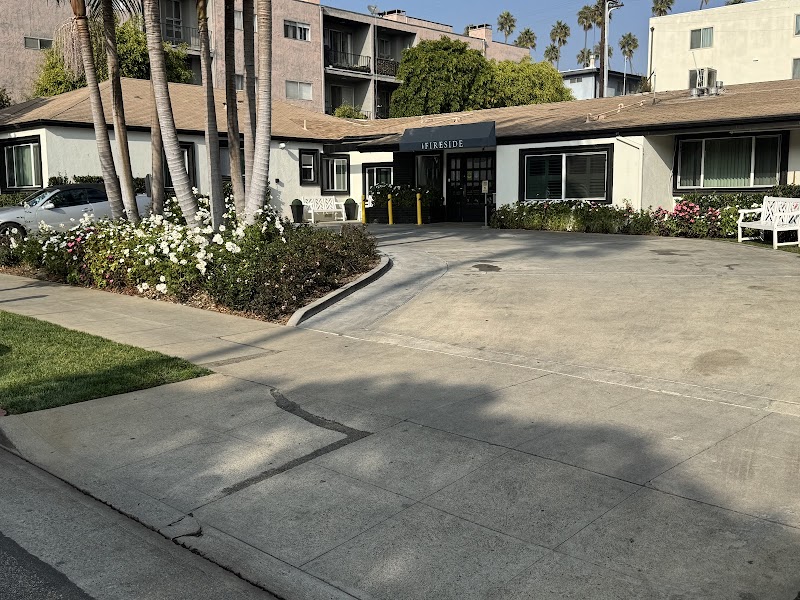
How is Fireside Health Staffed?

CMS rates FIRESIDE HEALTH CARE CENTER's staffing level at 2 out of 5 stars, which is below average compared to other nursing homes. Staff turnover is 55%, which is 9 percentage points above the California average of 46%. High turnover can affect care consistency as new staff learn residents' individual needs. RN turnover specifically is 67%, which is notably high. RNs provide skilled clinical oversight, so turnover in this role can affect medical care quality.

What Have Inspectors Found at Fireside Health?

State health inspectors documented 69 deficiencies at FIRESIDE HEALTH CARE CENTER during 2022 to 2025. These included: 1 Immediate Jeopardy (the most serious level, indicating potential for serious harm or death), 65 with potential for harm, and 3 minor or isolated issues. Immediate Jeopardy findings are rare and represent the most serious regulatory concerns. They require immediate corrective action.
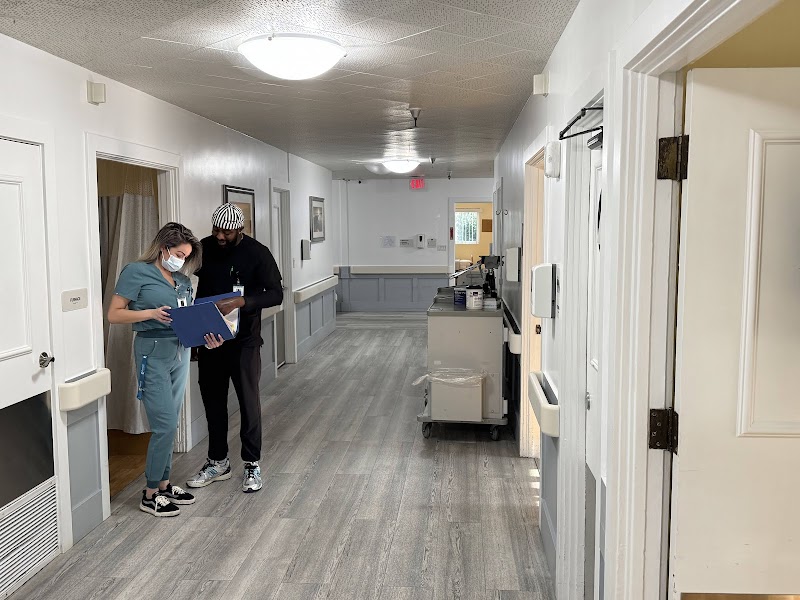
Who Owns and Operates Fireside Health?

FIRESIDE HEALTH CARE CENTER is owned by a for-profit company. For-profit facilities operate as businesses with obligations to shareholders or private owners. The facility is operated by NAHS, a chain that manages multiple nursing homes. With 66 certified beds and approximately 59 residents (about 89% occupancy), it is a smaller facility located in SANTA MONICA, California.
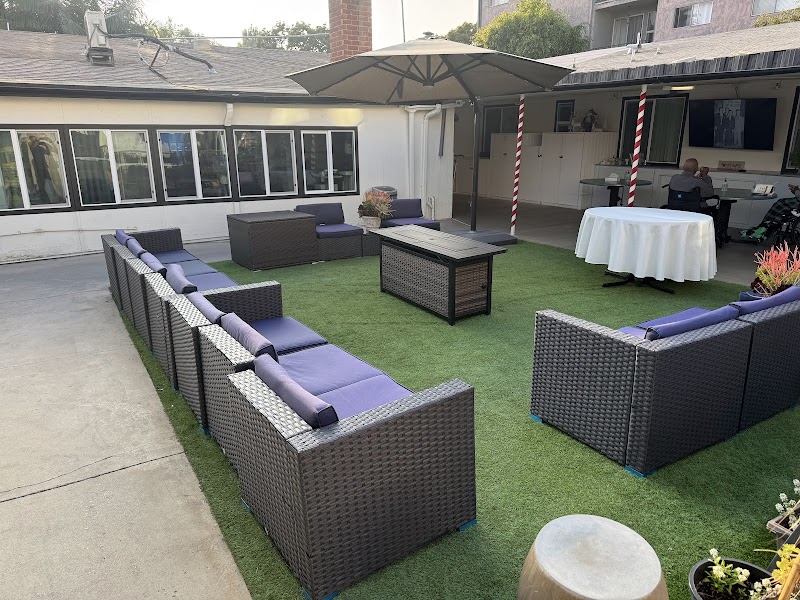
How Does Fireside Health Compare to Other California Nursing Homes?

Compared to the 100 nursing homes in California, FIRESIDE HEALTH CARE CENTER's overall rating (2 stars) is below the state average of 3.1, staff turnover (55%) is near the state average of 46%, and health inspection rating (2 stars) is below the national benchmark.

What Should Families Ask When Visiting Fireside Health?

Based on this facility's data, families visiting should ask: "What changes have been made since the serious inspection findings, and how are you preventing similar issues?" "How do you ensure continuity of care given staff turnover, and what is your staff retention strategy?" "Can you walk me through typical staffing levels on day, evening, and night shifts?" "Can I visit during a mealtime to observe dining assistance and food quality?" These questions are particularly relevant given the facility's Immediate Jeopardy citations, the facility's high staff turnover rate, and the below-average staffing rating.

Is Fireside Health Safe?

Based on CMS inspection data, FIRESIDE HEALTH CARE CENTER has documented safety concerns. Inspectors have issued 1 Immediate Jeopardy citation (the most serious violation level indicating risk of serious injury or death). The facility has a 2-star overall rating and ranks #100 of 100 nursing homes in California. Families considering this facility should ask detailed questions about what corrective actions have been taken since these incidents.

Do Nurses at Fireside Health Stick Around?

Staff turnover at FIRESIDE HEALTH CARE CENTER is high. At 55%, the facility is 9 percentage points above the California average of 46%. Registered Nurse turnover is particularly concerning at 67%. RNs handle complex medical decisions and coordinate care — frequent RN changes can directly impact care quality. High turnover means new staff may not know residents' individual needs, medications, or preferences. It can also be disorienting for residents, especially those with dementia who rely on familiar faces. Families should ask: What is causing the turnover? What retention programs are in place? How do you ensure care continuity during staff transitions?

Was Fireside Health Ever Fined?

FIRESIDE HEALTH CARE CENTER has been fined $97,670 across 1 penalty action. This is above the California average of $34,056. Fines in this range indicate compliance issues significant enough for CMS to impose meaningful financial consequences. Common causes include delayed correction of deficiencies, repeat violations, or care failures affecting resident safety. Families should ask facility leadership what changes have been made since these penalties.

Is Fireside Health on Any Federal Watch List?

FIRESIDE HEALTH CARE CENTER is not on any federal watch list. The most significant is the Special Focus Facility (SFF) program, which identifies the bottom 1% of nursing homes nationally based on persistent, serious quality problems. Not being on this list means the facility has avoided the pattern of deficiencies that triggers enhanced federal oversight. This is a positive indicator, though families should still review the facility's inspection history directly.