OCEAN PARK HEALTHCARE
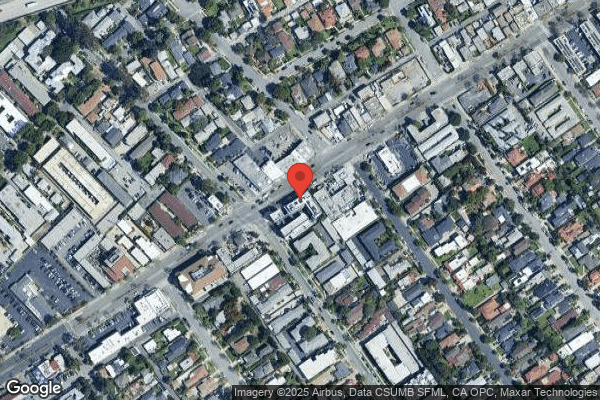
2828 PICO BOULEVARD, SANTA MONICA, CA 90405 (310) 450-7694
For profit - Limited Liability company 41 Beds ABRAHAM BAK & MENACHEM GASTWIRTH Data: November 2025
Trust Grade
48/100
#866 of 1155 in CA
Last Inspection: May 2025

Inspected within the last 6 months. Data reflects current conditions.

Overview

Ocean Park Healthcare in Santa Monica has a Trust Grade of D, indicating below-average performance with some concerning issues. The facility ranks #866 out of 1,155 in California, placing it in the bottom half of nursing homes in the state, and #218 out of 369 in Los Angeles County, meaning only a few local options are better. The situation seems to be worsening, with the number of issues increasing from 10 in 2024 to 23 in 2025. Staffing is a relative strength, rated 4 out of 5 stars with a low turnover rate of 18%, but the facility has concerning RN coverage, falling below 81% of state facilities. Recent inspections revealed serious problems, such as a resident falling due to inadequate supervision and staff not receiving required competency training, which could lead to inadequate care. While there are strengths in staffing stability, significant weaknesses in care practices and compliance raise concerns for prospective residents and their families.

Trust Score
D
48/100
In California
#866/1155
Bottom 26%
Safety Record
Moderate
Needs review
Inspections
Getting Worse
10 → 23 violations
Staff Stability
✓ Good
18% annual turnover. Excellent stability, 30 points below California's 48% average. Staff who stay learn residents' needs.
Penalties
⚠ Watch
$12,735 in fines. Higher than 90% of California facilities. Major compliance failures.
Skilled Nurses
⚠ Watch
Each resident gets only 22 minutes of Registered Nurse (RN) attention daily — below average for California. Fewer RN minutes means fewer trained eyes watching for problems.
Violations
⚠ Watch
60 deficiencies on record. Higher than average. Multiple issues found across inspections.
★★☆☆☆
2.0
Overall Rating
★★★★☆
4.0
Staff Levels
★★★☆☆
3.0
Care Quality
★★☆☆☆
2.0
Inspection Score
Stable
2024: 10 issues
2025: 23 issues

The Good

  • 4-Star Staffing Rating · Above-average nurse staffing levels
  • Low Staff Turnover (18%) · Staff stability means consistent care
  • Full Sprinkler Coverage · Fire safety systems throughout facility
  • No fines on record
  • Staff turnover is low (18%)

    30 points below California average of 48%

Facility shows strength in staffing levels, staff retention, fire safety.

The Bad

2-Star Overall Rating

Below California average (3.1)

Below average - review inspection findings carefully

Federal Fines: $12,735

Below median ($33,413)

Minor penalties assessed

Chain: ABRAHAM BAK & MENACHEM GASTWIRTH

Part of a multi-facility chain

Ask about local staffing decisions and management

The Ugly 60 deficiencies on record

1 actual harm
May 2025 16 deficiencies
CONCERN (D)

Potential for Harm - no one hurt, but risky conditions existed

Deficiency F0552 (Tag F0552)

Could have caused harm · This affected 1 resident

**NOTE- TERMS IN BRACKETS HAVE BEEN EDITED TO PROTECT CONFIDENTIALITY** Based on observation, interview, and record review, the facility failed to ensure that one out of three sampled residents (Resid...

Read full inspector narrative →
**NOTE- TERMS IN BRACKETS HAVE BEEN EDITED TO PROTECT CONFIDENTIALITY** Based on observation, interview, and record review, the facility failed to ensure that one out of three sampled residents (Resident 10) was free from physical restraint by failing to ensure the use of bed siderails and geriatric chair with lap tray informed consent was completed per individualized assessment. This deficient practice violated resident's right to be treated with respect and dignity with the use of physical restraints. Findings: During a record review of the admission Record indicated Resident 10 was originally admitted to the facility on [DATE] and readmitted on [DATE] with diagnosis including encephalopathy (a disease in which the functioning of the brain is affected by some agent or condition-such as viral infection or toxins in the blood), chronic obstructive pulmonary disease (COPD-a chronic lung disease causing difficulty in breathing) and unspecified dementia (a progressive state of decline in mental abilities). During a record review of the Minimum Data Set (MDS - resident assessment tool) dated 4/22/2025, indicated Resident 10's cognitive (mental action or process of acquiring knowledge and understanding) skills for daily decisions were severely impaired. The MDS indicated Resident 10 required moderate assistance to supervision from staff for activities of daily living (ADLs- routine tasks/activities such as bathing, dressing and toileting a person performs daily to care for themselves). During a record review of Resident 10's Order Summary Report indicated: i. As of 5/4/2025, there was no physician order for the use of bed siderails. ii. Physician's order dated 4/18/2025 indicated, Up on geriatric chair (geri-chair - a large, padded chair that is designed to help people with limited mobility) for mobility issues due to difficulty seating on upright positioned. During a record review of Resident 10's Medical Record as of 5/4/2025, there was no Informed Consent for the use of bed siderails and geri-chair with lap tray. During a record review of Resident 10's Care Plan (CP) as 5/4/2025, indicated there are no CP developed for the use of bed siderails. During a review of Resident 10's Physical Restraint Assessment, dated 4/18/2025, it indicated that, Resident 10 has poor safety awareness/judgement; Restraints recommended: Geri chair with tray; Summary: Geri-chair with a tray is recommended for this time, because of poor safety judgement due to inability to consider lack of independence, disorientation and impaired cognition. During the initial tour of the facility and observation of Resident 10 on 5/2/2025 at 5:55 p.m., Resident 10 was observed sitting on a geri-chair with a lap tray in the hallway by herself. Resident 10 was observed talking noncoherently. During an observation of Resident 10 on 5/3/2025 at 10:05 a.m., Resident 10 was sitting on a geri-chair ( is a large padded chairs with wheeled bases, and are designed to assist seniors with limited mobility) with a lap tray on in the hallway, right leg was dangling on the side, and no staff was observed assisting Resident 10. Resident 10 appeared confused and was talking incoherently to herself. During an observation of Resident 10 on 5/4/2025 at 9:10 a.m., Resident 10 was observed lying on bed with a bed siderails up. During a concurrent observation and interview with Registered Nurse (RN) 1 on 5/4/2025 at 9:26 a.m., RN 1 observed Resident 10 in the room, lying on a bed with a bed side rails up. RN 1 stated, there should be an order and a Care Plan for the use of bed siderails. RN 1 further stated, Resident 1 also uses a geri-chair with a lap tray on to get her up on bed, but it should be used for mobility. RN 1 stated the side rails and geri-chair with lap tray may cause harm to Resident 10 if it's being used in a wrong way like restricting resident's movement. RN 1 stated, an informed consent must be obtain from the resident and/or resident's representative for any device used that may restrict resident's mobility. During a concurrent interview and record review with Director of Nursing (DON) on 5/4/2025 at 3:50 p.m., DON reviewed Resident 10's Physical Restraint Assessment and stated, they (facility) are not using any restraints to Resident 10. DON stated the geri-chair with lap tray are to be used for mobility and the assessment for Physical Restraint was not properly documented. DON stated, there must be an informed consent for the use of geri-chair with laptray and bed siderails. DON stated, the use of these devices restricts resident's movement. During a record review of the facility policy and procedure (P&P) titled, Use of Restraints, revised on 8/2024, the P&P indicated, If the resident cannot remove a device in the same manner in which the staff applied it given that resident's physical condition (i.e., side rails are put back down, rather than climbed over), and this restricts his/her typical ability to change position or place, that device is considered a restraint . Practices that inappropriately utilize equipment to prevent resident mobility are considered restraints and are not permitted, including: a. Using bedrails to keep a resident from voluntarily getting out of bed as opposed to enhancing mobility while in bed; b. Tucking sheets so tightly that a bed-bound resident cannot move; c. Placing a resident in a chair that prevents the resident from rising; and d. Placing a resident who uses a wheelchair so close to the wall that the wall prevents the resident from rising . Restraints shall only be used upon the written order of a physician and after obtaining consent from the resident and/or representative (sponsor). The order shall include the following: a. The specific reason for the restraint (as it relates to the resident's medical symptom); b. How the restraint will be used to benefit the resident's medical symptom; and c. The type of restraint, and period of time for the use of the restraint . Treatment restraints may be used for the protection of the resident during treatment and diagnostic procedures if the resident and/or representative have consented to the treatment or procedure and the use of treatment restraints. Treatment restraints shall be applied for no longer than the time required completing the treatment. During a record review of facility's P&P titled, Health, Medical, Treatment, Informing Residents of, revised 12/2024, the P&P indicated, Every resident is informed of his or her options for treatment and/or care.
CONCERN (D)

Potential for Harm - no one hurt, but risky conditions existed

Safe Environment (Tag F0584)

Could have caused harm · This affected 1 resident

**NOTE- TERMS IN BRACKETS HAVE BEEN EDITED TO PROTECT CONFIDENTIALITY** Based on observation, and interview, the facility failed to maintain a clean, odor-free, well-kept environment for one of five s...

Read full inspector narrative →
**NOTE- TERMS IN BRACKETS HAVE BEEN EDITED TO PROTECT CONFIDENTIALITY** Based on observation, and interview, the facility failed to maintain a clean, odor-free, well-kept environment for one of five sampled residents (Resident 1), by failing to ensure the resident's room and adjacent hallway were odor free. This failure resulted in a foul-smelling environment in Resident 1's room and the adjacent hallway. Findings: During a record review of Resident 1's admission Record indicated the facility admitted Resident 1 on 7/23/2024 and Resident 1 was readmitted to the facility on [DATE] with diagnoses including anxiety (a feeling of worry, fear, or unease, often accompanied by physical symptoms like a rapid heartbeat or shortness of breath), dementia (loss of memory, language, problem-solving and other thinking abilities that are severe enough), and depressive disorder (a mood disorder that causes a persistent feeling of sadness and loss of interest) During a record review of Resident 1's Minimum Data Set (MDS - a resident assessment tool) dated 4/24/2025, indicated Resident 1 had cognitive impairment (when a person has trouble remembering, learning new things, concentrating, or making decisions that affect their everyday life). The MDS indicated Resident 1 was dependent on staff for activities of daily living (ADL - routine tasks/activities such as bathing, dressing and toileting a person performs daily to care for themselves). During an observation on 5/3/3035, at 7:46 A.M., in Resident 1's room and adjacent hallway, a foul odor of urine was perceived by two surveyors. During a concurrent observation, and interview on 5/3/2035, at 7:50 A.M., with Certified Nursing Assistant (CNA) 4, in Resident 1's room, a foul-smelling urine odor was perceived and Resident 1's beddings were wet. CNA 4 stated that the foul-smelling odor was come from Resident 1, it was the smell of urine, and that when changing Resident 1, Resident 1's draw sheet (a special sheet placed on top of a bed's fitted sheet to make it easier to move someone who is having trouble moving themselves), under pad (using an absorbent pad, also called an under pad or chux, to protect bedding from moisture and accidents, especially related to incontinence) and Resident 1's pants were wet. CNA 4 stated that the strong foul-smelling odor of urine may have been strong because Resident 1 was not changed. CNA 4 stated residents need to be changed every two hours because if not done, this may lead to a urinary tract infection (UTI - an infection in the bladder/urinary tract) skin opening or wounds. During an interview on 5/4/2025, at 6:56 P.M., with the Director of Nursing (DON), the DON stated that the facility needs to maintain a home-like environment with comfort, space and pleasant smell that does not bother the residents, staff and visitors During a record review of the facility policy and procedure (P&P) titled Homelike Environment revised 2/2024, indicated, Residents are provided with a safe, clean, comfortable and homelike environment and encouraged to use theirpersonal belongings to the extent possible. 1. Staff provides person-centered care that emphasizes the residents' comfort, independence and personal needs and preferences. 2. The facility staff and management maximize, to the extent possible, the characteristics of the facility that reflect a personalized, homelike setting. These characteristics include: a. clean, sanitary and orderly environment. e. clean bed and bath linens that are in good condition. f. pleasant, neutral scents;
CONCERN (D)

Potential for Harm - no one hurt, but risky conditions existed

Deficiency F0604 (Tag F0604)

Could have caused harm · This affected 1 resident

**NOTE- TERMS IN BRACKETS HAVE BEEN EDITED TO PROTECT CONFIDENTIALITY** Based on observation, interview, and record review, the facility failed to ensure that two of three sampled residents reviewed f...

Read full inspector narrative →
**NOTE- TERMS IN BRACKETS HAVE BEEN EDITED TO PROTECT CONFIDENTIALITY** Based on observation, interview, and record review, the facility failed to ensure that two of three sampled residents reviewed for restraints (Residents 3 and 10) were free from physical restraint by: A. Failing to ensure the physician's order for bed siderails was in place and geriatric chair (geri chair - a large, padded, often wheeled chair designed to help seniors or individuals with limited mobility) with lap tray were properly assessed and evaluated for Resident 10. B. Resident 3 was observed with a geri chair parked alongside Resident 3 while she was in bed that restricted the resident's movement. These deficient practices had the potential to result in entrapment and injury with the use of restraints for Residents 3 and 10. Cross Reference F656, F552 Findings: 1. During a record review of the admission Record indicated Resident was originally admitted to the facility on [DATE] and readmitted on [DATE] with diagnoses including encephalopathy (a disease in which the functioning of the brain is affected by some agent or condition-such as viral infection or toxins in the blood), chronic obstructive pulmonary disease (COPD-a chronic lung disease causing difficulty in breathing) and unspecified dementia (a progressive state of decline in mental abilities). During a record review of the Minimum Data Set (MDS - resident assessment tool) dated 4/22/2025, indicated Resident 10's cognitive (mental action or process of acquiring knowledge and understanding) skills for daily decisions were severely impaired. The MDS indicated Resident 10 required moderate assistance to supervision from staff for activities of daily living (ADLs- routine tasks/activities such as bathing, dressing and toileting a person performs daily to care for themselves). During a record review of Resident 10's Order Summary Report indicated the following: i. As of 5/4/2025, there was no physician order for the use of bed siderails. ii. Physician's order dated 4/18/2025 indicated, Up on geri-chair for mobility issues due to difficulty seating on upright positioned. During a record eview of Resident 10's Medical Record as of 5/4/2025, there was no Informed Consent for the use of bed siderails and geri-chair with lap tray. During a record review of Resident 10's Care Plan (CP) as 5/4/2025, indicated there are no CP developed for the use of bed siderails. During a record review of Resident 10's Physical Restraint Assessment, dated 4/18/2025, it indicated that, Resident 10 has poor safety awareness/judgement; Restraints recommended: Geri chair with tray; Summary: Geri-chair with a tray is recommended for this time, because of poor safety judgement due to inability to consider lack of independence, disorientation and impaired cognition. During the initial tour of the facility and observation of Resident 10 on 5/2/2025 at 5:55 p.m., Resident 10 was observed sitting on a geri-chair with a lap tray in the hallway by herself. Resident 10 was observed talking noncoherently. During an observation of Resident 10 on 5/3/2025 at 10:05 a.m., Resident 10 was sitting on a geri-chair with a lap tray on in the hallway, right leg was dangling on the side, and no staff was observed assisting Resident 10. Resident 10 appeared confused and was talking incoherently to herself. During an observation of Resident 10 on 5/4/2025 at 9:10 a.m., Resident 10 was observed lying on bed with a bed siderails up. During a concurrent observation and interview with Registered Nurse Supervisor 1 (RNS 1) on 5/4/2025 at 9:26 a.m., RN 1 observed Resident 10 in the room, lying on a bed with a bed side rails up. RN 1 stated, there should be an order and a Care Plan for the use of bed siderails. RN 1 further stated, Resident 1 also uses a geri-chair with a lap tray on to get her up on bed, but it should be used for mobility. RN 1 stated the side rails and geri-chair with lap tray may cause harm to Resident 10 if it's being used in a wrong way like restricting resident's movement. RN 1 stated, an informed consent must be obtain from the resident and/or resident's representative for any device used that may restrict resident's mobility. During a concurrent interview and record review with Director of Nursing (DON) on 5/4/2025 at 3:50 p.m., DON reviewed Resident 10's Physical Restraint Assessment and stated, they are not using any restraints to Resident 10. DON stated the geri-chair with lap tray are to be used for mobility and the assessment for Physical Restraint was not properly documented. DON stated, there must be an informed consent for the use of geri-chair with laptray and bed siderails. DON stated, the use of these devices restricts resident's movement. During a record review of the facility policy and procedures (P&P) titled, Use of Restraints, revised on 8/2024, the P&P indicated, Restraints shall only be used for the safety and well-being of the resident(s) and only after other alternatives have been tried unsuccessfully. Restraints shall only be used to treat the resident's medical symptom(s) and never for discipline or staff convenience, or for the prevention of falls . If the resident cannot remove a device in the same manner in which the staff applied it given that resident's physical condition (i.e., side rails are put back down, rather than climbed over), and this restricts his/her typical ability to change position or place, that device is considered a restraint . Practices that inappropriately utilize equipment to prevent resident mobility are considered restraints and are not permitted, including: a. Using bedrails to keep a resident from voluntarily getting out of bed as opposed to enhancing mobility while in bed; b. Tucking sheets so tightly that a bed-bound resident cannot move; c. Placing a resident in a chair that prevents the resident from rising; and d. Placing a resident who uses a wheelchair so close to the wall that the wall prevents the resident from rising . Restraints shall only be used upon the written order of a physician and after obtaining consent from the resident and/or representative (sponsor). The order shall include the following: a. The specific reason for the restraint (as it relates to the resident's medical symptom); b. How the restraint will be used to benefit the resident's medical symptom; and c. The type of restraint, and period of time for the use of the restraint . 2. During a record review of Resident 3's admission Record indicated the facility admitted Resident 3 on 12/4/2023 and Resident 3 was readmitted to the facility on [DATE] with diagnoses including abnormality of gait and mobility (having trouble walking or moving around smoothly and efficiently), Parkinson's (a condition where nerve cells in the brain that produce dopamine [a chemical messenger] start to die off or become damaged), and unspecified psychosis (someone is experiencing symptoms of psychosis, like hallucinations [seeing or hearing things that aren't real) and delusions (holding strong, false beliefs]). During a record review of Resident 3's MDS dated [DATE], indicated Resident 3 had cognitive impairment (when a person has trouble remembering, learning new things, concentrating, or making decisions that affect their everyday life). The MDS indicated Resident 3 was dependent on staff for ADL. During a concurrent observation and interview on 5/4/2025, at 1:56 P.M., with Certified Nursing assistant (CNA) 3 in Resident 3's room, a geri chair was observed parked alongside Resident 3's bed. CNA 3 stated that the geri chair should not be placed alongside the bed of Resident 3 for safety reasons. CNA 3 stated the geri chair at the bedside may lead to Resident 3 bumping into the chair, trip, fall, it is dangerous. During a concurrent interview and record review, on 5/4/2025, at 2:01 P.M., with the RNS 1, a picture of the geri chair parked alongside Resident 3's bed was reviewed. RNS 1 stated that the geri chair should not be placed alongside Resident 3's bed as it is a restraint when used in that manner. RNS 1 stated Resident 3 may fall trying to get out of bed. During an interview on 5/4/2025, at 6:52 P.M., with the DON, the DON stated the geri chair should not be at the bedside as Resident may not be able to get out of bed, their access may be blocked and get the resident entrapped or trapped. During a record review of the facility's P&P titled, Use of Restraints, revised 8/2024, indicated, Restraints shall only be used for the safety and well-being of the resident(s) and only after other alternatives have been tried unsuccessfully. Restraints shall only be used to treat the resident's medical symptoms(s) and never for discipline or staff convenience, or for the prevention of falls. 1. Physical Restraints are defined as any manual method or physical or mechanical device, material or equipment attached or adjacent to the resident's body that the individual cannot remove easily, which restricts freedom of movement or restricts normal access to one's body. 2. The definition of restraint is based on the functional status of the resident and not the device. If the resident cannot remove a device in the same manner in which the staff applied it given that resident's physical condition (i.e., side rails are put back down, rather than climbed over), and this restricts his/her typical ability to change position or place, that device is considered a restraint.
CONCERN (D)

Potential for Harm - no one hurt, but risky conditions existed

Deficiency F0628 (Tag F0628)

Could have caused harm · This affected 1 resident

Based on interview and record review, the facility failed to ensure residents' notice of proposed transfer/discharge notification was sent to the Office of the State Long-Term Care Ombudsman (public a...

Read full inspector narrative →
Based on interview and record review, the facility failed to ensure residents' notice of proposed transfer/discharge notification was sent to the Office of the State Long-Term Care Ombudsman (public advocate) on a timely manner for one of three sampled discharged residents reviewed (Resident 39) as indicated in the facility's policy. This deficient practice had the potential to deny Resident 39's protection from being inappropriately discharged . Findings: During a record review of the admission Record, Resident 39 was admitted to the facility 11/18/2024 with diagnoses including epilepsy (a disorder in which nerve cell activity in the brain is disturbed causing seizures), chronic pancreatitis (a long-lasting inflammation of the pancreas, a gland behind the stomach that helps with digestion and regulates blood sugar), and muscle weakness (weakening, shrinking, and loss of muscle). During a record review of the Minimum Data Set (MDS - a resident assessment tool) dated 11/24/2025, indicated Resident 39's cognitive (mental action or process of acquiring knowledge and understanding) skills for daily decisions were moderately impaired. The MDS indicated Resident 39 required moderate assistance to supervision from staff for activities of daily living (ADLs- routine tasks/activities such as bathing, dressing and toileting a person performs daily to care for themselves). During a record review of Resident 39's Discharge Summary Plan of Care, dated 2/11/2025, it indicated, Resident 39 was discharged at an Assisted Living Facility (ALF - provides housing and personal care services for individuals who need help with daily tasks like bathing, dressing, and eating, but don't require the 24-hour medical care of a nursing home) on 2/11/2025. During a record review of Resident 39's Notice of Proposed Transfer/Discharge indicated the notification was sent to Ombudsman via facsimile transmission dated 5/4/2025. During an interview with the Director of Nursing (DON) on 5/4/2025 at 1:15 p.m., DON stated, Resident 39's discharge notification was sent today (5/4/2025) via fax to the Ombudsman's office. DON stated that they have 30 days to send the notification to the Ombudsman after discharge. DON then reviewed the policies and procedure (P&P) and stated, the written notifications to the Ombudsman and residents/resident's representative shall be given with an advance 30-day written notice of an impending transfer or discharge. DON further stated, Ombudsman must be given an advance notice so that they may be able to assist residents if they don't agree with the discharge planning. During a record review of the facility policy and procedures (P&P) titled, Transfer or Discharge Notice, reviewed/revised on 3/20/2025, the P&P indicated, Our facility shall provide a resident and/or the resident's representative (sponsor) with a 30-day written notice of an impending transfer or discharge . A copy of the notice will be sent to the Office of the State Long-Term Care Ombudsman.
CONCERN (D)

Potential for Harm - no one hurt, but risky conditions existed

Assessment Accuracy (Tag F0641)

Could have caused harm · This affected 1 resident

**NOTE- TERMS IN BRACKETS HAVE BEEN EDITED TO PROTECT CONFIDENTIALITY** Based on interviews and record review, the facility failed to ensure the assessment entries were accurate for one of one sampled...

Read full inspector narrative →
**NOTE- TERMS IN BRACKETS HAVE BEEN EDITED TO PROTECT CONFIDENTIALITY** Based on interviews and record review, the facility failed to ensure the assessment entries were accurate for one of one sampled resident reviewed for resident's assessment (Resident 12) by failing to appropriately assess residents' diagnosis in the Minimum Data Set (MDS - resident assessment tool). This deficient practice had the potential to result in a negative effect on residents' plan of care and delivery of services. Cross Reference F658 Findings: During a record review of the admission Record indicated Resident 12 was originally admitted to the facility 4/1/2021 and readmitted on [DATE] with diagnoses including chronic pulmonary edema (a condition caused by excess fluids in the lungs usually caused by a heart condition), atrial fibrillation (afib- an irregular and very rapid heart rhythm that and can lead blood clots in the heart) and anxiety disorder (a mental health disorder characterized by feelings of worry, anxiety or fear that are strong enough to interfere with one's daily activities). During a record review of the MDS dated [DATE], Resident 12's cognitive (mental action or process of acquiring knowledge and understanding) skills for daily decisions were severely impaired. The MDS indicated Resident 12 had an active diagnosis of schizophrenia (a mental illness that is characterized by disturbances in thought). During an interview and observation of Resident 12 on 5/2/2025 at 6:12 p.m., Resident 12 stated, she is doing well and likes participating in the Activity room. Resident 12 appeared calm, compliant with care and followed direction. During an interview with Minimum Data Set Nurse (MDSN) on 5/4/2025 at 10:36 a.m., MDSN stated MDSN mistakenly quoted Resident 12's MDS assessment with a diagnosis of schizophrenia but they don't have all documentation that supports the diagnosis according to DSM-V (officially known as the Diagnostic and Statistical Manual of Mental Disorders, Fifth Edition - a book used by mental health professionals to diagnose and classify mental health disorders). MDSN further stated, Resident 12 is cooperative and does not show any hallucinations, and delusions. During an interview with the Director of Nursing (DON) on 5/4/2025 at 3:58 p.m., DON stated, Resident 12's needs to meet all criteria before they quote them with a schizophrenia diagnosis on the MDS. DON stated, they need to have a medical professional that will provide the supporting documents. During a record review of the facility policy and procedures (P&P), titled, Resident Assessment Instrument, revised 3/2025, the P&P indicated, The resident assessment coordinator is responsible for ensuring that the interdisciplinary team conducts timely and appropriate resident assessments and reviews according to the following requirements . The interdisciplinary team uses the MDS form currently mandated by federal and state regulations to conduct the resident assessment. Other assessment forms may be used in addition to the MDS form.
CONCERN (D)

Potential for Harm - no one hurt, but risky conditions existed

Deficiency F0645 (Tag F0645)

Could have caused harm · This affected 1 resident

**NOTE- TERMS IN BRACKETS HAVE BEEN EDITED TO PROTECT CONFIDENTIALITY** Based on interview and record review, the facility failed to ensure that a Pre-admission Screening Resident Review level II (a d...

Read full inspector narrative →
**NOTE- TERMS IN BRACKETS HAVE BEEN EDITED TO PROTECT CONFIDENTIALITY** Based on interview and record review, the facility failed to ensure that a Pre-admission Screening Resident Review level II (a detailed assessment that determines if someone with a mental illness [like serious mental illness, intellectual disability, or related conditions] needs specialized services and the most appropriate place to receive them) was obtained and maintained in the residents chart for two of three sampled residents (Residents 1 and 25). This deficient practice had the potential to negatively affect the appropriate care and services rendered to Residents. 1 and 25 Findings: During a record review of Resident 1's admission Record indicated the facility admitted Resident 1 on 7/23/2024 and Resident 1 was readmitted to the facility on [DATE] with diagnoses including anxiety (a feeling of worry, fear, or unease, often accompanied by physical symptoms like a rapid heartbeat or shortness of breath), dementia (loss of memory, language, problem-solving and other thinking abilities that are severe enough), and depressive disorder (a mood disorder that causes a persistent feeling of sadness and loss of interest) During a record review of Resident 1's Minimum Data Set (MDS - a resident assessment tool) dated 4/24/2025, indicated Resident 1 had cognitive impairment (when a person has trouble remembering, learning new things, concentrating, or making decisions that affect their everyday life). The MDS indicated Resident 1 was dependent on staff for activities of daily living (ADL - routine tasks/activities such as bathing, dressing and toileting a person performs daily to care for themselves). During a concurrent interview and record review, on 5/4/2025, at 10:32 A.M., with the Minimal Data Set Nurse (MDSN) nurse, Resident 1's PASARR level I and chart were reviewed. The PASARR level I dated 11/11/2024, indicated Resident I was positive for PASARR level I and required to have an evaluation for PASARR level II. The MDS nurse stated that the facility process for a PASARR level II is that the PASARR level II office will call within three days for a follow up however, it they do not call, then the facility has to follow up. The MDSN stated that there was no documented evidence that the PASARR level II office called or that the facility made a follow up with the PASARR level II office. The MDSN stated that the facility should have followed up with the PASARR level II off to ensure that Resident 1's care was customized to the resident so that Resident 1 can be given care that Resident 1 is supposed to be receiving. During a record review of Resident 25's admission Record indicated the facility admitted Resident 25 on 6/29/2023 and readmitted Resident 25 on 4/8/2025 with diagnoses including hypertension (HTN-high blood pressure), anxiety (a feeling of worry, fear, or unease, often accompanied by physical symptoms like a rapid heartbeat or shortness of breath), and major depressive disorder (a mood disorder that causes a persistent feeling of sadness and loss of interest) During a record review of Resident 25's MDS dated [DATE], indicated Resident 25 had cognitive impairment. The MDS indicated Resident 25 was dependent on staff for activities of daily living (ADL - routine tasks/activities such as bathing, dressing and toileting a person performs daily to care for themselves). During a concurrent interview and record review, on 5/4/2025, at 11:07 A.M., with MDSN nurse, Resident 25's PASARR level I and chart were reviewed. The PASARR level I indicated that Resident 25 was positive for PASARR level I and required to have an evaluation for PASARR level II. The MDSN stated that the facility process for PASARR level II is that the PASARR level II office will call within three days for a follow up however, it they do not call, then the facility has to follow up. The MDSN stated that there was no documented evidence that the PASARR level II office called or that the facility made a follow up with the PASARR level II office. The MDSN stated that the facility should have followed up with the PASARR level II office to ensure that Resident 25's care was specialized to the residents so that Resident 25 did not have missing information needed to provide Resident 25 with the care that is needed. During an interview on 5/4/2025, at 6:46 P.M., with the Director of Nursing (DON), the DON stated that the PASARR is an assessment that evaluates the placement of the resident's care into the facility, if they residents need a referral to mental health and obtain resources needed for the residents. The DON stated that the facility process for PASARR level II is that the facility will make a referral to the PASARR office for level II and follow up with them. The DON stated not having a PASARR level II follow up may lead to a delay in care and the residents will not have proper follow-up care like mental health care for instance. During a record review of the facility Policy and Procedures (P&P) titled, Pre-admission Screening Level II Resident Review (PASRR Level II, dated 3/20/2025, indicated, To coordinate assessments with the pre-admissions screening and resident review (PASRR) program under Medicaid/Medical to the maximum effort possible to avoid duplicative testing and effort .The facility staff will coordinate the recommendations from the level II PASRR determination and the PASRR evaluation report with the residents' assessment, care planning and transitions of care.
CONCERN (D)

Potential for Harm - no one hurt, but risky conditions existed

Comprehensive Care Plan (Tag F0656)

Could have caused harm · This affected 1 resident

**NOTE- TERMS IN BRACKETS HAVE BEEN EDITED TO PROTECT CONFIDENTIALITY** Based on interview and record review, the facility failed to implement a comprehensive care plan that met the care/services base...

Read full inspector narrative →
**NOTE- TERMS IN BRACKETS HAVE BEEN EDITED TO PROTECT CONFIDENTIALITY** Based on interview and record review, the facility failed to implement a comprehensive care plan that met the care/services based on the resident's individual assessed needs for one of 12 sampled residents (Resident 10) by failing to develop a comprehensive (CP) with the use of bilateral bed siderails for Resident 10. This deficient practice had the potential to result negative impact on residents' health and safety, as well as the quality of care and services received. Findings: During a record review of the admission Record indicated Resident was originally admitted to the facility on [DATE] and readmitted on [DATE] with diagnoses including encephalopathy (a disease in which the functioning of the brain is affected by some agent or condition-such as viral infection or toxins in the blood), chronic obstructive pulmonary disease (COPD-a chronic lung disease causing difficulty in breathing) and unspecified dementia (a progressive state of decline in mental abilities). During a record review of the Minimum Data Set (MDS - resident assessment tool) dated 4/22/2025, indicated Resident 10's cognitive (mental action or process of acquiring knowledge and understanding) skills for daily decisions were severely impaired. The MDS indicated Resident 10 required moderate assistance to supervision from staff for activities of daily living (ADLs- routine tasks/activities such as bathing, dressing and toileting a person performs daily to care for themselves). During a record review of Resident 10's Order Summary Report indicated: i. As of 5/4/2025, there was no physician order for the use of bed siderails. During a record review of Resident 10's Care Plan (CP) as 5/4/2025, indicated there are no CP developed for the use of bed siderails. During an observation of Resident 10 on 5/4/2025 at 9:10 a.m., Resident 10 was observed lying on bed with bed siderails up. During a concurrent observation and interview with Registered Nurse 1 (RN 1) on 5/4/2025 at 9:26 a.m., RN 1 observed Resident 10 in the room, lying on a bed with a bed side rails up. RN 1 stated, there should be an order and a Care Plan for the use of bed siderails. RN 1 stated the side rails may cause harm to Resident 10 if it's being used in a wrong way like restricting resident's movement. During a concurrent interview and record review with Director of Nursing (DON) on 5/4/2025 at 3:50 p.m., DON stated, there must be a CP developed for the use of devices that may restrict resident's movement. DON stated, there was no CP developed for Resident 10's used of bed siderails. During a record review of the facility policy and procedures (P&P) titled, Use of Restraints, revised on 8/2024, the P&P indicated, If the resident cannot remove a device in the same manner in which the staff applied it given that resident's physical condition (i.e., side rails are put back down, rather than climbed over), and this restricts his/her typical ability to change position or place, that device is considered a restraint . Practices that inappropriately utilize equipment to prevent resident mobility are considered restraints and are not permitted, including: Using bedrails to keep a resident from voluntarily getting out of bed as opposed to enhancing mobility while in bed . Care plans for residents in restraints will reflect interventions that address not only the immediate medical symptom(s), but the underlying problems that may be causing the symptom(s). During a record review of the facility P&P titled, Care Planning - Interdisciplinary Team, reviewed 3/20/2025, the P&P indicated, Comprehensive, person-centered care plans are based on resident assessments and developed by an interdisciplinary team (IDT).
CONCERN (D)

Potential for Harm - no one hurt, but risky conditions existed

Deficiency F0658 (Tag F0658)

Could have caused harm · This affected 1 resident

**NOTE- TERMS IN BRACKETS HAVE BEEN EDITED TO PROTECT CONFIDENTIALITY** Based on observation, interview, and record review, the facility failed to meet professional standards of quality of care for on...

Read full inspector narrative →
**NOTE- TERMS IN BRACKETS HAVE BEEN EDITED TO PROTECT CONFIDENTIALITY** Based on observation, interview, and record review, the facility failed to meet professional standards of quality of care for one of three sampled residents reviewed for behavior, (Resident 12 ) by failing to ensure failed to ensure the assessment entries were accurate for one of three sampled residents (Resident 12) by failing to appropriately assess residents' diagnosis in the Minimum Data Set (MDS - resident assessment tool). This deficient practice had the potential to result in a negative effect on residents' plan of care and delivery of services. Findings: During a record review of the admission Record indicated Resident 12 was originally admitted to the facility 4/1/2021 and readmitted on [DATE] with diagnoses including chronic pulmonary edema (a condition caused by excess fluids in the lungs usually caused by a heart condition), atrial fibrillation (afib- an irregular and very rapid heart rhythm that and can lead blood clots in the heart) and anxiety disorder (a mental health disorder characterized by feelings of worry, anxiety or fear that are strong enough to interfere with one's daily activities). During a record review of the MDS dated [DATE], Resident 12's cognitive (mental action or process of acquiring knowledge and understanding) skills for daily decisions were severely impaired. The MDS indicated Resident 12 had an active diagnosis of schizophrenia (a mental illness that is characterized by disturbances in thought). During an interview and observation of Resident 12 on 5/2/2025 at 6:12 p.m., Resident 12 stated, she is doing well and likes participating in the Activity room. Resident 12 appeared calm, compliant with care and followed direction. During an interview with Minimum Data Set Nurse (MDSN) on 5/4/2025 at 10:36 a.m., MDSN stated MDSN mistakenly quoted Resident 12's MDS assessment with a diagnosis of schizophrenia but they don't have all documentation that supports the diagnosis according to DSM-V (officially known as the Diagnostic and Statistical Manual of Mental Disorders, Fifth Edition - a book used by mental health professionals to diagnose and classify mental health disorders). MDSN further stated, Resident 12 is cooperative and does not show any hallucinations, and delusions. During an interview with Director of Nursing (DON) on 5/4/2025 at 3:58 p.m., DON stated, Resident 12's needs to meet all criteria before they quote them with a schizophrenia diagnosis on the MDS. DON stated, they need to have a medical professional that will provide the supporting documents. During a record review of facility's policy and procedures (P&P), titled, Resident Assessment Instrument, revised 3/2025, the P&P indicated, The resident assessment coordinator is responsible for ensuring that the interdisciplinary team conducts timely and appropriate resident assessments and reviews according to the following requirements . The interdisciplinary team uses the MDS form currently mandated by federal and state regulations to conduct the resident assessment. Other assessment forms may be used in addition to the MDS form. During a record review of Substance Abuse and Mental Health Services Administration. Impact of the DSM-IV to DSM-5 Changes on the National Survey on Drug Use and Health [Internet]. Rockville (MD): Substance Abuse and Mental Health Services Administration (US), dated 6/2016, Table 3.20, DSM-IV to DSM-5 Psychotic Disorders Available from: https://www.ncbi.nlm.nih.gov/books/NBK519704/table/ch3.t20/, it indicated, to diagnos schizophrenia, two (or more) of the following, each present for a significant portion of time during a 1-month period (or less if successfully treated). At least one of these must be delusions, hallucinations, disorganized speech (e.g., frequent derailment or incoherence), with grossly disorganized or catatonic behavior and negative symptoms,(i.e., diminished emotional expression or avolition).
CONCERN (D)

Potential for Harm - no one hurt, but risky conditions existed

Quality of Care (Tag F0684)

Could have caused harm · This affected 1 resident

**NOTE- TERMS IN BRACKETS HAVE BEEN EDITED TO PROTECT CONFIDENTIALITY** Based on observation, interview, and record review, facility failed to ensure that the resident was safe during mobility using a...

Read full inspector narrative →
**NOTE- TERMS IN BRACKETS HAVE BEEN EDITED TO PROTECT CONFIDENTIALITY** Based on observation, interview, and record review, facility failed to ensure that the resident was safe during mobility using a geri chair (a large, padded, often wheeled chair designed to help seniors or individuals with limited mobility) for one of two sampled residents (Resident 25). This deficient practice had the potential to cause harm/injury and possible hospitalization for Resident 25. Cross Reference F689 Findings: During a record review of Resident 25's admission Record indicated the facility admitted Resident 25 on 6/29/2023 and Resident 25 was readmitted to the facility on [DATE]with diagnoses including hypertension (HTN-high blood pressure), anxiety (a feeling of worry, fear, or unease, often accompanied by physical symptoms like a rapid heartbeat or shortness of breath), and major depressive disorder (a mood disorder that causes a persistent feeling of sadness and loss of interest) During a record review of Resident 25's Minimum Data Set (MDS - a resident assessment tool) dated 4/14/2025, indicated Resident 25 had cognitive impairment (when a person has trouble remembering, learning new things, concentrating, or making decisions that affect their everyday life). The MDS indicated Resident 25 was dependent on staff for activities of daily living (ADL - routine tasks/activities such as bathing, dressing and toileting a person performs daily to care for themselves). During an observation on 5/2/2035, at 6:49 P.M., in Resident 25's room, certified nursing assistant (CNA) 5 was pushing Resident 25 in a geri chair with Resident 25's feet dragging on the floor and Resident 25's head partially on the head rest and midair. During a concurrent observation, and interview on 5/2/3035, at 6:51 P.M., with CNA 5, in Resident 25's room, CNA 5 stated that Resident 25's feet were dragging on the floor and Resident 25's head was not comfortable, not fully resting on the chair on one side. CNA 5 stated she was going to reposition Resident 25 so that Resident 25's feet were not dragging on the floor and Resident 25 is aligned in the chair with the head resting on the chair completely. CNA 5 stated she was repositioning Resident 25 because Resident 25's position was not good and Resident 25 may get hurt and the feet may get swollen. During an interview on 5/4/2025, at 6:47 P.M., with the Director of Nursing (DON), the DON stated that residents need to be properly positioned every two hours and as needed or as indicated when in the geri chair. The resident's feet should be completely off the ground, resident should be propped up, straight alignment and head of the resident resting on the back of the chair for comfort and to prevent resident getting caught up in the geri chair and getting injured. During a record review of the facility's Policy and Procedures (P&P) titled, Safety and Supervision of Residents, revised 7/2024, indicated, Our facility strives to make the environment as free from accident hazards as possible. Resident safety and supervision and assistance to prevent accidents are facility-wide priorities.
CONCERN (D)

Potential for Harm - no one hurt, but risky conditions existed

Accident Prevention (Tag F0689)

Could have caused harm · This affected 1 resident

**NOTE- TERMS IN BRACKETS HAVE BEEN EDITED TO PROTECT CONFIDENTIALITY** Based on observation, interview, and record review, facility failed to ensure that the resident's feet did drag on the floor dur...

Read full inspector narrative →
**NOTE- TERMS IN BRACKETS HAVE BEEN EDITED TO PROTECT CONFIDENTIALITY** Based on observation, interview, and record review, facility failed to ensure that the resident's feet did drag on the floor during mobility using a geri chair (a large, padded, often wheeled chair designed to help seniors or individuals with limited mobility) for one of two sampled residents (Resident 25). This deficient practice had the potential to cause harm/injury and possible hospitalization for Resident 25. Cross Reference F684 Findings: During a record review of Resident 25's admission Record indicated the facility admitted Resident 25 on 6/29/2023 and Resident 25 was readmitted to the facility on [DATE]with diagnoses including hypertension (HTN-high blood pressure), anxiety (a feeling of worry, fear, or unease, often accompanied by physical symptoms like a rapid heartbeat or shortness of breath), and major depressive disorder (a mood disorder that causes a persistent feeling of sadness and loss of interest) During a record review of Resident 25's Minimum Data Set (MDS - a resident assessment tool) dated 4/14/2025, indicated Resident 25 had cognitive impairment (when a person has trouble remembering, learning new things, concentrating, or making decisions that affect their everyday life). The MDS indicated Resident 25 was dependent on staff for activities of daily living (ADL - routine tasks/activities such as bathing, dressing and toileting a person performs daily to care for themselves). During an observation on 5/2/2035, at 6:49 P.M., in Resident 25's room, certified nursing assistant (CNA) 5 was pushing Resident 25 in a geri chair with Resident 25's feet dragging on the floor and Resident 25's head partially on the head rest and midair. During a concurrent observation, and interview on 5/2/3035, at 6:51 P.M., with CNA 5, in Resident 25's room, CNA 5 stated that Resident 25's feet were dragging on the floor and Resident 25's head was not comfortable, not fully resting on the chair on one side. CNA 5 stated she was going to reposition Resident 25 so that Resident 25's feet were not dragging on the floor and Resident 25 is aligned in the chair with the head resting on the chair completely. CNA 5 stated she was repositioning Resident 25 because Resident 25's position was not good and Resident 25 may get hurt and the feet may get swollen. During an interview on 5/4/2025, at 6:47 P.M., with the Director of Nursing (DON), the DON stated that residents need to be properly positioned every two hours and as needed or as indicated when in the geri chair. The resident's feet should be completely off the ground, resident should be propped up, straight alignment and head of the resident resting on the back of the chair for comfort and to prevent resident getting caught up in the geri chair and getting injured. During a record review of the facility's Policy and Procedures (P&P) titled, Safety and Supervision of Residents, revised 7/2024, indicated, Our facility strives to make the environment as free from accident hazards as possible. Resident safety and supervision and assistance to prevent accidents are facility-wide priorities.
CONCERN (D)

Potential for Harm - no one hurt, but risky conditions existed

Medical Records (Tag F0842)

Could have caused harm · This affected 1 resident

**NOTE- TERMS IN BRACKETS HAVE BEEN EDITED TO PROTECT CONFIDENTIALITY** Based on interview and record review, the facility failed ensure the medical record for two of five sampled residents (Residents...

Read full inspector narrative →
**NOTE- TERMS IN BRACKETS HAVE BEEN EDITED TO PROTECT CONFIDENTIALITY** Based on interview and record review, the facility failed ensure the medical record for two of five sampled residents (Residents 32 and 40) was accurate and compete for: 1. Resident 32's Advance Directive Acknowledgement form was filled out completely, 2. Resident 40's Physician's progress note was accurately dated. This failure resulted in an incomplete and inaccurate forms in the medical record and had the potential to effect the delivery of care. Findings: 1. During a record review of Resident 32's admission Record dated 5/4/25 indicated the resident was admitted to the facility on [DATE] with diagnoses including: diabetes mellitus (DM, a disorder characterized by difficulty in blood sugar control and poor wound healing), dementia (a progressive state of decline in mental abilities), anxiety disorder (excessive fear or worry), anemia (a condition where the body does not have enough healthy red blood cells), and schizophrenia (a mental illness that is characterized by disturbances in thought). During a record review of Resident 32's Minimum Data Set (MDS, resident assessment tool), dated 2/13/25 indicated the resident had severe cognitive (the ability to think, learn, and remember clearly) impairment. The MDS further indicated Resident 32 required set up or clean-up assistance from staff for eating, and required supervision or touching assistance for oral hygiene, toileting, dressing, personal hygiene, bed mobility and transferring. During a concurrent interview and record review on 5/4/25 at 11:34 am with the Minimum Data Set Coordinator (MDSC) Advance Directive Acknowledgement form dated 7/25/24 for Resident 32 was reviewed. The MDSC form did not have a check mark indicating if the resident had or had not executed an Advance Healthcare Directive (both check boxes had been left blank). The MDSC verified the empty boxes where a check mark was missing and stated their should be a check on the box for either having or not having executed an advance healthcare directive. 2. During a record review of Resident 40's admission Record dated 3/9/25 indicated the resident was admitted to the facility on [DATE] with diagnoses including: DM, schizophrenia (a mental illness that is characterized by disturbances in thought), bipolar disorder (sometimes called manic-depressive disorder; mood swings that range from the lows of depression to elevated periods of emotional highs), anxiety and Parkinson's disease (a progressive disease of the nervous system marked by tremor, muscular rigidity, and slow, imprecise movements). During a record review of Resident 40's MDS dated [DATE], indicated the resident had severe cognitive impairment. The MDS further indicated Resident 40 required set up or clean-up assistance with eating and was independent for toileting, dressing, personal hygiene, bed mobility, showering and walking. During a concurrent interview and record review on 5/3/25 at 5:39 pm with the Director of Nursing (DON), the resident's census and progress notes for March 2025 were reviewed. The resident's census indicated Resident 40 was discharged on 3/13/25 and there was a physician's progress note dated 3/24/25 (after discharge). The DON verified and stated the physician sees the residents almost every week, he (physician) does late entry so he may have taken his notes and uploaded them all at once may have pertained to a different resident. During a telephone interview on 5/4/25 at 2:13 pm with Medical Doctor (MD) 1, in reference to the note entered after the discharge, MD 1 stated. I don't have my notes to reference but there is a lot of turn-over in patients. It was not intentional most likely a mistake. During a record review of the facility policy and procedures titled Charting/Documentation/Late Entries revised April 2024 indicated All services provided to the resident, or any changes in the resident's medical or mental condition, shall be documented in the residents medical record . Entries may only be recorded in the resident's clinical record by licensed personnel . in accordance with state law and facility policy . Late entries, addendums or corrections to a medical record are legitimate occurrences in documentation of clinical record. A late entry, an addendum or a correction to the medical record, bears the current date of that entry.
CONCERN (E)

Potential for Harm - no one hurt, but risky conditions existed

Deficiency F0726 (Tag F0726)

Could have caused harm · This affected multiple residents

Based on interview and record review, the facility failed to ensure that the nursing staff met the skills and staff competency evaluation requirements. This deficient practice had the potential for k...

Read full inspector narrative →
Based on interview and record review, the facility failed to ensure that the nursing staff met the skills and staff competency evaluation requirements. This deficient practice had the potential for knowledge, training, and certification deficit among the nursing staff, leading to inadequate or delayed care for the residents. Findings: During a concurrent interview and record review, on 5/4/2025, at 9:06 A.M., with the Director of Staff Development (DSD), the DSD, the facility's employee files were reviewed. The employee files indicated that four of five employee files reviewed did not have documented proof of annual competency training for the employees. The DSD stated employee competency training was done upon hire and annually thereafter to assess the staff's competency when providing care to the residents, if the staff need assistance or improvement in their skill. DSD stated if competency training is not done, the facility staff will not be assessed in the way their skills are done when providing resident care in areas including but not limited to activities of daily living (ADL), medication administration and intravenous infusion. The DSD stated lack of skills competency training may lead to a decline in the way care is provided to the residents. During an interview on 5/4/2025, at 6:38 P.M., with the Director of Nursing (DON), the DON stated employee competencies are about ensuring that nursing staff are assessed in their skills when it comes to resident care, this is done to ensure that the staff are on par with how they perform their skills, the staff are upto date and are competent to perform their job duties. The DON stated that the employee competency training is supposed to be done annually and as needed. The employee's skill training process is that the facility utilizes a form that guides the facility on what skills that need to be checked for the facility nursing staff, and needed to be completed with the check mark, may be a narrative note to state whether the employee met or did not meet the required skills assessment. The DON stated if competency training is not done, there may be inaccuracies and delays in the care of the residents. During a record review of the facility policy and procedures (P&P), titled Competency of Nursing Staff, revised 3/2025, indicated, Policy statement: l. All nursing staff must meet the specific competency requirements of their respective licensure and certification requirements defined by state law. 2. In addition, licensed nurses and nursing assistants employed (or contracted) by the facility will: a. Participates in a facility-specific, competency-based staff development and training program; and b. Demonstrates specific competencies and skill sets deemed necessary to care for the needs of residents, as identified through resident assessments and described in the plans of care.
CONCERN (E)

Potential for Harm - no one hurt, but risky conditions existed

Staffing Information (Tag F0732)

Could have caused harm · This affected multiple residents

Based on observation, interview, and record review, the facility failed to post the actual nursing hours worked by licensed and unlicensed nursing staff directly responsible for resident care per shif...

Read full inspector narrative →
Based on observation, interview, and record review, the facility failed to post the actual nursing hours worked by licensed and unlicensed nursing staff directly responsible for resident care per shift for three of three sampled days (5/2/2025, 5/3/2025, and 5/4/2025). This deficient practice resulted in the actual staffing information not being readily accessible and available to residents and visitors and had the potential to cause inadequate staffing. Findings: During an observation of the facility on 5/2/2025 at 6:23 p.m., observed Direct Care Services Hours Per Patient Day (DHPPD) posted by the nursing station with only the projected hours posted. The information on the forms was incomplete for each shift. No actual hours were posted and no calculation of unlicensed nursing staffing directly responsible for resident care in the DHPPD posting, there was no DHPPD posted for the previous day (5/1/2025). During an observation of the facility 5/3/2025 at 9:23 a.m., observed DHPPD dated 5/3/2025 posted on the wall with only the projected hours. The information on the forms was incomplete for each shift. No actual hours were posted and no calculation of unlicensed nursing staffing directly responsible for resident care in the DHPPD posting, there was no DHPPD posted for the previous day (5/2/2025). During observation of the facility on 5/4/2025 at 6:23 p.m., observed DHPPD dated 5/4/2025 posted by the nursing station with only the projected hours posted. The information on the forms was incomplete for each shift. No actual hours were posted and no calculation of unlicensed nursing staffing directly responsible for resident care in the DHPPD posting, there was no DHPPD posted for the previous day (5/3/2025). During an interview with Director of Staff and Development (DSD) on 5/4/2025 at 6:25 p.m., DSD stated, he is responsible on the DHPPD posting and making sure that the information posted are accurate and complete. DSD stated, the projected hours are posted and does not include the actual hours worked by licensed and unlicensed staff in the facility. DSD then reviewed facility's policy and procedures, and stated, the actual hours worked by staff must be calculated and posted on the NHPPD posting and must be updated two hours after each shift starts. During a record review of the facility policy and procedures (P&P) titled Posting Direct Care Daily Staffing revised on 3/2025, the P&P indicated, Within two (2) hours of the beginning of each shift, the number of Licensed Nurses (RNs, LPNs, and LVNs) and the number of unlicensed nursing personnel (CNAs) directly responsible for resident care will be posted in a prominent location (accessible to residents and visitors) and in a clear and readable format format . Shift staffing information shall be recorded on the Nursing Staff Directly Responsible for Resident Care form for each shift. The information recorded on the form shall include: The resident census at the beginning of the shift for which the information is posted. d. Twenty-four (24)-hour shift schedule operated by the facility . Within two (2) hours of the beginning of each shift, the shift supervisor shall compute the number of direct care staff and complete the Nursing Staff Directly Responsible for Resident Care form. The shift supervisor shall date the form, record the census and post the staffing information in the Iocation(s) designated by the Administrator.
CONCERN (E)

Potential for Harm - no one hurt, but risky conditions existed

Deficiency F0761 (Tag F0761)

Could have caused harm · This affected multiple residents

**NOTE- TERMS IN BRACKETS HAVE BEEN EDITED TO PROTECT CONFIDENTIALITY** Based on observation, interview, and record review, the facility failed to follow its policy and procedures for medication stora...

Read full inspector narrative →
**NOTE- TERMS IN BRACKETS HAVE BEEN EDITED TO PROTECT CONFIDENTIALITY** Based on observation, interview, and record review, the facility failed to follow its policy and procedures for medication storage by failing to ensure proper disposal expired medical supplies from intravenous (IV, a method of administering fluids, medications, or nutrients directly into a vein) medication cart by failing to disposed of: 1. One StatLock catheter stabilization device (device that adheres to the skin where the tubing of the catheter is locked in preventing accidental removal), 2. Nine (9) StatLock PICC (Peripherally Inserted Central Catheter, a long, thin tube inserted into a vein in the arm and threaded upwards through the vein into a larger vein near the heart) Plus catheter stabilization devices (device the adheres to the skin locking in the PICC tubing preventing accidental removal), and 3. Four (4) IV start kits (contains items for starting an IV line). These failures had the potential to result in nursing staff using expired supplies which could expose the residents to infection. Findings During a concurrent observation and interview on [DATE] 10:21 am, with Registered Nurse Supervisor (RNS) 1, the IV medication storage cart reviewed for expired supplies. During the review the following expired supplies were noted: 1. One StatLock catheter stabilization device with use by date of [DATE], 2. Nine (9) StatLock PICC plus catheter stabilization devices with use by date of [DATE], and 3. Four (4) IV start kits with expiration date of [DATE]. RNS 1 verified supplies were expired, gathered them to throw out and stated they could lead to infection and he will remove them to have them incinerated. During a record review of the facility policy and procedures (P&P), titled Storage of Medications, Biologicals, and Medical Supplies, revised [DATE], indicated, The facility shall store all drugs, biologicals and medical supplies in a safe, secure and orderly manner . The facility shall not use discontinued, outdated, or deteriorated drugs, biologicals or medical supplies . shall be returned to the dispensing pharmacy or removed and/or destroyed.
CONCERN (E)

Potential for Harm - no one hurt, but risky conditions existed

Food Safety (Tag F0812)

Could have caused harm · This affected multiple residents

Based on observation, interview, and record review, the facility failed ensure proper sanitation and food handling practices by failing to ensure: 1. Juice gun (also known as a bar gun, is a device u...

Read full inspector narrative →
Based on observation, interview, and record review, the facility failed ensure proper sanitation and food handling practices by failing to ensure: 1. Juice gun (also known as a bar gun, is a device used to dispense various types of carbonated and non-carbonated drinks, including juices) tubing was free of grime build up, 2. Two bulk juices were not labeled with use by dates and, 3. One dry food scoop was being stored on top of a dry food bin in the dry food storage room. This deficient practice had the potential to result in unsafe food management, and foodborne illness. Findings: During an observation in the kitchen on 5/2/25 at 5:38 pm, the juice/soda gun dispenser tubing observed to have brown grime build up. During an observation with concurrent interview on 5/3/25 at 4:11 pm with Dietary Aide (DA) 1, the juice/soda gun dispenser tubing was observed to have brown grime build up, DA 1 verified the finding and stated the person responsible for cleaning the juice/soda gun dispenser tubing was supposed to be the person who cleans ice machine. During the same concurrent observation and interview there was apple juice box connected to the juice gun system with no received or use by dates indicated on the box, there was also a bag of red colored juice marked sugar free that also was lacking the received and use by dates. DA 1 verified the finding and stated they should have the dates and it typically takes a week to go through the bag or box of juice. During a observation with concurrent interview on 5/4/25 at 9:48 am with the Dietary Supervisor (DS), a picture of the juice/soda gun dispenser tubing was reviewed. The DS verified the grime on the tubing and stated the gun should be cleaned by the company that comes out to maintain the juice/soda gun dispenser. During the same concurrent observation and interview with the DS a large dry food storage scoop was observed sitting on top of a dry food storage container in the dry food storage room. The DS verified the scoop was on top of the container and stated it should be somewhere where it doesn't touch the outside of the containers. During a record review of the facility policy and procedures (P&P), titled Sanitization, revised November 2022, indicated, The food service area is maintained in a clean and sanitary manner. 1. All kitchens, kitchen areas and dining areas are kept clean, free from garbage and debris . 2. All utensils, counters, shelves and equipment are kept clean and maintained in good repair .
MINOR (B)

Minor Issue - procedural, no safety impact

Deficiency F0912 (Tag F0912)

Minor procedural issue · This affected multiple residents

Based on observation, interview, and record review, the facility failed to ensure that 11 out of 12 rooms met the 80 square feet (sq. ft.) per resident in multiple resident rooms. This deficient pract...

Read full inspector narrative →
Based on observation, interview, and record review, the facility failed to ensure that 11 out of 12 rooms met the 80 square feet (sq. ft.) per resident in multiple resident rooms. This deficient practice had the potential to result in inadequate space to provide safe nursing care and privacy for the residents. Findings: On 5/4/2025 at 5:01 p.m., the Maintenance Director (MTD) and Director of Nursing (DON) provided a copy of the Client Accommodation Analysis and the facility letter requesting for a room waiver. A review of the Client Accommodation Analysis indicated 11 of 12 rooms did not have at least 80 sq. ft. per resident. The room waiver request and Client Accommodation analysis showed the following: RM# RM. Size (sq.ft) #of Res sq.ft SQ.FT/Resident 2 234.42 3 78.14 3 235.32 3 78.44 4 234.21 3 78.07 5 234.42 3 78.14 6 311.55 4 77.88 7 298.11 4 74.52 8 286.65 4 71.66 9 301.5 4 75.37 10 298.5 4 74.62 11 302.9 4 75.72 12 306.9 4 76.72 The minimum requirement for a three bedroom should be at least 240 sq. ft. On 5/3/3035 to 5/4/2025, during general observations, both residents and staff had enough space to move about freely inside the rooms. The nursing staff had enough space to safely provide care to the residents with space for the beds, side tables, dressers, and resident care equipment. The Department is recommending continuation of the Room Waiver Request.
Apr 2025 2 deficiencies
CONCERN (D) 📢 Someone Reported This

A family member, employee, or ombudsman was alarmed enough to file a formal complaint

Potential for Harm - no one hurt, but risky conditions existed

Deficiency F0760 (Tag F0760)

Could have caused harm · This affected 1 resident

**NOTE- TERMS IN BRACKETS HAVE BEEN EDITED TO PROTECT CONFIDENTIALITY** Based on interview and record review, the facility failed to ensure one of three sample residents (Resident 1) was free from sig...

Read full inspector narrative →
**NOTE- TERMS IN BRACKETS HAVE BEEN EDITED TO PROTECT CONFIDENTIALITY** Based on interview and record review, the facility failed to ensure one of three sample residents (Resident 1) was free from significant medication errors by failing to transcribe all prescribed medications. The facility failed to transcribe apixaban/Eliquis (an anticoagulant or blood thinner medication used to prevent blood clots to prevent stroke and harmful blood clots in the blood vessels) which was part of Resident 1 ' s General Acute Care Hospital (GACH) physician transfer orders. This deficient practice resulted in Resident 1 missing the mediation doses as prescribed and had the potential to a serious harm to the resident causing blood clots that can lead to life threatening complications. Cross Reference: F842. Findings: A review of Resident 1 ' s GACH History and Physical dated 2/8/2025 indicated, Resident 1 has a history of atrial fibrillation (Afib-an irregular heartbeat that can lead to blood clots and increases the risk of stroke and other heart complications) on Eliquis. A review of Resident 1 ' s GACH physicians medication order dated 2/14/2025 indicated apixaban [Eliquis] 5 milligram (mg, unit of measurement) tablet take 1 tablet by mouth 2 times daily. A review of Resident 1 ' s Nursing Progress Notes dated 2/14/2025 at 3:23 PM indicated, all orders with verified with medical doctor (MD), all orders noted and carried out. A review of Resident 1 ' s Minimum Data Set (MDS, a resident assessment tool) dated 2/17/2025 indicated, Resident 1 ' s cognitive skills (ability to think and process information) for daily decision making was moderately impaired. Resident 1 ' s mediation assessment for high-risk drug classes for anticoagulant (blood thinner), not assessed. A review of Resident 1 ' s History and Physical dated 2/17/2025 indicated, Resident 1 can make needs known but cannot make medical decisions. A review of Admissions Record dated 4/22/25 indicated, Resident 1 was initially admitted to the facility on [DATE] with a diagnosis of not limited to generalized muscle weakness (a lack of strength in the muscles), atherosclerotic heart disease (narrowing of the vessels that carry blood to your blood), cerebral infarction (a stoke or a disrupted blood flow to the brain due to problems with the blood vessels that supply blood), hyperlipidemia (high levels of cholesterol in the blood), presence of cardiac pacemaker (a battery-powered device implanted in the chest to help control heart rate). A review of Resident 1 ' s Order Summary Report active orders as of 4/22/2025 indicted, no orders entry for the medication apixaban/Eliquis. A review of Resident 1 ' s Medication Administration Record (MAR) for the period of February 2025 schedule indicated, no documentation of the medication apixaban/Eliquis being transcribed or administered. During an interview on 4/22/2025 at 11 AM with Licensed Vocational Nurse (LVN) 1 stated, for residents with blood thinners, staff reviews physician ' s orders, assesses the resident for bleeding, bruising, and signs of blood clots. During new admissions, admitting nurse is responsible to review a medication list from transferring facility, no medication should be missed. LVN1 was assigned to care for Resident 1 for a day, does not remember the resident having a blood thinner medication ordered and did not administer one. LVN1 stated, the likely outcome for missing a blood thinner medication, the resident will have blood clots and complications that risks Resident 1 ' s life. During an interview on 4/22/2025 at 12 PM with LVN2 stated, during new admissions, emergency medical technicians bring a transfer packet with residents. The transfer packets usually include medication list, history and physical, lab results, and code status. During admissions, medications are notified to attending physicians right away for review and approvals. Medication reconciliations is done by admitting nurse. Registered Nurse supervisors or Director of Nursing (DON) conduct medication reconciliations review after each admission. Transfer records are uploaded in the care system by medical records for licensed staff to carry out orders. During a telephone interview on 4/22/2025 at 12:27 PM with Pharmacy supervisor (PharmD2) stated, the process for medication to be dispensed, the facility obtains medication order lists from transferring hospital, facility staff gets approval by attending physician, then staff sends the medication orders to pharmacy. Pharmacy reviews order and dispenses medications within same day of admission, usually between four to six hours from admission time. PharmD2 confirmed Resident 1 was admitted to the facility on [DATE]. PharmD2 stated, the pharmacy did not receive an order for apixaban/Eliquis. Pharmacy cannot dispense without orders. This was the response from the pharmacist. I can rephrase it – Pharmacy does not dispense medications without MD orders. During a concurrent interview and record review on 4/22/2025 at 12:53 AM with Registered Nurse supervisor (RN), Resident 1 ' s GACH Physician Transfer Order dated 2/14/2025 was reviewed. RN stated the admitting nurse is the responsible person to review and reconcile medications. RN supervisor or DON will review the medication reconciliation the same day or next day to ensure interfacility transfer medication list is accurately reconciled. RN stated, Resident 1 was admitted to the facility on a Friday afternoon. RN started basic assessment and endorsed the admission process to the evening shift charge nurse. RN did not review the medication (the RN did not get a chance to complete revision of meds, he endorsed to the charge nurse), did not complete reconciliation because the resident was admitted after the RN ' s end of shift. RN not aware if Resident 1 ' s medication was reviewed by another RN supervisor or DON. The resident was transferred to a sister facility within two days. (RN reviewed and acknowledged Physician Transfer Order indicated apixaban/Eliquis 5mg tablet was part of the list of medications. Resident 1 ' s MAR indicated, apixaban/Eliquis is not included in the medication orders. RN agreed apixaban/Eliquis was not ordered and administered to Resident 1. RN stated, It is a deficiency and harm risk for the resident. During a telephone interview with on 4/22/2025 at 1:25 PM with attending physician (MD) stated, he is the provider for the facility. Resident 1 was randomly assigned to him during admission. Facility staff had called him and reviewed the medication and approved the existing mediations. MD stated, Resident 1 was on anticoagulant (blood thinner), I do know he was supposed to be on anticoagulant. MD had provided telephone order to facility staff for approval of existing transfer medications from GACH. During a concurrent interview and record review on 4/22/2025 at 2:45 PM with LVN3, Resident 1 ' s GACH Physician Transfer Order dated 2/14/2025 and MAR for February 2025 was reviewed. LVN3 stated, I remember going through the medication lists and I have called the attending physician for order approvals and entered the medication lists in Point Click Care (PCC- electronic resident care system). LVN3 acknowledged apixaban/Eliquis 5mg tablet was part of Resident1 ' s list of medications in the GACH transfer order. Apixaban/Eliquis is not transcribed in Resident 1 ' s MAR. LVN3 does not recall if apixaban/Eliquis is entered in PCC. LVN3 stated it might be an honest mistake omitting the apixaban/Eliquis from Resident 1 ' s MAR and the reason the resident was not administered the medication. LVN3 stated blood thinners are high-risk medications, there is a potential harm and complications from missing the prescribed doses. During a concurrent interview and record review on 4/22/2025 at 3:24 PM with the DON, Resident 1 ' s GACH Physician Transfer order dated 2/14/2025 was reviewed. DON confirmed the medication apixaban/Eliquis should have been included in Resident 1 ' s MAR and administered according to the physician ' s order. The medication is possibly omitted due to a failure to transcribe and medication reconciliation. A review of the facility ' s Policy and Procedures (P&P), titled admission Record Audit revised October 2024, the P&P indicated It is the policy of this facility to audit all new resident admission charts within 72 hours of admission to ensure that documentation is complete, accurate, and compliant with California Title 22, federal regulations, and facility policies. The audit ensures that required clinical, administrative, and legal documentation is present and properly completed to support quality resident care, regulatory compliance, and reimbursement processes. A review of the facility ' s P&P, titled Medication Reconciliation Policy revised 4/10/2024, the P&P indicated, Medication reconciliation is the process of identifying the most accurate list of all medications that the resident is taking, including name, dosage, frequency, and route, by comparing the medical record to an external list of medications obtained from: 1.A resident/representative from home – copy and verify home medication list 2. Hospital – copy and verify hospital discharge medication list 3. Other Provider (SNF, Lower level of care, etc.) – copy and verify Provider ' s Medication list 4. It is the process of reviewing the complete medication and comparing the medication lists received on admission with the facility admission medication orders during a resident's admission.
CONCERN (D) 📢 Someone Reported This

A family member, employee, or ombudsman was alarmed enough to file a formal complaint

Potential for Harm - no one hurt, but risky conditions existed

Medical Records (Tag F0842)

Could have caused harm · This affected 1 resident

**NOTE- TERMS IN BRACKETS HAVE BEEN EDITED TO PROTECT CONFIDENTIALITY** Based on interview and record review, the facility failed to ensure one of three sample residents (Resident 1) medical record wa...

Read full inspector narrative →
**NOTE- TERMS IN BRACKETS HAVE BEEN EDITED TO PROTECT CONFIDENTIALITY** Based on interview and record review, the facility failed to ensure one of three sample residents (Resident 1) medical record was complete and accurate by failing to transcribe the prescribed medication apixaban/Eliquis (an anticoagulant or blood thinner medication used to prevent blood clots to prevent stroke and harmful blood clots in the blood vessels) which was part of Resident 1 ' s General Acute Care Hospital (GACH) physician transfer orders. This deficient practice resulted in Resident 1's medical record to be incomplete and inaccurate. Cross Reference: F760. Findings: A review of Resident 1 ' s GACH History and Physical dated 2/8/2025 indicated, Resident 1 has a history of atrial fibrillation (Afib-an irregular heartbeat that can lead to blood clots and increases the risk of stroke and other heart complications) on Eliquis. A review of Resident 1 ' s GACH physicians medication order dated 2/14/2025 indicated apixaban [Eliquis] 5 milligram (mg, unit of measurement) tablet take 1 tablet by mouth 2 times daily. A review of Resident 1 ' s Nursing Progress Notes dated 2/14/2025 at 3:23 PM indicated, all orders with verified with medical doctor (MD), all orders noted and carried out. A review of Resident 1 ' s Minimum Data Set (MDS, a resident assessment tool) dated 2/17/2025 indicated, Resident 1 ' s cognitive skills (ability to think and process information) for daily decision making was moderately impaired. Resident 1 ' s mediation assessment for high-risk drug classes for anticoagulant (blood thinner), not assessed. A review of Resident 1 ' s History and Physical dated 2/17/2025 indicated, Resident 1 can make needs known but cannot make medical decisions. A review of Admissions Record dated 4/22/25indicated, Resident 1 was initially admitted to the facility on [DATE] with a diagnosis of not limited to generalized muscle weakness (a lack of strength in the muscles), atherosclerotic heart disease (narrowing of the vessels that carry blood to your blood), cerebral infarction (a stoke or a disrupted blood flow to the brain due to problems with the blood vessels that supply blood), hyperlipidemia (high levels of cholesterol in the blood), presence of cardiac pacemaker (a battery-powered device implanted in the chest to help control heart rate). A review of Resident 1 ' s Order Summary Report active orders as of 4/22/2025 indicted, no orders entry for the medication apixaban/Eliquis. A review of Resident 1 ' s Medication Administration Record (MAR) for the period of February 2025 schedule indicated, no documentation of the medication apixaban/Eliquis being transcribed or administered. During an interview on 4/22/2025 at 11 AM with Licensed Vocational Nurse (LVN) 1 stated, for residents with blood thinners, staff reviews physician ' s orders, assesses the resident for bleeding, bruising, and signs of blood clots. During new admissions, admitting nurse is responsible to review a medication list from transferring facility, no medication should be missed. LVN1 was assigned to care for Resident 1 for a day, does not remember the resident having a blood thinner medication ordered and did not administer one. LVN1 stated, the likely outcome for missing a blood thinner medication, the resident will have blood clots and complications that risks Resident 1 ' s life. During an interview on 4/22/2025 at 12 PM with LVN2 stated, during new admissions, emergency medical technicians bring a transfer packet with residents. The transfer packets usually include medication list, history and physical, lab results, and code status. During admissions, medications are notified to attending physicians right away for review and approvals. Medication reconciliations is done by admitting nurse. Registered Nurse supervisors or Director of Nursing (DON) conduct medication reconciliations review after each admission. Transfer records are uploaded in the care system by medical records for licensed staff to carry out orders. During a telephone interview on 4/22/2025 at 12:27 PM with Pharmacy supervisor (PharmD2) stated, the process for medication to be dispensed, the facility obtains medication order lists from transferring hospital, facility staff gets approval by attending physician, then staff sends the medication orders to pharmacy. Pharmacy reviews order and dispenses medications within same day of admission, usually between four to six hours from admission time. PharmD2 confirmed Resident 1 was admitted to the facility on [DATE]. PharmD2 stated, the pharmacy did not receive an order for apixaban/Eliquis. Pharmacy cannot dispense without orders. This was the response from the pharmacist. I can rephrase it – Pharmacy does not dispense medications without MD orders. During a concurrent interview and record review on 4/22/2025 at 12:53 AM with Registered Nurse supervisor (RN), Resident 1 ' s GACH Physician Transfer Order dated 2/14/2025 was reviewed. RN stated the admitting nurse is the responsible person to review and reconcile medications. RN supervisor or DON will review the medication reconciliation the same day or next day to ensure interfacility transfer medication list is accurately reconciled. RN stated, Resident 1 was admitted to the facility on a Friday afternoon. RN started basic assessment and endorsed the admission process to the evening shift charge nurse. RN did not review the medication (the RN did not get a chance to complete revision of meds, he endorsed to the charge nurse), did not complete reconciliation because the resident was admitted after the RN ' s end of shift. RN not aware if Resident 1 ' s medication was reviewed by another RN supervisor or DON. The resident was transferred to a sister facility within two days. (RN reviewed and acknowledged Physician Transfer Order indicated apixaban/Eliquis 5mg tablet was part of the list of medications. Resident 1 ' s MAR indicated, apixaban/Eliquis is not included in the medication orders. RN agreed apixaban/Eliquis was not ordered and administered to Resident 1. RN stated, It is a deficiency and harm risk for the resident. During a telephone interview with on 4/22/2025at 1:25 PM with attending physician (MD) stated, he is the provider for the facility. Resident 1 was randomly assigned to him during admission. Facility staff had called him and reviewed the medication and approved the existing mediations. MD stated, Resident 1 was on anticoagulant (blood thinner), I do know he was supposed to be on anticoagulant. MD had provided telephone order to facility staff for approval of existing transfer medications from GACH. During a concurrent interview and record review on 4/22/2025 at 2:45 PM with LVN3, Resident 1 ' s GACH Physician Transfer Order dated 2/14/2025 and MAR for February 2025 was reviewed. LVN3 stated, I remember going through the medication lists and I have called the attending physician for order approvals and entered the medication lists in Point Click Care (PCC- electronic resident care system). LVN3 acknowledged apixaban/Eliquis 5mg tablet was part of Resident1 ' s list of medications in the GACH transfer order. Apixaban/Eliquis is not transcribed in Resident 1 ' s MAR. LVN3 does not recall if apixaban/Eliquis is entered in PCC. LVN3 stated it might be an honest mistake omitting the apixaban/Eliquis from Resident 1 ' s MAR and the reason the resident was not administered the medication. LVN3 stated blood thinners are high-risk medications, there is a potential harm and complications from missing the prescribed doses. During a concurrent interview and record review on 4/22/2025 at 3:24 PM with the DON, Resident 1 ' s GACH Physician Transfer order dated 2/14/2025 was reviewed. DON confirmed the medication apixaban/Eliquis should have been included in Resident 1 ' s MAR and administered according to the physician ' s order. The medication is possibly omitted due to a failure to transcribe and medication reconciliation. A review of the facility ' s policy and procedures (P&P), titled Medication Reconciliation Policy revised 4/10/2024, the P&P indicated, Medication reconciliation is the process of identifying the most accurate list of all medications that the resident is taking, including name, dosage, frequency, and route, by comparing the medical record to an external list of medications obtained from: 1. A resident/representative from home – copy and verify home medication list 2. Hospital – copy and verify hospital discharge medication list 3. Other Provider (SNF, Lower level of care, etc.) – copy and verify Provider ' s Medication list. It is the process of reviewing the complete medication and comparing the medication lists received on admission with the facility admission medication orders during a resident's admission.
Mar 2025 1 deficiency 1 Harm
SERIOUS (G) 📢 Someone Reported This

A family member, employee, or ombudsman was alarmed enough to file a formal complaint

Actual Harm - a resident was hurt due to facility failures

Accident Prevention (Tag F0689)

A resident was harmed · This affected 1 resident

**NOTE- TERMS IN BRACKETS HAVE BEEN EDITED TO PROTECT CONFIDENTIALITY** Based on interview and record review, for one of five sampled resident (Resident 1), Resident 1 who fell in the facility on 1/15...

Read full inspector narrative →
**NOTE- TERMS IN BRACKETS HAVE BEEN EDITED TO PROTECT CONFIDENTIALITY** Based on interview and record review, for one of five sampled resident (Resident 1), Resident 1 who fell in the facility on 1/15/2025, the facility failed to ensure: 1) Certified Nurse's Aide (CNA) 2, closely monitored and supervised Resident 1 while assigned as Resident 1's one to one (1:1- a caregiver provides dedicated, focused attention and assistance to a single individual, ensuring their needs and well-being are met with personalized support) sitter on 3/02/2025 on the 11 PM to 7 AM shift. 2) CNA 2 immediately notified a licensed nurse that Resident 1 fell on 3/03/2025 at 4:30 AM to ensure timely assessment and intervention(s) for the resident. 3) CNA 2 was not assigned as a 1:1 sitter for two residents (Residents 1 and 5) on 3/02/2025 on the 11 PM to 7 AM shift 4) Resident 1, who was a high risk for falls, had a care plan (CP - a guideline for nurses to help them create and achieve a solid plan of action in the treatment of a patient) for 1:1 sitter to closely monitor and supervise to prevent the resident from falling. 5) CNA 2 was close and at arm's length to immediately assist Resident 1 when the resident was getting out of bed on 3/03/2025 at 4:30 AM As a result, on 3/03/2025 at 4:30 AM, Resident 1 fell and sustained a left hip fracture (break in a bone). Resident 1 suffered severe pain and mild swelling to the left hip on 3/03/2025 at 11:58 PM. Resident 1 sustained a comminuted (broken in three or more pieces) mildly displaced intertrochanteric fracture (a type of hip fracture where the broken pieces of the bone have moved or separated between the two bones that protrudes [sticks out]) of the left hip. On 3/04/2025, Resident 1 was transferred to a GACH) for further evaluation and care. Findings: A review of Resident 1's (Resident 5's roommate) admission Record was admitted to the facility on [DATE] with the following diagnoses: generalized muscle weakness (lack of physical or muscle strength), difficulty in walking (inability to walk which includes problems standing, moving, and loss of balance), and unspecified dementia (a condition in which a person loses the ability to think, remember, learn, make decisions, and solve problems). A review of Resident 1's MDS dated [DATE], indicated, Resident 1 had severely impaired cognition (when a person has trouble remembering, learning new things, concentrating, or making decisions that affect their everyday life). The MDS also indicated, Resident 1 used a walker and a wheelchair (devises used to assist a person walk or move from place to place when one has a disability or injury). The MDS also indicated, Resident 1 needed maximal assistance with toileting hygiene (maintaining cleanliness before and after using the toilet) due to urinary and bowel incontinence (lack of voluntary control over urination or bowel movement). A review of Resident 1's initial Fall Risk assessment dated [DATE], indicated, Resident 1 fall risk score was 18 (a fall risk score of 10 or above represents high risk for falls). A review of Resident 1's Fall Risk assessment dated [DATE] indicated, Resident 1 score for fall was 19 (high fall risk). A review of Resident 1's Interdisciplinary Team (IDT - a group of different healthcare professionals working together towards a common goal for a resident) Progress Notes dated 1/15/2025 at 2:27 PM, indicated, IDT recommended a 1:1 sitter to ensure safety for Resident 1. A review of the facility's In-Service Education (a professional development for workers aimed to enhance their skills, knowledge, and competence to improve job performance) sign-in sheet dated 1/09/2025, indicated, CNA 2 signed confirming that CNA 2 received training on Preventing falls in the elderly. A review of Resident 1's history and physical (H&P - a physician's complete patient examination) dated 1/15/2025, indicated, Resident 1 was confused and disoriented , had impaired mobility (a condition that limits or prevents a person's ability to move or perform physical tasks, ranging from fine motor skills to gross motor skills like walking) and activities of daily living (ADL - routine tasks/activities such as bathing, dressing and toileting a person performs daily to care for themselves), and generalized weakness. The H&P also indicated Resident 1 lacked the capacity to make medical decisions. A review of Resident 1's CP on impaired ambulation (act of walking) dated 1/15/2025, indicated, Resident 1 had difficulty in walking. The CP goal indicated stand-by assist (SBA) for ambulation, and that Resident 1 used a front wheel walker (FWW) for mobility. The CP interventions included gait training (focuses on improving a person's ability to walk, often involving exercises to strengthen muscles, improve balance, and enhance overall mobility), and caregiver education (equip caregivers with the knowledge and skills needed to effectively care for others). A review of Resident 1's CP on ADLs dated 1/16/2025, indicated, Resident 1 demonstrated ADL decline because of generalized weakness, decreased overall safety awareness, and fall risk. The CP goal indicated Resident 1 will demonstrate improved safety awareness and decreased risk of fall. The CP interventions included caregiver education. A review of the facility's In-Service Education sign-in sheet dated 2/04/2025 indicated, CNA 2 signed in and received education on What to do when a patient fall. The In-service education lesson plan indicated that after a fall, the resident is not moved until assessed by a physical therapist (PT - healthcare professional who helps people improve their movement and physical function, manage pain, and recover from injuries and chronic conditions through a variety of treatments) or charge nurse. A review of Resident 1's Psychology Notes (a standardized tool used by psychologists to record resident's mental and emotional state, behavior and any changes in their condition, to inform care planning and treatment) dated 2/07/2025, indicated, Resident 1's dementia impacted Resident 1's awareness (not specified) requiring continued monitoring. A review of the facility Nursing Assignment Sheet dated 3/02/2025 for the 11 PM to 7 AM shift, indicated, CNA 2 was assigned as a 1:1 sitter for Resident 1 and Resident 5. A review of Resident 5's Sitter Log Sheet dated 3/02/2025 from 11 PM to 7 AM shift, indicated, CNA 2 was assigned as 1:1 sitter for Resident 5. A review of the facility Sitter Log Sheet (a document used to record information about the observation and/or assistance to a resident during a specific shift or period) dated 3/02/2025 on the 11 PM - 7 AM shift, indicated CNA 2 documented that Resident 1 was awake from 1 AM until 5 AM on 3/03/2025. There was no documentation that Resident 1 fell on 3/03/2025 at 4:30 AM. A review of Resident 1's CP on alteration in musculoskeletal (a system of muscles, bones, tendons, ligaments, joints, and cartilage that work together) status dated 3/03/2025, indicated, Resident 1 had a fracture (a break or crack) of the left trochanter/femur (left hip bone) and pain to the left lower extremity (the part of the body that includes the hip, thigh, knee, leg, ankle, and foot) during movement. The CP goal indicated Resident 1 will remain free from pain or at a level of discomfort acceptable to Resident 1. The CP interventions included to assist Resident 1 with ADLs, mobility (ability to move freely and easily), and immobilize (reduce or eliminate movement) the left lower extremity, provide pain medicine as ordered by the physician, and transfer Resident 1 to GACH for further evaluation and treatment. A review of Resident 1's Nursing Progress Notes (captures the details of a patient's health status, treatment progress, and any changes in their condition over time) dated 3/03/2025 at 9:20 AM, indicated, Licensed Vocational Nurse (LVN) 1 documented that CNA 1 approached LVN 1 because Resident 1 complained of pain during perineal care (washing of the private parts). The Nursing Progress Notes indicated LVN 1 assessed Resident 1 who had pain on the left hip area .and left leg area noted with mild swelling. The Nursing Progress Notes indicated LVN 1 instructed CNA 1 to not to mobilize (move) patient (Resident 1), LVN 1 then notified Registered Nurse Supervisor (RNS), and Resident 1 was medicated with pain medicine, acetaminophen (mild pain reliever) 1000 mg (milligram - a unit of measure of mass [amount of material it contains] in the metric system) by mouth (PO) on 3/03/2025 at 9:21 AM. A review of Resident 1's Nursing Progress Notes dated 3/03/2025 at 9:25 AM, indicated, RNS assessed, and that Resident 1 had left hip area with pain upon touching the area, of 5 out of 10 pain level (5/10 - a numerical pain assessment tool where 0 [zero] pain is no pain, and 10 pain is the worst possible pain). RNS stated MD ordered for an x-ray (pictures of the inside of a body to look at bones and joints). RNS stated RNS called and left a message to family member of Resident 1 (FMR1) to call RNS back. A review of Resident 1's x-ray report dated 3/03/2025 indicated, Resident 1 had a comminuted (broken in three or more pieces) mildly displaced intertrochanteric fracture (a type of hip fracture where the broken pieces of the bone have moved or separated between the two bones that protrudes [sticks out]) of the left hip. A review of Resident 1's Nursing Progress Notes documented by LVN 2, dated 3/03/2025 at 11:09 PM, indicated, Resident 1 complained of left leg pain with a pain scale of 4/10, pain medicine, acetaminophen 1000 mg, was given on 3/03/2025 at 5:30 PM. The Nursing Progress Notes that on 3/04/2025 at 6:30 PM, x-ray result was received which confirmed Resident 1 sustained a left hip fracture, and a medical doctor (MD) was informed who ordered to transfer Resident 1 to GACH for further evaluation. A review of Resident 1's Physician Order Summary Report dated 3/04/2025, indicated, a physician ordered Resident 1 to be transferred out from the facility to GACH on 3/03/2025 due to left hip fracture. A review of the facility Sitter Log Sheet dated 3/03/2025 at 11:58 PM, indicated, a sitter documented that Resident 1 was transferred to a GACH. During an interview on 3/17/2025 at 1:24 PM with CNA 1, CNA 1 stated that on 3/03/2025 at around 9 AM when CNA 1 attempted to turn Resident 1 onto the right side to perform perineal care (washing of the private parts) because Resident 1 was wet, but Resident 1 started to scream. CNA 1 stated Resident 1 said something in Resident 1's native language. CNA 1 stated CNA 1 asked CNA 4 (who speaks Resident 1's native language) to translate what Resident 1 was saying. CNA 1 stated Resident 1 told CNA 4 pain, pain, pain in Resident 1's native language and immediately notified LVN 1 who immediately went to Resident 1's room and assessed Resident 1. CNA 1 stated LVN 1 instructed CNA 1 [Resident 1] should not get up .because of pain. CNA 1 stated Resident 1 has dementia and forgets a lot . I've seen [Resident 1] try to get out of bed without assistance. CNA 1 stated Resident 1 needs assistance from staff to get out of bed, because the resident is not stable on the feet, he [Resident 1] is weak, he's [AGE] years old . During an interview on 3/17/2025 at 1:52 PM with LVN 1, LVN 1 stated that on 3/03/2025 at 9:20 AM CNA 1 called LVN 1 to Resident 1's room because Resident 1 was complaining of pain. LVN 1 stated Resident 1 was in the bed and was crying. LVN 1 stated LVN 1 asked CNA 4 (speaks Resident 1's native language) to translate what Resident 1 was saying. LVN 1 stated CNA 4 reported that Resident 1 said that Resident 1 was in pain, Resident 1 fell in the middle of the night and that a man picked up the resident and put Resident 1 back to bed. LVN 1 stated Resident 1 made noises (did not specify) when touched on the left hip and when LVN 1 and CNA 1 attempted to perform perineal care because Resident 1 was wet from urine and that LVN 1 notified RNS of Resident 1's change of condition (COC - a significant change in a resident's health or functional status) and administered acetaminophen 1000 mg to Resident 1. LVN 1 stated Resident 1 has episodes of trying to get out of bed sometimes; that's why there is a sitter. During an interview on 3/17/2025 at 2:25 PM with RNS, RNS stated that on 3/03/2025 at 9:25 AM LVN 1 reported to RNS that Resident 1 had pain to the left hip area. RNS stated RNS assessed and identified that Resident 1's left hip and left leg areas was swollen with no discoloration (any change in your natural skin tone). RNS stated Resident 1 said dolor (pain) and ouch during the assessment. RNS stated RNS asked CNA 4 to translate what Resident 1 was saying. RNS stated CNA 4 told RNS that Resident 1 answered yes when asked if in pain and then pointed to the [Resident 1's] the left hip area. RNS stated [Resident 1] said a guy picked [Resident 1] up from the floor Noche (night). RNS stated, I was called into [Resident 1's] at 9:30 AM. I know nothing bad happened to [Resident 1] from the time we started our shift at 7 AM. RNS stated RNS instructed LVN 1 to administer pain medicine to Resident 1, instructed the nursing staff not to move Resident 1, and contacted the MD and Resident 1's family regarding Resident 1's COC. RNS stated MD ordered an x-ray of Resident 1's left hip which was completed after RNS left work at 3:30 PM on 3/03/2025. RNS stated [Resident 1] climbs out of bed, this is a daily thing and that is why we put a 1:1 sitter for the resident. RNS did state for how long CNA 2 was assigned as a sitter for Resident 1. During a telephone interview on 3/17/2025 at 3:35 PM with CNA 2, CNA 2 stated that on 3/03/2025 at around 4:30 AM, Resident 1 got out of bed and I rushed to [Resident 1] because [ Resident 1] was struggling. [Resident 1] started lowering himself, so I assisted [Resident 1] to the floor. CNA 2 stated CNA 2 asked CNA 5 to assist CNA 2 place Resident 1 back in bed and that CNA 3 assisted CNA 2 clean Resident 1 because Resident 1 had a bowel movement (stool/feces). CNA 2 stated, Resident 1, There is nothing to report (about the fall). CNA 2 then stated, it was important to report a fall incident so the resident can be evaluated right away. CNA 2 also stated if the fall incident is not reported, Resident 1, may get hurt, more sick. CNA 2 stated Resident 1 never got out of bed until that time (fall incident on 3/03/2025 at 4:30 AM). CNA 2 also stated that on 3/02/2025 on 11 PM to 7 AM shift, the facility assigned CNA 2 as a sitter for Resident 1 and Resident 5 and also to care for Resident 1 and Resident 5. CNA 2 stated that Resident 1 and Resident 5 were roommates. A review of the facility undated document titled Assisted Falls, indicated, . If a resident is going down to the ground and you assist them to the floor , this is a fall and must be reported. During a phone interview on 3/26/2025 at 11:19 AM with CNA 2, CNA 2 stated that on 3/03/2025 at around 4:30 AM, I was sitting in a chair against the wall by the bedside by the door in Resident 1's room. CNA 2 stated, I rushed to [Resident 1] when I saw [Resident 1] trying to get out of bed on the other (opposite) side. I was sitting by the side of the resident's bed, between the resident's bed and the door. CNA 2 stated Resident 1 took two to three steps, was struggling to balance and held on to CNA 2. CNA 2 stated as a 1:1 sitter CNA 2 is responsible in making sure Resident 1 does not fall because the resident is a fall risk, keep an eye on the resident, take Resident 1 to the bathroom, and perform care on Resident 1. During an interview on 3/26/2025 at 12:05 PM with CNA 2, CNA 2 stated, I was sitting close to [Resident 1's] feet, at the foot of the bed. CNA 2 as a 1:1 sitter, the only thing I need to do is sit close to the patient [Resident 1] at arm's length. When I stretch my arm and touch him that is an arm's length. CNA 2 stated during a 1:1 sitter assignment, CNA 2 is supposed to only have and care for one resident. CNA 2 stated that on 3/02/2025 on the 11 PM to 7 AM shift, CNA 2 was assigned to care for Resident 1 and Resident 5 who were in the same room. CNA 2 stated, The fact is, normally [Resident 1] does get out of bed and [Resident 5] doesn't normally get out of bed. I watch [Resident 5] because [Resident 5] is confused. CNA 2 stated that on 3/02/2025 on the 11 PM to 7 AM shift, both bed side rails were down on Resident 1's bed. CNA 2 stated, When I picked up [Resident 1], the resident was on the floor between Resident 1's bed and Resident 5's bed. That is the reason why I had to rush to him. CNA 2 did not report this incident. During a phone interview on 3/26/2025 at 1:18 PM with CNA 3, CNA 3 stated that on 3/03/2025 at almost 5 AM, CNA 3 walked into Resident 1's room to assist CNA 2 with Resident 1's perineal care. CNA 3 stated Resident 1 was crying and hurting on the left side around the hip. CNA 3 stated, I heard [Resident 1] say something in [in the resident's native language] my leg, my leg, while holding [Resident 1's] left leg. I speak a bit of (in the resident's native language). CNA 3 stated CNA 3 saw a chair used by CNA 2 by the door in Resident 1's room. During a concurrent interview and concurrent record review on 3/26/2025 at 3:21 PM with RNS, RNS stated, a 1:1 sitter is one staff that only takes care of one patient for a resident who tries to get out of bed unassisted, has periods of confusion or disorientation. RNS stated the 1:1 sitter should sit, About 5 feet away from the resident, but no more than that. As long as the sitter can stop the patient from getting out of bed to prevent from falling. RNS stated a sitter can have more than one patient (resident) to care for if the residents are in the same room, Depends on the acuity (the severity and complexity of a patient's condition, or their need for care and resources) of the patient. Some patients only stay in bed. The facility nursing assignment sheet dated 3/02/2025 for the 11 PM to 7 AM shift was reviewed with RNS. The facility nursing assignment sheet indicated CNA 2 was assigned as a 1:1 sitter for Resident 1 and Resident 5. RNS stated I think it's because (CNA 2 assigned as a sitter for Resident 1 and Resident 5) the patients were in the same room. Both patients were sleeping at night most of the time. RNS stated the main responsibility of a 1:1 sitter is to make sure the resident is safe .prevent from falling, not getting up at night without assistance. The Sitter Log Sheet for March 2025 for the 11 Pm to 7 AM was also reviewed with RNS. RNS stated that a Sitter Log Sheet is a log of what the patient is doing during the time sitter is caring for them. If awake, asleep, in bed, up in wheelchair. RNS stated CNA 2 should have documented the date and time Resident 1 fell. RNS stated, Yes, not only that, but the sitter also (CNA 2) should report to the charge nurse (LVN 1) right away. RNS stated, resident may have some injury .fracture some bones . During a concurrent interview and concurrent record review on 3/26/2025 at 3:55 PM with the DON, the DON stated a 1:1 sitter was a staff that is designated to stay or be with one resident. To make sure that there is somebody that closely checking or monitor the residents. The DON stated Resident 1 needed 1:1 sitter to make sure there is someone to assist Resident 1 whenever Resident 1 needs to ambulate . The DON stated Resident 1 is unstable on the feet and is restless at times. DON stated, a 1:1 sitter should be close enough to the resident where they can help the resident right away . within arm's length . the sitter should be within arm's length. The facility nursing assignment dated 3/02/2025 for the 11 PM to 7 AM shift was reviewed with the DON. The DON did not know why CNA 2 was assigned as a 1:1 sitter for Resident 1 and Resident 5. The DON stated, from what I know, 1:1 cannot be assigned to anyone else, one CNA to one patient (resident). The Sitter Log Sheet for March 2025 was reviewed with the DON. The DON stated, the Sitter Log Sheet is to account for what happens to a resident during that shift and day. The DON stated assisting Resident 1 to the floor by CNA 2, is considered a fall, it is an assisted fall. The DON stated if a fall incident is not reported, We can delay treatment .for fracture. Or delay identifying resident's needs. We would have missed something for [Resident 1] that needed to be assessed because we did not know it (fall) happened. The DON stated assigning CNA 2 as a sitter to Resident 1 and Resident 5, can result in one of the residents to not be closely monitored, result in accidents for the residents, and the residents' needs will not be attended to in a timely manner. A review of the facility policy and procedures (P&P - policy explains the rules and presents them in a logical framework while procedures outline the step-by-step implementation of various tasks) titled Falls-Clinical Protocol reviewed on 3/29/2024, indicated, resident may require 1:1 sitter as recommended by the IDT members and sitters will .complete the sitter log provided to them . A review of the facility P&P titled Assessing Falls and Their Causes reviewed on 3/29/2024 indicated, when a resident falls to notify the nursing supervisor on duty. A review of the facility P&P titled Safety and Supervision of Residents reviewed date on 3/29/2024, indicated, employees shall .demonstrate competency on how to identify and report .avoidable accidents. Resident supervision is the core component of the facility's approach to safety. A review of the facility P&P titled Falls and Fall Risk, Managing, review on 3/29/2024, indicated, Cognitive impairment (trouble participating in conversations), lower extremity weakness, incontinence, and balance and gait disorders (difficulties with maintaining balance and walking leading to unsteadiness, increased risk of falls, and altered walking patterns) were factors that may contribute to residents' risk of falls. A review of the facility P&P titled Care Giver/Sitter reviewed on 3/29/2024, indicated, Caregiver/sitter must report changes in a resident condition to the nurse supervisor/charge nurse immediately, and the facility's staff may serve as a caregiver/sitter when approved by the DON or facility care team. A review of the facility P&P titled Sitter Responsibilities/Accountabilities reviewed on 3/29/2024, indicated, Caregiver/sitter should be able to supervise residents, and to report any unusual occurrence to the charge nurse.
Feb 2025 2 deficiencies
CONCERN (D) 📢 Someone Reported This

A family member, employee, or ombudsman was alarmed enough to file a formal complaint

Potential for Harm - no one hurt, but risky conditions existed

Deficiency F0552 (Tag F0552)

Could have caused harm · This affected 1 resident

**NOTE- TERMS IN BRACKETS HAVE BEEN EDITED TO PROTECT CONFIDENTIALITY** Based on observation, interview, and record review, the facility failed to ensure one of three (Resident 2) received care and su...

Read full inspector narrative →
**NOTE- TERMS IN BRACKETS HAVE BEEN EDITED TO PROTECT CONFIDENTIALITY** Based on observation, interview, and record review, the facility failed to ensure one of three (Resident 2) received care and support through informed, deliberative decision making that promote respect for the values, needs, and interests through bioethics committee (crucial advisors, assisting with ethical decision-making in complex situations) by serving as decision makers on behalf of Resident 2 and providing psychoactive medication without consent. This deficient practice violated the residents' right to make an informed decision regarding the use of psychoactive medications. Findings: During a record review, Resident 2 ' s admission record indicated Resident 2 was originally admitted to the facility on [DATE] and re-admitted on [DATE], with diagnoses that included psychosis (severe mental disorder that cause abnormal thinking and perceptions) and depression (a mood disorder that causes a persistent feeling of sadness and loss of interest), anxiety (Excessive worry or fear, Feeling tense or on edge, Difficulty concentrating, Irritability, and Feeling overwhelmed), and Parkinson ' s (chronic and progressive neurodegenerative disorder that affects the brain's ability to control movement) During a record review, Resident 2's History and Physical report completed on 9/17/2024, indicated Resident 2 could make needs known but cannot make medical decisions. During a record review, Resident 2s Minimum Data Set (MDS - a resident assessment tool) dated 9/17/2024, indicated Resident 2 ' S cognition was severely impaired. During a record review, Resident 2 ' s Physicians Order summary report dated 9/17/2024, indicated the following medications orders: 1. Depakote Sprinkles capsule 125 give 2 capsules by mouth in the morning for mood Disorder manifested by (m/b) sudden outburst of anger that interferes with activities of daily living (ADL). 2. Lorazepam Tablet 1 mg give 1 tablet by mouth every 6 hours as needed for increased agitation/aggression m/b yelling and throwing. 3. Mirtazapine tablet 15mg give 1 tablet by mouth at bedtime for depression m/b poor oral (po) intake. 4. Risperdal oral tablet 1mg give 1 tablet by mouth two times a day for schizoaffective disorder m/b striking out and yelling that interferes with ADL care. 5. Invega Sustenna (Intramuscular [into muscle] suspension pre-filled syringe 156mg/1ml inject 156mg/ml intramuscularly one time day starting on the 9/27/2024 and ending on the 27th every month for psychosis (m/b) restlessness and persistently pacing that interfere with her ADL care. During record review, Resident 2's informed consent dated 9/17/2024, indicated the facility obtained informed consent for, Depakote, Lorazepam, Mirtazapine, Risperdal and Invega Sustenna. The informed consent listed the Resident ' s physician was signed by the Nurse Practitioner (NP), Activity Director (AD) and SSD. did not include the name of the physician who obtained the informed consent. The informed consent had no names or signatures verifying with the resident or resident's, responsible party (RP) and/or that the physician obtained informed consent prior initiation of therapy. During record review, Resident 2 ' s record indicated facility applied for probate conservatorship investigation for Resident 2 on 9/18/2024. During record review, Resident 2 ' s record indicated a letter dated 10/01/2024 received from Department of Mental Health (DMH) acknowledging receipt of facilities probate conservatorship investigation application, also indicated on the letter was the name and contact of the Senior Public Guardian (Sr. DPG) assigned to investigate if Resident 2 qualified for probate conservatorship. During a telephone interview on 2/27/2025 at 3:50 PM, the Sr. DPG stated a letter was sent to the facility on [DATE] indicating Resident 2 did not qualify for probate conservatorship. During an interview on 2/26/2025 at 2:55 PM Social Services Assistant (SSA) stated SSA received a letter dated 10/01/2024 from the DMH acknowledging receipt of Resident 2 ' s probate conservatorship application that listed the name and contact of the assigned investigator. During an interview on 2/26/2025 at 3:00 PM Director of Nursing (DON) stated the facilities Interdisciplinary Team (IDT- a group of health professionals from different disciplines who work together to treat a patient) was making medical decisions for Resident 2. During an interview on 2/26/2025 at 4:13 PM DON stated she was not sure Resident 2 had a bioethics committee, DON stated she was unsure Resident 2 ' s doctor was aware Resident 2 had no surrogate decision maker, guardian, next of kin and/or legal representative, DON also stated facility had applied for legal guardianship from department of mental health was awaiting response. During an interview on 2/26/2025 at 5:15 PM DON stated Resident 2 to did not have and should have had a Bioethics committee in place. DON stated the importance of a bioethics committee is to discuss patient ' s condition, overall health and to come up with a comprehensive plan of care for the Resident 2. DON stated plan of care could not be properly coordinated, complex decision could be delayed for Resident 2 by not having a Bioethics committee for the Resident 2. During a record review, the facility Policy and Procedures (P&P) titled Unrepresented Residents dated 12/2023 indicated, It is the policy of this facility to support a resident ' s right to have a legally-recognized representative to participate in care decisions. When there is not available decision-maker, and the resident lacks capacity to make medical decisions, the resident is considered unrepresented and the following procedure will be followed .Unrepresented Residents who present with complex healthcare or psychosocial needs, and who experience a change in condition wherein non-routine medical decisions must be met, are referred to the facility ' s Bioethics Committee for interdisciplinary case review prior to initiating, withholding or changing treatment which requires a physician ' s order.
CONCERN (D) 📢 Someone Reported This

A family member, employee, or ombudsman was alarmed enough to file a formal complaint

Potential for Harm - no one hurt, but risky conditions existed

Free from Abuse/Neglect (Tag F0600)

Could have caused harm · This affected 1 resident

Based on observation, interview, and record review, the facility failed to immediately separate residents after a report allegation of physical abuse (willful infliction of injury, unreasonable confin...

Read full inspector narrative →
Based on observation, interview, and record review, the facility failed to immediately separate residents after a report allegation of physical abuse (willful infliction of injury, unreasonable confinement, intimidation, or punishment with resulting physical harm, pain, or mental anguish) for one out of three sampled residents (Resident 1) in accordance with the facility's policy and procedures (P&P) titled Abuse, Abuse, Neglect, Exploitation and Misappropriation Prevention Program Revised 4/2021, by failing to protect resident from possible further abuse for a resident-to-resident altercation. This deficient practice had the potential to place Resident 1 at risk for further elder abuse. Findings: During a record review, Resident 1 ' s admission Record indicated the facility admitted Resident 1 on 11/27/023 with diagnoses including dementia (loss of memory, language, problem-solving and other thinking abilities that are severe enough), generalized muscle weakness (feeling weak in most areas of the body), and metabolic encephalopathy (a brain condition that occurs when there ' s an imbalance of chemicals in the blood). During a record review, Resident 1 ' s history and physical (H&P - physician ' s examination of the patient0 dated 11/28/2024, indicated Resident 1 had altered mental status to understand and make decisions. During a record review, Resident 1 ' s Minimum Data Set (MDS - a resident assessment tool) dated 11/30/2024, indicated Resident 1 had cognitive impairment (when a person has trouble remembering, learning new things, concentrating, or making decisions that affect their everyday life). The MDS indicated Resident 1 required partial/moderate staff assistance with activities of daily living (ADLs- activities such as bathing, dressing and toileting a person performs daily). During a record review, the facility ' s census dated 2/23/2024, indicated Resident 1 and Resident 2 remained in the same room where the resident-to-resident altercation happened on 2/19/2025. During an interview on 2/24/2025, at 12:50 P.M., the Director of Nursing (DON) stated that on 2/19/2025 at 3:45 A.M., Licensed Vocational Nurse 1 (LVN 1) called her a few minutes after the incident stating that Resident 2 hit Resident 1 on the hand. The DON stated she spoke with both Resident 1 and Resident 2, but both Resident 1 and Resident 2 did not seem to recall the incident and so the facility did not conduct a room change for Resident 1 and/or Resident 2. The DON further stated that Resident 1 and Resident 2 were cognitively impaired, could make needs known but were unable to make sound decisions. The DON stated that the facility process after a resident-to-resident altercation, the residents involved in the altercation are immediately separated to prevent escalation or reoccurrence of the incident and further aggression that can cause injury to the resident/s. During a record review, the facility P&P, titled Abuse, Abuse, Neglect, Exploitation and Misappropriation Prevention Program revised 4/2021, indicated the resident abuse, neglect and exploitation prevention program consist of a facility wide commitment and resource allocation to support the following objectives: 1. Protect residents from abuse, neglect, exploitation or misappropriation of property by anyone including, but not necessarily limited to: b. other residents . 10. Protect residents from any further harm during investigations.
Jan 2025 2 deficiencies
CONCERN (D) 📢 Someone Reported This

A family member, employee, or ombudsman was alarmed enough to file a formal complaint

Potential for Harm - no one hurt, but risky conditions existed

ADL Care (Tag F0677)

Could have caused harm · This affected 1 resident

**NOTE- TERMS IN BRACKETS HAVE BEEN EDITED TO PROTECT CONFIDENTIALITY** Based on interview and record review, the facility failed to ensure that Certified Nursing Assistants (CNA 6 and CNA 5) carried ...

Read full inspector narrative →
**NOTE- TERMS IN BRACKETS HAVE BEEN EDITED TO PROTECT CONFIDENTIALITY** Based on interview and record review, the facility failed to ensure that Certified Nursing Assistants (CNA 6 and CNA 5) carried out activities of daily living (ADL- routine tasks/activities such as bathing, dressing and toileting a person performs daily to care for themselves) services and implemented interventions in accordance with the resident's assessed needs for one of three sampled residents (Resident 1) per facility's policy and procedure (P&P). This deficient practice resulted in Resident 1's toileting, bathing needs not being met, which could negatively affect the resident's health and wellbeing. Findings: A review of the admission Record indicated Resident 1 was admitted to the facility on [DATE] with diagnoses including encephalopathy (a disease in which the functioning of the brain is affected by some agent or condition-such as viral infection or toxins in the blood), urinary tract infection (UTI- an infection in the bladder/urinary tract), unspecified dementia (a progressive state of decline in mental abilities) and Alzheimer's Disease (a disease characterized by a progressive decline in mental abilities). A review of the Minimum Data Set (MDS - resident assessment tool) dated 12/2/2024, indicated Resident 1's cognitive (relating to mental action or process of acquiring knowledge and understanding) skills for daily decisions were severely impaired. The MDS indicated Resident 2 required maximal assistance from staff for ADLs. A review of Resident 1's History and Physical (H&P) dated 8/30/2024 indicated, Resident 1 did not have the capacity to understand and make medical decision. A review of Resident 1's Care Plan, indicated Resident 1 has an ADL self-care and/or mobility performance deficit, with interventions including to assist resident in turning and/or repositioning every 2 hours and as needed (PRN). During an interview with CNA 6 on 1/15/2024 at 12:40 p.m., CNA 6 stated, she worked as a sitter during one of the night shifts and from her understanding, sitter does not do any ADL care such as repositioning, feeding and monitoring resident's incontinence brief. CNA 6 stated, CNA 5 who was assigned to Resident 1 that night also did not do any ADL care on Resident 1 until the end of the shift and CNA 5 did not check on Resident 1 throughout her whole shift. When asked if she completed the sitter behavior log that shift, CNA 6 did not answer. During an interview on 1/15/2025 at 12:23 p.m., CNA 5 stated, she was assigned to Resident 1 on the night when CNA 6 was assigned as the sitter. CNA 5 stated, when a CNA is assigned as a sitter, they can also assist residents during ADL care and monitor resident. CNA 5 stated, she checked on Resident 1 only during the end of her shift. During an interview with Director of Staff and Development (DSD) on 1/15/2025 at 2:09 p.m., DSD stated, when a resident has a sitter assigned to them and the sitter are certified nursing assistants, they are to also do ADL care on that resident such as checking incontinent briefs and repositioning. DSD stated CNAs are expected to help and assist since they are only assigned to one resident. During an interview with Director of Nursing (DON) on 1/15/2025 at 2:36 p.m., DON stated, residents are to be repositioned and staff are to ensure that residents are kept clean and dry. A review of the facility's policy and procedure (P&P) titled, Activities of Daily Living (ADL), Supporting dated 3/15/2024, indicated, Residents will be provided with care, treatment and services as appropriate to maintain or improve their ability to carry out activities of daily living (ADLs). Residents who are unable to carry out activities of daily living independently will receive the services necessary to maintain good nutrition, grooming, and personal and oral hygiene. A review of the facility's P&P titled, Urinary Incontinence - Clinical Protocol, dated 3/15/2024, indicated, As appropriate, based on assessment of the category and causes of incontinence, the staff will provide scheduled toileting, prompted voiding, or other interventions to try to improve the individual's continence status. A review of the facility's Job Description titled, Certified Nursing Assistant (CNA), Updated 10/2010, indicated, Position Summary: Provides routine daily nursing care and services in accordance with the care plan of each resident based on established nursing care procedures and at the direction of supervisor. Ensures resident's needs are maintained with highest degree of dignity . Duties and Responsibilities includes: Performs comprehensive resident care duties Including but not limited to bathing, taking vital signs, changing linens, properly positioning residents and giving AM and PM care.
CONCERN (D) 📢 Someone Reported This

A family member, employee, or ombudsman was alarmed enough to file a formal complaint

Potential for Harm - no one hurt, but risky conditions existed

Quality of Care (Tag F0684)

Could have caused harm · This affected 1 resident

**NOTE- TERMS IN BRACKETS HAVE BEEN EDITED TO PROTECT CONFIDENTIALITY** Based on interview and record review, the facility failed to ensure residents received treatment and care in accordance with pro...

Read full inspector narrative →
**NOTE- TERMS IN BRACKETS HAVE BEEN EDITED TO PROTECT CONFIDENTIALITY** Based on interview and record review, the facility failed to ensure residents received treatment and care in accordance with professional standards of practice for one of three sampled residents (Resident 1) by failing to: 1. Ensure Resident 1 who required maximal assistance with repositioning had been turned and repositioned according to the resident's care plan (CP). 2. Ensure Resident 1 who was incontinent of bladder had been kept clean to prevent urinary tract infections (UTI- an infection in the bladder/urinary tract) to the extent possible and prevent skin injury. These deficient practices resulted to failure in the delivery of necessary care and services including repositioning and incontinence care for Resident 1. Findings: A review of the admission Record indicated Resident 1 was admitted to the facility on [DATE] with diagnoses including encephalopathy (a disease in which the functioning of the brain is affected by some agent or condition-such as viral infection or toxins in the blood), urinary tract infection, unspecified dementia (a progressive state of decline in mental abilities) and Alzheimer's Disease (a disease characterized by a progressive decline in mental abilities). A review of the Minimum Data Set (MDS - resident assessment tool) dated 12/2/2024, indicated Resident 1's cognitive (relating to mental action or process of acquiring knowledge and understanding) skills for daily decisions were severely impaired. The MDS indicated Resident 2 required maximal assistance from staff for activities of daily living (ADLs- routine tasks/activities such as bathing, dressing and toileting a person performs daily to care for themselves). A review of Resident 1's History and Physical (H&P) dated 8/30/2024 indicated, Resident 1 did not have the capacity to understand and make medical decision. A review of Resident 1's Care Plan, indicated Resident 1 had an ADL self-care and/or mobility performance deficit, with interventions including to assist resident in turning and/or repositioning every 2 hours and as needed (PRN). During an interview with Certified Nursing Assistant (CNA 6) on 1/15/2024 at 12:40 p.m., CNA 6 stated, she worked as a sitter during one of the night shifts and from her understanding, sitter does not do any ADL care such as repositioning, feeding and monitoring resident's incontinence brief. CNA 6 stated, CNA 5 who was assigned to Resident 1 that night also did not do any ADL care on Resident 1 until the end of the shift and CNA 5 did not check on Resident 1 throughout her whole shift. When asked if she completed the sitter behavior log that shift, CNA 6 did not answer. During an interview on 1/15/2025 at 12:23 p.m., CNA 5 stated, she was assigned to Resident 1 on the night when CNA 6 was assigned as the sitter. CNA 5 stated, when a CNA is assigned as a sitter, they can also assist residents during ADL care and monitor resident. CNA 5 stated, she checked on Resident 1 only during the end of her shift. During an interview with Director of Staff Development (DSD) on 1/15/2025 at 2:09 p.m., DSD stated, when a resident has a sitter assigned to them and the sitter is a certified nursing assistant, the sitter should also do ADL care on that resident such as checking incontinent briefs and repositioning. DSD stated CNAs working as sitters are expected to help and assist since they are only assigned to one resident. During an interview with Director of Nursing (DON) on 1/15/2025 at 2:36 p.m., DON stated, residents are to be repositioned and staff are to ensure that residents are kept clean and dry. During a review of the facility's policy and procedure (P&P) titled, Activities of Daily Living (ADL), Supporting dated 3/15/2024, the P&P indicated, Residents will be provided with care, treatment and services as appropriate to maintain or improve their ability to carry out activities of daily living (ADLs). Residents who are unable to carry out activities of daily living independently will receive the services necessary to maintain good nutrition, grooming, and personal and oral hygiene. During a review of the facility's P&P titled, Urinary Incontinence - Clinical Protocol, dated 3/15/2024, the P&P indicated, As appropriate, based on assessment of the category and causes of incontinence, the staff will provide scheduled toileting, prompted voiding, or other interventions to try to improve the individual's continence status.
Jul 2024 1 deficiency
CONCERN (D) 📢 Someone Reported This

A family member, employee, or ombudsman was alarmed enough to file a formal complaint

Potential for Harm - no one hurt, but risky conditions existed

Safe Transfer (Tag F0626)

Could have caused harm · This affected 1 resident

**NOTE- TERMS IN BRACKETS HAVE BEEN EDITED TO PROTECT CONFIDENTIALITY** Based on observation, interview, and record review, the facility failed to permit Resident 1 to return back to Skilled Nursing F...

Read full inspector narrative →
**NOTE- TERMS IN BRACKETS HAVE BEEN EDITED TO PROTECT CONFIDENTIALITY** Based on observation, interview, and record review, the facility failed to permit Resident 1 to return back to Skilled Nursing Facility 1 (SNF 1) from a general acute care hospital (GACH) for one of three sampled residents (Resident 1). As a resulted, GACH transferred Resident 1 to SNF 2 which was not the resident's preference. Findings: A review of Resident 1's admission record indicated Resident 1 was admitted to SNF 1 on 6/7/2024, with a diagnosis but not limited to anxiety disorder (a condition in which a person has excessive worry and feelings of fear, dread, and uneasiness), unspecified asthma (chronic lung disease that causes the bronchial airways in the lungs to narrow and swell, making it difficult to breathe). A review of Resident 1's History and Physical dated 6/10/2024, indicate Resident 1 had the capacity to make medical decisions. A review of Resident 1's Minimum Data Set (MDS- a standardized assessment and care screening tool) dated 6/11/2024, indicated Resident 1 had moderately impaired cognitive (mental ability to make decisions) skills for daily living. During an interview on 7-16-2024 at 8:54 am, the Admissions Director (AD) stated AD never told SNF 1 Administrator or the Director of Nursing (DON) that AD spoke with the Case Manager at the GACH regarding Resident 1 not wanting to return back to SNF 1. The AD stated AD never received a call from any of the GACH's Case Managers or Discharge Planners regarding readmitting Resident 1 back to SNF 1. The AD stated the administrator told AD the resident did not want to return back to SNF 1. During an interview on 7-16-2024 at 10:10 am, the Administrator stated there was no documentation in the nurse's progress notes, Situation Background Assessment Recommendation (SBAR), Change of Condition (COC) or transfer sheet indicating that Resident 1 stated he did not want to return back to the facility. During a concurrent record review with the Administrator of the facility census a new Resident 4 was admitted to the facility on [DATE] and placed in Resident 1's room and bed. The Administrator stated she never heard Resident 1 say that the resident did not want to return to SNF 1. The Administrator stated SNF1's AD spoke with a Case Manager (unable to recall the name) at the GACH that the case manager informed the AD that Resident 1 did not want to return back to SNF 1. The Administrator stated the AD told the Administrator that Resident 1 did not want to return back to SNF 1. The Administrator stated she should have discussed with Resident 1 regarding the resident's wishes to return back to SNF 1. The Administrator stated, typically when residents are sent to the hospital the resident sign a 7-day bed hold and can return back to the facility. During a concurrent record review on 7-16-2024 at 10:41 am, with the Director of Nursing (DON). Resident 1's Physicians orders dated 6-24-2024 were reviewed. There were no physicians order for 7-day bed hold for Resident 1. There was no documentation on 6-24-2024 (day Resident 1 was transferred to the GACH) that Resident 1 stated he did not want to return back to SNF 1. During an interview on 7-16-2024 at 11 am, the DON stated the nurse that got the order to transfer Resident 1 to the GACH should have obtained a physician's order for a 7-day bed hold for Resident 1. The DON stated she never heard Resident 1 say that the resident did not want to return back to the facility. The DON stated she should have talked to Resident 1 or followed up with GACH's Case Manager prior to GACH transferring the resident to SNF 2. During record review on 7-22-2024 at 11:35 am, the Administrator sent an email to the State Agency (SA) indicating that the Administrator never spoke to a Case Manager at the GACH regarding Resident 1. A review of the facility's policy and procedure titled Bed-Holds and Returns revised 3/2017, indicated: . Policy Interpretation and Implementation: 7. There resident will be permitted to return to an available bed in the location of the facility that he or she previously resided. If there is not an available bed in that part, the resident will be given the option to take an available bed in another distinct part of the facility and return to the previous distinct part when a bed becomes available.
Apr 2024 3 deficiencies
CONCERN (D)

Potential for Harm - no one hurt, but risky conditions existed

Deficiency F0657 (Tag F0657)

Could have caused harm · This affected 1 resident

**NOTE- TERMS IN BRACKETS HAVE BEEN EDITED TO PROTECT CONFIDENTIALITY** Based on interview and record review, the facility failed to revise the care plan for vision for one of two sampled residents (R...

Read full inspector narrative →
**NOTE- TERMS IN BRACKETS HAVE BEEN EDITED TO PROTECT CONFIDENTIALITY** Based on interview and record review, the facility failed to revise the care plan for vision for one of two sampled residents (Resident 32). This deficient practice resulted in Resident 32's decline in activities of daily living (ADL - activities related to personal care such as bathing or showering, dressing, getting in and out of bed or chair, walking, using the toilet, and eating) and enjoying hobbies including watching television (TV), and socializing with the other residents. Findings: A review of Resident 32's admission Record, indicated, Resident 32 was re-admitted to the facility on [DATE] with diagnoses including, history of falling, major depressive disorder (a common but serious mood disorder that causes a persistent feeling of sadness and loss of interest), and generalized anxiety disorder (a condition of excessive worry about daily issues and situations). A review of Resident 32's Minimum Data Set (MDS - a required standardized assessment and care planning tools), dated 01/07/2024, indicated, Resident 32 wore corrective lenses. MDS indicated, Resident 32 had a moderately impaired cognition (make poor decisions, cues and supervisions required). A review of Resident 32's history and physical (H&P - a physician's complete patient examination), dated 03/20/2024, indicated, Resident 32 could make needs known but could not make medical decisions. During an interview with the Social Services Director (SSD - manages and coordinates social service programs [ex. housing, mental health, healthcare] and organizations that provides assistance to people in need) on 04/11/2024 at 11:50 AM, SSD stated SSD did not do a care plan regarding Resident 32's missing eyeglasses. During an interview with Director of Nursing (DON) on 04/11/2024 at 11:56 AM, DON stated Resident 32 wore eyeglasses every day. When asked how Resident 32 would function without eyeglasses, DON stated, it was difficulty for [Resident 32]. DON stated Resident 32 did not go to the dining room to socialize with the other residents because Resident 32 could not enjoy watching TV and reading a book without eyeglasses. DON stated Resident 32 could be a fall risk since Resident 32 was not able to see well. DON stated, DOON did not follow up on the care plan, and SSD should have revised the careplan. DON stated, We care plan for everything. A review of the facility's policy and procedure (P&P - policy explains the rules and presents them in a logical framework while procedures outline the step-by-step implementation of various tasks) titled Care Plans, Comprehensive Person-Centered dated 12/2016, indicated a comprehensive, person-centered care plan includes measurable objectives and timetables to meet the resident's physical, psychosocial, and functional needs . The P&P indicated, measurable objectives and timeframes include, incorporate identified problems areas, and incorporate risk factors associated with identified problems. The P&P indicated, areas of concern that are identified during the resident assessment will be evaluated before interventions are added to the care plan. The P&P indicated, person-centered care plan is developed within seven days of the completion of the required comprehensive assessment.
CONCERN (D) 📢 Someone Reported This

A family member, employee, or ombudsman was alarmed enough to file a formal complaint

Potential for Harm - no one hurt, but risky conditions existed

Deficiency F0685 (Tag F0685)

Could have caused harm · This affected 1 resident

**NOTE- TERMS IN BRACKETS HAVE BEEN EDITED TO PROTECT CONFIDENTIALITY** Based on observation, interview, and record review, the facility failed to ensure one of two sampled residents (Resident 32) rec...

Read full inspector narrative →
**NOTE- TERMS IN BRACKETS HAVE BEEN EDITED TO PROTECT CONFIDENTIALITY** Based on observation, interview, and record review, the facility failed to ensure one of two sampled residents (Resident 32) received proper treatment and assistive devices to maintain vision abilities. Resident 32 has been missing corrective (prescription) eyeglasses since 03/18/2024. This deficient practice resulted in Resident 32's decline in physical and psychosocial needs, as the resident was not able to enjoy hobbies including reading, watching television (TV), and socializing with the other residents. Findings: A review of Resident 32's admission Record, indicated the resident was re-admitted on [DATE] to the facility with diagnoses including traumatic subarachnoid hemorrhage without loss of consciousness (bleeding in the brain due to head injury), abnormalities of gait (a person's manner of walking) and mobility (ability to move freely and easily), muscle weakness (when muscles are weak causing difficulty performing normal activities that require strength), history of falling, major depressive disorder (a common but serious mood disorder that causes a persistent feeling of sadness and loss of interest), and generalized anxiety disorder (a condition of excessive worry about daily issues and situations). A review of Resident 32's Minimum Data Set (MDS - a standardized assessment and care planning tools), dated 01/7/2024, indicated Resident 32 wore corrective lenses. MDS indicated Resident 32 had a moderately impaired cognition (make poor decisions, cues and supervisions required). A review of Resident 32's history and physical (H&P - a physician's complete patient examination), dated 03/20/2024, indicated, Resident 32 could make needs known but could not make medical decisions. A review of Resident 1's Social Services (SS) progress notes, dated 03/20/2024 at 12:38 PM, indicated, Resident 32 informed Social Services Director (SSD - manages and coordinates social service programs [ex. housing, mental health, healthcare] and organizations that provides assistance to people in need) that Resident 32's corrective eyeglasses were missing from Resident 32's room. SS notes indicated SSD acknowledged that Resident 32's eyeglasses were missing, and that SSD provided Resident 32 with a pair of reading eyeglasses. A review of SS progress notes, dated 03/26/2024 at 10:53 AM, indicated, Resident 32's medical power of attorney (MPOA), called to request contact number of Resident 32's optometrist (is a healthcare professional who provides primary vision care ranging from sight testing and correction to the diagnosis, treatment, and management of vision changes). During an interview with Resident 32 on 04/08/24 at 12 PM, Resident 32 stated, SSD gave Resident 32 a pair of reading eyeglasses which did not work for Resident 32, because Resident 32 wears tri-focal eyeglasses (are eyeglasses with lenses that have three regions which correct distance, intermediate, and near vision). Resident 32 stated Resident 32 enjoys watching TV and reading the newspaper but has given them all up because Resident 32 was struggling to watch TV and read newspapers. Resident 32 stated Resident 32 felt unsafe because Resident 32 might fall and get hurt due to impaired vision. Resident 32 stated Resident 32 could not join any of the activities offered in the facility because Resident 32 could not see well without corrective eyeglasses. During an interview with Licensed Vocational Nurse 3 (LVN 3) dated 04/08/2024 at 3:31 PM, LVN 3 stated, Resident 32 liked watching TV and reading newspaper. LVN 3 stated LVN 3 asked Resident 32 what happened to the eyeglasses, and Resident 32 replied it went missing from Resident 32's room in the facility while Resident 32 was hospitalized . LVN 3 stated LVN 3 noticed that lately, Resident 32 was no longer watching TV or reading newspapers. During an interview with Certified Nursing Assistant 3 (CNA 3) on 04/09/2024 at 8:56 AM, CNA 3 stated, Resident 32 wore eyeglasses all the time. CNA 3 stated, lately CNA 3 has not seen Resident 32 watch TV or read a newspapers. A review of SS progress notes dated 04/10/2024 at 3:49 PM, indicated, Interdisciplinary Team (IDT - a group of different healthcare professionals working together towards a common goal for a resident) discussed with MPOA that Resident 32 was seen by an optometrist for replacement of eyeglasses on 03/27/2024. SS progress notes indicated, IDT discussed with MPOA Resident 32's that insurance for Resident 32, did not cover replacement for Resident 32's corrective glasses. SS progress notes indicated Resident 32's eyeglasses prescription would be emailed to MPOA as soon as SSD received the prescription via email. During an interview with LVN 4 on 04/11/2024 at 10:25 AM, LVN 4 stated LVN 4 had seen Resident 32 wearing eyeglasses all the time. LVN 4 stated Resident 32 enjoyed watching TV and reading newspapers. LVN 4 stated the last time (date/time not specified) LVN 4 saw Resident 32, Resident 32 was in Resident 32's room instead of socializing with other residents in the dining room. A review of Resident 32's SS progress notes dated 04/11/2024 at 10:32 AM, indicated, MPOA received the eyeglass prescription from SSD. SS progress notes indicated, MPOA picked up Resident 32 and took Resident 32 to an optometry office to pick out Resident 32's replacement frame for the eyeglasses. During an interview with Director of Nursing (DON) on 04/11/2024 at 11:56 AM, DON stated Resident 32 wore eyeglasses every day. When asked how Resident 32 was performing without eyeglasses, DON stated, it was difficulty for [Resident 32]. DON stated Resident 32 did not go to the dining room to socialize with the other residents because Resident 32 could not enjoy watching TV and reading a book without eyeglasses. DON stated Resident 32 could be a fall risk since Resident 32 was not able to see well. A review of the facility's policy and procedures (P&P - policy explains the rules and presents them in a logical framework while procedures outline the step-by-step implementation of various tasks) titled Investigating Incident of Theft and/or Misappropriation of Resident Property, dated 04/2021, indicated, residents have the right to be free from .theft .of personal property. The P&P indicated; the facility provides measures to safeguard resident valuables .
CONCERN (D)

Potential for Harm - no one hurt, but risky conditions existed

Deficiency F0942 (Tag F0942)

Could have caused harm · This affected 1 resident

Based on interview and record review, the facility failed to ensure one of two training records years (2022) on mandated reporter on abuse, was completed. Facility failed to validate that training doc...

Read full inspector narrative →
Based on interview and record review, the facility failed to ensure one of two training records years (2022) on mandated reporter on abuse, was completed. Facility failed to validate that training documentation on mandated reporter on abuse by facility's staff was completed in 2022. This deficient practice had the potential for staff members not to understand/be educated/be informed on the rights of the resident and the responsibilities of a facility to properly care for its residents regarding mandated reporter. Findings: During an interview with Licensed Vocational Nurse 3 (LVN 3) on 04/08/2024 at 3:31 PM, LVN 3 stated LVN 3 received training on mandated reporter on abuse yearly. LVN 3 named the facility's abuse coordinator as the administrator (Adm). LVN 3 stated if LVN 3 witnesses an alleged abuse, LVN 3 will report the abuse allegation to the administrator no more than two hours from the time the alleged abuse happens. During an interview with Certified Nursing Assistant 3 (CNA 3) on 04/9/2024 at 8:56 PM, CNA 3 stated CNA 3 received training on mandated reporter on abuse annually. CNA 3 stated if CNA 3 witnesses an abuse, CNA 3 will report the abuse to the abuse coordinator, Adm, within two hours of the alleged abuse incident. During an interview with Adm on 04/11/2024 at 3:04 PM, Adm stated the facility could not find the training documents on mandated reporter on abuse for 2022. During an interview of Social Services Director (SSD - manages and coordinates social service programs [ex. housing, mental health, healthcare] and organizations that provides assistance to people in need) on 4/10/2024 at 3:39 PM, SSD stated SSD received training on mandated reporter on abuse yearly. SSD stated SSD will report all types of abuse to the facility's abuse coordinator, Adm, or the DON, or any of the supervisors. SSD stated the any allegation of abuse, should be reported within two hours. A review of the facility's policy and procedures (P&P - policy explains the rules and presents them in a logical framework while procedures outline the step-by-step implementation of various tasks), dated 02/2021, indicated, in-service and training records (hard copy and digital copy) are maintained for four years .
Mar 2024 1 deficiency
CONCERN (D) 📢 Someone Reported This

A family member, employee, or ombudsman was alarmed enough to file a formal complaint

Potential for Harm - no one hurt, but risky conditions existed

Comprehensive Care Plan (Tag F0656)

Could have caused harm · This affected 1 resident

**NOTE- TERMS IN BRACKETS HAVE BEEN EDITED TO PROTECT CONFIDENTIALITY** Based on observation, interview, and record review, the facility failed to implement its' policy titled, Care Plans, Comprehensi...

Read full inspector narrative →
**NOTE- TERMS IN BRACKETS HAVE BEEN EDITED TO PROTECT CONFIDENTIALITY** Based on observation, interview, and record review, the facility failed to implement its' policy titled, Care Plans, Comprehensive Person-Centered by failing to ensure the floor mat was in place for one of three sampled residents (Resident 2) who assessed as a high risk for falls. This deficient practice resulted in Resident 2 having multiple falls in the last three months and episodes of rolling or sliding out of bed, when not monitored closely. Findings: A review of Resident 2 ' s face sheet indicated Resident 2 was originally admitted to the facility on [DATE] with diagnoses that included abnormalities of gate and mobility, (This is when a person is unable to walk in a typical way. This may be due to injuries, underlying conditions, or issues with the legs and feet), generalized muscle weakness, (a lack of physical or muscle strength, throughout the body), dementia, (a condition characterized by progressive or persistent loss of intellectual functioning, especially with loss of memory), depression, (a constant feeling of sadness and loss of interest), anxiety (continual and excessive worry that interferes with daily activities, and normal life), adult failure to thrive (demonstrated by weight loss, decreased appetite and poor nutrition, and inactivity, often accompanied by dehydration (A condition that occurs when the body loses too much water and other fluids that it needs to work normally) and sadness), transient cerebral ischemic attack (A stroke that lasts only a few minutes. A transient stroke occurs when the blood supply to part of the brain is briefly interrupted). A review of Resident 2 ' s History & Physical (H&P) dated 2/26/2024, indicated the resident was at risk for malnutrition (is poor nutrition, caused by not eating enough to maintain a healthy weight). A review of Resident 2 ' s Minimum Date Set (MDS - a standardized assessment care screening tool) dated 1/31/2024, shows Resident 2 ' s cognition (The mental processes that take place in the brain, including thinking attention, language, learning, memory, and perception). is moderately inpaired. Records demonstrate Resident 2 needs help with activities of daily living, also planning daily tasks to be carried out with assistance. Review of Resident 2 ' s fall risk assessment dated [DATE] indicates Resident 2 recently had a fall within the last three months. Resident 2 has balance problems while standing. These indicators place Resident 2 at high risk for falls. Review of Resident 2 ' s progress notes dated 3/4/2024 at 11:36am, indicates Resident 2 had episodes of rolling or sliding out of bed, when not monitored closely. Record indicate Resident 2 on one-to-one monitoring due to a witnessed fall on 2/28/2024. Review of SBAR (An acronym for situation, background, assessment, recommendation; a technique that can be used to communicate exact information to be shared among different professional personnel). form dated 3/1/2024 at 6:11pm for Resident 2, it is noted to have an order for a one to one monitor at bedside to help prevent falls. Review of Care Plan for Resident 2 entitled Risk for Falls dated 2/28/2024 show plan implemented to monitor resident for potential future injury, due to falls. In addition to having bilateral floor mats when Resident is in bed. During an observation in resident 2 ' s room, on 3/7/2024 at 9:15am Resident 2 was lying in bed with only one floor mat observed on the floor at the right side. During an interview, CNA 2 stated she was sitting with Resident 2, and because she is on one side, there is no need for the other mat at this time. CNA 2 stated that the floor mats are used to help prevent serious injury from a fall, for residents at risk from getting out of bed without asking for help. CNA 2 was asked if Resident 2 fell out of bed, would CNA 2 be able to catch or prevent the Resident from landing on the floor? CNA 2 stated that the mat would help to break the fall if this were to occur. During an interview, DSD stated that all floor mats should be in place, and the purpose of the floor mats is to help prevent injury in case of a fall. During an interview, the DON stated that all floor mats are supposed to be in place as directed by the Interdisciplinary team, and the care plans of the residents. If there is a need for additional floor mats the additional supply of floor mats are kept in the basement storage. If there are no additional mats, then they can be ordered within a day or two by our maintenance director. A review of the facility policy and procedure titled, Care Plans, Comprehensive Person-Centered, dated (revised 2016). Indicated the following: 1. The interdisciplinary team (IDT), in conjunction with the resident and his/her family or legal representative, develops and implements a comprehensive, person-centered care plan for each resident. 2. The care plan interventions are derived from a thorough analysis of the information gathered as part of the comprehensive assessment. 4. Each resident ' s comprehensive person-centered care plan will be consistent with the resident ' s right to participate in the development and implementation of his or her plan of care, including the right to: g. receive the services and/or items included in the plan of care; and
Feb 2024 1 deficiency
CONCERN (E) 📢 Someone Reported This

A family member, employee, or ombudsman was alarmed enough to file a formal complaint

Potential for Harm - no one hurt, but risky conditions existed

ADL Care (Tag F0677)

Could have caused harm · This affected multiple residents

**NOTE- TERMS IN BRACKETS HAVE BEEN EDITED TO PROTECT CONFIDENTIALITY** Based on observations, interviews, and record revies the facility failed to provide necessary services to maintain good personal...

Read full inspector narrative →
**NOTE- TERMS IN BRACKETS HAVE BEEN EDITED TO PROTECT CONFIDENTIALITY** Based on observations, interviews, and record revies the facility failed to provide necessary services to maintain good personal hygiene and grooming to 4 out of 7 sampled residents (Resident 1, 3, 6, and 7), by failing to provide scheduled showers. This deficient practice placed Residents 1, 3, 6, and7 at risk for skin infections, skin breakdown, and poor self-perception. Findings: A review of Resident 1's admission Record indicated the resident was re-admitted to the facility on [DATE], with diagnoses not limited to urinary tract infection [A condition in which bacteria invade and grow in the urinary tract (the kidneys, ureters, bladder, and urethra)], dementia (The loss of functioning, thinking, remembering, and reasoning to such an extent that it interferes with a person ' s daily life activities). A review of Resident 1 ' s History and Physical dated 2/2/24, it indicated Resident 1 did not have the capacity to understand and make decisions. A review of Resident 1 ' s Minimum Data Set (MDS- a comprehensive assessment and screening tool) dated 1/1/2024, indicated Resident 1 ' s cognition [cognitive skills- the core skills your brain uses to think, read, learn, remember, reason, and pay attention] for daily decision making was not intact. The MDS indicated Resident 1required extensive assistance with ADL ' s [Activity of Dailly Living (fundamental skills required to independently care for oneself, such as eating, bathing, and mobility)]. During an observation in Resident 1 ' s room on 2/09/24 at 10:05 am, Resident 1 was observed to have red raised bumps to left arm and left side of the shoulder. A review of Resident 1 ' s shower/bathe day shift record dated 12/2023, indicated Resident 1 did not receive scheduled showers/bathes during the day shift on 12/9, 12/10, 12/15, 12/16, 12/28, 12/29, and 12/30. The shower/bathe day shift record indicated Resident 1 did not receive scheduledshower/bathe during the evening shift on 12/3 and 12/18. A review of Resident 1 ' s shower/bathe day shift record dated 1/2024, indicated Resident 1 did not receive scheduled showers/bathes during the day shift on 1/7, 1/8, 1/10, 1/16, 1/26, 1/27, and 1/28. The record indicated Resident 1 did not receive scheduled showers/bathes during the evening shift on 1/6, 1/17, 1/24, 1/25, 1/26, 1/27, 1/28, and 1/29. The record indicated on1/26, 1/27, and 1/28 Resident 1 did not receive scheduled showers/bathes on the day shift or the evening shift. A review of Resident 1 ' Lab Result Report dated 2/07/2024, indicated scabies (a parasite infestation caused by tiny mites that burrow into the skin and lay eggs, causing intense itching and a rash) seen. A review of Resident 3's admission Record indicated the resident was re-admitted to the facility on [DATE], with diagnoses not limited to urinary tract infection [A condition in which bacteria invade and grow in the urinary tract (the kidneys, ureters, bladder, and urethra)], and essential hypertension (occurs when you have abnormally high blood pressure that ' s not the result of a medical condition). A review of Resident 3 ' s History and Physical dated 1/12/24, indicated Resident 3 couldmake needs known but could not make medical decisions. A review of resident 3 ' s MDS dated [DATE], indicated Resident 3 ' s cognition for daily decision making wasnot intact. The MDS indicated Resident 3 requiredmoderate assistance with ADL ' s. A review of Resident 3 ' s shower/bathe day shift record 12/2023 indicated Resident 3 did not receive scheduled showers/bathes during the day shift on 12/9, 12/10, 12/24, 12/30, and 12/31. The record indicated that Resident 3 did not receive scheduledshowers/bathes during the evening shift on 12/18. The record indicated Resident 3 did not receive scheduled showers/bathes on neither shift on 12/30 nor 12/31. A review of Resident 3 ' s shower/bathe day shift record 1/2024 indicated Resident 3 did not receive scheduled showers/bathes during the day shift on 1/1, ½, 1/3, 1/7, 1/9, 1/10, and 1/24. The record indicated that Resident 3 did not receive scheduledshowers/bathes during the evening shift on 1/1, ½, 1/6, 1/7, 1/8, 1/9, 1/12, and 1/14. The record indicated Resident 3 did not receive scheduled showers/bathes at all on 1/1, ½, 1/7, and 1/9. During an interview on 1/9/24 at 10:55 a.m., Resident 3 stated prior to the rashes thelast time the resident took a shower was approximately two weeks prior. The resident stated, I wash up the best I can. The resident stated not taking scheduled showers made him (Resident 3) upset and not feeling very clean having to wash up in the bathroom every day. A review of Resident 6's admission Record indicated the resident was re-admitted to the facility on [DATE], with diagnoses not limited to epilepsy (a brain condition that causes recurring seizures), and muscle weakness (a decrease in muscle strength). A review of Resident 6 ' s History and Physical dated 1/31/24, indicated Resident 6 had fluctuating capacity to make medical decisions. A review of resident 6 ' s MDS dated [DATE], indicated Resident 6 ' s cognitive skills for daily decision making was intact. The MDS further indicated Resident 6 was moderately independent with ADL ' s. A review of Resident 6 ' s shower/bathe day shift record dated 1/2024 indicated Resident 6 did not receive scheduled showers/bathes during the day shift on 1/31. It indicated that Resident 6 did not receive scheduledshowers/bathes during the evening shift on 1/30 and 1/31. The record indicated Resident 6 did not scheduled showers/bathes during the entire day on 2/1, 2/2, 2/3, 2/4, and 2/5. During an interview on 1/9/24 at 11:29 a.m., Resident 6 stated he had not had a shower since being admitted to the facility on [DATE]. The resident sated he could do most of ADL care independently but could not get in the shower by himself. The resident stated not taking scheduled showers made him (Resident 6) feel unclean and frustrated. A review of Resident 7's admission Record indicated the resident was re-admitted to the facility on [DATE], with diagnoses not limited to type 2 diabetes mellites (a disease that occurs when your blood glucose, also called blood sugar, is too high, and muscle weakness (a decrease in muscle strength). A review of Resident 7 ' s History and Physical dated 1/1/24, indicated Resident 7 couldmake needs known but could not make medical decisions. A review of resident 7 ' s MDS dated [DATE], indicated Resident 7 ' s cognitive skills for daily decision making wasintact. The MDS indicated Resident 7 neededmoderate/maximum assistance with ADL ' s. A review of Resident 7 ' s shower/bathe day shift record dated 1/2024 indicated Resident 7 did not receive scheduled showers/bathes during the day shift on 1/1, 1/3, ¼, 1/5, 1/7, 1/10, 1/11, 1/12, and 1/16. The record indicated Resident 7 did not receive scheduledshowers/bathes during the evening shift on ½, 1/3, ¼, 1/10, and 1/17. The record indicated Resident 7 did not receive scheduledshowers/bathes on either shift (day or evening) on 1/10. During an interview on 1/9/24 at 11:48 a.m., Resident 7 stated she was not receiving showers on a regular basis. The resident stated the last shower taken was over prior to the date of the interview. The resident stated would wash up as best the resident could. The resident stated not taking scheduled showers made her (Resident 7) mad. During an interview on 1/9/24 at 12:50 a.m., Director of Nursing (DON) stated residents could get scabies from not showering or from staff. The DON stated there was no reason the resident should not be getting scheduled showers. During an interview on 1/9/24 at 1:25 p.m., Licensed Vocational Nurse 1 (LVN 1) stated resident received showers during the day shift. LVN 1 stated the residents could get a rash or develop skin breakdownif they did not receive scheduled showers. During an interview on 1/9/24 at 1:44 p.m., Certified Nursing Assistant 2 (CNA 2) stated residents received showers during the day shift. CNA2 stated the residents could get a skin rash or get skin sores if not showered when scheduled. During an interview on 1/9/24 at 2:31 p.m., the Director of Staff Development (DSD) stated resident showers were given on the day shift. The DSD stated the residents could get skin rashes if not showered as scheduled. During an interview on 1/9/24 at 2:31 p.m., CNA 1 stated showers weregiven on the day shift. CNA1 stated the facility was short of staff due to the covid-19 outbreak in December 2023 and that prevented CNA1from giving residents showers on their shower days. CNA1 did not recall the dates or how many days the residents missed their shower days. CNA1 stated the residents missed at least two shower days in a week due to short staff during the covid-out break. A review of the facility policy and procedure titled Activities of Daily Living (ADL), revised in March 2018, indicated residents will be provided with care, treatment and services as appropriate to maintain or improve their ability to carry out activities of daily living (ADL ' S). The policy indicated residents who are unable to carry out activities of daily living independently will receive the services necessary to maintain good nutrition, grooming, and personal hygiene. The policy indicated appropriate care and services will be provided for residents who are unable to carry out ADL ' S independently, with the consent of the resident and in accordance with the plan of care, including appropriate support and assistance with: a. Hygiene (bathing, dressing, grooming, and oral care).
Jan 2024 2 deficiencies
CONCERN (D) 📢 Someone Reported This

A family member, employee, or ombudsman was alarmed enough to file a formal complaint

Potential for Harm - no one hurt, but risky conditions existed

Notification of Changes (Tag F0580)

Could have caused harm · This affected 1 resident

**NOTE- TERMS IN BRACKETS HAVE BEEN EDITED TO PROTECT CONFIDENTIALITY** Based on observation, interview, and record review that facility failed to obtain an order and initiate a care plan for a pressu...

Read full inspector narrative →
**NOTE- TERMS IN BRACKETS HAVE BEEN EDITED TO PROTECT CONFIDENTIALITY** Based on observation, interview, and record review that facility failed to obtain an order and initiate a care plan for a pressure sensitive alarm while on bed to alert staff when the resident gets up unassisted for one of one sampled resident (Resident 1). This deficient practice could have resulted in inappropriate care and treatment for Resident 1. Findings: A record review of Resident 1's admission Record, indicated the resident was admitted on [DATE] and readmitted on [DATE] with medical diagnosis including metabolic encephalopathy ( disorder of brain function), fracture of left pubis (A break in one or more of the bones in the pelvis), abnormalities of gait and mobility, muscle weakness, dysphagia (inability to swallow), urinary tract infection (bladder infection), thrombocytopenia (Low platelet level), hypertension (elevated blood pressure), major depressive disorder (Mood disorder characterized by sadness), insomnia (inability to sleep), hyperlipidemia (High cholesterol), dementia (memory loss) history of falling, and bipolar disorder (a mood disorder characterized by changes in mood). A record review of Resident 1's Minimum Data Set (standardized assessment and screening tool) dated 12/26/2023, indicated Resident 1 was severely cognitively impaired. Resident 1 required moderate assistance with personal hygiene, and dressing. A record review of Resident 1's History and Physical dated 11/30/2023, indicated Resident 1 did not have capacity to make medical decisions due to dementia and psychiatric disorder. A review of Resident 1's Care plan dated 11/28/2023, indicated Resident 1 was at risk for falls secondary to history of falls secondary to history of falls, non-compliance, change of environment, confusion, poor safety awareness related to dementia. The goal indicated resident will have no injuries related to falls through the next review date. interventions included to answer call light in a timely manner, assess resident's balance, assess resident's needs for assistive supportive device, encourage the resident to use environment devices such as hand grips, handrails, bilateral floor mat, low bed. Care plan does not indicate the use of a pressure sensitive alarm while on bed. During an interview with Licensed Vocational Nurse 1 (LVN 1) on 1/11/2023 at 10 am, LVN 1 stated that on 12/26/2023 at around 2 pm, she [LVN 1] was sitting at the nurse's station when she heard Resident 1's bed alarm. LVN 1 stated that as soon as she heard the alarm, she went in the room to check on the resident. LVN 1 stated Resident 1 was already on the floor in a prone position. LVN 1 stated she assessed Resident 1 and noticed that the resident had a laceration (cut) on the left eyebrow. LVN 1 stated, Resident 1 complained of pain and was transferred to a hospital for evaluation of status post fall. During an interview with Medical Records (MR) staff on 1/15/2023 at 2:20 pm, MR stated Resident 1 did not a Physician's Order or a care plan for a pressure sensitive alarm. During an interview with Director of Nurses (DON) on 1/16/2023 at 10 am, DON confirmed and stated the facility failed to call the facility's Medical Doctor to obtain an order for a pressure sensitive alarm for Resident 1.
CONCERN (D) 📢 Someone Reported This

A family member, employee, or ombudsman was alarmed enough to file a formal complaint

Potential for Harm - no one hurt, but risky conditions existed

Respiratory Care (Tag F0695)

Could have caused harm · This affected 1 resident

**NOTE- TERMS IN BRACKETS HAVE BEEN EDITED TO PROTECT CONFIDENTIALITY** Based on observation, interview, and record review that facility failed to obtain an order and initiate a care plan for a pressu...

Read full inspector narrative →
**NOTE- TERMS IN BRACKETS HAVE BEEN EDITED TO PROTECT CONFIDENTIALITY** Based on observation, interview, and record review that facility failed to obtain an order and initiate a care plan for a pressure sensitive alarm (An alarm designed to alert the caregiver when the resident gets out of bed) while on bed to alert staff when the resident gets up unassisted for one of two sampled residents (Resident 1). This deficient practice could have resulted in inappropriate and delayed care and treatment for Resident 1. Findings: A record review of Resident 1's admission Record, indicated the resident was admitted on [DATE] and readmitted on [DATE] with medical diagnosis including metabolic encephalopathy ( disorder of brain function), fracture of left pubis (A break in one or more of the bones in the pelvis), abnormalities of gait and mobility, muscle weakness, dysphagia (inability to swallow), urinary tract infection (bladder infection), thrombocytopenia (Low platelet level), hypertension (elevated blood pressure), major depressive disorder (Mood disorder characterized by sadness), insomnia (inability to sleep), hyperlipidemia (High cholesterol), dementia (memory loss) history of falling, and bipolar disorder (a mood disorder characterized by changes in mood). A record review of Resident 1's Minimum Data Set (standardized assessment and screening tool) dated 12/26/2023, indicated Resident 1 was severely cognitively impaired. Resident 1 required moderate assistance with personal hygiene, and dressing. A record review of Resident 1's History and Physical dated 11/30/2023, indicated Resident 1 did not have capacity to make medical decisions due to dementia and psychiatric disorder. A review of Resident 1's Care plan dated 11/28/2023, indicated Resident 1 was at risk for falls secondary to history of falls secondary to history of falls, non-compliance, change of environment, confusion, poor safety awareness related to dementia. The goal indicated resident will have no injuries related to falls through the next review date. interventions included to answer call light in a timely manner, assess resident's balance, assess resident's needs for assistive supportive device, encourage the resident to use environment devices such as hand grips, handrails, bilateral floor mat, low bed. Care plan does not indicate the use of a pressure sensitive alarm while on bed. During an interview with Licensed Vocational Nurse 1 (LVN 1) on 1/11/2023 at 10 am, LVN 1 stated that on 12/26/2023 at around 2 pm, she [LVN 1] was sitting at the nurse's station when she heard Resident 1's bed alarm. LVN 1 stated that as soon as she heard the alarm, she went in the room to check on the resident. LVN 1 stated Resident 1 was already on the floor in a prone position. LVN 1 stated she assessed Resident 1 and noticed that the resident had a laceration (cut) on the left eyebrow. LVN 1 stated, Resident 1 complained of pain and was transferred to a hospital for evaluation of status post fall. During an interview with Medical Records (MR) on 1/15/2023 at 2:20PM, MR stated Resident 1 did not have a Physician's Order or a care plan for a pressure sensitive alarm. During an interview with Medical Records (MR) staff on 1/15/2023 at 2:20 pm, MR stated Resident 1 did not a Physician's Order or a care plan for a pressure sensitive alarm. During an interview with Director of Nurses (DON) on 1/16/2023 at 10 am, DON confirmed and stated the facility failed to call the facility's Medical Doctor to obtain an order for a pressure sensitive alarm for Resident 1. DON stated, the staff should have obtained a physician's order, this is important because it [physician's orders] guides healthcare staff on the resident's care and how to properly care for the residents. A review of the facility's policy and procedures titled, Change in a Resident's Condition or Status dated 12/2016, indicated, the facility shall promptly notify the resident, his or her Attending Physician, and representative of changes in the resident's medical/mental condition and/or status. The nurse will notify the Attending Physician on call when there is a need to alter the resident's medical treatment significantly.
Jan 2024 1 deficiency
CONCERN (D) 📢 Someone Reported This

A family member, employee, or ombudsman was alarmed enough to file a formal complaint

Potential for Harm - no one hurt, but risky conditions existed

Accident Prevention (Tag F0689)

Could have caused harm · This affected 1 resident

**NOTE- TERMS IN BRACKETS HAVE BEEN EDITED TO PROTECT CONFIDENTIALITY** Based on observation, interview, and record review the facility failed to ensure staff supervised and did not leave a resident u...

Read full inspector narrative →
**NOTE- TERMS IN BRACKETS HAVE BEEN EDITED TO PROTECT CONFIDENTIALITY** Based on observation, interview, and record review the facility failed to ensure staff supervised and did not leave a resident unattended in the restroom and develop a plan of care for one of three sampled residents (Resident 1). Resident 1 was a high risk for fall, needed a walker (Walking frame- is a device that gives support to maintain balance or stability while walking) for mobility. Resident 1 had cognitive impairment (When a person starts to have problems with their memory or thinking). As a result, Resident 1 experienced unwitnessed fall on 12/30/2023. Resident 1 experienced a change in condition (COC- A sudden clinically important deviation from a patient's baseline in physical, cognitive, behavioral, or functional domains. Without intervention, the deviation could lead to clinically significant complications up to and including death) and was transferred to General Acute Care Hospital (GACH) on 12/31/2023. Resident 1 was admitted in Intensive Care Unit (ICU - A medical unit for people who have life-threatening injuries and illnesses) on 12/31/2023 for further management. Findings: A review of the admission Record (Face Sheet) indicated Resident 1 was admitted to the facility on [DATE] with diagnoses including generalized muscle, other abnormalities of gait (Abnormal gait or a walking abnormality is when a person is unable to walk in a typical way), and unspecified dementia (The loss of cognitive functioning - thinking, remembering, and reasoning - to such an extent that it interferes with a person's daily life and activities). A review of Resident 1's Minimum Data Set (MDS, a standardized assessment and care screening tool), dated 12/20/2023, indicated Resident 1 had moderate cognitive impairment and required a walker for mobility. Resident 1 required partial/moderate assistance with Activities of Daily Living (ADLs-toileting hygiene, shower/bathe self, upper & lower body dressing putting on/taking off footwear, toilet transfer). During a concurrent interview and record review of Resident 1's chart with Licensed Vocational Nurse 1 (LVN 1) on 1/5/2024 at 1:02 p.m., LVN 1 confirmed and stated that Resident 1 used a walker for mobility with the help of a can. LVN 1 stated Resident 1 was a fall risk because Resident 1 was confused, had unsteady gait, poor insight (diminished ability to understand the objective reality of situation of self [body/mind]) and used a walker for mobility. LVN 1 stated that on 12/31/2023 Certified Nursing Assistant 1 (CNA 1) allowed Resident 1 to go/walk to the bathroom unaccompanied but stayed at a distance to make sure Resident 1 made it to the bathroom. LVN 1 stated once Resident 1 was in the bathroom and Resident 1 shut the bathroom door. LVN 1 stated CNA 1 was waiting outside the bathroom door. LVN 1 stated CNA 1 then left to grab a pull up brief for Resident 1. LVN 1 stated CNA 1 returned to check on Resident 1 and found Resident 1 on the floor. LVN 1 stated she assessed Resident 1 and that Resident 1 did not have any bleeding, abrasions (A superficial or partial thickness wound caused by damage to the skin. Abrasions usually involve minimal bleeding) or discolorations (Any change in your natural skin tone). LVN 1 stated CNA 1 was aware that Resident 1 was a fall risk, should have supervised Resident 1, and should never have been left Resident 1 alone. When asked if Resident 1 had a care plan for fall risk, LVN 1 stated a care plan for fall risk should have been developed for Resident 1 to make sure that all staff knew what was going on with Resident 1 and how to care for the resident, otherwise the chances falling could increase for Resident 1. LVN 1 confirmed and stated Resident 1's fall was unwitnessed because CNA 1 found the resident laying on the bathroom floor when CNA 1 returned to check on the resident. LVN 1 also confirmed and stated that there was no fall risk evaluation completed upon admission for Resident 1. LVN 1 confirmed and stated Resident 1 was unable to lift the left leg during the neurological exam and that LVN 1 did not call paramedics (Medical professionals who specializes in emergency treatment) because she (LVN 1) called a physician who ordered an Xray of both legs for Resident 1. LVN 1 stated CNA 1 should have informed LVN 1 to assist with Resident 1's care. A review of a Situation Background Assessment Request (SBAR - A structured communication framework that can help teams share information about the condition of a patient or team member or about another issue your team needs to address) dated 12/17/23 at 10 a.m. indicated, Resident 1 developed COC and was refusing all medications, treatments, assessment and hygiene care. Resident 1's BP was 124/80 mmHg. A review of a Situation Background Assessment Request (SBAR) dated 12/26/23 at 3:55 p.m. indicated, Resident 1 had mental status changes evidenced by increased confusion and disorientation (The inability to correctly acknowledge the current time, place, one's role, and personal identity), needed more assistance with ADLs, and had decreased mobility. Resident 1 was refusing care and medication and was verbally and physically aggressive. Resident 1 was transferred to General Acute Care Hospital (GACH) for refusing medications, treatments, assessments, and hygiene care. Resident 1's blood pressure (BP) was 134/79 millimeters of mercury (mmHg- reference range 120/80 mmHg). A review of Resident 1's SBAR dated 12/30/2023 at 4:25 p.m. indicated that on 12/30/2023 at 4:15 p.m., CNA 1 found Resident 1 lying on his back inside the resident's bathroom. The SBAR indicated, CNA 1 let Resident 1 walk to the bathroom with walker but stayed at a distance to make sure Resident 1 made it to the bathroom. The SBAR indicated once Resident 1 made it to the bathroom, CNA 1 verbalized that she (CNA 1) walked out to grab a pull up and once she went back inside room to check on [Resident 1] and [Resident 1] was laying on his back . The SBAR indicated, Resident 1 verbalized pain to the right leg and was unable to lift the right leg. A nurse practitioner (NP) was informed who ordered bilateral (both) Xray of lower extremities (legs) for Resident 1 A review of Resident 1's Transfer Form dated 12/31/2023 at 10 a.m., indicated that on 12/31/2023 at 9:15 a.m., Resident 1 had not touched his breakfast and that Resident 1 said he wanted to eat. Resident 1 was instructed to sit up in bed and eat but Resident 1 was not moving. Resident 1's BP was 203/109 mmHg and Resident 1 was unable to move the left side of his body. Resident 1's right eye was partially opened, had abnormal left eye gaze (an individual's awareness and observation of other individuals) and uncontrolled hypertension. 911 was immediately called. Resident 1 was transferred to GACH on 12/31/2023 at 10 a.m. During a concurrent interview and record review with the Director of Nursing (DON) on 1/5/2024 at 1:37 p.m., Resident 1's medical chart and the facility's policy on unwitnessed fall were reviewed. The facility's policy and procedures (P&P) indicated resident to be assessed, neurological (neurocheck) assessment completed The DON confirmed and stated that there was no fall risk evaluation done before Resident 1's fall. The DON stated a fall risk evaluation should have been completed upon admission to identify if Resident 1 was a fall risk and to provide appropriate interventions to prevent falls. The DON confirmed and stated the facility should have considered Resident 1 as a high risk for fall because Resident 1 was confused and used assistive devise (walker) for mobility. The DON stated evaluating Resident 1 for fall risk and completing a care plan would have assisted the facility to identify Resident 1 risk for fall. The DON stated Resident 1's assessment for fall was not accurate because areas such as gait and history of falls needed to be triggered. The DON stated inaccurate fall risk assessment could result in further falls or accidents. During an interview with Family Member 1 (FM 1) on 1/8/24 at 10:33 a.m., FM 1 confirmed and stated Resident 1 had a history of falls and had alerted the facility upon admission and throughout Resident 1's stay that Resident 1 had a history of fall. FM 1 stated she reminded the facility to monitor Resident 1 closely and supervise to prevent falls. During a telephone interview with GACH Registered Nurse (RN) assigned to Resident 1 at GACH on 1/8/24 at 11:24 a.m., RN stated the facility admitted Resident 1 on 12/31/2023 for left sided weakness status post (S/P) fall. RN stated that according to a computerized tomography (CT) of the brain, indicated Resident 1 had a large frontal parietal hematoma (A collection of blood within the skull) with midline shift (Displacement of brain tissue across the center line of the brain). RN stated that on 12/31/23, Resident 1 was diagnosed with non-traumatic hemorrhage (bleeding) on the right cerebral hemisphere and was admitted in ICU. During an interview with LVN 2 on 1/8/24 at 11:45 a.m., LVN 2 stated Resident 1's inability to lift the left leg is considered a change in condition (a decline or improvement in a resident's mental, psychosocial, or physical functioning) and should have prompted a call to emergency services for further evaluation. LVN 1 confirmed and stated that a fall risk evaluation must be completed upon a resident's admission to the facility. A review of facility's policy and procedures (P&P) titled Care Plans, Comprehensive Person-Center, revised 12/2016, indicated, A comprehensive, person-centered care plan that includes measurable objectives and timetables to meet the resident's physical, psychosocial and functional needs is developed and implemented for each resident. The interdisciplinary team (IDT), in conjunction with the resident a d his/her family or legal representative, develops and implements a comprehensive, person-centered care plan for each resident. The care plan interventions are derived from a thorough analysis of the information gathered as part of the comprehensive assessment. A review of facility's P&P titled Accidents and Incidents - Investigating and Reporting revised 7/2017 indicated, All accidents or incidents involving residents, employees, visitors, vendors, etc., occurring on our premises, shall be investigated and reported to the Administrator. A review of facility's P&P titled, Change in a Resident's Condition or Status, revised 5/2017 indicated, Our facility shall promptly notify the resident, his or her Attending Physician, and representative (sponsor) of changes in the resident's medical/mental condition and/or status (e.g., changes in level of care, billing/payments, resident rights, etc.). The Policy Interpretation and Implementation which included: need to transfer the resident to a hospital/treatment center. The same P&P indicated, unless otherwise instructed by the resident, a nurse will notify the resident's representative when: a. The resident is involved in any accident or incident that results in an injury including injuries of an unknown source. b. There is a significant change in the resident's physical, mental, or psychosocial status. c. There is a need to change the resident's room assignment. d. A decision has been made to discharge the resident from the facility; and/or e. It is necessary to transfer the resident to a hospital/treatment center. A review of facility's P&P titled Falls - Clinical Protocol, revised 3/2018, indicated, staff will ask the resident and the caregiver or family about a history of falling. The staff and physician will document in the medical record a history of one or more recent falls (for example, within 90 days). The staff and practitioner will review each resident's risk factors for falling and document in the medical record.
Jan 2024 1 deficiency
CONCERN (E) 📢 Someone Reported This

A family member, employee, or ombudsman was alarmed enough to file a formal complaint

Potential for Harm - no one hurt, but risky conditions existed

Deficiency F0658 (Tag F0658)

Could have caused harm · This affected multiple residents

**NOTE- TERMS IN BRACKETS HAVE BEEN EDITED TO PROTECT CONFIDENTIALITY** Based on interview, and record review, the facility failed to meet professional standards of quality for one of five sample resi...

Read full inspector narrative →
**NOTE- TERMS IN BRACKETS HAVE BEEN EDITED TO PROTECT CONFIDENTIALITY** Based on interview, and record review, the facility failed to meet professional standards of quality for one of five sample residents (Resident 1) by failing to monitor and document Resident 1 ' s blood pressure while administering nifedipine (medication to treat high blood pressure and chest pain) to Resident 1 according to physician ' s order. These deficient practices had the potential to result in unintended complications related to the management of blood pressure such as hypotension (abnormally low blood pressure) and can lead to falls and injury. Findings: A review of admission Record indicated Resident 1 was originally admitted to the facility on [DATE] with diagnoses including hypertensive heart disease (a long-term condition that develops over many years in people who have high blood pressure), unspecified dementia (loss of cognitive functioning-thinking, remembering, and reasoning), and chronic kidney disease (CKD-a longstanding disease of the kidneys leading to renal failure). A review of the Minimum Data Set (MDS - a comprehensive assessment and care screening tool) dated 12/20/2023, indicated Resident 1 ' s cognitive (mental action or process of acquiring knowledge and understanding) skills for daily decisions moderately impaired. The MDS indicated Resident 1 required moderate assistance from staffs for activities of daily living (ADLs – toileting hygiene, upper and lower body dressing, and putting on/taking off footwear). A review of Resident 1 ' s Order Summary Report, dated 12/13/2023 indicated physician ordered nifedipine extended release (ER) tablet 30 milligram (mg) – give 1 tablet by mouth one time a day for hypertension (high blood pressure), hold if systolic blood pressure (SBP) less than 110 or heart rate (HR) less than 60 beats per minute (bpm). A review of Resident 1 ' s Medication Administration Record (MAR) for the month of December indicated, nifedipine ER tablet 30 mg – give 1 tablet by mouth one time a day, hold if SBP less than 110 or HR less than 60 bpm were administered on 12/16/2023, 12/21/2023 – 12/25/202, 12/27/2023, 12/29/2023 – 12/30/2023. A further review of Resident 1 ' s MAR and Vital Sign (VS) record indicated, there was no VS record of BP for Resident 1 before administering nifedipine tablet. A review of Resident 1 ' s Situation Background Assessment Recommendation (SBAR - a written or verbal communication tool used to provide essential and concise information, usually during crucial situations), dated 12/30/2023 indicated, Resident 1 was found laying on the ground on his back inside the bathroom in his room. During an interview with Director of Staff and Development (DSD) on 1/9/2024 at 1:30 p.m., DSD stated, the vital signs (BP and HR) should be taken prior to administering nifedipine medications per physician ' s order. DSD stated, if VS were not assessed, residents ' BP might not be in the parameters, and it could put residents at risk of low BP which can cause falls and injury. A review of the facility ' s policy and procedures (P&P) titled, Administering Medications, revised on April 2019 indicated, Medications are administered in a safe and timely manner, and as prescribed . Medications are administered in accordance with prescriber orders, including any required time frames. A review of the facility ' s P&P titled, Hypertension – Clinical Protocol, revised on November 2018, indicated, The staff and physician will monitor for complications of blood pressure treatments such as fluid and electrolyte imbalance, postprandial or orthostatic hypotension, dizziness, falling, anorexia, bradycardia, and depression . Over-treating blood pressure may increase the risk of significant side effects and complications, such as falling and fractures, especially in compromised or frail individuals.
Oct 2023 1 deficiency
CONCERN (D) 📢 Someone Reported This

A family member, employee, or ombudsman was alarmed enough to file a formal complaint

Potential for Harm - no one hurt, but risky conditions existed

Deficiency F0836 (Tag F0836)

Could have caused harm · This affected 1 resident

**NOTE- TERMS IN BRACKETS HAVE BEEN EDITED TO PROTECT CONFIDENTIALITY** Based on observation, interview and record review, the facility failed to follow its policies on Administering Medications, Docu...

Read full inspector narrative →
**NOTE- TERMS IN BRACKETS HAVE BEEN EDITED TO PROTECT CONFIDENTIALITY** Based on observation, interview and record review, the facility failed to follow its policies on Administering Medications, Documentation of Medication Administration, and Resident Rights to one of three sampled residents (Resident 4) by failing to: 1. Ensure Resident 4 was informed and educated on what medications she was taking. 2. Ensure proper medication administration documentation was performed for Resident 4. These deficient practices violated Resident 4 ' s right to know about her care and treatment and had the potential for Resident 4 to miss her medication. Findings: A review of Resident 4's admission Record (Face Sheet) indicated Resident 4 was admitted to the facility on [DATE] with diagnoses that included dementia (chronic mental ability decline characterized by impaired ability to remember, think, or make decisions that interferes with doing everyday activities), chronic systolic heart failure (a condition in which the heart can't pump enough blood to meet the body's needs), hypertension (high blood pressure) and atrial fibrilliation (an irregular and rapid heart rate that may cause symptoms like heart palpitations, fatigue, and shortness of breath and can interfere with the normal blood flow of in the heart causing blood clots). A review of Resident 4 ' s Minimum Data Set (MDS - a comprehensive assessment and care screening tool), dated 10/20/2023, indicate Resident 4 had short term memory problem and had moderately impaired cognitive skills of daily decision making (decisions are poor and required cues and supervision from staff). A review of Resident 4 ' s Physician Orders, dated 10/24/2023, indicated an order for the following medications: 1) amoxicillin (an antibiotic) 500 mg Give 1 tablet by mouth three times a day for UTI (Urinary tract infection - an infection in any part of the urinary system) for three days 2) apixaban (an anticoagulant medication that helps treat and prevent blood clots) 5 mg Give 1 tablet by mouth two times a day for Afib (atrial fibrillation) 3) atenolol oral tablet 100 mg Give 1 tablet by mouth two times a day for hypertension 4) memantine hcl (hydrochloride) 5 mg Give 1 tablet by mouth two times a day for dementia. 5) seroquel (an antipsychotic medication) oral tablet 50 mg Give 1 tablet by mouth in the evening for psychosis (a mental disorder characterized by disconnection from reality). During an observation on 10/25/2023 at 5:05 pm, Licensed Vocational Nurse 4 (LVN 4) handed Resident 4 four medications in a medicine cup. The four medications were amoxicillin, apixaban, atenolol and memantine. Resident 4 asked LVN 4 what are the medications she handed to her; LVN 4 responded It ' s for your blood pressure and antibiotic. Resident 4 stated I feel like this is more than I take. LVN 4 did not respond to Resident 4 ' s comment and failed to explain the other medications (apixaban and memantine) to Resident 4. After LVN 4 left Resident 4 ' s room, LVN 4 proceeded to document that she gave five medications - amoxicillin, apixaban, atenolol, memantine and seroquel in the electronic medication record (eMAR) even though she did not give seroquel to Resident 4. During an interview on 10/25/2023 at 5:12 pm, LVN 4 stated she gave the seroquel to Resident 4. However, a concurrent observation with her showed the bubble pack (a blister pack packaging where each blister contains one dose of medication corresponding to the date it should be given) for seroquel scheduled at 6:00 pm for 10/25/2023 still had the medication present in the blister pack indicating it was not yet given. LVN 4 stated she must have made a mistake and was nervous. LVN 4 went back to Resident 4 ' s room and gave her the seroquel but failed to inform Resident 4 the name and purpose of the medication. During an interview on 10/25/2023 at 5:53 pm, the Director of Nursing (DON) stated and confirmed it is the facility ' s policy to explain to all residents what medication they are being given and what the medication is for. The DON stated the facility ' s process on passing medications is to document that a medication was given after a resident received it and not before was given. A review of the facility ' s policy titled Documentation of Medication Administration, Reviewed on 4/21/2023, indicated Administration of medication must be documented immediately after (never before) it is given. A review of the facility ' s policy titled Administering Medications, reviewed on 4/21/2023, indicated The individual administering the medication must initial the resident ' s MAR (Medication Administration Record) on the appropriate line after giving each medication and before administering the next ones. A review of the facility ' s policy titled Administering Oral medications, reviewed on 4/21/2023, indicated that one of the steps included in the administration of oral medication is to explain the procedure to the patient. A review of the facility ' s policy titled Resident Rights, reviewed on 4/21/2023, indicated that each resident has the right to be informed of, and participate in, his or her care planning and treatment.
Sept 2023 1 deficiency
CONCERN (D) 📢 Someone Reported This

A family member, employee, or ombudsman was alarmed enough to file a formal complaint

Potential for Harm - no one hurt, but risky conditions existed

Deficiency F0657 (Tag F0657)

Could have caused harm · This affected 1 resident

Based on interview and record review, the facility failed to revise a care plan on risk for falls after a fall for one of three sampled residents (Resident 1). This deficient practice had the potentia...

Read full inspector narrative →
Based on interview and record review, the facility failed to revise a care plan on risk for falls after a fall for one of three sampled residents (Resident 1). This deficient practice had the potential to negatively affect the provision of care and services for Resident 1. Findings: A review of the admission Record (Face Sheet) indicated the facility admitted Resident 1 on 3/22/2023 with diagnoses that included dementia (a general term for loss of memory, language, problem-solving and other thinking abilities that are severe enough to interfere with daily life), major depressive disorder (a mood disorder that causes a persistent feeling of sadness and loss of interest), anxiety (feeling of fear, dread, and uneasiness) and hypertension (high blood pressure). A review of the Minimum Data Set (MDS, an assessment and care screening tool), dated 6/28/2023, indicated Resident 1 had impaired cognition. The MDS indicated Resident 1 required supervision in bed mobility, transfer, walking in the room, walking in the corridor, eating and personal hygiene; and required limited assistance (staff provide guided maneuvering of limbs) in dressing and toilet use. A review of the fall risk assessment, dated 8/19/2023, indicated Resident 1 was a high risk for fall secondary to her intermittent confusion, 1-2 falls in the past three months, ambulatory and incontinent status, and balance problem while standing. Resident 1 scored a 14 on the fall risk assessment and with any score of 10 or greater, the resident is considered a high risk for potential falls. During an interview on 9/5/2023 at 1:42 pm, the Director of Nursing (DON) stated and confirmed Resident 1 was found on the floor three times in the last two months. The DON stated on 7/19/2023, Resident 1 was found lying on the floor on a perfectly laid down blanket next to her and her sister's (Resident 2) bed. The DON stated the facility implemented a new intervention of providing Resident 2 (Resident 1's sister) with a bariatric bed so Resident 1 and Resident 2 can sleep in the same bed if they choose. The DON stated on 8/12/2023, Resident 1 was found sitting on the floor next to her bed. The DON stated the facility implemented a new intervention of placing a floor mat next to Resident 1's bed. The DON stated on 8/19/2023, Resident 1 was found on the floor on her knees and on 8/20/2023 was found with left eye discoloration. The DON stated they added new interventions of placing a bedside commode next to Resident 1's bed and a bed alarm as fall risk interventions. Furthermore, after returning from the hospital on 8/30/2023, Resident 1 was transferred to a room in front of the nurse's station for close monitoring and was placed on therapy services. During a concurrent interview and record review of Resident 1's care plan on 9/5/2023 at 2:21 pm, the DON stated and confirmed the care plan was not updated to include the floor mat and the bed alarm interventions. The DON stated the care plan should have been updated after each approach was implemented to help guide the nurses and to serve as a reference for continuity of care. A review of the facility's policy and procedures titled, Care Plans, Comprehensive Person-Centered, Revised 12/2016, indicated, the comprehensive, person centered are plan will include measurable objective and timeframes. The policy also indicated the care plan will describe the services that are to be furnished to attain or maintain the resident's highest practicable physical, mental, and psychosocial well-being.
Aug 2023 5 deficiencies
CONCERN (D) 📢 Someone Reported This

A family member, employee, or ombudsman was alarmed enough to file a formal complaint

Potential for Harm - no one hurt, but risky conditions existed

Deficiency F0575 (Tag F0575)

Could have caused harm · This affected 1 resident

Based on observation, interview, and record review, the facility failed to post any Ombudsman (OMB- an appointed official to investigate and attempt to resolve conflicts/concerns raised by individuals...

Read full inspector narrative →
Based on observation, interview, and record review, the facility failed to post any Ombudsman (OMB- an appointed official to investigate and attempt to resolve conflicts/concerns raised by individuals against businesses, financial institutions, or other public entities) information inside facility premises. This deficient practice may have prevented residents and resident ' s family access to the OMB. Findings: During a concurrent observation and interview on 8/3/2023 at 10:18 AM with Facility Administrator (FA), there was no posting of the OMB contact information in the nursing station, activity room, facility lobby and/or hallways. FA confirmed the findings and stated, they (Maintenance Department) started painting (the facility) last week. During an interview on 8/3/2023 at 12:00 PM with Registered Nurse Supervisor (RNS), RNS stated the OMB poster, which included the OMB contact telephone number, should be posted in the facility at all times. RNS stated the facility had started repainting the walls of the facility two weeks ago and was not put back up until today (8/3/2023). If OMB poster were not posted for residents to see, they will not know who to contact if there is a problem within the facility. RNS stated the facility were painting the wall, but the poster could have been posted in other walls within the facility. During an interview on 8/3/2023 at 2:18 PM with Director of Staff Development (DSD), DSD stated the OMB poster signs should be posted at all times because they (the residents) need to see it in case they need to file a grievance. DSD stated it is part of the resident ' s rights to have the OMB contact information posted and the facility had violated their rights by not having the OMB poster posted in the facility. During an interview on 8/3/2023 at 2:37 PM with Maintenance Supervisor (MS), MS stated the facility had taken down the OMB contact poster on 7/31/2023 and did not place the poster in any other locations in the facility. MS stated the facility was waiting on a frame to be delivered and waiting for the walls be given a second coat of paint prior to hanging the poster. MS stated there was no OMB contact poster available for the residents for three (3) days. MS stated the facility violated the resident ' s rights and possibly delayed a resident for reporting issues they may have with the facility management. A review of the facility ' s policy and procedures titled, Ombudsman Posting of Information, dated 2/2012, indicated, the Ombudsman information will be posted as required. As a minimum, the OMB information will be posted in the Employee breakroom, Activity room and Facility lobby or hallway.
CONCERN (D) 📢 Someone Reported This

A family member, employee, or ombudsman was alarmed enough to file a formal complaint

Potential for Harm - no one hurt, but risky conditions existed

Deficiency F0602 (Tag F0602)

Could have caused harm · This affected 1 resident

**NOTE- TERMS IN BRACKETS HAVE BEEN EDITED TO PROTECT CONFIDENTIALITY** Based on interview and record review, the facility failed to safekeep and maintain Resident 1 ' s personal belongings by not upd...

Read full inspector narrative →
**NOTE- TERMS IN BRACKETS HAVE BEEN EDITED TO PROTECT CONFIDENTIALITY** Based on interview and record review, the facility failed to safekeep and maintain Resident 1 ' s personal belongings by not updating Resident 1 ' s Inventory List as indicated in the facility ' s policies and procedures (P&P). This deficient practice had resulted in missing packages for one of three residents (Resident 1). Findings: A review of Resident 1 ' s admission Record indicated Resident 1 was admitted to the facility on [DATE] with diagnosis including chronic obstructive pulmonary disease (COPD - a group of lung diseases that block airflow and make it difficult to breathe), rheumatoid arthritis (a disorder affecting joints of they body including hands and feet), and hypothyroidism (or underactive thyroid, happens when your thyroid gland doesn't make enough thyroid hormones to meet your body's needs). A review of Resident 1 ' s Minimum Data Set (MDS-a standardized assessment and care screening tool), dated 6/9/2023, indicated Resident 1 was moderately cognitive impaired (the mental action or process of acquiring knowledge and understanding through thought, experience, and the senses). MDS indicated Resident 1 required extensive assistance with bed mobility, transfer, toilet use, and personal hygiene. During a concurrent interview and record review on 8/3/2023 at 10:52 AM with Social Services Director (SSD), an untitled document, dated 7/2023, was reviewed. The undated grievance log indicated, on 7/20/2023, social services department received a grievance for Resident 1. The grievance log indicated resolved date for the grievance was 7/20/2023. SSD stated Resident 1 ' s son had filed a grievance stating a package was delivered to Resident 1 and she had never received it. SSD stated she went into Resident 1 ' s room and had found unopened packages. SSD did not state if she had inventoried items in unopened boxes found in Resident 1 ' s room. SSD stated she did not notify Resident 1 ' s son about the result of the grievance. During an interview on 8/3/2023 at 11:50 AM with Resident 1, Resident 1 stated she was expecting packages from her son and she had never received it. Resident 1 stated she no longer wants packages to be sent to the facility because they will just lose her packages and mail. During an interview on 8/3/2023 at 12:00 PM with Registered Nurse Supervisor (RNS), RNS stated mail or packages that are delivered to the facility will be given to the Activity or Social Services Department. RNS stated the receiving department should open the package in front of the resident and update the inventory list to confirm delivery. RNS stated the Inventory List was important because if the item is documented, the facility can reimburse the resident for the missing items claimed. During a concurrent interview and record review on 8/3/2023 at 2:11 PM with Medical Records (MR), Resident 1 ' s inventory list dated 3/11/2023 was reviewed. MR stated the document was the most recent inventory list for Resident 1. During a review of Resident 1 ' s Progress Notes, dated 7/20/2023 at 4:06 PM, SSD indicated, Resident 1 had multiple unopened boxes from Amazon. Progress Notes did not indicate if items delivered to Resident 1 was inventoried. During a review of the facility ' s P&P titled, Mail/Package Screening, dated 11/2009, indicated When an express package is received at the administrative office, verify that the package has a return address. Confirm with the recipient that he/she is expecting a package. During a review of the facility ' s policy and procedure titled, Personal Property, dated 3/2021, indicated, The resident ' s personal belongings and clothing are inventoried and documented upon admission and updated as necessary. The facility promptly investigates any complaints of misappropriation or mistreatment of resident property.
CONCERN (D) 📢 Someone Reported This

A family member, employee, or ombudsman was alarmed enough to file a formal complaint

Potential for Harm - no one hurt, but risky conditions existed

Report Alleged Abuse (Tag F0609)

Could have caused harm · This affected 1 resident

**NOTE- TERMS IN BRACKETS HAVE BEEN EDITED TO PROTECT CONFIDENTIALITY** Based on interview and record review, the facility failed to report no later than 24 hours the allegation of abuse to the facili...

Read full inspector narrative →
**NOTE- TERMS IN BRACKETS HAVE BEEN EDITED TO PROTECT CONFIDENTIALITY** Based on interview and record review, the facility failed to report no later than 24 hours the allegation of abuse to the facility administrator, and to other officials (including to the State Survey Agency adult protective services where state law provides for jurisdiction in long-term care facilities), failed to report the results of the investigations within five (5) working days, and failed to provide proof that appropriate corrective action was taken by the facility regarding the alleged abuse for one of three sampled residents (Residents 1). This deficient practice had the potential to result in unidentified abuse in the facility and failure to protect residents from abuse. Findings: A review of Resident 1 ' s admission Record indicated Resident 1 was admitted to the facility on [DATE] with diagnosis including chronic obstructive pulmonary disease (COPD - a group of lung diseases that block airflow and make it difficult to breathe), rheumatoid arthritis (a disorder affecting joints of they body including hands and feet), and hypothyroidism (or underactive thyroid, happens when your thyroid gland doesn't make enough thyroid hormones to meet your body's needs). A review of Resident 1 ' s Minimum Data Set (MDS-a standardized assessment and care screening tool), dated 6/9/2023, indicated Resident 1 was moderately cognitive impaired (the mental action or process of acquiring knowledge and understanding through thought, experience, and the senses). MDS indicated Resident 1 required extensive assistance with bed mobility, transfer, toilet use, and personal hygiene. During a concurrent interview and record review on 8/3/2023 at 10:52 AM with Social Services Director (SSD), an untitled grievance log document, dated 7/2023, was reviewed. The undated grievance log indicated, on 7/20/2023, social services department received a grievance regarding Resident 1. The grievance log indicated resolved date for the grievance was 7/20/2023. SSD stated Resident 1 ' s son had filed a grievance on 7/20/2023 stating Resident 1 was attacked by Resident 2 on 7/17/2023. SSD stated she had notified the Director of Nursing (DON), Resident 1 ' s conservator, and the psychiatrist on 7/20/2023 of the alleged abuse between Resident 1 and 2. SSD stated she had interviewed Resident 1 and 2, and both denied of alleged abuse. SSD stated she did not report the abuse to the State (Department Public of Health), law enforcement, the Ombudsman, or the Abuse Coordinator. SSD stated she only reported it to the DON because Resident 1 and 2 both denied of the alleged abuse. SSD stated it is the facility policy to report allegations of abuse to the Abuse Coordinator, which is also the Facility Administrator (FA). SSD stated if both residents deny allegations of abuse, the abuse will not be reported to the FA and other officials. During an interview on 8/3/2023 at 11:40 AM with FA, FA stated SSD had notified her about the abuse allegations today (8/3/2023) regarding Residents 1 and 2. FA stated we (the facility) know you (the State) would like for us to report abuse allegations. FA stated facility did not report the abuse because both parties, Resident 1 and 2, had denied the abuse allegations. FA stated she will report the abuse allegation on 8/3/2023. During an interview on 8/3/2023 at 12:00 PM with Registered Nurse Supervisor (RNS), RNS stated if there is an abuse allegation, it needs to be reported to the FA within two hours. RNS stated if both parties deny, regardless of the mental status, abuse allegations, it is still mandated to report the abuse to the State, Ombudsman, Abuse Coordinator, and law enforcement. During an interview on 8/3/2023 at 2:16 PM with Director of Staff Development (DSD), DSD stated allegations of abuse needs to be reported to the Ombudsman, law enforcement, and the State within two hours. DSD stated if both residents or parties deny of allegation of abuse, it is still mandated to report the abuse. DSD stated if the facility failed to report the abuse in a timely manner, the facility will fail to keep residents safe from abuse. During a review of Resident 1 ' s Progress Notes, dated 7/19/2023, the Progress Notes indicated, on 7/20/2023 Resident 1 ' s son called stating Resident 1 was allegedly physically assaulted on 7/17/2023 by the other resident (Resident 2) and had demanded a room change. During a review of Director of Nursing (DON) Job Description, dated 10/2010, the Job Description, indicated the DON ' s duties and responsibilities is to report allegations of resident abuse. During a review of Social Services Director (SSD) Job Description, dated 10/2010, the Job Description, indicated the SSD ' s duties and responsibilities is to report allegations of resident abuse. During a review of the facility ' s policy and procedure (P&P), titled Abuse and Neglect-Clinical Protocol, dated 3/2018, indicated the nurse will assess the individual and document related findings. Assessment data will include injury assessment (bleeding, bruising, deformity, swelling), pain assessment, current behavior, vital signs, behavior over the last 24 hours, and any recent labs. The nurse will report findings to the physician. In addition, P&P indicated, The facility management and staff .will address situations of suspected or identified abuse and report them in a timely manner to appropriate agencies, consistent with applicable laws and regulations. During a review of the facility ' s P&P, titled Abuse Investigation and Reporting, dated 7/2017, indicated, All reports of resident abuse, neglect, exploitation, misappropriation of resident property, mistreatment and/or injuries of unknown source (abuse) shall be promptly reported to local, state, and federal agencies and thoroughly investigated by facility management. In addition, P&P indicated An alleged violation of abuse, neglect, exploitation or mistreatment will be reported immediately, but no later than two (2) hours if the alleged violation involves abuse or has resulted in serious bodily injury or 24 hours if the alleged violation does not involve abuse and has not resulted in serious bodily injury.
CONCERN (D) 📢 Someone Reported This

A family member, employee, or ombudsman was alarmed enough to file a formal complaint

Potential for Harm - no one hurt, but risky conditions existed

Administration (Tag F0835)

Could have caused harm · This affected 1 resident

Based on interview and record review, the facility failed to keep employee records in the facility. This deficient practice prevented the State, during an unannounced visit to the facility, an audit t...

Read full inspector narrative →
Based on interview and record review, the facility failed to keep employee records in the facility. This deficient practice prevented the State, during an unannounced visit to the facility, an audit to employee files while onsite and delayed the complaint investigation. Findings: During an interview on 8/3/2023 at 2:16 PM with Director of Staff Development Nurse (DSD) and Facility Administrator (FA), DSD stated she does not have Social Services Director (SSD), Director of Nursing (DON), and any other department head employee files. FA stated the facility does not have the SSD or DON employee files in the facility and corporate has both employee files. FA stated the facility was unable to provide the State the actual original copy of SSD and DON ' s employee files for audit and had caused a delay in the complaint investigation. FA stated both employee files should have remained in the facility. During a review of the facility ' s policy and procedure (P&P) titled Employee Personnel Policies, dated 1/2008, indicated information relative to our employee personnel policies may be obtained from department directors, the Social Services Director, or the administrator. In addition, records shall be maintained of each meeting and a copy shall be filed with the Social Services director. During a review of the facility ' s P&P titled Employee Records, dated 11/2011, indicated employee records will be maintained for all employees. Employee-related information may only be released in accordance with established facility policy and current laws/ regulations governing the release of such information. Employee records will be maintained for the length of the employee ' s employment, plus 30 years or as mandated by current state law.
CONCERN (D) 📢 Someone Reported This

A family member, employee, or ombudsman was alarmed enough to file a formal complaint

Potential for Harm - no one hurt, but risky conditions existed

Deficiency F0895 (Tag F0895)

Could have caused harm · This affected 1 resident

Based on interviews and record review, the facility failed to: 1. Annually review facility policies and procedures (P&P) for 13 of 13 sampled P&P. 2. Have a readily available copy of the facility's P&...

Read full inspector narrative →
Based on interviews and record review, the facility failed to: 1. Annually review facility policies and procedures (P&P) for 13 of 13 sampled P&P. 2. Have a readily available copy of the facility's P&P in the nursing station for staff access. This deficient practice may place residents at risk of harm if staff does not have access to P&P and does not follow facility guidelines. Findings: During a concurrent observation and interview on 8/3/2023 at 10:46 AM with Licensed Vocational Nurse (LVN 1) and Facility Administrator (FA), in the Nursing Station, no policy and procedures were found in the Nursing Station. FA stated it is not mandated to keep a copy of P&P in nursing stations and the P&P binder is located in the FA and Director of Nursing ' s (DON) office. FA stated the DON is not in the facility. LVN 1 stated if she needs to find a policy, she will call the DON for guidance. During a concurrent interview and record review on 8/3/2023 at 1:27 PM with Medical Records (MR), the facility ' s P&P titled, Facility Policies and Procedures- Annual Review, revision date of 10/2018 was reviewed. The P&P indicated P&P are reviewed as needed and at least annually. The quality assurance and performance improvement committee reviews P&P and makes revisions as necessary at least annually. MR stated the facility are not updating the policies and procedure annually as stated in the P&P. During a review of the facility ' s P&P titled: 1. Employee Personnel Policies, indicated a revision date of 1/2008. 2. Mail/Package Screening, indicated a revision date of 11/2009. 3. Abuse Prevention Program, indicated a revision date of 12/2016. 4. Resident Rights, indicated a revision date of 12/2016. 5. Grievances/Complaints, indicated a revision date of 4/2017. 6. Abuse Investigation and Reporting, indicated a revision date of 7/2017. 7. Abuse and Neglect- Clinical Protocol, indicated a revision date of 3/2018. 8. Resident Self Determination and Participation, indicated a revision date of 2/2021. 9. Dignity, indicated a revision date of 2/2021. 10. Management of Residents ' Personal Funds, indicated a revision date of 3/2021. 11. Personal Property, indicated a revision date of 3/2021. During a review of the facility ' s P&P titled, Facility Policies and Procedures, Changes in revision date of 4/2017, indicated During annual reviews of facility policies and procedures, suggestions and recommendations will be solicited from residents, resident ' s family members, employees, facility consultants, etc.
Jul 2023 2 deficiencies
CONCERN (D) 📢 Someone Reported This

A family member, employee, or ombudsman was alarmed enough to file a formal complaint

Potential for Harm - no one hurt, but risky conditions existed

Deficiency F0578 (Tag F0578)

Could have caused harm · This affected 1 resident

**NOTE- TERMS IN BRACKETS HAVE BEEN EDITED TO PROTECT CONFIDENTIALITY** Based on interview and record review, the facility failed to ensure the residents' medical records were updated to show document...

Read full inspector narrative →
**NOTE- TERMS IN BRACKETS HAVE BEEN EDITED TO PROTECT CONFIDENTIALITY** Based on interview and record review, the facility failed to ensure the residents' medical records were updated to show documentation indicating if three of four sampled residents (Residents 1, 2, and 3) had an advance directive (written statement of a person's wishes regarding medical treatment made to ensure those wishes are carried out should the person be unable to communicate them to a doctor) or not. This deficient practice had the potential to result in confusion in the care and services provided for Residents 1,2, and 3 and placed Residents 1, 2, and 3 at risk of receiving unwanted treatment and not receiving appropriate care based on her wishes. Findings: A review of the admission record (Facesheet) for resident 1 indicated she was initially admitted [DATE] and readmitted [DATE]. Her diagnoses included dementia (the loss of cognitive functioning — thinking, remembering, and reasoning — to such an extent that it interferes with a person's daily life and activities. Some people with dementia cannot control their emotions, and their personalities may change), schizophrenia (a chronic brain disorder that affects less than one percent of the U.S. population. When schizophrenia is active, symptoms can include delusions, hallucinations, disorganized speech, trouble with thinking and lack of motivation), and anxiety disorder (involves persistent and excessive worry that interferes with daily activities. This ongoing worry and tension may be accompanied by physical symptoms, such as restlessness, feeling on edge or easily fatigued, difficulty concentrating, muscle tension or problems sleeping). A review of the Minimum Data Set (MDS- a comprehensive assessment and screening tool) dated 7/4/23, indicated Resident 1 had severe cognitive impairments (when the person [loses] the ability to understand the meaning or importance of something and the ability to talk or write) usually made herself understood and was usually able to understand others. It further indicated that Resident 1 required one-person physical assistance with the following Activities of Daily Living (ADLs- activities related to personal care) bed mobility, locomotion on and off the unit, dressing, and personal hygiene. She also required 2+ person assistance for transfers, and toilet use. A review of Resident 1's medical chart indicated there was no Advance Directive (AD-a legal document used to indicate preferences or designate who you'd like to speak on your behalf ) Acknowledgement form on file but had a Physician Orders for Life Sustaining Treatment (POLST- a form written medical order from a physician, nurse practitioner or physician assistant that helps give people with serious illnesses more control over their own care by specifying the types of medical treatment they want to receive during serious illness ) dated 12/19/22, indicated the resident was a full code (if a person's heart stopped beating and/or they stopped breathing, all resuscitation procedures will be provided to keep them alive) but only had a signature of healthcare practitioner with no printed name or date when it was executed. A review of a history and physical dated 7/17/23, indicated Resident 1 had cognitive impairments and needed to be referred to the Social Worker (SW) to get a Power of Attorney (POA-legal authorization for a designated person to make decisions about another person's property, finances, or medical care). A review of the Facesheet for resident 2 indicated she was admitted [DATE] with diagnoses including mild dementia with agitation (a state of anxiety or nervous excitement), primary hypertension (elevated blood pressure greater than 120/80 tends to develop gradually over many years. Plaque buildup in the arteries, called atherosclerosis, increases the risk of high blood pressure), and hypothyroidism (a common condition where the thyroid doesn't create and release enough thyroid hormone into your bloodstream. This makes your metabolism slow down. Also called underactive thyroid, hypothyroidism can make you feel tired, gain weight and be unable to tolerate cold temperatures). A review of the MDS dated [DATE], indicated Resident 2 had moderate cognitive impairments. It further indicated that Resident 2 required one-person physical assistance with the following ADLs mobility, transfers, locomotion on and off the unit, dressing, and personal hygiene, and toilet use. A record review of Resident 2 ' s chart showed that there was no conservator information, nor was there a POLST. A review of the Facesheet for resident 3 indicated she was initially admitted [DATE] and readmitted [DATE] with diagnoses schizoaffective disorder (a mental illness that can affect your thoughts, mood, and behavior), anxiety disorder, and bipolar disorder (a serious mental illness that causes unusual shifts in mood, ranging from extreme highs (mania or manic episodes) to lows (depression or depressive episode). A person who has bipolar disorder also experiences changes in their energy, thinking, behavior, and sleep). A review of the MDS dated [DATE], indicated Resident 3 had severe cognitive impairments. It further indicated that Resident 3 was independent with all her ADLs. A record review of Resident 3 ' s chart showed that there was no conservator information, nor was there a POLST. During an interview with the Social Worker SW on 6/27/23 at 3:03 pm, the SW stated that there was no AD on Resident 1 ' s chart and stated that administration was aware that she was not able to get through most charts to see if they had advance directives as she was busy dealing with two facilities. During an interview with the Director of Nursing (DON), on 7/28/23 at 10:30 am, the DON confirmed that there was no AD for Residents 1, 2, and 3 nor were there POLSTS on file per their policy. The DON further confirmed and stated that the POLST for Resident 1 did not indicate which practitioner ordered it and did not have a date of when it was ordered which made it invalid. The DON stated that the risk of not having an advance directive on file would be that staff may not be aware of whom to inform if there was a change in condition for the resident. The DON stated not having a POLST would result in residents receiving treatments that they may not necessarily want. The DON further stated that the above forms must be completed upon admission or within the first 72 hours. A review of the facility ' s policy and procedures titled Advance Directives reviewed 2016, indicated, AD will be respected in accordance with state law and facility policy. The same policy indicated upon admission, the resident will be provided with written information concerning the right to refuse or accept medical or surgical treatment and to formulate an advance directive if he or she chooses to do so .if the resident is incapacitated and unable to receive information about his or her right to formulate an advance directive, the information may be provided to the resident's legal representative .that prior to or upon admission of a resident, the social services director or designee will inquire of the resident, his/her family members and/or his or her legal representative, about the existence of any written AD and Information about whether or not the resident has executed an advance directive shall be displayed prominently in the medical record. A review of the facility ' s policy and procedures titled Resident Representative revised 2/2021, indicated the facility treats the decisions of the resident representative as the decisions of the resident to the extent delegated by the resident or to the extent required by the court, in accordance with applicable law .a resident who has not been found to be incompetent by the state court has the right to appoint a resident representative who may exercise the resident's rights to the extent provided by state and federal law. If the resident is determined to be incompetent under the laws of the state by a court of competent jurisdiction, the rights of the resident will devolve to and wi,11 be exercised by the resident representative appointed to act on the resident's behalf. a. The court-appointed resident representative will exercise the resident's rights to the extent judged necessary by a court of competent jurisdiction, in accordance with state law. b. In the case of a resident representative whose decision-making authority is limited by state law or court appointment, the resident retains the right to make those decisions outside the representative's authority. c. The resident's wishes and preferences are considered in the exercise of rights by the representative. d. To the extent practicable, the resident is provided with opportunities to participate in the care planning process.
CONCERN (D) 📢 Someone Reported This

A family member, employee, or ombudsman was alarmed enough to file a formal complaint

Potential for Harm - no one hurt, but risky conditions existed

Deficiency F0657 (Tag F0657)

Could have caused harm · This affected 1 resident

**NOTE- TERMS IN BRACKETS HAVE BEEN EDITED TO PROTECT CONFIDENTIALITY** Based on observation, interview and record review, the facility failed to conduct an Interdisciplinary Team (IDT-brings together...

Read full inspector narrative →
**NOTE- TERMS IN BRACKETS HAVE BEEN EDITED TO PROTECT CONFIDENTIALITY** Based on observation, interview and record review, the facility failed to conduct an Interdisciplinary Team (IDT-brings together knowledge from different health care disciplines to help people receive the care they need) per facility's policy for two of four sample residents (Residents 2 and 3). These deficient practices had the potential to result in a failure to address residents ' concerns, quarterly review of medications, and communication with residents ' responsible parties (RP). Findings: A review of Resident 2 ' s admission record indicated Resident 2 admitted [DATE] with diagnoses including mild dementia (the loss of cognitive functioning — thinking, remembering, and reasoning — to such an extent that it interferes with a person's daily life and activities. Some people with dementia cannot control their emotions, and their personalities may change) with agitation (a state of anxiety or nervous excitement), primary hypertension (elevated blood pressure greater than 120/80 tends to develop gradually over many years. Plaque buildup in the arteries, called atherosclerosis, increases the risk of high blood pressure), and hypothyroidism (a common condition where the thyroid doesn't create and release enough thyroid hormone into your bloodstream. This makes your metabolism slow down. Also called underactive thyroid, hypothyroidism can make you feel tired, gain weight and be unable to tolerate cold temperatures). A review of Resident 2 ' s Minimum Data Set (MDS- a comprehensive assessment and screening tool) dated 6/9/23, indicated Resident 2 had moderate cognitive impairments (when the person [loses] the ability to understand the meaning or importance of something and the ability to talk or write). It further indicated that Resident 2 required one-person physical assistance with the following Activities of Daily Living (ADLs- activities related to personal care): mobility, transfers, locomotion on and off the unit, dressing, and personal hygiene, and toilet use. A review of Resident 3 ' s admission Record indicated Resident 3 was initially admitted [DATE] and readmitted [DATE] with diagnoses schizoaffective disorder (a mental illness that can affect your thoughts, mood, and behavior), anxiety disorder (involves persistent and excessive worry that interferes with daily activities. This ongoing worry and tension may be accompanied by physical symptoms, such as restlessness, feeling on edge or easily fatigued, difficulty concentrating, muscle tension or problems sleeping), and bipolar disorder (a serious mental illness that causes unusual shifts in mood, ranging from extreme highs (mania or manic episodes) to lows (depression or depressive episode). A person who has bipolar disorder also experiences changes in their energy, thinking, behavior, and sleep). During an interview and concurrent record review with the Minimal Data Set nurse (MDS Nurse- collects and assesses information for the health and well-being of residents in Medicare- or Medicaid-certified nursing homes) as well as the Social Worker (SW) 7/28/23 12:10 pm, the MDS nurse stated that per facility policy, an initial IDT/care planning meetings must be completed within the first week (three to seven days) then quarterly after that. Both the MDS nurse as well as the SW admitted that there were no initial or quarterly IDT meetings completed for both Residents 2 and 3. The MDS nurse stated that the importance of having an initial IDT is communication with families/RPs and make sure that they were aware of the expectations. The SW stated that the importance was to address concerns and review medications. She further stated that the potential would be not knowing what plan of care to provide to the residents. A review of the facility's policy and procedures titled Care Planning - Interdisciplinary Team with a revision date of 8/2013, indicated the facility ' s Care Planning/Interdisciplinary Team is responsible for the development of an individualized comprehensive care plan for each resident. The same policy indicated the care plan is based on the resident ' s comprehensive assessment and is developed by a Care Planning/Interdisciplinary Team which may include, but is not necessarily limited to the following personnel: a. The resident ' s Attending Physician. b. The resident and/or representative c. The Registered Nurse who has responsibility for the resident. d. The Dietary Manager/Dietician. e. The Social Services Worker responsible for the resident. f. The Activity Director/Coordinator. g. Therapists (speech, occupational, recreational, etc.), as applicable. h. Consultants (as appropriate). i. The Director of Nursing (as applicable). j. Hospice nurse if appropriate. k. The Charge Nurse responsible for resident care. l. Nursing Assistants responsible for the resident ' s care; and m. Others as appropriate or necessary to meet the needs of the resident. The same policy further indicated the resident, the resident ' s family and/or the resident ' s legal representative/guardian or surrogate are encouraged to participate in the development of and revisions to the resident ' s care plan.
Jun 2023 1 deficiency
CONCERN (D) 📢 Someone Reported This

A family member, employee, or ombudsman was alarmed enough to file a formal complaint

Potential for Harm - no one hurt, but risky conditions existed

Medical Records (Tag F0842)

Could have caused harm · This affected 1 resident

**NOTE- TERMS IN BRACKETS HAVE BEEN EDITED TO PROTECT CONFIDENTIALITY** Based on interview and record review, the facility failed to safeguard medical record information against loss for three of seve...

Read full inspector narrative →
**NOTE- TERMS IN BRACKETS HAVE BEEN EDITED TO PROTECT CONFIDENTIALITY** Based on interview and record review, the facility failed to safeguard medical record information against loss for three of seven sampled residents (Resident 5, 6 and 7) by failing to keep COVID-19 (an infectious disease that can cause respiratory illness in humans) laboratory results in the resident ' s medical record chart. This deficient practice can result in a lack of or a delay in communication between the staff and can interrupt provision of care/intervention to the resident. Findings: During an interview on 6/27/2023 at 1:22 pm with Director of Nursing (DON), DON stated, during the end of November 2022, the facility had an COVID-19 outbreak. During an interview on 6/27/2023 at 2:23 pm with Facility Administrator (FA), FA stated the facility does not have any COVID-19 point of care testing for all the residents because the previous facility staff members did not give the records to her and her current staff members. During a concurrent interview and record review on 6/28/2023 at 1:02 pm with DON, Resident 5, 6, and 7 medical records was reviewed. DON stated no POC COVID-19 testing or any positive COVID-19 lab results was found in Resident 5, 6 and 7 ' s medical records. During an interview on 6/28/2023 at 1:22 pm with Infection Prevention Nurse (IPN), IPN stated the facility misplaced all the POC testing results for all residents on 11/28/2022. IPN stated the facility failed to report a COVID-19 outbreak to the State and failed to keep the POC test results of the residents. IPN stated if COVID-19 POC test results indicated the residents were positive, the staff should have charted it. 1) A review of Resident 5 ' s admission Record indicated Resident 5 was originally admitted to the facility on [DATE] and readmitted back to the facility on [DATE] with diagnosis including epilepsy (a disorder in which nerve cell activity in the brain is disturbed causing seizures), schizophrenia (a disorder that affects a person ' s ability to think, feel, and behave clearly) and major depressive disorder (a mental disorder that have a persistent feeling of loss of pleasure or interest in life). A review of Resident 5 ' s Minimum Data Set (MDS-a standardized assessment and care screening tool), dated 5/15/2023, the MDS indicated the facility was not able to complete the interview to determine Resident 5 ' s cognitive (the mental action or process of acquiring knowledge and understanding through thought, experience, and the senses) status. MDS indicated Resident 5 required limited assistance with bed mobility, transfer, eating and personal hygiene. During a review of Resident 5 ' s Order Summary Report, dated 5/28/2023, the Order Summary Report indicated, a physician order of a POC (point of care testing- rapid test performed) testing 2 (two) times weekly and to document results. During a review of Resident 5 ' s SBAR (a form used to communicate amongst facility staff about a change in the resident ' s condition) Communication Form, dated 11/28/2022, the SBAR Communication Form indicated Resident 5 had a change in condition, symptoms, had general weakness and covid (COVID-19) positive. Patient was tested for covid on poc (POC-point of care) and has tested positive for covid. During a review of Resident 5 ' s Care Plan, last review date of 6/14/2023, the Care Plan indicated on 11/28/2022, Resident 5 had tested positive for COVID-19. During a review of Resident 5's medical records, no POC COVID-19 lab test results conducted by facility staff on 11/28/2022 was found. 2) During a review of Resident 6 ' sadmission Record indicated Resident 6 was admitted to the facility on [DATE] and readmitted back to the facility on 1/15/2023 with diagnosis including Alzheimer ' s disease (a progressing brain disorder that destroys memory and other important mental function), dementia, and hyperlipidemia (abnormally high levels of fats in the blood). During a review of Resident 6 ' s MDS, dated [DATE], the MDS indicated Resident 6 was moderately cognitively impaired and required supervision from staff with bed mobility, transfers, eating, toilet use and personal hygiene. During a review of Resident 6 ' s untitled document, dated 11/28/2022, the document indicated to place Resident 6 on contact and droplet isolation (used when a patient has an infectious disease that may be spread by touching or through respiratory secretions) for 10 days every shift for 10 days. During a review of Resident 6 ' s SBAR Communication Form, dated 11/28/2022, the SBAR Communication Form indicated Resident 6 was COVID-19 positive. Patient noted with runny nose she has been tested for covid and came back covid positive on poc test, (.) Patient will be moved to our covid red zone for quarantine will be monitored q 4 (every four) hrs (hours) for any other s/sx (signs and symptoms) of covid (COVID-19). During a review of Resident 6 ' s Care Plan, last review date of 5/31/2023, the Care Plan indicated on 11/28/2022 Resident 6 had covid-19 infection secondary to positive covid-19 test. During a review of Resident 6's medical records, no POC COVID-19 lab test results conducted by facility staff on 11/28/2022 was found. 3) During a review of Resident 7 ' s admission Record indicated Resident 7 was admitted to the facility on [DATE] with diagnosis including COVID-19, muscle weakness, hypertension (high blood pressure). During a review of Resident 7 ' s MDS, dated [DATE], the MDS indicated Resident 7 had intact cognitive response and required limited assistance from staff with bed mobility, transfer, dressing, toilet use and personal hygiene. During a review of Resident 7 ' s Order Summary Report, dated 11/28/2022, indicated Resident 7 was to be placed on contact and droplet isolation for 10 days for every shift. During a review of Resident 7 ' s SBAR Communication Form dated 11/28/2022, indicated Resident 7 was COVID 19 positive. Patient was exposed to Covid by roommate and now has tested positive on POC. During a review of Resident 7 ' s Care Plan, dated 11/28/2022, indicated Resident 7 at risk for recurrent of active Covid-19 infection secondary to positive Covid-19 test from the facility acquired infection. During a review of Resident 7's medical records, no POC COVID-19 lab test results conducted by facility staff on 11/28/2022 was found. During a review of the facility ' s policy and procedure (P&P) titled, Charting and Documentation, dated 7/2017, the P&P indicated, all services provided to the resident . shall be documented in the resident ' s medical record. The medical record should facilitate communication between the interdisciplinary team regarding the resident ' s condition and response to care. The following information is to be documented in the resident medical record: treatments or services performed, changes in the resident ' s condition. During a review of the facility ' s P&P titled, Confidentiality of Information and Personal Privacy dated 10/2017, the P&P indicated the facility will protect and safeguard resident confidentiality and personal privacy. The facility will safeguard the personal privacy and confidentiality of all resident personal and medical records. The facility will strive to protect the resident ' s privacy regarding his or her accommodations, medical treatment, personal care, written and telephone communications.
Jun 2023 1 deficiency
CONCERN (E) 📢 Someone Reported This

A family member, employee, or ombudsman was alarmed enough to file a formal complaint

Potential for Harm - no one hurt, but risky conditions existed

Infection Control (Tag F0880)

Could have caused harm · This affected multiple residents

**NOTE- TERMS IN BRACKETS HAVE BEEN EDITED TO PROTECT CONFIDENTIALITY** Based on observation, interview and record review, the facility failed to maintain an infection prevention and control program d...

Read full inspector narrative →
**NOTE- TERMS IN BRACKETS HAVE BEEN EDITED TO PROTECT CONFIDENTIALITY** Based on observation, interview and record review, the facility failed to maintain an infection prevention and control program designed to help prevent the development and transmission of Coronavirus - 19 Disease (COVID-19, COVID, a virus that causes respiratory illness that can spread from person to person) as evidenced by failing to separate one of four sampled residents (Resident 5), who was in the red cohort (diagnosed with Covid-19) from other residents who were in the green cohort (area who residents who do not have COVID-19). This deficient practice compromised infection control measures to prevent the potential spread of COVID-19. Findings: During an unannounced visit to the facility and observation with the Director of Nursing (DON), on 6/21/23 at 11:14 am, Resident 5 was observed wondering the hallways as well as the dining room which was being utilized as an activity room at that time. Resident 5 was observed interacting with the other residents participating in the activities and were not socially distanced for about 10 minutes before she wondered off. The DON confirmed the observation. A review of Resident 5's admission record (Facesheet) indicated Resident 5 was admitted with the diagnoses which included hypertension (when the pressure in your blood vessels is too high [140/90 mmHg or higher]), Covid-19, and chronic kidney disease (a gradual loss of kidney function over time). A review of the laboratory results dated [DATE] at 2:44 pm indicated that Resident 5 was found to be COVID -19 positive. During an interview with the DON, on 6/21/23 at 3:55 pm, the DON Confirmed and stated that Resident 5 was walking around the hallway and interacted with the residents in the activities room. Stated that residents in the red cohort are to be separated to prevent exposure to prevent exposure. A review of the facility's policy and procedures (P &P) titled Resident Placement: Isolation, Quarantine and COVID-free areas, with an effective date of 10/28/22 , indicated to minimize the risk of transmission of COVID-19, the Facility will separate residents who are infected with COVID-19, residents who are suspected or potentially infected with COVID, and those residents who are low risk or free from C0VID-19 infection, Specific rooms will be designated to cohort residents meeting that criterion as appropriate. It further indicated the facility will have an area of the facility designated for residents who are not infected with COVID-19. They will be asymptomatic and have tested negative on admission, on day 3 and on day 5 after admission, or they will have completed isolation if they were COVID-19 positive. They will wear a face mask or covering when leaving their room.
Jun 2023 1 deficiency
CONCERN (D) 📢 Someone Reported This

A family member, employee, or ombudsman was alarmed enough to file a formal complaint

Potential for Harm - no one hurt, but risky conditions existed

Deficiency F0887 (Tag F0887)

Could have caused harm · This affected 1 resident

**NOTE- TERMS IN BRACKETS HAVE BEEN EDITED TO PROTECT CONFIDENTIALITY** Based on interview, and record review, the facility failed to implement its policy and procedures regarding Coronavirus 19 (COVI...

Read full inspector narrative →
**NOTE- TERMS IN BRACKETS HAVE BEEN EDITED TO PROTECT CONFIDENTIALITY** Based on interview, and record review, the facility failed to implement its policy and procedures regarding Coronavirus 19 (COVID-19, a virus that causes respiratory illness that can spread from person to person) Vaccination of Residents, Resident 's right, and Change of Condition for one of three sampled residents (Resident 1) by failing to: 1. Provide proof of positive COVID-19 test from [DATE] for Resident 1 2. Inform Resident 1's Responsible Party (RP) of Resident 1's change of condition of testing positive for COVID-19 on [DATE] 3. Obtain informed consent from Resident ' 1s RP before administering a COVID-19 booster (an extra dose of vaccine after the original dose) for Resident 1. 4. Provide proof of provision of vaccine education was given to RP 1 and be documented in the resident 's medical record before administering a COVID-19 booster 5. Obtain a physician order for Resident 1's COVID-19 booster. 6. Report Resident 1's death on [DATE] to VAERS (Vaccine Adverse Event Reporting System, a national vaccine safety monitoring system that accepts reports of true and suspected adverse events after vaccination). 7. Have a detailed COVID-19 vaccination policy indicating pre- and post-vaccine monitoring. These deficient practices violated the resident 's and RP ' s rights to be fully informed of resident ' s condition, right to consent to treatment, and right to know the benefits, risks and potential side effects prior to receiving the COVID-19 booster vaccine. This could also lead to lack of guidance on COVID-19 vaccine administration and monitoring. Findings: A review of Resident 1 ' s admission Record (Face Sheet) indicated Resident 1 was admitted to the facility on [DATE] with diagnoses that included chronic obstructive pulmonary disease (COPD, group of lung disease that block airflow and make it difficult to breathe), asthma (a disease in which the airways get narrow making it hard to breath)), atrial fibrillation (irregular heartbeat), dementia (loss of cognitive functioning such as thinking, remembering, or reasoning to such extent that it interferes with a person ' s daily life and activities), hypertension (high blood pressure), and myocardial infraction (heart attack). A review of Resident 1's care plan, initiated on [DATE], indicated Resident 1 has altered thought process with compromised memory recall ability and impaired decision-making ability related to dementia as manifested by confusion, disorientation, and unawareness of time and place and is unable to recognize staff name and faces and significant others. The care plan indicated Resident 1 was on medications Namenda (a medication used to treat moderate to severe confusion related to Alzheimer ' s disease - a type of dementia characterized by decline in memory, thinking, and behavior and social skills) and Aricept (a medication for Alzheimer ' s that works by improving attention, memory and ability or engage in daily activities). A review of Resident 1's care plan, initiated on [DATE], indicated Resident 1 has impaired cognitive function or impaired thought process related to dementia, impaired decision making, psychotropic drug use and short-term memory loss. One of the interventions include din the care plan is to communicate with the resident and resident ' s family regarding resident ' s capabilities and needs. A review of Resident 1's Medical Visit by Physician 1, dated [DATE], indicated Resident 1 can make needs known but cannot make medical decisions secondary to his cognitive impairment. The Medical Visit also indicated Resident 1 was not oriented to time, place or purpose. A review of Resident 1's Minimum Data Set (MDS, - a standardize assessment and screening tool), dated [DATE], indicated Resident 1 has impaired thought process. The MDS also indicated Resident 1 needed limited assistance (resident highly involved in activity an staff provide guided maneuvering only) in bed mobility, transferring, walking, dressing, eating, toilet use and personal hygiene. A review of Resident 1's SBAR (Situation, Background, Assessment, Recommendation) Communication Form, dated [DATE], indicated Resident 1 had a change in condition of testing positive for COVID-19 infection. The Communication Form indicated Resident 1 had no COVID-19 symptoms. The Communication Form also indicated Resident 1 was moved into an isolation room and will be monitored for further symptoms of COVID-19. The Communication Form indicated Physician 1 was informed of COVID-19 ' s change of condition. The form did not indicate Resident 1 ' s family or health care agent was notified of Resident 1 ' s change of condition (area was left blank). A review of Resident 1's care plan titled Resident with suspected COVID-19 infection, initiated on [DATE], indicated Resident 1 had suspected COVID-19 infection manifested by presence of symptoms such as sneezing, sore throat and had POC (point of care) testing of positive for COVID-19. The goal of the policy is for Resident 1 not to develop complications of COVID-19 until target date of [DATE]. Interventions included in the care plan are to monitor for signs and symptoms of COVID-19 and to provide resident and family education regarding resident care. A review of Resident 1's Physician Order, dated [DATE], indicated an order for contact and droplet isolation (a person is placed on precautions necessary to prevent transmission of pathogens spread through close respiratory or mucous membrane contact; precautions include use of eye protection [such as goggles and/or face shield], gown, gloves and mask by the health professionals prior to contact with a person infected with a pathogen such as COVID-19) x 14 days. The corresponding Medication Administration Record charted for this order indicated a checked mark documentation from [DATE] to [DATE]. A review of Resident 1's Physician Order, dated [DATE] and re-written on [DATE], indicated an order for Monitor resident for any COVID-19 like symptoms: F=Fever; C=Cough; Ch=Chills, Fa=Fatigue; M=Myalgia; S=Sore Throat; SB=Shortness of breath or difficulty breathing; LTS=New loss of taste or smell; H=Headache; R=Runny Nose or congestion; NV=Nausea or vomiting; D=Diarrhea or other GI [Gastrointestinal, relating to the stomach and the intestine] symptoms; B=Bran Fog; N=New confusion; 0=None every 4 hours for 9 days. Document Code. The corresponding Medication Administration Record for this order indicated that from [DATE] to [DATE] (last day charted), documented answers under S/S (signs and symptoms) are 0. A review of Resident 1's Vaccination Record Card indicated Resident 1 received a COVID-19 vaccine on [DATE]. A review of Resident 1's California Immunization Registry (CAIR) record provided by Infection Preventionist 2 (IP 2) indicated Resident 1 received his COVID-19 vaccinations on [DATE] and [DATE] and his COVID-19 bivalent booster on [DATE]. A review of Resident 1's Progress note, dated [DATE] at 12:30 pm by Infection Preventionist 1, indicated Resident 1 received the covid vaccine booster with no complaints of shortness of breath and stable vital signs. Resident 1 was observed for 15-20 minutes with no adverse reactions noted. Resident 1 was taken back to his room at 12:55 pm. At 1:24 pm, a code blue (a color code called when there is a resident who needs immediate emergency medical attention who is unresponsive) was called, 911 was called and charge nurse-initiated CPR (Cardiopulmonary Resuscitation; an emergency procedure that can help save a person ' s life if their breathing or heart stops). Paramedics came at 1:30 pm and continued to do CPR. Resident 1 was pronounced deceased at 2:02 pm. A review of Resident 1's Progress note, dated [DATE] at 1:24 pm by Licensed Vocational Nurse 2 (LVN 2) indicated I was called by the CNA in charge of room (deducted room number), I immediately rushed to the room, upon reaching there resident was on the floor, I yelled out, but no response. I immediately started CPR and I asked the CNA to call for help and I continued CPR. A review of Resident 1's Physician Order, dated [DATE], indicated for Resident 1 ' s body to release to the mortuary. A review of Resident 1's Progress note, dated 4:33 pm by Licensed Vocational Nurse 1 (LVN 1) indicated RP 1 was informed of Resident 1 ' s demise at 2:16 pm and RP 2 at 2:33 pm. The note indicated it was explained to RP 2 as followed: Explained resident ' s previous change of condition of [DATE] being COVID positive, made aware per IP nurse resident was cleared on [DATE] and was asymptomatic. Made family aware resident received COVID Booster shot today per consent, asymptomatic per nursing staff, family verbalized understanding. A review of Resident 1's Release of Body, dated [DATE], indicated Resident 1 ' s body was released to Mortuary 1 on [DATE] at 7:30 pm. A review of Resident 1's Order Summary Report from [DATE] to [DATE], showed no order for COVID-19 bivalent booster. During an interview on [DATE] at 2:46 pm, Licensed Vocational Nurse 1 (LVN 1) stated that on [DATE], she saw Resident 1 in the facility ' s patio sitting and receiving the COVID-19 booster. LVN 1 stated it is the facility ' s policy to inform the resident ' s RP for any change in condition including testing positive for COVID-19. LVN 1 stated it should be documented because if it wasn ' t documented, it wasn ' t done. LVN 1 stated that prior to vaccination, consent must be obtained from the resident if he/she is self-responsible or the residents Power of Attorney if she/he is not self-responsible. LVN 1 stated she was the one who informed RP 1 of Resident 1 ' s demise and the events that occurred prior to his demise. LVN 1 stated Resident 1 ' s death was pretty unusual to her because Resident 1 was in stable condition prior to his death. During a phone interview on [DATE] at 12:35 pm, Responsible Party 1 (RP 1) stated and confirmed she is Resident 1 ' s Power of Attorney (POA, a legally binding document that appoints a person to manage another person ' s property, medical or financial matters) for Resident 1 ' s medical decisions. RP 1 stated the facility did not obtain her consent for the administration of Resident 1 ' s COVID-19 vaccine booster. RP 1 stated Resident 1 had no reactions to previous COVID-19 vaccinations. During an interview on [DATE] at 1:06 pm, the facility ' s current Infection Preventionist (IP 2) stated before every COVID-19 vaccination, it is the facility ' s policy to obtain consent from the resident or the resident ' s responsible party if the resident is not capable of making decisions. IP 2 stated it is important for the facility to obtain consent prior to treatment because we cannot do anything without a consent. IP 2 also stated it is important for the facility to keep proof of consent for evidence. IP 2 stated what happened to Resident 1 was an unusual occurrence because it hasn ' t happened that resident coded after receiving the vaccine. IP 2 stated Resident 1 ' s demise should have been reported to VAERS (Vaccine Adverse Event Reporting System, a national vaccine safety monitoring system that accepts reports of adverse events after vaccination) because it is the right thing to do, and it happened post-vaccination. During an interview on [DATE] at 2:38 pm, Certified Nursing Assistant 1 (CNA 1) stated and confirmed he was Resident 1 ' s assigned CNA on [DATE]. CNA 1 described Resident 1 as an alert, independent and very kind resident. CNA 1 stated he remembered Resident 1 received the COVID-19 booster vaccine that day of [DATE]. He remembered seeing Resident 1 go into his room post-vaccination and he was ok. After 30 minutes, one of Resident 1's roommates rushed to him and stated someone fell. CNA 1 stated he immediately rushed to the room and noted Resident 1 shaking a little bit; he also noted Resident 1 with a pulse and still breathing but was gasping for air. He immediately called for help, crash cart came to the room, code blue was called, and CPR was started right away. During an interview on [DATE] at 2:53 pm, Certified Nursing Assistant 2 (CNA 2) stated and confirmed she was present in the facility on [DATE]. CNA 2 stated she remembered Resident 1 was a nice and independent resident who walks by himself. CNA 2 stated she last saw Resident 1 that day around 12 pm walking in the hallway. CNA 2 stated she heard CNA 1 asking for help, so she called a charge nurse into Resident 1 ' s room. During a concurrent interview and record review of Resident 1 ' s SBAR, progress notes, physician orders, Medication Administration Record and skilled nursing notes with the DON on [DATE] at 3:11 pm, the DON confirmed Resident 1 had a change of condition on [DATE] of testing positive for COVID-19 and was in isolation until [DATE]. The DON stated and confirmed that there was no documentation that Resident 1 ' s Responsible Party (RP) was informed of Resident 1's change of condition in the SBAR, progress notes and skilled nurse charting notes. The DON stated Resident 1 ' s RP should have been informed of Resident 1 ' s change of condition because it is important to inform Resident 1's RP what is happening to Resident 1 ' s health. During an interview with the Director of Nursing (DON) on [DATE] at 3:30 pm, the DON stated and confirmed the facility is not able to locate Resident 1 ' s positive COVID-19 test results from [DATE]. The DON stated the test result should have been in the resident 's chart because it is important to keep it as part of Resident 1 ' s medical record. The DON stated they are required to keep medical records, including test results, in the resident ' s medical chart for 7 years. During an interview on [DATE] at 4:01 pm, the DON stated and confirmed Resident 1 was not within capacity to give consent to a COVID-19 booster based on Physician 1's note on [DATE] that indicated Resident 1 is able to make needs known but cannot make medical decisions. The DON stated the person who should have given the consent for Resident 1 ' s COVID-19 booster was Resident 1 ' s responsible party (Responsible Party 1). The DON stated the facility is not able to locate Resident 1's consent for the COVID-19 booster in the medical chart. The DON stated it is important for the consent to be kept and accessible in the resident ' s chart for resource and evidence that it was done. The DON stated it is important to obtain consent from resident ' s RP prior to vaccination because it is the resident ' s RP ' s right to pick medical choices for their loved ones. During an interview on [DATE] at 4:20 pm, the DON stated that based on Resident 1's progress notes, Resident 1 received the COVID-19 booster vaccine at 12:30 pm on [DATE] and was observed for 15-20 minutes with no adverse reactions. Resident 1 was taken back to his room at 12:55 pm. A code blue was called at 1:24 pm where the staff-initiated CPR. The paramedics came at 1:30 pm and took over the resuscitation. At 2:02 pm, Resident 1 was pronounced deceased . The DON stated the facility did not report Resident 1's death as an unusual occurrence to the State department. The DON stated that looking at hindsight (looking back after an event happened), the facility should have reported Resident 1 ' s death to the State department because it is an incident that doesn ' t happen often. The DON stated she could not recall reporting the incident to VAERS (Vaccine Adverse Event Reporting System, a national vaccine safety monitoring system that accepts reports of true and suspected adverse events after vaccination), too. The DON stated the facility does not have proof Resident 1 ' s death was reported to VAERS. During a concurrent interview and record review on [DATE] at 4:30 pm, the DON stated and confirmed that from review of all the physician orders for Resident 1, there is no order for the COVID-19 booster vaccination on [DATE]. The DON stated there should have been an order for the COVID-19 booster vaccination because every treatment or medication received by the resident should have a physician order. The DON stated the former Infection Preventionist was responsible for obtaining an order for the vaccine before it was given, and she does not know why it was not done. During an interview on [DATE] at 5:09 pm, Infection Preventionist 2 stated it is the facility ' s policy to get consent prior to vaccination, obtain pre-vaccination and post-vaccination vital signs, monitor the resident for 15 minutes post COVID-19 vaccinations for any adverse outcome and continue to monitor for 72 hours after vaccination for any adverse outcome. IP 2 stated this is the facility ' s policy, but she was not able to provide any proof of written policy for the stated monitoring. A review of the facility's policy and procedures (P & P) titled Change in Resident ' s Condition or Status, revised [DATE], indicated the facility will promptly notify the resident, his or her attending physician and representative of changes in the resident ' s medical / mental condition and / or status. The policy indicated unless otherwise instructed by the resident, a nurse will notify the resident ' s representative when there is significant change int eh resident ' s physical, mental, or psychosocial status. A review of the facility 's P & P titled Resident Rights, revised [DATE], indicated a resident has the right to appoint a legal representative of his or her choice in accordance with state law. The policy also indicated the resident has the right to be notified of his or her medical condition and of any changes in his or her condition and be informed of, and participate in, his or her care planning and treatment. The policy also indicated To the degree permitted by state law, the facility staff respects the delegated resident representative ' s decision regarding the resident ' s wishes and preferences so long as the resident representative is acting within the scope of authority contemplated by the agreement authorizing the person to act as the resident ' s representative. A review of the facility 's P & P titled Vaccination of Residents, revised [DATE], indicated that prior to receiving vaccinations, the resident or legal representative will be provided information and education regarding the benefits and potential side effects of the vaccinations. The policy also indicated that provision of such education will be documented in the resident ' s medical record. The resident or the resident ' s legal representative may refuse vaccines for any reasons. If the resident receives a vaccine the site of administration, date of administration, lot number of the vaccine, expiration date and name of person administering the vaccine shall be documented in the resident ' s medical record: The same policy indicated that certain vaccines (COVID-19, influenza, pneumococcal vaccines, other vaccines) may be administered per the physician-approved facility protocol (standing orders) after the resident has been assessed by the physician for medical contraindications of each vaccine. The resident ' s attending physician must provide a separate written order for any other vaccinations and such orders shall be recorded in the resident ' s medical record.
Apr 2023 2 deficiencies
CONCERN (D) 📢 Someone Reported This

A family member, employee, or ombudsman was alarmed enough to file a formal complaint

Potential for Harm - no one hurt, but risky conditions existed

Deficiency F0583 (Tag F0583)

Could have caused harm · This affected 1 resident

Based on observation, interview, and record review, the facility failed to ensure protection of resident ' s medical records by leaving computers unattended for one of two computers. This deficient pr...

Read full inspector narrative →
Based on observation, interview, and record review, the facility failed to ensure protection of resident ' s medical records by leaving computers unattended for one of two computers. This deficient practice violated the resident ' s right for privacy and had the potential of unauthorized release of personal information. Findings: On 3/29/2023 at 11:11 am, during a concurrent observation and interview, Registered Nurse 1 (RN 1) verified that the computer in the nursing station was left unattended showing patient information. RN 1 stated, computers left unattended needed to be locked to maintain patient privacy. On 3/29/2023 at 1:20 pm, during an interview, Director of Nursing (DON) stated the facility needs to ensure if computers are unattended, they need to be logged off for patient privacy. A review of the facility ' s policy and procedures (P &P) titled, Electronic Medical Record, revised date on March 2014, indicated only authorized persons who have been issued a password and user ID code will be permitted access to the electronic medical records system. The facility will make reasonable efforts to limit the use or disclosure of protected health information to only the minimum necessary to accomplish the intended purpose of the use or disclosure. A review of the facility ' s P & P, titled, E-Mail, Internet and Social Media Use, revised on July 2016, indicated Users have the responsibility and obligation to use e-mail and internet systems appropriately, effectively, and efficiently, Incidental personal use is permissible if such use does not violate resident/patient confidentiality or privacy.
CONCERN (D) 📢 Someone Reported This

A family member, employee, or ombudsman was alarmed enough to file a formal complaint

Potential for Harm - no one hurt, but risky conditions existed

Report Alleged Abuse (Tag F0609)

Could have caused harm · This affected 1 resident

**NOTE- TERMS IN BRACKETS HAVE BEEN EDITED TO PROTECT CONFIDENTIALITY** Based on interview and record review, the facility failed to report to the state agency (CDPH-Department of Public Health) an un...

Read full inspector narrative →
**NOTE- TERMS IN BRACKETS HAVE BEEN EDITED TO PROTECT CONFIDENTIALITY** Based on interview and record review, the facility failed to report to the state agency (CDPH-Department of Public Health) an unwitnessed fall that resulted in a closed head injury and a right eyebrow laceration (a deep cut or tear in skin or flesh) for one of four sampled residents (Resident 1). This deficient practice resulted in a delay of an onsite inspection by the CDPH to ensure the residents' fall circumstances were investigated timely and a potential to result in a delay in prevention of further falls for Resident 1. Findings: A review of Resident 1 ' s admission record indicated Resident 1 was initially admitted on [DATE] and readmitted on [DATE], with diagnoses including history of falling, metabolic encephalopathy (a problem in the brain cause by a chemical imbalance in the blood) and abnormalities of gait (manner of walking) and mobility (the ability to move or be moved freely and easily). A review of Resident 1 ' s Minimum Data Set (MDS - a comprehensive assessment and screening tool), dated 3/4/2023, indicated Resident 1 ' s cognitive skills (mental action or process of acquiring knowledge and understanding) for daily decision-making were severely impaired and required supervision with bed mobility, walk in room and corridor, locomotion (movement or the ability to move from one place to another) off/on unit, dressing, eating, toilet use and personal hygiene. On 3/29/2023 at 11:15 am, during a concurrent interview and record review, LVN 1 verified Resident 1 was a fall risk patient and had an unwitnessed fall on 3/15/2023. LVN 1 stated Resident 1 ' s roommate found Resident 1 on the floor and staff called 911 to transfer the resident to the hospital. LVN 1 stated Resident 1 returned to the facility on 3/20/2023 and sustained skin tear on the right wrist and eyebrow. In addition, Resident 1 had bruising to the right eye, wrist, and elbow. On 3/29/2023 at 1:20 pm, during an interview, Director of Nursing (DON), stated if there were no major injuries to the resident during a fall, witnessed or unwitnessed, they do not call CDPH. The DON further stated, If the resident sustained an injury, she would discuss the incident with the Administrator (FA) and FA will determine if it needs to be reported to CDPH. DON further stated and confirmed that the facility did not report Resident 1 ' s fall that occurred on 3/15/2023. The DON stated if the facility determines the incident is reportable, it needs to be reported to CDPH no longer than 24 hours so the resident can receive the care he/she needs right away. The DON stated it was a state regulation to report fall incidents to CDPH. DON stated she had discussed the fall with FA. On 3/29/2023 at 1:52 pm, during an interview, FA stated Resident 1 unwitnessed fall was not reported to CDPH and Resident 1 did not have major injuries. FA stated she only reports to CDPH for falls with major injuries, such as fractures (a break in a bone) or internal bleeding. A review of a progress note dated 3/15/2023, indicated Resident 1 ' s roommate reported Resident 1 was on the floor in the prone (lying flat, facing downward) position at the left side of their body. Resident 1 was bleeding from skin tears in the right eyebrow, right wrist, and right elbow. Resident 1 was cleaned with normal saline (NS- commonly used fluid to treat patients who are not receiving enough fluid in the body. NS can also be used to remove debris from wounds), applied pressure and bandage to stop bleeding. Staff called 911 and paramedics had taken the resident to the hospital. A review of Resident 1 ' s Skilled Nursing Facility Transfer Orders, dated 3/20/2023, indicated Resident 1 ' s admitting diagnosis was fall, closed head injury and right eyebrow laceration. In addition, medical record indicated the reason for the hospital admission was roommate found him (Resident 1) on the floor facedown while lacerating his eyebrow. A review of Resident 1 ' s Order Summary Report dated 3/29/2023, indicated orders of the following: 1. Left Knee abrasion (an area damaged by scraping or wearing away- cleanse with NS, pat dry, apply island dressing. 2· Low Bed- every shift 3· Bilateral (two sides) landing mat for fall precaution. Check for placement every shift. 4· Monitor discoloration (altered or change color) to right peri-orbital (area surrounding the eyes) for signs and symptoms of further skin breakdown. 5· Occupational Therapy every day five (5) times a week for four (4) weeks for muscle weakness. 6· Physical Therapy every day 5 times a week for 4 weeks for gait training. 7· Right dorsal (relating to the upper side or back) wrist skin tear- cleans with NS, pat dry, apply medi-honey (medication used to treat wounds) and cover with silicone foam dressing. 8· Right elbow skin tear- cleans with NS, pat dry, apply medi-honey and cover with silicone foam dressing. A review of Resident 1 ' s care plan, initially dated 12/2/2020 and revised 1/16/2022, indicated Resident 1 is at risk for falls and associated injury and or further falls secondary to history of fall and period of forgetfulness. The goal was to minimize the identified risk for further fall and decrease potential falls. A review of Resident 1 ' s Fall Risk Assessment of a change of condition, dated 3/15/2023, indicated an unwitnessed fall with injury, skin tear to the right eyebrow, right wrist and right elbow. In addition, medical record indicated request of transfer to the hospital and physician was notified 3/6/2023. A review of the facility ' s policy and procedures (P &P) titled, Assessing Falls and Their Causes, revised date on 03/2018, indicated Notify the following individuals when a resident falls: the resident ' s family, the Attending Physician, the Director of Nursing Services, and the Nursing Supervisor on duty. Report other information in accordance with facility policy and professional standards of practice. A review of the facility ' s P & P titled, Abuse, Neglect and Exploitation revised date on 9/2/2022, indicated The facility will have written procedures that include: Reporting of all alleged violations to the Administrator, state agency, adult protective services and to all other required agencies (e.g., law enforcement when applicable within specified timeframes: Not later than 24 hours if the events that cause the allegation do not involve abuse and do not result in serious bodily injury. The Administrator will follow up with government agencies, during business hours, to confirm the initial report was received, and to report the results of the investigation when final within five (5) working days of the incident, as required by state agencies.
Mar 2023 1 deficiency
CONCERN (D) 📢 Someone Reported This

A family member, employee, or ombudsman was alarmed enough to file a formal complaint

Potential for Harm - no one hurt, but risky conditions existed

Deficiency F0726 (Tag F0726)

Could have caused harm · This affected 1 resident

**NOTE- TERMS IN BRACKETS HAVE BEEN EDITED TO PROTECT CONFIDENTIALITY** Based on interview and record review, the facility failed to ensure one of four sampled Licensed Vocational Nurses 3 (LVN 3) had...

Read full inspector narrative →
**NOTE- TERMS IN BRACKETS HAVE BEEN EDITED TO PROTECT CONFIDENTIALITY** Based on interview and record review, the facility failed to ensure one of four sampled Licensed Vocational Nurses 3 (LVN 3) had an active Licensed Vocational Nurse (LVN) license. This deficient practice had the potential for staff without the required training and certification caring for the resident in the facility. Findings: A record review of LVN 3 ' s LVN license from the Board of Vocational Nursing and Psychiatric Technicians online system indicated LVN 3 ' s license was issued on [DATE] and expired on [DATE]. The license indicated a primary status of delinquent. A review of a document provided by the facility on [DATE] indicated that between [DATE] up to [DATE], LVN 3 worked in the facility on 3/2 to [DATE], 3/8 to [DATE], 3/14 to [DATE] and 3/20 to [DATE]. During a phone interview on [DATE] at 4:18 pm, the Director of Nursing (DON) stated and confirmed LVN 3 ' s license expired on [DATE]. The DON confirmed that LVN 3 worked in the facility for 16 days between [DATE] (license expiration) to [DATE] (day of interview). The DON stated it (license) needs to be current because we have to make sure we (nurses) go through the CEUs (continuing education unit, units or hours awarded by education and training providers to signify successful completion of courses intended to improve knowledge and skills of nurses) so we can practice what we are supposed to do. A review of the facility ' s job description for a Licensed Vocational Nurse provided by the DON indicated that an LVN is required to have a valid LVN license in good standing. A review of the facility ' s policy and procedures titled Credentialing of Nursing Services Personnel, no date, indicated A copy of annual license renewals / certifications (as applicable) must be presented to the director of nursing services no later than February 1st of each year.
Jan 2022 12 deficiencies
CONCERN (D)

Potential for Harm - no one hurt, but risky conditions existed

Resident Rights (Tag F0550)

Could have caused harm · This affected 1 resident

**NOTE- TERMS IN BRACKETS HAVE BEEN EDITED TO PROTECT CONFIDENTIALITY** Based on observation, interview and record review, the facility failed to ensure Certified Nurse Assistant 1 (CNA 1) did not sta...

Read full inspector narrative →
**NOTE- TERMS IN BRACKETS HAVE BEEN EDITED TO PROTECT CONFIDENTIALITY** Based on observation, interview and record review, the facility failed to ensure Certified Nurse Assistant 1 (CNA 1) did not stand when feeding two of two sampled residents (Residents 1 and 31). This deficient practice violated the right to be treated with dignity and respect, enhance the quality of life and individuality, and had the potential to compromise the safety of Residents 1 and 31. Findings: 1. A review of Resident 1's admission Record indicated the facility re-admitted Resident 1 on 1/20/2022, with diagnoses that included, and not limited to acute kidney failure (a condition in which the kidneys suddenly cannot filter waste from the blood), malnutrition (lack of sufficient nutrients in the body), muscle weakness, dysphagia (difficulty swallowing food or liquid), and diabetes mellitus (DM-a chronic condition that affects the way the body processes blood sugar [glucose]) A review of Resident 1's Minimum Data Set (MDS - a standardized assessment and care-screening tool), dated 12/6/2021, indicated Resident 1 had severely impaired cognition (mental action or process of acquiring knowledge and understanding) for daily decision-making, and required limited to extensive staff assist with activities of daily living (ADL-bed mobility, surface transfer, eating, walk in room, dressing, toileting, and personal hygiene). A review of Resident 1's Nutritional Care Plan revised on 1/24/2022, indicated Resident 1 was at risk for weight loss and dehydration. Interventions included to encourage Resident 1 to consume an adequate meal intake. During an observation on 1/24/2022 at 12:45 p.m., CNA 1 was standing while feeding Resident 1. During a concurrent interview with CNA 1, CNA 1 stated she preferred to stand when feeding Resident 1 because she could observe Resident 1. CNA 1 further stated the facility's policy indicated staff to sit down when feeding residents. 2. A review of Resident 31's admission Record indicated the facility re-admitted Resident 2 on 12/6/2021, with diagnoses that included, and not limited to pneumonia (PNA-infection in one or both lungs), dysphagia (difficulty swallowing), generalized weakness and DM. A review of Resident 31's MDS dated [DATE], indicated Resident 31 had severely impaired cognition for daily decision-making and required extensive staff with activities of daily living. A review of Resident 31's Nutritional Care Plan updated on 12/19/2021, indicated Resident 31 was at risk for weight loss and dehydration. Interventions included to encourage Resident 31 to consume an adequate meal intake. During an observation n 1/24/2022 at 12:58 p.m., CNA 1 was standing up while feeding Resident 31. During an interview with the Licensed Vocational Nurse 1 (LVN 1) on 1/24/2022 at 1:10 p.m., LVN 1 stated it was important for staff to sit down and be at the resident's eye level when feeding residents for dignity and respect to residents. During an interview with the Director of Nursing (DON) on 1/26/2022 at 2:10 p.m., DON stated that staff should be with the same eye level and sitting down with the resident while feeding for resident's dignity and that the staff can be more attentive to the resident. A review of facility's policy and procedures (P&P), titled Assistance with Meals, dated 3/1/2021, indicated for a resident who cannot feed themselves will be fed with attention to safety, comfort, and dignity, for example, not standing over residents while assisting them with meals. A review of Facility's P&P, titled Quality of Life-Dignity, dated 3/2021, indicated each resident shall be cared for in a manner that promotes and enhances quality of life, dignity, respect, and individuality.
CONCERN (D)

Potential for Harm - no one hurt, but risky conditions existed

Deficiency F0604 (Tag F0604)

Could have caused harm · This affected 1 resident

Based on observation, interview, and record review, for one of one sampled resident (Resident 22), the facility failed to: Ensure bilateral (one each side) full side rails were not pulled up while Res...

Read full inspector narrative →
Based on observation, interview, and record review, for one of one sampled resident (Resident 22), the facility failed to: Ensure bilateral (one each side) full side rails were not pulled up while Resident 22 was in bed Obtain physician's order to use bilateral full bed side rails for Resident 22 Conduct Interdisciplinary Team (IDT-A team of primary care providers, specialist, and professionals who plan, coordinate, and deliver a person's health care) assessment for Resident 22. These deficient practices resulted in physical restraint (any manual method, physical or mechanical device, equipment, or material, that is attached or adjacent to the resident's body; and cannot be removed easily by the resident) and had the potential to result in entrapment (state of being caught in), injury, and or death for Resident 22. Findings: A review of Resident 22's admission Record indicated the facility re-admitted Resident 22 on 1/10/2022, with diagnoses not limited to COVID-19 (Coronavirus- a deadly respiratory disease transmitted from person to person), chronic obstructive pulmonary disease (COPD-group of lung diseases that block airflow and make it difficult to breathe), generalized weakness and difficulty in walking. A review of Resident 22's Minimum Data Set (MDS - a standardized assessment and care-screening tool), dated 12/19/2021, indicated Resident 22 had moderately impaired cognition (mental action or process of acquiring knowledge and understanding) for daily decision-making and required limited staff assist with activities of daily living (ADL-bed mobility, surface transfer, eating, walk in room, dressing, toileting, and personal hygiene). The MDS also indicated that bed rails were not in use for Resident 22. During an observation on 1/24/2022 at 10:01 a.m., Resident 22 was in bed, with full bedside rails pulled up. Resident 22 refused to be interviewed. During an interview on 1/24/2022 at 10:04 a.m., Certified Nursing Assistant 1 (CNA 1) stated that she did not know if Resident 22 had a physician's order to have the full bedside rails pulled up. A concurrent interview and record review with the Licensed Vocational Nurse 1 (LVN 1) on 1/24/2022 at 10:05 a.m., Resident 22's Order Summary Report dated 1/26/2022, indicated Resident 22 did not have a physician's order for side rails, no consent to use the full bed side rails, and no interdisciplinary team (IDT-a coordinated group of experts from several healthcare fields that actively coordinate treatment goals for the patient) approach about the bed side rails. LVN 1 stated that Resident 22 should not have full side rails up when in bed and added that CNA 1 may have forgotten to put the side rails down. During an interview with the Director of Nursing (DON) on 1/26/2022 at 2:07 p.m., the DON stated Resident 22 should not have full side rails up, but only half side rails as an enabler. A record review of facility's policy and procedures (P&P), titled, Bed Safety, released on 3/1/2021, indicated that if side rails are used, there shall be an interdisciplinary assessment of the resident, consultation with the attending physician, and input from the resident and/or legal representative. It also further indicated that when using side rails for any reason, the staff shall take measures to reduce related risks and that the use of physical restraints on individuals in bed shall be limited to situations where they are needed to treat a resident's medical symptoms, and only after being reviewed by authorized individuals. A record review of facility's P&P, titled, Use of Restraints, revised on 4/2017, indicated that practices that inappropriately utilize equipment to prevent resident mobility are considered restraints and are not permitted, including the use of bedrails to keep a resident from voluntarily getting out of bed as opposed to enhancing mobility while in bed.
CONCERN (D)

Potential for Harm - no one hurt, but risky conditions existed

Incontinence Care (Tag F0690)

Could have caused harm · This affected 1 resident

Based on observation, interview, and record review, the facility failed to provide appropriate treatment and care, based upon current standards of practice and the resident's care plan for the prevent...

Read full inspector narrative →
Based on observation, interview, and record review, the facility failed to provide appropriate treatment and care, based upon current standards of practice and the resident's care plan for the prevention of a urinary tract infection (UTI-an infection involving any part of the urinary system, including urethra, bladder, ureters, and kidney) to the fullest extent possible for Resident 185 This deficient practice had the potential to result in UTI for Resident 185 Findings: A review of Resident 185's admission Record indicated the facility admitted Resident 185 on 12/08/21 with diagnoses not limited to Type 2 Diabetes Mellitus (a chronic [long term] condition that affects the way the body processes blood sugar), Anemia (a low amount of red blood cells in the blood), Schizoaffective Disorder (a mental health condition including schizophrenia and mood disorder symptoms), Chronic Kidney Disease [disease of the kidneys leading to kidney failure], UTI, and Benign Prostatic Hyperplasia [prostate gland enlargement that can cause difficulty passing urine] A review of Resident 185's Minimum Data Set (MDS, a standardized assessment and care-screening tool) dated 12/15/2021, indicated Resident 185 had severe impaired cognition and required extensive staff assist for bed mobility and personal hygiene. The MDS also indicated Resident 185 required two- person assist for transfers, dressing, and toileting. A review of Resident 185's Care Plan on UTI dated 12/18/2021, indicated that resident was at risk for UTI related to the presence of a suprapubic catheter (A surgically created connection between the urinary bladder and the skin used to drain urine from the bladder in individuals with obstruction of normal urinary flow). The interventions included to maintain proper alignment of the suprapubic catheter to promote proper drainage and provide good pericare (involves cleaning the private parts of a person). During an observation on 01/24/2022 at 9:57 a.m., Resident 185's suprapubic catheter drainage bag was on the floor. During an interview the facility's Quality Assurance Nurse (QAN) on 01/26/2022 at 10:50 a.m., the QAN stated that Resident 185's drainage bag should not have been on the floor. A review of the facility's policy and procedures tilted Foley Catheter Care revised on 3/2021, indicated general guidelines of catheter tubing and drainage bag should be off the floor.
CONCERN (D)

Potential for Harm - no one hurt, but risky conditions existed

Pharmacy Services (Tag F0755)

Could have caused harm · This affected 1 resident

Based on observation, interview and record review, the facility failed to ensure Licensed Vocational Nurse 1 (LVN 1) immediately and accurately documented Ativan (sedative medication that can relieve ...

Read full inspector narrative →
Based on observation, interview and record review, the facility failed to ensure Licensed Vocational Nurse 1 (LVN 1) immediately and accurately documented Ativan (sedative medication that can relieve anxiety) medication on the Controlled Medication Count sheet (CMCS-accountability record log record for medications considered to have strong potential for abuse) after administration to one sampled resident. This deficient practice increases the risks medication diversion (transfer of a medication from legal to an illegal use) and delayed Ativan refill for the resident. Findings: During a concurrent observation of the medication cart and interview with LVN 1 on 1/24/2022 at 10:53 a.m., Ativan bubble pack (packaging in which the medications are organized and sealed between a cardboard backing and clear plastic cover) and Ativan documented on the CMCS count were not the same. LVN 1 stated and verified that there were 26 tablets in the bubble pack while 27 count was reflected on the CMCS. LVN 1 further stated that she forgot to document and sign the CMCS after she administered Ativan to a resident. LVN 1 further stated that staff document and sign on the CMCS within 30 minutes after a resident receives Ativan. During an interview with the Director of Nursing (DON) on 1/26/2022 at 2:16 p.m., the DON stated that it was important to pass and immediately sign the CMCS after a narcotic (a drug or substance that affects mood or behavior) was removed and administered to a resident. A review of facility's undated policy and procedures (P&P), titled, P&P for Pharmaceutical Services, indicated that the nurse must enter the following information on the narcotic drug record immediately after a dose of a controlled drug is administered: 1. Date and time of administration; 2. Dose administered; and 3. Signature of the nurse that administered the dose.
CONCERN (D)

Potential for Harm - no one hurt, but risky conditions existed

Deficiency F0761 (Tag F0761)

Could have caused harm · This affected 1 resident

Based on observation, interview and record review, the facility failed to ensure that: 1. Unopened insulin (medication to treat high blood sugar) vials and pens were refrigerated. 2. Opened fluphenazi...

Read full inspector narrative →
Based on observation, interview and record review, the facility failed to ensure that: 1. Unopened insulin (medication to treat high blood sugar) vials and pens were refrigerated. 2. Opened fluphenazine (anti-psychotic medication) vial, ketoconazole (anti-fungal medication) 2% cream, nystatin-triamcinolone (anti-fungal and yeast medication) cream and Lotrisone (anti-fungal medication) cream was labeled with date. 3. Ointments and creams were placed separated with the oral medications in the medication cart. 4. Temperature logs for medication and specimen fridge were monitored and recorded twice daily per facility policy. These deficient practices had the potential to compromise the safety and effectiveness of medications, resulting in possible medication errors. Findings: During an observation with the Licensed Vocational Nurse 1 (LVN 1) in Nursing unit 1 on 1/24/2022 at 10:48 a.m., the following were identified: 1a. Unopened Insulin lispro (medication to treat diabetes [high blood sugar]), Humulin R (medication to treat diabetes) and Admelog (medication to treat diabetes) vials were stored inside the medication cart at a room temperature. A review of the manufacturers' product label indicated unopened lispro, Humulin R and Admelog must be stored in the refrigerator. 1b. Unopened Levemir (a type of insulin) and Humalog (a type of insulin) pens were stored inside the medication cart at a room temperature. A review of manufacturers' product labeling indicated unopened Levemir, and Humalog pens must be stored in the refrigerator. 2. Opened fluphenazine vial, ketoconazole 2% cream (medication to treat fungal infection), nystatin-triamcinolone cream (medication to treat fungal infection) and lotrisone cream (medication to treat infection) was found not labeled with dates and stored on top of the medication cart with the rest of the oral medications. During a concurrent interview with the LVN 1 on 1/24/2022 at 11:12 a.m., LVN 1 stated that unopened insulin vials and pens should not be stored at a room temperature until opened. LVN 1 also stated that all opened medications should be labelled with open dates to ensure opened insulin is disposed timely. LVN 1 further stated that ointments and creams should be stored separate from oral medications per facility policy. 3. During an observation on 1/25/2022 at 10:04 a.m., both medication Fridge 1 and specimen Fridge 2 temperature logs inside the medication room were observed with no signatures on the following dates: Fridge 1: 1/1/2022 7am-3pm shift; 1/2/2022 7am-3pm shift; 1/6/2022 7am-3pm shift; 1/7/2022 7am-3pm shift; 1/8/2022 7am-3pm shift; 1/9/2022 7am-3pm shift; 1/13/2022 7am-3pm shift; 1/14/2022 7am-3pm shift; 1/15/2022 7am-3pm shift; 1/16/2022 7am-3pm; shift; 1/20/2022 7am-3pm shift; 1/21/2022 7am-3pm shift; and 1/23/2022 7am-3pm shift. Fridge 2: 1/1/2022 7am-3pm shift; 1/2/2022 7am-3pm shift; 1/3/2022 7am-3pm shift; 1/4/2022 7am-3pm shift; 1/5/2022 7am-3pm shift; 1/6/2022 7am-3pm shift; 1/7/2022 7am-3pm shift; 1/8/2022 7am-3pm shift; 1/9/2022 7am-3pm shift; 1/10/2022 7am-3pm shift; 1/11/2022 7am-3pm shift; ; 1/12/2022 7am-3pm shift; 1/13/2022 7am-3pm shift; 1/14/2022 7am-3pm shift; 1/15/2022 7am-3pm shift; 1/16/2022 7am-3pm shift; 1/17/2022 7am-3pm shift; 1/18/2022 7am-3pm shift; 1/19/2022 7am-3pm shift; 1/20/2022 7am-3pm shift; 1/21/2022 7am-3pm shift; 1/22/2022 7am-3pm shift; 1/23/2022 7am-3pm shift; and 1/24/2022 7am-3pm shift. During a concurrent interview with the Quality Assurance Nurse (QAN) on 1/25/2022 at 10:05 a.m., the QAN stated that staff should monitor both Fridges 1 and 2 and document in the temperature log twice a day to make sure the temperature is within the limit. A review of facility's policy and procedures (P&P), titled, Storage of Medications, released on 3/1/2021, indicated that the facility stores all drugs and biologicals in a safe, secure, and orderly manner with the proper temperature, light and humidity controls. The P&P further indicated that drug containers that have missing, incomplete, improper, or incorrect labels are returned to the pharmacy for proper labeling before storing. The P&P also indicated that medications requiring refrigeration are stored in refrigerator located in the drug room at the nurses' station or other secured location. A review of facility's P&P titled, Administering Medications, released on 3/1/2021, indicated that the expiration/ beyond use date on the medication label is checked prior to administering and when opening a multi-dose container, the date opened is recorded on the container.
CONCERN (E)

Potential for Harm - no one hurt, but risky conditions existed

Deficiency F0578 (Tag F0578)

Could have caused harm · This affected multiple residents

**NOTE- TERMS IN BRACKETS HAVE BEEN EDITED TO PROTECT CONFIDENTIALITY** 3. A review of Resident 33's admission Record indicated the facility re-admitted Resident 33 on 12/07/2021, with diagnoses limit...

Read full inspector narrative →
**NOTE- TERMS IN BRACKETS HAVE BEEN EDITED TO PROTECT CONFIDENTIALITY** 3. A review of Resident 33's admission Record indicated the facility re-admitted Resident 33 on 12/07/2021, with diagnoses limited to unspecified dementia without behavioral disturbance, contact with and (suspected) exposure to covid-19, generalized muscle weakness, difficulty walking, not else ware classified, essential (primary) hypertension, unspecified dementia (a long term or persistent disorder of the mental processes caused by brain disease or injury and marked by memory disorders, personality changes, and impaired reasoning). A review of Resident 33's MDS dated [DATE], indicated Resident 33 had severe impaired cognition for daily decision-making and require assistance from staff for activities of daily living. During an interview and current record review Social Services (SS) on 01/27/2022 at 8:10 a.m., Resident 33 medical chart indicated missing Advance Directive acknowledgement form. The SS also stated that there was no Advance Directive form placed in the Residents chart or was there any documentation that the forms were given to the resident's responsible party. 3. A review of resident 235 admission Record indicated the facility re-admitted Resident 235 on 01/05/2022, with diagnoses not limited to Alzheimer's disease, unspecified, Dementia in other diseases classified elsewhere with behavioral disturbance, muscle weakness (Generalized), abnormal posture, hereditary vitamin D-Dependent rickets (type1) (type 2), insomnia due to other mental disorder, and other osteoporosis without current pathological fracture. A review of Resident 235's MDS dated [DATE], indicated Resident 235 had severe impaired cognition for daily decision-making and require assistance from staff for activities of daily living. During an interview and current record review with SS on 01/27/2022 at 8:30 a.m., of Resident 235's medical chart indicated missing Advance Directive acknowledgement form. A review of Resident 235's medical chart, indicated the previous SS documented on 05/12/2021 at 5:50:27 pm, sent an email to the Resident 235's family member about Advance Healthcare Directive Acknowledgement form. However, the facility did not follow up since 05/12/2021. A review of Facility's policy and procedures (P&P), titled Advanced Directive, dated 03/01/2021, indicated that Advance Directives will be respected in accordance with state law and facility policy. It also indicates that the resident will be provided with written information concerning the right to refuse or accept medical or surgical treatment and to formulate an advance directive if he or she chooses to do so. The P&P further indicated that if resident is incapacitated and unable to receive information about his or her right to formulate an advance directive, the information may be provided to the resident's legal representative. Based on interview and record review, the facility failed to ensure medical records were updated to indicate that advance directives (written statement of a person's wishes regarding medical treatment made to ensure those wishes are carried out should the person be unable to communicate them to a doctor) information was provided and discussed residents and/or responsible parties for four of19 sampled residents (Residents 1, 33, 84 and 235). These deficient practices violated the rights of Residents 1, 33, 84, and 235 and/or their representatives to be fully informed of the option to formulate advance directives and had the potential for conflict with the Residents 1, 33, 84 and 235 health care wishes. Findings: 1. A review of Resident 1's admission Record indicated the facility re-admitted Resident 1 on 1/20/2022, with diagnoses limited to acute kidney failure (a condition in which the kidneys suddenly cannot filter waste from the blood), malnutrition (lack of sufficient nutrients in the body), muscle weakness, dysphagia (difficulty swallowing food or liquid), and diabetes mellitus (DM-a chronic condition that affects the way the body processes blood sugar [glucose]) A review of Resident 1's Minimum Data Set (MDS - a standardized assessment and care-screening tool), dated 12/6/2021, indicated Resident 1 had severe impaired cognition (mental action or process of acquiring knowledge and understanding) for daily decision-making and required limited to extensive staff assistance from staff for activities of daily living (ADL-bed mobility, surface transfer, eating, walk in room, dressing, toileting, and personal hygiene). During a concurrent interview and record review with the acting Social Worker (SW) on 1/26/2022 at 8:39 a.m., Resident 1's medical record indicated missing Advance Healthcare Directive Acknowledgement form. The SW also stated the previous social worker did not document if advance directive was requested for Resident 1. The SW further stated that it was the social worker's responsibility to verify if Resident 1 and or the resident's representatives were offered advance directive information and or assisted if needed. 2. A review of Resident 84's admission Record indicated the facility admitted Resident 84 on 1/14/2022, with diagnoses not limited to chronic obstructive pulmonary disease (COPD-group of lung diseases that block airflow and make it difficult to breathe), COVID-19 (Coronavirus- a deadly respiratory disease transmitted from person to person), pneumonia (PNA-infection that inflames one or both lungs) and difficulty in walking. A review of Resident 84's MDS, dated [DATE], indicated Resident 84 had severe impaired cognition for daily decision-making and required extensive assistance from staff for activities of daily living. During a concurrent interview and record review SW on 1/26/2022 at 8:39 a.m., Resident 84's medical record indicated missing Advance Healthcare Directive Acknowledgement form. The SW also stated the previous social worker did not document if the facility requested for Resident 84's advance directive. The SW further stated that it was the social worker's responsibility to verify if Resident 84 and or the resident's representatives were offered advance directive information and or assisted if needed. A review of Facility's policy and procedures (P&P), titled Advance Directive, dated 3/1/2021, indicated the Social Services Director or designee will inquire of the resident, his/her family members and/or his or legal representative, about the existence of any written advance directive. It also indicated that if the resident indicates that he or she has not established advance directives, the facility staff will offer assistance in establishing advance directive.
CONCERN (E)

Potential for Harm - no one hurt, but risky conditions existed

Comprehensive Care Plan (Tag F0656)

Could have caused harm · This affected multiple residents

**NOTE- TERMS IN BRACKETS HAVE BEEN EDITED TO PROTECT CONFIDENTIALITY** 2. A review of Resident 33's admission Record indicated the facility re-admitted Resident 33 on 12/07/2021, with diagnoses not l...

Read full inspector narrative →
**NOTE- TERMS IN BRACKETS HAVE BEEN EDITED TO PROTECT CONFIDENTIALITY** 2. A review of Resident 33's admission Record indicated the facility re-admitted Resident 33 on 12/07/2021, with diagnoses not limited to unspecified dementia without behavioral disturbance, contact with and suspected exposure to covid-19, generalized muscle weakness, difficulty walking, not else ware classified, hypertension (high blood pressure), unspecified dementia with behavioral disturbance, anxiety disorder, unspecified, other schizoaffective disorder, osteoarthritis, unspecified site, encounter for immunization, encounter for screening for respiratory tuberculosis, covid-19, neuralgia and neuritis, unspecified, major depressive disorder, recurrent, unspecified, hyperlipidemia, unspecified, unspecified fracture of sacrum, sequela. A review of Resident 33's MDS dated [DATE], indicated Resident 33 had severe impaired cognition for daily decision-making and require assistance from staff for activities of daily living. A review of Resident 33's OSR dated 12/07/2021, 01-16-2022, and 01-18-2022, indicated Resident 33 to receive Lorazepam (medication to treat anxiety) tablet 0.5 mg , 1 tablet by mouth every six hours as needed for anxiety/agitation for 14 days, Olanzapine (medication to treat schizophrenia and bipolar disorder) 2.5 mg 1 tablet by mouth one time a day for continuous yelling causing impairment in functional capacity related to other schizoaffective disorders, Olanzapine 5mg 1 tablet by mouth at bedtime for continuous yelling causing impairment in functional capacity, Temazepam (medication to aid with sleep) Capsule 15 mg give 1 capsule by mouth as needed for insomnia for 14 days at bedtime, Trazadone (Medication to treat depression and aid with sleep) HCL tablet 50 mg give 25 mg by mouth at bedtime related to major depressive disorder, recurrent, unspecified depression AEB inconsolable crying and yelling throughout the day. A review of Resident 33's care plan and medical chart, indicated the facility did not document Resident 33 was on Olanzapine 5 mg, Olanzapine 2.5 mg, Lorazepam 0.5 mg, and Temazepam capsule 15 mg. During an interview and record review of Resident 33's medical chart with License Vocational Nurse 2 (LVN 2) on 01/27/2022 at 2:18 p.m., LVN 2 stated Resident 33 did not have care plans on Lorazepam, Olanzapine 2.5 mg, Olanzapine 5 mg, and Temazepam medications. A review of facility's P&P titled, Care Plan- Comprehensive, dated 3/21/2021, indicated that an individualized comprehensive care plan that includes measurable objectives and timetables to meet the resident's medical, nursing, mental and psychological needs is developed for each resident. The P&P further indicated that care plans shall also include the measures taken to systematically reduce or eliminate the need for restraint use. Based on interview and record review, the facility failed to Develop and implement a person-centered care plan for anti-depressant Medication to treat depression [a mood disorder that causes persistent feeling of sadness and loss of interest], anti-anxiety (medication to treat/reduce anxiety [intense, persistent worry and fear], and sedative [medication to aid with sleep] medications for two of two sampled residents (Residents 24 and 33) These deficient practices had the potential for Residents 24 and 33 to not receive/benefit from necessary care and services to attain or maintain their highest practicable physical, mental, and psychosocial well-being. Findings: 1. A review of Resident 24's admission Record indicated the facility re-admitted Resident 24 on 11/15/2021, with diagnoses not limited to metabolic encephalopathy (a disease in which the functioning of the brain is affected by some agent or condition-such as viral infection or toxins in the blood), COVID-19 (Coronavirus- a deadly respiratory disease transmitted from person to person), generalized weakness, dementia (loss of cognitive functioning-thinking, remembering, and reasoning), schizoaffective disorder (a mental condition combined with symptoms of schizophrenia [mental disorder in which people interpret reality abnormally] and mood disorder[a mental health condition that affects a person's emotional state]), and depression. A review of Resident 24's Minimum Data Set (MDS - a standardized assessment and care-screening tool), dated 11/22/2021, indicated Resident 1 had mild impaired cognition (mental action or process of acquiring knowledge and understanding) for daily decision-making and required supervised assistance from staff for activities of daily living (ADL-bed mobility, surface transfer, eating, walk in room, dressing, toileting, and personal hygiene). The MDS also indicated Resident 24 received both anti-anxiety and anti-depressant medications in the facility. A review of Resident 24's Order Summary Report (OSR), indicated on 11/15/2021, indicated Resident 24 receive Celexa (anti-depressant medication) 20 milligrams (mg-unit dose measurement) via mouth daily. The OSR also indicated that Resident 24 receive Xanax (anti-anxiety medication) 1 mg via mouth as needed for anxiety (persistent, excessive worry and fear about everyday situations). A review of Resident 24's care plan and medical chart did not indicate any documentation that Resident 24 was on Celexa and Xanax. During an interview and concurrent record review of Resident 24's medical chart with the Director of Nursing (DON) on 1/26/2022 at 2:16 p.m., the DON stated Resident 24's medical chart did not have both care plans on Celexa and Xanax medications. The DON further stated it is important to have a specific individualized care plan for each resident. A review of facility's policy and procedures (P&P) titled, Care Plan- Comprehensive, dated 3/21/2021, indicated an individualized comprehensive care plan that includes measurable objectives and timetables to meet the resident's medical, nursing, mental and psychological needs is developed for each resident. The P&P further indicated care plans shall also include the measures taken to systematically reduce or eliminate the need for restraint use.
CONCERN (E)

Potential for Harm - no one hurt, but risky conditions existed

Deficiency F0727 (Tag F0727)

Could have caused harm · This affected multiple residents

**NOTE- TERMS IN BRACKETS HAVE BEEN EDITED TO PROTECT CONFIDENTIALITY** Based an interview and record review, the facility failed to ensure that a Registered Nurse (RN) was designated to work onsite i...

Read full inspector narrative →
**NOTE- TERMS IN BRACKETS HAVE BEEN EDITED TO PROTECT CONFIDENTIALITY** Based an interview and record review, the facility failed to ensure that a Registered Nurse (RN) was designated to work onsite in Facility 1 for at least eight consecutive hours a day, 7 days a week, and was not shared between two sister facilities for 41 of 41 in house residents. This deficient practice had the potential for the facility to not manage, oversee nursing services and, deliver high-quality and effective health care services to achieve positive clinical outcomes, and resident/family satisfaction for 41 residents. Findings: A review of Facility 1's Daily Census dated 1/23/2022, indicated Facility 1 had 41 residents in house. A review of Facility 1's nursing hours posted on 1/24/2022, 1/25/2022, 1/26/2022 and 1/27/2022 indicated the facility had an RN working 8 hours on the 7-3 shift. During an interview with the Director of Staff Development (DSD) on 1/26/2022 at 3:24 p.m., the DSD stated that an RN always worked 8 hours a day in Facility 1, however, the RN was shared with Facility 2 which was next door to Facility 1. The DSD was also not able to answer when asked if DSD correctly calculated the required number of hours in the Census and Direct Care Service Hours Per Patient Day (DHPPD). During an interview with the Director of Nursing (DON) on 1/27/2022 at 3:43 p.m., the DON stated and verified that she (DON) was the RN working 8 hours on the 7-3 shift. The DON further stated that she (DON) works at both Facilities 1 and 2 at the same time. The DON also stated that she works Monday to Friday each week and was on-call 24-hours per day. During record review and interview with the DON on 1/27/2022, the Facility 1 licensed nurse's monthly schedule dated November 2021 to January 2022, indicated scheduled RNs were assigned, worked, and supervise both Facilities 1 and 2 on the same shift. During an interview, the DON confirmed and stated that according to the licensed nurse monthly schedule, all scheduled RNs were assigned, worked, and supervised both Facilities 1 and 2 at the same shift. A review of Facility 1's Facility assessment dated [DATE], indicated that the needs of the residents including the facility staff, the nursing staff and resident ratio is monitored daily to achieve the highest practicable well-being of the resident, staffing plan takes into consideration of many different factors. It also indicated that for staffing licensed nurses, the facility will have 1 DON full time, five days a week, one RN supervisor 7 am to 3 pm shift/weekends. A review of Facility 2's Facility assessment dated [DATE], indicated that the needs of the residents including the facility staff, the nursing staff and resident ratio is monitored daily to achieve the highest practicable well-being of the resident, staffing plan takes into consideration of many different factors. It also indicated that for staffing licensed nurses, the facility will have 1 DON full time, five days a week, with no RN supervisor during the weekends. A review of Facility 1 Registered Nurse - Supervisor job description with release date of May 2017 indicated, The Supervisor is an RN who is responsible for the overall supervision of nursing care in the facility during their shift. Responsible for the provision of direct, age specific, resident care to those assigned to his/her care for each established shift. A review of Facility 1 Director of Nursing job description with release date of May 2017 indicated, The Director of Nursing has 24-hour accountability and is responsible for the delivery of high-quality and cost-effective health care while achieving positive clinical outcomes, and patient/family and employee satisfaction.
CONCERN (E)

Potential for Harm - no one hurt, but risky conditions existed

Menu Adequacy (Tag F0803)

Could have caused harm · This affected multiple residents

Based on observation, interview and record review, the facility failed to provide portion sizes as indicated on the menu for residents on mechanical soft and pureed diet as indicated on the menu. Thi...

Read full inspector narrative →
Based on observation, interview and record review, the facility failed to provide portion sizes as indicated on the menu for residents on mechanical soft and pureed diet as indicated on the menu. This deficient practice had the potential for inadequate and or over adaequate protein and caloric intake for residents on mechanical soft and pureed diet. Findings: A review of the facility's document titled Cooks Spreadsheet Winter Menus dated 12/29/21, 01/26/22, and 02/23/22, indicated food portioning as follows: a) regular portion for oatmeal would be 3/4 cup or 6 ounces (oz-unit of measurement) b) regular portion for mechanical soft breakfast meat should be served with a # (number) 24 scoop providing a 1/6 cup (graded cup) c) regular portion for pureed breakfast meat should be served with a #24 scoop providing a 1/6 cup. During a concurrent observation and interview with Dietary Supervisor (DS),on 01/26/22, at 6:52 a.m., [NAME] 1 did not use a spoodle (a cross between a spoon and a ladle) with a dark blue handle serving 8 oz to serve oatmeal for residents. The DS stated that [NAME] 1 selected the spoodle for prior to serving oatmeal. During an interview with [NAME] 1 on 01/26/22, at 7:00 a.m., [NAME] 1 stated he chose the 8 oz spoodle by mistake because the 8 oz marking on the spoodle looked like 6 oz without wearing his eyeglasses. During a concurrent observation with Dietary Supervisor (DS) on 01/26/22, at 7:26 a.m., [NAME] 1 used #12 scoops that provide a 1/3 cup to serve mechanical soft breakfast meat and pureed breakfast meat. A review of the facility's' policy and procedures titled Portion Sizes, dated 2018, indicated that regular portions will be given for the soup, bread, salad, dessert, and beverage, unless otherwise stated by the dietitian.
CONCERN (E)

Potential for Harm - no one hurt, but risky conditions existed

Deficiency F0804 (Tag F0804)

Could have caused harm · This affected multiple residents

Based on observation, interview, and record review, the facility failed to ensure food was served at appetizing temperatures and as recommended per facility's policy and procedures. This deficient pr...

Read full inspector narrative →
Based on observation, interview, and record review, the facility failed to ensure food was served at appetizing temperatures and as recommended per facility's policy and procedures. This deficient practice had the potential to result in decreased food intake for residents who eat at the facility. Findings: During dining room observation and concurrent interview with Dietary Supervisor (DS) on 01/26/22, at 7:52 a.m., the following test foods temperatures were recorded as follows: a) Regular French toast: 77.5°F (Fahrenhiet-unit to measure temperature). b) Regular sausage: 85°F. c) Hot oatmeal: 116.9°F. d) Juice: 48.2°F. A review of the facility's policy and procedure titled Meal Service, dated 2020, indicated recommended temperature at delivery to resident are as follows: a) Waffles/Pancakes, French Toast: greater than or equal to 120°F b) Hot Entrée: greater than or equal to 120°F c) Soup or Hot Cereal: greater than or equal to 140°F d) Milk/Cold Beverage: less than or equal to 45°F A review of the facility's policy and procedures titled Meal Service dated 2020, indicated Cold food items will be placed on the trays as close to serving time as possible to assure the temperature is below 41°F. To accomplish this, all cold foods will be pre-poured and kept in the refrigerator or freezer and pulled out in small quantities at a time. The cold beverages can be stored up to 1-2 hours prior to service in a freezer and pulled out in quantities sufficient to maintain proper temperature.
CONCERN (E)

Potential for Harm - no one hurt, but risky conditions existed

Infection Control (Tag F0880)

Could have caused harm · This affected multiple residents

During an observation, on 01/25/2022, at 12:19 p.m., CNA 2 passed meal trays and assisted set up multiple residents' meal trays and did perform hand hygiene before and after each resident encounter. D...

Read full inspector narrative →
During an observation, on 01/25/2022, at 12:19 p.m., CNA 2 passed meal trays and assisted set up multiple residents' meal trays and did perform hand hygiene before and after each resident encounter. During a concurrent interview with CNA 2 on 01/25/2022, at 12:35 p.m., CNA 2 stated that she was supposed to wash her hands or use hand sanitizer after providing care to each resident. A review of the facility's Infection Prevention and Quality Control Plan, revised 05/30/20, indicates General Guidelines for hand hygiene. Employees are to perform hand hygiene before and after direct contact with residents. Based on observation and interview the facility failed to ensure Certified Nurse Assistants 2 and 4 ( CNAs 2 and 4) performed hand hygiene before and after direct contact with Resident 185, and before and after distributing residents' meal. These deficient practices had the potential to spread infection and food borne illness from staff to among residents. Findings: A review of Resident 185 admission Record indicated the facility admitted Resident 185 on 12/08/2021 with diagnoses that included chronic kidney disease (long standing kidney disease that can result in kidney failure), Urinary Tract Infection (UTI-an infection involving any part of the urinary system, including urethra, bladder, ureters, and kidney), and Benign Prostatic Hyperplasia (enlarged prostate gland that can cause difficulty to pass urine). During an observation on 01/04/2022, at 10:44 a.m., CNA 4 provided patient care to Resident 185 and exited the room without performing hand hygiene. During a concurrent interview with CNA 4 on 01/04/2022 at 10:46 a.m., CNA 4 stated that she should perform hand hygiene after direct contact with residents. A review of the facility's Infection Prevention and Quality Control Plan revised 05/30/20, indicated General Guidelines for hand hygiene. Employees are to perform hand hygiene before and after direct contact with residents.
MINOR (B)

Minor Issue - procedural, no safety impact

Staffing Information (Tag F0732)

Minor procedural issue · This affected multiple residents

Based on observation, interview and record review, the facility failed to ensure that Direct Care Service Hours Per Patient Day (DHPPD) staffing information posted was updated with the actual hours da...

Read full inspector narrative →
Based on observation, interview and record review, the facility failed to ensure that Direct Care Service Hours Per Patient Day (DHPPD) staffing information posted was updated with the actual hours daily for each shift and signed by the Director of Nursing or designee for four of four sampled days (1/24/2022, 1/25/2022, 1/26/2022 and 1/27/2022) per facility's policy and procedures and All Facilities Letter (AFL) 21-11. This deficient practice had the potential to prevent residents and visitors from knowing the number of staff available for direct resident care and residents' needs to go unmet. Findings: During an observation on 1/24/2022 at 9:35 a.m., and 1:30 p.m., the facility's Census and Direct Care Service Hours Per Patient Day (DHPPD) form dated 1/24/2022 posted in the front desk, did not indicate actual DHPPD and did not have the DON's nor the designee's signature. During an observation on 1/25/2022 at 10:16 a.m., and 2:25 p.m., the facility's DHPPD form dated 1/25/2022 posted in the front desk, did not indicate actual DHPPD and did not have the DON's nor the designee's signature. During an observation on 1/26/2022 at 8:56 a.m., and 1:45 p.m., the facility's DHPPD form dated 1/26/2022 posted in the front desk, did not indicate actual DHPPD and did not have the DON's nor the designee's signature. During an observation on 1/27/2022 at 9:10 a.m., and 12:45 p.m., the facility's DHPPD form dated 1/27/2022 posted in the front desk, did not indicate actual DHPPD and did not have the DON's nor designee's signature. During a concurrent interview with the Director of Staff Development (DSD) on 1/26/2022 at 3:24 p.m., the DSD stated that the facility only posts projected hours daily, once a day. The DSD further stated that she prepares DHPPD the night prior as the DSD already knows which staff was assigned to work. The DSD continued to state that DSD would email the DHPPD information to the night shift nurse who would then post it prior to leaving the facility. The DSD further stated the facility does not post the actual hours since it was the payroll department staff responsibility and that there was no need to change DHPPD information every shift since the census and the staff did not change. The DSD also stated that either the Director of Nursing (DON) or another Registered Nurse (RN) worked 8 hours per day but was shared with the Facility 2 (sister-facility) next door daily. The DSD was not able to answer if Facility 1 calculated the right DHPPD number of hours as per requirement. A review of facility's Posting Direct Care Daily Staffing Numbers policy and procedures (P&P) revised on 7/2016, indicated that the facility will post, on a daily basis for each shift, the number of nursing personnel responsible for providing direct care to residents and within two hours of the beginning of each shift, the shift supervisor shall compute the number of direct care staff and complete the Nursing Staff Directly Responsible for Resident Care form. The P&P further indicated that the information recorded on the form shall include the following: a. The name of the facility. b. The date for which the information is posted. c. The resident census at the beginning of the shift for which the information is posted. d. Twenty-four (24)- hour shift schedule operated by the facility. e. The shift for which the information is posted. f. Type (RN, LPN, LVN, or CNA) and category (licensed or non-licensed) of nursing staff working during that shift. g. The actual time worked during that shift for each category and type of nursing staff. h. Total number of licensed and non-licensed nursing staff working for the posted shift. A review of All Facilities Letter (AFL) 21-11 dated 3/17/2021, indicated that facilities are mandated to use the CDPH 612 to record daily census and The Administrator, DON, or designee must sign the census form verifying that the information is true and accurate and unacceptable documentation includes, but is not limited to: substantially similar or modified versions of CDPH 530 or CDPH 612. In addition, in determining time, the actual time will be based upon the calculation of the actual (not scheduled) time worked by direct caregivers while providing skilled nursing care to patients.
Understanding Severity Codes (click to expand)
Life-Threatening (Immediate Jeopardy)
J - Isolated K - Pattern L - Widespread
Actual Harm
G - Isolated H - Pattern I - Widespread
Potential for Harm
D - Isolated E - Pattern F - Widespread
No Harm (Minor)
A - Isolated B - Pattern C - Widespread

Questions to Ask on Your Visit

  • "Can I speak with families of current residents?"
  • "What's your RN coverage like on weekends and overnight?"

Our Honest Assessment

Strengths
  • • 18% annual turnover. Excellent stability, 30 points below California's 48% average. Staff who stay learn residents' needs.
Concerns
  • • 60 deficiencies on record, including 1 serious (caused harm) violation. Ask about corrective actions taken.
  • • $12,735 in fines. Above average for California. Some compliance problems on record.
  • • Grade D (48/100). Below average facility with significant concerns.
Bottom line: Trust Score of 48/100 indicates significant concerns. Thoroughly evaluate alternatives.

About This Facility

What is Ocean Park Healthcare's CMS Rating?

CMS assigns OCEAN PARK HEALTHCARE an overall rating of 2 out of 5 stars, which is considered below average nationally. Within California, this rating places the facility higher than 0% of the state's 100 nursing homes. A rating at this level reflects concerns identified through health inspections, staffing assessments, or quality measures that families should carefully consider.
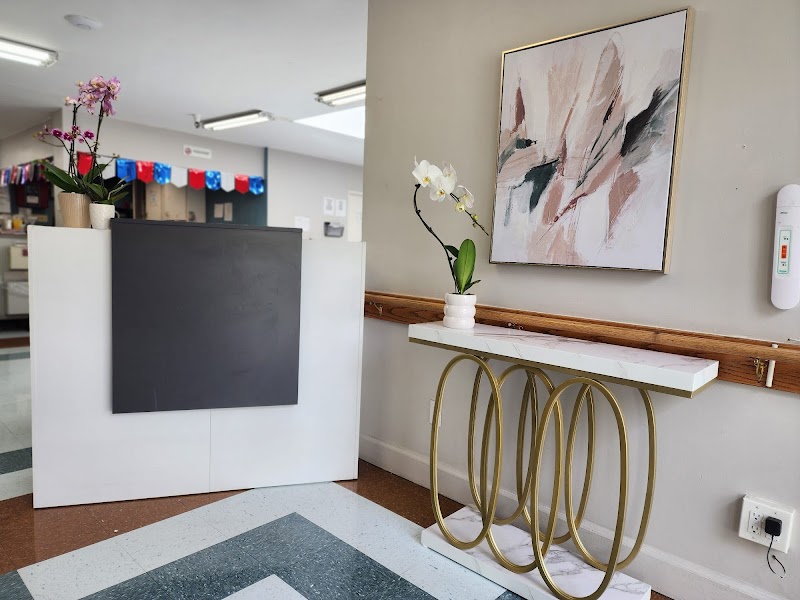
How is Ocean Park Healthcare Staffed?

CMS rates OCEAN PARK HEALTHCARE's staffing level at 4 out of 5 stars, which is above average compared to other nursing homes. Staff turnover is 18%, compared to the California average of 46%. This relatively stable workforce can support continuity of care.

What Have Inspectors Found at Ocean Park Healthcare?

State health inspectors documented 60 deficiencies at OCEAN PARK HEALTHCARE during 2022 to 2025. These included: 1 that caused actual resident harm, 57 with potential for harm, and 2 minor or isolated issues. Deficiencies causing actual harm indicate documented cases where residents experienced negative health consequences.
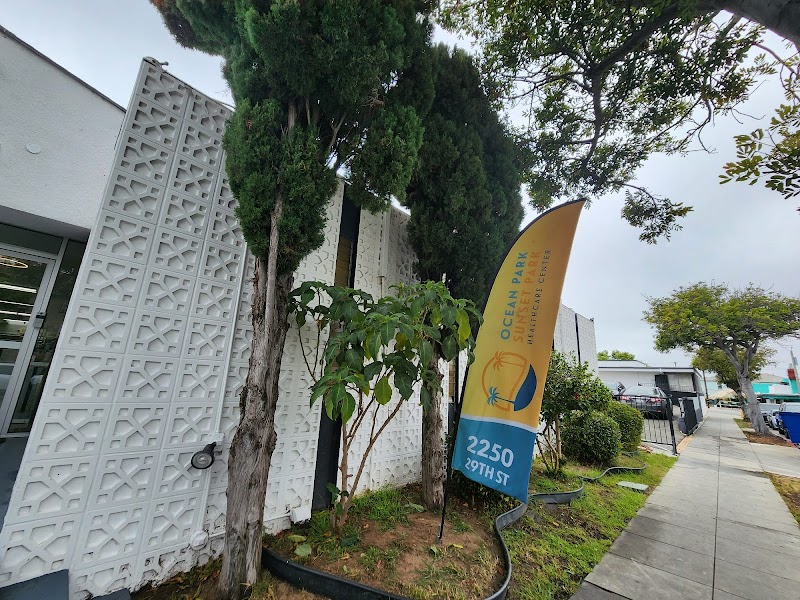
Who Owns and Operates Ocean Park Healthcare?

OCEAN PARK HEALTHCARE is owned by a for-profit company. For-profit facilities operate as businesses with obligations to shareholders or private owners. The facility is operated by ABRAHAM BAK & MENACHEM GASTWIRTH, a chain that manages multiple nursing homes. With 41 certified beds and approximately 37 residents (about 90% occupancy), it is a smaller facility located in SANTA MONICA, California.
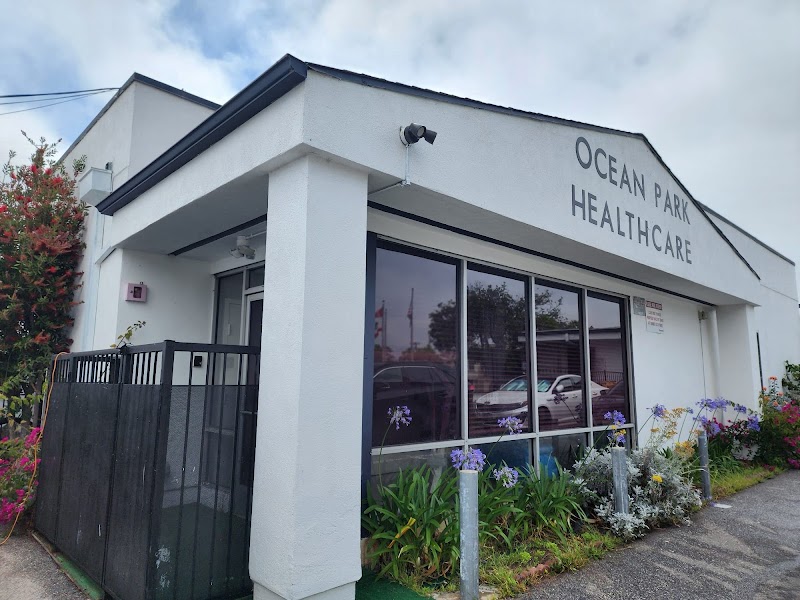
How Does Ocean Park Healthcare Compare to Other California Nursing Homes?

Compared to the 100 nursing homes in California, OCEAN PARK HEALTHCARE's overall rating (2 stars) is below the state average of 3.1, staff turnover (18%) is significantly lower than the state average of 46%, and health inspection rating (2 stars) is below the national benchmark.

What Should Families Ask When Visiting Ocean Park Healthcare?

Based on this facility's data, families visiting should ask: "Can I visit during a mealtime to observe dining assistance and food quality?" "How do you handle medical emergencies, and what is your hospital transfer rate?" "Can I speak with family members of current residents about their experience?"

Is Ocean Park Healthcare Safe?

Based on CMS inspection data, OCEAN PARK HEALTHCARE has a clean safety record: no substantiated abuse findings (meaning no confirmed cases of resident harm), no Immediate Jeopardy citations (the most serious violation level indicating risk of serious injury or death), and is not on the Special Focus Facility watch list (a federal program monitoring the lowest-performing 1% of nursing homes). The facility has a 2-star overall rating and ranks #100 of 100 nursing homes in California. While no facility is perfect, families should still ask about staff-to-resident ratios and recent inspection results during their visit.

Do Nurses at Ocean Park Healthcare Stick Around?

Staff at OCEAN PARK HEALTHCARE tend to stick around. With a turnover rate of 18%, the facility is 28 percentage points below the California average of 46%. Low turnover is a positive sign. It means caregivers have time to learn each resident's needs, medications, and personal preferences. Consistent staff also notice subtle changes in a resident's condition more quickly.

Was Ocean Park Healthcare Ever Fined?

OCEAN PARK HEALTHCARE has been fined $12,735 across 1 penalty action. This is below the California average of $33,206. While any fine indicates a compliance issue, fines under $50,000 are relatively common and typically reflect isolated problems that were subsequently corrected. Families should ask what specific issues led to these fines and confirm they've been resolved.

Is Ocean Park Healthcare on Any Federal Watch List?

OCEAN PARK HEALTHCARE is not on any federal watch list. The most significant is the Special Focus Facility (SFF) program, which identifies the bottom 1% of nursing homes nationally based on persistent, serious quality problems. Not being on this list means the facility has avoided the pattern of deficiencies that triggers enhanced federal oversight. This is a positive indicator, though families should still review the facility's inspection history directly.