OCEAN POINTE HEALTHCARE CENTER
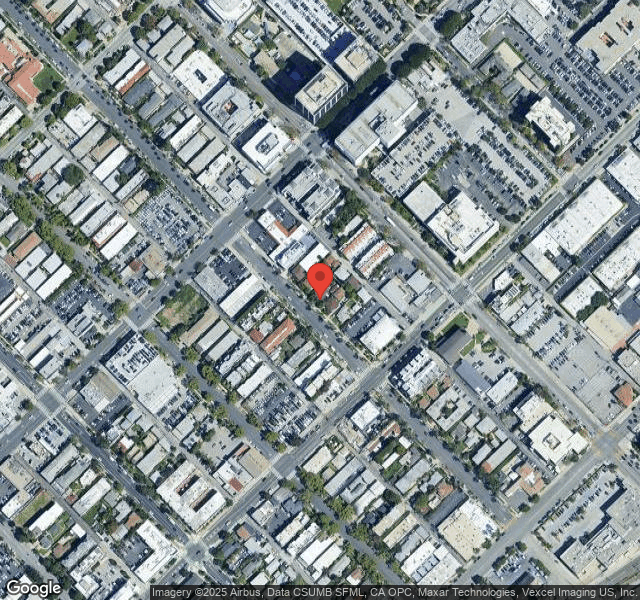
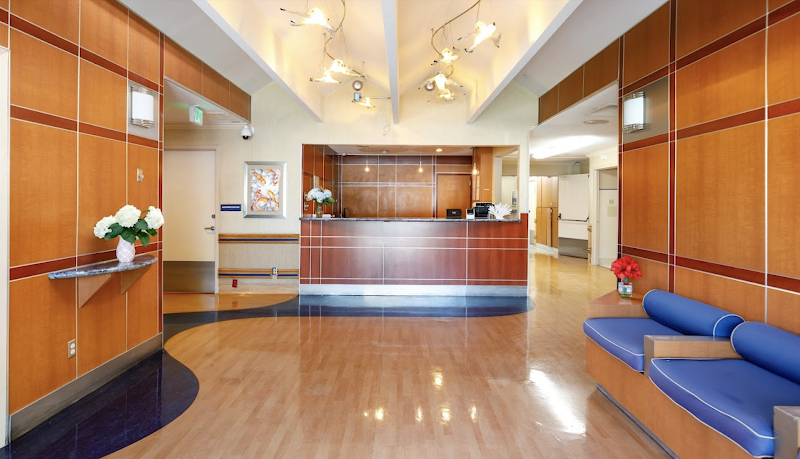
1330 17TH STREET, SANTA MONICA, CA 90404 (310) 829-5411
For profit - Individual 72 Beds ASPEN SKILLED HEALTHCARE Data: November 2025 2 Immediate Jeopardy citations
Trust Grade
16/100
#867 of 1155 in CA
Last Inspection: March 2025

Within standard 12-15 month inspection cycle. Federal law requires annual inspections.

Overview

Ocean Pointe Healthcare Center in Santa Monica has received a Trust Grade of F, indicating significant concerns about the facility's quality of care. It ranks #867 out of 1155 nursing homes in California, placing it in the bottom half of available options, and #219 out of 369 in Los Angeles County, meaning only a few local facilities are rated worse. While the facility's overall trend is improving, having decreased from 16 issues in 2024 to 13 in 2025, it still has a concerning total of 56 deficiencies, including two critical incidents. Staffing is average with a 40% turnover rate, and RN coverage is also average, but the facility has incurred $55,450 in fines, which is higher than 88% of California facilities, indicating ongoing compliance issues. Specific incidents include a failure to provide an alternate call system, leaving several residents without timely assistance and one resident in significant pain, and missing records related to daily nurse staffing data which raises concerns about transparency and accountability.

Trust Score
F
16/100
In California
#867/1155
Bottom 25%
Safety Record
High Risk
Review needed
Inspections
Getting Better
16 → 13 violations
Staff Stability
○ Average
40% turnover. Near California's 48% average. Typical for the industry.
Penalties
✓ Good
$55,450 in fines. Lower than most California facilities. Relatively clean record.
Skilled Nurses
○ Average
Each resident gets 31 minutes of Registered Nurse (RN) attention daily — about average for California. RNs are the most trained staff who monitor for health changes.
Violations
⚠ Watch
56 deficiencies on record. Higher than average. Multiple issues found across inspections.
★★☆☆☆
2.0
Overall Rating
★★★☆☆
3.0
Staff Levels
★★★☆☆
3.0
Care Quality
★★☆☆☆
2.0
Inspection Score
Stable
2024: 16 issues
2025: 13 issues

The Good

  • Full Sprinkler Coverage · Fire safety systems throughout facility
  • No fines on record
  • Staff turnover below average (40%)

    8 points below California average of 48%

Facility shows strength in fire safety.

The Bad

2-Star Overall Rating

Below California average (3.1)

Below average - review inspection findings carefully

Staff Turnover: 40%

Near California avg (46%)

Typical for the industry

Federal Fines: $55,450

Above median ($33,413)

Moderate penalties - review what triggered them

Chain: ASPEN SKILLED HEALTHCARE

Part of a multi-facility chain

Ask about local staffing decisions and management

The Ugly 56 deficiencies on record

2 life-threatening
Sept 2025 1 deficiency
CONCERN (D) 📢 Someone Reported This

A family member, employee, or ombudsman was alarmed enough to file a formal complaint

Potential for Harm - no one hurt, but risky conditions existed

Medical Records (Tag F0842)

Could have caused harm · This affected 1 resident

**NOTE- TERMS IN BRACKETS HAVE BEEN EDITED TO PROTECT CONFIDENTIALITY** 72543(b) Based on observation, interview and record review, the facility failed to maintain medical records for one out of three...

Read full inspector narrative →
**NOTE- TERMS IN BRACKETS HAVE BEEN EDITED TO PROTECT CONFIDENTIALITY** 72543(b) Based on observation, interview and record review, the facility failed to maintain medical records for one out of three residents (Resident 1) in accordance with accepted professional standards and practices by ensuring accurate documentation. This failure resulted in the facility's failure to reflect Resident 1's condition and care services provided across all disciplines when Resident 1 had a Change of Condition (COC- a sudden clinically important decline from a patient's baseline in physical, cognitive, behavioral, or functional abilities) as transferred to General Acute Care Hospital (GACH) on 8/3/2025.During a review of the admission record for Resident 3 indicated Resident 3 was initially admitted to the facility on [DATE] and readmitted on [DATE] with diagnoses including left and right rim of pubis (bone located in the front part of the pelvis [bony structure inside your hips, buttocks and pubic region]) fractures (break in bone), cerebral infarction (ischemic stroke - is the death of brain tissue due to a blocked artery that cuts off blood supply), and dysphagia (difficulty swallowing). During a review of Resident 1 ' s Minimum Data Set (MDS - a resident assessment tool) dated 8/16/2025, indicated Resident 1 had severe cognitive impairment (a person has great difficulty with thinking, learning, remembering, and making decisions, to the point where they can't live independently). The same MDS indicated Resident 1 required between partial/moderate substantial/maximal assistance for his Activities of Daily Living such as: (ADLs­ routine tasks/activities such as toileting hygiene, shower/bathe self, personal hygiene, lower/upper body dressing, putting on/taking off footwear). During a review of the 911 (universal phone number in the U.S. and Canada to connect you to a trained dispatcher who can send police, fire, or medical help to your location) run sheet dated 8/3/2025 indicated, the paramedics arrived at the facility at 12:13 am and were notified by the nursing staff that Resident 1's oxygen saturation (the amount of oxygen carried by red blood cells) had dipped below her (Resident 1) normal (normal levels between 92% to 100%) and was also complaining of pain throughout her (Resident 1) body. During a review of the GACH Emergency Department (ED) report with a service date of 8/3/2025 indicated, Resident 1's chief complaint was shortness of breath and generalized body aches. The same report indicated that Resident 1's oxygen saturation was at 86% while at the facility. During a review of the hospitalist progress notes dated 8/4/2025 indicated, Patient (Resident 1) got very hypoxic (a condition or situation where there is an inadequate supply of oxygen reaching the body's tissues and cells) and came into the hospital which shows bilateral extensive pulmonary embolism (a large, high-risk blockage of one or more pulmonary arteries in the lungs, usually caused by a blood clot that traveled from the deep veins of the legs or pelvis). Patient (Resident 1) now being admitted for treatment of pulmonary embolism. During an interview with Licensed Vocational Nurse (LVN) 3 on 9/29/2025 at 1:08 pm, LVN 3 stated that when there is a COC, a COC form must be completed within an hour in the resident's chart. LVN 3 stated that it was very important to document because it helped people such as the healthcare team understand what was going on with the resident. LVN 3 stated that that on 8/3/2025 around 11:30 pm, Resident 1 was observed to be crying and complained that she had pain in her chest. LVN 3 stated that Resident 1 was noted to have an oxygen saturation of 82% and 911 was called. During a concurrent interview and record review of Resident 1's chart with the Registered Nurse Supervisor (RNS) 2 on 9/30/2025 at 2:47 pm, RNS 2 stated that whenever there was a COC with a resident, the following actions must be taken: assess the resident, notify the physician, notify the resident's family, documentation such as inter act transfer form, progress notes, and/or physician orders to transfer resident to GACH if applicable . RNS 2 confirmed that there was no documented evidence of Resident 1's COC, no progress notes, and no orders for Resident 1 for transfer to GACH. RNS 2 stated that the importance of documentation is to ensure that there is documented evidence that implementations for life safety and preservation of the residents' health were carried out. During a review of the Policy and Procedure (P&P) titled Change in a Resident's Condition or Status, revised 1/30/2025, indicated, Our facility shall promptly notify the resident, his or her Attending Physician, and representative (sponsor) of changes in the resident's medical/mental condition and/or status (e.g., changes in level of care, billing/payments, resident rights, etc.). the same P&P indicated under policy interpretation and implementation the followingThe nurse will notify the resident's Attending Physician or physician on call when there has been a(an):- accident or incident involving the resident.- discovery of injuries of an unknown source.- adverse reaction to medication.- significant change in the resident's physical/emotional/mental condition.- need to alter the resident's medical treatment significantly.- refusal of treatment or medications two (2) or more consecutive times);- need to transfer the resident to a hospital/treatment center.- specific instruction to notify the Physician of changes in the resident's condition. During a review of a P&P titled Charting and Documentation, revised 1/30/2025, indicated, All services provided to the resident, progress toward the care plan goals, or any changes in the resident's medical, physical, functional or psychosocial condition, shall be documented in the resident's medical record. The medical record should facilitate communication between the interdisciplinary team regarding the resident's condition and response to care. The same P&P indicated information such as change in condition, events, incidents, accidents, and objective observations is to be documented in the resident medical records.
Mar 2025 9 deficiencies
CONCERN (D)

Potential for Harm - no one hurt, but risky conditions existed

Transfer Notice (Tag F0623)

Could have caused harm · This affected 1 resident

Based on interview and record review, the facility failed to ensure a resident's written notice of transfer was provided to the resident's responsible party as soon as practicable for one (1) out of t...

Read full inspector narrative →
Based on interview and record review, the facility failed to ensure a resident's written notice of transfer was provided to the resident's responsible party as soon as practicable for one (1) out of the three residents (Resident 13). This deficient practice had the potential to result in the resident's responsible party being unaware on the resident's status and whereabouts, on how to contact the State Long Term Care Ombudsman (public advocate), and on how to appeal the transfer if necessary. Findings: During a record review, Resident 13's admission Record indicated that the facility originally admitted Resident 13 on 12/27/2014, and readmitted the resident on 11/28/2024, with diagnoses including ESRD (End Stage Renal Disease-irreversible kidney failure), dependence on renal dialysis (a treatment to cleanse the blood of wastes and extra fluids artificially through a machine when the kidney(s) have failed) and dementia (a progressive state of decline in mental abilities). During a record review, Resident 13's Minimum Data Set (MDS- a resident assessment tool) dated 12/3/2024, indicated the resident's cognitive skills (brain's ability to think, read, learn, remember, reason, express thoughts, and make decisions) for daily decision making was severely impaired. The MDS indicated Resident 13 required total assistance from staff for all Activities of Daily Living (ADLs- activities such as bathing, dressing and toileting a person performs daily). During a record review, Resident 13's Physician orders dated 12/3/2024, indicated to transfer Resident 13 to General Acute Care Hospital (GACH) emergency room due to altered mental status (AMS - a change in a person's mental state, including their level of consciousness, cognitive function, and behavior) for further evaluation and treatment via 911 (a emergency telephone number used to reach emergency medical, fire, and police services). During a record review of Resident 13's Progress Note, dated 12/4/2024, indicated at 5:15 PM that on 12/3/2024 Resident 13 returned to the facility from dialysis. On the same day at 8 PM, the resident was noted to have altered mental status, weakness and was not following verbal commands. On the same day at 8:45 PM the resident's blood pressure was 60/40 (normal 120/80) millimeters of mercury (mmHg- unit of measurement). The paramedics arrived and the resident was then transferred to a GACH. During a record review of Resident 13's electronic health record (EHR) indicated there was no Notice of Proposed Transfer/Discharge form that addressed Resident 13's transfer on 12/3/2024. During a record review of Resident 13's Skilled Nursing Facility/Nursing Facility (SNF/NF) to Hospital Transfer Form, dated 12/3/2024, indicated Resident 13 was transferred to the GACH on 12/3/2024 at 9:15 PM. During a interview and concurrent record review on 03/20/2025 at 10:32 AM Resident 13's EHR was reviewed with the Director of Nursing (DON). The DON stated Resident 13 was first admitted in 2012. Resident 13 was going to dialysis and had a feeding tube. The DON further stated Resident 13 was transferred to a GACH for hypotension (low blood pressure) and AMS via 911. The DON further stated neither the ombudsman nor Resident 13's responsible party was sent a written notice of the transfer and it was the facility's practice to not send a Notice of Proposed Transfer or Discharge to the ombudsman or the resident's responsible party when the resident was transferred due to an emergency situation. During an interview on 3/20/2025 at 11:04 AM, the Medical Records Director (MRD) stated a notice of transfer sent to the ombudsman for Resident 13. The MRD further stated facility staff do not send a transfer notice when the resent is transferred emergently. During a record review, the federal guidelines indicated that, Before a facility transfers or discharges a resident, the facility must notify the resident and the resident's representative(s) of the transfer or discharge and the reasons for the move in writing and in a language and manner they understand. Notice must be made as soon as practicable before transfer or discharge when an immediate transfer or discharge is required by the resident's urgent medical needs and the facility must send a copy of the notice to a representative of the Office of the State Long-Term Care Ombudsman. During a record review, the facility policy and procedures titled, Transfer or Discharge Notice, reviewed 1/30/2025, indicated, Our facility shall provide a resident and or the residence representative(sponsor), with a thirty (30)-day written notice of an impending transfer or discharge. The P&P also indicated Under the following circumstances, the notice will be given as soon as it is practicable but before the transfer or discharge: a. The transfer is necessary for the resident's welfare and the resident's needs cannot be met in the facility; b. The transfer or discharge is appropriate because the resident's health has improved sufficiently so the resident no longer needs the services provided by the facility; c. The safety of individuals in the facility is endangered; d. The health of individuals in the facility would otherwise be endangered; e. The resident has failed, after reasonable and appropriate notice, to pay for ( or to have paid under Medicare or Medicaid) a stay at the facility; f. An immediate transfer or discharge is required by the resident's urgent medical needs; g. The resident has not resided in the facility for thirty (30) days; and/or h. The facility ceases to operate.
CONCERN (D)

Potential for Harm - no one hurt, but risky conditions existed

Accident Prevention (Tag F0689)

Could have caused harm · This affected 1 resident

Based on observation, interview, and record review, the facility failed to ensure one of two residents (Resident 30) had bilateral floor mats per the physician order and the resident's high risk for f...

Read full inspector narrative →
Based on observation, interview, and record review, the facility failed to ensure one of two residents (Resident 30) had bilateral floor mats per the physician order and the resident's high risk for falls and injury care planned interventions. This deficient practice placed Residents 30 at risk for injury. Findings: During a record review, Resident 30's admission Record indicated the facility admitted Resident 30 on 11/5/2024 with diagnoses including dementia (a progressive state of decline in mental abilities), muscle weakness (a lack of strength in the muscles), abnormalities of gait and mobility (when the pattern in which you walk and move is not normal) and atrial fibrillation (AFib - an irregular heartbeat that can lead to blood clots and increases the risk of stroke and other heart complications) . During a record review, Resident 30's Minimum Data Set (MDS - a resident assessment tool) dated 2/8/2025, indicated Resident 30 had moderate impaired cognition (ability to think, understand, and reason). The MDS further indicated Resident 30 required supervision to moderate assistance with Activities of Daily Living (ADLs- activities such as bathing, dressing and toileting a person performs daily). During a record review, Resident 30's Physician orders, dated 11/5/2024, indicated to use bilateral (both sides) floor mat for fall management. During a record review, Resident 30's fall risk assessment, dated 2/7/2025, indicated Resident 30 was a high risk for falling. During a record review, Resident 30's High Risk for Falls and Injury care plan, initiated 11/5/2024, indicated Resident 30 was at risk for falls due to the resident's diagnoses of AFib, dementia and an indwelling urinary catheter (a hollow tube inserted into the bladder to drain or collect urine). The goal was for the facility to prevent the resident from falls and injury. The care planned interventions indicated staff were to place bilateral floor mats as ordered and to explain care and procedures to be done. During an observation on 3/18/2025 at 9:15 AM, Resident 30 was observed lying in bed with a bed pad alarm (a pad with sensors that will alarm when a resident stands up unassisted to help prevent falls by alerting staff) attached to the resident's bed. There were no floor mats on either side of Resident 30's bed. During a concurrent observation and concurrent interview on 3/18/2025 at 10:32 AM, with the Licensed Vocational Nurse (LVN) 1, LVN 1 stated Resident 30's floor mats were not in place. LVN 1 stated Resident 30 should have bilateral floor mats. LVN 1 further stated Resident 30 has an order for floor mats to protect the resident from injury. During an interview on 3/21/2025 at 11:48 AM, the Director of Nursing (DON) stated Resident 30 overestimated their capacity to walk and transfer and the resident had one previous fall in the facility. The DON further stated Resident 30 had an order for fall mats and the resident was at an increase risk for injury if the fall mats were not in place. During a record review, the facility's policy and procedures titled, Falls Management, reviewed 1/30/2025, indicated the purpose of this policy is to provide residents with hazard free environment, adequate supervision and reduce risk factors leading to falls and injury. The P&P also indicated, The facility will provide residents with adequate supervision and assistive device to prevent accidents. The P&P further indicated, the Interdisciplinary Team will reassess the risk factors contributing to falls and interventions to minimize recurrence of falls and injury during the initial, quarterly and annual assessment, post fall and when a significant change of condition is identified.
CONCERN (D)

Potential for Harm - no one hurt, but risky conditions existed

Deficiency F0692 (Tag F0692)

Could have caused harm · This affected 1 resident

Based on observation, interview, and record review, the facility failed to label enteral hydration for one of sixteen sampled residents (Resident 162). These deficient practices had the potential to c...

Read full inspector narrative →
Based on observation, interview, and record review, the facility failed to label enteral hydration for one of sixteen sampled residents (Resident 162). These deficient practices had the potential to cause complications associated with enteral (delivery of nutrients or medications through the gastrointestinal tract, via a tube.) feeding, including infection and/or possible hospitalization. Findings: During a record review, Resident 162's admission Record indicated the facility admitted Resident 162 on 3/17/2025 with diagnoses including moderate protein-calorie malnutrition (deficiency of both protein and energy [calories] in the diet, leading to a weight loss of 75% (percent) to 85% of expected weight for length or height), gastrostomy status (a surgical opening, or stoma, directly into the stomach), adult failure to thrive (decline in older adults, characterized by weight loss, poor nutrition, decreased appetite, and inactivity, often accompanied by dehydration, depression, impaired immune function, and low cholesterol), methicillin resistant staphylococcus aureus infection (MRSA- a type of bacteria that has become resistant to many common antibiotics, making infections harder to treat.), dysphagia (difficulty swallowing) and chronic kidney disease stage 3 (a moderate loss of kidney function, indicating some kidney damage.) During a record review, Resident 162's physician progress notes dated 3/20/2025, indicated Resident 162 did not have the capacity to understand and make decisions. During a record review, Resident 162's active orders dated 3/21/2025, indicated enteral feed order every shift cyclic (delivered continuously) H2O (water) @ (at) 200ml (millimeters - unit of measure)/8hours (hrs-duration of time) to provide 600ml via enteral pump in 24 hours. During a facility tour on 3/18/2025 at 9:35AM, Resident 162 was observed receiving enteral hydration via g-tube (gastric tube - A tube inserted through the wall of the abdomen directly into the stomach for nutrition, medication, and hydration) the hydration bag was not labeled. During a concurrent observation and interview on 3/18/2025 at 10:35AM Registered Nurse Supervisor (RNS) 1 stated Resident 162's enteral hydration is supposed to be labeled indicating Resident's name, date, time hydration was initiated and the rate of the enteral hydration. RNS1 further stated not labeling the enteral hydration placed Resident 162 at risk of not receiving fresh enteral hydration because there is not date and time on the hydration prompting the nurse to know when to change the hydration. During an interview ON 3/21/2025 AT 1:35 PM, the Director of Nursing (DON) stated the importance of labeling the enteral hydration is to ensure it is changed everyday to prevent gastrointestinal (GI) issues such as bacterial growth. DON During a record review, the facility's policy and procedure titled, Enteral Formulas, Administration of Closed System reviewed 1/30/2025, indicated, This policy provides a means to safely administer a complete nutritional feeding to the Resident . in a closed container system protecting from exposure to harmful contaminants. Label container with resident's name, room#, date, starting time, rate @ml/hr and your (staff) initials.
CONCERN (D)

Potential for Harm - no one hurt, but risky conditions existed

Tube Feeding (Tag F0693)

Could have caused harm · This affected 1 resident

Based on observation, interview, and record review, the facility failed to label enteral hydration for one of sixteen sampled residents (Resident 162). These deficient practices had the potential to c...

Read full inspector narrative →
Based on observation, interview, and record review, the facility failed to label enteral hydration for one of sixteen sampled residents (Resident 162). These deficient practices had the potential to cause complications associated with enteral (delivery of nutrients or medications through the gastrointestinal tract, via a tube.) feeding, including infection and/or possible hospitalization. Findings: During a record review, Resident 162's admission Record indicated the facility admitted Resident 162 on 3/17/2025 with diagnoses including moderate protein-calorie malnutrition (deficiency of both protein and energy [calories] in the diet, leading to a weight loss of 75% (percent) to 85% of expected weight for length or height), gastrostomy status (a surgical opening, or stoma, directly into the stomach), adult failure to thrive (decline in older adults, characterized by weight loss, poor nutrition, decreased appetite, and inactivity, often accompanied by dehydration, depression, impaired immune function, and low cholesterol), methicillin resistant staphylococcus aureus infection (MRSA- a type of bacteria that has become resistant to many common antibiotics, making infections harder to treat.), dysphagia (difficulty swallowing) and chronic kidney disease stage 3 (a moderate loss of kidney function, indicating some kidney damage.) During a record review, Resident 162's physician progress notes dated 3/20/2025, indicated Resident 162 did not have the capacity to understand and make decisions. During a record review, Resident 162's active orders dated 3/21/2025, indicated enteral feed order every shift cyclic (delivered continuously) H2O (water) @ (at) 200ml (millimeters - unit of measure)/8hours (hrs-duration of time) to provide 600ml via enteral pump in 24 hours. During a facility tour on 3/18/2025 at 9:35AM, Resident 162 was observed receiving enteral hydration via g-tube (gastric tube - A tube inserted through the wall of the abdomen directly into the stomach for nutrition, medication, and hydration) the hydration bag was not labeled. During a concurrent observation and interview on 3/18/2025 at 10:35AM Registered Nurse Supervisor (RNS) 1 stated Resident 162's enteral hydration is supposed to be labeled indicating Resident's name, date, time hydration was initiated and the rate of the enteral hydration. RNS1 further stated not labeling the enteral hydration placed Resident 162 at risk of not receiving fresh enteral hydration because there is not date and time on the hydration prompting the nurse to know when to change the hydration. During an interview ON 3/21/2025 AT 1:35 PM, the Director of Nursing (DON) stated the importance of labeling the enteral hydration is to ensure it is changed everyday to prevent gastrointestinal (GI) issues such as bacterial growth. DON During a record review, the facility's policy and procedure titled, Enteral Formulas, Administration of Closed System reviewed 1/30/2025, indicated, This policy provides a means to safely administer a complete nutritional feeding to the Resident . in a closed container system protecting from exposure to harmful contaminants. Label container with resident's name, room#, date, starting time, rate @ml/hr and your (staff) initials.
CONCERN (E)

Potential for Harm - no one hurt, but risky conditions existed

Staffing Information (Tag F0732)

Could have caused harm · This affected multiple residents

Based on interview and record review the facility failed to: 1) Ensure staffing information on the Direct Hours Patient Day (DHPPD - a list of staff hours of direct daily care) form was completed and ...

Read full inspector narrative →
Based on interview and record review the facility failed to: 1) Ensure staffing information on the Direct Hours Patient Day (DHPPD - a list of staff hours of direct daily care) form was completed and posted in a prominent place readily accessible to residents and visitors daily. 2) Ensure daily staffing (DHPPD) form was completed and available to the public for review upon request. 3) Maintain/Retain records of the posted daily nurse staffing (DHPPD) data for a minimum of 18 months. These deficient practices misinformed all 63 residents, families, and visitors about the facility's daily nurse staffing data. Findings: During a concurrent interview and record review on 03/20/2025 at 2:40 PM with the Director Staff Development (DSD), the DSD stated DSD was responsible in filling out the DHPPD. The DSD stated the DHPPD forms for 10/11/2024, 10/12/2024, and 3/9/2025 forms were missing. The DSD stated facility should post the DHPPD form every morning and keep the records for 18 months. The DSD also stated DHPPD form should be reviewed and signed by DON or Designee and the records should be available at any time when requested. During a concurrent interview and record review on 03/20/2025 at 2:40 PM with DSD, the DSD stated the DHPPD form dated 10/31/2024 had missing information on the beginning census for 4:00 PM and missing information for admission, discharge, transfers in, transfers out, deaths, ending census at 8 AM, and 4 PM. The DSD stated the DHPPD form should be filled out completely and should have data on admissions, discharge, transfers in, transfers out, and deaths. The DSD stated the DHPPD form should have complete data. The DSD stated the facility should record the beginning census at the start of the 24-hour patient day (12 AM) and again at 8 hours (8 AM) and at 16 hours (4 PM) after the start of the 24-hour patient day. The DSD stated that throughout each shift, record admissions, discharges, transfers, and deaths or other changes in census in the last row, the total census at the end of each census period (time frame) should be entered. During a concurrent interview and record review on 03/20/2025 at 2:40 PM with DSD, the DSD stated the DHPPD form dated 5/31/2024, and 1/28/2025 had missing actual direct care service hours (total time spent by direct caregivers providing hands-on patient care in a 24-hour period) and the total CNA direct care services hours for the entire patient day. DSD stated the average patient census was automatically calculated as the sum of the beginning census of the three census periods divided by three. DSD stated the actual DHPPD was automatically calculated as the actual total direct care service hours divided by the average patient census. DSD stated the actual CNA DHPPD was automatically calculated as the actual total CNA direct care service hours divided by the average patient census. The DSD stated completing the DHPPD form ensured there was enough staff to provide patient care for the 24-hour period. DSD stated RN Supervisor from the 11 PM to 7 AM shift, the Director of Nursing (DON) and the DSD were responsible in filling out this part of the form. During a record review, the facility's DHPPD forms dated 10/11/2024, 10/12/2024, and 3/9/2025 were missing. DHPPD forms dated 5/31/2024, and 1/28/2025 both were missing actual direct care service hours. DHPPD form dated 10/31/2024, the daily census changes, and actual direct care service hours were missing. DSD stated, DHPPD forms must be completed in its entirety and kept in file for a minimum of 18 months. During a record review, the facility Policy and Procedure (P&P - policy explains the rules and presents them in a logical framework while procedures outline the step-by-step implementation of various tasks) titled Posting Direct Care Daily Staffing Numbers, reviewed on 01/30/2025 indicated, the facility will post for each shift, the number of nursing personnel responsible for providing direct care to residents daily. The P&P also indicated the staffing information records for each shift will be kept for a minimum of 18 months.
CONCERN (E)

Potential for Harm - no one hurt, but risky conditions existed

Food Safety (Tag F0812)

Could have caused harm · This affected multiple residents

Based on observation, interview, and record review, the facility failed to ensure safe and sanitary food storage and preparation practices when the facility failed to: 1. Ensure all opened food items...

Read full inspector narrative →
Based on observation, interview, and record review, the facility failed to ensure safe and sanitary food storage and preparation practices when the facility failed to: 1. Ensure all opened food items stored in one out of three reach-in refrigerators were labeled with the name of the food item, open date, and expiration date. 2. Have a room thermometer in the dry storage area. These deficient practices placed all sixty three facility residents at risk for foodborne illness which could lead to serious infections and death. Findings: During a concurrent observation and interview on 3/18/2025 at 7:50 AM with the Dietary Supervisor (DS), the facility's Reach-In Refrigerator #3 had 3 halved avocados wrapped in saran wrap. The opened avocados were not labeled with an opened date, expiration date or name of the food item. The DS stated opened avocados should be kept more than two days. The DS further stated the avocados were not labeled and are required to be once opened. The DS also stated we date opened items so that we know when it was opened and when to discard them in order to prevent contamination of the food. During the same observation, the kitchen's storage room was observed to not contain a thermometer. The DS stated the storage room did not have a thermometer. The DS further stated a thermometer is needed so we know the ambient temperature in order for the food to not spoil. During an interview on 3/21/2025 at 11:52 AM, the Director of Nursing (DON) stated staff should follow safe food practices in order to prevent the spread of foodborne illness in the residents. During a record review, the facility policy and procedures (P&P) titled, Food Receiving and Storage, reviewed 1/30/2025, indicated, foods shall be received and stored in a manner that complies with safe food handling practices. The P&P also indicated non refrigerated foods, disposable dishware napkins will be stored in a designated dry storage unit which is temperature and humidity controlled, free of insects and rodents and kept clean. The P&P further indicated, all foods stored in the refrigerator or freezer will be covered, labeled and dated(use by date).
CONCERN (E)

Potential for Harm - no one hurt, but risky conditions existed

Room Equipment (Tag F0908)

Could have caused harm · This affected multiple residents

Based on observation, interview, and record review the facility failed to ensure the industrial washing machine used to wash the facility linen and residents including clothing was not leaking. This ...

Read full inspector narrative →
Based on observation, interview, and record review the facility failed to ensure the industrial washing machine used to wash the facility linen and residents including clothing was not leaking. This deficient practices had the potential to result in a significant delay in providing clean and sanitary linen for 63 of 63 medically compromised residents who depend on staff to provide a homelike environment. In addition to allowing easy access and exit to and from the dining hall for residents that chose to eat in the dining hall. Findings: During observation of the laundry room on 3/20/25 at 9:36 AM, there was a red bucket with towels placed under the bucket on the floor. The bucket was used to catch water leaking from the washing machine creating a medium to large size puddle next to and around the immediate area of the laundry machine. During an interview on 3/20/25 at 9:38 AM, Laundry Supervisor (LS) stated LS was not sure how long the laundry machine has been leaking for and that LS needed to check with Maintenance Supervisor (MS) regarding same. LS stated MS takes care of all repairs and that MS would have the details concerning the leaking laundry machine. During an interview on 3/20/25 at 10:16 AM, MS stated MS was aware that the laundry machine was leaking water. MS stated, the laundry machine needs a part to stop the leaking of the machine. MS stated MS will inform the machine repair person that comes out to the facility that the machine needs to be fixed due to leaking. During an interview on 3/20/25 at 10:17 AM, the Administrator (ADM) stated ADM was not aware of the laundry machine leaking water in the laundry room. The ADM stated he will check to see if anything has been done about the laundry machine being repaired. The ADM stated the damaged machine has not been reported to him. The ADM stated that he will check to see what is being done about the machine. The ADM stated if nothing is being done then he will make sure the machine will be repaired as soon as possible. The ADM stated he was not aware of the laundry room floor either, and that it will be repaired as soon as possible. During a record review, the facility Policy and Procedures (P&P) titled Maintenance Service dated reviewed 1/30/2024, indicated, Policy Statement: Maintenance service shall be provided to all areas of the building, grounds, and equipment. Policy Interpretation and Implementation 1. The maintenance department is responsible for maintaining the building, grounds, and equipment in a safe and operable manner at all times. 2. Functions of maintenance personnel include, but are not limited to: a. maintaining the building in compliance with current federal, state, and local laws, regulations, and guidelines. b. maintaining the building in good repair and free from hazards. 3. The maintenance director is responsible for developing and maintaining a schedule of maintenance service to assure that the buildings, grounds, and equipment are maintained in a safe and operable manner.
CONCERN (E)

Potential for Harm - no one hurt, but risky conditions existed

Safe Environment (Tag F0921)

Could have caused harm · This affected multiple residents

Based on observation, interview, and record review, the facility failed to ensure: 1. The floor in laundry room walkway did not have holes and was not cracked. 2. The door leading to the resident dini...

Read full inspector narrative →
Based on observation, interview, and record review, the facility failed to ensure: 1. The floor in laundry room walkway did not have holes and was not cracked. 2. The door leading to the resident dining hall was operational and functional. These deficient practices had the potential for injury to residents, staff, and guests, and interfere with the residents, staff, guests to safely enter or exit through the door. Findings: 1. During observation of the laundry room on 3/20/25 at 9:36 AM, the floor in front of the industrial laundry machine was cracked and had medium to large size holes in the concrete floor just in front of the washing machine. During an interview on 3/20/25 at 9:38 AM Laundry Supervisor (LS) stated the Maintenance Supervisor (MS) takes care of all repairs. The LS stated he was not aware of how long the floor have been in disrepair either because, the MS handles all the repairs in the facility. During an interview on 3/20/25 at 10:16 AM, MS stated MS was considering replacing the floor by pouring concrete on the floor instead of the ceramic tiles that currently cover the area. The MS stated, the floor has been in disrepair for a while. MS stated that MS had discussed the need for repairs with the administrator (ADM). The MS stated MS will inform the company that MS needs to put concrete on the floor to repair the holes in the walkway of the laundry room for safety reasons. During an interview on 3/20/25 at 10:17 AM, the ADM stated ADM was not aware of the holes and cracks on laundry room floor either. The ADM stated the laundry floor will be repaired as soon as possible. 2. During observation on 3/21/25 at 10:48 AM, the dining room the door that leads to the dining room from the hallway did not remain shut when closed and would not open when closed. Also, the door handle on the side facing the hallway turned in a different direction than the same door handle on the back side of the same door. During an interview on 3/21/25 at 11:32 AM The Maintenance Supervisor (MS) stated he was not aware that the door handle that leads to the dining room was malfunctioning. The MS stated MS would fix the door as soon as possible. During observation on 3/21/25 at 01:58 PM The Maintenance Supervisor (MS) replaced the door handle on the door that led to the dining hall. During a record review, the facility Policy and Procedures (P&P) titled Maintenance Service dated reviewed 1/30/2024, indicated, Policy Statement: Maintenance service shall be provided to all areas of the building, grounds, and equipment. Policy Interpretation and Implementation 1. The maintenance department is responsible for maintaining the building, grounds, and equipment in a safe and operable manner at all times. 2. Functions of maintenance personnel include, but are not limited to: a. maintaining the building in compliance with current federal, state, and local laws, regulations, and guidelines. b. maintaining the building in good repair and free from hazards. 3. The maintenance director is responsible for developing and maintaining a schedule of maintenance service to assure that the buildings, grounds, and equipment are maintained in a safe and operable manner.
MINOR (B)

Minor Issue - procedural, no safety impact

Deficiency F0912 (Tag F0912)

Minor procedural issue · This affected multiple residents

Based on observation, interview, and record review, the facility failed to ensure that 19 out of 29 resident rooms (Rooms 1, 2, 3, 4, 5, 7, 8, 9, 10, 11, 12, 15, 16, 17, 18, 19, 20, and 21) met the sq...

Read full inspector narrative →
Based on observation, interview, and record review, the facility failed to ensure that 19 out of 29 resident rooms (Rooms 1, 2, 3, 4, 5, 7, 8, 9, 10, 11, 12, 15, 16, 17, 18, 19, 20, and 21) met the square footage requirement of 80 square feet per resident in multiple resident rooms.This deficient practice had the potential to result in inadequate useable living space for the residents and working space for the health care givers.Findings:During an observation and interview on 3/18/2025, at 9:08 a.m., all rooms listed on the facility's room waiver letter were observed that enough space was provided for the care of the residents, and that the privacy curtains were provided privacy for each resident, and that the rooms had direct access to the corridors. Resident 264 her room size was adequate and that she liked her room.A review of the facility room waiver letter to Department (State Survey Agency) received and reviewed updated room waiver letter, dated 3/18/2025, submitted by the administrator, indicated resident rooms 1, 2, 3, 4, 5, 6, 7, 8, 9, 10, 11, 12, 15, 16, 17, 18, 19, 20, and 21 did not meet the minimum requirement of 80 sq. ft. per resident.The following rooms provided less than 80 square feet per resident:Rooms # Beds Sq. Ft. Sq. Ft/Bed 1 2 145 72.5 2 2 145 72.5 3 2 145 72.5 4 2 145 72.5 5 2 145 72.5 6 2 143 71.5 7 2 150 75.0 8 2 150 75.0 9 2 145 72.510 2 150 75.011 2 150 75.012 2 150 75.015 2 150 75.016 2 150 75.017 2 145 72.518 2 145 72.519 2 143 71.520 2 145 72.521 2 150 75.0 During an observation and interview on 3/20/2025 at 9:07 a.m., Resident 37 stated she walks with a hemi-walker (a mobility device) and left side paralysis due to strokeDuring a record review, the facility's room waiver letter indicated each room listed on the attached Client Accommodation Analysis had no projections or other obstruction to interfere with free movement of wheelchairs and/ or sitting devices. The letter also indicated there is enough space to provide for each Resident's care dignity and privacy and that the rooms are in accordance with the special needs of the residents and would not have an adverse his or her highest practicable well-being. All measures will be taken to assure the comfort of each resident. The granting of this Variance will not adversely affect the Resident's health and safety and will be accordance with any special needs of each resident.
Jan 2025 3 deficiencies
CONCERN (D) 📢 Someone Reported This

A family member, employee, or ombudsman was alarmed enough to file a formal complaint

Potential for Harm - no one hurt, but risky conditions existed

Free from Abuse/Neglect (Tag F0600)

Could have caused harm · This affected 1 resident

**NOTE- TERMS IN BRACKETS HAVE BEEN EDITED TO PROTECT CONFIDENTIALITY** Based on interview, and record review, the facility failed to ensure one of one sampled resident (Resident 1) was properly super...

Read full inspector narrative →
**NOTE- TERMS IN BRACKETS HAVE BEEN EDITED TO PROTECT CONFIDENTIALITY** Based on interview, and record review, the facility failed to ensure one of one sampled resident (Resident 1) was properly supervised and monitored for safety after the facility was notified of Resident 1's Family Member 2's (FM 2) had a case order with the Adult Protective Services (APS - a social services program focused on helping elderly adults and adults with disabilities live with dignity and respect by investigating allegations of abuse, neglect, self-neglect and exploitation). This deficient practice placed Resident 1 at risk of abuse and neglect. Cross reference to F656 Findings: A review of the admission Record indicated Resident 1 was originally admitted to the facility on [DATE] and readmitted on [DATE] with diagnosis including ESRD (End Stage Renal Disease-irreversible kidney failure), chronic obstructive pulmonary disease (COPD-a chronic lung disease causing difficulty in breathing) and anxiety disorder (a mental health disorder characterized by feelings of worry, anxiety or fear that are strong enough to interfere with one's daily activities). A review of the Minimum Data Set (MDS - resident assessment tool) dated 12/23/2024, indicated Resident 1's cognitive (mental action or process of acquiring knowledge and understanding) skills for daily decisions was mildly impaired. The MDS indicated Resident 1 required moderate to maximal assistance from staff for activities of daily living (ADLs- routine tasks/activities such as bathing, dressing and toileting a person performs daily to care for themselves). A review of Resident 1's Progress Notes dated 7/6/2023 indicated, APS Supervisor 1 (APSS1) called to follow-up with Resident (1). A review of Resident 1's Social Worker Progress Notes (SWPN) from General Acute Care Hospital 1 (GACH 1) on 9/1/2024 indicated, Patient (Resident 1) has an active case with APS . APSS1 confirmed APS has been following case on/off for about 6 months and follow closely. Write also provided handoff to facility Social Services team upon most recent discharge to Skilled Nursing Facility. A review of Resident 1's Referral notes from GACH 1 on 10/7/2024 indicated, Patient (Resident 1) FM 2 who is the subject of multiple APS reports attempted to take patient (Resident 1) out of the facility without staff knowledge/approval. This was discussed with facility Social Worker (Social Services Assistant - SSA) and Social Services Director (SSD) who were aware of the previous APS reports. A review of Resident 1's electronic and paper clinical record as of 1/24/2025 indicated, there was no documentation that the facility followed up on GACH 1's referral and handoff report regarding the APS case report on Resident 1's FM 2. A review of Resident 1's electronic and paper clinical record as of 1/24/2025 indicated, there was no CP developed regarding FM2's APS allegation report. During an interview with APSS1 on 1/24/2025 at 11:33 a.m., APSS1 stated and confirmed, there are APS cases reported against FM 2 for about 20 years, and they have been closely monitoring FM 2. During an interview with Registered Nurse 1 (RN 1) on 1/24/2025 at 12:01 p.m., RN 1 stated, FM 2 often visits Resident 1 in the facility during admission. FM 2 stated, she is not aware of any APS report regarding FM 2 and there was no CP developed with interventions that they need to follow for Resident 1's safety. During an interview with SSA on 1/24/2024 at 3:06 p.m., SSA stated, she was aware of FM 2's APS case report from GACH 1. SSA stated, she mentioned it to the staff but did not document anything about it. SSA stated, they should have documented and developed a CP to monitor FM 2 to ensure Resident 1's safety. During an interview with Director of Nursing (DON) on 1/24/2025 at 2:13 p.m., DON stated, there should be a follow-up documented regarding monitoring Resident 1's FM2 regarding APS report case. DON stated, there was no CP developed regarding FM 2's APS case and they should have developed a CP so that all staff are in the same page in regarding Resident 1's safety. A review of the facility's policy and procedure (P&P), titled, Abuse Investigation and Reporting, reviewed on 4/2024, the P&P indicated that, All reports of resident abuse, neglect, exploitation, misappropriation of resident property, mistreatment and/or injuries of unknown source (abuse) shall be promptly reported to local, state and federal agencies (as defined by current regulations) and thoroughly investigated by facility management. Findings of abuse investigations will also be reported . The Administrator will ensure that any further potential abuse, neglect exploitation or mistreatment is prevented.
CONCERN (D) 📢 Someone Reported This

A family member, employee, or ombudsman was alarmed enough to file a formal complaint

Potential for Harm - no one hurt, but risky conditions existed

Deficiency F0624 (Tag F0624)

Could have caused harm · This affected 1 resident

**NOTE- TERMS IN BRACKETS HAVE BEEN EDITED TO PROTECT CONFIDENTIALITY** Based on interview and record review, the facility failed to ensure safe and orderly discharge from the facility to home for one...

Read full inspector narrative →
**NOTE- TERMS IN BRACKETS HAVE BEEN EDITED TO PROTECT CONFIDENTIALITY** Based on interview and record review, the facility failed to ensure safe and orderly discharge from the facility to home for one of four sampled residents (Resident 1) by failing to: 1. Properly discharge Resident 1's without completing a pre-dialysis and post-dialysis assessment after resident's dialysis treatment on 12/30/2024. 2. Complete a discharge plan summary upon Resident 1's discharge to home on [DATE]. 3. Complete an Interdisciplinary Team (IDT - a group of dedicated healthcare professionals who work to bring knowledge together to help residents receive the care they need) meeting for Resident 1's discharge planning according to facility's policy and procedure (P&P). These deficient practices had the potential to result in incomplete or ineffective discharge planning and can lead to lack of necessary care for Resident 1 after discharge. Findings: A review of the admission Record indicated Resident 1 was originally admitted to the facility on [DATE] and readmitted on [DATE] with diagnosis including ESRD (End Stage Renal Disease-irreversible kidney failure), chronic obstructive pulmonary disease (COPD-a chronic lung disease causing difficulty in breathing) and anxiety disorder (a mental health disorder characterized by feelings of worry, anxiety or fear that are strong enough to interfere with one's daily activities). A review of the Minimum Data Set (MDS - resident assessment tool) dated 12/23/2024, indicated Resident 1's cognitive (mental action or process of acquiring knowledge and understanding) skills for daily decisions was mildly impaired. The MDS indicated Resident 1 required moderate to maximal assistance from staff for activities of daily living (ADLs- routine tasks/activities such as bathing, dressing and toileting a person performs daily to care for themselves) and Resident 1 uses manual wheelchair and walker for device and aids used for mobility. A review of Resident 1's electronic and paper clinical record as of 1/24/2025 indicated, there was no pre- dialysis assessment, dialysis unit assessment and post-dialysis assessment on 12/30/2024 completed. The electronic and paper medical record also indicated, there was no IDT meeting done prior to Resident 1's discharge. A review of Resident 1's Progress Notes dated 12/30/2024 indicated, Social Services Assistant (SSA) documented, Resident (1) was discharge to home after her dialysis treatment. The Progress Notes did not indicate any Nurse's Notes regarding Resident 1's discharge on [DATE]. During an interview with Registered Nurse 1 (RN 1) on 1/24/2025 at 12:01 p.m., RN 1 stated, after dialysis, residents must be assessed after dialysis, and they fill out a form where they document their assessment of the vital signs, any signs of bleeding, skin assessment and to monitor for any change of condition. RN 1 reviewed Resident 1's medical record and stated, Resident 1 was sent home after dialysis on 12/30/2024 and there was no documentation that they did a post-assessment dialysis. RN 1 further stated, there was no discharge assessment form completed and there was no discharge summary completed upon Resident 1's discharge to home. During an interview with SSA on 1/24/2024 at 3:06 p.m., SSA stated, Resident 1 was discharged to home on [DATE] and she assisted with setting up home health agency. SSA stated, she discussed discharge planning with Resident 1, but did not document it. SSA stated and confirmed, there was not an IDT meeting for discharge planning for Resident 1. During an interview with Director of Nursing (DON) on 1/24/2025 at 1:12 p.m., DON stated, Resident 1's post dialysis assessment and discharge summary form assessment was not done upon Resident 1's discharge which placed her (Resident 1) at risk for harm due to unsafe discharge. A review of the facility's policy and procedure (P&P), titled, Discharge Summary and Plan, revised on 4/2024, the P&P indicated that, When a resident's discharge is anticipated, a discharge summary and post-discharge plan will be developed to assist the resident to adjust to his/her new living environment . Every resident will be evaluated for his or her discharge needs and will have an individualized postdischarge plan. The post-discharge plan will be developed by the Care Planning/Interdisciplinary Team with the assistance of the resident and his or her family . A copy of the following will be provided to the resident and receiving facility and a copy will be filed in the resident's medical records: a. An evaluation of the resident's discharge needs; b. The post-discharge plan; and c. The discharge summary.
CONCERN (D) 📢 Someone Reported This

A family member, employee, or ombudsman was alarmed enough to file a formal complaint

Potential for Harm - no one hurt, but risky conditions existed

Comprehensive Care Plan (Tag F0656)

Could have caused harm · This affected 1 resident

**NOTE- TERMS IN BRACKETS HAVE BEEN EDITED TO PROTECT CONFIDENTIALITY** Based on interview and record review, the facility failed to implement a comprehensive care plan that met the care/services base...

Read full inspector narrative →
**NOTE- TERMS IN BRACKETS HAVE BEEN EDITED TO PROTECT CONFIDENTIALITY** Based on interview and record review, the facility failed to implement a comprehensive care plan that met the care/services based on the resident's individual assessed needs for one of four sampled residents (Resident 1) by failing to ensure that a comprehensive (CP) was developed after the facility was notified that Resident 1's Family Member 2 (FM 2) have a case order with the Adult Protective Services (APS - a social services program focused on helping elderly adults and adults with disabilities live with dignity and respect by investigating allegations of abuse, neglect, self-neglect and exploitation). This deficient practice had the potential to result negative impact on residents' health and safety, as well as the quality of care and services received. Cross Reference F600. Findings: A review of the admission Record indicated Resident 1 was originally admitted to the facility on [DATE] and readmitted on [DATE] with diagnosis including ESRD (End Stage Renal Disease-irreversible kidney failure), chronic obstructive pulmonary disease (COPD-a chronic lung disease causing difficulty in breathing) and anxiety disorder (a mental health disorder characterized by feelings of worry, anxiety or fear that are strong enough to interfere with one's daily activities). A review of the Minimum Data Set (MDS - resident assessment tool) dated 12/23/2024, indicated Resident 1's cognitive (mental action or process of acquiring knowledge and understanding) skills for daily decisions was mildly impaired. The MDS indicated Resident 1 required moderate to maximal assistance from staff for activities of daily living (ADLs- routine tasks/activities such as bathing, dressing and toileting a person performs daily to care for themselves) and Resident 1 uses manual wheelchair and walker for device and aids used for mobility. A review of Resident 1's Progress Notes dated 7/6/2023 indicated, APS Supervisor 1 (APSS1) called to follow-up with Resident (1). A review of Resident 1's Social Worker Progress Notes (SWPN) from General Acute Care Hospital 1 (GACH 1) on 9/1/2024 indicated, Patient (Resident 1) has an active case with APS . APSS1 confirmed APS has been following case on/off for about 6 months and follow closely. Writer also provided handoff to facility Social Services team upon most recent discharge to Skilled Nursing Facility. A review of Resident 1's Referral notes from GACH 1 on 10/7/2024 indicated, Patient (Resident 1) FM 2 who is the subject of multiple APS reports attempted to take patient (Resident 1) out of the facility without staff knowledge/approval. This was discussed with facility Social Worker (Social Services Assistant - SSA) and Social Services Director (SSD) who were aware of the previous APS reports. A review of Resident 1's electronic and paper clinical record as of 1/24/2025 indicated, there was no documentation that the facility followed up on GACH 1's referral and handoff report regarding the APS case report on Resident 1's FM 2. A review of Resident 1's electronic and paper clinical record as of 1/24/2025 indicated, there was no CP developed regarding FM2's APS case report. During an interview with APSS1 on 1/24/2025 at 11:33 a.m., APSS1 stated and confirmed, there are APS case reported against FM 2 for about 20 years, and they have been closely monitoring Resident 1. During an interview with Registered Nurse 1 (RN 1) on 1/24/2025 at 12:01 p.m., RN 1 stated, FM 2 often visits Resident 1 in the facility during admission. FM 2 stated, she is not aware of any APS report regarding FM 2 and there was no CP developed with interventions that they need to follow for Resident 1's safety. During an interview with SSA on 1/24/2024 at 3:06 p.m., SSA stated, she was aware of FM 2's APS cases report from GACH 1. SSA stated, she mentioned it to the staff but did not document anything about it. SSA stated, they should have documented and developed a CP to monitor FM 2 to ensure Resident 1's safety. During an interview with Director of Nursing (DON) on 1/24/2025 at 2:13 p.m., DON stated, there was no CP developed regarding FM 2's APS case. DON stated, they should have developed a CP so that all staff are in the same page in regard to Resident 1's safety. A review of facility's policy and procedure (P&P), titled, Care Plans, Comprehensive Person-Centered, reviewed on 4/2024, the P&P indicated that, A comprehensive, person-centered care plan that includes measurable objectives and timetables to meet the resident's physical, psychosocial and functional needs is developed and implemented for each resident . The comprehensive, person-centered care plan: a. includes measurable objectives and timeframes; b. describes the services that are to be furnished to attain or maintain the resident's highest practicable physical, mental, and psychosocial well-being, including: (1) services that would otherwise be provided for the above, but are not provided due to the resident exercising his or her rights, including the right to refuse treatment; (2) any specialized services to be provided as a result of PASARR recommendations; and (3) which professional services are responsible for each element of care; c. includes the resident's stated goals upon admission and desired outcomes; d. builds on the resident's strengths; and e. reflects currently recognized standards of practice for problem areas and conditions.
Jun 2024 4 deficiencies
CONCERN (D) 📢 Someone Reported This

A family member, employee, or ombudsman was alarmed enough to file a formal complaint

Potential for Harm - no one hurt, but risky conditions existed

Deficiency F0558 (Tag F0558)

Could have caused harm · This affected 1 resident

**NOTE- TERMS IN BRACKETS HAVE BEEN EDITED TO PROTECT CONFIDENTIALITY** Based on interview and record review, the facility failed to provide reasonable accommodation of resident needs and preferences ...

Read full inspector narrative →
**NOTE- TERMS IN BRACKETS HAVE BEEN EDITED TO PROTECT CONFIDENTIALITY** Based on interview and record review, the facility failed to provide reasonable accommodation of resident needs and preferences for one of four sampled residents (Resident 3) by failing to ensure Resident 3 felt safe and comfortable inside Resident 3's room. Resident 3's roommate (Resident 2) was constantly screaming and cursing. This deficient practice had the potential to negatively impact the psychosocial well-being of Resident 3 and had the potential to delay necessary care for Resident 3. Findings: A review of Resident 2's admission Record indicated Resident 2 was originally admitted to the facility on [DATE] and was re-admitted on [DATE] with diagnosis that included sepsis (a life-threatening condition that arises when the body's response to infection causes injury to its own tissues and organs), anxiety, depression (a mood disorder that causes persistent feeling of sadness and loss of interest) and bipolar disorder (a disorder associated with episodes of mood swings ranging from depressive lows to manic highs). A review of Resident 2's Minimum Data Set (MDS - a comprehensive standardized assessment and care-screening tool) dated 6/1/2024, indicated Resident 2 had a severe impairment in cognition (mental action or process of acquiring knowledge and understanding) for daily decision-making and required maximal assistance from staff for activities of daily living (ADL-bed mobility, surface transfer, eating, walk in room, dressing, toileting, and personal hygiene). A review of Resident 3's admission Record indicated Resident 3 was admitted to the facility on [DATE] with diagnosis that included chronic kidney disease (CKD-a longstanding disease of the kidneys leading to kidney failure), generalized weakness and dysphagia (difficulty swallowing food or liquid). A review of Resident 3's MDS dated [DATE], indicated Resident 3 had a severe impairment in cognition for daily decision-making and required maximal assistance from staff for ADLs. During an interview with Resident 3 on 6/21/2024 at 11:21 a.m., Resident 3 stated she has been feeling unsafe, uncomfortable, and feeling tired due to lack of sleep since Resident 2 (Roommate) has been screaming and cursing throughout the day and night. During an observation and interview with Licensed Vocational Nurse 1 (LVN 1) near the hallway, on 6/21/2024 at 11:26 a.m., Resident 2 was heard screaming, yelling, and cursing. LVN 1 stated Resident 2 was constantly screaming and cursing whenever she (Resident 2) needed something. LVN 1 also stated she (LVN 1) was made aware regarding Resident 3's concerns when she (LVN 1) started the shift. LVN 1 stated she (LVN 1) had not notified the Director of Social Services (DSS) and Facility Administrator (FA) regarding Resident 2's issue and added she (LVN1) was required to report it right away. During an interview with the FA on 6/21/2024 at 12:32 p.m., FA stated he (FA) was not made aware regarding Resident 3's concern with Resident 2. FA also stated that staff should report such issues or concerns to him (FA) immediately. A review of the facility's policy and procedures (P&P), titled, Accommodation of Needs, reviewed on 4/25/2024, indicated that the facility's environment and staff behaviors are directed toward assisting the resident in maintaining and/or achieving safe independent functioning, dignity, and well-being. A review of the facility's P&P, titled, Quality of Life, reviewed on 4/25/2024, indicated it is the facility's policy to specify the responsibility to create and sustain an environment that humanizes and individualized each resident's quality of life by ensuring all staff, understand the principles of quality of life, honor and support these principles for each resident; and the care and services provided are person-centered, and honor and support each resident's preferences, choices, values and beliefs. A review of facility's P&P, titled, Resident Rights, reviewed on 4/25/2024, indicated that facility staff shall treat all residents with kindness, respect and dignity.
CONCERN (D) 📢 Someone Reported This

A family member, employee, or ombudsman was alarmed enough to file a formal complaint

Potential for Harm - no one hurt, but risky conditions existed

Grievances (Tag F0585)

Could have caused harm · This affected 1 resident

**NOTE- TERMS IN BRACKETS HAVE BEEN EDITED TO PROTECT CONFIDENTIALITY** Based on observation, interview and record review, the facility failed to ensure a grievance involving one of two sampled reside...

Read full inspector narrative →
**NOTE- TERMS IN BRACKETS HAVE BEEN EDITED TO PROTECT CONFIDENTIALITY** Based on observation, interview and record review, the facility failed to ensure a grievance involving one of two sampled residents (Resident 1) was completed per the facility policy by failing to: 1. Ensure a prompt effort to resolve Resident 1's family members (R1FM) grievance when R1FM expressed issues against Resident 1's roommate (Resident 2). 2. Ensure facility staff report all alleged violations (neglect, abuse, including injuries of unknown source, and/or misappropriation of resident property). These deficient practices violated R1FM's right to have grievance addressed and had a potential to delay any necessary care and services for Resident 1. Findings: A review of Resident 1's admission Record indicated Resident 1 was originally admitted to the facility on [DATE] and was re-admitted on [DATE] with diagnoses that included lack of coordination, diabetes mellitus (DM-a chronic condition that affects the way the body processes blood sugar [glucose]) and dementia (a chronic or persistent disorder of the mental processes caused by brain disease). A review of Resident 1's Minimum Data Set (MDS - a comprehensive assessment and care screening tool), dated 4/13/2024, indicated Resident 1's cognitive (mental action or process of acquiring knowledge and understanding) skills for daily decision-making was severely impaired and Resident 1 required moderate to maximal assistance from staff for activities of daily living (ADLs- bed mobility, transfer, dressing, and toilet use). A review of Resident 2's admission Record indicated Resident 2 was originally admitted to the facility on [DATE] and was re-admitted on [DATE] with diagnosis that included sepsis (a life-threatening condition that arises when the body's response to infection causes injury to its own tissues and organs), anxiety, depression (a mood disorder that causes persistent feeling of sadness and loss of interest) and bipolar disorder (a disorder associated with episodes of mood swings ranging from depressive lows to manic highs). A review of Resident 2's MDS dated [DATE], indicated Resident 2 has a severe impairment in cognition for daily decision-making and required maximal assistance from staff for ADLs. A review of Resident 2's SBAR (situation, background, appearance and review/notify- structured tool for healthcare provider that provides communication between members. Also, being used as documentation for any changes of condition) form dated 6/15/2024, indicated that Resident 2 was screaming, cursing and threw filled cups to the roommate and staff member. A review of the facility's grievance/concern form by R1FM dated 6/19/2024, indicated R1FM expressed frustration regarding Resident 2, claiming that Resident 2 was shouting racist slurs toward her and allegedly threw coffee at Resident 1. The Grievance/concern form also indicated the Director of Social Services (DSS) called the police for intervention and there were no other things which can be done. During an interview with R1FM on 6/21/2024 at 9 a.m., R1FM stated she (R1FM) notified the DSS regarding her concerns against Resident 2. R1FM stated Resident 2 was constantly yelling, screaming, and cursing. R1FM also stated she (R1FM) found out that Resident 2 threw a cup of coffee at Resident 1. R1FM stated she fears for her mother's (Resident 1) safety. R1FM stated that rather than assisting her, the DSS called the police for intervention. During an observation and interview with Licensed Vocational Nurse 1 (LVN 1) near the hallway, on 6/21/2024 at 11:26 a.m., Resident 2 was heard screaming/yelling and cursing. LVN 1 stated Resident 2 was constantly screaming and cursing whenever she (Resident 2) needed something. LVN 1 stated that Resident 2 also had an episode when Resident 2 threw cups to both staff and resident. During an interview with the DSS, on 6/24/2024 at 10:55 a.m., the DSS stated she (DSS) was made aware of R1FM's issues and unable to do anything else since R1FM was the one that complained against Resident 2. The DSS stated there was no witness or documentation that she (DSS) found that R1FM's statement really happened and calling the police for assistance was necessary due to R1FM's agitation toward the facility staff. The DSS stated that for any possible abuse, they must report it and conduct an investigation. During a concurrent interview and record review with the Facility Administrator (FA) on 6/24/2024 at 11:25 a.m., Resident 2's SBAR form was reviewed. FA stated the issue with Resident 2's screaming, cursing and throwing cups to both resident and staff was not reported to him (FA) and added that for any possible abuse/neglect, they have to conduct an investigation and provide reporting to the ombudsman (an affiliated organization who serves as an advocate for patients), police and state agency. During a concurrent interview and record review with the FA on 6/24/2024 at 11:59 a.m., facility grievance/concern form, dated 6/19/2024 was reviewed. The FA stated the result of the grievance report was not acceptable since there was no specific resolution on R1FM's concern. FA also stated that they should have done more investigation of the issue. A review of facility's policy and procedures (P&P), titled, Grievances/Complaints, Filing, reviewed on 4/25/2024, indicated the administrator and staff will make prompt efforts to resolve grievances to the satisfaction of the resident and/or representative. The P&P also indicated the Grievance Officer (DSS) will coordinate actions with the appropriate state and federal agencies and all alleged violations of neglect, abuse and/or misappropriation of property will be reported and investigated under guidelines for reporting abuse, neglect and misappropriation of property, as per state law.
CONCERN (D) 📢 Someone Reported This

A family member, employee, or ombudsman was alarmed enough to file a formal complaint

Potential for Harm - no one hurt, but risky conditions existed

Report Alleged Abuse (Tag F0609)

Could have caused harm · This affected 1 resident

**NOTE- TERMS IN BRACKETS HAVE BEEN EDITED TO PROTECT CONFIDENTIALITY** Based on interview and record review, the facility failed to implement its policy and procedure for ensuring the reporting of a ...

Read full inspector narrative →
**NOTE- TERMS IN BRACKETS HAVE BEEN EDITED TO PROTECT CONFIDENTIALITY** Based on interview and record review, the facility failed to implement its policy and procedure for ensuring the reporting of a reasonable suspicion of an abuse in accordance with state and federal law involving one of one sampled resident (Resident 1). This resulted in a delay of an onsite inspection by the State Agency (SA) to ensure the safety of the residents and had the potential to result in unidentified abuse in the facility as well as failure to protect residents from any possible abuse. Cross Reference F610. Findings: A review of Resident 1's admission Record indicated Resident 1 was originally admitted to the facility on [DATE] and was re-admitted on [DATE] with diagnoses including lack of coordination, diabetes mellitus (DM-a chronic condition that affects the way the body processes blood sugar [glucose]) and dementia (a chronic or persistent disorder of the mental processes caused by brain disease). A review of Resident 1's Minimum Data Set (MDS - a comprehensive assessment and care screening tool), dated 4/13/2024, indicated Resident 1's cognitive (mental action or process of acquiring knowledge and understanding) skills for daily decision-making was severely impaired and Resident 1 required moderate to maximal assistance from staff for activities of daily living (ADLs- bed mobility, transfer, dressing, and toilet use). A review of Resident 2's admission Record indicated Resident 2 was originally admitted to the facility on [DATE] and was re-admitted on [DATE] with diagnosis including sepsis (a life-threatening condition that arises when the body's response to infection causes injury to its own tissues and organs), anxiety, depression (a mood disorder that causes persistent feeling of sadness and loss of interest) and bipolar disorder (a disorder associated with episodes of mood swings ranging from depressive lows to manic highs). A review of Resident 2's MDS dated [DATE], MDS indicated Resident 2 has a severe impairment in cognition for daily decision-making and requiring maximal assistance from staff for ADLs. A review of Resident 2's SBAR (situation, background, appearance and review/notify- structured tool for healthcare provider that provides communication between members. Also, being used as documentation for any changes of condition) form dated 6/15/2024, indicated Resident 2 was screaming, cursing and threw filled cups at the roommate and staff member. During an interview with Resident 1's Family member (R1FM) on 6/21/2024 at 9 a.m., R1FM stated she (R1FM) notified the Director of Social Services (DSS) regarding her concerns against Resident 2. R1FM stated that Resident 2 was constantly yelling, screaming, and cursing. R1FM also stated she (R1FM) found out that Resident 2 threw a cup of coffee at Resident 1. R1FM stated that she fears for her mother's (Resident 1) safety. R1FM stated that rather than assisting her (R1FM), the DSS called the police for intervention. During an observation and interview with Licensed Vocational Nurse 1 (LVN 1) near the hallway, on 6/21/2024 at 11:26 a.m., Resident 2 was heard screaming, yelling and cursing. LVN 1 stated that Resident 2 was constantly screaming and cursing whenever she (Resident 2) needed something. LVN 1 stated that Resident 2 also had an episode when Resident 2 threw cups at both staff and a resident. During an interview with the DSS, on 6/24/2024 at 10:55 a.m., the DSS stated that she (DSS) was made aware regarding R1FM's issues and was unable to do anything else since R1FM was the one that complained against Resident 2. The DSS stated that there was no witness or documentation that she (DSS) found that R1FM's statement really happened and calling the police for assistance was necessary due to R1FM's agitation toward the facility staff. The DSS stated for any allegations of possible abuse, they must report it and conduct an investigation. During a concurrent interview and record review with the Facility Administrator (FA) on 6/24/2024 at 11:25 a.m., Resident 2's SBAR form was reviewed. FA stated that the issue with Resident 2's screaming, cursing, and throwing cups to a resident and staff was not reported to him (FA); and he was unable to do the reporting. FA stated and added that for any possible abuse/neglect, they have to conduct an investigation and provide reports to the ombudsman (an affiliated organization who serves as an advocate for patients), police and state agency. A review of the facility's policy and procedures (P&P), titled, Abuse Reporting and Investigation reviewed on 4/25/2024, indicated to promptly report ALL allegations of abuse as required by law and regulations to the appropriate agencies.
CONCERN (D) 📢 Someone Reported This

A family member, employee, or ombudsman was alarmed enough to file a formal complaint

Potential for Harm - no one hurt, but risky conditions existed

Investigate Abuse (Tag F0610)

Could have caused harm · This affected 1 resident

**NOTE- TERMS IN BRACKETS HAVE BEEN EDITED TO PROTECT CONFIDENTIALITY** Based on interview and record review, the facility failed to implement its abuse policies and procedures to ensure an investigat...

Read full inspector narrative →
**NOTE- TERMS IN BRACKETS HAVE BEEN EDITED TO PROTECT CONFIDENTIALITY** Based on interview and record review, the facility failed to implement its abuse policies and procedures to ensure an investigation was completed for any reasonable suspicion of an abuse in accordance with state and federal law for one of one sampled resident (Resident 1). This resulted in a delay of an onsite inspection by the State Agency (SA) to ensure the safety of the residents and had the potential to result in unidentified abuse in the facility as well as failure to protect residents from any possible abuse. Cross Reference F609. Findings: A review of Resident 1's admission Record indicated Resident 1 was originally admitted to the facility on [DATE] and was re-admitted on [DATE] with diagnoses including lack of coordination, diabetes mellitus (DM-a chronic condition that affects the way the body processes blood sugar [glucose]) and dementia (a chronic or persistent disorder of the mental processes caused by brain disease). A review of Resident 1's Minimum Data Set (MDS - a comprehensive assessment and care screening tool), dated 4/13/2024, indicated Resident 1's cognitive (mental action or process of acquiring knowledge and understanding) skills for daily decision-making was severely impaired and requiring moderate to maximal assistance from staff for activities of daily living (ADLs- bed mobility, transfer, dressing, and toilet use). A review of Resident 2's admission Record indicated that Resident 2 was originally admitted to the facility on [DATE] and was re-admitted on [DATE] with diagnosis including sepsis (a life-threatening condition that arises when the body's response to infection causes injury to its own tissues and organs), anxiety, depression (a mood disorder that causes persistent feeling of sadness and loss of interest) and bipolar disorder (a disorder associated with episodes of mood swings ranging from depressive lows to manic highs). A review of Resident 2's MDS dated [DATE], MDS indicated Resident 2 had a severe impairment in cognition for daily decision-making and required maximal assistance from staff for ADLs. A review of Resident 2's SBAR (situation, background, appearance and review/notify- structured tool for healthcare provider that provides communication between members. Also, being used as documentation for any changes of condition) form dated 6/15/2024, indicated Resident 2 was screaming, cursing and threw filled cups at the roommate and staff member. During an interview with Resident 1's Family member (R1FM) on 6/21/2024 at 9 a.m., R1FM stated that she (R1FM) notified the Director of Social Services (DSS) regarding her concerns against Resident 2. R1FM stated that Resident 2 was constantly yelling, screaming, and cursing. R1FM also stated that she (R1FM) found out that Resident 2 threw a cup of coffee to Resident 1. R1FM stated that she fears for her mother's (Resident 1) safety. R1FM stated that rather than assisting her (R1FM), the DSS called police for intervention. During an observation and interview with Licensed Vocational Nurse 1 (LVN 1) by the hallway, on 6/21/2024 at 11:26 a.m., Resident 2 was heard screaming, yelling, and cursing. LVN 1 stated Resident 2 was constantly screaming and cursing whenever she (Resident 2) needed something. LVN 1 stated Resident 2 also had an episode when Resident 2 threw cups at both staff and a resident. During an interview with the DSS, on 6/24/2024 at 10:55 a.m., the DSS stated she (DSS) was made aware regarding R1FM's issues and was unable to do anything else since R1FM was the one that complained against Resident 2. The DSS stated that there was no witness or documentation that she (DSS) found that R1FM's statement really happened and calling the police for assistance was necessary due to R1FM's agitation toward the facility staff. The DSS stated that for any allegations of possible abuse, they must report it and do an investigation. During a concurrent interview and record review with the Facility Administrator (FA) on 6/24/2024 at 11:25 a.m., Resident 2's SBAR form was reviewed. FA stated that the issue with Resident 2's screaming, cursing, and throwing cups to a resident and staff was not reported to him (FA); and he was unable to do the reporting. The FA stated and added that for any possible abuse/neglect, they must conduct an investigation and provide reports to the ombudsman (an affiliated organization who serves as an advocate for patients), police and state agency. A review of the facility's policy and procedure (P&P), titled, Abuse Reporting and Investigation reviewed on 4/25/2024, indicated to thoroughly investigate reports of ALL allegations of abuse, mistreatment, neglect, exploitation, misappropriation of resident property, or injuries of an unknown source.
Mar 2024 12 deficiencies 1 IJ (1 facility-wide)
CRITICAL (L)

Immediate Jeopardy (IJ) - the most serious Medicare violation

Deficiency F0919 (Tag F0919)

Someone could have died · This affected most or all residents

⚠️ Facility-wide issue

**NOTE- TERMS IN BRACKETS HAVE BEEN EDITED TO PROTECT CONFIDENTIALITY** Based on interview and record review, the facility failed to provide alternate call system for nine of 62 residents from 3/9/202...

Read full inspector narrative →
**NOTE- TERMS IN BRACKETS HAVE BEEN EDITED TO PROTECT CONFIDENTIALITY** Based on interview and record review, the facility failed to provide alternate call system for nine of 62 residents from 3/9/2024 to 3/12/2024 when the facility's call system was nonfunctional. As a result: 1. Resident 58 continued to suffer burning pain to his left leg at a level 9 out of 10 (9/10 - zero is no pain and 10 is severe pain) because the call light system was not working, and staff were not responding to the Resident 58 calling for help/pain medication. 2. Residents 26, 49, 51, 58, 64, 119, 120, and 219 banged on the tables, yelled, and screamed for staff to get help. Residents 49, 64, 119, and 120 waited for 30 minutes to 1 hour for staff assistance. Residents 119 needed help to go to the rest room. Resident 120 needed to be turned and repositioned. Resident 51 felt distressed. 3. Resident 26 stated she was petrified and uncomfortable and that in case of emergency, she would not be able to get help because the facility's call light was not working 4. Residents 49 and 64 needed help for activities of daily living (ADL) and incontinence (inability to voluntarily control the bowels and bladder) care and the call light was not functional and had no means to alert staff for assistance. 5. Resident 64 used her personal phone to call the staff for assistance. 6. On 3/11/2024, Resident 218 fell and Resident 219 (Resident 218's roommate), found Resident 218 on the floor. Resident 219 called for help and wished the facility's the call light system was functional. The facility call light had been nonfunctional/not working (no light or sounding to alert staff) since 3/9/2024 at 3:15 AM. On 3/12/2024 at 7:20 AM, the survey team entered the facility and identified through observation, interview, and record review the facility failed to provide the residents with alternate call system(s) from 3/9/2024 at 3:15 AM to 3/12/2024 to 9:45 AM. On 3/12/2024 at 6 PM, an Immediate Jeopardy (IJ - a situation in which the provider's non-compliance with one or more requirements of participation has caused or is likely to cause serious injury, harm, impairment, or death to a resident) was identified in the presence of the Administrator (ADM) and the Director of Nursing (DON) regarding the facility's call light has been nonfunctional/not working (no light or sounding to alert staff) since 3/9/2024 at 3:15 AM. On 3/14/2024 at 7:51 PM, while onsite at the facility, the IJ was removed in the presence of the ADM and the DON, after the ADM submitted an acceptable IJ Removal Plan (interventions and implementation to correct the deficient practices) which was verified and confirmed through observation, interview, and record review. The acceptable IJ removal plan included the following: 1. Effective 3/9/2024, residents able to utilize manual call bell when the call system was nonfunctional, were provided with manual call bells. Two direct care/clinical staff to complete the rounding log after making (hunger, thirst, repositioning, toileting, ADL, and medications) and interventions evaluated every shift until the call system was repaired. The ADM, DON and/or Director of Staff Development (DSD) will monitor compliance twice a shift. 2. Effective 3/9/2024, two direct care/clinical staff residents will make rounds on residents unable to utilize a manual call bell (residents who were cognitively impaired, confused, visually/hearing impaired, nonverbal, and/or comatose [prolonged unconsciousness brought on by illness or injury]). The two direct care/clinical staff will complete the rounding log after making rounds on residents every 15 minutes to ensure resident needs were met (hunger, thirst, repositioning, toileting, ADL, and medications) and interventions evaluated every shift until the call system was repaired. The ADM, DON and/or DSD will monitor compliance twice a shift. 3. On 3/9/2024, all 62 residents were identified and affected by the non-functioning call system. 4. On 3/12/2024, the Medical Director was notified immediately of the non-functioning call system. 5. The DON, DSD, RN Supervisors/Unit Managers and/or Nurse Consultant in-serviced/educated direct care/clinical and/or registry staff immediately on 03/09/2024. The in-service included: a. The importance of the expectations (keeping residents safe and ensure their needs are met) when the call light system fails. b. Encouraging and reminding residents to utilize manual call bell. c. Rounding on residents every 15 minutes to ensure resident needs were met. d. In-services addressed residents who were cognitively impaired, confused, visually/hearing impaired, nonverbal, comatose, etc. 6. Effective 3/9/2024, the Medical Records Director (MRD), notified the residents and/or family/resident representatives of the non-functioning call system, and interventions in place until call system was repaired. 7. Repair company was scheduled to fix/repair the call light system on 3/12/2024. 8. After the call system was repaired, the facility would continue to monitor of the call light twice per shift for 24 hours by a direct care/clinical staff from 3/12/2024 at 7 PM until 3/13/2024 at 7 PM. The facility will activate the call light system and the direct care/clinical staff would check to ensure the call light was on. The MRD would monitor for compliance and report any findings/trends to the monthly Quality Assurance Performance Improvement (QAPI, a systematic, data-driven approach to improving the quality of care and services provided to residents in long-term care facilities) meeting. 9. Maintenance Supervisor (MS) will monitor call light system every Friday for the next three months and correct identified issues. The ADM will monitor for compliance and report any findings/trends to the monthly QAPI meeting. 10. On 3/21/2024, the IJ Removal Plan to be reviewed during QAPI committee Meeting. Cross Reference F697 Findings: On 3/12/2024 at 7:20 AM, the surveyor team entered the facility to conduct recertification survey and heard several residents, yelling, screaming, shouting, and banging asking for help. a. A review of Resident 218's (Resident 219's roommate) admission Record indicated Resident 218 was admitted to the facility on [DATE] had diagnoses including memory loss, left eye vision loss, anxiety (a condition of excessive worry about daily issues and situations), and depression (a common but serious mood disorder that causes a persistent feeling of sadness and loss of interest). A review of Resident 218's history and physical (H&P - a physician's first complete patient examination) dated 3/11/2024, indicated, Resident 218 underwent a left total hip arthroplasty (a surgical removal of the diseased parts of the hip joint and replaced them with new, artificial parts) on 3/06/2024. A review of Resident 218's Minimum Data Set (MDS - a standardized assessment and care screening tool) dated 3/13/2024, indicated, Resident 218 had severely impaired cognition (when a person has trouble remembering, learning new things, concentrating, or making decisions that affect their everyday life). A review of Resident 218's Morse Fall Risk Screen (a rapid and simple method of assessing a patient's likelihood of falling) dated 3/10/2024, indicated, Resident 218 had a weak gait (pattern of walking/balance function) and had a moderate fall risk. A review of Resident 218's Occupational Therapy Evaluation and Plan of Treatment dated 3/11/2024, indicated, Resident 218 was at risk for fall. A review of Resident 218's Morse Fall Risk Screen (a rapid and simple assessment tool of a patient's likelihood of falling) dated 3/11/2024, indicated, Resident 218 had an impaired gait and was a high risk for fall. A review of Resident 218's Situation-Background-Assessment-Recommendation/Change of Condition (SBAR/COC - a technique that provides a framework for communication between members of the health care team and used as a tool to foster patient safety) dated 3/11/2024 at 8:02 PM, indicated, Resident 218 had an unwitnessed fall. During an interview with Resident 219 (Resident 218's roommate) on 3/12/2024 at 2:09 PM, Resident 219 stated Resident 218, wouldn't use the call light anyway because she (Resident 218) will get out when she wants to. Resident 219 stated that on 3/11/2024, Resident 219 ran out of the room because the call light system was not working and had no other means of calling the staff, and yelled, she [Resident 218] fell, she fell to get the staff's attention when Resident 218 fell on the floor. Resident 219 stated I had to shout to have them [staff] hear me. b. A record review of Resident 219's admission Record, indicated, Resident 219 was admitted to the facility on [DATE] with a diagnoses of chronic obstructive pulmonary disease (COPD - a chronic inflammatory lung diseases that causes obstructed airflow from the lungs), acute and chronic respiratory failure with hypoxia (the respiratory system cannot adequately provide oxygen to the body leading to insufficient amount of oxygen at the tissue level), hypertensive heart disease with heart failure (heart problems that occur because of high blood pressure that is present over a long time with heart muscle not able to pump enough blood for the body's needs). A review of Resident 219's H&P dated 12/18/2023, indicated Resident 219 was alert and oriented to person and place. During an interview with Resident 219 (Resident 218's roommate) on 3/12/2024 at 2:09 PM, Resident 219 stated Resident 218, wouldn't use the call light anyway because she (Resident 218) will get out when she wants to. Resident 219 stated that on 3/11/2024, Resident 219 ran out of the room because the call light system was not working and had no other means of calling the staff, and yelled, she [Resident 218] fell, she fell to get the staff's attention when Resident 218 fell on the floor. Resident 219 stated I had to shout to have them [staff] hear me. During an observation and interview with Licensed Vocational Nurse 3 (LVN 3) on 3/12/2024 at 3:35 PM, LVN 3 was observed rounding the south hallway with a clipboard, going into resident's room asking residents if they needed assistance. LVN 3 stated his shift started at 7AM but was asked by the Director of Nursing (DON) to work overtime until 11:30 PM tonight. LVN 3 stated LVN 3 checked each resident every 15 minutes but if a resident called for help while he was assisting another resident with nursing care, I would not be able to help the other resident at all. When asked when the cow bell or ring bell were made available to the residents, LVN 3 stated, I don't remember. h. A review of Resident 58' s admission Record dated 3/13/2024, indicated the facility initially admitted Resident 58 on 10/18/2022 with diagnoses that included, toxic encephalopathy, muscle weakness, HTN, hemiplegia, and slurred speech (a motor speech disorder in which muscles used to produce speech are damaged, paralyzed, or weakened), and anarthria (complete loss of speech). A review of Resident 58's MDS dated [DATE], indicated Resident 58 was cognitively intact (able to make decisions concerning care, alert to situation and oriented to place and time). The MDS indicated Resident 58 needed maximal assistance (helper does more than half the effort needed to complete ADL (shower, toileting hygiene, upper and lower body dressing). A review of Resident 58's care plan titled Call lights Malfunctioning/not working (No initiation date), indicated, Resident 58 will be checked at least every 15 minutes. During an interview with Resident 58 on 3/12/2024 at 9:40 am, Resident 58 stated the facility call lights need to be fixed because the call lights had not been working for about three days. Resident 58 stated Resident 58 had difficulty getting pain medication on time due to the call light system not working. Resident 58 stated he really needed the call light, because his left leg pain would start at different times of the day and night. Resident 58 stated that on 3/9/2024 and 3/10/2024 his left leg pain level was nine out of 10 (numerical pain assessment tool where zero is no pain and 10 is severe pain). Resident 58 stated he had to yell for help and for pain medication because the facility's call lights was not working. Resident 58 stated he waited for about two hours for someone to respond to him calling for help. Resident 58 stated he was very upset that no one was there to help him when he needed help. Resident 58 stated he remained in severe pain for at least two hours on 3/10/2024 night. During an interview on with MS 3/12/24 at 12:02 PM, MS stated that on 3/9/2024 at 3:15am, MS notified the Director of Nursing (DON) that the call lights system was not working. MS stated that the next day, on 3/10/2024, MS contacted the company that performs maintenance and repairs on the facility call lights system and the company informed MS that a maintenance person could not be sent out until Tuesday 3/12/2024 after 5 pm to repair the call light system. MS stated MS called another company who too was unable to assist the facility any sooner. MS stated MS tried several times to fix the call light system but needed a part that MS was unable to purchase and had to wait until 3/12/2024 for the repair company to repair the call light system. During an interview with DSD on 3/12/24 at 3:13 PM, after the surveyor team identified nonfunctioning call light system, DSD stated, the facility will designate floaters for each shift until the call light system is repaired. The person assigned as floater will be responsible to check if residents need help. The floater will make rounds every 15 minutes to check if residents need assistance. The person that is assigned as floater will not have any residents assigned to them throughout the shift. The floaters only responsibility will be to check the residents and make sure their needs are met. During an interview with LVN 1 on 3/12/24 at 3:32 PM, LVN 1 stated, recently the facility assigned Restorative Nurse Assistant 1 (RNA 1 - a person trained to assist a patient/resident with performing transfers, bed mobility, positioning and range of motion) as a floater to make rounds to assist other staff when residents need help, such as putting residents back to bed, cleaning and provide incontinence care to residents, and help other staff members with various tasks. During an interview with RNA 1 on 3/12/24 at 3:43 PM, RNA 1 stated that during the weekend (3/9/2024 and 3/10/2024), and Monday (3/11/2024) the facility's administration called RNA 1 in to work overtime as a floater for 16 hours. RNA 1 stated, starting Saturday, 3/9/2024, RNA 1 was to come in at noon to help with the call light situation. RNA 1 stated he was assigned to assist nursing or certified nurse assistants (CNAs) put residents back in bed, or help cleaning residents and continued to perform RNA duties for residents assigned to RNA 1 from physical therapy department. During an interview with LVN 2 on 3/12/24 at 3:52 PM, LVN 2 stated LVN 2 came in to work on Saturday 3/9/2024, and that the facility's call light system was not working. LVN 2 stated the floater was supposed to make rounds (check on residents) hourly. LVN 2 stated sometimes the residents would call the main desk and ask the front desk staff to send someone to the residents' rooms. A review of the facility's policy and procedures (P&P) titled Call Light Answering revised 8/12/2021, indicated, It is the policy of this facility to provide the resident a means of communication with nursing staff as indicated based on resident assessment . In the event that the resident is not able to use the call light, the resident will be checked by the nursing staff during care and more frequently as indicated. A review of the facility's P&P titled Call System, Resident dated 9/2022, indicated, Residents are provided with a means to call staff for assistance through a communication system that directly calls a staff member or a centralized workstation. Each resident is provided with a means to call staff directly for assistance from his/her bed, from toileting/bathing facilities and from the floor . The resident call system remains functional at all times. If audible communication is used, the volume is maintained at an audible level that can be easily heard. If visual communication is used, the lights remain functional. If resident call light system is down, an alternative means of communication will be used such as call bells and frequent room rounds. If the resident has a disability that prevents him/her from making use of the call system, an alternative means of communication that is usable for the resident is provided and documented in the care plan. The resident call system is routinely maintained and tested by the maintenance department. Calls for assistance are answered as soon as possible. Urgent requests for assistance are addressed immediately. c. A review of Resident 120's admission Record, indicated Resident 120 was admitted on [DATE] with diagnoses including unspecified intracapsular fracture (a break along the length of the bone) of left femur (thigh bone) history of falling, atherosclerotic heart disease (damage or disease in the heart's major blood vessels), muscle weakness, dysphagia (inability to swallow), low back pain, intervertebral disc degeneration in the lumbosacral region (wear and tear of lumbar intervertebral disc), hyperlipidemia (elevated cholesterol), hypothyroidism (low thyroid levels), thrombocytopenia (low platelet level), and anorexia (an eating disorder characterized by restriction of food). A record review of Resident 120's MDS dated [DATE], indicated Resident 120 was cognitively intact (able to make needs known) and required moderate staff assistance with upper body dressing, and personal hygiene. During an observation and interview with Resident 120 on 3/12/2024 at 10:07 AM, Resident 120 was observed in bed and yelling for help. Resident 120 stated, he needed to be repositioned and that the call light had not been working since Saturday (3/2/2024). Resident 120 stated, he had to wait for 30 minutes to one hour to get help from staff. Resident 120 was observed to be visibly distressed and uncomfortable. d. A review of Resident 119's admission Record, indicated Resident 119 was admitted to the facility on [DATE] with diagnoses including malignant neoplasm of body and pancreas (pancreatic cancer), malignant neoplasm if liver and intrahepatic bile duct (liver cancer), abnormal weight loss, hypertension (HTN - elevated blood pressure), type 2 diabetes (elevated blood sugar), and hyperlipidemia. A review of Resident 119's MDS dated [DATE], indicated Resident 119's cognition was moderately impaired. During an observation and interview with Resident 119 on 3/12/2024 at 10:32 AM, Resident 119 stated his call light had not been working and had not been able to get any help from staff. Resident 119 stated he needed assistance to go to the bathroom and he had to hold using the bathroom for a long time (time unspecified). When asked how had been calling for help, Resident 51 (Resident 119's roommate) stated he had been banging the bedside table. Resident 51 stated they (Resident 119 and Resident 51) had to bang the tables to get help. e. A review of Resident 51's admission Record, indicated Resident 51 was admitted on [DATE] and was readmitted on [DATE] with diagnoses including toxic encephalopathy (acute cerebral dysfunction due to different metabolic disturbances), history of falling, Parkinson's disease (a disorder of the central nervous system that affects movement, often including tremors), muscle weakness, dysphagia, COPD, acute and chronic respiratory failure with hypoxia, orthostatic hypotension (a form of low blood pressure that happens when standing up from sitting or lying down), malignant neoplasm of bladder (bladder cancer), cardiomegaly (an enlarged heart), and peripheral vascular disease (a circulatory condition in which narrowed blood vessels reduce blood flow of the limbs). A review of Resident 51's MDS dated [DATE], indicated Resident 51's cognition was moderately impaired. Resident 51 required moderate staff assistance with oral hygiene and eating, and maximal assistance with upper body dressing. During an observation and interview with Resident 51 on 3/12/2024 at 11:12 AM, Resident 51 was in bed and verbally responsive. Resident 51 stated, his call light had not been working, and had to bang on the bedside table to get assistance. Resident 51 stated the facility had not provided him he with an alternative to call for help and was feeling distressed. During an interview with MS on 3/12/2026 at 11:20 AM, MS stated the facility's call light system had not been working since Saturday (3/2/2024) for all residents. MS stated, they (facility) have been working on replacing a part of the call light system. f. A review of Resident 64's admission Record, indicated Resident 64 was admitted on [DATE] with diagnoses including rhabdomyolysis (a condition in which damaged skeletal muscle breaks down rapidly), acute kidney failure (a condition in which the kidneys suddenly can't filter waste from the blood), muscle weakness, sepsis (a life threatening complication of an infection), urinary tract infection (UTI - infection of any part of the urinary system), hyperglycemia (elevated blood sugar), obesity (a disorder that involves too much body fat), atrial fibrillation (afib - an irregular heart rate), HTN, anxiety disorder, depression, and pressure induced deep tissue damage of sacral region (type of breakdown to the skin). A review of Resident 64's MDS dated [DATE], indicated Resident 64 was cognitively intact. Resident 64 required moderate staff assistance with oral hygiene and eating, and maximal assistance with upper body dressing. During an observation and interview with Resident 64 on 3/12/2024 at 10:58 AM, Resident 64 was in bed in bed awake, alert and verbally responsive. Resident 64 stated, she had not had a functioning call light for three days (3/9/2024, 3/10/2024, and 3/11/2024). Resident 64 stated she used her cell phone to call the facility whenever she needed help. Resident 64 stated, she would call the nurses to change her because she was incontinent. Resident 64 stated, she would be in trouble if she did not have her cell phone because there is no other way to get help from a nurse. g. A review of Resident 49's admission Record, indicated Resident 49 was admitted on [DATE] and was readmitted on [DATE] with diagnoses including type 2 diabetes (elevated blood sugar), lack of coordination, hyperlipidemia, anxiety disorder, hemiplegia (paralysis of one side of the body), HTN, urine retention (inability to urinate), transient ischemic attack (TIA - a short period of symptoms similar to a stroke), cerebral infarction (stroke - occurs as a result of disrupted blood flow to the brain due to problems with the blood vessels that supply). A review of Resident 49's MDS dated [DATE], indicated Resident 49 was cognitively intact. Resident 64 required moderate staff assistance with oral hygiene, eating, and personal hygiene. During an observation and interview with Resident 49 on 3/12/2024 at 11:40 AM, Resident 49 was in bed awake, alert and verbally responsive. Resident 49 stated, she has not had a functioning call light since the weekend. Resident 49 stated she has to yell out for help, and this makes her anxious. Resident 49 stated, she was not provided with any other options to call for help.
CONCERN (D)

Potential for Harm - no one hurt, but risky conditions existed

Notification of Changes (Tag F0580)

Could have caused harm · This affected 1 resident

**NOTE- TERMS IN BRACKETS HAVE BEEN EDITED TO PROTECT CONFIDENTIALITY** Based on interview and record review, the facility failed to initiate a change of condition (COC) for one of six sampled residen...

Read full inspector narrative →
**NOTE- TERMS IN BRACKETS HAVE BEEN EDITED TO PROTECT CONFIDENTIALITY** Based on interview and record review, the facility failed to initiate a change of condition (COC) for one of six sampled residents (Resident 13), who was readmitted from a general acute care hospital (GACH) with significant weight loss. As a result, a physician was not notified of Resident 13's weight loss, which placed Resident 13 at risk for further weight loss. Findings: A review of Resident 13's admission Record, indicated Resident 13 was initially admitted to the facility on [DATE], and readmitted on [DATE] with diagnoses including thrombocytopenia (low platelet level), elevated white blood cell count (measures the number of white cells in the blood), end stage renal disease (a condition in which the kidneys lose the ability to remove waste and balance fluids), chronic respiratory failure (a condition when the lungs cannot get enough oxygen into the blood), muscle weakness, dysphagia (inability to swallow), type 2 diabetes (body's inability to process blood sugar), depression (loss of pleasure or interest in activities for long periods of time), peripheral vascular disease (a circulatory condition in which narrowed blood vessels reduce blood flow to the limbs), hypertension (elevated blood pressure), chronic vascular disorders of intestine (narrowing of the arteries that supply blood to the intestines), hypothyroidism (low thyroid levels), and atherosclerosis (plaque buildup in artery walls). A review of Resident 13's Minimum Data Set (MDS-a standardized assessment and care-screening tool), dated 2/27/2024, indicated Resident 13's cognitive (relating to mental action or process of acquiring knowledge and understanding) skills for daily decision-making were severely impaired. MDS indicated Resident 13 was dependent on staff with activities of daily livings (ADLs-bed mobility, dressing, toilet use and personal hygiene). A review of Resident 13's Nutritional Screen and assessment dated [DATE], indicated Resident's weight was 110 lbs (pounds) on 3/6/2024. The Nutritional Screen and Assessment indicated Resident 13's body mass index (a measure of body fat based on height and weight) was within normal limits and the weight loss (18.5%) on readmission from acute care was likely related to aggressive hemodialysis treatment (normal a process of filtering the blood of a person whose kidneys are not functioning) with fluid removal in hospital. The Nutritional Screen and Assessment indicated dietary recommendations plan of care met estimated needs, and to continue to monitor and adjust diet for Resident 13. Supplements as indicated. During an interview with the Dietician on 3/14/2024 at 1:33 PM, the Dietician stated, Resident 13 was readmitted from GACH with a significant weight loss. The Dietician stated Resident 13 weighed 135 pounds on 2/8/2024 when the resident was transferred to GACH. The Dietician stated when Resident 13 was readmitted to the facility on [DATE], the resident's weight was 110 pounds (20 lbs weight loss). The Dietician further stated, she was not responsible to notify the physician of the resident's significant weight loss (when a patient loses 5 percent of weight in a one-month period). The Dietician stated, she notifies the nursing department, and the nurses are responsible to initiate a COC including notifying the Medical Doctor and the resident's family. During an interview with the Infection Preventionist (IP) on 3/14/2024 at 1:40 PM, IP stated, he was aware of Resident 13's significant weight loss after being readmitted to the facility. IP stated, because the weight loss happened in the GACH, the facility was not required to initiate a COC including notifying the Medical Doctor. The IP confirmed and stated there was no documentation that Resident 13's doctor was notified of the resident's significant weight loss. A review of the facility's policy and procedures (P&P) titled, Charting and Documentation dated 7/2017, indicated, all services provided to the resident, progress toward the care plan goals, or any changes in the resident's medical, physical, functional or psychosocial condition, shall be documented in the resident's medical record. The medical record should facilitate communication between the interdisciplinary team regarding the resident's condition and response to care. A review of the facility's P&P titled, Weight Monitoring and Management dated 1/2019, indicated, the Attending Physician and Responsible Party will be notified by the licensed nurse regarding significant weight loss and weight gain. Such notifications will be documented in medical record.
CONCERN (D)

Potential for Harm - no one hurt, but risky conditions existed

Safe Environment (Tag F0584)

Could have caused harm · This affected 1 resident

Based on observation and interview, the facility failed to ensure a safe homelike environment for eight ambulatory residents. This deficient practice had the potential to result in residents falling i...

Read full inspector narrative →
Based on observation and interview, the facility failed to ensure a safe homelike environment for eight ambulatory residents. This deficient practice had the potential to result in residents falling in the hallway due to uneven surfaces in the facility hallways and resident rooms. The area of the floor was slightly raised potentially leading to a tripping hazard for the residents in the facility. Cross Reference F919 Findings: During an observation on 11/6/2023 at 8 AM., the hallway floor in front of Resident rooms 9, 10, 11, 14, 15, and 16, and in Nurses' Station 2, had bulged up area. During an interview on 3/13/2024 at 12:06 PM., Maintenance Supervisor (MS) stated that MS had spoken to the Administrator concerning the bulges floor outside rooms Resident rooms 9, 10, 11, 14, 15, and 16. MS stated the Administrator (ADM) was aware the floor had uneven surface with air bubbles, causing the floor to bulge. MS stated MS attempted to take out the bubble by cutting the tiles and allowing the air to escape; however, that did not work, and the floor remained uneven with small to medium sized bubbles. During an interview on 3/13/2024 at 12:06 PM., ADM stated the floor tiles were installed about four years ago and slight waves and bubbles in the surface appeared later. ADM stated ADM informed the company that there were problems with the tiles getting bubbles in the surface and having waves throughout the entire building. ADM stated the company came out to the facility several times and attempted to reheat the tile and flatten the surface in that manner. ADM stated the company attempted to press down the tile, however, the surfaces could not be repaired and remained slightly uneven with bubbles and waves. ADM stated that he spoke with the MS concerning the issue and there was no solution that MS could find. A review of the facility's policy and procedures (P&P) titled, Floors revised 12/2009, indicated, Floors shall be maintained in a clean, safe and sanitary manner. A review of the facility's P&P titled, Maintenance Service, revised 12/2009, indicated, Maintenance service shall be provided to all areas of the building, grounds, and equipment . Functions of maintenance personnel include, but not limited to: maintaining the building in good repair and free from hazards. A review of the facility's P&P titled, Homelike Environment revised 2/2021, indicated, Residents are provided with a safe, clean, comfortable and homelike environment .
CONCERN (D)

Potential for Harm - no one hurt, but risky conditions existed

Comprehensive Care Plan (Tag F0656)

Could have caused harm · This affected 1 resident

**NOTE- TERMS IN BRACKETS HAVE BEEN EDITED TO PROTECT CONFIDENTIALITY** Based on interview and record review, the facility failed to develop a comprehensive care plan for one of five residents (Reside...

Read full inspector narrative →
**NOTE- TERMS IN BRACKETS HAVE BEEN EDITED TO PROTECT CONFIDENTIALITY** Based on interview and record review, the facility failed to develop a comprehensive care plan for one of five residents (Resident 49), who was placed on a psychotropic medication (medication that affects how the brain works and causes changes in mood, awareness, thoughts, feelings, or behavior). This deficient practice had a potential for Resident 49 to not receive appropriate care and treatment related to the specific use of psychotropic medication. Findings: A review of Resident 49's admission Record, indicated Resident 49 was initially admitted to the facility on [DATE] and readmitted on [DATE] with diagnoses including type 2 diabetes (elevated blood sugar), lack of coordination, hyperlipidemia (elevated cholesterol), anxiety disorder (a mental health disorder characterized by feelings of worry), hemiplegia (paralysis of one side of the body), hypertension (elevated blood pressure), retention of urine (inability to urinate), transient ischemic attack (a short period of symptoms similar to a stroke), cerebral infarction (occurs as a result of disrupted blood flow to the brain due to problems with the blood vessels that supply. A review of Resident 49's Minimum Data Set (a standardized assessment and care screening tool) dated 2/15/2024, indicated Resident 49 was cognitively (relating to mental ability to make decisions of daily living) intact. Resident 49 required moderate assistance with oral hygiene, eating, and personal hygiene. A review of Resident 49's Physician Orders dated 5/26/2023, indicated an order for Diazepam (a medication used to treat anxiety) tablet 5 milligram (mg, unit of measurement) give 1 tablet by mouth at bedtime for anxiety disorder manifested by verbalization of anxiety. During an interview and concurrent record review with the Minimum Data Set Nurse (MDSN), on 3/13/2024 at 4:11 PM, Resident 49's care plans were reviewed. MDSN stated, MDSN could not locate a care plan for Resident 49's medication Diazepam. MDSN stated, there needs to be a care plan in place that indicates the appropriate treatment and interventions for Resident 49. A review of the facility's policy and procedures (P&P) titled, Care Plan, Comprehensive Person-Centered dated March 2022, indicated a comprehensive, person-centered care plan that includes measurable objectives and timetables to meet the resident's physical, psychosocial and functional needs is developed and implemented for each resident.
CONCERN (D)

Potential for Harm - no one hurt, but risky conditions existed

Respiratory Care (Tag F0695)

Could have caused harm · This affected 1 resident

**NOTE- TERMS IN BRACKETS HAVE BEEN EDITED TO PROTECT CONFIDENTIALITY** Based on observation, interview, and record review, the facility failed to follow the physicians order for oxygen supplementatio...

Read full inspector narrative →
**NOTE- TERMS IN BRACKETS HAVE BEEN EDITED TO PROTECT CONFIDENTIALITY** Based on observation, interview, and record review, the facility failed to follow the physicians order for oxygen supplementation for one of six sampled residents (Resident 119). This deficient practice had the potential to result in inappropriate treatment of oxygen delivery, placing Resident 118 at risk to experience shortness of breath and/or hypoxia (a state in which oxygen is not available in sufficient amounts at the tissue level to maintain adequate homeostasis) Findings: A review of Resident 118's admission Record, indicated Resident 118 was initially admitted on [DATE], and readmitted on [DATE] with diagnoses including bipolar disorder (a disorder associated with episodes of mood swings ranging from depressive lows to manic highs), anxiety disorder (persistent worry), depression (a mood disorder characterized by feelings sadness), anemia (low blood red blood cells), chronic obstructive pulmonary disease (a group of lung diseases that block airflow and make it difficult to breathe), chronic respiratory failure (not enough oxygen), pressure ulcer of sacral region (bed sores), psoriasis (a condition in which cells build up and form scales and itchy patches), epilepsy (a seizure disorder), emphysema (a type of lung disease that causes breathlessness), thrombocytopenia (low platelets), hypercalcemia (elevated calcium levels), and dysphagia (inability to swallow). A review of Resident 118's Minimum Data Set (MDS-a standardized assessment and care-screening tool), dated 12/14/2023, indicated Resident 118's cognitive (relating to mental action or process of acquiring knowledge and understanding) skills for daily decision-making were severely impaired. The MDS indicated Resident 118 was dependent on staff with activities of daily livings (ADLs-bed mobility, dressing, toilet use and personal hygiene). A review of Resident 118's Physician Orders dated 3/7/2024, indicated an order for oxygen at 2 liters/minute (measures amount of fluid passes through cross-sectional area) via nasal cannula (used to deliver supplemental oxygen or increased airflow to a patient in need of respiratory help) as needed to maintain oxygen saturation (a measure of how much hemoglobin is bound to oxygen) at 95%. During an observation and a concurrent interview with Licensed Vocational Nurse 5 (LVN 5) in Resident 118's room, on 3/13/2024 at 9:25 AM, Resident 118 was observed on oxygen via nasal cannula at 1 liter per minute. LVN 5 confirmed and stated, the physician's order was for Resident 118 to receive 2 liters. LVN 5 stated Resident 118 was not receiving the correct oxygen treatment. LVN 5 further stated, not following the physician's order can lead to the resident to experience increased shortness of breath. A review of the facility's policy and procedures (P & P) titled, Oxygen Administration dated October 2010, indicated, the purpose of this procedure is to provide guidelines for safe oxygen administration. Preparation includes to verify that there is a physician's order for the procedure and review the physician's orders. A review of the facility's P & P titled, Physician Orders Policy undated, indicated, medications and treatments will be administered as ordered, recorded timely and monitored for accuracy.
CONCERN (D)

Potential for Harm - no one hurt, but risky conditions existed

Deficiency F0697 (Tag F0697)

Could have caused harm · This affected 1 resident

Based on interview and record review, the facility failed to administer pain medication in accordance with physician's orders and care plans for one out of eight sampled residents (Residents 58). As ...

Read full inspector narrative →
Based on interview and record review, the facility failed to administer pain medication in accordance with physician's orders and care plans for one out of eight sampled residents (Residents 58). As a result, Resident 58 suffered burning pain level 9 out of 10 (9/10 - numerical pain assessment tool where zero is no pain and 10 is severe pain) to the left leg for two hours. Cross reference to F919 Findings: A review of Resident 58's admission Record dated 3/13/2024, indicated the facility initially admitted Resident 58 on 10/18/2022 with diagnoses that included toxic encephalopathy, (a brain dysfunction caused by toxic (poisonous substances) exposure), muscle weakness (a lack of physical or muscle strength, throughout the body, essential hypertension (high blood pressure), and hemiplegia, (paralysis (is when you are not able to move some or all your body) that affects only one side of your body) affecting the left side of the body. A review of Resident 58's Minimum Data Set (MDS- a standardized assessment and care screening tool), dated 1/17/2024, indicated Resident 58 was cognitively (relating to mental able to make decisions concerning care, alert to situation and oriented to place and time) intact. Resident 58 needed maximal assistance (helper does more than half the effort needed to complete activities of daily living (ADL - shower, toileting hygiene, upper and lower body dressing). A review of Resident 58's Pain Assessment document dated 1/19/2023 at 12:51 p.m., indicated Resident 58 to receive Tylenol (pain medication) oral tablet 325 milligrams (mg - unit of measurement) every 6 hours as needed, Gabapentin (Neurontin - medication for nerve pain) capsule 300 mg two times a day, and Oxycodone HCL (controlled strong pain medication) oral tablet 5 mg by mouth every 6 hours as needed for pain. A review of Resident 58's Physician's Orders dated 3/13/2024 at 3 p.m., indicated to keep Resident 58 comfortable by administering Tylenol oral tablet 325 mg every 6 hours as needed, Gabapentin Capsule 300 mg two times a day and Oxycodone HCL oral tablet 5 mg by mouth every 6 hours as needed. A review of Resident 58's Medication Administration Record (MAR - a record of medications administered to a resident and refused by a resident) for the month of 3/2024, indicated Resident 58 was receiving Gabapentin capsules 300mg three times a day as scheduled for pain, Oxycodone tablet 5mg three times a day as needed. However, the MAR did not indicate Resident 58 either received or refused any pain medication on 3/10/2024. A review of Resident 58's care plan titled High risk for black box warning signs and symptoms of narcotic analgesic oxycodone, no initiation date, indicated, Administer prescribed medication. A review of Resident 58's care plan titled High risk for black box warning signs and symptoms of Gabapentin (Neurontin), no initiation date, indicated, Administer prescribed medication. During an interview on 3/12/2024 at 9:40 a.m., Resident 58 stated the call lights system was not working for three days and had difficulty getting pain medication on time. Resident 58 stated the left leg pain would start at different times of the day and night. Resident 58 stated last weekend (3/9/2024 and 3/10/2024), the left leg pain level of pain level was 9/10. Resident 58 stated he was very upset because he had to wait and remained in severe pain for 2 hours for someone to respond to him calling for pain medication. During an interview with Director of Nursing (DON) on 3/15/2023 at 3:27 p.m., DON confirmed and stated Resident 58 had pain management care plan in place. A review of facility's policy and procedures titled Pain Assessment and Management, revised 10/2022, indicated, General Guidelines 1. The pain management program is based on a facility-wide commitment to appropriate assessment and treatment of pain. Based on professional standards of practice, the comprehensive care plan, and the resident's choices related to pain management. 2. Pain management is defined as the process of alleviating the resident's pain based on his or her clinical condition and established treatment goals.
CONCERN (D)

Potential for Harm - no one hurt, but risky conditions existed

Staffing Information (Tag F0732)

Could have caused harm · This affected 1 resident

Based on observation, interviews, and records review, the facility failed to: 1) Ensure staffing information was posted in a prominent place readily accessible to residents and visitors. 2) Make nurse...

Read full inspector narrative →
Based on observation, interviews, and records review, the facility failed to: 1) Ensure staffing information was posted in a prominent place readily accessible to residents and visitors. 2) Make nurse staffing information readily available in a readable format to residents and visitors at any given time. 3) Make daily staffing available to the public for review upon request. 4) Maintain the posted daily nurse staffing data for a minimum of 18 months. Findings: During an observation on 3/12/2024 at 12:50 PM, the nurse staffing data information was not posted anywhere in the facility visible to residents and visitors. During an observation on 3/13/2024 at 9:50 AM, the nurse staffing data information was not posted anywhere in the facility visible to residents and visitors. During an interview with Director of Nursing (DON) on 3/15/2024 at 4:22 PM, DON was asked why the required daily nurse staffing data was not posted at the Nurse's Station 1 where it would be visible to residents and visitors. DON stated the facility posted Census and Direct Care Service Hours Per Patient Day (DHPPD - the number that results from dividing the actual number of hours worked by direct caregivers per patient day) daily. DON stated DON did not know the daily nurse staffing data with the total number of Registered Nurses (RNs), Licensed Vocational Nurses (LVNs), and Certified Nursing Assistants (CNAs) plus the actual work hours for each licensed and unlicensed nursing staff with direct care to residents should be posted daily. During an interview with Administrator (ADM) on 3/15/2024 at 5:28 PM, ADM stated that DHPPD was posted daily. However, the surveyor informed ADM that DON was now aware the daily nurse staffing with total number of RNs, LVNs, and CNAs plus the actual work hours for each licensed and unlicensed nursing staff should be posted daily. ADM stated the facility has never maintained specific hours for the RNs), LVNs, and CNAs. A review of the facility's policy and procedures (P&P) dated 8/2022, indicated, our facility will post on a daily basis for each shift nurse staffing data, including the number of nursing personnel responsible for providing direct care to residents and records of staffing information for each shift are kept for a minimum of 18 months.
CONCERN (D)

Potential for Harm - no one hurt, but risky conditions existed

Drug Regimen Review (Tag F0756)

Could have caused harm · This affected 1 resident

**NOTE- TERMS IN BRACKETS HAVE BEEN EDITED TO PROTECT CONFIDENTIALITY** Based on interview and record review, the facility failed to follow up and communicate with a physician the consultant pharmacis...

Read full inspector narrative →
**NOTE- TERMS IN BRACKETS HAVE BEEN EDITED TO PROTECT CONFIDENTIALITY** Based on interview and record review, the facility failed to follow up and communicate with a physician the consultant pharmacist's recommendation to perform blood tests for two of three sampled residents (Residents 49 and 51) in accordance with facility's policy titled Medication Regime Reviews. This deficient practice had the potential to result in missed opportunity to correct identified irregularities regarding prescribed medications for Residents 49 and 51. Findings: A review of Resident 49's admission Record, indicated Resident 49 was admitted on [DATE] with diagnoses including type 2 diabetes (elevated blood sugar), lack of coordination, hyperlipidemia (elevated cholesterol), anxiety disorder (a mental health disorder characterized by feelings of worry), hemiplegia (paralysis of one side of the body), hypertension (elevated blood pressure), retention of urine (inability to urinate), transient ischemic attack ( a short period of symptoms similar to a stroke), cerebral infarction (occurs as a result of disrupted blood flow to the brain due to problems with the blood vessels that supply. A review of Resident 49s Minimum Data Set (a standardized assessment and care screening tool) dated 2/15/2024, indicated Resident 49 was cognitively (relating to mental ability to make decisions of daily living) intact. The same MDS indicated Resident 49 required moderate assistance with oral hygiene, eating, and personal hygiene. A review of Resident 49's Physician Orders dated 1/5/2024, indicated the resident was on Depakote (medication that treats seizures and bipolar disorder) oral tablet delayed release 125 milligrams (mg, unit of measurement) by mouth two times a day for mood disorder manifested by verbalization of racing thoughts. A review of facility's Pharmacy Consultation Report dated 2/28/2024, indicated Resident 49 had an order for Depakote (medication that treats seizures and bipolar disorder), which may cause blood dyscrasias (a blood disorder affecting blood cells, plasma, and proteins) and impaired liver function, especially early in therapy. The facility's Pharmacy Consultation Report, indicated to consider ordering a complete blood count (CBC - full blood count test which test for wide range of disorders), liver panel (a group of blood test that provide information about the state of a person's liver), ammonia (measures the amount of ammonia in the blood), and serum valproic acid level on the next lab draw. The Pharmacy Consultation Report was not signed or dated by a physician. During an interview with Director of Nurses (DON), on 3/15/2024 at 2 PM, DON stated, the pharmacy recommendation to order labs for Resident 49 was not done. DON stated, she could not provide any documentation indicating the laboratory (lab) tests were ordered. DON stated, it was important to follow pharmacy recommendations to ensure residents receive correct medication. A review of Resident 51's admission Record, indicated Resident 51 was admitted on [DATE] and readmitted on [DATE] with diagnoses including toxic encephalopathy (acute cerebral dysfunction due to different metabolic disturbances), history of falling, Parkinson's disease (a disorder of the central nervous system that affects movement, often including tremors), muscle weakness, dysphagia (inability to swallow), chronic obstructive pulmonary disease with acute exacerbation (a group of lung diseases that block airflow and make it difficult to breathe), acute and chronic respiratory failure with hypoxia (an absence of enough oxygen in the tissues to sustain bodily functions), orthostatic hypotension (a form of low blood pressure that happens when standing up from sitting or lying down), malignant neoplasm of bladder (bladder cancer), cardiomegaly (an enlarged heart), peripheral vascular disease (a circulatory condition in which narrowed blood vessels reduce blood flow of the limbs), cellulitis of right lower limb (bacterial skin infection), adult failure to thrive (when an older adult has a loss of appetite, leading to weight loss), dorsalgia (back pain), and hyperlipidemia. A review of Resident 51's MDS dated [DATE], indicated the resident's cognition was moderately impaired. Resident 51 required moderate assistance with oral hygiene and eating, and maximal assistance with upper body dressing. A review of Resident 51's Drug Regimen Review dated 3/6/2024, indicated, an issue with administering parameters for the medication Midodrine (medication to treat low blood pressure that causes severe dizziness and fainting) with recommendation per order this medication is to be given as needed in addition to routinely. Consult with Medical Doctor and clarify administration parameters in what situation should it be given and frequency. A review of Resident 51's Physicians Orders dated 3/6/2024, indicated the resident continued to receive Midodrine HCL oral tablet 5 mg give 1 tab by mouth as needed for hypotension (low blood pressure). The order did not indicate the parameters and frequency for Midodrine administration. During an interview with DON, on 3/15/2024 at 2:30 PM, DON stated, the Drug Regimen Review for Resident 51, was not signed or dated, and therefore it was not done. A review of facility's policy and procedures titled, Medication Regimen Reviews dated May 2019, indicated, the consultant pharmacist reviews the medication regimen of each resident at least monthly. The consultant pharmacist provides the director of nursing services and medical director with a written, signed, and dated copy of all medication regimen reports. Copies of medication regimen reports, including physician responses, are maintained as part of the permanent medical record. The attending physician documents in the medical record that the irregularities have been reviewed and what action was taken to address it.
CONCERN (D)

Potential for Harm - no one hurt, but risky conditions existed

Infection Control (Tag F0880)

Could have caused harm · This affected 1 resident

During an interview on 11/7/23 at 2:18 AM with Maintenance Supervisor (MS). MS stated MS was not aware of any water management program. However, MS stated MS had tested the water temperatures and kept...

Read full inspector narrative →
During an interview on 11/7/23 at 2:18 AM with Maintenance Supervisor (MS). MS stated MS was not aware of any water management program. However, MS stated MS had tested the water temperatures and kept a log of his activity. The MS stated MS did not know about any water testing program. During an interview on 3/14/2024 at 9:20 AM, Infection Preventionist (IP) stated, currently maintenance increases water temperature to kill bacteria such as legionella. MS stated all the shower heads are changed every three months and IP tests the water twice a month. MS stated MS checks/tests daily water temperatures daily and completes water testing monthly. IP stated water tests are completed by collecting samples of water from various sources throughout the facility using a mini-lab water testing kit. During an interview on 3/14/2024 at 11:06 AM, MS stated MS watches YouTube videos to figure out how to use the reusable water testing kits and to guide MS on water treatment and disinfection program. MS stated I use four ounces of bleaching solution to disinfect the water and wash the shower heads in resident showers. MS stated MS heats the hot water in the boiler to a very high temperature to kill any germs. MS stated once the water has reached, a high temperature, then I cool it down before it goes into the pipes. MS stated the facility does not have any outside laboratory company that comes into the facility to test the water. MS stated water testing in the facility is conducted by MS, IP, and Administrator (ADM). During an interview with ADM, IP, and MS on 3/14/2024 at 11:44 AM, ADM stated the water was tested by IP. ADM stated, as far as the water treatment, MS, does the cleaning and disinfecting of the shower and water faucets. ADM further stated, at the beginning of 2024 we started testing the water twice monthly for legionella. ADM stated IP collects water samples from various areas in the facility and uses a mini-lab test kit to test the water. A review of the facility's P&P titled, Legionella Water Management Program dated revised 7/2017 indicated, 1. As part of the infection prevention and control program, our facility has a water management program, which is overseen by the water management team. 2. The water management team will consist of at least the following personnel: a. Infection Preventionist b. Administrator c. Medical Director d. Director of Maintenance and e. Environmental Services 5. The water management program includes the following elements: e. Specific measures used to control the introduction and/or spread of legionella (e.g., temperature, disinfectants); Based on interview and record review, the facility failed to implement a safe water management program to prevent water borne diseases including legionnaire's disease (a serious type of pneumonia, can occur in persons who inhale water droplets contaminated with the bacterium Legionella). This deficient practice had the potential to spread water borne illnesses including legionnaire's disease in the facility. Findings:
CONCERN (D)

Potential for Harm - no one hurt, but risky conditions existed

Deficiency F0883 (Tag F0883)

Could have caused harm · This affected 1 resident

**NOTE- TERMS IN BRACKETS HAVE BEEN EDITED TO PROTECT CONFIDENTIALITY** Based on interview and record review, the facility failed to ensure Pneumonia (PNA-infection of one or both lungs) vaccines was ...

Read full inspector narrative →
**NOTE- TERMS IN BRACKETS HAVE BEEN EDITED TO PROTECT CONFIDENTIALITY** Based on interview and record review, the facility failed to ensure Pneumonia (PNA-infection of one or both lungs) vaccines was offered and/or re-offered to one of six sampled residents (Resident 29) per facility policy titled Pneumococcal Vaccination. This deficient practice had the potential to place Resident 29 at risk of acquiring and transmitting pneumonia infection. Findings: A review of Resident 29's admission Record, indicated Resident 29 was initially admitted on [DATE] and readmitted on [DATE] with diagnoses including elevated white blood cell count (a white blood cell count measures the number of white cells in the blood), retention of urine, difficulty walking, muscle weakness, bipolar disorder (a disorder associated with episodes of mood swings), neuroleptic induced parkinsonism (drug induced parkinsonism), mild cognitive impairment (problems with a person's ability to think), tremors (a condition that affects the nervous system), hyperlipidemia (elevated cholesterol), hypertension (elevated blood pressure), allergic rhinitis (seasonal allergies), edema (swelling caused by too much fluid), and polyneuropathy (many nerves in different parts of the body are involved). A review of Resident 29's Minimum Data Set (MDS-a standardized assessment and care-screening tool), dated 5/11/2024, indicated Resident 29's cognitive (relating to mental action or process of acquiring knowledge and understanding) skills for daily decision-making were severely impaired. The MDS indicated Resident 29 required maximal staff assistance for activities of daily livings (ADLs-bed mobility, dressing, toilet use and personal hygiene). During an interview and a concurrent record review with Infection Preventionist (IP), on 3/15/2024 at 4:00PM, IP stated IP could not locate any records that indicated Resident 29 had received pneumonia vaccine. IP stated IP must have missed offering pneumonia vaccine to Resident 29. A review of the facility's policy and procedures titled, Pneumococcal Vaccination dated 2/2022, indicated, to minimize the risk of residents acquiring pneumococcal diseases by assuring each resident is informed about the benefits and risks of immunizations, and has the opportunity to receive, unless medically contraindicated or refused or already immunized, the influenza and pneumococcal vaccine.
CONCERN (D)

Potential for Harm - no one hurt, but risky conditions existed

Deficiency F0912 (Tag F0912)

Could have caused harm · This affected 1 resident

Based on observation, interview, and record review, the facility failed to ensure that 19 out of 29 resident rooms (Rooms 1, 2, 3, 4, 5, 6, 7 ,8, 9, 10, 11, 12, 15, 16, 17, 18, 19, 20, and 21) met the...

Read full inspector narrative →
Based on observation, interview, and record review, the facility failed to ensure that 19 out of 29 resident rooms (Rooms 1, 2, 3, 4, 5, 6, 7 ,8, 9, 10, 11, 12, 15, 16, 17, 18, 19, 20, and 21) met the square footage requirement of 80 square feet per resident in multiple resident rooms. This deficient practice had the potential to result in inadequate useable living space for the residents and working space for the health care givers. Findings: During an observation on 3/15/2024, at 5:28 p.m., all rooms listed on the facility's room waiver letter were observed that enough space was provided for the care of the residents, and that the privacy curtains were provided privacy for each resident, and that the rooms had direct access to the corridors. The facility submitted a written request for a continued waiver. On 7/17/2024, the Department (State Survey Agency) reviewed updated room waiver letter, dated 7/17/2024, submitted by the administrator, indicating resident rooms 1, 2, 3, 4, 5, 6, 7, 8, 9, 10, 11, 12, 15, 16, 17, 18, 19, 20, and 21 did not meet the minimum requirement of 80 sq. ft. per resident. The following rooms provided less than 80 square feet per resident: Rooms # Beds Sq. Ft. Sq. Ft/Bed 1 2 145 72.5 2 2 145 72.5 3 2 145 72.5 4 2 145 72.5 5 2 145 72.5 6 2 143 71.5 7 2 150 75.0 8 2 150 75.0 9 2 145 72.5 10 2 150 75.0 11 2 150 75.0 12 2 150 75.0 15 2 150 75.0 16 2 150 75.0 17 2 145 72.5 18 2 145 72.5 19 2 143 71.5 20 2 145 72.5 21 2 150 75.0 A review of the facility's room waiver letter indicated each room listed on the attached Client Accommodation Analysis had no projections or other obstruction to interfere with free movement of wheelchairs and/ or sitting devices. The letter also indicated there is enough space to provide for each Resident's care dignity and privacy and that the rooms are in accordance with the special needs of the residents and would not have an adverse his or her highest practicable well-being. All measures will be taken to assure the comfort of each resident. The granting of this Variance will not adversely affect the Resident's health and safety and will be accordance with any special needs of each resident.
CONCERN (E)

Potential for Harm - no one hurt, but risky conditions existed

Food Safety (Tag F0812)

Could have caused harm · This affected multiple residents

Based on observation, interview, and record review, the facility failed to ensure the safety of storing, preparing, distributing, and serving food in accordance with professional standards and its pol...

Read full inspector narrative →
Based on observation, interview, and record review, the facility failed to ensure the safety of storing, preparing, distributing, and serving food in accordance with professional standards and its policies for food service when: 1) Multiple food items in the kitchen did not bear a label indicating a use-by date in accordance with the policy. 2) Multiple food items were expired or did not have an open date. These deficiencies had the potential to result in food-borne illness in medically vulnerable residents who consumed the food prepared by the facility kitchen. Findings: During an observation and a concurrent interview with Dietary Supervisor (DS), on 3/12/2024 at 8:30 AM, the following were observed: 1. A container of dill weed had an expiration date of 2/25/24. 2. A container containing beans did not have a use by label. 3. A bag of green lentils did not have a used by label. 4. A gallon of milk did not have an open date or expiration date. 5. A container containing prunes did not indicate a use by date. 6. A container containing peaches did not have any labels indicating use by date. 7. A container with apple sauce did not have use by date. 8. A container with tofu did not have use by date. 9. A container of strawberry sauce was expired on 2/29/2024. 10. A tuna salad container had an expiration date of 3/6/24. 11. An open container containing hamburger dill chips did not have expiration date or used by date. 12. A box containing bananas had a paper with a black substance. 13. A bag of corn tortillas did not have an open date or used by date. 14. A container with lemons had an expiration date of 2/29/24. 15. A container with tomatoes did not have used by label date. During an observation and a concurrent interview with Dietary Supervisor (DS), on 3/12/2024 at 8:30 AM, DS confirmed and stated, food items in the refrigerator and dry food storage area must have a label indicating when the food should be used by. DS stated when food items are opened, there should also be an open date. DS stated it is important to prevent food borne illnesses (are infections or irritations of the stomach caused by food or beverages that contain harmful bacteria, parasites). A review of facility's policy and procedures titled, Food Service Management dated 2017, indicated, practices to maintain safe refrigerated storage include labeling, dating, and monitoring refrigerated food, including, but not limited to leftovers, so it is used by its use-by date, or frozen where applicable or discarded.
Nov 2023 1 deficiency
CONCERN (E) 📢 Someone Reported This

A family member, employee, or ombudsman was alarmed enough to file a formal complaint

Potential for Harm - no one hurt, but risky conditions existed

Food Safety (Tag F0812)

Could have caused harm · This affected multiple residents

Based on observation, interview and record review, facility failed to implement dish washing cleaning and sanitizing procedures while cleaning cups, plates, lids, and utensils for 64 of 64 Residents. ...

Read full inspector narrative →
Based on observation, interview and record review, facility failed to implement dish washing cleaning and sanitizing procedures while cleaning cups, plates, lids, and utensils for 64 of 64 Residents. These deficient practices had the potential to result in food-borne illnesses (food poisoning) of the residents with symptoms including upset stomach, stomach cramps, nausea, vomiting, diarrhea, and fever and could lead to other serious medical complications and hospitalization. Findings: On 11/28/2023 during an unannounced visit was made to the facility to investigate a complaint regarding an allegation of poor dietary sanitation. On 11/28/2023 at 9:50am during an observation and concurrent interview, Dietary Aide (DA) was observed stacking drinking cups, and plate lids with breakfast food residue on to disk racks and placing them into the dishwasher and sanitizer without first rinsing off the food particles off the cups and plates lids. DA collected the washed and sanitized cups and plate lids, some of which still contained food residue and placed them on to a clean shelf to air dry. DA was asked if placing dishes onto a dishrack without first rinsing off the food residue was the right dishwashing process, DA refused to answer. DA was asked if he had received training on the process for washing dishes, DA refused to answer. On 11/28/2023 at 9:57am, during a concurrent observation and interview, the Dietary Supervisor (DS) stated while demonstrating the dishwashing process as: 1) food particles must be carefully scraped off and pre-rinsed off cups, plates and dish covers in running water, before being carefully placed on a rack. 2), The rack is place in a dishwasher and then sanitizer to ensure the dishes are clean and sanitized. 3. The sanitized dishes are placed on shelves to air-dry. DS stated failing to follow the dishwashing policy and procedure could lead to gross food contamination that could make the Residents sick from food poisoning and result in unnecessary hospitalization. A review of the facility's policy and procedures titled Dishwashing, dated 2018, indicated: · Gross food particles shall be removed by careful scraping and pre-rinsing in running water . · Dishes are to be air dried in racks before stacking and storing.
Sept 2023 1 deficiency
CONCERN (D) 📢 Someone Reported This

A family member, employee, or ombudsman was alarmed enough to file a formal complaint

Potential for Harm - no one hurt, but risky conditions existed

Respiratory Care (Tag F0695)

Could have caused harm · This affected 1 resident

**NOTE- TERMS IN BRACKETS HAVE BEEN EDITED TO PROTECT CONFIDENTIALITY** Based on observation, interview, and record review, the facility failed to provide necessary respiratory care services for two o...

Read full inspector narrative →
**NOTE- TERMS IN BRACKETS HAVE BEEN EDITED TO PROTECT CONFIDENTIALITY** Based on observation, interview, and record review, the facility failed to provide necessary respiratory care services for two of six sampled residents (Resident 3 and Resident 4) by failing to ensure the nasal cannula (NC -a connector attached to oxygen) tubing was changed per policy. This deficient practice had the potential for the residents to develop respiratory infection. Findings: 1. A review of admission Record indicated Resident 3 was admitted to the facility on [DATE] and readmitted on [DATE], with diagnoses including pneumonia (lung infection that inflames air sacs with fluid or pus), dysphagia (difficulty swallowing food or liquid) and difficulty in walking. A review of Resident 3's Minimum Data Set (MDS - a comprehensive standardized assessment and care-screening tool), dated 7/31/2023, indicated Resident 3 ' s cognition level (action or process of acquiring knowledge and understanding) for daily decision-making was intact and required supervision to limited assistance from staff for activities of daily living (ADLs-bed mobility, surface transfer, dressing, toileting). During a review of Resident 3 ' s Physician Order Summary Report indicated the following: a. wean oxygen (O2) as tolerated to maintain O2 greater than 92 percent (%), dated 8/9/2023, b. albuterol (a medication that opens the medium and large airways in the lungs) 2.5 milligram (mg) Unit Dose (UD)/3 millimeter (ml) via nebulizer (a device for producing a fine spray of liquid, used for example for inhaling a medication) every six hours as needed for shortness of breath (SOB - difficult or labored breathing). A review of Resident 3's Care Plan, undated, addressing need of special care related to oxygen use and at risk for potential complications such as oxygen toxicity (lung damage that happens from breathing in too much extra (supplemental) oxygen), ineffective gas exchange (the process by which oxygen and carbon dioxide move between the bloodstream and the lungs) and SOB, indicated an intervention, to observe signs and symptoms (s/sx) of respiratory distress and report to medical doctor (MD) as needed and observe s/sx of oxygen toxicity . During a concurrent interview and observation of Resident 3 on 9/11/2023 at 11:32 a.m., an oxygen machine with a NC was observed in Resident 3 ' s room, the NC tubing was labeled with a date of 9/1/2023. Resident 3 stated, she uses the oxygen via NC as needed. During an interview with Licensed Vocational Nurse 4 (LVN 4) on 9/11/2023 at 11:57 a.m., LVN 4 stated, Resident 3 is on oxygen as needed per MD ' s order. LVN 4 stated, the respiratory bags (NC, respiratory bag) are be changed once a week. LVN 4 stated and confirmed, Resident 3 ' s respiratory bag and NC tubing was dated 9/1/2023, and it hasn ' t been changed for 10 days. 2. A review of admission Record indicated Resident 4 was admitted to the facility on [DATE] and readmitted on [DATE], with diagnoses including respiratory failure with hypoxia (condition in which your blood does not get enough oxygen or has too much carbon dioxide), pneumonia and encephalopathy (a disease in which the functioning of the brain is affected by some agent or condition-such as viral infection or toxins in the blood). A review of Resident 4's MDS dated [DATE], indicated Resident 4 ' s cognition level for daily decision-making was severely impaired and required extensive assistance from staff for ADLs-bed mobility, dressing, toileting and personal hygiene. During a review of Resident 3 ' s Physician Order Summary Report indicated the following: a. Oxygen at 2-3 liter per minute (lpm) via nasal cannula continuously to keep O2 saturation above 93%, dated 8/11/2023, b. Change oxygen cannula every week every Friday and as needed for spoilage A review of Resident 4's Care Plan, undated, addressing need of special care related to oxygen use and at risk for potential complications such as oxygen toxicity (lung damage that happens from breathing in too much extra (supplemental) oxygen), ineffective gas exchange, indicated a goal of the resident will have no s/sx of poor oxygen absorption and an intervention to maintain patent airway (the ability of a person to breathe, with airflow passing to and from the respiratory system through the oral and nasal passages) . During an observation of Resident 4 on 9/11/2023 at 11:39 a.m., observed Resident 4 was receiving O2 supplement via NC, and the NC tubing was labeled with a date of 9/1/2023. During an interview with Licensed Vocational Nurse 1 (LVN 1) on 9/11/2023 at 12:05 p.m., LVN 1 stated and confirmed, Resident 4 ' s NC was dated 9/1/2023 and it needed to be changed. LVN 1 stated, the labeled date of Resident 4 ' s NC tubing indicated, it hasn ' t been changed for 10 days. LVN 1 further stated, the NC should be changed every 7 days and as needed. During an interview with Director of Nursing (DON) on 9/11/2023 at 4:38 p.m., DON stated, the NC tubing should be changed weekly and as needed, it should be labeled when it was changed and documented. DON stated, if the NC was not changed per their policy, it puts residents at risk of infection. A review of the facility 's policy and procedures titled, Oxygen Administration (mask, cannula, catheter), reviewed on 4/27/2023 indicated, the purpose of the oxygen therapy is to provide sufficient oxygen to the blood stream and tissues . oxygen tubing is to be replaced every seven days .
Sept 2023 1 deficiency
CONCERN (D) 📢 Someone Reported This

A family member, employee, or ombudsman was alarmed enough to file a formal complaint

Potential for Harm - no one hurt, but risky conditions existed

Drug Regimen Review (Tag F0756)

Could have caused harm · This affected 1 resident

**NOTE- TERMS IN BRACKETS HAVE BEEN EDITED TO PROTECT CONFIDENTIALITY** Based on interview and record review, the facility failed to act upon the licensed pharmacist's recommendation to change the pre...

Read full inspector narrative →
**NOTE- TERMS IN BRACKETS HAVE BEEN EDITED TO PROTECT CONFIDENTIALITY** Based on interview and record review, the facility failed to act upon the licensed pharmacist's recommendation to change the prescribed form of fluphenazine HCL (an antipsychotic medication used to treat schizophrenia and psychotic symptoms such as hallucinations, delusions, and hostility, HCL[Hydrochloride]: short acting) to fluphenazine Deconate (long acting) for one of two sampled residents (Resident 1). This deficient practice resulted in Resident 1 missing two doses of the medication placing the resident at risk for a decline in mental condition, functional condition, or psychosocial status. Findings: A review of the admission record indicated Resident 1 was admitted to the facility on [DATE] with a diagnosis that included schizophrenia (a disorder that affects a person ' s ability to think, feel and behave clearly), depression (a mental disorder causing a depresses mood), and agoraphobia (fear of places and situations that might cause panic). A review of Resident 1's Minimum Data Set (MDS- a standardized assessment and screening tool) dated 8/29/2023, indicated the resident was cognitively intact (able to process thoughts and express needs). The MDS indicated the resident needed extensive assistance with bed mobility, transfer, and personal hygiene. A review of Resident 1 ' s physician ' s order dated 8/22/2923 indicated an order for fluphenazine HCL injection solution inject 25 mg (milligrams) intramuscularly (in a large muscle such as the thigh, buttock, or arm) one time a day every two weeks on Saturdays for schizophrenia, manifested by hallucinations and delusions. A review of Resident 1 ' s drug regimen review dated 8/22/2023 at 5:18 PM, indicated the pharmacist reviewed Resident 1 ' s fluphenazine HCL order and recommended HCL is the short-acting dosage form. If used every 2 weeks, should be deconate for long acting. A review of Resident 1 ' s medication administration record (MAR) for August 2023 indicated fluphenazine HCL the short acting form of the medication was scheduled to be administered to the resident. During an interview with Director of Nurses (DON) on 9/6/2023 at 1:00 PM, the DON did not know about the drug regimen review that was sent to the facility on 8/22/2023. The DON was not aware Resident 1 had not received the medication fluphenazine but would make sure the resident received the medication. The DON stated she would follow up with the Medical Doctor. During an interview on 9/6/2023 at 1:30 PM, Resident 1 denied having received the medication fluphenazine and stated she (Resident 1) had been requesting the medication from the nurses, but no one had followed up with the resident. A record review of the facility ' s policy and procedure titled, Medication Orders dated April 2008 indicated Medications are administered only upon the clear, complete, and signed order of a person lawfully authorized to prescribe. The policy also indicated Any dose or order that appears inappropriate considering the resident's age, condition, allergies, or diagnosis is verified with the attending physician.
Sept 2023 2 deficiencies 1 IJ
CRITICAL (J) 📢 Someone Reported This

A family member, employee, or ombudsman was alarmed enough to file a formal complaint

Immediate Jeopardy (IJ) - the most serious Medicare violation

Deficiency F0678 (Tag F0678)

Someone could have died · This affected 1 resident

**NOTE- TERMS IN BRACKETS HAVE BEEN EDITED TO PROTECT CONFIDENTIALITY** Based on interview and record review the facility failed to ensure Licensed Vocational Nurse 3 (LVN 3), performed cardio pulmona...

Read full inspector narrative →
**NOTE- TERMS IN BRACKETS HAVE BEEN EDITED TO PROTECT CONFIDENTIALITY** Based on interview and record review the facility failed to ensure Licensed Vocational Nurse 3 (LVN 3), performed cardio pulmonary resuscitation (CPR, is an emergency lifesaving procedure performed when the heart stops beating) for one of three sampled residents (Resident 1) in accordance with the facility's undated policy and procedures (P&P) titled Manual Ventilation and undated document titled Chest Compressions, and the American Heart Association (AHA - organization in the United States that funds cardiovascular medical research, educates consumers on healthy living and fosters appropriate cardiac care in an effort to reduce disability and deaths) Algorithm (a process or set of rules to be followed in calculations or other problem-solving operations) titled Adult Basic Life Support Algorithm for Healthcare Providers for the year 2020 to implement 30 chest compressions and two breaths. Certified nursing assistant 1 (CNA 1) found Resident 1 in bed and unresponsive on [DATE] at 7:35 am. During CPR, LVN 3 placed a non-rebreather mask (a medical device used to deliver oxygen in emergencies to patients who are not able to breath on their own) and administered oxygen at 15 Liters/minute (L/min, unit of measurement) when Resident 1 was not breathing. This deficient practice resulted in the lack of oxygenation (the loss or absence of oxygen supply to body tissues and perfusion (the passage of fluid/blood through the circulatory system [blood stream] to vital body organs) for Resident 1. The paramedics (medical professionals who specializes in emergency treatment) transferred Resident 1 to General Acute Care Hospital (GACH) via emergency service (911- emergency telephone number to request emergency assistance) on [DATE] at 7:43 a.m. Resident 1 died two days later at the GACH. Findings: A review of Resident 1's admission's record (Facesheet) indicated Resident 1 was initially admitted to the facility on [DATE] and readmitted on [DATE] with diagnoses including hyperosmolality and hypernatremia (a condition in which the blood has a high concentration of salt (sodium), glucose, and other substances. This draws the water out of the body's other organs, including the brain), dysphagia (difficulty or discomfort in swallowing, as a symptom of disease), and muscle weakness (decreased strength of the muscles, affecting both distal and proximal musculature). A review of Resident 1's Minimum Data Set (MDS- a comprehensive assessment and screening tool) dated [DATE], indicated the resident had severely impaired cognition (never/rarely makes decisions). The same MDS further indicated Resident 1 required one-person physical assist with bed mobility, transfer, locomotion on unit, dressing, eating and toilet use. A review of the nurses' notes dated [DATE] indicated CNA 1 found Resident 1 found unresponsive on [DATE] at 7:35 a.m. CNA 1 summoned LVN 3 who then assessed Resident 1, and immediately initiated CPR, and LVN 3 started oxygen at 15 liters per minute (LPM) on Resident 1 at 15 Liters using a nonrebreather mask. 911 was called immediately. Resident 1 was transferred to a GACH via emergency services on [DATE] at 7:45 a.m. During an interview with CNA 1, on [DATE] at 10:27 a.m., CNA 1 stated that on [DATE], she was passing the breakfast tray to Resident 1's roommate when she noticed that Resident 1 did not say hi to her [CNA 1] as he usually does. CNA 1 stated she tried to wake up Resident 1 and noticed that Resident 1 was unresponsive. CNA 1 she stated she then pulled the call light (remote control device used as a primary method of patient-nurse communication) and yelled for help and that LVNs 1 and 2 came in to assist Resident 1. During an interview with LVN 1 on [DATE] at 10:56 a.m., LVN 1 stated she responded to CNA 1's call at 7:35 a.m. for help and that upon assessment, Resident 1 did not have a pulse (heartbeat) and no rise and fall of the chest (indicates if a person is breathing in and out). LVN 1 stated she immediately initiated CPR with chest compressions and a non-breather mask was placed on Resident 1. LVN 1 stated a non-rebreather mask delivers a higher amount of oxygen at between 5 and 15 liters. LVN 1 confirmed and stated a non-rebreather mask is used for people that are able to breath unassisted. LVN 1 further stated a patient would not be able to breath and receive oxygen if a non-rebreather mask is placed on a patient who is not breathing on his/her own. During a concurrent interview and record review with the DON, on [DATE] at 11:30 a.m., the facility's P&P titled Emergency Procedure - Cardiopulmonary Resuscitation, revised on 2/2018 was reviewed. The P&P indicated, The facility's procedure for administering CPR shall incorporate the steps covered in the American Heart Association Guidelines for Cardiopulmonary Resuscitation and Emergency Cardiovascular Care or facility BLS training material. 1.d Initiate the basic life support (BLS) sequence of events. 2. The BLS sequence of events is referred to C-A-B (chest compression, airway, breathing). 4. Airway. Tilt head back and chin lift to clear airway. 5. Breathing. After 30 compressions (chest) provide 2 (two) breaths via ambubag or manually (with CPR shield). 6. Trained rescuers should provide ventilations (breathing that allows for gas exchange, how the lungs and respiratory system automatically perform this vital process) with compression-ventilation ratio of 30:2. The DON stated, Staff should have followed the P&P but didn't. The DON further stated an ambu bag is used for patients that are unresponsive to pain, tactile (touch), verbal (in the form of words) and not breathing. The DON stated that checking the rise and fall of the chest was used to check for respirations and when the latter and former are absent, then chest compressions are initiated and delivered in a ratio of 30 (compressions)-to-two (breaths) when there are two staff. The DON further stated that the nonrebreather mask delivers oxygen at a higher concentration to patients that are breathing on their own. The DON stated that if resident was not receiving oxygen, then the brain would not receive oxygen, and which cause brain damage. A review of the American Heart Association Algorithm titled, Adult Basic Life Support Algorithm for Healthcare Providers for the year 2020, indicated, . No breathing or only gasping (a survival reflex triggered by the brain), no pulse felt, start CPR perform cycles of 30 compressions and 2 (two) breaths. A review of the facility's undated document titled, Chest Compressions, indicated, . When multiple trained personnel are present, the simultaneous performance of continuous excellent chest compressions and proper ventilation using a 30:2 compression-to-ventilation ratio is recommended by the AHA for the management of SCA. The importance of ventilation increases with the duration of the arrest. A review of the facility's undated P&P titled Manual Ventilation, indicated a manual resuscitation device (Ambu bag) is a self-inflating bag-valve-mask device designed for the manual ventilation of a resident allowing manual delivery of oxygen or room air to the lungs of a patient who can't breathe spontaneously (a process or event occurring without apparent external cause). 1. Attach oxygen tubing from the manual resuscitation bag to the oxygen tank and adjust the flow to 15 liters per minute (LPM). 2. use the chin lift position and seal the mask around the resident's nose and mouth . 3. Visually check the manual resuscitator oxygen reservoir bag with your hand using a squeezing motion. 4. Visually check the resident for the rise and fall of the chest. Mask adjustments may be required for a proper seal. A review of the facility's P&P titled Emergency Procedure - Cardiopulmonary Resuscitation, revised on 2/2018, indicated, Personnel have completed training on the initiation of cardiopulmonary resuscitation (CPR) and basic life support (BLS), including defibrillation (are devices that apply an electric charge or current to the heart to restore a normal heartbeat), for victims of sudden cardiac arrest. The P&P further indicated, the facility's procedure for administering CPR shall incorporate the steps covered in the American Heart Association Guidelines for Cardiopulmonary Resuscitation and Emergency Cardiovascular Care or facility BLS training material. 1.d Initiate the basic life support (BLS) sequence of events. 2. The BLS sequence of events is referred to C-A-B (chest compression, airway, breathing). 4. Airway. Tilt head back and chin lift to clear airway. 5. Breathing. After 30 compressions (chest) provide 2 (two) breaths via ambubag or manually (with CPR shield). 6. Trained rescuers should provide ventilations (breathing that allows for gas exchange) with compression-ventilation ratio of 30:2.
CONCERN (D) 📢 Someone Reported This

A family member, employee, or ombudsman was alarmed enough to file a formal complaint

Potential for Harm - no one hurt, but risky conditions existed

Medical Records (Tag F0842)

Could have caused harm · This affected 1 resident

Based on interview and record review, the facility failed to ensure documentation was accuracy for one of three sampled residents (Resident 1), when Resident 1's Treatment Administration Records (TARs...

Read full inspector narrative →
Based on interview and record review, the facility failed to ensure documentation was accuracy for one of three sampled residents (Resident 1), when Resident 1's Treatment Administration Records (TARs) and Medication Administration Records (MARs) indicated that care and treatment was provided while Resident 1 was not at the facility. This deficient practice resulted in inaccurate information entered into Resident 1's medical record. Findings: A review of Resident 1's admission's record (Facesheet) indicated the facility initially admitted Resident 1 on 6/21/2023 and readmitted the resident on 7/15/2023 with diagnoses including hyperosmolality and hypernatremia (a condition in which the blood has a high concentration of salt (sodium), glucose, and other substances. This draws the water out of the body's other organs, including the brain), dysphagia (difficulty or discomfort in swallowing, as a symptom of disease), and muscle weakness (decreased strength of the muscles, affecting both distal and proximal musculature). A review of Resident 1's Minimum Data Set (MDS- a standardized assessment and screening tool) dated 7/18/2023, indicated the resident had severely impaired cognition (the mental ability to make decisions of daily living). The MDS further indicated Resident 1 required one-person physical assist with bed mobility, transfer, locomotion on unit, dressing, eating and toilet use. A review of Resident 1's nurses' notes dated 7/18/2023, indicated Resident 1 was found unresponsive on 7/18/2023 at 7:35 am and Cardiopulmonary Resuscitation (CPR - an emergency lifesaving procedure performed when the heart stops beating) was initiated. Resident 1 was transferred via 911 (the telephone number used to reach emergency medical, fire, and police services) to a general acute care hospital on 7/18/2023 at 7:45 am. A review of Resident 1's Electronic Medication Administration Records (EMAR-an electronic record where nurses document medications or treatments administered to a patient) for the month of July 2023, indicated the following medications and treatments were administered for the night shift. However, Resident 1 was transferred to GACH on 7/18/2023 at 7:45am: 1. Bolus tube feeding (giving large amounts of special formular through a tube inserted directly through the belly to the stomach) 2 cans 4 times a day over 5-to-10minutes (mins) on 7/18/2023 for the night shift. 2. Xopenex (a short-acting bronchodilator that relaxes muscles in the airways and increases air flow to the lungs) Nebulization Solution 3ml, inhale orally via nebulizer every 6 hours for shortness of breath or wheezing was administered on: 7/18/2023 at 12 pm, 7/19/2023 at 6 am, 7/20.2023 at 6 am and 6 pm, and 7/21/2023 at 6 am. 3. Check residual (using a specific syringe to check the stomach contents to determine tube feeding tolerance) every shift on: 7/18/2023 during the night shift, 7/19/2023 night shift (11 pm to 7 am), and 7/20/2023 for evening (3 pm to 11 pm) and night shift. 4. Pantoprazole (medication used to treat gastroesophageal reflux disease [GERD - a condition in which backward flow of acid from the]) 40 milligrams (mg- unit of measurement) give two times a day on 7/20/2023 at 5 pm 5. Sodium Bicarbonate (medication used to relieve heartburn, sour stomach, or acid indigestion by neutralizing excess stomach acid) 650 mg give 1 tab 2 times a day on 7/20/2023 at 5 pm. 6. Check Gastrostomy Tube (G-Tube-tube placed directly into the stomach) for patency every shift- evening on 7/20/2023, and night shift for 7/18, 7/19, 7/20/2023. 7. Elevate the head of the bed 30-45 degrees at all times-Night shift on: 7/18/2023, 7/19/2023, and 7/20/2023 on the evening shift. 8. Flush G-Tube with 30 milliliters (mls - unit of measurement) of water before and after medication administration- evening on: 7/18/2023, 7/19/2023, and 7/20/2023 night. 9. Sevelamer carbonate (a medication used to lower high blood phosphorus [an essential mineral, is naturally present in many foods and available as a dietary supplement. A component of bones, teeth] levels in patients who are on dialysis due to severe kidney disease) 0.8 mg three times a day on: 7/18/2023 at 2 pm, and 7/20/2023 at 9 pm. During an interview with the Director of Nursing (DON) on 7/25/2023 at 12:52 pm, the DON confirmed and stated that Resident 1 was transferred to GACH on 7/18/2023 at 7:45am. The DON confirmed and stated that documenting on Resident 1's EMAR indicated that medications and treatments were provided while Resident 1 was not in the facility. A review of the facility's policy and procedures titled Medication Administration (General), dated 8/18/2022, indicated, To be able to safely administer in a timely manner, and as prescribed, in accordance to nursing scope and practices. The licensed nursing or medical personnel administering the medication shall check the label at least three (3) times to verify the right resident, right medication, right dosage, right time and right method (route) of administration before giving the medication.
Aug 2023 1 deficiency
CONCERN (D) 📢 Someone Reported This

A family member, employee, or ombudsman was alarmed enough to file a formal complaint

Potential for Harm - no one hurt, but risky conditions existed

Deficiency F0563 (Tag F0563)

Could have caused harm · This affected 1 resident

Based on observation, interview, and record review, the facility failed to ensure its ' visitation policy was in compliance with the federal regulation to not limit resident visitation hours. This def...

Read full inspector narrative →
Based on observation, interview, and record review, the facility failed to ensure its ' visitation policy was in compliance with the federal regulation to not limit resident visitation hours. This deficient practice had the potential to violate the residents rights of being able to receive visitors at the facility and could affect the residents ' mental health and psychosocial wellbeing. Findings: During on observation on 8/4/23 at 12:25 pm, a sign posted on facility ' s lobby door indicating Please note facility visitation hours below: Monday through Sunday: 10:00 am – 8:00 pm . Visitation appointment must be at least 24 hours in advance .No walk-ins allowed. During a concurrent interview and record review, on 8/4/23 at 1:15 pm with the Administrator (ADM), the facility ' s policy and procedures (P&P) titled, Visitation (undated) was reviewed. The P&P indicated, Current visitation hours are from 10:00 am to 8:00 pm with a 1-hour limit for in-room visits. The ADM verified the policy and stated the facility is not limiting visitation. During a review of the Department of Health & Human Services, Centers for Medicare & Medicaid Services, Center for Clinical Standards and Quality / Survey & Certification Group Memo, Ref: QSO-20-39-NH, revised 5/8/23, indicated Memorandum Summary .visitation is allowed for all residents at all times. Indoor Visitation . Facilities must allow indoor visitation at all times and for all residents as permitted under the regulations. While previously acceptable during the Public Health Emergency (PHE), facility can no longer limit the frequency and length of visits for residents, number of visitors, or require scheduling of visits.
Jul 2023 2 deficiencies
CONCERN (D) 📢 Someone Reported This

A family member, employee, or ombudsman was alarmed enough to file a formal complaint

Potential for Harm - no one hurt, but risky conditions existed

Deficiency F0625 (Tag F0625)

Could have caused harm · This affected 1 resident

**NOTE- TERMS IN BRACKETS HAVE BEEN EDITED TO PROTECT CONFIDENTIALITY** Based on interview and record review, the facility failed to provide the written Bed-Hold Policy Notice to the resident and her ...

Read full inspector narrative →
**NOTE- TERMS IN BRACKETS HAVE BEEN EDITED TO PROTECT CONFIDENTIALITY** Based on interview and record review, the facility failed to provide the written Bed-Hold Policy Notice to the resident and her responsible party before transfer to the hospital for one of four sampled residents (Resident 1). Resident 1, who was transferred to the emergency room, was ready to be transferred back to the facility. The facility did not permit the resident back to the facility. This deficient practice resulted in the Resident 1 to be transferred to another skilled nursing Facility (SNF) leaving the resident's responsible party upset. Findings: On 6/21/23 at 11:00 a.m., an unannounced complaint visit was made at the facility to investigate a complaint regarding admission and Discharge Rights. A review of Resident 1's admission Record indicated Resident 1 was admitted to facility on 6/10/2021 and readmitted on [DATE], with the diagnoses including chronic kidney disease (Stage 3, kidneys are not filtering your blood & removing waste), glaucoma (a condition of increased pressure within the eyeball, causing gradual loss of sight), muscle weakness, and urinary retention. The Minimum Data Set (MDS, a standardized comprehensive assessment tool) dated 12/21/2022, indicated Resident 1 was alert, had clear speech, able to understand and able to be understood with a BIMS score of 14 (alert). The resident required extensive assistance and two+ person physical assistance with bed mobility, transfers, locomotion, dressing, toilet use and personal hygiene. A review of the Physician's Order dated 2/3/2023, indicated an order to transfer Resident 1 to an acute care emergency room (ER) for further evaluation for a complaint of not feeling well, hematuria (blood in the urine), vaginal pain and discomfort. A review of Resident 1's Bed Hold Notification Informed Consent record dated 6/10/2022 indicated the facility did not notify the resident or guarantor of the bed hold within 24 hours, the informed consent was blank. Further review disclosed there was no Bed Hold Notification Informed Consent given for the discharge to ER on [DATE]. During a telephone interview, on 6/21/2023 at 11:48 a.m., Resident 1's son stated he was very upset the facility did not permit the resident back. The son further stated the facility did not provide a Bed-Hold Notice and would not accept the resident back into the facility. During an interview on 6/21/2023 at 3:30 p.m., the administrator stated there was no 7 Day Bed-Hold Notice given on the discharge of 2/3/2023, in the medical record, which should have been provided. A review of the facility's policy and procedures titled, Bed-Holds and Returns, with revised date of 08/01/22, indicated prior to transfers and therapeutic leaves, the resident or residents' representatives will be informed in writing of the Bed-Hold and return policy. The same policy further indicated: Prior to a transfer, in the Bed Hold Notification Informed Consent, the residents and the resident representatives will be informed of: a. The rights and limitations of the resident regarding bed-holds; b. The reserve bed payment policy as indicated by the state plan (Medicaid residents), c. The facility per diem rate required to hold a bed (non-Medicaid residents), or to hold a bed beyond the state bed-hold period (Medicaid residents); and d. The details of the transfer (per the Notice of Transfer).
CONCERN (D) 📢 Someone Reported This

A family member, employee, or ombudsman was alarmed enough to file a formal complaint

Potential for Harm - no one hurt, but risky conditions existed

Safe Transfer (Tag F0626)

Could have caused harm · This affected 1 resident

**NOTE- TERMS IN BRACKETS HAVE BEEN EDITED TO PROTECT CONFIDENTIALITY** Based on interview, observation, and record review, the facility failed to ensure it implemented its' policy regarding Bed-Holds...

Read full inspector narrative →
**NOTE- TERMS IN BRACKETS HAVE BEEN EDITED TO PROTECT CONFIDENTIALITY** Based on interview, observation, and record review, the facility failed to ensure it implemented its' policy regarding Bed-Holds and Returns, by failing to readmit one of three sampled residents (Resident 1) who was transferred for an emergency treatment at a general acute hospital (GACH) on 02/03/2023. This deficient practice resulted in Resident 1's responsible party filing an appeal of the facility's refusal to readmit Resident 1 and a potential to cause unnecessary anxiety (Intense, excessive, and constant worry and fear about a situation) and emotional distress to Resident 1. Findings: A review of Resident 1's admission Record indicated Resident 1 was admitted to facility on 6/10/2021 and readmitted on [DATE], with the diagnoses including chronic kidney disease (Stage 3, kidneys are not filtering your blood & removing waste), glaucoma (a condition of increased pressure within the eyeball, causing gradual loss of sight), muscle weakness, and urinary retention. The Minimum Data Set (MDS, a standardized comprehensive assessment tool) dated 12/21/2022, indicated Resident 1 was alert, had clear speech, able to understand and able to be understood with a BIMS score of 14 (alert). The resident required extensive assistance and two+ person physical assistance with bed mobility, transfers, locomotion, dressing, toilet use and personal hygiene. A review of the Physician's Order dated 2/3/2023, indicated an order to transfer Resident 1 to an acute care emergency room (ER) for further evaluation for a complaint of not feeling well, hematuria (blood in the urine), vaginal pain and discomfort. A review of the Department of Health Care Services Office of Administrative Hearings and Appeals' document titled, Decision and Order for the Resident 1's appeal case (Appeal No. RTR23-0523-861-SW), dated 6/5/2023, indicated The appeal is GRANTED. The Skilled Nursing facility (SNF) has not met the legal requirements to involuntarily discharge [the Resident 1] (Resident). Therefore, the facility must readmit Resident 1 to the first available bed in a semi-private room at the facility. A review of the Department of Health Care Services Office of Administrative Hearings and Appeals' document titled, Decision and Order for the Resident 1's appeal case (Appeal No. RTR23-0523-861-SW), dated 6/5/2023, further indicated, On 05/10/2023, Authorized Representative filed an appeal of the facility's refusal to readmit. During a telephone interview, on 6/21/2023 at 11:48 a.m., Resident 1's son stated he was very upset the facility did not permit the resident back. The son further stated the facility did not provide a Bed-Hold Notice and would not accept the resident back into the facility. During a tour of the facility on 6/21/2023 at 2:35pm, Resident 1 was not in the facility. A review of the facility's census for the day (06/21/2023) provided by the facility indicated Resident 1 had not been readmitted to the facility. During an interview with the Administrator, on 6/21/2023 at 3:30 p.m., the Administrator confirmed, and stated Resident 1 was not back to the facility A review of the facility's policy and procedures titled, Bed-Holds and Returns, with revised dated of 08/01/2022, indicated, Prior to transfers and therapeutic leaves, residents or resident representatives will be informed of the bed-hold and return policy .If a Medicaid resident exceeds the state bed-hold period, he or she will be permitted to return to the facility, to his or her previous room (if available) or immediately upon the first availability of a bed.
Apr 2023 3 deficiencies
CONCERN (D) 📢 Someone Reported This

A family member, employee, or ombudsman was alarmed enough to file a formal complaint

Potential for Harm - no one hurt, but risky conditions existed

Assessment Accuracy (Tag F0641)

Could have caused harm · This affected 1 resident

**NOTE- TERMS IN BRACKETS HAVE BEEN EDITED TO PROTECT CONFIDENTIALITY** Based on interview, and record review, the facility failed to ensure the assessment entries were accurate for one of six sampled...

Read full inspector narrative →
**NOTE- TERMS IN BRACKETS HAVE BEEN EDITED TO PROTECT CONFIDENTIALITY** Based on interview, and record review, the facility failed to ensure the assessment entries were accurate for one of six sampled residents (Resident 1) by failing to appropriately assess Resident 1 ' s Braden scale assessment (a scale made up of six subscales, which measure elements of risk that contribute to either higher intensity and duration of pressure, or lower tissue tolerance for pressure) upon admission. This deficient practice had the potential to place Resident 1 at risk of not receiving an individualized plan of care based on Resident 1s' specific needs. Findings: A review of Resident 1's admission Records indicated Resident 1 was admitted to the facility on [DATE] with diagnoses including, atrial fibrillation (afib- an irregular and very rapid heart rhythm that and can lead blood clots in the heart), heart failure (HF- a progressive condition that affects the pumping power of the heart muscle), peripheral vascular disease (PVD - a circulatory condition in which narrowed blood vessels reduce blood flow to the limbs). A review of Resident 1's Minimum Data Set (MDS - a comprehensive assessment and care screening tool), dated 1/3/2023, indicated Resident 1's cognitive (mental action or process of acquiring knowledge and understanding) skills for daily decision-making were moderately impaired and required extensive assistance from staff for activities of daily living (ADL-bed mobility, transfer, dressing, toilet use, and personal hygiene). A review of Resident 1 ' s Braden Scale assessment, dated 12/30/2022, indicated a score of 23 (no risk for developing an acquired ulcer or injury) with the following information: i. Sensory perception (ability to respond meaningfully to pressure-related discomfort - No impairment ii. Moisture (degree to which skin is exposed to moisture) - rarely moist iii. Activity (degree of physical activity) - walks frequently iv. Mobility (ability to change and control body position) - no limitation v. Nutrition (usual food intake pattern) - excellent vi. Friction & Shear - no apparent problem. A review of Resident 1's Care Plan, undated, indicated, resident has active infection in left first toe cellulitis, with goal of, resident will have no signs of symptoms if active infection. The same Care Plan also indicated, the resident has a venous/stasis ulcer of the left first toe/left lateral foot with goal of, the resident ' s ulcer will be healed by the review date. During an interview with Licensed Vocational Nurse 1 (LVN 1), on 4/7/2023 at 3:51 p.m., LVN 1 stated, she did the Braden scale assessment for Resident 1 upon admission. LVN 1 stated, Resident 1 needs extensive assistance with mobility, but she did not see Resident 1 get out of bed or walk on his own upon admission. LVN 1 further stated, Resident 1 uses incontinent brief, which means Resident 1 ' s skin is often moist. LVN 1 further stated, Resident 1 has a potential problem with friction and shear since he is not independent during move and mobility. LVN 1 stated, she did not accurately assessed Resident 1 ' s Braden scale which puts resident at risk of not properly receiving proper plan of care and treatment. LVN 1 stated, she did the admission assessment and unaware if it should have been done by a Registered Nurse (RN). During an interview with Director of Nursing (DON), on 4/7/2023 at 5:00 p.m., the DON stated and confirmed, Resident 1 ' s Braden scale assessments were not done accurately. DON further stated the comprehensive admission assessment was not completed by An RN and unsure if the Braden scale assessment should be completed by an RN. DON further stated, she will do an in-services and education to the staffs so that residents will receive and to establish the appropriate and comprehensive care plan. A review of the facility ' s policy and procedures titled, Comprehensive Assessments and the Care Delivery Process, revised on December 2016 indicated, assessment and information collection includes what, where and when. The Objective of the information collection phase is to obtain, organize and subsequently analyze information about a patient. The same P&P also indicated, comprehensive assessments are conducted and coordinated by a registered nurse with appropriate participation of other health professionals.
CONCERN (D) 📢 Someone Reported This

A family member, employee, or ombudsman was alarmed enough to file a formal complaint

Potential for Harm - no one hurt, but risky conditions existed

Deficiency F0726 (Tag F0726)

Could have caused harm · This affected 1 resident

**NOTE- TERMS IN BRACKETS HAVE BEEN EDITED TO PROTECT CONFIDENTIALITY** Based on interview, and record review, the facility failed to ensure: 1. That Licensed Vocational Nurse 1 (LVN 1) had the specif...

Read full inspector narrative →
**NOTE- TERMS IN BRACKETS HAVE BEEN EDITED TO PROTECT CONFIDENTIALITY** Based on interview, and record review, the facility failed to ensure: 1. That Licensed Vocational Nurse 1 (LVN 1) had the specific competencies and skill sets necessary to care for one of six sampled residents (Resident 1) by failing to appropriately assess Resident 1 ' s Braden scale assessment (a scale made up of six subscales, which measure elements of risk that contribute to either higher intensity and duration of pressure, or lower tissue tolerance for pressure) upon admission. This deficient practice had the potential to place Resident 1 at risk of not receiving an individualized plan of care based on Resident 1s' specific needs. 2. The Director of Nursing (DON) had the specific competency and skill set necessary to ensure that the staffing needs of the nursing service department necessary to meet the total nursing needs of the residents. 3. Implement it's policy regarding Director of Nursing Services, by failing to ensure that the DON does not work as a charge nurse. These deficient practices placed all residents in the facility at risk for not receiving quality of care and advance care activities that an Registered Nurse (RN) is generally responsible for. Findings: A. A review of Resident 1's admission Records indicated Resident 1 was admitted to the facility on [DATE] with diagnoses including, atrial fibrillation (afib- an irregular and very rapid heart rhythm that and can lead blood clots in the heart), heart failure (HF- a progressive condition that affects the pumping power of the heart muscle), peripheral vascular disease (PVD - a circulatory condition in which narrowed blood vessels reduce blood flow to the limbs). A review of Resident 1's Minimum Data Set (MDS - a comprehensive assessment and care screening tool), dated 1/3/2023, indicated Resident 1's cognitive (mental action or process of acquiring knowledge and understanding) skills for daily decision-making were moderately impaired and required extensive assistance from staff for activities of daily living (ADL-bed mobility, transfer, dressing, toilet use, and personal hygiene). A review of Resident 1 ' s Braden Scale assessment, dated 12/30/2022, indicated a score of 23 (no risk for developing an acquired ulcer or injury) with the following information: i. Sensory perception (ability to respond meaningfully to pressure-related discomfort – No impairment ii. Moisture (degree to which skin is exposed to moisture) – rarely moist iii. Activity (degree of physical activity) – walks frequently iv. Mobility (ability to change and control body position) – no limitation v. Nutrition (usual food intake pattern) – excellent vi. Friction & Shear – no apparent problem A review of Resident 1 ' s Care Plan, undated, indicated, resident has active infection in left first toe cellulitis, with goal of, resident will have no signs of symptoms if active infection. The same Care Plan also indicated, the resident has a venous/stasis ulcer of the left first toe/left lateral foot with goal of, the resident ' s ulcer will be healed by the review date. During an interview with LVN 1, on 4/7/2023 at 3:51 p.m., LVN 1 stated, she did the Braden scale assessment for Resident 1 upon admission. LVN 1 stated, Resident 1 needs extensive assistance with mobility, but she did not see Resident 1 get out of bed or walk on his own upon admission. LVN 1 further stated, Resident 1 uses incontinent brief, which means Resident 1 ' s skin is often moist. LVN 1 further stated, Resident 1 has a potential problem with friction and shear since he is not independent during move and mobility. LVN 1 stated, she did not accurately assessed Resident 1 ' s Braden scale which puts resident at risk of not properly receiving proper plan of care and treatment. LVN 1 stated, she did the admission assessment and unaware if it should have been done by a RN. During an interview with DON, on 4/7/2023 at 5:00 p.m., DON stated and confirmed, Resident 1 ' s Braden scale assessments were not done accurately. DON further stated the comprehensive admission assessment was not completed by An RN and unsure if the Braden scale assessment should be completed by an RN. DON further stated, she will do an in-services and education to the staffs so that residents will receive and to establish the appropriate and comprehensive care plan. A review of the facility ' s policy and procedures (P&P) titled, Comprehensive Assessments and the Care Delivery Process, revised on December 2016 indicated, assessment and information collection includes what, where and when. The Objective of the information collection phase is to obtain, organize and subsequently analyze information about a patient. The same P&P also indicated, comprehensive assessments are conducted and coordinated by a registered nurse with appropriate participation of other health professionals. B. A review of the facility ' s licensed indicated, the facility has a bed capacity of 72 census. A review of the facility ' s Licensed Nurses Schedule from April 1, 2023, to April 7, 2023 indicated the following: i. 4/1/2023 – no RN scheduled for 24 hours (all three shifts) ii. 4/2/2023 – no RN scheduled for 24 hours (all three shifts) iii. 4/3/2023 – one RN who was also the Director of Nursing (DON) was scheduled on day – afternoon shift iv. 4/4/2023 – one RN who was also the DON was scheduled on day – afternoon shift v. 4/6/2023 – one RN who was also the DON was scheduled on day – afternoon shift vi. 4/7/2023 – one RN who was also the DON was scheduled on day – afternoon shift. During an interview with the Treatment Nurse 1 (TXN 1), on 4/7/2023 at 12:45 p.m., the TXN 1 stated, they don ' t have any other RNs in the facility most of the days and the DON was the only RN coverage. TXN 1 further stated, the DON administer intravenous (IV) medications if needed and do all RNs responsibilities in the facility. During an interview with DON, on 4/7/2023 at 5:00 p.m., DON stated and confirmed, she was the only RN staffed in the facility since last week due to some of the RN staffs who resigned or was on leave. DON further stated, she administered IV medications as needed. DON further stated, she was unsure if there should be an RN license coverage for 24-hours in the facility as she is a new DON. A review of facility ' s P & P titled, Director of Nursing Services, revised August 2006 indicated, the director is employed full-time (40 hours per week) and is responsible for, but is not necessarily limited to: . recruiting and retaining the number and levels of nursing personnel necessary to meet the nursing care needs of each resident. A review of facility ' s P&P titled, Director of Nursing Services (job description), undated, indicated the primary purpose of job position is to plan, organize, develop and direct the overall operation of Nursing Service Department in accordance with current federal, state, and local stands, guidelines, and regulations that govern facility . determine the staffing needs of the nursing service department necessary to meet the total nursing needs of the residents, assign a sufficient number of licensed practical and/or registered nurses for each tour of duty to ensure that quality care is maintained, monitor absenteeism to ensure that an adequate number of nursing care personnel are on duty at all times. A review of facility ' s P&P titled, Nursing Services - Staff, undated, indicated, facilities licensed for 60 to 90 beds shall have at least one registered nurse or a licensed vocational nurse, awake and on duty, in the facility at all times, day and night, in addition to the director of nursing services. The director service shall not have charge nurse responsibilities.
CONCERN (E) 📢 Someone Reported This

A family member, employee, or ombudsman was alarmed enough to file a formal complaint

Potential for Harm - no one hurt, but risky conditions existed

Deficiency F0727 (Tag F0727)

Could have caused harm · This affected multiple residents

Based on observation, interview and record review, the facility failed to schedule a Registered Nurse (RN) for at least 8 consecutive hours a day aside from the Director of Nursing for six of the seve...

Read full inspector narrative →
Based on observation, interview and record review, the facility failed to schedule a Registered Nurse (RN) for at least 8 consecutive hours a day aside from the Director of Nursing for six of the seven days reviewed for April 2023 (4/1/2023, 4/2/2023, 4/3/2023, 4/4/2023, 4/6/2023, 4/7/2023). As a result there was not consistent oversight by a Registered Nurse (RN), for the coordination, management and overall delivery of care to the residents in the facility Findings: A review of the facility ' s licensed indicated, the facility has a bed capacity of 72 census. A review of facility ' s Licensed Nurses Schedule from April 1, 2023, to April 7, 2023 indicated the following: i. 4/1/2023 - no RN scheduled for 24 hours (all three shifts) ii. 4/2/2023 - no RN scheduled for 24 hours (all three shifts) iii. 4/3/2023 - one RN who was also the Director of Nursing (DON) was scheduled on day - afternoon shift iv. 4/4/2023 - one RN who was also the DON was scheduled on day - afternoon shift v. 4/6/2023 - one RN who was also the DON was scheduled on day - afternoon shift vi. 4/7/2023 - one RN who was also the DON was scheduled on day - afternoon shift. During an interview with Treatment Nurse 1 (TXN 1) on 4/7/2023 at 12:45 p.m., TXN 1 stated, they don ' t have any other RNs in the facility most of the days and the DON was the only RN coverage. TXN 1 further stated, the DON administer intravenous (IV) medications if needed and do all RNs responsibilities in the facility. During an interview with DON on 4/7/2023 at 5:00 p.m., DON stated and confirmed, she is the only RN staffed in the facility since last week due to some of the RN staffs who resigned or was on leave. DON further stated, she administered IV medications as needed. DON further stated, she was unsure if there should be an RN license coverage for 24-hours in the facility as she is a new DON. A review of the facility ' s policy and procedures (P&P) titled, Director of Nursing Services, revised August 2006 indicated, the director is employed full-time (40 hours per week) and is responsible for, but is not necessarily limited to: . recruiting and retaining the number and levels of nursing personnel necessary to meet the nursing care needs of each resident. A review of facility ' s P&P titled, Nursing Services - Staff, undated, indicated, facilities licensed for 60 to 90 beds shall have at least one registered nurse or a licensed vocational nurse, awake and on duty, in the facility at all times, day and night, in addition to the director of nursing services. The director service shall not have charge nurse responsibilities.
Jan 2023 2 deficiencies
CONCERN (D) 📢 Someone Reported This

A family member, employee, or ombudsman was alarmed enough to file a formal complaint

Potential for Harm - no one hurt, but risky conditions existed

Comprehensive Care Plan (Tag F0656)

Could have caused harm · This affected 1 resident

**NOTE- TERMS IN BRACKETS HAVE BEEN EDITED TO PROTECT CONFIDENTIALITY** Based on observation, interview, and record review, the facility failed implement an individualized person-centered plan of care...

Read full inspector narrative →
**NOTE- TERMS IN BRACKETS HAVE BEEN EDITED TO PROTECT CONFIDENTIALITY** Based on observation, interview, and record review, the facility failed implement an individualized person-centered plan of care with measurable objectives, timeframe, and interventions to meet the residents' needs for two of five sampled residents (Residents 1 and Resident 2) by failing to implement Resident 1 and Resident 2's care intervention to monitor indwelling catheter to prevent urinary tract infections (UTI-an infection in any part of your urinary system your kidneys, ureters, bladder and urethra). This deficient practice had the potential to result in inconsistent implementation of the care plan and could lead to a delay or lack of delivery in necessary care and services for Resident 1 and Resident 2. Findings: a. A review of the admission record indicated Resident 1 was re-admitted to the facility on [DATE] and originally admitted on [DATE], with diagnoses including chronic kidney disease (CKD-a longstanding disease of the kidneys leading to renal failure), hydronephrosis (a condition characterized by excess fluid in a kidney due to a backup of urine) and generalized muscle weakness. A review of the Minimum Data Set (MDS - a comprehensive assessment and care screening tool) dated 12/21/2022, indicated Resident 1 ' s cognitive (mental action or process of acquiring knowledge and understanding) skills for daily decisions was intact. The MDS indicated Resident 1 required extensive assistance from staff for activities of daily living (ADLs - moving in bed, transferring to bed to chair, dressing, toilet use and personal hygiene). The MDS also indicated Resident 1 had an indwelling urinary catheter. A review of Resident 1's active Physician's Order as of 1/31/2023, indicated the following: -Suprapubic catheter French (type of catheter) 18/10 milliliters (ml) balloon (size of the catheter and amount of sterile water to place into the bulb, to keep the catheter in place) connected to drainage bag. A review of the care plan, undated, indicated Resident 1 had a high risk for developing complications including UTI and chronic hematuria (blood in the urine) due to presence of suprapubic catheter. The care plan goal indicated resident would be free from signs and symptoms of UTI and the interventions indicated to assess for and record any changes in bladder status, observe and notify physician for signs and symptoms of UTI such as change in level of consciousness, fever, suprapubic tenderness, flank pain, cloudy, concentrated, bloody and foul-smelling urine, and provide suprapubic catheter care daily and as needed. A review of the care plan, undated, indicated Resident 1 had altered bladder function related to urinary retention, hydronephrosis, presence of suprapubic catheter, with a goal that the resident would be free from signs and symptoms of urinary retention such as suprapubic pain. The care plan interventions indicated to observe for signs and symptoms of urinary retention such as decrease of absence of urine output, and irrigate indwelling catheter as prescribed. According to a review of the care plan, undated, indicated Resident 1 was at risk for recurrent bladder infection related to chronic UTI, with a goal that Resident 1 would be free from signs and symptoms of UTI. The care plan interventions indicated to assess for and report signs and symptoms of urinary tract infection such as cloudy urine, foul smelling urine, and complaints of frequency, urgency, or burning on urination. During an interview with Resident 1 on 1/26/2022 at 1:40 p.m., Resident 1 stated they did not check or flush her suprapubic catheter today and she noticed her urine was bloody this morning. Resident 1 stated, she always had complications with her catheter and sometimes it was painful. Resident 1 stated, it did not seem like the staff monitor her suprapubic catheter or urine as often, sometimes they did not flush it or change her suprapubic catheter dressing daily. During a concurrent observation, Resident 1 ' s suprapubic catheter had pink-tinged urine in the catheter drainage collection bag. During an interview with Treatment Nurse 1 (TXN 1) on 1/26/2023 at 1:52 p.m., TXN 1 stated she had not seen Resident 1 ' s suprapubic catheter. TXN 1 stated she had not cleansed, flushed or administered the medications because Resident 1 was sleeping this morning. When asked if she came back to check on Resident 1 again after that morning, TXN 1 stated, No. TXN 1 stated Resident 1's suprapubic catheter treatment was ordered for 9 a.m. TXN 1 further stated, she was not aware of Resident 1 ' s pink-tinged urine and had not notified the physician. b. A review of the admission record indicated Resident 2 was re-admitted to the facility on [DATE] with diagnoses including UTI, neuromuscular dysfunction of bladder (a problem in which a person lacks bladder control due to a brain, spinal cord, or nerve condition) and Type II diabetes (a chronic condition that affects the way the body processes blood sugar [glucose]). A review of the MDS dated [DATE], indicated Resident 2 ' s cognitive skills for daily decisions was moderately impaired. The MDS indicated Resident 2 required extensive assistance to total dependence from staff for ADLs (moving in bed, transferring to bed to chair, dressing, toilet use and personal hygiene). The MDS also indicated Resident 1 had an indwelling urinary catheter. A review of Resident 2's active Physician's Order as of 1/26/2023, indicated Resident 2 was to receive a foley (indwelling) catheter French 18/10ml balloon connected to drainage bag and to check foley catheter for placement and patency every shift. A review of the care plan, undated, indicated Resident 2 had a high risk for developing complications including UTI and chronic hematuria (blood in the urine) due to use of foley catheter with a goal that the resident would not develop any complications associated with catheter usage and free from signs and symptoms of UTI. The care plan interventions indicated to assess for and record any changes in bladder status, observe and notify physician for signs and symptoms of UTI such as change in level of consciousness, fever, suprapubic tenderness, flank pain, cloudy, concentrated, bloody and foul-smelling urine, and provide foley catheter care daily and as needed. During an interview on 1/26/2022 at 2:28 p.m., Resident 2 stated no one checked his foley catheter and he always had a UTI. During a concurrent observation, Resident 2 ' s urinary drainage tubing contained cloudy, dark brown urine with sediments. During an interview with TXN 1 on 1/26/2023 at 1:52 p.m., TXN 1 stated she had not seen Resident 2 ' s foley catheter. TXN 1 also stated she had not cleansed or assessed Resident 2 ' s foley catheter. TXN 1 nurse stated and confirmed, Resident 2 ' s foley catheter tubing was soiled and urine was dark brown with sediments. TXN 1 stated she would notify the supervisor and physician. During an interview with the Director of Nursing (DON) on 1/26/2023 at 2:43 p.m., the DON stated the treatment order should be done an hour before or an hour after it was due. The DON stated nurses should closely monitor residents with indwelling catheter as stated in their comprehensive care plan to prevent infections such as UTI. A review of facility ' s polcy and procedure titled, Care Plans, Comprehensive Person-Centered, revised December 2016, indicated a comprehensive, person-centered care plan that includes measurable objectives and timetables to meet the resident ' s physical, psychosocial and functional needs was developed and implemented for each resident. The care plan interventions were derived from a thorough analysis of the information gathered as part of the comprehensive assessment.
CONCERN (D) 📢 Someone Reported This

A family member, employee, or ombudsman was alarmed enough to file a formal complaint

Potential for Harm - no one hurt, but risky conditions existed

Incontinence Care (Tag F0690)

Could have caused harm · This affected 1 resident

**NOTE- TERMS IN BRACKETS HAVE BEEN EDITED TO PROTECT CONFIDENTIALITY** Based on observation, interview, and record review, the facility failed to ensure a resident received appropriate treatment and ...

Read full inspector narrative →
**NOTE- TERMS IN BRACKETS HAVE BEEN EDITED TO PROTECT CONFIDENTIALITY** Based on observation, interview, and record review, the facility failed to ensure a resident received appropriate treatment and services to prevent urinary tract infections (UTI-an infection in any part of your urinary system your kidneys, ureters, bladder and urethra) for two of five sampled residents (Resident 1 and Resident 2) by: -Failing to ensure Resident 1, who had a suprapubic catheter (a hollow flexible tube that is used to drain urine from the bladder) was cleansed, flushed, and assessed timely, per the Physician ' s Order. -Failing to assess Resident 2, who had an indwelling urinary catheter (a hollow tube left implanted in a body canal or organ, especially the bladder, to promote drainage) and document sediments (visible particles in the urine that can be made up of a variety of substances, including sloughing of tissue (debris), or cells. The most common cause of sediment in the urine is a urinary tract infection (UTI). These deficient practices had the potential to result in or resulted in UTI and had the potential to lead to worsening infection. Findings: a. A review of the admission record indicated Resident 1 was re-admitted to the facility on [DATE] and originally admitted on [DATE], with diagnoses including chronic kidney disease (CKD-a longstanding disease of the kidneys leading to renal failure), hydronephrosis (a condition characterized by excess fluid in a kidney due to a backup of urine) and generalized muscle weakness. A review of the Minimum Data Set (MDS - a comprehensive assessment and care screening tool) dated 12/21/2022, indicated Resident 1 ' s cognitive (mental action or process of acquiring knowledge and understanding) skills for daily decisions was intact. The MDS indicated Resident 1 required extensive assistance from staff for activities of daily living (ADLs - moving in bed, transferring to bed to chair, dressing, toilet use and personal hygiene). The MDS also indicated Resident 1 had an indwelling urinary catheter. A review of Resident 1's active Physician's Order as of 1/31/2023, indicated the following: -Suprapubic catheter French (type of catheter) 18/10 milliliters (ml) balloon (size of the catheter and amount of sterile water to place into the bulb, to keep the catheter in place) connected to drainage bag -Check suprapubic catheter every shift -Flush (cleanse) suprapubic catheter with 10 ml of normal saline (NS - salt solution) twice daily -Suprapubic catheter care, cleanse with NS, pat dry, apply T-drain dressing daily. A review of Resident 1's care plan, undated, addressed: -high risk for developing complications including UTI and chronic hematuria (blood in the urine) due to presence of suprapubic catheter with a goal that the resident would be free from signs and symptoms of UTI. The care plan interventions indicated to assess for and record any changes in bladder status, observe and notify physician for signs and symptoms of UTI such as change in level of consciousness, fever, suprapubic tenderness, flank pain, cloudy, concentrated, bloody and foul-smelling urine, provide suprapubic catheter care daily and as needed. -altered bladder function related to urinary retention, hydronephrosis, presence of suprapubic catheter, with a goal that the resident will be free from signs and symptoms of urinary retention such as suprapubic pain. The care plan interventions indicated to observe for signs and symptoms of urinary retention such as decrease of absence of urine output, and irrigate indwelling catheter as prescribed. -at risk for recurrent bladder infection related to chronic UTI, with a goal that the resident would be free from signs and symptoms of UTI. The care plan interventions indicated to assess for and report signs and symptoms of urinary tract infection such as cloudy urine, foul smelling urine, complaints of frequency, urgency, or burning on urination. A review of Resident 1 ' s physician ' s history and physical examination dated 1/21/2023 indicated, Resident 1 was admitted to General Acute Care Hospital 1 (GACH 1) from 1/8/2023 to 1/19/2023 for suprapubic catheter tube malfunction and cystitis (inflammation of the bladder, usually caused by a bladder infection). The urine culture (a lab test to check for bacteria or other germs in a urine sample) was positive for Escherichia coli (E coli – the most common found to cause UTI). During an interview on 1/26/2022 at 1:40 p.m., Resident 1 stated they have not checked or flushed her suprapubic catheter today and she noticed her urine was bloody this morning. Resident 1 stated, she always had complications with her catheter and sometimes it was painful. Resident 1 stated, it did not seem like the staff monitored her suprapubic catheter and urine as often, sometimes they did not flush it or change her suprapubic catheter dressing daily. During a concurrent observation, Resident 1 ' s suprapubic catheter had a pink-tinged urine in the catheter drainage collection bag. During an interview with Treatment Nurse 1 (TXN 1) on 1/26/2023 at 1:52 p.m., TXN 1 stated she had not seen Resident 1 ' s suprapubic catheter. TXN 1 stated she had not cleansed, flushed or administered the medications because Resident 1 was sleeping this morning. When asked if she came back to check on Resident 1 again after that morning, TXN 1 stated No. TXN 1 stated the suprapubic catheter treatment was ordered for 9 a.m. TXN 1 further stated she was not aware of Resident 1 ' s pink-tinged urine and had not notified the physician. A review of Resident 1 ' s Treatment Admin Audit Report indicated: -Catheter care for indwelling catheter every shift (7 a.m., 3 p.m., 11 p.m.), was documented done on 1/26/2023 at 3:37 p.m., and 10:17 p.m. -Check suprapubic catheter every shift (7 a.m., 3 p.m., 11 p.m.), was documented done on 1/26/2023 at 2:12 p.m., 10:17 p.m., and 11:48 p.m. -Flush suprapubic catheter with 10 ml NS twice daily (9 a.m. and 5 p.m.), was documented done on 1/26/2023 at 1:56 p.m, and 10:17 p.m. There was no documentation in the nurse ' s notes that the physician was notified regarding the treatment was adminstered late or why it was administered late on 1/26/2023. During an interview with the Director of Nursing (DON) on 1/26/2023 at 2:43 p.m., the DON stated the treatment order should be done an hour before or an hour after it was due. The DON stated Resident 1 tend to refuse treatment and if a resident refused treatment such as catheter flushed and cleansed, staff needed to document and ask resident three times, and if they still refused, then they need to notify the physician. The DON further stated, if suprapubic catheter care was not done per physician ' s order, it placed residents at risk for possible UTI. A review of facility ' s policy and procedure (P&P) titled, Suprapubic Catheter Care, revised on October 2010 indicated to check the urine for unusual appearance (I,e, color, blood, etc), check the resident frequently to be sure the tubing was free of kinks, observe the resident for signs and symptoms of urinary tract infection and urinary retention. Report findings to supervisor. The same P&P also indicated, to document if the resident refused the procedure, the reason (s) why and the intervention taken. A review of facility ' s P&P titled, Catheter Care: Flushing, effective date 1/2022 indicated, manual flushing of an indwelling catheter was intended to flush mineral deposits, mucus shred, or clots preventing constant drainage or urine from the catheter tube, procedure includes to assess the urine flow in the urinary catheter for color, drainage, presence of mineral deposits, mucus shred, or clots. b. A review of the admission record indicated Resident 2 was re-admitted to the facility on [DATE], with diagnoses including UTI, neuromuscular dysfunction of bladder (a problem in which a person lacks bladder control due to a brain, spinal cord, or nerve condition) and Type II diabetes (a chronic condition that affects the way the body processes blood sugar [glucose]). A review of the MDS dated [DATE], indicated Resident 2 ' s cognitive skills for daily decisions was moderately impaired. The MDS indicated Resident 2 required extensive assistance to total dependence from staff for ADLs and also indicated Resident 1 had an indwelling urinary catheter. A review of Resident 2's active Physician's Order as of 1/26/2023, indicated Resident 2 received a foley (indwelling) catheter French 18/10ml balloon connected to drainage bag and to check foley catheter for placement and patency every shift. A review of the care plan, undated, indicated Resident 2 had a high risk for developing complications including UTI and chronic hematuria (blood in the urine) due to use of foley catheter with a goal that the resident would not develop any complications associated with catheter usage and was free from signs and symptoms of UTI. The care plan interventions indicatd to assess for and record any changes in bladder status, observe and notify physician for signs and symptoms of UTI such as change in level of consciousness, fever, suprapubic tenderness, flank pain, cloudy, concentrated, bloody and foul-smelling urine, and provide foley catheter care daily and as needed. During an interview on 1/26/2022 at 2:28 p.m., Resident 2 stated no one checked his foley catheter and he always had a UTI. During a concurrent observaiton, Resident 2 ' s urinary drainage tubing contained cloudy, dark brown urine with sediments. During an interview on 1/26/2023 at 1:52 p.m., TXN 1 stated she had not seen Resident 2 ' s foley catheter andstated she had not cleansed or assessed Resident 2 ' s foley catheter. TXN 1 nurse stated and confirmed, Resident 2 ' s foley catheter tubing was soiled and urine was dark brown with sediments. TXN 1 nurse stated, she will notify the supervisor and physician. During an interview on 1/26/2023 at 2:43 p.m., the DON stated, the treatment order should be done an hour before or an hour after it was due. The DON stated she was not aware of Resident 2 ' s foley catheter tubing and cloudy urine with sediments. The DON further stated, nurses should closely monitor residents with indwelling catheter to prevent infections such as UTI. A review of facility ' s P&P titled, Urinary Catheter Care, revised 8/2022 indicated the purpose of this procedure was to prevent catheter-associated urinary tract infections and to observe the resident ' s urine level for noticeable increases or decreases. A review of the facility ' s document, Treatment Nurse – Roles and responsibilities, undated, indicated to provide primary skin care to residents under the medical direction and supervision of the residents ' attending physicians, the DON, or the Medical Director of the facility. Examine the resident and his/her records and charts, and discriminate between normal and abnormal findings, in order to recognize when to refer the resident to a physician for evaluation, supervision and directions.
Jul 2021 14 deficiencies
CONCERN (D)

Potential for Harm - no one hurt, but risky conditions existed

Deficiency F0561 (Tag F0561)

Could have caused harm · This affected 1 resident

**NOTE- TERMS IN BRACKETS HAVE BEEN EDITED TO PROTECT CONFIDENTIALITY** Based on observation, interview and record review, the facility failed to incorporate and respect the goals, preferences, and pe...

Read full inspector narrative →
**NOTE- TERMS IN BRACKETS HAVE BEEN EDITED TO PROTECT CONFIDENTIALITY** Based on observation, interview and record review, the facility failed to incorporate and respect the goals, preferences, and personal choices regarding room accommodation and the sharing of common bathroom with residents of the opposite gender upon admission for four of four residents sampled (Residents 3, 25, 57, and 62) These deficient practices resulted in the facility denying Residents 3, 25, 57 and 62 of their rights to make informed decisions on living accommodations and sharing of common bathroom with residents of the opposite gender. Findings: a. A review of Resident 3's admission Record (Face Sheet), indicated the facility admitted Resident 3 (female) on 11/10/2020 with diagnoses including muscle weakness, dementia (impaired ability to remember, think, or make decisions that interferes with doing everyday activities), and Parkinson's Disease (nervous system disorder that affects movement). A review of Resident 3's Minimum Data Set (MDS - a standardized assessment and screening tool), dated 06/28/2021, indicated Resident 3 had severe cognition (thought process) impairment. The MDS further indicated Resident 3 required extensive assistance with bed mobility, transfer, dressing, toilet use, and personal hygiene and was totally dependent with locomotion on and off the unit. b. A review of Resident 25's admission Record, indicated the facility admitted Resident 25 (female) on 03/12/20219 with diagnoses including muscles weakness, hypertension (high blood pressure), and dementia (impaired ability to remember think, or make decisions that interferes with doing everyday activities). A review of Resident 25's MDS dated [DATE], indicated moderately impaired cognition. The same MDS indicated Resident 25 required limited assistance with bed mobility, transfer, walk in room and corridor, locomotion on and off unit, eating, toilet use, and personal hygiene, and extensive assistance with dressing. c. A review of Resident 57's admission Record, indicated the facility admitted Resident 57 (male) on 06/08/2021 with diagnoses including muscle weakness, major depressive disorder (mental health disorder characterized a persistently depressed mood and loss of interest in activities), and history of falling. A review of Resident 57's MDS, dated [DATE], indicated Resident 57 had no cognitive impairment. The MDS indicated Resident 57 required extensive assistance with bed mobility, transfer, dressing, eating, toilet use, and personal hygiene. d. A review of Resident 62's admission Record, indicated the facility admitted Resident 62 (male) on 06/20/2021 with diagnoses including muscle weakness, hypertension (high blood pressure), and hyperlipidemia (high levels of fat in the blood). A review of Resident 62's MDS, dated [DATE], indicated Resident 62 intact cognition. The MDS indicated Resident 62 required supervision with bed mobility, transfer, walk in room and corridor, locomotion on and off the unit, and personal hygiene and extensive assistance with dressing and toilet use. During an observation on 07/20/2021 at 1:00 p.m., Residents 57 and 62 shared a common bathroom with Residents 3 and 25. During a concurrent interview, the Administrator confirmed and stated Residents 57 and 62 share a common bathroom with Residents 3 and 25. The Administrator confirmed Resident 25 and Resident 62 both used the bathroom and were not of the same gender. The Administrator further stated, I'm not sure if the residents were informed about the shared bathroom upon admission. During an interview on 07/20/2021 at 2:29 p.m., DON stated, residents have the right to be informed about the shared bathroom. The DON stated there was no care plan on shared bathroom for the residents about the shared bath. A review of the facility's policy and procedure titled, Quality of Life - Dignity, revised 02/2020, indicated, . 2. The facility culture is one that supports and encourages humanization and individuation of residents, and honors resident choices, preferences, values and beliefs. This begins with the initial admission and continues throughout the resident's facility stay.
CONCERN (D)

Potential for Harm - no one hurt, but risky conditions existed

Deficiency F0657 (Tag F0657)

Could have caused harm · This affected 1 resident

Based on observation, interview, and record review, the facility failed to revise a care plan for one of one resident (Resident 31) who had a poor oral intake. This deficient practice had the potentia...

Read full inspector narrative →
Based on observation, interview, and record review, the facility failed to revise a care plan for one of one resident (Resident 31) who had a poor oral intake. This deficient practice had the potential to place Resident 31at risk for decreased oral intake. Findings: A review of Resident 31's admission Record, indicated the facility readmitted Resident 31 on 5/13/2020 with diagnoses that include chronic kidney disease (longstanding disease of the kidneys leading to renal failure), unspecified dementia without behavioral disturbance (a mental disorder in which a person loses the ability to think, remember, learn, make decisions, and solve problems), and hypertension (condition in which the force of the blood against the artery walls is too high). A review of Resident 31's Minimum Data Set (MDS- a comprehensive assessment tool) dated 5/17/2021, indicated Resident 31 had severely impaired cognitive skills for daily decision making. A review of the SBAR (Situation, Background, Assessment, Recommendation- a framework for communication between members of the health care team about a patient's/resident's condition) Communication form dated 10/8/2020, indicated Resident 31's change of condition was weight loss on 9/28/2020. The SBAR indicated Resident 31 weighed 130lbs (pounds, unit to measure weight) on 9/28/2020 and 124 lbs on 10/7/2020. A review of Resident 31's Care Plan initiated on 2/25/2021, indicated Alteration in mood and behavior pattern R/T Depression M/B poor oral intake Goal: Resident will ate more than/equal 76% (percent) at mealtime through the next review date. The intervention included Monitor episodes of poor intake and document number of episodes, monitor meals percentage after breakfast, lunch and dinner for poor PO (oral, by mouth) intake and, document meal percentage and monitor weight as ordered. A review of Resident 31's Multidisciplinary Care Conference dated 5/26/2021, indicated Resident 31 is now on fortified puree diet with nectar thick liquids. 4oz (four-ounces, unit of measurement) HPN (High Performance Nutrition) strawberry flavor served with each meal . A very poor food eater and eats less. A review of Resident 31's Registered Dietitian (RD) Progress notes dated 5/28/2021, indicated Resident 31's weight was discussed in weight variance committee on 5/11/21, with no recommended changes. Current POC exceeds estimated needs, cont., monitor per protocol and adjust diet, supplements as indicated. A Review of Resident 31's Care plan dated 5/30/2021, indicated Impaired nutritional and hydration status related to poor PO and fluid intake: has lost 8lbs. in 3 months, 20lbs. in last 6 months, current weight 97lbs. (5/15/21), Prefer to eat food in a cup The Goal included Resident will show evidence of good hydration as evidence by moist mucous membrane (inner lining of some body organs), good skin turgor & clear, odor free urine through the next review date, resident will not have a significant weight change through the next review date . determine food likes and dislikes likes sweet drinks such as HPN, diet as ordered (fortified puree, with nectar thick liquids) A review of Resident 31's intake from 7/7/2021 through 7/22/2021, indicated Resident 31 ate less than 76-100% with resident meal intake marked as 0-25%, 26-50%, 51-75% and resident refusing. The intake form indicated Resident 31 consumed between 120 milliliters (mls, unit to measure fluid volume) to 1140 ml of nutritional fluids. During an observation and concurrent interview on 7/19/2021 at 12:35 p.m., CNA 3 was feeding Resident 31. CNA3 stated she (Resident 31) only drinks items and does not eat any of her food, I don't know how she is surviving. CNA3 stated Resident 31 has been like this for three years and that a family member is aware. During an observation on 7/19/2021 at 12:45 p.m., CNA 3 attempted to feed Resident 31 puree food. However, Resident 31 yelled, shook her head and said no. CNA 3 then mixed a dessert like item on tray with shake. CNA 3 then stated, If I mix the shake with food, she eats it, in the morning I mix half of cream of wheat with the shake and she will eat that. During an interview with Dietary Supervisor (DS) on 7/21/2021 at 9:30 a.m., the DS stated Resident 31 eats less than 75% of her meal and has been a poor eater. During an interview with Licensed Vocational Nurse 3 (LVN 3) on 7/22/2021 at 8:30 a.m., LVN 3 stated Resident 31 only drinks three ensures a day. A review of Resident 31's weights record indicated Resident 31 weighed 111 lbs on 1/8/2021, and 102 lbs on 7/7/2021. Resident 31 lost 8.11 lbs in six months. Resident 31 weighed 97 lbs on 5/5/2021 and that Resident 31 lost 7 lbs in one month (reference, weight loss greater than 5% indicates severe weight loss). The facility did not update Resident 31's care plan to indicate no recommended changes per RD progress notes dated 5/28/2021. A review of the facility's policy and procedures Care Plans, Comprehensive Person-Centered revised on 12/2016 indicates 13. Assessments of residents are ongoing and care plans are revised as information about the resident and the residents' condition changes . 14. The Interdisciplinary Team must review and update the care plan: a. When there has been a significant change in the resident's condition; b. When the desired outcome is not met, d. At least quarterly, in conjunction with the required MDS assessment.
CONCERN (D)

Potential for Harm - no one hurt, but risky conditions existed

Quality of Care (Tag F0684)

Could have caused harm · This affected 1 resident

Based on observation, interview, and record review, the facility failed to follow physician orders to deliver oxygen at 1 to 2 liters per min (L/min) for one of three sampled residents (Resident 63). ...

Read full inspector narrative →
Based on observation, interview, and record review, the facility failed to follow physician orders to deliver oxygen at 1 to 2 liters per min (L/min) for one of three sampled residents (Resident 63). This deficient practice had the potential for undesired effects related to wrong oxygen dose administration for Resident 63. Findings: A review of Resident 63's admission Record, indicated the facility admitted Resident 63 on 06/18/2021, with diagnoses including but not limited to fracture (break in a bone) of T11-T12 vertebra (bones of the spine), muscle weakness, and unspecified asthma (respiratory condition causing difficulty in breathing). A review of Resident 63's Order Summary Report date 06/18/2021, indicated Resident 63 had an active order to receive oxygen at one to two (1-2) L/min via nasal cannula to maintain oxygen at above 92% as needed for shortness of breath. A review of Resident 63's Minimum Data Set (MDS - a standardized assessment and care planning tool) dated 06/25/2021, indicated Resident 63 had short-term and long-term memory problems, and severely impaired for cognitive skills (main skills the brain uses to think, read, learn, remember, reason, and pay attention) for daily decision making. The MDS indicated Resident 63's active diagnoses included asthma. During an observation with the Director of Staff Development (DSD) on 07/19/2021 at 1:14 p.m., Resident 63 was in her room on oxygen set at 2.5 L/min via nasal canula (small, flexible tube that contains two open prongs intended to sit just inside the nostrils [opening through the nose]). In a concurrent interview, the DSD confirmed and stated Resident 64 was receiving 2.5 L/min of oxygen. During an observation with the DSD on 07/20/2021 at 9:15 a.m., Resident 63 was observed in her room on oxygen set at 2.5 L/min via nasal canula. During a concurrent interview, the DSD confirmed and stated Resident 63 was on oxygen set at 2.5 L/min. The DSD stated the physician ordered for Resident 63 to receive one to two (1-2) L/min, and that staff did not follow physician orders. The DSD stated that licensed nurses are responsibilities included checking oxygen delivery settings, tubing, and labels. A review of facility policy and procedures titled Oxygen Administration (Mask, Cannula, Catheter) dated 12/2016, indicated the purpose of the oxygen therapy is to provide sufficient oxygen to the blood stream and tissues. The policy and procedures further indicated, It is the policy of this facility that oxygen therapy is administered, as ordered by the physician or as an emergency measure until the order can be obtained. 10. Turn the unit on to the desired flow rate, and assess equipment for proper functioning .
CONCERN (D)

Potential for Harm - no one hurt, but risky conditions existed

Deficiency F0692 (Tag F0692)

Could have caused harm · This affected 1 resident

Based on observation, interview and record review, the facility failed to maintain acceptable parameters of nutritional status for one of one resident (Resident 31) as indicated in Resident 31's care ...

Read full inspector narrative →
Based on observation, interview and record review, the facility failed to maintain acceptable parameters of nutritional status for one of one resident (Resident 31) as indicated in Resident 31's care plan. This deficient practice placed Resident 31 at risk for continued weight loss. Findings: A review of Resident 31's admission Record, indicated the facility readmitted Resident 31 on 5/13/2020 with diagnoses that include chronic kidney disease (longstanding disease of the kidneys leading to renal failure), unspecified dementia without behavioral disturbance (a mental disorder in which a person loses the ability to think, remember, learn, make decisions, and solve problems), and hypertension (condition in which the force of the blood against the artery walls is too high). A review of Resident 31's Minimum Data Set (MDS- a comprehensive assessment tool) dated 5/17/2021, indicated Resident 31 had severely impaired cognitive skills for daily decision making. A review of the SBAR (Situation, Background, Assessment, Recommendation- a framework for communication between members of the health care team about a patient's/resident's condition) Communication form dated 10/8/2020, indicated Resident 31's change of condition was weight loss on 9/28/2020. The SBAR indicated Resident 31 weighed 130lbs (pounds, unit to measure weight) on 9/28/2020 and 124 lbs on 10/7/2020. A review of Resident 31's Care Plan initiated on 2/25/2021, indicated Alteration in mood and behavior pattern R/T Depression M/B poor oral intake Goal: Resident will ate more than/equal 76% (percent) at mealtime through the next review date. Intervention included Monitor episodes of poor intake and document number of episodes, monitor meals percentage after breakfast, lunch and dinner for poor PO (oral, by mouth) intake and, document meal percentage and monitor weight as ordered. A review of Resident 31's intake from 7/7/2021 through 7/22/2021, indicated Resident 31 ate less than 76-100% with resident meal intake marked as 0-25%, 26-50%, 51-75% and resident refusing. The intake form indicated Resident 31 consumed between 120 milliliters (mls, unit to measure fluid volume) to 1140 ml of nutritional fluids. A review of Resident 31's Registered Dietitian (RD) Progress notes dated 5/28/2021, indicated Resident 31's weight was discussed in weight variance committee on 5/11/21, with no recommended changes. Current POC exceeds estimated needs, cont., monitor per protocol and adjust diet, supplements as indicated. A review of Resident 31's weights record indicated Resident 31 weighed 111 lbs on 1/8/2021, and 102 lbs on 7/7/2021. Resident 31 lost 8.11 lbs in six months. Resident 31 weighed 97 lbs on 5/5/2021 and that Resident 31 lost 7 lbs in one month (reference, weight loss greater than 5% indicates severe weight loss). The facility did not update Resident 31's care plan to indicate no recommended changes per RD progress notes dated 5/28/2021. A review of Multidisciplinary Care Conference date 5/26/2021 indicates Now on fortified Puree diet with nectar thick liquids. 4OZ HPN strawberry flavor to be served each meal, and 20cc resource 2.0 provided TID with Med (Medication) pass. It will provide 360cc/720Cal. Resident like sweet drinks. A very poor food eater. She is able to feed self, eats less than 60% most meals. A Review of Resident 31's care plan dated 5/30/2021, indicated Impaired nutritional and hydration status related to poor PO and fluid intake: has lost 8lbs. in 3 months, 20lbs. in last 6 months, current weight 97lbs. (5/15/21), Prefer to eat food in a cup. The goal included Resident will show evidence of good hydration as evidence by moist mucous membrane (lining of some body organs), good skin turgor & clear, odor free urine through the next review date, resident will not have a significant weight change through the next review date . determine food likes and dislikes likes sweet drinks such as HPN, diet as ordered (fortified puree, with nectar thick liquids). The care plan further indicated Resident 31 prefers to eat food in a cup yet on observation Resident 31 is still getting food delivered on a plate with puree food. During an observation on 7/19/2021 at 12:30 p.m., Certified Nurse Assistant 3 (CNA 3) was setting up food tray for Resident 31. The food tray had two cups with red liquid, and a plate with pureed food items. During an observation on 7/19/2021 at 12:35 p.m., CNA 3 was feeding Resident 31. CNA 3 then stated, she only drinks items does not eat any of her food, I don't know how she is surviving. CNA3 stated Resident 31 has been like this for three years. During an observation on 7/19/2021 at 12:45 p.m., CNA 3 attempted to feed Resident 31 puree food. However, Resident 31 yelled, shook her head and said no. CNA 3 then mixed a dessert like item on tray with shake. CNA 3 then stated, If I mix the shake with food, she eats it, in the morning I mix half of cream of wheat with the shake and she will eat that. During an observation on 7/19/2021 at 12:55 p.m., Resident 31 food tray was observed with puree food not eaten, and cups with drinks were empty. During an interview with the Dietary Supervisor (DS) on 7/21/2021 at 9:30 a.m., the DS stated Resident 31 only eats less than 75% of her meal. The DS stated Resident 31 had not declined since admission, but has been a poor eater. A review of Nutritional Assessment revised on 10/2017, indicated the nutritional assessment will be conducted by the multidisciplinary team and shall identify at least the following components: (10) Food preference and dislikes (including flavors, textures, and forms).
CONCERN (D)

Potential for Harm - no one hurt, but risky conditions existed

Pharmacy Services (Tag F0755)

Could have caused harm · This affected 1 resident

**NOTE- TERMS IN BRACKETS HAVE BEEN EDITED TO PROTECT CONFIDENTIALITY** Based on observation, interview, and record review, the facility failed to ensure available medications stored are not expired w...

Read full inspector narrative →
**NOTE- TERMS IN BRACKETS HAVE BEEN EDITED TO PROTECT CONFIDENTIALITY** Based on observation, interview, and record review, the facility failed to ensure available medications stored are not expired when a bottle of Povidone Iodine Prep Solution (used on the skin to treat or prevent skin infection in minor cuts, scrapes, or burns; also used in a medical setting to help prevent infection and promote healing in skin wounds, pressure sores, or surgical incisions) was observed in the treatment cart, and 19 bottles of expired Povidone Iodine Prep Solution were observed in the storage room. This deficient practice had the potential for injury and worsening of wounds if expired medication were used for residents during treatment. Findings: During an observation on [DATE] at 11:05 a.m., of the facility treatment cart, an opened Povidone Iodine Prep Solution 16 fluid ounce (fl oz: unit used in the measurement of the volume of liquids) was observed with expiration date of 02/2021. During an interview with Licensed Vocational Nurse 1(LVN 1), on [DATE] at 11:05 a.m., LVN1 stated and confirmed expired Povidone Iodine Prep Solution observation. LVN 1 stated, the medication should have checked prior to use, and medication may not be potent (effective). During an observation on [DATE] at 11:22 a.m., in facility storage room across from resident room [ROOM NUMBER], 19 bottles of Povidone Iodine Prep Solution were found, with expiration date of 02/2021. During an interview with LVN 1, on [DATE] at 11:24 a.m., LVN1 stated and confirmed observation of 19 expired bottles of medication. LVN 1 stated, medications are used for deep tissue injuries and are used well for eschar (dry, dark scab or falling away of dead skin). A review of facility's policy and procedures titled Medication Storage in the Facility, dated 4/2008, indicated, Medications and biologicals are stored safely, securely, and properly, following manufacturer's recommendations or those of the supplier. Policy indicated, Outdated, contaminated, or deteriorated medications and those in containers that are cracked, soiled, or without secure closures are immediately removed from stock, disposed of according to procedures for medical disposal, and reordered from the pharmacy if a current order exists.
CONCERN (D)

Potential for Harm - no one hurt, but risky conditions existed

Deficiency F0757 (Tag F0757)

Could have caused harm · This affected 1 resident

**NOTE- TERMS IN BRACKETS HAVE BEEN EDITED TO PROTECT CONFIDENTIALITY** Based on interview and record review, the facility failed to ensure nursing staff followed physician orders and the facility's p...

Read full inspector narrative →
**NOTE- TERMS IN BRACKETS HAVE BEEN EDITED TO PROTECT CONFIDENTIALITY** Based on interview and record review, the facility failed to ensure nursing staff followed physician orders and the facility's policy to monitor for side effects of psychotropic medications (medications that affect brain activities associated with mental processes and behaviors) for two of five sampled residents (Residents 14 and 28) This deficient practice had the potential to result in not identifying medication side effect(s) that could lead to harm or death. Findings: A review of Resident 14's admission Record (Face Sheet), indicated the facility admitted Resident 14 on 4/16/21. Resident 14's diagnoses included muscle weakness, hypertension (high blood pressure), and major depressive disorder (mental health disorder characterized a persistently depressed mood and loss of interest in activities). A review of Resident 14's Minimum Data Set (MDS - a standardized resident assessment and care screening tool), dated 04/23/2021, indicated intact cognition (thought process in thinking, reasoning, or remembering). The same MDS also indicated Resident 14 required extensive assistance with bed mobility, transfer, walk in room, locomotion on unit, dressing, eating, toilet use, and personal hygiene. A review of Resident 14's Order Summary Report, dated 07/20/21, indicated Resident 14's Physician ordered the following psychotropic medication therapy: 1. Escitalopram Oxalate Tablet (medication used to treat depression and anxiety), 10 mg (milligrams - unit of measurement) by mouth one time a day for Depression M/B (manifested by) persistent expression of hopelessness and helplessness. 2. Trazodone HCL Tablet (medication used to treat depression), 25 mg at bedtime for depression M/B inability to sleep. A review of Resident 14's Order Summary Report, dated 07/20/2021, indicated, monitor for the side effects of Escitalopram and Trazodone every shift, beginning 04/16/2021. During a concurrent interview and record review with the Director of Nursing (DON), 07/21/21 at 11:16 a.m., the review of Resident 14's Medication Administration Records (MARs) dated June 2021 and July 2021 was conducted. The MARs indicated monitoring for the medication side effects of Escitalopram and Trazodone were missed on: June 5, 14, 21 and July 2, 11 of 2021. The DON stated, if it (monitoring) was not documented, it did not happen. The DON further stated, the monitoring should have been done for Resident 14 because there were side effects the resident could have. A review of Resident 28's Face Sheet, indicated the facility admitted Resident 28 on 02/04/2020 with diagnoses including muscle weakness, anemia (low number of red blood cells), and major depressive disorder. A review of Resident 28's MDS, dated [DATE], indicated the resident's cognition (thought process) was moderately impaired. The same MDS also indicated Resident 28 required supervision with bed mobility, transfer, walk in room and corridor, locomotion on and off the unit, eating, toilet use, and personal hygiene and limited assistance with dressing. A review of Resident 28's Order Summary Report, dated 07/20/2021, indicated Resident 28's Physician ordered the following psychotropic medication therapy: 1. Abilify (medication used to treat mental/mood disorders), 2 mg by mouth one time a day for Psychosis (loss of contact with reality) R/T (related to) major depressive d/o (disorder) with psychotic (loss of contact with reality) features (delusions, false beliefs) related to major depressive disorder, recurrent, severe with psychotic symptoms. 2. Sertraline HCL Tablet (medication used to treat depression), 100 mg, one time a day for Depression M/B persistent expression of hopelessness and helplessness. A review of Resident 28's Order Summary Report, dated 07/20/2021, indicated to monitor side effects of Abilify and Sertraline, every shift, started on 10/01/2020. During a concurrent interview and record review with the DON, on 07/21/2021 at 11:17 a.m., Resident 28's MAR, dated 6/1/2021 - 6/30/2021 was reviewed. The MAR indicated, monitoring of side effects was not completed on June 5, 12, 21, and 26 of 2021 for Sertraline and Abilify. The DON stated, the monitoring should have been done for Resident 28 because there were many side effects the resident could have, such as trouble sleeping, altered labs, and dry mouth. A review of the facility's policy and procedures, titled Psychotherapeutic Drug Management, dated 1/2021, indicated, B. Nursing Responsibilities: .4. Side effects of the drug i.e., drooling, dry mouth, abnormal gait, etc. Documentation of side effects shall occur each shift.
CONCERN (D)

Potential for Harm - no one hurt, but risky conditions existed

Deficiency F0760 (Tag F0760)

Could have caused harm · This affected 1 resident

**NOTE- TERMS IN BRACKETS HAVE BEEN EDITED TO PROTECT CONFIDENTIALITY** Based on observation, interview, and record review, the facility failed to ensure one of one sampled resident (Resident 124 )rec...

Read full inspector narrative →
**NOTE- TERMS IN BRACKETS HAVE BEEN EDITED TO PROTECT CONFIDENTIALITY** Based on observation, interview, and record review, the facility failed to ensure one of one sampled resident (Resident 124 )received an unexpired Povidone Iodine Prep Solution (used on the skin to treat or prevent skin infection in minor cuts, scrapes, or burns; also used in a medical setting to help prevent infection and promote healing in skin wounds, pressure sores, or surgical incisions) during skin treatment on [DATE]. This deficient practice had the potential for injury and worsening of wounds. Findings: During an observation on [DATE] at 11:05 a.m., of the facility treatment cart, an opened Povidone Iodine Prep Solution (solution used for disinfection) 16 fluid ounce (fl oz: unit used in the measurement of the volume of liquids) was observed with expiration date of 02/2021. During an interview with Licensed Vocational Nurse (LVN) 1, on [DATE] at 11:05 a.m., LVN 1 confirmed the observation of expired Povidone Iodine Prep Solution in the treatment cart. LVN 1 stated, the solution had been used during Resident 124's skin treatment. LVN 1 also stated he should have checked the expiration date of the solution prior to use, because expired medication might not be potent (effective). A review of Resident 124's admission Record indicated, the resident was admitted to the facility on [DATE]. Resident 124's diagnoses included urinary tract infection, pneumonia, and pressure ulcer of right heel unstageable (full thickness tissue loss in which the base of the ulcer is covered by slough [yellow, tan, gray, green or brown] and/or eschar [tan, brown or black color; dry, dark scab or falling away of dead skin] in the wound bed). A review of Resident 124's Physician Order, dated [DATE], indicated an order to cleanse (right heel unstageable ulcer) with normal saline, pat dry, and apply Betadine (10% Povidone Iodine solution) to affected area. The order also indicated to cover (right heel) with dry dressing, every day shift for 30 days. A review of Resident 124's Treatment Administration Record (TAR), dated [DATE] to [DATE], the TAR indicated treatment was administered for Resident 124 on [DATE]. The TAR also indicated, treatment order included applying Betadine to affected area. A review of facility policy titled Medication Storage in the Facility, dated 4/2008, indicated, Medications and biologicals are stored safely, securely, and properly, following manufacturer's recommendations or those of the supplier. The Policy also indicated, Outdated, contaminated, or deteriorated medications and those in containers that are cracked, soiled, or without secure closures are immediately removed from stock, disposed of according to procedures for medical disposal, and reordered from the pharmacy if a current order exists. A review of facility policy titled Specific Medication Administration Procedures, dated 4/2008, indicated policy was To administer medications in a safe and effective manner. and Check expiration date on package/ container.
CONCERN (D)

Potential for Harm - no one hurt, but risky conditions existed

Deficiency F0886 (Tag F0886)

Could have caused harm · This affected 1 resident

Based on interview and record review, the facility failed to implement its policy to ensure weekly Covid-19 (Coronavirus disease, a severe respiratory illness caused by virus and spread from person to...

Read full inspector narrative →
Based on interview and record review, the facility failed to implement its policy to ensure weekly Covid-19 (Coronavirus disease, a severe respiratory illness caused by virus and spread from person to person) test was conducted for one Laundry Staff (LS), an unvaccinated staff, on the week of 7/4/21 and 7/11/21. This deficient practice had the potential to result in the transmission and spread of Covid-19 to other staff and residents in the facility. Findings: During a record review on 7/21/21 at 2:40 p.m., the LS's Covid testing report, dated 6/29/21, indicated LS was previously tested for Covid-19 on 6/28/21, however, there were no Covid-19 test reports of LS for week of 7/4/21 and 7/11/21 . During an interview with Infection Preventionist (IP) on 7/21/21 a 2:42 p.m., the IP stated that LS had refused Covid-19 vaccination, and as an unvaccinated staff, LS must be tested for Covid-19 once a week. The IP confirmed there were no additional Covid-19 test reports available for LS for week of 7/4/21 and 7/11/21. The IP also stated, concerning for Covid-19 infection, staff could be asymptomatic (without signs and symptoms) and should be tested accordingly. A review of LS's Time and Attendance report, dated 7/22/21, indicated LS clocked-in for work on the following days: 06/28/2021 06/29/2021 06/30/2021 07/01/2021 07/04/2021 07/05/2021 07/06/2021 07/07/2021 07/08/2021 07/10/2021 07/11/2021 07/12/2021 07/13/2021 07/16/2021 07/17/2021 07/18/2021 07/19/2021 A review of facility policy titled COVID-19 Vaccination Policy, dated 06/09/21, indicated a purpose 1. To protect the health and safety of residents and staff against SARS-CoV virus transmission and infection . 3. To establish a process to record the COVID-19 vaccination status of each resident and staff member, including contract, temporary, and unpaid workers, and resident throughout program rollout. The Policy also indicated for staff member, If the staff member refused to have the vaccine administered, they must sign the declination form that they declined the vaccination. Signed consent and declination form will be kept in the employee record/ file. A review of facility policy titled COVID-19 Routine Diagnostic or Surveillance Testing and Covid-19 Response Testing Policy, dated 6/11/21, indicated, for routine diagnostic/ surveillance testing for healthcare personnel (HCP), Routine diagnostic screening testing at a minimum weekly cadence should continue for HCP who are unvaccinated or partially vaccinated. The Policy also indicated, Facility will document any HCP refusing to take a COVID-19 test and reason for refusal and will placed the individual off schedule and will coordinate with local CDPH (California Department of Public Health) district for further guidance.
CONCERN (E)

Potential for Harm - no one hurt, but risky conditions existed

Resident Rights (Tag F0550)

Could have caused harm · This affected multiple residents

**NOTE- TERMS IN BRACKETS HAVE BEEN EDITED TO PROTECT CONFIDENTIALITY** Based on observation, interview, and record review, the facility failed to: 1. Treated four of 10 sampled residents (Residents 1...

Read full inspector narrative →
**NOTE- TERMS IN BRACKETS HAVE BEEN EDITED TO PROTECT CONFIDENTIALITY** Based on observation, interview, and record review, the facility failed to: 1. Treated four of 10 sampled residents (Residents 1, 18, 37 and 64) were with dignity and respect by not standing over Resident 64 while assisting with a meal. 2. Ensure the call light was within reach for one of ten sampled residents (Resident 18). These deficient practices had the potential for lowered the self-esteem and self-worth, feel uncomfortable and rushed, safety concern, and or delay of care for Residents 1, 18, 37 and 64. Findings: a. A review of Resident 1's admission Record, indicate the facility admitted Resident 1 on 3/8/2021 with a diagnoses of dysphagia (language disorder marked by deficiency in the generation of speech, and sometimes also in its comprehension, due to brain disease or damage), type 2 diabetes mellitus (chronic condition that affects the way the body process blood sugar), hypertension (condition in which the force of the blood against the artery walls is too high), and history of other mental and behavioral disorders. A review of the Minimum Data Set (MDS- a comprehensive assessment tool) dated 6/14/2021, indicated Resident 1 had severe cognitive (ability to think, read, learn, remember, reason, and pay attention) skills impairment. During an observation on 7/19/2021 at 12:35 p.m., Resident 1 was in bed with head and the bed in the lowest position. Certified Nursing Assistant 4 (CNA 4) was feeding Resident 1 while standing. No chairs observed in Resident 1's room. b. A review of Resident 18's admission Record, indicated the facility admitted Resident 18 on 1/18/2021, with diagnoses including Type 2 Diabetes Mellitus, metabolic encephalopathy (a problem in the brain that is caused by a chemical imbalance in the blood), and abnormalities of gait and mobility. A review of Resident 18's MDS dated [DATE], indicated Resident 18 had moderate cognitive impairment. During an observation on 7/21/2021 at 8:13 a.m., Resident 18's call light was stuck in-between bed mattress and was not within Resident 18's reach. During an interview with CNA 3 on 7/19/2021 at 10:11 a.m., CNA 3 stated call lights should be within all residents' reach and that residents use call lights to communicate with staff. CNA 3 further stated care can be delayed if residents' call lights are not within reach/easy access. A review of the facility's policy and procedures titled Call Light Answering, revised on 7/2012, indicated It is the policy of this facility to provide the resident a means of communication with nursing staff . Procedures: 5. Leave the resident comfortable. Place the call device within resident's reach before leaving room. If call light/bell is defective, immediately report this information to the unit supervision. c. A review of Resident 37's admission Record, indicated the facility originally admitted Resident 37 on 12/31/2019 with the diagnoses of paraplegia (paralysis of the legs and lower body, typically caused by spinal injury or disease), contracture of muscle right and left lower left, epilepsy (a disorder in which nerve cell activity in the brain is disturbed, causing seizures), and schizophrenia (a disorder that affects a person's ability to think, feel, and behave clearly). A review Resident 37's MDS dated [DATE], indicated Resident 37 had no cognitive impairment. A review of Resident 37's care plan titled Self-Care Deficit evidenced by requiring assistance or is dependent, indicated Resident 37 required extensive assistance with bed mobility and eating. During an observation on 7/19/2021 at 12:40 p.m., Resident 37 was in bed and the bed was in the lowest position. CNA 4 stood was standing while feeding Resident 37. No chairs observed in Resident 37's room. During an interview with CNA 4 on 7/22/2021 at 2:20 p.m., CNA 4 stated if there are chairs, we sit if not we raise the residents up to eye level. CNA 4 stated it be hard on both resident and CNA feeding resident if a resident not at eye level. d. A review of Resident 64's admission Record, indicated the facility admitted Resident 64 on 06/18/2021 with diagnoses including but not limited to Enterocolitis (inflammation that occurs in a person's digestive tract) due to colostrum difficile (germ [bacterium] that causes severe diarrhea and inflammation), lack of coordination, dysphagia (swallowing difficulties), vascular dementia (general term describing problems with reasoning, planning, judgment, memory and other thought processes caused by brain damage from impaired blood flow to the brain). A review of Resident 64's MDS dated [DATE], indicated Resident 64 had short-term and long-term memory problems, and severely impaired cognitive skills for daily decision making. Resident 64's MDS indicated, Resident 64 required one person physical assist support to eat. A review of Resident 64's impaired nutritional and hydration care plan, dated 06/25/2021, indicated intervention for Resident 64 included assist resident during mealtime. A review of Resident 64's dysphagia care plan, dated 06/21/2021, indicated intervention for Resident 64 included ongoing patient and caregiver education for compensatory strategies and safe swallow precautions. During an observation on 07/19/2021 at 1:16 p.m., Certified Nursing Assistant 2 (CNA) 2 was standing over Resident 64 while assisting Resident 64 eat lunch. During an interview on 07/19/2021 at 1:20 p.m., CNA 2 stated and acknowledged standing over Resident 64 when assisting the resident eat lunch on 7/19/2021 at 1:16 p.m. CNA 2 stated staff should sit next to a resident and be at eye level with the resident while assisting with meals. A review of facility's policy and procedures titled Assistance with Meals, dated 07/2017, indicated Residents shall receive assistance with meals in a manner that meets the individual needs of each resident. The policy and procedures further indicated . 2. Residents who cannot feed themselves will be fed with attention to safety, comfort, and dignity, for example: a. Not standing over residents while assisting them with meals . A review of facility policy and procedures titled Quality of Life- Dignity, dated 02/2020, indicated Each resident shall be cared for in a manner that promotes and enhances his or her sense of well-being, level of satisfaction with life, feeling of self-worth and self-esteem. The policy and procedures further indicated, Residents are treated with dignity and respect at all times.
CONCERN (E)

Potential for Harm - no one hurt, but risky conditions existed

Accident Prevention (Tag F0689)

Could have caused harm · This affected multiple residents

**NOTE- TERMS IN BRACKETS HAVE BEEN EDITED TO PROTECT CONFIDENTIALITY** Based on observations, interview, and record review, the facility failed to provide an accident free environment and adequate su...

Read full inspector narrative →
**NOTE- TERMS IN BRACKETS HAVE BEEN EDITED TO PROTECT CONFIDENTIALITY** Based on observations, interview, and record review, the facility failed to provide an accident free environment and adequate supervision for 7 out of 7 residents (Residents 3, 14 38, 48, 52, 57, and 63) as follows: 1. Resident 3 was left unattended in a shower chair and wheels were unlocked 2. Resident 14 had belongings at bedside which blocked the pathway. 3. Resident 38's doorway was blocked by a shower chair 4. Resident 48 a fan electric cable was left plugged into which blocked the access. 5. Resident 52's bed was left in a high position 6. Resident 57's call light was not answere,d nor resident acknowledged 7. Resident 63's television was mounted on the wall, with part of equipment and wires hanging low. These deficient practices could have resulted in an accident causing harm and injury to the residents and staff. Findings: a. A review of Resident 3's admission Record (Face Sheet), indicated the facility admitted Resident 3 on 11/10/2020, with diagnoses including muscle weakness, dementia (impaired ability to remember, think, or make decisions that interferes with doing everyday activities), and Parkinson's Disease (nervous system disorder that affects movement). A review of Resident 3's Minimum Data Set (MDS - a standardized assessment and screening tool) dated 06/28/2021, indicated Resident 3 had severe cognitive (ability to learn, understand, remember, and make decisions of daily living) impairment. The MDS, indicated Resident 3 required extensive assistance with bed mobility, transfer, dressing, toilet use, and personal hygiene and was totally dependent with locomotion on and off the unit. During an observation on 07/19/2021 at 10:44 a.m., Certified Nurse Assistant 5 (CNA 5) assisted Resident 3 onto a shower chair. CNA 5 then exited Resident 3's room to obtain towels from the linen cart in the hallway. Resident 3 was in the shower chair with wheels not locked and unattended/supervised. During a concurrent interview, CNA 5 confirmed Resident 3 was left in a shower chair, unattended, and that the shower chair wheels were not locked. During an interview with the Director of Nursing (DON) on 07/20/21 2:30 p.m., the DON stated a resident should not be left alone and unattended while in a shower chair. The DON further stated, there is a risk of falling. A review of Resident 3's high risk for falls and injury care plan, dated 07/17/2021, indicated Resident 3 was a high risk for falls and injury. A review of the facility's policy and procedures titled A review of the facility's policy and procedure titled, Hazards Areas, Devices and Equipment, revised 07/2017, indicated, 1. A hazard is defined as anything in the environment that has the potential to cause injury or illness. Examples of environmental hazards include, but are not limited to: . k. Disabled locks, latches or alarms . b. A review of Resident 14's admission Record, indicated the facility admitted Resident 14 on 4/16/2021, with diagnoses including muscle weakness, hypertension (high blood pressure), and major depressive disorder (mental health disorder characterized a persistently depressed mood and loss of interest in activities). A review of Resident 14's MDS dated [DATE], indicated Resident 41 did not have cognitive impairment. The MDS indicated Resident 14 required extensive assistance with bed mobility, transfer, walk in room, locomotion on unit, dressing, eating, toilet use, and personal hygiene. During an observation accompanied by the DON on 07/20/2021 at 2:29 p.m., belongings were noted on the left side of Resident 14's bed, blocking the path access to Resident 14's bed. During a concurrent interview, the DON stated we don't like to have the clutter at Resident 14's bedside. A negative outcome is an accident for Resident 14. A review of the facility's policy and procedure titled, Hazards Areas, Devices and Equipment, revised 07/2017, indicated . 1. A hazard is defined as anything in the environment that has the potential to cause injury or illness. Examples of environmental hazards include, but are not limited to: .f. Objects in the hallways that obstruct a clear path; . c. A review of Resident 38's admission Record, indicated the facility admitted Resident 38 on 05/24/2021, with diagnoses including: muscle weakness, hypertension (high blood pressure) and hypotension (low blood pressure). A review of Resident 38's High Risk for Falls Care Plan, dated 05/24/2021, indicated Resident 38 is a high risk for falls and an intervention implemented on 04/05/2021 was to keep room and common areas free from clutter. A review of Resident 38's MDS dated [DATE], indicated Resident 38 had mildly impaired cognition. The MDS indicated Resident 38 needed extensive assistance with bed mobility, transfer, walk in room and corridor, locomotion on and off the unit, toilet use, and personal hygiene. During an observation on 07/19/2021 at 9:17 a.m., Resident 38's doorway was blocked by a shower chair. The DSD and unidentified CNA, walked around the shower chair to enter and exit the room. During a concurrent interview, the DSD stated the shower chair should not block the doorway because of safety hazard. A review of the facility's policy and procedure titled, Hazardous Areas, Devices and Equipment, revised 07/2017, indicated, 1. A hazard is defined as anything in the environment that has the potential to cause injury or illness. Examples of environmental hazards include, but are not limited to: .f. Objects in the hallways that obstruct a clear path; . d. A review Resident 48's admission Record indicated the facility admitted Resident 48 on 06/04/ 2020, with diagnoses including hypertension (HTN, condition in which the force of the blood against the artery walls is too high), history of falling, lack of coordination, muscle weakness, and history of transient ischemic attack (brief stroke-like attack that, despite resolving within minutes to hours, still requires immediate medical attention to distinguish from and actual stroke). A review of Resident 48's MDS dated [DATE], indicated Resident 48 had moderately impaired cognition. A review of Resident 48's care plan reviewed completed on 12/12/2020, indicated Resident 48 was a high risk for falls and injury related to advancing age, cognitive impairment, communication impairment, limitation of mobility . medical condition such as HTN, Neuropathy (disease or dysfunction of one or more peripheral nerves, typically causing numbness or weakness) . history of fall . history of fracture to right femur. The goal included to follow safe technique when performing functional mobility and ADL function to prevent falls and injury . Interventions included to provide . with transfer and ambulation, check surface for sharp edges and report to Maintenance Supervisor for immediate intervention. The interventions further included to have things needed by the resident within reach including call light and other common personal items. During an observation on 7/19/2021 at 7:47 a.m., Resident 48 was in bed with two bed side rails up. A fan was observed at foot of Resident 48's bed with an electric cord extending to power outlet on the wall blocking access on Resident 48's left side. During a concurrent interview, Resident 48 stated she is hard of hearing, and unable to understand. During an observation with Maintenance Assistant (MA) on 7/20/2021 at 2:18 p.m., the MA pointed out the fan at Resident 48 foot of bed that extended to wall outlet and stated, they are not supposed to do that. During a concurrent interview, the MA stated he was not aware Resident 48 had a fan at the bedside and that maybe Resident 48's family brought the fan in. MA continued to state that staff are supposed to report to MA any electrical items brought for into the facility. The MA further stated, this was an issue and had the potential risk for an accident or trip hazard. MA stated he would have the fan removed. During an observation n 7/20/2021 at 3:15 p.m., the fan was no longer at Resident 48 bedside. A review of the facility's Hazardous areas, devices and equipment revised policy and procedure dated 7/2017, indicates All hazardous areas, devices and equipment in the facility will be identified and addressed appropriately to ensure resident safety and mitigate accident hazards to the extent possible. The A review hazardous areas, devices and equipment revised policy and procedures further indicated Identification of Hazards . E. Irregular floor surfaces (cords, buckled carpeting, etc.) and F. Objects in hallways that obstruct a clear path. e. A review of Resident 52's admission Record, indicated the facility admitted Resident 52 on 07/19/2021, with diagnoses including: muscle weakness, Rheumatoid Arthritis (inflammatory disease causing painful swelling of joints) and major depressive disorder (mental health disorder characterized a persistently depressed mood and loss of interest in activities). A review of Resident 52's MDS, dated [DATE], indicated Resident 52 had intact cognition. The MDS, indicated Resident 52 required limited assistance with bed mobility, and locomotion on and off unit and extensive assistance with transfer, walk in room and corridor, dressing, toilet use, and personal hygiene. During an observation accompanied with the Infection Preventionist (IP on 07/20/21 09:18 a.m., Resident 52 was resting in bed and the bed was in a high position. Resident 52 observed with a cast on the left leg. Unidentified Housekeeper was is in the room mopping the floor. During a concurrent interview, the IP stated the bed is in a high position. there was an opportunity for an accident with the bed in a high position. During an observation on 07/20/2021 at 9:37 a.m., Resident 52's bed was in a high position. During an observation on 07/20/2021 at 9:42 a.m., Resident 52's bed was still in a high position. The DON walked by Resident 52's room, looked inside the room, and continued to walk. The DON did not educate Resident 52 the risk of leaving the bed in a high position. During an interview on 07/21/2021 at 11:24 a.m., the DON stated Resident 52 could fall when the bed was left a high position. The DON stated, I don't think anyone was aware that she (Resident 52) likes the bed in the high position. A review of Resident 52's High Risk for Falls and Injury care plan, dated 07/19/2021, indicated Resident 52 was a high risk for falls and injury related to history of fall(s), bladder incontinence (unable to control bladder emptying), bowel incontinence (unable to control bowel emptying), osteoporosis (bones are brittle and fragile) with history of pathological fracture (broken bone due to a disease rather than injury), and trauma to ankle. Intervention included to keep bed in low position. A review of the facility's policy and procedures titled, Hazards Areas, Devices and Equipment, revised on 07/2017, indicated . 1. A hazard is defined as anything in the environment that has the potential to cause injury or illness. Examples of environmental hazards include, but are not limited to . j. Furniture that is unstable or positioned at an improper height for residents; . f. A review of Resident 57's admission Record, indicated the facility admitted Resident 57 on 06/08/2021 with diagnoses including muscle weakness, major depressive disorder (mental health disorder characterized a persistently depressed mood and loss of interest in activities), and history of falling. A review of Resident 57's MDS, dated [DATE], indicated Resident 57 had intact cognition. The MDS indicated Resident 57 needed extensive assistance with bed mobility, transfer, dressing, eating, toilet use, and personal hygiene. A review of Resident 57's high risk for falls and injury related care plan initiated on 07/13/2021, indicated Resident 57 was a high risk for falls and injury related to lack of coordination, muscle weakness, recent surgery, and history of falls. During an observation on 07/19/21 at 11:34 a.m., the call light was on above Resident 57's room door. During an observation on 07/19/2021 at 11:35 a.m., CNA 6 walked to Resident 57's room, looked inside the room but did not acknowledge Resident 57 nor answer the call light, and kept walking. During an observation on 07/19/2021 at 11:35 a.m., Medical Records (MR) answered the call light and Resident 57 asked for assistance. During an interview on 07/19/2021 at 11:40 a.m., CNA 6 stated Resident 57 is always using the call light, and I had something to do. I didn't answer the call light. A review of the facility's policy and procedures titled, Call Light Answering, revised 07/20212, indicated, It is the policy of this facility to provide the resident a means of communication with nursing staff Procedures . 3. Listen to the resident's request/need. 4 Respond to the request . g. A review of Resident 63's admission Record indicated, indicated the facility admitted Resident 63 on 06/18/2021 with diagnoses included but not limited to fracture (broken bone) of T11-T12 vertebra (bones of the spine), muscle weakness, and unspecified asthma (respiratory condition causing difficulty in breathing). A review of Resident 63's MDS dated [DATE], indicated Resident 63 had short-term and long-term memory problems, and severely impaired for cognitive skills (main skills the brain uses to think, read, learn, remember, reason, and pay attention) for daily decision making. Resident 63's MDS indicated, Resident 63's active diagnosis included asthma. During an observation on 07/19/2021 at 1:08 p.m., in Resident 63's room, Resident 63's television was observed mounted on the wall, with part of equipment and wires hanging down. During a family interview on 07/19/2021 at 1:08 p.m., Resident 63's Family Member (FM) expressed concerns with the television on the wall in Resident 63's room. FM stated, the television did not look safe. During an observation with MS of Resident 63's room on 07/20/21 at 9:48 a.m., a television mounted on a wall with electric wires/cord attached to a box, were observed hanging below the television. The distance (measured by MS) from of the electric wires/cord attached to a box to the floor was 41 inches, and the distance from bottom frame of the television to the floor measured 55 inches. During a concurrent interview, the MS stated the television and equipment were too low with wires hanging a potential for accident if someone hit their head. A review of facility policy and procedures titled Hazardous Areas, Devices and Equipment, dated 07/2017, indicated All hazardous areas, devices and equipment in the facility will be identified and addressed appropriately to ensure resident safety and mitigate accident hazards to the extent possible. Policy indicated, As part of the facility's overall safety and accident prevention program, hazardous areas and objects in the resident environment will be identified and addressed by the Safety Committee. The policy and procedures indicated, A hazard is defined as anything in the environment that has the potential to cause injury or illness. Examples of environmental hazards include, but are not limited to: .j. Furniture that is unstable or positioned at an improper height for residents .
CONCERN (E)

Potential for Harm - no one hurt, but risky conditions existed

Deficiency F0800 (Tag F0800)

Could have caused harm · This affected multiple residents

Based on observation, interview, and record review, the facility failed implement its policies and procedures to ensure food safety and to meet residents' dietary needs when: 1) Cold foods such as dai...

Read full inspector narrative →
Based on observation, interview, and record review, the facility failed implement its policies and procedures to ensure food safety and to meet residents' dietary needs when: 1) Cold foods such as dairy pudding and milk were not served at the proper temperature by the time it reached to the surveyor as a test tray check. 2) A dishwashing staff failed to perform handwashing practices properly prior to organizing cleaned dishes and utensils after handling soiled items. 3) Salt packets were provided to the food trays that were marked as NAS (no added salt) for 4 of 20 sampled food trays. A cup of water was provided instead of milk for a resident who requested milk for the meal. These deficient practices had the potential to result in food-borne illness for the residents who consumed the food prepared by the facility kitchen, affect the residents' palatability (something is its quality of being tasty) and lead to insufficient food intake. Findings: 1) During a concurrent observation and interview with the Dietary Supervisor (DS), on 7/19/21, at 1:17 p.m., in the Dining Room, the temperature of food items on the test tray was measured after the last food tray was delivered to resident. Black & [NAME] (chocolate & vanilla) pudding was measured at 80°F (degrees Fahrenheit) and 8 oz (ounce) milk was measured at 66°F. The DS stated the trays were distributed slower than usual today (7/19/21). During an interview with the DS, on 7/20/21, at 2:25 p.m., the DS stated the Black & [NAME] (chocolate & vanilla) pudding served for lunch on 7/19/2021 was made with pudding mix. After the DS checked the recipe, he stated the pudding was made with 2% milk. A review of the facility's recipe for Pudding, Black and White, dated 5/12/2021, indicated that 2% fat milk was used as an ingredient. A review of the facility's policy and procedure, titled Meal Serving Temperatures, dated 1/2021, indicated, 2. Cold food items shall be held at 41 degrees or below and served at not greater than temperatures of 45-50 degrees F at bedside or dining room to ensure serving temperatures are palatable. A review of the facility's policy and procedures, titled Test Tray, dated 1/1/17, indicated that Corrective action will need to be taken if delivery time is greater than 30 minutes; cold food temperature is above 50 degrees F or hot food items are lower than 120 degrees F. 2) During a concurrent observation and interview with the DS, on 7/19/21, at 8:45 a.m., in the kitchen, Trayline Staff 1 was washing dishes and kitchen utensils by using the dishwashing machine. The DS stated one of the Trayline Staff 1's responsibilities would be dishwashing. During an observation with the DS and a concurrent interview with the Trayline Staff, on 7/19/21, at 8:55 a.m., in the kitchen, the Trayline Staff 1 touched soiled kitchen utensils and washed his hands without using soap before putting away cleaned kitchen utensils. The Trayline Staff 1 stated proper handwashing would be important because of cross contamination. A review of the facility's policy and procedures, titled Dishwashing Machine Use, dated March 2010, indicated that 1. A. Wash hands before and after running dishwashing machine, and frequently during the process. A review of the facility's policy and procedures, titled Preventing Foodborne Illness - Employee Hygiene and Sanitary Practices, dated October 2017, indicated under #6 that employees must wash their hands as follow: d. Before coming in contact with any food surfaces, f. After handling soiled equipment or utensils, and h. After engaging in other activities that contaminate the hands. During an interview with the Administrator, on 7/22/2021, at 7:52 a.m., the Administrator, stated that Trayline Staff 1's official job title was Dietary Aide. A review of the facility's job description document, titled Dietary Aide, dated 2013, indicated that the Dietary Aide must Wash and clean utensils as directed and Perform dishwashing/cleaning procedures. Assure that utensils, etc., are readily available for next meal. 3) During a concurrent observation and interview with the DS, on 7/19/2021, at 11:45 a.m., in the kitchen, the DS found salt packet was included on four food trays that were marked with the orange sticker which indicating 'No added salt' diet (NAS diet) from a sampled cart holding 20 food trays. During an observation with the DS and a concurrent interview with Trayline Staff 1, on 7/19/2021, at 12:30 p.m., in the kitchen, the food tray for Resident 372 was observed with the DS. The Trayline Staff 1 stated the food tray was ready. Tray placard of the food tray indicated the resident requested for milk, however, milk was not on the tray. A cup of water was on the tray instead of milk. A review of the facility's job description document, titled Dietary Aide, dated 2013, indicated that the Dietary Aide should Set up meal trays, food carts, dining room, etc., as instructed.
CONCERN (E)

Potential for Harm - no one hurt, but risky conditions existed

Food Safety (Tag F0812)

Could have caused harm · This affected multiple residents

Based on observation, interview, and record review, the facility failed to ensure the safety of storing, preparing, distributing, and serving food in accordance with professional standards and its pol...

Read full inspector narrative →
Based on observation, interview, and record review, the facility failed to ensure the safety of storing, preparing, distributing, and serving food in accordance with professional standards and its policies for food service when: 1) Multiple food items in the kitchen did not bear a label indicating a use-by date in accordance with the policy. 2) Trayline Staff 1 failed to include sanitizing step when describing the manual dishwashing process. 3) The kitchen staff failed to maintain a sanitizer bucket in the kitchen within the acceptable range in accordance with the policy. Also, the facility failed to maintain the sanitizer dispenser in good condition. These deficiencies had the potential to result in food-borne illness in medically vulnerable residents who consumed the food prepared by the facility kitchen. Findings: 1) During a concurrent observation and interview on 7/19/2021, at 8:15 a.m., with Dietary Supervisor (DS), in the kitchen, six (6) pre-packaged ReadyCare Vanilla Shakes (no sugar), 25 pre-packaged ReadyCare Vanilla Shakes (regular), and more than 25 pre-packaged ReadyCare Strawberry Shakes in open boxes were dated 7/9/21, 7/13/21, and 7/17/21, respectively in refrigerator #2. The DS stated that he wrote down received date on the boxes, and the shakes were directly stored in the refrigerator #2 upon receiving without going through the freezer. The DS further stated that the kitchen would not create labels to indicate use-by date or discard-by date as staff should strictly follow the expiration date or use-by date listed by the product manufacturer. The following items were observed in refrigerator #2 and labeled only with one date: a container holding raw chicken (dated 7/18/21), a container holding hot sauce (dated 7/14/21), a container holding gravy sauce (dated 7/17/21), a container holding soup (dated 7/17/21), a container holding dry cranberries (dated 6/26/21), and a cut watermelon (dated 7/18/21). During a concurrent observation and interview on 7/19/2021, at 8:40 a.m., with Dietary Supervisor (DS), in the kitchen, two bulk containers holding corn meal and thickener were labeled 12/4/20 and 5/10/21, respectively. The DS stated that the labeled dates were opened dates. No other dates were marked on the bulk containers. During a concurrent observation and interview on 7/19/2021, at 9:27 a.m., refrigerator #1 was observed to be used mainly for dairy products and juice. Unopened products were not marked with any dates. Only opened products were marked with a date. The DS stated the written dates indicate opened dates. The DS further stated that the facility followed the manufacturer's expiration date or use by date whether the products were open or unopened. Five (5) ReadyCare vanilla shakes and three (3) ReadyCare strawberry shakes were stored out of the box in the refrigerator #1 without any dates or label on the cartons. A review of the facility's policy, titled Refrigerators and Freezers, dated December 2014, indicated, 7. All food shall be appropriately dated to ensure proper rotation by expiration dates. 'Received' dates (dates of delivery) will be marked on cases and on individual items removed from cases for storage. 'Use by' dates will be completed with expiration dates on all prepared food in refrigerators. Expiration dates on unopened food will be observed and 'use by' dates indicated once food is opened. A review of the facility's policy and procedure, titled Labeling/Date Marking and Safe Storage of Refrigerated & Frozen Foods, dated 1/2021, indicated 3. Labeling/Date marking refrigerated foods: a. Seven day-mark rule: Food produced in the community should be dated with day one (1) as the day made (prepared) and discarded on or before the 7th day; b. No need to date mark rule: Most commercially processed foods are safe until their expiration or 'use by' date on the label, even after they are opened for used such as condiments, hard cheeses, shelf stable/cured meats, and pH adjusted foods such as deli salads, cultured yogurt & sour cream; c. Exceptions that require a Seven Day-Date mark rule: Commercially processed foods that are not pH adjusted, must be dated when opened and are good for 7 days or until the expiration date (such as milk, cottage cheese and soft cheese). NOTE: the 'use by' date or expiration date on the label is only valid if it comes before the 7th day. A review of the facility's policy and procedure, titled Labeling/Date Marking and Safe Storage of Refrigerated & Frozen Foods, dated 1/2021, indicated 4. Labeling/Date marking frozen foods . b. Foods that are thawed require a system of ensuring that they are used according to manufacturer's guidelines, such as: i. Health shakes usually have a 14-day refrigerated shelf life once thawed. They must be individually labeled or kept together in a box or container that has a date mark for use by date. Day that they are pulled from freezer is day 1. A review of the facility's document, titled Food Storage Charts - Dry Storage, dated 2017, indicated that recommended storage time for cornmeal was 12 months. A review of the facility's document, titled Food Storage Charts - Dry Storage, dated 2017, indicated that recommended storage time for dried fruits was 6 months. A review of the facility's document, titled Food Storage Charts - Fresh Foods, dated 2017, indicated that recommended storage time for melons was 1 week and for lettuce was 3-5 days. 2) During a concurrent observation and interview on 7/19/2021, at 8:55 a.m., with Dietary Supervisor (DS) and Trayline Staff 1, in the kitchen, the Trayline Staff 1 was washing dishes. When the Trayline Staff 1 was requested to describe how he would perform manual dishwashing in any case the dishwashing machine malfunctioned, he stated that he would use the 2-compartment sink to soap and rinse, then put away cleaned dishes and utensils without including the sanitizing process as a part of the manual dishwashing practices. During an interview on 7/22/2021, at 7:52 a.m., with the Administrator, he stated that Trayline Staff 1's official job title is Dietary Aide. A review of the facility's job description document, titled Dietary Aide, dated 2013, indicated that the dietary aide must Wash and clean utensils as directed and Perform dishwashing/cleaning procedures. Assure that utensils, etc., are readily available for next meal. A review of the facility's policy and procedure, titled Cleaning procedure #12 - Manual method of dishwashing, dated 2017, indicated that 2-compartment method included the following step after soaping and rinsing soiled items: 5. SANITIZE: Rinse in clean water by submerging the dishes/utensils/pots/pans in water that is 65-100 degrees F (or per manufacturer's recommendation) with an approved sanitizer (at 100 ppm chlorine) or 200 ppm quaternary or 171 degrees F or above for 30 seconds. Test concentration of sanitizer with appropriate test strip and document. 3) During a concurrent observation and interview on 7/19/2021, at 9:15 a.m., with Dietary Supervisor (DS), in the kitchen, the DS stated sanitizer buckets should be changed every 4 hours or as needed. The DS measured the concentration of sanitizer in a sanitizer bucket in use in the kitchen. The DS used a test strip designed to measure quaternary ammonium (potent disinfectant) concentration. The test result came out as 0 ppm. The DS stated the facility collected the sanitizer solution from the sanitizer dispenser connected to a quaternary ammonium bottle, and the dispensed sanitizer solution's acceptable range of concentration must be between 200 ppm and 400 ppm. The DS discarded the sanitizer solution in the bucket and collected new sanitizer solution from the dispenser, and the newly dispensed sanitizer solution concentration was measured between 100 ppm and 200 ppm. The DS stated he would contact the vendor right away. A review of the facility's policy and procedure, titled Sanitizer Bucket for Cleaning Cloths, dated 1/2021, indicated, 1. Sanitizer buckets are filled with warm water and an appropriate sanitizer at a high concentration to ensure that the solution stays effective (Quat ppm at 200 or bleach/chloride at 100 ppm). Test concentration of sanitizer with appropriate test strip and document. And 6. While dispenser pumps set up by the chemical company may be used, it is the responsibility of the staff to ensure that sanitizing is at an effective level .
CONCERN (E)

Potential for Harm - no one hurt, but risky conditions existed

Infection Control (Tag F0880)

Could have caused harm · This affected multiple residents

**NOTE- TERMS IN BRACKETS HAVE BEEN EDITED TO PROTECT CONFIDENTIALITY** 4. During an observation on 7/19/21 at 8:51 a.m., Resident 6's urine catheter drainage bag was observed touching the floor. Duri...

Read full inspector narrative →
**NOTE- TERMS IN BRACKETS HAVE BEEN EDITED TO PROTECT CONFIDENTIALITY** 4. During an observation on 7/19/21 at 8:51 a.m., Resident 6's urine catheter drainage bag was observed touching the floor. During a subsequent observation on 7/20/21 at 8:33 a.m., Resident 6's urine catheter drainage bag was again observed touching the floor. During an interview with CNA 1 on 07/20/2021 at 8:46 a.m., when asked about what could be wrong with Resident's urine catheter bag on the floor and out of the dignity bag, CNA 1 stated and confirmed the bag was touching the floor; CNA 1 then picked up the bag and hung it from the bed frame, off of the floor. During an observation on 7/20/21 at 11:40 a.m., Resident 6 was standing outside of the resident's room door dressed in a T-shirt and shorts with the resident's urine drainage bag hanging from the short's waistband. The drainage bag was at the same level of Resident 6's bladder, and there was clear yellow urine visible in the tubing connecting the catheter to the urine collection bag. During an interview with the Infection Preventionist (IP) on 7/20/21 at 8:51 a.m., when asked about urine catheter drainage bag care, the IP stated staff were to make sure the bag was kept below the level of the bladder, at all times, to prevent the urine from traveling back up the tubing into the bladder. The IP further stated that neither the bag nor the tubing should ever touch the floor. A review of Resident 6's face sheet (admission record), dated 7/20/21, indicated Resident 6 was readmitted to the facility on [DATE]. Resident 6's diagnoses included urinary tract infection, benign prostatic hyperplasia (age-associated prostate gland enlargement that can cause urination difficulty) with lower urinary tract symptoms, type two diabetes (condition where your blood sugar level is higher than normal), and peritoneal (the space within the abdomen that contains the intestines, the stomach, and the liver) abscess (a localized collection of infected fluid). A review of Resident 6's history and physical (H&P), dated 12/13/20, indicated the resident underwent a suprapubic catheter (a tube surgically inserted into the bladder through an incision above the pubis) placement on 12/08/21. A review of Resident 6's Order Summary Report dated 07/20/2021. Indicated an order dated 01/01/2021 for supra pubic catheter 16 French (measure for sizing catheters), 10 milliliter balloon connected to drainage bag A review of resident 6's MDS section H, Bladder and Bowel, indicated that resident 6 had an indwelling catheter (including suprapubic catheter and nephrotomy tube). A review of the facility's policy and procedure titled Urinary Catheter Care, revised 3/21, under the heading Infection Control indicated b) Be sure the catheter tubing and drainage bag are kept off the floor. A review of the facility's policy and procedure titled Urinary Catheter Care, revised 3/21, under the heading Maintaining Unobstructed Urine Flow , indicated, 3. The urinary drainage bag should be held or positioned lower than the bladder at all times to prevent urine in the tubing or drainage bag from flowing back into the urinary bladder. 2. A review of Resident 1's admission record indicated the resident was admitted to the facility on [DATE]. Resident 1's diagnoses included dysphagia (language disorder marked by deficiency in the generation of speech, and sometimes also in its comprehension, due to brain disease or damage), type 2 diabetes mellitus (chronic condition that affects the way the body process blood sugar), hypertension (condition in which the force of the blood against the artery walls is too high), and history of other mental and behavioral disorders. A review of the Minimum Data Set (MDS- a standardized resident assessment and care screening tool), dated 6/14/21, indicated Resident 1 cognitive (thinking, reasoning, or remembering) skills for daily decision making were severely impaired. The MDS also indicated Resident 1 was total dependent on staff for eating. A review of Resident 37's admission record indicated the resident was originally admitted to the facility on [DATE]. Resident 37's diagnoses included paraplegia (paralysis of the legs and lower body, typically caused by spinal injury or disease), contracture of muscle right and left lower left, epilepsy (a disorder in which nerve cell activity in the brain is disturbed, causing seizures), and schizophrenia (a disorder that affects a person's ability to think, feel, and behave clearly), A review of Resident 37's MDS, dated [DATE], indicated Resident 37's cognition was intact. The MDS also indicated Resident 37 required extensive assistance from staff for eating. A review of Resident 37's Care Plan, indicated Self-care deficit as evidence by: -Requiring assistance or is dependent in: Bed mobility (Extensive Assist) Eating (Extensive Assist). During an observation on 7/19/2021 at 12:40 p.m. CNA 4, standing to the right side of Resident 37's, assisted the resident with his meal by feeding him. While Resident 37 asked for a pause in eating, CNA 4 walked to Resident 1, stood to the left side of Resident 1 bed, and began to assist Resident 1 with his meal by feeding him without washing hand or using hand sanitizer. Again, without washing hand or using hand sanitizer, CNA 4 walked back to Resident 37, continued to assist Resident 37 with his meal after having helped Resident 1. On 7/21/2021 at 3:30 p.m., during an interview with IP, the IP stated if staff did not wash hands in-between feeding residents this would be an infection control problem. The IP further stated this is a cross contamination and staff could potentially transfer microbes or organisms from resident to resident. A review of the facility's titled Hand Washing/Hand Hygiene Policy/Procedure, revised June 2021, indicated This facility considers hand hygiene the primary means to prevent the spread of infections .5. Use an alcohol-based hand rub containing at least 62% alcohol; or, alternatively, soap and water for the following situations: B) Before and after direct contact with residents; O) Before and after eating or handling food: P) Before and after assisting a resident with meals. 3. A review of Resident 23's admission record indicate was originally admitted to the facility on [DATE] with the diagnosis of muscle weakness, dysphagia (difficulty swallowing food or liquids, arising from the throat or esophagus, ranging from mild difficulty to complete and painful blockage), pulmonary fibrosis (is a lung disease that occurs when lung tissue becomes damaged and scarred), polyneuropathy (is the simultaneous malfunction of many peripheral nerves throughout the body), and Hyperlipidemia (A condition in which there are high levels of fat particles (lipids) in the blood). A review of Resident 23's MDS, dated [DATE], indicated Resident 23 had severe cognitive impairment. During an observation on 7/19/2021 at 7:40 a.m., Resident 23 was in hallway sitting in wheelchair outside his room. CNA 3 took Resident 23's lunch tray from the cart in hallway, went to Resident 23's room and placed the lunch tray on Residents 23's bedside table. CNA 3 picked up tray from residents' room after Resident 23 stated he did not want to eat. By Resident 23's room door, CNA 3 opened the lid of plate in lunch tray and showed Resident 23 the food on the tray stating, look maybe you'll want to try it. Resident 23 refused by stating no; CNA 3 then placed Resident 23's lunch tray back into the cart with the other residents' trays that had yet to be passed out. On 7/20/2021 at 2:22 p.m., during an interview with CNA 3, when asked if there was an issue with placing trays used or placed in residents room back in the cart with trays that had not been passed out, CNA 3 stated No, nothing wrong with that. When asked if there was a concern for cross contamination or infection issues, CNA 3 again stated no. During an interview with IP on 7/21/21 at 8:05 a.m., when asked where the used trays should go once residents were done eating or refused to eat, the IP stated they would go back to the cart, however, the IP clarified by stating they (used trays) only go back once everyone's trays have been passed out. When asked if there were any issues while mixing trays in the cart with the returned trays and the trays not being passed out, the IP stated Yes, infection control, bringing out trays into the cart might bring back any unknown organism. A review of the facility's titled Assistance with Meals Policy, revised July 2017, indicated All employees who provide resident assistance with meals will be trained and shall demonstrate competency in the prevention of foodborne illness, including personal hygiene practices and safe food handling.Based on observation, interview, and record review, the facility failed to implement its policies and procedures in preventing the development and transmission of infection by failing: 1. To ensure Licensed Vocational Nurse (LVN) 2 wore a face mask or N95 mask (a particulate-filtering face piece, respirator that meets the U.S. National Institute for Occupational Safety and Health [NIOSH] and filters at least 95% of airborne particles) when entering a resident's room. 2. To ensure staff performed hand hygiene between assisting residents with meals for two of three sampled residents (Resident 1 and Resident 37). 3. To prevent cross contamination of food trays for one of three residents (Resident 23) when staff placed Resident 23 tray at bedside table and then placed it back in cart with trays that had yet to be passed out. 4. To ensure urine catheter drainage bag was not touching the floor and the urine catheter drainage bag was not placed at the same level of bladder for one of two sampled residents (Resident 6). These deficient practices had the potential to result in the transmission and spread of infection in the facility, leading to negative impact on residents' health and well-being. Findings: 1. During an observation on 7/21/21 at 1:45 p.m., LVN 2 was observed entering Resident 5's room without wearing a face mask or N95 mask for pain assessment. During an interview with LVN 2 on 7/21/21 at 1:46 p.m., LVN 2 stated she just had her lunch and forgot to put on a mask prior to entering Resident 5's room. LVN 2 stated and acknowledged she should have put mask on for infection prevention. A review of Resident 5's admission Record indicated, Resident 5 was admitted to the facility on [DATE]. Resident 5's diagnoses included gastrostomy (opening into the stomach, made surgically for nutritional support), chronic obstructive pulmonary disease (COPD: a chronic inflammatory lung disease that causes obstructed airflow from the lungs), muscle weakness and type 2 diabetes mellitus (chronic disease, characterized by high levels of sugar in the blood). During an interview with Infection Preventionist (IP) on 7/22/21 at 9:04 a.m., the IP stated staff should wear face mask when entering resident rooms. The IP further stated staff, even if vaccinated for Covid-19 (Coronavirus disease, a severe respiratory illness caused by virus and spread from person to person), could be a carrier of the disease, having potential to spread infection. A review of facility policy titled Infection Prevention and Control: Novel Coronavirus (COVID-19), dated 10/30/20, indicated, All staff or healthcare personnel (HCP) will be trained and capable of implementing infection control procedures and adhere to the requirements. A review of facility policy titled Addendum to Policy: Implementation of Universal Masking Protocol, dated 4/6/20, indicated Facemasks help to provide protection against respiratory droplet spread. Wearing a facemask very effectively contains respiratory secretions and prevents an infected healthcare personnel from spreading the virus to our residents or coworkers The policy also indicated, the universal mask approach aims to decrease the spread of infection among residents and healthcare personnel by providing source control.
MINOR (B)

Minor Issue - procedural, no safety impact

Deficiency F0912 (Tag F0912)

Minor procedural issue · This affected multiple residents

Based on observation, interview, and record review, the facility failed to ensure that 19 out of 29 resident rooms (Rooms 1, 2, 3, 4, 5, 6, 7 ,8, 9, 10, 11, 12, 15, 16, 17, 18, 19, 20, and 21) met the...

Read full inspector narrative →
Based on observation, interview, and record review, the facility failed to ensure that 19 out of 29 resident rooms (Rooms 1, 2, 3, 4, 5, 6, 7 ,8, 9, 10, 11, 12, 15, 16, 17, 18, 19, 20, and 21) met the square footage requirement of 80 square feet per resident in multiple resident rooms. This deficient practice had the potential to result in inadequate useable living space for the residents and working space for the health care givers. Findings: During an observation on 7/20/2021, at 9:45 a.m., all rooms listed on the facility's room waiver letter were observed that enough space was provided for the care of the residents, and that the privacy curtains were provided privacy for each resident, and that the rooms had direct access to the corridors. The facility submitted a written request for a continued waiver. On 7/22/2021, the Department (State Survey Agency) reviewed a room waiver letter, dated 7/20/2021, submitted by the administrator, indicating resident rooms 1, 2, 3, 4, 5, 6, 7, 8, 9, 10, 11, 12, 15, 16, 17, 18, 19, 20, and 21 did not meet the minimum requirement of 80 sq. ft. per resident. The following rooms provided less than 80 square feet per resident: Rooms # Beds Sq. Ft. Sq. Ft/Bed 1 2 145 72.5 2 2 145 72.5 3 2 145 72.5 4 2 145 72.5 5 2 145 72.5 6 2 143 71.5 7 2 150 75.0 8 2 150 75.0 9 2 145 72.5 10 2 150 75.0 11 2 150 75.0 12 2 150 75.0 15 2 150 75.0 16 2 150 75.0 17 2 145 72.5 18 2 145 72.5 19 2 143 71.5 20 2 145 72.5 21 2 150 75.0 A review of the facility's room waiver letter indicated each room listed on the attached Client Accommodation Analysis had no projections or other obstruction to interfere with free movement of wheelchairs and/ or sitting devices. The letter also indicated there is enough space to provide for each Resident's care dignity and privacy and that the rooms are in accordance with the special needs of the residents and would not have an adverse his or her highest practicable well-being. All measures will be taken to assure the comfort of each resident. The granting of this Variance will not adversely affect the Resident's health and safety and will be accordance with any special needs of each resident.
Understanding Severity Codes (click to expand)
Life-Threatening (Immediate Jeopardy)
J - Isolated K - Pattern L - Widespread
Actual Harm
G - Isolated H - Pattern I - Widespread
Potential for Harm
D - Isolated E - Pattern F - Widespread
No Harm (Minor)
A - Isolated B - Pattern C - Widespread

Questions to Ask on Your Visit

  • "What changes have you made since the serious inspection findings?"
  • "Can I speak with families of current residents?"
  • "What's your RN coverage like on weekends and overnight?"

Our Honest Assessment

Strengths
  • • 40% turnover. Below California's 48% average. Good staff retention means consistent care.
Concerns
  • • Multiple safety concerns identified: 2 life-threatening violation(s), $55,450 in fines, Payment denial on record. Review inspection reports carefully.
  • • 56 deficiencies on record, including 2 critical (life-threatening) violations. These warrant careful review before choosing this facility.
  • • $55,450 in fines. Extremely high, among the most fined facilities in California. Major compliance failures.
  • • Grade F (16/100). Below average facility with significant concerns.
Bottom line: Trust Score of 16/100 indicates significant concerns. Thoroughly evaluate alternatives.

About This Facility

What is Ocean Pointe Healthcare Center's CMS Rating?

CMS assigns OCEAN POINTE HEALTHCARE CENTER an overall rating of 2 out of 5 stars, which is considered below average nationally. Within California, this rating places the facility higher than 0% of the state's 100 nursing homes. A rating at this level reflects concerns identified through health inspections, staffing assessments, or quality measures that families should carefully consider.
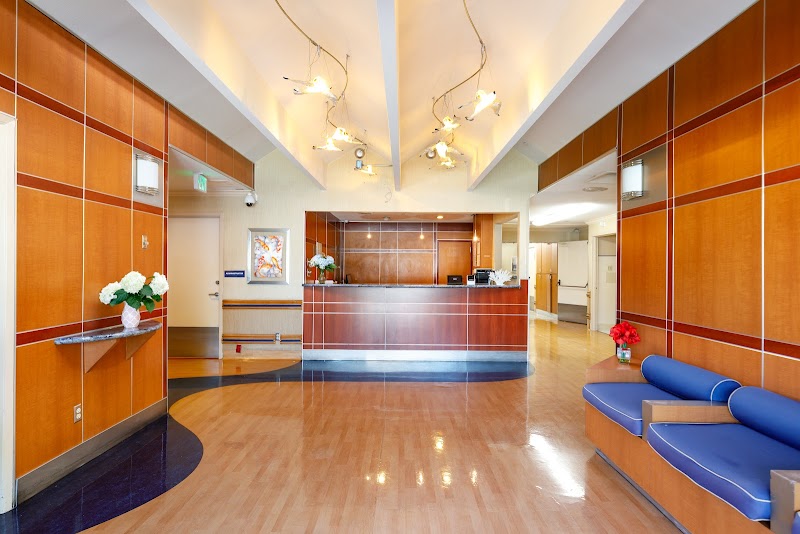
How is Ocean Pointe Healthcare Center Staffed?

CMS rates OCEAN POINTE HEALTHCARE CENTER's staffing level at 3 out of 5 stars, which is average compared to other nursing homes. Staff turnover is 40%, compared to the California average of 46%. This relatively stable workforce can support continuity of care.

What Have Inspectors Found at Ocean Pointe Healthcare Center?

State health inspectors documented 56 deficiencies at OCEAN POINTE HEALTHCARE CENTER during 2021 to 2025. These included: 2 Immediate Jeopardy (the most serious level, indicating potential for serious harm or death), 52 with potential for harm, and 2 minor or isolated issues. Immediate Jeopardy findings are rare and represent the most serious regulatory concerns. They require immediate corrective action.

Who Owns and Operates Ocean Pointe Healthcare Center?

OCEAN POINTE HEALTHCARE CENTER is owned by a for-profit company. For-profit facilities operate as businesses with obligations to shareholders or private owners. The facility is operated by ASPEN SKILLED HEALTHCARE, a chain that manages multiple nursing homes. With 72 certified beds and approximately 60 residents (about 83% occupancy), it is a smaller facility located in SANTA MONICA, California.
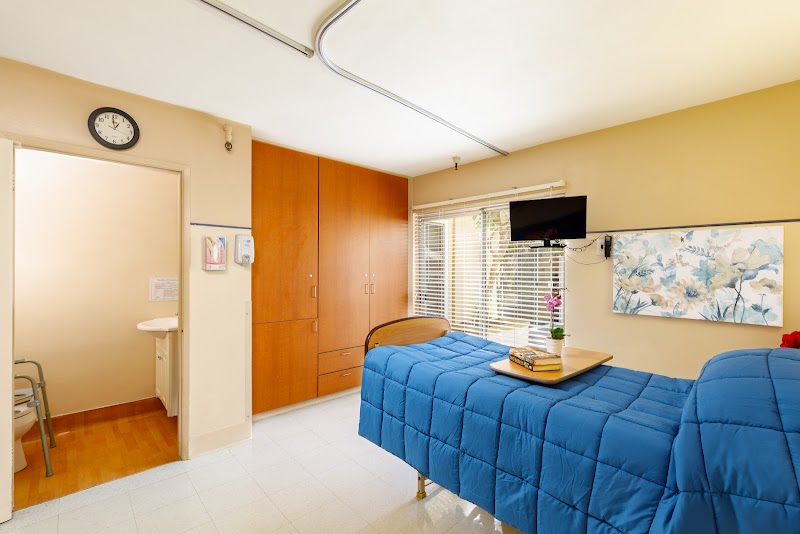
How Does Ocean Pointe Healthcare Center Compare to Other California Nursing Homes?

Compared to the 100 nursing homes in California, OCEAN POINTE HEALTHCARE CENTER's overall rating (2 stars) is below the state average of 3.1, staff turnover (40%) is near the state average of 46%, and health inspection rating (2 stars) is below the national benchmark.

What Should Families Ask When Visiting Ocean Pointe Healthcare Center?

Based on this facility's data, families visiting should ask: "What changes have been made since the serious inspection findings, and how are you preventing similar issues?" "Can I visit during a mealtime to observe dining assistance and food quality?" "How do you handle medical emergencies, and what is your hospital transfer rate?" "Can I speak with family members of current residents about their experience?" These questions are particularly relevant given the facility's Immediate Jeopardy citations.

Is Ocean Pointe Healthcare Center Safe?

Based on CMS inspection data, OCEAN POINTE HEALTHCARE CENTER has documented safety concerns. Inspectors have issued 2 Immediate Jeopardy citations (the most serious violation level indicating risk of serious injury or death). The facility has a 2-star overall rating and ranks #100 of 100 nursing homes in California. Families considering this facility should ask detailed questions about what corrective actions have been taken since these incidents.

Do Nurses at Ocean Pointe Healthcare Center Stick Around?

OCEAN POINTE HEALTHCARE CENTER has a staff turnover rate of 40%, which is about average for California nursing homes (state average: 46%). Moderate turnover is common in nursing homes, but families should still ask about staff tenure and how the facility maintains care continuity when employees leave.

Was Ocean Pointe Healthcare Center Ever Fined?

OCEAN POINTE HEALTHCARE CENTER has been fined $55,450 across 1 penalty action. This is above the California average of $33,633. Fines in this range indicate compliance issues significant enough for CMS to impose meaningful financial consequences. Common causes include delayed correction of deficiencies, repeat violations, or care failures affecting resident safety. Families should ask facility leadership what changes have been made since these penalties.

Is Ocean Pointe Healthcare Center on Any Federal Watch List?

OCEAN POINTE HEALTHCARE CENTER is not on any federal watch list. The most significant is the Special Focus Facility (SFF) program, which identifies the bottom 1% of nursing homes nationally based on persistent, serious quality problems. Not being on this list means the facility has avoided the pattern of deficiencies that triggers enhanced federal oversight. This is a positive indicator, though families should still review the facility's inspection history directly.