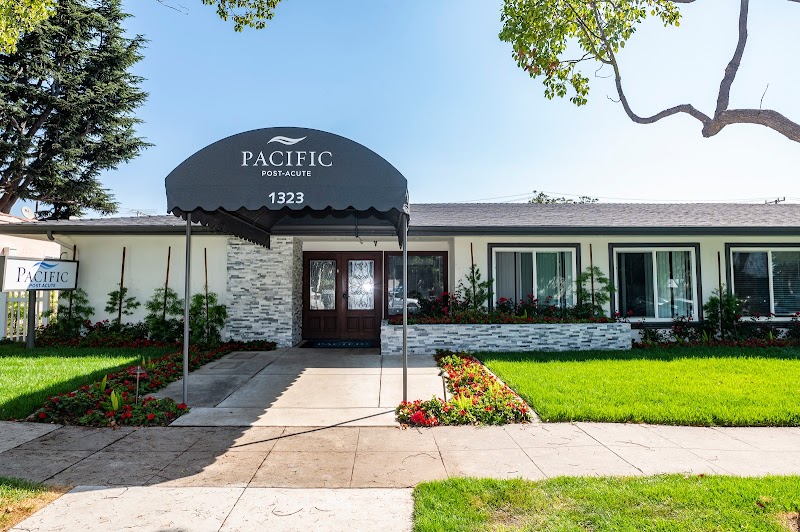

PACIFIC POST ACUTE

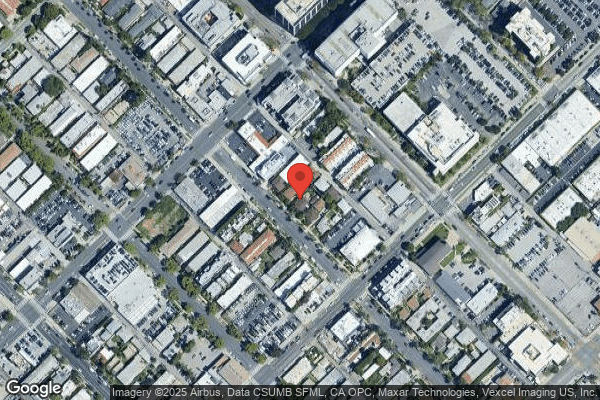
1323 17TH STREET, SANTA MONICA, CA 90404 (310) 453-5456
For profit - Limited Liability company 49 Beds DAVID & FRANK JOHNSON Data: November 2025
Trust Grade
80/100
#158 of 1155 in CA
Last Inspection: January 2025

Within standard 12-15 month inspection cycle. Federal law requires annual inspections.

Overview

Pacific Post Acute in Santa Monica, California, has a Trust Grade of B+, which means it is above average and recommended for care. It ranks #158 out of 1,155 facilities in California, placing it in the top half, and #32 out of 369 facilities in Los Angeles County, indicating it is one of the better options locally. The facility is improving, with a reduction in issues from 20 in 2024 to 11 in 2025. Staffing is average with a 3/5 star rating and a turnover rate of 33%, which is better than the state average, suggesting staff stability. Notably, there have been no fines reported, which is a positive sign. However, there are some concerns. An incident was noted where medications were not disposed of properly, potentially allowing for misuse. Additionally, the facility failed to maintain a full-time Infection Control Preventionist, which could risk the spread of infections. Lastly, personal hygiene items were not labeled correctly in shared bathrooms, raising the potential for cross-contamination. While there are evident strengths, families should be aware of these weaknesses when considering this facility for their loved ones.

Trust Score
B+
80/100
In California
#158/1155
Top 13%
Safety Record
Low Risk
No red flags
Inspections
Getting Better
20 → 11 violations
Staff Stability
○ Average
33% turnover. Near California's 48% average. Typical for the industry.
Penalties
✓ Good
No fines on record. Clean compliance history, better than most California facilities.
Skilled Nurses
⚠ Watch
Each resident gets only 24 minutes of Registered Nurse (RN) attention daily — below average for California. Fewer RN minutes means fewer trained eyes watching for problems.
Violations
⚠ Watch
62 deficiencies on record. Higher than average. Multiple issues found across inspections.
★★★★★
5.0
Overall Rating
★★★☆☆
3.0
Staff Levels
★★★★★
5.0
Care Quality
★★★★☆
4.0
Inspection Score
Stable
2024: 20 issues
2025: 11 issues

The Good

  • 5-Star Quality Measures · Strong clinical quality outcomes
  • Full Sprinkler Coverage · Fire safety systems throughout facility
  • No fines on record
  • Staff turnover below average (33%)

    15 points below California average of 48%

Facility shows strength in quality measures, fire safety.

The Bad

Staff Turnover: 33%

13pts below California avg (46%)

Typical for the industry

Chain: DAVID & FRANK JOHNSON

Part of a multi-facility chain

Ask about local staffing decisions and management

The Ugly 62 deficiencies on record

Sept 2025 1 deficiency
CONCERN (D) 📢 Someone Reported This

A family member, employee, or ombudsman was alarmed enough to file a formal complaint

Potential for Harm - no one hurt, but risky conditions existed

Deficiency F0627 (Tag F0627)

Could have caused harm · This affected 1 resident

**NOTE- TERMS IN BRACKETS HAVE BEEN EDITED TO PROTECT CONFIDENTIALITY** Based on interview and record review, the facility failed to provide an effective discharge for one of three sampled residents, ...

Read full inspector narrative →
**NOTE- TERMS IN BRACKETS HAVE BEEN EDITED TO PROTECT CONFIDENTIALITY** Based on interview and record review, the facility failed to provide an effective discharge for one of three sampled residents, (Resident) 1 with a safe and orderly discharge planning by failing to:1.Ensure the facility's policy and procedure (P&P), titled, Discharge Planning Process, was applied by ensuring an effective discharge planning process that addressed the discharge destination met Resident 1's health and safety needs and preferences.2. Ensure Resident 1's care plan for discharge was implemented.3. Ensure that the discharge notice is provided to the resident's representative and Ombudsman (an advocate for residents of nursing homes, board and care centers, and assisted living facilities) in a language and manner in which they can understand at least 30 days prior to discharging Resident 1.These deficient practices resulted in unsafe discharge setting that led to Resident 1's physical harm and hospitalization, Resident 1 was home alone for six days without any necessary care, Resident 1 was found on the floor with injury and was sent to General Acute Care Hospital 1 (GACH 1) on 9/1/2025.During a review of Resident 1's admission Record, it indicated Resident 1 was admitted to the facility on [DATE] with diagnosis including Parkinson's disease (a chronic brain disorder that causes movement problems, and can also affect mental health, sleep, and pain), infection and inflammation reaction due to internal left knee prosthesis (germs have gotten into the joint, causing the body's immune system to attack), type II diabetes mellitus (DM-a disorder characterized by difficulty in blood sugar control and poor wound healing), acquired absence of left leg above knee (loss of left leg above the knee due to amputation or other causes), major depressive disorder (a mood disorder that causes a persistent feeling of sadness and loss of interest) and chronic kidney disease (CKD-a longstanding disease of the kidneys leading to renal failure). The admission Record also indicated that Resident 1 was discharged home on 8/26/2025.During a review of the medical record from General Acute Care Hospital 2 (GACH 2) indicated the following:i. On 6/30/2025, Resident 1 had a revision left above the knee amputation (to correct any complications that arise after primary amputation surgery).ii. Occupational Therapy Evaluation, dated 7/1/2025, indicated, support available: Friend - has a friend that has historically helped her (Resident 1) as needed but may not be able to provide as much as he used to due to his own health issues; homemaking assistant: needs assistance.iii. Physical Therapy Treatment, dated 7/2/2025, indicated that Resident 1 had a non-weight bearing (you cannot place any of your body weight on an injured limb, such as a leg or arm, for a specific period to allow it to heal) on left lower extremity (left leg).iv. Referral Notes from GACH 2, dated 7/3/2025, it indicated, Resident 1 has physical limitations such as deconditioning (when a person is immobile for an extended period of time), frailty (when your body can't get through and recover from illnesses and injuries on its own), malnutrition (lack of sufficient nutrients in the body) or other physical limitation that impair ability to participate in their care, has poor health literacy (the inability to get, process, and understand basic health information and services needed to make good health decisions) and no patient support with social isolation, absence of support to assist with care, as well as insufficient or absent connection with primary care. During a review of Resident's History and Physical (H&P), dated 7/4/2025, it indicated that Resident 1 does not have a decision-making capacity. The H&P also indicated that, Emergency Contact 1 (EC1) is Resident 1's Durable Power of Attorney (POA - authorizes someone else to handle certain matters, such as finances or health care, on someone's behalf. If the power of attorney is durable, it remains in effect if the person becomes incapacitated for any reason, including illness and accidents).During a review of Resident 1's Durable Power of Attorney, indicated Resident 1's EC1 was Resident's 1 appointed POA, signed and dated on 10/10/2024.During a review of the Minimum Data Set (MDS - resident assessment tool) dated 8/26/2025, indicated Resident 1's cognitive (mental action or process of acquiring knowledge and understanding) skills for daily decisions were intact. The MDS indicated Resident 1 required moderate assistance from staff for activities of daily living (ADLs- routine tasks/activities such as bathing, dressing and toileting a person performs daily to care for themselves). The MDS also indicated Resident 1 used a manual wheelchair.During a review of Resident 1's Care Plan (CP) for discharge, initiated on 7/9/2025, the CP indicated a goal of, Resident (1) will move to an appropriate lower level of care without complication and when appropriate. The CP included interventions such as, facility will provide education to resident/family regarding referrals, community resources and resident and/or family will be involved in discharge planning.During a review of Resident 1's Progress Notes, dated 8/22/2025, it indicated that, Per resident (Resident 1) request, she will discharge home on 8/26/2025, HHA 1 will follow-up for nursing, physical therapy (PT) and Occupation Therapy (OT) services, documented by Social Services Director (SSD).During a review of Resident 1's Post-Discharge Plan of Care and Summary (PDPOCS), dated 8/27/2025, it indicated that Resident 1 was discharged home with Home Health Agency 1 (HHA 1). The PDPOCS indicated a section for each interdisciplinary team (IDT - a group of dedicated healthcare professionals who work to bring knowledge together to help residents receive the care they need) that included rehabilitation services, dietary services, social services, activities services and nursing services. Each section of the IDT team included notes of discharge recommendations, in which these sections were blank and did not have any information. The PDPOCS IDT sections were all signed and documented by Licensed Vocational Nurse 2 (LVN 2).During a review of Resident 1's Notice of Proposed Transfer/Discharge indicated the notification was sent to Ombudsman via facsimile transmission dated 8/27/2025.During a review of HHA medical record, titled, Start of Care dated 8/27/2025, it was indicated that Resident 1's home environment was altered with cluttered/soiled living conditions, difficulty buying necessities, lack of caregiver/family support, limited social contact and has poor home environment. The Start of Care also indicated that, Patient (Resident 1) has three cats in her home, home is littered with cat urine and feces. Patient (Resident 1) has a POA who lives one hour away and does not visit frequently. It was suggested to patient (Resident 1) to go to assisted living or low-income housing, patient (Resident 1) stated she doesn't want anyone to pull her out of home, she (Resident 1) wants to pass away in the same home her husband passed away in. Patient (Resident 1) with a left above knee amputation exhibits significant mobility limitations and environmental safety risks. Patient (Resident 1) has difficulty independently propelling her WC and demonstrates limited mobility within the home. The living environment is noted to be unclean, with spider webs, excessive dust, and foul odor. Bed [NAME] is high, creating additional fall risk for an amputee. Multiple arcade machines present further clutter and obstruct safe wheelchair navigation.During an interview with Certified Nursing Assistant 1 (CNA 1) on 9/3/2025 at 12:04 p.m., CNA 1 stated, Resident 1 needs assistance with toileting, showering and transferring from bed to a wheelchair while in the facility. CNA 1 stated, Resident 1 was unable to feel if her incontinent brief was wet as she would verbalize to CNA 1 that it wasn't time for her to be changed but when she checked her incontinent brief, it would be wet.During an interview with Physical Therapist Assistant 1 (PTA 1) on 9/3/2025 at 12:25 p.m., PTA 1 stated that Resident 1 had a non-weight bearing order by the physician on her left lower extremity due to a recent revision of above the knee amputation. PTA 1 stated, during PT exercises, Resident 1 required assistance with transferring from bed to wheelchair and unmotivated during therapy with feeling down. PTA 1 stated, Resident 1's physical therapy goal was to be able to use prosthetic so she may move independently and be functional with ADLs. PTA 1 stated, they could not use her prosthetic as they have not received a clearance from her physician, and her left lower extremity and skin integrity was still recovering from her recent surgery. PTA 1 further stated, Resident 1 did not meet her goal for discharge planning.During an interview with EC 1 on 9/3/2025 at 2:54 p.m., EC 1 stated, he is Resident 1's POA per her (Resident 1)'s request. EC 1 stated, he had a different phone number that was listed on Resident 1's record. EC 1 stated, he was not included in the IDT meeting regarding Resident 1's discharge planning. EC 1 stated, he finally received a call from SSD on the day of Resident 1's discharge on [DATE] in which SSD informed him that Resident 1's was about to be picked up by the transportation to be discharged home and to make sure that he will be in Resident 1's home when she gets dropped off. EC 1 asked SSD why she (Resident 1) was being discharged , as he believed that Resident 1 will not be safe to be discharged home alone. EC 1 rushed to go to Resident 1's home on 8/26/2025 to help her when she gets home but he also left that night. EC 1 stated, he does not live with Resident 1 and Resident 1's home was neglected as no one lived in that house for months and it needs to be fixed and cleaned as her house was being housed by cats and racoons that were able to go in and out of the house due to a broken screen door. EC 1 further stated, Resident 1 does not have any mobile phone or any other phone that she may be contacted. EC 1 stated, HHA 1 contacted him as he was the only contact for Resident 1, so he decided to get Resident 1 a mobile phone so that she could be contacted. EC 1 stated, he visited Resident 1, along with his son on 9/1/2025 to give her mobile phone and that was when they found Resident 1 on the floor on her side, there were bowel movements on the floor, on the blanket and on certain parts of her body and she was unable to move on her own.During a concurrent interview with the Social Services Director (SSD) on 9/3/2025 at 1:07 p.m., SSD stated, she had sent in an application for home maker service, personal care and in-home care as part of her discharge planning during her initial admission but had not received any approval information. SSD stated that she was not aware that Resident 1 had a POA. SSD stated, Resident 1 verbalized of wanting to be discharged home on 8/21/2025 and wanted to leave against medical advice (AMA) so she contacted the physician to get an order for a HH and a WC. SSD stated, she was able to arrange a HH and Resident 1 agreed to stay until she was discharged on 8/26/2025. SSD stated, she tried contacting Resident 1's EC 1 on 8/21/2025 but she was unable to contact EC 1 because the contact information they had on file was a non-working number. SSD further stated, Resident 1 does not have a personal mobile phone and was aware there was no other personal contact when Resident 1 was discharged to home on 8/26/2025.During an interview with Home Health Agency Manager (HHAM) on 9/3/2025 at 1:44 p.m., HHAM stated, Resident 1 was initially evaluated by HHA nurse on 8/27/2025. HHAM stated Resident 1 does not have any mobile phone or any other form of communication, so the HHA nurse waited outside Resident 1's door for 30 minutes until Resident 1's opened the door. HHAM stated, on 8/28/2025, the Physical Therapist from HHA attempted to do their initial evaluation but Resident 1 did not open the door, and they were not able to talk to Resident 1. HHAM stated, he talked to Resident 1's EC 1 in which he recommended Resident 1 to have her own mobile phone so they can contact her. HHAM stated, no other visit was conducted with Resident 1 after 8/27/2025.During an interview LVN 2 on 9/3/2025 at 2:21 p.m., LVN 2 stated, he documented and signed Resident 1's PDPOCS upon discharge on [DATE]. LVN 2 stated, he did not do the discharge teaching and education for Resident 1, and he just documented all IDT sections and signed it so it would be completed. LVN 2 stated, he left the form blank for each IDT services and recommendations because he doesn't know what Resident 1 status upon discharged .During a follow-up interview with SSD on 9/5/2025 at 1:37 p.m., SSD stated, during the initial IDT meeting, Resident 1 verbalized that she wanted to go home during discharge planning. SSD stated, when she asked for a discharge order from the physician, she did not ask the nursing team and rehabilitation team regarding Resident 1's needs for a safe discharge and she thought a home health agency would be able to provide her needs upon discharging to home. SSD stated that she was aware that Resident 1 was not able to use her prosthetic for three months, as ordered by her surgeon, so that her skin will heal after her surgery. SSD stated, she did not talk to Resident 1's EC 1 during her stay in the facility and was not aware of Resident 1's living situation at home with SSD verbalizing, how am I supposed to know those things?.During an interview with Director of Nursing (DON) on 9/5/2025 at 1:52 p.m., DON stated, Resident 1 wanted to go home but she needs a 24-hour care to be safe at home. DON Stated she had not seen EC 1 visit the facility and was not aware that he was given instructions on how to care for Resident 1 upon discharge as a care giver. DON stated, it is up to the nursing department and the whole IDT to determine if Resident 1 can be discharged to home safely, it is not just the decision of the social services department. DON stated, if Resident 1 wanted to go AMA, they cannot stop or refuse but they can refer them to Adult Protective Services (APS - a state-run program that protects vulnerable adults from abuse, neglect, and exploitation) so they may assess resident's home to ensure she will be safe at home. DON stated, APS was not contacted upon Resident 1's discharge to home. DON further stated, the post-discharge summary should be completed by documenting and signing each section by that particular IDT.During an interview with General Acute Care Hospital Social Worker 1 (GACH SW1) on 9/8/2025 at 2:04 p.m., GACH SW 1 stated, Resident 1 was admitted to GACH 2 with an initial diagnosis of ST-elevation myocardial infarction (STEMI - is a type of heart attack that is more serious and has a greater risk of serious complications and death). GACH SW 1 stated, Resident 1 was found on the floor with extensive wound on her right forehead, right elbow, right heel, right hip thigh, right shoulder and the wound on her right shoulder was horrible. GACH SW 1 stated, POA questioned the facility why Resident 1 was being discharged home without proper care and without confirming with him. During a review of the facility's policy and procedure (P&P), titled, Discharge Planning Process, date reviewed/revised by facility on 5/28/2025, the P&P indicated, It is the policy of this facility to develop and implement an effective discharge planning process that focuses on the resident's discharge goals, the preparation of residents to be active partners and effectively transition them to post-discharge care, and the reduction of factors leading to preventable readmission.In cases where the resident wishes to be discharged to a setting that does not appear to meet his or her post-discharge needs, or appears unsafe, the IDT will treat this situation similarly to refusal of care: discussed with the resident, (and/or his of her representative, if applicable) and document the implications and/or risks of being discharged to a location that is not equipped to meet his/her needs and attempt to ascertain why the resident is choosing that location; offer other, more suitable, options of locations that are equipped to meet the needs of the resident. Document any discussions related to the options presented; Document refusals of other options that could meet the resident's needs; At time of discharge, follow policies regarding discharges Against Medical Advice, and refer to Adult Protective Services (or other state entity charged with investigation abuse and neglect,) as necessary. If discharge to community is a goal, an active discharge care plan will be implemented and will involve the IDT, including the resident and/or resident representative. The plan shall be documented. The facility will document any referrals to local contact agencies or other appropriate entities made for the purpose of the resident's interest in returning to the community. The evaluation of the resident's discharge needs and discharge plan will be completely documented on a timely basis in the clinical record. The results of the evaluation and the final discharge plan will be discussed with the resident or resident's representative. Education needs, as identified in the discharge plan, will be provided to the resident and/or family member prior to discharge.
Jan 2025 8 deficiencies
CONCERN (D) 📢 Someone Reported This

A family member, employee, or ombudsman was alarmed enough to file a formal complaint

Potential for Harm - no one hurt, but risky conditions existed

Resident Rights (Tag F0550)

Could have caused harm · This affected 1 resident

Based on observation, interview and record review, the facility failed to ensure to protect resident right's to be treated with respect and dignity for one of two sampled resident (Resident 390). 1.R...

Read full inspector narrative →
Based on observation, interview and record review, the facility failed to ensure to protect resident right's to be treated with respect and dignity for one of two sampled resident (Resident 390). 1.Resident 390 was not provided bathroom assistance during mealtimes, was told that she will eat after she was provided incontinence care but was not provided care timely. 2.Resident 390 was not turned and repositioned when requested. These failures of not getting timely assistance resulted in Resident 390 felt she was treated like a child, had to eat with soiled incontinence (inability to control the release of urine or stool) brief, was left uncomfortable, upset, frustrated, and helpless. Findings: a. During a concurrent observation and interview on 1/21/2025 at 4:22 p.m., in Resident 390's room, Resident 390 appeared upset and stated the staff were quick to answer the call light and turn the call light off, but she had to wait a long time for the CNAs to respond to her request for assistance. Resident 390 stated CNA 3 and CNA 4 (unable to recall exact day) would ask her What do you need? in elevated and harsh tone of voice. Resident 390 stated she informed them she just wanted to know who was her CNA and they will tell her Why do you want to know? Resident 390 stated she is not a kid for CNAs to raise their voice at her. During an interview on 1/21/2025 at 4:25 p.m. Resident 390 stated on 1/19/2025 morning, she requested CNA 3 to clean her because she had a bowel movement, but CNA 3 told her she needed to wait for CNA 3 to finish passing meal trays before CNA 3 would clean her. Resident 390 stated this happened several times in December to January 2025. Resident 390 stated the longest time she had to wait to be cleaned was 40 minutes. Resident 390 questioned if passing meal trays was more important than cleaning her. Resident 390 stated the delayed in care made her feel uncomfortable, upset, frustrated, and neglected. Resident 390 stated she felt helpless when CNA 3 and CNA 4 ignored her request for assistance, and she have no choice but to tolerate how they treat her like a child because she was sick, unable to walk and care for herself. During an interview on 1/22/2025 at 2:39 p.m., CNA 1 stated on Sunday (1/19/2025) morning at 8:30 a.m. Licensed Vocational Nurse (LVN) 5, CNA 3 and another CNA (unidentified) were talking about how Resident 390 did not want CNA 3 to clean her. CNA 1 stated she volunteered to take care of Resident 390 for the rest of the day. CNA 1 stated she did not know why Resident 390 refused CNA 3. CNA 1 stated she volunteered to take care of Resident 390 so that the Sunday can be a day of peace. CNA 1 confirmed Resident 390 was incontinent and had large bowel movement when she cleaned Resident 390. During a telephone interview on 1/22/2025 at 2:52 p.m., LVN 5 stated on 1/19/2025 at 8 a.m., CNA 3 was busy passing meal trays, had to feed another resident (unidentified), and was not able to change Resident 390's incontinence brief right away. LVN 5 stated CNA 3 informed her when CNA 3 returned to Resident 390's room to clean the resident, Resident 390 refused to be cleaned. LVN 5 stated she talked to Resident 390 and the resident was upset because she waited too long for CNA 3 to clean her. LVN 5 stated Resident 390 refused CNA 3 to clean her and would rather be cleaned by the next shift 3-11 p.m., or someone else. LVN 5 stated she explained to Resident 390 she cannot keep Resident 390 wet all day and she cannot have her wait for the 3 to 11 p.m. shift. LVN 5 stated she had to reassigned Resident 390 to CNA 1. LVN 5 stated CNA 3 should have asked another CNA to helped pass the meal trays. LVN 5 stated the facility was not short staffed and have enough staff to assist with passing meals trays or cleaning residents. During a telephone interview on 1/23/2025 at 8:30 a.m., CNA 3 stated in an elevated tone of voice, Resident 390 was very demanding, frequently used her call light to request to be cleaned, repositioned, fed, and showered. CNA 3 stated her voice sounded usually rough and strong but when she speaks to the residents, she would tone down her voice. CNA 3 stated on 1/19/2025 at 7:30 a.m., while CNA 3 was passing meal trays, Resident 390 pressed the call light and requesting to change her soiled incontinence brief. CNA 3 stated she asked Resident 390 to wait until she (CNA 3) finished passing the meal trays and she would return back to clean Resident 390. CNA 3 stated she did not know who passed Resident 390's meal tray but told Resident 390 after she clean Resident 390 then she (Resident 390) could eat. CNA 3 stated after passing meal trays to other residents, she went back into Resident 390's room and Resident 390 was already eating and refusing to be cleaned. CNA 3 stated she called LVN 5 (charge nurse) because Resident 390 was refusing to be cleaned and LVN 5 told her the assignment would be changed. CNA 3 stated when they were passing meal tray, they cannot do fecal or urinary incontinence care because of an infection control rule which was no cleaning resident to prevent contamination of food and prevent foul odor during mealtime. CNA 3 stated the food would get cold if there was a delay in passing the meal trays. CNA 3 stated she did not ask help to pass the meal trays or clean Resident 390 because she was assigned to the resident and no one else was going to clean her. During an interview on 1/23/2025 at 9:42 a.m., the Director of Staff Development (DSD) stated, CNA 3 told him on 1/22/2025, CNA 3 was going to distribute the meal trays first on 1/19/2025 before cleaning and changing Resident 390's incontinence brief because of infection control concern and cleaning Resident 390 was dirty and she does not want to contaminate the food. The DSD stated when staff were passing meal trays, they can stop passing meal trays and provide incontinence care to residents. The DSD stated the infection control rule that applies after you perform incontinence care was to ensure to do proper hand washing. The DSD stated resident requests needed to be addressed right away. During an interview on 1/23/2025 at 10:50 a.m., the Director of Nursing (DON) stated she spoke to Resident 390, CNA 1, CNA 3 and LVN 5. The DON stated Resident 390 informed her that on 1/19/2025 at 7:30 a.m., CNA 3 brought the breakfast tray to Resident 390 room but Resident 390 said she needed to be cleaned because she had a bowel movement. The DON stated CNA 3 said she told Resident 390 that she would have to wait to be cleaned after CNA 3 passed the meal trays. CNA 3 said she came back at 8 a.m., saw Resident 390 eating her breakfast and Resident 390 refused CNA 3 to clean the resident. The DON stated they teach the staff if the resident needed to be cleaned, the resident should be cleaned. The DON stated the food temperature was important, but the resident should have been cleaned. The DON stated CNA 3 should have asked for assistance to replace her to pass the meal trays. The DON stated they were not short staffed and have enough staff to assist with meal trays. The DON stated the facility needed to protect residents' dignity. During an interview on 1/23/2025 at 11:14 a.m., the Administrator (ADM) stated Resident 390 should have not been left soiled to pass meal trays. The ADM stated the facility has no infection control rule that prohibit the staff from cleaning the resident during mealtime. The ADM stated an infection control was a concern if the staff did not perform handwashing after doing incontinence care. The ADM stated the facility was not short staffed and CNA3 should have called for help. b. During an interview on 1/21/2025 at 4:36 p.m., CNA 4 stated Resident 390 was very demanding, used the call light a lot and wanted everything to be done promptly. CNA 4 stated Resident 390 was upset when CNA 4 would ask Resident 390 to wait but Resident 390 has to wait when she was busy with other residents. CNA 4 stated the call lights were answered in the order of who pressed the call light first. CNA 4 stated Resident 390 wanted to be repositioned every 30 minutes, was very demanding and would use the call light just to ask what was going on in the activity room (located in front of Resident 390's room) and stated in elevated tone of voice emphasizing That was not an emergency. During an interview on 1/21/2025 at 4:40 p.m., CNA 4 stated she provided incontinence care to Resident 390 before going on break at 7 p.m. (unable to recall date) then after her 30 minutes break, one of the residents (did not specify) requested to be cleaned but at the same time Resident 390 had her call light on. CNA 4 stated she asked what Resident 390 needed, and Resident 390 said she wanted to be repositioned. CNA 4 stated she cancelled Resident 390's call light and told her she would return after answering another resident's call light. CNA 4 stated in her mind Resident 390 was just changed and could wait. CNA 4 stated she did not ask anyone to assist Resident 390 because the other CNAs were busy with their residents. CNA 4 stated it took 10 minutes to do incontinent care for the other resident and then CNA 4 returned to repositioned Resident 390. CNA 4 stated they were not short staff but did not ask anyone for assistance and assumed everybody was busy with their own residents. CNA 4 stated they do not ask for help as they have their own assignment, and the resident would have to wait. During an interview on 1/23/2025 at 9:42 a.m., the DSD stated, the DSD stated the CNA's can call for assistance if there were multiple call lights activated at the same time. The DSD stated that it can take 10-20 minutes to change a resident, so it will be faster for the CNA to turn and reposition Resident 390 first or the CNA can ask for assistance from any staff to turn and repositioned Resident 390, so the resident does not need to wait too long. The DSD stated anyone can turn and reposition the resident including the DSD, LVN or registered nurse (RN). The DSD stated they were not short staff and there should be available help if they asked for help or assistance. The DSD stated that resident requests should be addressed right away. During an interview on 1/22/2025 at 3:18 p.m., the DON stated CNA 4 have a high pitch tone of voice, but staff should tone down their voice and speak to residents respectfully. The DON stated the staff should avoid labeling a resident as Demanding. The DON stated if the resident voiced being uncomfortable and wanted to be repositioned the nurses should check the resident even if they were cleaned 30 minutes ago. The DON stated it would only take few minutes to reposition the resident and CNA 4 should have repositioned Resident 390 as she was probably uncomfortable. The DON stated CNA 4 could have asked for assistance if she cannot reposition Resident 390. The DON stated anybody can assist to help reposition residents and there was no reason for Resident 390 to wait. The DON stated if the resident wanted to know what was going on in the activity area the nurses should inform the resident. The DON stated they were not short staff and there should be enough help to assist Resident 390. During a review of Resident 390's admission Record (Face Sheet), dated 12/3/2024, the Face Sheet indicated the facility admitted Resident 390 on 12/3/2024 with diagnoses including Parkinson's disease (a progressive disease of the nervous system marketed by tremor, muscular rigidity, and slow, imprecise movements), diabetes mellitus (DM- a disorder characterized by difficulty in blood sugar control and poor wound healing), protein-calorie malnutrition (PCM- a condition that occurs when the body does not get enough protein or calories), muscle weakness (a lack of strength in your muscles, making it difficult to move or contract them normally) other abnormalities of gait and mobility (unusual walking patterns that can affect a person's mobility). During a review of Resident 390's Care Plan for Bowel Incontinence, dated 12/5/2024, the Care Plan indicated the resident has bowel incontinence with interventions to check the resident every two hours and assist with toileting as needed. During a review of Resident 390's Minimum Data Set (MDS- a resident assessment tool), dated 12/6/2024, indicated the cognitive (the ability to think and process information) skills for daily decisions making was moderately impaired and required maximum assistance (helper does more than half the effort) for activities of daily living. During a review of Resident 390's Documentation Survey Report (document used by CNA to chart resident's activities of daily living), dated January 2025, the Documentation Survey Report indicated CNA 1 documented on 1/19/2025 that Resident 390 had an incontinent, large bowel movement. During a review of the facility's policy and procedure titled, Promoting/Maintaining Resident Dignity, dated 12/16/2024, indicated, All staff members are involved in providing care to residents to promote and maintain resident dignity and respect resident rights. Respond to requests for assistance in a timely manner.
CONCERN (D)

Potential for Harm - no one hurt, but risky conditions existed

Deficiency F0558 (Tag F0558)

Could have caused harm · This affected 1 resident

**NOTE- TERMS IN BRACKETS HAVE BEEN EDITED TO PROTECT CONFIDENTIALITY** b. During an observation and interview on 1/21/2025 at 12:26 a.m., in Resident 390's room, Resident 390 was sitting in a wheelch...

Read full inspector narrative →
**NOTE- TERMS IN BRACKETS HAVE BEEN EDITED TO PROTECT CONFIDENTIALITY** b. During an observation and interview on 1/21/2025 at 12:26 a.m., in Resident 390's room, Resident 390 was sitting in a wheelchair beside the left side of the bed while eating lunch. Resident 390 stated she was unable to reach the call light to ask for assistance since it was approximately three (3) feet away from her and was wrapped around the right siderail. Certified Nurse Assistant (CNA) 1 unwrapped the call light that was on the siderail and placed it within reach of Resident 390. CNA 1 stated resident's call lights should always be within reach of the resident so the resident could ask for assistance. During an interview on 1/23/2025 at 10:47 a.m., the Director of Nursing (DON) stated the CNA should ensure to place the call light within resident's reach and check the call light placement during rounds. The DON stated it was important for the call light to be within reach so the residents can communicate their needs and for resident safety. During a review of Resident 390's admission Record (Face Sheet), dated 12/3/2024, the Face Sheet indicated the facility admitted Resident 390 on 12/3/2024 with diagnoses including Parkinson's disease (a progressive disease of the nervous system marketed by tremor, muscular rigidity, and slow, imprecise movements), diabetes mellitus (DM- a disorder characterized by difficulty in blood sugar control and poor wound healing), protein-calorie malnutrition (PCM- a condition that occurs when the body does not get enough protein or calories), muscle weakness (a lack of strength in your muscles, making it difficult to move or contract them normally) other abnormalities of gait and mobility (unusual walking patterns that can affect a person's mobility). During a review of Resident 390's Minimum Data Set (MDS- a resident assessment tool), dated 12/6/2024, the MDS indicated the cognitive (the ability to think and process information) skills for daily decisions making was moderately impaired and dependent (helper does all the effort) for toileting hygiene (the ability to maintain perineal hygiene, adjust clothes before and after voiding or having a bowel movement). The MDS indicated Resident 390's bowel and bladder and were always incontinent (no episodes of continent voiding or bowel movements) and required maximum assistance (helper does more than half the effort) for rolling left and right, sit to lying and lying to sitting on the side of the bed. During a review of Resident 390's Care Plan for At Risk for Falls, dated 12/5/2024, the Care Plan indicated to place the resident's call light within reach and encourage the resident to use it for assistance as needed. The resident needs prompt response to all requests for assistance. During a review of the facility's Policy and Procedure (P&P) titled, Call Lights: Accessibility and Timely Response, dated 10/21/2024, indicated staff will ensure the call light is within reach of resident and secured, as needed. Based on observation, interview, and record review, the facility failed to ensure the call light (a device used by a resident to signal his/her need for assistance from staff) was within reach for two of 25 residents (Resident 21 and 390). This failure had the potential to delay the resident's care. Findings: a. During a review of Resident 21's admission Record, (not dated), the admission Record indicated, Resident 21 was admitted on [DATE] with the following diagnoses, but not limited to, cerebrovascular accident(CVA- a stroke, loss of blood flow to a part of the brain), hemiplegia (total paralysis of the arm, leg, and trunk on the same side of the body) with left sided weakness, muscle weakness, left elbow contracture (a stiffening/shortening at any joint, that reduces the joint's range of motion). During a review of Resident 21's care plan (CP) for communication issues, dated 9/12/2023, the CP indicated Resident 21 has communication issues related to unclear speech. The CP interventions indicated Resident 21 will be provided with a safe environment, including a call light placed within reach. During a review of Resident 21's Minimum Data Set (MDS, a resident assessment tool), dated 11/1/24, the MDS indicated Resident 21 had severely impaired cognitive skills and required maximal assistance from staff for toileting, dressing, and personal hygiene. During a review of Resident 21's CP for fall risk dated 11/7/2024, the CP indicated Resident 21 was at risk for falls. The CP interventions indicated Resident 21's call light should be within reach and Resident's requests for assistance should be promptly addressed. During an observation on 1/21/25 at 9:30 a.m. in Resident 21's room, Resident 21 was lying in bed with their call light hanging from the right side of the bed, out of reach of the resident while unattended by staff. During a concurrent observation and interview on 1/21/23 at 11:40 a.m. with Certified Nurse Assistant (CNA) 2 in Resident 21's room, Resident 21 was lying in bed with call light cord placed under a pillow elevating Resident 21's upper right arm and shoulder. CNA 2 stated the call light is not within reach of the Resident. CNA 2 also stated it is important for resident to have access to call light to call for assistance when they need care, and to prevent resident injuries such as falls. During an interview on 1/23/25 at 3:42 p.m. with the Director of Nursing (DON), DON stated the call light should be within reach of residents to prevent delay in care and maintain the residents' safety.
CONCERN (D) 📢 Someone Reported This

A family member, employee, or ombudsman was alarmed enough to file a formal complaint

Potential for Harm - no one hurt, but risky conditions existed

Free from Abuse/Neglect (Tag F0600)

Could have caused harm · This affected 1 resident

Based on observation, interview and record review, the facility failed to ensure to protect one of two sampled residents' (Resident 390) rights to be free from neglect (the failure of the facility, it...

Read full inspector narrative →
Based on observation, interview and record review, the facility failed to ensure to protect one of two sampled residents' (Resident 390) rights to be free from neglect (the failure of the facility, its employees, or service providers to provide goods and services to a patient that are necessary to avoid physical harm, pain, mental anguish, or emotional distress) when Certified Nurse Assistant (CNA) 3 and CNA 4 did not clean Resident 390 after she had bowel movement and did not turn and reposition Resident 390 when she requested to be repositioned. This failure resulted in Resident 390 had to eat with soiled incontinence (inability to control the release of urine or stool) brief, was left uncomfortable, felt upset, frustrated, helpless and neglected. Findings: a. During a concurrent observation, interview on 1/21/2025 at 4:22 p.m., in Resident 390's room, Resident 390 appeared upset and stated CNA 3 and CNA 4 (unable to recall exact day) would speak to her in a harsh and elevated tone of voice when she requested for assistance. Resident 390 stated on 1/19/2025 morning, she requested to be cleaned because she had a bowel movement, but CNA 3 told her she needed to wait for CNA 3 to finish passing meal trays before CNA 3 would clean her. Resident 390 stated this happened several times in December to January 2025. Resident 390 stated the longest time she had to wait to be cleaned was 40 minutes. Resident 390 questioned if passing meal trays was more important than cleaning her. Resident 390 stated the delayed in care made her feel uncomfortable, upset, frustrated, and neglected. Resident 390 stated she felt helpless when CNA 3 and CNA 4 ignored her request for assistance, and she have no choice but tolerate how they treat her because she was sick, unable to walk and care for herself. During an interview on 1/22/2025 at 2:39 p.m., CNA 1 stated on 1/19/2025 at 8:30 a.m., Licensed Vocational Nurse (LVN) 5, CNA 3 and another CNA (unidentified) were talking about how Resident 390 refused CNA 3 to clean her. CNA 1 stated she did not know why Resident 390 refused CNA 3, but she (CNA 1) volunteered to take care of Resident 390. CNA 1 confirmed Resident 390 was incontinent and had a large bowel movement when she cleaned Resident 390. During a telephone interview on 1/22/2025 at 2:52 p.m., LVN 5 stated on 1/19/2025 at 8 a.m., CNA 3 was busy passing meal trays, had to feed another resident (unidentified), and was not able to change Resident 390 incontinence brief right away. LVN 5 stated CNA 3 informed her when CNA 3 returned to Resident 390's room to clean the resident, Resident 390 refused to be cleaned. LVN 5 stated she talked to Resident 390 and the resident was upset because she waited too long for CNA 3 to clean her. LVN 5 stated Resident 390 refused CNA 3 to clean her and preferred to be cleaned by the next shift 3-11 p.m., or someone else. LVN 5 stated she had to reassigned Resident 390 to CNA 1. LVN 5 stated CNA 3 should have asked another CNA to helped pass the meal trays. LVN 5 stated asking for assistance to pass the meal trays was doable because they have enough staff to assist and were not short staffed. During a telephone interview on 1/23/2025 at 8:30 a.m., CNA 3 stated in an elevated tone of voice, Resident 390 was very demanding, frequently used her call light to request to be cleaned, repositioned, fed, and showered. CNA 3 stated on 1/19/2025 at 7:30 a.m., while CNA 3 was passing meal trays, Resident 390 pressed the call light and requesting to change her soiled incontinence brief. CNA 3 stated she asked Resident 390 if she could wait until she (CNA 3) finished passing the meal trays and she would return back to clean Resident 390. CNA 3 stated she did not know who passed Resident 390's meal tray but told Resident 390 after she clean Resident 390 then she (Resident 390) could eat. CNA 3 stated after passing meal trays to other residents, she went back into Resident 390's room and Resident 390 was already eating and refusing to be cleaned. CNA 3 stated she called LVN 5 (charge nurse) because Resident 390 was refusing to be cleaned and LVN 5 told her the assignment would be changed. CNA 3 stated when they were passing meal tray, they cannot do fecal or urinary incontinence care because of an infection control rule which was no cleaning resident to prevent contamination of food and prevent foul odor during mealtime. CNA 3 stated the food would get cold if there was a delay in passing the meal trays. CNA 3 stated she did not ask help to pass the meal trays or clean Resident 390 because she was assigned to the resident and no one else was going to clean her. During an interview on 1/23/2025 at 9:42 a.m., the Director of Staff Development (DSD) stated, CNA 3 told him on 1/22/2025, CNA 3 was going to distribute the meal trays first on 1/19/2025 before cleaning and changing Resident 390's incontinence brief because of infection control concern and cleaning Resident 390 was dirty and she does not want to contaminate the food. The DSD stated when staff were passing meal trays, they can stop passing meal trays and provide incontinence care to residents. The DSD stated the infection control rule that applies after you perform incontinence care was to ensure to do proper hand washing. The DSD stated resident requests needed to be addressed right away because staff not providing care right away was neglecting to provide care and services to the resident. During an interview on 1/23/2025 at 10:50 a.m., the Director of Nursing (DON) stated she spoke to Resident 390, CNA 1, CNA 3 and LVN 5. The DON stated Resident 390 informed her that on 1/19/2025 at 7:30 a.m., CNA 3 brought the breakfast tray to Resident 390 room but Resident 390 said she needed to be cleaned because she had a bowel movement. The DON stated CNA 3 said she told Resident 390 that she would have to wait to be cleaned after CNA 3 passed the meal trays. CNA 3 said she came back at 8 a.m., saw Resident 390 eating her breakfast and Resident 390 refused CNA 3 to clean the resident. The DON stated they teach the staff if the resident needed to be cleaned, the resident should be cleaned. The DON stated the food temperature was important, but the resident should have been cleaned. The DON stated CNA 3 should have asked for assistance to replace her to pass the meal trays. The DON stated they were not short staffed and have enough staff to assist with meal trays. The DON stated denying Resident 390's request to be changed and telling her to eat later after being changed but not cleaning and changing incontinence brief right away was neglecting to provide care and services to resident. During a concurrent interview and record review on 1/23/2025 at 11:14 a.m., the facility's policy and procedure (P&P) titled, Abuse, Neglect and Exploitation, dated 11/4/2024, was reviewed with the Administrator (ADM), the ADM stated the P&P indicated the definition of Neglect means failure of the facility, its employees, or service providers to provide goods and services to a resident that were necessary to avoid physical harm, pain, mental anguish, or emotional distress. The ADM stated it was a neglect to care for resident when the employees did not provide incontinence care to Resident 390 when she requested to be cleaned. The ADM stated Resident 390 should have not been left soiled to pass meal trays. The ADM stated the facility has no infection control rule that prohibit the staff from cleaning the resident during mealtime. The ADM stated an infection control was a concern if the staff did not perform handwashing after doing incontinence care. The ADM stated the facility was not short staffed and CNA3 should have called for help. The ADM stated not changing a resident, not answering call light, telling residents we would be doing something and not doing it was neglecting to care for resident. b. During an interview on 1/21/2025 at 4:36 p.m., CNA 4 stated Resident 390 was very demanding, used the call light a lot and wanted everything to be done promptly. CNA 4 stated Resident 390 was upset when CNA 4 would ask Resident 390 to wait but Resident 390 has to wait when she was busy with other residents. CNA 4 stated the call lights were answered in the order of who pressed the call light first. CNA 4 stated Resident 390 wanted to be repositioned every 30 minutes, was very demanding and would use the call light just to ask what was going on in the activity room (located in front of Resident 390's room) and stated in elevated tone of voice emphasizing That was not an emergency. During an interview on 1/21/2025 at 4:40 p.m., CNA 4 stated she provided incontinence care to Resident 390 before going on break at 7 p.m. (unable to recall date) then after her 30 minutes break, one of the residents (did not specify) requested to be cleaned but at the same time Resident 390 had her call light on. CNA 4 stated she asked what Resident 390 needed, and Resident 390 said she wanted to be repositioned. CNA 4 stated she cancelled Resident 390's call light and told her she would return after answering another resident's call light. CNA 4 stated in her mind Resident 390 was just changed and could wait. CNA 4 stated she did not ask anyone to assist Resident 390 because the other CNAs were busy with their residents. CNA 4 stated it took 10 minutes to do incontinent care for the other resident and then CNA 4 returned to repositioned Resident 390. CNA 4 stated they were not short staff but did not ask anyone for assistance and assumed everybody was busy with their own residents. CNA 4 stated they do not ask for help as they have their own assignment, and the resident would have to wait. During an interview on 1/23/2025 at 9:42 a.m., the DSD stated the CNA's can call for assistance if there were multiple call lights activated at the same time. The DSD stated it could take 10-20 minutes to change a resident, so it would be faster for the CNA to turn and reposition Resident 390 first or the CNA can ask for assistance from any staff, so the resident does not need to wait too long. The DSD stated anyone can turn and reposition the resident. The DSD stated they were not short staff and there should be available help. The DSD stated resident requests should be addressed right away because not answering the call light, repositioning resident when the resident request for assistance was neglecting to provide or attend to resident needs. During an interview on 1/22/2025 at 3:18 p.m., the DON stated if the resident voiced being uncomfortable and wanted to be repositioned the nurses should check the resident even if they were cleaned 30 minutes ago. The DON stated it would only take few minutes to reposition the resident and CNA 4 should have repositioned Resident 390 as she was probably uncomfortable. The DON stated CNA 4 could have asked for assistance if she cannot reposition Resident 390. The DON stated anybody can assist to help reposition residents and there was no reason for Resident 390 to wait. The DON stated they were not short staff and there should be enough help to assist Resident 390. The DON stated not answering the call light, not turning and repositioning resident in a timely manner was neglecting to provide care and services to resident that could lead to skin breakdown. During a review of Resident 390's admission Record (Face Sheet), dated 12/3/2024, the Face Sheet indicated the facility admitted Resident 390 on 12/3/2024 with diagnoses including Parkinson's disease (a progressive disease of the nervous system marked by tremor, muscular rigidity, and slow, imprecise movements), diabetes mellitus (DM- a disorder characterized by difficulty in blood sugar control and poor wound healing), protein-calorie malnutrition (PCM- a condition that occurs when the body does not get enough protein or calories), muscle weakness (a lack of strength in muscles, making it difficult to move or contract them normally) other abnormalities of gait and mobility. During a review of Resident 390's Care Plan for Bowel Incontinence, dated 12/5/2024, the Care Plan indicated an intervention to check the resident every two hours and assist with toileting as needed. During a review of Resident 390's Minimum Data Set (MDS- a resident assessment tool), dated 12/6/2024, the MDS indicated the cognitive (the ability to think and process information) skills for daily decisions making was moderately impaired and dependent (helper does all the effort) for toileting hygiene (the ability to maintain perineal hygiene, adjust clothes before and after voiding or having a bowel movement). The MDS indicated Resident 390's bowel and bladder and were always incontinent (no episodes of continent voiding or bowel movements) and required maximum assistance (helper does more than half the effort) for rolling left and right, sit to lying and lying to sitting on the side of the bed. During a review of Resident 390's Documentation Survey Report (document used by CNA to chart activities of daily living), dated January 2025, the Documentation Survey Report indicated CNA 1 documented on 1/19/2025 that Resident 390 had an incontinent, large bowel movement. During a review of the facility's P&P titled, Call Lights: Accessibility and Timely Response, dated 10/21/2024, indicated staff members who see or hear an activated call light are responsible for responding. If the staff member cannot provide what the resident desires, the personnel should be notified. During a review of the facility's policy and procedure (P&P) titled, Abuse, Neglect and Exploitation, dated 11/4/2024, the P&P indicated Neglect means failure of the facility, its employees, or service providers to provide goods and services to a resident that are necessary to avoid physical harm, pain, mental anguish, or emotional distress. The P/P indicated indicators of abuse and neglect includes failure to provide care needs such as comfort, safety, feeding, bathing, dressing, turning & positioning.
CONCERN (D) 📢 Someone Reported This

A family member, employee, or ombudsman was alarmed enough to file a formal complaint

Potential for Harm - no one hurt, but risky conditions existed

Deficiency F0726 (Tag F0726)

Could have caused harm · This affected 1 resident

Based on observation, interview and record review, the facility failed to ensure two of five Certified Nurse Assistants (CNAs) have the competency to provide care in a respectful and timely manner. Th...

Read full inspector narrative →
Based on observation, interview and record review, the facility failed to ensure two of five Certified Nurse Assistants (CNAs) have the competency to provide care in a respectful and timely manner. This failure resulted in Resident 390's needs not being provided care and services in a timely manner that led to feelings of frustration and disappointment. Findings: a. During a concurrent observation, interview on 1/21/2025 at 4:22 p.m., in Resident 390's room, Resident 390 appeared sad and upset. Resident 390 stated she was told by CNA 3 and CNA 4 (unable to recall exact day) in a harsh and elevated tone of voice that she would need to wait for the CNA to finish taking care of another resident before assisting her with incontinence care. Resident 390 stated that on 1/19/2025 morning, she requested to change her incontinence brief because she had a bowel movement, but CNA 3 told her she needed to wait for CNA 3 to finish passing meal trays before CNA 3 would clean her. Resident 390 stated the CNAs were probably busy but asked if passing meal trays was more important than cleaning her. Resident 390 stated the delayed in providing her incontinence care made her feel uncomfortable, upset, frustrated, and neglected. Resident 390 stated she felt helpless when CNA 3 and CNA 4 would just ignore her request for assistance, and she have no choice but tolerate how they treat her because she was sick, unable to walk and felt sad that they have to treat her like a child. During an interview on 1/21/2025 at 4:36 p.m., CNA 4 stated Resident 390 was very demanding, used the call light a lot and wanted everything to be done promptly. CNA 4 stated sometimes Resident 390 would be upset when Resident 390 was told to wait when CNA 4 was busy with other residents but Resident 390 has to wait. CNA 4 stated the call lights were answered in the order of who pressed the call light first and residents have never complained. CNA 4 stated in her mind Resident 390 was just changed and could wait. CNA 4 stated Resident 390 wanted to be repositioned every 30 minutes, was very demanding and would use the call light just to ask what was going on in the activity room (located in front of Resident 390's room) and stated in elevated tone of voice emphasizing That was not an emergency. CNA 4 stated they were not short staff but did not ask anyone for assistance and assumed everybody was busy with their own patient. CNA 4 stated they do not ask for help as they have their own resident, and the resident would have to wait. During an interview on 1/23/2025 at 9:42 a.m., the Director of Staff Development (DSD) stated, CNA 3 told him on 1/19/2025 CNA 3 was going to distribute the meal trays first before cleaning and changing Resident 390's incontinence brief because of infection control issue and that cleaning Resident 390 was dirty and does not want to contaminate the food. The DSD stated that when staff were passing meal trays, they can stop passing meal trays and provide incontinence care to residents. The DSD stated the infection control rule that applies after you perform incontinence care was to ensure to do proper hand washing. The DSD stated he would need to remind the staff to ensure to clean the residents when the residents requested to be clean even during mealtime. The DSD stated there was no infection control rule that prohibits the staff from cleaning the residents during mealtime. b. During a telephone interview on 1/23/2025 at 8:30 a.m., CNA 3 stated when they were passing meal tray, they cannot do fecal or urinary incontinence care because of an infection control rule which was no cleaning resident to prevent contamination of food and prevent foul odor during mealtime. CNA 3 stated the food would get cold if there was a delay in passing the meal trays. CNA 3 stated she did not know what to do, to pass the meal tray or to clean the resident. CNA 3 stated she did not ask help to pass the meal trays or clean Resident 390 because she was assigned to the resident and no one else was going to clean her. CNA 3 stated she could benefit from an in-service on what they should do in case the residents request to be cleaned during mealtime. During an interview on 1/23/2025 at 9:42 a.m., the DSD stated, the DSD stated the CNA's can call for assistance if there were multiple call lights activated at the same time. The DSD stated that it could take 10-20 minutes to change a resident, so it would be faster for the CNA to turn and reposition Resident 390 first or the CNA can ask for assistance from any staff, so the resident does not need to wait too long. The DSD stated anyone can turn and reposition the resident including the DSD, LVN or registered nurse (RN). The DSD stated they were not short staff and there should be available help if they asked for help or assistance. The DSD stated he would need to do in-service about answering call light timely. During an interview on 1/23/2025 at 10:50 a.m., the Director of Nursing (DON) stated they teach the facility staff that if the resident needed to be cleaned, the resident should be cleaned. The DON stated the food temperature was important, but the resident should have been changed. The DON stated the staff should not labeled the residents such as being demanding and would provide in service about right choice of words. The DON stated the facility expected the CNAs to be competent on their CNAs duties and should know when to ask for help and when to clean the residents. The DON stated the staff should know how to be respectful and protect residents' dignity. The DON stated not turning and repositioning the residents when the residents requested for assistance and not providing bathroom assistance timely demonstrated lack of competencies with CNAs duties and she will make sure to provide staff with inservice. During a review of Resident 390's admission Record (Face Sheet), dated 12/3/2024, the Face Sheet indicated the facility admitted Resident 390 on 12/3/2024 with diagnoses including Parkinson's disease (a progressive disease of the nervous system marketed by tremor, muscular rigidity, and slow, imprecise movements), diabetes mellitus (DM- a disorder characterized by difficulty in blood sugar control and poor wound healing), protein-calorie malnutrition (PCM- a condition that occurs when the body does not get enough protein or calories), muscle weakness (a lack of strength in your muscles, making it difficult to move or contract them normally) other abnormalities of gait and mobility (unusual walking patterns that can affect a person's mobility). During a review of Resident 390's Minimum Data Set (MDS- a resident assessment tool), dated 12/6/2024, the MDS indicated the cognitive (the ability to think and process information) skills for daily decisions making was intact. The MDS indicated Resident 390 was dependent (helper does all the effort) for toileting hygiene (the ability to maintain perineal hygiene, adjust clothes before and after voiding or having a bowel movement). The MDS indicated Resident 390's bladder and bowel were always incontinent (no episodes of continent voiding or bowel movements). The MDS indicated Resident 390 required maximum assistance (helper does more than half the effort) for rolling left and right, sit to lying and lying to sitting on the side of the bed. During a review of the facility's policy and procedure titled, Competency Evaluation, dated 10/21/2024, indicated, Definitions: Competency is a measurable pattern of knowledge, skills, abilities, behaviors, and other characteristics that an individual need to perform work roles or occupational functions successfully. Policy Explanation and Compliance Guidelines: 1. The knowledge and skills required among staff to meet residents' needs are determined through the facility assessment process. During a review of the facility's job description titled, Certified Nurse Assistant, dated 2023, indicated the Major Duties and Responsibilities: Assist resident with or perform activities of daily living for resident in accordance with care plans and establish policies and procedures. Additional Assigned Tasks: Treat all residents with dignity and respect. Promotes and protects all residents' rights. Accept certified nursing assistant assignments as staffing needs require. Perform certified nursing assistant duties as assigned, in accordance with facility policies and procedures. Personal Skills and Traits Desired/Physical Requirements/Working Conditions: Ability to make independent decisions when circumstances warrant such action. Ability to deal tactfully with personnel, residents, family members, visitors, government agencies/personnel and the general public. Must have patience, tact, and willingness to deal with difficult residents, family and staff.
CONCERN (D)

Potential for Harm - no one hurt, but risky conditions existed

Food Safety (Tag F0812)

Could have caused harm · This affected 1 resident

Based on observation, interview and record review, the facility failed to ensure safe and sanitary food storage preparation practices in the kitchen when: 1. The peas and carrots were not dated, label...

Read full inspector narrative →
Based on observation, interview and record review, the facility failed to ensure safe and sanitary food storage preparation practices in the kitchen when: 1. The peas and carrots were not dated, labeled in the walk-in freezer. 2. The waffles and cheese were not correctly labeled, dated and stored in the freezer. These failures had the potential to result in harmful bacterial growth and cross contamination (transfer of harmful bacteria from one place to another) that could lead to foodborne illness in 42 of 42 medically compromised residents who received food from the kitchen. Findings: During a concurrent observation and interview, on 1/21/2025 at 8:11 a.m., in the kitchen, with the Dietary Manager (DM), Freezer 1 had two bags of peas and one bag of carrots that were not dated and labeled. The DM stated the bags of peas and carrots had just been opened by the cook but must have forgotten to label them with the date it was opened and used by date. The DM stated it was important to label food with the date it was opened and the used by date to know when to dispose of expired food and to prevent cooking and serving food that can cause illness to the residents. During a concurrent observation and interview, on 1/21/2025 at 8:19 a.m., in the kitchen with the DM, the overflow freezer had cheese with a use by date of 1/18/2025. The DM stated the date on the cheese label should have been updated from when it was moved to the freezer which would have extended the use by date. The overflow freezer also had waffles with an open date of 11/29/2024 and used by date of 5/29/2024. The DM stated the dates were labeled incorrectly since the open date and used by date do not make any sense being opened in November prior to the open date. The DM stated they should label the used by dates correctly. During a review of the facility's Policy and Procedure (P&P) titled, Food Safety and Food Storage, dated 11/4/2024, the P&P indicated labeling, dating, and monitoring refrigerated food, so it is used by its use-by-date, or frozen/discarded.
CONCERN (E)

Potential for Harm - no one hurt, but risky conditions existed

Pharmacy Services (Tag F0755)

Could have caused harm · This affected multiple residents

**NOTE- TERMS IN BRACKETS HAVE BEEN EDITED TO PROTECT CONFIDENTIALITY** Based on observation, interview, and record review the facility failed to dispose of medications in a manner that was not retrie...

Read full inspector narrative →
**NOTE- TERMS IN BRACKETS HAVE BEEN EDITED TO PROTECT CONFIDENTIALITY** Based on observation, interview, and record review the facility failed to dispose of medications in a manner that was not retrievable (able to get back,) in one of one inspected medication room (Medication room [ROOM NUMBER].) This failure had the potential to increase the opportunity for medication diversion (the transfer of a medication from a lawful to an unlawful channel of distribution or use,) and increase the risk that residents in the facility could have accidental exposure to harmful medications possibly leading to physical and psychosocial harm, and hospitalization. Findings: During a concurrent observation and interview on [DATE] at 11:21 a.m. with Licensed Vocational Nurse (LVN) 3 in Medication room [ROOM NUMBER], the pharmaceutical waste bin was open and contained a mixture of intact (unchanged from original form) loose medication tablets and capsules out of their manufacturer packaging, medications in manufacturer bottles, creams/ointments and unopened and unused suppositories and patches in their original manufacturer packaging. LVN 3 stated the pharmaceutical waste bin was open and contained medications that were disposed in original manufacturer packaging and as loose tablets and capsules. During an interview on [DATE] at 11:39 a.m. with Registered Nurse (RN) 1 in Medication room [ROOM NUMBER], pharmaceutical waste bin was open and contained intact lose medication tablets and capsules, medications in bottles, creams/ointments and unopened and unused suppositories and patches. RN 1 stated per the facility policy and procedures (P&P) medications needed to be disposed of in a manner that the medications could not be retrieved by pouring liquid over them to disintegrate (break apart) the medications. RN 1 stated the pharmaceutical bin did not contain liquid poured over the medications, and the medications remained in a form that could be easily retrieved and re-used. RN 1 stated when medications are not disposed properly there could be the potential for accidental misuse and diversion. During an interview on [DATE] at 1:07 p.m., with the Director of Nursing (DON) and in the presence of the Administrator (ADM,) the DON stated the pharmaceutical waste bin contained medications that were disposed in their original manufacturer packaging and as lose tablets and capsules and medications in original manufacturer packaging. The DON stated the pharmaceutical bin did not contain liquid that disintegrated the medications, and the medications remained in their original form, allowing for easy access, retrieval, and potential re-use. DON stated the facility failed to dispose of medications in Medication room [ROOM NUMBER] in a manner to prevent retrieval. The DON stated without proper disposal of medications there was increased potential of accidental misuse and diversion of medication, and exposure of harmful substances affecting the safety of all residents and staff. During a review of the facility's P&P, titled Storage of Medications, last reviewed [DATE], the P&P indicated, Outdated, contaminated, or deteriorated medications and those in containers that are cracked, soiled, or without secure closure are immediately removed from stock, disposed of according to procedures for medication disposal, and reordered from the pharmacy if a current order exists. During a review of the facility's P&P titled Medication Destruction, last reviewed [DATE], the P&P indicated, Discontinued medications and medications left in the facility after a resident's discharge, which do not qualify for return to the pharmacy for credit, are destroyed. During a review of the facility's P&P titled Destruction of Unused drugs, last reviewed [DATE], the P&P indicated: All unused, contaminated, or expired prescription drugs shall be disposed of in accordance with state laws and regulations.
CONCERN (E)

Potential for Harm - no one hurt, but risky conditions existed

Infection Control (Tag F0880)

Could have caused harm · This affected multiple residents

**NOTE- TERMS IN BRACKETS HAVE BEEN EDITED TO PROTECT CONFIDENTIALITY** Based on observation, interview, and record review, the facility failed to ensure the staff followed the facility's infection co...

Read full inspector narrative →
**NOTE- TERMS IN BRACKETS HAVE BEEN EDITED TO PROTECT CONFIDENTIALITY** Based on observation, interview, and record review, the facility failed to ensure the staff followed the facility's infection control policy and procedure (P&P) by not labeling the personal hygiene belongings (two emesis basins, two toothbrushes, one toothpaste and two bottles of bath soap) in the shared bathroom for four of 14 sampled residents (Resident 25, Resident 27, Resident 28, and Resident 31). This deficient practice had the potential to result in Resident 25, Resident 27, Resident 28, and Resident 31 getting and spreading infection (the establishment of an infective agent in or on a suitable host, producing clinical signs and symptoms such as fever, redness, heat, etc.). Findings: During an observation on 1/21/2025 at 9:24 a.m. in a shared bathroom (shared by Resident 25, 27, 28, and 31), there were two toothbrushes (inside a wall cabinet on top of the sink) , two emesis basins (one was on top of the paper roll machine, the other was on top of the cabinet), two bottles of body soap (one was in the cabinet, another was on top of the sink), and one toothpaste (inside the cabinet) without resident identification labels. During an interview on 1/21/2025 at 9:26 a.m. with Certified Nurse Assistant (CNA)/Restorative Nurse Assistant (RNA) 1, CNA/RNA 1 stated the facility should not leave residents' personal hygiene belongings unlabeled inside the shared bathroom. CNA/RNA 1 stated the unlabeled used items in the bathroom could cause and spread infection between residents and should be thrown away. During an interview on 1/23/2025 at 9:53 a.m. with the Infection Preventionist (IP), IP stated the facility should follow the infection control policy and procedure and throw away any resident's personal hygiene belongings without labeling in the shared bathroom to prevent resident getting and spreading infection. During a review of Resident 25's admission Record, the admission Record indicated the facility admitted Resident 25 on 5/23/2024 with diagnoses including major depression disorders, protein-calorie malnutrition (reduced nutrients leading to changes in body composition and function), gastro-esophageal reflux disease (GERD- a condition in which stomach acid repeatedly flows back up into the tube connecting the mouth and stomach), abnormalities a of gait and mobility, and schizophreniform disorder (a mental illness characterized by disturbances in thought). During a review of Resident 25's Minimum Data Set (MDS- a resident assessment tool) dated 12/16/2024, the MDS indicated the resident had intact cognitive (ability to remember things, solve problems, or make decisions) skills for daily decision making. The MDS indicated the resident required supervision or touching assistance (helper provided verbal cues and/or touching/steadying and/or contact guard assistance) to complete personal hygiene activities (including combing hair, shaving, applying makeup, washing/drying face and hands). During a review of Resident 27's admission Record, the admission Record indicated the facility admitted Resident 27 on 1/2/2025 with diagnoses including acute respiratory failure with hypoxia (a condition in which the body is unable to adequately oxygenate the blood due to a decline in lung function), chronic pancreatitis (a progressive inflammatory disease characterized by irreversible damage to the pancreas), immunodeficiency (a condition in which the body's immune response was reduced or absent ), fracture (broken bone) of one right side rib, end stage renal disease (ESRD- irreversible kidney failure). During a review of Resident 27's MDS dated [DATE], the MDS indicated the resident had intact cognitive skills for daily decision making. The MDS indicated the resident required partial assistance (staff did less than half the effort) from staff to complete self-care including bathing, dressing, using the toilet, or eating. The MDS indicated the resident required supervision or touching assistance to complete oral hygiene. During a review of Resident 28's admission Record, the admission Record indicated the facility admitted Resident 28 on 11/2/2024 with diagnoses including immunodeficiency, type 2 diabetes mellitus (DM- a disorder characterized by difficulty in blood sugar control), and anxiety disorder (a mental illness caused excessive and uncontrollable feelings of fear and anxiety). During a review of Resident 28's MDS dated [DATE], the MDS indicated the resident had intact cognitive skills for daily decision making. The MDS indicated the resident required supervision or touching assistance to complete oral hygiene. The MDS indicated the resident required partial assistance from staff to complete personal hygiene. During a review of Resident 31's admission Record, the admission Record indicated the facility admitted Resident 31 on 7/30/2024 with diagnoses including transient cerebral ischemic attack (a short period of reduced blood flow to the brain), major depressive disorder, hypertension (high blood pressure), and dementia (a progressive state of decline in mental abilities) with anxiety. During a review of Resident 31's MDS dated [DATE], the MDS indicated the resident had moderately impaired cognitive skills for daily decision making. The MDS indicated the resident required partial assistance from staff to complete oral hygiene and personal hygiene. During a review of the facility's policy and procedure titled, Infection Prevention and Control Program, revised 12/9/2024, the P&P indicated the facility should follow guidelines for general infection prevention and control while providing resident care services. The P&P indicated all staff should follow the standard precaution (based on the principle all blood, body fluids, secretions, regardless of whether contain visible blood, non-intact skin, and mucous membranes may contain transmissible infectious agents) for all residents all the time.
MINOR (B)

Minor Issue - procedural, no safety impact

Deficiency F0912 (Tag F0912)

Minor procedural issue · This affected multiple residents

**NOTE- TERMS IN BRACKETS HAVE BEEN EDITED TO PROTECT CONFIDENTIALITY** Based on observation, interview, and record review, the facility failed to provide at least 80 square feet (sq ft-unit of measur...

Read full inspector narrative →
**NOTE- TERMS IN BRACKETS HAVE BEEN EDITED TO PROTECT CONFIDENTIALITY** Based on observation, interview, and record review, the facility failed to provide at least 80 square feet (sq ft-unit of measurement) per resident in three of 28 rooms (Rooms # 9, 16, and 28). This failure had the potential for residents to have inadequate space for care, privacy, and mobility. Findings: During an observation on 1/23/25 at 11:40 a.m. in rooms [ROOM NUMBER], the residents were moving freely inside their room. There was adequate space for the operation and use of wheelchairs, walkers, or canes. During a review of the Room Waiver Request Letter, dated 1/23/25, the letter indicated Rooms # 9, 16, and 28 did not meet the 80 sq ft per resident requirement per federal regulations. The letter also indicated, the rooms are in accordance with any special needs of each resident and enough space is provided for resident's dignity and privacy. The room waiver request indicated the following: Room # Square Footage (sq ft) Bed Capacity Sq Ft per Resident 9 148.96 2 74.48 16 143.82 2 71.91 28 156.5 2 78.79 During an interview on 1/23/25 at 12:36 p.m., with Resident 14 in resident's room measuring 78.79 sq ft per person, the resident stated there was enough space to maintain privacy and for facility staff to provide care. Resident 14 also stated there was enough space for their personal belongings and equipment such as wheelchairs and walkers. During an interview on 1/23/25 at 1:10 p.m. with Licensed Vocational Nurse (LVN), LVN 4 stated there was enough space in room [ROOM NUMBER] to provide care to residents. During an interview on 1/23/25 at 3:42 p.m. with the Director of Nursing (DON), DON stated the facility does have a room waiver, but measures have been taken for the room variance to not adversely affect the resident's care.
Jan 2025 1 deficiency
CONCERN (D) 📢 Someone Reported This

A family member, employee, or ombudsman was alarmed enough to file a formal complaint

Potential for Harm - no one hurt, but risky conditions existed

Safe Transfer (Tag F0626)

Could have caused harm · This affected 1 resident

**NOTE- TERMS IN BRACKETS HAVE BEEN EDITED TO PROTECT CONFIDENTIALITY** Based on interview and record review, the facility failed to allow and readmit one of four sampled resident (Resident 1) to retu...

Read full inspector narrative →
**NOTE- TERMS IN BRACKETS HAVE BEEN EDITED TO PROTECT CONFIDENTIALITY** Based on interview and record review, the facility failed to allow and readmit one of four sampled resident (Resident 1) to return to the facility following hospitalization at General Acute Care Hospital 1 (GACH 1) on 1/6/2025 according to the facility's policy and procedure (P&P) titled, Bed Hold Notice Upon Transfer. This deficient practice resulted in Resident 1 remaining in GACH 1 and was not allowed to be readmitted timely to her original facility where she had resided. Findings: A review of Resident 1's admission Record indicated resident was admitted to the facility on [DATE] with diagnoses including metabolic encephalopathy (a chemical imbalance in the blood affecting the brain), chronic embolism (a condition where a blood clot remains lodged in a blood vessel for an extended period, typically more than three months) and thrombosis (a condition where a blood clot (thrombus) forms within a blood vessel, obstructing blood flow) of deep vein (large veins located deep within the body, typically beneath the muscles) of left lower extremity and muscle weakness. A review of the Minimum Data Set (MDS - resident assessment tool) dated 9/9/2024, indicated Resident 1's cognitive (mental action or process of acquiring knowledge and understanding) skills for daily decisions was moderately impaired. The MDS indicated Resident 1 required maximal assistance from staffs for Activities of Daily Living (ADLs- routine tasks/activities such as bathing, dressing and toileting a person performs daily to care for themselves). A review of Resident 1's Progress Notes dated 12/22/2024 indicated, Medical Doctor (MD) ordered resident (1) to transfer to GACH 1 for further evaluation. A review of Resident 1's GACH 1 referral sent to the facility on [DATE], indicated, Resident 1 was to be discharged from the hospital back to the facility after 12/31/2024. A review of the facility's census indicated the following: i. On 1/6/2025, census was 42 with five empty beds. ii. On 1/7/2025, census was 41 with six empty beds. iii. On 1/8/2025, census was 41 with six empty beds. iv. On 1/9/2025, census was 43 with four empty beds. v. On 1/10/2025, census was 44 with three empty beds. vi. On 1/11/2025, census was 42 with four empty beds. vii. On 1/17/2025, census was 44 with three empty beds. During an interview with admission / Business Development (AD/BD) on 1/18/2025 at 11:26 a.m., AD/BD stated, they received GACH 1's referral for Resident 1 on 12/31/2024 for readmission after hospitalization. AD/BD stated, he received a call from the Case Manager 1 (CM 1) from GACH 1 but he was out of town, so he referred them to the management head at the facility. AB/DB stated, he came back from vacation but was never able to follow-up on the referral for readmission. During an interview with the Director of Nursing (DON) on 1/18/2025 at 1:08 p.m., DON stated, she was not aware that Resident 1 was still at the hospital. DON stated, the AD/BD should have followed up on the referral and she was told that he will take care of it even if he was out of town. DON further stated, she talked to CM 1 and they notified her that they did not have a bed available when Resident 1 was ready to be discharge so she told them to call them back to follow-up. DON stated, she never called CM 1 to follow-up when they had a bed available. A review of the facility's P&P titled, Bed Hold Notice Upon Transfer, dated 9/18/2024, the P&P indicated, The facility must permit each resident to remain in the facility and not transfer or discharge the resident from the facility unless: a. The transfer or discharge is necessary for the resident's welfare and the resident's needs cannot be met in the facility. b. The transfer or discharge is appropriate because the resident's health has improved sufficiently so the resident no longer needs the services provided by the facility; c. The safety of individuals in the facility is endangered due to the clinical or behavioral status of the resident; d. The health of individuals in the facility would otherwise be endangered; e. The resident has failed, after reasonable and appropriate notice, to pay for (or to have paid for under Medicare or Medicaid) a stay at the facility. Non-payment applies if the resident does not submit the necessary paperwork for third party payment or after the third party, including if Medicare or Medicaid denies the claim and the resident refuses to pay for his or her stay. For a resident who becomes eligible for Medicaid after admission to a facility, the facility may charge only allowable charges under Medicaid. f. The facility ceases to operate.
Jan 2025 1 deficiency
CONCERN (D) 📢 Someone Reported This

A family member, employee, or ombudsman was alarmed enough to file a formal complaint

Potential for Harm - no one hurt, but risky conditions existed

Comprehensive Care Plan (Tag F0656)

Could have caused harm · This affected 1 resident

**NOTE- TERMS IN BRACKETS HAVE BEEN EDITED TO PROTECT CONFIDENTIALITY** Based on interview and record review, the facility failed to implement a comprehensive care plan that met the care/services base...

Read full inspector narrative →
**NOTE- TERMS IN BRACKETS HAVE BEEN EDITED TO PROTECT CONFIDENTIALITY** Based on interview and record review, the facility failed to implement a comprehensive care plan that met the care/services based on the resident's individual assessed needs for one of two sampled residents (Resident 2) by failing to ensure that a comprehensive (CP) was developed after Resident 2 had a change of condition due to urinary tract infection (UTI- an infection in the bladder/urinary tract). This deficient practice had the potential to result negative impact on residents ' health and safety, as well as the quality of care and services received. Findings: A review of the admission Record indicated Resident 2 was admitted to the facility on [DATE] with diagnosis including fracture of left ilium (the most prominent and topmost hip bone), dysphagia (difficulty swallowing) and paroxysmal atrial fibrillation (afib- an irregular and very rapid heart rhythm that and can lead blood clots in the heart). A review of the Minimum Data Set (MDS – resident assessment tool) dated 11/15/2024, indicated Resident 2 ' s cognitive (mental action or process of acquiring knowledge and understanding) skills for daily decisions were intact. The MDS indicated Resident 2 required maximal assistance from staff for activities of daily living (ADLs- routine tasks/activities such as bathing, dressing and toileting a person performs daily to care for themselves). The same MDS also indicated, Resident 2 is always incontinent with bladder. A review of Resident ' 2s SBAR (situation, background, assessment, recommendation-a communication tool used by healthcare workers when there is a change of condition among the residents) indicated the following: i. dated 12/9/2024 indicated, Resident was confused on 12/6/2024 at around 1:35 a.m., she (Resident 2) was witnessed by the charge nurse standing by the bedside of Resident 1 and was tapping/hitting on left upper arm. Resident 2 was sent out to General Acute Care Hospital (GACH 1) for further evaluation, and was diagnosed with UTI, new medication antibiotic (ATB). A review of Resident 2 ' s Progress Notes dated 12/5/2024 indicated, Doctor ordered urinalysis (a medical test that examines urine to check for health issues) to rule out UTI. Resident (2) was acting out getting out of bed, going on roommate ' s side, pulling curtain while her roommate was being changed and yelling at roommate to get out of her house. A review of Resident 2 ' s electronic health record and paper health record indicated with Medical Records Director on 1/9/2025 at 12:15 p.m., there was no CP developed with a goal and interventions on change of condition for Resident 2 ' s diagnosis of UTI and antibiotic treatment. During an interview with Director of Nursing (DON) on 1/9/2025 at 1:08 p.m., DON stated, Resident 2 had UTI and was sent to GACH for further evaluation. DON stated, there was no care plan developed regarding Resident 2 ' s UTI diagnosis. A review of the facility ' s policy and procedure (P&P) titled, Comprehensive Care Plans, dated 9/18/2024, the P&P indicated, It is the policy of this facility to develop and implement a comprehensive person-centered care plan for each resident, consistent with resident rights, that includes measurable objective and timeframes to meet a resident ' s medical, nursing, and mental and psychosocial needs that are identified in the resident ' s comprehensive assessment.
Sept 2024 1 deficiency
CONCERN (D) 📢 Someone Reported This

A family member, employee, or ombudsman was alarmed enough to file a formal complaint

Potential for Harm - no one hurt, but risky conditions existed

Transfer Notice (Tag F0623)

Could have caused harm · This affected 1 resident

**NOTE- TERMS IN BRACKETS HAVE BEEN EDITED TO PROTECT CONFIDENTIALITY** Based on interview and record review, the facility failed to ensure the Notice of Proposed Transfer and Discharge was provided t...

Read full inspector narrative →
**NOTE- TERMS IN BRACKETS HAVE BEEN EDITED TO PROTECT CONFIDENTIALITY** Based on interview and record review, the facility failed to ensure the Notice of Proposed Transfer and Discharge was provided to the resident as soon as practicable for one out of the three sampled residents (Resident 1). The facility also failed to provide documented evidence that indicated that the State Long Term Care Ombudsman (public advocate) was notified that Resident 1 was transferred discharged from Skilled Nursing Facility 1 (SNF 1 - a type of inpatient facility that provides short or long-term skilled nursing care, and rehabilitation services to patients). This deficient practice denied the residents additional protections from being inappropriately discharged and caused Resident 1 to have feelings of anxiety. Findings: A review of Resident 1's admission Record indicated Resident 1 was initially admitted to the facility on [DATE] and was readmitted on [DATE] with diagnoses including major depressive disorder (a serious mental disorder that affects how a person feels, thinks, and acts. It's characterized by a depressed mood, loss of interest, and other symptoms that last for at least two weeks), chronic obstructive pulmonary disease (COPD- is a common lung disease that makes it difficult to breathe, and essential hypertension (high blood pressure that is not caused by another disease). A review of the Minimum Data Set (MDS - a standardized comprehensive assessment and screening tool), dated 7/16/2024, indicated Resident 1 was cognitively intact (when someone has sufficient judgment, planning, organization, self-control, and the persistence needed to manage the normal demands of the participant's environment). The same MDS indicated Resident 1 required supervision or touch assistance and partial/moderate assistance for Activities of Daily Living (ADLs - toileting hygiene, shower/bathe, upper & lower body dressing, and personal hygiene). During a review of a physician's order dated 7/22/2024 at 1:11 pm, indicated, may discharge [Resident 1] to SNF 2 with hospice evaluation (specialized care that provides physical comfort and emotional, social, and spiritual support for people nearing the end of life). During a review of the facility's Social Services Director note dated 7/22/2024 at 1:37 pm, indicated Note Text: SSD WAS INFORMED BY RESIDENT THAT SHE INTENDS TO LEAVE FACILITY ON 7\22\24 PER REQUEST AND TRANSFER TO [SNF 2]. During a review of the form titled NOTICE OF TRANSFER/DISCHARGE, dated 7/22/2024, indicated to transfer Resident 1 to another SNF and that the transfer/discharge was necessary for the following reason: - The transfer or discharge is necessary for your welfare and your needs cannot be met in the facility. During an interview with Resident 1 on 9/14/24 at 10:01 am, Resident 1 stated that she had been in SNF 1 for over 2 years and considered it home. Resident 1 confirmed that she sometimes complained about some things but that did not mean that she wanted to move out. Resident 1 stated that she felt like the administration retaliated against her because she was vocal about her needs and felt that that was the reason why they discharged her in a hurry. Resident 1 stated that she had never asked any staff for discharge because moving was very disruptive. Resident 1 started sniffing in between words and stated that the whole thing (discharge) caused her anxiety to talk and think about. During an interview with SNF 1 SSD on 9/14/24 at 11: 11 am, the SSD stated that she was not aware about Resident 1's discharge until the day of her (Resident 1) discharge on [DATE]. The SSD stated that Resident 1 asked the SSD to see Resident 1 in the resident's room and informed the SSD that she [Resident 1] was going to a different SNF. The SSD admitted that she was responsible for informing the Ombudsman as soon as possible after the facility was aware about Resident 1's discharge to ensure that the ombudsman can investigate if the discharge is appropriate or not. The SSD stated that she was aware that the Discharge Planner (DP-a healthcare professional who helps patients transition from a hospital to their home or another care setting) was looking for placement with other facilities weeks prior. The SSD stated that she notified the ombudsman on the day Resident 1 was discharged to SNF 2. During an interview with the DP on 9/14/24 at 11:24 am, the DP stated that sometime in July, the DP asked Resident 1 if she would like to be discharged to a different facility of which Resident 1 had agreed. The DP stated that he worked with an outside transfer coordinator (a health care personnel who helps coordinate transfers between facilities) and found placement at a different SNF on 7/22/2024. The DP stated he then informed Resident 1 that there was a bed and Resident 1 agreed to the transfer. The DP confirmed that there was no documented evidence of any discussions with Resident 1 requesting for a discharge. The DP was unable to verbalize the importance of informing the Ombudsman about planned discharges. During a concurrent interview and record review of Resident 1's chart with the Director of Nursing (DON) on 9/14/24 at 11:47 am, the DON stated that Resident 1 constantly spoke about discharging to another SNF. The DON stated that the DP had started working on finding a bed with different facilities until one day (7/22/24) when Resident was told that there was an open bed at the SNF she was discharged to, of which Resident 1 said that the resident would go. The DON stated and admitted that when a resident verbalizes desire to discharge, it must be documented in the resident's medical chart. The DON confirmed and stated that there was no documented evidence that the resident expressed the desire to be discharge prior to 7/22/2024. During a review of the faciliy's policy and procedures (P&P) titled Discharge Planning Process, reviewed 4/17/2024 indicated, It is the policy of this facility to develop and implement an effective discharge planning process that focuses on the resident's discharge goals, the preparation of residents to be active partners and effectively transition them to post-discharge care, and the reduction of factors leading to preventable readmissions. The procedure included the following: - The facility will determine the resident's expected goals and outcomes regarding discharge upon admission, routinely in accordance with the MDS assessment cycle, and as needed. a. Initial information and discharge goals will be included in the resident's baseline care plan. b. Subsequent assessment information and discharge goals will be included in the resident's comprehensive plan of care. - The evaluation of the resident's discharge needs, and discharge plan will be completely documented on a timely basis in the clinical record. - Education needs, as identified in the discharge plan, will be provided to the resident and/or Family member prior to discharge.
Jun 2024 3 deficiencies
CONCERN (D) 📢 Someone Reported This

A family member, employee, or ombudsman was alarmed enough to file a formal complaint

Potential for Harm - no one hurt, but risky conditions existed

Grievances (Tag F0585)

Could have caused harm · This affected 1 resident

**NOTE- TERMS IN BRACKETS HAVE BEEN EDITED TO PROTECT CONFIDENTIALITY** Based on interview and record review, the facility failed to ensure prompt attempt was made to resolve grievances for one of fou...

Read full inspector narrative →
**NOTE- TERMS IN BRACKETS HAVE BEEN EDITED TO PROTECT CONFIDENTIALITY** Based on interview and record review, the facility failed to ensure prompt attempt was made to resolve grievances for one of four sampled residents (Resident 1). This deficient practice violated Resident 1's right to have grievances addressed. Findings: A review of Resident 1's admission Record indicated Resident 1 was admitted to the facility on [DATE] and readmitted on [DATE] with diagnoses including chronic obstructive pulmonary disease (COPD - a group of lung diseases that block airflow and make it difficult to breathe), major depressive disorder (a mental health condition that causes a persistently low or depressed mood and a loss of interest in activities that once brought joy), and muscle weakness. During a review of the Minimum Data Set (MDS - a comprehensive assessment and screening tool), dated 4/15/2024, indicated Resident 1's cognitive skill (mental action or process of acquiring knowledge and understanding) for daily decision-making were intact and required moderate assistance from staff for activities of daily living (ADL-toileting hygiene, shower/bathing, upper and lower body dressing and repositioning from sit to stand, sit to lying and rolling left and right). A review of Resident 1's Care Plan (CP) for mood problem related to (r/t) anxiety (feeling of worry), revised on 5/15/2024 indicated a goal of resident (1) will have improved mood state happier, calmer appearance, no signs/symptoms (s/sx) of depression, anxiety or sadness. A review of the facility's Grievances Form as of 6/3/2024 indicated, there was no Grievance Form was completed for Resident 1. During an interview with Resident 1 on 6/3/2024 at 10:39 a.m., Resident 1 stated that she had multiple previous roommates who were not compatible with her. Resident 1 stated, her previous roommates, Resident 2 and Resident 3 both have behavior issues who tend to yell and scream especially at night which caused her not to get enough sleep. Resident 1 stated, she notified staff about it and the management heads were aware. Resident 1 further stated, because she was unable to get enough sleep, she felt sick on multiple occasion. During an interview with Licensed Vocational Nurse 1 (LVN 1) on 6/3/2024 at 11:16 a.m., LVN 1 stated, Resident 2 is forgetful and has chronic pain and screams out when in pain even after giving pain medications. LVN 1 stated, Resident 3 is incoherent and mumbles even when redirected. During an interview with Licensed Vocational Nurse 2 (LVN 2) on 6/3/2024 at 12:44 p.m., LVN 2 stated, Resident 3 have episodes of aggressiveness and sundowning (a group of symptoms that many people with dementia get in the late afternoon and early evening. It includes confusion, trouble sleeping, anxiety, wandering, and hallucinations). LVN 2 stated, Resident 3 also have sundowning episodes that residents from their rooms in the adjacent hallway can hear them when they yell and screams at night. LVN 2 further stated, Resident 1 both had Resident 2 and Resident 3 as her (Resident 1)'s roommates and she was very vocal about her concerns when it comes to her roommate. LVN 2 stated, he informed the Social Services and management regarding Resident 1's concern. During a concurrent interview with Director of Nursing (DON) and record review of the facility's grievances form, DON stated, there was no grievance completed Resident 1's concerns. DON stated, she spoke with Social Services Director (SSD) in which SSD indicated, the grievance forms binder was not updated. A review of the facility's policy and procedure titled, Resident and Family Grievances , reviewed/revised on 4/17/2024, the P&P indicated that it is the policy of the facility to support each resident's and family's right to voice grievances without decimation, reprisal or fear of discrimination or reprisal. A resident or family member may voice grievances with respect to care and treatment which has been furnished as well as that which has not been furnished, the behavior of staff and other residents, and other concerns regarding their long-term care (LTC) facility stay. The same P&P also indicated, evidence demonstrating the results of all grievances will be maintained for a period of no less than 3 years from the issuance of the grievance decision.
CONCERN (D) 📢 Someone Reported This

A family member, employee, or ombudsman was alarmed enough to file a formal complaint

Potential for Harm - no one hurt, but risky conditions existed

Deficiency F0745 (Tag F0745)

Could have caused harm · This affected 1 resident

**NOTE- TERMS IN BRACKETS HAVE BEEN EDITED TO PROTECT CONFIDENTIALITY** Based on interview and record review, the facility failed to provide social services to one out of four sampled residents (Resid...

Read full inspector narrative →
**NOTE- TERMS IN BRACKETS HAVE BEEN EDITED TO PROTECT CONFIDENTIALITY** Based on interview and record review, the facility failed to provide social services to one out of four sampled residents (Resident 1) by failing to provide necessary social services referrals. This deficient practice had the potential for delay in the delivery of care and services. Findings: A review of Resident 1's admission Record indicated Resident 1 was admitted to the facility on [DATE] and readmitted on [DATE] with diagnoses including chronic obstructive pulmonary disease (COPD - a group of lung diseases that block airflow and make it difficult to breathe), major depressive disorder (a mental health condition that causes a persistently low or depressed mood and a loss of interest in activities that once brought joy), and muscle weakness. A review of the Minimum Data Set (MDS - a comprehensive assessment and screening tool), dated 4/15/2024, indicated Resident 1's cognitive skill (mental action or process of acquiring knowledge and understanding) for daily decision-making were intact and required moderate assistance from staff for activities of daily living (ADL-toileting hygiene, shower/bathing, upper and lower body dressing and repositioning from sit to stand, sit to lying and rolling left and right). A review of Resident 1's Care Plan (CP) for mood problem related to (r/t) anxiety (feeling of worry), revised on 5/15/2024 indicated a goal of resident (1) will have improved mood state happier, calmer appearance, no signs/symptoms (s/sx) of depression, anxiety or sadness. A review of the facility's Roommate Change Consent Form as of 6/3/2024 indicated, there was no Roommate Change Consent form/Notification was documented since 2023. A review of the facility's Grievance Form Binder as of 6/3/2024 indicated, there was no Grievance Form documented for 2024. During an interview with Resident 1 on 6/3/2024 at 10:39 a.m., Resident 1 stated that she had multiple previous roommates who were not compatible with her. Resident 1 stated, her previous roommates, Resident 2 and Resident 3 both have behavior issues who tend to yell and scream especially at night which caused her not to get enough sleep. Resident 1 stated, she notified staff about it and the management heads were aware. Resident 1 further stated, because she was unable to get enough sleep, she felt sick on multiple occasion. During a concurrent interview with Director of Nursing (DON) and record review of the facility's room changes consent form/notification form and grievances documents on 6/3/2024 at 12:58 p.m., there was no room changes consent and written documentations regarding the room changes done since 2023 and there no grievances form completed for 2024. DON stated, she spoke with Social Services Director (SSD) in which SSD indicated, the grievance forms binder and room changes notification forms were not updated. DON further stated, they are not following their policies. A review of the facility's policy and procedure (P&P) titled, Referrals , reviewed/revised on 4/17/2024, the P&P indicated that Social Services shall coordinate most resident referrals. Social services will coordinate with the nursing staff or other pertinent disciplines to arrange for services. A review of the facility's Job Description, titled, Social Service Designee , undated, indicated that the primary purpose of job position is to assist in planning, developing, organizing, implementing, evaluating, and directing social service programs in accordance with current existing federal, state, and local standards, as well as our established policies and procedures, to assure that the medically related emotional and social needs of the resident are met/maintained on an individual basis.
CONCERN (E) 📢 Someone Reported This

A family member, employee, or ombudsman was alarmed enough to file a formal complaint

Potential for Harm - no one hurt, but risky conditions existed

Deficiency F0559 (Tag F0559)

Could have caused harm · This affected multiple residents

**NOTE- TERMS IN BRACKETS HAVE BEEN EDITED TO PROTECT CONFIDENTIALITY** Based on interview and record review, the facility failed to promote resident's rights to be given an advanced notice when the r...

Read full inspector narrative →
**NOTE- TERMS IN BRACKETS HAVE BEEN EDITED TO PROTECT CONFIDENTIALITY** Based on interview and record review, the facility failed to promote resident's rights to be given an advanced notice when the room and/or roommate changes was performed for three of three sampled residents (Resident 1, 2, 3) as indicated in the facility's policy and procedure titled, Change of Room or Roommate . This deficient practice violated the residents' right to make an informed decision regarding room/roommate changes. Findings: 1. A review of Resident 1's admission Record indicated Resident 1 was admitted to the facility on [DATE] and readmitted on [DATE] with diagnoses including chronic obstructive pulmonary disease (COPD - a group of lung diseases that block airflow and make it difficult to breathe), major depressive disorder (a mental health condition that causes a persistently low or depressed mood and a loss of interest in activities that once brought joy), and muscle weakness. During a review of the Minimum Data Set (MDS - a comprehensive assessment and screening tool), dated 4/15/2024, indicated Resident 1's cognitive skill (mental action or process of acquiring knowledge and understanding) for daily decision-making were intact and required moderate assistance from staff for activities of daily living (ADL-toileting hygiene, shower/bathing, upper and lower body dressing and repositioning from sit to stand, sit to lying and rolling left and right). A review of Resident 1's Care Plan (CP) for mood problem related to (r/t) anxiety (feeling of worry), revised on 5/15/2024 indicated a goal of resident (1) will have improved mood state happier, calmer appearance, no signs/symptoms (s/sx) of depression, anxiety or sadness. A review of the facility census on 5/23/2024 indicated, Resident 1 was roommate with Resident 2. The facility census on 5/24/2024 indicated, Resident 1 was roommate with Resident 3. A review of the facility's Roommate Change Consent Form as of 6/3/2024 indicated, there was no Roommate Change Consent form/Notification was documented. A review of Resident 1's Progress Notes, dated 5/24/2024, the Progress Notes indicated that Resident (1) informed staff that roommate was not appropriate fit and requested a room change. During an interview with Resident 1 on 6/3/2024 at 10:39 a.m., Resident 1 stated that she had multiple previous roommates who were not compatible with her. Resident 1 stated, her previous roommates, Resident 2 and Resident 3 both have behavior issues who tend to yell and scream especially at night which caused her not to get enough sleep. Resident 1 stated, she would notify staff about it. Resident 1 further stated, because she was unable to get enough sleep, she felt sick on multiple occasion. 2. A review of Resident 2's admission Record indicated Resident 2 was admitted to the facility on [DATE] and readmitted on [DATE] with diagnoses including encephalopathy (a disease in which the functioning of the brain is affected by some agent or condition-such as viral infection or toxins in the blood), major depressive disorder, and heart failure (a condition in which the heart does not pump blood as well as it should). During a review of the MDS dated [DATE], indicated Resident 2's cognitive skill for daily decision-making were moderately impaired and required maximal assistance from staff for ADLs-toileting hygiene, shower/bathing, upper and lower body dressing and repositioning from sit to stand, sit to lying and rolling left and right. 3. 2. A review of Resident 3's admission Record indicated Resident 3 was admitted to the facility on [DATE] and readmitted on [DATE] with diagnoses including COPD, major depressive disorder and dementia (loss of cognitive functioning-thinking, remembering, and reasoning). During a review of the MDS dated [DATE], indicated Resident 3's cognitive skill for daily decision-making were moderately impaired and required maximal assistance to total dependence from staff for ADLs-toileting hygiene, shower/bathing, lower body dressing and repositioning from sit to stand and sit to lying. During an interview with Licensed Vocational Nurse 1 (LVN 1) on 6/3/2024 at 11:16 a.m., LVN 1 stated, Resident 2 is forgetful and has chronic pain and screams out when in pain even after giving pain medications. LVN 1 stated, Resident 3 is incoherent and mumbles even when redirected. During an interview with Licensed Vocational Nurse 2 (LVN 2) on 6/3/2024 at 12:44 p.m., LVN 2 stated, Resident 3 have episodes of aggressiveness and sundowning (a group of symptoms that many people with dementia get in the late afternoon and early evening. It includes confusion, trouble sleeping, anxiety, wandering, and hallucinations). LVN 2 stated, Resident 3 also have sundowning episodes that residents from their rooms in the adjacent hallway can hear them when they yell and screams at night. LVN 2 further stated, Resident 1 both had Resident 2 and Resident 3 as her (Resident 1)'s roommates and she was very vocal about her concerns when it comes to her roommate. During a concurrent interview with Director of Nursing (DON) and record review of the facility's room changes consent form documents on 6/3/2024 at 12:58 p.m., there was no room changes consent and written documentations regarding the room changes done. DON stated, she spoke with Social Services Director (SSD) in which SSD indicated, the grievance forms binder was not updated. DON further stated, they are not following their policies. A review of the facility's policy and procedure titled, Change of Room or Roommate , reviewed/revised on 4/17/2024, the P&P indicated that the facility reserves the right to make resident room changes or roommate assignments when found to be necessary by the facility or when requested by the resident. Reasons for a change in room or roommate could include, but are not limited to: incompatibility of residents in a shared room. The same P&P also indicated, prior to making a room change or roommate assignment, all persons involved in the change/assignment, such as residents and their representatives, will be given advance notice of such a change as is possible . The notice of a change in room or roommate will be provided in writing, in language and manner the resident and representative understand and will include the reason(s) why the move or change is required.
Apr 2024 1 deficiency
CONCERN (D) 📢 Someone Reported This

A family member, employee, or ombudsman was alarmed enough to file a formal complaint

Potential for Harm - no one hurt, but risky conditions existed

Grievances (Tag F0585)

Could have caused harm · This affected 1 resident

**NOTE- TERMS IN BRACKETS HAVE BEEN EDITED TO PROTECT CONFIDENTIALITY** Based on interview and record review, the facility failed to ensure prompt attempt was made to resolve grievances for one of fou...

Read full inspector narrative →
**NOTE- TERMS IN BRACKETS HAVE BEEN EDITED TO PROTECT CONFIDENTIALITY** Based on interview and record review, the facility failed to ensure prompt attempt was made to resolve grievances for one of four sampled residents (Resident 1). This deficient practice violated Resident 1 ' s responsible party (R1 RP ' s) right to have grievances addressed and resolved. Findings: A review of Resident 1 ' s admission Record, indicated that Resident 1 was admitted to the facility on [DATE], with diagnoses including cerebral infarction (lack of blood flow resulting in severe damage to some of the brain tissue), dysphagia (difficulty swallowing food or liquid) following cerebral infarction, and major depressive disorder (a mental health condition that causes a persistently low or depressed mood and a loss of interest in activities that once brought joy. A review of Resident 1's Minimum Data Set (MDS - a comprehensive standardized assessment and care-screening tool), dated 10/10/2023, indicated Resident 1 has severely impaired cognition (mental action or process of acquiring knowledge and understanding) for daily decision-making and requiring maximal assistance from staff for activities of daily living (ADL-toileting hygiene, shower/bathing self, upper and lower body dressing, and personal hygiene). A review of Resident 1 ' s Progress Notes dated 3/17/2024 at 2:06 a.m. indicated, Resident 1 (family member) knocked on the facility ' s front door upset .yelled at health staff stated he was in front of the facility called several times to inquire about Resident 1 . ADM was notified and made aware of the situation. During an interview with Resident 1 ' s Emergency Contact (R1EC) on 4/3/2024 at 10:08 a.m., R1EC stated that he went to see Resident 1 on 3/17/2024 and went around 1:00 a.m., to check on the facility. R1EC stated, the staffs in the facility did not answer the phone call and the Licensed Vocational Nurse 1 (LVN 1) was rude and unprofessional on how she talked to him that night. R1EC further stated, he talked to the management staffs such as the Administrator and Social Services Director about the incident. During an interview with LVN 1 on 4/3/2024 at 11:54 a.m., LVN 1 stated, R1EC went to the facility around 1:00 a.m., and was yelling at the nurses. LVN 1 stated, the R1EC told her that he was calling, and they were not answering the phone. LVN 1 stated, she did not hear the phone ring and was busy administering medications to the residents. LVN 1 stated, she mentioned the incident to the management the next day. During an interview with Social Service Director (SSD), on 4/3/2024 at 12:14 p.m., SSD stated, she had talked to R1EC multiple times regarding his concerns regarding Resident 1. SSD stated, she was aware of the incident when R1EC visited the facility during non-visiting hours around 1:00 p.m. and reported the incident with LVN 1 being rude and unprofessional. SSD further stated, during the first few days of admission, R1EC also reported his concern about the care being provided to Resident 1. SSD stated, she did not do any grievance report regarding these incidents, but she should have started a grievance. SSD stated, anyone can report a grievance and they need to follow-up so that they know that they are working on the concerns brought to them. A review of the facility ' s policy and procedures (P&P), titled, Resident and Family Grievances, reviewed on 8/23/2023, the P&P indicated that it is the policy of this facility to support each resident ' s and family member ' s right to voice grievances without discrimination, reprisal or fear of discrimination or reprisal . A resident or family member may voice grievances with respect to care and treatment which has been furnished as well as that which has not been furnished, the behavior of staff and other residents, and other concerns regarding their long-term care (LTC) facility stay .The Grievance Official will take steps to resolve the grievance, and record information about the grievance, and those actions, on the grievance form.
Feb 2024 2 deficiencies
CONCERN (D) 📢 Someone Reported This

A family member, employee, or ombudsman was alarmed enough to file a formal complaint

Potential for Harm - no one hurt, but risky conditions existed

Comprehensive Assessments (Tag F0636)

Could have caused harm · This affected 1 resident

**NOTE- TERMS IN BRACKETS HAVE BEEN EDITED TO PROTECT CONFIDENTIALITY** Based on interview and record review, the facility failed to ensure that one of four sampled residents (Resident 1) had a change...

Read full inspector narrative →
**NOTE- TERMS IN BRACKETS HAVE BEEN EDITED TO PROTECT CONFIDENTIALITY** Based on interview and record review, the facility failed to ensure that one of four sampled residents (Resident 1) had a change in condition (COC) assessment completed when Resident 1 ' s pressure ulcer/injury (damaged skin caused by staying in one position for too long) in the sacrococcyx (in human anatomy, is a large, triangular bone at the base of the spine) was changed from unstageable (UTD - unable to determine or unstageable pressure ulcer defined as Stage 3 or 4) to Stage 4 (full thickness tissue loss with exposed bone, tendon, or muscle) pressure ulcer. This deficient practice had the potential to result a negative impact on residents ' health and safety, as well as the quality of care and services received. Findings: A review of Resident 1's admission Record indicated the resident was admitted to the facility on [DATE] and readmitted on [DATE] with diagnosis including type II diabetes mellitus (DM-a chronic condition that affects the way the body processes blood sugar [glucose]), chronic kidney disease (CKD-a longstanding disease of the kidneys leading to renal failure) and respiratory failure (condition in which your blood does not get enough oxygen or has too much carbon dioxide). A review of Resident 1's Minimum Data Set (MDS - a comprehensive standardized assessment and care-screening tool) dated 2/4/2024, indicated Resident 1 ' s cognition (the mental action or process of acquiring knowledge and understanding through thought, experience, and the senses) was severely impaired for daily decision-making and required maximal assistance to dependent from staff for activities of daily living (ADL- eating, oral hygiene, toileting hygiene, shower/bathe and personal hygiene). The same MDS indicated, Resident 1 is at high risk of developing pressure ulcers/injuries. A record review of Resident 1 ' s Skin Only Evaluation dated 12/19/2023 indicated, Resident 1 ' s sacrococcyx pressure ulcer/injury was unstageable with measurement of 11.1 centimeter (cm) length by 10.2 cm width with depth undetermined. A record review of Resident 1 ' s Skin Only Evaluation dated 12/21/2023 indicated, Resident 1 ' s sacrococcyx pressure ulcer/injury was unstageable with measurement of 11.2 cm length by 10.4 cm width with depth undetermined. A record review of Resident 1 ' s Skin Only Evaluation dated 12/26/2023 indicated, Resident 1 ' s sacrococcyx pressure ulcer/injury was now a stage 4 with measurement of 11 cm length by 11.2 cm width x 3.0 cm depth, with 6.3 cm tunneling (a wound that has progressed to form an opening underneath the surface of the skin). A review of Resident 1 ' s medical record as of 2/26/2024 indicated, there was no COC and no Interdisciplinary Team (IDT - a group of dedicated healthcare professionals who work to bring knowledge together to help residents receive the care they need) meeting developed when Resident 1 ' s sacrococcyx pressure ulcer was changed to Stage 4 as noted by the Wound Care Specialist (WCS) on 12/26/2023. During an interview with Infection Preventionist Nurse / Treatment Nurse (IPN/TXN) on 2/26/2023 at 5:09 p.m., IPN/TXN stated, when the WCS indicated the sacrum was now a stage 4, the facility should have done a COC and IDT meeting so that they can provide the appropriate care and services needed for Resident 1 ' s pressure ulcer. A review of the facility ' s policy and procedure (P&P) titled, Pressure Injury Prevention Guidelines, revised on 11/27/2023, the P&P indicated, individualized interventions will address specific factors identified in the resident ' s risk assessment, skin assessment, and any pressure injury assessment (e.g., moisture management, impaired mobility, nutritional deficit, staging, wound characteristics). The same P&P also indicated, the effectiveness of interventions will be monitored through ongoing assessment of the resident and/or wound. Considerations for needed modifications include: a. Development of a new pressure injury. b. Lack of progression towards healing or changes in wound characteristics. c. Changes in the resident ' s goals and preferences, such as at end-of-life or in accordance with his/her rights. A review of the facility ' s P&P titled, Pressure Injury Prevention and Management, revised on 9/12/2023, the P&P indicated, the facility shall establish and utilize a systematic approach for pressure injury prevention and management, including prompt assessment and treatment; intervening to stabilize, reduce or remove underlying risk factors; monitoring the impact of the interventions; and modifying the interventions as appropriate . Monitoring a. The attending physician will be notified of: i. The presence of a new pressure injury upon identification. ii. The progression towards healing, or lack of healing, of any pressure injuries weekly as needed. iii. Any complications (such as infection, development of a sinus tract, etc.) as needed Modifications of Interventions: a. Any changes to the facility ' s pressure injury prevention and management processes will be communicated to relevant staff in a timely manner. b. Interventions on a resident ' s plan of care will be modified as needed. Considerations for needed . Modifications include: i. Changes in resident ' s degree of risk for developing a pressure injury. ii. New onset or recurrent pressure injury development. iii. Lack of progression towards healing. iv. Resident non-compliance. v. Changes in the resident ' s goals and preferences, such as at end-of-life or in accordance with his/her rights.
CONCERN (E) 📢 Someone Reported This

A family member, employee, or ombudsman was alarmed enough to file a formal complaint

Potential for Harm - no one hurt, but risky conditions existed

Deficiency F0760 (Tag F0760)

Could have caused harm · This affected multiple residents

**NOTE- TERMS IN BRACKETS HAVE BEEN EDITED TO PROTECT CONFIDENTIALITY** Based on observation, interview, and record review, facility failed to ensure one of four sampled residents (Resident 4) was fre...

Read full inspector narrative →
**NOTE- TERMS IN BRACKETS HAVE BEEN EDITED TO PROTECT CONFIDENTIALITY** Based on observation, interview, and record review, facility failed to ensure one of four sampled residents (Resident 4) was free from medication error by failing to ensure the medications were given on time as ordered by the physician. This deficient practice jeopardized Resident 4 ' s health and safety by failing to administer necessary medications in accordance with the physician order. Findings: A review of Resident 4 ' s admission Record indicated resident was originally admitted to the facility on [DATE] and readmitted on [DATE] with diagnoses including atrial fibrillation (afib- an irregular and very rapid heart rhythm that and can lead blood clots in the heart), major depressive disorder (a mental health condition that causes a persistently low or depressed mood and a loss of interest in activities that once brought joy), and polyneuropathies (a condition in which a person's peripheral nerves are damaged). A review of the Minimum Data Set (MDS - a comprehensive assessment and care screening tool) dated 1/30/2024, indicated Resident 4 ' s cognitive (mental action or process of acquiring knowledge and understanding) skills for daily decisions was moderately impaired. The MDS indicated Resident 1 required moderate assistance from staffs for activities of daily living (ADLs – toileting hygiene, shower/bathe, upper and lower body dressing, and personal hygiene). During a concurrent observation and interview with Registered Nurse 1 (RN 1) on 2/26/2024 at 11:23 a.m., RN 1 was observed reviewing Resident 4 ' s MAR and stated she was getting ready to administer Resident 4 ' s morning medications. RN 1 stated, her (Resident 4) medication was scheduled for 9:00 a.m., but Resident 4 was asleep on the time the medications were scheduled so she did not try to wake Resident 4 or offer her morning medications. RN 1 further stated, according to their policy, the medications should be given one hour before and after the scheduled time and since she was about to administer it, it would be a medication error because it is almost 12:00 p.m. A record review of Resident 4 ' s Medication Administration Record (MAR) dated 2/26/2024, ordered to be administered in the morning at 9:00 a.m., indicated medications were administered at 11:28 a.m. instead for the following medications: Amlodipine besylate (can treat high blood pressure and chest pain) oral tablet 10 mg – give 1 tablet by mouth one time a day Apixaban (used to treat and prevent blood clots and to prevent stroke) oral tablet 2.5 mg – give 1 tablet by mouth two times a day Aspirin (can treat pain, fever, headache, and inflammation, it can also reduce the risk of heart attack) 81 mg oral tablet – give 1 tablet by mouth one time a day Cranberry (supplement used for reducing the risk of bladder infections) oral tablet 250 mg – give 1 tablet by mouth two times a day Duloxetine (can treat depression, anxiety) oral capsule delated release sprinkle 30 mg – give 2 capsule by mouth one time a day Lidocaine (used to relieve pain) patch 5 percent (%) – apply to right hip topically one time a day Magnesium hydroxide (can treat constipation, upset stomach, and heartburn) oral suspension 400mg / 5 millimeter (ml) – give 30 ml by mouth two times a day Polyethylene powder (made for providing gentle constipation relief) – give 17 gram by mouth two times a day Senna (used to relieve occasional constipation) oral tablet 8.6 mg – give 2 tablet by mouth two times a day. During a follow-up interview with RN 1 on 2/26/2024 at 3:16 p.m., RN 1 stated and confirmed, Resident 4 ' s morning medications were administered late, and the physician was not notified of the late medication administration and a change of condition was not completed either. During an interview with Director of Nursing (DON) on 2/26/2024 at 3:57 p.m., DON stated, the medications are to be administered an hour before and an hour after of the scheduled time. DON stated, if a reside refuses medications twice, the physician must be notified. DON further stated, the medications are given later, they need to document when the medications were given, and complete a change of condition. A review of the facility ' s policy and procedures (P&P) titled, Medication Administration, reviewed 12/19/2022 indicated, Medications are administered by licensed nurses, or other staff who are legally authorized to do so in this state, as ordered by the physician and in accordance with professional standards of practice, in a manner to prevent contamination or infection . administer within 60 minutes prior to or after scheduled time unless otherwise ordered by physician.
Jan 2024 13 deficiencies
CONCERN (D)

Potential for Harm - no one hurt, but risky conditions existed

Deficiency F0554 (Tag F0554)

Could have caused harm · This affected 1 resident

Based on observation, interview and record review, facility failed to ensure that one of ten sampled residents (Resident 33) was assessed for medication self-administration. This deficient practice ha...

Read full inspector narrative →
Based on observation, interview and record review, facility failed to ensure that one of ten sampled residents (Resident 33) was assessed for medication self-administration. This deficient practice had the potential to cause over medication or harm. Findings: A review of Resident 33's admission Record indicates the facility admitted Resident 33 on 10/17/2023 with diagnoses including End stage renal disease (ESRD -decline in the kidney's [removes wastes and extra fluid from the body] when they are no longer able to function on their own), generalized muscle weakness, and asthma (inflammation or swelling, and narrowing of the airway making it difficult to breath). A review of Resident 33's Minimum Data Set (MDS-a standardized assessment and care screening tool), dated 10/21/2023, indicated Resident 33 was intact in cognitive skills (thought processes) for daily decision making and needed some help with self-care, required substantial/maximal assistance on staff for activities of daily living (ADLs-shower/bath, dressing and toileting hygiene). During a concurrent observation and interview with Resident 33, on 1/2/2024 at 7:41 A.M., Resident 33 was observed to have prednisolone (steroid [hormone] -helps relieve swelling, redness itching and allergic reaction) and albuterol inhaler (used to prevent and treat wheezing, difficulty breathing caused by lung disease) at the bedside. When Resident 33 was asked if she was taking the medication, Resident 33 responded she was taking them. During a concurrent interview and record review on 1/4/2024 at 12:41 P.M., with Licensed Vocational Nurse 1 (LVN 1), Resident 33's chart was reviewed. LVN 1 states there was no documented evidence to indicate that Resident 33 was assessed to be a candidate for medication self-administer. LVN 1 further stated and confirmed that there was also no order for resident 33 to self-administer medication. During an interview with Administrator (ADM), on 1/5/2023 at 2:40 P.M., ADM stated the facility needs to have a self-administration assessment and a doctor's order for a resident to be able to self-administer medication. ADM stated self-administration assessment and doctor's orders are needed for patient safety and prevent overdosing. A review of the facility's policy and procedures, titled, Resident Self-Administration of Medication, revised 12/19/2022, indicated A resident may only self-administer medication after the facility's interdisciplinary team has determined which medications may be self-administered safely .self-administer will be documented on the appropriate form and placed in the medical record.
CONCERN (D)

Potential for Harm - no one hurt, but risky conditions existed

Comprehensive Assessments (Tag F0636)

Could have caused harm · This affected 1 resident

**NOTE- TERMS IN BRACKETS HAVE BEEN EDITED TO PROTECT CONFIDENTIALITY** Based on interview and record review, the facility failed to ensure the assessment entries in the Minimum Data Set (MDS- an asse...

Read full inspector narrative →
**NOTE- TERMS IN BRACKETS HAVE BEEN EDITED TO PROTECT CONFIDENTIALITY** Based on interview and record review, the facility failed to ensure the assessment entries in the Minimum Data Set (MDS- an assessment and care screening tool) related to smoking status was accurately documented to reflect the resident's smoking status for one of three sampled residents (Resident 34). This deficient practice had the potential to negatively affect Resident 34's plan of care and delivery of necessary care and services. Findings: A review of Resident 34's admission Record indicated the resident was admitted to the facility on [DATE], with diagnoses that include tobacco use (habitual use of the tobacco plant leaf and its products), hypertension (HTN - elevated blood pressure) and anxiety (feeling or worry, tense or afraid) disorder. A review of Resident 34's MDS dated [DATE], indicated the resident was intact in cognitive skills (thought processes) for daily decision making and needed some help with self-care, required supervision from staff for activities of daily living (ADLs-shower/bath, dressing and toileting hygiene). MDS further indicated Resident 34 did not use tobacco. A review of Resident 34's smoking safety -V2 dated 11/24/2023 indicated that Resident 34 recommendation as resident may smoke independently. A review of Resident 34's care plan dated 12/12/2023 indicated that Resident 34 was a smoker. During a concurrent interview and record review on 1/4/2024 at 1:30 P.M., with Licensed Vocation Nurse 1 (LVN 1), Resident 34's MDS dated [DATE] section J was reviewed. LVN 1 stated the MDS indicated that Resident 34 was not a smoker. LVN 1 states it is not accurate; I will change it. LVN 1 stated accurate documentation on the MDS is imperative for patient safety and health services. During an interview on 1/5/2023 at 3:20 P.M., with the Administrator (ADM), ADM stated MDS record need to be coded accurately based on resident assessment. ADM stated miscoding may cause misunderstanding of the resident's status which may lead to inaccurate care. A review of the facility's policy and procedures, titled, Conducting an Accurate Resident Assessment, revised 12/19/2022, indicated, the purpose of this policy id to assure that all residents receive an accurate assessment . accuracy of assessment means that the appropriate qualified health professional correctly document the residents medical, functional, and psychosocial problems.
CONCERN (D)

Potential for Harm - no one hurt, but risky conditions existed

Assessment Accuracy (Tag F0641)

Could have caused harm · This affected 1 resident

**NOTE- TERMS IN BRACKETS HAVE BEEN EDITED TO PROTECT CONFIDENTIALITY** Based on interview and record review the facility failed to ensure one out of ten sampled residents (Resident 16's) medical reco...

Read full inspector narrative →
**NOTE- TERMS IN BRACKETS HAVE BEEN EDITED TO PROTECT CONFIDENTIALITY** Based on interview and record review the facility failed to ensure one out of ten sampled residents (Resident 16's) medical records had accurately documented assessment and treatment reflective of the resident's skin condition. This deficient practice resulted in Resident 16's medical records being inaccurate and missing vital information of treatment and services needed to care for three left anterior (front of the body[bicep]) upper arm lacerations (cuts) measuring approximately 0.1 centimeters (cm -unit of measure) by 0.2 cm each. Findings: A review of Resident 16's admission Record indicated the resident was initially admitted to the facility on [DATE] and readmitted on [DATE], with diagnoses that include hypertension (HTN - elevated blood pressure) and diabetes mellitus (DM- a disorder in which the body does not produce enough or respond normally to insulin [a hormone that lowers the level of glucose) causing blood sugar [glucose] levels to be abnormally high), and unstageable pressure ulcer of sacral region (injuries to the skin and underlying tissue resulting from prolonged pressure on the skin). A review of Resident 16's Minimum Data Set (MDS-a comprehensive screening tool) dated 12/12/2023, indicated the resident had impaired cognition (when a person has trouble remembering, learning new things, concentrating, or making decisions that affect their everyday life). The MDS indicated the resident required partial to moderate staff assistance with oral hygiene, eating and was dependent on staff with shower, toileting hygiene. During an observation 1/4/2024 at 1:00 P.M., a purple skin discoloration was observed in Resident 16's as well as three left anterior upper arm lacerations measuring approximately 0.1 cm by 0.2 cm each. During an interview on 1/5/2024 at 9:35 A.M., Certified Nursing Assistant 2 (CNA 2) stated the bruise has been there for a week. I did not report it because it was already there when I started taking care of the resident (Resident 16). During a concurrent observation, interview, and record review on 1/5/2024 at 9:41 A.M., with Licensed Vocational Nurse 1(LVN 1), in Resident 16's room, Resident 16's chart was reviewed. LVN1 stated she was not aware of the bruise on Resident 16's left anterior upper arm bruise and multiple lacerations I am now just seeing it. LVN 1 stated CNA's during ADL care will observe residents' skin and notify charge nurses of any skin abnormalities. Registered Nurses or Charge nurses perform full head to toes assessment on admission then weekly thereafter and it (bruise and multiple skin lacerations) should have been reported and documented. LVN 1 stated there was no documented evidence of the left anterior upper arm bruise and multiple lacerations in Resident 16's chart. LVN 1 stated there should have been an assessment of the skin done and the medical doctor (MD) should have been notified for orders. LVN 1 stated lack of treatment of the lacerations could lead to an infection. During an interview on 1/5/2024 at 3:00 P.M., the administrator (ADM) stated skin assessments had to be done daily, abnormalities had to be documented on the skin assessment, and the medical doctor (MD) notified for orders. The ADM stated lack of treatment of skin lacerations could lead to infection. A review of a facility's policy and procedures titled Skin Assessment revised on 12/19/2022, indicated . A full body assessment will be conducted by a licensed or registered nurse upon admission/re-admission, and weekly thereafter . Note any skin conditions such as redness, bruising, rashes, blisters, skin tears, open areas, ulcers, and skin lesions.
CONCERN (D)

Potential for Harm - no one hurt, but risky conditions existed

PASARR Coordination (Tag F0644)

Could have caused harm · This affected 1 resident

**NOTE- TERMS IN BRACKETS HAVE BEEN EDITED TO PROTECT CONFIDENTIALITY** Based on observation, interview, and record review, the facility failed to follow through with the Preadmission Screening and Re...

Read full inspector narrative →
**NOTE- TERMS IN BRACKETS HAVE BEEN EDITED TO PROTECT CONFIDENTIALITY** Based on observation, interview, and record review, the facility failed to follow through with the Preadmission Screening and Resident Review (PASARR- a federally required screening to help identify individuals with possible serious mental illnesses requiring a specialized follow up evaluation) recommendation to obtain a PASRR level II (assessment that determines if resident's mental condition could be met in the nursing facility or if the individual requires specialized services) evaluation for one of three sampled residents (Resident 6). This deficient practice had the potential to result in inappropriate placement and unidentified specialized services for Resident 6. Findings: A review of Resident 6's admission Record indicated the resident was admitted to the facility on [DATE] and readmitted on [DATE] with medical history including chronic obstructive pulmonary disease (a group of lung diseases that block airflow and make it difficult to breathe), asthma (a condition in which a person's airways become inflamed), encephalopathy ( brain disease), muscle weakness, mild protein calorie malnutrition (decrease dietary intake), hyperlipidemia (elevated cholesterol), major depressive disorder (mood disorder characterized sadness), and schizoaffective disorders (a mental health condition characterizes by [NAME] disorders). A review of Resident 6's Minimum Data Set (MDS - a standardized assessment and care-screening tool), dated October 20, 2023, indicated the resident was cognitively impaired (the mental action or process of acquiring knowledge and understanding through thought, experience, and the senses) and required supervision with eating, toilet hygiene, and personal hygiene. A review of Resident 6's PASRR completed on April 03, 2023, indicated the need for Level II PASRR evaluation. During an interview on 1/3/2023 at 2:00 PM, the Director of Social Services (DSS) stated she could not locate the PASRR II and that was the Director of Nurses (DON's) responsibility to ensure the PASRR II was completed. The DSS stated the Director of Nurses was not in the facility on 1/03/2023 (date of interview). During an interview on 1/5/2023 at 4:00 PM, the Administrator (ADM) stated, the hospital was responsible for completing the PASRR II, but the facility could also complete the PASRR II if not done at the hospital. A review of a facility's policy and procedure titled Resident Assessment-Coordination with PASARR Program revised on 12/18/2023, indicated the facility was to coordinate assessments with the preadmission screening and resident review program under Medicaid to ensure that individuals with a mental disorder, intellectual disability, or a related condition receives care and services in the most integrates setting appropriate to their needs. The policy indicated a positive Level I screen required a PASARR II evaluation prior to admission to the facility. The policy indicated the level II resident review had to be completed within 40 calendar days of admission.
CONCERN (D)

Potential for Harm - no one hurt, but risky conditions existed

Pressure Ulcer Prevention (Tag F0686)

Could have caused harm · This affected 1 resident

**NOTE- TERMS IN BRACKETS HAVE BEEN EDITED TO PROTECT CONFIDENTIALITY** Based on observation, interview and record review, the facility failed to provide skin, wound, and pressure ulcer (injuries to t...

Read full inspector narrative →
**NOTE- TERMS IN BRACKETS HAVE BEEN EDITED TO PROTECT CONFIDENTIALITY** Based on observation, interview and record review, the facility failed to provide skin, wound, and pressure ulcer (injuries to the skin and underlying tissue, primarily caused by prolonged pressure on the skin) care consistent with professional standards of practice and facility policy and procedure, for one out of ten sampled residents (Resident 16) by failing to ensure the resident's low air loss mattress (LAL -a pressure relieving mattress for the management of pressure ulcers) was set at the appropriate level per the manufacture's guidance. This deficient practice had the potential to delay the healing of or worsen Resident 16's pressure ulcer (localized injury to the skin and or underlying tissue usually over a bony prominence because of pressure or pressure in combination with shear-layers are laterally shifted in relation to each other, and or friction-surfaces sliding against each other caused by prolonged pressure) of the sacrum (tail bone). Findings: A review of Resident 16's admission Record indicated the resident was initially admitted to the facility on [DATE] and readmitted on [DATE], with diagnoses that include hypertension (HTN - elevated blood pressure) and diabetes mellitus (DM- a disorder in which the body does not produce enough or respond normally to insulin [a hormone that lowers the level of glucose) causing blood sugar [glucose] levels to be abnormally high), and unstageable pressure ulcer of sacral region. A review of Resident 16's Minimum Data Set (MDS-a comprehensive screening tool) dated 12/12/2023, indicated the resident had impaired cognition (when a person has trouble remembering, learning new things, concentrating, or making decisions that affect their everyday life). The MDS indicated resident 16 required partial to moderate staff assistance with oral hygiene, eating and was dependent on staff with shower, toileting hygiene. A review of Resident 16's Skin assessment dated [DATE] indicated left and right unstageable pressure ulcer measuring nine (9) centimeter (cm -unit of measure) x seven (7) cm. A review of Resident 16's care plan dated 1/2/2024 indicated Resident 16 had a pressure ulcer on the sacrum that was unstageable but was changed to a stage four (IV: tissue damage down to the bone and muscle) pressure after wound care treatment. A review of Resident 16's wound care notes dated 12/12/2023 indicated the resident had a sacral coccyx unstageable pressure induced tissue damage measuring length of 11.0 centimeters (cm -unit of measure) by width of 10 cm by depth undetermined. The wound care notes dated 12/26/2023 indicated sacral coccyx stage four (IV) pressure ulcer measuring 11.0 cm by 11.2 cm by3.0 cm by 6.3 cm undermining from twelve (12) to six (6) O'clock. During a record review on 1/3/2024 at 8:00 A.M., with Licensed Vocational Nurse 2 (LVN 2), Resident 16's weight for 12/18/2023 was reviewed. LVN 2 stated Resident 16 weighed 149 pounds (lbs. -unit of measure). During a concurrent observation and interview on 1/3/2024 at 8:15 A.M., LVN 2 stated resident 16's LAL mattress was set at 210 lbs., she is not 210, I will adjust it. LVN 2 stated Resident 16's LAL mattress needed to be on the right setting to promote wound healing. LVN 2 stated the LAL was not at the right setting it could cause pressure ulcer worsening. During an interview on 1/5/2023 at 3:00 P.M., the Administrator (ADM) stated LAL mattresses needed to be placed on the right setting per manufactures recommendations to promote wound healing. The ADM stated an adverse (negative and potentially harmful) outcome of not having the LAL mattress on the right setting was that it could cause worsening of the pressure ulcer. A review of the facility's policy and procedures, titled, Pressure Injury Prevention and Management, revised 9/19/2023, indicated The facility shall establish and utilize a systematic approach for pressure injury prevention and management, including prompt assessment and treatment; intervening to stabilize, reduce or remove underlying risk factors; monitoring the impact of the intervention; and modifying the intervention as appropriate.
CONCERN (D)

Potential for Harm - no one hurt, but risky conditions existed

Deficiency F0688 (Tag F0688)

Could have caused harm · This affected 1 resident

**NOTE- TERMS IN BRACKETS HAVE BEEN EDITED TO PROTECT CONFIDENTIALITY** Based on interview and record review, the facility failed to ensure to follow the physical therapy discharge instruction to plac...

Read full inspector narrative →
**NOTE- TERMS IN BRACKETS HAVE BEEN EDITED TO PROTECT CONFIDENTIALITY** Based on interview and record review, the facility failed to ensure to follow the physical therapy discharge instruction to place one of two sampled resident (Resident 26) on Restorative Nurse Program ([RNP] a formal, planned, and organized program of care which is intended to restore a lost ability or maintain a potentially deteriorating function) to maintain current level of functionality (CLOF). This failure had the potential to result in a decline in Resident 26's functional ability. Findings: During a review of Resident 26's admission Record (Face Sheet), indicated Resident 26 was originally admitted to the facility on [DATE] and was readmitted on [DATE], with diagnoses including type 2 diabetes mellitus (a condition that happens because of a problem in the way the body regulates and uses sugar as fuel), muscle weakness, chronic low-back pain, and scoliosis (a sideways curvature of the spine). During a review of Resident 26's Minimum Data Set ([MDS] a standardized assessment and care screening tool), dated 12/23/2023, the MDS indicated the cognitive (the ability to think and process information) skills for daily decisions making was intact, and required partial /moderate assistance (helper does more than half the effort) with shower/bathing. The MDS indicated Resident 26 required supervision or touching assistance with toileting, upper and lower body dressing. During an interview on 01/02/2024 at 11:19 AM with Resident 26, Resident 26 stated, she had been at facility for a long time, was not receiving physical therapy sessions and thought it was due to insurance issues. During a concurrent interview and record review on 01/04/2024 at 12:13 PM with Physical Therapy Assistant (PTA) 1, Resident 26's physical therapy discharged summary dated 8/16/2023 were reviewed. PTA 1 stated Resident 26's physical therapy sessions ended a couple of months ago (8/16/2023). PTA 1 stated Resident 26's physical therapy discharge summary indicated Resident 26 was discharged to Restorative Nurse Program to maintain current level of functionality. During an interview on 01/04/2024 at 12:54 PM with Restorative Nurse Assistant (RNA) 1, RNA 1 stated Resident 26 was not referred to RNP after discharged from physical therapy. During an interview on 01/05/2024 at 12:30 PM with the rehabilitation (rehab) consultant, the rehab consultant stated, there was currently no director of rehab (DOR) at the facility, and he was the acting DOR at this time. The rehab consultant stated the protocol for RNP recommendations was for physical therapy staff to train the RNA before transfer to RNP, then the PT must create a RNP care plan which will trigger the RNA referral task. The rehab consultant stated, an RNP care plan was not created for Resident 26 and that there was a potential for decline in the resident when an RNP recommendation was not processed. During a concurrent interview and record review on 01/05/2024 at 12:50 PM with Physical Therapist (PT) 1, Resident 26's physical therapy discharge assessment dated [DATE] was reviewed. PT 1 stated Resident 26's physical therapy discharged assessment indicated Resident 26 was discharged to RNP, but the RNP care plan was not created on or after the physical therapy discharge assessment was completed. During a concurrent interview and record review on 01/05/2024 at 12:55 PM with Physical Therapist (PT) 1, Resident 26 PT Evaluation & Plan of Treatment, dated 01/05/2024 was reviewed. PT 1 stated on 1/5/2024 she completed Resident 26's PT assessment which indicated Resident 26 was a high risk for fall and RNP was recommended. PT 1 stated there was a potential for resident's functionality to decline when a recommendation for RNP was not carried through. During an interview on 01/05/2024 at 3:15 PM with the administrator, the administrator stated, it was the facility's responsibility to ensure an order or task was completed when a recommendation for RNP was written. The administrator stated, there was a potential for decrease in functionality and mobility for the resident when a recommendation for RNP was not initiated. During a review of the facility's policy and procedure (P&P) titled, Prevention of Decline in Range of Motion, dated 12/19/2022, the P&P indicated, The facility will provide treatment and care in accordance with professional standards of practice. This includes but was not limited to appropriate services (specialized rehabilitation, restorative, maintenance). Care plan interventions will be developed and delivered through the facility's restorative program During a review of the facility's P&P titled, Restorative Nursing Programs, dated 12/19/2022, the P&P indicated, Residents .will receive services from restorative aides when they are assessed to have a need for restorative nursing services. These services may include passive or active range of motion. The discharging therapist, restorative nursing program coordinator, or designated licensed nurse will communicate to the appropriate restorative aide, the provisions of the resident's restorative nursing plan, providing any necessary training to carry out the plan.
CONCERN (D)

Potential for Harm - no one hurt, but risky conditions existed

Deficiency F0729 (Tag F0729)

Could have caused harm · This affected 1 resident

**NOTE- TERMS IN BRACKETS HAVE BEEN EDITED TO PROTECT CONFIDENTIALITY** Based to observation, interview, and record review the facility failed to ensure one out of 4 sampled Certified Nursing Assistan...

Read full inspector narrative →
**NOTE- TERMS IN BRACKETS HAVE BEEN EDITED TO PROTECT CONFIDENTIALITY** Based to observation, interview, and record review the facility failed to ensure one out of 4 sampled Certified Nursing Assistants (CNA1) caring for facility residents had active and unexpired professional certification as per facility policy. CNA1 certification expired on [DATE]. This deficient practice had the potential for all 37 facility residents not to receive the appropriate treatment, care, and services. Findings: A review of Certified Nurse Assistant 1's (CNA 1) employee file on [DATE] at 1:00PM, indicated CNA 1's license expired on [DATE]. During an interview on [DATE] at 2:00 PM, the Director of Staff Development (DSD) stated he could not locate CNA 1's current license. The DSD stated the CNA had been working at the facility since [DATE]. The DSD stated he was not aware that CNA1's license had expired. During the interview the DSD asked CNA1 to provide an updated license. The DSD stated the CNA was looking for proof of continuing education courses and had contacted the license verification for an update. CNA1 and the DSD were not able to provide a current active certification for CNA1. During an interview on [DATE] at 4:30 PM, the administrator (ADM) stated the Staff Developer was responsible for making sure all staff certificates were active and had not expired. The ADMIN stated moving forward the Staff Developer would be checking all staff's certification every month and prior to placing them on the work schedule. A review of a facility's policy and procedures titled License/Certification dated [DATE], indicated all personnel that require a license or certification shall be verified through the appropriate issuing agency. The Human Resources Director, or designee is responsible for maintaining an ensuring the validity and status of individual certification/licensure on an annual basis. Any license/certified employee is responsible for maintaining continuing education hours as required for current licensure/certification status. A review of the facility's job description for the Director of Staff Development indicated the Staff Developer was to assist licensed nursing personnel (RN's, LPNs, and Nurse Aides) in obtaining in-service training to keep their license current in accordance with state law.
CONCERN (D)

Potential for Harm - no one hurt, but risky conditions existed

Medication Errors (Tag F0758)

Could have caused harm · This affected 1 resident

**NOTE- TERMS IN BRACKETS HAVE BEEN EDITED TO PROTECT CONFIDENTIALITY** Based on interviews and records review, the facility failed to ensure that the physician order for as needed anti-psychotic drug...

Read full inspector narrative →
**NOTE- TERMS IN BRACKETS HAVE BEEN EDITED TO PROTECT CONFIDENTIALITY** Based on interviews and records review, the facility failed to ensure that the physician order for as needed anti-psychotic drugs (any medication capable of affecting the mind, emotions, and behavior) was not renewed unless the attending physician or prescribing practitioner evaluated the resident for the appropriateness of medication use for one of three sampled resident (Resident 10). This deficient practice had the potential for Resident 10 to experience a decline in quality of life and functional capacity resulted from side effect and adverse consequence due to unnecessary psychotropic drugs use. Findings: A review of Resident 10's admission Record indicated the resident was initially admitted to the facility on [DATE] and was readmitted on [DATE], with diagnoses that included hypertension (HTN - elevated blood pressure) and diabetes mellitus (DM- a condition that happens when blood sugar [glucose] is too high), and major depressive disorder (medical illness that negatively affects how you feel, the you think and how you act). A review of Resident 10's Minimum Data Set (MDS-a comprehensive screening tool) dated 10/12/2023, indicated the resident was intact in cognitive skills (the functions that brain uses to think, pay attention, process information, and remember things) for daily decision making. Resident 10 needed assistance with self-care, required setup or clean up to partial/moderate assistance from staff for activities of daily living (ADLs-shower/bath, dressing and toileting hygiene). During a concurrent interview and record review on 1/5/2024 at 11:55 A.M., with Licensed Vocational Nurse 2 (LVN 2), Resident 10's physicians orders were reviewed. The record review indicated an active order of Alprazolam (brand name: Xanax, a medication to treat anxiety) oral (by mouth) tablet 0.5 MG (milligram), give 0.5 tablet by mouth every 4 hours as needed for anxiety M/B (manifested by) restlessness, may receive Xanax 0.5-tab PRN (as needed) after 30min after routine night dose Xanax given. LVN 2 stated Resident 10's order did not have a 14 day stop period for the medication which was required for any psychotropic medication that was as needed. During an interview on 1/5/2023 at 3:30 P.M., with Administrator (ADM), the ADM stated as needed psychotropic medications need to have a 14 day stop date, this is done to ensure that the resident gets reassessed by the physician for the necessity of psychotropic medication. A review of the facility's policy and procedures, titled, Unnecessary Drugs-Without Adequate Indication for Use, revised 12/19/2022, indicated it is the facility's policy that each resident's drug regimen is managed and monitored to promote or maintain the residents highest practicable mental, physical, and psychosocial well-being free from unnecessary drugs.
CONCERN (E)

Potential for Harm - no one hurt, but risky conditions existed

Deficiency F0578 (Tag F0578)

Could have caused harm · This affected multiple residents

**NOTE- TERMS IN BRACKETS HAVE BEEN EDITED TO PROTECT CONFIDENTIALITY** Based on interview and record review, the facility failed to ensure residents' medical records were updated to show documentatio...

Read full inspector narrative →
**NOTE- TERMS IN BRACKETS HAVE BEEN EDITED TO PROTECT CONFIDENTIALITY** Based on interview and record review, the facility failed to ensure residents' medical records were updated to show documentation that advance directives (written statement of a person's wishes regarding medical treatment made to ensure those wishes are carried out should the person be unable to communicate them to a doctor) were discussed and written information were provided to the residents and/or responsible parties for one of five sampled residents (Residents 6, 16, 23, and 24 ). These deficient practices violated the residents' and/or the representatives' right to be fully informed of the option to formulate their advance directives and had the potential to cause conflict with the residents' wishes regarding health care. Findings: 1. A review of Resident 6's admission Record indicated the resident was admitted to the facility on [DATE] and readmitted on [DATE] with medical history including chronic obstructive pulmonary disease (a group of lung diseases that block airflow and make it difficult to breathe), asthma (a condition in which a person's airways become inflamed), encephalopathy ( brain disease), muscle weakness, mild protein calorie malnutrition (decrease dietary intake), hyperlipidemia (elevated cholesterol), major depressive disorder (mood disorder characterized sadness), and schizoaffective disorders (a mental health condition characterizes by [NAME] disorders). A review of Resident 6's Minimum Data Set (MDS - a standardized assessment and care-screening tool), dated 10/20/2023, indicated that Resident 6 is cognitively impaired (the mental action or process of acquiring knowledge and understanding through thought, experience, and the senses) and requires supervision with eating, toilet hygiene, and personal hygiene. During an interview with Director of Social Services (DSS), on 1/3/2024 at 12:25 PM, the DSS stated, she could not locate an acknowledgement for advance directive forms in the Resident 6 ' s medical record. The DSS further stated she will contact the resident's representative and provide them with information on their choice to develop an advance directive. 2. A review of Resident 16's admission Record indicated the resident was initially admitted to the facility on [DATE] and readmitted on [DATE], with diagnoses that include hypertension (HTN - elevated blood pressure) and diabetes mellitus (DM- a disorder in which the body does not produce enough or respond normally to insulin [a hormone that lowers the level of glucose) causing blood sugar [glucose] levels to be abnormally high), and unstageable pressure ulcer of sacral region (injuries to the skin and underlying tissue resulting from prolonged pressure on the skin). A review of Resident 16's MDS dated [DATE], indicated the resident had impaired cognition (when a person has trouble remembering, learning new things, concentrating, or making decisions that affect their everyday life). Resident 16 required partial/moderate with oral hygiene, eating and was dependent on staff with shower, toileting hygiene. During a concurrent interview and record review on 1/4/2023 at 7:30 A.M., with the DSS, resident 16's advanced directive acknowledgement form dated 7/17/2020 was reviewed. The advanced directive acknowledgement form indicated that Resident 16 had an advanced healthcare directive however, there was no copy of the advance healthcare directive on Resident 16's chart. DSS stated it was the DSS responsibility to follow up with the resident/ resident representative to obtain a copy of the advanced healthcare directive. The DSS further stated I should have followed up with obtaining a copy of Resident 16's advanced healthcare directive. I did not The DSS further stated it was important to have a copy of Resident 16's advanced healthcare directive in the chart so that the health care wishes can be known for Resident 16. During an interview with the administrator (ADM), on 1/5/2024 at 3:00 P.M., the ADM stated Residents needed to have a copy of the advanced healthcare directive in their chart so staff may know what their health care wishes are especially if they are not able to make decisions for themselves. 3. A review of Resident 23's admission Record indicated the resident was admitted to the facility on [DATE] and readmitted on [DATE] with medical diagnosis including toxic encephalopathy (a neurological caused by exposure to neurotoxic organic solvents), chronic pulmonary edema (when fluid collect in the air sacs of the lungs), sever protein malnutrition (decreased dietary intake), muscle weakness, disorder of muscle, dysphagia (inability to swallow), peripheral vascular diseases (blockage in a blood vessels), hyperlipidemia, major depressive disorder ( mood disorder characterized by sadness), HTN, chronic heart failure (heart does not pump blood properly), and neuromuscular dysfunction of bladder (progressive weakness of bladder). A review of Resident 23s MDS, dated [DATE], indicated that Resident 23 is severely cognitively impaired (the mental action or process of acquiring knowledge and understanding through thought, experience, and the senses) and requires maximal assistance with toileting hygiene, showers, and personal hygiene. During an interview with the DSS, on 1/3/2024 at 12:25 PM, the DSS stated, she could not locate an acknowledgement for advance directive forms in the Resident's medical record. The DSS further stated she will contact the resident's representative and provide them with information on their choice to develop and advance directive. 4. A review of Resident 24's admission Record indicated the resident was admitted to the facility on [DATE], with medical history including hemiplegia (paralysis of one side of the body), hemiparesis (partial paralysis of one side of the body), dysphagia, speech and language deficits, stroke (occurs when a blood vessel that carries oxygen and nutrients to the brain is either blocked by a clot or bursts), respiratory failure (the inability to breath when the lungs cannot get enough oxygen into the blood) with hypoxia ( low levels of oxygen in your body tissues), muscle weakness, paroxysmal atrial fibrillation (a type of abnormal heartbeat), heart failure (when the heart cannot pump enough blood), myocardial infarction (blockage of blood flow to the heart muscle), HTN, hyperlipidemia, Gastroesophageal reflux disease ( a condition in which the stomach contents leak backward from the stomach in to the esophagus (food pipe)), and prostate cancer (an uncontrolled (malignant) growth of cells in the prostate gland). A review of Resident 24's Advance Healthcare Directive Acknowledgement Form dated 9/15/23 indicates an advance directive has been executed by the resident and that a copy will be requested by the facility. The advanced directive was not filed in the resident's chart. During a concurrent interview and record review with the DSS, on 1/4/2024 at 10:31 AM, the DSS stated that a copy of the advance directive is not in the chart. The DSS further stated that she did not document the original request for the advanced directive from family. During an interview on 1/5/24 at 3:08 PM the administrator stated, social services and admissions are responsible for advance directives. Furthermore, the administrator stated that a monitoring system for advance directives will be established through admission records for all residents. A review of the facility's policy and procedures titled, Resident's Rights Treatment and Advance Directives dated 12/19/2022, indicated, it is the policy of this facility to support and facilitate a resident's right to request, refuse, and/or discontinue medical or surgical treatment and to formulate and advance directive. On admission, the facility will determine if the resident has executed an advance directive, and if not, determine whether the resident, if cognitively able to, would like to formulate an advance directive.
CONCERN (E)

Potential for Harm - no one hurt, but risky conditions existed

Antibiotic Stewardship (Tag F0881)

Could have caused harm · This affected multiple residents

**NOTE- TERMS IN BRACKETS HAVE BEEN EDITED TO PROTECT CONFIDENTIALITY** Based on interview and record review, the facility failed to implement its protocol for Antibiotic Stewardship (the effort to me...

Read full inspector narrative →
**NOTE- TERMS IN BRACKETS HAVE BEEN EDITED TO PROTECT CONFIDENTIALITY** Based on interview and record review, the facility failed to implement its protocol for Antibiotic Stewardship (the effort to measure and improve how antibiotics are prescribed by clinicians and used by patients) for four (4) of four (4) sampled residents (Resident 3, 14, 20 and 21). This deficient practice had the potential for Resident 3, 14, 20 and 21, to develop antibiotic resistance (not effective to treat infection) from unnecessary or inappropriate antibiotic use. Findings: 1. A review of Resident 3's admission Record indicated Resident 3 was originally admitted to the facility 3/10/2022, with diagnoses including chronic obstructive pulmonary disease (COPD-group of lung diseases that block airflow and make it difficult to breathe), asthma (respiratory condition marked by spasms in the bronchi of the lungs, causing difficulty in breathing) and obesity (a disorder involving excessive body fat that increases the risk of health problems). A review of Resident 3's Minimum Data Set (MDS-a standardized assessment and care-screening tool), dated 12/20/2023, indicated Resident 3's cognitive (relating to mental action or process of acquiring knowledge and understanding) skills for daily decision-making was intact. Resident 3 required moderate physical assistance from staff for activities of daily livings (ADLs-bed mobility, dressing, toilet use and personal hygiene). A review of Resident 3's physician order dated 12/25/2023, indicated an order for amoxicillin-potassium clavulanate (antibiotic medication) 875-125 milligram (mg), (to give) 1 tablet by mouth every 12 hours for acute otitis media (inflammation of the ear) for 7 days. Resident 3's physician order also indicated an order for erythromycin ophthalmic (type of antibiotics) ointment 5 mg to instill 0.5 ribbon in right ear four times a day for acute otitis media for 5 days. During a concurrent record review and interview with the Licensed Vocational Nurse/ Infection Preventionist (LVN 2/IPN) on 1/4/2024 at 1:01 p.m., a review of Resident 3's clinical record, titled, Infection Screening, indicated missing screening for monitoring of an antibiotic use. 2. A review of Resident 14's admission Record indicated the resident was originally admitted to the facility 9/29/2020 and was re-admitted on [DATE], with diagnoses including thrombocytopenia (low platelet [helps in blood clotting] level in the blood), hypertension (HTN - elevated blood pressure) and pain on bilateral feet. A review of Resident 14's MDS, dated [DATE], indicated Resident 193's cognitive skills for daily decision-making was intact. A review of Resident 14's physician order dated 12/22/2023, indicated an order for azithromycin (antibiotic medication) 500 mg 1 tablet (to give) by mouth one time then 250 mg 1 tablet by mouth once a day for pneumonia (PNA-lung infection) for four days. During a record review with LVN 2/IPN on 1/4/2024 at 1:01 p.m., a review of Resident 14's clinical record, titled, Infection Screening, indicated missing screening for monitoring antibiotic use. 3. A review of Resident 20's admission Record indicated the resident was originally admitted to the facility 8/14/2023 and was re-admitted on [DATE], with diagnoses including hemiplegia (paralysis on one side of the body), hemiparesis (weakness on one side of the body), and urinary tract infection (UTI-infection in the urinary system [kidneys, bladder, or urethra]). A review of Resident 20's MDS, dated [DATE], indicated Resident 20's cognitive skills for daily decision-making was intact. A review of Resident 20's physician order dated 12/29/2023, indicated an order for azithromycin 500 mg 1 tablet (to give) by mouth one time then 250 mg 1 tablet by mouth once a day for four days for cough and congestion. During a record review with LVN 2/IPN on 1/4/2024 at 1:01 p.m., a review of Resident 20's clinical record, titled, Infection Screening, indicated missing screening for monitoring antibiotic use. 4. A review of Resident 21's admission Record indicated the resident was originally admitted to the facility 5/6/2020 and was re-admitted on [DATE], with diagnoses including HTN, atrial fibrillation (AF-an irregular rapid heart rate that commonly causes poor blood flow), and COVID-19 (Coronavirus- a deadly respiratory disease transmitted from person to person). A review of Resident 21's MDS, dated [DATE], indicated Resident 21's cognitive skills for daily decision-making was intact. A review of Resident 21's physician order dated 12/22/2023, indicated an order for Levaquin (antibiotic medication) 750 mg 1 tablet (to give) by mouth once a day for PNA. During a record review with LVN 2/IPN on 1/4/2024 at 1:01 p.m., a review of Resident 21's clinical record, titled, Infection Screening, indicated missing screening for monitoring antibiotic use. During an interview with LVN 2/IPN on 1/4/2024 at 1:45 p.m., LVN 2/IPN stated that the facility uses the Infection Screening form as criteria for antibiotic use via electronic charting when starting an antibiotic therapy. LVN 2/IPN stated that the infection screening form should be completed by the nurse who received the antibiotic order. LVN 2/IPN stated that it is important to do the infection screening so the system can trigger if the antibiotic use is appropriate for the resident. A review of the facility's policy and procedure (P&P), titled, Antibiotic Stewardship Program, reviewed on 1/6/2023, indicated that the program includes antibiotic use protocols such as using the (McGeer criteria, Loeb Minimum Criteria or other surveillance tool) to define infections and determine whether to treat an infection with an antibiotic. The P&P also indicated that all antibiotic orders will be reviewed for appropriateness.
CONCERN (E)

Potential for Harm - no one hurt, but risky conditions existed

Deficiency F0883 (Tag F0883)

Could have caused harm · This affected multiple residents

**NOTE- TERMS IN BRACKETS HAVE BEEN EDITED TO PROTECT CONFIDENTIALITY** Based on interview and record review, the facility failed to ensure Pneumonia (lung infection) vaccines were offered and/or re-o...

Read full inspector narrative →
**NOTE- TERMS IN BRACKETS HAVE BEEN EDITED TO PROTECT CONFIDENTIALITY** Based on interview and record review, the facility failed to ensure Pneumonia (lung infection) vaccines were offered and/or re-offered to four (4) of six (6) sampled residents (Resident 3, 21, 26 and 28) per facility policy. This deficient practice had the potential to place residents at a higher risk of acquiring and transmitting pneumonia infection to other residents in the facility. Findings: 1. A review of Resident 3's admission Record indicated Resident 3 was originally admitted to the facility 3/10/2022, with diagnoses including chronic obstructive pulmonary disease (COPD-group of lung diseases that block airflow and make it difficult to breathe), asthma (a chronic [long-term] condition that affects the airways in the lungs) and obesity (a disorder involving excessive body fat that increases the risk of health problems). A review of Resident 3's Minimum Data Set (MDS-a standardized assessment and care-screening tool), dated 12/20/2023, indicated Resident 3's cognitive (relating to mental action or process of acquiring knowledge and understanding) skills for daily decision-making was intact. Resident 3 required moderate physical assistance from staff for activities of daily livings (ADLs-bed mobility, dressing, toilet use and personal hygiene). During a concurrent record review and interview with the Licensed Vocational Nurse/ Infection Preventionist (LVN 2/IPN) on 1/4/2024 at 1:01 p.m., a review of Resident 3's clinical record, titled, Immunization Record, dated 9/30/2022, indicated Resident 3 refused PNA vaccine. LVN 2/IPN stated that facility was supposed to re-offer PNA vaccine to the resident at least every year due to high risk of PNA infection. 2. A review of Resident 21's admission Record indicated the resident was originally admitted to the facility 5/6/2020 and was re-admitted on [DATE], with diagnoses including HTN (high blood pressure), atrial fibrillation (AF-an irregular rapid heart rate that commonly causes poor blood flow), and COVID-19 (Coronavirus- a deadly respiratory disease transmitted from person to person). A review of Resident 21's MDS, dated [DATE], indicated Resident 21's cognitive skills for daily decision-making was intact. During a concurrent record review and interview with LVN 2/IPN on 1/4/2024 at 1:01 p.m., a review of Resident 21's clinical record, titled, Immunization Record, dated 10/26/2017, indicated Resident 21 received a dose of PPSV23 (type of PNA vaccine) vaccine. LVN 2/IPN stated the facility was supposed to offer the resident either PCV15 (type of PNA vaccine) or PCV20 (type of PNA vaccine) due to high risk of PNA infection. 3. A review of Resident 26's admission Record indicated the resident was originally admitted to the facility on [DATE] and was re-admitted on [DATE] with diagnoses including disorders of muscle, diabetes mellitus (DM-a chronic condition that affects the way the body processes blood sugar [glucose]) and malnutrition (lack of sufficient nutrients in the body). A review of Resident 26's MDS, dated [DATE], indicated Resident 26's cognitive skills for daily decision-making was intact. During a concurrent record review and interview with LVN 2/IPN on 1/4/2024 at 1:01 p.m., a review of Resident 26's clinical record, titled, Immunization Record, dated 1/25/2022, indicated Resident 26 refused PNA vaccine. LVN 2/IPN stated the facility was supposed to re-offer PNA vaccine to the resident at least every year due to high risk of PNA infection. 4. A review of Resident 28's admission Record indicated the resident was admitted to the facility on [DATE], with diagnoses including chronic kidney disease (CKD-a longstanding disease of the kidneys leading to kidney failure), DM and malnutrition. A review of Resident 28's MDS, dated [DATE], indicated Resident 28's cognitive skills for daily decision-making was intact. During a concurrent record review and interview with LVN 2/IPN on 1/4/2024 at 1:01 p.m., a review of Resident 28's clinical record, titled, Immunization Record, dated 2/8/2010, indicated Resident 28 received a dose of PPSV23 vaccine. LVN 2/IPN stated the facility was supposed to offer the resident either PCV15 PNA vaccine or PCV20 PNA vaccine due to high risk of PNA infection. A review of facility's policy and procedure (P&P), titled, Pneumococcal Vaccine, reviewed on 1/6/2023, indicated that facility will offer PNA vaccination in accordance with current Centers for Disease Control (CDC) guidelines and recommendations.
CONCERN (E)

Potential for Harm - no one hurt, but risky conditions existed

Deficiency F0887 (Tag F0887)

Could have caused harm · This affected multiple residents

**NOTE- TERMS IN BRACKETS HAVE BEEN EDITED TO PROTECT CONFIDENTIALITY** Based on interview and record review, the facility failed to ensure that COVID-19 (a viral infection, highly contagious, that ea...

Read full inspector narrative →
**NOTE- TERMS IN BRACKETS HAVE BEEN EDITED TO PROTECT CONFIDENTIALITY** Based on interview and record review, the facility failed to ensure that COVID-19 (a viral infection, highly contagious, that easily transmits from person to person, causing respiratory problems and may cause death) vaccine was offered/ re-offered to the residents and/or the vaccine was administered with consent for four of six sampled residents (Resident 3, 21, 26 and 28) according to the facility's policy. This deficient practice placed Resident 3, 21, 26 and 28 at risk for COVID-19 infection. Findings: 1. A review of Resident 3's admission Record indicated Resident 3 was originally admitted to the facility 3/10/2022, with diagnoses including chronic obstructive pulmonary disease (COPD-group of lung diseases that block airflow and make it difficult to breathe), asthma (a chronic [long-term] condition that affects the airways in the lungs) and obesity (a disorder involving excessive body fat that increases the risk of health problems). A review of Resident 3's Minimum Data Set (MDS-a standardized assessment and care-screening tool), dated 12/20/2023, indicated Resident 3's cognitive (relating to mental action or process of acquiring knowledge and understanding) skills for daily decision-making was intact. Resident 3 required moderate physical assistance from staff for activities of daily livings (ADLs-bed mobility, dressing, toilet use and personal hygiene). During a concurrent record review and interview with the Licensed Vocational Nurse/ Infection Preventionist (LVN 2/IPN) on 1/4/2024 at 1:01 p.m., a review of Resident 3's clinical record, titled, Immunization Record, dated 9/26/2022, indicated Resident 3 refused COVID-19 vaccine. LVN 2/IPN stated the facility was supposed to re-offer COVID-19 vaccine to the resident at least every year due to high risk of COVID-19 infection. 2. A review of Resident 21's admission Record indicated the resident was originally admitted to the facility 5/6/2020 and was re-admitted on [DATE], with diagnoses including HTN (high blood pressure), atrial fibrillation (AF-an irregular rapid heart rate that commonly causes poor blood flow), and COVID-19. A review of Resident 21's MDS, dated [DATE], indicated Resident 21's cognitive skills for daily decision-making was intact. During a concurrent record review and interview with the LVN 2/IPN on 1/4/2024 at 1:01 p.m., a review of Resident 21's clinical record, titled, Immunization Record, dated 10/28/2023, indicated Resident 21 consented for the COVID-19 booster vaccine. LVN 2/IPN stated the facility was supposed to administer the COVID-19 booster vaccine to Resident 21. 3. A review of Resident 26's admission Record indicated the resident was originally admitted to the facility on [DATE] and was re-admitted on [DATE] with diagnoses including disorders of muscle, diabetes mellitus (DM-a chronic condition that affects the way the body processes blood sugar [glucose]) and malnutrition (lack of sufficient nutrients in the body). A review of Resident 26's MDS, dated [DATE], indicated Resident 26's cognitive skills for daily decision-making was intact. During a concurrent record review and interview with the LVN 2/IPN on 1/4/2024 at 1:01 p.m., a review of Resident 26's clinical record, titled, Immunization Record, dated 9/30/2022, indicated Resident 26 refused COVID-19 booster vaccine. LVN 2/IPN stated the facility was supposed to re-offer COVID-19 booster vaccine the resident at least every year due to high risk of COVID-19 infection. 4. A review of Resident 28's admission Record indicated the resident was admitted to the facility on [DATE], with diagnoses including chronic kidney disease (CKD-a longstanding disease of the kidneys leading to kidney failure), DM and malnutrition. A review of Resident 28's MDS, dated [DATE], indicated Resident 28's cognitive skills for daily decision-making was intact. During a concurrent record review and interview with the LVN 2/IPN on 1/4/2024 at 1:01 p.m., a review of Resident 28's clinical record, titled, Immunization Record, dated 9/30/2022, indicated Resident 28 received a dose of COVID-19 vaccine. LVN 2/IPN stated the facility was supposed to re-offer COVID-19 booster vaccine to the resident due to high risk of COVID-19 infection. A review of the facility's policy and procedures (P&P), titled, COVID-19 Vaccination, reviewed on 6/9/2023, indicated that facility will minimize the risk of acquiring, transmitting or experiencing complications from COVID-19 by educating and offering to residents and staff the COVID-19 vaccination in accordance with national standards of practice.
MINOR (B)

Minor Issue - procedural, no safety impact

Deficiency F0912 (Tag F0912)

Minor procedural issue · This affected multiple residents

Based on observation, interview and record review, the facility failed to provide at least 80 square feet (sq. ft. -unit of measure) per resident in multiple resident rooms for the three of the 25 res...

Read full inspector narrative →
Based on observation, interview and record review, the facility failed to provide at least 80 square feet (sq. ft. -unit of measure) per resident in multiple resident rooms for the three of the 25 resident rooms. Those three rooms consisted of two beds each. This deficient practice had the potential to result in inadequate useable living space for the residents and working space for the health caregivers. Findings: A review of the Request for Room Size Waiver letter, dated 1/5/2024, submitted by the Administrator, indicated there are three rooms not meeting the 80 square feet requirement per resident according to federal regulation. The letter indicated that the room sizes would not interfere with the daily nursing care or safety of the residents. The letter also indicated there would be enough space to provide for each resident's care, dignity and privacy in those rooms which are in accordance with the special needs of the residents. The letter indicated the spaces would not have an adverse effect on the residents' health and safety or impede the ability of any resident in the rooms to attain his or her highest practicable well-being. A review of the undated Client Accommodations Analysis submitted by the facility indicated the following rooms with their corresponding measurements: Rooms # Sq. Ft/Resident # Beds Floor Area Sq. Ft. 9 74.48 2 148.96 16 71.91 2 143.82 28 78.79 2 157.59 The minimum square footage for a 2-bed room should be 160 sq. ft. per federal regulation. During the Resident Council meeting on 1/3/2024 at 1:30 P.M., the residents reported not having issues with room space in relation to their care. During the general observations of the residents' rooms from 1/2/2024 to 1/3/2024, the residents had ample space to move freely inside the rooms. There were sufficient spaces to provide freedom of movement for the residents and for nursing staff to provide care to the residents. There was also sufficient space for beds, side tables and resident care equipment.
Aug 2023 2 deficiencies
CONCERN (D) 📢 Someone Reported This

A family member, employee, or ombudsman was alarmed enough to file a formal complaint

Potential for Harm - no one hurt, but risky conditions existed

Accident Prevention (Tag F0689)

Could have caused harm · This affected 1 resident

**NOTE- TERMS IN BRACKETS HAVE BEEN EDITED TO PROTECT CONFIDENTIALITY** Based on observation, interview, and record review, the facility failed to provide supervision for one of three sampled resident...

Read full inspector narrative →
**NOTE- TERMS IN BRACKETS HAVE BEEN EDITED TO PROTECT CONFIDENTIALITY** Based on observation, interview, and record review, the facility failed to provide supervision for one of three sampled residents (Resident 1), who was identified as severe cognitively impaired (confusion or memory loss that is happening more often or is getting worse during the past 12 months), to prevent elopement (leaving the facility unsupervised and without staff knowledge) by failing to: 1.Ensure to evaluate and analyze hazard(s) and risk(s) of elopement when Resident 1 was observed being anxious upon admission looking for his daughter, walking around the room and not wanting to change to a gown on the night of 8/7/2023. 2.Ensure Resident 1's elopement risk was assessed as a high risk because of his diagnosis, new admission, and comorbidities (the simultaneous presence of two or more diseases or medical conditions in a patient) upon admission. These deficient practices resulted in Resident 1 eloping on 8/7/2023 and was found by an individual in the middle of the street, walking barefoot. Paramedics (an allied health professional whose primary focus is to provide advanced emergency medical care for critical and emergent patients who access the emergency medical system) was called and Resident 1 was taken back to the facility by the Paramedics. Findings: A review of Resident 1's admission Record dated 3/21/2023, indicated Resident 1 was admitted to the facility on [DATE], with diagnoses including sequelae of nontraumatic intracerebral hemorrhage (bleeding in the brain caused by the rupture of a damaged blood vessel in the head), expressive language disorder (affects how a person communicates their ideas through speech, writing, and gesture), abnormalities of gait and mobility and muscle weakness. A review of Resident 1 ' s Clinical admission Evaluation, dated 8/4/2023, entered by Registered Nurse 1 (RN 1) indicated, Resident ' s 1 Mental Status was disoriented (confused and unable to think clearly) with some forgetfulness. A review of Resident ' 1 Progress Notes entered by Licensed Vocational Nurse 1 (LVN 1), dated 8/7/2023 at 11:12 p.m., indicated, during bedtime medication pass, patient was noted not in the facility. Missing person protocol implemented. The Paramedics called facility to notify us the missing patient was found across the street. He [Resident 1] returned and Medical Doctor (MD), Responsible party (RP), Director of Nursing (DON), Director of Staff and Development (DSD) notified. Vital sign and skin assessment completed and is within normal limit (WNL). We are unable to fully understand why the patient left the facility because his speech is unclear., He was placed back in bed with a one-to-one sitter [facility staff keeping the resident within sight at all times of day and night]. During a facility tour with Maintenance Supervisor (MS) on 8/9/2023 at 12:17 p.m., observed the front door of the facility not completely latching on when closed from the inside. MS stated, there is something wrong with the front door hardware that is why it wasn ' t latching on and not closing completely. MS stated, he needs to order a new hardware. MS further stated, there is an alarm system installed at all the exit doors in the facility and the front door alarm system should be activated after the receptionist leave for the day which is at 6:00 p.m., but alarm system in the front door and back door is not working, stated he had ordered a new alarm system. A review of the Minimum Data Set (MDS - a comprehensive assessment and care screening tool), dated 8/8/2023, indicated Resident 1's cognitive skill for daily decision-making were severely impaired. During an interview with LVN 1 on 8/9/2023 at 1:39 p.m., LVN 1 stated she was working as a charge nurse on the night of 8/7/2023 and was assigned to Resident 1 when Resident 1 eloped from the facility. LVN 1 stated, she administered Resident 1 ' s medication before 9 p.m. and that was the last time she saw him (Resident 1). LVN 1 further stated, Resident 1 did not want to wear a gown that night and kept removing the gown and changing into his own t-shirt and pants but was unable to explain himself as he was aphasic (a language disorder caused by damage in a specific area of the brain that controls language expression and comprehension). LVN 1 stated, they received a phone call from Paramedics on 8/7/2023 at around 9:35 p.m. and was asked if they were missing a resident. LVN 1 then asked other staffs to check all the residents and that ' s when they realized that Resident 1 was missing. LVN 1, alongside other staffs then went outside to check the resident and that ' s when they saw Resident 1 on the street with the Paramedics. LVN 1 stated, Resident was found wearing a t-shirt and pants but barefoot with no slippers, socks, or shoes. LVN 1 stated, she was busy that night and was understaffed, which is why she was not able to monitor Resident 1 closely. LVN 1 further stated, if a resident can elope from a facility, it puts the resident at risk for an accident like stroke which may lead to death. During an interview with CNA 1 on 8/9/2023 at 3:02 p.m., CNA 1 stated, on the night of 8/7/2023, she tried changing him into a gown since it was already bedtime but Resident 1 kept putting his own t-shirt and pants. CNA 1 stated, she last saw him at about 8:35 p.m. in his room walking on his own. CNA 1 stated, she did not notice Resident 1 eloping from the facility. During a concurrent interview and review of the Surveillance camera with Administrator (ADM), on 8/10/2023 at 1:34 p.m., the timeline for the elopement of Resident 1 is as follow: I. 8/7/2023 at 8:48 p.m. – Resident 1 was seen exiting the front door by himself, wearing white t-shirt, pants and barefooted, no alarm was triggered, no staff was observed around the receptionist area. II. 8/7/2023 at 8:58 p.m. – a family member was seen exiting the front door by herself, no alarm was triggered, no staff assisted family member while exiting. III. 8/7/2023 at 9:08 pm – a staff was seen walking towards the front door and pulling the door handle to completely close the door so that it will latch on IV. 8/7/2023 at 9:17 pm – Resident 2 was on a wheelchair and was seen opening the front door, which easily opened when she pushed it. A staff followed Resident 2 right after she opened the door because the door alarmed, ADM stated the alarm triggered since Resident 2 has a wander guard. A staff was seen with Resident 2 and tried to close the door completely to latch, a staff was seen pulling the door extra hard for it to latch. V. 8/7/2023 at 9:35 pm – 4 staffs were seen exiting the front door VI. 8/7/2023 at 9:41 pm – Team of paramedics was seen coming from the front door with Resident 1 while resident was in a gurney, Resident 1 was seen wearing a white t-shirt, gray pants with no slippers/shoes. ADM stated, the door at the front doesn ' t completely latch when closed from the inside, that is why the staff was seen pulling the door. ADM further stated, the surveillance camera confirmed, Resident 1 eloped from the facility on 8/7/2023 at 8:48 p.m., there was no alarm when the front door was opened. During a concurrent interview and record review of Resident 1 ' s Elopement Risk Assessment with Registered Nurse 1 (RN 1), on 8/10/2023 at 2:35 p.m., RN 1 stated, he did not complete an Elopement Risk Assessment form for Resident 1 upon admission. RN 1 stated, he should have completed the form to proper assessed Resident 1 as its part of the admission assessment. RN 1 stated, if a resident eloped from a facility, it puts the resident at risk for an avoidable accident that may lead to death. During a concurrent interview and record review on 8/10/2023 at 4:57 p.m., with the DON, the facility ' s policy and procedure (P&P) titled, Elopements and Wandering Residents, revised 12/19/2022, was reviewed. The P&P indicated, this facility ensures that residents who exhibit wandering behavior and/or are at risk for elopement receive adequate supervision to prevent accidents and receive care in accordance with their person-centered plan of care addressing the unique factors contributing to wandering or elopement risk. The DON stated the facility staff should have followed the P&P but didn ' t. The DON further stated, Resident 1 eloped from the facility on 8/7/2023, and was found by an individual in the middle of the street. When asked for documentation of Elopement Risk Assessment form upon admission, DON stated, there is no documentation that they did an elopement risk assessment for Resident 1. A review of the facility ' s P&P titled Accidents and Supervision, revised on 12/19/2022 indicated, the resident environment will remain as free of accident hazards as is possible. Each resident will receive adequate supervision and assistive devices to prevent accidents. A review of the facility ' s P&P titled, admission of a Resident, reviewed 12/19/2022, indicated, the admission process is intended to obtain all the information possible about the resident, for the development of comprehensive plans of care, and to assist the resident in becoming comfortable in the facility.
CONCERN (D) 📢 Someone Reported This

A family member, employee, or ombudsman was alarmed enough to file a formal complaint

Potential for Harm - no one hurt, but risky conditions existed

Staffing Information (Tag F0732)

Could have caused harm · This affected 1 resident

Based on observation, interview and record review, the facility failed to ensure that staffing information was posted per facility policy on two of two sampled days (8/9/2023 and 8/10/2023). This defi...

Read full inspector narrative →
Based on observation, interview and record review, the facility failed to ensure that staffing information was posted per facility policy on two of two sampled days (8/9/2023 and 8/10/2023). This deficient practice had the potential to result of Direct Care Services Hours Per Patient Day (DHPPD), not readily accessible to the residents and visitors and possibly missed any insufficient nurse staffing. Findings: During an observation of the facility on 8/9/2023 at 9:45 a.m , observed the projected nurse staffing hours posted in the lobby area, but with no actual nursing hours. During an observation of the facility on 8/10/2023 at 12:20 p.m., observed the projected nurse staffing hours posted in the lobby area, but with no actual nursing hours. During a concurrent interview with the Director of Staff and Development (DSD), on 8/10/2023 at 1:52 p.m., DSD stated and confirmed, she posted the projected nursing hours on 8/9/2023 and 8/10/2023 but not the actual hours. DSD stated, she doesn ' t know if the actual hours must be posted. During an interview Director of Nursing (DON), on 8/10/2023 at 4:57 p.m., a copy of DHPPD policy and procedure was asked, but the facility was unable to provide a P&P and stated, they don ' t have an actual P&P of the DHPPD required posting information. A review of facility ' s policy and procedures (P&P) titled, Facility Required Postings, revised 12/19/2022 indicated, the facility will post required postings in an area that is accessible to all staffs and residents. Facility posting include the following: . staffing information. A review of California Department of Public Health (CDPH) All Facilities Letter (AFL) 18-27, indicated, DHPPD staffing requirement means the minimum number of actual nursing hours performed by direct caregivers per patient day.
May 2023 1 deficiency
CONCERN (D) 📢 Someone Reported This

A family member, employee, or ombudsman was alarmed enough to file a formal complaint

Potential for Harm - no one hurt, but risky conditions existed

Deficiency F0919 (Tag F0919)

Could have caused harm · This affected 1 resident

Based on observation, interview, and record review, the facility failed to keep the call light (a remote/pad type devise used to communicate with the nursing staff once a button is pushed) within reac...

Read full inspector narrative →
Based on observation, interview, and record review, the facility failed to keep the call light (a remote/pad type devise used to communicate with the nursing staff once a button is pushed) within reach for one of three sampled residents (Resident 3) in accordance with the facility's policy and procedures titled Call Lights: Accessibility and Timely Response revised on 9/22/2022. This deficient practice had the potential to result in staff delaying in meeting Resident 23's needs such as hydration, toileting, and activities of daily living (ADL). Findings: A review of Resident 3's admission Record indicated the facility originally admitted Resident 1 on 10/14//2021 and re-admitted the resident on 10/19/2023 with diagnoses including: metabolic encephalopathy (a problem in the brain that is caused by a chemical imbalance in the blood. The imbalance is caused by an illness or organs that are not working as well as they should), hemiplegia (a symptom that involves one-sided paralysis and affects either the right or left side of your body), and contracture of left elbow (a condition of shortening and hardening of muscles, tendons, or other tissue, often leading to deformity and rigidity of joints). A review of Resident 1's Minimum Date Set (MDS-a standardized assessment care screening tool), dated 4/29/2023, indicated Resident 1 had a severe cognitive (the mental ability to make decisions of daily living) impairment. The MDS further indicated Resident 1 required one-person physical assist for ADLs such as bed mobility, locomotion (movement) on and off the unit, dressing, eating, toilet use, and personal hygiene. The MDS also indicated Resident 1 required two-person physical for transfers. A review of Resident 1's history and physical dated 3/29/23, indicated Resident 1 had fluctuating capacity to understand and make decisions. During an observation on 5/16/2023 at 11 am in Resident 1's room, the call light was observed to be out of Resident 1's reach. The call light cord was wrapped tightly around Resident 1's bedrail (a rail along the side of a bed which could be raised or lowered to help with resident's mobility) and was dangling down on to the outside of the bed rail. During an observation and concurrent interview with Certified Nursing Assistant 1 (CNA 1) on 5/16/23 at 11:20 am, CNA 1 was observed trying to unwrap Resident 1's call light cord by moving the call light cord up and down and then forcefully pulled out the call light cord. CNA confirmed and stated the call light was out of reach for Resident 1. CNA 1 further stated the call light should always be within the resident's reach. During an interview with Licensed Vocational Nurse 1 (LVN 1) on 5/16/23 11:44 am, LVN 1 stated the call lights are importance because the residents use them to communicate their needs to staff. LVN 1 further stated, that not having a call light within reach is like taking away the resident's rights. A review of the facility's policy and procedures titled Call Lights: Accessibility and Timely Response revised on 9/22/2022, indicated, the purpose of this policy is to assure the facility is adequately equipped with a ca11 light. Staff will ensure the call light is within reach of resident and secured, as needed. The call system will be accessible to residents while in their bed or other sleeping accommodations within the resident's room.
May 2023 1 deficiency
CONCERN (D) 📢 Someone Reported This

A family member, employee, or ombudsman was alarmed enough to file a formal complaint

Potential for Harm - no one hurt, but risky conditions existed

Deficiency F0582 (Tag F0582)

Could have caused harm · This affected 1 resident

**NOTE- TERMS IN BRACKETS HAVE BEEN EDITED TO PROTECT CONFIDENTIALITY** Based on interview and record review, the facility failed to ensure the billing invoice statements was accurate for one of four ...

Read full inspector narrative →
**NOTE- TERMS IN BRACKETS HAVE BEEN EDITED TO PROTECT CONFIDENTIALITY** Based on interview and record review, the facility failed to ensure the billing invoice statements was accurate for one of four sampled residents (Resident 1). This deficient practice resulted in Resident 1's responsible parties being charged with services they were not responsible to pay. Findings: A review of Resident 1's admission Record indicated Resident 1 was admitted to the facility on [DATE], with diagnoses including urinary tract infection (UTI- an infection in any part of the urinary system, including the kidney, bladder or urethra), metabolic encephalopathy (a chemical imbalance in the blood affecting the brain), and pyelonephritis (an inflammation of the kidney due to bacterial infection). A review of Resident 1's Minimum Data Set (MDS - a comprehensive assessment and care screening tool), dated 6/24/2022, indicated Resident 1's cognitive (mental action or process of acquiring knowledge and understanding) skills for daily decision-making was severely impaired and extensive assistancet from staff for activities of daily livings (ADLs- bed mobility, transfer, dressing, toilet use, and personal hygiene. During a concurrent interview and record review, on 5/5/2023, at 9:43 am, with Business Office Manager (BOM), four (4) electronic mails (email) dated 2/27/2023, 3/2/2023, 3/27/2023 and 4/27/2023 were reviewed. The emails indicated, Resident Representative (RP) requesting for details of service charges made by the facility, a clarification of the billing statements and a response back from the Business Office Department. BOM stated, she has not responded back to RP and the facility did not do their due diligence for not following up with the residents or their representatives. BOM stated she is new with the facility and currently seeks guidance from their Accounts Receivable Field Resource Department, also known as consultants, with certain types of charges and health insurances. During an interview on 5/5/2023, at 10:27 am, with Accounts Receivable Field Resource (AR), AR stated, RP should have not been billed for $2974.50 and should only have been billed for $874.50. AR stated rehabilitation charges did not belong to Resident 1 and was not the RP ' s responsibility to pay for that amount. AR stated there was no communication between the RP and the facility after RP ' s email requests to be contacted. AR stated the facility will contact her supervisors and RP for billing adjustments. AR stated she is planning to train BOM for collection and billing processes. During a concurrent interview and record review, on 5/5/2023, at 12:35 pm, with Director of Nursing (DON), the facility 's policy and procedure (P&P) titled, Relationships with Government Employees, revised date of 9/22/2022 was reviewed. The P&P indicated, Bill only for items or services actually provided. There should be adequate information to indicate that a service or item was provided before any claim for reimbursement is submitted. [NAME] only for medically necessary services. Ensure that costs reports are accurate. Before submitting a cost report, the appropriate personnel should: Ensure that there is adequate and accurate documentation before costs are claimed. Ensure that allocation of costs and of unallowable costs to various cost center is accurately made and supportable by verifiable and auditable data. The DON stated, RP should have contacted the DON or FA is she had concerns with incorrect billing. The facility 's job description titled, Business Office Manager- Job Description, dated 5/5/2023 was reviewed. The job description indicated, Maintains and ensure resident financial files are complete with signed admission agreements and insurance documents. Monitor and collect Accounts Receivables. Reports delinquent accounts to facility Administrator. DON did not give a response after reviewing Business Office Manager Job Description. During a concurrent interview and record review, on 5/5/2023, at 12:44 pm, with Facility Administrator (FA), the P&P titled, Resident Rights, dated 9/22/2023 was reviewed. The P&P indicated, the resident has the right to be informed of his or her rights and of all rules and regulations governing resident conduct and responsibilities during his or her stay in the facility. The resident has the right to access to personal and medical records pertaining to him or herself. The resident has the right to receive notices orally and in writing. The facility must furnish to each resident a written description of legal rights which includes a description of the requirements and procedures for establishing eligibility for Medicaid, including the right to request an assessment of resources. Information regarding Medicare and Medicaid eligibility and coverage. FA stated the facility will call RP today for a new billing balance.
Apr 2023 1 deficiency
CONCERN (D) 📢 Someone Reported This

A family member, employee, or ombudsman was alarmed enough to file a formal complaint

Potential for Harm - no one hurt, but risky conditions existed

Pressure Ulcer Prevention (Tag F0686)

Could have caused harm · This affected 1 resident

**NOTE- TERMS IN BRACKETS HAVE BEEN EDITED TO PROTECT CONFIDENTIALITY** Based on interview, and record review, the facility failed to provide care consistent with professional standards to maintain sk...

Read full inspector narrative →
**NOTE- TERMS IN BRACKETS HAVE BEEN EDITED TO PROTECT CONFIDENTIALITY** Based on interview, and record review, the facility failed to provide care consistent with professional standards to maintain skin integrity and prevent a recurrent avoidable pressure sore (Also known as pressure ulcers or bedsores, are injuries to the skin and underlying tissue resulting from prolonged pressure on the skin, specially where the bones are close to the skin such as in the hip, back, heels, and elbows) for one of three sampled residents (Resident 3) by failing to prevent Resident 3 ' s development of pressure ulcer per care plan. This deficient practice resulted in Resident 3 ' s sacro-coccyx (Lower back and tail bone) pressure ulcer to reopen and placed Resident 3 at increased risk of poor wound healing and possible deterioration of the current pressure ulcer. Findings: A review of Resident 3's admission Record indicated Resident 3 was originally admitted to the facility on [DATE] and was re-admitted on [DATE], with diagnoses including Parkinson ' s disease (a disorder in the brain that affects movement, often including tremors), osteoarthritis (inflammation of the bone) of the bilateral hips, malnutrition (lack of sufficient nutrients in the body) and generalized muscle weakness. A review of Resident 3 ' s Minimum Data Set (MDS – A standardized assessment and care screening tool), dated 2/9/2023, indicated Resident 3's cognitive (Mental action or process of acquiring knowledge and understanding) skills for daily decision-making was intact and requiring limited physical assistance from staff with activities of daily livings (ADLs- Bed mobility, dressing, toilet use, and personal hygiene). MDS also indicated that Resident 3 was at risk for developing pressure ulcers. A review of Resident 3 ' s Order Summary, dated 4/11/2023, indicated a wound care order for the sacro-coccyx reopened pressure ulcer to cleanse with normal saline, pat dry, apply barrier cream, then cover with dry dressing every day. A review of Resident 3 ' s Braden Scale (Pressure ulcer risk predictor tool) Assessment, dated 9/29/2022, indicated resident was at risk for skin breakdown with clinical suggestions to use draw sheet, wheelchair cushion utilization, pillow use to position and off load pressure ulcers, turn and reposition every two hours while in bed, routine skin care evaluation, activity encouragement as tolerated and resident and or responsible party education regarding importance of changing position. The braden scale assessment also indicated that on 2/20/2023, Resident 3 was re-assessed for Braden Scale Assessment and was still at risk for skin breakdown. A review of Resident 3 ' s Care Plan, dated 9/12/2022, indicated Resident 3 was at risk for pressure ulcer development and the resident would have intact skin. Resident 3 ' s Care Plan interventions included to: a. Educate the resident/family as to causes of skin breakdown, including transfer/positioning requirements and importance of taking care during ambulating/mobility, good nutrition and frequent repositioning. b. Follow the facility ' s policies and procedures (P&P) for the prevention/ treatment of skin breakdown. c. Instruct/assist to shift weights in wheelchair every 15 minutes. d. Teach resident/family the importance of changing positions for prevention of pressure ulcers. e. Resident requiring pressure relieving device on bed. A review of Resident 3 ' s Change in Condition Evaluation, dated 2/21/2023, indicted Resident 3 was noted with reopened sacro-coccyx reopened wound measuring 3 centimeters (cm – Unit of measurement) by 2 cm. A review of Resident 3 ' s document, titled, Skilled Nursing Facility (SNF) Wound Care, dated 2/28/2023, indicated, Being seen by a wound care specialist (WCS) and indicated reopened stage three sacro-coccyx pressure ulcer, measuring 4 cm x 4 cm. The SNF wound care document indicated Resident 3 was seen by the WCS on 3/7/2023, and that Resident 3 ' s sacro-coccyx stage three pressure ulcer had reopened and measured 2.8 x 2.8 cm. During an interview on 4/4/2023 at 12:11 p.m., the Director of Nursing (DON), stated Resident 3 had a history of pressure ulcer and Resident 3 was a high risk for skin breakdown. A review of facility ' s policy and procedures, titled, Pressure Injury Prevention and Management, revised 9/2/2022, indicated, The facility is committed to the prevention of avoidable pressure injuries and to provide treatment and services to heal the pressure ulcer/injury, prevent infection and the development of additional pressure ulcers/injuries.
Feb 2023 1 deficiency
CONCERN (D) 📢 Someone Reported This

A family member, employee, or ombudsman was alarmed enough to file a formal complaint

Potential for Harm - no one hurt, but risky conditions existed

Infection Control (Tag F0880)

Could have caused harm · This affected 1 resident

**NOTE- TERMS IN BRACKETS HAVE BEEN EDITED TO PROTECT CONFIDENTIALITY** Based on observation, interview, and record review, the facility failed implement its policy and procedures regarding transmissi...

Read full inspector narrative →
**NOTE- TERMS IN BRACKETS HAVE BEEN EDITED TO PROTECT CONFIDENTIALITY** Based on observation, interview, and record review, the facility failed implement its policy and procedures regarding transmission-based (Isolation, separates sick people with a contagious disease from people who are not sick) precautions for one of five sampled residents (Resident 1), by failing to properly cohort Resident 1 and isolated Resident 1 without physician ' s order. These deficient practices placed Resident 1 on isolation without proper physician ' s order and potential to result in Resident 1 to experiencing social distress, anxiety, or discomfort. Findings: A review of Resident 1's admission Record indicated resident was originally admitted to the facility on [DATE] and readmitted on [DATE] with diagnoses including multiple sclerosis (a progressive disease involving cell damage of the brain, spinal cord which will leave numbness, impairment of speech, muscular coordination, blurred vision and extreme tiredness), respiratory failure (condition in which your blood does not get enough oxygen or has too much carbon dioxide) and major depressive disorder (a mental disorder that have a persistent feeling of loss of pleasure or interest in life). A review of Resident 1 ' s Minimum Data Set (MDS - a comprehensive assessment and care screening tool), dated 1/25/2023, indicated Resident 1's cognitive (mental action or process of acquiring knowledge and understanding) skills for daily decision-making were intact and required extensive assistance to total dependent from staff for activities of daily livings (ADLs- bed mobility, transfer, dressing, toilet use, and personal hygiene). A review of Resident 1 ' s Order Summary Report as of 2/7/2023, there are no physician ' s order to place resident in a transmission-based precaution isolation room. During an interview with Resident 1, on 2/7/2023 at 12:16 p.m., Resident 1 stated she was placed in a transmission-based precaution room - isolation room when she was readmitted from acute hospital on 1/20/2023. Resident 1 stated her physician explained to her that she shouldn ' t be on an isolation room because she completed her treatment for her respiratory syncytial virus (RSV - a common respiratory virus that usually causes mild, cold-like symptoms). Resident 1 further stated she was placed in an isolation room but was never explained by staff why. Resident further stated, she doesn ' t have any signs of symptoms of respiratory illness (cough, cold, fever) and she felt lonely and sad being alone in a room. During an interview with Licensed Vocational Nurse 2 (LVN 2), on 2/7/2023 at 12:29 p.m., LVN 2 stated Resident 1 was placed in a contact isolation room upon readmission because of RSV. LVN 5 further stated, Resident 1 does not have any respiratory illness such as cough, cold, fever and diarrhea that may be transmitted from other residents, visitors, and staffs. LVN 5 further stated, she does not remember if there was a physician ' s order regarding the transmission-based isolation but there should be. During an interview with Infection Preventionist Nurse (IPN), on 2/7/2023 at 1:34 p.m., IPN stated, he received the hand-off report from the acute hospital when she was readmitted to the facility and was told to put her on isolation precaution room. IPN stated, there is no physician ' s order for transmission-based precaution and was not aware if the primary physician was notified of the isolation precaution order. IPN further stated, isolating resident without physician ' s order doesn ' t follow their current policies and puts resident at risk of depression and loneliness. During an interview with Director of Nursing (DON), on 2/7/2023 on 1:40 pm, DON stated each resident on transmission-based precaution should have a physician ' s order placed. A review of the facility ' s policy and procedures titled, Transmission-Based (Isolation) Precautions, dated 9/2/2022 indicated, An order for transmission-based precautions/isolation will be obtained for residents who are known or suspected to be infected or colonized with infectious agents that require additional controls to prevent transmission effectively. The order for transmission-based precautions/isolation will specify the type of precaution and reason for the transmission-based precaution. The duration will depend upon the infectious agent or organism involved.
Dec 2021 25 deficiencies
CONCERN (D)

Potential for Harm - no one hurt, but risky conditions existed

Deficiency F0578 (Tag F0578)

Could have caused harm · This affected 1 resident

Based on interview, and record review, the facility failed to inform and provide evidence that a resident's or resident's representative were informed of their legal rights to make advanced directive ...

Read full inspector narrative →
Based on interview, and record review, the facility failed to inform and provide evidence that a resident's or resident's representative were informed of their legal rights to make advanced directive (a legal document that states a person's wishes about receiving medical care if that person is no longer able to make medical decisions) on the health care or the right of self-determination decisions for one of three sampled residents (Resident 13). This deficient practice had the potential to result in missed opportunity to opt for alternatives in provision of health care for Resident 13. Findings: A review of Resident 13's admission Record indicated the facility admitted the resident on 1/29/2021, with diagnoses that included hemiplegia (paralysis of one side of the body), diabetes (condition due to high blood sugar) and stroke. It also indicated that Resident 13 was self-responsible. During record review with Social Services Director (SSD) on 12/19/2021 at 11:09 a.m., Resident 13's medical record was reviewed. During a concurrent interview with the SSD, the SSD stated she was not able to find the advance directive or the advance directive acknowledgement form for Resident 13. The SSD further stated that she had emailed a copy advanced directives form to Resident 13' s responsible party on 12/15/2021. The SSD stated the facility should assess and document in the medical records of all newly admitted residents that advance directive information was provided. A review of facility's undated policy and procedures titled Advance Directives indicated the facility will insure a resident's right to make advance directive decisions in accordance with state and federal law. It also indicated that admission staff will provide the resident/resident representative written information regarding the resident's right to complete an advance directive and will document on the advance directive acknowledgement form that the resident/resident representative has been provided written information regarding his/her right to complete an advance healthcare directive.
CONCERN (D)

Potential for Harm - no one hurt, but risky conditions existed

Deficiency F0582 (Tag F0582)

Could have caused harm · This affected 1 resident

**NOTE- TERMS IN BRACKETS HAVE BEEN EDITED TO PROTECT CONFIDENTIALITY** Based on interview and record review, the facility failed to review Medicare (is a U.S. government program providing healthcare ...

Read full inspector narrative →
**NOTE- TERMS IN BRACKETS HAVE BEEN EDITED TO PROTECT CONFIDENTIALITY** Based on interview and record review, the facility failed to review Medicare (is a U.S. government program providing healthcare insurance to individuals 65 and older, or those under 65 who meet eligibility requirements) coverage changes and provide Notice of Medicare Non-Coverage (NOMNC) appeal process timely for one of three randomly selected residents (Resident 193). This deficient practice had the potential for Resident 193 not to exercise the right to file an appeal. Findings: A review of the admission records indicated Resident 193 was admitted to the facility on [DATE], with diagnoses including, but not limited to rhabdomyolysis (a breakdown of muscle tissue that releases a damaging protein into the blood) and chronic kidney disease (a gradual loss of kidney function over time). A review of the Minimum Data Set (MDS - a standardized assessment and care screening tool) dated 4/29/2021, indicated Resident 193 had intact cognitive (mental action or process of acquiring knowledge and understanding) skills for daily decision-making. The MDS indicated Resident 193 required excessive assistance from staff for activities of daily living (ADL-walking, toilet use and dressing). A review of Resident 193's SNF (Skilled Nursing Facility) Beneficiary Protection Notification Review form indicated the resident last covered day for Medicare Part A Skilled Services 6/21/2021. During an interview and concurrent review of NOMNC with the Administrator (ADM) on 12/19/2021 at 11:32 a.m., the ADM stated he was unable to provide a copy of NOMNC provided to Resident 193 because the document was missing. The ADM further stated, he would make sure that all documentation were complete and were properly stored. The ADM stated the facility must document that residents are provided with NOMNC information for appeal process. A review of facility's undated policy and procedures titled Form Instructions for the Notice of Medicare Non-Coverage (NOMNC) CM-10123 indicated A Medicare provider or health plan must give an advance, completed copy of the NOMNC to beneficiaries/enrollees receiving skilled nursing, home health, comprehensive outpatient rehabilitation facility, and hospice services not later than two days before the termination of services.
CONCERN (D)

Potential for Harm - no one hurt, but risky conditions existed

Deficiency F0620 (Tag F0620)

Could have caused harm · This affected 1 resident

Based on interview and record review, the facility failed to follow its Residents' Personal Property policy and procedures on admission for one of 14 sampled residents (Resident 10). This deficient fi...

Read full inspector narrative →
Based on interview and record review, the facility failed to follow its Residents' Personal Property policy and procedures on admission for one of 14 sampled residents (Resident 10). This deficient finding resulted in the facility not performing inventory on Resident 10's belongings, Resident complained of missing belongings, and had the potential for Resident 10 to waive the liability of personal property losses. Findings: A review of Resident 10's admission Record indicated the facility admitted Resident 10 on 10/9/2021, with diagnoses that included, but not limited to, multiple sclerosis (a disease that impacts the brain and spinal cord which make up the central nervous system and controls everything we do) and dysphagia (difficulty swallowing). A review of Resident 10's Minimum Data Set (MDS - a standardized assessment and care-screening tool) dated 10/16/2021, indicated Resident 10 had intact cognition (mental action or process of acquiring knowledge and understanding) for daily decision-making and required extensive staff assist with activities of daily living (ADL-bed mobility, surface transfer, and personal hygiene). During an initial tour of the facility on 12/17/2021 at 8:00 p.m., Resident 10 was observed with multiple personal belongings on the bed side table. During a concurrent interview, Resident 10 stated she was missing some of her lotion and hair treatment. Resident 10 further stated she had asked the nurses to do an inventory of her belongings when she was admitted but the staff never did. A review of Resident 10's Clothing and Possessions indicated, the facility conducted an inventory of Resident 10's belongings on 12/10/2021. During a concurrent interview and record review with Licensed Vocational Nurse (LVN 1) on 12/18/2021 at 9:44 a.m., LVN 1 stated the facility should have conducted Resident 10's belongings inventory upon admission. LVN 1 stated he did not know if the facility conducted belongings inventory for Resident 10 prior to 12/10/2021 when the surveyor asked if the resident's belongings were inventoried upon admission. During an interview with Social Services Director (SSD) on 12/19/2021 at 9:23 a.m., the SSD stated residents' belongings should be inventoried upon admission per facility's policy and procedures. The SSD further stated and acknowledged that Resident 10's belongings were not checked nor were they inventoried upon admission. The SSD stated she was aware of Resident 10's claim that some of the resident's belongings were missing. A review of the facility's policy and procedures titled, Residents' Personal Property revised June 2008, indicated On admission, an inventory of the resident's personal property will be completed by the resident's Certified Nursing Assistant (CNA).
CONCERN (D)

Potential for Harm - no one hurt, but risky conditions existed

Deficiency F0658 (Tag F0658)

Could have caused harm · This affected 1 resident

**NOTE- TERMS IN BRACKETS HAVE BEEN EDITED TO PROTECT CONFIDENTIALITY** Based on observation, interview, and record review, the facility did not meet professional standards of quality for one of 14 sa...

Read full inspector narrative →
**NOTE- TERMS IN BRACKETS HAVE BEEN EDITED TO PROTECT CONFIDENTIALITY** Based on observation, interview, and record review, the facility did not meet professional standards of quality for one of 14 sampled residents (Residents 36) by failing to ensure that: 1. Two Melatonin (medication used to treat delayed sleep phase and circadian (is a natural, internal process that regulates the sleep-wake cycle and repeats roughly every 24 hours) rhythm sleep disorders in the blind and provide some insomnia {inability to sleep} relief) tablets was not left unattended at Resident 36's bedside 2. Resident 36 was administered Melatonin at 9:00 p.m. as per physician's order. This deficient practice had the potential to result in Resident 36 in unintended complications related to the management of medications. Findings: A review of Resident 36's admission Record indicated, the facility originally admitted Resident 36 on 12/22/2016 and was readmitted on [DATE], with diagnoses that included, but not limited Parkinson's disease (a brain disorder that leads to shaking, stiffness, and difficulty with walking, balance, and coordination) and chronic kidney disease (a gradual loss of kidney function over time). A review of the Minimum Data Set (MDS - a standardized assessment and care screening tool) dated 10/1/2021, indicated Resident 193 had intact cognitive (mental action or process of acquiring knowledge and understanding) skills for daily decision-making. The MDS further indicated Resident 36 required limited staff assist with activities of daily living (ADL-surface transfer, toilet use and personal hygiene). During an initial tour of the facility on 12/17/2021 at 6:47 p.m., Resident 36 was in bed, alert, and calm. Two white tablets in a medication cup were observed at Resident 36's bedside table. During a concurrent interview, Resident 36 stated the two white tablets were Melatonin which were for the resident. Resident 36 further stated she could not remember which nurse gave her the Melatonin. During an interview with Licensed Vocational Nurse (LVN 3) on 12/17/2021 at 7:16 p.m., LVN 3 stated and confirmed that she gave tablets of Melatonin to Resident 36. LVN 3 further stated she did not make sure that the resident swallowed the tablets it in front of LVN 3. LVN 3 further stated, it was her mistake to leave Melatonin tablets at Resident 36's bedside. LVN 3 stated Resident 36 did not have a physician's order to leave Melatonin at the resident's bedside. A review of Resident 36's Physician's order dated 10/8/2021, indicated Resident 30 to receive Melatonin tablet - give 5 milligrams (mg) by mouth at bedtime for sleep vitamin for circadian rhythm (9:00 pm). A review of Resident 36's Medication Administration Record (MAR), dated 12/17/2021 indicated for Resident 30 . a. Melatonin tablet 5 mg by mouth at bedtime for sleep vitamin for circadian rhythm 9:00 pm - given, initialed by LVN 3 During an interview with LVN 3 on 12/17/2021 at 7:20 p.m., LVN 3 stated she had already administered Melatonin tablets to Resident 30. LVN 3 stated Melatonin was due to be administered at 9:00 p.m. LVN 3 stated No when asked if Resident 30's physician gave an order to administer Melatonin at an earlier time. LVN 3 further stated, the earliest time she should've administer the medication was at 8:00 pm, which 1 hour prior to scheduled time. A review of the facility's policy and procedures titled Medication Administration revised February 2014, indicated The resident is always observed after administration to ensure that the dose was completely ingested . Medications are administered within 60 minutes of scheduled time .
CONCERN (D)

Potential for Harm - no one hurt, but risky conditions existed

Accident Prevention (Tag F0689)

Could have caused harm · This affected 1 resident

**NOTE- TERMS IN BRACKETS HAVE BEEN EDITED TO PROTECT CONFIDENTIALITY** Based on observation, interview and record review, the facility failed to ensure the environment was free for potential hazard f...

Read full inspector narrative →
**NOTE- TERMS IN BRACKETS HAVE BEEN EDITED TO PROTECT CONFIDENTIALITY** Based on observation, interview and record review, the facility failed to ensure the environment was free for potential hazard for two of two sampled residents (Resident 14 and Resident 30) identified as high risk for falls by failing to ensure that the: 1. Call light (a device used to notify the nurse that the resident needs assistance) was not hanging on top of the overhead light. 2. Two suction machines (a type of medical device that is primarily used for removing obstructions like mucus, saliva, blood, or secretions from a person's airway) and a breathing treatment machine (a nebulizer machine that turns liquid medicine into a mist for inhalation) were not placed on the floor in Resident 14's room. These deficient practices placed Residents 14 and 30, and staff at increased risk for falls and accidents. Findings: a. A review of Resident 14's admission Record indicated the facility re-admitted Resident 14 on 4/1/2021 with diagnoses that included but not limited to Parkinson's disease (a disorder in the brain that affects movement, often including tremors), multiple sclerosis (MS- a disabling disease of the brain and spinal cord [central nervous system]), urinary tract infection (UTI-infection of any part of the urinary system), dysphagia (difficulty swallowing food or liquid), difficulty in walking and chronic kidney disease (CKD-a longstanding disease of the kidneys leading to renal failure). A review of Resident 14's Minimum Data Set (MDS - a standardized assessment and care-screening tool) dated 9/30/2021, indicated Resident 14 had severe cognitive (mental action or process of acquiring knowledge and understanding) skills. The MDS indicated Resident 14 required extensive to total staff assist with activities of daily living (ADLs- bed mobility, surface transfer, dressing, toileting, and personal hygiene). A review of Resident 14's Order Summary Report dated 9/23/2021, indicated to administer oxygen therapy to Resident 14. However, the orders did not indicate to administer oxygen to Resident 14 on a breathing treatment machine. During an initial tour on 12/17/2021 at 7:16 p.m., observed two suction machines on the floor in Resident 14's room. During a concurrent interview with Licensed Vocational Nurse 1 (LVN 1) on 12/17/2021 at 7:26 p.m., LVN 1 stated that the two machines were not supposed to be on the floor because of infection control concerns. LVN 1 stated someone including Resident 14 could trip and fall because the suctions machines were left on the floor. During a concurrent observation and interview with Certified Nursing Assistant 2 (CNA 2) on 12/18/2021 at 7:27 a.m., a breathing treatment machine was observed on the floor in room [ROOM NUMBER]A. CNA 2 verified and stated that breathing treatment machine should not be on the floor. During a concurrent interview with the Licensed Vocational Nurse 2 (LVN 2), on 12/18/2021 at 7:37 a.m., LVN 2 stated any device should not be on the floor nor touch the floor due to infection control and possible accident concerns. b. A review of Resident 30's admission Record indicated the facility re-admitted Resident 30 on 4/1/2021, with diagnoses that included but not limited to diabetes mellitus (DM-a chronic condition that affects the way the body processes blood sugar [glucose]), embolism (a sudden blocking of an artery or vein [blood vessels that deliver oxygen-rich blood from the heart to the tissues of the body]), thrombosis (blood clot in the deep vein, usually in the legs), left hand and left knee contractures, hypertension (HTN - elevated blood pressure), and bipolar disorder (a disorder associated with episodes of mood swings ranging from depressive lows to manic highs). A review of Resident 30's MDS, dated [DATE], indicated Resident 30 had a severe cognitive impairment, and required extensive to total staff assist with ADLs. A review of Resident 30's fall risk assessment dated [DATE], indicated Resident 30 was a high risk for fall. During a concurrent observation and record review with the Director of Staff Development (DSD) on 12/17/2021 at 7:49 p.m., Residents 30's call light was placed on top of an overhead light and hanging above the resident's head. Resident 30 was unable to answer when asked if he could reach the call light. During a concurrent interview with the DSD, the DSD stated that call light should not be placed on top of the overhead light since Resident 30 would not be able to reach in case the needed some assist, and the call light could fall on the resident's head. A review of facility's Certified Nursing Assistant Job Descriptions dated 2003, indicated under safety and sanitation that staff will keep excess supplies and equipment off the floor and store it properly, and report all hazardous conditions and equipment to the Nurse Supervisor/ Charge Nurse immediately. A review of facility's Charge Nurse Job Descriptions dated 2003, indicated under safety and sanitation that staff will ensure that the resident care rooms, treatment areas, etc., are maintained in a clean, safe, and sanitary manner and participate in the development, implementation, and maintenance of the procedures for reporting hazardous conditions or equipment. A review of facility's policy and procedures titled, Accident and Incident Preventions, dated 5/24/2021, indicated that it is the policy of the facility to prevent accidents and incidents and eliminate preventable occurrences, practices, or systems, which negatively impact residents and/ or resident care and environment hazards over which the facility has control over.
CONCERN (D)

Potential for Harm - no one hurt, but risky conditions existed

Deficiency F0694 (Tag F0694)

Could have caused harm · This affected 1 resident

**NOTE- TERMS IN BRACKETS HAVE BEEN EDITED TO PROTECT CONFIDENTIALITY** Based on observation, interview and record review, the facility failed to ensure the intravenous (IV-a small, flexible tube plac...

Read full inspector narrative →
**NOTE- TERMS IN BRACKETS HAVE BEEN EDITED TO PROTECT CONFIDENTIALITY** Based on observation, interview and record review, the facility failed to ensure the intravenous (IV-a small, flexible tube placed into a small vein for intravenous therapy such as medication fluids) saline lock (a type of intermittent intravenous device for the administration of solution or medication) dressing site was properly labeled with date, time and initial per facility protocol for one of 14 sampled resident, (Resident 12). This deficient practice had the potential to result in Resident 12's IV saline lock site to develop an infection. Findings: A review of Resident 12's admission Record indicated Resident 12 was originally admitted to the facility on [DATE] and re-admitted on [DATE], with diagnoses including type II diabetes, (a chronic condition that affects the way the body processes blood sugar (glucose), anemia (A condition in which the blood doesn't have enough healthy red blood cells), and urinary tract infection (an infection in any part of the urinary system, the kidneys, bladder, or urethra). A review of Resident 12's Minimum Data Set (MDS - a comprehensive assessment and care screening tool), dated 9/4/2021, indicated Resident 12's cognitive (mental action or process of acquiring knowledge and understanding) skills for daily decision-making were intact and required extensive assistance from staff for activities of daily living (ADL-bed mobility, toilet use and personal hygiene). During an initial tour of the facility on 12/17/2021 at 7:33 p.m., Resident 12 was observed lying in bed, awake and alert. The resident had an IV saline lock on her right hand. During a concurrent observation and interview with Director of Nursing on 12/18/2021 at 2:40 p.m., Resident 12's IV saline lock dressing does not have any label of date and time and signature when it was inserted. DON confirmed the finding and stated it should be labeled with date and time. A review of the facility's policy and procedures titled, Infusion Guidelines & Procedures, undated, indicated to label the dressing with the date and time the site was inserted, the gauge and length of the catheter inserted, and the initials of the inserting nurse.
CONCERN (D)

Potential for Harm - no one hurt, but risky conditions existed

Staffing Information (Tag F0732)

Could have caused harm · This affected 1 resident

Based on observation, interview and record review, the facility failed to ensure staffing information posted was correct, updated and with the actual hours daily per facility policy on one of three sa...

Read full inspector narrative →
Based on observation, interview and record review, the facility failed to ensure staffing information posted was correct, updated and with the actual hours daily per facility policy on one of three sampled days (12/18/2021). This deficient practice had the potential to prevent residents and visitors from knowing the number of staff available for direct resident care and for residents' needs to go unmet. Findings: During an observation on 12/18/2021 at the following times (7:44 a.m., 9:04 a.m., and 11:22 a.m.), according to the facility's Nurse Staff Projection, dated 12/17/2021 posted in the front desk, indicated no actual DHPPD and not updated with the current date. During an interview and a concurrent review of the Direct Care Services Hours Per Patient Day (DHPPD) posted with the Director of Staff Development (DSD), on 12/18/2021 at 3:26 p.m., the DSD stated the facility will only post the projected hours from Monday to Friday since the main staff that updates the posting does not work during the weekends. The DSD further stated it will be updated on the following Monday, not daily. A review of the facility's policy and procedures titled Posting Direct Care Daily Staffing, revised on 10/2018, indicated, The facility will post, on a daily basis on each shift, the number of nursing personnel responsible for providing direct care to residents. It also indicated that within two hours of the beginning of each shift, the shift supervisor or designee will compute the number of licensed nurses (RNs, LVNs) and the number of unlicensed nursing personnel (CNAs, RNAs) responsible for the resident care and complete the daily staffing form. It will be posted in a prominent location (accessible to residents and visitors) and in a clear and readable format. A review of All Facilities Letter (AFL) 21-11 dated 3/17/2021, indicated that facilities are mandated to use the CDPH 612 to record daily census and The Administrator, DON, or designee must sign the census form verifying that the information is true and accurate and unacceptable documentation includes, but is not limited to: substantially similar or modified versions of CDPH 530 or CDPH 612. In addition, in determining time, the actual time will be based upon the calculation of the actual (not scheduled) time worked by direct caregivers while providing skilled nursing care to patients.
CONCERN (D)

Potential for Harm - no one hurt, but risky conditions existed

Drug Regimen Review (Tag F0756)

Could have caused harm · This affected 1 resident

**NOTE- TERMS IN BRACKETS HAVE BEEN EDITED TO PROTECT CONFIDENTIALITY** Based on interview and record review, the facility failed to ensure that the attending physician or prescriber documented in the...

Read full inspector narrative →
**NOTE- TERMS IN BRACKETS HAVE BEEN EDITED TO PROTECT CONFIDENTIALITY** Based on interview and record review, the facility failed to ensure that the attending physician or prescriber documented in the resident's medical record that an identified drug regimen irregularity had been reviewed and what, if any, action had been taken to address the irregularity for two of five sampled residents (Resident 12 and 17). This deficient practice had the potential to result in adverse medication outcome from potential unnecessary medication use for Resident 12 and 17. Findings: a. A review of Resident 12's admission Record indicated the resident was originally admitted to the facility on [DATE] and re-admitted on [DATE], with diagnoses including, but not limited to Type II diabetes (a chronic condition that affects the way the body processes blood sugar (glucose) and urinary tract infection (an infection in any part of the urinary system, the kidneys, bladder, or urethra). A review of the Minimum Data Set (MDS - a comprehensive assessment and care screening tool), dated 10/9/2021, indicated Resident 12's cognitive (mental action or process of acquiring knowledge and understanding) skills for daily decision-making were intact, and the resident required extensive assistance from staff for activities of daily living (ADL-bed mobility, toilet use and personal hygiene). A review of Resident 12's Medication Regimen Review (MRR), dated 9/23/2021, indicated Resident 12 was taking the medication pain medications routinely and as needed (prn). The MRR indicated a request for the prescriber to re-evaluate the use of the current medications to ensure optimal pain management therapy. No documentation was found from the prescriber in the medical records to address pharmacist's recommendation. A review of Resident 12's Medication Regimen Review (MRR), dated 10/14/2021, indicated Resident 12 was on Heparin (anticoagulant [blood thinner] that prevents the formation of blood clots) medication. The MRR indicated, if a recent aPTT (test that measures how long it takes a blood to form a clot) is not available, please request. No documentation was found from the prescriber in the medical records to address pharmacist's recommendation and/or order for aPTT. A review of Resident 12's MRR, dated 11/29/2021, indicated Resident 12 is on multiple pain medications. The MRR indicated, resident has used diclofenac (medication used to treat mild-to-moderate pain, and helps to relieve symptoms of arthritis) prn 15 times this month for pain level of 4 and 5, ibuprofen (can treat fever and mild to severe pain) prn 22 times this month for mostly pain level of 5-6; additionally there is a routine order for lidocaine (works by causing temporary numbness/loss of feeling in the skin), Please request that the prescriber re-evaluates the use of the current medications to ensure that the prescriber re-evaluates the use of the current medications to ensure optimal pain management therapy. No documentation was found from the prescriber in the medical records to address pharmacist's recommendation. During an interview with the Director of Nurses (DON) on 12/19/2021 at 11:48 p.m., the DON was unable to state if the physician was contacted regarding not addressing a rationale for issuance of the MRR from September, October and November for Resident 12. The DON stated the nurses should have notified the medical director to determine the outcome of the issue upon receiving pharmacist recommendation. The DON further stated, she had already contacted the physician regarding pharmacist recommendation and had addressed the recommendation. A review of facility's policy and procedure titled, Consultant Pharmacist Reports, updated August 2019, indicated, Recommendations are acted upon and documented by the facility staff and or the prescriber . Physician accepts and acts upon suggestion of rejects and provides an explanation for disagreeing. b. A review of Resident 17's admission Record indicated the resident was admitted to the facility on [DATE] with diagnoses including, but not limited to liver cell carcinoma (liver cancer), cirrhosis (chronic liver damage from variety of causes leading to liver failure), and hepatitis C (an infection caused by a virus that attacks the liver and leads to inflammation). A review of Resident 17's Minimum Data Set (MDS - a comprehensive standardized assessment and care-screening tool), dated 11/17/2021, indicated Resident 17 had an intact cognition (mental action or process of acquiring knowledge and understanding), and the resident required supervision with activities of daily living (ADLs- bed mobility, surface transfer, dressing, toileting, and personal hygiene). A review of Resident 17's medication review report, indicated on 7/22/2021, Resident 17 had a medication order for morphine sulfate (a drug used to treat moderate to severe pain) to give 0.5 milliliter (ml) by mouth every 4 hours PRN for pain or SOB. A review of the facility's document, titled, Consultant Pharmacist's Medication Regimen Review (MRR), recommendation created between 10/01/2021 and 10/14/2021 by the facility consultant pharmacist, indicated, There is an order for morphine as needed (PRN) for pain and shortness of breath (SOB). Please separate the order so that there is one for PRN SOB and separate order for PRN pain. Also, the SOB order should indicate the respiratory rate above which it should be given. The PRN order should also state the pain severity. A concurrent interview and record review of Resident 17's medical records with the DON on 12/19/2021 at 12:08 p.m., revealed no documentation was addressed on the pharmacist MRR regarding the morphine sulfate order for PRN pain and SOB. The DON stated there was no documentation in Resident 17's medical records indicating any changes of the morphine order or any doctor notification regarding the pharmacist MRR. The DON also stated that it was important to address the pharmacist MRR to make sure there were no unnecessary medication given to the resident. A review of facility's policy and procedure titled, Consultant Pharmacist Reports, updated on 8/2019, indicated, that The findings and recommendations are reported to the DON and the attending physician. It also indicated that Recommendations are acted upon and documented by the facility staff and or the prescriber.
CONCERN (D)

Potential for Harm - no one hurt, but risky conditions existed

Deficiency F0760 (Tag F0760)

Could have caused harm · This affected 1 resident

**NOTE- TERMS IN BRACKETS HAVE BEEN EDITED TO PROTECT CONFIDENTIALITY** Based on observation, interview, and record review the facility failed to ensure the resident was free from significant medicati...

Read full inspector narrative →
**NOTE- TERMS IN BRACKETS HAVE BEEN EDITED TO PROTECT CONFIDENTIALITY** Based on observation, interview, and record review the facility failed to ensure the resident was free from significant medication error for one out of three sampled residents (Resident 7) by failing to ensure the following medications were administered in a timely manner: a. Vitamin B-12 tablet (used to treat vitamin B12 deficiency [Vitamin B12 is important for the brain and nerves, and for the production of red blood cells]) b. Vitamin D3 tablet (a supplement that helps body absorb calcium) c. Lactulose Solution (used to treat chronic constipation) d. Lipitor tablet (used to lower bad cholesterol and reduce the risk of stroke, heart attack, and other heart and blood vessel problems) e. Magnesium Hydroxide Suspension (an antacid that works by lowering the amount of acid in the stomach) f. Toprol XL tablet (can treat high blood pressure, chest pain (angina), and heart failure) g. Vasotec Tablet (used to treat high blood pressure) h. Eliquis tablet (medication used to treat and prevent blood clots and to prevent stroke) This deficient practice jeopardized Resident 7's health and safety by failing to administer necessary medications in accordance with the physician order. Findings: A review of Resident 7's admission Record indicated the resident was originally admitted to the facility on [DATE] and readmitted on [DATE]. Resident 7's diagnoses included, but were not limited to, acute kidney failure (a condition in which the kidneys suddenly can't filter waste from the blood), myocardial infarction (a blockage of blood flow to the heart muscle), dysphagia (difficulty swallowing) and anemia (a condition in which you lack enough healthy red blood cells to carry adequate oxygen to your body's tissues). A review of the Minimum Data Set (MDS - a comprehensive assessment and care screening tool), dated 10/3/2021, indicated Resident 7's cognitive (mental action or process of acquiring knowledge and understanding) skills for daily decision-making were intact and the resident required extensive assistance from staff for activities of daily living (ADL-bed mobility, dressing and personal hygiene). A record review of Resident 7's Physician's Order dated 12/2/2021, indicated: a. Vitamin B-12 tablet - Give 650 microgram (mcg) by mouth in the morning for supplement b. Vitamin D3 tablet - Give 25 mcg by mouth in the morning for supplement c. Lactulose Solution 10 grams (gm)/15 milliliter (ml) - give 30 ml by mouth in the morning for constipation d. Lipitor tablet 10 mg - give 1 tablet by mouth in the morning for hyperlipidemia (high levels of fats) e. Magnesium Hydroxide Suspension - Give 15 ml by mouth in the morning for Constipation f. Toprol XL tablet 25 mg- Give 1 tablet by mouth in the morning for hypertension (high blood pressure) g. Vasotec Tablet 10 mg - Give 1 tablet by mouth in the morning for hypertension h. Eliquis tablet 2.5 mg - Give 1 tablet by mouth two times a day for anticoagulant (medicines that help prevent blood clots). A record review of Resident 7's Medication Administration Record (MAR), the MAR on 12/13/2021 was left blank with no initial and comment or explanation why the record was blank. A concurrent record review and observation of Resident 7's medication bubble pack for the following medications revealed Vasotec tablet, Lipitor tablet, Metoprolol tablet, the tablets for 12/13/2021 were still inside the bubble pack. During a concurrent observation and interview with Licensed Vocational Nurse 1 (LVN 1) on 12/18/2021 at 8:25 a.m., LVN 1 stated the bubble pack had the date indicating when the medication should be given. When asked why the medications for Resident 7 on 12/13/21 including Vasotec, Lipitor and Metoprolol were still inside the bubble pack, LVN 1 stated he did not know why the medications were still there, adding it appeared that the medications were missed and not given to the resident on that day. LVN 1 further confirmed the medications were still inside the bubble pack and Resident 7's MAR did not indicate why the medications were missed and if the physician was notified. During an interview with Director of Nursing (DON) on 12/19/2021 at 9:45 a.m., the DON stated and confirmed, Resident 7's MAR on 12/13/2021 were blank and the medication tablets were still inside the bubble pack. The DON stated, if the MAR was blank, it indicated that: the medications were not given, explanation was not given for why the medications were not given, and question about if the physician was notified about missing medications. The DON further stated, they would monitor Resident 7 closely and would notify the physician about the missed medications. A review of facility's policy and procedure titled, Medication Administration, revised February 2013, indicated, If a dose of regularly scheduled medication is withheld, refused, or given at other than the scheduled time, the space provided on the front of the MAR for that dosage administration is initialed and circled. An explanatory note is entered on the reverse side for the record provided.
CONCERN (D)

Potential for Harm - no one hurt, but risky conditions existed

Antibiotic Stewardship (Tag F0881)

Could have caused harm · This affected 1 resident

**NOTE- TERMS IN BRACKETS HAVE BEEN EDITED TO PROTECT CONFIDENTIALITY** Based on interview and record review, the facility failed to implement its Antibiotic Stewardship program (the program to ensure...

Read full inspector narrative →
**NOTE- TERMS IN BRACKETS HAVE BEEN EDITED TO PROTECT CONFIDENTIALITY** Based on interview and record review, the facility failed to implement its Antibiotic Stewardship program (the program to ensure that antibiotics are used only when necessary and appropriate to prevent antibiotic overuse and resistance) to ensure Surveillance Data Collection forms were completed for one out of five residents (Resident 12), who had received and receiving antibiotics from 12/16/2021 to 12/20/2021. This deficient practice had the potential to increase antibiotic resistance and administer antibiotics without justification. Findings: A review of Resident 12's admission records indicated the resident was originally admitted to the facility on [DATE] and re-admitted on [DATE]. Resident 12' diagnoses included, but were not limited to Type II diabetes (a chronic condition that affects the way the body processes blood sugar (glucose) and urinary tract infection (an infection in any part of the urinary system, the kidneys, bladder, or urethra). A review of the Minimum Data Set (MDS - a comprehensive assessment and care screening tool), dated 10/9/2021, indicated Resident 12's cognitive (mental action or process of acquiring knowledge and understanding) skills for daily decision-making were intact, and the resident required extensive assistance from staff for activities of daily living (ADL) with bed mobility, toilet use and personal hygiene. A review of Resident 12's physician's order, dated 12/16/2021, indicated Ceftriaxone Sodium (type of antibiotics) 2 grams (gm) daily for 5 days, starting 12/16/2021 to 12/20/2021 intravenously (IV- a way to deliver fluids, medications and nutrition directly into a person's vein). A review of Resident 12's Situation Background Assessment and Recommendation (SBAR - a technique that can be used to facilitate prompt and appropriate communication), dated 12/10/2021, indicated Resident 12 complained that she had burning sensation while urinating. During an interview with Director of Staff and Development (DSD) on 12/18/21 at 4:55 p.m., the DSD stated they had not done the Antibiotic Stewardship (a program to ensure that antibiotics are used only when necessary and appropriate to prevent antibiotic overuse and resistance) for Resident 12 but she was aware that resident had started on antibiotic on 12/16/2021. When asked about when the facility was supposed to start on the antibiotic stewardship program for residents, the DSD stated, it should have been started upon starting the antibiotic immediately. A review of the facility's Policy and Procedure titled, Antimicrobial (agents such as antibiotics) Stewardship Policy, dated January 1, 2017 indicated that the Antimicrobials Stewardship Team (AST) will promote appropriate use of antimicrobials while optimizing the treatment of infections, at the same time reducing the possible adverse events associated with antimicrobial use . Infection Preventionist (IP) will be responsible for infection surveillance and multidrug-resistant organisms (MDRO) tracking.
CONCERN (D)

Potential for Harm - no one hurt, but risky conditions existed

Deficiency F0883 (Tag F0883)

Could have caused harm · This affected 1 resident

Based on interview and record review, the facility failed to 1. Provide documentation of that influenza (flu) and pneumonia (lung infection) vaccination was offered to one of two sampled residents (R...

Read full inspector narrative →
Based on interview and record review, the facility failed to 1. Provide documentation of that influenza (flu) and pneumonia (lung infection) vaccination was offered to one of two sampled residents (Resident 13) upon admission. 2. Offer the influenza (or flu) vaccine timely to one of two sampled residents (Resident 93). These deficient practices placed Resident 13 and 93 at a higher risk of acquiring and transmitting influenza and pneumonia to other residents in the facility. Findings: 1. A review of Resident 13's admission Record indicated the facility admitted the resident on 1/29/2021 with diagnoses including hemiplegia (paralysis of one side of the body), diabetes (condition due to high blood sugar) and stroke. It also indicated that Resident 13 was self-responsible. A review of Resident 13's Minimum Data Set (MDS- a standardized assessment and screening tool), dated 11/1/2021, indicated the resident's cognition (ability to think, understand and reason) was intact. The MDS indicated Resident 13 required extensive assistance from staff with bed mobility, dressing, toilet use and personal hygiene. A review of Resident 13's Pneumonia Vaccination, informed consent or refusal, indicated that Resident 13's Family member (FM 2) signed the refusal of the pneumonia vaccine on 12/17/2021. A review of Resident 13's Influenza Vaccination, informed consent or refusal, indicated that Resident 13's Family member (FM 2) signed the refusal consent for the influenza vaccination on 12/17/2021. During a concurrent interview and record review on 12/18/2021 at 1:22 p.m., with Director of Staff Development (DSD), Resident 13's Pneumonia and Influenza Vaccination consents were reviewed. The DSD stated that Resident 13 refused the Influenza and Pneumonia vaccination. DSD stated they were unable to find a consent upon admission. The DSD stated all resident should be screened for Influenza and Pneumonia vaccination and if resident refused the vaccinations, they needed to fill out the refusal form. The DSD also stated that influenza vaccination was being offered annually during flu season which is September until March. 2. A review of Resident 93's admission Record indicated the facility admitted the resident on 11/20/2021 with diagnoses including coccidiodomycosis (serious fungal disease of the lungs or other tissue), Chronic obstructive pulmonary disease (COPD-condition involving constriction of the airways and difficulty in breathing) and diabetes (condition due to high blood sugar). A review of Resident 93's Minimum Data Set (MDS- a standardized assessment and screening tool), dated 9/16/2021, indicated the resident's cognition (ability to think, understand and reason) was moderately intact. The MDS indicated Resident 93 required limited assistance from staff with walk in room/corridor, locomotion on and off unit and bed mobility. A review of Resident 93's Influenza vaccination, informed consent or refusal, dated 12/18/2021, indicated Resident 93 consented for the influenza vaccination. A review of Resident 93's Medication Administration Record (MAR) dated 12/18/2021, indicated influenza vaccination was given. During an interview on 12/18/2021 at 1:22 p.m., the DSD stated Influenza vaccination should be offered in the start of the influenza season which was September 2021 and/or upon admission. The DSD was unable to answer why Resident 93 just got his vaccination today (12/18/21). A review of facility's policy and procedure titled Pneumococcal Vaccination with revised date of 5/2009, indicated that all residents will be offered the pneumococcal vaccine to aid in preventing infections and pneumonia. It also indicated that upon admission, the resident will be assessed for eligibility to receive the pneumococcal vaccine and when indicated, provided the vaccination within sixty days of admission to the facility unless medically contraindicated or the resident refuses the vaccine for personal or religious reasons. A review of facility's undated policy and procedure titled Influenza Prevention and Control indicated that the facility will ensure that the facility prevents and controls the spread of influenza in the facility. it also indicated that residents are offered an influenza immunization during flu season annually, unless the immunization is medically contraindicated or the resident that has already been immunized during this time period. The resident or resident's legal representative has the opportunity to refuse immunization, with such refusal being noted in the resident's medical record.
CONCERN (D)

Potential for Harm - no one hurt, but risky conditions existed

Deficiency F0887 (Tag F0887)

Could have caused harm · This affected 1 resident

**NOTE- TERMS IN BRACKETS HAVE BEEN EDITED TO PROTECT CONFIDENTIALITY** Based on interview and record review, the facility failed to provide COVID-19 (a viral infection, highly contagious, that easily...

Read full inspector narrative →
**NOTE- TERMS IN BRACKETS HAVE BEEN EDITED TO PROTECT CONFIDENTIALITY** Based on interview and record review, the facility failed to provide COVID-19 (a viral infection, highly contagious, that easily transmits from person to person, causing respiratory problems and may cause death) immunization record or refusal as required or appropriate for one of five sampled residents (Resident 13) This deficient practice placed other resident at risk for COVID-19. Findings: A review of Resident 13's admission Record indicated the facility admitted the resident on 1/29/2021 with diagnoses including hemiplegia (paralysis of one side of the body), diabetes (condition due to high blood sugar) and stroke. It also indicated that Resident 13 was self-responsible. A review of Resident 13's Minimum Data Set (MDS- a standardized assessment and screening tool), dated 11/1/2021, indicated the resident's cognition (ability to think, understand and reason) was intact. The MDS indicated Resident 13 required extensive assistance from staff with bed mobility, dressing, toilet use and personal hygiene. A review of Resident 13's COVID-19 Vaccine Consent form, dated 12/17/2021, indicated that Resident 13's Family member 2 (FM 2) signed the refusal form for COVID-19 vaccine. During a concurrent interview and record review on 12/18/2021 at 1:22 p.m., with Director of Staff Development (DSD), Resident 13's COVID 19 vaccine consent form was reviewed. The DSD stated that Resident 13 was admitted on [DATE] and the facility was only able to obtain the COVID 19 vaccination refusal consent for Resident 13 on 12/17/2021. The DSD stated that the nursing staff needed to screen all new admission for COVID-19 vaccination. However, the DSD was unable to provide documentation in supporting that the facility had provided Resident 13 with the education and offering for COVID-19 vaccination prior to 12/17/2021. A review of facility's policy and procedure titled Infection Control Manual-Coronavirus (COVID-19) with revised date of 11/29/2021, indicated that it is the policy of this facility to minimize exposures to respiratory pathogens and promptly identify residents with clinical features and an epidemiologic risk for COVID-19, and to adhere to federal and state/local recommendations including, for example: admissions, visitation, and precautions. A review of Los Angeles County Public Health Coronavirus Disease 2019 Guidelines for preventing and managing COVID-19 in Skilled Nursing facilities with revised date of 12/15/2021, indicated that all facilities must tract vaccination coverage for all staff and residents including verifying vaccination status of new staff hires and new admissions. It also indicated that all facilities should increase and maintain vaccination coverage for both staff and residents including re-offering the vaccine, providing education and hosting listening sessions including to persons who have previously declined.
CONCERN (E)

Potential for Harm - no one hurt, but risky conditions existed

Deficiency F0558 (Tag F0558)

Could have caused harm · This affected multiple residents

**NOTE- TERMS IN BRACKETS HAVE BEEN EDITED TO PROTECT CONFIDENTIALITY** d. A review of Resident 191's admission Record, indicated the facility admitted Resident 191 on 12/7/2021, with diagnoses that i...

Read full inspector narrative →
**NOTE- TERMS IN BRACKETS HAVE BEEN EDITED TO PROTECT CONFIDENTIALITY** d. A review of Resident 191's admission Record, indicated the facility admitted Resident 191 on 12/7/2021, with diagnoses that included, but not limited to Dysphagia following cerebrovascular disease (swallowing disorder after a stroke) and chronic obstructive pulmonary disease (COPD-a group of lung diseases that block airflow and make it difficult to breathe). A review of Resident 191's MDS dated [DATE], indicated Resident 191 had severe cognitive impairment, and required was dependent on staff for ADLs. During an initial tour of the facility on 12/17/2021 at 7:31 p.m., Resident 191 was observed in bed, alert, and calm. Resident 191's call light device was hanging on the bedside rails, away from the resident's reach. During a concurrent interview with Resident 191, the resident did not answer when asked if she can reach the call light. During an observation with LVN 1 on 12/18/2021 at 11:57 a.m., Resident 191's call light was observed still away from the resident's reach. In a concurrent interview, LVN 1 stated and confirmed Resident 191's call light was not within the resident's reach. LVN 1 further stated, call light should be within residents' reach so the residents could call the staff for assistance. A review of facility's document titled Certified Nursing Assistant Job Descriptions, dated 2003, under safety and sanitation section, indicated that staff will ensure to keep the nurses' call light system within easy reach of the resident. A review of facility's undated policy and procedures titled Answering call light, indicated that if resident is in bed or confined to a chair, staff need to be sure the call light is within easy reach of the resident. Based on observation, interview and record review, the facility failed to ensure the call lights (a device used to notify the nurse that the resident needs assistance) were within reach for four out of four sampled residents (Resident 14, 30, 32 and 191). This deficient practice had the potential to delay care and emergent (arise suddenly and unexpected) service for Resident 14, 30, 32 and 191. Findings: a. A review of Resident 14's admission Record indicated the facility re-admitted Resident 14 on 4/1/2021 with diagnoses that included, but not limited to Parkinson's disease (a disorder in the brain that affects movement, often including tremors), multiple sclerosis (MS- a disabling disease of the brain and spinal cord [central nervous system]), urinary tract infection (UTI- An infection in any part of your urinary system), dysphagia (difficulty swallowing food or liquid), difficulty in walking and chronic kidney disease (CKD-a longstanding disease of the kidneys leading to renal failure). A review of Resident 14's Minimum Data Set (MDS - a standardized assessment and care-screening tool) dated 9/30/2021, indicated Resident 14 had severe cognitive (mental action or process of acquiring knowledge and understanding) impairment, and was dependent on staff for with activities of daily living (ADLs- bed mobility, surface transfer, dressing, toileting, and personal hygiene). A review of Resident 14's fall risk assessment dated [DATE], indicated Resident 14 was a high risk for fall. During an observation and interview with Resident 14 on 12/18/2021 at 7:27 a.m., Resident 14 was in bed, awake and calm. The call light was hanging on the side of the bed rails, away from Resident 14's reach. In a concurrent interview, Resident 14 was unable to answer when asked if she could reach the call light. During a concurrent interview with Certified Nursing Assistant 2 (CNA 2) on 12/18/2021 at 7:28 a.m., CNA 2 stated call lights should be within Resident 14's reach in case the resident needed something. During an interview with Licensed Vocational Nurse 2 (LVN 2) on 12/18/2021 at 7:37 a.m., LVN 2 stated that it was important that call lights are always within a resident's reach at all times. b. A review of Resident 30's admission Record indicated the facility re-admitted Resident 30 on 4/1/2021, with diagnoses that included, but not limited to diabetes mellitus (DM-a chronic condition that affects the way the body processes blood sugar [glucose]), embolism (a sudden blocking of an artery or vein [blood vessels that deliver oxygen-rich blood from the heart to the tissues of the body]), thrombosis (blood clot in the deep vein, usually in the legs), left hand and left knee contractures, hypertension (HTN - elevated blood pressure), and bipolar disorder (a disorder associated with episodes of mood swings ranging from depressive lows to manic highs). A review of Resident 30's MDS dated [DATE], indicated Resident 30 had a severe cognitive impairment, and was dependent on staff for ADLs. A review of Resident 30's fall risk assessment dated [DATE], indicated Resident 30 was a high risk for fall. During a concurrent observation and record review with the Director of Staff Development (DSD) on 12/17/2021 at 7:49 p.m., Residents 30's call light was hanging on the overbed light above the resident's head. The call light was not within Resident 30's. In a concurrent interview with the Resident 30, the resident did not to answer when asked if he could reach the call light. During a concurrent interview with the DSD, the DSD stated that resident call lights should not be placed on top of overhead light because Resident 30 would not be able to use it to ask for assistance. The DSD further stated the call light placed on top of the overhead light could fall on Resident 30's head. c. A review of Resident 32's admission Record indicated the facility admitted Resident 32 on 10/19/2021, with diagnoses that included hemiplegia (paralysis of one side of the body), adult failure to thrive and difficulty in walking. A review of Resident 32's MDS, dated [DATE], indicated Resident 32 had severe cognitive impairment. The MDS indicated Resident 32 was dependent on staff for transfer, eating, toilet use and personal hygiene. A review of Resident 32's undated care plan on falls, indicated Resident 32 was at risk for falls related to fall in the hospital and left sided weakness. Interventions were to place the resident's call light within reach and encourage the resident to use it for assistance as needed. It also indicated that the resident needs prompt response to all requests for assistance. During an observation on 12/17/2021 at 6:48 p.m., Resident 32's call light was observed on the floor. Resident 32 was heard making mumbling like sounds. Resident 32's roommate stated to the writer, that Resident 32 needed a diaper change. During a concurrent observation with the Medical Record (MR) on 12/17/2021 at 6:49 p.m., Resident 32's call light was on the floor. During a concurrent interview with the MR, the MR stated Resident 32's call light was on the floor and was supposed to be within the resident's reach. The MD further stated Resident 32 was not be able to reach the call light. The MR stated call lights assist residents to call for help as needed. The MR was observed to immediately pick up the call light and placed it next to Resident 32's bed. During an interview with the DSD on 12/17/2021 at 7:55 p.m., the DSD stated that all call light should always be within a resident's reach. DSD further stated residents would not be able to call for help if call lights were not within the residents' reach.
CONCERN (E)

Potential for Harm - no one hurt, but risky conditions existed

Deficiency F0563 (Tag F0563)

Could have caused harm · This affected multiple residents

Based on observation, interview and record review, the facility failed to ensure Family Member 1 (FM 1) was allowed to visit a resident in the facility. This deficient practice violated residents' ri...

Read full inspector narrative →
Based on observation, interview and record review, the facility failed to ensure Family Member 1 (FM 1) was allowed to visit a resident in the facility. This deficient practice violated residents' rights regarding visitation and, had the potential to negatively affect the physical and psychosocial well-being of all residents in the facility. Findings: During an interview with FM 1 on 12/18/2021 at 10:15 a.m., FM 1 stated she had not seen her mother who was a resident in the facility for two weeks. FM 1 further stated the facility stopped indoor and outdoor visitations when staff member tested positive for COVID-19 (a viral infection, highly contagious, that easily transmits from person to person, causing respiratory problems and may cause death). During an interview with the Administrator (ADM) 12/18/2021 at 3:40 p.m., the ADM stated one facility staff member tested positive for COVID-19 (a serious and highly contagious respiratory illness caused by SARS-Cov-2 virus) on 12/3/2021, which was not considered COVID-19 outbreak. The ADM stated that one positive resident and/or three positive staff members tested positive would be considered COVID-19 outbreak. The ADM stated that the facility stopped indoor and outdoor visitation from 12/3/2021 to 12/16/2021. During an interview Receptionist 1 on 12/18/2021 at 3:45 p.m., Receptionist 1 stated the facility stopped indoors and outdoors visitation for two weeks because of one staff had tested positive for COVID-19. During an interview with Activity Director (AD) on 12/18/2021 at 3:48 p.m., the AD stated the facility did not have visitation from 12/3/2021 till 12/16/2021 because one staff member tested positive for COVID-19, and only allowed video, phone calls and window visitation from 12/3/2021 till 12/16/2021. During record review with ADM on 12/18/2021 at 1:33 p.m., the Los Angeles County Department of Public Health (LAC DPH) Guidelines for preventing and managing COVID-19 in Skilled Nursing Facilities (SNF) updated on 12/15/2021, indicated that Facilities may not restrict visitation without a reasonable clinical or safety cause, consistent with resident rights. In a concurrent interview with the ADM, the ADM stated the facility decided to hold on visitation and did not notify the local health department and California Department of Public Health (CDPH-is the state department responsible for public health in California). A review of facility's policy and procedures titled Infection Control Manual-Coronavirus (COVID-19) revised on 11/29/2021, indicated that it is the policy of this facility to minimize exposures to respiratory pathogens and promptly identify residents with clinical features and an epidemiologic risk for COVID-19, and to adhere to federal and state/local recommendations including, for example: admissions, visitation, and precautions. It also indicated that facilities shall allow indoor in-room visitation for all residents, including unvaccinated, partially vaccinated, and fully vaccinated residents in green (unexposed or recovered) or yellow (exposed or observation status) areas, regardless of the county. A review of CDPH All Facilities Letter (AFL) 20-22.9, dated 08/12/2021, indicated all facilities must comply with state and federal resident's rights requirements pertaining to visitation. Facilities should follow CDPH and local public health department guidance when implementing visitation policies. Failure to facilitate visitation, without adequate reason related to clinical necessity or resident safety, would constitute a violation of resident's rights and the facility would be subject to citation and enforcement actions.
CONCERN (E)

Potential for Harm - no one hurt, but risky conditions existed

Deficiency F0574 (Tag F0574)

Could have caused harm · This affected multiple residents

Based on observation, interview and record review, the facility failed to ensure residents were informed of the name of the Long-Term Care Ombudsman and how to contact the ombudsman (is an official wh...

Read full inspector narrative →
Based on observation, interview and record review, the facility failed to ensure residents were informed of the name of the Long-Term Care Ombudsman and how to contact the ombudsman (is an official who oversees nursing and assisted living facilities and is an expert in the associated laws and regulations) when needed for seven of seven residents (Residents 7, 15, 17, 18, 19, 29, and 33) This deficient practice violated the residents' rights to be informed of how contact the ombudsman and had the potential to delay responses and or not communicate concerns that affected residents within the facility. Findings: During Resident Council Meeting on 12/18/2021 at 11:00 a.m., Residents 7, 15, 17, 18, 19, 29, 33 stated they were not aware how to contact the Ombudsman when needed, did not know, nor seen Ombudsman information posted in the facility. During an observation on 12/18/2021 at 11:35 a.m., the Ombudsman information was posters only in the nursing station and inside the staff break room. During an interview with the facility Administrator (ADM) on 12/19/2021 at 11:16 a.m., the ADM stated that he recently ordered three more Ombudsman posters to be posted throughout the facility. The ADM also stated that it was important that the residents were notified constantly about resident's rights such as Ombudsman information as this would enable the residents to contact the state agency at any time. A review of facility's Resident admission Agreement, under the Code of Federal Regulations (Title 42 Public health), indicated that the facility must furnish a written description of legal rights which includes, a posting of names, addresses, and telephone numbers of all pertinent State client advocacy groups such as the State survey and certification agency, the state licensure office, the State Ombudsman program, the protection and advocacy network, and the Medicaid fraud control unit. It also indicated that a resident has the right to receive information from agencies acting as client advocates and be afforded the opportunity to contact these agencies.
CONCERN (E)

Potential for Harm - no one hurt, but risky conditions existed

Deficiency F0583 (Tag F0583)

Could have caused harm · This affected multiple residents

Based on observation, interview, and record review, the facility failed to ensure that multiple empty medications bubble pack with residents' identifiable protected health information (PHI) were not d...

Read full inspector narrative →
Based on observation, interview, and record review, the facility failed to ensure that multiple empty medications bubble pack with residents' identifiable protected health information (PHI) were not disposed in the facility's medication cart trash can. This deficient practice violated residents' rights for privacy and confidentially of his or her personal and medical records. Findings: During an observation on 12/17/2021 at 6:15 p.m., Medication Cart 2 (Med Cart 2) was observed in the hallway in front of the nursing station. The Medication cart trash can was observed with multiple empty medications bubble pack with residents' names. During a concurrent observation and interview with Licensed Vocational Nurse 3 (LVN 3) on 12/17/2021 at 6:17 p.m., LVN 3 pulled out several medication bubble packs which had residents' names inside Med cart 2 trash can. During a concurrent interview with LVN 3, LVN 3 stated Med cart 2 trash can, had several medication bubble packs with identifiable residents' information. LVN 3 further stated residents' identifiable information should not be thrown (discarded) in a regular trash can and should be shredded because of HIPAA (Health Insurance Portability and Accountability Act) violation. During an interview on 12/19/2021 at 2:30 p.m., Director of Nursing (DON) stated that the proper way to discard the medication bubble pack was to discard it in the shredder or marked resident's name and identification with black marker and throw it in the regular trash bin. A review of facility's undated policy and procedure titled Health Insurance Portability and Accountability Act (HIPAA) outline for medical records directors and staff developers, licensed staff and department supervisors indicated that information about residents may only be disposed of in shred force bins located throughout the facility.
CONCERN (E)

Potential for Harm - no one hurt, but risky conditions existed

Pressure Ulcer Prevention (Tag F0686)

Could have caused harm · This affected multiple residents

**NOTE- TERMS IN BRACKETS HAVE BEEN EDITED TO PROTECT CONFIDENTIALITY** Based on observation, interview and record review, the facility failed to adjust low air loss mattress (LAL-a mattress designed ...

Read full inspector narrative →
**NOTE- TERMS IN BRACKETS HAVE BEEN EDITED TO PROTECT CONFIDENTIALITY** Based on observation, interview and record review, the facility failed to adjust low air loss mattress (LAL-a mattress designed to prevent and treat pressure wounds) settings as per facility's operation manual policy and procedures, LAL mattress manufacturer's instructions and, in accordance with the needs and professional standard of care for three of four sampled residents (Residents 7, 11 and 40) This deficient practice had the potential for poor wound healing of the current pressure ulcer (also called pressure ulcers and decubitus ulcers - are injuries to skin and underlying tissue resulting from prolonged pressure on the skin), and or had the potential to develop new pressure sores/wounds for (Residents 7, 11 and 40). Findings: 1. A review of Resident 7's admission Record indicated the facility originally admitted Resident 7 on 9/26/2021 and was readmitted on [DATE], with diagnoses that included but were not limited to, acute kidney failure (a condition in which the kidneys suddenly can't filter waste from the blood), dysphagia (difficulty swallowing) and anemia (a condition in which you lack enough healthy red blood cells to carry adequate oxygen to your body's tissues). A review of the Minimum Data Set (MDS - a standardized assessment and care screening tool) dated 10/3/2021, indicated Resident 7 had intact cognitive (mental action or process of acquiring knowledge and understanding) skills for daily decision-making. The MDS further indicated Resident 7 required extensive staff assist with activities of daily living (ADL-bed mobility, dressing and personal hygiene). MDS Section M (Skin Conditions). The MDS also indicated, Resident 7 was on a pressure reducing device on the bed for skin and ulcer/injury treatments. During an observation on 12/18/2021 at 7:18 a.m., Resident 7 was in bed on a LAL mattress with eyes closed. The LAL mattress machine setting knob on Resident 7's bed indicated the LAL mattress was set for weight of 350 pounds (lbs-unit of measurement). A review of Resident 7's Vital Report dated 12/15/2021, indicated Resident 7 weighed 130 lbs. 2. A review of Resident 11's admission Record indicated the facility originally admitted Resident 11 on 9/21/2021 and was readmitted on [DATE], with diagnoses that included but were not limited to, chronic kidney disease (longstanding disease of the kidneys leading to renal failure) and acute myocardial infarction (MI-a blockage of blood flow to the heart muscle). A review of Resident 11's MDS dated [DATE], indicated Resident 11 had severe impaired cognitive skills impairment for daily decision-making. The MDS indicated Resident 11 required extensive staff assist with bed mobility, transfer, and personal hygiene. The MDS Section M (Skin Conditions), indicated Resident 11 was on pressure reducing device on bed for skin and ulcer/injury treatments. During an initial tour of the facility on 12/17/2021 at 7:26 a.m., Resident 11 was observed in bed on a LAL mattress bed with eyes closed. The LAL mattress machine setting knob on Resident 11's bed indicated the LAL mattress was set for weight of 350 lbs. A review of Resident 11's Vital Report, dated 12/3/2021, indicated Resident 11 weighed 83 lbs. 3. A review of Resident 40's admission Record indicated the facility originally admitted Resident 40 on 11/15/2021, with diagnoses that included but were not limited to, Acute Kidney Failure and essential primary hypertension (HTN-occurs when a person has abnormally high blood pressure). A review of Resident 40's MDS dated [DATE], indicated Resident 40 had intact cognitive skills for daily decision-making. The MDS indicated Resident 40 required extensive staff assist with bed mobility, transfer, and personal hygiene. The MDS Section M indicated, Resident 40 was on pressure reducing device on bed for skin and ulcer/injury treatments. During an initial tour of the facility on 12/17/2021 at 7:53 a.m., Resident 40 was observed in bed on a LAL mattress bed. The LAL mattress machine setting knob on Resident 40's bed, indicated the LAL mattress was set for weight of 150 lbs. A review of Resident 40's Vital Report dated 12/15/2021, indicated, Resident 40 weighed 102 lbs. During a concurrent observation and interview with Licensed Vocational Nurse 1 (LVN 1) on 12/17/21 at 10:20 AM, LVN 1 stated and acknowledged, the LAL mattress setting for Residents 7, 11, and 40 were not at correct settings. LVN 1 further stated that according the LAL mattress manufacturer, LAL mattress setting is based on a resident's weight. A review of facility's undated policy and procedures titled Operation Manual for the LAL mattress, indicated to adjust the air mattress to a desired firmness according to the patient's weight.
CONCERN (E)

Potential for Harm - no one hurt, but risky conditions existed

Respiratory Care (Tag F0695)

Could have caused harm · This affected multiple residents

**NOTE- TERMS IN BRACKETS HAVE BEEN EDITED TO PROTECT CONFIDENTIALITY** d. A review of Resident 93's admission Record indicated the facility admitted the resident on 11/20/2021 with diagnoses includin...

Read full inspector narrative →
**NOTE- TERMS IN BRACKETS HAVE BEEN EDITED TO PROTECT CONFIDENTIALITY** d. A review of Resident 93's admission Record indicated the facility admitted the resident on 11/20/2021 with diagnoses including coccidiodomycosis (serious fungal disease of the lungs or other tissue), Chronic obstructive pulmonary disease (COPD-condition involving constriction of the airways and difficulty in breathing) and diabetes (condition due to high blood sugar). A review of Resident 93's Minimum Data Set (MDS- a standardized assessment and screening tool), dated 9/16/2021, indicated the resident's cognition (ability to think, understand and reason) was moderately impaired. The MDS also indicated Resident 93 required limited assistance from staff with walk in room/corridor, locomotion on and off unit and bed mobility. A review of Resident 93's Physician order dated 11/20/2021, indicated the resident had an order for oxygen via nasal cannula at two liters per minute for shortness of breath or oxygen less than 90%. During a concurrent observation and interview on 12/17/2021 at 8:40 p.m., with LVN 1, LVN 1 verified and stated that he was unable to tell me the date when the nasal cannula was last changed because there was no sticker or writing indicating when it was last changed. LVN 1 stated that it should have a date on the nasal cannula so the staff would know when the cannula was due to be changed. During an interview on 12/18/2021 at 8 a.m., with Director of Staff Development (DSD), the DSD stated that the facility's policy to change the nasal cannula every seven days and when the nasal cannula touched the floor. The DSD further stated that the oxygen humidifier should also be changed every seven days and as needed if empty. A review of facility's policy and procedure titled Oxygen Therapy with revised date of 12/2018, indicated that the oxygen humidifier, tubing and/or mask will be changed as per the manufacturer's recommendation. It also indicated to replace the oxygen humidifier every seven days or sooner if the bottle is empty. Based on observation, interview and record review, the facility failed to ensure residents' respiratory care were consistent with professional standards of practice to meet the residents' goals for four of four sampled residents (Resident 3, 14, 38 and 93) by: 1. Failing to ensure Resident 3, 14 and 93's oxygen nasal cannulas (device used to deliver supplemental oxygen or increased airflow to a patient or person in need of oxygen) were changed on a weekly basis. 2. Failing to ensure Resident 3 and 38's oxygen humidifiers were changed on a weekly or as needed basis. 3. Failing to ensure Resident 14 and 38's oxygen nasal cannula were labeled with a date on when it was changed. These deficient practices had the potential to result in negative impacts on residents' health and wellbeing including risks for cross-contaminination, spread of infection and effectiveness of Oxygen therapy. Findings: a. A review of Resident 3's admission Record indicated the facility admitted Resident on 12/4/2019 with diagnoses including diabetes (condition due to high blood sugar), depression (mood disorder that causes persistent feeling of sadness that can interfere with daily functioning) and morbid obesity (disorder involving excessive body fat that increases the risk of health problems). A review of Resident 3's Minimum Data Set (MDS- a standardized assessment and screening tool), dated 9/1/2021, indicated the resident's cognition (ability to think, understand and reason) was intact. A review of Resident 3's Physician order, dated 5/12/2021, indicated resident had an order for oxygen via nasal cannula at two to five liters per minute, may titrate oxygen to maintain the oxygen level greater or equal to 93% as needed for shortness of breath. During a concurrent interview and observation on 12/18/2021 at 9:40 a.m. with Resident 3, oxygen nasal cannula and humidifier was observed with date of 12/7/2021 and the oxygen humidifier was empty. Resident 3 stated the humidifier had been empty for three days now. During a concurrent observation and interview on 12/18/2021 at 10:00 a.m. with Licensed Vocational Nurse 2 (LVN 2), LVN 2 confirmed and stated that the date 12/7/2021 indicated that it was changed on that same day. LVN 2 stated that their policy was to change the nasal cannula and humidifier every 7 days but if the humidifier was empty, it should be changed right away. LVN 2 stated that it was passed 7 days since the nasal cannula and the humidifier was changed. b. A review of Resident 14's admission Record indicated the resident was re-admitted to the facility on [DATE] with diagnoses including, but not limited to Parkinson's disease (a disorder in the brain that affects movement, often including tremors), multiple sclerosis (MS- a disabling disease of the brain and spinal cord [central nervous system]), urinary tract infection (UTI), dysphagia (difficulty swallowing food or liquid), difficulty in walking and chronic kidney disease (CKD-a longstanding disease of the kidneys leading to renal failure). A review of Resident 14's MDS, dated [DATE], indicated the resident had a severe impaired cognition and required extensive to total assistance with activities of daily living (ADLs- bed mobility, surface transfer, dressing, toileting, and personal hygiene). A review of Resident 14's Order Summary Report, dated 9/23/2021, indicated that resident had an order for an oxygen at two liters and may titrate up to five liters per minute as needed to maintain level greater or equal to 92% oxygen level via nasal cannula. During an initial tour on 12/17/2021 at 7:16 p.m., Resident 14 had an oxygen concentrator (portable medical device that provides oxygen), which was not being used by the resident, with a used unlabeled nasal tubing cannula. During an interview with LVN 1, on 12/17/2021 at 7:26 p.m., LVN 1 verified and stated that the nasal tubing cannula was unlabeled, with missing dates on when it was changed. LVN 1 also stated that it is important to have the nasal cannula labeled with dates for infection control. During an interview on 12/18/2021 at 1:54 p.m., with the Director of Nursing (DON), she stated that nasal cannulas should be changed weekly, usually every Sunday by the charge nurses due to infection control. c. A review of Resident 38's admission Record indicated the facility admitted the resident on 12/4/2019 with diagnoses including bacterial pneumonia (infection of the lungs due to bacteria), diabetes (condition due to high blood sugar) and pleural effusion (buildup of fluid in the lungs). A review of Resident 38's Minimum Data Set (MDS- a standardized assessment and screening tool), dated 9/2/2021, indicated the resident's cognition (ability to think, understand and reason) was moderately impaired. The MDS indicated Resident 38 required extensive assistance from staff with bed mobility, dressing and personal hygiene. A review of Resident 38's Physician order dated 11/27/2021, indicated resident had an order for oxygen at two liters as needed via nasal cannula and may titrate up to five liters as needed to maintain oxygen level over 92% every shift. During a concurrent observation and interview on 12/17/2021 at 6:52 p.m., with Resident 38, inside resident's room, Resident 38 stated he needed his oxygen. Oxygen humidifier was observed empty with a date 11/30/2021 written on it. During a concurrent observation and interview on 12/17/2021 at 8:35 p.m. with Licensed Vocational Nurse 1 (LVN 1), LVN 1 confirmed and stated that there was no date on Resident 38's nasal cannula so he did not know when the cannula was last changed. LVN 1 also stated that the humidifier was last changed on 11/30/2021. LVN 1 further stated that the humidifier was supposed to be changed every seven days and as needed. LVN 1 stated that there was a staff assigned to change all the nasal cannula and humidifier.
CONCERN (E)

Potential for Harm - no one hurt, but risky conditions existed

Pharmacy Services (Tag F0755)

Could have caused harm · This affected multiple residents

**NOTE- TERMS IN BRACKETS HAVE BEEN EDITED TO PROTECT CONFIDENTIALITY** Based on observation, interview and record review, the facility failed to ensure pharmaceutical policy and procedure was impleme...

Read full inspector narrative →
**NOTE- TERMS IN BRACKETS HAVE BEEN EDITED TO PROTECT CONFIDENTIALITY** Based on observation, interview and record review, the facility failed to ensure pharmaceutical policy and procedure was implemented for two of three sampled residents (Residents 32 and 25) by failing to: 1. Document Resident 25's Xanax (medication to treat anxiety) medication was administered or not on 12/7/2021. 2. Document Resident 32's Lovenox (medication used to helps prevent the formation of blood clots) administration on 10/25/2021. 3. Document Resident 32's administration site for Lovenox on 10/28/2021 and 10/29/2021. These deficient practices had the potential for harm to the resident 25 and 32 due to an inaccurate record of narcotic and high-risk medication use, and the loss of accountability, which affected the controls against drug loss, diversion, or theft. These deficient practices also had the potential to place Resident 32 at risk for blood clots if the dose was not given and bruising at the administration site if the injection was given at the same site. Findings: A review of Resident 25's admission Record indicated the facility admitted Resident 25 on 10/25/2020 with diagnoses including hemiplegia (paralysis of one side of the body), anxiety disorder and diabetes. A review of Resident 25's Minimum Data Set (MDS - a comprehensive assessment used as a care-planning tool), dated 11/1/2021, indicated the resident's cognition (ability to think, understand and reason) was moderately impaired. The MDS indicated Resident 25 required only supervision from staff with bed mobility, transfer, walking in room and corridor, eating, toilet use and personal hygiene. A review of Resident 25's physician orders dated 10/19/2021 indicated that Resident had an order for Xanax tablet 0.5 mg, give 1 tablet by mouth at bedtime for anxiety manifested by persistent feeling of nervousness. During a concurrent interview and record review on 12/17/2021 at 7:35 p.m., with Licensed Vocational Nurse 3 (LVN 3), Resident 25's Medication Administration Record (MAR) for December 2021 was reviewed. LVN 3 stated that on 12/7/2021, there was no documentation if the Xanax at 9 p.m. was given. LVN 3 stated that according to the narcotic count sheet, a staff pulled out one Xanax on 12/7/2021 but was not documented in the MAR. LVN 3 stated that all medication given should be documented right after it was given. LVN 3 further stated that if the medication was not given, it should be circled with the staff's initial and documented why it was not given. A review of Resident 32's admission Record indicated the facility admitted the resident on 10/19/2021 with diagnoses including hemiplegia (paralysis of one side of the body), adult failure to thrive and difficulty in walking. A review of Resident 32's MDS, dated [DATE], indicated the resident's cognition was severely impaired. The MDS indicated Resident 32 required total dependence from staff with transfer, eating, toilet use and personal hygiene. A review of Resident 32's physician orders dated 10/19/2021 indicated that Resident 32 had an order for Lovenox (anticoagulant) solution 40mg/0.4 ml inject 1 syringe subcutaneously (medication administration given via under the skin) one time a day for deep vein thrombosis (blood clots) prophylaxis for 28 days. During a concurrent interview and record review on 12/18/2021 at 10:39 a.m. with LVN 1, Resident 32's MAR for October 2021 was reviewed. It indicated that on 10/25/2021, there was no initial signed for the administration of the Lovenox, and on 10/28/2021 and 10/29/2021, Lovenox was administered but there was no documentation on the site. During an interview on 12/17/2021 at 8:49 p.m., with Director of Staff Development (DSD), the DSD stated that all medication and the site for administration of injectable medication should be documented in the MAR as soon as the medication was given. A review of the facility's policy and procedures titled Medication administration, with revised date of 2/2013, indicated that individual who administers the medication dose, records the administration on the resident's MAR following the medication being given. In no case should the individual who administered the medications report off-duty without first recording the administration of any medications.
CONCERN (E)

Potential for Harm - no one hurt, but risky conditions existed

Deficiency F0761 (Tag F0761)

Could have caused harm · This affected multiple residents

Based on observation, interview, and record review, the facility failed to store and label medications appropriately according to manufacture guidelines by: 1. Failing to label five bottles of eye dro...

Read full inspector narrative →
Based on observation, interview, and record review, the facility failed to store and label medications appropriately according to manufacture guidelines by: 1. Failing to label five bottles of eye drops with resident's name. 2. Failing to store unused insulin vial in the refrigerator. This deficient practice had the potential to negatively affect the medications effectiveness given to the residents because of inappropriate storage of medication and had the potential to have medications not given to the right patient. Findings: 1. During a concurrent observation and interview on 12/17/2021 at 7:27 p.m., with Licensed Vocational Nurse 3 (LVN 3), Medication cart 2 was observed. LVN 3 opened the medication cart 2 which had five bottles of eye drops with open dates and room number only. LVN 3 stated that they only put room numbers on the bottles because residents did not move to different rooms. During an interview on 12/18/2021 at 4:22 p.m. with Director of Staff Development (DSD), the DSD stated that the eye drops should have resident's name in the medication. The DSD further stated that the room number in the eye drops was not enough because residents could move to different rooms. The DSD also stated that the eye drops without name could be given to a wrong resident. A review of facility's policy and procedure titled Medication labels with updated date of 9/2019, indicated that medications are labeled in accordance with facility requirements and state and federal laws. It also indicated that labels are permanently affixed to the outside of the prescription container. No medication is accepted with the label inserted into a vial. If a label does not fit directly onto the product e.g., eye drops, the label may be affixed to an outside container or carton, but the resident's name, at least, must be maintained directly on the actual product container. 2. During a concurrent observation and interview on 12/17/2021 at 7:30 p.m., with LVN 3, Medication cart 2 was observed. LVN 3 opened the medication cart which had one unopened Humalog (type of insulin) vial with a sticker refrigeration until open. LVN 3 stated the Humalog vial should be in the refrigerator since it had not been opened. A review of facility's policy and procedures titled Medication storage in the facility with updated 8/2019, indicated that medications and biologicals are stored safely, securely, and properly, following manufacturer's recommendations or those of the supplier.
CONCERN (E)

Potential for Harm - no one hurt, but risky conditions existed

Deficiency F0804 (Tag F0804)

Could have caused harm · This affected multiple residents

Based on observation, interview, and record review, the facility failed to: 1) ensure that food was served at appetizing temperatures. 2) complete test tray routinely per policy. For residents who com...

Read full inspector narrative →
Based on observation, interview, and record review, the facility failed to: 1) ensure that food was served at appetizing temperatures. 2) complete test tray routinely per policy. For residents who complained that the foods were lukewarm, the facility did not have performance improvement activity, including but not limited to routine test tray, which addressed food palatability. This deficient practice had the potential to result in negative impacts including decreased food intake for residents who consumed the food prepared by the facility. Findings: 1) During an initial interview on 12/17/2021 at 6:59 p.m., Resident 35 stated that, Food are lukewarm, whenever she received her food. During a dining observation on 12/18/2021 at 7:55 a.m., Resident 35 stated that her current breakfast still felt lukewarm and added that she preferred to have warmer food at all times. During a concurrent observation and interview on 12/18/2021, at 8:10 a.m., with Dietary Supervisor (DS), in the conference room, the DS and surveyor measured temperature of foods served as a test tray as follows: a) Plate #1: regular scrambled eggs: 115°F (Fahrenheit) ; muffin: 109°F. b) Plate #2: regular scrambled eggs: 121°F; muffin: 117°F. c) Hot cereal: 119°F. d) Milk: 52°F. e) Juice: 51.7°F. A review of the facility's document titled, Test Tray Audit Form, undated, indicated acceptable delivery temperature as follows: a) Entree: greater than or equal to 120°F; b) Starch: greater than or equal to 120°F; c) Vegetable: greater than or equal to 120°F; d) Hot Cereal: greater than or equal to 120°F; e) Salad: 40-50°F; f) Dessert: 40-50°F; g) Cold beverage: less than or equal to 40-50°F; h) Hot beverage: greater than or equal to 120°F. A review of the facility's policy and procedure titled, Meal Service, dated 2020, indicated recommended temperature at delivery to resident as follows: a) Milk/Cold Beverage: less than or equal to 45°F; b) Soup or Hot Cereal: greater than or equal to 140°F. A review of the facility's policy and procedure titled, Meal Service, dated 2020, indicated Cold food items will be placed on the trays as close to serving time as possible to assure the temperature is below 41°F. To accomplish this, all cold foods will be pre-poured and kept in the refrigerator or freezer and pulled out in small quantities at a time. The cold beverages can be stored up to 1-2 hours prior to service in a freezer and pulled out in quantities sufficient to maintain proper temperature. 2) A review of the facility's policy titled, Test Tray Policy, undated, indicated the following: a) Test trays will be completed twice a week. If issues with tray line, complete a minimum of 2 each day or more until tray line and resident meal trays are correct. b) Food temperature will be obtained prior to meal service and recorded on the Test Tray Audit Form. c) Dietary Supervisor, Registered Dietitian or designee will record food and beverage temperatures at delivery on the Test Tray Audit Form using a calibrated bimetallic stem thermometer or a digital thermometer. d) Test tray audit forms will be kept on file in the Dietary Office for one year. During an interview on 12/18/2021, at 1:55 p.m., with Dietary Supervisor (DS), the DS stated he had not completed test trays routinely per policy and he did not have any completed Test Tray Audit Forms on file.
CONCERN (E)

Potential for Harm - no one hurt, but risky conditions existed

Food Safety (Tag F0812)

Could have caused harm · This affected multiple residents

**NOTE- TERMS IN BRACKETS HAVE BEEN EDITED TO PROTECT CONFIDENTIALITY** Based on observation, interview and record review, the facility failed to store, prepare, distribute, and serve food in accordan...

Read full inspector narrative →
**NOTE- TERMS IN BRACKETS HAVE BEEN EDITED TO PROTECT CONFIDENTIALITY** Based on observation, interview and record review, the facility failed to store, prepare, distribute, and serve food in accordance with professional standards for food service safety when: 1) Food temperature logs were not completed properly. 2) Food items were kept beyond the use-by-date and expiration date. 3) Concentration level of quaternary ammonium compound sanitizer (a sanitizing chemical) in a sanitizer bucket in the kitchen was measured below the required level, and the concentration was not logged on the designated form. 4) Knives were improperly stored. 5) Food equipment/utensil, and kitchen floor and wall were unclean. These deficient practices had the potential to result in food-borne illness (any illness resulting from the spoilage of contaminated food, bacteria-germs, viruses, or parasites that contaminate food, as well as toxins (poisons)) for all medically vulnerable residents who consumed the food prepared by the facility kitchen. Findings: 1) A review of the facility's document titled Service Line Checklist [food temperature log], indicated as follows: a) Checklist, dated 12/4/2021, did not indicate any temperature for dinner. b) Checklist, dated 12/7/2021, did not indicate temperature for main entree, mechanical soft entree, puree entree, main vegetable, or puree main vegetable. c) Checklist kept between checklists dated 12/16/2021 and 12/18/2021 was undated. The undated checklist did not indicate any food item or temperature for breakfast or lunch. During an interview on 12/18/2021, at 7:28 a.m., with Dietary Supervisor (DS), the DS stated the checklists were kept in chronological order, and the undated checklist must be made for 12/17/2021. A review of the facility's policy and procedure titled, Meal Service, dated 2018, indicated that The Food and Nutrition services staff member will take the food temperatures prior to service of the meal with a thermometer that has been cleaned and sanitized. 2) During a concurrent observation and interview on 12/17/2021, at 6:37 p.m., with Assistant Dietary Supervisor (ADS), in the kitchen, three pre-packaged tofu (14 oz each) were stored in a 2-door upright freezer, and all three tofu had a label indicating that they should be used by 12/09/2021. Also, the product packaging of the tofu indicated the product's expiration date was 12/04/2021. The ADS stated the tofu should have been discarded. 3) During a concurrent observation and interview on 12/18/2021, at 6:45 a.m., with Assistant Dietary Supervisor (ADS), in the kitchen, the ADS stated she prepared the sanitizer bucket around 5 am this morning. The ADS measured the concentration of the bucket with the test strip designed to measure quaternary ammonium compound. The ADS further stated that she got the sanitizer solution from the sanitizer dispenser connected to a quaternary ammonium compound bottle. Reading of the concentration of the bucket was measured at 150 ppm (parts per million - Usually describes the concentration of something in water or soil). The ADS stated that the sanitizer concentration must be at 200 ppm, and the sanitizing solution should be replenished every two hours. She re-captured the sanitizing solution, and it was measured at 200 ppm. A review of the form that the ADS used to log the sanitizer bucket concentration was titled 3-Compartment Sink Sanitizing Solution Log. A review of the facility's policy and procedure titled, Quaternary Ammonium Log Policy, dated 2018, indicated the following: a) The quaternary solution, used for sanitizing clean work surfaces in the kitchen, will be made according to the instructions on the product container or dispensing device set up for the specific quat product.; b) The solution will be replaced when the reading is below 200 ppm.; and c) The Quaternary Ammonium Log on page 8.24 will be used to record the concentration only. A review of the facility's policy and procedure titled, Quaternary Ammonium Log (page 8.24), dated 2020, indicated Record the concentration reading on two of these tests on the form below. A review of the label of the quaternary ammonium compound product that the kitchen was using (i.e. [NAME] Chemicals, Inc.'s Sani Tech), undated, indicated this product would be an effective sanitizer at an active quaternary concentration of 200-400 ppm when diluted in water up to 650 ppm hardness in public eating establishments, dairies, and food processing plants. 4) During an observation on 12/17/2021, at 6:48 p.m., in the kitchen, multiple knives were stored by being wedged between the wall and the food preparation table located to the left of the stove. During an interview on 12/17/2021, at 9:17 p.m., with Dietary Supervisor (DS), the DS stated that the knives should not be kept between the wall and the food preparation table. A review of the facility's policy and procedures titled, Sanitation, dated 2018, indicated that All utensils, counters, shelves and equipment shall be kept clean . 5) During a concurrent observation and interview on 12/17/2021, at 6:42 p.m., with Assistant Dietary Supervisor (ADS), in the kitchen, nozzle and tip of all juice guns were unclean. The ADS stated the juice guns were last cleaned four days ago. The ADS further stated that the juice guns should be cleaned every shift. During an observation on 12/17/2021, at 6:47 p.m., in the kitchen, unclean kitchen floor under sinks, kitchen equipment, food preparation tables and unclean kitchen wall behind the stove were observed. During an observation on 12/17/2021, at 6:52 p.m., in the kitchen, blade of a can opener was not clean. During an observation on 12/17/2021, at 6:58 p.m., in the kitchen, coffee dispenser nozzle area was not clean. A review of the facility's policy and procedures titled, Sanitation, dated 2018, indicated All utensils, counters, shelves and equipment shall be kept clean, maintained in good repair and shall be free from breaks, corrosions, open seam, cracks and chipped areas. A review of the facility's policy and procedures titled, General Appearance of Food & Nutrition Department, dated 2018, indicated that Floors, floor mats, and walls must be scheduled for routine cleaning and maintained in good conditions. and Mop under and around equipment, along the walls and in corners. Wipe all splash and soil marks from baseboards and walls.
CONCERN (E)

Potential for Harm - no one hurt, but risky conditions existed

Infection Control (Tag F0880)

Could have caused harm · This affected multiple residents

**NOTE- TERMS IN BRACKETS HAVE BEEN EDITED TO PROTECT CONFIDENTIALITY** 3. During an observation of the facility on 12/18/2021 at 12:48 p.m., the facility's Nurse Consultant (NC) was observed with sur...

Read full inspector narrative →
**NOTE- TERMS IN BRACKETS HAVE BEEN EDITED TO PROTECT CONFIDENTIALITY** 3. During an observation of the facility on 12/18/2021 at 12:48 p.m., the facility's Nurse Consultant (NC) was observed with surgical mask under her chin, not covering her mouth and nose while talking to the Director of Nursing (DON) inside the office. During an observation of the facility on 12/18/2021 at 3:24 p.m., the Nurse Consultant (NC) was observed with surgical mask under her chin again, not covering her mouth and nose while talking to the Infection Preventionist (IPN) inside the office. During an interview on 12/19/2021 at 8:46 a.m., the IPN stated and confirmed, she noticed the NC was not wearing surgical mask properly, and the mask should cover mouth and nose fully. The IPN further stated that, if someone is not wearing surgical mask properly, it puts residents, staffs and visitors at risk of exposure of infection. A review of Local Dept of Public Health (DPH) Coronavirus Disease 2019 guidelines for preventing and managing COVID-19 in skilled nursing facilities updated on 12/15/2021, indicated that all staff, regardless of vaccination status, must wear a medical-grade surgical/procedure mask or N95 respirator while in the facility, including when caring for or assisting with residents during group activities and communal dining. (http://publichealth.lacounty.gov/acd/ncorona2019/healthfacilities/snf/prevention/#preventionpractices) 4. A review of Resident 37's admission Record indicated the resident was re-admitted to the facility on [DATE] with diagnoses including, but not limited to, left femur fracture (a break, crack or crush injury of the thigh bone), right pubis fracture (a break, crack or crush injury of the pubis bone), pneumonitis (inflammation of lung tissue) and dementia (loss of cognitive functioning-thinking, remembering, and reasoning). A review of Resident 37's Minimum Data Set (MDS - a comprehensive standardized assessment and care-screening tool), dated 11/16/2021, indicated Resident 37 had a severe impairment of cognition (mental action or process of acquiring knowledge and understanding), and required extensive assistance with activities of daily living (ADLs- bed mobility, surface transfer, dressing, toileting, and personal hygiene). The same MDS also indicated Resident 37 was frequently incontinent (loss of control) with both bowel and bladder. A review of Resident 37's care plan, indicated Resident 37 had bowel and bladder incontinence with interventions to provide peri care after each incontinent episode and establish voiding patterns. During an initial tour on 12/17/2021 at 7:12 p.m., Resident 37's room was observed with no bathroom and no washing sink. During an interview with Director of Nursing (DON) on 12/17/2021 at 8:54 p.m., the DON stated and verified that rooms 9, 16 and 28 do not have a bathroom and a sink. During an interview with the Infection Preventionist Nurse (IPN) on 12/18/2021 at 6:51 p.m., the IPN stated that all staff must do hand washing to prevent spread of infections but she was unaware of where and how the staff would wash their hands when taking care of the residents that did not have a bathroom sink in the rooms. During an interview on 12/18/2021 at 7:24 p.m., the DON stated that it was okay to only use alcohol-based hand sanitizer (ABHR) after each incontinence care since staff were using gloves. During an interview with the Certified Nursing Assistant 1 (CNA 1) on 12/18/2021 at 6:52 p.m., CNA 1 stated that Resident 37's room did not have a bathroom sink and that hand washing will be done by using other resident's bathroom or in the nursing station. During an observation on 12/19/2021 at 8:40 a.m., Resident 37 requested CNA 4 to assist and change her, so she could be up in the wheelchair. During a concurrent observation and interview with the CNA 4 on 12/19/2021 at 9:10 a.m., CNA 4 was observed exiting Resident 37's room and cleaning her hands with ABHR. CNA 4 stated and verified that she assisted Resident 37 with incontinence care including perineal care and changing the soiled bed linens. CNA 4 also stated that she was supposed to do hand washing, rather than using the hand sanitizer anytime she had a closed contact with any residents due to a very high risk of infection but was unable to do since there was no bathroom or a sink in Resident 37's room. A review of Resident 192's admission Record indicated that the resident was originally admitted on [DATE] but re-admitted to the facility on [DATE]. Resident 19's diagnoses included, but were not limited to, injury to the left hip, gastritis (inflammation of the stomach lining), anemia (a condition in which the blood does not have enough healthy red blood cells [RBC-contains a protein called hemoglobin that carries oxygen from the lungs to all parts of the body]), atherosclerotic heart disease (build-up of fats, cholesterol, and other substance in and on the arterial walls) and difficulty in walking. A review of Resident 192's MDS, indicated no documentation at this time due to new admission. A review of Resident 192's History and Physical (H&P) done by the primary doctor on 12/3/2021, indicated that Resident 192 had a capacity to make decisions and had an overactive bladder. A review of Resident 192's care plan, undated, indicated Resident 192 had bowel and bladder incontinence due to an overactive bladder with interventions to check resident every two hours and assist with toileting as needed, provide peri care after each incontinent episodes and initiate toileting schedule if indicated. During an observation on 12/19/2021 at 8:49 a.m., CNA 5 was attending Resident 192 inside the isolation room. During a concurrent observation and interview on 12/19/2021 at 9:00 a.m., CNA 5 was observed exiting Resident 192's room, using an ABHR. CNA 5 stated and verified that Resident 192's room was an isolation room. She also added that the resident had a bowel movement needing to be cleaned and to change the soiled bed linens. CNA 5 stated that since there was no bathroom sink, she could only do ABHR, but added that it was important to wash hands after each incontinence care since resident was in the isolation room due to risk of infection. CNA 5 also verbalized that each room should have a sink or near a sink so they can easily wash hands for infection control. A review of facility's policy and procedures (P&P), titled, Perineal Care, revised on 10/2010, indicated under steps in the procedure, to wash and dry hands thoroughly after perineal care. A review of facility's P&P, titled, Handwashing / Hand Hygiene, revised on 2/28/2017, indicated under when to wash hands: employees must wash their hands for at least 15 seconds using antimicrobial or non-microbial soap and water under the following conditions: 1. When hands are visibly soiled 2. Before and after direct resident contact 3. Before and after entering isolation precautions settings 4. Before and after assisting a resident with personal care 5. Before and after assisting a resident with toileting 6. After contact with resident's mucous membranes and body fluids or excretions 7. After removing gloves or aprons. A review of facility's Certified Nursing Assistant Job Descriptions, dated 2003, indicated under safety and sanitation that staff will wash hands before and after performing any services for the resident. 5. A review of Resident 14's admission Record indicated the resident was re-admitted to the facility on [DATE]. Resident 14's diagnoses included, but were not limited to, Parkinson's disease (a disorder in the brain that affects movement, often including tremors), multiple sclerosis (MS- a disabling disease of the brain and spinal cord [central nervous system]), urinary tract infection (UTI), dysphagia (difficulty swallowing food or liquid), difficulty in walking and chronic kidney disease (CKD-a longstanding disease of the kidneys leading to renal failure). A review of Resident 14's MDS, dated [DATE], indicated Resident 14 had a severe impaired cognition (mental action or process of acquiring knowledge and understanding), and required extensive to total assistance with activities of daily living (ADLs- bed mobility, surface transfer, dressing, toileting, and personal hygiene). A review of Resident 14's Order Summary Report, indicated that there was an order for an oxygen administration therapy on 9/23/2021 but no orders indicated for any use for a breathing treatment machine. During an initial tour on 12/17/2021 at 7:16 p.m., Resident 14's two suction machines were observed on the floor. During a concurrent interview on 12/17/2021 at 7:26 p.m., Licensed Vocational Nurse 1 (LVN 1) stated the two machines were not supposed to be on the floor because of infection control issue. During a concurrent observation and interview on 12/18/2021 at 7:27 a.m., with CNA 2, a breathing treatment machine was observed on the floor. CNA 2 verified and stated that machine should not be on the floor. During a concurrent interview with LVN 2, on 12/18/2021 at 7:37 a.m., LVN 2 stated that due to infection control, any device should not be touching the floor. A review of facility's P&P, titled, Infection Control/ Prevention Surveillance, revised 2018, indicated the infection control surveillance program should prevent to the extent possible the development and transmission of disease and infection. A review of facility's Charge Nurse Job Descriptions, dated 2003, indicated under safety and sanitation that staff will ensure that the resident care rooms, treatment areas, etc., are maintained in a clean, safe and sanitary manner. Based on observation, interview and record review, the facility failed to maintain an infection control program to help prevent the development and transmission of communicable diseases including COVID-19 (a viral infection, highly contagious, that easily transmits from person to person, causing respiratory problems and may cause death) by 1. Failing to ensure Certified Nursing Assistant 1 (CNA 3) and Licensed Vocational Nurse 1 (LVN 1) in yellow zone (quarantine room for new admission, readmissions or residents that had close contact with a COVID-19) room were using proper Personal Protective Equipment (PPE- such as gloves, face shields, goggles, facemasks). 2. Failing to ensure all visitors regardless of vaccination status to have negative test prior to entering the facility according to local public health order. 3. Failing to observe infection control measures by not following local department of public health (DPH)'s guidelines regarding face covering in the facility. 4. Failing to provide bathroom sinks to Resident 37 and Resident 192, causing improper hand hygiene by staff after providing incontinence care and handling soiled linens to both residents. 5. Failing to observe infection control measures when two suction machines (a type of medical device that is primarily used for removing obstructions like mucus, saliva, blood or secretions from a person's airway) and a breathing treatment machine (a nebulizer machine that turns liquid medicine into a mist for inhalation) were found on the floor in Resident 14's room. These deficient practices placed other residents and staff at risk for exposure and contracting COVID-19. Findings: 1. During an observation on 12/17/2021 at 7:08 p.m., two yellow zone rooms were observed with contact isolation (used for infections, diseases, or germs that are spread by touching the patient or items in the room)and yellow zone signs posted by the door. During an observation on 12/17/2021 at 7:10 p.m., Certified Nursing Assistant 3 (CNA 3) was observed entering a yellow zone room with surgical mask without eye protection. During an observation on 12/17/2021 at 7:12 p.m., Licensed Vocational Nurse 1 (LVN 1) was observed entering a yellow zone room with surgical mask only without eye protection. During a concurrent observation and interview on 12/17/2021 at 7:14 p.m., with LVN 1 and CNA 3 as they were both leaving the yellow zone rooms. LVN 1 stated that all staff entering yellow zone should wear an N95 mask (filtering facepiece respirator) and eye protection. During an interview on 12/19/2021 at 9:00 a.m., Infection Preventionist (IPN) stated that all staff entering the yellow zone should wear N95 mask, eye protection, gowns, and gloves, and failure to do so would place other residents and staff at risk for exposure on contacting COVID-19. A review of Department of Public Health Coronavirus Disease 2019 guidelines for preventing and managing COVID-19 in skilled nursing facilities updated on 7/27/2021, indicated that HCP should follow transmission- based precautions for each cohort including standard precautions and wearing of appropriate PPE (Personal protective equipment - such as gloves, face shields, goggles, facemasks) while providing resident care. For yellow zone cohort, PPE needed were N95 mask respirators, eye protection and gowns. These PPE should be worn during all resident encounters within 6 feet of resident. 2. During an interview on 12/18/2021 at 10:15 a.m., Family member 1 (FM 1) stated that the screener (person to screen visitors) did not ask for COVID-19 testing when she entered today (12/18/21) to visit a resident. During an interview on 12/18/2021 at 2:10 p.m., Receptionist 1 stated that they were not requiring visitors who were fully vaccinated for proof of negative COVID-19 test at this time. During a concurrent interview and record review on 12/18/2021 at 2:15 p.m., with the Director of Staff Development (DSD), the order of the health officer (HOO) for control of COVID-19 with issued date of 12/3/2021 was reviewed. HOO indicated that all visitors entering the skilled nursing facility regardless of vaccinations status must provide proof of either a negative PCR test taken 72 hours prior to entry; or negative antigen test taken within 24 hours prior to entry starting on 12/15/2021 until 1/31/2022. The DSD stated the facility just started asking for proof of negative COVID-19 test for visitors today. The DSD stated that they did not start implementing the HOO on 12/15/2021. During an interview on 12/19/2021 at 9 a.m., with Infection Preventionist (IPN) stated that the HOO letter came out on 12/3/2021 and it was the responsibility of the IPN to be updated with the Department of Public health guidelines. The Delay of initiating the HOO new guidelines regarding COVID-19 testing would place residents and staff at risk for COVID-19. A review of facility's policy and procedure titled Infection Control Manual-Coronavirus (COVID-19) with revised date of 11/29/2021, indicated that it is the policy of this facility to minimize exposures to respiratory pathogens and promptly identify residents with clinical features and an epidemiologic risk for COVID-19, and to adhere to federal and state/local recommendations including, for example: admissions, visitation, and precautions. A review of the County of Los Angeles Department of Public health order of the Health officer for control of COVID-19 with issued date of 12/3/2021, indicated that beginning 12/15/2021 through 1/31/2022, all skilled nursing facility visitors regardless of vaccinations status must provide proof of either a negative PCR test taken 72 hours prior to entry; or negative antigen test taken within 24 hours prior to entry.
CONCERN (F)

Potential for Harm - no one hurt, but risky conditions existed

Deficiency F0882 (Tag F0882)

Could have caused harm · This affected most or all residents

Based on observation, interview, and record review, the facility failed to ensure: 1. There was a full-time Infection Control Preventionist (IP) as required by state regulation and 2. The IP complete...

Read full inspector narrative →
Based on observation, interview, and record review, the facility failed to ensure: 1. There was a full-time Infection Control Preventionist (IP) as required by state regulation and 2. The IP completed 10 hours of continuing education in the field of IPC (infection prevention and control ) on an annual basis. This deficient practice had the potential for the identification and implementation of infection prevention goals and objectives not being achieved throughout the facility, placing the risks for the spread of infections such as Coronavirus (COVID-19- a deadly respiratory disease transmitted from person to person) to the residents, staff and community. facility. Findings: 1. During an interview on 12/18/2021 at 8:25 a.m., Infection Preventionist Nurse (IPN) stated she started working in the facility on 12/17/2021. During an interview on 12/18/2021 at 8:55 a.m., Administrator (ADM) stated the previous IPN quit on 11/30/2021 and the covering IPN was the Director of Staff Development (DSD). During an interview on 12/18/2021 at 3:31 p.m., the DSD stated that she was working both the DSD and the IPN roles. the DSD was unable to provide a documentation of that she was able to work the required 40 hours a week for the IPN roles. The DSD stated that she was still in the process of getting the required specialized training for IPN. During a concurrent interview and record review on 12/19/2021 at 9:00 a.m. with the IPN, the Los Angeles County Department of Public Health COVID-19 guidance for skilled nursing facility revised on 12/15/2021 and the health officers order for control of COVID 19 issued on 12/3/2021 were reviewed. IPN stated that it was the Infection Preventionist nurse role to be updated with the COVID-19 guidance. IPN also stated that there was a lot of changes in the COVID-19 guidance and the IPN should be checking those changes constantly. A review of facility's policy and procedure titled Infection Control Manual-Coronavirus (COVID-19) with revised date of 11/29/2021, indicated that it is the policy of this facility to minimize exposures to respiratory pathogens and promptly identify residents with clinical features and an epidemiologic risk for COVID-19, and to adhere to federal and state/local recommendations including, for example: admissions, visitation, and precautions. A review of California Department of Public Health (CDPH) All Facilities Letter (AFL) 20-52, dated 5/11/2020, under COVID-19 SNF (skilled nursing facility) Mitigation Plan Glossary, indicated that One or more individuals who are responsible for the facility's infection prevention and infection control program. The IP must: 1. Work 40 hours per week at the facility for the duration of the declared emergency, 2. Have completed specialized training on infection prevention and control More than one staff member may share this role; however, only direct care hours can be counted towards Direct Care Service Hours Per Patient Day staffing requirements. An IP may be considered a direct caregiver only when providing nursing services beyond the hours required to carry out the duties of the IP role, as long as these additional nursing hours are separately documented. A review of California Department of Public Health (CDPH) All Facilities Letter (AFL) 20-85, dated 11/9/2020, effective January 1, 2021, indicated a SNF is required to have a full-time Infection Preventionist (IP). The IP must be a registered nurse or licensed vocational nurse, and the IP hours cannot be included in the 3.5 direct care service hours per patient day required in a SNF. 2. During an interview on 12/18/2021 at 3:31 p.m., the DSD stated she was working both the DSD and the IP role. The DSD presented her IP certification, however, the DSD was unable to provide any recent training or conutinung education on IPC she had completed to effectively perform the role of an IP. A review of the IP certification indicated sucessfully completing the 16-hour Shaping the Future of Infection Prevention in Long-Term Care, dated January 10-11, 2018. A review of the AFL 20-84 dated 11/4/2020, under CDPH Recommendations for Infection Prevention and Control, indicated, It is important that each SNF's IP have training in fundamental IPC principles to effectively perform the IP duties. Ongoing education is necessary to remain aware of new information, trends, best practices, and to refresh existing knowledge .The IP should complete 10 hours of continuing education in the field of IPC on an annual basis. Facilities should provide encouragement and support for IP staff to stay abreast of current news and training sources through a nationally recognized infection prevention and control association.
MINOR (B)

Minor Issue - procedural, no safety impact

Deficiency F0912 (Tag F0912)

Minor procedural issue · This affected multiple residents

Based on observation, interview and record review, the facility failed to provide at least 80 square feet (sq. ft.) per resident in multiple resident bedrooms for the three out of the 25 resident room...

Read full inspector narrative →
Based on observation, interview and record review, the facility failed to provide at least 80 square feet (sq. ft.) per resident in multiple resident bedrooms for the three out of the 25 resident rooms. Those three rooms consisted of two beds each. This deficient practice had the potential to result in inadequate useable living space for the residents and working space for the health caregivers. Findings: A review of the Request for Room Size Waiver letter, dated 12/18/2021, submitted by the Administrator, indicated there are three rooms not meeting the 80 square feet requirement per resident according to federal regulation. The letter indicated that the room sizes would not interfere with the daily nursing care or safety of the residents. The letter also indicated there would be enough space to provide for each resident's care, dignity and privacy in those rooms which are in accordance with the special needs of the residents. The letter indicated the spaces would not have an adverse effect on the residents' health and safety or impede the ability of any resident in the rooms to attain his or her highest practicable well-being. A review of the undated Client Accommodations Analysis submitted by the facility indicated the following rooms with their corresponding measurements: Rooms # Beds Floor Area Sq. Ft. Sq. Ft/Resident 9 2 148.96 74.48 16 2 143.82 71.91 28 2 157.59 78.79 The minimum square footage for a 2-bed room should be 160 sq. ft. per federal regulation. During the Resident Council meeting on 12/18/2021 at 11:00 AM, the residents reported not having issues with room space in relation to their care. During the general observations of the residents' rooms on 12/17/2021 to 12/18/2021, the residents had ample space to move freely inside the rooms. There were sufficient spaces to provide freedom of movement for the residents and for nursing staff to provide care to the residents. There was also sufficient space for beds, side tables and resident care equipment.
Understanding Severity Codes (click to expand)
Life-Threatening (Immediate Jeopardy)
J - Isolated K - Pattern L - Widespread
Actual Harm
G - Isolated H - Pattern I - Widespread
Potential for Harm
D - Isolated E - Pattern F - Widespread
No Harm (Minor)
A - Isolated B - Pattern C - Widespread

Questions to Ask on Your Visit

  • "Can I speak with families of current residents?"
  • "What's your RN coverage like on weekends and overnight?"

Our Honest Assessment

Strengths
  • • Grade B+ (80/100). Above average facility, better than most options in California.
  • • No major safety red flags. No abuse findings, life-threatening violations, or SFF status.
  • • No fines on record. Clean compliance history, better than most California facilities.
  • • 33% turnover. Below California's 48% average. Good staff retention means consistent care.
Concerns
  • • 62 deficiencies on record. Higher than average. Multiple issues found across inspections.
Bottom line: Generally positive indicators. Standard due diligence and a personal visit recommended.

About This Facility

What is Pacific Post Acute's CMS Rating?

CMS assigns PACIFIC POST ACUTE an overall rating of 5 out of 5 stars, which is considered much above average nationally. Within California, this rating places the facility higher than 99% of the state's 100 nursing homes. This rating reflects solid performance across the metrics CMS uses to evaluate nursing home quality.

How is Pacific Post Acute Staffed?

CMS rates PACIFIC POST ACUTE's staffing level at 3 out of 5 stars, which is average compared to other nursing homes. Staff turnover is 33%, compared to the California average of 46%. This relatively stable workforce can support continuity of care.

What Have Inspectors Found at Pacific Post Acute?

State health inspectors documented 62 deficiencies at PACIFIC POST ACUTE during 2021 to 2025. These included: 59 with potential for harm and 3 minor or isolated issues. While no single deficiency reached the most serious levels, the total volume warrants attention from prospective families.

Who Owns and Operates Pacific Post Acute?

PACIFIC POST ACUTE is owned by a for-profit company. For-profit facilities operate as businesses with obligations to shareholders or private owners. The facility is operated by DAVID & FRANK JOHNSON, a chain that manages multiple nursing homes. With 49 certified beds and approximately 39 residents (about 80% occupancy), it is a smaller facility located in SANTA MONICA, California.

How Does Pacific Post Acute Compare to Other California Nursing Homes?

Compared to the 100 nursing homes in California, PACIFIC POST ACUTE's overall rating (5 stars) is above the state average of 3.2, staff turnover (33%) is significantly lower than the state average of 46%, and health inspection rating (4 stars) is above the national benchmark.

What Should Families Ask When Visiting Pacific Post Acute?

Based on this facility's data, families visiting should ask: "Can I visit during a mealtime to observe dining assistance and food quality?" "How do you handle medical emergencies, and what is your hospital transfer rate?" "Can I speak with family members of current residents about their experience?"

Is Pacific Post Acute Safe?

Based on CMS inspection data, PACIFIC POST ACUTE has a clean safety record: no substantiated abuse findings (meaning no confirmed cases of resident harm), no Immediate Jeopardy citations (the most serious violation level indicating risk of serious injury or death), and is not on the Special Focus Facility watch list (a federal program monitoring the lowest-performing 1% of nursing homes). The facility has a 5-star overall rating and ranks #1 of 100 nursing homes in California. While no facility is perfect, families should still ask about staff-to-resident ratios and recent inspection results during their visit.

Do Nurses at Pacific Post Acute Stick Around?

PACIFIC POST ACUTE has a staff turnover rate of 33%, which is about average for California nursing homes (state average: 46%). Moderate turnover is common in nursing homes, but families should still ask about staff tenure and how the facility maintains care continuity when employees leave.

Was Pacific Post Acute Ever Fined?

PACIFIC POST ACUTE has no federal fines on record. CMS issues fines when nursing homes fail to meet care standards or don't correct problems found during inspections. The absence of fines suggests the facility has either maintained compliance or corrected any issues before penalties were assessed. This is a positive indicator, though families should still review recent inspection reports for the full picture.

Is Pacific Post Acute on Any Federal Watch List?

PACIFIC POST ACUTE is not on any federal watch list. The most significant is the Special Focus Facility (SFF) program, which identifies the bottom 1% of nursing homes nationally based on persistent, serious quality problems. Not being on this list means the facility has avoided the pattern of deficiencies that triggers enhanced federal oversight. This is a positive indicator, though families should still review the facility's inspection history directly.