SANTA MONICA HEALTH CARE CENTER
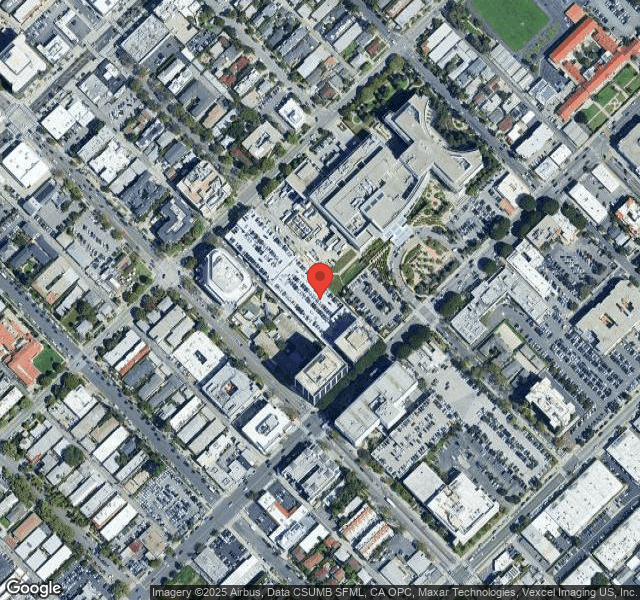

1320 20TH STREET, SANTA MONICA, CA 90404 (310) 829-4301
For profit - Partnership 59 Beds MARINER HEALTH CARE Data: November 2025 2 Immediate Jeopardy citations
Trust Grade
41/100
#454 of 1155 in CA
Last Inspection: April 2025

Within standard 12-15 month inspection cycle. Federal law requires annual inspections.

Overview

Santa Monica Health Care Center has a Trust Grade of D, indicating below-average performance with some concerning issues. It ranks #454 out of 1,155 nursing homes in California, placing it in the top half, and #68 out of 369 in Los Angeles County, suggesting it is one of the better local options. The facility is currently improving, as the number of reported issues has decreased from 11 in 2024 to 9 in 2025. Staffing is average with a rating of 3 out of 5 stars and a turnover rate of 42%, which is consistent with the state average. Notably, there have been no fines reported, which is a positive sign. However, there are significant concerns, including critical incidents where proper medical protocols were not followed. In one case, staff failed to use the appropriate oxygen device during CPR, which is essential for resuscitation efforts. Additionally, there was a failure to monitor the blood sugar levels of a diabetic resident, which ultimately resulted in that resident's death. Another incident involved a resident falling due to an obstruction in the hallway, leading to a serious injury. While the facility has some strengths, these critical incidents highlight serious weaknesses in care that families should consider.

Trust Score
D
41/100
In California
#454/1155
Top 39%
Safety Record
High Risk
Review needed
Inspections
Getting Better
11 → 9 violations
Staff Stability
○ Average
42% turnover. Near California's 48% average. Typical for the industry.
Penalties
✓ Good
No fines on record. Clean compliance history, better than most California facilities.
Skilled Nurses
⚠ Watch
Each resident gets only 25 minutes of Registered Nurse (RN) attention daily — below average for California. Fewer RN minutes means fewer trained eyes watching for problems.
Violations
⚠ Watch
35 deficiencies on record. Higher than average. Multiple issues found across inspections.
★★★★☆
4.0
Overall Rating
★★★☆☆
3.0
Staff Levels
★★☆☆☆
2.0
Care Quality
★★★★☆
4.0
Inspection Score
Stable
2024: 11 issues
2025: 9 issues

The Good

  • Full Sprinkler Coverage · Fire safety systems throughout facility
  • No fines on record
  • Staff turnover below average (42%)

    6 points below California average of 48%

Facility shows strength in fire safety.

The Bad

Staff Turnover: 42%

Near California avg (46%)

Typical for the industry

Chain: MARINER HEALTH CARE

Part of a multi-facility chain

Ask about local staffing decisions and management

The Ugly 35 deficiencies on record

2 life-threatening 1 actual harm
May 2025 2 deficiencies 2 IJ
CRITICAL (J) 📢 Someone Reported This

A family member, employee, or ombudsman was alarmed enough to file a formal complaint

Immediate Jeopardy (IJ) - the most serious Medicare violation

Deficiency F0678 (Tag F0678)

Someone could have died · This affected 1 resident

**NOTE- TERMS IN BRACKETS HAVE BEEN EDITED TO PROTECT CONFIDENTIALITY** Based on interview and record review, the facility failed to use appropriate oxygen delivery device (Ambu bag- device known as a...

Read full inspector narrative →
**NOTE- TERMS IN BRACKETS HAVE BEEN EDITED TO PROTECT CONFIDENTIALITY** Based on interview and record review, the facility failed to use appropriate oxygen delivery device (Ambu bag- device known as a bag valve mask [self-inflating bag], which is used to help initiate, provide respiratory support to patients who are not breathing or need assistance) during cardiopulmonary resuscitation (CPR, It is an emergency procedure that combines chest compressions and rescue breaths to help someone whose heart has stopped beating or who is not breathing) for one of two sampled residents (Resident 1). On [DATE] at 5:30 am, Resident 1 became unresponsive (not reacting to or responding to stimulus, question, or situation), had no pulse and was not breathing and CPR was initiated. Licensed Vocational Nurse (LVN) 1 placed Resident 1 on a non-rebreather mask (A medical device used to deliver a high concentration of oxygen [colorless, odorless gas essential for life] to a patient in emergency situations. It was not designed or intended for use on someone who is not breathing) at 10 liters (L, unit of measurements) of oxygen. The deficient practice resulted in Resident 1 ' s death on [DATE] at 5:58 am. On [DATE] at 6:20 pm., the Administrator (ADM), and Director of Nursing (DON) were notified that an Immediate Jeopardy (IJ- a situation on which the facility ' s noncompliance with one or more requirements of participation has caused, or is likely to cause serious injury, harm impairment, or death to a resident) was called for the facility ' s failure to use appropriate oxygen delivery during CPR for Resident 1. The failure to utilize an appropriate oxygen delivery device during CPR of Resident 1 there was chances of Residents ' survival, and no adverse health and death. Resident 1 was pronounced dead on [DATE] at 5:58 am. On [DATE] at 6:38 pm, while onsite and after the surveyor verified/confirmed the facility ' s full implementation of the IJ Removal Plan through observation, interview, and record review, and determined the IJ situation was no longer present, the IJ was removed onsite, in the presence of the ADM and DON. After the IJ was removed, the surveyor verified that the facility ' s non-compliance remained at a lower scope and severity (refers to the seriousness of the harm to the residents) of isolated (refers to the deficiencies affecting a very limited number of resident/s), actual harm (means the resident have experienced a negative outcome or injury due to the non-compliance), that was not immediate jeopardy. The IJ Removal Plan included the following: 1. Resident 1 is no longer a resident in the facility and expired on [DATE]. 2. The twenty-five residents with full code status currently residing in the facility may potentially be affected by this deficient practice. 3. On [DATE], the DON and Licensed Nurse Designee conducted record reviews for ten residents who had passed away within the last six months. The review focused on determining whether CPR was provided or not provided using appropriate lifesaving oxygen devices and emergency response preparedness. No further issues were identified. 5. On [DATE], at 9 PM, an external [not affiliated to the facility] Registered Nurse Consultant conducted one-on-one in-service education for the DON regarding the CPR policy and procedure, emphasizing the appropriate use of life-saving oxygen devices and emergency response readiness. 6. LVN 1 who is currently on Medical Leave as of [DATE], will be in-serviced by the DON upon return to work and prior to beginning shift. In-service will focus on CPR policy and procedure, proper steps on providing CPR when a resident is found unresponsive, use of Ambu-bag and emergency oxygen delivery devices such as oxygen tank, nasal cannula, and non-rebreather mask (a medical device used to deliver a high concentration of oxygen to a patient in emergency situations. It not designed or intended for use on someone who is not breathing). 7. On [DATE], at 8 AM, an external CPR certified trainer will conduct in-service education for all 25 active licensed nurses regarding the CPR policy and procedure, focusing on life-saving oxygen devices and emergency response preparedness. Out of 25 active licensed nurses, 10 had completed in person training this morning at 8 am. Additional seven licensed nurses CPR training will be completed via zoom / face time 12 pm. A post-test will be administered to assess competency in the material covered, with a required passing score of 100%. Additionally, there will be a return demonstration and competency skills evaluation. The two licensed nurses currently on medical leave, as well as the two nurses on call, will receive the training from the DON upon their return to work and prior to commencing their shifts. In-service sessions with the external CPR certified trainer will continue until all current licensed nurses have successfully completed the training with a 100% passing score on both the post-test and competency evaluation. These in-services will occur quarterly and will also be provided to all new licensed nurse hires during their orientation program by the Director of Staff Development (DSD)/Designated certified CPR trainer. The DSD will ensure that licensed nurses maintain active and current CPR certification upon hiring and annually thereafter. 8. On [DATE], the interdisciplinary team (DON, DSD, Minimum Data Set nurse, Rehabilitation program manager, Registered Dietitian, Activities Director, and ADM) conducted a review of all current residents ' code status. Of the 53 current residents in the facility, 36 residents are full code and 17 are do not resuscitate (DNR, a medical order that instructs healthcare providers not to perform CPR if a patient's breathing or heart stops). 9. The interdisciplinary team will review any changes in condition involving residents with full code status that result in Cardio-Pulmonary Resuscitation being performed. These reviews will occur daily during the morning stand-up meeting, Monday through Friday, focusing on adherence to CPR policy and procedures using the changes of condition audit tool. The DON or Licensed Nurse Designee will address the findings accordingly. Findings: During a review of Resident 1 ' s admission record, it indicated the facility admitted the resident on [DATE] with diagnoses that included diabetes mellitus (DM-a disorder characterized by difficulty in blood sugar control and poor wound healing), chronic obstructive pulmonary disease (COPD- a chronic lung disease causing difficulty in breathing), and hypertension (HTN-high blood pressure). During a review of the Resident 1 ' s Physician Orders for Life-Sustaining Treatment (POLST, a written medical order from a physician, nurse practitioner or physician assistant that helps give people with serious illnesses more control over their own care by specifying the types of medical treatment they want to receive during serious illness) dated [DATE], it indicated Resident 1 was a full code. The POLST indicated to attempt resuscitation/CPR with full treatment with primary goal of prolonging life by all medical effective means. During a review of Resident 1 ' s History and Physical (H&P- a comprehensive assessment of a patient, including a review of their medical history and a physical examination) dated [DATE] indicated, Resident 1 had DM with other specified complications, with long-term use of insulin (a hormone produced by the pancreas that helps regulate blood sugar levels). During a review of Resident 1 ' s nurse progress notes dated [DATE] at 5:29 am indicated, While walking to room (Resident 1 ' s room) I (LVN 1) noticed pt (patient) having convulsions (Rapid, involuntary muscle contractions that cause uncontrollable shaking and limb movement), body shaking and his eyes were rolling to the back of his head, checked for a pulse, no pulse. Attempted to check spo2 (oxygen saturation, the percentage of hemoglobin [the protein contained in red blood cells that is responsible for delivery of oxygen to the tissues] in the blood that is carrying oxygen), unable to obtain. Called CN (Charge Nurse) from St. (Station)1 for assistance, initiated CPR (Cardiopulmonary resuscitation), LVN 1 placed pt on non-rebreather mask (a medical device used to deliver a high concentration of oxygen to a patient in emergency situations. It was not designed or intended for use on someone who is not breathing). 911 (emergency telephone number used to call for help from police, fire, or ambulance services in an emergency) was called at 0533. EMS arrived at 0540 and took over compressions. EMS (Emergency Medical Services, is the system that delivers pre-hospital emergency medical care, encompassing a range of professionals, vehicles, and resources) called time of death at 0558. During a review of Resident 1 ' s Skilled Nursing Facility Discharge summary dated [DATE] at 8:47 am indicated discharge diagnoses included acute hypoxia (A condition in which the body or a region of the body is deprived of an adequate oxygen supply at the tissue level) and cardiac arrest (sudden loss of heart function). During an interview with LVN 1 on [DATE] at 12:44 pm, LVN 1 stated that on [DATE] at 5:30 am, LVN 1 noted that Resident 1 was having body shakes which looked like seizures (Sudden burst of electrical activity in the brain. It can cause changes in behavior, movements, feelings and levels of consciousness) with his eyes rolling to the back of his head. LVN 1 stated that the seizure subsided after 30 seconds of LVN 1 being in the room. LVN 1 stated that Resident 1 became unresponsive, had no pulse and was not breathing and CPR was initiated. LVN 1 further stated she placed Resident 1 on a non-rebreather mask at 10 L of oxygen. LVN 1 stated that a non-rebreather mask is helpful for individuals that are still breathing of which Resident 1 was not (not breathing). LVN 1 admitted that a non-rebreather mask could potentially obstruct the flow of oxygen if placed on a resident that is not breathing. During an interview with the Director of Nursing (DON) on [DATE] at 1:23 am, The DON stated that Resident 1 was admitted to the facility with diagnoses which included diabetes. The DON stated that when a resident is found to be unresponsive and not breathing, then a positive pressure device (is a device that helps patients breathe by delivering air under pressure into the lungs) such as an Ambu bag must be used to provide oxygen to the resident when doing a CPR. During an interview with the Medical Director (MD) 1 of the facility on [DATE] at 9:50 am, MD 1 stated that when an individual is not breathing, positive pressure must be applied to ensure oxygen is being delivered to that individual. During an interview with LVN 2 on [DATE] at 2:40 pm, LVN 2 stated the Ambu bag must be used while doing CPR. LVN 2 stated that the non-rebreather mask must not be used if resident is not breathing because they will not receive the oxygen which may result in airway obstruction. During an interview with LVN 3 on [DATE] at 12:42 pm, LVN 3 stated that an Ambu bag is used during CPR by providing 2 breaths after giving 30 compressions. LVN 3 stated that using a non-rebreather mask is never ok because it may block their airway if the resident is not breathing. During an interview with LVN 4 on [DATE] at 4:31 pm, LVN 4 stated that there are two types of codes namely, DNR (Do Not Resuscitate) and full code (where CPR must be done). LVN 4 stated that when performing CPR, the airway must be checked to ensure that it is clear and then an Ambu bag must be used especially if the resident is not breathing as this will ensure that the resident receives oxygen. The non-rebreather mask on the other hand must only be used if a resident is still breathing otherwise it may end up working as a barrier to receiving oxygen and cause suffocation. During a review of undated facility ' s policy and procedures (P&P) titled, Emergency Procedure - Cardiopulmonary Resuscitation. Indicated After 30 chest compressions provide two breaths via Ambu bag or manually (with CPR shield, [designed to protect the face of the caregivers from the transfer of fluids]). During a review of the facility ' s P&P titled, Manual Ventilation [a self-inflating bag device paired with a facemask (, revised [DATE] the indicated, To allow manual delivery of oxygen or room air [the ordinary air we breathe, which contains approximately 21% oxygen] to the lungs of a resident who is unable to ventilate independently. The same P&P listed the following as the fundamental information, Equipment: · Ambu bag · mask · oxygen and tubing (optional). During a review of the National Institute of Health (NIH) website https://www.ncbi.nlm.nih.gov/books/NBK593208/ dated 2021, indicated non-rebreather masks are used for patients who can breathe on their own but require higher concentrations of oxygen to maintain satisfactory blood oxygenation levels. Due to the one-way valves [to ensure that the patient only inhales oxygen from a reservoir bag and exhales into the environment, preventing rebreathing of exhaled air or room air] in non-rebreather masks, there is a high risk of suffocation.
CRITICAL (J) 📢 Someone Reported This

A family member, employee, or ombudsman was alarmed enough to file a formal complaint

Immediate Jeopardy (IJ) - the most serious Medicare violation

Quality of Care (Tag F0684)

Someone could have died · This affected 1 resident

**NOTE- TERMS IN BRACKETS HAVE BEEN EDITED TO PROTECT CONFIDENTIALITY** Based on interviews and record review, the facility failed to have a system in place to check and monitor blood sugar level for ...

Read full inspector narrative →
**NOTE- TERMS IN BRACKETS HAVE BEEN EDITED TO PROTECT CONFIDENTIALITY** Based on interviews and record review, the facility failed to have a system in place to check and monitor blood sugar level for residents who are diabetic (A person who has high blood sugar), and on insulin (A hormone which regulates the amount of sugar in the blood), for one of two residents (Resident 1) by failing to: 1. Ensure the facility ' s Licensed Nurse contacted Resident 1 ' s Attending Physician (AP) to obtain an order to check and monitor the blood sugar level for Resident 1 who had diabetes and on insulin. 2. Ensure the Licensed Vocational Nurse (LVN) 1 check the blood glucose level when Resident 1 was having body shakes which looked like seizures (A sudden, uncontrolled burst of electrical activity in the brain that affects awareness and muscle control) with his eyes rolling to the back of his head, became unresponsive (not reacting to or responding to a stimulus, question, or situation), had no pulse and was not breathing on 5/19/2025 at 5:30 am. Resident 1 subsequently died on 5/19/2025 at 5:58 am. 3. Ensure the facility ' s Licensed Nurse followed the facility ' s policy and procedure (P&P) titled, Diabetes Management revised 1/31/2025, which indicated monitor blood glucose levels twice a day if (Resident) on insulin and to check blood glucose if the resident is unconscious or vital signs are absent. These deficient practices had the potential to result in serious harm including seizure, hypoglycemia (occurs when the blood sugar [body ' s primary source of energy/food] level drops below the level the body can function with normally), hyperglycemia (high blood sugar), diabetic ketoacidosis (DKA life-threatening complication of diabetes that occurs when the blood sugar levels are too high and untreated for a prolonged length of time) coma, or death. On 5/30/2025 at 6:20 pm., the Department called an Immediate Jeopardy Situation (IJ, a situation in which the provider's non-compliance with one or more requirements of participation has caused, or likely to cause, serious injury, harm impairment, or death to a patient) in the presence the Administrator (ADM), and Director of Nursing (DON) related to the failure to have a system in place to obtain an order for blood sugar for Resident 1 who was admitted to the facility on [DATE] with a diagnosis of diabetes mellitus (DM, a disorder in which the body does not produce enough or respond normally to insulin, causing blood sugar levels to be abnormally high), on tube feeding (a method of providing nutrition directly to the digestive system through a tube placed into the stomach or small intestine) and receiving insulin Lantus (a long-acting insulin) 14 units twice a day and to check the blood sugar when Resident 1 had a change in condition on 5/19/25 at 5:30 am, and subsequently pronounced dead on 5/19/25 at 5:58 am. On 5/31/2025 at 6:38 pm, the Department removed the IJ situation while onsite after the surveyor verified the facility ' s implementation of the IJ removal plan (includes all actions the agency has taken or will take to immediately address the noncompliance that resulted in or made serious injury, serious harm, serious impairment, or death likely) through observation, interview, and record review, which included: On May 30, 2025, the DON and/or Licensed Nurse Designee conducted a review of the physician orders for all 17 residents diagnosed with diabetes to ensure that blood glucose monitoring protocols are in place. The six residents, who are managed with oral hypoglycemics, were reviewed by the attending physicians. Consequently, new orders have been issued to ensure blood glucose monitoring every shift, and Hemoglobin A1C tests (blood test that measures the average blood sugar levels over the past 2 to 3 months) are scheduled every three months. Effective May 31, 2025, the facility ' s interdisciplinary team (DON, Director of Staff Development [DSD], Registered Dietician [RD], Activity Director, Social Services Director, Rehab program manager and Minimum Data Set nurse) will conduct monthly reviews of blood sugar trends for current diabetic residents with attending physicians for a duration of three months or until the blood sugars are deemed stable by the physician. On May 30, 2025, at 8 PM, an external (not employed by the facility) Registered Nurse Consultant (RNC) conducted a one-on-one in-service education session with the DON regarding Diabetic Management, with a focus on blood sugar monitoring. This protocol pertains to the assessment of residents by Registered Nurses and data collection by Licensed Vocational Nurses (LVN), including notification of the physician for necessary interventions. The DON will provide one-on-one in-service education upon return to work and prior to beginning shift. In service will focus on Diabetic Management Policy and Procedure, emphasizing blood sugar monitoring for all diabetic residents, including during changes of condition. On May 31, 2025, the external RNC conducted in-service education and training for all twenty-five (25) currently active licensed nurses. The training covered diabetic management, routine blood sugar monitoring, recognition of changes in condition. Following the completion of these in-service education trainings, the topics will be repeated on a quarterly basis. Additionally, they will be incorporated into the orientation program for newly hired licensed nurses, administered by the DON or a Licensed Nurse Designee. Upon admission, the admitting nurse will review the diagnoses and medication list for all residents with the attending physician. The admitting nurse will prompt the physician to order blood glucose monitoring for all residents diagnosed with diabetes to establish a baseline and trend of blood sugars. The interdisciplinary team will review the records for all new admissions on the next business day using the admission audit tool and ensure blood glucose monitoring is in place for all diabetic residents. Findings: During a review of Resident 1 ' s admission record, it indicated the facility admitted the resident on 5/16/2025, with diagnoses that included diabetes mellitus, chronic obstructive pulmonary disease (COPD- a chronic lung disease causing difficulty in breathing), and hypertension (HTN-high blood pressure). During a review of Resident 1 ' s nurse progress note dated 5/16/2025 at 10:24 pm, it indicated, Patient arrived to our facility (SNF- Skilled Nursing Facility) from general acute care hospital (GACH) at 8 pm. He (Resident 1) was admitted to GACH because of a fall and was diagnosed with embolic stroke (occurs when a blood clot or other debris travels through the bloodstream and blocks an artery in the brain, interrupting blood flow and causing brain damage) and hypoglycemia. Resident 1 ' s GACH orders were reviewed. The orders did not include BS level monitoring even though insulin was ordered to be administered. During a review of Resident 1 ' s care plan titled, Risk for unstable blood glucose level: Hypoglycemia and Hyperglycemia) Due to DX (diagnosis) of DM, developed on 5/16/2025, the care plan included the following goals: -The resident's blood glucose level will remain stable. Early detection of the signs and symptoms of hypo/hyperglycemia. -Resident's sign and symptoms of hypo/hyper glycemia will improve with interventions. During a review of Resident 1 ' s physician ' s orders dated 5/17/2025, it indicated the following: - Lantus Solostar U-100 Insulin (insulin glargine- a long-acting synthetic insulin used to manage blood sugar levels in people with diabetes and can cause low blood sugar is a common side effect) insulin pen; 100 unit/ml 3 milliliter (ml, unit of measurement); 14 units subcutaneous (under the skin in fatty tissue) Special Instructions: Inject 14 units total under the skin two (2) times daily, [Twice A Day; 9 am, 5 pm] - Glucerna 1.5 (a specialized liquid medical food designed for individuals with type 1 or type 2 diabetes) via enteral pump (a medical device used to deliver liquid nutrients and medications directly into a patient's gastrointestinal tract) at 20 cubic centimeters per hour (cc/hr.) x (for) 24 hours. May stop feeding for activities and Activities of daily living (ADL). Initiate non-Bolus (administered continually over time) continuous tube feeding with Glucerna 1.5 at 20mL/hr and increase rate by 20 mL/hr every 4 hours to goal rate 55 mL/hr. During a review of Resident 1 ' s History and Physical (H&P- a comprehensive assessment of a patient, including a review of their medical history and a physical examination) dated 5/18/2025, it indicated Resident 1 had DM with other specified complications, with long-term use of insulin. During a concurrent interview on 5/21/2025 at 12:40pm and review of Resident 1 ' s Medication Administration Record (MAR- a report that serves as a legal record of all medications administered to a patient by a healthcare professional) for 5/16/2025 to 5/19/2025, it indicated the following: On 5/17/2025, Lantus 14 units was scheduled for 9 am and was documented as administered at 11:27 am. On 5/17/2025, Lantus 14 units was scheduled for 5 pm and was documented as administered at 11:25 pm. On 5/18/2025, Lantus 14 units was scheduled for 5 pm and was documented as administered at 7:17 pm. LVN 1 stated the insulin was administered on time, however, the administration was documented late on Resident 1 ' s record. During a concurrent interview and record review with the DON on 5/21/2025 at 1:20pm of Resident 1 ' s nurse progress noted dated 5/19/2025 at 5:29 am, it indicated, While walking to room (Resident 1 ' s room) I noticed pt (patient) having convulsions, body shaking and his eyes were rolling to the back of his head, checked for a pulse, no pulse. Attempted to check saturation of peripheral oxygen (SpO2, the percentage of hemoglobin in the blood that is carrying oxygen), unable to obtain. Called CN (Charge Nurse) from St. (station)1 for assistance, initiated CPR (Cardiopulmonary resuscitation), (LVN 1) placed pt on non-rebreather mask (a medical device used to deliver a high concentration of oxygen to a patient in emergency situations. It not designed or intended for use on someone who is not breathing). 911 (emergency telephone number used to call for help from police, fire, or ambulance services in an emergency) was called@ (at) 0533. EMS (Emergency Medical Services) arrived @ 0540 and took over compressions. EMS called time of death @ 0558. During a review of the Resident 1 ' s facility Discharge summary dated [DATE] at 8:47 am, it indicated the discharge diagnoses as acute hypoxemia (blood oxygen levels drop suddenly and significantly below normal) and cardiac arrest (a sudden and unexpected stoppage of the heart's ability to pump blood throughout the body). During an interview with Licensed Vocational Nurse (LVN) 1 on 5/21/2025 at 12:44 pm, LVN 1 stated that on 5/19/2025 at 5:30 am, LVN 1 noted that Resident 1 was having body shakes which looked like seizures with his eyes rolling to the back of his head. LVN 1 stated that the seizure subsided after 30 seconds of LVN 1 being in the room. LVN 1 stated that Resident 1 became unresponsive (not reacting to or responding to a stimulus, question, or situation), had no pulse and was not breathing and CPR was initiated. LVN 1 stated that even though Resident 1 was diabetic, LVN 1 did not check his blood sugar when Resident 1 had a change in his condition. LVN 1 stated she was unsure if she needed to check Resident 1 ' s blood sugar on that incident. During an interview with the DON on 5/21/2025 at 1:23 am, the DON stated that Resident 1 was admitted to the facility with diagnoses which included diabetes. The DON stated that residents that are diabetic and on insulin must have their blood sugar checked to prevent them from getting hypoglycemia. The DON stated that hypoglycemia could result in serious complications such as dizziness or diabetic coma (a life-threatening condition that occurs when blood sugar levels become dangerously high or low in people with diabetes. It can lead to loss of consciousness, seizures, and other serious complications). The DON further stated Resident 1 should have an order to check the blood sugar from the doctor. The DON stated that Resident 1 had a care plan developed upon admission which indicated that Resident 1 was at risk for developing hypo or hyperglycemia, and the only way to check was to perform a blood sugar check. During an interview with the Medical Director (MD) 1 of the facility on 5/22/2025 at 9:50 am, MD 1 stated that given that Resident 1 was diabetic and was receiving tube feeding must have their blood sugar checked at least every six hours. MD 1 stated that Resident 1 was receiving insulin which could cause hypoglycemia. MD 1 stated that the signs and symptoms of hypoglycemia include- obtundation (to be in a state of reduced consciousness or alertness, often described as a dazed or dulled mental state), confusion (a state of mental disorder characterized by a lack of clarity, understanding, or certainty), seizures, diaphoresis (excessive sweating) and or death. MD 1 stated that checking blood sugar is a standard order when a resident that is diabetic and receiving insulin upon admission. The MD stated that when there is a change in condition for a resident who is diabetics, the vital signs checked must include a blood sugar level. During a review of the facility ' s policy and procedure (P&P) titled, Diabetic Management. revised 1/31/2025, and a concurrent interview with LVN 2 on 5/31/2025 at 2:40pm, LVN 1 stated, When a resident who is diabetic is found unresponsive, a blood sugar must be checked. the P&P indicated Upon admission, physician's orders are received, which include blood glucose monitoring and anti-diabetic agents. Blood glucose orders will include parameters of when to call the physician if the glucose is too low or too high. The same P&P indicated under blood glucose monitoring for residents receiving insulin and well controlled. For the resident receiving insulin who is well controlled: d. monitor blood glucose levels twice a day if on insulin (for example, before breakfast and lunch and as necessary); e. monitor 3 to 4 times a day if on intensive insulin therapy or sliding-scale insulin; The same P&P indicated the following complications: Hypoglycemia (low blood sugar) symptoms · Perspiring or sweating excessively · Weakness, dizziness, or lightheadedness Excessive hunger · Blurred or impaired vision · Trembling or tremors Headache · Change in level of consciousness (lethargy or stupor) The same P&P indicated under procedure and treatment the following: -If the resident is unconscious or vital signs are absent, give 1 mg of Glucagon IM, and call 911. -Test the resident's blood glucose (BG). During a review of the facility ' s P&P titled, Enteral Nutrition, revised 1/31/2025, the P&P indicated The nursing staff and Physician will monitor the resident for signs and symptoms of inadequate nutrition, altered hydration, hypo- or hyperglycemia, and altered electrolytes. The nursing staff and Physician will also monitor the resident for worsening of conditions that place the resident for worsening of conditions that place the resident at risk for the above. During a review of undated facility ' s P&P titled, Emergency Procedure - Cardiopulmonary Resuscitation. Indicated After 30 chest compressions provide two breaths via Ambu bag or manually (with CPR shield).
Apr 2025 1 deficiency
CONCERN (D) 📢 Someone Reported This

A family member, employee, or ombudsman was alarmed enough to file a formal complaint

Potential for Harm - no one hurt, but risky conditions existed

Notification of Changes (Tag F0580)

Could have caused harm · This affected 1 resident

Based on interviews and record reviews, the facility failed to identify one of the three sampled residents (Resident 1) who had fluctuating Blood Sugar (BS) levels that were not reported to the Medica...

Read full inspector narrative →
Based on interviews and record reviews, the facility failed to identify one of the three sampled residents (Resident 1) who had fluctuating Blood Sugar (BS) levels that were not reported to the Medical Doctor (MD). This deficient practice resulted in Resident 1 experiencing a hypoglycemic (a medical condition where the level of glucose (blood sugar) drops below the normal range (a normal fasting blood sugar range is typically 70 to 99 milligram per deciliter [mg/dL-unit of measurement]) incident with accompanying Altered Mental Status (AMS) on 1/22/2025. Findings: During a record review, Resident 1 ' s admission record indicated the facility admitted the resident on 1/15/2025, with diagnoses that included dysphagia (difficulty swallowing), type 2 diabetes mellitus (DM-a disorder characterized by difficulty in blood sugar control and poor wound healing), and Chronic kidney disease (CKD - a condition where the kidneys gradually lose their ability to filter waste products from the blood, leading to a buildup of toxins and other harmful substances in the body). During a record review, Resident 1 ' s physician ' s orders dated 1/19/2025 indicated the following: - Diet Order: Renal diet Texture: Soft bite sized* EXTRA GRAVY AND EXTRA DRINKS ON TRAY PLEASE*. Special Instructions: Licensed Nurse to monitor and verify diet Q week - Lantus Solostar (Glargine) U-100 Insulin (a hormone [chemical substance] produced by the pancreas [body organ] that regulates blood sugar levels by facilitating the entry of glucose into cells for energy) pen; 100 unit/ml (3 ml); amt: 18 units; subcutaneous (SQ- beneath, or under, all the layers of the skin) Special Instructions: Dx: DM. At Bedtime; 9 PM. - Insulin Aspart U-100 solution; 100 unit/ml; amt: 14 units; subcutaneous. Special Instructions: with breakfast. If eating 25-49 % of meal, Inject 7 units (measurement) only. Dx: DM Once A Day; 07:00 AM - insulin Aspart U-100 solution; 100 unit/ml; amt: 18 units; subcutaneous. Special Instructions: with lunch, If eating 25·49 % of meal, inject 9 units only, Dx: DM Once a Day; 12:00 PM - insulin Aspart U-100 solution; 100 unit/ml; amt: 22 units; subcutaneous - Special Instructions: with dinner. If eating 25-49 % of the meal, Inject 11 units only. Dx: DM. Once A Day; 05:00 PM - 1/22/2025: Transferred Pt (Resident 1) to GACH (General acute care hospital) due to AMS (altered)/hypoglycemia. During a record review, Resident 1 ' s Minimum Data Set (MDS- a resident assessment tool) dated 1/22/25, indicated Resident 1 had moderate cognitive impairment (ability to think, read, learn, remember, reason, express thoughts, and make decisions). The MDS indicated Resident1 required between setup or clean-up and substantial/maximum assistance for eating, oral hygiene, toileting, lower body dressing, and putting on and taking off footwear. The MDS indicated the resident required substantial/maximal assistance (helper does more than half the effort) with showering/bathing, upper body dressing, and personal hygiene. During a record review, Resident 1 ' s Interdisciplinary Team (IDT- a group of healthcare professionals from different disciplines who work together to provide comprehensive and coordinated patient care) care conference dated 1/21/2025 at 6:18 pm, indicated, [Resident 1] dietary Is anxious to go home and the meals which Is restricted CKD Mechanical Soft (a dietary modification designed for individuals who have difficulty chewing or swallowing certain foods) he [Resident 1] prefer regular diet, and he hasn't been eating that much. Therefore, I suggested to review what he would like, and he stated he rather go home. During a record review, Resident 1 ' s SBAR (Situation, Background, Assessment, Recommendation- is a verbal or written communication tool that helps provide essential, concise information) conference dated 1/22/2025 at 2:16 pm, indicated, [Resident 1] observed to be sleeping and not responding to verbal or physical stimuli. Blood sugar checked and the reading was 43 mg/dL. Glucagon injection administered and he began to respond, and his blood sugar gradually increased to 62 mg/dL. The Pt observed to be sleeping and not responding to verbal or physical stimuli. Blood sugar checked and the reading was 43 mg/dL. Glucagon injection administered and he began to respond, and his blood sugar gradually increased to 62 mg/dL. The SBAR indicated, that 911 (emergency telephone number in the United States and Canada used to call for immediate help from emergency services like police, fire, and ambulance) was called and Resident 1 was transported to GACH. During a record review, the GACH History and Physical (H&P- a comprehensive assessment of a patient, including a review of their medical history and a physical examination) dated 1/22/2025 indicated, Resident 1 presented from facility with AMS and hypoglycemia. The GACH H&P indicated staff at the facility noted Resident 1 to be altered and unresponsive with a BS level of 47 mg/dL and was sent the resident to GACH. During a concurrent interview and record review of Resident 1 ' s chart with the Director of Nursing (DON) on 04/13/2025 at 2:34 pm, the DON stated Resident 1 was sent to GACH due to low BS at 43mg/dl on 1/22/2025 at 11:15 am. The DON admitted and stated Resident 1's blood BS levels were out of whack and should have been addressed with the physician regarding the erratic BS levels which ranged between 83-to-328mg/dl. The DON acknowledged and stated that the resident's Medical Doctor (MD) should have been notified for further orders to prevent the very high and very low BS level. During an interview with Medical Doctor (MD) 1 on 04/13/25 at 5:13 pm, MD1 stated the facility staff must inform Resident 1 ' s MD about erratic BS levels so that insulin could be corrected via insulin sliding scale (a method used to determine the amount of insulin to administer based on a person's blood sugar level at a specific point in time). MD 1 stated Dietary consultation is indicated regarding the resident's BS levels. MD 1 stated Resident 1's erratic BS may have been avoided by notifying MD 1 who would then easily adjust the insulin dosages. During an interview with Licensed Vocational Nurse (LVN) 1 on 4/28/25 at 10:49 am, LVN 1 stated LVN 1 did not notify MD 1 about BS level because the levels appeared to be at baseline when LVN1 checked the resident's BS levels. LVN 1 admitted and stated BS trends must include levels from across all shifts to determine a true baseline and that a MD informed to prevent hypoglycemic or hyperglycemic (a medical condition where the level of glucose (blood sugar) rises above the normal range) episodes. During an interview with Registered Dietician (RD) on 4/28/25 at 11:15 am, the RD stated RD had visited with Resident 1. RD stated Resident 1 was supposed to be on a mechanical soft CKD diet, but the resident wanted to be on a regular texture diet. RD stated RD did inform Resident 1 that speech therapy staff are responsible in determining if Resident 1 could have regular diet after speech therapy evaluated Resident 1. RD admitted RD had not reviewed Resident 1 ' s BS level nor reviewed how much food Resident 1 was consuming. RD confirmed and stated Resident 1 ' s reduced meal intake could lead to a drop (hypoglycemia) in the BS. During a record review, the facility Policy and Procedure (P&P) titled, Changes in Resident Condition. revised 12/13/2024 indicated, The resident, attending Physician and resident representative (if resident has no capacity to make health care decisions or if resident opts to notify a designated family member) are notified when changes in condition or certain events occur. Communication with the interdisciplinary team and direct care staff is also important to ensure that consistency and continuity of care are maintained. The same P&P indicated the procedure to inform attending physician when there is . a need to alter treatment significantly (i.e., a need to discontinue an existing form of treatment due to adverse consequences, or to commence a new form of treatment).
Apr 2025 6 deficiencies
CONCERN (D)

Potential for Harm - no one hurt, but risky conditions existed

MDS Data Transmission (Tag F0640)

Could have caused harm · This affected 1 resident

**NOTE- TERMS IN BRACKETS HAVE BEEN EDITED TO PROTECT CONFIDENTIALITY** Based on interview and record review, the facility failed to ensure that resident specific information for payment and quality m...

Read full inspector narrative →
**NOTE- TERMS IN BRACKETS HAVE BEEN EDITED TO PROTECT CONFIDENTIALITY** Based on interview and record review, the facility failed to ensure that resident specific information for payment and quality measures were electronically transmitted to the Quality Improvement Evaluation System (QIES) Assessment Submission and Processing (ASAP) System, an Minimum Data Set (MDS - a resident assesment tool) record that passes CMS' standard edits and is accepted into the system, within 14 days of the final completion date, or event date in the case of Entry and Death in Facility situations, of the record for three of twenty sampled residents (Residents 40, 48, and 50). This deficient practice resulted in the late submission of MDS assessments for Residents 40, 48, and 50. Findings: During a record review, Resident 40's admission Record indicated the facility admitted Resident 40 on 5/27/2021 and readmitted Resident 40 on 12/3/2024 with diagnoses including cerebral infarction (stroke, loss of blood flow to a part of the brain), hypertension (HTN-high blood pressure), and dementia (a progressive state of decline in mental abilities). During a record review, Resident 40's MDS dated [DATE], indicated Resident 40 is cognitively impaired (when a person has trouble remembering, learning new things, concentrating, or making decisions that affect their everyday life). The MDS indicated Resident 40 required partial/moderate from staff with activities of daily living (ADL -tasks of everyday life). During a record review, Resident 48's admission Record indicated the facility admitted Resident 48 on 8/28/2023 and readmitted Resident 48 on 11/30/2023 with diagnoses including anxiety (feeling of worry or fear, often in anticipation of a stressful situation), atrial fibrillation (an irregular often rapid heartbeat caused by a problem with the hearts electrical system), and dementia (a progressive state of decline in mental abilities). During a record review of Resident 48's MDS - dated 2/17/2025, indicated Resident 48 is cognitively impaired. The MDS indicated Resident 48 required staff assistance with ADL. During a record review, Resident 50's admission Record indicated the facility admitted Resident 50 on 11/15/2024 with diagnoses including chronic kidney disease (CKD -a condition where the kidneys gradually lose their ability to filter waste products from the blood, leading to a buildup of toxins and other substances in the body), altered mental status (AMS-a condition that impacts a person's cognitive function, level of consciousness, or behavior, deviating from their normal state), and dementia (a progressive state of decline in mental abilities). During a record review, Resident 50's MDS dated [DATE], indicated Resident 50 is cognitively impaired. The MDS indicated Resident 50 required staff with ADL. During a concurrent interview and record review, on 4/13/2025, at 10:05 A.M., with the Minimal Data Set Nurse (MDSN), Resident 40, 48 and 50's electronic charts and the facility Internet Quality Improvement and Evaluation System (IQIES) were reviewed. MDSN stated MDS assessments are done quarterly, with change of condition, annually, and then submitted to IQIES within 14 days of the assessment being completed. MDSN stated Residents 40,48, and 50's MDS assessment were not submitted to IQIES within the 14 days after the assessments were completed per regulations. MDSN stated Resident 40's MDS was completed on 3/11/2025 and submitted 4/12/2025, Resident 48 MDS was completed on 2/17/20-25 and submitted 4/12/2025, and Resident 50 MDS was completed 2/22/2025 and submitted 4/12/2025. MDSN stated CMS warned MDSN about submitting MDS assessments late for Resident 48. During an interview, on 4/13/2025, at 11:05 A.M., with the Director of Nursing (DON), the DON stated MDS assessments need to be submitted to CMS within 14 days after completion of the assessment to adhere to the regulations and to notify CMS if there are any changes that have occurred with the resident's care. During a record review of the facility provided CMS's Resident Assessment Instrument (RAI) Version 3.0 Manual dated 10/2024, the Manual indicated, 5.1 Transmitting MDS Data All Medicare and/or Medicaid certified nursing homes and swing beds, or agent's pf those facilities, must transmit required MDS data records to CMS Internet Quality Improvement and Evaluation System (IQIES). . Completion Timing: -For all non-admissions Omnibus Budget Reconciliation Act (OBRA-a series of Congress acts) and post-post script (PPS -a payment system used by Medicare) assessment, the MDS completion date must be no later than 14 days after the assessment references date (ARD).
CONCERN (D)

Potential for Harm - no one hurt, but risky conditions existed

Deficiency F0655 (Tag F0655)

Could have caused harm · This affected 1 resident

**NOTE- TERMS IN BRACKETS HAVE BEEN EDITED TO PROTECT CONFIDENTIALITY** Based on interview and record review, the facility failed to develop a comprehensive care plan for one of five sampled residents...

Read full inspector narrative →
**NOTE- TERMS IN BRACKETS HAVE BEEN EDITED TO PROTECT CONFIDENTIALITY** Based on interview and record review, the facility failed to develop a comprehensive care plan for one of five sampled residents (Resident 64) in accordance with the facility's policy and procedures (P&P) titled Comprehensive Plan of Care with approval effective date of 12/13/2024, by failing to initiate a care plan for Resident 64's incontinence (an accidental loss of urine or feces) of bowel (intestine - long, tube-like organ that's part of your digestive system, where food travels and waste is produced) and bladder (a bag-like organ that stores urine, the liquid waste the body produces). This deficient practice had the potential to negatively affect the delivery of necessary care and services needed for Resident 64. Findings: During a record review, Resident 64's admission Record indicated the facility admitted Resident 64 on 3/14/2025 with diagnoses including Muscle wasting (shrinking or loss of muscle tissue), difficulty walking, and hypertension (HTN-high blood pressure) During a record review, Resident 64's bowel and bladder assessment dated [DATE], indicated . Resident 64 is incontinent of bowel, had inadequate control, incontinent all or most of the time. The assessment further indicated that Resident 64 was also had urinary incontinence, had inadequate control, incontinent multiple times a day. During a record review, Resident 64's Minimum Data Set (MDS - a resident assessment tool) dated 3/18/2025, indicated Resident 64 is cognitively intact (when a person has no trouble remembering, learning new things, concentrating, or making decisions that affect their everyday life). The MDS indicated Resident 64 required partial/moderate to staff dependence with activities of daily living (ADL -tasks of everyday life) and was incontinent urinary and bowel. During a concurrent interview and record review, on 4/13/2025, at 1:20 P.M., with Registered Nurse Supervisor 1 (RNS 1), Resident 64's electronic chart was reviewed. RNS 1 stated Resident 64 was incontinent of both bowel and bladder. RNS 1 stated Resident 64 did not have a care plan for bowel and bladder. RNS 1 stated a care plan contains a nursing assessment, which allows the facility staff based on the assessment to attain improvement and quality of life for a resident on issues that have been identified during the assessment such as incontinence of bowel and bladder. RNS 1 stated when issues identified during the nursing assessment are not addressed, such as incontinence, this may lead to resident being depressed. During an interview, on 4/13/2025, at 3:01 P.M., with the Director of Nursing (DON), the DON stated a care plan is a plan of care that includes goals, interventions, based on a resident's diagnosis. The DON stated the care plan tells the facility staff how to be able to help the residents. The DON stated the bowel and bladder care plan is done to ensure residents are monitored every two hours, to see if residents are candidates for bowel and bladder training and if the care plan is not done, the residents may be at risk for skin breakdown and infection. During a record review, the facility's policy and procedures (P&P) titled Comprehensive Plan of Care approved on 12/13/2024, indicated, Purpose: Each resident will have a comprehensive care plan developed that includes goals, measurable objectives, and timetables to meet their medical, nursing, mental, and psychosocial needs identified during the comprehensive assessment.
CONCERN (D)

Potential for Harm - no one hurt, but risky conditions existed

Comprehensive Care Plan (Tag F0656)

Could have caused harm · This affected 1 resident

**NOTE- TERMS IN BRACKETS HAVE BEEN EDITED TO PROTECT CONFIDENTIALITY** Based on observation, interview, and record review, the facility failed to create an individualized care for one of three sample...

Read full inspector narrative →
**NOTE- TERMS IN BRACKETS HAVE BEEN EDITED TO PROTECT CONFIDENTIALITY** Based on observation, interview, and record review, the facility failed to create an individualized care for one of three sampled residents (Resident 172) with specific goals and interventions for her dementia (a progressive state of decline in mental abilities) diagnosis. This deficient practice had the potential to result in deterioration of function in Resident 172's quality of life. Findings: During a record review, the admission record for Resident 172 indicated Resident 172 was admitted to the facility on [DATE] with diagnoses including dementia, hypertension (HTN-high blood pressure), and acute kidney failure (a sudden and significant decline in kidney function). During a record review, Resident 172's Minimum Data Set (MDS - a resident assessment tool) dated 3/30/2025, indicated Resident 172 had severe cognitive impairment (a significant decline in thinking, learning, remembering, and reasoning abilities, impacting daily functioning and potentially leading to the inability to live independently). The same MDS indicated, Resident 172 required between substantial/maximal assistance and dependent for most Activities of Daily Living such as: (ADLs- routine tasks/activities such as eating, oral hygiene, toileting hygiene, personal hygiene, lower/upper body dressing, putting on/taking off footwear). During an interview with the Director of Nursing (DON) on 4/18/2025, the DON confirmed that Resident 172 was diagnosed with dementia. The DON stated that care plans are developed for all residents to help direct care that is specific to each resident. The DON stated that things such as high-risk medications, diagnosis must be care planned. The DON admitted there was no care plan developed for Resident 172's dementia diagnosis. The DON admitted the potential of not developing an individualized care plan for dementia could result in staff not knowing the exact interventions to provide to Resident 172. During a review of the facility Policy and Procedures (P&P) titled Dementia Clinical Protocol, with an effective date of 8/2/2024 indicated, as part of the initial assessment, the physician will help identify individuals who have been diagnosed as having dementia and those with otherwise impaired cognition. The same P&P indicated, for the individual with confirmed dementia, the IDT (Interdisciplinary Team- a group of healthcare professionals who collaborate to provide comprehensive and coordinated care for residents, addressing their physical, mental, and emotional needs) will identify a resident-centered care plan to maximize remaining function and quality of life.
CONCERN (D)

Potential for Harm - no one hurt, but risky conditions existed

Infection Control (Tag F0880)

Could have caused harm · This affected 1 resident

**NOTE- TERMS IN BRACKETS HAVE BEEN EDITED TO PROTECT CONFIDENTIALITY** Based on observation, interview, and record review, the facility failed to implement its policies and procedures (P&P) for one o...

Read full inspector narrative →
**NOTE- TERMS IN BRACKETS HAVE BEEN EDITED TO PROTECT CONFIDENTIALITY** Based on observation, interview, and record review, the facility failed to implement its policies and procedures (P&P) for one out of four residents (Resident 31) by failing to ensure that Resident 31's oxygen tubing was changed every seven days. This deficient practice had the potential to cause respiratory infections. Findings: During a record review, Resident 31's admission record indicated Resident 31 was admitted to the facility on [DATE] with diagnoses which included depression (a common mental health condition that affects how you feel, think, and act which is characterized by persistent sadness, loss of interest, and other symptoms that interfere with daily life), HTN, and atrial fibrillation (a common heart rhythm disorder where the heart's upper chambers (atria) beat irregularly and too fast, sometimes causing a rapid and irregular pulse). During a record review, Resident 31's Minimum Data Set (MDS - a resident assessment tool) dated 12/30/2024, indicated Resident 31 had severe cognitive impairment. The same MDS indicated, Resident 31 was dependent for Activities of Daily Living such as: (ADLs- routine tasks/activities such as eating, oral hygiene, toileting hygiene, personal hygiene, lower/upper body dressing, putting on/taking off footwear). During a record review, Resident 31's physician's order dated 9/30/2024 indicated, may have O2 (oxygen) inhalation via N/C (nasal canula) PRN (as needed) for SOB (shortness of breath). May titrate O2 to keep O2 saturation above 92% (normal ranges between 92% (percent-unit of measurement) -100%). During a concurrent observation of Resident 31 and interview with the Director of Nursing (DON) on 4/11/2025 at 8:40 pm, Resident 31 was observed lying down in bed and receiving O2 at 2liter per minute (l/m) via nasal canula (NC-oxygen delivery tubing). The NC tubing was dated 3/27/2025. The DON confirmed this finding and stated that the O2 tubing must be changed every seven days. The DON stated that the potential of not changing the tubing could result in a buildup of mucus which may result in respiratory infections. During a record review, the facility policy and procedures (P&P) titled Care and handling of respiratory equipment,' revised 12/13/2024, indicated, Care and Handling of Respiratory Equipment, with an effective date of 9/17/2024 indicated, Care should be exercise in handing respiratory equipment to prevent contamination. In addition, all respiratory and nursing personnel shall follow a regular schedule for cleaning and maintaining equipment. The same P&P indicated equipment such as cannula and humidifier should be changed within every seven days or when obviously contaminated.
CONCERN (E)

Potential for Harm - no one hurt, but risky conditions existed

Medication Errors (Tag F0758)

Could have caused harm · This affected multiple residents

**NOTE- TERMS IN BRACKETS HAVE BEEN EDITED TO PROTECT CONFIDENTIALITY** Based on observation, interview and record review, the facility failed to: 1. Implement a Gradual Dose Reduction (GDR-is the ste...

Read full inspector narrative →
**NOTE- TERMS IN BRACKETS HAVE BEEN EDITED TO PROTECT CONFIDENTIALITY** Based on observation, interview and record review, the facility failed to: 1. Implement a Gradual Dose Reduction (GDR-is the stepwise tapering of a dose to determine if symptoms, conditions, or risks can be managed by a lower dose or if the dose or medication can be discontinued after no more than three months after starting on the psychotropic medication, unless clinically contraindicated) recommendation for one of 20 sampled residents (Resident 46). 2. Ensure antipsychotics consent was accurately completed for three of 20 Residents 172, 5, 46, and 31 3. Ensure Resident 31 who was prescribed mirtazapine (Remeron- a prescription medicine used to treat a certain type of depression called Major Depressive Disorder (MDD) in adults) These deficient practices: 1. Had the potential to result in Resident 46 receiving unnecessary medications not consented for. 2. Resulted in Resident 46 receiving an extra dose of Remeron (brand name mirtazapine, a medication to treat depression) without clinical reason for use. Findings: 1. During a record review, Resident 46's admission record indicated Resident 46 was originally admitted to the facility on [DATE] and re-admitted oon12/20/2024 with diagnoses that include metabolic encephalopathy (brain disorder resulting from metabolic disturbances that affect brain function, causing symptoms like confusion, memory loss, and potentially coma), malignant neoplasm of the brain (a cancerous growth in the brain tissue that can spread and invade surrounding healthy tissue.), benign(not cancer) prostate (A gland in the male reproductive system) hypertrophy (is larger than [NAME]), pneumonitis (inflammation of the lungs) and diabetes mellitus (high blood sugar in the blood) During a record review, Resident 46's history and physical dated 2/15/2024 indicated Resident 46 had decision making capacity. During a record review, Resident 46's Minimum Data Set (MDS - a resident assessment tool) dated 3/15/2025, indicated Resident 46 had intact cognition (the mental action or process of acquiring knowledge and understanding through thought, experience, and the senses). During a record review, Resident 46's psychiatric visit progress note dated 12/6/2024 indicated, recommend decreasing Remeron 15mg to Remeron 7.5mg (milligrams -unit of measurement) administered during hours of sleep (QHS) for depression manifested by (M/B) verbalization of sadness for gradual dose reduction (GDR) purposes. During a record review, Resident 46's electronic medication administration record (EMAR) for 12/2025, indicated Remeron 15mg was administered to Resident 46 on 4/13/2025. During an interview on 04/13/25 at 06:40 PM, licensed vocational nurse (LVN) 1 stated licensed staff did not follow-up and/or carry out the 12/06/2024 GDR recommendation to decrease Remeron 15 mg to Remeron 7.5 mg QHS for depression M/B for GDR purposes, LVN1 stated the GDR should have been attempted, to ensure Resident 46's psychotropic drug regimen was free from unnecessary drugs, including drugs prescribed in excessive dosages. During an interview on 4/13/2025 at 08:36 PM Director of Nursing (DON) stated the purpose of the GDR is to ensure Resident 46 is free from unnecessary medications by gradually reduce then dose of the psychotropic medications when symptoms subside to prevent excessive dosages, for excessive durations, without adequate monitoring and indications for use, or in the presence of adverse consequences. During a record review, the facility policy and procedures (P&P) titled Psychotropic Medication Assessment & Monitoring dated 12/13/2024 indicated, psychotropic drugs are used only when necessary, and at the lowest effective dose, dose reductions or re-evaluations are provided, the psychotropic medication monthly evaluation is completed by the licensed nurse, if at any time during the assessment or monitoring process the psychotropic medication order is found to be inappropriate, the DON/Licensed Nurse Designee is to be notified, and the attending physician will be called for clarification. 2. During a record review, Resident 172's admission record indicated Resident 172 was admitted to the facility on [DATE] with diagnoses including dementia (a progressive state of decline in mental abilities), hypertension (HTN-high blood pressure), and acute kidney failure (a sudden and significant decline in kidney function). During a record review, the facility document titled FACILITY VERIFICATION OF INFORMED CONSENT TO THERAPEUTIC DRUGS, PHYSICAL RESTRAINTS, AND/OR PROLONGED USE OF DEVISE, (informed consent) dated 4/12/2025 for Resident 172, indicated, I have obtained the informed consent from the resident or surrogate decision maker for the use of anti-depressant trazodone 100 mg po QHS (at bedtime) and antipsychotic mirtazapine 10 mg po QHS (every night at bedtime). The same informed consent indicated that the physician obtained consent from Resident 172 and RP (responsible party). The same consent form indicated missing signatuures for Resident 172 and Resident 172's RP. During a record review, Resident 172's Minimum Data Set (MDS - a resident assessment tool) dated 3/30/2025, indicated Resident 172 had severe cognitive impairment (a significant decline in thinking, learning, remembering, and reasoning abilities, impacting daily functioning and potentially leading to the inability to live independently). The same MDS indicated, Resident 172 required between substantial/maximal assistance and dependent for most Activities of Daily Living such as: (ADLs- routine tasks/activities such as eating, oral hygiene, toileting hygiene, personal hygiene, lower/upper body dressing, putting on/taking off footwear). During a record review, Resident 172's physician orders dated 3/26/2025, indicated the following: Mirtazapine 15mg tablets (tabs), 1 tab by mouth (po) everyday (qd) at bedtime. Olanzapine (Zyprexa - used to treat schizophrenia) 10 mg tab, take 1-tab po qd at bedtime for psychosis m/b mood swings. Trazodone 100 mg tab, take 1-tab po at bedtime for depression m/b inability to sleep. During a concurrent interview and record review for Resident 172 with the Minimal Data Set (MDS) nurse on 4/13/2025 12:35 pm, the facility document titled FACILITY VERIFICATION OF INFORMED CONSENT TO THERAPEUTIC DRUGS, PHYSICAL RESTRAINTS, AND/OR PROLONGED USE OF DEVISE, (informed consent) dated 4/12/2025 for Resident 172 was reviewed. The MDS nurse admitted and stated that she signed the consent forms for Residents 31 and 172. The MDS nurse admitted and stated that she had signed the consent for Resident 172 on 4/12/2025 which was after Resident 172 started taking mirtazapine, olanzapine, and trazodone medications. 3. During a record review, Resident 31's admission record indicated Resident 31 was admitted to the facility on [DATE] with diagnoses which included depression (a common mental health condition that affects how you feel, think, and act which is characterized by persistent sadness, loss of interest, and other symptoms that interfere with daily life), HTN, and atrial fibrillation (a common heart rhythm disorder where the heart's upper chambers (atria) beat irregularly and too fast, sometimes causing a rapid and irregular pulse). During a record review, Resident 31's MDS dated [DATE], indicated Resident 31 had severe cognitive impairment. The same MDS indicated, Resident 31 was dependent for all ADLs. During a record review, Resident 31's physician orders dated 9/30/2024, indicated, mirtazapine 30 mg tabs, 1 tab by via G-Tube (a feeding tube inserted into the stomach through the abdominal wall. It's used to deliver nutrition, fluids, and medications directly to the stomach when someone cannot eat or drink adequately by mouth) qd at bedtime for depression m/b sad facial expression. During a record review, the facility document titled FACILITY VERIFICATION OF INFORMED CONSENT TO THERAPEUTIC DRUGS, PHYSICAL RESTRAINTS, AND/OR PROLONGED USE OF DEVISE, (informed consent) for Resident 31 indicated, I have obtained the informed consent from the resident or surrogate decision maker for the use of anti-depressant mirtazapine 30 mg via G-Tube (everyday qd at bedtime for depression m/b sad facial expression. The same informed consent indicated the physician obtained verbally consent from the RP on 7/28/2024, however, RP's signature was missing on the consent form. 4. During a record review, Resident 5's admission record indicated Resident 5 was initially admitted to the facility on [DATE] and readmitted on [DATE] with diagnoses which included depression, HTN, and hyperlipidemia (abnormally high levels of fats (lipids) in the blood, including cholesterol and triglycerides). During a record review, Resident 5's physician orders dated 9/9/2022, indicated, quetiapine 50 mg tabs, 1-tab po three times qd for psychosis m/b agitation and hitting staff. During a record review, Resident 5's MDS dated [DATE], indicated Resident 5 had severe cognitive impairment. The same MDS indicated, Resident 5 required between supervision/touching assistance to dependence on staff for all ADLs. During a record review, the facility document titled FACILITY VERIFICATION OF INFORMED CONSENT TO THERAPEUTIC DRUGS, PHYSICAL RESTRAINTS, AND/OR PROLONGED USE OF DEVISE, (informed consent) for Resident 5 indicated, I have obtained the informed consent from the resident or surrogate decision maker for the use of anti-psychotic quetiapine 50 mg take 1 tablet for psychosis m/b agitation and hitting staff. The same informed consent indicated; the physician had obtained it verbally from the RP on 2/10/2025. There was no signature noted from the RP on the same consent form. During a concurrent interview and record review of Resident 31's order with the Director of Nursing (DON) on 04/13/2025 11:29 am. the DON stated that process for prescribing medications especially antidepressant included thoroughly assessing as resident's symptoms and ensuring that the medication is necessary. The DON stated that a resident must have a diagnosis and justification before the antidepressant is prescribed, and a consent must be obtained signed by the resident or resident representative (RP) indicating that the physician had educated them about the benefits and risks. The DON stated the physician then signs the consent as well to indicated that they had provided the teaching. The DON stated that a complete order includes dose, dated, route, times, diagnosis which will indicate manifestations which will support a diagnosis of depression. The DON acknowledged and stated that Resident 31's order for mirtazapine was for depression m/f a sad facial expression. The DON confrmed and stated that a sad facial expression was not enough to warrant or confirm a diagnosis of depression. The DON acknowledged and stated that the medication could be considered unnecessary. The DON confirmed and stated that the consents for Residents 5, 31, and 172 were not signed by the residents and or the residents RPs. The DON stated that the potential of not having consent signed by residents and or RP could result in residents taking medications that the residents and or RP do not consent to. During a record review, the facility policy and procedures (P&P) titled Psychotropic Medication Assessment & Monitoring,' revised 12/13/2024 indicated, Psychotropic drugs are used when necessary, and then at the lowest effective dose. Monitoring for drug side effects leads early identification and reporting. The same P&P indicated, the physician is responsible for obtaining an informed consent from the resident (if with the capacity to make healthcare decisions) or resident representative (if resident has no capacity to make healthcare decisions). A physician's order with an appropriate diagnosis, behavior to be monitored.
CONCERN (E)

Potential for Harm - no one hurt, but risky conditions existed

Food Safety (Tag F0812)

Could have caused harm · This affected multiple residents

Based on observation, interview and record review, the facility failed to ensure safe and sanitary food storage practices in the kitchen when: a. There were no temperature logs for both refrigerators...

Read full inspector narrative →
Based on observation, interview and record review, the facility failed to ensure safe and sanitary food storage practices in the kitchen when: a. There were no temperature logs for both refrigerators number 1 and 2. b. There was no thermometer in Refrigerator number 2. c. Food item past it's use by date in Refrigerator number 2. d. Ice machine scoop had no cleaning log. e. Staff food was stored in the resident's refrigerator. These deficient practices had the potential to result in harmful bacterial growth and cross contamination (transfer of harmful bacteria from one place to another) that could lead to foodborne illnesses (a disease caused by consuming food or drinks that are contaminated by germs or chemicals) in 56 of 56 medically compromised residents who received food from the kitchen. Findings: During an interview on 4/11/2025 at 5:13 P.M., with the Registered Dietician (RD), the RD stated the facility staff check the temperatures in both Refrigerators number 1 and 2, however, there is no documented evidence of the temperature logs. RD stated the facility should have a temperature log for both refrigerators to make sure that the temperatures in the refrigerators are within parameters and lack of the refrigerator temperature logs makes it's hard to track the temperatures for the refrigerators and communication among staff. During a concurrent observation and interview on 4/13/2025 at 5:30 P.M., with the RD, there was no thermometer observed in the Refrigerator number 2. The RD stated that the refrigerator needs to have a thermometer inside to always measure the temperature. RD stated the refrigerator contains perishable foods and the facility needs to maintain the temperature at cold to ensure that the food does not get spoiled and cause the resident to get sick. During a concurrent observation and interview on 4/13/2025 at 5:32 P.M., with the RD, there was a container of black beans with the use by date of 4/10/2025 in Refrigerator number 2. The RD stated the black beans container has an open date of 4/7/2025 and a use by date of 4/10/2025. The RD stated the black beans was past it's use by date and should not be in the refrigerator because it may be given to the residents and cause then to get sick such as vomiting. During an interview on 4/13/2025 at 5:38 P.M., with the RD, the RD stated the facility staff wash the ice scoop daily and document when it is done. However, the RD stated there was no documented evidence that the ice scoop was washed. The RD stated the facility needs to have a log to document when the ice scoop was cleaned to ensure that it is cleaned. The RD stated if there is no cleaning log, there is no telling when the ice scoop was cleaned and if it was cleaned. The RD stated if the ice scoop is not cleaned, it may have bacterial growth which can cause the residents to get sick if used. During a concurrent observation and interview on 4/13/2025 at 12:30 P.M., on the patio with the RD of the residents outside refrigerator, there was a plastic of food, a lunch bag and a water cup. RD stated the plastic of food, the lunch bag and the water bottle belonged to the facility staff. The RD stated the resident's refrigerator needs to contain residents' food only. The RD stated the resident's refrigerator had staff items in there that should not be in there as they would cause cross contamination and possible illness to the residents. During a record review, the facility's policy & procedures (P&P) titled Food Storage Principles approved on 1/11/2024, indicated, Proper food storage is essential for preserving food quality. This applies to food stores prior to preparation, and also to prepared food (leftovers) placed in storage. Storage factors that impact the preservation of quality include holding period, temperature, and humidity . Record storage area temperatures on a temperature log. During a record review, the facility's P&P, titled Food Brought from Outside the Facility approved on 8/2/2024, indicated, Purpose: It is a resident right to obtain foods from outside sources such as ordering takeout, and food brought in by the resident's family and friends . The food and Nutritional services Director and staff will ensure proper safe food handling practices are observed as demonstrated by the departments food safety competencies and education to prevent foodborne illness outbreak. During a record review of Food Code 2022, the Food Code 2022 indicated, 3-307.11 Miscellaneous Sources of Contamination. Food shall be protected from contamination that may result from a factor or source not specified under subparts 3-391 - 3-306.
Mar 2024 8 deficiencies
CONCERN (D)

Potential for Harm - no one hurt, but risky conditions existed

Resident Rights (Tag F0550)

Could have caused harm · This affected 1 resident

**NOTE- TERMS IN BRACKETS HAVE BEEN EDITED TO PROTECT CONFIDENTIALITY** Based on observation, interview, and record review, the facility failed to provide care in a manner that maintained or enhanced ...

Read full inspector narrative →
**NOTE- TERMS IN BRACKETS HAVE BEEN EDITED TO PROTECT CONFIDENTIALITY** Based on observation, interview, and record review, the facility failed to provide care in a manner that maintained or enhanced a resident's dignity, respect, and individuality for one of four sampled residents (Resident 208). On 3/26/2024 at 8 AM, the facility staff was observed standing over Resident 208 while assisting the resident during breakfast. This deficient practice had the potential to negatively affect Resident 208's self-esteem and self-worth. Findings: A review of Resident 208's admission Record indicated the resident was admitted to the facility on [DATE], with medical diagnoses including hyperlipidemia (elevated cholesterol), hypertension (high blood pressure), peripheral vascular disease (the reduced circulation of blood to a body part), chronic obstructive pulmonary disease (a group of lung diseases that block airflow and make it difficult to breathe), acute pulmonary edema (a condition caused by too much fluid in the lungs), and of left femur fracture (broken thigh bone). A review of Resident 208's History and Physical dated 3/21/2024, indicated the resident had the capacity to understand and make decisions. During a breakfast observation in Resident 208's room on 3/26/2024 at 8 AM., Certified Nursing Assistant 8 (CNA 8) was feeding Resident 208 by standing over the resident, who was sitting up in bed with head of bed elevated. CNA 8 continued to feed Resident 208 while standing. During an interview on 3/26/2024, at 8:58 AM, CNA 8 stated CNA 8 should have obtained a chair to feed the resident to provide dignity and respect to the resident. During an interview with Director of Nursing (DON) on 3/29/2024 at 3 PM, DON stated staff must be at eye level with the residents while feeding them to provide the residents with dignity and respect. A review facility's policy and procedures titled Assistance the Resident to Eat, undated, indicated, to assist the resident to eat and provide nutrition for residents needing assistance with eating. Assist the resident as necessary. If the resident needs to be fed: sit at eye level in front of the resident. Offer a sip of beverage first to moisten the throat. Ask for resident's preference about the order in which he or she would like to eat the food.
CONCERN (D)

Potential for Harm - no one hurt, but risky conditions existed

Deficiency F0557 (Tag F0557)

Could have caused harm · This affected 1 resident

Based on observation, interview, and record review, the facility failed to investigate lost belongings promptly and thoroughly for one of eight sampled residents (Resident 27). This failure resulted ...

Read full inspector narrative →
Based on observation, interview, and record review, the facility failed to investigate lost belongings promptly and thoroughly for one of eight sampled residents (Resident 27). This failure resulted in delay in investigating and replacing Resident 27's personal property/belongings. Findings: A review of Resident 27' s admission Record dated 3/29/2024, indicated the facility initially admitted Resident 27 on 4/6/2022 with diagnoses including abnormal gait (Gait is the pattern or way a person walks) and mobility, pneumonia (an infection in the lungs that may be caused by bacteria, or viruses), gastro-esophageal reflux disease (GERD - a common condition in which the stomach contents move up into the esophagus, chronic kidney disease (a condition in which the kidneys are damaged and cannot filter blood as well as they should), cellulitis (a potentially serious bacterial skin infection) of left lower limb, and asthma (a condition that makes it harder to breath and may cause cough). A review of Resident 27's Minimum Data Set (MDS- a standardized assessment and care screening tool), dated 2/10/2024, indicated Resident 27 was cognitively intact (able to make decisions concerning care, alert to situation and oriented to place and time). Resident 27 required maximal assistance (helper does more than half the effort needed to complete activities of daily living (ADL - shower, toileting hygiene, upper and lower body dressing). During an interview with Resident 27 on 3/26/2024 at 10:26 AM, Resident 27 stated Resident 27 was missing two bags of clothes that were not transferred with Resident 27 when the facility moved Resident 27 to another room. Resident 27 stated Resident 27 had five pairs of pants, and five shirts, with one pair of orthopedic shoes. Resident 27 stated Resident 27 told a facility staff that Resident 27's clothes were missing. Resident 27 stated that after mentioning the missing clothes, no other staff had spoken to Resident 27 again about the missing clothes. During an interview with Social Worker (SW)on 3/29/2024 at 11:31 AM, SW stated SW had written down the information about Resident 27's missing property, and SW had notified the Administrator (ADM) about the next course of action to be taken. SW stated ADM decided to replace the lost property for Resident 27. During an interview with ADM on 3/29/2024 at 11:31 AM., ADM stated ADM will replace Resident 27's lost property. A review of Resident 27's Inventory of Personal Effects list, undated and untimed, indicated no property/belongings listed. A review of Grievance/Complaint Report, undated and untimed, indicated Resident 27 had reported missing wheelchair, five pants, five shirts, and one pair of orthopedic shoes. A review of Resident 27's Resolution of Grievance/Complaint, undated and untimed, indicated, Spoke to [Resident 27] that facility will replace his missing belongings. Resident is happy and agrees with the Resolution and appreciates the SW's visi.t A review of the facility's policy and procedures (P&P) titled, Misappropriation of Resident Property, dated 9/11/2023, indicated, Purpose Reports of misappropriation of resident property shall be promptly and thoroughly investigated. Background Reports of misappropriation or mistreatment of resident property are to be investigated through the resident grievance process (OP2 0306.00) and documented in the progress notes or through the grievance process. A review of the facility's P&P titled, Grievances and Complaints, dated 7/14/2023, indicated, Purpose To support each resident's right to voice grievances and to ensure that after a grievance has been received, the Company will actively resolve the issue and communicate the resolution's progress to the resident and or resident's family in a timely manner . Background The Administrator (Grievance Official) is responsible for the resolution of all grievances and/or complaints.
CONCERN (D)

Potential for Harm - no one hurt, but risky conditions existed

Deficiency F0578 (Tag F0578)

Could have caused harm · This affected 1 resident

**NOTE- TERMS IN BRACKETS HAVE BEEN EDITED TO PROTECT CONFIDENTIALITY** Based on interview and record review, the facility failed to document that Advance Directive (written statement of a person's wi...

Read full inspector narrative →
**NOTE- TERMS IN BRACKETS HAVE BEEN EDITED TO PROTECT CONFIDENTIALITY** Based on interview and record review, the facility failed to document that Advance Directive (written statement of a person's wishes regarding medical treatment made to ensure those wishes are carried out should the person be unable to communicate them to a doctor) was discussed, and written information was provided to the residents and/or responsible parties for two of five sampled residents (Residents 8 and 22). This deficient practice had the potential to violate the rights of Residents 8 and 22 and/or the representatives' right to be fully informed of the option to formulate advance directives and to cause conflict with the residents' health care wishes. Findings: A review of Resident 8's admission Record indicated the resident was admitted to the facility on [DATE] with diagnoses including bilateral knee osteoarthritis (degenerative joint disease), pain in left shoulder, pain in right knee, anxiety disorder (a mood disorder), hypertension (elevated blood pressure), major depressive disorder (persistent low mood), and muscle weakness. A review of Resident 8's Minimum Data Set (MDS - a standardized assessment and care-screening tool), dated 2/26/2024, indicated Resident 8 was moderately cognitively (the mental action or process of acquiring knowledge and understanding through thought, experience, and the senses) impaired. The MDS indicated Resident 8 required maximal assistant with toilet hygiene, and personal hygiene. During an interview with Social Worker (SW) on 3/28/2024 at 8:54 AM, SW stated SW could not locate the acknowledgement for advance directive forms in the Resident 8's medical record. SW stated SW will contact the resident's representative and provide information on the choice to develop an advance directive. A review of Resident 22's admission Record indicated the resident was admitted to the facility on [DATE] with diagnoses including orthostatic hypotension (sudden drop in blood pressure when standing up), anemia (low red blood cells), protein-calorie malnutrition (decreased food intake), chronic obstructive pulmonary disease (COPD - a group of lung diseases that block airflow and make it difficult to breathe), and familial dysautonomia (a rare inherited condition affecting the nervous system), and atrial fibrillation (an irregular heart rate). A review of Resident 22's MDS, dated [DATE], indicated Resident 22 was cognitively intact and was dependent on staff with for personal hygiene, and dressing. During an interview with SW on 3/28/2024 at 8:56 AM, SW stated SW provided information to Residents 8 and 22 about formulating an advance directive. However, SW did not have any notes or documentation to indicate that Residents 8 and 22 were provided with an Advance Directive Acknowledgment form or information. During an interview with Director of Nursing (DON) on 3/29/2024 at 12 PM, DON stated DON was not aware of advance acknowledgment form for Residents 8 and 22. DON stated, the facility asks residents' family members about advance directives, and conducts Interdisciplinary Team (IDT - involves team members from different disciplines working collaboratively, with a common purpose, to set goals, make decisions and share resources and responsibilities) meetings regarding advanced directive. DON stated DON will inquire about the advance acknowledgment form for Residents 8 and 22. A review of facility's policy and procedures titled, Advance Directive dated 8/16/2021, indicated, the resident has a right to accept or refuse medical or surgical treatment an Advance Directive in accordance with state and federal law. Upon admission the Company will provide a resident or resident's representative with written information regarding the company's policies on Advance Directives and a copy of this policy. The company must document in a prominent part of the resident's clinical record whether the resident has issued an Advance directive.
CONCERN (D)

Potential for Harm - no one hurt, but risky conditions existed

Quality of Care (Tag F0684)

Could have caused harm · This affected 1 resident

**NOTE- TERMS IN BRACKETS HAVE BEEN EDITED TO PROTECT CONFIDENTIALITY** Based on observation, interview, and record review, the facility failed to obtain a physician's order for low air loss mattress ...

Read full inspector narrative →
**NOTE- TERMS IN BRACKETS HAVE BEEN EDITED TO PROTECT CONFIDENTIALITY** Based on observation, interview, and record review, the facility failed to obtain a physician's order for low air loss mattress (LALM - is designed to distribute the patient's body weight over a broad surface area and help prevent skin breakdown) for one of five sampled residents (Resident 43). This deficient practice had a potential to result in inappropriate care and treatment for Resident 43. Findings: A review of Resident 43's admission Record, indicated the resident was admitted on [DATE] with diagnoses including cellulitis (common infection of the skin) of right lower limb, tremor (an involuntary muscle contraction), depression (persistent low mood), hypothyroidism (low thyroid ), hyperlipidemia (elevated cholesterol), manic episode (a state of mind characterized by high energy), anxiety disorder (mood disorder), obstructive sleep apnea (intermittent airflow blockage during sleep), and hypertension (elevated blood pressure). A review of Resident 43's Minimum Data Set (MDS - a standardized assessment and care-screening tool), dated 2/ 25/2024, indicated Resident 43 was cognitively (relating to mental action or process of acquiring knowledge and understanding through thought, experience, and the senses) intact and required moderate assistance with toilet hygiene and personal hygiene. During an observation on 3/26/2024 at 8 AM, Resident 43 was on a LALM. The LALM was set at 320 pounds of body weight. During an interview with Treatment Nurse (TN) on 3/26/2024 at 10 AM, TN stated Resident 43, is using an air loss mattress for comfort and the prevention of any pressure injuries (bed sore). TN stated, Resident 43's LALM was set at 320 pounds, but Resident 43 weighed 187 pounds. TN stated, TN could not find an order for the LALM for Resident 43. TN stated TN will call the physician to obtain an order for the LALM. During an interview with Director of Nurses (DON) on 3/29/2024 at 3 PM, DON stated, Resident 43 was using the air LALM to provide comfort, and it is important to obtain a physician's so that the nurses know and provide appropriate treatment for the resident. A review of the facility's policy and procedures titled, Physician Orders dated 7/13/2023, indicated, physician orders are obtained to provide a clear direction in the care of the resident.
CONCERN (D)

Potential for Harm - no one hurt, but risky conditions existed

Deficiency F0697 (Tag F0697)

Could have caused harm · This affected 1 resident

Based on observation, interview and record review, the facility failed to provide effective pain management to maintain the highest practical level of well-being for one (1) of eight (8) sampled resid...

Read full inspector narrative →
Based on observation, interview and record review, the facility failed to provide effective pain management to maintain the highest practical level of well-being for one (1) of eight (8) sampled residents (Residents 9) by failing to: 1. Assess, recognize, develop, and implement an individualized pain management care plan for Resident 9 with initiation date, stop date and reevaluation date to determine the effectiveness of the care plan. 2. Respond to Resident 9's continual plea for help due to severe pain to the left leg, hip, and back by notifying a MD (Medical Doctor) concerning the resident's uncontrolled pain. These deficient practices resulted in Resident 9 suffering severe pain to the left leg, hip, back, and nerve pain at a level 8 out of 10 (where 10 is the worst severe pain that can be experienced). Findings: A review of Resident 9' s admission Record dated 3/29/2024, indicated the facility initially admitted Resident 9 on 1/5/2024 with diagnoses that included, fracture of the left femur (Fracture: a partial or complete break in the bone. Femur: is the thigh bone), seizures (a sudden, uncontrolled burst of electrical activity in the brain), anxiety disorder (restlessness, worried, tense, or afraid of what may happen in the future), depression (a constant feeling of sadness and loss of interest), hypertension (high blood pressure). A review of Resident 9's Minimum Data Set (MDS- a standardized assessment and care screening tool), dated 1/9/2024, indicated Resident 9 was cognitively intact (able to make decisions concerning care, alert to situation and oriented to place and time). Resident 9 required maximal assistance (helper does more than half the effort needed to complete activities of daily living (ADL-such as shower, toileting hygiene, upper and lower body dressing). During an interview on 3/26/24 at 7:58 AM, Resident 9 stated Resident 9 was in pain and the pain medications the nurses gave Resident 9 did not relieve the pain for very long. Resident 9 stated the nurses gave Resident 9 three different medications for pain and even if Resident 9 took them all at once, the pain had not been relieved for more than three hours. Resident 9 stated Resident 9 asked for something stronger, however, the nurses had not given Resident 9 anything stronger to help with the pain. A review of Resident 9's SBAR (situation, background, assessment, recommendation, a method of communication across different professional personnel concerning care and treatment of a Resident) Communication Form, dated 3/17/2024 at 5:45 AM, indicated the resident had mild pain and itchy left eye. No other information was listed in the form regarding pain, or any other conditions for Resident 9. A review of Resident 9's Physician's orders, dated 1/5/2024 at 8:30 AM, indicated orders for pain medications as follows: Tylenol two tablets 500mg (milligrams) every 6 hours as needed for mild pain, Gabapentin Capsule (medication for nerve pain)100 mg three times a day as needed for nerve pain; and Oxycodone HCL (controlled pain medication) oral tablet 5 mg by mouth every 6 hours as needed for mild pain. A review of Resident 9's Medication Administration Record (MAR-a record of medications that have been given, in addition to medications that have been refused by the Resident) from 3/1/2024 to 3/28/2024, indicated that Resident 9 had taken Gabapentin capsules 100mg three times a day as needed for nerve pain. Resident 9 had only two dates listed as receiving Tylenol for mild pain. MAR also indicated Resident 9 had received Oxycodone tablet 5mg three to four times a day as needed, for mild pain; however, the pain assessment scored documented as reported by Resident 9 had been between 7 to 8 out of 10 on the pain scale (a numerical pain assessment tool where pain level zero is no pain and 10 is severe pain). A review of Resident 9's care plan titled Pain with initiation date 1/6/2024 indicated the identified problem as Resident expressed alteration in comfort and Daily Activity due to presence of pain. Due to Surgery to left hip, for fracture, with goals including Resident will be pain free or relieved from pain. Resident's functional ability will be maintained/enhanced, and quality of life will improve with interventions. The care plan approaches included Administer pain medication as ordered: Oxycodone - Schedule II tablet; 5 mg; amount 1 tablet; oral Special instructions: Take 1 tablet by mouth every 6 hours as needed for Moderate pain. However, the care plan did not address the interventions for Resident 9's severe pain. During an interview with certified nursing assistant 1(CNA 1) on 3/29/24 at 8:46 AM, CNA 1 stated Resident 9 complains of pain, every ten minutes when she is awake. CNA 1 stated Resident 9 slept for about two to three hours after licensed vocational nurse (LVN) had given the resident medication, but started complaining pain when the resident woke up. CNA 1 stated Resident 9 continually complained of pain and asked for something stronger than what the nurses had given Resident 9. CNA 1 stated sometimes Resident 9 refused the medication offered by the nurses and would say the medication did not help. During an interview with LVN 2 on 3/29/24 at 9:08 AM, LVN 2 stated Resident 9 complains of pain when she is awake. LVN 2 stated Resident 9 received pain medication at 6 AM and at 8 AM but the resident stated Resident 9 still was in pain. LVN 2 stated Resident 9 refused the offer for Tylenol and would say Tylenol did not help. LVN 2 informed the RN (Registered Nurse) supervisor that Resident 9 was still complaining of pain after taking pain medication. During an interview with Registered Nurse Supervisor 1 (RNS 1) on 3/29/24 at 9:22 AM, RNS 1 stated RNS 1 was informed by LVN 2 that Resident 9 still complained of pain after receiving all available pain medications. RNS 1 assessed Resident 9 who informed RNS 1 that Resident 9 had been in pain and the current medications did not work. RNS 1 stated RNS 1 called the doctor to request pain medication to treat the continued pain of Resident 9. During an interview with Medical Doctor 1 (MD 1) on 3/29/24 at 9:35 AM, MD 1 stated MD 1 could not just increase the medication because Resident 9 complained Resident 9 was in pain. MD 1 acknowledged that pain is subjective and there is a need to treat the pain immediately instead of waiting until the underlying cause of the pain is identified. MD 1 initially stated MD 1 was not willing to increase or give an alternative pain medication to Resident 9 until MD 1 determined the underlying cause. However, MD 1 reconsidered the decision and ordered pain medication to be given every four hours instead of every six hours. In addition, MD 1 ordered a series of tests to help determine the underlying cause of pain in Resident 9. During an interview with Director of Nursing (DON) on 3/29/24 at 10:34 AM. DON stated Resident 9 had complained of pain. DON stated Resident 9 has the right to be free of pain, in as much as is possible for her condition, and the facility should seek to do all it can to help Resident 9 gain relief from pain, including asking the doctor for an increase or change in Resident 9's medications for pain. A review of facility policy and procedures titled Pain Management, dated 3/29/2024, indicated, Purpose To identify patients experiencing pain and develop, implement, and evaluate care plans for the management of pain, and monitor and document the patient's response to pain management interventions. Procedure Pain screening, evaluation and care management is conducted upon admission, quarterly, annually, and with significant change in condition utilizing the Pain Evaluation Form (Attachment A). Patients are also screened for pain regularly through asking a patient if they have pain, observing patient during daily care and/or observing for signs and symptoms of pain. Regular Screening and Observation of Pain 1Ask patients regularly if they are experiencing any new onset of pain. Evaluate the patient with and without movement. Record the finding on the Pain Management Flow Sheet (Attachment B). 2. Observe both verbal and non-verbal patients for signs and symptoms of pain and notify a nurse immediately. Notify the physician. 3. Administer a therapeutic intervention for pain if ordered.
CONCERN (E)

Potential for Harm - no one hurt, but risky conditions existed

Deficiency F0574 (Tag F0574)

Could have caused harm · This affected multiple residents

**NOTE- TERMS IN BRACKETS HAVE BEEN EDITED TO PROTECT CONFIDENTIALITY** Based on interview and record review, the facility failed to provide information about State Long-Term care Ombudsman (represent...

Read full inspector narrative →
**NOTE- TERMS IN BRACKETS HAVE BEEN EDITED TO PROTECT CONFIDENTIALITY** Based on interview and record review, the facility failed to provide information about State Long-Term care Ombudsman (representative appointed by the government who assists residents in long-term care facilities with issues related to day-to-day care, health, safety, and personal preferences) to three of four sampled residents (Resident 15, 45, and 53). This deficient practice had the potential to deprive the residents of assistance from resident advocacy groups of unresolved issues in the facility. Findings: A review of Resident 15's admission Record indicated the resident was admitted to the facility on [DATE] with diagnoses including hypokalemia (low potassium), unspecified fall, hypertension (HTN - elevated blood pressure), hyperlipidemia (elevated cholesterol), muscle weakness, and left hip fracture. A review of Resident 45's admission Record indicated the resident was admitted on [DATE] with diagnoses including fracture of right patella, fracture of nasal bones, unspecified fall, hypothyroidism (low thyroid levels), muscle weakness, Raynaud's syndrome (a condition in which some areas of the body feel numb), iron deficiency anemia (low red blood cells), and right hip fracture (right hip fracture). A review of Resident 53's admission Record indicated the resident was admitted on [DATE] with diagnoses including Parkinson's disease (neurodegenerative disease, of the brain), hyperlipidemia (elevated cholesterol), acute respiratory failure (inability to breathe), hypothyroidism (low thyroid), dementia (memory loss), anxiety (a feeling of dread, and uneasiness), HTN, unsteadiness on feet, and dysphagia (inability to swallow). During Resident Council Meeting (an organized group of residents who meet regularly to discuss and address concerns about their rights, quality of care, and quality of life) on 3/28/24 at 9:58 AM., Resident 15, 45, and 53 who were alert and oriented, stated they were not aware of what Ombudsman's program is about, and how the residents can contact the Ombudsman's office. During an interview with Social Service Director (SSD) on 3/28/2024 at 3:35 PM., SSD stated residents were notified of the Ombudsman Program on admission and during resident council meetings. The SSD stated the facility would ensure all the residents were informed of the Ombudsman Program. During an interview with Activities Assistant (AA) on 3/28/2024 at 3:40 PM., AA stated it is important for the residents to know the role and contact information of the ombudsman so the residents will be able to inform the ombudsman of the residents' concerns in the facility. During an interview with Director of Nursing (DON) on 3/28/2024 at 4 PM., DON stated the Activities Director was responsible for informing residents where they could locate information about how to contact the ombudsman. DON stated the Activities Director would be informing all the residents about where to obtain the information. A review facility's policy and procedures titled, Resident Rights dated 7/14/2023, indicated, The company protects and promotes the rights of each resident. The resident has a right to a dignified existence, self-determination, and communication with and access to persons and services inside and outside the facility.
CONCERN (E)

Potential for Harm - no one hurt, but risky conditions existed

Menu Adequacy (Tag F0803)

Could have caused harm · This affected multiple residents

Based on observation, interview, and record review, the facility failed to ensure the standardized recipes for lunch menu were followed on 3/26/2024 when: 1.Cook used small scoop size to serve chicke...

Read full inspector narrative →
Based on observation, interview, and record review, the facility failed to ensure the standardized recipes for lunch menu were followed on 3/26/2024 when: 1.Cook used small scoop size to serve chicken Dijon for 16 residents on mechanical soft diet and finely chopped diet (consists of foods that are moist, ground, chopped or easily mashed required little chewing.) Residents on both mechanical soft and finely chopped diet received 4 oz (ounces) of chicken instead of 5 oz per menu. 2.Facility failed to ensure 13 residents on mechanical soft finely chopped diet (food that are easily chewed, for resident with chewing problems and minor swallowing problems food should is chopped to 1/8-1/4-inch pieces) received rice in texture and form to meet their needs when they received regular parsley rice instead of pureed parsley rice according to the menu and spreadsheet (food portion and serving guide). 3. [NAME] added long strips of sliced red bell pepper garnish to residents on mechanical soft diet. Nine out of 16 residents on mechanical soft and finely chopped diet received bell pepper garnish that was long strips and not chopped per mechanical soft diet policy. These deficient practices had the potential to result in meal dissatisfaction, decreased nutritional intake and choking in 16 out of 51 residents on mechanical soft and finely chopped diet who received food from the facility kitchen. Findings: 1. According to the facility lunch menu for mechanical soft and finely chopped diet on 3/26/2024, the following items would be served on mechanical soft diet: Chicken Dijon Ground (5 ounces) (oz), gravy, parsley rice ½ cup; spinach ½ cup; while roll/margarine, fruit cobbler, coffee tea. Finely chopped diet: Chicken Dijon Ground (5 ounces) (oz), gravy, pureed parsley rice 3.5 ounces, spinach chopped ½ cup, white roll slurry, fruit cobbler, coffee/tea. During an observation of the tray line service for lunch on 3/26/2024, at 11:40AM, for the residents who were on mechanical soft diet and finely chopped diet, the cook served chopped Dijon chicken using the #8 scoop yielding 4 oz instead of 5 oz per menu. During an interview with [NAME] 1 on 3/26/2024, at 12:30 PM, [NAME] 1 stated [NAME] 1 made a mistake with the scoop sizes and served less chicken to residents on mechanical soft and finely chopped diet. [NAME] 1 stated serving less food to the residents might make them hungry and wanting more food. 2. During an observation of the tray line service for lunch on 3/26/2024, at 11:40AM, for the residents on finely chopped diet, cook 1 served regular parsley rice instead of the pureed rice. During an interview with [NAME] 1 and kitchen supervisor (KS) on 3/26/2024, at 12:30 PM, [NAME] 1 stated Cook1 did not notice the menu to serve pureed rice to residents. [NAME] 1 stated some residents complain when they get pureed food. [NAME] 1 stated it is important to follow the menu to serve the right portion and right texture. [NAME] 1 also stated some people can choke if they receive wrong diet. KS stated the spinach should be finely chopped for the resident on finely chopped diet. KS stated the spinach is stringy and can cause problem in swallowing. 3. During an observation of the tray line service for lunch on 3/26/2024, at 11:40 AM, [NAME] 1 used long and thick slices of red pepper for garnish. Residents on mechanical soft and finely chopped diet received long and thick slices bell pepper for garnish. During a concurrent interview with RD and KS on 3/26/2024, at 11:40 AM, RD stated [NAME] 1 should have chopped the bell peppers into ¼ size pieces and used the pieces for garnish. RD stated long thick slices is not right for the mechanical soft diet. KS stated long strips of bell pepper can cause choking in residents who have hard time chewing and swallowing. KS removed the garnishes and chopped them into small pieces. A review of facility menu and diet spreadsheet for mechanical soft (L3/Advanced) and finely chopped (L2/Mech Alt) diet indicated to serve 5 ounces of ground chicken Dijon. The menu also indicated to serve pureed rice to residents on finely chopped diet. A review of facility policy and procedures (P&P) titled Menu (undated) indicated, Menus are written and approved by Registered Dietitian to meet the nutritional needs of the residents . Menu must meet the nutritional needs of residents . and be followed. A review of facility P&P titled Mechanical soft (dated 2018), indicated, The foods are modified in texture by chopping, dicing, and grinding. For menu planning purposes the diet should be planed using ground meats and diced fruits and vegetables. Chopped is ¼- ½ inch pieces; chopped fine/diced/minced:1/8-1/4-inch pieces, ground is 1/8-inch pieces consistency of ground meat.
CONCERN (E)

Potential for Harm - no one hurt, but risky conditions existed

Food Safety (Tag F0812)

Could have caused harm · This affected multiple residents

Based on observation, interview, and record review, the facility failed to ensure safe and sanitary food storage and preparation practices when: 1. Cooked eggs in a bowl were stored on the same shelf...

Read full inspector narrative →
Based on observation, interview, and record review, the facility failed to ensure safe and sanitary food storage and preparation practices when: 1. Cooked eggs in a bowl were stored on the same shelf and on top of cartons of raw liquid eggs. A large piece of raw pork loin with thaw dates of 3/25/24-3/27/24 stored on top of imitation crab (frozen ready to eat seafood product) with use by date of 3/26/24. 2. One kitchen staff working in the dish machine area did not wash hands before removing the clean and sanitized dishes from the dish machine. 3. Ice machine was not maintained in a sanitary manner and the inside compartment of ice machine was stained with red color residue. 4. Food brought to resident from outside of the facility including leftovers stored in the resident food refrigerator were not dated. There was no monitoring system for the refrigerator temperatures while expired and blue color moldy food were not discarded. These deficient practices had the potential to result in harmful bacteria growth and cross contamination (transfer of harmful bacteria from one place to another that could lead to food borne illness) in 51 of 54 residents who received food and ice from the facility and in the residents who had food stored in the resident refrigerator. Findings: During an observation in the kitchen on 3/26/2024 at 8:45 AM, there was a container of hard-boiled eggs stored on same shelf as raw shelled eggs and cartons of liquid eggs in the reach in refrigerator. During a concurrent observation and interview with cook (Cook 1), [NAME] 1stated the hard-boiled eggs were left over from breakfast. [NAME] 1 stated cooked food should be stored separately to prevent cross contamination. [NAME] 1 also stated both the refrigerator and its space are small and food was stored on top of each other accidently. During an observation of the same reach in refrigerator on 3/26/2024 at 8:50 AM, there was a large raw pork loin in a pan thawing. The pan was placed on top of imitation crab meat (ready to eat seafood product). During a concurrent interview with cook 1 on 3/26/2024 at 8:50 AM, [NAME] 1 stated because the space of the refrigerator is small so sometimes food is placed on top of each other. [NAME] 1 stated someone had made a mistake because raw food should not be placed on same shelf as cooked food. During an interview with Registered Dietitian (RD) on 3/26/2024 at 9:00AM, RD stated raw food should be separated from cooked food to prevent cross contamination. A review of the 2022 U.S. Food and Drug Administration (FDA) Food Code titled Packaged and Unpackaged Food - Separation, Packaging, and Segregation Code 3-302.11 indicated, (A) Food shall be protected from cross contamination by: separating raw animal foods during storage, preparation, holding and display from (b) Cooked ready-to-eat food. 2. During an observation in the dishwashing area on 3/26/2024 at 9:15AM, Dietary Aide 1 (DA 1) was rinsing soiled dishes and loading the dirty dishes in the dish machine. DA 1 then dipped DA 1's hands in a bucket filled with soapy water located inside the manual dishwashing sink next to the dishwashing machine, shook the excess water off DA 1's hands and proceeded to remove the clean and sanitized dishes from the dish machine. During an interview with DA 1 on 3/26/2024 at 9:45AM, DA 1 stated the bucket was filled with soapy water and sanitizer, and DA 1 washed DA 1's hands inside the bucket. DA 1 stated DA 1 made a mistake because DA 1 did not wash hands in the hand washing sink to prevent cross contamination of germs from dirty dishes to clean dishes. A review of facility's policy and procedures (P&P) titled, Dishwashing Procedures (Dish machine) dated 2018, indicated, If only one employee is available to wash and handle clean and soiled dishes, the employee must wash hands thoroughly before handling clean dishes, trays and carts. A review of facility's P&P titled, Handwashing dated 2018, indicated, follow the following steps to effectively wash hands: turn on water slowly to a warm, comfortable temperature, wet hands ., Apply soap. Wash and scrub for 20 seconds or more. Rub your hands together briskly .rinse hands thoroughly, dry hands and arms with a paper towel. 3. During an observation of the facility ice machine in the kitchen on 3/26/2024 at 10:15AM, a clean paper towel swiping of ceiling and sides in the ice storage bin produced red color residue. The residue was observed on the ceiling of the bin and sides. During a concurrent interview with kitchen supervisor (KS) and [NAME] 1, KS stated the maintenance supervisor cleans the ice machine every month. KS and [NAME] 1 verified there were residues that looked like splashes of colorful substance inside the bin. KS stated KS will contact the Maintenance Supervisor (MS) for the cleaning log. During an interview with MS on 3/26/2024 at 10:30AM, MS stated MS cleans the ice machine and the ice storage bin every month. MS said the residue looked like splashes of juice. MS said kitchen staff had kept the ice storage bin open while filling up beverage containers with ice. During an interview with RD on 3/26/2024 at 11:40AM, RD verified and stated staff had brought the pitchers with juice close to the ice machine to add ice to juice and some juice spilled. A review of facility policy and procedures titled Cleaning and maintaining ice machines policy no. IC0615 (undated) indicated, keep access door closed at all times except when in use. A review of the 2022 U.S. FDA Food Code titled Equipment Food-Contact Surfaces and Utensils Code# 4-602.11, indicated, Surfaces of utensils and equipment contacting food that is not time/temperature control for safety food such as iced tea dispensers, carbonated beverage dispenser nozzles, beverage dispensing circuits or lines, water vending equipment, coffee bean grinders, ice makers, and ice bins must be cleaned on a routine basis to prevent the development of slime, mold, or soil residues that may contribute to an accumulation of microorganisms. 4. During an observation in the resident refrigerator located outside in a courtyard on 3/26/2024 at 3 PM, there were seven plastic bags with resident leftover food in boxes. There was one bag with a resident's room number and undated; there were two bags that had no label or date; there were four ready to eat launchable packages dated 2/2024 that were expired ; there was one cheese sandwich with blue colored mold covering the bread; there were one half of a leftover sandwich with no covering in the refrigerator drawer, four (4) open bottles of soda and one container of fruit cup that spilled inside the refrigerator covering the refrigerator with sticky residue while plastic bags containing resident food were stuck in the shelf covered with sticky fruit cup residue. The freezer was full of frozen food with no label and date. The temperature log was not completed, and there was no indication of that the temperature of the refrigerator was monitored. During a concurrent interview with Director of staff development (DSD) on 3/26/2024 at 3 PM, DSD stated that the resident refrigerator is open and sometimes residents' family and visitors put their own food in there. DSD stated the family should bring food to nursing staff to check before taking the food to resident's room. DSD stated nursing staff should label and date the food before storing the food in the refrigerator for later. DSD stated the food is stored for three days and then the food will be discarded. DSD stated the maintenance staff checks and monitors the temperature of the resident refrigerator. DSD also stated the temperature log was missing and the temperature of the resident refrigerator had not been monitored. During a concurrent interview with DSD and MS on 3/26/2024 at 3:15PM, MS stated MS is not allowed to throw away food per 3-day policy because some residents complained that their food was discarded. MS acknowledged and stated the refrigerator for residents had not been cleaned. DSD stated all the food in the refrigerator will be discarded because the food is not safe for residents as some food had no dates, and some food had expired. During an interview with facility Administrator (ADM) on 3/26/2024 at 4:00PM, ADM stated the food in the refrigerator for residents will be discarded because some food was not dated and had expired, and the refrigerator will be cleaned. A review of facility's policy and procedures titled Food Brought from outside the facility, dated 2/2018, indicated, instruct visitor to bring all foods to the nurse's station prior to delivery to resident .Perishable foods must be stored in resealable containers with tightly fitting lids. Containers will be labeled with the resident's name, the item and the 'use by' date .the nursing staff will discard perishable foods on or before the 'use by date.'
Mar 2024 2 deficiencies
CONCERN (D) 📢 Someone Reported This

A family member, employee, or ombudsman was alarmed enough to file a formal complaint

Potential for Harm - no one hurt, but risky conditions existed

Accident Prevention (Tag F0689)

Could have caused harm · This affected 1 resident

**NOTE- TERMS IN BRACKETS HAVE BEEN EDITED TO PROTECT CONFIDENTIALITY** Based on observation, interview, and record review the facility failed to provide supervision for a resident identified at risk ...

Read full inspector narrative →
**NOTE- TERMS IN BRACKETS HAVE BEEN EDITED TO PROTECT CONFIDENTIALITY** Based on observation, interview, and record review the facility failed to provide supervision for a resident identified at risk for elopement (a form of unsupervised wandering that leads to the resident leaving the facility) complete quarterly elopement risk assessments for one of three sampled residents (Resident 1). This deficient practice may have caused Resident 1 to elope and subsequently be found approximately one hour later at the general acute care hospital (GACH). Findings: A review of Resident 1's Face Sheet indicated the facility originally admitted this [AGE] year old male on 10/18/2022 and most recently on 12/29/2023 with diagnoses including Syncope and collapse (losing consciousness and falling down), Dementia (a progressive or persistent loss of intellectual functioning and memory impairment), Anxiety (a feeling of worry, nervousness or unease), Essential Hypertension (high blood pressure), Gastroesophageal reflux disease (GERD- indigestion), history of falling. A review of Resident 1's Minimum Data Set (MDS - a standardized assessment and care screening tool), dated 1/22/2024 indicated Resident 1's cognition (the mental ability to make decisions of daily living)was moderately impaired. Resident 1 required supervision or touching assistance with ambulation (walking). Resident 1 required maximal assistance (helper does more than half the effort to complete the task) for bathing and toileting. Resident 1 required a walker. Resident 1 had a wander/elopement alarm, bed and wheelchair alarm to notify staff when movement is detected. Lastly, this assessment indicated Resident 1 had no wandering behavior. A review of Resident 1's physician order dated 10/19/2022 with no end date indicated may apply Wand bracelet Alarm (bracelet placed on resident that activates alarm when close to exit door to alert staff) to remind resident not to leave the facility alone, monitor for placement and function every shift. A review of Resident 1' Elopement Risk assessment dated [DATE] indicated elopement risk assessment was completed after wandering behavior and Resident 1 was at risk for elopement. A review of Resident 1's Elopement Risk assessment dated [DATE] indicated Resident 1 was at risk for elopement. A review of Resident 1's care plan dated 10/22/2023 titled, At risk for elopement included interventions allow resident to move around the halls and gently redirect back to supervised areas, frequent visual checks on patient's whereabouts, may apply wander bracelet alarm to remind resident not to leave facility alone. A review of Resident 1's physician order dated 1/24/2024 sensor pad alarm in bed, may have bed alarm to remind resident not to get up unassisted and monitor proper placement and function every shift. A review of Resident 1's physician order dated 1/24/2024 indicated sensor pad alarm in wheelchair may have bed alarm to remind resident not to get up unassisted and monitor proper placement and function every shift. A review of the facility nursing assignments (direct care) dated 3/14/2024 timed 3:00 p.m. to 11:00 p.m. indicated one Registered Nurse (RN) supervisor, One Licensed Vocational Nurse (LVN) assigned to station #1 and one LVN assigned to station #2. Lastly 6 certified nursing assistants (CNA) total; 3 assigned to station #1, 2 assigned to station #2 and 1 split between both stations. A review of Resident 1's GACH Emergency Provider note dated 3/14/2024 indicated Resident 1 walked into the Emergency Department appearing confused stating. he was there to see some new friends . Resident 1 continued to ramble nonsense; clothing appeared torn but otherwise appeared well kempt. The note further indicated the police arrived shortly after Resident 1 was taken back to the facility. A review of Resident 1's GACH Cat Scan (CT-Scan- computed tomography- a diagnostic imaging procedure that uses a combination of x-rays and computer technology to produce images of the inside of the body) of the head result dated 3/14/2024 indicated no injuries. Lastly, the note indicated LVN 1 arrived to take Resident 1 back to the facility. On 3/18/2024 The California Department of Public Health (CDPH) received a facility reported incident indicating Resident 1 eloped from the facility on 3/14/2024. During an interview on 3/19/2024 at 9:40 a.m. The Administrator (Adm) stated, After he returned, I told the nurses if they get busy to put the extra Covid Cart (a large cart on wheels identical to a medication cart) in front of the back door to block the exit and pay attention to the alarms . We should not be blocking exits with the cart but I told them to put it there to keep Resident 1 from getting out again . During a concurrent observation and interview on 3/19/2024 at 11:07 a.m. with Resident 1, inside of room, sitting up at edge of bed attempting to stand up and grab walker, alarm sounded and LVN 2 looked inside of room asked Resident, where are you trying to go? and Resident 1 stated, I may need to go to the drug store , LVN 2 disabled bed alarm. Resident 1 stated. Yes, I left and went for a walk, someone stole my car, but someone drove me back . Resident 1 was unable to remember the details of the elopement. During an interview on 3/19/2024 at 11:24 a.m. LVN 2 stated, I have been here since Resident 1 was first admitted to this facility . Resident 1's dementia has been progressing and he would always walk around saying he had to go to a business meeting and walk to the Adm's office (located right next to back doors at station #2) and talk real estate with her then go back to his room . I have seen him walk towards the door and when the alarm went off he would say I'm leaving guys then the activity director (AD) would take him out for a walk but that does not happen anymore because he became increasingly weaker after he contracted Covid last year and no longer wanted to go outside . He has the wander bracelet, bed and chair alarm to prevent him from eloping . He usually stops when he gets to the door and hears the alarm, the bed alarm is also loud and should stop him, I was not aware he left from the back door . Every shift I check to make sure the wander bracelet is on his ankle, and I walk him to the door to ensure it alarms to check the placement and function of the wander bracelet . During a concurrent observation and interview on 3/19/2024 at 11:40 a.m. with LVN 2, a wander bracelet was placed at back door and a soft pitched constant beeping was heard. The back door was opened, and a doorbell chime was heard and louder than the wander bracelet. LVN 2 stated, You cant hear the wander bracelet alarm from the front station #1 that is why there should always be someone at station #2 . LVN 2 stated, Yes we were supposed to be documenting his whereabouts every hour I have not done it today that is my bad . LVN 2 then disabled alarm using the keypad next to door. During an interview on 3/19/2024 at 12:19 p.m. the RN stated, I was the supervisor on 3/14/2024 from 3:00 p.m. to 11:00 p.m. we only had four CNA's I am not sure if someone called off or if we were short staffed . There is one charge nurse assigned to both stations and they pass medications . If LVN 1 was in room [ROOM NUMBER] passing medications she does not have a line of sight to the nursing station #2 or the back doors . I usually sit at station #1, when I make rounds, I flip a switch to lock the front door at station#1 because we also have residents there that are at risk for elopement, and I do not usually sit at station#2 . That night I was having my break at 7:23 p.m. LVN 1 informed me Resident 1 was missing so I came out of the break room and heard a fast, loud alarm then instructed them to call the police and I helped to look for him . When he returned the Adm told us to put the cart in front of the back door to block the exit to prevent Resident 1 from eloping again and to monitor his whereabouts every hour . If they are not going to put a lock on the back door then they should assign someone to guard the back door . During an interview on 3/19/2024 at 12:25 p.m. the RN stated, we should check to see if wander bracelet is on the resident every shift, I am not sure how to check if the wander bracelet is functioning, I have not been oriented on that. During a telephone interview on 3/19/2024 at 12:49 p.m. LVN 1 stated, I was the charge nurse on 3/14/2024 from 3:00 p.m. till 11:00 p.m. and my duties were to pass medications on station 2 which is the back station . LVN 1 stated, At around 7:00 p.m. I took my cart to room [ROOM NUMBER] to pass medications to those residents, there was no one sitting at the nursing station #2, no one really sits there. While I was in room [ROOM NUMBER], the volume on the tv in the room was very loud because both residents are very hard of hearing. I came out of the room at about 7:30 p.m. and I heard a different kind of alarm that did not sound like a call light. The alarm was not very loud, but I could hear it when I came out of the room, so I walked to the back doors. The doors were completely closed so I opened them and heard the alarm for the door, I did not know the code to turn it off, so I came back inside and started checking each room. Resident 1's room is three doors down from that exit door so when I got to the room, I noticed Resident 1 was not there, and the walker was gone. There was no one sitting at nursing station #2 which is right across from Resident 1's room. I ran to the front nursing station #1 to alert everyone that Resident 1 was missing, and we all began to look for him and called the police . At around 8:00 p.m. we got a call from the GACH stating Resident 1had walked into the emergency department to meet a friend , they did a CT scan of is head and it was normal . I did see the wander bracelet on his left ankle . I check every shift to see if the wander bracelet is on Resident 1 but I do not walk him to the door to see if it is functioning, I don't know if that should be done, I am not sure how to check if the wander bracelet is functioning maybe someone above me should know . During a telephone interview on 3/19/2024 at 1:25 p.m. the CNA assigned to Resident 1 on 3/14/2024 from 3:00 pm. To 11:00 p.m. stated, I usually have anywhere between 10-13 residents that night I had 13 residents I am not sure if anyone called off . I saw Resident 1 at 7:00 p.m. standing in front of his room in the hall talking with another resident . I usually go on my break at 7:00 p.m. but that night I went at 7:30 p.m. because another CNA had just come back . At about 7:35 p.m. I someone came into the break room and said Resident 1 was missing and there was an alarm going off, I did not hear the alarm while in the break room . When I saw him at 7:00 p.m. there was no one sitting at station #2 . The next night I was in serviced on elopement and told to respond to alarms, we have been monitoring his whereabouts every hour and I have seen a brown cart placed at the back door, I think it is there to stop him from getting out of that door again . Yes I do think this could have been prevented if there was someone at station #2 to stop him from leaving . During a telephone interview on 3/19/2024 at 1:30 p.m. LVN 1 stated, After the elopement were given an in service (education) on elopement and the CNAs were told to ensure they rotate their break times . At the time Resident 1 eloped I think there was one CNA on break and the other CNA was about to go to break. I did not know they were on break. Resident 1 gets confused at night and walks around a lot saying he has to go to a business meeting and has walked towards the back doors. I think this could have been avoided if the CNAs would have communicated their break times to me, then I could have made sure someone was there to watch Resident 1. LVN 1 stated, he did not have a one-to-one sitter assigned to him. LVN 1 stated, When Resident 1 returned we started to document his whereabouts every hour and I think they wanted to put one of the carts in front of the back door, I don't know if that's a fire safety hazard but there has been a cart placed in front of the back door because it does not lock. During a concurrent interview and record review on 3/19/2024 at 3:26 p.m. with the Director of Nursing (DON), Resident 1's every hour safety watch dated 3/15/2024 timed at 7:00 a.m. to 2:00 p.m., 3/16/2024 timed at 3:00 p.m. to 11:00 p.m., 3/18/2024 timed at 4:00 p.m. to 3/19/2024 12:00 a.m. and 3/19/2024 timed 12:00 a.m. to 12:00 p.m. was reviewed and noted blank. The [NAME] stated, I called the nurses over the weekend to remind them to complete every hour documentation of Resident 1's whereabouts, they should have been documenting the Resident's location every hour and putting their initials it should have been done for at least 72 hours after Resident 1 eloped . I do think this could have been avoided because Resident 1 had alarms and when the alarms were heard they should have checked the patient and he should have been monitored after dinner, the charge nurse was with another resident is what I heard, I did not conduct the interviews . The charge nurses have a wander guard bracelet in the medication cart, they can use that bracelet and hold it next to the doors to ensure the alarms are working. The charge nurse should be doing this every shift as well as documenting which part of the body the bracelet is located . The DON was asked how staff ensures the wander bracelet the resident is wearing is functional and stated, the charge nurse should bring the resident to the door to ensure the alarm is functioning every shift . During a concurrent interview and record review on 3/19/2024 at 3:26 p.m. with the DON, Resident 1's Elopement Risk Assessment form dated 12/29/2023 indicated Resident 1 was not at risk for elopement was reviewed. The DON stated, Resident 1 was still on wander bracelet at this time, this was done when he was re-admitted back to the facility and he was still at risk, I would have to talk to the person who completed the assessment to find out why they indicated he was not at risk . This assessment should be completed at admission and when something happens or if they elope . A review of the facility's policy and procedures titled, Resident Elopement dated 7/14/2023 indicated: Procedure 1. Elopement Risk Assessments form will be completed for all residents upon admission, readmission, quarterly and with significant changes. 2. Any resident identified to be at risk for elopement will have a wander guard band placed if applicable. 3. Any resident showing to be at risk for elopement will have completed the Elopement Identification Form with attached photo. Attempted Elopement 1. Should an employee observe an attempted elopement, he/she will: a) Be courteous in preventing the departure and in returning resident to the facility. b) Obtain assistance from other staff members in the immediate vicinity, if necessary c) Instruct another staff member to inform the charge nurse or director of nursing services that a resident has left the building. Missing Resident 1. Should employee discover that a resident is missing from the facility, he/she should: a) Determine if the resident is out on an authorized leave or pass. If not; b) Notify Administrator and Director of Nursing Immediately c) Make a through search of the building and premises, If not located 2. The Administrator, Director of Nursing, or designee will: a) Notify the resident's repr3eentative or legal representative. b) Notify attending physician. c) Notify Sheriff or local police department. d) If necessary, notify volunteer agencies. e) Provide search teams with resident identification information. f) Make extensive search of the surrounding area. Audible Door Alarms 1. When audible alarms sound, employee will check the door. 2. If there is no resident in sight, the employee will seek assistance from another employee to search the vicinity inside the facility adjacent to alarming door. 3. If there is no resident inside the nearest area, the employee will search outside of the door, parking lot, exit area, or other adjacent areas. If there are two or more employees who respond to the alarm, a simultaneous search for the resident will be conducted within the nearby vicinity to help locate the resident. 4. The charge nurse or the nursing supervisor will conduct a resident count to ensure that the residents are all accounted for. A review of the facility's policy and procedures titled, Safety Supervision of Residents dated 9/24/2023 indicated: Procedure: Individualized, Resident-Centered Approach to Safety 1. Our individualized, resident-centered approach to safety addresses safety and accident hazards for individual residents. 2. The Interdisciplinary care team shall analyze information obtained from assessments and observations to identify any specific accident hazards or risks for individual residents. 3. The care team shall target interventions to reduce individual risks related to hazards in the environment, including adequate supervision and assistive devices. 4. Implementing interventions to reduce accident risks and hazards shall include the following: a. Communicating specific interventions to all relevant staff b. Assigning responsibility for carrying out interventions c. Providing training as necessary d. Ensuring that interventions are implemented and e. Documenting interventions. 5. Monitoring the effectiveness of interventions shall include the following: a. Ensuring interventions are implemented correctly and consistently. b. Evaluating the effectiveness of the interventions c. Modifying or replacing interventions as needed d. Evaluating the effectiveness of new or revised interventions Systems Approach to Safety 6. The facility-oriented and resident oriented approaches to safety are used together to implement a systems approach to safety, which considers the hazards identified in the environment and individual resident risk factors, and then adjusts interventions accordingly. 7. Resident Supervision is a core component of the systems approach to safety. The type and frequency of resident supervision is determined by the individual resident's assessed needs and identified hazards in the environment. 8. The type and frequency of resident supervision may vary among residents and over time for the same resident. For example, resident supervision may need to be increased when there are temporary hazards in the environment (such as construction) or if there is a change in the resident's condition.
CONCERN (E) 📢 Someone Reported This

A family member, employee, or ombudsman was alarmed enough to file a formal complaint

Potential for Harm - no one hurt, but risky conditions existed

Deficiency F0657 (Tag F0657)

Could have caused harm · This affected multiple residents

**NOTE- TERMS IN BRACKETS HAVE BEEN EDITED TO PROTECT CONFIDENTIALITY** Based on interview and record review the facility failed to revise the care plan after elopement (a form of unsupervised wanderi...

Read full inspector narrative →
**NOTE- TERMS IN BRACKETS HAVE BEEN EDITED TO PROTECT CONFIDENTIALITY** Based on interview and record review the facility failed to revise the care plan after elopement (a form of unsupervised wandering that leads to the resident leaving the facility) and after a fall for one of three sampled residents, (Resident 1). This deficient practice may cause knowledge deficit among staff regarding specific interventions developed to ensure Resident 1 does not elope or fall again. Findings: On 3/18/2024 The California Department of Public Health (CDPH) received a facility reported incident indicating Resident 1 eloped from the facility on 3/14/2024. A. A review of Resident 1's Face Sheet indicated the facility originally admitted this [AGE] year old male on 10/18/2022 and most recently on 12/29/2023 with diagnoses including Syncope and collapse (losing consciousness and falling down), Dementia (a progressive or persistent loss of intellectual functioning and memory impairment), Anxiety (a feeling of worry, nervousness or unease), Essential Hypertension (high blood pressure), Gastroesophageal reflux disease (GERD- indigestion), history of falling. A review of Resident 1's Minimum Data Set (MDS - a standardized assessment and care screening tool), dated 1/22/2024 indicated Resident 1's cognition (the mental ability to make decisions of daily living)was moderately impaired. Resident 1 required supervision or touching assistance with ambulation (walking). Resident 1 required maximal assistance (helper does more than half the effort to complete the task) for bathing and toileting. Resident 1 required a walker. Resident 1 had a wander/elopement alarm, bed and wheelchair alarm to notify staff when movement is detected. Lastly, this assessment indicated Resident 1 had no wandering behavior. A review of Resident 1's physician order dated 10/19/2022 with no end date indicated may apply Wand bracelet Alarm (bracelet placed on resident that activates alarm when close to exit door to alert staff) to remind resident not to leave the facility alone, monitor for placement and function every shift. A review of Resident 1's Elopement Risk assessment dated [DATE] indicated Resident 1 was at risk for elopement. A review of Resident 1's GACH Emergency Provider note dated 3/14/2024 indicated Resident 1 walked into the Emergency Department appearing confused stating. he was there to see some new friends . Resident 1 continued to ramble nonsense; clothing appeared torn but otherwise appeared well kempt. The note further indicated the police arrived shortly after Resident 1 was taken back to the facility. A review of Resident 1's GACH Cat Scan (CT-Scan- computed tomography- a diagnostic imaging procedure that uses a combination of x-rays and computer technology to produce images of the inside of the body) of the head result dated 3/14/2024 indicated no injuries. Lastly, the note indicated LVN 1 arrived to take Resident 1 back to the facility. A review of Resident 1's Elopement Risk assessment dated [DATE] indicated Resident 1 was at risk for elopement. A review of Resident 1's Interdisciplinary Team (IDT) Care Conference Notes dated 3/18/2024 indicated the director of nursing (DON), the director of social services (DSS), the attending physician, the director of rehabilitation (DOR) and Resident 1's representative met to discuss elopement and discharge planning. The overall discharge plan indicated to discharge Resident 1 to a locked facility. No other plan or interventions were noted. A). During a concurrent interview and record review on 3/19/2024 at 3:50 p.m. with the Director of Nursing (DON), Resident 1's care plan dated 10/22/2023 titled, At risk for elopement indicated a goal to decrease resident's risk for elopement and wandering out of facility and included interventions to allow resident to move around the halls and gently redirect back to supervised areas, frequent visual checks on patient's whereabouts, may apply wander bracelet alarm to remind resident not to leave facility alone, offer alternative placement and to provide activities that will divert resident's attention from wandering. The DON stated, the new interventions we came up with was to monitor Resident 1's whereabouts every hour for 72 hours and to start working on placement into a locked facility . We did notice Resident 1 had a pattern of going to the Administrators office and walking around saying he has a business meeting but honestly, we did not discuss and interventions for this behavior . It is important that interventions are specific to the residents because they all have different needs. The new interventions should have been updated on the care plan, but I forgot to do that . B) A review of Resident 1's Situation Background, Assessment and Recommendation (SBAR- a structured communication framework that can help teams share information about the condition of a patient) form dated 10/1/2023 indicated Resident 1 had an un-witnessed fall with no injury. B) During a concurrent interview and record review on 3/19/2024 at 3:50 p.m. with the Director of Nursing (DON), Resident 1's care plan dated 10/22/2023 titled, At risk for fall indicated a goal Resident will be free of falls. During a concurrent interview and record review on 3/20/2024 at 4:00 p.m. with the medical records director (MRD), Resident 1's nursing progress notes and all care plans dated 10/1/2023-12/29/2023 were reviewed. The MRD, There are no care plan indicating actual fall dated in October 2023 and there are no IDT notes regarding a fall dated 10/2023 . During an interview on 3/20/2024 at 4:05 p.m. The DON stated, we should have had an IDT after the fall and updated the care plan, I forgot about the care plan . A review of the facility's policy and procedures titled, Comprehensive Plan oof Care, dated 8/17/2021 indicated: The comprehensive plan of care must: · Address the resident's individual needs, strengths, and preferences. · Reflect current standards of professional practice. · Reflect interventions to meet both short term and long-term resident goals. · Include interventions to prevent avoidable decline in function or functional level. · Reflect the company's efforts to provide alternative methods when a resident wishes to refuse certain treatments or services. · Include interventions to attempt to manage risk factors. · Reflect the resident's goals and wishes for treatment. · Be developed by an interdisciplinary team that includes the attending physician, a registered nurse, and other appropriate staff as determined by the resident's needs. · Be periodically reviewed and revised by the interdisciplinary team as changes in the resident's care and treatment occur. Re-evaluate and modify care plans: · As necessary to reflect changes in care, services, and treatment. · Quarterly, and · With significant change in status assessment.
Mar 2024 1 deficiency
CONCERN (D) 📢 Someone Reported This

A family member, employee, or ombudsman was alarmed enough to file a formal complaint

Potential for Harm - no one hurt, but risky conditions existed

Quality of Care (Tag F0684)

Could have caused harm · This affected 1 resident

**NOTE- TERMS IN BRACKETS HAVE BEEN EDITED TO PROTECT CONFIDENTIALITY** Based on observation, interview and record review the facility failed to ensure one of four sampled residents ' (Resident 2) oxy...

Read full inspector narrative →
**NOTE- TERMS IN BRACKETS HAVE BEEN EDITED TO PROTECT CONFIDENTIALITY** Based on observation, interview and record review the facility failed to ensure one of four sampled residents ' (Resident 2) oxygen humidifier bottle (a medical device used to add moisture to supplemental oxygen to keep air ways from drying out) was changed before it went dry. This deficient practice resulted in Resident 2 receiving non-humidified oxygen via nasal cannula (a medical device used to deliver oxygen through a tube through the nose), which had the potential to cause dryness to the resident ' s nostrils. Findings: A review of Resident 2 ' s Face Sheet (a document with a summary of patient information), undated, indicated, Resident 2 was admitted to the facility on [DATE] with diagnoses including acute respiratory failure with hypoxia (a condition where there is not enough oxygen in the blood), hypertension (high blood pressure), muscle weakness, and unsteadiness on feet. A review of Resident 2 ' s Minimum Data Set (MDS, a comprehensive assessment and care screening tool), dated 2/4/24, the resident ' s memory to be intact. The MDS further indicated Resident 2 required supervision to partial / moderate assistance with eating, dressing, toilet use, personal hygiene, and bed mobility. A review of Resident 2 ' s physicians orders, dated 2/21/24, indicated an order of oxygen at one liter per minute (L/min, rate of oxygen delivered by nasal cannula). During a concurrent observation and interview on 3/14/24 at 4:19 pm with Infection Preventionist Nurse (IPN), the IPN confirmed Resident 2 ' s oxygen humidifier bottle was dry and stated the bottle should be changed when it is close to being empty, because it could cause dryness. A review of the facility ' s policy and procedures titled Oxygen Administration, dated 12/18/23, indicated, assess equipment for proper functioning . bubbles should be seen diffusing through the humidifier bottle.
Dec 2023 1 deficiency 1 Harm
SERIOUS (G) 📢 Someone Reported This

A family member, employee, or ombudsman was alarmed enough to file a formal complaint

Actual Harm - a resident was hurt due to facility failures

Accident Prevention (Tag F0689)

A resident was harmed · This affected 1 resident

**NOTE- TERMS IN BRACKETS HAVE BEEN EDITED TO PROTECT CONFIDENTIALITY** Based on interview and record review, the facility failed to ensure the residents ' environment remained free of accident hazard...

Read full inspector narrative →
**NOTE- TERMS IN BRACKETS HAVE BEEN EDITED TO PROTECT CONFIDENTIALITY** Based on interview and record review, the facility failed to ensure the residents ' environment remained free of accident hazards for one of two sampled residents (Resident 1) by failing to: 1.Ensure a box was not placed in the hallway and obstructing the path, and 2.Follow the facility ' s policy and procedures titled, Fall Management, to ensure there was no obstacles in footpath. These deficient practices resulted in Resident 1 to fall on 12/14/2023 while walking in the hallway, Resident 1 complained of pain and was transferred to general acute care hospital (GACH) on 12/19/2023 at 10:47 AM Resident 1 was diagnosed with left closed inferior pubic ramus fracture (pelvic fracture involves damage to the hip bones, sacrum [is a shield-shaped bony structure that is connected to the pelvis], or coccyx [the bony structures forming the pelvic ring]) and had new onset of decrease in functional mobility (is a person ' s physiological ability to move independently and safely). Findings: A review of Resident 1 ' s admission Record, indicated the resident was admitted on [DATE] and readmitted on [DATE], with medical diagnosis including unspecified fracture of left pubis (pelvic fracture), schizophrenia (a mental disorder characterized by continuous or relapsing episodes of psychosis [A mental disorder characterized by a disconnection from reality]), bipolar disorder (a disorder associated with episodes of mood swings), hyperlipidemia (elevated cholesterol), urinary tract infection (bladder infection), syncope (fainting), and collapse ( to fall down). A record review of Resident 1 ' s High Risk for Fall care plan, initiated and dated 3/10/2023, indicated Resident 1 had high risk for fall that may result to physical harm due to history of falls, and cognitive deficits (confusion or memory loss that is happening more often or is getting worse during the past 12). The goal indicated the resident ' s risk of falls and injuries will be minimized with interventions, and safely enhance physical function to the highest practicable level. Interventions included to keep the environment free of hazards, provide assistance as identified in transfer and mobility. The care plan did not indicate any update or revision until 12/14/2023. A record review of Resident 1 ' s Fall Risk assessment dated [DATE], indicated Resident 1 was at high risk for falls. The facility did not provide any Fall Risk Assessment for Resident 1 after 6/27/2023. A record review of Resident 1 ' s Physical Therapy Discharge summary dated [DATE], indicated Resident 1 met long term and short-term goals. Resident 1 reached maximum potential with skilled services (services provided by a licensed professional for the purposes of promoting, maintaining, or restoring the health of an individual or to minimize the effects of injury). Resident 1 exhibited little to no functional deficits as a result of skilled rehabilitation. Resident 1 discharged from physical therapy. Resident 1 independent with bed mobility and transfers. Resident 1 able to ambulate greater than 150 feet. A review of Resident 1 ' s Minimum Data Set (MDS - standardized assessment and care planning tool), dated 9/10/2023, indicated Resident 1 had moderately impaired cognition (problems with reasoning, memory, knowledge and understanding). The MDS indicated Resident 1 required supervision with bed mobility, transfers, walking in corridor, dressing, eating, toileting, and personal hygiene. A record review of Resident 1 ' s Progress Notes dated 12/14/2023, at 4:41 PM indicated Resident 1 tripped over a box that was on the side of the hallway. Resident 1 landed on the floor with her palms rolled over. Resident 1 was assessed with no discoloration or injury noted. Resident 1 complained of left hip pain. Resident 1 attempted and insisted on getting up from the chair and landed on the floor. Resident 1 insisted on getting up due to inability to tolerate pain on the left hip. Resident 1 was assisted back to bed and provided with pain medication. Medical Doctor was notified same day and time with an order for an X-ray (invisible electromagnetic energy beams to produce images of internal tissues, bones, or organs in film) to the left hip. A review of Resident 1 ' s Medication Administration Record (MAR), dated 12/01/2023 - through 12/27/2023, indicated, Resident 1 received Tylenol (medication for general body pain) 650 milligram (mg, unit for measurement) PO (by mouth) on 12/14/2023 at 6:20 PM and on 12/16/23 at 6:10 AM for pain. The same MAR did not indicate the pain level. A record review of Resident 1 ' s Progress notes dated 12/19/2023 at 9:59 AM, indicated Resident 1 ' s Medical Doctor was contacted yesterday (12/18/2023) concerning Resident 1 ' s left hip pain due to status post fall on 12/14/2023 and resident not getting out of bed and walking as she did before the fall. Medical Doctor called with new orders to transfer resident to the hospital for further evaluation. A record review of Resident 1 ' s Progress noted dated 12/19/2023 at 10:47 AM, indicated Resident 1 was transferred to the hospital via ambulance. A record review of Resident 1 ' s GACH After Visit Summary Report dated 12/19/2023, indicated Resident 1 was seen for hip pain and was diagnosed with left closed inferior pubic ramus fracture (pelvic fracture). Resident 1 will require pain control and Physical/Occupational (aimed to diagnose function or movement-related problems) evaluation for improved mobility over the next six to eight weeks while the fracture is healing. A record Review of Resident 1 ' s Physical Therapy Evaluation and Plan of Treatment dated 12/20/2023, indicated Resident 1 fell in the facility on 12/14/2023. An x-ray of the left hip soon after that was negative. Resident 1 was sent out for further assessment on 12/19/2023 due to pain and was found to have pelvic fracture. Resident 1 was referred to physical therapy due to new onset of decrease in functional mobility (is a person ' s physiological ability to move independently and safely) placing Resident 1 at risk for further decline in function, immobility and falls. Prior to Resident 1 ' s fall Resident was independent and ambulated 1000 feet in the facility multiple times throughout most days. A record Review of Resident 1 ' s Physical Therapy Evaluation and Plan of Treatment dated 12/20/2023, indicated Resident 1 current functional assessment, indicated maximal assistance with bed mobility. Resident 1 required a front wheel walker. Resident 1 was able to take one small step forward and back with each lower extremity. Resident 1 ambulated 10 feet laterally along the bedside. Resident 1 exhibited decreased step length (the distance measured from the heel print of one foot to the heel print of the other foot), decreased velocity (walking speed), and decrease stride length (the point of initial contact of one foot and the point of initial contact of the opposite foot). During an interview with Unit Secretary (US), on 12/27/2023 at 11:25 AM, US stated, on the day that Resident 1 fell, the facility received a delivery, and a box was placed against the wall by the nurse ' s station. US stated, she came to the nurse ' s station, and she saw Resident 1 on the floor, but did not witness her actual fall. US stated, Resident 1 was crying in pain and the nurses assessed the resident and placed her back in the wheelchair. US stated, the box should not have been placed in the hallway. US stated the box belonged in the facility ' s basement. During an interview with the Director of Nurses (DON), on 12/27/2023 at 11:30 AM, DON stated, Licensed Vocational Nurse 1 (LVN 1) should have stopped what he was doing with the resident and assisted Resident 1. DON stated, LVN 1 should have removed the box away from the hallway and placed it inside the medication room that is located behind the nurse ' s station. DON stated, the box should not have been placed in the hallway because this is an accident hazard. During an interview with LVN 1, on 12/28/2023 at 11 AM, LVN 1 stated he was in the hallway helping another resident in a wheelchair when Resident 1 fell on [DATE] at 3:45 PM. LVN 1 stated, Resident 1 liked to walk around the facility and on this day, there was box that was placed in the hallway against the wall by the nurse ' s station. LVN 1 stated, he told Resident 1 to wait while he moved the resident in the wheelchair away from the hallway, but Resident 1 did not listen and stepped on the box that were obstructing the way and Resident 1 fell. LVN 1 stated he should have stopped what he was doing and moved the box and placed them away from the hallway. LVN 1 stated the box should not have been placed in the hallway because residents walk around the facility, and this is an environmental hazard. LVN 1 stated this box should have been stored inside the medication room. A review of the facility ' s policy and procedures titled, Fall Management dated 4/2/2023, indicated, A fall prevention program will be developed for each resident that provide staff with creative functional strategies to minimize the risk for falls and undue injuries from such incidents, while recognizing the resident ' s rights and their need to maintain their highest level of functioning. Fall risk factors may include environmental factors that contribute to the risk of falls include obstacles in footpath, wet floor, and poor lighting.
Oct 2023 1 deficiency
CONCERN (D) 📢 Someone Reported This

A family member, employee, or ombudsman was alarmed enough to file a formal complaint

Potential for Harm - no one hurt, but risky conditions existed

Quality of Care (Tag F0684)

Could have caused harm · This affected 1 resident

**NOTE- TERMS IN BRACKETS HAVE BEEN EDITED TO PROTECT CONFIDENTIALITY** Based on interview and record review, the facility failed to follow its policy on Physician ' s Orders for Life Sustaining Treat...

Read full inspector narrative →
**NOTE- TERMS IN BRACKETS HAVE BEEN EDITED TO PROTECT CONFIDENTIALITY** Based on interview and record review, the facility failed to follow its policy on Physician ' s Orders for Life Sustaining Treatment (POLST) for one of three sampled residents (Resident 1). This deficient practice resulted to an incomplete POLST (a medical order form that ensures the patient ' s treatment wishes are well known and followed by medical professionals during medical crisis) for Resident 1, which had the potential for Resident 1 not to receive the life sustaining treatment she desired. Findings: A review of the admission Record (Face Sheet) indicated Resident 1 was admitted to the facility on [DATE] with diagnoses that included acute respiratory failure (impairment of gas exchange between the lungs and the blood causing hypoxia – low level of oxygen) and Hemangioma (abnormal buildup of blood vessels in the skin or internal organs.). A review of the Skilled Nursing Facility History and Physical examination form (H&P), dated 9/29/2023, indicated Physician 1 examined Resident 1 in the facility. The H&P indicated Resident 1 has a congenital (present from birth) hemangioma that involves her left neck, glossus (tongue) and oropharynx (middle section of the throat). The H&P also indicated Resident 1 was recently admitted to the hospital for aspiration pneumonia (food or liquid is breathed into the airways or lungs) and she has a history of chronic respiratory failure requiring her to have home oxygen at home. A review of Resident 1 ' s Physician Orders for Life-Sustaining Treatment (POLST) form, dated 9/29/2023, indicated Do Not Attempt Resuscitation / DNR (Allow natural death). The form was signed by Resident 1 ' s Resident Representative on 9/29/2023. The form was not signed by Resident ' 1 ' s Physician. A review of the Skilled Nursing Facility History and Physical examination form, dated 9/29/2023, indicated Physician 1 examined Resident 1 in the facility. A review of the Skilled Nursing Facility Progress Notes, dated 9/30/2023 and 10/4/2023, indicated Physician 2 examined Resident 1 in the facility. A review of the Progress Note, dated 10/4/2023 at 11:01 pm, indicated that at 11:00 pm, Resident 1 ' s 02 (oxygen) level desaturated (low level of oxygen) to 88 % and paramedics responded to the facility. During an interview on 10/17/2023 at 11:51 am, Licensed Vocational Nurse 3 (LVN 3) stated and confirmed she was Resident 1 ' s LVN the night Resident 1 ' s 02 level desaturated to 88%. LVN 3 stated and confirmed Resident 1 ' s POLST form was signed by Resident 1 ' s Responsible Party but there was no physician ' s signature. During an interview on 10/17/2023 at 12:40 pm, Licensed Vocational Nurse 1 (LVN 1) stated and confirmed Resident 1 was admitted to the facility on [DATE] and was transferred to the hospital on [DATE]. LVN 1 stated and confirmed that there have been three physician notes dated 9/29/2023, 9/30/2023 and 10/4/2023 since Resident 1 was admitted . During a concurrent interview and record review with LVN 1 on the facility ' s POLST policy titled Physician ' s Orders for Life Sustaining Treatment (POLST), LVN 1 confirmed that the policy indicated that the POLST should be signed by the attending physician within 72 hours of admission. LVN 1 confirmed Resident 1 has been in the facility for more than 72 hours from admission, yet the POLST form was not signed by the physician. LVN 1 stated it is important for the POLST form to be signed so in case of an emergency the resident ' s and/or family ' s wishes are followed. LVN 1 stated everyone including nurses, admissions personnel, and Director of Nursing are responsible in ensuring the POLST form is signed by the physician. During a phone interview on 10/17/2023 at 1:30 pm, the Director of Nursing (DON) stated and confirmed it is important for the POLST to have a physician ' s signature so the staff would know whether to resuscitate the resident or not in an emergency. The DON stated the medical records personnel is in-charge in ensuring the physician signs the POLST within 72 hours of admission. A review of the facility ' s policy and procedures titled Physician ' s Orders for Life Sustaining Treatment (POLST), reviewed on 1/26/2023, indicated The order to: Follow POLST instructions will be added to the resident ' s admitting orders for Physician ' s review. It is the attending Physician ' s responsibility to review this order with respect to the resident ' s wishes and goals of care, within 72 hours of admission whenever possible. The Physician will complete the review process by signing an order int eh chart stating, Follow POLST instructions. Thereafter, the orders will be renewed and reassessed on a periodic bases and as warranted by a change in the resident ' s health status medical condition or preferences.
Sept 2023 1 deficiency
CONCERN (D) 📢 Someone Reported This

A family member, employee, or ombudsman was alarmed enough to file a formal complaint

Potential for Harm - no one hurt, but risky conditions existed

Accident Prevention (Tag F0689)

Could have caused harm · This affected 1 resident

**NOTE- TERMS IN BRACKETS HAVE BEEN EDITED TO PROTECT CONFIDENTIALITY** Based on observation, interviews, and record reviews, the facility staff failed to ensure the safety for one of three sampled re...

Read full inspector narrative →
**NOTE- TERMS IN BRACKETS HAVE BEEN EDITED TO PROTECT CONFIDENTIALITY** Based on observation, interviews, and record reviews, the facility staff failed to ensure the safety for one of three sampled residents (Resident 1) by preventing elopement (unsupervised wandering which results in a resident leaving the nursing home facility) on 9/10/2023 from the facility. This deficient practice had the potential for Resident 1 sustaining an accidental injury while outside the facility's premises without supervision from staff. Findings: A review of a history and physical (the most formal and complete assessment of the patient and the problem) from a General Acute Care Hospital (GACH) dated 8/12/2023 at 7:15 pm, indicated resident had diagnoses including: liver cirrhosis (severe scarring of the liver a serious condition which can be caused by many forms of liver diseases and conditions, such as hepatitis or chronic alcoholism), coagulopathy (a condition in which the blood's ability to coagulate (form clots) is impaired), and altered mental status (a change in mental function. It stems from certain illnesses, disorders and injuries affecting your brain). A review of Resident's admission record (Facesheet) indicated Resident 1 was admitted on [DATE]. A review of the admission elopement risk assessment (process for assessing residents at risk for wandering or elopement) dated 9/8/2023 at 7:42 pm, indicated Resident 1 was considered at risk for elopement. A review of the nursing progress notes dated 9/10/2023 at 11:11 am, indicated that Licensed Vocational Nurse (LVN) 1 noticed that Resident 1 was missing at 8:35 am and that the building search protocol was initiated which included the rooms, bathrooms. Multiple staff walked around the block and building, drove around the block with no success. At 9:10, the police were called. A review of the Change in Condition dated 9/10/2023 at 12:50 pm, indicated that Resident 1 was found missing from the facility and rounds of the rooms as well as the bathrooms. It further indicated that at 10:10 am was found GACH emergency room (ER- the department of a hospital that provides immediate treatment for acute illnesses and trauma) waiting room. During a concurrent interview and record review with LVN 1 on 9/12/2023 at 11:31am, LVN 1 stated she had noticed that Resident 1 was not in her room and not anywhere around the facility. She stated that she went outside and walked around block then finally drove around for 20 minutes, but still was unable to locate her. She further stated that the Infection Preventionist Nurse (IPN) drove out west of the facility and found Resident 1 sitting in her wheelchair with two security guards. She confirmed that the wander guard (small, lightweight transmitters worn on the wrist designed to help protect memory care residents against elopement while providing a sense of dignity and a sense of freedom) should have been placed on Resident 1 upon assessing her a high risk for elopement. She stated that the risk of not placing the wander guard on the resident would result in the resident eloping. During a concurrent interview and record review with the Director of Nursing (DON), on 9/12/2023 at 1:15 pm, the DON stated that interventions such as wander guard, documentation for monitoring the newly admitted resident every shift for 72 hours, placing the resident close to the nursing station, developing a care plan and maintain the elopement risk form with a photo attached in the elopement risk binder at the reception desk must be completed upon assessing that a resident is at risk for elopement. The DON admitted that none of the above interventions were done. She stated that the risk of not performing the interventions would result in the resident eloping from the facility. A review of the facility's policy and procedures titled Resident Elopement, with an effective date of 7/14/2023 indicated, the facility will provide a safe environment and preventive measures for elopement with the aim to monitor and document patients at risk for elopement. Nursing personnel must report and investigate all reports of missing residents. It further indicated: 1. Elopement Risk form will be completed for all residents upon admission, readmission, quarterly, and with significant changes. 2. Any resident identified to be at risk for elopement will have a wander guard band placed, if applicable. 3. Any resident showing to be at Risk for Elopement will have completed the Elopement Identification Form with attached Photo. 4. Elopement Risk Identification Forms will be in an Elopement Binder and maintained at the Reception Desk. 5. Residents at Risk for Elopement will have the appropriate box checked on the resident's Care Plan Essentials (CPE), and a care plan.
Jun 2023 9 deficiencies
CONCERN (D)

Potential for Harm - no one hurt, but risky conditions existed

Comprehensive Care Plan (Tag F0656)

Could have caused harm · This affected 1 resident

Based on observation, interview, and record review, for one of three samples residents (Resident 11), the facility failed to ensure a care plan was developed and implemented for Resident 11's sacral c...

Read full inspector narrative →
Based on observation, interview, and record review, for one of three samples residents (Resident 11), the facility failed to ensure a care plan was developed and implemented for Resident 11's sacral coccyx (bone at the bottom of the spine and lies between the fifth segment of the spine and the tailbone) abscess (an enclosed collection of pus in tissues, organs, or confined spaces in the body) in accordance with the facility's policy and procedures titled Comprehensive plan of care dated 8/17/2021. This deficient practice had the potential to cause insufficient provision of care and services related to the care of an open abscess which can lead to infection and hospitalization. Findings: A review of Resident 11's admission Record indicated the facility initially admitted Resident 11 on 10/19/2022 and re-admitted Resident 11 on 4/5/2023 with diagnoses including vascular dementia (changes to memory, thinking, and behavior resulting from conditions that affect the blood vessels [channels that carry blood throughout the body] in the brain), hospice (care focused on comfort, and quality of life of a person with a serious illness approaching the end of life), and dysphagia (swallowing difficulty). A review of Resident 11's Minimum Data Set (MDS - a standard assessment and care screening tool) dated, indicated Resident 32 was cognitively (mental ability to make decisions of daily living) impaired. The MDS indicated Resident 11 was totally dependent on staff for bed mobility, toilet use, personal hygiene and required extensive assistance with dressing. On 6/6/2023 at 12:04 PM., during a concurrent interview and concurrent record review with the Treatment Nurse (TN), Resident 11's medical chart was reviewed. The TN stated, when there is a change of condition in a resident, a care plan is developed. A care plan is supposed to be done [completed] when there is a change in condition. [Care plan) was not done and should have been done on the day [Resident 11] had the change in condition. The TN stated, care plan is developed so that staff know what to do, what to implement, and also if we need to change something. On 6/7/2023 at 10:39 AM., during an interview and concurrent record review with the Interim Director of Nursing (IDON), Resident 11's medical chart was reviewed. The IDON stated a care plan was not developed after a change in condition of sacral coccyx abscess for Resident 11. The IDON stated, there is none[care plan]. They [staff] should have done one. There is no skin breakdown guide to make sure we keep her (Resident 11) dry and prevent skin infection. On 6/8/2023 at 9:43 AM., during an interview and concurrent record review with the Director of Nursing (DON), Resident 11's medical chart was reviewed. The DON stated a care plan was not developed when the abscess was intact and was first observed on 5/24/2023 for Resident 11. The DON stated, there was also no care plan developed when the abscess opened up on 5/26/2023. The DON stated, care plans are important so that the resident can be on a 72 hours monitoring, and the plan of care revised as needed. A review of the facility's policy and procedures titled Comprehensive plan of care dated 8/17/2021, indicated, the purpose . Each resident will have a comprehensive care plan developed that includes goals, measurable objectives, and timetable to meet their medical, nursing, mental, and psychosocial needs identified during the comprehensive assessment . The comprehensive care plan must describe services that are provided to the resident to attain or maintain the residents highest practicable physical, mental, and psychosocial wellbeing . Address the residents' individual needs, strengths, and preferences . Reflect current standards if professional practice . Include treatment goals with measurable objectives . Include interventions to prevent avoidable decline in function or functional level.
CONCERN (D)

Potential for Harm - no one hurt, but risky conditions existed

Pressure Ulcer Prevention (Tag F0686)

Could have caused harm · This affected 1 resident

**NOTE- TERMS IN BRACKETS HAVE BEEN EDITED TO PROTECT CONFIDENTIALITY** Based on observation, interview, and record review for one of three sampled residents (Resident 19) and in accordance with the f...

Read full inspector narrative →
**NOTE- TERMS IN BRACKETS HAVE BEEN EDITED TO PROTECT CONFIDENTIALITY** Based on observation, interview, and record review for one of three sampled residents (Resident 19) and in accordance with the facility's policy and procedures titled Pressure Ulcer & Skin Care Management dated 8/18/2021, the facility failed to: 1. Conduct an interdisciplinary team (IDT- a group of healthcare professionals including, licensed nurses, social services, case management, physicians to provide a resident specific plan of care), after Resident 19 developed moisture associated skin damage (MASD- a general term for inflammation [irritation] or skin erosion caused by prolonged exposure to a moisture) on the right buttock on 4/21/2023. 2. Conduct an IDT after Resident 19 developed a deep tissue injury (DTl - an area of discolored intact skin or blood?filled blister localized purple or maroon localized discoloration due to damage to the skin and underlying soft tissue usually over a bony prominence, DTI may subsequently develop into a stage three III - [pressure injuries, injury which extends through the skin into deeper tissue and fat but does not reach muscle, tendon, or bone] or a s stage four [IV - are the deepest pressure injuries, extending into the muscle, tendon, ligament, cartilage or even bone] pressure ulcer) on the right buttock on 5/30/2023. These deficient practices had the potential to result in Resident 19 developing a stage four [4] pressure ulcer to the right buttock on 6/6/2023. Findings: A review of Resident 19's admission Record indicated the facility admitted Resident 19 on 3/31/2023 from a General Acute Care Hospital (GACH) with diagnoses that included malignant neoplasm of unspecified ovary (ovarian cancer with cancer cells spreading to other parts of the body), secondary malignant neoplasm of brain (brain cancer), secondary malignant neoplasm of cerebral meninges (cancer of the membranes that protect the brain and spinal cord), anemia (a condition in which the body does not have enough healthy red blood cells), moderate protein-calorie malnutrition (inadequate intake of food), muscle wasting and atrophy (decrease in size of muscle mass and wasting of muscle tissue). A review of Resident 19's Minimum Data Set (MDS - a standardized assessment and care planning tool) dated 4/05/2023, indicated Resident 19 required one person physical assist with bed mobility and two persons physical assist with transfers from bed to chair or to wheelchair. A review Resident 19's history and physical (H&P) dated 4/4/2023, indicated the facility admitted Resident 19 was admitted on [DATE] with metastatic ovarian cancer and metastatic cancer to the brain. The H&P indicated the facility admitted Resident 19 for continued skilled therapy and that Resident 19 was receiving chemotherapy (medication used to treat cancer cells) treatment for cancer. The H&P indicated Resident 19 had the capacity to understand and make decisions. A review of Resident 19's Braden Scale (an assessment tool to identify a resident's risk for developing a pressure ulcer) dated 4/2/2023, indicated Resident 19 was at risk to develop pressure ulcer(s). A review of Resident 19's care plan titled, Pressure Ulcer Risk, dated/initiated 3/31/2023 indicated Resident 19 was at risk to develop pressure ulcer/skin breakdown due to assistance with bed mobility, assistance in transferring and malnutrition. The goals of the care plan included to minimize the risk to development of pressure ulcer/skin breakdown for Resident 19. The care plan approach included to assist with turning and reposition if needed, encourage mobility, and change of position when in bed or in chair for Resident 19. The care plan approach further included to identify risk factors for the development of pressure ulcer, provide skin care, pressure relieving/reducing device in bed or in wheelchair, registered dietitian referral if needed for nutritional intervention, and weekly skin checks for Resident 19. A review of Resident 19 skin assessment dated [DATE], indicated Resident 19's skin was intact, clean and no wounds or rashes observed. A review of Resident 19 skin assessment dated [DATE], indicated Resident 19's skin was clean, and no wounds or rashes observed. A review of Resident 19's nursing progress notes dated 4/21/2023, completed by the Treatment Nurse (TN), indicated Resident 19 was alert and responsive, and was noted right buttocks MASD. The nursing progress notes further indicated a Medical Doctor (MD) was notified and new physician orders noted and carried out. A review of Resident 19's Physician Orders effective 4/21/2023, indicated to clean Resident 19's right inner buttocks MASD with normal saline (NS-wound care solution), pat dry and apply calcium alginate (made from seaweed, absorbs exudates [exudates-body fluid that oozes out or is discharged from the tissues during inflammation] from covered wounds and forms a protective gel layer) and cover with Mepilex dressing (absorbent pad to assist with prevention or healing of a wound) daily for 14 days and then revaluate. A review of Resident 19's Physician Orders dated May 2023, indicated to cleanse right inner buttocks MASD with normal saline pat dry and apply calcium alginate cover with Mepilex dressing daily x 14 days then revaluate was discontinued on 5/16/2023. A review of Resident 19's wound consultation initial evaluation note dated 5/16/2023, indicated Resident 19's right buttock with 30 percentage (%) superficial (involves the top layer of skin) MASD and 70% epithelialized (a process where epithelial cells migrate upwards and repair the wounded area) MASD. The plan included to cleanse the right buttock wound with NS and apply barrier cream (product applied directly to the skin surface to help maintain the skin's physical barrier) daily. A review of Resident 19's wound consultation progress note dated 5/23/2023, indicated Resident 19 continued to have a right buttock with 100% superficial MASD. The plan included to continue to cleanse the right buttock MASD with NS and apply barrier cream daily. A review of Resident 19's wound consultation progress note dated 5/30/2023, indicated right buttock wound follow up wound consultation for Resident 19. The right buttock with DTI measuring 7 centimeters (cm-unit of measurement) by (x) 5 cm. The right buttock DTI was 20% superficial and 80% purple in color. The plan included to cleanse the DTI with NS and apply barrier cream daily. A review of Resident 19's progress note dated 5/31/2023, completed by TN, indicated Resident 19 had a new order for low air loss mattress (a mattress designed to prevent and treat pressure wounds) and that the order was carried out. The progress note indicated Resident 19, is encouraged to change positions frequently and agreed. A review of Resident 19's wound consultation progress note dated 6/6/2023, indicated a follow up consultation for the right buttock wound for Resident 19. The wound consultation progress note indicated Resident 19 right buttock wound is now being reclassified as a right buttock stage IV pressure injury and measures 6 cm x 5 cm. The plan of care included to cleanse with the right buttock stage IV with NS and apply Santyl (medicine that removes dead tissue from wounds so they can start to heal) and Alginate (a type of dressing best used on wounds that have a large amount of exudate) daily. On 6/5/2023 at 9 AM, during an interview, Resident 19 stated that the facility admitted her on 3/31/2023. Resident 19 stated that she was diagnosed with cancer and was continuing on oral (by mouth) chemotherapy treatment for the cancer. Resident 19 further stated that she has decreased mobility in both her legs due to the cancer and was not in any pain in her right buttock wound. Resident 19 stated that staff assisted with her repositioning that she preferred to be on her right side for comfort. On 6/7/2023 at 8:35 AM, during an interview, Certified Nursing Attendant 3 (CNA 3) stated that Resident 19 was weaker on the left side compared to the right side. CNA 3 stated that Resident 19 would reposition herself to right side when repositioned Resident 19 onto the left side. CNA 3 stated pillows are placed to support Resident 19 on the left side, but Resident 19 would continue to move to the right side. On 6/7/2023 at 9 AM, during an interview TN, TN stated that on 4/21/2023, Resident 19 was noted to have developed MASD on the right buttock. TN stated that Resident 19's MD was informed about the MASD on Resident 19 and that NS and border dressing were used to treat Resident 19's MASD. TN stated that a wound care doctor completed an evaluation of Resident 19 for the first time on 5/16/2023. TN further stated Resident 19's right buttock MASD was treated with calcium alginate topical pad once a day, as ordered by Resident's physician. TN further stated the wound care consultant continued to evaluate Resident 19 weekly. TN stated that on 5/30/2023, Resident 19 was found to have developed a DTI on the right buttock. TN stated that on 6/1/2023 the right buttock DTI became soft and mushy with brownish color on the wound bed. TN stated the right buttock DTI was draining mild serous sanguineous (term used to describe discharge that contains both blood and a clear yellow liquid known as blood serum). TN stated the facility informed the wound care doctor of the change of condition in Resident 19's right buttock wound. TN stated that on 6/5/2023, the wound care consultant changed the treatment order cleanse with normal saline, apply Santyl ointment and calcium alginate cover with board dressing for Resident 19. On 6/8/2023 at 9:15 AM, during an interview, the Interim Director of Nursing (IDON) confirmed and stated that Resident 19, does have a stage 4 pressure ulcer on her right buttock. Resident is being seen by wound care doctor. The IDON confirmed and stated that Resident 19 did not have a pressure upon admission to the facility. The IDON confirmed and stated that the facility should be repositioning Resident 19 every 2 two] hours to prevent the development of a pressure ulcer. The IDON stated that per the facility's policy and procedures an IDT meeting should have been conducted to provide specific treatment and care planning guidance for Resident 19. The IDON stated that he was unsure why an IDT meeting was not conducted for Resident 19 when Resident 19 developed a MASD on the right buttock and a DTI on the right buttock. A review of the facility's policy and procedures titled Pressure Ulcer & Skin Care Management dated 8/18/2021, indicated, A resident who enters the facility without pressure ulcers does not develop pressure ulcers unless the resident's clinical condition demonstrates that they were unavoidable; and a resident having pressure ulcers receives necessary treatment and services to promote healing, prevent infection and reduce the risk of new pressure ulcers developing .The IDT reviews the following tool to assist with developing the type of care that the resident may require: body check information, pressure ulcer risk assessment, wound assessment and clinical conditions or causal factor . IDT considers whether the resident exhibits conditions or is receiving treatments that may place the resident at higher risk of developing pressure ulcers or complicate their treatment .The IDT develops the care plan using the clinical conditions and risk factors identified, includes in the care plan measurable objectives timetables to meet the residents needs as identified in the resident's assessment, considers and includes interventions for pressure ulcer prevention and treatment to provide an aggressive program of consistent interventions by all staff involved., implement's treatment procedures in accordance with professional standards of practice, evaluates and revises the care plan based on the response, outcomes, and needs of the resident.
CONCERN (D)

Potential for Harm - no one hurt, but risky conditions existed

Deficiency F0761 (Tag F0761)

Could have caused harm · This affected 1 resident

**NOTE- TERMS IN BRACKETS HAVE BEEN EDITED TO PROTECT CONFIDENTIALITY** Based on observation, interview, and record review the facility failed to label two opened vials of Influenza Vaccine (also know...

Read full inspector narrative →
**NOTE- TERMS IN BRACKETS HAVE BEEN EDITED TO PROTECT CONFIDENTIALITY** Based on observation, interview, and record review the facility failed to label two opened vials of Influenza Vaccine (also known as flu shots, are vaccines that protect against infection by influenza viruses) found in the medication refrigerator in accordance to the facility's policies and procedures (P &P) titled. Medication Storage in the facility dated [DATE], and Medication Storage in the facility. This deficient practice could lead to administration of expired vaccinations. Findings On [DATE] at 11:32 AM. during an observation of the medication storage refrigerator 2 Influenza (An acute respiratory infection) Vaccine multi-dose vial (a small container, typically round like a cylinder and made from glass used specially to hold liquid medication intended to be given by injection that contains more than one dose) were found out of box with no cap covering insertion point of vial and no date indicating when they were opened. On [DATE] at 11:33 AM. during an interview the registered nurse supervisor (RNS 1) confirmed when multi-dose vials are opened, they must be labeled with an open date. The RNS 1 was asked when these vials expire and could not provide a response. On [DATE] at 9:57 AM. during an interview the interim director of nursing (IDON) confirmed the Influenza multi-dose vial should be labeled with a date when opened and they expire 30 days from that date. A review of the facility's policy and procedures (P &P) titled, Medication Storage in the facility dated [DATE] indicated, refrigerated medications are kept in closed and labeled containers. A review of the facility's P & P, titled, Vials and Ampules of injectable medications dated [DATE], indicated, the date opened and the initials of the first person to use the vial are recorded on multi-dose vials (on the vial label or an accessory label affixed for the purpose).
CONCERN (D)

Potential for Harm - no one hurt, but risky conditions existed

Food Safety (Tag F0812)

Could have caused harm · This affected 1 resident

Based on observation, interview, and record review, the facility failed to ensure prepared food was stored in accordance with the facility's policy and procedures titled, Freezer Storage dated 2018. T...

Read full inspector narrative →
Based on observation, interview, and record review, the facility failed to ensure prepared food was stored in accordance with the facility's policy and procedures titled, Freezer Storage dated 2018. This deficient practice had the potential to place 44 of 44 residents, who consumed food prepared by kitchen in the facility at risk for food borne illness (an illness caused by ingestion of contaminated food or beverages) Findings: On 6/5/2023 at 7:15 AM, during the initial kitchen tour with [NAME] (CK) 1, a loose bag of vegetables was observed in the kitchen freezer. There was no label on the loose bag of vegetables to indicate when it was placed into the freezer or when the vegetables were expired. On 6/5/2023 at 7:16 AM, during an interview with CK 1, CK 1 stated that he was unsure why there was no label placed on the loose bag of vegetables. CK 1 stated that the Dietary Supervisor (DS) was the one who stocked the supplies into the freezer. On 6/7/2023 at 12:25 PM, during an interview with the DS, the DS stated that she was unsure why the vegetables were not labeled. The DS stated that all food products stored in the freezer need to be labeled with the proper date when they are placed into the freezer. A review of the facility's policy and procedures titled Freezer Storage dated 2018, indicated, all the perishable frozen food will be stored in freezer storage. The freezer areas will be managed so that proper time temperature is maintained to avoid food spoilage and time temperature abuse .Frozen food should be labeled with the date it was placed in the freezer.
CONCERN (D)

Potential for Harm - no one hurt, but risky conditions existed

Infection Control (Tag F0880)

Could have caused harm · This affected 1 resident

Based on observation, interview, and record review, the facility failed to maintain their infection control and prevention program to keep urinary catheter drainage bag off the floor for one of one sa...

Read full inspector narrative →
Based on observation, interview, and record review, the facility failed to maintain their infection control and prevention program to keep urinary catheter drainage bag off the floor for one of one sampled resident (Resident 46) in accordance with the facility's undated policy and procedures titled, urinary catheter. This deficient practice had a potential to increase the risk of contamination and infection. Findings: A review of Resident 46's admission Record indicated the facility originally admitted the resident on 12/20/2022. Resident 46's most recent admission was 5/11/2023 with diagnoses which included malignant neoplasm of the brain (fast growing cancer that spreads to other areas of the brain and spine), craniotomy (surgical opening of the skull), gastrostomy tube (an opening into the stomach from the abdominal wall made surgically for the introduction of food) , seizures ( rapid and uncoordinated electrical firing in the brain cause tonic like muscle movement), sleep apnea ( sleep disorder where breathing starts and stops periodically) and indwelling urinary catheter (a tube inserted into the bladder via the urethra[opening] and remains in place to drain urine into a connected drainage bag). A review of Resident 46's Minimum Date Set (MDS-a standardized assessment and care screening tool) dated 3/27/2023, indicated Resident 46's cognition (the mental action or process of acquiring knowledge and understanding through thought, experience, and the senses) was moderately impaired. In addition, Resident 46 required extensive assistance with activities of daily living (ADL-bathing, toileting, eating and dressing). During an observation on 6/5/2023 at 9:46 AM, Resident 46 was lying in bed and the urinary drainage bag was found on the floor. During an interview on 6/5/2023 at 9:46 AM, the certified nursing assistant (CNA 2) confirmed the urinary drainage bag was lying on the floor. CNA 2 stated the urinary drainage bag should not be on the floor. CNA 2 further stated it could put him at risk for a urinary infection. A review of the facility's policy and procedures titled, urinary catheter (no date) indicated, do not allow the catheter tubing, bag, or spigot to touch the floor.
CONCERN (D)

Potential for Harm - no one hurt, but risky conditions existed

Deficiency F0919 (Tag F0919)

Could have caused harm · This affected 1 resident

**NOTE- TERMS IN BRACKETS HAVE BEEN EDITED TO PROTECT CONFIDENTIALITY** Based on observation and interview, the facility failed to ensure three of 15 sampled Residents (Residents 32 and 37) had call l...

Read full inspector narrative →
**NOTE- TERMS IN BRACKETS HAVE BEEN EDITED TO PROTECT CONFIDENTIALITY** Based on observation and interview, the facility failed to ensure three of 15 sampled Residents (Residents 32 and 37) had call light placed within their reach in accordance with the facility's policy and procedures titled Call lights -Answering of dated 6/2011. This deficient practice had the potential in delaying to meeting the need for assistance, frustration, falls and accidents for Residents 32 and 37. Finding: A review of Resident 32's admission Record indicated the facility admitted Resident 32 initially on 4/26/2022 and re-admitted the resident on 4/6/2023 with diagnoses including other abnormalities of gait (walking pattern) and mobility (ability to move around in bed, including actions like scooting, rolling or moving from lying to sitting and from sitting to lying), other malaise (a general feeling of discomfort, illness or lack of wellbeing) and major depressive disorder (persistent feeling of sadness and loss of interest). A review of Resident 32's Minimum Data Set (MDS - a standardized assessment and care screening tool) dated 4/14/2023, indicated Resident 32 was cognitively (mental ability to make decisions of daily living) intact. The MDS also indicated Resident 32 required extensive assistance for bed mobility, transfers, personal hygiene and toilet use. A review of Resident 37's admission Record indicated the facility admitted Resident 37 on 12/18/2020 with diagnoses including generalized muscle weakness (muscle weakness throughout the body), other abnormalities of gait and mobility and hypertension (HTN - elevated blood pressure). A review of Resident 37's MDS, dated [DATE], indicated Resident 37 was cognitively impaired. The MDS also indicated Resident 37 required extensive assistance for bed mobility, transfers, dressing, personal hygiene with total dependence on staff for toilet use. On 6/9/2023 at 9:15 AM., during a concurrent observation and interview with Licensed Vocation Nurse 1 (LVN 1), Resident 32's call light was found on the floor between bed A and bed B, out of resident's reach. LVN 1 stated call light was here on the floor. It should be within arm reach; so that if he needs something he can use it to call for help. On 6/9/2023 at 9:35 AM., during a concurrent observation and interview with Certified Nursing Assistant 1 (CNA 1), Resident 37's call light was found dangling from the side rail by bed B which was out of resident's reach. CNA 1 stated it is hanging over here on the side rail not close to him (the resident). It should be near him, so he can call for help when he needs anything. A review of the facility's policy and procedures titled, Call lights -Answering of dated 6/2011, indicated, facility staff will provide an environment that helps meet the Resident's needs . When leaving the room, ensure that the call light is placed within the Residents reach . Maintain Residents safety.
CONCERN (E)

Potential for Harm - no one hurt, but risky conditions existed

Deficiency F0578 (Tag F0578)

Could have caused harm · This affected multiple residents

Based on record review and interview the facility failed to ensure one three sampled residents (Resident 46) had a copy of advanced directive (legal document that provide instructions for medical care...

Read full inspector narrative →
Based on record review and interview the facility failed to ensure one three sampled residents (Resident 46) had a copy of advanced directive (legal document that provide instructions for medical care and only go into effect if a person cannot communicate his/her own wishes) in the medical chart for Resident 46 in accordance with the facility's policy and procedures titled, Advanced Directive, revised 9/2022. This deficient practice had the potential to violate Resident 46's rights and wishes for end-of-life treatment in case of a medical change in condition. Findings: A review of the admission record indicated the facility originally admitted Resident 46 on 11/01/2018 and was re-admitted Resident 46 on 12/16/2022 with diagnoses including chronic respiratory failure (condition that occurs when the lungs cannot spontaneously get enough oxygen into the blood or eliminate enough carbon dioxide from the body), dependance on ventilator (machine that helps to move air into and out of the lungs), tracheostomy (an incision in the windpipe made to create an opening to breath), and pressure ulcer (Injury to skin and underlying tissue resulting from prolonged pressure on the skin) of sacrum (triangular bone in the lower back formed of fused vertebra and situated between the two hip bones of the pelvis). A review of Resident 46's Social Service Review note dated 11/6/2018, indicated Resident 46 was nonverbal (unable to speak) no documented evidence that addressed the presence of an advanced directive for Resident 46. A review of Resident 46's Minimum Date Set (MDS-a standardized assessment and care screening tool) dated 11/18/2021, indicated Resident 46's cognition (the mental action or process of acquiring knowledge and understanding through thought, experience, and the senses) was not intact. The MDS indicated Resident 46 was totally dependent and required two person the assist for bed mobility, transfers and personal hygiene. Resident 46 had a pressure ulcer noted at admission. A review of Resident 46's Social Service Review note dated 12/16/2022, indicated Resident 46 did not have an advanced directive and to obtain a copy and place in the resident's medical record. A review of Resident 46's electronic records and paper medical records indicated no advanced directive noted on chart for Resident 46. On 2/6/2023 at 1:30 PM., during an interview, Resident 46's family member 1 (FM1) confirmed and stated that he had durable power of attorney (DPOA) for Resident 46 and was in possession of the supportive paperwork. FM1 stated the facility has not asked for a copy of Resident 46's advanced directive and that every time Resident 46, is re-admitted to the hospital they [hospital] call to inquire about [Resident 46's] wishes regarding end-of-life care which has become frustrating for FM1. On 2/07/2023 at 12:20 PM, during an interview, the director of social services (DSS) stated upon admission, she asks if a resident has advanced directives. The DSS stated she would request for a copy which the facility place in the resident's medical record. The DSS further stated if they [residents] do not have advanced directives in place have never discussed it [advanced directives] then the facility staff will review the physician orders for life- sustaining Treatment (POLST - written medical order from a physician that helps give people with serious illnesses more control over their own care by specifying the types of medical treatment they want to receive during serious illness). On 2/7/2023 at 12:36 PM., during an interview and record review, Resident 46's medical chart was reviewed with the DSS. The DSS confirmed and stated there was no copy of advanced directive noted on the medical chart for Resident 46. A review of the facility's policy and procedures titled, Advanced Directive revised 9/2022, indicated a POLST is not an advanced directive . if a resident or the resident representative has executed one or more advanced directives upon admission, copies of these documents are obtained and maintained in the same section of the residents' medical record and are readily retrievable by ant facility staff.
CONCERN (E)

Potential for Harm - no one hurt, but risky conditions existed

Pharmacy Services (Tag F0755)

Could have caused harm · This affected multiple residents

Based on Interview and record review the facility failed to sign the consolidated delivery sheets upon receipt of medication delivery on the following dates 4/1/2023, 4/2/2023, 4/4/2023, 4/3/2023, 4/6...

Read full inspector narrative →
Based on Interview and record review the facility failed to sign the consolidated delivery sheets upon receipt of medication delivery on the following dates 4/1/2023, 4/2/2023, 4/4/2023, 4/3/2023, 4/6/2023, 4/8/2023 in accordance with the facility's policy and procedures titled, medication ordering and receiving from pharmacy dated April 2008. This deficient practice could lead to missing medication for all residents in the facility. Findings: On 6/9/2023 during a record review at 8:34 AM., the facility's consolidated delivery sheets (receipt received from pharmacy that includes all medication orders for multiple residents delivered on that date) for the month of April 2023 were reviewed. The consolidated delivery sheets indicated there were no facility staff signatures for the following dates 4/1/2023, 4/2/2023, 4/4/2023, 4/3/2023, 4/6/2023, and 4/8/2023. On 6/9/2023 during an interview at 8:35 AM., the interim director of nursing (IDON) confirmed and stated, when the licensed nurse receive medication deliveries, they [nurses] should sign the delivery sheet(s) to indicate the facility had the medications. The IDON further stated, failure to do so may result in missing medication for a resident. A review of the facility's policy and procedures titled, medication ordering and receiving from pharmacy dated April 2008, indicated, a licensed nurse received medications delivered to the facility and documents that the delivery was received and was secure on the medication delivery receipt.
CONCERN (E)

Potential for Harm - no one hurt, but risky conditions existed

Medication Errors (Tag F0758)

Could have caused harm · This affected multiple residents

**NOTE- TERMS IN BRACKETS HAVE BEEN EDITED TO PROTECT CONFIDENTIALITY** Based on interview and record review, the facility failed to ensure that one of three sampled residents (Resident 10) drug regim...

Read full inspector narrative →
**NOTE- TERMS IN BRACKETS HAVE BEEN EDITED TO PROTECT CONFIDENTIALITY** Based on interview and record review, the facility failed to ensure that one of three sampled residents (Resident 10) drug regimen was free of unnecessary medications in accordance with the the facility's policies and procedures (P &P) titled Medication Regimen Review and Reporting dated January 2023, and Antipsychotic Medication Use dated 3/16/2022, by failing to ensure: 1. Resident 10's physician acted upon the facility consulting pharmacist recommendation in the Medication Regime Review (MRR-a thorough evaluation of the medication regime of a resident, with the goal of promoting positive outcomes and minimizing adverse consequences and potential risk associated with medication). 2. Resident 10 would not receive Lorazepam (a medication used to treat anxiety) 0.5 milligram (mg, unit of measurement) PRN (as needed) longer than 14 days without being revaluated by the prescribing physician. 3. Resident 10's psychotropic medication (medications that affect mental function, behavior, and experience), Quetiapine (is an atypical antipsychotic that's used to improve mood, thoughts, and behaviors) 12.5 mg, as needed every 12 hours, for agitation or anxiety x 14 days was being reevaluated by the prescribing physician. These deficient practices had the potential for Resident 10 to receive an unnecessary medication which could lead to adverse side effects such as dry mouth. dizziness. weight gain that can lead to diabetes (high sugar un the blood) and blurred vision. Findings: A review of Resident 10's admission Record indicated that Resident 10 was admitted to the facility on [DATE] with diagnoses that included acute respiratory failure (a disease or injury that affects your breathing), Parkinson's disease (a brain disorder that causes unintended or uncontrollable movements, such as shaking, stiffness, and difficulty with balance and coordination), unspecified dementia (condition in which a person loses the ability to think, remember, learn, make decisions, and solve problems), psychotic disturbance (severe mental disorders that cause abnormal thinking and perceptions), mood disturbance and anxiety (a feeling of fear, dread, and uneasiness). A review of Resident 10's physician order summary dated 9/12/2022 to 6/8/2022 indicated Resident 10 had a physician order for Lorazepam (a medication used to treat anxiety) 0.5 milligram (mg-a unit of measurement) by mouth every 12 hours, as needed for anxiety manifested by agitation x 14 days then medical doctor to reevaluate, dated 2/5/2023 to 5/1/2023. A second physician order indicated resident had a physician order from Quetiapine 12.5 mg, as needed every 12 hours, for agitation or anxiety x 14 days then medical doctor to reevaluate dated 12/23/2022 to 5/22/2023. A review of Resident 10's history and physical dated 12/21/2022, indicated, does not have the capacity to make his own medical decision. A review of Resident 10's MRR dated 3/1/2023 to 3/31/2023 indicated, Resident 10 has a physician order for Lorazepam for anxiety since 2/5/2023, Psychotropic Drug (s) are limited to use only when necessary to treat a diagnosed specific condition documented in the clinical record, to include a 14 days limitation on PRN (as needed) order for psychotropic drugs with option for extension if attending physician or prescribing practitioner documents the rationale in the medical record and indicates duration of as PRN order. The MRR for Resident 10 further stated, Resident 10 has a physician order for Quetiapine PRN x 14 days then re-evaluate since 12/23/2022, should the order be discontinued? The recommendation status on the MRR is listed as Pending. A review of Resident 10's physician order summary dated 9/12/2022 to 6/8/2022 indicated Resident 10 had a physician order for Lorazepam 0.5 mg by mouth every 12 hours, as needed for anxiety manifested by agitation x 14 days then medical doctor to reevaluate, dated 2/5/2023 to 5/1/2023. A review of Resident 10's medical chart, indicated, there was a second physician order for Quetiapine 12.5 mg, as needed every 12 hours, for agitation or anxiety x 14 days then medical doctor to reevaluate dated 12/23/2022 to 5/22/2023. On 4/10/2023 Resident 10 was seen for a psychiatric consult, who indicated the plan of care to discontinue Quetiapine PRN, continue current medications and nonpharmacologic measures and follow up with psychiatric medical doctor for a follow up visit within 2 to 4 weeks or PRN while in the facility. A review of the psychiatric consult dated 4/10/2023 indicated the plan of care to discontinue Quetiapine PRN, continue current medications and nonpharmacologic measures and follow up with psychiatric medical doctor will follow up within 2 to 4 weeks or PRN while in the facility. On 6/8/2023 at 9:15 AM, during an interview and concurrent record review with interim Director of Nursing (IDON) stated that the MRR should be reviewed when the facility receives the MRR from the consulting pharmacist. A concurrent record review of Resident 10's MRR, IDON stated that the prescribing physician should be contacted to discuss the recommendations of the consulting pharmacist and documented. The IDON stated that MRR should be reviewed with each resident upon the facility receiving the recommendations from the consulting pharmacist and documented in the resident's medical record. The IDON stated antipsychotic medications that are PRN are only allowed to be prescribed for 14 days, and that the physician needs to revaluate the need for PRN medications if they want to continue the antipsychotic medication. A review of the facility's policy and procedures (P &P) titled Medication Regimen Review and Reporting dated January 2023, indicated, The MRR includes review of the medical record in order to prevent, identify, report and resolve medication-related problems, medication errors, or other irregularities .Resident-specific MRR recommendations and findings are documented and acted upon by the nursing care center and/or physician .The nursing care center follows up on the recommendations to verify that appropriate action has been taken. Recommendations shall be acted upon within 30 calendar days. For those issues that require physician intervention, the attending physician either accepts and acts upon the report and recommendations or rejects all or some of the report and should document his or her rational of why recommendation is rejected in the resident's medical record. If there is potential for serious harm and the attending physician does not concur, or refuses to document an explanation, the director of nursing and the consultant pharmacist contact the medical director. If the attending physician is also the medical director, a meeting shall be arranged to discuss issues and come to an agreement to ensure that no actual harm occurs. A review of the facility's P & P titled Antipsychotic Medication Use dated 3/16/2022, indicated, Based on a comprehensive assessment of a resident, the company must ensure that indicated Resident who have not used psychotropic drugs are not given these drugs unless the medication is necessary to treat a specific condition as diagnosed and documented in the clinical record .Resident do not receive psychotropic drugs pursuant to a PRN order unless that medication is necessary to treat a diagnosed specific condition that I documented in the clinical record and PRN orders for psychotropic drugs are limited to 14 days. Except as provided in if the attending physician or prescribing practitioner believes that it is appropriate for the PRN order to be extended beyond 14 days, he or she should document their rationale in the resident's medical record and indicate the duration for the PRN order. PRN orders for anti-psychotic drugs are limited to 14 days and cannot be renewed unless the attending physician or prescribing practitioner evaluates the resident for the appropriateness of that medication.
Feb 2023 1 deficiency
CONCERN (D) 📢 Someone Reported This

A family member, employee, or ombudsman was alarmed enough to file a formal complaint

Potential for Harm - no one hurt, but risky conditions existed

Notification of Changes (Tag F0580)

Could have caused harm · This affected 1 resident

**NOTE- TERMS IN BRACKETS HAVE BEEN EDITED TO PROTECT CONFIDENTIALITY** Based on interview and record review, the facility failed to follow their policy and procedures for Room & Roommate Assignment b...

Read full inspector narrative →
**NOTE- TERMS IN BRACKETS HAVE BEEN EDITED TO PROTECT CONFIDENTIALITY** Based on interview and record review, the facility failed to follow their policy and procedures for Room & Roommate Assignment by failing to notify the resident of roommate change and documenting it in the resident's medical record for one of four sample residents (Resident 1). This deficient practice had the potential for Resident to become anxious (an unpleasant emotion that is experienced in anticipation of some future misfortune) and could affect Resident 1's health status. Findings: A review of Resident 1 ' s admission Record, indicated Resident 1 was admitted to the facility on [DATE], with diagnoses including history of falling, fracture of left femur (large bone connecting hip to lower leg) and anxiety (excessive worry in everyday situations) disorder. A review of Resident 1's Minimum Data Set (MDS a standardized resident assessment and care screening tool) dated 1/10/2023 indicated Resident 1 had no problems with memory or decision making, and was independent for bed mobility, transfers, walk in room, walk in corridor and locomotion on unit, dressing, eating, toilet use and personal hygiene. During an interview with Resident 1, on 2/1/2023 at 9:00 am, Resident 1 stated he was not informed 48 hours before a new roommate was moved into his room. A review of Resident 1's Social Services Progress Notes for 1/24/2023 through 1/26/2023, there was no indication in the progress notes Resident 1 was informed of a roommate change 48 hours before the new roommate was moved into his room. During an interview with the Social Services Director (SSD), on 2/8/2023 at 3:39 pm, the SSD stated she told the resident the same day as the room change. The SSD further stated she did not know if there was documentation informing Resident 1 that he would have a new roommate. A review of the facility ' s policy and procedures titled Room & Roommate Assignment undated, indicated Prior to making a room change or roommate assignment, all parties involved (residents and their representatives) will be provided with a 48-hour advance notice of such change whenever possible. The notice of change in room assignment will be in writing using the form Notification of Room Change. The notice of a change in roommate assignment may be made orally or in writing, and then documented in the resident ' s medical record on the Progress Notes. When making a change in room or roommate assignment, the needs and preferences of all the residents involved will be considered and, insofar as practical, will be the determining factor when such changes are made.
Nov 2022 2 deficiencies
CONCERN (D) 📢 Someone Reported This

A family member, employee, or ombudsman was alarmed enough to file a formal complaint

Potential for Harm - no one hurt, but risky conditions existed

Accident Prevention (Tag F0689)

Could have caused harm · This affected 1 resident

**NOTE- TERMS IN BRACKETS HAVE BEEN EDITED TO PROTECT CONFIDENTIALITY** Based on interview and record review, the facility failed to ensure adequate supervision was provided to one of three sampled re...

Read full inspector narrative →
**NOTE- TERMS IN BRACKETS HAVE BEEN EDITED TO PROTECT CONFIDENTIALITY** Based on interview and record review, the facility failed to ensure adequate supervision was provided to one of three sampled residents (Resident 1), who was assessed as at risk for elopement (occurs when a resident leaves the facility without authorization and any necessary supervision to do so). As a result, Resident 1 eloped from the facility on 10/1/2022 and was last seen by staff at 4:30 pm and returned to the facility on [DATE] at 9:28 pm. This deficient practice placed Resident 1 at risk for heat or cold exposure, dehydration and/or other medical complications or being struck by a motor vehicle. Findings: A record review of Resident 1' s admission Record (Face Sheet), indicated Resident 1, a [AGE] year-old male, was admitted to the facility on [DATE]. Resident 1 ' s diagnoses included anemia (lack of enough healthy red blood cells to carry adequate oxygen to your body's tissues), major depressive disorder (a mood disorder that causes a persistent feeling of sadness and loss of interest and can interfere with your daily functioning), cellulitis of the left lower limb (a skin infection that causes redness, swelling, and pain in the infected area of the skin) and benign prostatic hyperplasia (a condition of enlarged prostate gland that can cause uncomfortable urinary symptoms, such as blocking the flow of urine out of the bladder). A record review of Resident 1' s Minimum Data Set (MDS - a comprehensive assessment and screening tool), dated 7/20/2022, indicated Resident 1 had intact cognition (thought process) and needed extensive assistance (resident involved in activity, staff provide weight-bearing support) in bed mobility and personal hygiene and limited assistance (resident highly involved in activity and staff provide guided maneuvering of limbs or other non-weight-bearing assistance) with transfer, dressing and toilet use. A record review of Resident 1' s elopement risk assessment, with an observation date of 8/29/2022, indicated Resident 1 was at risk for elopement. The assessment indicated Resident 1 was ambulatory and able to propel a wheelchair. The assessment also indicated Resident 1 has exit seeking behavior. A record review of Resident 1' s Progress Note, dated 8/29/2022, indicated Pt (patient) attempted to go out of the pharmacy by himself without notifying any staff . A record review of Resident 1' s care plan titled At risk for: elopement and wandering out of facility, initiated on 8/29/2022, indicated a goal of decrease resident ' s risk of elopement and wandering out of the facility. The care plan included interventions of checking resident ' s whereabouts. A record review of Resident 1' s fall risk assessment, dated 9/25/2022, indicated Resident 1 was a high risk for fall secondary to his history of 1-2 falls in the past 3 months. A record review of Resident 1' s care plan titled Resident at risk for falls due to: Unstable gait, dated 9/25/2022, indicated a goal of resident will be free of falls. A record review of Resident 1' Progress Note dated 10/1/2022 by Registered Nurse Supervisor 1 (RN 1) indicated Resident 1 was last seen in the facility at 4:30 pm. A record review of Resident 1' s Progress Note dated 10/1/2022 by RN 1 indicated that on 10/2/2022 at 9:28 pm, Resident 1 came back to the facility. The note indicated that per the resident, he went to the 99 cents store. During an interview on 10/3/2022 at 3:08 pm, Certified Nursing Assistant 1 stated that when he started his shift (2:30 to 11:00 pm) on 10/1/2022, he observed Resident 1 trying to go out of the facility to buy some lotion cream for his leg because he doesn ' t have (one available). CNA 1 further stated, He wanted a specific lotion, tried to go out and the 7-3 (7am - 3 pm) nurse blocked the door . At 3:45 (pm), looked for him and he was not there. CNA 1 further stated and confirmed Resident 1 also attempted to leave the facility through the back door three (3) weeks ago. During an interview with Resident 1, on 10/3/2022 a 3:20 pm, Resident 1 stated and confirmed he left the faciity on [DATE] without staff ' s knowledge. Resident 1 stated and confirmed he mentioned to the staff before he left that he wanted to go the 99 cents store to buy an antifungal cream (a cream used to treat fungal infections). Resident 1 stated and confirmed he left the faciity on [DATE] to go to the 99 cents store to buy an antifungal cream. Resident 1 refused to state how he left the facility unattended. Resident 1 further stated he was not aware there was a binder where he could sign in and out of the facility. During an interview Registered Nurse 1 (RN 1), on 10/3/2022 at 4:04 pm, RN 1 stated and confirmed Resident 1 eloped from the facility on 10/1/2022. RN 1 stated she last saw Resident 1 on 10/1/2022 around 4 pm. RN 1 stated Resident 1 came back to the facility at 9:28 pm with 4 grocery bags. RN 1 confirmed that post elopement, an out on pass order was obtained for Resident 1. A review of the facility 's policy and procedures titled Resident Elopement, dated 8/15/2001, indicated The facility will provide a safe environment and preventative measures for elopement .
CONCERN (D) 📢 Someone Reported This

A family member, employee, or ombudsman was alarmed enough to file a formal complaint

Potential for Harm - no one hurt, but risky conditions existed

Deficiency F0760 (Tag F0760)

Could have caused harm · This affected 1 resident

**NOTE- TERMS IN BRACKETS HAVE BEEN EDITED TO PROTECT CONFIDENTIALITY** Based on observation, interview, and record review, the facility failed to store and administer Resident 1' s atorvastatin (medi...

Read full inspector narrative →
**NOTE- TERMS IN BRACKETS HAVE BEEN EDITED TO PROTECT CONFIDENTIALITY** Based on observation, interview, and record review, the facility failed to store and administer Resident 1' s atorvastatin (medication for high cholesterol), gabapentin (medication for pain) and tamsulosin (medication for benign prostatic hyperplasia - BPH, a condition of enlarged prostate gland that can cause uncomfortable urinary symptoms, such as blocking the flow of urine out of the bladder) in accordance with currently accepted professional standards and facility 's policy on medication administration for one of three sampled residents (Resident 1). The facility failed to: 1. Not leave Resident 1's atorvastatin, gabapentin and tamsulosin unattended on Resident 1' s bedside table. 2. Administer Resident 1' s atorvastatin, gabapentin and tamsulosin as ordered. This deficient practice resulted to Resident 1 missing his three medications and had the potential for non-authorize staff and patients to take the medication left unattended by Resident 1 ' s bedside. Findings: A record review of Resident 1's admission Record (Face Sheet), indicated Resident 1, a [AGE] year-old male, was admitted to the facility on [DATE]. Resident 1 ' s diagnoses included anemia (lack of enough healthy red blood cells to carry adequate oxygen to your body's tissues), major depressive disorder (a mood disorder that causes a persistent feeling of sadness and loss of interest and can interfere with your daily functioning), cellulitis of the left lower limb (a skin infection that causes redness, swelling, and pain in the infected area of the skin) and benign prostatic hyperplasia (BPH). A record review of Resident 1' s Minimum Data Set (MDS - a comprehensive assessment and screening tool), dated 7/20/2022, indicated Resident 1 has intact cognition (thought process) and needed extensive assistance (resident involved in activity, staff provide weight-bearing support) in bed mobility and personal hygiene and limited assistance (resident highly involved in activity and staff provide guided maneuvering of limbs or other non-weight-bearing assistance) with transfer, dressing and toilet use. A record review of Resident 1' s Physician Orders, dated 4/6/2022, indicated the following medication orders: 1. Atorvastatin 20 mg (milligram) 1 tablet orally (taken by mouth) at bedtime (9:00 pm) for HLD (Hyperlipidemia - high cholesterol) 2. Gabapentin 300 mg 1 capsule orally three times a day at 9:00 am, 1:00 pm and 5:00 pm for neuropathic pain (a type of pain caused by damage or injury to the nerves that transfer information between the brain and spinal cord from the skin, muscles, and other parts of the body). 3. Tamsulosin 0.4 mg capsule, 2 capsules orally at bedtime for BPH. During an observation on 10/3/2022 at 3:28 pm, three (3) capsules and one (1) tablet inside a medication cup was observed on top of Resident 1' s bedside table. Resident 1 stated he did not know the medications were left on his bedside table. Resident 1 stated he was probably sleeping when the nurse left the medications. Resident 1 stated he told the nurses before to wake him up for his medications. During an interview and a concurrent observation of the medications left on the bedside table with the Director of Nursing (DON), on 10/3/2022 at 3:29 pm, the DON stated she does not know who left the medications on the bedside table. The DON stated it was the facility ' s policy to make ensure the patient takes his/her medications while the nurse was present. The DON further stated this was their (the facility ' s) practice to avoid double dosing. During a follow up interview with the DON on 10/3/2022 at 3:39 pm, the DON stated and confirmed the four medications left on the bedside table were two capsules of tamsulosin, 1 capsule of gabapentin and 1 tablet of atorvastatin. The DON further stated these were Resident 1 ' s routine 5 pm medications. The DON stated she does not know who left the medications at the bedside. A review of the facility 's policy and procedures titled Oral Medication Administration, effective date of 3/2000, indicated, Verify that medications are actually taken. It may be necessary to double check the resident ' s mouth or check the resident ' s pockets.
Understanding Severity Codes (click to expand)
Life-Threatening (Immediate Jeopardy)
J - Isolated K - Pattern L - Widespread
Actual Harm
G - Isolated H - Pattern I - Widespread
Potential for Harm
D - Isolated E - Pattern F - Widespread
No Harm (Minor)
A - Isolated B - Pattern C - Widespread

Questions to Ask on Your Visit

  • "What changes have you made since the serious inspection findings?"
  • "Can I speak with families of current residents?"
  • "What's your RN coverage like on weekends and overnight?"

Our Honest Assessment

Strengths
  • • No fines on record. Clean compliance history, better than most California facilities.
  • • 42% turnover. Below California's 48% average. Good staff retention means consistent care.
Concerns
  • • Multiple safety concerns identified: 2 life-threatening violation(s), 1 harm violation(s), Payment denial on record. Review inspection reports carefully.
  • • 35 deficiencies on record, including 2 critical (life-threatening) violations. These warrant careful review before choosing this facility.
  • • Grade D (41/100). Below average facility with significant concerns.
Bottom line: Trust Score of 41/100 indicates significant concerns. Thoroughly evaluate alternatives.

About This Facility

What is Santa Monica Health's CMS Rating?

CMS assigns SANTA MONICA HEALTH CARE CENTER an overall rating of 4 out of 5 stars, which is considered above average nationally. Within California, this rating places the facility higher than 99% of the state's 100 nursing homes. This rating reflects solid performance across the metrics CMS uses to evaluate nursing home quality.
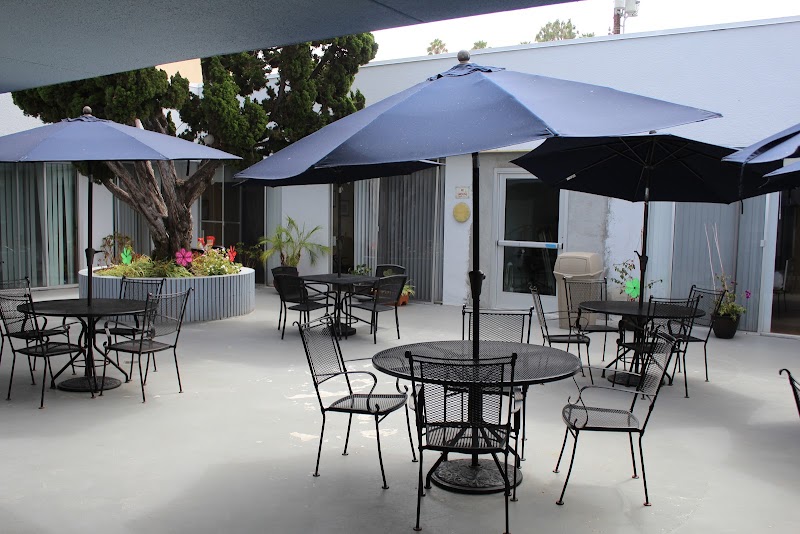
How is Santa Monica Health Staffed?

CMS rates SANTA MONICA HEALTH CARE CENTER's staffing level at 3 out of 5 stars, which is average compared to other nursing homes. Staff turnover is 42%, compared to the California average of 46%. This relatively stable workforce can support continuity of care. RN turnover specifically is 62%, which is notably high. RNs provide skilled clinical oversight, so turnover in this role can affect medical care quality.

What Have Inspectors Found at Santa Monica Health?

State health inspectors documented 35 deficiencies at SANTA MONICA HEALTH CARE CENTER during 2022 to 2025. These included: 2 Immediate Jeopardy (the most serious level, indicating potential for serious harm or death), 1 that caused actual resident harm, and 32 with potential for harm. Immediate Jeopardy findings are rare and represent the most serious regulatory concerns. They require immediate corrective action.
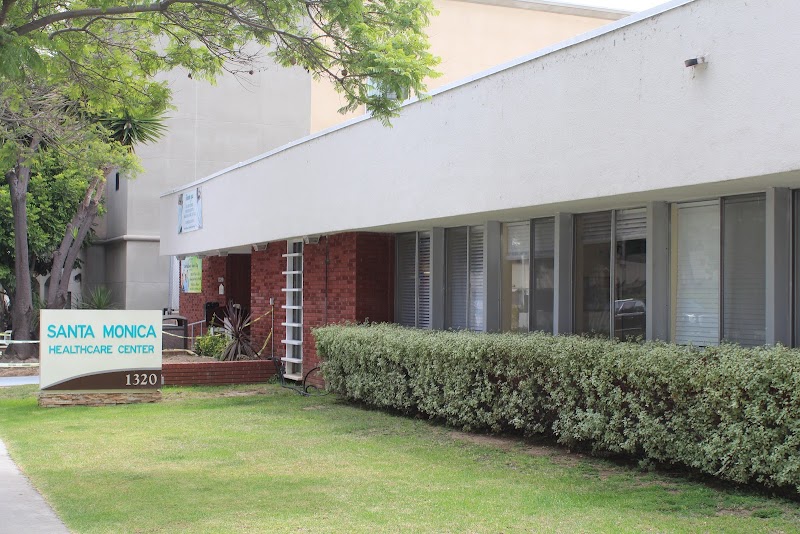
Who Owns and Operates Santa Monica Health?

SANTA MONICA HEALTH CARE CENTER is owned by a for-profit company. For-profit facilities operate as businesses with obligations to shareholders or private owners. The facility is operated by MARINER HEALTH CARE, a chain that manages multiple nursing homes. With 59 certified beds and approximately 51 residents (about 86% occupancy), it is a smaller facility located in SANTA MONICA, California.
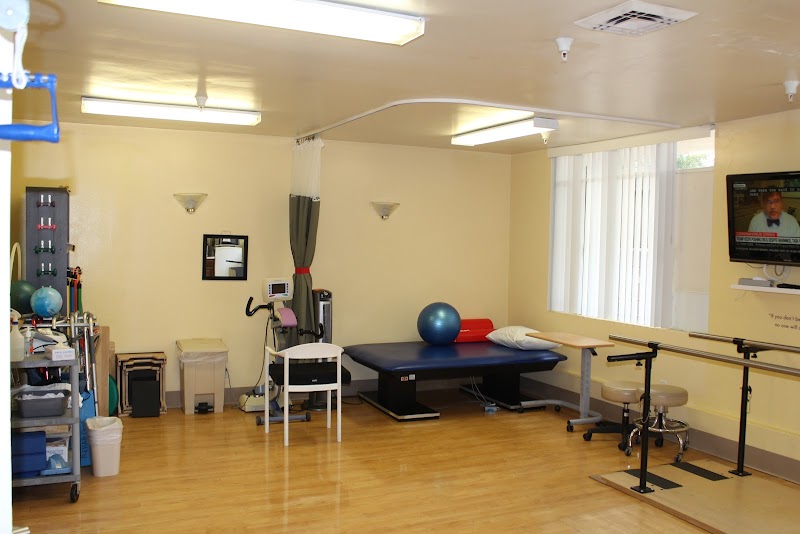
How Does Santa Monica Health Compare to Other California Nursing Homes?

Compared to the 100 nursing homes in California, SANTA MONICA HEALTH CARE CENTER's overall rating (4 stars) is above the state average of 3.2, staff turnover (42%) is near the state average of 46%, and health inspection rating (4 stars) is above the national benchmark.

What Should Families Ask When Visiting Santa Monica Health?

Based on this facility's data, families visiting should ask: "What changes have been made since the serious inspection findings, and how are you preventing similar issues?" "Can I visit during a mealtime to observe dining assistance and food quality?" "How do you handle medical emergencies, and what is your hospital transfer rate?" "Can I speak with family members of current residents about their experience?" These questions are particularly relevant given the facility's Immediate Jeopardy citations.

Is Santa Monica Health Safe?

Based on CMS inspection data, SANTA MONICA HEALTH CARE CENTER has documented safety concerns. Inspectors have issued 2 Immediate Jeopardy citations (the most serious violation level indicating risk of serious injury or death). The facility has a 4-star overall rating and ranks #1 of 100 nursing homes in California. Families considering this facility should ask detailed questions about what corrective actions have been taken since these incidents.

Do Nurses at Santa Monica Health Stick Around?

SANTA MONICA HEALTH CARE CENTER has a staff turnover rate of 42%, which is about average for California nursing homes (state average: 46%). Moderate turnover is common in nursing homes, but families should still ask about staff tenure and how the facility maintains care continuity when employees leave.

Was Santa Monica Health Ever Fined?

SANTA MONICA HEALTH CARE CENTER has no federal fines on record. CMS issues fines when nursing homes fail to meet care standards or don't correct problems found during inspections. The absence of fines suggests the facility has either maintained compliance or corrected any issues before penalties were assessed. This is a positive indicator, though families should still review recent inspection reports for the full picture.

Is Santa Monica Health on Any Federal Watch List?

SANTA MONICA HEALTH CARE CENTER is not on any federal watch list. The most significant is the Special Focus Facility (SFF) program, which identifies the bottom 1% of nursing homes nationally based on persistent, serious quality problems. Not being on this list means the facility has avoided the pattern of deficiencies that triggers enhanced federal oversight. This is a positive indicator, though families should still review the facility's inspection history directly.