SANTA MONICA REHABILITATION CENTER

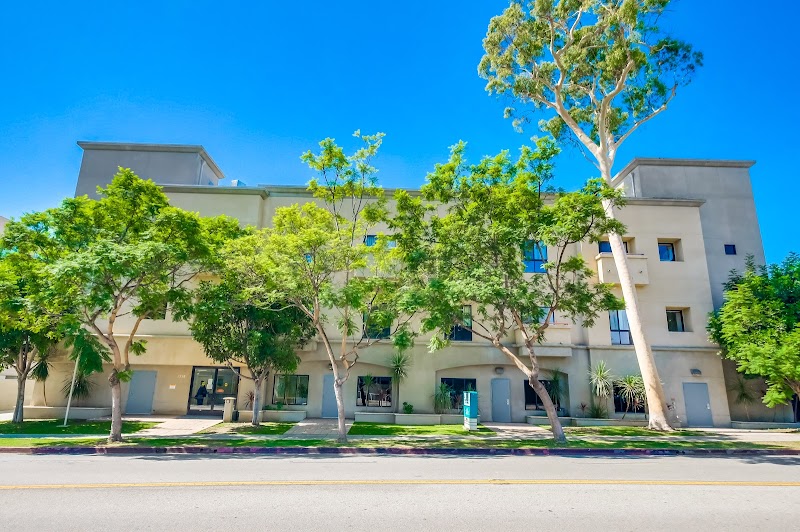
1338 20TH STREET, SANTA MONICA, CA 90404 (310) 255-2800
For profit - Limited Liability company 144 Beds MARINER HEALTH CARE Data: November 2025 3 Immediate Jeopardy citations
Trust Grade
0/100
#1106 of 1155 in CA
Last Inspection: February 2025

Within standard 12-15 month inspection cycle. Federal law requires annual inspections.

Overview

Santa Monica Rehabilitation Center has received a Trust Grade of F, indicating significant concerns about the facility's quality of care. It ranks #1106 out of 1155 in California, placing it in the bottom half of nursing homes in the state, and #341 out of 369 in Los Angeles County, meaning there are only a few local options that perform better. While the facility is improving, with issues decreasing from 57 in 2024 to 50 in 2025, the overall situation remains troubling. Staffing is a weakness, with a 2/5 star rating, and while turnover is low at 0%, there is less RN coverage than 91% of California facilities, which could hinder quality care. Additionally, the facility has faced concerning fines totaling $202,668, higher than 94% of California facilities, which suggests ongoing compliance problems. Specific incidents include a failure to protect residents from verbal and mental abuse, neglecting to respond to a call light for help, and not administering CPR to a resident when needed, highlighting serious deficiencies in care and safety.

Trust Score
F
0/100
In California
#1106/1155
Bottom 5%
Safety Record
High Risk
Review needed
Inspections
Getting Better
57 → 50 violations
Staff Stability
○ Average
Turnover data not reported for this facility.
Penalties
⚠ Watch
$202,668 in fines. Higher than 92% of California facilities. Major compliance failures.
Skilled Nurses
⚠ Watch
Each resident gets only 15 minutes of Registered Nurse (RN) attention daily — below average for California. Fewer RN minutes means fewer trained eyes watching for problems.
Violations
⚠ Watch
168 deficiencies on record. Higher than average. Multiple issues found across inspections.
★☆☆☆☆
1.0
Overall Rating
★★☆☆☆
2.0
Staff Levels
★★★★☆
4.0
Care Quality
★☆☆☆☆
1.0
Inspection Score
Stable
2024: 57 issues
2025: 50 issues

The Good

  • 4-Star Quality Measures · Strong clinical quality outcomes
  • Full Sprinkler Coverage · Fire safety systems throughout facility
  • No fines on record

Facility shows strength in quality measures, fire safety.

The Bad

1-Star Overall Rating

Below California average (3.1)

Significant quality concerns identified by CMS

Federal Fines: $202,668

Well above median ($33,413)

Significant penalties indicating serious issues

Chain: MARINER HEALTH CARE

Part of a multi-facility chain

Ask about local staffing decisions and management

The Ugly 168 deficiencies on record

3 life-threatening 4 actual harm
Sept 2025 1 deficiency
CONCERN (D) 📢 Someone Reported This

A family member, employee, or ombudsman was alarmed enough to file a formal complaint

Potential for Harm - no one hurt, but risky conditions existed

Accident Prevention (Tag F0689)

Could have caused harm · This affected 1 resident

Based on interviews and record review the facility failed to supervise and monitor the whereabouts of one of four residents (Resident 1). On 9/05/2025 the facility admitted Resident 1 from a general a...

Read full inspector narrative →
Based on interviews and record review the facility failed to supervise and monitor the whereabouts of one of four residents (Resident 1). On 9/05/2025 the facility admitted Resident 1 from a general acute care hospital (GACH) with diagnoses including hearing voices to kill himself and verbalized to Registered Nurse (RN) 1 and Licensed Vocational Nurse (LVN) 1 that he wanted to leave the facility. This deficient practice resulted in Resident 1 eloping (the unauthorized departure of a patient from a healthcare facility without notifying staff or receiving proper discharge) from the facility on 9/06/2025 after 8:30 AM without notifying any facility staff. Resident 1's whereabouts remain unknown. Findings: A record review of Resident 1's GACH Physician Psychiatric Evaluation Note dated 8/30/2025, indicated, Resident 1 had a history of bipolar disorder with psychotic features (a collection of symptoms, like hallucinations [sensory experiences without real stimuli] and delusions (false beliefs), that signify a loss of contact with reality). The Physician Psychiatric Evaluation Note also indicated Resident 1 has been hearing voices.telling him to kill himself. A record review of Resident 1's admission record (face sheet - a document containing demographic and diagnostic information) indicated the facility admitted Resident 1 on 9/05/2025 with diagnoses including cellulitis (a deep infection of the skin caused by bacteria) of the buttock, bipolar disorder (mood swings that range from the lows of depression to elevated periods of emotional highs) with current episode depressed, severe, with psychotic features, anxiety disorder (a condition of excessive worry about daily issues and situations), schizoaffective disorder, bipolar type (a rare type of mental illness that has symptoms of both schizophrenia [a mental illness characterized by disturbances in thought] and symptoms of bipolar [extreme highs-mania and severe lows-depression]) and other specific personality disorders. A record review of Resident 1's facility History and Physical (H&P - a physician's complete patient examination) dated 9/05/2025, indicated Resident 1 had the diagnoses of gluteal (buttocks) cellulitis, and bipolar disorder. The H&P also indicated Resident 1 had the mental capacity to understand and make medical decisions. A record review of Resident 1's GACH Discharge Nursing Note dated 9/05/2025, indicated Resident 1's list of problems included aggressive behavior and schizoaffective disorder. A record review of Resident 1's 72 Hour Monitoring document dated 9/05/2025 at 00:34 AM, indicated that the primary focus for Resident 1 is behavioral. The 72-hour monitoring document under evaluation and interventions also indicated, Effective: Continue current interventions and monitoring. A record review of Resident 1's Release Form Responsibility for Discharge Against Medical Advice (AMA - a patient choosing to leave a hospital, clinic, or other healthcare facility before the medical team has recommended or completed treatment, or in direct opposition to their team's advice to stay) form, indicated Resident 1 signed AMA. However, the AMA form was missing a date and the signature of staff who witnessed Resident 1 sign AMA. A record review of Resident 1's Nursing Progress Notes dated 9/06/2025 at 11:58 AM, indicated Resident 1 left the facility AMA. A record review of Resident 1's Physician Order Summary Report dated 9/06/2025 did not indicate Resident 1 was discharged AMA. A record review of Resident 1's Elopement Risk Evaluation dated 9/05/2025, indicated Resident 1 was at risk for elopement. A record review of Resident 1's Baseline Care Plan (CP) dated 9/05/2025, indicated Resident 1's level of consciousness (refers to a person's state of alertness and awareness of their surroundings, ranging from full wakefulness to complete unconsciousness) at the time of assessment was alert. The CP also indicated Resident 1 can independently perform activities of daily living (ADLs - routine tasks/activities such as bathing, dressing and toileting a person performs daily to care for themselves) and did not need to use any mobility devices (helps a person walk or move from place to place when one has a disability or injury) to walk. A record review of the facility's Resident Elopement list dated 9/13/2025, indicated, Resident 1 left without notifying anyone. on 9/06/2025 at 9 AM. A record review of Resident 1's Nurse's Note dated 9/06/2025 at 10 AM, indicated RN 5 indicated, MD (medical doctor) made aware regarding [Resident 1] leaving the facility without notifying any facility staff. A record review of Resident 1's Change of Condition (COC - a significant change in a resident's health or functional status) dated 9/06/2025 indicated, MD was notified on 9/06/2025 at around 9:30 AM that Resident 1 left the facility without notifying any staff. During an interview on 9/13/2025 at 11:47 AM with the Director of Nursing (DON), the DON stated Resident 1 left the faciity on 9/06/2025 and the resident's whereabouts were unknown. During an observation on 9/13/2025 at 3 PM, ambulatory residents were observed walking down the hallway, however, no staff were observed checking on the residents' whereabouts, and no staff observed at Nurses Stations 1 and 2. During an observation on 9/13/2025 at 3 PM, the facility had two elevators. The common elevator was located across and visible from Nurses Station 1. However, the service elevator, located to the west of the Nurses Station 1 was not visible from Nurse's Station 1. During an interview and concurrent record review with RN 1 on 9/13/2025 at 3:14 PM, the facility In-Service Education sign-in sheet dated 9/05/2025 was reviewed. RN 1 stated it was time for change of shift and that the Certified Nursing Assistants (CNAs) were currently doing the rounds to make sure they [residents] are accounted for. During a concurrent observation of the second floor with RN 1, no staff were found/observed making rounds to locate the residents' whereabouts/location. RN 1 stated the facility cannot account for the residents' whereabouts at the change of shift when no one was doing the rounds, RN 1 stated, we cannot really guarantee that we have the same number of patients as we did this morning when we don't do the rounds. RN 1 stated there is a potential for a resident to elope when residents are not accounted for during change of shift. RN 1 stated both RN 1 and LVN 1 signed in and received inservice on elopement on 9/05/2025. During an interview on 9/13/2025 at 4:02 PM, RN 2 stated that on 9/06/2025 starting at 8:30 AM, RN 2 made roundings to check on the residents to make sure the residents did not need assistance right away. RN 2 stated, I went to [Resident 1's] room (private room) and found [Resident 1's] gown on the bed (Resident 1). RN 2 stated, so I thought [Resident 1] changed clothes, maybe left [the facility] or something. I told [RN 5] about Resident 1 was missing. RN 2 stated RN 5 looked for Resident 1, along with other staff, throughout the facility, called the police, DON, and the Administrator while RN 2 called the hospitals to look for Resident 1. During an interview and record review on 9/13/2025 at 4:18 PM with RN 1, Resident 1's undated AMA form was reviewed. RN 1 stated she [RN 1] and LVN 1 witnessed Resident 1 sign the AMA form because Resident 1, expressed to us that he wanted to leave the facility at this time (9/05/2025). RN 1 stated she and LVN 1 were able to convince Resident 1 to stay in the facility and, that is why we did not complete the AMA form. RN 1 stated she told Resident 1 if Resident 1 leaves AMA, we cannot take him back anymore, explained to Resident 1 the benefits of staying, and that is why Resident 1 remained in the facility. A record review of the facility policy and procedures (P&P) titled Discharging a Resident Without a Physician's Approval reviewed on 11/21/2024 indicated, an approved discharge from a physician must be recorded.no later than 72 hours after the discharge. A record review of the facility P&P titled Safety and Supervision of Residents reviewed on 11/21/2024 indicated, the facility's individualized, resident-centered approach to safety was to address the safety of individual residents, that the care team targeted interventions to reduce individual risks related to adequate supervision. Implementing interventions to reduce accident risk included communicating specific interventions to all relevant staff, assigning responsibility for carrying out interventions, ensuring that interventions are implemented and to document interventions. Resident supervision is a core component of the systems approach to safety . System Approach to safety .2. Resident supervision is a core component of the systems approach to safety. The type and frequency of resident supervision is determined by the individual resident's assessed needs and identified hazards in the environment.
Sept 2025 1 deficiency
CONCERN (E) 📢 Someone Reported This

A family member, employee, or ombudsman was alarmed enough to file a formal complaint

Potential for Harm - no one hurt, but risky conditions existed

Safe Environment (Tag F0921)

Could have caused harm · This affected multiple residents

**NOTE- TERMS IN BRACKETS HAVE BEEN EDITED TO PROTECT CONFIDENTIALITY** Based on observation, interview, and record review the facility maintenance failed to report nonfunctioning thermostats to facil...

Read full inspector narrative →
**NOTE- TERMS IN BRACKETS HAVE BEEN EDITED TO PROTECT CONFIDENTIALITY** Based on observation, interview, and record review the facility maintenance failed to report nonfunctioning thermostats to facility administration for three of three sampled residents (Residents 1,2 and 3). This deficient practice caused the facility maintenance to turn off the air conditioning unit at night as they were unable to regulate the temperatures in the building leaving residents to complain about the heat.On 8/20/2025 and 9/2/2025 The California Department of Public Health (CDPH) received anonymous complaints alleging the facility's air conditioning was not functioning properly; and the facility was turning off the air conditioning which caused the temperature to be warmer at night. A review of Resident 1's admission Record indicated the facility originally admitted this [AGE] year old female on 1/22/2020 and most recently on 7/28/2025 with diagnoses including peripheral neuropathy(permanent nerve damage causing numbness, tingling and weakness), migraines (severe headaches), obesity (severely overweight), cardiovascular disease (disease of the vessels around the heart), cerebral infarct (CI-stroke, loss of blood flow to a part of the brain) with hemiplegia (total paralysis of the arm, leg, and trunk on the same side of the body) on the left side, major depressive disorder (mental condition that causes persistent sadness), anxiety (mental condition that causes constant worry or fear over uncontrollable situations) disorder, hypotension (low blood pressure) and chronic obstructive pulmonary disease (COPD-a chronic lung disease causing difficulty in breathing). A review of Resident 1's Minimum Data Set (MDS-a resident assessment) dated 7/1/2025 indicated Resident 1's cognition (mental ability to make decisions for daily living) was not intact. Resident 1 required maximal assistance (helper does more than half the effort to complete the task) with toileting, showering and transferring (moving in between surfaces). A review of Resident 2's admission Record indicated the facility admitted this [AGE] year-old female on 2/3/2025 with diagnoses including spinal stenosis (narrowing) lumbosacral, fibromyalgia (long term widespread muscle pain), osteoarthritis (OA- (a progressive disorder of the joints, caused by a gradual loss of cartilage) of left knee, Type 2 Diabetes Mellitus (DM-a disorder characterized by difficulty in blood sugar control and poor wound healing), Morbid obesity, cellulitis (a skin infection that causes swelling and redness) of the neck, Anxiety (condition causing persistent worry and fear over uncontrollable situations), depression, insomnia (trouble falling asleep or staying asleep) and gastroesophageal reflux disease (GERD-heartburn). A review of Resident 2's MDS dated [DATE] indicated Resident 2's cognition was intact. Resident 2 required maximal assistance with toileting, bathing, showering and transfers. A review of Resident 3's admission Record indicated the facility admitted this [AGE] year-old male on 12/10/2024 with diagnoses including Hemiplegia and hemiparesis following cerebral infarction affecting the right side, DM, hypertension (HTN-high blood pressure) and Nicotine dependence. A review of Resident 3's MDS dated [DATE] indicated Resident 3's cognition was intact. Resident 3 was dependent (helper does all of the effort to complete the task) on toileting and bathing and required maximal assistance with transferring.During an interview on 8/21/2025 at 10:43 a.m. with the Maintenance Supervisor (MS). The MS has been working at the facility for 6 weeks. The MS stated everyday one of the maintenance assistants (MA) checks the heating, ventilation and air conditioning (HVAC-system used to control the internal environment of a building by regulating temperature, humidity and air quality) system daily to ensure it is functioning. The MS also stated the MA's check the temperatures in every room once a week. During an interview on 8/21/2025 at 10:52 a.m. with the MA. The MA stated, I go to the roof daily and check the HVAC system to ensure its working. We always hear complaints from the residents that they are too cold, so we turn it off; then the residents say they are too hot, so we turn it back on. The MA stated, I check the temperatures in the rooms with a temperature gun when my supervisor asked me to do it once a week. The goal temperature is between 72 degrees Fahrenheit and 76 degrees Fahrenheit. The MA went on to say, Resident 1 complained it was too hot and asked for a fan. I told Resident 1 to complain to the social worker, but I don't know if they got Resident 1 another fan. Resident 1 had a fan there in the room, but it was not working; so Resident 1 asked me to fix the fan. I told Resident 1 the fan was trash. The MS fixed the fan for Resident 1 and put it back in Resident 1's room. A few days later, Resident 1 asked for batteries to put in the fan, so I told the MS, and the MS got Resident 1 another fan. During a concurrent observation and interview on 8/21/2025 at 12:06 p.m. with Resident 1 inside Resident 1's room. A small fan was seen on the bedside table next to Resident 1's bed not currently circulating and another standing electric fan in the corner of the room not currently circulating. Resident 1 stated, It gets hot in here at night, I don't know if they turn the air conditioning off at night or what, but it gets hot. They brought me this fan because the one over there in the corner is not working. During a concurrent observation and interview on 8/21/2025 at 12:26 p.m. with the MS and the MA. The MA checked the temperature in Resident 1's room and 4 additional rooms by first pointing the temperature gun directly at the vent over the beds closest to the door, then pointing the temperature gun at all four corners of the rooms. The temperature from the vents consistently reads 65 degrees Fahrenheit and the temperature from all four corners of the rooms consistently read between 71-74 degrees Fahrenheit. The MS stated, I don't know why the air only comes out of the vents over the beds closest to the door, maybe they were replaced it was like that when I got here. I don't know when the last time the HVAC was serviced because I have only been here for one month and I am still organizing records. Lastly, The MS stated, We do turn off the air conditioning (AC) at night around 7:30 p.m. because I was getting calls at night that it was too cold then I would have to come back here and turn it off anyway. There is only one unit for the entire building, and it should be serviced every 6 months. Turning off AC at night can cause the temperature to be too hot. During a concurrent interview and record review on 8/21/2025 at 12:30 p.m. with the MS. The HVAC invoice dated 3/17/2025 was reviewed. The invoice indicated an emergency service call was made and a circulation pump was found not working and the pump was replaced. The MS stated, I do not know if they have been back to service the unit since. During a concurrent observation and interview on 8/21/2025 at 12:40 p.m. with Resident 3. Inside Resident 3's room a standing electric fan was noted nest to the bed not currently circulating. Resident 3 stated, The temperature has been pretty nice during the day but at night when they turn the ac off it gets really hot. During a concurrent observation and interview on 8/21/2025 at 12:39 p.m. with MS. The thermostat on the wall in the hallway near Resident 3's room indicated a setting on cool, and temperature was set at 78 degrees Fahrenheit. The MS stated, I don't think those are working I don't know what they are attached to. The MS was asked how the temperature is regulated and stated, I go to the roof and either turn it on or turn it off, there is no thermostat; its been like that since I have been here. During a concurrent observation and interview on 9/11/2025 at 10:11a.m. with the regional administrator (RA), MS and MA. Inside of a storage closet in the garage stacks of sealed boxes containing portable ac units were observed. The RA stated, A few months back there was an issue with the temperature, and it was hot outside, so I ordered 55 portable ac units for the building, and they have been here. The MS and MA both stated, yes, we knew they were here. The MA and MS stated they did not offer any of the portable ac units to any of the residents that complained about the hot temperatures at night. Both the MS and MA stated they did not inform RA nor acting Administrator of the thermostats not working. The RA stated, no one told me the thermostats were not working. Lastly, The RA stated, The HVAC system should be serviced at least quarterly and when there is an issue. During an observation on 9/11/2025 at 1:39pm inside Resident 1 and 2's room there was no portable AC unit. During an observation on 9/11/2025 at 1:48 p.m. inside Resident 3's room there was no portable AC unit. A review of the facility's policy and procedures titled, Maintenance of Building Temperatures/Provisions for Extreme Hot or Cold, revised 9/15/2025 indicated:1i. Required Temperature Range- The building temperature in all resident areas at the facility will be maintained between seventy-one degrees Fahrenheit and eighty-one degrees Fahrenheit.2i. Adjustment and Monitoring of Building Temperatures-Maintenance department staff are responsible for adjusting temperature thermostats and servicing heating and cooling units during the change of seasons. Resident rooms contain separate heating and cooling systems. Those residents who are capable of controlling them may maintain the temperature of their rooms at any level they desire. However, in instances when a resident's desired temperature level adversely affects or has potential for adversely affecting the health and safety of the resident or the health, safety and comfort of any other resident sharing the resident room, the facility will take appropriate intervention. Building temperatures and resident control levels will be monitored by:a. Monitoring thermostats in resident rooms, especially during seasonal changes or periods of extreme outside temperatures.b. Forwarding all complaints or concerns of resident discomfort from building temperatures to maintenance, nursing and administration.3i. Evaluation of Building Temperatures-All reports of temperature problems must be reported to the Administrator or DON. In conjunction with maintenance staff, Administrator and nursing will assess and determine the extent and length of the problem and determine what types of action will need to be taken to ensure health and safety of residents is not jeopardized. The range of possible steps are listed below.Building Systems Service and Repairs- Preventive maintenance schedules are maintained on all facility air-conditioner units and the heating system. The facility Maintenance Director and Administrator must be notified whenever there is a malfunction or failure with any of the building's electrical, heating, ventilation or air-conditioning units. 9 Documentation-Any incident or occurrence regarding building temperature that requires implementation of any part of this policy will be documented by the Maintenance Director and submitted to the Administrator within 24 hours after the completion of the occurrence. This record shall be maintained at the facility with the Administrator for the current calendar year and the preceding calendar year
Sept 2025 1 deficiency 1 Harm
SERIOUS (G) 📢 Someone Reported This

A family member, employee, or ombudsman was alarmed enough to file a formal complaint

Actual Harm - a resident was hurt due to facility failures

Free from Abuse/Neglect (Tag F0600)

A resident was harmed · This affected 1 resident

**NOTE- TERMS IN BRACKETS HAVE BEEN EDITED TO PROTECT CONFIDENTIALITY** Based on observation, interview, and record review, the facility failed to protect the resident's right to be free from mental a...

Read full inspector narrative →
**NOTE- TERMS IN BRACKETS HAVE BEEN EDITED TO PROTECT CONFIDENTIALITY** Based on observation, interview, and record review, the facility failed to protect the resident's right to be free from mental abuse (intentional, willful, or reckless verbal or nonverbal action) and physical abuse (deliberate aggressive or violent behavior with the intention to cause harm) for two of four sampled residents (Residents 2 and 3) by failing to: 1. Ensure unidentified facility corporate staff (Person from the main company not a regular employee of the facility) did not forcefully pull and remove Residents 2 and 3 from motorized power wheelchairs (MPWC - a battery-operated device designed for individuals with mobility impairments, providing assisted motion with motorized base and a control system, typically a joystick) on 8/29/2025, and place Residents 2 and 3 into manual wheelchairs (MWC - mobility device on wheels that provides support for individuals with limited mobility propelled by the user or the care giver manually pushing the chair) against the residents wishes/will/consent. 2. Ensure Residents 2 and 3 were not confined in bed, and denied mobility from 8/29/2025 to 8/30/2025, when the facility deprived the residents of their preferred mobility device without clinical justification or consent. 3. Residents 2 and 3 were not subjected to intimidation (to make them feel frightened, afraid, or timid, often to force them to do something or to discourage them from acting) when the unidentified facility corporate staff forcefully pulled and removed Residents 2 and 3 from MPWC. These deficient practices resulted in Residents 2 and 3 being subjected to mental and physical abuse while under the care of the facility. Residents 2 and 3 experienced a loss of autonomy (the right and ability to govern or control oneself and make one's own choices), dignity, and independence, which caused psychosocial harm (is the negative mental or physical health impact resulting from psychosocial hazards, which are factors in the design or management of work that cause stress), including anxiety (nervousness), helplessness, and emotional distress. On 9/3/2025, Resident 2 was transferred to a general acute care hospital for further evaluation and management for left shoulder and arm pain.Findings: a. A review of Resident 2's admission Record indicated Resident 2 was admitted to the facility on [DATE] with diagnoses including cellulitis (a skin infection that causes swelling and redness) of the buttock, seizures, obesity (excessively overweight), pressure injury (localized, pressure-related damage to the skin and/or underlying tissue usually over a bony prominence) of left buttocks and sacral region unstageable, overactive bladder (OAB- problem with bladder causes sudden urge to urinate), acute kidney failure (rapid loss of kidney function), chronic pain syndrome, essential hypertension (high blood pressure), pain in both shoulders, weakness, gastro-esophageal reflux disease (GERD- heartburn and indigestion), dependence on wheelchair. A review of Resident 2's care plan titled With Motorized (Power) Wheelchair dated 5/17/2025 indicated no documented goals. The care plan intervention included, resident has been provided education of being aware of surroundings and being extra cautious to minimize risk of injury. A review of Resident 2's Minimum Data Set (MDS-a resident assessment tool) dated 8/14/2025, indicated Resident 2's cognition (the mental ability to make decisions of daily living) was intact. Resident 2 required set up or clean up assistance with eating. Resident 2 required moderate assistance with toileting, showering and transfers. The MDS indicated walking assessment was not completed due to medical condition or safety concerns. The same MDS indicated Resident 1 was independent with the use of MPWC. A review of Resident 2's GACH record titled Shoulder Pain dated 9/3/2025, indicated, Many things can cause shoulder pain including: An injury. Wear the sling Put ice and leave ice on for 20 minutes 2-3 times a day. A review of Resident 2's GACH Xray of the left shoulder dated 9/3/2025, indicated, Impression of no fracture (break in the bone) or dislocation. During an interview on 9/3/2025 at 1:46 p.m. the Assistant Director of Nursing (ADON) regarding the events surrounding Resident 2's transition from a motorized power wheelchair (MPWC) to a manual wheelchair (MWC). The ADON appeared hesitant to speak and expressed concern about potential retaliation. The ADON stated that unidentified corporate staff (Person from the main company not a regular employee of the facility) spoke with Resident 2 with the intent of minimizing the use of the MPWC and transition her to an MWC. According to the ADON, on 8/29/2025, Resident 2 initially agreed to the switch, with the understanding that her need for the MPWC would be evaluated. However, on 9/1/2025, ADON reported hearing that Resident 2 had changed her mind. Despite this, corporate staff allegedly proceeded with the plan and attempted to force Resident 2 out of the MPWC. ADON did not witness the incident directly but was informed of it afterward. The ADON stated that staff contacted the police, who arrived at the facility but only spoke with corporate representatives and not with Resident 2. The ADON then showed the surveyor a typed note on a laptop screen that read: The resident was portrayed by corporate to the police for not having capacity. Following the incident, ADON and the Director of Nursing (DON) spoke with Resident 2. During that conversation, Resident 2 asked what had happened with the police, expressing that she did not have an opportunity to speak with them. Resident 2 then requested that the police be called again and stated that she did not want the Central Supply Manager (CSM) near her room or person. During an interview on 9/3/2025 at 3:18 p.m. with the Licensed Vocational Nurse (LVN) 1, LVN 1 stated that on 9/1/2025, while passing medications down the hall, she heard Resident 2 yelling, Back up, don't touch me. Although she did not know the exact circumstances at the time, LVN 1 heard that staff were attempting to transfer Resident 2 from her MPWC into a manual wheelchair (MWC). LVN 1 stated she did not approach the situation because there were already several individuals around Resident 2, and she did not want to intervene in an unfamiliar situation. LVN 1 reported seeing the [NAME] President of the Corporate (VP) and several unfamiliar individuals present. She also observed the CSM but did not see the DON or the Administrator (Adm) until after the incident had concluded. Later that day, LVN 1 noted that Resident 2 remained in her room, appeared visibly upset, and expressed a desire to be left alone. At that time, LVN 1 observed a manual wheelchair in Resident 2's room. She later saw Resident 2 seated in the MWC both that day (9/1/2025) and the following day, 9/2/2025. Later on, 9/2/2025, LVN 1 observed Resident 2 back in her MPWC and described her as very happy. During an interview on 9/3/2025 at 4:02 p.m. the Administrator (Adm) regarding events surrounding the transition of Resident 2 from a power MPWC to an MWC. The Adm stated that corporate staff visited the facility and conducted rounds, during which they observed several residents using power wheelchairs. On 8/29/2025, corporate staff began approaching residents who used MPWCs. The Adm reported that on Saturday, 8/30/2025, corporate staff spoke directly with Resident 2 about transitioning from the MPWC to the MWC, and Resident 2 agreed at that time. The Adm stated that he was not present at the facility on 9/1/2025 but received a phone call from the DON, who reported that some residents were concerned about potentially losing access to their MPWCs. The DON informed the Adm that she had spoken with Resident 2 on that day and conducted an Interdisciplinary Team (IDT) meeting with her. The Administrator also stated that, to their knowledge, the police were called to the facility at least once on 9/1/2025, around 8 p.m. The Administrator believed that Resident 2 had requested to speak with law enforcement due to feeling uncomfortable about the transition from the MPWC to the MWC. The Administrator concluded by stating that corporate staff had been present in the facility, speaking with residents about switching from MPWCs to MWCs. During an interview on 9/3/2025 at 4:31 p.m. the Director of Medical Records (DMR), stated that upon returning to work on the morning of 9/2/2025, at approximately 7 a.m., she observed Resident 2 seated in a mechanical wheelchair. The DMR expressed surprise, noting that she typically sees Resident 2 using a motorized power wheelchair (MPWC). When the DMR inquired about the change, Resident 2 responded, They took my chair (MPWC) yesterday, referring to 9/1/2025. During an interview on 9/4/2025 at 11:55 a.m. with the CSM regarding an incident that occurred on 9/1/2025, involving Resident 2, the CSM stated that on 9/1/2025, while in the laundry room, he received a call from the VP requesting assistance in transferring Resident 2 from her MPWC to a manual MWC. Upon arriving on the floor, the CSM observed Resident 2 seated in her MPWC in the hallway, surrounded by several unidentified individuals. According to the CSM, the VP explained to Resident 2 that she wanted to transfer her to a manual wheelchair so that the MPWC could be placed in storage. Resident 2 appeared surprised by this request, as she had been using the MPWC for an extended period. Resident 2 responded, No, why? The VP reiterated the reason for the transfer, though the CSM could not recall the exact wording. Resident 2 then stated, I can't walk. I need help. The VP instructed the CSM and another unnamed Certified Nurse Assistant (CNA) to assist with the transfer. The CSM reported that when he attempted to take hold of Resident 2's arm, she said, No, I don't want you to touch me. Despite this, the CSM held one of Resident 2's arms while the unnamed CNA held the other, and they attempted to lift her from the MPWC. However, they were unable to complete the transfer due to Resident 2's weight and subsequently released her. Resident 2 then began yelling and calling us bad names, becoming verbally aggressive. Following this, the CSM stated he left the area and returned to the laundry room. Later that same day, the CSM returned to the floor and observed Resident 2 seated in a manual wheelchair in her room. He also noted that Resident 2's MPWC had been placed in a storage room located downstairs near the kitchen and was covered with a blanket. The CSM stated he does not know how the MPWC was moved to the storage area. During an interview on 9/4/2025 at 12:22pm with Resident 2 regarding events that occurred on 9/1/2025. Resident 2 stated that she was in bed when she was awakened by a man who identified himself as a social worker. The man informed her that the facility was going to take her MPWC and replace it with an MWC. Resident 2 responded, Wait, let me talk to someone because I don't know you. According to Resident 2, the unnamed social worker replied, No you're not, you are going to get out of this chair, and then physically blocked the doorway. Resident 2 stated that she managed to get herself into her MPWC and that the VP instructed the unnamed social worker to allow her to leave the room. Resident 2 then wheeled herself into the hallway in search of someone she recognized. She went downstairs to speak with the receptionist (RCPT), whom she knew, and explained the situation. The RCPT accompanied her back upstairs. Upon returning to the floor, Resident 2 saw the VP, the CSM, the unnamed social worker, and two other unidentified women. At that point, the VP allegedly told her, If you don't get out of that chair, we are going to forcibly remove you. Resident 2 stated that she repeatedly asked to speak with someone she knew, but the VP told her there was no one for her to talk to and that the decision had already been made. On the same interview, Resident 2 stated that the incident occurred in the hallway in front of her room. She reported that the CSM and the unnamed social worker were on her left side, each holding one of her arms, while the two unidentified women were on her right side pulling her other arm. Resident 2 stated that the CSM bent her fingers back on her left hand as she tried to hold onto the armrest of her MPWC. At the same time, the two women on her right side were pulling her arm. Resident 2 recalled yelling, Stop pulling, you're hurting my arm. Let's talk to my doctor first so you can understand my medical condition-why are you doing this? She stated that only at that point did the facility staff stop their actions. Resident 2 then heard the VP instruct Licensed Vocational Nurse 2 (LVN 2) to call the police.Resident 2 became emotional and began crying while recounting the incident. She returned to her room and put on pants, as she had only been wearing a shirt at the time. Resident 2 also stated that she witnessed the facility staff take Resident 3's MPWC. She said, I felt bad, and observed Resident 3 crying in her room with an MWC left behind. Resident 2 stated she felt she had no choice and told the VP she would voluntarily give up her MPWC and use the MWC. Resident 2 stated that when she returned to her room, she saw the police speaking with the VP. The VP allegedly told her, Now that you agree to give up the chair, no need for you to talk to the police. Resident 2 then drove herself downstairs in her MPWC to place it in storage, followed by one of the unidentified women from corporate carrying an MWC. Resident 2 stated she saw Resident 3's MPWC already stored in the same closet. On the same interview, Resident 2 stated that she stayed in bed the entire night of 9/1/2025. The next day, the DON and ADON checked on her. Resident 2 told them her left arm was throbbing. She was informed that the facility attempted to send her out for evaluation but could not locate a bariatric gurney (A heavy-duty, reinforced stretcher designed to safely transport and support patients with high body weight). Resident 2 stated she went to the hospital on 9/3/2025, for her shoulder. Resident 2 further stated that on 9/3/2025, the DON asked her if she had been trained to use the MPWC. Resident 2 responded, I have had that chair for seven years. The company showed me how to use it. They just came here three months ago; this is my fourth chair. The DON then asked if Resident 2 knew where the MPWC was being stored. Resident 2 said yes, and the DON instructed her to go get your chair. Resident 2 stated she self-propelled the MWC using both feet and went downstairs to the closet where the MPWC was stored. She retrieved her MPWC that same day (9/3/2025). During an interview on 9/4/2025 at 1:17 p.m., the RCPT stated, she was on duty beginning at 7 a.m. and typically sees Resident 2 in the mornings. At approximately 9:45 a.m., she observed Resident 2 coming off the elevator into the lobby, appearing visibly upset while speaking with the VP. The conversation appeared to concern Resident 2 being asked to transfer from her MPWC to an MWC. The RCPT heard Resident 2 say, No, I'm not getting out of my chair. Shortly afterward, the RCPT saw the CSM enter the lobby with a high-back MWC. At the same time, Resident 2 drove off in her MPWC down the rear hallway toward the rear elevator. The VP and the CSM followed her with the MWC. The RCPT stated she was unsure what was happening but then heard Resident 2 yelling. Although she could not make out the words, Resident 2 sounded upset, which was unusual, as she is typically cheerful and in a good mood. RCPT stated she went to the back hallway to check on Resident 2. Upon turning the corner, she observed Resident 2, the VP, the CSM, and three unidentified individuals who had arrived with the VP. One of the individuals was speaking to the CSM in Spanish, which the RCPT could not understand. She then heard Resident 2 say to the VP, You don't even know me, why would you say that about me? RCPT decided to remain present, noting that Resident 2 did not appear to know any of the individuals involved. The group then entered the rear elevator and returned to the floor in front of Resident 2's room. Once upstairs, the RCPT asked Resident 2 what was happening. Resident 2 explained that she was being told to get out of her MPWC and into an MWC, which she did not want to do. When the RCPT asked why, Resident 2 said the VP claimed she was driving too fast and could hurt people. Resident 2 responded that the VP didn't even know her and questioned how such an assumption could be made. Resident 2 then asked the RCPT to retrieve her cell phone from her room, which the RCPT did. Resident 2 stated, I need to make a call. The VP then said, You can make your call in this chair, pointing to the MWC. The VP addressed Resident 2 by her first name and said, You need to get into this MWC; if you can't transfer yourself, then we will assist you. Resident 2 replied, Oh, so you're going to physically remove me? At that point, the RCPT intervened and said, Can you please just get into the chair, to de-escalate the situation, as she had a good rapport with Resident 2. Resident 2 looked directly at the RCPT and said, NO. The VP then instructed the RCPT to return to the front desk, which she did. Approximately 10 minutes later, the RCPT saw Resident 2 return to the lobby via the rear hallway in her MPWC, visibly upset, and proceed outside to the smoking area. The RCPT stated she felt the VP, and the others were trying to portray Resident 2 as aggressive, but in her observation, Resident 2 was not aggressive. The RCPT also stated she was unaware that the VP was coming to the facility or the reason for the visit. The RCPT further stated that on 9/3/2025, she returned to the facility and stopped by the DON's office to pick up some papers. While there, she observed Resident 2 enter the office in an MWC and say to the DON, I need my MPWC because I have to go do something. The DON responded that she would contact the Director of Rehabilitation to conduct an in-service with Resident 2 on how to maneuver the MPWC and get that documented before returning the chair. During an interview on 9/4/2025 at 1:58 p.m. LVN 2 stated that she had started working at the facility on 9/1/2025. Earlier that morning, she observed the VP) the CSM, and several other individuals, including an unnamed social worker, speaking with Resident 2 about transferring from her MPWC to an MWC. During that conversation, LVN 2 heard Resident 2 say to the VP, I want to keep my chair, I will leave. LVN 2 then walked away and returned to the nursing station located near Resident 2's room. Between approximately 11:30 a.m. and 12 p.m., LVN 2 heard a commotion and got up to investigate. She observed Resident 2 in her MPWC in the hallway in front of her room. The RCPT was on Resident 2's right side, and an unnamed staff member who had arrived with the VP was standing behind Resident 2. The CSM was on Resident 2's left side, with the VP standing next to her. LVN 2 saw the RCPT rubbing Resident 2's shoulders, apparently trying to persuade her to switch chairs. LVN 2 heard Resident 2 say, I don't want to; I want to keep my chair. LVN 2 briefly stepped away and, upon returning, noticed the RCPT was no longer present. The VP then instructed LVN 2 to call the police. LVN 2 asked why and what was happening, to which the VP responded that Resident 2 was having a behavior. LVN 2 then heard Resident 2 say, No I am not, you don't even know me. Following the VP's directive, LVN 2 called 911 (Universal emergency number for citizens throughout the United States to request emergency assistance). At this time, Resident 2 was visibly upset. The CSM continued attempting to verbally persuade her to transfer, saying, Come on, let's just transfer into the chair. The CSM placed one hand on top of Resident 2's left forearm and the other underneath it, attempting to assist the unnamed staff member on the right side. Simultaneously, the VP was yelling, You guys need to transfer her, at the CSM and the unnamed staff member. The assigned CNA then touched Resident 2's right forearm, appearing ready to assist. LVN 2 intervened and told the CNA, Don't touch her, as Resident 2 had already refused the transfer. Resident 2 then began yelling at the CSM, Don't touch me, get off, that's my arm that hurts. The CSM then removed her hands and said, Okay. During this time, Resident 2 was flailing her arms and nearly slid out of the MPWC. The CSM and the unnamed CNA helped her back into the chair. Resident 2 then told the CSM, Don't you touch me, and told the VP to go away. LVN 2 assisted Resident 2 in adjusting her clothing, as her tank top had ridden up, exposing her abdomen in the hallway. LVN 2 stated that Resident 2 was breathing heavily, visibly upset, and crying. She remained with Resident 2 to console her. Resident 2 denied pain at the time but expressed distress over the situation, stating that it was her right to have the MPWC. LVN 2 reiterated that she had told the CNA not to touch Resident 2 because she had clearly refused the transfer. After the incident, LVN 2 went to the DON office and was surprised to see the DON present, as it was a holiday. LVN 2 informed the DON, Did you hear what's going on out there? You need to come and see what is happening. The DON and the ADON then went to speak with Resident 2.LVN 2 concluded by stating, I was disturbed because Resident 2 was crying after this happened, and I told the DON because they needed to go and check on Resident 2. LVN 2 added, I feel like Resident 2's rights were violated. During an interview on 9/4/2025 at 2:56 p.m. with DON, the DON stated she arrived at the facility on 9/1/2025, around 10 or 10:30 a.m. Upon arrival, she stopped by the nursing station and asked if there were any concerns; no issues were reported at that time. Around 11 a.m. or 12 p.m., LVN 2 came to DON's office and reported a commotion involving a wheelchair. The DON responded, What wheelchair? and then called the Adm to give a heads-up about the concern. The Adm informed her that corporate staff were checking wheelchairs, but it was unclear whether any had been removed. Around 1 p.m., the DON went to the lobby and saw the VP and another woman from corporate. The DON stated, I did not know they were going to be here. She also observed someone from Human Resources present but did not know who had called them or why they were there. The DON then went to speak with Resident 2, who was visibly upset and reported that staff had tried to remove her from her MPWC. Resident 2 stated that she had initially agreed to the transfer but later changed her mind. The DON emphasized that if a resident is to be removed from a wheelchair in such a manner, a physician's order is required. She was told that corporate was checking the safety of the MPWC, but the situation appeared chaotic, prompting her to speak directly with Resident 2. The DON asked Resident 2 how she was feeling without the MPWC, and Resident 2 responded that she only needed the MPWC when she wanted to go out. Resident 2 also stated she had used the MPWC for a long time. The DON explained to Resident 2 that a doctor's order was required for continued use of the MPWC, citing concerns that Resident 2 could potentially hit another resident while operating it. Resident 2 asked the DON who the individuals were that had tried to remove her from the MPWC. The DON responded, Honestly, I don't know, and I did not know they (Corporate) were coming. On the same interview, the DON stated, I have not heard any complaints or any incidents of Resident 2 hitting anyone in the MPWC. She then asked Resident 2 if she wanted her MPWC back, and Resident 2 replied, No, I'm okay with the MWC at this time. The DON informed Resident 2 that the Director of rehabilitation would evaluate her for safety with the MPWC before it could be returned. During an interview on 9/4/2025 at 3:45 p.m., the VP stated that she was instructed by corporate leadership to visit the facility due to ongoing concerns. On 8/30/2025, the VP spoke with Resident 2 but noted that Resident 2 kept leaving the facility. The VP returned on 9/1/2025, accompanied by a social worker, and directed the social worker to speak with Resident 2. The VP stated that Resident 2 made inappropriate comments to the social worker and then went down to the lobby. The facility had an MWC prepared for Resident 2 to transfer into. The VP acknowledged that no communication had occurred with Resident 2's physician prior to requesting the transfer. The VP stated she did not know the medical reason for Resident 2's use of a MPWC but recalled Resident 2 saying, I can't walk. The VP added, But then we went to Resident 2's room and saw Resident 2 transferring from bed to chair unassisted. The VP stated that Resident 2 initially agreed to switch chairs but later changed her mind. During the attempted transfer, the CSM and an unnamed CNA supported Resident 2 from behind to move her from the MPWC to the MWC. The VP described Resident 2 as a very heavy person and stated that while Resident 2 was initially cooperative, she began to resist, at which point the staff stopped the transfer attempt. Later, Resident 2 called the VP back to her room while crying. According to the VP, Resident 2 then voluntarily agreed to give up the MPWC and drove it downstairs to a locked service area in the rear hallway. One of the VP's staff members followed with the MWC, and Resident 2 transferred independently into the MWC. The VP described Resident 2 as not rational and just screaming loudly, though she could not recall the exact words Resident 2 used. The VP stated, It was my social worker and my consultant that were holding Resident 2 to remove Resident 2 from the MPWC, but once Resident 2 refused, they stopped. The VP characterized the situation as a regular transfer until Resident 2 became uncontrollable and allegedly attempted to run them over in the MPWC. The VP also stated that she interviewed 15 residents who claimed that Resident 2 had previously tried to hit them with the MPWC. However, the VP was unable to provide the names of those residents. b. A review of Resident 3's admission Record indicated Resident 3 was admitted to the facility on [DATE] and most recently on 6/8/2024 with diagnoses including multiple sclerosis (MS- a chronic, progressive disease involving damage to the nerve cells in the brain and spinal cord), Parkinson's Disease (PD- a progressive disease of the nervous system marked by tremor, muscular rigidity, and slow, imprecise movements) without dyskinesia (broad term to describe involuntary, uncontrollable movements), scoliosis (condition where the spine twists and curves to the side), neuromuscular dysfunction of bladder(neurological disorder that disrupts bladder control), generalized muscle weakness, OAB, osteoarthritis (OA-a progressive disorder of the joints, caused by a gradual loss of cartilage), insomnia (trouble falling asleep or staying asleep), depression, neuralgia (nerve pain), osteoporosis (weak and brittle bones due to lack of calcium and Vitamin D), allergic rhinitis (allergies), carpal tunnel syndrome (inflamed nerve in the wrist) and dependence on wheelchair. A review of Resident 3's care plan initiated 7/24/2025 indicated Resident enjoys participating in activities and socializing with peers. Resident also independently participates in community activities however at risk for decreased participation due to Parkinsons scoliosis, muscle weakness and dependence on electric wheelchair and staff for ADLs. The goal was for Resident 3 to maintain or improve the current level of engagement in activities to enhance quality of life and psychosocial well-being. Interventions included assisting Resident 3 in accessing patio for fresh air and leisure. A review of Resident 3's MDS dated [DATE] indicated Resident 3's cognition was intact. Resident 3 required maximal assistance (the helper does more than half the effort to complete the activity) with toileting, bathing, and showering. Resident 1 was dependent (Helper does all the effort, resident does none of the effort to complete the activity) with transfers (moving between surfaces) from bed to chair. The same MDS indicated Resident 3 was dependent on the use of the MWC. During a concurrent observation and interview on 9/3/2025 at 12:12 p.m. with Resident 3 inside her room, Resident 3 was observed seated in her MPWC during the interview. Resident 3 stated, The facility took my MPWC because they said it was dangerous. I did not have my MPWC for three days and I just stayed in bed all day. Resident 3 explained that she was provided with a manual wheelchair (MWC), but it lacked footrests, and she could only use her right arm. She stated, I complained about it and had my family call, and they gave me my chair back yesterday (9/2/2025) evening. Resident 3 reported that she has never had any accidents or hit anyone or anything while using her MPWC. She stated she has had an MPWC for 12 years and is currently using her second chair. She added that the company trained her on how to use the chair each time she received a new one. Resident 3 disclosed that she has multiple sclerosis (MS), which limits her ability to walk or use her legs and arms. Regarding the events of 9/1/2025, Resident 3 stated that approximately six unidentified individuals entered her room and kind of ganged up on me. She said she had never seen these people before. They informed her that she could no longer use her MPWC inside the facility and would only be allowed to use it outside. Resident 3 recalled that a Hoyer lift (A type of patient lift used to safely transfer individuals with limited mobility from one place to another) was used to transfer her from the MPWC to her bed. She could not recall the exact time the MPWC was taken but remembered crying in bed all day because she no longer had access to it. She was told the MPWC was downstairs charging. Resident 3 stated that when the MWC was brought to her, she was told, The nurses will push you around the facility where you want to go. She expressed skepticism, saying, Yeah right, they don't have enough staff for that because I like to go a lot of places. Resident 3 became tearful during the interview and shared that she enjoys going to the local college for facials and haircuts. She had planned to go on 9/2/2025 but was unable to because she did not have her MPWC. During an interview on 9/3/2025 at 1:09 p.m. Resident 1 stated, On 9/1/2025 there was a lady (unidentified) here from corporate barking orders. She came with a social worker guy and some other people (unidentified staff). She observed the group speaking with both Resident 2 and Resident 3 about their use of motorized power wheelchairs (MPWCs). Resident 1 stated, I know Resident 3 has had the MPWC for a very long time with no problems until these people showed up demanding to confiscate the chairs and store them in the garage. Resident 1 became tearful during the interview and added, Resident 3 was in bed for two days crying after they took the MPWC and I felt so bad. They took away Resident 3's chair (MPWC) and by doing that they took away Resident 3's independence-and that was not okay. During an interview on 9/3/2025 at 3:49 p.m., Resident 4 stated she and Resident 1 went to check on Resident 3 after her MPWC was taken. Although she could not recall the exact date, she stated, Resident 3 just stayed in bed crying all day. We checked on her for two days. Resident 4 recalled that on 9/1/2025, she observed facility staff entering Resident 3's room with a Hoyer lift. She stated, They lifted Resident 3 out of the chair (MPWC) and put Resident 3 in the bed. Shortly afterward, she saw a maintenance staff member driving Resident 3's MPWC down the hallway toward the back elevator. Resident 4 stated there were approximately five individuals involved, none of whom introduced themselves. She said, We had no clue who they were. They just said, ‘We're taking your chair. During an interview on 9/4/2025 at 2:56 p.m. with DON, the DON stated that she spoke with Family Member 1 (FM 1) on 9/2/2025, regarding Resident 3's MPWC and informed FM 1 that an evaluation would be conducted. The DON visited Resident 3 on the same day but could not recall whether the MPWC was present in the room. She noted that Resident 3 was in bed during the visit. The DON asked Resident 3 whether she had ever been trained on how to use the MPWC. According to the DON, Resident 3 either[TRUN
Aug 2025 2 deficiencies
CONCERN (D) 📢 Someone Reported This

A family member, employee, or ombudsman was alarmed enough to file a formal complaint

Potential for Harm - no one hurt, but risky conditions existed

Deficiency F0576 (Tag F0576)

Could have caused harm · This affected 1 resident

Based on observation, interview and record review, the facility failed to keep the nursing station phone ringer on a volume that could be heard and answered for four of four nursing stations. This fai...

Read full inspector narrative →
Based on observation, interview and record review, the facility failed to keep the nursing station phone ringer on a volume that could be heard and answered for four of four nursing stations. This failure had the potential to limit/miss communication with doctors, family members, and staff. During an observation and a concurrent interview on 8/23/25 at 1:30 pm by nursing station three (3) a call from the main facility phone line was made and transferred to nursing station 3, the phone was noted to not be ringing at the station. An overhead page was heard to answer the phone at nursing station 3 and Licensed Vocational Nurse (LVN) 1, answered the phone. LVN 1 states and verifies the phone volume was down all the way and was unable to hear the phone ring. LVN 1 further stated they do not usually have the volume down that low and it is important to have it set at an audible level so that they can answer the calls of the doctors, family and patients. During an observation and a concurrent interview on 8/23/25 at 1:48 pm by nursing station one (1) a call from the main facility phone line was made and transferred to nursing station 1, the phone was noted to not be ringing at the station (ringing was heard on the phone line), an overhead page was then heard to answer the phone at nursing station 1 only then was the phone answered by LVN 2. LVN 3, who was also at nursing station 1 stated and verified the phone did not ring at the station and the phone volume was down all the way. During an observation and concurrent interview on 8/23/25 at 2:01 pm in front of nursing station four (4), a call from the main facility phone line was made and transferred to nursing station 4, the phone did not ring at the station, then an overhead page was heard to answer the phone at nursing station 4. LVN 4 arrives at the station to answer the phone and states he came over to answer the call when he heard the overhead page. During an observation and concurrent interview on 8/23/25 at 2:36 pm in front of nursing station two (2), a call from the main facility phone line was made and transferred to nursing station 2, the phone did not ring at the station, then an overhead page was heard to answer the phone at nursing station 2. LVN 3 states and verifies the phone did not ring, they overhead paged, and if the receptionist is not at the front desk, then the calls go directly to nursing station 1 and are transferred from there to other nursing stations. During a review of the facility's policy and procedures titled Telephones, Employee Usage reviewed 11/21/24 indicated, All persons must exercise thoughtfulness and courtesy in using telephones. employee will not be paged to the phone unless it is an emergency.
CONCERN (D) 📢 Someone Reported This

A family member, employee, or ombudsman was alarmed enough to file a formal complaint

Potential for Harm - no one hurt, but risky conditions existed

Deficiency F0694 (Tag F0694)

Could have caused harm · This affected 1 resident

**NOTE- TERMS IN BRACKETS HAVE BEEN EDITED TO PROTECT CONFIDENTIALITY** Based on observation, interview and record review, the facility failed to provide intravenous (IV, access to the bloodstream via...

Read full inspector narrative →
**NOTE- TERMS IN BRACKETS HAVE BEEN EDITED TO PROTECT CONFIDENTIALITY** Based on observation, interview and record review, the facility failed to provide intravenous (IV, access to the bloodstream via a vein) access care as per facility's policy and procedures (P&P) for one of three sampled residents (Resident 1), by failing to ensure IV therapy fluids were infused over 20 hours, as ordered. This failure resulted in a delay in IV fluid infusion and had the potential to affect Resident 1's electrolytes (minerals in your blood and other body fluids that carry an electric charge, regulating your body's function).During a review of Resident 1's admission Record indicated Resident 1 was admitted to the facility on [DATE], with diagnoses including hypertension (HTN- high blood pressure), diabetes mellitus type two (DMII-a disorder characterized by difficulty in blood sugar control and poor wound healing), muscle weakness, abnormalities of gait and mobility, heart failure (HR- a disorder characterized by difficulty in blood sugar control and poor wound healing), and asthma (chronic lung disease that causes your airways to become inflamed, swollen, and sensitive, making it difficult to breathe). During a review of Resident 1's History and Physical (H&P) dated 6/16/25 indicated the resident had decision making capacity. During a review of Resident 1's MDS, dated [DATE], indicated Resident 1 required partial/moderate assistance from staff for eating, oral hygiene, toileting, bathing, dressing, personal hygiene and bed mobility and transfers. During a review of Resident 1's order summary report, dated 8/2/25-8/31/25 indicated an order entered on 8/20/25 of: Dextrose Intravenous Solution 5% (simple sugar IV fluid used to replace lost fluids and provide essential carbohydrates to the body) use one liter intravenously one time only for hydration for one day 50 milliliters per hour. During an observation on 8/23/25 at 12:46 pm Resident 1 had an IV fluid of one (1) liter bag of Dextrose 5% hanging on an IV pole, the bag is dated 8/21/25 at 3:30 pm, it was connected to an IV catheter on resident's right forearm but it was not infusing (no drops were observed in the drip chamber), about 550 ml left in the bag. Family Member (FM) 1 stated it had been like that since she arrived (~ 40 minutes prior) and there had been an issue yesterday where they ended up changing the IV tubing. FM 1 stated they (staff) don't seem to know what is going on, they don't give report to one another. Registered Nurse Supervisor (RNS) 1, came by to check on Resident 1 and FM 1 asked about the IV fluid. RNS 1 stated she was not aware Resident 1 had an IV fluid infusing and would have to check the order in the chart. During an interview on 8/23/25 at 2:21 pm with RNS 1, RNS 1 stated she called the nursing supervisor from the prior shift, and she confirmed Resident 1 had an IV fluid infusing and had told her this information, but RNS 1 acknowledged she had not remembered. RNS 1 stated there is no risk to this resident since it is not a critical case, and verifies the order was for the IV fluid to run at 50 ml per hour and should have finished infusing in 20 hours. During a review of the facility's P&P titled Administering Medications by IV Push reviewed June 2025 indicated, The licensed nurse responsible for intravenous (IV) medications shall be knowledgeable of:. length of time needed to administer drug. Assessment. Inspect intravenous catheter site and system for complications. Review providers order to confirm type of medication, amount, route and rate of administration.
Aug 2025 1 deficiency
CONCERN (D) 📢 Someone Reported This

A family member, employee, or ombudsman was alarmed enough to file a formal complaint

Potential for Harm - no one hurt, but risky conditions existed

Deficiency F0620 (Tag F0620)

Could have caused harm · This affected 1 resident

**NOTE- TERMS IN BRACKETS HAVE BEEN EDITED TO PROTECT CONFIDENTIALITY** Based on interview and record review the facility failed to explain and obtain a signature for the admission agreement upon an a...

Read full inspector narrative →
**NOTE- TERMS IN BRACKETS HAVE BEEN EDITED TO PROTECT CONFIDENTIALITY** Based on interview and record review the facility failed to explain and obtain a signature for the admission agreement upon an admission per its policy and procedures (P&P) for one of three sampled residents (Resident 1).This deficient practice had the potential to result in a knowledge deficit as to which covered services were provided by the facility verses Resident 1's insurance.Findings:A review of Resident 1's admission record indicated the facility admitted this [AGE] year old female on 6/13/2025 with diagnoses including ventricular fibrillation (heart arrythmia), morbid obesity (overweight), diabetes type 2 (DM-a disorder characterized by difficulty in blood sugar control and poor wound healing), asthma (long term lung disease causing inflammation), acute pulmonary edema (fluid in the lungs), congestive heart failure (CHF-a heart disorder which causes the heart to not pump the blood efficiently, sometimes resulting in leg swelling), obstructive sleep apnea (sleep disorder), vascular dementia (a progressive state of decline in mental abilities), pressure ulcer on left buttocks (Partial-thickness loss of skin, presenting as a shallow open sore or wound), gastroesophageal reflux disease (GERD- heartburn), atherosclerotic heart disease (plaque buildup in the heart arteries), essential hypertension (HTN-high blood pressure), presence of pacemaker and gout (inflammation in the joint).A review of Resident 1's Minimum Data Set (MDS- a resident assessment) dated 6/20/2025 indicated Resident 1's cognition (mental ability to make decisions for daily living) was not intact. The MDS indicated Resident 1 was dependent (helper does all the effort resident does none of the effort to complete the activity. Or the assistance of 2 or more helpers is required for the resident to complete the activity) with toileting, personal hygiene, and transfers (moving between surfaces) from bed to chair.On 8/20/2025 The California Department of Public Health (CDPH) received a complaint alleging the facility did not explain admission agreement upon admission.During an interview on 8/22/2025 at 11:44 p.m. with the admission Coordinator (AC) 1, AC 1 stated, This was handed over to me about 2 weeks after I started working here. Family member (FM) 1 sent some highlighted questions via e mail regarding the admission agreement and I sent a follow up to those questions last week. I was told the admission packet was given to FM 1 at admission and FM 1 had some questions. I just spoke to FM 1 and answered some additional questions in passing in the hallway. The admission packet should be given at admission and the admission agreement should be explained at that time, signed and returned to the facility within 72 hours.A record review of e mail correspondence between FM 1, and AC 2 dated 7/9/2025 indicated AC 2 sent the admission packets containing the admission agreement to FM 1 and FM 1 confirmed receipt.A record review of e-mail correspondence between FM 1 and AC 2 dated 7/10/2025 indicated FM 1 sent some highlighted questions to AC 2 looking for clarification. AC 2 acknowledged receipt of questions and agreed to follow up.A record review of e mail correspondence between FM 1 and AC 2 dated 7/15/2025 indicated FM 1 followed up on questions for answered however no response was noted from AC 2.A record review of e mail correspondence between FM 1 and AC 1 dated 8/12/2025 indicated AC 2 addressed FM 1's questions.During an interview on 8/22/2025 at 12:45 p.m. with FM 1, FM 1 stated, I did not receive the admission packet until July. I reviewed it and sent some questions I had to AC 2 at the time and AC 2 never got back to me. AC 1 just recently responded to those questions; however I asked an additional question, and it still has not been addressed.During an interview on 8/22/2025 at 12:57 p.m. with AC 2, AC 2 stated, I initially gave FM 1 the admission packet via e mail 2 days after Resident 1 was admitted , it wasn't received so I sent it to more times until FM 1 confirmed receipt. I am not sure if I offered to give FM 1 the admission packet in person, I know FM 1 was here daily with Resident 1. Once it was received, FM 1 sent it back with some highlighted questions, so I sent it to the Administrator at the time who is no longer here, and I don't know what happened after that.A review of the facility's P&P titled, admission Agreement revised 2/2025 indicated at the time of admission, the resident (or his/her representative) must sign an admission agreement (contract). The admission agreement (contract) reflects all charges for covered and non-covered items, as well as identifying the parties that are responsible for the payment of such services. Inquiries concerning the facility's admission agreement should be referred to the administrator and/or business office.
Jul 2025 1 deficiency
CONCERN (D) 📢 Someone Reported This

A family member, employee, or ombudsman was alarmed enough to file a formal complaint

Potential for Harm - no one hurt, but risky conditions existed

Free from Abuse/Neglect (Tag F0600)

Could have caused harm · This affected 1 resident

Based on interview and record review, the facility failed to protect the resident's right to be free from physical abuse for one of four residents (Resident 1) by Resident 2. Resident 1 had a behavior...

Read full inspector narrative →
Based on interview and record review, the facility failed to protect the resident's right to be free from physical abuse for one of four residents (Resident 1) by Resident 2. Resident 1 had a behavior of wandering behavior into other residents' rooms. The facility failed to:- Develop a comprehensive care plan (a plan of care that summarizes a resident's health conditions, specific care needs, and current treatments) to address Resident 1's wandering, per the facility's policy and procedure (P&P) titled, Wandering and Elopements. - Accurately assess Resident 1's risk for wandering upon admission- Adequately monitor Resident 1's location to ensure the resident's safety and prevent the resident from wandering into other resident rooms. - Provide a safe environment for Resident 1 As a result, On 7/6/2025, Resident 1 wandered into Resident 2's room and ate Resident 2's sandwich.On 7/20/2025, Resident 1 again wandered into Resident 2's room and drank Resident 2's sports drink causing Resident 2 to become angry and throw a bottle at Resident 1's head. Findings: During a review of Resident 1's admission Record, the admission record indicated the facility admitted the resident on 6/26/2025, with diagnoses including dementia (a progressive state of decline in mental abilities), dysphagia (difficulty swallowing), and history of falling. During a review of Resident 1's Wandering Risk Assessment, dated 6/26/2025 [upon admission], the wandering risk assessment form indicated the form consisted of seven sections that addressed the resident's orientation, behavior/mood, recent experiences, mobility, diagnosis, medications and history of wandering. A further review of the wandering risk assessment form indicated the facility did not assess Resident 1's orientation, behavior/mood and recent experiences. The Wandering Risk Assessment form also indicated the Resident 1 scored number four (4 - the resident is a low risk for wandering). During a review of the Minimum Data Set (MDS - a resident assessment tool) dated 7/3/2025, the MDS indicated Resident 1 had severe cognitive impairment (problems with a person's ability to think, remember, and make decisions). The MDS also indicated the resident had no episodes of wandering in the previous one to three days. The MDS indicated Resident 1 required substantial to maximal assistance from facility staff with eating, oral hygiene and dressing and was dependent upon staff for toileting hygiene, showering and personal hygiene. During a review of Resident 1's Wandering Risk Assessment form, dated 7/9/2025, the wandering risk assessment form indicated Resident 1 risk wandering score was 11 (the resident is at high risk for wandering). During a review of Resident 1's Change of Condition (COC- technique provides a framework for communication between members of the health care team and used as a tool to foster patient safety), dated 7/20/2025, indicated Resident 1 was found in Resident 2's room. The COC indicated that Resident 2 became upset and hit Resident 1 in the back of the head. The COC further indicated Resident 1's physician was notified and then ordered for Resident 1 to be transferred to a general acute care hospital (GACH). During a review of Resident 1's care pan (CP) on resident demonstrated wandering behaviors, initiated 7/21/2025 (the day after the altercation between Resident 1 and Resident 2), the CP indicated the goal was for the resident to remain safe in the environment into other resident's spaces and to prevent recurrence of altercation (a loud argument or disagreement) or conflict with other residents. The CP interventions included to monitor Resident 1's whereabout frequently, assess the resident for underlying causes of wandering, and to educate staff on resident's wandering pattern and preferred redirection techniques. During a review of Resident 1's care plans, indicated there were no care plans developed that addressed Resident 1's wandering behavior prior to 7/21/2025 (after the altercation involving Resident 1 and Resident 2) and there was no documented evidence regarding monitoring Resident 1's whereabouts prior to 7/21/2025. During a review of Resident 2's admission record, the admission record indicated the facility admitted the resident originally on 3/31/2021 and re-admitted the resident on 12/26/2024 with diagnoses that included right sided hemiplegia (total paralysis of the arm, leg, and trunk on the same side of the body) and hemiparesis (mild or partial weakness or loss of strength on one side of the body) , seizures (a sudden burst of electrical activity in the brain) and a history of falling. During a review of Resident 2's COC form, dated 7/20/2025, the COC indicated Resident 2 became angry that another resident [Resident 1] came into Resident 2's room and drank his (Resident 2's) juice. The COC also indicated Resident 2 hit Resident 1 in the back of the head. During an interview on 7/30/2025 at 11:46 AM, Resident 2 stated that on 7/6/2025, Resident 1 entered Resident 2's room and ate Resident 2's sandwich. Resident 2 stated a facility staff member (unknown to Resident 2 and FM 1) removed Resident 1 from the room. Resident 2 further stated that two weeks later on 7/20/2025, Resident 2 arrived at his room and again found Resident 1 drinking a sports drink from Resident 2's bedside. Resident 2 stated he (Resident 2) became very upset and acted out (to expressing something through actions rather than words, or to behave in a way that is considered inappropriate) because the facility staff were not doing their job properly by not monitoring Resident 1 and because Resident 1 entered his room twice. Resident 2 denied hitting Resident 1. During a review of the electronic medical charts for both Resident 1 and Resident 2 on 7/30/2025 at 12:17 PM, the electronic medical charts for Resident 1 and Resident 2's indicated there was no documented evidence that Resident 1 entered Resident 2's room and ate Resident 2's sandwich. During an interview on 7/30/2025 at 12:21 PM, Certified Nursing Assistant 1 (CNA) 1 stated Resident 1 wanders ed inside other residents' rooms since the first day of his admission and that some residents have become upset due to Resident 1 wandering into their rooms. During an interview on 7/30/2025 at 1:02 PM, Licensed Vocational Nurse 1 (LVN) 1) stated Resident 1, is very antsy (impatient and or restless). LVN 1 stated it was not often possible to keep Resident 1 in one location. LVN 1 further stated that she (LVN 1) would try to utilize the certified nursing assistants (CNAs) to monitor Resident 1's location but they (the CNAs) are busy. LVN 1 further stated that Resident 1 has been wandering in the facility and the residents' rooms since Resident 1 arrived at the facility. During an interview on 7/31/2025 at 10:02 AM, CNA 2 stated that about two weeks ago, CNA 2 heard loud yelling and went to investigate. CNA 2 stated CNA 2, CNA 4, Licensed Vocational Nurse (LVN) 2 and LVN 3 found Resident 1 inside Resident 2's room. CNA 2 stated Resident 2 said that Resident 1 was drinking Resident 1's sports drink. CNA 2 stated CNA 2, CNA 4, LVN 2 and LVN 3 saw Resident 2 throw a bottle at Resident 1. CNA 2 further stated the bottle did not hit Resident 1 but fell on Resident 1's lap. CNA 2 stated and confirmed that other staff members had told CNA 2 that Resident 1 wanders into other residents' rooms. During a concurrent interview and record review with LVN 2 on 7/31/2025 at 10:28 AM, LVN 2 stated that on 7/20/2025, LVN 2 along with CNA 2 heard a loud scream and ran toward the noise. LVN 2 stated they found Resident 1 at Resident 2's bedside table. LVN 2 stated Resident 2 was also inside the room and Resident 2 stated Resident 1 was stealing his food and drank Resident 2's juice. LVN 2 stated then Resident 2 threw a water bottle at the back of Resident 1's head. The water bottle did not hit Resident 1's head but did land in Resident 1's lap. LVN 2 further stated that LVN 2 noticed a cane on the floor and while Resident 1 was being wheeled out of the room, Resident 1 was holding his head and stated Resident 2 hit me in the head. During a concurrent record review of Resident 1's electronic medical record (EMR), LVN 2 stated upon Resident 1's admission to the facility on 6/26/2025, Resident 1 was deemed as a low risk for wandering. LVN 2 stated that on 7/9/2025, during subsequent wandering risk assessment, Resident 1 scored 11 which indicated the resident was a high risk for wandering. LVN 2 stated at this time (the subsequent wandering risk assessment), a care plan (CP) should have been developed to address Resident 1's wandering behavior. LVN 2 stated a CP, sets goals so we can provide interventions and improve the resident's condition. LVN 2 stated Resident 1's wandering care plan was not initiated until 7/21/2025, after the altercation between Resident 1 and Resident 2. LVN 2 further stated wandering into other residents' rooms could lead to abuse (willfully infliction of injury, unreasonable confinement, intimidation, or punishment with resulting physical harm, pain, or mental anguish). LVN 2 also stated, Patient safety is compromised when there is no care plan in place. LVN 2 further stated there was no COC documentation that Resident 1 wandering into other residents' rooms. During a phone interview on 7/31/2025 at 11:46 AM, Resident 2's Family Member (FM) 1, stated that on 7/6/2025 upon returning to Resident 2 rooms, FM 1 and Resident 2 found Resident 1 inside Resident 2's room eating Resident 2's sandwich. FM 1 stated FM 1 called a CNA to Resident 2's room and that the CNA escorted Resident 1 away from the room. During a concurrent interview and record review on 7/31/2025 at 2 PM with the Assistant Director of Nursing (ADON), Resident 1's EMR was reviewed. During a review of Resident 1's admission wandering risk assessment, dated 6/26/2025, the ADON stated the risk assessment was not complete and if completed may have changed the resident's score indicating. The ADON stated a wandering risk assessment is performed to assess and provide safety for the resident. The ADON stated that not completing the wandering risk assessment could lead to the wandering behavior of Resident 1. During a review of Resident 1's care plans, the ADON stated the facility did not develop a CP to address Resident 1's wandering behavior prior to 7/21/2025 (after the altercation incident occurred with Resident 2). The ADON further stated Resident 1's wandering behavior should have been care planned to provide the best care for the resident. During a review of the facility policy and procedures (P&P) titled, Wandering and Elopements, dated 11/21/2024, the P&P indicated, it is the facility policy to identify residents who are at risk of unsafe wandering and strive to prevent harm while maintaining the least restrictive environment for residents. The P&P further indicated, If identified as at risk for wandering, elopement, or other safety issues, the resident's care plan will include strategies and interventions to maintain the resident's safety. During a review of the facility P&P titled, Care Plans, Comprehensive Person-Centered, dated 11/21/2024, the P&P indicated, A comprehensive, person-centered care plan that includes measurable objectives and timetables to meet the resident's physical, psychosocial and functional needs is developed and implemented for each resident. The P&P also indicated, Assessments of residents are ongoing, and care plans are revised as information about the residents and the residents' conditions change.
Jul 2025 1 deficiency
CONCERN (D) 📢 Someone Reported This

A family member, employee, or ombudsman was alarmed enough to file a formal complaint

Potential for Harm - no one hurt, but risky conditions existed

Report Alleged Abuse (Tag F0609)

Could have caused harm · This affected 1 resident

**NOTE- TERMS IN BRACKETS HAVE BEEN EDITED TO PROTECT CONFIDENTIALITY** Based on interview and record review, the facility failed to implement their policy regarding reporting of a resident-to-residen...

Read full inspector narrative →
**NOTE- TERMS IN BRACKETS HAVE BEEN EDITED TO PROTECT CONFIDENTIALITY** Based on interview and record review, the facility failed to implement their policy regarding reporting of a resident-to-resident altercation and to submit a conclusion report of investigation within five days or in accordance with state or federal law for two of three sampled residents (Resident 1 and 2).This resulted in a delay in an onsite inspection by the Department of Public Health to ensure the residents' allegation of abuse was investigated, which can also lead to a delay in prevention of further abuse.Findings:1a. During a review of Resident 1's admission Record, it indicated Resident 1 was admitted to the facility on [DATE] with diagnosis including type II Diabetes Mellitus (DM-a disorder characterized by difficulty in blood sugar control and poor wound healing) and chronic obstructive pulmonary disease (COPD-a chronic lung disease causing difficulty in breathing), During a review of the Minimum Data Set (MDS - resident assessment tool) dated 5/29/2025, indicated Resident 1's cognitive (mental action or process of acquiring knowledge and understanding) skills for daily decisions were intact. The MDS indicated Resident 1 required moderate assistance from staff for activities of daily living (ADLs- routine tasks/activities such as bathing, dressing and toileting a person performs daily to care for themselves). During a review of Resident 1's Progress Notes, dated 7/6/2025 at 11:58 a.m., the Progress Notes indicated, Patient (Resident 1) find another patient (Resident 2) came into his (Resident 1)'s room, sit on his bed and opened his drawer. Resident 1 asked Resident 2 to leave, Resident 1 was upset and threw water toward her (Resident 2) on the floor of the hallway, patient (Resident 2) got wet. staff will continue monitor Resident 2's behavior.1b. During a review of Resident 2's admission Record, it indicated Resident 2 was admitted to the facility 12/8/2024 with diagnosis including unspecified dementia (a progressive state of decline in mental abilities), major depressive disorder (a mood disorder that causes a persistent feeling of sadness and loss of interest) and hyperlipidemia (abnormally high levels of fats in the blood).During a review of the MDS dated [DATE] indicated Resident 2's cognitive skills for daily decisions were moderately impaired. The MDS indicated Resident 2 required moderate assistance to supervision staff for ADLs.During a review of Resident 2's Wandering Risk Assessment (identifies residents who may wander and assesses the potential dangers), dated 3/10/2025, it indicated that Resident 2 scored 13 (indicates a high risk of wandering, potentially requiring immediate attention and intervention).During a concurrent interview and record review with Registered Nurse 1 (RN 1) on 7/22/2025 at 12:48 p.m., RN 1 stated, Resident 2 walks around the facility and confused. RN 1 reviewed Resident 1 and Resident 2's Progress Notes which indicated that on 7/6/2025, Resident 2 wanders inside Resident 1's room and opened his (Resident 1's) drawer. Resident 1 was upset at Resident 2 and threw water at her (Resident 2). RN 1 stated, this should have been investigated and reported to the district office.During a concurrent interview and record review with Director of Nursing (DON) on 7/22/2025 at 3:36 p.m., DON reviewed Resident 1 and Resident 2's Progress Notes on 7/6/2025 and stated, this incident should have been reported and investigated. During an interview with the Administrator (ADM) on 7/22/2025 at 3:50 p.m., ADM stated, this incident should have been investigated and reported to the district office. ADM stated this incident was not reported to the State, Local Ombudsman and Police.A review of the facility policy and procedure (P&P) titled, Abus, Neglect, Exploitation and Misappropriation Prevention Program, reviewed on 11/21/2024, the P&P indicated, Residents have the right to be free from abuse, neglect, misappropriation of resident property and exploitation. Identify and investigate all possible incidents of abuse, neglect, mistreatment, or misappropriation of resident property. Investigate and report any allegations within timeframes required by federal requirements. Protect residents from any further harm during investigation.
Jul 2025 1 deficiency
CONCERN (D) 📢 Someone Reported This

A family member, employee, or ombudsman was alarmed enough to file a formal complaint

Potential for Harm - no one hurt, but risky conditions existed

Respiratory Care (Tag F0695)

Could have caused harm · This affected 1 resident

**NOTE- TERMS IN BRACKETS HAVE BEEN EDITED TO PROTECT CONFIDENTIALITY** Based on interview, and record review, the facility failed to provide necessary respiratory care services for one of three sampl...

Read full inspector narrative →
**NOTE- TERMS IN BRACKETS HAVE BEEN EDITED TO PROTECT CONFIDENTIALITY** Based on interview, and record review, the facility failed to provide necessary respiratory care services for one of three sampled residents (Resident 4), by failing to follow physician's order for bilevel positive airway pressure machine (BiPAP - a device that helps people breathe easier, especially when they have breathing difficulties like sleep apnea [a sleep disorder where breathing repeatedly stops and starts during sleep]) per facility's protocol.This deficient practice had the potential to cause complications associated with respiratory treatment.Findings:During a review of the admission Record indicated Resident 4 was admitted to the facility on [DATE] with diagnosis including obstructive sleep apnea (OSA - is characterized by episodes of a complete (apnea) or partial collapse (hypopnea) of the upper airway with an associated decrease in oxygen saturation or arousal from sleep. This disturbance results in fragmented, nonrestorative sleep), type II Diabetes Mellitus (DM-a disorder characterized by difficulty in blood sugar control and poor wound healing) and asthma (respiratory condition marked by spasms in the bronchi of the lungs, causing difficulty in breathing). During a review of the Minimum Data Set (MDS - resident assessment tool) dated 6/20/2025, indicated Resident 4's cognitive (mental action or process of acquiring knowledge and understanding) skills for daily decisions were severely impaired. The MDS indicated Resident 4 required total dependent from staff for activities of daily living (ADLs- routine tasks/activities such as bathing, dressing and toileting a person performs daily to care for themselves).During a review of Resident 4's Order Summary Report, dated 6/30/2025, it indicated, physician ordered, BiPAP to start at 9 p.m., until resident wake up or as needed. Place the mask on firmly but not so tight and connect supplemental oxygen as ordered.During a review of Resident 4's Care Plan (CP) for respiratory status/difficulty breathing related to asthma, obstructive sleep apnea, dated 6/24/2025, the CP indicated a goal of Resident (4) will have no complications related to shortness of breath (SOB) and Resident (4) will maintain normal breathing pattern, with intervention that included, Resident (4) uses BiPAP machine for sleep.During a review of Resident 4's BiPAP machine compliance report (shows how consistently a patient uses the machine and if it's working effectively), the Compliance Report indicated, Resident 4's BiPAP average usage hours were 2 hours and 16 minutes.During an interview with Registered Nurse 1 (RN 1) on 7/22/2025 at 2:16 p.m., RN 1 stated, Resident 4's order for the BiPAP machine is to be used while asleep from 9 p.m. to 6 a.m., RN 1 stated, there's a report from the night shift nurses that the BiPAP has been leaking and alarming at night, which means, it's not properly functioning and set on Resident 4. RN 1 stated, he had told the charge nurses and supervisors at night to ensure that the BiPAP machine are properly set on Resident 4. RN 1 further stated, if the BiPAP machine are not properly set and functioning, it won't help Resident 4's sleep apnea and have a potential for her to be anoxic (without oxygen).During an interview with Director of Nursing (DON) on 7/22/2025 at 4:02 p.m., DON stated, the nurses should be competent on how to operate the BiPAP machine and troubleshoot if the machine is beeping and alarming. DON stated, if the BiPAP machine is not properly set on, it alarms, which means, the resident is not receiving the proper oxygen treatment for her sleep apnea.During an interview with Medical Doctor 1 (MD 1) on 7/23/25 at 3:44 p.m., MD 1 stated, according to the Compliance Report of the BiPAP machine, the report indicated, the BiPAP machine usage is averaging only about two hours per night, but she would like the resident to be on the machine all throughout while asleep. If the BiPAP machine is not on Resident 4 while asleep, it won't help her with her severe sleep apnea.During a review of the facility's policy and procedures (P&P) titled, CPAP (continuous positive airway pressure - a common treatment for obstructive sleep apnea)/BiPAP Support, reviewed date 11/21/2024, the P&P indicated, Purpose: to provide the spontaneously breathing resident with continuous positive airway pressure with or without supplemental oxygen. Documentation: General assessment, time the CPAP was started and duration of the therapy. how the resident tolerated the procedure. Notify the physician if the resident refuses the procedure and Notify the physician if the resident experiences any adverse consequences, including respiratory distress and marked change in vital signs.
Jun 2025 2 deficiencies
CONCERN (E) 📢 Someone Reported This

A family member, employee, or ombudsman was alarmed enough to file a formal complaint

Potential for Harm - no one hurt, but risky conditions existed

Deficiency F0726 (Tag F0726)

Could have caused harm · This affected multiple residents

**NOTE- TERMS IN BRACKETS HAVE BEEN EDITED TO PROTECT CONFIDENTIALITY** Based on observation, interview and record review the facility failed to: 1. Answer call light in timely manner for one of three...

Read full inspector narrative →
**NOTE- TERMS IN BRACKETS HAVE BEEN EDITED TO PROTECT CONFIDENTIALITY** Based on observation, interview and record review the facility failed to: 1. Answer call light in timely manner for one of three sampled residents, Resident 1, 2. Provide a director of staff development (DSD-a professional who oversees and manages the training and development activities for employees within an organization) to train staff, and 3. Ensure the certified nursing assistants (CNA) from the registry (an agency the provides CNA's to health care facilities on a temporary, as needed basis to fill their staffing needs) were competent to provide care for one of three sampled residents, Resident 2. These deficient practices placed the residents' safety at risk Findings: A review of Resident 1's admission record indicated the facility admitted this [AGE] year old female on 12/5/2024 with diagnoses including metabolic encephalopathy, chronic obstructive pulmonary disease (COPD-a chronic lung disease causing difficulty in breathing), Type 2 diabetes mellitus (DM-a disorder characterized by difficulty in blood sugar control and poor wound healing), morbid obesity (severely overweight), paraplegia, anemia (a condition where the body does not have enough healthy red blood cells), hyperlipidemia (HLD-high fat in the blood), insomnia (trouble falling asleep or staying asleep), glaucoma (long term eye disease), hypertension (HTN-high blood pressure), venous insufficiency(condition causing swelling in the legs), gastro-esophageal reflux disease (GERD-heartburn), neuralgia and neuritis (nerve pain), acute kidney failure (decrease in kidney function), bipolar disorder (sometimes called manic-depressive disorder; mood swings that range from the lows of depression to elevated periods of emotional highs). A review of Resident 1's minimum data set (MDS-a resident assessment) dated 3/18/2025 indicated Resident 1's cognition (mental ability to make decisions for daily living) was intact. The MDS indicated Resident 1 was dependent (helper does all the effort. Resident does none of the effort to complete the activity. Or the assistance of 2 or more helpers is required for the resident to complete the activity) with toileting, personal hygiene, and transfers (moving between surfaces) from bed to chair. On 6/12/2025, 6/13/2025, 6/16/2025, 6/23/2025 and 6/24/2025 the California Department of Public Health (CDPH) received anonymous complaints alleging call lights are not answered, registry staff were untrained to provide care, the facility had no DSD to provide training and no supervision was provided for registry staff while providing care, registry staff do not wear id badges and some registry staff do not speak and fully understand English. During a concurrent observation and interview on 6/25/2025 at 10:34 a.m. with the receptionist (RECP) at the front desk on the first floor, a resident called to ask RECP to overhead page the CNA to come to the room. The RECP stated, That was Resident 1 calling to page the CNA to come to the room because the call light was on for a while and no one was coming. The RECP stated, Residents often call downstairs to have the CNA paged, I'm not sure why. During a concurrent observation and interview on 6/25/2025 at 10:44 a.m. with Resident 1 inside Resident 1's room. The call light panel inside of room is hanging out of the wall with wires exposed (still functioning). The call light button is on bed hanging off the left side of mattress outside of Resident 1's reach. The call light above the room outside is on and Resident 1 was observed lying in bed leaning over to the right side of the bed. Resident 1 stated, I have been in this position for about 30 minutes, and my back is killing me. I asked for a new CNA because the first one was from the registry and did not know what she was doing. The unnamed CNA sent my clothes to the laundry even though I asked the unnamed CNA not to because my family washes my clothes and the unnamed CNA sent my clothes to the laundry anyway. Then I asked the unnamed CNA to reposition me, but the unnamed CNA stated the mechanical lift (a mechanical device used to transfer individuals who have limited mobility from one surface to another) was not working. I now have CNA 1 who is staff and is good, but I am still waiting to be moved. During a concurrent observation and interview on 6/25/2025 at 10:54am with CNA 1. CNA 1 was not wearing an ID badge. CNA 1 stated, I left my badge in the car, no one asked me to go get it. The mechanical lifts are working; I am not sure about the ones at the end of the hallway. During an observation on 6/25/2025 at 10:56 a.m. a male staff member is coming out of another resident's room with the mechanical lift and passed the lift to CNA 1. Two additional mechanical lifts were seen parked at the end of the hallway. CNA 1 and male staff member went into Resident 1's room to re position Resident 1 in bed. During a concurrent observation and interview on 6/25/2025 at 11:10 a.m. with CNA 2. CNA 2 was not wearing an ID badge. CNA 2 stated, I am from registry A and I was called to come in today. I arrived between 7:15a.m. and 7:20 a.m. My first time here was in December 2024, since then I have not been here since March 2025. I do not come here very often. I got my assignment this morning and I did not know any of the residents, so I asked another unnamed CNA. That unnamed CNA did not know either so that unnamed CNA took me to another unnamed CNA; to be honest I don't know any of the staff members' names here; but that unnamed CNA was in one of the rooms on my assignment and was able to tell me about the assistance my resident's needed. I don't work here often so I don't really know the residents. There was no huddle (report given at the beginning of the shift by a supervisor to inform CNA's about their residents' needs) when I came in this morning. When I came in December there was a DSD here, but I don't remember going over any of my skills or having them watch me do any skills. No one asked me about my ID badge. A review of Resident 2's admission record indicated the facility originally admitted this [AGE] year old female on 10/28/2014 and most recently on 1/28/2020 with diagnoses including spinal stenosis (narrowing of the spinal canal), chronic obstructive pulmonary disease (COPD-a chronic lung disease causing difficulty in breathing), morbid obesity, Acute on chronic congestive heart failure (CHF-a heart disorder which causes the heart to not pump the blood efficiently, sometimes resulting in leg swelling), hydronephrosis(too much fluid in the kidneys), atrial fibrillation (a-fib: abnormal heart rhythm), hypothyroidism (low thyroid function), anemia, HLD, HTN and GERD. A review of Resident 1's Minimum Data Set (MDS- a resident assessment) dated 5/17/2025 indicated Resident 1's cognition (mental ability to make decisions for daily living) was intact. The MDS indicated Resident 1 was dependent (helper does all the effort. Resident does none of the effort to complete the activity. Or the assistance of 2 or more helpers is required for the resident to complete the activity) with toileting, personal hygiene, and transfers (moving between surfaces) from bed to chair. A review of the nursing assignment direct care sheet dated 6/23/2025 indicated CNA 3 was assigned to Resident 1 during the morning shift from 7:00a.m. to 3:30 p.m. The sheet also indicated 4 CNA's called off and CNA 3 replaced one, CNA 4 replaced one and CNA 5 replaced one. During an interview on 6/25/2025 at 1:43 p.m. with the infection prevention nurse (IPN). The IPN stated, We have been missing a DSD so I have been doing some of the competency evaluations here and there and giving in services on infection control. I have not done any competency training for any of the registry staff. During a concurrent interview and record review on 6/25/2025 at 4:44 p.m. with the consulting director of nursing (CDON). CNA 2's nurse aid skills performance checklist dated 10/15/2024 was reviewed. CNA 2's nurse aid skills performance checklist indicated CNA 2 was competent to lift and transfer residents between surfaces. No other skills competency was noted. The CDON stated, This form indicates CNA 2 is competent with transferring residents only. Before registry staff work, we should ensure they are able to perform the necessary skills. They should have basic skills competency done with their registry. I don't know if their skills are or should be evaluated by us as well, I will have to check. During an interview on 6/26/2025 at 10:59 a.m. with Resident 2. Resident 2 stated, On Monday 6/23/2025 during the morning shift I had the worst experience with CNA 3 from the registry. CNA 3 went on break at 12 noon and did not return until 1:30 p.m. They are only supposed to get 30 minutes for break. I did not get my lunch tray until 1:20 p.m. They are not supposed to go to lunch when our trays come out. CNA 3 had three showers to complete that day and none of them got done. When CNA 3 showered me, I felt so unsafe because CNA 3 did not know what CNA 3 was doing. My regular CNA, who is wonderful, has moved to another shift. I did report this incident to the staffer. I also told the staffer do not to assign anyone from the registry to me. Some of them don't even speak English well enough to communicate and they don't wear badges so you can't identify them. There was another unnamed CNA from the registry here I don't recall the date. I asked this unnamed CNA for a simple request to turn off my fan on the nightstand. The unnamed registry CNA spoke Spanish and did not understand what I was asking. I even pointed at the fan and the unnamed CNA was looking at everything in that direction but the fan. It took one of the housekeepers to tell the unnamed CNA that I wanted my fan to be turned off; that's ridiculous. It concerns me that they hire people who don't speak English well enough to understand what we want. During an interview on 6/26/2025 at 12:47 p.m. with the staffer. The staffer stated, On 6/23/2025 Resident 2 complained to me about CNA 3. Resident 2 asked what happened to the previous CNA that was assigned that day, and I explained to Resident 2 I had to use CNA 3 to cover the shift. Resident 2 was not happy with CNA 3; CNA 3 was not familiar with Resident 2's preferences during the shower and overall; Resident 2 did not prefer to have CNA 3 assigned. Resident 2 did not feel comfortable with CNA 3 and felt CNA 3 did not know what he was doing. The staffer stated, It was CNA 3's first and last time here; I made CNA 3 a do not return (DNR-notification to the registry to not send this person the facility in the future) based on Resident 2's complaints. During a concurrent interview and record review on 6/26/2025 at 12:50 p.m. with the staffer. CNA 2's Nurse aid skills performance checklist dated 10/2024, CNA 3's attestation from a different skilled nursing facility (SNF) dated 5/29/2025, CNA 4's Nurse Aid Skills Performance dated 12/2024 and CNA 5's employee file was reviewed. CNA 2's Nurse aid skills performance checklist indicated CNA 2 was competent to lift and transfer residents between surfaces. No other skills competency was noted. CNA 3's attestation from a different SNF indicated CNA 3 had at least 6 months of professional experience working in a SNF. No skills competency checklist was noted. CNA 4's Nurse Aid Skills Performance indicated CNA 4 was competent to lift and transfer residents between surfaces. No other skills competency was noted. CNA 5's employee file had no competency checklist for any skills. The staffer stated, Before their shift I check their background check and license to ensure it is active. I am not sure who does their training and orientation I cannot speak to that, I only do the scheduling. A review of the facility policy and procedure titled, Staffing, Sufficient and Competent Nursing revised 11/2024 indicated 1.Licensed nurses and certified nursing assistants are available 24 hours a day, seven (7) days a week to provide competent resident care services including: a.assuring resident safety; b.attaining or maintaining the highest practicable physical, mental and psychosocial well-being of each resident; c.assessing, evaluating, planning and implementing resident care plans; and d.responding to resident needs. 2.A licensed nurse is designated as a charge nurse on each shift. a.A licensed nurse may be a licensed practical nurse (LPN), licensed vocational nurse (LVN), or registered nurse (RN). b.A charge nurse is a licensed nurse with designated responsibilities that may include staff supervision, emergency coordination, provider or physician support and direct resident care. c.The director of nursing services (DNS) may serve as the charge nurse only when the average daily occupancy of the facility is 60 or fewer residents. 3.A registered nurse provides services at least eight (8) consecutive hours every 24 hours, seven (7) days a week. RNs may be scheduled more than eight (8) hours depending on the acuity needs of the resident. 4.Licensed nurses are required to supervise nurse aides/nursing assistants and are scheduled in such a way that permits adequate time to do so. 5.Nurse aides/nursing assistants are individuals providing nursing or related services to residents in the facility, including those who provide services through an agency or under a contract with the facility. Licensed health professionals, registered dietitians, paid feeding assistants and individuals who volunteer to provide nursing or related services without pay are not considered nursing assistants and are not posted or reported as direct care staff. 6.Staffing numbers and the skill requirements of direct care staff are determined by the needs of the residents based on each resident's plan of care, the resident assessments and the facility assessment. 7.Factors considered in determining appropriate staffing ratios and skills include an evaluation of the diseases, conditions, physical or cognitive limitations of the resident population, and acuity. 8.Minimum staffing requirements imposed by the state, if applicable, are adhered to when determining staff ratios but are not necessarily considered a determination of sufficient and competent staffing. 1.Competency is a measurable pattern of knowledge, skills, abilities, behaviors, and other characteristics that an individual needs to perform work roles or occupational functions successfully. 2.All nursing staff must meet the specific competency requirements of their respective licensure and certification requirements defined by state law. 3.Staff must demonstrate the skills and techniques necessary to care for resident needs including (but not limited to) the following areas: a.Resident rights; b.Behavioral health; c.Psychosocial care; d.Dementia care; e.Person centered care; f.Communication; g.Basic nursing skills; h.Basic restorative services; i.Skin and wound care; j.Medication management; k.Pain management; l.Infection control; m.Identification of changes in condition; and n.Cultural competency. 4.Licensed nurses and nursing assistants are trained and must demonstrate competency in identifying, documenting and reporting resident changes of condition consistent with their scope of practice and responsibilities. 5.Competency requirements and training for nursing staff are established and monitored by nursing leadership with input from the medical director to ensure that: a.programming for staff training results in nursing competency; b.gaps in education are identified and addressed; c.education topics and skills needed are determined based on the resident population; d.tracking or other mechanisms are in place to evaluate effectiveness of training; and e.training includes critical thinking skills and managing care in a complex environment with 6.Direct care daily staffing numbers (the number of nursing personnel responsible for providing direct care to residents) are posted in the facility for every shift. 7.Inquiries or concerns relative to our facility's staffing should be directed to the director of nursing services (DNS) or his/her designee.
CONCERN (E) 📢 Someone Reported This

A family member, employee, or ombudsman was alarmed enough to file a formal complaint

Potential for Harm - no one hurt, but risky conditions existed

Deficiency F0825 (Tag F0825)

Could have caused harm · This affected multiple residents

**NOTE- TERMS IN BRACKETS HAVE BEEN EDITED TO PROTECT CONFIDENTIALITY** Based on observation, interview and record review for 6 of 7 Residents sampled, Residents 1,2,3,4,5 and 6. The facility failed t...

Read full inspector narrative →
**NOTE- TERMS IN BRACKETS HAVE BEEN EDITED TO PROTECT CONFIDENTIALITY** Based on observation, interview and record review for 6 of 7 Residents sampled, Residents 1,2,3,4,5 and 6. The facility failed to provide a physical therapist (PT-healthcare professional who helps people improve or restore mobility and reduce pain) to perform initial evaluations (a comprehensive assessment conducted by a licensed PT to understand a patient's physical condition and movement limitations). This deficient practice placed these residents at risk of a decline in mobility. Findings: A review of Resident 1's admission Record indicated the facility admitted this [AGE] year old female on 5/22/2025 with diagnoses including hemiplegia (total paralysis of the arm, leg, and trunk on the same side of the body) and hemiparesis (total weakness of the arm, leg, and trunk on the same side of the body) following cerebral infarction (CI-stroke, loss of blood flow to a part of the brain), type 2 diabetes mellitus (DM-a disorder characterized by difficulty in blood sugar control and poor wound healing), chronic kidney disease (CKD-long derm kidney decrease in kidney function), peripheral vascular disease (PVD-having to do with the blood vessels and circulation), anemia (a condition where the body does not have enough healthy red blood cells), vitamin D deficiency (low level of vitamin D in the blood), congestive heart failure (CHF-a heart disorder which causes the heart to not pump the blood efficiently, sometimes resulting in leg swelling), hyperlipidemia (HLD-high fat level in the blood), essential hypertension (HTN-high blood pressure), acquired absence of left leg below the knee (BKA-surgical removal of the portion of the leg below the knee), acquired absence of right leg above the knee (AKA-surgical removal of the portion of the leg above the knee joint), presbyopia (difficulty seeing objects nearby), and dysphagia (difficulty swallowing). A review of Resident 1's History and Physical (The physician assessment and plan) dated 5/24/2025 indicated Resident 1 had the mental capacity to understand and make medical decisions. Resident 1 was a lateral transfer (came from another nursing home) from a previous facility asking for assistance with leg prothesis (an artificial body part). The H&P indicated a plan for PT with the leg prothesis which came from the previous facility with Resident 1. A review of Resident 1's Minimum Data Set (MDS- a resident assessment) dated 5/29/2025 indicated Resident 1 had impairment in upper and lower extremities on one side. Resident 1 was dependent (helper does all the effort to complete a task) with toileting, showering and transfers (moving from one surface to another). A review of Resident 1's Physician order dated 5/22/2025 indicated PT evaluation and treat as indicated. During an interview on 6/25/2025 at 2:24 p.m. with the director of rehabilitation (DOR). The DOR stated, I have been here for three days. I am a certified occupational therapy assistant ( a healthcare professional who works under the supervision of an occupational therapist to help develop, improve and maintain the skills needed for activities of daily living (ADLs- routine tasks/activities such as bathing, dressing and toileting a person performs daily to care for themselves). I cannot perform PT evaluations. Right now, we have 1 evaluating PT that we can use from an agency and will be here later today. Most of our therapy assistants come from the agency we are currently interviewing for PT. A review of Resident 1's physician order dated 6/26/2025 indicated PT Re-evaluation. During an interview on 6/26/2025 at 12:20 p.m. the certified occupational therapy assistant (COTA) stated, I started working there on 5/26/2025 helping as the acting director of rehabilitation. I was using an outside agency at the time to get a PT for evaluations as needed. I cannot do PT evaluations. I work at another facility as well, so I was back and forth between both facilities. I was there for 4-5 hours a day a few days a week until my last day I was there which was 6/20/2025. We did have a PT from the agency during that time. Physical therapy evaluations were hard to get done because we did not have a PT there 8 hours a day; they were being sent from the agency on an as needed basis. We would usually try to complete the PT evaluations within 24 to 48 hours of admission. During an unannounced visit at the facility on 6/26/2025 at 1:59 p.m. The Ombudsman (an advocate for residents of nursing homes, board and care centers, and assisted living facilities) informed this surveyor Resident 1 complained about not getting physical therapy and not getting any assistance with Resident 1's leg prosthesis. During a concurrent observation and interview on 6/26/2025 at 2:05 p.m. with Resident 1. Inside of Resident 1's closet two prosthetic legs were noted. Resident 1 stated, I just got those legs before I left the other facility. At the other facility they were putting them on me while I was in bed. They told me the legs were temporary for three months. PT has not come to me not one time since I have been here, and I want to wear my legs. It makes me upset because its like they forgot about me. A review of Resident 2's admission record indicated the facility admitted this [AGE] year old female on 6/13/2025 with diagnoses including ventricular fibrillation (lethal heart rhythm), morbid obesity (severely overweight), DM, asthma (long term lung disease), extended spectrum beta lactamase resistance (ESBL-resistant bacteria), acute pulmonary edema (fluid in the lungs), CHF, hypotension (low blood pressure), thrombocytopenia (low blood cells that cause clotting), obstructive sleep apnea (disorder that causes one to stop breathing during sleep), CKD, HLD, dementia (a progressive state of decline in mental abilities), pressure ulcer of left buttock stage 2 (Partial-thickness loss of skin, presenting as a shallow open sore or wound), Gastro-esophageal reflux (heartburn), HTN and gout (joint inflammation). A review of resident 2's MDS dated [DATE] indicated Resident 2's cognition (mental ability to make decisions for daily living) was not intact. The MDS indicated Resident 2 was dependent (helper does all the effort. Resident does none of the effort to complete the activity. Or the assistance of 2 or more helpers is required for the resident to complete the activity) with toileting, personal hygiene, and transfers (moving between surfaces) from bed to chair. A review of Resident 2's H&P dated 6/16/2025 indicated Resident 2 had an acute T12 distraction vertebral fracture vs subacute history of T12 vertebral fracture (broken back) with a plan to wear kyphotic TLSO brace (thoraco-lumbo sacral orthosis brace used to treat an excessive outward curvature of the spine) when upright and out of bed per neurosurgery recommendations and physical therapy. On 6/20/2025 the California Department of Public Health (CDPH) received a complaint alleging the facility accepted Resident 2 for physical therapy when the facility did not have a physical therapist to provide the therapy. During an interview on 6/25/2025 at 1:25 p.m. with the family member (FM). The FM stated, we got her on 6/13/2025 at around 5:00p.m. and I stayed with my mom until 11:00 p.m. I found out there was no PT, so I met with the administrator and expressed my concern about Resident 2 not getting any physical therapy. The administrator told me the facility can do telemedicine for physical therapy; I am a social worker by trade, and I know that is unacceptable and I told the administrator that was inappropriate. Then, the administrator asked me if we wanted to find another place for Resident 2 and I said no. Then I sent the administrator an e mail stating I wanted the facility to provide physical therapy for Resident 2 since they accepted Resident 2. Resident 2 came to the facility with a back brace from the neurosurgeon and no one here knew how to put it on. The previous director of nursing had one of the occupational therapists give an in service to some of the certified nursing assistance on how to put it on; but they still don't put it on correctly. Resident 2 complained to me a few times saying the brace was pinching underneath the arms and we would have to adjust it. I don't recall exactly when the in service was given but Resident 2 did not wear the brace for the first 7 days after admission. Resident 2 finally got a PT evaluation yesterday. A review of Resident 3's admission record indicated the facility admitted this [AGE] year old male on 6/9/2025 with diagnoses including fracture of the sacrum (broken tailbone), DM, unspecified protein calorie malnutrition, acute respiratory failure (difficulty breathing), pneumonia (infection in the lungs), CKD, hyperparathyroidism (overactive parathyroid gland), foot drop (difficulty lifting the front part of the foot) right foot and malignant neoplasm (cancer) of prostate. A review of resident 3's MDS dated [DATE] indicated Resident 3's cognition (mental ability to make decisions for daily living) was intact. Resident 3 was dependent (helper does all the effort. Resident does none of the effort to complete the activity. Or the assistance of 2 or more helpers is required for the resident to complete the activity) with toileting, personal hygiene, and transfers (moving between surfaces) from bed to chair. A review of Resident 3's physician order dated 6/13/2025 indicated PT evaluation and treat as indicated. A review of Resident 4's admission record indicated the facility admitted this [AGE] year-old female on 6/19/2025 with diagnoses including asthma, chronic resp failure, aspergillosis (fungal infection in the lungs), chronic obstructive pulmonary disease(COPD-a chronic lung disease causing difficulty in breathing), heart block (disruption in electrical signals in the heart), prediabetes, hypereosinophillic syndrome (rare blood disorder), depression (persistent low mood), insomnia (difficulty sleeping), chronic sinusitis (long term infection of the sinuses), hoarding disorder (mental health condition causes one to accumulate excessive clutter), other abnormalities of gait (walking) and mobility. A review of resident 4's MDS dated [DATE] indicated Resident 4's cognition moderately impaired. Resident 4 required moderate assistance (helper does less than half the effort to compete the task) with toileting, personal hygiene, and transfers (moving between surfaces) from bed to chair. A review of Resident 4's physician order dated 6/19/2025 indicated PT evaluation and treat as indicated. A review of Resident 5's admission record indicated the facility originally admitted this [AGE] year-old male on 9/3/2023 and most recently on 4/1/2024 with diagnoses including kidney transplant, liver transplant, cytomegalovirus (herpes virus), DM, Alcoholic cirrhosis (liver disease caused by alcoholism), unspecified abnormalities with gait, dysphagia, viral hepatitis B (liver infection), esophageal varices (small tears in the feeding tube), embolism of right femoral vein (blood clot in leg), depression, anemia, neuralgia and neuritis (inflammation of nerves and nerve pain), HTN, gastritis (inflammation of stomach), urine retention (difficulty fully emptying bladder) and cognitive communication deficit. A review of Resident 5's MDS dated [DATE] indicated Resident 5's cognition was severely impaired. Resident 5 was dependent (helper does all the effort. Resident does none of the effort to complete the activity. Or the assistance of 2 or more helpers is required for the resident to complete the activity) with toileting, personal hygiene, and transfers (moving between surfaces) from bed to chair. A review of Resident 5's physician order dated 6/20/2025 indicated PT evaluation and treat as indicated. A review of Resident 6's admission record indicated the facility originally admitted this [AGE] year-old male on 4/28/2017 and most recently on 6/20/2025 with diagnoses including rhabdomyolysis (breakdown of muscles), malignant neoplasm of prostate, acute kidney failure, Dementia, HTN, Myocardial infarction (heart attack), atrial fibrillation (heart dysrhythmia), depression, dysphagia, UTI and hypokalemia (low potassium in the blood). A review of Resident 6's MDS dated [DATE] indicated Resident 6's cognition was moderately impaired. Resident 6 was dependent (helper does all the effort. Resident does none of the effort to complete the activity. Or the assistance of 2 or more helpers is required for the resident to complete the activity) with toileting, personal hygiene, and transfers (moving between surfaces) from bed to chair. A review of Resident 6's physician order dated 6/20/2025 indicated PT evaluation and treat as indicated. During a concurrent record review and interview on 6/25/2025 at 2:45 p.m. with the DOR. Resident 1's Physician order dated 5/22/2025, Resident 2's Physician order dated 6/13/2025, Resident 3's physician order dated 6/13/2025 , Resident 4's physician order dated 6/19/2025, Resident 5's physician order dated 6/20/2025, Resident 6's physician order dated 6/20/2025 were reviewed. Resident 1,2,3,4,5 &6's physician order indicated PT evaluation and treat as indicated. The DOR stated, I think at the time these was ordered there was no PT to do the evaluation. Since I started here on 6/23/2025; I have been tracking all residents with PT evaluation orders that were not done, getting new orders from their physicians so we can get their evaluations done. I believe the PT evaluations should be done within 24 hours of admission, but I could be wrong. A review of the facility policy titled, Specialized Rehabilitative services, reviewed 11/2024 indicated In addition to Rehabilitative Nursing Care, the facility provides Specialized Rehabilitative Services by qualified professional personnel. 2.Specialized Rehabilitative Services include the following: a.Physical Therapy; b.Speech Pathology/Audiology; c.Occupational/ Activity Therapy; 3.Therapeutic Services are provided only upon the written order of the resident's Attending Physician. 4.Only licensed or certified personnel who are registered to provide specialized therapy or rehabilitative services will be permitted to perform such services. Evaluations conducted via telehealth are offered and/or provided by the facility. 5.Once a resident has met his/her care plan goals, a licensed professional can either discontinue treatment or initiate a maintenance program which either Nursing or Restorative Aides will implement to assure that the resident maintains his/her functional and physical status.
Jun 2025 2 deficiencies
CONCERN (E) 📢 Someone Reported This

A family member, employee, or ombudsman was alarmed enough to file a formal complaint

Potential for Harm - no one hurt, but risky conditions existed

Deficiency F0561 (Tag F0561)

Could have caused harm · This affected multiple residents

**NOTE- TERMS IN BRACKETS HAVE BEEN EDITED TO PROTECT CONFIDENTIALITY** Based on interview and record review the facility failed to open the dining room for dinner to all residents every day. This def...

Read full inspector narrative →
**NOTE- TERMS IN BRACKETS HAVE BEEN EDITED TO PROTECT CONFIDENTIALITY** Based on interview and record review the facility failed to open the dining room for dinner to all residents every day. This deficient practice is a violation of resident's rights. Cross Reference F725 Findings: On 6/2/2025 The California Department of Public Health (CDPH) received a complaint alleging the facility only allowed residents to eat in the dining room for lunch. During an unannounced visit on 6/16/2025 the activity director (AD) was interviewed at 11:55 a.m. and stated, I have been working here for 2 months; since I have been here, I have seen staff bring residents to the dining room for lunch only . The AD stated for breakfast and dinner residents usually eat in their rooms . The AD stated, I don't know why but it's been that way since I have been working here . Lastly, The AD stated, all residents are welcome to eat here, I am here from 9:00 a.m. until 5:30 p.m. Monday through Friday . During an interview on 6/16/2025 at 12:26 p.m. with the restorative nursing assistant (RNA) 1stated, The dining room opens at 9:00 a.m. and closes at 4:00 p.m. daily; any resident can come here and eat . In the morning for breakfast between 7:30 a.m. and 9:00 a.m. I am on the floor assisting with feeding residents in their rooms . I come to the dining room for lunch and assist with feeding resident's as well . I leave for the day at 3:30 p.m. so I am not sure what happens for dinner . A review of Resident 3's admission record indicated the facility originally admitted this [AGE] year old male on 3/31/2021 and most recently on 9/9/2024 with diagnoses including hemiplegia (total paralysis of the arm, leg, and trunk on the same side of the body) and hemiparesis (total weakness of the arm, leg, and trunk on the same side of the body) following cerebral infarction (CI-stroke, loss of blood flow to a part of the brain) affecting the right side, seizures (a sudden, uncontrolled electrical disturbance in the brain which can cause uncontrolled jerking, blank stares, and loss of consciousness), myalgia (muscle pains), progressive multifocal leukoencephalopathy (a brain disorder), pharyngitis (sore throat), hyperlipidemia (high fat in the blood), depression (persistent low mood) and unspecified protein calorie malnutrition (a nutritional deficiency where the body doesn't receive enough calories and protein to function properly). A review of Resident 3's minimum data set (MDS- a resident assessment) dated 3/31/2025 indicated Resident 3's cognition (mental ability to make decisions for daily living) was intact. The MDS indicated Resident 3 was independent with eating and toileting and supervision with person hygiene. Resident 3 required moderate assistance (helper does less than half the effort to complete the task) with transfers (moving between surfaces) from bed to chair. Resident 3 did not walk however was independent with using manual (non-motorized) wheelchair from 50 to 150 feet. During an interview on 6/16/2025 at 12:43 p.m. with Resident 3. Resident 3 stated, I normally eat dinner in my room because the facility does not have any staff to facilitate having dinner in the dinning room . This is something we were trying to work out with the previous administrator, but I think he got fired and it was never addressed . During an interview on 6/16/2025 at 1:47 p.m. with the director of nursing (DON). The DON stated, Resident's can eat wherever they want depending on their preference. They can eat in their room, in the dinning room or on the patio . In the mornings the dinning room opens at 9:00 a.m. and available for lunch; then it closes for clean up and re opens for dinner between 4:00 p.m. and 4:30 p.m. and stays open until the residents are done eating . This is the schedule all weeks including on weekends . During an interview on 6/16/2025 at 2:06 p.m. with the DON. The DON stated, I just went and spoke to the AD and the AD informed me the dinning room is not always open for dinner; I did not know that . The AD told me it is not always open for dinner because we do not always have the staff to monitor the residents while they are eating . It is absolutely the resident's right to eat in the dinning room if they choose and it should be available to them during all mealtimes . A review of the facility policy and procedure titled, Assistance with Meals revised July 2017 indicated: Dining Room Residents 1. All residents will be encouraged to eat in the dining room. 2. Facility staff will serve resident trays and will help residents who require assistance with eating. 3. Residents who cannot feed themselves will be fed with attention to safety, comfort and dignity, for example: a. not standing over residents while assisting them with meals; b. keeping interactions with other staff to a minimum while assisting residents with meals; c. avoiding the use of labels when referring to residents (e.g., feeders); and d. avoiding the use of bibs or clothing protectors instead of napkins, unless requested by the resident. A review of the facility policy and procedure titled, Resident Rights reviewed 11/21/2024 indicated, 1. Federal and state laws guarantee certain basic rights to all residents of this facility. These rights include the resident's right to: a. a dignified existence; b. be treated with respect, kindness, and dignity; c. be free from abuse, neglect, misappropriation of property, and exploitation; d. be free from corporal punishment or involuntary seclusion, and physical or chemical restraints not required to treat the resident's symptoms; e. self-determination; f. communication with and access to people and services, both inside and outside the facility; g. exercise his or her rights as a resident of the facility and as a resident or citizen of the United States; h. be supported by the facility in exercising his or her rights; i. exercise his or her rights without interference, coercion, discrimination or reprisal from the facility; [ .].
CONCERN (E) 📢 Someone Reported This

A family member, employee, or ombudsman was alarmed enough to file a formal complaint

Potential for Harm - no one hurt, but risky conditions existed

Deficiency F0725 (Tag F0725)

Could have caused harm · This affected multiple residents

**NOTE- TERMS IN BRACKETS HAVE BEEN EDITED TO PROTECT CONFIDENTIALITY** Based on observation, interview and record review the facility failed to provide enough staff to have the dinning room open for ...

Read full inspector narrative →
**NOTE- TERMS IN BRACKETS HAVE BEEN EDITED TO PROTECT CONFIDENTIALITY** Based on observation, interview and record review the facility failed to provide enough staff to have the dinning room open for all meals. This deficient practice placed all residents at risk of . Findings: On 6/2/2025 The California Department of Public Health (CDPH) received a complaint alleging the facility only allowed residents to eat in the dining room for lunch. During an unannounced visit on 6/16/2025 the activity director (AD) was interviewed at 11:55 a.m. and stated, I have been working here for 2 months; since I have been here, I have seen staff bring residents to the dining room for lunch only . The AD stated for breakfast and dinner residents usually eat in their rooms . The AD stated, I don't know why but it's been that way since I have been working here . Lastly, The AD stated, all residents are welcome to eat here, I am here from 9:00 a.m. until 5:30 p.m. Monday through Friday . During a concurrent interview and record review on 6/16/2025 at 10:29 a.m. with the registered nurse (RN). The facility nursing assignment sheet dated 6/16/2025 A.M. shift was reviewed. The facility nursing assignment sheet indicated 9 certified nursing assistants (CNA) were pre-printed with a line strike through 5 of the 9 and new names written next to each entry. The RN stated, This morning we had 5 CNA's call off, four were all replaced with registry (contracted staff) and the other was replaced with the restorative nursing assistant (RNA). During a concurrent observation and interview on 6/16/2025 at 10:36 a.m. with the RN and CNA. The CNA arrived and looked at the nursing assignment sheet dated 6/16/2025 A.M. shift. The RN stated, The CNA will take over the assignment from the RNA. The CNA stated, They called me this morning to come in . During an interview on 6/16/2025 at 12:26 p.m. with the RNA. The RNA stated, I did give one shower and one bed bath this morning before the dining room opened . The dining room opens at 9:00 a.m. and closes at 4:00 p.m. daily; any resident can come here and eat . In the morning for breakfast between 7:30 a.m. and 9:00 a.m. I am on the floor assisting with feeding residents in their rooms . I come to the dining room for lunch and assist with feeding resident's as well . I leave for the day at 3:30 p.m. so I am not sure what happens for dinner . A review of Resident 3's admission record indicated the facility originally admitted this [AGE] year old male on 3/31/2021 and most recently on 9/9/2024 with diagnoses including hemiplegia (total paralysis of the arm, leg, and trunk on the same side of the body) and hemiparesis (total weakness of the arm, leg, and trunk on the same side of the body) following cerebral infarction (CI-stroke, loss of blood flow to a part of the brain) affecting the right side, seizures (a sudden, uncontrolled electrical disturbance in the brain which can cause uncontrolled jerking, blank stares, and loss of consciousness), myalgia (muscle pains), progressive multifocal leukoencephalopathy (a brain disorder), pharyngitis (sore throat), hyperlipidemia (high fat in the blood), depression (persistent low mood) and unspecified protein calorie malnutrition (a nutritional deficiency where the body doesn't receive enough calories and protein to function properly). A review of Resident 3's minimum data set (MDS- a resident assessment) dated 3/31/2025 indicated Resident 3's cognition (mental ability to make decisions for daily living) was intact. The MDS indicated Resident 3 was independent with eating and toileting and supervision with person hygiene. Resident 3 required moderate assistance (helper does less than half the effort to complete the task) with transfers (moving between surfaces) from bed to chair. Resident 3 did not walk however was independent with using manual (non-motorized) wheelchair from 50 to 150 feet. During an interview on 6/16/2025 at 12:43 p.m. with Resident 3. Resident 3 stated, I normally eat dinner in my room because the facility does not have any staff to facilitate having dinner in the dining room . This is something we were trying to work out with the previous administrator, but I think he got fired and it was never addressed . During an interview on 6/16/2025 at 1:47 p.m. with the director of nursing (DON). The DON stated, Residents can eat wherever they want depending on their preference. They can eat in their room, in the dining room or on the patio . In the mornings the dining room opens at 9:00 a.m. and available for lunch; then it closes for cleanup and re opens for dinner between 4:00 p.m. and 4:30 p.m. and stays open until the residents are done eating . This is the schedule all weeks including on weekends . During an interview on 6/16/2025 at 2:06 p.m. with the DON. The DON stated, I just went and spoke to the AD and the AD informed me the dining room is not always open for dinner; I did not know that . The AD told me it is not always open for dinner because we do not always have the staff to monitor the residents while they are eating . It is absolutely the resident's right to eat in the dining room if they choose and it should be available to them during all mealtimes . A review of the facility policy and procedure titled, Staffing reviewed 11/2024 indicated, Our facility provides sufficient numbers of staff with the skills and competency necessary to provide care and services for all residents in accordance with resident care plans and the facility assessment. 1. Licensed nurses and certified nursing assistants are available 24 hours a day to provide direct resident care services. 2. Staffing numbers and the skill requirements of direct care staff are determined by the needs of the residents based on each resident's plan of care. 3. Other support services (e.g., dietary, activities/recreational, social, therapy, environmental, etc.) are also staffed to ensure that resident needs are met. 4. Direct care staffing information per day (including agency and contract staff) is submitted to the CMS payroll-based journal system on the schedule specified by CMS, but no less than once a quarter. 5. Inquiries or concerns relative to our facility's staffing should be directed to the Administrator or his/her designee.
May 2025 1 deficiency
CONCERN (D) 📢 Someone Reported This

A family member, employee, or ombudsman was alarmed enough to file a formal complaint

Potential for Harm - no one hurt, but risky conditions existed

Report Alleged Abuse (Tag F0609)

Could have caused harm · This affected 1 resident

**NOTE- TERMS IN BRACKETS HAVE BEEN EDITED TO PROTECT CONFIDENTIALITY** Based on interview and record review, the facility failed to implement their policy regarding reporting of an employee to reside...

Read full inspector narrative →
**NOTE- TERMS IN BRACKETS HAVE BEEN EDITED TO PROTECT CONFIDENTIALITY** Based on interview and record review, the facility failed to implement their policy regarding reporting of an employee to resident altercation and to submit a conclusion report of investigation within five days or in accordance with state or federal law for one of four sampled residents (Resident 2). This resulted in a delay in an onsite inspection by the Department of Public Health to ensure the residents' allegation of abuse was investigated which can also lead to a delay in prevention of further abuse for Resident 2. Findings: 1a. During a review of the Resident 2 ' s admission Record, it indicated Resident 2 was originally admitted to the facility 2/27/2025 and readmitted on [DATE] with diagnosis including nontraumatic intraverbal hemorrhage (a type of stroke where bleeding occurs within the brain tissue itself), hemiplegia (total paralysis of the arm, leg, and trunk on the same side of the body) and chronic obstructive pulmonary disease (COPD-a chronic lung disease causing difficulty in breathing). During a review of the Minimum Data Set (MDS – resident assessment tool) dated 4/17/2025, indicated Resident 2 ' s cognitive (mental action or process of acquiring knowledge and understanding) skills for daily decisions were severely impaired. The MDS indicated Resident 2 required maximal assistance to total dependence from staff for activities of daily living (ADLs- routine tasks/activities such as bathing, dressing and toileting a person performs daily to care for themselves). During a review of Resident 2 ' s SBAR (situation, background, assessment, recommendation-a communication tool used by healthcare workers when there is a change of condition among the residents), dated 4/15/2025, the SBAR indicated, Certified Nursing Assistant 1 (CNA 1) concern of resident (Resident 2) care . Resident 2 complaining of left knee pain, no visible signs of injury, no redness notes upon body assessment. During a review of the facility ' s staffing assignment from 4/16/2025 to 4/18/2025, it indicated that CNA 1 worked in the facility on the 2ndfloor. 1b. During a review of Resident 1 ' s admission Record, it indicated Resident 1 was originally admitted to the facility 9/9/2023 and readmitted on [DATE] with diagnosis including sepsis (a life-threatening blood infection) and type II Diabetes Mellitus (DM-a disorder characterized by difficulty in blood sugar control and poor wound healing). During a review of the MDS dated [DATE], Resident 1 ' s cognitive skills for daily decisions were intact. The MDS indicated Resident 1 required supervision from staff for ADLs. During an interview with Resident 1 on 5/8/2025 at 10:43 a.m., Resident 1 stated, CNA 1 was roughed with her roommate in Bed B (Resident 2) during ADL care and she was not very nice with care. Resident 1 stated, she reported it to the nurses, but the facility did not do anything about it. Resident 1 further stated, she saw CNA 1 in the facility that whole week. During an interview with Licensed Vocational Nurse 1 (LVN 1) on 5/8/2025 at 10:51 a.m., LVN 1 stated, there was an incident regarding Resident 1 ' s allegation of abuse against CNA 1 on Resident 1 and Resident 2. LVN 1 stated, they separated CNA 1 from Resident 1 and Resident 2 the next day, and CNA 1 continued working on the floor that whole week. During an interview with Registered Nurse 1 (RN 1) on 5/8/2025 at 11:06 a.m., RN 1 stated, Resident 1 reported to him that CNA 1 was rough on Resident 2 during ADL care and pushed Resident 2 from the bed. RN 1 stated, he did an SBAR and a Change of Condition (COC) on Resident 2 and reported to the Administrator. During an interview with CNA 1 on 5/8/2025 at 11:33 a.m., CNA 1 stated, there was an incident when she was about to give a shower to Resident 2, but Resident 2 refused. CNA 1 stated, she did not force Resident 2 and instead gave her a bed bath. CNA 1 stated resident 1 did not like that so Resident 1 reported that she pushed Resident 2 off the bed to the charge nurse that day. CNA 1 stated, she did not do such thing and the next day, she was no longer assigned to Resident 1 and Resident 2, but was still working on the 2nd floor. During a concurrent interview and record review with Director of Nursing (DON) on 5/8/2025 at 12:41 p.m., DON stated, Resident 1 reported that CNA 1 pushed Resident 2 from the bed. DON stated, initially, Resident 1 only reported that CNA 1 did not want to give showers to Resident 2 and during the end of morning shift, Resident 1 then reported that CNA 1 pushed Resident 2 off the bed. During a follow-up interview with RN 1 on 5/8/2025 at 1:09 p.m., RN 1 stated, the incident was not witnessed by another staff, and he reported it to the Administrator (ADM). RN 1 stated, everyone is a mandated reporter and all alleged abuse must be investigated and reported. RN 1 stated, he did not completely document the SBAR according to what was reported by Resident 1, because he was told to only document that there was a CNA1 concern of resident (Resident 2) ' s care. During a follow-up interview with DON on 5/8/2025 at 1:15 p.m., DON stated, all abuse allegations must be reported and investigated according to their policies. DON stated, during investigation, the staff involved have to be suspended and the allegations must be reported within 2 hours to the district office, Ombudsman ' s office, physician, family member and the Police. DON stated, there was no documentation that this incident was reported to all reporting agencies. A review of the facility's policy and procedure (P&P) titled, Abuse Investigation and Reporting, reviewed on 11/21/2024, the P&P indicated, An alleged violation of abuse, neglect, exploitation or mistreatment (including injuries of unknown source and misappropriation of resident property) will be reported immediately, but not later than: a. Two (2) hours if the alleged violation involves abuse OR has resulted in serious bodily injury; or b. Twenty-four (24) hours if the alleged violation does not involve abuse and has not resulted in serious bodily injury. Verbal/written notices to agencies may be submitted via special carrier, fax, e-mail, or by Telephone. Notices will include, as appropriate: a. The name of the resident; b. The number of the room in which the resident resides; c. The type of abuse that was committed (i.e., verbal, physical, sexual, neglect, etc.); d. The date and time the alleged incident occurred; e. The name(s) of all persons involved in the alleged incident; and f. What immediate action was taken by the facility. The Administrator, or his/her designee, will provide the appropriate agencies or individuals listed above with a written report of the findings of the investigation within five (5) working days of the occurrence of the incident. During an interview of the P&P titled, Facility Responsibilities for Reporting Allegations, reviewed date 11/21/2024, the P&P indicated, Reporting Staff-to-Resident Abuse: a. All allegations/occurrences of all types of staff-to-resident abuse -must be reported to the administrator and to other officials, including the State Survey Agency and adult protective services, where state law provides for jurisdiction in nursing homes.
Apr 2025 4 deficiencies
CONCERN (D) 📢 Someone Reported This

A family member, employee, or ombudsman was alarmed enough to file a formal complaint

Potential for Harm - no one hurt, but risky conditions existed

Deficiency F0558 (Tag F0558)

Could have caused harm · This affected 1 resident

**NOTE- TERMS IN BRACKETS HAVE BEEN EDITED TO PROTECT CONFIDENTIALITY** Based on observation, interview and record review, the facility failed to ensure resident's call light (a device used to notify ...

Read full inspector narrative →
**NOTE- TERMS IN BRACKETS HAVE BEEN EDITED TO PROTECT CONFIDENTIALITY** Based on observation, interview and record review, the facility failed to ensure resident's call light (a device used to notify the nurse that the resident needs assistance) were answered promptly for one of six sampled residents (Resident 6). This deficient practice had the potential to result in the residents not being able to summon staff for assistance for care and services as needed, which could lead to accidents such as falls with injuries. Findings: During a review of the admission Record indicated Resident 6 was admitted to the facility on [DATE] with diagnosis including type II Diabetes Mellitus (DM-a disorder characterized by difficulty in blood sugar control and poor wound healing), fibromyalgia (a condition that causes pain all over the body, sleep problems, fatigue, and often emotional and mental distress) and chronic kidney disease (CKD-a longstanding disease of the kidneys leading to renal failure). During a review of the Minimum Data Set (MDS – resident assessment tool) dated 2/28/2025 indicated Resident 6's cognitive (mental action or process of acquiring knowledge and understanding) skills for daily decisions was intact. The MDS indicated Resident 6 required maximal assistance to total dependent from staff for activities of daily living (ADLs- routine tasks/activities such as bathing, dressing and toileting a person performs daily to care for themselves). During a review of Resident 6's Care Plan (CP) for at risk for falls related to (r/t) disease process, revised on 3/21/2025 included an intervention to, be sure call light is within reach and encourage the resident to use it for assistance as needed. During an observation of Resident 6's room on 4/24/2025 at 11:27 a.m., the call light was blinking outside Resident 6's room and an alarm can be heard on Nursing Station 1. During a concurrent observation and interview with Resident 6 on 4/24/2025 at 11:38 a.m., Resident 6 stated, she was waiting for someone to help her put on her underpants because she was cold, and she pressed the call light more than 30 minutes ago. Observed Resident 6 with no underpants and was only wearing an incontinent brief. During a concurrent interview and observation of Licensed Vocational Nurse 1 (LVN 1) on 4/24/2025 at 11:42 a.m., LVN 1 was observed going inside Resident 6's room and answered the call light. LVN 1 then looked for Certified Nursing Assistant 1 (CNA 1) and informed him (CNA 1) that Resident 6 needs help to put on her underpants. During an interview with LVN 1, LVN 1 stated, any staff can answer the call light, and the call light must be answered immediately. LVN 1 stated, staff need to check on residents when they pressed the call light as it may be an emergency, and it may put them at risk of accidents such as falls if they don't check on residents immediately. During an interview with CNA 1 on 4/24/2025 at 11:50 a.m., CNA 1 stated, he was unable to answer Resident 6's call light because he was helping another resident with the shower. During an interview with Director of Nursing (DON) on 4/24/2025 at 2:19 p.m., DON stated, the call lights must be answered immediately, and any staff can answer the call lights. DON stated, if call lights were not answered promptly, this may put residents in danger and answering call lights on time keeps residents from harm, such as if they were on pain, then they can address residents' needs promptly. During a review of facility's policy and procedure (P&P), titled, Answering the Call Light, reviewed on 11/21/2024, the P&P indicated, Answer the resident call system immediately . If the resident's request is something you can fulfill, complete the task within five minutes if possible.
CONCERN (D) 📢 Someone Reported This

A family member, employee, or ombudsman was alarmed enough to file a formal complaint

Potential for Harm - no one hurt, but risky conditions existed

Accident Prevention (Tag F0689)

Could have caused harm · This affected 1 resident

**NOTE- TERMS IN BRACKETS HAVE BEEN EDITED TO PROTECT CONFIDENTIALITY** Based on observation, interview, and record review, the facility failed to use two people to transfer a resident (Resident 1) fr...

Read full inspector narrative →
**NOTE- TERMS IN BRACKETS HAVE BEEN EDITED TO PROTECT CONFIDENTIALITY** Based on observation, interview, and record review, the facility failed to use two people to transfer a resident (Resident 1) from bed to wheelchair, using a Mechanical lift (Hoyer lift - sling lift, an assistive device that allows residents to be transferred between a bed and a chair, by the use of electrical or hydraulic power) instead only using one person for one of six sampled residents. This placed Resident 1 at risk for falls or accidents during use of the mechanical lift and can lead to injuries including possible fractures. Findings: During a review of the admission Record indicated Resident 1 was admitted to the facility on [DATE] with diagnosis including congestive heart failure (CHF-a heart disorder which causes the heart to not pump the blood efficiently, sometimes resulting in leg swelling), depressive disorder (a mood disorder that causes a persistent feeling of sadness and loss of interest), and age-related osteoporosis (weak and brittle bones due to lack of calcium and Vitamin D). During a review of the Minimum Data Set (MDS – resident assessment tool) dated 3/22/2025, indicated Resident 1's cognitive (mental action or process of acquiring knowledge and understanding) skills for daily decisions was intact. The MDS indicated Resident 1 are total dependent from staff for activities of daily living (ADLs- routine tasks/activities such as bathing, dressing and toileting a person performs daily to care for themselves). During a review of Resident 1's Care Plan (CP) for limited physical mobility related to (r/t) weakness, peripheral vascular disease (PVD - a circulatory condition in which narrowed blood vessels reduce blood flow to the limbs), and age-related osteoporosis, revised on 2/24/2025 included an intervention to transfer (Resident 1) using Hoyer lift. During an observation of Resident 1 on 4/24/2025 at 11:33 a.m., observed Resident 1 sitting on the shower chair with Certified Nursing Assistant 1 (CNA 1) inside Resident 1's room. CNA 1 then brought the Hoyer lift inside Resident 1's room and transferred Resident 1 from shower chair to bed, using the Hoyer lift, by himself. During an interview with CNA 1 on 4/24/2025 at 11:50 a.m., CNA 1 stated, he transferred Resident 1 from shower chair to bed using a Hoyer lift, by himself. CNA1 stated, it is allowed to transfer residents using a Hoyer lift with only one person assist. During an interview with Licensed Vocational Nurse 1 (LVN 1) on 4/24/2025 at 11:48 a.m. LVN 1 stated, there must at least two-person assist when transferring residents using a Hoyer lift for residents' safety. During an interview with Director of Nursing (DON) on 4/24/2025 at 2:19 p.m., DON stated, there should be at least two staffs when transferring residents using a Hoyer lift. DON stated, if there was only one staff transferring a resident, it places them at risk of dangers and accidents. A review of facility's policy and procedure (P&P) titled, Lifting Machine, Using a Mechanical , reviewed date 11/21/2024, the P&P indicated, At least two (2) nursing assistants are needed to safely move a resident with a mechanical lift . Lift design and operation vary across manufacturers. Staff must be trained and demonstrate competency using the specific machines or devices utilized in the facility.
CONCERN (E) 📢 Someone Reported This

A family member, employee, or ombudsman was alarmed enough to file a formal complaint

Potential for Harm - no one hurt, but risky conditions existed

Deficiency F0825 (Tag F0825)

Could have caused harm · This affected multiple residents

Based on observation, interview, and record review, the facility failed to employ a full-time Physical Therapist to provide a specialized rehabilitative service to 144 residents bed-capacity in the fa...

Read full inspector narrative →
Based on observation, interview, and record review, the facility failed to employ a full-time Physical Therapist to provide a specialized rehabilitative service to 144 residents bed-capacity in the facility that may need a physical therapy evaluation and treatment. This deficient practice may result in delayed treatment and services and placed the residents at higher risk for further decline. Findings: During an interview with Occupational Therapist 1 (OT 1) on 12:39 p.m., OT 1 stated, there are currently no PT staff working in the facility as their previous PT resigned about two weeks ago. OT 1 stated, there are about nine residents who have a current physical therapy order from their physician. During an interview with Director of Nursing (DON) on 4/24/2025 at 2:19 p.m., DON stated, there are no active PT working in the facility at this time. DON stated, a rehabilitative service such as physical therapy is important as it will improve residents' physical mobility. DON further stated, if these residents were not given the physical therapy as ordered, this may delay their physical improvement and this may cause residents' contractures to become worse. During a review of the facility's policy and procedure (P&P) titled, Specialized Rehabilitative Services , reviewed date 11/21/2024, the P&P indicated, Our facility will provide Rehabilitative Services to residents as indicated by the Minimum Data Set (MDS – resident assessment tool) . In addition to Rehabilitative Nursing Care, the facility provides Specialized Rehabilitative Services by qualified professional personnel. Specialized Rehabilitative Services include the following: Physical Therapy.
CONCERN (E) 📢 Someone Reported This

A family member, employee, or ombudsman was alarmed enough to file a formal complaint

Potential for Harm - no one hurt, but risky conditions existed

Social Worker (Tag F0850)

Could have caused harm · This affected multiple residents

**NOTE- TERMS IN BRACKETS HAVE BEEN EDITED TO PROTECT CONFIDENTIALITY** Based on interview and record review, the facility failed to employ a qualified social worker on a full-time basis that met the ...

Read full inspector narrative →
**NOTE- TERMS IN BRACKETS HAVE BEEN EDITED TO PROTECT CONFIDENTIALITY** Based on interview and record review, the facility failed to employ a qualified social worker on a full-time basis that met the qualifications specified in the regulation. This deficient practice had a potential for 144 bed capacity of residents residing in the facility not being assisted and receiving medically related necessary care to attain highest practicable well-being. Findings: During a review of the admission Record indicated Resident 2 was admitted to the facility on [DATE] with diagnosis including bilateral (both) primary osteoarthritis (a progressive disorder of the joints, caused by a gradual loss of cartilage) of knee, unspecified asthma (respiratory condition marked by spasms in the bronchi of the lungs, causing difficulty in breathing) and spinal stenosis (narrowing of the spaces within the spine, which can put pressure on the nerves that travel through the spine). During a review of the Minimum Data Set (MDS – resident assessment tool) dated 3/27/2025, indicated Resident 2 ' s cognitive (mental action or process of acquiring knowledge and understanding) skills for daily decisions was mildly impaired. The MDS indicated Resident 2 required maximal assistance to total dependent from staff for activities of daily living (ADLs- routine tasks/activities such as bathing, dressing and toileting a person performs daily to care for themselves). During an interview with Resident 2 on 4/24/2025 at 11:10 a.m., Resident 2 stated, she was a new readmit resident of the facility and since she was readmitted , she had not talked to Social Services Director (SSD). Resident 2 stated, she had talked to the Social Service Assistant (SSA) in the past week because of her packages that she ' s been awaiting to be delivered. Resident 2 stated, she was told that facility needs to check the packages that she ordered prior to handing it out to her, but it seems like the SSA has been busy. Resident 2 further stated, they have not had a meeting regarding her plan of care. During an interview with SSA on 4/24/2025 at 12:05 p.m., SSA stated, the SSD has not been in the facility since February because of a family emergency. SSA stated, he has been doing the SSD ' s roles and responsibilities and he was the only person doing the roles and responsibilities of a social worker since SSD left. SSA stated, he does not have the required education to be an SSD at this time. During a review of SSA ' s employee file, it indicated, there was no evidence that the SSA had any bachelor ' s degree in human services field including, sociology, gerontology, special education, rehabilitation counseling, and psychology, and there was no evidence of previous supervised social work experience in a health care setting working directly with individuals. During an interview with Director of Nursing (DON) on 4/24/2025 at 2:19 p.m., DON stated, SSD have a specific roles and responsibilities that required certain education that must be met according to the regulations. During a review of the facility ' s policy and procedure (P&P) titled, Social Services, reviewed date 11/21/2024, the P&P indicated, Our facility provides medically-related social services to assure that each resident can attain or maintain his/her highest practicable physical, mental, or psychosocial well-being. The Director of Social Services is a qualified social worker and is responsible for: consultation with other departments regarding program planning, policy, development, and priority setting of social services; Consultation and supervision to social services personnel; In-service training classes .
Apr 2025 1 deficiency
CONCERN (D) 📢 Someone Reported This

A family member, employee, or ombudsman was alarmed enough to file a formal complaint

Potential for Harm - no one hurt, but risky conditions existed

Report Alleged Abuse (Tag F0609)

Could have caused harm · This affected 1 resident

Based on interview and record review, the facility failed to report an allegation of verbal abuse (any use of oral, written, or gestured language that willfully includes disparaging and derogatory ter...

Read full inspector narrative →
Based on interview and record review, the facility failed to report an allegation of verbal abuse (any use of oral, written, or gestured language that willfully includes disparaging and derogatory terms to patients or their families, or within their hearing distance, regardless of their age, ability to comprehend, or disability), for one of two sampled residents (Resident 1) to the Department of Public Health and Ombudsman (an official appointed to investigate individuals' complaints against maladministration) within two hours after the allegation occurred on 4/5/2025 in accordance with the facility's policy and procedures (P&P) titled, Abuse Investigation and Reporting. This failure had the potential to delay of an onsite inspection by the California Department of Public Health (CDPH) and the Ombudsman to ensure Resident 1's circumstance were investigated. This deficient practice also had the potential to place Resident 1 at further risk for abuse. Findings: During a review of Resident 1's admission Record, the admission Record indicated the facility admitted the resident on 2/19/2025 with diagnoses of metabolic encephalopathy (a disease damaged the functions of the brain), chronic obstructive pulmonary disease (COPD - a lung disease characterized by long term poor airflow) and heart failure (condition in which the heart muscle is unable to pump enough blood to meet the body's needs for blood and oxygen). During a review of Resident 1 ' s care plan dated 2/21/2025, the care plan indicated Resident 1 was at risk for ADL (activities of daily living - activities such as bathing, dressing and toileting a person performs daily) performance deficit care plan. The care planindicated Resident 1 was at risk for a deficit in ADL performance due to the diagnosis of COPD and heart failure. The care plan ' s interventions indicated the resident required partial moderate assistance by one staff for personal hygiene and oral care. The care plan ' s interventions indicated the resident required set up assistance by one staff for toileting. During a review of Resident 1's Minimum Data Set (MDS - a resident assessment tool), dated 3/3/2025, the MDs indicated the resident had moderate cognitive (ability to acquire and understand knowledge) impairment. The MDS indicated Resident 1 was independent with eating, oral hygiene, toileting hygiene and required supervision from staff for showering and putting on or taking off footwear. During a review of Resident 1 ' s Progress Notes, dated 4/5/2025 timed at 11:30 AM, the Progress Notes indicated the alleged verbal abuse on the 4/4/2025 on the 11 PM to 7 AM shift was reported. The Progress Notes did not indicate to whom the alleged verbal abuse was reported to. During a review of Resident 1 ' s care plan, initiated 4/5/2025 (after the abuse allegation), indicated the resident was reportedly verbally abused by a staff member. The care plan indicated the goal was for the resident to not have any signs or symptoms of emotional distress. The care plan interventions included to assess the resident for signs and symptoms of emotional distress, to provide emotional support to the resident, and to report any distress to the physician. A review of Resident 1 ' s physician orders, dated 4/5/2025, indicated staff were to: - Monitor the resident for signs and/or symptoms of emotional distress every shift - Assess whether the resident felt safe in the facility every shift. During a review of Licensed Vocational Nurse 1 ' s (LVN 1) written statement, dated 4/7/2025 indicated on 4/4/2025 on the 11 PM to 7 AM shift, LVN 1 heard screaming coming from Resident 1 ' s room and upon LVN1 ' s entry (to Resident 1 ' s room), LVN1 saw CNA1 Having a verbal interaction with Resident 1. LVN1 ' s written statement indicated Resident 1 was upset Because she was woken up in a bad manner, for an adult brief (disposable underwear). LVN1 ' s written statement indicated LVN1 attempted to calm Resident 1 down, LVN 1 asked CNA 1 to go away and as CNA1 turned around to attend the next resident, LVN1 said I ' m sorry to the CNA (CNA1), and CNA1 responded, she ' s crazy (Resident 1). During an interview on 4/14/2025 at 10:24, with Resident 1, Resident 1 stated last weekend (unidentified date), a staff (unidentified) told her (Resident 1) that CNA 1 called her (Resident 1) crazy. During a phone interview on 4/14/2025 at 12:10 PM with CNA 1, CNA1 stated around 5:30 AM on 4/5/2025, she (CNA1) entered Resident 1 ' s room and attempted to provide incontinence care to Resident 1. CNA1 stated Resident 1 was Really mad that I woke her up. CNA 1 stated Resident 1 started yelling at CNA 1. CNA1 stated LVN 1 apologized to Resident 1 and told the resident that CNA 1 did not know Resident 1 was continent and did not require incontinence care. CNA 1 stated LVN 1 later told Registered Nurse Supervisor 1 (RN 1) that CNA 1 called Resident 1 cray [crazy]. CNA1 stated she (CNA1) did not call Resident 1 crazy. During a telephone interview on 4/14/2025 at 1:04 PM with RN 1, RN1 stated that on 4/5/2025 on the 11 PM to 7 AM shift, around 5 AM LVN 1 stated they overheard CNA 1 refer to Resident 1 as effing crazy. RN 1 stated they reported the allegation as verbal abuse to CDPH by fax around 2 PM on 4/5/2025. RN 1 stated it was a busy shift and because the previous shift should have completed the notification did not fax the allegation within the 2-hour time limit. RN 1 stated allegations of abuse needed to be reported within two hours to make CDPH aware as soon as possible to start the investigation and to protect the residents. During an interview on 4/14/2025 at 3:24 PM, with the the Administrator (ADM), the ADM stated they learned of the verbal abuse allegation on 4/5/2024 during the 7 AM to 3 PM shift. During a concurrent review of the fax confirmation sheets reporting the abuse to CDPH and the ombudsman. The ADM stated the facility did not report the allegation of verbal abuse within two hours. A review of the facility's (P&P) titled, Abuse Investigation and Reporting, reviewed 11/21/2024, indicated:An alleged violation of abuse, neglect, exploitation or mistreatment (including injuries of unknown source and misappropriation of resident property) will be reported immediately, but not later than: a. Two (2) hours if the alleged violation involves abuse OR has resulted in serious bodily injury; or b. Twenty-four (24) hours if the alleged violation does not involve abuse AND has not resulted in serious bodily injury. 3. Verbal/written notices to agencies may be submitted via special carrier, fax, e-mail, or by telephone. 4. Notices will include, as appropriate: b. The number of the room in which the resident resides; c. The type of abuse that was committed (i.e., verbal, physical, sexual, neglect, etc.); d. The date and time the alleged incident occurred; e. The name(s) of all persons involved in the alleged incident; and f. What immediate action was taken by the facility.
Apr 2025 1 deficiency
CONCERN (D) 📢 Someone Reported This

A family member, employee, or ombudsman was alarmed enough to file a formal complaint

Potential for Harm - no one hurt, but risky conditions existed

Free from Abuse/Neglect (Tag F0600)

Could have caused harm · This affected 1 resident

**NOTE- TERMS IN BRACKETS HAVE BEEN EDITED TO PROTECT CONFIDENTIALITY** Based on observation, interview, and record review for one of three sampled Residents, Resident 1. The facility failed to develo...

Read full inspector narrative →
**NOTE- TERMS IN BRACKETS HAVE BEEN EDITED TO PROTECT CONFIDENTIALITY** Based on observation, interview, and record review for one of three sampled Residents, Resident 1. The facility failed to develop interventions to stop resident 2 from allegedly verbally abusing Resident 1. This deficient practice places Resident 1 at risk for continued verbal abuse from Resident 2. Findings: A review of Resident 1 ' s admission record indicated the facility admitted this [AGE] year-old female on 12/19/2022 with diagnoses including bilateral osteoarthritis of knee (a progressive disorder of the joints, caused by a gradual loss of cartilage), anemia (a condition where the body does not have enough healthy red blood cells), myalgia (generalized muscle pain), hyperlipidemia (high fat in the blood), anxiety (intense, excessive worrying over everyday situations), essential hypertension (HTN-high blood pressure), chronical peripheral venous insufficiency (improper functioning veins in legs), chronic sinusitis (long term infection of sinuses), cardiac murmur(sound of blood flowing through a diseased heart valve), gastro esophageal reflux (GERD- indigestion and heart burn). A review of Resident 1 ' s history and physical (H&P- physician physical assessment and plan of care) dated 9/4/2024 indicated Resident 1 ' s cognition (the mental action or process of acquiring knowledge and understanding through thought, experience, and the senses) was intact. A review of Resident 1 ' s Minimum Data Set (MDS-a resident assessment) dated 3/12/2025 indicated Resident 1 was dependent (helper does all the effort and resident does none of the effort to complete the task) with toileting, showering and transfer (how resident moves between surfaces including to and from: bed, chair, wheelchair and standing position) with one-person physical assist. It further indicated Resident 1 did not walk at the time of this assessment. A review of Resident 2 ' s admission record indicated the facility admitted this [AGE] year-old female on 1/29/2024 with diagnoses including atrial fibrillation (irregular heartbeat), acute kidney failure (sudden loss of kidney function), overactive bladder (a problem with bladder function that causes sudden need to urinate), unsteadiness on feet, essential hypertension, dizziness and giddiness and dyspnea (difficulty breathing). A review of Resident 2 ' s Minimum Data Set (MDS-a resident assessment) dated 1/27/2025 indicated Resident 2 ' s cognition (the mental action or process of acquiring knowledge and understanding through thought, experience, and the senses) was intact. Resident 2 required set up assistance (helper sets up or cleans up; resident completes activity) with toileting and showering. Resident 2 was independent with transfers (how resident moves between surfaces including to and from: bed, chair, wheelchair and standing position) and required supervision or touch assistance with ambulating 10-50 feet with a walker. A review of Resident 1 ' s grievance/complaint form dated 3/12/2025 indicated on 3/11/2025 at 7:00 p.m. Resident 2 left the light on and exited the room refusing to turn the light off. The Resident 2 opened the window while it was cold outside. Recommended actions include offered both residents room change, and both refused. On 4/7/2025 The California Department of Public Health (CDPH) received an anonymous complaint alleging Resident 1 was crying stating Resident 2 would not allow Resident 1 to leave the room stating Resident 2 closes the door and physically barricades Resident 1 inside of the room. Resident 1 further alleged that Resident 1 had CNA push her bed so Resident 1 can ' t do anything. Also, Resident 1 alleged Resident 2 makes Resident 1 turn personal light and tv off at a certain time and Resident 2 makes Resident 1 feel like not getting out of bed. Lastly, Resident 1 stated this was reported to facility staff and has not been addressed. During an interview on 4/8/2025 at 9:00 am with the Ombudsman (OMBUDS-an advocate for residents of nursing homes, board and care centers, and assisted living facilities). The OMBUDS stated, I visited the facility back in November 2024 and spoke with both residents. The OMBUDS stated Resident 2 complained the Resident 1 gets more consideration when it comes to preferences in the room. Resident 2 wanted the door closed and the light off at night. The OMBUDS asked for a night light for Resident 1and Resident 2 was okay with the compromise. During an interview on 4/8/2025 at 10:15 a.m. with Resident 1 inside of Resident 1 ' s room and certified nursing assistant (CNA) translating in Spanish. Resident 1 stated, I have a lot of trouble with Resident 2, Resident 2 pushes my bed with the wheelchair, and we fight all of the time over the bed. Last week Resident 2 closed the door, and I asked Resident 2 to open the door and Resident 2 would not open the door. At 7:00 p.m. Resident 2 likes the door to be closed and the light and tv to be off and I want to keep watching tv with the light on. Last year I asked someone to move my bed a little away from Resident 2 ' s side and Resident 2 came in the room and said to me you happy now b-word. When I try talk to Resident 2 about the door and the light Resident 2 tells me to shut up. I have reported this, and they say they are working on it but nothing changes. Sometimes I am scared because Resident 2 says too many mean things. During a concurrent observation and interview on 4/8/2025 at 10:21 a.m. with Resident 2 in the doorway of Resident 1 and 2 ' s room. Resident 2 was sitting in the w/c and parked chair in the doorway as this surveyor, Resident 1 and the CNA were trying to exit the room blocking us from exiting the room. Resident 2 stated, Aren ' t you from the state, don ' t you want to talk to me, aren ' t you (called this surveyor by the name of another surveyor). This surveyor had to ask Resident 2 to back away from the door to let us out of the room. During an interview on 4/8/2025 at 10:20 a.m. with the CNA. The CNA stated, I have seen Resident 2 block the door before. When I go into the room to give care to Resident 1, Resident 2 will put her walker and wheelchair in between Resident 1 ' s bed and the door so we can ' t get out of the room; then Resident 2 will get mad if I try to move or touch the items. Then Resident 2 will say, I don ' t care if you have to wait 2 hours for my CNA to move my things don ' t touch them. Then Resident 2 always changes the story and blames others. There was a time when I changed Resident 1 ' s brief while Resident 2 was in the room and Resident 2 said, this room stinks, this b-word. When that happened, I reported it to the director of staff development (DSD) and was told to write a letter, but I don ' t know what happened after that. Resident 2 always threatens to call the state and threatened my job, she calls me fatty even though I don ' t do anything wrong, Resident 2 is a bully. During an interview on 4/8/2025 at 10:51 a.m., the DSD stated Resident 1 has mentioned incidents when Resident 2 pushed Resident 1 ' s bed and opened the window on Resident 1 ' s side of the room knowing Resident 1 can ' t get up. We offered room changes to both residents but neither of them wants to move. I am not aware of any verbal abuse between the two residents. Lastly, Since October 2024 Resident 2 has requested that I not talk to Resident 2 as Resident 2 has filed several alleged abuse cases against myself, so I am not allowed to have any interactions with Resident 2. During an interview on 4/8/2025 at 10:52 a.m. with the regional director (RD). The RD stated, I was not aware of any verbal abuse between Resident 1 and Resident 2. During an interview on 4/8/2025 at 12:15 p.m. with Resident 2. Resident 2 stated, you know Resident 1 slapped and kicked me and that ' s why I can ' t take care of Resident 1 anymore. Resident 2 then stated, but I love Resident 1. During an interview on 4/8/2025 at 1:02 p.m. with the Administrator (Adm). The Adm stated, I have been here for about 2 weeks now. I was aware of Resident 2 ' s multiple allegations alleged abuse against the DSD, but I was not aware of any alleged abuse between Resident 1 and Resident 2. I was aware a room change was offered, and they both refused, I will be monitoring the situation closely. During a concurrent interview and record review on 4/9/2025 at 2:58 p.m. with the social service assistant (SSA). Resident 1 ' s nursing progress note dated 3/12/2025 was reviewed. Resident 1 ' s progress note indicated Resident 1 informed the SSA the night before at 7:00 p.m. Resident 2 left the light on and exited the room, refusing to turn off the light. Additionally, Resident 1 reported that Resident 2 opened the window despite Resident 1 ' s discomfort and inability to get out of bed to close the window. Lastly the note indicated the SSA would complete a grievance form. The SSA stated a grievance form was completed and given to the unnamed administrator at the time. The SSA stated, I offered them both a room change and neither wanted to change rooms. The SSA stated, I did not follow up with them after the grievance was filed because I was not a work to perform the three day follow up. During a concurrent interview and record review on 4/9/2025 at 4:00 p.m. with the registered nurse (RN). Resident 2 ' s nursing progress noted dated 1/12/2025 timed at 4:33 a.m. was reviewed. Resident 2 ' s progress note indicated while the RN was rounding (walking around checking on residents) at 3:20 a.m. Resident 1 and Resident 2 were found having a verbal altercation. Resident 2 wanted the door closed and the light off and Resident 2 wanted to keep the light on and the door open. Resident 2 alleged the OMBUDS said Resident 2 could keep the door closed and stated the Adm had promised to move Resident 2 to another room. After 45 minutes the RN convinced Resident to turn off the light and left the resident in the room. Lastly, the note indicated social services would be notified to follow up because a lasting solution is needed for the situation. The RN stated, When I was rounding, I heard them yelling at each other back and forth about the door and the light. I wanted to separate them, and I asked both of them individually if they wanted to switch rooms and they both said no. That is when Resident 2 told me the Adm had promised to move Resident 2 to another room. I convinced Resident 1 to turn off the light over the bed and told Resident 2 I would leave a note for social services to follow up with them the next day. I did not hear any derogatory remarks made by either resident but something more permanent needed to be done or they will just continue to fight. A review of the facility's policy and procedures (P&P) titled, Abuse Investigation and Reporting, reviewed 11/2024, the P&P indicated: All reports of resident abuse, neglect, exploitation, misappropriation of resident property, mistreatment and/or injuries of unknown source (abuse) shall be promptly reported to local, state and federal agencies ( as defined by current regulations) and thoroughly investigated by facility management. Findings of abuse investigations will also be reported. Role of the Administrator 1. If an incident or suspected incident of resident abuse, mistreatment, neglect or injury of unknown source is reported, the Administrator will assign the investigation to an appropriate individual. 2. The Administrator will provide any supporting documents relative to the alleged incident to the person in charge of the investigation. 3. The Administrator will keep the resident and his/her representative (sponsor) informed of the progress of the investigation. 4. The Administrator will suspend immediately any employee who has been accused of resident abuse, pending the outcome of the investigation. 5. The Administrator will ensure that any further potential abuse, neglect exploitation or mistreatment is prevented. 6. The Administrator will inform the resident and his/her representative of the status of the investigation and measures taken to protect the safety and privacy of the resident. Role of the Investigator 1. The individual conducting the investigation will, as a minimum: a. Review the completed documentation forms; b. Review the resident's medical record to determine events leading up to the incident; c. Interview the person(s) reporting the incident; d. Interview any witnesses to the incident; e. Interview the resident (as medically appropriate); f. Interview the resident's Attending Physician as needed to determine the resident's current level of cognitive function and medical condition; g. Interview staff members (on all shifts) who have had contact with the resident during the period of the alleged incident; h. Interview the resident's roommate, family members, and visitors; i. Interview other residents to whom the accused employee provides care or services; and j. Review all events leading up to the alleged incident. 2. The following guidelines will be used when conducting interviews: a. Each interview will be conducted separately and in a private location. b. The purpose and confidentiality of the interview will be explained thoroughly to each person involved in the interview process. c. Should a person disclose information that may be self-incriminating, that individual will be informed of his/her rights to terminate the interview until such time as his/her rights are protected ( e.g., representation by legal counsel). d. Witness reports will be obtained in writing. Either the witness will write his/her statement and sign and date it, or the investigator may obtain a statement, read it back to the member and have him/her sign and date it. 3. The investigator will notify the ombudsman that an abuse investigation is being conducted. The ombudsman will be invited to participate in the review process. a. If the ombudsman declines the invitation to participate in the investigation, that information will be noted in the investigation record. The ombudsman will be notified of the results of the investigation as well as any corrective measures taken. 4. The investigator will consult daily with the Administrator concerning the progress/findings of the investigation. 5. Upon conclusion of the investigation, the investigator will record the results of the investigation on approved documentation forms and provide the completed documentation to the Administrator.
Apr 2025 4 deficiencies
CONCERN (D) 📢 Someone Reported This

A family member, employee, or ombudsman was alarmed enough to file a formal complaint

Potential for Harm - no one hurt, but risky conditions existed

Comprehensive Care Plan (Tag F0656)

Could have caused harm · This affected 1 resident

**NOTE- TERMS IN BRACKETS HAVE BEEN EDITED TO PROTECT CONFIDENTIALITY** Based on interview and record review, the facility failed to develop a care plan for history of liver transplant for one of five...

Read full inspector narrative →
**NOTE- TERMS IN BRACKETS HAVE BEEN EDITED TO PROTECT CONFIDENTIALITY** Based on interview and record review, the facility failed to develop a care plan for history of liver transplant for one of five sampled residents (Resident 2). This failure resulted in no plan of care for Resident 2's history of liver transplant and had the potential to affect continuity and delivery of care to meet the resident's needs. Findings: During a review of Resident 2's admission Record, the record indicated the resident was admitted to the facility on [DATE] with diagnoses including: paranoid schizophrenia (a severe mental health condition that can involve delusions and paranoia), anemia (a condition where the body does not have enough healthy red blood cells), diabetes mellitus (DM-a disorder characterized by difficulty in blood sugar control and poor wound healing), major depressive disorder (a mood disorder that causes a persistent feeling of sadness and loss of interest), kidney transplant (a surgical procedure where a healthy kidney from a donor is placed into a person whose kidneys have failed, allowing the donated kidney to take over the work of the failed kidneys) and liver transplant (a surgical procedure where a diseased or damaged liver is removed and replaced with a healthy liver from a donor, either deceased or living, to treat end-stage liver disease or liver failure). The same record further indicated Resident 2 was self- responsible. During a review of the Minimum Data Set (MDS - a federally mandated resident assessment tool) dated [DATE], the MDS indicated Resident 2 was cognitively intact (having normal or unimpaired cognitive abilities, meaning the ability to think, reason, learn, and remember effectively) and had medically complex conditions. The MDS further indicated Resident 2 required set up or clean-up assistance for oral hygiene and eating while requiring substantial/ maximum assistant to being totally dependent on staff for activities of daily living (ADLs- routine tasks/activities such as bathing, dressing and toileting a person performs daily to care for themselves) and bed mobility. During a concurrent interview and record review with director of nursing (DON) on [DATE] at 4:15 pm, Resident 2's care plans were reviewed. The DON verified there was no care plan specific for liver transplant in the records and stated there should be one because without specific care plan, there is no guide to the care and staff would not know if they were doing the right thing for the care. During a review of the facility's Policy and Procedures (P&P) titled Care Plans, Comprehensive Person-Centered reviewed [DATE], the P&P indicated A comprehensive, person-centered care plan that includes measurable objectives and timetables to meet the resident's physical, psychosocial and functional needs is developed and implemented for each resident . The comprehensive, person-centered care plan: a. includes measurable objectives and timeframes; b. describes the services that are to be furnished to attain or maintain the resident's highest practicable physical, mental, and psychosocial well-being . e. reflects currently recognized standards of practice for problem areas and conditions.
CONCERN (D) 📢 Someone Reported This

A family member, employee, or ombudsman was alarmed enough to file a formal complaint

Potential for Harm - no one hurt, but risky conditions existed

Deficiency F0658 (Tag F0658)

Could have caused harm · This affected 1 resident

**NOTE- TERMS IN BRACKETS HAVE BEEN EDITED TO PROTECT CONFIDENTIALITY** Based on observation, interview and record review, the facility failed to meet professional standards to: 1. Ensure communicatio...

Read full inspector narrative →
**NOTE- TERMS IN BRACKETS HAVE BEEN EDITED TO PROTECT CONFIDENTIALITY** Based on observation, interview and record review, the facility failed to meet professional standards to: 1. Ensure communication of high risk for elopement (the act of leaving a facility unsupervised and without prior authorization) was made for one of two sampled residents (Resident 1). 2. Ensure one of two sampled residents (Resident 1) was wearing an identification (ID) wristband. These deficient practices had the potential to affect the resident's safety and wellbeing during medication administration, delivery of services and monitoring of wandering and elopement. Cross reference with F689 Findings: During a review of Resident 1's admission Record, the record indicated the resident was admitted to the facility on [DATE] with diagnoses including: parkinsonism (a progressive disease of the nervous system marked by tremor, muscular rigidity, and slow, imprecise movements), major depressive disorder (a mood disorder that causes a persistent feeling of sadness and loss of interest), dysphagia (difficult swallowing) and neurocognitive disorder with Lewy bodies (a progressive brain disorder characterized by the presence of Lewy bodies, abnormal protein deposits in brain cells, leading to decline in thinking, movement, mood, and behavior). During a review of Resident 1's History and Physical (H&P) dated 2/24/25, the H&P indicated the resident does not have the mental capacity to understand and make medical decisions. During a review of the Minimum Data Set (MDS - a federally mandated resident assessment tool) dated 1/31/25, the MDS indicated Resident 1's cognitive (relating to mental action or process of acquiring knowledge and understanding) skills for daily decisions were severely impaired and was dependent on staff for planning regular tasks. The MDS further indicated Resident 1 required maximum assistance or was dependent on staff for activities of daily living (ADLs- routine tasks/activities such as bathing, dressing and toileting a person performs daily to care for themselves) and required supervision for walking. During a review of Resident 1's Order Summary Report dated 4/7/25, the report indicated an order of the following: - Monitor whereabouts every 2 hours dated 3/28/25, - May place Wanderguard (a safety device, often a wristband, used to help monitor and protect residents in care facilities who may be at risk of wandering or eloping) of left wrist to alert staff of resident leaving the facility every shift related to cognitive communication deficit (communication difficulties stemming from impaired cognitive functions like attention, memory, and problem-solving, rather than issues with speech or language production itself) dated 3/29/25. - Monitor the whereabouts of the resident, indicate by numerical value and redirect as needed; confirm with visual monitoring every hour dated 3/31/25. During an observation with concurrent interview on 4/4/25 at 1:37 pm with Certified Nursing Assistant (CNA) 2, Resident 1 was observed with a Wanderguard bracelet on his left wrist, without ID wristband. CNA 2 stated he (CNA 2) was not formally assigned to the resident since he was not listed on the CNA assignment sheet but that he had been taking care of him throughout the day because he assumed he was part of his assignment since he was assigned the other bed in the room. CNA 2 further stated he was not given any information from the previous shift or anyone else that the resident was an elopement risk, why the resident was moved to the current room or what the purpose was for the Wanderguard bracelet on the Resident's left wrist. During a concurrent interview and record review with licensed vocational nurse (LVN) 1 on 4/4/25 at 1:48 pm, the daily CNA assignment sheet dated 4/4/25 7am-3pm shift was reviewed. The assignment for CNA 2 did not indicate Resident 1's name or bed number and LVN 1 verified that Resident 1 had not been officially assigned to CNA 2 via the assignment sheet. LVN 1 further stated huddle in the morning at the beginning of the shift is when they communicate resident issues with all the staff such as who is a fall risk, who needs to be assisted with feeding and who is total care (dependent), LVN 1 did not mention discussing the residents that are high risk for elopement. During a concurrent observation and interview with CNA 3 on 4/4/25 at 3:47 pm, Resident 1 was observed in his room without an ID wristband. CNA 3 verified and stated the resident should have come with an ID wristband because that is how we would know who it is for resident's safety. During an interview with the director of nursing (DON) on 4/4/25 at 4:15 pm, the DON stated CNA 2 was new that was why he (CNA 2) didn't know what the Wanderguard bracelet was and why the resident was moved to the room closer to the nurses' station. The DON further stated the information should have been communicated during the huddle. During a review of the facility's Policy and Procedures (P&P) titled Tab Alarms, Bed Alarms, Wanderguard System reviewed 11/21/24, the P&P indicated The Wanderguard would be used for residents at risk for elopement. For each resident to reach his/her highest practicable wellbeing in an environment. During a review of the facility's P&P titled Resident Identification System reviewed 11/21/24, the P&P indicated A resident identification system is used to help facility personnel provide medical and nursing care . 1. Our facility has adopted a photo and/or wristband identification system to help assure that medication and treatments are administered to the right resident.
CONCERN (D) 📢 Someone Reported This

A family member, employee, or ombudsman was alarmed enough to file a formal complaint

Potential for Harm - no one hurt, but risky conditions existed

Quality of Care (Tag F0684)

Could have caused harm · This affected 1 resident

**NOTE- TERMS IN BRACKETS HAVE BEEN EDITED TO PROTECT CONFIDENTIALITY** Based on observation and interview the facility failed to follow physician's orders regarding skin tear (traumatic wounds caused...

Read full inspector narrative →
**NOTE- TERMS IN BRACKETS HAVE BEEN EDITED TO PROTECT CONFIDENTIALITY** Based on observation and interview the facility failed to follow physician's orders regarding skin tear (traumatic wounds caused by friction when the upper layer of the skin becomes torn from the underlying layers) treatment for one of two sampled residents (Resident 1). This deficient practice had a potential for retearing and delayed healing of the skin tear on the resident's right wrist/ hand. Findings: During a review of Resident 1's admission Record, the record indicated the resident was admitted to the facility on [DATE] with diagnoses including: parkinsonism (a progressive disease of the nervous system marked by tremor, muscular rigidity, and slow, imprecise movements), major depressive disorder (a mood disorder that causes a persistent feeling of sadness and loss of interest), dysphagia (difficult swallowing) and neurocognitive disorder with Lewy bodies (a progressive brain disorder characterized by the presence of Lewy bodies, abnormal protein deposits in brain cells, leading to decline in thinking, movement, mood, and behavior). During a review of Resident 1's History and Physical (H&P) dated 2/24/25, the H&P indicated the resident does not have the mental capacity to understand and make medical decisions. During a review of the Minimum Data Set (MDS - a federally mandated resident assessment tool) dated 1/31/25, the MDS indicated Resident 1's cognitive (relating to mental action or process of acquiring knowledge and understanding) skills for daily decisions were severely impaired and was dependent on staff for planning regular tasks. The MDS further indicated Resident 1 required maximum assistance or was dependent on staff for activities of daily living (ADLs- routine tasks/activities such as bathing, dressing and toileting a person performs daily to care for themselves) and required supervision for walking. During a review of Resident 1's care plan for skin tear to right wrist with skin flap, dry and scabbed dated 3/11/25, the care plan indicated if skin tear occurs, treat per facility protocol . During a review of Resident 1's Order Summary Report dated 4/7/25, the report indicated an active order for right wrist skin tear: cleanse with normal saline and pat dry. Apply xeroform (a type of wound dressing to provide a moist environment, promote healing, and protect wounds) then cover with dry dressing. During a concurrent observation and interview on 4/4/25 at 1:48 pm with licensed vocational nurse (LVN) 1, a skin tear on Resident 1's right hand below the wrist was observed scabbed over and open to air (without a dressing). LVN 1 stated she did not know if the wound should be covered; there is a treatment nurse who does the treatments. During an interview with director of nursing (DON) on 4/4/25 at 4:15 pm, the DON stated the wound does not need to be covered since it is already healed (scabbed) but if there is an order for treatment it should be done. During a review of the facility's policy and procedures (P&P) titled Wound Care reviewed 11/21/24, the P&P indicated The purpose of this procedure is to provide guidelines for the care of wounds to promote healing . 1. Verify that there is a physician's order for this procedure. 2. Review the resident's care plan . 3. Assemble the equipment and supplies needed . Report other information in accordance with facility policy and professional standards of practice.
CONCERN (D) 📢 Someone Reported This

A family member, employee, or ombudsman was alarmed enough to file a formal complaint

Potential for Harm - no one hurt, but risky conditions existed

Accident Prevention (Tag F0689)

Could have caused harm · This affected 1 resident

**NOTE- TERMS IN BRACKETS HAVE BEEN EDITED TO PROTECT CONFIDENTIALITY** Based on observation, interview and record review, the facility failed to: 1. Ensure communication of high risk for elopement (t...

Read full inspector narrative →
**NOTE- TERMS IN BRACKETS HAVE BEEN EDITED TO PROTECT CONFIDENTIALITY** Based on observation, interview and record review, the facility failed to: 1. Ensure communication of high risk for elopement (the act of leaving a facility unsupervised and without prior authorization) was made for one of two sampled residents (Resident 1). 2. Ensure one of two sampled residents (Resident 1) was wearing an identification (ID) wristband. This failure had the potential to place the resident at risks for elopements and other accidents affecting resident's safety during delivery of services and monitoring of wandering and elopement. Cross reference with F658 Findings: During a review of Resident 1's admission Record, the record indicated the resident was admitted to the facility on [DATE] with diagnoses including: parkinsonism (a progressive disease of the nervous system marked by tremor, muscular rigidity, and slow, imprecise movements), major depressive disorder (a mood disorder that causes a persistent feeling of sadness and loss of interest), dysphagia (difficult swallowing) and neurocognitive disorder with Lewy bodies (a progressive brain disorder characterized by the presence of Lewy bodies, abnormal protein deposits in brain cells, leading to decline in thinking, movement, mood, and behavior). During a review of Resident 1's History and Physical (H&P) dated 2/24/25, the H&P indicated the resident does not have the mental capacity to understand and make medical decisions. During a review of the Minimum Data Set (MDS - a federally mandated resident assessment tool) dated 1/31/25, the MDS indicated Resident 1's cognitive (relating to mental action or process of acquiring knowledge and understanding) skills for daily decisions were severely impaired and was dependent on staff for planning regular tasks. The MDS further indicated Resident 1 required maximum assistance or was dependent on staff for activities of daily living (ADLs- routine tasks/activities such as bathing, dressing and toileting a person performs daily to care for themselves) and required supervision for walking. During a review of Resident 1's Elopement Risk Evaluation form dated 3/28/25, the form indicated the resident had an episode of leaving the facility and was at risk for elopement (with a score of 11, anything above 10 indicates at risk for elopement). During a review of Resident 1's Order Summary Report dated 4/7/25, the report indicated an active order of following: - Monitor whereabouts every 2 hours dated 3/28/25, - May place Wanderguard (a safety device, often a wristband, used to help monitor and protect residents in care facilities who may be at risk of wandering or eloping) of left wrist to alert staff of resident leaving the facility every shift related to cognitive communication deficit (communication difficulties stemming from impaired cognitive functions like attention, memory, and problem-solving, rather than issues with speech or language production itself) dated 3/29/25. - Monitor the whereabouts of the resident, indicate by numerical value and redirect as needed; confirm with visual monitoring every hour dated 3/31/25. During an observation with concurrent interview on 4/4/25 at 1:37 pm with Certified Nursing Assistant (CNA) 2, Resident 1 was observed with a Wanderguard bracelet on his left wrist, without ID wristband. CNA 2 stated he (CNA 2) was not formally assigned to the resident since he was not listed on the CNA assignment sheet but that he had been taking care of him throughout the day because he assumed he was part of his assignment since he was assigned the other bed in the room. CNA 2 further stated he was not given any information from the previous shift or anyone else that the resident was an elopement risk, why the resident was moved to the current room or what the purpose was for the Wanderguard bracelet on the Resident's left wrist. During a concurrent interview and record review with licensed vocational nurse (LVN) 1 on 4/4/25 at 1:48 pm, the daily CNA assignment sheet dated 4/4/25 7am-3pm shift was reviewed. The assignment for CNA 2 did not indicate Resident 1's name or bed number and LVN 1 verified that Resident 1 had not been officially assigned to CNA 2 via the assignment sheet. LVN 1 further stated huddle in the morning at the beginning of the shift is when they communicate resident issues with all the staff such as who is a fall risk, who needs to be assisted with feeding and who is total care (dependent), LVN 1 did not mention discussing the residents that are high risk for elopement. During a concurrent observation and interview with CNA 3 on 4/4/25 at 3:47 pm, Resident 1 was observed in his room without an ID wristband. CNA 3 verified and stated the resident should have come with an ID wristband because that is how we would know who it is for resident's safety. During an interview with the director of nursing (DON) on 4/4/25 at 4:15 pm, the DON stated CNA 2 was new that was why he (CNA 2) didn't know what the Wanderguard bracelet was and why the resident was moved to the room closer to the nurses' station. The DON further stated the information should have been communicated during the huddle. During a review of the facility's Policy and Procedures (P&P) titled Tab Alarms, Bed Alarms, Wanderguard System reviewed 11/21/24, the P&P indicated The Wanderguard would be used for residents at risk for elopement. For each resident to reach his/her highest practicable wellbeing in an environment. During a review of the facility's P&P titled Resident Identification System reviewed 11/21/24, the P&P indicated A resident identification system is used to help facility personnel provide medical and nursing care . 1. Our facility has adopted a photo and/or wristband identification system to help assure that medication and treatments are administered to the right resident.
Apr 2025 1 deficiency 1 Harm
SERIOUS (G) 📢 Someone Reported This

A family member, employee, or ombudsman was alarmed enough to file a formal complaint

Actual Harm - a resident was hurt due to facility failures

Accident Prevention (Tag F0689)

A resident was harmed · This affected 1 resident

**NOTE- TERMS IN BRACKETS HAVE BEEN EDITED TO PROTECT CONFIDENTIALITY** Based on observation, interview, and record review, the facility failed to ensure the resident, who was assessed as risk for fal...

Read full inspector narrative →
**NOTE- TERMS IN BRACKETS HAVE BEEN EDITED TO PROTECT CONFIDENTIALITY** Based on observation, interview, and record review, the facility failed to ensure the resident, who was assessed as risk for falls, did not fall and sustained injury for one of four residents (Resident 1). The facility failed to: 1. Ensure Resident 1 was supervised and monitored to prevent repeated falls and injuries from 9/13/2024 to 3/15/202 per care plan titled; Falling Star dated 9/13/24. 2. Revise and evaluate the effectiveness of interventions of Resident 1's care plan titled, Falling Star Program, dated 9/13/24 after Resident 1 was found on floor11/14/2024, to prevent Resident 1 from future falling. 3. Ensure there was no urine on the floor by the Resident 1's bedside that led Resident 1 to slip on the paddle of urine and fall. 4. Ensure Resident 1 was place on one to one (1:1-staff that are immediately at hand can help prevent a fall or redirect a patient from engaging in a harmful act) care with a sitter per Falling Star Program, dated 9/13/2024. 5. Ensure staff followed the facility's policy and procedures (P&P) titled, Falls and Fall Risk, managing dated 11/21/2024, which indicated, staff will identify interventions related to the resident's specific risk and causes to prevent the resident from falling and to minimize complications from falling. If the resident continues to fall, staff will re-evaluate the situation and whether it is appropriate to continue or change current interventions. As a result, Resident 1 had three falls on 9/13/2024, 11/14/2024, and 3/15/2025 where Resident 1 suffered severe pain and left sub-capital (below) left femoral (thigh bone) neck fracture requiring hospitalization to undergo hemiarthroplasty (a surgical procedure where half of a joint is replaced with an artificial implant) of the left hip. Findings: A review of Resident 1's admission record indicated Resident 1 was originally admitted to the facility on [DATE] and was re-admitted on [DATE], with diagnoses that included Osteoarthritis (degenerative joint disease, in which the tissues in the joint break down over time), repeated falls, protein malnutrition (deficiency or imbalance of protein and energy), atherosclerosis (disease characterized by the buildup of plaque in the inner walls of the arteries), major depressive disorder (persistent feelings of sadness, hopelessness, and a loss of interest or pleasure in activities, significantly impacting daily functioning) and epilepsy (disorder of the brain characterized by sudden alteration of behavior due to a temporary change in the electrical functioning of the brain) A review of Resident 1s Minimum Data Set (MDS - a standardized resident assessment tool) dated 1/13/2025, indicated Resident 1 had severely impaired cognition (the mental action or process of acquiring knowledge and understanding through thought, experience, and the senses). The MDS indicated Resident 1 required supervision or touching assistance with personal hygiene, upper body dressing and ambulating up to 10 feet, Resident 1 required partial moderate assistance with personal hygiene and lower body dressing. The MDS indicated Resident 1 is continent (ability to voluntary release of urine or feces). A review of Resident 1's Fall Risk assessment dated [DATE], indicated Resident 1 had decreased muscular coordination, and an unsteady gait/balance while standing and walking, placing the resident at a moderate risk for falls. A review of Resident 1's Rehab admission Rehabilitation Screening notes dated 9/18/2024, indicated Resident 1 was totally dependent on staff and required two persons assistance for bed mobility and transfer. The Rehab admission Rehabilitation Screening notes indicated Resident 1 was not evaluated for ambulation. The Rehab admission Rehabilitation Screening notes indicated Resident 1 used a wheelchair for locomotion (movement), and that the resident was totally dependent and required two persons assistance with sitting balance. The Rehab admission Rehabilitation Screening notes indicated Resident 1 was unsteady, and had mild difficulty with cognition, decision making due to a memory problem. A review of Resident 1's Change of Condition (COC - a deviation from a patient's baseline state of health, often involving a sudden or clinically significant worsening) Situation-Background-Assessment-Recommendation (SBAR- is a technique used to provide a framework for communication between members of the health care team) form and progress notes dated 9/13/2024, at 6:45 AM indicated a certified nurse assistant (CNA) found Resident 1 sitting on the floor at foot of her bed and had blood on the hair and on the left hand. The COC-SBAR indicated that upon assessment, Resident 1 sustained a cut to the left side of the head and a cut underneath the left eye. The COC-SBAR indicated Resident 1 did not respond to verbal stimuli, blood pressure, heart rate, respirations, temperature and oxygen saturation were taken and 911 (emergency response telephone number) was called. Resident 1 was transferred to an acute care hospital for a higher level of care. A review of Resident 1's care plan titled, Falling Star Program, dated 9/13/2024, indicated Resident 1 was at risk for falls related to history of falls, dementia, muscle wasting. The care plan goal indicated to reduce risk of falls and/or injury through appropriate intervention(s) daily until the next assessment. The care plan interventions include bed in lowest position, wheelchair's wheels locked, call light within reach, environment-maintained clutter free, non-skid shoes/slipper when out of bed, room organization, safety round checks, and may apply pad alarm on the bed to alert staff to assist resident to prevent falls. A review of Resident 1's care plan titled, Resident has had an actual fall created on 9/13/2024, indicated that: -On 9/13/2024, Resident 1 with cut of left side of the head and underneath left eye. Resident 1 was found sitting on the foot of her bed. Resident 1 was transferred to GACH via 911. - On 11/14/2024, Resident 1 was found on floor sitting on buttocks against bed sitting in upright position. -On 3/15/2025, Resident 1 had an actual fall. Resident 1 was found lying at the foot of her bed, positioned on the left side. Patient's muscles are tensed and shaking continuously. Risk factors include poor balance, poor communication, unsteady gait and dementia. The interventions indicated Resident 1 to have resident's bed at lowest position when in bed three times a day for fall precaution, floor pads for safety precaution. A review of Resident 1's Fall Risk assessment dated [DATE] at 9:25 AM, indicated Resident 1 had unwitnessed fall inside her room obtained left forehead skin tear s/p (status post-after) seizure. The Fall Risk Assessment - fall interventions included skilled rehab (rehabilitation) services for Physical Therapy (PT - is a healthcare specialty that focuses on improving physical function and movement using exercises, manual therapy, and other modalities), Occupational Therapy (OT - The practice of helping individuals with disabilities or health conditions improve their ability to participate in daily activities and maintain independence), and Safety awareness. A review of Resident 1's GACH Vascular Neurology (a specialized field within neurology that focuses on diagnosing, treating, and managing diseases and conditions related to the blood vessels of the brain and spinal cord) Progress Note dated 9/15/2024, indicated Resident 1 was brought to the emergency room on 9/13/2024 after unwitnessed fall. A review of Resident 1's Computerized Tomography (CT - is a medical imaging technique that uses x-rays to create detailed, cross-sectional images of the body's internal structures, such as bones, organs, and blood vessels) from the GACH indicated the CT scan was unremarkable, and Resident 1 was discharged from ED. A review of Resident 1's GACH Hospitalist (a Physician whose primary focus is caring for hospitalized patients only) Progress Notes signed by GACH medical doctor (MD) dated 9/15/2024 at 1:05 PM, indicated that on 9/13/2024 at 1:05 PM, Resident 1 presented to the GACH from the skilled nursing facility (SNF) due to unwitnessed fall. The GACH hospitalist progress notes assessment and plan included . Staples (fasteners used to close wounds or surgical incisions) to be removed in 7-10 days from head laceration after fall at SNF. A review of Resident 1 Interdisciplinary Team (IDT- group of healthcare professionals from various disciplines who work together to provide comprehensive and coordinated care for patients) Review-Fall dated 9/16/2024 at 11:40 AM, indicated Resident 1 had unwitnessed fall inside her room obtained left forehead skin tear s/p seizure . was transferred to hospital via 911. The IDT Review- Fall interventions include skilled rehab services for PT and OT, and safety awareness. The IDT Review-Fall did not address interventions to prevent future falls. A review of Resident 1's COC-SBAR dated 11/14/2024 at 11:50 AM, indicated Resident 1 was found on floor sitting on buttocks back against bed sitting in upright position, increased confusion noted, complaining of dizziness and unsteady gait. The COC-SBAR indicated Resident 1 was not sent to GACH after the fall. A review of Resident 1 IDT Review-Fall dated 11/24/2024 at 12:00 AM, indicated [Resident 1] found on floor sitting on buttocks back against bed sitting in upright position. Bed in lowest level, call light within reach. The IDT Review- Fall assessment/root cause analysis indicated (Resident 1) was demented, periods of not calling for assistance due to forgetfulness. Intervention was to leave the bed to lowest level for prevention of injury. The IDT Review- Fall interventions include bilateral (both) upper rails for enabler and mobility use due to generalized muscle weakness. Monitor side effects from antidepressant medication, Zoloft. On skilled PT to promote gait and safe functional transfer and mobility. The IDT Review-Fall did not address interventions to prevent future falls. A review of Resident 1's COC-SBAR dated 3/15/2025 at 1:15 AM, indicated that on 3/15/2025 at 1:15 AM, the charge nurse (unidentified) notified the writer (a registered Nurse -RN) that Residen1 was found lying on the left side on the floor at the foot of the bed. The COC-SBAR indicated Resident 1 was experiencing significant discomfort and pain evidenced by the resident guarding of the left hip. The COC-SBAR indicated Resident 1's left hip muscle was tensed, and the muscle was shaking continuously. The COC-SBAR indicated Resident 1 refused the charge nurse to take the vital signs (measurable physiological indicators that reflect a person's overall health and well-being including blood pressure - BP 129/68 millimeters of mercury [mmHg- unit of measurement -normal is less than 120/80 mmHg], temperature [Temp] 97.5 degrees Fahrenheit [F - normal range 97-99], Pulse [heart rate-HR] 72 beats per minute [normal 60-100], respirations [RR] 18 breaths per minute [normal 12-18], and Oxygen saturation [O2 Sat - percentage of oxygen present in the blood] . The COC-SBAR indicated Resident 1 stated that she was trying to go the bathroom. The COC-SBAR indicated Paramedics (healthcare professionals, who provides advanced emergency medical care and transportation) were contacted immediately, came to the facility, assessed Resident 1 and determined that Resident 1 needed to be transferred to the emergency room (ER-a specialized hospital area equipped to handle and treat patients with sudden, serious illnesses or injuries requiring immediate medical attention). A review of Resident 1's x-ray dated 3/15/2025 at 10:42 AM, indicated an impression of Redemonstrated (a finding or condition has been observed again on a follow-up examination) sub-capital left femoral neck fracture (a fracture of the neck of the femur specifically in the sub-capital region (the area just below the head of the femur) on the left side. A review of Resident 1's GACH History and Physical dated 3/15/2025 at 11:34 AM, indicated Resident 1 presenting from Skilled Nursing facility (SNF) with unwitnessed fall with left hip pain (pain level not indicated). A review of Resident 1's GACH Operative Report dated 3/16/2025 at 3.11 PM, indicated Resident 1 had a pre-operative (before surgery) diagnosis of displaced left femoral neck fracture and that on 3/16/2025 at 3:11 PM Resident 1 had left hip hemiarthroplasty. A review of Resident 1's GACH Orthopedic (medical specialty focused on the diagnosis, treatment, and prevention of conditions related to the musculoskeletal system (bones, joints, muscles, tendons, ligaments, and nerves) Consult Notes dated 3/15/2025 at 1:21 PM indicated Resident 1, with a history of dementia, who presented with severe pain in the left hip which began after an unwitnessed fall yesterday (3/14/2025) at the skilled nursing facility (SNF) where she was found in a puddle of urine. has continued severe pain in the left hip that is worse with movement and improved with rest . A review of Resident 1's COC-SBAR dated 3/18/2025 at 4:53 PM and documented by RN Consultant, indicated that on 3/15/2025 at 1:15 AM, indicated that Resident 1 was transferred to hospital via 911 due to unwitnessed fall . 2 CNAs heard the loud noise from Resident 1's room then rushed to the resident. The 2 CNAs called the Charge Nurse (unidentified), and RN (unidentified) assessed Resident 1. The COC-SBAR indicated that 1 (one) transferred the resident back to bed and paramedics called because Resident 1 was in pain. During a concurrent observation and interview on 4/1/2025 at 12:37 PM, in Resident 1's room, with licensed vocational nurse (LVN) 1, Resident 1's call light was observed on the resident's dresser drawer and not within reach. LVN 1 stated Resident 1's call light was probably moved away from the resident by a Certified Nurse Assistant (CNA) 1, who cleaned Resident 1 in the morning (4/1/2025). LVN 1 stated the CNA1 must have forgotten to put the call light back to be within Resident 1's reach. LVN 1 stated Resident 1, is forgetful, sometimes she (Resident 1) stands on her own and is a fall risk. LVN 1 stated Resident 1 fell and sustained an injury last month (unable to recall the exact date). LVN 1 stated residents call light is supposed to be within the residents reach so that it is easier for the residents to call for assistance. During an interview on 4/1/2025 at 12:41pm, CNA 1 stated Resident 1 is confused, pleasant, and can communicate some needs. CNA 1 stated Resident 1 is incontinent bowel and bladder (inability to prevent the involuntary release of urine or feces). CNA 1 stated Resident 1 used to ambulate (walk) but does not walk since the resident was re-admitted on [DATE]. CNA1 stated Resident 1 does not have situational awareness (conscious knowledge of the immediate environment and the events that are occurring in it) and is unable to recognize that she (Resident 1) is a risk for falls. During an observation in Resident 1's room on 4/1/2025 at 1:30 pm, Resident 1 was observed getting out of bed unsupervised, and stepped on a wet floor mat with water. Resident 1 unsteadily bent forward and down and picked up a water pitcher that was on the floor. Resident 1 then placed the water pitcher on top of her bedside table. During an observation on 4/1/2025 at 1:34 pm, CNA 1 was observed enter Resident 1's room as Resident 1 was trying to get back in bed. CNA 1 then assisted Resident 1 back to bed. During an interview with director of nursing (DON) on 4/1/2025 at 5:18 pm, DON stated Resident 1 fell in the facility on 3/15/2025, because Resident 1 is confused more than usual, there was urine was on the floor by the Resident 1's bedside, and that Resident 1 slipped on the paddle of urine and fell. DON stated Resident 1 should have been place on one to one (1:1-staff that are immediately at hand can help prevent a fall or redirect a patient from engaging in a harmful act.) care with a sitter. A review of facility policy and procedures (P&P) titled Falls and Fall Risk, Managing, dated 11/21/2024, indicated, Based on previous evaluations and current data, the staff will identify interventions related to the resident's specific risk and causes to prevent the resident from falling and to minimize complications from falling. If the resident continues to fall, staff will re-evaluate the situation and whether it is appropriate to continue or change current interventions. A review of facility P&P titled, Falls - Clinical Protocol dated 11/21/2024 indicated, Based on preceding assessment, the staff and physician will identify pertinent interventions to prevent subsequent falls and to address the risks of clinically significant consequences of falling. The staff with the physician's guidance, will follow up on any fall with associated injury until the resident is stable and complications have been resolved. A review of facility Mandatory facility in-service (training programs designed for healthcare professionals to update their knowledge and skills and improve their professional development) and lesson plan dated 3/18/2025 titled Clinical Protocol for falls and fall prevention, assessments dated 3/18/2025, indicated, Upon completion of this activity, participant/s will be able to: Understand the risk factors associated with falls Identify strategies to prevent falls.
Apr 2025 4 deficiencies
CONCERN (D) 📢 Someone Reported This

A family member, employee, or ombudsman was alarmed enough to file a formal complaint

Potential for Harm - no one hurt, but risky conditions existed

Notification of Changes (Tag F0580)

Could have caused harm · This affected 1 resident

**NOTE- TERMS IN BRACKETS HAVE BEEN EDITED TO PROTECT CONFIDENTIALITY** Based on interview and record review, the facility staff failed to: 1. Notify the physician (MD) when one of three sampled resid...

Read full inspector narrative →
**NOTE- TERMS IN BRACKETS HAVE BEEN EDITED TO PROTECT CONFIDENTIALITY** Based on interview and record review, the facility staff failed to: 1. Notify the physician (MD) when one of three sampled residents (Resident 2) had change of condition (COC/CIC) 2. Documented that Resident 2 had complained of a sore throat, swallowing issues, and body itching. These deficient practices had the potential to result in possible delayed provision of necessary care and services to Resident 2. Findings: A review of Resident 2's admission Record indicated the facility admitted Resident 2 on 3/4/2025 with diagnoses including congestive heart failure (CHF-a chronic condition in which the heart does not pump blood as well as it should), diabetes mellitus (DM-a chronic condition that affects the way the body processes blood sugar [glucose]) and dementia (loss of cognitive functioning-thinking, remembering, and reasoning). A review of Resident 2 ' s Minimum Data Set (MDS-a resident assessment tool), dated 3/11/2025, indicated Resident 2's cognitive (mental action or process of acquiring knowledge and understanding) skills for daily decision-making was severely impaired and required moderate assistance from staff for activities of daily livings (ADLs-bed mobility, dressing, toilet use and personal hygiene). A review of Resident 2 ' s laboratory (lab) results, indicated Resident 2 tested positive for Pertussis (whooping cough-a highly contagious respiratory tract infection) collected on 3/12/2025 and reported on 3/14/2025. During an interview with Resident 2 ' s family member (R2FM) on 3/28/2025 at 10:48 a.m., R2FM stated Resident 2 complained of sore throat and was having issues swallowing. R2FM stated R2FM requested the facility to perform some lab test. R2FM stated Resident 2 tested positive for Pertussis two days after Resident 2 complained of a sore throat and swallowing issues. During a concurrent interview and record review with Registered Nurse 1 (RN) 1, on 3/28/2025 at 3:45 p.m., Resident 2 ' s medical record (MR) was reviewed. The MR indicated there was no documented evidence (COC/CIC) that Resident 2 had complained of a sore throat, was having swallowing issues, and body itching. RN2 stated and validated that a COC/CIC was not done when Resident 2 was complaining of sore throat and body itching. RN1 stated the faility should have done a COC/CIC and was supposed to do a COC/CIC for Resident 2. During an interview with Infection Preventionist Nurse (IPN) on 3/31/2025 at 8:20 a.m., IPN stated and validated there was missing documentation of the sore throat and body itching for Resident 2. IPN stated that when a resident complains of a sore throat and body itching, staff needs to notify the MD and document same as a COC/CIC. A review of the facility policy and procedures (P&P), titled, Change in a Resident ' s Condition or Status, reviewed on 11/21/2024, indicated, facility will promptly notify the resident, his or her attending physician, and the resident representative of changes in the resident ' s medical/[NAME] condition and/or status. P&P also indicated, prior to notifying the MD, the nurse will make detailed observations and gather relevant and pertinent information for the provider, including information prompted by the Interact SBAR (situation, background, appearance and review/notify- structured tool for healthcare provider that provides communication between members. Also, being used as documentation for any changes of condition) Communication Form.
CONCERN (D) 📢 Someone Reported This

A family member, employee, or ombudsman was alarmed enough to file a formal complaint

Potential for Harm - no one hurt, but risky conditions existed

Grievances (Tag F0585)

Could have caused harm · This affected 1 resident

Based on interview and record review, the facility failed to ensure document grievances per facility policy for one of three sampled resident (Resident 2). This deficient practice violated Resident 2 ...

Read full inspector narrative →
Based on interview and record review, the facility failed to ensure document grievances per facility policy for one of three sampled resident (Resident 2). This deficient practice violated Resident 2 and Resident 2 ' s family member (R2FM) right to have grievance addressed and had a potential to delay any necessary care and services for Resident 2. Findings: A review of Resident 2's admission Record indicated the facility admitted Resident 2 on 3/4/2025 with diagnoses including congestive heart failure (CHF-a chronic condition in which the heart does not pump blood as well as it should), diabetes mellitus (DM-a chronic condition that affects the way the body processes blood sugar [glucose]) and dementia (loss of cognitive functioning-thinking, remembering, and reasoning). A review of Resident 2 ' s Minimum Data Set (MDS-a resident assessment tool), dated 3/11/2025, indicated Resident 2's cognitive (mental action or process of acquiring knowledge and understanding) skills for daily decision-making was severely impaired and requiring moderate assistance from staff for activities of daily livings (ADLs-bed mobility, dressing, toilet use and personal hygiene). A review of Resident 2 ' s Progress Notes (PN) dated 3/14/2025, PN indicated the Social Service Director (SSD) documented that R2FM was displeased with lack of activities, trying to reach various department heads via phone and issues with response time from nursing staff. During an interview with R2FM on 3/28/2025 at 10:48 a.m., R2FM stated that ever since Resident 2 was admitted to the facility, there was no activity staff that assisted Resident 2. R2FM also stated that when RSFM tries to reach either a department heads (HO or nursing by phone, the OOD nor nursing ever calls R2FM back which made it hard to ask about Resident 2 ' s care. During a concurrent interview and record review with the Director of Nursing (DON) on 4/1/2025 at 4:01 p.m., the facility residents Grievances from 3/1/2025 to 3/31/2025 were reviewed. There was documented grievances completed for Resident 2. The DON stated and validated missing docuumented grievances for Resident 2. The DON stated that SSD is supposed to ask R2FM if R2FM wants to put all of the issues in writing via grievances form or SSD can assist with filling up the grievance form. A review of the facility policy and procedures (P&P), titled, Grievances/Complaints, Recording and Investigating, reviewed on 11/21/2024, indicated, upon receiving a grievance and complaint report, facility will begin an investigation into the allegation and the Resident Grievance/Complaint Investigation Report Form will be filed within five working days of the incident.
CONCERN (D) 📢 Someone Reported This

A family member, employee, or ombudsman was alarmed enough to file a formal complaint

Potential for Harm - no one hurt, but risky conditions existed

Deficiency F0602 (Tag F0602)

Could have caused harm · This affected 1 resident

**NOTE- TERMS IN BRACKETS HAVE BEEN EDITED TO PROTECT CONFIDENTIALITY** Based on interview and record review the facility failed to protect two of three sampled residents (Residents 2 and 3) from misa...

Read full inspector narrative →
**NOTE- TERMS IN BRACKETS HAVE BEEN EDITED TO PROTECT CONFIDENTIALITY** Based on interview and record review the facility failed to protect two of three sampled residents (Residents 2 and 3) from misappropriation (the unauthorized, improper, or unlawful use of funds or other property for purposes other than that for which intended) of property and personal belongings by failing to: 1. Inventory and document belongings upon admission and discharge for Resident 2. 2. Release Resident 3's belongings to Resident 3 or the Resident 3 ' s representatives when Resident 3 was transferred to general acute care hospital (GACH). These deficient practices: 1. Resulted in Resident 3 not receiving all belongings. 2. Had the potential to loose Residents 2 and 3 belongings. Findings: 1. A review of Resident 2's admission Record indicated the facility admitted Resident 2 on 3/4/2025 with diagnoses including congestive heart failure (CHF-a chronic condition in which the heart does not pump blood as well as it should), diabetes mellitus (DM-a chronic condition that affects the way the body processes blood sugar [glucose]) and dementia (loss of cognitive functioning-thinking, remembering, and reasoning). A review of Resident 2 ' s Minimum Data Set (MDS-a resident assessment tool), dated 3/11/2025, indicated Resident 2's cognitive (mental action or process of acquiring knowledge and understanding) skills for daily decision-making was severely impaired and requiring moderate assistance from staff for activities of daily livings (ADLs-bed mobility, dressing, toilet use and personal hygiene). During a concurrent interview and record review with the Director of Nursing (DON) on 4/1/2025 at 10:41 a.m., Resident 2 ' s Medical Record (MR) was reviewed. The MR indicated the inventory of personal belongings list for Resident 2 upon admission and discharge was missing. The DON stated and validated Resident 2 was missing inventory of personal belongings list. The DON stated that upon a resident's admission, staff must do an inventory of resident ' s personal belongings and document in the resident's medical record. The DON also stated during a resident's discharge, the facility must check the inventory of personal belongings and have the resident or resident representatives sign the list indicating all belongings were returned back to the residents. 2. A review of Resident 3's admission Record indicated the facility admitted Resident 3 on 11/9/2024 with diagnoses including metabolic encephalopathy (a disease in which the functioning of the brain is affected by some agent or condition-such as viral infection or toxins in the blood), malnutrition (lack of sufficient nutrients in the body) and atrial fibrillation (AF-an irregular rapid heart rate that commonly causes poor blood flow). A review of Resident 3 ' s MDS, dated [DATE], indicated Resident 3's cognitive (skills for daily decision-making was severely impaired and was dependent from staff for ADLs. During a concurrent interview and record review with the DON on 4/1/2025 at 10:41 a.m., Resident 3 ' s MR was reviewed. The MR indicated the inventory of personal belongings list for Resident 3 dated 11/9/2024 upon admission, indicated that Resident 3 had one jacket, four shirts, one shoes and three pants with no discharge signature by the resident or resident representative. The inventory of personal belongings list indicated that on 12/28/2024, Resident 3 had two sweat pants and a blanket delivered by a family. However, the inventory of personal belongings list, indicated there was no discharge signature by the resident or resident representative. The DON stated and validated there was no documentation that Resident 3 ' s belongings were returned to the resident or the resident's representative(s). The DON stated that when a resident is transferred to GACH, the facility staff should follow up with the resident and or resident ' s representative tand return the resident's belongings. A review of the facility policy and procedures (P&P), titled, Personal Property, reviewed on 11/21/2024, indicated, the resident ' s personal belongings and clothing are inventoried and documented upon admission and updated as necessary. A review of the facility P&P, titled, Release of a Resident ' s Personal Belongings reviewed on 11/21/2024, indicated, facility protects the personal belongings of a resident who has been transferred or discharged from the facility. Individuals receiving the resident ' s personal belongings will be required to sign a release for such items.
CONCERN (D) 📢 Someone Reported This

A family member, employee, or ombudsman was alarmed enough to file a formal complaint

Potential for Harm - no one hurt, but risky conditions existed

Deficiency F0655 (Tag F0655)

Could have caused harm · This affected 1 resident

Based on interview and record review, the facility failed to ensure baseline care plan was developed and implemented within 48 hours of admission for one of six sampled residents (Resident 2). This de...

Read full inspector narrative →
Based on interview and record review, the facility failed to ensure baseline care plan was developed and implemented within 48 hours of admission for one of six sampled residents (Resident 2). This deficient practice had the potential to negatively affect the provision of care and services for Resident 2. Findings: A review of Resident 2's admission Record indicated the facility admitted Resident 2 on 3/4/2025 with diagnoses including congestive heart failure (CHF-a chronic condition in which the heart does not pump blood as well as it should), diabetes mellitus (DM-a chronic condition that affects the way the body processes blood sugar [glucose]) and dementia (loss of cognitive functioning-thinking, remembering, and reasoning). A review of Resident 2 ' s Minimum Data Set (MDS-a resident assessment tool), dated 3/11/2025, indicated Resident 2's cognitive (mental action or process of acquiring knowledge and understanding) skills for daily decision-making was severely impaired and requiring moderate assistance from staff for activities of daily livings (ADLs-bed mobility, dressing, toilet use and personal hygiene). A review of Resident 2 ' s Care Plan initiated on 3/14/2025, care plan indicated Resident 2 was at risk for falls. A review of Resident 2 ' s Care Plan initiated on 3/14/2025, care plan indicated Resident 2 was allergic to ferrous sulfate (iron-supplement), Penicillin (antibiotic - medication used to treat infection) and sulfa (medication to treat infection). A review of Resident 2 ' s Care Plan initiated on 3/14/2025, care plan indicated Resident 2 was at risk for discomfort and pain. A review of Resident 2 ' s Care Plan initiated on 3/14/2025, care plan indicated Resident 2 has potential impairment to skin integrity. During an interview with the Director of Nursing (DON) on 4/1/2025 at 10:41 a.m., the DON stated and verified that Resident 2 ' s initial care plans for falls, allergies, pain/discomfort and skin integrity were not initiated within 48 hours of admission and must be done within 48 hours upon admission. A review of the facility policy and procedures (P&P), titled, Care Plans-Baseline, reviewed on 11/21/2024, indicated, a baseline plan of care to meet the resident ' s immediate health and safety needs is developed for each resident within 48 hours of admission.
Mar 2025 3 deficiencies
CONCERN (D) 📢 Someone Reported This

A family member, employee, or ombudsman was alarmed enough to file a formal complaint

Potential for Harm - no one hurt, but risky conditions existed

Deficiency F0558 (Tag F0558)

Could have caused harm · This affected 1 resident

**NOTE- TERMS IN BRACKETS HAVE BEEN EDITED TO PROTECT CONFIDENTIALITY** Based on interview and record review, the facility failed to provide reasonable accommodation of resident needs and preferences ...

Read full inspector narrative →
**NOTE- TERMS IN BRACKETS HAVE BEEN EDITED TO PROTECT CONFIDENTIALITY** Based on interview and record review, the facility failed to provide reasonable accommodation of resident needs and preferences for four of six sampled residents (Resident 4, 5, 6 and 7) by failing to: 1. Ensure television (TV) was working at all times for Resident 4, 5 and 6. 2. Ensure hot water was available throughout the day during showers for Resident 4, 5, 6 and 7. These deficient practices had the potential to negatively impact the psychosocial well-being of the residents and had the potential to delay necessary care for Residents 4, 5, 6 and 7. Findings: a. A review of Resident 4's admission Record indicated that Resident 4 was originally admitted to the facility on [DATE] and was re-admitted on [DATE] with diagnosis including fracture (broken bone) of right femur (a break, crack or crush injury of the thigh bone) and low back pain. A review of Resident 4's Minimum Data Set (MDS - a comprehensive standardized assessment and care-screening tool) dated 8/22/2024, MDS indicated Resident 4 has an intact cognition (mental action or process of acquiring knowledge and understanding) for daily decision-making and requiring no assistance from staff for activities of daily living (ADLs- toileting hygiene, shower/bathing self, upper and lower body dressing, repositioning from sit to lying and sit to stand). During an interview with Resident 4, on 3/17/2025 at 12:01 p.m., Resident 4 stated that TV was out for three days. Resident 4 stated using it on a daily basis unable to watch and be updated with the current news. Resident 4 also stated that hot water goes out very often since he (Resident 4) was admitted , unable to shower properly. b. A review of Resident 5's admission Record indicated that Resident 5 was admitted to the facility originally on 10/28/2014 and was re-admitted on [DATE] with diagnosis including spinal stenosis (narrowing of the spaces within the spine, which can put pressure on the nerves that travel through the spine), obesity (a disorder involving excessive body fat that increases the risk of health problems) and chronic obstructive pulmonary disease (COPD-group of lung diseases that block airflow and make it difficult to breathe). A review of Resident 5's MDS dated [DATE], MDS indicated Resident 5 has an intact cognition for daily decision-making and requiring moderate to maximal assistance from staff for ADLs. During an interview with Resident 5, on 3/17/2025 at 12:25 p.m., Resident 5 stated unable to use the TV for three days. Resident 5 stated enjoying watching on her (Resident 5) spare time. Resident 5 also stated that she (Resident 5) has to shower very early in the morning so hot water does not run out while showering. c. A review of Resident 6's admission Record indicated that Resident 6 was originally admitted to the facility on [DATE] and was re-admitted on [DATE] with diagnosis including hemiplegia (paralysis on one side of the body) and hemiparesis (weakness on one side of the body). A review of Resident 6's MDS dated [DATE], MDS indicated Resident 6 has an intact cognition for daily decision-making and requiring moderate assistance from staff for ADLs. During an interview with Resident 6, on 3/17/2025 at 12:29 p.m., Resident 6 stated that TV did not work for three days, unable to watch. Resident 6 stated enjoying watching in her (Resident 6) room. Resident 6 also stated that at times, she (Resident 6) does not like showering due to the water being cold at all times. d. A review of Resident 7's admission Record indicated that Resident 7 was admitted to the facility on [DATE] with diagnosis including atrial fibrillation (AF-an irregular rapid heart rate that commonly causes poor blood flow), acute kidney failure (a condition in which the kidneys suddenly cannot filter waste from the blood)and abnormalities of gait (walking) and mobility (movement). A review of Resident 7's MDS dated [DATE], MDS indicated Resident 7 has an intact cognition for daily decision-making and requiring supervision from staff for ADLs. During an interview with Resident 7, on 3/17/2025 at 12:34 p.m., Resident 7 stated that facility constantly [NAME] out of hot water unable to shower consistently or whenever she (Resident 7) wants. During an interview with the Maintenance Director (MND), on 3/17/2025 at 2:58 p.m., MND stated since he (MND) was recently hired, MND was still in the process of seeing the building issues. MND also stated that all residents should be comfortable and accommodations per their preferences and or request should be provided to the residents. During an interview with the facility ' s Nursing Consultant (NC), on 3/17/2025 at 3:39 p.m., NC stated facility should accommodate residents needs and preferences, making sure they are comfortable. A review of facility ' s policy and procedure (P&P), titled, Accommodation of Needs, reviewed on 11/21/2024, P&P indicated that Facility ' s environment and staff behaviors are directed toward assisting the resident in maintaining and/or achieving safe independent functioning, dignity and well-being. P&P also indicated, the resident ' s individual needs and preferences will be accommodated to the extend possible.
CONCERN (D) 📢 Someone Reported This

A family member, employee, or ombudsman was alarmed enough to file a formal complaint

Potential for Harm - no one hurt, but risky conditions existed

Deficiency F0583 (Tag F0583)

Could have caused harm · This affected 1 resident

**NOTE- TERMS IN BRACKETS HAVE BEEN EDITED TO PROTECT CONFIDENTIALITY** Based on interview and record review, the facility failed to ensure protection of resident ' s rights to privacy for one of five...

Read full inspector narrative →
**NOTE- TERMS IN BRACKETS HAVE BEEN EDITED TO PROTECT CONFIDENTIALITY** Based on interview and record review, the facility failed to ensure protection of resident ' s rights to privacy for one of five sampled residents (Resident 5) by failing to ensure Resident 5 received unopened mail. This deficient practice violated Resident 5 ' s right to privacy. Findings: A review of Resident 5's admission Record indicated that Resident 5 was admitted to the facility originally on 10/28/2014 and was re-admitted on [DATE] with diagnosis including spinal stenosis (narrowing of the spaces within the spine, which can put pressure on the nerves that travel through the spine), obesity (a disorder involving excessive body fat that increases the risk of health problems) and chronic obstructive pulmonary disease (COPD-group of lung diseases that block airflow and make it difficult to breathe). A review of Resident 5's Minimum Data Set (MDS - a resident ssessment tool) dated 11/4/2024, MDS indicated Resident 5 has an intact cognition (mental action or process of acquiring knowledge and understanding) for daily decision-making and requiring moderate to maximal assistance from staff for activities of daily living (ADLs- toileting hygiene, shower/bathing self, upper and lower body dressing, repositioning from sit to lying and sit to stand). During a concurrent interview and record review with Resident 5 on 3/17/2025 at 12:25 p.m., Resident 5 stated receiving an opened letter addressed to her (Resident 5) that was sent to the facility. Resident 5 stated feeling uneasy since it was her right to receive unopen mail addressed to her (Resident 5). Opened letter was reviewed, indicated letter was addressed to Resident 5 with the facility ' s address. During an interview with the facility ' s Nursing Consultant (NC), on 3/17/2025 at 3:39 p.m., NC stated that residents ' mails should not be opened due to Resident ' s right to privacy. A review of facility ' s California Standard admission Agreement for Skilled Nursing Facilities (CSAASNF), dated 5/2011, CSAASNF indicated that patients have the right to receive unopened personal mail. A review of facility ' s policy and procedure (P&P), titled, Resident Rights, reviewed on 11/21/2024, P&P indicated that Employees shall treat all residents with kindness, respect and dignity. A review of facility ' s P&P, titled, Release of Information, reviewed on 11/21/2024, P&P indicated that facility maintains the confidentiality of each resident ' s personal and protected health information.
CONCERN (D) 📢 Someone Reported This

A family member, employee, or ombudsman was alarmed enough to file a formal complaint

Potential for Harm - no one hurt, but risky conditions existed

Deficiency F0725 (Tag F0725)

Could have caused harm · This affected 1 resident

**NOTE- TERMS IN BRACKETS HAVE BEEN EDITED TO PROTECT CONFIDENTIALITY** Based on interview, and record review, the facility failed to ensure sufficient nursing staff was available to provide nursing a...

Read full inspector narrative →
**NOTE- TERMS IN BRACKETS HAVE BEEN EDITED TO PROTECT CONFIDENTIALITY** Based on interview, and record review, the facility failed to ensure sufficient nursing staff was available to provide nursing and related services to meet the resident ' s needs safely and in a manner that promotes each resident ' s rights, physical, mental, and psychosocial well-being for one of six sampled residents (Residents 4) by failing to ensure call light was answered promptly for Resident 4. This deficient practice has the potential to affect the quality of life and had the potential to delay necessary care for Resident 4. Findings: A review of Resident 4's admission Record indicated that Resident 4 was originally admitted to the facility on [DATE] and was re-admitted on [DATE] with diagnosis including fracture (broken bone) of right femur (a break, crack or crush injury of the thigh bone) and low back pain. A review of Resident 4's Minimum Data Set (MDS - a resident assessment tool) dated 8/22/2024, MDS indicated Resident 4 has an intact cognition (mental action or process of acquiring knowledge and understanding) for daily decision-making and requiring no assistance from staff for activities of daily living (ADLs- toileting hygiene, shower/bathing self, upper and lower body dressing, repositioning from sit to lying and sit to stand). During an interview with Resident 4, on 3/17/2025 at 12:01 p.m., Resident 4 stated that when he put on the call light to request for an ice chips, he (Resident 4) had to wait for over one and a half hour for the staff to answer the call light. During an interview with the facility ' s Nursing Consultant (NC), on 3/17/2025 at 3:39 p.m., NC stated that call light should be answered immediately. A review of the facility ' s policy and procedure (P&P), titled, Answering the Call Light, reviewed on 11/21/2024, P&P indicated that facility staff will answer the resident call system immediately to ensure timely responses to the resident ' s request and needs.
Feb 2025 1 deficiency
CONCERN (D) 📢 Someone Reported This

A family member, employee, or ombudsman was alarmed enough to file a formal complaint

Potential for Harm - no one hurt, but risky conditions existed

Deficiency F0837 (Tag F0837)

Could have caused harm · This affected 1 resident

Based on observation, interview, and record review the facility failed to ensure a licensed administrator was appointed by the Governing Board. This failure had the potential to affect resident care a...

Read full inspector narrative →
Based on observation, interview, and record review the facility failed to ensure a licensed administrator was appointed by the Governing Board. This failure had the potential to affect resident care and management of the facility. Findings: During a review of posted licensing information on the facility consumer bulletin board in the lobby area of the facility, on 2/27/25 at 4:32 pm, no administrator license was noted posted on the consumer board. During an interview with Acting Administrator (AA) on 2/27/25 at 4:34 pm, AA states his license was not up on the consumer board because he was not appointed by the governing board because he would be over the 200-bed limit to supervise. During a review of facility ' s policy and procedure titled Administrative Management (Governing Board) reviewed 11/21/24 indicated, 2. The administrator is appointed by and accountable to the governing board. During a review of facility ' s policy and procedure (P&P) titled Administrator reviewed 11/21/24, the P&P indicated, A licensed administrator is responsible for the day-to-day functions of the facility.
Feb 2025 2 deficiencies 1 Harm
SERIOUS (G) 📢 Someone Reported This

A family member, employee, or ombudsman was alarmed enough to file a formal complaint

Actual Harm - a resident was hurt due to facility failures

Accident Prevention (Tag F0689)

A resident was harmed · This affected 1 resident

**NOTE- TERMS IN BRACKETS HAVE BEEN EDITED TO PROTECT CONFIDENTIALITY** Based on observation, interview, and record review, for one of six sampled residents (Resident 1) who was a fall risk, deaf, and...

Read full inspector narrative →
**NOTE- TERMS IN BRACKETS HAVE BEEN EDITED TO PROTECT CONFIDENTIALITY** Based on observation, interview, and record review, for one of six sampled residents (Resident 1) who was a fall risk, deaf, and blind, the facility failed to ensure: 1) Resident 1 was supervised to prevent falls 2) The bed alarm (is an effective device that alerts caregivers when someone attempts to get out of bed. It typically works with a sensor pad placed under the mattress or sheets that detects pressure) was transferred with the Resident 1 and was activated/functional when Resident 1 was transferred to another room. These deficient practices resulted in Resident 1 falling on 2/07/2025 and sustaining a small cut on the forehead and a fracture (break in a bone) to the right hip bone near hip prosthesis (a device that replaces or enhances a missing or impaired body part). On 2/07/2025, Resident 1 was transferred to a general acute care hospital (GACH - a health facility having a professional responsibility and an organized medical staff that provides 24-hour inpatient care) via ambulance for further evaluation. Findings: During a record review, Resident 1's admission Record (a document containing demographic and diagnostic information) indicated Resident 1 was admitted to the facility on [DATE] with diagnoses including: metabolic encephalopathy (a general term that describes a brain disease, damage or malfunction; brain function is disturbed), muscle weakness (when muscles are weak causing difficulty performing normal activities that require strength), unspecified dementia (a condition in which a person loses the ability to think, remember, learn, make decisions, and solve problems interfering with the person's daily life and activities), unspecified glaucoma (a condition in which there is a build-up of fluid in the eye, causing vision loss and blindness), unsteadiness on feet, abnormalities of gait (a person's manner of walking) and mobility (ability to move freely and easily), history of falling, and presence of right artificial hip joint (a surgical implant that replaces a damaged hip joint). During a record review, Resident 1's admission Summary Progress Note, dated 11/09/2024, indicated, Resident 1 had the following diagnoses: metabolic encephalopathy, glaucoma, history of fall, clinical bilateral blindness (a complete loss of vision in both eyes), was hard of hearing, and had a surgical scar to the right hip. During a record review, Resident 1's Physician Order Summary Report (a list of all types of physician orders) dated 11/09/2024, indicated, Resident 1 had orders for bed alarm (a device that detects when someone leaves their bed and alerts caregivers so they can prevent falls) and bilateral (both sides) floor mats applied as fall precaution devices. During a record review of Resident 1's Fall Risk Assessment (a tool to assess a patient's likelihood of falling) dated 11/09/2024, indicated, Resident 1 was at risk for falls. During a record review, Resident 1's History and Physical (H&P - a physician's complete patient examination), dated 11/11/2024, indicated, Resident 1 was a fall precaution, confused, and had episodes of mania (mental state of an extreme highs or depressive lows). The H&P indicated Resident 1 was not able to understand and make decisions due to altered mental status (AMS - a group of clinical symptoms rather than a specific diagnosis, and includes cognitive disorders, attention disorders, arousal disorders, and decreased level of consciousness). During a record review, Resident 1's Minimum Data Set (MDS - a resident assessment tool) dated 11/15/2024, indicated, Resident 1 had moderately impaired cognition (make poor decisions, cues and supervisions required). The MDS indicated Resident 1 used a wheelchair for mobility. During record review, Resident 1's care plan (CP - a guideline for nurses to help them create and achieve a solid plan of action in the treatment of a patient) on behavior problem dated 11/16/2024, indicated, Resident 1 had a behavior problem (restlessness) related to dementia with psychotic (a mental health condition characterized by a loss of touch with reality) behavior. The CP goal indicated that Resident 1 will have fewer episodes of restlessness by 12/26/2024. The CP interventions included to monitor Resident 1's behavior episodes while attempts are made to determine underlying cause. During a record review, Resident 1's Physician Order Summary Report dated 2/04/2025, indicated, to monitor Resident 1 for persistent episodes of aggressive behavior every shift. During a record review of Resident 1's GACH hospitalization from 2/07/2025 through 2/11/2025, Resident 1 was in the GACH emergency room (ER) on 2/07/2025 for a mid-forehead wound and a closed fracture of the right hip (a break in the hip joint that does not break the skin). During a record review, GACH x-ray of the right femur (thigh bone) taken on 2/07/2025, indicated Resident 1 sustained a new fractured line (visible line or crack where a bone has broken) inside the right hip arthroplasty (a surgical procedure to replace parts of the right hip joint with artificial parts). During a record review, GACH Computed Tomography (CT - a diagnostic imaging procedure that uses a combination of x-rays and computer technology to produce images of the inside of the body) scan taken on 2/08/2025, indicated Resident 1 sustained a fracture (a break in a bone) within the right hip. During a record review, GACH H&P dated 2/08/2025, indicated, Resident 1 was admitted to the medical surgical unit (a specialized area that provides care for patients who need medical and surgical care) of the hospital on 2/08/2025 for periprosthetic fracture (a bone fracture that occurs around or near an orthopedic [bone or muscle] implant). During a record review, the facility Interview Statement document dated 2/11/2025 documented by Social Services Director (SSD), indicated SSD interviewed Resident 2. The facility Interview Statement indicated Resident 2 said he [Resident 2] did not hear a bed alarm. The facility Interview Statement indicated that Resident 2 heard Resident 1 say, He [Resident 1] broke his hip and leg that's why [Resident 1] was unable to walk this whole time. The facility Interview Statement indicated Resident 2 did not see or hear Resident 1 fall. The facility interview statement document did not indicate the date or time of the incident. During a record review, the facility report titled Final Investigation for Resident 1, dated 2/14/2025, indicated that on 2/7/2025, Resident 1 had an episode of altercation (heated argument) with facility roommates. Resident 1 grabbed the roommate's (unidentified) arm. Resident 1 was confused, agitated, and sustained a skin tear on the forehead. Resident 1 was not able to verbalize the detail of the incident because of the dementia. First aid was provided to Resident 1 and Resident 1's physician ordered to transfer the resident to general acute care hospital (GACH) for further evaluation. The final investigation report indicated that per ED (Emergency Department) assessment (no date), indicated Resident 1 presented with a small wound to the mid forehead, and a CT showed that Resident 1 had nondisplaced oblique (a fracture at an angle) fracture lucency (dark area on x-ray image that indicates a bone fracture) within R (right) subtrochanteric (below the bony part of the thigh bone) region concern of periprosthetic fracture (a fracture occurring near a hip replacement implant) . Resident 1 had right hip tenderness. During a record review, Resident 2's admission Record indicated Resident 2 was admitted to the facility on [DATE] with diagnoses including hemiplegia (paralysis that affects one side of the body) and hemiparesis (weakness or the inability to move on one side of the body) following cerebral infarction (damage to the tissues in the brain due to loss of oxygen to the area) affecting right dominant side, Type 2 Diabetes Mellitus (T2DM - a disorder characterized by difficulty in blood sugar control and poor wound healing) and essential hypertension (abnormally high blood pressure not caused by a medical condition). During a record review, Resident 2's MDS dated [DATE], indicated Resident 2 was cognitively intact (mental ability to make decisions on activities of daily living). During a record review, Resident 3's admission Record indicated Resident 3 was admitted to the facility on [DATE] and re-admitted on [DATE] with diagnoses: including congestive heart failure (a long-term condition in which a person's heart cannot pump blood well enough to meet a person's body's needs), atrial fibrillation (an irregular and often very rapid heart rhythm), T2DM, major depressive disorder (a mood disorder that causes a persistent feeling of sadness and loss of interest), anxiety disorder (a condition of excessive worry about daily issues and situations), essential hypertension, and history of falling. During a record review, Resident 3's MDS dated [DATE] indicated Resident 3 was cognitively intact. During an interview on 2/24/25 at 1:27 PM, Resident 2 stated, that between 5:30 PM and 6 PM, Resident 2, unsure of the date, was in his room watching TV (television) when facility staff brought and placed Resident 1 in the bed next to [Resident 2's] bed. Resident 2 stated, minutes after [Resident 1] arrived, [Resident 1] stood up and said, I got to get out of here. Resident 2 stated Resident 1 grabbed the bed curtain between them and I grabbed the curtain from my side to stop Resident 1 from pulling the curtain down. Resident 2 stated Resident 1 grabbed Resident 2's left arm through the curtain and then Resident 1 said, I'll kill you. I'll kill you. Resident 2 stated he screamed for help then Resident 1 let go of my arm. Resident 2 stated Certified Nurse Assistant (CNA) 1 came in and helped me. Resident 2 stated, I saw his [Resident 1] legs and feet under the curtain. Resident 2 stated CNA 1 and another nurse (unable to identify the nurse) helped Resident 1 off the floor and on to Resident 1's bed. Resident 2 stated Registered Nurse Supervisor (RNS) 1 assessed both Resident 2 and Resident 1. Resident 2 stated, I didn't hear any alarm at all. During an interview on 2/24/2025 at 1:57 PM, Resident 3 (Resident 1's roommate) stated Resident 1 pulled the curtain between us many, many times, almost daily. Resident 3 stated Resident 1 had to get out of bed to do this because Resident 1 cannot reach the curtain. Resident 3 stated Resident 1 gets out of bed frequently. During an interview with RNS 1 on 2/24/2025 at 2:56 PM, RNS 1 stated Resident 1 had a bed alarm to alert staff when the resident would attempt to get out of bed. RNS 1 stated that on 2/07/2025 at around 5:30 PM, Resident 1 was transferred to another room, however, the bed alarm was not transferred with Resident 1. During a concurrent observation and interview in the Compliance Office with CNA 1 on 2/24/2025 at 5:15 PM, CNA 1 stated that on 2/07/2025, Resident 1 was agitated and was throwing things on Resident 8's bedside table onto the floor. CNA 1 stated that on 2/07/2025, Resident 1 was transferred in a wheelchair to a different room because there's already a bed in the current room. CNA 1 stated that on 2/07/2025 at 6 PM, he went to Resident 1's room because, I heard someone screaming for help. CNA 1 stated CNA 1 found Resident 1 on the floor. CNA 1 lay on the floor and demonstrated how CNA 1 found Resident 1 on the floor. CNA 1 both legs were stretched out with the back leaning against a chair. CNA 1 stated CNA 1 did not hear Resident 1's bed alarm go-off to alert staff that the resident was getting out of bed. CNA 1 stated another nurse (unable to identify nurse's name) helped CNA 1 return Resident 1 back to bed. During a telephone interview with Resident 1's family member (FMR1) on 2/25/2025 at 2:48 PM, FMR1 stated that on 2/07/2025 around 9:15 PM and 9:30 PM Licensed Vocational Nurse (LVN) 1 told FMR1 that the facility sent Resident 1 to GACH emergency room (ER) because the resident was confused. FMR1 stated LVN 1 told FMR1 that Resident 1 was going room to room, walking. FMR1 stated to LVN 1 that Resident 1 was not supposed to walk because he [Resident 1] will fall. FMR1 stated that RNS 1 told FMR1 that Resident 1 was sent to GACH ER because the resident was confused and agitated. FMR1 stated FMR1 contacted the GACH and an ER Nurse informed FMR1 that Resident 1 had a fresh laceration on the forehead and that Resident 1 was complaining of extreme pain to the right hip and leg. During a telephone interview on 2/25/2025 at 4:14 PM, LVN 1 stated that Resident 1 was identified as a fall risk. LVN 1 stated that on 2/07/2025, CNA 1 transferred Resident 1 in a wheelchair to a different room. LVN 1 stated Resident 1 had a small little cut on the bridge of his nose ., seemed agitated, didn't want to sit in the wheelchair, didn't want to be touched, and was confused. LVN 1 stated LVN 1 performed a visual assessment of the Resident 1 because Resident 1, didn't want to be touched .when I touched him, he would just jerk away. When LVN 1 was asked what Resident 1 was trying to jerk away from, LVN 1 stated I don't know .I think he was very agitated. During a record review, the facility Policy and Procedures (P&P - policy explains the rules and presents them in a logical framework while procedures outline the step-by-step implementation of various tasks) titled 'Tab Alarms (Bed Alarms), Bed Alarms, Wanderguard System (a bracelet with sensors that trigger alerts when a resident attempts to leave a designated area),' reviewed on 11/21/2024, indicated, 'the bed alarms may be used on a resident who is deemed unsafe . The bed alarm will be utilized on the resident while they are in bed. When bed alarms are in place, a safety check to ensure bed alarm is in proper working condition before leaving the resident. During a record review, the facility P&P titled Safety and Supervision of Residents, reviewed on 11/21/2024, indicated, the care team shall . reduce individual risks related to hazards .including adequate supervision . During a record review, the facility P&P titled Assessing Falls and Their Causes, reviewed on 11/21/2024, indicated, residents are to be evaluated for possible injuries to the head, neck, spine, and extremities (arms, legs, fingers and toes) and if an assessment rules out significant injury .
CONCERN (D) 📢 Someone Reported This

A family member, employee, or ombudsman was alarmed enough to file a formal complaint

Potential for Harm - no one hurt, but risky conditions existed

Deficiency F0573 (Tag F0573)

Could have caused harm · This affected 1 resident

**NOTE- TERMS IN BRACKETS HAVE BEEN EDITED TO PROTECT CONFIDENTIALITY** Based on observation, interview, and record review, the facility failed to ensure one of six residents ' (Resident 1) family mem...

Read full inspector narrative →
**NOTE- TERMS IN BRACKETS HAVE BEEN EDITED TO PROTECT CONFIDENTIALITY** Based on observation, interview, and record review, the facility failed to ensure one of six residents ' (Resident 1) family member representative (FMR) 1, received copies of Resident 1 ' s medical records within two days of the request. As a result, FMR1 requested the facility for copies of the medical records four times causing FMR1 to become frustrated. As of 2/25/2025, FMR1 had not received requested medical records for Resident 1. Findings: During a record review, Resident 1 ' s admission Record (a document containing demographic and diagnostic information) indicated Resident 1 was admitted to the facility on [DATE] with diagnoses including: metabolic encephalopathy (a general term that describes a brain disease, damage or malfunction; brain function is disturbed), muscle weakness (when muscles are weak causing difficulty performing normal activities that require strength), unspecified dementia (a condition in which a person loses the ability to think, remember, learn, make decisions, and solve problems interfering with the person ' s daily life and activities), unspecified glaucoma (a condition in which there is a build-up of fluid in the eye, causing vision loss and blindness), unsteadiness on feet, abnormalities of gait (a person ' s manner of walking) and mobility (ability to move freely and easily), history of falling, and presence of right artificial hip joint (a surgical implant that replaces a damaged hip joint). The admission Record indicated FRM1 was a resident representative and number one for emergency contact. During a record review, Resident 1 ' s History and Physical (H&P - a physician ' s complete patient examination), dated 11/11/2024, indicated, Resident 1 was a fall precaution, confused, and had episodes of mania (mental state of an extreme highs or depressive lows). The H&P indicated Resident 1 was not able to understand and make decisions due to altered mental status (AMS - a group of clinical symptoms rather than a specific diagnosis, and includes cognitive disorders, attention disorders, arousal disorders, and decreased level of consciousness). During a record review, Resident 1 ' s Minimum Data Set (MDS – a resident assessment tool) dated 11/15/2024, indicated, Resident 1 had moderately impaired cognition (make poor decisions, cues and supervisions required). The MDS indicated Resident 1 used a wheelchair for mobility. During record review, Resident 1 ' s care plan (CP – a guideline for nurses to help them create and achieve a solid plan of action in the treatment of a patient) on behavior problem dated 11/16/2024, indicated, Resident 1 had a behavior problem (restlessness) related to dementia with psychotic (a mental health condition characterized by a loss of touch with reality) behavior. The CP goal indicated that Resident 1 will have fewer episodes of restlessness by 12/26/2024. The CP interventions included to monitor Resident 1 ' s behavior episodes while attempts are made to determine underlying cause. During a record review of Resident 1 ' s GACH hospitalization from 2/07/2025 through 2/11/2025, Resident 1 was in the GACH emergency room (ER) on 2/07/2025 for a mid-forehead wound and a closed fracture of the right hip (a break in the hip joint that does not break the skin). During a record review, FMR1 ' s email to Social Services Assistant (SSA) dated 2/24/2025 at 11:30 AM, indicated FMR1 spoke to SSA regarding FMR1 ' s request copies of Resident 1 ' s personal property, hearing aid ordered at the end of 2024, and a complete copy of Resident 1 ' s files (everything) three times (spoke with SSA). The email indicated SSA promised to provide the information and or follow up (requested medical records). During an interview on 2/25/2025 at 7:45 AM, SSA stated that on 2/24/2025, SSA received only one email from FMR1 requesting for copies of Resident 1 ' s medical records. SSA stated, I haven ' t sent it (requested copies of medical records) yet. I just received (FMR1) email on 2/24/2025. SSA stated that when a resident or resident representative requests for medical records, the medical records are sent . in two days from the day copies of the medical records are requested. During a follow-up interview and concurrent record review on 2/25/2025 at 8:24 AM, FMR1 email (requesting for Resident 1 ' s records) dated 2/24/2025 at 11:30 AM to SSA was reviewed. SSA confirmed and stated the email indicated FMR1 spoke to SSA three times last week (dates unspecified) requesting for Resident 1 ' s medical records. SSA confirmed and stated SSA did not follow up on FMR1 ' s verbal requests for copies of Resident 1 ' s medical records, nor did SSA document the request by FMR1. During a record review, SSA ' s email to the Medical Records Assistant (MRA) dated 2/26/2025 at 10:53 AM, indicated, I believe [FMR1] is asking for all medical records regarding [Resident 1]. Are we able to? I have [FMR1] email address if that helps. Please let me know . During a record review, email from MRA to Medical Records Director (MRD) dated 2/27/2025 at 7:27 AM, indicated MRA wrote, Just read email this morning . Surveyor requesting for proof of records granted. During a record review, the facility ' s Policy and Procedures (P&P - policy explains the rules and presents them in a logical framework while procedures outline the step-by-step implementation of various tasks) titled Access to Personal and Medical Records revised on 3/2017, indicated, the resident may obtain a copy of his or her personal or medical record within two business days of an oral or written request.
Feb 2025 14 deficiencies
CONCERN (D)

Potential for Harm - no one hurt, but risky conditions existed

Resident Rights (Tag F0550)

Could have caused harm · This affected 1 resident

Based on observation, interview, and record review, the facility failed to ensure staff wear identification (ID - a card that identifies a person/staff) badges while on the nursing floor providing nur...

Read full inspector narrative →
Based on observation, interview, and record review, the facility failed to ensure staff wear identification (ID - a card that identifies a person/staff) badges while on the nursing floor providing nursing care to the residents. This deficient practice had the potential for: 1. Residents to decline nursing care from staff who they cannot identify causing residents to miss the nursing care they need. 2. Residents to fear for their safety when staff did not have proper identification causing residents to feel unsafe while residing in the facility. Findings: During an observation on 2/03/2025 at 10:29 AM, Certified Nursing Asisstant (CNA) 3 was observed walking down the hallway near Nurse's Station 1 and not wearing an ID badge. CNA3 stated, I forgot (ID Badge). CNA3 stated it was necessary while working on the floor caring for facility residents so my patients know who is taking care of them. So they know I am here for them. CNA3 stated not wearing an ID badge will cause the residents to be afraid cuz they don't know who I am, why I am here. During an observation on 2/05/2025 at 2:59 PM, CNA5 was observed standing at the nurse's station 1. CNA5 was observed not wearing an ID badge. CNA5 stated I left it (ID Badge) somewhere. CNA5 was asked why it was important to wear an ID badge while working and caring for the residents, CNA5 stated so residents know my name and that I am taking care of them. CNA5 stated not wearing an ID badge may result in residents refusing care because they don't know who I am. During an interview with the Director of Nursing (DON) on 2/06/25 at 7:20 PM, DON was asked why it is important to wear an ID badge while working and providing care to the residents, DON stated, it's proper ID for the [residents], so if residents have concerns about the staff, they can easily identify the staff. DON stated staff not wearing ID their badges had the potential that an alleged abuser cannot be identified and for resident safety. During record review, the facility's policy and procedures (P&P - policy explains the rules and presents them in a logical framework while procedures outline the step-by-step implementation of various tasks) titled Identification Name Badges dated 11/21/2024, indicated, all personnel are required to wear ID badges during their work shift.
CONCERN (D)

Potential for Harm - no one hurt, but risky conditions existed

Deficiency F0604 (Tag F0604)

Could have caused harm · This affected 1 resident

Based on observation, interview, and record review the facility failed to follow the facility's Use of Restraints, policy and procedures for one of 23 sampled residents (Resident 12) by failing to: 1....

Read full inspector narrative →
Based on observation, interview, and record review the facility failed to follow the facility's Use of Restraints, policy and procedures for one of 23 sampled residents (Resident 12) by failing to: 1. Execute an informed consent for restraints prior to administration 2. Conduct a pre-restraining assessment 3. Initiate a flow sheet documenting restraint site, observation, range of motion, and repositioning and every two-hour release of the physical restraint These deficient practices have the potential to place the residents at risk for unnecessary prolonged use of restraints, a decline in physical functioning and skin injuries. Findings: During record review, Resident 12's admission Record indicated the facility admitted the resident on 7/20/11, with diagnoses dementia (a progressive state of decline in mental abilities), atrial fibrillation (an irregular heartbeat that can lead to blood clots and increases the risk of stroke and other heart complications) and chronic obstructive pulmonary disease (COPD-a chronic lung disease causing difficulty in breathing). During record review, Resident 12's Devices care plan initiated on 11/4/24 indicated, the resident used hand mitten physical restraints. A review of the care plan indicated a goal was for the resident to not pull out the resident's g-tube. The care plan interventions indicated to monitor every shift for circulation and skin breakdown. During record review, Resident 12's Minimum Data Set (MDS - resident assessment tool) dated 11/8/24, indicated Resident 12 had severely impaired cognition (never/rarely made decisions).The MDS indicated the resident is dependent for eating, oral and toileting hygiene, showering/bathing, and personal hygiene. During record review, Resident 12's physician's orders dated 12/23/24 , indicated: - to apply hand mittens due to a history of pulling out gastrostomy tubing [g-tube: a tube inserted through the belly that brings nutrition directly to the stomach]) and -to monitor frequently every shift for circulation and skin breakdown. During record review, Resident 12's medical chart indicated there was no pre-restraining assessment and no informed consent form for the bilateral hand mitten restraints. A further review of the resident's medical chart also indicated there was no flow sheet to document restraint site observation, range of motion, and repositioning as indicated in the facility's Use of Restraint, policy and procedures. During an observation on 2/3/25 at 8:36 AM Resident 12 was observed in a low bed wearing bilateral hand mittens. Resident 12 was sleeping and was calm. During a concurrent interview and observation on 2/5/25 at 8:53 AM, Resident 12 was observed not wearing the bilateral mittens at Certified Nursing Assistant (CNA) 1 stated Resident 12 wears mitten restraints due to the resident's scratching. CNA1 stated Resident 12 does not wear the mittens at all times and it was the licensed vocational nurse responsibility to monitor the resident skin when wearing the mitten restraints. During a concurrent interview and record review on 2/5/25 at 11:27 AM, Resident 12's physical chart and electronic health record was reviewed with Registry Licensed Vocational Nurse (LVN) 3 stated the physician ordered Resident 12's bilateral mitten restraints on 12/23/24 and the order was discontinued today by the night nurse. LVN3 stated the order for bilateral mittens should be renewed because Resident 12 pulls at all of her devices. LVN3 also stated there was no informed consent for restraints or pre-restraint assessment in the medical record. LVN3 further stated that there was no monitoring of the resident's skin on the MAR. During an interview on 2/5/25 at 11:44 AM, Medical Records Assistant (MRA) stated there was no informed consent for restraints in Resident 12's physical or electronic health record. During a concurrent interview and record review on 2/6/25 at 2:24 PM with the Director of Nursing (DON), Resident 12's MARs, Nursing Assessments, and informed consent for restraint were reviewed. The DON stated prior to initiating Resident 12's mitten restraints, a pre-restraint assessment was not conducted and informed consent for restraint form was not executed. The DON further stated the resident's medical record did not indicate any monitoring, observation, range of motion and repositioning per the facility's policy and procedure was documented. The DON stated the resident could possibly have restricted blood flow to her hands if the restraints and the resident skin was not monitored while wearing the restraints. During record review, the facility policy and procedures titled, Use of Restraints, reviewed 11/21/24, indicated: - Restraints shall only be used for the safety and well-being of the resident(s) and only after other alternatives have been tried unsuccessfully. - When the use of restraints is indicated, the least restrictive alternative will be used for the least amount of time necessary, and the ongoing re-evaluation for the need for restraints will be documented. - Examples of devices that are/may be considered physical restraints include leg restraints, arm restraints, hand mitts, soft ties or vest, wheelchair safety bars, geri-chairs, and lap cushions and trays that the resident cannot remove. 6. Prior to placing a resident in restraints, there shall be a pre-restraining assessment and review to determine the need for restraints. The assessment shall be used to determine possible underlying causes of the problematic medical symptom and to determine if there are less restrictive interventions (programs, devices, referrals, etc.) that may improve the symptoms. 12. The following safety guidelines shall be implemented and documented while a resident is in restraints: a. Restraints shall be used in such a way as not to cause physical injury to the resident and to insure the least possible discomfort to the resident. b. Physical restraints shall be applied in such a manner that they can be speedily removed in case of fire or other emergency. Restraints with locking devices shall not be used. c. A resident placed in a restraint will be observed at least every thirty (30) minutes by nursing personnel and an account of the resident's condition shall be recorded in the resident's medical record. d. The opportunity for motion and exercise is provided for a period of not less than ten (10) minutes during each two (2) hours in which restraints are employed. e. Restrained residents must be repositioned at least every two (2) hours on all shifts. 14. Residents and/or surrogate/sponsor shall be informed about the potential risks and benefits of all options under consideration, including the use of restraints, not using restraints, and the alternatives to restraint use. 15. Should a resident not be capable of making a decision, the surrogate or sponsor may exercise the right of the use or non-use of a restraint. (Note: The surrogate/sponsor may not give permission to use restraints for the sake of discipline or staff convenience or when the restraint is not necessary to treat the resident's medical symptoms.) 16. Restrained individuals shall be reviewed regularly (at least quarterly) to determine whether they are candidates for restraint reduction, less restrictive methods of restraints, or total restraint elimination. 19. Documentation regarding the use of restraints shall include: a. Full documentation of the episode leading to the use of the physical restraint. This includes not only the resident symptoms but also the conditions, circumstances, and environment associated with the episode b. A description of the resident's medical symptoms (i.e., an indication or a characteristic of a physical or psychological condition) that warranted the use of restraints; c. How the restraint use benefits the resident by addressing the medical symptom; d. The type of the physical restraint used; e. The length of effectiveness of the restraint time; and f. Observation, range of motion and repositioning flow sheets.
CONCERN (D)

Potential for Harm - no one hurt, but risky conditions existed

Comprehensive Care Plan (Tag F0656)

Could have caused harm · This affected 1 resident

**NOTE- TERMS IN BRACKETS HAVE BEEN EDITED TO PROTECT CONFIDENTIALITY** Based on observation, interview, and record review, the Facility failed to ensure a care plan was initiated for one out of 23 sa...

Read full inspector narrative →
**NOTE- TERMS IN BRACKETS HAVE BEEN EDITED TO PROTECT CONFIDENTIALITY** Based on observation, interview, and record review, the Facility failed to ensure a care plan was initiated for one out of 23 sampled residents (Resident 20) for amoxicillin (antibiotic - medication to treat infection/s) ordered for 120 days to treat oral lesions (abnormal cell growths or sores in the mouth that can be painful). This deficient practice had the potential to negatively affect the delivery of care and services and had the potential to result in complications from unnecessary medications such as resistance to antibiotics and a super bag infection (a microorganism/bacteria that has become resistant to antibiotics or antifungal medications). Findings During record review, Resident 20's admission record indicated Resident 20 was admitted on [DATE] with diagnoses that included heat failure (a condition where the heart cannot pump enough blood to meet the body's needs), depression (persistent feelings of sadness, hopelessness, and loss of interest or pleasure in activities), irritative hyperplasia of the oral mucosa (a condition where the mucous membrane in the mouth becomes enlarged due to chronic irritation) and hypothyroidism (a condition in which the thyroid gland(thyroid hormone producing gland) does not produce enough thyroid hormone). During record review, Resident 20's Minimum Data Set (MDS - resident assessment tool) dated 11/18/2024, indicated Resident 20 cognitive (mental action or process of acquiring knowledge and understanding) skills for daily decisions was moderately impaired. The MDS indicated Resident 20 independent with eating and oral hygiene. During a medication administration observation and interview on 2/4/2025 at 8:23 AM, Licensed Vocational Nurse (LVN) 7 administered Amoxicillin 500mg po (orally/by mouth) to Resident 20. LVN 7 stated Resident 20 was receiving Amoxicillin 500mg twice a day for oral lesions since 12/3/2024 and that the Amoxicillin order was to be administered for 120 days. During record review, Resident 20's Physician Order Summary Recap report dated 2/14/2025, indicated an order for Amoxicillin 500 milligrams (mg - unit dose) capsule, give 1 capsule daily orally two times a day for oral lesions. During record review, Resident 20's 12/2024 Electronic Medical Administration Record (eMAR) dated 2/6/2025, indicated, Resident 20 received Amoxicillin 500 mg medication for 66 days starting from 12/3/2024 to 2/6/2025. During record review, the facility's policy and procedures titled Care Plans - Comprehensive Person-Centered, dated 11/21/2024, indicated, The comprehensive person-centered care plan includes measurable objective time frames, described the services that are to be furnished to attain or maintain the resident's highest practicable, physical, mental, and psychosocial well-being for each Resident. Policy further states Care plan interventions address the underlying source(s) of the problem area(s), symptoms and triggers, reflect treatment goals, timetables and objectives in measurable outcomes, reflects currently recognized standards of practice for problem areas and conditions.
CONCERN (D)

Potential for Harm - no one hurt, but risky conditions existed

Deficiency F0688 (Tag F0688)

Could have caused harm · This affected 1 resident

Based on observation, interview, and record review, the facility failed to ensure one of three sampled residents (Resident 5), who had limited range of motion (ROM - the extent of movement of a joint)...

Read full inspector narrative →
Based on observation, interview, and record review, the facility failed to ensure one of three sampled residents (Resident 5), who had limited range of motion (ROM - the extent of movement of a joint) in the right hand received Restorative Nursing Aide (RNA - assistant that help residents to maintain their function and joint mobility) services as ordered by the physician. This deficient practice put Resident 5 at risk for further decline and contracture formation. Findings: During record review, Resident 5's admission record indicated the facility originally admitted the resident on 10/10/12 and readmitted the resident on 6/8/24 with diagnoses including Parkinson's disease (a progressive disease of the nervous system marked by tremor, muscular rigidity, and slow, imprecise movements), multiple sclerosis (disabling disease of the brain and spinal cord that causes the nerves to deteriorate or become permanently damaged) and scoliosis (a condition in which the spine curves abnormally to the side, usually in an S or C shape). During record review, Resident 5's Minimum Data Set (MDS - a resident assessment tool), dated 11/1/24, indicated Resident 5's cognitive skills (mental action or process of acquiring knowledge and understanding) for daily decision- were moderately impaired. The MDS also indicated Resident 5 required total to substantial assistance from staff with bed mobility, dressing, toileting and personal hygiene. The MDS further indicated the resident had functional limitation in range of motion in both arms and legs. The MDS further indicated Resident 5 did RNA services consisted of PROM exercises and assistance with a brace or a splint. During record review, Resident 5's Physician Order, dated 10/1/24 indicated Resident 5 to receive RNA program consisting of passive range of motion (PROM, movement at a given joint with full assistance from another person) to the left upper extremity five times a week with a left hand splint. During record review, Resident 5's alteration in musculoskeletal status care plan, initiated 10/25/24, indicated Resident 5 had carpal tunnel syndrome (a condition that causes numbness, tingling, and pain in the hand and forearm). During record review, Resident 5's Physician Order, dated 11/20/24, indicated the resident was to receive RNA with PROM to the resident's left and right lower extremities one time a day Monday through Friday. During record review, Resident 5's falls/injury care plan, initiated 12/18/24, indicated the goal was to safely promote the resident's functional ability. The interventions included RNA for PROM to bilateral lower extremities five times a week. During an observation on 2/3/25 at 8:30 AM, Resident 5 was observed sitting up in bed. Resident 5's right hand was folded and positioned under the resident's chin. When asked could the resident straighten the hand, Resident 5 used their left hand to unfold the right hand and straighten the right hand's fingers. During a concurrent interview, Resident 5 stated they hadn't received RNA services recently. Resident 5 stated they had not worn the brace for the right hand in over a month and Resident 5 stated they would like to have RNA services as it prevents contracture formation. During a concurrent interview and record review on 2/5/25 at 1:34 PM, Resident 5's RNA documentation was reviewed with Restorative Nurse Aide (RNA) 1. RNA 1 stated they were the only RNA employed by the facility for all 115 residents. RNA 1 stated at times they are pulled from RNA duties and used as a certified nursing assistant (CNA). RNA 1 stated when they are pulled to work as a CNA, they do not perform RNA services for the resident. RNA 1 further stated Resident 5 received passive range of motion (PROM, movement at a given joint with full assistance from another person) on her right hand and then we place a brace, however the brace has been missing since 1/31/25 (5 days). Upon review of Resident 5's RNA documentation, RNA 1 stated Resident 5 did not receive RNA services on 2/3/25 because RNA 1 did not work that day and Resident 5 did not receive RNA services on 2/4/25 because RNA 1 was working as a CNA that day. RNA 1 further stated Resident 5 missed 10 days (1/3/25, 1/6/25, 1/9/25. 1/10/25, 1/14/25, 1/15/25, 1/16/25, 1/24/25, 1/27/25 and 1/28/25). RNA 1 stated Resident 5's range of motion could deteriorate if the resident did not receives RNA services per physician orders. During an interview on 2/26/25 at 2:29 PM, the Director of Nursing (DON) stated there was only one RNA employed by the facility. The DON stated they were aware of residents not receiving RNA services in the building. The DON further stated RNA services are provided to maintain the resident's range of motion and the resident could develop a contracture from not receiving RNA services. During record review, the facility's policy and procedures (P&P) titled, Restorative Nursing Services - Rehabilitave and Restorative, reviewed 11/21/24, indicated, Residents will receive restorative nursing care as needed to help promote optimal safety and independence.
CONCERN (D)

Potential for Harm - no one hurt, but risky conditions existed

Accident Prevention (Tag F0689)

Could have caused harm · This affected 1 resident

**NOTE- TERMS IN BRACKETS HAVE BEEN EDITED TO PROTECT CONFIDENTIALITY** Based on observation, interview, and record review, the facility failed to ensure one out 23 sampled residents (Resident 277) wa...

Read full inspector narrative →
**NOTE- TERMS IN BRACKETS HAVE BEEN EDITED TO PROTECT CONFIDENTIALITY** Based on observation, interview, and record review, the facility failed to ensure one out 23 sampled residents (Resident 277) was evaluated and demonstrated the ability to self-administer medication prior leaving medication at the Residents bedside. This deficient practice had the potential to result in an allergic reaction, poor patient outcomes and even death from accidental ingestion of unknown medication/substance. Findings: During record review, Resident 277 admission Record indicated Resident 277 was originally admitted to the facility on [DATE] and was re-admitted on [DATE] with diagnoses that included toxic encephalopathy (brain dysfunction caused by exposure to toxic substances), diabetes mellitus (metabolic disease characterized by abnormally high blood sugar (glucose) levels in the blood), dysphagia (swallowing difficulty), pneumonitis (lung inflammation) and depression (mental health condition characterized by persistent feelings of sadness, hopelessness, and loss of interest or pleasure in activities). During record review, Resident 277's the Minimum Date Set (MDS- resident assessment tool) dated 12/27/2024, indicated Resident 277's cognition (the mental action or process of acquiring knowledge and understanding through thought, experience, and the senses) was severely impaired. Resident 277 was dependent for eating and required substantial/maximum assistance with oral hygiene. During the initial tour on 2/3/25 at 9:06 AM, the top of Resident 277's bedside drawer was observed to have a powdered substance inside a medicine cup. During a concurrent interview with Licensed Vocational Nurse (LVN) 6, LVN 6 stated the powdered substance in the medicine cup looked like nystatin or crushed medication. LVN6 stated the medication is not supposed to be left at bedside, LVN stated a confused wandering patient could ingest the medication which could lead to an adverse reaction, unnecessary hospitalization and even death. During an interview on 2/6/2025 at 6:45 PM, Director of Nursing (DON) stated medication should never be left at bedside if a Resident is severely mentally impaired and/or does not have capacity to self-administer. DON further stated the Resident would be incapable or reporting if they have an adverse reaction which could lead to poor patient outcomes, unnecessary hospitalization and even death. During record review, the facility policy and procedures (P&P) titled Self-Administration of Medications dated 11/21/2024 indicated, the interdisciplinary team (IDT) will assess each resident's cognitive and physical abilities to determine whether the self-administration of medications is safe and clinically appropriate for the Resident. Factors considered when determining self-administration of medications is safe and appropriate for the Resident: a. Medication is appropriate for self -administration b. Resident can read and understand medication labels c. The resident can follow directions and tell time to know when to take the medications . d. Resident comprehends the medication's purpose, proper dosage, timing, signs of side effects and when to report these to the staff. e. Resident has physical capacity to open medication bottles, remove medications from a contain and to ingest and swallow (or otherwise administer) the medication; and f. Resident can safely and securely store the medications.
CONCERN (D)

Potential for Harm - no one hurt, but risky conditions existed

Incontinence Care (Tag F0690)

Could have caused harm · This affected 1 resident

**NOTE- TERMS IN BRACKETS HAVE BEEN EDITED TO PROTECT CONFIDENTIALITY** Based on observation, interview, and record review, the facility failed to ensure that a resident with an indwelling urinary cat...

Read full inspector narrative →
**NOTE- TERMS IN BRACKETS HAVE BEEN EDITED TO PROTECT CONFIDENTIALITY** Based on observation, interview, and record review, the facility failed to ensure that a resident with an indwelling urinary catheter (a hollow tube inserted into the bladder to drain or collect urine) received catheter care as ordered by the physician for one of two sampled residents (Resident 55). This deficient practice had the potential to result in urinary tract infections (UTI- is an infection of the urinary tract, which includes the kidneys, bladder, ureters, and urethra) for Resident 1. Findings: A review of the admission Record indicated the facility originally admitted Resident 55 on 4/28/2017 and was re-admitted on [DATE] with diagnoses including acute kidney failure (a condition in which the kidneys suddenly can't filter waste from the blood), prostate cancer and a history of urinary tract infections (UTI- an infection in the bladder/urinary tract). A review of the Quarterly Minimum Data Set (MDS - a resident assessment tool) dated 10/21/2024, indicated Resident 55's cognitive (mental action or process of acquiring knowledge and understanding) skills for daily decisions was severely impaired. The MDS indicated Resident 55 required total to substantial assistance from staff for activities of daily living (ADLs- routine tasks/activities such as bathing, dressing and toileting a person performs daily to care for themselves). The MDS also indicated the resident had an indwelling urinary catheter. A review of Resident 55's Physician Orders, dated 9/22/2024, indicated physician ordered: -A urinary catheter to bedside drainage due to diagnosis of urinary retention -urinary catheter care every shift During a concurrent interview and record review on 2/5/2025 at 1:18 PM with Licensed Vocational Nurse (LVN) 3, Resident 55's November 2024 Treatment Administration Record (TAR) was reviewed. LVN 3 stated Resident 55 did not receive the ordered urinary catheter care on 11 days out of 30 in the month of November 2024. LVN 3 stated urinary catheters are an invasive medical device and not providing the ordered catheter care could lead to a urinary tract infection. During a concurrent interview and record review on 2/6/2025 at 2:33 PM with Director of Nursing (DON), Resident 55's 11/2024 TAR was reviewed. The DON stated facility staff did not administer urinary catheter care to the resident on 11/2, 11/5, 11/9, 11/10, 11/11, 11/18, 11/19, 11/20, 11/25 and 11/26/2024. The DON further stated there is a risk for infection when catheter care is not provided. A review of the facility's policy and procedure (P&P) titled, Catheter Care, Urinary, revised 8/2022, the P&P indicated, To use a clean washcloth with warm water and soap (or bathing wipe) to cleanse and rinse the catheter from insertion site to approximately four inches outward. A review of the facility's P&P titled, Urinary Tract Infections (Catherter-Associated), Guidelines for Preventing, reviewed 11/21/2024, indicated the purpose of the procedure was to provide guidelines for the prevention of catheter-associated urinary tract infections (CAUTIs). It also indicated staff were to perform daily meatal hygiene with soap and water for residents with an indwelling catheter.
CONCERN (D)

Potential for Harm - no one hurt, but risky conditions existed

Respiratory Care (Tag F0695)

Could have caused harm · This affected 1 resident

**NOTE- TERMS IN BRACKETS HAVE BEEN EDITED TO PROTECT CONFIDENTIALITY** Based on observation, interview, and record review, the facility failed to provide necessary respiratory care services for two o...

Read full inspector narrative →
**NOTE- TERMS IN BRACKETS HAVE BEEN EDITED TO PROTECT CONFIDENTIALITY** Based on observation, interview, and record review, the facility failed to provide necessary respiratory care services for two of three sampled residents (Resident 21 and Resident 39). 1. Resident 39 the facility failed to administer two liters of oxygen continuously according to physician's order and failed to date the resident's nasal cannula (a small plastic tube, which fits into the person's nostrils for providing supplemental oxygen). 2. The facility failed to ensure Resident 21 received the correct therapeutic dose (of oxygen (a colorless, odorless gas that is essential for life and the proper functioning of the body) as ordered by the physician. This deficient practice placed Resident 21 at risk of oxygen poisoning (lung damage that happens from breathing in too much extra (supplemental) oxygen.) and had the potential to cause complications associated with oxygen therapy and negatively impact the Residents 21 and 39's health and well-being. Findings: 1. A review of the admission Record indicated Resident 39 was originally admitted to the facility on [DATE] and readmitted on [DATE] with diagnosis including chronic obstructive pulmonary disease (COPD-a chronic lung disease causing difficulty in breathing), cerebral infarction (a stroke in which an area of brain tissue dies due to a lack of blood flow) and asthma (a chronic lung disease that makes breathing difficult). A review of the Minimum Data Set (MDS - a resident assessment tool) dated 1/26/2025, indicated Resident 39's cognitive (mental action or process of acquiring knowledge and understanding) skills for daily decisions was severely impaired. The MDS indicated Resident 3 required substantial assistance from staff for bathing, dressing and toileting. During an observation on 2/3/2025 8:02 AM, Resident 39 was observed in bed. Resident 39 was receiving oxygen at 1.5 liters per minute (lpm - unit of measurement) connected to a nasal cannula tubing and humidifier at bedside. Resident 39's nasal cannula was undated. During a concurrent interview and observation at Resident 39's bedside on 2/3/2025 at 8:07 AM, Licensed Vocational Nurse (LVN) 1 stated Resident 39's nasal cannula was undated and Resident 39 was currently receiving 1.5 lpm of oxygen. LVN 1 stated the nasal cannula should be dated in order to know when it was placed. LVN 1 further stated staff are to change the nasal cannula weekly to prevent infection and LVN 1 doesn't know when the cannula was last changed. LVN 1 further stated the current lpm was incorrect and the physician order indicated Resident 39 should receive 2 lpm. LVN 1 further stated not receiving the correct lpm could lead to low blood oxygenation. A review of Resident 39's Order Summary Report as of 2/5/25, indicated on 1/16/25, the physician ordered the resident to receive oxygen 2 lpm as needed for an oxygen saturation less than 90%. During an interview with Director of Nursing (DON) on 2/6/25 at 2:35 PM the DON stated nasal cannula should be dated for infection control and physician orders should always be followed. The DON further stated a possible outcome of not receiving the correct lpm was poor oxygenation for the resident. A review of the facility's policy and procedure (P&P) titled, Oxygen Therapy, reviewed 11/21/24, the P&P indicated the purpose of this procedure is to provide guidelines for safe oxygen administration. The P&P further indicated in preparing to administer oxygen staff were to verify that there is a physician's order for this procedure. Review the physician's orders or facility protocol for oxygen administration. The P&P further indicated staff were to, turn on the oxygen. Unless otherwise ordered, start the flow of oxygen at the rate of 2 to 3 liters per minute. Place appropriate oxygen device on the resident (i.e., mask, nasal cannula and/or nasal catheter) and adjust the oxygen delivery device so that it is comfortable for the resident and the proper flow of oxygen is being administered. 2. A review of Resident 21's admission Record indicated the resident was admitted to the facility on [DATE] and re-admitted on [DATE] with diagnoses that included, diabetes Mellitus (metabolic disease characterized by abnormally high blood sugar (glucose) levels in the blood) cardiomyopathy (a disease that affects the heart muscle), encephalopathy (a change in your brain function due to injury or disease), depression (a depressed mood or loss of pleasure or interest in activities for long periods of time) and COPD. A review of Resident 21's the MDS dated [DATE], indicated Resident 21's cognition (the mental action or process of acquiring knowledge and understanding through thought, experience, and the senses) was intact. A review of Resident 21's history and physical (H&P) undated, indicated Resident 21 has the capacity to understand and make decisions. A review of Resident 21's Order Summary Report dated 2/6/2025 indicated physician's order for oxygen at two (2) liters per minute via nasal cannula continuously to keep oxygen saturation above 92%. Diagnosis (Dx)= shortness of breath (SOB) every shift for COPD. During an initial tour on 2/5/2025 at 8:19 AM, Resident 21 was observed awake in bed, an oxygen concentrator machine (a medical device that concentrates oxygen from environmental air and delivers it to the resident in need of supplemental oxygen) was observed at bedside flowing at 5 liters (unit measure) per minute (duration) -l/min) flowing via the Resident's nasal cannula (a device used to deliver supplemental oxygen that should be placed directly on the resident's nostrils) Resident 21's was observed resting comfortably in bed with no distress and unlabored breathing. During an observation and a concurrent interview on 2/5/2025 at 8:25 AM Licensed Vocational Nurse (LVN) 6, stated Resident 21 is has an order for continuous oxygen at 2L/min, a nasal cannula for shortness of breath (SOB), LVN 6 was unable to answer when asked why Resident 21 was receiving 5 L/min instead of the physician's order of 2L/min. However, LVN 6 stated receiving oxygen at 5L/min with a diagnosis of COPD placed Resident 21 at risk for oxygen toxicity due to hyper-oxygenation and could cause lung paralysis and even death. During an interview on 2/6/2024 at 6:52 PM., the DON stated Resident 21 was at risk for lung collapse due to high amount of oxygen that can affect breathing due to over oxygenation which can cause the Resident to stop breathing and die. A review of the facility's P&P and procedure titled, Oxygen Administration, dated 11/21/2024, the P&P indicated the purpose of this procedure is to provide guidelines for safe oxygen administration. The same P&P indicated, Verify that physicians order for oxygen and facility protocol for oxygen administration .unless otherwise ordered, start the flow of oxygen at the rate of 2 to 3 l/min.
CONCERN (E)

Potential for Harm - no one hurt, but risky conditions existed

Deficiency F0578 (Tag F0578)

Could have caused harm · This affected multiple residents

**NOTE- TERMS IN BRACKETS HAVE BEEN EDITED TO PROTECT CONFIDENTIALITY** Based on interview and record review, the facility failed to ensure the resident's clinical records were complete and updated co...

Read full inspector narrative →
**NOTE- TERMS IN BRACKETS HAVE BEEN EDITED TO PROTECT CONFIDENTIALITY** Based on interview and record review, the facility failed to ensure the resident's clinical records were complete and updated concerning advance directives (written statement of a person's wishes regarding medical treatment made to ensure those wishes are carried out should the person be unable to communicate them to a doctor) for four out of four sampled residents (Residents 72, 27, 65 and 114) by failing to maintain an accurate and current copy of the resident's advance directives in the resident's clinical record. This failure had the potential to cause conflict with a resident's wishes regarding health care. Findings: During record review, Resident 72's admission record, indicated Resident 72 was admitted to the facility (skilled nursing facility [SNF]) on 8/10/21, with diagnoses that included, hypertension (high or raised blood pressure), anxiety disorder (restlessness, worried, tense or afraid of what may happen in the future), and muscle weakness (a lack of physical or muscle strength, throughout the body). During record review, of Resident 72's Minimum Data Set (MDS - resident assessment tool) dated 12/25/24, indicated Resident 72's cognition (a person's mental ability to think, learn, remember, use judgement, and make decisions) was severely impaired. Resident 72 needed partial assistance with bed mobility, transfer, eating, toilet use and personal hygiene. During record review, Resident 27's admission record indicated Resident 27 was admitted to the facility on [DATE], with the diagnosis of, but not limited to, Type 2 Diabetes Mellitus (DM - a disease characterized by elevated levels of blood sugar), hypertension, muscle weakness. During record review, Resident 27's MDS dated [DATE], indicated Resident 27's cognition was moderately impaired. The MDS further indicated that the resident was independent and is able to complete activities of daily living (ADL - include bathing, showering, dressing, getting in and out of bed or chair, toileting, and eating). During record review, Resident 65's admission Record indicated the resident was admitted to the facility on [DATE], with the diagnosis of, but not limited to, anxiety disorder, and depression (a constant feeling of sadness and loss of interest), dysphagia (difficulty swallowing). During record review, Resident 65's MDS dated [DATE], indicated Resident 65's cognition was severely impaired. The MDS indicated that the resident required supervision or touching assistance with activities of daily living (ADL's including bathing, showering, dressing, getting in and out of bed or chair, toileting, and eating). During record review, Resident 114's admission record indicated the resident was admitted to the facility on [DATE], with the diagnosis of, but not limited to, dementia, (a condition characterized by progressive or persistent loss of intellectual functioning especially with loss of memory), Alzheimer's disease (progressive mental decline due to generalized breakdown of the brain), Acute Kidney Failure (AKF - A condition in which the kidneys suddenly can't filter waste from the blood). During record review, Resident 114's MDS dated [DATE], indicated Resident 114's cognition was severely impaired. The MDS further indicated that the resident required supervision or touching assistance with activities of daily living (ADL's including bathing, showering, dressing, getting in and out of bed or chair, toileting, and eating). During an interview on 10/3/24 at 0:06 am, Social Services Director (SSD) stated when a resident is unable to make life ending or medical decisions, the resident's representative will sign the acknowledgment for the advanced directive and not check the box. Once the resident representative signs the advance directive acknowledgment, then the form is signed the (SSD) and the resident's physician. If the form is not signed by the resident's representative it would be unclear as to the representative's wishes for the resident regarding end-of-life care. During a concurrent interview and record review on 02/04/25 at 12:21 pm with Licensed Vocational Nurse (LVN) 8, LVN8 stated, there are no advanced directive in any of the charts for Resident 72, 27, 65, and 114. LVN 8 stated without an advanced directive there will be confusion about the end of life care that the residents would like to have. During an interview on 02/04/25 at 12:36 pm the Social Services Director (SSD) stated that during the admission process a form is given to the residents and the residents are asked if they have an advanced directive. SSD stated that if the residents do not have an advanced directive then they are offered the opportunity to complete one. SSD stated that if the residents are unable to complete one, then the residents responsible party will be given the opportunity to complete one. SSD stated that if the resident or their representative decides not to complete an advanced directive then they will have to sign a form stated that they refuse to keep on file and advanced directive. During an interview on 02/05/25 at 12:17 pm Director of Nursing (DON) stated, the resident should always have an advanced directive in the chart, in case of emergencies. The DON stated the advanced directive is used to honor the resident's last wishes. DON stated if the family or the resident refuses an advanced directive a form stated that they have declined must be maintained in the chart. During record review, the facility's policy and procedures titled Advance Directives dated, 11/2024 indicated, Policy Statement The resident has the right to formulate an advance directive, including the right to accept or refuse medical or surgical treatment. Advance directives are honored in accordance with the state law and facility policy. Policy Interpretation and Implementation It further indicates prior to or upon admission of a resident, the social service director or designee inquires of the resident, his/her family members and/or his or her legal representative, about the existence of any written advance directive.
CONCERN (E)

Potential for Harm - no one hurt, but risky conditions existed

Safe Environment (Tag F0584)

Could have caused harm · This affected multiple residents

**NOTE- TERMS IN BRACKETS HAVE BEEN EDITED TO PROTECT CONFIDENTIALITY** Based on observation, interview, and record review the facility failed to reinforce the residents right to a safe and homelike e...

Read full inspector narrative →
**NOTE- TERMS IN BRACKETS HAVE BEEN EDITED TO PROTECT CONFIDENTIALITY** Based on observation, interview, and record review the facility failed to reinforce the residents right to a safe and homelike environment for two of seven sampled residents (Resident 18 and Resident 118). 1. For Resident 18 the facility failed to replace a scortched black mark on the wood floor near the foot of Resident 18's bed 2. For Resident 18 the facility failed to inventory the resident's personal belongings. 3. For Resident 118, the facility failed to repair damaged wall and paint the wall behind the resident's bed. This failure resulted in the loss of Resident 18's personal checks, and Resident 118 feeling ashamed of living with damaged and unpainted walls. in the facility. Findings: a. During record review, Resident 18' s admission Record indicated the facility initially admitted Resident 18 on 8/15/2023 and re-admitted the resident on 11/28/24 with diagnoses that included, chronic kidney disease (kidneys are damaged and cannot filter blood as well as they should), diabetes mellitus (DM-a disorder characterized by difficulty in blood sugar control and poor wound healing) and hearing loss. During record review, Resident 18's Minimum Data Set (MDS- resident assessment tool), dated 12/11/25, indicated Resident 18's cognition (ability to make decisions concerning care, alert to situation and oriented to place and time) was moderately impaired. Resident 18 required total to substantial assistance with Activities of daily Living (ADL - showering, toileting hygiene, dressing and personal hygiene). During a concurrent interview and observation on 2/3/25 at 8:28 AM at Resident 18's bedside an approximately 1.5 square foot section of the wood floor was scarred black. Resident 18 was using an over the counter hearing amplifier with headphones to communicate. Resident 18 stated it had been there for a while and it was not pleasant to look upon. During a concurrent interview and observation on 2/4/25 at 1:47 PM with the Maintenance Supervisor (MS), Resident 18's floor was observed. MS stated maintenance was not aware of the state of the floor. MS stated the resident should not have a burnt mark on their floor and stated if the facility was not able to strip the floor the wood would have to be removed. During a concurrent interview and observation on 2/4/25 at 2:00 PM at Resident 18's bedside, the Housekeeping Supervisor (HKS) stated the black stain on Resident 18's floor was there when HKS started to work in the facility in 8/2024. HKS stated< the black mark does not make a homelike environment and the floor should look nice. During an interview on 2/5/25 at 11:13 AM, the Administrator stated Resident 18's floor looked awful and that the floor was a home like environment issue. b. During record review, Resident 18's Inventory of Personal Effects form, dated 8/15/23, indicated During an interview on 2/3/25 at 11:16 AM, Resident 18's Friend (RF) 1 stated Resident 18 had a white bag which contained the resident's personal checks. RF1 stated the white bag and the resident's personal checks, keys and wallets and has been missing since 1/30/25. RF1 stated they (RF1 and Resident 18) told the Admissions Coordinator (AC) when RF1 and Resident 18 became aware that the items were missing. During record review, Resident 18's Theft/Loss Monitoring Report, dated 2/3/25, indicated the resident's checkbooks were missing. During record review on 2/4/24 at 10:10 AM, Resident 18's physical chart was reviewed. The physical chart indicated there was no inventory list in the chart for Resident 18. During a concurrent review of Resident 18's electronic medical record indicated the last Inventory of Personal effects form was last completed on 8/15/23. During an observation and interview on 2/6/25 at 10:29 AM, AC stated RF1 advised the facility that Resident 18 was missing items on 1/31/25 at around 6 PM. AC RF1 looked inside the facility's dumpster looking for Resident 18's missing items on 1/31/25. The AC further stated Resident 18 pays rent on the apartment monthly with the checks and has never been a problem. The AC also stated the facility inventories anything the resident brings into the facility on a log sheet to keep track of resident's property. The AC stated the log is mandatory in order to provide reassurance to the residents. During an interview on 2/6/25 at 10:55 AM, the Social Services Director (SSD) stated a theft and loss report was created on 2/3/25 for Resident 18's missing property. SSD stated Resident 18 was missing checkbooks. SSD stated Resident 18's inventory list was last updated on 8/15/23 and the inventory list did not include the resident's checks. SSD further stated the facility re-admitted Resident 18 on 11/28/24 and the inventory log should have been updated at that time. SSD stated staff inventory new items during every admission in order to safekeep their items. During an interview on 2/06/25 at 1:59 PM, Resident 18 stated the bag with the resident's checks and personal papers were missing. Resident 18 stated they have incurred hundreds of dollars in late fees due to not being able to pay their bills. During a concurrent observation, the resident's bag or checks was not seen. During an interview 2/6/25 at 2:38 PM, the Director of Nursing (DON) stated the nurses complete the resident's personal belongsing inventory log and update the log as necessary. The DON further stated it was important to update the inventory log when new items are brought in. During record review, the facility's policy and procedures titled, Personal Property, effective 11/21/24, indicated the resident's personal belongings and clothing are inventory and documented upon admission and updated as necessary. During record review, the facility's policy and procedures titled, Identifying Exploitation, Theft and Misappropriation of Resident Property, dated 4/2021; indicated, exploitation, theft and misappropriation of resident property are strictly prohibited. It is understood by the leadership in this facility that preventing these occurrences requires staff education and training.c. During record review, Resident 118's admission Record indicated Resident 118 was admitted to the facility on [DATE], with medical diagnoses that included: Essential Hypertension (high blood pressure) and Diabetes Mellitus (DM - a disease characterized by elevated levels of sugar in the blood). During record review, Resident 118's MDS, indicated Resident 118's cognition was Intact, Resident 118 could make decisions regarding his daily care. Resident 118 required moderate assistance from staff with ADL (toileting, bathing, lower body dressing, and personal hygiene). During observation on 2/3/25 at 12:38 pm, Resident 118's room was damaged and the walls were unpainted, there were holes in the lower area of the wall behind the residents bed, plaster on the walls throughout the three bed resident room. Resident's room needed repairs primarily for the wall. During an interview on 2/3/25 at 12:38 pm, Resident 118 stated the wall in his room has been damaged and has looked this way since 12/10/2024 when he was admitted into the facility. Resident 118 stated he has been told it will be repaired, but nothing has been done about the room. During an interview on 2/3/25 at 12:38 pm, MS stated Resident 118's room was already on his (MS) list from his initial assessment of the facility. MS stated he has bought material it is only a matter of time when he is able to get to the room to perform repairs. The MS stated at this time it is not a home like environment. During an interview on 2/5/25 at 11:00 pm, the Administrator (ADM) stated the damage to the wall in (Resident 118's) room is not a homelike environment at this time. The ADM stated because we have just purchased the building, we have a list of needed repairs, and this room is on our list. We need to hire more assistance to the maintenance supervisor's staff and then the repairs will be completed much faster. However, currently it is not a homelike environment for the Resident in this room. During record review, the facility's policy and procedures titled, Homelike Environment - Quality of Life dated 11/21/2024 indicated, Policy Statement Residents are provided with a safe, clean, comfortable and homelike environment and encouraged to use their personal belongings to the extent possible. Policy Interpretation and Implementation 2 The facility staff and management shall maximize, to the extent possible, the characteristics of the facility that reflect a personalized, homelike setting. These characteristics include: c. inviting colors and décor; d. personalized furniture and room arrangements;
CONCERN (E) 📢 Someone Reported This

A family member, employee, or ombudsman was alarmed enough to file a formal complaint

Potential for Harm - no one hurt, but risky conditions existed

Deficiency F0726 (Tag F0726)

Could have caused harm · This affected multiple residents

b. During an interview and a concurrent record review, on 2/6/2025 at 11:20 pm, the DSD stated, she performed all the abuse training for the staff in the facility. The DSD stated she had trained the f...

Read full inspector narrative →
b. During an interview and a concurrent record review, on 2/6/2025 at 11:20 pm, the DSD stated, she performed all the abuse training for the staff in the facility. The DSD stated she had trained the former DON of the facility, and the RN 1 on abuse reporting and prevention. The in-service documents were signed by the DON and the RN1, dated 11/27/2024, the signature of the trainer was the DSD. The DSD stated that part of her duty as DSD is to perform in-service education and training as needed to CNAs, License Vocational Nurses (LVNs), and to Registered Nurses (RNs) working for the facility. The DSD stated that she has the in-service lesson plans and attendance records of the previous lessons that she has taught the CNAs, LVNs, and RN staff on abuse, The DSD provided copies of the in-service sign in sheets and the lesson plans along with abuse policy. The sign-in sheets have listed as attendees a majority of staff members including registered nursing staff members. The DSD stated that she trains the registered nursing staff and all other staff on all subjects. DSD stated that she trains staff independently, depending on the need of the facility at the time. During an interview, on 2/6/25 at 11:25 pm, the DON stated the DSD/LVN should not be training an RN, because it was out of the scope of practice for the LVN. The DON further stated the RN does addition functions that the LVN may not be aware of and therefore would not be qualified to teach to an RN. During a review of the job description of the Director of Staff Development, the description states the following: Position Summary: the purpose of your job position is to oversee the development of staff at the facility. Essential Duties and Responsibilities Directly supervises the Certified Nurses Assistants and the Restorative Nurses Aids Conducts various in-services and educational presentations based off a regular schedule and on an as-needed basis During a review of the facility's P&P titled Competency of Nursing Staff, dated 11/21/2024, the P&P indicated, 1. All nursing staff must meet the specific competency requirements of their respective licensure and certification requirements defined by State law. Policy Interpretation and Implementation 7. Facility and resident-specific competency evaluations will include: e. Demonstrated ability to perform activities that are within the scope of practice an individual is licensed or certified to perform. Based on observation, interview, and record review, the facility failed to ensure: 1. Nursing staff and the certified nurse assistant (CNA) are competently wearing N95 masks (is the most common of the seven types of particulate filtering facepiece respirators. This product filters at least 95% of airborne particles) during an ongoing influenza outbreak in the facility. 2. The director of staff development (DSD), a licensed vocation nurse (LVN) had the skill set to train registered nursing staff concerning resident care and assessment for abuse reporting during in-service training. These deficient practices had the potential to result in: 1. Vulnerable residents to contract influenza causing a larger spread of influenza (Flu- viruses known to cause flu pandemics that infects people and has the ability to spread efficiently among people, and against which people have little or no immunity) outbreak. 2. Unsatisfactory training for the registered nursing staff. Findings: 1. During an observation of LVN 6 on 2/05/2025 at 2:04 PM, LVN 6 was observed sitting at the nurse's station 1 wearing N95 mask under the chin during an ongoing influenza outbreak in the facility. LVN 6 the importance of wearing the N95 properly was for infection control (measures taken to prevent or stops the spread of infections in the healthcare settings). LVN 6 further stated, We have several residents who are on transmission-based precautions (TBP - used when patients already have confirmed or suspected infections), they have the flu, the mask is to help the staff minimize transmission of the infection. LVN 6 further stated the potential risks for residents when staff do not wear the N95 mask inappropriately, was the risk of spreading infection and making the residents sicker. During an observation of CNA 4 on 2/05/25 at 2:10 PM, CNA 4 was observed sitting on a high stool on the second floor hallway wearing N95 mask under CNA 4's chin during an ongoing influenza outbreak in the facility. CNA was observed moving the N95 mask from the chin to the face covering both the nose and mouth. CNA 4 stated the importance of wearing the N95 properly was to make sure we control the spread of infection. CNA 4 stated the potential risk of wearing the N95 mask inappropriately was to continue to spread of infection and the residents who are already sick may get sicker and other residents that are not sick, may get sick. During an interview with Infection Prevention (IP) nurse on 2/05/2025 at 3:55 PM, IP stated N95 masks are to be worn where the nose and mouth are completely covered to ensure transmission of infection is prevented. The IP nurse stated, when staff do not wear their N95 mask appropriately, there might be greater spread of infection causing residents to get sick or sicker. During an interview with the Director of Nursing (DON) on 2/06/2025 at 4:44 PM, DON stated, all staff are expected to wear their N95 masks when they are in areas frequented by residents. DON also added residents may get sick and contract influenza when N95 masks are worn under their chin. During a review of the facility's policy and procedure (P&P) titled Competency of Nursing Staff dated 11/1/2024, the P&P indicated competency in skills and techniques necessary to care for residents' needs includes .infection control (measures taken to prevent or stops the spread of infections in the healthcare settings). The P&P further indicated facility and resident-specific competency evaluations will include demonstrated ability to use tools, devices, or equipment used to care for residents.
CONCERN (E)

Potential for Harm - no one hurt, but risky conditions existed

Deficiency F0757 (Tag F0757)

Could have caused harm · This affected multiple residents

**NOTE- TERMS IN BRACKETS HAVE BEEN EDITED TO PROTECT CONFIDENTIALITY** Based on observation, interview, and record review the facility failed to ensure that one of 23 sampled residents (Resident 20) ...

Read full inspector narrative →
**NOTE- TERMS IN BRACKETS HAVE BEEN EDITED TO PROTECT CONFIDENTIALITY** Based on observation, interview, and record review the facility failed to ensure that one of 23 sampled residents (Resident 20) was free of unnecessary medication by failing to clarify the physicians order for Amoxicillin (a drug used to treat infections caused by bacteria and other microorganisms), to be administered orally (by mouth) for 120 days. This deficient practice resulted in Resident 20 receiving an excessive dose of antibiotics, for an excessive duration without adequate indication for prolonged use, rationale or monitoring and had the potential to result in adverse consequences such as antibiotic resistance, kidney, and liver failure. Findings: A review of Resident 20's admission record indicated Resident 20 was admitted to the facility on [DATE] with diagnoses that included heat failure (a condition where the heart cannot pump enough blood to meet the body's needs), depression (persistent feelings of sadness, hopelessness, and loss of interest or pleasure in activities), irritative hyperplasia of the oral mucosa (a condition where the mucous membrane in the mouth becomes enlarged due to chronic irritation) and hypothyroidism (a condition in which the thyroid gland(thyroid hormone producing gland) does not produce enough thyroid hormone). A review of Resident 20's the Minimum Data Set (MDS - a assessment tool) dated 11/18/2024, indicated Resident 20's cognitive (mental action or process of acquiring knowledge and understanding) skills for daily decisions was moderately impaired. The MDS indicated Resident 20 was independent with eating and oral hygiene. During a medication administration observation, On 2/4/2025 at 8:23 AM, Licensed Vocational Nurse (LVN) 7 stated Resident 20 was receiving Amoxicillin 500mg twice a day oral lesions for 120 day, LVN 7 stated Resident 20 had been receiving the medications since 12/3/2024. A review of Resident 20's medical chart and electronic medical administration record (eMAR) indicated no transcribed orders from Resident 20's Dentist (DST1). A review of Resident 20's 09/2024 Electronic Medication Administration Record (eMAR) dated 2/6/2025 indicated, an order for Doxycycline Hyclate (is an antibiotic that is commonly used to improve tooth attachment and reduce gum pockets in people who have a dental procedure) oral tablet 100milligram (mg-unit of measurement) by mouth two times a day for infection in dental implant for 10 days starting 9/7/2024. Doxycycline Hyclate 100mg was never administered to Resident 20 and was discontinued on the same day. A review of Resident 20's 10/2024 (eMAR) dated 2/6/2025 indicated, an order date of 9/19/2024 for Amoxicillin 500mg capsule give 1 capsule orally two times a day of oral lesion until 10/21/2024. Medication was administered for 21 days from 10/1/2024 to 10/21/2024 A review of Resident 20's 11/2024 (eMAR) dated 2/6/2025 indicated, an order date of 11/1/2024 for Amoxicillin 500mg capsule give 1 capsule orally two times a day of gum irritation for 30 days. Medication was administered for 30 days from 11/1/2024 to 11/30/2024 A review of Resident 20's 12/2024 (eMAR) dated 2/6/2025 indicated, an order date of 12/3/2024 for Amoxicillin 500mg capsule give 1 capsule orally two times a day of oral lesion for 120 days. Medication was administered for 66 days from 12/3/2024 to 2/6/2025 and discontinued by the medical director (MD) as antibiotic timeout after survey team initiated an investigation on unnecessary medication. During an interview on 2/6/2025 at 8:45AM, Registered Nurse (RN) stated he received a telephone order for the amoxicillin500mg x1 capsule two times a day for oral lesions for 120 on 12/3/2024 from Resident 20's personal dentist (DST1), RN stated DST1 is not a contracted dentist with the facility. RN stated he (RN) questioned DST1 about the 120-day antibiotic dose and DST1 confirmed the antibiotic duration as 120 days. RN stated he (RN) sent an electronic telephone message (text) to Resident 20's primary care provider (PCP) notifying him about the antibiotic order and duration of medication order, RN stated PCP did not respond to the text. RN stated he (RN) followed the order by transcribing the DST1's order in Resident 20's medical record under PCP's name since all non-contracted doctor's orders are entered through the PCP , the order was directly received and carried out by pharmacy. RN stated Resident 20 called DST1 directly by herself and stated she was having oral pain. RN stated DST1 did not come to the facility to examine Resident 20s oral pain prior to ordering the medication. During an interview on 2/6/2025 at 10:41AM, Director of Nursing (DON) stated licensed nurses taking a telephone order must from a non-contracted doctor must notify the Residents assigned Primary Care Physician and confirm their agreement with the treatment plan, DON stated the telephone order should not be carried out unless there is a written doctor confirmation of the agreement with the ordered medication. DON further stated the risk of prolonged antibiotic use could cause Resident to develop resistance to antibiotics, a Resident could develop a super bag infection (a microorganism that has become resistant to antibiotics or antifungal medications). During a telephone Interview on 2/6/2025 at 11:59 AM, facility Medical Director (MD) stated he was not aware Resident 20 had an antibiotic order for 120 days, MD stated I have seen doxycycline prescribed by doctors can place Residents on prophylaxis for 90 days or 150 days, however, every other day is more common. MD stated antibiotic treatment depends on the cite and type of infection, Resident's should be monitored for improvement and/or decline in treatment and Resident Kidney, endocrinology and liver function should be monitored. MD stated a non-contracted facility doctor must provide a physical prescription order and must go through the Resident's PCP to have their orders carried out, the admitting PCP was supposed to follow-up on the medications and laboratory results. A review of Resident 20's medical chart titled laboratory Results report indicated the last lab report was completed on 12/20/2024. During a telephone interview on 2/6/2025 at 2:05PM, Pharmacy Consultant (PC) stated she completed a facility Medical Regimen Review (MRR) in November and instructed the licensed staff to clarify indication for the 11/1/2024 Amoxicillin oral tablet 500mg (Amoxicillin) 1 tab by mouth two times a day for gum irritation for 30 days. PC stated she was not aware of the new 12/3/2024 amoxicillin antibiotic order for 120 days. PC attempted to verify the order while with surveyors on the phone, PC stated she could not see an order for the amoxicillin antibiotic order 120 days, PC stated upon further investigation into discontinued medications, PC stated she could see that the amoxicillin order was discontinued on 2/6/2025 (today) at 10:50 AM for antibiotic timeout. PC stated antibiotic orders should be monitored and used appropriately, PC stated prolonged use of antibiotics could cause Resident 20 to develop resistance to antibiotics. A review of facility's policy and procedure (P&P) titled Administering Medications reviewed 11/21/2024, the P&P indicated, medications are administered in a safe and timely manner and as prescribed. If a dosage is believed to be inappropriate or excessive for a resident or a medication has been identified as having potential adverse consequences, the person preparing or administering the medication will contact the prescriber, the Resident's attending physician or the facility's medical director to discuss the concerns. The P&P further stated each nurses' station has a current physician's desk reference (PDR-a reference book that contains information about prescription drugs) and/or other medication reference, as well as a copy of the surveyor guidance for (pharmacy services). A review of the facility's P&P titled, Medication and Treatment Orders reviewed, 11/21/2024, the P&P indicated, verbal orders must be recorded immediately in the resident's chart by the person receiving the order and must include the prescriber's last name, credentials, the date and the time of the order. Policy further states, verbal orders must be signed by the prescriber at his or her next visit. A review of facility's P&P titled, Verbal Orders, reviewed 11/21/2024, the P&P indicated, A telephone order is a verbal order given over the phone. Text messaging is not an acceptable method of communicating an order. The individual receiving the verbal order must write it on the physician's order sheet as v.o. (verbal order) or t.o (telephone order). Policy further states, the individual receiving the verbal order will: record the ordering practitioner's last name and his or her credentials (MD, NP, PA, etc.); and record the date and time of the order. A review of facility's P&P titled, Antibiotic Stewardship - Orders for Antibiotics, reviewed 11/21/2024, the P&P indicated, Appropriate indications for use of antibiotics include: Criteria met for clinical definition of active infection or suspected and sepsis; and pathogen susceptibility, based on culture and sensitivity, to antimicrobial (or therapy began while culture is pending). The same P&P further indicated when antibiotics are prescribed over the phone, the primary care practitioner will assess the resident within 72 hours of the telephone order.
CONCERN (E)

Potential for Harm - no one hurt, but risky conditions existed

Food Safety (Tag F0812)

Could have caused harm · This affected multiple residents

Based on observation, interview, and record review, the facility failed to ensure safe and sanitary food storage and food preparation practices in the kitchen for 114 of 114 residents who received foo...

Read full inspector narrative →
Based on observation, interview, and record review, the facility failed to ensure safe and sanitary food storage and food preparation practices in the kitchen for 114 of 114 residents who received food from the kitchen. By failing to ensure: 1. The Italian and ranch dressings were not unlabeled and undated, 2. The bacon slices was not uncovered and undated. 3. The leftover chicken and ground beef stored in the refrigerator had record of following the cool down method. 4. The 16 pre-packed sandwiches were not undated. 5. The meat slicer was uncleaned. These failures had the potential to result in harmful bacteria growth and cross contamination (a transfer of harmful bacteria from one place to another or one object to another) that could lead to foodborne illness (illness caused by food contaminated with bacteria, viruses and other toxins). Findings: During the initial tour of the facility on 2/03/2025 at 7:23 am, of the kitchen with Dietary Supervisor(DS), it was observed there was 16 prepackaged sandwiches without labels and no expiration dates on them, large container of Italian and ranch dressing, without an open date, expiration, or used by date on them noted with a grey bag with a monster drink in the refrigerator that belong to the kitchen staff that was brought in from the outside. It was was obsereved that there was a container of cooked ground beef and cooked chicken stored in the refrigerator with a date of 2/2/2025 and was not documented on the cooling monitoring form. It was also obsereved that the meat slicer was dirty. There was no cleaning log for the meat slicer. During an interview and a concurrent record review on 2/03/2025 at 7:48 am, the kitchens cooling monitoring form was reviewed. There was no record for the cooked ground beef and cooked chicken dated 2/2/2025. The DS confirmed the findings. The DS stated the staff was allowed to store cooked food in the refrigerator as long as they follow the reheating policy and the cool down policy. The DS stated meat slicer should be cleaned daily and after every use. The DS confirmed and stated that there was no cleaning log for the meat slicer. The DS further stated he did not know the last time the meat slicer was cleaned. The DS stated the staff is aware that they are never supposed to place personal food or drink items bought in from the outside in the kitchen refrigerator or freezer. The DS stated if staff bring in food from the outside and place it in the kitchen refrigerator and freezer it could contaminate the food for the residents and could cause the residents to get very sick. During a review of the facility's policy and procedures titled Food Receiving and Storage dated 11/21/2024, the P&P indicated, All foods stored in the refrigerator or freezer are covered, labeled and dated (used by date) .7. Refrigerated foods are labeled, dated and monitored so they are used by their used by date, frozen, or discarded.
CONCERN (E)

Potential for Harm - no one hurt, but risky conditions existed

Deficiency F0924 (Tag F0924)

Could have caused harm · This affected multiple residents

Based on observation, interview, and record review, the facility failed to provide a safe homelike environment by not equipping corridors with firmly secured handrails on each side. This deficient pr...

Read full inspector narrative →
Based on observation, interview, and record review, the facility failed to provide a safe homelike environment by not equipping corridors with firmly secured handrails on each side. This deficient practice had the potential to result in a fall causing injury to a resident using the unsafe railing. Findings: During an observation on 2/4/2025 at 1:44 pm the hallway railing on the third floor was broken at the metal area that is attached to the wall making the railing unstable for resident use. The rail was not attached securely to the wall and had the possibility of braking away from the wall if pressure is applied to the unsecured railing. During an interview on 2/4/2025 at 1:46 pm, the Maintenance Supervisor (MS) stated he was not aware of the railing being lose from the wall in this area of the third floor in the hallway. The MS stated no one informed him and he did not see it during his initial assessment. The MS stated he will get it fixed immediately. The MS confirmed and stated that it was the facility's responsibility to provide a safe and homelike environment for the residents. During an interview on 2/5/25 at 10:52 am the Administrator (ADM) confirmed and stated the damage to the railing on the third-floor hallway was a potential safety hazard and someone could fall. During a review of the facility's policy and procedures (P&P) titled, Homelike Environment - Quality of Life, dated 11/21/2024, the P&P indicated, Residents are provided with a safe, clean, comfortable and homelike environment and encouraged to use their personal belongings to the extent possible .2. The facility staff and management shall maximize, to the extent possible, the characteristics of the facility that reflect a personalized, homelike setting. 4. Comfortable and adequate lighting is provided in all areas of the facility to promote a safe, comfortable and homelike environment.
CONCERN (F) 📢 Someone Reported This

A family member, employee, or ombudsman was alarmed enough to file a formal complaint

Potential for Harm - no one hurt, but risky conditions existed

Infection Control (Tag F0880)

Could have caused harm · This affected most or all residents

**NOTE- TERMS IN BRACKETS HAVE BEEN EDITED TO PROTECT CONFIDENTIALITY** Based on observation, interview, and record review, the facility failed to: 1.Ensure staff did not placed their personal monster...

Read full inspector narrative →
**NOTE- TERMS IN BRACKETS HAVE BEEN EDITED TO PROTECT CONFIDENTIALITY** Based on observation, interview, and record review, the facility failed to: 1.Ensure staff did not placed their personal monster energy drink in the refrigerator in the kitchen. 2. Staff performed hand hygiene after leaving the patient's room that was on isolation and after disposing of dirty linen from a resident's room. 3. Ensure standard infection control practices were followed for four (2) out of 23 sampled residents (Residents 21 and 227) by: a. Failing to ensure oxygen nasal cannula tubing (a device used to deliver supplemental oxygen placed directly on a resident's nostrils) were off the floor for Resident 21. b. Failing to ensure nebulizer (nebulizer is a drug delivery device used to administer medication in the form of a mist inhaled into the lungs) was securely wrapped in a clear plastic cover and not touching the bedside table for Resident 227. These deficient practices had the potential to result in pathogen (germ) exposure for Residents 21 and Resident 227 and placed both residents at risk for respiratory infections, serious medical complications and unnecessary hospitalization and even death. 4. The facility failed to ensure nursing staff and the certified nurse assistant (CNA) are competently wearing N95 masks (is the most common of the seven types of particulate filtering facepiece respirators. This product filters at least 95% of airborne particles) during an ongoing influenza outbreak in the facility. This deficeint practice had the potential to result in exposing residents to harmful bacteria and viruses, and for vulnerable residents to contract influenza causing a larger spread of influenza outbreak. Findings: 1. During the initial tour of the kitchen on 2/03/2025 at 7:23 am, with Dietary Supervisor (DS), it was observed that there was a grey bag with a monster drink in the refrigerator that belonged to the kitchen staff. During an interview on 2/3/2025 at 7:45 am, Dietary Supervisor stated if staff brought in food from the outside and placed it in the kitchen refrigerator and freezer it could contaminate the food for the residents and could cause the residents to get very sick. 2. During an observation and a concurrent interview on 2/3/2025 at 10:00 am, Certified Nurse Assistant (CNA) 1 was observed carrying a dirty linen in her hands without gloves on from room [ROOM NUMBER] to room [ROOM NUMBER]. CNA 1 placed the dirty linen in the dirty linen barrel and did not provide hand hygiene. CNA 1 stated she was aware that she was supposed to wear gloves when carrying dirty linen. CNA 1 stated she should have placed a dirty linen barrel outside of her resident's room. CNA 1 stated if she does not follow the infection control policy other residents can get infected and really get sick. During an observation and a concurrent interview on 2/3/2025 at 10:35 am, CNA 2 was observed coming out of room [ROOM NUMBER]who was on droplet precaution with a blue isolation gown on, he was not wearing an N95 mask, and no gloves. CNA 2 doffed his blue isolation gown in the hallway and placed it in the trash in the nurses' station, and did not provide hand hygiene. CNA 2 confirmed the findings and stated he did not wear a mask or shield in the isolation room where the resident was placed on droplet precaution. CNA 2 stated he was much aware that he was supposed to wear a mask in an isolation room, and doff his isolation gown as he was exiting the resident's room. CNA 2 further stated he should have performed hand hygiene immediately after exiting the residents' rooms. CNA 2 stated if he does not follow the infection control policy, other staff and resident could be infected with bacteria and viruses. During a concurrent record review and interview with the Infection Prevention Nurse (IPN), on 02/03/25 at 2:25 pm, CNAs 1 and 2 employee files were reviewed. There was no infection control training provided to him upon hire, with his hire date of 1/13/2025 for CNA 2. The IPN stated stated all registry nurse's competencies are completed with the registry prior to the nurses coming to the facility to work. IPN stated she does not have the completed certificates of completed competencies by CNA 2 on file. The IPN stated if the nurses perform hand hygeien the residents could be put at risk for infections. A review of the facility's policy and procedures (P&P) titled Infection Prevention and Control Program, dated 11/21/24, the P&P indicated, An infection prevention and control program (IPCP) are established and maintained to provide a safe, sanitary and comfortable environment and to help prevent the development and transmission of communicable diseases and infections. A review of the facility's P&P titled Personal Protective Equipment dated 11/21/24, the P&P indicated, .4. A supply of protective clothing and equipment is maintained at each nurses' station. PPE required for transmission-based precautions is maintained outside and inside the resident's room, as needed. A review of the facility's P&P titled Handwashing/Hand Hygiene dated 11/21/24, the P&P indicated, This facility considers hand hygiene the primary means to prevent the spread of healthcare associated infections . Practices to Promote Hand Hygiene: .1. All personnel are trained and regularly in-serviced on the importance of hand hygiene in preventing the transmission of healthcare-associated infections. 2. All personnel are expected to adhere to hand hygiene policies and practices to help prevent the spread of infections to other personnel, residents, and visitors. 3. Hand hygiene products and supplies (sink, soap, towels, alcohol-based hand rub, etc.) are readily accessible and convenient for staff use to encouraged (ABHR) dispensers are placed in areas of high visibility and consistent with workflow throughout the facility. 3a. A review of Resident 21's admission Record indicated the resident was admitted to the facility on [DATE] and re-admitted on [DATE] with diagnoses that included, diabetes Mellitus (metabolic disease characterized by abnormally high blood sugar (glucose) levels in the blood) cardiomyopathy (a disease that affects the heart muscle), encephalopathy (a change in your brain function due to injury or disease), depression (a depressed mood or loss of pleasure or interest in activities for long periods of time) and chronic obstructive pulmonary disease (COPD- lung disease marked by permanent damage to tissues in the lungs) b. A review of Resident 277 admission Record indicated Resident 277 was originally admitted to the facility on [DATE] and re-admitted on [DATE] with diagnoses that included toxic encephalopathy (brain dysfunction caused by exposure to toxic substances), diabetes mellitus (metabolic disease characterized by abnormally high blood sugar (glucose) levels in the blood), dysphagia (swallowing difficulty), pneumonitis (lung inflammation) and depression (mental health condition characterized by persistent feelings of sadness, hopelessness, and loss of interest or pleasure in activities). A review of Resident 21's the Minimum Date Set (MDS-a resident assessment tool) dated 1/31/2025, indicated Resident 21's cognition (the mental action or process of acquiring knowledge and understanding through thought, experience, and the senses) was intact. A review of Resident 277's the MDS dated [DATE], indicated Resident 277's cognition was severely impaired (a person's mental or physical abilities are significantly limited, making it hard for them to function in daily life). During an initial tour on 2/3/2025 at 8:19 AM, Resident 21 was observed awake in bed, Resident 21's nasal cannula tubing was observed on the floor. Resident 21 stated the nasal cannula has been on the floor the whole night. During a concurrent interview and record review on 2/3/2025 at 8:25 AM Licensed Vocational Nurse (LVN) 6, stated Resident 21 has an order for continuous oxygen at 2L/min, a nasal cannula for shortness of breath (SOB). LVN 6 further stated, the nasal cannula tubing should not be on the floor because it is a fire hazard, the tubing gets contaminated while on the floor and if re-used would expose Resident 21 to respiratory infections. During an interview and a concurrent observation on 2/3/2025 at 9:25AM, Resident 227's nebulizer equipment was observed uncovered. LVN 6 stated Resident 227's nebulizer equipment should be placed in clear plastic bag to prevent potential pathogen exposure and for infection control. During an interview on 2/6/2025 at 6:45PM, Director of Nursing (DON) stated Resident 21's Nasal cannula should not be touching the floor due to infection control, DON stated inhalation from a contaminated nasal cannula could expose Resident 21 to respiratory illness. DON further stated Resident 277's Nebulizer should be in a plastic bag for infection control and to prevent Resident exposure to bacteria and viruses that cause respiratory illnesses from inhalation of dirty equipment which could result in unnecessary hospitalization. A review of the facility's P&P titled, Infection Prevention and Control Program (IPCP) dated 11/24/2024, indicated: An IPCP is established and maintained to provide a safe, sanitary and comfortable environment and to help prevent the development and transmission of communicable diseases and infections. The IPCP provides a system for preventing, identifying, reporting, investigating, and controlling infections and communicable diseases for Residents .Policy further states, important facets of infection prevention include following established general .guidelines such as those of the Centers for Disease Control (CDC). 4. During an observation of LVN 6 on 2/05/2025 at 2:04 PM, LVN 6 was observed sitting at the nurse's station 1 wearing N95 mask under the chin during an ongoing influenza outbreak in the facility. LVN 6 the importance of wearing the N95 properly was for infection control (measures taken to prevent or stops the spread of infections in the healthcare settings). LVN 6 further stated, We have several residents who are on transmission-based precautions (TBP - used when patients already have confirmed or suspected infections), they have the flu, the mask is to help the staff minimize transmission of the infection. LVN 6 further stated the potential risks for residents when staff do not wear the N95 mask inappropriately, was the risk of spreading infection and making the residents sicker. During an observation of CNA 4 on 2/05/25 at 2:10 PM, CNA 4 was observed sitting on a high stool on the second floor hallway wearing N95 mask under CNA 4's chin during an ongoing influenza outbreak in the facility. CNA was observed moving the N95 mask from the chin to the face covering both the nose and mouth. CNA 4 stated the importance of wearing the N95 properly was to make sure we control the spread of infection. CNA 4 stated the potential risk of wearing the N95 mask inappropriately was to continue to spread of infection and the residents who are already sick may get sicker and other residents that are not sick, may get sick. During an interview with Infection Prevention (IP) nurse on 2/05/2025 at 3:55 PM, IP stated N95 masks are to be worn where the nose and mouth are completely covered to ensure transmission of infection is prevented. The IP nurse stated, when staff do not wear their N95 mask appropriately, there might be greater spread of infection causing residents to get sick or sicker During an interview with the DON on 2/06/2025 at 4:44 PM, DON stated, all staff are expected to wear their N95 masks when they are in areas frequented by residents. DON also added residents may get sick and contract influenza when N95 masks are worn under their chin. During a review of the facility's P&P titled Competency of Nursing Staff dated 11/1/2024, the P&P indicated competency in skills and techniques necessary to care for residents' needs includes .infection control (measures taken to prevent or stops the spread of infections in the healthcare settings). The P&P further indicated facility and resident-specific competency evaluations will include demonstrated ability to use tools, devices, or equipment used to care for residents.
Jan 2025 1 deficiency
CONCERN (E) 📢 Someone Reported This

A family member, employee, or ombudsman was alarmed enough to file a formal complaint

Potential for Harm - no one hurt, but risky conditions existed

Room Equipment (Tag F0908)

Could have caused harm · This affected multiple residents

**NOTE- TERMS IN BRACKETS HAVE BEEN EDITED TO PROTECT CONFIDENTIALITY** Based on observation, interview, and record review, the facility failed to ensure a safe and functioning environment in the resi...

Read full inspector narrative →
**NOTE- TERMS IN BRACKETS HAVE BEEN EDITED TO PROTECT CONFIDENTIALITY** Based on observation, interview, and record review, the facility failed to ensure a safe and functioning environment in the resident care area as evidenced by the following: 1. Two occupied resident beds in room [ROOM NUMBER] A and B were observed the mechanical part to lift vertically up and down, to lift the head of bed up and down were not functioning. 2. A maintenance Work Sheet for December 2024 and January 2025 indicated multiple bed remotes and call lights repair requests. 3. Facility staff observed routinely disabling emergency exit alarms located at the corner of Station 1 and 2 on 2nd Floor and Station 3 and 4 on 3rdfloor of resident care areas while utilizing emergency exits. These failures have the potential to put residents at risk for fall and injury, unauthorized person accessing resident care areas, and fire safety risks for residents and staff. Findings: During an initial tour of the facility on 1/11/2025 at 9:05 AM, surveyor observed facility staff accessing emergency exit door at the corner of nursing station one and two on 2nd floor of resident care area. Staff was routinely coming in and out of the floor through the emergency exit, by disabling the emergency exit door alarm. During an initial tour of the facility on 1/13/2025 at 8 AM, surveyor observed the main lobby door at the corner of 20th street and the alley to the facilities parking garage was ajar opened by a yellow wet floor caution sign. While surveyor was entering the lobby the facilities director of staffing development (DSD) and at least one other staff member was standing in the lobby. The DSD removed the yellow cone and put aside in the lobby. During a concurrent observation and interview on 1/13/2025 at 11:17 AM., in room [ROOM NUMBER] with Director of Maintenance (DM), beds in room [ROOM NUMBER] A and B were occupied by residents. Maintenance director stated the two beds in room [ROOM NUMBER] needs a mechanical motor part to bring the bed vertically up and down, to bring the head of bed up and down. The call lights were not functioning. DM stated I have received the parts for the beds and call lights I am in the process of repairing and replacing the defective items. Stated due to the emergency evacuation from a sister facility in the fire zone, we had to admit several residents and some of the rooms and equipment in the rooms were not working properly when were received the residents. We were informed the evacuation plan but didn't have enough time to fix all the equipment on time. Maintenance director agreed there is a potential hazard for residents when a call light and bed is not working properly. Stated the emergency exits should never be used for routine use and should never be left open for risk of resident elopement and unauthorized person accessing the resident area. During a review of the facility Maintenance Log/Maintenance Work Sheet dated from 12/17/2024 to 1/13/2025, it indicated the following maintenance/repair requests: On12/20/2024 at 11 AM rom 328A missing call light, 12/22/2024 room [ROOM NUMBER]A and 309B bed not working. On 12/27/2024 at 12 am light and paint on the wall. On 12/28/2024 at 3 PM room [ROOM NUMBER]A bed is broken. On 1/1/2025 at 8 AM room [ROOM NUMBER]A and B bed not working. On 1/13/2025 at 5 AM room [ROOM NUMBER]A and B bed needs remote and call lights. During a concurrent interview and record review on 1/13/2025 at 11:17 AM with the DM, Maintenance Log Maintenance Work Sheet from 12/ 17/2024 to 1/13/2025 was reviewed. Maintenance work sheet comment section for repairs does not indicate repair completion date, does not indicate staff identifiers for repairs comments. During an interview on 1/11/2025 at 8:44 Am with Licensed Vocational Nurse (LVN 1), LVN 1 stated I was present when we have several residents evacuated on Wednesday night (1/8/2025) from two of our sister facilities because of a mandatory fire hazard evacuation. Stated, we received around 26 to 28 residents in three batches starting late afternoon till around seven PM. Some of the resident rooms were not fully functional, beds and call lights not working properly. During an interview on 1/13/2025 at 9:24 AM with the director of staffing development (DSD), the DSD stated the front lobby entrance should have not left open with a yellow wet precaution cone as witnessed by surveyor around 8 AM while entering the facility. Stated staff should have not left the cone in between the glass doors to leave it open, the doors should remain closed for resident and staff safety. During an interview on 1/13/2025 at 10:15 AM with the director of nursing (DON), the DON stated, we had an mandatory emergency evacuation from sister facilities with fire hazard. We admitted 26 residents between around 4 PM to 7:30 PM. At least three beds were not working properly, some of the rooms were ready with bed but the call lights were not working, we have fixed some of the call light and bed issues within few hours and in progress. Stated, unaware of staff using emergency exits for routine access and leaving the doors prop open. Unaware if staff should not be using emergency exits for routine access. During an interview on 1/13/2025 at 12:45 PM with the facility administrator (ADM), the ADM stated, received several residents from two sister companies on 1/8/2025 because the sister companies had a mandatory fire hazard evacuation order. The facility is under new ownership as of few months ago, the previous owner had retrieved several patient equipment including beds and side tables. Stated, we had at least four or more beds not working properly and all flights not working in some of the rooms. Stated, staff should not be using emergency exits, doors to always remain closed. New security camera, and emergency exit alarm systems to be installed. During a review of the facility's policy and procedure (P&P) titled Maintenance Service, dated 11/21/2024, the P&P indicated, The Maintenance department is responsible for maintaining the buildings, grounds, and equipment in a safe and operable manner at all times.
Dec 2024 1 deficiency
CONCERN (D) 📢 Someone Reported This

A family member, employee, or ombudsman was alarmed enough to file a formal complaint

Potential for Harm - no one hurt, but risky conditions existed

Medical Records (Tag F0842)

Could have caused harm · This affected 1 resident

**NOTE- TERMS IN BRACKETS HAVE BEEN EDITED TO PROTECT CONFIDENTIALITY** Based on interview and record review, the facility failed to ensure the Treatment Administration Record (TAR) was accurate and c...

Read full inspector narrative →
**NOTE- TERMS IN BRACKETS HAVE BEEN EDITED TO PROTECT CONFIDENTIALITY** Based on interview and record review, the facility failed to ensure the Treatment Administration Record (TAR) was accurate and complete for two of two sampled residents (Residents 1 and 2). This failure resulted in an inaccurate and incomplete medical record and had the potential to affect the pressure ulcer/injury (localized, pressure-related damage to the skin and/or underlying tissue usually over a bony prominence) healing. Findings: 1. A review of Resident 1 ' s admission Record dated 12/4/24 indicated Resident 1 was admitted to the facility on [DATE], with diagnoses including dementia (a progressive state of decline in mental abilities), pneumonia (infection in the lungs), cerebral infarction (stroke), atrial fibrillation (Afib—a heart condition that causes an irregular heartbeat), and contractures (shortening of the muscles causing flexing and stiffness of a joint). A review of Resident 1 ' s Minimum Data Set (MDS, a resident assessment tool), dated 10/7/24, indicated Resident 1 had severe memory problems and was rarely/never understood. The same MDS further indicated Resident 1 was dependent on staff for eating, oral hygiene, toileting, bathing, dressing, personal hygiene, and mobility. A review of Resident 1 ' s care plan for pressure ulcer dated 11/2/24 indicated pressure ulcer/injury of right metatarsal (five long bones in the foot) head, left metatarsal head, right lateral foot, left lateral ankle, and right hip and interventions/tasks of providing wound care per treatment order. A review of Resident 1 ' s care plan of impairment to skin integrity of the right plantar aspect of the foot blood blister and right great toe fluid blister dated 11/2/24 indicated interventions/tasks of following facility protocols for treatment of injury. A review of Resident 1 ' s Treatment Administration Record (TAR), dated 11/2024 and 12/2024, indicated the following missing entries in documentation: -Cleanse PEG (percutaneous endoscopic gastrostomy—a feeding tube surgically placed through the skin into the stomach) tube with NS (normal saline, a saltwater solution) and apply dry dressing with daily, every day shift missing entries on 11/5/24, 11/10/24, 11/11/24, 11/18/24, 11/19/24, 11/20/24, 11/25/24, 11/26/24, 11/28/24, 11/29/24, 12/1/24, and 12/2/24. -Left metatarsal head (joint in between foot and toe) PI stage 1 apply vitamin A and D ointment. Leave open to air daily for skin maintenance every day shift. Missing entries on 11/5/24, 11/10/24, 11/11/24, 11/18/24, 11/19/24, 11/20/24, 11/25/24, 11/26/24, 11/28/24, 11/29/24, 12/1/24, and 12/2/24. -Right great toe fluid blister: Cleanse with NS and pat dry. Paint with betadine (antiseptic medication used to prevent skin infection) solution. Cover with non-adherent dressing daily for 30 days every day shift for 30 days. Missing entries on 11/5/24, 11/10/24, 11/11/24, 11/18/24, 11/19/24, 11/20/24, 11/25/24, 11/26/24, 11/28/24, 11/29/24, 12/1/24, and 12/2/24. -Right hip PI stage 1: Apply barrier cream. Cover with dry dressing (DD) daily for 30 days every day shift for 30 days. Missing entries on 11/5/24, 11/10/24, 11/11/24, 11/18/24, 11/19/24, 11/20/24, 11/25/24, 11/26/24, 11/28/24, 11/29/24, 12/1/24, and 12/2/24. -Right lateral (outside-facing) foot PI stage 1: Apply vitamin A and D ointment. Leave open to air daily for skin maintenance every day shift. Missing entries on 11/5/24, 11/10/24, 11/11/24, 11/18/24, 11/19/24, 11/20/24, 11/25/24, 11/26/24, 11/28/24, 11/29/24, 12/1/24, and 12/2/24. -Right metatarsal head PI stage 1: Apply vitamin A and D ointment. Leave open to air daily for skin maintenance every day shift. Missing entries on 11/5/24, 11/10/24, 11/11/24, 11/18/24, 11/19/24, 11/20/24, 11/25/24, 11/26/24, 11/28/24, 11/29/24, 12/1/24, and 12/2/24. -Right plantar (sole of foot) aspect of the foot blood blister: Cleanse with NS and pat dry. Paint with betadine (antiseptic medication used to prevent skin infection) solution. Cover with non-adherent dressing daily for 30 days every day shift for 30 days. Missing entries on 11/5/24, 11/10/24, 11/11/24, 11/18/24, 11/19/24, 11/20/24, 11/25/24, 11/26/24, 11/28/24, 11/29/24, 12/1/24, and 12/2/24. -Pressure-reducing device in bed and W/C (wheelchair) for skin management every shift. Missing entries on 11/5/24, 11/10/24, 11/11/24, 11/18/24, 11/19/24, 11/20/24, 11/25/24, 11/26/24, 11/28/24, 11/29/24, 12/1/24, and 12/2/24 for the day shift. -Abdominal binder every shift to prevent resident from pulling out PEG tube. May release during bathing and dressing with supervision every shift. Missing entries on 11/5/24, 11/10/24, 11/11/24, 11/18/24, 11/19/24, 11/20/24, 11/25/24, 11/26/24, 11/28/24, 11/29/24, 12/1/24, and 12/2/24 for the day shift. 2. A review of Resident 2 ' s admission Record dated 12/4/24 indicated Resident 2 was admitted to the facility on [DATE], with diagnoses including pressure Ulcer/injury Stage 4 (full-thickness skin and tissue loss with exposed muscle, tendon, ligament, cartilage, or bone) of the sacral region (bottom of the spine to the tailbone), dementia (a progressive state of decline in mental abilities), hypertension (high blood pressure), encephalopathy (condition that affects brain function and structure), and diabetes mellitus (DM—a disorder characterized by difficulty in blood sugar control and poor wound healing). A review of Resident 2 ' s MDS, dated [DATE], indicated Resident 2 had severe memory problems and was rarely/never understood. The same MDS further indicated Resident 2 was dependent on staff for eating, oral hygiene, toileting, bathing, dressing, personal hygiene, and mobility. A review of Resident 2 ' s care plan for potential/actual impairment of skin integrity related to disease process, DM, history of pressure ulcer . presence of pressure injury on left posterior heel, sacrococcygeal (end of the spine to the tailbone) PI . right ischial tuberosity (bony prominence located at the bottom of the pelvic bone when one sits) PI dated 11/1/24 had interventions/tasks of following facility protocols for treatment of injury and monitoring/documenting location, size, and treatment of skin injury. -Cleanse GT (gastrostomy tube—a feeding tube surgically placed through the skin into the stomach) stoma (opening to the skin from stomach) with NS and apply dry dressing with daily every day shift. Missing entries on 11/5/24, 11/10/24, 11/11/24, 11/18/24, 11/19/24, 11/20/24, 11/25/24, 11/28/24, 11/29/24, 12/1/24, and 12/2/24. -Left posterior (rear) heel wound: monitor daily for further skin breakdown; apply foam dressing every seven days, one time a day, every Tuesday. Missing entries on 11/5/24 and 11/19/24. -Right ischial tuberosity PI: cleanse with NS, pat dry, cover with Mepilex Ag (sponge dressing infused with antibacterial silver), then change dressing every three days and as needed one time a day every three days. Missing entry on 11/18/24. -Sacral spine PI: cleans wound with NS, pats dry, applies skin protectant, and skin barrier to peri-wound, and packs with Aquacel (a type of dressing that absorbs wound fluid to help keep the wound moist). Missing entries on 11/5/24, 11/11/24, 11/19/24, 11/25/24, and 11/29/24. -Sacrococcygeal PI: Cleanse with NS, pat dry, apply hydrofiber, then barrier spray, and cover with a border foam dressing every other day and as needed if soiled, dislodged, or saturated one time a day every other day. Missing entries on 11/5/24, 11/11/24, 11/19/24, 11/25/24, and 11/29/24. -Foley Catheter (F/C)—a thin, flexible tube inserted into the bladder to drain urine—care every shift. Missing entries on 12/1/24, 12/2/24 day shift, and 12/3/24 evening shift. -F/C to bedside drainage (BSD—urine from foley via tube into collection bag) due to diagnosis wound management every shift. Missing entries on 12/1/24, 12/2/24 day shift, and 12/3/24 evening shift. During an interview with concurrent record review with the Director of Nursing (DON) on 12/4/24 at 3:10 pm, Resident 1 and 2 ' s TARs for November 2024 and December 2024 were reviewed. The DON confirmed and stated there were gaps in the documentation on the TARs and stated you are unable to tell if the treatment was done or not if it is not documented, and the risk of that would be a decline in the residents ' wounds. A review of the facility ' s policy and procedures titled Charting and Documentation, reviewed June 2017, indicated, All services provided to the resident, progress toward the care plan goals, or any changes in the resident ' s medical, physical, functional, or psychosocial condition shall be documented in the resident ' s medical record . documentation in the medical record will be objective (not opinionated or speculative), complete, and accurate.
Nov 2024 3 deficiencies
CONCERN (D) 📢 Someone Reported This

A family member, employee, or ombudsman was alarmed enough to file a formal complaint

Potential for Harm - no one hurt, but risky conditions existed

Report Alleged Abuse (Tag F0609)

Could have caused harm · This affected 1 resident

**NOTE- TERMS IN BRACKETS HAVE BEEN EDITED TO PROTECT CONFIDENTIALITY** Based on interview and record review the facility failed to report an allegation of physical abuse for one of three sampled Resi...

Read full inspector narrative →
**NOTE- TERMS IN BRACKETS HAVE BEEN EDITED TO PROTECT CONFIDENTIALITY** Based on interview and record review the facility failed to report an allegation of physical abuse for one of three sampled Residents (Resident 1). This deficient practice left Resident 1 and others at risk for potential abuse. Findings: A review of Resident 1's admission Record indicated the facility admitted this [AGE] year-old male on 10/16/2024 with diagnoses including bilateral primary Osteoarthritis (a progressive disorder of the joints, caused by a gradual loss of cartilage of the knee), Hypercalcemia (high calcium in the blood), presence of right artificial knee joint, presence of right artificial hip joint, Hypothyroidism condition in which the thyroid gland does not produce enough thyroid hormone), and Hyperlipidemia high fat in the blood). A review of Resident 1's Minimum Data Set (MDS-a resident assessment tool) dated 10/21/2024, indicated Resident 1's cognition (mental ability to make decisions for daily living) was intact. Resident 1 was independent with toileting, personal hygiene, and transfers (moving between surfaces) from bed to chair. On 11/25/2024 the California Department of Public Health (CDPH) received a complaint alleging a staff member pushed the door onto Resident 1 causing the resident to lose balance. During an interview on 11/26/2025 at 10:45 a.m. Resident 1 stated on 11/23/2024 at 11:00 p.m. the Licensed Vocational Nurse (LVN) 1 opened the door to the room while Resident 1 was asleep. Resident 1 then asked LVN 1 why LVN 1 was in the room and awakened Resident 1. LVN 1 then stated LVN 1 had to check on everyone and Resident 1 could not stop LVN 1 from entering the room. LVN 1 then walked out and left the door open. Resident 1 then got up to close the door and LVN 1 returned to the door and stated, don't slam the door then pushed the door against Resident 1 causing Resident 1 to lose balance and grab onto the foot board of the bed to regain balance and prevent a fall. Resident 1 stated right after this an e mail was sent to the Director of Social Services (DSS) to report the incident. Lastly Resident 1 stated the facility has not responded to the report. During an interview on 11/26/2024 at 11:32 a.m. the DSS stated the e mail from Resident 1 was seen on Sunday11/24/2024 in the morning. The DSS then forwarded the e mail to the Administrator that same day. The DSS then followed up with the Adm on 11/25/2024 to confirm receipt of the e mail. Lastly, the Adm confirmed receipt of the e mail and did not ask the DSS to investigate nor report the incident. During an interview on 11/26/2024 at 1:08 p.m. the Adm stated a phone call from the DSS was received on 11/24/2025 informing the Adm of the allegation of abuse from Resident 1. The Adm then called the Director of Nursing (DON) to interview LVN 1 and get a statement so that we could determine if it was abuse and report it. The Adm stated the facility investigation indicated Resident 1 was upset and slammed the door and LVN 1 never pushed the door into Resident 1. The Adm stated we did not think it was abuse so we did not report it to CDPH. During a review of the facility policy and procedures (P&P) titled, Abuse Investigation and Reporting , with no date, the P&P indicated: 1.If an incident or suspected incident of resident abuse, mistreatment, neglect or injury of unknown source is reported, the Administrator will assign the investigation to an appropriate individual. 2. The Administrator will provide any supporting documents relative to the alleged incident to the person in charge of the investigation. 3. The Administrator will keep the resident and his/her representative (sponsor) informed of the progress of the investigation. 4. The Administrator will suspend immediately any employee who has been accused of resident abuse, pending the outcome of the investigation. 5. The Administrator will ensure that any further potential abuse, neglect exploitation or mistreatment is prevented. 6. The Administrator will inform the resident and his/her representative of the status of the investigation and measures taken to protect the safety and privacy of the resident. Role of the Investigator: 1. The individual conducting the investigation will, as a minimum: a. Review the completed documentation forms; b. Review the resident's medical record to determine events leading up to the incident; c. Interview the person(s) reporting the incident; d. Interview any witnesses to the incident; e. Interview the resident (as medically appropriate); f. Interview the resident's Attending Physician as needed to determine the resident's current level of cognitive function and medical condition. g. Interview staff members ( on all shifts) who have had contact with the resident during the period of the alleged incident; h. Interview the resident's roommate, family members, and visitors. i. Interview other residents to whom the accused employee provides care or services; and j. Review all events leading up to the alleged incident.
CONCERN (D) 📢 Someone Reported This

A family member, employee, or ombudsman was alarmed enough to file a formal complaint

Potential for Harm - no one hurt, but risky conditions existed

Deficiency F0925 (Tag F0925)

Could have caused harm · This affected 1 resident

**NOTE- TERMS IN BRACKETS HAVE BEEN EDITED TO PROTECT CONFIDENTIALITY** Based on interview and record review the facility failed to keep two of three sampled resident's room free of roaches, (Resident...

Read full inspector narrative →
**NOTE- TERMS IN BRACKETS HAVE BEEN EDITED TO PROTECT CONFIDENTIALITY** Based on interview and record review the facility failed to keep two of three sampled resident's room free of roaches, (Residents 1 and 3). This deficient practice placed all residents at risk of roach infestation. Findings: A review of Resident 1's admission Record indicated the facility admitted this [AGE] year-old male on 10/16/2024 with diagnoses including bilateral primary Osteoarthritis (a progressive disorder of the joints, caused by a gradual loss of cartilage of the knee), Hypercalcemia (high calcium in the blood), presence of right artificial knee joint, presence of right artificial hip joint, Hypothyroidism condition in which the thyroid gland does not produce enough thyroid hormone), and Hyperlipidemia (high fat in the blood). A review of Resident 1's Minimum Data Set (MDS-a resident assessment tool) dated 10/21/2024, indicated Resident 1's cognition (mental ability to make decisions for daily living) was intact. Resident 1 was independent with toileting, personal hygiene, and transfers (moving between surfaces) from bed to chair. A review of Resident 3's admission Record indicated the facility originally admitted this [AGE] year-old male on3/31/2021 and most recently on 9/9/2024 with diagnoses including Hemiplegia (total paralysis of the arm, leg, and trunk on the same side of the body) and Hemiparesis (weakness of the arm, leg and trunk on the same side of the body) following Cerebral Infarction affecting the right dominant side, Myalgia (muscle pain), Seizures, Depression and Hyperlipidemia. A review of Resident 3's MDS dated [DATE], indicated Resident 3's cognition (mental ability to make decisions for daily living) was intact. Resident 3 required maximal assistance (Helper does more than half the effort) with toileting, personal hygiene, and transfers (moving between surfaces) from bed to chair. On 11/25/2024 the California Department of Public Health (CDPH) received a complaint alleging the facility has roaches. During an interview on 11/26/2024 at 10:45 a.m. Resident 1 stated, On 11/17/2024 I saw a roach in my room crawling up my bed and, in my bathroom, . Resident 1 also reported seeing roaches in the utility room across the hall where Resident 1's personal food is stored in the refrigerator. Resident 1 stated the utility room is often filled with dirty plates and left over meal trays left to sit all night in the room. Resident 1 then sent an e mail to the Director of Social Services (DSS) to report this concern and stated the DSS responded with an apology stated the Administrator (Adm) would be informed. Lastly, Resident 1 stated no one has been to the room to spray for insects. During an interview on 11/26/2024 at 12:24 p.m. Resident 2 stated, Yes, I just saw a roach two days ago in the hallway near the shower room (across the hall from the utility room). Resident 2 sated, I also saw one in my room about a week ago . Resident 2 stated, I was with an unnamed certified nursing assistant (CNA) when I saw it and I asked for a napkin so I could squish it . During a concurrent interview and record review on 11/26/2024 at 12:45 p.m. with the Adm the Extermination Service Report (ESR) dated 10/17/2024 was reviewed. The ESR indicated the following: the drains need to be flushed out to prevent any roach activity; the facility needs better janitorial service due to heavy crumbs, stains, and employees leaving food items throughout the facility which are sitting there overnight. The Adm stated the exterminator has been coming to the facility monthly since September 2024 and e mails the report after each visit. The Adm then stated the reports would be reviewed with the maintenance supervisor to address any recommendations left behind by the EPS. Lastly, the Adm stated this ESR has not been reviewed. During a review of the facility's policy and procedures titled, Pest Control , revised 10/2017, the P&P indicated Our facility shall maintain an effective pest control program. Policy Interpretation and Implementation 1. This facility maintains an on-going pest control program to ensure that the building is kept free of insects and rodents. 4. Only approved FDA and EPA insecticides and rodenticides are permitted in the facility and all such supplies are stored in areas away from food storage areas. 5. Garbage and trash are not permitted to accumulate and are removed from the facility daily. 6. Maintenance services assist, when appropriate and necessary, in providing pest control services.
CONCERN (E) 📢 Someone Reported This

A family member, employee, or ombudsman was alarmed enough to file a formal complaint

Potential for Harm - no one hurt, but risky conditions existed

Infection Control (Tag F0880)

Could have caused harm · This affected multiple residents

Based on observation, interview, and record review the facility failed to have soap available in soap dispenser in kitchen and the [NAME] failed to perform hand hygiene in between glove change while p...

Read full inspector narrative →
Based on observation, interview, and record review the facility failed to have soap available in soap dispenser in kitchen and the [NAME] failed to perform hand hygiene in between glove change while preparing lunch. These deficient practices placed all residents at the facility at risk of infection due to poor hand hygiene. Findings: On 11/25/2024 the California Department of Public Health (CDPH) received a complaint alleging the facility does not provide soap in dispensers for employees to wash hands and employees do not wash hands while preparing food. During a concurrent observation and interview on 11/26/2024 at 9:15 a.m. the employee handwashing sink was blocked by a large, tall dish rack, the paper towel was hanging from the dispenser above the sink. The Dietary Supervisor (DS) moved the cart from in front of the sink. The survey turned on water, pumped soap dispenser and nothing came out. The DS then opened the dispenser and pulled out the empty bag of soap and replaced it with a new bag. The DS stated, oh we just used the sink this morning . During an observation on 11/26/2024 at 9:17 a.m. a large dish rack is noted in front of the employee hand washing sink. The [NAME] (CK) 1 was wearing gloves while seasoning okra on a pan. CK 1 then removed the gloves and walked over to the sink to dispose of old food into the trash can. CK 1 moved the trash can closer to the sink and removed the lid with bare hands. CK 1 then donned gloves and proceeded to grab food out of the sink and place into the trash can, then put lid back onto the trash can. CK 1 then removed gloves, did not perform hand hygiene, pulled a piece of foil from carton with bare hands and placed foil on top of a pan of pork. Lastly, CK 1 put an oven mitt on both bare hands and placed pan of pork into the oven. CK 1 did not wash hand nor use any hand sanitizer. During an interview on 11/26/2024 at 9:55 a.m. the DS stated the cook should be washing hands or using hand sanitizer in between tasks such as putting items in the trash and then putting food into the oven. A review of the facility's policy and procedures (P&P) titled, Food Preparation and Service , revised 11/2022, the P&P indicated: .5. Food and nutrition services staff, including nursing services personnel, wash their hands before serving food to residents. Employees also wash their hands after collecting soiled plates and food waste prior to handling food trays. 7. Bare hand contact with food is prohibited. Gloves are worn when handling food directly and changed between tasks. Disposable gloves are single-use items and are discarded after each use.
Nov 2024 2 deficiencies
CONCERN (D) 📢 Someone Reported This

A family member, employee, or ombudsman was alarmed enough to file a formal complaint

Potential for Harm - no one hurt, but risky conditions existed

Deficiency F0573 (Tag F0573)

Could have caused harm · This affected 1 resident

**NOTE- TERMS IN BRACKETS HAVE BEEN EDITED TO PROTECT CONFIDENTIALITY** Based on interview and record review, the facility failed to ensure a request for documents was fulfilled in a timely manner for...

Read full inspector narrative →
**NOTE- TERMS IN BRACKETS HAVE BEEN EDITED TO PROTECT CONFIDENTIALITY** Based on interview and record review, the facility failed to ensure a request for documents was fulfilled in a timely manner for one of three sampled residents (Resident 1) when the facility did not provide the requested documents to Resident 1's representative (RR) within the timeframes specified in the facility's policy and procedures (P&P) titled Release of Information. This deficient practice violated the right of the RR to have access to Resident 1's medical records and the potential to cause undue concern and anxiety on behalf of the resident. Findings: A review of Resident 1's admission Record indicated the facility originally admitted this [AGE] year old female on 4/23/2024 and most recently on 5/30/2024 with diagnoses including aphasia (a disorder that makes it difficult to speak) hemiplegia and hemiparesis (total paralysis of the arm, leg, and trunk on the same side of the body) on the left side after Cerebral Vascula Accident (CVA-stroke, loss of blood flow to a part of the brain), atherosclerotic heart disease (hard plaque in vessels surrounding the heart), morbid obesity (overweight), essential hypertension (HTN-high blood pressure), and osteomyelitis (inflammation of bone or bone marrow, usually due to infection). A review of Resident 1's Minimum Data Set (MDS-a federally mandated resident assessment tool) dated 9/5/2024, indicated Resident 1 ' s cognition (mental ability to make decisions for daily living) was intact. Resident 1 required moderate assistance (helper does less than half the effort) with toileting, personal hygiene, and transfers (moving between surfaces) from bed to chair. A review of Resident 1's Fall Risk assessment dated [DATE] indicated Resident 1 was at moderate risk for fall due to intermittent confusion, forgetfulness at times, wheelchair (wc) bound, needs assistance with toileting and takes medication for HTN. A review of Resident 1's physician order dated 10/18/2024 indicated to transfer Resident 1 to the general acute care hospital (GACH) via 911 due to fall, back of the head hematoma (a collection of blood outside of a blood vessel caused by a broken blood vessel) and left middle finger pain. A review of Resident 1's nursing progress note dated 10/18/2024 timed at 7:50 p.m. indicated Resident 1 returned to the facility from the GACH. On 10/22/2024 The California Department of Public Health (CDPH) received a complaint alleging the facility did not provide requested medical records for Resident 1. During an interview on 11/5/2024 at 10:00am, the RR stated she requested copy of the GACH cat scan of the head result for Resident 1on 10/22/2024. The RR further stated, I asked the nurse for a copy of the ct scan after I found out Resident 1 fell and hit her head. The RR stated, The nurse said they would get them to me and never did. The RR further stated, I was concerned because Resident 1 has a history of bleeding in the brain and I still don ' t know the results. During an interview on 11/5/2024 at 11:23 a.m. the Registered Nurse Supervisor (RNS) stated on 10/22/2024 the RR verbally requested a copy of the ct scan results for Resident 1. The RNS then told the RR, . okay we will be in touch. The RNS further stated she informed the director of medical records (DMR) of the RR verbal record request for Resident 1. During an interview on 11/5/2024 at 11:24 a.m. the DMR stated the request was brought after the RR left the building. The DMR stated the records have not been given to the RR because the RR has not returned to the facility nor called to follow up. The DMR stated the process is to obtain a signature from the RR on the medical release of information form or ask Resident 1 for permission to give the records to the RR and to provide said records within 48 hours. Lastly, the DMR stated, I could have called him to get the release form signed. During a review of the facility's P&P titled, release of information revised 11/2009, the P&P indicated, written consent of the resident or his/her legal representative (sponsor), consistent with state laws and regulations. 1. Each resident will receive confidential treatment of his or her personal and medical records and may approve or refuse their release to any individual outside the facility, except in case of a transfer to another healthcare institution or as required by current HIP AA law. 2. Medical records are the property of the facility. 3. All information contained in the resident's medical record is confidential and may only be released by the written consent of the resident or his/her legal representative (sponsor), consistent with state laws and regulations. 4. Release of resident information including video, audio, or electronically stored information will be based on the facility's concern for protecting resident rights. 5. Access to the resident's medical records will be limited to the staff and consultants providing services to the resident. (Note: Representatives of state and federal regulatory agencies have access to resident information without the resident's consent.) 6. Resident records, whether medical, financial, or social in nature, are safeguarded to protect the confidentiality of the information. Only those persons concerned with the fiscal affairs of the resident will have access to the resident's financial records as permitted by current HIP AA laws. 7. Closed or thinned medical records are maintained in the medical records department and are available only to authorized personnel. Authorized personnel include, but are not necessarily limited to: a. nursing personnel; b. physicians; c. consultants; d. suppoti services (i.e., dietary, activities, social, etc.); e. administration; f. government agencies; and/or g. resident/representative (sponsor). 8. The resident may initiate a request to release such infonnation contained in his/her records and charts to anyone he/she wishes. Such requests will be honored only upon the receipt of a written, signed, and dated request from the resident or representative (sponsor). 9. A resident may have access to his or her records within ____ 120 hours (excluding weekends or holidays) of the resident's written or oral request. 10. A resident may obtain photocopies of his or her records by providing the facility with at least a forty-eight (48) hour (excluding weekends and holidays) advance notice ,of such request. A fee may be charged for copying services. 11. The facility may recommend that the resident or representative review the active cbart in the presence of a knowledgeable staff person who can discuss the information and answer questions capably.
CONCERN (D) 📢 Someone Reported This

A family member, employee, or ombudsman was alarmed enough to file a formal complaint

Potential for Harm - no one hurt, but risky conditions existed

Notification of Changes (Tag F0580)

Could have caused harm · This affected 1 resident

**NOTE- TERMS IN BRACKETS HAVE BEEN EDITED TO PROTECT CONFIDENTIALITY** Based on interview and record review the facility failed to notify the resident representative (RR) of an accident for one three...

Read full inspector narrative →
**NOTE- TERMS IN BRACKETS HAVE BEEN EDITED TO PROTECT CONFIDENTIALITY** Based on interview and record review the facility failed to notify the resident representative (RR) of an accident for one three sampled residents (Resident 1). This deficient practice violated the right of the RR to be informed of the Residents' condition. Findings: A review of Resident 1's admission Record indicated the facility originally admitted this [AGE] year old female on 4/23/2024 and most recently on 5/30/2024 with diagnoses including aphasia (a disorder that makes it difficult to speak) hemiplegia and hemiparesis (total paralysis of the arm, leg, and trunk on the same side of the body) on the left side after Cerebral Vascula Accident (CVA-stroke, loss of blood flow to a part of the brain), atherosclerotic heart disease (hard plaque in vessels surrounding the heart), morbid obesity (overweight), essential hypertension (HTN-high blood pressure), and osteomyelitis (inflammation of bone or bone marrow, usually due to infection). A review of Resident 1's Minimum Data Set (MDS-a federally mandated resident assessment tool) dated 9/5/2024, indicated Resident 1's cognition (mental ability to make decisions for daily living) was intact. Resident 1 required moderate assistance (helper does less than half the effort) with toileting, personal hygiene, and transfers (moving between surfaces) from bed to chair. A review of Resident 1's Fall Risk assessment dated [DATE] indicated Resident 1 was at moderate risk for fall due to intermittent confusion, forgetfulness at times, wheelchair (wc) bound, needs assistance with toileting and takes medication for HTN. A review of Resident 1's physician order dated 10/18/2024 indicated to transfer Resident 1 to the general acute care hospital (GACH) via 911 due to fall, back of the head hematoma (a collection of blood outside of a blood vessel caused by a broken blood vessel) and left middle finger pain. A review of Resident 1's nursing progress note dated 10/18/2024 timed at 7:50 p.m. indicated Resident 1 returned to the facility from the GACH. On 10/22/2024 The California Department of Public Health (CDPH) received a complaint alleging the facility did not notify the RR of Resident 1's fall and subsequent transfer to the GACH. During an interview on 11/5/2024 at 10:00am the RR stated the facility typically calls to notify when Resident 1 has a change of condition. The RR stated the RR makes all medical decisions for Resident 1 because Resident 1 tends to be forgetful at times. The RR visited Resident 1 on 10/22/2024 at the facility and noticed a splint (a device used to immobilize the joints in the finger) on Resident 1's left middle finger. The RR stated that is when Resident 1 informed the RR of the fall and subsequent transfer to the GACH. The RR was upset stating, they usually call me for everything I don't know why they did not call me for this. During an interview on 11/5/2024 at 11:12 a.m. the Registered Nurse Supervisor (RNS) stated Resident 1 was assessed after the fall and 911 on 10/18/2024 was called after a hematoma was found on the back of Resident 1's head. The RNS stated the attending physician was notified next. The RNS did not notify the RR. The RNS stated the Licensed Vocation Nurse (LVN) also did not notify the RR. Lastly, The RNS stated the RR was notified of the fall and transport to GACH by Resident 1 during a visit a few days after Resident 1 returned to the facility. During a concurrent interview and record review on 11/5/2024 at 11:16 a.m. with the LVN, Resident 1's Change of Condition (COC) form dated 10/18/2024 was reviewed. The Change of Condition form indicated name of family/health care agent notified Self call family. The LVN stated, I don't remember notifying anyone of the fall I was just asked to complete the documentation on the COC form. The LVN further stated it should be the registered nurse (RN) to notify the family when incidence occur. During an interview on 11/5/2024 at 12:41 p.m. the Administrator (Adm) stated the RR came to the facility and spoke with Adm and RR about not being notified of Resident 1's fall and transfer to GACH. The Adm stated, I asked the RNS what happened and the RNS stated, I got busy and forgot to call the RR. During a review of the facility's policy and procedure (P&P) titled, Changes in Resident Condition dated 4/2023, the P&P indicated The resident and/or resident representative (if resident has no capacity to make health care decisions or resident may have requested the Licensed Nurse to contact a family member during a change of condition), attending Physician resident representative are notified by the Licensed Nurse/Company Designee when there is: a. an accident involving the resident which results in injury and has the potential for requiring physician intervention; b. a significant change in the resident ' s physical, mental or psychosocial status; c. a need to alter treatment significantly (i.e., a need to discontinue an existing form of treatment due to adverse consequences, or to commence a new form of treatment); d. a decision to transfer the resident from the facility; or e. a change in room or roommate assignment.
Sept 2024 1 deficiency
CONCERN (D) 📢 Someone Reported This

A family member, employee, or ombudsman was alarmed enough to file a formal complaint

Potential for Harm - no one hurt, but risky conditions existed

Deficiency F0760 (Tag F0760)

Could have caused harm · This affected 1 resident

**NOTE- TERMS IN BRACKETS HAVE BEEN EDITED TO PROTECT CONFIDENTIALITY** Based on observation, interview, and record review the facility failed to administer Losartan Potassium (medication used to trea...

Read full inspector narrative →
**NOTE- TERMS IN BRACKETS HAVE BEEN EDITED TO PROTECT CONFIDENTIALITY** Based on observation, interview, and record review the facility failed to administer Losartan Potassium (medication used to treat high blood pressure) 25 milligrams (MG) for hypertension (High blood pressure) for one of three sampled residents, Resident 2 as per Physician order dated 9/22/2024. As a result, Resident 2 did not receive Losartan Potassium from 9/22/2024 to 9/25/2024. Placing Resident 2 at risk for elevated blood pressure which could cause a stroke (an emergent condition in which ruptured blood vessels in the brain can bleed due to high blood pressure). Findings: A review of Resident 2 ' s admission record indicated the facility admitted this [AGE] year-old female on 9/22/2024 with diagnoses including Cellulitis, Diabetes Mellitus, Anxiety, Anemia, Dementia, Essential Hypertension, chronic embolism, and thrombosis of DVT. A review of Resident 2 ' s History and physical (H&P- the attending physician ' s physical exam and recommendations) dated 9/23/2024 indicated the resident was alert and oriented to name and place with intermittent confusion. A review of Resident 2 ' s Physician order dated 9/22/2024 indicated Losartan Potassium oral tablet 25 mg give one tablet by mouth one time a day for hypertension, hold for systolic blood pressure less than 110. During an interview on 9/25/2024 at 12:04 p.m. Resident 2 stated, I have been here for three days, and I have not received any of my medications. Resident 2 stated, I did not get any medication today. During a concurrent interview and record review on 9/25/2024 at 12:09p.m. with Licensed Vocational Nurse (LVN) 1, Resident 2 ' s Medication Administration Record (MAR) dated 9/2024 was reviewed. The MAR indicated an initial next to Losartan Potassium dose dated 9/25/2024. LVN 1 stated Resident 2 was medicated with Losartan Potassium at 9:00 a.m. the morning of 9/25/2024. LVN 2 was asked to show the bubble pack that contained all the doses of the Losartan Potassium, LVN 2 searched through the medication cart several times, walked to the resident ' s room to check the resident ' s name band, then returned to the cart, searched again, and stated, I can ' t find the medication. LVN 2 then stated when the initial was placed on the MAR, the 9:00 am (9/25/2024) dose should have been circled indicating the dose was not given. LVN 2 stated, I was going to call pharmacy this morning when I noticed the medication was not here, but I got busy, I will call right now. LVN 2 returned and stated, I spoke to pharmacy, and they will deliver the medication today. During a concurrent interview and observation on 9/25/2024 at 12:53 p.m. with LVN 1, Resident 2 ' s Losartan Potassium bubble pack was located with 14 total doses in the pack and 2 pills missing. LVN 1 stated, I found it in the cart mixed into the afternoon medications, I did not give her this medication today. LVN 2 stated, I will check the blood pressure now and if its high I will give it. During an interview on 9/25/2024 at 12:59 p.m. with the Registered Nurse Supervisor (RNS), the RNS stated medications could be given one hour before or after the scheduled time. RNS stated administering medications beyond an hour after scheduled time would be considered late. The RNS stated if a blood pressure medication was missed the doctor had to be notified and any orders received should had to be carried out. A review of the facility ' s policy and procedures (P&P), titled, Administering Medications, reviewed on 9/19/2024, P&P indicated medications were to be administered in accordance with prescriber orders, including any required time frame. The P&P indicated medications were to be administered within one hour of their prescribed time, unless otherwise specified (for example, before and after meal orders).
Aug 2024 2 deficiencies
CONCERN (D) 📢 Someone Reported This

A family member, employee, or ombudsman was alarmed enough to file a formal complaint

Potential for Harm - no one hurt, but risky conditions existed

Free from Abuse/Neglect (Tag F0600)

Could have caused harm · This affected 1 resident

**NOTE- TERMS IN BRACKETS HAVE BEEN EDITED TO PROTECT CONFIDENTIALITY** Based on observation, interview, and record review for one of four sampled residents (Resident 4), the facility failed to: 1) En...

Read full inspector narrative →
**NOTE- TERMS IN BRACKETS HAVE BEEN EDITED TO PROTECT CONFIDENTIALITY** Based on observation, interview, and record review for one of four sampled residents (Resident 4), the facility failed to: 1) Ensure Certified Nursing Assistant 5 (CNA 5) immediately reported Resident 4 ' s injuries of unknown origin to the forehead and the left cheek to Licensed Vocational Nurse 6 (LVN 6) when CNA 5 noticed Resident 4 ' s injuries on 8/02/2024. 2) Ensure LVN 1, LVN 2 and LVN 5 immediately notified a physician, Medical Doctor 1 (MD 1), the Director of Nursing 1 (DON 1) and or the Administrator that Resident 4 had injuries of unknown origin to the forehead and the left cheek on 8/02/2024 at 7:05 AM, 8/04/2024 between 4:30 PM and 5 PM, and on 8/04/2-24 at 11 PM. These deficient practices resulted in three days and four hours delay of necessary medical services for Resident 4. Cross Reference F609 Findings: A review of Resident 4 ' s admission Record, indicated Resident 4 was admitted to the facility on [DATE] and was re-admitted on [DATE], with the diagnoses including dehydration (a dangerous loss of body fluid caused by illness, sweating, or inadequate intake), unspecified atrial fibrillation (an irregular and often very rapid heart rhythm), unspecified atrial flutter (a type of heart rhythm causing a short circuit in the heart), unspecified tachycardia (increased in heart rate), unspecified psychosis (a person loses contact with reality) not due to a substance or known physiological condition, cystitis (infection of the bladder), dementia (impaired ability to remember, think, or make decisions that interferes with doing every day activities) with unspecified severity without behavioral disturbance (any persistent and repetitive pattern), psychotic disturbance (mental or emotional instability), mood disturbance (involves feelings of distress or sadness), and anxiety (a response to certain things and situations with fear, dread, and uneasiness), and difficulty in walking (inability to walk which includes problems standing, moving, and loss of balance). A review of Resident 4 ' s History and Physical (H&P - a physician ' s complete patient examination) dated 3/07/2023, indicated, Resident 4 had a fluctuating capacity to understand and make decisions. A review of Resident 4 ' s H&P dated 5/07/2023, indicated, Resident 4 did not have the capacity to understand and make decisions and had a fluctuating capacity to understand and make decisions. A review of Resident 4 ' s H&P dated 5/31/2024, indicated, Resident 4 was confused, has dementia, and did not have the capacity to make healthcare decisions. A review of Resident 4 ' s Minimum Data Set (MDS – a standardized and comprehensive assessment and care screening tool) dated 6/19/2024, indicated Resident 4 had severely impaired cognition (when a person has trouble remembering, learning new things, concentrating, or making decisions that affect their everyday life). The MDS indicated Resident 4 did not have any skin problems to the forehead and the left cheek. A review of Resident 4 ' s Physician Order Report dated from 8/01/2024 through 8/08/2024, indicated no order from a physician to hold Eliquis (blood thinner used to treat and prevent blood clots). During a concurrent observation and interview on 8/05/2024 at 12:22 PM, of Resident 4, Resident 4 was found sitting on a wheelchair just outside Resident 4 ' s room. The surveyor observed Resident 4 with a round maroon/reddish color discoloration on the left cheek, and swelling with maroon, reddish, purple, light yellow, dark red discoloration on the forehead. When Resident 4 was asked how Resident 4 got the maroon/reddish color discoloration on the left cheek, and swelling with maroon, reddish, purple, light yellow, dark red discoloration on the forehead, Resident 4 stated I don ' t know. Resident 4 was observed with facial grimacing. When asked if in pain, Resident 4 pointed to her forehead, but the resident was not able to state the pain level. A review of facility ' s undated Incident/Accident Report incident on Resident 4, RN 3 documented that Resident 4 had discoloration on the forehead and left cheek with no pain, and no bleeding. The Report indicated, RN 3 notified FM 5 about Resident 4 ' s discoloration on the forehead and left cheek on 8/05/2024 at 11 AM. A record review and concurrent interview on 8/05/2024 at 12:40 PM with RN 1, Resident 4 ' s entire medical chart (paper charting) was reviewed. RN 1 acknowledged and stated that Resident 4 ' s medical chart did not have/include the nursing progress notes, physician orders, physician progress notes, skin assessment, Medication Administration Record (MAR - a report detailing the drugs administered to a patient by a licensed healthcare professional at a facility), care plans, or an SBAR/COC related to Resident 4 ' s injuries to the forehead and the left cheek. During an interview on 8/05/2024 at 12:47 PM with RN 1, RN 1 stated that MD 1 was notified about Resident 4 ' s injuries to the forehead and the left cheek on 8/05/2024 at 11 AM. When asked why MD 1 was not immediately informed of Resident 4 ' s injuries after the injuries were identified on 8/05/2024 between 7 AM or 7:30 AM, RN 1 stated I [RN 1] got busy. During an interview on 8/05/2024 at 12:57 PM, FM 3 stated calling MD 1 on 8/05/2024 (unable to recall the time) to notify MD 1 about Resident 4 ' s bruises on the forehead and left cheek. FM 3 stated leaving a voicemail message for MD 1 to return FM 3 ' s call. FM 3 asked RN 1 what happened to Resident 4 ' s forehead, RN 1 stated I don ' t know but we are checking. FM 3 asked DON 1 what happened to Resident 4 ' s forehead, DON stated it is under investigation right now. We will know more after. During an interview on 8/05/2024 at 1:13 PM in the facility with FM 3, FM 3 contacted FM 4 to join the interview with FM 3 on 8/05/2024 at 1:20 PM. FM 4 stated that when FM 5 visited Resident 4 in the facility on either 8/01/2024 or 8/02/2024 (not sure of the date), FM 5 noticed bruising and a bump (swelling) and no bleeding on Resident 4 ' s forehead. FM 4 could not recall if FM 5 had mentioned noticing if Resident 4 had a bruise to the left cheek. FM 4 stated the facility did not inform/notify FM 5 about the bruise on Resident 4 ' s forehead before FM 5 visited Resident 4 in the facility either on 8/01/2024 or 8/02/2024. FM 4 stated when FM 5 asked a nurse (unable to recall the nurse ' s name and title) about the bruising on Resident 4 ' s forehead, the nurse didn ' t know how it (bruising) happened. During an interview with Director of Nursing 1 (DON 1) on 8/05/2024 at 4:44 PM, DON 1 stated the facility is all paper charting for now except doctor ' s orders (done via electronic) until the facility transitions to electronic charting. DON 1 was not able to provide any skin assessments/documentation for Resident 4 for the months of 4/2024, 5/2024, 6/2024, 7/2024, and or 8/2024. During an interview with DON 1 on 8/07/2024 at 4:44 PM, DON 1 stated the facility is all paper charting for now except doctor ' s orders (done via electronic) until the facility transitions to electronic charting. DON 1 was not able to provide any skin assessments/documentation for Resident 4 for the months of 4/2024, 5/2024, 6/2024, 7/2024, and or 8/2024. During an interview with the Medical Records Director (MRD) on 8/07/2024 at 9:22 AM, 12 PM, and 2:30 PM, the MRD was not able to provide the skin assessments completed for Resident 4 for the months of 4/2024, 5/2024, 6/2024, 7/2024, and or 8/2024. During an interview on 8/07/2024 at 3:50 PM with CNA 3, CNA 3 stated that on 8/03/2024 between 4:30 PM and 5 PM, CNA 3 noticed Resident 4 with bruising (part of a body is injured and blood from the damaged blood vessels leaks out) the forehead and on the left cheek. CNA 3 stated that CNA 3 immediately reported Resident 4 ' s injuries to LVN 2. CNA 3 stated LVN 2 told CNA 3 that I ' m [LVN 2] gonna take care of it. CNA 3 stated Resident 4 was, pleasant and sweet. Does not hit. Does not try to get out of bed but moves a lot in bed. CNA 3 stated that on 8/01/2024 CNA 3 was working the 3 PM to 11 PM shift and was assigned Resident 4. that Resident 4 did not see any bruises/skin discoloration on the forehead and or on the left cheek of Resident 4. When asked what could happen to Resident 4 if the resident ' s injuries were not reported to LVN 2, CNA 3 stated Resident 4, may feel a lot of pain, the cause of the injury must be investigated, and [Resident 4] might get hurt again by a perpetrator (someone who has committed a crime or a violent or harmful act). During an interview on 8/07/2024 at 4:20 PM with LVN 2, LVN 2 stated CNA 3 notified LVN 2 of Resident 4 ' s bruises on the forehead and left cheek on 8/04/2024 around 4:30 PM and 5PM. When asked if LVN 2 completed an SBAR/COC regarding Resident 4 ' s injuries, LVN 2 stated When I saw [Resident 4], [Resident 4] already had the bruise (on the forehead and on the left cheek). I did not witness what happened to [Resident 4]. LVN 2 stated LVN 2 contacted MD 1 about Resident 4 ' s injuries on 8/04/2024 at 7 PM or later, did not speak with MD 1, and did not leave a voice message for MD 1. LVN 2 stated LVN 2 contacted MD 1 on 8/04/2024 at 7 PM or later of Resident 4 ' s injuries because, I was passing meds (medications), and [Resident 4] was not complaining of pain. LVN 2 stated MD 1 was making rounds (visiting other residents) on 8/04/2024 at around 8 PM or 9 PM but LVN 2 did not notify MD 1 about Resident 4 ' s injuries to the forehead and left cheek, Well .I didn ' t see him at all. LVN 2 stated LVN 2 should have notified MD 1 about Resident 4 ' s bruises on the forehead and left cheek. LVN 2 stated LVN 2 contacted Resident 4 ' s FM 5 but did not leave any voice message/s for FM 5. LVN 2 stated Resident 4 ' s injuries could have been caused by Resident 4 hitting the bed siderail. When asked what could happened if Resident 4 ' s injuries are not reported, LVN 2 stated I am not really, sure .really. I don ' t really know. I can ' t tell you honestly because I don ' t know what may have happened to her [Resident 4]. LVN 2 stated Resident 4, is not violent, not impulsive, a very nice person. A review of the facility ' s Physician Progress Record for Resident 4 dated 8/05/2024 at 5 PM, indicated, MD 1 received a call from FM 3 regarding Resident 4 ' s bruises on the forehead and the left cheek. The Physician Progress Record indicated, MD 1 documented that Resident 4 had a forehead injury (any open or closed injury to the brain, skull, or scalp) and ordered computed tomography (CT scan - an imaging test that helps healthcare providers detect diseases and injuries) of Resident 4 ' s head. A review of Resident 4 ' s care plan titled Skin discoloration dated 8/05/2024, the care plan (CP) indicated a problem of skin discoloration on forehead and left cheek for Resident 4. The CP indicated the goal was to resolve the problem (skin discoloration) with no further complications. The CP interventions included to assess Resident 4 for pain per shift, assess the progress of discoloration per shift, assess Resident 4 for any neurological changes (injury or changes to how the brain, spinal cord, and nerves work) per shift, check Resident 4 ' s vital signs (clinical measurements, specifically heart rate, temperature, respiration rate, blood pressure, and pain that indicate the state of a patient's essential body functions) every shift, and to monitor Resident 4 for further skin breakdown for 14 days. A review of the Physician and Telephone Orders form for Resident 4 dated 8/06/2024 at 10:10 AM, indicated MD 1 ordered Head CT scan for Resident 4 because of head injury. A review of Resident 4 ' s Physician Progress Record dated 8/06/2024 at 10:25 AM, indicated, MD 1 discussed Resident 4 ' s bruises and discoloration on the forehead and left cheek with FM 4 at the bedside. A review of Resident 4 ' s CT scan of the head resulted on dated 8/06/2024 at 12:26 PM, indicated, chronic (ongoing) ischemic (death to a body part) and atrophic (waste away) changes without acute (sudden onset) intracranial (brain) process, Resident 4 had a long-term deficiency of blood supply to the brain but did not have head injury. During an interview on 8/07/2024 at 5:41 PM with Administrator 1 [Admin 1], Admin 1 stated, [LVN 4] started investigating [Resident 4 ' s injuries to forehead and left check] on 8/5/2024, she is working on the investigation. Admin 1 stated when their own investigation concluded Resident 4 was not allegedly abused, report to CDPH, Ombudsman, and law enforcement will not be made. During an interview and concurrent record review on 8/07/2024 at 6:12 PM with LVN 2, the facility ' s 24-Hour Report/Change of Condition report dated 8/04/2024 was reviewed. The 24-Hour Report/Change of Condition report indicated [Resident 4] . received in bed with bruise on forehead. The 24-Hour Report/Change of Condition report did not indicate the name/title of staff that wrote the report nor the time the report was written. When asked whose handwriting was on the 24-hour Report/Change of Condition report, and LVN 2 stated that ' s my handwriting. During an interview on 8/07/2024 at 7:05 PM, LVN 2 stated that on 8/04/2024 between 4:30 PM and 5 PM, CNA 3 notified LVN 2 that Resident 4 had bruises on the forehead and left cheek but did not complete a skin assessment, did not document about the bruises, and did not notify the RN on duty, DON 1 and or Admin 1. During an interview on 8/08/2024 at 6:20 AM with CNA 5, CNA 5 stated that on 8/02/2024 sometime at night but before midnight, CNA 5 noticed Resident 4 had a blue and purple discoloration to the forehead. CNA 5 could not remember if Resident 4 had any bruises to the left cheek. CNA 5 stated that on 8/04/2024 at 11:30 PM, CNA 5 once again observed Resident 4 with blue and purple discoloration on the forehead again and a bruise on the left cheek. CNA 5 stated CNA 5 did not notify anyone (staff) that Resident 4 had bruising/injuries to the forehead and on the left cheek because it ' s been reported, well, okay .in my own assumption .in my knowledge, it was reported . I just thought it (bruises) was there before, so I didn ' t report it. That was it. It was a mistake for me not to say anything. CNA 5 stated CNA 5 it is important to report Resident 4 ' s injuries because Resident 4, may be in a lot of pain. During an interview with LVN 5 on 8/08/2024 at 7:02 AM, LVN 5 stated LVN 5 first noticed Resident 4 ' s forehead and left cheek purplish in color and so was the left cheek at the beginning of LVN 5 ' s shift 11 PM to 7 AM shift on 8/04/2024. LVN 5 confirmed and stated that LVN 2 reported to LVN 5 that Resident 4 ' s injuries on the forehead and left cheek were already reported to MD 1 who gave an order to hold Eliquis. LVN 5 stated nurses only complete the SBAR/COC form when one witnessed an incident. LVN 5 stated it was important to notify MD 1 of Resident 4 ' s injuries right away to find out how [Resident 4] got the bruises and to stop whatever the is causing the bruises. When asked what can happen if Resident 4 ' s injuries were not documented and reported, LVN 5 stated then we won ' t know what really happened to her [Resident 4]. During an interview on 8/08/2024 at 11 AM with CNA 4, CNA 4 stated CNA 4 first noticed Resident 4 ' s injuries was on 8/03/2024 at 7:07 AM and notified LVN 1 on 8/03/2024 at 7:15 AM. When CNA 4 it was important to notify the LVN or RN about Resident 4 ' s injuries so that they can investigate what happened to Resident 4 maybe Resident 4, hurt self or someone did. During an interview on 8/08/2024 at 11:30 AM with LVN 1, LVN 1 stated LVN 1 first noticed that Resident 4 had discoloration to the forehead and to the left cheek on 8/02/2024 at 7:05 AM and that Resident 4 ' s forehead was shiny and pale green. LVN 1 stated Resident 4 ' s left cheek was red and maroon in color LVN 1 stated LVN 1 did not confirm or deny if an RN, DON 1 and or Admin 1 were notified of Resident 4 ' s observed injuries. LVN 1 stated LVN 1 assumed the SBAR/COC was already completed but was not sure if the RN, DON 1 and or Admin 1 was notified about Resident 4 ' s injuries. LVN 1 stated it is important to report Resident 4 ' s injuries to DON 1 or Admin 1 and to MD 1, to get orders .and how to care for [Resident 4] because the resident may have, other injuries we don ' t know that it was there. During an interview on 8/08/2024 at 12:01 PM with RN 3, RN 3 stated DON 1 contacted RN 1 on 8/05/2024 (unable to recall the time) to come to the facility to help with the transition. RN 3 stated when RN 3 arrived in the facility at around lunch time when [NAME] President, Clinical Consultant (VPCC) asked RN 3 to assess Resident 4 and then complete an Incident/Accident Report form on Resident 4. A review of the facility ' s undated Administrator Job Description, indicated, the Administrator maintains a file for and monitor incident reports. The Administrator confirms all services are in compliance with the state and federal, legal, regulatory, and accreditation guidelines. A review of the facility ' s undated CNA Job Description, indicated, ., CNAs must be able to recognize abnormal changes in body functioning and importance of reporting such changes to a supervisor. CNAs must know how to observe resident ' s skin when giving care and reports changes to any licensed nurses. A review of the facility ' s undated DON Job Description, indicated, DON maintains authority, responsibility, and accountability for the proper charting and documentation of care. The DON confirms all required records are maintained and accurate and submitted in a timely manner. A review of the facility ' s LVN Job Description dated 3/2021, indicated, LVNs communicate with physicians regarding changes in resident ' s condition. LVNs document assessments and care in compliance with standards of care and to complete required forms and document in accordance with the state and or federal regulations. A review of the facility ' s undated RN Job Description, indicated, RNs assess patients by physical examination to determine health status, RNs participate in the care planning process and oversees implementation of the plan. RNs communicate with physicians regarding residents ' changes in conditions. RNs document assessments and care in compliance with standards of care. RNs monitor and oversee facility ' s effort to comply with the state and federal laws.
CONCERN (D) 📢 Someone Reported This

A family member, employee, or ombudsman was alarmed enough to file a formal complaint

Potential for Harm - no one hurt, but risky conditions existed

Report Alleged Abuse (Tag F0609)

Could have caused harm · This affected 1 resident

**NOTE- TERMS IN BRACKETS HAVE BEEN EDITED TO PROTECT CONFIDENTIALITY** Based on observation, interview, and record review for one of four sampled residents (Resident 4), the facility failed to ensure...

Read full inspector narrative →
**NOTE- TERMS IN BRACKETS HAVE BEEN EDITED TO PROTECT CONFIDENTIALITY** Based on observation, interview, and record review for one of four sampled residents (Resident 4), the facility failed to ensure: 1) Certified Nursing Assistant 5 (CNA 5) immediately reported Resident 4's injuries of unknown origin to the forehead and the left cheek to Licensed Vocational Nurse 6 (LVN 6) when CNA 5 noticed Resident 4's injuries on 8/02/2024. 2) Licensed Vocational Nurses 1, 2, and 5 (LVN 1, LVN 2 and LVN 5) immediately notified a physician, Medical Doctor 1 (MD 1), the Director of Nursing (DON) and or the Administrator (Admin 1) that Resident 4 had injuries of unknown origin to the forehead and the left cheek on 8/02/2024 at 7:05 AM. These deficient practices resulted in three days and four hours delay of reporting to the officials in accordance with the State law. Cross Reference F600 Findings: A review of Resident 4's admission Record, indicated Resident 4 was admitted to the facility on [DATE] and was re-admitted on [DATE], with the diagnoses including dehydration (a dangerous loss of body fluid caused by illness, sweating, or inadequate intake), unspecified atrial fibrillation (an irregular and often very rapid heart rhythm), unspecified atrial flutter (a type of heart rhythm causing a short circuit in the heart), unspecified tachycardia (increased in heart rate), unspecified psychosis (a person loses contact with reality) not due to a substance or known physiological condition, cystitis (infection of the bladder), dementia (impaired ability to remember, think, or make decisions that interferes with doing every day activities) with unspecified severity without behavioral disturbance (any persistent and repetitive pattern), psychotic disturbance (mental or emotional instability), mood disturbance (involves feelings of distress or sadness), and anxiety (a response to certain things and situations with fear, dread, and uneasiness), and difficulty in walking (inability to walk which includes problems standing, moving, and loss of balance). A review of Resident 4's History and Physical (H&P - a physician's complete patient examination) dated 3/07/2023, indicated, Resident 4 had a fluctuating capacity to understand and make decisions. A review of Resident 4's H&P dated 5/07/2023, indicated, Resident 4 did not have the capacity to understand and make decisions and had a fluctuating capacity to understand and make decisions. A review of Resident 4's H&P dated 5/31/2024, indicated, Resident 4 was confused, has dementia, and did not have the capacity to make healthcare decisions. A review of Resident 4's Minimum Data Set (MDS - a standardized and comprehensive assessment and care screening tool) dated 6/19/2024, indicated Resident 4 had severely impaired cognition (when a person has trouble remembering, learning new things, concentrating, or making decisions that affect their everyday life). The MDS indicated Resident 4 did not have any skin problems to the forehead and the left cheek. A record review and concurrent interview on 8/05/2024 at 12:40 PM with RN 1, Resident 4's entire medical chart (paper charting) was reviewed. RN 1 acknowledged and stated that Resident 4's medical chart did not have/include the nursing progress notes, physician orders, physician progress notes, skin assessment, Medication Administration Record (MAR - a report detailing the drugs administered to a patient by a licensed healthcare professional at a facility), care plans, or an SBAR/COC related to Resident 4's injuries to the forehead and the left cheek. During an interview on 8/05/2024 at 12:47 PM with RN 1, RN 1 stated that on 8/05/2024 between 7 AM and 7:30 AM, RN 1 initially noticed bruises on Resident 4's forehead and left cheek. RN 1 stated Medical Doctor 1 (MD 1) was notified on 8/05/2024 at 11 AM. When asked why there was a four-hour delay in reporting Resident 4's injuries to MD 1, RN 1 stated I [RN 1] got busy. During a telephone interview on 8/05/2024 at 1:13 PM with family member 4 (FM 4), FM 4 stated that when FM 5 visited Resident 4 in the facility on either 8/01/2024 or 8/02/2024 (not sure of the date), the facility did not notify/inform FM 5 of Resident 4's bruises on the forehead and left cheek prior to FM 5's visit. FM 4 stated from 8/01 until today (8/05) facility did not inform/notify FM 3, FM 4, or FM 5 of Resident 4's bruises on the forehead and left cheek. During an interview on 8/07/2024 at 4:20 PM with LVN 2, LVN 2 stated that on 8/04/2024 around 4:30 pm and 5 PM, CNA 3 notified LVN 2 of Resident 4's bruises on the forehead and left cheek. LVN 2 stated When I saw [Resident 4], [Resident 4] already had the bruise (on the forehead and on the left cheek). I did not witness what happened to [Resident 4]. LVN 2 stated that on 8/04/2024 around 7 PM, LVN 2 made a call to MD 1 but did not leave any messages. When asked why the call to MD 1 was made three to four hours after initially informed by CNA 3 about Resident 4's bruises on the forehead and left cheek on 8/04/2024 around 4:30 PM and 5 PM, LVN 2 stated I was passing meds (medications), and [Resident 4] was not complaining of pain. LVN 2 stated when MD 1 was making rounds (visiting other residents) in the facility on 8/04/2024 at around 8 PM or 9 PM, LVN 2 did not notify MD 1 about Resident 4's injuries to the forehead and left cheek. During an interview on 8/07/2024 at 5:41 PM with Administrator 1 (Admin 1), Adm 1 stated when their (facility's) own investigation concluded that Resident 4 was not allegedly abused, report to California Department of Public Health (CDPH), Ombudsman (a long-term care representative that assists residents in LTCF with issues related to day-to-day care, health, safety, and personal preferences), and law enforcement will not be made. During an interview on 8/08/2024 at 6:20 AM with CNA 5, CNA 5 stated that on 8/02/2024 sometime at night but before midnight, CNA 5 noticed Resident 4 had a blue and purple discoloration on the forehead. CNA 5 could not remember if Resident 4 had any bruises to the left cheek. CNA 5 stated that on 8/04/2024 at 11:30 PM, CNA 5 once again observed Resident 4 with blue and purple discoloration on the forehead and a bruise on the left cheek. CNA 5 stated CNA 5 did not notify anyone (staff) that Resident 4 had bruising/injuries to the forehead and on the left cheek because it's been reported, well, okay .in my own assumption .in my knowledge, it was reported . I just thought it (bruises) was there before, so I didn't report it. During an interview on 8/08/2024 at 7:02 AM with LVN 5, LVN 5 stated that on 8/04/2024 at the beginning of LVN 5's 11 PM to 7 AM shift, LVN 5 first noticed Resident 4's forehead and left cheek purplish in color and so was the left cheek. LVN 5 stated LVN 2 told me during shift change report that it was already reported and that [MD 1] was aware about it (purplish forehead and left cheek). When LVN 5 was asked if LVN 5 confirmed the report was made, LVN 5 stated LVN 2 said it (purplish forehead and left cheek) was reported so I didn't need to check it. During an interview on 8/08/2024 at 11:30 AM with LVN 1, LVN 1 stated that on 8/02/2024 at 7:05 AM, LVN 1 first observed Resident 4's shiny and pale green discoloration of the forehead and red and maroon-colored left cheek. LVN 1 stated LVN 1 did not confirm or deny if an RN, DON 1 and or Admin 1 were notified of Resident 4's observed injuries because LVN 1 was so focused on doing the paper charting, this is my first time charting on paper. During an interview on 8/08/2024 at 12:01 PM with RN 3, RN 3 stated DON 1 contact RN 3 on 8/05/2024 (unable to recall the time) to come to the facility on RN 3's day off to help with the transition. RN 3 stated when RN 3 arrived in the facility at around lunch time, [NAME] President, Clinical Consultant (VPCC) asked RN 3 to assess Resident 4 and then complete an Incident/Accident Report form on Resident 4. RN 3 stated RN 3 handed the completed form to DON 1. A review of the facility's undated policy and procedures (P&P) titled Abuse Investigation & Reporting, indicated, Administrator will inform alleged victim's family of the progress of the facility's investigation. The P&P indicated Admin 1 to take measures to protect the safety and privacy of the alleged victim. The P&P indicated all alleged violations which includes injuries of an unknown source will be reported to the State licensing/certification agency within two hours of the alleged violation which resulted in serious bodily injury. A review of the facility's undated P&P titled Abuse, Neglect & Exploitation Prohibition, indicated, the facility will report all allegations of abuse and neglect to the state agency and law enforcement officials. A review of the facility's undated P&P titled Abuse, Neglect & Exploitation Prohibition, California Addendum, indicated, the facility will ensure all alleged or suspected incidents of abuse are reported immediately, or as soon as practicably possible. The P&P indicated the facility's code of conduct requires any employee to report the facts of known or suspected instances of abuse to the Administrator or Director of Nursing immediately. The P&P indicated the Administrator shall report known or suspected instance of abuse by telephone immediately, or as soon as practicably possible. A review of the facility's undated P&P titled Changes in Resident Condition, indicated, resident's family and resident's physician are to be notified by the licensed nurse when there is a significant change in the resident's physical status. The P&P indicated licensed nurses may use the SBAR for documentation or progress notes electronically or if not available, will document on paper.
Jul 2024 2 deficiencies
CONCERN (D) 📢 Someone Reported This

A family member, employee, or ombudsman was alarmed enough to file a formal complaint

Potential for Harm - no one hurt, but risky conditions existed

Deficiency F0576 (Tag F0576)

Could have caused harm · This affected 1 resident

**NOTE- TERMS IN BRACKETS HAVE BEEN EDITED TO PROTECT CONFIDENTIALITY** Based on observation, Interview and Record Review the facility failed to provide reasonable access to a telephone for one of fou...

Read full inspector narrative →
**NOTE- TERMS IN BRACKETS HAVE BEEN EDITED TO PROTECT CONFIDENTIALITY** Based on observation, Interview and Record Review the facility failed to provide reasonable access to a telephone for one of four sampled residents, Resident 1. This deficient practice is a violation of Resident 1's right to access to a telephone. Findings: A review of Resident 1's Face Sheet indicated the facility originally admitted this [AGE] year-old female on 4/23/2024 and more recently on 5/30/2024. Resident 1 had diagnoses including Gastrointestinal Hemorrhage (bleeding in the stomach and or intestines), Atherosclerotic heart disease of native coronary artery (a condition that causes plaque to form along the walls of the blood vessels in the heart causing them to harden) without angina pectoris (chest pain), Aphasia (a language disorder that affects how one communicates caused by damage to the area of the brain that controls speech) following cerebral infarction (occurs as a result of disrupted blood flow to the brain due to the problems with the blood vessels that supply it), hemiplegia and hemiparesis (weakness or paralysis affecting one side of the body) following cerebral infarction affecting left non-dominant side, Anemia (low red blood cells), Essential Hypertension (high blood pressure), Chronic kidney disease. A review of Resident 1's History and Physical (H&P: the physician's examination and plan of care of the patient) dated 6/4/2024 indicated Resident 1 cognition (the mental ability to make decisions of daily living) was intact. A review of Resident 1's Minimum Data Set (MDS - a standardized assessment and care screening tool), dated 6/5/2024 indicated Resident 1required moderate assistance (helper does more than half the effort) with ambulation (walking) and toileting hygiene. Resident 1 was dependent (helper does all the effort) with bathing and transfers (moving from one surface to another). On 6/18/2024 the California Department of Public Health (CDPH) received a complaint alleging Resident 1's telephone was not working. During a concurrent observation and interview on 7/1/2024 at 12:10 p.m. with Resident 1 the cord from the call light was plugged into the wall, the call light cord was intertangled with a broken telephone with wires exposed, wrapped around the side rail of the bed lying on the floor. Resident 1 stated, My son tries to call and can't get through, he got on them about that last week . During a concurrent observation and interview on 7/1/2024 at 12:20 p.m. with the certified nursing assistant (CNA) 1 reached underneath the bed and untangled call light from the broken phone with wires exposed. CNA 1 stated, The telephone has been broken since this morning . During an interview on 7/1/2024 at 12:44 p.m. the Licensed Vocational Nurse (LVN) 2 stated, I asked maintenance for a new telephone for Resident 1 today but so far, they have not brought one. I tried to put it back together, but I could not. I noticed it was broken this morning while passing medications; no one told me about it being broken before . Lastly, LVN 2 stated it is the resident's right to have access to a phone. During an interview on 7/1/2024 at 1:41 p.m. The Administrator (Adm) stated if a resident does not have a phone in the room, they are able to use the phone at the nursing station. The Adm was asked if using the phone at the nursing station provided privacy and the Adm stated we have multiple offices upstairs that were available for privacy if a resident needed to use the phone. The Adm stated Maintenance is available Monday through Friday to replace or fix phones so it should be fixed right away. The Adm stated residents could be placed in geriatric chairs and wheeled to any office for a private phone conversation. The Adm stated The Adm had not received any complaints of from any residents about their phone not working. The Adm then provided a list of two residents that had phones replaced over the weekend and neither was resident 1. A review of the facility policy and procedure titled, Resident Access to a Telephone (undated) indicated: Residents are provided with reasonable access to a telephone where calls can be made without being overheard. Telephones in staff offices or at nurses' stations do not meet the provisions of this policy. The resident must be provided access to a private space for telephone calls . Reasonable Access includes placing telephones at a height accessible to residents who use wheelchairs; an Make telephones available to residents for placing and receiving telephone calls without being overheard. This may include use of cordless telephones or having phone [NAME] in the resident's room. 2. Locate telephones in areas that provide privacy. 3. Do not locate telephones in areas that are locked or otherwise unavailable during evenings, weekends, or holidays. 4. Inform residents where the telephones are located. 5. Provide assistance to residents who need or request help with getting to or using the telephone. 6. Provide telephone messages to residents unable to take incoming calls. 7. If requested, private telephones may be installed in the resident's room at the resident's expensed adapting telephones for use by residents with impaired hearing
CONCERN (E) 📢 Someone Reported This

A family member, employee, or ombudsman was alarmed enough to file a formal complaint

Potential for Harm - no one hurt, but risky conditions existed

Deficiency F0919 (Tag F0919)

Could have caused harm · This affected multiple residents

**NOTE- TERMS IN BRACKETS HAVE BEEN EDITED TO PROTECT CONFIDENTIALITY** Based on observation, Interview and Record Review the facility failed to: a. Place call light within reach for one of four sampl...

Read full inspector narrative →
**NOTE- TERMS IN BRACKETS HAVE BEEN EDITED TO PROTECT CONFIDENTIALITY** Based on observation, Interview and Record Review the facility failed to: a. Place call light within reach for one of four sampled residents, (Resident 1). b. To answer call light timely for one of four residents, (Resident 3). c. Ensure call system is functioning for one for four sampled residents, (Resident 4) These deficient practices placed Residents 1, 3, and 4 risk for accidents. Findings: On 6/18/2024 the California Department of Public Health (CDPH) received a complaint alleging Resident 1's call light was not working and was not within Resident 1's reach. A review of Resident 1's Face Sheet indicated the facility originally admitted this [AGE] year-old female on 4/23/2024 and more recently on 5/30/2024. Resident 1 had diagnoses including Gastrointestinal Hemorrhage (bleeding in the stomach and or intestines), Atherosclerotic heart disease of native coronary artery (a condition that causes plaque to form along the walls of the blood vessels in the heart causing them to harden) without angina pectoris (chest pain), Aphasia (a language disorder that affects how one communicates caused by damage to the area of the brain that controls speech) following cerebral infarction (occurs as a result of disrupted blood flow to the brain due to the problems with the blood vessels that supply it), hemiplegia and hemiparesis (weakness or paralysis affecting one side of the body) following cerebral infarction affecting left non-dominant side, Anemia (low red blood cells), Essential Hypertension (high blood pressure), Chronic kidney disease. A review of Resident 1's History and Physical (H&P: the physician's examination and plan of care of the patient) dated 6/4/2024 indicated Resident 1 cognition (the mental ability to make decisions of daily living) was intact. A review of Resident 1's Minimum Data Set (MDS - a standardized assessment and care screening tool), dated 6/5/2024 indicated Resident 1required moderate assistance (helper does more than half the effort) with ambulation (walking) and toileting hygiene. Resident 1 was dependent (helper does all the effort) with bathing and transfers (moving from one surface to another). During a concurrent observation and interview on 7/1/2024 at 12:10 p.m. with Resident 1 the cord from the call light was plugged into the wall, the call light cord was intertangled with a broken phone with wires exposed. The call button was located underneath the bed. Resident 1 was asked where your call light is and stated, your guess is as good as mine . During a concurrent observation and interview on 7/1/2024 at 12:20 p.m. with the certified nursing assistant (CNA) 1, CNA 1 reached underneath the bed and untangled call light from the broken phone with wires exposed, pushed button, light noted on call system panel behind bed. CNA 1 placed the call light on Resident 1's bed on Resident 1's left side that has weakness. CNA 1 stated, The call light is right here, it is working, and it should be next to Resident 1 . A review of Resident 3's Face sheet indicated the facility admitted this [AGE] year old male on 1/23/2024 with diagnoses including: Hyperlipidemia, Bipolar II disorder (a mental illness that causes unusual shift in moods ranging from extreme highs[manic] to lows[depression], unspecified entropion of right eye (condition where eyelid turns inward so that the eyelashes and skin rub against the eye surface), glaucoma (progressive eye disease caused by damage to the eye nerve), Essential hypertension, non-traumatic aortic stenosis ( a condition causing narrowing to any part of the biggest blood vessel in the body), Gastroesophageal reflux disease, Osteoarthritis, Benign Prostatic Hyperplasia (BPH- enlarged prostate), Anxiety and Dementia ( impaired ability to remember, think, or make decisions that interferes with doing everyday activities). A review of Resident 3's H&P indicated, the physician's examination and plan of care of the patient dated 1/19/2024 indicated Resident 3 was alert and oriented to name, place and situation. A review of Resident 3's MDS dated [DATE] indicated Resident 3 required supervision or touching assistance (helper provides verbal cues and or touching/steadying and or contact guard assist when resident is completing activity) with ambulation (walking) and toileting hygiene and transfers. On 6/18/2024 CDPH received a complaint alleging the facility took one to two hours to respond to call lights. During an observation on 7/1/2024 from 11:40 a.m. to 11:48 a.m. This surveyor entered the hallway on the second floor and noted Resident 3's call light was already on, and the door was closed. During a concurrent observation and interview on 7/1/2024 at 11:49 a.m. with the Janitor (JAN) 1, [DATE] knocked on Resident 3's door, poked head inside and spoke to Resident 3 then walked down the hall to the nursing station and returned to the housekeeping cart parked outside of Resident 3's room. [DATE] stated, I went to the room because I did not see anybody answering the light, he said he needs a diaper change, so I told the nurse, maybe the nurse is on break I don't know . During an observation on 7/1/2024 at 11:51 a.m. the Licensed Vocational Nurse (LVN) 2 entered Resident 3's room spoke to Resident 3 exited room when phone alarm sounded and stated, OH, it's time to clock in and walked around the corner. LVN 2 did not return to the room. During an interview on 7/1/2024 at 11:54 a.m. Resident 3 stated, I have been waiting for an hour for a diaper change. I told LVN 2 and LVN 2 sated LVN 2 would go see if the CNA was back from break. One week ago, I waited about 6 hours for a diaper change this is not new. My last diaper change today was about 2 hours ago . During an observation on 7/1/2024 at 12:03 p.m. CNA 1 entered Resident 3's room and asked, are you okay and Resident 3 stated, I need my diaper changed but it can wait CNA 1 stated, okay after lunch? , Resident 3 stated, That's fine . During an interview on 7/1/2024 at 12:44 p.m. LVN 2 stated, Call lights should be answered as soon as possible within five (5) minutes, and anyone can answer including the [DATE]. LVN 2 further stated, Resident 3 stated Resident 3 needed a diaper change, so LVN 2 went to find CNA 1 who was on break and the CNA that was covering Resident 3 was busy assisting another resident. LVN 2 then instructed CNA 1 to go to Resident 3's room when CNA 1's break was over. Lastly, LVN 2 sated call lights should be always kept within reach of the residents to call for assistance if needed. A review of Resident 4's Face Sheet indicated the facility admitted this [AGE] year old female on 7/20/2021 with diagnoses including Schizophrenia (mental disorder characterized by disruptions in though process, perceptions, emotional responsiveness and social interactions), psychosis ( mental disorder characterized by disconnection from reality) Diabetes Mellitus (a disease in which the body's ability to produce insulin[a hormone that lowers blood sugar] is impaired), Unspecified Dementia (a group of diseases characterized by impairment of at least two brain functions such as memory loss and judgement loss), Major Depressive Disorder (a condition of persistent low mood), Hyperlipidemia (high cholesterol), Generalized Anxiety Disorder (a mental condition characterized by excessive or unrealistic worrying), Parkinsonism (a disorder of the nervous system that affects movements often including tremors), Essential Hypertension, Gastro-esophageal reflux disease (indigestion). A review of Resident 4's History and Physical (H&P: the physician's examination and plan of care of the patient) dated 5/30/2023 indicated Resident 4 had fluctuating capacity (decision making ability varies). A review of Resident 4's Minimum Data Set (MDS - a standardized assessment and care screening tool), dated 5/6/2024 Resident 4 required substantial maximal assistance (helper does more than half the effort) with toileting hygiene and transfers. During a concurrent interview and record review on 7/1/2024 at 1:35 p.m. with the Adm The Daily Report dated 7/1/2024 was reviewed. The daily report indicated tested system working correctly, demonstrated to staff how system works. The Adm stated, Today I had maintenance check the call light system and it was fine. The Maintenance person has left for the day . During an observation on 7/1/2024 from 2:30 p.m. to 2:40 p.m. This surveyor entered the hallway on the third floor and noted Resident 2's call light was already flashing. During a concurrent observation and interview on 7/1/2024 at 2:41 p.m. with CNA 2, Resident 2 was in the room sitting in a wheelchair (wc) watching television (TV). CNA 2 entered room and tried to open bathroom door, but it was locked. CNA 2 walked out of room into the room next door, entered bathroom to unlock the bathroom door to Resident 2's room. No one was inside of the bathroom. CNA 2 stated, The call light has been blinking since yesterday it does not work, and it cannot be turned off . During a concurrent observation and interview on 7/1/2024 at 2:48 p.m. with CNA 3 at the third-floor nursing station, the screen on the white phone connected to the call light system was blank and no sounds were heard coming from the phone. Can 3 stated, When a resident pushes the call light the room number should appear on the screen and a beeping noise should come on, then we can pick up the phone and speak to the resident . CNA 3 stated CNA 3 pushed the button in the room to cancel the light and it did not go off. CNA 3 stated the call light was not working. During an interview on 7/1/2024 at 2:51 p.m. the LVN 1 stated, Resident 2's call light malfunction was reported to maintenance by an unknown staff member at 1:30 p.m. today. A review of the facility's policy and procedures titled, Call Lights- Answering Of, undated, indicated: 1. Respond to Resident's call light in a timely manner. 2. Answer emergency lights as soon as observed. 3. Maintain Resident's rights, privacy, and dignity by knocking before entering and evaluate the Resident's needs and wants. 4. Turn off the call light in the room so that others know it is answered. 5. Complete (if able) the task that the Resident/family requests. 6. If unable to complete the request, inform the Resident/family and notify the appropriate discipline. 7. When leaving the room, ensure that the call light is placed within the Resident's reach. Maintain Resident's safety. 8. If the call light system is malfunctioning, use of portable call bells will be initiated until the call light system is fully functioning. Every 15 minutes safety rounds in resident rooms and resident areas are initiated. Monitoring of residents who are at increased risk for elopement are put Into place by having them positioned/stay in areas where there would be staff members present. In-service education for all the facility staff on safety protocols while the call light system is being fixed. Preventative maintenance program is in place for monitoring of the call light system. The facility may initiate specific assignments and guidelines for monitoring as deemed appropriate by the facility's Administrator.
Apr 2024 1 deficiency
CONCERN (D) 📢 Someone Reported This

A family member, employee, or ombudsman was alarmed enough to file a formal complaint

Potential for Harm - no one hurt, but risky conditions existed

Deficiency F0726 (Tag F0726)

Could have caused harm · This affected 1 resident

**NOTE- TERMS IN BRACKETS HAVE BEEN EDITED TO PROTECT CONFIDENTIALITY** Based on interview and record review, the facility failed to ensure three sampled Certified Nursing Assistants (CNAs) and two sa...

Read full inspector narrative →
**NOTE- TERMS IN BRACKETS HAVE BEEN EDITED TO PROTECT CONFIDENTIALITY** Based on interview and record review, the facility failed to ensure three sampled Certified Nursing Assistants (CNAs) and two sampled Licensed Vocational Nurses (LVNs) had the specific competencies and skill sets necessary to care for one of four sampled residents (Resident 1). This deficient practice resulted in the dislocation of Resident 1's left tibia proximal to the femur. Findings: A review of Resident 1's admission Record indicated the facility initially admitted Resident 1 on 9/27/2018 and readmitted Resident 1 on 7/16/2019 with diagnoses senile degeneration of brain (a decrease in the ability to think, concentrate, or remember) bilateral (two sided) primary osteoarthritis (a degenerative joint disease, in which the tissues in the joint break down over time) of knee, and osteoporosis without current pathological fracture (bones become fragile and more likely to break). A review of Resident 1's History and Physical (H&P -most formal and completed assessment of the patient and the problem) dated 1/27/2023, indicated Resident 1 did not have capacity to understand and make decisions. A review of Resident 1's Minimum Data Set (MDS - a standard assessment and care screening tool) dated 2/1/2024, indicated Resident 1 had cognitive impairment (when a person has trouble remembering, learning new things, concentrating, or making decisions that affect their everyday life). The MDS indicated Resident 1 required substantial/maximal assistance helper does more than half the effort. Helper lifts or holds trunk or limbs and provides more than half the effort for sit to lying, lying to sitting on side of bed, sit to stand, and chair/bed to chair transfer. A review of Resident 1's Incident/Accident Report dated 3/22/2024 at 7 p.m., indicated, Date of incident/accident 3/22/2024. Time of incident/accident 7 p.m. Findings: discoloration of the skin was found on two sports on the medial left knee. Resident complains of pain on touch. Resident not ambulatory and does not move extremities. Time of notification 7 p.m. A review of Resident 1's Situation, Assessment, Background, and Recommendation (SBAR - a verbal or written communication tool that helps provide essential, concise information, usually during crucial situations) dated 4/3/2024 at 3:23 p.m., indicated, Licensed Vocational Nurse 1 (LVN 1) documented that, on 3/21/2024 at 3:15 p.m., Certified Nursing Assistant 1 (CNA 1) informed LVN 1 that Resident 1's had a left knee discoloration that looked old to me. The SBAR indicated, Physician notified date and time section was blank. A review of Resident 1's Physician's Orders dated 3/22/2024, indicated, radiology (a procedure that uses a type of high energy radiation called x ray to take pictures of areas inside the body), left knee two view stat (immediately). A review of Resident 1's radiology report dated 3/23/2024, at 12:27 p.m., indicated intact left total knee arthroplasty (a surgical procedure in which parts of the knee joint are replaced with artificial parts), with posterior (the back side of things) dislocation (an injury in which a bone is displaced from its proper position). A review of Resident 1's Orthopedic (a branch of medicine that focuses on the care of the skeletal system and interconnecting parts) Note dated 4/1/2024, indicated, radiography of the left knee were reviewed . the tibia (bone on the sheen) is dislocated posteriorly with respect to the femur (thigh bone). The Orthopedic Note further indicated, I attempted to perform a closed reduction of the left knee in clinic through a combination of hyperflexion and anterior translation of the tibia however, I was unable to reduce the left knee. We discussed further treatment options which include: .admission to the hospital with plan to take the lot to the operating room for repeat attempted closed reduction under general anesthesia, possible open reduction of the dislocated knee . based on [Resident 1] radiographic appearance, [Resident 1] likely has a tear of the quadriceps mechanism/extensor mechanism disruption . even if the knee is reduced in the operating room, it is possible that repeat dislocations would happen due to this extensor mechanism disruption. During an interview with CNA 1 on 4/9/2024 at 10:17 a.m., CNA 1 stated Resident 1 was total care and required two persons assist with transfer from bed to chair and from chair to bed. CNA 1 stated on 3/21/2024, around 3:30 p.m., CNA 1 notified LVN 1 assigned to Resident 1 on 3/21/2024, that Resident 1 had, two red lines on the left knee which were new. CNA 1 stated LVN 1 assessed Resident 1 and I heard [Resident 1] had a broken knee. CNA 1 stated prior to this incident on 3/21/2024, two staff members would transfer Resident 1 by having the resident seat on the bed and scoot Resident 1 forward. CNA 1 stated staff would put a bed sheet around Resident 1's waist and another sheet around Resident 1's knees. CNA 1 stated the bed sheet is placed underneath Resident 1 from the lower thigh and the calf muscle. CNA 1 stated one staff member would be on Resident 1's left and another staff on the resident's right side, and then transfer the resident to a wheelchair by lifting at the same time while holding on either side the bed sheet. CNA 1 stated the facility did not train CNA 1 on how to lift and transfer a resident using a bed sheet. CNA 1 stated, we just do what is best for the resident to protect her skin. During an interview with CNA 2 on 4/9/2024 at 11:01 a.m., CNA 2 stated Resident 1 was transferred from bed to wheelchair and wheelchair back to bed using a bed sheet. [NAME] 2 stated, Before (3/21/2024), we used a sheet around [Resident 1's] knees and then we would have one CNA hold [Resident 1] under the arm on the left and the other CAN on right side. Both CNAs would both hold the sheet on [Resident 1] knees and transfer [Resident 1] on the wheelchair or the bed. CNA 2 stated the facility did not train CNA 2 on how to lift and transfer a resident from the bed to the wheelchair and from wheelchair to bed using a bed sheet around the resident's knees. During an interview with CNA 3 on 4/10/2024, at 10:17 a.m., CNA 3 stated the facility had never provided training on how to transfer a resident from bed to chair or from chair to bed using a bed sheet. CNA 3 stated that a few days ago, after the incident with Resident 1 on 3/21/2024, a Physical Therapist (is a healthcare provider who helps you improve how your body performs physical movements) provided training on how to transfer a resident using a bed sheet. During an interview with LVN 2 on 4/12/2024, at 6:40 p.m., LVN 2 stated LVN 2 has not received any in-service/training from the facility on how to transfer a resident using a bed sheet. During an interview with LVN 3 on 4/12/2024, at 6:50 p.m., LVN 3 stated LVN 3 has not received any in-service/training from the facility on how to transfer a resident with a bed sheet. During an interview with the Director of Nursing (DON on 4/12/2024, at 7:22 p.m., when asked if facility staff had been provided in-service training on transferring a Resident using a bed sheet, the DON stated, I do not know. We provide a lot of in-services here and I cannot tell you if that training was provided or not. The DON stated the DON was in charge/responsible for nursing services. A review of the facility's policy and procedures, titled, Competency of Nursing staff, dated 3/17/2024, indicated, Purpose: To provide for a comprehensive, standardized orientation which encompasses in-service training on the job training, and continuing education to enhance nursing knowledge, skills, and competency, and for appropriate evaluation of clinical skills to ensure the safety and quality of the nursing care provided to the residents . The staff development and training program is created by the nursing leadership, with input from the medical director, and is designed to train nursing staff to deliver individualized, safe, quality care and services for the residents.
Apr 2024 3 deficiencies
CONCERN (D) 📢 Someone Reported This

A family member, employee, or ombudsman was alarmed enough to file a formal complaint

Potential for Harm - no one hurt, but risky conditions existed

Pressure Ulcer Prevention (Tag F0686)

Could have caused harm · This affected 1 resident

**NOTE- TERMS IN BRACKETS HAVE BEEN EDITED TO PROTECT CONFIDENTIALITY** Based on observation, interview, and record review the facility failed to provide dressing change to stage 4 pressure ulcer of t...

Read full inspector narrative →
**NOTE- TERMS IN BRACKETS HAVE BEEN EDITED TO PROTECT CONFIDENTIALITY** Based on observation, interview, and record review the facility failed to provide dressing change to stage 4 pressure ulcer of the sacrum (full thickness tissue loss with exposed bone, tendon, or muscle on the lower back) as per physician order for one of three sampled residents, Resident 2. This deficient practice placed Resident 2 at risk of decline in wound healing and possible infection. Findings: A review of Resident 2 ' s Face Sheet indicated the facility originally admitted this [AGE] year old female on 2/9/2024, more recently on 3/5/2024 with diagnoses including Pressure ulcer of the sacrum stage 4 (full thickness tissue loss with exposed bone, tendon or muscle on the lower back), Essential Hypertension (high blood pressure), Dementia (a condition characterized by progressive or persistent loss of intellectual functioning, especially with impairment of memory and abstract thinking), Anxiety (a feeling of worry, nervousness or unease), functional quadriplegia (paralysis of all four limbs), Urinary [NAME] Infection (UTI- infection in any part of the urinary tract), Encounter for attention to gastrostomy (surgical opening created in the abdomen to the stomach with insertion of a tube for feeding), other forms of ischemic heart disease (heart weakening caused by reduced blood flow to the heart). A review of Resident 2 ' s Minimum Data Set (MDS – a standardized assessment and care screening tool), dated 2/17/2024 indicated Resident 1 ' s cognition (the mental ability to make decisions of daily living) was severely impaired. Resident 1 was totally dependent (full staff performance) with bed mobility (how resident moves to and from lying positions, turns side to side, and positions body while in bed), dressing, toilet use, personal hygiene, and dressing. Transfer (how resident moves between surfaces including to or from bed, chair, wheelchair, standing position) did not occur during this assessment and requires two- person assist. Resident 2 did not walk. Lastly, Resident 2 was incontinent (no voluntary control of urge to urinate) of urine and had an indwelling urinary catheter (a tube inserted through the urethra (opening where urine exits the body) that goes to the bladder and drains urine into a collection bag attached to the end of the tubing). A review of Resident 2 ' s care plan titled, Pressure ulcer site Sacro coccyx stage 4 initiated 4/5/2024 indicated a goal pressure ulcer will respond to wound management as evidenced by a decrease in size and show signs of healing. It included the intervention to provide treatment to the wound as ordered. A review of Resident 2 ' s physician orders dated 3/29/2024 indicated sacral Coccyx stage 4 cleanse with sterile water, apply Santyl (ointment used to remove damaged tissue from long standing skin ulcers to promote healing) and Calcium Alginate (cream that promotes wound healing) on the wound bed and cover with dressing daily and as needed. During a concurrent observation and interview on 4/10/2024 at 12:28 p.m. with the certified nursing assistant (CNA) inside of resident 2 ' s room at bedside, Resident 2 ' s sacral wound was observed. The white gauze dressing was completely saturated with reddish clear fluid and curled up at lower edge leaving the wound partially exposed to the pad underneath the resident. A small amount of stool was observed at the opening of the rectum. The CNA stated, I bathed the resident this morning at around 9:00am, there was no treatment nurse here at the time and I did not remove or touch the dressing. During an interview on 4/10/2024 at 12:59 p.m. the licensed vocational nurse (LVN) 2 stated, we do not have a treatment nurse today. LVN 2 sated, If a wound dressing is not changed daily as ordered it could get worse or become infected. A review of the facility policy and procedures titled. Pressure Ulcer & Skin Management effective 12/22/2023 indicated A licensed nurse checks the resident ' s body for the presence of pressure ulcers, wounds and other skin conditions at admission or readmission to the facility, whenever the resident arrives by medical transport and weekly on all residents and prior to discharge. The interdisciplinary team -Develops a care plan using the clinical conditions and risk factors identified. -Includes in the care plan measurable objectives and timetables to meet the residents needs as identified in the resident ' s assessment. -Considers and includes interventions for pressure ulcers prevention and treatment to provide an aggressive program of consistent interventions by all staff involved. -Implements treatment procedures in accordance with professional standards of practice.
CONCERN (E) 📢 Someone Reported This

A family member, employee, or ombudsman was alarmed enough to file a formal complaint

Potential for Harm - no one hurt, but risky conditions existed

Respiratory Care (Tag F0695)

Could have caused harm · This affected multiple residents

**NOTE- TERMS IN BRACKETS HAVE BEEN EDITED TO PROTECT CONFIDENTIALITY** Based on observation, interview, and record review the facility failed to apply non-rebreathing oxygen mask (NRM- a mask with a ...

Read full inspector narrative →
**NOTE- TERMS IN BRACKETS HAVE BEEN EDITED TO PROTECT CONFIDENTIALITY** Based on observation, interview, and record review the facility failed to apply non-rebreathing oxygen mask (NRM- a mask with a small bag (reservoir bag) attached that fills with oxygen when connected to a tank and delivers high flow oxygen, usually in an emergent situation) with the correct amount of oxygen for two of three sampled residents, (Residents 1 and 3). This deficient practice had the potential to have caused Residents 1 and 3 to be deprived of oxygen in an emergent situation and lead to a complaint being filed with the California Department of Public Health (CDPH). Findings: A review of resident 1 ' s Face Sheet indicated the facility admitted this [AGE] year-old female on 3/31/2024 with diagnoses including Pressure ulcer of the sacrum stage 4 (full thickness tissue loss with exposed bone, tendon or muscle on the lower back), Essential Hypertension (high blood pressure), Dementia (a condition characterized by progressive or persistent loss of intellectual functioning, especially with impairment of memory and abstract thinking), history of falls, cellulitis (skin infection) of other sites, hyperlipidemia (high cholesterol) and encephalopathy ( a disease in which brain function is affected by some agent or condition such as viral toxins in the blood). A review of Resident 1 ' s Minimum Data Set (MDS - a standardized assessment and care screening tool), dated 4/6/2024 indicated Resident 1 ' s cognition (the mental ability to make decisions of daily living) was severely impaired. Resident 1 was totally dependent (full staff performance) with bed mobility (how resident moves to and from lying positions, turns side to side, and positions body while in bed), dressing, toilet use, personal hygiene, and dressing. Transfer (how resident moves between surfaces including to or from bed, chair, wheelchair, standing position) did not occur during this assessment and requires two- person assist. Resident 1 did not walk. A review of Resident 1 ' s Situation Background Assessment and Recommendation (SBAR- a structured communication framework that can help teams share information about the condition of a patient) form dated 4/8/2024 indicated at 2:18 p.m. Resident 1 was found lethargic (sluggish), skin cool to the touch with heart rate of 65 bpm(beats per minute, normal range between 60bpm-100bpm), blood pressure (BP) 90/55mm (millimeters of mercury- unit of measurement) and oxygen saturation (O2 sat- the amount of oxygen in the blood) 68% (normal range between 90%-100%). 15 lpm (liters per minute= unit of measurement) nonrebreather started and 911 called. On 4/9/2024 at 8:15 a.m. the CDPH received a complaint alleging Resident 1was found un responsive and the facility placed him on 0.5 lpm of oxygen via NRM connected to a regulator (reduces, controls, measures the flow of oxygen to a patient) that has a setting range of only 0.25 to 4lpm and no oxygen flow was heard flowing into the mask so the mask was quickly replaced and connected to paramedic O2 tank at 15 lpm. During an interview on 4/10/2024 at 10:51 am the Fire Captain (FC) stated, We responded to call for shortness of breath, when we arrived I saw Resident 1 had a NRM on but I did not hear any oxygen flowing from it so I checked the regulator and saw it set at 0.5lpm; the regulator only went up to 4lpm and the mask requires 10 to 15 lpm so we took her off of their O2 regulator and connected the mask to our O2 regulator and turned it up to 15 lpm. We asked about the resident ' s medical history, and no one knew anything about the resident. Everyone in the room claimed it was their first day working at the facility. They could have suffocated the Resident with the mask that covers the resident ' s nose and mouth with the inappropriate amount of oxygen given and no knowledge of the resident it was an unsafe situation. During an interview on 4/10/2024 at 11:15 am the registered nurse (RN) 1 stated, I work for a registry (staff personnel provided by a placement service on a temporary or on a day-to-day basis in a facility) and I was the supervisor on 4/8/2024; it was my first and last day at the facility. I was called to the floor by (unidentified staff certified nursing assistant (CNA) stating Resident 1 was normally more alert so I checked her O2 sat, and it was at 65% and I called 911 (emergency services). I then asked the (unidentified charge nurse about Resident 1 ' s normal condition who was also unaware. I also asked the director of nursing (DON) she was there too, and she also knew nothing and was no help. I told the unidentified charge nurse to put the resident on oxygen, the unidentified CNA brought an O2 tank to the room and the LVN placed Resident 1 on NRM. When she initially connected it, we did not hear any oxygen coming out and the reservoir bag was flat that is how I knew it was not working. After that the unidentified CNA went to get the key to the oxygen tank to open it so the oxygen could flow. The unidentified LVN should have put it on 15 lpm, I saw the regulator on 15 lpm. I saw the paramedics look at the oxygen when they arrived and he started to take the vital signs (heart rate, blood pressure, respiratory rate, O2 sat and temperature). I am not sure if he made any adjustments to the oxygen because I stepped out of the room when they arrived. I heard one of them say as they were leaving, there is no excuse that no one here knows anything about this resident I will be reporting this. At the same time, I told the DON that I would not be returning to the facility to work anymore shifts. During an interview on 4/11/2024 at 11:53 a.m. the DON stated, on 4/8/2024 I was told there was a 911 call so I arrived at the nursing station and I started looking at Resident 1s chart at the same time the paramedics were leaving with Resident 1 and I heard one make a statement saying he was going to report something but he did not say what and the elevator door closed. I did not witness any of the care that was rendered by my staff nor the paramedics. So, I called the fire station to get more information on what he was going to report. I was able to speak to him on the phone and he said the liters of oxygen given was inappropriate and the use of the NRM was inappropriate, he did not go into detail and referred me to his nurse educator who I called and never received a call back. I then looked at the nurse documentation and it seemed fine because they documented they placed Resident on 15lpm via NRM. Then I decided to do an in-service to ensure everyone knows how many liters of oxygen to use when placing NRM. A review of Resident 3 ' s Face Sheet indicated the facility originally admitted this [AGE] year-old male on 7/25/2023 and most recently on 9/4/2023 with diagnoses including Sepsis (infection in the blood), UTI (infection in the urine), BPH (benign prostatic hypertrophy-enlarged prostate), Shortness of breath, Prostate CA (cancer of the prostate), Spinal stenosis (narrowing of the spinal canal), Depression (mental condition characterized by persistent low mood, lack of interest in activities), Hyperlipidemia (high cholesterol), Generalized Anxiety Disorder (mental condition characterized by excessive or unrealistic worrying), Dementia (a condition characterized by progressive or persistent loss of intellectual functioning, especially with impairment of memory and abstract thinking), encephalopathy (a disease in which brain function is affected by some agent or condition such as viral toxins in the blood), Hypertension (high blood pressure), GERD (gastroesophageal reflux disease- indigestion) CKD (chronic kidney disease- condition where kidneys are damaged and cannot filter). A review of Resident 3 ' s MDS, dated [DATE] indicated Resident 3 ' s cognition (the mental ability to make decisions of daily living) was severely impaired. Resident 3 required moderate assistance (helper does les than half the effort) with bed mobility (how resident moves to and from lying positions, turns side to side, and positions body while in bed), dressing, toilet use, personal hygiene, and dressing and transfer (how resident moves between surfaces including to or from bed, chair, wheelchair, standing position) to wheelchair and ambulated 10 feet with a walker. During an observation on 4/10/2024 at 9:25 a.m. paramedics were observed on elevated on 3rd floor, informed by RN 2 to go 2nd floor to assist with Resident 3 transport for shortness of breath. Arrived in the room with paramedics at 9:25 a.m., LVN 2 was standing at the bedside taking vital signs. The NRM was noted on the resident, the reservoir bag was inflated, and the oxygen tank was set at 10 lpm. One paramedic looked over to at oxygen and increased flow from 10 lpm to 15 lpm. Resident 3 was alert and transported to the general acute care hospital (GACH). During an interview on 4/10/2024 at 9:30 a.m. LVN 2 stated, I suctioned Resident 3 this morning because he was coughing up phlegm and his O2 sat was 85% without oxygen. After that about an hour later he was coughing again so I suctioned him again and the O2 sat was still at 85% so we called 911. First, I put him on a nasal cannula at 5 lpm, after we suctioned, they brought it the NRM and put it on him at 10 lpm. I have not had an in-service education on NRM application. During an interview on 4/10/2024 at 1:12 p.m. The Registered nurse supervisor (RNS) stated, I am from registry I have been coming here for three weeks and I usually work night shift. The RNS stated if the oxygen saturation is below 90%, we place the resident on a NRM and start at 10 lpm up to a max of 15 lpm. The RNS stated the reason for this is to not overload the resident with oxygen. During a concurrent interview and record review on 4/11/2024 at 10:11 a.m. with RN 2, The in-service titled, Change of Condition (COC)-Emergency Lesson Plan dated 4/9/2024 was reviewed. The in-service indicated use of NRM and put oxygen at 10-15 lpm; use nasal cannula and put oxygen at 2-4 lpm up to 5 lpm. The sign in sheet was reviewed. The sign in sheet indicated five signatures. The sign in sheet did not include the signatures of LVN 2 and the RNS. RN 2 stated, I was prompted to give this in service by the DON after Resident 2 was transferred out for shortness of breath on 4/8/2024. On 4/10/2024, I was in the room when Resident 3 started having trouble breathing before the paramedics arrived. I saw the RNS put the resident on NRM at 10Lpm, I told the RNS the reservoir bag had to be fully expanded because he put the mask on Resident 3 after connecting it to the oxygen without ensuring the bag was full. If there is not enough oxygen delivered to the mask, we are depriving the resident of oxygen. I did give him the NRM in service. I did not use evidenced based material to give the in-service on 4/9/2024 I just gave it based on my own knowledge and experience. I did not in service the entire staff yet, but we plan to and arrange a skills fair. A review of the facility's policy and procedures titled, Non-Rebreathing Oxygen Mask effective 12/18/2023 indicated the purpose is to deliver levels of oxygen (near 100%) during emergencies or for short periods of time. Equipment · Oxygen (source needs to be greater than 5 lpm) · Nom-rebreathing mask · Oxygen tubing (If not supplied with mask). Procedure · Obtain a complete physician order · Assemble equipment. · Identify resident and provide privacy. · Wash hands · Attach oxygen tubing to flow meter · Set flow at a level sufficient to keep the reservoir bag inflated. · Place mask on resident ' s face, making certain that the mask is snug on the face. · Adjust soft metal clamp on bridge of resident ' s nose · Tighten the elastic strap around the resident ' s head. Strap should be snug but not tight · Set flow at a level to keep reservoir bag inflated at all times. This will maintain the FIo2s, If reservoir bag is not filling check the following: · One-way valves in mask
CONCERN (E) 📢 Someone Reported This

A family member, employee, or ombudsman was alarmed enough to file a formal complaint

Potential for Harm - no one hurt, but risky conditions existed

Infection Control (Tag F0880)

Could have caused harm · This affected multiple residents

**NOTE- TERMS IN BRACKETS HAVE BEEN EDITED TO PROTECT CONFIDENTIALITY** Based on observation, interview, and record review the facility failed to display appropriate transmission-based precaution sign...

Read full inspector narrative →
**NOTE- TERMS IN BRACKETS HAVE BEEN EDITED TO PROTECT CONFIDENTIALITY** Based on observation, interview, and record review the facility failed to display appropriate transmission-based precaution sign and follow appropriate transmission-based precautions, for one of three sampled residents, (Resident 2) These deficient practices had the potential to place residents, staff and visitors at potential risk of spread of infection. Findings: A review of Resident 2 ' s Face Sheet indicated the facility originally admitted this [AGE] year old female on 2/9/2024, more recently on 3/5/2024 with diagnoses including Pressure ulcer of the sacrum stage 4 (full thickness tissue loss with exposed bone, tendon or muscle on the lower back), Essential Hypertension (high blood pressure), Dementia (a condition characterized by progressive or persistent loss of intellectual functioning, especially with impairment of memory and abstract thinking), Anxiety (a feeling of worry, nervousness or unease), functional quadriplegia (paralysis of all four limbs), Urinary [NAME] Infection (UTI- infection in any part of the urinary tract), Encounter for attention to gastrostomy (surgical opening created in the abdomen to the stomach with insertion of a tube for feeding), other forms of ischemic heart disease (heart weakening caused by reduced blood flow to the heart). A review of Resident 2 ' s Minimum Data Set (MDS – a standardized assessment and care screening tool), dated 2/17/2024 indicated Resident 1 ' s cognition (the mental ability to make decisions of daily living) was severely impaired. Resident 1 was totally dependent (full staff performance) with bed mobility (how resident moves to and from lying positions, turns side to side, and positions body while in bed), dressing, toilet use, personal hygiene, and dressing. Transfer (how resident moves between surfaces including to or from bed, chair, wheelchair, standing position) did not occur during this assessment and requires two- person assist. Resident 2 did not walk. Lastly, Resident 2 was incontinent (no voluntary control of urge to urinate) of urine and had an indwelling urinary catheter (a tube inserted through the urethra (opening where urine exits the body) that goes to the bladder and drains urine into a collection bag attached to the end of the tubing). A review of Resident 2 ' s physician orders dated 4/5/2024 indicated contact isolation precautions (intended to prevent the spread of infectious agents which are spread by direct contact or indirect contact with the resident or the resident ' s environment and include putting on a gown and gloves when entering the resident room and when in contact with the individual, surfaces, or objects within their environment) due to diagnosis of UTI (ESBL- extended spectrum beta-lactamase: a chemical produced by bacterial that makes the germ harder to treat with antibiotics and can be spread from person to person on contaminated hands of both patients and health care workers) of urine. A review of Resident 2 ' s care plan initiated 4/5/2024 titled, infectious Disease: Type of infection: UTI ESBL initiated 4/5/2024 indicated a goal to decrease the risk of spreading infectious disease and included intervention to follow isolation protocol. During an observation on 4/10/2024 at 12:25 p.m. outside of Resident 2 ' s room no isolation cart (3 drawer cart containing personal protective equipment PPE- gown and gloves) was observed outside of room, the door to the room is open, no isolation precaution signs observed that are visible from outside of room on door frame. Entered room, took three steps and noted disposable gowns in a slot hanging on the door and an isolation sign on door to the left, not visible from hallway, indicating enhanced droplet contact precautions (requires a health care worker put on gown, mask and gloves before entering the room for residents diagnosed with or suspected of having infectious microorganisms spread by both contact and particles that come out of the mouth during talking or coughing through the air from person to person), direct care staff must put on gloves, mask, gown, hair covers, feet covers and eye shield or goggles. During a concurrent observation and interview on 4/10/2024 at 12:28 p.m. with the certified nursing assistant (CNA) inside of resident 2 ' s room, The CNA entered room wearing a cloth mask only without putting on gown or gloves, attempted to touch resident with bare hands to turn her over in bed to expose dressing on lower back per surveyor ' s request. CNA was asked to stop. CNA stated, I don ' t know why the resident is on isolation they did not tell me that, the sign means I was supposed to put on gown and gloves before I came into the room. During a concurrent observation and interview on 4/10/2024 at 1:12 p.m. with The Registered Nurse Supervisor (RNS), in the doorway of Resident 2 ' s room, the sign on the open door indicating enhanced droplet contact precautions was observed. The RNS stated The sign means the resident is on contact isolation for ESBL of the urine so staff should put on a gown before they go into the room. The RNS stated, droplet means anything that is spread through sneezing or sputum. The RNS stated, Because she has ESBL of the urine she is on contact isolation, I would have to check the chart to find out why the resident is on droplet precautions I don ' t know the resident very well. During an interview on 4/11/2023 at 9:53 a.m. the licensed vocational nurse (LVN) 1 stated, I have been busy between the duties of infection prevention nurse and staff development, so I have not done any in service, education training on the different types of isolation in the last month. I am trying to get a handle of the in-service schedule, we have so many staff from agencies that come and go it is hard to keep a schedule. Resident 2 returned from the hospital on contact isolation for ESBL of the urine which means staff should wear gown and gloves when providing care. Resident 2 should have a contact isolation sign outside of the door visible from the hallway. I am waiting for new signs from our company, but I do have two signs in house, and I will put one on Resident 2 ' s door today and educate staff. A review of the facility's policy and procedures titled, Transmission Precautions: Contact with no date indicated direct contact with the resident includes hand and skin-to skin- contact that occurs when performing resident care activities that require touching resident ' s dry skin. Gloves and Hand Hygiene · Wear clean, non -sterile gloves when entering the room. · Change gloves after handling infected material. · Remove gloves before leaving the room, discard in the garbage receptacle, and perform hand hygiene. Gowns · Wear a clean, non -sterile gown upon entering the resident ' s room if you anticipate substantial contact between your clothing and the resident, environmental surfaces, or items in the room. · Wear a gown if the resident is incontinent, has diarrhea, an ileostomy, a colostomy, or has wound drainage not contained by the dressing. · Remove the gown before leaving the resident ' s environment. · Discard the gown in the garbage receptacle. · After gown removal, ensure the clothing does not contact potentially contaminated surfaces to avoid transfer of microorganisms to other residents or surfaces. · Masks · Wear a mask when the resident requires tracheostomy care or suctioning. · Wear a mask if you anticipate exposure to secretions. · Follow mask donning and doffing procedures.
Mar 2024 1 deficiency
CONCERN (D) 📢 Someone Reported This

A family member, employee, or ombudsman was alarmed enough to file a formal complaint

Potential for Harm - no one hurt, but risky conditions existed

Transfer Requirements (Tag F0622)

Could have caused harm · This affected 1 resident

**NOTE- TERMS IN BRACKETS HAVE BEEN EDITED TO PROTECT CONFIDENTIALITY** Based on interview and record review the facility failed to ensure one of three sampled residents ' (Resident 1) had home health...

Read full inspector narrative →
**NOTE- TERMS IN BRACKETS HAVE BEEN EDITED TO PROTECT CONFIDENTIALITY** Based on interview and record review the facility failed to ensure one of three sampled residents ' (Resident 1) had home health services arranged for the resident when discharged to a board and care (small private facility, usually with 20 or fewer residents where residents receive personal care and meals while staff is available around the clock). This failure resulted in Resident 1 not receiving ordered home health services during the days Resident 1 was at the board and care. Findings: A review of Resident 1 ' s Face Sheet (a document with a summary of patient information), undated, indicated, Resident 1 was admitted to the facility on [DATE] with diagnoses including: cardiomyopathy (disease of the heart muscle), chronic obstructive pulmonary disease (COPD, a group of lung diseases that block airflow and make it difficult to breath), diabetes mellitus type two (a condition were your body has trouble controlling the level of sugar in the blood), hypertension (high blood pressure), and adult failure to thrive (decline in older adults, typically with multiple chronic diseases, that manifests as a downward spiral of health and ability). A review of Resident 1 ' s Minimum Data Set (MDS, a comprehensive standardized assessment and care screening tool), dated 1/13/24, indicated the resident to have mild memory problems. A review of Resident 1 ' s physicians orders, dated 2/1/24-2/6/24 indicated an order with start date 7/7/23, Resident have the capacity to make healthcare decisions: YES. Further review of the same orders indicated an order entered on 2/6/24 of May discharge to board and care (1) on 2/6/2024 @3PM via private transport .HH (Home Health, a wide range of health care services that can be given in your home for an illness or injury). Further review of the same orders indicated another order entered on 2/6/24 of May discharge to board and care (2) on 2/6/2024 @3PM via private transportation with no home health ordered. A review of Resident 1 ' s nursing progress notes dated 2/6/2024 indicated Resident 1 was discharged to board and care 2, with no home health services ordered. During a telephone interview with Social Services Director 2 (SSD 2) on 3/18/24 at 1:41 pm, SSD 2 stated Resident 1 was discharged to board and care 2 on 2/6/24. SSD 2 further stated there was no home health arranged for Resident 1 ' s discharge to the board and care. A review of the facility ' s policy and procedures titled Transfer and Discharge, undated, indicated, In order to prepare the notice of transfer/discharge, the company will review the physician ' s orders, assessment of the resident and any other pertinent information available about the resident.
Mar 2024 6 deficiencies 1 Harm
SERIOUS (G) 📢 Someone Reported This

A family member, employee, or ombudsman was alarmed enough to file a formal complaint

Actual Harm - a resident was hurt due to facility failures

Pressure Ulcer Prevention (Tag F0686)

A resident was harmed · This affected 1 resident

**NOTE- TERMS IN BRACKETS HAVE BEEN EDITED TO PROTECT CONFIDENTIALITY** Based on interview and record review, the facility failed to assess the right lower leg with a short leg splint (SLS - a devise ...

Read full inspector narrative →
**NOTE- TERMS IN BRACKETS HAVE BEEN EDITED TO PROTECT CONFIDENTIALITY** Based on interview and record review, the facility failed to assess the right lower leg with a short leg splint (SLS - a devise that holds/supports a fracture [broken bone] or dislocated bone in place) which is at risk to develop pressure injuries (are localized damage to the skin as well as underlying soft tissue, usually occurring over a bony prominence or related to medical devices) for one of three sampled residents (Resident 1). This deficient practice resulted in Resident 1's developing unstageable pressure-induced tissue damage (full thickness pressure injuries in which the base is covered by slough/eschar [dead tissues]) of the right lower leg related to a medical device (short leg splint). Cross Reference (F656, F697, and F842) Findings: A review of Resident 1's Face Sheet, indicated Resident 1 was admitted to the facility on [DATE], with diagnoses including dislocation (an injury where a joint is forced out of normal position) of right ankle joint, syncope (fainting or passing out) and osteoporosis (weak and brittle bones). A review of Resident 1's GACH Discharge Summary (DCS) record, dated 12/15/2023, indicated, a reduction (uses traction-countertraction to disengage [separate] the talus [ankle bone] from the distal tibia [bony structure of the ankle joint]) of tibiotalar (junction between the lower leg bones and the ankle bone) dislocation at bedside was performed on Resident 1's right lower extremity (RLE- leg). The DCS also indicated a SLS was applied on Resident 1's RLE. A review of Resident 1's Pressure Sore (pressure injury) Risk (PSR) document, dated 12/15/2024, indicated Resident 1 was at risk for pressure injury. A review of Resident 1's Data Collection (DC), dated 12/18/2024, under skin condition indicated, Resident 1 was assessed and noted to have dislocated (separation of two ends of the bones where they meet at a joint) right ankle with SLS cast, blanchable (skin that remains white or pale for longer than normal when pressed) redness on the sacral area and bilateral upper extremities (both arms) discolorations (any change in your natural skin tone). A review of Resident 1's Minimum Data Set (MDS - a comprehensive standardized assessment and care-screening tool), dated 12/21/2023, indicated Resident 1 had intact cognition (mental action or process of acquiring knowledge and understanding) for daily decision-making. The MDS indicated Resident 1 required moderate staff assistance for activities of daily living (ADL-bed mobility, surface transfer, eating, walk in room, dressing, toileting, and personal hygiene). The MDS indicated Resident 1 was at risk of developing pressure injuries. A review of Resident 1's medical chart (MC-progress notes, physician order and skin assessment documentation) dated from 12/15/2023 to 12/20/2023, indicated there was no documentation of assessments and monitoring for Resident 1's RLE with SLS. A review of Resident 1's Treatment Administration Record (TAR), dated from 12/15/2023 to 12/21/2023, indicated no splint care treatment was provided to Resident 1's RLE. A review of Resident 1's Physician Order Report (POR), dated from 12/15/2023 to 1/26/2024, indicated, no splint care treatment order to Resident 1's RLE. A review of Resident 1's pressure ulcer risk care plan, dated, 12/17/2023, care plan indicated Resident 1 was at risk for pressure injury. The care plan goal was for Resident 1 to maintain skin integrity. The care plan indicated the facility will identify risks factors placing Resident 1 at risk for developing pressure injuries. The care plan indicated Resident 1 to have weekly skin check. The care plan did not specify the plan of care for Resident 1's RLE with the SLS. A review of Resident 1's Situation, Background, Appearance and Review/Notify (SBAR - structured tool for healthcare provider that provides communication between members and to document change of condition [COC - clinically important deviation from a patient's baseline in physical, cognitive, behavioral, or functional domains]), dated, 12/21/2023, indicated Resident 1 had developed new wound with possible infection to the RLE. A review of Resident 1's POR, dated 12/21/2023, indicated Resident 1 for wound consult regarding right lower leg median area wound due to (d/t) friction from the cast/splint. A review of Resident 1's medical record, titled, Skilled Nursing Facility Wound Care (SNF WC) Progress Notes, dated 12/21/2023, indicated Resident 1 was seen by a Wound Care Physician (WC MD). The SNF WC progress note indicated Resident 1 was assessed with right lower leg medical device related, unstageable pressure injury (Full - thickness [wounds that extend past two layers of the skin] pressure injuries in which the base is obscured by slough [yellow/white material in a wound] and or eschar [dead tissue]) induced tissue damage measuring 2.5 centimeters (cm - unit of measurement) by 3.5 cm by 0.1 cm with subcutaneous (beneath, or under the layers of skin) tissues. The SNF WC progress note indicated WC MD performed necrotic (dead) subcutaneous tissue debridement (removal of damaged tissue from a wound) procedure on the right medial leg wound. The SNF WC progress note indicated that after the procedure [debridement], Resident 1's right medial leg wound was fragile and with erythema (redness) on the peri-wound (surrounding area of the wound). A review of Resident 1's POR, dated 12/21/2023, indicated to cleanse Resident 1's new found wound on the right lower leg median area wound with normal saline (NS - solution for wound care), pat dry, apply a thin amount of Santyl (medication used to remove damaged/necrotic tissue) ointment and cover with dry dressing daily and as needed if soiled (dirty), saturated (thoroughly soaked) or dislodged (out of position). A review of Resident 1's TAR, dated from 12/21/2023 to 1/26/2024, indicated to cleanse Resident 1's right lower leg median area wound with normal saline (NS), pat dry, apply a thin amount of Santyl (medication used to remove damaged tissue) ointment and cover with dry dressing daily and as needed if soiled (dirty), saturated (thoroughly soaked) or dislodged (out of position). During an interview with Resident 1's family 1 (R1F1) and Resident 1's family 2 (R1F2) on 2/16/2024 at 10:08 a.m., R1F1 and R1F2 stated that they had been begging and pleading with facility staff to assess Resident 1's right lower leg because Resident 1's had been complaining of right leg pain from 12/16/2023 to 12/18/2023 and on 12/20/2023. R1F1 and R1F2 stated that on 12/21/2023, the Treatment Nurse (TXN) finally opened Resident 1's RLE cast and found a wound on the right medial leg area. R1F1 and R1F2 stated that the surrounding skin of the wound on Resident 1's right lower leg was red and warm to touch. During a concurrent interview and record review with the Interim Director of Nursing (IDON) on 2/17/2024 at 10:36 a.m., Resident 1's medical chart (progress notes, physician order and skin assessment documentation) was reviewed. IDON confirmed and stated Resident 1's chart was missing monitoring, assessment, and documentation of Resident 1's right lower leg SLS prior to 12/21/2023. IDON stated any resident admitted to the facility with a cast/splint should be assessed and monitored for any site issues such as redness, pain, drainage, smell, presence of infection etcetera (etc.). IDON also stated importance of proper documentation of the site's assessment at least daily. During a concurrent interview and record review with the IDON on 2/17/2024 at 10:36 a.m., Resident 1's comprehensive care plan was reviewed dated 12/15/2023. IDON confirmed and stated Resident 1's comprehensive care plan was missing individualized care plan specific for Resident 1's right leg SLS. IDON stated Resident 1 should have a care plan for the right leg SLS and that Resident 1 was at risk for not receiving the appropriate care. IDON stated TNX notified Resident 1's physician and received an order to open and check the SLS, however, TNX forgot to document and write the order. During a concurrent interview and record review with the TXN on 2/17/2024 at 11:31 a.m., the TXN stated and validated that there was no SLS care monitoring order for Resident 1's right leg cast. The TXN stated that the TXN did not monitor or document assessment regarding Resident 1's right lower leg skin condition. The TXN stated that on 12/21/2023, Resident 1's family notified and requested the TXN to open Resident 1's SLS and check on the right lower leg skin condition. The TXN stated that upon opening Resident 1's right SLS, the TNX observed a wound on Resident 1's right medial leg. The TNX stated the TNX notified Resident 1's physician and received an order to remove the SLS to identify and assess the skin issue inside per family request, however, the TNX forgot to document and write the order. A review of facility's policy and procedures (P&P), titled, Splints, Orthotics (a support, brace, or splint used to support, align, prevent, or correct the function of movable parts of the body), & Immobilizers Application dated, 12/22/2023, indicated, residents/patients utilizing splints, orthotics and/or immobilizers will be monitored for proper application, skin integrity, pressure, and circulation. Nursing will have monitoring form to ensure routine monitoring of the splint for redness, swelling, circulation and pain. A review of facility's P&P, titled, Pressure Ulcer/Injury Preventive Measures, dated 12/22/2023, indicated that Residents at risk for the development of pressure ulcers/injuries receive interventions to reduce the risk of pressure ulcers/injuries. Review and select medical devices with consideration to the ability to minimize tissue damage, including size, shape, its application, and ability to secure the device and monitor regularly for comfort and signs of pressure-related injury. On the care plan, document approaches and interventions to prevent pressure ulcers/injuries. A review of facility's P&P, titled, Wound Care and Treatment, dated, 4/28/2023, indicated to verify that there is a physician's order for the procedure. The P&P also indicated, under documentation that the following information will be recorded in the resident's medical record: Type of wound care given Date/time of wound care was given. Name and title of the individual performing the wound care. Any change in resident's condition All assessment data (i.e., wound bed color, size, drainage, etc.) obtained when inspecting the wound. How the resident tolerated the procedure Any problems or complaints made by the resident related to the procedure. Signature and title of the person recording the data.
CONCERN (D) 📢 Someone Reported This

A family member, employee, or ombudsman was alarmed enough to file a formal complaint

Potential for Harm - no one hurt, but risky conditions existed

Grievances (Tag F0585)

Could have caused harm · This affected 1 resident

**NOTE- TERMS IN BRACKETS HAVE BEEN EDITED TO PROTECT CONFIDENTIALITY** Based on interview and record review, the facility failed to ensure prompt attempt was made to resolve grievances for one of fiv...

Read full inspector narrative →
**NOTE- TERMS IN BRACKETS HAVE BEEN EDITED TO PROTECT CONFIDENTIALITY** Based on interview and record review, the facility failed to ensure prompt attempt was made to resolve grievances for one of five sampled resident (Resident 1). This deficient practice violated Resident 1 ' s responsible party (R1 RP ' s) right to have grievances addressed. Findings: A review of Resident 1 ' s face sheet, indicated that Resident 1 was admitted to the facility on [DATE], with diagnoses including dislocation of right ankle joint, syncope (fainting or passing out) and osteoporosis (a condition in which bones become weak and brittle). A review of Resident 1's Minimum Data Set (MDS - a comprehensive standardized assessment and care-screening tool), dated 12/21/2023, indicated Resident 1 has intact cognition (mental action or process of acquiring knowledge and understanding) for daily decision-making and requiring moderate assistance from staff for activities of daily living (ADL- bed mobility, surface transfer, eating, walk in room, dressing, toileting, and personal hygiene). Resident 1 also indicated at risk of developing pressure ulcers/injuries. During an interview with Resident 1 ' s family 1 (R1F1) and Resident 1 ' s family 2 (R1F2) on 2/16/2024 at 10:08 a.m., R1F1 and R1F2 stated that on 12/18/2024, family had spoken to the previous Social Service Director 1 (SSD1) regarding their multiple request and grievances. During a concurrent record review and interview with the Facility Administrator (FA), on 2/20/2024 at 3:51 p.m., FA validated missing written grievances filed for Resident 1. FA stated that SSD1 recently left and there was no documentation that Resident 1 ' s family had filed grievances. FA stated that he was made aware regarding the issue by Resident 1 ' s family and issues have already been completed. FA also stated that any grievances should be written in the grievance form and investigation, determining the corrective actions, and finding resolution was supposed to be done. FA also stated that they must notify the resident and or family on the result and keep the file for record keeping. A review of facility ' s policy and procedure (P&P), titled, Grievances and Complaints, dated, 7/14/2023, P&P indicated that grievances and complaints may be submitted orally (If grievance was submitted orally, the staff taking the grievance must write it up in the report form) or in writing. It will be forwarded to the Company ' s grievance official within 24 hours of receipt and upon receipt the grievance official will refer it to the appropriate department head for investigation. The department will submit a written report of such findings to the administrator within 3 working days. The grievance official will review the finding with the person investigating the complaint to determine the corrective actions and resolutions and the resident or person filing the grievance and/or complaint will be informed of the findings of the investigations and also the actions to be taken in correcting identified problems. P&P also indicated that all grievance will be documented in the grievances/complaint QA&A log.
CONCERN (D) 📢 Someone Reported This

A family member, employee, or ombudsman was alarmed enough to file a formal complaint

Potential for Harm - no one hurt, but risky conditions existed

Comprehensive Care Plan (Tag F0656)

Could have caused harm · This affected 1 resident

**NOTE- TERMS IN BRACKETS HAVE BEEN EDITED TO PROTECT CONFIDENTIALITY** Based on interview and record review, the facility failed to develop and implement a comprehensive care plan that meets the care...

Read full inspector narrative →
**NOTE- TERMS IN BRACKETS HAVE BEEN EDITED TO PROTECT CONFIDENTIALITY** Based on interview and record review, the facility failed to develop and implement a comprehensive care plan that meets the care/services based on resident ' s individual assessed needs for one of six sampled residents (Resident 1) by failing to ensure Resident 1 ' s right short leg splint (SLS-provide support and stabilize injuries in legs, ankle and foot) care plan was developed and implemented per facility policy. This deficient practice resulted in Resident 1 ' s unstageable pressure-induced tissue damage (full thickness pressure injuries in which the base is covered by slough/eschar [dead tissues]) of the right foot related to a medical device (SLS). Findings: A review of Resident 1 ' s face sheet, indicated Resident 1 was admitted to the facility on [DATE], with diagnoses including dislocation of right ankle joint, syncope (fainting or passing out) and osteoporosis (a condition in which bones become weak and brittle). A review of Resident 1's Minimum Data Set (MDS - a comprehensive standardized assessment and care-screening tool), dated 12/21/2023, indicated Resident 1 has intact cognition (mental action or process of acquiring knowledge and understanding) for daily decision-making and requiring moderate assistance from staff for activities of daily living (ADL-bed mobility, surface transfer, eating, walk in room, dressing, toileting, and personal hygiene). During a concurrent interview and record review with the Interim Director of Nursing (IDON) on 2/17/2024 at 10:36 a.m., Resident 1 ' s care plan was reviewed. IDON confirmed and stated Resident 1 ' s chart was missing a care plan for Resident 1 ' s SLS. IDON stated and validated that Resident 1 was supposed to have the SLS care plan due to high risk of not being able to provide the proper care to Resident 1. A review of facility ' s policy and procedures (P&P), titled, Comprehensive Plan of Care, dated, 10/23/2023, indicated, the care plan must describe services that are provided to the resident to attain or maintain the resident ' s highest practicable physical, mental, and psychosocial well-being. P&P also indicated that it must address the resident ' s individual needs, reflect current standards of professional practice, and should include interventions to attempt to manage risk factors.
CONCERN (D) 📢 Someone Reported This

A family member, employee, or ombudsman was alarmed enough to file a formal complaint

Potential for Harm - no one hurt, but risky conditions existed

Deficiency F0697 (Tag F0697)

Could have caused harm · This affected 1 resident

**NOTE- TERMS IN BRACKETS HAVE BEEN EDITED TO PROTECT CONFIDENTIALITY** During an interview and record review, the facility failed to ensure one of three sampled residents (Resident 1), received the t...

Read full inspector narrative →
**NOTE- TERMS IN BRACKETS HAVE BEEN EDITED TO PROTECT CONFIDENTIALITY** During an interview and record review, the facility failed to ensure one of three sampled residents (Resident 1), received the treatment and care in accordance with professional standards of practice, related to pain prevention and management by failing to ensure that Resident 1 ' s right soft leg splint (SLS-provide support and stabilize injuries in legs, ankle and foot) pain was addressed and treated for any underlying causes of the right leg pain. This deficient practice resulted in Resident 1 ' s right foot medical device related, unstageable pressure-induced tissue damage (full thickness pressure injuries in which the base is covered by slough/eschar [dead tissues]). Resident 1 was also started an antibiotic (medication to treat bacteria) therapy for the right foot wound cellulitis (bacterial skin infection). Cross Reference (F656, F686) Findings: A review of Resident 1 ' s Face Sheet, indicated that Resident 1 was admitted to the facility on [DATE], with diagnoses including dislocation of right ankle joint, syncope (fainting or passing out) and osteoporosis (a condition in which bones become weak and brittle). A review of Resident 1 ' s Care Plan (CP), dated 12/17/2023, Resident 1 ' s CP indicated that Resident 1 was at risk for pain or discomfort with a goal for Resident 1 to be free of pain and Resident 1 ' s functional ability will be maintained/enhanced and quality of life will be improved with interventions. Resident 1 ' s CP also indicated that for under approach to observe indication, identify origin of pain and acknowledge Resident 1 ' s pain. A review of Resident 1's Minimum Data Set (MDS - a comprehensive standardized assessment and care-screening tool), dated 12/21/2023, Resident 1 ' s MDS indicated Resident 1 has intact cognition (mental action or process of acquiring knowledge and understanding) for daily decision-making and requiring moderate assistance from staff for activities of daily living (ADL-bed mobility, surface transfer, eating, walk in room, dressing, toileting, and personal hygiene). A review of Resident 1 ' s SBAR (situation, background, appearance and review/notify- structured tool for healthcare provider that provides communication between members. Also, being used as documentation for any changes of condition [COC]), dated, 12/21/2023, Resident 1 ' s SBAR indicated Resident 1 had a COC for right lower leg possible infection. No other COC was documented regarding Resident 1 ' s right SLS pain. During an interview with Resident 1 ' s family 1 (R1F1) and Resident 1 ' s family 2 (R1F2) on 2/16/2024 at 10:08 a.m., R1F1 and R1F2 stated that they had been begging and pleading the staff to assess the right leg medical device due to Resident 1 ' s complaining of pain on the same site. R1F1 and R1F2 stated that on 12/21/2023, the Treatment Nurse (TXN) finally assessed the skin inside Resident 1 ' s right leg medical device by opening it and a new found wound was noted on the right medial leg area. R1F1 and R1F2 also stated that the surrounding skin of the wound was reddened and warm to touch. During a concurrent interview and record review with the Interim Director of Nursing (IDON) on 2/17/2024 at 10:36 a.m., Resident 1 ' s medical chart was reviewed. IDON stated remembering Resident 1 complained of right leg pain since 12/20/2023. IDON stated and verified missing pain documentation and acknowledging Resident 1 ' s pain and stated that the nurse should have documented the pain and notified the issue to the doctor to be able assess properly. During a concurrent interview and record review with the TXN on 2/17/2024 at 11:31 a.m., the TXN stated that on 12/21/2023, TXN was notified by family ' s request to check Resident 1 ' s skin condition by opening the right lower leg medical device. TXN stated that upon opening Resident 1 ' s right leg medical device, a wound was observed in Resident 1 ' s right medial leg. A review of facility ' s policy and procedure (P&P), titled, Pain Management, dated, 12/18/2023, indicated, that facility will identify patients experiencing pain and develop, implement and evaluate care plan for the management of pain, and monitor and document the patient ' s response to pain management interventions. A review of facility ' s P&P, titled, Splints, Orthotics, & Immobilizers Application dated, 12/22/2023, indicated, residents/patients utilizing splints, orthotics and/or immobilizers will be monitored for proper application, skin integrity, pressure and circulation. The same P&P also indicated, nursing will have monitoring form to ensure routine monitoring of the splint for redness, swelling, circulation and pain.
CONCERN (E) 📢 Someone Reported This

A family member, employee, or ombudsman was alarmed enough to file a formal complaint

Potential for Harm - no one hurt, but risky conditions existed

Deficiency F0658 (Tag F0658)

Could have caused harm · This affected multiple residents

**NOTE- TERMS IN BRACKETS HAVE BEEN EDITED TO PROTECT CONFIDENTIALITY** Based on interview and record review, the facility failed to meet professional standards of care and practice for one of three s...

Read full inspector narrative →
**NOTE- TERMS IN BRACKETS HAVE BEEN EDITED TO PROTECT CONFIDENTIALITY** Based on interview and record review, the facility failed to meet professional standards of care and practice for one of three sampled residents (Resident 1) by failing to: 1. Ensure an orthopedic (specialty in medicine concerned with the correction or prevention of deformities [alteration in the natural form of a part, organ, or the entire body], disorders or injuries of the skeleton) appointment for Resident 1 ' s right ankle dislocation was ordered and scheduled within seven days per General Acute Hospital (GACH ' s) discharge summary when Resident 1 was admitted to the facility on [DATE]. 2. Ensure a physician order and proper documentation when Resident 1 ' s right leg medical device was removed on 12/21/2023. 3. Ensure physician treatment orders were signed via treatment administration record (TAR). These deficient practices resulted in 24 days orthopedic appointment follow delay for follow up for Resident 1 and had the potential to negatively impact the delivery of required/necessary care services to Resident 1. Cross Reference F842 Findings: 1. A review of Resident 1 ' s face sheet, indicated that Resident 1 was admitted to the facility on [DATE], with diagnoses including dislocation of right ankle joint, syncope (fainting or passing out) and osteoporosis (a condition in which bones become weak and brittle). A review of Resident 1 ' s GACH Discharge summary, dated [DATE], indicated an outpatient follow up with the orthopedic surgery in one week (12/22/2023). A review of Resident 1's Minimum Data Set (MDS - a comprehensive standardized assessment and care-screening tool), dated 12/21/2023, indicated Resident 1 had intact cognition (mental action or process of acquiring knowledge and understanding) for daily decision-making and requiring moderate assistance from staff for activities of daily living (ADL-bed mobility, surface transfer, eating, walk in room, dressing, toileting, and personal hygiene). The MDS indicated Resident 1 was at risk of developing pressure ulcers/injuries. A review of Resident 1 ' s physician order report (POR), dated 12/20/2023, indicated a physician order for an orthopedic appointment on 1/24/2023 which was rescheduled on 1/8/2024. Resident 1 ' s physician order report indicated no other orthopedic follow up appointment prior to 12/20/2023. During an interview with Resident 1 ' s family 1 and 2 (R1F1 and R1F2) on 2/16/2024 at 10:08 a.m., R1F1 and R1F2 stated that on 12/16/2023, 12/17/2023, 12/18/2023 and 12/20/2023, R1F1 and R1F2 begged and pleaded staff to call an orthopedic physician consult to check Resident 1 ' s right leg medical device/short leg splint (SLS) because Resident 1 was complaining of pain. During a concurrent interview and record review with the Interim Director of Nursing (IDON) on 2/17/2024 at 10:36 a.m., Resident 1 ' s GACH discharge summary, Resident 1 ' s physician order report and Resident 1 ' s progress notes were reviewed. IDON stated Resident 1 was supposed to have an orthopedic follow up appointment within a week following admission to the facility. IDON stated the facility was missing physician order and missing progress notes regarding the follow up orthopedic appointment for Resident 1. IDON stated that on 12/20/2023, R1F1 and R1F2 had an interdisciplinary team (IDT-a coordinated group of experts from several healthcare fields that actively coordinate treatment goals for the patient) meeting with the facility and R1F2 notified IDON regarding Resident 1 missing follow up orthopedic appointment. IDON stated that on 12/20/2023, the IDON was able to reschedule Resident 1 ' s orthopedic appointment to 1/24/2024 at 12:30 p.m. IDON stated Resident 1 ' s appointment was initially scheduled on 1/8/2024 at 12:30 p.m. IDON stated the importance of the follow up orthopedic appointment since facility was not allowed to touch and removed the Short Leg Syndrome (SLS-provide support and stabilize injuries in legs, ankle and foot) on Resident 1 ' s right lower extremity (leg - RLE). A review of facility ' s policy and procedures (P&P), titled, Referral to Outside Agencies, dated, 10/6/2023, indicated, referrals can be made by the Social Service Director, licensed nurse, or a member of an IDT based on resident ' s individualized, specific needs identified through interviews, evaluations, and assessments. 2. A review of Resident 1 ' s POR, dated from 12/15/2023 to 1/26/2024, Resident 1 ' s POR indicated no medical device removal order for Resident 1 ' s RLE. A review of Resident 1 ' s medical chart (MC) from 12/15/2023 to 12/21/2023, indicated no documentation that a physician (MD) was made aware regarding Resident 1 ' s right leg medical device issue and no documentation that the facility had removed Resident 1 ' s right SLS. A review of Resident 1 ' s SBAR (situation, background, appearance and review/notify- structured tool for healthcare provider that provides communication between members. Also, used as documentation for any change of condition [COC]), dated, 12/21/2023, indicated Resident 1 had a COC for right lower leg possible infection. Resident 1 ' s SBAR indicated under recommendations and interventions indicated awaiting orders (pending order from the MD). During an interview with Resident 1 ' s family 1 (R1F1) and Resident 1 ' s family 2 (R1F2) on 2/16/2024 at 10:08 a.m., R1F1 and R1F2 stated that they had been begging and pleading the staff to assess the right leg medical device due to Resident 1 ' s complaining of pain on the same site. R1F1 and R1F2 stated that on 12/21/2023, the Treatment Nurse (TXN) finally assessed the skin inside Resident 1 ' s right leg medical device by opening and found the wound on the right medial leg area. During a concurrent interview and record review with the IDON on 2/17/2024 at 10:36 a.m., Resident 1 ' s medical chart was reviewed. IDON stated missing physician order and proper documentation when Resident 1 ' s right leg medical device was removed on 12/21/2023. IDON stated that the TXN was supposed to put the order in the chart for removal of the right leg medical device and document when it was removed. During a concurrent interview and record review with the TXN on 2/17/2024 at 11:31 a.m., the TXN stated and validated that she (TXN) received an order from Resident 1 ' s MD. The TXN stated the TXN did not write the MD ' s order and did not document the removal of Resident 1 ' s right SLS on Resident 1 ' s medical chart. The TXN stated the TXN was supposed to enter the MD order and document the removal of Resident 1 ' s right leg medical device per facility ' s policy on Resident 1 ' s medical chart. A review of facility ' s P&P, titled, Wound Care and Treatment, dated, 4/28/2023, indicated, to verify that there is a physician ' s order for the procedure. P&P also indicated, under documentation - the following information will be recorded in the resident ' s medical record: · Type of wound care given · Date/time of wound care was given · Name and title of the individual performing the wound care · Any change in resident ' s condition · All assessment data (i.e., wound bed color, size, drainage, etc.) obtained when inspecting the wound · How the resident tolerated the procedure · Any problems or complaints made by the resident related to the procedure · Signature and title of the person recording the data. A review of facility ' s P&P, titled, Physician Orders, dated, 7/13/2023, indicated, that licensed nurse receiving the order must verify to ensure the order is complete and immediately note and transcribe the order into the health record system. A review of facility ' s P&P, titled, Charting, dated, 7/14/2023, indicated, that the aspects of resident care such as observations and assessment, administration of medications, and services or treatments performed must be documented in the resident medical record according to company policy. 3. A review of Resident 1 ' s POR, indicated treatment orders for the following: · On 12/15/2023, betamethasone dipropionate ointment (medication to treat inflammation or itching) 0.05 percent (%), apply daily to site. · On 12/19/2023, cleanse sacral area with sterile water, apply barrier cream daily. · On 12/21/2023, cleanse with normal saline (NS), pat dry, apply a thin amount of Santyl (medication used to remove damaged tissue) ointment and cover with dry dressing daily and as needed if soiled (dirty), saturated (thoroughly soaked) or dislodged (out of position). A review of Resident 1 ' s Treatment Administration Record (TAR), from 12/15/2023 to 12/31/2023, indicated documentation of treatment orders were missing for the following dates: 12/16/2023 12/20/2023 12/22/2023 12/23/2023 12/24/2023 12/26/2023 12/27/2023 12/29/2023 A review of Resident 1 ' s TAR, from 1/1/2024 to 1/26/2024, indicated documentation of treatment orders were missing for the following dates: 1/3/2024 1/4/2024 1/6/2024 1/10/2024 1/17/2024 1/18/2024 1/21/2024 1/23/2024 1/25/2024 During a concurrent interview and record review with the TXN on 2/17/2024 at 11:31 a.m., the TXN confirmed and stated documentations were missing of provided treatment orders to Resident 1. The TXN stated importance of documenting after a wound care was provided to all residents. During a concurrent interview and record review with Licensed Vocational Nurse 4 (LVN4) on 2/27/2024 at 12:03 p.m., LVN4 confirmed and stated documentation on Resident 1 ' s treatment orders were missing in Resident 1 ' s medical chart. LVN stated that he (LVN4) was supposed to provide treatment and document in Resident 1 ' s TAR. A review of facility ' s P&P, titled, Wound Care and Treatment, dated, 4/28/2023, indicated, to verify that there is a physician ' s order for the procedure. P&P also indicated under documentation that the following information will be recorded in the resident ' s medical record: · Type of wound care given · Date/time of wound care was given · Name and title of the individual performing the wound care · Any change in resident ' s condition · All assessment data (i.e., wound bed color, size, drainage, etc.) obtained when inspecting the wound · How the resident tolerated the procedure · Any problems or complaints made by the resident related to the procedure · Signature and title of the person recording the data. A review of facility ' s P&P, titled, Charting, dated, 7/14/2023, indicated, that the aspects of resident care such as observations and assessment, administration of medications, and services or treatments performed must be documented in the resident medical record according to company policy.
CONCERN (E) 📢 Someone Reported This

A family member, employee, or ombudsman was alarmed enough to file a formal complaint

Potential for Harm - no one hurt, but risky conditions existed

Medical Records (Tag F0842)

Could have caused harm · This affected multiple residents

**NOTE- TERMS IN BRACKETS HAVE BEEN EDITED TO PROTECT CONFIDENTIALITY** Based on interview, and record review, the facility failed to maintain accurate medical record in accordance with accepted profe...

Read full inspector narrative →
**NOTE- TERMS IN BRACKETS HAVE BEEN EDITED TO PROTECT CONFIDENTIALITY** Based on interview, and record review, the facility failed to maintain accurate medical record in accordance with accepted professional standards and practices for one of six sampled residents (Resident 1) by failing to: 1. Obtain a physician order to remove Resident 1 ' s right leg short leg splint (SLS). 2. Document that Resident 1 ' s right leg short leg splint (SLS) facility removed on 12/21/2023. 2. Sign Resident 1 ' s treatment administration record (TAR) after completing physician treatment orders 3. Ensure Resident 1 and or responsible person consented to treatment. These deficient practices had the potential to negatively impact the delivery of service provided to Resident 1. Cross Reference F658 Findings: 1. A review of Resident 1 ' s face sheet, indicated that Resident 1 was admitted to the facility on [DATE], with diagnoses including dislocation of right ankle joint, syncope (fainting or passing out) and osteoporosis (a condition in which bones become weak and brittle). A review of Resident 1's Minimum Data Set (MDS - a comprehensive standardized assessment and care-screening tool), dated 12/21/2023, indicated Resident 1 has intact cognition (mental action or process of acquiring knowledge and understanding) for daily decision-making and requiring moderate assistance from staff for activities of daily living (ADL-bed mobility, surface transfer, eating, walk in room, dressing, toileting, and personal hygiene). Resident 1 also indicated at risk of developing pressure ulcers/injuries. A review of Resident 1 ' s physician order report (POR), dated from 12/15/2023 to 1/26/2024, Resident 1 ' s POR indicated no medical device removal order for the right leg short leg splint (SLS). A review of Resident 1 ' s medical chart (MC) from 12/15/2023 to 12/21/2023, Resident 1 ' s MC indicated no documentation that a physician (MD) was made aware regarding Resident 1 ' s right leg medical device issue and no documentation that Resident 1 ' s right leg SLS was removed. A review of Resident 1 ' s SBAR (situation, background, appearance and review/notify- structured tool for healthcare provider that provides communication between members. Also, being used as documentation for any changes of condition [COC – clinically important deviation from a patient ' s baseline in physical, cognitive, behavioral, or functional domains]), dated, 12/21/2023, Resident 1 ' s SBAR indicated Resident 1 had a COC for right lower leg possible infection. Resident 1 ' s SBAR indicated under recommendations and interventions indicated awaiting orders (pending order from the MD). During an interview with Resident 1 ' s family 1 (R1F1) and Resident 1 ' s family 2 (R1F2) on 2/16/2024 at 10:08 a.m., R1F1 and R1F2 stated that they had been begging and pleading with facility staff to assess Resident 1 ' s right leg medical device because Resident 1 was complaining of pain on the same site. R1F1 and R1F2 stated that on 12/21/2023, the Treatment Nurse (TXN) finally assessed Resident 1 ' s skin where the right SLS was by opening the cast and found a wound on the right medial leg area. During a concurrent interview and record review with the Interim Director of Nursing (IDON) on 2/17/2024 at 10:36 a.m., Resident 1 ' s medical chart was reviewed. IDON confirmed and stated physician ' s order and documentation when Resident 1 ' s right leg medical device was removed on 12/21/2023 were missing. IDON stated that the TXN was supposed to enter the order in the Resident 1 ' s medical chart for removal of the right leg SLS and document when it was removed. During a concurrent interview and record review with the TXN on 2/17/2024 at 11:31 a.m., TXN stated and validated that she (TXN) received an order from Resident 1 ' s MD. TXN stated that she (TXN) did not transcribe (put into written or printed form) the MD order and did not document the removal of Resident 1 ' s right leg medical device. TXN stated that she (TXN) was supposed to put the MD order and document the removal of Resident 1 ' s right leg medical device per facility policy. A review of facility ' s P&P, titled, Wound Care and Treatment, dated, 4/28/2023, indicated, to verify that there is a physician ' s order for the procedure. P&P also indicated under documentation that the following information will be recorded int eh resident ' s medical record: · Type of wound care given · Date/time of wound care was given · Name and title of the individual performing the wound care · Any change in resident ' s condition · All assessment data (i.e., wound bed color, size, drainage, etc.) obtained when inspecting the wound · How the resident tolerated the procedure · Any problems or complaints made by the resident related to the procedure · Signature and title of the person recording the data. A review of facility ' s P&P, titled, Physician Orders, dated, 7/13/2023, indicated, that licensed nurse receiving the order must verify to ensure the order is complete and immediately note and transcribe the order into the health record system. A review of facility ' s P&P, titled, Charting, dated, 7/14/2023, indicated, that the aspects of resident care such as observations and assessment, administration of medications, and services or treatments performed must be documented in the resident medical record according to company policy. 2. A review of Resident 1 ' s POR, indicated treatment orders for Resident 1 as follows: · On 12/15/2023, betamethasone dipropionate ointment (medication to treat inflammation or itching) 0.05 percent (%), apply daily to site. · On 12/19/2023, cleanse sacral area with sterile water, apply barrier cream daily. · On 12/21/2023, cleanse with normal saline (NS), pat dry, apply a thin amount of Santyl (medication used to remove damaged tissue) ointment and cover with dry dressing daily and as needed if soiled (dirty), saturated (thoroughly soaked) or dislodged (out of position). A review of Resident 1 ' s TAR, from 12/15/2023 to 12/31/2023, indicated missing documentation of treatment orders for Resident 1 on the following dates: 12/16/2023 12/20/2023 12/22/2023 12/23/2023 12/24/2023 12/26/2023 12/27/2023 12/29/2023 A review of Resident 1 ' s TAR, from 1/1/2024 to 1/26/2024, indicated missing documentation of treatment orders for Resident 1 on the following dates: 1/3/2024 1/4/2024 1/6/2024 1/10/2024 1/17/2024 1/18/2024 1/21/2024 1/23/2024 1/25/2024 During a concurrent interview and record review with the TXN on 2/17/2024 at 11:31 a.m., the TXN confirmed and stated documentations were missing of provided treatment orders. The TXN stated it is important to document wound care provided to all residents. During a concurrent interview and record review with the Licensed Vocational Nurse 4 (LVN4) on 2/27/2024 at 12:03 p.m., LVN4 confirmed and stated documentation was missing on Resident 1 ' s treatment orders. LVN stated that LVN4 was supposed to provide treatment and document in the resident ' s TAR. A review of facility ' s P&P, titled, Wound Care and Treatment, dated, 4/28/2023, indicated, to verify that there is a physician ' s order for the procedure. P&P also indicated under documentation that the following information will be recorded in the resident ' s medical record: · Type of wound care given · Date/time of wound care was given · Name and title of the individual performing the wound care · Any change in resident ' s condition · All assessment data (i.e., wound bed color, size, drainage, etc.) obtained when inspecting the wound · How the resident tolerated the procedure · Any problems or complaints made by the resident related to the procedure · Signature and title of the person recording the data. A review of facility ' s P&P, titled, Charting, dated, 7/14/2023, P&P indicated, that the aspects of resident care such as observations and assessment, administration of medications, and services or treatments performed must be documented in the resident medical record according to company policy. 3. During a concurrent record review and interview with the Facility Administrator (FA), on 2/20/2024 at 4:32 p.m., Resident 1 ' s consent to treat authorization form was reviewed and indicated on 12/18/2023, facility provided a consent to treat authorization to Resident 1, however, Resident 1 refused to sign. Resident 1 ' s consent to treat authorization form also indicated missing signature and title of the facility representative. FA stated and validated missing staff signature and title. FA also stated that consent will be incomplete since the staff that provided the consent was supposed to sign it as well. A review of facility ' s P&P, titled, Charting, dated 7/14/2023, P&P indicated, healthcare personnel will complete documentation requirements as outlined by the company and recorded in the medical record using accepted principles of documentation. A review of facility ' s P&P, titled, admission to the facility, dated 7/13/2023, indicated, that if there is a refusal of signature, it will be documented on the form by drawing a slash line through the signature spaces with written Refusal to Sign, along with the staff initials and date.
Feb 2024 1 deficiency
CONCERN (D) 📢 Someone Reported This

A family member, employee, or ombudsman was alarmed enough to file a formal complaint

Potential for Harm - no one hurt, but risky conditions existed

Deficiency F0726 (Tag F0726)

Could have caused harm · This affected 1 resident

**NOTE- TERMS IN BRACKETS HAVE BEEN EDITED TO PROTECT CONFIDENTIALITY** Based on observation, interview and record review, the facility failed to ensure prompt notify the physician about diet modifica...

Read full inspector narrative →
**NOTE- TERMS IN BRACKETS HAVE BEEN EDITED TO PROTECT CONFIDENTIALITY** Based on observation, interview and record review, the facility failed to ensure prompt notify the physician about diet modification changes for one of three sampled residents (Resident 1) per facility ' s policy titled Interdisciplinary Referral. This deficient practice had the potential for Resident 1 to aspirate (choked) on the provided mechanical soft diet (A mechanical soft diet consists of any foods that can be blended, mashed, pureed, or chopped using a kitchen tool such as a knife, a grinder, a blender, or a food processor) instead of the recommended puree diet (foods you don't need to chew, such as mashed potatoes and pudding. Food can also be can also blended or strained to make them smoother. Liquids such as broth, milk, juice, or water may be added to foods to make them easier to swallow). Findings: A review of the admission record (Facesheet) indicated Resident 1 was initially admitted to the facility on [DATE] and readmitted on [DATE] with diagnoses that included, Cachexia (weakness and wasting of the body due to severe chronic illness), severe protein-calorie malnutrition (low energy intake, weight loss, loss of subcutaneous fat, loss of muscle mass, fluid accumulation, and decreased hand grip strength), and malaise (a general feeling of discomfort, illness, or lack of well-being). A review of Resident 1 ' s Minimum Data Set (MDS - a standardized assessment and care-screening tool), dated 1/6/24, indicated Resident 1 was cognitively intact (has sufficient judgment, planning, organization, self-control, and the persistence needed to manage the normal demands of the participant's environment) Resident 1 required between set or clean up to partial/moderate assistance for his activities of daily living. A review of the General Acute Care Hospital (GACH) dated 1/19/24 indicated, Resident 1 had a history of chronic recurrent aspiration pneumonia. A review of the physician ' s order dated 1/19/24 indicated an order for speech therapy and evaluation. A review of the physician ' s order stated 1/20/24 indicated an order for mechanical soft diet. During an interview and a concurrent review of the Speech Language Pathologist (SLP), assessment with the SLP on 2/22/24 at 11:27 a.m., SLP stated that Resident 1 was evaluated on 1/22/24 for swallowing because he (Resident 1) exhibited oropharyngeal dysphagia (sensation of difficulty or abnormality of swallowing and difficulty initiating a swallow) in order to determine the safest and least restrictive diet. SLP stated that Resident 1 assessment showed that he (Resident 1) had some severe oral motor function (inability to use the mouth effectively for speaking eating, chewing, blowing, or making specific sounds), impaired facial symmetry (an abnormal difference between the left and right sides of the face) on both side, severe mandibular strength (instability and unalignment of the jaw), and severe saliva management). Resident 1 was also noted to have severe swallow abilities. SLP stated due to the above mentioned, Resident 1 was recommended to be downgraded from a mechanical soft to a pureed diet with nectar consistent liquids (comparable to heavy syrup found in canned fruit, honey, and shakes). SLP confirmed that the risk of not following the recommended diet modification change could result in aspiration. SPL confirmed that the diet orders remained as mechanical soft diet instead of the recommended pureed diet. SLP admitted that the order was placed in the system as per facility protocol. During an interview with Licensed Vocational Nurse (LVN), 1 on 2/22/24 at 12:35 p.m., LVN 1 stated that whenever SLP evaluates a resident, they communicate with the LVN assigned who then calls the physician to notify about the changes in diet and a new order placed. Resident on was assigned to LVN ' s assignment. LVN 1 stated that the communication does not happen, the LVN must check the report for any changes which still need to be communicated with the physician. LVN 1 confirmed the SLP assessment report was not checked, and physician was not notified. LVN 1 stated that it was important to follow through with SLP recommendations to prevent aspiration and could potentially die. During an interview with the Director of Nursing (DON), on 2/23/24 at 4:18 p.m., the DON stated that the recommendations should have been carried out and Medical Director (MD) notified to make appropriate changes otherwise resident may aspirate. A review of the undated facility's policy and procedures (P&P) titled Interdisciplinary Referral indicated, the purpose Medicare Federal Regulations require physician's orders and involvement in the therapy treatment plan for coverage and payment. The same P&P indicated, with a physician's order of Evaluation, Assessment, or Evaluate and Treat, the therapist will evaluate the resident and recommend a complete treatment plan. The P&P indicated, the therapist will continue to update the Rehabilitation Treatment Plan and communicate changes to the physician via a Treatment Clarification Order in Physician's Telephone Orders. The Treatment Clarification Orders should be consistent with the Rehabilitation Evaluation, and weekly Progress Notes.
Jan 2024 20 deficiencies
CONCERN (D) 📢 Someone Reported This

A family member, employee, or ombudsman was alarmed enough to file a formal complaint

Potential for Harm - no one hurt, but risky conditions existed

Deficiency F0558 (Tag F0558)

Could have caused harm · This affected 1 resident

**NOTE- TERMS IN BRACKETS HAVE BEEN EDITED TO PROTECT CONFIDENTIALITY** Based on observation, interview, and record review, the facility failed to ensure the call light was answered in a timely manner...

Read full inspector narrative →
**NOTE- TERMS IN BRACKETS HAVE BEEN EDITED TO PROTECT CONFIDENTIALITY** Based on observation, interview, and record review, the facility failed to ensure the call light was answered in a timely manner for three (3) of eight (8) sampled residents (Resident 62, 44, and 84). This deficient practice had the potential to result in delay in meeting the residents' needs for assistance which could lead to accidents such as falls. Findings: 1. A review of Resident 62's admission record indicated Resident 62 was re-admitted to the facility on [DATE], with diagnoses including but not limited to fracture of right femur (a break in the thigh bone), contusion of right thigh (is the result of a severe impact to the thigh which consequently compresses against the hard surface of the femur). A review of Resident 62's History and Physical dated 8/28/23, indicated Resident 62 had decision making capacity. A review of Resident 62's Minimum Data Set (MDS- a comprehensive assessment and screening tool) dated 11/29/2023, indicated Resident 62's cognitive (relating to thinking, remembering, and reasoning) skills for daily decision making were intact. The MDS further indicated Resident 62 needed minimal assistance with activity of daily living (ADL-bathing or showering, dressing, getting in and out of bed or a chair, walking, using the toilet, and eating). During an interview on 1/24/2024 at 11:00 a.m., Resident 62 stated there were delays in answering his call light on all shifts. Resident 62 stated when he called for the nurses to assist him with his needs there were about 30 minutes to one (1) hour delays in answering his call light. During an observation on 1/24/2024 at 12:03 p.m., Resident 62's call light was on while multiple staff walking in the hallways, however, the call light was not answered for 21 minutes. 2. A review of Resident 44's admission record indicated Resident 44 was re-admitted to the facility on [DATE], with diagnoses including but not limited to spinal stenosis (narrowing of the spinal canal in the lower part of your back), heart failure (occurs when the muscle doesn't pump blood as well as it should). A review of Resident 44's MDS dated [DATE] indicated Resident 44's cognitive skills were intact. The MDS further indicated Resident 44 needed minimal to maximal assistance with ADLs. A review of Resident 44's care plan dated 11/16/23, indicated Resident 44 had limited range of motion, was at risk for pressure ulcers, and was a risk for falls. During a concurrent observation and interview on 01/23/24 at 03:49 p.m., Resident 44 was observed sitting up in her wheelchair. Resident 44 stated there were 30 minutes to one (1) hour delays in answering call lights especially on the 11pm-7am shift. Resident further stated the waiting made her mad because she had to wait that long to have her brief changed. During the same observation, Resident 44 pressed the call light, and the light was on for 19 minutes before being answered by a staff. 3. A review of Resident 84's admission record indicated Resident 84 was re-admitted to the facility on [DATE], with diagnoses including but not limited to diabetes mellitus (a group of diseases that affect how the body uses blood sugar), essential primary hypertension (high blood pressure). A review of Resident 84's MDS dated [DATE], indicated Resident 84's cognitive skills for daily decision making were intact. The MDS further indicated Resident 84 needed maximal assistance with ADLs. A review of Resident 84's care plan dated 10/10/23, indicated Resident 84 required assistance with ADLs. During a concurrent observation and interview on 01/24/24 at 08:35 a.m., Resident 84 was observed sitting up in the wheelchair. Resident 84 stated there was a delay in answering his call light from the night shift staff. Resident 84 further stated the staff took about an hour to help him. Resident 84 stated the delay in assisting made him mad. During the same observation, Resident 84 pressed the call light, and multiple staff were walking in the hallways, however, the call light was on for 16 minutes before being answered by a staff. During an interview on 1/24/2024 at 12:24 p.m., Certified Nursing Assistant 1 (CNA 1) stated she did not answer Resident 62's call light because she was not paying attention to see the light was on. CNA 1 stated if the call light not being answered timely, that could lead the resident to fall or have an emergency. CNA 1 stated she had not had any in-service for call lights from the facility or the registry (agency that provides staff). During an interview on 01/23/24 1:02 p.m., CNA 3 stated she did not answer the call lights when walking by the resident's room was because we have hall monitors (staff who watches the hallways). When asked what could happen to the resident if no hall monitors were standing in the hallway, CNA 3 stated the resident could fall or have an emergency. CNA 3 stated she did not remember if she had received in-services for call light. During an interview on 1/ 24/24 at 9:00 a.m., with Interim Director of Nursing (IDON), when asked about the call light panels in the nurse stations, the IDON stated there were none. When asked how the staff knew when the residents were calling for assistance, the IDON stated there were hall monitors in every hallway to assist with answering the call lights. The IDON stated all resident call lights should be answered right away. The IDON also stated when there was a delay in caring for the residents, the residents could experience an emergency, or residents could fall and injure themselves. During an interview on 01/25/24 11:56 a.m., Director of Staff Development (DSD) stated he had been the DSD for the facility for 3 years. The DSD stated he did not have any in-services for call lights on file for the facility staff or the registry staff. A review of the facilities Policy and Procedures (P&P) titled Call Lights-Answering Of, indicated facility staff will provide an environment that helps meet the Resident's needs. The P&P further indicated the staff to respond to the Resident's call light in a timely manner.
CONCERN (D) 📢 Someone Reported This

A family member, employee, or ombudsman was alarmed enough to file a formal complaint

Potential for Harm - no one hurt, but risky conditions existed

Deficiency F0578 (Tag F0578)

Could have caused harm · This affected 1 resident

**NOTE- TERMS IN BRACKETS HAVE BEEN EDITED TO PROTECT CONFIDENTIALITY** Based on interview and record review, the facility failed to ensure the resident's clinical records were updated about advance d...

Read full inspector narrative →
**NOTE- TERMS IN BRACKETS HAVE BEEN EDITED TO PROTECT CONFIDENTIALITY** Based on interview and record review, the facility failed to ensure the resident's clinical records were updated about advance directives (written statement of a person's wishes regarding medical treatment made to ensure those wishes are carried out should the person be unable to communicate them to a doctor) for three of six sampled residents (Residents 249, 69, and 32) by failing to maintain a current copy of the resident's advance directives in the resident's clinical record. This failure resulted in or had the potential to cause conflict with a resident's wishes regarding health care for Residents 249, 69, and 32. Findings: A review of Resident 249's admission record, indicated Resident 249 was admitted to the facility (skilled nursing facility - SNF) on 1/13/2024 with diagnoses that included Cellulitis, (A common skin infection) of the left upper limb, muscle weakness (a lack of physical or muscle strength, throughout the body), and osteoporosis (A condition that causes pain and stiffness, especially in the hip, knee, and thumb joints). A review of Resident 249's history and physical dated 1/15/2024, indicated Resident 249 was admitted to the SNF for intravenous (IV- inside a vein) antibiotic treatment and rehabilitation. A review of Resident 249's Minimum Data Set (MDS - a standardized assessment and care screening tool) dated 1/19/2024, indicated Resident 249's cognition (a person's mental ability to think, learn, remember, use judgement, and make decisions) is intact. Resident 249 required one-person physical assist with bed mobility, transfer, eating, toilet use and personal hygiene. A review of Resident 69's admission Record indicated the resident was admitted to the facility on [DATE], with the diagnosis of, but not limited to, chronic obstructive pulmonary disease (COPD - A disease that causes airflow blockage and breathing-related problems), hypokalemia (A blood level that is below normal in potassium, an important body chemical), Atrial Fibrillation (A-Fib - A type of abnormal heartbeat, that causes the heart to beat extremely fast). A review of Resident 69's MDS dated [DATE], indicated Resident 69's cognition is intact. Resident 69 was independent with Activities of daily Living (ADL's- Bathing, showering, dressing, getting in and out of bed or chair, toileting, and eating). A review of Resident 32's admission Record indicated the resident was admitted to the facility on [DATE], with the diagnoses of but not limited to, encephalopathy (damage disease that affects the brain), dementia (the loss of cognitive functioning-thinking, remembering, and reasoning to such an extent that it interferes with a person's daily life and activities), A review of Resident 32's MDS dated [DATE], indicated Resident 32's cognition is intact. Resident 32 was independent with ADL's (Bathing, showering, dressing, getting in and out of bed or chair, toileting, and eating). During an interview on 1/25/2024 at 11:03 a.m., Residents 249 stated none of the staff discussed an advance directive with her since being admitted to the facility. During an interview on 1/25/2024 at 12:45 p.m. Social Worker stated, All residents are supposed to have Advanced Directive in their chart. Social Worker stated if a resident needs emergency medical treatment or care and their wishes are not known, they may receive treatment that they did not desire. During a record review on 1/25/2024 1:30 p.m., Residents 249, 69, and 32 did not have Advance directives in their medical chart. During a review of the facility's policy and procedures titled Advance Directives undated, indicated, The resident has the right to formulate an advance directive, including the right to accept or refuse medical or surgical treatment. Advance directives are honored in accordance with the state law and facility policy. It further indicates prior to or upon admission of a resident, the social service director or designee inquires of the resident, his/her family members and/or his or her legal representative, about the existence of any written advance directive.
CONCERN (D) 📢 Someone Reported This

A family member, employee, or ombudsman was alarmed enough to file a formal complaint

Potential for Harm - no one hurt, but risky conditions existed

Deficiency F0583 (Tag F0583)

Could have caused harm · This affected 1 resident

**NOTE- TERMS IN BRACKETS HAVE BEEN EDITED TO PROTECT CONFIDENTIALITY** Based on observations, interviews, and record reviews, the facility failed to protect the privacy of personal and medical inform...

Read full inspector narrative →
**NOTE- TERMS IN BRACKETS HAVE BEEN EDITED TO PROTECT CONFIDENTIALITY** Based on observations, interviews, and record reviews, the facility failed to protect the privacy of personal and medical information of two of the 20 residents (Residents 91 and 300) by having residents' personal and medical information exposed prior to logging out of the computer. This deficiency violated the rights of residents to personal privacy and confidentiality of personal and medical information for Residents 91 and 300. Findings: A review of Resident 91's face sheet (background information; a document containing demographic and diagnostic information) indicated Resident 91 was admitted to the facility on [DATE]. Resident 91 had diagnoses of protein-calorie malnutrition (not enough protein [animal and plant foods] and calories [energy from food] consumed into the body), hyperlipidemia (high cholesterol [fat] in the body), visual disturbances (changes in eyesight that interferes with the ability to see clearly and comfortably), hypertension (HTN- high blood pressure), and osteoarthritis (when the cartilage [soft, elastic and flexible tissue] that lines the joints is damaged causing the bones to rub together). A review of Resident 91's Minimum Data Set (MDS- a standardized assessment and care planning tool) dated 11/22/2023, indicated Resident 91's cognition (mental action or process of obtaining knowledge and understanding through thought, experience, and the senses) was moderately impaired. A review of Resident 300's face sheet indicated Resident 300 was admitted to the facility on [DATE]. Resident 300 had diagnoses of protein-calorie malnutrition, dementia (loss of cognitive functioning ex. thinking, remembering, and reasoning), Alzheimer's disease (a common type of dementia that affects memory, thinking and behavior), HTN, hemiplegia (paralysis that affects one side of the body) and hemiparesis (weakness or the inability to move on one side of the body, making it hard to perform everyday activities like eating or dressing). A review of Resident 300's MDS dated [DATE] indicated Resident 300's cognition was severely impaired. During an observation on 01/25/2024 at 11:08 AM in Nurses' Station 1, a desktop computer was left open and unattended at the desk. Registered Nurse 1 (RN 1's) name was shown on the top right corner of the screen. RN 1 was not at the nurse's station 1. During an observation on 01/25/2024 at 12:44 PM in Nurses; Station 1, a desktop computer was left open and unattended at the desk. The desktop computer was found open with Resident 91's personal and medical information exposed. RN 1's name was shown on the top right corner of the screen. During an interview on 01/25/2024 at 12:44 PM, RN 1 stated I need to make sure 100 percent (%) sure that the system [desktop computer] is logged off before walking away from the desktop computer. When asked what would have happened when Resident 91's personal and medical information was open for anyone to see? RN 1 stated it was a Health Insurance Portability and Accountability Act (HIPAA) violation. RN 1 stated HIPAA is about providing confidentiality or privacy for residents. RN 1 stated Resident 91's, date of birth , medications, orders, diseases, address, and social security number were exposed and not protected. RN 1 stated Resident 91 would feel very upset because Resident 91's right to privacy was violated. During an observation on 01/25/2024 at 1 PM in Nurses' Station 1, a laptop computer was left open and unattended on top of Medication Cart # 1. The laptop computer had Resident 300's personal and medical information exposed. Licensed Vocational Nurse 10 (LVN 10's) name was shown on the top right corner of the screen. During an interview on 01/25/2024 at 1 PM, LVN 10 stated she walked away from the laptop computer after clicking on the walk away button, But apparently it did not log me out. LVN 10 stated, it will be like invasion of privacy, breaks HIPAA for Resident 300. LVN 10 stated HIPAA is, Patient's privacy rights; medical records must be guarded; one of the ways is to close or log off the computer properly. When asked what harm it will have on Resident 300 when Resident 300's personal and medical information were exposed, LVN 10 stated mental harm and anyone who read the info may steal the resident's information like address, social security number, medication list. During a review of the facility's undated policy and procedures (P&P) titled, Physical Security of Computer Assets and Personal Computer Asset Usage indicated, whenever possible all portable computing equipment (laptop computers . etc) will be maintained under the direct supervision of the user to whom they are issued. The equipment must never be left unattended in unsecured locations . During a review of the facility's undated P&P titled Confidentiality indicated special care must be given . where the computer screen can be observed by unauthorized persons and when a computer is left unattended, the last person accessing information should exit the application.
CONCERN (D) 📢 Someone Reported This

A family member, employee, or ombudsman was alarmed enough to file a formal complaint

Potential for Harm - no one hurt, but risky conditions existed

Assessment Accuracy (Tag F0641)

Could have caused harm · This affected 1 resident

Based on interview and record review the facility failed to complete quarterly fall risk assessment for one of two sampled residents (Resident 16). This deficient practice caused noncompliance with as...

Read full inspector narrative →
Based on interview and record review the facility failed to complete quarterly fall risk assessment for one of two sampled residents (Resident 16). This deficient practice caused noncompliance with assessment requirements for Resident 16. Findings: A review of Resident 16's face sheet indicated the facility originally admitted Resident 16 on 1/18/2020 and most recently on 4/26/2023 with diagnoses including metabolic encephalopathy (chemical imbalance in the brain causing confusion), urinary tract infection (UTI - infection in any part of the urinary system), diabetes mellitus, pressure ulcer of the sacral region unstageable healed (skin breakdown as a result of prolonged pressure on a bony part of the body), hypertension (HTN - high blood pressure), dementia (a progressive loss of intellectual functioning), seizures, hyperlipidemia (high fat in the blood), bipolar disorder (mental illness characterized by high moods and low moods), anemia (low red blood cells), and gastro esophageal reflux disease (GERD -stomach acid irritated food pipe). A review of Resident 16's Minimum Data Set (MDS - a standardized assessment and care screening tool), dated 10/30/2023, indicated Resident 16's cognition (the mental ability to make decisions of daily living) was severely impaired. Resident 16 was dependent for bed mobility meaning the helper does all of the effort to roll left and right. A review of Resident 16's care plan dated 11/16/2023, titled, High risk for falls included the intervention to complete fall risk assessments quarterly and as needed. A review of Resident 61's Fall Risk Data Collection dated 4/26/2023, indicated Resident 61 scored 20 (14 or above represents high risk for falls) and considered a high for fall risk. During a concurrent interview and record review on 1/24/2024 at 8:29 a.m. with the licensed vocational nurse (LVN) 5, Resident 16's entire chart was reviewed. No further fall risk assessments were found. LVN 5 stated, we should be doing fall risk assessments quarterly and when there is a fall. A review of the facility's undated policy and procedures titled, Falling Star Program, indicated, The admitting licensed nurse will complete the fall risk data collection upon admission, quarterly, after every fall incident, and whenever there is a significant change in resident's status.
CONCERN (D) 📢 Someone Reported This

A family member, employee, or ombudsman was alarmed enough to file a formal complaint

Potential for Harm - no one hurt, but risky conditions existed

PASARR Coordination (Tag F0644)

Could have caused harm · This affected 1 resident

**NOTE- TERMS IN BRACKETS HAVE BEEN EDITED TO PROTECT CONFIDENTIALITY** Based on interview and record review, the facility failed to pre-admission screening and resident review Preadmission Screening ...

Read full inspector narrative →
**NOTE- TERMS IN BRACKETS HAVE BEEN EDITED TO PROTECT CONFIDENTIALITY** Based on interview and record review, the facility failed to pre-admission screening and resident review Preadmission Screening and Resident Review (PASARR - Patient screening prior to admission, to determine if the person has, or is suspected of having, a mental illness, intellectual) program under Medicaid in subpart C of this part to the maximum extent practicable to avoid duplicative testing and effort for two of eight sampled residents (Residents 2 and 23) This deficient practice placed the residents at risk of not receiving necessary care and services they need for Residents 2 and 23. Findings: During a review of Resident 2's admission Record indicated the resident was admitted to the facility on [DATE], with diagnoses not limited to major depressive disorder (a mood disorder that causes a persistent feeling of sadness and loss of interest), schizoaffective disorder (a mental health disorder that is marked by a combination of schizophrenia symptoms, such as hallucinations or delusions, and mood disorder symptoms, such as depression or mania). During a review of Resident 2's History and Physical, it indicated Resident 2 had the capacity to understand and make decisions. During a review or resident 2's Minimum Data Set (MDS- a standardized assessment and screening tool) dated 11/30/2023, indicated Resident 2's [cognitive skills- the core skills your brain uses to think, read, learn, remember, reason, and pay attention] for daily decision making is intact. MDS indicated Resident 2 needed minimal assistance with ADL's [Activity of Dailly Living (fundamental skills required to independently care for oneself, such as eating, bathing, and mobility)] and Resident 2 had psychiatric /mood disorders. During a review of Resident 23's admission Record indicated the resident was admitted to the facility on [DATE], with diagnoses not limited to delusional disorder (a type of psychotic disorder), schizoaffective disorder (a mental health disorder that is marked by a combination of schizophrenia symptoms, such as hallucinations or delusions, and mood disorder symptoms, such as depression or mania) During a review of Resident 23's Progress note dated 4/27/22, indicated Resident 23 had diagnoses of delusional disorders, paranoid personality disorder and schizoaffective disorder, bipolar type. During a review or resident 23's MDS dated [DATE], indicated Resident 23's cognitive skills for daily decision making is intact. MDS indicated Resident 23 was independent with ADL's. MDS indicated Resident 23 had psychiatric /mood disorders. During a review of Resident 23's medication administration record (MAR) for 1/2024, indicated Resident 23 was receiving Olanzapine (medication to treat several mental health conditions like schizophrenia and bipolar disorder) 10 milligrams (mg- unit of measurement) once a day and 15 mg at bedtime, and Risperdal (treats schizophrenia, bipolar disorder) 2mg once a day. During a record review on 1/27/24 at 1:36 p.m., with Interim Director of Nursing (IDON), Resident 23's medical chart was reviewed. There was no PASRR 1 or 11 in the medical charts for Resident 23, and 2. When the State Agency (SA) asked IDON what the risk are involved with Residents 23, and 2 not having Screening for PASRR 1 and 11 completed, IDON stated he do not know what a PASSR 1 or 11 is and why it is important to complete PASSR for the residents. When SA asked IDON what are the risk involved with residents not having the mental health disorders monitored correctly, IDON stated the psychiatric disorders can be mismanaged. IDON stated they do not have a policy for PASSR.
CONCERN (D) 📢 Someone Reported This

A family member, employee, or ombudsman was alarmed enough to file a formal complaint

Potential for Harm - no one hurt, but risky conditions existed

Deficiency F0657 (Tag F0657)

Could have caused harm · This affected 1 resident

Based on interview and record review the facility failed to update activity of daily living (ADL) care plan for one of one sampled resident, Resident (57). This deficient practice may have caused staf...

Read full inspector narrative →
Based on interview and record review the facility failed to update activity of daily living (ADL) care plan for one of one sampled resident, Resident (57). This deficient practice may have caused staff to be unknowledgeable about Resident 57's level of assistance for feeding subsequently causing Resident 57 to waste food with the potential of losing weight. Findings: A review of Resident 57's face sheet indicated the facility originally admitted Resident 57 on 8/29/2017 and more recently on 5/3/2023 with diagnoses including Alzheimer's disease (a progressive disease beginning with mild memory loss and possible leading to loss of ability to carry on conversation and respond to the environment), Hypothyroidism (abnormally low activity of the thyroid), Hyperlipidemia and Hypertension. A review of Resident 57's Minimum Data Set (MDS - a standardized assessment and care screening tool), dated 12/15/2023, indicated Resident 57's cognition (Mental ability to make decisions of daily living) was not intact. Resident 57 required supervision or touch assistance (Helper provides verbal cues and or touching/steadying and/ or contact guard assistance as a resident completes the activity) with eating. A review of Resident 57's ADL care plan dated 5/3/2023 with a target goal date of 12/31/2023, indicated Resident 57 required supervision with eating interventions include to allow independence in ADL performance and praise efforts. There were no specific interventions noted for assisting with eating. A review of Resident 57's physician order dated 7/7/2021 indicated Resident 57 was included in the RNA feeding program: RNA (restorative nursing assistant) will feed resident at breakfast and lunch. During a concurrent observation and interview on 1/23/2024 at 12:42 p.m. with the certified nursing assistant 1 (CNA 1) brought Resident 57's lunch tray and set on bedside table in front of resident opened milk carton and removed plastic covering a cup of juice. CNA 1 stated, she can feed herself and walked out of room. During an observation on 1/23/2024 from 12:42 p.m. to 12:44 p.m. Resident 57 picked up and put down the spoon repeatedly without feeding herself. Resident 57 took opened milk carton and poured milk all over her food then picked up spoon and began to play in food with spoon and did not bring spoon to mouth at any time. During a concurrent observation and interview on 1/23/2024 at 12:45 p.m. with the licensed vocational nurse 2 (LVN 2) in Resident 57's room. LVN 2 entered the room and asked resident if she needed assistance. LVN 2 then picked up a spoon and began to feed the resident while standing. LVN 2 noticed Resident 57 had spilled milk all over food and went to get another plate. LVN 2 returned and continued to feed the resident for entirety of meal while standing up. LVN 2 stated, This is new [Resident 57 not able to feed herself]. normally she [Resident 57] needs set up only I will have to complete a change in condition (A deterioration in health). During an interview on 1/23/2024 at 1:46 p.m. CNA 1 stated that at the beginning of the shift they [staff] are told which residents need assistance with feeding. CNA 1 stated Resident 57 was not on the list. During an interview on 1/24/2024 at 8:29 a.m. LVN 5 stated, Care plans should be revised quarterly, annually and when there is a change in condition. LVN 5 further stated, A resident who previously required supervision only while eating and now requires feeding assistance is considered a change and should be noted on the care plan. During an interview on 1/25/2024 at 10:58 a.m. LVN 2 stated, Supervision means the staff member is there for the whole meal helping them stay engaged with the task, assisting with opening items and set-up, proper positioning of the resident to present problems with swallowing. During an interview on 1/25/2024 at 12:58 p.m. CNA 2 stated, I am Resident 57's regular CNA. [Resident 57] has required assistance with feeding ever since she returned from her last hospital stay in May I think, I have been feeding her for a long time and she is forgetful and needs a lot of prompting to finish meals. A review of the facility's policy and procedures titled, Comprehensive Plan of Care (n.d.) indicated, The comprehensive plan of care must: Address the individual needs, strengths, and preferences. Be periodically reviewed and revised by the interdisciplinary team as changes in the resident's care and treatment occur. Communicate care plan changes on an ongoing basis to all members of the interdisciplinary team. Re-evaluate and modify care plans as necessary to reflect changes in care, service and treatment. Quarterly, annually and with significant change in status assessment.
CONCERN (D) 📢 Someone Reported This

A family member, employee, or ombudsman was alarmed enough to file a formal complaint

Potential for Harm - no one hurt, but risky conditions existed

Accident Prevention (Tag F0689)

Could have caused harm · This affected 1 resident

Based on observation, interview, and record review, the facility failed to maintain safe and functional toilets for two (2) of eight (8) resident bathrooms and wheelchair armrests for Residents 2 and ...

Read full inspector narrative →
Based on observation, interview, and record review, the facility failed to maintain safe and functional toilets for two (2) of eight (8) resident bathrooms and wheelchair armrests for Residents 2 and 66. This deficient practice had the potential to place residents and staff at risk for accidents with injury. Cross reference F921 Findings: During an observation in the hallway on 01/24/2024 at 10:30 a.m., bilateral armrests of wheelchairs were observed loose and secured with torn and worn-out tape for Resident 66 and 2. During an interview on 01/24/2024 10:38 a.m., Resident 2 stated that he had asked the facility's maintenance for months to fix the broken armrests to his wheelchair so that he would not get hurt while wheeling himself around. During an interview on 01/24/2024 10:50 a.m., Resident 66 stated he got tired of wheeling himself around in the facility with a broken wheelchair armrest. Resident 66 stated he had told the facility's former social worker and the previous maintenance supervisor about the issue with his wheelchair armrest. Resident 66 stated the facility did not have a regular maintenance supervisor fix his wheelchair. Resident 66 stated he hoped his wheelchair would get fixed soon so that he would not get hurt or fall. During an interview on 01/24/2024 12:30 p.m., with Maintenance Supervisor (MS), the MS stated he was the Maintenance Supervisor for another facility and was only at the current facility to assist with emergency needs. The MS also stated if the toilet seats are broken, the residents could fall and hurt themselves. The MS stated broken wheelchair armrests could injure the residents. During an observation of Resident 2 and Resident 66 bathrooms and interview with Infection Preventionist nurse (IPN) on 01/25/2024 at 11:57 am, the toilet seats were sliding and latches were loose. The IPN stated the residents could get hurt. During an interview on 1/27/24 at 12:30 p.m., the Administrator (ADM) Maintenance Worker or Maintenance Supervisor is responsible for repairing the residents' wheelchairs and residents' toilets. The ADM stated the facility did not have a full time Maintenance Supervisor, adding that he just hired a new Maintenance Supervisor, and he (Maintenance Supervisor) was supposed to start in one week. The ADM also stated if the toilet seats are broken, the residents could fall and hurt themselves. The ADM stated broken wheelchair armrests could injure the residents. A review of the facility's policy titled Equipment Repair or Replacement, indicated equipment is repaired or replaced as necessary to ensure the safety and welfare of residents and employees. The policy further indicated all wheelchairs will be inspected, cleaned and disinfected once a month or on as need basis.
CONCERN (D) 📢 Someone Reported This

A family member, employee, or ombudsman was alarmed enough to file a formal complaint

Potential for Harm - no one hurt, but risky conditions existed

Deficiency F0726 (Tag F0726)

Could have caused harm · This affected 1 resident

**NOTE- TERMS IN BRACKETS HAVE BEEN EDITED TO PROTECT CONFIDENTIALITY** Based on interview and record review, the facility failed to ensure that the facility's Interim Director of Nursing (IDON) had a...

Read full inspector narrative →
**NOTE- TERMS IN BRACKETS HAVE BEEN EDITED TO PROTECT CONFIDENTIALITY** Based on interview and record review, the facility failed to ensure that the facility's Interim Director of Nursing (IDON) had appropriate competency and skill sets to provide nursing and related services to assure resident safety and attain or maintain the highest practicable physical, mental and psychosocial well-being of all 96 residents in the facility. This deficeint practice had the potential to place all 96 residents at risk of an adverse outcome to a resident's care or services. Cross Reference: F644, F730, and F919. Findings: During an interview on 01/26/24 10:20 a.m., the IDON stated he has been employed with the facility for 3 weeks as IDON. The IDON stated he has never had any training or obtained any certificates of completion as a Director Of Nursing (DON). The IDON further stated he do not know what a PASSR [Preadmission Screening and Resident Review (is guided by federal regulations that require all individuals being considered for admission to a Medicaid-certified nursing facility be screened prior to admission to determine if the person has or suspected of having mental illness)] is and why it is important for the residents to have. The IDON stated he only know that some of the residents come from the hospital with level 1 PASSR. The IDON stated competencies are completed by the Director of Staff Development (DSD) as needed only when an incident occurs. The IDON further stated once completed the competencies are supposed to be placed in the employee file. The IDON stated DSD is supposed to do in-services only when there is an incident. The IDON further stated once in-services are in the employees' chart or a folder. The IDON stated none of the employees are supposed to sleep in the hallways or in the resident's rooms, or in closets. The IDON further stated employees are supposed to answer call lights right away. The IDON confirmed and [NAME] that he hasn't had the proper training to superviser the nusring department of the facility. The IDON stated not having the right training as a DON could put the patients at risk of not managing their care properly which can possible harm the resident. During an interview on 1/27/24 12:00 p.m., the Administrator stated the IDON should have completed the proper training of a DON prior to taking the job as a IDON. The Administrator stated the facility, the staff, and patient care will not be managed correctly with having an incompetent IDON in charge of managing facility and the staff, A review of the facility's document titled, Job Description of Director of Nursing, it indicated: Entry Qualifications: One to three (1-3) years of management or supervisory experience in long-term care, acute care, restorative or geriatric nursing preferred. Plans, coordinates, and manages the nursing department. Responsible for the overall direction, coordination and evaluation of nursing care and services provided to the resident.
CONCERN (D) 📢 Someone Reported This

A family member, employee, or ombudsman was alarmed enough to file a formal complaint

Potential for Harm - no one hurt, but risky conditions existed

Deficiency F0729 (Tag F0729)

Could have caused harm · This affected 1 resident

Based on interview and record review, the facility failed to maintain documentation of state certification for three out of three sampled certified nurse aids (CNA: CNA 5, CNA 6, and CNA 7). This defi...

Read full inspector narrative →
Based on interview and record review, the facility failed to maintain documentation of state certification for three out of three sampled certified nurse aids (CNA: CNA 5, CNA 6, and CNA 7). This deficient practice had the potential to lead to inadequate care and a delay resident's care. Findings: During an interview on 01/26/24 10:06 a.m., CNA1 had been employed with a staffing registry (staffing agency for healthcare workers) for two years and had been assigned at the facility for 5 months. CNA1 stated she (CNA1) was not asked by the facility for verification of state certification. During an interview on 01/25/24 11:56 a.m., the Director of Staff Development (DSD) had been the DSD for the facility for 3 years. The DSD did not have a complete employee file (required documentation for each employee of the facility which includes, background check, license, annual performance evaluations, and competencies) for CNA1. The DSD stated CNA 1 was from a staffing registry. The DSD did not have documentation of state certification for any of the registry staff. The DSD did not have the exact count of the registry staff that would work at the facility. The DSD stated it was the registry's responsibility to in-service and complete their staff's certifications were up to date. When asked if the registry was considered facility staff once they were contracted to work in the facility, the DSD stated yes. When asked what could happen if the registry staff was not properly certified to care for the residents in the facility the DSD stated the residents could be neglected and the residents could receive poor care. During a record Review on 01/26/24 at 09:13 a.m., of sample employee files for CNA 5, CNA 6, and CNA 7, there were no copied of state certifications in the employee's files. During an interview on 01/26/24 10:20 a.m., the IDON stated employee files are completed by the DSD and needed to include certifications.
CONCERN (D) 📢 Someone Reported This

A family member, employee, or ombudsman was alarmed enough to file a formal complaint

Potential for Harm - no one hurt, but risky conditions existed

Deficiency F0730 (Tag F0730)

Could have caused harm · This affected 1 resident

Based on interview and record review, the facility failed to ensure three out of three sampled certified nurse aids (CNA: CNA 5, CNA 6, and CNA 7) had annual performance evaluations and competency ver...

Read full inspector narrative →
Based on interview and record review, the facility failed to ensure three out of three sampled certified nurse aids (CNA: CNA 5, CNA 6, and CNA 7) had annual performance evaluations and competency verifications needed to provide care and services to all 96 facility residents. This deficient practice had the potential to lead to inadequate care and a delay resident's care. Findings: During an interview on 01/26/24 10:06 a.m., CNA1 had been employed with a staffing registry (staffign agency for healthcare workers) for two years and had been assigned at the facility for 5 months. CNA1 stated she (CNA1) not had an annual performance evaluation or in-services from the Registry or the facility since being hired by the registry two years prior. CNA1 did not know what an in-service was. During an interview on 01/25/24 11:56 a.m., the Director of Staff Development (DSD) had been the DSD for the facility for 3 years. The DSD did not have a complete employee file (required documentation for each employee of the facility which includes, background check, license, annual performance evaluations, and competencies) for CNA1. The DSD stated CNA 1 was from a staffing registry. The DSD did not have any in-services for any of the registry staff . The DSD did not have the exact count of the registry staff. The DSD stated facility staff were in serviced on abuse every month but did not have copies of the in services. The DSD did not have any completed in-services records on hand. The DSD stated it was the registry's responsibility to in-service and complete their staff's annual competencies. When asked if the registry was considered facility staff once they were contracted to work in the facility, the DSD stated yes. When asked what could happen if the registry staff was not properly trained to care for the residents in the facility the DSD stated the residents could be neglected and the residents could receive poor care. During a record Review on 01/26/24 at 09:13 a.m., of sample employee files for CNA 5, CNA 6, and CNA 7, there were no annual competencies or in services in the employee's files. During an interview on 01/26/24 10:20 a.m., the IDON stated annual performance evaluations, competencies, and in services were to be completed by the DSD as needed and when an incident occurs. The IDON stated once in services were completed the DSD was supposed to place them in the employee files. During a review of facility's policy titled Competency of Nursing Staff indicated Purpose: To provide for a comprehensive, standardized orientation which encompasses in-service training, on-the job training, and continuing education to enhance nursing k knowledge, skills, and competency, and for appropriate evaluation of clinical skills to ensure the safety and quality of the nursing care provided to the residents. It further indicated the DSD shall ensure that nursing staff receive orientation, training, and competency evaluation related to their job responsibilities, department, and expectations. It indicated competency skills evaluation will be completed upon orientation and annually thereafter.
CONCERN (D) 📢 Someone Reported This

A family member, employee, or ombudsman was alarmed enough to file a formal complaint

Potential for Harm - no one hurt, but risky conditions existed

Social Worker (Tag F0850)

Could have caused harm · This affected 1 resident

Based on interview and record review, the facility failed to ensure that the person functioning as the social worker in the facility met the qualifications required to be employed as a full-time socia...

Read full inspector narrative →
Based on interview and record review, the facility failed to ensure that the person functioning as the social worker in the facility met the qualifications required to be employed as a full-time social worker at the facility, which had 144 licensed beds. This deficient practice had the potential for the resident's social service needs not being identified and provided. Findings: During an interview on 1/25/24 at 9:45p.m., Social worker (SW) stated that she was transferred back to this facility to work as the social worker, until a permanent replacement was hired. The SW stated that she had been on duty at the facility as acting social worker for a week and half, working 40 hours a week. The SW stated that she had attended a Social Service Designee Course and the completion of the course was her qualification for doing this job. The SW also stated that she did not have a bachelor's or a master's degree in any discipline. During an interview on 1/25/24 at 11:23 a.m., the administrator (ADM) stated the facility has 144 licensed beds. The ADM stated that he was in the process of hiring a full-time social worker. The ADM stated currently he was utilizing a staff member that was transferred to the facility from another facility. The ADM stated that she is working 40 hours a week at the facility as social worker. A review of Salary Exempt Timesheet for the SW for pay period dated 1/4/2024 to 1/17/2024, indicated that the SW had worked 40 hours a week at the facility. A review of a certificate of completion for Social Service Designee Course dated 12/9/1999 - 3/2/2000 for the SW indicated the course of study for Social Service Designee consisting of 36 hours of instruction. A review of the job description for social worker from the facility indicated This position requires the supervision or one or more Social Worker and a Master's Degree in Social Work or in a human services field (such as Sociology, Special Education Rehabilitation counseling, Psychology).
CONCERN (D) 📢 Someone Reported This

A family member, employee, or ombudsman was alarmed enough to file a formal complaint

Potential for Harm - no one hurt, but risky conditions existed

Safe Environment (Tag F0921)

Could have caused harm · This affected 1 resident

Based on observation, interview, and record review, the facility failed to maintain safe and functional toilets for two (2) of eight (8) resident bathrooms and wheelchair armrests for Residents 2 and ...

Read full inspector narrative →
Based on observation, interview, and record review, the facility failed to maintain safe and functional toilets for two (2) of eight (8) resident bathrooms and wheelchair armrests for Residents 2 and 66. This deficient practice had the potential to place residents and staff at risk for accidents with injury. Cross reference F689 Findings: During an observation in the hallway on 01/24/2024 at 10:30 a.m., bilateral armrests of wheelchairs were observed loose and secured with torn and worn-out tape for Resident 66 and 2. During an interview on 01/24/2024 10:38 a.m., Resident 2 stated that he had asked the facility's maintenance for months to fix the broken armrests to his wheelchair so that he would not get hurt while wheeling himself around. During an interview on 01/24/2024 10:50 a.m., Resident 66 stated he got tired of wheeling himself around in the facility with a broken wheelchair armrest. Resident 66 stated he had told the facility's former social worker and the previous maintenance supervisor about the issue with his wheelchair armrest. Resident 66 stated the facility did not have a regular maintenance supervisor fix his wheelchair. Resident 66 stated he hoped his wheelchair would get fixed soon so that he would not get hurt or fall. During an interview on 01/24/2024 12:30 p.m., with Maintenance Supervisor (MS), the MS stated he was the Maintenance Supervisor for another facility and was only at the current facility to assist with emergency needs. The MS also stated if the toilet seats are broken, the residents could fall and hurt themselves. The MS stated broken wheelchair armrests could injure the residents. During an observation of Resident 2 and Resident 66 bathrooms and interview with Infection Preventionist nurse (IPN) on 01/25/2024 at 11:57 am, the toilet seats were sliding and latches were loose. The IPN stated the residents could get hurt. During an interview on 1/27/24 at 12:30 p.m., the Administrator (ADM) Maintenance Worker or Maintenance Supervisor is responsible for repairing the residents' wheelchairs and residents' toilets. The ADM stated the facility did not have a full time Maintenance Supervisor, adding that he just hired a new Maintenance Supervisor, and he (Maintenance Supervisor) was supposed to start in one week. The ADM also stated if the toilet seats are broken, the residents could fall and hurt themselves. The ADM stated broken wheelchair armrests could injure the residents. A review of the facility's policy titled Equipment Repair or Replacement, indicated equipment is repaired or replaced as necessary to ensure the safety and welfare of residents and employees. The policy further indicated all wheelchairs will be inspected, cleaned and disinfected once a month or on as need basis.
CONCERN (E) 📢 Someone Reported This

A family member, employee, or ombudsman was alarmed enough to file a formal complaint

Potential for Harm - no one hurt, but risky conditions existed

Resident Rights (Tag F0550)

Could have caused harm · This affected multiple residents

**NOTE- TERMS IN BRACKETS HAVE BEEN EDITED TO PROTECT CONFIDENTIALITY** Based on observation, interview and record review the facility failed to sit down at eye level while feeding during lunch for tw...

Read full inspector narrative →
**NOTE- TERMS IN BRACKETS HAVE BEEN EDITED TO PROTECT CONFIDENTIALITY** Based on observation, interview and record review the facility failed to sit down at eye level while feeding during lunch for two of two sampled residents, (Residents 37 and 57). This deficient practice had the potential to cause aspiration (sucking food into an airway causing choking) by missing resident cues (signs that resident still has food in mouth or choking) due to not being eye level for Residents 37 and 57. Findings: A. A review of Resident 37's Face Sheet indicated Resident 37 was initially admitted to the facility on [DATE] and was readmitted at 9/20/2023 with diagnoses including chronic kidney disease (a condition in which the kidneys are damaged and cannot filter blood as well as they should), essential hypertension (high blood pressure - HTN) and hyperlipidemia (elevated level of fats in the blood). A review of Resident 37's Minimum Data Set (MDS - a standardized assessment and care screening tool), dated 12/22/2023, indicated Resident 37's cognition (the mental ability to make decisions of daily living) was moderately impaired. Resident 37 required supervision or touch assistance (Helper provides verbal cues and or touching/steadying and/ or contact guard assistance as a resident completes the activity) with eating. A review of Resident 37's diet order by Physician, indicated pureed dysphagia diet (a diet consisted of food with pudding like consistency), low potassium diet, can have milk or shakes, G-tube (a tube used for feeding inserted through the stomach) has been placed) During an observation of Resident 37's lunch meal on 1/24/2024 at 12:26 PM in Resident 37's room, Resident 37 was lying on her bed in an upright position and Licensed Vocational Nurse 1 (LVN 1) was encouraging Resident 37 to eat the mashed potato with gravy and dessert. LVN 1 stated feeding Resident 37 while standing up. During an interview with LVN 1 on 1/25/2024 at 8:47 AM, LVN 1 stated he was assigned to work the third (3rd) floor for medication pass (med pass, medication administration) on 1/24/2024 and finished passing medication to residents around 9:30 AM. LVN 1 stated he was reassigned to help at Station 3 and assisted Resident 37 with her lunch meal. LVN 1 stated it is hard feeding Resident 37 and that the resident needed a lot of redirection and encouragement with meals. LVN 1 stated Resident 37 was on tube feeding and puree diet. LVN 1 stated he was standing and bending over Resident 37 while he was feeding the resident on her 1/24/2024 because there were not chairs available. LVN 1 stated it was important to feed the residents sitting down and maintained to eye level with residents to make the residents feel safe from harm and residents could feel respected. LVN 1 stated sitting down while feeding the residents was beneficial to their [staff] backs for ergonomic (arranging and positioning furniture in a certain way so people can interact effectively) reasons. LVN 1 stated the incident of not having enough chairs in the facility happened in the past and was addressed with his supervisor. During an interview with the Registered Nurse Supervisor 1 (RN 1) on 1/25/2024 at 8:59 AM, RN 1 stated LVN 1 reported to him yesterday [1/24/2024] but could not remember any conversation with LVN 1 about the lack of chairs in the facility. RN 1 stated the facility process of assisting the residents to eat was staff needed to sit down to maintain eye level with the residents. RN 1 stated it was important for the staff to sit down while feeding the residents to prevent aspiration. RN 1 stated the facility had enough chairs in the dining room and activity room and staff just needed to grab it. B. A review of Resident 57's face sheet indicated the facility originally admitted Resident 57 on 8/29/2017 and recently on 5/3/2023 with diagnoses including Alzheimer's disease (a progressive disease beginning with mild memory loss and possible leading to loss of ability to carry on conversation and respond to the environment), hypothyroidism (abnormally low activity of the thyroid), hyperlipidemia and HTN. A review of Resident 57's MDS, dated [DATE], indicated Resident 57's cognition was not intact and Resident 57 required supervision or touch assistance (Helper provides verbal cues and or touching/steadying and/ or contact guard assistance as a resident completes the activity) with eating. A review of Resident 57's physician order dated 7/7/2021, indicated Resident 57 was included in the restorative nursing assistant (RNA - Help patients regain their ability to perform daily activities such as bathing, eating, and dressing) feeding program. RNA will feed resident at breakfast and lunch. During a concurrent observation and interview on 1/23/2024 at 12:42 p.m. with the certified nursing assistant 1 (CNA 1) brought Resident 57's lunch tray and set on bedside table in front of resident opened milk carton and removed plastic covering a cup of juice. CNA 1 stated, she can feed herself and walked out of room. During an observation on 1/23/2024 from 12:42 p.m. to 12:44 p.m. Resident 57 picked up and put down the spoon repeatedly without feeding herself. Resident 57 took opened milk carton and poured milk all over her food then picked up spoon and began to play in food with spoon and did not bring spoon to mouth at any time. During an observation on 1/23/2024 at 12:45 p.m. in Resident 57's room, LVN 2 entered the room and asked resident if she needed assistance, picked up spoon and began to feed resident while standing, noticed milk all over food, went to get another plate, returned, and continued to feed resident for entirety of meal while standing up. During an interview on 1/23/2024 at 1:46 p.m. CNA 1 stated at the beginning of the shift they [staff] are told which residents need assistance with feeding and Resident 57 was not on the list. During an interview on 1/25/2024 at 10:58 a.m. LVN 2 stated, Supervision means the staff member is there for the whole meal helping them stay engaged with the task, assisting with opening items and set-up, proper positioning of the resident to present problems with swallowing. LVN 2 also stated, When providing assistance with feeding it is important to sit down and at eye level with the resident to assess for possible aspiration. During an interview on 1/25/2024 at 12:58 p.m. CNA 2 stated, I am [Resident 57's] regular CNA and she has required assistance with feeding for a few months because she is forgetful and needs a lot of prompting to finish meals. A record review of the facility's policy and procedures (P&P) titled Assisting the Resident to Eat reviewed 2/23/2023, indicated, Purpose: To assist the resident to eat. To provide nutrition for residents needing assistance with eating. Procedure: (11) Assist the resident as necessary. If the resident needs to be fed: (a) Sit at eye level in front of the resident.
CONCERN (E) 📢 Someone Reported This

A family member, employee, or ombudsman was alarmed enough to file a formal complaint

Potential for Harm - no one hurt, but risky conditions existed

Pressure Ulcer Prevention (Tag F0686)

Could have caused harm · This affected multiple residents

**NOTE- TERMS IN BRACKETS HAVE BEEN EDITED TO PROTECT CONFIDENTIALITY** Based on observation, interview and record review the facility failed to order low air loss (LAL - A mattress designed to distri...

Read full inspector narrative →
**NOTE- TERMS IN BRACKETS HAVE BEEN EDITED TO PROTECT CONFIDENTIALITY** Based on observation, interview and record review the facility failed to order low air loss (LAL - A mattress designed to distribute the patient's body weight over a broad surface area and help prevent skin breakdown) mattress for one of one sampled resident (Resident 16) with a re-opened stage 4 sacral coccyx (A large flat bone in the lower part of the spine) pressure ulcer (Localized skin and soft tissue injuries that form as a result of prolonged pressure and shear, usually exerted over bony prominences). This deficient practice may have caused sacral coccyx stage 4 pressure ulcer to worsen for Resident 16. Findings: A review of Resident 16's face sheet indicated the facility originally admitted this [AGE] year-old female on 1/18/2020 and most recently on 4/26/2023 with diagnoses including metabolic encephalopathy (chemical imbalance in the brain causing confusion), urinary tract infection (infection in any part of the urinary system), diabetes mellitus, pressure ulcer of the sacral region unstageable healed (skin breakdown as a result of prolonged pressure on a bony part of the body), hypertension (high blood pressure), Dementia (a progressive loss of intellectual functioning), seizures, hyperlipidemia (high fat in the blood), Bipolar disorder (mental illness characterized by high moods and low moods), anemia (low red blood cells), GERD (gastro esophageal reflux disease-stomach acid irritated food pipe). A review of Resident 16's physician active orders dated 1/22/2020, indicated LAL mattress license to monitor for proper function every shift for wound management. A review of Resident 16's change of condition (COC - A decline in health status) dated 5/2/2023, indicated Resident 16's stage 4 sacral coccyx re-opened and was evaluated by the wound specialist and treatment orders were received. A review of Resident 16's wound care note dated 5/2/2023, indicated Resident 16 had a previous stage 4 pressure ulcer to sacral coccyx area that re-opened due to the presence of scar tissue (tough skin that healed over from previous wound) in the area, the resident cannot understand education of repositioning. Resident 16 was immobile in bed. A review of Resident 16's Minimum Data Set (MDS - a standardized assessment and care screening tool), dated 10/30/2023, indicated Resident 16's cognition (the mental ability to make decisions of daily living) was severely impaired. Resident 16 was dependent for bed mobility meaning the helper does all the effort to roll left and right. Resident 16 has one or more unhealed pressure ulcers. Resident 16 requires skin and ulcer injury treatments including pressure reducing device for bed. A review of Resident 16's care plan dated 11/16/2023, indicated pressure ulcer stage 4 sacral coccyx re-opened. Interventions included pressure reduction LAL mattress to monitor for proper function every shift for wound management. A review of Resident 16's wound care notes dated 11/14/2023, 12/12/2023 & 1/16/2024, indicated to change positions often to keep pressure off the wound, and spread body weight evenly with cushions, mattresses, pillows, foam wedges, or other pressure relieving devices. During an observation on 1/25/2023 at 10:20 a.m., Resident 16 was lying in bed on a regular mattress on her back. During an interview with the licensed vocational nurse 6 (LVN 6) on 1/25/2023 at 11:04 a.m., LVN 6 stated, I know she had one when she had the wound before, but I don't know why she is not on an LAL mattress now; she is a candidate because it reduces pressure over bony prominences, I can't say why one was not ordered but I will order one today. A review of the facility's policy and procedures titled, Pressure Ulcer/Injury Preventative Measures Policy (n.d.) indicated to select appropriate support surfaces based on the resident's risk factors, in accordance with current clinical practice.
CONCERN (E) 📢 Someone Reported This

A family member, employee, or ombudsman was alarmed enough to file a formal complaint

Potential for Harm - no one hurt, but risky conditions existed

Unnecessary Medications (Tag F0759)

Could have caused harm · This affected multiple residents

**NOTE- TERMS IN BRACKETS HAVE BEEN EDITED TO PROTECT CONFIDENTIALITY** Based on observation, interview, and record review the facility failed to maintain a medication error rate of less than 5 % (per...

Read full inspector narrative →
**NOTE- TERMS IN BRACKETS HAVE BEEN EDITED TO PROTECT CONFIDENTIALITY** Based on observation, interview, and record review the facility failed to maintain a medication error rate of less than 5 % (percent) during medication pass for 2 of 13 sampled residents (Resident 51 and Resident 249). This deficient practice had the potential to lead to a worsening in medical conditions, hospitalization and/or death. Findings: A. A review of Resident 51's face sheet indicated the facility originally admitted this [AGE] year-old male on 4/2/2019 and most recently on 1/3/2024 with diagnoses including acute kidney failure (a condition in which the kidneys suddenly can't filter waste from the blood), acute embolism and thrombosis of unspecified deep vein of unspecified lower extremity (a blood clot forms in one of the deep veins of the legs), peripheral vascular disease (the reduced circulation of blood to a body part other than the brain or heart), Schizoaffective disorder (a mental health disorder with symptoms of hallucinations, delusions, and mood disorder), Hyperlipidemia (high levels of fat in the blood), Hypertension (high blood pressure), osteoporosis (a medical condition in which the bones become brittle and fragile from loss of tissue typically as a result of low calcium or vitamin D). A review of Resident 51's Minimum Data Set (MDS - a standardized assessment and care screening tool), dated 10/13/2023, indicated Resident 37's cognition (the mental ability to make decisions of daily living) was severely impaired. A review of Resident 51's physician order dated 1/3/2024 indicated the resident was to receive Cilostazol (medication that thins blood and reduces pain caused by poor circulation in the legs) 50mg (mg=milligrams) po (by mouth) with special instructions: (monitor for bleeding episodes and easy bruising) give twice a day at 9:00 a.m. and 5:00 p.m. A review of Resident 51's physician order dated 1/3/2024, indicated metoprolol succinate extended release (medication to lower blood pressure) 25mg po with special instructions: (hold for SBP (systolic blood pressure=the maximum blood pressure during contraction of the ventricles) less than 110 or HR (heart rate= number of times the heart beats per one minute) less than 50 for Hypertension once a day at 9:00 a.m. During a concurrent observation and interview on 1/25/2024 at 10:24 a.m. with the licensed vocational nurse (LVN) 3 at the medication cart in the hallway on the 3rd floor across from the nursing station. LVN 3 looked at Resident 51's medication administration record (MAR) and compared the MAR to the pill bubble pack for Cilostazol and Metoprolol, placed both pills into a pouch, crushed them and added applesauce to a cup. LVN 3 then locked medication cart, walked three doors down to Resident 51's room and noted resident was not in the room. LVN 3 then walked back to the medication cart and covered the medication mixture by placing another medication cup on top of it and placed the cup inside the locked drawer of the medication cart and proceeded to move on to medicate the next resident. LVN 3 stated, I always put the prepared medications inside of the locked drawer and come back later if the resident is unavailable. During an interview on 1/25/2024 at 10:46 a.m. the Registered Nurse (RN) 1 stated, we should not put prepared medications inside of the narcotic drawer of the medication cart. RN 1 stated when administering medication, the nurse should go the resident's room and verify their resident's identity by looking at the name band of the resident and ensuring the resident is available to receive the medications. A review of the facility policy and procedure titled, Medication Pass Guidelines (n.d.) indicated follow safe preparation practices. a. prepares medications immediately prior to administration. 7. Observe that the resident swallow's oral drugs. B. A review of Resident 249's admission record, indicated Resident 249 was admitted to the facility on [DATE] at 1:14 a.m. with diagnoses that included Cellulitis, (a common skin infection) of the left upper limb (arm), muscle weakness (a lack of physical or muscle strength, throughout the body), osteoporosis, (a condition that causes pain and stiffness, especially in the hip, knee, and thumb joints). A review of Resident 249's history and physical dated 1/15/2024, indicated Resident 249 was admitted to the skilled nursing facility for intravenous antibiotic treatment and rehabilitation. A review of Resident 249's Minimum Data Set (MDS - a standardized assessment and care screening tool) dated 1/19/2024, indicated Resident 249's cognition (a person's mental ability to think, learn, remember, use judgement, and make decisions) was intact. Resident 249 required one-person physical assistance with bed mobility, transfer, eating, toilet use and personal hygiene. A review of Resident 249's care plan dated 1/14/2024 indicated a goal of monitoring Resident 249 during antibiotic treatment and to follow intravenous antibiotic administration protocol. A review of Resident 249's physician orders dated 1/13/2024 to 1/24/2024 indicated the resident had an order to receive Cefazolin (antibiotic) to be given intravenously (administered directly into the vein) 2 grams/50millileters (gm/mL) every eight hours to treat cellulitis. During an observation on 01/23/24 at 08:24 a.m., RN1 was at Resident 249's bedside preparing to remove the intravenous antibiotics Cefazolin 2gram/50milliliter container and infusion tubing (tubes used to administer medication directly into the vein) from Resident 249 after the medication had been given. Further observation revealed that the antibiotic Cefazolin 2 grams had not been administered as ordered by the medical doctor. The Saline (A solution used to mix powder medication given intravenously) bag was empty, however, the bottle of Cefazolin 2grams powder that was to be mixed with the saline remained full. The medication had not been administered to Resident 249 as ordered by the doctor. During a follow up interview on 01/23/24 at 08:32 a.m. RN1 stated that he was very sorry and that he (RN1) did not realize that the medication was not given as ordered by the physician. RN 1 stated that he (RN1) made a mistake and was very sorry. RN1 performed a correct demonstration of how to prepare Cefazolin 2grams/50millileters before administration and the doctor would be called (By RN1) to request a new dose of Cefazolin 2gram/50millileters to provide the missed dosage of medication to Resident 249. RN1 stated because of the missed dose of medication the resident would be at risk for continued infection, or antibiotic resistance (missed dosages or abruptly topping ordered doses can lead to future doses being ineffective) due to a missed dose of Cefazolin. During an interview on 01/23/24 at 08:49 a.m. Resident 249, stated that she was very worried that she possibly missed another dose of Cefazolin before the observed missed dose on 1/23/2024 because the resident was not aware of what to look for. The resident was not aware she (Resident 249) missed the dose of Cefazolin that was scheduled (1/23/2024) until it was pointed out to her. The resident stated she (Resident 249) would be more vigilant when watching the nursing staff administer her medication. A review of Resident 249's progress notes dated 1/23/24 at 2:32 p.m., indicated a call was placed to the medical doctor and the pharmacist for a replacement dose of Cefazolin antibiotics. A review of the facility policy and procedure titled, Medication Pass Guidelines (no date) indicated; Residents requiring IV therapy are at higher risk for infection.
CONCERN (E) 📢 Someone Reported This

A family member, employee, or ombudsman was alarmed enough to file a formal complaint

Potential for Harm - no one hurt, but risky conditions existed

Deficiency F0761 (Tag F0761)

Could have caused harm · This affected multiple residents

Based on observation, interview, and record review the facility failed to follow professional standards of practice for safe medication storage, medication ordering, and medication receiving by failin...

Read full inspector narrative →
Based on observation, interview, and record review the facility failed to follow professional standards of practice for safe medication storage, medication ordering, and medication receiving by failing to: a. to check the expiration date of the emergency kit (e-kit - secured container or secured electronic system containing drugs which are used for either immediate administration to residents or in an emergency or as a starter dose). b. To sign for delivery receipt of oral pills in the e-kit. These deficient practices could have caused the medications contained inside of the e-kit to lose their potency (strength) and not be effective and inaccurate records of emergency pills on hand, resulting in missed doses, or lack of emergency medications. Finding: a. During an observation of the medication storage room on the 2nd floor on 1/25/2024 at 7:34 a.m., an e-kit containing 2 vials of Narcan (medication used to reverse opioid overdose), 4 vials of Ondansetron (medication used to stop nausea and vomiting), 2 vials of promethazine (medication used to treat allergies), 1 vial of Solumedrol (steroid medication used to decrease inflammation in the lungs), and 1 vial of Vitamin K (medication used to reverse the effects of blood thinners and stop bleeding) was observed with an expiration date 1/1/2024. During an interview on 1/25/2024 at 8:04 a.m., registered nurse (RN) 1 stated, we do not have a system in place to monitor and track the expiration dates of the e-kits. RN 1 was the supervisor on shift and stated, I have not and do not check the expiration dates on the e-kits. During an interview on 1/25/2024 at 9:38 a.m. the interim director of nursing (IDON) stated, when I was a supervisor, I would check the expiration dates of the e-kits and the supervisor should be checking them. b. A review of the pharmacy delivery sheet dated 1/23/2024 indicated one oral e-kit was delivered to the facility. The pharmacy delivery sheet was not signed on the delivered by or received by line. During an interview on 1/25/2024 at 8:51 a.m. RN 1 stated when e-kits are delivered, we sign the received by line and compare the sheet to the package to ensure we received the correct medication then the pharmacist should sign on the delivered by line and take a copy and we keep a copy. A review of the facility policy and procedure titled emergency Pharmacy Service and Emergency Kits, (n.d.) indicated the consultant pharmacist or provider pharmacy were to check the e-kits monthly for the expiration dates of the medications in the e-kit. The policy indicated the date of expiration was noted on the outside of the kit. The policy indicated Note: The expiration date falls to the last day of the month if a day is not specified by manufacturer. For example. 12/08 would expire 12/31/2008. A review of the facility policy and procedure titled, Medication Ordering and Receiving from pharmacy (n.d.) indicated licensed nurse or appropriate personnel as required by law: Receives medications delivered to the nursing care center from the pharmacy and documents delivery on the medication delivery receipt/manifest by signing and dating with the time. Returns a signed copy of the delivery receipt/manifest to the pharmacy via driver, fax, or other method as defined by the pharmacy provider. Retain a copy of the delivery receipt for one year to reconcile any ordering issues.
CONCERN (E) 📢 Someone Reported This

A family member, employee, or ombudsman was alarmed enough to file a formal complaint

Potential for Harm - no one hurt, but risky conditions existed

Deficiency F0804 (Tag F0804)

Could have caused harm · This affected multiple residents

Based on observation, interview, and record review, the facility failed to prepare food by methods that conserved flavor and appearance. This deficient practice placed 74 of 74 facility residents on ...

Read full inspector narrative →
Based on observation, interview, and record review, the facility failed to prepare food by methods that conserved flavor and appearance. This deficient practice placed 74 of 74 facility residents on regular (diet with no restrictions) and soft mechanical (chopped foods) texture diets and 19 of 19 facility residents on puree diet (blended to a smoothie like consistency) at risk of not consuming adequate calories, and carbohydrates causing unplanned weight loss, a consequence of poor food intake, getting food from the kitchen. Findings: A review of the facility's winter menu spreadsheets dated 2023, indicated regular texture diet received parsley rice ½ cup (c) and puree diet (diet with smooth pudding like consistency) received puree bread 1 each. During an observation of tray line (an area for food assembly) lunch service of the puree bread on 1/23/2024 at 12:26 PM, the puree bread was dried out on the steam table. During a test tray conducted with the Dietary Supervisor (DS) on 1/23/2024 at 12:35 PM for regular diet, rice with parsley was undercooked. DS stated the rice needed a bit more water and would be hard to chew especially for the soft mechanical diet and resident would not eat it. During a test tray conducted with the DS on 1/23/2024 at 12:39 PM for puree diet, the puree bread was dry. DS stated the food for the last few pureed trays were dried up as the bread stayed long in the steam table. DS stated the puree bread should have been moist. DS stated resident would not eat the food if it was dry and could lose weight. A record review of the facility's policies and procedures (P&P) titled Menus, dated 2/23/2023, indicated Menus are written and approved by Registered Dietitian to achieve the dietary standards stated in the Diet Manual; incorporate residents' likes and preferences. The Dietary Manager can effectively manage food cost and optimize resident's satisfaction and nutritional status by using printed menus, standardized recipes, production notes, and purchasing guides. A record review of the facility's P&P titled Food Tasting, dated on 2/23/2023 indicated, To sample food to verify proper preparation and seasoning. Food tasting is very important part of the dietary department Quality Assessment & Assurance (QA&A) process as well as individual meal satisfaction for residents. A record review of the facility's Diet Manual (a list of diet and diet description the facility uses for standard of practice) titled Mechanical (Dental Soft) diet, dated 2/23/2023, indicated The mechanically altered diet provides food that are easily chewed. It is appropriate for individuals who have chewing problems and minor swallowing problems but can tolerate more than a puree texture or blenderized diet. The diet may be used following surgery of the head and mouth. The foods are modified in texture by chopping, dicing, and grinding. It is recommended that most foods be served moist to facilitate chewing and swallowing. A record review of the facility's Diet Manual titled Pureed Diet, dated 2/23/2023, indicated The puree diet provides food that do not require chewing and are easily swallowed. All the foods should be smooth and pureed to the consistency of pudding.
CONCERN (F) 📢 Someone Reported This

A family member, employee, or ombudsman was alarmed enough to file a formal complaint

Potential for Harm - no one hurt, but risky conditions existed

Deficiency F0802 (Tag F0802)

Could have caused harm · This affected most or all residents

Based on observations, interviews, and record review the facility failed to ensure kitchen staff were trained and evaluated for competency skills as followed: a. Two (2) of 2 staff (Diet Aide (DA) 1 ...

Read full inspector narrative →
Based on observations, interviews, and record review the facility failed to ensure kitchen staff were trained and evaluated for competency skills as followed: a. Two (2) of 2 staff (Diet Aide (DA) 1 and DA2) and were not able to verbalize proper dishwashing procedures. b. One (1) of 1 staff (Cook 1) was not following the manufacturer's guidelines when checking the Quaternary Ammonium Compounds (QAC's a type of chemical that is used to kill bacteria, viruses, and mold) sanitizer concentration (levels should be maintained from 200-400 parts per million [ppm] for various food-contact surfaces) as per facility policy indicating to submerge the test strip for 10 seconds. These failures had a potential to result in cross-contamination (a transfer of bacteria from one object to another), ineffective dish washing, and unsanitized food preparation areas that could lead to food borne illness (an illness caused by contaminated food and beverages) in 93 of 93 medically compromised residents who received food and ice from the kitchen. Placing all 93 facility residents at risk for serious illness, infections, organ failure, and death. Findings: a. During a concurrent observation of the dishwashing process in the kitchen and interview on 1/23/2024 at 10:20 AM, with Diet Aide 2 (DA 2), a low temperature dishwashing machine was used in the kitchen. DA 2 stated kitchen staff used a high temperature dishwashing machine. DA 2 placed a thermometer in the dishwashing machine which showed a temperature of 134 degrees Fahrenheit (°F). DA2 stated he (DA2) was not sure if 134°F was an okay temperature. During a concurrent observation of the pots and pans storage in the kitchen and interview on 1/23/2024 at 2:29 PM, Dietary Aide 1 (DA 1) stated after the dishes were washed the dishes were placed in a shelf to dry. DA 1 did not know why the dishes needed to be dried prior to placing in a shelf. A review of the facility's competency checklist titled Dietary Department's Orientation and Skills Checklist, indicated Dishwashing preparation and dishwashing and manual dishwashing was part of the staff training and competencies. A review of the facility's in-service document titled Dishwasher procedure (dishmachine) undated, indicated DA 1 and DA 2 were provided an in-service regarding the dish machine procedures. b. During a concurrent observation of quat sanitizing solution testing demonstration in the kitchen and interview on 1/23/2024 at 11:37 AM, [NAME] 1 dipped sanitizer strips in the sanitizing solution for two seconds (using a phone timer) then compared the strip to the color chart at the back of the test strip container. [NAME] 1 did not take the sanitizer temperature. [NAME] 1 stated the sanitizer solution read 200 ppm and the acceptable ppm was 200-400 ppm. [NAME] 1 stated sanitizer had to be the right ppm to sanitize correctly and kill bacteria. [NAME] 1 stated, if kitchen staff did not follow manufacturer's guidelines the sanitizer would not sanitize surfaces or dishes and could get the resident's sick. A review of the QT-10 tests strips manufacturer's guidelines indicated expire date: 1/25/2025. Immerse for 10 seconds. Compare when wet. Dip paper in quat solution. Not foam surface, for 10 seconds. Do not shake. Compare colors at once. Testing solution should be between 65-75°F. Testing solution should have a neutral ph [balanced acid level]. Follow manufacturer's dilution [concentration level] instructions carefully. A review of the facility's competency checklist titled Dietary Department's Orientation and Skills Checklist signed on 1/25/2024 by [NAME] 1, indicated Cook 1 was competent in sanitizing agents- acceptable levels and testing. A review of the facility's in-service document titled Correct use of Quat Sanitizer dated 1/23/2024 indicated [NAME] 1 was provided an in-service regarding the correct use of the Quat Sanitizer. A review of the facility's Policies and Procedure (P&P), titled Sanitation and Infection Control-Dishwashing Procedures (Dishmachine) dated 2/23/2024, indicated Procedures: (3) Chemical temperature dishmachine must maintain a water temperature of 120°F-140°F. Use a chemical sanitizing rinse to achieve and maintain 50-100 ppm of chlorine at the dish surface or according to manufacturer's specifications. A review of the facility's P& P titled Warewashing by hand, dated on 2/23/2023, indicated, (10) Remove pots and pans, place open side down and allow to air dry. (11) Remove cooking utensils and allow to air dry. A review of the facility's P&P titled Dishwashing Procedures (Dishmachine) dated 2/23/2023, indicated (8) Allow racks of dishes/trays/utensils to air dry. Do not rack and stack wet dishes or trays. A review of the facility's Policy and Procedures (P&P) titled Machine Dishwashing Racking Procedure dated 2/23/2023, indicated Unracking Dishes (4) Air dry dishes. Do not wipe with a dishtowel. A review of the facility's P& P titled Sanitizing Equipment and Surfaces with Quaternary Ammonium (QUAT/QAS) Sanitizer dated 2/23/2024 indicated Equipment and surfaces may be sanitized using Quat Solution after each use and more often as needed. Quat levels will be checked and recorded twice daily for buckets and once daily for spray bottles, or more often as needed to ensure equipment and surfaces are sanitized appropriately. Procedures: (1) Buckets or spray bottles will be filled with water with a minimum temp of 75°F) and Quat solution per manufacturer. (2) Staff will check appropriate Quat levels by inserting a Quat test strips into the bucket of solution or by spraying Quat test strips with the spray bottle solution. (3) Test strips can range between 100-300 ppm, refer to manufacturer's guidelines. A review of the facility's job description titled Cook, revised on 1/29/2003, indicated Maintains food service equipment and workspaces in a clean and safe condition at all times according to the facilities policies and procedures and applicable regulations.
CONCERN (F) 📢 Someone Reported This

A family member, employee, or ombudsman was alarmed enough to file a formal complaint

Potential for Harm - no one hurt, but risky conditions existed

Food Safety (Tag F0812)

Could have caused harm · This affected most or all residents

Based on observation, interview, and record review, the facility failed to ensure safe and sanitary food storage and food preparation practices in the facility's kitchen, by failing to: 1. Safely stor...

Read full inspector narrative →
Based on observation, interview, and record review, the facility failed to ensure safe and sanitary food storage and food preparation practices in the facility's kitchen, by failing to: 1. Safely store, label, and discard expired food: a. Refrigerated food not labeled correctly and expired food was found in the walk-in refrigerator, resident's refrigerator in the second (2nd) floor Station 1 and resident's refrigerator in third (3rd) floor Station four (4). b. Uncovered four cups of ice in the resident's refrigerator in 3rd floor Station 4. 2. Ensure kitchen environment, equipment, servicing supplies, and utilities were in good repair, functioning, and kept clean. a. The facility's kitchen refrigerator had reach-in shelves and undercounter refrigerator shelves were cracked and rusted. b. There was no hot water in the kitchen. c. The food weighing scale (a device to measure weight of ingredients and foods) used in tray line (an area for tray and food assembly) had dust and dirt debris. d. The tray line roof top in the kitchen had black and amber dirt residue and build up. e. 39 of 63 resident's meal trays had cracks and chips. f. Residents' refrigerator and Freezer had dirt and food debris in 2nd floor Station 1 and 3rd floor Station 4. 3. Utilize safe sanitary practices when preparing poultry (chicken). 4. Ensure staff did not store personal items and food in the resident food storage/preparation area and resident refrigerators. 5. Ensure staff did not utilize resident refrigerators for personal use. One (1) of 1 staff stored their jalapeno peppers, country rock margarine, coffee, and French vanilla creamer in the Resident's refrigerator at 3rd floor station 4. These deficient practices had the potential to result in harmful bacteria growth and cross contamination (transfer of bacteria from one object to another) that could lead to foodborne illness in 93 of 93 medically compromised residents who received food from the kitchen. Findings: 1.During an initial kitchen tour observation of the walk-in refrigerator on 1/23/2024 at 8:40 AM, a food container with ground meat in it was labeled ham deli dated 1/10/2024 with a use by date of 1/17/2024. Another food container labeled deli turkey with pork in it (labeled on the product) was dated 1/17/2024 with a use by date of 1/24/2024, and a container labeled boneless chicken was dated 1/16/2024, with use by date of 1/19/2024 were observed. During a concurrent observation of the walk-in refrigerator on 1/23/2024 at 8:47 AM and interview with [NAME] 2, [NAME] 2 stated the container labeled ham deli was expired and should have been thrown out as it could cause food borne illness that could get the residents sick if served. [NAME] 2 stated the process of labeling food was to label with the name of the food and the date to indicate when the food was prepared. [NAME] 2 stated the container labeled as turkey deli and the chicken container were mislabeled. [NAME] 2 stated kitchen staff needed to label the product correctly to avoid cross contamination and give the right residents the right food based on the residents' diets and allergies. [NAME] 2 stated residents could get sick, have an allergic reaction, and could get sent to the hospital if they were served food that they were allergic to. During an interview with the Registered Nurse 1 (RN 1) on 1/24/2024 at 8:52 AM, RN 1 stated the process for receiving resident's food from home was to label the food with date and time that it was received, and the room number and store it in the refrigerator in the utility room on each unit. RN 1 stated it was important to label and date food to know if the food was not expired because expired food could cause sickness to the residents like nausea (a feeling of sickness or discomfort in the stomach that may come with the urge to vomit), vomiting, and loose bowel movements. During an observation of the 3rd floor Station 4 resident's refrigerator on 1/24/2024 at 9:03 AM, a plastic bag was observed containing a slice of bread, and 2 square slices of butter with no label or date. During an interview with Licensed Nurse 8 (LVN 8) on 1/24/2024 at 9:10 AM, LVN 8 stated the unlabeled bread needed to be thrown out for resident's safety. LVN 8 stated the process of receiving outside food for the residents was to label the food with resident's name, date, and time of the receipt of food and keep the food for 72 hours then discard it if it was beyond that time frame. LVN 8 stated it was important to monitor for the expiration of food especially if it was already opened because microorganisms could grow on it. LVN 8 stated consuming expired food could produce acid in the stomach and could cause resident Gastroesophageal reflux disease (GERD, stomach acid repeatedly flows back into the tube connecting your mouth and stomach), heartburn, and indigestion (pain or discomfort in the stomach associated with difficulty in digesting food). During a concurrent observation of the 3rd floor Station 4 resident refrigerator freezer on 1/24/2024 at 9:15 AM, uncovered ice was observed in the freezer. LVN 6 stated the uncovered ice in the freezer was the staff's way of storing ice for the residents because the ice machine was broken. LVN 6 stated it was not okay to store ice uncovered. LVN 6 stated ice needed to be covered to prevent infection and debris from falling in the ice. 2. a. During an initial kitchen tour observation of the reach in refrigerator on 1/23/2024 at 9:10 AM, reach-in refrigerator shelves were cracked, chipped, and rusted. During an initial kitchen tour observation of the undercounter refrigerator on 1/23/2024 at 9:28 AM, undercounter refrigerator shelves were chipped, cracked, and rusted with dirt debris. During an interview with [NAME] 1 on 1/23/2023 at 1:07 PM, [NAME] 1 stated kitchen staff deep cleaned the refrigerator once a week every Wednesday and everyday so it was clean to touch. [NAME] 1 stated the refrigerator needed to be dust-free because dust could go on the food causing cross contamination. [NAME] 1 stated the refrigerator shelves were cracked, rusted and paint could go to the food and residents could get sick due to contamination. [NAME] 1 stated shelves would be hard to clean as it was no longer a smooth surface. b. During an observation of the hand washing sink temperature using a thermometer on 1/23/2024 at 10:13 AM, hand washing sink water temperature was 66°F. During an observation of the preparation sink temperature using a thermometer on 1/23/2024 at 10:15 AM, preparation sink water temperature was 67°F. During an observation of the preparation sink temperature using a thermometer by trayline on 1/23/2024 at 10:17 AM, preparation sink water temperature was 64°F. During an interview with [NAME] 2 on 1/23/2024 at 10:20 AM, [NAME] 2 stated there was no hot water since 6 AM and [NAME] 2 had already reported it. [NAME] 2 stated kitchen staff washed dishes using the dishmachine used for breakfast for lunch service. [NAME] 2 stated kitchen staff utilized the three-compartment sink without hot water. During an interview with Registered Dietitian 1 (RD 1) on 1/23/2024 at 10:31 AM, RD 1 stated that they used a low temperature dishmachine and since there was no hot water, the kitchen staff used the three (3) compartment sink and used the sanitizer. RD 1 stated it was not okay not to have hot water in the kitchen because the dishes would not be cleaned and sanitize properly and the potential outcome for residents was the spread of infection. RD 1 stated she would have the kitchen staff use disposable plates for lunch service but there would be no plan for sanitation, and they were just waiting for maintenance to fix the hot water issue. During a concurrent observation of the dishmachine final rinse temperature on 1/23/2023 at 11:37 AM, and interview with [NAME] 1, final rinse temperature read 112°F and [NAME] 1 stated that was not acceptable temperature and the temperature needed to be at least 120°F. [NAME] 1 stated kitchen staff used the 3-compartment sink as a backup for dishwashing, however, there was no hot water in the kitchen. c. During a concurrent observation of test tray process in the facility kitchen on 1/23/2023 at 12:44 PM and interview with [NAME] 1, the food weighing scale had dirt and dust debris. [NAME] 1 stated the food weighing scale looked like it was not cleaned and needed to be clean as they used it for food. [NAME] 1 stated there could be potential cross contamination from the weighing scale to the food. d. During an observation of the trayline roof top in the kitchen on 1/23/2024 at 2:21 PM, the trayline roof top had black and amber dirt residue and buildup. During a concurrent observation of the trayline roof top on 1/23/2024 at 3:35 PM and an interview with [NAME] 1, [NAME] 1 stated the trayline roof top had black and orange dirt. [NAME] 1 stated kitchen staff had to clean and sanitize the trayline area after every meal and the trayline roof did not looked like it was cleaned since the day prior or even a longer due to the dirt buildup. [NAME] 1 stated kitchen staff need to clean the tray line roof top to prevent cross contamination as dirt could get on food which could make residents sick. e. During a concurrent observation in the kitchen of the trays used for dinner service on 1/23/2023 at 2:40 PM and interview with [NAME] 1 and [NAME] 2, 39 of 63 resident's trays were cracked and chipped. [NAME] 1 stated the metal part of the resident's trays were exposed and it was not good for the resident's heart but was not sure why it was not ok. [NAME] 2 stated, kitchen staff should not use chipped or cracked trays as bacteria could grow since the trays were hard to clean. f. During an observation of the 2nd floor Station 1 Resident's refrigerator on 1/24/2024 at 8:33 AM, the resident's refrigerator had dirt debris inside. During a concurrent observation of the 2nd floor Station 1 Resident's refrigerator on 1/24/2024 at 8:45 AM and interview, LVN 6 confirmed by stating the resident's refrigerator had dirt. LVN 6 stated the refrigerator was cleaned every Friday or every 3 days. LVN 6 stated it was important to monitor refrigerator cleanliness due to food safety. During an observation of the 3rd floor Station 4 Resident's refrigerator on 1/24/2024 in 9:03 AM, Resident's refrigerator had dried up sticky buildup inside. During a concurrent observation of the 3rd floor Station 4 Resident's refrigerator on 1/24/2024 a 9:10 AM and interview with Licensed Professional Nurse 6 (LVN 6), LVN 6 stated the refrigerator was cleaned every week, but it had dirt buildup. LVN 6 stated it was important to clean the refrigerator to prevent cross contamination. 3. During a concurrent observation of the frozen chicken thawing under running water on 1/23/2024 at 9:12 AM and interview with [NAME] 2, [NAME] 2 was thawing pieces of raw chicken in running water in the preparation sink without checking the water temperatures. The chicken temperature was at 59 degrees Fahrenheit (°F, a scale of temperature). [NAME] 2 removed the raw chicken from the running water at 9:15 AM. [NAME] 2 stated he started thawing the raw chicken at 6 AM today under the running water with total thawing time of 3 hours. During a concurrent observation of the of chicken preparation on 12/23/2024 at 9:24 AM and interview with [NAME] 2, [NAME] 2 washed and rinsed the chicken in the preparation sink. [NAME] 2 stated he washed and rinsed the chicken before cooking because of the blood on it. During an interview with [NAME] 2 on 1/23/2024 at 10:24 AM, [NAME] 2 stated he threw away the chicken because they did not monitor the temperature of the water and chicken. [NAME] 2 stated the chicken would not be safe for resident's consumption due to the possible growth of salmonella in the chicken. During an interview with [NAME] 1 on 1/23/2024 at 12:58 PM, [NAME] 1 stated the process of thawing was to transfer the meat from freezer to the refrigerator allowing it to thaw for three (3) days or the chicken could also be thawed under a running cold water for two (2) hours with water temperature of 48°F or less. [NAME] 1 stated the kitchen staff did not monitor temperature of the water while thawing under running water but checked the chicken temperature before cooking. [NAME] 1 stated it was important to monitor temperatures while thawing chicken under running water to prevent the chicken from entering danger zone temperatures (temperatures where bacteria can grow) which could cause residents to get sick due to the bacteria or salmonella in the chicken. During an interview with the Registered Dietitian 1 (RD 1) on 1/24/2024 at 9:45 AM, RD 1 stated it was okay to rinse the chicken after defrosting because it had a lot of blood and there was no actual description whether it was okay to wash the chicken or not. 4. During an observation of the condiment's (sauce or other preparation [salt, pepper, seasoning] that is added to food to enhance its flavor or appearance) storage area on 1/23/2024 at 9:16 AM, staff jackets and clothing were stored in the condiment storage area. During an interview with [NAME] 1 on 1/23/2024 at 8:14 AM, [NAME] 1 stated staff were not supposed to store their personal belongings such as jackets and other garments because it was not the proper place to store it and staff had individual lockers to store their things. [NAME] 1 stated the jackets came from outside and if stored in the preparation or food storage area it could contaminate food. 5. During an observation of the 3rd floor Station 4 Resident's refrigerator on 1/24/2024 at 8:52 AM, jalapenos peppers were labeled 11-7, Country Crock margarine dated 1/4/2024 with no name, coffee labeled station 4 MP, and French vanilla creamer labeled MP and dated 1/24. During an interview with RN 1 on 1/24/2024 at 8:52 AM, RN 1 stated the resident's refrigerator was solely for residents only and there should be no staff food stored in it. During an interview with LVN 6 at 1/24/2024 at 9:10 AM, LVN 6 stated the jalapenos, country crock, coffee was for staff. LVN 6 stated staff food should not be stored in the resident's refrigerator to prevent cross contamination. A review of the facility's Policy and Procedure (P&P) titled Receiving Foods, dated 2/23/2023, indicated When receiving foods, the following must be done to reduce risk of food borne illnesses and to control costs: verify expiration and use by dates. (5) Check expiration and use by dates. Reject product unless use will occur prior to expiration dates. The policy indicated Date and label all products removed from the original containers. A review of the facility's P&P titled Food Bought from Outside the Facility, dated 2/23/2024, indicated Procedure (3) Food bought by family/visitors that is left with the resident to consume later will be labeled and stored in a manner that is clearly distinguished from facility-prepared food. Perishable foods must be stored in a re-sealable container with lightly fitting lids in a refrigerator. Containers will be labeled with the resident's name, the item and the use by date. (5) The nursing staff will discard perishable foods on or before the use by date. A review of the facility's P&P titled Sanitation and Infection Control dated 2/23/2023, indicated Policy: Equipment and surfaces may be sanitized using Quat solution after each use and more often as needed. A review of the facility's P&P titled Dietary Cleaning dated 2/23/2023, indicated Proper cleaning and sanitation of equipment ensures removal of residual food, chemicals and bacteria. A review of the facility's P&P titled Thawing Foods, dated on 2/23/2023, indicated, (3) Thawing foods under potable water (b) Thaw food products under running water at a temperature of 70°F or less. Do not pool in the sink. (c) run water at a fast and strong rate. Avoid splashing on other foods or food contact surfaces. (d) Thaw products within two (2) hours, then immediately prep and cook. A review of the facility's P&P titled Storing Frozen Foods, dated 2/23/2023, indicated Freezers are used to maintain foods at internal temperature of 0°F or lower. A review of the facility's temperature log titled Temperature/Sanitizer Record dated 1/2024 indicated Required rinse temperature 120°F for a low temperature dishmachine. A review of the facility's Policy and Procedure (P&P) titled Warewashing by Hand dated 2/23/2023, indicated 3 Compartment Sink Method (2) Fill first compartment ¾ full of hot water (110°F or above) and add measured detergent. (5) Fill the third compartment with lukewarm water (75°-120°F and add measured sanitizing agent. A review of the facility's P& P titled Machine Dishwashing Racking Procedure, dated 2/23/2023, indicated Stacking (5) Separate out cracked, chipped and dishes without glaze and report to dietary manager.
CONCERN (F) 📢 Someone Reported This

A family member, employee, or ombudsman was alarmed enough to file a formal complaint

Potential for Harm - no one hurt, but risky conditions existed

Room Equipment (Tag F0908)

Could have caused harm · This affected most or all residents

**NOTE- TERMS IN BRACKETS HAVE BEEN EDITED TO PROTECT CONFIDENTIALITY** Based on observation, interview, and record review, the facility failed to maintain the kitchen ice machine, the second (2nd) fl...

Read full inspector narrative →
**NOTE- TERMS IN BRACKETS HAVE BEEN EDITED TO PROTECT CONFIDENTIALITY** Based on observation, interview, and record review, the facility failed to maintain the kitchen ice machine, the second (2nd) floor ice machine and the third (3rd) floor ice machine in a safe operating condition when staff made their own ice for resident's use and stored the ice in uncovered cups in the resident's freezer. This deficient practice had the potential to result in contamination of ice that could lead to foodborne illness in 93 of 93 medically compromised residents who received food from the kitchen. Findings: During an observation of the ice machine in the kitchen on 1/23/2024 at 2:23 PM, and a concurrent interview with staff, the ice machine was off and empty. Kitchen staff stated the ice machine was broken since yesterday (1/22/24). During an interview with [NAME] 1 on 1/23/2024 at 2:38 PM, [NAME] 1 stated the ice machine was broken since Friday and the technician had tried to fix it. [NAME] 1 stated the facility bought ice and ice was stored in the walk-in freezer. During an observation of the ice machine on the second (2nd) floor at Station 1 on 1/24/2024 at 8:45 AM, and a concurrent interview with [NAME] 1, the ice machine was turned off and empty. [NAME] 1 stated, the ice machine had been broken and needed to be replaced as it could not be fixed anymore. During an observation of the ice machine on the third (3rd) floor at Station 4 on 1/24/2024 at 9:03 AM, the ice machine was empty, turned off and had a broken door. During an observation of the Resident's refrigerator on 3rd floor at Station 4 on 1/24/2024 at 9:10 AM and a concurrent interview with Licensed Vocational Nurse 2 (LVN 2), there were four (4) uncovered plastic cups with ice in the freezer. LVN 2 stated the ice in the Resident's freezer was the staff way to make their own ice because the ice machine was broken so they made their own ice for residents. LVN 2 stated it was not [NAME] to store ice not covered in the freezer because of infection control and debris could fall on it. During an interview with Maintenance Supervisor (MS) on 1/25/2024 at 9:42 AM, the MS stated he came to the facility to fix the equipment and to teach the staff to fix other things. The MS stated he was notified yesterday of that the ice machines in the kitchen, 2nd floor, and 3rd floor were broken and that the facility had called the outside vendor to fix the ice machines. The MS stated he saw the outside vendor in the facility yesterday, but he was not certain of the day if that was Tuesday or Wednesday. The MS stated he was not aware the last time the ice machines were working, and the facility did not track work orders. The MS stated licensed nurses should file a report, however there was no report filed and the facility did not log the broken items and there was no maintenance book. The MS stated the staff just verbalized to him what was broken in the facility. The MS stated the facility used the ice machine for ice and cold water and if the ice machines were broken, the residents would not have ice, causing them to complain and get upset. During an interview with Administrator (ADM) on 1/25/2024 at 10:39 AM, the ADM stated the process of reporting broken equipment was that staff would notify the maintenance supervisor by filling up the maintenance log at each station then notify the supervisor of the broken equipment. The ADM stated the supervisors discussed the broken equipment in their morning meetings where he (ADM) got notified. The ADM stated he provided support by purchasing and ordering parts or whichever the staff needed. The ADM stated the maintenance staff were notified multiple ways such as filling up maintenance log and through phone calls. The ADM stated the facility then called the vendors for repair. The ADM stated he could not recall as to when he got notified about the kitchen ice machine broke however, the 3rd floor ice machine broke on 1/22/2024 at 6:44 AM and 2nd floor ice machine was broken since 11/2023. The ADM stated they were waiting for the part for replacement for the ice machine on the 2nd floor, however, he just wanted this ice machine replaced. The ADM stated the ice machine was used to produce ice for the residents and staff, however, he was unsure what kitchen purpose was in using the ice. The ADM stated he heard complaints from the residents for not having ice and he ordered ice. The ADM stated he was not aware that the staff was freezing their own water in an uncovered cup to make ice for resident's use. The ADM stated it was important for the cups to be covered to prevent drippings from the freezer shelves, for health, safety, sanitary reasons, and infection control. A review of the facility's Policy and Procedure (P&P) titled Equipment Repair or Replacement dated 10/6/2023, indicated Purpose: Equipment is repaired or replaced as necessary to ensure the safety and welfare of residents and employees. Non-critical equipment is equipment whose failure would interrupt standard operational services. Examples include the following: Dietary equipment. 1. Notify the administrator of needed routine equipment replacement or repairs. 2. For minor equipment/replacements (less than 500), contact local vendors/contractors to perform the work. Consult the regional maintenance manager or RVP with questions about equipment or repairs above $500.
Jan 2024 1 deficiency
CONCERN (D) 📢 Someone Reported This

A family member, employee, or ombudsman was alarmed enough to file a formal complaint

Potential for Harm - no one hurt, but risky conditions existed

Deficiency F0692 (Tag F0692)

Could have caused harm · This affected 1 resident

**NOTE- TERMS IN BRACKETS HAVE BEEN EDITED TO PROTECT CONFIDENTIALITY** Based on interview and record review, the facility failed to provide nutritional care and services to two of three sampled resid...

Read full inspector narrative →
**NOTE- TERMS IN BRACKETS HAVE BEEN EDITED TO PROTECT CONFIDENTIALITY** Based on interview and record review, the facility failed to provide nutritional care and services to two of three sampled residents (Resident 1 and 2) by failing to: 1. Ensure implementation and modification of interventions consistent with Resident 1 and 2's needs and goals per registered dietitian (RD) recommendations when weekly weights were ordered for monitoring on 12/21/2023. 2. Ensure recording of weights for Residents 1 and 2 were properly documented. This deficient practice placed Resident 1 and at risk for possible weight loss. Findings: 1a. A review of Resident 1's admission Record indicated Resident 1 was admitted to the facility on [DATE], with diagnoses including breast cancer (a disease in which abnormal cells divide uncontrollably and destroy body tissue), generalized weakness and congestive heart failure (CHF-a chronic condition in which the heart does not pump blood as well as it should). A review of Resident 1's Minimum Data Set (MDS - a comprehensive standardized assessment and care-screening tool), dated 12/22/2023, indicated Resident 1 has moderately impaired cognition (mental action or process of acquiring knowledge and understanding) for daily decision-making and needing maximal assistance from staff for activities of daily living (ADLs-bed mobility, surface transfer, eating, walk in room, dressing, toileting, and personal hygiene). A review of Resident 1's RD progress notes, dated 12/21/2023, indicated Resident 1 had a significant weight loss for December 2023 with recommendation for weekly weights x4. 2a. A review of Resident 1's weight record from 12/21/2023 to 1/16/2024, weight record indicated facility weighed Resident 1 on 1/15/2024 and on 1/2/2024 weight was not taken with no documentation the reason for not taking Resident 1's weight. No other documentation in Resident 1's progress notes for weight monitoring refusal. A review of Resident 1's Nutritional risk care plan dated 12/22/2023, indicated an approach for weekly weights x 4 weeks. 1b. A review of Resident 2's admission Record indicated Resident 2 was originally admitted to the facility on [DATE] and was re-admitted on [DATE], with diagnoses including cholelithiasis (a hardened deposit within the fluid in the gallbladder [a small organ under the liver]), pneumonia (lung infection that inflames air sacs with fluid or pus), cellulitis (bacterial skin infection) and radiculopathy (a disease of the root of nerve that causes pain). A review of Resident 2's MDS, dated [DATE], indicated Resident 2 has an intact cognition for daily decision-making and needing maximal assistance from staff for ADLs. A review of Resident 2's RD progress notes, dated 12/21/2023, indicated Resident 2 had a significant weight loss for December 2023 with recommendation for weekly weights x4. 2b. A review of Resident 2's weight record from 12/21/2023 to 1/16/2024, weight record indicated facility weighed Resident 2 on 1/15/2024. Weight record also indicated on 12/25/2023, 1/5/2024, and on 1/8/2024 weight was not taken with no documentation the reason for not taking Resident 2 ' s weight. No other documentation in Resident 2's progress notes for weight monitoring refusal. A review of Resident 2's Nutritional risk care plan dated 12/25/2023, indicated an approach for weekly weights x 4 weeks. During a concurrent interview and record review with the Interim Director of Nursing (IDON) on 1/16/2024 at 1:31 p.m., IDON stated and verified missing Resident 1 and 2's weekly weights from 12/21/2023 to present. IDON stated that it was important to follow up RD recommendations and also to notify the restorative nursing assistant (RNA) for the ordered weekly weights. IDON also stated that nurses need to document the weights in the medical record and for any refusals of residents. During a concurrent interview and record review with the Restorative Nursing Assistant 1 (RNA1) on 1/16/2024 at 3:03 p.m., RNA1 validated missing R1 and R2's weekly weights since December 2023. A review of facility 's policy and procedure (P&P), titled, Nutrition Policy, undated, indicated that residents maintain acceptable parameters of nutritional status, such as body weight and protein levels. A review of facility 's P&P, titled, Risk Meeting, undated, indicated that interdisciplinary team (IDT) will have a risk meeting, designed to bring current resident/patient issues for discussion for potential alterations to the care plan. P&P also indicated IDT will review the weight book review for any significant variance weight loss or gain. A review of facility's P&P, titled, Nutritional Assessment, undated, indicated that the nutritional assessment will be done to screen, define and treat resident's nutritional status; and interventions to discuss resident risk for weight loss and dehydration. A review of facility 's P&P, titled, Weight Measurements, undated, indicated that body weight is a value used to monitor the nutritional status of the resident. P&P also indicated to record the resdient ' s weight on vital sign record. A review of facility's P&P, titled, Charting, undated, indicated that all aspect of resident care such as observations and assessments, administration of medication and services performed must be documented in the resident medical record according to company policy.
Jan 2024 1 deficiency
CONCERN (D) 📢 Someone Reported This

A family member, employee, or ombudsman was alarmed enough to file a formal complaint

Potential for Harm - no one hurt, but risky conditions existed

Infection Control (Tag F0880)

Could have caused harm · This affected 1 resident

Based on observation, interview and record review, the facility failed to maintain an infection control measure and prevention program by failing to: 1. Ensure staff N95 (filtering facepiece respirato...

Read full inspector narrative →
Based on observation, interview and record review, the facility failed to maintain an infection control measure and prevention program by failing to: 1. Ensure staff N95 (filtering facepiece respirator) fit testing (test used for proper respirator fit) log record was updated. 2. Ensure one of five sampled staff (Licensed Vocational Nurse 1-LVN 1) was wearing proper fit tested N95 mask when entering a COVID-19 (Coronavirus- a deadly respiratory disease transmitted from person to person) isolation room. These deficient practices had the potential to result in the spread of disease and infection to residents and staff. Findings: 1. During a concurrent interview and record review with the Infection Preventionist Nurse (IPN) on 1/10/2024 at 2:57 p.m., IPN stated and verified missing N95 fit testing log record on the previous 2022-2023 year. IPN stated that the facility was unable to find the last N95 fit testing that was completed for the past two years. IPN stated that staff should know what they were N95 fit tested from the last time. IPN also stated importance of wearing proper N95 fit tested mask and that staff should be fit tested upon hire, annually and as needed basis due to high risk for infection especially when caring for residents positive COVID-19. A review of the COVID-19 outbreaks (a sudden rise in the number of cases of a disease) notification letter given by the Los Angeles County Department of Health (LAC-DPH) dated 11/21/2023, indicated that an N95 mask should be worn for every encounter with a confirmed or suspect case of COVID-19. Letter also indicated that initial and annual N95 respirator fit testing is required for all staff per the California Division of Occupational Safety and Health (Cal/OSHA). A review of facility ' s policy and procedures (P&P), titled, N95 Respirator Fit Testing, undated, P&P indicated that healthcare staff who come in contact with people who have or may have COVID-19 are required to wear personal protective equipment such as N95. P&P also indicated that staff should be fit tested prior to using the N95 and IPN will conduct the fit testing. 2. During a concurrent observation and interview with LVN 1 on 1/10/2024 at 3:26 p.m., LVN 1 was observed wearing a surgical mask after exiting a COVID-19 isolation room. LVN 1 stated that he was doing his rounds and was supposed to wear an N95 mask. LVN 1 also stated unsure when was the last time he was fit tested for the N95 mask and was unsure what type of N95 he was supposed to wear. A review of the facility ' s P&P, titled, Infection Control Program, undated, indicted that the facility will follow the COVID-19 protocols including regulatory agencies ' directives. A review of the COVID-19 outbreaks notification letter given by the (LAC-DPH dated 11/21/2023, indicated that an N95 mask should be worn for every encounter with a confirmed or suspect case of COVID-19. Letter also indicated that initial and annual N95 respirator fit testing is required for all staff per the Cal/OSHA. A review of the facility ' s P&P, titled, N95 Respirator Fit Testing, undated, P&P indicated that healthcare staff who come in contact with people who have or may have COVID-19 are required to wear personal protective equipment such as N95. P&P also indicated that staff should be fit tested prior to using the N95 and IPN will conduct the fit testing.
Jan 2024 12 deficiencies 3 IJ (1 affecting multiple)
CRITICAL (J) 📢 Someone Reported This

A family member, employee, or ombudsman was alarmed enough to file a formal complaint

Immediate Jeopardy (IJ) - the most serious Medicare violation

Free from Abuse/Neglect (Tag F0600)

Someone could have died · This affected 1 resident

**NOTE- TERMS IN BRACKETS HAVE BEEN EDITED TO PROTECT CONFIDENTIALITY** Based on observation, interview, and record review, the facility failed to protect two of three sampled residents (Resident 1 an...

Read full inspector narrative →
**NOTE- TERMS IN BRACKETS HAVE BEEN EDITED TO PROTECT CONFIDENTIALITY** Based on observation, interview, and record review, the facility failed to protect two of three sampled residents (Resident 1 and 2) from verbal and mental abuse (willful infliction of injury, unreasonable confinement, intimidation, or punishment with resulting physical harm, pain, or mental anguish) from Resident 3 by failing to: 1. Immediately correct and intervene in reported or identified situations in which verbal abuse, physical threats, and intimidation from Resident 3 whenever Resident 1 and Resident 2 used a bathroom shared with Resident 3. 2. Investigate allegations of ongoing bullying, verbal abuse, physical threats, and intimidation from Resident 3 to Resident 1 and Resident 2. 3. Protect Resident 1 from Resident 3 by responding to the call light when Resident 1 called for help to use the shared bathroom. On 11/30/2023 at 10 a.m., after waiting for staff for more than 30 minutes Resident 1 walked to the bathroom and Resident 3 opened the door and began yelling at Resident 1 to get out of the bathroom. Resident 1 got scared and hurried out of the bathroom and went to sit on the wheelchair where Resident 1 fell to the ground. As a result, Resident 1 and Resident 2 were exposed to verbal, and mental abuse from Resident 3 and experienced psychosocial harm, suffered mental anguish (suffering) and emotional distress. On 12/31/2023 at 12:40 p.m., while onsite the State Survey Agency (SSA) called an Immediate Jeopardy (IJ - a situation in which the facility's non-compliance with one or more requirements of participation has caused, or is likely to cause serious injury, harm, impairment, or death of a resident) in the presence of the Administrator (ADM) and Interim Director of Nursing (IDON) because of the seriousness related to the facility's failure to protect Resident 1 and Resident 2 from ongoing abuse from Resident 3. Resident 1 fell because of she became scared and hurried out of the bathroom and went to sit on the wheelchair, and Resident 1 fell to the ground. On 1/3/2024 at 4:17 p.m., the facility provided acceptable IJ Removal Plan (interventions to correct the deficient practice). While onsite, the survey team confirmed implementation of the IJ corrective actions through interview, and record review. The SSA removed the IJ on 1/3/2023 at 6:13 pm in the presence of the Regional Director of Clinical Operations (RDCO), ADM and IDON, [NAME] President of Operations (VPO), and Compliance Manager. A review of the IJ removal plan included the following: 1. On 12/31/2023 Resident 1 was assessed by a Registered Nurse (RN) for signs of emotional distress, none were observed. The resident's representative and physician were notified of the abuse. The physician ordered a psychology (study of the mind and behavior) referral for 1/2/2024. The facility medical director and interdisciplinary team (IDT) assessed and met with the resident and recommendations made for emotional support, psychosocial (social interactions that affect thoughts and behavior) visits, monitoring for emotional wellbeing every shift. The resident's care plan was updated. Resident 3 was moved, and Resident 1 no longer had to share a restroom with Resident 3. 2. On 12/31/2023 Resident 2 was assessed by a RN for signs of emotional distress, none were observed. The resident's physician was notified of the abuse. The physician ordered a psychology referral for 1/2/2024. The facility medical director and interdisciplinary team (IDT) assessed and met with the resident and recommendations made for emotional support, psychosocial visits, monitoring for emotional wellbeing every shift. The resident's care plan was updated. Resident 3 was moved, and Resident 2 no longer had to share a restroom with Resident 3. 3. On 12/31/2023 Resident 3 was moved to a single occupancy room. Resident 3's physician ordered a psychology and psychiatry referral. The facility medical director and IDT assessed and met with the resident and recommendations made for 1:1 monitoring until the resident was assessed by a psychologist (physician who specializes in the study of the mind and behavior) and psychiatrist (physician who specializes in diagnosis and treating mental disorders). The resident's care plan was updated. 4. On 1/1/24 and 1/3/24 the Nurse Consultant and Social Services Director interviewed the 71 interviewable residents to identify any other residents potentially affected by the same deficiency. No other residents were identified as having been abused or having the potential to abuse another resident. 5. On 12/31/2023 the Nurse Consultant and Chief Compliance Officer began conducting in services to all facility staff on Abuse Neglect and Exploitation Prohibition policy, Abuse investigation and reporting policy, Resident to Resident Altercation policy, and Answering of call lights policy. 6. On 1/2/24 facility department managers began daily ambassador rounds with a checklist observing for any issues with resident safety, call light response, and quality of care. 7. On 1/3/24 the Social Services Director provided facility residents education on resident rights and abuse reporting. Cross Reference: F609, F610, F645, F689, F740 Findings: a. A review of Resident 1's admission record indicated Resident 1 was admitted to the facility on [DATE] with diagnoses that included type 2 diabetes (a disease characterized by high levels of sugar in the blood), hyperlipidemia (a condition in which there are high levels of fat particles in the blood), hypertension (high blood pressure), cerebral infarction (a disrupted blood flow and oxygen to the brain due to problems with the blood vessels that supply it), and hemiplegia (paralysis that affects only ones side of the body) and hemiparesis (weakness or inability to move one side of the body) affecting the left non-dominant side. A review of Resident 1's History and Physical (H&P) dated 5/5/2023 indicated Resident 1 had the capacity to understand and make decisions. A review of Resident 1's progress notes dated 11/30/2023 at 11:06 a.m. indicated Resident 1 was found on the floor (on 11/30/2023) following an unwitnessed fall, the resident denied hitting any part of her (Resident 1's) body, or having any pain, a head-to-toe assessment was done, no injuries or bleeding or swelling was found, medical doctor (MD) was made aware. A review of Resident 1's Minimum Data Set (MDS, a standardized assessment and care screening tool) dated 12/12/2023 indicated Resident 1 had moderately impaired cognition (the mental ability to understand and make decisions of daily living), was non-ambulatory (unable to walk), and was dependent on staff for toileting hygiene. A review of Resident 1's progress notes dated 12/1/2023 at 3:39 p.m., indicated the doctor was notified due to Resident 1 having back pain related to her (Resident 1's) fall on 11/30/2023. The progress notes indicated an order for x-ray (image of bones) of the lumbar (lower back) and thoracic spine (mid to upper back) was issued and carried out. A review of Resident 1's progress notes dated 12/2/2023 at 12:39 p.m., indicated x-ray results were positive for a lumbar fracture. The progress notes indicated Resident 1's Medical Doctor (MD) was notified, A review of Resident 1's progress notes dated 12/2/2023 at 7:05 p.m., indicated a physician order was received to transfer Resident 1 to emergency room (ER) for evaluation and assessment. b. A review of Resident 2's admission record indicated Resident 2 was admitted to the facility on [DATE] with diagnoses that include anxiety disorder (symptoms of intense panic that are directly caused by a physical health problem), congestive heart failure (CHF-a weakened heart condition that causes fluid to build up in the feet, arms, lungs and other organs), osteo arthritis (a degenerative joint disease , in which the tissues in the joint break down over time), muscle weakness and difficulty walking. A review of Resident 2's MDS dated [DATE] indicated Resident 2 was cognitively intact and required setup or clean-up assistance with all her activities (eating, toileting, dressing bathing, personal hygiene, walking, etcetera). c. A review of Resident 3's admission record indicates Resident 3 was admitted to the facility on [DATE] with diagnoses that included schizophrenia (a mental disorder characterized by disruptions in thought processes, perceptions, emotional responsiveness, and social interactions), major depressive disorder (a mood disorder that causes a persistent feeling of sadness and loss of interest in things that once brought joy) , extrapyramidal and movement disorder (involuntary movement disorders most commonly caused by exposure to dopamine-blocking medications such as antipsychotics[medications to treat and reduce/control symptoms of mental disorders]), abnormalities of gait and mobility (deviation from normal walking) and repeated falls. A review of Resident 3's MDS dated [DATE] indicated Resident 3 had moderate cognitive impairment and required supervision for activities of daily living (eating, toileting, dressing bathing, personal hygiene, walking etcetera). A review of current Resident 3's Behavioral Symptoms care plan initiated on 9/30/2020 (most current care plan in medical record), indicated interventions to be implemented by facility staff included identify situations that might have caused behavioral problem and assist resident in resolving identified issues. A review of Resident 3's physician order report dated 10/13/2022 indicated no psychiatric [medication to treat mood swings and unwanted behaviors] medication with behavior to be monitored: Paranoid delusional ideation. Notify MD accordingly further interventions when indicated. A review of Resident 3's psychiatric evaluation dated 1/5/2023 indicated the resident was referred for evaluation because of a recent involvement in an altercation with a resident on the unit. The psychiatric evaluation indicated a mental status evaluation (MSE) indicated Resident 3 was oriented to name only, was inattentive, incoherent with loose thought process, was anxious but not severely depressed and talked to herself. The psychiatric evaluation indicated recommendations included close observation and monitoring of behaviors to avoid close encounters with other patients. During an interview on 12/29/2023 at 8:45 a.m., Resident 1 stated on 11/30/2023 she (Resident 1) had to use the restroom and had been calling facility staff for over 30 minutes and no staff responded. Resident 1 stated she (Resident 1) could no longer hold the need to urinate and lost control and wet herself and the bed. Resident 1 then felt embarrassed and dirty, and staff had still not responded so the resident went to use the bathroom to change. Resident 1 went the bathroom alone and at that point Resident 3 entered the restroom and began yelling and threatening to hit Resident 1. Resident 1 felt scared and left the bathroom undressed and went back to the bed. Resident 1 stated she (Resident 1) did not want to sit on the bed because it was wet and soiled and went to sit on her (Resident 1's) wheelchair to finish changing. Resident 1 stated the wheelchair in the room was too tall and the brakes were too hard and did not work so the resident slipped and fell on the floor. Resident 1 stated at that point Resident 2 went to help the resident and started yelling for help. Resident 1 stated certified nursing assistant 5 (CNA 5) wanted to help the resident up and wanted Resident 2 to help but Resident 1 did not want Resident 2 to get hurt and they began to yell for more help. Resident 1 stated she (Resident 1) was afraid of Resident 3 because Resident 3 would always lock the bathroom door, yell at Resident 1 if she tried to use the restroom and threaten to hurt Resident 1 if she (Resident 1) did not get out of the bathroom. Resident 1 reported having to hold her urine and feces out of fear of Resident 3 on multiple occasions. Resident 1 stated Resident 3 would make me suffer and still makes me suffer, may God forgive me, but she is evil. Resident 1 stated facility staff were aware of Resident 3's violent behavior and would do nothing to help Resident 1. During an interview on 12/29/2023 at 9 a.m., Resident 2 (Resident 1's roommate) stated upon admission to the facility the nurses told the resident to beware of Resident 3, because Resident 3 had a cane and would hit people with it and was very possessive of the shared bathroom. Resident 2 stated Resident 3 was demented and violent and would lock the bathroom door to prevent Resident 1 and Resident 2 from entering. Resident 2 stated the only way to open the door was to use a knife Resident 1 and Resident 2 kept in the room to turn the lock on the door. Resident 2 stated if Resident 1 or Resident 2 wanted to use the restroom they would call staff and wait for them to come because Resident 3 would open the bathroom door and yell and threaten to hit them with a cane. Resident 2 stated staff would not answer call lights often and Resident 1 and Resident 2 would have to use the bread knife in the room to slowly unlock the bathroom door and crack the door open to peak and make sure Resident 3 was not in the restroom or Resident 3's bathroom door was not open. Resident 2 stated once it was confirmed Resident 3 was not in the bathroom Resident 1 and Resident 2 then had to quickly lock Resident 3's entry to the bathroom and use the restroom. When Resident 3 realized Resident 1 and Resident 2 were in the bathroom and Resident 3 would unlock the bathroom door and yell at them to get out and threaten to hit them with a cane. Resident 2 stated often Resident 1, and Resident 2 had to hold the need to use the bathroom until Resident 3 was not around. Resident 2 stated she (Resident 2) had reported on multiple occasions to facility staff being afraid of Resident 3 and Resident 3's threats and possessiveness over the bathroom and the facility staff would just tell Resident 1 and Resident 2 to be careful and avoid Resident 3. Resident 2 stated facility staff would say that was just how Resident 3 was. During the same interview on 12/29/2023 at 9 a.m., Resident 2 stated on 11/30/2023 Resident 1 had been calling for the nurses to help Resident 1 to go to the restroom but the nurses did not answer the call lights. Resident 2 stated Resident 1 then walked to the bathroom and shortly after entering the bathroom, Resident 3 opened the door and began yelling at Resident 1 to get out of the bathroom. Resident 2 stated Resident 1 got scared and hurried out of the bathroom and went to sit on the wheelchair, but the wheelchair was too tall, and Resident 1 fell to the ground. Resident 2 stated only CNA 5went to help Resident 1 so Resident 1 and Resident 2 began calling out for more help. Resident 2 stated Resident 3 continued to threaten them (Resident 1 and 2) when they go to the restroom. Resident 2 stated Resident 1 would become very anxious and facility staff was not protecting them (Resident 1 and Resident 2) from Resident 3. Resident 2 confirmed having told facility staff about Resident 3's continued abuse and the facility staff's only response had been be careful. Resident 2 stated Resident 3 denied Resident 1 and Resident 2 the right to use the restroom, and facility staff would not answer Resident 1's call light for help, and that is why Resident 1 fell. Resident 2 stated Resident 3's verbal abuse was ongoing, and the facility staff were aware. During an observation of Resident 3's room and interview on 12/29/2023 at 10:37 a.m., Resident 3 was observed seated on a chair, with 4-point/quad cane (a cane that has four posts as a base) next to her. Resident 3 stated, she shared a bathroom with Resident 1 and Resident 2 in the adjacent room. Resident 3 stated the residents in the next room (room of Resident 1 and 2) spoke another language and liked to listen in on her (Resident 3's) phone conversations when Resident 3 used the shared bathroom. Resident 3 stated Resident 1 soiled the restroom and walls and she (Resident 3) had to ask staff to clean it up. During an observation on 12/29/2023 at 10:45 a.m., Resident 1 and Resident 2 (roommates) shared a [NAME] and [NAME] type bathroom (a bathroom that has two doors and is usually accessible from two bedrooms) with Resident 3. During an interview on 12/29/2023 at 1 p.m., CNA4 stated Resident 3 hurried Resident 1 and Resident 2 when they used the shared bathroom and had threatened them (Resident 1, Resident 2, and staff) with a quad cane which she (Resident 3) used to walk and as a weapon. CNA4 stated facility staff (licensed and CNAs) had been aware of Resident 3's bullying and aggressive behavior for a while. CNA4 stated facility staff talked to Resident 3 about her (Resident 3's) behavior but she (Resident 3) did not listen. CNA4 stated Resident1 and Resident 2 had reported to her (CNA4) their fear of Resident 3, but CNA4 did not feel Resident 3 was dangerous. During an interview on 12/29/2023 at 2:45 p.m., CNA7 stated he had heard afternoon and night shift staff complain that Resident 3 had raised her (Resident 3's) quad cane towards the staff aggressively and threatened them with harm. CNA7 stated he had heard Resident 1 and Resident 2 complained that Resident 3 would take a long time in the bathroom and would sometimes lock Resident 1 and Resident 2's bathroom entrance door. CNA7 stated he taught Resident 2 how to unlock the bathroom door with a bread knife and instructed the resident to always knock and make sure no one was using the bathroom before opening the door. During an interview on 12/29/2023 at 6:29 p.m., the IDON stated Resident 1 had an unwitnessed fall on 11/30/2023 and was found seated on the floor. The IDON stated upon interview Resident 1 stated she slid off the wheelchair. The IDON stated on 12/1/2023 Resident 1 complained of back pain, the doctor was notified, and x-rays were ordered which were positive for a fracture. The IDON stated Resident 1 was sent to the general acute care hospital (GACH) for a higher level of care. The IDON stated he was aware of Resident 3's aggressive behavioral problems. During an interview on 12/30/2023 at 1 p.m., Certified Nursing Assistant (CNA5) was assigned to care for Resident 1 on 11/30/2023. CNA5 confirmed Resident 1 had been calling for assistance but CNA5 was busy with another resident. CNA5 stated sometimes other staff would assist and answer call lights but that depended on who was working. CNA 5 confirmed Resident 1 had been calling for over 20 minutes with no staff assistance. CNA5 heard yelling and ran to Resident 1's room and the resident was on the floor in front of the wheelchair. CNA5 confirmed Resident 1's bed was wet with urine and stated that was why the resident was placed on the wheelchair. During an interview on 12/31/2023 at 11:05 a.m., licensed vocational nurse 2 (LVN2) stated Resident 3 had a history of schizophrenia, was very rude, and would tell Resident 1 and Resident 2 go back to your country. LVN2 stated Resident 3 had been verbally abusive towards LVN2, CNAs and other licensed staff. LVN2 stated Resident 3 had delusions (a false belief or judgment about external reality), would say people were harming or doing things to her (Resident 3) and did not like to have roommates. LVN2 stated Resident 3 had arguments with Resident 1 and Resident 2 regarding toilet paper usage and being in the bathroom too long. LVN2 stated she (LVN2) had intervened during the arguments to make peace between Resident 1, Resident 2, and Resident 3 by seeking a compromise. LVN2 stated the past Directors of Nursing (DONs), and current interim Director of Nursing (IDON) were aware of Resident 3's aggression and conflicts towards Resident 1 and Resident 2. LVN2 stated I am just a charge nurse; I do not have authority to move or change Resident 3's room. LVN2 stated she had made the facility administration aware on numerous occasions of Resident 3's aggression and abusive behavior towards Resident 1 and Resident 2 but nothing was done. LVN2 stated no documentation was done and care plan done regarding Resident 3's abusive behavior. LVN2 stated, the current Administrator was new to the facility I don't think he knows of Resident 3's behavioral problems. A review of the undated facility's policy and procedure titled Abuse, Neglect and Exploitation Prohibition, indicated each Resident had the right to be free from mistreatment, abuse. The policy indicated the facility staff had to screen for potentially abusive residents. The policy indicated facility supervisors would have to immediately correct and intervene in reported or identified situations in which abuse of Resident was occurring. The policy indicated residents observed by staff as being or exhibiting abusive behavior by facility staff had to be reviewed by the physician and treatment plans modified as appropriate, company will report all investigations such as allegations to the state as per state regulations. The policy indicated the facility had to report findings to the state and law enforcement agencies as per state regulations.
CRITICAL (J) 📢 Someone Reported This

A family member, employee, or ombudsman was alarmed enough to file a formal complaint

Immediate Jeopardy (IJ) - the most serious Medicare violation

Deficiency F0678 (Tag F0678)

Someone could have died · This affected 1 resident

**NOTE- TERMS IN BRACKETS HAVE BEEN EDITED TO PROTECT CONFIDENTIALITY** Based on interview and record review the facility failed to provide emergency medical services in accordance with professional s...

Read full inspector narrative →
**NOTE- TERMS IN BRACKETS HAVE BEEN EDITED TO PROTECT CONFIDENTIALITY** Based on interview and record review the facility failed to provide emergency medical services in accordance with professional standards of practice for one out of two sampled residents (Resident 4) as indicated in the resident's code status (level of medical interventions a person wishes to have started if their heart or breathing stops), by failing to: 1. Perform Cardiopulmonary resuscitation (CPR) as indicated in Resident 4's physician order and Physician Orders for Life-Sustaining Treatment (POLST, a written medical order from a physician, nurse practitioner, or physician assistant that helps give people with serious illnesses more control over their own care by specifying the types of medical treatment they want to receive during serious illness). 2. Call 911 (designated as a universal emergency number) for emergency medical services assistance and transport to the hospital. As a result, on [DATE] at 5:30 a.m., Certified Nursing Assistant (CNA5) found Resident 4 not breathing, motionless and without vital signs, called Licensed Vocational Nurse 1 (LVN 1) and Registered Nurse (RN1) to Resident 4's room. All three facility staff members (CNA5, LVN1, RN1) did not provide CPR on Resident 4. RN1 pronounced Resident 4 dead on [DATE] at 5:35 a.m. On [DATE] at 3:30 p.m., an Immediate Jeopardy was called (IJ, a situation in which the provider's non-compliance with one or more requirements of participation has caused or is likely to cause serious injury, harm, impairment, or death of a resident) in the facility. The Administrator (ADM) and Interim Director of Nursing (IDON) were notified of the findings regarding facility staff not providing emergency medical services to Resident 4 upon finding the resident not breathing, motionless, and without vital signs on [DATE] at 5:30 a.m., as well as RN1 pronouncing Resident 4 dead. On [DATE] at 6:11 p.m., the IJ situation was removed in the presence of the Administrator, Regional Director Compliance Officer, and Regional Director Nursing Consultant, while on site, after verifying and confirming the implementation of the facility's submitted IJ Removal Plan (a detailed plan to address the IJ findings) through observation, interview, and record review. The acceptable IJ Removal Plan included the following summarized actions: 1. Licensed nurses will not be allowed to work on the floor until in-service education of Registered Nurse (RN), Licensed Vocational Nurse (LVN), and Certified Nursing Assistant's (CNA) scope of practice and job description, CPR on residents with full code status, and facility's policy and procedure titled, change of condition have been completed. 2. IDON will start providing in-service education training to Licensed Nurses on [DATE] regarding Change of Condition, CPR on residents with full code status during monthly in-service meeting times three months then quarterly thereafter. 3. IDON will start with the in-service education training on [DATE] regarding scope of practice and job description with the licensed nurses during monthly in-service meeting times three months then quarterly thereafter. 4. IDON will start with the in-service education training on [DATE] regarding CPR with CPR trained staff that includes CNAs, RNAs, licensed nurses and rehab during monthly in-service meeting times three months then quarterly thereafter. 5. Any trends from the daily change of condition audits will be reported by the IDON to the facility's Quality Assessment and Assurance (QA&A)/Quality Assurance (QA) and Performance Improvement (PI) committee, monthly times three and quarterly thereafter starting on [DATE]. 6. The facility's QA&A/QAPI committee will provide further recommendations when indicated to confirm that the facility follows established protocols and regulations. 7. QAPI plan implemented regarding change of condition and scope of practice of Licensed Nurses specifically the Registered Nurses, and basic life support measures as indicated in the resident's full code status order when a resident is found unresponsive. 8. The committee agreed with the plan of continuing in-services monthly with Licensed Nurses and IDON completing audits of changes of condition. 9. The QA&A committee will monitor compliance with change of condition policy and staff is following scope of practice and job description. Findings: A review of Resident 4's face sheet (background information; a document containing demographic and diagnostic information) indicated the facility admitted the resident originally on [DATE] and readmitted the resident on [DATE] and [DATE] with diagnoses that included malignant neoplasm of pelvis (cancerous tumor in the pelvis), bilateral nephrostomy tubes (tubes inserted through the back directing into each kidney that drain urine from the kidneys), and acute respiratory failure (sudden onset of difficulty breathing or loss of ability to breath) ([DATE]). A review of Resident 4's Minimum Data Set (standardized data collection tool used to assess cognitive and functional status, and care needs) dated [DATE] indicated the resident was cognitively intact (the mental ability to make decisions of daily living). A review of Resident 4's Physician Order Report with a start date of [DATE] through [DATE] indicated vital signs (clinical measurements, specifically pulse rate, temperature, respiration rate, and blood pressure, that indicate the state of a patient's essential body functions) to be done every shift and to notify medical doctor (MD) as needed. A review of Resident 4's Physician Order Report with a start date of [DATE] through [DATE] indicated CPR was ordered. A review of the Resident 4's undated Physician Orders for Life-Sustaining Treatment (POLST, a written medical order from a physician, nurse practitioner, or physician assistant that helps give people with serious illnesses more control over their own care by specifying the types of medical treatment they want to receive during serious illness) indicated Medical Interventions under Section B, full treatment (primary goal of prolonging life by all medically effective means) was checked. POLST form did not have a signature from a physician, nurse practitioner, or physician assistant. POLST form showed Resident 4 signed the form undated. A review of Resident 4's Vital Signs (VS) Report indicated oxygen saturation (the amount of oxygen carried by the blood) of 94% (normal 90%-100%) was taken by LVN1 on [DATE] at 2:59 a.m,. No other vital signs were documented. A review of Resident 4's Medication Administration History for [DATE], indicated for a physician order of vital signs every shift, notify MD as needed. An entry documented by LVN1 on [DATE] at 3:01 a.m., indicated vital signs were not administered with a comment sleeping soundly. A review of Resident 4's progress notes by LVN1 dated [DATE] at 6:11 a.m., indicated 0400: Assigned CNA (CNA5) attended to resident's needs without any indication of acute changes. Resident typically sleeps off and on during night while on his iPad. Writer had stopped in his room earlier in the shift to say hello and see how he was doing after a brief transfer to another room. Resident was pleasant as usual. Resident has always been able to communicate needs effectively. Resident occasionally removes oxygen (O2) cannula (tube that delivers oxygen through the nostril) ad lib (as often as needed) and then reapplies. Resident denied any respiratory changes or chest pain. Repositioned with needs met. 0530: Upon returning to room at 0530 CNA (CNA5) noted resident was not moving. Assigned CNA (CNA5) had returned to room to provide activities of daily living (ADL, activities related to personal care such as bathing or showering, dressing, getting in and out of bed or chair, walking, using the toilet, and eating) and comfort care. CNA (CNA5) noted resident was not moving. Writer called into room STAT (immediately). RN supervisor present. Crash cart (a set of trays/drawers/shelves on wheels used in hospitals for transportation and dispensing of emergency medication and equipment at site of medical or surgical emergency for life support to potentially save someone's life) made available to initiate CPR. RN/writer unable to obtain any VS at this time. Eyes noted to be fixed. A review of Resident 4's progress notes by RN1 dated [DATE] at 7:33 a.m., indicated At about 5:30 AM, was called to patient's room. Upon assessment, patient was not breathing, motionless and without vital signs. This writer attempted CPR on patient, but patient was rigor mortis (stiffening of the joints and muscles of a body a few hours after death, usually lasting from one to four days). CNA 5 stated patient was last seen at about 4 a.m., charge nurse (LVN1) stated patient was last seen with headphones on and responded to nurse. MD (physician) was called and pronounced patient dead. Patient was pronounced dead by RN 1 at 5:35 AM. A review of Resident 4's progress notes by LVN1 with original date of [DATE] at 6:11 a.m., indicated edited version was created on [DATE] at 12:28 AM, LVN1 added the sentences it was at this time that CNA (CNA5) immediately called writer to room and writer noted resident to be deceased via a visual check. LVN1 changed the sentence to crash cart available. LVN1 deleted eyes noted to be fixed. A review of Resident 4's progress notes by LVN1 with original date of [DATE] at 6:11 a.m., indicated another edited version was created on [DATE] at 12:29 AM, LVN1 changed the sentence to RN [RN 1] supervisor called to room. During an interview on [DATE] at 12:25 p.m., CNA1 stated that when a resident has a full code status it means you try your best to keep the patient alive. CNA1 was asked what immediate intervention is required when a full code status resident is found unresponsive with no pulse? CNA1 stated I will call the nurse (LVN or RN, whoever is available) to check on the resident. During a telephone interview on [DATE] at 1:06 p.m., Family Member 1 (FM1) stated on [DATE] the facility called FM1 to report Resident 4 had passed away. FM1 stated she (FM1) FM1 was told facility staff walked past Resident 4's room and noticed the resident was not breathing. FM1 denied being told CPR or any life saving measures were performed. FM1 stated Resident 4 wanted everything done to save his (Resident 4's) life and confirmed Resident 4 was a full code (attempt all life saving measures). During an interview on [DATE] at 1:12 p.m., LVN2 stated a full code status means everything must be attempted to save their life. When asked to describe what everything means, LVN2 stated we attempt to start an intravenous (a small, short plastic tube that is placed through the skin into a vein,), attempt CPR, suctioning, everything within our scope of practice, call 911 to get them on their way. LVN2 was asked what is the facility's protocol when a full code resident becomes incapacitated, unresponsive, no pulse, dilated pupils, not breathing? LVN2 stated we start CPR, call MD, call out for help, someone is running the code so call for help, call 911. During a telephone interview on [DATE] at 1:48 p.m., Licensed Vocational Nurse 1 (LVN1) was assigned to care for Resident 4 on [DATE]. LVN1 stated Resident 4 was Young had a lot of life but had so many comorbidities (the presence of two or more diseases or medical conditions in a patient at the same time) that limited him. Wonderful man. Poor prognosis (a prediction of what's to come, concerning advancement of the disease and its outcome). LVN1 stated on [DATE] around 5 AM, LVN1 was called into Resident 4's room because the resident was unresponsive. LVN1 stated Went into room, saw he (Resident 4) had expired, nothing you could really do, could just tell. LVN1 asked if CPR was performed, LVN replied drawing a blank and stated she (LVN1) could not remember. LVN1 then stated a code was called and RN1 entered the room. LVN1 asked if RN1 performed CPR on Resident 4 and replied, drawing a blank for some reason. LVN1 asked if she (LVN1) placed her (LVN1's) hands on the resident to perform compressions and replied no, did not perform CPR. LVN1 stated found him (Resident 4) expired and it was pronounced. LVN1 stated the protocol for full code status was CPR should be done. LVN1 confirmed CPR was not performed on Resident 4 by facility staff when found unresponsive and not breathing on [DATE] at 5 AM. LVN1 stated Even if we don't know exact time of passing for a full code absolutely not negotiable. CPR is required, CPR has to go into full effect. During an interview on [DATE] at 1:55 p.m., IDON stated the different types of patient code status: full code, no code DNR (do not resuscitate). IDON was asked what full code status means you do CPR on the patient; you do everything you need to do to keep them alive. IDON was asked what the facility protocol was regarding finding a resident who was a full code status unresponsive with no pulse, IDON stated we start CPR-start chest compressions and give oxygen, get help, call 911, call the doctor, call family. IDON stated the information on the resident's code status can be found on the very first page of the chart, it's on the POLST (Physician Orders for Life Saving Treatment-a written medical order from a physician, nurse practitioner, or physician assistant that helps give people with serious illnesses more control over their own care by specifying the types of medical treatment they want to receive during serious illness). During an interview on [DATE] at 2:27 p.m., the ADM stated a full code status is when everything must be done for the resident - do chest compressions, give oxygen, call MD call family, call 911. ADM stated there are different types of patient code status: full code, no code, and DNR. ADM was asked where one can find the information on resident's code status, ADM stated on the chart, it's the first thing you see on the chart. During an interview on [DATE] at 3:30 p.m., IDON was asked if RNs are allowed to pronounce a resident dead when resident expired? IDON stated Here? oh yes we can when we are here. ADM interrupted IDON then stated no, that is outside the scope of nurse's practice. IDON stated we cannot pronounce as RNs because it's outside the scope of practice. IDON was asked when charting should be done after a resident expires, as soon as possible. IDON stated late entries are not supposed to happen and does not know what the protocol indicated as to how much time is allowed to chart a late entry after an incident has happened. IDON stated change of condition should be written after a resident expired for documentation purposes. IDON added that progress notes should be documented from the time nurses found the resident, what was done to and for the resident, 911 call, when paramedics took over, call made to physician, call made to family must also be written by the nurses (LVN, RN). IDON stated every measure done on a patient must be documented on the care plan. During a telephone interview on [DATE] at 4:22 p.m., RN1 stated on [DATE] around 5:30 a.m., she (RN1) was alerted of an emergency in Resident 4's room. RN1 stated she (RN1) responded to the emergency with the crash cart and was ready to start CPR but Resident 4 was already gone .gone. RN1 stated the last time the Resident was seen alive was two hours prior (around 3:30 AM) and RN1 was going to start compressions but Resident 4 was stiff, really stiff so RN1 stopped and pronounced the resident dead and then called the doctor. RN1 confirmed the crash cart was not used and CPR was not performed on Resident 4 and paramedics were never called. RN1 stated RNs were allowed to pronounce residents dead. A review of facility's undated P&P, titled, Cardiopulmonary Resuscitation: One person Rescue, indicated Basic CPR consists of assessing the victim, calling for help, and then following the C-A-B scheme: chest Compressions, opening Airway and restoring Breathing. Procedure: Initial Assessment: 1. Assess the resident to determine if he/she is unconscious. Gently shake shoulders and shout, Are you okay? 2. Check whether resident has an injury. If a head or neck injury is suspected, move resident as little as possible to reduce the risk of paralysis. 3. Call out for help. Send someone to contact the Emergency Medical Service and call a code.
CRITICAL (K) 📢 Someone Reported This

A family member, employee, or ombudsman was alarmed enough to file a formal complaint

Immediate Jeopardy (IJ) - the most serious Medicare violation

Pharmacy Services (Tag F0755)

Someone could have died · This affected multiple residents

Based on observation, interviews, and record reviews the facility failed to implement procedures to ensure safe dispensing and administration of medications from one out of four observed medication ca...

Read full inspector narrative →
Based on observation, interviews, and record reviews the facility failed to implement procedures to ensure safe dispensing and administration of medications from one out of four observed medication carts (medication cart 2) by failing to: 1. Ensure two marked (with name and room number of Resident5 and Resident 6) medicine cups containing pills were not left unattended on top of the unlocked medication cart 2. Inside the unlocked drawer were additional 10 marked (with name and room number of Residents 5, 6, 7, 8, 9, 10, 11, 12, 13, 14, 15, and 16) medicine cups stacked on top of each other with pills inside each cup. 2. Ensure the licensed nurses prepared medications immediately prior to administration and other safe preparation practices, as per facility policy and national standard of practice. 3. Ensure licensed nurses documented the actual time of medication administration in the Electronic Medication Administration Record (EMAR- software solution that helps to keep track of your residents' medication information, including current medications, schedules, and dosing details. It helps to streamline and automate workflows, saving valuable time and mitigating mistakes). These deficient practices placed Residents 5, 6, 7, 8, 9, 10, 11, 12, 13, 14, 15, and 16 at risk for being administered the wrong medication, wrong dosages, wrong time, and placed the residents at risk for severe allergic reactions, medication pilferage (theft) and/or tampering, and death. On 12/30/2023 at 8:29 p.m., an Immediate Jeopardy was called (IJ, a situation in which the provider's non-compliance with one or more requirements of participation has caused or is likely to cause serious injury, harm, impairment, or death of a resident) in the facility. The Administrator (ADM) and Interim Director of Nursing (IDON) were notified of the findings regarding the unattended and unlocked medication carts, safe medication administration, and the use of personal laptop for medication administration documentation. On 1/03/24 at 6:11 p.m., the IJ situation was removed in the presence of the Administrator, Regional Director Compliance Officer, and Regional Director Nursing Consultant (RDCO), while on site, after verifying and confirming the implementation of the facility's submitted IJ Removal Plan (a detailed plan to address the IJ findings) through observation, interview, and record review. The acceptable IJ Removal Plan included the following summarized actions: 1. On 12/30/2023, Residents 5, 6, 7, 8, 9, 10, 11, 12, 13, 14, 15, and 16 were assessed for any signs or symptoms of adverse effects or allergies. The physicians for all residents were notified and all 12 residents were placed on 72-hour monitoring. Resident family and representatives were notified of the deficient practice. On 1/1/24 the interdisciplinary team (IDT) met, and the residents care plans were updated. 2. On 12/30/2023 Residents 17, 18, ad 19 were notified by the facility of the Licensed Vocational Nurses use of the personal laptop for medication administration. The facility's information technology (IT) department reviewed the electronic health records (EHR) for the residents to ensure breach in privacy occurred. Per the facility's IT department, no breaches in privacy laws were detected. 3. On 12/31/23 the use of all personal laptops/computers/phones/smart devices was stopped. Eight laptops were made available for all documentation and their functionality ensured. 4. On 12/31/2023 the nurse consultant provided one to one in service education to LVN 6 on the facility's policy on Medication Pass Guidelines and a medication administration skills competency was conducted to ensure safe dispensing and administration of medications focusing on not leaving the medication cart unattended and unlocked and follow proper administration of medication according to facility's policy and procedure. 5. On 12/31/2023 field support nurse consultants began to in service all facility licensed nurses on medication administration with competency verification. Findings: During an observation with Licensed Vocational Nurse (LVN 9) on 12/30/23 at 5:40 p.m., on the second-floor unit, an unattended medication cart 2 was observed with two marked (with the name and room number of Resident 5 and Resident 6) medication cups each containing pills on top of the cart. The cart was also noted to be unlocked. The top drawer had approximately 10 more (with the name and room number of Residents 7, 8, 9, 10, 11, 12, 13, 14, 15, and 16) marked medication cups stacked on top of each other and each containing medications. LVN 9 confirmed the observation and stated that she did not know where the LVN assigned to medication cart 2 was. During an interview with LVN 6 (who was assigned for medication cart 2) on 12/30/23 at 5:58 p.m., LVN 6 confirmed by stating she left the medications on top of the medication cart 2 and left medication cart 2 unlocked with pre-poured (prepared ahead of time) medications in medication cups. LVN 6 stated she went for a bathroom break. When asked what the risks of leaving medications unattended, LVN 6 stated the medications were easily accessible to not only other residents, but staff, family/visitors which could result in possible allergic reactions resulting in serious adverse effects and or death. When asked about the risks of pre-pouring medications, LVN 6 stated that the medications could have been given to the wrong residents resulting in serious side effects, allergic reactions and or death. During a concurrent observation of medication cart 2 and interview with Registered Nurse (RN 2) on 12/30/23 at 6 p.m., RN 2 stated that medication cart 2 was left unattended, unlocked, with 12 pre-poured medications in medication cups, two of which were on top of the cart. RN 2 stated the risk of facility residents, staff, and family taking the medications was very high. RN 2 stated the risk of giving residents the wrong medications was also very high. RN 2 stated the facility had ambulatory (able to walk through the hallways) and confused residents on the unit. During an interview with the LVN 6 and the interim Director of Nursing (IDON) on 12/30/23 at 6:14 p.m., IDON returned to medication cart 2. LVN 6 stated that she (LVN 6) had administered all 12 cups of the medications. When asked what the seven rights of medication administration (standard for safe medication practices) were, LVN 6 replied: Right Person, Right Medication, Right Dose, Right Time, Right Route, Right Reason, and Right Documentation. When asked the procedure on how to verify the right medication was being given to a resident, LVN 6 stated that the medication container had to be checked against the medication orders while also verifying the resident by checking the name band against their photo on the Electronic Medication Administration Record. LVN 6 also stated she could not verify that the 12 cups of pre-poured medications were not tampered with, or if any medication was missing. LVN 6 admitted to not following all the rights of medication administration when administering the pre-poured medication. IDON stated that leaving the cart unlocked and unattended was unacceptable. IDON stated that pre-pouring medications increased the risk of medication errors, was unsanitary, and could result in medication errors by giving residents the wrong medications. When asked what could happen if medications were given to the wrong resident, IDON stated that the medications could cause serious side effects and could result in allergic reaction which could result in hospitalizations or even death. During an interview and record review of the Residents' MARs on 12/30/2023 at 7:15 p.m., LVN 6 was asked to show the documented time that the medications were administered for the twelve residents she was, LVN 6 stated that she had not documented the medications administered as given yet because she did not have a facility laptop and that she would document the medication administration later when a laptop was available. During a concurrent observation and interview with LVN 11 on 12/30/23 at 7:39 p.m., LVN 11 was observed with a laptop that was not labelled with the facility name. LVN 11 confirmed that that the laptop she (LVN 11) was using was her personal laptop and that she had frequently been using her (LVN 11's) personal laptop to access and document medication administration. During an interview with LVN 4 on 1/2/24 at 10:06 a.m., LVN 4 stated that it was not acceptable to pre-pour medication because there was a risk of mixing the medications up. LVN 4 stated nurses should follow safe preparation and medication administration. A review of Resident 5's Medication Administration Record (MAR) dated 12/30/2023, indicated the resident had orders for metoprolol (high blood pressure medication) 50 milligrams (mg) twice a day (9 a.m. and 5 p.m.) medication for 5 p.m. documented as given at 10:28 p.m. The MAR indicated the resident had an order for Lamictal (anticonvulsant medication) 25 mg per tablet, give 50 mg to be administered at 5 p.m. and documented as given at 10:24 p.m. The MAR indicated the resident had an order for Eliquis (a blood thinner) 5 mg to be administered twice a day (9 a.m. and 5 p.m.) and 5 p.m. dose was documented as given at 10:24 p.m. A review of Resident 6's MAR dated 12/30/2023, indicated the resident had an order for Depakote sprinkles capsules (medication used to treat seizure disorders, mental/mood conditions) 125 mg per capsule, administer 500 mg twice a day 9 a.m. and 5 p.m. The dose for 5 p.m. was documented as given at 10:24 p.m. A review of Resident 7's MAR dated 12/30/2023, indicated the resident had an order for memantine (used to treat memory loss) 5 mg per tablet, administer 5 mg twice a day 9 a.m. and 5 p.m. The dose for 5 p.m. was documented as given at 10:39 p.m. A review of Resident 8's MAR dated 12/30/2023, indicated the resident had an order for vitamin C (supplement) 500 mg per tablet, administer 500 mg twice a day 9 a.m. and 5 p.m. The dose for 5 p.m. was documented as given at 10:36 p.m. A review of Resident 9's MAR dated 12/30/2023, indicated the resident had a gastrostomy tube (G-Tube- a tube inserted through the belly that brings nutrition directly to the stomach) and had an order for metoprolol 10mg/milliliter, give 40mg/4ml to be administered via G-tube every 12 hours at 6 a.m., and 6 p.m. The dose for 6 p.m. was documented as given at 10:55 p.m. The MAR indicated the resident had an order for Keppra (a widely used seizure [sudden, uncontrolled burst of electrical activity in the brain. It can cause changes in behavior, movements, feelings, and levels of consciousness] medicine) 500mg/ml to be administered twice a day with the evening dose to be administered at 5 p.m. The dose for 5 p.m. was documented as given at 10:55 p.m. The MAR indicated the resident had an order for metoprolol (treats high blood pressure. It also prevents chest pain or further damage after a heart attack) 100 mg tablet to be administered via g-tube twice a day. The evening dose scheduled for 5 p.m., was documented as given at 10:55 p.m. A review of Resident 10's MAR dated 12/30/2023, indicated the resident had an order for Tylenol (medication used to relieve mild to moderate pain as well as reducing fever) 500 mg per tablet, administer 1000 mg twice a day 9 a.m. and 5 p.m. The dose for 5 p.m. was documented as given at 10:28 p.m. The MAR indicated the resident had an order for carbidopa-levodopa (combination of medications used to treat Parkinson's disease [a progressive disorder that affects the nervous system and the parts of the body controlled by the nerves]) 50-200 mg tablets, administer 50-500 mg twice a day 9 a.m. and 5 p.m. The dose for 5 p.m. was documented as given at 10:28 p.m. Dorzolamide (used to treat glaucoma, a condition in which increased pressure in the eye) 2% eye drops, instill 1 drop in each eye twice a day 9 a.m. and 5 p.m. The dose for 5 p.m. was documented as given at 10:28 p.m. The MAR indicated the resident had an Eliquis 2.5 mg tablets, administer 2.5 mg twice a day 9 a.m. and 5 p.m. The dose for 5 p.m. was documented as given at 10:28 p.m. The MAR indicated the resident had an Metoprolol tartrate 25 mg, administer half a tablet 12.5 mg twice a day 9 a.m. and 5 p.m. The dose for 5 p.m. was documented as given at 10:28 p.m. A review of Resident 11's MAR dated 12/30/2023, indicated the resident had an order for Eliquis 5 mg to be administered twice a day at 9 a.m. and 5 p.m. The MAR indicated that the 5 p.m., dose was documented at 8:51 p.m. A review of Resident 12's MAR dated 12/30/2023, indicated the resident had an order gabapentin (medications to prevent and control seizures and to relieve nerve pain) 300 mg per capsule, administer 300 mg twice a day 9 a.m. and 5 p.m. The dose for 5 p.m. was documented as given at 8:54 p.m. A review of Resident 13's MAR dated 12/30/2023, indicated the resident had an order for Flovent hydrofluoroalkane (HFA) aerosol inhaler (a medication used to treat asthma) 220 micrograms/actuation, administer 1 puff twice a day 9 a.m. and 5 p.m. The dose for 5 p.m. was documented as given at 10:31 p.m. A review of Resident 14's MAR dated 12/30/2023, indicated the resident had an order for Eliquis 5 mg to be administered twice a day at 9 am and 5 pm. The MAR indicated the 5 p.m. dose was administered as given at 10:21 p.m. The MAR indicated the resident had an order for gabapentin (works in the brain to prevent seizures and relieve pain for certain conditions in the nervous system) 300 mg to be administered three times a day (9 a.m., 1 p.m. and 5 p.m.). The 5 p.m. dose was documented as given at 10:21 p.m. A review of Resident 15's MAR dated 12/30/2023, indicated the resident had an order for metformin (antidiabetic agent that manages high blood sugar levels) 100 mg tablet to be administered twice a day (7:30 am and 5:30 p.m.). The 5:30 p.m. dose was documented as administered at 10:38 p.m. A review of Resident 16's MAR dated 12/30/2023, indicated the resident had an order for Depakote 125 mg to be administered three times a day (9 am, 1 pm, and 5 pm). The 5 p.m. dose was documented as given at 10:56 p.m. The MAR indicated the resident had an order for metoprolol 25 mg, administer half a tab (12.5 mg) to be administered twice a day (9 am and 5 pm) and was documented as given at 10:56 p.m. During an interview with the IDON on 1/3/2024 at 4:11 p.m., IDON was asked if it was ok to document medications that were administered at 6 p.m. to be documented around 10 p.m., IDON stated that it was not acceptable because documentation was part of the seven medication rights of safe medication administration. During an interview with the Administrator (Admin) on1/3/24 at 4:20 p.m., the administrator confirmed that he (the administrator) had found staff using a personal laptop to verify and document medication administration. A review of an undated facility's P&P titled Medication Pass Guidelines, indicated the purpose which included to systematically distribute medications to residents in accordance with state and federal guidelines. The same P&P indicated to follow safe preparation practices such as preparing medications immediately prior to administration. A review of an undated facility's P&P titled Oral Medication Administration indicated to administer oral medications in an accurate, safe, timely, and sanitary manner. Procedure. 1. Verify physician's orders. 2. Verify resident's identity and provide privacy. 3. Wash hands. 4. Explain the procedure to the resident. 5. Check labels on the medication three times as follows before administering it to the resident: a. When taking container from the shelf or drawer. b. When pouring medication, and. c. When returning container to the shelf or drawer. If administering a unit-dose medication, check the label for a final time at the resident's bedside immediately after pouring the medication and before discarding wrapper. 6. Crosscheck the Do not crush list, before crushing medications. Documentation on Electronic Medication Administration Record A review of the National Institutes of Health (NIH) U.S. National Library of Medicine Medline Plus article titled Nursing Rights of Medication Administration, dated September 4, 2023, indicated, Nurses have a unique role and responsibility in medication administration, in that they are frequently the final person to check to see that the medication is correctly prescribed and dispensed before administration. It is standard during nursing education to receive instruction on a guide to clinical medication administration and upholding patient safety known as the 'five rights' or 'five R's' of medication administration.
CONCERN (D) 📢 Someone Reported This

A family member, employee, or ombudsman was alarmed enough to file a formal complaint

Potential for Harm - no one hurt, but risky conditions existed

Report Alleged Abuse (Tag F0609)

Could have caused harm · This affected 1 resident

**NOTE- TERMS IN BRACKETS HAVE BEEN EDITED TO PROTECT CONFIDENTIALITY** Based on interviews, and record reviews the facility failed to implement abuse policy and procedure when the facility did not re...

Read full inspector narrative →
**NOTE- TERMS IN BRACKETS HAVE BEEN EDITED TO PROTECT CONFIDENTIALITY** Based on interviews, and record reviews the facility failed to implement abuse policy and procedure when the facility did not report to the State Agency or law enforcement of the alleged abuse between three residents (Resident 1, 2, and 3). This deficient practice resulted in Resident 1 and Resident 2 exposed to continuous verbal and mental abuse from Resident 3 causing mental anguish and emotional distress. Cross Reference: F600, F610. F689, F645, F740 Findings a. A review of Resident 1's admission record indicated the resident was admitted to the facility on [DATE] with diagnoses that included type 2 diabetes (a disease characterized by high levels of sugar in the blood), hyperlipidemia (a condition in which there are high levels of fat particles in the blood), hypertension (high blood pressure) cerebral infarction (a disrupted blood flow and oxygen to the brain due to problems with the blood vessels that supply it), and hemiplegia (paralysis that affects only ones side of the body) and hemiparesis (weakness or inability to move one side of the body) affecting the left non-dominant side. A review of Resident 1's history and physical (H&P) dated 5/5/2023 indicated Resident 1 had the capacity to understand and make decisions. A review of Resident 1's Minimum Data Set (MDS, a standardized assessment and care screening tool) dated 12/12/2023 indicated Resident 1 had moderately impaired cognition (the mental ability to understand and make decisions of daily living), was non-ambulatory (unable to walk) and was dependent on staff for toileting hygiene. During an interview on 12/29/2023 at 8:45 a.m., Resident 1 stated on 11/30/2023 she (Resident 1) had to use the restroom and had been calling facility staff for over 30 minutes and no staff responded. Resident 1 stated she [Resident 1] could no longer hold the need to urinate and lost control and wet herself and the bed. Resident 1 then felt embarrassed and dirty, and staff had still not responded so the resident went to use the bathroom to change. Resident 1 went the bathroom alone and at that point Resident 3 entered the restroom and began yelling and threatening to hit Resident 1. Resident 1 felt scared and left the bathroom undressed and went back to the bed. Resident 1 stated she [Resident 1] did not want to sit on the bed because it was wet and soiled and went to sit on her (Resident 1's) wheelchair to finish changing. Resident 1 stated the wheelchair in the room was too tall and the brakes were too hard and did not work so the resident slipped and fell on the floor. Resident 1 stated at that point Resident 2 went to help the resident and started yelling for help. Resident 1 stated one nurse wanted to help the resident up and wanted Resident 2 to help but Resident 1 did not want Resident 2 to get hurt and they began to yell for more help. Resident 1 stated the nurses then wanted to lay the resident on the wet bed but Resident 1 did not want to lay in urine, so the nurses sat the resident in the wheelchair. Resident 1 stated she (Resident 1) was afraid of Resident 3 because Resident 3 would always lock the bathroom door, yell at Resident 1 if she tried to use the restroom and threaten to hurt Resident 1 if she (Resident 1) did not get out of the bathroom. Resident 1 reported having to hold her urine and feces out of fear of Resident 3 on multiple occasions. Resident 1 stated Resident 3 would make me suffer and still makes me suffer, may God forgive me, but she is evil. Resident 1 stated facility staff were aware of Resident 3's violent behavior and would do nothing to help Resident 1. b. A review of Resident 2's admission record indicated the resident was admitted in the facility on 7/1/2023 with diagnoses that include anxiety disorder (symptoms of intense panic that are directly caused by a physical health problem), congestive heart failure (CHF-a weakened heart condition that causes fluid to build up in the feet, arms, lungs and other organs), osteo arthritis (a degenerative joint disease , in which the tissues in the joint break down over time), muscle weakness and difficulty walking. A review of Resident 2's MDS dated [DATE] indicated Resident 2 was cognitively intact and required setup or clean-up assistance with all activities (eating, toileting, dressing bathing, personal hygiene, walking etcetera etc.). During an interview on 12/29/2023 at 9 a.m., Resident 2 (Resident 1's roommate) stated upon admission to the Interim Director of Nursing (IDON) told the resident to beware of Resident 3, because Resident 3 had a cane and would hit people with the cane and was very possessive of the shared bathroom. Resident 2 stated Resident 3 was demented and violent and would lock the bathroom door to prevent Resident 1 and Resident 2 from entering. Resident 2 stated the only way to open the door was to use a bread knife Resident 1 and Resident 2 kept in the room to turn the lock on the door. Resident 2 stated if Resident 1 or Resident 2 wanted to use the restroom they would call staff and wait for them to come because Resident 3 would open the bathroom door and yell and threaten to hit them with a cane. Resident 2 stated staff would not answer call lights often and Resident 1 and Resident 2 would have to use the knife in the room to slowly unlock the bathroom door and crack the door open to peak and make sure Resident 3 was not in the restroom or Resident 3's bathroom door was not open. Resident 2 stated once it was confirmed Resident 3 was not in the bathroom Resident 1 and Resident 2 then had to quickly lock Resident 3's entry to the bathroom and use the restroom quickly before Resident 3 realized Resident 1 and Resident 2 were in the bathroom and Resident 3 would unlock the bathroom door and yell at them to get out and threaten them. Resident 2 stated often Resident 1 and Resident 2 had to hold the need to use the bathroom until Resident 3 was not around. Resident 2 stated she (Resident 2) had reported on multiple occasions to facility staff being afraid of Resident 3 and Resident 3's threats and possessiveness over the bathroom and the facility staff would just tell Resident 1 and Resident 2 to be careful and avoid Resident 3. Resident 2 stated facility staff would say that was just how Resident 3 was. c. A review of Resident 3's admission record indicated the resident was admitted in the facility on 9/21/2019 with diagnoses that include schizophrenia (a mental disorder characterized by disruptions in thought processes, perceptions, emotional responsiveness, and social interactions), major depressive disorder (a mood disorder that causes a persistent feeling of sadness and loss of interest in things that once brought joy) , extrapyramidal and movement disorder (involuntary movement disorders most commonly caused by exposure to dopamine-blocking medications such as antipsychotics), abnormalities of gait and mobility (deviation from normal walking) and repeated falls. A review of Resident 3's MDS dated [DATE] indicated Resident 3 was cognitively intact and required supervision for activities of daily living (eating, toileting, dressing bathing, personal hygiene, walking etcetera etc.). A review of Resident 3's psychiatric evaluation dated 1/5/2023 indicated Recommendations: close observation and monitoring of behavior to avoid close encounter with other Residents. A review of a psychiatric evaluation for Resident 3 dated 1/5/2023 indicated the resident was referred for evaluation because of involvement in an altercation with another resident. A mental status evaluation (MSE) indicated Resident 3 was oriented to name only, was inattentive, incoherent with loose thought processes, was anxious but not severely depressed and talked to herself. Recommendations included close observation and monitoring of behaviors to avoid close encounters with other residents. During an interview with Certified Nursing Assistant (CNA4) on 12/29/2023 at 1 p.m., CNA4 stated Resident 3 harassed Resident 1 and Resident 2 when they used the shared bathroom and would threaten Resident 1 and Resident 2 with a quad cane (cane with four posts as the base) which Resident 3 used to walk. CNA4 stated Resident 3 would use the quad cane as a weapon against staff as well. CNA4 stated facility staff (licensed and CNAs) were aware of Resident 3's bullying and aggressive behavior toward Resident 1 and Resident2 for a while. CNA4 stated facility staff talked to Resident 3 about her behavior but she (Resident 3) did not listen. CNA4 stated Resident1 and Resident 2 had reported to her (CNA4) their fear of Resident 3. During an interview on 12/31/2023 at 11:05 a.m., Licensed Vocational Nurse (LVN2) stated Resident 3 had a history of schizophrenia, was very rude, and would tell Resident 1 and Resident 2 go back to your country. LVN2 stated Resident 3 was verbally abusive towards LVN2, CNAs and other licensed staff. During an interview on 12/29/2023 at 6:29 p.m., IDON stated he was aware of Resident 3 aggressive behavioral problems towards Resident 1 and Resident 2. A review of the Facility Reported Incidents (FRI) to the State Agency from April 1, 2023, to December 31, 2023, indicated no reported incident in the record by the facility regarding resident-to-resident abuse that involves Resident 1, 2, and 3. A review of undated facility policy and procedures titled Abuse Investigation & Reporting, indicated, all allegations of abuse .shall be promptly reported to the appropriate local, state, and/or federal agencies and thoroughly investigated by company management. Findings of abuse will also be reported to local law enforcement and the office of the Ombudsman.
CONCERN (D) 📢 Someone Reported This

A family member, employee, or ombudsman was alarmed enough to file a formal complaint

Potential for Harm - no one hurt, but risky conditions existed

Investigate Abuse (Tag F0610)

Could have caused harm · This affected 1 resident

**NOTE- TERMS IN BRACKETS HAVE BEEN EDITED TO PROTECT CONFIDENTIALITY** Based on observation, interview, and record review, the facility failed to investigated allegations of ongoing resident-to-resid...

Read full inspector narrative →
**NOTE- TERMS IN BRACKETS HAVE BEEN EDITED TO PROTECT CONFIDENTIALITY** Based on observation, interview, and record review, the facility failed to investigated allegations of ongoing resident-to-resident abuse for three of three residents (Resident 1, 2, and 3). This deficient practice resulting in Resident 1 and Resident 2 continuously being abuse. Cross Reference: F600, F609, F689, F645, F740 Findings a. A review of Resident 1's admission record indicated the resident was admitted to the facility on [DATE] with diagnoses that included type 2 diabetes (a disease characterized by high levels of sugar in the blood), hyperlipidemia (a condition in which there are high levels of fat particles in the blood), hypertension (high blood pressure) cerebral infarction (a disrupted blood flow and oxygen to the brain due to problems with the blood vessels that supply it), and hemiplegia (paralysis that affects only ones side of the body) and hemiparesis (weakness or inability to move one side of the body) affecting the left non-dominant side. A review of Resident 1's history and physical (H&P) dated 5/5/2023 indicated Resident 1 had the capacity to understand and make decisions. A review of Resident 1's Minimum Data Set (MDS, a standardized assessment and care screening tool) dated 12/12/2023 indicated Resident 1 had moderately impaired cognition (the mental ability to understand and make decisions of daily living), was non-ambulatory (unable to walk), and was dependent on staff for toileting hygiene. During a telephone interview on 12/29/2023 at 8:45 a.m., Resident 1 stated on 11/30/2023 she (Resident 1) had to use the restroom and had been calling facility staff for over 30 minutes and no staff responded. Resident 1 stated she [Resident 1] could no longer hold the need to urinate and lost control and wet herself and the bed. Resident 1 then felt embarrassed and dirty, and staff had still not responded so the resident went to use the bathroom to change. Resident 1 went the bathroom alone and at that point Resident 3 entered the restroom and began yelling and threatening to hit Resident 1. Resident 1 felt scared and left the bathroom undressed and went back to the bed. Resident 1 stated she [Resident 1] did not want to sit on the bed because it was wet and soiled and went to sit on her (Resident 1's) wheelchair to finish changing. Resident 1 stated the wheelchair in the room was too tall and the brakes were too hard and did not work so the resident slipped and fell on the floor. Resident 1 stated at that point Resident 2 went to help the resident and started yelling for help. Resident 1 stated one nurse wanted to help the resident up and wanted Resident 2 to help but Resident 1 did not want Resident 2 to get hurt and they began to yell for more help. Resident 1 stated the nurses then wanted to lay the resident on the wet bed but Resident 1 did not want to lay in urine, so the nurses sat the resident in the wheelchair. Resident 1 stated she (Resident 1) was afraid of Resident 3 because Resident 3 would always lock the bathroom door, yell at Resident 1 if she tried to use the restroom and threaten to hurt Resident 1 if she (Resident 1) did not get out of the bathroom. Resident 1 reported having to hold her urine and feces out of fear of Resident 3 on multiple occasions. Resident 1 stated Resident 3 would make me suffer and still makes me suffer, may God forgive me, but she is evil. Resident 1 stated facility staff were aware of Resident 3's violent behavior and would do nothing to help Resident 1. b. A review of Resident 2's admission record indicated the resident was admitted in the facility on 7/1/2023 with diagnoses that include anxiety disorder (symptoms of intense panic that are directly caused by a physical health problem), congestive heart failure (CHF-a weakened heart condition that causes fluid to build up in the feet, arms, lungs and other organs), osteo arthritis (a degenerative joint disease , in which the tissues in the joint break down over time), muscle weakness and difficulty walking. A review of Resident 2's MDS dated [DATE] indicated Resident 2 was cognitively intact (had the ability to understand and make decisions of daily living). During a telephone interview on 12/29/2023 at 9 a.m., Resident 2 (Resident 1's roommate) stated upon admission to the Interim Director of Nursing (IDON) told the resident to beware of Resident 3, because Resident 3 had a cane and would hit people with the cane and was very possessive of the shared bathroom. Resident 2 stated Resident 3 was demented and violent and would lock the bathroom door to prevent Resident 1 and Resident 2 from entering. Resident 2 stated the only way to open the door was to use a knife Resident 1 and Resident 2 kept in the room to turn the lock on the door. Resident 2 stated if Resident 1 or Resident 2 wanted to use the restroom they would call staff and wait for them to come because Resident 3 would open the bathroom door and yell and threaten to hit them with a cane. Resident 2 stated staff would not answer call lights often and Resident 1 and Resident 2 would have to use the knife in the room to slowly unlock the bathroom door and crack the door open to peak and make sure Resident 3 was not in the restroom or Resident 3's bathroom door was not open. Resident 2 stated once it was confirmed Resident 3 was not in the bathroom Resident 1 and Resident 2 then had to quickly lock Resident 3's entry to the bathroom and use the restroom quickly before Resident 3 realized Resident 1 and Resident 2 were in the bathroom and Resident 3 would unlock the bathroom door and yell at them to get out and threaten them. Resident 2 stated often Resident 1, and Resident 2 had to hold the need to use the bathroom until Resident 3 was not around. Resident 2 stated she (Resident 2) had reported on multiple occasions to facility staff being afraid of Resident 3 and Resident 3's threats and possessiveness over the bathroom and the facility staff would just tell Resident 1 and Resident 2 to be careful and avoid Resident 3. Resident 2 stated facility staff would say that was just how Resident 3 was. c. A review of Resident 3's admission record indicates Resident 3 was admitted in the facility on 9/21/2019 with diagnoses that include schizophrenia (a mental disorder characterized by disruptions in thought processes, perceptions, emotional responsiveness, and social interactions), major depressive disorder (a mood disorder that causes a persistent feeling of sadness and loss of interest in things that once brought joy) , extrapyramidal and movement disorder (involuntary movement disorders most commonly caused by exposure to dopamine-blocking medications such as antipsychotics), abnormalities of gait and mobility (deviation from normal walking) and repeated falls. A review of Resident 3's MDS dated [DATE] indicated Resident 3 was cognitively intact (had the ability to understand and make decisions of daily living), and required supervision for activities of daily living (eating, toileting, dressing bathing, personal hygiene, walking etcetera etc.) A review of Resident 3's psychiatric evaluation dated 1/5/2023 indicated Recommendations: close observation and monitoring of behavior to avoid close encounter with other Residents. During an interview on 12/29/2023 CNA4 stated Resident 3 harassed Resident 1 and Resident 2 when they used the shared bathroom and would threaten Resident 1 and Resident 2 with a quad cane (cane with four posts as the base) which Resident 3 used to walk. CNA4 stated Resident 3 would use the quad cane as a weapon against staff as well. CNA4 stated facility staff (licensed and CNAs) were aware of Resident 3's bullying and aggressive behavior toward Resident 1 and Resident2 for a while. CNA4 stated facility staff talked to Resident 3 about her behavior but she (Resident 3) did not listen. CNA4 stated Resident1 and Resident 2 had reported to her (CNA4) their fear of Resident 3. During an interview on 12/31/2023 at 11:05 a.m., LVN2 stated Resident 3 had a history of schizophrenia, was very rude, and would tell Resident 1 and Resident 2 go back to your country. LVN2 stated Resident 3 was verbally abusive towards LVN2, CNAs and other licensed staff. During an interview on 12/29/2023 at 6:29 p.m., IDON stated he was aware of Resident 3 aggressive behavioral problems towards Resident 1 and Resident 2. The facility did not provide a documentation that the resident-to-resident abuse between three of three residents (Resident 1, 2, and 3). A review of facility policy and procedures titled Abuse Investigation & Reporting undated, indicated, all allegations of abuse .shall be promptly reported to the appropriate local, state, and/or federal agencies and thoroughly investigated by company management. Findings of abuse will also be reported to local law enforcement and the office of the Ombudsman.
CONCERN (D) 📢 Someone Reported This

A family member, employee, or ombudsman was alarmed enough to file a formal complaint

Potential for Harm - no one hurt, but risky conditions existed

Deficiency F0645 (Tag F0645)

Could have caused harm · This affected 1 resident

**NOTE- TERMS IN BRACKETS HAVE BEEN EDITED TO PROTECT CONFIDENTIALITY** Based on interview and record review, the facility failed to properly conduct Preadmission Screening and Resident Review Level 1...

Read full inspector narrative →
**NOTE- TERMS IN BRACKETS HAVE BEEN EDITED TO PROTECT CONFIDENTIALITY** Based on interview and record review, the facility failed to properly conduct Preadmission Screening and Resident Review Level 1 (PASRR1- a federal requirement to help ensure that individuals who have a mental disorder or intellectual disabilities are not inappropriately placed in nursing homes for long term care), reevaluate it and notify the appropriate state mental health authority after a significant change in the resident's mental condition for one of one sampled resident (Resident 3). This deficient practice resulted in Resident 3 not receiving specialized mental health services to manage the resident's behaviors including harassing and threatening other residents and staff. Cross References: F689, F600, F609, F610, F740 Findings: A review of Resident 3's admission record indicated Resident 3 was admitted to the facility on [DATE] with diagnoses that included schizophrenia (a mental disorder characterized by disruptions in thought processes, perceptions, emotional responsiveness, and social interactions), major depressive disorder (a mood disorder that causes a persistent feeling of sadness and loss of interest in things that once brought joy) , extrapyramidal and movement disorder (involuntary movement disorders most commonly caused by exposure to dopamine-blocking medications such as antipsychotics), abnormalities of gait and mobility (deviation from normal walking) and repeated falls. A review of Resident 3's Minimum Data Set (MDS, a standardized assessment and care screening tool) dated 9/30/2023 indicated Resident 3 was cognitively intact (had the ability to understand and make decisions of daily living) and required supervision for activities of daily living (ADL-eating, toileting, dressing bathing, personal hygiene, walking). A review of a Resident 3's psychiatric evaluation dated 1/5/2023 indicated recommendations of close observation and monitoring of behaviors to avoid close encounters with other residents. A review of Resident 3's comprehensive (complete) care plan revealed that no care plan was in place for the resident's aggressive behaviors (verbal and physical). During an interview on 12/29/2023 at 1 p.m., Certified Nurse Assistant (CNA4) stated Resident 3 harassed Resident 1 and Resident 2 when they used the shared bathroom and had threatened them (Resident 1, Resident 2, and staff) with a quad cane (cane with four posts as the base) which Resident 3 used to walk and as a weapon. CNA4 stated facility staff (licensed nurses and CNAs) had been aware of Resident 3's bullying and aggressive behavior towards Resident 1 and Resident 2 for a while. During an interview on 12/29/2023 at 6:29 p.m., Interim Director of Nursing (IDON) stated he was aware of Resident 3's aggressive behavioral problems towards Resident 1 and Resident 2. During an interview on 12/31/2023 at 11:05 a.m., Licensed Vocational Nurse (LVN2) stated Resident 3 had a history of schizophrenia, was very rude, and Resident 3 had told Resident 1 and Resident 2 go back to your country. LVN2 stated Resident 3 had been verbally abusive towards LVN2, CNAs and other licensed staff. LVN2 stated former DONs and current IDON were aware of Resident 3's aggression and conflicts towards Resident 1 and Resident 2. During an interview on 12/31/2023 at 11:35 a.m., Medical Records (MRD) stated she (MRD) completed Resident 3's PASRR 1 on 9/25/2019 when Resident 3 was first admitted to the facility. The MRD confirmed Resident 3's PASRR1 had not been re-evaluated since the admission. The MRD stated she had no training on what a PASRR was and/or its use. The MRD stated she (MRD) completed the PASSR1 on a state (California) website by answering the questions prompted on the PASRR1 form. The MRD stated Resident 3's PASRR 1 was negative during the time of admission [DATE]) because the resident was not on any psychiatric (relating to mental illness or its treatment) medications at that time. A review of the facility Policy and Procedure (P&P) titled Behavior Assessment, Intervention and Monitoring (undated) subtitled Assessment, indicated, New onset or changes in behavior will be documented regardless of the degree of risk to the resident or others. New onset or changes in behavior that indicate newly evident or possible serious mental disorder . or a related disorder will be referred for a PASARR Level II evaluation.
CONCERN (D) 📢 Someone Reported This

A family member, employee, or ombudsman was alarmed enough to file a formal complaint

Potential for Harm - no one hurt, but risky conditions existed

Accident Prevention (Tag F0689)

Could have caused harm · This affected 1 resident

**NOTE- TERMS IN BRACKETS HAVE BEEN EDITED TO PROTECT CONFIDENTIALITY** Based on interview, and record review the facility failed to provide the care, assistance, and supervision needed to ensure an e...

Read full inspector narrative →
**NOTE- TERMS IN BRACKETS HAVE BEEN EDITED TO PROTECT CONFIDENTIALITY** Based on interview, and record review the facility failed to provide the care, assistance, and supervision needed to ensure an environment free of risks and hazards for one out of one sampled resident (Resident 1), by failing to provide supervision and assistance with ambulation, and respond to the resident's calls for assistance in a timely manner. These deficient practices resulted in Resident 1 falling on 11/30/2023 resulting in a lumbar (lower back) fracture. Cross Reference: F600, F609, F610, F919 Findings: A review of Review of Resident 1's face sheet indicated the facility admitted the resident on 4/11/2023 with diagnoses that included Type 2 diabetes (an impairment in the way the body regulates and uses glucose [sugar] as a fuel), stroke, and hemiplegia and hemiparesis of the left side (loss of strength and use in the arm, leg, and sometimes the face on one side of the body). The face sheet indicated the facility readmitted the resident on 12/07/2023 with a new diagnosis of lumbar fracture. A review of Resident 1's Minimum Data Set (MDS- standardized data collection tool used to assess cognitive and functional status, and care needs) dated 10/19/2023, indicated the resident had moderated cognitive (the mental ability to make decisions of daily living) impairment. A review of Resident 1's care plan initiated 7/15/2023 under category falls indicated Resident 1 was a high fall risk that may result to physical harm due to balance problems and muscle weakness due to stroke resulting in left side hemiparesis. Approaches included to encourage/remind resident to ask for help when needed, provide assistance as identified in transfer and mobility. A review of Resident 1's situation background assessment and recommendation (SBAR) note dated 11/30/2023 at 10:39 a.m., indicated Resident slipped from the wheelchair to the floor. The SBAR did not indicate if the resident was asked how the fall occurred. A review of Resident 1's pain assessment dated [DATE] at 11:42 a.m., indicated the resident verbalized being in pain. The section of the pain assessment titled Areas of Evaluation had a checked response of no pain reported. The pain assessment indicated nonverbal sounds the resident was displaying were crying, whining, and moaning. Vocal complaints were that hurt, ouch, stop. Facial expressions documented were grimace, winces, wrinkled forehead, furrowed brow, and clenched teeth or jaw. The section on the pain assessment titled Pain rating scale of 0 to 10 indicated no pain. A review of Resident 1's progress note dated 11/20/2023 at 11:06 a.m. indicated 1000: Resident was found on the floor following unwitnessed fall. Resident denies hitting any part of her body, any pain. Upon head-to-toe assessment no areas of injury, bleeding, or swelling found. MD was made aware. No working family contact on file. Will continue to monitor. A review of Resident 1's Social Services note dated 12/02/2023 at 8:51 p.m., indicated When asked what happened, she stated that at around 10:30 a.m., on 11/30/23, she fell as she was preparing to get dressed. She stated that she was in her new wheelchair trying to release the stiff brakes to get closer to her bed to reach her clothes, when she slid out of the chair and landed on her tailbone. She also hit the back of her head on the floor. Eventually, a CNA arrived followed by the RN supervisor and treatment nurse. A review of Resident 1's X-ray results of the lumber spine (the lower back region of your spinal column or backbone) dated 12/1/2023 at 9:35 p.m., indicated, mild vertebral (a flexible column that supports the head, neck, and body and allows for their movements. It also protects the spinal cord, which passes down the back through openings in the vertebrae) compression fracture (a type of broken bone that can cause your vertebrae to collapse, making them shorter) at L1. Moderate degeneration of the lumber spine. A review of Resident 1's GACH Discharge summary dated [DATE] indicated, Resident 1 was admitted [DATE] for a fall encounter and evaluation of back pain. The summary indicated that a computed tomography (CT-an imaging test that helps healthcare providers detect diseases and injuries. It uses a series of X-rays and a computer to create detailed images of your bones and soft tissues) scan showed a lumbar (L1) compression deformity. During a telephone interview on 12/29/2023 at 8:45 a.m., Resident 1 stated on 11/30/2023 she (resident 1) had to use the restroom and had been calling facility staff for over 30 minutes and no staff responded. Resident 1 could no longer hold the need to urinate and lost control and wet herself and the bed. Resident 1 then felt embarrassed and dirty, and staff had still not responded so the resident went to use the bathroom to change. Resident 1 went the bathroom alone and at that point Resident 3 entered the restroom and began yelling and threatening to hit Resident 1. Resident 1 felt scared and left the bathroom undressed and went back to the bed. Resident 1 did not want to sit on the bed because it was wet and soiled and went to sit on her (Resident 1's) wheelchair to finish changing. Resident 1 stated the wheelchair in the room was not her (Resident 1's) wheelchair and staff had changed the wheelchair without the resident knowing. Resident 1 stated the wheelchair in the room was too tall and the brakes were too hard and did not work so the resident slipped and fell on the floor. Resident 1 stated at that point Resident 2 went to help the resident and started yelling for help. Resident 1 stated one nurse wanted to help the resident up and wanted Resident 2 to help but Resident 1 did not want Resident 2 to get hurt and they began to yell for more help. Resident 1 stated the nurses then wanted to lay the resident on the wet bed but Resident 1 did not want to lay in urine, so the nurses sat the resident in the wheelchair. Resident 1 stated she (Resident 1) was afraid of Resident 3 because Resident 3 would always lock the bathroom door, yell at Resident 1 if she tried to use the restroom and threaten to hurt Resident 1 if she (Resident 1) did not get out of the bathroom. Resident 1 reported having to hold her urine and feces out of fear of Resident 3 on multiple occasions. Resident 1 stated Resident 3 would make me suffer and still makes me suffer, may God forgive me, but she is evil. Resident 1 stated facility staff were aware of Resident 3's violent behavior and would do nothing to help Resident 1. During an interview on 12/29/2023 at 9 a.m., Resident 2 (Resident 1's roommate) who was alert to person, place, time, and situation stated upon admission to the Interim Director of Nurses (IDON) told the resident to beware of Resident 3, because Resident 3 had a cane and would hit people with it and was very possessive of the shared bathroom. Resident 2 stated if Resident 1 or Resident 2 wanted to use the restroom they would call staff and wait for them to come because Resident 3 would open the bathroom door and yell and threaten to hit them with a cane. Resident 2 stated on 11/30/2023 Resident 1 had been calling for the nurses to help Resident 1 to the restroom but the nurses did not answer the call lights. Resident 2 stated Resident 1 then walked to the bathroom and shortly after entering the bathroom Resident 3 opened the door and began yelling at Resident 1 to get out of the bathroom. Resident 2 stated Resident 1 got scared and hurried out of the bathroom and went to sit on the wheelchair, but the wheelchair was too tall, and Resident 1 fell to the ground. Resident 2 stated Resident 1 was an expert on her (Resident 1's) wheelchair and would get around easily and maneuver the wheelchair like a professional. Resident 2 stated the wheelchair Resident 1 went to sit on was not the right wheelchair and staff had changed the wheelchair without telling Resident 1 and the seat was too tall and the brakes didn't work so when Resident 1 went to sit down the chair moved. Resident 2 stated only one staff member came to help Resident 1 so Resident 1 and Resident 2 began calling out for more help. Resident 2 stated Resident 3 continued to threaten them when they go to the restroom and Resident 1 would become very anxious and facility staff was not protecting them from Resident 3. During an interview on 12/29/2023 at 1 p.m., Certified Nursing Assistant 4 (CNA 4), stated Resident 3 harassed Resident 1 and Resident 2 when they used the shared bathroom and would threaten Resident 1 and Resident 2 with a quad cane (cane with four posts as the base) which Resident 3 used to walk. CNA4 stated Resident 3 would use the quad cane as a weapon against staff as well. CNA4 stated facility staff (licensed and CNAs) were aware of Resident 3's bullying and aggressive behavior toward Resident 1 and Resident2 for a while. CNA4 stated facility staff talked to Resident 3 about her behavior but she (Resident 3) did not listen. CNA 4 stated Resident1 and Resident 2 had reported to her (CNA 4) their fear of Resident 3. During an interview on 12/29/2023 at 2:45 p.m., CNA7 stated he had heard afternoon and night shift staff complain that Resident 3 had raised her (Resident 3's) quad cane towards the staff aggressively and threatened them with harm. CNA7 stated he had heard Resident 1 and Resident 2 complained that Resident 3 would take a long time in the bathroom and would sometimes lock Resident 1 and Resident 2's bathroom entrance door. CNA7 stated he taught Resident 2 how to unlock the bathroom door with a bread knife and instructed the resident to always knock and make sure no one was using the bathroom before opening the door. During an interview on 12/30/2023 at 1 p.m., CNA 5 was assigned to care for Resident 1 on 11/30/2023. CNA 5 confirmed Resident 1 had been calling for assistance but the other CNA was busy with another resident. CNA 5 stated sometimes other staff would assist and answer call lights but that depended on who was working. CNA 5 confirmed Resident 1 had been calling for over 20 minutes with no staff assistance. CNA 5 heard yelling and ran to Resident 1's room and the resident was on the floor in front of the wheelchair. CNA 5 confirmed Resident 1's bed was wet with urine and stated that was why the resident was placed on the wheelchair. A review of an undated Policy and Procedures (P&P) titled Fall Management, indicated Based on previous evaluations and current data, the staff will identify interventions related to the resident's specific risks and causes to try to reduce the risk of the resident falling and to try to minimize complications from falling. A review of an undated P&P titled Safety Supervision of Residents, indicated, Our Company strives to make the environment as free from accident hazards as possible. Resident safety and supervision and assistance to prevent accidents are Company-wide priorities. The same P&P indicated the facility had an individualized, resident centered approach to safely address safety and accident hazards for individual residents. The P&P indicated some of the system approaches which included: Resident supervision is a core component of the systems approach to safety. The type and frequency of resident supervision is determined by the individual resident's assessed needs and identified hazards in the environment. The type and frequency of resident supervision may vary among residents and over time for the same resident. For example, resident supervision may need to be increased when there are temporary hazards in the environment (such as construction) or if there is a change in the resident's condition.
CONCERN (D) 📢 Someone Reported This

A family member, employee, or ombudsman was alarmed enough to file a formal complaint

Potential for Harm - no one hurt, but risky conditions existed

Deficiency F0740 (Tag F0740)

Could have caused harm · This affected 1 resident

**NOTE- TERMS IN BRACKETS HAVE BEEN EDITED TO PROTECT CONFIDENTIALITY** Based on observation, interview and record review, the facility failed to ensure one of one sampled resident (Resident 3) was pr...

Read full inspector narrative →
**NOTE- TERMS IN BRACKETS HAVE BEEN EDITED TO PROTECT CONFIDENTIALITY** Based on observation, interview and record review, the facility failed to ensure one of one sampled resident (Resident 3) was provided necessary behavioral health care and services for the treatment of Resident 3's displays of verbal and physical aggression towards others by ensuring: 1. Ensure Resident 3 was properly assessed after displaying a significant change in mental condition. 2. Review and revise Resident 3's Behavioral health care plan after the resident displayed behavioral changes (verbal and physical). 3. Ensure facility residents and staff (general) did not experience Resident's 3's aggressive behavior, verbal and physical threats when using a shared bathroom. This deficient practice denied Resident 3 of the care and services needed to achieve the highest practicable physical, mental, and psychological wellbeing and placed. Cross Reference: F600, F609, F610, F645, F689 Findings: a. A review of Resident 3's admission record indicated Resident 3 was admitted to the facility on [DATE] with diagnoses that included schizophrenia (a mental disorder characterized by disruptions in thought processes, perceptions, emotional responsiveness, and social interactions), major depressive disorder (a mood disorder that causes a persistent feeling of sadness and loss of interest in things that once brought joy) , extrapyramidal and movement disorder (involuntary movement disorders most commonly caused by exposure to dopamine-blocking medications such as antipsychotics), abnormalities of gait and mobility (deviation from normal walking) and repeated falls. A review of Resident 3's Minimum Data Set (MDS, a standardized assessment and care screening tool) dated 9/30/2023 indicated Resident 3 had moderate cognitive impairment (ability to understand and make decisions of daily living) and required supervision for activities of daily living (eating, toileting, dressing bathing, personal hygiene, walking etcetera etc.). A review of Resident 1's interdisciplinary team (IDT) care notes dated 8/17/2021 at 2:40 p.m., indicated IDT met with resident regarding other resident's concern that the door was banged while using the restroom/bathroom. reminded resident to respect other residents' privacy and allow adequate time to use the bathroom. also reminded resident in times that she really needs to use bathroom while it is occupied by another resident, we will assist resident to use employee's bathroom by the hallway, resident verbalized understanding and will comply. A review of Resident 3's physician order report dated 10/13/2022 indicated, no psych meds with behavior to be monitored: Paranoid delusional ideation. Notify MD accordingly further intervention when indicated. A review of a psychiatric evaluation for Resident 3 dated 1/5/2023 indicated the resident was referred for evaluation because of involvement in an altercation with another resident. A mental status evaluation (MSE) conducted by the psychiatrist indicated Resident 3 was oriented to name only, was inattentive, incoherent with loose thought processes, was anxious but not severely depressed and talked to herself. Recommendations included close observation and monitoring of behaviors to avoid close encounters with other residents. A review of Resident 3's comprehensive (complete) care plan revealed no care plan was in place for the residents' aggressive behaviors (verbal and physical). During an interview on 12/29/2023 at 1p.m., Certified Nurse Assistant (CNA 4) stated Resident 3 harassed Resident 1 and Resident 2 when they would using the shared bathroom and had threatened them (Resident 1, Resident 2, and staff) with a quad cane (cane with four posts as the base) which Resident 3 used to walk and as a weapon. CNA4 stated facility staff (licensed and CNAs) had been aware of Resident 3's bullying and aggressive behavior towards Resident 1 and Resident2 for a while. During an interview on 12/29/2023 at 6:29 p.m., Interim Director of Nursing (IDON) stated he was aware of Resident 3's aggressive behavioral problems towards Resident 1 and Resident 2. During an interview on 12/31/2023 at 11:05am Licensed Vocational Nurse (LVN 2) stated Resident 3 had a history of schizophrenia, was very rude, and Resident 3 would tell Resident 1 and Resident 2 go back to your country. LVN2 stated Resident 3 had been verbally abusive towards LVN2, CNAs and other licensed staff. LVN 2 stated past DON's and current IDON were aware of Resident 3's aggression and conflicts towards Resident 1 and Resident 2. A review of a facility Policy and Procedures (P&P) titled Behavior Assessment, Intervention and Monitoring (undated), indicated The interdisciplinary team will evaluate behavioral symptoms in residents to determine the degree of severity, distress, and potential safety risk to the resident, and develop a plan of care accordingly. Safety strategies will be implemented immediately if necessary to protect the resident and others from harm.
CONCERN (D) 📢 Someone Reported This

A family member, employee, or ombudsman was alarmed enough to file a formal complaint

Potential for Harm - no one hurt, but risky conditions existed

Deficiency F0760 (Tag F0760)

Could have caused harm · This affected 1 resident

Based on observation, interviews, and record reviews, for one of three sampled residents (Resident 14), the facility failed to ensure Resident 14 received scheduled medications in accordance with phys...

Read full inspector narrative →
Based on observation, interviews, and record reviews, for one of three sampled residents (Resident 14), the facility failed to ensure Resident 14 received scheduled medications in accordance with physician's orders. As a result, Resident 14 did not receive scheduled medications on 2/16/2924 which placed Resident 14 at increased risk for repeat medication error, hospitalization, and/or death. Findings: A review of Resident 14's face sheet indicated the facility admitted the resident on 1/31/2024 with diagnoses that included chronic obstructive pulmonary disease (COPD- an ongoing lung disease that causes obstruction of airflow from the lungs making it difficult to breathe), atrial fibrillation (A-Fib an irregular and often very rapid heartbeat) and transient ischemic attack (TIA- a mini stroke when there is a temporary disruption in the blood supply to part of the brain). A review of Resident 14's Minimum Data Set (MDS- standardized assessment and care screening tool) dated 12/12/2023, indicated the resident had moderately cognitive (the mental ability to make decisions of daily living) impairment. Resident 14 required was independent and required supervision for all his Activities of Daily Living (ADLs). During a concurrent interview and record review with director of nursing (DON) and licensed vocational nurse 14 (LVN 14) on 2/16/24 at 2:44 PM., Resident 14's electronic medication administration record (EMAR - a program that helps keep track of residents' medication information, including current medications, schedules, and dosing details) for 2/2024, was reviewed. LVN 14 confirmed and stated Resident 14 was scheduled to receive medications on 2/16/2024 at 9 AM and 12 PM but did not and that Resident 14's EMAR flagged the medications in red color that indicated the medications were overdue. The EMAR indicated Resident 14 was scheduled to receive the following medications on 2/16/2024 at 9 AM and 12 PM: 1. Eliquis (apixaban - medication to prevent blood clot) 5 milligrams (mg - unit of measurement), give twice a day 9 AM for A-Fib 2. Losartan (medication to treat/control high blood pressure [HTN]) 25 mg 9 AM 3. Tiotropium bromide (medication to prevent airway spasms caused COPD) capsule (cap) with inhalation 18 micrograms (mcg - unit of measurement) daily 9 AM for COPD. 4. Symbicort aerosol (medication to treat asthma/COPD) inhaler 160-4.5, administer 2 puffs 2/day at 9 AM for COPD During the same interview, LVN 14 confirmed and stated that red flagged medications for Resident 14 on EMAR, indicated that the medications were not administered to Resident 14 which resulted in medication error (any preventable event that may cause or lead to inappropriate medication use or patient harm). The DON confirmed and stated not giving a resident medication at the time ordered by a physician, is a medication error. During an interview with Resident 14 on 2/16/24 at 3:28 p.m., Resident 14 stated that on 2/16/2024, Resident 14 did not receive scheduled medications at 9 AM and 12 PM. A review of an undated facility's policy and procedures (P&P) titled, Medication Pass Guidelines, indicated, To assure the most complete and accurate implementation of physicians' medication orders and to optimize drug therapy for each resident by providing administration of drugs in an accurate safe, timely, and sanitary manner. The purpose which included to systematically distribute medications to residents in accordance with state and federal guidelines . A review of an undated facility's, P&P titled, Oral Medication Administration indicated, to administer oral medications in an accurate, safe, timely, and sanitary manner. Procedure. 1. Verify physician's orders. 2. Verify resident's identity and provide privacy . 5. Check labels on the medication three times as follows before administering it to the resident: a. When taking container from the shelf or drawer. b. When pouring medication, and, c. When returning container to the shelf or drawer. If administering a unit-dose medication, check the label for a final time at the resident's bedside immediately after pouring the medication and before discarding wrapper . Lock the medication cart with the key or the locking bar and to use the electronic health record system where appropriate to complete the aforementioned documentation. A review of facility's undated P&P, titled, Medication Error Reporting and Adverse Drug Reaction Prevention and Detection, indicated that, 1. Medication Error/Variance shall be defined as any preventable event that may cause or lead to inappropriate medication use or resident harm . including . administration. Procedures. 3. Facility staff monitor the resident for possible medication related adverse consequences . when the following occur: . Medication error.
CONCERN (D) 📢 Someone Reported This

A family member, employee, or ombudsman was alarmed enough to file a formal complaint

Potential for Harm - no one hurt, but risky conditions existed

Deficiency F0761 (Tag F0761)

Could have caused harm · This affected 1 resident

Based on observation, interviews, and record reviews the facility failed to ensure one of four medication carts (Med Cart 2) remained locked, secured, and not left unattended per facility's policy and...

Read full inspector narrative →
Based on observation, interviews, and record reviews the facility failed to ensure one of four medication carts (Med Cart 2) remained locked, secured, and not left unattended per facility's policy and procedures. This deficient practice had the potential for unauthorized person to access medications in Med Cart 2, diversion of medication, and consumption of the medications by unintended person with the potential to result in undesired outcome including death. Findings: During an observation on the second floor and concurrent interview on 2/16/24 at 4:20 p.m., two surveyors observed Med Cart 2 unattended, and drawers left open exposing several medications in bubble packs. Licensed vocational nurse 15 (LVN 15) was observed in a room with another resident. LVN 15 confirmed and stated that Med Cart 2 was left open and unattended. LVN 15 stated Med Carts must always be locked to prevent other residents or families from accessing the medications in the cart. During a concurrent observation and interview with director of nursing (DON) on 2/16/24 at 4:25 p.m., DON confirmed and stated Med Cart 2 was unlocked, open, and unattended. The DON stated that opened med cart(s) should never be left unattended because anyone can access to the medications and the medications could cause allergic reactions. A review of undated facility's undated P&P titled, Medication Pass Guidelines, indicated, the purpose which included to systematically distribute medications to residents in accordance with state and federal guidelines . To follow safe preparation practices such as preparing medications immediately prior to administration. A review of facility's undated P&P titled, Oral Medication Administration indicated ., Lock the medication cart with the key or the locking bar and to use the electronic health record system where appropriate to complete the aforementioned documentation. A review of the facility's undated P&P, titled, Medication Storage, indicated that, In order to limit access to prescription medications, only licensed nurses, pharmacy staff, and those lawfully authorized to administer medications (such as medication aides) are allowed access to medication carts. Medication rooms, cabinets and medication supplies should remain locked when not in use .
CONCERN (E) 📢 Someone Reported This

A family member, employee, or ombudsman was alarmed enough to file a formal complaint

Potential for Harm - no one hurt, but risky conditions existed

Deficiency F0726 (Tag F0726)

Could have caused harm · This affected multiple residents

**NOTE- TERMS IN BRACKETS HAVE BEEN EDITED TO PROTECT CONFIDENTIALITY** Based on observation, interviews, and records review, the facility failed to ensure six of eight staff, Registered Nurse 4 (RN 4...

Read full inspector narrative →
**NOTE- TERMS IN BRACKETS HAVE BEEN EDITED TO PROTECT CONFIDENTIALITY** Based on observation, interviews, and records review, the facility failed to ensure six of eight staff, Registered Nurse 4 (RN 4), Licensed Vocational Nurses 2, 4, 11, and 14 (LVNs 2, 4, 11, and 14) and Certified Nurse Aides 9 and 10 (CNAs 9 and 10), were competent (a measurable pattern of knowledge, skills, abilities, behaviors, and other characteristics that an individual needs to perform work roles or occupational functions successfully) and had the skills set to perform Cardiopulmonary Resuscitation (CPR - a lifesaving emergency procedure performed when a person breathing and/or heart stops) correctly during a medical emergency. This failure had the potential for facility staff to perform ineffective CPR which could result in death for a resident found unresponsive, not breathing and pulseless (no heartbeat). Findings: A review of LVN 14 employee file, indicated, on [DATE] , LVN 14 was certified (officially recognized as possessing qualifications) in CPR. A review of RN 4's employee file, indicated on [DATE], RN 4 was certified in CPR. A review of LVN 11 employee file, indicated on [DATE], LVN 11 was certified in CPR. A review of CNA 10 employee file, indicated, on [DATE], CNA 10 was certified in CPR. During an interview on [DATE] at 1:19 PM, CNA 9 stated CNA 9 would provide two ventilations (breaths - Correct is 12 ventilations per minute) via an ambu bag (a medical device used to assist a person breathe) for a resident found not breathing, had a pulse, and unresponsive (unconscious, and possibly dead or dying). CNA 9 stated the ratio of chest compressions to breaths was 32 to 2 (Correct is 30 chest compressions to 2 breaths [30:2]) for a resident found unresponsive, breathing but no pulse (heartbeat). During an interview on [DATE] at 2:35 PM, LVN 4 was not able to state/explain the meaning of: 1. Code blue (emergency code used in a health care facility when a person has no pulse and or not breathing). 2. Full code (provide full support which includes cardiopulmonary resuscitation (CPR) if the patient has no heartbeat and is not breathing). During the same interview, LVN 14 stated she did not know if a LVN or a CNA should start chest compressions first if both the LVN and CNA at the same time, found a resident unresponsive, not breathing and with no pulse. LVN 14 stated LVN 14 did not know how many ventilations per minute to administer to a resident with a pulse but was not breathing. During an interview with LVN 11 on [DATE] at 11:23 AM, LVN 11 stated to administer three ventilations per minute using ambu bag for a resident found unresponsive, with a pulse but not breathing. LVN 11 stated to perform 30 chest compressions per minute for resident found unresponsive, not breathing, and no pulse. During an interview with CNA 10 on [DATE] at 11:53 AM, CNA 10 stated code blue is an emergency, the patient is not responding, not breathing, and had skin color change. CNA 10 stated for a resident found unresponsive, not breathing and with no pulse, CNA 10 would first perform CPR for five minutes alone and then call for help. CNA 1 stated CPR ratio is 30 chest compressions to 10 breaths per minute (30:10). During an interview with LVN 2 on [DATE] at 12:59 PM, LVN 2 stated for a resident found unresponsive, with a pulse and not breathing, LVN 2 would deliver three ventilations per minute via an ambu bag. LVN 2 stated for a resident found unresponsive, breathing and with no pulse, LVN 2 would perform 17 chest compressions and 2 ventilations per minute (17:2). During an interview with RN 4 and LVN 3 on [DATE] at 1:30 PM, RN 4 stated for a resident found unresponsive, with a pulse and not breathing, RN 4 would perform 100 ventilations per minute via ambu bag and administer oxygen at two liters (correct: 10-15 liters) per minute using a nasal cannula (not used during CPR). RN 4 stated for a resident found unresponsive, breathing but had no pulse, RN 4 would perform 30 chest compressions per minute. LVN 3 stated, LVN 3 would perform 15 chest compressions to one breath (15:1). A record review of LVN 2's employee file, indicated LVN 2 was certified in CPR on [DATE]. A review of CNA 9's employee file, indicated CNA 9 was certified in CPR on [DATE]. During a record review of the facility's undated policy and procedures (P&P), titled, Competency of Nursing Staff, indicated, competency in skills and techniques necessary to care for residents' needs includes but not limited to competencies in areas such as .person centered care and basic nursing skills . The P&P indicated in-service training shall be provided to all nursing staff not proficient in skills needed to do their job. Competency demonstrations will be evaluated based on the staff member's ability to use and integrate knowledge and skills obtained in training . A review of the facility's P&P, titled, Emergency Medical Services Guidelines dated 10/2022, indicated, if the resident is unresponsive and have a sudden cardiac arrest (SCA), requiring a Cardiopulmonary Resuscitation, the facility staff will follow the CPR protocols. The P&P indicated, in-service education is provided to the facility staff . for the facility staff's response to emergency situations . whenever necessary. A review of the facility's undated P&P, titled, CPR: One-Person Rescue, indicated, when performing rescue breathing to give the resident 12 ventilations per minute . The P&P indicated when performing chest compressions to put the heel of your (other) hand on the sternum. The P&P indicated to push hard to a depth of a least 2 inches at a rate of at least 100 compressions per minute. A review of the facility's undated P&P, titled, CPR: Two-Person Rescue, indicated, a licensed staff member who is certified in CPR shall initiate CPR . and if the second rescuer is another healthcare professional .the second rescuer can begin delivering compressions at a rate of 100 per minute after the initial rescuer completed a cycle of 30 compressions to 2 ventilations. A review of the facility's Quality Assessment Performance Improvement (QAPI - a process used to ensure services are meeting quality standards and assuring care reaches a certain level) report dated [DATE], indicated, all staff (RNs, LVNs, CNAs) were provided an in-service education training with competency .regarding CPR on residents with full code status.
CONCERN (F) 📢 Someone Reported This

A family member, employee, or ombudsman was alarmed enough to file a formal complaint

Potential for Harm - no one hurt, but risky conditions existed

Deficiency F0583 (Tag F0583)

Could have caused harm · This affected most or all residents

Based on observation, interviews, and record reviews the facility failed to access and document medication administration using a secured device to protect Resident privacy by allowing licensed nurses...

Read full inspector narrative →
Based on observation, interviews, and record reviews the facility failed to access and document medication administration using a secured device to protect Resident privacy by allowing licensed nurses to use their personal laptops for documentation of medication administration. These deficient practices placed all 104 facility residents at risk for having their confidential information accessed and shared with unauthorized people and/or entities. Findings: During an interview with Licensed Vocational Nurse (LVN 6) on 12/30/23 at 7:15 p.m., LVN stated that she (LVN 6) did not have a laptop for medication cart 2 which was not new for the facility. LVN 6 stated that the facility had been encouraging staff to bring in their personal laptops whenever staff complained about insufficient laptops. LVN 6 stated that many LVNs brought in and used their personal laptops for medication administration documentation. During a concurrent observation and interview with LVN 11 on 12/30/23 at 7:39 p.m., LVN 11 was observed with a laptop that was not labelled with the facility name. LVN 11 confirmed that that the laptop she (LVN 11) was using was her personal laptop and that she had frequently been using her (LVN 11's) personal laptop to access and document medication administration. During an interview with LVN 3 on 1/2/24 at 10 a.m., LVN 3 (treatment nurse) stated that LVN 3 and LVN 4 (medication nurse) were sharing a laptop. LVN 3 stated that treatments were often documented late because of having to share computers. During an interview with LVN 4 on 1/2/24 at 10:06 a.m , LVN 4 stated that nurses had to share laptops with other nurses sometimes during medication pass. LVN 4 stated the facility laptops also had issues where the batteries did not hold a charge. LVN 4 stated that most of the time the laptops would switch off in the middle of medication pass. LVN 4 stated the laptops switching off caused documentation for medication being administered to be lost. When asked if staff used personal laptops for medication administration, LVN 4 stated that registry nurses (Nurses hired for a shift from a staffing agency specifically for healthcare facilities) were mostly the ones that would use their personal laptops. When asked if using a personal laptop to document medication administration was acceptable, LVN 4 stated that it was not acceptable because it was a Health Insurance Portability and Accountability Act (HIPPA- a federal law that requires the creation of national standards to protect sensitive patient health information from being disclosed) violation. During an interview with the Administrator (Admin) on1/3/24 at 4:20 p.m , the administrator confirmed that he (the administrator) had found staff using a personal laptop to verify and document medication administration. When asked if using a personal laptop to access medical records was a HIPPA violation, the administrator said yes. A review of an undated facility Policy and Procedure (P&P) titled Physical Security of Computer Assets and Personal Computer Asset Usage, indicated the purpose of Users will ensure that all computer assets (computers, monitors, laptop computers, printers, etc.) that are assigned to or regularly used by them are maintained and used in a manner consistent with their function and such that the possibility of damage and/or loss is minimized. Users will not utilize personal computer assets for electronic medical record system for resident documentation without special permission from the Compliance Consultant.
Dec 2023 4 deficiencies
CONCERN (D) 📢 Someone Reported This

A family member, employee, or ombudsman was alarmed enough to file a formal complaint

Potential for Harm - no one hurt, but risky conditions existed

Comprehensive Care Plan (Tag F0656)

Could have caused harm · This affected 1 resident

**NOTE- TERMS IN BRACKETS HAVE BEEN EDITED TO PROTECT CONFIDENTIALITY** Based on observation, interview and record review, the facility failed to develop and implement a comprehensive care plan that m...

Read full inspector narrative →
**NOTE- TERMS IN BRACKETS HAVE BEEN EDITED TO PROTECT CONFIDENTIALITY** Based on observation, interview and record review, the facility failed to develop and implement a comprehensive care plan that met the care/services based on the resident's individual assessed needs for two of six sampled residents (Resident 4 and Resident 5) by failing to: 1. Develop a comprehensive care plan for Resident 4 who was on oxygen therapy. 2. Develop a comprehensive care plan for Resident 5's an indwelling urinary catheter (foley catheter - a hollow tube left implanted in a body canal or organ, especially the bladder, to promote drainage) These deficient practices had the potential to result negative impact on residents' health and safety, as well as the quality of care and services received. Findings: A. A review of the Face Sheet indicated Resident 4 was admitted to the facility on [DATE] and readmitted on [DATE], with diagnoses including acute and chronic respiratory failure (condition in which your blood does not get enough oxygen or has too much carbon dioxide), hemiplegia and hemiparesis (loss of the ability to move in one side of the body) following cerebral infarction (lack of blood flow resulting in severe damage to some of the brain tissue) affecting left non-dominant side and atrial fibrillation (afib- an irregular and very rapid heart rhythm that and can lead blood clots in the heart). A review of the Minimum Data Set (MDS - a comprehensive assessment and care screening tool) dated 9/20/2023, indicated Resident 4's cognitive (mental action or process of acquiring knowledge and understanding) skills for daily decisions was severely impaired. The MDS indicated Resident 5 was total dependent from staffs for activities of daily living (ADLs - bed mobility, surface transfer and toilet use). A review of Resident 4's physician order report as of 11/2/2023, indicated there was no current and active physician order for oxygen therapy. A review of Resident 4's Care Plan, indicated, there was no care plan develop for the use of the oxygen therapy for Resident 4. During an observation of Resident 4 on 12/12/2023 at 11:56 a.m., an oxygen machine with a nasal canula (NC-a device used to deliver supplemental oxygen or increased airflow to a patient or person in need of respiratory help) was observed in Resident 3's room, the NC tubing have no date labeled when it was last changed. Resident 4 was also observed with a humidifier connected to the oxygen machine and NC tubing, the humidifier was completely empty and does not have a date labeled when it was last changed. During a concurrent observation and interview with Director of Nursing (DON) on 12/12/2023 at 12 p.m., DON observed Resident 4's oxygen NC tubing and humidifier and stated, there was no date labeled with the NC tubing was last changed as well as the humidifier did not have any date and it was completely empty. DON stated, it needs to be changed as soon as possible as it puts residents at risk of respiratory infection. During a follow-up interview with DON on 12/12/2023 at 12:10 p.m., DON stated, Resident 4 needs supplemental oxygen due to her diagnosis. DON further stated, there is no care plan initiated for Resident 4's oxygen therapy for nurses to implement. B. A review of the Face Sheet indicated Resident 5 was admitted to the facility on [DATE], with diagnoses including type II diabetes mellitus (DM-a chronic condition that affects the way the body processes blood sugar [glucose]), hypothyroidism (or underactive thyroid, happens when your thyroid gland doesn't make enough thyroid hormones to meet your body's needs), and osteoarthritis (a type of arthritis that occurs when flexible tissue at the ends of bones wears down). A review of the Minimum Data Set (MDS - a comprehensive assessment and care screening tool) dated 11/21/2023, indicated Resident 5's cognitive (mental action or process of acquiring knowledge and understanding) skills for daily decisions was intact. The MDS indicated Resident 5 required maximal assistance to dependent from staffs for activities of daily living (ADLs - toileting hygiene, shower/bathing). A review of Resident 5's physician order report, dated 9/25/2023, indicated the following: i. Monitor for any signs and symptoms of urinary tract infection (UTI - an infection in any part of the urinary system), such as increased temperature, pain in urination . changes in urine color/odor/consistency, etc. and refer to attending physician accordingly. ii. Change foley catheter on 9/26/2023 and every monthly thereafter. During a concurrent observation and interview with Resident 5 on 12/12/2023 at 12:17 p.m., Resident 5 stated he doesn't remember when they last changed his foley catheter tubing. Observed Resident 5's urinary catheter tubing with sufficient amount sediments and a cloudy urine in the catheter drainage bag collection. During a concurrent observation and interview with Registered Nurse 1 (RN 1) on 12/12/2023 at 12:21 p.m. RN 1 stated, residents who have an indwelling catheter, the catheter and tubing needs to be changed monthly and as needed. RN 1 observed Resident 5's indwelling urinary catheter tubing with the surveyor and stated, Resident 5's urinary catheter has sediments and unable to indicate when it was last changed and monitored. RN 1 stated, this placed Resident 5 at risk of UTI. During a concurrent interview and record review with RN 1 on 12/12/2023 at 12:25 p.m., RN 1 stated, there was no care plan develop for Resident 5's urinary catheter. RN 1 stated, a care plan should have been initiated for licensed nurses to follow and implement the plan of care. A review of the facility's policy and procedure (P&P) titled, Comprehensive Plan of Care, undated indicated, Each resident will have a comprehensive care plan developed that includes goals, measurable objectives, and timetables to meet their medical, nursing, mental and psychosocial needs identified during the comprehensive assessment.
CONCERN (D) 📢 Someone Reported This

A family member, employee, or ombudsman was alarmed enough to file a formal complaint

Potential for Harm - no one hurt, but risky conditions existed

Incontinence Care (Tag F0690)

Could have caused harm · This affected 1 resident

**NOTE- TERMS IN BRACKETS HAVE BEEN EDITED TO PROTECT CONFIDENTIALITY** Based on observation, interview and record review, the facility failed to ensure a resident received appropriate treatment and s...

Read full inspector narrative →
**NOTE- TERMS IN BRACKETS HAVE BEEN EDITED TO PROTECT CONFIDENTIALITY** Based on observation, interview and record review, the facility failed to ensure a resident received appropriate treatment and services to prevent urinary tract infections (UTI-an infection in any part of your urinary system your kidneys, ureters, bladder and urethra) for one of one sampled resident (Resident 5) by: 1. Failing to assess Resident 5 who had an indwelling urinary catheter (foley catheter - a hollow tube left implanted in a body canal or organ, especially the bladder, to promote drainage) and document sediments (visible particles in the urine that can be made up of a variety of substances, including sloughing of tissue (debris). The most common cause of sediment in the urine is a UTI. 2. Failing to notify the physician of sediments in Resident 5's urine. As a result, Resident 5 was placed at risk for a delay in necessary care and services to treat a possible UTI. Findings: A review of the Face Sheet indicated Resident 5 was admitted to the facility on [DATE], with diagnoses including type II diabetes mellitus (DM-a chronic condition that affects the way the body processes blood sugar [glucose]), hypothyroidism (or underactive thyroid, happens when your thyroid gland doesn't make enough thyroid hormones to meet your body's needs), and osteoarthritis (a type of arthritis that occurs when flexible tissue at the ends of bones wears down). A review of the Minimum Data Set (MDS - a comprehensive assessment and care screening tool) dated 11/21/2023, indicated Resident 5's cognitive (mental action or process of acquiring knowledge and understanding) skills for daily decisions was intact. The MDS indicated Resident 5 required maximal assistance to dependent from staffs for activities of daily living (ADLs - toileting hygiene, shower/bathing). A review of Resident 5's physician order report, dated 9/25/2023, indicated the following: i. Monitor for any signs and symptoms of UTI, such as increased temperature, pain in urination . changes in urine color/odor/consistency, etc. and refer to attending physician accordingly ii. Change foley catheter on 9/26/2023 and every monthly thereafter During a concurrent observation and interview with Resident 5 on 12/12/2023 at 12:17 p.m., Resident 5 stated he doesn't remember when they last changed his foley catheter tubing. Observed Resident 5's urinary catheter tubing with sufficient amount sediments and a cloudy urine in the catheter drainage bag collection. During a concurrent observation and interview with Registered Nurse 1 (RN 1) on 12/12/2023 at 12:21 p.m. RN 1 stated, residents who have an indwelling catheter, the catheter and tubing needs to be changed monthly and as needed. RN 1 observed Resident 5's indwelling urinary catheter tubing with the surveyor and stated, Resident 5's urinary catheter has sediments and unable to indicate when it was last changed and monitored. RN 1 stated, this placed Resident 5 at risk of UTI. A review of the facility's policy and procedure (P&P) titled, Urinary Tract Infection, approved on 7/13/2023 indicated, Monitor resident's urine for odor, color, and amount of sediment. A review of the facility's (P&P) titled, Indwelling Catheter Care, undated indicated, Routine catheter care helps prevent infections and other complications, and is usually performed daily . Assess for incontinence, urgency, dysuria or bladder spams, fever, chills or bladder distention. A review of the facility's P&P titled, Urinary Catheters, approved on 7/13/2023 indicated, Preventive measures for controlling common infections are a critical component of the overall plan of care for residents with a urinary catheter .
CONCERN (D) 📢 Someone Reported This

A family member, employee, or ombudsman was alarmed enough to file a formal complaint

Potential for Harm - no one hurt, but risky conditions existed

Respiratory Care (Tag F0695)

Could have caused harm · This affected 1 resident

**NOTE- TERMS IN BRACKETS HAVE BEEN EDITED TO PROTECT CONFIDENTIALITY** Based on observation, interview, and record review, the facility failed to: 1. Provide necessary respiratory care services for o...

Read full inspector narrative →
**NOTE- TERMS IN BRACKETS HAVE BEEN EDITED TO PROTECT CONFIDENTIALITY** Based on observation, interview, and record review, the facility failed to: 1. Provide necessary respiratory care services for one out of one sampled resident (Resident 4) by failing to ensure the nasal cannula (NC -a connector attached to oxygen) tubing and humidifier (a device used to make supplemental oxygen moist) was changed per policy. 2. Ensure a physician's order are in place for oxygen therapy. These deficient practices had the potential for the residents to develop respiratory infection. Findings: A review of the Face Sheet indicated Resident 4 was admitted to the facility on [DATE] and readmitted on [DATE], with diagnoses including acute and chronic respiratory failure (condition in which your blood does not get enough oxygen or has too much carbon dioxide), hemiplegia and hemiparesis (loss of the ability to move in one side of the body) following cerebral infarction (lack of blood flow resulting in severe damage to some of the brain tissue) affecting left non-dominant side and atrial fibrillation (afib- an irregular and very rapid heart rhythm that and can lead blood clots in the heart). A review of the Minimum Data Set (MDS - a comprehensive assessment and care screening tool) dated 9/20/2023, indicated Resident 4's cognitive (mental action or process of acquiring knowledge and understanding) skills for daily decisions was severely impaired. The MDS indicated Resident 5 was total dependent from staffs for activities of daily living (ADLs - bed mobility, surface transfer and toilet use). A review of Resident 4's physician order report as of 11/2/2023, indicated there was no current and active physician order for oxygen therapy. During an observation of Resident 4 on 12/12/2023 at 11:56 a.m., an oxygen machine with a NC was observed in Resident 3's room, the NC tubing have no date labeled when it was last changed. Resident 4 was also observed with a humidifier connected to the oxygen machine and NC tubing, the humidifier was completely empty and does not have a date labeled when it was last changed. During a concurrent observation and interview with Director of Nursing (DON) on 12/12/2023 at 12 p.m., DON observed Resident 4's oxygen NC tubing and humidifier and stated, there was no date labeled with the NC tubing was last changed as well as the humidifier did not have any date and it was completely empty. DON stated, it needs to be changed as soon as possible as it puts residents at risk of respiratory infection. During a follow-up interview with DON on 12/12/2023 at 12:10 p.m., DON stated, Resident 4 needs supplemental oxygen due to her diagnosis. DON stated there should a doctor order for the oxygen use. A review of the facility's policy and procedure (P&P) titled, Care and Handling of Respiratory Equipment, undated, indicated, Care should be exercised in handling respiratory equipment to prevent contamination . Equipment should be changed based on the following schedule: a. change within every seven days or when obviously contaminated: cannula and humidifier, oxygen tubing . A review of the facility's P&P titled, Nasal Cannula, approved on 12/10/2023 indicated, distilled water or pre-filled humidifier (date and time; discard after 24 hours). A review of the facility's (P&P) titled, Indwelling Catheter Care, undated indicated, Routine catheter care helps prevent infections and other complications, and is usually performed daily . Assess for incontinence, urgency, dysuria or bladder spams, fever, chills or bladder distention.
CONCERN (D) 📢 Someone Reported This

A family member, employee, or ombudsman was alarmed enough to file a formal complaint

Potential for Harm - no one hurt, but risky conditions existed

Infection Control (Tag F0880)

Could have caused harm · This affected 1 resident

Based on observation, interview and record review, the facility failed to maintain an infection control measure and prevention by failing to 1. Ensure one of one sampled facility staff, Housekeeping 1...

Read full inspector narrative →
Based on observation, interview and record review, the facility failed to maintain an infection control measure and prevention by failing to 1. Ensure one of one sampled facility staff, Housekeeping 1 (HS 1) wear the required personal protective equipment of an N95 respirator (a respiratory protective device designed to achieve a very close facial fit and very efficient filtration of airborne particles) while cleaning resident's room. 2. Ensure one of two sampled facility staffs, Licensed Vocational Nurse 2 (LVN 2) wear the required eye protection/goggles as a PPE while providing care to residents. These deficient practices had the potential to result in the spread of disease and infection to residents and staff. Findings: A. During an observation tour of the facility on 12/12/2023 at 11:08 A.M., observed HS 1 cleaning residents' room and wearing a surgical mask (a type of face mask). During an interview with HS 1 on 12/12/2023 at 11:13 a.m., HS 1 stated, she forgot to wear an N95 respirator. HS 1 stated, she is aware that the facility was currently on a COVID-19 (an infectious disease that can cause respiratory illness in humans) outbreak (a sudden rise in the number of cases of a disease). B. During an observation of the LVN 2 on 12/12/2023 at 11:47 p.m., LVN 2 went inside resident's room with confirmed COVID-19 infection. LVN 2 was not wearing any eye protection/goggles when she went inside resident's room and administered medications. During an interview with the LVN 2 on 12/12/2023 at 12:04 p.m., LVN 2 stated, she forgot to put on an eye protection/goggle when she went inside resident's room. LVN 2 further stated, this puts her at risk of contracting infections and spreading it to others During an interview with Infection Preventionist Nurse (IPN) on 12/12/2023 at 3:45 p.m., IPN stated, all staffs in the facility are required to wear an N95 respirator while inside residents' room since they are currently on outbreak. IPN further stated, staffs are required to wear an eye protection/goggle when going inside resident's room with COVID-19 infection. IPN stated, if staffs do not follow proper policy and guidelines, it puts others at risk of spreading infection. A review of facility's policy and procedure (P&P), titled, Personal Protective Equipment, approved on 7/2/2023 indicated, Wear appropriate face and eye protection when splashes, sprays, splatters, or droplets of blood or other potentially infectious materials pose a hazard to the eye, nose, or mouth. A review of facility's P&P titled, Infection Control Program, approved on 5/18/2023 indicated, The facility follows the COVID-19 protocols, including regulatory agencies' directives (Centers for Disease Control and Prevention [CDC], Centers for Medicare & Medicaid Services [CMS], California Department of Public Health [CDPH], Local Public Health. A review of facility's document titled, Health Officer Order for the Control of COVID-19, dated 11/21/2023 indicated, The facility must implement all applicable outbreak control measures that are described in the Guidelines for Preventing and Managing COVID-19 in Skilled Nursing Facilities . additional actions may be necessary for COVID-19 outbreak control and management. The facility must follow all other specific infection control directives issues by the Outbreak Investigation Team and implement applicable outbreak control measures that are described in the following Public Health directives: Outbreak Notification Letter. A review of the facility's document titled, COVID-19 Outbreak Notification dated 11/21/2023 indicated, an N95 respirator should be worn for every encounter with a confirmed or suspect case of COVID-19 . A review of the facility's P&P titled, COVID-19 PPE, Resident Placement Movement, and Staffing Considerations by Resident Category revised January 2023 indicated, COVID-19 Positive Residents: PPE recommendation: N95, eye protection, gowns, gloves upon room entry and between residents . Eye protection and N95 respirators can be considered during periods of high community transmission or during a COVID-19 outbreak.
Nov 2023 6 deficiencies
CONCERN (D) 📢 Someone Reported This

A family member, employee, or ombudsman was alarmed enough to file a formal complaint

Potential for Harm - no one hurt, but risky conditions existed

Resident Rights (Tag F0550)

Could have caused harm · This affected 1 resident

**NOTE- TERMS IN BRACKETS HAVE BEEN EDITED TO PROTECT CONFIDENTIALITY** Based on observation, interview and record review, the facility failed to provide care in a manner that promote or enhanced resi...

Read full inspector narrative →
**NOTE- TERMS IN BRACKETS HAVE BEEN EDITED TO PROTECT CONFIDENTIALITY** Based on observation, interview and record review, the facility failed to provide care in a manner that promote or enhanced resident ' s dignity and respect for two of seven sampled residents (Residents 2 and 10) by failing to ensure facility staff introduced self-prior to entering the residents ' rooms. This deficient practice had the potential to cause psychosocial harm to the resident and can violate resident ' s right to be treated with dignity and respect. Findings: 1. A review of Resident 2 ' s admission Record indicated Resident 2 was originally admitted to the facility on [DATE], and was re-admitted on [DATE], with diagnoses including chronic obstructive pulmonary disease (COPD-group of lung diseases that block airflow and make it difficult to breathe), congestive heart failure (CHF-a chronic condition in which the heart does not pump blood as well as it should) and atrial fibrillation (AF-an irregular rapid heart rate that commonly causes poor blood flow). A review of Resident 2's Minimum Data Set (MDS - a comprehensive standardized assessment and care-screening tool), dated 8/6/202, indicated Resident 2 has intact cognition (mental action or process of acquiring knowledge and understanding) for daily decision-making and requiring limited assistance from staff for activities of daily living (ADL-bed mobility, surface transfer, eating, walk in room, dressing, toileting, and personal hygiene). During an interview on 11/5/2023 at 12:51 p.m., with Resident 2, Resident 2 stated that staff had entered her room without stating or introducing themselves to the residents. Resident 2 stated being uncomfortable not knowing who the staff was. 2. A review of Resident 10 ' s admission Record indicated the Resident 10 was originally admitted to the facility on [DATE] and was re-admitted on [DATE], with diagnoses including scoliosis (sideway curvature of the spine [back bone]), osteoporosis (a condition in which bones become weak and brittle), and osteoarthritis (inflammation of the bone). A review of Resident 10's MDS dated [DATE], indicated Resident 10 has an intact cognition for daily decision-making and requiring limited to extensive assistance from staff for ADLs. During an interview on 11/6/2023 at 1:10 p.m., with Resident 10, Resident 10 stated that she has never met her assigned Certified Nursing Assistant (CNA). During an interview with the Director of Nursing (DON) on 11/6/2023 at 4:39 p.m., DON stated importance of staff knocking before entering the room and introducing themselves beginning of the shift. A review of facility ' s policy and procedures (P&P), titled, Resident Dignity & Personal Privacy, reviewed on 2/23/2023, P&P indicated that facility provides care for residents in a manner that respects and enhances resident ' s dignity, individuality, and right to personal privacy. P&P indicated Dignity means that when interacting with residents, staff carries out activities that assist the resident in maintaining and enhancing his or her self-esteem and self-worth. P&P also indicated that staff with knock on doors before entering, announcing their presence. A review of facility ' s CNA job description (JD), undated, JD indicated CNA will make routine rounds on each assigned resident every two hours, and treats resident with dignity and respect.
CONCERN (D) 📢 Someone Reported This

A family member, employee, or ombudsman was alarmed enough to file a formal complaint

Potential for Harm - no one hurt, but risky conditions existed

Deficiency F0658 (Tag F0658)

Could have caused harm · This affected 1 resident

**NOTE- TERMS IN BRACKETS HAVE BEEN EDITED TO PROTECT CONFIDENTIALITY** Based on observation, interview and record review, the facility failed to meet professional standards of practice for two of two...

Read full inspector narrative →
**NOTE- TERMS IN BRACKETS HAVE BEEN EDITED TO PROTECT CONFIDENTIALITY** Based on observation, interview and record review, the facility failed to meet professional standards of practice for two of two sampled residents (Residents 6 and 8) by failing to ensure physician order for wound care treatment was checked via treatment administration record (TAR) before providing wound care treatment to Residents 6 and 8. This deficient practice had the potential to negatively impact the delivery of service given to Residents 6 and 8. Findings: 1. A review of Resident 6 ' s admission Record indicated Resident 6 was admitted to the facility on [DATE], with diagnoses including cellulitis (bacterial skin infection) of right toe, dorsalgia (type of back pain) and depression (a mood disorder that causes persistent feeling of sadness and loss of interest). A review of Resident 6's Minimum Data Set (MDS - a comprehensive standardized assessment and care-screening tool), dated 9/30/2023, indicated Resident 6 was moderately impaired in cognition (mental action or process of acquiring knowledge and understanding) for daily decision-making and requiring limited assistance from staff for activities of daily living (ADL-bed mobility, surface transfer, eating, walk in room, dressing, toileting, and personal hygiene). A review of Resident 6 ' s Physician Order Report, dated 10/31/2023, Physician Order Report indicated an order for bilateral lower leg wound care to clean the area with normal saline (NS), apply betadine (skin treatment to prevent skin infection) and xeroform (type of moist wound dressing), cover with dry dressing once a day. During a concurrent wound care observation and interview with the treatment nurse (TN) on 11/6/2023 at 11:20 a.m., TN did not have or check Resident 6 ' s TAR for wound care order before doing the wound care treatment to Resident 6. During an interview with TN on 11/6/2023 at 2:12 p.m., TN stated needing to check the TAR before doing the treatment care to the residents. During an interview with the Director of Nursing (DON) on 11/6/2023 at 4:39 p.m., DON stated that staff should review the physician order via TAR prior to wound care treatment. 2. A review of Resident 8 ' s admission Record indicated the Resident 8 was originally admitted to the facility on [DATE] and was re-admitted on [DATE], with diagnoses including right femur fracture (a break, crack or crush injury of the thigh bone), chronic obstructive pulmonary disease (COPD-group of lung diseases that block airflow and make it difficult to breathe) and atrial fibrillation (AF-an irregular rapid heart rate that commonly causes poor blood flow). A review of Resident 8's MDS dated [DATE], indicated Resident 8 has an intact cognition for daily decision-making and requiring limited to extensive assistance from staff for ADLs. A review of Resident 8 ' s Physician Order Report, dated 9/19/2023, Physician Order Report indicated left lower leg wound order to cleanse with NS, pat dry, apply xeroform and cover with dry dressing once a day. During a concurrent wound care observation and interview with the TN on 11/6/2023 at 11:49 a.m., TN did not have Resident 8 ' s TAR for wound care order before doing the wound care treatment to Resident 8. During an interview with TN on 11/6/2023 at 2:12 p.m., TN stated needing to check the TAR before doing the treatment care to the residents. During an interview with the DON on 11/6/2023 at 4:39 p.m., DON stated that staff should review the physician order via TAR prior to wound care treatment. A review of facility ' s policy and procedures (P&P), titled, Wound Care and Treatment, reviewed on 2/23/2023, P&P indicated to verify that there is a physician ' s order for the wound care treatment. A review of facility ' s job description (JD), titled, Licensed Practical Nurse (LPN)- Wound Care, undated, indicated that the nurse will administer treatments as prescribed within standard nursing practice guidelines.
CONCERN (D) 📢 Someone Reported This

A family member, employee, or ombudsman was alarmed enough to file a formal complaint

Potential for Harm - no one hurt, but risky conditions existed

Accident Prevention (Tag F0689)

Could have caused harm · This affected 1 resident

**NOTE- TERMS IN BRACKETS HAVE BEEN EDITED TO PROTECT CONFIDENTIALITY** Based on observation, interview and record review, the facility failed to ensure resident environment remains as free of acciden...

Read full inspector narrative →
**NOTE- TERMS IN BRACKETS HAVE BEEN EDITED TO PROTECT CONFIDENTIALITY** Based on observation, interview and record review, the facility failed to ensure resident environment remains as free of accident hazards as possible and to provide adequate supervision to prevent accidents for one of one sampled resident (Resident 6) by failing to ensure Resident 6 ' s diclofenac 1 percent (%) cream (medication that reduces pain and inflammation), visine eye drops (medication that treats eye symptoms such as redness, itching and allergies) and Benadryl extra strength (ES) cream (medication that treat itchy skin, rash and pain) were left unattended in Resident 6 ' s bedside table tray. This deficient practice had the potential to compromise Resident 6 ' s safety when being administered inappropriately. Findings: A review of Resident 6 ' s admission Record indicated Resident 6 was admitted to the facility on [DATE], with diagnoses including cellulitis (bacterial skin infection) of right toe, dorsalgia (type of back pain) and depression (a mood disorder that causes persistent feeling of sadness and loss of interest). A review of Resident 6's Minimum Data Set (MDS - a comprehensive standardized assessment and care-screening tool), dated 9/30/2023, indicated Resident 6 was moderately impaired in cognition (mental action or process of acquiring knowledge and understanding) for daily decision-making and requiring limited assistance from staff for activities of daily living (ADL-bed mobility, surface transfer, eating, walk in room, dressing, toileting, and personal hygiene). A review of Resident 6 ' s Physician Order Report, dated 10/20/2023, Physician Order Report indicated an order for diclofenac cream to be applied to both knees twice a day. No orders indicating visine eye drops and Benadryl cream. During a concurrent observation and interview with Resident 6 on 11/6/2023 at 11:46 a.m., observed diclofenac cream, visine and Benadryl cream at Resident 6 ' s bedside table tray. Resident 6 stated using and applying them as needed. During a concurrent observation and interview on 11/6/2023 at 2:23 p.m., with Licensed Vocational Nurse 3 (LVN 3). Observed diclofenac cream, visine and Benadryl cream was at Resident 6 ' s bedside table tray. LVN 3 stated that all three medications should not be left unattended at bedside and added needing a physician order. A review of facility ' s policy and procedures titled, Self- Administration of Medication, reviewed on 2/23/2023, P&P indicated that facility will provide an assessment and evaluation process to determine if a resident is capable of self-administration and maintain the safety and accuracy of medication administration. P&P also indicated Record the physician order to identify individual medicines that are to be self-administered by each resident.
CONCERN (D) 📢 Someone Reported This

A family member, employee, or ombudsman was alarmed enough to file a formal complaint

Potential for Harm - no one hurt, but risky conditions existed

Deficiency F0761 (Tag F0761)

Could have caused harm · This affected 1 resident

**NOTE- TERMS IN BRACKETS HAVE BEEN EDITED TO PROTECT CONFIDENTIALITY** Based on observation, interview and record review, the facility failed to maintain proper storage of medications to one of one s...

Read full inspector narrative →
**NOTE- TERMS IN BRACKETS HAVE BEEN EDITED TO PROTECT CONFIDENTIALITY** Based on observation, interview and record review, the facility failed to maintain proper storage of medications to one of one sampled resident (Resident 6). Resident 6 had diclofenac 1 percent (%) cream (medication that reduces pain and inflammation), visine eye drops (medication that treats eye symptoms such as redness, itching and allergies) and Benadryl extra strength (ES) cream (medication that treat itchy skin, rash and pain) in Resident 6 ' s bedside table tray. This deficient practice had the potential to compromise Resident 6 ' s safety when being administered inappropriately. Findings: A review of Resident 6 ' s admission Record indicated Resident 6 was admitted to the facility on [DATE], with diagnoses including cellulitis (bacterial skin infection) of right toe, dorsalgia (type of back pain) and depression (a mood disorder that causes persistent feeling of sadness and loss of interest). A review of Resident 6's Minimum Data Set (MDS - a comprehensive standardized assessment and care-screening tool), dated 9/30/2023, indicated Resident 6 was moderately impaired in cognition (mental action or process of acquiring knowledge and understanding) for daily decision-making and requiring limited assistance from staff for activities of daily living (ADL-bed mobility, surface transfer, eating, walk in room, dressing, toileting, and personal hygiene). A review of Resident 6 ' s Physician Order Report, dated 10/20/2023, Physician Order Report indicated an order for diclofenac cream to be applied to both knees twice a day. No orders indicating visine eye drops and Benadryl cream. During a concurrent observation and interview with Resident 6 on 11/6/2023 at 11:46 a.m., observed diclofenac cream, visine and Benadryl cream at Resident 6 ' s bedside table tray. Resident 6 stated using and applying them as needed. During a concurrent observation and interview on 11/6/2023 at 2:23 p.m., with Licensed Vocational Nurse 3 (LVN 3). Observed diclofenac cream, visine and Benadryl cream was at Resident 6 ' s bedside table tray. LVN 3 stated that all three medications should not be left unattended at bedside and added needing a physician order. A review of facility ' s policy and procedures titled, Self- Administration of Medication, reviewed on 2/23/2023, P&P indicated that facility will provide an assessment and evaluation process to determine if a resident is capable of self-administration and maintain the safety and accuracy of medication administration. P&P also indicated Record the physician order to identify individual medicines that are to be self-administered by each resident.
CONCERN (D) 📢 Someone Reported This

A family member, employee, or ombudsman was alarmed enough to file a formal complaint

Potential for Harm - no one hurt, but risky conditions existed

Medical Records (Tag F0842)

Could have caused harm · This affected 1 resident

**NOTE- TERMS IN BRACKETS HAVE BEEN EDITED TO PROTECT CONFIDENTIALITY** Based on observation, interview, and record review, the facility failed to maintain accurate medical record in accordance with a...

Read full inspector narrative →
**NOTE- TERMS IN BRACKETS HAVE BEEN EDITED TO PROTECT CONFIDENTIALITY** Based on observation, interview, and record review, the facility failed to maintain accurate medical record in accordance with accepted professional standards and practices for two of two sampled residents (Resident 6 and 8) by failing to ensure accurate documentation of wound care treatment in Resident 6 and 8 ' s treatment administration records (TARs) when Treatment Nurse (TN) documented wound care treatment first before providing care to Residents 6 and 8. This deficient practice had the potential to negatively impact the delivery of service given to Residents 6 and 8. Findings: 1. A review of Resident 6 ' s admission Record indicated Resident 6 was admitted to the facility on [DATE], with diagnoses including cellulitis (bacterial skin infection) of right toe, dorsalgia (type of back pain) and depression (a mood disorder that causes persistent feeling of sadness and loss of interest). A review of Resident 6's Minimum Data Set (MDS - a comprehensive standardized assessment and care-screening tool), dated 9/30/2023, indicated Resident 6 was moderately impaired in cognition (mental action or process of acquiring knowledge and understanding) for daily decision-making and requiring limited assistance from staff for activities of daily living (ADL-bed mobility, surface transfer, eating, walk in room, dressing, toileting, and personal hygiene). A review of Resident 6 ' s Physician Order Report, dated 10/31/2023, Physician Order Report indicated an order for bilateral lower leg wound care to clean the area with normal saline (NS), apply betadine (skin treatment to prevent skin infection) and xeroform (type of moist wound dressing), cover with dry dressing once a day. During a concurrent wound care observation and interview with the treatment nurse (TN) on 11/6/2023 at 11:20 a.m., TN did not have or check Resident 6 ' s TAR for wound care order before doing the wound care treatment. TN completed Resident 6 ' s wound care dressing changes and move on to the next resident without signing Resident 6 ' s TAR. During a concurrent record review and interview with TN on 11/6/2023 at 2:12 p.m., Resident 6 ' s TAR indicated signed TAR at 9:00 a.m. TN validated signing Resident 6 ' s TAR in the morning and provided the treatment care before lunch time. TN stated being busy and will not be able to finish signing the TAR. TN stated that she (TN) supposed to sign the TAR after the wound care treatment has been completed. During an interview with the Director of Nursing (DON) on 11/6/2023 at 4:39 p.m., DON stated that staff should review the physician order via TAR prior to wound care treatment and once the treatment has been provided, the staff should document via TAR. 2. A review of Resident 8 ' s admission Record indicated the Resident 8 was originally admitted to the facility on [DATE] and was re-admitted on [DATE], with diagnoses including right femur fracture (a break, crack or crush injury of the thigh bone), chronic obstructive pulmonary disease (COPD-group of lung diseases that block airflow and make it difficult to breathe) and atrial fibrillation (AF-an irregular rapid heart rate that commonly causes poor blood flow). A review of Resident 8's MDS dated [DATE], indicated Resident 8 has an intact cognition for daily decision-making and requiring limited to extensive assistance from staff for ADLs. A review of Resident 8 ' s Physician Order Report, dated 9/19/2023, Physician Order Report indicated left lower leg wound order to cleanse with NS, pat dry, apply xeroform and cover with dry dressing once a day. During a concurrent wound care observation and interview with the TN on 11/6/2023 at 11:49 a.m., TN did not have Resident 8 ' s TAR. TN completed Resident 8 ' s wound care dressing change without signing Resident 8 ' s TAR. During a concurrent record review and interview with TN on 11/6/2023 at 2:12 p.m., Resident 8 ' s TAR indicated signed TAR at 9:00 a.m. TN validated signing Resident 8 ' s TAR in the morning and provided the treatment care before lunch time. TN stated being busy and will not be able to finish signing the TAR. TN stated that she (TN) supposed to sign the TAR after the wound care treatment has been completed. During an interview with the Director of Nursing (DON) on 11/6/2023 at 4:39 p.m., DON stated that staff should review the physician order via TAR prior to wound care treatment and once the treatment has been provided, the staff should document via TAR. A review of facility ' s policy and procedures (P&P), titled, Wound Care and Treatment, reviewed on 2/23/2023, P&P indicated under documentation that the following information will be recorded in the resident ' s medical record: · Type of wound care given; Date and time the wound care was given. A review of facility P&P, titled, Charting, reviewed on 2/23/2023, P&P indicated that facility will document accurately, verifying right resident, right event, right date/ time, right location, et cetera. P&P also indicated that a willful falsification is knowingly documenting untrue statements, making false entries, deliberately omitting information from the record, or altering any portion of the medical record are considered willful acts of falsification resulting in disciplinary action. A review of facility ' s job description (JD), titled, Licensed Practical Nurse (LPN)- Wound Care, undated, indicated that the nurse will administer treatments as prescribed within standard nursing practice guidelines.
CONCERN (D) 📢 Someone Reported This

A family member, employee, or ombudsman was alarmed enough to file a formal complaint

Potential for Harm - no one hurt, but risky conditions existed

Infection Control (Tag F0880)

Could have caused harm · This affected 1 resident

**NOTE- TERMS IN BRACKETS HAVE BEEN EDITED TO PROTECT CONFIDENTIALITY** Based on observation, interview and record review, the facility failed to maintain an infection control measure and prevention t...

Read full inspector narrative →
**NOTE- TERMS IN BRACKETS HAVE BEEN EDITED TO PROTECT CONFIDENTIALITY** Based on observation, interview and record review, the facility failed to maintain an infection control measure and prevention to one of one sampled resident (Resident 6) by failing to ensure handwashing was completed and changing the gloves after removing an old wound dressing to Resident 6. This deficient practice had the potential to result in the spread of an infection and inability to promote wound healing. Findings: A review of Resident 6 ' s admission Record indicated Resident 6 was admitted to the facility on [DATE], with diagnoses including cellulitis (bacterial skin infection) of right toe, dorsalgia (type of back pain) and depression (a mood disorder that causes persistent feeling of sadness and loss of interest). A review of Resident 6's Minimum Data Set (MDS - a comprehensive standardized assessment and care-screening tool), dated 9/30/2023, indicated Resident 6 was moderately impaired in cognition (mental action or process of acquiring knowledge and understanding) for daily decision-making and requiring limited assistance from staff for activities of daily living (ADL-bed mobility, surface transfer, eating, walk in room, dressing, toileting, and personal hygiene). A review of Resident 6 ' s Physician Order Report, dated 10/31/2023, Physician Order Report indicated an order for bilateral lower leg wound care to clean the area with normal saline (NS), apply betadine (skin treatment to prevent skin infection) and xeroform (type of moist wound dressing), cover with dry dressing once a day. During a concurrent wound care observation and interview with the treatment nurse (TN) on 11/6/2023 at 11:20 a.m., TN was observed removed Resident 6 ' s wound care dressing on bilateral lower legs. After removal of the wound care dressing and cleaning of the wound bed, TN went ahead and continue putting the new wound care dressing to bilateral legs without changing the gloves and hand washed. During an interview with the Director of Nursing (DON) on 11/6/2023 at 4:39 p.m., DON stated that that staff must change gloves and do hand washing from dirty to clean when providing wound care treatment. A review of facility ' s policy and procedures (P&P), titled, Wound Care and Treatment, reviewed on 2/23/2023, P&P indicated during wound care treatment, licensed nurse will provide infection control practices on wound care and treatment. A review of facility ' s P&P, titled, Standard Precautions, reviewed on 2/23/2023, P&P indicated to wash hands after touching or coming in contact with blood, body fluids, secretions, excretions and contaminated items. P&P also indicated to wash hands immediately after gloves are removed, before and after resident contacts to avoid transfer of microorganisms to other residents or environments. A review of facility ' s job description (JD), titled, Licensed Practical Nurse (LPN)- Wound Care, undated, indicated that the nurse will administer treatments as prescribed within standard nursing practice guidelines and in full compliance with established infection control protocols.
Nov 2023 1 deficiency
CONCERN (D) 📢 Someone Reported This

A family member, employee, or ombudsman was alarmed enough to file a formal complaint

Potential for Harm - no one hurt, but risky conditions existed

Abuse Prevention Policies (Tag F0607)

Could have caused harm · This affected 1 resident

Based on interview and record review, the facility failed to implement their Personnel Records policy by failing maintain the personnel file which included a background check for Janitor (JT) 1. This ...

Read full inspector narrative →
Based on interview and record review, the facility failed to implement their Personnel Records policy by failing maintain the personnel file which included a background check for Janitor (JT) 1. This deficient practice had the potential to place the residents at the facility at risk for elder abuse. Findings: During an unannounced visit interview for a complaint on 10/10/23 at 5:35 p.m., at the facility, JT 1 stated that three days ago (10/6/23) he had been in an argument with Certified Nursing Assistant (CNA) 1, over a box of gloves that had been left in the hallway railing in front of a resident ' s room. He stated that since he worked in central supplies (department responsible for receiving, storing, and distributing medical supplies and equipment), he removed the box of gloves from the railing and told CNA 1 not to place them there anymore. He further stated to her This is America so we cannot just place items anyhow. During an interview with CNA 1 on 10/11/23 at 9:58 a.m., CNA 1 state that three days prior on 10/6/23 during the evening shift (3-11 p.m.) had discovered that the box of gloves she had placed on the hallway railing right next to a resident ' s room were missing. She stated that she had placed them there for easy and quick access when caring for the residents instead of placing them in the bathroom which are in the back of the room. She stated that she asked JT 1 in a polite manner about where he had placed the gloves. She stated that JT 1 then responded This is not wherever you come from where you can put things anywhere! This is America. She further stated that she felt offended and felt that it was racist given that she is of African descent and asked him why he had to say what he said. She confirmed that she had gone to report the incident to the Facility Administrator (FA) who then said it was ok to have the gloves in the hallway. During an interview with the FA on 10/10/2023 at 7:10 p.m., when asked about JT 1 ' s personnel file, she confirmed that the file was not onsite per facility policy. She stated that since the transition, the files were removed from the facility and had to be requested from a remote location which could take up to 24 hours. During an interview and record review of the FA of JT 1 on 10/11/23 at 11:35 p.m., the FA confirmed that she was made aware of the altercation that happened on 10/6/23. She confirmed that JT 1 had several disciplinary actions which included: 1. 11/12/2014- Excessive use of cellphone, disappear or leaving working area without approval, does not follow schedule, refuse to work and not following instructions/insubordination. 2. 1/16/23- failing to let use assigned time slots for laundry and accusing the nurses of hoarding linen. 3. Written statement (both English and Spanish) by staff 1 who alleged that on 10/25/21, JT exposed himself to her but she did not report it because the facility does not do anything to fix his behavior. She further stated that while cleaning the dryers observed JT 1 on Thursday 11/11/2021 at 1:30 p.m., through the reflection taking photos of her a**. She further stated that JT on 11/20/21 insulted her and called her an a**h***, ' of which she responded in the same one and prompted JT 1 to attack her personally on her relationships. 4. 8/20/22- failing to sigh Covid screening. A review of the facility's policy and procedures titled Personnel Records, dated 2/23/2023 indicated the purpose the personnel records are permanent and confidential and will be kept current. This ensures confidentiality and conforms to legal requirements regarding personnel records. The policy further indicated personnel files are the property of the Company and may not be removed from the Company ' s premises without written authorization from the Company Administrator or Human Resources Consultant. Your record of employment and your personnel file are maintained and updated by the Company. Information in an employee ' s file is confidential and will not be released to anyone outside the Company and its Consultants except: (1) when authorized by the employee in writing, (2) in a legal proceeding, or (3) as otherwise permitted or required by law.
Oct 2023 1 deficiency
CONCERN (D) 📢 Someone Reported This

A family member, employee, or ombudsman was alarmed enough to file a formal complaint

Potential for Harm - no one hurt, but risky conditions existed

Deficiency F0919 (Tag F0919)

Could have caused harm · This affected 1 resident

**NOTE- TERMS IN BRACKETS HAVE BEEN EDITED TO PROTECT CONFIDENTIALITY** Based on observation and interview, the facility failed to provide a functioning call light (the primary method of patient-nurse...

Read full inspector narrative →
**NOTE- TERMS IN BRACKETS HAVE BEEN EDITED TO PROTECT CONFIDENTIALITY** Based on observation and interview, the facility failed to provide a functioning call light (the primary method of patient-nurse communication in a hospital setting, often used as a measure of nurse responsiveness) for three of five sampled residents (Residents 1, 2, and 3). This deficient practice had the potential to result in staff delay in meeting resident's needs for hydration, toileting, and activities of daily living as well as a delay in provision of assistance which may lead to falls and accidents. Findings: A review of Resident 1's admission record indicated Resident 1 was initially admitted to the facility on [DATE], with diagnoses which included, blindness, acquired absence of right great toe (amputation of the right big toe), and Depression (a common and serious medical illness that negatively affects how you feel, the way you think and how you act). A review of Resident 1's Minimum Data Set (MDS- a standardized assessment and care screening tool) dated 8/29/23 indicated the resident was cognitively (relating to the process of acquiring knowledge and understanding) intact and required one-person physical assistance from staff for activities of daily living (ADLs) such as bed mobility, dressing, toilet use and personal hygiene. It further indicated that resident required two-person physical assist for transfers. During a concurrent observation and interview with Treatment Nurse (tx Nrs) 1 on 10/31/23 at 10:55 a.m., the call light in room A was flushing red. Tx Nrs 1 confirmed that the call light had been flushing for a while now and had been reported so many times to administration. When asked how the resident call for help, she stated that the resident usually just yells out for help. She stated that the potential of not having a call light is that resident could result in harm such as death from choking, falls and many other injuries or accidents. During a concurrent observation and interview with Resident 1 stated that she had been in the facility for 2 months, the staff did not respond promptly, and she often wondered why. She stated that she had accidentally found out that her call light did not work yesterday (10/30/23)/ 2 staff assisted resident and mentioned that there was no need to place the call light within the resident ' s reach since it did not work. A review of Resident 2's admission record indicated Resident 2 was initially admitted to the facility on [DATE], with diagnoses which included type 2 diabetes mellitus (a condition that happens because of a problem in the way the body regulates and uses sugar as a fuel), muscle weakness and Chest pain. A review of Resident 2 ' s care plan initiated 10/11/23 for falls indicated that she was a high risk for falls. Some of the approaches listed indicated to encourage/remind resident to ask for help when needed if able. It also indicated to keep environment free of hazards, clutter free, call light within reach and to keep personal items within reach. A review of Resident 2's MDS dated [DATE] indicated the resident was cognitively moderate cognitive impairment and required one-person physical assistance from staff for ADLs such as eating locomotion on and off unit, dressing toilet use and personal hygiene. During a concurrent observation and interview with resident 2 on 10/31/23 at 1:15 p.m., Resident 2 was observed lying down in his bed visiting with his daughter who was at the bedside. He stated that the call light had not been working for a very long time. He further stated that staff take a very long time before responding to call lights. A review of Resident 2 ' s care plan initiated 10/19/23 for falls indicated that he was a high risk for falls due to some balance problems and loss of muscle strength. Some of the approaches listed indicated to encourage/remind resident to ask for help when needed if able. It also indicated to keep environment free of hazards, clutter free, call light within reach and to keep personal items within reach. During an interview with Certified Nurse Assistance (CNA) 2 on 10/31/23 at 1:29 p.m., CNA 2 confirmed that the call lights have been an issue and constantly reported to the administration. She also stated that they seem not to care because the situation had gone on for far too long. A review of Resident 3's admission record indicated Resident 3 was admitted to the facility on [DATE], with diagnoses which included Cerebral Vascular Accident (CVA-or a brain attack, is an interruption in the flow of blood to cells in the brain, Overactive bladder (causes a frequent and sudden urge to urinate that may be difficult to control. You may feel like you need to pass urine many times during the day and night and may also experience unintentional loss of urine (urgency incontinence), muscle wasting and hypertension (consistently high blood pressure numbers greater than 120/80). A review of Resident 3's MDS dated [DATE] indicated the resident had moderate cognitive impairment and required one-person physical assistance from staff for and personal hygiene as well as 2-person physical assist for bed mobility, transfer, dressing, and personal hygiene. A review of Resident 3 ' s care plan initiated 9/28/23 for falls indicated approaches which included to encourage/remind resident to ask for help when needed if able. It also indicated to keep environment free of hazards, clutter free, call light within reach and to keep personal items within reach. During an interview with Resident 3 on 10/31/23 at 1:24 p.m., Resident 3 stated that the call light had not been working for long time. She further stated that whenever she needs help, she goes out to go and find the nurses because the bell that was placed in her room does not seem to catch the attention of the nurses. During a concurrent interview and record review on 10/31/23 at 2:10 p.m., of the Quality Assurance and Performance Improvement (QAPI-a systematic, data-driven approach to improving the quality of care and services provided to residents in long-term care facilities) with the Facility Administrator (FA), the QAPI dated 10/1/23 indicated an improvement project of ongoing issue of call lights not being answered timely as reported by the residents during their meeting with the state surveyors. The goal indicated call lights will be answered timely within 5 minutes and residents needs will ne attended timely. It further indicated the process which included ongoing in-service education for all staff by the as well as Maintenance Director (MD)/Designee will check the call light system for proper functioning at least daily. If malfunctioning is identified, the call light system will be fixed timely. Preventative maintenance program is in place for monitoring for proper functioning of call light system in the facility. During an interview with the MD on 10/31/23 at 2:13 p.m., MD stated that he was the full-time maintenance director for the neighboring facility and assisted a few hours a day per facility request. He denied performing the daily checks for call light functioning as stated by FA. He admitted that there had been on-going issues with the call light system. A review of the facility's policy and procedures titled Physical Plant Interior Maintenance, reviewed June 2023 indicated, all interior areas of the building are inspected within a one-month period to ensure proper condition and function. It further indicated interior maintenance of the physical plant is an essential function of the preventive maintenance program to assure employee and resident safety. It also indicated the procedure for the call light as follows: 1. Check operation of all indicator lights in both main panel and resident use areas. 2. Check operation of audio buzzers or signals. 3. Spot check call cords on all nurse call devices, covering the entire building in one week. 4. Check the nurse call system for operation and check with nursing staff for any unreported problems. Replace any missing call cords. 5. Report/repair any problems. A review of the facility's policy and procedures titled Call Lights-Answering of, reviewed June 2023 indicated facility staff will provide an environment that helps meet the Resident ' s needs. It further indicated the following procedures: 1. Respond to Resident ' s call light in a timely manner. 2. Answer emergency lights as soon as observed. 3. Maintain Resident ' s rights, privacy and dignity by knocking before entering and evaluate the Resident ' s needs and wants. 4. Turn off the call light in the room so that others know it is answered. 5. Complete (if able) the task that the Resident/family requests. 6. If unable to complete the request, inform the Resident/family and notify the appropriate discipline. 7. When leaving the room, ensure that the call light is placed within the Resident ' s reach. Maintain Resident ' s safety. 8. If the call light system is malfunctioning, use of portable call bells will be initiated until the call light system is fully functioning. · Every 15 minutes safety rounds in resident rooms and resident areas are initiated. · Monitoring of residents ' who are at increased risk for elopement are put into place by having them positioned/stay in areas where there would be staff members present. · In-service education for all the facility staff on safety protocols while the call light system is being fixed. · Preventative maintenance program is in place for monitoring of the call light system
Oct 2023 1 deficiency
CONCERN (D) 📢 Someone Reported This

A family member, employee, or ombudsman was alarmed enough to file a formal complaint

Potential for Harm - no one hurt, but risky conditions existed

Comprehensive Care Plan (Tag F0656)

Could have caused harm · This affected 1 resident

**NOTE- TERMS IN BRACKETS HAVE BEEN EDITED TO PROTECT CONFIDENTIALITY** Based on interview and record review, the facility failed to ensure one of four sample residents (Resident 1) a care plan develo...

Read full inspector narrative →
**NOTE- TERMS IN BRACKETS HAVE BEEN EDITED TO PROTECT CONFIDENTIALITY** Based on interview and record review, the facility failed to ensure one of four sample residents (Resident 1) a care plan developed for enterocutaneous fistulae care upon admission and revised as indicated in the facilities policy and procedures. This failure had the potential to negatively affect the delivery of care and services for Resident 1. Findings: 1. During a review of Resident 1's Face Sheet (first page of resident medical record with summary of the resident's information including diagnosis), dated 10/6/23, the face sheet indicated, Resident 1 was readmitted to the facility on [DATE] with diagnoses including fistula of intestine (a connection between the intestine and another organ or surface, i.e., enterocutaneous fistula connection between the intestine and skin), bilateral (both sides) nephrostomy tubes (a surgically placed tube inside the kidney to drain urine when the ureter [tubelike structure connecting the kidney to the bladder] is compromised in some way i.e., kidney stones, tumors, trauma or infection), artificial openings of the urinary tract (part of the anatomy with main function to remove waste as urine it consists of kidneys, ureters, bladder and urethra [tubelike structure that connects bladder to outside the body for elimination of urine]), adult failure to thrive (group of symptoms of marking a decline in health, decrease in appetite, weight loss, depression, weakness, decrease in activity), acute respiratory failure (disease of injury that affects one's ability to breath) with hypoxia (low level of oxygen in body tissues), malignant neoplasm (cancerous tumor) of pelvis. During a review of Resident 1's Minimum Data Set (MDS, a standardized assessment and screening tool), dated 9/27/23, the MDS indicated, Resident 1 was independent in decision making, and required extensive assistance or was totally dependent on staff for bed mobility, dressing, toilet use and personal hygiene. The same MDS further indicated Resident 1 had an active diagnoses of fistula of the intestine. During a concurrent interview and record review, on 10/16/23 at 2:41 pm with Director of Nursing (DON), Resident 1's, Physician Order Report dated 10/1/23-10/6/23 was reviewed. The DON stated and verified an entry for mid-abdominal enterocutaneous fistula treatment ordered on 5/15/23. During a concurrent interview and record review, on 10/16/23 at 2:41 pm with Director of Nursing (DON), Resident 1's, all care plans for wounds and treatments were reviewed. The DON stated and verified there was no care plan for the mid-abdominal enterocutaneous fistula treatment in Resident 1's care plans. The DON further stated there should have been a care plan created for this treatment order. A review of the facility's policy and procedures (P&P) titled, Comprehensive Plan of Care reviewed 2/23/23, indicated, Each resident will have a comprehensive care plan developed that includes goals, measurable objectives, and timetables to meet their medical, nursing, mental and psychosocial needs identified during the comprehensive assessment. The comprehensive care plan must describe services that are provided to the resident to attain or maintain the resident's highest practicable physical, mental, and psychosocial well being. Develop goals and approaches for each problem and/or condition .
Sept 2023 1 deficiency
CONCERN (D) 📢 Someone Reported This

A family member, employee, or ombudsman was alarmed enough to file a formal complaint

Potential for Harm - no one hurt, but risky conditions existed

Quality of Care (Tag F0684)

Could have caused harm · This affected 1 resident

**NOTE- TERMS IN BRACKETS HAVE BEEN EDITED TO PROTECT CONFIDENTIALITY** Based on interview and record review, the facility failed to ensure one of four sample residents (Resident 1): 1. had and initia...

Read full inspector narrative →
**NOTE- TERMS IN BRACKETS HAVE BEEN EDITED TO PROTECT CONFIDENTIALITY** Based on interview and record review, the facility failed to ensure one of four sample residents (Resident 1): 1. had and initial care plan developed for nephrostomy tubes and revised which each incident of dislodgement. 2. had Interdisciplinary team meetings completed in a timely manner after nephrostomy tube dislodgement. 3. had staff in-service trainings initiated and completed for all nursing staff for nephrostomy tube care. 4. had an accurate assessment documented in the medical record detailing site of nephrostomy tube dislodgement for two of five instances. This failure resulted in five instances where Resident 1 ' s nephrostomy tubes were dislodged and required hospitalization to replace the dislodged tubes. Findings: 1. During a review of Resident 1's Face Sheet (first page of resident medical record with summary of the resident ' s information including diagnosis), dated 9/27/23, the face sheet indicated, Resident 1 was readmitted to the facility on [DATE] with diagnoses including bilateral (both sides) nephrostomy tubes (a surgically placed tube inside the kidney to drain urine when the ureter [tubelike structure connecting the kidney to the bladder] is compromised in some way i.e., kidney stones, tumors, trauma or infection), artificial openings of the urinary tract (part of the anatomy with main function to remove waste as urine it consists of kidneys, ureters, bladder and urethra [tubelike structure that connects bladder to outside the body for elimination of urine]), adult failure to thrive (group of symptoms of marking a decline in health, decrease in appetite, weight loss, depression, weakness, decrease in activity), acute respiratory failure (disease of injury that affects one ' s ability to breath) with hypoxia (low level of oxygen in body tissues), malignant neoplasm (cancerous tumor) of pelvis. During a review of Resident 1 ' s Minimum Data Set (MDS, a standardized assessment and screening tool), dated 9/14/23, the MDS indicated, Resident 1 was independent in decision making, and required extensive assistance or was totally dependent on staff for bed mobility, dressing, toilet use and personal hygiene. During a concurrent interview and record review, on 9/27/23 at 2:45 pm with Director of Nursing (DON), Resident 1 ' s, admission and hospital leave report dated 9/27/23 was reviewed. The report indicated: 4/11/23 initial admission date to the facility, 5/11/23 hospital leave, 5/15/23 return to facility, 5/28/23 hospital leave, 6/1/23 return to facility, 6/14/23 hospital leave, 7/6/23 return to facility, 7/10/23 hospital leave, 8/3/23 return to facility, 8/8/23 hospital leave, 9/8/23 return to facility, 9/14/23 hospital leave, 9/19/23 return to facility. The DON stated and verified there were six instances between the initial admission date of 4/11/23 and the most recent readmission date 9/19/23 where Resident 1 was transferred to the hospital. During a concurrent interview and record review, on 9/27/23 at 2:45 pm with DON, Resident 1 ' s, Progress notes dated 5/11/23, 5/28/23, 6/14/23, 7/10/23, 8/8/23, 9/14/23, were reviewed. The DON verified and stated the reason for the hospital transfers in five of the six notes reviewed was for dislodgement of one of Resident 1 ' s nephrostomy tubes. During a concurrent interview and record review, on 9/27/23 at 2:45 pm with DON, Resident 1 ' s, care plan for nephrostomy dated 9/19/23 was reviewed. Resident 1 ' s care plan was started on 9/19/23 the date of the most recent readmission from hospital leave on 9/14/23. The DON stated there should have been a care plan initiated for Resident 1 ' s nephrostomy tubes upon admission, and revised as necessary with any change of condition. A review of the facility ' s policy and procedure (P&P) titled, Interim (Initial) Plan of Care reviewed 2/23/23, indicated, each resident will have an interim (initial) plan of care developed within 24 hours of admission to the facility that addresses identified risk areas and resident ' s individual needs . The interim (initial) Plan of Care documents and communicates the resident ' s needs within 24 hours of admission and until the Comprehensive Plan of care is finalized by the interdisciplinary team The admitting nurse will perform an initial physical and mental assessment of the resident, and gather specific information from the following sources: . initial physical assessment includes ADL (Activities of Daily Living) functional status, skin integrity, vision, and hearing status, special equipment needs, cognitive abilities, and risk areas. 2. During a review of Resident 1's Face Sheet, dated 9/27/23, the face sheet indicated, Resident 1 was readmitted to the facility on [DATE] with diagnoses including bilateral nephrostomy tubes, artificial openings of the urinary tract, adult failure to thrive, acute respiratory failure with hypoxia, malignant neoplasm of pelvis. During a review of Resident 1 ' s MDS, dated [DATE], the MDS indicated, Resident 1 was independent in decision making, and required extensive assistance or was totally dependent on staff for bed mobility, dressing, toilet use and personal hygiene. During a concurrent interview and record review, on 9/27/23 at 2:45 pm with DON, Resident 1's, admission and hospital leave report dated 9/27/23 was reviewed. The report indicated: 4/11/23 initial admission date to the facility, 5/11/23 hospital leave, 5/15/23 return to facility, 5/28/23 hospital leave, 6/1/23 return to facility, 6/14/23 hospital leave, 7/6/23 return to facility, 7/10/23 hospital leave, 8/3/23 return to facility, 8/8/23 hospital leave, 9/8/23 return to facility, 9/14/23 hospital leave, 9/19/23 return to facility. The DON stated and verified there were six instances between the initial admission date of 4/11/23 and the most recent readmission date 9/19/23 where Resident 1 was transferred to the hospital. During a concurrent interview and record review, on 9/27/23 at 2:45 pm with DON, Resident 1's, Progress notes dated 5/11/23, 5/28/23, 6/14/23, 7/10/23, 8/8/23, 9/14/23, were reviewed. The DON verified and stated the reason for the hospital transfers in five of the six notes reviewed was for dislodgement of one of Resident 1 ' s nephrostomy tubes. During a concurrent interview and record review, on 9/27/23 at 2:45 pm with DON, Resident 1's, progress notes dated 6/1/23 through 9/23/23, indicated no entries for interdisciplinary team (IDT) meeting notes. The DON verified there were no IDT meeting notes in the medical record and that IDT meetings should have been done and documented for Resident 1. During a review of the facility ' s policy and procedure (P&P) titled, Care Plan Conference reviewed 2/23/23, indicated, The interdisciplinary team, in conjunction with the resident, resident ' s family surrogate or representative, will develop the plan of care based on the comprehensive assessment. The care plan conference is held to identify resident needs and establish obtainable goals . care plan conferences are held: when there is a change in resident status or condition. 3. During a review of Resident 1's Face Sheet, dated 9/27/23, the face sheet indicated, Resident 1 was readmitted to the facility on [DATE] with diagnoses including bilateral nephrostomy tubes, artificial openings of the urinary tract, adult failure to thrive, acute respiratory failure with hypoxia, malignant neoplasm of pelvis. During a review of Resident 1's MDS, dated [DATE], the MDS indicated, Resident 1 was independent in decision making, and required extensive assistance or was totally dependent on staff for bed mobility, dressing, toilet use and personal hygiene. During an interview on 9/27/23 at 12:30 pm, with Director of Staff Development (DSD), the DSD verified and stated there were no nephrostomy tube care in services (training) given to any of the nursing staff. During an interview on 9/27/23 at 12:40 pm, with Treatment Nurse (TXN), the TXN stated they had not received any in-services regarding nephrostomy tube care after Resident 1 ' s multiple hospitalizations for nephrostomy tube dislodgement. During an interview on 9/27/23 at 1:25 pm, with Certified Nursing Assistant (CNA) 7, CNA 7 stated they did not receive any specialized training on care of a resident with nephrostomy tubes. During a concurrent interview and record review, on 9/27/23 at 2:45 pm with DON, Resident 1's, Progress notes dated 5/11/23, 5/28/23, 6/14/23, 7/10/23, 8/8/23, 9/14/23, were reviewed. The DON verified and stated the reason for the hospital transfers in five of the six notes reviewed was because of dislodgement of one of Resident 1 ' s nephrostomy tubes. The DON further stated there should have been some education for the nursing staff on nephrostomy tube care after the repeated incidents. During a review of the facility ' s P&P titled, Changes in Resident Condition reviewed 2/23/23, indicated, communication with interdisciplinary team and direct care staff is also important to ensure that consistency and continuity of care are maintained. 4. During a review of Resident 1's Face Sheet, dated 9/27/23, the face sheet indicated, Resident 1 was readmitted to the facility on [DATE] with diagnoses including bilateral nephrostomy tubes, artificial openings of the urinary tract, adult failure to thrive, acute respiratory failure with hypoxia, malignant neoplasm of pelvis. During a review of Resident 1's MDS, dated [DATE], the MDS indicated, Resident 1 was independent in decision making, and required extensive assistance or was totally dependent on staff for bed mobility, dressing, toilet use and personal hygiene. During a concurrent interview and record review, on 9/27/23 at 2:45 pm with DON, Resident 1's, admission and hospital leave report dated 9/27/23 was reviewed. The report indicated: 4/11/23 initial admission date to the facility, 5/11/23 hospital leave, 5/15/23 return to facility, 5/28/23 hospital leave, 6/1/23 return to facility, 6/14/23 hospital leave, 7/6/23 return to facility, 7/10/23 hospital leave, 8/3/23 return to facility, 8/8/23 hospital leave, 9/8/23 return to facility, 9/14/23 hospital leave, 9/19/23 return to facility. The DON stated and verified there were six instances between the initial admission date of 4/11/23 and the most recent readmission date 9/19/23 where Resident 1 was transferred to the hospital. During a concurrent interview and record review, on 9/27/23 at 2:45 pm with DON, Resident 1's, SBAR forms dated 5/28/23 and 9/14/23, were reviewed. The DON verified and stated the forms were not accurate because they omitted the site of Resident 1 ' s nephrostomy tube dislodgement. During a review of the facility ' s P&P titled, Medical Record Management reviewed 2/23/23, indicated, Medical records must be complete, accurately documented readily accessible, systematically organized and maintained in a safe and secure environment. A complete medical record contains an accurate and functional representation of the resident ' s actual experience in the facility.
Sept 2023 1 deficiency
CONCERN (E) 📢 Someone Reported This

A family member, employee, or ombudsman was alarmed enough to file a formal complaint

Potential for Harm - no one hurt, but risky conditions existed

Deficiency F0729 (Tag F0729)

Could have caused harm · This affected multiple residents

Based on interviews and record review the facility failed to have a system in place to ensure facility staff providing care to residents were licensed, certified, or registered as per state laws and f...

Read full inspector narrative →
Based on interviews and record review the facility failed to have a system in place to ensure facility staff providing care to residents were licensed, certified, or registered as per state laws and facility policy. An unknown person worked in the facility using Certified Nursing Assistant 1 (CNA 1) ' s identification and provided care to residents from June 2023 to August 2023 with no valid certification that was verified by the facility. This deficient practice placed all residents assigned to CNA 1 at risk for serious injury or harm from receiving unqualified incompetent care. Findings: A review of facility ' s entity-reported incident (an official notification to Licensing and Certification from a self-reporting facility or health care provider that alleges noncompliance of federal and/or state laws and regulations) dated 9/21/2023 indicated, a registry employee, Certified Nursing Assistant 1 (CNA 1) came to the facility and said someone was coming to the facility as her (CNA 1). A review of facility ' s staffing schedule dated 8/11/2023, 8/12/2023, 8/13/2023, 8/14/2023 and 8/17/2023, CNA 1 was assigned during night shift (11:00 p.m. – 7:00 p.m.). During an interview with Director of Staff and Development (DSD) on 9/23/2023 at 12:28 p.m., DSD stated, CNA 1 is from one of the registry companies that they are contracted with. DSD stated, CNA 1 was assigned to work in their facility in December 2022. DSD stated, CNA 1 has not been assigned to work in the facility since then but had just started coming to work again in June 2023. DSD further stated, according to their record, CNA 1 ' s identification and verification was not done when she came back in June 2023 and was not aware that someone else has been using CNA 1 ' s name and identity. DSD stated, they were never able to identify the unknown person using CNA 1 ' S identification as the contact number has been disconnected. DSD stated, they have no information if the unknown person has valid certification to work in a facility. During an interview with Registered Nurse 1 (RN 1) on 9/23/2023 at 3:24 p.m., RN 1 stated, CNAs are assigned to take of residents, give assist with activities of daily living such as bathing, grooming, toileting, eating, skin care, etc. RN 1 stated, CNAs must be certified according to state laws and policies. RN 1 stated, if a CNA does not have a valid certification, this puts residents at risk of improper care and not providing quality of care. During a phone interview with CNA 1 on 9/23/2023 at 2:11 p.m., CNA 1 stated, she was not aware that an unknown person is using her identity and that person has been working in the facility using her identification from June 2023 to August 2023. CNA 1 stated, she has not been coming in the facility since December 2022. CNA 1 stated, she had to come to the facility and report it to them and they were surprised when they found out it wasn ' t her that ' s been coming and working in the facility. A review of the facility ' s job description titled, Certified Nurse Aide, undated, indicated, the requirements listed below are representative of the knowledge, skill and/or ability required . graduate of a stated approved nursing assistant training program and passed a state approved competency examination (written and skills) . to perform this job successfully, an individual must be able to perform each key function satisfactorily . reasonable accommodations may be made to enable individuals with disabilities to perform the key functions.
Jul 2023 1 deficiency
CONCERN (D) 📢 Someone Reported This

A family member, employee, or ombudsman was alarmed enough to file a formal complaint

Potential for Harm - no one hurt, but risky conditions existed

Deficiency F0660 (Tag F0660)

Could have caused harm · This affected 1 resident

**NOTE- TERMS IN BRACKETS HAVE BEEN EDITED TO PROTECT CONFIDENTIALITY** Based on interview, and record review the facility failed to ensure policy and procedures were followed for a resident leaving a...

Read full inspector narrative →
**NOTE- TERMS IN BRACKETS HAVE BEEN EDITED TO PROTECT CONFIDENTIALITY** Based on interview, and record review the facility failed to ensure policy and procedures were followed for a resident leaving against medical advice (AMA) for one of two sample residents (Resident 1). This failure resulted in an unplanned and unsafe discharged of Resident 1. Findings: During a review of Resident 1's Face Sheet (first sheet of the medical record with detailed information about the resident), (undated), the Face Sheet indicated, the resident was admitted to the facility on [DATE], with diagnoses including intestinal obstruction (a blockage in your small or large intestine preventing liquids or food from passing through), schizophrenia (a chronic and severe mental disorder that affects how the person thinks, feels, and behaves), and hypertension (high blood pressure) with heart disease (heart has impaired function). During a review of Resident 1 ' s History and Physical (H&P), dated 4/10/2023, the H&P indicated, the patient has capacity for decision making. During an interview on 7/21/2023 at 1:40 pm with Registered Dietitian (RD), the RD stated she was the acting manager of the facility on 7/15/2023 the day she witnessed Resident 1 leave the facility AMA not before threatening her if she tried to stop him. The RD further stated she was not aware the resident was supposed to sign any form when leaving the facility AMA. During a concurrent interview and record review on 7/21/2023 at 3:40 pm with Registered Nurse Supervisor (RNS), the facility ' s policy and procedure (P&P) titled, Discharge Against Medical Advice, (undated), was reviewed. The P&P indicated; an AMA form was required when discharging a resident AMA. The RNS stated it was not done by the person that witnessed Resident 1 leave the facility AMA and therefore not in the resident ' s medical record. A review of the facility ' s policy and procedures (P&P) titled, Discharge Against Medical Advice, (undated), indicated, If the resident or family member refuses to sign the AMA form, do not detain the resident. Document their refusal to sign on the AMA form and enter your signature with date.
May 2023 1 deficiency
CONCERN (E) 📢 Someone Reported This

A family member, employee, or ombudsman was alarmed enough to file a formal complaint

Potential for Harm - no one hurt, but risky conditions existed

Deficiency F0658 (Tag F0658)

Could have caused harm · This affected multiple residents

**NOTE- TERMS IN BRACKETS HAVE BEEN EDITED TO PROTECT CONFIDENTIALITY** Based on observation, interview, and record review, the facility failed to meet professional standards of quality of care for se...

Read full inspector narrative →
**NOTE- TERMS IN BRACKETS HAVE BEEN EDITED TO PROTECT CONFIDENTIALITY** Based on observation, interview, and record review, the facility failed to meet professional standards of quality of care for seven of seven sampled residents (Residents 1, 2, 3, 4, 5, 6, and 7) by failing to ensure medications were given on time as ordered by the physician. These deficient practices jeopardized Residents 1, 2, 3, 4, 5, 6, and 7's health and safety by failing to administer necessary medications in accordance with the physician order. Findings: 1. A review of Resident 1 ' s admission records indicated Resident 1 was originally admitted on [DATE] and readmitted to the facility on [DATE], with diagnoses including chronic kidney disease (CKD-a longstanding disease of the kidneys leading to renal failure), acute respiratory disease (condition in which your blood does not get enough oxygen or has too much carbon dioxide) and pneumonia (PNA - lung infection that inflames air sacs with fluid or pus). A review of Resident 1 ' s Minimum Data Set (MDS - a comprehensive assessment and care screening tool), dated 2/11/2022, indicated Resident 1's cognitive (mental action or process of acquiring knowledge and understanding) skills for daily decision-making were moderately impaired and required extensive assistance to total dependence from staff for activities of daily living (ADL-bed mobility, surface transfer, dressing, toilet use and personal hygiene). During an interview with Resident 1 on 5/22/2023 at 11:07 a.m., Resident 1 stated, she had not received her morning medications that was due at 9:00 a.m. A record review of Resident 2 ' s Medication Administration Record (MAR) dated 5/22/2023, ordered to be administered in the morning at 9:00 am indicated medications were administered at 11:40 am for the following medications: a. Amlodipine (treat high blood pressure and chest pain) 10 milligram (mg) – every day (QD) b. Ascorbic acid (used to prevent or treat low levels of vitamin C in people who do not get enough of the vitamin from their diets) 500 mg tablet twice a day (BID) c. Multivitamin (supplement) 1 tablet QD d. Docusate sodium (prevents and treats occasional constipation) 250 mg BID e. Gabapentin (treat seizures and nerve pain) 600 mg f. Glucosamine (a supplement derived from shellfish that can provide minor pain relief) 1500 mg BID g. Hydralazine (treat high blood pressure) 25 mg BID h. Lasix (used to reduce extra fluid in the body (edema)) 40 mg QD i. Levothyroxine (used to treat hypothyroidism (low thyroid hormone)) 50 microgram (mcg) before breakfast j. Lisinopril (treat high blood pressure and heart failure) 10 mg QD k. Metoprolol (treat high blood pressure, chest pain, and heart failure) 25 mg BID l. Calcium carbonate (used to prevent or to treat a calcium deficiency) 500 mg BID m. Restasis (helps increase tear production) 0.05 percent (%) – instill 1 drop into both eyes every 12 hours. 2. A review of Resident 2 ' s admission records indicated Resident 2 was originally admitted on [DATE] and readmitted to the facility on [DATE], with diagnoses including intracerebral hemorrhage (an emergency condition in which a ruptured blood vessel causes bleeding inside the brain), acute respiratory failure (condition in which your blood does not get enough oxygen or has too much carbon dioxide), and atrial fibrillation (afib- an irregular and very rapid heart rhythm that and can lead blood clots in the heart). A review of Resident 2 ' s MDS dated [DATE], indicated Resident 2's cognitive skills for daily decision-making were severely impaired and required extensive assistance to total dependence from staff for ADL-bed mobility, surface transfer, dressing, toilet use and personal hygiene. A record review of Resident 2 ' s MAR dated 5/22/2023, physician ordered to be administered in the morning at 9:00 am, indicated no administration record for the following medications: a. Amlodipine 2.5 mg QD b. Lasix 10 mg/milliliter (ml)– administer 20 mg once a day on Monday, Wednesday, Friday c. Keppra (treats seizure) 100 mg/ml BID d. Lexapro (treat depression and generalized anxiety disorder) 5 mg QD e. Metoprolol 100 mg BID. 3. A review of Resident 3 ' s admission records indicated Resident 3 was admitted on [DATE], with diagnoses including disorder of muscle, dementia (loss of cognitive functioning-thinking, remembering, and reasoning), and anemia (a condition which the blood does not have enough health red blood cells). A review of Resident 3 ' s MDS dated [DATE], indicated Resident 3's cognitive skills for daily decision-making were severely impaired and required extensive assistance to total dependence from staff for ADL-bed mobility, surface transfer, dressing, toilet use and personal hygiene. A record review of Resident 3 ' s MAR dated 5/22/2023, physician ordered to be administered in the morning at 9:00 am, indicated medications were administered at 12:14 p.m. for the following medications: a. benazepril (treat high blood pressure) 5 mg QD b. Depakote (used to treat seizure disorders, certain psychiatric conditions) 500 mg BID c. Sodium chloride (used to treat or prevent sodium loss caused by dehydration) 1 gram (gm) BID d. Vitamin D3 (a supplement that helps your body absorb calcium) 25 microgram (mcg) – administer 4 tablets QD. 4. A review of Resident 4 ' s admission records indicated Resident 4 was admitted on [DATE], with diagnoses including diabetes mellitus (DM-a chronic condition that affects the way the body processes blood sugar [glucose]), peripheral artery disease (a circulatory condition in which narrowed blood vessels reduce blood flow to the limbs), and osteoarthritis (a type of arthritis that occurs when flexible tissue at the ends of bones wears down). A review of the Resident 4 ' s physician ' s history and physical (H&P) dated 5/18/2023 indicated, resident has a capacity to make decisions. During an interview with Resident 4 ' s family member 1 (FM 1) at bedside on 5/22/2023 at 11:37 a.m., FM 1 stated, Resident 4 has not received his medications and his blood sugar has not been checked that we ' re due this morning. A record review of Resident 4 ' s MAR dated 5/22/2023, physician ordered to be administered in the morning at 9:00 am, indicated medications were administered at 12:47 p.m. for the following medications: a. gabapentin 100 mg BID b. insulin lispro (fast-acting insulins used to control high blood sugar in adults and children with diabetes) 100 u/ml per – inject 0-6 units subcutaneously before meals and at bedtimes per sliding scale c. metformin (treat type 2 diabetes) 1000 mg BID with breakfast and dinner d. nifedipine (used to treat high blood pressure and to control chest pain) 60 mg every 12 hours e. propranolol (treat high blood pressure, chest pain (angina), and uneven heartbeat) 20 mg every 8 hours f. protonix (treat certain stomach and esophagus problems) 40 mg QD. 5. A review of Resident 5 ' s admission records indicated Resident 5 was admitted to the facility on [DATE] and readmitted on [DATE], with diagnoses including encephalopathy (a disease in which the functioning of the brain is affected by some agent or condition-such as viral infection or toxins in the blood), atherosclerotic heart disease (build-up of fats, cholesterol, and other substance in and on the arterial walls), and chronic obstructive pulmonary disease (COPD - a group of lung diseases that block airflow and make it difficult to breathe). A review of the MDS dated [DATE], indicated Resident 5's cognitive skills for daily decision-making were severely impaired and required extensive assistance to total dependence from staff for ADL-bed mobility, surface transfer, dressing, toilet use and personal hygiene. During an interview with Resident 5 ' s Family Member 2 (FM 2) on 5/22/2023 at 11:41 a.m., stated Resident 5 has not she received her morning medications yet. A record review of Resident 5 ' s MAR dated 5/22/2023, physician ordered to be administered in the morning at 9:00 am, indicated medications were no medications administered for the day. a. docusate sodium 100 mg BID b. folic acid (treat certain types of anemia) 1 mg QD c. hydrochlorothiazide (treat high blood pressure and fluid retention (edema)) 25 mg QD d. multivitamin 1 tablet QD e. Namenda (used to treat moderate to severe confusion (dementia)) 10 mg BID. 6. A review of Resident 6 ' s admission records indicated Resident 6 was admitted [DATE], with diagnoses including hemiplegia and hemiparesis (loss of the ability to move in one side of the body), atherosclerotic heart disease and afib. A review of Resident 6 ' s MDS dated [DATE], indicated Resident 6's cognitive skills for daily decision-making were severely impaired and required extensive assistance to total dependence from staff for ADL-bed mobility, surface transfer, dressing, and toilet use. During an interview with Resident 6 ' s on 5/22/2023 at 11:47 a.m., Resident 5 stated, he does not remember if she received her morning medications yet. A record review of Resident 6 ' s MAR dated 5/22/2023, physician ordered to be administered in the morning at 9:00 am, indicated medications were administered at 11:44 a.m. for the following medications: a. Cholecalciferol (used as a dietary supplement when the amount of vitamin D in the diet is not enough) tablet 580 mcg QD b. Cyanocobalamin (used to prevent and treat low blood levels of vitamin B12) 1000 mcg QD c. Eliquis (used to prevent serious blood clots from forming) 5 mg BID d. Flaxseed oil (lowers inflammation, preventing heart disease, and promoting digestive health) capsule 1000 mcg QD e. Lasix 20 mg QD f. Lamictal (can treat seizures and bipolar disorder) 50 mg BID g. Losartan (can treat high blood pressure) 50 mg QD h. Metoprolol 50 mg BID i. Ascorbic acid 500 mg QD. 7. A review of Resident 7 ' s admission records indicated Resident 7 was admitted to the facility on [DATE] and readmitted on [DATE], with diagnoses including PNA, a-fib, and acute kidney failure (a condition in which the kidneys suddenly can't filter waste from the blood). A review of Resident 7 ' s MDS dated [DATE], indicated Resident 7's cognitive skills for daily decision-making were intact and required extensive assistance to total dependence from staff for ADL-bed mobility, surface transfer, dressing, and toilet use. During an interview with Resident 7 ' s on 5/22/2023 at 11:08 a.m., Resident 7 stated, he had not received his morning medications yet and it ' s already late. A record review of Resident 7 ' s MAR dated 5/22/2023, physician ordered to be administered in the morning at 9:00 am, indicated no medications were administered that were due in the morning for the following medications: a. dicyclomine (used to treat the symptoms of irritable bowel syndrome) capsule 10 mg three times daily (TID) b. Lasix 40 mg QD c. Xarelto (can treat and prevent blood clots) 10 mg QD. During an interview with Licensed Vocational Nurse 1 (LVN 1) on 5/22/2023 at 11:23 a.m., LVN 1 stated, she had not administered the morning medications for Residents 1, 2, 3, 4, 5, 6, and 7. LVN 1 stated, she is trying to be on time and aware that is late on administering residents ' medications. During an interview with Registered Nurse (RN 1) on 5/22/2023 at 11:23 a.m., RN 1 stated, medications should be administered timely and on scheduled per physician ' s order. RN 1 stated, if medications were not administered on time, it can compromise residents ' health. RN 1 further stated, physician should be notified if medications are administered late. A review of the facility ' s policy and procedures (P&P) titled, Medication Pass Guidelines, approved on 8/18/2021 indicated, to assure the most complete and accurate implementation of physicians ' medication orders and to optimize drug therapy for each resident by providing for administration of drugs in an accurate, safe, timely, and sanitary manner. The same P&P also indicated, administer medications within 60 minutes of the scheduled time. Unless otherwise specified by the physician, routine medications are administered according to the established medication administration schedule for the Company.
Apr 2023 1 deficiency
CONCERN (D) 📢 Someone Reported This

A family member, employee, or ombudsman was alarmed enough to file a formal complaint

Potential for Harm - no one hurt, but risky conditions existed

Deficiency F0836 (Tag F0836)

Could have caused harm · This affected 1 resident

**NOTE- TERMS IN BRACKETS HAVE BEEN EDITED TO PROTECT CONFIDENTIALITY** Based on interview and record review, the facility failed to ensure compliance with professional standards of care by failing to...

Read full inspector narrative →
**NOTE- TERMS IN BRACKETS HAVE BEEN EDITED TO PROTECT CONFIDENTIALITY** Based on interview and record review, the facility failed to ensure compliance with professional standards of care by failing to ensure one of five residents (Resident 1) received treatment and care to determine if Resident sustained any injury after she was found on the floor in accordance with the facility's policy and procedures titled, SBAR - Situation, Background, Assessment and Recommendations. This deficient practice resulted incomplete assessment and delayed necessary medical interventions for Resident 1. Findings. A review of Resident 1's Face Sheet indicated the facility originally admitted on [DATE] and readmitted the resident on 4/5/2023, with diagnoses including, respiratory failure (condition in which your blood does not get enough oxygen or has too much carbon dioxide), type II diabetes (a chronic condition that affects the way the body processes blood sugar [glucose]), and muscle wasting and atrophy (characterized by a significant shortening of the muscle fibers and a loss of overall muscle mass). A review of Resident 1's Minimum Data Set (MDS-a standardized assessment and care screening tool), dated 2/27/2023, indicated Resident 1 had moderately impaired cognitive skills (thought processes) for daily decision making and required extensive assistance with staff on activities of daily living (ADLs-bed mobility, transfers, locomotion on and off the unit, dressing, eating, toilet use, and personal hygiene). A review of Resident 1's Progress Notes, dated 10/5/2022, indicated Resident 1 was found on the floor lying down at the bottom of her bed. Upon assessment, Resident 1 did not have no injuries, bleeding, or swelling, and a 72-hour neurological check (Neuro- assessing mental status, cranial nerves, motor and sensory function, pupillary response, reflexes, the cerebellum, and vital signs) was initiated. A review of Resident 1's neuro check assessment tool, indicated an incomplete assessment was done with missing date for 10/6/2022, Furthermore, the neuro assessment tool indicated no radiology (X-ray) test was completed after Resident 1 was found on the floor. A review of Resident 1's Situation, Background, Assessment and Recommendations (SBAR - tool to aid in facilitating and strengthening communication between nurses and prescribers throughout the implementation of this quality improvement initiative) dated 10/5/2022, did not indicate any recommendation to perform a radiology test to rule out if Resident 1 sustained an injury after she was found on the floor. During an interview with Registered Nurse 1 (RN 1) on 4/10/2023 at 12:11 p.m., RN 1 stated and confirmed, the 72-hour neuro check was incomplete and there was no radiology test was done for Resident 1. During an interview with Director of Nursing (DON) on 4/10/2023 at 3:38 p.m., the DON stated, Resident 1 was alert and oriented and able to verbalize needs. The DON stated, Resident 1 verbalized she [Resident 1] was not in pain after she was found on the floor and radiology test was not needed in that situation. The DON further stated, the 72-hour neuro check seems to be incomplete. The DON was unable to provide any documentation that indicated a complete 72-hour neuro check assessment was performed for Resident 1. The DON stated that she [DON] was unable to answer if facility provided Resident 1 with quality care by assuring that Resident 1 did not sustain an injury after Resident 1 was found on the floor since there was no radiology test completed and 72-hour and pain assessment was not completed. A review of the facility's policy and procedures (P&P) titled, Fall Management, approved on 8/17/2021, indicated, all residents who experience a fall will have an incident/accident report completed. A review of the facility's P&P titled, SBAR - Situation, Background, Assessment and Recommendations, indicated, determine recommendations/interventions and physician orders to address the resident's acute medical condition.
Apr 2023 4 deficiencies
CONCERN (D) 📢 Someone Reported This

A family member, employee, or ombudsman was alarmed enough to file a formal complaint

Potential for Harm - no one hurt, but risky conditions existed

Deficiency F0602 (Tag F0602)

Could have caused harm · This affected 1 resident

Based on interview and record review, the facility failed to: 1. Protect one of one sampled resident (Resident 1) from misappropriation (the unauthorized, improper, or unlawful use of funds or other p...

Read full inspector narrative →
Based on interview and record review, the facility failed to: 1. Protect one of one sampled resident (Resident 1) from misappropriation (the unauthorized, improper, or unlawful use of funds or other property for purposes other than that for which intended) of property and personal belongings; and 2. Ensure that inventory of personal belonging was checked upon re-admission and discharges for Resident 1 per facility's policy and procedure titled, Residents & Personal Property. These deficient practices resulted in missing clothes and damaged clothes for Resident 1. Findings: A review of Resident 1's admission Record indicated the facility originally admitted the resident on 11/4/2020 and re-admitted Resident 1 on 4/5/2023 with diagnoses including right leg above knee amputation (loss of limb), cerebral infarction (also called stroke, a result of inadequate blood flow to the brain), atherosclerotic heart disease (build-up of fats, cholesterol, and other substances in and on the artery walls), diabetes mellitus (DM-a chronic condition that affects the way the body processes blood sugar [glucose]) and hyperlipidemia (abnormally high levels of fats in the blood). A review of Resident 1 ' s Minimum Data Set (MDS-a standardized assessment and care-screening tool), dated 1/29/2023, indicated Resident 1's cognitive (mental action or process of acquiring knowledge and understanding) skills for daily decision-making was severely impaired and requiring one-to-two-person physical assistance from staff for activities of daily livings (ADLs-bed mobility, dressing, toilet use and personal hygiene). A review of Resident 1 ' s chart, indicated Resident 1 was transferred to the hospital on the following dates: 12/10/2022, 2/20/2023, 3/19/2023; and 3/31/2023 A review of Resident 1 ' s chart, indicated the facility Resident 1 was re-admitted on the following dates: 1/16/2023, 2/24/2023, 3/24/2023; and 4/5/2023. A review of Resident 1 ' s chart, indicated the facility completed inventory list of personal belongings on 2/2/2023, which included notes for missing clothes and damaged clothes. During a concurrent interview and record review with the Director of Nursing (DON) on 4/10/2023 at 2:28 p.m., the DON verified, and stated Resident 1 inventory check list was missing. The DON stated that per facility's policy and procedures, personal belongings must be checked upon admission, re-admission and discharges or transfers and as needed to account all the belongings brought by the resident and/or family member. A review of facility ' s policy and procedures (P&P), titled, Residents & Personal Property, dated 8/16/2021, indicated, any personal clothing or possession retained by the company for the resident during his or her stay will be identified and inventoried upon admission and a copy of the inventory provided to the resident.To document and use the Inventory of Personal Effects form.
CONCERN (D) 📢 Someone Reported This

A family member, employee, or ombudsman was alarmed enough to file a formal complaint

Potential for Harm - no one hurt, but risky conditions existed

Deficiency F0657 (Tag F0657)

Could have caused harm · This affected 1 resident

Based on interview and record review, the facility failed to conduct an interdisciplinary team (IDT-a coordinated group of experts from several healthcare fields that actively coordinate treatment goa...

Read full inspector narrative →
Based on interview and record review, the facility failed to conduct an interdisciplinary team (IDT-a coordinated group of experts from several healthcare fields that actively coordinate treatment goals for the patient) meeting was done for one of one sampled resident (Resident 2). Resident 2 had multiple episodes of fall. This deficient practice resulted in not updated comprehensive care plan for Resident 2 and had the potential for Resident 2 to not receive required and appropriate care/ treatment and/ or services by the facility. Findings: A review of Resident 2's admission Record indicated the facility admitted the resident on 1/25/2023 with diagnoses including right femur fracture (a break, crack or crush injury of the thigh bone), history of falling, and right hip joint replacement (hip joint is preplaced by a prosthetic implant [artificial device that replaces a missing body part]) surgery. A review of Resident 2 ' s Minimum Data Set (MDS-a standardized assessment and care-screening tool), dated 1/30/2023, indicated Resident 2's cognitive (mental action or process of acquiring knowledge and understanding) skills for daily decision-making was severely impaired and requiring one-person physical assistance from staff for activities of daily livings (ADLs-bed mobility, dressing, toilet use and personal hygiene). The MDS also indicated Resident 2 had a history of prior fall. A review of Resident 2 ' s medical chart, indicated Resident 2 had episodes of fall on the following dates: 2/17/2023, 3/31/2023; and 4/11/2023. A review of Resident 2 ' s Fall Risk Data Collection, dated 2/17/2023, indicated Resident 2 was a high risk for fall. A review of Resident 2 ' s Fall Risk Care Plan, dated 1/26/2023, indicated the goal was to decrease risk for fall and injury with interventions for Resident 2. A review of Resident 2 ' s chart, indicated on 2/3/2023, an IDT care conference was initially completed, with areas reviewed such as physician orders, Physician orders for life sustaining treatment, care plan, mood and behavior management, psychotropic (medication), nutritional status, skin status, bowel and bladder, skilled therapy, ADLs status and return to community potential/plan. The IDT care plan also di not indicate that the IDT reviewed risk for fall for Resident 2. During a concurrent record review and interview with the Director of Nursing (DON), on 4/11/2023 at 3:44 p.m., the DON stated there was missing updated IDT meetings to address the continuous episodes of fall. A review of facility ' s policy and procedures (P&P), titled, Care Plan Conference, dated 11/15/2001, indicated, the IDT in conjunction with the resident, resident ' s family, surrogate or representative will develop a plan of care based on the comprehensive assessment and identify resident needs and establish obtainable goals. P&P also indicated that the care conferences are held: · Within 7 days of completion of the initial MDS Assessment · At intervals every 90 days and · When there is a change in resident status or condition.
CONCERN (D) 📢 Someone Reported This

A family member, employee, or ombudsman was alarmed enough to file a formal complaint

Potential for Harm - no one hurt, but risky conditions existed

Deficiency F0726 (Tag F0726)

Could have caused harm · This affected 1 resident

**NOTE- TERMS IN BRACKETS HAVE BEEN EDITED TO PROTECT CONFIDENTIALITY** Based on interview and record review, the facility failed to ensure the facility staff were equipped with appropriate competenci...

Read full inspector narrative →
**NOTE- TERMS IN BRACKETS HAVE BEEN EDITED TO PROTECT CONFIDENTIALITY** Based on interview and record review, the facility failed to ensure the facility staff were equipped with appropriate competencies and skills sets to provide nursing care and related services and respond to each residents ' individualized needs by failing to: a. Ensure staff completed a 72-hour monitoring documentation every shift after a change of condition (COC - the patient's condition changed to the point that they no longer needed the original device) for one of one sampled resident (Resident 1) when Resident 1 was observed with right heel skin tear. b. Ensure staff completed an SBAR (situation, background, appearance and review/notify- structured tool for healthcare provider that provides communication between members. Also, being used as documentation for any changes of condition) for one of one sampled resident (Resident 2) when Resident 2 was found on the floor. These deficient practices violated the facility ' s policy and procedures (P&P) titled, Competency of Nursing Staff, dated, 3/30/2022, and had the potential for Residents 1 and 2, not to receive appropriate and necessary nursing care and related services. Findings: a. A review of Resident 1's admission Record indicated that the facility originally admitted the resident on 11/4/2020 and was re-admitted on [DATE] with diagnoses including right leg above knee amputation (loss of limb), cerebral infarction (also called stroke, a result of inadequate blood flow to the brain), atherosclerotic heart disease (build-up of fats, cholesterol, and other substances in and on the artery walls), diabetes mellitus (DM-a chronic condition that affects the way the body processes blood sugar [glucose]) and hyperlipidemia (abnormally high levels of fats in the blood). A review of Resident 1 ' s Minimum Data Set (MDS-a standardized assessment and care-screening tool), dated 1/29/2023, indicated Resident 1's cognitive (mental action or process of acquiring knowledge and understanding) skills for daily decision-making was severely impaired and requiring one-to-two-person physical assistance from staff for activities of daily livings (ADLs-bed mobility, dressing, toilet use and personal hygiene). A review of Resident 1 ' s SBAR, dated 11/26/2022, indicated Resident 1 had a skin tear on right heel. A review of Resident 1 ' s medical chart, indicated missing documentations on monitoring on the skin tear on right heel every shift starting 11/26/2022 for Resident 1. During a concurrent record review and interview with the Director of Nursing (DON) on 4/11/2023 at 3:44 p.m., the DON verified, and stated documentation was missing for monitoring the right heel skin tear in the progress notes for Resident 1. The DON also stated that when a facility initiates an SBAR or change in condition, staff must monitor the progression every shift. DON also stated that licensed nurses should be updated, and skills competencies must be done upon hire, yearly and as needed. b. A review of Resident 2's admission Record indicated the facility admitted the resident on 1/25/2023 with diagnoses including right femur fracture (a break, crack, or crush injury of the thigh bone), history of falling, and right hip joint replacement (hip joint is preplaced by a prosthetic implant [artificial device that replaces a missing body part]) surgery. A review of Resident 2 ' s MDS, dated [DATE], indicated Resident 2's cognitive skills for daily decision-making was severely impaired and requiring one-person physical assistance from staff for ADLs. A review of Resident 2 ' s Progress Note, dated 3/31/2023, indicated Resident 2 was found on the floor. A review of Resident 2 ' s chart, indicated missing SBAR when Resident 2 was found on the floor on 3/31/2023. A concurrent record review and interview with the DON on 4/11/2023 at 3:44 p.m., the DON verified and stated there was missing documentation on the SBAR for when Resident 2 was found on the floor. The DON also stated that when a resident fall or issues for possible fall, staff must start an SBAR per facility ' s policy and procedures. The DON also stated that licensed nurses should be updated on the P&P, and staff skills competencies must be done upon hire, yearly and as needed. During a concurrent interview with the Infection Preventionist Nurse (IPN) on 4/11/2023 at 4:05 p.m., the IPN stated Resident 2 was found on the floor on 3/31/2023 but an SBAR was not started. A review of facility ' s policy and procedures (P&P), titled, Change in Resident Condition, undated, indicated, changes in condition are communicated by the Licensed Nurses from shift to shift through the twenty-four (24) hour report management and documented status by the Licensed Nurses in the SBAR. A review of facility ' s P&P, titled, Daily Shift Report, dated 4/27/2022, indicated, the daily shift report is used to communicate changes in resident status over a 24-hour period and to document actions taken or needed to take. P&P also indicated that it is the responsibility of the Licensed Nursing Personnel to complete the daily shift report at the end of their shift. A review of facility ' s P&P, titled, Competency of Nursing Staff, dated, 3/30/2022, indicated, training and competency evaluations include elements of critical thinking and processes necessary to identify and report resident in changes of condition. P&P also indicated that nursing staff will have competency skills checklist/evaluation specific to their scope of practice, job functions and responsibilities. A review of facility ' s job description (JD), titled, LVN/LPN, revised 1/29/03, indicated, LVN/LPN ' s essential duties and responsibilities to communicates with physicians regarding changes in resident ' s conditions and documents assessments and care in compliance with standards of care and company policy.
CONCERN (E) 📢 Someone Reported This

A family member, employee, or ombudsman was alarmed enough to file a formal complaint

Potential for Harm - no one hurt, but risky conditions existed

Tube Feeding (Tag F0693)

Could have caused harm · This affected multiple residents

**NOTE- TERMS IN BRACKETS HAVE BEEN EDITED TO PROTECT CONFIDENTIALITY** Based on observation, interview and record review, the facility failed to ensure residents receiving enteral feeding (a way to d...

Read full inspector narrative →
**NOTE- TERMS IN BRACKETS HAVE BEEN EDITED TO PROTECT CONFIDENTIALITY** Based on observation, interview and record review, the facility failed to ensure residents receiving enteral feeding (a way to deliver nutrition, fluids, or medication directly into the stomach or small intestine) received proper care and services consistent with professional standard of care by failing to: 1. Ensure proper monitoring and documentation of the amount of liquid consumed via enteral feeding for seven of seven sampled residents (Residents 1, 3, 4, 5, 6, 7, and 8). 2. Ensure the head of bed (HOB) was elevated when one of seven sampled residents (Resident 3) was receiving enteral feeding. 3. Ensure enteral feedings was resumed on-time per physician orders for two of seven sampled residents (Resident 4 and 5 ' s). These deficient practices had the potential to cause possible complications and risk factors related to enteral feeding including aspiration (food or fluids entering the lungs), weight loss and dehydration (a harmful reduction in the amount of water in the body) for Residents 1, 3, 4, 5, 6, 7, and 8. Findings: 1a. A review of Resident 1's admission Record indicated that the facility originally admitted the resident on 11/4/2020 and re-admitted Resident 1 on 4/5/2023 with diagnoses including right leg above knee amputation (loss of limb), cerebral infarction (also called stroke, a result of inadequate blood flow to the brain), atherosclerotic heart disease (build-up of fats, cholesterol, and other substances in and on the artery walls), diabetes mellitus (DM-a chronic condition that affects the way the body processes blood sugar [glucose]) and hyperlipidemia (abnormally high levels of fats in the blood). A review of Resident 1 ' s Minimum Data Set (MDS - a standardized assessment and care-screening tool), dated 1/29/2023, indicated Resident 1's cognitive (mental action or process of acquiring knowledge and understanding) skills for daily decision-making was severely impaired and requiring one-to-two-person physical assistance from staff for activities of daily livings (ADLs-bed mobility, dressing, toilet use and personal hygiene). The MDS also indicated Resident 1 was on enteral feeding tube. A review of Resident 1 ' s Physician Order Report (POR), dated 4/5/2023, indicated Resident 1 had an order for Glucerna (type of enteral feeding) 1.5 via enteral pump at 50 milliliter (ml – unit of measurement)/hour (hr) times (X) 20 hours; on at 2:00 p.m., and off at 10:00 a.m. Resident 1 ' s POR also did not indicate a physician ' s order to monitor and document Resident 1 ' s daily intake and output (I&O). A review of Resident 1 ' s Nutritional Risk Care plan dated 4/5/2023, under approach, indicated the facility, will monitor Resident 1 ' s food and fluid intake. A review of Resident 1 ' s medical chart, did not indicate any documentation of the amount of liquid consumed via enteral feeding for Resident 1. 1b. A review of Resident 3's admission Record indicated the facility originally admitted the resident on 4/16/2017 and re-admitted Resident 3 on 1/26/2021 with diagnoses including gastrostomy tube (GT- a flexible tube surgically inserted through the abdomen into the stomach for feeding, fluid, and medication administration), DM, hemiplegia (paralysis on one side of the body) and hemiparesis (weakness on one side of the body). A review of Resident 3 ' s MDS, dated [DATE], indicated Resident 3's cognitive skills for daily decision-making was severely impaired and requiring one-person physical assistance from staff for ADLs. MDS also indicated that Resident 3 had an enteral feeding tube. A review of Resident 3 ' s POR, dated 2/4/2023, indicated Resident 3 had an order for Glucerna 1.5 via enteral pump at 45 ml/hr X 20 hours; on at 2:00 p.m., and off at 10:00 a.m. It also indicated to elevate HOB at 30-45 degrees at all times. Resident 3 ' s POR did not indicate a physician ' s order to monitor and document Resident 3 ' s daily I&O. A review of Resident 3 ' s Risk for Dehydration Care plan dated 10/22/2022, under goal, indicated, Resident 3 will maintain adequate hydration status. A review of Resident 3 ' s Feeding Tube Care plan dated 10/22/2022, under goal, indicated, Resident 3 on enteral feeding and water flushes. Will [Resident 3] achieve nutritional, and electrolyte needs. A review of Resident 3 ' s medical chart, did not indicate any documentation of the amount of liquid consumed via enteral feeding for Resident 3. 1c. A review of Resident 4's admission Record indicated the facility originally admitted the resident on 1/27/2023 and re-admitted Resident 4 on 2/8/2023 with diagnoses including fracture of the left femur fracture (a break, crack or crush injury of the thigh bone), cerebral infarction and respiratory failure (condition in which your blood does not get enough oxygen or has too much carbon dioxide) A review of Resident 4 ' s MDS, dated [DATE], indicated Resident 4's cognitive skills for daily decision-making was severely impaired and requiring one-person physical assistance from staff for ADLs. MDS also indicated that Resident 4 had an enteral feeding tube. A review of Resident 4 ' s POR, dated 2/4/2023, indicated Resident 3 had an order for Glucerna 1.5 via enteral pump at 50 ml/hr X 20 hours; on at 2:00 p.m., and off at 10:00 a.m. Resident 4 ' s POR also did not indicate a physician ' s order to monitor and document Resident 4 ' s daily I&O. A review of Resident 4 ' s Risk for Dehydration Care plan dated 2/8/2023, under goal, indicated Resident 4, will maintain adequate hydration status and to monitor food and fluid intake under approach. A review of Resident 4 ' s Feeding Tube Care plan dated 2/8/2023, under goal, indicated, Resident 4 on enteral feeding and water flushes. Will [Resident 4] achieve nutritional, and electrolyte needs. A review of Resident 4 ' s medical chart, did not indicate any documentation of the amount of liquid consumed via enteral feeding for Resident 4. 1d. A review of Resident 5's admission Record indicated the facility originally admitted the resident on 12/2/2022 and re-admitted Resident 5 on 2/3/2023 with diagnoses including GT, Alzheimer ' s disease (a progressing brain disorder that destroys memory and other important mental function) and respiratory failure. A review of Resident 5 ' s MDS, dated [DATE], indicated Resident 5's cognitive skills for daily decision-making was severely impaired and requiring one-person physical assistance from staff for ADLs. MDS also indicated that Resident 5 had an enteral feeding tube. A review of Resident 5 ' s POR, dated 2/3/2023, indicated Resident 5 had an order for Jevity (type of enteral feeding) 1.2 via enteral pump at 91 ml/hr X 20 hours; on at 2:00 p.m., and off at 10:00 a.m. Resident 5 ' s POR also did not indicate a physician ' s order to monitor and document Resident 5 ' s daily I&O. A review of Resident 5 ' s Risk for Dehydration Care plan dated 12/4/2022, indicated under goal, that Resident 5 will maintain adequate hydration status and to monitor food and fluid intake under approach. A review of Resident 5 ' s Feeding Tube Care plan dated 2/3/2023, under goal, indicated, Resident 5 on enteral feeding and water flushes. Will [Resident 5] achieve nutritional, and electrolyte needs. A review of Resident 5 ' s chart, did not indicate any documentation of the amount of liquid consumed via enteral feeding for Resident 5. 1e. A review of Resident 6's admission Record indicated the facility originally admitted the resident on 1/6/2020 and re-admitted Resident 6 on 6/29/2022 with diagnoses including metabolic encephalopathy (a disease in which the functioning of the brain is affected by some agent or condition-such as viral infection or toxins in the blood), pulmonary embolism (a condition in which one or more arteries [blood vessels that deliver oxygen-rich blood from the heart to the tissues of the body] in the lungs become blocked by a blood clot) and anemia (disorder in which red blood cells [cells that carry oxygen to all parts of body] are destroyed faster than they can be made). A review of Resident 6 ' s MDS, dated [DATE], indicated Resident 6's cognitive skills for daily decision-making was severely impaired and requiring one-person physical assistance from staff for ADLs. MDS also indicated that Resident 6 had an enteral feeding tube. A review of Resident 6 ' s POR, dated 2/12/2023, indicated Resident 6 had an order for Jevity 1.2 via enteral pump at 50 ml/hr X 20 hours; on at 2:00 p.m., and off at 10:00 a.m. Resident 6 ' s POR also did not indicate a physician ' s order monitor and document Resident 6 ' s daily I&O. A review of Resident 6 ' s Risk for Dehydration Care plan dated 8/13/2022, under goal, indicated Resident 6, will maintain adequate hydration status. A review of Resident 6 ' s Feeding Tube Care plan dated 12/31/2022, under goal, indicated Resident 6 on, enteral feeding and water flushes. Will [Resident 6] achieve nutritional, and electrolyte needs. A review of Resident 6 ' s chart, indicated no documentation of the amount of liquid consumed via enteral feeding. 1f. A review of Resident 7's admission Record indicated the facility originally admitted the resident on 11/21/2022 and re-admitted Resident 7 on 2/20/2023 with diagnoses including respiratory failure, Parkinson ' s disease (a disorder in the brain that affects movement, often including tremors) and chronic obstructive pulmonary disease (COPD-group of lung diseases that block airflow and make it difficult to breathe). A review of Resident 7 ' s MDS, dated [DATE], indicated Resident 7's cognitive skills for daily decision-making was severely impaired and requiring one-person physical assistance from staff for ADLs. MDS also indicated that Resident 7 had an enteral feeding tube. A review of Resident 7 ' s POR, dated 3/7/2023, indicated Resident 7 had an order for Jevity 1.5 via enteral pump at 48 ml/hr X 20 hours; on at 2:00 p.m., and off at 10:00 a.m. Resident 7 ' s POR also indicated no physician order for monitoring and documentation for Resident 7 ' s daily I&O. A review of Resident 7 ' s Risk for Dehydration Care plan and Nutritional Risk Care plan dated 2/20/2023, under approach, indicated the facility, will monitor food and fluid intake. A review of Resident 7 ' s medical chart, did not indicate any documentation of the amount of liquid consumed via enteral feeding for Resident 7. 1g. A review of Resident 8's admission Record indicated the facility originally admitted the resident on 2/15/2023 with diagnoses including pneumonitis (inflammation of lung tissue), cerebral infarction and osteoarthritis (inflammation of the bone). A review of Resident 8 ' s MDS, dated [DATE], indicated Resident 8's cognitive skills for daily decision-making was severely impaired and requiring one-person physical assistance from staff for ADLs. MDS also indicated that Resident 8 had an enteral feeding tube. A review of Resident 8 ' s POR, dated 3/23/2023, indicated Resident 8 had an order for Jevity 1.2 via enteral pump at 55 ml/hr X 20 hours; on at 2:00 p.m., and off at 10:00 a.m. Resident 8 ' s POR also indicated no physician order for monitoring and documentation for Resident 8 ' s daily I&O. A review of Resident 8 ' s Risk for Dehydration Care plan and Nutritional Risk Care plan dated 2/15/2023, under approach, indicated the facility, will monitor food and fluid intake. A review of Resident 8 ' s medical chart, did not indicate any documentation of the amount of liquid consumed via enteral feeding for Resident 8. During a concurrent interview and record review with the Director of Nursing (DON) on 4/11/2023 at 1:54 p.m., the DON verified and stated there was no physician ' s order for an intake and output for Residents 1, 3, 4, 5, 6, 7, and 8. The DON further stated all of these residents [Residents 1, 3, 4, 5, 6, 7, and 8] were missing documentation in the chart on how much enteral feeding each resident consumed on a daily basis. The DON also stated, it was important for all the GT residents as well as residents that are high risk for dehydrations to monitor intake and outputs. A review of facility ' s policy and procedures (P&P), titled, Enteral Nutrition Guideline, dated 8/18/2021, indicated that nursing and dietary routinely monitor intake and output-recorded each shift and totaled every 24 hours to assess appropriateness of formula, free water and renal function. A review of facility ' s P&P, titled, Fluid Intake & Output Measurement, undated, indicated that intake and output measurement is recorded for residents according to the following criteria such as Residents identified as at high risk for dehydration. A review of facility ' s P&P, titled, Hydration Evaluation & Approaches, dated 8/18/2021, indicated to review intake and output monitoring records to determine if the fluid goals and calculated fluid needs of the residents are being meet. 2. A review of Resident 3's admission Record indicated the facility originally admitted the resident on 4/16/2017 and re-admitted Resident 3 on 1/26/2021 with diagnoses including gastrostomy tube (GT- a flexible tube surgically inserted through the abdomen into the stomach for feeding, fluid, and medication administration), DM, hemiplegia (paralysis on one side of the body) and hemiparesis (weakness on one side of the body). A review of Resident 3 ' s MDS, dated [DATE], indicated Resident 3's cognitive skills for daily decision-making was severely impaired and requiring one-person physical assistance from staff for ADLs. MDS also indicated that Resident 3 had an enteral feeding tube. A review of Resident 3 ' s POR, dated 2/4/2023, indicated Resident 3 had an order for Glucerna 1.5 via enteral pump at 45 ml/hr X 20 hours; on at 2:00 p.m., and off at 10:00 a.m. The POR also indicated to elevate HOB at 30 degrees to 45 degrees at all times. A review of Resident 3 ' s Feeding Tube Care plan dated 10/22/2022, under facility approach, indicated the facility will elevate HOB at all times during feeding. During a concurrent observation and interview with the Licensed Vocational Nurse 2 (LVN2) on 4/10/2023 at 3:03 p.m., Resident 3 was observed with the head of the bed lowered while GT feeding was ongoing. LVN2 verified and stated Resident 3 ' s HOB was lower than 30 degrees. LVN2 stated that due to high risk of aspiration (inhaling small particles into the lungs), Resident 3 ' s HOB should be elevated (raised) at least 30 degrees when enteral feeding was ongoing. During an interview with the Registered Nurse 1 (RN1) on 4/10/2023 at 4:40 p.m., RN1 stated that when a resident with enteral feeding was ongoing, the HOB should be elevated to at least 30 degrees to 45 degrees. A review of the American Society for Parenteral and enteral Nutrition (ASPEN) article, titled, Aspen Safe Practices for Enteral Nutrition therapy, dated 11/4/2016, indicated, to maintain elevation of the HOB to at least 30 degrees or upright in a chair to prevent aspiration. https://aspenjournals.onlinelibrary.[NAME].com/doi/full/10.1177/0148607116673053. 3a. A review of Resident 4's admission Record indicated the facility originally admitted the resident on 1/27/2023 and re-admitted Resident 4 on 2/8/2023 with diagnoses including fracture of the left femur fracture (a break, crack or crush injury of the thigh bone), cerebral infarction and respiratory failure (condition in which your blood does not get enough oxygen or has too much carbon dioxide) A review of Resident 4 ' s MDS, dated [DATE], indicated Resident 4's cognitive skills for daily decision-making was severely impaired and requiring one-person physical assistance from staff for ADLs. MDS also indicated that Resident 4 had an enteral feeding tube. A review of Resident 4 ' s POR, dated 2/4/2023, indicated Resident 3 had an order for Glucerna 1.5 via enteral pump at 50 ml/hr X 20 hours; on at 2:00 p.m., and off at 10:00 a.m. Resident 4 ' s POR also did not indicate a physician ' s order monitor and document Resident 4 ' s daily I&O. A review of Resident 4 ' s Feeding Tube Care plan dated 2/8/2023, under goal, indicated Resident 4 on, enteral feeding and water flushes will achieve nutritional, and electrolyte needs. 3b. A review of Resident 5's admission Record indicated the facility originally admitted the resident on 12/2/2022 and re-admitted Resident 5on 2/3/2023 with diagnoses including GT, Alzheimer ' s disease (a progressing brain disorder that destroys memory and other important mental function) and respiratory failure. A review of Resident 5 ' s MDS, dated [DATE], indicated Resident 5's cognitive skills for daily decision-making was severely impaired and requiring one-person physical assistance from staff for ADLs. MDS also indicated that Resident 5 had an enteral feeding tube. A review of Resident 5 ' s POR, dated 2/3/2023, indicated Resident 5 had an order for Jevity (type of enteral feeding) 1.2 via enteral pump at 91 ml/hr X 20 hours; on at 2:00 p.m., and off at 10:00 a.m. Resident 5 ' s POR also did not indicate a physician ' s order to monitor and document Resident 5 ' s daily I&O. A review of Resident 5 ' s Feeding Tube Care plan dated 2/3/2023, under goal, that Resident 5 ' s enteral feeding and water flushes will achieve nutritional, and electrolyte needs for Resident 5. During a concurrent observation and interview with the Infection Preventionist Nurse (IPN), on 4/10/2023 at 3:17 p.m., the IPN verified and stated the staff were supposed to resume Residents 4 and 5 ' s enteral feeding at 2:00 p.m. per facility ' s policy and procedures and per physician ' s order. During a concurrent record review and interview with the DON on 4/10/2023 at 4:55 p.m., the DON verified and stated no documentation was done to explain the reason for the late restart of the enteral feeding for Residents 4 and 5. The DON also stated that per facility ' s policy and procedures and per physician ' s order, all enteral feeding should be resumed at 2:00 p.m. A review of facility ' s P&P, titled, Enteral Nutrition Guideline, dated 8/18/2021, indicated, the nurse administers the enteral feeding regimen according to formula, system type, and method of delivery ordered by the physician.
Mar 2023 32 deficiencies
CONCERN (D) 📢 Someone Reported This

A family member, employee, or ombudsman was alarmed enough to file a formal complaint

Potential for Harm - no one hurt, but risky conditions existed

Resident Rights (Tag F0550)

Could have caused harm · This affected 1 resident

**NOTE- TERMS IN BRACKETS HAVE BEEN EDITED TO PROTECT CONFIDENTIALITY** Based on observation, interview, and record review, the facility failed to protect the residents' privacy and dignity by failing...

Read full inspector narrative →
**NOTE- TERMS IN BRACKETS HAVE BEEN EDITED TO PROTECT CONFIDENTIALITY** Based on observation, interview, and record review, the facility failed to protect the residents' privacy and dignity by failing to ensure the urinary catheter (a soft hollow tube which is passed into the bladder to drain urine, for persons who cannot empty their bladder in the usual way) drainage bag was always covered for one of three sampled residents (Resident 46). This deficient practice had the potential to affect Resident 46's sense of self-worth and self-esteem. Findings: A review of Resident 46's admission Record indicated the facility originally admitted Resident 46 on 7/30/2019 and was readmitted on [DATE] with diagnoses including congestive heart failure (CHF- a progressive condition that affects the pumping power of the heart muscle), atrial fibrillation (afib- an irregular and very rapid heart rhythm that and can lead blood clots in the heart), and type II diabetes (a chronic condition that affects the way the body processes blood sugar [glucose]). A review of Resident 46's Minimum Data Set (MDS - a standardized assessment and care-screening tool) dated 2/11/2023, indicated Resident 46's cognition (the mental action or process of acquiring knowledge and understanding through thought, experience, and the senses) was intact for daily decision-making and the resident required extensive staff assist to total dependence for activities of daily living (ADL- bed mobility, transfer, dressing, toilet use and personal hygiene). During a facility tour on 3/6/2023 on 1:02 p.m., Resident 46's urinary catheter drainage bag was observed hanging on the side of the bed and was not covered with a privacy bag. Yellow colored liquid was seen in the catheter drainage bag. During an interview with Certified Nursing Assistant 3 (CNA 3) on 3/6/2023 at 1:11 p.m., CNA 3 stated and confirmed, Resident 46's urinary bag was not covered with any privacy bag. CNA 3 stated, she will let the licensed nurses know and will put a privacy bag for resident's privacy. During an interview with Director of Nursing (DON) on 3/6/2023 at 3:42 p.m., the DON stated, urinary catheter should be covered with privacy bag for resident's dignity. A review of facility's policy and procedures (P&P), titled, Urinary Catheters approved on 8/18/2021, indicated preventative measures for controlling common infections are critical component of the overall plan of care for residents with a urinary catheter. A review of facility's P&P titled, Resident Dignity & Personal Privacy, approved on 8/16/2021, indicated, care for residents in a manner that maintains dignity and individuality . drape and dress residents appropriately at all times to avoid exposure and embarrassment.
CONCERN (D)

Potential for Harm - no one hurt, but risky conditions existed

Deficiency F0558 (Tag F0558)

Could have caused harm · This affected 1 resident

Based on observation, interview, and record review, the nursing staff failed to ensure call lights were within reach for one of 27 sampled residents (Resident 84). This deficient practice had the pote...

Read full inspector narrative →
Based on observation, interview, and record review, the nursing staff failed to ensure call lights were within reach for one of 27 sampled residents (Resident 84). This deficient practice had the potential to result in Resident 84 inability to summon the health care worker(s) for assistance for care and services as needed. Findings: A review of Resident 84's admission Record indicated the facility admitted Resident 84 on 1/27/2023 with diagnoses including type II diabetes (a chronic condition that affects the way the body processes blood sugar [glucose]), hypothyroidism (or underactive thyroid, happens when your thyroid gland doesn't make enough thyroid hormones to meet your body's needs), and low back pain. A review of Resident 84's Minimum Data Set (MDS - a standardized assessment and care-screening tool) dated 2/1/2023, indicated Resident 84's cognition (the mental action or process of acquiring knowledge and understanding through thought, experience, and the senses) was intact for daily decision-making and Resident 84 required extensive staff assist for activities of daily living (ADL- bed mobility, transfer, dressing, toilet use and personal hygiene). During an initial tour of the facility and interview with Resident 84 on 3/6/2023 at 10:30 a.m., Resident 84 was observed lying on a bed, alert and calm. The call light device was hanging on the side of the bed rails and away from Resident 84's reach. Resident 84 stated, she did not know where her call light was when asked if she could reach her call light. During a concurrent interview and observation of Resident 84 with Certified Nursing Assistant 4 (CNA 4) on 3/6/2023 at 10:42 a.m., Resident 84's call light was away from the resident's reach. CNA 4 stated and confirmed Resident 84's call light was not within reach and that the call light should be within residents' reach. CNA 4 stated the call lights should be within residents' reach for safety and also to call staff when the residents need assistance. During an interview on 3/6/2023 at 12:44 p.m., RNS 2 stated, call light should always be within reach of residents so that may call if they need assistance. A review of the facility's policy and procedures, titled Call light, Answering, revised 1/27/2023, indicated ensure that the call light is placed within the resident's reach, maintain resident's safety.
CONCERN (D) 📢 Someone Reported This

A family member, employee, or ombudsman was alarmed enough to file a formal complaint

Potential for Harm - no one hurt, but risky conditions existed

Report Alleged Abuse (Tag F0609)

Could have caused harm · This affected 1 resident

**NOTE- TERMS IN BRACKETS HAVE BEEN EDITED TO PROTECT CONFIDENTIALITY** Based on interview and record review, the facility failed to implement its incident reporting for residents and visitors' policy...

Read full inspector narrative →
**NOTE- TERMS IN BRACKETS HAVE BEEN EDITED TO PROTECT CONFIDENTIALITY** Based on interview and record review, the facility failed to implement its incident reporting for residents and visitors' policy for one of 27 sampled residents (Resident 18) by failing to report an unusual occurrence to the State Survey Agency and send a written report within 24 hours for Resident 18 who had an injury of unknown cause, the facility did not send a written report of the resident's injury within 24 hours according to the facility's policy. This deficient practice had the potential to result in placing the Resident 18 at risk for abuse and undetected elder neglect. Findings: A review of Resident 18's admission Record indicated Resident 18 was originally admitted on [DATE], and was re-admitted on [DATE] with diagnoses including, senile degeneration of the brain (mental loss of intellectual ability that is associated with old age), schizoaffective disorder (mental disorder in which people interpret reality abnormally, anxiety disorder and mood disorder (a mental health problem that primarily affects a person's emotional state). A review of Resident 18's Minimum Data Set (MDS-a standardized assessment and care screening tool), dated 12/15/2022, indicated resident was severely impaired in cognitive skill (thought processes) for daily decision making and required total dependence with staff on activities of daily living (ADLs-bed mobility, transfers, locomotion on and off the unit, dressing, eating, toilet use, and personal hygiene). During an observation of Resident 18 on 3/6/2023 at 11:06 a.m., Resident 18 was observed with a skin discoloration of red to purplish and a small bump on her upper lips up to the side of her right cheeks. Observed Resident 18 with an upper side-rails up with cushions on both side-rails. Resident 18 was further observed to be bed bound and both hands are contracted (a fixed tightening of muscle, tendons, ligaments, or skin and prevents normal movement of the associated body part). During an interview with the Registered Nurse Supervisor 2 (RNS 2), on 3/6/2023 at 12:43 p.m., RNS 2 stated, they noticed Resident 18 with a bruised on her upper lips on 3/4/2023, Saturday morning and there was no witnessed how Resident 18 sustained an injury on her upper lips. RNS 2 stated, he documented the Progress Notes on 3/4/2023 and notified the attending physician and family member. RNS 2 stated, he is not aware if the facility did not do any investigation of the unknown injury which was an unusual occurrence since Resident 18 is contracted on both hands and is bed bound. During an interview with the Administrator (ADM), on 3/7/2023 at 2:13 p.m., the ADM stated, she was unsure if there was an investigation initiated for Resident 18 for the bruise on her lips. During an interview with Director of Nursing (DON) on 3/7/2023 at 3:18 p.m., the DON stated Resident 18 is unable to get out of bed on her own and have a history of gum infection. DON stated, she assumed that the bruise on her lips was caused by the gum infection. The DON was unable to state if there was a witnessed on how Resident 18 sustained the injury that was observed on 3/4/2023. The DON acknowledged and stated, she does not think it was an unknown injury or any injury at all, therefore, she did not do any investigation from the first day it was identified. The DON was not able to answer if there was any witness and any investigation initiated to rule out an abuse or injury of unknown incident. A review of the facility's policy and procedures (P&P) titled, Abuse, Neglect and Exploitation Prohibition, approved on 8/16/2021 indicated, company supervisors will immediately correct and intervene in reported or identified situations in which abuse, neglect or misappropriation of resident property is at risk for occurring . the same P&P also indicated: 1. The company will conduct an investigation of any alleged abuse/neglect or misappropriation of resident property in accordance with state law 2. The Company will report such allegations to the state, as per state regulation. 3. The Company will report all investigation findings to the state as per state regulations. 4. The Company will investigate all patterns, trends or incidents that suggest the possible presence of abuse, neglect or misappropriation of property, identified through analysis conducted by the QA&A Committee, with intervention, reporting or policy/procedure modification conducted as appropriate. A review of the facility's P&P titled, Incident Reporting for Residents or Visitors, approved 8/16/2021, indicated, All accidents and unusual occurrences involving a resident or visitor will be documented and reported so as to meet all regulatory (JCAHO, state, and federal) and insurance carrier requirements. All events considered at high risk for litigation will be reported to the Consultant Compliance Officer within 24 hours of the event occurring . The Administrator or Director of Nursing (DON) must notify the appropriate state agency as required by state regulations. The exact date, time, and name of contact at the state agency must be recorded on the appropriate investigation form. A review of the facility's P&P titled, Unusual Occurrence Reporting, dated 3/7/2023 indicated, as required by federal or state regulations, our facility reports unusual occurrences or other reportable events which affect the health, safety, or welfare of our residents, employees or visitors . the same P&P also indicated: 1. Unusual occurrences shall be reported via telephone to appropriate agencies as required by current law and/or regulations within twenty-four (24) hours of such incident or as otherwise required by federal and state regulations. 2. A written report detailing the incident and actions taken by the facility after the event shall be sent or delivered to the state agency (and other appropriate agencies as required by law) within forty-eight (48) hours of reporting the event or as required by federal and state regulations.
CONCERN (D)

Potential for Harm - no one hurt, but risky conditions existed

Deficiency F0637 (Tag F0637)

Could have caused harm · This affected 1 resident

**NOTE- TERMS IN BRACKETS HAVE BEEN EDITED TO PROTECT CONFIDENTIALITY** Based on interview and record review, the facility failed to complete the Minimum Data Set (MDS - a comprehensive standardized a...

Read full inspector narrative →
**NOTE- TERMS IN BRACKETS HAVE BEEN EDITED TO PROTECT CONFIDENTIALITY** Based on interview and record review, the facility failed to complete the Minimum Data Set (MDS - a comprehensive standardized assessment and screening tool) for significant change in status within 14 days for one of 27 sampled residents (Resident 18). This deficient practice had the potential to negatively affect the provision of necessary care and services for Resident 18. Findings: A review of Resident 18's admission Record indicated the facility originally admitted Resident 18 on 9/27/2018 and was readmitted on [DATE] with diagnoses including, senile degeneration of the brain (mental loss of intellectual ability that is associated with old age), schizoaffective disorder (mental disorder in which people interpret reality abnormally, anxiety disorder and mood disorder (a mental health problem that primarily affects a person's emotional state). A review of Resident 18's Minimum Data Set (MDS-a standardized assessment and care screening tool) dated 12/15/2022, indicated Resident 18 had severely impaired cognitive skill (thought processes) for daily decision making. The MDS indicated Resident 18 was dependent on staff for activities of daily living (ADLs-bed mobility, transfers, locomotion on and off the unit, dressing, eating, toilet use, and personal hygiene). During an observation on 3/6/2023 at 11:06 a.m., Resident 18 was observed in bed with a skin discoloration (change in normal skin color) of red to purplish and a small bump on her upper lips up to the side of her right cheeks, with upper side-rails up and cushions on both side-rails. Resident 18's both hands were contracted (a fixed tightening of muscle, tendons, ligaments, or skin and prevents normal movement of the associated body part). A review of Resident 18's Situation, Background, Assessment and Recommendation (SBAR) dated 3/4/2023, indicated Resident 18's upper lip area was swollen. During an interview on 3/6/2023 at 12:43 p.m., Registered Nurse Supervisor 2 (RNS 2) stated, they (facility) noticed the resident (Resident 18) with a bruised on her upper lips on 3/4/2023, Saturday morning. RN 2 stated no one witnessed how Resident 18 sustained the injury on her upper lips. RNS 2 stated he documented a change of condition (COC) on 3/4/2023 and notified the attending physician and the resident's family member. RNS 2 stated, there was no significant change completed on the MDS after the COC on 3/4/2023 for Resident 18. A review of the Center for Medicare and Medicaid (CMS)'s Resident Assessment Instrument (RAI) Version 3.0 Manual dated October 2016, indicated the MDS for significant change in status must be completed 14th calendar day after determination that significant change in resident's status occurred (determination date plus 14 calendar days).
CONCERN (D)

Potential for Harm - no one hurt, but risky conditions existed

Deficiency F0645 (Tag F0645)

Could have caused harm · This affected 1 resident

**NOTE- TERMS IN BRACKETS HAVE BEEN EDITED TO PROTECT CONFIDENTIALITY** Based on interview and record review, the facility failed to ensure a Pre-admission Screening and Resident Review Level II (PASR...

Read full inspector narrative →
**NOTE- TERMS IN BRACKETS HAVE BEEN EDITED TO PROTECT CONFIDENTIALITY** Based on interview and record review, the facility failed to ensure a Pre-admission Screening and Resident Review Level II (PASRR level II -an assessment by the Department of Health Care Services [DHCS] for residents with Severe Mental Illness to assess for specialized services or treatment recommendations) assessment being followed up on for one of two sample residents (Resident 25). This deficient practice resulted in Resident 25 not being assessed for specialized services or treatment recommendations to address the mental health needs. Findings: A review of Resident 25's admission Record indicated the resident was admitted to the facility on [DATE] with diagnoses including schizophrenia (a condition of the brain that affects the way a person thinks, feels, and behaves), anxiety disorder, metabolic encephalopathy (a condition of the brain caused by a chemical imbalance in the blood), and muscle weakness. A review of Resident 25's Minimum Data Set (MDS -a standardized assessment and care screening tool), dated 12/9/2022, indicated Resident 25 had mild cognitive (relating to thought, reasoning, and understanding) problems. A review of Resident 25's Pre-admission Screening and Resident Review Level I (PASRR Level I -a screening tool used to identify a person who has a major mental illness), indicated the screening was positive which required a PASRR Level II assessment. During an interview on 3/8/2023 at 2:58 p.m. with Minimum Data Set Nurse (MDSN), the MDSN stated a positive PASRR I screening would trigger a PASRR II assessment to be done by the state. The MDSN verified the PASRR II was not available in the resident's records and there was no documentation of follow-ups for PASRR II from the facility. A review of the facility's policy and procedures (P&P), titled, Admissions Screening, approved on 7/7/2022, indicated, Nursing and medical needs of individuals with mental disorders or intellectual disabilities will be determined by coordination with the Medicaid Pre-admission Screening and Resident Review Program (PASRR) to the extent possible.
CONCERN (D)

Potential for Harm - no one hurt, but risky conditions existed

Deficiency F0655 (Tag F0655)

Could have caused harm · This affected 1 resident

**NOTE- TERMS IN BRACKETS HAVE BEEN EDITED TO PROTECT CONFIDENTIALITY** Based on interview and record review, the facility failed to ensure baseline care plan was developed for one of three sampled re...

Read full inspector narrative →
**NOTE- TERMS IN BRACKETS HAVE BEEN EDITED TO PROTECT CONFIDENTIALITY** Based on interview and record review, the facility failed to ensure baseline care plan was developed for one of three sampled residents (Resident 145) by failing to ensure diabetes mellitus (DM-a chronic condition that affects the way the body processes blood sugar [glucose]) diagnosis with blood sugar (BS) monitoring was being addressed with the plan of care. This deficient practice resulted in an episode of Resident 145's high BS check of 571 milligrams per deciliter (mg/dl) and had the potential to negatively affect the provision of care and services for Resident 145. Findings: A review of Resident 145's admission Record indicated the resident was admitted to the facility on [DATE], with diagnoses including anemia (disorder in which red blood cells [cells that carry oxygen to all parts of body] are destroyed faster than they can be made), thrombocytopenia (low platelet [helps in blood clotting] level in the blood) and DM with hyperglycemia (high blood sugar level in the blood). A review of Resident 145's Minimum Data Set (MDS - a comprehensive assessment and care screening tool), dated 3/8/2023, indicated Resident 145's cognitive (relating to mental action or process of acquiring knowledge and understanding) skills for daily decision-making) was intact. Resident 145 required one-person physical assistance from staff with activities of daily livings (ADLs- bed mobility, dressing, toilet use, and personal hygiene). The MDS also indicated Resident 145 received insulin (medication to treat high blood sugar) medications. A review of Resident 145's Physician (MD) Orders, dated 3/4/2023, indicated that Resident 145 had an order for insulin glargine (long-acting type of insulin) 24 units, to give via subcutaneous (insertion of medications beneath the skin) every 12 hours and insulin lispro (short-acting type of insulin) per sliding scale to be done before meals and at bedtime: If BS is less than 70, call MD If BS: 100-150 milligrams per deciliter (mg/dl) give 0 unit If BS: 151-199 mg/dl give 2 units If BS: 200-249 mg/dl give 4 units If BS: 250-299 mg/dl give 7 units If BS: 300-349 mg/dl give 10 units If BS: 350-400 mg/dl give 13 units If BS is greater than 400 mg/dl, give 15 units and call MD. A review of Resident 145's medical records, indicated on 3/8/2023, Resident 145 had a BS of 571 mg/dl. A review of Resident 145's medical records, indicated missing baseline care planning regarding Resident 145's DM diagnosis. During a concurrent interview and record review with Registered Nurse Supervisor 2 (RNS 2) on 3/8/2023 at 4:15 p.m., RNS 2 stated and verified missing baseline care plan for DM including the risk, goals and approaches that the facility would provide. RNS 2 stated that baseline care plan is important to each resident and should be done upon admission to be able for the staff to know how to care for the specific diagnosis. During an interview with the Director of Nursing (DON) on 3/8/2023 at 6:14 p.m., the DON stated that baseline care plan should be completed within 48-72 hours. A review of the facility's policy and procedure (P&P), titled, Interim (Initial) Plan of Care, printed on 3/9/2023, indicated that each resident will have an interim (initial) plan of care developed within 24 hours of admission to the facility that addresses identified risks areas and resident's initial individual needs.
CONCERN (D)

Potential for Harm - no one hurt, but risky conditions existed

Deficiency F0658 (Tag F0658)

Could have caused harm · This affected 1 resident

**NOTE- TERMS IN BRACKETS HAVE BEEN EDITED TO PROTECT CONFIDENTIALITY** Based on observation, interview and record review, the facility failed to meet professional standards of practice for one of two...

Read full inspector narrative →
**NOTE- TERMS IN BRACKETS HAVE BEEN EDITED TO PROTECT CONFIDENTIALITY** Based on observation, interview and record review, the facility failed to meet professional standards of practice for one of two residents (Resident 76) by failing to obtain an Informed Consent prior to placing mitt restraints on the resident. This deficient practice placed the resident at risk for unnecessary physical restraint use which could lead to harm and injuries. Findings: A review of Resident 76's admission Record indicated the resident was originally admitted on [DATE] and readmitted on [DATE], with diagnoses that included encephalopathy (a disease in which the functioning of the brain is affected by some agent or condition-such as viral infection or toxins in the blood) and pneumonia (lung infection that inflames air sacs with fluid or pus). A review of Resident 76's Minimum Data Set (MDS- a comprehensive standardized assessment and care-screening tool, dated 1/3/2023, indicated that Resident 76 was severely cognitively (relating to mental action or process of acquiring knowledge and understanding through thought, experience, and the senses) impaired and required extensive assistance from staff with bed mobility, transfer, toilet use and personal hygiene. On 3/6/2023 11:02 a.m., during a concurrent observation and interview, Resident 76 was sitting on the bed with hand mittens over both hands. Certified Nursing Assistant (CNA 7) stated Resident 76 was placed on hand mitten restraints because the resident was combative and had a history of pulling out his gastrostomy tube (g-tube: a tube inserted through the belly that brings nutrition directly to the stomach). On 3/8/2023 3:36 p.m., during a concurrent interview and record review, the Director of Staff Development (DSD) stated Resident 76 did not have an Informed Consent prior to placing of the hand mittens. In addition, the DSD stated it is against facility policy to place a resident on mittens without informed consent and considered a form of abuse. On 3/8/2023 4:09 p.m., during a concurrent interview and record review, the Director of Nursing (DON) stated her notes indicated family aware of the mittens, however, no records were found to indicate an Informed Consent was obtained for Resident 76 when he returned from the hospital. A review of Restrictive Device Rationale recorded on 3/6/2023 10:24 p.m., indicated the DON's notes stating patient has multiple episodes of pulling his g-tube out and frequently transferred to acute care for g-tube replacement. Patient upon admission to the facility came with mitten on bilateral hands due to pulling out g-tube. Family aware. A review of the Physician Order Report dated 3/7/2023 indicated bilateral hand mitten to minimize risk of pulling out of g-tube. Informed consent obtained by MD (medical doctor), from responsible party after explanation of risks and benefits. A review of Resident Progress Notes dated on 3/8/2023 4:29 p.m., indicated the DON discussed with Resident 76's daughter about the mittens who gave consent for the mitten ordered. A review of the facility's policy titled Physical Restraints Management with approval date of 1/13/2022 indicated, Before any restraint is placed on a resident a Licensed Nurse will obtain and document the Physician's order in the chart. Document that an Informed Consent has been obtained by the Physician from the resident (of cognitively intact) or resident's representative. Include the following components in the restraint order: Informed consent obtained by the Physician from the resident (if cognitively intact) or from the resident representative. The informed consent will be placed in the resident's medical record.
CONCERN (D)

Potential for Harm - no one hurt, but risky conditions existed

Deficiency F0679 (Tag F0679)

Could have caused harm · This affected 1 resident

Based on interview and record review, the facility failed to implement an ongoing program to support Resident Council by failing to maintain Resident Council Meeting minutes for 15 of 15 sampled month...

Read full inspector narrative →
Based on interview and record review, the facility failed to implement an ongoing program to support Resident Council by failing to maintain Resident Council Meeting minutes for 15 of 15 sampled months (January 2022 to March 2023) per facility policy. This deficient practice had the potential for residents' concerns and issues were not addressed by the facility, resulting in negative impact on the residents' the physical, mental, and psychosocial well-being including rights and activities. Findings: During an interview with the Administrator (ADM), on 3/6/2023 at 4:03 p.m., resident council meeting minutes were requested from January 2022 to March 2023. During an interview with the ADM, on 3/7/2023 at 9:37 a.m., resident council meeting minutes were again requested from January 2022 to March 2023. During the Resident Council Meeting on 3/7/2023 at 11:30 a.m., resident council meeting minutes were still unavailable for review. During an interview with Resident 45, who was also the Resident Council President, on 3/7/2023 at 12:03 p.m., the resident stated that she had not seen the resident council minutes for months. Resident 45 stated that they had held meetings twice a month and she had been required to sign the meeting minutes to make sure all discussed issues and concerns were properly documented. During an interview with the ADM, on 3/8/2023 at 12:07 p.m., for the third time, resident council meeting minutes were requested from January 2022 to March 2023. During a concurrent interview and record review with the Activity Director (AD) on 3/8/2023 at 3:00 p.m., the AD verified missing Resident Council Meeting minutes from January 2022 to January 2023 and incomplete February and March 2023 meeting minutes. The AD stated that meeting minutes should be done right away, not more than 24 hours from the time of the meeting due to possible issues or concerns needing to be addressed. A review of the facility's policy and procedure (P&P), titled, Resident Council printed on 3/9/2023, indicated that the Resident Council provides a formal, organized means of resident's input into the Company operations. The P&P also indicated that the council maintains minutes of all meetings and the administrator reviews and takes appropriate actions and follow up with the council regarding identified areas of concern and interest.
CONCERN (D) 📢 Someone Reported This

A family member, employee, or ombudsman was alarmed enough to file a formal complaint

Potential for Harm - no one hurt, but risky conditions existed

Quality of Care (Tag F0684)

Could have caused harm · This affected 1 resident

**NOTE- TERMS IN BRACKETS HAVE BEEN EDITED TO PROTECT CONFIDENTIALITY** Based on observation, interview and record review, the facility failed to provide care consistent with professional standards of...

Read full inspector narrative →
**NOTE- TERMS IN BRACKETS HAVE BEEN EDITED TO PROTECT CONFIDENTIALITY** Based on observation, interview and record review, the facility failed to provide care consistent with professional standards of practice to two of two sampled residents (Resident 18 and 145) by failing to: 1. Follow facility's policy on Resident Change of Condition (COC) for Resident 18 after an injury of unknown origin was identified. 2. Ensure proper assessments, physician (MD) notifications, interventions and endorsements to the incoming nurse were provided and documented. These deficient practices had the potential to negatively affect the provision of care and services provided for Resident 18 and 145. Findings: 1. A review of Resident 18's admission Record indicated the resident was originally admitted on [DATE] and re-admitted on [DATE] with diagnoses including, senile degeneration of the brain (mental loss of intellectual ability that is associated with old age), schizoaffective disorder (mental disorder in which people interpret reality abnormally, anxiety disorder and mood disorder (a mental health problem that primarily affects a person's emotional state). A review of Resident 18's Minimum Data Set (MDS-a standardized assessment and care screening tool), dated 12/15/2022, indicated the resident was severely impaired in cognitive skills (thought processes related to remembering, reasoning and understanding) for daily decision making. Resident 18 required total dependence with staff on activities of daily living (ADLs-bed mobility, transfers, locomotion on and off the unit, dressing, eating, toilet use, and personal hygiene). During an observation of Resident 18 on 3/6/2023 at 11:06 a.m., the resident was observed with a skin discoloration of red to purplish and a small bump on her upper lips up to the side of her right cheeks. Resident 18 also was observed with an upper side-rails up with cushions on both side-rails. In addition, Resident 18 was observed to be bed bound with contracted hands. During an interview with registered nurse supervisor 2 (RNS 2) on 3/6/2023 at 12:43 p.m., RNS 2 stated that they noticed Resident 18 with a bruise on her upper lips on 3/4/2023, and there were no witnesses about how Resident 18 sustained an injury on her upper lips. RNS 2 stated that he documented on the Progress Notes on 3/4/2023 and notified the attending physician and family member. RNS 2 stated that he was not aware if the facility did any investigation of the unknown injury which was an unusual occurrence since Resident 18 was contracted on both hands and was bed bound. During a concurrent interview and record review on 3/7/2023 at 2 p.m., with RNS 2, RNS 2 stated and verified that Resident 18 did not have any changes of condition (COC) documentation or an SBAR (situation, background, appearance and review/notify- structured tool for healthcare provider that provides communication between members). RNS 2 stated that for any COC or changes in resident's behavior, they have to start a COC/SBAR and notify the doctor due to possible changes with the treatment. A review of Resident 18's medical records on Daily Shift Report, indicated there were no documentations regarding the change of condition on 3/4/2023 after the resident was observed with a discoloration and swelling on the upper lip, of which the cause was unwitnessed by the staff or other residents. A review of the facility's policy and procedure (P&P) titled, Changes in Resident Condition, approved on 3/14/2022 indicated, a. Changes in condition are communicated by the Licensed Nurses from shift to shift through the twenty-four (24) hour report management system. See also Policy and Procedure on Daily Shift Report. b. Changes in the resident status are documented by the Licensed Nurse in the S-B-A-R or progress notes, care plan and risk meeting notes (when indicated). Plan of care will be communicated to the Interdisciplinary staff. A review of the facility's P&P titled, Daily Shift Report, approved on 4/27/2022 indicated, the daily shift report is used to communicate changes in resident/patient status over a 24-hour period and to document actions taken or needed to take. It is the responsibility of the licensed nursing personnel to complete the daily shift report at the end of their shift. It is used as a resource for inter-shift reporting to ensure continuity of care. 2. A review of Resident 145's admission Record indicated the resident was admitted to the facility on [DATE], with diagnoses including anemia (disorder in which red blood cells [cells that carry oxygen to all parts of body] are destroyed faster than they can be made), thrombocytopenia (low platelet [helps in blood clotting] level in the blood) and DM with hyperglycemia (high blood sugar level in the blood). A review of Resident 145's MDS, dated [DATE], indicated the resident's cognitive skills for daily decision-making was intact. Resident 145 required one-person physical assistance from staff with ADLs. The MDS also indicated Resident 145 received insulin (medication to treat high blood sugar) medications. A review of Resident 145's MD Orders, dated 3/4/2023, indicated that Resident 145 had an order for insulin glargine (long-acting type of insulin) 24 units, to give via subcutaneous (insertion of medications beneath the skin) every 12 hours and insulin lispro (short-acting type of insulin) per sliding scale to be done before meals and at bedtime: If Blood Sugar (BS) is less than 70, call MD If BS: 100-150 milligrams per deciliter (mg/dl) give 0 unit If BS: 151-199 mg/dl give 2 units If BS: 200-249 mg/dl give 4 units If BS: 250-299 mg/dl give 7 units If BS: 300-349 mg/dl give 10 units If BS: 350-400 mg/dl give 13 units If BS is greater than 400 mg/dl, give 15 units and call MD. A review of Resident 145's chart, indicated on 3/8/2023 at 5:57 a.m., Resident 145 had a BS of 571 mg/dl. During a concurrent interview and record review with the Registered Nurse Supervisor 1 (RNS 1) on 3/8/2023 at 11:11 a.m., RNS 1 stated and verified missing SBAR. RNS 1 stated that if BS was 571 mg/dl, the SBAR should be done with MD notifications and interventions documented. During a concurrent interview and record review with the Registered Nurse Supervisor 2 (RNS 2) on 3/8/2023 at 4:15 p.m., RNS 2 stated and verified missing SBAR. RNS 2 also stated that Licensed Vocational Nurse 7 (LVN 7) did not endorse regarding the high blood sugar check. RNS 2 stated that it is important to do an SBAR and endorse to the incoming nurse for proper care management. A review of the facility's policy and procedure (P&P), titled, Changes in Resident Condition, printed on 3/10/2023, indicated that the resident, attending Physician and resident representative (If resident has no capacity to make health care decisions or if resident opts to notify a designated family member) are notified when changes in condition or certain events occur. The P&P also indicated that the communication with the interdisciplinary team and direct care staff Is also important to ensure that consistency and continuity of care are maintained. P&P also indicated that it should be documented either via SBAR, progress notes or in paper. A review of the facility's P&P titled, Daily Shift Report, approved on 4/27/2022 indicated, the daily shift report is used to communicate changes in resident/patient status over a 24-hour period and to document actions taken or needed to take. It is the responsibility of the licensed nursing personnel to complete the daily shift report at the end of their shift. It is used as a resource for inter-shift reporting to ensure continuity of care. A review of the facility's P&P, titled, Blood Glucose Tests, printed on 3/9/2023, indicated that facility will administers the test, records the results, communicate with the physician, documents the resident's condition, and coordinates and manages the diabetic resident's condition.
CONCERN (D) 📢 Someone Reported This

A family member, employee, or ombudsman was alarmed enough to file a formal complaint

Potential for Harm - no one hurt, but risky conditions existed

Deficiency F0694 (Tag F0694)

Could have caused harm · This affected 1 resident

**NOTE- TERMS IN BRACKETS HAVE BEEN EDITED TO PROTECT CONFIDENTIALITY** Based on observation, interview and record review, the facility failed to assure two of three sampled residents (Resident 142 an...

Read full inspector narrative →
**NOTE- TERMS IN BRACKETS HAVE BEEN EDITED TO PROTECT CONFIDENTIALITY** Based on observation, interview and record review, the facility failed to assure two of three sampled residents (Resident 142 and 149) received care and services when providing parenteral fluids (intravenous [IV-a small, flexible tube placed into a small vein for intravenous therapy such as medication fluids] infusion of various solutions to maintain hydration, restore and/ or maintain fluid volume, reestablish lost electrolytes [substance that help regulate chemical balance in the body] or maintain nutrition) consistent with professional standards of practice by failing to: 1. Ensure Resident 142's Intrajugular (IJ) catheter site dressing was done weekly per physician order. 2. Ensure assessment, monitoring and documentation of Resident 149's IV site since admission. These deficient practices have the potential to result in Resident 142 and 149's catheter sites to develop complication such as infection. Findings: 1. A review of Resident 142's admission Record indicated the resident was originally admitted to the facility on [DATE] and was re-admitted on [DATE], with diagnoses including diabetes mellitus (DM-a chronic condition that affects the way the body processes blood sugar [glucose]), chronic kidney disease (CKD-a longstanding disease of the kidneys leading to kidney failure) and hyperlipidemia (abnormally high levels of fats in the blood). A review of Resident 142's Minimum Data Set (MDS - a comprehensive assessment and care screening tool), dated 2/20/2023, indicated Resident 142's cognitive (relating to mental action or process of acquiring knowledge and understanding) skills for daily decision-making was intact and requiring one to two persons physical assistance from staff with activities of daily livings (ADLs- bed mobility, dressing, toilet use, and personal hygiene). A review of Resident 142's chart, dated 2/19/2023, indicated Resident 142 had a physician order to do intrajugular line (IJ) catheter care upon admission, weekly and as needed. Resident 142's physician order also indicated to change intrajugular line (IJ) site dressing weekly with transparent dressing once a day every Saturday. During a concurrent observation and interview with Registered Nurse Supervisor 2 (RNS 2) on 3/6/2023 at 10:56 a.m., Resident 142 was observed with a catheter on the right upper chest area with dressing labeled at 2/14/2023. RNS 2 stated and verified it was the old dressing, adding that the catheter dressing should be changed every 72 hours. RNS 2 also stated that Resident 142 was not taking any IV medications. 2. A review of Resident 149's admission Record indicated the resident was admitted to the facility on [DATE], with diagnoses including cerebral infarction (lack of blood flow resulting in severe damage to some of the brain tissue), acute pulmonary embolism (a condition in which one or more arteries [blood vessels that deliver oxygen-rich blood from the heart to the tissues of the body] in the lungs become blocked by a blood clot) and deep vein thrombosis (blood clot in the deep vein, usually in the legs) of left lower extremity. A review of Resident 149's MDS, dated [DATE], indicated the resident's cognitive skills for daily decision-making was intact and requiring one to two persons physical assistance from staff with ADLs. The MDS also indicated Resident 149's advance directive (a written statement of a person's wishes regarding medical treatment, often including a living will, made to ensure those wishes are carried out should the person be unable to communicate them to a doctor) was not completed. A review of Resident 149's medical records, indicated Resident 149 was missing physician order for the IV site catheter. A review of Resident 149's medical records, indicated missing documentation that Resident 149 had an IV site catheter since admission. During a concurrent interview and record review with RNS 2 on 3/6/2023 at 12:56 p.m., RNS 2 stated that Resident 149 should not have had the IV site since Resident 149 was not taking any IV medications. RNS 2 also stated the resident would have a high risk for infection. During a concurrent interview with the Director of Nursing (DON) on 3/8/2023 at 6:14 p.m., the DON stated that IV site dressing change should be change on a weekly basis and as needed due to high risk of infection. The DON also stated that upon admission, the admission nurse or the treatment nurse should have done a skin assessment to the resident. A review of the facility's policy and procedure (P&P), titled, Dressing Change for Vascular Access Devices, dated 8/2021, indicated that in prevention of local and systemic infection related to the IV catheter, dressing for the short peripheral catheter dressings are changed every 7 days or when the integrity of the dressing is compromised while dressing for the central venous access device and midline dressing changes will be done every 7 days and as needed. The P&P further indicated to apply label on dressing with date and nurse's initials. A review of the facility's P&P, titled, I.V. Therapy, dated 3/16/2022, indicated that preventive measures for controlling common infections are critical component of the overall plan of care for residents requiring I.V. therapy. It also indicated that monitoring and evaluating site every shift and document in the electronic health record system.
CONCERN (D)

Potential for Harm - no one hurt, but risky conditions existed

Deficiency F0740 (Tag F0740)

Could have caused harm · This affected 1 resident

**NOTE- TERMS IN BRACKETS HAVE BEEN EDITED TO PROTECT CONFIDENTIALITY** Based on observation, interview, and record review, the facility failed to provide necessary behavioral health care and services...

Read full inspector narrative →
**NOTE- TERMS IN BRACKETS HAVE BEEN EDITED TO PROTECT CONFIDENTIALITY** Based on observation, interview, and record review, the facility failed to provide necessary behavioral health care and services to attain or maintain the highest practicable physical, mental, and psychosocial well-being, in accordance with the comprehensive assessment and plan of care to one of one sampled resident (Resident 18) by failing to address behavioral health care needs and implementing a person-centered care plan when Resident 18 had episodes of uncontrollable screaming in the hallway. This deficient practice had the potential to negatively affect the delivery of behavioral health care and services to Resident 18. Findings: A review of Resident 18's admission Record indicated Resident 18 was originally admitted on [DATE], and was re-admitted on [DATE] with diagnoses including, schizoaffective disorder (mental disorder in which people interpret reality abnormally, anxiety disorder and mood disorder (a mental health problem that primarily affects a person's emotional state) and restlessness and agitation. A review of Resident 18's Minimum Data Set (MDS-a standardized assessment and care screening tool), dated 12/15/2022, indicated resident was severely impaired in cognitive skill (thought processes) for daily decision making and required total dependence with staff on activities of daily living (ADLs-bed mobility, transfers, locomotion on and off the unit, dressing, eating, toilet use, and personal hygiene). Resident 18's MDS, dated [DATE] further indicated Resident 18 was taking anti-psychotic (classification of medication to treat psych illness) medication. A review of Resident 18's Order Summary Report, dated 7/19/2021, indicated to give Depakote (anti-psychotic medication) 125 mg once a day for treatment of agitation related to schizophrenia manifested by constant yelling leading to physical exhaustion. A review of Resident 18's care plan titled, Cognitive Loss / Dementia, dated 9/9/2021, indicated under approach plan that staff will allow resident time to make simple decision and provide encouragement, approach resident in a calm, gentler, matter of fact approach, and encourage social interaction . During an observation on 3/7/2022 at 2:16 p.m., Resident 18 was heard uncontrollably screaming loudly from her room, but none of the staff sitting in the nursing station was observed attending his needs. Observed Treatment Nurse (TXN) passed by then walked away at 2:28 p.m., then Certified Nursing Assistant 5 (CNA 5) passed by Resident 18 at 2:30 p.m., asked Resident 18 if she wanted food, then walked away then Registered Nurse Supervisor (RNS 1) passed by at 2:34 p.m., asked Resident 18 what she need then walked away. During a concurrent observation and interview with RNS 1, on 3/7/2023 at 2:42 p.m., RNS 1 stated that Resident 18 had tendencies of screaming and they monitor the resident every shift. RNS 1 further stated that they would offer food and drinks but Resident 18 tend to refuse. RNS 1 further stated, sometimes they just let her scream and yell in her room. During a concurrent interview and record review of Resident 18's chart on 3/7/2023 at 2 p.m., RNS 2 stated and verified that Resident 18 did not have any changes of condition (COC) documentation or an SBAR (situation, background, appearance and review/notify- structured tool for healthcare provider that provides communication between members. RNS 2 stated that for any COC or changes in resident's behavior, they have to start a COC/SBAR and notify the doctor due to possible changes with the treatment. A review of the facility's policy and procedures (P & P) titled, Behavior Assessment, Intervention and Monitoring, Intervention and Monitoring, approved on 4/25/2022, indicated, facility will provide and resident will receive behavioral health services as needed to attain or maintain the highest practicable physical, mental, and psychosocial well-being in accordance with the comprehensive assessment and plan or care. The same P&P further indicated that the nursing staff will identify, document, and inform the physician about specific details regarding changes in an individual's mental status, behavior, and cognition, including: a. Onset, duration, intensity, and frequency of behavioral symptoms. b. Any recent precipitating or relevant factors or environmental triggers; and c. Appearance and alertness of the resident and related observations. A review of the facility's P&P titled, Care Plan-Comprehensive, approved on 8/17/2021, indicated that each resident will have a comprehensive care plan developed that includes goals, measurable objectives, and timetables to meet their medical, nursing, mental and psychosocial needs identified during the comprehensive assessment.
CONCERN (D)

Potential for Harm - no one hurt, but risky conditions existed

Medication Errors (Tag F0758)

Could have caused harm · This affected 1 resident

**NOTE- TERMS IN BRACKETS HAVE BEEN EDITED TO PROTECT CONFIDENTIALITY** Based on interview and record review the facility failed to ensure a Gradual Dosage Reduction (GDR -is a way of assess a nursing...

Read full inspector narrative →
**NOTE- TERMS IN BRACKETS HAVE BEEN EDITED TO PROTECT CONFIDENTIALITY** Based on interview and record review the facility failed to ensure a Gradual Dosage Reduction (GDR -is a way of assess a nursing homes' resident's medications for the need and dosage of the medication) was completed in a timely manner for one of 19 sampled residents (Resident 72). This deficient practice resulted in the resident's psychotropic (drug that effects a person's mental state) medications not being monitored. Findings: A review of Resident 72's admission Record, dated 3/8/2023, indicated, Resident 72 was admitted to the facility on [DATE], with diagnosis including fracture of one rib on right side, orthostatic hypotension (low blood pressure when standing), diabetes mellitus type II (a condition where your body has trouble controlling the level of sugar in the blood), depression and anxiety. A review of Resident 72's Minimum Data Set (MDS, a standardized assessment and care screening tool), dated 12/15/2022, indicated Resident 72 had intact cognitive (thought, reasoning and understanding) function. A review of Resident 72's Medication Regimen Review (MRR) dated 1/28/2023 indicated there was a recommendation from the pharmacist to the physician to do a GDR on Resident 72's medications. During an interview with the Director of Nursing (DON), on 3/8/2023 at 6:09 p.m., the DON stated when the psychiatrist comes, they do the GDR, and there may be a note somewhere in the resident's chart indicating such. During an interview and a concurrent record review of Resident 72's MRR with the Minimum Data Set Nurse (MDSN), on 3/9/2023 at 10:45 a.m., the MDSN stated he was not able to find any documentation there was a GDR done nor any documentation indicating there was an attempt at GDR or reason why one was not done. A review of the facility's policy and procedures titled, Psychotropic (drug that effects a person's mental state) Medication Assessment & Monitoring, approved 3/16/2022, indicated, Dosage reduction or re-evaluations are provided (follow regulations) - Reductions or re-evaluations are not necessary if, within the last reduction time frame, the resident has had a gradual dosage reduction and the dose has been reduced to the lowest possible dose to control the symptoms, and the physician documents this information.
CONCERN (D)

Potential for Harm - no one hurt, but risky conditions existed

Deficiency F0790 (Tag F0790)

Could have caused harm · This affected 1 resident

Based on interview and record review, the facility failed to promptly provide dental services for one of 56 sample residents (Resident 56). This deficient practice had the potential to result in the ...

Read full inspector narrative →
Based on interview and record review, the facility failed to promptly provide dental services for one of 56 sample residents (Resident 56). This deficient practice had the potential to result in the inability to effectively chew foods, weight loss, lack of energy and loss of muscle mass for Resident 56. Findings: A review of Resident 56's admission Record indicated Resident 56 was admitted to the facility 2/4/2021, with diagnoses including encephalopathy (a disease in which the functioning of the brain is affected by some agent or condition-such as viral infection or toxins in the blood) and diabetes mellitus (DM-a chronic condition that affects the way the body processes blood sugar [glucose]). A review of Resident 56's Minimum Data Set (MDS, a standardized care screening and assessment tool), dated 2/19/2023, indicated Resident 56 was moderately cognitively impaired (occurs when problems with thought processes occur. It can include loss of higher reasoning, forgetfulness, learning disabilities, concentration difficulties, decreased intelligence, etc) and extensive assistance from staff with bed mobility and transfer and total dependence with dressing and toilet use. During an interview with Resident 56, on 3/6/2023 11:47 a.m., Resident 56 stated she had issues getting seen by the dentist for cleaning. Resident 56 stated she has been waiting a long time and has not heard from the facility about it. During an interview with the Social Services Director (SSD), on 3/9/2023 10:48 a.m., the SSD verified and stated a progress note from Social Services Progress Notes documented on 1/13/2023 8:48 a.m., which indicated Resident 56 needed a follow up with the dentist and dental hygienist. SSD reviewed the Dental Binder, and stated Resident 56 was not seen on 1/25/2023, 1/31/2023, 2/7/2023, and 2/11/2023 when Dental Service visited the facility. SSD further stated Resident 56 was not on the list of residents to be seen by dentist. During an interview with the Assistant Administrator (AADM), on 3/9/2023 1:36 p.m., AADM comfirmed and stated Resident 57 had not been seen by a dentist. The AADM further stated, regardless of the resident of having or not having dental insurance, the resident has the right to be seen by dental services. A review of the facility's policy and procedures titled Dental Services with approval date of 8/9/2022, indicated Residents have the right to select dentist of their choice when dental care or services are needed. Social services representative will assist residents with appointments, transportation, arrangements, and for reimbursement of dental services under the state plan, if eligible.
CONCERN (D)

Potential for Harm - no one hurt, but risky conditions existed

Medical Records (Tag F0842)

Could have caused harm · This affected 1 resident

**NOTE- TERMS IN BRACKETS HAVE BEEN EDITED TO PROTECT CONFIDENTIALITY** Based on interview and record review, the facility failed to maintain complete and accurate medical record in accordance with ac...

Read full inspector narrative →
**NOTE- TERMS IN BRACKETS HAVE BEEN EDITED TO PROTECT CONFIDENTIALITY** Based on interview and record review, the facility failed to maintain complete and accurate medical record in accordance with accepted professional standards and practices for two of two sampled residents (Residents 11 and 74), by failing to ensure documentation of: 1. Passive range of motion (PROM) was performed for Resident 11 from 3/3/2023 through 3/8/2023. 2. The administration of seizure medications (Kepra and Locasamide) in the Medication Administration Record (MAR) for Resident 74. These deficient practices resulted in an incomplete and inaccurate medical record for Residents 11 and 74. Findings: 1. A review of Resident 11's admission Record, printed on 3/8/2023, indicated Resident 11 was re-admitted to the facility on [DATE], with diagnoses including muscle wasting, diabetes mellitus type II (DM- a chronic condition that affects the way the body processes blood sugar), gastroparesis (a disorder that slows or stops the movement of food from your stomach to your small intestine), dementia (impaired ability to remember, think, or make decisions that interferes with doing everyday activities), malignant neoplasm of large intestine (colon cancer). A review of Resident 11's Minimum Data Set (MDS - a comprehensive assessment and care screening tool), dated 1/11/2023, indicated Resident 11's cognitive (mental action or process of acquiring knowledge and understanding) skills for daily decision-making was severely impaired and required two persons physical assistance from staff with activities of daily livings (ADLs- bed mobility, dressing, toilet use, personal hygiene). A review of Resident 11's Physician Orders, dated 9/1/2022, indicated that Resident 11 had an order for Restorative Nursing Activities (RNA) for passive range of motion (PROM) to both upper extremities three times a day as tolerated. During a concurrent interview and record review with the Director of Rehabilitation (DOR), at 3/9/2023 at 10:24 a.m., the DOR confirmed and stated there was no documentation in the Restorative Nursing Record that Resident 11 had received or not received passive range of motion to both upper extremities between 3/3/23 to 3/8/23. DOR stated that she did not know what happened. DOR acknowledged the importance of documentation. 2. A review of Resident 74's admission Record indicated Resident 74 was admitted to the facility on [DATE], with diagnoses including seizures (sudden, uncontrolled burst of electrical activity in the brain, that can cause changes in behavior, movements, feelings and level of consciousness), cerebral infarction (stroke), muscle weakness. A review of Resident 74s MDS, dated [DATE], indicated Resident 74's cognitive skills for daily decision-making was intact and required limited to extensive assistance from staff with ADLs. During a concurrent interview and record review with Licensed Vocational Nurse 5 (LVN 5), 3/9/2023 at 2:21p.m., LVN 5 confirmed and stated the medication administration for seizures medications (Kepra and Lacosamide) were not documented in the MAR on 2/24/23 PM. LVN 5 verified via a medication count and controlled drug record review that seizures medications were given and not documented. A review of the facility's policy and procedures titled, Charting, dated 7/29/21, indicated Be Complete All facts and pertinent information related to an event, course of treatment, resident condition, response to care, and deviation from standard treatment (including the reason for the deviation) must be documented. If an original entry is incomplete, follow guidelines for making late entry, addendum, or clarification.
CONCERN (D)

Potential for Harm - no one hurt, but risky conditions existed

Antibiotic Stewardship (Tag F0881)

Could have caused harm · This affected 1 resident

**NOTE- TERMS IN BRACKETS HAVE BEEN EDITED TO PROTECT CONFIDENTIALITY** Based on interview and record review, the facility failed to implement their protocol for Antibiotic Stewardship for two of two ...

Read full inspector narrative →
**NOTE- TERMS IN BRACKETS HAVE BEEN EDITED TO PROTECT CONFIDENTIALITY** Based on interview and record review, the facility failed to implement their protocol for Antibiotic Stewardship for two of two sampled residents (Residents 149 and 193). This deficient practice had the potential for Residents 149 and 193 to develop antibiotic resistance (not effective to treat infection) from unnecessary or inappropriate antibiotic use. Findings: A review of Resident 149's admission Record indicated Resident 149 was admitted to the facility 2/21/2023, with diagnoses including cerebral infarction (lack of blood flow resulting in severe damage to some of the brain tissue), acute pulmonary embolism (a condition in which one or more arteries [blood vessels that deliver oxygen-rich blood from the heart to the tissues of the body] in the lungs become blocked by a blood clot) and deep vein thrombosis (blood clot in the deep vein, usually in the legs) of left lower extremity. A review of Resident 149's Minimum Data Set (MDS-a standardized assessment and care-screening tool), dated 3/4/2023, indicated Resident 149's cognitive (mental action or process of acquiring knowledge and understanding) skills for daily decision-making was intact and requiring one to two persons physical assistance from staff for activities of daily livings (ADLs-bed mobility, dressing, toilet use and personal hygiene). A review of Resident 149's chart, indicated a physician order for Vancomycin (medication used to treat infections) 125 milligram (mg, unit of measurement) capsule via mouth four times a day. A review of Resident 149's chart, indicated missing antibiotic stewardship surveillance data collection form. A review of Resident 193's admission Record indicated Resident 193 was admitted to the facility 2/3/2023, with diagnoses including anemia anemia (disorder in which red blood cells [cells that carry oxygen to all parts of body] are destroyed faster than they can be made), diabetes mellitus (DM-a chronic condition that affects the way the body processes blood sugar [glucose]) and cellulitis (bacterial skin infection) of right lower limb. A review of Resident 193's MDS, dated [DATE], indicated Resident 193's cognitive skills for daily decision-making was intact and requiring limited physical assistance from staff with ADLs. A review of Resident 193's chart, indicated a physician order for Vancomycin intravenously (IV-a small, flexible tube placed into a small vein for intravenous therapy such as medication fluids) since 2/23/2023. A review of Resident 193's chart, indicated missing antibiotic stewardship surveillance data collection form. During a concurrent interview and record review with the Infection Control Preventionist (IP) on 3/10/2023 at 11:12 a.m., IP stated and verified that the antibiotic stewardship for Residents 149 and 193 was not completed. IP stated that when the nurse receives an antibiotic order, they should use the data collection form to guide them if antibiotic was appropriate indication for use. A review of the facility's policy and procedures (P&P), titled, Antibiotic Stewardship, dated 1/2016, indicated antibiotics will be prescribed and administered to residents under the guidance of the facility's Antibiotic Stewardship Program (ASP). A review of facility's Job Description (JD) for Infection Preventionist, revised on 8/24/2021, indicated that IP will prepare summaries of data gathered in support of the facility ASP, including number of antibiotics starts and days of use, and laboratory culture and sensitivity reports.
CONCERN (E) 📢 Someone Reported This

A family member, employee, or ombudsman was alarmed enough to file a formal complaint

Potential for Harm - no one hurt, but risky conditions existed

Deficiency F0554 (Tag F0554)

Could have caused harm · This affected multiple residents

**NOTE- TERMS IN BRACKETS HAVE BEEN EDITED TO PROTECT CONFIDENTIALITY** Based on observation, interview, and record review, the facility failed to follow its policy and procedures for self-administrat...

Read full inspector narrative →
**NOTE- TERMS IN BRACKETS HAVE BEEN EDITED TO PROTECT CONFIDENTIALITY** Based on observation, interview, and record review, the facility failed to follow its policy and procedures for self-administration of medications for two of 27 residents (Residents 49 and 194), by failing to assess the residents for self-administration of medication, have a physician's order, and initiate a care plan to self-administer medications. These deficient practices had the potential to result in unintended complications related to the management of medications for Resident 49 and 194. Findings: A review of Resident 49's admission Record indicated, the facility admitted Resident 49 on 7/20/2021, with diagnoses including schizophrenia (a chronic mental disorder that affects how the person thinks, feels, and behaves), diabetes mellitus type II (a condition where your body has trouble controlling the level of sugar in the blood) and gastroesophageal reflux disease (GERD, a condition where acid from the stomach irritates the food pipe tissues). A review of Resident 49's Minimum Data Set (MDS -- a standardized assessment and care screening tool), dated 2/3/2023, indicated Resident 49 had severe cognitive (thought, reasoning and understanding) impairment. During an observation with concurrent interview in Resident 49's room on 3/6/2023 at 11:48 a.m., an opened bottle of Pepto-Bismol (a medication used to treat nausea, upset stomach, diarrhea, and heart burn) on the resident's nightstand. Resident 49 stated the Pepto-Bismol bottle was hers and that she used it sometimes. During an observation with concurrent interview with Registered Nurse Supervisor 1 (RNS 1) on 3/6/2023 at 11:55 a.m., an opened bottle of Pepto-Bismol was noted at Resident 49's bedside table. RNS 1 verified the open Pepto-Bismol bottle was not labelled or dated and the aforementioned bottle should not be the resident's bedside table. A review of Resident 49's Physician Order Report dated 3/1/2023-3/31/2023, indicated no order entry for self-administration of medications for Resident 49. A review of Resident 49's Interdisciplinary Team Notes (IDT- a group of health care professionals with various areas of expertise who work together toward the goals of their clients), did not indicate an assessment for self-administration of medications was completed for Resident 49. A review of Resident 49's care plans did not indicate a care plan was initiated for self-administration of medications for Resident 49. A review of the facility's policy and procedures (P&P), titled, Self-Administration of Medication, dated 8/18/2021, indicated If a resident desires to participate in self-administration, the interdisciplinary team will assess the ability of the resident to participate, by completing a Resident Self-Administration of Medication assessment. The nurse will obtain a physician's order for each resident conducting self-administration of medications. Document the self-administration of medication on the resident's plan of care. Record the physician order to identify individual medicines that are to be self-administered by each resident. A review of Resident 194's admission Record indicated the facility admitted Resident 194 on 2/20/2023 with diagnoses including hypothyroidism (or underactive thyroid, happens when your thyroid gland doesn't make enough thyroid hormones to meet your body's needs), atrial fibrillation (afib- an irregular and very rapid heart rhythm that and can lead blood clots in the heart), and congestive heart failure (CHF- a progressive condition that affects the pumping power of the heart muscle). A review of Resident 194's MDS dated [DATE], indicated Resident 194's cognition was intact for daily decision-making and Resident 194 required limited to extensive staff assist, to total dependence for activities of daily living (ADL- bed mobility, transfer, dressing, toilet use and personal hygiene). During an initial facility tour observation of Resident 194's room and interview with Resident 194 on 3/6/2023 at 11:05 a.m., the following medications were observed at Resident 194's bedside table: a. Clotrimazole and Betamethasone diproprionate USP 1%/0.05% cream (a topical medication used for the treatment of fungal infections) - label with name and directions attached b. Fluticasone propionate nasal spray (used to relieve seasonal and year-round allergic and non-allergic nasal symptoms, such as stuffy/runny nose, itching, and sneezing) - no label of name and directions attached c. Oxymetazoline nasal spray (used to relieve nasal discomfort caused by colds, allergies, and hay fever) - no label of name and directions attached Resident 194 stated, he self-administers the aforementioned medications and that a nurse left them at his bedside table because they (nurses) tend to lose the medications. Resident 194 stated, he self-administers the nasal spray without any nurse present and without supervision. During an interview with RNS 2 on 3/6/2023 at 12:35 p.m., RN 2 stated and confirmed, the nurses left the aforementioned medications at Resident 194's bedside without a physician's order. RNS 2 stated medications should not be left at a resident's bedside. RNS 2 stated Resident 194 may self-administer medications, but it needs a physician's order, and resident must be first assessed if able to self-administer medications. RNS 2 stated, this (leaving medications at bedside) puts residents at risk for safety. A review of Resident 194's Physician order report, did not indicate an active order for Resident 194 to self-administer his medications. A review of Resident 194's IDT notes, did not indicate the facility completed an assessment if Resident 194 had the ability to self-administer medications. A review of facility's policy and procedures (P&P) titled, Medication Pass Guidelines, approved on 8/18/2021, indicated residents are allowed to self-administer medications when specifically authorized by the attending physician and in accordance with the guideline for self-administration of medication. A review of facility's P&P titled, Self-Administration of Medication, approved on 8/18/2021, indicated if a resident desires to participate in self-administration, the interdisciplinary team will assess the ability of the resident to participate, by completing a resident self-administration of medication assessment.
CONCERN (E)

Potential for Harm - no one hurt, but risky conditions existed

Deficiency F0578 (Tag F0578)

Could have caused harm · This affected multiple residents

**NOTE- TERMS IN BRACKETS HAVE BEEN EDITED TO PROTECT CONFIDENTIALITY** Based on interview and record review the facility failed to follow its advance directive (a legal document which specifies what ...

Read full inspector narrative →
**NOTE- TERMS IN BRACKETS HAVE BEEN EDITED TO PROTECT CONFIDENTIALITY** Based on interview and record review the facility failed to follow its advance directive (a legal document which specifies what actions should be taken a person's health if they are no longer to make decisions themselves) policy and procedures by failing to ensure: 1. Residents were informed of or offered an advance directive for eight of nine sample residents (Resident 4, 85, 149, 46, 24, 19, 194, 196) 2. A copy of advance directive was obtained and available in the chart for one of nine sample residents (Resident 69). These deficient practices had the potential to result in the residents' advance directive wishes not known or followed. Findings: A. A review of Resident 4's admission Record indicated the facility admitted Resident 4 on [DATE], with diagnoses including osteoarthritis (a type of arthritis that occurs when flexible tissue at the ends of bones wears down) and encephalopathy (a disease in which the functioning of the brain is affected by some agent or condition-such as viral infection or toxins in the blood). A review of Resident 4's Minimum Data Set (MDS- a standardized assessment and care-screening tool), dated [DATE], indicated Resident 4 had moderately impaired cognitive (the mental action or process of acquiring knowledge and understanding through thought, experience, and the senses) skills. Resident 4 required extensive staff assist with bed mobility, transfer, dressing, toilet use and personal hygiene. B. A review of Resident 19's admission Record indicated the facility admitted Resident 4 on [DATE] and was readmitted on [DATE], with diagnoses including dementia (loss of cognitive functioning-thinking, remembering, and reasoning) and anxiety (a mental health disorder characterized by feelings of worry, anxiety or fear that are strong enough to interfere with one's daily activities). A review of Resident 19's MDS dated [DATE], did not indicate Resident 19's cognitive status. The MDS indicated Resident 19 was dependent on staff for bed mobility, transfer, dressing, toilet use and personal hygiene. On [DATE] 5:00 p.m., during an interview and record review, Medical Records (MR) stated, there are no records of advance directive and advance directive acknowledgment for Residents 4 and 19. On [DATE] 11:07 a.m., during an interview, the Social Services Director (SSD) stated, upon resident admission to the facility, the Social Services Director will speak to the resident and or the resident's representative (RP) regarding advanced directive. The SSD stated SSD offers or assists in filling out an advance directive form. The SSD stated SSD documents in the resident's medical chart and follows up later if the resident or RP does not have an advanced directive. The SSD stated SSD is responsible to ensure the resident or RP fully and thoroughly understand the resident's or RP wishes. C. A review of Resident 24's admission Record indicated the facility admitted Resident 24 on [DATE], with diagnoses including pneumonitis (inflammation of lung tissue), pneumonia (PNA-infection that inflames air sacs in one or both lungs which may fill with fluid) and abnormalities of gait (ambulation) and mobility. A review of Resident 24's MDS dated [DATE], indicated Resident 24's had severely impaired cognitive skills for daily decision-making. Resident 24 required one to two persons physical assist with activities of daily livings (ADLs- bed mobility, dressing, toilet use, and personal hygiene). The MDS also indicated Resident 24's advance directive was completed. A review of Resident 24's Physician Orders dated [DATE], indicated no CPR (cardiopulmonary resuscitation-emergency procedure consisting of chest compressions and combined with artificial ventilation). A review of Resident 24's medical chart did not indicate Resident 24 had advance directive or the facility provided advance directive information to Resident 24 or the RP. A review of Resident 24's chart titled Social Services Assessment (SSA) dated [DATE], indicated Resident 24 has an advance directive with no copy available on file. The SSA also did not have documented evidence if advance directive information was provided to Resident 24 and/or RP on initiating an advance directive. During an interview on [DATE] at 10:37 a.m., the Registered Nurse Supervisor 2 (RNS 2) stated advance directive acknowledgment should be addressed upon a resident's admission and should be documented in the resident's chart or in the advanced directive form. During an interview on [DATE] at 10:58 a.m., the SSD stated advance directive process should be started upon a resident's admission, and if the resident does not have it (advance directive), the facility should offer information on how to obtain one. The SSD also stated that whether a resident has an advance directive or not, it should be documented in the resident's progress notes if the facility offered education. D. A review of Resident 46's admission Record indicated the facility originally admitted Resident 46 on [DATE] and was readmitted on [DATE] with diagnoses including congestive heart failure (CHF- a progressive condition that affects the pumping power of the heart muscle), atrial fibrillation (afib- an irregular and very rapid heart rhythm that and can lead blood clots in the heart), and type II diabetes (a chronic condition that affects the way the body processes blood sugar [glucose]). A review of Resident 46's MDS dated [DATE], indicated Resident 46's cognition was intact for daily decision-making and Resident 46 required extensive assist to total dependence on staff for activities of daily living (ADL- bed mobility, transfer, dressing, toilet use and personal hygiene). A review of Resident 46's electronic and paper medical chart, did not indicate if the facility provided Resident 46 with advance directive information or educated the resident on advance directive upon admission. E. A review of Resident 69's admission Record indicated the facility admitted Resident 69 on [DATE] with diagnoses including Alzheimer's disease (a progressive disease of the brain that causes worsening dementia), metabolic encephalopathy (a condition of the brain caused by a chemical imbalance in the blood), and muscle wasting with atrophy (shrinkage of muscle tissue). A review of Resident 69's MDS dated [DATE], indicated Resident 69 had severely impaired cognitive skills. A review of Resident 69's Physician order report, dated [DATE] to [DATE], indicated Resident 69 did not have the capacity to make decisions. A review of Resident 69's Social Services Assessment- Initial, dated [DATE], indicated Resident 69 had Advance Directive available, but did not have a copy on file (Medical chart). During an interview on [DATE] at 1:15 p.m., the SSD verified, and stated Resident 69 did not have advance directive in Resident 69's medical chart. The SSD stated the facility should have followed up with Resident 69's family and obtain a copy of the resident's advance directive. F. A review of Resident 85's admission Record indicated the facility admitted Resident 85 on [DATE] and was readmitted on [DATE] with diagnoses including type II diabetes, atherosclerotic heart disease (build-up of fats, cholesterol, and other substance in and on the arterial walls) and atrial fibrillation. A review of Resident 85's MDS dated [DATE], indicated Resident 85's cognition was severely impaired for daily decision-making. Resident 85 was dependent on staff for ADL- bed mobility, transfer, dressing and toilet use. A review of Resident 85's electronic and paper medical chart did not indicate if Resident 85 was provided with advance directive information or if the resident was offered and/or educated on advance directive upon admission. G. A review of Resident 149's admission Record indicated the facility admitted Resident 149 on [DATE] with diagnoses including cerebral infarction (lack of blood flow resulting in severe damage to some of the brain tissue), acute (sudden onset) pulmonary embolism (a condition in which one or more arteries [blood vessels that deliver oxygen-rich blood from the heart to the tissues of the body] in the lungs become blocked by a blood clot) and deep vein thrombosis (blood clot in the deep vein, usually in the legs) of left lower extremity. A review of Resident 149's MDS dated [DATE], indicated Resident 149's cognitive skills was intact for daily decision-making. Resident 149 required one to two persons physical assistance from staff with ADLs. The MDS also indicated Resident 149's advance directive was not completed. A review of Resident 149's Physician Orders dated [DATE], indicated Resident 149 had an order to perform CPR in case of emergency. A review of Resident 149's medical chart, indicated missing advance directive information. A review of Resident 149's chart titled SSA dated [DATE], indicated Resident 149 did not have an advance directive. The SSA note also did not have documented evidence if the facility provided advance directive information Resident 149 and/or the resident's representative. During an interview on [DATE] at 10:37 a.m., RNS 2 stated advance directive acknowledgment should be addressed upon a resident's admission and documented on the resident's medical chart or in a form. During an interview on [DATE] at 10:58 a.m., the SSD stated advance directive should be initiated upon a resident's admission. The SSD stated if the resident does not have advance directive, the facility should offer the information on how to obtain one. The SSD also stated the facility must document on the resident's progress notes if advance directive education was offered whether a resident has advance directive or not. H. A review of Resident 194's admission Record indicated the facility admitted Resident 194 on [DATE] with diagnoses including hypothyroidism (or underactive thyroid, happens when your thyroid gland doesn't make enough thyroid hormones to meet your body's needs), atrial fibrillation and CHF. A review of Resident 194's MDS dated [DATE], indicated Resident 194's cognition was intact for daily decision-making. Resident 194 required limited to extensive staff assist and was dependent on staff for ADL- bed mobility, transfer, dressing, toilet use and personal hygiene. A review of Resident 194's electronic and paper medical chart, did not indicate if Resident 194 was offered and or educated on advance directive information or if Resident 194 had an active advance directive upon admission. I. A review of Resident 196's admission Record indicated the facility admitted Resident 196 on [DATE] with diagnoses including atrial fibrillation, acute bronchitis (occurs when the airways of the lungs swell and produce mucus in the lungs) and dementia (loss of cognitive functioning-thinking, remembering, and reasoning). A review of Resident 196's MDS dated [DATE], indicated Resident 196's cognition was moderately impaired for daily decision-making. Resident 196 required limited to extensive staff assist for ADL- bed mobility, transfer, dressing, toilet use and personal hygiene. A review of Resident 196's Physician Orders for Life-Sustaining Treatment (POLST - a form that gives seriously ill patients more control over their end-of-life care) dated [DATE], indicated Resident 196 did not have an advance directive. A review of Resident 196's medical chart indicated no Advance Directive Acknowledgement (ADA) form found in the chart and no documented evidence if Resident 196 was educated and offered information on how to initiate advance directive. During an interview on [DATE] at 10:58 a.m., the SSD verified and stated there was no documented evidence in the medical charts that Residents 46, 85, 194 and 196 were offered and educated on advance directive upon admission. The SSD stated it is the resident's right to formulate an advance directive. A review of facility's undated policy and procedures (P&P) titled, Advance Directives, indicated upon admission, the resident or the resident's representative will be provided with written information regarding the facility's policies on Advance Directive. The P&P also indicated the facility would inquire at the time of admission whether the residents has previously executed an advance directive. If a resident has an advance directive, company must obtain a copy and if none, the social services department should contact either the resident or whoever had the authority to make a health care decision on behalf of the resident. The P&P also indicated copies of any advance directives are maintained and filed in the resident's clinical record. A review of the facility's POLST form, revised 4/2017, under directions for health care provider, indicated POLST does not replace the advance directive and must be reviewed to ensure consistency and update forms appropriately to resolve any conflicts. A review of facility's P&P titled, Social Service Program released on 11/2017, indicated Social Service department may assist and obtain services including Advance Directive.
CONCERN (E) 📢 Someone Reported This

A family member, employee, or ombudsman was alarmed enough to file a formal complaint

Potential for Harm - no one hurt, but risky conditions existed

Deficiency F0583 (Tag F0583)

Could have caused harm · This affected multiple residents

Based on observation, interview and record review, the facility failed to ensure resident's medical records on the computer screen were protected for two of five sampled computer screen monitors. Thi...

Read full inspector narrative →
Based on observation, interview and record review, the facility failed to ensure resident's medical records on the computer screen were protected for two of five sampled computer screen monitors. This deficient practice had the potential to violate the resident's right to privacy and confidentiality of personal and medical information. Findings: On 3/7/2023 1:37 p.m., during an observation and interview with Registered Nurse Supervisor 2 (RNS 2), two computer screens at Nurses' Station One on the Second Floor were left unattended and displayed a resident's medical record information. RNS 2 verified and stated the computer monitor screen should not be left on, unattended and showing resident's medical records because it had violated resident's right to confidentiality. A review of the facility's policy and procedures titled, Records Storage approved on 7/29/2021, indicated records are to be stored in such a manner that they are safeguarded against loss, destruction, unauthorized access, and unauthorized use. Maintain records in a locked and or supervised area. Records shall be accessible to authorized personnel only in order to maintain the privacy and confidentiality of the information contained therein.
CONCERN (E) 📢 Someone Reported This

A family member, employee, or ombudsman was alarmed enough to file a formal complaint

Potential for Harm - no one hurt, but risky conditions existed

Safe Environment (Tag F0584)

Could have caused harm · This affected multiple residents

**NOTE- TERMS IN BRACKETS HAVE BEEN EDITED TO PROTECT CONFIDENTIALITY** Based on observation, interview and record review, the facility failed to provide a safe, clean, comfortable, and homelike envir...

Read full inspector narrative →
**NOTE- TERMS IN BRACKETS HAVE BEEN EDITED TO PROTECT CONFIDENTIALITY** Based on observation, interview and record review, the facility failed to provide a safe, clean, comfortable, and homelike environment per facility policy and procedures for nine of 56 sampled residents (Resident 5, 22, 27, 31, 33, 56, 65, 147, and 194) and four of 17 rooms (sample rooms 214, 216, 311 and 312) by failing to ensure: 1. Residents 22, 33, and 194 were provided with a homelike, comfortable environment and sound level. 2. Residents 5, 22, 27, 31, 56, 84, 147 were provided with comfortable and safe temperatures of between 71 to 81 degrees Fahrenheit (F). This deficient practice resulted in violating the residents' rights to a safe, comfortable, and homelike environment. Findings: 1a, A review of Resident 22's admission Record indicated the facility admitted Resident 22 on 1/13/2023, with diagnoses including spinal stenosis (narrowing of the spaces within the spine, which can put pressure on the nerves that travel through the spine), depression (a mood disorder that causes persistent feeling of sadness and loss of interest), and fibromyalgia (widespread muscle pain and tenderness). A review of Resident 22's Minimum Data Set (MDS - a standardized assessment and care screening tool) dated 1/18/2023, indicated Resident 22's cognitive (mental action or process of acquiring knowledge and understanding) skills for daily decision-making was intact. Resident 22 required one to two person staff physical assist with activities of daily livings (ADLs- bed mobility, dressing, toilet use, and personal hygiene). During an observation and concurrent interview with Resident 22 on 3/6/2023 at 11:01 a.m., Resident 22 stated her room was freezing cold and that facility had been having an issue with the heating system. Resident 22 also stated she had notified a staff before and was only provided with blankets. Resident 22 also stated she was unable to sleep during the night due to staff speaking loudly and because a resident cried and screamed throughout the night. During an observation, Resident 22's room thermostat indicated 69 degrees F. During an interview on 3/6/2023 at 11:13 a.m., Registered Nurse Supervisor 2 (RNS 2) stated all residents' rooms should be comfortable and with a homelike environment. During an interview on 3/6/2023 at 3:11 p.m., the Maintenance Director (MD) stated a resident's room temperature should be maintained between 72 to 82 degrees F. A review of facility's undated policy and procedures (P&P) titled Bedtime Care, indicated the facility will facilitate resident's personal hygiene, comfort, relaxation, and safety. A review of the facility's P&P titled Air Temperature Readings dated 8/17/2021, indicated prompt response to air temperature complaints is essential for maintaining acceptable levels of temperature, humidity, and ventilation. The acceptable rang for air temperatures is 71° F - 81° F. 1b. A review of Resident 33's admission Record indicated the facility originally admitted Resident 33 on 1/24/2022 and was readmitted on [DATE] with diagnoses including Parkinson's disease (a disorder in the brain that affects movement, often including tremors), atrial fibrillation (afib- an irregular and very rapid heart rhythm that and can lead blood clots in the heart), and major depressive disorder (a mental disorder that have a persistent feeling of loss of pleasure or interest in life). A review of Resident 33's MDS dated [DATE], indicated Resident 33's cognition was moderately impaired for daily decision-making. Resident 33 required supervision to limited staff assist with activities of daily living (ADL- bed mobility, transfer, dressing, toilet use and personal hygiene). During an interview on 3/7/2023 at 2:43 p.m., Resident 33 stated the resident in the next room constantly screams and yells throughout the day and every day which him uncomfortable and unable to do his daily routine such as read and watch television. Resident 33 stated, the nurses just doesn't tend to the other resident's needs. During an observation on 3/7/2023 at 2:16 pm, Resident 18 was screaming and yelling hello, hello loudly from her room. Several staffs were observed pass by Resident 18's room and did not attend to the resident's yelling and screaming. 1c. A review of Resident 194's admission Record indicated the facility admitted Resident 194 on 2/20/2023 with diagnoses including hypothyroidism (or underactive thyroid, happens when your thyroid gland doesn't make enough thyroid hormones to meet your body's needs), atrial fibrillation (afib- an irregular and very rapid heart rhythm that and can lead blood clots in the heart), and congestive heart failure (CHF- a progressive condition that affects the pumping power of the heart muscle). A review of Resident 194's MDS dated [DATE], indicated Resident 194's cognition was intact for daily decision-making. Resident 194 required limited to extensive staff assist and was dependent on staff for ADL- bed mobility, transfer, dressing, toilet use and personal hygiene. During an interview on 3/8/2023 at 5:59 p.m., Resident 194 stated, the resident in room in front of his constantly screams and yells throughout the day and night, which happens in a daily basis. Resident 194 stated he was unable to sleep at night due to the excessive noise. Resident 194 stated, the nurses just doesn't tend to the other resident's needs and would just let the other resident scream and yell for help. During an observation on 3/7/2023 at 2:16 pm, Resident 18 was screaming and yelling hello, hello loudly from her room. Several staffs were observed pass by Resident 18's room and did not attend to the resident's yelling and screaming. During on 3/7/2023 at 2:41 p.m., RNS 2 stated Resident 18 tends to scream and yell because of confusion. RNS 2 stated, Resident 18's yelling and screaming can be disruptive to other residents and is not very homelike to other residents who are being affected by the excessive noise. A review of facility's policy and procedures (P&P) titled, Resident Rights approved on 8/16/2021, indicated residents have freedom of choice, to the maximum extent possible, about how they wish to live their everyday lives and receive care, subject to the Company's rules and regulations affecting resident conduct and those regulations governing protection of resident health and safety. A review of facility's undated P&P titled, Bedtime Care, indicated the facility to facilitate resident's personal hygiene, comfort, relaxation, and safety. 2a. A review of Resident 5's admission Record indicated the facility admitted Resident 54 on 12/23/2021, with diagnoses including respiratory failure (condition in which your blood does not get enough oxygen or has too much carbon dioxide) and pulmonary hypertension (when the pressure in the blood vessels leading from the heart to the lungs is too high). A review of Resident 5's MDS dated [DATE], indicated Resident 5 was cognitively intact. Resident 5 required extensive staff assist for bed mobility and transfer. During an interview on 3/6/23 at 11:51 a.m., Resident 5, stated her room was sometimes cold and will inform the staff. 2c. A review of Resident 27's admission Record indicated the facility admitted Resident 27 on 9/27/2019 and was readmitted on [DATE], with diagnoses including chronic obstructive pulmonary disease (COPD - a group of lung diseases that block airflow and make it difficult to breathe) and atrial fibrillation. A review of Resident 27's MDS dated [DATE], indicated Resident 27 had moderately impaired cognitive skills. Resident 27 extensive staff assist with bed mobility, transfer, toilet use and personal hygiene. During an interview on 3/6/2023 at 12:00 p.m., Resident 27 stated his room was always freezing and had not informed the staff about it because he believed it will not make a difference. 2d. During an interview on 3/6/2023 at 11:38 a.m., Resident 31 stated her room was always cold and the heat will turn on for a few minutes and will turn off again. Resident 31 stated she had notified the facility staff of the room being too cold, however, the staff told her it was getting fixed, and this has been an issue for months. A review of Resident 31's admission Record indicated the facility admitted Resident 31 on 5/27/2021 and was readmitted on [DATE], with diagnoses including cellulitis (bacterial skin infection) of left lower limb and insomnia (inability to sleep). A review of Resident 31's MDS dated [DATE], indicated Resident 31 was cognitively intact. Resident 31 required limited staff assist with bed mobility, transfer, walking and personal hygiene. 2e. A review of Resident 56's admission Record indicated the facility admitted Resident 56 on 2/4/2021 with diagnoses including encephalopathy (a disease in which the functioning of the brain is affected by some agent or condition-such as viral infection or toxins in the blood) and diabetes mellitus (DM-a chronic condition that affects the way the body processes blood sugar [glucose]). A review of Resident 56's MDS dated [DATE], indicated Resident 56 had moderately impaired cognition. Resident 56 required extensive staff assist with bed mobility and transfer and total dependence with dressing and toilet use. During an interview on 3/6/2023 11:47 a.m., Resident 56 stated, my room is always too cold, and no one has done anything about it. During an interview and concurrent observation with the Maintenance Director (MD) on 3/6/2023 3:11 p.m., the MD stated residents' room temperature should be maintained between 72 to 82 degrees F. The MD stated the maintenance department was responsible to maintain appropriate temperatures in the facility. The MD stated whoever is in charge of the facility on weekends or at nighttime has the keys to control the temperature in the facility. During a concurrent environmental tour, the MD used the facility's laser thermometer to check the temperature for rooms 214, 216, 311, and 312. The temperature for the aforementioned rooms ranged between 66 ° F to 70.3° F. The MD stated, the temperatures in rooms 214, 216, 311, and 312 are too cold for the residents and should be adjusted immediately. A review of the facility's P&P titled Air Temperature Readings and dated 8/17/2021, indicated prompt response to air temperature complaints is essential for maintaining acceptable levels of temperature, humidity, and ventilation. The acceptable range for air temperatures is 71° F - 81° F. 2f. A review of Resident 65's admission Record indicated the facility admitted Resident 65 on 4/27/2020 with diagnoses including muscle weakness (generalized), diabetes mellitus (DM- a chronic condition that affects the way the body processes blood sugar) without complications, and hypotension (low blood pressure). A review of Resident 65's MDS dated [DATE], indicated Resident 65's cognition was intact. Resident 65 required limited staff assist for activities of daily living (ADL- walk in room and corridor). During an interview on 3/6/23 at 11:35 a.m., Resident 65 stated his room temperature felt cold at night and the issue with the heating system was reported but still not fixed. During a concurrent observation and interview with the MD on 3/10/23 at 9:54 a.m., the MD confirmed Resident 65's room was one of the rooms reported on 3/6/23 as cold. The MD stated Resident 65's room temperature was checked and regulated. The MD checked and recorded Resident 65's room temperature at 72 to 82 degrees F) A review of facility's policy and procedures (P&P) titled, Air Temperature Readings dated 8/17/2021, indicated prompt response to air temperature complaints is essential for maintaining acceptable levels of temperature, humidity, and ventilation. The acceptable range for air temperature is 71° F - 81° F. 2g. A review of Resident 147's admission Record indicated the facility admitted Resident 147 on 2/28/2023 with diagnoses including severe protein-calorie malnutrition (lack of sufficient nutrients in the body), orthostatic hypotension (a form of low blood pressure that happens when standing up from sitting or lying down), and malaise (feeling of discomfort, illness, or uneasiness). A review of Resident 147's MDS dated [DATE], indicated Resident 147's cognitive skills was intact. Resident 147 required one-person physical staff assist with ADLs. During a concurrent interview on 3/6/2023 at 11:39 a.m., Resident 147 stated that his room was always too cold. During an interview on 3/6/2023 at 11:13 a.m., RNS 2 stated that all residents' rooms should be comfortable and should have a homelike environment. During a concurrent interview and room round with the MD on 3/6/2023 at 3:11 p.m., Resident 147's room thermostat was observed at 66.1 degrees F. The MD stated Resident 147's room temperature should be kept between 72 to 82 degree F. A review of the facility's P&P titled Air Temperature Readings dated 8/17/2021, indicated prompt response to air temperature complaints is essential for maintaining acceptable levels of temperature, humidity, and ventilation. The acceptable rang for air temperatures is 71° F - 81° F.
CONCERN (E) 📢 Someone Reported This

A family member, employee, or ombudsman was alarmed enough to file a formal complaint

Potential for Harm - no one hurt, but risky conditions existed

Deficiency F0604 (Tag F0604)

Could have caused harm · This affected multiple residents

**NOTE- TERMS IN BRACKETS HAVE BEEN EDITED TO PROTECT CONFIDENTIALITY** Based on observation, interview, and record review the facility failed to protect the residents right to be free from physical r...

Read full inspector narrative →
**NOTE- TERMS IN BRACKETS HAVE BEEN EDITED TO PROTECT CONFIDENTIALITY** Based on observation, interview, and record review the facility failed to protect the residents right to be free from physical restraints (any action or procedure that prevents a person's free body movement to a position of choice, and or access to the body by the use of any method, attached or adjacent to a person's body that person cannot control or remove easily) for nine of 27 sampled (Residents 13, 15, 18, 24, 33, 84, 85, 148, and 192) by failing to obtain physicians order for the use of bilateral upper side rails and obtain consent from residents or responsible party for the use of bilateral (two sides) upper bed side rails. This deficient practice had the potential for entrapment (to be caught in) and injury and to not treat Residents 13, 15, 18, 24, 33, 84, 85, 148, and 192 with dignity and respect. Findings: a. A review of Resident 84's admission Record indicated the facility admitted Resident 84 on 1/27/2023 with diagnoses including type II diabetes (a chronic condition that affects the way the body processes blood sugar [glucose]), hypothyroidism (or underactive thyroid, happens when your thyroid gland doesn't make enough thyroid hormones to meet your body's needs), and low back pain. A review of Resident 84's Minimum Data Set (MDS - a standardized assessment and care-screening tool) dated 2/1/2023, indicated Resident 84's cognition (the mental action or process of acquiring knowledge and understanding through thought, experience, and the senses) was intact for daily decision-making. The MDS indicated Resident 84 required extensive staff assist with activities of daily living (ADL- bed mobility, transfer, dressing, toilet use and personal hygiene) and did not require use of physical restraints. A review of Resident 84's Physician Order Report dated 3.6/2023, indicated a physician's order for the use of bilateral upper bed side rails or any other type of bed side rails. A review of Resident 84's document titled Siderail Evaluation (SE), dated 2/14/2023, indicated Resident 84 did not require the use of bed side rails. During the initial tour of the facility on 3/6/2023 at 10:30 a.m., Resident 84 was observed lying on a bed, alert and calm and bilateral upper bed side rails up. During a concurrent observation and interview with Registered Nurse Supervisor (RNS 2) on 3/8/2023 at 3:46 pm, RNS 2 stated and confirmed Resident 84 had both upper bed side rails up without a physician's order. RN 2 stated there should be an active order for the use of bilateral side-rails for Resident 84. RNS 2 stated, this puts the resident at risk of physical restraints if there are no physician's order and consent for the use of bilateral upper bed side rails. b. A review of Resident 33's admission Record indicated the facility originally admitted Resident 33 on 1/24/2022 and was readmitted on [DATE] with diagnoses including Parkinson's disease (a disorder in the brain that affects movement, often including tremors), atrial fibrillation (afib- an irregular and very rapid heart rhythm that and can lead blood clots in the heart), and major depressive disorder (a mental disorder that have a persistent feeling of loss of pleasure or interest in life). A review of Resident 33's MDS dated [DATE], indicated Resident 33's cognition was moderately impaired for daily decision-making. The MDS indicated Resident 33 required supervision to limited staff assist with ADL- locomotion on and off unit, dressing, toilet use and personal hygiene and did not require use of physical restraints. A review of Resident 33's Physician Order Report dated 3/6/2023, indicated a physician's order for use of bilateral upper side rails or any other type of siderails. A review of Resident 33's document titled, Siderail Evaluation dated 10/31/2022, indicated Resident 33 did not require the use of side rails. During the initial tour of the facility on 3/6/2023 at 11:31 a.m., Resident 33 was observed lying on a bed, alert and calm and bilateral upper bed side rails up. During a concurrent observation and interview with RNS 2 on 3/8/2023 at 3:49 pm, RNS 2 stated and confirmed Resident 33 had both upper bed side rails up without a physician's order. RN 2 stated there should be an active order for the use of bilateral bed side-rails for Resident 33. RNS 2 stated, this puts the resident at risk of physical restraints if there are no physician's order and consent for the use of bilateral upper side rails. c. A review of Resident 15's admission Record indicated the facility admitted Resident 15 on 11/3/2020 with diagnoses including congestive heart failure (CHF- a progressive condition that affects the pumping power of the heart muscle), acute respiratory failure (condition in which your blood does not get enough oxygen or has too much carbon dioxide), and Parkinson's disease. A review of Resident 15's MDS dated [DATE], indicated Resident 15's cognition was moderately impaired for daily decision-making. The MDS indicated Resident 15 required limited to extensive staff assist with ADL- bed mobility, transfer, dressing, toilet use and personal hygiene and did not require the use of physical restraints. A review of Resident 15's Physician Order Report dated 3/6/2023, indicated a physician's order for use of bilateral upper side rails or any other type of siderails. A review of Resident 15's document titled, Siderail Evaluation dated 7/9/2021, indicated Resident 15 did not require the use of side rails. During the initial tour of the facility on 3/6/2023 at 11:21 a.m., Resident 15 was observed lying on a bed, alert and calm and bilateral upper side rails up. During a concurrent observation and interview with RNS 2 on 3/8/2023 at 3:52 pm, RNS 2 stated and confirmed Resident 15 had both upper side rails up without a physician's order. RN 2 stated that there should be an active order for the use of bilateral side-rails for Resident 15. RNS 2 stated, this puts resident at risk of physical restraints if there are no physician's order and consent for the use of bilateral upper side rails. d. A review of Resident 192's admission Record indicated the facility originally admitted Resident 192 on 1/12/2023 and was readmitted on [DATE] with diagnoses including type II diabetes, acute respiratory failure, and encephalopathy (a disease in which the functioning of the brain is affected by some agent or condition-such as viral infection or toxins in the blood). A review of Resident 192's MDS dated [DATE], indicated Resident 192's cognition was moderately impaired for daily decision-making. The MDS indicated Resident 192 required extensive staff assist with activities of ADL- bed mobility, transfer, dressing, toilet use and personal hygiene and did not require the use of physical restraints. A review of Resident 192's Physician Order Report dated 3/6/2023, indicated a physician's order for the use of bilateral upper side rails or any other type of siderails. A review of Resident 192's document titled, Siderail Evaluation dated 2/14/2023, indicated Resident 192 did not require the use of side rails. During the initial tour of the facility on 3/6/2023 at 10:45 a.m., Resident 192 was observed lying on a bed and bilateral upper side rails up. During a concurrent observation and interview with RNS 2 on 3/8/2023 at 3:54 pm, RNS 2 stated and confirmed Resident 192 had both upper side rails up without a physician's order. RN 2 stated there should be an active order for the use of bilateral side-rails for Resident 192. RNS 2 stated, this puts resident at risk of physical restraints if there are no physician's order and consent for the use of bilateral upper side rails. e. A review of Resident 13's admission Record indicated the facility admitted Resident 13 on 11/1/2021 and was readmitted on [DATE] with diagnoses including encephalopathy, chronic obstructive pulmonary disease (COPD - a group of lung diseases that block airflow and make it difficult to breathe), and muscle wasting and atrophy (characterized by a significant shortening of the muscle fibers and a loss of overall muscle mass). A review of Resident 13's MDS dated [DATE], indicated Resident 13's cognition was severely impaired for daily decision-making. The MDS indicated Resident 13 was dependent on staff for ADL- bed mobility, transfer, dressing and toilet use and did not require the use of physical restraints. A review of Resident 13's Physician Order Report, indicated there was no physician's order for the use of bilateral upper side rails or any other type of siderails. A review of Resident 13's document titled, Siderail Evaluation dated 2/26/2023, indicated Resident 13 did not require the use of side rails. During the initial tour of the facility on 3/6/2023 at 11:12 a.m., Resident 13 was observed lying on a bed, with bilateral upper side rails up. During a concurrent observation and interview with RNS 2 on 3/8/2023 at 3:58 pm, RNS 2 stated and confirmed Resident 13 had both upper side rails up without a physician's order. RN 2 stated there should be an active order for the use of bilateral side-rails for Resident 13. RNS 2 stated, this puts resident at risk of physical restraints if there are no physician's order and consent for the use of bilateral upper side rails. f. A review of Resident 85's admission Record indicated the facility admitted Resident 85 on 1/27/2023 and was readmitted on [DATE] with diagnoses including type II diabetes, atherosclerotic heart disease (build-up of fats, cholesterol, and other substance in and on the arterial walls) and atrial fibrillation. A review of Resident 85's MDS dated [DATE], indicated Resident 85's cognition was severely impaired for daily decision-making. The MDS indicated Resident 85 was dependent on staff for ADL- bed mobility, transfer, dressing and toilet use and did not require the use of physical restraints. A review of Resident 85's Physician Order Report dated 3/6/2023, indicated a physician's order for the use of bilateral upper side rails or any other type of siderails. A review of Resident 85's document titled Siderail Evaluation dated 2/8/2023, indicated Resident 85 did not require the use of side rails. During the initial tour of the facility on 3/6/2023 at 11:21 a.m., Resident 85 was observed lying on a bed, with bilateral upper side rails up. During a concurrent observation and interview with RNS 2 on 3/8/2023 at 4:01 pm, RNS 2 stated and confirmed Resident 85 had both upper side rails up without a physician's order. RN 2 stated there should be an active order for the use of bilateral side-rails for Resident 85. RNS 2 stated, this puts resident at risk of physical restraints if there are no physician's order and consent for the use of bilateral upper side rails. g. A review of Resident 18's admission Record indicated the facility originally admitted Resident 18 on 9/27/2018 and was re-admitted on [DATE] with diagnoses including, senile degeneration of the brain (mental loss of intellectual ability that is associated with old age), schizoaffective disorder (mental disorder in which people interpret reality abnormally, anxiety disorder and mood disorder (a mental health problem that primarily affects a person's emotional state). A review of Resident 18's MDS dated [DATE], indicated Resident 18 had severely impaired cognitive skill for daily decision making. The MDS indicated Resident 18 was dependent on staff for ADLs-bed mobility, transfers, locomotion on and off the unit, dressing, eating, toilet use, and personal hygiene. MDS also indicated Resident 18 does not required a used of physical restraints. A review of Resident 18's Physician Order Report dated 3/6/2023, indicated a physician's order for the use of bilateral upper side rails or any other type of siderails. A review of Resident 18's document titled Siderail Evaluation dated 11/9/2021, indicated Resident 18 did not require the use of side rails. During the initial tour of the facility on 3/6/2023 at 12:37 p.m., Resident 18 was observed lying on a bed, with bilateral upper side rails up. During a concurrent observation and interview with RNS 2 on 3/8/2023 at 4:04 pm, RNS 2 stated and confirmed Resident 18 had both upper side rails up without a physician's order. RN 2 stated there should be an active order for the use of bilateral side-rails for Resident 18. RNS 2 stated, this puts resident at risk of physical restraints if there are no physician's order and consent for the use of bilateral upper side rails. h. A review of Resident 24's admission Record indicated the facility admitted Resident 24 on 2/15/2023 with diagnoses including pneumonitis (inflammation of lung tissue), pneumonia (PNA-infection that inflames air sacs in one or both lungs which may fill with fluid) and abnormalities of gait (ambulation) and mobility. A review of Resident 24's MDS dated [DATE], indicated Resident 24's cognitive skills for daily decision-making was severely impaired. The MDS indicated Resident 24 required one to two persons staff physical assist with activities of daily livings (ADLs- bed mobility, dressing, toilet use, and personal hygiene). The MDS also indicated Resident 24 did not have physical restraints. A review of Resident 24's chart indicated a physician order was missing for the use of bilateral half side rails or any other type of siderails. A review of Resident 24's document titled Pre-restraint Assessment/Evaluation (PRAE) dated 2/15/2023, indicated Resident 24 did not need any restraint. A review of Resident 24's document titled Siderail Evaluation (SE), dated 2/15/2023, indicated that Resident 24 did not require the use of side rails. A review of Resident 24's chart, titled, Social Services Assessment (SSA) dated 2/18/2023, indicated Resident 24 did not use any physical restraints. During the initial tour on 3/6/2023 at 11:16 a.m., Resident 24 was observed lying in bed with bilateral half side rails up. During an observation on 3/7/2023 at 11:24 a.m., Resident 24 was lying in bed with bilateral half side rails up. During an observation on 3/7/2023 at 2:48 p.m., Resident 24 was lying in bed with bilateral half side rails up. During an observation on 3/8/2023 at 9:47 a.m., Resident 24 was lying in bed with bilateral half side rails up. During a concurrent interview and record review with the RNS 2 on 3/8/2023 at 4:42 p.m., RNS 2 stated and verified a physician's order was missing for the use of bilateral side rails for Resident 24. RNS 2 also stated Resident 24 should not have the side rails up since there was no physician's order. RNS 2 stated prior to applying side rails, staff must assess the resident's need for the side rails first then notify a physician and obtain an order for the use of side rails. During an interview on 3/8/2023 at 6:14 p.m., the Director of Nursing (DON) stated, all side rails (half or full) must have an order before using it, even if it was used as safety or for mobility purposes. i. A review of Resident 148's admission Record indicated the facility originally admitted Resident 148 on 2/9/2023 and was re-admitted on [DATE], with diagnoses including iron deficiency anemia (disorder in which red blood cells [cells that carry oxygen to all parts of body] are destroyed faster than they can be made), hyperlipidemia (abnormally high levels of fats in the blood) and metabolic encephalopathy (a disease in which the functioning of the brain is affected by some agent or condition-such as viral infection or toxins in the blood). A review of Resident 148's MDS dated [DATE], indicated Resident 148's cognitive skills for daily decision-making was intact. The MDS indicated Resident 148 required one-person staff physical assist with ADLs. The MDS also indicated Resident 148 did not have physical restraints. A review of Resident 148's chart, indicated a physician's order was missing for the use of bilateral half side rails or any other type of side rails. A review of Resident 148's document titled Siderail Evaluation (SE) dated 3/9/2023, indicated Resident 148 was assessed and recommended to use bilateral quarter side rails for bed mobility, repositioning and transfer. During an initial tour on 3/6/2023 at 11:56 a.m., Resident 148 was observed lying in bed with bilateral half side rails up. During an observation on 3/7/2023 at 2:39 p.m., Resident 148 was lying in bed with bilateral half side rails up. During an observation on 3/8/2023 at 9:20 a.m., Resident 148 was lying in bed with bilateral half side rails up. During an observation on 3/8/2023 at 11:10 a.m., Resident 148 was lying in bed with bilateral half side rails up. During a concurrent interview and record review with RNS 2 on 3/8/2023 at 4:42 p.m., RNS 2 stated and verified a physician's order was missing for use of side rails for Resident 148. RNS 2 also stated that Resident 148 should not have the side rails up since there was no order for the resident to use it. RNS 2 stated prior to applying side rails, staff must assess the resident's need of the side rails first and notify a physician and obtain an order for use of side rails. During an interview on 3/8/2023 at 6:14 p.m., the DON stated, all side rails (half or full) must have an order before using it, even if it was used as safety or for mobility purposes. A review of facility's policy and procedures (P&P) titled Side Rails, revised 3/8/2023, indicated requirements are the same as for other physical restraints, whether or not the side rails enable mobility such as: -Nursing completes side rail evaluation form, -Complete informed consents, -Obtain physician order, including diagnosis/medical necessity for use of restraint, -Care plan, -Weekly Nursing Summary that can indicate risk for entrapment evaluation; and -Quarterly Review by the IDT.
CONCERN (E)

Potential for Harm - no one hurt, but risky conditions existed

Comprehensive Care Plan (Tag F0656)

Could have caused harm · This affected multiple residents

**NOTE- TERMS IN BRACKETS HAVE BEEN EDITED TO PROTECT CONFIDENTIALITY** Based on observation, interview and record review, the facility failed to develop and implement a comprehensive person-centered ...

Read full inspector narrative →
**NOTE- TERMS IN BRACKETS HAVE BEEN EDITED TO PROTECT CONFIDENTIALITY** Based on observation, interview and record review, the facility failed to develop and implement a comprehensive person-centered care plan for 10 of 27 sampled residents (Residents 194, 84, 15, 192, 13, 85, 18, 85, 148, 142) with goals, measurable objectives, and timetables to address the issue or concerns for the individual residents by failing to for: 1. Resident 194 who was found with a medication at bedside. 2. Residents 84, 15, 192, 13, 85 and 18 who were observed with a use of bilateral upper side-rails. 3. Residents 85 and 196 who were receiving an oxygen therapy via nasal cannula (NC). 4. Resident 148 who was assessed as a high risk for fall. 5. Resident 142's intrajugular line (IJ, It is often used for reliable venous access in ill patients) catheter. These deficient practices had the potential not to meet the residents' medical, nursing, mental and psychosocial needs, which could negatively affect the residents' safety, well-being and quality of care. Findings: a. A review of Resident 194's admission Record indicated the resident was admitted to the facility on [DATE] with diagnoses including hypothyroidism (or underactive thyroid, happens when your thyroid gland doesn't make enough thyroid hormones to meet your body's needs), atrial fibrillation (afib- an irregular and very rapid heart rhythm that and can lead blood clots in the heart), and congestive heart failure (CHF- a progressive condition that affects the pumping power of the heart muscle). A review of Resident 194's Minimum Data Set (MDS - a comprehensive standardized assessment and care-screening tool) dated 3/4/2023, indicated Resident 194's cognition (the mental action or process of acquiring knowledge and understanding through thought, experience, and the senses) was intact for daily decision-making and required limited to extensive assistance to total dependence from staff for activities of daily living (ADL- bed mobility, transfer, dressing, toilet use and personal hygiene). During an initial tour of the facility on 3/6/2023 at 11:05 a.m., three medications were observed at bedside table in Resident 194 room: i. Clotrimazole and Betamethasone diproprionate USP 1%/0.05% cream (a topical medication used for the treatment of fungal infections) - label with name and directions attached. ii. Fluticasone propionate nasal spray (used to relieve seasonal and year-round allergic and non-allergic nasal symptoms, such as stuffy/runny nose, itching, and sneezing) - no label of name and directions attached. iii. Oxymetazoline nasal spray (used to relieve nasal discomfort caused by colds, allergies, and hay fever) - no label of name and directions attached. During an interview with Resident 194 on 3/6/2023 at 11:05 a.m., Resident 194 stated, he took these medications himself when nurses left them at his bedside table because they tended to lose those medications. Resident 194 also stated, he used the nasal spray without any nurse's presence and supervision. During an interview with Registered Nurse Supervisor (RNS 2) on 3/6/2023 at 12:35 p.m., RN 2 stated and confirmed that there were three medications left at Resident 194's bedside without proper order from the physician. RNS 2 stated that they should not have left the medications at the bedside. RNS 2 stated, Resident 194 may self-administer medications, but it needs a physician's order and the resident has to be assessed first if he will be able to self-administer medications. RNS 2 stated that, leaving medications at bedside table puts residents at risk for safety. A review of Resident 194's Physician order report, indicated there were no active orders that Resident 194 might self-administer his medications. A review of Resident 194's Interdisciplinary Team Notes (IDT) indicated, no assessments were completed concerning the resident's ability to self-administer medications. A review of Resident 194's medical records indicated, there were no Comprehensive Care Plans developed for Resident 194's medications at bedside and self-administration of medications. During an interview with RNS 2 on 3/8/2023 at 4:32 p.m., RNS 2 stated and confirmed, there were no comprehensive care plans for Resident 194 which put the resident at risk of not receiving proper care and assessment. b. A review of Resident 84's admission Record indicated the resident was admitted to the facility on [DATE] with diagnoses including Type II diabetes (a chronic condition that affects the way the body processes blood sugar [glucose]), hypothyroidism (or underactive thyroid, happens when your thyroid gland doesn't make enough thyroid hormones to meet your body's needs), and low back pain. A review of Resident 84's MDS, dated [DATE], indicated Resident 84's cognition was intact for daily decision-making and required extensive assistance from staff for activities of daily living (ADL- bed mobility, transfer, dressing, toilet use and personal hygiene). The MDS also indicated Resident 33 did not require a use of physical restraints. A review of Resident 84's Physician Order Report indicated there was no physician order for the use of bilateral upper side rails or any other type of siderails. A review of Resident 84's medical records indicated there were no comprehensive care plans developed for Resident 84's use of bilateral side-rails. A review of Resident 84's medical records, titled, Siderail Evaluation (SE), dated 2/14/2023, indicated that Resident 84 did not require the use of side rails. During an initial tour of the facility on 3/6/2023 at 10:30 a.m., Resident 84 was observed lying on a bed, alert and calm with bilateral upper side rails up. During a concurrent observation and interview with RNS 2 on 3/8/2023 at 3:46 pm, RNS 2 stated and confirmed that both upper side rails were up for Resident 84. RNS 2 stated and confirmed there were no comprehensive care plans for the use of upper bilateral side-rails. RNS 2 further stated, it puts residents at risk of physical restraints if there are no physician's orders, consents and comprehensive care plans for the use of bilateral upper side rails. c. A review of Resident 15's admission Record indicated the resident was admitted to the facility on [DATE] with diagnoses including congestive heart failure (CHF- a progressive condition that affects the pumping power of the heart muscle), acute respiratory failure (condition in which your blood does not get enough oxygen or has too much carbon dioxide), and Parkinson's disease. A review of Resident 15's MDS, dated [DATE], indicated Resident 15's cognition was moderately impaired for daily decision-making and required limited to extensive assistance from staff for ADL- bed mobility, transfer, dressing, toilet use and personal hygiene. The MDS also indicated Resident 15 did not require a use of physical restraints. A review of Resident 15's Physician Order Report indicated there was no physician order for the use of bilateral upper side rails or any other type of siderails. A review of Resident 15's medical records indicated there were no comprehensive care plans developed for Resident 15's use of bilateral side-rails. A review of Resident 15's medical records, titled, Siderail Evaluation, dated 7/9/2021, indicated that Resident 15 did not require the use of side rails. During an initial tour of the facility on 3/6/2023 at 11:21 a.m., Resident 15 was observed lying on a bed, alert and calm with bilateral upper side rails up. During a concurrent observation and interview with RNS 2 on 3/8/2023 at 3:52 pm, RNS 2 stated and confirmed both upper side rails were up for Resident 15. RNS 2 stated there were no physician's order for the use of bilateral side-rails, but there should be an active order for the use of bilateral side-rails. RNS 2 further stated, it puts residents at risk of physical restraints if there are no physician's orders, consents and comprehensive care plans for the use of bilateral upper side rails. d. A review of Resident 192's admission Record indicated that resident was originally admitted in the facility on 1/12/2023 and readmitted on [DATE] with diagnoses including Type II diabetes, acute respiratory failure, and encephalopathy (a disease in which the functioning of the brain is affected by some agent or condition-such as viral infection or toxins in the blood). A review of Resident 192's MDS dated [DATE], indicated Resident 192's cognition was moderately impaired for daily decision-making and required extensive assistance from staff for activities of ADL- bed mobility, transfer, dressing, toilet use and personal hygiene. The MDS also indicated Resident 192 did not require a use of physical restraints. A review of Resident 192's Physician Order Report indicated there was no physician order for the use of bilateral upper side rails or any other type of siderails. A review of Resident 192's medical records indicated there were no comprehensive care plans developed for Resident 192's use of bilateral side-rails. A review of Resident 192's medical records, titled, Siderail Evaluation, dated 2/14/2023, indicated that Resident 192 did not require the use of side rails. During an initial tour of the facility on 3/6/2023 at 10:45 a.m., Resident 192 was observed lying on a bed, with bilateral upper side rails up. During a concurrent observation and interview with RNS 2 on 3/8/2023 at 3:54 pm, RNS 2 stated and confirmed that both upper side rails were up for Resident 192. RNS 2 stated, there were no physician's orders for the use of bilateral side-rails, but there should be an active order for the use of bilateral side-rails. RNS 2 further stated that it puts residents at risk of physical restraints if there are no physician's orders, comprehensive care plans and consents for the use of bilateral upper side rails. e. A review of Resident 13's admission Record indicated the resident was admitted to the facility on [DATE] and readmitted on [DATE] with diagnoses including encephalopathy, chronic obstructive pulmonary disease (COPD - a group of lung diseases that block airflow and make it difficult to breathe), and muscle wasting and atrophy (characterized by a significant shortening of the muscle fibers and a loss of overall muscle mass). A review of Resident 13's MDS dated [DATE], indicated Resident 13's cognition was severely impaired for daily decision-making and required total dependence from staff for ADL- bed mobility, transfer, dressing and toilet use. MDS also indicated Resident 13 did not require a use of physical restraints. A review of Resident 13's Physician Order Report indicated there was no physician order for the use of bilateral upper side rails or any other type of siderails. A review of Resident 13's medical records indicated, there were no comprehensive care plans developed for Resident 13's use of bilateral side-rails. A review of Resident 13's medical records, titled, Siderail Evaluation, dated 2/26/2023, indicated that Resident 13 did not require the use of side rails. During an initial tour of the facility on 3/6/2023 at 11:12 a.m., Resident 13 was observed lying on a bed, with bilateral upper side rails up. During a concurrent observation and interview with RNS 2 on 3/8/2023 at 3:58 pm, RNS 2 stated and confirmed there both upper side rails were up for Resident 13. RNS 2 stated there were no physician's order and comprehensive care plan for the use of bilateral side-rails. RNS 2 stated that it puts residents at risk of physical restraints if there are no physician's orders, compressive care plans and consents for the use of bilateral upper side rails. f. A review of Resident 85's admission Record indicated the resident was admitted to the facility on [DATE] and readmitted on [DATE] with diagnoses including Type II diabetes, atherosclerotic heart disease (build-up of fats, cholesterol, and other substance in and on the arterial walls) and atrial fibrillation. A review of Resident 85's MDS dated [DATE], indicated Resident 85's cognition was severely impaired for daily decision-making and required total dependence from staff for ADL- bed mobility, transfer, dressing and toilet use. The MDS also indicated Resident 85 did not require a use of physical restraints. A review of Resident 85's Physician Order Report indicated there was no physician order for the use of bilateral upper side rails or any other type of siderails. A review of Resident 85's medical records indicated there were no comprehensive care plan developed for Resident 85's use of bilateral side-rails. A review of Resident 85's medical records, titled, Siderail Evaluation, dated 2/8/2023, indicated that Resident 85 did not require the use of side rails. During an initial tour of the facility on 3/6/2023 at 11:21 a.m., Resident 85 was observed lying on a bed, with bilateral upper side rails up. During a concurrent observation and interview with RNS 2 on 3/8/2023 at 4:01 pm, RNS 2 stated and confirmed that both upper side rails were up for Resident 85. RNS 2 stated there were no physician's order and comprehensive care plan for the use of bilateral side-rails, but there should be an active order for the use of bilateral side-rails. RNS 2 further stated that it puts resident at risk of physical restraints if there are no physician's orders, comprehensive care plans and consents for the use of bilateral upper side rails. g. A review of Resident 18's admission Record indicated the resident was originally admitted on [DATE] and re-admitted on [DATE] with diagnoses including, senile degeneration of the brain (mental loss of intellectual ability that is associated with old age), schizoaffective disorder (mental disorder in which people interpret reality abnormally, anxiety disorder and mood disorder (a mental health problem that primarily affects a person's emotional state). A review of Resident 18's MDS dated [DATE], indicated the resident was severely impaired in cognitive skill for daily decision making and required total dependence with staff on ADLs-bed mobility, transfers, locomotion on and off the unit, dressing, eating, toilet use, and personal hygiene. The MDS also indicated Resident 18 did not require a use of physical restraints. A review of Resident 18's Physician Order Report indicated there was no physician order for the use of bilateral upper side rails or any other type of siderails. A review of Resident 18's medical records indicated there were no comprehensive care plans developed for Resident 18's use of bilateral side-rails. A review of Resident 18's medical records, titled, Siderail Evaluation, dated 11/9/2021, indicated that Resident 18 did not require the use of side rails. During an initial tour of the facility on 3/6/2023 at 12:37 p.m., Resident 18 was observed lying on a bed, with bilateral upper side rails up. During a concurrent observation and interview with RNS 2 on 3/8/2023 at 4:04 pm, RNS 2 stated and confirmed that both upper side rails are up for Resident 18. RNS 2 stated there were no physician's order and comprehensive care plan for the use of bilateral side-rails, but there should be an active order for the use of bilateral side-rails. RNS 2 stated that it puts residents at risk of physical restraints if there are no physician's orders, comprehensive care plans and consents for the use of bilateral upper side rails. h. A review of Resident 85's admission Record indicated the resident was admitted to the facility on [DATE] and readmitted on [DATE] with diagnoses including Type II diabetes and atrial fibrillation. A review of Resident 85's MDS dated [DATE], indicated Resident 85's cognition was severely impaired for daily decision-making and required total dependence from staff for ADL- bed mobility, transfer, dressing and toilet use. A review of Resident 85's Physician Order Report, with start date 2/8/2023, indicated the resident had an order for oxygen supplement at 2-3 LPM (liters per minute) as needed via NC (nasal cannula) to keep oxygen saturation (O2 sat) greater than 92%. A review of Resident 85's medical records indicated there were no comprehensive care plans developed for Resident 85's use of oxygen therapy. During an observation of Resident 85 on 3/6/2023 at 11:12 a.m., Resident 85 was observed on oxygen therapy via NC; the NC tubing did not have any label of date to indicate when the tubing was last changed. During a concurrent interview and observation of Resident 13 with RNS 2 on 3/7/2023 at 12:35 p.m., RNS 2 confirmed and stated there were no comprehensive care plans for Resident 196's use of oxygen therapy. i. A review of Resident 196's admission Record indicated the resident was admitted to the facility on [DATE] with diagnoses including atrial fibrillation, acute bronchitis (occurs when the airways of the lungs swell and produce mucus in the lungs) and dementia (loss of cognitive functioning-thinking, remembering, and reasoning). A review of Resident 196's MDS dated [DATE], indicated Resident 196's cognition was moderately impaired for daily decision-making and required limited to extensive from staff for ADL- bed mobility, transfer, dressing, toilet use and personal hygiene. A review of Resident 196's Physician Order Report, indicated there were no active orders for oxygen therapy via NC. A review of Resident 196's medical records indicated, there were no comprehensive care plans developed for Resident 196's use of oxygen therapy. During an observation of Resident 196 on 3/6/2023 at 11:35 a.m., the resident was observed on oxygen therapy via NC, however, the NC tubing did not have any label of date to indicate when the tubing was last changed. During a concurrent interview and observation of Resident 13 with RNS 2 on 3/7/2023 at 12:42 p.m., RNS 2 confirmed and stated there were no comprehensive care plans for Resident 196's use of oxygen therapy. j. A review of Resident 142's admission Record indicated Resident 142 was originally admitted to the facility on [DATE] and was re-admitted on [DATE], with diagnoses including diabetes mellitus (DM), chronic kidney disease (CKD-a longstanding disease of the kidneys leading to kidney failure) and hyperlipidemia (abnormally high levels of fats in the blood). A review of Resident 142's MDS, dated [DATE], indicated Resident 142's cognitive skills for daily decision-making was intact and the resident required one to two persons physical assistance from staff with activities of daily livings (ADLs). A review of Resident 142's medical records, dated 2/19/2023, indicated Resident 142 had a physician order to have intrajugular line (IJ) catheter care upon admission, weekly and as needed. Resident 142's physician order also indicated that site dressing to be changed weekly with transparent dressing every Saturday. A review of Resident 142's medical records, indicated missing care plans for IJ catheter care. During a concurrent interview and record review with RNS 2 on 3/8/2023 at 4:42 p.m., RNS 2 stated and verified missing IJ catheter care plans for Resident 142. RNS 2 stated that it is important to have a care plan to be able to know specific plan of care for residents. During a concurrent interview with the Director of Nursing (DON) on 3/8/2023 at 6:14 p.m., the DON stated that care plans should be started during admission within 48-72 hours while the comprehensive care planning will be done within 7 days. A review of the facility's policy and procedure (P&P), titled, Interim (Initial) Plan of Care, dated 3/9/2023, indicated that each resident will have an interim (initial) plan of care developed within 24 hours of admission to the facility that addresses identified risk areas and resident's initial individual needs. A review of the facility's P&P, titled, Comprehensive Plan of Care, dated 3/9/2023, indicated each resident will have a comprehensive care plan developed that includes goals, measurable objectives, and timetables to meet their medical, nursing, mental and psychosocial needs identified during comprehensive assessment. k. A review of Resident 148's admission Record indicated the resident was originally admitted to the facility 2/9/2023, and was re-admitted on [DATE], with diagnoses including iron deficiency anemia (disorder in which red blood cells [cells that carry oxygen to all parts of body] are destroyed faster than they can be made), hyperlipidemia (abnormally high levels of fats in the blood) and metabolic encephalopathy (a disease in which the functioning of the brain is affected by some agent or condition-such as viral infection or toxins in the blood). A review of Resident 148's MDS, dated [DATE], indicated Resident 148's cognitive skills for daily decision-making was intact and the resident required one-person physical assistance from staff with ADLs. A review of Resident 148's medical records, titled, Fall Risk Data Collection, dated 2/10/2023, indicated that Resident 148 was assessed as a high risk for fall. A review of Resident 148's medical records, indicated missing care plan for risk for fall. During a concurrent interview and record review with RNS 2 on 3/8/2023 at 4:42 p.m., RNS 2 stated and verified missing care plan for high risk for fall. RNS 2 stated that baseline care plan should be done upon admission and change as needed. During a concurrent interview on 3/8/2023 at 6:14 p.m., the DON stated that care plan should be started during admission within 48-72 hours while the comprehensive care planning will be done within 7 days. The DON also stated that all residents that are high risk for fall should have a baseline care plan. A review of the facility's P&P, titled, Interim (Initial) Plan of Care, dated 3/9/2023, indicated that each resident will have an interim (initial) plan of care developed within 24 hours of admission to the facility that addresses identified risk areas and resident's initial individual needs. A review of the facility's P&P, titled, Comprehensive Plan of Care, dated 3/9/2023, indicated each resident will have a comprehensive care plan developed that includes goals, measurable objectives, and timetables to meet their medical, nursing, mental and psychosocial needs identified during comprehensive assessment.
CONCERN (E) 📢 Someone Reported This

A family member, employee, or ombudsman was alarmed enough to file a formal complaint

Potential for Harm - no one hurt, but risky conditions existed

Pressure Ulcer Prevention (Tag F0686)

Could have caused harm · This affected multiple residents

**NOTE- TERMS IN BRACKETS HAVE BEEN EDITED TO PROTECT CONFIDENTIALITY** Based on observation, interview and record review, the facility failed to provide the necessary treatment and service to four of...

Read full inspector narrative →
**NOTE- TERMS IN BRACKETS HAVE BEEN EDITED TO PROTECT CONFIDENTIALITY** Based on observation, interview and record review, the facility failed to provide the necessary treatment and service to four of four sampled residents (Resident 192, 85, 36, 8) consistent with the resident's needs and professional standard of care by failing to ensure low air loss mattress (LAL-a mattress designed to prevent and treat pressure wounds) was set up properly. This deficient practice had the potential to place the residents at risk of poor wound healing of the current pressure ulcers and development of new pressure ulcers. Findings: a. A review of Resident 192's admission Record indicated the resident was originally admitted in the facility on 1/12/2023 and readmitted on [DATE] with diagnoses including Type II diabetes (a chronic condition that affects the way the body processes blood sugar [glucose]), acute respiratory failure (condition in which your blood does not get enough oxygen or has too much carbon dioxide) and encephalopathy (a disease in which the functioning of the brain is affected by some agent or condition-such as viral infection or toxins in the blood). A review of Resident 192's Minimum Data Set (MDS-a standardized assessment and care screening tool), dated 1/23/2023, indicated Resident 192's cognition (the mental action or process of acquiring knowledge and understanding through thought, experience, and the senses) was moderately impaired for daily decision-making. Resident 192 required extensive assistance from staff for activities of daily living (ADL- bed mobility, transfer, dressing, toilet use and personal hygiene). The MDS further indicated Resident 192 was at risk of developing pressure ulcers. A review of Resident 192's Physician Order Report, dated 1/16/2023, indicated to provide a pressure reducing mattress for wound prevention and management. A Review of Resident 192's weights and vitals summary dated 1/31/2023, indicated Resident 192 was 121 pounds (lbs.). During an initial tour on 3/6/2023 at 10:45 a.m., Resident 192 was observed in bed, lying on a LAL mattress with setting in 4th light from the top (firm). During a concurrent observation and interview with Treatment Nurse (TXN), on 3/6/2023 at 12:00 p.m., the TXN stated that the LAL mattress setting was not correct as it was too firm for Resident 192's weight. The TXN stated, if the LAL mattress is not in the correct setting, it will hinder the wound therapy and put residents at risk for delay of wound healing. b. A review of Resident 85's admission Record indicated the resident was admitted to the facility on [DATE] and readmitted on [DATE] with diagnoses including Type II diabetes, atherosclerotic heart disease (build-up of fats, cholesterol, and other substance in and on the arterial walls) and atrial fibrillation (afib- an irregular and very rapid heart rhythm that and can lead blood clots in the heart). A review of Resident 85's MDS, dated [DATE], indicated the resident's cognition was severely impaired for daily decision-making; Resident 85 required total dependence from staff for ADL- bed mobility, transfer, dressing and toilet use. A review of Resident 85's Physician Order Report, with start date 2/8/2023, indicated the resident had an order for low air loss mattress for wound management and prevention: licensed nurse to monitor proper functioning and placement every shift. A review of Resident 85'spressure ulcer care plan, dated 2/8/2023, indicated Resident 85 was at risk for pressure ulcer/skin breakdown with intervention for pressure relieving/reducing device in bed or in wheelchair. A Review of Resident 85's weights and vitals summary dated 2/24/2023, indicated Resident 85 was 127 lbs. During an initial tour on 3/6/2023 at 11:55 a.m., Resident 85 was observed in bed, lying on a LAL mattress with setting of 80 lbs. During a concurrent observation and interview with the TXN, on 3/6/2023 at 12:00 p.m., the TXN stated that the LAL mattress setting was not correct as it was too firm for Resident 192's weight. The TXN stated, if the LAL mattress is not in the correct setting, it will hinder the wound therapy and put residents at risk for delay of wound healing. c. A review of Resident 36's admission Record indicated the resident was originally admitted to the facility on [DATE] and readmitted on [DATE] with diagnoses including acute respiratory disease, atrial fibrillation, and congestive heart failure (CHF- a progressive condition that affects the pumping power of the heart muscle). A review of Resident 36's MDS, dated [DATE], indicated the resident's cognition was severely impaired for daily decision-making. Resident 36 required extensive assistance to total dependence from staff for ADL- bed mobility, transfer, dressing and toilet use. A review of Resident 36's Physician Order Report, indicated an active order for use of a low air low mattress. A review of Resident 36's pressure ulcer care plan, dated 12/15/2022, indicated that Resident 85 was at risk for pressure ulcer/skin breakdown with intervention for pressure relief when in bed for wound management. A Review of Resident 36's weights and vitals summary dated 2/22/2022, indicated Resident 36 was 103 lbs. During a concurrent observation and interview with Registered Nurse Supervisor (RNS 2), on 3/8/2023 at 2:28 p.m., RNS 2 stated the LAL mattress should be always in the correct setting which is based on resident's weight, if not, it would not help residents with the wound treatment. RNS 2 further stated, there should be a physician's order for an LAL mattress use. d. A review of Resident 8's admission Record indicated the resident was originally admitted to the facility on [DATE] and was re-admitted on [DATE] with diagnoses including cholelithiasis (a hardened deposit within the fluid in the gallbladder [a small organ under the liver]) following cholecystectomy (surgical removal of the gallbladder) and pneumonia (PNA-infection that inflames air sacs in one or both lungs which may fill with fluid). A review of Resident 8's MDS, dated [DATE], indicated Resident 8's cognitive skills for daily decision-making was intact and requiring one-person physical assistance from staff with activities of daily livings (ADLs- bed mobility, dressing, toilet use, and personal hygiene). The MDS also indicated Resident 8 was at risk of developing pressure ulcers/injuries (injury to skin and underlying tissue resulting from prolonged pressure on the skin), needing to have pressure reducing device for chair and bed. A review of Resident 8's Physician Order Report, dated 5/19/2022, indicated an active order for a low air loss mattress for skin management and for licensed nurse to monitor function every shifts. A review of Resident 8's care plan, dated 7/10/2022, indicated that Resident 8 was at risk for pressure ulcer with intervention for pressure relieving/reducing device in bed. During an initial tour on 3/6/2023 at 11:44 a.m., Resident 8's LAL mattress setting was observed at max 400 pounds (lbs). Resident stated that he was not comfortable being in the bed, adding that he did not weigh 400 lbs. During an interview with the RNS 2 on 3/6/2023 at 12:04 p.m., RNS 2 stated and verified that Resident 8 did not weigh 400 lbs. RNS 2 stated that setting must be set at around 115 lbs. RNS 2 also stated that it is important to have the LAL mattress in a proper setting per resident's weight. During an interview with the Director of Nursing (DON) on 3/8/2023 at 6:14 p.m., the DON stated that LAL mattress must be set by the weight of the resident. A review of the facility's policy and procedure (P&P), titled, LAL therapy Bed, dated 3/7/2023, indicated that LAL therapy beds inflate to specific pressures based on the height and weight of the patient. P&P also indicated that the settings are adjusted as appropriate, and that bed inflates properly. A review of the manufacturer's User's Manual, undated, indicated to adjust the pressure setting according to the weight and height of the patient.
CONCERN (E)

Potential for Harm - no one hurt, but risky conditions existed

Accident Prevention (Tag F0689)

Could have caused harm · This affected multiple residents

**NOTE- TERMS IN BRACKETS HAVE BEEN EDITED TO PROTECT CONFIDENTIALITY** Based on observation, interview, and record review, the facility failed to ensure the residents received adequate supervision an...

Read full inspector narrative →
**NOTE- TERMS IN BRACKETS HAVE BEEN EDITED TO PROTECT CONFIDENTIALITY** Based on observation, interview, and record review, the facility failed to ensure the residents received adequate supervision and assistance based on the residents' individual needs to prevent accidental injuries for three of 27 sample residents (Residents 49, 72 and 194) by failing to ensure: 1. The brakes on Resident 72's wheelchair kept the chair from moving during transfers and 2. Medications were not left unattended at the bedside for Residents 49 and 194. These deficient practices had the protential for accidents including falls, medication misuse, resulting in harm or injuries to residents. Findings: 1. A review of Resident 72's admission Record indicated the resident was admitted to the facility on [DATE], with diagnoses including fracture of one rib on right side, orthostatic hypotension (low blood pressure when standing), diabetes mellitus type II (a condition where your body has trouble controlling the level of sugar in the blood), history of falling. A review of Resident 72's Minimum Data Set (MDS -- a standardized assessment and care screening tool), dated 12/15/2022, indicated Resident 72 had intact cognitive (relating to thought, reasoning and understanding) skills. The same MDS, indicted Resident 72 was not steady when moving from seated to standing position or during a surface-to-surface transfer (transfer between bed and chair or wheelchair). During an observation with concurrent interview with Resident 72 in the resident's room on 3/6/2023 at 12:23 p.m., while seated in his wheelchair with breaks engaged, Resident 72's wheelchair was observed moving. Resident 72 verified the wheelchair brakes did not work effectively and stated the breaks needed to be fixed or he could fall. During an observation with concurrent interview on 3/9/2023 at 9:45 a.m., with Maintenance Supervisor (MS) in Resident 72's room, Resident 72 was observed transferring between his bed and wheelchair, the wheelchair moved below him even though the brakes were engaged to keep the wheelchair from moving. The MS verified the brakes were not doing their job at keeping the wheelchair still and stated that wheelchair needed to be serviced so that the breaks would work properly. A review of the facility's policy and procedures (P&P), titled, Equipment Repair or Replacement, approved on 8/17/2021, indicated, Equipment is repaired or replaced as necessary to ensure the safety and welfare of residents and employees . All wheelchairs will be inspected, cleaned and disinfected once a month or on 'as needed' basis . the wheelchair safety checklist (part of the preventative maintenance log) will be utilized as a standard protocol for proper inspection . This will ensure that every wheelchair is safe and is functioning properly. 2a. A review of Resident 49's admission Record, indicated the resident was admitted to the facility on [DATE], with diagnoses including schizophrenia (a chronic mental disorder that affects how the person thinks, feels, and behaves), diabetes mellitus type II (a condition where your body has trouble controlling the level of sugar in the blood) and gastroesophageal reflux disease (GERD, a condition where acid from the stomach irritates the food pipe tissues). A review of Resident 49's MDS, dated [DATE], indicated the resident had severe cognitive problems. During an observation with concurrent interview on 3/6/2023 at 11:48 a.m., with registered nurse supervisor (RNS 1) in Resident 49's room, an open bottle of Pepto-Bismol (a medication used to treat nausea, upset stomach, diarrhea, and heart burn) was noted to be on the resident's bedside table. RNS 1 verified the open bottle of Pepto-Bismol and stated it should not be there. A review of the facility's policy and procedures (P&P), titled, Storage of Medication, revision 1.0, indicated, Medications and biologicals are stored properly, following manufacturers or provider pharmacy recommendations, to maintain their integrity and to support safe effective drug administration. The medication supply shall be accessible only to licensed nursing personnel, pharmacy personnel, or staff members lawfully authorized to administer medications . Medications are to remain in these containers and stored in a controlled environment. This may include such containers as medication carts, medication rooms, medication cabinets, or other suitable containers . In order to limit access to prescription medications, only licensed nurses, pharmacy staff, and those lawfully authorized to administer medications (such as medications aides) are allowed access to medications carts. Medication rooms, cabinets and medications supplies should remain locked when not in use or attended by persons with authorized access. 2b. A review of Resident 194's admission Record indicated the resident was admitted to the facility on [DATE] with diagnoses including hypothyroidism (or underactive thyroid, happens when your thyroid gland doesn't make enough thyroid hormones to meet your body's needs), atrial fibrillation (afib- an irregular and very rapid heart rhythm that and can lead blood clots in the heart), and congestive heart failure (CHF- a progressive condition that affects the pumping power of the heart muscle). A review of Resident 194's MDS, dated [DATE], indicated the resident's cognition (the mental action or process of acquiring knowledge and understanding through thought, experience, and the senses) was intact for daily decision-making. Resident 194 required limited to extensive assistance to total dependence from staff for activities of daily living (ADL- bed mobility, transfer, dressing, toilet use and personal hygiene). During an initial tour of the facility on 3/6/2023 at 11:05 a.m., three medications were observed at bedside table in Resident 194 room: a. Clotrimazole and Betamethasone diproprionate USP 1%/0.05% cream (a topical medication used for the treatment of fungal infections) - label with name and directions attached; b. Fluticasone propionate nasal spray (used to relieve seasonal and year-round allergic and non-allergic nasal symptoms, such as stuffy/runny nose, itching, and sneezing) - no label of name and directions attached; c. Oxymetazoline nasal spray (used to relieve nasal discomfort caused by colds, allergies, and hay fever) - no label of name and directions attached. During an interview with Resident 194 on 3/6/2023 at 11:05 a.m., the resident stated he took these medications himself and nurse left the medications at his bedside table because they tended to lose those medications. Resident 194 stated he used the nasal spray without any nurse present and supervision. During an interview with registered nurse supervisor (RNS 2) on 3/6/2023 at 12:35 p.m., RN 2 stated and confirmed, there were three medications left at Resident 194's bedside without proper order from the physician. RNS 2 stated, they should not leave medications at the bedside. RNS 2 stated, Resident 194 may self-administer medications, but it needs a physician's order and assessed resident first if he will be able to self-administered medications. RNS 2 stated, this puts residents at risk for safety. A review of Resident 194's Physician order report, indicated there were no active orders from the attending physician that Resident 194 may self-administer his medications. A review of Resident 194's Interdisciplinary Team Notes (IDT) indicated, no assessment was completed if Resident 194 had the ability to self-administer medications. A review of the facility's policy and procedure (P&P) titled, Medication Pass Guidelines, approved on 8/18/2021, indicated, residents are allowed to self-administer medications when specifically authorized by the attending physician and in accordance with the guideline for self-administration of medication. A review of the facility's P&P titled, Self-Administration of Medication, approved on 8/18/2021, indicated, if a resident desires to participate in self-administration, the interdisciplinary team will assess the ability of the resident to participate, by completing a resident self-administration of medication assessment.
CONCERN (E)

Potential for Harm - no one hurt, but risky conditions existed

Respiratory Care (Tag F0695)

Could have caused harm · This affected multiple residents

**NOTE- TERMS IN BRACKETS HAVE BEEN EDITED TO PROTECT CONFIDENTIALITY** Based on observation, interview and record review, the facility failed to ensure the respiratory care was consistent with profes...

Read full inspector narrative →
**NOTE- TERMS IN BRACKETS HAVE BEEN EDITED TO PROTECT CONFIDENTIALITY** Based on observation, interview and record review, the facility failed to ensure the respiratory care was consistent with professional standards of practice to meet the resident's goal for four of four sampled residents, (Residents 15, 13, 85 and 196) by failing to ensure residents' oxygen nasal cannula (NC- device used to deliver supplemental oxygen or increased airflow to a patient or person in need of oxygen) was changed per facility's policy. This deficient practice had the potential to result in complications related to management of oxygen therapy. Findings: 1. A review of Resident 15's admission Record indicated Resident 15 was admitted to the facility on [DATE] with diagnoses including congestive heart failure (CHF- a progressive condition that affects the pumping power of the heart muscle), acute respiratory failure (condition in which your blood does not get enough oxygen or has too much carbon dioxide), and Parkinson's disease (a disorder in the brain that affects movement, often including tremors). A review of Resident 15's Minimum Data Set (MDS - a comprehensive standardized assessment and care-screening tool) dated 2/18/2023, indicated Resident 15's cognition (the mental action or process of acquiring knowledge and understanding through thought, experience, and the senses) was moderately impaired for daily decision-making and required limited to extensive assistance from staff for activities of daily living (ADL- bed mobility, transfer, dressing, toilet use and personal hygiene). A review of Resident 15's Physician Order Report with start date 11/3/2020, indicated resident had an order for oxygen at 2 liters per minute (LPM) via nasal canula (NC) continuously for shortness of breath (SOB). During an observation of Resident 15 on 3/6/2023 at 11:17 a.m., Resident 15 was observed on oxygen therapy via NC, the NC tubing does not have any label of date when it was last changed. During a concurrent interview and observation of Resident 15 with Registered Nurse Supervisor (RNS 2) on 3/7/2023 at 12:35 p.m., RNS 2 confirmed and stated, the NC tubing does not have any label of date and time when it was last changed. RNS 2 stated, NC should be changed every week or as needed. RNS 2 further stated, if the NC is not dated, they won't know when it was last changed, and it puts residents at risk of infection. 2. A review of Resident 13's admission Record indicated Resident 13 was admitted to the facility on [DATE] and readmitted on [DATE] with diagnosis including encephalopathy (a disease in which the functioning of the brain is affected by some agent or condition-such as viral infection or toxins in the blood), chronic obstructive pulmonary disease (COPD - a group of lung diseases that block airflow and make it difficult to breathe), and muscle wasting and atrophy (characterized by a significant shortening of the muscle fibers and a loss of overall muscle mass). A review of Resident 13's MDS dated [DATE], indicated Resident 13's cognition was severely impaired for daily decision-making and required total dependence from staff for ADL- bed mobility, transfer, dressing and toilet use. A review of Resident 13's Physician Order Report, start date 2/26/2023, indicated resident had an order for oxygen at 2 LPM via NC continuously. During an observation of Resident 13 on 3/6/2023 at 11:12 a.m., Resident 13 was observed on oxygen therapy via NC, the NC tubing does not have any label of date when it was last changed. During a concurrent interview and observation of Resident 13 with RNS 2 on 3/7/2023 at 12:35 p.m., RNS 2 confirmed and stated, the NC tubing does not have any label of date and time when it was last changed. RNS 2 stated, NC should be changed every week or as needed. RNS 2 further stated, if the NC is not dated, they won't know when it was last changed, and it puts residents at risk of infection. 3. A review of Resident 85's admission Record indicated the Resident 85 was admitted to the facility on [DATE] and readmitted on [DATE] with diagnosis including Type II diabetes (a chronic condition that affects the way the body processes blood sugar [glucose]), atherosclerotic heart disease (build-up of fats, cholesterol, and other substance in and on the arterial walls) and atrial fibrillation (afib- an irregular and very rapid heart rhythm that and can lead blood clots in the heart). A review of Resident 85's MDS dated [DATE], indicated Resident 85's cognition was severely impaired for daily decision-making and required total dependence from staff for ADL- bed mobility, transfer, dressing and toilet use. A review of Resident 85's Physician Order Report, start date 2/8/2023, indicated resident had an order for oxygen supplement at 2-3 LPM as needed via NC to keep oxygen saturation (O2 sat) greater than 92%. During an observation of Resident 85 on 3/6/2023 at 11:12 a.m., Resident 85 was observed on oxygen therapy via NC, the NC tubing does not have any label of date when it was last changed. During a concurrent interview and observation of Resident 85 with RNS 2 on 3/7/2023 at 12:35 p.m., RNS 2 confirmed and stated, the NC tubing does not have any label of date and time when it was last changed. RNS 2 stated, NC should be changed every week or as needed. RNS 2 further stated, if the NC is not dated, they won't know when it was last changed, and it puts residents at risk of infection. 4. A review of Resident 196's admission Record indicated the Resident 196 was admitted to the facility on [DATE] with diagnosis including atrial fibrillation, acute bronchitis (occurs when the airways of the lungs swell and produce mucus in the lungs) and dementia (loss of cognitive functioning-thinking, remembering, and reasoning). A review of Resident 196's MDS dated [DATE], indicated Resident 196's cognition was moderately impaired for daily decision-making and required limited to extensive from staff for ADL- bed mobility, transfer, dressing, toilet use and personal hygiene. A review of Resident 196's Physician Order Report, indicated no active order for oxygen therapy via NC. During an observation of Resident 196 on 3/6/2023 at 11:35 a.m., Resident 196 was observed on oxygen therapy via NC, the NC tubing does not have any label of date when it was last changed. During a concurrent interview and observation of Resident 13 with RNS 2 on 3/7/2023 at 12:42 p.m., RNS 2 confirmed and stated, the NC tubing does not have any label of date and time when it was last changed. RNS 2 stated, NC should be changed every week or as needed. RNS 2 further stated, if the NC is not dated, they won't know when it was last changed, and it puts residents at risk of infection. A review of the facility's policy and procedures titled, Cleaning Respiratory Equipment, approved on 8/18/2021, indicated, replace masks and/or cannulas used by an individual resident within 7 days and when obviously more frequent time frames.
CONCERN (E) 📢 Someone Reported This

A family member, employee, or ombudsman was alarmed enough to file a formal complaint

Potential for Harm - no one hurt, but risky conditions existed

Deficiency F0725 (Tag F0725)

Could have caused harm · This affected multiple residents

**NOTE- TERMS IN BRACKETS HAVE BEEN EDITED TO PROTECT CONFIDENTIALITY** Based on observation, interview, and record review, the facility failed to provide sufficient staffing to accommodate residents ...

Read full inspector narrative →
**NOTE- TERMS IN BRACKETS HAVE BEEN EDITED TO PROTECT CONFIDENTIALITY** Based on observation, interview, and record review, the facility failed to provide sufficient staffing to accommodate residents needs by not answering the call light timely for five of 56 sampled residents (Residents 1, 5, 27, 31, 62). This deficient practice resulted in residents not receiving needed services timely and efficiently and had the potential to affect the quality of life and treatment given to the residents. Findings: A review of Resident 1's admission Record indicated Resident 1 was admitted to the facility on [DATE], with diagnoses that included encephalopathy and chronic obstructive pulmonary disease. A review of Resident 1's Minimum Data Set (MDS - a comprehensive standardized assessment and care-screening tool), dated 12/3/2022, indicated Resident 1 has a moderately intact cognition (mental action or process of acquiring knowledge and understanding) for daily decision-making and requiring limited to extensive assistance from staff for activities of daily living (ADLs-bed mobility, surface transfer, walk in room, dressing, toileting, and personal hygiene). During an interview on 3/6/2023 at 11:32 a.m., Resident 1 stated staff usually answers his call light within 30-45 minutes. Resident 1 stated he doesn't usually push for the call light but he would like for them to answer it when he does decide to use it. A review of Resident 5's admission Record indicated Resident 5 was admitted to the facility on [DATE], with diagnosis that included respiratory failure condition in which your blood does not get enough oxygen or has too much carbon dioxide) and pulmonary hypertension (when the pressure in the blood vessels leading from the heart to the lungs is too high). A review of Resident 5's MDS, dated [DATE], indicated that Resident 5 was fully cognitively intact and requires extensive assistance from staff with bed mobility and transfer. During an interview on 3/6/23 at 11:51 a.m., Resident 5 stated call lights are usually answered within 20-25 minutes, and it was too long to be waiting for the call light. A review of Resident 27's admission Record indicated the resident was admitted to the facility on [DATE] and readmitted back to the facility on 9/21/2021, with diagnosis that included chronic obstructive pulmonary disease (COPD - a group of lung diseases that block airflow and make it difficult to breathe) and atrial fibrillation (afib- an irregular and very rapid heart rhythm that and can lead blood clots in the heart). A review of Resident 27's MDS, dated [DATE], indicated that Resident 27 was moderately cognitively intact and extensive assistance from staff with bed mobility, transfer, toilet use and personal hygiene. During an interview on 3/6/23 at 11:51 a.m., Resident 5 stated call lights are usually answered within 20-25 minutes, and it was too long to be waiting for the call light. On 3/6/23 12:00 p.m., during an interview, Resident 27 stated call lights are answered in about 40 minutes, at the fastest. Resident 27 stated staff needs to answer the call lights faster than that. A review of Resident 31's admission Record indicated the resident was admitted to the facility on [DATE] and readmitted back to the facility on 7/24/2021, with diagnosis that included cellulitis (bacterial skin infection) of left lower limb and insomnia (inability to sleep). A review of Resident 31's MDS, dated [DATE], indicated that Resident 31 was fully cognitively (the mental action or process of acquiring knowledge and understanding through thought, experience, and the senses) intact and limited assistance from staff with bed mobility, transfer, walking and personal hygiene. During an interview on 3/6/2023 11:38 a.m., Resident 31 stated she will hardly press for the call light however, staff takes about 20 minutes to answer the call lights and that was considered fast. A review of Resident 62's admission Record indicated Resident 62 was originally admitted to the facility on [DATE] and was re-admitted on [DATE] with diagnoses including hydrocephalus (a build-up of fluid in the cavities deep within the brain), unsteadiness on feet and generalized muscle weakness. A review of Resident 62's MDS, dated [DATE], indicated Resident 62's cognitive (mental action or process of acquiring knowledge and understanding) skills for daily decision-making was intact and requiring one-person physical assistance from staff with ADLs. During the Resident Council Meeting on 3/7/2023 at 11:30 a.m., Resident 62 stated that facility has issues with staffing and not answering the call light promptly. Resident 62 stated that she had to wait for four hours to get dressed up and ready. During an interview with the Registered Nurse Supervisor 2 (RNS 2) on 3/8/2023 at 4:42 p.m., RNS 2 stated that all call light must be answered by any staff on a timely manner. A review of the facility's policy and procedures titled, Call Lights-Answering of, revised 1/27/2023, indicated that facility staff will provide an environment that helps meet the Resident's needs. P&P also indicated to respond to Resident's call light in a timely manner.
CONCERN (E)

Potential for Harm - no one hurt, but risky conditions existed

Pharmacy Services (Tag F0755)

Could have caused harm · This affected multiple residents

**NOTE- TERMS IN BRACKETS HAVE BEEN EDITED TO PROTECT CONFIDENTIALITY** Based on observation, interview, and record review, the facility failed to: 1. Maintain proper temperature checks to medication...

Read full inspector narrative →
**NOTE- TERMS IN BRACKETS HAVE BEEN EDITED TO PROTECT CONFIDENTIALITY** Based on observation, interview, and record review, the facility failed to: 1. Maintain proper temperature checks to medication room and refrigerator temperature logs for one of three medication rooms and refrigerators (Nurses' Station 4, Medication room [ROOM NUMBER]). This deficient practice had the potential of medication exposure to extreme temperatures in medication room and refrigerator. 2. Limit access to medication carts and medication rooms to authorized personnel for medication cart and medication rooms. This deficient practice had the potential for non-authorized staff to access two of two medication carts and 2 of 2 medication rooms (Third (3rd) Floor, Medication Room three (3) and four (4), Medication Carts 3 and 4 3. Ensure the Controlled Drug Record form were properly signed off by the Director of Nursing (DON) and the pharmacist for one of 12 residents (Resident 292). This deficient practice had the potential to cause inability of the facility to readily identify loss and drug diversion (illegal distribution or abuse of prescription drugs or their use for unintended purposes) of controlled medications. Findings: 1. During an inspection of the 3rd floor, station 4, and a concurrent interview with Case Manager (CM), on 3/8/2023 9:10 a.m., CM observed, verified and stated that medication refrigerator log for 3/4/2023-3/6/2023, 2/3/2023, 2/7/23-2/11/2023, 2/13/2023-2/17/2023, 2/19/2023, 2/21/2023-2/24/2023, 2/27/2023-2/28/2023 were blank. CM verified missing refrigerator log for January 2023. CM verified medication room log for 3/6/2023-3/8/2023, 1/6/2023-1/9/2023, 1/15/2023- 1/17/2023, 1/21/2023-1/23/2023 were blank. CM verified missing medication room log for February 2023. CM stated medication rooms and medication refrigerators are not checked and should be checked daily by the charge nurses or registered nurses to ensure medications are not exposed to too cold or hot temperatures. CM stated medications exposed to extreme temperatures can cause the medication to not work properly and can lead to resident harm. 2. During a concurrent observation and interview on the 3rd floor, Station 4, with the Infection Preventionist Nurse (IPN) and CM, on 3/8/2023 9:24 a.m., the IPN and the CM witnessed and overheard Licensed Vocational Nurse (LVN 3) searching for the medication room key and stated a Certified Nursing Assistant (CNA) might have it to gain access to the 3rd floor supply room. LVN 3 stated medication cart, medication room and supply room keys are all kept together and often given to CNAs to access the supply room. IPN stated giving the keys for the supply room had also given unauthorized access to the medication room and medication carts to CNAs. IPN stated medication room and medication cart keys should be kept separate from the supply room. CM stated there are usually five CNAs and two housekeeping staff are stationed in the 3rd floor. 3.During a concurrent interview and record review with the DON, on 3/8/2023 11:20 a.m., the DON verified and stated Resident 292's form titled Controlled Drug Record for hydrocodone-acetaminophen (medication for severe pain), dated 1/27/2023, was only signed by the pharmacist and the Registered Nurse (RN) section was left blank. DON stated controlled drugs, also known as narcotics, should be destroyed and signed by the pharmacist and the DON at the same time. DON stated the pharmacist will come to the facility to waste medications and they co-sign the form to indicate that they are destroying the medications together. DON stated she had made a mistake and must have forgotten to sign the form. During an interview with the pharmacist (PharmD), on 3/8/2023 5:39 p.m., [NAME] (PharmD), stated when there was a narcotic medication waste, it was required by law to waste narcotic medications with the DON and the pharmacist. PharmD stated both parties signing the form together confirms that the medication was accurate and both parties served as witness of medication destruction. PharmD further stated the missed DON signature for Resident 292's Controlled Drug Record for hydrocodone-acetaminophen might have been missed and could happen. PharmD stated DON should have co-signed the Controlled Drug Record for Resident 292. A review of the facility's policy and procedure (PnP) titled, Medication Storage, dated 8/18/2021, indicated, The medication supply shall be accessible only to licensed nursing personnel, pharmacy personnel, or staff members lawfully authorized to administer medications .The access systems (key) used to lock controlled medications and other medications subject to abuse, cannot be the same access systems used to obtain the non-scheduled medications. To limit access to prescription medications, only licensed nurses, pharmacy staff, and those lawfully authorized to administer medications are allowed access to medication carts. Medication rooms and medication supplies should remain locked when not in use or attended by persons with authorized access. Medications requiring refrigeration are kept in a refrigerator with a thermometer to allow temperature monitoring. A daily recorded temperature should be documented and signed off. The temperature of any refrigerator that [NAME] vaccines should be monitored and recorded twice daily. Medication storage conditions are monitored on a regular basis as a random quality assurance check. As problems are identified, recommendations are made for corrective action to be taken. A review of the facility's PnP titled, Use of Medication Cart, dated 8/18/2021, indicated medication cart keys are kept in the nurse's possession until turned over to the next shift nurse. A review of the facility's PnP titled, Disposal of Medications, Syringes and Needles, dated 11/2017, indicated medications included in the Drug Enforcement Administration (DEA) classification as controlled substances (or those classified as such by state regulation) are subject to special handling, storage, disposal, and record keeping in the nursing care center in accordance with federal and state laws and regulations. The DON and the consultant pharmacist will monitor for compliance with federal and state laws and regulations in the handling of medications. Only authorized licensed nursing and pharmacy personnel have access to controlled medications. Controlled Substances shall be destroyed by a Registered Nurse employed by the care center and consultant pharmacist or a pharmacist from the contracted pharmacy and transferred to a container marked as For Incineration Only for release to pharmaceutical waste contractor. A controlled medication disposition log shall be used for documentation. The consultant pharmacist or a pharmacist from the contracted pharmacy will verify accuracy and records shall be retained as per federal privacy and state regulations. This log shall contain the following information: Resident's name, Medication name and strength, prescription number, quantity/amount disposed, date of disposition, signatures of the required witnesses.
CONCERN (E)

Potential for Harm - no one hurt, but risky conditions existed

Deficiency F0761 (Tag F0761)

Could have caused harm · This affected multiple residents

**NOTE- TERMS IN BRACKETS HAVE BEEN EDITED TO PROTECT CONFIDENTIALITY** Based on observation, interview, and record review, the facility failed to ensure: 1. The expired controlled medications emergen...

Read full inspector narrative →
**NOTE- TERMS IN BRACKETS HAVE BEEN EDITED TO PROTECT CONFIDENTIALITY** Based on observation, interview, and record review, the facility failed to ensure: 1. The expired controlled medications emergency kit (E-Kit) located in one of three Medication Room (Floor three (3), Medication Room four (4)) was removed as indicated in the facility's policy. 2. Open medications were labeled with open dates as required by the manufacturer in one of three inspected medication carts (Floor two (2), Medication Cart 1) affecting Residents 10, 15, 71, 84, 85, 142, 145, 192, 193 and 242. These deficient practices had the potential to incease the risk of Residents 10, 15, 71, 84, 85, 142, 145, 192, 193 and 242 receiving expired medications which could lead to health complications resulting in hospitalization or death. Findings: 1. During an observation of Floor 3, Medication room [ROOM NUMBER] and a coccurrent interview with Case Manager (CM), on 3/8/2023 9:10 a.m., CM verified and stated an E-kit expired date of 2/2023. CM stated the pharmacist had forgotten to remove the expired E-kit and should have not been left in the medication room. CM stated it had the potential of staff using the expired medications located in the E-kit. During an observation and a concurrent interview with the Director of Nursing (DON), On 3/8/2023 9:42 a.m., the DON verified and stated one Humalog insulin lispro (a type of insulin used to control blood sugar) vial without a resident name and opened date. The DON stated, per the manufacturer's product labeling, insulin should be discarded 28 days after opening. DON verified and stated one opened dorzolamide (used to treat increased pressure of the eyes) bottle for Resident 71 without an opened date. DON stated all medications should be labeled with an open date once the medication has been opened. DON further stated opened medications without a date labeled should have been removed from medication carts to be discarded immediately. During a concurrent observation and a concurrent interview with Licensed Vocational Nurse 4 (LVN 4), on 3/8/2023 9:56 a.m., LVN 4 verified and stated Aspercreme Lidocaine Patch (used for pain relief) was opened, without a resident name and opened date. LVN 4 verified and stated opened nystatin (used for fungal infections) bottle without an open date for Resident 242. LVN 4 stated the lidocaine patch and the nystatin bottle found should have been labeled or removed from the medication carts. During an observation of Floor 2 Medication Cart 1 and a concurrent interview with Registered Nurse Supervisor (RNS 2), on 3/8/2023 10:18 a.m., the RNS 2 verified and stated the following medications were found stored in a manner contrary to their respective manufacturer's requirements, or not labeled with an open date as required by their respective manufacturer's specifications: 1. Four opened Humalog insulin lispro prefilled syringes for Resident 192 (x2), 4, and 85. Per the manufacturer's product labeling, i insulin should be discarded 28 days after opening. 2. Two opened Levemir insulin detemir (a type of insulin) prefilled syringes for Resident 193(x2). Per the manufacturer's product labeling, insulin should be discarded 28 days after opening. 3. One opened Insulin Aspart (a type of insulin) prefilled syringe for Resident 193. Per the manufacturer's product labeling, insulin should be discarded 28 days after opening. 4. Two opened Basaglar insulin glargine (a type of insulin) prefilled syringes with one medication without a resident name and for Resident 15. Per the manufacturer's product labeling, insulin should be discarded 28 days after opening. 5. One Novolog (a type of insulin) prefilled syringe without a resident name or identifier. Per the manufacturer's product labeling, insulin should be discarded 28 days after opening. 6. One Novolog vial for Resident 142. Per the manufacturer's product labeling, insulin should be discarded 28 days after opening. 7. Three Heparin (medication used to decrease blood clotting) vials for Resident 192, 142 and 193. Per the manufacturer's product labeling, heparin should be discarded 28 days after opening. 8. Three opened insulin glargine Lantus vials for Resident 145, 85 and 84. Per the manufacturer's product labeling, insulin should be discarded 28 days after opening. 9. Three opened Novolog vials for Resident 15 (x2), 84. Per the manufacturer's product labeling, insulin should be discarded 28 days after opening. 10. One opened Levemir insulin detemir vial for Resident 193. Per the manufacturer's product labeling, insulin should be discarded 28 days after opening. 11. One opened Budesonide-formoterol Symbicort inhaler solution (medication shortness of breath) for Resident 10. Per the manufacturer's product labeling, inhaler should be discarded three months after removing from foil pouch. 12. One opened Atrovent ipratropium bromide (used for shortness of breath) inhaler solution for Resident 15. Per the manufacturer's product labeling, inhaler should be discarded 28 days after opening. 13. One opened albuterol (used for shortness of breath) inhaler for Resident 15. Per the manufacturer's product labeling, inhaler should be discarded 12 months after removed from its foil pouch. 2. During an interview with RNS 2, on 3/8/2023 10:25 a.m., RNS 2 stated all medications that have been opened should have been labeled with an open date. RNS 2 stated unopened insulin vials or prefilled syringes should be kept in the refrigerator. RNS 4 stated opened insulins, heparin and inhalers should have also been labeled so it will let the staff know how long medications are good for. RNS 2 stated giving expired medications to residents can potentially lead to harm or even death. A review of the facility's policies and procedures (PnP) titled, Disposal of Medications, Syringes and Needles, dated 11/2017, indicated, discontinued medications and or medications left in the nursing care center after a resident's discharge are identified and removed from current medication supply in a timely manner of disposition. Outdated medications, contaminated or deteriorated medications, and the contents of containers with no label shall be destroyed according to the above policy. A review of the facility's PnP titled Medication Storage, dated 1/2021, indicated, insulin products should be stored in the refrigerator until opened. Note the date on the label for insulin vials and pens when first used. Outdated, contaminated, discontinued, or deteriorated medications and those in containers are immediately removed from stock, disposed of according to procedures for medication disposal, and reordered from the pharmacy. Medication storage conditions are monitored on a regular basis as a random quality assurance check. As problems are identified, recommendations are made for corrective action to be taken.
CONCERN (E)

Potential for Harm - no one hurt, but risky conditions existed

Food Safety (Tag F0812)

Could have caused harm · This affected multiple residents

Based on observation, interview, and records review the facility failed to ensure proper sanitation and food handling practices by failing to ensure: 1.A kitchen staff member performed hand hygiene af...

Read full inspector narrative →
Based on observation, interview, and records review the facility failed to ensure proper sanitation and food handling practices by failing to ensure: 1.A kitchen staff member performed hand hygiene after touching his facemask. 2. The Hydrion pH test strips (a strip of paper used to measure the pH [level of acidity or alkalinity] value of a liquid) were not expired. 3. Two of two resident nutrition room refrigerators had temperature logs for temperature monitoring. This deficient practice had the potential to result in unsafe food management and food borne diseases. Findings: 1. During an observation and a concurrent interview on 3/6/2023 at 9:38 a.m. with [NAME] 1 in the facility's main food prep area in the kitchen, [NAME] 3 was observed with his facemask dangling from one ear strap, then putting it on to cover his nose and mouth. [NAME] 3 then was about to go about his duties without washing his hands. [NAME] 1 verified [NAME] 3 had touched his facemask and stated he should wash his hands before continuing to work. A review of the facility's policy and procedures (P&P), titled, Sanitation and Infection Control Subject: Handwashing, dated 2018, indicated, When to wash hands A. Before starting work in the kitchen. B. After handling carts, soiled dishes and utensils. C. Before and after doing cleaning procedures. D. Before and after handling foods. E. After using the toilet, sneezing, using a handkerchief or tissue. F. Touching the face or hair. 2. During an observation and concurrent interview on 3/6/2023 at 9:46 a.m. with [NAME] 1 in the kitchen by the red sanitizing bucket. [NAME] 1 performed the pH test of the red sanitation bucket solution with an expired Hydrion pH test strip (a strip of paper used to measure the pH. The test strip container indicated the expiration date was 9/15/2021. [NAME] 1 verified and stated the test strips were expired. A review of the facility's P &P, Sanitation and Infection Control Subject Sanitizing Equipment and Surfaces with Quaternary Ammonium (Quat -a chemical that kills mold, bacteria, and viruses used for sanitizing) Sanitizer, dated 2018, indicated Test strips may have expiration dates. Make sure to check for these and follow. 3. During an observation with concurrent interview on 3/9/2023 at 9:38 a.m. with the Maintenance Supervisor (MS) of the facility's two nutrition room refrigerators, there were no temperature logs for either refrigerator available to review. The MS verified and stated the temperature logs for the refrigerators were missing. The MS further stated the refrigerators should both have the logs to they can keep track of the refrigerators' temperatures. A review of the facility's P & P, titled Storing Refrigerated Foods, approved on 8/17/2021, indicated refrigerators are used to maintain foods at an internal temperature of 41 degrees Fahrenheit or lower. Record storage area temperatures on the temperature log.
CONCERN (E)

Potential for Harm - no one hurt, but risky conditions existed

Deficiency F0847 (Tag F0847)

Could have caused harm · This affected multiple residents

**NOTE- TERMS IN BRACKETS HAVE BEEN EDITED TO PROTECT CONFIDENTIALITY** Based on interviews and record reviews, the facility failed to explicitly inform the binding arbitration agreement in a matter t...

Read full inspector narrative →
**NOTE- TERMS IN BRACKETS HAVE BEEN EDITED TO PROTECT CONFIDENTIALITY** Based on interviews and record reviews, the facility failed to explicitly inform the binding arbitration agreement in a matter the resident or his/her representative understood for four of seven sampled residents (Residents 41, 45, 62, and 65). This deficient practice had the potential for Residents 41, 45, 62, and 65 signing the arbitration agreement without full understanding and having no right to file an appeal if there was any issue of medical malpractice. Findings: On 3/7/2023 12:10 p.m., during a concurrent interview, Resident 41 stated the Arbitration Agreement Contract was signed, but needed more information from the facility. A review of Resident 41's admission record indicated Resident 41 was originally admitted to the facility on [DATE] and readmitted on [DATE], with diagnoses that included venous thrombosis (blood clots in the veins) and pulmonary embolism (a blood clot gets stuck in an artery in the lung, blocking blood flow to part of the lung). A review of Resident 41's Minimum Data Set (MDS - a comprehensive standardized assessment and care-screening tool), dated 1/18/2023, indicated Resident 41 has an intact cognition (mental action or process of acquiring knowledge and understanding) for daily decision-making and requiring extensive assistance from staff for activities of daily living (ADLs-bed mobility, transfer, walk in room, dressing, toileting, and personal hygiene). On 3/7/2023 12:10 p.m., during an interview, Resident 45 stated the contract was signed, but did not fully know its entirety and requested for more explanation of the contract. A review of the admission record indicated Resident 45 was originally admitted to the facility on [DATE] and readmitted on [DATE], with diagnoses that included chronic obstructive pulmonary disease (COPD - a group of lung diseases that block airflow and make it difficult to breathe) and congestive heart failure (CHF- a progressive condition that affects the pumping power of the heart muscle). A review of Resident 45's MDS, indicated Resident 45 has an intact cognition for daily decision-making and requiring limited to extensive assistance from staff for activities of daily living (ADLs-bed mobility, transfer, walk in room, dressing, toileting, and personal hygiene). On 3/7/2023 12:10 p.m., during a concurrent interview, Resident 62 stated the contract was signed, but does not know what it fully entailed. A review of the admission record indicated Resident 62 was originally admitted to the facility on [DATE] and readmitted on [DATE], with diagnoses that included hydrocephalus (a fluid buildup in the cavities deep within the brain) and anemia a condition which the blood does not have enough health red blood cells). A review of Resident 62's MDS, indicated Resident 62 has an intact cognition for daily decision-making and requiring limited to extensive assistance from staff for activities of daily living (ADLs-bed mobility, transfer, walk in room, dressing, toileting, and personal hygiene). On 3/7/2023 12:10 p.m., during an interview, Resident 65 stated they have received the Arbitration Agreement Contract but refused to signed it. A review of the admission record indicated Resident 65 was originally admitted to the facility on [DATE] and readmitted on [DATE], with diagnoses that included ischemic cardiomyopathy (patients whose heart can no longer pump enough blood to the rest of their body due to heart artery disease) and cholecystitis (when gallbladder is inflamed often caused by stones that block the tube leading from the gallbladder to the small intestine). A review of Resident 65's MDS, dated [DATE], indicated Resident 65 has an intact cognition for daily decision-making and requiring supervision to limited assistance from staff for ADLs- walk in room, walk in corridor and toilet use. On 3/8/2023 4:38 p.m., during an interview, admission Compliance Coordinator (ACC) stated when a resident is admitted to the facility, the resident, or their responsible party (RP) will receive an admissions packet which included the Arbitration Agreement Contract. ACC stated she was responsible for explaining to the resident or RP of the Arbitration Agreement Contract in its entirety. ACC stated she did not know the arbitration agreement explicitly and cannot fully educate the resident, family, and/or the RP of the arbitration agreement. A review of the facility's document titled Did not sign arbitration agreement, dated 3/9/2023, did not have Residents 41, 45 and 62 names listed on the document. On 3/10/2023 8:54 a.m., during a concurrent interview and record review, a document titled Agreement for Dispute Resolution Program, dated 9/18/2018, only included pages two and 14. Medical Records (MR) stated that the rest of the agreement was missing, and the agreement indicated Resident 65 refused to sign the document. MR stated the Arbitration Agreement Contract for Residents 41, 45 and 62 were missing from their charts. A review of the facility's policy and procedures titled, admission to the Facility, dated 8/16/2021, indicated, The Admissions Staff will explain and offer an Arbitration Agreement to the resident or responsible party (RP). A copy is provided to the resident or responsible party and the original is placed in the resident's financial file.
CONCERN (E)

Potential for Harm - no one hurt, but risky conditions existed

Infection Control (Tag F0880)

Could have caused harm · This affected multiple residents

**NOTE- TERMS IN BRACKETS HAVE BEEN EDITED TO PROTECT CONFIDENTIALITY** Based on observation, interview, and record review the facility failed to maintain an infection prevention and control program b...

Read full inspector narrative →
**NOTE- TERMS IN BRACKETS HAVE BEEN EDITED TO PROTECT CONFIDENTIALITY** Based on observation, interview, and record review the facility failed to maintain an infection prevention and control program by failing to ensure: 1. Physician orders for transmission-based precautions (TBP-Enhanced standard precautions-contact, droplet and airborne types) were obtained for two of three sampled residents (Residents 58 and 149). 2. Proper bagging and securement of the dirty laundry prior to disposing it down to the laundry chute (a vertical shaft in a building where dirty laundry can be dropped down the laundry area into the lower floor). These deficient practices placed residents and staff at risk for exposure and possibly contracting infectious microorganisms. Findings: 1a. A review of Resident 58's admission Record indicated the facility originally admitted the Resident 58 on 11/4/2020 and was re-admitted on [DATE] with diagnoses including right leg above knee amputation (removal of limb), cerebral infarction (also called stroke, a result of inadequate blood flow to the brain), and atherosclerotic heart disease (build-up of fats, cholesterol, and other substances in and on the artery walls). A review of Resident 58's Minimum Data Set (MDS-a standardized assessment and care-screening tool), dated 1/29/2023, indicated Resident 58's cognitive (mental action or process of acquiring knowledge and understanding) skills for daily decision-making were severely impaired and requiring one-person physical assistance from staff for activities of daily livings (ADLs-bed mobility, dressing, toilet use and personal hygiene). A review of Resident 58's physician order report indicated missing TBP order. During an initial tour on 3/6/2023 at 12:12 p.m., Resident 58 was observed in a droplet precaution (type of TBP) room. 1b. A review of Resident 149's admission Record indicated Resident 149 was admitted to the facility 2/21/2023, with diagnoses including cerebral infarction, acute pulmonary embolism (a condition in which one or more arteries [blood vessels that deliver oxygen-rich blood from the heart to the tissues of the body] in the lungs become blocked by a blood clot) and deep vein thrombosis (blood clot in the deep vein, usually in the legs) of left lower extremity. A review of Resident 149's MDS, dated [DATE], indicated Resident 149's cognitive skills for daily decision-making was intact and requiring one to two persons physical assistance from staff with ADLs. A review of Resident 149's physician order report indicated missing TBP order. During an initial tour on 3/6/2023 at 12:25 p.m., Resident 149 was observed in a contact precaution (type of TBP) room. During a concurrent interview and record review with the Infection Control Preventionist (IP), on 3/10/2023 at 11:12 a.m., IP stated and verified no TBP orders for Resident 58 and 149. IP also stated that TBP should have a physician orders per facility policy. A review of facility's policy and procedures (P&P), titled, Initiating Isolation, dated 8//18/2021, indicated that isolation precautions will be initiated when there is a reason to believe that a resident has an infectious or communicable disease for preventing the spread of disease to other residents, staff and visitors. The same P&P further indicated the nurse will notify the resident's attending physician for appropriate isolation instructions and obtains a physician's order for isolation. 2.During an observation on 3/7/2023 at 2:42 p.m., dirty laundry chute was observed with dirty linens and gowns on the floor, and opened dirty plastic bag, about to come out from the laundry bin. During an observation on 3/9/2023 at 2:39 p.m., dirty laundry chute was observed with unbagged dirty clothes, and linens on the floor. During an interview with the IP on 3/10/2023 at 2:41 p.m., IP stated that all dirty laundry must be bagged before throwing it down to the laundry chute to prevent contaminations. A review of the facility's P&P, titled, Laundry Handling Practices, printed on 3/10/2023, indicated to handle the contaminated laundry as little as possible with minima agitation. P&P also indicated to bag or contained contaminated laundry and do not sort or rinse in the location of use.
CONCERN (E)

Potential for Harm - no one hurt, but risky conditions existed

Deficiency F0883 (Tag F0883)

Could have caused harm · This affected multiple residents

**NOTE- TERMS IN BRACKETS HAVE BEEN EDITED TO PROTECT CONFIDENTIALITY** A review of Resident 84's admission Record indicated Resident 84 was admitted to the facility on [DATE] with diagnosis including...

Read full inspector narrative →
**NOTE- TERMS IN BRACKETS HAVE BEEN EDITED TO PROTECT CONFIDENTIALITY** A review of Resident 84's admission Record indicated Resident 84 was admitted to the facility on [DATE] with diagnosis including Type II diabetes (a chronic condition that affects the way the body processes blood sugar [glucose]), hypothyroidism (or underactive thyroid, happens when your thyroid gland doesn't make enough thyroid hormones to meet your body's needs), and low back pain. A review of Resident 84's MDS dated [DATE], indicated Resident 84's cognition (the mental action or process of acquiring knowledge and understanding through thought, experience, and the senses) was intact for daily decision-making and required extensive assistance from staff for ADLs- bed mobility, transfer, dressing, toilet use and personal hygiene. During a review of Resident 84's Pneumonia Vaccination Record Sheet and a concurrent interview with the IP, on 3/2/2023 at 11:12 a.m., IPN stated, she had not updated the pneumonia immunization records of all residents. The record did not indicate if Resident 84 had any immunizations information. IPN stated, if residents are not up to date with their pneumonia vaccines, it puts them at risk of acquiring pneumonia illness. A review of facility's policy and procedure (P&P), titled, Pneumococcal Vaccine, undated, indicated all residents will be offered pneumococcal vaccines to aid in preventing PNA infections. P&P indicated that prior to or upon admission, residents will be assessed for eligibility to receive the pneumococcal vaccine series and when indicated. A review of facility's P&P, titled, Influenza, undated, indicated that facility will establish an influenza program and provide annual immunizations (flu shots) for residents. Based on interview and record review, the facility failed to ensure: 1. Pneumonia (PNA-infection that inflames air sacs in one or both lungs and can be life-threatening to anyone but particularly to infants, children, and people over [AGE] years old) vaccine was offered to seven of seven sampled residents (Residents 8, 22, 24, 62, 84, 142 and 148). 2. Influenza (Flu-common viral infection that can be deadly, especially in high-risk groups) vaccine was offered to six of seven sampled residents (Residents 8, 22, 62, 84, 142 and 148). These deficient practices placed Residents 8, 22, 24, 62, 84, 142 and 148 at a higher risk of possibly acquiring and transmitting influenza and pneumonia infection to other residents and staff in the facility. Findings: A review of Resident 8's admission Record indicated Resident 8 was originally admitted to the facility on [DATE] and was re-admitted on [DATE] with diagnoses including cholelithiasis (a hardened deposit within the fluid in the gallbladder [a small organ under the liver]) following cholecystectomy (surgical removal of the gallbladder) and PNA. A review of Resident 8's Minimum Data Set (MDS - a comprehensive assessment and care screening tool), dated 1/10/2023, indicated Resident 8's cognitive (mental action or process of acquiring knowledge and understanding) skills for daily decision-making was intact and requiring one-person physical assistance from staff with activities of daily livings (ADLs- bed mobility, dressing, toilet use, and personal hygiene). A review of Resident 8's chart indicated no documentation that PNA and Flu vaccination was assessed, offered and/or updated if needed per facility policy. During an interview and a concurrent record review with the Infection Control Preventionist (IP), on 3/10/2023 at 11:12 a.m., IP verified and stated she was unable to update Resident 8's PNA and Flu vaccination. IP further stated the importance to get information regarding vaccination and offer if needed for residents' protection and prevention of illnesses. A review of Resident 22's admission Record indicated Resident 22 was admitted to the facility on [DATE], with diagnoses including spinal stenosis (narrowing of the spaces within the spine, which can put pressure on the nerves that travel through the spine), depression (a mood disorder that causes persistent feeling of sadness and loss of interest), and fibromyalgia (widespread muscle pain and tenderness). A review of Resident 22's MDS, dated [DATE], indicated Resident 22's cognitive skills for daily decision-making was intact and requiring one to two persons physical assistance from staff with ADLs. A review of Resident 22's chart indicated no documentation that PNA and Flu vaccination was assessed, offered and/or updated if needed per facility policy. During an interview and a concurrent record review with the IP, on 3/10/2023 at 11:12 a.m., IP verified and she was stated unable to update Resident 22's PNA and Flu vaccination. IP stated importance to get information regarding vaccination and offer if needed for residents' protection and prevention of illnesses. A review of Resident 24's admission Record indicated resident was admitted to the facility on [DATE], with diagnoses including pneumonitis (inflammation of lung tissue), PNA and abnormalities of gait (ambulation) and mobility. A review of Resident 24's MDS, dated [DATE], indicated Resident 24's cognitive skills for daily decision-making was severely impaired and requiring one to two persons physical assistance from staff with ADLs. A review of Resident 24's chart indicated no documentation that PNA vaccination was assessed, offered and/or updated if needed per facility policy. During an interview and a concurrent record review with the IP, on 3/10/2023 at 11:12 a.m., IP verified and stated she was unable to update Resident 24's PNA vaccination. IP stated importance to get information regarding vaccination and offer if needed for residents' protection and prevention of illnesses. A review of Resident 62's admission Record indicated Resident 62 was originally admitted to the facility on [DATE] and was re-admitted on [DATE] with diagnoses including hydrocephalus (a build-up of fluid in the cavities deep within the brain), unsteadiness on feet and generalized muscle weakness. A review of Resident 62's MDS, dated [DATE], indicated Resident 62's cognitive skills for daily decision-making was intact and requiring one-person physical assistance from staff with ADLs. A review of Resident 62's chart indicated no documentation that PNA and Flu vaccination was assessed, offered and/or updated if needed per facility policy. During an interview and a concurrent record review with the IP, on 3/10/2023 at 11:12 a.m., IP verified and stated unable to update Resident 62's PNA and Flu vaccination. IP stated importance to get information regarding vaccination and offer if needed for residents' protection and prevention of illnesses. A review of Resident 142's admission Record indicated Resident 142 was originally admitted to the facility on [DATE] and was re-admitted on [DATE], with diagnoses including DM, chronic kidney disease (CKD-a longstanding disease of the kidneys leading to kidney failure) and hyperlipidemia (abnormally high levels of fats in the blood). A review of Resident 142's MDS, dated [DATE], indicated Resident 142's cognitive skills for daily decision-making was intact and requiring one to two persons physical assistance from staff with ADLs. A review of Resident 142's chart indicated no documentation that PNA and Flu vaccination was assessed, offered and/or updated if needed per facility policy. During an interview and a concurrent record review with the IP, on 3/10/2023 at 11:12 a.m., IP verified and stated unable to update Resident 142's PNA and Flu vaccination. IP stated importance to get information regarding vaccination and offer if needed for residents' protection and prevention of illnesses. A review of Resident 148's admission Record indicated Resident 148 was originally admitted to the facility 2/9/2023, and was re-admitted on [DATE], with diagnoses including iron deficiency anemia (disorder in which red blood cells [cells that carry oxygen to all parts of body] are destroyed faster than they can be made), hyperlipidemia (abnormally high levels of fats in the blood) and metabolic encephalopathy (a disease in which the functioning of the brain is affected by some agent or condition-such as viral infection or toxins in the blood). A review of Resident 148's MDS, dated [DATE], indicated Resident 148's cognitive skills for daily decision-making was intact and requiring one-person physical assistance from staff with ADLs. A review of Resident 148's chart indicated no documentation that PNA and Flu vaccination was assessed, offered and/or updated if needed per facility policy. During an interview and a concurrent record review with the IP, on 3/10/2023 at 11:12 a.m., IP verified and stated unable to update Resident 148's PNA and Flu vaccination. IP stated importance to get information regarding vaccination and offer if needed for residents' protection and prevention of illnesses.
CONCERN (E) 📢 Someone Reported This

A family member, employee, or ombudsman was alarmed enough to file a formal complaint

Potential for Harm - no one hurt, but risky conditions existed

Room Equipment (Tag F0908)

Could have caused harm · This affected multiple residents

**NOTE- TERMS IN BRACKETS HAVE BEEN EDITED TO PROTECT CONFIDENTIALITY** Based on interview and record review, the facility failed to ensure patient care equipment such as wheelchairs are maintained in...

Read full inspector narrative →
**NOTE- TERMS IN BRACKETS HAVE BEEN EDITED TO PROTECT CONFIDENTIALITY** Based on interview and record review, the facility failed to ensure patient care equipment such as wheelchairs are maintained in a safe operating condition for four of four sampled residents (Residents 41, 62, 65 and 72). This deficient practice had the potential to affect the resident's safety that could result to injuries and making it hard for residents to move around in the facility with not functioning wheelchairs. Findings: A review of Resident 41's admission Record indicated Resident 41 was originally admitted to the facility on [DATE] and was re-admitted on [DATE], with diagnoses including thrombosis (blood clot in the deep vein, usually in the legs), pulmonary embolism (a condition in which one or more arteries [blood vessels that deliver oxygen-rich blood from the heart to the tissues of the body] in the lungs become blocked by a blood clot) and difficulty in walking. A review of Resident 41's Minimum Data Set (MDS - a comprehensive assessment and care screening tool), dated 1/18/2023, indicated Resident 41's cognitive (mental action or process of acquiring knowledge and understanding) skills for daily decision-making was intact and requiring limited physical assistance from staff with activities of daily livings (ADLs- bed mobility, dressing, toilet use, and personal hygiene). During the Resident council meeting on 3/7/2023 at 11:30 a.m., Resident 41 stated that the facility had not checked or fix Resident 41's wheelchair. Resident 41 stated that the back of her wheelchair was worn out. During an interview with the Maintenance Director (MD), on 3/10/2023 at 10:49 a.m., MD stated all wheelchairs should be checked and cleaned in a monthly basis. MD further stated they inspect the wheelchairs and if there were any issues, they will either fix it or give the resident a new wheelchair. A review of Resident 62's admission Record indicated Resident 62 was originally admitted to the facility on [DATE] and was re-admitted on [DATE] with diagnoses including hydrocephalus (a build-up of fluid in the cavities deep within the brain), unsteadiness on feet and generalized muscle weakness. A review of Resident 62's MDS, dated [DATE], indicated Resident 62's cognitive skills for daily decision-making was intact and requiring one-person physical assistance from staff with ADLs. During the Resident council meeting on 3/7/2023 at 11:30 a.m., Resident 62 stated that the facility has not checked or fix Resident 62's wheelchair. Resident 62 stated that her wheelchair was hard to propel or move it around. During an interview with the MD on 3/10/2023 at 10:49 a.m., MD stated that all wheelchairs should be checked and cleaned in a monthly basis. MD further stated they inspect the wheelchairs and if there were any issues, they will either fix it or give the resident a new wheelchair. A review of Resident 65's admission Record indicated Resident 65 was originally admitted to the facility on [DATE] and was re-admitted on [DATE] with diagnoses including cardiomyopathy (condition of the heart muscle when it's hard to deliver blood to the body), unsteadiness on feet and muscle weakness. A review of Resident 65's MDS, dated [DATE], indicated Resident 65's cognitive skills for daily decision-making was intact and requiring limited physical assistance from staff with ADLs. During the Resident council meeting on 3/7/2023 at 11:30 a.m., Resident 65 stated that the facility has not checked or fix Resident 65's wheelchair. Resident 65 stated wheelchair break was not working. During an interview with the MD on 3/10/2023 at 10:49 a.m., MD stated that all wheelchairs should be checked and cleaned in a monthly basis. MD further stated they inspect the wheelchairs and if there were any issues, they will either fix it or give the resident a new wheelchair. A review of Resident 72's admission Record, dated 3/8/2023, indicated, Resident 72 was admitted to the facility on [DATE], with diagnosis including fracture of one rib on right side, orthostatic hypotension (low blood pressure when standing), diabetes mellitus type II (a condition where your body has trouble controlling the level of sugar in the blood), history of falling. A review of Resident 72's MDS, dated [DATE], indicated Resident 72 had intact cognitive function. The same MDS, indicted Resident 72 was not steady when moving from seated to standing position or during a surface-to-surface transfer (transfer between bed and chair or wheelchair). A review of the facility's policy and procedures titled, Equipment Repair or Replacement, approved on 8/17/2021, indicated, Equipment is repaired or replaced as necessary to ensure the safety and welfare of residents and employees. All wheelchairs will be inspected, cleaned and disinfected once a month or on as needed basis the wheelchair safety checklist (part of the preventative maintenance log) will be utilized as a standard protocol for proper inspection. This will ensure that every wheelchair is safe and is functioning properly.
Feb 2023 2 deficiencies
CONCERN (D) 📢 Someone Reported This

A family member, employee, or ombudsman was alarmed enough to file a formal complaint

Potential for Harm - no one hurt, but risky conditions existed

Deficiency F0558 (Tag F0558)

Could have caused harm · This affected 1 resident

**NOTE- TERMS IN BRACKETS HAVE BEEN EDITED TO PROTECT CONFIDENTIALITY** Based on observation, interview, and record review, the facility failed to ensure: 1. One of four sampled residents (Resident 3)...

Read full inspector narrative →
**NOTE- TERMS IN BRACKETS HAVE BEEN EDITED TO PROTECT CONFIDENTIALITY** Based on observation, interview, and record review, the facility failed to ensure: 1. One of four sampled residents (Resident 3) call lights was answered in a timely manner to enable Resident 3 to ask for assistance when needed. 2. The call light was placed within reach for one of four sampled residents (Resident 4). These deficient practices had the potential to place residents at risk of not having their needs met on time and at risk for falls or injuries. Findings: 1.A record review of Resident 1 ' s admission record (Facesheet) indicated the facility admitted Resident 3 on 1/27/2023 with diagnoses including fracture (a partial or complete break in the bone) of the left femur (thigh bone), diabetes mellitus (an impairment in the way the body regulates and uses sugar [glucose] as a fuel), and hypertension (a condition in which the blood vessels have persistently raised pressure). During an observation and concurrent interview with Resident 3 ' s family member 1 (FM 1) on 1/28/2023 at 10:53 a.m., Resident 4 ' s call light was on, FM 1 stated the light was activated 10-12 minutes ago. FM 1 further stated that there had been two other times that the call light had been left unanswered for a prolonged period since admission the day prior. FM 1 stated that Resident 3 needed assistance for incontinence (Inability to control the flow of urine from the bladder) care. A review of Resident 1 ' s Minimum Data Set (MDS- a comprehensive assessment and care screening tool), dated 2/1/2023, indicated Resident 3 had severe cognitive impairment and required 1-person limited assistance for bed mobility, eating, and personal hygiene. The same MDS further indicated that Resident 3 required 1-person extensive assistance for transfer, dressing, and toilet use. During an observation and a concurrent interview with Certified Nursing Assistant 4 (CNA 4) on 1/28/2023 at 10:57, CNA 4 was observed walking into Resident 3 ' s room and switched off the light without asking if Resident 3 needed any assistance. CNA 4 confirmed the findings and stated, she should have asked the resident what kind of assistance was needed. CNA 4 further stated that all residents ' call lights need to be answered as soon as possible whether assigned or not for resident ' s safety. 2. A record review of Resident 4 ' s admission record indicated the facility admitted 4 on 1/27/2023 with diagnoses including diabetes mellitus, hypothyroidism (a common condition when the thyroid gland doesn't make enough thyroid hormone), and hypertension. A review of Resident 4 ' s MDS, dated [DATE], indicated Resident 4 cognitively intact and that required 1-person limited assistance for bed mobility, eating, transfer, dressing, toilet, and personal hygiene. During an observation and a concurrent interview with CNA 1, on 1/28/2023 at 11:50 a.m., Resident 4 ' s call light was observed to be on the floor to the left side of the bed about 3 feet away. Resident 4 stated that she was unable to reach her call light. CNA 1 confirmed that the call light was too far and must always be within reach. CNA 1 further stated that the potential outcome would be that the resident would have no way to reach which may cause them to get hurt in the process of reaching. During an interview with the Director of Nursing (DON), on 1/28/2023 at 1:36 p.m., DON stated that call lights are to be answered as soon as practicable. DON further stated that switching off the call light without asking the resident what they need would potentially cause harm. The DON further stated not having the call light within reach was just as bad. The DON further stated that answering the call light was important because it could save a life. A review of the facility ' s policy and procedures titled Call Lights-Answering of, dated 06/11, indicated, the procedures as: Respond to Resident ' s call light in a timely manner, answer emergency lights as soon as observed, .complete (if able) the task that the Resident/family requests, if unable to complete the request, inform the Resident/family and notify the appropriate discipline, when leaving the room, ensure that the call light is placed within the Resident ' s reach. Maintain Resident ' s safety.
CONCERN (D) 📢 Someone Reported This

A family member, employee, or ombudsman was alarmed enough to file a formal complaint

Potential for Harm - no one hurt, but risky conditions existed

Tube Feeding (Tag F0693)

Could have caused harm · This affected 1 resident

Based on observation, interview, and record review, the facility failed to ensure a resident receiving enteral feeding (the delivery of nutrients through a feeding tube directly into the stomach, duod...

Read full inspector narrative →
Based on observation, interview, and record review, the facility failed to ensure a resident receiving enteral feeding (the delivery of nutrients through a feeding tube directly into the stomach, duodenum, or jejunum) received appropriate care and services to prevent complications of enteral feeding by failing to follow a physician's order to always elevate the head of the bed (HOB) at 30-45 degrees for one of the four sampled residents (Resident 1). This deficient practice had the potential to cause aspiration (inhalation of foreign materials) and can lead to pneumonia (a lung infection) and at risk for developing complications such as reflux (when stomach contents flow back up in the mouth through the esophagus [tube connecting the stomach and the mouth]) for Resident 1. Findings: A review of Resident 1's admission record indicated the facility admitted Resident 1 on 9/28/2022 with diagnoses including, dysphagia (swallowing difficulties), gastro-esophageal reflux disease without esophagitis (Occurs when acids from your stomach flows in the esophagus), and acute respiratory failure (happens when fluid builds up in the tiny, elastic air sacs [alveoli] in your lungs). A review of Resident 1's care plan dated 9/28/2022 with a category titled, Tube feeding, indicated a goal of achieving nutritional and electrolyte needs as targeted. The same care plan further indicated that the HOB was to be elevated at all times during feeding and to monitor for signs and symptoms of aspiration. A review of Resident 1's Minimum Date Set (MDS-a standardized assessment care screening tool), dated 10/3/2022, indicated Resident 1 had some severe cognitive impairments (have a very hard time remembering things, making decisions, concentrating, or learning). The same MDS further indicated that Resident 1 required 2-person limited assistance for the bed mobility, transfer, dressing, eating (tube feeding), toilet use, and personal hygiene. He also required extensive 2 person assist for walking in the room. A review of Resident 1's physician's order with the order report period 12/30/2023 -1/30/2023, indicated enteral feeding via gastrostomy tube (G-Tube-used interchangeable with enteral feeding). The order further indicated Glucerna (tube feeding formula) 1.2 via enteral pump (used for feeding that needs to be administered slowly over a prolonged period) at 70 milliliters per hour (ml/hr.) times 20 hours, to provide 1400ml/1680 kcals/24 hours. On at 2 PM; off at 10 AM or until feeding ordered is consumed. A review of Resident 1's physician's order with the order report period 12/30/2023 -1/30/2023, indicated to elevate HOB 30-45 degrees at all times, every shift; AM shift, PM shift, Night shift. During an observation on 1/28/2023 at 12:13 PM, Resident 1 was observed to have the HOB flat while the legs were elevated with the feeding running. During an interview with Licensed Vocational Nurse 1 (LVN 1), at 1/28/2023 at 12:47 PM, LVN 1 confirmed the findings and stated,Resident 1's HOB was flat while the legs were elevated. LVN 1 stated that not elevating the HOB may place the resident at risk for aspiration. During an interview with the Director of Nursing (DON), on 1/28/2023 at 1:36 PM, the DON stated that the resident should never have the HOB lower than 35 degrees. The DON further stated there might be a potential increased risk of aspiration. A review of the Situation-Background-Assessment-Recommendation (SBAR- A tool that allows health professionals to communicate clear elements of a patient's condition) dated 1/29/2023 at 5:24 PM, indicated that that MD1 was notified that Resident 1 was noted lying flat while on tube feeding. A review of Resident 1's physician's order by Medical Director 1 (MD 1), dated 1/29/2023, indicated obtain chest x-ray and a complete blood count (CBC- a blood test used to look at overall health and find a wide range of conditions, including anemia). A review of Resident 1's x-ray (radio magnetic imaging that produce images of internal tissues, bones, and organs on film or digital media) dated 1/29/2023, indicated mild right basilar opacities that may be atelectasis (complete or partial collapse of the entire lung or area (lobe) of the lung or pneumonia. A review of Resident 1's physician's order dated 1/30/2023 at 2:56 PM, indicated Ceftriaxone (medication used to treat bacterial infections in many different parts of the body) 1 gram IV daily for 7 days. During an interview with MD 1, on 2/8/2023 at 1:27 PM, MD 1 stated that stated Resident 1 had pneumonia which was very likely aspiration pneumonia. A review of the facility's policy and procedures titled Enteral Feedings-Safety Precautions, undated, indicated, The purpose was to ensure the safe administration of enteral nutrition .to prevent aspiration to do the following which included to always elevate the HOB at least 30-45 degrees during tube feeding and at least 1 hour after. If elevating the HOB is medically contraindicated, use the reverse Trendelenburg position (when the body is lain supine, or flat on the back on a 15-30-degree incline with the feet elevated above the head).
Jan 2023 4 deficiencies
CONCERN (D) 📢 Someone Reported This

A family member, employee, or ombudsman was alarmed enough to file a formal complaint

Potential for Harm - no one hurt, but risky conditions existed

Deficiency F0658 (Tag F0658)

Could have caused harm · This affected 1 resident

**NOTE- TERMS IN BRACKETS HAVE BEEN EDITED TO PROTECT CONFIDENTIALITY** Based on observation, interview, and record review, the facility failed to meet professional standards of practice for one of on...

Read full inspector narrative →
**NOTE- TERMS IN BRACKETS HAVE BEEN EDITED TO PROTECT CONFIDENTIALITY** Based on observation, interview, and record review, the facility failed to meet professional standards of practice for one of one sampled resident (Resident 1) by failing to ensure arterial doppler ultrasound (non-invasive test that uses sound waves that diagnoses a blood clot, arterial insufficiency [not adequate], occlusion [blockage/closing of an opening] and any abnormalities in the arterial blood flow) was ordered and provided on a timely manner per physician order. This deficient practice had the potential to result in the delay of service and missed treatment for Resident 1. Findings: A review of Resident 1's admission Record indicated the facility originally admitted Resident 1 on 11/4/2020 and was re-admitted on [DATE] with diagnoses including cerebral infarction (also called stroke, a result of inadequate blood flow to the brain), atherosclerotic heart disease (build-up of fats, cholesterol, and other substances in and on the artery walls), diabetes mellitus (DM-a chronic condition that affects the way the body processes blood sugar [glucose]) and hyperlipidemia (abnormally high levels of fats in the blood). A review of Resident 1's Minimum Data Set (MDS-a standardized assessment and care-screening tool), dated 11/19/2022, indicated Resident 1's cognitive (mental action or process of acquiring knowledge and understanding) skills for daily decision-making were severely impaired and requiring one-person physical assistance from staff for activities of daily livings (ADLs-bed mobility, dressing, toilet use and personal hygiene). A review of Resident 1's record, indicated an SBAR (situation, background, appearance and review/notify- structured tool for healthcare provider that provides communication between members. Also, being used as documentation for any changes of condition), dated 11/26/2022, that Resident 1 had a right heel open wound. A review of Resident 1's record, indicated an SBAR, dated 12/9/2022, indicated that right lower extremity was reddened, painful and warm to touch. A review of Resident 1's record, titled, Physician Order Report (POR), dated 11/27/2022, indicated a wound care consult. A review of Resident 1's record, titled, POR, dated 12/8/2022, indicated an order for an arterial doppler ultrasound to bilateral lower extremities (BLE). A review of Resident 1's wound care notes by the wound care consultant (WCC), dated 11/29/2022, WCC examined Resident 1 ' s right heel wound with orders for a change in wound care treatment and to do a BLE arterial doppler. A review of Resident 1's record, titled, Doppler Report, dated 12/8/2022, indicated a right mid femoral (relating to the leg area) artery occlusion. During a concurrent interview and record review with the Treatment (Tx) nurse, on 1/30/2023 at 1:05 p.m., Tx nurse stated and verified a missed physician order on 11/29/2022 when Resident 1 was examined by the WCC. Tx nurse stated that it was important to carry out the order due to possible delay and can have a risk for missing proper treatment to Resident 1. During a telephone interview with the Wound Consultant Doctor (WCD), on 1/30/2023 at 2:29 p.m., WCD stated the physician assistant (PA) ordered an arterial doppler study on 11/29/2022 and was completed on 12/8/2022. A review of the facility's LVN Job Description, revised 1/29/03, indicated that an LVN will participates in the care planning process; communicates with physicians regarding changes in resident ' s conditions, diagnostic tests, etc.; and documents assessments and care in compliance with standards of care and company policy. A review of the facility's policy and procedure titled, Physician Orders, undated, indicated that physician orders are obtained to provide a clear direction in the care of the resident. P&P also indicated that a licensed nurse receiving the order must verify to ensure the order is complete.
CONCERN (D) 📢 Someone Reported This

A family member, employee, or ombudsman was alarmed enough to file a formal complaint

Potential for Harm - no one hurt, but risky conditions existed

Deficiency F0725 (Tag F0725)

Could have caused harm · This affected 1 resident

**NOTE- TERMS IN BRACKETS HAVE BEEN EDITED TO PROTECT CONFIDENTIALITY** Based on observation, interview, and record review, the facility failed to provide sufficient staffing to accommodate residents ...

Read full inspector narrative →
**NOTE- TERMS IN BRACKETS HAVE BEEN EDITED TO PROTECT CONFIDENTIALITY** Based on observation, interview, and record review, the facility failed to provide sufficient staffing to accommodate residents needs by not answering the call light timely for three of six sampled residents (Residents 3, 5 and 6). This deficient practice resulted in Residents 3, 5, and 6 not receiving needed services timely and efficiently and had the potential to affect the quality of life and treatment given to the residents. Findings: A review of Resident 3's admission Record indicated that the facility originally admitted Resident 3 on 4/13/2021 and was re-admitted on [DATE] with diagnoses including hemiplegia (paralysis on one side of the body), hemiparesis (weakness on one side of the body)and chronic obstructive pulmonary disease (COPD-group of lung diseases that block airflow and make it difficult to breathe). A review of Resident 3's Minimum Data Set (MDS-a standardized assessment and care-screening tool), dated 4/27/2022, indicated Resident 3's cognitive (mental action or process of acquiring knowledge and understanding) skills for daily decision-making were intact and required one-person physical assistance from staff for activities of daily livings (ADLs-bed mobility, dressing, toilet use and personal hygiene). During an interview with Resident 3, on 1/4/2023 at 2:51 p.m., Resident 3 stated staff takes a long time to answer the call light when she request for her pain medication. A review of Resident 5's admission Record indicated the facility originally admitted Resident 5 on 10/28/2014 and was re-admitted on [DATE] with diagnoses including COPD, congestive heart failure (CHF-a chronic condition in which the heart does not pump blood as well as it should) and obesity (a disorder involving excessive body fat that increases the risk of health problems). A review of Resident 5's MDS, dated [DATE], indicated Resident 5's cognitive skills for daily decision-making were intact and required one-person physical assistance from staff for ADLs. During an interview with Resident 5, on 1/4/2023 at 2:28 p.m., Resident 5 stated that she had to wait for an hour needing assistance with the bathroom. A review of Resident 6 's admission Record indicated that the facility originally admitted Resident 6 on 10/6/2014 and was re-admitted on [DATE] with diagnoses including embolism (a sudden blocking of an artery or vein [blood vessels that deliver oxygen-rich blood from the heart to the tissues of the body]), hypertension (high blood pressure) and difficulty in walking. A review of Resident 6's MDS, dated [DATE], indicated Resident 6's cognitive skills for daily decision-making were intact and required one-person physical assistance from staff for ADLs. During an interview with Resident 6 on 1/4/2023 at 2:35 p.m., Resident 6 stated waiting for more than an hour, needing assistance to use the restroom. During an interview with the Director of Nursing (DON), on 1/4/2023 at 3:03 p.m., the DON stated that call light should be answered promptly for safety. A review of facility 's policy and procedure, titled, Answering of Call Lights, dated, 6/2011, indicated that facility staff will provide an environment that helps meet the Resident ' s needs and responding to Resident ' s call light in a timely manner.
CONCERN (D) 📢 Someone Reported This

A family member, employee, or ombudsman was alarmed enough to file a formal complaint

Potential for Harm - no one hurt, but risky conditions existed

Pharmacy Services (Tag F0755)

Could have caused harm · This affected 1 resident

**NOTE- TERMS IN BRACKETS HAVE BEEN EDITED TO PROTECT CONFIDENTIALITY** Based on observation, interview, and record review, the facility failed to provide pharmaceutical services to meet the needs of ...

Read full inspector narrative →
**NOTE- TERMS IN BRACKETS HAVE BEEN EDITED TO PROTECT CONFIDENTIALITY** Based on observation, interview, and record review, the facility failed to provide pharmaceutical services to meet the needs of one of two sampled residents (Resident 3) by failing to ensure: 1. Treatment Nurse (Tx nurse) verify Ciclopirox Olamine (anti-fungal) cream order to be applied to Resident 3's bilateral groins and bilateral buttocks from the treatment medication administration (TAR) prior to administering the medication. 2. A physician order for Ciclopirox Olamine cream before administering the medication to Resident 3's abdominal, both lateral side of the back and right leg area redness. 3. Tx nurse documented in the TAR after Ciclopirox Olamine cream was administered to Resident 3. 4. Gabapentin (medication used to treat neuropathy [weakness, numbness, and pain from nerve damage usually in the hands and feet]) was not left out unattended at bedside when Resident 3 was not ready to take her medication. These deficient practices had the potential to result in medication administration error and risk for unsafe, improper and unapproved medication administration use. Findings: A review of Resident 3's admission Record indicated the facility originally admitted Resident 3 on 4/13/2021 and was re-admitted on [DATE] with diagnoses including hemiplegia (paralysis on one side of the body), hemiparesis (weakness on one side of the body) and chronic obstructive pulmonary disease (COPD-group of lung diseases that block airflow and make it difficult to breathe). A review of Resident 3's Minimum Data Set (MDS-a standardized assessment and care-screening tool), dated 4/27/2022, indicated Resident 3's cognitive (mental action or process of acquiring knowledge and understanding) skills for daily decision-making were intact and required one-person physical assistance from staff for activities of daily livings (ADLs-bed mobility, dressing, toilet use and personal hygiene). Resident 3 ' s MDS also indicated a moisture-associated skin damage (MASD) with treatment for application of an ointments/ medications. A review of Resident 3's Chart, titled, Physician Order Report, dated 10/20/2022, indicated orders for bilateral groin and buttocks area MASD to be cleansed with soap and water, pat dry and apply Ciclopirox Olamine cream 0.77 percent (%) to affected area and leave open to air daily. Resident 3 ' s chart indicated no orders for Ciclopirox Olamine cream to be given to abdominal, both lateral side of the back and right leg area redness. Resident 3 ' s chart also indicated an order for gabapentin 200 milligram (mg) three times daily. During an observation and a concurrent interview with the Tx nurse, on 1/4/2023 at 1:02 p.m., Tx nurse was observed administering Ciclopirox Olamine cream to Resident 3 without looking at Resident 3's TAR. During an interview and a concurrent treatment administration observation on 1/4/2023 at 1:10 p.m., Resident 3 was observed with redness on abdominal, both lateral side of the back and right leg area. Resident 3 stated having itchiness on the same specified areas. Tx nurse was then observed applying Ciclopirox Olamine cream to abdominal, both lateral side of the back and right leg area redness. During an observation and a concurrent interview with the Licensed Vocational Nurse 2 (LVN 2), on 1/4/2023 at 1:10 p.m., LVN 2 was observed trying to administer gabapentin to Resident 3, while Resident 3 was receiving a treatment therapy by the Tx nurse. LVN 2 stated to have Tx nurse give gabapentin capsule to Resident 3 once the treatment was completed; and left the medication at Resident 3's bedside. During an interview with the Tx nurse on 1/4/2023 at 1:33 p.m., Tx nurse verified and stated that he had forgotten to give the gabapentin capsules at bedside. Tx nurse further stated that LVN 2 should have not left the medication at bedside and she should not have another nurse give the medication for safety. During a concurrent interview and record review of Resident 3's TAR on 1/4/2023 at 1:36 p.m., indicated Ciclopirox Olamine cream order application last administered was on 1/3/2023 at 9:30 a.m. Tx nurse stated he did not have his laptop, nor did have a physical TAR; unable to check the medication order prior to administration and to document the medication application. Tx nurse further stated that it was important to check the medication prior to administering any medications to make sure right medication was given and properly documented as ordered by the physician. Tx nurse also stated and verified that he should not be giving a medication without an order. During an interview with the Director of Nursing (DON), on 1/4/2023 at 3:03 p.m., the DON stated before administering a medication, nurses should check the MAR/TAR prior to giving the order and make sure to sign and document. DON further stated that staff should not be administering medications that do not have any order and should not have any other staff gives the removed medication for safety. A review of the facility 's policy and procedure (P&P) titled, Topical Skin Medications, dated 3/2000, indicated to verify physician ' s orders for correct medication and on medication sheet, record: medication applied, and date and site application. A review of the facility's P&P titled, Med Pass with Medication Cart, dated 3/2000, indicated, Tto document the medication sheet that each scheduled medication was either administered or omitted. A review of the facility's P&P titled, Wound Care and Treatment, undated, indicated, during the procedure, to verify that there is physician ' s order for the procedure. P&P also indicated that the nursing staff will review the prevention and treatment procedure with the resident ' s physician to select the treatment procedures appropriate for the resident and the type of pressure ulcer or wound. A review of facility ' s P&P, titled, Physician Orders, undated indicated that the physician orders are obtained to provide a clear direction in the care of the resident.
CONCERN (D) 📢 Someone Reported This

A family member, employee, or ombudsman was alarmed enough to file a formal complaint

Potential for Harm - no one hurt, but risky conditions existed

Deficiency F0761 (Tag F0761)

Could have caused harm · This affected 1 resident

Based on observation, interview and record review, the facility failed to ensure proper labeling of an opened Ciclopirox Olamine (anti-fungal) ointment in the treatment cart. This deficient practice h...

Read full inspector narrative →
Based on observation, interview and record review, the facility failed to ensure proper labeling of an opened Ciclopirox Olamine (anti-fungal) ointment in the treatment cart. This deficient practice had the potential to cause medication error. Findings: During an interview and a concurrent interview with the treatment nurse (TX), on 1/4/2023 at 1:33 p.m., observed Ciclopirox Olamine ointment tube was unlabeled, missing resident's name, treatment order, and the date when it was opened. The TX nurse stated that all medications should be labeled with resident 's name and the date when it was opened. A review of facility's policy and procedure (P&P), titled, Topical Skin Medications, dated 3/2000, indicated to verify the medication label agrees with the order. A review of facility 's P&P, titled, Drug Labeling, dated 3/2000, indicated that individual drug container labels must containing: i. Resident ' s full name and room number; ii. Prescribing physician ' s name; iii. Name, address, and phone number of the issuing pharmacy; iv. Name, strength, and quantity of the drug; v. Appropriate cautionary and/ or accessory labels; vi. Prescription number; vii. Expiration date, when applicable; and viii. Date of issue
Jan 2023 1 deficiency
CONCERN (D) 📢 Someone Reported This

A family member, employee, or ombudsman was alarmed enough to file a formal complaint

Potential for Harm - no one hurt, but risky conditions existed

Comprehensive Care Plan (Tag F0656)

Could have caused harm · This affected 1 resident

**NOTE- TERMS IN BRACKETS HAVE BEEN EDITED TO PROTECT CONFIDENTIALITY** Based on interview and record review, the facility failed to develop, implement, and revise a comprehensive person-centered care...

Read full inspector narrative →
**NOTE- TERMS IN BRACKETS HAVE BEEN EDITED TO PROTECT CONFIDENTIALITY** Based on interview and record review, the facility failed to develop, implement, and revise a comprehensive person-centered care plan when one of six sampled residents (Resident 1 ' s) needs and preferences was addressed during an interdisciplinary team (IDT-a coordinated group of experts from several healthcare fields that actively coordinate treatment goals for the patient) care conference. Facility failed to ensure that dentures, eyeglasses, hearing aids and proper clothing was provided to Resident 1 during an outpatient appointment per family ' s request. This deficient practice had the potential to negatively impact Resident 1's quality of life, as well as the quality of care and services received. Findings: A review of Resident 1's admission Record indicated Resident 1 was originally admitted to the facility on [DATE] and re-admitted on [DATE], with diagnoses including hemiplegia (paralysis on one side of the body) and hemiparesis (weakness on one side of the body), cerebral infarction (also called stroke, a result of inadequate blood flow to the brain) and dementia (a chronic or persistent disorder of the mental processes caused by brain disease). A review of Resident 1's Minimum Data Set (MDS - a comprehensive assessment and care screening tool), dated 10/10/2022, indicated Resident 1's cognitive (mental action or process of acquiring knowledge and understanding) skills for daily decision-making were impaired and required one to two persons assistance from staff for activities of daily livings (ADLs- bed mobility, dressing, toilet use, and personal hygiene). MDS also indicated that Resident 1 were using corrective lens and hearing aids. A review of Resident 1's record, titled, Interdisciplinary Team Care Conference Notes (IDT notes), dated 7/26/2022, indicated concerns that Resident 1 was seen outpatient by a physician with no eyeglasses, no hearing aids and was wearing improper clothing. IDT notes also indicated coordination with facility staff to provide checklist of specific care to be given and posted in Resident 1 ' s room to prevent the same incident. It also indicated that when Resident 1 refuses of any of the listed care, nursing staff will notify Resident 1 ' s family (R1F). A review of Resident 1's record, titled, IDT notes, dated 12/16/2022, indicated that IDT discussed same issue and plan of care to R1F and ensuring that Resident 1 has her hearing aids, eyeglasses and dentures when going to the appointment and when needed. A review of Resident 1' s care plan, indicated no care plan regarding Resident 1 and R1F ' s preferences indicating the same issues during the IDT care conference meeting. A review of Resident 1' s care plan dated 7/27/2022, indicated that Resident 1 has an impaired skin integrity and discomfort with facility approach to provide protective clothing that is weather suitable. Resident 1 ' s care plan indicated impaired communication with approach to use both hearing aids. It also indicated that Resident 1 had a visual deficit with approach to assist with glasses or other adaptive vision device. During an interview with R1F, on 12/23/2022 at 9:37 a.m., R1F stated that R1F met Resident 1 in the outpatient appointment, with no dentures, missing eyeglasses and hearing aids. R1F also stated that R1 was only wearing a top and pants with no jacket at a temperature of 58 degrees Fahrenheit. During an observation on 12/23/2022 at 1:40 p.m., Resident 1' s checklist was observed posted in Resident 1 ' s room indicating that when Resident 1 was up in chair, staff needs to check hair, nails, back brace, mittens, hearing aids, dentures, eyeglasses and socks daily. During a telephone interview with Certified Nursing Assistant 2 (CNA 2) ,on 1/5/2023 at 11:35 a.m., CNA 2 stated and verified that she was aware of Resident 1 ' s care checklist posted up in the wall and remembering that Resident 1 did not have her dentures, eyeglasses and hearing aids upon leaving to the appointment on 12/8/2022. CNA 2 also stated that she did not think that Resident 1 needed a jacket and or a blanket during that time. During an interview with the Social Service Worker (SSW), on 1/5/2023 at 2:26 p.m., SSW stated that it was unacceptable that the facility had the same issue with Resident 1 since staff should have had an in-service regarding the care needed to be given to Resident 1. During an interview with Registered Nurse 2 (RN 2), on 1/5/2023 at 2:50 p.m., RN 2 stated that the assigned CNA should have properly dressed Resident 1 before leaving the appointment. RN2 also stated that he was aware that dentures, eyeglasses and hearing aids were not worn by Resident 1 but failed to notify R1F with proper documentation. During a concurrent interview with the Director of Nursing (DON), on 1/18/2023 at 11:33 a.m., DON stated that during the IDT care conference, a change in plan of care and/or needs and preferences were added, care plan should be updated and revised as well. A review of facility's policy and procedure (P&P), titled, Care Plan Conference, released on 11/15/2001, P&P indicated that the IDT, in conjunction with the resident, resident ' s family, surrogate or representative, will develop the plan of care based on the comprehensive assessment. P&P also indicated that the care plan conference is held to identify needs and establish obtainable goals. P&P indicated that care plans are reviewed to meet the needs and requests of the resident/resident ' s family as identified during the conference A review of facility 's P&P, titled, Comprehensive Plan of Care, released on 11/15/2001, P&P indicated that the comprehensive care plan must describe services that are provided to the resident to attain or maintain the resident 's highest practicable physical, mental, and psychosocial well-being and must: · Address the resident 's individual needs, strengths, and preferences; · Reflect the resident 's goals and wishes for treatment; · Be developed by and IDT as determined by the resident 's needs; · Be periodically reviewed and revised by the IDT as changes in the resident 's care and treatment occur.
Understanding Severity Codes (click to expand)
Life-Threatening (Immediate Jeopardy)
J - Isolated K - Pattern L - Widespread
Actual Harm
G - Isolated H - Pattern I - Widespread
Potential for Harm
D - Isolated E - Pattern F - Widespread
No Harm (Minor)
A - Isolated B - Pattern C - Widespread

Questions to Ask on Your Visit

  • "What changes have you made since the serious inspection findings?"
  • "What safeguards are in place to prevent abuse and neglect?"
  • "Can I speak with families of current residents?"
  • "What's your RN coverage like on weekends and overnight?"

Our Honest Assessment

Strengths
  • • Licensed and certified facility. Meets minimum state requirements.
Concerns
  • • Multiple safety concerns identified: Federal abuse finding, 3 life-threatening violation(s), Special Focus Facility, 4 harm violation(s), $202,668 in fines, Payment denial on record. Review inspection reports carefully.
  • • 168 deficiencies on record, including 3 critical (life-threatening) violations. These warrant careful review before choosing this facility.
  • • $202,668 in fines. Extremely high, among the most fined facilities in California. Major compliance failures.
  • • Grade F (0/100). Below average facility with significant concerns.
Bottom line: This facility has a substantiated abuse finding. Extreme caution advised. Explore alternatives.

About This Facility

What is Santa Monica Rehabilitation Center's CMS Rating?

CMS assigns SANTA MONICA REHABILITATION CENTER an overall rating of 1 out of 5 stars, which is considered much below average nationally. Within California, this rating places the facility higher than 0% of the state's 100 nursing homes. A rating at this level reflects concerns identified through health inspections, staffing assessments, or quality measures that families should carefully consider.
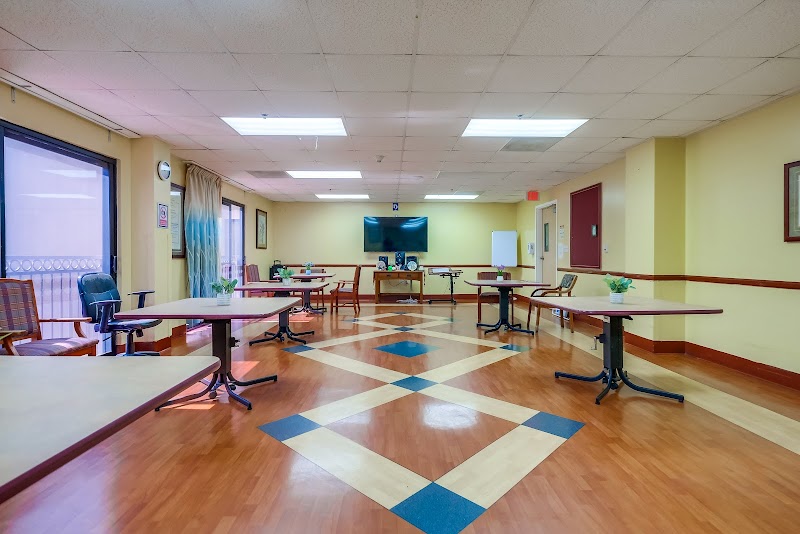
How is Santa Monica Rehabilitation Center Staffed?

CMS rates SANTA MONICA REHABILITATION CENTER's staffing level at 2 out of 5 stars, which is below average compared to other nursing homes.

What Have Inspectors Found at Santa Monica Rehabilitation Center?

State health inspectors documented 168 deficiencies at SANTA MONICA REHABILITATION CENTER during 2023 to 2025. These included: 3 Immediate Jeopardy (the most serious level, indicating potential for serious harm or death), 4 that caused actual resident harm, and 161 with potential for harm. Immediate Jeopardy findings are rare and represent the most serious regulatory concerns. They require immediate corrective action.
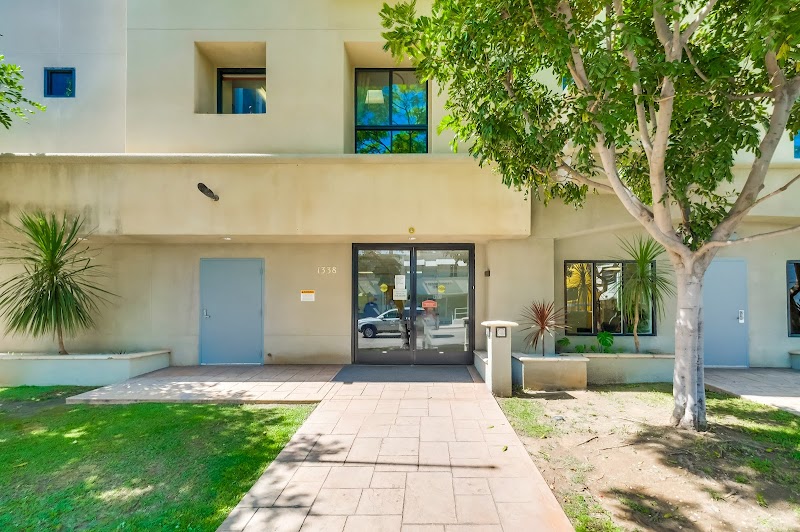
Who Owns and Operates Santa Monica Rehabilitation Center?

SANTA MONICA REHABILITATION CENTER is owned by a for-profit company. For-profit facilities operate as businesses with obligations to shareholders or private owners. The facility is operated by MARINER HEALTH CARE, a chain that manages multiple nursing homes. With 144 certified beds and approximately 118 residents (about 82% occupancy), it is a mid-sized facility located in SANTA MONICA, California.
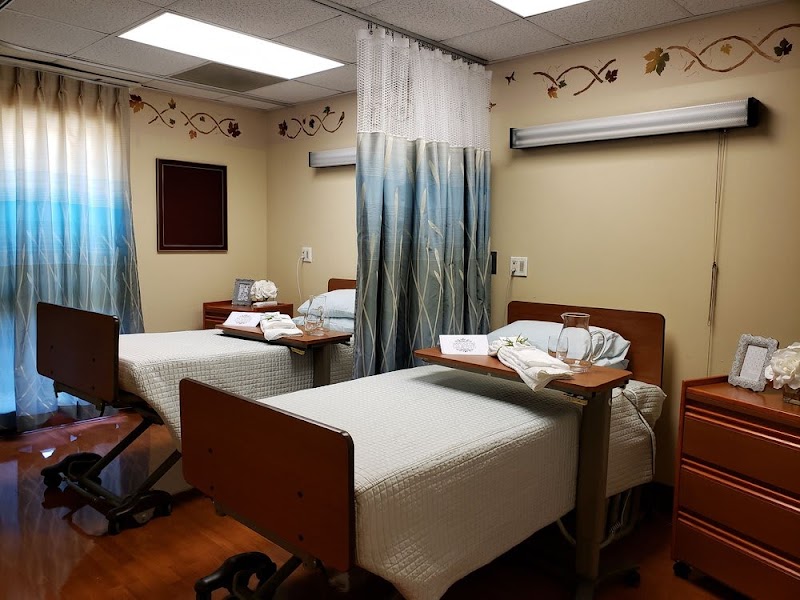
How Does Santa Monica Rehabilitation Center Compare to Other California Nursing Homes?

Compared to the 100 nursing homes in California, SANTA MONICA REHABILITATION CENTER's overall rating (1 stars) is below the state average of 3.1 and health inspection rating (1 stars) is much below the national benchmark.

What Should Families Ask When Visiting Santa Monica Rehabilitation Center?

Based on this facility's data, families visiting should ask: "What changes have been made since the serious inspection findings, and how are you preventing similar issues?" "What safeguards and monitoring systems are in place to protect residents from abuse or neglect?" "Can you walk me through typical staffing levels on day, evening, and night shifts?" "Can I visit during a mealtime to observe dining assistance and food quality?" These questions are particularly relevant given the facility's Immediate Jeopardy citations, the substantiated abuse finding on record, and the below-average staffing rating.

Is Santa Monica Rehabilitation Center Safe?

Based on CMS inspection data, SANTA MONICA REHABILITATION CENTER has documented safety concerns. The facility has 1 substantiated abuse finding (meaning confirmed case of resident harm by staff or other residents). Inspectors have issued 3 Immediate Jeopardy citations (the most serious violation level indicating risk of serious injury or death). The facility is currently on the Special Focus Facility watch list (a federal program monitoring the lowest-performing 1% of nursing homes nationwide). The facility has a 1-star overall rating and ranks #100 of 100 nursing homes in California. Families considering this facility should ask detailed questions about what corrective actions have been taken since these incidents.

Do Nurses at Santa Monica Rehabilitation Center Stick Around?

SANTA MONICA REHABILITATION CENTER has not reported staff turnover data to CMS. Staff turnover matters because consistent caregivers learn residents' individual needs, medications, and preferences. When staff frequently change, this institutional knowledge is lost. Families should ask the facility directly about their staff retention rates and average employee tenure.

Was Santa Monica Rehabilitation Center Ever Fined?

SANTA MONICA REHABILITATION CENTER has been fined $202,668 across 10 penalty actions. This is 5.8x the California average of $35,106. Fines at this level are uncommon and typically indicate a pattern of serious deficiencies, repeated violations, or failure to correct problems promptly. CMS reserves penalties of this magnitude for facilities that pose significant, documented risk to resident health or safety. Families should request specific documentation of what issues led to these fines and what systemic changes have been implemented.

Is Santa Monica Rehabilitation Center on Any Federal Watch List?

SANTA MONICA REHABILITATION CENTER is currently an SFF Candidate, meaning CMS has identified it as potentially qualifying for the Special Focus Facility watch list. SFF Candidates have a history of serious deficiencies but haven't yet reached the threshold for full SFF designation. The facility is being monitored more closely — if problems continue, it may be added to the official watch list. Families should ask what the facility is doing to address the issues that led to this status.