SUNSET PARK HEALTHCARE
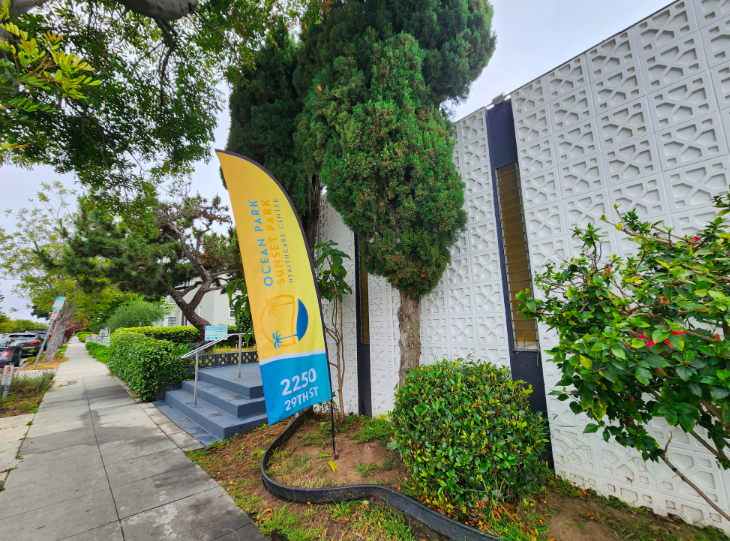
2250 29TH STREET, SANTA MONICA, CA 90405 (310) 450-7694
For profit - Limited Liability company 44 Beds ABRAHAM BAK & MENACHEM GASTWIRTH Data: November 2025
Trust Grade
45/100
#916 of 1155 in CA
Last Inspection: May 2025

Inspected within the last 6 months. Data reflects current conditions.

Overview

Sunset Park Healthcare has a Trust Grade of D, indicating below-average performance with some concerning issues. It ranks #916 out of 1155 facilities in California, placing it in the bottom half of nursing homes in the state, and #245 out of 369 in Los Angeles County, suggesting limited local options that perform better. Unfortunately, the facility is worsening, with reported issues increasing from 8 in 2024 to 29 in 2025. Staffing has a good rating of 4 out of 5 stars, with a turnover rate of 35%, which is lower than the state average, meaning staff are likely to be familiar with residents. However, there are significant concerns regarding RN coverage, as the facility has less RN support than 96% of facilities in California, which may impact the quality of care. Specific incidents have raised alarms, such as a resident who suffered a fall due to inadequate supervision, resulting in a serious injury that required hospitalization. Additionally, the facility failed to develop proper care plans for residents with specific needs, potentially jeopardizing their safety and health. While there have been no fines recorded, families should weigh these strengths and weaknesses carefully when considering care for their loved ones.

Trust Score
D
45/100
In California
#916/1155
Bottom 21%
Safety Record
Moderate
Needs review
Inspections
Getting Worse
8 → 29 violations
Staff Stability
○ Average
35% turnover. Near California's 48% average. Typical for the industry.
Penalties
✓ Good
No fines on record. Clean compliance history, better than most California facilities.
Skilled Nurses
⚠ Watch
Each resident gets only 16 minutes of Registered Nurse (RN) attention daily — below average for California. Fewer RN minutes means fewer trained eyes watching for problems.
Violations
⚠ Watch
58 deficiencies on record. Higher than average. Multiple issues found across inspections.
★★☆☆☆
2.0
Overall Rating
★★★★☆
4.0
Staff Levels
★★★☆☆
3.0
Care Quality
★★☆☆☆
2.0
Inspection Score
Stable
2024: 8 issues
2025: 29 issues

The Good

  • 4-Star Staffing Rating · Above-average nurse staffing levels
  • Full Sprinkler Coverage · Fire safety systems throughout facility
  • No fines on record
  • Staff turnover below average (35%)

    13 points below California average of 48%

Facility shows strength in staffing levels, fire safety.

The Bad

2-Star Overall Rating

Below California average (3.1)

Below average - review inspection findings carefully

Staff Turnover: 35%

11pts below California avg (46%)

Typical for the industry

Chain: ABRAHAM BAK & MENACHEM GASTWIRTH

Part of a multi-facility chain

Ask about local staffing decisions and management

The Ugly 58 deficiencies on record

1 actual harm
Jun 2025 2 deficiencies
CONCERN (D) 📢 Someone Reported This

A family member, employee, or ombudsman was alarmed enough to file a formal complaint

Potential for Harm - no one hurt, but risky conditions existed

Deficiency F0563 (Tag F0563)

Could have caused harm · This affected 1 resident

**NOTE- TERMS IN BRACKETS HAVE BEEN EDITED TO PROTECT CONFIDENTIALITY** Based on interview and record review, the facility failed to permit residents to receive visitors according to the facility ' s ...

Read full inspector narrative →
**NOTE- TERMS IN BRACKETS HAVE BEEN EDITED TO PROTECT CONFIDENTIALITY** Based on interview and record review, the facility failed to permit residents to receive visitors according to the facility ' s policy and procedures (P&P) titled, Visitation and Resident Rights, for one of four sampled residents, Resident 1. This deficient practice violated residents ' rights regarding visitation. Cross Reference F656. Findings: During a review of the admission Record indicated Resident 1 was originally admitted to the facility on [DATE] and readmitted on [DATE] with diagnosis including respiratory tuberculosis (a contagious bacterial infection that involves the lungs), pneumonia (lung infection that inflames air sacs with fluid or pus) and depression (a mood disorder that causes persistent feeling of sadness and loss of interest). During a review of the Minimum Data Set (MDS – resident assessment tool) dated 3/23/2025, indicated Resident 1 ' s cognitive (mental action or process of acquiring knowledge and understanding) skills for daily decisions were severely impaired. The MDS indicated Resident 1 required moderate assistance from staff for activities of daily living (ADLs- routine tasks/activities such as bathing, dressing and toileting a person performs daily to care for themselves). The same MDS also indicated, Resident 1 experienced feeling down, depressed, or hopeless, and have little interest or pleasure in doing things in 2-6 days (several days) a week. During a review of Resident 1 ' s Interdisciplinary Team (IDT - a group of dedicated healthcare professionals who work to bring knowledge together to help residents receive the care they need) Notes, dated 3/12/2025, the IDT notes indicated, Resident 1 ' s Family Member 2 (FM 2) and Family Member 3 (FM 3) are not allowed to visit unless they are accompanied by Resident ' s Family Member 1 (FM 1). During a review of Resident 1 ' s Progress Notes dated 3/13/2025, the Progress Notes indicated, the Ombudsman (an advocate for residents of nursing homes, board and care centers, and assisted living facilities) notified the facility that according to the regulation, the facility cannot restrict visitation and Resident 1 ' s FM 1 cannot [NAME] visitors if Resident 1 would like to have them . FM 1 can restrict visitors only if the visitor put Resident 1 in immediate risk of threat or neglect. During a review of Resident 1 ' s Progress Notes dated 6/3/2025, the Progress Notes indicated, Two female visitors came (in the facility) and were attempting to walk down the hallway . FM 1 was called by the staff and FM 1 stated, he doesn ' t want them (two female visitors) to visit Resident 1 without him present. During a review of Resident 1 ' s Care Plan (CP), as of 6/17/2025, there was no CP developed regarding visitation and the IDT notes on 3/12/2025 regarding restricting FM 2 and FM 3 from visiting Resident 1. During an interview with Social Services Director (SSD) on 6/17/2025 at 12:35 p.m., SSD stated, the facility cannot restrict visitation. SSD stated, there is some conflict and family dynamic between Resident 1 ' s FM 1 and FM 2. SSD reviewed Resident 1 ' s IDT notes dated 3/12/2025, and stated and confirmed, facility failed to follow P&P and regulations regarding residents ' rights. SSD stated, there is no care plan developed regarding the conflict between Resident 1 ' s FM 1 and FM 2. During an interview with Registered Nurse 1 (RN 1) on 6/17/2025 at 12:58 p.m., RN 1 stated, there was no neglect or harm done to Resident 1 from Resident 1 ' s FM 2 and FM 3. During a review of the facility ' s P&P titled, Resident Rights, revised on 3/2025, the P&P indicated, Federal and state laws guarantee certain basic rights to all residents of this facility. These rights include the resident ' s right to: . visit and be visited by others from outside the facility. During a review of the facility ' s P&P titled, Visitation, revised on 3/2025, the P&P indicated, Our facility permits residents to receive visitors subject to the resident ' s wishes and the protection of the rights of other residents in the facility . The facility does not restrict visitors based on the request of family members or the healthcare power of attorney (a legal document that allows an individual to empower another to make decisions about their medical care).
CONCERN (D) 📢 Someone Reported This

A family member, employee, or ombudsman was alarmed enough to file a formal complaint

Potential for Harm - no one hurt, but risky conditions existed

Comprehensive Care Plan (Tag F0656)

Could have caused harm · This affected 1 resident

**NOTE- TERMS IN BRACKETS HAVE BEEN EDITED TO PROTECT CONFIDENTIALITY** Based on interview and record review, the facility failed to develop a comprehensive care plan (CP) that met the care/services b...

Read full inspector narrative →
**NOTE- TERMS IN BRACKETS HAVE BEEN EDITED TO PROTECT CONFIDENTIALITY** Based on interview and record review, the facility failed to develop a comprehensive care plan (CP) that met the care/services based on the resident's individual assessed needs for one of six sampled residents (Resident 1), regarding visitation rights and conflicts between Resident 1 ' s Family Member 1 and Resident 1 ' s Family Member 2 (FM 2). This deficient practice had the potential to result negative impact on residents ' health and safety, as well as the quality of care and services received. Findings: During a review of the admission Record indicated Resident 1 was originally admitted to the facility on [DATE] and readmitted on [DATE] with diagnosis including respiratory tuberculosis (a contagious bacterial infection that involves the lungs), pneumonia (lung infection that inflames air sacs with fluid or pus) and depression (a mood disorder that causes persistent feeling of sadness and loss of interest). During a review of the Minimum Data Set (MDS – resident assessment tool) dated 3/23/2025, indicated Resident 1 ' s cognitive (mental action or process of acquiring knowledge and understanding) skills for daily decisions were severely impaired. The MDS indicated Resident 1 required moderate assistance from staff for activities of daily living (ADLs- routine tasks/activities such as bathing, dressing and toileting a person performs daily to care for themselves). The same MDS also indicated, Resident 1 experienced feeling down, depressed, or hopeless, and have little interest or pleasure in doing things in 2-6 days (several days) a week. During a review of Resident 1 ' s Interdisciplinary Team (IDT - a group of dedicated healthcare professionals who work to bring knowledge together to help residents receive the care they need) Notes, dated 3/12/2025, the IDT notes indicated, Resident 1 ' s Family Member 2 (FM 2) and Family Member 3 (FM 3) are not allowed to visit unless they are accompanied by Resident ' s Family Member 1 (FM 1). During a review of Resident 1 ' s Progress Notes dated 3/13/2025, the Progress Notes indicated, the Ombudsman (an advocate for residents of nursing homes, board and care centers, and assisted living facilities) notified the facility that according to the regulation, the facility cannot restrict visitation and Resident 1 ' s FM 1 cannot [NAME] visitors if Resident 1 would like to have them . FM 1 can restrict visitors only if the visitor put Resident 1 in immediate risk of threat or neglect. During a review of Resident 1 ' s Progress Notes dated 6/3/2025, the Progress Notes indicated, Two female visitors came (in the facility) and were attempting to walk down the hallway . FM 1 was called by the staff and FM 1 stated, he doesn ' t want them (two female visitors) to visit Resident 1 without him present. During a review of Resident 1 ' s Care Plan (CP), as of 6/17/2025, there was no CP developed regarding visitation and the IDT notes on 3/12/2025 regarding restricting FM 2 and FM 3 from visiting Resident 1. During an interview with Social Services Director (SSD) on 6/17/2025 at 12:35 p.m., SSD stated, the facility cannot restrict visitation. SSD stated, there is some conflict and family dynamic between Resident 1 ' s FM 1 and FM 2. SSD reviewed Resident 1 ' s IDT notes dated 3/12/2025, and stated and confirmed, facility failed to follow P&P and regulations regarding residents ' rights. SSD stated, there is no care plan developed regarding the conflict between Resident 1 ' s FM 1 and FM 2. During an interview with Registered Nurse 1 (RN 1) on 6/17/2025 at 12:58 p.m., RN 1 stated, there was no neglect or harm done to Resident 1 from Resident 1 ' s FM 2 and FM 3. RN 1 stated, there should be a CP developed regarding Resident 1 ' s visitation rights and the conflict between Resident 1 ' s FM 1 and FM 2. During a review of the facility ' s policy and procedure (P&P) titled, Care Plans, Comprehensive Person-Centered, revised on 3/2025, the P&P indicated, A comprehensive person-centered care plan that includes measurable objectives and timetables to meet resident ' s physical, psychological and functional needs is developed and implemented for each resident.
May 2025 23 deficiencies
CONCERN (D)

Potential for Harm - no one hurt, but risky conditions existed

Deficiency F0552 (Tag F0552)

Could have caused harm · This affected 1 resident

**NOTE- TERMS IN BRACKETS HAVE BEEN EDITED TO PROTECT CONFIDENTIALITY** Based on interview, and record review, the facility failed to ensure the resident and/or responsible party (RP) was informed and...

Read full inspector narrative →
**NOTE- TERMS IN BRACKETS HAVE BEEN EDITED TO PROTECT CONFIDENTIALITY** Based on interview, and record review, the facility failed to ensure the resident and/or responsible party (RP) was informed and consented in advance, of the risks and benefits of psychotherapeutic medications (used to treat a variety of mental health conditions by affecting brain chemistry and behavior) for one of three sampled residents (Resident 35) reviewed for psychotropic medications (a medication which are available on prescription to treat a certain type of mental health problems). This deficient practice violated resident/RP's right to make an informed decision regarding the use of psychotropic medications. Findings: During a record review, the admission Record indicated Resident 35 was admitted to the facility on [DATE] with diagnoses including metabolic encephalopathy (a chemical imbalance in the blood affecting the brain), unspecified dementia (a progressive state of decline in mental abilities) and major depressive disorder (a mood disorder that causes a persistent feeling of sadness and loss of interest). During a record review, the Minimum Data Set (MDS - resident assessment tool) dated 4/9/2025, indicated Resident 35's cognitive (mental action or process of acquiring knowledge and understanding) skills for daily decisions were severely impaired. The MDS indicated Resident 35 required maximal assistance to a total dependent from staff for activities of daily living (ADLs- routine tasks/activities such as bathing, dressing and toileting a person performs daily to care for themselves). The MDS also indicated, Resident 35 was on antipsychotic and antidepressant medications (medications used to treat depression and other mental health conditions). During a record review, Resident 35's Order Summary Report indicated, the physician ordered the following medications: i. Mirtazapine (a prescription medication primarily used to treat depression in adults) 7.5 milligram (mg - unit of measurement) - Give one tablet by mouth one time a day for depression, dated 4/3/2025. ii. Trazodone (prescription medication primarily used to treat depression, but it's also commonly prescribed off-label to help with sleep problems) 50 mg - give one tablet by mouth as needed for depression, dated 4/3/2025 During a concurrent interview and record review with Registered Nurse (RN) 1 on 5/25/2025 at 12:17 p.m., Resident 35's informed consents was reviewed. RN 1 stated, the informed consent for Trazodone does not have a signature by resident/RP, and there were no date and information if Resident 35/RP consented the trazodone medication. RN 1 further stated, the mirtazapine medication informed consent was also incomplete, it does not have the information if [Resident 35]/RP consented for mirtazapine medication treatment. RN 1 stated, there should be a complete informed consents for psychotropic medications as it the residents/RP's right to be informed of these medications. During a record review of Resident 35's Medication Administration Record (MAR) for 5/2025, the MAR indicated, the facility administered both mirtazapine and trazodone medications to Resident 35. During an interview with the Director of Nursing (DON) on 5/25/2025 at 7:57 p.m., DON stated that there should be an informed consent obtained by the physician for psychotropic medications before administering these medications. During a record review of the facility's Policy and Procedures (P&P) titled, Verification of Informed Consent for Psychotherapeutic Medications, reviewed by the facility on 4/2025, the P&P indicated, Each resident has the right to be free from psychotherapeutic drugs and, to provide informed consent before treatment with psychotherapeutic drugs . Before prescribing a psychotherapeutic drug, the Physician must personally examine the resident and obtain informed written consent signed by the resident or the resident's representative along with, the signature of the health care professional declaring the require material information has been provided . Signed written consent will be recorded in the resident's medical record. Before initiating treatment with psychotherapeutic drugs, facility staff must verify that the president's health record contains written informed consent with the required signatures.
CONCERN (D)

Potential for Harm - no one hurt, but risky conditions existed

Deficiency F0558 (Tag F0558)

Could have caused harm · This affected 1 resident

**NOTE- TERMS IN BRACKETS HAVE BEEN EDITED TO PROTECT CONFIDENTIALITY** Based on observation, interview and record review, the facility failed to ensure a bariatric bed (a heavy-duty, typically wider ...

Read full inspector narrative →
**NOTE- TERMS IN BRACKETS HAVE BEEN EDITED TO PROTECT CONFIDENTIALITY** Based on observation, interview and record review, the facility failed to ensure a bariatric bed (a heavy-duty, typically wider bed designed to accommodate individuals who are significantly overweight) did not impede the free movement of staff and one of three resident (Resident 148). This deficient practice resulted in impeding the free movement of Resident 148 and had the potential to impede the free movement of staff and guests. Cross Reference F912 Findings: During a record review Resident 148's admission indicated, Resident 148 was admitted to the facility on [DATE] with diagnoses that included fibromyalgia (a chronic (long-lasting) disorder that causes pain and tenderness throughout the body, as well as fatigue and trouble sleeping), muscle weakness, rheumatoid arthritis (a chronic, autoimmune disease that causes inflammation in the joints, leading to pain, stiffness, and swelling), hypertension (high blood pressure) and spondylosis (the degeneration of the spine, particularly the intervertebral discs and facet joints, often associated with aging). During a review of Resident 148's history and physical (H&P) dated 5/22/2025 indicated Resident 148 had the capacity to understand and make decisions. During a review of Resident 148's Minimum Data Set (MDS - a resident assessment tool) dated 5/22/2025, indicated Resident 148's cognition (The mental ability to make decisions of daily living) was intact. The MDS indiated Resident 148 required supervision or touching assistance for walking 10 feet, used cane/crutch and a walker, required partial moderate assistance for toileting, personal hygiene and upper body dressing, Resident 148 required substantial assistance with lower body dressing and putting on footwear. During an observation and concurrent interview on 5/23/25 at 7:32 p.m., Resident 148's room appeared crowded with limited space for the resident to move around. Resident148's roommate was noted with a bariatric bed and a bedside table next to the bariatric bed. Resident 148 stated she feels closed in the room due to the size of her roommate's bariatric bed and bedside table. Resident 148 stated that, it (bariatric bed) takes up too much space in the room. I can barely get into the bathroom because if I open the bathroom door wide it bumps into my roommate's foot of her bed. Resident 148 stated I can only get out of my bed safely on the right side. Resident 148 stated she does not have enough room to move around freely in her room. Resident 148 stated that it makes her angry that she cannot freely move around. During a review of the Federal Guidance indicated that the measurement of the square footage should be based upon the useable living space of the room. The swing or arc of any door which opens directly into the resident's room should not be excluded from the calculations of useable square footage in a room.
CONCERN (D)

Potential for Harm - no one hurt, but risky conditions existed

Grievances (Tag F0585)

Could have caused harm · This affected 1 resident

**NOTE- TERMS IN BRACKETS HAVE BEEN EDITED TO PROTECT CONFIDENTIALITY** Based on interview and record review, the facility failed to make prompt efforts to resolve the resident ' s grievance concernin...

Read full inspector narrative →
**NOTE- TERMS IN BRACKETS HAVE BEEN EDITED TO PROTECT CONFIDENTIALITY** Based on interview and record review, the facility failed to make prompt efforts to resolve the resident ' s grievance concerning missing/lost personal belongings of property by failing to list belongings inventory upon admission for one of two sampled residents (Resident 37). This deficient practice resulted in Resident 37's missing clothes and personal belongings. Findings: During a review of the admission Record indicated Resident 37 was originally admitted to the facility on [DATE] and readmitted on [DATE] with diagnoses including encephalopathy (a disease in which the functioning of the brain is affected by some agent or condition-such as viral infection or toxins in the blood), aphasia (a disorder that makes it difficult to speak) and anxiety disorder (a mental health disorder characterized by feelings of worry, anxiety or fear that are strong enough to interfere with one's daily activities). During a review of the Minimum Data Set (MDS - a resident assessment tool) dated 3/5/2025, indicated Resident 37's cognitive (mental action or process of acquiring knowledge and understanding) skills for daily decisions were severely impaired. The MDS indicated Resident 37 is total dependent from staff for activities of daily living (ADLs- routine tasks/activities such as bathing, dressing and toileting a person performs daily to care for themselves). During an interview with Family Member (FM) 1 on 5/24/2025 at 7:59 a.m., FM 1 stated, Resident 37 was missing multiple clothes and personal belongings that they brought in for Resident 37. FM 1 stated, they (family) mentioned it to the staff but have not heard from the staff about missing multiple clothes and personal belongings. During a record review on 5/23/2025 at 10:18 a.m., Resident 37's medical chart indicated, an inventory list was documented on 12/8/2024, 5/14/2025 and 5/21/2025. During a concurrent interview and record review with Social Services Director (SSD) on 5/24/2025 at 3:39 p.m., SSD stated, for any missing personal belongings, the facility must investigate and look for the missing personal belongings and will replace it as needed. SSD further stated, they need to check residents' inventory list so they can match and confirm the missing items. SSD reviewed Resident 37's medical chart and stated, there was no inventory list done upon Resident 37's admission. During an interview with Director of Nursing (DON) on 5/25/2025 at 11:30 p.m., facility staff must keep track of residents' personal belongings by documenting and keeping a list whenever visitors brought items for residents. During a review of the facility's policy and procedures (P&P) titled, Residents' Personal Property, reviewed on 4/2025, the P&P indicated, It is the policy of the facility to take reasonable steps to protect residents' personal property . On admission, an inventory of the resident's personal property will be completed by the resident's Certified Nursing Assistant (CNA) . The inventory will list the resident's clothing and other personal items brought to the facility and retained by the resident. Following completion of the inventory, the form will be signed by the resident or surrogate and staff member. Social Services will check the inventory for completion when completing their initial Assessment . The IDT will also review the resident's inventory for accuracy during the resident's quarterly care conference. Any changes or additions to the inventory will be made at this time.
CONCERN (D)

Potential for Harm - no one hurt, but risky conditions existed

Deficiency F0604 (Tag F0604)

Could have caused harm · This affected 1 resident

**NOTE- TERMS IN BRACKETS HAVE BEEN EDITED TO PROTECT CONFIDENTIALITY** Based on observation, interview, and record review, the facility failed to ensure that the residents were free of unnecessary ph...

Read full inspector narrative →
**NOTE- TERMS IN BRACKETS HAVE BEEN EDITED TO PROTECT CONFIDENTIALITY** Based on observation, interview, and record review, the facility failed to ensure that the residents were free of unnecessary physical restraint, for one of four sampled residents (Resident 38) when: 1. Resident 38's middle bed frame was low with a sagging mattress that restricted Resident 38 from getting out of bed. 2. Resident 38 was observed with a bedside table parked alongside Resident 38 while he was in bed that restricted the resident's movement. This deficient practice resulted in unnecessary restraint and placed the resident at risk of entrapment. Cross Reference F656 Findings: During a review of the admission Record indicated Resident 38 was originally admitted to the facility on [DATE] and readmitted on [DATE] with diagnoses including metabolic encephalopathy (a disease in which the functioning of the brain is affected by some agent or condition-such as viral infection or toxins in the blood), muscle weakness (weakening, shrinking, and loss of muscle) and anxiety disorder (a mental health disorder characterized by feelings of worry, anxiety or fear that are strong enough to interfere with one's daily activities). During a review of the Minimum Data Set (MDS - a resident assessment tool) dated 4/29/2025, indicated Resident 38's cognitive (mental action or process of acquiring knowledge and understanding) skills for daily decisions were severely impaired. The MDS indicated Resident 38 was total dependent from staff for activities of daily living (ADLs- routine tasks/activities such as bathing, dressing and toileting a person performs daily to care for themselves). During a review of Resident 38's Care Plan (CP) dated 4/15/2025, for requiring use of grab bars, indicated a goal of, Resident (Resident 38) will show no signs and symptoms (s/sx) of entrapment. During an observation of Resident 38 on 5/23/2025 at 5:33 p.m., Resident 38 was observed sitting up on the bed and trying to get up while holding onto a grab bar but unable to, observed the middle bed frame very low and mattress was sagging which was restricted him from getting out of bed. During an observation of Resident 38 on 5/24/2025 at 9:03 a.m., Resident 38 was lying on a bed, and a bedside table was parked alongside Resident 38's bed and was blocking the resident's way. During a concurrent interview and observation with Licensed Vocational Nurse (LVN) 3 on 5/24/2025 at 9:10 a.m., LVN 3 stated, the bed was placed by a Certified Nursing Assistant, so he (Resident 38) won't get up as Resident 38 is at high risk of fall. LVN 3 stated there should not be a bedside table next to Resident 38's bed and the bed frame should not be low that causes restriction to Resident 38. LVN 3 further stated, this practice puts Resident 38 at risk for entrapment. During an interview with Director of Nursing (DON) on 5/25/2025 at 11:15 a.m., DON stated, they (staff) should not put a bedside table next to Resident 38 and the bed frame should not be low that can restrict him from movement. DON stated, this causes entrapment on Resident 38. During a review of the facility policy and procedures (P&P) titled, Use of Restraints, revised on 4/2025, the P&P indicated, Restraints shall only be used for the safety and well-being of the resident(s) and only after other alternatives have been tried unsuccessfully. Restraints shall only be used to treat the resident's medical symptom(s) and never for discipline or staff convenience, or for the prevention of falls . If the resident cannot remove a device in the same manner in which the staff applied it given that resident's physical condition (i.e., side rails are put back down, rather than climbed over), and this restricts his/her typical ability to change position or place, that device is considered a restraint . Practices that inappropriately utilize equipment to prevent resident mobility are considered restraints and are not permitted, including: a. Using bedrails to keep a resident from voluntarily getting out of bed as opposed to enhancing mobility while in bed; b. Tucking sheets so tightly that a bed-bound resident cannot move; c. Placing a resident in a chair that prevents the resident from rising; and d. Placing a resident who uses a wheelchair so close to the wall that the wall prevents the resident from rising.
CONCERN (D)

Potential for Harm - no one hurt, but risky conditions existed

Abuse Prevention Policies (Tag F0607)

Could have caused harm · This affected 1 resident

Based on interview and record review, the facility failed to ensure a background checks and screening on applicants for positions with direct access to residents was completed for two of 12 sampled em...

Read full inspector narrative →
Based on interview and record review, the facility failed to ensure a background checks and screening on applicants for positions with direct access to residents was completed for two of 12 sampled employees reviewed according to facility's Policy and Procedures (P&P) titled, Background Screening Investigation. This deficient practice placed all 41 residents in the facility at risk of violence, theft and other safety issues. Findings: During a record review, Registered Nurse (RN) 2 employee file on 5/25/2025 at 2:14 p.m., indicated that RN 2 was hired on 12/18/2022. RN 2's employee file indicated there were no background checks and screening completed during or after her (RN 2) hired date. During a record review, Licensed Vocational Nurse (LVN) 1 employee file on 5/25/2025 at 2:25 p.m., indicated that LVN 1 was hired on 6/4/2024. LVN 1's employee file indicated there were no background checks and screening completed during or after her (LVN 1) hired date. During a concurrent interview and record review with Director of Staff and Development (DSD) 1 on 5/25/2025 at 3:33 p.m., DSD 1 stated, there were no background check done for RN 2 and LVN 1 upon hire date. DSD 1 stated, background checks and screening must be completed to ensure the employee does not have any history of theft, especially that the facility have controlled drug medications. During an interview with Director of Nursing (DON) on 5/25/2025 at 8:02 p.m., DON stated, they must run background checks and screening on all staff before starting to work in the facility to make sure that they don't have any history that may badly affect the residents. During a review of facility's P&P titled, Background Screening Investigations, reviewed on 4/2025, the P&P indicated, The director of personnel, or designee, conducts background checks, reference checks and criminal conviction checks (including fingerprinting as may be required by state law) on all potential direct access employees and contractors. Background and criminal checks are initiated within two days of an offer of employment or contract agreement and completed prior to employment.
CONCERN (D)

Potential for Harm - no one hurt, but risky conditions existed

Accident Prevention (Tag F0689)

Could have caused harm · This affected 1 resident

**NOTE- TERMS IN BRACKETS HAVE BEEN EDITED TO PROTECT CONFIDENTIALITY** Based on observation, interview, and record review, the facility failed to: 1. Maintain a safe and functional environment for on...

Read full inspector narrative →
**NOTE- TERMS IN BRACKETS HAVE BEEN EDITED TO PROTECT CONFIDENTIALITY** Based on observation, interview, and record review, the facility failed to: 1. Maintain a safe and functional environment for one of six sampled residents (Resident 38) by ensuring that there are no items that may cause him an injury according to Resident 38's behavior of putting objects on his mouth. 2. Properly evaluate one of six sampled residents (Resident 36)'s elopement (the act of leaving a facility unsupervised and without prior authorization) risk assessment (a numerical score used to determine the likelihood of a person, often a patient in a care setting, leaving a facility without authorization or staff knowledge) These deficient findings had the potential to place the residents at increased risk for injuries and accidents. Cross Reference F656 Findings: A. During a review of the admission Record indicated Resident 38 was originally admitted to the facility on [DATE] and readmitted on [DATE] with diagnoses including metabolic encephalopathy (a disease in which the functioning of the brain is affected by some agent or condition-such as viral infection or toxins in the blood), dementia (a progressive state of decline in mental abilities) and anxiety disorder (a mental health disorder characterized by feelings of worry, anxiety or fear that are strong enough to interfere with one's daily activities). During a record review, Resident 38's Minimum Data Set (MDS - a resident assessment tool) dated 4/29/2025, indicated Resident 38's cognitive (mental action or process of acquiring knowledge and understanding) skills for daily decisions were severely impaired. The MDS indicated Resident 38 was dependent from staff for activities of daily living (ADLs- routine tasks/activities such as bathing, dressing and toileting a person performs daily to care for themselves). During a review of Resident 38's Order Summary Report, dated 9/2/2024, the physician ordered, Resident (38) is at risk for silent aspiration (inhaling food, liquid, or other material into the lungs without coughing or feeling any discomfort). Monitor resident with regular texture diets every shift. During a review of Resident 38's Care Plan (CP), revised on 6/11/2024, for impaired cognitive function/dementia or impaired thought processed related to dementia, the CP indicated an intervention to, Cue, reorient and supervise as needed. During an observation of Resident 38 on 5/23/2025 at 6:13 p.m., observed Resident 38 sitting on the bed, the bedside table drawer was open, and Resident 38 was holding a perineal cleanser (a special soap designed to gently clean the area between the legs, specifically around the genitals and anus) bottle with a liquid inside the bottle. Resident 38 was observed putting the bottle in his mouth and stated, he is looking for his cream. During a concurrent observation and interview with Licensed Vocational Nurse (LVN) 1 on 5/23/2025 at 6:18 p.m., LVN 1 stated, Resident 38 has a behavior of putting random objects on his mouth. LVN 1 observed Resident 38's bedside table and there was a cream, perineal cleanser bottles, and multiple disposable razors. LVN 1 stated, Resident 38 was not allowed to keep these items on his bedside drawers. During an observation of Resident 38 on 5/24/2025 at 9:03 a.m., Resident 38 was observed lying on the bed, eyes closed and was putting a blanket on his mouth. During a concurrent observation and interview with LVN 2 on 5/24/2025 at 9:10 a.m., LVN 2 stated, Resident 2 has a behavior problem and a tendency of putting objects in his mouth. LVN 2 stated, staff need to monitor resident's behavior frequently, and or put him the activity room to divert his attention. During an interview with Director of Nursing (DON) on 5/25/2025 at 11:10 a.m., DON stated, if residents put objects in their mouth, they could inject these objects that may put him at risk of aspiration and injury. B. During a review of the admission Record indicated Resident 36 was admitted to the facility on [DATE] with diagnoses including, unspecified dementia, and unspecified psychosis (a severe mental condition in which thought, and emotions are so affected that contact is lost with reality). During a record review, Resident 36's MDS dated [DATE], indicated Resident 36's skills for daily decisions were severely impaired. The MDS indicated Resident 36 required supervision with ADLs. During a record review of Resident 36's CPs as of 5/25/2025, indicated, there was no CP developed for risk of elopement. During a record review, Resident 36's Elopement Risk Assessment, dated 2/5/2025, the Elopement Risk Assessment score was 4 (suggests that while the individual isn't at the highest risk, there are factors present that increase their likelihood of eloping) and indicated: i. Resident does not pace, wander, try to get out at door, find family or friend, or perceive they may need to be doing something other than what they are doing ii. Resident does not have a history of elopement, wandering, or getting lost iii. Resident is not readily accepting nursing home placement. During a review of Resident 36's Elopement Risk Assessment, dated 5/14/2025, the Elopement Risk Assessment score was 4 and indicated, i. Resident does not pace, wander, try to get out at door, find family or friend, or perceive they may need to be doing something other than what they are doing ii. Resident does not have a history of elopement, wandering, or getting lost iii. Resident is not readily accepting nursing home placement. During an observation of Resident 36 on 5/23/2025 at 6:42 p.m., Resident 36 was observed walking around the facility, nonverbal, and appears confused while Certified Nursing Assistant (CNA) 5 follows Resident 36 around the hallway. During an observation of Resident 36 on 5/24/2025 at 10:33 a.m., Resident 36 was observed walking around the facility while a Sitter (someone who provides care for another person, usually a child, or sometimes an elderly individual) follows him around. Resident 36 was then observed trying to enter another residents' room. During an interview with LVN 2 on 5/24/2025 at 10:35 a.m., LVN 2 stated, Resident 36 required to have a sitter as he was confused and tends to go into other residents' rooms. During a concurrent interview and record review with Director of Nursing (DON) on 5/25/2025 at 10:58 a.m., DON stated, Resident 36 needs a sitter because he liked to walk around without direction and would go into other residents' rooms. DON reviewed Resident 36's Elopement Risk Assessment and stated, Resident 36's Elopement Risk Assessment were not accurate, and his score should be higher as he is a high risk for elopement. DON further stated there should be a CP for his behavior. During a review of the facility policy and procedures (P&P) titled, Accidents and Incidents - Investigating and Reporting, reviewed on 4/2025, the P&P indicated, Incident/accident reports will be reviewed by the safety committee for trends related to accident or safety hazards in the facility and to analyze any individual resident vulnerabilities. During a review of the facility P&P titled, Elopements, reviewed on 4/2025, the P&P indicated, Staff shall investigate and report all cases of missing residents . Document relevant information in the resident's medical record. During a review of the facility P&P titled, Charting and Documentation, reviewed on 4/2025, the P&P indicated, Documentation in the medical record will be objective (not opinionated or speculative), complete, and accurate.
CONCERN (D)

Potential for Harm - no one hurt, but risky conditions existed

Pharmacy Services (Tag F0755)

Could have caused harm · This affected 1 resident

**NOTE- TERMS IN BRACKETS HAVE BEEN EDITED TO PROTECT CONFIDENTIALITY** Based on observation, interview and record review, the facility failed to ensure staff labeled an open date (indicates how long ...

Read full inspector narrative →
**NOTE- TERMS IN BRACKETS HAVE BEEN EDITED TO PROTECT CONFIDENTIALITY** Based on observation, interview and record review, the facility failed to ensure staff labeled an open date (indicates how long a medication is safe to use once the container has been opened) of ipratropium-albuterol (used to prevent and treat difficulty breathing, wheezing, shortness of breath, coughing, and chest tightness) inhalation solution and Atrovent sulfate (medication used to help with difficulty breathing in people) inhalation solution for two of six sampled residents (Resident 11 and Resident 32). This deficient practice had the potential to compromise the effectiveness of the medications, leading to potential complications related to the management of medications. Findings: 1. During a review of Resident 11's admission Record indicated Resident 11 was originally admitted to the facility on [DATE] and readmitted on [DATE] with diagnosis including type II Diabetes Mellitus (DM-a disorder characterized by difficulty in blood sugar control and poor wound healing), and chronic respiratory failure (condition in which your blood does not get enough oxygen or has too much carbon dioxide). During a review of Resident 11's Minimum Data Set (MDS - resident assessment tool) dated 4/9/2025, the MDS indicated Resident 11's cognitive (mental action or process of acquiring knowledge and understanding) skills for daily decisions were severely impaired. During a review of Resident 11's Order Summary Report (OSR) dated 1/16/2025, the OSR indicated a physician ordered ipratropium-Albuterol solution 0.5-2.5 milligram (mg)/3 millimeter (ml - unit of measurement) - 1 unit inhale orally every six hours for shortness of breath (SOB)/wheezing (a high-pitched, whistling sound you hear when breathing, often caused by narrowed airways in the lungs). During a review of Resident 11's Medication Administration Record (MAR) for the month of 5/2025, it indicated, Resident 11 was receiving ipratropium/albuterol medication every six hours. 2. During a review of Resident 32's admission Record, the record indicated Resident 32 was originally admitted to the facility on [DATE] and readmitted on [DATE] with diagnosis including chronic obstructive pulmonary disease (COPD-a chronic lung disease causing difficulty in breathing), congestive heart failure (CHF-a heart disorder which causes the heart to not pump the blood efficiently, sometimes resulting in leg swelling) and muscle weakness (weakening, shrinking, and loss of muscle). During a review of Resident 32's MDS dated [DATE], the MDS indicated Resident 32's cognitive skills for daily decisions were severely impaired. During a review of Resident 32's OSR dated 5/18/2024, the OSR indicated a physician ordered albuterol solution inhalation solution 2.5 mg/3ml - 3 ml inhale orally every six hours as needed for congestion, SOB r/t COPD, and also albuterol sulfate inhalation solution 1.25 mg/3 ml - 2 vial inhale orally every six hours for SOB/congestion. During a review of Resident 32's MAR for the month of 5/2025, it indicated, Resident 32 was receiving ipratropium/albuterol medication every six hours. During a concurrent observation of Medication cart 1 and interview with Licensed Vocational Nurse 2 (LVN 2) on 5/24/2025 at 12:46 p.m., Resident 11's ipratropium-albuterol medication was observed with an opened foil pouch and the unit-dose vials were visible, there were no labels indicating when it was first opened. Resident 32's albuterol inhalation solution was observed with an opened foil pouch; the unit dose vials were visible and there were no labels indicating when it was first opened. LVN 2 read the instructions on the ipratropium/albuterol box and indicated, the once removed from the foil pouch, the individual vials had to be used within one week. LVN 2 also read the instructions on albuterol inhalation medication which indicated, once removed from the foil pouch, the vials were to be used within two weeks. LVN 2 stated the medication foil pouch should have been labeled when it was first opened so the nurses knew how long the medication was good for. LVN 2 stated she had administered the inhalation medications to Resident 11 and Resident 32 the morning of interview (5/24/2025). During an interview on 5/25/2025 at 11:23 a.m., the Director of Nursing (DON) stated inhalation medications with foil pouches had to be dated once opened and the manufacturer and pharmacy's recommendations had to be followed. The DON stated if the manufacturer and pharmacy's recommendations were not followed the medications might not be effective. During a review of Rising Pharma Holding, Inc (manufacturer) guidelines for Ipratropium Bromide and Albuterol Sulfate Inhalation Solution, it indicated, once removed from the foil pouch, use the vial within one week. During a review of Mylan (manufacturer) guidelines for Albuterol Inhalation Solution, it indicated, once removed from the foil pouch, use the vial within two weeks. During a review of the facility policy and procedures (P&P) titled, Administering Oral Medications, reviewed on 4/2025, the P&P indicated, Check the expiration date on the medication. Return any expired medications to the pharmacy.
CONCERN (D)

Potential for Harm - no one hurt, but risky conditions existed

Deficiency F0761 (Tag F0761)

Could have caused harm · This affected 1 resident

**NOTE- TERMS IN BRACKETS HAVE BEEN EDITED TO PROTECT CONFIDENTIALITY** Based on observation, interview and record review, the facility failed to: A. Ensure one of five sampled residents, (Resident 3...

Read full inspector narrative →
**NOTE- TERMS IN BRACKETS HAVE BEEN EDITED TO PROTECT CONFIDENTIALITY** Based on observation, interview and record review, the facility failed to: A. Ensure one of five sampled residents, (Resident 38)'s diclofenac cream medication (used to treat pain and other symptoms of arthritis of the joints such as inflammation, swelling, stiffness, and joint pain) was properly stored and secured per the facility's policy and procedures (P&P) titled Medication Labeling and Storage reviewed by the facility on 4/2025. B. Ensure pill cutters assigned one of to two medication Carts (Medication Cart 1 ) was maintained clean and sanitized. These deficient practices had the potential to lead to medication under and/or overdosing which could result in serious injury, harm, and death and had the potential to compromise the safety and effectiveness of medications. These deficient practices also had the potential to spread infection and/or diseases. Findings: 1. During a review of Resident 38's admission Record, the admission record indicated Resident 38 was originally admitted to the facility on [DATE] and readmitted on [DATE] with diagnosis including metabolic encephalopathy (a disease in which the functioning of the brain is affected by some agent or condition-such as viral infection or toxins in the blood), muscle weakness (weakening, shrinking, and loss of muscle) and anxiety disorder (a mental health disorder characterized by feelings of worry, anxiety or fear that are strong enough to interfere with one's daily activities). During a review of Resident 38's Minimum Data Set (MDS - resident assessment tool) dated 4/29/2025, the MDS indicated Resident 38's cognitive (mental action or process of acquiring knowledge and understanding) skills for daily decisions were severely impaired. The MDS indicated Resident 38 was totally dependent on facility staff for activities of daily living (ADLs- routine tasks/activities such as bathing, dressing and toileting a person performs daily to care for themselves). During a review of Resident 38's Self Administration of Medication Assessment, dated 4/24/2025, the assessment indicated Resident (38) was not a candidate for safe self-administration of medication. During a review of Resident 38's Care Plan (CP) for impaired cognitive function/dementia (conditions that cause a progressive decline in cognitive abilities, such as memory, thinking, reasoning, and judgment) or impaired thought processed related to dementia, revised on 6/11/2024, indicated an intervention that included, to cue, reorient and supervise as needed. During an observation in Resident 38's room on 5/23/2025 at 6:13 p.m., Resident 38's bedside table drawer was observed with a diclofenac cream medication in the table with Resident 38's name written on a label on the medication. Resident 38 was observed grabbing items in the bedside cabinet drawer. During a concurrent observation of Resident 38's bedside table and interview on 5/23/2025 at 6:18 p.m., Licensed Vocational Nurse 1 (LVN 1) stated Resident 38 had a behavior of putting random objects in his mouth. LVN 1 observed Resident 38's bedside table and confirmed there was diclofenac cream. LVN 1 stated, there should not have been a medication at Resident 38's bedside as Resident 38 was confused and tended to put objects in his mouth. During an interview on 5/25/2025 at 11:10 a.m., the Director of Nursing (DON) stated Resident 38 was confused. The DON stated Resident 38 was not allowed to keep medications at bedside and the resident was not able to self-administer medications. 2. During a concurrent observation of medication cart 1 and interview on 5/24/2025 at 12:46 p.m., a pill cutter was observed with whitish and orange particles. Licensed Vocational Nurse 2 (LVN 2) stated the pill cutter was supposed to be cleaned before and after use. LVN 2 stated the pill cutters were to be cleaned after each use for infrection control. During an interview on 5/25/2025 at 11:10 a.m., the DON stated Resident 38 was confused. The DON stated pill cutters had to be cleaned before and after each use. The DON further stated not cleaning the pill cutters after each use was an infection control risk. During a review of the facility policy and procedures (P&P) titled Medication Labeling and Storage, reviewed on 4/2025, the P&P indicated The facility stores all medications and biologicals in locked compartments under proper temperature, humidity and light controls . The nursing staff is responsible for maintaining medication storage and preparation areas in a clean, safe, and sanitary manner. During a review of the facility P&P titled Self-Administration of Medications, reviewed on 4/2025, As part of the evaluation comprehensive assessment, the interdisciplinary team (IDT) assesses each resident's cognitive and physical abilities to determine whether self-administering medications is safe and clinically appropriate for the resident . Any medications found at the bedside that are not authorized for self-administration are turned over to the nurse in charge for return to the family or responsible party.
CONCERN (D)

Potential for Harm - no one hurt, but risky conditions existed

Deficiency F0804 (Tag F0804)

Could have caused harm · This affected 1 resident

Based on observation, interview, and record review, the facility failed to ensure food served was palatable and of nutritive value for two of 38 residents (Residents 14 and 25) This deficient practice...

Read full inspector narrative →
Based on observation, interview, and record review, the facility failed to ensure food served was palatable and of nutritive value for two of 38 residents (Residents 14 and 25) This deficient practice had the potential for residents to have poor meal intake and could lead to weight loss. Findings: During a lunch test tray with the Dietary Supervisor and two Surveyors on 5/25/2025 at 1:15 p.m., the test tray consisted of pork chop, baked potato, mixed vegetables, dinner roll, and slice of cake, milk, and juice. The pork chop was over cooked, hard around the edges and without flavor. The baked potato was over cooked and hard near the edges, mixed vegetables were not palatable. The dinner roll was hard and over cooked. During an interview on 5/25/25 at 2:10 p.m., Resident 14 stated the facility food was not palatable, the pork chops were too hard to eat. Resident 14 stated she had to request a sandwich as an alternative. Stated the food in the facility is not good and it makes her mad that she has to eat a lot of sandwiches just to get full. During an interview on 5/25/25 at 2:36 p.m., Resident 25 stated the food was not palatable, the pork chops were too hard to eat. Resident 25 stated she had to request a sandwich as an alternative. Resident 25 stated due to her broken teeth the pork chop being over cooked she could not eat the pork chop. During an interview on 5/25/25 at 3:35 p.m., the Dietary Supervisor stated the pork chops, baked potato, and the dinner roll were over cooked and would talk with the Dietary cook that prepared the lunch. The Dietary Supervisor stated if the residents are not eating their food due to the food being overcooked and not palatable it could lead to the residents losing weight. During a record review of the facilities policy titled Food and Nutrition Service with a revised date of 4/2025, indicated, Policy Statement: Each resident is provided with a nourishing, palatable, well-balanced diet that meets his or her daily nutritional and special dietary needs, taking into consideration the preferences of each resident.
CONCERN (D)

Potential for Harm - no one hurt, but risky conditions existed

Deficiency F0806 (Tag F0806)

Could have caused harm · This affected 1 resident

**NOTE- TERMS IN BRACKETS HAVE BEEN EDITED TO PROTECT CONFIDENTIALITY** Based on observation, interview and record review facility failed to ensure facility did not leave a breakfast tray within reach...

Read full inspector narrative →
**NOTE- TERMS IN BRACKETS HAVE BEEN EDITED TO PROTECT CONFIDENTIALITY** Based on observation, interview and record review facility failed to ensure facility did not leave a breakfast tray within reach of one out of two Residents (Resident 28) who was at risk for aspiration (food, liquid, or other foreign material enters the airway and lungs instead of the stomach), requiring 100% feeding assistance from facility staff. This deficient practice potential to result in choking, aspiration pneumonia (lung infection resulting from foreign material entering the airways), resulting in serious injury or death. Findings: During a record review Resident 28's admission record, the admission record indicated Resident 28 was admitted to the facility on [DATE] and re-admitted on [DATE] with diagnoses that included metabolic encephalopathy (a brain dysfunction caused by underlying systemic conditions that disrupt the body's chemical processes), dysphagia (difficulty swallowing), obesity (abnormal or excessive fat accumulation that presents a risk to health), hearing loss right and left ear, encounter for attention to gastrostomy (the creation of an artificial external opening into the stomach for nutritional support), surgery on the digestive system. During a review of Resident 1's Minimum Data Set (MDS - a standardized assessment and care screening tool) dated 02/7/2025, the MDS indicated Resident 1's cognition (The mental ability to make decisions of daily living) was intact. The MDS indicated Resident 1 required setup for eating and supervision or touching assistance for oral hygiene. During a facility tour on 5/24/25 12:53 PM Resident 1's breakfast tray was observed on the bedside table next to Resident 28. No facility staff were observed in the room with Resident 28. During a record review, Resident 28's order summary report dated 5/25/2025 indicated Resident 28's dietary order as Regular diet Mechanical soft-finely chopped meat texture, regular liquid consistency, as tolerated with 100% assistance feeder for aspiration precautions and, Enteral feed order two times a day Enteral feeding ( a method of delivering nutrition directly into the gastrointestinal tract through a feeding tube) orders: Formula: Fiber Source HN Route: GT Administer 60ml/hr x 12 hrs, as tolerated, via enteral pump. During a review of Resident 1's order summary report dated 5/25/2025, the report indicated Resident 1 had a dietary order for fortified (foods with nutrients added to them), controlled carbohydrate diet (CCHO- a dietary plan used to manage blood sugar levels in individuals with diabetes or prediabetes), regular texture, Regular liquid consistency, double portion protein on breakfast and dinner for weight and nutritional management. During an interview on 5/24/2025 at 12:54 PM Resident 1 stated he did not recall having breakfast in the morning and was unaware his breakfast was placed on the bedside table. During an interview on 5/24/2025 at 12:55 PM Certified Nurse Assistant (CNA) 3, stated he did not know if Resident 1 was provided breakfast in the morning. CNA 3 did not know why Resident 1's breakfast tray was on Resident 28 bedside table. CNA 3 was unable to state the risks of Resident 28 eating and/or getting fed Resident 1's breakfast stating, that would never happen. During an interview on 5/24/2025 at 1:05 PM, Registered Nurse (RN) 2, stated breakfast was served between 7:30 AM-8AM. RN2 stated the risks of Resident 28 eating and/or getting fed Resident 1's breakfast was choking resulting aspiration, allergic reaction resulting anaphylaxis, unnecessary hospitalization, possible respiratory failure and even death. During an interview on 5/25 at 7:41 PM, Director of Nursing (DON) stated licensed Nurses all Resident's diets to ensure they align with the doctor's orders, The DON stated staff distributed meals to individual Residents then assisted those who need additional assistance with their meals. The DON stated if a resident received the incorrect meal tray anaphylaxis could result from food allergies, also exacerbation of a Resident's health condition if they were diabetic, or result in choking and aspiration from wrong texture that could lead to unnecessary hospitalization from aspiration pneumonia, respiratory failure and even death. During a record review, the facility policy and procedures (P&P) titled, tray identification dated 04/2025, indicated to assist in setting up and serving the correct food trays/diets to residents, the food services department, will use appropriate identification (e.g., color coded or computer to assist in setting up and serving the correct food trays/diets to residents, the food services department will use appropriate identification (e.g., color coded or computer-generated diet cards) to identify the various diets. The policy indicated nursing staff shall were to check each food tray for the correct diet before serving the residents.
CONCERN (D)

Potential for Harm - no one hurt, but risky conditions existed

Deficiency F0809 (Tag F0809)

Could have caused harm · This affected 1 resident

**NOTE- TERMS IN BRACKETS HAVE BEEN EDITED TO PROTECT CONFIDENTIALITY** Based on observation interview facility failed to ensure 1 out of 2 interviewed Residents (Resident1) was provided a fortified C...

Read full inspector narrative →
**NOTE- TERMS IN BRACKETS HAVE BEEN EDITED TO PROTECT CONFIDENTIALITY** Based on observation interview facility failed to ensure 1 out of 2 interviewed Residents (Resident1) was provided a fortified CCHO diet (Consistent carbohydrate diet: meals contain carbohydrate-rich foods in fairly equal amounts which help maintain stable blood sugar levels) regular texture, Regular liquid consistency, double portion protein for breakfast and dinner for weight and nutritional management as per physician's order. This deficient practice had the potential to result in hypoglycemia (low blood sugar) due to lack of food, malnutrition, organ failure, and death. Findings: During a review, Resident 1's admission record, the admission record indicated Resident 1 was originally admitted to the facility on [DATE] and re-admitted on [DATE] with diagnoses that included type 2 diabetes mellitus (a chronic condition where the body either doesn't produce enough insulin [hormone that regulates sugar in the blood], or the cells don't respond to insulin properly), anemia (a condition that develops when your blood produces a lower-than-normal amount of healthy red blood cells), vitamin D deficiency (Inadequate level of vitamin D [nutrient and hormone eaten and also produced by the body] in the body), muscle weakness, abnormal gait and mobility (difficulties or deviations from normal walking patterns) and hemiplegia (paralysis affecting the left side of the body) and hemiparesis(mild or partial weakness affecting the left side of the body). During a review of Resident 1's Minimum Data Set (MDS - a standardized assessment and care screening tool) dated 02/7/2025, the MDS indicated Resident 1's cognition (The mental ability to make decisions of daily living) was intact. The MDS indicated Resident 1 required setup for eating and supervision or touching assistance for oral hygiene. During a review of Resident 1's order summary report dated 5/25/2025, the report indicated Resident 1 had a dietary order for fortified CCHO diet, regular texture, Regular liquid consistency, double portion protein on breakfast and dinner for weight and nutritional management. During a facility tour on 05/24/25 12:53 PM Resident 1's breakfast tray was observed on the bedside table next to Resident 28. No facility staff were observed in the room with Resident 28. During an interview on 5/24/2025 at 12:54 PM Resident 1 stated he did not recall having breakfast in the morning and was unaware his breakfast was placed on the bedside table. During an interview on 5/24/2025 at 12:55 PM Certified Nurse Assistant (CNA) 3, stated he did not know if Resident 1 was provided breakfast in the morning. CNA 3 did not know why Resident 1's breakfast tray was on Resident 28 bedside table. During an interview on 5/24/2025 at 01:05 PM, Registered Nurse (RN2), RN2 stated breakfast is served between 7:30am-8:00am. During an interview on 05/25 07:41 PM, Director of Nursing (DON) stated licensed Nurses all Resident's diets to ensure they align with the doctor's orders, The DON stated staff distributed meals to individual Residents then assisted those who need additional assistance with their meals. The DON stated a Resident not receiving a meal tray could exacerbate (worsen) a Resident's health condition if they were diabetic. During a review of facility Policy and Procedure (P&P) titled tray identification dated, 4/2025 indicated, appropriate identification/coding was to be used to identify various diets. The policy indicated nursing staff were to check each food tray for the correct diet before serving the residents During a review of facility P&P titled Food and Nutrition Services, dated 04/2025 indicated Meals will be provided within 45 minutes of .scheduled mealtimes, meals are scheduled at regular times to assure that each resident received at least three (3) meals per day.
CONCERN (D)

Potential for Harm - no one hurt, but risky conditions existed

Deficiency F0919 (Tag F0919)

Could have caused harm · This affected 1 resident

**NOTE- TERMS IN BRACKETS HAVE BEEN EDITED TO PROTECT CONFIDENTIALITY** Based on observation, interview, and record review, the facility failed to answer call lights timely for two of two sample resid...

Read full inspector narrative →
**NOTE- TERMS IN BRACKETS HAVE BEEN EDITED TO PROTECT CONFIDENTIALITY** Based on observation, interview, and record review, the facility failed to answer call lights timely for two of two sample residents (Residents 148 and 25) when needing assistance with activities of daily living (ADL) from facility staff. This failure resulted in the residents getting angry. Findings: a. During a record review, Resident 148's admission Record indicated Resident 148, was admitted to the facility on [DATE] with a diagnoses including type 2 diabetes (a condition where the body either doesn't produce enough insulin, or the cells don't respond properly to the insulin that is produced, leading to high blood sugar levels, essential hypertension (a chronic condition of persistently high blood pressure with no identifiable cause), generalized muscle weakness (a widespread loss of muscle strength that isn't limited to a specific muscle or region). During a record review, Resident 148's Minimum Data Set (MDS-a resident assessment tool) dated 5/22/2025, indicated Resident 148's cognitive (mental process of acquiring knowledge and understanding through thought, and understanding) skills for daily decision making was intact. During a review of Resident 148's care plan (CP) initiated on 5/20/2025, indicated Resident 38 was a high risk for fall. The CP goal indicated the facility will minimize the identified risk for further fall and decrease potential in the next 3 months. The CP interventions included to have the call light within Resident 148's reach at all times, maintain call light within reach and answer the call light promptly. During an observation and concurrent interview in Resident 148's room on 5/23/25 at 7:32 p.m., Resident 148 stated the nurses failed to answer call light in a timely manner. Resident 148 stated the delay in answering her call light happens on every shift and sometimes she waits so long for the nurses to respond to my call light, I fall back to sleep. Resident 148 stated it makes her very angry to have to be delayed in getting assistance to go to the bathroom. b. During a review of Resident 25's admission Record indicated Resident 25, was admitted to the facility on [DATE] and readmitted on [DATE] with a diagnoses including dysphagia (difficulty in swallowing foods or liquids), essential hypertension (a type of high blood pressure where the underlying cause is not clear or identifiable), generalized muscle weakness (a widespread loss of muscle strength that isn't limited to a specific muscle or region). During a review of the MDS-a resident assessment tool) dated 3/4/2025, indicated Resident 25's cognitive skills for daily decision making were moderately impaired. The MDS indicated Resident 25 is totally dependent on the staff for activities of daily living (ADLs-basic self-care tasks that individuals perform on a daily basis to maintain their health and independence). During an observation and concurrent interview in Resident 25's room on 5/23/25 at 7:19 p.m., Resident 25 stated it takes the staff more than 30 minutes to answer her call light and makes her angry that she has to wait for long periods of time to have her adult brief changed or for a glass or water. During an interview on 5/24/25 at 9:19 a.m., Certified Nursing Assistant (CNA) 4 stated call lights are supposed to be answered right away. CNA 4 stated if the residents call lights are not answered in a timely manner the residents could fall, on have an emergency. Certified Nursing Assistant 4 stated she cannot remember her last in-service for call lights. During an interview on 5/24/25 at 2:26 p.m., Director on Nursing stated all call lights are supposed to be answered in 3 to 5 minutes or as soon as possible. Director on Nursing stated she reminds the nurses in a daily huddle the importance of answering the residents call lights within a timely manner. Director of Nursing stated if the residents call lights are not answered in a timely manner the resident can be in distress, have a fall and get injured, and a delay in care. During a record review, the facility policy and procedures (P&P) titled Answering the call light with a reviewed date of 3/2025 indicated, Purpose: The purpose of this procedure is to ensure timely response to the resident's requests and needs. During a record review, the facility P&P titled Call System, Resident with a reviewed date of 4/2025, indicated, Policy Interpretation and Implementation: 6. Calls for assistance are answered as soon as possible, but no later than 5 minutes. Urgent requests for assistance are addressed immediately.
CONCERN (D)

Potential for Harm - no one hurt, but risky conditions existed

Safe Environment (Tag F0921)

Could have caused harm · This affected 1 resident

Based on observation, interview and record review, Facility failed to provide a sanitary, and comfortable environment for residents, staff, and the public by failing to ensure waste equipment was not ...

Read full inspector narrative →
Based on observation, interview and record review, Facility failed to provide a sanitary, and comfortable environment for residents, staff, and the public by failing to ensure waste equipment was not overflowing with waste in the waste disposal area. This deficient practice had the potential to result in the rapid growth and infestation of disease-causing organisms such as bacteria, insects, vermin, respiratory diseases, infections and air pollution. Findings: During a facility tour on 5/25/2025 at 11:03am, facility waste equipment was observed to be overflowing and disposed waste was spilling over to the ground of the waste dumping area. During an observation on 5/25/2025 at 11:35am, Maintenance (MTD) was observed standing on top of the overflowing trash bin attempting to press down the garbage into the trash can. During an interview on 5/25/2025 at 6:51PM, MTD stated trash waste was not supposed to overflow out of the trash cans and the trash lids had to be kept shut to prevent exposure of waste in the trash bins. MTD stated overflowing waste could attract and expose residents, staff, and visitors to diseases caused by rodents, animals, and roaches and the overflowing waste was a fire hazard. During an interview on 5/25/2025 at 7:55PM, the Director of Nursing (DON) stated MTD should not have climbed on top of the overflowing waste equipment because there were no safeguards to prevent injury and/or falls while on top of the overflowing waste equipment. The DON stated overflowing trash was an environmental hazard that could cause unpleasant odors, an infestation of rodents, pests and cockroaches that could infiltrate the facility and surrounding neighborhood and expose Resident, staff, visitors and the public to infectious diseases. During a review of facility policy and procedures (P&P) titled, infection control dated 4/2025, indicated facilities infection control policies and practices are intended to facilitate maintaining a safe, sanitary and comfortable environment for Personnel, residents, visitors and the general public and to help prevent transmission of diseases and infections. During a review of facility P&P titled Homelike Environment dated 4/2025 indicated the facility staff and management shall maximize, to the extent possible, the characteristics of the facility that reflect a personalized, home-like setting. These characteristics include clean, sanitary and orderly environment. During a review of facility P&P title Maintenance Service dated 4/2025 indicated, maintenance service shall be provided to all areas of the building, grounds and equipment. The maintenance department is responsible for maintaining the buildings, grounds, and equipment in a safe operable manner at all times. Maintenance personnel shall follow established safety regulations to ensure the safety and well-being of all concerned.
CONCERN (E)

Potential for Harm - no one hurt, but risky conditions existed

Comprehensive Care Plan (Tag F0656)

Could have caused harm · This affected multiple residents

**NOTE- TERMS IN BRACKETS HAVE BEEN EDITED TO PROTECT CONFIDENTIALITY** Based on interview and record review, the facility failed to: 1. Implement a comprehensive care plan (CP) that met the care/serv...

Read full inspector narrative →
**NOTE- TERMS IN BRACKETS HAVE BEEN EDITED TO PROTECT CONFIDENTIALITY** Based on interview and record review, the facility failed to: 1. Implement a comprehensive care plan (CP) that met the care/services based on the resident's individual assessed needs for one of six sampled residents (Resident 38) risk of entrapment. 2. Developed a CP for two of six sampled residents (Resident 36 and Resident 43)'s behavior. These deficient practices had the potential to result negative impact on residents' health and safety, as well as the quality of care and services received. Findings: A. During a review of the admission Record indicated Resident 38 was originally admitted to the facility on [DATE] and readmitted on [DATE] with diagnoses including metabolic encephalopathy (a disease in which the functioning of the brain is affected by some agent or condition-such as viral infection or toxins in the blood), muscle weakness (weakening, shrinking, and loss of muscle) and anxiety disorder (a mental health disorder characterized by feelings of worry, anxiety or fear that are strong enough to interfere with one's daily activities). During a review of the Minimum Data Set (MDS - a resident assessment tool) dated 4/29/2025, indicated Resident 38's cognitive (mental action or process of acquiring knowledge and understanding) skills for daily decisions were severely impaired. The MDS indicated Resident 38 was total dependent from staff for activities of daily living (ADLs- routine tasks/activities such as bathing, dressing and toileting a person performs daily to care for themselves). During an observation of Resident 38 on 5/24/2025 at 9:03 a.m., Resident 38 was lying on a bed, and a bedside table was parked alongside Resident 38's bed and was blocking his way. During a concurrent interview and observation with Licensed Vocational Nurse (LVN) 3 on 5/24/2025 at 9:10 a.m., LVN 3 stated, the bed was placed by a Certified Nursing Assistant, so he won't get up as Resident 38 is at high risk of fall. LVN 3 stated, there should not be a bedside table next to Resident 38's bed and the bed frame should not be low that causes restriction to Resident 38. LVN 3 further stated, it puts Resident 38 at risk of entrapment. During a review of Resident 38's CP dated 4/15/2025, for requiring use of grab bars, indicated a goal of, Resident (38) will show no signs and symptoms (s/sx) of entrapment. During an observation of Resident 38 on 5/23/2025 at 5:33 p.m., Resident 38 was observed sitting up on the bed and trying to get bed was placed by a Certified Nursing Assistant, so he won't get up as Resident 38 is at high risk of fall. LVN 3 stated, there should not be a bedside table next to Resident 38's bed and the bed frame should not be low that causes restriction to Resident 38. LVN 3 further stated, it puts Resident 38 at risk of entrapment. During an interview with Director of Nursing (DON) on 5/25/2025 at 11:15 a.m., DON stated, they should not put a bedside table next to Resident 38 and the bed frame should not be low that can restrict him from movement. DON stated, this causes entrapment on Resident 38. B. During a review of the admission Record indicated Resident 36 was admitted to the facility on [DATE] with diagnoses including, unspecified dementia, and unspecified psychosis (a severe mental condition in which thought, and emotions are so affected that contact is lost with reality). During a review of the MDS dated [DATE], indicated Resident 36's skills for daily decisions were severely impaired. The MDS indicated Resident 36 required supervision with ADLs. During a review of Resident 36's CP as of 5/25/2025, indicated, there was no CP developed for risk of elopement. During an observation of Resident 36 on 5/23/2025 at 6:42 p.m., Resident 36 was observed walking around the facility, nonverbal, and appears confused while Certified Nursing Assistant (CNA) 5 follows Resident 36 around the hallway. During an observation of Resident 36 on 5/24/2025 at 10:33 a.m., Resident 36 was observed walking around the facility while a Sitter (someone who provides care for another person, usually a child, or sometimes an elderly individual) follows him around. Resident 36 was then observed trying to enter another residents' room. During an interview with LVN 2 on 5/24/2025 at 10:35 a.m., LVN 2 stated, Resident 36 required to have a sitter as he was confused and tends to go into other residents' rooms. During a concurrent interview and record review with Director of Nursing (DON) on 5/25/2025 at 10:58 a.m., DON stated, Resident 36 needs a sitter because he liked to walk around without direction and would go into other residents' rooms. DON stated, there should be a CP for his behavior. C. During a review of Resident 43's admission Record indicated Resident 43 was originally admitted to the facility on [DATE] and readmitted on [DATE] with diagnoses including encephalopathy, muscle weakness (weakening, shrinking, and loss of muscle), abnormal posture and type II Diabetes Mellitus (DM-a disorder characterized by difficulty in blood sugar control and poor wound healing) During a review of the MDS dated [DATE], indicated Resident 43's cognitive skills for daily decisions were severely impaired. The MDS indicated Resident 43 were total dependent from staff for ADLs. During an observation with Resident 43 on 5/24/2025 at 1:38 p.m., Resident 43 was observed slumped on the bed, blanket off, and head was sideways. During an interview with Certified Nursing Assistant (CNA) 2 on 5/24/2025 at 1:39 p.m., CNA 2 stated, Resident 43 does not look comfortable and always moves around in bed. CNA 2 stated, he was not assigned to Resident 43. During an observation with Resident 43 on 5/25/2025 at 6:05 p.m., Resident 43 was observed lying sideways, her head was on the right side of the bed and her feet was on the other side of the bed. During a concurrent interview and observation with LVN 1 on 5/25/2025 at 5/25/2025 at 6:06 p.m., LVN 1 stated, Resident 43 has a tendency to slide off her bed. LVN 1 stated, they need to monitor Resident 43 frequently. During an interview with DON on 5/25/2025 at 7:57 p.m., DON stated, Resident 43's head of bed must be positioned at least 30-45 degrees because she is receiving tube feeding through gastrostomy tube (g-tube - a surgical opening fitted with a device to allow feedings to be administered directly to the stomach common for people with swallowing problems). DON further stated, there should be a CP developed with her behavior of sliding off the bed. During a review of the facility policy and procedures (P&P) titled, Care Plans, Comprehensive Person-Centered, reviewed on 4/2025, the P&P indicated, A comprehensive, person-centered care plan that includes measurable and timetables to meet the resident's physical, psychosocial and functional needs is developed and implemented for each resident.
CONCERN (E)

Potential for Harm - no one hurt, but risky conditions existed

Deficiency F0685 (Tag F0685)

Could have caused harm · This affected multiple residents

**NOTE- TERMS IN BRACKETS HAVE BEEN EDITED TO PROTECT CONFIDENTIALITY** Based on observation, interview, and record review, the facility failed to maintain the resident's hearing at the highest attain...

Read full inspector narrative →
**NOTE- TERMS IN BRACKETS HAVE BEEN EDITED TO PROTECT CONFIDENTIALITY** Based on observation, interview, and record review, the facility failed to maintain the resident's hearing at the highest attainable level and obtain the hearing aids timely for one of one sampled residents (Resident 15). This failure resulted in Resident 15 getting angry, not able to watch television (TV) every day, and having a hard time communicating with facility staff. Findings: During a review of Resident 15's admission Record indicated Resident 15, was admitted to the facility on [DATE] and readmitted on [DATE] with a diagnoses including type 2 diabetes (a condition where the body either doesn't produce enough insulin, or the cells don't respond properly to the insulin that is produced, leading to high blood sugar levels, hypertensive heart disease (the heart is damaged or not working properly due to long-term, uncontrolled high blood pressure). During a review of Resident 15's Order Summary Report dated 9/30/2024, indicated Resident 15 may have audiology (the branch of science and medicine concerned with the sense of hearing) consult and treatment PRN (as needed). During a review of Resident 15's care plan (CP) initiated on 11/14/2023, indicated Resident 15 loves to watch TV (television). During a review of Resident 15's History and Physical (H&P) dated 9/30/2024, indicated Resident 15 has the capacity to understand and make decisions. During a review of Resident 15's CP for Hearing Problems initiated on 3/10/2025 and revised on 3/25/2025 indicated Resident 15 has moderately impaired hearing. The CP goals indicated all needs for Resident 15 will be met daily through the next review. The CP interventions included to provide communication devices as needed, to speak facing the resident in simple short phrases, and to ask yes/no questions. During a review of Resident 15's Minimum Data Set (MDS-a resident assessment tool) dated 3/15/2025, indicated Resident 15s cognitive (mental process of acquiring knowledge and understanding through thought, and understanding) skills for daily decision making was intact. During a review of Resident 15's document titled Pure Tone Audiogram (a visual representation of an individual's hearing abilities across different frequencies, often used to diagnose hearing loss) dated 1/21/2025, results indicated Severe hearing loss. The patient (Resident 15) has hearing loss significant enough to qualify for hearing aids and is eligible for them under Medi-Cal (Health Insurance program that pays for a variety of medical services for children and adults with limited income and resources). We will start the process of obtaining their hearing aids. During an observation and concurrent interview in Resident 15's room on 5/23/2025 at 6:22 p.m., the writer observed that it was hard/difficult to communicate with Resident 15 due to Resident 15's impaired hearing in bilateral (both) ears. Resident 15 stated her hearing aids are not working properly, and that the facility was not doing anything about the hearing aids. Resident 15 stated she has not talked to the social worker in months about her hearing aids, follow up appointments, or replacements. Resident 15 stated not having the hearing aids and not being able to hear makes her angry. Resident 15 stated she cannot watch TV every day and has a hard time talking to the staff when she needs assistance. During an interview and concurrent record review on 5/25/25 at 4:42 p.m., Social Services stated Resident 15 is in the process of receiving new hearing aids. Social Service he stated he had not provided Resident 15 with a communication tools (board and pen) and did not know why the resident did not have any communication tools. Social Services stated that he would provide Resident 15 with a white communication board and pen today. Social Service stated it is very important for the residents to be able to communicate with the staff and their families. Social Services stated if the staff do not have a way to communicate with the residents it can cause a delay in their care for the residents. During an interview on 5/25/25 at 6:02 p.m., the Director of Nursing (DON) stated she was not aware of Resident 15's hearing aids not functioning. DON stated residents that have hearing impairment are always supposed to have a way to communicate with staff, and be able to make their needs known. DON stated, if the residents cannot communicate with the staff, it can cause a delay in ADL (activities of daily living) care, pain management, lead to falls. During a record review, the facility policy and procedures (P&P) titled Hearing Aid, Care of, dated 4/2025, indicated, Purpose: The purpose of this procedure is to maintain the resident's hearing at the highest attainable level. Miscellaneous: 5. Report complaints to the nurse supervisor. Reporting: 2. Notify the supervisor if the resident complains of problems related to hearing and/or the hearing aid or has a wax build up in the ear. During a record review, the facility P&P titled Hearing Impaired Resident, Care of with a revised date of 3/2025 indicated, Policy heading: Staff will assist hearing impaired residents to maintain effective communication with clinicians, caregivers, other residents and visitors. Policy Interpretation and Implementation: 2. Staff will assist the residents (or representative) with locating available resources, scheduling appointments and arranging transportation to obtain the services needed. 5. When interacting with the hearing impaired or deaf resident, staff will implement the following: a. Evaluate the resident's preferred method of communication (signing, lip reading, tablet, etc.) with staff and other residents. h. Provide pencils and paper or tablet to communicate in writing, it the resident is able.
CONCERN (E)

Potential for Harm - no one hurt, but risky conditions existed

Deficiency F0688 (Tag F0688)

Could have caused harm · This affected multiple residents

**NOTE- TERMS IN BRACKETS HAVE BEEN EDITED TO PROTECT CONFIDENTIALITY** Based on interview, and record review, the facility failed to ensure resident receive appropriate treatment and services to incr...

Read full inspector narrative →
**NOTE- TERMS IN BRACKETS HAVE BEEN EDITED TO PROTECT CONFIDENTIALITY** Based on interview, and record review, the facility failed to ensure resident receive appropriate treatment and services to increase, prevent, or maintain the range of motion (ROM- the extent of movement of a joint) and mobility for three of four sampled resident (Resident 11, Resident 43, Resident 37) according to the facility policy and procedures (P&P) titled, Resident Mobility and Range of Motion. This deficient practice had the potential to place residents at risk for further ROM decline and contracture (a condition of shortening and hardening of muscles, tendons, or other tissue, often leading to deformity and rigidity of joints). Findings: A. During a review of Resident 11's admission Record indicated Resident 11 was originally admitted to the facility on [DATE] and readmitted on [DATE] with diagnoses including hemiplegia and hemiparesis (loss of the ability to move in one side of the body) following nontraumatic subarachnoid hemorrhage (bleeding in the space below one of the thin layers that cover and protect the brain) affecting left non-dominant side, contracture, (is when a muscle, tendon, or other tissue tightens and shortens, making it hard to move a joint or body part normally) right elbow, contracture, left elbow, and contracture, left hand. During a review of the Minimum Data Set (MDS - a resident assessment tool) dated 4/9/2025, indicated Resident 11's cognitive (mental action or process of acquiring knowledge and understanding) skills for daily decisions were severely impaired. The MDS indicated Resident 11 was totally dependent from staff for activities of daily living (ADLs- routine tasks/activities such as bathing, dressing and toileting a person performs daily to care for themselves). During a review of Resident 11's Order Summary Report (OSR), the OSR indicated the following physician orders: i. Restorative Nursing Assistant (RNA) order to do gentle passive ranger of motion (PROM - refers to the movement of a joint by an external force, without any voluntary muscle contraction by the person) on bilateral lower extremities (BLE - both legs) - every day (QD) for 5 times/week (x/week) as tolerated. ii. RNA to apply right knee extension splint (a brace or support to wear on the leg to keep the knee straight) for up to two hours or as tolerated - QD x 5x/week iii. RNA to apply a carrot handroll (devices are designed to gently position contracted fingers away from the palm) on left hand daily 5 times per week for up to 2-3 hours or as tolerated. iv. RNA to apply elbow extension splint to right elbow daily five times per week for up to two hours or as tolerated. v. RNA to do gentle PROM (Partial Range of Motion - a condition where a joint's movement is limited to less than its full potential) exercises to bilateral upper extremities (BUE - both arms) - QD for 5x/week. During a review of Resident 11's Restorative Nursing Treatment (RNT - focuses on helping individuals regain or maintain their functional abilities after an illness or injury, or due to conditions like aging, to improve their overall quality of life and independence) on 5/25/2025 at 9:18 a.m., for the month of 5/2025, indicated, Resident 11 did not receive a complete 5x/week RNA treatment from 5/15/2025 - 5/19/2025. During a review of Resident 11's RNA weekly summary treatment on 5/25/2025 at 9:25 a.m., the RNA weekly summary dated from 5/21/2025 to 5/28/2025, indicated, Resident (Resident 11) was comfortable, the RNA weekly summary was dated and signed on 5/21/2025 by Restorative Nursing Assistant (RNA) 1. During an interview with RNA 1 on 5/24/2025 at 4:58 p.m., RNA 1 stated, she documented the date of the weekly summary notes in advance (5/21/2025 - 5/28/2025), however, she documented on 5/21/2025. RNA 1 stated, the RNA weekly log does not reflect the summary for that week as it was documented in advanced. B. During a review of Resident 37's admission Record indicated Resident 37 was originally admitted to the facility on [DATE] and readmitted on [DATE] with diagnoses including encephalopathy (a disease in which the functioning of the brain is affected by some agent or condition-such as viral infection or toxins in the blood), Parkinsonism (an umbrella term that refers to brain conditions that cause slowed movements, rigidity [stiffness] and tremors), and epilepsy (a disorder in which nerve cell activity in the brain is disturbed causing seizures) During a review of the MDS dated [DATE], indicated Resident 37's cognitive skills for daily decisions were severely impaired. The MDS indicated Resident 37 were total dependent from staff for ADLs. During a review of Resident 37's OSR, the OSR indicated, physician ordered, RNA order to do PROM on BLE -QD for 5 x/week as tolerated. During a review of Resident 37's RNT on 5/25/2025 at 9:20 a.m., for the month of 5/2025, it indicated, Resident 37 did not receive a complete 5x/week RNA treatment from 5/15/2025 - 5/19/2025. During a review of Resident 37's RNA weekly summary treatment on 5/25/2025 at 9:25 a.m., the RNA weekly summary dated from 5/21/2025 to 5/28/2025 with a comment that indicated, Resident (Resident 37) was comfortable, the RNA weekly summary was dated and signed on 5/21/2025 by RNA 1. C. During a review of Resident 43's admission Record indicated Resident 43 was originally admitted to the facility on [DATE] and readmitted on [DATE] with diagnoses including encephalopathy, muscle weakness (weakening, shrinking, and loss of muscle), abnormal posture and type II Diabetes Mellitus (DM-a disorder characterized by difficulty in blood sugar control and poor wound healing) During a review of the MDS dated [DATE], indicated Resident 43's cognitive skills for daily decisions were severely impaired. The MDS indicated Resident 43 were total dependent from staff for ADLs. During a review of Resident 43's OSR, the physician ordered the following: i. RNA order to do PROM on BLE - QD for 5 x/week as tolerated. ii. RNA order to apply both knee extension splints for up to 4 hours or as tolerated, QD X 5x/week. iii. RNA to do PROM to BLE daily 5x/week as tolerated During a review of Resident 43's RNT on 5/25/2025 at 9:23 a.m., for the month of 5/2025, it indicated, Resident 43 did not receive a complete 5x/week RNA treatment from 5/15/2025 - 5/19/2025. During a review of Resident 43's RNA weekly summary treatment on 5/25/2025 at 9:25 a.m., the RNA weekly summary has a date from 5/20/2025 to 5/27/2025 with a comment that indicated, Resident (43) was comfortable, the RNA weekly summary was dated and signed on 5/20/2025 by RNA 1. During an interview with RNA 1 on 5/24/2025 at 4:58 p.m., RNA 1 stated, she documented the date of the weekly summary notes in advance (for example 5/21/2025 - 5/28/2025), however, she documented it on 5/21/2025. RNA 1 stated, the RNA weekly log does not reflect the summary for that week as it was documented in advanced. During an interview with Director of Nursing (DON) on 5/25/2025 at 10:31 a.m., DON stated, the weekly summary should not be documented in advance, it should reflect the summary for the week. DON stated, if the RNA treatment was not documented for that day, it was not done, they should follow physician's order for RNA treatment and document if there were any refusals or what happened on a specific day where the RNA treatment was not done. During a review of the facility P&P titled, Resident Mobility and Range of Motion, reviewed on 4/2025, the P&P indicated, Residents with limited range of motion will receive treatment and services to increase and/or prevent a further decrease in ROM . Interventions may include therapies, the provision of necessary equipment, and/or exercises and will be based on professional standards of practice and be consistent with state laws and practice acts. During a review of the facility P&P titled, Charting and Documentation, reviewed on 4/2025, the P&P indicated, Documentation in the medical record will be objective (not opinionated or speculative), complete, and accurate.
CONCERN (E)

Potential for Harm - no one hurt, but risky conditions existed

Deficiency F0790 (Tag F0790)

Could have caused harm · This affected multiple residents

**NOTE- TERMS IN BRACKETS HAVE BEEN EDITED TO PROTECT CONFIDENTIALITY** Based on observation, interview, and concurrent record review, the facility failed to ensure 1 of 1 sampled residents (Resident ...

Read full inspector narrative →
**NOTE- TERMS IN BRACKETS HAVE BEEN EDITED TO PROTECT CONFIDENTIALITY** Based on observation, interview, and concurrent record review, the facility failed to ensure 1 of 1 sampled residents (Resident 25) in need of dental service. This failure had the potential to cause the Resident pain, discomfort, weight loss, and infection. Findings: During a review of Resident 25's admission Record, the record indicated Resident 25 was admitted to the facility on [DATE] and readmitted on [DATE] with diagnoses that included dysphagia (difficulty in swallowing foods or liquids) and essential hypertension (a type of high blood pressure where the underlying cause is not clear or identifiable). During a review of the Minimum Data Set (MDS-a resident assessment tool) dated 3/4/2025, the MDS indicated Resident 25's cognitive (mental process of acquiring knowledge and understanding through thought and understanding) skills for daily decision making were moderately impaired. The MDS indicated Resident 25 was totally dependent on facility staff for activities of daily living (ADLs-basic self-care tasks that individuals perform daily tasks to maintain their health and independence). During an observation and interview on 5/23/25 at 7:19 p.m., Resident 25 was observed sitting up a wheelchair. Resident 25 appeared to be clean and well groomed. Resident 25 was observed to have multiple broken, missing, and discolored teeth. Resident 25 stated she had not seen a dentist in a very long time(months). Resident 25 denied being in pain. During a record review on 5/25/25 at 9:50 a.m., Resident 25's physician orders dated 5/29/25 indicated Resident 25 could have a dental consult and treatment whenever necessary. During an interview and concurrent record review on 5/25/25 at 10:09 a.m., the Social Service Director (SSD)reviewed Resident 25's medical record. The SSD stated there were no dental records or progress notes indicating Resident 25 had seen a dentist since admission. The SSD stated Resident 25 was supposed to have dental services every 6 months to 1 year and as needed. The SSD stated if the residents did not receive dental care the residents could develop dental problems such as cavities and broken teeth that could lead to infections in the mouth and tooth aches. During an interview on 5/25/25 at 11:36 a.m., the Director of Nursing (DON) stated all the residents were supposed to have a dental exam yearly and as needed. Director of Nursing stated if the residents did not see a dentist regularly the residents could have dental cavities that could lead to pain or weight loss due to the inability to eat. During a review of the facility policy and procedures titled Dental Services with a reviewed date if 4/2025, indicated, Policy heading: Routine and emergency dental services are available to meet the resident's oral health services in accordance with the resident's assessment and plan of care. Policy Interpretation and Implementation: 6. Social services representatives will assist residents with appointments, transportation arrangements, and for reimbursement of dental services under the state plan, if eligible. 11. All dental services provided are recorded in the resident's medical record. A copy of the resident's dental record is provided to any facility which the resident is transferred to.
CONCERN (E)

Potential for Harm - no one hurt, but risky conditions existed

Menu Adequacy (Tag F0803)

Could have caused harm · This affected multiple residents

Based on observation, interview, and record review, the facility failed to ensure [NAME] 2 followed its Recipe for Parika Beef for week 4 Saturday, when [NAME] 2 scooped Knorr Beef Bouillon with a spo...

Read full inspector narrative →
Based on observation, interview, and record review, the facility failed to ensure [NAME] 2 followed its Recipe for Parika Beef for week 4 Saturday, when [NAME] 2 scooped Knorr Beef Bouillon with a spoon without ensuring the proper measurement. This deficient practice had the potential to result in ineffective nutritional value and elevated salt intake which could result in elevated blood pressure. Findings: During an observation in the kitchen and interview on 5/24/25 at 9:33 a.m., [NAME] 2 was observed preparing lunch, using a spoon to stir meat (beef). [NAME] 2 was then observed using the same spoon to scoop out powdered beef flavored bouillon from a container without measuring how much powder was in the spoon. [NAME] 2 then added the powdered bouillon to the meat and stirred the powder into the meat. [NAME] 2 confirmed by stating she did not follow a recipe and was supposed to follow the facility recipes and use measuring cups/spoons to put the beef broth into the meat. [NAME] 2 stated she had only been employed by the facility for 2 weeks and could not remember an in-service regarding following food recipes. Dietary [NAME] 2 stated if the measuring utensils were not used recipes not followed when preparing meals, too much seasoning could be used, and the facility residents could become sick. During an interview on 5/24/25 at 10:16 a.m., the Dietary Supervisor (DS) stated all the dietary cooks were supposed to follow the recipes for all meals when preparing the food for the residents. The DS stated [NAME] 2 was instructed to follow the recipes upon being hired. The DS stated if the dietary cooks were not following the recipes the food could have too much seasoning and could cause the residents to become very sick. The DS stated stated if the dietary cooks were using a spoon that they were preparing food with and then dipped the used spoon into the bouillon powder it could contaminate the bouillon powder. During a record review, the facility job description titled Cook with a revised date of 10/2020, indicated, Primary Purpose of the Position: The primary purpose of this position is to prepare food in accordance with current applicable federal, state and local standards, guidelines and regulations, established facility policies and procedures and as directed by the head cook/chef and/or the certified dietary manager. During a record review, the facility Recipe for Parika Beef for week 4 Saturday indicated, beef cubes, ½ were supposed to be added to the paprika beef during the preparation.
CONCERN (E)

Potential for Harm - no one hurt, but risky conditions existed

Food Safety (Tag F0812)

Could have caused harm · This affected multiple residents

Based on observation, interview, and record review, the facility failed to ensure safe and sanitary food storage and food preparation practices in the kitchen by failing to: 1. Ensure leftover tuna w...

Read full inspector narrative →
Based on observation, interview, and record review, the facility failed to ensure safe and sanitary food storage and food preparation practices in the kitchen by failing to: 1. Ensure leftover tuna was stored in the refrigerator 2. Ensure staff personal bottle of water was not stored in the residents kitchen refrigerator 3. Ensure multiple food items with expiration dates were disposed 4. Ensure multiple food items were labeled with expiration dates or used by dates 5. Ensure debris did not collect on paper towel dispenser 6. Handwashing/eye washing station sink was clean 7. Six cutting knives were clean 8.Ensure eight of 17 resident trays were not cracked and chipped. These failures had the potential to result in harmful bacteria growth and cross contamination (a transfer of harmful bacteria from one place to another or one object to another) that could lead to foodborne illness (illness caused by food contaminated with bacteria, viruses and other toxins) medically compromised residents who received food from the kitchen. Findings: During the initial tour observation and concurrent interview of the kitchen on 5/23/25 at 5:33 p.m., with Dietary [NAME] 1, the kitchen refrigerator had the following: A container of prepared left-over tuna with a used by date of 5/22/25. A plate of salad without a used by or expiration date. A large container of dry spaghetti with a used by date of 4/10/25. Sour cream with a expiration date of 5-19-25, 26 peanut butter and jelly sandwiches with expiration dates of 5/22/25, Staff personal bottle of water. Noted with multiple food items with no expiration date. Noted leaking pipe under the sink and a green bucket catching the water that is leaking from the pipe. Noted with a container of sour cream that was cured and with clear liquid in the container. Noted a container of prepared tuna in a container without an expiration date. During the same observation and interview, Dietary [NAME] 1 stated the water has been leaking for about 1 week and had notified the maintenance supervisor last week that the pipe under the kitchen was leaking. Dietary [NAME] 1 stated he did not know how long prepared tuna can stay in the refrigerator. Dietary [NAME] 1 stated he did not know where the maintenance log is kept. Dietary [NAME] 1 stated if the residents consume expired foods the resident can get very sick. Dietary [NAME] 1 stated he did not know how long he can store prepared tuna in the refrigerator. During a follow-up visit and interview of the kitchen with Dietary Supervisor on 5/24/25 at 9:07 a.m., Dietary Supervisor stated open cheese should only be refrigerated for up to 7 (seven) days. The Dietary Supervisor stated the staff should not keep prepared and leftover tuna in the refrigerator. The Dietary Supervisor stated all the staff are trained upon hire to always follow the recipes when preparing meals and that it is important to always follow the recipes to prevent the Dietary Cooks from putting too much seasoning in the residents food, and it can make the residents sick. The Dietary Supervisor stated staff are not supposed to store personal items in the refrigerator because it can cause cross contamination, and stated if the residents consume expired food the can become very ill. During a review of the facility policy and procedures titled Food Receiving and Storage indicated, Refrigerated/Frozen Storage: 1. All foods stored in the refrigerator or freezer are covered, labeled and dated (used by date). 7. Refrigerated foods are labeled, dated, and monitored so they are used by their used-by date, frozen, or discarded.
CONCERN (E)

Potential for Harm - no one hurt, but risky conditions existed

Infection Control (Tag F0880)

Could have caused harm · This affected multiple residents

**NOTE- TERMS IN BRACKETS HAVE BEEN EDITED TO PROTECT CONFIDENTIALITY** Based on observation, interview, and record review, the facility failed to ensure staff followed guidelines on wearing Personal ...

Read full inspector narrative →
**NOTE- TERMS IN BRACKETS HAVE BEEN EDITED TO PROTECT CONFIDENTIALITY** Based on observation, interview, and record review, the facility failed to ensure staff followed guidelines on wearing Personal Protective Equipment (PPE- equipment worn to minimize exposure to hazards that cause serious workplace injuries and illnesses, PPE may include respirators, gloves, overalls, boots, disposable gowns, and goggles) when providing care to three of five sampled residents (Resident 11, Resident 37, Resident 43) who were on enhanced barrier precautions (utilized to prevent the spread of multi-drug resistant organisms) room. This deficient practice placed residents, staff, and visitors at risk for acquiring and transmitting infections and diseases. Findings: A. During a review of Resident 11's admission Record, the record indicated Resident 11 was originally admitted to the facility on [DATE] and readmitted on [DATE] with diagnosis including hemiplegia (severe or complete loss of strength leading to paralysis on one side of the body) and hemiparesis (weakness or the inability to move on one side of the body) following nontraumatic subarachnoid hemorrhage (bleeding in the space below one of the thin layers that cover and protect the brain) affecting left non-dominant side, and an encounter for attention to gastrostomy (GT - artificial opening to stomach). During a review of Resident 11's Minimum Data Set (MDS - resident assessment tool) dated 4/9/2025, the MDS indicated Resident 11's cognitive (mental action or process of acquiring knowledge and understanding) skills for daily decisions were severely impaired. The MDS indicated Resident 11 was totally dependent on facility staff for activities of daily living (ADLs- routine tasks/activities such as bathing, dressing and toileting a person performs daily to care for themselves). During a review of Resident 11's Order Summary Report (OSR) dated 1/16/2025, the OSR indicated physician ordered, Enhanced Barrier Precautions - EBP. B. During a review of Resident 37's admission Record, the record indicated Resident 37 was originally admitted to the facility on [DATE] and readmitted on [DATE] with diagnosis including encephalopathy (a disease in which the functioning of the brain is affected by some agent or condition-such as viral infection or toxins in the blood), dysphagia (difficulty swallowing), and epilepsy (a disorder in which nerve cell activity in the brain is disturbed causing seizures). During a review of Resident 11's MDS dated [DATE], the MDS indicated Resident 37's cognitive skills for daily decisions were severely impaired. The MDS indicated Resident 37 was total dependent on facility staff for ADLs. During a review of Resident 37's OSR dated 12/8/2024, the OSR indicated, physician ordered, Enhanced Barrier Precautions (EBP). C. During a review of Resident 43's admission Record, the record indicated Resident 43 was originally admitted to the facility on [DATE] and readmitted on [DATE] with diagnosis including encephalopathy, muscle weakness (weakening, shrinking, and loss of muscle), type II Diabetes Mellitus (DM-a disorder characterized by difficulty in blood sugar control and poor wound healing) and encounter for attention to gastrostomy. During a review of Resident 43's MDS dated [DATE], the MDS indicated Resident 43's cognitive skills for daily decisions were severely impaired. The MDS indicated Resident 43 was total dependent on facility staff for ADLs. During a review of Resident 43's OSR dated 3/26/2025, the OSR indicated, physician ordered, Enhanced Barrier Precautions (EBP) due to artificial feeding. During an observation in Resident 11, 37, and 43's room (roommates) on 5/23/2025 at 8:53 p.m., Certified Nursing Assistant 1 (CNA 1) was observed inside Residents 11, 37 and 43's room wearing a gown, surgical mask and a glove. CNA 1 was observed going to Resident 11's bed and proceeded to check on and touch the resident's GT site (showing the surveyor the GT site). CNA 1 then went to Resident 37's bed and checked and touched Resident 37's GT site and then went to Resident 43's bed and checked and touched Resident 43's GT site, all while wearing the same PPE. During an interview on 5/23/2025 at 9:02 p.m., the Director of Nursing (DON) stated staff were required to change all] PPE when caring for residents who were on EBP. The DON stated staff had to don (put on) and doff (take off) PPE appropriately for each resident. The DON stated if staff did not don and doff PPE after caring for each resident, staff could transfer the infection from residents to residents. During a review of the facility's policy and procedure (P&P) titled, Enhanced Precautions, Enhanced Barrier Precautions and Transmission Based Precautions, reviewed on 4/2025, the P&P indicated, Enhanced Barrier Precautions (EBP)- primarily is the use of gowns and gloves for specific high contact care activities, based on the resident's characteristics that are associated with a high risk of multidrug-resistant organism (MDRO - is a germ [usually bacteria] that has become resistant to several antibiotics) colonization and transmission . Gowns and gloves will be used while performing the following high-contact tasks associated with the greatest risk for [NAME] contamination of HCP hands, clothes, and the environment: Any care activity where close contact with the resident is expected to occur such as bathing, peri-care, assisting with toileting, changing incontinence briefs, respiratory care . In multi-bedrooms, each bed space is considered a separate room and change gowns and gloves and perform hand hygiene when moving from contact with one resident to contact with another resident.
CONCERN (E)

Potential for Harm - no one hurt, but risky conditions existed

Room Equipment (Tag F0908)

Could have caused harm · This affected multiple residents

Based on observation, interview, and record review, the facility failed to: 1. Repair leaking pipe under the kitchen sink. 2. Maintain maintenance repair logs and schedules. These failures had the pot...

Read full inspector narrative →
Based on observation, interview, and record review, the facility failed to: 1. Repair leaking pipe under the kitchen sink. 2. Maintain maintenance repair logs and schedules. These failures had the potential to cause mold (a soft, green or gray growth that develops on old food or on objects that have been left for too long in warm, wet air) to grow that can cause the residents to become ill. Findings: During the initial tour observation of the kitchen and concurrent interview on 5/23/25 at 5:33 p.m., with Dietary [NAME] 1, there was a leaking pipe under a sink and a green bucket was under the sink to catching the water leaking from the pipe. Dietary [NAME] 1 stated the water under the sink has been leaking for about 1 (one) week. Dietary [NAME] 1 stated he notified the maintenance supervisor last week that the pipe under the kitchen was leaking. During an interview on 5/24/24 at 12:49 p.m., the Maintenance Supervisor stated he was notified on 5/23/25 at 5:45 p.m., that there was a leaking pipe under the sink in the kitchen. Maintenance Supervisor stated if there is a leaking pipe in the kitchen the kitchen staff is supposed to notify the Maintenance Supervisor right away. Maintenance Supervisor stated if the leaking pipes are not repaired in a timely manner the staff could slip and fall, mold can grow causing the residents to get really sick. During an interview on 5/25/25 at 4:46 p.m., the Dietary Supervisor stated the pipe in the kitchen has been leaking for about two weeks. The Dietary Supervisor stated he reported the leaking pipe to the Maintenance Supervisor last week. The Dietary Supervisor stated that leaking pipes can lead to a mold build-up or problem that can cause the resident to get sick. During an interview on 5/25/25 at 5:53 p.m., the Director of Nursing stated that the Maintenance Supervisor is supposed to maintain maintenance schedules and repair logs in his office. During a record review, the facility policy and procedures titled Maintenance Service with a revised date of 5/23/25, indicated, Policy Statement: Maintenance service shall be provided to all areas of the building, grounds, and equipment. Policy Interpretation and Implementation: 1. The maintenance department is responsible for maintaining the buildings, grounds, and equipment in a safe and operable manner at all times. 9. Records shall be maintained in the maintenance director's office.
CONCERN (E)

Potential for Harm - no one hurt, but risky conditions existed

Deficiency F0912 (Tag F0912)

Could have caused harm · This affected multiple residents

**NOTE- TERMS IN BRACKETS HAVE BEEN EDITED TO PROTECT CONFIDENTIALITY** Cross Reference F558 b. During a record review Resident 148's admission indicated, Resident 148 was admitted to the facility on ...

Read full inspector narrative →
**NOTE- TERMS IN BRACKETS HAVE BEEN EDITED TO PROTECT CONFIDENTIALITY** Cross Reference F558 b. During a record review Resident 148's admission indicated, Resident 148 was admitted to the facility on [DATE] with diagnoses that included fibromyalgia (a chronic (long-lasting) disorder that causes pain and tenderness throughout the body, as well as fatigue and trouble sleeping), muscle weakness, rheumatoid arthritis (a chronic, autoimmune disease that causes inflammation in the joints, leading to pain, stiffness, and swelling), hypertension (high blood pressure) and spondylosis (the degeneration of the spine, particularly the intervertebral discs and facet joints, often associated with aging). During a review of Resident 148's history and physical (H&P) dated 5/22/2025 indicated Resident 148 had the capacity to understand and make decisions. During a review of Resident 148's Minimum Data Set (MDS - a resident assessment tool) dated 5/22/2025, indicated Resident 148's cognition (The mental ability to make decisions of daily living) was intact. The MDS indiated Resident 148 required supervision or touching assistance for walking 10 feet, used cane/crutch and a walker, required partial moderate assistance for toileting, personal hygiene and upper body dressing, Resident 148 required substantial assistance with lower body dressing and putting on footwear. During an observation and concurrent interview on 5/23/25 at 7:32 p.m., Resident 148's room appeared crowded with limited space for the resident to move around. Resident148's roommate was noted with a bariatric bed and a bedside table next to the bariatric bed. Resident 148 stated she feels closed in the room due to the size of her roommate's bariatric bed and bedside table. Resident 148 stated that, it (bariatric bed) takes up too much space in the room. I can barely get into the bathroom because if I open the bathroom door wide it bumps into my roommate's foot of her bed. Resident 148 stated I can only get out of my bed safely on the right side. Resident 148 stated she does not have enough room to move around freely in her room. Resident 148 stated that it makes her angry that she cannot freely move around. During a review of the Federal Guidance indicated that the measurement of the square footage should be based upon the useable living space of the room. The swing or arc of any door which opens directly into the resident's room should not be excluded from the calculations of useable square footage in a room. Based on observation, interview and record review, the facility failed to: 1. Ensure nine of nine Resident rooms (Rooms 1, 2, 3, 4, 5, 6, 8, 11, and 12) met the 80 square feet (sq. ft. -unit of measure) requirement per resident according to federal regulation by 2. Ensure a bariatric bed (a heavy-duty, typically wider bed designed to accommodate individuals who are significantly overweight) did not impede the free movement of staff and one of three resident (Resident 148). This deficient practice resulted in impeding the free movement of Resident 148 and had the potential to impede the free movement of staff and guests. Findings: a. During a review of the facility Request for Room Size Waiver letter, dated 5/23/2025, submitted by the Director of Nursing (DON), indicated there are 11 rooms that did not meet the 80 sq. ft. requirement per resident according to federal regulation. The letter indicated that the room sizes would not interfere with the daily nursing care or safety of the residents. The letter also indicated there would be enough space to provide for each resident's care, dignity and privacy in those rooms which are in accordance with the special needs of the residents. The letter indicated the spaces would not have an adverse effect on the residents' health and safety or impede the ability of any resident in the rooms to attain his or her highest practicable well-being. During a review of the facility Client Accommodations Analysis submitted by the facility dated 6/7/2024, indicated the following rooms with their corresponding measurements: Rooms # total Sq. Ft/Resident # Beds Floor Area Sq. Ft/Resident. room [ROOM NUMBER] is 226 square feet with 3 beds (75.3 square feet per resident) room [ROOM NUMBER] is 226 square feet with 3 beds (75.3 square feet per resident) room [ROOM NUMBER] is 226 square feet with 3 beds (75.3 square feet per resident) room [ROOM NUMBER] is 226 square feet with 3 beds (75.3 square feet per resident) room [ROOM NUMBER] is 226 square feet with 3 beds (75.3 square feet per resident) room [ROOM NUMBER] is 226 square feet with 3 beds (75.3 square feet per resident) room [ROOM NUMBER] is 226 square feet with 3 beds (75.3 square feet per resident) room [ROOM NUMBER] is 466 square feet with 6 beds (77.6 square feet per resident) room [ROOM NUMBER] is 475 square feet with 6 beds (77.6 square feet per resident) During the general observations of the residents' rooms from 5/23/2025 to 5/25/2025, the residents had ample space to move freely inside the rooms. There were sufficient spaces to provide freedom of movement for the residents and for nursing staff to provide care to the residents. There was also sufficient space for beds, side tables and resident care equipment. The minimum square footage for a 2-bed room should be 160 sq. ft. per federal regulation.
MINOR (B)

Minor Issue - procedural, no safety impact

Deficiency F0911 (Tag F0911)

Minor procedural issue · This affected multiple residents

**NOTE- TERMS IN BRACKETS HAVE BEEN EDITED TO PROTECT CONFIDENTIALITY** Based on observation, interview and record review, the facility failed to ensure the Resident rooms did not accommodate no more ...

Read full inspector narrative →
**NOTE- TERMS IN BRACKETS HAVE BEEN EDITED TO PROTECT CONFIDENTIALITY** Based on observation, interview and record review, the facility failed to ensure the Resident rooms did not accommodate no more than four residents per room for two of eight Resident rooms (rooms [ROOM NUMBERS]). This deficient practice had the potential to result in inadequate useable living space for the residents and working space for the health caregivers. Findings: During a review of the facility Request for Room Size Waiver letter, dated 5/23/2025, submitted by the Director of Nursing (DON), indicated there are rooms [ROOM NUMBERS] had six beds per room. The letter indicated that the room sizes would not interfere with the daily nursing care or safety of the residents. The letter also indicated there would be enough space to provide for each resident's care, dignity and privacy in those rooms which are in accordance with the special needs of the residents. The letter indicated the spaces would not have an adverse effect on the residents' health and safety or impede the ability of any resident in the rooms to attain his or her highest practicable well-being. During a review of the facility Client Accommodations Analysis submitted by the facility dated 6/7/2024, indicated the following rooms with their corresponding measurements: room [ROOM NUMBER] is 466 square feet with 6 beds (77.6 square feet per resident). room [ROOM NUMBER] is 475 square feet with 6 beds (77.6 square feet per resident). During the general observations of the residents' rooms on 5/23/2025 to 5/25/2025, the residents in rooms [ROOM NUMBERS] had ample space to move freely inside the rooms. There were sufficient spaces to provide freedom of movement for the residents and for nursing staff to provide care to the residents. There was also sufficient space for beds, side tables and resident care equipment. Resident bedrooms must accommodate no more than four residents per federal regulation.
May 2025 1 deficiency
CONCERN (D) 📢 Someone Reported This

A family member, employee, or ombudsman was alarmed enough to file a formal complaint

Potential for Harm - no one hurt, but risky conditions existed

Notification of Changes (Tag F0580)

Could have caused harm · This affected 1 resident

**NOTE- TERMS IN BRACKETS HAVE BEEN EDITED TO PROTECT CONFIDENTIALITY** Based on interview and record review, the facility failed to follow its policy and procedures titled Requesting, Refusing and/or...

Read full inspector narrative →
**NOTE- TERMS IN BRACKETS HAVE BEEN EDITED TO PROTECT CONFIDENTIALITY** Based on interview and record review, the facility failed to follow its policy and procedures titled Requesting, Refusing and/or Discontinuing Care and Treatment, reviewed March 2025, for one of three sampled residents (Resident 1). By failing to notify Resident 1 ' s physician of the resident ' s refusal to take prescribed tuberculosis (TB, a contagious disease caused by the bacteria Mycobacterium tuberculosis, which typically affects the lungs) medications: 1. Isoniazid (used to treat TB and/or prevent its return) 300 milligrams (mg, metric unit of measure) refused on 4/9/25, 4/12/25, 4/13/25, 4/25/25, and 5/2/25. 2. Pyridoxine 50 mg (treats vitamin B6 deficiency) refused on 4/9/25, 4/12/25, 4/13/25, 4/25/25, and 5/2/25. 3. Rifampin (antimicrobial medication used to kill TB bacteria in the body) 300 mg refused on 4/20/25, 4/25/25, and 5/2/25. This deficient practice had the potential to result in Resident 1 becoming reinfected with active TB, a delay in care and treatment, or cause a decline on overall medical condition resulting in death. Findings: During a review of Resident 1's admission Record dated 5/7/25, the admission record indicated, the resident was admitted to the facility on [DATE] with diagnoses including anemia (a condition where the body does not have enough healthy red blood cells), TB, hypertension (high blood pressure), and abnormalities of gait (balance) and mobility. During a review of Resident 1 ' s Minimum Data Set (MDS—a resident assessment tool) dated 3/23/25, the MDS indicated, Resident 1 had severe cognitive (mental action or process of acquiring knowledge and understanding through thought, experience, and the senses) impairment, and required partial/moderate assistance (helper does less than half of the effort) for eating, oral hygiene, toileting, showering/bathing, and dressing and required supervision or touching assistance for bed mobility and transfers. During a review of Resident 1 ' s Oder Summary Report dated 5/7/25, the report indicated an order for isoniazid oral tablet 300 mg by mouth one time a day for TB until 8/12/25, pyridoxine hydrochloride oral tablet 50 mg give 1 tab by mouth one time a day for supplement until 8/12/25, and rifampin oral capsule 300 mg give two (2) capsules by mouth one time a day for TB until 8/12/25. During an interview with Licensed Vocational Nurse (LVN) 1 on 5/7/25 at 2:47 pm, LVN 1 stated Resident 1 would refuse medications on occasion and LVN 1 would save the medications and try and give them later and then go back and change the documentation in the computer if the resident took the medications. LVN 1 stated the doctor would be notified of the resident ' s refusing after three consecutive days. During a concurrent interview and record review on 5/7/25 at 5:27 pm with the Director of Nursing (DON), Resident 1 ' s Medical Administration Record (MAR) for April and May 2025 were reviewed. There were entries for medications refused: 1. Isoniazid refused on 4/9/25, 4/12/25, 4/13/25, 4/25/25 and 5/2/25. 2. Pyridoxine 50 mg refused on 4/9/25, 4/12/25, 4/13/25, 4/25/25 and 5/2/25. 3. Rifampin 300 mg refused on 4/20/25, 4/25/25 and 5/2/25. The DON verified there was no documentation in the resident ' s progress notes indicating the doctor was called for any of the medication refusals on 4/9/25, 4/12/25, 4/13/25, 4/25, 4/25/25 and 5/2/25. The DON stated the doctor went to the facility frequently and the refusals were reported to the doctor, but the refusals should have been documented in a progress note. During a review of the facility ' s policy and procedures titled Requesting, Refusing and/or Discontinuing Care and Treatment, reviewed March 2025, the policy indicated Detailed information relating to the . refusal of treatment are documented in the resident ' s medical record .The healthcare practitioner must be notified of refusal of treatment .
Apr 2025 1 deficiency
CONCERN (D) 📢 Someone Reported This

A family member, employee, or ombudsman was alarmed enough to file a formal complaint

Potential for Harm - no one hurt, but risky conditions existed

Medication Errors (Tag F0758)

Could have caused harm · This affected 1 resident

**NOTE- TERMS IN BRACKETS HAVE BEEN EDITED TO PROTECT CONFIDENTIALITY** Based on record review and interview, the facility failed to follow their own Policy and Procedure (P&P) by failing to ensure on...

Read full inspector narrative →
**NOTE- TERMS IN BRACKETS HAVE BEEN EDITED TO PROTECT CONFIDENTIALITY** Based on record review and interview, the facility failed to follow their own Policy and Procedure (P&P) by failing to ensure one of three sampled residents (Resident 1), physician had educated Resident 1 or her Responsible Party (RP) about the risks and benefits of taking mirtazapine (an antidepressant used to treat major depressive disorder). This deficient practice had the potential to result in Resident 1 in receiving a medication that she (Resident 1) was not well informed about. Findings: During a review of the admission record for Resident 1 indicated Resident 1 was initially admitted to the facility on [DATE] and was readmitted on [DATE] with major depressive disorder (a mood disorder that causes a persistent feeling of sadness and loss of interest), hypertension (HTN-high blood pressure) , and dysphagia (difficulty swallowing). During a review of the facility document titled INFORMED CONSENT- INFORMED CONSENT FOR USE OF PSYCHOTROPIC MEDICATION, for Resident 1 indicated, mirtazapine 7.5 milligram (mg, unit of measurement) PO (by mouth) qhs (at bedtime), an antidepressant used to treat depression. The same informed consent indicated Resident 1 ' s RP was provided information on 2/23/2025, the name of the physician with no physician signature, and the name and signature of staff who was the witness with no date indicating when they witnessed the education provided. During a review of Resident 1 ' s physician order dated 2/23/2025, indicated, mirtazapine 7.5 mg tablets (tabs), give 1-tab po at bedtime for depression m/b (manifested by) poor po intake behavior. During a review of the Minimum Data Set (MDS – a resident assessment tool) dated 3/4/2025, indicated Resident 1 had severe cognitive impairment (a significant decline in thinking, learning, remembering, and reasoning abilities, impacting daily functioning and potentially leading to the inability to live independently). The same MDS indicated, Resident 1 required between partial/moderate assistance and dependence on staff for most Activities of Daily Living such as: (ADLs- routine tasks/activities such as eating, oral hygiene, toileting hygiene, personal hygiene, lower/upper body dressing, putting on/taking off footwear). During a concurrent interview and record review of Resident 1 ' s informed consent for mirtazapine with Licensed Vocational Nurse (LVN) 1 on 4/15/2025 at 1:39 pm stated that for a consent to be complete and accurate, education is provided and residents sign to indicate that they understand. She stated that residents who have capacity to understand and make decisions give consent and RPs are identified for residents who do not have capacity. LVN 1 stated that the physician needs to sign consents to indicate that they had provided education, with risks and benefits to the resident. LVN 1 stated that if signatures are not there, then the consents are not complete and therefore not valid. LVN 1 confirmed that Resident 1 ' s consent for mirtazapine did not have a physician ' s signature and did not indicate a date of when the facility staff witnessed the physician provide education to Resident 1. During a concurrent interview and record review of Resident 1 ' s informed consent for mirtazapine with Social Services Director (SSD) on 4/15/2025 at 2:04 pm, the SSD acknowledged that Resident 1 did not include a physician signature and the date on when the facility staff witnessed the education regarding the mirtazapine educating about the risks and benefits. The SSD stated that it was very important to get a complete consent because antidepressants have a lot of side effects so residents must be well educated about the medication before the medication are administered. During a concurrent interview and record review of Resident 1 ' s informed consent for mirtazapine with Director of Nursing (DON) on 4/15/2025 at 2:23 pm, the DON stated that that the physician must sign an informed consent at least within 72 hours if that consent was obtained over the phone and immediately if obtained in person. If a physician does not sign, then the consent is not effective. The DON confirmed that Resident 1 ' s consent was not signed by the physician nor was it dated by the witness. During a review of the facility P&P titled Verification of Informed Consent for Psychotherapeutic Medications, revised 5/2024 indicated, Each resident has the right t be free from psychotherapeutic drugs and, to provide informed consent before treatment with psychotherapeutic drugs. Informational materials concerning psychotherapeutic drugs. The facility will obtain a written informed consent for treatment using psychotherapeutic drugs and consent renewal every six months. the same P&P indicated, the if a resident/RP cannot sign the consent, then a licensed nurse can sign, indicated the name of the person giving consent along with a date. The physician signature may be signed using remote technology.
Apr 2025 2 deficiencies
CONCERN (D) 📢 Someone Reported This

A family member, employee, or ombudsman was alarmed enough to file a formal complaint

Potential for Harm - no one hurt, but risky conditions existed

Report Alleged Abuse (Tag F0609)

Could have caused harm · This affected 1 resident

**NOTE- TERMS IN BRACKETS HAVE BEEN EDITED TO PROTECT CONFIDENTIALITY** Based on interview and record review, the facility failed to implement their policy regarding reporting of a resident-to-residen...

Read full inspector narrative →
**NOTE- TERMS IN BRACKETS HAVE BEEN EDITED TO PROTECT CONFIDENTIALITY** Based on interview and record review, the facility failed to implement their policy regarding reporting of a resident-to-resident altercation and to submit a conclusion report of investigation within five days or in accordance with state or federal law for two of five sampled residents (Resident 1 and Resident 2). This resulted in a delay of an onsite inspection by the Department of Public Health to ensure the residents' allegation of abuse was investigated which can also lead to a delay in prevention of further abuse for Resident 1 and Resident 2. Cross Reference F610. Findings: A. During a review of the Resident 1 ' s admission Record, it indicated Resident 1 was originally admitted to the facility on [DATE] and readmitted on [DATE] with diagnosis including bipolar disorder (sometimes called manic-depressive disorder; mood swings that range from the lows of depression to elevated periods of emotional highs), schizophrenia (a mental illness that is characterized by disturbances in thought) and peripheral vascular disease (PVD - a circulatory condition in which narrowed blood vessels reduce blood flow to the limbs). During a review of the Minimum Data Set (MDS – resident assessment tool) dated 3/12/2025, indicated Resident 1 ' s cognitive (mental action or process of acquiring knowledge and understanding) skills for daily decisions were mildly impaired. The MDS indicated Resident 1 was independent from staff for activities of daily living (ADLs- routine tasks/activities such as bathing, dressing and toileting a person performs daily to care for themselves). During a review of Resident 1 ' s History and Physical (H&P) dated 5/17/2024, the H&P indicated, Resident 1 has the capacity to understand and make decisions. During a review of Resident 1 ' s Progress Notes dated: i. On 3/27/2025, the Progress Notes written by Registered Nurse 1 (RN 1) indicated, Staff approached Registered Nurse 1 (RN 1) and notify that at around 12 p.m., they witnessed Resident 1 being physically aggressive to another resident (Resident 2). The incident occurred when Resident 2 was attempting to open the patio door to go inside, Resident 1 was behind him was doing the same thing too, Resident 2 ' s action startled Resident 1 and he (Resident 1) began screaming and yelling inappropriately to Resident 2. Resident 1 started raising his fist and became physically aggressive to Resident 2 who was trying to defend himself . Resident 1 continued to scream and yell and stated that there will be a round two later. ii. On 4/3/2025, the Progress Notes, written by Licensed Vocational Nurse 1 (LVN 1) indicated, Resident (1) was seen arguing with another resident outside the patio. A Certified Nursing Assistant witnessed the altercation and has provided a statement . Resident 1 stated that other resident got on his personal space, and both argued about space. During an interview with LVN 1 on 4/4/2025 at 11:05 a.m., LVN 1 stated, on 4/3/2025, there was a verbal altercation between Resident 1 and Resident 2. LVN 1 stated, she reported the incident to the Administrator and Director of Nursing (DON). B. During a review of the Resident 2 ' s admission Record, it indicated Resident 2 was admitted to the facility on [DATE] with diagnosis including hemiplegia and hemiparesis (loss of the ability to move in one side of the body) following cerebral infarction (lack of blood flow resulting in severe damage to some of the brain tissue) affecting right dominant side, aphasia (a disorder that makes it difficult to speak) and major depressive disorder (a mood disorder that causes a persistent feeling of sadness and loss of interest). During a review of the MDS dated [DATE], indicated Resident 2 ' s cognitive skills for daily decisions were severely impaired. The MDS indicated Resident 2 required moderate assistance to supervision from staff for ADLs. During a review of Resident 1 ' s H&P dated 3/18/2025, the H&P indicated, Resident 2 was unable to communicate/make decisions for self. During a review of Resident 1 ' s Progress Notes dated: i. On 3/27/2025, the Progress Notes written by LVN 1 indicated, Resident (2) is alert and oriented, difficulty with speech but is able to answer questions with a yes and no. Resident 2 was involved in an untoward incident with another resident. Frequent round checks were done for this resident, no noted and reported emotional or psychological distress. ii. On 4/3/2025, the Progress Notes written by Licensed Vocational Nurse 2 (LVN 2) indicated, Resident (2) was seen arguing with another resident outside the patio. A Certified Nursing Assistant witnessed the altercation and has provided a statement . Resident 2 stated that other resident got in his personal space and both argued about space. During a concurrent interview and record review with Director of Nursing (DON) on 4/4/2025 at 12 p.m., DON stated, Resident 1 and Resident 2 had altercation on 3/27/2025 and again on 4/3/2025, where they separated both residents from each other. DON stated, they investigated the incidents but were unable to provide any documentation of the investigation and the outcome. DON further stated, this was not reported to the State Agency (SA). During an interview with Administrator (ADM) on 4/4/2025 at 12:26 p.m., ADM stated, she was not made aware of the incident between Resident 1 and Resident 2. ADM reviewed Resident 1 and Resident 2 ' s medical record and stated, she will now be reporting the incident to the SA. A review of the facility's policy and procedures (P&P) titled, Abuse, Neglect, Exploitation or Misappropriation – Reporting and Investigating, revised on 4/2024, the P&P indicated, All reports of resident abuse (including injuries of unknown origin), neglect, exploitation, or theft/misappropriation of resident property are reported to local, state, and federal agencies (as required by current regulations) and thoroughly investigated by facility management. Findings of all investigations are documented and reported . The Administrator or individual making the allegation immediately reports his or her suspicion to the following persons or agencies: A. the state licensing/certification agency responsible for surveying/licensing the facility b. the local/state ombudsman c. The resident ' s representative d. Adult protective services (where state law provides jurisdiction in long-term care); e. Law enforcement officials; f. The resident ' s attending physician; and g. The facility medical director. Immediately is defined as: within two hours of an allegation involving abuse or result in serious bodily injury; or within 24 hours of an allegation that does not involve abuse or result in serious bodily injury . Within five business days of the incident, the administrator will provide a follow-up investigation report. The follow-up investigation report will provide sufficient information to describe the results of the investigation, and indicate any corrective actions taken if the allegation was verified. During a review of the facility ' s P&P titled, Resident-to-Resident Altercations, revised on 4/2024, the P&P indicated, All altercations, including those that may represent resident-to-resident abuse, shall be investigated and reported to the nursing supervisor, the director of nursing services and to the administrator . If two residents are involved in an altercation, staff will: report incidents, findings, and corrective measures to appropriate agencies as outlined in our facility's abuse reporting policy.
CONCERN (D) 📢 Someone Reported This

A family member, employee, or ombudsman was alarmed enough to file a formal complaint

Potential for Harm - no one hurt, but risky conditions existed

Investigate Abuse (Tag F0610)

Could have caused harm · This affected 1 resident

**NOTE- TERMS IN BRACKETS HAVE BEEN EDITED TO PROTECT CONFIDENTIALITY** Based on record review and interview, the facility failed to implement its abuse policy and procedure by failing to investigate ...

Read full inspector narrative →
**NOTE- TERMS IN BRACKETS HAVE BEEN EDITED TO PROTECT CONFIDENTIALITY** Based on record review and interview, the facility failed to implement its abuse policy and procedure by failing to investigate a resident-to-resident altercation between two of five sampled residents (Resident 1 and Resident 2). This deficient practice had the potential to result in unidentified abuse in the facility and failure to protect residents from abuse. Cross Reference F609. Findings: A. During a review of the Resident 1 ' s admission Record, it indicated Resident 1 was originally admitted to the facility on [DATE] and readmitted on [DATE] with diagnosis including bipolar disorder (sometimes called manic-depressive disorder; mood swings that range from the lows of depression to elevated periods of emotional highs), schizophrenia (a mental illness that is characterized by disturbances in thought) and peripheral vascular disease (PVD - a circulatory condition in which narrowed blood vessels reduce blood flow to the limbs). During a review of the Minimum Data Set (MDS – resident assessment tool) dated 3/12/2025, indicated Resident 1 ' s cognitive (mental action or process of acquiring knowledge and understanding) skills for daily decisions were mildly impaired. The MDS indicated Resident 1 was independent from staff for activities of daily living (ADLs- routine tasks/activities such as bathing, dressing and toileting a person performs daily to care for themselves). During a review of Resident 1 ' s History and Physical (H&P) dated 5/17/2024, the H&P indicated, Resident 1 has the capacity to understand and make decisions. During a review of Resident 1 ' s Progress Notes dated: i. On 3/27/2025, the Progress Notes written by Registered Nurse 1 (RN 1) indicated, Staff approached Registered Nurse 1 (RN 1) and notify that at around 12 p.m., they witnessed Resident 1 being physically aggressive to another resident (Resident 2). The incident occurred when Resident 2 was attempting to open the patio door to go inside, Resident 1 was behind him was doing the same thing too, Resident 2 ' s action startled Resident 1 and he (Resident 1) began screaming and yelling inappropriately to Resident 2. Resident 1 started raising his fist and became physically aggressive to Resident 2 who was trying to defend himself . Resident 1 continued to scream and yell and stated that there will be a round two later. ii. On 4/3/2025, the Progress Notes, written by Licensed Vocational Nurse 1 (LVN 1) indicated, Resident (1) was seen arguing with another resident outside the patio. A Certified Nursing Assistant witnessed the altercation and has provided a statement . Resident 1 stated that other resident got on his personal space, and both argued about space. During an interview with LVN 1 on 4/4/2025 at 11:05 a.m., LVN 1 stated, on 4/3/2025, there was a verbal altercation between Resident 1 and Resident 2. LVN 1 stated, she reported the incident to the Administrator and Director of Nursing (DON). B. During a review of the Resident 2 ' s admission Record, it indicated Resident 2 was admitted to the facility on [DATE] with diagnosis including hemiplegia and hemiparesis (loss of the ability to move in one side of the body) following cerebral infarction (lack of blood flow resulting in severe damage to some of the brain tissue) affecting right dominant side, aphasia (a disorder that makes it difficult to speak) and major depressive disorder (a mood disorder that causes a persistent feeling of sadness and loss of interest). During a review of the MDS dated [DATE], indicated Resident 2 ' s cognitive skills for daily decisions were severely impaired. The MDS indicated Resident 2 required moderate assistance to supervision from staff for ADLs. During a review of Resident 1 ' s H&P dated 3/18/2025, the H&P indicated, Resident 2 was unable to communicate/make decisions for self. During a review of Resident 1 ' s Progress Notes dated: i. On 3/27/2025, the Progress Notes written by LVN 1 indicated, Resident (2) is alert and oriented, difficulty with speech but is able to answer questions with a yes and no. Resident 2 was involved in an untoward incident with another resident. Frequent round checks were done for this resident, no noted and reported emotional or psychological distress. ii. On 4/3/2025, the Progress Notes written by Licensed Vocational Nurse 2 (LVN 2) indicated, Resident (2) was seen arguing with another resident outside the patio. A Certified Nursing Assistant witnessed the altercation and has provided a statement . Resident 2 stated that other resident got in his personal space and both argued about space. During a concurrent interview and record review with Director of Nursing (DON) on 4/4/2025 at 12 p.m., DON stated, Resident 1 and Resident 2 had altercation on 3/27/2025 and again on 4/3/2025, where they separated both residents from each other. DON stated, they investigated the incidents but were unable to provide any documentation of the investigation and the outcome. DON further stated, this was not reported to the State Agency (SA). During an interview with Administrator (ADM) on 4/4/2025 at 12:26 p.m., ADM stated, she was not made aware of the incident between Resident 1 and Resident 2. ADM reviewed Resident 1 and Resident 2 ' s medical record and stated, she will now be reporting the incident to the SA. A review of the facility's policy and procedure (P&P) titled, Abuse, Neglect, Exploitation or Misappropriation – Reporting and Investigating, revised on 4/2024, the P&P indicated, All reports of resident abuse (including injuries of unknown origin), neglect, exploitation, or theft/misappropriation of resident property are reported to local, state, and federal agencies (as required by current regulations) and thoroughly investigated by facility management. Findings of all investigations are documented and reported . The Administrator or individual making the allegation immediately reports his or her suspicion to the following persons or agencies: A. the state licensing/certification agency responsible for surveying/licensing the facility b. the local/state ombudsman c. The resident ' s representative d. Adult protective services (where state law provides jurisdiction in long-term care); e. Law enforcement officials; f. The resident ' s attending physician; and g. The facility medical director. Immediately is defined as: within two hours of an allegation involving abuse or result in serious bodily injury; or within 24 hours of an allegation that does not involve abuse or result in serious bodily injury . Within five business days of the incident, the administrator will provide a follow-up investigation report. The follow-up investigation report will provide sufficient information to describe the results of the investigation, and indicate any corrective actions taken if the allegation was verified. During a review of the facility ' s P&P titled, Resident-to-Resident Altercations, revised on 4/2024, the P&P indicated, All altercations, including those that may represent resident-to-resident abuse, shall be investigated and reported to the nursing supervisor, the director of nursing services and to the administrator . If two residents are involved in an altercation, staff will: report incidents, findings, and corrective measures to appropriate agencies as outlined in our facility's abuse reporting policy.
Nov 2024 2 deficiencies
CONCERN (D) 📢 Someone Reported This

A family member, employee, or ombudsman was alarmed enough to file a formal complaint

Potential for Harm - no one hurt, but risky conditions existed

Tube Feeding (Tag F0693)

Could have caused harm · This affected 1 resident

**NOTE- TERMS IN BRACKETS HAVE BEEN EDITED TO PROTECT CONFIDENTIALITY** Based on observation, interview, and record review, for one out of four residents (Resident 3), the facility failed to ensure th...

Read full inspector narrative →
**NOTE- TERMS IN BRACKETS HAVE BEEN EDITED TO PROTECT CONFIDENTIALITY** Based on observation, interview, and record review, for one out of four residents (Resident 3), the facility failed to ensure the enteral feeding (liquid nutrition -a medical procedure that delivers nutrients, medications, and or fluids directly into the gastrointestinal [GI] tract) bottle/container was: 1. Labeled time when the feeding was hung up. 2. The enteral feeding was disposed/discarded after 48 hours as per facility's policy and procedures and the manufacturer's guidelines to prevent the growth of microorganisms that could cause food borne illness (food poisoning: any illness resulting from the food spoilage of contaminated food, pathogenic bacteria, viruses, or parasites that contaminate food), as well as toxins. These deficient practices had the potential to result in pathogen (germ) exposure to Resident 3 and placed the resident at risk for developing foodborne illness (food poisoning) with symptoms including upset stomach, stomach cramps, nausea, vomiting, diarrhea, and fever and can lead to other serious medical complications and unnecessary hospitalization. Findings: During a review of Resident 3's admission record indicated Resident 3 was initially admitted to the facility on [DATE], and was readmitted on [DATE], with diagnoses that included metabolic encephalopathy (a brain dysfunction that occurs when there's a chemical imbalance in the blood that affects the brain), type 2 diabetes (high level of sugar (glucose) in the blood, hypertension (high blood pressure), and protein-calorie malnutrition (inadequate intake of food (as a source of protein, calories, and other essential nutrients). During a review of Resident 3 Minimum Data Set (MDS - resident assessment tool) dated 10/9/2024, indicated Resident 3 cognition (the mental action or process of acquiring knowledge and understanding through thought, experience, and the senses) was severely impaired. The MDS indicated Resident 3 was totally dependent for all her functional care (eating, dressing, toileting hygiene .) During an observation of Resident 3's room on 11/20/2024, at 10:35 AM, Resident 3 ' s gastrointestinal tube (G-Tube - a surgically placed device used to give direct access to the stomach for supplemental feeding, hydration or medicine) enteral feeding bottle/container was dated 11/17/2023 with no infusion start time. During an interview on 11/20/2024 at 10:55 AM, Licensed Vocational Nurse 1 (LVN 1) stated, G-tube feedings should be labeled with a date and time to ensure the feedings are changed timely and not administered past the correct duration and time. During an interview on 11/20/2024 with the Director of Nursing (DON), the DON stated that enteral feeding should be accurately labeled with a date and time prior to administrating to a resident. The DON further stated failing to accurately label the g-tube feeding with a date and time prior to administration could cause prolonged administration past duration deadline, which could lead to growth of pathogens that cause food borne illnesses such as stomach infection by consuming food that is past is use resulting in pathogen (germ) exposure resulting in unnecessary hospitalization and/or poor health outcomes. During a review of manufacturer ' s guidelines for the enteral feeding indicated, Use for a maximum of 48 hours after connection During a review of facility's policy and procedures titled Enteral Feedings-Safety Precaution dated, revised 11/2018 subtitled Preventing contamination indicated, maintain strict adherence to maximum hang times: Sterile formula in a closed system has a maximum hang time of 48 hours.
CONCERN (D) 📢 Someone Reported This

A family member, employee, or ombudsman was alarmed enough to file a formal complaint

Potential for Harm - no one hurt, but risky conditions existed

Respiratory Care (Tag F0695)

Could have caused harm · This affected 1 resident

**NOTE- TERMS IN BRACKETS HAVE BEEN EDITED TO PROTECT CONFIDENTIALITY** Based on observation, interview and record review, the facility failed to ensure one out of four residents received the correct ...

Read full inspector narrative →
**NOTE- TERMS IN BRACKETS HAVE BEEN EDITED TO PROTECT CONFIDENTIALITY** Based on observation, interview and record review, the facility failed to ensure one out of four residents received the correct therapeutic dose (of oxygen (a colorless, odorless gas that is essential for life and the proper functioning of the body) as ordered by the physician This deficient practice placed Resident 4 at risk of oxygen poisoning (lung damage that happens from breathing in too much extra (supplemental) oxygen.) and had the potential to negatively impact the Resident 4 ' s health and well-being. Findings: During a review of Resident 4's admission Record indicated the resident was admitted to the facility on [DATE] with diagnoses that included, encephalopathy (a change in your brain function due to injury or disease), dysphagia (difficulty swallowing), depression (a depressed mood or loss of pleasure or interest in activities for long periods of time) and chronic obstructive pulmonary disease (COPD- lung disease marked by permanent damage to tissues in the lungs) During a review of Resident 4s Minimum Data Set (MDS - resident assessment tool) dated 9/17/2024, indicated Resident 4 had moderately impaired cognition. The MDS also indicated Resident 4 required set-up and clean-up assistance with eating, partial moderate assistance with oral hygiene, upper body dressing, and personal hygiene and, was totally dependent for toileting hygiene, shower/bathing, lower body dressing and putting on footwear. Resident 4 was totally dependent for bed mobility sit to lying on side of the bed. The MDS also indicated the resident was non-ambulatory. During a review of Resident 4's Order Summary Report dated 11/20/2024 indicated physician's order for oxygen at two (2) liters per minute via nasal cannula continuously to keep oxygen saturation equal or greater than 94% for shortness of breath every shift for Residentt 4. During the initial tour on 11/20/2024 at 10:45am, Resident 4 was observed asleep in bed, an oxygen concentrator machine (a medical device that concentrates oxygen from environmental air and delivers it to the resident in need of supplemental oxygen) was observed at bedside flowing at 5 liters (unit measure) per minute (duration) -l/min) flowing via the Resident ' s nasal cannula (a device used to deliver supplemental oxygen that should be placed directly on the resident's nostrils) Resident 4 ' s was observed resting comfortably in bed with no distress and unlabored breathing. During an observation and a concurrent interview on 11/20/2024 at 10:55 am Licensed Vocational Nurse 1 (LVN 1), stated Resident 4 has an order for continuous oxygen at 2L/min, a nasal cannula for shortness of breath (SOB), LVN 1 was unable to answer when asked why Resident 4 was receiving 5 L/min instead of the physician ' s order of 2L/min. During an interview on 11/20/2024 at 1:41 P.M., the Director of Nursing (DON) stated Resident 4 was at risk for oxygen overdose can cause the lungs to expand more and affect breathing due to over oxygenation which can cause the Resident to stop breathing and die. During a review of the facility's policy and procedures titled, Oxygen Administration, dated 10/2010 indicated the purpose of this procedure is to provide safe oxygen administration. Policy states, Verify that physicians order for oxygen and facility protocol for oxygen administration .unless otherwise ordered, start the flow of oxygen at the rate of 2 to 3 l/min.
Aug 2024 1 deficiency
CONCERN (D) 📢 Someone Reported This

A family member, employee, or ombudsman was alarmed enough to file a formal complaint

Potential for Harm - no one hurt, but risky conditions existed

Infection Control (Tag F0880)

Could have caused harm · This affected 1 resident

**NOTE- TERMS IN BRACKETS HAVE BEEN EDITED TO PROTECT CONFIDENTIALITY** Based on observation, interview and record review, the facility failed to observe its infection control policy for one out of th...

Read full inspector narrative →
**NOTE- TERMS IN BRACKETS HAVE BEEN EDITED TO PROTECT CONFIDENTIALITY** Based on observation, interview and record review, the facility failed to observe its infection control policy for one out of three sampled residents (Resident 1) by failing to ensure the licensed nurse did not administer Resident 1 a pill/medication that had fallen onto the floor. This deficient practice resulted in the contamination of Residents 1's medication and had the potential to cause gastrointestinal illnesses and possibly hospitalization. Findings: A review of Resident 1's admission Record indicated the resident was admitted to the facility on [DATE] and readmitted on [DATE] with medical diagnoses that included diabetes (a disease in which your body does not produce enough insulin needed to control sugar levels in the blood), hypertension (HTN -elevated blood pressure), and generalized muscle weakness (lack of physical or muscle strength). A review of Resident 1's Minimum Data Set (MDS - a standardized assessment and care-screening tool) dated 6/11/2024, indicated Resident 1 had moderately intact cognition (when a person has trouble remembering, learning new things, concentrating, or making decisions that affect their everyday life), required supervisory to partial/moderate staff assistance with activities of daily living. A review of Resident 1's Medication Administration record (MAR -a report that serves as a legal record of the drugs administered to a patient at a facility by a healthcare professional), dated 8/18/2024, indicated Resident 1 took Ativan (medication used to treat anxiety) at 10 A.M. During a concurrent observation and interview on 8/19/2024, at 9:58 A.M., with Licensed Vocational Nurse 1 (LVN 1), by the nursing station, LVN 1 was observed picking up a white pill form the floor and then handing it to Resident 1. Resident 1 took the pill and swallowed it. LVN 1 stated the facility process for when a pill falls to the ground is To throw it (pill) away because it has been on the floor, it's not clean, it is contaminated with dirt. It can cause sickness; infection in the stomach. During an interview on 8/19/2024, at 2:15 P.M., with Resident 1, Resident 1 stated, The pill rolled off my hand, it fell on the floor. The nurse picked it up. She gave it to me, and I took it. During an interview on 8/19/2024, at 2:15 P.M., with the Director of Nursing (DON), the DON stated, the facility's process for when a pill falls to the ground is To pick up the pill from the ground and destroy it (pill). We (facility staff) cannot give it to the residents anymore because it is considered soiled, or dirty since it was on the floor. Giving a dirty pill can cause stomach upset, diarrhea and may lead to infection and worst-case gastritis. A review of the facility's policy and procedures titled, Infection Prevention Quality Control Plan effective 9/11/2023, indicated General guidelines; Standard precautions will be used in the care of all residents in all situations regardless of suspected or the confirmed presence of infection disease. Standard precautions apply to blood, body fluids, secretions, and excretions regardless of whether or not they contain visible blood, non-intact skin, and/or mucous membranes.
Jun 2024 2 deficiencies
CONCERN (D) 📢 Someone Reported This

A family member, employee, or ombudsman was alarmed enough to file a formal complaint

Potential for Harm - no one hurt, but risky conditions existed

Free from Abuse/Neglect (Tag F0600)

Could have caused harm · This affected 1 resident

Based on interview and record review the facility failed to protect one of four sampled residents (Resident 1) and from verbal abuse (the use of oral, written, or gestured communication, or sounds, to...

Read full inspector narrative →
Based on interview and record review the facility failed to protect one of four sampled residents (Resident 1) and from verbal abuse (the use of oral, written, or gestured communication, or sounds, to residents; including harassing, mocking, yelling, cussing, or threatening) by failing to ensure Licensed Vocational Nurse 2 (LVN2) did not engage in a verbal altercation with Resident 1 and cuss at Resident 1. As a result, Resident 1 was exposed to verbal abuse from LVN2, placing the Resident 1 at risk for psychosocial harm, mental anguish (suffering) and emotional distress. Findings: A review of Resident 1's admission record indicated the facility admitted Resident 1 on 5/16/2024, with diagnoses that included encephalopathy (a disorder of the brain caused by disease, injury, drugs, or chemicals), psychosis (a mental disorder in which a person loses the ability to recognize reality or relate to others), depression and anxiety disorder. A review of Resident 1's Minimum Data Set (MDS- standardized data collection tool used to assess cognitive brain's ability to think, read, learn, remember, reason, express thoughts, and make decisions] and functional status, and care needs) dated 5/16/2024, indicated Resident 1 had moderate cognitive (ability to think, read, learn, remember, reason, express thoughts, and make decisions) impairment. A review of Resident 1's situation background assessment and recommendation (SBAR: a form that is a documentation of a complete assessment in response to a change in condition) form dated 5/22/2024 at 6:10 pm, indicated Resident 1 had a verbal altercation with a staff member (LVN2). The SBAR form indicated Resident 1 was placed on 72-hour monitoring. A review of a facility document titled Corrective Action Memo dated 5/29/2024, indicated On 5/22/2024 the employee (LVN2) stated that on 5/16/2024 she cursed at a resident (Resident 1) in violation of the facility's abuse preventions policy and procedure, facility code of conduct, and nursing code of conduct. A review of a facility document titled Termination of Employment/Exit Interview dated 5/29/2024, indicated LVN2's employment with the facility was terminated effective 5/29/2024, with a last date of work of 5/22/2024. The document indicated the reason for termination was Employee violated abuse policy and procedures. During an interview on 6/11/2024 at 10:25am, Resident 1 denied experiencing verbal abuse from the facility staff stating, I don't remember. During an interview on 6/11/2024 at 12:10 pm, Administrator (ADM) stated on 5/22/2024 during a 1:1 (one to one) education on ways de-escalating and re-directing a resident in crisis prompted by LVN2s history of unnecessary emergency calls to 911. ADM stated LVN 2 made a huge stink about Resident 1 psychological distress and admitted during the meeting that she (LVN2) told Resident1 fuck you (FU). ADM further stated that's how to handle stuff and it works. During an interview on 6/13/2024 at 10:45 am LVN2 stated on 5/16/2024 while getting ready to pass medications, LVN2 observed Resident 1 grabbing the receptionist's computer keyboard and a condensed aerosol spray that were on the receptionist desk then proceeded to bang the computer keyboard on the reception desk. Resident 1 seemed enraged without provocation. Resident 1 swung the computer keyboard and attempted to spray any staff who tried to calm him down or approach him. LVN2 stated she called 911 as Resident 1's aggression escalated because she was concerned about the safety of the other Residents and staff in the facility. LVN2 denied verbally abusing Resident 1. A review of LVN2's employee file indicated LVN2 a current license, had no previous disciplinary actions. A facility background check dated 6/11/2024 indicated there were no concerns on LVN2 license record and, facility records indicated LVN2 was provided with initial abuse and code of conduct training on 2/14/2023. A review of the facility's policy and procedures (P&P) titled Abuse Prevention dated, revised 12/2018, indicated, facility does not condone any form of Resident abuse . including verbal abuse . Verbal abuse is defined as any use of oral, written, gestured communication or sounds that willfully includes disparaging and derogatory terms directed to residents within their hearing distance regardless of age, ability to comprehend or disability. A review of the facility P&P titled Code and Behavior dated, revised 5/2019, indicated, conduct that interferes with the care of residents any act that is offensive to a resident . will not be condoned and may be grounds for disciplinary action. Examples conduct, and behavior considered inappropriate and therefor prohibited by this policy include but are not limited to: .using profanity, abusive or suggestive language or gestures.
CONCERN (D) 📢 Someone Reported This

A family member, employee, or ombudsman was alarmed enough to file a formal complaint

Potential for Harm - no one hurt, but risky conditions existed

Transfer Requirements (Tag F0622)

Could have caused harm · This affected 1 resident

Based on observation, interview, and record review, the facility staff failed to inform one of four sampled residents (Resident 1) and Resident 1's representative/family/responsible party that Residen...

Read full inspector narrative →
Based on observation, interview, and record review, the facility staff failed to inform one of four sampled residents (Resident 1) and Resident 1's representative/family/responsible party that Resident 1 would be discharged from Skilled Nursing Facility 1 (SNF1) to SNF2 before 5/16/2024. This deficient practice resulted in SNF1 transferring Resident 1 to SNF2 on 5/16/2024. Resident 1 became aggressive towards staff and difficult to manage at SNF2. Findings: A review of Resident 1's admission record indicated the facility admitted Resident 1 on 5/16/2024, with diagnoses that included encephalopathy (a disorder of the brain caused by disease, injury, drugs, or chemicals), psychosis (a mental disorder in which a person loses the ability to recognize reality or relate to others), depression and anxiety disorder. A review of Resident 1's Minimum Data Set (MDS- standardized data collection tool used to assess cognitive brain's ability to think, read, learn, remember, reason, express thoughts, and make decisions] and functional status, and care needs) dated 5/16/2024, indicated the resident had moderate cognitive (ability to think, read, learn, remember, reason, express thoughts, and make decisions) impairment. During an interview on 6/11/2024 at 12:01 pm social services director (SSD) stated Resident 1 was discharged from Skilled Nursing facility 1 (SNF1-a locked facility) to SNF2 (an open facility) on 5/22/2024 in preparation for Resident 1 to transition into the general community. SSD stated SSD received a call from a staff at SNF2 on the way home from work with SNF2 staff stating that SNF2 was having difficulty re-directing Resident 1 who was acting volatile and trying to elope from the facility. SSD stated Resident 1 had mood swings and difficulty trusting new people. SSD stated Resident 1 usually takes time to warm up to staff when in a new environment. During a telephone interview on 6/13/2024 at 10:45 am Licensed Vocational Nurse 2 (LVN2) stated that on 5/16/2024 while getting ready to pass medications to other residents, LVN2 observed Resident 1 grabbing the receptionist's computer keyboard and a condensed aerosol spray that were on the receptionist desk then proceeded to bang the computer keyboard on the reception desk. Resident 1 seemed enraged without provocation. Resident 1 swung the computer keyboard and attempted to spray any staff who tried to calm or approach Resident 1. LVN2 stated LVN2 called 911 as Resident 1's aggression escalated and was concerned about the safety of the other residents and staff in the facility. LVN2 stated LVN2 called the administrator (ADM) responsible for both SNF1 and SNF2 During a telephone interview on 6/18/2024 at 9:49 am speech therapist (ST) stated ST observed Resident 1 being aggressive and tried with the help of other staff to de-escalate and re-direct him. ST stated Resident 1 threw a box of gloves, masks, hand sanitizer bottle and keyboard that were at the Receptionist desk towards staff. ST stated Resident 1 went to the Rehab room and started throwing things and was touching patients and at the same time hitting employees. ST stated ST observed Resident 1 going to other Residents rooms touching their heads and invading their personal space, refusing re-direction, being verbally aggressive, rude, and throwing everything he could to grab at facility staff. ST stated SNF2 nurses and staff tried to call for help from the police, but the police never showed up. During a telephone interview on 6/18/2024 at 11:50 am, CNA3 stated CNA3 arrived for to work at SNF2 and was surprised to see Resident 1 at SNF2 instead of SNF1. CNA3 stated CNA3 kept a watchful eye on Resident 1 because CAN 3 remembered being told while working at SNF1 that Resident 1 had a history of being aggressive. CNA3 stated CNA3 heard a loud banging noise in the hallway and observed Resident 1 at SNF2 reception area banging the Receptionists keyboard on the desk and spraying an aerosol spray at any staff who tried to approach Resident 1. CNA3 stated Resident 1 was aggressive, difficult to re-direct and was getting out of hand. CNA3 stated LVN2, decided to call 911 because Resident 1 was trying to destroy property and was a danger to himself, other Residents and Staff. A review of Resident 1's admission Note dated 6/18/2024, indicated Resident 1 was admitted to SNF2 on 5/16/2024 at 1:45 pm and discharged back to SNF1 on 5/16/2024 at 9:13 pm. A review of the facility's policy and procedures title, Admissions Policies dated, revised 12/2006 indicated, the objectives of our admission policies are to . admit residents who can be adequately cared for by the facility.
May 2024 3 deficiencies
CONCERN (E)

Potential for Harm - no one hurt, but risky conditions existed

Food Safety (Tag F0812)

Could have caused harm · This affected multiple residents

Based on observation, interview, and record review, the facility failed to ensure safe and sanitary food preparation and food handling practices in the kitchen by failing to ensure one of three staff ...

Read full inspector narrative →
Based on observation, interview, and record review, the facility failed to ensure safe and sanitary food preparation and food handling practices in the kitchen by failing to ensure one of three staff (Cook 1) wore a hairnet and gloves while working in the kitchen area while preparing food. These deficient practices had the potential to result in harmful bacteria growth and cross contamination (transfer of bacteria from one object to another) that could lead to foodborne illness in all 41 medically compromised facility residents who received food from the kitchen. Findings: During an initial brief tour observation of the kitchen on 5/25/2024 at 7:21 a.m., [NAME] 1 was observed not wearing a hairnet while working in the kitchen and handling food which was to be served directly to residents. [NAME] 1 was also observed not wearing gloves while handling food to be served directly to residents. During an interview on 5/25/2024 at 7:24 a.m. with [NAME] 1, [NAME] 1 stated she should have worn a hairnet and gloves while working in the kitchen area and handling food to be served to the residents for infection prevention purposes. [NAME] 1 stated she forgot to put on a hairnet and gloves. During an interview on 5/25/2024 at 9:25 a.m., with Dietary Services Supervisor (DSS). The DSS stated all staff were required to wear hairnets and wash hands before entering the kitchen area. The DSS stated that all staff were required to wear gloves during Trayline food preparation and whenever handling food for the residents. The DSS stated when entering the kitchen area, all staff were required to put on a a hairnet and wash their hands before proceeding into the kitchen area. During an interview on 5/26/2024 at 11:07 a.m., with the Director of Nursing (DON), the DON stated that all staff that enter the kitchen area were required to put on a hairnet and wash their hands before working in the kitchen area. A review of the facility's Policy and Procedures (P&P) titled Food Preparation, dated 2018, indicated Food & Nutrition employees should never use bare hand contact with any foods, ready to eat or otherwise. This includes produce washing and food item preparation. Gloves should be changed before handling washed food items, as referenced in the glove use policy, page 10.10. Food & Nutrition employees shall use suitable utensils such as deli tissue, spatulas, tongs, or single-use gloves.
MINOR (B)

Minor Issue - procedural, no safety impact

Deficiency F0911 (Tag F0911)

Minor procedural issue · This affected multiple residents

**NOTE- TERMS IN BRACKETS HAVE BEEN EDITED TO PROTECT CONFIDENTIALITY** Based on observation, interview, and record review, the facility failed to ensure two of 13 resident rooms (rooms [ROOM NUMBERS]...

Read full inspector narrative →
**NOTE- TERMS IN BRACKETS HAVE BEEN EDITED TO PROTECT CONFIDENTIALITY** Based on observation, interview, and record review, the facility failed to ensure two of 13 resident rooms (rooms [ROOM NUMBERS]) accommodated no more than four residents in each room. Both rooms [ROOM NUMBERS] had six residents in each room. This deficient practice had the potential to affect the delivery of care and safety of the residents especially during an emergency. Findings: On 5/26/23 at 9:40 a.m., 11 a.m. and at 11:08 a.m., during a concurrent interview and observation of Resident 10 and Resident 33 respectively, residents verbalized the rooms afforded them adequate space. Residents were observed to ambulate and move freely in the rooms, accommodate their needs and staff were able to provide care safely and without restrictions. During an interview on 5/26/2024 at 1:46 p.m with Resident 10 and 33 both of whom stay in rooms with more than four residents per room, the residents stated they did not have any problems with their assigned rooms. A review of room waiver request letter dated 5/26/2024, indicated the following regarding rooms [ROOM NUMBERS]: 1. These rooms are spacious enough to allow unrestricted movement of all residents. 2. These rooms have ample closet space for residents. 3. Each resident is equipped with all furnishing and privacy curtain. 4. Health and safety of residents are no jeopardized due to configuration of these rooms. 5. Privacy is provided for all the residents in these rooms. The Department is recommending continuation of the Room Waiver Request.
MINOR (B)

Minor Issue - procedural, no safety impact

Deficiency F0912 (Tag F0912)

Minor procedural issue · This affected multiple residents

**NOTE- TERMS IN BRACKETS HAVE BEEN EDITED TO PROTECT CONFIDENTIALITY** Based on observation, interview and record review, the facility failed to provide at least 80 square feet (sq. ft. -unit of meas...

Read full inspector narrative →
**NOTE- TERMS IN BRACKETS HAVE BEEN EDITED TO PROTECT CONFIDENTIALITY** Based on observation, interview and record review, the facility failed to provide at least 80 square feet (sq. ft. -unit of measure) per resident in multiple resident bedrooms for ten out of the 13 resident rooms (Rooms 1, 2, 3, 4, 5, 6, 8, 9, 11, and 12). Of the ten Resident rooms, nine rooms consisted of three beds each and two rooms consisted of six beds in each room. This deficient practice had the potential to result in inadequate useable living space for the residents and working space for the health caregivers. Findings: A review of the Request for Room Size Waiver letter, dated 5/26/2024, submitted by the Administrator, indicated there are ten rooms not meeting the 80 square feet requirement per resident according to federal regulation. The letter indicated that the room sizes would not interfere with the daily nursing care or safety of the residents. The letter also indicated there would be enough space to provide for each resident's care, dignity and privacy in those rooms which are in accordance with the special needs of the residents. The letter indicated the spaces would not have an adverse effect on the residents' health and safety or impede the ability of any resident in the rooms to attain his or her highest practicable well-being. A review of the Client Accommodations Analysis dated 5/25/2024 submitted by the facility indicated the following rooms with their corresponding measurements: room [ROOM NUMBER] is 226 square feet with 3 beds (75.33 square feet per resident) room [ROOM NUMBER] is 226 square feet with 3 beds (75.33 square feet per resident) room [ROOM NUMBER] is 226 square feet with 3 beds (75.33 square feet per resident) room [ROOM NUMBER] is 226 square feet with 3 beds (75.33 square feet per resident) room [ROOM NUMBER] is 226 square feet with 3 beds (75.33 square feet per resident) room [ROOM NUMBER] is 226square feet with 3 beds (75.33 square feet per resident) room [ROOM NUMBER] is 226 square feet with 3 beds (75.33 square feet per resident) room [ROOM NUMBER] is 226 square feet with 3 beds (75.33 square feet per resident) room [ROOM NUMBER] is 423.3 square feet with 6 beds (70.55 square feet per resident) room [ROOM NUMBER] is 475 square feet with 6 beds (79.16 square feet per resident) The minimum square footage for a 3-bed room should be 240 sq. ft. per federal regulation. The minimum requirement for a six bedroom should be at least 480 square feet. During the observations of the residents' rooms on 5/25/2024 to 5/27/2024, the residents had ample space to move freely inside the rooms. There was sufficient spaces to provide freedom of movement for the residents and for nursing staff to provide care to the residents. There was also sufficient space for beds, side tables and resident care equipment. During an interview on 5/26/2024 at 1:46pm Resident 10 and Resident 33 both stated they had enough room space and did not have any problems getting around their rooms and/or receiving care from staff. The Department is recommending continuation of the Room Waiver Request.
Oct 2023 1 deficiency
CONCERN (D) 📢 Someone Reported This

A family member, employee, or ombudsman was alarmed enough to file a formal complaint

Potential for Harm - no one hurt, but risky conditions existed

Deficiency F0658 (Tag F0658)

Could have caused harm · This affected 1 resident

**NOTE- TERMS IN BRACKETS HAVE BEEN EDITED TO PROTECT CONFIDENTIALITY** Based on interview and record review, the facility failed to meet professional standards of quality for one of three sampled res...

Read full inspector narrative →
**NOTE- TERMS IN BRACKETS HAVE BEEN EDITED TO PROTECT CONFIDENTIALITY** Based on interview and record review, the facility failed to meet professional standards of quality for one of three sampled residents (Resident 1) by: 1. Failing to ensure an accurate post-fall assessment was performed. 2. Failing to perform an assessment and interdisciplinary team meeting after Resident 1 was found on the floor. This deficient practice had the potential to result in miscommunication among staff about Resident 1 ' s fall risk. Findings: A review of Resident 1 ' s admission Record indicated Resident 1 was originally admitted to the facility on [DATE] and re-admitted on [DATE] with diagnoses that included schizophrenia (a serious mental disorder in which people interpret reality abnormally), muscle weakness and abnormalities of gait and mobility. A review of Resident 1 ' s History and Physical, dated 9/21/2023, indicated Resident 1 did not have the capacity to understand and make decisions. A review of the Minimum Data Set (MDS - a standardized assessment tool), dated 9/25/2023, indicated Resident 1 had moderate impairment in her cognition (thought process). The MDS also indicated Resident 1 needed extensive assistance (resident involved in activity but staff provide weight-bearing support) in bed mobility, dressing and personal hygiene, while she was totally dependent on staff (full staff performance every time during entire 7-day period) for transfer, walking, eating and toilet use. A review of Resident 1 ' s Background, Appearance/Assessment and Review; Communication Form (SBAR - a tool that provides communication between members of the health care team about a patient's condition), dated 10/3/2023 at 4:04 pm, indicated Resident 1 had an unwitnessed fall trying to get out of her bed. A review of Resident 1 ' s care plan titled Resident had an actual fall with no injury, dated 10/3/2023, indicated Resident 1 had an actual fall with no injury manifested by poor balance, poor communication/comprehensive, psychoactive drug use and unsteady gait. The goal of the care plan is for Resident 1 to resume usual activities without future incident (of fall) through review date of 12/18/2023. Some of the interventions included to determine and address causative factors of the fall, neuro-check (neurological exam are a group of tests to check how well the nervous system is working.) for 72 hours, low bed, and floor mats. A review of Resident 1 ' s post-fall risk assessment, dated 10/3/2023 at 5:00 pm, indicated Resident 1 had no history of fall in the past three months. However, Resident 1 had an unwitnessed fall trying to get out of her bed as indicated in the SBAR dated 10/3/2023 at 4:04 pm. A review of the facility ' s incident note, dated 10/5/2023 at 11:25 pm, indicated At around 2325 (11:35 pm in standard time) when we ' re doing our rounds endorsement on regular change shift, we found out that resident was sitting in the floor matt comfortably, so we asked her if she fall and said No., I think is not a fall it just sliding in her bed and turned out into a sitting position. No pain and any discomfort on her part as she stated to us. We put her back in the bed before we left the room with HOB (head of bed) elevated to 30 degrees During an interview with the director of nursing (DON) on 10/11/2023 at 1:24 pm, the DON stated and confirmed the post-fall risk assessment was inaccurate. The DON stated the post-fall risk should have reflected Resident 1 ' s history of fall that happened prior to the assessment. The DON stated it is important to have an accurate fall risk assessment to know the resident ' s true risk for fall. The DON also stated he was not aware that Resident 1 was found on the floor again on 10/5/2023 as this incident was not communicated to her. The DON stated a Change in Condition Assessment, and an Interdisciplinary team meeting should have been conducted after Resident 1 was found on the floor on 10/5/2023 so the facility could review all measures in place for Resident 1 and explore other interventions to prevent further incidents. A review of the facility ' s policy and procedures titled Fall and Fall Risk, Managing, reviewed on 4/21/2023, indicated, that a fall is unintentionally coming to rest on the ground, floor or other lower level, but not as a result of an overwhelming external force Unless there is evidence suggesting otherwise, when a resident is found on the floor, a fall is considered to have occurred. The policy also indicated If the resident continues to fall, staff will re-evaluate the situation and whether it is appropriate to continue or change current interventions. A review of the facility ' s policy and procedures titled, Change in a Resident ' s Condition or Status, reviewed on 4/21/2023, indicated, the nurse will notify the resident ' s attending physician or physician on call when there has been an accident or incident involving the resident.
Oct 2023 2 deficiencies 1 Harm
SERIOUS (G) 📢 Someone Reported This

A family member, employee, or ombudsman was alarmed enough to file a formal complaint

Actual Harm - a resident was hurt due to facility failures

Accident Prevention (Tag F0689)

A resident was harmed · This affected 1 resident

**NOTE- TERMS IN BRACKETS HAVE BEEN EDITED TO PROTECT CONFIDENTIALITY** Based on interview and record review, for one of three sampled residents (Resident 1), the facility failed to ensure facility st...

Read full inspector narrative →
**NOTE- TERMS IN BRACKETS HAVE BEEN EDITED TO PROTECT CONFIDENTIALITY** Based on interview and record review, for one of three sampled residents (Resident 1), the facility failed to ensure facility staff provided 1:1 monitoring and supervision to prevent repeated falls for Resident 1 in accordance with the facility ' s policy and procedures titled, Falls and Fall Risk, Managing, dated, 3/2018. The facility identified Resident 1 as a high risk for falls. As a result, on 10/1/2023-Resident 1 fell out of his wheelchair (WC) while sitting in the lobby of the facility and suffered a laceration (a deep cut or tear in the skin) and bleeding above the right eyebrow. Resident 1 was transferred to the General Acute Care Hospital (GACH) and treatment provided for the laceration. Findings: A review of Resident 1 ' s admission records (facesheet) indicated, Resident 1 was initially admitted to the facility on [DATE] and was readmitted on [DATE] with diagnoses that included chronic obstructive pulmonary disease (COPD-ongoing inflammatory lung disease that causes obstructed airflow from the lungs), type 2 diabetes (a problem in the way the body regulates and uses sugar), anemia (a condition in which the body does not have enough healthy red blood cells), dementia (the loss of cognitive functioning such as thinking, remembering, and reasoning to such an extent that it interferes with a person's daily life and activities), depression (mood disorder that causes a persistent feeling of sadness and loss of interest), anxiety disorder (persistent and excessive worry that interferes with daily activities) and insomnia (difficulty falling or staying asleep). A review of Resident 1 ' s history and physical dated 6/8/2023, indicated Resident 1 could make needs known but could not make medical decisions. A review of Resident 1 ' s Minimum Date Set (MDS-a standardized assessment care screening tool) dated 7/28/2023, indicated Resident 1 required one person physical assist with transfers, walking in the room, dressing, toilet use and personal hygiene. A review of Resident 1 ' s Fall Risk assessment dated [DATE], indicated Resident 1 was at high risk for falls. A review of Resident 1 ' s Change of Condition (COC- a deterioration in health, mental status, or psychosocial [mental, emotional, social, and spiritual health] status) form dated 9/21/2023 at 5:57 PM, indicated Licensed Vocational Nurse 1 (LVN 1) on the evening shift (3PM to 11PM), who was in the middle of administering medications to residents, passed by the nursing station and found Resident 1 sitting on the floor. Resident 1 was touching his right forearm near his right elbow. LVN 1 noted Resident 1 was bleeding from the right forearm. The facility placed Resident 1 on close observation (monitoring for safety to prevent further falls) and X-rays (a process of taking an image of a specific body part). Resident 1 ' s Medical doctor (MD) was notified, and the MD ordered an Xray of Resident 1 ' s right elbow and forearm. A review of Resident 1 ' s X-rays dated 9/22/2023, revealed no fractures of right elbow and right forearm. However, X-ray of the chest, revealed old fractures (a break in the bone) of the 6th through 9th right ribs (bones of the chest wall). A review of Resident 1 ' s care plan for At Risk for Falls revised on 9/23/2023, indicated Resident 1 was a high risk for falls due to unsteady gait (a manner of walking). Interventions included to assess and anticipate Resident 1 ' s needs of food, thirst, toileting needs, comfort levels, body position and pain. Encourage Resident 1 to assume a standing position slowly .keep environment free of clutter and safety hazards. A review of Resident 1 ' s care plan for Actual fall initiated on 9/23/2023, indicated Resident 1 had an actual fall on 9/21/2023. The care plan also indicated resident 1 has impulsive behavior, attempts to get up unassisted, and had poor safety awareness. Interventions included to discuss ., alternatives, reason, risk, and benefits with resident or resident representative. Interventions further indicated to instruct Resident 1 not to have sudden position changes, and to monitor the resident for steadiness and balance. A review of Resident 1 ' s Nursing Progress Notes dated 9/25/2023, indicated Resident 1 ' s MD gave an order to transfer Resident 1 to the GACH for further evaluation and management due to rib fractures and Resident 1 refusing MD ' s order for a follow up rib series x-ray . Resident 1 was transferred to GACH on 9/25/2023 at 6 PM for further evaluation. A review of Resident 1 ' s Nursing Progress Notes dated 9/27/2023, indicated that on 9/27/2023 at 4:04 PM, the case manager at the GACH notified the facility that Resident 1 ' s chest X-ray completed during admission to GACH on 9/25/2023, was negative for right rib fractures. A review of Resident 1 ' s Physician ' s Order Summary dated 10/1/2023, indicated the facility readmitted Resident 1 on 10/1/2023. A review of Resident 1 ' s COC dated 10/1/2023, indicated LVN 3 documented that on 10/1/2023 at 11:30 PM, Resident 1 got up from a WC and had a fall. The COC indicated LVN 3 found Resident 1 on the floor with a bleeding laceration above the right eyebrow. LVN 3 applied dressing (padded material for wound care) to control bleeding. Emergency Medical Services (EMS-ambulance emergency services or paramedic services that provide urgent pre-hospital treatment and stabilization for serious illness and injuries and transport to definitive care) was called, and Resident 1 was transferred to GACH for further evaluation. A review of GACH emergency room Physician Notes for Resident 1 dated 10/1/2023, indicated EMS transferred Resident 1 to GACH on 10/1/2023 after Resident 1 fell from a WC. Resident 1 had a computerized tomography (CT- detailed imaging of a specific body part) scan of the head and cervical spine (neck region) with no acute (sudden onset) findings of fractures or internal (inside the body) bleeding. Resident 1 had a laceration on the forehead which was repaired with nine sutures (specialized thread used to close breaks in the skin). Resident 1 was transferred back to the facility on [DATE] at 4 AM. During an interview with LVN 1 on 10/3/2023 at 10:55 AM, LVN 1 stated that on 9/21/2023 at around 5 PM, Resident 1 was sitting in WC in front of the nursing station. LVN 1 stated she was working at the nursing station and heard Resident 1 fall. LVN 1 stated she immediately went over to Resident 1 and observed that Resident 1 had a laceration on the right forearm area near the right elbow. LVN 1 stated she applied a pressure dressing on Resident 1 ' s right forearm and assisted Resident 1 back into the WC. LVN 1 stated Resident 1 did not complain of any pain following the fall. LVN 1 stated she placed Resident 1 on close monitoring for safety to prevent further falls. LVN 1 stated she notified Resident 1 ' s MD of Resident 1 ' s fall. LVN 1 stated MD ordered an x-ray of Resident 1 ' s right arm. LVN 1 stated Resident 1 had complained earlier in the day of right rib pain and that was the reason MD ordered an X-ray of the right ribs. LVN 1 stated Resident 1 ' s right rib pain was not associated the resident ' s fall. During an interview with LVN 2 on 10/3/2023 at 3:15 PM, LVN 2 stated the facility readmitted Resident 1 from GACH on 10/1/2023 at around 8 PM. LVN 2 stated the facility transferred Resident 1 to GACH for evaluation post fall on 9/21/2023 and for urinary retention (a condition in which a person is unable to empty all the urine from the bladder [a hollow organ in the lower abdomen that stores urine]). LVN 2 stated Resident 1 was assigned a 1:1 monitor to for safety to prevent further falls. LVN 2 stated certified nursing assistant 1 (CNA 1) was assigned as a 1:1 sitter for Resident 1 to prevent Resident 1 from falling. LVN 2 stated upon readmission to the facility, LVN 2 completed a head to toe assessment on Resident 1 and that Resident 1 ' s forearm laceration had healed from Resident 1 ' s previous fall on 9/21/2023. LVN 2 stated Resident 1 was calm during the remainder of her shift, which ended at 11 PM. During an interview with CNA 1 on 10/3/2023 at 3:20 PM, CNA 1 stated that on 10/1/2023 at 8 PM, the facility readmitted Resident 1 from the GACH and that he [CNA 1] was assigned as a 1:1 sitter to monitor Resident 1 for safety to prevent falls. CNA 1 stated during his shift (3 Pm to 11 PM), Resident 1 was restless and continuously tried to get out of bed. CNA 1 stated he kept redirecting and reminding Resident 1 to remain in bed. CNA 1 stated that on 10/1/2023 at 10:58 PM, he [CNA 1] went to the nursing station and informed LVN 2 and several other staff members present (unsure who) that Resident 1 required continuous 1:1 monitoring for safety to prevent falls. CNA 1 stated that on 10/1/2023 at 11 PM, he left Resident 1 unattended and went home after his shift ended. CNA 1 stated he was unsure who was responsible to continue with 1:1 monitoring for Resident 1 after his shift ended at 11 PM. During an interview with the Medical Records Director (MRD) on 10/4/2023 at 11AM, MRD stated the facility did not have a policy and procedures on 1:1 resident monitoring. During an interview with LVN 3 on 10/4/2023 at 11:45 AM, LVN 3 stated that on 10/1/2023 at 11 PM, he started the night shift (11 PM to 7 AM) and received (hand off) report from the off going licensed nurse at the nursing station. LVN 3 stated Resident 1 was sitting in a WC across the desk from the nursing station at 11:15 PM and was unsure who placed Resident 1 in the WC. LVN 3 stated while at the nursing station, he saw Resident 1 quickly get up from the WC and fall to the ground. LVN 3 stated Resident 1 sustained a laceration above the right eyebrow and that the laceration was bleeding. LVN 3 stated he applied a dressing to the laceration and called EMS to transport Resident 1 to GACH. LVN 3 stated CNA 1 was assigned 1:1 to monitor Resident 1 for safety to prevent falls. LVN 3 stated he was unsure where the CNA assigned to Resident 1 was when Resident 1 fell. LVN 3 stated Resident 1 was transported to GACH on 10/1/2023 and that Resident 1 returned on 10/2/2023 at around 4 AM, was placed back into his bed and was assigned 1:1 monitoring for safety. During an interview and record review with the Director of Nursing (DON) on 10/4/2023 at 1 PM, the facility ' s policy and procedure titled Falls and fall Risk dated 3/2018 was reviewed. The DON stated Resident 1 was a high fall risk and confirmed that 1:1 sitter was Resident 1 specific to prevent further falls. The DON stated the facility readmitted Resident 1 on 10/1/2023 from GACH for possible rib fractures and urinary retention. The DON stated that on 10/1/2023, she told LVN 2 Resident 1 was on 1:1 monitoring for safety to prevent falls because Resident 1 was a high risk for falls. The DON stated that on 10/1/2023, LVN 3 informed her [DON] that Resident 1 had a fall from a WC on 10/1/2023 at 11:30 PM and was transported to GACH for further evaluation and management. The DON stated Resident 1 should have been on 1:1 monitoring at the time of the fall on 10/1/2023. The DON was unsure why the CNA that was scheduled on the 11PM to 7 AM shift for 1:1 monitoring was not with Resident 1. The DON stated Resident 1 ' s fall was preventable if Resident 1 was on 1:1 monitoring. A review of the facility ' s policy and procedures titled Falls and Fall Risk, Managing dated, 3/2018, indicated based on previous evaluations and current data, the staff will identify interventions related to the resident ' s specific risk and causes to try to prevent the resident from falling and to try to minimize complications from falling .The staff, with the input of the attending physician, will implement a resident-centered fall prevention plan to reduce the specific risk factor(s) of falls for each resident at risk or with a history of falls .If falling recurs despite initial interventions, staff will implement additional or different interventions, or indicate why the current approach remains relevant .If the resident continues to fall, staff will re-evaluate the situation and whether it is appropriate to continue or change current interventions. As needed, the attending physician will help the staff reconsider possible causes that may not previously have been identified.
CONCERN (D) 📢 Someone Reported This

A family member, employee, or ombudsman was alarmed enough to file a formal complaint

Potential for Harm - no one hurt, but risky conditions existed

Medication Errors (Tag F0758)

Could have caused harm · This affected 1 resident

**NOTE- TERMS IN BRACKETS HAVE BEEN EDITED TO PROTECT CONFIDENTIALITY** Based on interviews and record review the facility failed to ensure physician ' s order for Ativan (psychotropic medication [any...

Read full inspector narrative →
**NOTE- TERMS IN BRACKETS HAVE BEEN EDITED TO PROTECT CONFIDENTIALITY** Based on interviews and record review the facility failed to ensure physician ' s order for Ativan (psychotropic medication [any medication capable of affecting the mind, emotions, and behavior] to treat anxiety) to be administered as necessary (PRN), did not exceed 14 days for one of three sampled residents (Resident 1) in accordance with the facility's policy and procedures titled Antipsychotic Medication Use dated 12/2016. As a result, Resident 1 received PRN Ativan for 22 days for the month of 9/2023, with the potential to result in the use of unnecessary psychotropic medication, undesired side effects and adverse consequences including a decline in quality of life and functional capacity for Resident 1. Findings: A review of Resident 1 ' s admission records (facesheet) indicated, Resident 1 was initially admitted to the facility on [DATE] with diagnoses that included chronic obstructive pulmonary disease (COPD- ongoing inflammatory lung disease that causes obstructed airflow from the lungs), type 2 diabetes (condition that happens because of a problem in the way the body regulates and uses sugar as a fuel), anemia (a condition that develops when your blood produces a lower-than-normal amount of healthy red blood cells), dementia (the loss of cognitive functioning — thinking, remembering, and reasoning — to such an extent that it interferes with a person's daily life and activities), depression (mood disorder that causes a persistent feeling of sadness and loss of interest), anxiety disorder (persistent and excessive worry that interferes with daily activities) and insomnia (sleep disorder that can make it hard to fall asleep, hard to stay asleep). A review of Resident 1 ' s history and physical dated 6/8/2023, indicated Resident 1 could make needs known but could not make medical decisions. A review of Resident 1 ' s Minimum Date Set (MDS-a standardized assessment care screening tool) for an initial assessment, dated 7/28/2023, indicated Resident 1 required one person physical assist with transfers, walking in the room, dressing, toilet use and personal hygiene. A review of Resident 1 ' s physician order summary dated 8/27/2023, indicated Ativan (psychotropic medication used to treat anxiety) oral tablet 1 milligram (mg-unit of measurement) every 6 hours as needed for agitation and anxiety (Intense, excessive, and persistent worry and fear about everyday situations) related to unspecified dementia, unspecified severity, without behavioral disturbance, psychotic (mental disorder characterized by a disconnection from reality) disturbance, mood disturbance and anxiety for 30 days. A review of Resident 1 ' s medication administration record (MAR) for the month of 9/2023, indicated Ativan 1 oral (per mouth) mg give 1 mg by mouth every 6 (six) hours as needed for agitation and anxiety related to unspecified dementia, psychotic disturbance, mood disturbance and anxiety with behavioral disturbance for 30 days. A review of Resident 1 ' s MAR dated September 2023, indicated Resident 1 was administered Ativan 1mg PRN on: 9/1/2023 9/3/2023 9/5/2023 9/6/2023 9/7/2023 9/8/2023 9/9/2023 9/10/2023 9/11/2023 9/12/2023 9/13/2023 9/14/2023 9/15/2023 9/16/2023 9/17/2023 9/18/2023 9/19/2023 9/20/2023 9/21/2023 9/22/2023 9/24/2023 9/25/2023 A review of Resident 1 ' s psychiatric consultation completed on 9/6/2023, indicated Resident 1 has generalized anxiety disorder, depression, insomnia, dementia without behavioral disturbance and psychosis. The psychiatric evaluation plan indicated to administer Ativan 1mg by mouth every 6 hours as needed for Anxiety for 30 days. A review of the facility's policy and procedures titled Antipsychotic Medication Use dated 12/2016, indicated Antipsychotic medications may be considered for residents with dementia but only after medical, physical, function, psychological, emotional psychiatric, social and environmental causes of behavioral symptoms have been identified and addressed .PRN (as needed) orders (physician orders) for antipsychotic medications will not be renewed beyond 14 days unless the healthcare practitioner has evaluated the resident for appropriates of that medication.
Sept 2023 1 deficiency
CONCERN (D) 📢 Someone Reported This

A family member, employee, or ombudsman was alarmed enough to file a formal complaint

Potential for Harm - no one hurt, but risky conditions existed

Deficiency F0655 (Tag F0655)

Could have caused harm · This affected 1 resident

**NOTE- TERMS IN BRACKETS HAVE BEEN EDITED TO PROTECT CONFIDENTIALITY** Based on interview and record review, the facility failed to develop a baseline care plan that reflected the assessment and imme...

Read full inspector narrative →
**NOTE- TERMS IN BRACKETS HAVE BEEN EDITED TO PROTECT CONFIDENTIALITY** Based on interview and record review, the facility failed to develop a baseline care plan that reflected the assessment and immediate needs including interventionst that addressed fall risk for one of four sampled residents (Resident 3). This deficient practice had the potential for Resident 3 to not receive appropriate care and treatments specific to his needs including interventions to prevent falling. Findings: A review of the admission Record (Face Sheet) indicated Resident 3 was admitted to the facility on [DATE] with diagnoses that include schizophrenia (a serious mental disorder in which people interpret reality abnormally), dementia (a general term for loss of memory, language, problem-solving and other thinking abilities that are severe enough to interfere with daily life), muscle weakness, and abnormalities in gait and mobility. A review of the fall risk assessment, dated 8/28/2023, indicated Resident 3 was a high risk for fall secondary to his intermittent confusion, history of 1-2 falls in the past three (3) months, balance problem while standing and sitting and requirement of use for assistance devices (i.e. cane, w/c (wheelchair), walker, furniture). Resident 3 scored an 11 and a score of 10 or above represents high risk for falls. A review of Resident 3's baseline care plan, dated 8/29/2023, indicated an incomplete baseline care plan including the fall risk section being blank and not completed. The only part of the care plan that was completed was Rehabilitation Services. During an interview on 9/12/2023 at 4:26 pm, the Director of Nursing (DON) stated and confirmed Resident 3's baseline care plan was not completed by the Interdisciplinary team (group of health care professionals with various areas of expertise who work together toward the goals of the residents) after Resident 3 ' s initial admission. The DON stated it is important for the baseline care plan to be completed to guide the care of the resident. The DON also stated there should have been an initial fall risk care plan included in the baseline care plan because Resident 3 was at risk for fall based on his medical history. A review of the facility ' s policy and procedures titled Care Plans – Baseline, reviewed on 4/21/2023, indicated a resident ' s baseline care plan will be developed within forty – eight (48) hours of the resident ' s admission. The policy indicated a baseline care plan is to meet the resident ' s immediate needs and will be used until the staff can conduct the comprehensive assessment and develop an interdisciplinary person-centered care plan.
May 2023 3 deficiencies
CONCERN (D) 📢 Someone Reported This

A family member, employee, or ombudsman was alarmed enough to file a formal complaint

Potential for Harm - no one hurt, but risky conditions existed

Deficiency F0573 (Tag F0573)

Could have caused harm · This affected 1 resident

Based on interview and record review, the facility failed to provide copy of records upon request for one of four sampled residents (Resident 1) in a timely manner in accordance with the facility's po...

Read full inspector narrative →
Based on interview and record review, the facility failed to provide copy of records upon request for one of four sampled residents (Resident 1) in a timely manner in accordance with the facility's policies and procedures titled Release of Information, revised 11/2009, and Resident Rights, revised 12/2016. This deficient practice delayed Resident Representative 1 (RR 1) from obtaining copies of requested medical records for Resident 1. Findings: A record review of Resident 1's admission record (Face Sheet) indicated the facility admitted Resident 1 on 11/29/2016 with diagnoses that included malignant neoplasm (cancer) of the right female breast, hypertension, major depressive disorder (a mood disorder that causes a persistent feeling of sadness and loss of interest and can interfere with your daily functioning) and anxiety disorder (a mental health disorder characterized by feelings of worry or fear that are strong enough to interfere with one's daily activities). During a concurrent interview and record review on 5/11/2023 at 2:01 pm, the email requests sent by RR 1 were reviewed with the Medical Records Director (MRD). The MRD stated and confirmed RR 1 requested for Resident 1's medical records via email on 4/26/2023. The MRD stated she sent the requested medical records to RR 1 on 5/2/2023. The MRD stated she sent the medical records three business days later because she was busy. A record review of the facility's policy and procedures titled Release of Information, revised 11/2009, indicated, resident may have access to his or her records within 24 hours (excluding weekends or holidays) of the resident ' s written or oral request and A resident may obtain photocopies of his or her records by providing the facility with at least a forty-eight (48) hour (excluding weekends and holidays) advance notice of such request. A fee may be charged for copying services. A record review of the facility's policy and procedures titled Resident Rights, revised 12/2016, indicated, residents have the right to access personal and medical records pertaining to him or herself.
CONCERN (D) 📢 Someone Reported This

A family member, employee, or ombudsman was alarmed enough to file a formal complaint

Potential for Harm - no one hurt, but risky conditions existed

Notification of Changes (Tag F0580)

Could have caused harm · This affected 1 resident

**NOTE- TERMS IN BRACKETS HAVE BEEN EDITED TO PROTECT CONFIDENTIALITY** Based on interview and record review, the facility failed to document any notification made to the resident and/or Resident Repr...

Read full inspector narrative →
**NOTE- TERMS IN BRACKETS HAVE BEEN EDITED TO PROTECT CONFIDENTIALITY** Based on interview and record review, the facility failed to document any notification made to the resident and/or Resident Representative 1 (RR 1) on the room changes on one of four sampled residents (Resident 1) in accordance to the facility ' s policy and procedures titled Room Change / Roommate Assignment, revised 3/2021. As a result, RR 1 was not given the opportunity to approve or decline the room changes for Resident 1. Findings: A record review of Resident 1's admission record (Face Sheet) indicated Resident 1 was admitted to the facility on [DATE] with diagnoses that included malignant neoplasm (cancer) of the right female breast, hypertension (high blood pressure), major depressive disorder (a mood disorder that causes a persistent feeling of sadness and loss of interest and can interfere with your daily functioning) and anxiety disorder (a mental health disorder characterized by feelings of worry or fear that are strong enough to interfere with one's daily activities). During an interview on 5/11/2023 at 1:35 pm, Resident 1 stated she is doing okay in her current room. During a concurrent interview and record review on 5/11/2023 at 2:27 pm, Resident 1 ' s room changes from 2016 to 2023 were reviewed with the Director of Nursing (DON). The DON stated and confirmed Resident 1 had nine room changes from 2016 to 2023. The DON stated and confirmed there was no documentated evidence that indicated RR 1 was informed of the room changes for Resident 1. A record review of the facility ' s policy and procedures titled Room Change / Roommate Assignment, revised 3/2021, indicated, Prior to changing a room or roommate assignment all parties involved in the change / assignment (e.g., residents and their representatives are given at least 2-6 hours advance written notice of such change.
CONCERN (D) 📢 Someone Reported This

A family member, employee, or ombudsman was alarmed enough to file a formal complaint

Potential for Harm - no one hurt, but risky conditions existed

Deficiency F0760 (Tag F0760)

Could have caused harm · This affected 1 resident

**NOTE- TERMS IN BRACKETS HAVE BEEN EDITED TO PROTECT CONFIDENTIALITY** Based on interview and record review, the facility failed to ensure a resident was free from medication error by administering a...

Read full inspector narrative →
**NOTE- TERMS IN BRACKETS HAVE BEEN EDITED TO PROTECT CONFIDENTIALITY** Based on interview and record review, the facility failed to ensure a resident was free from medication error by administering a medication (Xarelto, a medication that thins the blood) that was not ordered by the resident ' s physician for one of four sampled residents (Resident 1) in accordance to the facility ' s policies and procedures titled Administering Medications, revised 4/2019, and Telephone Orders, revised 2/2014. This deficient practice placed Resident 1 at risk for bleeding. Findings: A record review of Resident 1's admission record (Face Sheet) indicated Resident 1 was admitted to the facility on [DATE] with diagnoses that included malignant neoplasm (cancer) of the right female breast, hypertension (high blood pressure), major depressive disorder (a mood disorder that causes a persistent feeling of sadness and loss of interest and can interfere with your daily functioning) and anxiety disorder (a mental health disorder characterized by feelings of worry or fear that are strong enough to interfere with one's daily activities). A record review of Resident 1's Order Summary Report, dated 5/24/2022, indicated a transcribed written order for Xarelto Tablet 2.5 mg (milligram, unit of measurement) for Resident 1. Give 2.5 mg by mouth one time a day for Stroke (damage to the brain from interruption of blood supply) prophylaxis (prevention). The order was discontinued on 6/4/2023. The Summary indicated Physician 1 ordered the medication. A record review of Resident 1's Order Summary Report, dated 6/4/2023, indicated a transcribed phone order for Xarelto Tablet 2.5 mg for Resident 1. Give 2.5 mg by mouth one time a day for DVT (blood clot in a deep vein usually the legs) prophylaxis. Subsequent order summary reports indicated the order was held on 6/12/2022 and discontinued on 6/14/2022 for Resident 1. A record review of Resident 1's Medication Administrator Record for May 2022 and June 2022, indicated Resident 1 received Xarelto from 5/25/2022 to 6/12/2022. A record review of Resident 1's Physician Progress Notes documented by Physician 1, dated 6/13/2022, indicated, Unclear how pt (patient) was started on Xarelto. No hx (history) of DVT / PE (Deep Vent Thrombosis / Pulmonary Embolism - blood clot in the lungs). The note also indicated D/C (discontinue/stop) Xarelto. During a phone interview on 5/19/2023 at 12:29 pm, Physician 1 stated and confirmed he did not order Xarelto for Resident 1. Physician 1 stated he did not write the order for Xarelto for Resident 1. Physician 1 stated he did not know how Xarelto was ordered for Resident 1. Physician 1 stated he discontinued Xarelto after finding out that Xarelto was ordered for Resident 1. Physician 1 stated there was no harm that resulted from Resident 1 receiving Xarelto. During an interview on 5/21/2023 at 10:46 am, the Director of Nursing (DON) stated the facility, is not able to locate the written order for Xarelto dated 5/24/2022. A record review of the facility's policy and procedures titled Administering Medications, revised 4/2019, indicated Medications are administered in accordance with prescriber orders, including any required time frame. A record review of the facility's policy and procedures (P&P) titled Telephone Orders, revised 2/2014, indicated, verbal telephone orders may only be received by licensed personnel and orders must be reduced to writing, by the person receiving the order, and recorded in the resident ' s medical record. The P&P further indicated, the entry of a telephone order must contain the instructions from the physician, date, time, and the signature and title of the person transcribing the information. Furthermore, telephone orders must be countersigned by the physician during his or her next visit.
Jan 2022 14 deficiencies
CONCERN (D)

Potential for Harm - no one hurt, but risky conditions existed

Safe Environment (Tag F0584)

Could have caused harm · This affected 1 resident

Based on observation, interview and record review, the facility failed to provide a homelike environment for two out of two residents (Resident 329 and 331), as evidenced by: 1) Resident 329 did not h...

Read full inspector narrative →
Based on observation, interview and record review, the facility failed to provide a homelike environment for two out of two residents (Resident 329 and 331), as evidenced by: 1) Resident 329 did not have adequate space for personal belongings 2) Resident 331's room furniture was in poor condition These deficient practices had the potential to negatively impact the comfort level and quality of life of the residents. Findings: 1) A review of Resident 329's Face Sheet (admission record) indicated the facility admitted Resident 329 on 01/12/22, with diagnoses including, but not limited to, muscle weakness (lack of strength in the muscles), major depressive disorder (mental health disorder characterized by persistently depressed mood or loss of interest in activities), and seizures (abnormal brain activity). During an observation on 01/24/22 at 10:28 AM, Resident 329's had personal belongings at his bedside. During a concurrent interview, Resident 329 stated he did not have space to place his personal belongings. Resident 329 further stated his closet had clothes belonging to the previous resident. During an observation on 01/24/22 at 10:51 AM, licensed vocational nurse (LVN) 1 confirmed with Resident 329 that the clothes in his closet were not his but belonged to the previous resident. During an interview on 01/24/22 at 10:54 AM, LVN 1 stated, Resident 329 should have his own personal space because this is his home. During an interview on 01/26/22 at 10:32 AM, director of nursing (DON) stated, Resident 329 should have access to personal space. The DON also stated the clothes in Resident 329's closet belonged to the previous resident, and they did not remove the clothes when they changed rooms for the other resident. 2) A review of Resident 331's Face Sheet indicted the facility admitted Resident 331 on 01/21/22, with diagnoses including, but not limited to, COVID-19, unspecified dementia (condition in which a person loses the ability to think, remember, learn, make decisions, and solve problems) without behavioral disturbance (does not affect behavior), and muscles weakness (lack of strength in the muscles). During an observation on 01/24/22 at 3:23 PM, Resident 331's drapes were hanging down and room furniture was broken. During an interview on 01/24/22 at 3:23 PM, Resident 331 stated, this place is not nice. Looking at and pointing to the drapes hanging down and not properly hung on the bedroom window, Resident 331 added It's not homelike. During an interview on 01/24/22 at 3:30 PM, LVN 2 stated, the drape in Resident 331's room was hanging down and there was a drawer missing from the room furniture. A review of the facility's policy & procedure titled, Quality of Life - Homelike Environment, dated 03/01/21, indicated, Residents are provided with a safe, clean, comfortable and homelike environment and encouraged to use their personal belongings to the extent possible.
CONCERN (D)

Potential for Harm - no one hurt, but risky conditions existed

Deficiency F0604 (Tag F0604)

Could have caused harm · This affected 1 resident

**NOTE- TERMS IN BRACKETS HAVE BEEN EDITED TO PROTECT CONFIDENTIALITY** Based on observation, interview and record review, the facility failed to ensure one of four sample residents (Resident 133) was...

Read full inspector narrative →
**NOTE- TERMS IN BRACKETS HAVE BEEN EDITED TO PROTECT CONFIDENTIALITY** Based on observation, interview and record review, the facility failed to ensure one of four sample residents (Resident 133) was free from physical restraints. This failure resulted in a violation of the Resident 133's right to be free from restraints. Findings: During an observation on 01/24/22 at 11:31 AM, Resident 133's bed was observed being pushed against the wall. During an observation on 01/24/22 at 12:35 PM, Resident 133's bed was observed staying pushed against the wall. During an interview on 01/25/22 at 02:47 PM with infection preventionist (IPN), the IPN stated resident's bed should not be pushed up against the wall, unless there is an order, and bed up against the wall is care planned as a resident's preference, otherwise it can be considered a restraint. The IPN further stated they do not use restraints at this facility, and in resident's 133 case, the bed up against the wall was the resident's personal preference. A review of Resident 133's admission Record, dated 01/25/22, indicated, Resident 133 was admitted to the facility on [DATE], with diagnoses including hemiplegia (muscle weakness or partial paralysis on one side of the body effecting arms legs and facial muscles) following ischemic stroke (inadequate blood supply to the brain from blockage), dysphagia (difficulty swallowing), metabolic encephalopathy (a problem in the brain caused by an electrolyte [essential minerals, like sodium, calcium, and potassium, that are vital to many key functions in the body] imbalance), and major depressive disorder. A review of Resident 133's Minimum Data Set (MDS, a standardized assessment and care screening tool), dated 01/10/22, indicated Resident 133 had mild cognitive (thinking, remembering, reasoning) problems. The same MDS further indicated Resident 133 required supervision for bed mobility, transfer, dressing, eating, toilet use and personal hygiene. A review of Resident 133 care plan dated 01/26/22, indicated no care plan was developed for Resident 133's preference of bed to be pushed up against the wall. Furthermore, a review of Resident's 133's Order Summary Report, dated 01/25/22, indicated there was no physician entered for Resident 133's preference for bed to be pushed up against the wall. A review of the facility's policy and procedure for Use of Restraints undated version 1.3, indicated Restraints shall only be used upon the written order of a physician, and care plans for residents in restraints will reflect interventions . care plans shall also include the measures taken to systematically reduce or eliminate the need for restraint use.
CONCERN (D)

Potential for Harm - no one hurt, but risky conditions existed

Comprehensive Care Plan (Tag F0656)

Could have caused harm · This affected 1 resident

**NOTE- TERMS IN BRACKETS HAVE BEEN EDITED TO PROTECT CONFIDENTIALITY** Based on observation, interview and record review, the facility failed to ensure a care plan was developed for 1) Restraints or...

Read full inspector narrative →
**NOTE- TERMS IN BRACKETS HAVE BEEN EDITED TO PROTECT CONFIDENTIALITY** Based on observation, interview and record review, the facility failed to ensure a care plan was developed for 1) Restraints or personal preference of resident bed against the wall for one of two sample residents (Resident 133). 2) Psychotropic medication (a drug that affects behavior, mood, thoughts, or perception) for two of four sample residents (Resident 12 and Resident 133). This deficient practice had the potential to result in a delay in monitoring the restraints or personal preferences and a delay in recognizing signs and symptoms of side effects associated with psychotropic medication use. Findings: 1). During an observation on 01/24/22 at 11:31 AM, Resident 133's bed was observed being pushed against the wall. During an observation on 01/24/22 at 12:35 PM, Resident 133's bed was observed staying pushed against the wall. During an interview on 01/25/22 at 02:47 PM with infection preventionist (IPN), the IPN stated resident's bed should not be pushed up against the wall, unless there is an order, and bed up against the wall is care planned as a resident's preference, otherwise it can be considered a restraint. The IPN further stated they do not use restraints at this facility, and in resident's 133 case, the bed up against the wall was the resident's personal preference. A review of Resident 133's admission Record, dated 01/25/22, indicated, Resident 133 was admitted to the facility on [DATE], with diagnoses including hemiplegia (muscle weakness or partial paralysis on one side of the body effecting arms legs and facial muscles) following ischemic stroke (inadequate blood supply to the brain from blockage), dysphagia (difficulty swallowing), metabolic encephalopathy (a problem in the brain caused by an electrolyte [essential minerals, like sodium, calcium, and potassium, that are vital to many key functions in the body] imbalance), and major depressive disorder. A review of Resident 133's Minimum Data Set (MDS, a standardized assessment and care screening tool), dated 01/10/22, indicated Resident 133 had mild cognitive (thinking, remembering, reasoning) problems. The same MDS further indicated Resident 133 required supervision for bed mobility, transfer, dressing, eating, toilet use and personal hygiene. A review of Resident 133 care plan dated 01/26/22, indicated no care plan was developed for Resident 133's preference of bed to be pushed up against the wall, as either a restraint or a personal preference. 2). A review of Resident's 133's Order Summary Report, indicated an order with order date 01/04/22 Mirtazepine (type of antidepressant) Tablet 7.5 mg (milligram), Give 1 tablet by mouth at bedtime for little interest in participating in ADLs (activities of daily living). A review of Resident 133's care plan, indicated no care plan for psychotropic medication was developed and initiated. During an interview with Resident 12 on 01/24/22 11:00 AM, the resident stated he had been prescribed a new sleeping pill recently. A review of Resident 12's admission Record, dated 01/25/22, indicated the resident was admitted to the facility on [DATE], with diagnoses including insomnia (difficulty in falling asleep and/or staying asleep), anxiety, and lower back pain. A review of Resident 12's MDS, dated [DATE], indicated Resident 12 had intact cognition (thinking, remembering, reasoning). The same MDS further indicated Resident 12 required limited assistance for bed mobility, transfer, and walking with a walker. A review of Resident 12's Order Summary Report dated 01/25/22, indicated an order with order date 12/23/22 Temazepam (type of sleeping pill) Capsule 15 mg, Give 1 tablet by mouth as needed for Insomnia m/b (manifested by) inability to sleep for 14 days (to) give at bedtime. A review of Resident 12's care plan indicated no care plan for psychotropic medication was developed and initiated. During an interview with the Director of Nursing (DON) on 01/26/22 on 10:21 AM, the DON stated a care plan should have to be developed for any psychotropic medication ordered. A review of the facility's policy and procedure titled, Care Plan - Comprehensive with release date 03/01/21, indicated, An individualized Comprehensive Care Plan that includes measurable objectives and timetables to meet the resident's medical, nursing, mental and psychological needs is developed for each resident.
CONCERN (D)

Potential for Harm - no one hurt, but risky conditions existed

Pressure Ulcer Prevention (Tag F0686)

Could have caused harm · This affected 1 resident

**NOTE- TERMS IN BRACKETS HAVE BEEN EDITED TO PROTECT CONFIDENTIALITY** Based on observation, interview and record review, the facility failed to ensure the low air loss (LAL) mattress (mattress desig...

Read full inspector narrative →
**NOTE- TERMS IN BRACKETS HAVE BEEN EDITED TO PROTECT CONFIDENTIALITY** Based on observation, interview and record review, the facility failed to ensure the low air loss (LAL) mattress (mattress designed for pressure reducing which is used to prevent and treat pressure wounds) was set up correctly for one of two sampled residents (Resident 18). This deficient practice had the potential to contribute to the worsening of pressure wound and/or delay wound healing. Findings: During an observation on 01/24/22 at 10:36 AM, Resident 18's LAL mattress machine/pump setting was set to 5, 210 lb (pound). During an interview with certified nursing assistant (CNA) 2 on 01/24/22 at 11:55 AM, CNA 2 stated she did not touch the air mattress pump settings, nor did she know what the appropriate setting for the resident should be. During a concurrent observation and interview with licensed vocational nurse (LVN) 1 on 01/24/22 at 12:30 PM, LVN 1 stated she did not know the exact setting for the air mattress pump, but she knew there must have been an order for it. After checking physician orders in a computer, LVN 1 stated there was an order for the air mattress, but the order did not indicate a pump setting. LVN 1 further stated the treatment nurse is the person that makes the setting changes on the air mattress pump, and the treatment nurse would be in the facility later. During an observation on 01/25/22 at 9:53 AM, Resident 18's LAL mattress pump was set to 2, 105 lb. During an interview on 01/25/22 at 02:47 PM with infection preventionist (IPN), the IPN stated the LAL mattress pump must be set according to the resident's weight. A review of Resident 18's admission Record, dated 01/24/22, indicated Resident 18 was admitted to the facility on [DATE], with diagnoses including dementia (a general term for loss of memory, language, problem-solving and other thinking abilities) without behavioral disturbance, dysphagia (difficulty swallowing), muscle weakness (generalized), and abnormal posture. A review of Resident 18's Minimum Data Set (MDS, a standardized assessment and care screening tool), dated 11/28/21, indicated Resident 18 was rarely/never understood and had both short- and long-term memory problems. The same MDS further indicated Resident 18 required extensive assistance with bed mobility, transfer, dressing, toilet use and personal hygiene. A review of Resident 18's Order Summary Report, dated 01/25/22, indicated an order with order date of 12/19/21 LALM with bolsters for skin/wound mgmt (management). A review of Resident 18's care plan for pressure injury, with initiation date of 01/24/22, indicated the resident requires LAL mattress . for pressure relieving/reducing. A review of facility's policy and procedures Prevention of Pressure Injuries with release date of 03/01/21, indicated Support Surfaces and Pressure Redistribution 1. Select appropriate support surfaces based the resident's risk factors, in accordance with current clinical practice. A review of facility's policy and procedures Air Mattress, with review date of March 2021, indicated Refer to manufacturer recommendation for appropriate setting.
CONCERN (D)

Potential for Harm - no one hurt, but risky conditions existed

Respiratory Care (Tag F0695)

Could have caused harm · This affected 1 resident

**NOTE- TERMS IN BRACKETS HAVE BEEN EDITED TO PROTECT CONFIDENTIALITY** Based on observation, interview and record review, the facility failed to ensure one of one sampled resident (Resident 8) receiv...

Read full inspector narrative →
**NOTE- TERMS IN BRACKETS HAVE BEEN EDITED TO PROTECT CONFIDENTIALITY** Based on observation, interview and record review, the facility failed to ensure one of one sampled resident (Resident 8) received the accurate flow rate of oxygen according to physician's order. This deficient practice had the potential to result in complications associated with oxygen therapy. Findings: A review of Resident 8's admission Record indicated the resident was admitted to the facility on [DATE]. Resident 8's diagnoses included chronic obstructive pulmonary disease (COPD- a group of lung diseases that block airflow and make it difficult to breathe), emphysema (lung condition that causes shortness of breath) and heart failure (a condition in which the heart does not pump blood as well as it should). A review of Resident 8's Minimum Data Set (MDS- a comprehensive standardized assessment and care-screening tool), dated 01/07/22, indicated that Resident 8 was moderately cognitively (the mental action or process of acquiring knowledge and understanding through thought, experience, and the senses) impaired and required extensive assistance on staff with bed mobility, dressing, and personal hygiene. On 01/24/22 9:45 AM, during a concurrent interview and observation, Resident 8 was sitting on the bed with nasal cannula (an oxygen delivery to patients) tubing attached to the resident and oxygen rate set at 10 liters per minute (LPM) on the machine. Certified Nursing Assistant (CNA) 1 observed and stated Resident 8 was on nasal cannula running at 10 LPM. On 1/24/22 11:00 AM, during a concurrent interview and observation, Licensed Vocational Nurse (LVN) 1 observed Resident 8 with nasal cannula at 10 LPM. LVN 1 stated rate of flow of oxygen should be at the most on 4 LPM, not 10 LPM. LVN 1 stated having a 10 LPM rate for a COPD resident could harm the resident. A review of Order Summary Report, dated on 12/29/21, indicated may have oxygen at 2 liter(s) via nasal can(n)ula. May titrate between 2-4 liters to maintain (oxygen) saturation greater than 92% every day and night shift for SOB (shortness of breath). Monitor oxygen saturation every shift every day and night shift. A review of the facility's policy titled, Oxygen Administration, dated 03/01/21, indicated start the flow of oxygen as per physician's order. A review of Resident 8's care plan, dated on 11/29/21, indicated Explain the importance of keeping oxygen at the prescribed settings. Stress more oxygen may not be better for COPD dx (diagnosis). Oxygen settings: O2 (oxygen) via nasal canula at 2-4 LPM continuous to maintain 02 at or above 92%. A review of the facility's policy titled, Care Plan- Comprehensive, dated 03/01/21, indicated Each resident's Comprehensive Care Plan has been designed to aid in preventing or reducing declines in the resident's functional status and/or functional levels and enhance the optimal functioning of the resident by focusing on a rehabilitative program.
CONCERN (E)

Potential for Harm - no one hurt, but risky conditions existed

Resident Rights (Tag F0550)

Could have caused harm · This affected multiple residents

**NOTE- TERMS IN BRACKETS HAVE BEEN EDITED TO PROTECT CONFIDENTIALITY** Based on observation, interview, and record review, facility failed to ensure four of four sample residents (Resident 9, Residen...

Read full inspector narrative →
**NOTE- TERMS IN BRACKETS HAVE BEEN EDITED TO PROTECT CONFIDENTIALITY** Based on observation, interview, and record review, facility failed to ensure four of four sample residents (Resident 9, Resident 18, Resident 131 and Resident 134) were fed in a dignified manner. This deficient practice had the potential to affect the residents' self-esteem and self-worth. Findings: During an observation on 01/24/22 at 12:48 PM, certified nursing assistant (CNA) 2 was observed feeding Resident 131, while standing over the resident. During an observation on 01/24/22 at 12:50 PM restorative nursing assistant (RNA) 1 was observed feeding Resident 18, while standing over the resident. During an observation on 01/24/22 at 12:55 PM RNA 2 was observed feeding Resident 9, while standing over the resident. During an observation on 01/25/22 at 12:34 PM CNA 3 was observed feeding Resident 134, while standing over the resident. During an observation with concurrent interview with CNA 2 on 01/25/22 at 12:45 PM, CNA 2 was observed seated and feeding Resident 131 and RNA 2 was observed seated feeding Resident 9. CNA 2 stated she was seated today while feeding the resident, not like yesterday (1/24/22) when she was not. During an interview on 01/25/22 at 02:47 PM with infection preventionist (IPN), the IPN stated to provide dignity for the residents that need help eating, the staff should be seated at eye level with the resident. A review of Resident 131's admission Record, dated 01/26/22, indicated Resident 131 was admitted to the facility on [DATE]. Resident 131's diagnoses included metabolic encephalopathy (a problem in the brain caused by an electrolyte [essential minerals, like sodium, calcium, and potassium, that are vital to many key functions in the body] imbalance), muscle weakness (generalized), and difficulty in walking. A review of Resident 131's Minimum Data Set (MDS, a standardized assessment and care screening tool), dated 12/29/21, indicated the resident was rarely/never understood and had both short- and long-term memory problems. The same MDS further indicated Resident 18 required limited assistance with eating. A review of Resident 131's care plan for Activities of Daily Living (ADL), dated 07/01/21, indicated the resident required extensive assistance to eat. A review of Resident 18's admission Record, dated 01/24/22, indicated the resident was admitted to the facility on [DATE]. Resident 18's diagnoses included dementia without behavioral disturbance, dysphagia (difficulty swallowing), muscle weakness (generalized), and abnormal posture. A review of Resident 18's MDS, dated [DATE], indicated Resident 18 was rarely/never understood and had both short- and long-term memory problems. The same MDS further indicated Resident 18 required limited assistance with eating. A review of Resident 18's care plan for Activities of Daily Living (ADL), with revision date of 09/23/21, indicated maintain patient's dignity and privacy while providing care. A review of Resident 9's admission Record, dated 01/24/22, indicated the resident was admitted to the facility on [DATE]. Resident 9's diagnoses included Alzheimer's disease (a type of dementia that destroys memory and other important mental functions), dysphagia (difficulty swallowing), muscle weakness (generalized), and abnormal posture. A review of Resident 9's MDS, dated [DATE], indicated Resident 9 was rarely/never understood and had both short- and long-term memory problems. The same MDS further indicated Resident 9 required extensive assistance with eating. A review of Resident 9's care plan for Activities of Daily Living (ADL), with revision date of 12/07/21, indicated maintain patient's dignity and privacy while providing care. A review of Resident 134's admission Record, dated 01/26/22, indicated the resident was admitted to the facility on [DATE]. Resident 134's diagnoses included anoxic (lack of oxygen) brain damage, traumatic hemorrhage of cerebrum (bleeding in the brain tissue) and schizoaffective disorder (a mental condition with schizophrenia and mood disorder symptoms). A review of Resident 134's MDS, dated [DATE], indicated Resident 134 had mild cognitive (thinking, remembering, reasoning) problems. The same MDS further indicated Resident 9 required supervision with eating. A review of Resident 134's care plan for Activities of Daily Living (ADL), dated 01/26/22, indicated resident is able to self-feed, requires set up by staff. A review of the facility's policy and procedures titled Quality of Life - Dignity, with release date of March 2021, indicated Residents shall be treated with dignity and respect at all times and 'treated with dignity' means the resident will be assisted in maintaining and enhancing his or her self-esteem and self-worth.
CONCERN (E)

Potential for Harm - no one hurt, but risky conditions existed

Deficiency F0558 (Tag F0558)

Could have caused harm · This affected multiple residents

**NOTE- TERMS IN BRACKETS HAVE BEEN EDITED TO PROTECT CONFIDENTIALITY** Based on observation, interview and record review, the facility failed to ensure the call light (a device used by a resident to ...

Read full inspector narrative →
**NOTE- TERMS IN BRACKETS HAVE BEEN EDITED TO PROTECT CONFIDENTIALITY** Based on observation, interview and record review, the facility failed to ensure the call light (a device used by a resident to signal for assistance from the facility's staff) was within reach for four out of four residents (Residents 7, 330, 331, and 326). This deficient practice had the potential for delay in responding to the necessary care and services by facility staff , increasing residents' risk for skin breakdown, skin irritation, and falls. Findings: A review of Resident 7's admission Record indicated the resident was admitted to the facility on [DATE]. Resident 7's diagnoses included spinal stenosis (narrowing of the spaces within the spine, which can put pressure on the nerves that travel through the spine), hypertension (HTN - elevated blood pressure) and glaucoma (eye condition that may cause blindness). A review of Resident 7's Minimum Data Set (MDS- a comprehensive standardized assessment and care-screening tool), dated 10/21/21, indicated the resident was cognitively (the mental action or process of acquiring knowledge and understanding through thought, experience, and the senses) intact. Resident 7 required limited assistance on staff with bed mobility, dressing, toilet use and personal hygiene. On 01/24/22 10:32 AM, during a concurrent observation and interview, Resident 7's call light was not within reach and hanging above the light fixture at the resident's head of the bed. Certified Nursing Assistant (CNA) 2 stated call lights are for residents to communicate with staff if they need any help. A review of Resident 7's care plan, dated on 03/19/21, indicated Resident 7 is at risk for falls and associated injury and or further fall secondary to impaired balance, needs assistance with bed mobility and transfers. Interventions in the care plan included, call light within easy reach and answer promptly. A review of Resident 330's admission Record indicated the facility admitted the resident on 01/18/22 with diagnoses including, but not limited to, COVID-19, difficulty in walking, and Type 2 diabetes mellitus (high levels of sugar in the blood). A review of Resident 331's admission Record indicted the facility admitted the resident on 01/21/22 with diagnoses including, but not limited to, COVID-19, unspecified dementia (condition in which a person loses the ability to think, remember, learn, make decisions, and solve problems) without behavioral disturbance (does not affect behavior), and muscles weakness (lack of strength in the muscles). A review of Resident 326's admission Record indicated the facility admitted the resident on 10/13/22 with diagnoses including, but not limited to, pneumonia (infection that inflames the lungs), muscle weakness (lack of strength in the muscles), and hypertension (high blood pressure). A review of Resident 326's MDS, dated [DATE], indicated moderately impaired cognition (thought process). The same MDS indicated Resident 326 needed extensive assistance with bed mobility, transfer, dressing, toilet use, and personal hygiene and limited assistance with eating. During an observation on 01/24/22 at 3:20 PM, Resident 331's call light was not within reach. The call light was placed on top of the table located on the right side of the head of the bed. During a concurrent interview, Resident 331 stated, she didn't know she had a call light. During an observation on 01/24/22 at 3:23 PM, Resident 330's call light was wrapped around the light on the wall above the head of bed. During a concurrent interview, Resident 330 stated, she did not have a call light . During an interview on 01/24/22 at 3:47 PM, Licensed Vocational Nurse (LVN 2) acknowledged and stated both Resident 331's and 330's call lights were not within reach. LVN 2 also stated, the call lights should be within reach so the residents' needs can be met. During a concurrent observation, LVN 2 placed Resident 331's and 330's call lights within reach. During an observation on 01/25/22 at 12:47 PM, Resident 326's call light was not within reach. During a concurrent interview, Resident 326 stated, the call light was not within easy reach. During an interview on 01/25/22 at 12:48 PM Restorative Nursing Assistant (RNA 2) stated, Resident 326's call light was not within reach. RNA 2 also stated the call light should be within reach for the resident, so staff are able to respond to the resident's needs when the resident calls. A review of the facility's policy and procedure titled, Call Light, dated 03/01/21, indicted, Policy: The purpose of this procedure is to respond to the resident's requests and needs. Process: .5. When the resident is in bed or confined to a chair be sure the call light is within easy reach of the resident.
CONCERN (E)

Potential for Harm - no one hurt, but risky conditions existed

Deficiency F0727 (Tag F0727)

Could have caused harm · This affected multiple residents

Based on interview and record review, the facility failed to have a dedicated director of nursing (DON) and registered nurse (RN) supervisor whose hours were not shared with a second facility. This f...

Read full inspector narrative →
Based on interview and record review, the facility failed to have a dedicated director of nursing (DON) and registered nurse (RN) supervisor whose hours were not shared with a second facility. This failure had the potential to affect resident care, clinical outcomes, and assessment. Findings: A review of the facility's Registered Nurse - Supervisor job description with release date of May 2017 indicated, The Supervisor is an RN who is responsible for the overall supervision of nursing care in the facility during their shift. Responsible for the provision of direct, age specific, resident care to those assigned to his/her care for each established shift. A review of the facility's Director of Nursing job description with release date of May 2017 indicated, The Director of Nursing has 24-hour accountability and is responsible for the delivery of high-quality and cost-effective health care while achieving positive clinical outcomes, and patient/family and employee satisfaction. During a concurrent interview and record review of the facility's staff schedules for January of 2022, December of 2021, and November of 2021 with the DON on 01/27/22 at 03:43 PM, the DON stated these schedules were for both facilities next door to each other. The DON confirmed there had been only one RN Supervisor and one DON working for both facilities, indicating the facility did not use the services of a registered nurse for at least 8 consecutive hours a day, 7 days a week.
CONCERN (E)

Potential for Harm - no one hurt, but risky conditions existed

Deficiency F0802 (Tag F0802)

Could have caused harm · This affected multiple residents

Based on observation, interviews and record review, the facility failed to employ sufficient staff with the appropriate competencies and skill sets to carry out the functions of the food and nutrition...

Read full inspector narrative →
Based on observation, interviews and record review, the facility failed to employ sufficient staff with the appropriate competencies and skill sets to carry out the functions of the food and nutrition services when Dietary Aide 1 failed to describe how to manually wash dishes correctly. This failure had the potential to result in unsafe and unsanitary food preparation and production, and a potential for food-borne illness affecting all residents who received foods from the kitchen. Findings: During a concurrent observation and interview on 01/24/2022, at 9:39 AM, with Dietary Aide 1 (DA 1), he stated he is one of the dishwashers, and he would wash, sanitize, then rinse dishes at the three-compartment sink for manual dishwashing. For the required sanitizing contact time (contact time is how long a disinfectant needs to stay wet on a surface in order to be effective) during manual dishwashing, the DA 1 stated that the sanitizing process would need about 10 to 20 seconds. A review of the facility's policy and procedures titled, 3 Compartment Procedure for Manual Dish Washing, dated 2018, indicated, The first compartment is for washing .The second compartment is for rinsing, and The third compartment is for sanitizing. For the sanitizing process, immerse all washed items for 60 seconds.
CONCERN (E)

Potential for Harm - no one hurt, but risky conditions existed

Menu Adequacy (Tag F0803)

Could have caused harm · This affected multiple residents

Based on observation, interview and record review, the facility failed to: 1) follow portion size as written on the menu for residents on mechanical soft and regular diet. Residents on mechanical soft...

Read full inspector narrative →
Based on observation, interview and record review, the facility failed to: 1) follow portion size as written on the menu for residents on mechanical soft and regular diet. Residents on mechanical soft and regular diet received inaccurate portion. 2) follow instructions as written on the tray card for residents on NAS (no added salt) diet. With two trays marked NAS on the tray card, each had a salt packet. These deficient practices had the potential for residents to receive wrong protein and caloric intake when not following the menu, which could result in undernutrition or overnutrition and further compromise their medical status. Findings: 1) A review of the facility's document titled, Cooks Spreadsheet Winter Menus, dated 12/27/21, 01/24/22, and 02/21/22, indicated food portioning as follows: a) regular portion for regular black beans should be served with a #12 scoop providing a 1/3 cup; b) regular portion for mechanical soft beef enchilada was not indicated; c) regular portion for pureed beef enchilada should be served with a #8 scoop providing a 1/2 cup. During an interview on 01/24/22, at 12:00 PM, with Dietary Supervisor (DS), the DS stated that the mechanical soft beef enchilada's portion must be the same as pureed beef enchilada. During a concurrent observation and interview on 01/24/22, at 12:10 PM, with the DS, [NAME] 1 was serving food with inaccurate scoops as follows: a) regular black beans with a perforated spoodle with green handle serving 4 oz (ounces) or a 1/2 cup. b) mechanical soft beef enchilada with a #10 scoop serving 3/8 cup. A review of the facility's policy and procedures titled, Portion Sizes, dated 2018, indicated that regular portions will be given for the soup, bread, salad, dessert, and beverage, unless otherwise stated by the Dietitian. 2) During a concurrent observation and interview on 01/24/22, at 12:05 PM, with the DS, in the kitchen, salt packet was observed on two food trays marked 'NAS' on the tray card. The DS stated that NAS indicated 'No added salt' diet and salt packet should not be provided to any trays marked 'NAS'.
CONCERN (E)

Potential for Harm - no one hurt, but risky conditions existed

Deficiency F0804 (Tag F0804)

Could have caused harm · This affected multiple residents

Based on observation, interview, and record review, the facility failed to ensure that food was served at appetizing temperatures and as recommended per its policy. This deficient practice had the po...

Read full inspector narrative →
Based on observation, interview, and record review, the facility failed to ensure that food was served at appetizing temperatures and as recommended per its policy. This deficient practice had the potential to result in decreased food intake and affect the nutrition needs for the residents who ate at the facility. Findings: During a concurrent observation and interview on 01/24/22, at 12:49 PM, with Dietary Supervisor (DS), in the conference room, the DS confirmed and acknowledged multiple food items served on the test tray did not meet the recommended temperature indicated on the facility's policy as follows: a) Regular black bean: 117°F. b) Rice: 110°F. c) Custard: 54.7°F. d) Milk: 49.5°F. A review of the facility's policy and procedures titled, Meal Service, dated 2020, indicated recommended temperature at delivery to resident as follows: a) Hot Entrée: greater than or equal to 120°F; b) Fruit or Cold Dessert: less than or equal to 50°F; c) Milk/Cold Beverage: less than or equal to 45°F. A review of the facility's policy and procedures titled, Meal Service, dated 2020, indicated Cold food items will be placed on the trays as close to serving time as possible to assure the temperature is below 41°F. To accomplish this, all cold foods will be pre-poured and kept in the refrigerator or freezer and pulled out in small quantities at a time. The cold beverages can be stored up to 1-2 hours prior to service in a freezer and pulled out in quantities sufficient to maintain proper temperature.
CONCERN (E)

Potential for Harm - no one hurt, but risky conditions existed

Infection Control (Tag F0880)

Could have caused harm · This affected multiple residents

**NOTE- TERMS IN BRACKETS HAVE BEEN EDITED TO PROTECT CONFIDENTIALITY** Based on observation, interview and record review, the facility failed to ensure an effective infection control program was main...

Read full inspector narrative →
**NOTE- TERMS IN BRACKETS HAVE BEEN EDITED TO PROTECT CONFIDENTIALITY** Based on observation, interview and record review, the facility failed to ensure an effective infection control program was maintained, as evidenced by: 1) Certified Nursing Assistant (CNA 1) did not perform hand hygiene when indicated. 2) Housekeeping staff (HKS 1) did not properly take off personal protective equipment (PPE - personal protective equipment, including isolation gown, gloves, face mask, face shield, and goggles) before exiting Resident 331's red zone room (an area/room of the facility where COVID-19 positive residents are placed during quarantine to control the spread of infection). These deficient practices had the potential for cross-contamination, resulting in spreading infections to the residents and staff in the facility. Findings: 1) During an observation on 01/24/22 at 12:30 PM, CNA 1 delivered a lunch tray to Resident 333 and did not perform hand hygiene before or after getting Resident 333's lunch tray from the tray cart and entering or exiting Resident 333's room. During an observation on 01/24/22 at 12:31 PM, CNA 1 delivered a lunch tray to Resident 133 and did not perform hand hygiene before or after getting the lunch tray from the tray cart and entering or exiting Resident 133's room. During an observation on 01/24/22 at 12:32 PM, CNA 1 delivered a lunch tray to Resident 7 and did not perform hand hygiene before or after getting Resident 7's lunch tray from the tray cart and entering or exiting Resident 7's room. During an observation on 01/24/22 12:36 PM, CNA 1 helped Resident 2 to reposition and did not perform hand hygiene before or after helping Resident 2 or put on gloves before coming into contact with Resident 2. During an observation on 01/24/22 at 12:40 PM, CNA 1 delivered a lunch tray to Resident 15 and did not perform hand hygiene before or after getting Resident 15's lunch tray from the tray cart and entering or exiting Resident 15's room. During an interview on 01/24/22 at 12:54 PM, CNA 1 stated she should have been performing hand hygiene before and after delivering lunch trays. During an interview on 01/25/22 at 2:48 PM, Licensed Vocational Nurse (LVN 3) stated, staff should be performing hand hygiene during meal pass. LVN 3 further stated there is a risk of spreading infection not practicing hand hygiene during meal pass. A review of the facility's policy and procedure titled, Handwashing & Hand Hygiene, dated March 2021, indicated, The facility considers hand hygiene the primary means to prevent the spread of infections . A review of Resident 333's Face Sheet (admission record), indicated the facility admitted Resident 333 on 11/22/21 with diagnoses including, but not limited to muscle weakness (lack of strength in the muscles), Type 2 diabetes mellitus (high levels of sugar in the blood), and hypertension (high blood pressure). A review of Resident 333's Minimum Data Set ( (MDS - a standardized care screening and assessment tool), dated 12/08/21, indicated Resident 333 had severely impaired cognition (perception, memory, and judgment). The same MDS indicated Resident 333 needed limited assistance with bed mobility, transfer, walking, locomotion, dressing, toilet use, and personal hygiene. A review of Resident 333's Care Plan, revised on 01/04/22, indicated Resident 333 was at risk for Covid-19 infection. An intervention in the care plan to reduce the risk of infection was for caregivers to wash hand immediately after ADLs, care tasks and activities. A review of Resident 133's Face Sheet, indicated the facility admitted Resident 133 on 01/04/22 with diagnoses including, but not limited to, COVID-19, Type 2 diabetes mellitus (high levels of sugar in the blood), and hypertension (high blood pressure). A review of Resident 133's MDS, dated [DATE], indicated moderately impaired cognition. The same MDS indicates Resident 133 needed limited assistance with bed mobility, transfer, walking, locomotion, dressing, eating, toilet se, and personal hygiene. A review of Resident 133's Care Plan, dated 01/04/22, indicated Resident 133 was at risk for compromised health condition, related to COVID 19. A review of Resident 7's Face Sheet, indicated the facility admitted Resident 7 on 01/05/19 with diagnoses including, but not limited to, COVID-19, hyperlipidemia (high levels of fat in the blood), and hypertension (high blood pressure). A review of Resident 2's Face Sheet, indicated the facility admitted Resident 2 on 06/28/21 with diagnoses including, but not limited to: muscle weakness (lack of strength in the muscles), Alzheimer's Disease (a progressive disease that causes memory loss), and COVID-19. A review of Resident 2's MDS, dated [DATE], indicated severely impaired cognitive skills for daily decision making. The same MDS indicated Resident 2 needed extensive assistance with bed mobility, transfer locomotion, dressing, toilet use, and personal hygiene, and was totally dependent of walking and eating. A review of Resident 2's Care Plan, dated 10/11/21, indicated Resident 2 was at risk for COVID-19. An intervention in the care plan to reduce the risk of exposure was for caregivers to wash hands immediately after ADLS, care task and activities. A review of Resident 15's Face Sheet, indicated the facility admitted Resident 15 on 01/04/22 with diagnoses including, but not limited to, COVID-19, muscle weakness (lack of strength in the muscles), and hypertension (high blood pressure). A review of Resident 15's MDS, dated [DATE], indicated severely impaired cognition. The same MDS indicated Resident 15 was totally dependent of bed mobility, transfer, locomotion, dressing, eating, toilet use, and personal hygiene. A review of Resident 15's Care Plan, revised 12/21/21, indicated Resident 15 was at risk for COVID-19. An intervention in the care plan to reduce the risk of exposure was for caregivers to wash hands immediately after ADLS, care task and activities. 2) During an observation on 01/26/22 at 8:45 AM, HKS 1 exited Resident 331's red zone room and removed her PPE (gown and gloves) in the common hallway. During an interview on 01/26/22 at 8:46 AM, HKS 1 stated, she cleaned Resident 331's room and took off her isolation gown and gloves in the hallway. HKS 1 stated, she should have taken off her gown and gloves in the room prior to exiting the room. A review of Resident 331's Face Sheet indicted, the facility admitted Resident 331 on 01/21/22 with diagnoses including, but not limited to, COVID-19, unspecified dementia (condition in which a person loses the ability to think, remember, learn, make decisions, and solve problems) without behavioral disturbance (does not affect behavior), and muscles weakness (lack of strength in the muscles). During an interview on 01/26/22 10:16 AM, the infection preventionist (IPN) stated, staff should take off isolation gown and gloves before exiting resident rooms, because PPE were contaminated. The IPN further stated the facility follows the CDC (the Centers for Disease Control and Prevention)'s guidelines for putting on and taking off PPE. A review of the CDC guidelines for, How to safely remove personal protective equipment (PPE), indicated, Remove all PPE before exiting the patient room .
MINOR (B)

Minor Issue - procedural, no safety impact

Deficiency F0911 (Tag F0911)

Minor procedural issue · This affected multiple residents

**NOTE- TERMS IN BRACKETS HAVE BEEN EDITED TO PROTECT CONFIDENTIALITY** Based on observation, interview, and record review the facility failed to meet the requirement for no more than four residents p...

Read full inspector narrative →
**NOTE- TERMS IN BRACKETS HAVE BEEN EDITED TO PROTECT CONFIDENTIALITY** Based on observation, interview, and record review the facility failed to meet the requirement for no more than four residents per room for two of 13 rooms (room [ROOM NUMBER] and 12). This deficient practice had the potential to result in inadequate space to provide sufficient nursing care and privacy for the residents. Findings: A review of the Client Accommodation Analysis form completed by the facility indicated room [ROOM NUMBER] and 12 housed six beds per room. On 01/24/22, the Administrator (ADM) submitted a letter requesting for a waiver for room with more than four residents per room for the following rooms: - room [ROOM NUMBER]- with six resident capacity = 466 floor area square feet - room [ROOM NUMBER]- with six resident capacity = 475 floor area square feet During the recertification survey on 01/24/22, it was observed that the residents residing in the rooms with an application for variance had sufficient amount of space for residents to move freely inside the rooms. There were adequate spaces for the operation and use of wheelchairs, walkers, or canes. The room had ample space for care and services provided by nursing staff for the residents. A review of the room waiver request letter dated 01/24/22, indicated that facility attempts to ensure that resident needs are met. It includes but not limited to assuring that room is comfortable enough and that health safety as well as the highest practicable well being of residents are met and maintained.
MINOR (B)

Minor Issue - procedural, no safety impact

Deficiency F0912 (Tag F0912)

Minor procedural issue · This affected multiple residents

Based on observation, interview, and record review the facility failed to ensure that ten of 13 resident rooms (Rooms 1, 2, 3, 4, 5, 6, 8, 9, 11, and 12) met the square footage requirement of 80 squar...

Read full inspector narrative →
Based on observation, interview, and record review the facility failed to ensure that ten of 13 resident rooms (Rooms 1, 2, 3, 4, 5, 6, 8, 9, 11, and 12) met the square footage requirement of 80 square feet (sq. ft.) per resident in multiple resident rooms. This deficient practice had the potential to have inadequate space for resident care and mobility. Findings: On 01/24/22, the Administrator (ADM) submitted the application for the Room Variance Waiver for ten rooms. The room variance letter indicated that these rooms did not meet the 80 square feet per resident requirement. The room waiver request showed the following: Room # Square Number of Square Feet Footage Beds per Resident 1 226 3 75.3 2 226 3 75.3 3 226 3 75.3 4 226 3 75.3 5 226 3 75.3 6 226 3 75.3 8 226 3 75.3 9 226 3 75.3 11 465.3 6 77.55 12 475 6 79.16 The minimum requirement for a three bedroom should be at least 240 square feet. The minimum requirement for a six bedroom should be at least 480 square feet. During the recertification survey at the facility from 01/24/22 to 01/27/22, it was observed that the residents residing in the rooms with an application for variance had sufficient amount of space for residents to move freely inside the rooms. There were adequate spaces for the operation and use of wheelchairs, walkers, or canes. The room space did not affect the care and services provided by nursing staff for the residents. A review of the room waiver request letter dated 01/24/22, indicated that facility attempts to ensure that resident needs are met. It includes but not limited to assuring that room is comfortable enough and that health safety as well as the highest practicable well being of residents are met and maintained.
Understanding Severity Codes (click to expand)
Life-Threatening (Immediate Jeopardy)
J - Isolated K - Pattern L - Widespread
Actual Harm
G - Isolated H - Pattern I - Widespread
Potential for Harm
D - Isolated E - Pattern F - Widespread
No Harm (Minor)
A - Isolated B - Pattern C - Widespread

Questions to Ask on Your Visit

  • "Can I speak with families of current residents?"
  • "What's your RN coverage like on weekends and overnight?"

Our Honest Assessment

Strengths
  • • No fines on record. Clean compliance history, better than most California facilities.
  • • 35% turnover. Below California's 48% average. Good staff retention means consistent care.
Concerns
  • • 58 deficiencies on record, including 1 serious (caused harm) violation. Ask about corrective actions taken.
  • • Grade D (45/100). Below average facility with significant concerns.
Bottom line: Trust Score of 45/100 indicates significant concerns. Thoroughly evaluate alternatives.

About This Facility

What is Sunset Park Healthcare's CMS Rating?

CMS assigns SUNSET PARK HEALTHCARE an overall rating of 2 out of 5 stars, which is considered below average nationally. Within California, this rating places the facility higher than 0% of the state's 100 nursing homes. A rating at this level reflects concerns identified through health inspections, staffing assessments, or quality measures that families should carefully consider.
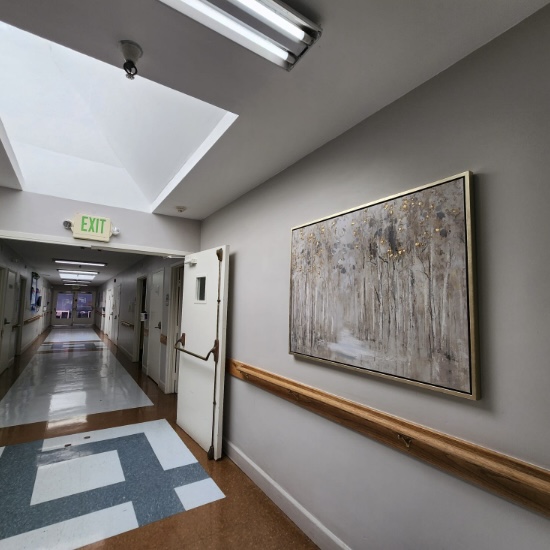
How is Sunset Park Healthcare Staffed?

CMS rates SUNSET PARK HEALTHCARE's staffing level at 4 out of 5 stars, which is above average compared to other nursing homes. Staff turnover is 35%, compared to the California average of 46%. This relatively stable workforce can support continuity of care.

What Have Inspectors Found at Sunset Park Healthcare?

State health inspectors documented 58 deficiencies at SUNSET PARK HEALTHCARE during 2022 to 2025. These included: 1 that caused actual resident harm, 52 with potential for harm, and 5 minor or isolated issues. Deficiencies causing actual harm indicate documented cases where residents experienced negative health consequences.
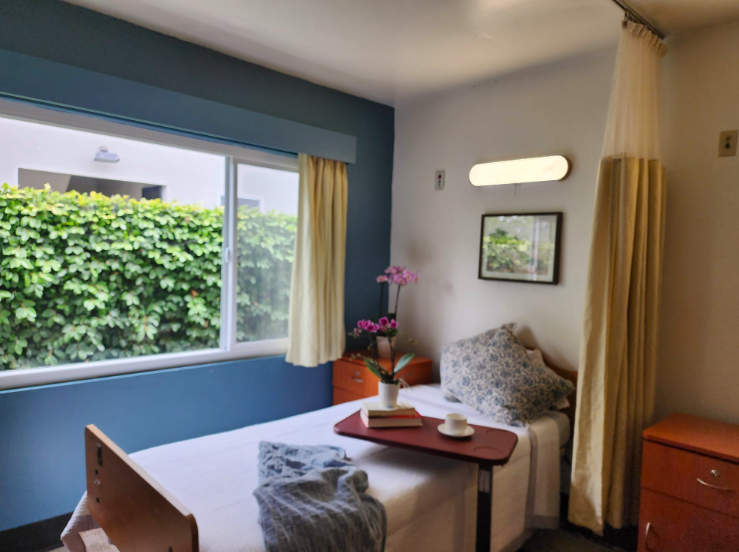
Who Owns and Operates Sunset Park Healthcare?

SUNSET PARK HEALTHCARE is owned by a for-profit company. For-profit facilities operate as businesses with obligations to shareholders or private owners. The facility is operated by ABRAHAM BAK & MENACHEM GASTWIRTH, a chain that manages multiple nursing homes. With 44 certified beds and approximately 41 residents (about 93% occupancy), it is a smaller facility located in SANTA MONICA, California.
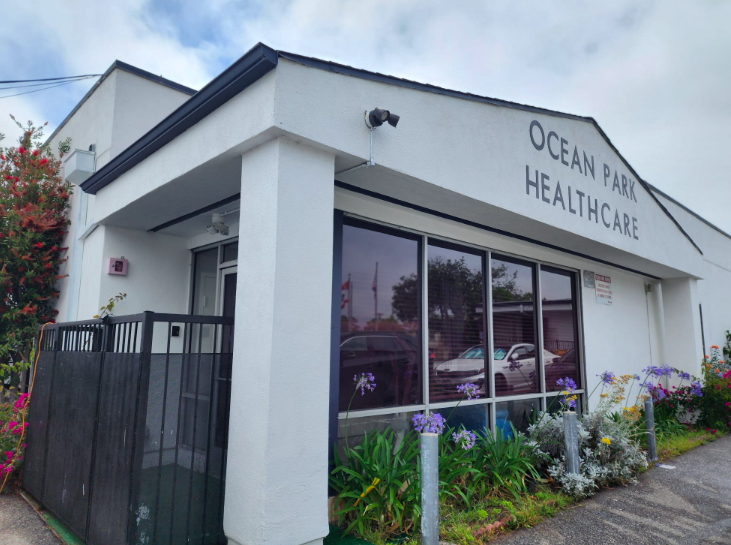
How Does Sunset Park Healthcare Compare to Other California Nursing Homes?

Compared to the 100 nursing homes in California, SUNSET PARK HEALTHCARE's overall rating (2 stars) is below the state average of 3.1, staff turnover (35%) is significantly lower than the state average of 46%, and health inspection rating (2 stars) is below the national benchmark.

What Should Families Ask When Visiting Sunset Park Healthcare?

Based on this facility's data, families visiting should ask: "Can I visit during a mealtime to observe dining assistance and food quality?" "How do you handle medical emergencies, and what is your hospital transfer rate?" "Can I speak with family members of current residents about their experience?"

Is Sunset Park Healthcare Safe?

Based on CMS inspection data, SUNSET PARK HEALTHCARE has a clean safety record: no substantiated abuse findings (meaning no confirmed cases of resident harm), no Immediate Jeopardy citations (the most serious violation level indicating risk of serious injury or death), and is not on the Special Focus Facility watch list (a federal program monitoring the lowest-performing 1% of nursing homes). The facility has a 2-star overall rating and ranks #100 of 100 nursing homes in California. While no facility is perfect, families should still ask about staff-to-resident ratios and recent inspection results during their visit.

Do Nurses at Sunset Park Healthcare Stick Around?

SUNSET PARK HEALTHCARE has a staff turnover rate of 35%, which is about average for California nursing homes (state average: 46%). Moderate turnover is common in nursing homes, but families should still ask about staff tenure and how the facility maintains care continuity when employees leave.

Was Sunset Park Healthcare Ever Fined?

SUNSET PARK HEALTHCARE has no federal fines on record. CMS issues fines when nursing homes fail to meet care standards or don't correct problems found during inspections. The absence of fines suggests the facility has either maintained compliance or corrected any issues before penalties were assessed. This is a positive indicator, though families should still review recent inspection reports for the full picture.

Is Sunset Park Healthcare on Any Federal Watch List?

SUNSET PARK HEALTHCARE is not on any federal watch list. The most significant is the Special Focus Facility (SFF) program, which identifies the bottom 1% of nursing homes nationally based on persistent, serious quality problems. Not being on this list means the facility has avoided the pattern of deficiencies that triggers enhanced federal oversight. This is a positive indicator, though families should still review the facility's inspection history directly.