Santa Paula Post Acute Center
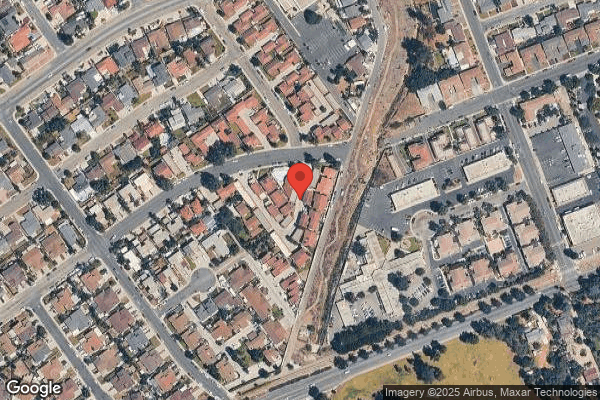
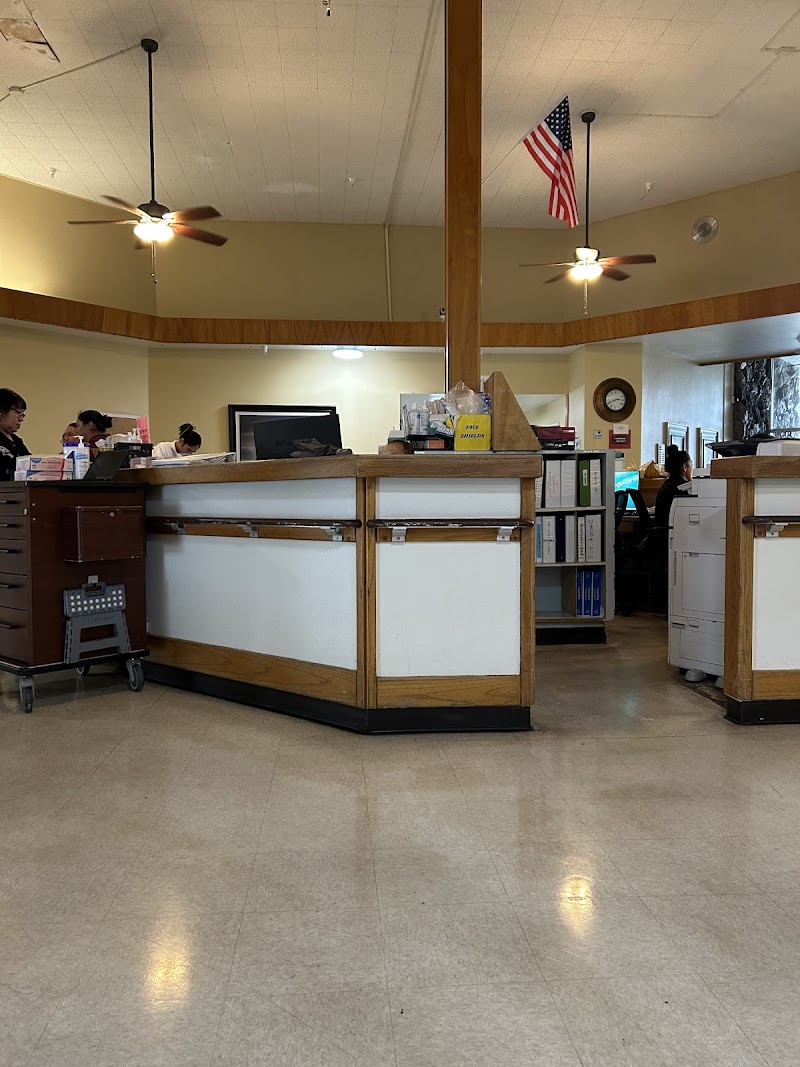
250 March Street, Santa Paula, CA 93060 (805) 525-7134
For profit - Individual 99 Beds Independent Data: November 2025
Trust Grade
70/100
#473 of 1155 in CA
Last Inspection: April 2025

Within standard 12-15 month inspection cycle. Federal law requires annual inspections.

Overview

Santa Paula Post Acute Center has a Trust Grade of B, which indicates it is a solid choice for care, falling within the good range of performance. It ranks #473 out of 1155 facilities in California, placing it in the top half, but is #14 out of 19 in Ventura County, suggesting there are better local options available. The facility's trend is worsening, with the number of issues increasing from 10 in 2024 to 13 in 2025. Staffing is a strength, with a 4 out of 5 rating and a turnover rate of 36%, which is below the California average, indicating that staff are relatively stable and familiar with the residents. While there have been no fines recorded, recent inspections revealed concerns, such as failures in maintaining kitchen sanitation and a broken vending machine that could pose safety risks to residents. Overall, while there are strengths in staffing and overall ratings, families should be aware of the increasing number of issues and specific safety concerns at the facility.

Trust Score
B
70/100
In California
#473/1155
Top 40%
Safety Record
Low Risk
No red flags
Inspections
Getting Worse
10 → 13 violations
Staff Stability
○ Average
36% turnover. Near California's 48% average. Typical for the industry.
Penalties
✓ Good
No fines on record. Clean compliance history, better than most California facilities.
Skilled Nurses
○ Average
Each resident gets 33 minutes of Registered Nurse (RN) attention daily — about average for California. RNs are the most trained staff who monitor for health changes.
Violations
⚠ Watch
36 deficiencies on record. Higher than average. Multiple issues found across inspections.
★★★★☆
4.0
Overall Rating
★★★★☆
4.0
Staff Levels
★★★★☆
4.0
Care Quality
★★★★☆
4.0
Inspection Score
Stable
2024: 10 issues
2025: 13 issues

The Good

  • 4-Star Staffing Rating · Above-average nurse staffing levels
  • 4-Star Quality Measures · Strong clinical quality outcomes
  • Full Sprinkler Coverage · Fire safety systems throughout facility
  • No fines on record
  • Staff turnover below average (36%)

    12 points below California average of 48%

Facility shows strength in staffing levels, quality measures, fire safety.

The Bad

Staff Turnover: 36%

Near California avg (46%)

Typical for the industry

The Ugly 36 deficiencies on record

Jul 2025 1 deficiency
CONCERN (D) 📢 Someone Reported This

A family member, employee, or ombudsman was alarmed enough to file a formal complaint

Potential for Harm - no one hurt, but risky conditions existed

Safe Environment (Tag F0584)

Could have caused harm · This affected 1 resident

Based on observation, interview, and record review, the facility failed to maintain a vending machine, located in the resident dining room, in good repair and free from hazard.This facility failure ha...

Read full inspector narrative →
Based on observation, interview, and record review, the facility failed to maintain a vending machine, located in the resident dining room, in good repair and free from hazard.This facility failure had the potential to place residents at risk of injury.During a concurrent observation, and interview, on 7/29/25, beginning at 12:47 p.m., with the Maintenance Director (MTD 1) and a kitchen staff member (KS 1), the facility's dining room vending machine was inspected. The vending machine had a broken plastic window screen and a note from KS 1 which indicated Please Please Please you have problem's with the machine call me please don't broken window thanks. The MTD 1 verbalized not being aware that the vending machine was broken and verbalized it posed a safety risk to residents, as they could attempt to reach through the broken plastic window and get hurt. The KS 1 verbalized the vending machine had been in a state of disrepair for two weeks.During an interview on 7/29/25, at 1:47 p.m., with the Director of Nursing (DON 1), the DON 1 verbalized staff should have informed the maintenance department of the vending machine issue.During a review of the facility's policy titled Maintenance Service revised 12/09, indicated in part Maintenance service shall be provided to all areas of the building, grounds, and equipment. The policy further indicated Functions of the maintenance personnel include, but are not limited to.maintaining the building in good repair and free from hazards.
Jul 2025 2 deficiencies
CONCERN (D) 📢 Someone Reported This

A family member, employee, or ombudsman was alarmed enough to file a formal complaint

Potential for Harm - no one hurt, but risky conditions existed

Comprehensive Care Plan (Tag F0656)

Could have caused harm · This affected 1 resident

Based on record review and interview, the facility failed to create a comprehensive dental care plan for one of two sampled Residents (Resident 1).During a concurrent record review and interview, on 7...

Read full inspector narrative →
Based on record review and interview, the facility failed to create a comprehensive dental care plan for one of two sampled Residents (Resident 1).During a concurrent record review and interview, on 7/16/25, at 11:40 a.m., with the Director of Nursing (DON 1), Resident 1's initial dental exam dated 11/6/24, was reviewed. The initial exam form indicated Resident 1 had five missing teeth, and four broken teeth. The DON 1 confirmed Resident 1's dental exam form indicated Resident 1 had five missing teeth and four broken teeth. When asked if the facility had created a care plan to address Resident 1's dental status and concerns, the DON 1 verbalzied no and acknowledged there should have been one. During a review of the facility policy and procedure titled Care Plans, Comprehensive Person-Centered dated 3/22, indicated in part A comprehensive, person-centered care plan that includes measurable objectives and timetables to meet the resident's physical, psychosocial and functional needs is developed and implemented for each resident.
CONCERN (D) 📢 Someone Reported This

A family member, employee, or ombudsman was alarmed enough to file a formal complaint

Potential for Harm - no one hurt, but risky conditions existed

Quality of Care (Tag F0684)

Could have caused harm · This affected 1 resident

**NOTE- TERMS IN BRACKETS HAVE BEEN EDITED TO PROTECT CONFIDENTIALITY** Based on record review and interview, the facility failed to obtain physician orders in a timely manner to ensure proper indwell...

Read full inspector narrative →
**NOTE- TERMS IN BRACKETS HAVE BEEN EDITED TO PROTECT CONFIDENTIALITY** Based on record review and interview, the facility failed to obtain physician orders in a timely manner to ensure proper indwelling catheter care was provided to one of two sampled Residents (Resident 1). This facility failure had the potential to place Resident 1 at a higher risk for infection, and lead to negative outcomes. During a review of Resident 1's admission Record undated, indicated in part, Resident 1 was admitted to the facility on [DATE], with diagnoses including a urinary tract infection (an infection in any part of the urinary system), obstructive and reflex uropathy (conditions in which the flow of urine is blocked), and chronic kidney disease (a condition where the kidneys are damaged and can't filter blood as well as they should, leading to a buildup of waste and fluid in the body).During an interview on 7/16/25, at 2:00 p.m., with Resident 1's doctor (MD 1), the MD 1 was asked about indwelling catheter (a flexible tube inserted into the bladder to drain urine, and it's held in place by a balloon) and catheter drainage bag changes, and the frequency in which they should occur. The MD 1 verbalized facility policy was to change the catheter bags and catheter drainage bags once a month.During a record review of Resident 1's Order Summary Report, undated, indicated Resident 1 had the following physician orders dated 5/13/25:1. Catheter-monitor indwelling catheter for S/S (signs and symptoms) of UTI: amber colored urine, foul urine odor, poor urine output, sediments.every shift.2. Catheter- change Q (every) month and PRN (as needed) for blockage or dislodge.3. Catheter - Change urinary drainage bag Q month and PRN.During an interview on 7/15/25, beginning at 3:55 p.m., with the Director of Nursing (DON 1), the DON 1 verbalized Resident 1 was admitted to the facility with an indwelling catheter on 4/7/25. When asked why the above physician orders for catheter care were not obtained upon or shortly after admission, and instead obtained on 5/13/25, the DON 1 could not provide an explanation. When asked if the facility could produce any documentation indicating Resident 1 was being monitored for signs and symptoms of a UTI, prior to 5/13/25, the DON 1 verbalized no.During an interview on 7/16/25, at 2:16 p.m., with the DON 1, the DON 1 verbalized and confirmed the facility could not produce documentation indicating Resident 1's indwelling catheter or drainage bag was changed from Resident 1's admission on [DATE] to discharge 6/1/25.
Apr 2025 7 deficiencies
CONCERN (D)

Potential for Harm - no one hurt, but risky conditions existed

Deficiency F0568 (Tag F0568)

Could have caused harm · This affected 1 resident

Based on interview and record review, the facility failed to ensure individual financial records were provided to residents on a quarterly basis. This failure had the potential to violate the resident...

Read full inspector narrative →
Based on interview and record review, the facility failed to ensure individual financial records were provided to residents on a quarterly basis. This failure had the potential to violate the residents' rights to be routinely informed of their personal funds account activity. Findings: During an interview on 4/14/25: at 11:26 a.m. with Resident 10 and Resident 13, Residents 10 and 13 verbalized that the facility held their personal funds for safekeeping. Residents 10 and 13 were informed that a facility usually deposited resident personal funds into a bank account specifically created for the resident. When asked if the facility had provided them with a copy of their account statements or any documentation of their account activities, both residents verbalized they have not. During an interview on 4/16/25 at 3:48 p.m. with business office staff (BOS), BOS verbalized only providing an account statement if a resident requested an update and does not provide resident account statements on a regular basis. BOS was informed of regulatory requirements that in addition to requests, resident account statements must be provided on a quarterly basis. BOS stated, We will start doing that. During an interview on 4/16/25 at 4:24 p.m., the Director of Nursing (DON), DON was informed of the finding and acknowledged that the facility will start providing individual account statements on a quarterly basis. During a review of the facility's policy and procedures (P&P) titled, Accounting and Records of Resident Funds, dated 4/2021, the P&P indicated in part, . 5) Individual accounting records are made available to the resident through quarterly statements and upon request
CONCERN (D)

Potential for Harm - no one hurt, but risky conditions existed

Deficiency F0577 (Tag F0577)

Could have caused harm · This affected 1 resident

Based on observation, interview, and record review, the facility failed to ensure the most current survey results and the plan of correction was posted in a place readily accessible to residents and t...

Read full inspector narrative →
Based on observation, interview, and record review, the facility failed to ensure the most current survey results and the plan of correction was posted in a place readily accessible to residents and the public. This failure had the potential for the residents, family and their legal representatives to not be fully informed of the facility's deficient practices and how they were corrected. Findings: During a concurrent observation and interview on 4/15/25 at 3:58 p.m., with the Administrator Assistant (AA) the survey results binder was observed stored in a file organizer mounted high on the wall outside of the medical records office in the east wing hallway. AA acknowledged the survey results binder is not easily accessible to residents in wheelchairs, and it should be placed in a location where residents can review it without having to ask for help. During a concurrent interview and record review on 4/16/25 at 4:45 p.m., with the Director of Nursing (DON), the survey results binder was reviewed. The survey results binder included the results of complaints, and the last recertification survey conducted from 3/18/24 to 3/21/24. The DON was not able to find the plan of correction in the binder. DON stated the plan of correction is not in the binder for residents and visitors to review and acknowledged it should be. During a review of the facility's policy and procedure (P&P) titled Survey Results, Examination of, (undated), the P&P indicated, 2. A copy of the most recent standard survey, including any subsequent extended surveys, follow-up revisits reports, etc , along with state approved plans of correction of noted deficiencies, is maintained in a 3-ring binder located in an area frequented by most residents, such as the main lobby or resident activity room.
CONCERN (D)

Potential for Harm - no one hurt, but risky conditions existed

Safe Environment (Tag F0584)

Could have caused harm · This affected 1 resident

Based on observation, interview, and record review, the facility failed to ensure privacy curtains were in good condition for one of four sampled residents (Resident 54). This facility failure had the...

Read full inspector narrative →
Based on observation, interview, and record review, the facility failed to ensure privacy curtains were in good condition for one of four sampled residents (Resident 54). This facility failure had the potential for the patient's privacy to be compromised. Findings: During an initial tour of Resident 54's room on 4/14/25 at 11:00 am., the privacy curtain on the right side of the resident's bed was observed to have large tears on multiple areas. During an interview with the licensed nurse (LN) 2 on 4/14/25 at 12:34 pm, LN2 acknowledged the curtain needs to be replaced. During an interview with the maintenance supervisor (MS) on 4/14/25 at 2:40 pm, the MS indicated housekeeping is the one in charge of maintaining the curtains. During an interview with the housekeeping supervisor (HS) on 4/14/25 at 3:39 pm, the HS acknowledged the tears on the privacy curtain. The facility policy and procedure titled Maintenance Service dated December 2009 indicates Maintenance service shall be provided to all areas of building, grounds and equipment.
CONCERN (D)

Potential for Harm - no one hurt, but risky conditions existed

Deficiency F0645 (Tag F0645)

Could have caused harm · This affected 1 resident

Based on interview and record review, the facility failed to follow up on positive Level I Preadmission Screening and Resident Reviews (PASRR-mental disability assessment) for two of eight sampled res...

Read full inspector narrative →
Based on interview and record review, the facility failed to follow up on positive Level I Preadmission Screening and Resident Reviews (PASRR-mental disability assessment) for two of eight sampled residents (Residents 34 and 43). This failure had the potential to result in the residents not followed up for mental health screening post admission and not being adequately assessed to receive recommended care and treatment. Findings: 1. During a review of Resident 34's admission Record (AR) indicated, the resident was admitted to the facility with a history of diagnoses that include unspecified psychosis (when someone has delusions or hallucinations), unspecified mood affective disorder (mood disturbances that cause significant distress or impairment), and schizophrenia (mental disorder characterized by hallucinations, delusions, and disorganized thinking, speech, and behavior). During a review of document titled, Department of Health Care Services (DHCS) letter, with the subject of Notice of PASRR (Pre-admission Screening and Resident Review) Level I Screening Results dated 8/7/24 for Resident 34 indicated, Positive for SMI (serious mental illness). Further record review of document titled, DHCS letter, with the subject of Notice of Attempted Evaluation, dated 8/07/24, for Resident 34 indicated, Unable to complete Level II evaluation .Facility staff were unresponsive to two or more separate attempts of communication within 48 hours of the Level I Screening .The case is now closed. To reopen, the facility must resubmit a new Level I screening. A review of Resident 34's clinical records showed no new level I PASRR was done after the 8/7/24 recommendation by DHCS. During an interview with the Director of Nursing (DON) on 4/17/25 at 10:52 a.m., the DON acknowledged Resident 34 had a positive PASRR Level I and a PASRR Level II was not done. The DON stated Resident 34 was admitted directly to the facility from a hospital and was told by a representative at DHCS that the facility did not need to have Resident 34 complete a Level II PASRR. The DON could not procure any documentation from the State or DHCS indicating the Level II PASRR was not required. 2. During a review of the medical record for Resident 43, on 4/16/25 the medical record indicated an admission date of 10/16/2024 with diagnoses including but not limited to 'Alzheimer's' (a progressive brain disorder that primarily was conducted. affects memory, thinking, and behavior), 'Dementia' (a decline in mental ability, particularly memory, thinking, and reasoning, that significantly impacts daily life), and 'unspecified psychosis' (a diagnosis assigned when someone experiences psychotic symptoms (delusions or hallucinations), but their symptoms don't fully meet the criteria for a specific psychotic disorder, or there's insufficient information to make a more specific diagnosis). During a record review of the pre-admission PASRR Level 1 Screening, dated 9/3/24 revealed Resident 43 was Positive (+) for Serious Mental Illness (SMI). Level II PASRR was not followed up on by facility. During a record review of a letter from The Department of Health Care Services (DHCS) dated 10/16/24, the letter stated, Facility staff were unresponsive to two or more separate attempts of communication within 48 hours of the Level I Screening. During an interview conducted with the DON on 4/16/25 at 9:01 a.m., the DON confirmed that facility's follow up was not made to DHCS because DON thought the case was closed, but acknowledged they should have followed up with DHCS. Further review of the medical record for Resident 43, it was noted that on 1/25/25, Resident 43 had a significant change in condition to Hospice (a type of specialized healthcare that focuses on providing comfort and support to individuals facing the end of life, particularly those with terminal illnesses), and a PASARR screening had not been initiated. During an interview with the DON on 4/15/25 at 1:41 p.m., the DON acknowledged that a PASRR Level I Screening should have been done earlier for Resident 43's significant change in condition. During a review of the facility's policy and procedure (P&P) titled, admission Criteria (2001), the P&P indicated in part, . If the Level I screen indicates that the individual may meet the criteria for a MD (mental disorder), ID (intellectual disorder), or RD (related disorder), he or she is referred to the state PASARR representative for the Level II (evaluation and determination) screening process .
CONCERN (D)

Potential for Harm - no one hurt, but risky conditions existed

Comprehensive Care Plan (Tag F0656)

Could have caused harm · This affected 1 resident

Based on interview and record review the facility failed to ensure turning and repositioning intervention on the care plan (a document that summarizes how a patient's needs will be met, and their care...

Read full inspector narrative →
Based on interview and record review the facility failed to ensure turning and repositioning intervention on the care plan (a document that summarizes how a patient's needs will be met, and their care will be managed) was implemented for one of four sampled residents (Resident 56). This facility failure had the potential for Resident 56 to develop a pressure sore (damage to the skin caused by constant pressure.) Findings: During a review of Resident 56's health record (HR), the HR indicated Resident 56 was admitted with a diagnosis of Parkinson's (movement disorder of the nervous system) disease and muscle weakness. Nursing summary dated 4/10/25 indicated Resident 56 is an extensive assist on physical functioning, bed mobility, transfer, eating, and toileting. Minimum Data Set (MDS) -a standardized assessment tool that measures health status in nursing home residents)) dated 2/28/25, Section GG Functional Abilities and Goals indicated, Resident 56 is a substantial/maximal assist for roll left and right, sit to lying, lying to sitting on the side of the bed, sit to stand, chair/bed to chair transfer. Care plan indicated risk and potential for skin breakdown with an intervention of turn and reposition every 2 hours. Turning and repositioning log indicate on these dates: 3/1925, 3/25/25, 3/28/25, 3/30/25. 4/1/25, 4/6/25, 4/8/25, 4/12/25 and 4/15/25 Resident 56 was not turned and repositioned every 2 hours. During a concurrent interview and record review with the director for staff development (DSD) on 4/16/25 at 12:18 pm, the DSD acknowledged Resident 56 was not turned every 2 hours. The facility policy and procedure titled Repositioning dated May 2013 indicates in part The purpose of this procedure is to provide for the evaluation of resident repositioning needs, to aid in the development of an individualized care plan for repositioning, to promote comfort for all bed or chair bound residents and to prevent skin breakdown and provide pressure relief for residents . Residents who are in bed should be on at least an every 2 hour repositioning schedule . Resident who are in a chair should be on an every hour repositioning schedule.
CONCERN (D)

Potential for Harm - no one hurt, but risky conditions existed

Medication Errors (Tag F0758)

Could have caused harm · This affected 1 resident

Based on interview and record review, the facility failed to ensure psychotropic drugs (any medication capable of affecting the mind, emotions, and behavior) were not used unnecessarily for one of fiv...

Read full inspector narrative →
Based on interview and record review, the facility failed to ensure psychotropic drugs (any medication capable of affecting the mind, emotions, and behavior) were not used unnecessarily for one of five sampled residents (Resident 13) when there was no justification from the physician for continued use beyond 14 days of the drug Ativan and/or Lorazepam (a medication used to help control anxiety). This failure had the potential for Resident 13 to receive an unnecessary medication and have adverse complications due to the medication. Findings: During a review of the order summary (OS) for Resident 13, the OS indicated Lorazepam 1 mg (milligram - unit of measure) tablet. Give 1 tablet by mouth every 8 hours as needed for anxiety for 30 Days m/b (manifested by) inability to relax. Starting 3/18/25 with STOP date of 4/17/25. During an interview on 4/16/25 at 3:37 p.m. with the Director of Nursing (DON), DON acknowledged the physician order for PRN (as needed) Lorazepam was for 30 days and there was no physician justification for continued use beyond 14 days. During a review of facility's policy and procedure (P&P) titled Psychotropic Medication Use, dated July 2022, P&P indicated, 12. Psychotropic medications are not prescribed or given on a PRN basis unless that medication is necessary to treat a diagnosed specific condition that is documented in the clinical record. a. PRN orders for psychotropic medications are limited to 14 days. 1. For psychotropic medications that are NOT antipsychotics (medications for a mental health condition where it's difficult to tell what's real and what isn't): If the prescriber or attending physician believes it is appropriate to extend the PRN order beyond 14 days, he or she will document the rationale for extending the use and include the duration for the PRN order.
CONCERN (E)

Potential for Harm - no one hurt, but risky conditions existed

Food Safety (Tag F0812)

Could have caused harm · This affected multiple residents

Based on observation, interview, and record review, the facility failed to ensure kitchen and food storage sanitation was maintained when: 1. The sanitizing solution used in the kitchen was not routin...

Read full inspector narrative →
Based on observation, interview, and record review, the facility failed to ensure kitchen and food storage sanitation was maintained when: 1. The sanitizing solution used in the kitchen was not routinely tested for concentration when the solution gets replaced every two hours. 2. The ice machine cleaning and sanitization procedures were not done according to manufacturer guidelines. The facility's failure to implement proper sanitization practices placed vulnerable residents at increased risk of foodborne illnessFindings: 1. During a concurrent observation, interview, and record review on 4/14/25 at 9:50 a.m., inside the facility kitchen with the Interim Dietary Supervisor (IDS), IDS was observed performing a chemical concentration test of the kitchen sanitizing solution found in red containers. The chemical test measured 700 ppm (parts per million - a unit of measurement that describes the concentration of a substance in a solution or mixture). IDS mentioned the measurement should be at least 200 ppm as shown on the kitchen form Quaternary Ammonium (the chemical found in the sanitizing solution that is used to kill bacteria, viruses and molds) Log, dated April 2025. IDS also mentioned the sanitizing solution was replaced every two hours. When asked if staff performed chemical concentration testing every time the solution was replaced, IDS stated, We don't test it. During a review of the facility's policy and procedures (P&P) titled, Quaternary Ammonium Log Policy, dated 8/2023, the P&P indicated in part, POLICY: The concentration of the ammonium in the quaternary sanitizer will be tested to ensure the effectiveness of the solution . PROCEDURE . The replacement solution will be tested prior to usage 2. During a concurrent interview and record review on 4/14/25 at 2:40 p.m., with the facility's Maintenance Supervisor (MS), the Ice Machine Cleaning Log(s), from January 2025 - March 2025 were reviewed. The log indicated the following maintenance tasks performed on the ice machine: a) Clean fins of coil - use vacuum cleaner or cleaning solution, b) Lubricate all parts in accordance with manufacturer, c) Tighten all connections required, d) Check and clean lid gasket, e) Clean exterior of the machine. MS indicated he performed the cleaning tasks using Nickel Safe Ice Machine Cleaner (a food-grade product for removing scale deposits from ice makers) , and IMS-III Sanitizing Concentrate (chemical that prevents the growth of bacteria, mold and mildew within ice machines and dispensers) to sanitize the EXTERIOR of the ice machine ONLY. During a review of the ice machine manufacturer's ICE Machine Cleaning and Sanitizing Instructions, undated, the instructions indicated the following steps: . 4) Add recommended amount of approved nickel safe ice machine cleaner to the water trough according to label instructions on the container, 5) Initiate the wash cycle at the ICE/OFF/WASH switch by placing the switch in the WASH position. Allow the cleaner to circulate approximately 15 minutes to remove mineral deposits, 6) Depress the purge switch and hold until the ice machine cleaner has been flushed down the drain and diluted by incoming water ., 10) Use an EPA (Environmental Protection Agency) approved food equipment sanitizer at the solution mix recommended by the sanitizer manufacturer, 11) Add enough sanitizing solution to fill the water trough to overflowing and place the ICE/OFF/WASH switch to the WASH position and allow to circulate for 10 minutes and inspect all disassembled fittings for leaks ., 12) Depress the purge switch and hold until sanitizer has been flushed down the drain
Apr 2025 2 deficiencies
CONCERN (D) 📢 Someone Reported This

A family member, employee, or ombudsman was alarmed enough to file a formal complaint

Potential for Harm - no one hurt, but risky conditions existed

Deficiency F0658 (Tag F0658)

Could have caused harm · This affected 1 resident

**NOTE- TERMS IN BRACKETS HAVE BEEN EDITED TO PROTECT CONFIDENTIALITY** Based on record review and interview the facility failed to ensure nursing staff implemented one of four sampled residents (Resi...

Read full inspector narrative →
**NOTE- TERMS IN BRACKETS HAVE BEEN EDITED TO PROTECT CONFIDENTIALITY** Based on record review and interview the facility failed to ensure nursing staff implemented one of four sampled residents (Resident 1) gastrostomy/Jejunostomy feeding tube (G-tube-surgically placed tube that delivers nutrition, fluids, and medications directly into the stomach, bypassing the mouth and esophagus), care recommendations and Physician's orders regarding flushing of the tube. The facility's failure resulted in Resident's G-tube getting clogged frequently. Finding: Review of [NAME] and [NAME], 7th Edition, Mosby's Fundamentals of Nursing, page 419 in the section titled, Legal Implications in Nursing Practice indicates, Nurses are obligated to follow physician order unless they believe the orders are in error or would harm patients (residents) A complaint was submitted to the California Department of Public Health (CDPH) on 3/3/25 alleging a Resident has presented to the hospital multiple times because the staff at the facility are . clogging the resident's feeding tube. During an onsite visit to facility on 3/5/25, a record review for Resident 1 was conducted. Record indicated Resident 1 is a [AGE] year old, diagnosis include left hemiparesis (paralysis), dysphasia (impairment of the power to speak or to understand speech, as a result of brain injury), gastrostomy tube, glioblastoma multiforme (a highly aggressive and malignant brain tumor that originates from glial cells, which support and protect neurons in the brain). During a review of change of condition (COC) dated 9/24/24 at 6:51 p.m., the COC indicated 1/17/25 at 9:30 a.m., 2/1/25 at 1:59 a.m., and 3/1/25 at 7:52 a.m., The gastrostomy/Jejunum tube (G-tube) is clogged. During a review of Nurses Progress Note dated 10/18/24 at 1:47 a.m., indicated resident returned to the facility from [hospital name] hospital at about 7:40 p.m. Instructions for facility to manage feedings included in discharge education to provide to staff. 1. Only jejunostomy feeds and water through the port. 2. Flush jejunostomy port with 60 ml water at least every 6 times daily or every four (q4) hours. 3. Gastrostomy port can be used for water and medications including crushed medications. 4. Flush gastrostomy port with 60 ml water every time after administering medications. During a concurrent record review and interview with the director of nursing (DON) on 3/6/25 at 2:55 p.m., the DON was asked the reason the hospital's recommendations for G-tube management were not implemented at the facility. The DON stated, We did, we got a (physician) order, the instructions were transcribed on the electronic medication administration record e-MAR as a for your information (FYI). The e-MAR for October, November, December 2024, January and February 2025 were reviewed with the DON. The five e-MAR records were noted to be blank without indications the instructions were implemented. The DON acknowledged and confirmed the e-MAR records were blank therefore indicating these instructions were not carried out by the licensed nurses. The DON stated, I agree, if the e-MARs are not signed off by the nurses that means they did not perform what the instructions say to do. Review of [NAME] and [NAME], Tenth Edition, Fundamentals of Nursing, page 365 in the section titled, Informatics and Documentation, indicated, Documentation is a key communication strategy that produces a written account of pertinent data, clinical decisions and interventions, and patient (resident) responses in a health record. Documentation in a patient's health record is a vital aspect of nursing practice.
CONCERN (D) 📢 Someone Reported This

A family member, employee, or ombudsman was alarmed enough to file a formal complaint

Potential for Harm - no one hurt, but risky conditions existed

Tube Feeding (Tag F0693)

Could have caused harm · This affected 1 resident

**NOTE- TERMS IN BRACKETS HAVE BEEN EDITED TO PROTECT CONFIDENTIALITY** Based on record review and interview, the facility failed to: 1. Ensure one of four sampled residents (Resident 1) gastrostomy/J...

Read full inspector narrative →
**NOTE- TERMS IN BRACKETS HAVE BEEN EDITED TO PROTECT CONFIDENTIALITY** Based on record review and interview, the facility failed to: 1. Ensure one of four sampled residents (Resident 1) gastrostomy/Jejunostomy feeding tube (G-tube-surgically placed tube that delivers nutrition, fluids, and medications directly into the stomach, bypassing the mouth and esophagus), was managed properly. 2. Ensure licensed nursing staff was educated on the management of G-tube. The facility's failures resulted in Resident 1's G tube having problems for six (6) months without any resolution to the tube problem and staff education regarding G-tube management was not provided to licensed nursing staff. Findings: 1. A complaint was submitted to the California Department of Public Health (CDPH) on 3/3/25 alleging a Resident has presented to the hospital multiply times because the staff at the facility are breaking, pulling and clogging the resident's feeding tube. During an onsite visit to facility on 3/5/25, a record review for Resident 1 was conducted. Record review indicated Resident 1 is a [AGE] year-old, diagnosis include left hemiparesis (paralysis), dysphasia (impairment of the power to speak or to understand speech, as a result of brain injury), gastrostomy tube, glioblastoma multiforme (a highly aggressive and malignant brain tumor that originates from glial cells, which support and protect neurons in the brain). The change of condition COC, dated 9/24/24 at 6:51 p.m., indicated The Jejunum is clogged. The COC, dated 10/2/24 at 7:40 p.m., indicated Resident pulled out GJ tube around 1600. The COC, dated 10/12/24 at 1:43 p.m., indicated Dislodged of G-tube. The COC, dated 10/15/24 at 10:59 a.m., indicated GJ tube dislodged. The COC, dated 10/17/24 at 9:57a.m., indicated Tear in GJ tube balloon. The COC, dated 10/30/24 at 3:58 p.m., indicated g-tube dislodged. The COC, dated 12/5/24 at 7:30 a.m., indicated J-tube dislodged. The COC, dated 12/18/24 at 2:59 p.m., indicated Accidentally pulled out g-tube during shower. The COC, dated 12/25/24 at 2:00 p.m., indicated J-G tube dislodgment. The COC, dated 1/17/25 at 9:30 a.m., indicated J tube clog. The COC, dated 2/1/25 at 1:59 a.m., indicated Resident Jejunum tube was clogged. The COC, dated 2/14/25 at 2:15 p.m., indicated J- tube ruptured during flushing. The COC, dated 3/1/25 at 7:52 a.m., indicated Resident J- tube clogged. During a review of the electronic medication administration record (e-MAR) and physician's medications orders for March 2025, indicated most of the medications were in capsule and tablet form. During a concurrent record review and interview with the director of nursing (DON) on 3/6/25 at 2:25 p.m., the DON was asked if having frequent problems with a gastrostomy tube (G-tube) clogging, pulling and tearing was common for residents with G- tube. The DON stated No, normally residents do not have these many problems with their G-tube. I don't know want's going on with this resident's (Resident 1) G-tube. Communicated to DON that if a resident has G-tube problems the issues are resolved in a couple of months, however, it has been six months and the resident's G-tube problems have not been resolved. DON stated, I know, six months is too long. The DON was asked for the rationale most of the resident's medications are in capsule and tablet form when the G-tube is clogging frequently. DON stated I don't know . 2.During a concurrent review of the facility's 2024 education binder and concurrent interview with the department of staff development person (DSD) on 3/5/25 at 1:00 pm., the entire education binder information was reviewed with DSD person to conclude that in 2024 the DSD did not perform any education regarding the management of enteral feeding including G-tube management. The DSD acknowledged and confirmed no G-tube management education was provided to staff. During an interview with the facility's director of staff development (DSD) on 3/6/25 at 10:30 a.m., the DSD presented an in-service sign in sheet dated 5/31/24 indicating the staff was educated on enteral feeding. The education content included head of bed elevated during feeding, medications administration . tubing labelling, formula, following MD orders, nurses check placement, patency, and flushing. The in-service sign in sheet indicated 32 staff attended the education. However, only one was a registered nurse and one was the assistant director of nursing, no licensed nursing staff were in attendance to this education. Communicated to DSD that most of the attendees were certified nursing assistants (CNAs). The DSD stated Yes . Therefore, confirming licensed nursing staff did not attend this education.
Apr 2025 1 deficiency
CONCERN (D) 📢 Someone Reported This

A family member, employee, or ombudsman was alarmed enough to file a formal complaint

Potential for Harm - no one hurt, but risky conditions existed

Deficiency F0729 (Tag F0729)

Could have caused harm · This affected 1 resident

Based on record review and interview, the facility failed to ensure an employee working as a certified nursing assistant (CNA- a healthcare professional who provides basic patient care and support)) a...

Read full inspector narrative →
Based on record review and interview, the facility failed to ensure an employee working as a certified nursing assistant (CNA- a healthcare professional who provides basic patient care and support)) at the facility held a valid and up-to-date license. This failure had the potential to result in an unlicensed CNA providing direct care to residents without proper certification and put residents' safety at risk. Findings: During a review of the facility's Employee Spreadsheet Roster (ESR) dated 3/17/25, indicated CNA 1 was hired on 7/7/23 with a job title of CNA. No CNA license number was documented on the ESR. During a review of facility's Nursing Assistant (CNA/RNA (restorative nursing assistant)) job description dated 11/21/23, indicated in part, Education and Work Experience Requirements .Must have current state certification. During a review of the facility's policy and procedure (P&P), titled Background Screening Investigations, dated March 2019, the P&P indicated, in part, 3. For any individual applying for a position as a Certified Nursing Assistant, the state nurse aide registry is contacted to determine if any findings of abuse, neglect, mistreatment of individuals, and/or theft of property, have been entered into the applicant's file. 4. For any licensed professional applying for a position that may involve direct contact with residents, his/her respective licensing board is contacted to determine if any sanctions have been assessed against the applicant's license. During an interview on 3/17/2025 at 14:15 p.m. with the Director of Staff Development (DSD), the DSD indicated the monitoring and licensure tracking of the CNAs is the DSD ' s responsibility, and further indicated, an applicant would not be hired without having an active license.
Dec 2024 1 deficiency
CONCERN (D) 📢 Someone Reported This

A family member, employee, or ombudsman was alarmed enough to file a formal complaint

Potential for Harm - no one hurt, but risky conditions existed

Deficiency F0658 (Tag F0658)

Could have caused harm · This affected 1 resident

Based on record review and interview, the facility failed to ensure Resident 1's assessments were performed by a registered nurse (RN) to meet professional scope of practice and standards of practice....

Read full inspector narrative →
Based on record review and interview, the facility failed to ensure Resident 1's assessments were performed by a registered nurse (RN) to meet professional scope of practice and standards of practice. This facility failure had the potential to place Resident 1 at risk of not being assessed appropriately and potentially resulting in harm to resident. Findings: 1.According to the Nursing Practice Act, Business & Professions Code, Chapter 6, Nursing Section 2725 indicates, .(b) The practice of nursing within the meaning of this chapter means those functions, including basic health care, that help people cope with difficulties in daily living that are associated with their actual or potential health or illness problems or the treatment thereof, and that require a substantial amount of scientific knowledge or technical skill . RN is accountable for an ongoing comprehensive assessment that includes data collection (LVN data collection contribution), analysis, and drawing conclusions/making judgments in order to: formulate diagnoses and update diagnoses, formulate or change the plan of care, decide on specific activities to implement the plan of care, prioritize and coordinate delivery of care, delegate to nursing care competent staff to deliver required care . RN uses scientific knowledge and experience to make clinical judgments/assessments about observed abnormalities and changes based on a series of complex, independent and collaborative decision-making activities Set priorities for implementation of nursing care, priorities regarding urgency of patient concerns . LVN is not prepared by formal education to make RN level nursing judgments/assessments that include independent analysis, synthesis, and decision-making. RN is responsible for collecting (LVN data collection), analyzing, and collaborating with all information sources to ensure a comprehensive written plan of care that is based on current standards of safe practice. According to the Scope of Vocational Nursing Practice, section 518.5 indicates, The licensed vocational nurse performs services requiring technical and manual skills which include the following: (a) Uses and practices basic assessment (data collection), participates in planning, executes interventions in accordance with the care plan or treatment plan, and contributes to evaluation of individualized interventions related to the care plan or treatment plan. The data collection performed by the LVN is integrated to the data collection the RN collects to analyzed, synthesized, and make decisions regarding patient/residents' care as outlined above. During a concurrent interview and record review on 12/10/24 at 10:30 a.m. with the director of nursing (DON), Resident 1's documents titled, SBAR/COC, dated 11/8/24 at 2:29 p.m., was reviewed and indicated, Resident 1 had a change of condition (COC) due to weight loss of 7.8 pounds in one week. SBAR/COC, dated 11/18/24 at 8:25 p.m., indicated, Resident 1 developed a skin discoloration on left lateral leg. SBAR/COC, dated 12/9/24 at 1:45 a.m., indicated, Resident 1 had lower abdominal distention/more pronounced on right side. SBAR/COC, dated 12/10/24 at 7 a.m., indicated Resident 1 developed a dry scab on top of right eyebrow. The SBAR/COC document consisted of Resident 1's assessment of all the body systems. The DON confirmed the SBAR/COC documents are Resident 1's assessments and were conducted by LVNs. Communicated to the DON Resident 1's assessments were conducted by an LVN without having an RN validate the assessments and/or cosign the assessments. It is not within the LVN scope of practice to perform assessments independently. The DON acknowledged this and stated, I understand. I will check with information technology IT to see if we can add on the document the RN's signature who is validating the assessment .
Aug 2024 1 deficiency
CONCERN (D) 📢 Someone Reported This

A family member, employee, or ombudsman was alarmed enough to file a formal complaint

Potential for Harm - no one hurt, but risky conditions existed

Deficiency F0658 (Tag F0658)

Could have caused harm · This affected 1 resident

Based on observation, interview and record review, the facility failed to follow physician orders for one of three sampled residents (Resident 1), as evidenced by: 1. Oxygen set at a flow rate of 3 li...

Read full inspector narrative →
Based on observation, interview and record review, the facility failed to follow physician orders for one of three sampled residents (Resident 1), as evidenced by: 1. Oxygen set at a flow rate of 3 liters per minute instead of 2 liters per minute. 2. Missing entries for G-tube (flexible hollow tube that is inserted into the stomach through abdomen used for nutrition and medication administration) 3. Dispensed blood pressure medication outside of the health parameters specifications. This failure had the potential for Resident 1's physical state to decline. Findings: 1. During an observation on 8/20/24 at 10:12 a.m., in Resident 1's room, Resident 1 was observed sleeping with a continuous flow of oxygen via nasal canula (mask) at a flow rate of 3 liters per minute. During a review of Resident 1's Physician's Orders, dated 8/19/24, the orders indicated Oxygen to be set at 2 liters per minute. During a concurrent observation and interview on 8/20/24 at 12:15 p.m., with Director of Nursing (DON) and Administrator in Resident 1's room, DON and Administrator confirmed the Oxygen set at 3 liters per minute and physician's orders were not followed. 2. During a review of Resident 1's Treatment Administration Record (TAR), dated August 2024, the TAR had missing staff initials in the box for G-tube site cleaning ordered for 2 times a day (at 7 a.m. and 7 p.m.) The missing entries were on 8/3/24 and 8/11/24 at 7:00 a.m. During an interview on 8/20/24 at 11:35 a.m. with DON, DON confirmed the missing entries and stated It's said if not documented then it isn't done. 3. During a review of Resident 1's Physician's Orders, dated 8/2/24, the orders indicated, Midodrine 5 milligrams (medication which increases blood pressure) Give 2 tablets via G-tube two times a day for HYPOTENSION *HOLD IF SBP >110 (Hold if Systolic Blood Pressure (SBP) top number of blood pressure is above 110 millimeters of mercury. During a concurrent interview and record review on 8/20/24 at 12:10 p.m., with DON, Resident 1's MAR, dated August 2024 was reviewed. The MAR indicated licensed staff initials in the box for Resident 1's Midodrine were administered 18 doses from a period of 8/3/24-8/20/24 with SBP recorded being above 110. DON confirmed the orders were not followed when the medication was given when it was supposed to be held. During a review of the facility's policy and procedure (P&P) titled, Administering Medications, dated April 2019, the P&P indicated, Medications are administered in accordance with prescriber orders .The individual administering the medication initials the resident's MAR on the appropriate line . The P&P also indicates, If a drug is withheld, refused, or given at a time other than the scheduled time, the individual administering the medication shall initial and circle the MAR space provided for that drug and dose.
Aug 2024 2 deficiencies
CONCERN (D) 📢 Someone Reported This

A family member, employee, or ombudsman was alarmed enough to file a formal complaint

Potential for Harm - no one hurt, but risky conditions existed

Quality of Care (Tag F0684)

Could have caused harm · This affected 1 resident

Based on observation, interview, and record review, the facility failed to follow physician orders and a care planned intervention for supplemental oxygen, for one of two sampled residents (Resident 1...

Read full inspector narrative →
Based on observation, interview, and record review, the facility failed to follow physician orders and a care planned intervention for supplemental oxygen, for one of two sampled residents (Resident 1). These failures had the potential for Resident 1 to experience resipiratory complications and lack of oxygen throughout the body. Findings: During a review of Resident 1's admission Record, undated, the admission Record indicated in part, Resident 1 had diagnoses including chronic respiratory failure (a condition that occurs when the lungs cannot get enough oxygen into the blood or eliminate enough carbon dioxide from the body) with hypoxia (low levels of oxygen in body tissues). During a concurrent observation and interview, on 8/14/24, starting at 1:15 p.m., with the Director of Staff Development (DSD 1), Resident 1 was observed wearing a nasal cannula (a medical device that provides supplemental oxygen through the nose). The DSD 1 confirmed Resident 1 was wearing a nasal canula and verbalized Resident 1 was receiving supplemental oxygen between two to three liters per minute. During a concurrent record review and interview, on 8/14/24, starting at 2:01 p.m., with the Assistant Director of Nursing (ADON 1), Resident 1's physician orders and care plan were reviewed. Resident 1's care plan indicated in part, Monitor 02 (oxygen) sats (Saturation) Q (every) shift. The ADON 1 verbalized Resident 1 did not have an active physician order for supplemental oxygen and there should have been one. The ADON 1 verbalized the facility could not provide documentation indicating staff were monitoring Resident 1's oxygen status each shift, from 7/15/24 through 8/13/24. During a review of the facility's policy and procedure (P&P) titled Administering Medications, undated, the P&P indicated in part, Medications are administered in a safe and timely manner, and as prescribed .Medications are administered in accordance with prescriber orders. During a review of the facility's policy and procedure titled, Oxygen Administration, dated 10/10, the P&P indicated in part, Verify that there is a physician's order for this procedure. Review the physician's orders or facility protocol for oxygen administration .Review the resident's care plan to assess for any special needs of the resident. During a review of the facility's policy and procedure titled, Care Plans, Comprehensive Person-Centered, dated 3/22, the P&P indicated in part The comprehensive, person-centered care plan .Describes the services that are to be furnished to attain or maintain the resident's highest practicable physical, mental, and psychosocial well-being.
CONCERN (D) 📢 Someone Reported This

A family member, employee, or ombudsman was alarmed enough to file a formal complaint

Potential for Harm - no one hurt, but risky conditions existed

Deficiency F0761 (Tag F0761)

Could have caused harm · This affected 1 resident

Based on observation, interview, and record review, the facility failed to ensure two medication carts were locked, when left unattended. These failures had the potential for residents, staff, visitor...

Read full inspector narrative →
Based on observation, interview, and record review, the facility failed to ensure two medication carts were locked, when left unattended. These failures had the potential for residents, staff, visitors, and vendors, to have unauthorized access to medications and the potential for drug diversion. Findings: During a concurrent observation and interview, on 8/14/24, at 12:35 p.m., with Licensed Nurse (LN 1) an IV (intravenous) cart containing antibiotics was unlocked and unattended. The LN 1 verbalized the IV cart should have been locked while it was left unattended. During a concurrent observation and interview, on 8/14/24, starting at 3:29 p.m., with Licensed Nurse (LN 2) a medication cart was unlocked and unattended from 3:29 p.m., to 3:34 p.m. The LN 2 verbalized the medication cart should have been locked while it was left unattended. During a review of the facility's policy and procedure (P&P) titled, Security of Medication Cart dated 4/07, the P&P indicated in part, Medication carts must be securely locked at all times when out of the nurse's view.
Jun 2024 3 deficiencies
CONCERN (D) 📢 Someone Reported This

A family member, employee, or ombudsman was alarmed enough to file a formal complaint

Potential for Harm - no one hurt, but risky conditions existed

Notification of Changes (Tag F0580)

Could have caused harm · This affected 1 resident

Based on record review and interview the facility failed to ensure nursing staff notified the physician and the responsible party (RP) of Resident 1's change of condition (COC) within 24 hours per the...

Read full inspector narrative →
Based on record review and interview the facility failed to ensure nursing staff notified the physician and the responsible party (RP) of Resident 1's change of condition (COC) within 24 hours per their policy and procedure. The facility's failure resulted in the resident's RP and physician not being notified of resident's COC in a timely manner placing the resident at risk of deterioration and causing harm to resident. Finding: A review of Resident 1's medical record was conducted on 6/13/24. The document titled SBAR/COC , dated 5/29/24 at 3:51 p.m., indicated resident had a change of condition due to having loose stools which was discovered on 5/29/24. However, the nursing staff (LVN) did not notify the physician and RP of resident's condition until 6/3/24 at 9:00 a.m., which was 5 days after the COC occurred. During a concurrent review of the SBAR/COC document and interview with the DON on 6/13/24 at 3:15 p.m., the DON acknowledged and confirmed the licensed vocational nurse (LVN) did not follow their policy regarding notification to physician and RP when there's a change of condition. DON stated Yes, I agree they should have been notified within 24 hours. The facility's policy and procedure titled Change in a Resident's Condition or Status , dated 2/2021 indicated Our facility promptly notifies the resident, his or her attending physician, and the resident representative of changes in the resident's medical/mental condition and/or status . Except in medical emergencies, notifications will be made within 24 hours of a change occurring in the resident's medical/mental condition or status.
CONCERN (D) 📢 Someone Reported This

A family member, employee, or ombudsman was alarmed enough to file a formal complaint

Potential for Harm - no one hurt, but risky conditions existed

Deficiency F0658 (Tag F0658)

Could have caused harm · This affected 1 resident

Based on record review and interview, the facility failed to ensure Resident 1's assessments were performed by a registered nurse (RN) to meet professional scope of practice and standards of practice....

Read full inspector narrative →
Based on record review and interview, the facility failed to ensure Resident 1's assessments were performed by a registered nurse (RN) to meet professional scope of practice and standards of practice. The facility's failures place resident at risk of not being assessed appropriately and potentially resulting in harm to resident. Finding: 1.According to the Nursing Practice Act, Business & Professions Code, Chapter 6, Nursing Section 2725 indicates, .(b) The practice of nursing within the meaning of this chapter means those functions, including basic health care, that help people cope with difficulties in daily living that are associated with their actual or potential health or illness problems or the treatment thereof, and that require a substantial amount of scientific knowledge or technical skill . RN is accountable for an ongoing comprehensive assessment that includes data collection (LVN data collection contribution), analysis, and drawing conclusions/making judgments in order to: formulate diagnoses and update diagnoses, formulate or change the plan of care, decide on specific activities to implement the plan of care, prioritize and coordinate delivery of care, delegate to nursing care competent staff to deliver required care . RN uses scientific knowledge and experience to make clinical judgments/assessments about observed abnormalities and changes based on a series of complex, independent and collaborative decision-making activities Set priorities for implementation of nursing care, priorities regarding urgency of patient concerns . LVN is not prepared by formal education to make RN level nursing judgments/assessments that include independent analysis, synthesis, and decision-making. RN is responsible for collecting (LVN data collection), analyzing, and collaborating with all information sources to ensure a comprehensive written plan of care that is based on current standards of safe practice. According to the Scope of Vocational Nursing Practice, section 518.5 indicates, The licensed vocational nurse performs services requiring technical and manual skills which include the following: (a) Uses and practices basic assessment (data collection), participates in planning, executes interventions in accordance with the care plan or treatment plan, and contributes to evaluation of individualized interventions related to the care plan or treatment plan. The data collection performed by the LVN is integrated to the data collection the RN collects to analyzed, synthesized, and make decisions regarding patient/residents' care as outlined above. During a concurrent review of Resident 1's document titled Admission/readmission Data Collection , dated 03/17/24 and interview with the director of nursing (DON) on 6/13/24 at 1:38 p.m., the DON reported this document is the resident's initial assessment performed upon readmission to facility from the hospital. The document consisted of an assessment of resident's body systems i.e., neurological, respiratory, cardiovascular, gastrointestinal, urinary, physical functioning (musculoskeletal), skin .status. The initial assessment was conducted by two licensed vocational nurses (LVNs). The DON confirmed this and stated Yes, this initial readmission assessment was done by the treatment nurse (LVN), assessing the skin, and another nurse (LVN) did the rest of the assessment. Further review of the resident's documents titled SBAR/COC , dated 6/4/24 at 10:54 a.m., indicated resident had a change of condition (COC) due to altered mental status necessitating patient being transferred to the hospital emergency department (ED). SBAR/COC, dated 6/1/24 at 2:07 p.m., indicated resident had significant weigh loss in 1 week. SBAR/COC, dated 5/29/24 at 3:51 p.m., indicated resident was having loose stools. SBAR/COC, dated 4/03/24 at 9:25 a.m., indicated resident was having difficulties breathing with an elevated blood pressure and heart rate. SBAR/COC, dated 03/22/24 at 10:42 a.m., indicated resident sustained a skin tear. SBAR/COC, dated 03/20/24 at 1:30 p.m., indicated resident was having diarrhea episodes. The DON confirmed the SBAR/COC documents are resident's assessments and were conducted by LVNs. The SBAR/COC document consisted of resident's assessment of all the body systems. Communicated to the DON Resident 1's assessments were conducted by an LVN without having an RN validate the assessments and/or cosign the assessments. It is not within the LVN scope of practice to perform assessments independently. The DON acknowledged this and stated, I understand. I will check . and if we have to change our practice, we will.
CONCERN (D) 📢 Someone Reported This

A family member, employee, or ombudsman was alarmed enough to file a formal complaint

Potential for Harm - no one hurt, but risky conditions existed

Deficiency F0692 (Tag F0692)

Could have caused harm · This affected 1 resident

**NOTE- TERMS IN BRACKETS HAVE BEEN EDITED TO PROTECT CONFIDENTIALITY** Based on record review and interview, the facility failed to ensure staff monitor Resident 1's intake and output and evaluated r...

Read full inspector narrative →
**NOTE- TERMS IN BRACKETS HAVE BEEN EDITED TO PROTECT CONFIDENTIALITY** Based on record review and interview, the facility failed to ensure staff monitor Resident 1's intake and output and evaluated resident's hydration status as ordered by the physician. The facility's failure places the resident at risk of dehydration without staff identifying it. Finding: A review of Resident 1's medical record was conducted on 6/6/24 and 6/13/24. Resident 1 was a [AGE] year-old male readmitted to facility after have a cholecystectomy (gallbladder removal). The March, April, and May Order Summary Report (Physician's Orders) document indicated Initiate intake/output (I/O) for hydration every shift. Nursing Progress Note, dated 3/20/24 at 7:31 p.m., indicated, Resident had diarrhea X 4 (episodes) today. Nursing Progress Note, dated 3/21/24 at 2:53 p.m., indicated, Monitoring for having diarrhea X 3. The March ADL- Bowel Continence flow chart documentation indicated resident had loose bowel movements daily from 3/20/24 to 3/30/24. The April ADL- Bowel Continence flow chart documentation indicated resident had loose bowel movements on 4/1/24, 4/2/24, from 4/7/24 to 4/10/24, on 4/15/24, 4/16/24, from 4/20/24 to 4/23/24 and 4/28/24. The May ADL- Bowel Continence flow chart documentation indicated resident had loose bowel movements on 5/3/24, from 5/5/24 to 5/7/24, on 5/9/24, 5/10/24, 5/12/24, 5/14/24, 5/16/24, 5/17/24, from 5/19/24 to 5/21/24, 5/23/24, 5/26/24, 5/28/24, and 5/31/24. The June ADL- Bowel Continence flow chart documentation indicated resident had loose bowel movements from 6/2/24 to 6/4/24. The March, April, May and June Intake and Output measurement flow sheets were patient's fluid amount, that was intake and output, is documented contained numbers, characters, numerous days were left blank, the information on these flow sheets was confusing and did not make sense. During a review of the March, April, May and June Intake and Output measurement flow sheets and concurrent interview with the director of nursing (DON) and the medical records clerk (MRC) on 6/13/24 at 4:00 p.m., the DON was asked to assist in deciphering the In & Out documentation on these flow sheets. The DON was not able to explain the documentation on these flow sheets. DON called on the MRC to assist in figuring out what the documentation on these flow sheets meant. The MRC and DON spend time analyzing these flow sheets however they were not able to explain which was the intake fluid amount and the output fluid amount per shift. The DON and MRC were asked what was the fluid amount the resident consumed (intake) in 24 hours? What was the fluid amount, the resident excreted (output) in 24 hours? Where is the calculation of the net or differences of amount of fluid in 24 hours to evaluate if resident is dehydrated or well hydrated. The DON and MRC acknowledged not knowing what the information documented on these flow sheets was or meant. The DON was not able to figure out based on the documentation if the resident had received enough fluid intake to maintain hydrated. The DON acknowledged no staff had reviewed the documentation to evaluate if resident was being hydrated appropriately. Communicated to DON it was concerning that DON was not able to figure out, based on information documented, on these flow sheets, what the information meant. The nursing staff will not be able to understand the information documented therefore this place the resident at risk of being dehydrated without the staff knowing.
May 2024 1 deficiency
CONCERN (D) 📢 Someone Reported This

A family member, employee, or ombudsman was alarmed enough to file a formal complaint

Potential for Harm - no one hurt, but risky conditions existed

Comprehensive Care Plan (Tag F0656)

Could have caused harm · This affected 1 resident

**NOTE- TERMS IN BRACKETS HAVE BEEN EDITED TO PROTECT CONFIDENTIALITY** Based on observation, interview, and record review, the facility failed to follow a physician order, and a care planned interven...

Read full inspector narrative →
**NOTE- TERMS IN BRACKETS HAVE BEEN EDITED TO PROTECT CONFIDENTIALITY** Based on observation, interview, and record review, the facility failed to follow a physician order, and a care planned intervention, for ensuring a wheelchair tab alarm was in place, for one of two sampled residents (Resident 1). This failure had the potential to lead to negative outcomes for Resident 1. Findings: During a review of Resident 1's admission Record undated, indicated in part, Resident 1 was admitted to the facility on [DATE], with diagnoses including a lack of coordination, difficulty in walking, and repeated falls. During a concurrent observation and interview, on 5/16/24, starting at 4:40 p.m., with the Assistant Director of Nursing (ADON 1), outside the facility's main entrance, Resident 1 was seated in a wheelchair, at a table. The Resident 1's wheelchair was observed without a wheelchair tab alarm. The ADON 1 examined Resident 1's wheelchair and confirmed there was no wheelchair tab alarm. The ADON 1 verbalized there should have been a wheelchair tab alarm on Resident 1's wheelchair. During an interview on 5/16/24, starting at 5:12 p.m., with Licensed Nurse (LN 1), the LN 1 confirmed Resident 1 should have had a wheelchair tab alarm in place, while seated in Resident 1's wheelchair, but did not. During a review of Resident 1's medical record, Resident 1's physician orders were reviewed. The Resident 1 had an active physician order, with an order date of 5/3/24, which indicated in part Tab alarm while in bed/wheelchair Q (every) shift to alert resident (Resident 1) when getting out of bed unassisted. During a review of Resident 1's Order Summary Report undated, indicated in part, an order dated 2/26/24, for Tab alarm while in bed/wheelchair Qshift to alert resident (Resident 1) when getting out of bed unassisted. During a review of Resident 1's Care Plan undated, indicated in part Resident 1 Is at risk for fall and injury with an intervention of Personal alarm in: bed, wheelchair. Resident 1's Care Plan indicated this intervention was initiated on 2/26/24. During a review of the facility's policy and procedure titled Care Plans, Comprehensive Person-Centered dated 3/22, indicated in part A comprehensive, person-centered care plan .is developed and implemented for each resident. The policy further indicated in part The comprehensive, person-centered care plan .describes the services that are to be furnished to attain or maintain the resident's highest practicable physical, mental, and psychosocial well-being.
Mar 2024 2 deficiencies
CONCERN (D)

Potential for Harm - no one hurt, but risky conditions existed

PASARR Coordination (Tag F0644)

Could have caused harm · This affected 1 resident

**NOTE- TERMS IN BRACKETS HAVE BEEN EDITED TO PROTECT CONFIDENTIALITY** Based on record review, interviews, and facility policy review, the facility failed to resubmit a Level I Preadmission Screening...

Read full inspector narrative →
**NOTE- TERMS IN BRACKETS HAVE BEEN EDITED TO PROTECT CONFIDENTIALITY** Based on record review, interviews, and facility policy review, the facility failed to resubmit a Level I Preadmission Screening and Resident Review (PASRR) for 1 (Resident #73) of 2 sampled residents reviewed for PASRR requirements when the resident received new mental illness diagnoses. Findings included: A review of a facility policy titled, admission Criteria, revised in March 2019, revealed, 9. All new admissions and readmissions are screened for mental disorders (MD), intellectual disabilities (ID) or related disorders (RD) per the Medicaid Pre-admission Screening and Resident Review (PASARR) process. a. The facility conducts a Level I PASARR screen for all potential admissions, regardless of payer source, to determine if the individual meets the criteria for MD, ID, or RD. A review of an admission Record revealed the facility admitted Resident #73 on 03/21/2023 and most recently readmitted the resident on 11/29/2023. According to the admission Record, the resident had a medical history that included diagnoses of dementia with mood disturbance and psychotic disturbance, unspecified psychosis, and major depressive disorder. Per the admission Record, the Onset Date of these diagnoses was 11/22/2023. A review of Resident #73's Preadmission Screening and Resident Review (PASRR) Level I Screening, conducted at the time of the resident's original admission and dated 03/21/2023, revealed the results were negative and a Level II screening was not required. A review of Resident #73's Progress Notes revealed the following entries: - a Psychotropic and GDR [gradual dose reduction] Progress Note, dated 11/08/2023, that indicated an order was received to transfer Resident #73 to the hospital for aggressive behavior and non-compliant behavior toward resident/staff; and - an admission Summary note, dated 11/22/2023, that indicated the resident was readmitted to the facility with a new medication regimen. The note indicated the resident had a medical history that included dementia, psychosis, and major depressive disorder. A review of Resident #73's Care Plan revealed a Focus area, initiated on 11/22/2023, that indicated the resident was at risk for impaired cognitive function and impaired thought process related to mood and psychotic disturbances manifested by short- and long-term memory loss and difficulty making decisions. The Focus area also indicated the resident had depression and received psychotropic medications. Review of an annual Minimum Data Set (MDS), with an Assessment Reference Date (ARD) of 02/23/2024, revealed Resident #73 had a Brief Interview for Mental Status (BIMS) score of 5, which indicated the resident had severe cognitive impairment. According to the MDS, the resident had active diagnoses of non-Alzheimer's dementia, depression, and psychotic disorder and received an antipsychotic medication in the seven days prior to the assessment. A review of an Order Recap Report revealed that when Resident #73 was readmitted to the facility on [DATE], orders included clonazepam 0.5 milligram (mg) with instructions to give one tablet by mouth every four hours as needed for anxiety for 14 days and temazepam 15 mg with instructions to give one capsule by mouth at bedtime for insomnia for 14 days. The Order Recap Report also reflected an active order dated 01/12/2024 for Risperdal 0.5 mg with instructions to give one tablet by mouth two times a day for psychosis related to dementia manifested by delusions and aggression. A review of Resident #73's electronic health record revealed a new Level I PASRR Screening had not been resubmitted for review after the resident returned from the hospital with new psychiatric diagnoses and orders for psychotropic medications. During an interview on 03/20/2024 at 2:01 PM, the Director of Nursing (DON) stated she was responsible, along with medical records staff, for ensuring a Level I PASRR was completed prior to a resident being admitted to the facility. She stated that when Resident #73 went out to the hospital, the hospital should have done a new level I PASRR. She stated the facility did not resubmit a Level I PASRR Screening when the resident returned with a new psychiatric diagnosis and orders for psychotropic medication because she did not realize they needed to. During an interview on 03/20/2024 at 2:14 PM, the Assistant Administrator (AA) stated the facility followed their policy for PASRRs, and according to their policy, they should have submitted a new Level I PASRR Screening when the resident returned from the hospital with a new diagnosis and medication. He stated follow-up should be done by nursing staff if there was a new mental illness diagnosis and new medications.
CONCERN (F)

Potential for Harm - no one hurt, but risky conditions existed

Staffing Data (Tag F0851)

Could have caused harm · This affected most or all residents

Based on interviews, review of staffing data reports, and facility policy review, the facility failed to ensure staffing data based on payroll data was submitted to the Centers for Medicare and Medica...

Read full inspector narrative →
Based on interviews, review of staffing data reports, and facility policy review, the facility failed to ensure staffing data based on payroll data was submitted to the Centers for Medicare and Medicaid Services (CMS) for 1 (fourth quarter) of 4 quarters reviewed for fiscal year (FY) 2023. Additionally, the facility failed to ensure accurate and valid staffing data was submitted to CMS for 1 (first quarter) of 1 quarter reviewed for FY 2024. Findings included: Review of a facility policy titled, Reporting Direct Care Staffing Information (Payroll-Based Journal), revised in August 2022, revealed, Direct care staffing information is reported electronically to CMS through the Payroll-Based Journal system. The policy indicated, 1. Complete and accurate direct care staffing information is reported electronically to CMS through the Payroll-Based Journal (PBJ) system in a uniform format specified by CMS. The policy also indicated, 9. Direct care staffing information is submitted on the schedule specified by CMS, but no less frequently than quarterly. 10. Staffing information is collected daily and reported for each fiscal quarter no later than 45 days after the end of the reporting quarter. A review of the PBJ Staffing Data Report for the fourth quarter of FY 2023 (07/01/2023 through 09/30/2023) revealed the facility did not submit data for the quarter. A review of the PBJ Staffing Data Report for the first quarter of FY 2024 (10/01/2023 through 12/31/2023) revealed the metric for Excessively Low Weekend Staffing was suppressed for this facility and quarter. The report indicated possible reasons for suppressed data were Invalid data, Facility is too new to rate, or Special Focus Facility. During an interview on 03/21/2024 at 10:38 AM, the Accounts Payable (AP)/Payroll staff member stated that part of her role was to input payroll data that was submitted to CMS. She stated the facility used a contracted company to submit the data and did not know how they sent the information to CMS. During an interview on 03/21/2024 at 10:43 AM, the Director of Nursing (DON) stated the AP/Payroll staff member submitted the facility's payroll information to a contracted company. The contracted company then sent the information to the Assistant Administrator for approval before submitting it to CMS. The DON stated CMS had sent the facility a letter notifying them they had not submitted data. She stated the reason for the error was due to a miscommunication with the contracted company. The DON stated she expected the data to be submitted to CMS timely. During an interview on 03/21/2024 at 10:00 AM, the Assistant Administrator stated the facility was not a special focus facility, and it had been three years since the facility had a name change; therefore, he felt any issues with PBJ Staffing Data Reports would be due to the submission of invalid data. During a follow-up interview on 03/21/2024 at 11:12 AM, the Assistant Administrator confirmed he had spoken with the contracted company, and there was one quarter in which data was not transmitted. He stated the contracted company sent the information for his approval prior to sending it to CMS, but there were changes in staff job titles due to certified nurse aides (CNAs) becoming licensed vocational nurses (LVNs) and an LVN becoming a registered nurse (RN) and he never approved the data. Subsequently, the facility's payroll data was not submitted to CMS as required. The Assistant Administrator stated to ensure the data was submitted to CMS timely, the facility had to submit their data to the contracted company in time to correct any errors. The Assistant Administrator stated he expected the data to be accurate and submitted timely. He stated the facility depended on the contracted company to verify the submission of the PBJ data.
Oct 2023 1 deficiency
CONCERN (D) 📢 Someone Reported This

A family member, employee, or ombudsman was alarmed enough to file a formal complaint

Potential for Harm - no one hurt, but risky conditions existed

Medical Records (Tag F0842)

Could have caused harm · This affected 1 resident

Based on interview and record review, the facility failed to maintain complete and accurate medical records for one of three sampled residents (Resident 1), when Resident 1 with a diagnosis of Dementi...

Read full inspector narrative →
Based on interview and record review, the facility failed to maintain complete and accurate medical records for one of three sampled residents (Resident 1), when Resident 1 with a diagnosis of Dementia (a decline in cognitive ability, including memory loss and thinking difficulties) was asked to sign their own medical record accounting for the personal belongings brought into the facility upon admission. This failure had the potential for medical records being inaccurate as Resident 1 was deemed to not have the capacity to understand, further questioning the accuracy of the document and items brought to facility. Findings: During a review of Resident 1's History and Physical (H&P), dated 9/8/23, the H&P indicated, Resident 1 had a diagnosis of Dementia and does not have the capacity to understand and make decisions. During a review of Resident 1's Inventory of Personal Effects (document used to log a Residents personal belongings brought into the facility), dated 9/8/23, the inventory had an illegible signature that is claimed to be that of Resident 1. During an interview on 9/25/23 at 12:25 p.m. with Administrator (ADM), ADM confirmed the signature on the Inventory of Personal Effects sheet was from Resident 1 and it shouldn't have been as the resident does not have the capacity to understand or make decisions.
Oct 2023 1 deficiency
CONCERN (D) 📢 Someone Reported This

A family member, employee, or ombudsman was alarmed enough to file a formal complaint

Potential for Harm - no one hurt, but risky conditions existed

Medical Records (Tag F0842)

Could have caused harm · This affected 1 resident

**NOTE- TERMS IN BRACKETS HAVE BEEN EDITED TO PROTECT CONFIDENTIALITY** Based on interview and record review, the facility failed to ensure one of four sampled residents (Resident 1), documentation wa...

Read full inspector narrative →
**NOTE- TERMS IN BRACKETS HAVE BEEN EDITED TO PROTECT CONFIDENTIALITY** Based on interview and record review, the facility failed to ensure one of four sampled residents (Resident 1), documentation was accurate when Resident 1's, Fall Risk Assessments, did not reflect Resident 1's accurate status. This facility failure resulted in Resident 1's medical record not reflecting accurate fall assessments and had the potential for Resident 1 to not receive adequate care. Findings: During a review of Resident 1's, admission Record, the record indicated, Resident 1 was admitted with diagnoses including, paralysis affecting left side following a cerebral infarction (stroke), end stage renal disease that required hemodialysis (a process of purifying the blood of a person whose kidneys are not working normal), osteoporosis (condition in which bones become weak and brittle), and fractures (broken bones). During a review of Resident 1's, Fall Risk Assessment, dated 8/2/23, the assessment indicated, Resident 1 had 1-2 falls in past 3 months, requires use of assistive devices, is on antihypertensives and antiseizure medications, and has predisposing conditions of a stroke, osteoporosis and fractures. The Fall Risk Assessment score was 9. During a review of Resident 1's, Fall Risk Assessment, dated 8/29/23, post fall, the assessment indicated, no falls in the past 3 months, has balance problem while standing and walking, is not on any medications that may contribute to falls, and a predisposing condition of seizures. The Fall Risk Assessment score was 4. Resident 1's Fall Risk assessment dated [DATE] was not consistent with the Fall Risk Assessment completed post fall on 8/2/23. During a concurrent interview and record review on 9/22/23 at 9:26 a.m. with the Director of Nurses (DON), Resident 1's Fall Risk Assessments, dated 8/2/23 and 8/29/23 were reviewed. The DON stated she is responsible for reviewing post fall assessments completed by nurses. The DON stated, I have not reviewed this. The DON indicated areas were missed on Resident 1's post fall assessment dated [DATE], and stated, If anything is missed, it affects the scoring of the falls risk. The DON confirmed, the gait/balance, medications, and predisposing diseases on Resident 1's post fall assessment dated [DATE] were not complete. During a review of the facility's policy and procedure (P&P) titled, Assessing Falls and Their Causes, revised March 2018, the P&P indicated in part, The purpose of this procedure are to provide guidelines for assessing a resident after a fall and to assist staff in identifying causes of the fall . identify the resident's current medications and active medical conditions . falling may be related to underlying clinical or medical conditions, overall functional decline, medication side effects, and/or environmental risk factors . documentation - completion of a falls risk assessment .
Mar 2023 1 deficiency
CONCERN (D) 📢 Someone Reported This

A family member, employee, or ombudsman was alarmed enough to file a formal complaint

Potential for Harm - no one hurt, but risky conditions existed

Accident Prevention (Tag F0689)

Could have caused harm · This affected 1 resident

**NOTE- TERMS IN BRACKETS HAVE BEEN EDITED TO PROTECT CONFIDENTIALITY** Based on interview and record review, the facility failed to provide adequate supervision when one of two residents (Resident 1)...

Read full inspector narrative →
**NOTE- TERMS IN BRACKETS HAVE BEEN EDITED TO PROTECT CONFIDENTIALITY** Based on interview and record review, the facility failed to provide adequate supervision when one of two residents (Resident 1) did not have an accurate care plan and the facility policy and procedure (P&P) titled, Emergency Procedure-Missing Resident was not implemented. This failure resulted in Resident 1 eloping from the facility, and the resident's Responsible Party (RP) having to pick the resident up by an apartment complex several blocks away from the facility and had the potential for physical harm to Resident 1. Findings: During a review of Resident 1's admission Record, dated December 16, 2022, the admission Record indicated, Resident 1 had diagnoses including, Hemiplegia (paralysis) of right side of body and Hemiparesis (weakness) of right side of body, lack of coordination, history of falling, and other abnormalities of gait and mobility (not walking or moving normally). During a review of Resident 1's, Minimum Data Set ([MDS] - is a standardized, comprehensive assessment of an adult's functional, medical, psychosocial, and cognitive status), dated 11/29/22, Section C (refers to cognition and is defined as the mental action or process of acquiring knowledge and understanding through thought, experience, and the senses) indicated, BIMS (brief interview of mental status-a simple screening that can aid in detecting the presence of cognitive impairment in older adults) score of 5 indicating, severe cognitive impairment (the score can be from 0 to 15 points on the test. A score of 13 to 15 suggests the patient is cognitively intact, 8 to 12 suggests moderately impaired and 0 to 7 suggests severe impairment). MDS section G (refers to functional status which measures a resident's ability to move, dress self, walk, transfer in and out of bed, etc.) indicated, Resident 1 required one person staff assistance with mobility activities with a wheelchair or walker. During a review of Resident 1's, Progress Notes (PN), dated 9/29/2022, at 12:17 p.m., the PN indicated, a social service director (SSD) note which indicated, Resident 1's RP was visiting. RP informed (Resident1) she would not be able to take Resident 1 home. Resident became upset, tried to hit RP, and resident went out to street because he was leaving. Nursing staff went to retrieve (Resident 1), and the resident would not come in .Resident was throwing self out of the chair. Resident yelling .The Law enforcement called. Resident 1 was brought back into the facility screaming & cursing. Resident 1 will not listen to anyone. Refusing to eat or take any medications. During a review of Resident 1's Nurses Progress Notes (NPN), dated 9/29/2022, at 1:37 p.m., the NPN indicated, SSD and this writer placed a phone call to RP and informed RP SPPD (Santa [NAME] Police Department) was called to evaluate (Resident 1) for possible need to transfer to hospital for behavior outburst, striking out at RP, refusing medications and food, trying to leave the facility and refusing to come back inside. During a review of Resident 1's Care Plan, dated 12/16/22, the care plan indicated, At risk for elopement/wandering AEB (as evidenced by) attempts to leave facility unattended. Impaired safety awareness. The care plan further indicated, resident will not leave the facility unattended, identify patterns of wandering, and distract resident from wandering by offering pleasant diversions, and structured activities of choice. Another focus section indicated, Resident has a behavior problem: Physically Aggressive, Verbally Aggressive, and further indicated, provide opportunities for positive interaction/attention (i.e., stop and talk with resident while passing by). Licensed Nurse (LN1) indicated the elopement care plan was initially implemented on 9/29/22 but due to Resident 1 being discharged and returned to the facility the only way to print it was to put in the current date. During an interview on 12/16/22, at 4 p.m., with the Director of Nursing (DON), the DON stated, He (Resident 1) really wants to go home, five nurses tried to stop him, but he wouldn't come back, we called the daughter and she came and picked up. During a review of the facility P&P, titled, Emergency Procedure-Missing Resident, dated August 2018, the P&P indicated, Residents at risk for wandering and or elopement will be monitored, and staff will take necessary precautions to ensure their safety. Staff will implement the protocol for missing resident immediately upon discovering that a resident cannot be located. Complete an incident report and follow the facility's incident reporting process. Report the incident to the state licensing and certification agency according to regulation. Contact the police to report the resident missing after 10 minutes of searching. During an interview on 12/27/22, at 11:20 a.m., with Resident 1's RP, the RP stated, Resident 1 had tried to escape from the facility several times, and they (the facility) even had to call the police to go get Resident 1 on 9/29/22 because Resident 1 had eloped from the facility. The RP stated they also called her and she had to go pick Resident 1 up three blocks away from the facility. Resident 1 had made it to the local grocery store before being picked up by the RP. Resident 1 had stated to other people at the facility he was leaving prior to the elopement. During an interview on 1/11/23, at 4:08 p.m., with a certified nurse assistant (CNA1) and LN2, CNA1 stated, I don't know of any issues with behavior. (Resident 1) liked to stay in his room or go to the hallway and chill (Resident 1) wouldn't really go outside. I don't know of a time police came and had to bring (resident) in, no one ever reported that to me, no one ever said might be a risk for elopement or wandering. LN2 denied Resident 1 ever wanted to leave facility. I did not hear anything about police being called, Resident 1 is not a wanderer or elopement risk and did not have a wander guard. During an interview on 1/24/23, at 11:30 a.m., with a witness (W1), the witness stated, he did recall seeing a resident in a wheelchair at the market several times. Stated resident would not come in the market but would sit outside in the parking lot where the cars park. W1 stated, he did recall a regular customer said they had helped the resident in the wheelchair cross the street because he was concerned for his safety. The Resident was sitting in the parking lot watching people come in and out of store. W1 stated he did call the nearby nursing home to let them know about the resident in the wheelchair and stated by the time a facility staff person came by the resident had already left. I believe the last time I saw the resident was around November. During an interview on 1/30/23, at 3:05 p.m., with LN 4, LN 4 indicated, Resident 1 was alert and oriented times two and very compliant and verbalized needs. Resident 1 stayed in the hallway most of the time. I would say Resident 1 likes to talk to other people. LN 4 stated, I was not aware the police were ever called. Resident 1 was not an elopement risk and never wandered or eloped from the facility. During an interview on 1/31/23 at 4:00 p.m. with the MDS nurse (MDS), the MDS stated, Resident 1 kept asking to go home and that his MDS assessment was coded as risk for elopement. The MDS confirmed there was no elopement care plan in place until 9/29/22 when the facility had to contact the Police because Resident 1 had left the facility and refused to come back in. The MDS further indicated the facility did not institute any changes regarding Resident 1 plan of care. MDS confirmed Resident 1 did not have a wanderguard (a device that alarms to alert staff when a resident with an elopement risk gets close to a doorway or exits the building with a panel to detect which entrance the staff need to search and check for possible elopement of person) band place on his arm or his leg. During an interview on 1/31/23, at 4:15 p.m., with LN5, LN 5 indicated, Resident 1 had verbalized that he wanted to go home. During a concurrent interview and record review on 2/1/23, at 2:21 p.m., with the DON, Resident 1's care plan titled, At Risk for Elopement/Wandering, and facility P&P, Emergency Procedure -Missing Resident, were reviewed. The DON confirmed staff did not implement Resident 1's At Risk for Elopement/Wandering care plan or the facility's P&P titled, Emergency Procedure-Missing Resident, dated August 2018.
Apr 2021 10 deficiencies
CONCERN (D)

Potential for Harm - no one hurt, but risky conditions existed

Deficiency F0558 (Tag F0558)

Could have caused harm · This affected 1 resident

Based on observation, interview and record review the facility failed to provide an adaptive call light button device for one of 27 sampled residents (Resident 9). This failure had the potential for t...

Read full inspector narrative →
Based on observation, interview and record review the facility failed to provide an adaptive call light button device for one of 27 sampled residents (Resident 9). This failure had the potential for the resident to not receive care in a timely manner. Findings: During the tour of the facility on 4/13/2021 at 3:40 p.m., Resident 9 was observed in his bed, wearing a splint on both upper extremities (arms and hands), to keep the hands from closing due to contractures (a decrease in passive range of motion (ROM) at a joint). The call light button was placed beside the resident. During an interview on 4/15/2021 at 9:31 a.m., with the licensed nurse (LN2), LN2 stated the resident is non-verbal and has limited range of motion and contractures of the upper extremities. The resident understands when spoken to and is able to nod and shake his head in response to yes and no questions. LN2 stated Resident 9 has a regular call light but is not able to use a regular call light due to contractures of the upper extremities. During an interview on 4/15/2021, at 11:10 a.m., with the director of nursing (DON), the DON confirmed the call light in Resident 9's room is a regular call light. The DON acknowledged Resident 9 required an adaptive device for the call light and one was not provided for the resident. During a review of the facility's policy and procedure (P&P) titled, Quality of Life - Accommodation of Needs, dated August 2009, the P&P section Policy Interpretation and Implementation 2., indicated, The resident's individual needs and preferences, including the need for adaptive devices and modifications to the physical environment, shall be evaluated upon admission and reviewed on an ongoing basis.
CONCERN (D)

Potential for Harm - no one hurt, but risky conditions existed

Safe Environment (Tag F0584)

Could have caused harm · This affected 1 resident

Based on interview, and observation, the facility failed to ensure laundry staff wore appropriate personnel protective equipment (PPE) when cleaning a dryer lint trap. This facility failure had the po...

Read full inspector narrative →
Based on interview, and observation, the facility failed to ensure laundry staff wore appropriate personnel protective equipment (PPE) when cleaning a dryer lint trap. This facility failure had the potential for laundry staff to contaminate clean linen. During a concurrent interview and observation on 4/16/21, at 11:47 a.m.,with laundry staff (LS1), in the laundry room, LS1 verbalized the lint traps in the dryers were to be cleaned out every two hours. LS1 then demonstrated how the lint traps were cleaned. LS1, with an unprotected uniform, got a broom, opened the lint trap door, and proceeded to clean out the lint trap. The assistant administrator (Admin1) and infection preventionist (IP1) both confirmed LS1 should have worn a protective gown to cover her uniform while cleaning the lint trap. During a review of the facility policy and procedure (P&P) titled, Laundry and Bedding, Soiled, dated 8/09, the P&P indicated in part, Soiled laundry/bedding shall be handled in a manner that prevents gross microbial contamination of the air and persons handling the linen .Anyone who handles soiled laundry must wear protective gloves and other appropriate protective equipment (e.g., gowns if soiling of clothing is likely).
CONCERN (D)

Potential for Harm - no one hurt, but risky conditions existed

Comprehensive Care Plan (Tag F0656)

Could have caused harm · This affected 1 resident

Based on observation, interview and record review the facility failed to monitor and report signs and symptoms of depression as indicated in the care plan for one of 27 sampled residents, (Resident 47...

Read full inspector narrative →
Based on observation, interview and record review the facility failed to monitor and report signs and symptoms of depression as indicated in the care plan for one of 27 sampled residents, (Resident 47). This facility failure has the potential to decrease the resident's quality life. Findings: During an observation and concurrent interview on 4/13/2021 at 3:09 p.m., with the certified nursing assistant (CNA1) in Resident 47's room in the resident's room, the resident was lying in bed. Resident 47 is Spanish speaking only and CNA1 was translating for the resident. During the interview the resident was observed on the verge of crying multiple times. CNA1 stated the resident is known to do this behavior. During a review of Resident 47's Care Plan for depression related to tearfulness and crying the care plan indicated an intervention to monitor/document/report to the nurse or physician signs and symptoms of depression. During a concurrent record review and interview, on 4/15/2021 at 11 a.m., with licensed nurse (LN1), Resident 47's electronic medical record (EMR) was reviewed. There was no evidence of documentation monitoring the resident's behavior of crying or that the nurse or physician was notified of the behavior. LN1 confirmed there was no documentation monitoring the resident's behavior of crying. During an interview on 4/16/2021, at 11:04 a.m., with the director of nursing (DON), the DON acknowledged the resident's care plan for depression and episodes of crying should be reported. During a review of the facility's policy and procedure (P&P) titled, Care Plans, Comprehensive Person Centered, dated December 2016, the P&P indicated, Policy Statement: A comprehensive, person-centered care plan that includes measurable objectives and timetables to meet the resident's physical, psychosocial and functional needs is developed and implemented for each resident.
CONCERN (D)

Potential for Harm - no one hurt, but risky conditions existed

Deficiency F0658 (Tag F0658)

Could have caused harm · This affected 1 resident

Resident 44 2. During a review of Resident 44's medical record, the record indicated Resident 44 was admited with diagnoses including, malignant neoplasm of brain (brain cancer), muscle wasting and at...

Read full inspector narrative →
Resident 44 2. During a review of Resident 44's medical record, the record indicated Resident 44 was admited with diagnoses including, malignant neoplasm of brain (brain cancer), muscle wasting and atrophy (significant shortening of the muscle fibers and a loss of overall muscle mass), and was dependent on G-J tube (tube surgically put into the stomach that deliver food and fluid for a person who cannot eat by mouth) to meet 100% of the resident's nutrition and hydration needs. During an observation on 4/13/21 at 11:31 a.m., in Resident 44's room, Resident 44 was lying on his bed on his left side, staring straight ahead, not able to move his arms or legs and not able to communicate. An enteral feeding machine (a machine that delivers liquid nutrition and hydration) was next to the resident's bed. A urinary catheter (a tube that is inserted through the bladder and attached to a drainage bag to collect urine) was hanging on the bedpost. During a review of Resident 44's Medication Administration Record (MAR), dated March and April 2021, the order for enteral (tube feeding) indicated: monitor intake and output (in cc's) q (every) shift. There was no documentation of either input or output from 3/1 through 3/16/2021. There was no documentation of output for the 7 a.m.-3 p.m. shift on 3/23 through 3/26 or 4/8/2021. During concurrent interview and record review on 4/13/2021, with the director of nursing (DON), Resident 44's MAR was reviewed. The MAR indicated, enteral: monitor intake and output. The DON confirmed Resident 44 is dependent on enteral feeding via G-J tube for all the resident's nutrition and hydration needs. The DON also confirmed there is no documentation of I&Os for the dates in March and April per physician's order and facility P&Ps intake and output and should be. The DON stated Resident 44 is a high risk for weight loss, and diagnosed with muscle wasting and atrophy. During a review of the facility's P&P titled, Output, Measuring and Recording, dated October 2010, the P&P indicated in part: Purpose: The purpose of this procedure is to accurately determine the amount of urine that a resident excretes in a 24 -hour period. Steps in the procedure: 7. Carefully observe the level of urine in the graduate ., 8. Record in mls (milliliters) Documentation: The following information should be recorded in the resident's medical record: 1. The date and time the resident's urine output was measured and recorded, 3. The amount (in mls) of output. During a review of the facility's P&P titled, Intake, Measuring and Recording, dated October 2010, the P&P indicated in part: Purpose: The purpose of this procedure is to accurately determine the amount of liquid a resident consumes in a 24-hour period. General Guidelines: 6. Record all fluid intake on the intake and output record in cubic centimeters (cc's [1 cc = 1 ml]). Documentation: The following information should be recorded in the resident's medical record, per facility guidelines: 1. The date and time the resident's fluid intake was measured and recorded, 3. The amount in mls of liquid consumed. Based on observation, interview, and record review, the facility failed to follow professional standards for one of 23 sampled residents (Resident 44) and one unsampled resident (Resident 71) when: 1. Physician orders were not followed for oxygen administration for Resident 71. This failure resulted in Resident 71 not receiving oxygen per physician orders and had the potential for the resident to have breathing difficulties. 2. Physician orders and facility policy and procedures (P&P) for input and output (I&O) were not followed for Resident 44 who was dependent on a feeding tube (a flexible tube passed into the stomach for introducing fluids and liquid food and medications into the stomach). This failure had the potential for Resident 44 to become malnourished and dehydrated. Findings: Resident 71 1. During an observation on 4/13/21, at 10:25 a.m., in Resident 71's room, Resident 71 was lying supine in bed, receiving oxygen through a nasal cannula (tubing with two prongs which are placed in the nostrils to deliver supplemental oxygen) at two liters per minute (LPM). During an observation on 4/14/21, at 11:45 a.m., in the physical therapy room, Resident 71 was sitting upright in his wheelchair. Resident 71 was receiving supplemental oxygen via nasal cannula at two LPM. During a concurrent interview and record review on 4/14/21, at 11:47 a.m., with licensed nurse (LN5), Resident 71's Physician Orders, dated 4/2021, were reviewed. LN5 stated the supplemental oxygen should be three LPM instead of the two LPM Resident 71 is receiving. During a concurrent interview and record review on 4/14/21, at 11:50 a.m., with the director of nursing (DON1), Resident 71's Physician Order, dated 4/2021, was reviewed. The physician order indicated, administer supplemental oxygen at three LPM of oxygen via nasal cannula to keep oxygen saturation (percentage of oxygen in the blood) above 92% every shift. DON1 stated physician orders should be followed and Resident 71's supplemental oxygen should have been at three LPM. During a review of the facility's policy and procedure (P&P) titled, Oxygen Administration, dated 10/2010, the P&P indicated in part, .The purpose of this procedure is to provide guidelines for safe oxygen administration .preparation: 1. verify that there is a physician's order for this procedure .review the physician's orders or facility protocol for oxygen administration .
CONCERN (D)

Potential for Harm - no one hurt, but risky conditions existed

Deficiency F0745 (Tag F0745)

Could have caused harm · This affected 1 resident

Based on observation, interview, and record review the facility failed to address dental services for one of 23 sampled residents (Resident 1). This failure resulted in Resident 1's inability to eat r...

Read full inspector narrative →
Based on observation, interview, and record review the facility failed to address dental services for one of 23 sampled residents (Resident 1). This failure resulted in Resident 1's inability to eat regular textured foods and had the potential for unintended weight loss. Findings: During a concurrent interview and observation on 4/13/21, at 10:40 a.m., with Resident 1, Resident 1 verbalized having no bottom teeth and meals had to be soft and the meat had to be minced. Resident 1 verbalized minced meat is not appetizing. Resident 1's mouth was visualized and the bottom teeth were missing. Resident 1 stated, They are supposed to be making me some dentures. It would be nice to eat regular food. During a concurrent record review and interview on 4/16/21, at 9:40 a.m., with the director of social services (DSS1), Resident 1's Dental Evaluation, dated 12/14/20, was reviewed. The dental evaluation indicated the treatment plan was for partial upper dentures and full lower dentures. The dental evaluation further indicated the findings and treatment plan were discussed with Resident 1. DSS1 confirmed Resident 1's treatment plan, but stated, the treatment was denied by Resident 1's insurance. DSS1 stated Resident 1 would need a new dental evaluation which would then get resubmitted. When asked if Resident 1 was informed of the denial of treatment, DSS1 verbalized not knowing and further verbalized there was no documentation about Resident 1 being updated about the status of the dentures. During a concurrent record review and interview on 4/16/21, at 9:42 a.m., with DSS 1, Resident 1's Dental Evaluation dated 2/1/21 was reviewed. The dental evaluation indicated Resident 1 wanted to have the teeth extracted and a full set of upper and lower dentures. DSS 1 acknowledged Resident 1's treatment plan was to have the teeth extracted and a full set of dentures. When asked if the treatment took place, DSS1 verbalized no. DDS 1 verbalized that on 3/15/21, six weeks later, made a call to the dental group about Resident 1's treatment plan and the new dentures, and verbalized that the authorization was still pending. When asked was Resident 1 informed about the treatment still pending, DSS 1 verbalized no and further verbalized there was no documentation in the chart. When asked if there were any follow-up notes about trying to get Resident 1 her dentures, DSS 1 verbalized there was no documentation that could be provided. During a concurrent record review and interview on 4/16/21, at 9:45 a.m., with DSS1, Resident 1's Social Services Progress Notes, dated 4/13/21 was reviewed. DSS1 verbalized Resident 1 was asking about her dentures. DSS 1 verbalized calling the dental group and the authorization was still pending. DSS 1 acknowledged there was no documentation or follow-up to Resident 1's dental plan of care since 12/14/20. DSS 1 stated Resident 1 was not informed of the status of her dental care and should have been. DSS 1 confirmed it had been four months and Resident 1 still has not received her dentures. During a review of the facility's policy and procedure(P&P) titled, Social Services, dated 12/2008, the P&P indicated in part, .Our facility provides medically-related social services to assure that each resident can attain or maintain his/her highest practicable physical, mental, or psychosocial well-being .the director of social services is a qualified social worker and is responsible for: d. an adequate record keeping system for obtaining, recording, and filing of social service data .f. assistance in meeting the social and emotional needs of residents .medically-related social services is provided to maintain or improve each resident's ability to control everyday physical needs (e.g. appropriate adaptive equipment for eating, ambulation, etc.); and mental and psychosocial needs .social services department is responsible for: c. assisting in providing corrective action for the resident's needs by developing and maintaining individualized social care plans .d. maintaining regular progress and follow-up notes indicating the resident's response to the plan .h. maintain contact with the resident's family members, involving them in the resident's total plan of care.
CONCERN (D)

Potential for Harm - no one hurt, but risky conditions existed

Deficiency F0761 (Tag F0761)

Could have caused harm · This affected 1 resident

Based on observation, interview, and record review, the facility failed to ensure medication supplies were stored in a safe and sanitary manner when five (1 milliliter[1ml]) syringes were open and out...

Read full inspector narrative →
Based on observation, interview, and record review, the facility failed to ensure medication supplies were stored in a safe and sanitary manner when five (1 milliliter[1ml]) syringes were open and out of protective packaging. This facility failure had the potential to result in contamination of supplies and spread infection to residents. Findings: During a concurrent observation and interview on 4/14/21, at 10:57 a.m., with licensed nurse (LN3), at the east medication storage cart, LN3 confirmed five (1 ml) syringes were open and out of protective packaging. LN3 stated, she did not know if the syringes were clean or dirty. LN3 3 further stated, the syringes should be covered in manufacturer's packaging and then removed the syringes from the medication storage cart. During a review of the facility's policy and procedure (P&P) titled, Administering Oral Medications dated 10/2010, indicated in part . The purpose of this procedure is to provide guidelines for the safe administration of oral medications .steps in the procedure: 3. Maintain medication administration supplies, clean and dry prior to use, in appropriate medication cart compartment or storage area .22. Discard all disposable items into designated containers after use.
CONCERN (D)

Potential for Harm - no one hurt, but risky conditions existed

Deficiency F0800 (Tag F0800)

Could have caused harm · This affected 1 resident

Based on observation, interview, and record review, the facility failed to ensure documentation on the cool down log for egg salad in the refrigerator. This facility failure had the potential for resi...

Read full inspector narrative →
Based on observation, interview, and record review, the facility failed to ensure documentation on the cool down log for egg salad in the refrigerator. This facility failure had the potential for residents to acquire a food borne illness. Findings: During a review of The California Department of Education, Temperature Controls of Potentially Hazardous Food, Nutrition Services Division Management Bulletin dated October 2018, indicated in part: Subject: The Importance of Maintaining Proper Time and Temperature Controls of Potentially Hazardous Foods Time and Temperature. Time and temperature are two of the most important factors to control in the prevention of a food borne illness . Some foods, known as PHFs (potentially hazardous foods), are at higher risk for growing harmful microorganisms; it is these microorganisms that cause a food borne illness. The following foods are considered PHF and require proper control of time and temperature: Eggs. During a review of the facility document titled, In service Topic: Cool down Log dated 3/17/21, indicated in part: Learning Objectives: Dietary staff will be aware importance of and correct procedure for fill out the cool down log for all potentially hazardous foods Outline: Cool down log Review of importance of completion of the cool down log for all potentially hazardous foods. Reviewed potentially hazardous foods. Reviewed how to properly complete the cool down log-Cool down Log used as a visual aide. During a concurrent observation, interview, and record review in the kitchen on 4/13/21 at 9:16 a.m. with the dietary supervisor (DS), a clear container half filled with a firm yellowish white substance labeled, Egg salad, dated 4/13/21 was in the walk in refrigerator. During review of the Cool down Temperature Log, the DS confirmed there was no documentation of the cool down for the egg salad and should be.
CONCERN (D)

Potential for Harm - no one hurt, but risky conditions existed

Deficiency F0804 (Tag F0804)

Could have caused harm · This affected 1 resident

Based on observation, interview, and record review, the facility failed to ensure a container of margarine was stored at proper temperature to retain integrity of ingredients. This facility failure re...

Read full inspector narrative →
Based on observation, interview, and record review, the facility failed to ensure a container of margarine was stored at proper temperature to retain integrity of ingredients. This facility failure resulted in separation of ingredients, unpalatable appearance and had the potential for loss of flavor. Findings: During a review of the facility's policy and procedure (P&P) titled, Storage of Food and Supplies, dated 2020, the P&P indicated: Policy: Food and supplies will be stored properly and in a safe manner. During an initial tour of facility kitchen on 04/13/21, at 09:16 a.m., with the dietary supervisor (DS), a large clear container with a saran wrapped top labeled butter was on a steel counter. The container had a one-inch layer of a thick whitish ingredient on bottom, then a four inch layer of a yellow liquid, and a two inch layer of a lighter yellow liquid above that with a three inch solid yellow substance on top. The DS confirmed the container had butter in it, ingredients are separated, and contents unappealing. During an interview on 4/15/21, at 9:53 a.m. in the kitchen with the registered dietician (RD), the RD confirmed the butter container ingredients were separated, unappealing, and the contents had the potential for loss of flavor. RD confirmed the butter was not stored at the proper temperature.
CONCERN (D)

Potential for Harm - no one hurt, but risky conditions existed

Food Safety (Tag F0812)

Could have caused harm · This affected 1 resident

Based on observation, interview and record review, the facility failed to maintain a clean and sanitized kitchen when kitchen shelves had food debris and were lined with rubber liners. This facility f...

Read full inspector narrative →
Based on observation, interview and record review, the facility failed to maintain a clean and sanitized kitchen when kitchen shelves had food debris and were lined with rubber liners. This facility failure resulted in an unsanitary kitchen and had the potential to attract pests and rodents. Findings: During a review of the facility's policy and procedure (P&P) titled, Storage of food and supplies, dated 2020, the P&P indicated in part: Policy: food and supplies will be stored properly and in a safe manner. 4. All shelves and storage racks or platforms should be in accordance with state and federal regulations to facilitate air circulation and promote easy and regular cleaning. Shelves and cupboards will not be lined with shelf paper or other liners. 5. Routine cleaning and pest control procedures should be developed and followed. During a concurrent observation and interview on 4/15/21 at 11:45 a.m., with the Registered Dietician (RD) and the dietary supervisor (DS) at the serving prep table in the far right corner of kitchen, the shelf below was dirty and scrunched up shelf liner. Underneath the liner was a lot of food and debris. The DS and RD confirmed the liner is dirty and there was food and debris under the liner. The DS and RD confirmed it attracts pests and rodents and is an infection control issue. During a concurrent interview and record review on 4/16/21, at 2:42 p.m., with the DS, the DS confirmed routine cleaning should be performed and shelf liner should not be used per policy and procedure.
CONCERN (D)

Potential for Harm - no one hurt, but risky conditions existed

Deficiency F0925 (Tag F0925)

Could have caused harm · This affected 1 resident

**NOTE- TERMS IN BRACKETS HAVE BEEN EDITED TO PROTECT CONFIDENTIALITY** Based on observation, interview, and record review, the facility failed to ensure an effective pest control program when ants we...

Read full inspector narrative →
**NOTE- TERMS IN BRACKETS HAVE BEEN EDITED TO PROTECT CONFIDENTIALITY** Based on observation, interview, and record review, the facility failed to ensure an effective pest control program when ants were observed in one of 23 sampled residents rooms (Resident 1's room [ROOM NUMBER]-A). This facility failure resulted in an unsanitary environment for Resident 1. Findings: During an observation on 4/13/21, at 11:00 a.m., in Resident 1's Room (room [ROOM NUMBER]-A), the wall next to Resident 1's bed had a trail of ants crawling up toward the heating vent. During a concurrent observation and interview on 4/13/21, at 12:30 p.m., with Resident 1, in room [ROOM NUMBER]-A, Resident 1 was eating lunch. Resident 1 looked up at the wall and stated, Oh, there are those ants. They come and they go. Resident 1 took her hand and wiped off some ants with her hand. Resident 1 further stated, One time they were crawling on me and in my bed. I reported it. During a concurrent observation and interview on 4/13/21, at 2:30 p.m., with the director of nursing (DON1), in Resident 1's Room (room [ROOM NUMBER]-A), DON 1 confirmed there were ants crawling on the wall. DON1 stated she would call maintenance to wipe down Resident 1's wall and would call pest control. During a review of the facility's policy and procedure (P&P) titled, Pest Control, dated 2008, the P&P indicated in part .Our facility shall maintain an effective pest control program .this facility maintains an on-going pest control program to ensure that the building is kept free of insects and rodents.
Understanding Severity Codes (click to expand)
Life-Threatening (Immediate Jeopardy)
J - Isolated K - Pattern L - Widespread
Actual Harm
G - Isolated H - Pattern I - Widespread
Potential for Harm
D - Isolated E - Pattern F - Widespread
No Harm (Minor)
A - Isolated B - Pattern C - Widespread

Questions to Ask on Your Visit

  • "Can I speak with families of current residents?"
  • "What's your RN coverage like on weekends and overnight?"

Our Honest Assessment

Strengths
  • • No major safety red flags. No abuse findings, life-threatening violations, or SFF status.
  • • No fines on record. Clean compliance history, better than most California facilities.
  • • 36% turnover. Below California's 48% average. Good staff retention means consistent care.
Concerns
  • • 36 deficiencies on record. Higher than average. Multiple issues found across inspections.
Bottom line: Mixed indicators with Trust Score of 70/100. Visit in person and ask pointed questions.

About This Facility

What is Santa Paula Post Acute Center's CMS Rating?

CMS assigns Santa Paula Post Acute Center an overall rating of 4 out of 5 stars, which is considered above average nationally. Within California, this rating places the facility higher than 99% of the state's 100 nursing homes. This rating reflects solid performance across the metrics CMS uses to evaluate nursing home quality.

How is Santa Paula Post Acute Center Staffed?

CMS rates Santa Paula Post Acute Center's staffing level at 4 out of 5 stars, which is above average compared to other nursing homes. Staff turnover is 36%, compared to the California average of 46%. This relatively stable workforce can support continuity of care.

What Have Inspectors Found at Santa Paula Post Acute Center?

State health inspectors documented 36 deficiencies at Santa Paula Post Acute Center during 2021 to 2025. These included: 36 with potential for harm.

Who Owns and Operates Santa Paula Post Acute Center?

Santa Paula Post Acute Center is owned by a for-profit company. For-profit facilities operate as businesses with obligations to shareholders or private owners. The facility operates independently rather than as part of a larger chain. With 99 certified beds and approximately 81 residents (about 82% occupancy), it is a smaller facility located in Santa Paula, California.

How Does Santa Paula Post Acute Center Compare to Other California Nursing Homes?

Compared to the 100 nursing homes in California, Santa Paula Post Acute Center's overall rating (4 stars) is above the state average of 3.2, staff turnover (36%) is near the state average of 46%, and health inspection rating (4 stars) is above the national benchmark.

What Should Families Ask When Visiting Santa Paula Post Acute Center?

Based on this facility's data, families visiting should ask: "Can I visit during a mealtime to observe dining assistance and food quality?" "How do you handle medical emergencies, and what is your hospital transfer rate?" "Can I speak with family members of current residents about their experience?"

Is Santa Paula Post Acute Center Safe?

Based on CMS inspection data, Santa Paula Post Acute Center has a clean safety record: no substantiated abuse findings (meaning no confirmed cases of resident harm), no Immediate Jeopardy citations (the most serious violation level indicating risk of serious injury or death), and is not on the Special Focus Facility watch list (a federal program monitoring the lowest-performing 1% of nursing homes). The facility has a 4-star overall rating and ranks #1 of 100 nursing homes in California. While no facility is perfect, families should still ask about staff-to-resident ratios and recent inspection results during their visit.

Do Nurses at Santa Paula Post Acute Center Stick Around?

Santa Paula Post Acute Center has a staff turnover rate of 36%, which is about average for California nursing homes (state average: 46%). Moderate turnover is common in nursing homes, but families should still ask about staff tenure and how the facility maintains care continuity when employees leave.

Was Santa Paula Post Acute Center Ever Fined?

Santa Paula Post Acute Center has no federal fines on record. CMS issues fines when nursing homes fail to meet care standards or don't correct problems found during inspections. The absence of fines suggests the facility has either maintained compliance or corrected any issues before penalties were assessed. This is a positive indicator, though families should still review recent inspection reports for the full picture.

Is Santa Paula Post Acute Center on Any Federal Watch List?

Santa Paula Post Acute Center is not on any federal watch list. The most significant is the Special Focus Facility (SFF) program, which identifies the bottom 1% of nursing homes nationally based on persistent, serious quality problems. Not being on this list means the facility has avoided the pattern of deficiencies that triggers enhanced federal oversight. This is a positive indicator, though families should still review the facility's inspection history directly.