ARBOL HEALTHCARE CENTER OF SANTA ROSA
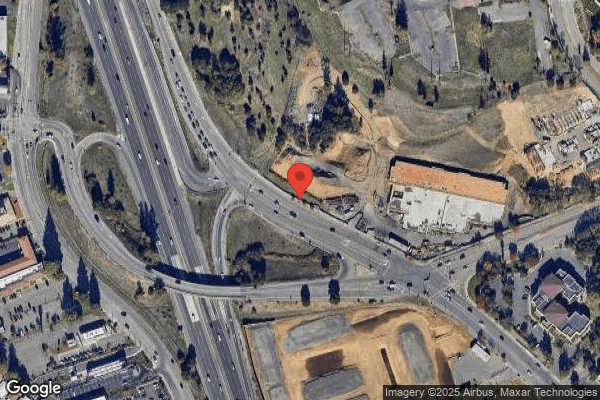
300 FOUNTAINGROVE PARKWAY, SANTA ROSA, CA 95403 (707) 566-8600
For profit - Limited Liability company 45 Beds Independent Data: November 2025
Trust Grade
50/100
#738 of 1155 in CA
Last Inspection: October 2023

Over 2 years since last inspection. Current conditions may differ from available data.

Overview

Arbol Healthcare Center of Santa Rosa has a Trust Grade of C, which means it is average and sits in the middle of the pack among nursing homes. It ranks #738 out of 1,155 facilities in California, placing it in the bottom half, and #13 out of 18 in Sonoma County, indicating that there are only a few local options that perform better. The facility's trend is stable, with 45 concerns reported consistently over the last two years, which suggests ongoing issues that have not improved. Staffing is a relative strength with a rating of 4 out of 5 stars, but the turnover rate is concerning at 54%, significantly higher than the California average of 38%. Notably, the center has not incurred any fines, which is a positive sign, and it boasts better RN coverage than 81% of similar facilities, providing reassurance that registered nurses are present to catch potential issues. However, there are critical weaknesses to consider. Recent inspections revealed that the facility failed to store food safely, putting residents at risk for gastrointestinal diseases, and dietary staff were not trained adequately in food safety practices. Additionally, there was a serious concern regarding the failure to report an incident of alleged resident abuse within the required time frame, which could hinder timely investigations and potentially endanger residents. Overall, while there are strengths in staffing and regulatory compliance, families should weigh these against the concerning findings and the facility's average performance.

Trust Score
C
50/100
In California
#738/1155
Bottom 37%
Safety Record
Low Risk
No red flags
Inspections
Holding Steady
4 → 4 violations
Staff Stability
⚠ Watch
54% turnover. Above average. Higher turnover means staff may not know residents' routines.
Penalties
✓ Good
No fines on record. Clean compliance history, better than most California facilities.
Skilled Nurses
✓ Good
Each resident gets 64 minutes of Registered Nurse (RN) attention daily — more than 97% of California nursing homes. RNs are the most trained staff who catch health problems before they become serious.
Violations
⚠ Watch
45 deficiencies on record. Higher than average. Multiple issues found across inspections.
★★☆☆☆
2.0
Overall Rating
★★★★☆
4.0
Staff Levels
★★★☆☆
3.0
Care Quality
★★☆☆☆
2.0
Inspection Score
Stable
2024: 4 issues
2025: 4 issues

The Good

  • 4-Star Staffing Rating · Above-average nurse staffing levels
  • Full Sprinkler Coverage · Fire safety systems throughout facility
  • No fines on record

Facility shows strength in staffing levels, fire safety.

The Bad

2-Star Overall Rating

Below California average (3.1)

Below average - review inspection findings carefully

Staff Turnover: 54%

Near California avg (46%)

Higher turnover may affect care consistency

The Ugly 45 deficiencies on record

Feb 2025 4 deficiencies
CONCERN (D) 📢 Someone Reported This

A family member, employee, or ombudsman was alarmed enough to file a formal complaint

Potential for Harm - no one hurt, but risky conditions existed

Accident Prevention (Tag F0689)

Could have caused harm · This affected 1 resident

**NOTE- TERMS IN BRACKETS HAVE BEEN EDITED TO PROTECT CONFIDENTIALITY** Based on observation, interview, and record review, the facility failed to ensure supervision to prevent accidents for one resid...

Read full inspector narrative →
**NOTE- TERMS IN BRACKETS HAVE BEEN EDITED TO PROTECT CONFIDENTIALITY** Based on observation, interview, and record review, the facility failed to ensure supervision to prevent accidents for one resident (Resident 1) when: 1. Resident 1 eloped from the facility and was found face down on the pavement; and, 2. The Wander Monitoring System (WMS, an alarm system compromised of a monitor placed on the resident and placed on facility exits used to prevent residents from wandering or seeking to leave the facility) ordered by the physician to be implemented for Resident 1 was not functional. These failures resulted in Resident 1 ' s obtaining trauma to the right eyebrow and a laceration which required stiches and decreased the facility ' s potential to ensure the safety of residents at risk of elopement to leave the facility undetected placing the resident at risk for injury or harm. Findings: 1. Review of Resident 1 ' s clinical record showed Resident 1 was admitted to the facility on [DATE], with a diagnosis which included Traumatic Subdural Hemorrhage (a collection of blood between the brain and skull caused by a head injury) and unspecified dementia (the loss of thinking, remembering, and reasoning to such an extent that it interferes with a person's daily life and activities). Review of Resident 1 ' s Minimum Data Set (MDS, an assessment tool), dated 12/26/24, indicated a Brief Interview for Mental Status (BIMS) score of 6 which meant Resident had severe cognitive impairment. A review of a care plan regarding Resident 1 ' s high risk for falls related to dementia, impulsiveness, wandering, and poor safety awareness, initiated on 6/19/24, indicated, [Resident 1 ' s goal was to] not sustain .injury through the review date [of 3/1/25] .[Interventions staff were to implement to assist Resident 1 to meet her goal included] Encourage and assist [Resident 1] with remaining in common, supervised areas when awake [Initiated 1/10/25] .Provide resident a safe environment [Initiated 10/15/24] . A review of a care plan regarding Resident 1 ' s potential for impaired behavioral patterns, initiated on 10/25/24, indicated, [Resident 1 ' s goal was to] have no injury related to impaired behavioral pattern through review date [of 3/1/25] .[Interventions staff were to implement to assist Resident 1 to meet her goal included] Monitor/Record occurrence of targeted behavior [which included] Exit Seeking . A review of Resident 1 ' s progress note dated 1/12/25 at 11:06 p.m., indicated, [Resident 1] was found outside [the facility on] the pavement by facility staff around 19:40 hrs [7:40 p.m.] Staff notified this nurse and other care staff. [Resident 1] found on the pavement face down to ground, with bleeding noted on pavement .[Resident] was noted to be bleeding from the right top corner of eye, noted laceration to area with a hematoma . A review of the hospital history and physical dated 1/12/24, indicated Resident 1, .was found wandering outside without her walker and had fallen causing abrasion [damage to the skin caused by scraping] and trauma of the right eyebrow .She [has] extensive swelling of the right eye which is currently closed due to edema [when fluid accumulates in body tissues] .Assessment and Plan .[Resident 1] with .Closed head injury causing a right eyebrow laceration [a tear or cut in the skin] and significant right orbital [eye socket] ecchymosis [blood vessels damaged by trauma causing leakage to surrounding tissues] . A review of the hospital Discharge summary dated [DATE], indicated Resident 1 was, Date of discharge: [DATE] .Seen by trauma team [and had her] laceration sutured [stiches]. A review of the facility ' s policy and procedure titled Wandering and Elopements, revised March 2019, indicated, The facility will identify residents who are at risk of unsafe wandering and strive to prevent harm . 2. A review of Resident 1 ' s TAR dated January 2025 indicated Resident 1 had an order for licensed staff to, .check placement of [Wandering] Device .every shift- Start Date 1/17/25 at [7 a.m.] and -D/C Date- 1/22/25 at [6:37 a.m.]. During an interview on 1/17/25 at 1:20 p.m., the Infection Preventionist (IP) confirmed Resident 1 was wearing a WMS and the system was not fully functioning. The IP stated there was only one alarm for the entire facility which was located the front door. The IP also stated the two additional doors residents could exit from did not have alarms. The IP stated the maintenance department checked the alarm located at the exit, and nursing staff checked the monitor on the resident to ensure both components of the WMS worked. The IP stated the facility did not have a policy and procedure for maintenance testing of the WMS nor did the facility have the manufactures instructions for use. During an observation and concurrent interview on 1/17/25 at 4 p.m., Unlicensed Staff A stated this was her first evening taking care of Resident 1 and she was unaware Resident 1 had a WMS device. Unlicensed Staff A then lifted the resident ' s pant leg and observed a WMS device to Resident 1 ' s left ankle. During an interview on 1/17/25 at 4:15 p.m., Licensed Staff B stated she had just come on shift and was unaware Resident 1 was wearing a WMS device. Licensed Staff B stated the nurses test the alarm by taking the resident to the front door and maintenance monitored the function of the WMS system. During an interview on 1/21/25 at 1:48 p.m., the Maintenance Supervisor (MS) stated the facility ' s WMS was outdated and had been updating the system, but the update had been canceled. The MS stated he tested the WMS front door alarm on a weekly basis but did not change the batteries to the WMS device and did not know who changed them. During an observation on 1/21/25 at 2:30 p.m., the two facility exit doors (one in the back of the facility and one on the side of the facility) did not have WMS alarms to alert staff when a resident was exiting the building. Review of Resident 1 ' s elopement evaluation conducted on 1/22/25, indicated, .Has the Resident verbally expressed the desire to go home .[answer checked] No .Is the wandering behavior a pattern, goal-directed (i.e. confused, moves with purpose .) [answer checked] No .Has the Resident been recently .re-admitted (within the past 30 days) and is not accepting the situation .[answer checked] No . Further review of this document indicated the options in section Clinical Suggestions were not chosen at all. In an interview and concurrent record review with the Infection Preventionist on 2/10/25 at 3:10 p.m., the IP verified all monitoring in January 2025 for Resident 1 was documented on her TAR. The IP also confirmed the clinical suggestions section of Resident 1 ' s elopement evaluation form dated 1/22/25 was incomplete. The IP stated it should have been completed. A review of Resident 1 ' s TAR dated January 2025 indicated Resident 1 had an order for licensed staff to, .Check placement, functioning and integrity on left ankle .every shift for 30 Days- Start Date 1/22/25 at [7 a.m.] . In an interview on 2/12/25 at 11:33 a.m., the IP confirmed there was no documented evidence visual checks were done on 1/14/25 and 1/15/25 for Resident 1. The IP also verified the facility did not have a policy and procedure for the use of the WMS and stated the facility should have one. The IP further stated the facility is working on getting a policy written.
CONCERN (D) 📢 Someone Reported This

A family member, employee, or ombudsman was alarmed enough to file a formal complaint

Potential for Harm - no one hurt, but risky conditions existed

Infection Control (Tag F0880)

Could have caused harm · This affected 1 resident

Based on observation, interview, and record review, the facility failed to ensure patient care equipment was functioning and maintained under sanitary conditions when oxygen therapy equipment provided...

Read full inspector narrative →
Based on observation, interview, and record review, the facility failed to ensure patient care equipment was functioning and maintained under sanitary conditions when oxygen therapy equipment provided to facility residents was dirty and not maintained. This failure decreased the facility ' s potential to prevent infections among respiratory compromised residents who used oxygen concentrators for medical treatments. Findings: During an interview on 1/21/25 at 1:48 p.m., the Maintenance Supervisor (MS) stated he checked the oxygen storage room periodically to ensure the oxygen tanks were secure. The MS also stated he did not have oversight nor did any maintenance on the oxygen concentrators and was unsure who maintained the oxygen concentrators. During an observation and current interview on 1/21/25 at 2:00 p.m., the Infection Preventionist (IP) stated she tracked all residents on respiratory therapy and any respiratory infections that occurred in the facility. The IP stated there were currently six residents on oxygen therapy who used oxygen concentrators provided by the facility. An observation of the oxygen storage room and concurrent interview on 1/21/25 at 2:15 p.m., showed multiple oxygen tanks were not secured or in a rack (unsecured oxygen tanks can be dangerous and cause serious injury or death by tipping over and shear the valve or a pressurized cylinder to explode from a mechanical failure). Three oxygen concentrators were observed to have dust covering the top and front of the oxygen concentrators. The sides of one concentrator had filters that were full of lint and debris. On one oxygen concentrator the last date of maintenance service performed was 3/25/20. The IP verified the concentrators were dirty and stated she did not know who was responsible for cleaning and maintaining the concentrators. IP stated she was in the process of establishing a clean and dirty location for the oxygen concentrators. During a continued interview on 1/21/25 at 2:30 p.m., the IP verified there was no maintenance contract for service of the oxygen concentrators. A request for a policy and procedure and instructions for use (IFU) for the maintenance of the oxygen concentrators was requested but not provided. A review of the manufactures instructions for use (IFU) for the oxygen concentrators, indicated, routine maintenance and cleaning of the oxygen concentrators following a preventative maintenance record. Based on observation, interview, and record review, the facility failed to ensure patient care equipment was functioning and maintained under sanitary conditions when oxygen therapy equipment provided to facility residents was dirty and not maintained. This failure decreased the facility's potential to prevent infections among respiratory compromised residents who used oxygen concentrators for medical treatments. Findings: During an interview on 1/21/25 at 1:48 p.m., the Maintenance Supervisor (MS) stated he checked the oxygen storage room periodically to ensure the oxygen tanks were secure. The MS also stated he did not have oversight nor did any maintenance on the oxygen concentrators and was unsure who maintained the oxygen concentrators. During an observation and current interview on 1/21/25 at 2:00 p.m., the Infection Preventionist (IP) stated she tracked all residents on respiratory therapy and any respiratory infections that occurred in the facility. The IP stated there were currently six residents on oxygen therapy who used oxygen concentrators provided by the facility. An observation of the oxygen storage room and concurrent interview on 1/21/25 at 2:15 p.m., showed multiple oxygen tanks were not secured or in a rack (unsecured oxygen tanks can be dangerous and cause serious injury or death by tipping over and shear the valve or a pressurized cylinder to explode from a mechanical failure). Three oxygen concentrators were observed to have dust covering the top and front of the oxygen concentrators. The sides of one concentrator had filters that were full of lint and debris. On one oxygen concentrator the last date of maintenance service performed was 3/25/20. The IP verified the concentrators were dirty and stated she did not know who was responsible for cleaning and maintaining the concentrators. IP stated she was in the process of establishing a clean and dirty location for the oxygen concentrators. During a continued interview on 1/21/25 at 2:30 p.m., the IP verified there was no maintenance contract for service of the oxygen concentrators. A request for a policy and procedure and instructions for use (IFU) for the maintenance of the oxygen concentrators was requested but not provided. A review of the manufactures instructions for use (IFU) for the oxygen concentrators, indicated, routine maintenance and cleaning of the oxygen concentrators following a preventative maintenance record.
CONCERN (E) 📢 Someone Reported This

A family member, employee, or ombudsman was alarmed enough to file a formal complaint

Potential for Harm - no one hurt, but risky conditions existed

Deficiency F0727 (Tag F0727)

Could have caused harm · This affected multiple residents

Based on interview, and facility record review, the facility failed to have a Registered Nurse (RN) performing the function of the Director of Nursing (DON) on a full-time basis to provide oversight a...

Read full inspector narrative →
Based on interview, and facility record review, the facility failed to have a Registered Nurse (RN) performing the function of the Director of Nursing (DON) on a full-time basis to provide oversight and guidance on the provision of care provided by nursing staff. This failure prevented the facility from having the required management, to adequately assess and meet the needs of residents in a timely manner and had the potential to negatively impact the quality of care delivered by licensed and non-licensed nursing staff to residents. Findings: During an interview on 1/17/25 at 12:35 p.m., Licensed Staff A stated there was no DON at the facility and there has not been a DON since November. Licensed Staff A stated the facility was advertising for a DON, but currently, there were no candidates. During an interview on 1/17/ 25 at 12:45 p.m., the Infection Preventionist (IP) stated the previous DON left at the end of November 2024. The IP also stated she currently occupied the full-time IP role and the interim DON role, until a permanent DON is hired. The IP confirmed she was a Licensed Vocational Nurse (LVN). During an interview on 1/21/ 25 at 3:30 p.m., the Administrator stated the DON left on 11/27/24 and the facility has been advertising for a new DON, but at-the-moment there were no candidates. When asked who was in charge, she stated the IP was the interim DON until a full-time DON could be hired. The Administrator stated RNs were scheduled on all work shifts, but none wanted the DON position. Review of the facility ' s job description titled Director of Nursing revised on 1/2/20 indicated, Qualifications .Registered nurse with a current license in community's state .B.S. [Bachelor of Science] Degree in nursing . Based on interview, and facility record review, the facility failed to have a Registered Nurse (RN) performing the function of the Director of Nursing (DON) on a full-time basis to provide oversight and guidance on the provision of care provided by nursing staff. This failure prevented the facility from having the required management, to adequately assess and meet the needs of residents in a timely manner and had the potential to negatively impact the quality of care delivered by licensed and non-licensed nursing staff to residents. Findings: During an interview on 1/17/25 at 12:35 p.m., Licensed Staff A stated there was no DON at the facility and there has not been a DON since November. Licensed Staff A stated the facility was advertising for a DON, but currently, there were no candidates. During an interview on 1/17/ 25 at 12:45 p.m., the Infection Preventionist (IP) stated the previous DON left at the end of November 2024. The IP also stated she currently occupied the full-time IP role and the interim DON role, until a permanent DON is hired. The IP confirmed she was a Licensed Vocational Nurse (LVN). During an interview on 1/21/ 25 at 3:30 p.m., the Administrator stated the DON left on 11/27/24 and the facility has been advertising for a new DON, but at-the-moment there were no candidates. When asked who was in charge, she stated the IP was the interim DON until a full-time DON could be hired. The Administrator stated RNs were scheduled on all work shifts, but none wanted the DON position. Review of the facility's job description titled Director of Nursing revised on 1/2/20 indicated, Qualifications .Registered nurse with a current license in community's state .B.S. [Bachelor of Science] Degree in nursing .
CONCERN (E) 📢 Someone Reported This

A family member, employee, or ombudsman was alarmed enough to file a formal complaint

Potential for Harm - no one hurt, but risky conditions existed

Deficiency F0838 (Tag F0838)

Could have caused harm · This affected multiple residents

Based on interview and record review, the facility failed to ensure a facility-wide assessment (a review of a facility's infrastructure, resident population, and services to determine needed resources...

Read full inspector narrative →
Based on interview and record review, the facility failed to ensure a facility-wide assessment (a review of a facility's infrastructure, resident population, and services to determine needed resources to provide care) was available, current, and complete. This deficient practice decreased the facility ' s potential to safely admit residents and ensure their care needs were met. Findings: During an interview on 1/17/24 at 1:58 p.m., a copy of the facility assessment was requested from the Director of Staff Development (DSD). The DSD stated the facility assessment was not available and was locked in the Administrator ' s office. During an interview on 1/21/24 at 10:25 a.m., the Infection Preventionist (IP) (who was also the interim Director of Nursing (DON)) stated she could not find the facility assessment. The IP stated she was putting one together over the weekend and what she had was incomplete. A review of the of the document provided to the surveyor on 1/21/24 did not follow the facility ' s policy and procedure for conducting, reviewing, and updating the facility assessment. During an interview on 1/21/24 at 3:30 p.m., the Administrator verified they could not find the facility assessment. During a review of the facility ' s Policy and Procedure titled Facility Assessment, revised October 2018 indicated, A facility assessment is conducted annually to determine and update our capacity to meet the needs of and competently care for our residents day-to-day .The team responsible for conducting, reviewing and updating the facility assessment includes the following .The Administrator .A representative of the governing body .The medical director .The director of nursing services . Based on interview and record review, the facility failed to ensure a facility-wide assessment (a review of a facility's infrastructure, resident population, and services to determine needed resources to provide care) was available, current, and complete. This deficient practice decreased the facility's potential to safely admit residents and ensure their care needs were met. Findings: During an interview on 1/17/24 at 1:58 p.m., a copy of the facility assessment was requested from the Director of Staff Development (DSD). The DSD stated the facility assessment was not available and was locked in the Administrator's office. During an interview on 1/21/24 at 10:25 a.m., the Infection Preventionist (IP) (who was also the interim Director of Nursing (DON)) stated she could not find the facility assessment. The IP stated she was putting one together over the weekend and what she had was incomplete. A review of the of the document provided to the surveyor on 1/21/24 did not follow the facility's policy and procedure for conducting, reviewing, and updating the facility assessment. During an interview on 1/21/24 at 3:30 p.m., the Administrator verified they could not find the facility assessment. During a review of the facility's Policy and Procedure titled Facility Assessment, revised October 2018 indicated, A facility assessment is conducted annually to determine and update our capacity to meet the needs of and competently care for our residents day-to-day .The team responsible for conducting, reviewing and updating the facility assessment includes the following .The Administrator .A representative of the governing body .The medical director .The director of nursing services .
Jul 2024 1 deficiency
CONCERN (D) 📢 Someone Reported This

A family member, employee, or ombudsman was alarmed enough to file a formal complaint

Potential for Harm - no one hurt, but risky conditions existed

Comprehensive Care Plan (Tag F0656)

Could have caused harm · This affected 1 resident

**NOTE- TERMS IN BRACKETS HAVE BEEN EDITED TO PROTECT CONFIDENTIALITY** Based on observation, interview, and record review, the facility failed to develop and implement a person-centered care plan wit...

Read full inspector narrative →
**NOTE- TERMS IN BRACKETS HAVE BEEN EDITED TO PROTECT CONFIDENTIALITY** Based on observation, interview, and record review, the facility failed to develop and implement a person-centered care plan with measurable objectives and appropriate interventions for one resident (Resident 1), that addressed fall precautions when the resident developed an L3 fracture (a fracture of the third vertebra in the lumbar spine) of unknown origin. This failure put Resident 1 at risk for additional injuries and falls and had the potential to cause pain and Resident 1's safety to go unmonitored. Findings: During an interview on 7/22/24 at 10:15 a.m., the DON (Director of Nursing) stated she followed-up on Resident 1's abdominal pain by sending the resident to the hospital where an X-ray and blood test confirmed Resident 1 had an L3 fracture and Osteoporosis (a bone disease that develops when bone mineral density and bone mass decreases, or when the structure and strength of bone changes. This can lead to a decrease in bone strength that can increase the risk of fractures (broken bones). The DON stated she looked back in the medical records and found a bone density test that was performed in 2015 and confirmed Resident 1 was diagnosed with Osteoporosis. While in the facility the DON was asked if Resident 1 had any falls , she stated the resident had No falls. During a review of the clinical record for Resident 1, the admission Record (demographic information), indicated Resident 1 was admitted on [DATE], with a medical diagnosis that included: Age-related Osteoporosis without current pathological fracture, Dysphagia (a condition that affects your ability to produce and understand spoken language), Aphasia (a language disorder that affects a person's ability to communicate due to damage to the brain's language centers) following unspecified cerebrovascular disease (damage to the blood supply to the brain), and Hemiplegia and Hemiparesis (hemiplegia refers to complete paralysis, while hemiparesis refers to partial weakness on one side of the body) following cerebral infarction (or brain infarction, is the death of brain tissue caused by a prolonged decrease in blood flow to the brain) affecting right dominant side and difficulty in walking not elsewhere classified. During an interview on 7/22/24 at 11:00 a.m., the Director of Rehabilitation stated Resident 1 had therapy 5 times per week, (Physical, Occupational, and Speech Therapy). He stated the resident had a stroke (when blood flow to the brain is blocked or there is sudden bleeding in the brain) and as part of her plan for therapy a Hemi walker (a small mobility aid that helps people with limited or no dexterity in one hand or side of their body, walk) was used for working on gait and endurance. When asked if Resident 1 had any falls since her admission to the facility, the director of rehab stated the resident had no falls in the facility. When asked if the resident's therapy is care planned and if the CNAs and staff know how to properly continue treatment and follow a plan of care for this resident he stated Yes. When asked how the plan of care was communicated to the staff, he stated the CNAs were shown and told what to do. Review of Resident 1's care plan indicated Resident 1 had an unwitnessed fall in her room on 6/16/24 and did not show specific interventions or monitoring to prevent falls from occurring. This fall could have potentially caused the L3 fracture and pain, but there was no documemtation to support this finding. During an observation and concurrent interview on 7/22/24 at 11:30 a.m., Resident 1 was observed sitting in a wheelchair in the activity room. When attempting to interview Resident 1 she could not verbalize or form words or sentences to questions asked; movement was weak to her right side. When asking the resident if she had pain, she attempted to answer the question, but words were scrambled and incomprehensible. She shook her head No. A review of Resident 1's Minimum Data Set 3.0 (MDS- a standardized assessment and screening tool) dated June 8, 2024, did not show a complete assessment for level of cognition (mental process of thinking and understanding) was conducted the assessment form was missing data points and did not include a Brief Interview for Mental Status (BIMS) summary score in-order to confirm if Resident 1 was able or unable to make herself understood or if she was able to understand others. A review of Resident 1's fall assessment evaluation dated June 9, 2024, was also incomplete with missing data points and showed no risk level for falls or interventions to assist the resident with ambulation and transfers. During an interview on 7/22/24 at 11:45 a.m. the Charge Nurse was assigned to take care of Resident 1 and was asked what interventions were in place to help prevent falls for the resident. She stated all residents had gait belts that Physical Therapy (PT) used when walking residents, we bring fall risk residents to the nurse's station or to the activity room to keep a watch on them. When asked if the interventions were care planned, she stated she would have to look at the care plan. Review of the care plan did not show specific interventions for fall risk were listed in the care plan nor were any updates made to the care plan post hospitalization. When asking the charge nurse how she kept residents safe from falls she stated we do frequent checks and keep the residents at the nurse's station. When asked if the monitoring of falls was documented in the progress notes or on the Treatment Administration Record (TAR), she stated it usually was. When reviewing the TAR and care plan no interventions or monitoring was listed for Resident 1. During an interview on 7/22/24 at 12:00 noon, the DON was asked how residents were kept safe from falls. She stated we post signs at the bedside that lets staff know how to move residents out of bed. When asked what interventions were put in place to monitor Resident 1 for falls, she stated she would have to look at the care plan. Review of Resident 1's care plan showed no specific interventions were listed on the care plan to prevent falls for Resident 1. The DON stated to the charge nurse that monitoring interventions for falls should be added to the care plan for Resident 1. The DON showed a copy of the Safety-First sign posted on the wall next to Resident 1's bed with instruction that indicated, resident transfers required, moderate and maximum assist and when standing pivot transfer to the left, right side is weak. A review of the facility's policy and procedure titled, Care Plans- Comprehensive Person-Centered with a revision date of December 2016, indicated: 8. The comprehensive, person-centered care plan will: a. Include measurable objectives and timeframes; h. Incorporate risk factors associated with identified problems; . m. Aid in preventing or reducing decline in the resident's functional status and/or functional levels .13. Assessment of residents are ongoing and care plans are revised as information about the resident and the resident's condition change.
Jun 2024 1 deficiency
CONCERN (D) 📢 Someone Reported This

A family member, employee, or ombudsman was alarmed enough to file a formal complaint

Potential for Harm - no one hurt, but risky conditions existed

Deficiency F0578 (Tag F0578)

Could have caused harm · This affected 1 resident

**NOTE- TERMS IN BRACKETS HAVE BEEN EDITED TO PROTECT CONFIDENTIALITY** Based on observation, interview and record review, the facility failed to honor (Resident 1) choice for the refusal of end-of-li...

Read full inspector narrative →
**NOTE- TERMS IN BRACKETS HAVE BEEN EDITED TO PROTECT CONFIDENTIALITY** Based on observation, interview and record review, the facility failed to honor (Resident 1) choice for the refusal of end-of-life medical treatment. This failure resulted in Resident 1 receiving Cardiopulmonary conversion (chest compressions) and mechanical ventilation (assisted breaths with a medical device) against Resident 1's decision. During a review of Resident 1's medical record, Physician Orders for Life-Sustaining Treatment (POLST) form, dated [DATE], indicated in box A, Do Not Attempt Resuscitation / (DNR) (Allow Natural Death), Box B indicated, Comfort -Focused Treatment – primary goal of maximizing comfort. Relieve pain and suffering with medication by any route as needed, use oxygen, suctioning, and manual treatment of airway obstruction. Do not use treatments listed in Full treatment (mechanical ventilation and cardioversion) and Selective Treatment unless consistent with comfort goal. Request transfer to hospital only if comfort needs cannot be met in current location. Box D indicated, signature of legally recognized decision maker 1 and MD 2. During a review of Resident 1's medical record, Progress note dated [DATE], signed by Licensed Staff A, indicated, Legally recognized decision maker 1 has changed POLST to DNR (Do not resuscitate) comfort focus. During a review of Resident 1's medical record, Progress note dated [DATE], signed by Licensed Staff B, indicated, MD aware of DNR Comfort Care and an IDT (interdisciplinary meeting for Comfort Care). During a review of Resident 1's medical record, Progress note dated [DATE], signed by Licensed Staff C, indicated, at 4:40 p.m., resident was found with no vital signs and Licensed Staff C started performing CPR (cardiopulmonary conversion) also using AED - Automated Electronic Defibrillator (medical device that shocks the heart with intent to start the heart beating again.) Fire dept arrived and EMT's (Emergency Medical Technicians) took over the CPR using AED and Ambu Bag. (medical device bag that fills with oxygen and then pumps oxygen into the residents nose and mouth). Resident 1 was pronounced dead at 5:21 p.m. Legally recognized decision maker 1 arrived at the facility at 5:30 p.m. During an interview with Licensed Staff C on [DATE] at 1 p.m., Licensed Staff C stated, she was Resident 1 primary nurse on [DATE] and when Resident 1's heart and respirations stopped. Licensed Staff C stated, she immediately checked Resident 1's chart for the POLST but the chart only contained a previously dated POLST from [DATE]. Licensed Staff C stated, she thought that the POLST in the chart was the most up to date. Licensed Staff C stated, she did not realize there was a more recent version of Resident 1's POLST dated after [DATE]. Licensed Staff C stated, the POLST she followed from [DATE] indicated DNR with Full Treatment (mechanical ventilation and cardioversion). Licensed Staff C stated this is why she performed the CPR on Resident 1. Licensed Staff C queried what the risk to resident safety are if an outdated POLST is left on the front of Resident 1's Chart. Licensed Staff C stated, she thinks that the latest wishes of the resident and / or Resident representative would not be honored as they should. During an observation and record review of Resident 1's medical record, indicated there was a prior POLST dated, [DATE], for Resident 1 that indicated in Box B, DNR with Full Treatment. Box D of the POST was signed by Legally recognized decision maker 1 and MD 1. During an interview with Unlicensed Staff D, on [DATE] at 2:15 p.m., Unlicensed Staff D stated, she is the manager of the facilities Medical Records Department whose job it is to place the resident's POLST form in the front of the hard copy of the chart where it is easily accessible. Unlicensed Staff D stated, she was on vacation at that time and the most recent version of the POLST never made it into Resident 1's chart. Unlicensed Staff D then stated, she was not on vacation, but doesn't understand how the most recent POLST did not make it to Resident's 1 Hard copy of the chart. During an interview with the DSD, on [DATE] at 2:25 p.m., DSD queried if she was aware of the POLST policy. DSD stated, she was aware of the POLST policy. DSD queried for the in-services that she performed for the nursing staff in the last 3 months. No in-services for nurses were completed by the DSD for the facility's POLST Policy, DNR policy or Crash Cart policy and procedures. During an interview with the DON on [DATE] at 2:40 p.m., DON was queried why the latest POLST was not in the front of the chart for Resident 1. DON stated, she knows it is the facility's policy to keep the latest POLST in the front of the hard copy of the chart. DON stated, she is unaware as to how the latest POLST for Resident 1 was not in the front of the hard copy of the chart when Resident 1 expired. During a review of the DSD's job description, titled, Director of Staff Development, updated 2015, indicated, Essential Duties and Responsibilities, 5. Assists in the planning and coordination of training programs for all departments within the facility to respond to identified problem areas, service quality or to teach procedures or methods. 7. Provide-specific orientation to Health Center nursing staff including completion of the clinical skills checklist. 20. Assumes a proactive role in resolving resident issues & concerns related to assigned areas of responsibility. During a review of the facility's policy and procedure titled, Do Not Resuscitate Order Revised [DATE], indicated, Our facility will not use cardiopulmonary resuscitation and related emergency measures to maintain life functions on a resident when there is a DO NOT Resuscitate Order in effect. 1. Do not resuscitate orders must be signed by the resident's attending physician on the physician's order sheet maintained in the resident' medical record. 6. The Interdisciplinary care planning team will review advance directives with the resident during quarterly care planning sessions to determine if the resident wishes to make changes in such directives. 7. The resident's attending physician will clarify and present any relevant medical issues and decisions to the resident or legal representative as the resident's condition changes in an effort to clarify and adhere to the resident's wishes. 8. Inquiries concerning do not resuscitate orders / requests should be referred to the administrator, director of nursing services, or to the social services director. During a review of the facility's policy and procedure titled, Resident Rights Guidelines for All Nursing Procedures Revised 2010, indicated, 1. Prior to having direct-care responsibilities for residents, staff must have appropriate in-service training on resident rights, including: C. Resident notification of rights, services and health/medical condition, F. Resident right of refusal (medication and treatments), H. Resident freedom of choice, I. Resident/Family participation in care planning. During a review of the facility's policy and procedure titled, Advance Directives Revised [DATE], indicated, H. Physician Orders for Life-Sustaining Treatment (or POLST) paradigm form-a form designed to improve patient care by creating a portable medical order from that records patients treatment wishes so that emergency personnel know what treatments the patient wants in the event of a medical emergency, taking the patients current medical condition into consideration. Refusing or Requesting Treatment 1. The resident has the right to refuse medical or surgical treatment, whether or not he or she has an advance directive. A. A resident will not be treated against his or her own wishes. B. Residents who refuse treatment will not be transferred to another facility unless all other criteria for transfer are met. C. The resident's refusal does not absolve facility staff from providing other care that allows him/her to attain or maintain his or her highest practicable physical, mental, and psychosocial well-being. 2. Depending on the state requirements, the legal representative may also have the right to refuse or forego treatment. 3. If the resident or representative refuses treatment, the facility and care provider will: C. Document specifically what the resident/representative is refusing. 7. The Staff Development Coordinator is responsible for scheduling training regarding advance directives for newly hired staff members as well as scheduling annual advance in-services to ensure that the staff remains informed about the residents' rights to formulate advance directives and facility policy governing such rights.
May 2024 1 deficiency
CONCERN (F) 📢 Someone Reported This

A family member, employee, or ombudsman was alarmed enough to file a formal complaint

Potential for Harm - no one hurt, but risky conditions existed

Food Safety (Tag F0812)

Could have caused harm · This affected most or all residents

Based observation, interview and record review, the facility failed to store, prepare, distribute, and serve food in accordance with professional standards of food service safety when: 1) the facility...

Read full inspector narrative →
Based observation, interview and record review, the facility failed to store, prepare, distribute, and serve food in accordance with professional standards of food service safety when: 1) the facility failed to store dry foods (staples; mixes and packaged foods; canned and dried foods; spices, herbs, condiments, and other foods not requiring refrigeration) in the optimum temperature between 50°and 70°Fahrenheit (F); and 2) the facility failed to prevent cross-contamination of kitchen dishes when dietary staff operating the dishwasher handled dirty and clean dishes without changing gloves or performing hand hygiene. These failures had the potential for residents to consume degraded food and had the potential to expose residents to gastro-intestinal diseases. Findings: 1) During an observation on 5/30/24, at 3:20 p.m., the dry foods storage felt warm. There was no thermometer in the dry foods storage. During a concurrent interview, the Dietary Services Manager (DSM) was asked to check the room temperature in the dry foods storage. The DSM stated there was no thermometer available to check the temperature in the dry foods storage. The surveyors ' thermometer registered 85° F in the dry foods storage. The DSM stated dry foods should be stored at temperatures between 68° and 75° F. A review of the label of a bottled oil spray in the dry foods storage indicated to store it in a cool place between 68° and 75° F. A review of facility policy titled DRY STORAGE CHART, dated 2023, indicated: The optimum storage temperature for dry foods is 50° to 70° F. 2) During an observation on 5/30/24, at 3:45 p.m., Dietary Staff A (DS A) was operating the dishwasher. DS A, wearing gloves, loaded a rack with dirty dishes and placed it in the dishwasher. DSA A initiated the washing cycle and at the end removed the clean dishes from the dishwasher using the same gloves used to load the dirty dishes. DS A did not change gloves or performed hand hygiene in between handling the dirty and clean dishes.
Jan 2024 1 deficiency
CONCERN (F) 📢 Someone Reported This

A family member, employee, or ombudsman was alarmed enough to file a formal complaint

Potential for Harm - no one hurt, but risky conditions existed

Report Alleged Abuse (Tag F0609)

Could have caused harm · This affected most or all residents

**NOTE- TERMS IN BRACKETS HAVE BEEN EDITED TO PROTECT CONFIDENTIALITY** Based on observation, interview, and record review, the facility failed to report one incident of resident abuse to authorities ...

Read full inspector narrative →
**NOTE- TERMS IN BRACKETS HAVE BEEN EDITED TO PROTECT CONFIDENTIALITY** Based on observation, interview, and record review, the facility failed to report one incident of resident abuse to authorities within the required two-hour time frame after the allegation was made. This failure to report an allegation of abuse within the Federally mandated requirement of two hours, had the potential to result in ongoing resident abuse and physical, mental, and /or emotional harm, and prevented the State Agency from conducting a timely investigation into the allegation. Findings: During a review of a report titled State of California Report of Suspected Dependent/Elder Abuse (SOC 341) dated 1/1/24, the SOC 341 indicated alleged abuse occurred on 12/30/23 with exact time unknown. The SOC 341 indicated telephone report made to the State Agency and Local Ombudsman on 12/31/23 at 12:15 p.m. and written report was faxed 1/1/24 at 10:49 a.m. During a review of a document titled SOC 341 General Instructions, dated 8/22, Instructions indicated, If the abuse occurred in a Long-Term Care (LTC) facility, was physical abuse, but did not result in serious bodily injury .send the written report to the local law enforcement agency, the local Long term Care Ombudsman Program (LTCOP), and the appropriate licensing agency within 24 hours of observing, obtaining knowledge of, or suspecting physical abuse. During a review of a document titled Abuse Allegation Follow-Up Report, dated 1/3/24, the Follow-Up Report indicated, On Sunday, December 31st, verbally reported this allegation to CDPH, and the local Ombudsman, and faxed the SOC 341 on Monday, January 1st, 2024. During an interview on 1/10/24 at 9:00 a.m., the Director of Nursing (DON) stated abuse incident occurred when alleged perpetrator (contracted vendor staff) sitter (a non-licensed staff hired to provide companionship and did not provide direct patient care) allegedly hit Resident 1 (R1). DON stated the alleged victim, R1, had a 1:1 sitter for safety reasons due to impulsivity and throwing things. The DON stated the alleged perpetrator no longer worked at the facility. The DON stated the Certified Nursing Assistant A (CNA A) reported the alleged abuse to the Director of Staff Development (DSD) on 12/31/23. During an interview on 1/10/24 at 9:45 a.m., the Administrator stated verbal report of abuse was made to the California Department of Public Health (CDPH) and the Ombudsman on 12/31/23. The Administrator was unable to provide time or documentation of verbal reporting. During the same interview on 1/10/24 at 9:45 a.m., the Administrator stated Abuse and Neglect training was completed upon hire, annually, and as needed. The Administrator trained all staff on December 5, 2023, on abuse, including reporting and the State of California form Report of Suspected Dependent/Elder Abuse (SOC 341). Administrator stated if abuse did not result in bodily injury reporting was within 24 hours and if it did result in bodily injury, we reported within two hours and followed up with a written report. The Administrator stated the outcome of the abuse investigation was unsubstantiated. (Unsubstantiated does not mean it did not happen, it means there was not enough evidence to prove it happened.) During an interview on 1/10/24 at 10:10 a.m., the DSD stated CNA A called her at home on [DATE] to report allegation of abuse had occurred on 12/30/23. During an interview on 1/10/24 at 10:15 a.m., the DSD stated, we reported to the Administrator and the DON as soon as we were aware. The DSD stated reporting times were, I think 36 hours, two days. DSD stated she got information about alleged abuse over the phone from CNA A on 12/31/23. DSD stated she called the facility, the DON, the Administrator, the contracted vendor which employed the alleged perpetrator, and left voice messages for the State Agency and the Ombudsman. During a review of a document titled Written Statement from LN A, dated 1/9/24, statement indicated, CNA A verbally reported alleged abuse to her on 12/30/23 at around 1100 a.m. LN A further stated, I did not do incident reporting as CNA A called the DSD and reported this claim to her the following morning. Document further stated, I will make a report ASAP if witnessed abuse happened, reporting right away within 4-6 hours and papers documentation filed within 24-48 hours to local authorities. During a review of a document titled Elder Justice Act Notice to Employees, dated 11/07/11, Notice indicated, Reports of the reasonable suspicion of a crime against a resident of the Health Center must be made to the California Department of Public Health and local law enforcement entity within 2 hours if there is serious bodily injury. If events causing the suspicion do not result in serious bodily injury, it must be reported within 24 hours after forming the suspicion. This document is included in the current Facility Orientation and Abuse Packet. During a review of a document titled Arbol Residences of Santa [NAME] Abuse Prevention Policy, dated 05/07/12, indicated, If a resident sustains a serious bodily injury the law enforcement agency and the California Department of Health (707-576-6775) must be contacted within two hours of forming the suspicion. If the resident ' s injury is not serious, the law enforcement agency and the California Department of Public Health must be contacted within 24 hours after forming the suspicion. This document is included in the current Facility Orientation and Abuse Packet.
Oct 2023 7 deficiencies
CONCERN (D) 📢 Someone Reported This

A family member, employee, or ombudsman was alarmed enough to file a formal complaint

Potential for Harm - no one hurt, but risky conditions existed

Deficiency F0561 (Tag F0561)

Could have caused harm · This affected 1 resident

**NOTE- TERMS IN BRACKETS HAVE BEEN EDITED TO PROTECT CONFIDENTIALITY** Resident 20 During an interview on 10/23/23 at 10:58 a.m., Resident 20 stated she would have preferred to administer her own med...

Read full inspector narrative →
**NOTE- TERMS IN BRACKETS HAVE BEEN EDITED TO PROTECT CONFIDENTIALITY** Resident 20 During an interview on 10/23/23 at 10:58 a.m., Resident 20 stated she would have preferred to administer her own medications. Resident 20 stated she spoke about her preference with the Admissions Coordinator, who told her that it was not allowed in the facility. During an interview on 10/24/23 at 10:33 a.m., Director of Nursing (DON) stated self-administration of medications was allowed in the facility. DON stated the resident who requests to self-administer medications would have to be assessed first by the nurses to ensure safety and competency, and the physician would sign off on the assessments. DON stated she was not aware of Resident 20's request to self-administer her medications and added that Resident 20 should have been assessed if she requested for it. During an interview on 10/24/23 at 12:15 p.m., Admissions Coordinator stated she could not recall any resident requests for self-administration of medications. When queried about her response should a resident request to administer their medications, Admissions Coordinator stated she would notify the residents that self-administration of medications was not allowed in a skilled nursing facility. During a review of the facility's policy and procedure titled, Self-Administration of Medications, dated February 2021, the policy and procedure indicated, Residents have the right to self-administer medications if the interdisciplinary team has determined that is is clinically appropriate and safe for the resident to do so . Based on interview and record review, the facility failed to honor the choices for two of two (Residents 20 and 8) sampled residents when: 1. Resident 8 was given a shower despite her refusal, and 2. Resident 20 was not permitted to self-administer medications without being assessed first, contrary to the facility's policies and procedures on medication self-administration. These failures resulted in Resident 8 to lash out in anger at the staff, and had the potential for Resident 8 to experience feelings of decreased self-worth, both of which could negatively impact their psychological well-being. Findings: Resident 8 A review of Resident 8's admission Record, indicated she was admitted on [DATE] and readmitted on [DATE] with diagnoses including muscle weakness, unsteadiness on feet, abnormalities of gait (manner of walking) and mobility, vascular dementia (changes to memory, thinking, and behavior resulting from conditions that affect the blood vessels in the brain. Cognition and brain function can be significantly affected), pain in right and left shoulder, hip and right knee, amongst others. A review of Resident 8's Annual MDS (Minimum Data Set, a clinical assessment process provides a comprehensive assessment of the resident's functional capabilities and helps staff identify health problems), dated 7/15/23, indicated Resident 8 had a BIMS (Brief Interview of Mental Status) score of 6, meaning Resident 8 was severely cognitively impaired. A review of Resident 8's Social Service Progress Note, dated 7/28/23, indicated three Certified Nursing Assistants (CNA) students reported to the Director of Nursing (DON) Resident 8 was transferred by two CNAs to a shower chair on 7/27/23, when she was attempting to refuse taking her shower. A review of the facility's Five Day Follow-up Report, dated 8/3/23, indicated the DON was notified on 7/28/23 at 10 a.m., CNA students witnessed Resident 8 being transferred to a shower chair on 7/27/23, without giving consent. The report indicated Resident 8 needed extensive assistance in hygiene, transferring and bed mobility. Resident 8 had periods of verbal outburst toward staff and had been combative at times. Resident 8 had periods of refusing her scheduled shower. The report indicated a CNA student, who witnessed the alleged event, was interviewed on 7/28/23 at 12:33 p.m. The CNA student stated Unlicensed Staff L walked into Resident 8's room to transfer her for a shower. The CNA students told Unlicensed Staff L they would give Resident 8 a bed bath, and Unlicensed Staff L said, okay. The CNA student stated Licensed Staff N came into Resident 8's room and positioned Resident 8 into a seated position and stated to Resident 8, We are going to take you to the shower. Then Resident 8 hit Licensed Staff N. The CNA student stated Unlicensed Staff M came into Resident 8's room and transferred her into the shower chair. The CNA student stated she saw blood on the floor after Unlicensed Staff M transferred Resident 8 to the shower chair. The CNA student stated Resident 8 was yelling when she was quickly returned from her shower to her room and was transferred back to bed by Unlicensed Staff L and another CNA student. Unlicensed Staff L, with the assistance of a CNA student, did not explain to Resident 8, what she was doing for her, when Unlicensed Staff L was forcefully changing Resident 8's brief. Resident 8 then told Unlicensed Staff L to, Get the F out. Another CNA student was interviewed on 7/28/23 at 1:10 p.m., who stated she had asked Resident 8 about taking a shower, but Resident 8 said, No. Resident 8 agreed to a bed bath. The CNA student stated Unlicensed Staff L came into Resident 8's room and said, Time for shower. When Unlicensed Staff L tried to position Resident 8 in a sitting position, Resident 8 hit her and Unlicensed Staff L told Resident 8, Lets do a bed bath. The CNA student stated Licensed Staff N came into Resident 8's room and Unlicensed Staff L asked Licensed Staff N to help her get Resident 8 up for a shower. When Licensed Staff N tried to help transfer Resident 8, Resident 8 hit Licensed Staff N's breasts and Resident 8 said, I am going to call the police. Unlicensed Staff M came into the room and helped Licensed Staff N transfer Resident 8 to a shower chair. Resident 8 was upset. When Unlicensed Staff L was wheeling Resident 8 to the shower, blood was noticed coming from Resident 8's leg. The CNA student stated Resident 8 tried hitting Unlicensed Staff L in the shower and it was a quick shower. A review of Resident 8's Non-Compliance care plan, initiated 8/24/22 indicated Resident 8 had refused showers. Interventions included resident's wishes will be honored. During an interview on 10/23/23 at 5:06 p.m., the DON stated there was a gap in communication. The DON stated Resident 8 had told Unlicensed Staff L she was okay with taking a shower then told the CNA students she would be okay with a bed bath. Unlicensed Staff M was just there to assist with transferring Resident 8 to the shower chair. The DON stated if a resident said, No to taking a shower then it meant No. The DON stated the nurse and/or CNA could ask the resident again later on in the shift if they would like their scheduled shower. During an interview on 10/25/23 at 8:40 a.m., Unlicensed Staff M stated he was taking care of one of his assigned residents when Unlicensed Staff L called Unlicensed Staff M using their walkie talkie on 7/28/23 to help transfer Resident 8 to a shower chair. Unlicensed Staff M stated Licensed Staff R pushed the CNAs to give residents their showers even when the resident did not want one. Unlicensed Staff M stated healthcare staff should never force a resident to have a shower. Unlicensed Staff M stated the videos the CNAs have to watch emphasize not to force residents to do something they do not want to. During an interview on 10/26/23 at 9:25 a.m. Unlicensed Staff P stated you cannot force a resident to have a shower. Unlicensed Staff P stated he would let the resident's nurse know if the resident refused their scheduled shower. During an interview on 10/26/23 at 12:29 p.m., Licensed Staff Q stated the CNA would offer the resident their scheduled shower. If the resident refused their shower, the CNA would tell Licensed Staff Q. Licensed Staff Q stated she would then talk to the resident. Licensed Staff Q stated she would ask the resident three times during her shift if they would like their shower and if the resident still refused their scheduled shower, Licensed Staff Q would honor their wishes. The facility Policy/Procedure titled, Dignity, revised 2/2021, indicated: Policy Statement: Each resident shall be cared for in a manner that promotes and enhances his or her sense of well-being, level of satisfaction with life, and feelings of self-worth and self-esteem. Policy Interpretation and Implementation: 1. Residents are treated with dignity and respect at all times. 2. The facility culture supports dignity and respect for residents by honoring resident goals, choices, preferences, values and beliefs. This begins with the initial admission and continues throughout the resident's facility stay . 5. When assisting with care, residents are supported in exercising their rights. For example, residents are . d. allowed to choose when to sleep, eat and conduct activities of daily living . The facility Policy/Procedure titled, Resident Rights, revised 2/2021, indicated: Policy Statement: Employees shall treat all residents with kindness, respect, and dignity. Policy Interpretation and Implementation: 1. Federal and state laws guarantee certain basic rights to all residents of this facility. These rights include the resident's right to: a. a dignified existence; b. be treated with respect, kindness, and dignity . e. self-determination . g. exercise his or her rights as a resident of the facility and as a resident or citizen of the United States; h. be supported by the facility in exercising his or her rights .
CONCERN (D)

Potential for Harm - no one hurt, but risky conditions existed

Quality of Care (Tag F0684)

Could have caused harm · This affected 1 resident

**NOTE- TERMS IN BRACKETS HAVE BEEN EDITED TO PROTECT CONFIDENTIALITY** Based on observations, interviews and record reviews, the facility failed to provide care and services in accordance with standa...

Read full inspector narrative →
**NOTE- TERMS IN BRACKETS HAVE BEEN EDITED TO PROTECT CONFIDENTIALITY** Based on observations, interviews and record reviews, the facility failed to provide care and services in accordance with standards of practice when: 1. A licensed therapist did not reassess a resident for a Restorative Nursing assistant (RNA) program (focused on nursing interventions that promote the resident's ability to adapt and adjust to living as independently and safely as possible) and obtain a new physician order for an RNA program after an RNA order had expired for three out of three sampled residents (Residents 5, 13 and 17), 2. Nursing staff were not repositioning and floating bilateral (both sides) heels of Resident 8 per physician's order and per facility policy, and 3. A dispensed medication was left unattended at a resident's bedside (Resident 1). These failures could lead to an ineffective RNA program for Residents 5, 13 and 17, a potential for Resident 8 to develop a skin breakdown, and increased the risk for Resident 1 to consume a potentially-contaminated medication. Findings: 1. A review of Resident 5's face sheet (demographics) indicated she was [AGE] years old, initially admitted to the facility on [DATE]. Her diagnoses included Multiple Sclerosis (MS, a condition that affects your brain and spinal cord - a long, tube-like band of tissue that connects your brain to your lower back.), Quadriplegia (paralysis - a loss of muscle function in part of your body, below the neck that affects all of a person's limbs) and Hyperlipidemia (HLP, an excess of lipids or fats in your blood). Her Minimum Data Sheet Assessment (MDS, a federally mandated process for clinical assessment of all residents in Medicare and Medicaid certified nursing homes) dated [DATE], Brief Interview for Mental Status (BIMS, a mandatory tool used to screen and identify the cognitive condition of residents) score was 15 indicating intact cognition (the mental action or process of acquiring knowledge and understanding through thought, experience, and the senses). Resident 5's functional status indicated she needed an extensive assistance of 1 to 2 staff when performing her Activities of Daily Living (ADL's, activities related to personal care which include bathing or showering, dressing, getting in and out of bed or a chair, walking, using the toilet, and eating). A review of Resident 13's face sheet indicated he was [AGE] years old, initially admitted to the facility on [DATE]. His diagnoses included Hyperlipidemia, Major Depressive disorder (a mental health disorder characterized by persistently depressed mood or loss of interest in activities, causing significant impairment in daily life), and Weakness. His MDS dated [DATE] BIMS score was 9 indicating moderately impaired cognition. Resident 13's functional status indicated he needed an extensive assistance of 1 to 2 staff when performing his ADLs. A review of Resident 17's face sheet indicated she was [AGE] years old, initially admitted to the facility on [DATE]. Her diagnoses included Hyperlipidemia, Weakness and Anemia (a disease where your body does not get enough oxygen-rich blood). Her MDS dated [DATE] BIMS score was 15 indicating intact cognition. Resident 17's functional status indicated she needed an extensive assistance of 1 staff when performing her ADLs. During an RNA program sheet and RNA program flowsheet record review for Resident 5 dated [DATE], it indicated her RNA program would expire in 12 weeks, roughly on [DATE]. Resident 5's RNA flowsheet for 6/2023, 7/2023, 8/2023 and 9/2023 indicated she actively participates in RNA program. Resident 5 had an RNA flowsheet for 10/2023 however there was no form that would indicate a licensed therapist staff had reassessed and determined what type of RNA exercises Resident 5 should be receiving and there was no new physician's order for RNA program for Resident 5 after the RNA order from [DATE] had expired. During an RNA program sheet and RNA program flowsheet record review for Resident 13, the RNA program sheet dated [DATE] indicated Resident 13 was on a RNA program for upper extremity strengthening beginning [DATE] for 4 weeks. The RNA program flowsheet record review for Resident 13 indicated she was participating on her RNA program from 6/2023, 7/2023, 8/2023, 9/2023 and 10/2023 even though there was no reassessment of her RNA program after it had expired on [DATE]. There was no form that would indicate the licensed therapist staff had reassessed and determined what type of RNA exercises Resident 13 should be receiving and there was no new physician's order for RNA program for Resident 13 after the RNA order from [DATE] had expired. During an RNA program sheet and RNA program flowsheet record review for Resident 17, the RNA program sheet dated [DATE] indicated Resident 17 was on a RNA program to prevent functional decline and to improve upper extremity strength for the next 12 weeks. The RNA program flowsheet record review for Resident 13 indicated she was participating on her RNA program from 6/2023, 7/2023, 8/2023, 9/2023 and 10/2023 even though there was no reassessment of the RNA program after it had expired on 6/2023. There was no form that would indicate the licensed therapist staff had reassessed and determined what type of RNA exercises Resident 17 should be receiving and there was no new physician's order for RNA program for Resident 17 after the RNA order from [DATE] had expired. During a concurrent interview, Resident 5's Restorative Nursing Program sheet and RNA flow sheet record review on [DATE] at 3:02 p.m., the Director of Nursing (DON) verified that based on the RNA flow sheet, Resident 5 was continually being seen by the RNA for the months of 9/2023 and 10/2023. However, the DON stated she was not able to locate a new RNA program form that would indicate Resident 5 was reassessed by a licensed therapist and a new physician order since the last order had expired 12 weeks from [DATE]. The DON stated once the resident's RNA program ended, the licensed therapist, the MDS coordinator and the RNA staff would meet to see if a resident still needs an RNA and if the previous program was still appropriate. The DON stated before initiating another program, the licensed therapist would reassess the resident and an order for an RNA would be requested from the physician. The DON was not able to locate Resident 5's new RNA program order from the physician. The DON stated the facility process was for the licensed therapist to write the program for RNA and then to have the physician sign off on the order. The DON verified there was no new RNA program order created for Resident 5 after it expired on 9/2023. During an interview on [DATE] at 3:18 p.m., the DON stated Resident 5 did not have an updated order for RNA program after 9/2023 but she should have one. The DON stated until a resident was reassessed for a new RNA program and a physician order had been obtained, the RNAs should not have continued working with a resident after their RNA program had expired. During an interview on [DATE] at 3:20 p.m., the DON verbally confirmed Residents 13 participates in his RNA program. The DON stated Resident 13 was missing reassessment of RNA program and a new physician order for RNA program when it expired on [DATE]. The DON stated there was no reassessment for an RNA program and there was no physician's order for Residents 13's RNA program for 7/2023, 8/2023, 9/2023 and 10/2023 after his RNA order expired on [DATE]. During an interview on [DATE] at 3:20 p.m., the DON verbally confirmed Residents 17 participates in her RNA program. The DON stated Resident 17 was missing reassessment of RNA program and a new physician order for RNA program when it expired on [DATE]. The DON stated there was no reassessment for an RNA program and there was no physician's order for Residents 17's RNA program for 7/2023, 8/2023, 9/2023 and 10/2023 after his RNA order expired on [DATE]. During an interview on [DATE] at 4:30 p.m., the scheduler, who also worked as a RNA in the facility if needed, stated the rehabilitation director would design an RNA program appropriate for the resident and then they would teach the RNA staff on how to perform the exercises designed specifically for resident needs. The scheduler/RNA stated the RNA program had to be approved by the physician prior to the RNA staff performing the exercises. The scheduler/RNA stated the RNA should not continue working with a resident with an RNA program that had already expired. The scheduler/RNA stated in order to continue working with a resident, there should be a new RNA program per licensed therapist assessment and it should be approved by the physician. The scheduler/RNA stated it was dangerous to keep on doing the same RNA program for the resident without a licensed thertapist reassessing the resident and without the physician approving the program. The scheduler /RNA stated it was not safe. During an interview on [DATE] at 4:49 p.m., the Director of Rehabilitation (DOR) services stated the facility policy was for a licensed therapist to design an RNA program for a resident and then discuss with the RNA staff. The DOR stated the RNA program designed for a resident needed to be approved by a physician. The DOR stated RNA staff should not be working with a resident without an active RNA order because they would not know if the current program was still appropriate for the resident. The DOR stated if the RNA staff continued working with a resident using the previous RNA program that had expired, without a licensed therapist reassessing whether this program was still appropriate for the resident and without a valid physician's order, then the RNA program policy was not followed, and it becomes a safety issue. The DOR stated residents may be in an RNA program that was not appropriate for them. The DOR stated despite RNA staff continuing to work with Residents 5,13 and 17, their RNA orders were all expired. During an interview on [DATE] at 11:54 a.m., Unlicensed Staff O stated licensed therapist designs an appropriate RNA program based on the resident needs. Unlicensed Staff O stated once the licensed therapist designed a program for a resident, the RNAs would receive a form indicating what exercises the resident was supposed to be receiving. Unlicensed Staff O stated the RNA staff and the licensed therapist would go over the program together. Unlicensed Staff O stated the RNA program had an end date. Unlicensed Staff O stated staff should not continue to perform exercises on residents based on the program that just ended. Unlicensed Staff O stated prior to working with the resident again, the licensed therapist will reassess the resident to determine if the expired RNA program is still appropriate or if it needed to be updated. Unlicensed Staff O stated if the RNA staff continued to perform the same exercises as before without the licensed therapist reassessing the resident after the order had expired, it could lead to harm to resident and the residents could get hurt. Based on the facility's policy and procedure (P&P) titled Restorative Nursing Services, revised 7/2017, the P&P indicated residents will receive Restorative Nursing care as needed to help promote optimal safety and independence .restorative goals and objective are individualized and resident centered. 3. During an observation on [DATE] at 09:58 a.m., a medicine cup filled with an orange-colored liquid was seen on Resident 1's bedside table. Resident 1 was asleep on the bed, and there was no staff present in the room. A photo was taken of the unattended medicine on the bedside table. Licensed Staff I was observed in the hallway opposite Resident 1's room, with a medication cart. During a concurrent interview, Licensed Staff I stated she gave medications to Resident 1 this morning, and confirmed one medication was an orange-colored liquid. Upon review of the photo, Licensed Staff I stated it was the medication she gave earlier. Licensed Staff I stated Resident 1 did not want to take the medication then, so she left the medication at the bedside and went to another resident. When asked if medications were allowed to be left at a resident's bedside, Licensed Staff I stated she was going to go back. During an interview on [DATE] at 10 a.m., the DON stated medications were not allowed to be left unattended at the bedside. During a review of the facility policy and procedure titled, General Dose Preparation and Medication Administration, dated 2017, the policy and procedure indicated, Facility staff should not leave medications or chemicals unattended . During medication administration, facility staff should take all measures required by facility policy and applicable law, including, but not limited to the following: .Observe the resident's consumption of the medication(s). 2. A review of Resident 8's admission Record, indicated she was admitted on [DATE] and readmitted on [DATE] with diagnoses including muscle weakness, unsteadiness on feet, abnormalities of gait (manner of walking) and mobility, vascular dementia (changes to memory, thinking, and behavior resulting from conditions that affect the blood vessels in the brain. Cognition and brain function can be significantly affected), pain in right and left shoulder, hip and right knee, amongst others. A review of Resident 8's Annual MDS (Minimum Data Set, a clinical assessment process provides a comprehensive assessment of the resident's functional capabilities and helps staff identify health problems), dated [DATE], indicated Resident 8 had a BIMS (Brief Interview of Mental Status) score of 6, meaning Resident 8 was severely cognitively impaired. A review of Resident 8's care plan indicated she was care planned for Alteration in Skin Integrity (Skin Health: meaning a skin integrity issue might mean the skin is damaged, vulnerable to injury or unable to heal normally), had a history of skin breakdown and care planned for Risk for Impaired Skin Integrity and at Risk for Pressure Injuries (injury to the skin and surrounding tissue) related to weakness, limited mobility, history of pressure injuries amongst others, initiated [DATE]. Interventions initiated [DATE] included use pillows, pads, or wedges to reduce pressure on heels and pressure points, assist with turning and repositioning routinely and as needed, and check skin for redness, skin tears, swelling or pressure areas. A review of Resident 8's Order Summary Report, dated [DATE], indicated Resident 8 had an order to Float Heels Bilaterally, start date [DATE]. A review of Resident 8's TAR (Treatment Administration Record) indicated to Float Resident 8's heels bilaterally, start date [DATE]. Nurses were checking once per shift. During multiple observations on [DATE] from 11:09 a.m. through 4:05 p.m., Resident 8 was positioned on her back and heels were not floating (A pressure injury measure whereby a patient's heel should be positioned in such a way as to remove all contact between the heel and the bed.). During and observation on [DATE] at 8:57 a.m., Resident 8 was on her back asleep. There was a pillow under Resident 8's knees but heels were not floating. During a concurrent observation and interview on [DATE] at 5:09 p.m., Unlicensed Staff E was asked if her knew Resident 8's heels needed to be floated. Unlicensed Staff E stated he worked for the Registry and did not get report from the off going CNA who took care of Resident 8 or his nurse so he did not know about Resident 8's heels needing to be floated. Asked Unlicensed Staff E to see if Resident 8's heels were floating. Observed two pillows were under Resident 8's knees but her heels were on the bed. Once Unlicensed Staff E placed a third pillow under Resident 8's knees/calves, Resident 8 heels were of the bed. Resident 8 stated she felt more comfortable now. During a concurrent observation and interview on [DATE] at 9:25 a.m., Unlicensed Staff P and surveyor checked on the position of Resident 8's heels. Resident 8 had two pillows under her knees, but her heels were on the bed. Unlicensed Staff P stated before breakfast Resident 8's heels were floating but she slid down. Unlicensed Staff P repositioned Resident 8. Unlicensed Staff P stated he received his knowledge/report about his assigned residents from both RNAs (Restorative nursing assistant: provides rehabilitative care to individuals recovering from illnesses or injuries). During an interview on [DATE] at 12:25 p.m., Licensed Staff Q stated she was responsible in making sure her residents are being taken care of properly. She gave CNAs report on their assigned residents and she checked on her residents periodically. Licensed Staff Q stated Resident 8 had been turned and her heels were floated, off the bed, but she did tend to slide. Licensed Staff Q stated Resident 8 refused to turn on her side. The facility Policy/Procedure titled, Repositioning, revised 5/2013, Purpose: The purpose of this procedure is to provide guidelines for the evaluation of resident repositioning needs, to aid in the development of an individualized care plan for repositioning, to promote comfort for all bed- or chair-bound residents and to prevent skin breakdown, promote circulation and provide pressure relief for residents . General Guidelines: 1. Repositioning is a common, effective intervention for preventing skin breakdown, promoting circulation, and providing pressure relief . Interventions: 1. A turning/repositioning program includes a continuous consistent program for changing the resident's position and realigning the body. A program is defined as a specific approach that is organized, planned, documented, monitored and evaluated. 2. Frequency of repositioning a bed- or chair-bound resident should be determined by: a. The type of support surface used, b. The condition of the skin, c. The overall condition of the resident, d. The response to the current repositioning schedule, and e. Overall treatment objectives. 3. Residents who are in bed should be on at least every two-hour repositioning schedule. 4. For residents with a Stage I or above pressure ulcer, an every two hour repositioning schedule is inadequate . 6. If ineffective, the turning and repositioning frequency will be increased .
CONCERN (E)

Potential for Harm - no one hurt, but risky conditions existed

Unnecessary Medications (Tag F0759)

Could have caused harm · This affected multiple residents

Based on observation, interview and record review, the facility failed to ensure it had a medication error rate of less than 5%, when three of 30 medications were not given according to the physician'...

Read full inspector narrative →
Based on observation, interview and record review, the facility failed to ensure it had a medication error rate of less than 5%, when three of 30 medications were not given according to the physician's orders. This failure resulted in a 10% error rate and caused one unsampled resident (Resident 183) to be upset and have a bowel movement immediately after her meal, potentially losing the opportunity to absorb the nutrients from her food. Findings: During a med pass observation on 10/25/23 at 8:36 a.m., Resident 183 walked back to her room from the Dining Room and sat on the edge of her bed as Licensed Staff I started to prepare medications by the doorway. Shortly after, Resident 183 stood up, stated she needed to go to the bathroom. Licensed Staff I dispensed a tablet of loperamide (used to treat diarrhea) and Eliquis (used to treat or prevent blood clots) into a medicine cup, and mixed a packet of cholestyramine powder (used to control bile acid-induced diarrhea due to short bowel syndrome) with approximately one-half cup of water. Resident 183 returned to bed, and as Licensed Staff I approached her with the medications, Resident 184 told Licensed Staff I, You're late. Resident 183 stated her medications were supposed to have been given an hour ago. Resident 184 received the three medications at 08:41 a.m. During an interview on 10/25/23 at 08:41 a.m., Licensed Staff I stated the three medications were given late, and confirmed they were scheduled for 07:30 a.m. During an interview on 10/25/23 at 8:50 a.m., Resident 183 stated part of her colon had been removed due to a history of bowel cancer. Resident 183 stated food would go through her body quickly, and she had lost weight since. Resident 183 stated her medications needed to be within a certain period of her meals, to help keep the food in system longer to help her absorb it better. Resident 183 stated she already had a bowel movement after breakfasting this morning, as Licensed Staff I was preparing her medications. Record review revealed Resident 183 was admitted to the facility with diagnoses including malignant neoplasm (cancerous tumor) of the colon, surgical aftercare following surgery on the digestive system, severe protein-calorie malnutrition and diarrhea. A review of Resident 183's Medication Administration Record (MAR), dated 10/1/2023-10/31/2023, the MAR indicated the following orders: Cholestyramine Oral Packet . Give 1 packet by mouth two times a day related to DIARRHEA . 30 mins before breakfast and avoid administration with other medications . Hours: 0730 (07:30 a.m.) . Eliquis Oral Tablet . Hours: 0730 (07:30 a.m.) . Loperamide HCl Oral Tablet . Give one tablet by mouth two times a day for Diarrhea 30 mins before breakfast and dinner . Hours: 0730, 1630 (4:30 p.m.). During an interview on 10/25/23 at 5:27 p.m., Director of Nursing (DON) stated medications should be administered within an hour of their scheduled time. During a review of the facility's policy and procedure titled, Administering Medications, dated April 2019, the policy and procedure indicated Medications are administered in a safe and timely manner, and as prescribed . Medications are administered within one (1) hour of their prescribed time, unless otherwise specified (for example, before and after meal orders).
CONCERN (E)

Potential for Harm - no one hurt, but risky conditions existed

Menu Adequacy (Tag F0803)

Could have caused harm · This affected multiple residents

Based on observation, interview and record review, the facility failed to honor the food preferences for two of three residents sampled for food (Residents 1 and 4). These failures resulted in Residen...

Read full inspector narrative →
Based on observation, interview and record review, the facility failed to honor the food preferences for two of three residents sampled for food (Residents 1 and 4). These failures resulted in Residents 1 and 4 to feel ignored and frustrated as they were served food they disliked, which may lead to poor nutritional intake and unplanned weight loss. Findings: During an interview on 10/23/23 at 10:19 a.m., Resident 4 stated she was served eggs despite telling the staff that she disliked eggs. Resident 4 stated it was frustrating to be asked for food preferences if she was still going to be served eggs. During a concurrent observation and interview on 10/24/23 at 08:44 a.m., Resident 1 was seated up in bed for breakfast. On the tray was a plate with seasoned potatoes and a piece of toast, a glass of milk and a cup of tea was on the overbed table. The meal appeared untouched, and Resident 1 stated she was not a big breakfast person. When offered to at least have some milk, Resident 1 stated, I hate milk. A review of Resident 1's meal ticket, located next to the plate, indicated, Dislikes: COTTAGE CHEESE, EGGS (alone), MILK, YOGURT. Resident 1 stated she would always get milk with breakfast. A photo of Resident 1's meal ticket and tray contents were taken. During an interview on 10/25/23 at 09:35 a.m., Dietary Aide Y stated the dietary staff would refer to the menu spreadsheet and meal tickets when plating the residents' food. Dietary Aide Y stated it was the role of the Certified Nursing Assistants (CNAs) to get the hot and/or cold beverages as they pass the trays to the residents. Dietary Aide Y stated CNAs were supposed to check the meal tickets to know which beverage they were supposed to serve the residents. During an interview on 10/25/23 at 10:02 a.m., Unlicensed Staff J stated after the nurses have checked the plate, the CNAs would get the drinks, then bring the meal trays to the resident rooms. Unlicensed Staff J stated each tray had a meal ticket, which indicated what the resident's diet was, as well as foods that they like/dislike. Unlicensed Staff J stated she would look at the meal ticket to know which beverage to get. When shown the photo of Resident 1's meal ticket and tray, Unlicensed Staff J stated, That's not correct. The resident does not like milk. Whoever brought that tray to her room should not have put milk on her tray. During an interview on 10/25/23 at 10:47 a.m., the Registered Dietitian (RD) stated the meal tickets contained information such as the resident's diet order, allergies, preferences, and food choices. The RD stated the nursing staff was expected to look at the residents' meal tickets to confirm that the meal is correct, and that they are being served their preferred food. Upon review of the photo of Resident 1's meal ticket and tray contents, RD stated Resident 1's meal ticket indicated she did not like milk. RD stated Resident 1 should not have been served milk. During a review of the facility policy titled, Food and Nutrition Services, dated, October 2017, the policy indicated, Each resident is provided with a nourishing, palatable, well-balanced diet that meets his or her daily nutritional and special dietary needs, taking into consideration the preferences of each resident . Reasonable efforts will be made to accommodate resident choices and preferences .
CONCERN (F)

Potential for Harm - no one hurt, but risky conditions existed

Deficiency F0802 (Tag F0802)

Could have caused harm · This affected most or all residents

**NOTE- TERMS IN BRACKETS HAVE BEEN EDITED TO PROTECT CONFIDENTIALITY** Based on dietary staff observations, dietary staff interviews and dietary document review, the facility failed to ensure staff c...

Read full inspector narrative →
**NOTE- TERMS IN BRACKETS HAVE BEEN EDITED TO PROTECT CONFIDENTIALITY** Based on dietary staff observations, dietary staff interviews and dietary document review, the facility failed to ensure staff competency in relationship to dietary staff position as evidence by dietary staff not 1) knowing how to test the quaternary (quat ammonium compounds designed to kill germs) sanitizer solution used to sanitize the kitchen countertops and sanitize the pots and pans in the manual three-compartment sink process (wash, rinse, and sanitize), 2) using the correct Cool Down Process for hot foods, 3) follow therapeutic diets when portion sizes were not plated correctly and meat needing to be pureed (texture-modified diet with the consistence of pudding for people who have difficulties with chewing and swallowing) was not weighed prior to being pureed, 4) serving pasteurized (heat treated to kill harmful bacteria such as salmonella) eggs, and 5) thawing meat according to the facility's policy/procedure. Failure to ensure comprehensive staff competency may result in practices associated with cross contamination, foodborne illness (comes from eating contaminated food) and providing meals that did not meet the nutritional needs of residents further compromising the resident's medical status. Findings: 1. During a concurrent observation and interview on 10/24/23 at 10: 40 a.m., Dietary Aide T, who was new, was washing the pots and pans using the three-compartment sink process (wash, rinse, and sanitize). Dietary Aide T stated he scrapped the dishes, washed, rinsed, sanitize, and let the pots and pans air dry. Dietary Aide T did not know anything about testing the water temp and quat sanitizer in the three-compartment sink process. During a concurrent observation and interview on 10/24/23 at 11:15 a.m., the Dietary Supervisor used the ph (potential of hydrogen: a measure of the acidity or alkalinity of a solution) test strips, which ranged from 0 to 6, to test the sanitizer solution located in the red sanitizer bucket. The sanitizer solution was used to sanitize all food contact surfaces and food contact equipment. The test strip read 4.5 to 5 ph, which the Dietary Supervisor stated was the same as 400 ppm (parts per million). The Dietary Supervisor stated the kitchen used a broad range quaternary (quat ammonium compound designed to kill germs) sanitizer solution to clean the countertops. The Dietary Supervisor stated the sanitizer buckets were changed every two hours and if the cook prepped meat, the cook changed the sanitizer bucket after cleaning the countertops. During an interview on 10/24/23 at 12:05 p.m. and 12:20 p.m., the Food and Beverage Manager was asked for the Sanitizer Test Logs for the sanitizer buckets and testing the sanitizer solution in the three-compartment sink process, but none were provided. When the Food and Beverage Manager was asked about the ph test strips used by the Dietary Supervisor to test the quat sanitizer solution, the Food and Beverage Manager stated he figured out the Dietary Supervisor used the wrong test strip. The Food and Beverage Manager tested the sanitizer solution in the red bucket using the quat test strips, which read 150 ppm. During a concurrent observation, interview, and dietary record review on 10/24/23 at 2:20 p.m., the Pot and Pan Test Strip/Sanitation Bucket Log, dated 10/23 and the Dish Machine Temperature Log, dated 10/23, both posted over the three-compartment sink indicated the ppm for the high temperature dishwasher and three-compartment sink sanitizer compartment read 400 ppm at breakfast, lunch and dinner 10/1/23 through 10/21/23. Dietary Aide S was asked why a quat solution was being tested in a high-temperature dishwasher (a high-temp dishwasher used a detergent and rinse aid, but no sanitizer solution). Dietary Aide S stated he was told to write 400 ppm on both the Pot and Pan Test Strip/Sanitation Bucket Log, and the Dish Machine Temperature Log. Dietary Aide S stated he had never tested the water in the dishwasher or the sanitizer compartment of the three-compartment sink process. Dietary Aide S stated he thought the company came every two weeks to test the dishwasher. The Wash cycle of the dishwasher read 140 degrees Fahrenheit and the Rinse cycle read 182 degrees Fahrenheit. During an interview on 10/24/23 at 2:28 p.m., the Dietary Manager stated she taught Dietary Aide S to open the dishwasher after the rinse cycle and test the ppm, first thing in the morning before the first batch of dirty breakfast dishes were washed. During an interview on 10/24/23 at 2:35 p.m., Dietary Aide S stated he was told to put 400 ppm on the Pot and Pan Test Strip/Sanitation Bucket Log and the Dish Machine Temperature Log. Dietary Aide S stated he was never trained to test either the dishwasher water or the sanitizer solution in the three-compartment sink process. Dietary Aide S stated he was trained by another dishwasher who no longer worked at the facility, and he was training the new dishwashers. During a concurrent observation and interview on 10/24/23 at 2:45 p.m., the Certified Dietary Manager (CDM) tested the sanitizer solution used to clean the Pantry countertops. The CDM used a quat test strip, which she held in the sanitizer solution for 10 seconds, per instructions. The CDM stated the test strip read 150 ppm because the facility used a broad range quaternary sanitizer solution, with a safe range from 150 to 400 ppm. The CDM stated she was overseen by the Food and Beverage Manager, who was not a CDM. The CDM stated the Food and Beverage Manager had restaurant experience, but no kitchen experience for a skilled nursing facility (SNF). The CDM stated the Pantry used a low temperature dishwasher so a chlorine sanitizer solution was used for the rinse cycle, which tested 50 ppm. The CDM stated she did not know why the kitchen dietary staff would be testing a high temperature dishwasher for the ppm, because a high temperature dishwasher used a super high temperature during the rinse cycle to sanitize the dishes, not a chemical. During an interview on 10/25/23 at 3:55 p.m., the Food and Beverage Manager stated the Dietary Manager was in charge of production systems of the kitchen and competencies of the kitchen staff. The Food and Beverage Manager stated the Pot and Pan Test Strip/Sanitation Bucket Log for the three-compartment sink process and the Dish Machine Temperature Log looked like the 400 ppm was just penciled in. The Food and Beverage Manager stated a high temperature dishwasher did not need the ppm tested. During a concurrent observation, interview, and dietary record review on 10/25/23 at 9:10 a.m., the Food and Beverage Manager stated the dietary staff were using the produce wash (A vegetable using wash cleaning product designed to aid in the removal process of dirt, wax and pesticides from fruit and vegetables before they are consumed) test strips to test the quat sanitizer solution. Over the three-compartment sink, there was a chart explaining what the water temperature should be for wash, rinse and sanitizer compartments as well as the quat sanitizing solution range needing to be from 150-400 ppm. The Food and Beverage Manager tested the sanitizer solution in the three-compartment sink sanitizer compartment, which tested 200 ppm, not the 400 ppm, which had been written on the Pot and Pan Test Strip/Sanitation Bucket Log every shift/daily. The sanitizer bucket near the handwash sink closest to the stove used to sanitize the kitchen countertops tested zero. The Food and Beverage Manager stated the AM dietary staff shift started at 5 a.m., so the sanitizer bucket may not have been changed since the start of the AM shift. During an interview on 10/26/23 at 9:50 a.m., [NAME] V did not know how many seconds the quaternary test strip had to be held in the sanitizer solution before checking the ppm. [NAME] V stated the sanitizer bucket was changed every four hours (Dietary Supervisor had stated every two hours) and the quat test strip should be held in the sanitizer solution for 30 seconds (Per the quat tests strip kit, the strip should be dipped in the sanitizing solution for ten seconds for an accurate reading). [NAME] V could not find the Quat test strips to test the sanitizer solution. [NAME] V looked in the holder near the three-compartment sink, but the holder was empty. During an interview on 10/26/23 at 3:30 p.m., the Food and Beverage Manager and Dietary Supervisor stated there were no logs for testing the quat sanitizing solution in the red buckets and the sanitizing compartment of the three-compartment sink process. Both stated there were no logs showing the ppm of the sanitizer solutions were tested regularly. The dietary document titled, Sanitizer Use Concentrations for Food Service and Food Production Facilities, revised 4/30/20, indicated: 1. The U.S. Food & Drug Administration Food Code 2017, states the following guidelines for sanitizing solutions . c. A quaternary ammonium compound solution shall have a minimum temperature and contact time based on the concentration as listed in the following chart: Concentration Range: 200 ppm or 150-400 ppm, Minimum Temperature: 75 degrees Fahrenheit, and Minimum Contact Time: 30 seconds . 4. Sanitation buckets must be established with appropriate sanitizing solution for quaternary solution, 150-400 ppm; or 200 ppm depending on the product used and manufacturer guidelines . 5. Sanitizing cloths should be placed in the sanitizing buckets to be used for sanitizing all work surfaces and equipment. 6. Dietary should change these buckets at least three (3) times a day and test with the appropriate litmus strips each time the solution is changed to ensure accurate levels of sanitizer . Reference: U.S. Food & Drug Administration Food Code 2017. The dietary document titled, Hydrion (QT-10) Quat Dispenser 0-400 PPM, (Instructions for use of using sanitizer test strips) obtained from (https://www.microessentiallab.com/) > Best [NAME] (https://www.microessentiallab.com/category/best-[NAME], indicated: Dip the strip into the sanitizing solution for 10 seconds, then instantly compare the resulting color with the enclosed color chart which matches concentrations of 0-100-200-300-400 ppm. Test solution should be between 65- and 75-degrees Fahrenheit. The dietary document titled, Clean Quick Broad Range Quaternary Sanitizer, (Product used by the dietary staff), indicated: This is an EPA-registered broad range, liquid quaternary sanitizer. It is EPA approved for food contact sanitizing from 150 to 400ppm . Task Areas: 3-compartment sink (sanitizer compartment), Smallware, Food preparation surfaces as part of wash/rinse/sanitize/air dry (W/R/S) process, All food contact surfaces as part of W/R/S process, and Food contact equipment and equipment parts as part of W/R/S process. 2. During an interview on 10/25/23 at 9:40 a.m., the Dietary Manager, who ran the food production systems of the kitchen, was asked about the cool down process for potato salad. The Dietary Manager stated after the potatoes were cooked, one would place the potatoes in the refrigerator for four hours, and the temperature of the potatoes should reach 45 degrees Fahrenheit. The Dietary Manager did not know the cool down process for hot foods. The hot food item needing to be cooled down should be placed covered in the refrigerator, cooled down to 70 degrees Fahrenheit or less within 2 hours and then cooled down to 41 degrees Fahrenheit or less within four hours. The facility Policy/Procedure titled, Cooling Monitor for Hazardous Foods, revised 5/20/20, indicated: Policy: Food handling rules for cooling hazardous foods should be used by Food and Nutrition or Dining Services department employees. Hazardous foods are defined as: Beans/Rice/Pasta, Bean Sprouts, Pies/Pastries, Eggs, Unpasteurized, Potatoes, Meats/Soy Protein/Drippings used for Sauces or Gravies, Cheese/Whipped Butter, Chicken/Shellfish, Dairy /Non-Dairy Agents, Cut-Leafy Greens and Tomatoes, Mayo Mixed Salads, Melons . 5. Using the Cooling Monitoring Form (FORM 406) or other designated form record emperature of food every hour. The food should be cooled from 140 degrees Fahrenheit to 70 degrees Fahrenheit within 2 hours and cooled from 70 degrees Fahrenheit to 41 degrees Fahrenheit in an additional 4 hours . 3. During an observation on 10/25/23 10:55, [NAME] U pulled the pot roast out of the oven, checked the temperature, which read 165.2 degrees Fahrenheit and sliced the pot roast. [NAME] U then placed two slices of pot roast in the blender for the two residents on a pureed diet without weighing the meat before adding the gravy and thickener nor was the sliced meat weighed for the other types of therapeutic diets (Regular Diet, Easy to Chew Diet, and Soft and Bite Size Diet, and CCHO/NAS (Consistent Carbohydrate diet: helps keep blood sugar levels stable/No Added Salt). A review off the Daily Spreadsheet, dated 10/25/23, for the lunch menu, indicated residents on a regular portion size should have been served three ounces of the pot roast and residents on small portion size, should have been served two ounces of the pot roast. During an interview on 10/26/23 at 3:30 p.m., the Food and Beverage Manager and Dietary Supervisor did not know meat such as chicken, beef and pork, and fish needed to be weighed in order to know how many ounces the resident was plated per the therapeutic spread sheet. The Food and Beverage Manager and Dietary Supervisor stated they did not know about portion size per therapeutic spread sheets. The Food and Beverage Manager and Dietary Supervisor stated they did not weigh the meat (beef, pork chicken, turkey), and fish, to make sure the residents were receiving the correct portion size per the therapeutic spread sheet. 4. During the initial tour of the kitchen on 10/23/23 at 9:50 a.m., there were non-pasteurized eggs in the walk-in refrigerator, which were not covered and had no received by date. The Dietary Manager stated they used the Cage Liquid Eggs for the SNF. The Dietary Manager stated they normally have pasteurized eggs for the SNF. A review of a dietary document titled, Refrigerated Storage Quick Reference Guide, revised 1/9/2020, indicated: Eggs, in shell fresh: stored for 2-3 weeks, in the refrigerator at 35 to 41 degrees Fahrenheir or less, and keep small end down to center yolks. Stored in covered container. During a concurrent interview and dietary record review on 10/25/23 at 9:40 a.m., the October Dietary breakfast menu, dated 10/22/23-10/28/23, and the Always Available Menu for breakfast, indicated residents had a choice of style of eggs they wanted served (scrambled, omelets, sunny side up, or over easy). When the Dietary Manager was asked if there was any resident wanting a fried egg, she stated two residents had a fried egg this morning. The Dietary Manager stated the two residents wanted to substitute for a fried egg, so she honored their substitution even though she used non-pasteurized eggs. The Dietary Manager stated she has seen pasteurized eggs in the past, but the Food and Beverage Manager stated he has never seen pasteurized eggs and he did not know the SNF residents had to have pasteurized eggs. The facility Policy/Procedure titled, HCFA Clarification on Resident Rights and Food Safety, revised 8/31/18, indicated: The following is a question-and-answer clarification of resident rights and food safety for the Health Care Financing Administration. 16. F151-Fl77 483.10 Resident Rights . Potentially hazardous foods must be under continuous time and temperature controls in order to prevent either the rapid and progressive growth of infectious or toxigenic microorganisms, such as Salmonella found most often in poultry and eggs. Outbreaks of food borne illness involving eggs have been the result of improper refrigeration, cooking and holding temperatures . The facility Policy/Procedure titled, Egg Cookery and Storage, revised 5/20/2020, indicated: Policy: The Food and Nutrition or Dining Services department should ensure that eggs are prepared in a manner to preserve quality, maximize nutritional retention, and to be free of salmonella and acceptable to the resident. Procedure . 4. Do not use raw eggs as an ingredient in the preparation of uncooked, ready-to-eat menu items unless using pasteurized eggs. 5. Shell eggs must not be pooled. Pasteurized eggs should be substituted for shell eggs for such items as scrambled eggs, omelets, French toast, mousse, and meringue . 9. Pasteurized eggs in the shell may be cooked and served individually per resident's preference. 5. During an interview on 10/23/23 at 9:50 a.m., the Dietary Manager stated she would pull frozen meat out of the freezer on Friday so the meat could thaw in the refrigerator for three days (until Monday). If the meat was pulled from the freezer on Monday, the meat would thaw in the refrigerator until Thursday. The Dietary Manager stated the kitchen staff did not thaw by running water over the frozen meat. During a concurrent observation and interview on 10/26/23 at 3:30 p.m. three pork loins were placed in a plastic cylinder of water, located in the sink, and running water was flowing over the pork loins in order to thaw the pork loins. The pork loins were not submerged fully in the water per the thawing process. When it was pointed out to the Food and Beverage Manager the thawing pork loins was not completely submerge in the cylinder of water, he stated he did not realize meat had to be completely submerged in running water. The facility policy/procedure titled, Meat Cookery and Storage, revised 5/20/20, indicated: Policy: The Food and Nutrition Services Department should ensure that meat shall be prepared in a manner to preserve quality, maximize nutrient retention and to obtain maximum yield of product. Procedure . 2. Meat which needs defrosting should be pulled three days prior to service and defrosted in a dry, cool area at 41 degrees Fahrenheit or less. Larger meats, such as whole turkeys may require additional thawing time. Date meat when pulled for defrosting During an interview on 10/25/23 at 10:15 a.m., the Registered Dietician (RD) stated the RD did monthly and quarterly audits of the kitchen, which showed the Food and Beverage Manager what needed to be corrected in the kitchen. The RD stated the Food and Beverage Manager was head of the entire Food/Beverage operations and he should know the SNF regulations. The CDM stated she has been down to the kitchen several times to provide input to the Food and Beverage Manager. The RD stated the Food and Beverage Manager was responsible for knowing the necessary food services of the SNF unit including food handling/process to prevent foodborne illness. The RD stated the Food and Beverage Manager should have known the residents on the SNF unit should only consume pasteurized eggs. The CDM stated she did inspections of the kitchen, made changes to the structure of the kitchen, explained to the cooks about the importance of following recipes and the therapeutic spread sheets, the cool down process, and the importance of maintaining logs for the sanitizer solution. The RD and the CDM stated residents should never be served non-pasteurized fried eggs because there could be harmful bacteria leading to residents becoming ill. During an interview on 10/26/23 at 10:15 a.m., the Food and Beverage Manager stated he oversaw all three areas of the facility, which included the SNF unit. The Food and Beverage Manager stated he had no background in the Food and Nutritional Services for SNFs. The Food and Beverage Manager stated this was why there is a CDM, who also does the Dietary in-services regarding the SNF Dietary Regulations and Title 22 (California Code of Regulations). The Food and Beverage Manager stated he knew nothing about kitchen staff competencies acknowledging the skills the dietary staff were supposed to be proficient in pertaining to their job description. The Food and Beverage Manager stated he understand the quat sanitizer solution needed to be checked per the test strip kit instructions to make sure the ppm was within the recommended range, so the kitchen countertops were sanitized sufficiently to prevent foodborne illness. During an interview on 10/26/23 at 11:53 a.m., the CDM stated there were no dietary staff competencies. The facility job description titled, Director of Food and Beverage Services, updated 7/2015, indicated: General Summary: The Director of Food and Beverage Services is responsible for the overall effective dietary services; selecting, training and supervising all dietary services personnel; procuring supplies and equipment; assisting with budget preparation and operating within budgetary guidelines. Principle Duties: Essential Job Duties: 1. Organizes, directs and supervises all dietary service functions in consultation with the Dietitian; 2. Maintains established dietary standards and policies and assists the Dietitian in establishing and revising dietary policies and procedure . 5. Prepares menus for distribution including processing diet changes, checking that menus for patients on special diets or with dietary restrictions comply with physicians' orders, identifying menus (normal diets and special diets) and planning meals accordingly; 6. Directs duties of Cook, etc. as required. Checks special diet trays . 8. Assures efficiency of food preparation and serving; compliance with local, state and federal standards; sanitation, and hygiene and health standards of personnel. 9. Oversees the selection, training, evaluating and disciplining of all dietary personnel. 10. Reviews and maintains required records and reports covering (a) number and kinds of regular and therapeutic diets, (b) prepared nutritional and caloric analyses of meals, costs of raw food and labor . Other Duties: . 5. Keeps appropriate records . 6. Monitors the care and the safe and sanitary use of supplies and equipment and all infection control policies and procedures . 8. Attends in-service training and education sessions as assigned . The facility job description titled, Dietary Manager, updated 7/2015, indicated: General Summary: The Health Center Dietary Manager is responsible for overseeing Health Center food service program and providing the level of supervision necessary to ensure that courteous and efficient service is delivered as well as high quality and nutritious foods. Principle Duties: Essential Job Duties: 1. Assists in the planning, scheduling and supervising of Health Center dietary personnel; 2. Assists in developing all menus for Health Center residents assessing preferences and nutritional needs. Assists in assuring staff education is provided to dietary personnel in accordance with the staff education plan plus provides on the job training for Health Center dietary personnel; 3. Assists in developing work assignments for all dietary personnel assigning specific jobs and spot checking work to ensure standards are met; 4. Assures that each resident's nutritional adequacy is met by utilizing the assurance of Nutritional Adequacy Policy; 5. Maintains pertinent and appropriate records, reports, schedules and studies as required by local, state and federal regulations and otherwise requested . The facility job description titled, Sous Chef, revision 8/2017, indicated: Position Summary: The Sous Chef provides full-scope, hands on production cooking in a community Culinary Services Department. Is responsible for maintaining a superior level of quality service and cleanliness at all times. Essential Job Functions: 1. Exemplify at all times Community standards of cleanliness, sanitation and operational organization; 2. Exhibit leadership, and management standards with all Culinary Services staff; 3. Responsible for adhering to food quality, appearance and presentation standards at all times; 4. Produce and serve menu cycle programs that are compliant with required Nutritional/Dietary criteria as required by local regulations and correctly prepare diets provided per Policy and Procedure; Exhibit cooking standards of speed, accuracy, and efficiency. 6. Demonstrate knowledge in all areas of cooking preparation and production . General Job Function: . Observe infection control procedures . The facility job description titled, Cook, updated 7/2014, indicated: . Principle Duties: Essential Job Duties: . 3. Prepares or directs the preparation of all food served, following standard recipes and special diet orders . Other Duties: 1. Maintains assigned workstation in a safe and sanitary condition .
CONCERN (F)

Potential for Harm - no one hurt, but risky conditions existed

Food Safety (Tag F0812)

Could have caused harm · This affected most or all residents

Based on kitchen observations, dietary staff interview, and dietary document review, the facility failed to ensure safe dietetic services as evidence by 1) meat not thawed according to the facility's ...

Read full inspector narrative →
Based on kitchen observations, dietary staff interview, and dietary document review, the facility failed to ensure safe dietetic services as evidence by 1) meat not thawed according to the facility's policy and procedure, 2) the correct Cool Down Process for cooked meats was not followed per the facility's policy and procedure, 3) dietary staff did not know how to test the quaternary (quat ammonium compounds designed to kill germs) sanitizer solutions, 4) non-pasteurized eggs were being used, 5) the kitchen floors and counter appliances looked dirty, 6) garbage cans in the prep food areas were not covered with lids and the garage bens outside were open and there was garbage surrounding the garbage bins, 7) opened dried food products were not labeled with an open date and use by date, 8) fresh produce located in bins in the refrigerator were not labeled with a received by date, 9) spoiled produce was not thrown away, 10) the high temperature dishwasher wash cycle was not running per the manufactures recommendation, 11) a portion of the kitchen wall near the ovens was not repaired, and 12) tiles were missing from the refrigerator to freezer door threshold of the walk-in refrigerator/freezer, blackened areas where the floor tiles were missng and the coupling was pulling away from the freezer side of the doorframe. Failure to ensure effective dietetic services operations may result in placing residents at risk for foodborne illness as well as bacterial and foreign object contamination resulting in gastrointestinal distress, weight loss and in severe instances may result in death. Findings: During the course of the survey from 10/23/23-10/27/23 through observations, interviews and dietary record reviews related to deficient practices in food service systems were noted, affecting all residents. These included: 1. Failure to ensure safe dietetic services as evidence by dietary staff not thawing meat according to the facility's policy and procedure (Cross Reference F802). 2. Failure to ensure safe dietary services as evidence by dietary staff not using the correct Cool Down Process for cooked foods and ambient food items like tuna for tuna salad (Cross Reference F802). 3. Failure to ensure safe dietary services as evidence by dietary staff not knowing how to test the quat sanitizer solution (Cross Reference F802). 4. Failure to ensure safe dietary services as evidence by dietary staff serving non- pasteurized eggs to residents (Cross Reference F802). 5. During the initial tour of the kitchen on 10/23/23 at 9:50 a.m., the kitchen floors including the food pantry floor looked dirty, the toaster had crumbs all over it, and the food processor looked spotty with food particles. During an observation on 10/24/23 at 10: 40 a.m., the kitchen floors looked dirty throughout the kitchen. The toaster had crumbs all over it, and meat slicer, mixer and food processor had food particles/splatter on them. None of the appliances were covered. During an interview on 10/25/23 at 3:55 p.m., the Food and Beverage Manager stated the Dietary Manager was in charge of production of the kitchen. The Food and Beverage Manger stated he along with the Dietary Supervisor did the deep cleaning of the kitchen. All dietary staff have cleaning assignments pertaining to the area of the kitchen they work. The Food and Beverage Manager stated cleaning this kitchen was a delicate subject with the dietary staff, so he and the Dietary Manger just did the weekly deep cleaning. The Food and Beverage Manger stated cleaning was built into the dietary staffs' position. The Food and Beverage Manager did not know if the kitchen appliances were cleaned thoroughly all the time. The Food and Beverage Manager stated there was a high turnover in the kitchen, so it was easier for him to clean the kitchen or the cleaning did not get done. During an interview on 10/26/23 at 3:30 p.m., the Food and Beverage Manager was asked to provide the kitchen cleaning logs 1/1/23 through 10/25/23. A review of the Cooks Closing Cleaning log, indicated there were no logs maintained or provided for 1/23 through 6/3/23. Starting 6/4/23 through 10/8/23, there were multiple days where Cooks Closing Cleaning Logs were not filled out to indicating if the cook completed their cleaning duties, which included, clean, sanitize and cover slicer, clean and cover stand mixer, sanitizer logs filled out for the day, and floors swept and mopped, amongst other duties. A review of the Dishwasher Closing Cleaning Logs, dated 1/1/23-1/21/23, 3/19/23-4/1/23, 6/12/23-6/25/23, 7/2/23-7/8/23, 7/24/23-7/31/23, 8/1/23-8/20/23, 8/28/23-9/7/23, indicated there were 23 days when the Dishwasher Closing Cleaning tasks were not done, 50 times when the kitchen floors were not swept and mopped and various other duties were not completed, and the week of 5/5/2023, 6/4/23-6/11/23, 6/19/23, 7/9/23-7/23/23, and 8/21/23-8/27/23, there were no Dishwashing Closing Cleaning Logs to showing any of the dishwasher duties were completed. During an interview on 10/26/23 at 10:15 a.m., the Food and Beverage Manager stated he oversaw all three areas of the facility, which included the SNF unit. The Food and Beverage Manager stated he had no background in the Food and Nutritional Services for SNFs. The Food and Beverage Manager stated this was why there is a CDM, who also does the Dietary in-services regarding the SNF Dietary Regulations and Title 22 (California Code of Regulations). The Food and Beverage Manager stated the cooks did not have time between prepping and cooking to clean their areas. The Food and Beverage Manager stated the dishwasher was supposed to sweep and mop the kitchen. The Food and Beverage Manger stated he really did not know SNF regulations. He had been a chef at five-star restaurants. The Food and Beverage Manger stated he just initiated a cleaning schedule and cleaning log on 9/2023. The food and Beverage Manager stated he did not know he was supposed to maintain cleaning logs. When the Food and Beverage Manager was asked how he could prove the various areas of the kitchen had been cleaned/sanitized daily without cleaning logs, the Food and Beverage Manger stated he understood. During an observation and based on pictures on 10/26/23 at 1:22 p.m., an opened garbage can to the right of the ice bin was placed against the ice machine near the ice bin. The right side of the ice machine looked dirty/splattered as well as the surrounding kitchen floor. A review of the of the kitchen log titled, Ice Machine - Monthly Sanitizing Log, 1/2023-9/2023, the ice machine was sanitized monthly. Note: Daily was crossed out and Monthly was written in. The facility dietary document titled, Daily and Weekly Cleaning Schedule, revised 11/2/2014, indicated: Weekly duties included for the ice machine bin to be washed and sanitized. There were no Weekly Ice Machine Logs and no Daily and Weekly Cleaning Schedules initiated with signatures presented, to indicate the ice machine bin was washed and sanitized weekly. During an observation and based on pictures on 10/26/23 at 1:29 p.m., ants were crawling up and down the kitchen wall, left of door trim leading into food pantry, across from the office. The facility policy/procedure titled, Cleaning Schedules, revised 8/31/2018, indicated: Policy: The Food and Nutrition Services staff shall maintain the sanitation of the Food and Nutrition Services Department through compliance with written, comprehensive cleaning schedules developed for the community by the Director of Food and Nutrition Services or other clinically qualified nutrition professional . Procedure: 1. The Director of Food and Nutrition Services or other qualified nutrition professional shall record all cleaning and sanitation tasks for the Food and Nutrition Services Department. 2. A cleaning schedule shall be posted with tasks designated to specific positions in the department. 3. All tasks shall be addressed as to frequency of cleaning. 4. The procedures to be used are listed in this Policy and Procedure Manual. 5. General Daily Cleaning Schedules and weekly cleaning schedules may be used or Cleaning Schedules (FORMs 751, 752, and 753 or other designated) form by position may be used. 6. On the Position cleaning schedules the Director of Food and Nutrition Services or other clinically qualified nutrition professional fills in the Position, the item to be cleaned, Frequency i.e. daily, day of week, or week 1, 2, 3, 4. 7. Under the days of the week or the weeks, the Director of Food and Nutrition Services or other clinically qualified nutrition professional can check off assignments completed or the employee can initial . The facility policy/procedure tilted, Food Processor, revised 3/31/2018, indicated: . 4. An absorbent cloth and mild detergent may be used to wipe the base clean . Note: This policy applies to food processors and similar products . The facility policy/procedure titled, Blender, revised 3/31/2018, indicated: . Sanitation of Equipment: . 6. Wash base with sanitizing solution and clean cloth. 7. Move machine base and sanitize table with sanitizing solution and clean cloth . The facility dietary document titled, Daily and Weekly Cleaning Schedule, revised 11/2/2014, indicated: Daily duties included cleaning the food processor/blender, toaster, mop kitchen, office storeroom and walk-in refrigerator/freezer floors, mop bucket empty and clean, Mops wash and clean, wipe walls in cooks' area, wash garbage cans and lids, all counters and cook's tables, amongst other duties. 6. During the initial tour of the kitchen on 10/24/23 at 10:40 a.m., the garbage cans by the food prep sink under the prep counter had no lids. During an observation on 10/25/23 at 9:15 a.m., the garbage cans used on the clean side of the kitchen did not have lids. During an interview on 10/25/23 at 3:55 p.m., the Food and Beverage Manager stated they have never covered the garbage cans located on the clean side of the kitchen, for prepped food waste. During an observation on 10/26/23 at 10:15 a.m., the garbage cans located on the clean side of the kitchen did not have lids. The facility had two garbage dumpsters, both dumpsters' lids were up, and there was trash surrounding the dumpsters. Note photos were taken of the garbage dumpsters on 10/26/23 at 10:37 a.m. The right dumpster still had a lid up. The facility policy/procedure titled, Garbage and Trash Cans, revised 5/20/2020, indicated: Sanitation of Equipment: 1. All food waste must be placed in covered garbage and trashcans . 4. Each time the garbage and trash are emptied, the containers are to be thoroughly inspected inside and out and cleaned, if needed, with a hot detergent solution and then rinsed. 5. The dumpster area must be free of debris on the ground and the lid must be closed . 7.-9. During the initial tour of the kitchen on 10/24/23 at 9:50 a.m. the bananas stored in the food pantry looked brown, the dispenser of white dried beans and quinoa grain and the opened spices of whole celery, pumpkin spice, and nutmeg were not labeled with an open date. The Dietary Manager stated once a spice was opened, the container should be labeled with an opened date. The bins of fresh fruits and vegetables including carrots and cabbage located in walk-in refrigerator did not have have a received by date. Some of the red bell peppers had black spots and some of the strawberries in their original containers were moldy. The Dietary Manager stated normally fruits/vegetable bins would be dated indicating the received by date. During an observation on 10/24/23 at 10:40 a.m., the opened nutmeg, clover and celery salt spices stored over prep table were not labeled with an opened date. During a concurrent observation and interview on 10/25/23 at 9:15 a.m., the dry goods bins stored under the large portable medal table next to prep counters, which stored couscous, jasmine rice and breadcrumbs were not labeled. The dry goods bins stored under the counter where the prep appliances were located, which held rolled oats, sugar and flour were not labeled. The Dietary Manager stated all the dry goods bins should have been labeled with an open and use by date. During an interview on 10/25/23 at 9:30 a.m., the Food and Beverage Manager stated all food products should have been labeled. The Food and Beverage Manager stated the food products should be labeled with a received by date, an open date and use by date. The food and Beverage Manager stated he had a gun to tag all food products with the date they came in. The Food and Beverage Manger stated milk needed an open date and should be thrown away after 14 days but based on the use by date on the container of milk. The Food and Beverage Manger stated all other dairy products were to be held no more than seven days after opened. The Food and Beverage Manager stated the fruit/vegetable produce bins stored in the refrigerator should have the date the produce came in. A review of the dietary document titled, Refrigerated Storage Quick Reference Guide, revised 1/9/2020, indicated: Refrigerated food products stored in the refrigerator at 35-41 degrees Fahrenheit or less. Once whole or low-fat milk opened, store for one week. Berries stored unopened for one to two days. Carrots and red and green peppers one to two weeks. Heads of cabbage stored for one week. Fresh Fruits . 5. Most fruits should be used within 3 to 5 days . The facility policy/procedure, Food Storage, revised 8/29/23, indicated . Procedure: All products should be inspected for safety and quality and be dated upon receipt, when open, and when prepared. Use Use-By dates on all food stored in refrigerators and use dates according to the timetable in the Dry, Refrigerated and Freezer Storage Charts (POLs 154a, 154b, 154c) found in this section. Refrigerated Storage Quick Reference Guide (DOC 409) may be used for a more efficient method of noting use by dates on products . Remember to cover, label, and date! A label may not be needed if in original packaging and product is identified on the package. Any expired or outdated food products should be discarded . 10. During a concurrent observation, interview, and review of the high temperature dishwasher temperature recommendation for the wash cycle posted on the dishwasher machine and the Dish Machine Temperature Logs on 10/25/23 at 9:10 a.m., the Food and Beverage Manager checked the temperature of the wash and rinse cycle of the high temperature dishwasher. The Food and Beverage Manager stated the wash cycle temperature was 142 degrees Fahrenheit, The manufactures recommendations posted on the machine indicated the wash cycle temperature should be a minimum of 160 degrees Fahrenheit. The Dish Machine Temperature Log, dated 10/2023, indicated the high temp wash cycle was running 133 to 139 degrees Fahrenheit. The Food and Beverage Manager was going to have a service professional come out to look at the dishwasher. During a concurrent observation and interview on 10/26/23 at 10:15 a.m., the Food and Beverage Manager stated the dishwasher had a booster to heat the water faster and the booster heated the wash cycle to 185 degrees Fahrenheit. Dietary Aide S stated he checked and logged the high temperature dishwasher temperatures for the wash and rinse temperature cycle first thing in the morning, so the hot water may not have been heated all the way. The Food and Beverage Manager stated the service technician gave him test strips to check the wash cycle temperature. The Food and Beverage Manager placed a test strip on a plate and ran the dishwasher. The Food and Beverage Manager stated if the test strip turned pink, which it did, the temperature of the wash cycle supposedly reach 160 degrees Fahrenheit, though the wash cycle temperature gauge never reached 160 degrees Fahrenheit. The Food and Beverage Manger stated the wash cycle temperature gauge must be off. A review of the dietary documents titled, Dish Machine Temperature Log, dated 1/2023-9/2023, indicated the wash cycle temperature ran as low as 110 degrees Fahrenheit and only one time did it run at 160 degrees Fahrenheit. The majority of the times, the wash cycle ran in the 130s degree Fahrenheit. 11. During a concurrent observation and an interview on 10/24/23 at 11:50 a.m., the was a blue tarp covering the lower kitchen wall to the right of the ovens. The Food and Beverage Manger stated there was water damage from a busted pipe, which was fixed. Note photos were taken on 10/24 at 11:58 a.m. 12. During concurrent observation and interview on 10/24/23 at 12:05 p.m., the walk-in refrigerator/freezer had floor tiles missing from the refrigerator to freezer door threshold, blackened areas where tiles were missing on the floor of walk-in the refrigerator/freezer, and the coupling was pulling away from the wall on the freezer side of the doorframe. Note photos were taken on 10/24/23 at 12:03 p.m. During an interview on 10/25/23 at 03:32 p.m., the Registered Dietician (RD) stated the damage to the wall in the kitchen was because of a busted pipe. The RD stated both the wall damage and the repair needed in the walk-in refrigerator/freezer: tiles/frame of door leading between the refrigerator and freezer was in the works to be repaired. The RD state the Interim Administrator for the entire facility was working on the repair. The facility job description titled, Director of Food and Beverage Services, updated 7/2015, indicated: General Summary: The Director of Food and Beverage Services is responsible for the overall effective dietary services; selecting, training, and supervising all dietary services personnel; procuring supplies and equipment; assisting with budget preparation and operating within budgetary guidelines. Principle Duties: Essential Job Duties: 1. Organizes, directs and supervises all dietary service functions in consultation with the Dietitian; 2. Maintains established dietary standards and policies and assists the Dietitian in establishing and revising dietary policies and procedure . 8. Assures efficiency of food preparation and serving; compliance with local, state and federal standards; sanitation, and hygiene and health standards of personnel. 9. Oversees the selection, training, evaluating and disciplining of all dietary personnel . 11. Delegates authority to supervisory staff for task details to facilitate smooth flow of materials and services. Other Duties: . 5. Keeps appropriate records . 6. Monitors the care and the safe and sanitary use of supplies and equipment and all infection control policies and procedures . 8. Attends in-service training and education sessions as assigned . The facility job description titled, Dietary Manager, updated 7/2015, indicated: General Summary: The Health Center Dietary Manager is responsible for overseeing Health Center food service program and providing the level of supervision necessary to ensure that courteous and efficient service is delivered as well as high quality and nutritious foods. Principle Duties: Essential Job Duties: 1. Assists in the planning, scheduling and supervising of Health Center dietary personnel; . 3. Assists in developing work assignments for all dietary personnel assigning specific jobs and spot-checking work to ensure standards are met; . 5. Maintains pertinent and appropriate records, reports, schedules and studies as required by local, state and federal regulations and otherwise requested . Other Job Duties: . Performs specific work duties and responsibilities as assigned by supervisor . The facility job description titled, Sous Chef, revision 8/2017, indicated: Position Summary: The Sous Chef provides full-scope, hands on production cooking in a community Culinary Services Department. Is responsible for maintaining a superior level of quality service and cleanliness at all times. Essential Job Functions: 1. Exemplify at all times Community standards of cleanliness, sanitation and operational organization; 2. Exhibit leadership, and management standards with all Culinary Services staff; . General Job Functions: . 20. Accept assigned duties, instructions or correction in a cooperative manner, voicing concerns or disagreement in a professional manner through established chain of authority according to state procedures. 21. Perform incidental housekeeping and maintenance tasks as may arise during the course of regular duties, in order to maintain a clean, safe, pleasant environment for residents, visitors and staff. 22. Perform all other related duties as assigned in an effective, timely and professional manner . The facility job description titled, Cook, updated 7/2014, indicated: .Other Duties: 1. Maintains assigned workstation in a safe and sanitary condition; . 4. Performs specific work duties and responsibilities as assigned by supervisor .
CONCERN (F)

Potential for Harm - no one hurt, but risky conditions existed

Infection Control (Tag F0880)

Could have caused harm · This affected most or all residents

**NOTE- TERMS IN BRACKETS HAVE BEEN EDITED TO PROTECT CONFIDENTIALITY** Based on observations, interviews and record reviews, the facility failed to maintain an effective infection prevention and cont...

Read full inspector narrative →
**NOTE- TERMS IN BRACKETS HAVE BEEN EDITED TO PROTECT CONFIDENTIALITY** Based on observations, interviews and record reviews, the facility failed to maintain an effective infection prevention and control program when: 1. Staff were not following the facility's guidelines for Contact Precautions, donning and doffing of Personal Protective Equipment (PPE, equipment worn to minimize exposure to hazards that cause serious workplace injuries and illnesses), and appropriate hand hygiene with a resident who was positive for Clostridium Difficile infection (C. diff, also known as Clostridioides difficile or C. difficile, is a bacteria that causes diarrhea and inflammation of the colon. It is a contagious infection that is estimated to cause almost half a million infections in the United States each year. - Centers for Disease Control and Prevention), 2. Staff were not performing and offering hand hygiene (HH, a way of cleaning one's hands that substantially reduces potential harmful microorganisms on the hands) before and after meals for eight out of eight sampled residents (Residents 3, 7, 17, 21, 25, 27, 81 and 183), when serving meals in between residents in the dining room, between touching the dirty and clean dishes, and in between touching a resident's dirty napkin/clothing while serving another resident's dessert, prior to donning (act of putting on a garment or piece of equipment) gloves, 3. A staff wore the same gloves she used while preparing Resident 4's glucometer (small device that measures how much sugar is in the blood sample) and proceeded to don an isolation gown without discarding the used glove first, 4. One resident's (Resident 5) Yankauer opened suction tube set (a tool used to remove secretions from the mouth and throat) was not dated and labeled, and 5. A staff did not disinfect a glucometer in between use. These failures were breaks in infection control measures as non-disinfected glucometers and unlabeled suction tubes could harbor infectious microorganisms, and the inappropriate use of PPE and unclean hands could aid in the transmission of microorganisms from patient to patient, leading to respiratory infections (infections of parts of the body involved in breathing), gastrointestinal infection (an infection of the bowel or gut) and C. Diff infection outbreak. Findings: 1. During a concurrent observation and interview on 10/23/23 at 11:14 a.m. with Unlicensed Staff J, a bright orange sign posted outside of Resident 9's room indicated, CONTACT PRECAUTIONS . EVERYONE MUST clean their hands, including before entering and when leaving the room. PROVIDERS AND STAFF MUST ALSO: Put on gloves before room entry. Discard gloves before room exit. Put on gown before room entry. Discard gown before room exit . Unlicensed Staff J stated Resident 9 was on contact precautions for a C. Diff. infection. During an observation on 10/23/23 at 12:32 p.m., Unlicensed Staff G went into room [ROOM NUMBER] without any glove or gown on. During an interview on 10/23/23 at 12:33 p.m., Unlicensed Staff G stated it was ok to go into Resident 9's room without PPE if staff was not doing patient care. During a concurrent observation and interview on 10/25/23 at 3:21 p.m. with Unlicensed Staff W, Unlicensed Staff W exited Resident 9's room and used the wall-mounted ABHR (alcohol-based hand rub) on her hands. Unlicensed Staff W walked down the hall and was about to touch a binder at the nursing station until this Surveyor intervened. Unlicensed Staff W stated Resident 9 was positive for C. diff, and she double-gloved while inside the room then used the hand sanitizer after exiting the room. When asked if double-gloving and hand sanitizers were effective against C-diff, Unlicensed Staff W stated, I'll go wash my hands now. During a concurrent observation and interview on 10/25/23 at 3:26 p.m. with Unlicensed Staff X, Unlicensed Staff X went into Resident 9's room with only a pair of gloves and used the hand sanitizer after leaving the room. Unlicensed Staff X walked down the hall and stood outside the Dining Room where residents were located. Unlicensed Staff X stated she thought she did not need to wear a gown inside Resident 9's room as she only dropped off a menu by the resident's table and turned off his [overhead] light. Unlicensed Staff X stated she should have washed her hands with soap and water. During an interview on 10/25/23 at 3:25 p.m., Unlicensed Staff E stated staff should always perform HH prior to entering a resident's room. Unlicensed Staff E stated staff should wash their hands with soap and water after caring for a resident who tested positive for C. Diff and prior to staff leaving a resident room who tested positive for C. Diff. Unlicensed Staff E stated alcohol based hand rub was not effective against C. Diff infection. Unlicensed Staff E stated it was a safety issue if staff did not wash hands prior to leaving a resident room that had tested positive for C. Diff infection. Unlicensed Staff E stated not washing hands with soap and water after caring for a resident with C. Diff infection could result to C. Diff outbreak. During an interview on 10/25/23 at 4:26 p.m., the Infection Preventionist (IP) stated to prevent outbreak and contamination, a resident positive with C. diff infections was placed in Contact Precautions (intended to prevent transmission of infectious agents, which are spread by direct or indirect contact with the patient or the patient's environment). The IP stated she expected staff to perform HH when coming out of the room of a resident who tested positive for C. Diff infection. The IP stated staff were directed to use the ABHR when they leave the room of a resident who tested positive for C. Diff infection, walk the hallway, and wash their hand with soap and water at the nurse station sink. When asked if ABHR was effective in eliminating C. Diff, the IP stated no. When asked if there was a risk staff could touch a resident, staff or environmental fixtures while on the way to wash their hands at the nurse station sink, the IPN stated Yes, I get your point. The IP stated for an effective infection control measure, staff should be washing their hand with soap and water before leaving the room of a residents who tested positive for C. Diff. 2. During an observation on 10/23/23 at 12:35 p.m., Licensed Staff A did not perform HH before she served soup to Resident 17 and lunch plate to Resident 27. Licensed Staff A wore gloves to scoop the ice, but no HH was performed prior to donning gloves. Licensed Staff A did not perform HH before she served the cup of ice to Resident 17. Licensed Staff A wore gloves without HH, then scooped the ice and with gloved hand and served the cup of ice to Resident 27. During a dining observation on 10/23/23 at 12:38 p.m., a Certified Nursing Assistant (CNA) did not use hand sanitizer to clean their hands in between delivering a resident a plate of food and serving coffee to another resident. A CNA placed dirty dishes in a dirty dish bin, then went to the dining room Pantry serving window, picked up two desserts and served the desserts to two residents. The CNA did not use hand sanitizer in between touching the dirty and clean dishes. During an observation on 10/23/23 at 12:39 p.m., Unlicensed Staff B did not perform HH prior to serving Resident 21 his lunch tray. Unlicensed Staff B did not offer HH to Resident 21 prior to eating his lunch. During an observation on 10/23/23 12:43 p.m., Unlicensed Staff B did not offer HH for Resident 7 after she finished her lunch. Licensed Staff A did not perform HH when she served desserts to Resident 7 and Resident 27. During a dining room observation on 10/23/23 at 12:44 p.m., a CNA placed dirty dishes in the dirty dish bin and did not use hand sanitizer to clean their hands afterward. A CNA gave a resident their dessert, retrieved a spoon for the resident, and tucked the resident's napkin over her blouse. The CNA then went to the dining room Pantry serving window, picked up a dessert and served another resident their dessert. The CNA did not use hand sanitizer in between touching one resident's dirty napkin/clothing and serving another resident their dessert. During a concurrent observation and interview on 10/23/23 at 1:00 p.m., there was no staff that offered HH to Resident 183 after she was done with her lunch. On the way out of the dining room, Resident 183 was asked about HH before and after meals. Resident 183 stated staff did not offer HH before and after meals. During an observation on 10/23/23 at 12:50 p.m., there was no staff that offered HH on Resident 7 after she finished eating her lunch. During an observation on 10/23/23 at 12:56 p.m., there was no staff that offered HH on Resident 25 after he was done eating his lunch. During an interview on 10/23/23 at 12:58 p.m., Resident 25 stated staff did not offer hand hygiene before and after meals. During an observation on 10/25/23 at 12:23 p.m., Unlicensed Staff G did not perform HH prior to taking Resident 81's lunch tray into her room. Unlicensed Staff G did not offer HH to the Resident 81 prior to eating her lunch. During an interview on 10/25/23 at 12:25 p.m., Resident 81 verified the staff did not offer HH prior to her eating her lunch. Resident 81 stated staff do not really offer HH to her before and after meals. During an observation on 10/25/23 at 12:29 p.m., the Scheduler, who was also a Certified Nursing Assistant, did not perform HH prior to taking Resident 3's meal tray and bringing it in her room. The Scheduler did not perform HH prior to donning gloves to reposition Resident 3 in bed. During an observation on 10/25/23 at 12:30 p.m., Unlicensed Staff D was asked by the Scheduler to help reposition Resident 3 in bed. Unlicensed Staff D entered Resident 3's room without performing HH. The Scheduler proceeded to set up the lunch tray for Resident 3 while still wearing the gloves she used to reposition Resident 3 in bed. During an interview on 10/25/23 at 1:12 p.m., Resident 3 stated staff do not offer HH before and after meals. She stated they don't really ask to wash our hands, no. When asked if staff offered hand hygiene prior to eating her lunch today, she stated no. During an interview on 10/25/23 at 3:34 p.m., Unlicensed Staff F stated it was the facility's policy to ensure residents were offered HH before and after meals. Unlicensed Staff F stated if the staff did not offer HH before and after meals, it meant the facility policy was not followed. Unlicensed Staff F stated it was a safety issue if staff and residents were not performing HH because they could both spread germs that could result in infection. Unlicensed Staff F stated staff should wash their hands with soap and water after caring for a resident that tested positive for C. Diff. Unlicensed Staff F stated staff should wash their hands with soap and water before leaving the residents' room who tested positive for C. Diff. Unlicensed Staff F stated ABHR was not appropriate to use after caring for residents with C. Diff. Unlicensed Staff F stated, if staff only used an ABHR, the C. Diff bacteria could still be in staff hands and staff could pass it on to another staff or residents. Unlicensed Staff F stated this could result to a C. Diff outbreak. During an interview on 10/25/23 at 3:47 p.m., the IP stated it was the facility's policy for staff to offer HH before and after meals. The IP stated she was not surprised staff was not following strict HH protocol. The IP stated HH was a big issue with the facility. The IP stated it was a safety risk if residents were not offered HH before and after meals as this could result to infections. IP stated staff should be performing HH in between serving residents their meal trays. The IP stated if staff were not performing hand hygiene before delivering meal trays or setting up residents with their meal tray, it meant the facility policy was not followed. The IP stated staff should perform HH prior to donning gloves. The IP stated the proper sequence of donning PPEs include staff wearing an isolation gown first before donning gloves. The IP stated staff not performing HH before and after assisting residents with meals or staff serving and setting up residents their meal trays, staff not offering HH to residents before and after meals, staff not performing HH prior to donning gloves and improper sequence of donning PPEs could result to infection. The IP stated there could be a risk of cross contamination if HH policy was not being strictly adhered to. During an interview on 10/26/23 at 9:20 a.m., the IP stated she did spot check the staff in the dining room to make sure hand sanitizer was being used in between residents. The IP stated if a dining staff member touched a dirty dish, they needed to use hand sanitizer to clean their hands before retrieving and serving the next plate of food. The IP stated a dining room staff member should clean their hands with the hand sanitizer after touching a resident's dirty napkin/clothes and before serving another resident their plate of food. During an interview on 10/26/23 at 10:21 a.m., the Director of Nursing (DON) stated residents should be offered HH before and after meals. The DON stated staff should perform HH before entering a resident's room. The DON stated staff should perform hand hygiene prior to donning and doffing (to remove or take off) gloves. The DON stated staff should remove gloves and perform HH after repositioning a resident in her bed. The DON stated staff should perform HH before assisting residents with their meals or setting up residents' meal trays. The DON stated staff should be performing HH in between assisting residents. The DON stated not offering residents HH before and after meals, staff not performing hand hygiene in between assisting residents and staff not performing HH prior to donning gloves indicated the facility was not following the Handwashing policy. The DON stated not performing HH can increase risk of infection like gastrointestinal (GI) infection. The DON stated staff were instructed not to use Resident 9's bathroom for HH after they care for him. The DON stated staff were instructed to use ABHR before leaving Resident 9's room, walk the hallway and wash their hands with soap and water at the nursing station sink. The DON stated staff should not use ABHR when performing HH after caring for a C. Diff positive resident. When asked if ABHR was effective in eliminating C. Diff, the DON stated no. When asked if there was a risk staff could help another staff or resident in an emergency on the way to the nursing station, the DON stated yes. When asked how the staff should performed HH after Resident 9 had a bowel movement, the DON stated, I get it. The DON stated for infection control, it's better to have the staff wash their hand with soap and water before leaving Resident 9's room. During an interview on 10/26/23 at 11:53 a.m., the Certified Dietary Manager (CDM) stated the dining staff should always use hand sanitizer to clean their hands after resident contact or touching dirty dishes and before touching a clean plate of food. The CDM stated she had not done any in-services about Use of Hand Sanitizer for the Dining Staff. The Registered Dietician (RD) stated it was the responsibility of both nursing and the CDM to oversee dining staff was following proper hand hygiene. The facility job description titled, Dietary Manager, updated 7/2015, indicated: General Summary: The Health Center Dietary Manager is responsible for overseeing Health Center food service program and providing the level of supervision necessary to ensure that courteous and efficient service is delivered as well as high quality and nutritional foods . Other Duties: 1. Assists in providing on-the-job training for Health Center dining room personnel . 3. During an observation on 10/24/23 at 05:18 p.m., Licensed Staff K was noted wearing a glove while preparing the glucometer for Resident 9. Licensed Staff K was then observed donning an isolation gown while still wearing the gloves she used when preparing Resident 9's glucometer. During an interview on 10/24/23 at 5:29 p.m., Licensed Staff K verified she did prepare Resident 9's glucometer wearing gloves and did not change the gloves prior to donning an isolation gown. Licensed Staff K stated the facility protocol was to wear the gloves last. Licensed Staff K state she should have removed the used gloved, performed HH and then wear the gown and then don a new glove. Licensed Staff K also stated she did not wash her hand with soap and water prior to leaving Resident 9's room. Licensed Staff K stated she should have washed her hand with soap and water and not use the ABHR for hand hygiene. Licensed Staff K stated a break in the proper PPE sequencing and not following the appropriate HH after caring for residents with C. Diff was a safety issue and could result to infection breakout. Licensed Staff K stated it would be bad. During an interview on 10/25/23 at 3:15 p.m., Licensed Staff C stated staff should wash their hand with soap and water after coming out of Resident 9's room. Licensed Staff C stated using ABHR was not acceptable because it was ineffective against C. Diff infection. Licensed Staff C stated, if staff left Resident 9's room without washing their hand with soap and water, it would be a safety risk and the facility could be at risk for a C. Diff breakout. Licensed Staff C also stated if a staff was wearing a glove when preparing a resident medications, the staff should remove the glove after preparing the medication, perform hand hygiene before putting on the gown and the don a new pair of gloves last. Licensed Staff C stated this should be done for patient safety. During an interview on 10/25/23 at 4:26 p.m., the IP stated if a staff was wearing gloves when preparing Resident 9's medication or glucometer, the staff should remove this glove, perform HH, put on the isolation gown first then don a new glove. The IP stated if this was not the case, then the PPE protocol was not followed and there was a break in the infection control protocol. During a concurrent observation and interview on 10/26/23 at 12:00 p.m., the Maintenance Technician measured the distance between Resident 9's bedroom and the nursing station sink at 83.5 ft. The Maintenance Technician stated it was quite a walk between Resident 9's room and the nursing station. During an interview on 10/26/23 at 12:03 p.m., the DON was notified of the distance between Resident 9's room and the nursing station. The DON stated, Oh that's quite a distance. The DON stated for infection control measures, it would be best if staff wash their hands with soap and water in Resident 9's bathroom sink before going out of his room. A review of the facility's policy and procedure (P&P) titled Handwashing/Hand hygiene, revised 8/2019, the P&P indicated it considers hand hygiene as the primary means to prevent the spread of infections .wash hands with soap and water after contact with a resident with infectious diarrhea (the passage of three or more loose or liquid stools per day) not limited to C. Diff .use ABHR before and after direct contact with residents .before donning gloves .after contact with resident skin after removing gloves, before and after assisting residents with meals, before and after eating or handling food. A review of the facility's policy and procedure (P&P) titled Clostridium Difficile, revised 6/2010, the P&P indicated precautions will be taken while caring for residents with C. Diff to prevent it's transmission to others .staff will maintain vigilant hand washing with soap and water rather than ABHR for the mechanical removal of C. Diff spores from hands. A review of the Center for Disease Control (CDC, the agency responsible for controlling the introduction and spread of infectious diseases) guideline on sequence for putting on PPE, it indicated after performing HH, to don the gown first and wear the gloves last .if on contact precautions, everyone must clean their hands, including before entering and when leaving the room. 4. During a concurrent observation and interview on 10/24/23 at 3:48 p.m., Licensed Staff C verified through observation, Resident 5's suction canister had opaque liquid inside and the Yankauer suction set was opened but was not dated. Licensed Staff C stated these indicated these items were used. Licensed Staff C stated it was the facility's policy to ensure these items were dated. Licensed Staff C stated the suction set should be changed daily. When asked if she could identify when the last time was the Yankauer suction set and the canister was changed, Licensed Staff C stated no. Licensed Staff C stated not dating these items meant the facility policy was not followed and could lead to Resident 5 acquiring an infection. During an interview on 10/24/23 at 4:35 p.m., Licensed Staff K stated the canister and the Yankauer suction set needs to be changed daily and dated as it was changed per facility policy. Licensed Staff K stated, if the facility did not date these items, the staff would not know whether these were still appropriate to use. Licensed Staff K stated it was a safety issue if these items were not changed daily and staff used it. Licensed Staff K stated it could lead to Resident 5 acquiring respiratory infection. During an interview on 10/25/23 at 4:26 p.m., the IP stated the suction machine canister and the Yankauer tubing set did not need to be dated because it would to be thrown away after each use. The IP stated this was the facility's policy for infection control purposes because bacteria grows rapidly in saliva. The IP stated not discarding the canister and the Yankauer tubing set after each use could result to resident acquiring a respiratory infection. The facility did not have a policy specific to when the Yankauer suction tubing should be changed. A review of Resident 5's physician order dated 4/11/23 indicated the suction tubing should be changed every 3 days and the suction tubing should be labeled and timed when changed. It also indicated Yankauer should be changed every day if used and should be labeled and timed when changed. 5. During a concurrent observation and interview on 10/25/23 at 04:45 p.m. with Licensed Staff H outside of Resident 26's room, Licensed Staff H placed the glucometer on top of the medication cart after checking Resident 26's blood sugar. The glucometer was not disinfected after use. Licensed Staff H walked towards Resident 100's room with the cart and the used monitor. Licensed Staff H stated he was going to check Resident 100's blood sugar and proceeded to insert a test strip into the blood glucose monitor, until this Surveyor intervened. When asked if there was something he had to do before he used the used glucometer on Resident 100, Licensed Staff H stated he forgot to disinfect the machine. Licensed Staff H stated the glucometer was supposed to be disinfected after each patient use. During an interview on 10/25/23 at 05:15 p.m., the IP stated blood glucose monitors should be disinfected after each use. During a review of the facility's policy and procedure titled, Cleaning and Disinfecting Non-Critical Resident-Care Items, dated August 2009, the policy and procedure indicated, Reusable items are cleaned and disinfected or sterilized between residents .
Jan 2023 2 deficiencies
CONCERN (D) 📢 Someone Reported This

A family member, employee, or ombudsman was alarmed enough to file a formal complaint

Potential for Harm - no one hurt, but risky conditions existed

Deficiency F0658 (Tag F0658)

Could have caused harm · This affected 1 resident

Based on observation, interview and record review, the facility failed to ensure that the Certified Nursing Assistants (CNAs) comply with the facility ' s Policy & Procedure on dress code to keep the ...

Read full inspector narrative →
Based on observation, interview and record review, the facility failed to ensure that the Certified Nursing Assistants (CNAs) comply with the facility ' s Policy & Procedure on dress code to keep the fingernails in modest length while caring for residents according to Professional standards of practice. This failure had the potential to result in residents with skin injury and a spread of infection because of long fingernails. Findings: During a telephone interview on 9/8/22 at 8:22 a.m. Family Member stated some CNAs worked with very long fingernails while caring for residents. During an interview on 10/26/22 at 11:00 a.m., Resident 3 stated, one CNA had very long fingernails. Resident 3 stated she could not recall the CNA's name. During a telephone interview on 10/28/22 at 3:10 p.m., Unlicensed staff B stated she had long fingernails and that her doctor gave her a medical note that she needed to have long fingernails to prevent pain on her fingertips. During an interview on 10/28/2022 at 4:20 p.m. Director of Staff Development (DSD) stated, Unlicensed Staff E, Unlicensed Staff G and Unlicensed Staff B had very long fingernails while caring for residents. DSD stated that she informed the CNAs that working with residents with long fingernails was not acceptable. DSD stated that she had informed the Director of Nursing (DON) regarding the staff with long fingernails. The DSD stated staff with long fingernails working with residents may potentially injure residents and spread infections. During a concurrent observation and interview on 1/13/2023 at 4:05 p.m., Unlicensed Staff B was caring for a resident. Unlicensed B had fingernails approximately 2.5 - 3 centimeter (cm) long from the tip of the finger. Unlicensed staff B stated management had told her to have modestly long fingernails. During an interview on 1/11/2023 at 4:15 p.m., the DON stated, staff must have a modest length for fingernails to care for residents. The DON stated Unlicensed Staff B's fingernails were not a modest length, they were very long. The DON stated working with long fingernails may injure residents and spread an infection. During an interview on 1/11/2023 at 4:45, the Administrator (ADM) stated, staff who cared for residents with very long fingernails was not acceptable. ADM stated, staff with long fingernails may scratch the skin of residents, spread infection, and injure themselves while working with long fingernails. A review of the P&P titled Employee dress code undated revealed, Appropriate attire is important for each position. A neat, clean appearance is always expected. A dress code will be in effect and all employees are expected to comply with it. The personal appearance of all employees is to be governed by the following standards: 6) Nails should be of modest length clean and neatly trimmed.
CONCERN (D) 📢 Someone Reported This

A family member, employee, or ombudsman was alarmed enough to file a formal complaint

Potential for Harm - no one hurt, but risky conditions existed

Respiratory Care (Tag F0695)

Could have caused harm · This affected 1 resident

**NOTE- TERMS IN BRACKETS HAVE BEEN EDITED TO PROTECT CONFIDENTIALITY** Based on interview and record review, the facility failed to ensure that resident received necessary respiratory care and servic...

Read full inspector narrative →
**NOTE- TERMS IN BRACKETS HAVE BEEN EDITED TO PROTECT CONFIDENTIALITY** Based on interview and record review, the facility failed to ensure that resident received necessary respiratory care and services in accordance with professional standards of practice when the Doctor ' s order for CPAP (continuous positive airway pressure) machine (a breathing assistance device) was not implemented and the CPAP not administered at bedtime for sleep apnea (A potentially serious sleep disorder in which breathing repeatedly stops and starts) to one resident, Resident 1. This failure had the potential to result in respiratory distress (worsening lung problem) and worsening physical condition that could lead to severe illness. Findings: Review of a record titled Doctor ' s order dated 8/16/22, the day of admission to the facility for Resident 1, revealed, CPAP with home setting at bedtime for sleep apnea. A telephone interview on 1/13/23 at 4p.m., DON stated when a doctor ordered CPAP, the facility would use resident ' s personal CPAP machine because of the specific settings. DON stated, if CPAP was not administered, resident may potentially develop an increased breathing difficulty and the Licensed Nurse must inform the Doctor the reason for not administering CPAP. DON stated, in the Treatment Administrator Record (TAR) the Licensed Nurse would specify if CPAP was administered. DON stated, a check mark indicated it was administered, 09 indicated not administered. 02 indicated resident refused. A record review of Resident 1's Treatment Administration Record (TAR) for August 2022 revealed, MD ordered CPAP home setting at bedtime for sleep apnea start date 8/16/2022 at 9p.m. On 8/16/23 a licensed nurse signed as 09 indicated the CPAP was not available. 8/18/23 a licensed nurse signed 02 resident refused CPAP. 8/19/23 a licensed nurse signed 09 CPAP was not available. A record review of Resident 1's progress note revealed, Licensed nurses did not notify or inform the Doctor when CPAP was not administered. A telephone interview on 9/7/22 at 8:22 a.m. Family Member stated, on 8/21/22 she decided to take Resident 1 home due to the decline of his health. Family Member stated, when she collected Resident 1's personal belonging from the closet, she found Resident 1 ' s CPAP machine still in his closet packed away just as how she placed it on the day of admission on [DATE]. Family Member stated the CPAP machine was untouched. During a telephone interview on 10/5/22 at 11:36 a.m., Resident 1 stated, he did not use the CPAP machine while he was in the facility. A record review of Resident 1's personal belongings dated 8/16/22 revealed, one (1) CPAP machine was in the inventory list brought in by Family Member for Resident 1 to use nightly for sleep apnea. A review of the P&P titled Medication and Treatment Orders revised 7/2016 revealed, Orders for medications and treatments will be consistent with principles of safe and active order writing. 1) Medications shall be administered only upon the written order of a person duly licensed and authorized to prescribe such medications in this state.
Dec 2021 11 deficiencies
CONCERN (D)

Potential for Harm - no one hurt, but risky conditions existed

Deficiency F0554 (Tag F0554)

Could have caused harm · This affected 1 resident

**NOTE- TERMS IN BRACKETS HAVE BEEN EDITED TO PROTECT CONFIDENTIALITY** Based on observation, interview and record review, the facility failed to ensure medication self-administration assessment was p...

Read full inspector narrative →
**NOTE- TERMS IN BRACKETS HAVE BEEN EDITED TO PROTECT CONFIDENTIALITY** Based on observation, interview and record review, the facility failed to ensure medication self-administration assessment was provided to one of seven residents (Resident 7) who were observed for medicine administration and had a diagnosis of dementia (a condition characterized by impairment of brain functions, such as memory loss and judgement). This failure could have resulted in expired and wrongful administration of medicine. Findings: A review of Resident 7's diagnosis indicated dementia. During a concurrent observation and interview on [DATE], at 8:54 a.m., Licensed Staff I was observed with medicine administration to Resident 7. Resident 7 was observed taking the eyedrops from the bedside table in front of her and administering them by herself. Licensed Staff I did not check how many drops were self-administered in each eye. Licensed Staff I stated Resident 7 had an order to self-administer eyedrops. A review of Resident 7's physician order dated [DATE], it indicated, Refresh Tears 0.5% eye drops (1 drop) DROPS Both Eyes. Notes: Instructions: Resident administers herself and may keep at bedside. A review of Resident 7's medical record on [DATE], it did not show an assessment for medication self-administration. During an interview on [DATE], at 11:25 a.m. and 3:08 p.m., Management Staff J stated, Resident 7 did not have a medication self-administration assessment. Management Staff J stated an IDT (Interdisciplinary team) care meeting to determine Resident 7's capability to self-administer medication was not done. During an interview on [DATE], at 3:48 p.m., Licensed Staff K stated she did not know why there was no assessment or observation done for Resident 7 to determine capability to self-administer medication. A review of Resident 7's altered cognition care plan undated, it indicated Resident 7 is at risk for altered cognition r/t dementia and has BIMS of 3 (Brief Interview for Mental Status-score closer to zero indicate severe cognitive impairment). A review of facility's Administering Medications policy and procedure dated 4/2019, indicated, 27. Residents may self-administer their own medications only if the Attending Physician, in conjunction with the Interdisciplinary Care Planning Team, has determined that they have the decision-making capacity to do so safely. A review of Resident 7's Capacity Form dated [DATE], it indicated, Does not have the capacity to make healthcare decisions. Capacity form was signed by Physician L. A review of facility's Resident Self-Administration of Medications policy and procedure dated 6/2019, indicated, Each resident who desires to self-administer medication is permitted to do so if the facility's interdisciplinary team has determined that the practice is clinically appropriate for the resident .2. Assessment is conducted by the interdisciplinary team (Form: Assessment for Self-Administration of Medications in EMR) to determine the residents capability to self-administer medications. This includes their cognitive, physical, and visual ability to carry out his responsibility.
CONCERN (D)

Potential for Harm - no one hurt, but risky conditions existed

Transfer Notice (Tag F0623)

Could have caused harm · This affected 1 resident

2. During a clinical record review for Resident 8, the Clinical Notes Reports indicated the facility sent Resident 8 to the hospital on the following dates and times: - On 7/5/21 at 12:43 a.m. - On 7...

Read full inspector narrative →
2. During a clinical record review for Resident 8, the Clinical Notes Reports indicated the facility sent Resident 8 to the hospital on the following dates and times: - On 7/5/21 at 12:43 a.m. - On 7/7/21 at 7:20 p.m. - On 8/31/21 at 10:36 a.m. - On 9/12/21 at 3:17 p.m. During an interview and review of Facility's Notice of Transfer/ Discharge Tracking Logs with Management Staff M on 12/01/21 at 11:28 a.m., when asked who was responsible in notifying the ombudsman for Resident 8's transfer to the hospital, Management Staff M stated, I would normally notify the ombudsman of the transfer, but nurses were responsible for notifying the ombudsman during weekend and holidays then I would check the chart when I get back to the office on Monday. If the ombudsman was not notified of the transfer, I would fax the ombudsman for a late notice. Management Staff M verified ombudsman was not notified of Resident 8's transfer to the hospital on 7/5/21, 7/7/21, 8/31/21 and 9/12/21. Management Staff M stated if it was not documented, probably was not done. Nurses normally would document if they called the ombudsman or family members to inform them that resident was transferred to the hospital. During an interview and record review with Management Staff A on 12/02/21 at 2:27 p.m. Management Staff A stated nurses were aware of their responsibility of notifying the resident's family/ responsible party and the ombudsman for hospital transfers. Review of the Facility policy and procedure titled Transfer and Discharge from Facility revised in 02/2021 indicated, The facility will provide preparation and orientation to the resident, family and receiving facility prior to discharge. The appropriate State and Federal agencies will receive notice of a resident's involuntary discharges. Based on interview and record review, the facility failed to ensure transfer notices were provided for two of 8 residents (Resident 18 and 8) when: 1. Resident 18 was transferred to the hospital without notifying the resident's responsible party (RP); 2. Resident 8 was transferred to the hospital without notifying the Long-term Care Ombudsman Program. These failures did not ensure necessary parties were duly notified, to advocate for residents' best interest during transfers from the facility. Findings: 1. A review of Resident 18's Clinical Notes Report dated 11/26/21 indicated, Physician L requested to have Resident 18 sent to the ED (Emergency Department) after she came back from dialysis for further evaluation of her right arm and shoulder .I informed her right away of Physician L's request and she agreed with his recommendation. Clinical notes did not indicate the RP was notified. A review of Resident 18's Capacity Form dated 11/11/21, indicated, Does not have the capacity to make healthcare decisions. During a concurrent interview and record review on 12/1/21, at 12:17 p.m., Resident 18's Notice of Transfer or Discharge form dated 11/26/21, was reviewed with Management Staff M. Notice of transfer or discharge form indicated, Representative Notified .Notification Date: 11/26/21. Notice of transfer or discharge form was signed by Management Staff M. Management Staff M stated, she signed the form that the RP was notified but she was not the one who notified the RP. Management Staff M further stated it was the licensed nurse's responsibility to notify the resident's RP. During an interview on 12/1/21, at 12:26 p.m., Licensed Staff I stated, licensed nurses notified the RP every time they sent residents to hospital and documented it in the nurse's notes. During an interview on 12/1/21, at 3:44 p.m., Management Staff A stated, licensed nurses should have notified the RP and documented it in the nurses' notes.
CONCERN (D)

Potential for Harm - no one hurt, but risky conditions existed

Deficiency F0625 (Tag F0625)

Could have caused harm · This affected 1 resident

**NOTE- TERMS IN BRACKETS HAVE BEEN EDITED TO PROTECT CONFIDENTIALITY** 2. During a clinical record review for Resident 8, the Clinical Notes Reports indicated the facility sent Resident 8 to the hosp...

Read full inspector narrative →
**NOTE- TERMS IN BRACKETS HAVE BEEN EDITED TO PROTECT CONFIDENTIALITY** 2. During a clinical record review for Resident 8, the Clinical Notes Reports indicated the facility sent Resident 8 to the hospital on the following dates and times: - On 7/5/21 at 12:43 a.m. - On 7/7/21 at 7:20 p.m. - On 8/31/21 at 10:36 a.m. - On 9/12/21 at 3:17 p.m. - On 11/16/21 at 10:36 a.m. During an interview on 11/30/21 at 2:51 p.m., Management Staff G stated the facility did not provide bed hold information for Resident 8, and bed hold was not offered to long term residents since they already paid for the whole month. We just give a refund for the days resident was not in the facility. During an interview on 11/30/21 at 3:01 p.m., Management Staff P stated the facility did not offer bed hold to long term residents. She stated resident already paid for the whole month and they only have to reimburse the resident for the days he/she was not in the facility. A review of facility's Bed Hold Policy, dated 6/2019, indicated: It is the policy of [the Facility] that residents who are transferred to the hospital or go on a therapeutic leave are provided with written information about the State's bed hold duration and payment amount before transfer. Additionally, this facility permits residents to return to the facility after hospitalization or therapeutic leave if their needs can be met by [the Facility], they require the services provided by the facility[,] and they are eligible for Medicaid or Medicare covered services or services covered by another payer. Based on interview and record review, the facility failed to ensure notices of the bed hold policy were provided to two (Resident 18 and 8) of the two hospitalized residents. This failure could have resulted in residents being unaware that they could return to the facility after hospitalization, and if they needed to submit payment to reserve a bed. Findings: A review of Resident 18's Notice of Transfer and Discharge form dated 11/26/21, indicated, Bed Hold Policy informed: Bed hold decision: __Yes (agrees to pay for bed hold charge of $150/daily) __No. Bed hold policy information was not addressed. During an interview on 12/2/21, at 9:41 a.m., Management Staff M stated it was the licensed nurses' responsibility to notify residents and their responsible party of the bed hold policy when residents were transferred to the hospital. During an interview on 12/2/21, at 9:37 a.m., Management Staff A stated bed hold policy was discussed with residents and their representative or responsible party upon admission. Management Staff A stated she did not know if licensed nurses notified residents, or their representative, of the bed hold policy when residents were transferred to the hospital. Management Staff A further stated residents already paid for the whole month, so the bed was reserved for them. During an interview on 12/2/21, at 9:41 a.m., Management Staff M stated long-term residents paid for the whole month already so there was no need to notify of bed hold policy. A review of facility's Bed Hold Policy dated 6/2019, it indicated, A. Bed Hold and Return Notice before Transfer. The Health Center will provide written information per the [name] Bed Hold Policy to the resident or resident representative before the resident is transferred to a hospital or the resident goes on therapeutic leave .
CONCERN (D)

Potential for Harm - no one hurt, but risky conditions existed

Comprehensive Care Plan (Tag F0656)

Could have caused harm · This affected 1 resident

**NOTE- TERMS IN BRACKETS HAVE BEEN EDITED TO PROTECT CONFIDENTIALITY** Based on interview and record review, the facility failed to implement a person-centered care plan for two of eight sampled resi...

Read full inspector narrative →
**NOTE- TERMS IN BRACKETS HAVE BEEN EDITED TO PROTECT CONFIDENTIALITY** Based on interview and record review, the facility failed to implement a person-centered care plan for two of eight sampled residents (Residents 8 and 6) when: 1) The nurses did not perform pre- and post-respiratory assessments to monitor Resident 8 for improvement. This failure resulted in Resident 8 developing recurrent aspiration pneumonia (occurs when food, saliva, liquids, or vomit is breathed into the lungs or airways leading to the lungs, instead of being swallowed into the esophagus and stomach) and multiple hospitalizations. 2) The staff did not follow the activity care plan to provide opera music. This failure resulted in Resident 6 not receiving her preferred activity. Findings: 1) During a clinical record review for Resident 8, the Care Plan, not dated, indicated Resident 8 required suctioning related to increased secretions, recurrent pneumonia, neuromuscular weakness related to MS [(Multiple sclerosis); a potentially disabling disease of the brain and spinal cord] and dysphagia (difficulty or discomfort in swallowing, as a symptom of disease). Care plan interventions were to Always perform a pre and post respiratory assessment to monitor resident for improvement. During a clinical record review for Resident 8, the Doctor's Order indicated, Suction every four hours, document refusals and notify MD for continuous refusals. During an interview with Licensed Staff O and concurrent record review for Resident 8 on 12/06/21 at 9:48 a.m., when asked where the facility staff documented respiratory assessment pre- and post-suctioning for Resident 8, Licensed Staff O stated, I don't do respiratory assessment before and after suctioning [Resident 8]. We only document on [Resident 8's] medication administration record if she refused treatment. Licensed Staff O stated Resident 8 refused treatment when she does not have secretions. During an interview with Licensed Staff N on 12/06/21 at 9:50 a.m., when asked where facility staff documented respiratory assessment pre- and post-suctioning for Resident 8, Licensed Staff N stated she was not doing respiratory assessment before and after suctioning Resident 8. She stated, there was no doctor's order to do lung assessment. We do respiratory assessment but not every day, only when [Resident 8] did not look okay or if she had audible lung sounds. 2) During a clinical record review for Resident 6, the Activity Care Plan, initiated on 6/18/20, indicated goals for Resident 6 to maintain involvement in cognitive stimulation, social activities as Resident 6 desired. The Care Plan interventions indicated Resident 6's preferred activity was listening to opera music. During an observation on 11/29/21 at 10:10 a.m. in Resident 6's room, Resident 6 was in bed staring at the ceiling, did not respond when called her name. A talk show was playing on the television. During an observation on 11/29/21 at 11:57 a.m. in Resident 6's room, Resident 6 was in bed slightly turned on her left side facing the door, eyes were closed. The television was on. During an observation and concurrent interview on 11/30/21 3:24 p.m. with Unlicensed Staff E, Resident 6 was in bed on her right side, awake. Unlicensed Staff E stated Resident 6 liked to sing and listening to musical channel. When asked what other activities were provided to Resident 6, Unlicensed Staff E stated there were no other activities provided. She stated Resident 6 does not get out of bed because she was already on hospice care (type of health care that focuses on the palliation of a terminally ill patient's pain and symptoms and attending to their emotional and spiritual needs at the end of life) and hospice should provide activities to Resident 6. Unlicensed Staff E stated her responsibility was to keep Resident 6 clean and dry. TV was on but was not playing opera music. During an interview with Unlicensed Staff F on 12/01/21 at 12:00 p.m., Unlicensed Staff F stated Resident 6 liked listening to music. During an interview with Management Staff D on 12/01/21 2:10 p.m., when asked what activities were provided to Resident 6, Management Staff D stated Resident 6 loved listening to music. She stated facility staffs made sure music channel was on. During a clinical record review and concurrent interview with Management Staff D on 12/01/21 at 3:15 p.m., the Activity Coordinator verified the interview for activity preference for Resident 6's MDS dated [DATE] indicated listening to music was very important for Resident 6. Review of the Facility policy and procedure titled Care Plans, Comprehensive Person-Centered revised on 12/2016, indicated, A comprehensive, person-centered care plan that includes measurable objectives and timetables to meet the resident's physical, psychosocial and functional needs is developed and implemented for each resident.
CONCERN (D)

Potential for Harm - no one hurt, but risky conditions existed

Deficiency F0657 (Tag F0657)

Could have caused harm · This affected 1 resident

Based on interview and record review, the facility failed to review and revise the Care Plan quarterly for one of 8 sampled residents (Resident 8) when: 1) One nurse was checking gastric residual when...

Read full inspector narrative →
Based on interview and record review, the facility failed to review and revise the Care Plan quarterly for one of 8 sampled residents (Resident 8) when: 1) One nurse was checking gastric residual when Resident 8 had Gastrojejunostomy (A tube placed into the stomach that passes from the stomach into the small intestine to give liquid nutrition, medications, and other fluids directly into the small intestine). This failure had the potential for disrupting the tube patency. 2) The care plan indicated for staff to offer thickened liquid to Resident 8 who was NPO (Nothing by mouth - a medical instruction meaning to withhold food and fluids by mouth). This failure had a potential for staff to give Resident 8 a thickened liquid that may lead to choking. Findings: 1) During a clinical record review for Resident 8, The Discharge Summary from the hospital dated 7/7/21 indicated Resident 8's PEG tube (Percutaneous endoscopic gastrostomy, or a feeding tube which is passed into a resident's stomach through the abdominal wall) was placed in 2015, and revised to GJ tube (gastrostomy-jejunostomy, or a feeding tube into the stomach and small intestine) tube in 6/23/16. Record indicated Resident 8's GJ tube was replaced on 7/6/21. During a clinical record review for Resident 8, the Care Plan, not dated, indicated Resident 8 required tube feeding related to dysphagia. The Care plan intervention indicated, check for gastric residual every 8 hours. If more >250 ml (more than 250 ml), hold feeding, recheck in 1 hour. If still >250 ml, stop and notify MD (Medical Doctor). If residual is 500 ml, stop feeding and notify MD. During a clinical record review for Resident 8 and concurrent interview with Licensed Staff O on 12/03/21 at 9:22 a.m, Licensed Staff O stated she was checking Resident 8's gastric residual and would hold her feeding if gastric residual was >100 cc and document on Resident 8's record. Licensed Staff O verified there was no order on the medication administration record to check Resident's gastric residual. During a clinical record review for Resident 8 and concurrent interview with Licensed Staff N on 12/03/21 at 10:06 a.m. Licensed Staff N Licensed Staff O stated, We're not supposed to check the gastric residual because Resident 8 had a Jejunostomy tube. I learned it from nursing school. During a clinical record review for Resident 8 and concurrent interview with Management Staff A on 12/03/21 at 10:18 a.m., Management Staff A verified Resident 8's care plan indicated to check gastric residual every 8 hours and verified there was no doctor's order to check Resident 8's gastric residual. Management Staff A stated she was not sure if nurses were checking Resident 8's gastric residual and was not sure if Resident 8 had a gastrostomy tube (an opening into the stomach from the abdominal wall, made surgically for the introduction of food) or a jejunostomy tube (a tube that was inserted directly into the jejunum, which was a portion of the small intestine). 2) During a clinical record review for Resident 8, the Care Plan dated on 8/10/19 indicated, Resident 8 was at risk for hydration deficit related to dysphagia (difficulty or discomfort in swallowing, as a symptom of disease) and was on tube feeding. The care plan interventions were to provide thickened liquids per physician order and offer fluid between meals unless contraindicated. During a clinical record review for Resident 8, the Physicians Order Sheet for November 2021 indicated an active NPO (Nothing by mouth - a medical instruction meaning to withhold food and fluids) order. During a clinical record review for Resident 8 and concurrent interview with Licensed Staff O on 12/03/21 at 9:22 a.m., Licensed Staff O stated Resident 8 was NPO and was not allowed to have anything by mouth. Licensed Staff O verified Resident 8's Care Plan indicated, provide thickened liquids per physician's order and offer fluids between meals unless contraindicated. She stated Resident 8 did not receive anything by mouth. During a clinical record review for Resident 8 and concurrent interview with Licensed Staff N on 12/03/21 at 10:06 a.m. Licensed Staff N verified Resident 8's Care Plan indicated to provide thickened liquids per physician's order and offer fluids between meals unless contraindicated. Licensed Staff N stated, [Resident 8] was NPO, she was not supposed to get anything by mouth. During a clinical record review for Resident 8 and concurrent interview with Management Staff A on 12/03/21 at 10:18 a.m., Management Staff A stated Resident 8 was not taking anything by mouth except for Chlorhexidine mouth wash. Management Staff A verified Resident 8's doctor's order was NPO and has no order for thickened liquids. Review of the Facility policy and procedure titled Care Plans, Comprehensive Person-Centered revised on 12/2016, policy interpretation and implementation indicated the assessments of residents are ongoing and care plans are revised as information about the residents and the residents' condition change; and at least quarterly, in conjunction with the required quarterly MDS assessment.
CONCERN (E)

Potential for Harm - no one hurt, but risky conditions existed

Quality of Care (Tag F0684)

Could have caused harm · This affected multiple residents

Based on observation, interview, and record review, the facility failed provide assessment and treatment for one of 8 sampled residents (Resident 8) when the nurses did not assess Resident 8 before an...

Read full inspector narrative →
Based on observation, interview, and record review, the facility failed provide assessment and treatment for one of 8 sampled residents (Resident 8) when the nurses did not assess Resident 8 before and after oral suctioning and did not administer medication to reduce excessive oral secretion. This failure may have contributed to Resident 8 developing pneumonia (infection in the lungs). Findings: During a clinical record review for Resident 8, the Face Sheet indicated facility admitted Resident 8 on 3/11/16 with a diagnosis of Multiple Sclerosis (MS - a chronic, typically progressive disease involving damage to the sheaths of nerve cells in the brain and spinal cord, whose symptoms may include numbness, impairment of speech and of muscular coordination, blurred vision, and severe fatigue); Quadriplegia (to paralysis from the neck down, including the trunk, legs and arms); Dysphagia (difficulty or discomfort in swallowing, as a symptom of disease); and Gastrostomy status (an opening into the stomach from the abdominal wall, made surgically for the introduction of food). During a clinical record review for Resident 8, The Care Plan created on 9/1/20 indicated Resident 8 was at risk for respiratory failure (when the respiratory system fails in one or both of its gas-exchange functions) due to aspiration pneumonia. The indicated care plan interventions were to administer medication as ordered, assess respiratory status and to report abnormalities to the doctor. During a clinical record review for Resident 8, The Speech Therapist (ST - a health professional who work to prevent, assess, diagnose, and treat speech, language, social communication, cognitive-communication, and swallowing disorders) Progress and Updated Plan of Care dated 9/23/20 indicated Resident 8 presented with significantly reduced ability to manage secretions at the pharyngeal (commonly called the throat) level and required suctioning every 4 hours. During a clinical record review for Resident 8, the Care Plan not dated, indicated Resident 8 required suctioning related to increased secretions and recurrent pneumonia. Care plan interventions indicated to Always perform a pre and post respiratory assessment to monitor resident for improvement. During a clinical record review for Resident 8, the Clinical Notes Report dated 9/12/21 at 3:17 p.m., indicated Resident 8 was not responsive to touch and had wheezing (a high-pitched whistling sound made while breathing) all throughout her lungs. Record indicated Resident 8 was sent out to the hospital for further medical evaluation. During a clinical record review for Resident 8, the hospital's Consult/H&P (History and Physical, an initial clinical evaluation and examination of the patient) dated 9/12/21, indicated Resident 8 had an acute-on-chronic respiratory failure due to aspiration event. During a clinical record review for Resident 8, the Clinical Notes Report dated 10/2/21 at 1:53 p.m., indicated Resident 8 returned to the facility from the hospital, where the resident was diagnosed with recurrent aspiration pneumonia and chronic respiratory failure. During a clinical record review for Resident 8, the hospital's document titled Skilled Nursing Facility Orders, received by the facility on 10/2/21, indicated a doctor's order for Atropine 1% eye drop (used to treat inflammation in the eye and prescribed to be taken by mouth to treat excessive saliva production) to be given by mouth three times each day as needed, after meals, for excessive salivation. During a clinical record review for Resident 8, the Clinical Notes Report dated 11/16/21 at 11:59 a.m., indicated the facility sent Resident 8 to the hospital. During a clinical record review for Resident 8, the hospital's Consult/H&P dated 11/16/21 indicated Resident 8 received treatment for pneumonia. During a clinical record review for Resident 8, the Clinical Notes Report dated 11/18/21 at 3:52 p.m. indicated Resident 8 returned to the facility with a diagnosis of pneumonia. During a clinical record review for Resident 8, the November 2021 Physician's Order Sheet indicated an active order for Atropine 1% eye drop to be given by mouth three times a day as needed for excessive oral secretions since 10/2/21. During a clinical record review for Resident 8, the MAR (Medication Administration Record) for October 2021 indicated the staff did not administer Atropine to Resident 8. During a clinical record review for Resident 8, the MAR for November 2021 indicated the staff did not administer Atropine to Resident 8. During a clinical record review for Resident 8, the November 2021 Physician's Order Sheet indicated an active order since 3/30/21 to suction Resident 8 every four hours, document refusals and notify MD for continuous refusals. During a clinical record review for Resident 8, the November 2021 Non-PRN (e.g., routine or not-as-needed) Treatment notes from 11/10/21 to 11/26/20 indicated occurances when staff had suctioned Resident 8 every four hours, as well as indicated the times when Resident 8 refused or was not in the facility. The record indicated no documention that staff performed respiratory assessment pre- and post-suctioning. During an observation and concurrent interview with Resident 8 on 11/30/21 at 11:00 a.m., Resident 8 sounded gurgly (a sound like bubbling or splashing water) when vocalizing, and made a statement of not feeling well. During an interview with Licensed Staff B on 12/02/21 at 10:31 a.m., Licensed Staff B stated Resident 8's had numerous hospitalizations due to multiple respiratory issues. During a clinical record review for Resident 8 and concurrent interview with Licensed Staff O on 12/03/21 at 9:22 a.m., Licensed Staff O stated Resident 8 could have a lot of oral secretions even when sitting up. Licensed Staff O stated Resident 8 had an order receive one drop of Atropine every 8 hours, as needed, for increased oral secretion. During a clinical record review for Resident 8 and concurrent interview with Management Staff J on 12/03/21 at 2:15 p.m., Management Staff J stated, the MAR for Atropine was blank and will not show when medication was last given because the order was PRN (as needed). If there was no signature, medicine was not given. During an observation, interview, and MAR review with Licensed Staff N on 12/03/21 at 2:18 p.m., Licensed Staff N verified Resident 8 had an order for Atropine 1% eye drops to be given by mouth three times a day as needed for excessive secretion. Licensed Staff N stated she did not give atropine to Resident 8 today. Licensed Staff N stated, [Resident 8's] mouth was not always wet. Most of the time it's dry. The phlegm was in her lungs, but she cannot cough it out. I already asked the doctor why we need to suction her when her mouth was dry, MD said he ordered suction to stimulate [Resident 8's] cough reflex. Licensed Staff N was not able to find the Atropine from her medication cart. She checked the second cart, but the Atropine was not there and stated she would order the Atropine immediately. LN stated she was not aware the Atropine was not available. During an interview with the Pharmacist on 12/03/21 at 2:40 p.m., the Pharmacist stated the Atropine was last filled in 5/17/21. She stated Resident 8 was started on Atropine in 7/5/2016 and stated 12 refills completed for Resident 8, between 7/5/16 and 5/17/21. During an interview with Licensed Staff O on 12/03/21 at 2:56 p.m., Licensed Staff O stated, Atropine was not refilled because we don't usually use it. I don't remember using it. When asked why medication was not given when the order was for increased oral, Licensed Staff O stated, [Resident 8] knows when she needs the medicine, but she did not ask for it. During an interview with Licensed Staff N on 12/03/21 3:06 p.m., Licensed Staff N stated, the reason why Atropine was not reordered was because the medication was not used for so long. When asked why medication was not given to Resident 8, Licensed Staff N stated, [Resident 8] did not need it because she always had dry mouth. Atropine was used for increased oral secretions. Licensed Staff N stated facility had a standard order to discontinue PRN medications if not used for 30 days. During an interview with the Management Staff A on 12/03/21 at 3:28 p.m., Management Staff A stated she was not aware the Atropine for Resident 8 was not available. During an interview with Physician C on 12/03/21 at 6:51 p.m., Physician C stated Resident 8 had multiple co-morbidities. Physician C stated Resident 8 had a problem swallowing her own saliva due to Multiple Sclerosis which made Resident 8 a very high risk for aspiration pneumonia. Physician C stated Resident 8 had multiple hospitalizations for 2021 and were mostly due to aspiration pneumonia. She stated numerous interventions were tried to manage Resident 8's problem with excessive oral secretion including putting Resident 8 on Atropine drops and frequent suctioning. Physician C stated she was already out of idea on how to manage Resident 8 and was open for any recommendation. Physician C stated she was not aware Resident 8 was not getting the Atropine drops. She stated, the order was still active and [Resident 8] should be getting it to control her oral secretions. [Resident 8] would not need to be suctioned frequently which could be too uncomfortable for her. During an interview with Licensed Staff O and concurrent record review for Resident 8 on 12/06/21 9:48 a.m., when asked where respiratory assessment pre- and post-suctioning for Resident 8 was documented, Licensed Staff O stated, I don't do respiratory assessment before and after suctioning [Resident 8]. We only document on [Resident # 8's] medication administration record if she refused treatment. During an interview with Licensed Staff N on 12/06/21 at 9:50 a.m., when asked where respiratory assessment pre- and post-suctioning for Resident 8 was documented, Licensed Staff N stated she was not doing respiratory assessment prior- and post-suctioning Resident 8. She stated, there was no doctor's order to do lung assessment. We do respiratory assessment but not every day, only when [Resident 8] did not look okay or if she had audible lung sounds. Review of the Facility policy and procedure titled Administering Medications revised in April 2019 indicated Medications are administered in accordance with prescribed orders. Review of the Facility policy and procedure titled Suctioning the Upper Airway (Oral Pharyngeal Suctioning), revised 10/2010, indicated for staff to assess signs and symptoms of respiratory distress and document the following when performing the suctioning procedure: The resident's response to the procedure; cardiopulmonary (relating to the heart and the lungs) status, including lung sounds, during the procedure; assessment data before and after the procedure; if the resident refused the treatment, the reason why and the intervention taken; the signature and title of the person performing the procedure.
CONCERN (E)

Potential for Harm - no one hurt, but risky conditions existed

Deficiency F0761 (Tag F0761)

Could have caused harm · This affected multiple residents

**NOTE- TERMS IN BRACKETS HAVE BEEN EDITED TO PROTECT CONFIDENTIALITY** Based on observation, interview and record review, the facility failed to ensure safe and secured medication administration and ...

Read full inspector narrative →
**NOTE- TERMS IN BRACKETS HAVE BEEN EDITED TO PROTECT CONFIDENTIALITY** Based on observation, interview and record review, the facility failed to ensure safe and secured medication administration and storage were practiced when: 1. Medication carts (Med Cart) A and B were left unlocked and unattended, with one insulin pen left on top of one of the medication carts. 2. One expired allergy medication and three wound gel were in the medication room ready for use These failures could have resulted to resident access to insulin, ingestion of medications inside the med cart and administration of expired medicines and had the potential for adverse consequences needing hospitalization. Findings: 1. During a concurrent observation and interview on [DATE], at 3:55 p.m., Licensed Staff R was observed with medication administration to Resident 19. Licensed Staff R checked the eMAR (electronic medication administration record), prepared the glucometer (a device used to check a resident's blood sugar), removed an insulin pen and placed the pen atop Med Cart B, moved med cart to the side of the hallway, and went inside Resident 19's room to check the resident's blood sugar. Prior to entering the resident's room, Licensed Staff R left the eMAR visible on the computer screen, the medication cart unlocked, and the insulin pen atop of the medication cart. Licensed Staff R went back to the medication cart and stated the resident would be administered insulin when the dinner tray was delivered. Licensed Staff R was asked about the unlocked cart, insulin pen atop the cart, and the visible eMAR, to which she responded she should not have left the med cart unlocked with insulin pen on top, and should have closed the screen of the eMAR. During an observation on [DATE], at 8:38 a.m., Licensed Staff N was observed with medication administration to Resident 88. Licensed Staff N checked eMAR, poured medications, closed eMAR screen, moved the med cart to the side, left the car unlocked, went inside resident's room and administered medication. During an interview on [DATE], at 8:42 a.m., Licensed Staff N stated normally she would lock the med cart, but she forgot at that time. A review of facility's Administering Medications policy and procedure, dated 4/2019, indicated: 19. During administration of medications, the medication cart is kept closed and locked when out of sight of the medication nurse or aide .No medications are kept on top of the cart. The cart must be clearly visible to the personnel administering medications, and all outward sides must be inaccessible to residents or others passing by. A review of facility's Storage of Medications policy and procedure, dated 4/2019, it indicated: 9. Unlocked medication carts are not left unattended. 2. During an observation on [DATE], at 10:30 a.m., Medication Room was observed with Licensed Staff O. One expired bottle of allergy medicine was found in the stock of house supplies of medicine. During an observation on [DATE], at 10:58 a.m., Treatment Storage Room was observed with Licensed Staff I. Three expired packages of wound gel were found in the stock of house supplies for wound care treatment. During an interview on [DATE], at 10:55 a.m., Management Staff K stated, Unlicensed Staff Q was responsible for ordering and checking of house supplies for medicines and treatment. Management Staff K also stated all licensed nurses were also responsible for checking the expiry dates for medications and treatment supplies in the storage rooms. During an interview on [DATE], at 11:08 a.m., Unlicensed Staff Q stated, she was charged with ordering and checking of medication and treatment house supplies. Unlicensed Staff Q stated she checked the medication and treatment rooms every Tuesday and she did not find expired house supply of medication and treatment supplies. A review of facility's Storage of Medications policy and procedure dated 4/2019, it indicated, 5. Discontinued, outdated, or deteriorated drugs or biologicals are returned to the dispensing pharmacy or destroyed.
CONCERN (E)

Potential for Harm - no one hurt, but risky conditions existed

Infection Control (Tag F0880)

Could have caused harm · This affected multiple residents

3. During an observation on 11/29/21, at 9:06 a.m., Licensed Staff N was observed in the nursing station wearing yellow gown, face shield and N-95 respirator (protective device used in filtration of a...

Read full inspector narrative →
3. During an observation on 11/29/21, at 9:06 a.m., Licensed Staff N was observed in the nursing station wearing yellow gown, face shield and N-95 respirator (protective device used in filtration of airborne particles). During an interview on 11/29/21, at 2:06 p.m., Licensed Staff N stated she was going to do Covid-19 (infectious disease caused by SARS-CoV-2 virus) test to one of the residents who had Covid-19 symptom. Licensed Staff N stated she donned (put on) the PPE (personal protective equipment-gown, mask/N-95, face shield, gloves) in the living room/activity room where she had an IP corner with PPE supplies. During an interview on 11/29/21, at 3:09 p.m., Management Staff A stated, ideally the PPEs should be worn right outside of resident room prior to entering and not walking in hallways wearing the PPE. 4. During a concurrent observation and interview on 11/30/21, at 10:19 a.m., Licensed Staff I was observed donning and doffing (remove) PPE. Licensed Staff I doffed gown inside Yellow Zone room (room for person under investigation or observation while awaiting Covid test result) then went outside of the room to discard gown in the trash bin outside Yellow Zone room. Licensed Staff I was observed doffing face shield first with gloves on, then the gown and gloves last. Licensed Staff I was asked about sequence in donning and doffing PPE, and she stated gloves as the last PPE to be removed. There was no signage for PPE doffing inside or outside the room. Licensed Staff I was asked if the trash bin should be outside the Yellow Zone room and she responded by putting the trash bin inside the room. During an interview on 11/30/21, at 10:29 a.m., Management Staff K stated, ideally trash bin should be inside the Yellow Zone room and did not know why it was placed outside the Yellow Zone room. Management Staff K further stated that whoever set up the Yellow Zone room might have forgotten to post the PPE doffing signage with proper doffing technique. A review of facility's Personal Protective Equipment policy and procedure dated 4/2021, it indicated, 4. e. Trash disposal bins are positioned as near as possible to the exit inside of the resident room to make it easy for staff to discard PPE after removal, prior to exiting the room . A review of CDC (Centers for Disease Control and Prevention)) guidance on how to safely remove PPE indicated, Remove PPE in the following sequence: 1. Gown and gloves 2. goggles or face shield 3. mask or respirator. 5. During an observation on 12/1/21, at 8:54 a.m., Licensed Staff I was observed with medication administration to Resident 7. Resident 7 did not wash her hands prior to self-administering the eye drops. Licensed Staff I did not offer hand hygiene to Resident 7 prior to self-administration of eye drops. During an interview on 12/2/21, at 11:37 a.m., Licensed Staff O stated, they should have offered hand hygiene to Resident 7 prior to self-administration of eye drops. Based on observation, interview, and record review the facility failed to implement infection prevention and control practices when: 1) Transmission based precautions were not implemented timely for one resident (Resident 16) that was being tested for possible COVID-19. 2) Monitoring for the signs and symptoms of COVID-19 was not documented in the residents medical record for two residents (Resident 3 and Resident 16) 3) Infection Prevention (IP) Nurse was wearing PPE gown in the nursing station 4) A trash container for doffing Personal Protective Equipment (PPE) was located outside a yellow-zone resident's room 5) One resident (Resident 7) was not offered hand hygiene prior to self-administering eye drops These cumulative failures had the potential to increase the risk of transmission of communicable diseases such as the COVID-19 virus among the facility residents and staff, which may lead to severe illness and even death. Findings: 1) During an interview on 11/29/21 at 14:15 p.m., Licensed Staff I was asked how long Resident 16 had been coughing. She stated the resident has been coughing off and on for about 10-days. Licensed staff I stated we have called the Physician and the resident will have a rapid test for COVID, we also received an order for an inhaler. We are going to do a PCC test for this resident. It was observed that the resident was not placed on transmission-based precautions until the PCC test was conducted. During an interview on 11/29/21at 15:00 p.m., the Infection Preventionist (IP) stated and confirmed Resident (16) was having a cough and low B/P. The resident was not on any respiratory or transmission-based precautions when rapid testing or a Chest x-ray was performed. When questioning the IP how long Resident (16) was coughing she stated, she had to look and presented a Respiratory Surveillance line list that showed a symptom onset date of 10/26 for a cough. 2) During an observation and interview on 12/3/21at 9:20 a.m., the Infection Preventionist (IP) was asked how often residents are monitored for COVID signs and symptoms. IP stated residents are monitored every shift. When questioning the IP where the monitored symptoms for COVID are documented, she went to the electronic medical record (EMR) assessment page. VSS for COVID-19 were documented, the area for signs and symptoms were not documented. When asked why the s/s were not documented, she stated, if there was a change in condition or a resident exhibited s/s, the nurse would document in the assessment area. During an interview on 12/1/21 at 16:30 p.m., Licensed Staff R was asked where she documents the signs and symptoms for COVID. Licensed staff R stated we go to the assessment sheet in the EMR and add a note if needed. Licensed Staff R opened the EMR for Resident 16, no documentation for monitoring of s/s of COVID was present in the resident's medical record. Review of the facility mitigation plan for COVID-19, dated 6/2020 indicates, Residents presenting with new signs or symptoms of COVID-19 will be tested for COVID-19 and quarantined to their room pending test results. 1. If results are positive for COVID-19, the resident will be moved to the dedicated COVID-19 positive wing/hallway.
CONCERN (F)

Potential for Harm - no one hurt, but risky conditions existed

Grievances (Tag F0585)

Could have caused harm · This affected most or all residents

Based on observation, interview, and record review the facility failed to ensure residents and staff knew the complaint and grievance process and failed to post complaint and grievance notices in a ma...

Read full inspector narrative →
Based on observation, interview, and record review the facility failed to ensure residents and staff knew the complaint and grievance process and failed to post complaint and grievance notices in a manner accessible to all residents. This failure did not ensure residents rights to file a grievance and had the potential to delay the facility's identification and response to residents' needs or complaints. Findings: During a resident council meeting on 11/29/21 at 10:00 a.m., the resident attendees were asked if they knew how to file a grievance. The Resident Council President (14) stated, she did not know there was a grievance process or how to complete a grievance. When questioning the residents, they did not know where the forms were kept. The Resident Council President (14) stated if she has a problem or a complaint, she goes to the Activities Director for help. During an observation post resident council meeting on 11/29/21 at 1:00 p.m., a bulletin board located outside of the dining room contained an approximate 9x5 card with the name and number of the Social Services director to contact for complaints. No other signage was posted around the facility for filing a grievance. During an interview with Resident 8 on 11/30/21 at 11:00 a.m., Resident 8 stated she did not know how to file a grievance. She stated grievance was not discussed on admission. During an interview with Management Staff P on 11/30/21 at 3:01 p.m., Management Staff P stated residents were provided with Information packet during admission on how to file a grievance. The packet includes the contact person when filing a grievance. During an interview with Unlicensed Staff Y on 12/01/21 at 11:42 a.m., Unlicensed Staff Y stated she would directly tell the nurse if a resident had a complaint. Unlicensed Staff Y stated there was a form to fill out when filing a complaint but did not know how the form looked like and did not know where to get it. During an interview with Unlicensed Staff F on 12/01/21 at 11:54 a.m., Unlicensed Staff F stated she would talk to the nurse if a resident wanted to file a grievance. CNA stated she was not sure if there was a form to fill out to file a complaint. Unlicensed Staff F stated she would verbally communicate it to the nurse or supervisor if a resident had a complaint. During an interview with Licensed Staff O on 12/01/21 at 12:08 p.m., Licensed Staff O stated Management Staff M was responsible for resident's grievances. She stated there was a grievance form to fill out after hours. Licensed Staff O was not able to find the grievance form and had to ask SSD where it was located. During an interview on 12/01/21 at 4:30 p.m., Licensed Staff R was asked what she would do if a resident wanted to file a grievance. She stated she would try to help the resident resolve the issue, call the doctor, and report to her Supervisor because she did not know where the forms were kept for filing a grievance. During an interview with Management Staff M on 12/03/21 at 1:18 p.m., Management Staff M stated she kept the grievance form in her office and at the nurse's station. Management Staff M stated residents knew where to get the grievance form. She stated residents or their representatives could fill out the grievance form or she would assist residents to complete the grievance form if needed. Management Staff M stated the Activity Director would also discuss with the residents on how to file a grievance during the resident council meetings. She stated she was not sure if there was a posting somewhere in the facility on how to file a grievance. Review of the facility's policy and procedure titled, Health Care Center Subject: Filing Complaint/Grievances from Residents/Families/Staff/Visitors, updated:10/20, indicated the grievance process is posted throughout the Health Center, but did not provide a name or phone number for whom to contact. No grievance process was observed to be posted throughout the facility.
CONCERN (F)

Potential for Harm - no one hurt, but risky conditions existed

Deficiency F0726 (Tag F0726)

Could have caused harm · This affected most or all residents

3) During a clinical record review for Resident 8, the hospital's document titled Skilled Nursing Facility Orders the facility received on 10/2/21 indicated a doctor's order for Atropine 1% eye drop (...

Read full inspector narrative →
3) During a clinical record review for Resident 8, the hospital's document titled Skilled Nursing Facility Orders the facility received on 10/2/21 indicated a doctor's order for Atropine 1% eye drop (used to treat inflammation in the eye and prescribed to be taken by mouth to treat excessive saliva production) to be given by mouth three times a day after meals as needed for excessive salivation. During a clinical record review for Resident 8, The MAR for Atropine in October 2021 was blank. There was no licensed staff initial/ signature indicating Resident 8 was given the Atropine 1% eye drops for excessive oral secretions. During a clinical record review for Resident 8, The MAR for Atropine in November 2021 was blank. There was no licensed staff initial/ signature indicating Resident 8 was given the Atropine 1% drops for excessive oral secretions. During a clinical record review for Resident 8 and concurrent interview with Licensed Staff O on 12/03/21 at 9:22 a.m., Licensed Staff O stated Resident 8 could have a lot of oral secretions even when sitting up. Licensed Staff O stated Resident 8 had an order for Atropine 1 drop every 8 as needed for increased oral secretion. During a clinical record review for Resident 8 and concurrent interview with Management Staff J on 12/03/21 at 2:15 p.m., Management Staff J stated, the MAR for Atropine was blank and will not show when medication was last given because the order was PRN (as needed). If there was no signature, medicine was not given. During an observation, interview, and MAR review with Licensed Staff N on 12/03/21 at 2:18 p.m., Licensed Staff N verified Resident 8 had an order for Atropine 1% eye drops to be given by mouth three times a day as needed for excessive secretion. Licensed Staff N was not able to find the Atropine from her medication cart. She checked the second cart, but the Atropine was not there and stated she would order the Atropine immediately. LN stated she was not aware the Atropine was not available. During an interview with the Pharmacy Staff on 12/03/21 at 2:40 p.m., the Pharmacy staff stated the Atropine was last filled on 5/17/21. She stated Resident 8 was started on Atropine on 7/5/2016 and stated 12 refills completed for Resident 8 since 7/5/16 thru 5/17/21. During an interview with Licensed Staff O on 12/03/21 at 2:56 p.m., Licensed Staff O stated, atropine was not refilled because we don't usually use it. I don't remember using it. When asked why medication was not given when the order was for increased oral secretion and Resident 8's reason for multiple hospitalization was due to recurrent aspiration pneumonia, Licensed Staff O stated, [Resident 8] knows when she needs the medicine, but she did not ask for it. During an interview with Licensed Staff N on 12/03/21 3:06 p.m., Licensed Staff N stated, the reason why Atropine was not reordered was because the medication was not used for so long. When asked why medication was not given to Resident 8, Licensed Staff N stated, [Resident 8] did not need it because she always had dry mouth. Atropine was used for increased oral secretions. Licensed Staff N stated facility had a standard order to discontinue PRN medications if not used for 30 days. During an interview with the Management Staff A on 12/03/21 at 3:28 p.m., Management Staff A stated she was not aware the Atropine for Resident 8 was not available. During an interview with Physician C on 12/03/21 at 6:51 p.m., Physician C stated she was not aware Resident 8 was not getting the Atropine drops. She stated, the order was still active and [Resident 8] should be getting it to control her oral secretions. [Resident 8] would not need to be suctioned frequently which could be too uncomfortable for her. Review of the Facility policy and procedure titled Administering Medications revised in April 2019 indicated Medications are administered in accordance with prescribed orders. 4) During a clinical record review for Resident 8, The Discharge Summary from the hospital dated 7/7/21 indicated Resident 8's PEG tube was placed in 2015 and revised to G-J tube (A tube passing through the stomach into the small intestine to give liquid nutrition, medications, and other fluids directly into the small intestine) in 6/23/16. Record indicated Resident 8's G-J tube was re-placed 7/6/21. During a clinical record review for Resident 8, The Care Plan, not dated, indicated Resident 8 required tube feeding related to dysphagia. One of the Care Plan's interventions indicated, check for gastric residual every 8 hours. If more >250 ml (more than 250 ml), hold feeding, recheck in 1 hour. If still >250 ml, stop and notify MD (Medical Doctor). If residual is 500 ml, stop feeding and notify MD. During a clinical record review for Resident 8 and concurrent interview with Licensed Staff O on 12/03/21 at 9:22 a.m., Licensed Staff O stated she was checking the gastric (e.g., stomach) residual and would hold feeding if the gastric residual was >100 cc, then document on Resident 8's record. Licensed Staff O verified there was no order on the medication administration record to check Resident's gastric residual. During a clinical record review for Resident 8 and concurrent interview with Licensed Staff N on 12/03/21 at 10:06 a.m. Licensed Staff O stated, We're not supposed to check gastric residual because Resident 8 had a jejunostomy tube [(a tube that is inserted directly into the jejunum, which is a portion of the small intestine)]. I learned from nursing school. During a clinical record review for Resident 8 and concurrent interview with Management Staff A on 12/03/21 at 10:18 a.m., Management Staff A verified Resident 8's care plan indicated to check gastric residual every 8 hours and verified there was no doctor's order to check Resident 8's gastric residual. Management Staff A stated she was not sure if nurses were checking Resident 8's gastric residual and was not sure if Resident 8 had a gastrostomy tube (an opening into the stomach from the abdominal wall, made surgically for the introduction of food) or a jejunostomy tube. Review of the Facility policy and procedure titled Checking Gastric Residual Volume (GRV) revised in November 2018 indicated, Verify that there is a physician's order for this procedure. Review of the Facility policy and procedure titled Enteral Nutrition, revised November 2021, did not indicate when to check gastric residual for specific enteral access device (nasogastric, gastric, jejunostomy tube, etc.) According to the article titled Part III Jejunal Enteral Feeding: The Tail is Wagging the Dog(ma) Dispelling Myths with Physiology, Evidence, and Clinical Experience indicated, There is no data supporting residual volume checks with a jejunal tube, as there is no reservoir in the jejunum to hold enteral nutrition. The intestine is a propulsive tube, and fluid flows distally once infused. There is no need to check residuals from a jejunostomy tube. (Practical Gastroenterology. April 2019. Virginia.Edu. Retrieved December 14, 2021, from https://med.virginia.edu/ginutrition/wp-content/uploads/sites/199/2019/04/Jejunal-Feeding-Bridges-Parrish-April-2019.pdf). Based on observation, interview and record review, the facility failed to provide competent nursing staff when providing care and services for two of 8 residents when: 1. The facility did not evaluate competencies and skills of all licensed nurses and CNAs (Certified Nursing Assistant); 2. Nursing staff held Resident 16's blood pressure medication without a physician order; 3. Nursing staff did not administer medication to reduce excessive oral secretion per physician order; 4. Nursing staff assessed Resident 8's residual (volume of fluid remaining in the stomach at a point in time during enteral nutrition feeding) when the resident had a gastro-jejunosstomy tube (a feeding tube with its distal end placed within the small intestine). These failures resulted in Resident 16 not receiving blood pressure medicine and nutritional supplement, and contributed to Resident 8's multiple hospitalizations due to recurrent aspiration pneumonia. Findings: 1. During a concurrent interview and record review on 12/2/21, at 10:10 a.m., competency and skills check for licensed nurses and CNAs were reviewed with Management Staff K. Management Staff K stated there was no competency and skills check since Arbol took over the management of the facility. Management Staff K stated the facility was focused on Covid-19 and other issues and have not done competency for nursing staff. Management Staff K further stated the Director of Nursing (DON) was responsible for the licensed nurses' and competency and the Director of Staff Development and DON were responsible for CNAs' competency. Management Staff K stated the facility should have performed competency and skills checks for licensed nurses and CNAs yearly, as well as upon hire. During an interview on 12/2/21, at 11:11 a.m., Management Staff K was asked for the facility policy and procedure for staff competency and skills check, and she stated the facility had no policy and procedure outlining the requirements for staff competency. Review of the facility document titled 2021 Facility Assessment, reviewed 4/15/21, indicated staff training/education and competencies were resources [the facility] needed to provide competent care . for our resident population every day and during emergencies. The document indicated the facility would provide continuing education with outside speakers, competencies (up to x 1 a year), but provided no description of what comprised each competency. 2. A review of Resident 16's diagnosis indicated hypertension (high blood pressure). During a concurrent observation and interview on 12/1/21, at 9:05 a.m., Licensed Staff I was observed with medication administration to Resident 16. Licensed Staff I held the metoprolol tartrate (medication to treat high blood pressure) 25 mg (milligrams) without mentioning it to the resident. Licensed Staff I stated she held the medication because of the pulse rate of 57. Licensed Staff I was asked if there was a parameter (specific instructions that can be measured) to hold the medication and she stated, there was no parameter and that was her practice to hold medication based on her nursing judgement. A review of Resident 16's eMAR (electronic Medication Administration Record) dated November and December 2021, it indicated, metoprolol tartrate 25 mg tablet (1 tab) Tablet Oral Two Times Daily starting 11/10/21. eMAR indicated the metoprolol was held 11 times for November 2021, and once for December 2021. The eMAR did not indicate the prescribing provider wrote a hold order, including monitoring parameters for Resident 16's pulse rate. During an interview on 12/1/21, at 3:37 p.m., Management Staff A stated if licensed nurses were in doubt about the medication order, they should clarify the doubt with the ordering physician before administering or holding medication. Management Staff A stated she will not question the licensed nurses if administering medication was against their nursing judgement. During a phone interview on 12/1/21, at 2:35 p.m., Physician L stated he knew that medication was held and did not know why he did not order parameters to hold the medication. Physician L stated the facility sent a fax in his office on 12/1/21 to clarify the order. In response, he ordered the parameters about 30-40 minutes ago. A review of facility's policy and procedure titled Administering Medications, dated April 2019, indicated: 8. If a dosage is believed to be inappropriate or excessive for a resident, or medication has been identified as having potential adverse consequences for the resident or is suspected of being associated with adverse consequences, the person preparing or administering the medication will contact the prescriber, the resident's Attending Physician or the facility's Medical Director to discuss the concerns.
CONCERN (F)

Potential for Harm - no one hurt, but risky conditions existed

Food Safety (Tag F0812)

Could have caused harm · This affected most or all residents

Based on observation, interview, and record review, the facility failed to ensure food safety in accordance with standards of practice when 1) there was a lack of accurate labeling/dating of thawing m...

Read full inspector narrative →
Based on observation, interview, and record review, the facility failed to ensure food safety in accordance with standards of practice when 1) there was a lack of accurate labeling/dating of thawing meats; 2) lack of sanitary conditions in the food preparation area 3) lack of staff training and review of operational processes, related to food safety within food and nutritional services. Failure to follow safe food practices put all facility residents at risk for contracting foodborne illness and compromise the health of residents who eat prepared food from the kitchen. Findings: 1) During an initial tour of the main facility kitchen and concurrent interviews on 11/29/21 at 9:15 a.m., the kitchen was full of produce, meat and fish boxes from a Sysco food delivery that arrived that morning. The walk-in refrigerator and freezer contained boxes of deli meat, produce, and frozen meat and fish, stocked on the floor of the walk-in refrigerator from the morning delivery. Chubs of pork and deli meats located on a storage rack in the walk-in refrigerator were not labeled and dated. Meats pulled for thawing in the walk-in refrigerator were not labeled and dated. When questioning the Executive Chef about the label and dating of meats, she stated it's based on the Meal Prep and Freezer Pull Sheet, meat is pulled for thaw 1-2 days before preparation. The Executive Chef also mentioned the outside temperature panel of the walk-in refrigerator was not working and will be fixed. Policies and procedures were requested for food preparation, labeling and dating of food, and thawing of meats, but no policies and procedures were provided. Labeling and dating of stored food items is an important component of overall food safety. The Food and Drug Administration (FDA) has developed recommendations for short, safe time limits to help keep refrigerated foods safe. It is recommended that thawed raw ground meats such as hamburger, turkey veal or pork as well as chicken is prepared within 1-2 days once thawed. Similarly, fresh whole meats such as beef, and pork be prepared within 3-5 days of thawing. 2) During a continuation of the kitchen observation and concurrent interviews on 11/29/21, at 9:35 a.m., the kitchen's can opener, mixers, and blenders were not in-use, but appeared dirty with food particles and grime. A can opener, attached at the end of a food preparation table, appeared dirty with metal shavings and grime. The Executive Chef stated the the current opener did not work very well and the kitchen was getting a new can opener. When asking the Executive Chef who was responsible to clean the kitchen and equipment, she stated all staff in the kitchen are responsible for cleaning the kitchen and equipment. When asked if there was a kitchen cleaning log, the Executive Chef stated the kitchen did not organize a schedule to indicate who would clean what, when. On observation, a floor dryer placed on a shelf holding clean dishes was blowing air facing the dishwashing area. The floor dryer was dirty, with brown fuzzy material on the grill (photos available). Dietary Staff AA was rinsing dishes in soapy water in a three-compartment sink and placing rinsed dishes on dish racks. When asked why dishes were being washed the in the sink, the Dishwasher stated, The dishwasher is broken. Dietary Staff AA stated the dishwasher is a sanitizer dishmachine, the temperatures are monitored (temperature log observed) and the sanitizer water in the three-compartment sink is tested and should be about 400 (no log observed). Dietary Staff AA stated the dishwasher should be fixed today. When questioning the Executive Chef about who cleans the kitchen equipment and floors and how often, she stated the kitchen is cleaned every day. The Executive Chef stated all staff were responsible to clean the kitchen. The Executive Chef stated all surface areas were cleaned every day and deep cleaning was completed once-a-week. A cleaning log was observed on a clip board. When questioning the Exceuctive Chef about the cleaning log, she stated she made notes for herself for what needed to be cleaned. A cleaning log for the staff was requested for review, but the facility did not supply the requested log. A policy and procedure (or logs, etc.) were requested for cleaning of the kitchen but was not provided. During an initial tour and concurrent interview of the ancillary kitchen in the Skilled Nursing Facility (SNF) on 11/29/21 at 10:00 a.m., spoke with Dietary Supervisor U and Dietary Technician T who have oversight and maintain the ancillary kitchen in the SNF. The ancillary kitchen was clean, kitchen logs were observed for kitchen cleaning, testing the dishwashing machine sanitizer, water temperatures and ice maching maintenence. Dietary Technician T explained the tray line process and serving of food in the SNF. 3) During an interview on 12/1/21 at 9:30 a.m., [NAME] V stated she worked in the kitchen since September of 2020. She was asked if any in-services or trainings for food preparation and safe food practices kitchen were provided. [NAME] V stated she has not received any in-services for food safety practices and works in the kitchen based on what she knows from school. When asked if any policies and procedures were reviewed she stated when I first came here, but not since then. During an observation and concurrent interview on 12/1/21 at 9:45 a.m., the dish machine was functioning and Dietary Staff AA was stocking dishes in the dish racks and running them through the dish machine. He stated, this is a high temperature dish machine, temperatures run160-165 and up to 180 for sanitizer. When asked if the temperatures for the dish machine are monitored, a copy of the monitoring log was provided. During an observation and concurrent interview on 12/1/21 at 11:00 a.m., [NAME] W was observed preparing a Roast Beef for the day's lunch. In the sink next to the food prep area was a bowel of veal cutlets under running. When questioning [NAME] W what he was doing with the veal cutlets he stated, he was thawing the veal cutlets for today's lunch. [NAME] W stated the staff forgot to pull the meat for thawing and he was running the veal cutlets under water. When asked how long the veal needed to be under the running water and temp of the water he stated, about 10 minutes he did not state the temp of the water. [NAME] W took a veal cutlet from the running water, thawing ice was still located on the veal cutlet. [NAME] W stated that should be ok, it was going into a hot pan with vegetables to finish cooking. When asked if he receives any in-services for safe food practices, [NAME] W stated we have had in-services on food borne illness, storage and dating maybe about five-times. There is no demonstration, we just talk and take a quiz. When asking [NAME] W who calibrates the kitchen thermometers to temp food, he stated, I have calibrated my own thermometer, but I don't know who is responsible to calibrate the thermometers for the kitchen. During a telephone interview on 12/1/21 at 4:45 p.m., Registered Dietician X (RD) was asked what her responsibilities are for the kitchen. RD X stated, she is a contracted Dietician and works 8 hours per week. She does the diets for new admissions, reviews and charts updates to existing theraputic diets. Once a month the RD does a walk through with the Dietary Manager and conducts in-services as needed and she supports the current Dietary Supervisor. In the past we have conducted in-services with the kitchen staff. We are trying to conduct other inservices such as (e.g. handwashing & following receipes), the kitchen manager left the facility last week and have had a staff shortage. When asked what her expectations were for thawing of meats, she stated we follow the prop and pull sheet, another guide would be to pull chicken on the menu 1.5 or 2 days prior to the preparation. I support and consult for any specalized diets and review for any possible weight changes, and support the residents and clinical nutrition by attending IDT meetings. During an interview on 12/2/21 at 3:10 p.m., the Dietary Supervisor was asked if there were any competencies or training in-services conducted for the dietary staff. She stated due to the short-staffing, the facility had not conducted any training in-services for dietary staff. We are trying to get the kitchen staff competencies in order. Review of the Federal Food Code, dated 2017, indicated sanitary conditions must be present in health care food service settings to promote safe food handling. The Federal Food Code indicated the U.S. Food and Drug Administration's (FDA) Food Code and the Centers for Disease Control and Prevention (CDC) food safety guidance were national standards to procure, store, prepare, distribute and serve food in long term care facilities in a safe and sanitary manner. Review of the facility's County of Sonoma Retail Food Facility Official Inspection Report, dated 5/6/21, indicates, several findings for non-food surfaces and cook line equipment/refrigerators, walls and floors throughout the kitchen and ware wash area that were unclean with black mold on the walls, dirt on the floors, and kitchen equipment that contained food residue and particles that required detailed cleaning.
Jul 2019 17 deficiencies
CONCERN (D)

Potential for Harm - no one hurt, but risky conditions existed

Deficiency F0583 (Tag F0583)

Could have caused harm · This affected 1 resident

Based on observation, interview, and record review, the facility failed to provide visual privacy during a wound dressing change for one of 12 sampled residents (Resident 123), when her privacy curtai...

Read full inspector narrative →
Based on observation, interview, and record review, the facility failed to provide visual privacy during a wound dressing change for one of 12 sampled residents (Resident 123), when her privacy curtain was not pulled and her door was not closed, during her dressing change. This failure had the potential to cause embarrassment to a vulnerable resident who may not have wanted the wound to be observed by others. Findings: During an observation on 7/10/19 at 10:40 a.m., Licensed Nurse B changed the dressing on Resident 123's lower leg wound while Resident 123 lay in bed. The wound on Resident 123's leg was seven centimeters (cm) wide by eight cm long and 1.2 cm deep. Resident 123's bed was positioned in the room so that the foot of her bed was in view from the door to the hallway. The door to the hallway was open and the privacy curtain was not pulled. During the dressing change, two volunteers with a therapy dog looked in the room as they walked past. During an interview on 7/10/19 at 11:10 a.m., when queried, Licensed Nurse B stated she got distracted and forgot to provide for privacy before the dressing change. During an interview on 7/10/19 at 3:42 p.m., Assistant Director of Nursing stated her expectation was for nurses to provide privacy during wound care. Review of facility document titled, Dressings, Dry Non-Sterile: Standard Operating Procedure, not dated, revealed under section titled, Procedure, 2. Provide full visual privacy and to the extent possible auditory privacy.
CONCERN (D)

Potential for Harm - no one hurt, but risky conditions existed

Report Alleged Abuse (Tag F0609)

Could have caused harm · This affected 1 resident

Based on interview and record review, the facility failed to submit the results of its investigation of an allegation of abuse to the California Department of Public Health (the Department) within fiv...

Read full inspector narrative →
Based on interview and record review, the facility failed to submit the results of its investigation of an allegation of abuse to the California Department of Public Health (the Department) within five working days of the incident. This failure prevented the Department from being informed of the results of the facility's investigation of the incident. Findings: On 4/17/19, the facility submitted to the Department a completed Form SOC 341, Report of Suspected Dependent Adult/Elder Abuse, indicating Resident 71 had her wrists grabbed by another resident without her consent. During an interview on 7/10/19, at 8:40 a.m., the Director of Nursing (DON) was asked if the facility had submitted to the Department a copy of its investigation results of the incident involving Resident 71. The DON stated, No, the facility had not submitted such a report to the Department. Facility policy titled, Abuse Prevention, revised 8/19/16, indicated: Reporting of Potential Abuse . Five-day Final Abuse Investigation Report. Within five working days after the report of the occurrence, a complete written report of the conclusion of the investigation, including steps the community has taken in response to the allegation, will be sent to the Department of Health, APS, and Ombudsman.
CONCERN (D)

Potential for Harm - no one hurt, but risky conditions existed

Transfer Notice (Tag F0623)

Could have caused harm · This affected 1 resident

**NOTE- TERMS IN BRACKETS HAVE BEEN EDITED TO PROTECT CONFIDENTIALITY** Based on interview and record review, the facility failed to timely notify the Long Term Care Ombudsman (LTC Ombudsman, organiza...

Read full inspector narrative →
**NOTE- TERMS IN BRACKETS HAVE BEEN EDITED TO PROTECT CONFIDENTIALITY** Based on interview and record review, the facility failed to timely notify the Long Term Care Ombudsman (LTC Ombudsman, organization that advocates on behalf of the residents) of resident transfers and discharges as follows: 1. A hospital transfer for one of two residents sampled for hospitalization (Resident 5); and 2. A home discharge of one resident (Resident 128,) when the facility provided the notice of discharge to Resident 128 on 6/24/19, but provided it to the Ombudsman on 6/26/19, the day Resident 128 was discharged . These failures had the potential to violate the residents' rights, and prevented the Ombudsman from advocating for the residents before the transfer. Findings: 1. During an interview on 7/12/19 at 2:52 p.m., the Assistant Director of Nursing (ADON) stated Resident 5 had been transferred to the hospital in May 2019, due to high blood pressure and heart rate and low oxygen saturations (vital sign that indicates oxygen level in the blood). Review of Resident 5's medical record revealed an admission date of 10/2/18. Resident 5's nurses' note, dated 5/6/19, indicated Resident 5 had developed a fever and was requiring oral suctioning for excessive oral secretions. Resident 5's nurses' notes, dated the morning of 5/7/19, indicated Resident 5 still had a fever, episodes of coughing, and respiratory rate was elevated. Nurses' notes indicated orders for intravenous antibiotics and fluids were obtained. Nurses notes, the evening of 5/7/19, indicated Resident 5's blood pressure, heart rate, and respiratory rate were high, and oxygen saturation was 74% (normal level is 92 - 100%). Nurse's notes indicated an order was obtained to transfer Resident 5 to the acute care hospital. Resident 5 left the facility by ambulance on 5/7/19 at 6:53 p.m. Review of Resident 5's History and Physical document from the acute care hospital, dated 5/8/19, revealed Resident 5 presented to the Emergency Department with severe sepsis (infection in the blood that can be life-threatening) from pneumonia. Review of Resident 5's nurse practitioner progress note dated, 6/3/19, indicated Resident 5 was hospitalized from [DATE] to 5/14/19. During an interview on 7/12/19 at 3:22 p.m., when asked if the Ombudsman had been notified of Resident 5's transfer to the hospital in May, the Social Services Director (SSD) pulled a binder off a shelf and reviewed a page in the binder. The SSD stated the Ombudsman notification list did not include Resident 5. The SSD confirmed the list she was reviewing included all the residents for which the Ombudsman office had been notified of transfers and discharges for May 2019, but she would check with medical records to see if there was any other documentation of the notification. No documentation was provided. Review of facility policy and procedure titled, Resident Transfer and Discharge, effective 6/2018, revealed under section titled, Notice before Transfer, 2. A copy of the notice for [sic] shall be sent to the representative of the Office of the State Long-Term Care Ombudsman at the time the notice is provided to the Resident and the Resident representative, or as soon as practicable after an emergency transfer or discharge. California Department of Public Health All Facilities Letter (AFL 17-27) dated 12/26/17, indicated, This AFL notifies long-term care (LTC) facilities of the chaptering of AB 940 that requires LTC facilities to notify the LTC Ombudsman of facility-initiated transfers or discharges . The facility is required to provide a copy of the notice to the LTC Ombudsman as soon as practicable if a resident is subject to a facility-initiated transfer to a general acute care hospital on an emergency basis. 2. A review of Resident 128's face sheet indicated she was admitted to the facility on [DATE]. During an interview and record review on 7/12/19, at 3:59 p.m., the Social Services Director (SSD) provided a list of recent resident transfers and discharges. A review of this list indicated Resident 128 was discharged home on 6/26/19. The SSD was asked if Resident 128's discharge had been initiated by the facility. The SSD stated, yes. The SSD provided a copy of Resident 128's, Notice of Proposed Transfer or Discharge (Discharge Notice), dated and provided to Resident 128 on 6/24/19, and indicating the effective discharge date would be on 6/26/19. The Discharge Notice indicated, The discharge is appropriate because your health has improved sufficiently so that you no longer require services provided by this facility. The SSD confirmed Resident 128 was discharged on 6/26/19. The SSD was asked if the facility notified the Ombudsman of the discharge, and the SSD stated she faxed a copy of the Discharge Notice to the Ombudsman on 6/26/19. On 7/15/19, at 10:40 a.m., the Ombudsman provided a copy of the Discharge Notice she received for Resident 128. The Discharge Notice indicated it was received by the Ombudsman on 6/26/19 at 5:48 p.m. Review of facility policy and procedure titled, Resident Transfer and Discharge, effective 6/2018, revealed under section titled, Notice before Transfer, 2. A copy of the notice for [sic] shall be sent to the representative of the Office of the State Long-Term Care Ombudsman at the time the notice is provided to the Resident and the Resident representative, or as soon as practicable after an emergency transfer or discharge. California Department of Public Health All Facilities Letter (AFL 17-27) dated 12/26/17, indicated, This AFL notifies long-term care (LTC) facilities of the chaptering of AB 940 that requires LTC facilities to notify the LTC Ombudsman of facility-initiated transfers or discharges . The facility is required to provide a copy of the notice to the LTC Ombudsman as soon as practicable if a resident is subject to a facility-initiated transfer to a general acute care hospital on an emergency basis.
CONCERN (D)

Potential for Harm - no one hurt, but risky conditions existed

Deficiency F0655 (Tag F0655)

Could have caused harm · This affected 1 resident

**NOTE- TERMS IN BRACKETS HAVE BEEN EDITED TO PROTECT CONFIDENTIALITY** Based on interview and record review, the facility failed to complete the baseline care plan within 48 hours of admission for on...

Read full inspector narrative →
**NOTE- TERMS IN BRACKETS HAVE BEEN EDITED TO PROTECT CONFIDENTIALITY** Based on interview and record review, the facility failed to complete the baseline care plan within 48 hours of admission for one of three residents (Resident 124) sampled for new admissions. This failure could potentially result in caregivers having an inadequate plan to meet the resident's care needs. Findings: During an observation and concurrent interview on 7/8/19 at 11:20 a.m., Resident 124 was lying on his bed. He had 3+ edema (moderate - severe accumulation of fluid within tissues) to his left leg. His right lower leg was covered with a bandage. Resident 124 stated he just finished his occupational therapy and he was resting. He stated the bandage on his right leg was covering an infected wound, but could not recall the name of the infection. Resident 124 stated he was admitted to the facility on [DATE]. During a medical record review and concurrent interview on 7/11/19 at 11:34 a.m., Resident 124's baseline care plan indicated his admission date was 7/3/19. Review of the baseline care plan revealed multiple sections which had been left blank including, Social Services, Safety, Special Treatments/Procedures, Physician Orders, Medications, Discharge Plans, Signatures of Interdisciplinary Team Members Contributing to Baseline Care Plan, Completion Dates, and Baseline Care Plan Copy Given to Resident/Representative among others. The baseline care plan did not indicate Resident 124's edema nor his wound care needs. The Director of Nursing (DON) confirmed the document was Resident 124's baseline care plan. When queried, the DON stated, If it doesn't look completed then it probably isn't. The DON stated her expectation was for residents' baseline care plans to be completed within 48 hours of admission. Review of facility policy titled, Care Plans - Baseline, dated 12/2016, revealed, 1. To assure that the resident's immediate care needs are met and maintained, a baseline care plan will be developed within forty-eight (48) hours of the resident's admission.
CONCERN (D)

Potential for Harm - no one hurt, but risky conditions existed

Comprehensive Care Plan (Tag F0656)

Could have caused harm · This affected 1 resident

**NOTE- TERMS IN BRACKETS HAVE BEEN EDITED TO PROTECT CONFIDENTIALITY** Based on interview and record review, the facility failed to develop an activities care plan for one of 12 sampled residents (Re...

Read full inspector narrative →
**NOTE- TERMS IN BRACKETS HAVE BEEN EDITED TO PROTECT CONFIDENTIALITY** Based on interview and record review, the facility failed to develop an activities care plan for one of 12 sampled residents (Resident 10). This failure had the potential for Resident 10 to be deprived of leisure activities. Findings: A review of Resident 10's admission Record indicated he was admitted to the facility on [DATE], with, among others, a diagnosis of Alzheimer's dementia. During an interview on 7/12/19, at 11:08 a.m., the facility's Activities' Director (AD) stated Resident 10 enjoyed watching TV and listening to music. During an interview and record review on 7/12/19, at 1:39 p.m., the Assistant Director of Nursing (ADON) reviewed Resident 10's care plans, and stated there was no activities care plan created for Resident 10. Facility policy titled, Care Planning - Interdisciplinary Team, revised 2016, indicated: A comprehensive care plan for each resident is developed within (7) days of completion of the resident assessment (Minimum Data Set - MDS).
CONCERN (D)

Potential for Harm - no one hurt, but risky conditions existed

Deficiency F0657 (Tag F0657)

Could have caused harm · This affected 1 resident

**NOTE- TERMS IN BRACKETS HAVE BEEN EDITED TO PROTECT CONFIDENTIALITY** Based on interview and record review, the facility failed to update the care plans of one to 12 sampled residents (Resident 4) w...

Read full inspector narrative →
**NOTE- TERMS IN BRACKETS HAVE BEEN EDITED TO PROTECT CONFIDENTIALITY** Based on interview and record review, the facility failed to update the care plans of one to 12 sampled residents (Resident 4) with additional or different interventions, after (1) Resident 4 developed a pressure ulcer on 3/27/19, and (2) after Resident 4 had an accidental fall on 4/25/19. These failures had the potential for Resident 4 to develop further pressure ulcers and to fall again. Findings: 1) A review of Resident 4's face sheet indicated he was admitted to the facility on [DATE], with a primary diagnosis of atherosclerosis of the aorta (hardening of the blood vessels of the heart). A review of Resident 4's clinical record indicated Resident 4 acquired two stage 2 pressure ulcers at the facility. A document titled, BD Change in Condition - V 3, dated 10/8/18, indicated one stage 2 pressure ulcer on his right buttock measuring 0.25 x 0.50 centimeters (cm). Document titled, BD Change in Condition, dated 3/27/19, indicated a stage 2 pressure ulcer on his left buttock measuring 5 x 3 cm. A review of Resident 4's care plans indicated two care plans relating to skin integrity and pressure ulcers. A care plan titled, [Resident 4] is at risk for pressure ulcers ., had a goal of, [Resident 4] will have no pressure ulcer development ., and had interventions initiated on 6/3/18. A care plan titled, [Resident 4] has potential impairment to skin integrity r/t fragile skin, immobility, and incontinence, had interventions starting on 6/3/18, as well. During an interview and record review on 7/15/19, starting at 8:15 a.m., the ADON reviewed Resident 4's Pressure Ulcer/Skin Integrity care plans. The review indicated Resident 4's Pressure Ulcer/Skin Integrity care plans were updated following the detection of the first pressure ulcer on 10/8/18, but were not updated after development of the second pressure ulcer on 3/27/19. The facility policy titled, Care Planning - Interdisciplinary Team, revised 2013, indicated: The Interdisciplinary Team must review and update the care plan: .b. When the desired outcome is not met. 2) During an interview on 7/08/19 at 12:01 p.m. Resident 4 reported multiple falls at the facility. A review of Resident 4's clinical record indicated a fall assessment risk, completed on 5/29/18 (BD Nursing admission Data Collection - V 6), which indicated Resident 4 had a history of falls and was at risk for falls. A review of Resident 4's care plans indicated a fall prevention care plan titled, [Resident 4] is at risk for falls r/t Fatigue/weakness, Gait/balance problems, and incontinence, created on 6/3/18, with several interventions to prevent and minimize falls. A review of Resident 4's, SBAR Communication Form and Progress Note, documents, dated 11/3/18, 12/3/18, 12/17/18 and 4/25/19, indicated Resident 4 had four accidental falls at the facility on those respective dates. A Progress Note dated 4/25/19, at 10:11 p.m., indicated the 4/25/19, fall occurred during a transfer using a mechanical lift. During an interview and record review on 7/15/19, starting at 8:15 a.m., the Assistant Director of Nursing (ADON) reviewed Resident 4's fall prevention care plan. The review indicated Resident 4's fall prevention care was not updated after the 4/25/19, fall (where Resident 4 fell while using the mechanical lift), with additional or different interventions to prevent falls for Resident 4 related to the use of mechanical lifts. The facility policy titled, Falls and Fall Risk, Managing, revised March 2018, indicated: Based on previous evaluations and current data, the staff will identify interventions related to the resident's specific risks and causes to try to prevent the resident from falling . If falling recurs despite initial interventions, staff will implement additional or different interventions, or indicate why the current approach remains relevant. Facility policy titled, Care Planning - Interdisciplinary Team, revised 2013, indicated: Assessments of residents are ongoing and care plans are revised as information about the residents and the residents' conditions change. The Interdisciplinary Team must review and update the care plan: a. When there has been a significant change in the resident's condition; b. When the desired outcome is not met; . d. At least quarterly, in conjunction with the required quarterly MDS assessment.
CONCERN (D)

Potential for Harm - no one hurt, but risky conditions existed

Accident Prevention (Tag F0689)

Could have caused harm · This affected 1 resident

**NOTE- TERMS IN BRACKETS HAVE BEEN EDITED TO PROTECT CONFIDENTIALITY** Based on interview and record review, the facility failed to provide services to prevent falls to one of 12 sampled residents (R...

Read full inspector narrative →
**NOTE- TERMS IN BRACKETS HAVE BEEN EDITED TO PROTECT CONFIDENTIALITY** Based on interview and record review, the facility failed to provide services to prevent falls to one of 12 sampled residents (Resident 71), when the facility admitted Resident 71 and assessed Resident 71 to be at risk for falls, but did not implement interventions to prevent Resident 71 from falling. Within 12 hours of her admission to the facility, Resident 71 had an accidental fall, which resulted in a subdural hematoma (bleeding in the brain) and hospitalization. Findings: A review of Resident 71's face sheet indicated she was 88 years-old and was admitted to the facility on [DATE], with a primary diagnosis of fall and a secondary diagnosis of dementia. A review of Resident 71's clinical record, indicated an admission progress note, dated 4/9/19 at 4:25 p.m., which indicated Resident 71 was admitted to the facility from the hospital after being treated for a head injury resulting from a fall. A review of Resident 71's Discharge Instructions from the Hospital, dated 4/9/19, indicated Resident 71 required fall precautions. A review of Resident 71's Fall Risk Evaluation, dated 4/10/19, at 4 a.m., indicated Resident 71 was at risk for falls due to history of falls, old age, medications, disease processes, weakness and other conditions. During an interview on 7/10/19, at 5 p.m., the Director of Nursing (DON) stated Resident 71 fell on 4/10/19 at around 3 a.m., when she attempted to get up unassisted. The DON stated Resident 71 injured her head as a result of the fall and was taken to the hospital. A review of the hospital's Emergency Department Report (ED Report) dated 4/10/19, at 3:35 a.m., indicated Resident 71 was brought to the ED for evaluation after a fall at the facility. The ED Report indicated Resident 71 had a head wound as a result of her previous hospitalization and, the fall tonight seems to have caused the wound to, reopen. The ED Report indicated Resident 71 had a Computerized Tomography Scan (CT Scan - an imaging exam). A review of Resident 71's CT Scan, dated 4/10/19 at 3:48 a.m., indicated, New/increased acute left subdural hematoma superimposed on the residual subacute collection. A review of Resident 71's clinical record did not indicate a fall prevention care plan and did not demonstrate interventions, to prevent Resident 71 from falling, were initiated after her admission to the facility on 4/9/19, and prior to the fall on 4/10/19. During an interview on 7/10/19, at 5 p.m., the DON reviewed Resident 71's clinical record and confirmed a fall risk assessment was completed for Resident 71 on 4/10/19 at 4 a.m., which indicated Resident 71 was at risk for falls. The DON confirmed a fall prevention care plan was not initiated prior to the fall, and no fall prevention interventions were documented in Resident 71's clinical record, prior to the fall. A facility policy titled Fall Prevention, last revised 10/18, indicated: Residents will be evaluated for the risk of falling so that interventions may be considered in order to: promote resident safety.
CONCERN (D)

Potential for Harm - no one hurt, but risky conditions existed

Pharmacy Services (Tag F0755)

Could have caused harm · This affected 1 resident

Based on observation, interview, and record review, facility nursing staff failed to document administration of controlled medications and had no system for regularly tracking discontinued controlled ...

Read full inspector narrative →
Based on observation, interview, and record review, facility nursing staff failed to document administration of controlled medications and had no system for regularly tracking discontinued controlled medications. This failure could potentially lead to diversion of controlled substances. Findings: During a concurrent interview and record review on 7/11/19 at 2:52 p.m., the controlled medications, on Medication Cart B, were reviewed. Resident 13's controlled drug record (count sheet) for hydrocodone/acetaminophen (a narcotic pain medication) indicated a dose was removed on 7/7/19 at 4 p.m., and a dose was removed on 7/7/19 at 9 p.m. Review of Resident 13's Medication Administration Record (MAR) indicated the dose removed on 7/7/19 at 9 p.m., was not documented as given. The Director of Nursing (DON) confirmed the 9 p.m., dose was not documented and called over Licensed Nurse A. The DON asked Licensed Nurse A if she had documented administration of the dose removed on 7/7/19 at 9 p.m Licensed Nurse A reviewed the MAR and count sheet, and confirmed it was not documented. Licensed Nurse A stated, That was my mistake. Continuing the interview and record review, Resident 123's tramadol (a narcotic pain medication) count sheet indicated doses were removed on 7/1/19 at 1:30 a.m., 7/4/19 at 4 a.m., 7/4/19 at 11:30 a.m., and 7/5/19 at 12:30 a.m. Review of Resident 123 MAR, revealed no documentation the doses were administered. The DON confirmed the nurses who removed these doses did not document them on the MAR. The DON stated it was her expectation that nurses document administration of narcotic medications on the MAR, on the back of the page, because the front of the page did not have enough room for all the required information. The DON pointed to the columns on the back of the page, on the MAR, that provided space to write the date, time, nurses' initials, drug and dose, route, reason and results of administration. Continuing the interview and record review, Resident 8's supply of tramadol was in the locked drawer with the other controlled drugs, but did not have an order for tramadol on his MAR. The DON reviewed Resident 8's chart and stated it must have been discontinued for lack of use. Review of the count sheet for Resident 8's tramadol, revealed the last dose was removed in May. When asked if Resident 8's tramadol should still be in the drawer if it was discontinued, the DON stated the process when a controlled drug was discontinued was for the nurse to remove the drug from the cart and bring it to her to lock in her office until it could be destroyed with the pharmacist. When queried, the DON stated she had no way of tracking whether or not a discontinued narcotic had been brought to her or not. The DON confirmed she had no system in place to know if a discontinued narcotic had been diverted. During a concurrent interview and record review on 7/11/19 at 3:54 p.m., the controlled medications, on Medication Cart A, were reviewed. Resident 129's count sheet for tramadol indicated doses removed on 7/3/19 at 12:10 a.m., 7/4/19 at 10 a.m., 7/5/19 at 5 a.m., 7/6/19 at 7 a.m., and 7/8/19 at 8:30 a.m. Review of Resident 129's MAR, revealed no documentation the doses were administered. The DON confirmed the nurses who removed these doses did not document them on the MAR. Continuing the interview and record review, Resident 73's count sheet for hydrocodone/acetaminophen indicated 21 doses, removed during the month of July that, upon review of the MAR, had not been documented as administered. The DON stated it was clear the nurses were not charting the narcotic doses on the MAR, as they should. During an interview on 7/15/19 at 10 a.m., the DON stated she could not find an order to discontinue Resident 8's tramadol, but confirmed it was sometime between the last dose given in May and the beginning of July. The DON stated they needed to develop a system to double-check that discontinued controlled drugs were removed from the medication carts and brought to her for destruction. Review of facility policy titled, Medication Administration, dated 12/2012, revealed, 19. The individual administering the medication must initial the resident's MAR on the appropriate line after giving each medication and before administering the next. 20. As required or indicated for a medication, the individual administering the medication will record in the resident's medical record: a. The date and time the medication was administered; b. The dosage; c. The route of administration; . e. Any complaints or symptoms for which the drug was administered; f. Any results and when those results were observed; and g. The signature and title of the person administering the drug.
CONCERN (D)

Potential for Harm - no one hurt, but risky conditions existed

Medical Records (Tag F0842)

Could have caused harm · This affected 1 resident

Based on interview and record review, the facility failed to maintain complete and accurate medical records for one of 12 sampled residents (Resident 12), when the facility did not consistently and ac...

Read full inspector narrative →
Based on interview and record review, the facility failed to maintain complete and accurate medical records for one of 12 sampled residents (Resident 12), when the facility did not consistently and accurately document insulin administration in Resident 12's Medical Administration Record (MAR). This failure resulted in Resident 12 having an inaccurate MAR. Findings: A review of Resident 12's physician orders, indicated an order dated 1/28/19, for blood sugar level checks four times a day at 7 a.m., 12 p.m., 5 p.m., and 9 p.m., and to administer insulin according to a sliding scale based on the recorded blood sugar levels. A review of Resident 12's Medication Administration Record (MAR - where medication administration is documented) for June and July 2019, with the Director of Nursing (DON), on 7/12/19, at 1:45 p.m., indicated the MAR did not have dedicated places to document the number of insulin units administered, which resulted in inconsistent, incorrect and lack of documentation of insulin for Resident 12. During a concurrent interview, the DON confirmed Resident 12's MAR lacked the appropriate fields for documentation of insulin administration and, as a result, staff were improperly documenting insulin administration for Resident 12. A review of facility policy titled, Administering Medications, revised December 2012, indicated: As required or indicated for a medication, the individual administering the medication will record in the resident's medical record: a. The date and time the medication was administered; b. The dosage; c. The route of administration; d. The injection site; e. Any complaints or symptoms for which the drug was administered; f. Any results achieved and when those results were observed; and g. The signature and title of the person administering the drug.
CONCERN (E)

Potential for Harm - no one hurt, but risky conditions existed

Deficiency F0658 (Tag F0658)

Could have caused harm · This affected multiple residents

Based on observation, interview, and record review, the facility nurses failed to identify the residents before administration of medications. This failure could potentially lead to residents receivin...

Read full inspector narrative →
Based on observation, interview, and record review, the facility nurses failed to identify the residents before administration of medications. This failure could potentially lead to residents receiving the wrong medications. Findings: During an observation and concurrent interview on 7/11/19 at 8:33 a.m., Licensed Nurse F administered a medication to a resident without checking the identity prior to administration. When queried, Licensed Nurse F stated he checked residents' identity before medication administration by asking them for their name. Continuing the observation, Licensed Nurse F went to the next resident's room and administered a medication. Licensed Nurse F did not ask the resident for her name prior to administration. During an observation and concurrent interview on 7/12/19 at 8:48 a.m., Licensed Nurse G administered a medication to a resident without checking the identity prior to administration. When queried, Licensed Nurse G stated she checked residents' identity before medication administration by looking at the name plate on the wall outside the door and then said their name when she walked in the room to see if they respond. When asked if there was any other way she identified residents, Licensed Nurse G stated the residents' pictures were in the MAR (Medication Administration Record) and the residents wore arm bands. Licensed Nurse G stated, I should have checked it. During an interview on 7/12/19 at 2:44 p.m., the Assistant Director of Nursing (ADON) stated her expectation was for nurses to identify residents before administration of medications. The identifiers would depend on the residents' cognitive status. The nurse could use their picture on the MAR, their arm band, or ask them to state their name and birth date. The ADON stated it was not acceptable to identify residents by using the name on the wall outside the resident's door, or to say the resident's name and watch for their response. Review of facility policy titled, Resident Identification System, dated 12/2007, indicated, Our facility has adopted a photo and/or wristband identification system to help assure that medication and treatments are administered to the right resident. Review of facility policy titled, Administering Medications, dated 12/2012, indicated, 6. The individual administering medications must verify the resident's identity before giving the resident his/her medications. Methods of identifying the resident include: a. Checking identification band; b. Checking photograph attached to medical record; and c. If necessary, verifying resident identification with other facility personnel.
CONCERN (E)

Potential for Harm - no one hurt, but risky conditions existed

Deficiency F0676 (Tag F0676)

Could have caused harm · This affected multiple residents

Based on interview and record review, the facility failed to carry out residents' restorative nursing treatments as ordered for four sampled (Residents 5, 6, 9 and 10) and four un-sampled residents (R...

Read full inspector narrative →
Based on interview and record review, the facility failed to carry out residents' restorative nursing treatments as ordered for four sampled (Residents 5, 6, 9 and 10) and four un-sampled residents (Residents 1, 2, 8 and 12). This failure had the potential to result in functional decline in a vulnerable population. Findings: During an interview on 7/8/19 at 11:05 a.m., Resident 6 stated she was determined to walk again, but had not been working with the RNA (Restorative Nursing Assistant) to help her gain her strength back. Resident 6 stated she was not getting any exercise at all because there was no RNA to continue the program. She stated there were three RNAs, but two left, one was on light duty, and none have been replaced. During an interview on 7/10/19 at 3:41 p.m., the Assistant Director of Nursing (ADON) confirmed the facility only had one RNA, and he was on light duty. The RNA that had been carrying on the program moved away last week, so none of the residents in the program had gotten any of their RNA treatments since 7/2/19. The ADON stated there were eight residents in the RNA program. When queried, the ADON stated it was possible for the residents to lose functional abilities if they were not getting their ordered treatments. Review of RNA documentation of sessions for the eight residents in the program (Resident 1, Resident 2, Resident 5, Resident 6, Resident 8, Resident 9, Resident 10, and Resident 12), indicated no sessions were performed for any of the residents after 7/2/19. Review of Resident 6's medical record revealed a physician's order, dated 5/14/19, for, RNA: AAROM (Active Assistive Range Of Motion, movement of joints through their full range) to AROM (Active Range Of Motion) exercises using omnicycle (therapy equipment similar to a stationary bike) x (for) 15 min (minutes) or as tolerated 4x (times)/week for 12 weeks. Resident 6's care plan for Activities of Daily Living (ADL) Self-care Performance Deficit, last revised 3/31/19, indicated her goals were, [Resident 6] will improve ADL functional status by the next review date, and, To maintain ROM and strength on both lower extremities to prevent deconditioning, with a target date of 7/8/19. One of the care plan interventions was to carry out the physician's RNA order. Resident 6's MDS (Minimum Data Set, an assessment tool), dated 4/23/19, indicated Resident 6 had a BIMS score of 15 (Brief Interview for Mental Status, score of 13 - 15 indicates cognitively intact). The MDS also indicated Resident 6 had not walked during the seven days prior to the assessment, and required extensive or total assistance of two or more staff members for bed mobility, transferring, toileting, dressing, and bathing. Review of Resident 6's face sheet revealed an admission date of 7/16/18, and multiple diagnoses including osteoarthritis (joint pain caused by cartilage loss) of both knees, muscle weakness, unsteadiness on feet, and lack of coordination. Review of Resident 6's RNA treatment documentation revealed she used the omnicycle ten times between 6/1/19, and her last session on 7/2/19. Review of Resident 6's nurses' notes between 6/1/19 and 7/2/19, revealed no documentation of her refusing to participate in the RNA program. During an interview on 7/12/19 at 2:24 p.m., the ADON stated Resident 6 had refused, at times, to work with the RNA for her treatments. The reasons she gave varied. The ADON stated, based on Resident 6's physician order for RNA sessions four times per week, Resident 6 should have had 24 sessions between 6/1/19 and 7/12/19. Review of facility policy titled, Restorative Nursing Services, dated 7/2017, revealed, Resident will receive restorative nursing care as needed to help promote optimal safety and independence.
CONCERN (E)

Potential for Harm - no one hurt, but risky conditions existed

Pressure Ulcer Prevention (Tag F0686)

Could have caused harm · This affected multiple residents

**NOTE- TERMS IN BRACKETS HAVE BEEN EDITED TO PROTECT CONFIDENTIALITY** Based on interview and record review, the facility failed to provide interventions to prevent pressure ulcers for one of 12 samp...

Read full inspector narrative →
**NOTE- TERMS IN BRACKETS HAVE BEEN EDITED TO PROTECT CONFIDENTIALITY** Based on interview and record review, the facility failed to provide interventions to prevent pressure ulcers for one of 12 sampled residents (Resident 4), when the facility assessed a change on the skin moisture level of Resident 4 (skin moisture is a risk factor for development of pressure ulcers), but did not implement additional or new interventions to manage Resident 4's skin moisture change. This failure placed Resident 4 at an increased risk of pressure ulcers. Resident 4 developed two Stage 2 pressure ulcers while at the facility. Findings: A review of Resident 4's face sheet indicated he was admitted to the facility on [DATE], with a primary diagnosis of atherosclerosis of the aorta (hardening of the blood vessels of the heart). During an interview on 7/08/19, at 12:08 p.m., Resident 4 reported he had some, problems on his back. A review of Resident 4's clinical record indicated Resident 4 acquired two Stage 2 pressure ulcers at the facility. A document titled, BD Change in Condition - V 3, dated 10/8/18, indicated one Stage 2 pressure ulcer on his right buttock measuring 0.25 x 0.50 centimeters (cm). A document titled, BD Change in Condition, dated 3/27/19, indicated one Stage 2 pressure ulcer on his left buttock measuring 5 x 3 cm. During an interview on 7/15/19 at 8:15 a.m., the Assistant Director of Nursing (ADON) provided Resident 4's Braden Scale pressure ulcer risk assessments (the Braden Scale assessment is a standard clinical tool for assessing a resident's risk for pressure ulcers). Three Braden Scale assessments were provided, dated 5/29/19, 10/4/18 and 3/24/19, and all three indicated Resident 4 was at risk for pressure ulcers, due to impaired sensory perception, limited activity, limited mobility, and potential for friction and shear and skin moisture. A review of Resident 4's care plans indicated two care plans relating to the prevention of pressure ulcers: A care plan titled, [Resident 4] is at risk for pressure ulcers ., had a goal of, [Resident 4] will have no pressure ulcer development ., and had interventions initiated on 6/3/18, and a care plan titled, [Resident 4] has potential impairment to skin integrity r/t fragile skin, immobility, and incontinence, had interventions starting on 6/3/18, as well (the Skin Integrity Care Plans). A review of Resident 4's first Braden Scale assessment, dated 5/29/19, prior to the initiation of the Skin Integrity Care Plans, initiated on 6/3/18, indicated Resident 4's skin moisture level was, occasionally moist. The following Braden Scale assessment for risk of pressure ulcer, dated 10/4/18, indicated Resident 4's skin moisture was, very moist. The Braden Scale assessment indicated, as a result of his skin moisture level being, very moist, that the following intervention be initiated for Resident 4: Linen must be changed at least once a shift. A facility document titled, BD Change in Condition - V 3, dated 10/8/18, indicated Resident 4 developed a Stage 2 pressure ulcer on his right buttock on 10/8/18, four days after the facility assessed a change in Resident 4's skin moisture from, occasionally moist to, very moist, on 10/4/18. A review of Resident 4's Skin Integrity Care Plans did not indicate they were updated or revised with additional or new interventions, as a result of the change in Resident 4's skin moisture from, occasionally moist to, very moist, on 10/4/18. The Skin Integrity Care Plans were also not updated with the interventions that Resident 4's, Linen must be changed at least once a shift, as recommended by the Braden Scale assessment, dated 10/4/18. Resident 4's Skin Integrity Care Plan were updated on 10/8/18, after the detection of the pressure ulcer, with the additional intervention including to, Keep [Resident 4's] skin clean and dry. During interviews on 7/15/19, at 8:15 a.m., and at 12:02 p.m., the ADON reviewed Resident 4's care plans and clinical record. The ADON was asked for documentation, in the clinical record, that the facility revised Resident 4's care plans and implemented additional interventions after the change in Resident 4's skin moisture level was documented in the Braden Scale assessments. No documentation was provided. The ADON indicated Resident 4 was non-compliant with interventions to prevent pressure ulcers. According to the National Pressure Ulcer Advisory Panel, increased skin moisture is a risk factor in the development of pressure ulcers. (http://www.internationalguideline.com/static/pdfs/NPUAP-EPUAP-PPPIA-PUQuickReferenceGuide-2016update.pdf). A facility policy titled, Unavoidable Pressure Injury/Ulcer Policy, dated 11/2007, indicated routine preventative care to prevent pressure ulcers included: Providing good skin care (i.e. keeping the skin clean, instituting measures to reduce excessive moisture). Providing clean and dry bed linen. A facility policy titled, Care Planning - Interdisciplinary Team, revised 2013, indicated: Assessments of residents are ongoing and care plans are revised as information about the residents and the residents' conditions change. The Interdisciplinary Team must review and update the care plan: a. When there has been a significant change in the resident's condition; b. When the desired outcome is not met; . d. At least quarterly, in conjunction with the required quarterly MDS assessment.
CONCERN (E)

Potential for Harm - no one hurt, but risky conditions existed

Deficiency F0761 (Tag F0761)

Could have caused harm · This affected multiple residents

Based on observation, interview, and record review, the facility failed to monitor the medication carts and the medication room stock, for outdates, when one expired medication was found in a medicati...

Read full inspector narrative →
Based on observation, interview, and record review, the facility failed to monitor the medication carts and the medication room stock, for outdates, when one expired medication was found in a medication cart, and one expired medication and 27 nutrition drinks were found in the medication room. This failure could potentially result in residents receiving an expired medication and not getting the full benefit of the medication or nutrition drink. Findings: During an observation and concurrent interview on 7/11/19 at 2:52 p.m., an inspection of Medication Cart B revealed an open Ventolin inhaler (an inhaled medication that opens narrow airways in the lungs), labeled for resident use with a pharmacy label, with an expiration date of 5/2019. The Director of Nursing (DON) confirmed the inhaler was expired. The DON stated the nurses were expected to check the medication cart for outdates and bring any expired medications to her for destruction. During an observation and concurrent interview on 7/11/19 at 3:39 p.m., an inspection of the medication room, revealed a bottle of Ketotifen fumarate (drops for eye itch relief) with an expiration date of 5/2019. The DON confirmed the eye drops were expired. Inspection of a refrigerator in the medication room, revealed 27 expired Nepro and Suplena therapeutic nutrition drinks. The DON confirmed the expiration dates of 5/2019 and 11/2018. The DON removed the eye drops and the drinks, and stated the medical records staff monitored the medication room for outdates. Review of facility policy titled, Storage of Medications, dated 4/2007, revealed, 2. The nursing staff shall be responsible for maintaining medication storage . and 4. The facility shall not use discontinued, outdated, or deteriorated drugs or biologicals. All such drugs shall be returned to the dispensing pharmacy or destroyed.
CONCERN (E)

Potential for Harm - no one hurt, but risky conditions existed

Infection Control (Tag F0880)

Could have caused harm · This affected multiple residents

3) During an observation and concurrent interview on 7/10/19 at 10:40 a.m., Licensed Nurse B changed the dressing on Resident 123's lower leg wound while Resident 123 lay in bed. Licensed Nurse B wash...

Read full inspector narrative →
3) During an observation and concurrent interview on 7/10/19 at 10:40 a.m., Licensed Nurse B changed the dressing on Resident 123's lower leg wound while Resident 123 lay in bed. Licensed Nurse B washed her hands, donned gloves, removed the dressing covering the wound, removed her gloves, and donned new gloves. Licensed Nurse B sprayed the wound with wound cleanser and then patted the wound with gauze. Licensed Nurse B changed gloves three more times during different steps of wound care before completing the dressing change. Licensed Nurse B did not perform hand hygiene between any of the glove changes. When queried, Licensed Nurse B stated she did not wash her hands between glove changes because then she would be, constantly going back and forth. During an interview on 7/10/19 at 3:41 p.m., the Assistant Director of Nursing confirmed her expectation during wound care was for nurses to perform hand hygiene after handling an old dressing and before donning new gloves. Review of facility document titled, Dressings, Dry Non-Sterile: Standard Operating Procedure, not dated, revealed under section titled, Removing Soiled Dressings, 7. Remove soiled dressing . Discard soiled dressing in moisture-proof bag. 8. Remove gloves and dispose of them in the moisture-proof bag. Wash hands thoroughly. Review of the facility policy and procedure titled, Infection Control Guidelines for All Nursing Procedures, dated 8/2012, revealed, 3. Employees must wash their hands for ten (10) to fifteen (15) seconds using antimicrobial or non-antimicrobial soap and water under the following conditions: . d. After removing gloves; Based on observation, interview and record review, the facility failed to follow standard infection prevention and control practices when: 1) Staff did not perform hand hygiene, before and after, direct contact with residents and did not decontaminate vital signs' equipment before, after and in between, resident use; 2) Clean lift slings straps were touching the floor surface; and 3) Hand hygiene was not performed between glove changes during wound care, for one sampled resident (Resident 123). Findings 1) During an observation on 7/11/19, at 2:40 p.m., CNA E picked up a vital signs machine from the nurse's station and proceeded to check the vital signs of Resident 74 in her room. CNA E placed an oxygen probe on Resident 74's finger, applied a blood pressure cuff to her arm and placed a thermometer probe in her mouth. CNA E did not clean or sanitize the vital signs equipment, before or after, using it on Resident 74. CNA E also did not perform hand hygiene (washing hands or using hand sanitizer), before or after, direct contact with Resident 74. During a continuous observation on 07/11/19, at 2:48 p.m., after checking Resident 74's vital signs, CNA E went into Resident 73's room and handed her a menu. CNA E did not perform hand hygiene, before or after, contact with Resident 73. During a continuous observation on 7/11/19, at 2:51 p.m., after handing Resident 73 a menu in her room, CNA E went into Resident 9's room and checked his vital signs, using the same vital signs machine he used to check Resident 74's vital signs. CNA E placed an oxygen probe on Resident 9's finger, applied a blood pressure cuff to his arm and placed a thermometer probe in his mouth. CNA E did not clean or sanitize the vital signs machine, before and after, using it on Resident 9 and also did not perform hand hygiene, before direct contact with Resident 9. During an interview on 7/11/19, at 3:15 p.m., Resident 73 family member stated staff was not consistently using the hand sanitizer before contact with Resident 73. During an observation on 7/15/19, at 7:30 a.m., there were four vital signs machines at the nurse's station. None of them had sanitizing and/or cleaning supplies in their baskets. Review of the facility policy and procedure titled, Cleaning and Disinfection of Resident-Care Items and Equipment, revised 10/2018, indicated: Durable Medical Equipment (DME) must be cleaned and disinfected before reuse by another resident, and Reusable resident care equipment will be decontaminated and/or sterilized between residents according to manufacturers' instructions. Review of the facility policy and procedure titled, Infection Control Guidelines for All Nursing Procedures, dated 8/2012, revealed, 3. Employees must wash their hands for ten (10) to fifteen (15) seconds using antimicrobial or non-antimicrobial soap and water under the following conditions: . a. Before and after direct contact with resident . 2) During an observation on 7/11/19, at 10:50 a.m., of the clean linen closet, with the Director of Maintenance (DM), several lift slings were hanging in the closet with the straps touching the floor. During a concurrent interview, the DM stated the lift slings were clean and ready for resident use. During an observation on 7/11/19, at 2:12 PM, Resident 75 was transferred from his wheelchair to the bed, using a lift. During the transfer, Resident 75 touched the straps of the lift sling. Facility policy titled, Laundry Services Provided by Onsite Laundry, dated 2016, indicated: Operating the laundry according to written procedures that reflect accepted laundry industry practices will: .promote sound infection control procedures.
CONCERN (F)

Potential for Harm - no one hurt, but risky conditions existed

Menu Adequacy (Tag F0803)

Could have caused harm · This affected most or all residents

Based on interview and record review, the facility failed to ensure its menus met nutritional adequacy when: 1) the menus lacked a cook's spreadsheet to guide dietary staff in assembling food trays, a...

Read full inspector narrative →
Based on interview and record review, the facility failed to ensure its menus met nutritional adequacy when: 1) the menus lacked a cook's spreadsheet to guide dietary staff in assembling food trays, according to the residents' diets; 2) the menus were not approved by the facility's dietician or another qualified nutritional professional; and 3) the menus were prepared without the use of standard recipes approved by a qualified nutritional professional. These failures had the potential for residents' nutritional needs not being met. Findings: During an interview and record review on 7/9/19, starting 2:24 p.m., the menus for the week of 7/8/19 to 7/14/19, were reviewed with the Executive Director (ED), the Dining Manager (DM) and the facility's consultant Registered Dietician (RD). A review of the menus provided, indicated a regular menu with breakfast, lunch and dinner entrees and side dishes. In addition to the regular menu entrees, the menu indicated residents could order the following additional entrees/items: For breakfast: A choice of omelets (build your own) and a la carte items of one egg, two sausage or two bacon, hash browns, English muffins, bagels or assorted bread, cottage cheese, yogurt, fresh fruit, assorted fruit juice and hot chocolate. For lunch: Six additional entrees consisting of a daily chef's special (different every day), grilled jumbo hot dog, Asian grilled chicken salad, arbol burger, souper salad and create your own bistro sandwich. For dinner: Cobb or Caesar salad, jumbo grilled hot dog served with french fries, grilled hamburger or cheeseburger served with french fries, fresh made deli sandwich, choice of turkey, ham, egg salad or tuna salad, eggs any style and choice of omelet. During the same interview, the DM was asked for the cook's spreadsheet for the above menus (a cook's spreadsheet is a document that guides dietary staff in assembling resident food trays according to the resident's particular diet and the appropriate portion sizes to meet the resident's nutritional needs). The DM stated they did not have a cook's spreadsheet for the menu for the current week. The DM was asked how the facility ensured residents were receiving appropriate nutrition, according to their diets, such as residents on a diabetic diets. The DM stated, for residents with diabetic diets, the facility substituted deserts with sugar for deserts without sugar. During the same interview, the RD was asked if she had approved the current menu. The RD stated, no, she had not. The ED stated the current regular menu was borrowed from another facility, and stated it had been approved by the other facility's RD. A review of the regular menu did not have an RD's signature or an indication it had been approved by an RD or a qualified nutritional professional. During the same interview, the DM was asked for the recipes for all of the menu items. The DM stated she did not have recipes, that staff used Internet recipes. During an interview on 7/09/19, at 3:39 p.m., [NAME] C stated she cooked residents' food. When asked if she followed recipes to prepare residents' meals, she stated she was an experienced cook and knew how to cook the menu items. Subsequently, [NAME] C stated she followed recipes from the Internet. [NAME] C provided a recipe for Cuban Mojo Pork, obtained from the website: www.lemonblossoms.com. A review of the facility residents' diets for 7/9/19, indicated eight residents on a regular diet, seven residents on a carbohydrate controlled diet (diabetic), four residents on a textured modified diet, three residents on a no added salt diet (NAS), one resident on a pureed diet, one resident on a liberalized renal diet, and one resident NPO (not receiving nutrition by mouth). A review of the facility's Diet Manual, dated 1/14/18, indicated residents' diets should conform to the following: Regular Diet - The Regular Diet is planned to provide a well-balanced, nutritious diet for the older adult . The Regular Diet includes all daily nutrients necessary to provide and maintain adequate nutrition for adults over 70 years, based on the Dietary References Intakes (DRI's) of the Food and Nutrition Board of the National Research Council, National Academy of Sciences. Carbohydrate Controlled Diet - The Carbohydrate Controlled Diet is appropriate for the older adult who desires a consistent carbohydrate diet to help manage blood glucose. The purpose of the Carbohydrate Controlled Diet is to offer a consistent amount of carbohydrate at meals and snacks on a day-to-day basis. Foods containing added sugar and other concentrated sweets may be allowed when planned into the total carbohydrate allowance for the meal. Textured Modified Diet - The Texture Modified Diet is appropriate for the older adult with mild oral and/or pharyngeal dysphagia . The purpose of the Texture Modified Diet is to offer food that is moist and soft-solid. All meats and poultry are ground with the exception being small tender pieces of meat allowed in soups. No Added Salt - The No Added Salt Diet is appropriate for older adults who desire a minimum sodium restriction. Liberalized Renal - The Liberalized Renal Diet is appropriate for the older adult who may benefit from the restriction of sodium, potassium and phosphorous in the management of chronic kidney disease . The purpose of the Liberalized Renal Diet is to limit sodium, potassium and phosphorous while providing adequate calories and protein. Puree Diet - The Purpose of the Puree Diet is to offer pureed, homogenous and cohesive foods. All foods that require mastication (chewing), controlled manipulation or bolus (a mass of chewed food) formation are excluded.
CONCERN (F)

Potential for Harm - no one hurt, but risky conditions existed

Food Safety (Tag F0812)

Could have caused harm · This affected most or all residents

Based on observation, interview and record review, the facility failed to store, prepare, distribute and serve food, in accordance with professional standards for food service safety, when: 1) Dietary...

Read full inspector narrative →
Based on observation, interview and record review, the facility failed to store, prepare, distribute and serve food, in accordance with professional standards for food service safety, when: 1) Dietary staff did not perform hand hygiene after touching dirty dishes and before touching clean dishes; 2) A fly was observed in the kitchen during food preparation; 3) The solution used to sanitize kitchen surfaces had water but no sanitizer; 4) Dietary staff did not know how to verify food was properly cooked; and 5) The facility retained dented food cans. These findings had the potential for food to be prepared and served in an unsanitary and unsafe manner, resulting in gastro-intestinal illnesses in the residents. Findings: During an observation on 7/10/19, at 9:28 a.m., Dietary Aide D was operating the dishwasher. Dietary Aide D loaded dirty dishes onto a plastic rack, pushed the rack into the dishwasher and initiated the washing cycle. After the dishwasher completed its washing cycle, Dietary Aide D, without changing his gloves and/or performing hand hygiene, removed the clean rack from the dishwasher and placed the clean dishes onto a drying rack. Facility policy titled, Personal Hygiene, revised 2/1/2014, indicated: Hands must always be washed after . handling any unsanitary items. During an observation on 7/10/19, at 9:39 a.m., there was a fly in the kitchen while facility staff were preparing food. Facility policy titled, Pest Control, revised 2/5/2015, indicated To ensure the community has a pest/rodent control program in place that addresses pests/rodents/vermin indigenous to the region in which the community is located, and /or routine pests/rodents/vermin that inhabit the environment. During an interview on 7/10/19, at 10:25 a.m., the Dining Supervisor (DS) was asked for the location of the sanitizer buckets (buckets containing sanitizing solution used to disinfect kitchen surfaces). The DS pointed to two red buckets. The DS was asked to verify the concentration of sanitizer in the buckets. The DS pulled a testing strip from a bottle titled, Antimicrobial Fruit & Vegetable Treatment Test Strip, and dipped the strip into one of the sanitizer buckets. At this time the Dining Manager (DM) intervened and stated the DS had used the wrong testing strip. The DM stated the DS used the fruits and vegetable sanitation measurement strip, instead of the quaternary ammonia testing strip, which was the sanitizer agent, used by the facility, in the sanitizer buckets. The DS then took a quaternary ammonia testing strip, provided by the DM, and dipped the testing strip into one of the sanitizer buckets. The testing strip indicated zero quaternary ammonia solution. The Executive Chef explained the bucket had been filled with water only, instead of sanitizer. The bucket read SANITIZING SOLUTION ONLY. The standard concentration of quaternary ammonia for the solution to be an effective sanitizer, is 200 ppm (parts per million)(https://ag.utah.gov/documents/Sanitizers-QuaternaryAmmonium.pdf). A review of the facility policy concerning the sanitation of surfaces, did not indicate the correct concentration of quaternary ammonia required in sanitation buckets. On 7/10/19, at 11:23 a.m., [NAME] C was cooking shrimp. [NAME] C stated the shrimp was for the residents in the skilled nursing facility. [NAME] C was asked how she knew when the shrimp was cooked. [NAME] C stated the shrimp were cooked when, it changes color. Next to where [NAME] C was cooking, a chart indicated the various minimum cooking temperatures for each kind of meat. The chart did not indicate the minimum temperature for seafood. A review of facility policy titled, Food Code Temperature, dated 2014, indicated the cooking temperature of seafood was 145° Fahrenheit (F). During an observation on 7/10/19, at 11:54 a.m., with the Dining Manager (DM), there were three large cans of mandarin oranges with large dents on the rim, in the kitchen. The DM removed the cans and stated she would discard them. According to the Food and Drug Administration Food Code (FDA Food Code), the use of dented cans can pose a serious potential health hazard (https://www.fda.gov/food/retail-food-protection/fda-food-code).
CONCERN (F)

Potential for Harm - no one hurt, but risky conditions existed

QAPI Program (Tag F0867)

Could have caused harm · This affected most or all residents

Based on interview and record review, the facility Quality Assurance and Performance Improvement (QAPI) committee failed to identify quality issues in dietary and pharmacy services. This failure preve...

Read full inspector narrative →
Based on interview and record review, the facility Quality Assurance and Performance Improvement (QAPI) committee failed to identify quality issues in dietary and pharmacy services. This failure prevented the QAPI Committee from developing, implementing, and evaluating action plans to correct systematic deficient practices. Findings: During an interview on 7/15/19 at 11:09 a.m., the Administrator stated the QAPI Committee met monthly and discussed topics the committee was addressing. The Administrator stated topics came from various sources which included the Resident Council, staff, and risk meetings. The Administrator stated the committee was not currently working on an improvement plan for dietary and pharmacy issues identified during the survey. Review of facility policy titled, Quality Assurance and Performance Improvement Committee (QAPI), dated 10/7/18, revealed, This facility shall establish and maintain a Quality Assessment and Performance Improvement Committee that oversees the identification and handling of quality issues, and under section titled, Goals of the Committee, 3. To promote consistent facility systems and processes and appropriate practices in resident care.
Understanding Severity Codes (click to expand)
Life-Threatening (Immediate Jeopardy)
J - Isolated K - Pattern L - Widespread
Actual Harm
G - Isolated H - Pattern I - Widespread
Potential for Harm
D - Isolated E - Pattern F - Widespread
No Harm (Minor)
A - Isolated B - Pattern C - Widespread

Questions to Ask on Your Visit

  • "Can I speak with families of current residents?"
  • "What's your RN coverage like on weekends and overnight?"

Our Honest Assessment

Strengths
  • • No major safety red flags. No abuse findings, life-threatening violations, or SFF status.
  • • No fines on record. Clean compliance history, better than most California facilities.
Concerns
  • • 45 deficiencies on record. Higher than average. Multiple issues found across inspections.
  • • Grade C (50/100). Below average facility with significant concerns.
Bottom line: Mixed indicators with Trust Score of 50/100. Visit in person and ask pointed questions.

About This Facility

What is Arbol Healthcare Center Of Santa Rosa's CMS Rating?

CMS assigns ARBOL HEALTHCARE CENTER OF SANTA ROSA an overall rating of 2 out of 5 stars, which is considered below average nationally. Within California, this rating places the facility higher than 0% of the state's 100 nursing homes. A rating at this level reflects concerns identified through health inspections, staffing assessments, or quality measures that families should carefully consider.
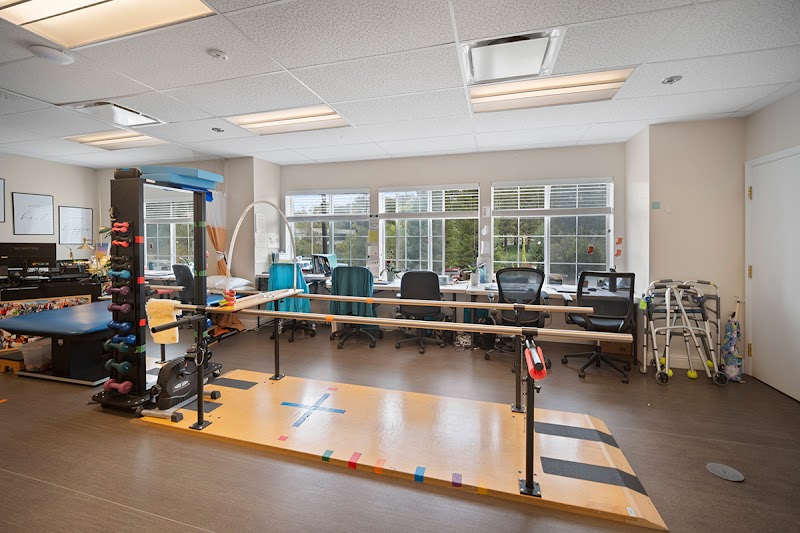
How is Arbol Healthcare Center Of Santa Rosa Staffed?

CMS rates ARBOL HEALTHCARE CENTER OF SANTA ROSA's staffing level at 4 out of 5 stars, which is above average compared to other nursing homes. Staff turnover is 54%, compared to the California average of 46%.

What Have Inspectors Found at Arbol Healthcare Center Of Santa Rosa?

State health inspectors documented 45 deficiencies at ARBOL HEALTHCARE CENTER OF SANTA ROSA during 2019 to 2025. These included: 45 with potential for harm.
Who Owns and Operates Arbol Healthcare Center Of Santa Rosa?

ARBOL HEALTHCARE CENTER OF SANTA ROSA is owned by a for-profit company. For-profit facilities operate as businesses with obligations to shareholders or private owners. The facility operates independently rather than as part of a larger chain. With 45 certified beds and approximately 25 residents (about 56% occupancy), it is a smaller facility located in SANTA ROSA, California.
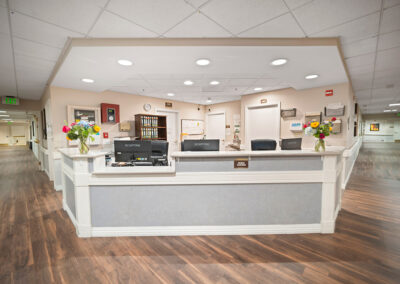
How Does Arbol Healthcare Center Of Santa Rosa Compare to Other California Nursing Homes?

Compared to the 100 nursing homes in California, ARBOL HEALTHCARE CENTER OF SANTA ROSA's overall rating (2 stars) is below the state average of 3.1, staff turnover (54%) is near the state average of 46%, and health inspection rating (2 stars) is below the national benchmark.

What Should Families Ask When Visiting Arbol Healthcare Center Of Santa Rosa?

Based on this facility's data, families visiting should ask: "Can I visit during a mealtime to observe dining assistance and food quality?" "How do you handle medical emergencies, and what is your hospital transfer rate?" "Can I speak with family members of current residents about their experience?"

Is Arbol Healthcare Center Of Santa Rosa Safe?

Based on CMS inspection data, ARBOL HEALTHCARE CENTER OF SANTA ROSA has a clean safety record: no substantiated abuse findings (meaning no confirmed cases of resident harm), no Immediate Jeopardy citations (the most serious violation level indicating risk of serious injury or death), and is not on the Special Focus Facility watch list (a federal program monitoring the lowest-performing 1% of nursing homes). The facility has a 2-star overall rating and ranks #100 of 100 nursing homes in California. While no facility is perfect, families should still ask about staff-to-resident ratios and recent inspection results during their visit.

Do Nurses at Arbol Healthcare Center Of Santa Rosa Stick Around?

ARBOL HEALTHCARE CENTER OF SANTA ROSA has a staff turnover rate of 54%, which is 8 percentage points above the California average of 46%. Moderate turnover is common in nursing homes, but families should still ask about staff tenure and how the facility maintains care continuity when employees leave.

Was Arbol Healthcare Center Of Santa Rosa Ever Fined?

ARBOL HEALTHCARE CENTER OF SANTA ROSA has no federal fines on record. CMS issues fines when nursing homes fail to meet care standards or don't correct problems found during inspections. The absence of fines suggests the facility has either maintained compliance or corrected any issues before penalties were assessed. This is a positive indicator, though families should still review recent inspection reports for the full picture.

Is Arbol Healthcare Center Of Santa Rosa on Any Federal Watch List?

ARBOL HEALTHCARE CENTER OF SANTA ROSA is not on any federal watch list. The most significant is the Special Focus Facility (SFF) program, which identifies the bottom 1% of nursing homes nationally based on persistent, serious quality problems. Not being on this list means the facility has avoided the pattern of deficiencies that triggers enhanced federal oversight. This is a positive indicator, though families should still review the facility's inspection history directly.