CREEKSIDE REHABILITATION & BEHAVIORAL HEALTH
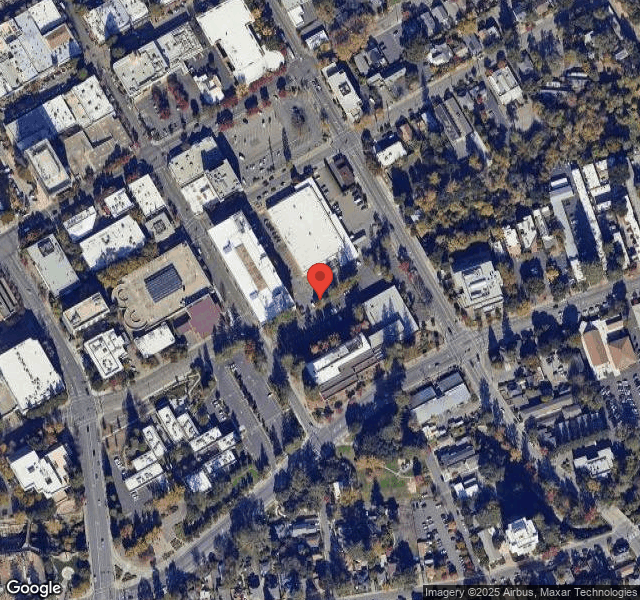
850 SONOMA AVE, SANTA ROSA, CA 95404 (707) 544-7750
For profit - Corporation 181 Beds Independent Data: November 2025
Trust Grade
46/100
#778 of 1155 in CA
Last Inspection: November 2023

Within standard 12-15 month inspection cycle. Federal law requires annual inspections.

Overview

Creekside Rehabilitation & Behavioral Health has a Trust Grade of D, indicating it is below average and has some concerns that families should take seriously. It ranks #778 out of 1155 facilities in California, placing it in the bottom half of nursing homes in the state, and #14 out of 18 in Sonoma County, meaning only a few local options are worse. The facility is worsening, with issues increasing from 1 in 2024 to 7 in 2025. Staffing is a relative strength, holding a 4 out of 5 stars rating and a turnover rate of 26%, which is better than the state average. However, there are concerning incidents, such as a resident eloping and sustaining injuries due to lack of supervision, and failure to provide necessary vaccinations to eligible residents, which could lead to serious health risks. Overall, while staffing quality appears strong, families should weigh these significant weaknesses.

Trust Score
D
46/100
In California
#778/1155
Bottom 33%
Safety Record
Moderate
Needs review
Inspections
Getting Worse
1 → 7 violations
Staff Stability
✓ Good
26% annual turnover. Excellent stability, 22 points below California's 48% average. Staff who stay learn residents' needs.
Penalties
✓ Good
$24,116 in fines. Lower than most California facilities. Relatively clean record.
Skilled Nurses
○ Average
Each resident gets 34 minutes of Registered Nurse (RN) attention daily — about average for California. RNs are the most trained staff who monitor for health changes.
Violations
⚠ Watch
52 deficiencies on record. Higher than average. Multiple issues found across inspections.
★★☆☆☆
2.0
Overall Rating
★★★★☆
4.0
Staff Levels
★★★★☆
4.0
Care Quality
★★☆☆☆
2.0
Inspection Score
Stable
2024: 1 issues
2025: 7 issues

The Good

  • 4-Star Staffing Rating · Above-average nurse staffing levels
  • 4-Star Quality Measures · Strong clinical quality outcomes
  • Low Staff Turnover (26%) · Staff stability means consistent care
  • Full Sprinkler Coverage · Fire safety systems throughout facility
  • No fines on record
  • Staff turnover is low (26%)

    22 points below California average of 48%

Facility shows strength in staffing levels, quality measures, staff retention, fire safety.

The Bad

2-Star Overall Rating

Below California average (3.1)

Below average - review inspection findings carefully

Federal Fines: $24,116

Below median ($33,413)

Minor penalties assessed

The Ugly 52 deficiencies on record

1 actual harm
Sept 2025 1 deficiency
CONCERN (D) 📢 Someone Reported This

A family member, employee, or ombudsman was alarmed enough to file a formal complaint

Potential for Harm - no one hurt, but risky conditions existed

Free from Abuse/Neglect (Tag F0600)

Could have caused harm · This affected 1 resident

**NOTE- TERMS IN BRACKETS HAVE BEEN EDITED TO PROTECT CONFIDENTIALITY** Based on interview and record review, the facility failed to prevent abuse for one resident (Resident 1) of two sampled resident...

Read full inspector narrative →
**NOTE- TERMS IN BRACKETS HAVE BEEN EDITED TO PROTECT CONFIDENTIALITY** Based on interview and record review, the facility failed to prevent abuse for one resident (Resident 1) of two sampled residents when Resident 2 threw water at Resident 1.This failure resulted in Resident 1 having had water thrown at him.Findings:A review of an admission record indicated Resident 1 was admitted to the facility on [DATE] with diagnoses which included respiratory failure, hemiplegia (paralysis of one side of the body) and hemiparesis (partial weakness of one side of the body) after a stroke, and major depressive disorder.A review of Resident 1's Minimum Data Set (an assessment tool) dated 6/18/25 indicated a Brief Interview for Mental Status (BIMS, an assessment of cognitive function (the mental processes the brain uses to perceive, learn, remember, reason)) score of 12 which meant Resident 1's cognition was moderately intact.A review of an admission record indicated Resident 2 was admitted to the facility on [DATE] with diagnoses which included stroke, anxiety disorder (a mental health condition characterized by excessive and persistent worry, fear, and nervousness that can interfere with daily life), and aphasia (a disorder that makes it difficult to speak).A review of Resident 2's MDS dated [DATE] indicated a BIMS score of 15 which meant Resident 2's cognition was intact.A review of Resident 2's change of condition note dated 8/29/25 at 8:47 a.m. indicated, [Resident 2] agitated by his neighbor being noisy and threw a pitcher of water at the noisy resident [Resident 1].A review of Resident 1's change of condition note dated 8/29/25 at 9:26 a.m. indicated, [Resident 1] did not realize he was being 'noisy' and agitating his neighbor and was surprised when his neighbor threw a pitcher of water at him.In an interview on 9/8/25 at 3:16 p.m., Resident 1 acknowledged a man from down the hall entered his room and threw water at him.In an interview on 9/8/25 at 3:25 p.m., Resident 2 stated he threw water on Resident 1 because Resident 1 continuously yells, and no one has done anything about it.A review of the facility's policy and procedure titled Abuse, Neglect, Exploitation and Misappropriation Prevention Program revised April 2021 indicated, Residents have the right to be free from abuse .Protect a facility-wide commitment .to support the following objectives .Protect residents from abuse .by anyone including .other residents .
Jul 2025 3 deficiencies
CONCERN (D) 📢 Someone Reported This

A family member, employee, or ombudsman was alarmed enough to file a formal complaint

Potential for Harm - no one hurt, but risky conditions existed

Resident Rights (Tag F0550)

Could have caused harm · This affected 1 resident

Based on interviews and record reviews, the facility failed to honor the right to self-determination (making own decisions) nor ensured one out of three sampled residents (Resident 1) was treated with...

Read full inspector narrative →
Based on interviews and record reviews, the facility failed to honor the right to self-determination (making own decisions) nor ensured one out of three sampled residents (Resident 1) was treated with respect and dignity, when Licensed Nurse (LN) B touched Resident 1 without consent.This failure resulted in Resident 1 feeling she was not treated with respect and dignity and that her rights were violated.Findings:A review of Resident 1s face sheet (front page of the chart that contains a summary of basic information about the resident) indicated she was admitted to the facility in April of 2025 and was self-responsible (taking ownership of one's actions and decisions).During an interview on 7/22/25 at 3:00 p.m., Resident 1 stated there was an incident when LN B had dragged her from the floor in the hallway back to her bed. Resident 1 stated at the time of incident, she was in a lot of pain and had laid down on a blanket in the hallway, as she believed it would help relieve her pain. Resident 1 stated LN B had grabbed her on the side by her armpits and dropped her onto her bed. Resident 1 stated while LN B was grabbing her off the floor she was repeatedly yelling, do not touch me! I do not give you permission to touch me! Let go of me! Resident 1 stated she also told LN B to call the police, to which LN B did not comply. Resident 1 stated LN B had completely disregarded her rights not to be touched without her consent and had not treated her with dignity and respect.During an interview on 7/22/25 at 3:23 p.m., LN B stated he recalled an incident, around the time he was giving Resident 1 pain medication, where Resident 1 had laid down on a blanket on the floor in the hallway. LN B stated Resident 1 would not get up from the floor when he asked and verified he had lifted Resident 1 up from the floor and took her to her bed. LN B confirmed Resident 1 had told him not to touch her and had repeated that she did not consent for him to touching her throughout the incident. LN B acknowledged Resident 1 also told him to call the police but he had not. LN B stated that in hindsight, he could have handled the situation better and should not have touched Resident 1 without her consent.During an interview on 7/22/25 at 3:44 p.m., the Director of Nursing (DON) stated she was aware Resident 1 alleged LN B had been physically abusive towards her during an incident when Resident 1 was lying on the floor in the hallway and LN B had taken to her bed. The DON stated she was not aware that Resident 1 had asked LN B not to touch her. The DON verified, when Resident 1 asked LN B not to touch her, LN B should have complied in respect to Resident 1's rights. The DON added, there were other ways to transfer Resident 1 from the floor to the bed.During an interview on 7/22/25 at 3:50 p.m., Unlicensed Staff D stated if a resident told a staff not to touch them, staff should not touch the resident. Unlicensed Staff D added, touching a resident without their consent was a violation of their rights.During an interview on 7/22/25 at 3:53 p.m., LN C stated if a resident said they did not give you consent to touch them, then you should not touch them. LN B stated if you touch a resident without their consent, they could feel their rights were not respected and they were violated.During an interview on 7/22/25 at 3:56 p.m., LN E stated if a resident did not give you permission to touch them and told you not to touch them, regardless of the situation, the staff should not touch the resident. LN E stated staff should respect residents' choices.A review of the facility's policy and procedure (P&P) titled Residents Rights, revised 12/2016, the P&P indicated, . Federal and State laws guarantee certain basic rights to all residents of this facility. These rights include.the residents right to be treated with respect, kindness and dignity.
CONCERN (D) 📢 Someone Reported This

A family member, employee, or ombudsman was alarmed enough to file a formal complaint

Potential for Harm - no one hurt, but risky conditions existed

Report Alleged Abuse (Tag F0609)

Could have caused harm · This affected 1 resident

**NOTE- TERMS IN BRACKETS HAVE BEEN EDITED TO PROTECT CONFIDENTIALITY** Based on interviews and record reviews, the facility failed to ensure an abuse allegation was reported timely, not later than tw...

Read full inspector narrative →
**NOTE- TERMS IN BRACKETS HAVE BEEN EDITED TO PROTECT CONFIDENTIALITY** Based on interviews and record reviews, the facility failed to ensure an abuse allegation was reported timely, not later than two hours, for one out of three sampled residents (Resident 1), when an allegation of abuse was made on 7/7/25 but wasn't reported to the local police department until 7/8/25.This failure could result in continued harm and further abuse.Findings:A review of the report of suspected dependent adult/elder abuse, dated 7/7/25, indicated Resident 1 reported an allegation of physical abuse against Licensed Nurse (LN) B.A review of the Interdisciplinary team (IDT, a group of health care professionals with various areas of expertise who work together toward the goals of the residents) note, dated 7/14/25, indicated Resident 1 reported the physical abuse allegation on 7/7/25 at 3:10 p.m.During an interview on 7/22/25 at 2:35 p.m., the Director of Nursing (DON) stated abuse allegations should be reported to California Department of Public Health (CDPH, state licensing), the Ombudsman (an advocate for residents of nursing homes, board and care centers, and assisted living facilities) and the police immediately within two hours.During an interview on 7/22/25 at 3:53 p.m., Licensed Nurse (LN) C stated all abuse allegations should be reported to the police, the ombudsman and the state within two hours. LN C stated abuse allegation should be reported timely to ensure residents' safety.During an interview on 7/22/25 at 4:20 p.m., the Director of Staff Development (DSD) stated all abuse allegations should be reported to the Ombudsman, the police and the state within 2 hours.During a concurrent telephone interview and record review on 7/24/25 at 11:09 a.m. with the DON, Resident 1's Social Services (SS) progress note, dated 7/8/25, and the facility's fax confirmation sheet, dated 7/8/25, was reviewed. The DON verified the documentation indicated that SS hadn't reported the allegation of physical abuse to the Santa [NAME] police department until 7/8/25 which was later than the two hour reporting expectation.A review of the facility's policy and procedure (P&P) titled Abuse, Neglect, Exploitation or Misappropriation-Reporting and Investigating, revised 11/2023, indicated, . the administrator or the individual making the allegation immediately reports his or her suspicion to the following person or agencies: state licensing/certification agency responsible for surveying/licensing the facility, local state ombudsman, law enforcement official.immediately is defined as within 2 hours of any allegations involving any form of abuse.A review of the All Facilities Letter (AFL, information contained may include changes in requirements in healthcare, enforcement, new technologies, scope of practice, or general information that affects the health facility) 21-26, dated 7/26/21, indicated, . Pursuant to Title 42 CFR section 483.12(c)(1) . facilities must report any instance of suspected or alleged abuse, neglect, exploitation, and/or mistreatment of elders or dependent adults to their local law enforcement agency, LTC ombudsman, and [CDPH]. When to Report . for incidents that involve abuse or result in serious bodily injury, facilities must: Call local law enforcement immediately, but no later than two hours after the allegation is made. File a written or electronic report to the LTC ombudsman, local law enforcement, and [CDPH] within two hours .
CONCERN (D) 📢 Someone Reported This

A family member, employee, or ombudsman was alarmed enough to file a formal complaint

Potential for Harm - no one hurt, but risky conditions existed

Deficiency F0761 (Tag F0761)

Could have caused harm · This affected 1 resident

Based on observation, interviews and record review, the facility failed to ensure medications were secured and inaccessible to unauthorized staff and residents when one medication cart was left unlock...

Read full inspector narrative →
Based on observation, interviews and record review, the facility failed to ensure medications were secured and inaccessible to unauthorized staff and residents when one medication cart was left unlocked and unattended.This failure had the potential to put all 95 facility residents at risk for unauthorized access to and ingestion of unsecured medications.Findings:During an observation on 7/22/25 at 2:26 p.m., one medication cart was not locked while unattended. There was no nurse in sight. During a concurrent observation and interview on 7/22/25 at 2:29 p.m., a nurse came and locked the medication cart. Licensed Nurse (LN) A verified she left station 1B medication cart unlocked to go with the Director of Nursing (DON) inside the medication room. LN A stated medication cart should be kept locked at all times when unattended to ensure there was no unauthorized access to the medications inside the cart. LN A stated keeping the medication cart locked when unattended was for resident and staff safety. During an interview on 7/22/25 at 2:50 p.m., the DON stated she knew about one of the nurses not locking the medication cart. The DON stated it was important medication cart was locked when unattended for everyone's security. During an interview on 7/22/25 at 3:32 p.m., LN B stated medication cart should be locked at all times when unattended to ensure patients' safety. A review of the facility's policy and procedure (P&P) titled Storage of Medications, revised April 2007, the P&P indicated, . compartments (including but not limited to drawers, cabinets, rooms, refrigerators, carts, boxes) containing drugs and biologicals shall be locked when not in use.
May 2025 1 deficiency
CONCERN (D) 📢 Someone Reported This

A family member, employee, or ombudsman was alarmed enough to file a formal complaint

Potential for Harm - no one hurt, but risky conditions existed

Resident Rights (Tag F0550)

Could have caused harm · This affected 1 resident

Based on interview and record review, the facility failed to ensure the preservation of dignity for one of two sampled residents (Resident 1), when Resident 1 was left on a soiled bedpan (a medical de...

Read full inspector narrative →
Based on interview and record review, the facility failed to ensure the preservation of dignity for one of two sampled residents (Resident 1), when Resident 1 was left on a soiled bedpan (a medical device used to collect urine or feces for individuals who are unable to leave their bed to use a regular toilet) for hours without any response to his multiple call light (typically a light or bell used in healthcare setting to notify staff that a resident requires assistance) activation attempts to get assistance from facility staff. These failures resulted in Resident 1 being made to endure an undignified experience being left for hours, on a soiled bedpan, feeling helpless and embarrassed with an increased potential for skin breakdown. Findings: A review of Resident 1 ' s face sheet (front page of the chart that contains a summary of basic information about the resident) indicated Resident 1 was admitted to the facility in April 2025, for surgery aftercare following a right lower leg fracture, with a history of falling, and difficulty walking. During an interview on 5/8/25 at 3:34 p.m. Resident 1 stated he was left on a bedpan for hours in the middle of the night and no one responded to his call light even though he pushed it multiple times. Resident 1 stated he felt helpless and embarrassed being left like that on a dirty bedpan, and he notified a nurse immediately the next morning. During an interview on 5/8/25, at 1:13 p.m. with the facility Administrator (ADM), the ADM confirmed Resident 1 had been left on a bedpan for a prolonged period. The ADM stated he thought this incident occurred due to a communication breakdown between CNA 1 and CNA 2 that night, when they changed assignments in the middle of the shift. The ADM stated the facility used to have a process they used to assign residents to CNAs for all shifts including the night shift, but the facility was not using that process when this incident occurred. The ADM stated going forward, the old process of assigning residents to specific CNAs would be brought back into practice. The ADM stated the two CNAs involved, CNA 1 and CNA 2, were placed on suspension from 4/27/25 through 5/1/25, and were counseled about resident dignity and communication. During an interview on 5/8/25 at 1:56 p.m. with CNA 3, CNA 3 stated the normal process after leaving a resident on a bedpan, is to provide privacy, leave the call light within reach so that the CNAs know when to go back and assist the resident with being taken off the bedpan. CNA 3 acknowledged leaving a resident on a bedpan for hours could potentially cause the resident ' s skin to break down, causing injury. During an interview on 5/8/25 at 4:00 p.m. Licensed Nurse 1 (LN 1) stated the normal process, when a resident needs assistance for anything, is to push the call light for assistance, and then staff, a certified nurse assistant (CNA) or a nurse, should respond to the resident ' s call within a few minutes. During an interview on 5/8/25 at 4:13 p.m. with the DON, the DON confirmed when Resident 1 was left on a soiled bedpan for hours without any response to his multiple attempts for assistance from facility staff, was a dignity issue. The DON added, the associated risk for Resident 1 in the facility ' s failure to ensure Resident 1 ' s preservation of dignity, she thinks would be, possible embarrassment experienced by Resident 1. The DON stated that her expectation is that staff provide residents with dignity, respond to call lights timely, and not leave residents on bedpans for extended periods of time, per facility policy. During a review of the facility policy and procedure titled, Dignity, revised February 2021, indicated, .Each resident shall be cared for in a manner that promotes and enhances his or her sense of well-being, level of satisfaction with life, and feelings of self-worth and self-esteem . Residents are treated with dignity and respect at all times . The facility culture supports dignity and respect for residents . standards of care that compromise dignity are prohibited . Staff are expected to promote dignity and assist residents; for example: . b. promptly responding to a resident ' s request for toileting assistance . During a review of facility policy and procedure titled, Bedpan/Urinal, Offering/Removing, revised February 2018, indicated, The purpose of this procedure is to provide the resident with bedpan and/or urinal assistance . Do not allow the resident to sit on a bedpan for extended periods. This is not only uncomfortable to the resident, it also causes skin breakdown . Put the toilet tissue and call light within easy reach of the resident . Allow the resident as much privacy as possible . Tell the resident to call you when he or she has finished leave the room to give the resident privacy . When the resident calls that he or she has finished, return to the room . Remove the bedpan
Apr 2025 1 deficiency
CONCERN (D) 📢 Someone Reported This

A family member, employee, or ombudsman was alarmed enough to file a formal complaint

Potential for Harm - no one hurt, but risky conditions existed

Investigate Abuse (Tag F0610)

Could have caused harm · This affected 1 resident

Based on interview and record review, the facility failed to complete and provide a timely investigation report for one of two resident abuse allegation incidents (Resident 1) to the Department. This ...

Read full inspector narrative →
Based on interview and record review, the facility failed to complete and provide a timely investigation report for one of two resident abuse allegation incidents (Resident 1) to the Department. This failure subjected Resident 1 to the potential reoccurrence of abuse, and lack of information had the potential to hamper the Department's ability to intervene, should protective actions be required to ensure the safety of the 60 other vulnerable residents in the facility. Findings: A review of the Intake Information, dated 3/27/25, indicated an allegation of Resident 1 not being treated with dignity and respect by a facility staff member. During an interview on 4/16/25 at 12:05 p.m., Administrator A stated he investigated the allegation Resident 1 made against Housekeeper B but did not send a five-day follow-up Investigation Report to the Department. Administrator A stated he referred to an AFL (All Facilities Letter, or a State letter of communication to providers) and a Mandated Reporter (healthcare professionals have a legal duty to report suspected cases of abuse or neglect) Chart, neither of which indicated a follow-up Investigation Report. Administrator A stated he was not aware a follow-up report was required five days after an abuse allegation incident. A review of the facility policy titled, Abuse, Neglect, Exploitation and Misappropriation Prevention Program, dated April 2021, indicated, Residents have the right to be free from abuse, neglect misappropriation of resident property and exploitation . The resident abuse neglect and exploitation prevention program consists of a facility-wide commitment and resource allocation to support the following objectives: Identify and investigate all possible incidents of abuse, neglect, mistreatment, mistreatment or misappropriation of resident property . Investigate and report any allegations within timeframes required by federal requirements .
Jan 2025 1 deficiency 1 Harm
SERIOUS (G) 📢 Someone Reported This

A family member, employee, or ombudsman was alarmed enough to file a formal complaint

Actual Harm - a resident was hurt due to facility failures

Accident Prevention (Tag F0689)

A resident was harmed · This affected 1 resident

**NOTE- TERMS IN BRACKETS HAVE BEEN EDITED TO PROTECT CONFIDENTIALITY** Based on interview and record review, the facility failed to ensure supervision for one of three sampled residents (Resident 1) ...

Read full inspector narrative →
**NOTE- TERMS IN BRACKETS HAVE BEEN EDITED TO PROTECT CONFIDENTIALITY** Based on interview and record review, the facility failed to ensure supervision for one of three sampled residents (Resident 1) when Resident 1 eloped (the act of leaving a facility unsupervised and without prior authorization) fell and sustained injuries. This failure resulted in Resident 1 sustaining a fracture (broken bone) of the left distal phalanx (a small bone on the tip of the thumb located under the nail) and abrasions (a partial loss of skin, usually due to scraping) to his face and both knees. Findings: A review of Resident 1's admission record indicated he was admitted on [DATE] with diagnoses including cerebral infarction (stroke- loss of blood flow to the brain). A review of Resident 1's clinical record included the following documents: A Minimum Data Set (MDS- a federally mandated resident assessment tool), dated 2/14/24, indicated Resident 1 had severe memory impairment and had impairment in both arms and legs requiring assistance with walking. A Fall Risk Assessment, dated 2/7/24, indicated Resident 1 was at moderate risk for falls. A Fall Risk Care Plan, initiated 2/7/24, indicated Resident 1 was at high risk for falls related to neuromuscular/functional problems such as recent stroke. An Elopement Risk Assessment, dated 2/7/24, indicated Resident 1 was at low risk for wandering. A Wandering Risk Assessment (WRA), dated 2/7/24, indicated Resident 1 was at low risk for wandering. An Elopement Care Plan, initiated 2/15/24, indicated Resident 1 was an elopement risk related to his wandering around, trying to go outside or attempting to leave the facility. A Physician's Order, dated 2/15/24, indicated a brand name wandering device (WMD -a sensory device placed on residents that alarms if near a monitored exit) was to be placed on Resident 1. A nursing progress note, dated 2/15/24 at 1:06 p.m., indicated Resident 1 was confused, wandering, wanted to go home and was attempting to elope the facility by himself. The note further indicated a WMD alarm had been placed on Resident 1's wheelchair. A nursing progress note, dated 2/22/24 at 9:07 p.m., indicated Resident 1 had been trying to leave the facility through the back door of his room throughout the evening. The note further indicated Resident 1 had stated he wanted to go home and he needed constant monitoring for elopement. A nursing progress note, dated 2/23/24, indicated around 12 a.m. staff were unable to locate Resident 1, searched the facility and found his empty wheelchair in the lobby. The note indicated a Certified Nursing Assistant (CNA) found Resident 1 lying on the sidewalk outside the facility. A SBAR note (situation, background, assessment, recommendation- a communication tool used by healthcare workers when there is a change of condition in the resident), dated 2/23/24 at 3:07 a.m., indicated Resident 1 had eloped and fell on the sidewalk. The note further indicated Resident 1 had abrasions to his face, both knees were bleeding and 911 was called. An X-ray report from the hospital, dated 2/23/24, indicated Resident 1 had an recent fracture at the left thumb. A nursing progress note, dated 2/23/24 at 8:06 a.m., indicated Resident 1 had returned to the facility. During an interview, on 1/7/25 at 1:30 p.m., the Social Services Director (SSD) stated she remembered Resident 1 and he kept trying to leave the facility. The SSD stated he was a high risk for elopement if a WMD was ordered for him. During an interview, on 1/7/25 at 2:01 p.m., the Director of Nursing (DON) agreed Resident 1's WRA on 2/15/24 was inaccurate and he should have had a higher risk score since both an elopement care plan was initiated and a WMD had been ordered that same day. The DON stated WMDs were typically placed on the resident's wrist or ankle and not placed on a resident's wheelchair. The DON stated, but the reason should have been documented in the elopement care plan and confirmed it was not. The DON agreed Resident 1 was not adequately supervised and the facility was responsible for ensuring resident safety. The DON confirmed there was a breakdown in the system which resulted in Resident 1 eloping the facility on 2/23/24 without staff knowledge. During a review of a facility policy titled, Use of WMD undated, indicated WMDs were used for those residents at risk for leaving the facility unassisted. This facility believes that good technology saves lives to maintain a safe and secure environment to all residents. During a review of a facility policy titled, Safety and Supervision of Residents, dated 7/17, stipulated, Our facility strives to make the environment as free from accident hazards as possible. Resident safety and supervision and assistance to prevent accidents are facility-wide priorities.
Mar 2024 1 deficiency
CONCERN (D) 📢 Someone Reported This

A family member, employee, or ombudsman was alarmed enough to file a formal complaint

Potential for Harm - no one hurt, but risky conditions existed

Deficiency F0685 (Tag F0685)

Could have caused harm · This affected 1 resident

**NOTE- TERMS IN BRACKETS HAVE BEEN EDITED TO PROTECT CONFIDENTIALITY** Based on interview and record review, the facility failed to ensure one resident (Resident 1) received proper treatment to maint...

Read full inspector narrative →
**NOTE- TERMS IN BRACKETS HAVE BEEN EDITED TO PROTECT CONFIDENTIALITY** Based on interview and record review, the facility failed to ensure one resident (Resident 1) received proper treatment to maintain hearing abilities, when the facility did not arrange for suitable transportation to a scheduled hearing appointment. This failure resulted in a delay of treatment for a period of five months and a decreased quality of life for Resident 1. Findings: During an interview on 3/28/24 at 4:58 PM, Family Member 1 (FM 1) stated Resident 1 (R1) needed a hearing assessment. The regular driver was not at the facility. FM 1 stated the Social Services Assistant (SSA) informed her the facility contracted with a transport company. FM 1 further stated that R1 missed an appointment for a hearing assessment because her wheelchair did not fit in the transport van. FM 1 stated the next available appointment was not until August. During an interview on 3/29/24 at 11:05 AM, R1 stated she had been anxious to get hearing aids. R1 further stated her quality of life had been affected because she had a hard time hearing people. R1 stated she often said, Can you repeat that? and, What? R1 stated, I am tired of saying what. During an interview on 3/29/24 at 11:25 AM, the Social Services Assistant (SSA) stated, R1 ' s wheelchair is a little bit of an issue. The bus was in the shop on the day R1 had an appointment for a hearing assessment and she did not go because her wheelchair was too big for available transport. The SSA also stated R1 ' s hearing appointment was pushed out to 8/22/24. The SSA further stated R1 did hear some and she did say, What? During an interview on 3/29/24 at 1:05 PM, CNA A stated R1 had trouble hearing. Sometimes R1 said, What? CNA A stated it would have been good if R1 had a hearing aid. Record review of a document titled, Medication Administration Record, dated 3/1/2024 - 3/31/2024, indicated, ENT F/U (Ear, Nose, and Throat Doctor follow up) and Audiogram (a test which shows hearing sensitivity) Appt. with .on Monday 3/11/24 at 10:30 AM 1701 4th St. Santa [NAME], CA .P/U at 10:00 AM. Record review of a document titled, Nursing Progress Note, dated 3/11/24, and signed by Licensed Nurse B (LN B) indicated, Resident (R1) had appt today for audiogram, got ready to go but unable to make it due to her W/C too big, couldn ' t fit in transportation car, need reschedule and solution for transport. Record review of a document titled, Social Services Note, dated 3/11/2024, and signed by the SSA, indicated R1 had ENT/Audiology (specialist that evaluates and treats hearing loss) appointment this morning. R1 ' s wheelchair did not fit into the vehicle after going up the ramp. R1 ' s wheelchair did not fit into a second transport vehicle. The SSA, contacted ENT office and rescheduled the appointment for soonest available, 8/22/24. Record review of a document titled, Care Plan, initiated 9/15/20, and last reviewed 3/15/24, indicated, Goal .hearing limitations will not interfere with quality of life . The document also indicated Interventions, Provide hearing exam when needed, and Provide assistance with hearing aids .if needed.
Nov 2023 21 deficiencies
CONCERN (D)

Potential for Harm - no one hurt, but risky conditions existed

Notification of Changes (Tag F0580)

Could have caused harm · This affected 1 resident

**NOTE- TERMS IN BRACKETS HAVE BEEN EDITED TO PROTECT CONFIDENTIALITY** Based on interviews and record reviews, the facility failed to ensure the physician was notified for a significant weight loss (...

Read full inspector narrative →
**NOTE- TERMS IN BRACKETS HAVE BEEN EDITED TO PROTECT CONFIDENTIALITY** Based on interviews and record reviews, the facility failed to ensure the physician was notified for a significant weight loss (5% in 1 month, 10% in 3 months and 7.5 % in 6 months) for one out of two sampled residents (Resident 38). This failure had the potential to further aggravate and compromise his medical status. Findings: A review of Resident 38's face sheet (demographics) indicated he was initially admitted to the facility on [DATE]. His diagnoses included Essential Hypertension (occurs when you have abnormally high blood pressure that is not the result of a medical condition), Type 2 Diabetes Mellitus (a disease that occurs when your blood glucose, also called blood sugar, is too high), and Congenital stenosis and stricture of esophagus (an intrinsic narrowing of the esophagus, the organ that food travels through to reach the stomach for further digestion, present at birth) His Minimum Data Sheet Assessment (MDS, a federally-mandated process for clinical assessment of all residents in Medicare and Medicaid certified nursing homes) dated 10/7/23, Brief Interview for Mental Status (BIMS, a mandatory tool used to screen and identify the cognitive condition of residents) score was 15, indicating intact cognition (the mental action or process of acquiring knowledge and understanding through thought, experience, and the senses). Resident 38's functional status indicated he needed assistance when performing his Activities of Daily Living (ADL's, activities related to personal care which include bathing or showering, dressing, getting in and out of bed or a chair, walking, using the toilet). Resident 38 was on a gastrostomy tube (G-tube, a tube inserted through the belly that brings nutrition directly to the stomach) and was totally dependent on staff when receiving nutrition. A review of Resident 38's weight log (weight record) indicated he was 149 pounds (#, a unit of weight) on 5/14/23 and 138 lbs on 6/18/23, which indicated he lost 11 # or 7.3 percent (%, out of 100) weight loss in one month. The weight log indicated Resident 38 was 155 # on 3/26/23 and 138 # on 6/18/23, which indicated he lost 17 # or 10.9% weight loss in three months. The weight log also indicated Resident 38 was 146 # on 4/6/23 and was 130 # on 10/2/23, which indicated he lost 16 # or 11% weight loss in six months. During a concurrent interview and weight log record review on 11/16/23 at 9:04 a.m., the Registered Dietician (RD) stated the physician was supposed to be notified whenever a resident had a significant weight loss of 5% in one month, 7.5% in three months and 10% weight change in six months. The RD stated Resident 38's current weight was 124.8 #. The RD stated he lost 5.4 # from last month. The RD stated she could not recall if the physician was notified nor did she have a note indicating the physician was notified when Resident 38 had a weight loss of 7.3 % in a month, 10.9 % weight loss in three months and 11% weight loss in six months. The RD stated the physician should be notified when Resident 38 had a weight loss of 7.3 % in a month, 10.9 % weight loss in three months and 11% weight loss in six months. During a concurrent interview and weight log record review on 11/16/23 at 10:05 a.m., the Minimum Data Set (MDS) coordinator stated significant weight loss should be reported to the physician. The MDS coordinator reviewed the weight log and was in agreement that Resident 38 lost 7.3 %, of weight in one month between 5/14/23 and 6/18/23, 10.9% weight loss in three months from 3/26/23 and 6/18/23, and 11% weight loss in six months from 4/6/23 and 10/2/23. The MDS coordinator stated this weight loss was significant and should be reported to the physician. The MDS coordinator stated significant weight change could be a medical issue and may warrant the doctor to investigate further. The MDS coordinator could not find evidence the physician was notified of this significant weight loss. The MDS coordinator stated significant weight loss should still be reported to the physician even if a resident was on hospice (a type of care that focuses on the comfort and quality of life of a person with a serious illness who is approaching the end of life) status or comfort care. The MS coordinator stated, if a resident's significant weight change was not reported to the physician, it could affect the residents over all wellbeing and weight loss could continue. During a concurrent interview and weight log record review on 11/16/23 at 11:23 a.m., the Director of Nursing (DON) stated weight loss was typically reported to the physician for weight loss or gain of 5 # in a week or 5% in a month, 7.5% in three months and 10% in six months. The DON stated weight loss should be communicated to the physician regardless of whether the resident was receiving palliative care (a type of care is focused on providing relief from the symptoms and stress of the illness) or hospice. The DON reviewed the weight log and was in agreement Resident 38 lost 7.3 % of weight in one month between 5/14/23 and 6/18/23, 10.9% weight loss in three months from 3/26/23 and 6/18/23, and 11% weight loss in six months from 4/6/23 and 10/2/23. The DON stated this weight loss was significant and should be reported to the physician. The DON stated she could not find documentation the physician was notified of Resident 38's significant weight loss during this time. The DON stated the physician should be notified of significant weight loss because it could mean there was a medical reason behind the weight loss which the physician had to further look into and possibly correct. The DON stated, if there were no physician notification of weight loss, it could lead to further weight loss and it meant the facility policy was not followed. The DON stated, if the physician was not notified of weight loss, residents could get sicker, malnourished, and dehydrated. The facility's policy and procedure (P&P) for notifying physician of significant weight changes was requested but was not provided. A review of the facility's P&P titled, RD's for Healthcare, Inc. Weight Change Protocol, undated, the P&P indicated early identification of the weight problem and possible causes can minimize complications .the following criteria define significant weight changes: 5% weight loss or gain in one month, 7.5% weight loss or gain in three months, and 10% weight loss or gain in six months.
CONCERN (D) 📢 Someone Reported This

A family member, employee, or ombudsman was alarmed enough to file a formal complaint

Potential for Harm - no one hurt, but risky conditions existed

Free from Abuse/Neglect (Tag F0600)

Could have caused harm · This affected 1 resident

**NOTE- TERMS IN BRACKETS HAVE BEEN EDITED TO PROTECT CONFIDENTIALITY** Based on interviews and record reviews, the facility failed to ensure a resident was free from abuse for one out of two sampled ...

Read full inspector narrative →
**NOTE- TERMS IN BRACKETS HAVE BEEN EDITED TO PROTECT CONFIDENTIALITY** Based on interviews and record reviews, the facility failed to ensure a resident was free from abuse for one out of two sampled residents (Resident 118), when another resident (Resident 442) hit him on his face three times with open palm and one time with a closed fist. This failure led Resident 118 feeling in pain and afraid. This failure could also result in injury. Findings: A review of Resident 118's face sheet (demographics) indicated he was initially admitted to the facility on [DATE]. His diagnoses included Essential Hypertension (occurs when you have abnormally high blood pressure that is not the result of a medical condition), Type 2 Diabetes Mellitus (a disease that occurs when your blood glucose, also called blood sugar, is too high), Hemiplegia (one-sided muscle paralysis- the inability to move part of your body or weakness) and Hemiparesis (weakness or the inability to move on one side of the body, making it hard to perform everyday activities like eating or dressing). His Minimum Data Sheet Assessment (MDS, a federally-mandated process for clinical assessment of all residents in Medicare and Medicaid certified nursing homes), dated 9/9/23, Brief Interview for Mental Status (BIMS, a mandatory tool used to screen and identify the cognitive condition of residents) score was 14, indicating intact cognition (the mental action or process of acquiring knowledge and understanding through thought, experience, and the senses). Resident 118's functional status indicated he needed assistance when performing his Activities of Daily Living (ADL's, activities related to personal care which include bathing or showering, dressing, getting in and out of bed or a chair, walking, using the toilet, and eating). He was not able to walk. Resident 118 was wheelchair-bound (relying on a wheelchair- a chair with wheels used especially by sick, injured, or disabled people to get about and to move around), and he needed staff to wheel him around the facility. Resident 118 did not have physical behaviors directed towards others such as hitting and kicking. Resident 118 did not have any verbal behaviors directed towards others such as threatening, screaming or cursing at others. A review of Resident 442's face sheet indicated he was initially admitted to the facility on [DATE]. His diagnoses included Essential Hypertension, Encephalopathy (any disease that affects the whole brain and alters its structure or how it works, and causes changes in mental function), Restlessness (the quality of being unwilling or unable to stay still or to be quiet and calm, because of worry or boredom) and Agitation (an unpleasant state of extreme arousal, an agitated person may feel tense, confused, or irritable). His MDS, dated [DATE] BIMS score was 8, indicating moderately impaired cognition. Resident 442's functional status indicated he needed supervision up to extensive assistance of one staff when performing his Activities of Daily Living (ADL's, activities related to personal care which include bathing or showering, dressing, getting in and out of bed or a chair, walking, using the toilet, and eating). Resident 442 was able to walk with the supervision of one staff. Resident 442 had exhibited both physical and verbal behaviors directed towards others. During a concurrent observation and interview on 11/16/23 at 12:30 p.m., Resident 118 was in the assisted dining room. Resident 118 had difficulty understanding the English language. Unlicensed Staff H translated. Resident 118 stated he remembered Resident 442, his roommate at that time, slapped his face three times and punched him in the face once. Resident 118 stated he was not even doing anything but Resident 442 was cursing and calling him names in Spanish, before Resident 442 started hitting him in the face. Resident 118 stated there was name calling and yelling in Spanish first before Resident 442 started hitting him on the face. Resident 118 stated this incident happened in the assisted dining room and there were no staff present. Resident 118 stated this incident was witnessed by Unlicensed Staff I but he was outside by the window and not inside the assisted dining room to stop Resident 442 from hitting him. Resident 118 stated he heard Unlicensed Staff I say, Stop, Stop but there was no one to physically separate them immediately. Resident 118 stated there were no staff around to immediately stop Resident 442 from hitting him. Resident 118 stated he was not sure of what time this incident occurred but knew it happened last year. Resident 118 stated, while he felt safe in the facility now, at the time of incident, he was afraid, and he was in pain. Resident 118 stated it hurt when Resident 442 slapped and hit him in the face. During an interview on 11/17/23 at 8:33 a.m., the Social Services assistant (SSA) stated she did not really know about the incident between Residents 118 and 442. The SSD stated Resident 442 had encephalopathy and had days where he was aggressive and verbally abusive to others. The SSD stated Resident 442 would joke around but was sarcastic. When asked if the incident between Residents 118 and 442 could have been prevented, SSD stated, Oh yeah. During a concurrent interview, nursing note and care plan record review on 11/17/23 at 10:55 a.m., when asked if the nursing notes had complete information on why and how Resident 442 was able to hit Resident 118, the MDS coordinator stated, No. The MDS coordinator stated Resident 442 could go from zero to ten (0 to 10) in terms of aggressive behaviors. When asked if the care plan addressed Resident 442's behavior escalating and how to prevent it, the MDS coordinator stated, No. When asked if she was aware of whether there were staff monitoring the residents in the assisted dining room when this incident occurred, the MDS coordinator stated she did not know. When asked if this incident was acceptable to the facility, she stated, No. The MDS coordinator stated, residents' safety was the goal and no resident deserved to be abused. When asked if the facility could have prevented this incident from happening, the MDS coordinator stated, I don't know. During a concurrent interview, nursing notes, social service notes and care plan record review on 11/17/23 at 11:15 a.m., the Director of Nursing (DON) stated she was not at the facility when the incident between Resident 118 and 442 occurred. When asked if she thought the nursing notes and the social services notes were thorough, she stated, No. The DON stated she would like to know what, why and how this incident occurred. The DON stated she was unable to provide further information about this abuse allegation because there was not a lot of information on the nurse notes and the social services notes about this incident. The DON stated the facility's goal was to keep residents' safe. When asked if the facility kept Resident 118 safe when Resident 442 hit him on the face with his open palm three times and one time with his closed fist, the DON stated she would not know because she was not at the facility when it happened. When asked if there was anything in Resident 442's care plan that would address how staff could decrease the risk of Resident 442 exhibiting behavior of aggressiveness, yelling, mimicking, cursing and name calling, the DON stated she could not find it in his care plan. The DON agreed the care plan was more reactive than preventive. During an interview on 11/17/23 at 12:02 p.m., with Unlicensed Staff H interpreting, Resident 118 stated there were residents in the assisted dining room when the incident between him and Resident 442 occurred but there were no staff present. Resident 118 stated lunch was already finished, and staff were pushing the residents in wheelchairs back to their respective rooms. Resident 118 stated Resident 442 yelled at him and called him names in Spanish first, then Resident 442 approached and hit him in the face. Resident 118 stated no one could help him or immediately stop Resident 442 from hitting him because there were no staff around in the assisted dining room. During an interview on 11/17/23 at 12:05 p.m., Unlicensed Staff H stated he knew Resident 442 and cared for him in the past. Unlicensed Staff H stated Resident 118 was unable to defend himself because he could not walk and was paralyzed on one side of his body. Unlicensed Staff H stated Resident 442 could be violent and had incidents where he would attempt to hit staff or other residents but mostly other residents. Unlicensed Staff H stated it was just lucky staff were able to stop Resident 442 from hitting other residents. Unlicensed Staff H stated Resident 442 was strong, was able to push himself in the wheelchair independently and could walk for short distance. Unlicensed Staff H stated Resident 442 needed frequent staff supervision because of his behavior of attempting to hit other residents. He stated Resident 442 hitting Resident 118 on the face could have been prevented if Resident 442 was supervised by staff. During an interview on 11/17/23 at 12:10 p.m., Unlicensed Staff J stated she knew Resident 442. Unlicensed Staff J stated Resident 442 was known for his behaviors of calling people names and trying to hit other residents. Unlicensed Staff J stated that during these times, staff were able to intervene timely and that prevented Resident 442 from hitting other residents. Unlicensed Staff J stated Resident 442 should be supervised by staff so he could not hurt others. During an interview on 11/17/23 at 1:15 p.m., Unlicensed Staff K stated she knew Resident 442. Unlicensed Staff K stated she did not take care of him personally but had heard other staff talk about his aggressive behaviors, especially trying to hit staff or another resident. Unlicensed Staff K stated she also witnessed him on multiple times trying to hit other residents. Unlicensed Staff K stated Resident 442 should be supervised by staff because he was very verbally and physically aggressive. Unlicensed Staff K stated Resident 442 should be supervised by staff so he could not hurt other residents especially those who were unable to defend themselves. Based on the facility's policy and procedure (P&P) titled, Abuse Prevention Program, revised 12/2016, the P&P indicated their residents had the right to be free from abuse, neglect, misappropriation of resident property and exploitation .protect the residents from abuse by anyone including staff and other residents.
CONCERN (D)

Potential for Harm - no one hurt, but risky conditions existed

Deficiency F0692 (Tag F0692)

Could have caused harm · This affected 1 resident

**NOTE- TERMS IN BRACKETS HAVE BEEN EDITED TO PROTECT CONFIDENTIALITY** Based on interview and record review, the facility failed to timely complete a nutritional assessment by a Registered Dietician ...

Read full inspector narrative →
**NOTE- TERMS IN BRACKETS HAVE BEEN EDITED TO PROTECT CONFIDENTIALITY** Based on interview and record review, the facility failed to timely complete a nutritional assessment by a Registered Dietician for one of three residents (Resident 131) at risk for malnutrition. Resident 131 was admitted with a Body Mass Index (BMI - a nutritional status indicator) score of 15.1 (BMI scores less than 16.5 indicate severely underweight). The Registered Dietician assessment was completed ten days after admission. This failure placed Resident 131 at risk of suffering complications from being underweight. Findings: A review of Resident 131's facesheet indicated she was admitted to the facility on [DATE], with an admitting diagnosis of cerebral infarction (stroke). A review of Resident 131's, Weight Summary, record indicated Resident 131 was 5 feet and 2.5 inches tall and weighed 83.8 pounds on 6/14/23, the first recorded weight after admission. Resident 131's Body Mass Index (BMI - a scientific indicator of body fat/nutrition calculated with a formula that uses weight divided by height) on 6/14/23, was 15.1. According to the scientific literature, a normal BMI is between 18.5 and 24.9. BMI scores under 18.5, indicate underweight, and BMI scores less than 16.5, indicate severely underweight (National Library of Medicine, BMI Classification Percentile And Cut Off Points, 2023 https://www.ncbi.nlm.nih.gov/books/NBK541070/). A further review of Resident 131's, Weight Summary, for the period of 6/14/23 to 11/12/23, indicated Resident 131's weight fluctuated between 80 and 88.6 lbs (BMI scores between 14.4 and 15.6), as follows: 06/14/23: 83.8 lbs 06/18/23: 87.0 lbs 06/29/23: 84.4 lbs 07/01/23: 88.2 lbs 08/01/23: 88.6 lbs 09/10/23: 81.8 lbs 09/17/23: 82.6 lbs 09/24/23: 82.2 lbs 10/02/23: 84.4 lbs 10/08/23: 81.8 lbs 10/15/23: 81.0 lbs 10/22/23: 82.3 lbs 10/29/23: 82.4 lbs 11/05/23: 83.8 lbs 11/12/23: 80.0 lbs A review of Resident 131's clinical record indicated her first nutritional assessment of was completed on 6/23/23, which indicated Resident 131 was, underweight. During interview and record review on 11/15/23, at 10:51 a.m., and 11/17/23, at 3:16 p.m., the Registered Dietician indicated Resident 131 was underweight and confirmed the first Registered Dietician (RD) assessment was completed ten days after her admission. The RD stated RD assessments were done within 14 days of admission but for severely underweight residents, such as Resident 131, the RD assessment should be done during 24-48 hours of admission. A review of facility policy and procedure titled, RDs for Healthcare, Inc. Weight Change Protocol, dated 2018, indicated the RD would monitor the residents nutritional status but did not indicate timeframe's for completion of nutritional assessments.
CONCERN (D)

Potential for Harm - no one hurt, but risky conditions existed

Deficiency F0698 (Tag F0698)

Could have caused harm · This affected 1 resident

**NOTE- TERMS IN BRACKETS HAVE BEEN EDITED TO PROTECT CONFIDENTIALITY** Based on interviews and record reviews, the facility failed to ensure residents who require dialysis, receive such services cons...

Read full inspector narrative →
**NOTE- TERMS IN BRACKETS HAVE BEEN EDITED TO PROTECT CONFIDENTIALITY** Based on interviews and record reviews, the facility failed to ensure residents who require dialysis, receive such services consistent with professional standards of practice, for one out of two sampled residents (Resident 8), when staff were not regularly assessing the hemodialysis (HD, a treatment used to filter wastes and water from your blood) access site on his left arm. This failure could result in staff not being able to detect infection, bleeding or a failed HD access site. Findings: A review of Resident 8's face sheet (demographics) indicated he was initially admitted to the facility on [DATE]. His diagnoses included Essential Hypertension (occurs when you have abnormally high blood pressure that is not the result of a medical condition), Type 2 Diabetes Mellitus (a disease that occurs when your blood glucose, also called blood sugar, is too high), and Stage 4 Chronic Kidney Disease (CKD, the kidneys are moderately or severely damaged and are not working as well as they should to filter waste from your blood). His Minimum Data Sheet Assessment (MDS, a federally-mandated process for clinical assessment of all residents in Medicare and Medicaid certified nursing homes), dated 8/14/23, Brief Interview for Mental Status (BIMS, a mandatory tool used to screen and identify the cognitive condition of residents) score was 15, indicating intact cognition (the mental action or process of acquiring knowledge and understanding through thought, experience, and the senses). Resident 8's functional status indicated he needed staff assistance when performing his Activities of Daily Living (ADL's, activities related to personal care which include bathing or showering, dressing, getting in and out of bed or a chair, walking, using the toilet). During a concurrent interview, electronic Medication Administration record (eMAR, an electronic patient record system used to document information about medications given) and electronic Treatment Administration Record (eTAR, an electronic patient record system used to document information about treatments rendered) record review on 11/17/23 at 2:41 p.m., Licensed Staff L stated staff should monitor the HD access site for bruit (an audible vascular sound associated with turbulent blood flow), patency (the condition of not being blocked), bleeding and infection (occurs when viruses, bacteria, or other microbes enter your body and begin to multiply) every shift. Licensed Staff K stated this would be documented on either the eMAR or eTAR. Licensed Staff K stated there was no documentation staff were assessing Resident 8's HD access site for patency, bruit, bleeding or infection on either the eMAR or eTAR. During an interview on 11/17/23 at 3:25 p.m., the Director of Staff Development (DSD) stated she did not know the facility's policy for dialysis. The DSD stated questions regarding dialysis should be directed to the Director of Nursing (DON). During an interview on 11/17/23 at 3:29 p.m., Licensed Staff L and M stated HD access sites should be monitored every shift for patency, bleeding, bruit and signs and symptoms of infection. Licensed Staff L and M stated the HD port assessment was important for resident's safety. Licensed Staff L stated, if the HD access site was not assessed and the HD access site ended up being infected or not being patent, then the resident could not be dialyzed. Licensed Staff L stated this could result in electrolyte imbalance and toxins accumulating in the resident's body. During a concurrent interview, eMAR and eTAR record review on 11/17/23 at 4:17 p.m., the DON stated it was the facility's policy for the nurses to monitor dialysis access site every shift for signs and symptoms of infection, bruit, bleeding and patency. The DON stated Resident 8's eMAR and eTAR for 10/2023 and 11/2023, did not have monitoring for signs and symptoms of infection, bruit, patency and bleeding. The DON stated monitoring for signs and symptoms of infection, bruit, patency and bleeding was necessary to ensure the HD access site was working. The DON stated it was a safety issue if the HD access site was not patent as this could mean Resident 8 could not be dialyzed and would be at risk for accumulating toxic waste in his body. During an interview on 11/17/23 at 4:18 p.m., the Assistant Director of Nursing (ADON) stated staff should be monitoring the HD access site for signs and symptoms of infection, bruit, patency and bleeding every shift. The ADON stated, if the staff were not monitoring the HD access site for signs and symptoms of infection, bruit, patency and bleeding every shift, Resident 8 could be at risk for bleeding and infection. During an interview on 11/17/23 at 4:23 p.m., the DON stated she could not find any documentation showing Resident 8's HD access site was being monitored by staff for signs and symptoms of infection, bruit, patency and bleeding every shift. The DON stated it appeared like there was no documentation of monitoring Resident 8's HD access site at all. The DON stated Resident 8's HD access site monitoring for signs and symptoms of infection, bruit, patency and bleeding every shift would be initiated today. The DON stated the facility's policy for HD access care was not followed because staff were not monitoring Resident 8's HD access site for signs and symptoms of infection, bruit, patency and bleeding every shift. A review of the facility's policy and procedure (P&P) titled, Hemodialysis Access Care, revised 9/2010, the P&P indicated nurses should check for signs and symptoms of infection such as warmth, redness, tenderness edema (swelling) at the access site when performing routine care and at regular intervals .check patency of the site at regular intervals, palpate the site to feel the thrill or use the stethoscope to hear the whoosh or bruit of blood flow through the access .document on resident's medical record the location of the catheter, condition of dressing, if dialysis was done during shift, any report from dialysis nurse post dialysis and observation post dialysis.
CONCERN (D)

Potential for Harm - no one hurt, but risky conditions existed

Menu Adequacy (Tag F0803)

Could have caused harm · This affected 1 resident

**NOTE- TERMS IN BRACKETS HAVE BEEN EDITED TO PROTECT CONFIDENTIALITY** Based on observation, interviews and record reviews, the facility failed to ensure: 1. the menu was followed for a pureed (a pas...

Read full inspector narrative →
**NOTE- TERMS IN BRACKETS HAVE BEEN EDITED TO PROTECT CONFIDENTIALITY** Based on observation, interviews and record reviews, the facility failed to ensure: 1. the menu was followed for a pureed (a paste or thick liquid suspension usually made from cooked food ground finely) diet, when the cook did not follow the menu instruction while preparing a pureed meatball, for two out of two sampled residents (Residents 58 and 137); and, 2. the development of a plant-based menu. These failures had the potential to alter the taste of the food when not following the menu and residents not meeting the recommended daily intake (RDI, the average daily dietary intake level that is sufficient to meet the nutrient requirements of nearly all (97-98 per cent) healthy individuals in a particular life stage and gender group) for certain nutrients like protein or vitamins, which could further compromise their medical status. Findings: A review of Resident 58's face sheet (demographics) indicated she was initially admitted to the facility on [DATE]. Her diagnoses included Essential Hypertension (occurs when you have abnormally high blood pressure that is not the result of a medical condition), Dementia (the loss of cognitive functioning - thinking, remembering, and reasoning ) and Dysphagia (difficulty in swallowing). Her Minimum Data Sheet Assessment (MDS, a federally-mandated process for clinical assessment of all residents in Medicare and Medicaid certified nursing homes), dated 10/4/23, Brief Interview for Mental Status (BIMS, a mandatory tool used to screen and identify the cognitive condition of residents) indicated she had both short-term and long-term memory impairment. Resident 58's functional status indicated she was dependent on staff assistance when performing her Activities of Daily Living (ADL's, activities related to personal care which include bathing or showering, dressing, getting in and out of bed or a chair, walking, using the toilet, and eating). A review of the diet type report indicated Resident 58 was on pureed diet. A review of Resident 137's face sheet indicated he was initially admitted to the facility on [DATE]. His diagnoses included Encephalopathy (any disease that affects the whole brain and alters its structure or how it works, and causes changes in mental function), Restlessness (the quality of being unwilling or unable to stay still or to be quiet and calm, because of worry or boredom) and Agitation (an unpleasant state of extreme arousal, an agitated person may feel tense, confused, or irritable). His MDS, dated [DATE], BIMS score was 13, indicating intact cognition. Resident 137's functional status indicated he needed up to maximum assistance of staff when performing his ADLs. 1. During an observation on 11/13/23 at 11:41 a.m., [NAME] 1 was preparing pureed meatballs. After placing the meatballs in the blender, she added two ladles, four ounces each from a pot that was on the stove. [NAME] 1 identified the contents of the pot as water and confirmed she used the water to puree the meatball for residents' consumption. During an interview on 11/16/23 at 8:43 a.m., the Dietary Supervisor (DS) stated she expected the cook to always follow the recipe. The DS stated, not following the recipe could result in the flavor being compromised. The DS stated this could affect the residents' appetite and residents may not eat the food, which could result to weight loss. During an interview on 11/16/23 at 9:41 a.m., the Registered Dietician (RD) stated she expected facility staff to follow the recipe and what was recommended because they had to be following the guidelines. The RD stated the cook should have used the beef stock per the menu. The RD stated, using water would alter the taste of the pureed meatball due to decreased sodium and flavor. The RD stated, not following the menu could alter and compromise the flavor of the food. The RD stated, when flavor was compromised, residents would eat less. The RD stated, if the food did not have enough flavor, it would affect residents' appetite and it could lead to decreased oral intake and could result in weight loss. During a concurrent interview and pureed meat recipe record review on 11/16/23 at 3:58 p.m., the RD verified meatballs should have been pureed with warm fluid such as gravy or low sodium broth. The RD stated, if staff added water to puree the meatball, then the recipe was not followed. A review of the Recipe: Pureed Meat, indicated for meat per recipe, warm fluid such as gravy, or low sodium broth should be used to puree the meat. A review of the facility's policy and procedure (P&P) titled, Food Preparation, undated, the P&P indicated, Food shall be prepared by methods that conserve nutritive value, flavor and appearance .the facility will use approved recipes .recipes are specific as to portion yield, method of preparation quantities of ingredients . 2. During an interview on 11/15/23 at 2:45 p.m., the RD stated the facility did not have a plant-based menu. During an interview on 11/16/23 at 10:59 a.m., the RD stated it was important to have a vegetarian menu, to ensure residents who followed plant-based diets met their RDI's. The RD stated, having a vegetarian menu ensured there were more varied vegetarian meals versus what the facility could think of. The RD stated, one risk of not having a vegetarian menu would be residents who were on vegetarian diet would not be able to meet the RDI for certain nutrients like protein or B vitamins from the animal products, especially if they were not willing to eat eggs. The facility did not have a policy and procedure specific to vegetarian menus. Based on the facility's policy and procedure (P&P) titled, Menu Planning, undated, the P&P indicated the menus were planned to meet the nutritional needs of the residents in accordance with established national guidelines and in accordance with the most recent recommended daily allowances of the food and nutrition Board of the National Research Council National Academy of Sciences.
CONCERN (D)

Potential for Harm - no one hurt, but risky conditions existed

Food Safety (Tag F0812)

Could have caused harm · This affected 1 resident

Based on observations, interviews and record reviews, the facility failed to ensure food was prepared and stored in accordance with professional standards of food service safety, when the roast beef w...

Read full inspector narrative →
Based on observations, interviews and record reviews, the facility failed to ensure food was prepared and stored in accordance with professional standards of food service safety, when the roast beef was not cooled down (a processing technique that is used to reduce the temperature of the food from one processing temperature to another or to a required storage temperature) properly. This failure could put residents at risk for foodborne illness due to growth of bacteria and microorganisms. Findings: A review of the facility's menu for Tuesday indicated it would be serving roast beef for dinner. During an observation on 11/14/23 at 11:30 a.m., there were large portions of cooked roast beef on two large trays, cooling down. The smaller portion roast beef had a temperature of 174 Fahrenheit (F, a scale for measuring temperature, in which water freezes at 32 degrees and boils at 212 degrees) and the large roast beef temperature was 170 F. During an observation on 11/14/23 at 12:48 p.m., the temperature for the roast beef was 136 F and 128 F. During a concurrent observation and interview on 11/14/23 at 2:35 p.m., the facility's Registered Dietician (RD) was present when the roast beef temperature was taken again. The roast beef was in the walk-in freezer. One bin had a large roast beef, and the temperature was 90 F, the other bin had two large roast beef pieces with temperatures of 70 F and 72 F. The two bins were covered with a white plastic lid. The RD stated the roast beef temperature was out of the desired temperature range. The RD stated the roast beef could not be served due to not meeting the desired cooled down temperature. The RD stated she would talk to staff to ensure big slabs of meat were cut in smaller pieces to ensure food was cooling down properly. During an interview on 11/16/23 at 9:41 a.m., the RD stated it was important for staff to follow the guidelines for cooling and reheating Potentially Hazardous Foods (PHF, foods that must be kept at a particular temperature to minimize the growth of food poisoning bacteria that may be in the food, or to stop the formation of toxins) such as roast beef, to ensure food safety and residents do not get sick. During an interview on 11/17/23 1:44 p.m., the Dietary Supervisor (DS) stated it was important staff understood the process for cooling and reheating PHFs to ensure food being served was safe for residents' consumption. A review of the cool down log provided by the RD indicated there were only two entries for the temperature, once when it reached 140 and then two hours later. There was no entry for temperature at four hours or less. A review of the facility's policy and procedure (P&P) titled, Cooling and Heating Potentially Hazardous Food (PHF) also called Time/Temperature Control Safety (TCS), undated, the P&P indicated, Cooked potentially hazardous food shall be cooked and reheated in a method to ensure food safety .potentially hazardous food include a food of animal origin that is raw .food should be loosely covered or uncovered if protected from overhead contamination during the cooling period .when cooling down food, use the cool down log to document proper procedure.
CONCERN (D)

Potential for Harm - no one hurt, but risky conditions existed

Infection Control (Tag F0880)

Could have caused harm · This affected 1 resident

**NOTE- TERMS IN BRACKETS HAVE BEEN EDITED TO PROTECT CONFIDENTIALITY** Based on interview and record review, the facility failed to ensure it offered COVID-19 immunizations and education to two of fi...

Read full inspector narrative →
**NOTE- TERMS IN BRACKETS HAVE BEEN EDITED TO PROTECT CONFIDENTIALITY** Based on interview and record review, the facility failed to ensure it offered COVID-19 immunizations and education to two of five residents (Residents 11 and 61) and failed to ensure it had a COVID-19 Policy and Procedure available for consultation and reference. These failures placed facility residents at risk for COVID-19. Findings: During an interview and record review on 11/17/23, at 10:09 a.m., the Infection Preventionist (IP) stated Resident 11 had been admitted to the facility on [DATE], and Resident 61 on 7/19/23. The IP stated both were still residents at the facility. The IP was asked for documentary evidence both residents were offered and provided COVID-19 vaccines and education. The IP reviewed the clinical record of both residents. The IP stated there were no records of Resident 11's COVID-19 immunizations. The IP stated there was a note in the record indicating Resident 11 refused a COVID-19 vaccine on 2/16/23. The IP stated there was no record that Resident 11 was provided education about COVID-19 vaccines. The IP stated Resident 61 received one dose of COVID-19 vaccine on 5/20/22, but there were no other doses and no education documented on his clinical records. The IP was asked for the facility's policy and procedure on COVID-19 but stated she could not find it.
CONCERN (D)

Potential for Harm - no one hurt, but risky conditions existed

Deficiency F0887 (Tag F0887)

Could have caused harm · This affected 1 resident

Based on interview and record review, the facility failed to maintain documentation of COVID-19 vaccination status of two of five staff members (Licensed Staff G and Unlicensed Staff Q). This failure ...

Read full inspector narrative →
Based on interview and record review, the facility failed to maintain documentation of COVID-19 vaccination status of two of five staff members (Licensed Staff G and Unlicensed Staff Q). This failure placed residents at risk of COVID-19. Findings: A review of the facility's staffing sheet for 11/17/23, indicated Licensed Staff G and Unlicensed Staff Q were scheduled to work at the facility. During an interview and record review on 11/16/23, at 11:17 a.m., the Infection Preventionist (IP) stated Licensed Staff G was hired on 8/25/23, and Unlicensed Staff Q was hired on 9/20/23. The IP was asked for documentation of their vaccination status. The IP reviewed their personnel records and stated the facility had no records of their COVID-19 vaccinations. During an interview on 11/17/23, at 11:37 a.m., the IP stated she contacted Licensed Staff G and Unlicensed Staff Q and asked for their COVID-19 vaccination status. During an interview on 11/17/23, at 11:39 a.m., the IP was asked for the facility's policy and procedure on screening staff for COVID-19 and stated documentation of COVID-19 immunization is, usually requested upon hire.
CONCERN (D)

Potential for Harm - no one hurt, but risky conditions existed

Room Equipment (Tag F0908)

Could have caused harm · This affected 1 resident

Based on observation, interviews and record reviews, the facility failed to ensure the kitchen walls were in good repair, when cracks and holes in the walls were noted during rounds. This failure coul...

Read full inspector narrative →
Based on observation, interviews and record reviews, the facility failed to ensure the kitchen walls were in good repair, when cracks and holes in the walls were noted during rounds. This failure could result in rodents and pests accessing the kitchen area through these cracks and holes which could put residents at risk for harmful diseases. Findings: During an observation on 11/14/23 at 9:56 a.m., there was a crack in the wall in the area by the manual dishwasher sink. There were also multiple holes in the wall underneath the sink/drying area near the dishwashing machine and a crack in the wall beside the area where staff would hand wash cutlery and glasses. During a concurrent observation and interview on 11/14/23 at 10:27 a.m., the Maintenance Supervisor stated they usually did environmental rounds outside the facility but not inside the facility unless staff told them to fix something. The Maintenance Supervisor stated they did not have an environmental rounds form. The Maintenance Supervisor was shown the areas in the kitchen where there were holes and cracks. The Maintenance Supervisor stated these were not reported to him, so he was unaware about these holes and cracks in the kitchen area. When asked if it was important the kitchen was well maintained and walls were not cracked or had holes, the Maintenance Supervisor stated, Yes, and it was to ensure the pest from outside did not get inside the kitchen, which could be a problem. During an interview on 11/15/23 at 2:54 p.m., the Registered Dietician (RD) stated she did environmental rounds monthly, usually towards the end of the month. The RD stated she had seen some areas in the kitchen where it needed repair and had reported it, however the maintenance staff got busy and they could only do what they could, when they could. During a concurrent kitchen environmental observation and interview on 11 /16/23 at 11:10 a.m., the RD stated she did her kitchen environmental rounds monthly, however she did not see the surveyor findings when she did her monthly environmental rounds last month so those cracks and holes on the walls were not reported. The RD stated she expected the kitchen to be free from holes, cracks, and chips. The RD stated it was important to ensure there were no chips, cracks, or holes in the kitchen walls because this could lead to pest infestation. The RD stated this could result in pests like rodents getting in the kitchen, which could result in diseases. A review of the facility's policy and procedure (P&P) titled, Maintenance Service, revised 2009, the P&P indicated the maintenance department was responsible for maintaining the building, grounds and equipment's in a safe manner at all times, .maintaining the building in good repair and free from hazards .the maintenance director is responsible for developing and maintaining a schedule of maintenance service to assure that the buildings, grounds and equipment are maintained in a safe, operable condition
CONCERN (E)

Potential for Harm - no one hurt, but risky conditions existed

Deficiency F0557 (Tag F0557)

Could have caused harm · This affected multiple residents

**NOTE- TERMS IN BRACKETS HAVE BEEN EDITED TO PROTECT CONFIDENTIALITY** Based on observation, interview and record review, the facility failed to ensure residents were treated with dignity and respect...

Read full inspector narrative →
**NOTE- TERMS IN BRACKETS HAVE BEEN EDITED TO PROTECT CONFIDENTIALITY** Based on observation, interview and record review, the facility failed to ensure residents were treated with dignity and respect, when: 1. Unlicensed Staff D was observed assisting Resident 137 with meals, in the standing position; 2. Unlicensed Staff E and Unlicensed Staff F were observed chatting in the facility's hallway adjacent to the dining room, speaking a language other than English during lunch time, and; 3. Licensed Nurse G was observed texting in her personal cellphone during regular work hours. These findings had the potential to result in loss of dignity, and feelings of neglect and frustration for the residents of the facility. Findings: 1. Record review indicated Resident 137 was admitted to the facility on [DATE], with medical diagnoses including Malignant Neoplasm of Temporal Lobe (Brain cancer) and Pulmonary Hypertension (A type of high blood pressure that affects the arteries in the lungs and the right side of the heart), according to the facility Face Sheet (Facility demographic). During a concurrent observation and interview on 11/15/23 at 1:27 p.m., Unlicensed Staff D was observed assisting Resident 137 with lunch, in the standing position, while Resident 137 was resting in bed. Resident 137 was unable to have any eye contact with Unlicensed Staff D, whose face was significantly higher than Resident 137's. Unlicensed Staff D was asked if he was allowed to assist residents with meals in the standing position. Unlicensed Staff B stated it was acceptable and continued assisting Resident 137 with lunch. During an interview with Licensed Nurse B on 11/15/23 at 1:32 p.m., she stated it was allowed for staff to help residents with meals in the standing position. During an interview with the Director of Nursing (DON) on 11/15/23 at 1:36 p.m., she stated staff were required to be sitting while assisting residents with meals. Record review of the facility policy titled, FEEDING A RESIDENT, updated on 1/31/2016, indicated, PROCEDURE: If a resident must be fed, prepare them for the meal before bringing their tray .Sit down in a chair beside the resident, or beside the resident's bed in a convenient position. 2. During a Resident Council meeting on 11/15/23 at 10 a.m., Resident 81 stated she observed staff speaking a language other than English in resident care areas, and this really bothered her because she was unable to understand what was being said. All other residents in the Resident Council meeting, including Resident 44, Resident 61, Resident 63, Resident 34, Resident 93, Resident 23, Resident 112, Resident 10, Resident 85, Resident 98, Resident 80 and Resident 120, stated they observed staff speaking a language other than English in resident care areas. During a concurrent observation and interview on 11/16/23 at 12:17 p.m., Unlicensed Staff E and Unlicensed Staff F were chatting in Spanish in the hallway adjacent to the dining room, which housed 12 English-speaking residents waiting for lunch to be delivered. Unlicensed Staff E confirmed, speaking in Spanish to Unlicensed Staff F, that speaking a non-English language in resident care areas was not allowed. During an interview with the DON on 11/17/23 at 11:30 a.m., she confirmed it was not allowed for staff to be speaking a language other than English in resident care areas, unless they were speaking to residents in their native language. The DON stated staff had recently been in-serviced on this issue and provided evidence of these in-services. 3. During a Resident Council meeting on 11/15/23 at 10 a.m., Resident 81 stated she observed staff using their personal cellphone's during regular work hours. Resident 81 stated this happened everywhere, including resident care areas, and in fact, sometimes they hid behind residents' curtains to use their cellphone's. Resident 81 stated this was disrespectful. All other residents in the Resident Council meeting, including Resident 44, Resident 61, Resident 63, Resident 34, Resident 93, Resident 23, Resident 112, Resident 10, Resident 85, Resident 98, Resident 80 and Resident 120, stated they observed staff using their personal cellphone's during regular work hours. During a concurrent observation and interview on 11/16/23 at 10:49 a.m., Licensed Staff G was texting in her personal cellphone in Nursing Station 1 of the facility. The line of texts was visible in the screen of Licensed Staff G's cellphone. Licensed Staff G was asked if she was taking her break. Licensed Staff G confirmed she was not on break while texting in her cellphone. Licensed Staff G confirmed texting during regular work hours was not allowed. During an interview with the DON on 11/17/23 at 11:30 a.m., she stated using cellphone's during regular work hours for personal use, and non-related work, was not allowed. Record review of the facility policy titled, Resident Rights, last revised in February of 2021, indicated, Federal and state laws guarantee certain basic rights to all residents of this facility. These rights include the resident's right to: a. a dignified existence; b. be treated with respect, kindness, and dignity. Record review of a facility document titled, [Name of facility] Employee Cell Phones, dated 3/06/2008, indicated, Employees may only use their personal cell phones during their paid 10 minute breaks and 30 minute non-paid meal breaks .Using a cell phone in resident areas is strictly prohibited.
CONCERN (E)

Potential for Harm - no one hurt, but risky conditions existed

Deficiency F0574 (Tag F0574)

Could have caused harm · This affected multiple residents

Based on interview and record review, the facility failed to ensure 13 of 13 sampled residents (Resident 44, Resident 61, Resident 81, Resident 63, Resident 34, Resident 93, Resident 23, Resident 112,...

Read full inspector narrative →
Based on interview and record review, the facility failed to ensure 13 of 13 sampled residents (Resident 44, Resident 61, Resident 81, Resident 63, Resident 34, Resident 93, Resident 23, Resident 112, Resident 10, Resident 85, Resident 98, Resident 80 and Resident 120), who attended the Resident Council meeting on 11/15/23 at 10 a.m., knew where to find the information to file a complaint with the State Department. This failure had the potential to result in lack of ability to advocate for their care at the facility, and poor quality of care. Findings: During the Resident Council meeting on 11/15/23 at 10 a.m., all 13 residents who attended the meeting (Resident 44, Resident 61, Resident 81, Resident 63, Resident 34, Resident 93, Resident 23, Resident 112, Resident 10, Resident 85, Resident 98, Resident 80 and Resident 120), were asked if they knew how to file a complaint with the State Department. All 13 residents stated not knowing how to do this. The 13 residents were asked if they had been notified where to find the information to file a complaint with the State. They all stated they had not been notified where to find this information. During an interview with the Activities Director on 11/16/23 at 9:03 a.m., she was asked if she went over information on how to contact the State to file a complaint during regular council meetings with the residents. The Activities Director stated she had not mentioned how to file a complaint with the State during the meetings. Record review of the facility policy titled, Resident Rights, last revised in February of 2021, indicated, Federal and state laws guarantee certain basic rights to all residents of this facility. These rights include the resident's right to: x. communicate with outside agencies (e.g., local, state, or federal officials, state and federal surveyors .etc.) regarding any matter. Record review of the facility policy titled, Contact with External Agencies, last revised in April of 2022, indicated, Residents are not prohibited in any way from communicating with officials or agencies that are independent from or have oversight of the facility. These agencies/individuals include (but are not limited to); a. federal or state surveyors; b. federal or state health department employees.
CONCERN (E)

Potential for Harm - no one hurt, but risky conditions existed

Safe Environment (Tag F0584)

Could have caused harm · This affected multiple residents

**NOTE- TERMS IN BRACKETS HAVE BEEN EDITED TO PROTECT CONFIDENTIALITY** Based on observation and interview, the facility failed to ensure the sliding doors and the sliding screens on five of six resid...

Read full inspector narrative →
**NOTE- TERMS IN BRACKETS HAVE BEEN EDITED TO PROTECT CONFIDENTIALITY** Based on observation and interview, the facility failed to ensure the sliding doors and the sliding screens on five of six resident rooms (Rooms 115, 214, 218, 317, 321) were intact and in good working conditions. This failure created a safety hazard for the residents at the facility and exposed them to insects and pests. Findings: During an observation and interview on 11/17/23, at 8:45 a.m., with the Director of Maintenance (DM), the sliding screen on room [ROOM NUMBER] that led to the outside was not operational (off its rails). During an observation and interview on 11/17/23, at 8:58 a.m., with the DM, the sliding door on room [ROOM NUMBER] that led to the outside did not close completely and did not lock. During an observation and interview on 11/17/23, at 9:02 a.m., with the DM, the screen in the sliding door on room [ROOM NUMBER] that led to the outside did not close completely leaving gaps of 1-2 inch. During an observation and interview on 11/17/23, at 9:08 a.m., with the DM, the screen in the sliding door on room [ROOM NUMBER] that led to the outside had several holes. During an observation and interview on 11/17/23, at 9:11 a.m., with the DM, the screen in the sliding door on room [ROOM NUMBER] that led to the outside had several holes. A review of facility policy titled, Maintenance Service, last revised in December 2009, indicated, The maintenance department is responsible for maintaining the buildings, grounds, and equipment in a safe and operable manner at all times .Functions of maintenance personnel include, but are not limited to: a. maintaining the building in compliance with current federal, state, and local laws, regulations and guidelines.
CONCERN (E) 📢 Someone Reported This

A family member, employee, or ombudsman was alarmed enough to file a formal complaint

Potential for Harm - no one hurt, but risky conditions existed

Report Alleged Abuse (Tag F0609)

Could have caused harm · This affected multiple residents

**NOTE- TERMS IN BRACKETS HAVE BEEN EDITED TO PROTECT CONFIDENTIALITY** During an interview on 11/16/23 at 4:30 p.m., Nurse Manager X stated notifications of abuse were made immediately to management ...

Read full inspector narrative →
**NOTE- TERMS IN BRACKETS HAVE BEEN EDITED TO PROTECT CONFIDENTIALITY** During an interview on 11/16/23 at 4:30 p.m., Nurse Manager X stated notifications of abuse were made immediately to management and notifications to the department were made within 24 hours, but usually sooner. During concurrent interview and document review on 11/17/23 at 10:05 a.m., Licensed Staff T stated management was notified immediately for any allegations of abuse. This notification included the Nurse Manager, the Program Director, and the Rehabilitation Director. Licensed Staff T stated notifications to the Department were made within 24 hours. Licensed Staff T stated all staff were trained and followed the Mandated Reporter flow sheet. Licensed Staff T provided a copy of Mandated Reporter flow sheet. Record review of document provided by Licensed Staff T, titled, Mandated Reporter, with no date, indicated allegations of physical abuse with no serious bodily injury were reported to Licensing Agency by phone and fax within 24 hours. Record review of document titled, Progress Note, dated 2/20/22 at 3:57 p.m., indicated Resident 302 struck Resident 303 on 2/20/22, at approximately 2:40 p.m. Record review of document titled, SOC 341 (State of California Report of Suspected Dependent Adult/Elder Abuse), dated 2/21/22, indicated allegation of physical abuse with no physical injury occurred between Resident 302 and Resident 303. The report was faxed to the Department 2/21/22 at 1:26 p.m. Record review of document titled, SOC 341, dated 3/23/22, indicated allegation of physical abuse with no physical injury occurred between Resident 37 and Resident 301, on 3/23/22 at 8:20 p.m. The report was faxed to the Department on 3/24/22 at 4:25 p.m. Record review of document titled, Progress Note, dated 2/18/23, at 1:59 p.m., indicated Resident 4 stated, My shoulder is sore, he hit me. Record review of document titled, SOC 341, dated 2/19/23, indicated allegation of physical abuse with no physical injury occurred between Resident 4 and Resident 60 on 2/18/23. No time indicated. The report was faxed to the Department on 2/19/23, at 2:06 p.m. Record Review of Policy and Procedure titled, Abuse, Neglect, Exploitation or Misappropriation - Reporting and Investigating, revised September 2022, stated, If resident abuse, neglect, misappropriation of resident property or injury of unknown source is suspected, the suspicion must be reported immediately to the administrator and to other officials according to state law . 'Immediately' is defined as within two hours of allegation involving abuse . A review of the SOC 341 (a form used to report suspected dependent adult/elder abuse) indicated that on 11/28/23 at 11:50 a.m., in the dining room, Resident 442 hit Resident 118 in his face three times with an open palm and one time with a closed fist. A review of Resident 118's face sheet (demographics) indicated he was initially admitted to the facility on [DATE]. His diagnoses included Essential Hypertension (occurs when you have abnormally high blood pressure that is not the result of a medical condition), Type 2 Diabetes Mellitus (a disease that occurs when your blood glucose, also called blood sugar, is too high), Hemiplegia (one-sided muscle paralysis- the inability to move part of your body or weakness) and Hemiparesis (weakness or the inability to move on one side of the body, making it hard to perform everyday activities like eating or dressing). His Minimum Data Sheet Assessment (MDS, a federally-mandated process for clinical assessment of all residents in Medicare and Medicaid certified nursing homes), dated 9/9/23, Brief Interview for Mental Status (BIMS, a mandatory tool used to screen and identify the cognitive condition of residents) score was 14, indicating intact cognition (the mental action or process of acquiring knowledge and understanding through thought, experience, and the senses). Resident 118's functional status indicated he needed assistance when performing his Activities of Daily Living (ADL's, activities related to personal care which include bathing or showering, dressing, getting in and out of bed or a chair, walking, using the toilet, and eating). He was not able to walk. Resident 118 was wheelchair-bound (relying on a wheelchair- a chair with wheels used especially by sick, injured, or disabled people to get about and to move around), and he needed staff to wheel him around the facility. Resident 118 did not have physical behaviors directed towards others such as hitting and kicking. Resident 118 did not have any verbal behaviors directed towards others such as threatening, screaming or cursing at others. A review of Resident 442's face sheet indicated he was initially admitted to the facility on [DATE]. His diagnoses included Essential Hypertension, Encephalopathy (any disease that affects the whole brain and alters its structure or how it works, and causes changes in mental function), Restlessness (the quality of being unwilling or unable to stay still or to be quiet and calm, because you are worried or bored) and Agitation (an unpleasant state of extreme arousal, an agitated person may feel tense, confused, or irritable). His MDS dated [DATE] BIMS score was 8 indicating moderately impaired cognition. Resident 224's functional status indicated he needed supervision up to extensive assistance of 1 staff when performing his Activities of Daily Living (ADL's, activities related to personal care which include bathing or showering, dressing, getting in and out of bed or a chair, walking, using the toilet, and eating). Resident 442 was able to walk with the supervision of 1 staff. Resident 442 had exhibited both physical and verbal behaviors directed towards others. During an interview on 11/16/23 at 3:41 p.m., Housekeeping Aide P stated he did not know whom to report abuse allegations. Housekeeping Aide P stated abuse allegations should be reported within eight hours. Housekeeping Aide P stated, if an abuse allegation was not reported timely or not reported at all, the residents would not be safe and the abuse could continue. During an interview on 11/16/23 at 3:44 p.m., Unlicensed Staff N stated abuse allegations should be reported to the nurse or the Director of Nursing (DON). Unlicensed Staff N stated he was not aware of the exact time frame for reporting abuse allegations but thought it should be reported immediately. Unlicensed Staff N stated, if an abuse allegation was not reported timely or was not investigated at all, residents' safety could be at risk and the abuse could continue. During an interview on 11/16/23 at 3:50 p.m., Unlicensed Staff K stated abuse allegations should be reported to the State (a community of people that exercise power within a specified territory) and the Police within 24 hours. Unlicensed Staff K stated late reporting of abuse allegations, or abuse allegations not being investigated at all, could put residents' safety at risk and could result in continued abuse. During an interview on 11/16/23 at 3:56 p.m., the Registered Dietician (RD) stated abuse allegations should be reported to local Police if there was a serious bodily injury. The RD stated, if there was no bodily injury, no report should be made to the Police, however, the abuse allegation should be reported to the State, the Ombudsman (a person who investigates, reports on, and helps settle complaints) and the local Police within 24 hours. The RD stated abuse allegations with serious bodily injury should be reported to the State, the Ombudsman and local Police within two hours. The RD stated, if an abuse allegation was not reported timely or not investigated at all, it could put the safety of the residents at risk and the abuse could continue. During an interview on 11/16/23 at 4:13 p.m., Licensed Staff O stated abuse allegations should be reported to the State, the Ombudsman and local Police immediately within 24 hours. Licensed Staff O stated, if the abuse allegation was not reported timely or not investigated at all, it could put residents' safety at risk and could result in continued abuse. During a concurrent interview and SOC 341 fax confirmation receipt on 11/16/23 at 4:20 p.m., the Minimum Data Set (MDS) Coordinator verified the SOC 341 (a form used to report abuse allegations) indicated the alleged abuse between Residents 118 and 442 occurred on 11/28/22 at 11:50 a.m., and the fax receipt indicated the SOC 341 report was faxed to the State and the Ombudsman at 3:37 p.m. and 3:38 p.m. The MDS Coordinator stated, based on this information, the abuse allegation was reported timely because it was reported within 24 hours. The MDS coordinator stated, if an abuse allegation was not reported timely, it would put residents' safety at risk and also put residents at risk for further abuse. During a concurrent interview and SOC 341 fax confirmation receipt record review on 11/16/23 at 4:50 p.m., the DON stated abuse allegations should be reported to the State, the Ombudsman and local Police within two hours. The DON verified the SOC 341 indicated the alleged abuse between Residents 118 and 442 occurred on 11/28/22 at 11:50 a.m., and the fax receipt indicated the SOC 341 report was faxed to the Ombudsman and the State at 3:37 p.m. and 3:38 p.m. The DON stated this indicated the abuse allegation between Resident 118 and 442 was not reported timely. The DON stated, if an abuse allegation was not reported timely, it could put residents' safety at risk and also put residents at risk for further abuse. Based on interview and record review, the facility failed to ensure the safety of 14 residents (Resident 210, Resident 140, Resident 202, Resident 92, Resident 7, Resident 203, Resident 118, Resident 442, Resident 4, Resident 60, Resident 37, Resident 301, Resident 302, Resident 303), when nine Facility-Reported Incidents of resident abuse, were not reported to authorities within two hours after the allegation was reported. This failure to report allegations of abuse within the Federally-mandated requirement of two hours, had the potential to contribute to ongoing resident abuse, physical harm and the potential for mental and emotional harm. Findings: During an interview with Licensed Staff on 11/16/23, at 10:35 AM, Licensed Staff U stated any report of abuse was to be reported immediately to authorities, but no later than 24 hours, per facility Policy and Procedure. During an interview and concurrent document review with Licensed Staff T, on 11/16/23, at 10:40 AM, he stated abuse reporting was supposed to occur immediately but needed to be reported in 24 hours. During a review of a binder titled, Abuse, no date, a document titled, Mandated Reporter, indicated multiple abuse situation timelines of immediately, two hours, and 24 hours. Licensed Staff T stated any abuse was supposed to be reported immediately to the Police, the Ombudsman and the California Department of Public Health on an SOC 341 form (A State-mandated form utilized to report all cases of alleged abuse to state agencies and authorities, so that investigations could be conducted immediately). He stated the Abuse Coordinator for the facility was the Administrator. During a concurrent interview and record review with Licensed Staff X, on 11/16/23, at 4:04 PM, she reviewed a document titled, ABUSE PREVENTION P&P-007, dated 3/14, that indicated, Reporting all suspected, reported, or observed abuse according to state and federal regulations to the appropriate agencies i.e., 24 hours to State survey agency and Ombudsman or police department to the State survey agency within 5 working days .The facility Administrator will be responsible for: 1. Ensuring that a thorough investigation of all suspected, reported, or observed abuse is completed timely and documented appropriately. A review of a document titled, [FACILITY NAME] ABUSE POLICIES AND PROCEDURES STATEMENT OF APPROVAL, indicated, Date Approved: April 1, 2023. Licensed Staff X stated she did not know the federal regulations required reporting all allegations of abuse within two hours of discovery. During a concurrent record review and interview with Licensed Staff X on 11/17/23, at 9:15 AM, a Policy and Procedure titled, Abuse, Neglect, Exploitation or Misappropriation - Reporting and Investigating, revised September 2022, indicated, All reports of resident abuse (including injuries of unknown origin), neglect, exploitation, or theft/misappropriation of resident property are reported to local, state and federal agencies (as required by current regulations) and thoroughly investigated by facility management If resident abuse, neglect, exploitation, misappropriation of resident property or injury of unknown source is suspected, the suspicion must be reported immediately to the administrator and to other officials according to state law 'Immediately' is defined as: a. within two hours of an allegation involving abuse or result in serious bodily injury . During a concurrent record review and interview with Licensed Staff X on 11/17/23, at 9:15 AM, she reviewed the following allegations of abuse reported by the facility: 1. A resident-to-resident abuse allegation, between Resident 7 and Resident 203 was reported by the facility, on 4/5/23 at 2 p.m The mandated report titled, SOC 341 (State of California Report of Suspected Dependent Adult/Elder Abuse) was faxed to the California Department of Public Health (CDPH), on 4/6/23, at 1:24 p.m., 23 hours and 24 minutes, after the incident. Licensed Staff X stated the facility did not report the abuse allegations between Resident 7 and Resident 203 within two hours. 2. A resident-to-resident abuse allegation between Resident 202 and Resident 92 was reported by the facility, 12/18/22, at 12:45 p.m. The SOC 341 indicated it was faxed on 12/19/22, at 10:22 a.m., 22 hours and 37 minutes after the incident. Licensed Staff X stated the facility did not report the abuse allegations between Resident 202 and Resident 92 within two hours. 3. Another resident-to-resident abuse allegation between Resident 202 and Resident 92 was reported by the facility, on 12/7/22, after 5:30 p.m. This incident was reported by Resident 202, to the staff on 12/8/22. Licensed Staff X reviewed the incident file and stated Resident 202 reported the abuse to staff on 12/8/22, but the documentation did not reflect what time it was reported to the staff. A review of a document titled, Progress Notes, dated 12/8/23, at 10:02 p.m., indicated Resident 202 reported to a licensed staff, that he was slapped in the face by Resident 92 on 12/7/22. Licensed Staff X stated, based on a review of the documentation, there was no way to know what time it was reported. She stated the facility did not report the abuse allegations between Resident 202 and Resident 92 within two hours. A copy of the faxed SOC 341 document titled, REPORT OF SUSPECTED DEPENDENT ADULT / ELDER ABUSE, was requested and not received from the facility . 4. A resident-to-resident abuse allegation between Resident 201 and Resident 140 was reported by the facility, on 9/10/22 at 7:15 a.m. The faxed SOC 341 indicated it was sent on 9/10/22, at 10:19 a.m., 3 hours and 4 minutes after the incident. Licensed Staff X stated the facility did not report the abuse allegations between Resident 201 and Resident 140 within two hours. Licensed Staff X stated all the incidents should have been reported in under two hours to authorities. She stated the facility's failure to report in two hours had potential risk for resident physical and mental harm by delaying the mandated investigation into abuse observations and allegations. During a concurrent interview and record review with the Administrator, on 11/17/23, at 1:20 p.m., he stated, Abuse prevention is a high priority for me. He stated any report of resident abuse needed to be reported to authorities within two hours. He stated he was unaware that all the Abuse information provided at the nursing station and in the staff orientation and in-service education classes, did not reflect the two-hour reporting expectation for abuse. He stated he had been at the facility since October and had not looked at the facility abuse information. He stated he relied on his management team to do that. The Administrator stated he was responsible for the Abuse Prevention program for the facility. During a concurrent interview and review of a documents, on 11/17/23, at 1:20 p.m., the Administrator reviewed the following abuse reports. 1. A resident-to-resident abuse allegation, between Resident 7 and Resident 203 was reported by the facility to the California Department of Public Health (CDPH), on 4/5/23 at 2 p.m. The mandated report titled, SOC 341 (State of California Report of Suspected Dependent Adult/Elder Abuse), indicated it was faxed to the CDPH, on 4/6/23, at 1:24 p.m., 23 hours and 24 minutes, after the incident. The Administrator stated the facility did not report the abuse allegations between Resident 7 and Resident 203 within the mandatory two hours. 2. A resident-to-resident abuse allegation between Resident 202 and Resident 92 was reported by the facility, 12/18/22, at 12:45 p.m. The SOC 341 indicated it was faxed on 12/19/22, at 10:22 a.m., 22 hours and 37 minutes after the incident. The Administrator stated the facility did not report the abuse allegations between Resident 202 and Resident 92 within two hours. 3. Another resident-to-resident abuse allegation between Resident 202 and Resident 92 was reported by the facility to CDPH on 12/8/22. The SOC 341 form did not indicate what time Resident 202 reported the allegation of abuse to the staff. A review of a document titled, Progress Notes, dated 12/8/22, at 10:02 p.m., indicated Resident 202 reported to a licensed staff that he was slapped in the face by Resident 92 on 12/7/22. The Administrator stated the facility did not report the abuse allegation within two hours. A copy of the faxed SOC 341 document, dated 12/8/22, titled, SOC 341 REPORT OF SUSPECTED DEPENDENT ADULT / ELDER ABUSE, was requested and not received from the facility . 4. A resident-to-resident abuse allegation between Resident 201 and Resident 140 was reported by the facility, on 9/10/22 at 7:15 a.m. The faxed SOC 341 indicated it was sent to CDPH on 9/10/22, at 10:19 a.m., 3 hours at 4 minutes after the incident. The Administrator stated the facility did not report the abuse allegations between Resident 201 and Resident 140 within two hours. The Administrator stated the facility did not follow the expectation to report resident abuse to the authorities within two hours. He stated the resource documents (Nursing Unit Abuse Binders and Policy and Procedures), the facility used to in-service and orient staff about the expectation for abuse reporting to occur within two hours, were not updated to reflect current Federal guidelines. He stated the risk to residents was the potential for ongoing abuse, resident safety, physical and emotional harm, and delay in facility and CDPH Department investigations. The Administrator stated he did not know the abuse information provided to all staff in-services and on each nursing unit, did not reflect the expectation to report abuse allegations within two hours. He stated he was the Abuse Coordinator for the facility and should have known. Review of a document titled, SOC 341, dated 12/18/22, indicated a Facility-Reported Incident of resident-to-resident abuse between Resident 202 and Resident 92, was faxed to the department at 10:22 a.m. Review of a document titled, SOC 341, dated 12/8/22, indicated a Facility-Reported Incident of resident-to-resident abuse between Resident 92 and Resident 202, was faxed to the department at 7:24 p.m. Review of a document titled, SOC 341, dated 9/10/22, indicated a Facility-Reported Incident of resident-to-resident abuse between Resident 201 and Resident 140, was faxed to the department at 10:20 a.m. Review of a facility Policy and Procedure, titled, Abuse Prevention Program, revised December 2016, indicated, Investigate and report any allegations of abuse within timeframe's as required by federal requirements.
CONCERN (E)

Potential for Harm - no one hurt, but risky conditions existed

Comprehensive Care Plan (Tag F0656)

Could have caused harm · This affected multiple residents

**NOTE- TERMS IN BRACKETS HAVE BEEN EDITED TO PROTECT CONFIDENTIALITY** Based on observation, interview and record review, the facility failed to ensure two of 10 sampled residents (Resident 137 and R...

Read full inspector narrative →
**NOTE- TERMS IN BRACKETS HAVE BEEN EDITED TO PROTECT CONFIDENTIALITY** Based on observation, interview and record review, the facility failed to ensure two of 10 sampled residents (Resident 137 and Resident 22) had resident-centered comprehensive care plans when: 1. Resident 137, who was in palliative care (A type of medical care aimed at optimizing quality of life and mitigating suffering among people with serious, complex, and often terminal illnesses), did not have a resident-centered comprehensive care plan for pain/discomfort that was resident-specific and included nonpharmacological interventions (Interventions to help relieve pain not consisting of medications), and; 2. Resident 22, who had a left lower leg surgical wound, did not have a comprehensive care plan for care of the wound. These findings had the potential to result in insufficient information and lack of guidance to attain and maintain the residents' highest practicable physical, mental, and psychosocial well-being, poor quality of care, and suffering. Findings: 1. Record review indicated Resident 137 was admitted to the facility on [DATE], with medical diagnoses including Malignant Neoplasm of Temporal Lobe (Brain cancer) and Pulmonary Hypertension (A type of high blood pressure that affects the arteries in the lungs and the right side of the heart), according to the facility Face Sheet (Facility demographic). During an observation on 11/14/23 at 9:39 a.m., Resident 137 seemed to be in constant pain. Although his speech was unable to be understood due to his clinical condition, he moaned and made facial gestures often associated with pain while awake. Record review of Resident 137's Medication Administration Record (MAR) for the month of November 2023, indicated Resident 137 was in hospice (Care that focuses on comfort, and quality of life of a person with a serious illness who is approaching the end of life). The MAR also indicated Resident 137 had orders for several pain/discomfort medication such as Methadone Hydrochloride (A narcotic medication used to treat moderate to severe pain) 10 MG/ML (Milligrams per milliliter), 2.5 mg to be given by mouth two times a day; Morphine Sulfate Immediate Release (A narcotic medication used to treat moderate to severe pain) Oral Solution 0.5 ml to be given by mouth every hour as needed for pain; and Acetaminophen (A medication used to treat mild to moderate pain) 325 MG, two tablets to be given by mouth as needed for general discomfort. Record review of Resident 137's care plan for hospice care, initiated on 10/12/23, indicated, At risk for increased pain or discomfort. End of life care. Record review of Resident 137's care plan for pain, initiated on 10/30/23 (More than two weeks after admission) indicated, Resident is at risk for altered level of comfort due to dx (Diagnosis) of MALIGNANT NEOPLASM OF TEMPORAL LOBE. This care plan only had the following two interventions, Administer pain medication if needed .Ask to rate pain on the scale of 0 to 10. There were no other interventions in the plan of care. During an interview with the Director of Nursing (DON) on 11/17/23 at 11:45 a.m., she confirmed the care plan for pain/discomfort for Resident 137 was not comprehensive or resident-centered. She also confirmed it did not include non-pharmacological (Interventions not consisting of medications) interventions to help control pain, which it should. 2. During an observation on 11/15/23, at 9:15 a.m., Resident 22's left leg was swollen and wrapped. During a concurrent interview, Resident 22 stated he had a wound on his left leg. A review of Resident 22's clinical record indicated a wound care note, dated 8/22/23, indicating Resident 22 had a surgical wound on his left leg measuring 2 x 0.5 x 0.1 centimeters. The note contained instructions for the wound to be cleansed daily. During an interview and record review on 11/17/23, at 3:37 p.m., the Director of Nursing (DON) reviewed Resident 22's record and stated Resident 22 had a chronic wound on his left leg that required daily care. The DON was asked if a care plan was created for Resident 22's left leg wound. The DON reviewed Resident 22's care plan, and stated a care plan with instructions to care for Resident 22's left leg wound had been created on 11/7/23. Record review of the facility policy titled, Care Plans, Comprehensive Person-Centered, last revised in March of 2022, indicated, A comprehensive, person-centered care plan that includes measurable objectives and timetables to meet the resident's physical, psychosocial and functional needs is developed and implemented for each resident .Care plan interventions are chosen only after data gathering, proper sequencing of events, careful consideration of the relationship between the resident's problem areas and their causes, and relevant clinical decision making.
CONCERN (E)

Potential for Harm - no one hurt, but risky conditions existed

ADL Care (Tag F0677)

Could have caused harm · This affected multiple residents

**NOTE- TERMS IN BRACKETS HAVE BEEN EDITED TO PROTECT CONFIDENTIALITY** Based on interview and record review, the facility failed to ensure 1 of 7 sampled residents (Resident 137), received assistance...

Read full inspector narrative →
**NOTE- TERMS IN BRACKETS HAVE BEEN EDITED TO PROTECT CONFIDENTIALITY** Based on interview and record review, the facility failed to ensure 1 of 7 sampled residents (Resident 137), received assistance with Activities of Daily Living (ADLs-Activities related to personal care such as dressing, bathing and toileting) such as incontinence care (Cleaning the skin and changing the soiled undergarments and clothing of people with bowel or bladder incontinence [inability to control urination and defecation])., bed repositioning and bathing, as needed. This failure had the potential to result in feelings of neglect, frustration, shame, and skin breakdown for Resident 137. Findings: Record review indicated Resident 137 was admitted to the facility on [DATE], with medical diagnoses including Malignant Neoplasm of Temporal Lobe (Brain cancer) and Pulmonary Hypertension (A type of high blood pressure that affects the arteries in the lungs and the right side of the heart), according to the facility Face Sheet (Facility demographic). Record review of Resident 137's MDS (Minimum Data Set-An assessment tool), dated 10/19/23, indicated Resident 137 was dependent on staff for toileting hygiene and required maximal assistance with showers/baths and personal hygiene. This document also indicated Resident 137 required moderate assistance with rolling left and right in bed and eating. Record review of all care plans for Resident 137 indicated there was no care plan specifically created for ADL assistance, but the hospice (care that focuses on comfort, and quality of life of a person with a serious illness who is approaching the end of life) care plan, developed on 10/12/23, indicated, Adjust provision of ADLS to compensate for resident's changing abilities. During a phone interview with Family Member AA on 11/14/23 at 10:31 a.m., she stated it took a long time for facility staff to assist Resident 137 with incontinence care. She stated she visited Resident 137 almost daily, and she frequently noticed his shirt and clothing were soaked with urine. Family Member AA also stated that sometimes she visited Resident 137 after meal service, and noticed his tray was still on his bedside table untouched. According to Family Member AA, Resident 137 could not feed himself and required assistance, but sometimes nobody assisted him with meals. During an interview on 11/15/23 at 9:20 a.m., Family Member BB stated she had stayed with Resident 137 through the night (From 11/14/23 to 11/15/23) and noticed that nobody had checked on him since around 11 p.m., on 11/14/23 to around 5:30 a.m. on 11/15/23 (A time lapse of more than six hours). Family Member BB stated she did not sleep at all throughout the night because Resident 137 was coughing. Family Member BB stated Resident 137 was not checked for incontinence care or repositioned in bed for those six and one-half hours. During an interview on 11/15/23 at 2:55 p.m., with Family Member CC and Family Member DD, they both stated having observed Resident 137 with urine all over his body, up to the back of his neck. They both stated staff did not check on him every two hours. Family Member DD stated that a few days ago, she was holding Resident 137's hand and noticed that his hand smelled awful. Family Member DD stated she believed he was not getting cleaned up. Family Member DD also stated Resident 137 was sometimes not assisted with meals, therefore his tray would sit in his room until it was removed by staff. Record review of Resident 137's ADL flow sheet for bowel and bladder elimination for the month of November, 2023, indicated he (Resident 137) was assisted with toileting hygiene only twice on 11/02/23, and once a shift from 11/03/23 to 11/15/23. For example, on 11/14/23, the flow sheet indicated Resident 137 received assistance with toileting hygiene at 7:59 p.m. Another flow sheet in which staff documented toileting hygiene provided as needed indicated Resident 137 was checked for incontinence care again on 11/14/23 at 9:06 p.m. The following time incontinence hygiene was documented as provided, was on 11/15/23 at 2:40 a.m., a time lapse of more than five hours. The bed mobility foresheet indicated Resident 137 received assistance with bed repositioning on 11/14/23 at 5:38 p.m. The following time bed mobility was documented was on 11/15/23 at 2:40 a.m., a time lapse of more than eight hours. Record review of shower/bath flow sheets from 11/3/23 to 11/16/23, indicated Resident 137 received only four baths or showers throughout this time period. During a phone interview with Unlicensed Staff Q on 11/17/23 at 6:49 a.m., he confirmed he was the assigned Certified Nursing Assistant for Resident 137 the nights of 11/14/23, 11/15/23 and 11/16/23. Unlicensed Staff Q stated he checked Resident 137 every two hours through the assigned night shifts. When asked about the lack of documentation regarding incontinence for Resident 137, Unlicensed Staff Q stated he believed staff could only document incontinence care once per shift but was not sure. This contradicted Family Member BB's statement (above) that Resident 137 was not checked from 11 p.m. on 11/14/23 to 5:30 a.m. on 11/15/23. During an interview on 11/17/23 at 10:20 a.m., the Director of Nursing (DON) stated residents who required assistance with ADLs were required to be checked for incontinence care and provided with bed repositioning every two hours and as needed. The DON confirmed the documentation (November 2023 ADL flow sheets) did not indicate this was done for Resident 137. Record review of the facility policy titled, Activities of Daily Living (ADL), Supporting, last revised in March of 2018, indicated, Appropriate care and services will be provided for residents who are unable to carry out ADLs independently with the consent of the resident and in accordance with the plan of care, including appropriate support and assistance with: mobility (transfer and ambulation) .elimination (toileting).
CONCERN (E)

Potential for Harm - no one hurt, but risky conditions existed

Deficiency F0697 (Tag F0697)

Could have caused harm · This affected multiple residents

**NOTE- TERMS IN BRACKETS HAVE BEEN EDITED TO PROTECT CONFIDENTIALITY** Based on observation, interview and record review, the facility failed to ensure 1 of 7 sampled residents (Resident 49) was kept...

Read full inspector narrative →
**NOTE- TERMS IN BRACKETS HAVE BEEN EDITED TO PROTECT CONFIDENTIALITY** Based on observation, interview and record review, the facility failed to ensure 1 of 7 sampled residents (Resident 49) was kept comfortable when she experienced pain of 10/10 (Pain scale where 10 is the worst pain experienced in a person's lifetime, and 0 is no pain) for a prolonged period of time, and the assigned nurse (Licensed Staff R) did not transfer her to the hospital despite multiple verbal requests by Resident 49, until more than two hours after the pain started. In addition, Licensed Staff R did not document administering any medications to treat Resident 49's pain. This caused Resident 49 a lot of suffering, and had the potential to result serious harm, including death to Resident 49. Findings: Record review indicated Resident 49 was admitted to the facility on [DATE] with medical diagnoses including Multiple Sclerosis (A potentially disabling disease of the brain and spinal cord that causes many different symptoms, including vision loss, pain, fatigue, and impaired coordination) and Muscle Weakness (Decrease in muscle strength), according to the facility Face Sheet (Facility demographic). Record review of Resident 49's MDS (Minimum Data Sheet-An assessment tool), dated 9/05/23, indicated her BIMS (Brief Interview of Mental Status-A cognition [the mental action or process of acquiring knowledge and understanding through thought, experience, and the senses] assessment) score was 15, which indicated her cognition was intact (A score of 1-7 indicates the cognition is severely impaired, 8-12 indicates the cognition is moderately impaired, and 13-15 indicates the cognition is intact). During a concurrent interview and record review on 11/13/23 at 10:49 a.m. Resident 49 stated that one day, over a year ago, she woke up at 5 a.m., with pain radiating from her back. Resident 49 stated that her pain kept increasing, and by 9 a.m., during breakfast, she was crying out and vomiting from the pain. Resident 49 stated she told staff (Unlicensed Staff S) to transfer her to the hospital, but she was not transferred until about noon. Resident 49 stated she was told by facility staff that they were trying to contact her doctor and left her in that pain for over two hours. Resident 49 stated she did not understand why it took more than two hours to transfer her to a hospital. Resident 49 was crying during this interview. Resident 49 stated she did not know what was causing the pain at the time. Several phone numbers written in large letters were posted in Resident 49's room. When asked about those postings, Resident 49 stated the phone numbers were to call her close friends in case this situation occurred again, regarding the pain. Resident 49 stated she did not remember the name of the assigned nurse when she experienced this pain but did remember that her Certified Nursing Assistant was Unlicensed Staff S, who was very responsive to her needs that morning. During an interview on 11/16/23 at 11:24 a.m., Unlicensed Staff S, remembered the day Resident 49 was having very strong pain in the morning. Unlicensed Staff S stated he was notified by Resident 49 at around 9 a.m., that her pain was very strong, and she had vomited due to this unrelieved pain. Unlicensed Staff also stated Resident 49 asked him to help her get transferred to a hospital. Unlicensed Staff S stated he notified the assigned nurse immediately, of the pain, and Resident 49's request to be taken to the hospital. Unlicensed Staff S stated he took his lunch break at around 11 a.m., and by that time, Resident 49 was still at the facility, but after he returned from break, at around 11:30 a.m., he did not recall seeing Resident 49 at the facility anymore. During a second interview with Resident 49 on 11/16/23 at 3:33 p.m., she stated that on the day when she suffered this pain of 10/10, she vomited from the pain about nine times. Resident 49 stated she was notified by her assigned nurse (Licensed Staff R) she had paperwork to fill out prior to the hospital transfer and had to notify her physician. Resident 49 stated she saw no urgency on the part of this nurse. Record review of a nursing note documented by Licensed Staff R dated 9/18/23 at 11:30 a.m., indicated, C/O (Complaint) PAIN ON HER LUMBAR (Back) AND RIGHT SIDE OF HER BODY .Current treatment plan: Transported to[Name of Hospital] per Dr (Doctor's) Orders for eval (Evaluation) and treatment. Record review of another nursing note documented by Licensed Staff R dated 9/18/22 at 11:38 a.m., indicated, Resident [Resident 49] reported, 'Had a dream that I was falling.' When she awoke she experienced excruciating pain 10/10 Unable to get in a comfortable position. Gave her a heating pack somewhat helpful Than resident experienced nausea and vomiting in small amounts. Requested to be sent out to the hospital. Contacted [Physician] and received orders to send her out. Record review of a third nursing note written on 9/18/22 at 6:20 p.m., indicated Resident 49 returned from the hospital to the facility with a new diagnosis of kidney stones. During a phone interview with Licensed Staff R on 11/17/23 at 11:05 a.m., she confirmed being the assigned nurse for Resident 49 on 9/18/23, when she experienced pain of 10/10. When asked what time she was notified of Resident 49's pain, she stated it was after breakfast (Which was consistent with Resident 49's statement that she notified staff around 9 a.m.). When asked if she administered any medications to Resident 49 to help relieve her pain, Licensed Staff R stated she did not remember. When asked how long it took for Resident 49 to be transferred to a hospital, after she first made this request, Licensed Staff R stated it took, A while. Licensed Staff R stated Resident 49 was transferred to the hospital around noon. When asked about the reason for this delay, Licensed Staff R stated she tried to contact the physician to get the order to transfer Resident 49 out the hospital but was unable to reach the physician, so she waited until the physician called back. Record review of Resident 49's Medication Administration Record (MAR) for September of 2022, did not indicate any medications for pain had been administered to help relieve her pain the morning of 9/18/22. During an interview with the Director of Nursing (DON) on 11/17/23 at 10:25 a.m., she stated a resident with a pain level of 10/10 should be assessed by a Licensed Nurse, and the physician should be notified immediately. The DON stated the Licensed Nurse should attempt interventions to help relieve the pain, and confirmed there was no documentation of any medications administered to treat Resident 49's pain on 9/18/22, other than the scheduled medications. The DON stated the Licensed Nurse was required to initiate a report of a change in condition for the resident. The DON stated that in case of emergency, and based on the assessment, the Licensed Nurse could make the decision to call 911 to transfer a resident to the hospital even without a physician order. The DON was asked to review Resident 49's records to see if any hospital transfer forms or changes of condition had been documented on 9/18/22. During an interview with the DON on 11/17/23 at 2:30 p.m., she stated she was unable to find any transfer documents or change in condition reports for Resident 49 on 9/18/22. Record review of the facility policy titled, PAIN MANAGEMENT PROGRAM, last updated on 1/31/16, indicated, the nursing function in appropriate pain management includes, but is not limited to: intervening to treat pain before it becomes severe .documenting each pain assessment, intervention and effectiveness activities in a clear and concise manner .providing timely intervention to minimize side effects.
CONCERN (E)

Potential for Harm - no one hurt, but risky conditions existed

Deficiency F0725 (Tag F0725)

Could have caused harm · This affected multiple residents

**NOTE- TERMS IN BRACKETS HAVE BEEN EDITED TO PROTECT CONFIDENTIALITY** Based on interview and record review, the facility failed to ensure there was enough staff available to meet the needs of reside...

Read full inspector narrative →
**NOTE- TERMS IN BRACKETS HAVE BEEN EDITED TO PROTECT CONFIDENTIALITY** Based on interview and record review, the facility failed to ensure there was enough staff available to meet the needs of residents, when call lights were not answered promptly. During a Resident Council Meeting, three of 13 sampled residents (Resident 81, Resident 85 & Resident 93) complained the call lights were taking more than ten minutes to be answered. One resident indicated the call light took up to an hour to be answered. In addition, family members of Resident 137 also stated the call light took a long time to be answered. These findings had the potential to result in inability for residents to obtain assistance when needed, decreased resident satisfaction and safety, and poor perception of health care quality. Findings: During an interview on 11/15/23 at 10:12 a.m., during a Resident Council Meeting, Resident 81 and Resident 85 stated call lights took a long time to be answered. They stated, at nighttime, sometimes it took 10 to 15 minutes for staff to respond. Resident 93, who was also present, stated her call light had taken up to 30 minutes to be answered, but she had observed her roommate waiting up to an hour for her call light to be answered. Record review of Resident 81's MDS (Minimum Data Sheet-An assessment tool), dated 11/05/23, indicated her BIMS (Brief Interview of Mental Status-A cognition [the mental action or process of acquiring knowledge and understanding through thought, experience, and the senses] assessment) score was 15, which indicated her cognition was intact (A score of 1-7 indicates the cognition is severely impaired, 8-12 indicates the cognition is moderately impaired, and 13-15 indicates the cognition is intact). Record review of Resident 85's MDS, dated [DATE], indicated his BIMS score was 15, which indicated his cognition was intact. Record review of Resident 93's MDS, dated [DATE], indicated her BIMS score was 13, which indicated her cognition was intact. During an interview with Family Member DD on 11/15/23 at 2:55 p.m., she stated she had pressed the call light because Resident 137 required assistance, and it had taken about ten minutes for staff to respond. Record review of the facility policy titled, Call System, Resident, last revised in September of 2022, indicated, Residents are provided with a means to call staff for assistance through a communication system that directly calls a staff member or a centralized work station .The resident call system remains function at all times .Calls for assistance are answered as soon as possible, but no later than 5 minutes. Urgent requests for assistance are addressed immediately.
CONCERN (E)

Potential for Harm - no one hurt, but risky conditions existed

Deficiency F0804 (Tag F0804)

Could have caused harm · This affected multiple residents

Based on observations, interviews and record reviews, the facility failed to ensure food was prepared and stored in accordance with professional standards of food service safety, when the roast beef w...

Read full inspector narrative →
Based on observations, interviews and record reviews, the facility failed to ensure food was prepared and stored in accordance with professional standards of food service safety, when the roast beef was not cooled down (a processing technique used to reduce the temperature of the food from one processing temperature to another or to a required storage temperature) properly. This failure could put residents at risk for foodborne illness due to growth of bacteria and microorganisms. Findings: Potentially Hazardous Foods (PHFs) are those capable of supporting bacterial growth associated with foodborne illness. Cooked meat is considered a PHF and requires time/temperature control for food safety. Cooked meats must be cooled from 135 F to 70 F within two hours and to 41 F within an additional four hours, not to exceed a total timeframe of six hours. A review of the facility's menu for Tuesday indicated the facility was serving roast beef for dinner. During an observation on 11/14/23 at 11:30 a.m., there were four pieces, each weighing approximately five pounds, of cooked roast beef, on two large trays, cooling down. A smaller portion of roast beef had a temperature of 174 Fahrenheit (F, a metric unit of measure) and the larger piece of roast beef was 170 F. During an observation on 11/14/23 at 12:48 p.m., the temperature for the roast beef was 136 F and 128 F. During a concurrent observation and interview on 11/14/23 at 2:35 p.m., the facility's Registered Dietician (RD) was present when the roast beef temperature was taken again. The roast beef was in the walk-in freezer. The large piece of roast been had a temperature of 90 F, the other bin had two large roast beef with temperatures of 70 F and 72 F. The RD acknowledged the 90 F roast beef temperature was out of the desired temperature range. The RD stated the roast beef could not be served due to not meeting the desired cooled down temperature. The RD stated staff should have cut the meat into smaller pieces to facilitate faster cooling. During an interview on 11/16/23 at 9:41 a.m., the RD stated it was important for staff to follow the guidelines for cooling and reheating Potentially Hazardous Foods (PHF, foods that must be kept at a particular temperature to minimize the growth of food poisoning bacteria that may be in the food, or to stop the formation of toxins) such as roast beef, to ensure food safety and residents do not get sick. During an interview on 11/17/23 1:44 p.m., the Dietary Supervisor (DS) stated it was important staff understood the process for cooling and reheating PHFs to ensure food being served was safe for residents' consumption. A review of the cool down log provided by the RD indicated there were only two entries for the roast beef temperature, once when it reached 140 F at 11:35 a.m., and then two hours later, when the temperature dropped to 69 F at 1:35 p.m. There was no entry for temperature at four hours or less. These temperatures were inconsistent as to what the surveyors noted when the surveyors took the roast beef temperatures on 11/14/23 at 11:30 a.m., when the smaller portion of roast beef had a temperature of 174 F and the larger piece of roast beef was 170 F, and on 11/14/23 at 12:48 p.m., when the temperature for the roast beef was 136 F and 128 F and on 11/14/23 at 2:35 p.m. when the large piece of roast beef had a temperature of 90 F, and in the other bin, the two large roast beefs had temperatures of 70 F and 72 F. A review of the facility's policy and procedure (P&P) titled, Cooling and Heating Potentially Hazardous Food (PHF) also called Time/Temperature Control Safety (TCS), undated, the P&P indicated cooked potentially hazardous food shall be cooked and reheated in a method to ensure food safety .potentially hazardous food include a food of animal origin that is raw .food should be loosely covered or uncovered if protected from overhead contamination during the cooling period .when cooling down food, use the cool down log to document proper procedure.
CONCERN (E)

Potential for Harm - no one hurt, but risky conditions existed

Social Worker (Tag F0850)

Could have caused harm · This affected multiple residents

Based on interview and record review, the facility failed to have a Social Services Director with the qualifications required by the Federal regulations, since April of 2023. This finding had the pote...

Read full inspector narrative →
Based on interview and record review, the facility failed to have a Social Services Director with the qualifications required by the Federal regulations, since April of 2023. This finding had the potential to result in inability to provide medically-related Social Services to the residents of the facility and poor quality of care. Findings: During an interview on 11/15/23 at 2:38 p.m., the Administrator stated the facility currently did not have a Social Services Director, but a new employee, currently working as a Social Services Assistant, would be appointed the Social Services Director position as soon as she obtained her Bachelor's Degree, which was expected to happen in the summer of 2024. The Administrator stated the last Social Services Director left her position in April of 2023. During a second interview with the Administrator on 11/17/23 at 3:06 p.m., he stated the Social Services Assistant who would be appointed the Social Services Director, would be getting her Bachelor's Degree in Social Work in about a month. Record review of the facility job description for Social Services Director, titled, Director of Social Services, dated 2003, indicated, The primary purpose of your job position is to plan, organize, develop, and direct the overall operation of our facility's Social Services Department in accordance with current federal, state and local standards, guidelines and regulations .to assure that the medically related emotional and social needs of the resident are met/maintain on an individual basis .Education Must possess, as a minimum, a Bachelors Degree from an approved school of Social Work.
CONCERN (E)

Potential for Harm - no one hurt, but risky conditions existed

Safe Environment (Tag F0921)

Could have caused harm · This affected multiple residents

**NOTE- TERMS IN BRACKETS HAVE BEEN EDITED TO PROTECT CONFIDENTIALITY** 2. During an observation and interview on 11/14/23 at 11:05 a.m., the Surveyor assisted Resident 33 in pressing the call light, ...

Read full inspector narrative →
**NOTE- TERMS IN BRACKETS HAVE BEEN EDITED TO PROTECT CONFIDENTIALITY** 2. During an observation and interview on 11/14/23 at 11:05 a.m., the Surveyor assisted Resident 33 in pressing the call light, as he stated he need to use the toilet. After waiting for almost 15 minutes and receiving no assistance, the Surveyor went to the nursing station to speak to Licensed Staff FF, who confirmed being the assigned nurse for Resident 33. Licensed Staff FF stated not being aware Resident 33 needed assistance as the call light did not go off. The call light was checked, and it was noted that the only way to make it go off was to press the button very hard, but it did not indicate anywhere that it needed to be pressed with a lot of force to make it work. Licensed Staff FF stated she would call maintenance to have the call light replaced. Record review of Resident Council Minutes for 10/19/23, indicated Resident 23 complained some of the TV channels in her TV were, fuzzy. During a Resident Council Meeting on 11/15/23 at 10:05 a.m., Resident 85, stated his television (TV) broke a few months prior, and it took the facility months to fix it. Resident 81, who was also present, stated this was true, as facility residents were having a lot of issues with TVs not working properly and this had been discussed frequently during Resident Council Meetings. During an interview on 11/16/23 at 4:11 p.m., Resident 78, stated he had been having problems with his TV and TV remote control. Resident 78 stated sometimes he pressed the buttons on the TV control, but the TV did not respond. In addition, Resident 78 stated the call light, which was also the same appliance as the TV remote control, sometimes went off without him clicking the button, so the Certified Nursing Assistants would frequently round on him to see if he needed something, when he had not pressed the call light himself. In addition, Resident 78 stated his TV was only able to transmit ten channels when other residents' TVs could transmit up to 30 channels. Resident 78 stated he enjoyed watching channel 12, but this channel had no sound. During a concurrent observation and interview with Resident 34 (Resident 78's roommate), on 11/16/23 at 4:17 p.m., Resident 34 showed the Surveyor how some TV channels were able to be viewed but did not transmit any sound. Other channels did have sound, but the images were so blurry on the screen, it was difficult to identify the images. Resident 34 stated he enjoyed watching TV and had already notified facility staff of a cable company he believed offered better services. During an interview with the Maintenance Director on 11/16/23 at 4:24 p.m., he stated being aware of the issues with the call light system and the TVs. He stated this call light system was old, and they did not make parts for it anymore. He also stated the facility was in the process of getting new TVs for the residents. The facility policy titled, Maintenance Service, last revised in December 2009, indicated, The maintenance department is responsible for maintaining the buildings, grounds, and equipment in a safe and operable manner at all times .Functions of maintenance personnel include, but are not limited to: a. maintaining the building in compliance with current federal, state, and local laws, regulations and guidelines. Based on observation and interview, the facility failed to ensure the televisions (TVs) of five of five residents (Resident 78, 81, 34, 23 & 85) worked properly. In addition, the call bells of two of two residents (Resident 33 & 78) did not work properly either. These failures prevented the residents from watching the TV channels they liked and placed other residents at risk of not being able to watch the channels of their preference. These failures also placed Resident 33 and Resident 78 at risk of not being able to get the help or assistance they needed, due to the malfunctioning call bells, which could have resulted in harm and neglect. Findings: During an interview on 11/17/23, at 8:45 a.m., Resident 78 stated he liked to watch TV but stated Channel 5 did not work and Channel 12 (CNN) had no sound. During a concurrent observation, the Director of Maintenance (DM) tested Resident 78's TV and confirmed what Resident 78 reported. During an interview on 11/17/23, at 8:52 a.m., Resident 81 stated she liked to watch TV but stated Channel 12 had no sound. During a concurrent observation, the Director of Maintenance (DM) tested Resident 81's TV and confirmed what Resident 81 reported. During an observation and interview on 11/17/23, at 8:58 a.m., with the DM, the TV for room [ROOM NUMBER] Bed 1 was not working, and the TV for Bed 2 had no sound on Channel 12. During an observation and interview on 11/17/23, at 9:02 a.m., with the DM, the TV for room [ROOM NUMBER] had no sound on Channel 12. During an observation and interview on 11/17/23, at 9:08 a.m., with the DM, the TV for room [ROOM NUMBER] Bed B had no sound on Channel 12. During an observation and interview on 11/17/23, at 9:11 a.m., with the DM, the TVs for room [ROOM NUMBER] Beds 1 and 2 had no sound on Channel 12.
CONCERN (E) 📢 Someone Reported This

A family member, employee, or ombudsman was alarmed enough to file a formal complaint

Potential for Harm - no one hurt, but risky conditions existed

Deficiency F0943 (Tag F0943)

Could have caused harm · This affected multiple residents

Based on interview and record review, the facility failed to ensure the safety of six residents (Resident #7, Resident #203, Resident #202, Resident #92, Resident #201, Resident #140), when they did n...

Read full inspector narrative →
Based on interview and record review, the facility failed to ensure the safety of six residents (Resident #7, Resident #203, Resident #202, Resident #92, Resident #201, Resident #140), when they did not have an effective abuse prevention program which provided staff with updated reporting information. This failure to have the correct information available to staff for orientation, yearly in-service and availability in the nursing stations, resulted in delayed reporting of abuse. Findings: (Refer F609) During an interview with Licensed Staff on 11/16/23, at 10:35 AM, Licensed Staff U stated any report of abuse was to be reported immediately to authorities, but no later than 24 hours, per facility Policy and Procedure. During an interview and concurrent document review with Licensed Staff T, on 11/16/23, at 10:40 AM, Licensed Staff T stated abuse reporting was supposed to occur immediately but needed to be reported in 24 hours. During a review of a binder titled, Abuse, no date, a document titled, Mandated Reporter, indicated multiple abuse situation timelines: Immediately, 2 hours, 24 hours. Licensed Staff T stated any abuse was supposed to be reported immediately to the Police, the Ombudsman and the California Department of Public Health on an SOC 341 form. He stated the Abuse Coordinator for the facility was the Administrator. During a concurrent interview and record review with Licensed Staff X, on 11/16/23, at 4:04 PM, she reviewed a document titled, ABUSE PREVENTION P&P-007, dated 3/14, that indicated Reporting all suspected, reported, or observed abuse according to state and federal regulations to the appropriate agencies i.e., 24 hours to State survey agency and Ombudsman or police department to the State survey agency within 5 working days .The facility Administrator will be responsible for: 1. Ensuring that a thorough investigation of all suspected, reported, or observed abuse is completed timely and documented appropriately. A review of a document titled, [FACILITY NAME] ABUSE POLICIES AND PROCEDURES STATEMENT OF APPROVAL, indicated, Date Approved: April 1, 2023. She stated she did not know federal regulations required reporting all allegations of abuse within two hours of discovery. She stated all staff received in-services and orientation on abuse prevention at the facility. Licensed staff X reviewed documents files titled, [FACILITY NAME] Training Mandated Reporter and Abuse, dated 5/30/23, which indicated documented attendance by facility staff at a one-hour in-service. She stated the documents used to train staff were provided by the Ombudsman and were titled, Mandated Reporter, not dated, indicating reporting expectations of, Immediately, Within 2 days, Within 2 hours, Within 24 hours. She stated the information did not reflect the expectation to report all cases of suspected abuse within two hours, according to federal regulations. Review of a document titled, Step by Step Guide to Abuse & Neglect Intervention, Investigation, and Management, not dated, indicated, Time Frame Within 24 (With a line drawn through it), and then handwritten, two hours Reporting . Licensed Staff X stated 24 hours was the original timeframe and had been updated to reflect two hours. She stated she did not know who wrote two hours on the sheet. She stated this was part of the staff training material and the nursing resource binder for the facility abuse prevention and reporting program. She stated the materials were used to train all staff upon hire and yearly. She stated it was confusing. She stated the risk to residents was a delayed investigation and reporting of abuse, and had the potential for residents to continue to experience abuse and experience physical or emotional harm. During a concurrent record review and interview with Licensed Staff X on 11/17/23, at 9:15 AM, a Policy and Procedure titled, Abuse, Neglect, Exploitation or Misappropriation - Reporting and Investigating, revised September 2022, indicated, All reports of resident abuse (including injuries of unknown origin), neglect, exploitation, or theft/misappropriation of resident property are reported to local, state and federal agencies (as required by current regulations) and thoroughly investigated by facility management .If resident abuse, neglect, exploitation, misappropriation of resident property or injury of unknown source is suspected, the suspicion must be reported immediately to the administrator and to other officials according to state law .'Immediately' is defined as: a. within two hours of an allegation involving abuse or result in serious bodily injury . Licensed staff X reviewed the following: 1. A resident-to-resident abuse allegation, between Resident 7 and Resident 203 was reported by the facility, on 4/5/23 at 2 p.m. The mandated report titled, SOC 341 (State of California Report of Suspected Dependent Adult/Elder Abuse), was faxed to the California Department of Public Health (CDPH), on 4/6/23, at 1:24 p.m., 23 hours and 24 minutes after the incident. Licensed Staff X stated the facility did not report the abuse allegations between Resident 7 and Resident 203 within two hours. 2. A resident-to-resident abuse allegation between Resident 202 and Resident 92 was reported by the facility, on 12/18/22, at 12:45 p.m. The SOC 341 indicated it was faxed on 12/19/22, at 10:22 a.m., 22 hours and 37 minutes after the incident. Licensed Staff X stated the facility did not report the abuse allegations between Resident 202 and Resident 92 within two hours. 3. A resident-to-resident abuse allegation between Resident 202 and Resident 92 was reported by the facility, on 12/7/22, after 5:30 p.m. This incident was reported by Resident 202, to the staff on 12/8/22. Licensed Staff X reviewed the incident file, and stated Resident 202 reported the abuse to staff on 12/8/22, but the documentation did not reflect what time it was reported. A review of a document titled, Progress Notes, dated 12/8/23, at 10:02 PM, indicated Resident 202 reported to licensed staff that he was slapped in the face by Resident 92, on 12/7/22. Licensed Staff X stated there was no way to know what time it was reported. She stated the facility did not report the abuse allegations between Resident 202 and Resident 92 within two hours. A copy of the faxed SOC 341 document titled, REPORT OF SUSPECTED DEPENDENT ADULT / ELDER ABUSE, was requested and not received from the facility . 4. A resident-to-resident abuse allegation between Resident 201 and Resident 140 was reported by the facility, on 9/10/22 at 7:15 a.m. The faxed SOC 341 indicated it was sent on 9/10/22, at 10:19 a.m., three hours and four minutes after the incident. Licensed Staff X stated the facility did not report the abuse allegations between resident 201 and Resident 140 within two hours. Licensed Staff X stated all the incidents should have been reported by staff in under two hours, to authorities. She stated the facility's failure to report in two hours had potential risk for residents' physical and mental harm by delaying the mandated investigation into abuse observations and allegations. During a concurrent interview and record review with the Administrator, on 11/17/23, at 1:20 p.m., he stated, Abuse prevention is a high priority for me. He stated, any report of resident abuse needed to be reported to authorities within two hours. He stated he was the Abuse Coordinator for the facility's abuse prevention program. He stated he had not reviewed any of the abuse resources used for training, new employee orientation or nursing resource binders for staff reference. He stated he relied upon other managers in the facility to provide oversight for the materials and training, and they were wrong. During an interview and review of documents used for training, orientation and resource binders, the Administrator stated the information did not reflect the federal regulation expectation for reporting allegations of abuse within two hours, for all cases of abuse. He stated the risk to residents from confusing materials, was delayed reporting of abuse that had the potential for ongoing resident abuse, and physical and emotional harm. The Administrator stated the facility did not follow the expectation to report resident abuse to the authorities within two hours. He stated the documents the facility received, used for abuse reporting, were not updated and did not reflect the federal expectation to report all allegations of abuse in two hours. He stated the risk to residents was the potential for ongoing abuse, resident safety, and delay in facility and department investigations. The Administrator stated he did not know the abuse information provided to all staff in in-services and on each nursing unit, did not reflect the expectation to report abuse allegations within two hours. He stated he was the Abuse Coordinator for the facility and should have known. During a concurrent interview and review of a documents titled, REPORT OF SUSPECTED DEPENDENT ADULT /ELDER ABUSE, the Administrator reviewed the following abuse reports. 1. A resident-to-resident abuse allegation, between Resident 7 and Resident 203 was reported by the facility, on 4/5/23 at 2 p.m. The mandated report titled, SOC 341 (State of California Report of Suspected Dependent Adult/Elder Abuse), was faxed to the California Department of Public Health (CDPH), on 4/6/23, at 1:24 p.m., 23 hours and 24 minutes after the incident. The Administrator stated the facility did not report the abuse allegations between Resident 7 and Resident 203 within 2 hours. 2. A resident-to-resident abuse allegation between Resident 202 and Resident 92 was reported by the facility, on 12/18/22, at 12:45 p.m. The SOC 341 indicated it was faxed on 12/19/22, at 10:22 a.m., 22 hours and 37 minutes after the incident. The Administrator stated the facility did not report the abuse allegation within two hours. 3. A resident-to-resident abuse allegation between Resident 202 and Resident 92 was reported by the facility, on 12/7/22, after 5:30 p.m. This incident was reported by Resident 202, to the staff on 12/8/22. Licensed Staff X reviewed the incident file, and stated Resident 202 reported the abuse to staff on 12/8/22, but the documentation did not reflect what time it was reported. A review of a document titled, Progress Notes, dated 12/8/23, at 10:02 PM, indicated Resident 202 reported to licensed staff that he was slapped in the face by Resident 92, on 12/7/22. The Administrator stated the facility did not report the abuse allegation within two hours. A copy of the faxed SOC 341 document titled for 12/8/22REPORT OF SUSPECTED DEPENDENT ADULT / ELDER ABUSE, was requested and not received from the facility. 4. A resident-to-resident abuse allegation between Resident 201 and Resident 140 was reported by the facility, on 9/10/22 at 7:15 a.m. The faxed SOC 341 indicated it was sent on 9/10/22, at 10:19 a.m., three hours and four minutes after the incident. The Administrator stated the facility did not report the abuse allegation within two hours. Review of a document titled SOC 341, dated 12/18/22, indicated a Facility-Reported Incident of resident-to-resident abuse between Resident 202 and Resident 92 was faxed to the department at 10:22 a.m. Review of a document titled SOC 341, dated 12/8/22, indicated a Facility-Reported Incident of resident-to-resident abuse between Resident 92 and Resident 202 was faxed to the department at 7:24 p.m. Review of a document titled SOC 341, dated 9/10/22, indicated a Facility-Reported Incident of resident-to-resident abuse between Resident 201 and Resident 140, was faxed to the department at 10:20 a.m. Review of a facility Policy and Procedure, titled, Abuse Prevention Program, revised December 2016, indicated Investigate and report any allegations of abuse within timeframe's as required by federal requirements.
Jul 2023 3 deficiencies
CONCERN (D) 📢 Someone Reported This

A family member, employee, or ombudsman was alarmed enough to file a formal complaint

Potential for Harm - no one hurt, but risky conditions existed

Comprehensive Assessments (Tag F0636)

Could have caused harm · This affected 1 resident

**NOTE- TERMS IN BRACKETS HAVE BEEN EDITED TO PROTECT CONFIDENTIALITY** Based on interview and record review, the facility failed to ensure two of two residents (Residents 1 and 2) with indwelling uri...

Read full inspector narrative →
**NOTE- TERMS IN BRACKETS HAVE BEEN EDITED TO PROTECT CONFIDENTIALITY** Based on interview and record review, the facility failed to ensure two of two residents (Residents 1 and 2) with indwelling urinary catheters (a tube inserted into the bladder via the urethra to drain urine) had a care plan containing catheter care interventions to prevent Catheter Associated Urinary Tract Infections (CAUTIs – infections of the urinary system caused by urinary catheters) as described in the facility ' s policy and procedure on catheter care. These failures placed Residents 1 and 2 at risk of CAUTIs. Findings: A review of facility policy and procedure titled CATHETER CARE, URINARY, undated, indicated 18 catheter care interventions to prevent infection of the resident ' s urinary tract, as follows: 1. Monitor urine level and report to nurse if level stay the same or increases rapidly. 2. Report immediately to nurse if resident indicates his or her bladder is full or that they need to urinate. 3. Monitor the urine for unusual appearance (color, blood, etc.). 4. When the resident is ambulatory the bag must be held lower than the bladder at all times. 5. Monitor the resident to ensure resident is not lying on the catheter. 6. Notify the nurse immediately in the event of bleeding and if the catheter is pulled out. 7. Maintain an accurate record of the resident ' s daily output. 8. Provide perineal care to the resident to prevent skin rashes and breakdowns. 9. Do not apply a clamp to the catheter unless ordered by the physician. 10. Review the resident ' s plan of care daily for changes. 11. Ensure the catheter tubing and drainage bag are kept off the floor. 12. Empty the collection bag at least every 8 hours. 13. Never disconnect the catheter drainage system. 14. Monitor the resident for signs and symptoms of UTIs and urinary retention and report findings to the nurse. 15. Ensure the catheter is secured via a leg strap. 16. Report unsecured catheters to the nurse and monitor for skin irritation. 17. Monitor for disconnection or leaking of urine from the system. 18. Report to the nurse any complaints the resident may have of burning, tenderness, or pain in the urethral area. The policy also described, in 24 steps, a daily process of cleaning the resident ' s perineum and the catheter tubing. The policy indicated Catheter care is to be done at least daily by the treatment nurse or CNA ' s and charted on the treatment sheet . During an interview on 6/16/23, at 12:20 p.m., the Director of Nursing (DON) and the Infection Preventionist (IP) stated two residents at the facility had indwelling urinary catheters: Resident 1, admitted on [DATE], and Resident 2, admitted on [DATE]. The DON was asked and provided the care plans for Residents 1 and 2. A review of Resident 1 ' s care plans indicated care plan titled The resident has foley catheter dt[due to] urinary retention dated 3/31/23. This care plan contained only two interventions: (1) monitor and document intake and output and (2) monitor and report for signs and symptoms of UTI (urinary tract infection). There were no other interventions listed. A review of Resident 2 ' s care plans indicated no care plan for catheter care. A review of facility policy titled CARE PLANNING PROCESS, undated, indicated: Each Comprehensive Resident Care Plan is unique and individual, addressing all services required by the resident to deal with the medical, nursing and psychosocial needs and strengths, identified by the ongoing assessment of the interdisciplinary team and is directed toward achieving and maintaining the highest practicable level of functioning.
CONCERN (D) 📢 Someone Reported This

A family member, employee, or ombudsman was alarmed enough to file a formal complaint

Potential for Harm - no one hurt, but risky conditions existed

Incontinence Care (Tag F0690)

Could have caused harm · This affected 1 resident

**NOTE- TERMS IN BRACKETS HAVE BEEN EDITED TO PROTECT CONFIDENTIALITY** Based on observation, interview and record review, the facility failed ensure the catheter drainage bags of two of two residents...

Read full inspector narrative →
**NOTE- TERMS IN BRACKETS HAVE BEEN EDITED TO PROTECT CONFIDENTIALITY** Based on observation, interview and record review, the facility failed ensure the catheter drainage bags of two of two residents (Residents 1 and 2) with indwelling urinary catheters (a tube inserted into the bladder via the urethra to drain urine) did not touch the floor. These failures placed Residents 1 and 2 at risk of Catheter Associated Urinary Tract Infections (CAUTIs). Findings: During an observation on 6/16/23, at 11:38 a.m., Resident 1 was in the social dining room seated on a wheelchair. Resident 1 had an indwelling urinary catheter, and the catheter drainage bag was touching the floor. During an interview on 6/16/23, at 12:20 p.m., the Director of Nursing (DON) and the Infection Preventionist (IP) stated two residents at the facility had indwelling urinary catheters: Resident 1, admitted on [DATE], and Resident 2, admitted on [DATE]. The IP stated it was important that the catheter drainage bags did not touch the floor to prevent urinary tract infections. During an observation on 6/21/23, at 11:55 a.m., Resident 2 was in her room. Resident 2 had an indwelling urinary catheter, and the catheter drainage bag was touching the floor. A review of facility policy and procedure titled CATHETER CARE, URINARY, undated, indicated catheter care interventions to prevent infection of the resident ' s urinary tract, including: Ensure the catheter tubing and drainage bag are kept off the floor.
CONCERN (D) 📢 Someone Reported This

A family member, employee, or ombudsman was alarmed enough to file a formal complaint

Potential for Harm - no one hurt, but risky conditions existed

Medical Records (Tag F0842)

Could have caused harm · This affected 1 resident

**NOTE- TERMS IN BRACKETS HAVE BEEN EDITED TO PROTECT CONFIDENTIALITY** Based on interview and record review, the facility failed to ensure documentation of the washing of residents ' perineum (the ar...

Read full inspector narrative →
**NOTE- TERMS IN BRACKETS HAVE BEEN EDITED TO PROTECT CONFIDENTIALITY** Based on interview and record review, the facility failed to ensure documentation of the washing of residents ' perineum (the area around the genitals) and the cleaning of the catheter tubing for residents with indwelling urinary catheters (a tube inserted into the bladder via the urethra to drain urine) for two of two residents (Residents 1 and 2) with indwelling urinary catheters. These failures prevented the facility and the Department from verifying that catheter care was being provided to Residents 1 and 2 and placed Residents 1 and 2 at risk of Catheter Associated Urinary Tract Infections (CAUTIs). Findings: During an interview on 6/16/23, at 12:20 p.m., the Director of Nursing (DON) and the Infection Preventionist (IP) stated two residents at the facility had indwelling urinary catheters: Resident 1, admitted on [DATE], and Resident 2, admitted on [DATE]. The IP stated it was important to clean the perineum and wash the catheter tubing daily to prevent urinary tract infections (UTIs). The DON was asked who was responsible for this task and where it was documented. The DON stated Certified Nursing Assistants (CNAs) were responsible and the CNAs documented it in the treatment sheet titled B&B – Bowel and Bladder Elimination. A review of the treatment sheet for Residents 1 and 2 for June 2023 indicated documentation of frequency, size, and consistency of bowel movements and urinary continence but no documentation of catheter care. During an interview on 6/21/23, at 10:02 a.m., CNA C stated he was assigned to care for Resident 2. CNA stated he cleaned Resident 2 ' s perineum and catheter during each shift but did not document it. CNA A stated there was no treatment sheet to document it. During an interview on 6/21/23, at 10:10 a.m., CNA D stated he was assigned to care for Resident 1. CNA stated he cleaned Resident 1 ' s perineum and catheter during each shift but did not document it. CNA A stated there was no treatment sheet to document it. During an interview on 6/21/23, at 10:15 a.m., Licensed Nurse A stated she was assigned to care for Resident 2 and cleaned Resident 2 ' s perineum and catheter during each shift and as needed but did not document it. Licensed Nurse A stated there was no treatment sheet to document it. During an interview on 6/21/23, at 10:18 a.m., Licensed Nurse B stated he cleaned the perineum and catheter during each shift of residents with indwelling urinary catheters but did not document it. Licensed Nurse B stated there was no treatment sheet to document it. A review of facility policy and procedure titled CATHETER CARE, URINARY, undated, with the stated purpose to prevent infection of the resident ' s urinary tract . indicated a 24-step process of washing the resident ' s perineum and cleaning the catheter tubing. The policy further indicated this procedure .is to be done at least daily by the treatment nurse or CNA ' s and charted on the treatment sheet .
Mar 2023 1 deficiency
CONCERN (E) 📢 Someone Reported This

A family member, employee, or ombudsman was alarmed enough to file a formal complaint

Potential for Harm - no one hurt, but risky conditions existed

Deficiency F0678 (Tag F0678)

Could have caused harm · This affected multiple residents

**NOTE- TERMS IN BRACKETS HAVE BEEN EDITED TO PROTECT CONFIDENTIALITY** Based on observations, interviews and record reviews, the facility failed to ensure the staff maintained current Cardiopulmonary...

Read full inspector narrative →
**NOTE- TERMS IN BRACKETS HAVE BEEN EDITED TO PROTECT CONFIDENTIALITY** Based on observations, interviews and record reviews, the facility failed to ensure the staff maintained current Cardiopulmonary Resuscitation certifications (CPR, an emergency procedure used to restart a person's heartbeat and breathing after one or both have stopped) a for five out of five sampled staff (Unlicensed Staff D, E, F, G and Anonymous Staff 1). This failure had the potential to result in accidents and injuries due to staff providing ineffective CPR by not receiving the correct CPR training. Findings: During an interview on [DATE] at 11:53 a.m., the Director of Staff Development (DSD) stated she was new hire and really did not know where to find staff CPR licenses. During an interview on [DATE] at 12:13 p.m., the DSD stated this facility required its nursing staff and Certified Nursing Assistants (CNA's) to hold a current CPR license. During an interview on [DATE] at 12:16 p.m., Anonymous Staff 1 verified they had staff at the Behavioral Unit whose CPR license had expired. During an interview on [DATE] at 12:18 p.m., the Director of Nursing (DON) stated she was not aware of the facility ' s policy with regards to allowing staff to continue working at the facility after their CPR license had expired. During an interview on [DATE] at 12:19 p.m., Anonymous Staff 1 stated the facility, pretty much allow staff with expired CPR license to continue working at the facility. During a phone interview on [DATE] at 10:37 a.m., the DON stated the nursing staff were required to have a current CPR license while working at the facility. The DON stated staff should know how to perform CPR safely and correctly, in case of an emergency. The DON stated residents could get injured or die if staff did not know what to do in an emergency situation. During a phone interview on [DATE] at 11:32 a.m., Anonymous Staff 1 stated the previous owner of the facility stated they would no longer reimburse staff for their CPR license and that was the reason some staff did not renew their CPR license. Anonymous Staff 1 stated staff should have a current CPR license while working at the facility. She stated staff who did not having a current CPR license might not know what to do in case of an emergency. Anonymous Staff 1 stated this was a safety issue. During a phone interview on [DATE] at 12:17 p.m., Unlicensed Staff B verified there were staff who continued to work at the facility despite having an expired CPR license. Unlicensed Staff B stated, knowing how to perform CPR safely and correctly could save lives. Unlicensed Staff B stated, staff not having a current CPR license possibly would not know how to perform CPR effectively and safely, and this could lead to residents ' injury, choking or death. During a review of a 3/2023, staffing schedule for the Behavioral Unit, it indicated Unlicensed Staff D, E, F, and G had a full schedule despite having expired CPR licenses. During a review of the facility ' s policy and procedure (P&P), titled, Emergency Procedure-Cardiopulmonary Resuscitation, revised 4/2016, the P&P indicated .obtain/maintain American Red Cross or American Heart Association certification in Basic Life Support (BLS), CPR for key clinical staff members who will direct resuscitative effort, including non-licensed personnel.
Feb 2023 2 deficiencies
CONCERN (E)

Potential for Harm - no one hurt, but risky conditions existed

Infection Control (Tag F0880)

Could have caused harm · This affected multiple residents

Based on observations, interviews, and records review, the facility failed to implement measures to reduce the risk of disease and infection transmission, when: 1. Certified Nursing Assistants (CNA) d...

Read full inspector narrative →
Based on observations, interviews, and records review, the facility failed to implement measures to reduce the risk of disease and infection transmission, when: 1. Certified Nursing Assistants (CNA) did not offer hand hygiene to six out of nine residents (Resident 1, 2, 3, 4, 5, and 6) before serving their lunch trays. This failure had the potential risk for residents of getting sick from common germs including Escherichia coli (E. coli), which can cause stomach aches and vomiting. 2. The facility failed to implement its Tuberculosis Infection Control Program policy, by not tracking or monitoring residents who had positive PPD results. This failure had the potential risk for elderly residents to be undiagnosed with silent TB, and without treatment, could result in fatal TB infection exposing other residents, staff, and visitors to the infectious disease. 3. A licensed staff was observed using alcohol wipes to sanitize the glucometer (a medical device for determining the approximate concentration of glucose [sugar] in the blood). This failure had the potential risk of exposing residents to blood-borne viruses. 4. The Facility did not have an Infection Preventionist responsible for the facility's Infection Control and Prevention Program. These cumulative failures could lead to the facility's inability to control and prevent the spread of infections and potentially lead to harm or death for a population of elderly residents with complex medical conditions. Findings: 1. During an observation in the facility's community dining room on 2/01/23 at 12:15: p.m., there were nine residents sitting in their wheelchairs waiting for lunch to be served. Staff were performing hand hygiene prior to serving lunch trays to the residents; however, staff did not offer or remind the residents to use the moist towelettes placed on the residents' lunch trays. During an observation in the facility's community dining room on 2/01/23 at 12:20 p.m., Residents 1, 2, 3, 4, and 5 started to eat without performing hand hygiene. Residents 1, 2, 3, 4, and 5 were independent with meals. During an observation on 2/1/23 at 12:32 p.m., Resident 6 was sitting in her wheelchair in the hallway when the CNA served her meal tray. The CNA did not remind Resident 6 to use the moist towelette on her lunch tray. Resident 6 was independent with meals. During an interview with Unlicensed Staff A on 2/1/23 at 12:37 p.m., when asked about facility practice on hand hygiene for residents during mealtime, Unlicensed Staff A stated residents were offered hand hygiene before serving meal trays and after meals. He stated residents' meal trays came with individualized moist towelettes. During an observation and concurrent interview with Unlicensed Staff C on 2/1/23 at 12:40 p.m., Unlicensed Staff C verified the individualized packets of moist towelettes on Resident 2's and Resident 5's meal trays, were unopened. When asked when to use the towelette, Unlicensed Staff C stated it should be offered to residents before eating. Unlicensed Staff C stated he forgot to remind the residents to use it. When Unlicensed Staff C was asked about the risk for the residents when eating with a dirty hand, Unlicensed Staff C stated, It is an infection control issue. During an interview with Unlicensed Staff B on 2/1/23 at 12:42 p.m., Unlicensed Staff B was asked when they were expected to offer the moist towelette to the residents. Unlicensed Staff B stated they would offer the towelette to the residents who could eat by themselves. When Unlicensed Staff B was asked about the purpose of the towelette, she stated, to kill bacteria. Unlicensed Staff B stated residents could have stomachache, diarrhea and other illnesses when they ate with a dirty hand. During an interview with Licensed Staff D on 2/2/23 at 1:33 p.m., when asked about the facility practice on hand hygiene, Licensed Staff D stated they must practice hand hygiene before and after entering the resident's room, before and after providing resident care, before serving meal trays, and before preparing the resident's medicine. Licensed Staff D stated residents could use either hand towels, hand wipes or water, before meals. Review of the Facility policy and procedure titled, Handwashing/Hand Hygiene, revised in August 2015 indicated, This facility considers hand hygiene the primary means to prevent the spread of infections. Policy Interpretation and Implementation indicated, Residents, family members and/or visitors will be encouraged to practice hand hygiene Use an alcohol-based hand rub containing at least 62% alcohol; or, alternatively, soap (antimicrobial or non-antimicrobial) and water for the following situations Before and after eating or handling food; Before and after assisting a resident with meals 2. During a record review for Resident 7, the immunization report indicated Resident 7 had a positive PPD (Purified Protein Derivative - a method used to diagnose silent (latent) tuberculosis (TB) infection) on 12/07/17. During a record review for Resident 9, the immunization report indicated Resident 9 had a positive PPD 6/09/19. During a record review for Resident 8, the immunization report indicated Resident had a positive PPD 11/03/18. During an interview with the DON (Director of Nursing) on 1/31/22 at 3:37 p.m., when asked about the facility's tracking system for residents with positive PPD results, the DON stated she was not sure if the facility had a tracking system. The DON stated the IP was responsible to track this information. During an interview with the 4:18 p.m., the MDSC (Minimum Data Set Coordinator - a nursing professional who helps manage a nursing team in a medical facility) verified Resident 7 had a positive PPD on 12/7/17. When the MDSC was asked how the facility tracked and monitored those residents with positive PPD results, she stated she was not sure if the facility had a tracking system. She stated the IP was responsible to keep track. The MDSC stated did not develop a care plan for residents with positive PPD results. Review of the Facility policy and procedure titled, Tuberculosis (TB - is a potentially serious infectious disease that mainly affects the lungs) Infection Control Program, (no date) indicated, This facility's TB Infection Control Program includes the early identification, isolation, and transfer of persons with active tuberculosis. The program incorporates the following components b. An annual TB risk assessment (TBRA) and TB risk classification based on the information obtained from the TBRA. 3. During an observation on 2/1/23 at 12:01 p.m., Licensed Staff E was checking Resident 2's blood sugar (main sugar found in your blood). Licensed Staff E did not sanitize the glucometer after use. During an interview and concurrent observation on 2/1/23 at 12:09 p.m., Licensed Staff E was asked about the facility's practice of sanitizing the glucometer; Licensed Staff E stated she used alcohol. Licensed Staff E took an individual packet of alcohol wipe from her medication cart and started wiping the glucometer front and back for approximately three seconds. The alcohol wipe measured approximately one inch. During an interview with Licensed Staff D on 2/2/23 at 3:53 p.m., when asked about the facility's practice of sanitizing the glucometer, Licensed Staff D stated they used bleach-based wipes using clean to dirty technique, wrapped the glucometer like a, burrito and leave for three minutes. Licensed Staff D stated they would sanitize the glucometer after each resident use. Licensed Staff D stated, using dirty glucometers could be a source of infection for the residents. During an interview with Licensed Staff F on 2/2/23 at 4:03 p.m., when asked about the facility's practice of sanitizing the glucometer, Licensed Staff F stated they used germicidal bleach wipes and left the glucometer to open air. Licensed Staff F stated they should sanitize the glucometer after each resident use. Review of the facility document titled, Equipment Cleaning and Disinfection Guide, indicated the recommended cleaning/disinfectant for glucometers was to, wipe down after each use with disinfectant containing 10% dilution of Bleach. Review of the Manufacture's Recommendation for cleaning the Medline EvenCare G2 glucose meter, indicated to disinfect the meter with one of the validated disinfecting wipes listed below: Hospital Cleaner Disinfectant Towels with Bleach; Medline Micro-Kill Germicidal Bleach Wipes, Cleaning Wipes with Alcohol; Clorox Healthcare Bleach Germicidal and Disinfectant Wipes. Wipe all external areas of the meter or lancing device including both front and back surfaces until visibly clean. Avoid wetting the meter test strip port. Allow the surface of the meter or lancing device to remain wet at room temperature for the contact time listed on the wipe directions for use. Wipe meter dry or allow to air dry. 4. During an interview with the Administrator and the DON on 1/31/23 at 9:36 a.m., the DON stated the facility currently did not have an Infection Preventionist Nurse. She stated she was temporarily responsible for overseeing infection control program. During a review of the residents' immunization report and concurrent interview with the MDSC on 1/31/23 at 3:24 p.m., the MDSC verified the residents were not up-to-date with their pneumococcal vaccines. The MDSC stated the IP was responsible for making sure the residents were up-to-date with their immunizations; however, she stated the facility currently did not have an IP. During an interview with the DON on 1/31/22 at 3:37 p.m., when asked about the facility's tracking system for residents with positive PPD results, the DON stated she was not sure if the facility had a tracking system. The DON stated the IP was responsible to track this information. During an interview with the 4:18 p.m., the MDSC verified Resident 7 had a positive PPD on 12/7/17. When the MDSC was asked how the facility tracked and monitored those residents with positive PPD results, she stated she was not sure if the facility had a tracking system. She stated the IP was responsible to keep track. Review of the Facility policy and procedure titled, Infection Preventionist, revised in July 2016 indicated, The Infection Preventionist is responsible for coordinating the implementation and updating of our established infection prevention and control policies and practices. The Policy Interpretation and Implementation indicated, The Infection Preventionist shall keep abreast of changes in infection prevention and control guidelines and regulations to ensure our facility's protocols remain current and aid in preventing and controlling the spread of infections.
CONCERN (F)

Potential for Harm - no one hurt, but risky conditions existed

Deficiency F0883 (Tag F0883)

Could have caused harm · This affected most or all residents

**NOTE- TERMS IN BRACKETS HAVE BEEN EDITED TO PROTECT CONFIDENTIALITY** Based on interviews and records review, the facility failed to ensure eligible residents received the pneumococcal vaccine (prot...

Read full inspector narrative →
**NOTE- TERMS IN BRACKETS HAVE BEEN EDITED TO PROTECT CONFIDENTIALITY** Based on interviews and records review, the facility failed to ensure eligible residents received the pneumococcal vaccine (protects against serious and potentially fatal pneumococcal infections), according to the recommendation of the Advisory Committee on Immunizations Practices (ACIP- provides advice and guidance to the Director of the CDC [Centers for Disease Control] regarding use of vaccines and related agents for control of vaccine-preventable diseases in the civilian population of the United States), for 99 out of 106 sampled residents. This failure had the potential risk for serious morbidity (state of having a specific illness or condition) and mortality (death, especially on a large scale) due to its major clinical syndromes of pneumonia (an infection of the lungs caused by bacteria, viruses, or fungi), bacteremia (presence of bacteria in the bloodstream) and meningitis (an infection and inflammation of the fluid and membranes surrounding the brain and spinal cord). Findings: During a review of the CDC's Pneumococcal Vaccine Timing for Adults, dated 4/01/22, the CDC recommended revaccination of PPSV23 (Pneumovax23 - pneumonia vaccine that protects against 23 types of bacteria that cause pneumococcal disease) was at least one year after PCV13 (Pneumonia vaccine - protects against 13 types of pneumococcal bacteria) dose and at least five years after any PPSV23 dose, for residents below [AGE] years old, with underlying medical conditions or other risk factors, including but not limited to Alcoholism, Chronic Heart Disease (range of conditions that affect the heart), Chronic Liver Disease (is a progressive deterioration of liver functions), Chronic Lung Disease (long-term respiratory symptoms and airflow limitation), Cigarette Smoking, Diabetes Mellitus (disease that results in too much sugar in the blood), and Cochlear Implant (a small, complex electronic device that can help to provide a sense of sound to a person who is severely hard-of-hearing). https://www.cdc.gov/vaccines/vpd/pneumo/downloads/pneumo-vaccine-timing.pdf During a review of the facility document titled, Immunization Report, it indicated sixty-two residents did not have a record of receiving the pneumococcal vaccine. During a review of the facility document titled, Immunization Report, indicated 14 residents received the PCV13 (Pneumonia vaccine - protects against 13 types of pneumococcal bacteria) between 2016 and 2020. During a review of the facility document titled, Immunization Report, indicated three residents refused the PCV13 Pneumonia vaccine. During a review of the facility document titled, Immunization Report, indicated twenty residents refused the PPSV23 Pneumonia vaccine. During an interview and concurrent record review with the MDS (Minimum Data Set - an assessment tool completed by clinical staff to identify potential resident problems, strengths, and preferences) Coordinator (a nursing professional who helps manage a nursing team in a medical facility) on 1/31/23 at 3:24 p.m., the MDSC was asked when a resident's pneumococcal vaccine was considered current. The MDSC stated the PCV13 vaccine was good for ten years, therefore residents who received the vaccine within ten years would be considered current. Review of the CDC's Pneumococcal Vaccine Timing for Adults with the MDSC, the MDSC stated she was not aware of the new ACIP recommendations for pneumococcal vaccines. The MDSC verified the immunization report for the residents did not indicate residents received the recommended pneumococcal vaccine. The MDSC stated she would start getting orders from the doctor for PPSV23 to give to the residents. When the MDSC was asked what would be the risk for the residents when their pneumococcal vaccines were not current, the MDSC stated, risk for resident would be Pneumonia, acute hospitalization, and potential death. During an interview with the Medical Director on 2/2/23 at 1:54 p.m., when asked if he was aware most of the residents did not receive the recommended pneumococcal vaccine according to ACIP, he stated he was not informed there was an issue. The Medical Director stated the facility followed the CDC guidelines for immunizations and concurred the CDC recommended residents, who received PVC13, should receive PPSV23 after one year of the PCV13 dose. During a record review with the MDSC on 2/2/23 at 3:27 p.m., the MDSC verified seven out of 11 randomly-selected residents (Resident 1, 5, 10, 11, 12, 13, and 14), who did not have a record of the pneumococcal vaccine, did not have consent form to show the pneumococcal vaccine was offered. During a record review with the Program Director on 2/2/23 at 3:34 p.m., the Program Director verified there was no record of consent form for those residents who refused the pneumococcal vaccine. Review of the Facility policy and procedure titled, Pneumococcal Vaccine, revised in October 2019, indicated, All residents will be offered pneumococcal vaccines to aid in preventing pneumonia/pneumococcal infections. The policy indicated, Administration of the pneumococcal vaccines or revaccinations will be made in accordance with current Centers for Disease Control and Prevention (CDC) recommendations at the time of the vaccination. Review of the Facility policy and procedure titled, Vaccination of Residents, revised in August 2016, indicated, All residents will be offered vaccines that aid in preventing infectious diseases unless the vaccine is medically contraindicated, or the resident has already been vaccinated. Policy Interpretation and Implementation indicated, If vaccines are refused, the refusal shall be documented in the resident's medical record; Certain vaccines (e.g., influenza and pneumococcal vaccines) may be administered per the physician approved facility protocol (standing orders) after the resident has been assessed by the physician for medical contraindications for each vaccine. The resident's Attending Physician must provide a separate written order for any other vaccination, and such orders shall be recorded in the resident's medical record.
Feb 2022 10 deficiencies
CONCERN (D)

Potential for Harm - no one hurt, but risky conditions existed

Abuse Prevention Policies (Tag F0607)

Could have caused harm · This affected 1 resident

Based on interview and record review, the facility failed to ensure one resident (Resident 441) was free from abuse when they did not follow its Policy and Procedure (P&P) for assessment, monitoring o...

Read full inspector narrative →
Based on interview and record review, the facility failed to ensure one resident (Resident 441) was free from abuse when they did not follow its Policy and Procedure (P&P) for assessment, monitoring or documenting allegations of abuse by Resident 441. This failure had the potential for harm, when Resident 441 was not assessed for physical harm or monitored for safety or signs of psychosocial harm. Findings: Resident 441 was admitted to the facility 9/8/21, for diagnoses that included Stroke (Blood supply to brain was limited causing brain damage), Diabetes (High levels of sugar in the blood over a prolonged period of time), Dysphagia (Difficulty swallowing), and adjustment disorder with Mixed Anxiety and Depressed Mood (Stress related conditions resulting in depression). During an interview on 2/3/22, at 11:05 a.m., the Social Services Director (SSD) stated she remembered an incident Resident 441 reported to her about an Unlicensed Staff member speaking rudely to her. She stated she remembered Resident 441 came to her office and stated Unlicensed Staff had been verbally, Rough. The Social Services Director stated Resident 441 was tearful and crying when telling her about the verbal roughness. The Social Services Director stated she was surprised there were no Progress Notes or documentation in Resident 441's medical record. She stated she would have expected to see something written for monitoring. During an interview and record review on 2/3/22, at 3:15 p.m., the Social Services Director provided a document titled (Resident 441) - office Visit: 10/18/21. Review of the document indicated an interview with Resident 441, who reported a Certified Nursing Assistant was verbally rough with her and included documentation of a conversation with Resident 441's Daughter about the reported allegation of verbal abuse by staff. The Social Services Director stated she thought it was weird there was no documentation in Resident 441's medical record about the incident. She stated, what may have happened was Resident 441 reported it to her on Saturday, 10/16/21, while she was at work, or maybe told her on Monday, 10/18/21, when she was at work, and she had forgotten to tell anyone. The Social Services Director stated Resident 441 rolled her wheelchair into the office and told her about the incident. She stated the facility P&P was to inform the Administrator. During an interview and record review with the Administrator on 2/4/22, at 9 a.m., the Abuse Prevention and Reporting packet was reviewed. A document titled, [Facility Name] Step by Step Guide to Abuse & Neglect Intervention, Investigation, and Management, indicated a form titled, Resident Abuse Report Form, dated 2/08. The Administrator stated he had never seen that form before. The Administrator reviewed a form titled, Interview / Statement Form, dated 7/16, and stated he did not know about this form. He stated he investigated the incident, and Unlicensed Staff L had reported she responded to Resident 441's call light. He stated she observed Resident 441 sliding out of her bed and yelled for help from other staff so Resident 441 could be repositioned safely. He stated he completed the investigation, and the result was Resident 441 misunderstood why the Unlicensed Staff L was yelling loudly for help from other staff. During an interview with the Administrator on 2/7/22 at 9 a.m., the 72-hour monitoring P&P, Progress Notes, Assessments, and Care Plans, for the alleged abuse incident for Resident 441, were requested and not received by the end of the survey. The Administrator stated he did not know why there was no documentation in Resident 441's medical record. He stated the investigation did not follow facility P&P. A review of the document titled, Verification of Investigation Report, indicated, on 10/18/21, Office visit with resident [441] related to report/statements made that CNA was Rough. A review of the document indicated the Administrator and Social Services Director interviewed Unlicensed Staff L on 10/18/21, and it indicated, Witness/Information (Unlicensed Staff L) found resident hanging off her bed and put the resident back in bed.Unlicensed Staff L was not her CNA but due to light flashing .came over to help the resident .Unlicensed Staff L requested help loudly down the hall for help getting resident back in bed. A review of the document indicated, CARE PLAN UPDATED YES. The document indicated, ADMINISTRATOR/DESIGNEE CONTACTED (NAME): Administrator, dated 10/16/21 at 7 am. A review of Resident 441's medical record did not indicate any physical assessment documentation, 72-hour monitoring between 10/18/21 - 10/25/21, of Progress Notes from Nursing or the SSD. Review of the document titled, CARE PLANS, did not indicate any care plan initiation or revision for the incident of 10/16/21. Review of facility document titled, [Facility Name] Step by Step Guide to Abuse & Neglect Intervention, Investigation, and Management, dated 3/2018, which indicated, Documentation Requirements .Document protective measures on Resident Abuse Report Form . Interview/Statements Forms Document physical assessment on Incident Report .Document in Nurses Notes the statement that applies (either for peer to peer or staff/visitor to peer) .Document Monitoring of residents safety, Develop and implement Care Plan .
CONCERN (D)

Potential for Harm - no one hurt, but risky conditions existed

Deficiency F0658 (Tag F0658)

Could have caused harm · This affected 1 resident

**NOTE- TERMS IN BRACKETS HAVE BEEN EDITED TO PROTECT CONFIDENTIALITY** Based on observation, interview and record review, the facility failed to implement care plan interventions to monitor a residen...

Read full inspector narrative →
**NOTE- TERMS IN BRACKETS HAVE BEEN EDITED TO PROTECT CONFIDENTIALITY** Based on observation, interview and record review, the facility failed to implement care plan interventions to monitor a resident with a known history of elopement attempts, for one of three residents (Resident 54). This failure resulted in Resident 54 leaving the building, unsupervised, in the early hours of the morning on 8/8/21, putting Resident 54 at risk for serious injury or death. Findings: Resident 54 was 78 year's-old with a BIMS score of 5 (BIMS stands for Brief Interview for Mental Status and is used to see how a person is cognitively functioning. A score of 0-7 shows severe cognitive impact), a history of Dementia (a term used for the impaired ability to remember, think or make decisions and interferes with doing everyday tasks), Muscle weakness (a decrease in strength of one or more muscles in the body), Delirium (serious disturbance in mental abilities resulting in confused thinking and reduced awareness of surroundings), Depression (serious medical illness which negatively affects how you feel, the way you think and how you act) and Wandering (traveling aimlessly). During an interview on 8/10/21 at 2:15 PM, with the Administrator, he stated, We do not know how the resident got out of the building, maybe she got a chair and went over the fence or under it, we don't know how she got out undetected. During an observation of Resident 54's room on 8/10/21 at 2:30 PM, it was noted the lock on the large sliding glass door was not working. The glass door opened on to a small patio which was surrounded by a 3-foot by 6-inch fence. The patio faced a parking lot which led to a busy street. According to the Administrator, The camera's on the side of the building are not functioning, they are just a deterrent. During an interview with Resident 54 on 8/10/21 at 2:20 PM, she stated she did not remember how she got out of the building. She spoke in whispers and appeared confused. During an interview on 8/10/21 at 2:45 PM, the Director of Nursing (DON) stated, I checked the resident's Wanderguard today and it did not work. I checked it with a devise (Door System Tester) that I have locked up in my office .I took off the one that was not working [on Resident 54] and gave her a new Wanderguard that works. During an interview on 8/10/21 at 3:05 PM, with LVN A, he stated he worked the 11-7 shift on Saturday night [8/7/21] and was there the morning of 8/8/21. He was on Station 1. He stated the last time he saw Resident 54 was at 2 AM, she was making noises, it was like she was having, a nightmare. LVN A stated, at 4 AM, he got a call from the Police Station indicating they found Resident 54. They wanted LVN A to come down to the station to identify her, but when he got to the police station they had transferred Resident 1 to the hospital to be checked out. Resident 54 was brought back to the facility at 8 AM. When LVN A was asked about Resident 54's clothes he stated, She sleeps fully dressed with her shoes on. During review of the Nursing Care Plan for Elopement, for Resident 54, which was initiated 11/27/18, with a target date of 05/03/21, indicated, Use Wanderguard system to alert staff of exit seeking behaviors Check for proper functioning of the audible alarm system as needed Wanderguard on ankle. The date of 05/03/21, was the latest date entered. Review of the Care Plan Policy, indicated, A comprehensive, person-centered care plan that includes measurable objectives and timetables to meet the resident's physical, psychosocial and functional needs is developed and implemented for each resident. Under Policy Interpretation and Implementation, #13. Assessments of residents are ongoing and care plans are revised as information about the residents and the residents' conditions change. Review of the Manufactures Instructions for the Tl-2012SREV Resident Wristband Transmitter, Under testing .The manufacturer recommends testing Resident Wristband Transmitters DAILY. Review of Resident 54's Medication Administration Record (MAR) for August 2021, indicated to, Apply Wander guard for safety due to High Elopement risk AMB [as manifested by] Dementia with [NAME] Bodies, increased confusion, paranoia, wandering and exit seeking behavior. Wander Guard #570, one time a day Check placement and if functioning correctly. The order date was 8/9/21 at 16:12 PM. There was no documentation of the Wander guard being checked from 8/1/21 - 8/9/21. The Santa [NAME] Police Department Dispatch Event Detail, dated 8/8/21, indicated Resident 54 was located on 08/08/21 at 3:42:58 AM, at 300 [NAME] Street, Santa [NAME], by the [NAME] Hotel; she was wearing a green shirt, and she had a blanket, she was approximately 1.1 miles from Creekside Rehabilitation Center. According to Farmer's Almanac, the temperature for 8/8/21 at 5:53 a.m., was approximately 50 degrees.
CONCERN (E)

Potential for Harm - no one hurt, but risky conditions existed

Deficiency F0561 (Tag F0561)

Could have caused harm · This affected multiple residents

Based on observation and interview, the facility did not ensure eight residents (Residents, 109, 112, 113, 11, 76, 18, 59, and 128) were offered the opportunity to choose whether they wanted condiment...

Read full inspector narrative →
Based on observation and interview, the facility did not ensure eight residents (Residents, 109, 112, 113, 11, 76, 18, 59, and 128) were offered the opportunity to choose whether they wanted condiments or substitute foods during meal service. The failure to ask residents or their families about things important to their lives and how they enjoyed their food, had the potential for each resident, who did not like their food, to not eat and potentially experience weight loss, or depression. Findings: During an observation on 1/31/22 at at 12:20 p.m., lunch trays were delivered to seven resident rooms, by Unlicensed Staff F and Unlicensed Staff G. Unlicensed Staff F, who set-up the trays for the residents, did not ask any of the residents whether they wanted condiments, if the food was to their liking or if the residents wanted to have a substitutions. During an interview on 2/2/22, at 10:20 a.m., Resident 128 stated he missed home cooking. He stated he was never asked about salt or pepper or if he wanted something different to eat. He stated no one had asked him if he liked the food and wanted a substitution. During an interview on 1/31/22, at 10:41 a.m., Resident 113 stated she could ask for substitutions for meals but the request had to be in 24 hours in advance. She stated she did not know she could ask for substitutions if she did not like the meal that was served. During an interview on 2/1/22, at 9:15 a.m., Resident 18 stated he did not know he could ask for food substitutions after a meal was served. During an interview on 2/1/22, at 9:30 a.m., Resident 59 stated he did not know he could ask for food substitutions after a meal was served. During an interview on 2/1/22, at 9:54 a.m., Resident 109 stated stated he did not know he could ask for food substitutions after a meal was served. During an interview on 2/1/22, at 10:10 a.m., Resident 76 stated he did not know he could ask for food substitutions after a meal was served. During an interview on 2/1/22 at 10:37 a.m., Resident 11 stated he did not know he could ask for food substitutions after a meal was served. During an interview on 2/2/22, at 10:34 a.m., the Dietary Manager stated residents could ask for an alternative meal up to 24 hours ahead of time. She stated the alternative menu sheets were not distributed everyday and residents had to ask for them. She stated, when residents were admitted to the facility, they were told about food substitutions. She stated staff should have asked residents if they liked their food or if they wanted something different. She stated, if staff called the kitchen, they could offer residents a sandwich, soup, or a fruit salad. During an interview on 2/7/22, at 11:42 a.m. , the Registered Dietician indicated resident dining was more than a nutritional or weight concern. She stated it provided comfort, social interaction and entertainment for residents. She stated her expectation of all staff assisting with meals, was for staff to ask residents if they wanted seasonings, if allowed, offer substitutions and to honor food preferences. She stated she was disappointed about the observation of staff meal service that did not include asking residents if they liked the meal or wanted something different. She stated Resident 112 really missed home cooking and thought her family was bringing in food from home, but was uncertain when it had occurred or how often. The facility was unable to provide a Policy and Procedure for substitutions.
CONCERN (E)

Potential for Harm - no one hurt, but risky conditions existed

MDS Data Transmission (Tag F0640)

Could have caused harm · This affected multiple residents

**NOTE- TERMS IN BRACKETS HAVE BEEN EDITED TO PROTECT CONFIDENTIALITY** Based on interview, observation, and record review, the facility did not ensure seven Residents' (Resident 129, Resident 112, Re...

Read full inspector narrative →
**NOTE- TERMS IN BRACKETS HAVE BEEN EDITED TO PROTECT CONFIDENTIALITY** Based on interview, observation, and record review, the facility did not ensure seven Residents' (Resident 129, Resident 112, Resident 71, Resident 3, Resident 1, Resident 1A, and Resident 1B), Minimum Data Set Documentation (The MDS is a health status screening and assessment tool used for all residents, to ensure that facilities have provided resident-specific information for payment and quality measure purposes, and to enable a facility to better monitor each resident's decline and progress over time. Computer-aided data analysis facilitates a more efficient, comprehensive and sophisticated review of health data) was completed and submitted, according to the regulations. The facility's failure to completely assess each resident's preferences, capabilities and goals of care, as part of a time-dependent and ongoing Comprehensive Assessment process, had the potential to result in resident harm from missed assessments of weight loss, missed identification of resident preferences and needs, and care plans that were not initiated, not reviewed nor updated. Findings: During a record review on 2/4/22, at 9 a.m., Resident 3's MDS record indicated, Discharge - Assessment Reference Date (ARD) (The date that signifies the end of the look-back period for assessments): 10/16/2021 103 Days Over Due. During a record review on 2/4/22, Resident 1's MDS record indicated, Discharge ARD : 7/23/2021 189 Days Over Due. During a record review on 2/4/22, Resident 1A's MDS record indicated, discharged - ARD : 7/30/2021 182 Days Over Due. During a record review on 2/4/22, Resident 1B's MDS record indicated, discharged - ARD : 9/30/2021 127 Days Over Due. During a review of Resident 71's Electronic Medical Record, a document titled Minimum Data Set (MDS), indicated, Next full ARD ; 12/12/2021 61 Days Over Due. During an interview and record review, on 2/4/22, at 9:44 a.m., the Director of Nursing (DON) stated resident MDS / RAI assessments were completed by the Minimum Data Set Assistant when the resident was admitted to the facility; upon entry, five days after entrance, a Comprehensive Assessment was completed; then once a quarter, an assessment was conducted; and then the yearly Comprehensive Assessment was done. The DON stated other assessments should be completed if a resident experienced a Significant Change in Condition or the resident was discharged from the facility. The DON provided a copy of the Policy & Procedure (P&P) for the MDS / RAI / OBRA assessments. She reviewed the MDS for Resident 3 and Resident 1, and stated the Discharge Assessments were not completed. She stated, We did not follow the P&P for completing the Discharge Assessments. During a record review and interview, on 2/4/22, at 11:55 a.m., with the Minimum Data Set Assistant, Resident 1A's medical record was reviewed, and she stated Resident 1A was admitted on [DATE], and discharged on 7/30/21. The Minimum Data Set Assistant stated the Discharge Assessment was 103 days overdue. During a record review and interview, on 2/4/22, at 11:55 a.m., the Minimum Data Set Assistant reviewed Resident 1B's medical record, and stated Resident 1B was admitted on [DATE], and discharged on 9/30/21. The Minimum Data Set Assistant stated the Discharge Assessment was 127 days overdue. She stated a discharge should have been completed for Resident 3, Resident 1, Resident 1A and Resident 1B. She stated they were all overdue. She stated she had been doing the MDS role for only six months. During an interview with the Administrator on 2/4/22, at 3:34 p.m., he stated there was no process in place to audit or monitor by the facility, of the MDS, for accuracy or timeliness. He stated the MDS information should be submitted on time. A review of the facility Policy and Procedure titled, Resident Assessment Instrument, revised September 2010, indicated, The Assessment Coordinator is responsible for ensuring that the Interdisciplinary Assessment Team conduct timely resident assessments and reviews according to the following Schedule: a. Within fourteen (14) days of the resident's admission to the facility; b. When there has been a significant change in the resident's condition; c. At least quarterly; and d. Once every twelve (12) months .2. The Interdisciplinary Assessment Team must use the MDS form currently mandated by Federal and State regulations to conduct the resident assessment .Within seven (7) days of the completion of the resident assessment, a comprehensive care plan will be developed. A review of a document titled, Medicare - Required SNF (Skilled Nursing facility) PPS (Prospective Payment System) Assessment, dated 2017, indicated, Glossary .Assessment Reference Date (ARD) The last day of the observation period the assessment covers.Discharge The date a resident leaves the facility.
CONCERN (E)

Potential for Harm - no one hurt, but risky conditions existed

Deficiency F0657 (Tag F0657)

Could have caused harm · This affected multiple residents

**NOTE- TERMS IN BRACKETS HAVE BEEN EDITED TO PROTECT CONFIDENTIALITY** Based on observation, interview and record review, the facility did not ensure resident care plans were reviewed, revised and up...

Read full inspector narrative →
**NOTE- TERMS IN BRACKETS HAVE BEEN EDITED TO PROTECT CONFIDENTIALITY** Based on observation, interview and record review, the facility did not ensure resident care plans were reviewed, revised and updated, at least every three months, for 9 residents (Residents 71, 113, 128, 135, 40, 11, 9, 19, and 93). This failure to follow the Policy and Procedure (P&P) for Care Planning, had the potential for these residents to not receive the care and services necessary to meet their physical, psychosocial and functional needs. Findings: During a record review on 1/31/22, for Resident 128, a document titled, admission Record, indicated he was admitted [DATE], with diagnoses that included, Hemiplegia and Hemiparesis Following Cerebral Infarction Affecting Right Dominant Side, (When blood supply is blocked to the brain, paralysis of one side of the body may occur), Myocardial Infarction, (Blood supply to the parts of the heart is blocked causing tissue to die), Major Depressive Disorder, (A mental disorder lasting at least two weeks, where someone experiences pervasive low mood, low self-esteem, and loss of interest or pleasure in normal activities), and Cataracts, (A cloudy area in the eye that leads to a decrease in vision. This may result in trouble reading, or recognizing faces, increased risk of falling and depression). During a record review on 1/31/22, for Resident 128, a document titled, Care Plan, indicated care plans titled: Daily Preferences, was initiated and not reviewed, or revised since 5/3/17. Pain, was initiated and not reviewed, or revised since 4/24/17. Behavioral Management, for depression, was initiated and not reviewed, or revised since 4/24/17. Mobility Limitations and Safety Risk, was initiated and not reviewed, or revised since 5/5/20. Communication / Memory, was initiated and not reviewed, or revised since 5/1/17. Vision / Hearing, was initiated 4/25/17, and last reviewed and updated 1/20/19. Falls, was initiated and not reviewed, or revised since 12/7/17. Depression, was initiated and not reviewed or revised since 7/1/20. Post Traumatic Stress Disorder, was initiated and not reviewed or revised since 7/1/20. During an interview with the Social Services Director (SSD), on 2/3/22, at 11:05 a.m., she stated the Interdisciplinary Team would meet once a quarter to review and document residents' care, including care plans, medications or any changes in health or status. During an interview on 2/7/21, at 9:25 a.m., Licensed Staff J stated Resident 112's care plan did not indicate any weight loss but she knew Resident 112 was losing weight. Licensed Staff H and Licensed Staff J did not know what the facility P&P indicated about how often care plans were supposed to be updated. During an interview with the Director of Nursing, on 2/7/22, at 10:15 a.m., the Director of Nursing (DON) stated care plans were supposed to be reviewed, revised and updated at least once a quarter or as needed. She stated the nurses and IDT were responsible for updating the care plans. She stated the risk to residents, if a care plan were not updated, was the needs of the residents would not be taken care of. She reviewed the care plan review and revision dates for Resident 112, Resident 128, Resident 135, and resident 129. She stated all of the residents' care plans did not appear to have been reviewed or revised at least once a quarter. During a record review for Resident 71, the medical record indicated he was admitted [DATE], with diagnoses that included Personal History of Traumatic Brain Injury, Epilepsy, Psychotic Disorder with Delusions Due to Known Physiological Condition, Major Depressive Disorder, Insomnia, Chronic Viral Hepatitis C, and Dysphagia. A review of the medical record indicated one care plan, (titled, The resident has potential nutritional problem related to (R/T) PERSONAL HISTORY OF TRAUMATIC BRAIN INJURY, EPILEPSY, initiated 12/13/21, out 22 care plans, had been initiated, updated or reviewed. During a record review for Resident 135, the medical record indicated he was admitted [DATE], with Diagnoses that included Convulsions, Atrial Fibrillation (Irregular Heartbeat), Diabetes (Blood Sugar levels are high for prolonged periods of time), Postherpetic Polyneuropathy (Nerve Pain related to Shingles), Major Depressive Disorder, Insomnia, Muscle Weakness, Below-the-knee Amputation, Macular Degeneration (Loss of Vision), and Dysphagia (difficulty Swallowing). The medical record indicated he was prescribed antidepressant and an antipsychotic. A review of documents titled, Care Plans, indicated 20 care plans were not reviewed or revised in the last quarter (November 2021). During a record review for Resident 113, the medical record indicated she was admitted [DATE], with diagnoses that included Dementia, Cataract (low vision), Muscle Weakness, Anxiety Disorder, and Kidney Disease. A review of the medical record indicated 18 care plans were not reviewed or revised in the last quarter. During a record review for Resident 40, the medical record indicated he was admitted [DATE], with diagnoses that included Diabetes, Syncope (Fainting), Difficulty in Walking, Muscle Weakness, History of Falling, Low Back Pain, Dementia, Insomnia, and Major Depressive Disorder. A review of the medical record indicated four out of 28 care plans were not initiated, reviewed, or revised during the last quarter. During a record review for Resident 19, the medical record indicated he was originally admitted [DATE], with Diagnoses that included Dysphagia, Dislocation of Right Hip Prosthesis, Difficulty Walking, Fracture of Right Pubis, and Cognitive Deficit. Review of a document titled, Minimum Data Set, (MDS) (A health status screening and assessment tool used for all residents) indicated Resident 19 was re-admitted on [DATE], after sustaining a fracture of the right hip. The MDS indicated a Significant Change Assessment was completed 10/29/21. A review of documents titled, Care Plans, revealed three care plans were initiated after Resident 19's readmission, but 11 care plans were not reviewed or revised after readmission or the MDS Significant Change Assessment. During a record review for Resident 93, the medical record indicated she was admitted [DATE], with Diagnoses that included Respiratory Failure, Chronic Pulmonary Edema, Heart Failure, Alport Syndrome (Genetic Disorder characterized by Hearing Loss and Kidney Disease), Dependence on Renal Dialysis and Major Depressive Disorder. A review of documents titled, Care Plans, indicated 11 out of 13 care plans were not initiated, reviewed or revised during the last quarter. During a record review for Resident 9, the medical record indicated she was admitted [DATE], with diagnoses that included Chronic Obstructive Pulmonary Disease (Difficulty Breathing), Diabetes, Major Depressive Disorder, and Dysphagia. A review of documents titled, Care Plans, indicated 23 out of 26 care plans were not initiated, reviewed or revised during the last quarter. During a record review for Resident 11, the medical record indicated she was admitted [DATE], with diagnoses that included Stroke, Diabetes, Pain, and Dysphagia. A review of documents titled, Care Plans, indicated 17 Care Plans. A review of a Care Plan indicated, The resident has chenille/hemiparesis due to Cerebral Vascular Accident (Stroke), Date Initiated: 7/27/21. No interventions were documented. A review of a facility Policy and Procedure titled, Care Plans Comprehensive Person-Centered, revised 12/2016, indicated, The comprehensive, person-centered care plan that includes measurable objectives and timetables to meet the resident's physical, psychosocial and functional needs is developed and implemented for each resident. The Care Plan will: Reflect treatment goals, timetables and objective in measurable outcomes Assessment of residents are ongoing and care plans are revised as information about the residents and the residents' condition change.The Interdisciplinary Team must review and update the care plan: a. When there has been a significant change in the resident's condition; b. When the desired outcome is not met; c. When the resident has been readmitted to the facility from a hospital stay; and d. At least quarterly, in conjunction with the required quarterly MDS assessment. A review of a facility Policy and Procedure titled Care Plans, Comprehensive Person-Centered, revised December 2016, indicated the Interdisciplinary Team must review and update the care plan: .At least quarterly, in conjunction with the required quarterly MDS assessment.
CONCERN (E)

Potential for Harm - no one hurt, but risky conditions existed

Deficiency F0730 (Tag F0730)

Could have caused harm · This affected multiple residents

Based on observation, interview and record review, the facility did not ensure Certified Nursing Assistants (CNAs) were provided at least 12 hours a year of in-services annually. The failure to provid...

Read full inspector narrative →
Based on observation, interview and record review, the facility did not ensure Certified Nursing Assistants (CNAs) were provided at least 12 hours a year of in-services annually. The failure to provide education in-service for CNAs had the potential to result in resident harm from cross-contamination and infection by staff who did not know how to properly don and doff Personal Protective Equipment (PPE) and when to engage in hand hygiene after contact with residents and their surroundings. Findings: During an observation in the Red Zone (Area in quarantine as having Covid Positive residents), on 1/31/22, at 12:20 p.m., staff were donning (putting on) and doffing (taking off) gowns and gloves while passing resident lunch trays to residents in their rooms. Unlicensed Staff F donned a gown and gloves before entering a resident room with a lunch tray. Unlicensed Staff F delivered the lunch tray to the resident in bed one, removed the tray warmer lid, pushed the tray table closer to the resident and then walked to the doorway and handed the tray warmer lid to Unlicensed Staff G. Unlicensed Staff G handed another meal tray to Unlicensed Staff F, who delivered the tray to the resident in bed two. Unlicensed staff F cleared the items from the bedside table for the resident in bed two, before placing the lunch tray on the table, and moving it closer to the resident. Unlicensed Staff F exited the residents' room, removed the contaminated gown, placed it in his uniform pocket and walked to the trash in the hallway where he discarded his gown and gloves in the trash can. Unlicensed Staff G did not change gloves or engage in hand hygiene during the entire lunch tray distribution. Unlicensed Staff F did not engage in hand hygiene after touching residents' personal items and tray tables. During an observation on 1/31/22, at 12:30 p.m., Licensed Staff E was trying to remove a gown from the isolation supply bin in the hallway. She removed a gown and several other gowns fell onto the floor. Licensed Staff E picked up the (now) contaminated gowns and placed them back into the isolation bin drawer. She put on a gown, did not engage in hand hygiene or put on gloves before she entered a resident room. During an observation on 1/31/22, at 12: 42 p.m., Unlicensed Staff F was removing his gown after leaving a resident room. He did not engage in hand hygiene before putting on a new gown and gloves. During an interview on 2/1/22, at 9 a.m., Unlicensed Staff F stated the only time to change gloves and engage in hand hygiene was if he touched a resident. Unlicensed Staff F was unable to state when the last in-service education was provided. During an interview on 2/4/22, at 9 a.m., the Director of Nursing stated the facility has not had a Director of Staff Development since November. She stated the facility did not have a Director of Staff Development at this time. She stated the Behavioral Care Unit's Assistant Director of Staff Development provided orientation only to Unlicensed Staff who had started in the long-term care side of the facility. The Director of Nurses stated in-services had not been provided since September. She stated the risk to residents was having staff, who were not competent, providing resident care. She stated gowns and gloves should never be placed in the pocket of scrub uniforms of staff. She stated that was a risk of cross-contamination and could possibly spread germs. The Director of Nursing stated, putting contaminated gowns and gloves in a uniform pocket was an obvious knowledge gap. During an interview on 2/4/22, at 9:15 a.m., the Administrator stated the facility had not had a Director of Staff Development since 9/13/21. He stated he thought the Director of Nursing was doing some education for Unlicensed Staff. The Administrator was unable to stated whether the facility provided 12 hours of in-service to CNAs, as required by regulations. He stated he had put one announcement on social media and posted an open position on a bulletin board. A review of a facility documents binder titled, Inservices, indicated no Unlicensed Staff in-service training was provided after 8/2021. A review of a facility document titled, Competency of Nursing Staff, reviewed October 2017, indicated, The staff development and training program .is designed to train nursing staff to deliver individualized, safe, quality care and services for the residents . nursing assistants employed (or contracted) by the facility will: a. participate in a facility-specific, competency-based staff development and training program. During a review of a facility job description document titled, Director of Staff Development, not dated, indicated, Provides necessary orientation, educational and learning opportunities . that will assist personnel in training knowledge, skills and attitudes necessary to perform assigned duties safely and effectively monitors the activities of nursing personnel to ensure quality care that complies with state, federal and corporate standards.
CONCERN (E)

Potential for Harm - no one hurt, but risky conditions existed

Deficiency F0761 (Tag F0761)

Could have caused harm · This affected multiple residents

Based on observation, interviews, and record review, the facility failed to: 1A. Ensure 3 of 3 refrigerated insulin injections (Basaglar, Victoza and Admelog) were stored at the temperature required t...

Read full inspector narrative →
Based on observation, interviews, and record review, the facility failed to: 1A. Ensure 3 of 3 refrigerated insulin injections (Basaglar, Victoza and Admelog) were stored at the temperature required to maintain their overall safety and effectiveness. This failure had the potential to reduce the efficacy of the medication, from exposure to excessively low temperatures, thereby being potentially ineffective to residents receiving insulin. 1B. Ensure 1 of 3 medication refrigerators was monitored for an acceptable temperature for refrigerated medications. This failure had the potential to reduce the efficacy of the medication, from exposure to excessively low or excessively high temperatures, thereby being potentially ineffective to residents receiving these medications. 2. Ensure that 2 of 2 vials of refrigerated Tuberculin Purified Protein Derivative (PPD) (also known as Tubersol - used in a skin test to help diagnose tuberculosis (TB) infection) were stored according to manufacturer's recommendations. This failure had the potential to result in an inaccurate reading for every resident in the facility who received a PPD test, and could result in undetected tuberculosis infection. Findings: 1A. During an observation in Station 1 medication room on 1/31/22 at 11:30 a.m., the medication refrigerator had a glass thermometer indicating a temperature of 36°F (Fahrenheit). The refrigerator had two vials of Basaglar insulin (lowers the sugar level in the blood) injections, one Victoza insulin pen and one vial of Admelog insulin injection. During a record review of the facility document titled, Temperature log indicated, NOC (night) shift nurse to record temperatures daily. The log indicated an acceptable temperature range for the medication refrigerator was 36°F to 46°F and must be checked beginning and end of shift. During a review of the facility document titled, Temperature log for August 2021, indicated the following temperatures: - 30°F on 8/11 - 32°F on 8/2, 8/3, 8/5, 8/6, 8/9, 8/10, 8/14, 8/15, 8/16, 8/17, 8/22, 8/23, 8/24, 8/25, 8/26 - 34°F on 8/1, 8/13, 8/20, 8/21, - 35°F on 8/11, 8/19 - There was no recorded temperature from 8/27/21 to 8/31/21. During a review of the facility document titled, Temperature log for October 2021, indicated the following temperatures: - 30°F on 10/7, 10/8, 10/13, 10/15, 10/16, 10/18, 10/19, 10/20, 10/21, 10/22 - 32°F on 10/1, 10/2, 10/3, 10/4, 10/5, 10/6, 10/9, 10/11, 10/12, 10/14, 10/17, 10/23, 10/24, 10/25, 10/26, 10/27, 10/28, 10/29, 10/30, 10/31 During a review of the facility document titled, Temperature log for December 2021, indicated the following temperatures: - 32°F on 12/5, 12/7, 12/8, 12/29, 12/31 - 34°F on 12/1, 12/2, 12/3, 12/4, 12/9, 12/10, 12/11, 12/12, 12/19, 12/20, 12/23, 12/26, 12/27, 12/28 - There was no recorded temperature for 12/6, 12/13, 12/14, 12/15, 12/16, 12/17, 12/18, 12/24, 12/25, 12/830 During an interview with Licensed Staff A on 2/01/22 at 9:12 a.m., Licensed Staff A stated night shift nurses were responsible to check and record the medication refrigerator temperature. She stated nurses do not usually check what is inside the refrigerator. 1B. During an observation in Station 2 medication room on 1/31/22 at 10:26 a.m. The glass thermometer inside the medication refrigerator indicated a temperature of 46°F. The refrigerator had one unopened vial of Tubersol and three unopened vials of Lorazepam (used to treat anxiety). During a record review of the facility document titled, Temperature log indicated, NOC (night) shift nurse to record temperatures daily. The log indicated an acceptable temperature range for the medication refrigerator of 36°F to 46°F. The temperature log indicated nurses did not record the temperatures for the medication refrigerator for the following months: - 12 out of 30 days in September 2021 - 10 out of 31 days in October 2021 - 13 out of 30 days in November 2021 - 8 out of 31 days in December 2021 - 26 out of 31 days in January 2022 During an interview with Licensed Staff B on 1/31/22 at 10:43 a.m., Licensed Staff B stated any licensed staff could check and record the refrigerator temperature. She stated nurses should check it every time they open the refrigerator. During an interview with the DON on 2/01/22 at 3 p.m., the DON stated NOC shift nurses were responsible in checking the temperature for the medication refrigerator at the beginning and end of their shift. Review of the Facility policy and procedure titled, Storage of Medication, not dated, indicated, Medications and biologicals shall be stored safely, securely, and properly, following manufacturer's recommendations or those of the suppliers Medication requiring, refrigeration or temperature between 2°C (Celsius) (36°F) and 8°C (46°F) shall be kept in a refrigerator with a thermometer to allow temperature monitoring. 2. During an observation and concurrent interview with Licensed Staff C on 2/01/22 at 8:46 a.m. in Station 3 medication room, the medication refrigerator had two opened vials of Tubersol, one was dated 12/9, and the other was not dated. Licensed Staff C stated she was not sure how long they could keep an opened tuberculin vial in the refrigerator. Licensed Staff C stated she did not know who was responsible on checking the refrigerator for expired medications. During an interview with Licensed Staff A on 2/1/22 at 2:30 p.m., Licensed Staff A stated she would check the expiration date of the Tubersol vial before giving the PPD test. She stated they could keep the Tubersol in the fridge after opening and discard after thirty days. During an interview with Licensed Staff D on 2/1/22 at 2:45 p.m., Licensed Staff D stated she did not know how long an open vial of Tubersol should be kept in the refrigerator. Licensed Staff D stated risk of giving an expired Tubersol could spread tuberculosis infection in the facility. During an interview with the DON on 2/01/22 at 3 p.m. The DON stated opened tuberculin vials should be dated and kept in the refrigerator for 28 days. Vials that did not indicate an open date should be discarded unless it was opened on the same day. During an interview with Licensed Staff E on 2/2/22 at 3:07 p.m., Licensed Staff E stated Tubersol vials should be dated when opened and kept refrigerated for 30 days. She stated giving an expired Tubersol could give an inaccurate result which put the residents at risk for tuberculosis infection. Licensed Staff E stated tuberculosis could spread easily. Review of the Facility policy and procedure titled, Vials and Ampules of Injectable Medications, indicated, Vials and ampules of injectable medications shall be used in accordance with the manufacturer's recommendation or the provider pharmacy's directions for storage, use, and disposal. Procedures indicated: - The date opened and the initials of the first person to use the vial are recorded on multidose vials on the vial label or an accessory label affixed for that purpose. - Medication in multidose vials may be used until the manufacturer's expiration date or the length of time allowed by state law. Review of the Review of the Drug Summary for Tuberculin Purified Protein Derivative indicated, Discard penetrated multi-dose vial after 30 days. https://www.pdr.net/drug-summary/Aplisol-tuberculin-purified-protein-derivative--diluted-1236#9
CONCERN (E)

Potential for Harm - no one hurt, but risky conditions existed

Deficiency F0865 (Tag F0865)

Could have caused harm · This affected multiple residents

Based on interview and document review, the facility's Quality Assurance and Performance Improvement committee (QAPI) failed to identify and develop a QAPI Plan (A QAPI plan is the written plan contai...

Read full inspector narrative →
Based on interview and document review, the facility's Quality Assurance and Performance Improvement committee (QAPI) failed to identify and develop a QAPI Plan (A QAPI plan is the written plan containing the process that will guide the facility's efforts in assuring care and services are maintained at acceptable levels of performance and continually improved. The plan describes how the facility will conduct its required QAPI and QAA committee functions. The facility is required to develop a QAPI plan), and implement Performance Improvement Plans to address: 1. Residents' food preferences for seasonings or substitutions. (Reference F561) 2. Required resident assessment and documentation completion and submission, according to policy and procedure. (Reference F640 3. Resident Care plan reviews and updates to reflect resident needs. (Reference F657) 4. Staffing vacancies to address orientation, competency and mandatory in-service hours for Unlicensed Staff. (Reference 730) 5. Medication refrigeration safety. (Reference F761) 6. Infection Prevention program designed to prevent the spread of communicable diseases. (Reference F880) 7. Required Annual Facility Assessment. (Reference F838) This facility failure to have an engaged and proactive QAPI Committee, prevented early identification of eight resident care issues, and resulted in failure to implement and evaluate action plans to address them. Findings: During an interview and record review, on 1/31/22, at 9:30 a.m., the Administrator stated the QAPI met monthly and usually was attended by the Administrator, Director of Nursing, Social Services Director and the Medical Director. He stated others would attend on request. A review the facility QAPI Binder indicated the facility's Quality Assurance and Performance Improvement committee (QAPI) failed to document the committee had identified, developed and implemented any Performance Improvement Plans to address: 1. Residents' food preferences for seasonings or substitutions. (Reference F561) 2. Required resident assessment and documentation completion and submission, according to policy and procedure. (Reference F640) 3. Resident Care plan reviews and updates to reflect resident needs. (Reference F657) 4. Staffing vacancies to address orientation, competency and mandatory in-service hours for Unlicensed Staff. (Reference 730) 5. Medication refrigeration safety. (Reference F761) 6. Infection Prevention program designed to prevent the spread of communicable diseases. (Reference F880) 7. Required Annual Facility Assessment. (Reference F838) During a record review and interview, a review of the QAPI binder did not indicate what the Quality Plan, Quality Measures or Performance Improvement Projects were for 2020 or 2021. The Administrator stated he did not have documentation in the QAPI minutes, of any audits the facility was performing for Antibiotic Stewardship, whether the Director of Staff Development position Vacancy was reviewed and whether there was any discussion if something different could be identified to find a qualified candidate. He stated there was no documentation of any QAPI monitoring of Resident / Family grievances, or satisfaction. He stated he did not recall any audits reported to the QAPI Committee. The Administrator stated there was no standing agenda for the Committee that would indicate consistent monthly monitoring of Infection Prevention results, Antibiotic Stewardship, Staffing Challenges, or Medication Safety. A request for the Policy and Procedure for the QAPI Committee and the QAPI Plan, for review, was not provided by the facility by the end of the survey.
CONCERN (E)

Potential for Harm - no one hurt, but risky conditions existed

Infection Control (Tag F0880)

Could have caused harm · This affected multiple residents

Based on observation, interview and record review, the facility failed to ensure an Infection Prevention Program was followed to prevent transmission of communicable diseases and did not follow its Po...

Read full inspector narrative →
Based on observation, interview and record review, the facility failed to ensure an Infection Prevention Program was followed to prevent transmission of communicable diseases and did not follow its Policy and Procedure (P&P) when: 1. Screening Visitors and Staff for Covid Symptoms, before entering the facility; 2. a) Donning and doffing (putting on and taking off) Personal Protective Equipment (PPE); b) Staff did not follow its P&P for hand hygiene; and, 3. Trash cans were not placed inside resident rooms, in the Red Zone. These failures to follow Infection Prevention P&P had the potential for resident harm and possible death from cross-contamination and infection. Findings: 1. During an observation on 1/31/22, at 9 a.m., Unlicensed Staff K was behind a desk and used a laser thermometer to determine body temperature of incoming visitors. She scanned a visitor's forehead with the thermometer equipment and stated the temperature to the visitor. The visitor made a notation in a binder at the desk. Unlicensed Staff K did not ask the visitor any questions or document anything in the binder. During an interview on 1/31/22, at 9:15 a.m., Unlicensed Staff K stated she did not ask visitors or staff questions about signs or symptoms. She stated visitors and staff were supposed to read and document their answers about Covid signs and symptoms, on the sign-in sheet. She stated she just took visitors' temperatures and told them so they could write it down. She stated, if anyone looked sick or had a temperature, she would let the Director of Nursing Service know. She stated everyone was supposed to come in through the front door and get screened. She stated, if no one was at the front desk, staff were supposed to screen each other. During an interview and record review on 2/2/21, at 10:30 a.m., Unlicensed Staff K stated she reviewed the screening document, and stated she was supposed to initial in the second-to-the-last column of the screening document. She reviewed the document, dated 2/2/22, and stated she had taken the visitors' temperature but usually initialed the document. A review of the screening documents, dated 1/31/22 - 2/2/22, indicated blank spaces, and she was unable to state why they were not initialed. During an interview and record review, on 2/2/21, at 10:35 a.m., the Director of Nursing was asked what the screening process was for staff and visitors. The Director of Nursing stated everyone was supposed to get screened for signs and symptoms of Covid, get their temperature taken and then document completely on the screening log. She stated the documents were given to her. She stated she had not audited the logs to determine if they were capturing all staff and visitors who entered the building. A review of the screening documentation, dated 1/31/22 - 2/2/22, indicated incomplete documentation for who checked staff and visitors in. She stated the Receptionist was supposed to complete it and, in units where there was no Receptionist, or at night or on weekends, staff were supposed to screen each other and complete the documentation. She stated the Behavioral Unit and Dietary Unit screened themselves in and had their own records. During an interview with the Director of Nursing, on 2/2/22, at 3:05 p.m., she stated everyone who entered the facility was screened for signs or symptoms of Covid. She stated the form asked the questions about signs or symptoms and if they answered, yes to any of the questions, the Receptionist would inform her. The Director of Nursing stated staff who entered the Behavioral Unit or through the Dietary Department, screened each other, or they were supposed to. During the interview, on 2/4/22, at 9:44 a.m., the Director of Nursing stated the Covid Screening form was problematic because it confused people, and she was trying to develop another form. During an interview with the Medical Director on 2/7/22 , at 10:27 a.m., he stated he attended the QAPI Committee meetings, but was unaware of any audit results used to determine compliance with hand hygiene, vaccination rates, or Covid Screening Accuracy. He stated, as Medical Director, he would expect all providers to get vaccinated and to follow the P&P of the facility for screening, when they entered the building. A review of a document titled, [Facility Name] Project: COVID-19 Start of Shift Symptom Clearance, Date: 1/31/22, indicated, ALL Yes Answers (Except regarding PPE). Please Contact Director of Nursing, RN/DON or Administrator. The document indicated information for seven staff members. One of the seven screening responses included a, yes answer in the column titled, ANY Contact with COVID-19 POSITIVE /PUI (Person Under Investigation) Persons- (Y/N). The document also had two columns at the end indicating, Check-in Person Initials, and DON Notified of YES answer. Both columns were left blank for all seven staff. A review of four documents titled, [Facility Name] Project: COVID-19 Start of Shift Symptom Clearance, Date: indicated the column titled, Check-in Person Initials, was blank for 1/27/22, 1/28/22, 1/31/22, 2/1/22, 2/2/22. A review of three documents titled, [Facility Name] Project: COVID-19 Start of Shift Symptom Clearance Date: dated 1/31/22, 2/1/22, and 2/2/22, from the Dietary Department, indicated the column titled, ALL Yes Answers (Except regarding PPE). Please Contact Director of Nursing, RN/DON or Administrator. The document indicated documentation for seven staff. Three of 37 screening responses included a yes answer in the column titled, ANY Contact with COVID-19 POSITIVE /PUI(Person Under Investigation) Persons- (Y/N). The document had two columns at the end indicating, Check-in Person Initials, and DON Notified of YES answer. Both columns were left blank for thirty-seven staff screenings. 2. a) During an observation of lunch tray distribution, on 1/31/22, at 12:20 p.m., Unlicensed Staff F put on a gown and gloves without engaging in hand hygiene and before entering a resident room. Unlicensed Staff G handed Unlicensed Staff F a lunch tray. Unlicensed Staff F walked with the tray to bed one, set the lunch tray on the over the bed tray table, lifted the warming cover off the lunch plate and pulled the tray table close to the resident. Unlicensed Staff F did not offer hand hygiene to the resident before walking back to the doorway. Unlicensed Staff F handed Unlicensed Staff G the lunch tray lid and, without removing her gloves or performing hand hygiene, Unlicensed Staff G removed the lunch tray for the second resident, and passed it to Unlicensed Staff F. Unlicensed Staff F delivered the lunch tray to bed two, removed the warming tray lid, pulled the tray table close to the resident and returned to the doorway, without offering this resident hand hygiene before eating. Unlicensed Staff F passed the tray lid to Unlicensed Staff G and requested two beverages for the residents. Unlicensed Staff G placed the warming tray lid on the bottom of the beverage cart, poured two coffees and handed them to Unlicensed Staff F, who delivered them to the residents. Unlicensed Staff F did not change gloves or use hand hygiene between serving the two residents lunch. Unlicensed Staff F exited the room, removed his gown, rolled it up and placed it in his pants pocket. Unlicensed Staff F removed his gloves, walked through the common hallway to a trash can outside of another resident room and disposed of his gown and gloves. During an interview with the Administrator on 2/4/22 at 9 a.m., he stated he did not know if the facility was auditing or monitoring staff compliance with hand hygiene or PPE. He stated the Director of Nursing would know. He stated Antibiotic Stewardship was reported during Quality Assurance meetings but did not know what the goals were for Hand Hygiene, PPE Compliance, or Quality Goals for Antibiotic Stewardship. During the interview, on 2/4/22, at 9:44 a.m., the Director of Nursing stated she wanted hand hygiene compliance for staff and residents to be at 100%, but did not know if there were any audits or monitoring occurring to assess staff performance. She stated hand hygiene should be offered to every resident before meal service. She stated the risk to residents was infection. She stated staff should never put gowns or gloves in their pockets and stated, especially contaminated gowns and gloves. The Director of Nursing stated staff should remove contaminated gloves and gowns and place them in the trash cans outside the resident rooms. She stated she was unaware trash cans should be placed inside resident rooms. During an interview with Infection Preventionist, on 2/7/22, at 9:40 a.m., she stated she was new to the role and still being trained. She stated she was not performing audits of hand hygiene or staff compliance with PPE. She stated staff should change gloves and gowns between resident contact or contact with their surroundings or equipment. She stated she was still learning from the Director of Nursing, how to complete expectations for the role of Infection Preventionist. A review of a facility Policy and Procedure titled, Handwashing/Hand Hygiene, revised August 2015, indicated, All personnel shall follow the handwashing/hand hygiene procedures to help prevent the spread of infections to other personnel, residents, and visitors .Use an alcohol-based hand rub .or soap and water for the following situations: .Before and after direct contact with residents; .After contact with object in the immediate vicinity of the resident; After removing gloves, Before and after entering isolation precautions settings; Before and after eating or handling food; Before and after assisting a resident with meals 1. Perform hand hygiene before applying non-sterile gloves. An article from the Centers for Disease Control titled, ISOLATION PRECAUTIONS Guideline for Isolation Precautions: Preventing Transmission of Infectious Agents in Healthcare Setting (2007), indicated, Glove Use When and How to Wear Gloves Never wear the same pair of gloves in the care of more than one patient .IV.B.2.c. Remove gloves after contact with a patient and/or the surrounding environment (including medical equipment) .IV.B.3.a.ii. Remove gown and perform hand hygiene before leaving the patient's environment IV.B.1.c. Before leaving the patient's room .remove and discard PPE. 2. b) During an observation on 1/31/22 at 9:50 a.m., Licensed Staff A was doffing her isolation gown outside a resident room after medication pass. Licensed Staff A used hand sanitizer to disinfect her hand, rubbed both hands for three seconds then continued to prepare medication for another resident. During an observation on 1/31/22 at 9:51 a.m., a Certified Nurse Assistant (CNA) was coming out of a resident room, used hand sanitizer to disinfect his hands, rubbing both hands for three seconds and wiping both hands with his pants. During an observation and concurrent interview with Licensed Staff C on 02/01/22 8:46 a.m., Licensed Staff C used the hand sanitizer before preparing medication and after medication administration, for one resident. Licensed Staff C rubbed her hands for three seconds and continued with the medication pass. When Licensed Staff C was asked about hand hygiene practices using hand sanitizer, she stated staff were to rub their hands at least 20 seconds when using hand sanitizer. During an interview with Licensed Staff A on 2/01/22 at 9:12 a.m., when asked about hand hygiene practices using hand sanitizer, she stated she was supposed to rub both hands for 20 seconds, but sometimes she would leave her hand still wet with the hand sanitizer and waited until it dried out. During an interview with Licensed Staff E on 2/2/22 at 9:01 a.m., when asked about hand hygiene practices using hand sanitizer, she stated failure to perform hand hygiene had the potential to spread infection. An article from the Centers for Disease Control (CDC) and Prevention titled, Hand Sanitizer Use Out and About, updated 8/10/21, indicated, Put enough sanitizer on your hands to cover all surfaces. Rub your hands together until they feel dry (this should take around 20 seconds). https://www.cdc.gov/handwashing/hand-sanitizer use.html#:~:text=based%20Hand%20Sanitizer- 3. On 1/31/22, at 12:25 p.m., an observation indicated multiple open trash cans without lids, placed in the common hallway and not inside every resident room; there was no isolation precaution signage outside resident rooms indicating what type of isolation precautions were required before entering the resident room. During the interview, on 2/4/22, at 9:44 a.m., the Director of Nursing stated the isolation precautions sign were placed at the doorways leading into each nursing unit and did not know of requirements for isolation signs outside each resident room. She stated the entire units were considered a Red Zone due to the Covid outbreak and everyone knew to wear gowns, gloves, and PPE. She stated staff should never put gowns or gloves in their pockets and stated, especially contaminated gowns and gloves. The Director of Nursing stated staff should remove contaminated gloves and gowns and place them in the trash cans outside the resident rooms. She stated she was unaware trash cans should be placed inside resident rooms. A review of a facility document titled, [Facility Name] COVID 19 MITIGATION PLAN Approved 7/1/20, indicated, Trash can near exit and inside resident rooms for staff to discard PPE if moving out of designated areas.
MINOR (C)

Minor Issue - procedural, no safety impact

Deficiency F0838 (Tag F0838)

Minor procedural issue · This affected most or all residents

Based on interview and record review, the facility did not provide a current Facility Assessment. The failure to conduct, assess and document the resources needed to care for facility residents, had t...

Read full inspector narrative →
Based on interview and record review, the facility did not provide a current Facility Assessment. The failure to conduct, assess and document the resources needed to care for facility residents, had the potential for resident harm if staffing, resident care, and equipment were not provided, as needed. Findings: During an interview with the Administrator, on 1/31/22 at 10 a.m., a request was made to review the most current copy of a document titled, Facility Assessment. During an interview with the Administrator, on 2/1/22, at 3 p.m., a second request was made to review the most current copy of a document titled, Facility Assessment. He stated he was unaware of what a Facility Assessment was. During an interview and record review with the Administrator, on 2/4/22, 10 a.m., he stated the most recent copy of a Facility Assessment he had, was 2019. He stated there was no Facility Assessment conducted or documented for 2020 and 2021, as he was unaware of the requirement for a facility to have one. A review of the document titled, Facility Assessment Tool, dated 8/18/17, indicated, Guidelines for Conducting the Assessment. He stated he had not completed the assessment. During a facility document review, a document titled, Facility Assessment Tool, dated 8/18/17, indicated, Attachment 1 Medicare and Medicaid Programs; Reform of Requirements for Long-Term Care Facilities .The facility must conduct and document a facility-wide assessment to determine what resources are necessary to care for its residents competently during both day-to-day operations and emergencies. The facility must review and update that assessment, as necessary, and at least annually. The facility must also review and update this assessment whenever there is, or the facility plans for, any change that would require a substantial modification to any part of this assessment.
Sept 2019 7 deficiencies
CONCERN (D)

Potential for Harm - no one hurt, but risky conditions existed

Grievances (Tag F0585)

Could have caused harm · This affected 1 resident

**NOTE- TERMS IN BRACKETS HAVE BEEN EDITED TO PROTECT CONFIDENTIALITY** Based on record reviews, interviews, review of facility documentation and of the facility's policy, the facility failed to ensur...

Read full inspector narrative →
**NOTE- TERMS IN BRACKETS HAVE BEEN EDITED TO PROTECT CONFIDENTIALITY** Based on record reviews, interviews, review of facility documentation and of the facility's policy, the facility failed to ensure prompt efforts were made to resolve grievances for one resident (Resident (R) 93) of eight sampled residents. The facility's failure to promptly resolve resident grievances had the potential to negatively affect all 153 residents receiving care at the facility at the time of the survey. Findings include: Review of admission Record indicated R93 was admitted to the facility on [DATE] with diagnoses including Atrial Fibrillation and Coronary Artery Disease. R93's quarterly Minimum Data Set (MDS), with an Assessment Reference Date (ARD) of 08/28/19 identified R93 had a Brief Interview for Mental Status (BIMS) score of 15 out of 15, which indicated no cognitive impairment. Review of the Resident Council Meeting Minutes dated 09/17/19, indicated R93 stated in the meeting that on 09/16/19 the resident asked staff to take her to a store. Per the meeting minutes, the resident stated the staff member told her no. The resident said she was given a sign out binder, signed it and left to go to the store. R93 stated, .When I got back [sic] I could not get up the steps. I asked a person passing by for help, they told me they would go inside to get someone [sic] but no one came to help me. See grievance attached. Upon review of the meeting minutes there was no grievance attached to this document. Interview was conducted with Activities Director (AD), on 09/25/19 at 3:37 PM. AD confirmed R93 was the resident who filed a grievance during the resident council meeting on 09/17/19. Per the AD, R93 stated that she wanted the assistance of staff to take her to the local store. During this interview AD presented the initial grievance document dated 09/17/19 with the concerns identified by R93; the document was reviewed during this interview. The grievance was the missing attachment to the council meeting minutes. The AD stated the grievance process was to take the grievance and assign it to the proper department head. The grievance documentation for R93's grievance included a second part of the document that was blank. This contained sections on who (department head) the document was to be given to; along with date of that assignment; and a section to identify what the resolution to the grievance was. There was also a section that directed the grievance official to note if a copy was given to the resident. This area was blank too. The AD stated she did not have the opportunity to assign R93's grievance to the appropriate department head. Interview was conducted with the Director of Nursing and the Administrator on 09/25/19 at 3:52 PM. Both confirmed they never received the grievance for R93 and were not aware of the resident's concerns. R93 was interviewed on 09/25/19 at 4:09 PM. R93 stated she initially spoke with the previous DON, but it was not responded to until the current DON recently came in and met with her regarding her grievance to resolve her concerns. Review of facility policies and procedures titled Grievance Policy and Procedures undated, indicated .Residents have the right to voice grievances without discrimination or reprisal. The grievance may include concerns about treatment, care, and management of funds, lost clothing, and/or violation of rights. Grievances with respect to treatment may refer to treatment that has been furnished Grievances may be written or verbal. The facility will facilitate prompt resolution complaints or grievances for residents and/or their representatives.
CONCERN (D)

Potential for Harm - no one hurt, but risky conditions existed

Transfer Notice (Tag F0623)

Could have caused harm · This affected 1 resident

**NOTE- TERMS IN BRACKETS HAVE BEEN EDITED TO PROTECT CONFIDENTIALITY** Based on medical record review and interviews the facility failed to notify the resident and/or the resident representative of a...

Read full inspector narrative →
**NOTE- TERMS IN BRACKETS HAVE BEEN EDITED TO PROTECT CONFIDENTIALITY** Based on medical record review and interviews the facility failed to notify the resident and/or the resident representative of a transfer and discharge in writing, for one of two sampled residents, Resident (R)147. The resident was transferred to an acute care hospital on [DATE]. The facility's failure had the potential to result in residents being inadequately informed of: the reason for the discharge; and the resident's rights related to discharge, bedholds and appeals. Findings include: Review of the Patient Transfer Form, (Form 880/3), undated, revealed upon transfer from the facility, information must be completed to include the physician's order for transfer, along with the physician's signature. The form included a section for a nursing evaluation of the resident (patient) prior to transfer, a section for a social evaluation of the resident upon the transfer, and the person(s) to contact and their relationship to the resident (patient). Review of the admission Record for R147, revealed the facility originally admitted the resident on 03/01/16. The resident's diagnoses included Chronic Obstructive Pulmonary Disease (COPD), Essential Hypertension, Diabetes Type 2, Major Depressive Disorder, Anxiety Disorder Unspecified, Insomnia Unspecified, and Primary Arthritis, Left Shoulder. Review of the most recent Minimum Data Set (MDS) assessment for R147, dated 09/16/19, revealed the resident scored a 15 (of a possible 15) on the Brief Interview for Mental Status (BIMS), which meant the resident was cognitively intact and could be interviewed. Review, of a Progress Note, dated 06/10/19 at 1600 (4:00 PM), revealed the resident complained of not feeling good, and continued to be short of breath with labored breathing and loose non-productive cough. At 1635 (4:35 PM), the resident requested ice packs for her shoulders. The progress note read, The Certified Nursing Assistant (CNA) reports to the Registered Nurse (RN) that the resident 'isn't herself' with difficulty speaking. The resident's vital signs were recorded in the note with the resident having a Temperature of 101.3. The resident's physician was notified of the resident's condition and the physician gave the order to transfer the resident to an acute care hospital. The progress note documented the ambulance and paramedics arrival at 1710 (5:10 PM), and the resident was transferred out of the facility at 1720 (5:20 PM). An additional progress note, dated 06/10/19, 10:47 PM, documented that the nurse spoke with R147's son about the resident's hospitalization. Interview, on 09/27/19 at 10:20 AM with R147, revealed she was transferred to the hospital on [DATE]. She said she had a collapsed lung and had to have a tracheostomy during her hospitalization. R147 said after her condition had stabilized, she was transferred to another hospital for care on 06/25/19 and stayed there until 09/04/19, due to her tracheostomy (trach) status, and the need to be weaned from the trach. She said she did not receive a transfer, discharge notice from the nursing home since her transfer to the hospital in June. Review of the undated admission Record, clinical record face sheet, revealed R147 was readmitted to the facility on [DATE]. Interview, on 09/27/19 at 11:45 AM with Licensed Vocational Nurse (LVN)11, regarding the transfer process, revealed after receiving a physician's order to transfer a resident to the hospital, he printed the resident's face sheet, and other medical information such as a list of the resident's medications and recent lab values. He said a copy of the Patient Transfer Form should also be sent to the hospital, with phone numbers of responsible parties listed on the form. He said he would also notify the family of the resident's transfer to the hospital. If possible, he said he attempted to give the resident a copy of the notice of transfer form before the resident was transported to the hospital. He said if that was not possible, he would provide a copy to the family if they came to the facility during the resident's hospitalization. He said getting the form to the resident or family could be challenging, He said if the transfer occurred late at night, the family may not be able to get to the facility right away. LVN11 said the admissions office staff may have more information on how the resident and/or family was provided information regarding transfer, discharge, and bed-holds. Interview, with the Director of Nursing (DON), on 09/27/19 at 9:30 AM, revealed she and other staff members had thoroughly reviewed R147's clinical record, but were unable to locate a copy of the Transfer Form related to the resident's hospital transfer on 06/10/19. She said it may have been misplaced. Interview, on 09/27/19 at 2:30 PM with the Admissions Office Staff, revealed if the nurse was unable to provide the notice of transfer to the resident and/or a family member at the time of the transfer, then the nurse should provide a copy of the transfer form to the business office staff for-follow up with the resident or the responsible party the next day, or as soon as possible. A facility policy related to resident transfers and discharges was requested. The facility did not provide a policy specific to the transfer/discharge process prior to exiting the survey.
CONCERN (D)

Potential for Harm - no one hurt, but risky conditions existed

Deficiency F0625 (Tag F0625)

Could have caused harm · This affected 1 resident

**NOTE- TERMS IN BRACKETS HAVE BEEN EDITED TO PROTECT CONFIDENTIALITY** Based on interview, record review, and review of the facility's policy, the facility failed to provide one of two sampled reside...

Read full inspector narrative →
**NOTE- TERMS IN BRACKETS HAVE BEEN EDITED TO PROTECT CONFIDENTIALITY** Based on interview, record review, and review of the facility's policy, the facility failed to provide one of two sampled residents, Resident (R)147, with a bed hold notice upon her transfer to an acute care hospital on [DATE]. The failure had the potential of leaving the resident unsure and concerned about her status for returning to the facility, during two (2) sequential hospital stays that lasted from 06/10/19 to 09/04/19. Findings include: Review of the facility's Bed Hold Consent, dated 11/2015, revealed, It is the policy of the facility that any resident who is transferred to a general acute care hospital be afforded the option of a bed hold, which may be exercised by the resident or representative. Duration of the bed hold will be seven (7) days should this option be exercised. At the time of admission or within twenty-four (24) hours following transfer or therapeutic leave, the resident, legal representative, and/or interested family must inform the facility in writing that they desire the bed to be held. Additional review of the policy, revealed bed holds of greater than 7 days, must be individually arranged with the facility. Review of the admission Record for R147, revealed the facility originally admitted the resident on 03/01/16. The resident's diagnoses included Chronic Obstructive Pulmonary Disease (COPD), Essential Hypertension, Diabetes Type 2, Major Depressive Disorder, Anxiety Disorder Unspecified, Insomnia Unspecified, and Primary Arthritis, Left Shoulder. Review of the most recent Minimum Data Set (MDS) assessment for R147, dated 09/16/19, revealed the resident scored a 15 (of a possible 15) on the Brief Interview for Mental Status (BIMS), which meant the resident was cognitively intact and could be reliably interviewed. Review, of a Progress Note, dated 06/10/19 at 1600 (4:00 PM), revealed the resident complained of not feeling good, and continued to be short of breath with labored breathing and loose non-productive cough. At 1635 (4:35 PM), the resident requested ice packs for her shoulders. The progress note read, The Certified Nursing Assistant (CNA) reports to the Registered Nurse (RN) that the resident 'isn't herself' with difficulty speaking. The resident's vital signs were recorded in the note with the resident having a Temperature of 101.3. The resident's physician was notified of the resident's condition and the physician gave the order to transfer the resident to an acute care hospital. The progress note documented the ambulance and paramedics arrival at 1710 (5:10 PM), and the resident was transferred out of the facility at 1720 (5:20 PM). An additional progress note, dated 06/10/19, 10:47 PM, documented that the nurse spoke with R 147's son about the hospitalization. Review of the admission Record, clinical record face sheet, revealed R147 was readmitted to the facility on [DATE]. Interview, on 09/27/19 at 10:20 AM with R147, revealed she was transferred to the hospital on [DATE]. She said she had a collapsed lung and had to have a tracheostomy during her hospitalization. R147 said after her condition had stabilized, she was transferred to another hospital for care on 06/25/19 and stayed there until 09/04/19, as related to her tracheostomy (trach) status, and to be weaned from the trach. The resident said during her acute care hospitalization, she learned from a hospital case manager that the nursing home was not going to hold her bed, and the reasons given were that she had been gone from the facility for a long time, and that she had smoked in the bathroom while she was a resident at the nursing home. She said she had been a resident at the facility for more than two (2) years, and it bothered her they did not hold the bed because she had never smoked at the facility. However, she said the facility did re-admit her on 09/04/19 upon her discharge from the rehabilitation hospital. She said she was admitted to a 3-bed room, and not back into her former room at the facility, which had been a 2-bed room. R147 said she was not given information about the facility's bed hold policy upon her transfer to the hospital in June, and she liked her old room better. R147 said the facility did not inform her about the process for a bed hold, when away from the facility for a long period of time. Interview, with the Director of Nursing (DON), on 09/27/19 at 9:30 AM, revealed she and other staff members had thoroughly reviewed R147's records, but were unable to locate a copy of the Transfer Form related to the resident's hospital transfer on 06/10/19, or the bed-hold notice. She said the information may have been misplaced. Interview, on 09/27/19 at 11:50 AM with admission Staff (199), revealed residents were informed about the facility's bed-hold policy upon admission. He said admissions staff would review the bed-hold policy form with the resident and/or the resident's representative. Admissions Staff 199 said a copy of the Bed Hold Informed Consent was a part of the admissions packet given to the resident on admission. Interview, on 09/27/19 at 12:04 PM with the Business Office Manager (196), revealed the facility did hold R147's bed for seven (7) days after she was transferred to the acute care hospital. He said when a female family member came to the facility to retrieve some of R147's property, he informed the family member that the facility would take the resident back because she had resided at the facility a long time before her transfer to the hospital. The Business Office Manager was not sure of the relationship of the family member to R147. He said he also spoke to case managers at the hospital a couple of times regarding R147. But no documentation related to these conversations was produced.
CONCERN (D)

Potential for Harm - no one hurt, but risky conditions existed

Comprehensive Assessments (Tag F0636)

Could have caused harm · This affected 1 resident

**NOTE- TERMS IN BRACKETS HAVE BEEN EDITED TO PROTECT CONFIDENTIALITY** Based on record reviews and interviews, the facility failed to ensure the Minimum Data Set (MDS) assessment was accurate with th...

Read full inspector narrative →
**NOTE- TERMS IN BRACKETS HAVE BEEN EDITED TO PROTECT CONFIDENTIALITY** Based on record reviews and interviews, the facility failed to ensure the Minimum Data Set (MDS) assessment was accurate with the most recent gradual dose reduction (GDR) documented in the annual assessment. This deficient practice affected one of 28 sampled residents (Resident(R) R41); but had the potential to affect any residents who required medication management and monitoring for the use of antipsychotic medications. Findings include: Review of R41's electronic medical record (EMR) in the Resident Profile tab revealed an original admission date of 09/10/15 and a reentry date of 01/27/16 with diagnoses of schizoaffective disorder, psychosis and personal history of self- harm. Review of the physician's orders dated 04/05/18 documented an order for: Zyprexa tablet 20 milligrams (mg), give 1 tablet at bedtime related to unspecified psychosis not due to a substance or known physiological condition. On 01/08/19 an order was initiated for a GDR attempt to decrease the Zyprexa to 15mg. Review of the annual MDS assessment dated [DATE] revealed in Section N: Medications, Date of last attempted GDR 12/31/18. During an interview on 09/27/19 at 9:55 AM, the MDS Coordinator reviewed the annual assessment and stated, I made a mistake. She further stated that the assessment should include the date of the latest GDR and it should have been documented on the annual assessment. During an interview on 09/27/19 at 12:24 PM, the Director of Nursing (DON) was asked what her expectation was for the accuracy of the assessments. The DON stated, My responsibility is to check the completeness of the MDS not the accuracy. I'm not an MDS person. The DON was asked for a policy regarding MDS accuracy. The DON stated she did not think the facility had a policy for the MDS accuracy. No policy was provided prior to exiting the survey.
CONCERN (D)

Potential for Harm - no one hurt, but risky conditions existed

Comprehensive Care Plan (Tag F0656)

Could have caused harm · This affected 1 resident

**NOTE- TERMS IN BRACKETS HAVE BEEN EDITED TO PROTECT CONFIDENTIALITY** Based on observation, interview, record and policy review, the facility failed to develop a care plan for falls prevention for o...

Read full inspector narrative →
**NOTE- TERMS IN BRACKETS HAVE BEEN EDITED TO PROTECT CONFIDENTIALITY** Based on observation, interview, record and policy review, the facility failed to develop a care plan for falls prevention for one (1) Resident, (R)306. The failure had the potential for the resident to not receive the necessary care and treatment for the prevention of additional falls after she returned from a hospital stay related to a fall she had at the facility on 08/26/19. Findings include: Review, of the facility policy titled, Care Plans, Comprehensive Person-Centered, Revised December 2016, revealed, A comprehensive, person-centered care plan that includes measurable objectives and timetables to meet the resident's physical, psychosocial and functional needs is developed and implemented for each resident. The care plan interventions are derived from a thorough analysis of the information gathered from the comprehensive assessment. Further review of the policy revealed, The comprehensive, person-centered care plan will incorporate identified problem areas, incorporate risk factors associated with identified problems, aid in preventing or reducing decline in the resident's functional status, and/or functional levels. Care plan interventions are chosen only after careful data gathering, proper sequencing of events, careful consideration of the relationship between the resident's problem areas and their causes, and relevant clinical decision making. Additionally, the policy read, The Interdisciplinary Team (IDT) must review and update the care plan when the resident has been readmitted to the facility from a hospital stay. Review of the facility's policy titled, Falls and Fall Risk, Managing, Revised March 2018, revealed, Based on previous evaluations and current data, the staff will identify interventions related to the resident's specific risks and causes, to try to prevent the resident from falling and try to minimize complications from falling. Review of the admission Record in R306's clinical record, revealed the facility admitted the resident to the Behavioral Health Unit, on 01/28/19, with diagnoses of Bi Polar Disorder with Current Episode Depressed, Severe, with Psychotic Features, Borderline Personality Disorder, Unspecified Convulsions, Diabetes Type 2 with Unspecified Complications, Hyperlipidemia, and Chronic Kidney Disease, Stage 2 (Mild). Observation, on 09/24/19 at 12:40 PM, revealed R306 was seated in the Behavioral Health Unit's small dining room. This dining area was specifically for residents who needed assistance/support with eating. R306 was able to eat her food without assistance at this observation. Observation, on 09/25/19 at 11:15 AM, revealed R306 was at the outdoor patio of the behavioral health unit, with staff and other residents. The resident was lying on her right side, on a bench, with her eyes closed. Staff on the patio indicated the resident loved spending time outside on the patio during good weather. Review of a Behavioral Health Progress Note, dated 08/26/19, revealed, At around 12:00 staff was called for assistance on the patio. R306 had fallen down. The resident was assisted to her feet by a nurse and Certified Nursing Assistant (CNA) and began falling backward again. A chair was placed behind the resident so she would not fall to the ground. The note further read, The resident slumped forward in the chair, her breathing pattern changed, and she began snoring. Her eyes rolled backward, and she went completely limp losing consciousness for approximately one (1) minute. According to the note, The resident also was incontinent of urine during that time. Emergency services (911) was called and the ambulance arrived promptly. The resident had regained consciousness by that time and was placed on oxygen 2 Liters per nasal canula. The resident was transported to a local hospital for evaluation. Interview, on 09/24/19 at 4:59 PM, with the Day Shift Supervisor/ Licensed Vocational Nurse (LVN)106, revealed R306 fell on the Behavioral Health Unit's outdoor patio on 08/26/19 and the resident was transferred to hospital for evaluation. She said according to the CNA who witnessed the fall, the resident did not hit her head, but had what looked like symptoms of a seizure at the time of the fall. Review of the Order Summary Report, dated 09/27/19, revealed R306 had an order for Tegretol-XR (Extended Release) 200 mg in the morning, for Bi Polar Disorder, Current Episode Depressed, Severe with Psychotic Features. The order was dated 09/01/19. The resident also had an order for Tegretol-XR 600 mg at bedtime, for Bi Polar Disorder, with an order date of 09/01/19. Interview, on 09/26/19 at 11:29 AM with The Nurse Manager of the Behavioral Health Unit/Registered Nurse (RN)93, revealed the resident was not on the Tegretol XR for a history of seizures, but for management of her diagnosis of Bi Polar Disorder. She said R306 had been taking the medication prior to the fall on 08/26/19. Review of the History and Physical, dated 08/26/19, within the acute hospital report, revealed R306 was admitted to the hospital for treatment of syncope and collapse, and for a Urinary Tract Infection (UTI). Review of the Hospitalist Progress Note dated 08/28/19, within the hospital report, revealed the etiology of the syncopal episode was unclear, but that according to information from staff at the Behavioral Health Unit, the resident exhibited symptoms of a seizure during the fall. It was noted the resident had a history of seizure disorder, and the likely etiology of the break through seizure was due to the underlying UTI and dehydration. While hospitalized , R306s' pacemaker battery was also changed. The resident was transferred back to the Behavioral Health Unit on 09/01/19 with instructions to follow up with a cardiologist and with a neurologist within six (6) weeks of the discharge. Review of the Falls Risk Assessment, dated 09/01/19, completed upon R306's return from the hospital, revealed a score of thirteen (13). The risk assessment criteria revealed a score of ten (10) or above meant the resident was at high risk for falls. Review of the admission Minimum Data Set (MDS) assessment completed for R306, and dated 02/10/19, revealed a score of 99 on the Brief Interview for Mental Status (BIMS). This indicated the resident had cognitive deficits and could not participate in the cognitive exam. Review of the Care Area Assessment Summary (CAAS) of the admission MDS assessment, revealed R306 triggered for Falls, at the time of admission, indicating the resident's care plan should include a component with interventions for falls prevention. Review of the most recent Quarterly MDS assessment for R306, dated 08/05/19, revealed a BIMS score of 99, meaning this interview for determination of the resident's cognitive status could not be completed, and that the resident was not considered interviewable. Initial review, on 09/25/19, of R306's Comprehensive Care Plan, did not reveal a component for falls prevention. However, the facility later provided the surveyor with a care plan component for falls prevention, with an initiation date of 02/10/19, and a resolved date of 07/29/19. The care plan revealed the reason for the falls component initiated on 02/10/19 was the resident was at risk for falls related to impaired physical mobility. Interview, on 09/26/19 at 11:29 AM with the Manager of the Behavioral Health Unit, RN93, revealed a falls prevention care plan was created for R306 upon her admission to the facility in January of 2019 because the resident had coordination and balance issues at the time of the admission assessment. RN93 said over months of ongoing evaluation and monitoring, the IDT determined a falls care plan was no long needed. She said R306 had not fallen since her admission in January, that she had gained strength, and was independent with most activities of daily living (ADLs), so the falls care plan was considered resolved as of 07/29/19. However, RN 93 said upon review of R306's current care plan, she did not see a falls prevention care component. She said since R306 had a recent fall with a hospitalization, and because the exact reason for the resident's fall had not been determined, a care plan for falls prevention should have been opened upon the resident's return from the hospital on [DATE]. RN93 stated the staff had Risk Management meetings three (3) times weekly to discuss the status of each resident. She said R306's entire episode including the fall, the hospitalization, and her current status was discussed in a recent Risk Management meeting on 09/06/19. She said from those discussions the team should have determined the necessary components of R306's care. She said a falls care plan should have been a focus when discussing R306, and she thought the staff had dropped the ball. RN93 further stated perhaps staff should open the care plans immediately, during discussions at the Risk Management meetings, or as soon as the meetings have ended for the day. RN93 said the care plan should include interventions that ensure the best possible care for meeting the resident's needs, and for ensuring the best outcomes for the resident. She further stated the care plan should be a tool for communicating the resident's needs to all staff involved in the resident's care.
CONCERN (D)

Potential for Harm - no one hurt, but risky conditions existed

Deficiency F0657 (Tag F0657)

Could have caused harm · This affected 1 resident

**NOTE- TERMS IN BRACKETS HAVE BEEN EDITED TO PROTECT CONFIDENTIALITY** Based on record review, staff interview, and facility policy review, the facility failed to ensure one resident (Resident (R) 23...

Read full inspector narrative →
**NOTE- TERMS IN BRACKETS HAVE BEEN EDITED TO PROTECT CONFIDENTIALITY** Based on record review, staff interview, and facility policy review, the facility failed to ensure one resident (Resident (R) 23), of 28 sampled residents, had his care plan revised to reflect his current status and current care needs related to wandering. This failure had the potential to affect the accuracy and efficacy of the care plans; and ultimately resident outcomes for all 28 sampled residents. Findings include: R23's admission Record indicated the resident was admitted to the facility on [DATE]. R23's quarterly Minimum Data Set (MDS), with an Assessment Reference Date (ARD) of 07/01/19 identified R23 had a Brief Interview for Mental Status (BIMS) score of 15 out of 15, which indicated no cognitive impairment. The resident had no history of behaviors, transferred himself independently, and was able to use a wheelchair on his own. Review of R23's Care Plan dated as revised 03/27/19, indicated the resident was an elopement risk and attempted to leave the facility unattended. The care plan noted the resident refused to wear a wander guard. Interventions included were to: cue the resident when he had exit seeking behaviors; and to evaluate the resident for elopement on a quarterly basis. Review of Elopement Risk Assessment dated 07/17/19 identified R23 as moderate risk for wandering. Interview was conducted with Certified Nursing Assistant (CNA 76) on 09/26/19 at 10:23 AM. CNA 76 stated R23 would typically sit on the outside and in the back of the facility. Stated the resident did not leave the facility. Interview with CNA 68 was conducted on 09/26/19 at 10:30 AM. CNA 68 said she only sees R23 sit on the outside of the door located in the back of the facility. She said that she has not seen the resident leave the facility to smoke. Interview with Licensed Vocational Nurse (LVN 20) was conducted on 09/26/19 at 10:42 AM. LVN 20 stated the resident would tell jokes about leaving the premises, but this does not happen. She confirmed the resident is alert and oriented and able to make his own decisions. MDS Coordinator was interviewed on 09/26/19 at 11:20 AM. MDS Coordinator stated she had not heard from staff R23 would go missing. The staff member stated the resident goes outside to smoke but is not considered an elopement risk. He is alert and oriented and can make his own decisions related to signing in and out if he needs to leave the facility. She stated staff look at care plans every three months and to be adjusted and changed, and if it is still appropriate and address the new behaviors and get rid of the interventions/goals that are no longer appropriate. R23 is not an elopement risk and his care plan should have been updated. Interview with Director of Nursing (DON) was conducted on 09/26/19 at 1:03 PM. DON stated the staff were not monitoring the resident for elopement since R23 was not considered an elopement risk; and the resident should no longer have been care planned for this issue. Review of facility policy titled Care Plans, Comprehensive Person-Centered dated as revised 12/16 indicated, .A comprehensive, person-centered care plan that includes measurable objectives and timetables to meet the resident's physical, psychosocial and functional needs is developed and implemented for each resident.Identifying problem areas and their causes, and developing interventions that are targeted and meaningful to the resident, are the endpoint or an interdisciplinary process.The Interdisciplinary Team must review and update the care plan.When the desired outcome is not met.At least quarterly, in conjunction with the required quarterly MDS assessment.
MINOR (C)

Minor Issue - procedural, no safety impact

Deficiency F0838 (Tag F0838)

Minor procedural issue · This affected most or all residents

Based on record review and staff interview, the facility failed to conduct and document a comprehensive facility-wide assessment to determine what resources were necessary to care for its residents co...

Read full inspector narrative →
Based on record review and staff interview, the facility failed to conduct and document a comprehensive facility-wide assessment to determine what resources were necessary to care for its residents competently during day-to-day operations, and during emergencies. The lack of an adequate facility assessment had the potential for resident's needs to go unmet and/or result in a lack of services provided by the facility to competently care for 153 residents who resided in the facility at the time of the survey. Findings include: An entrance conference was held with the Administrator and the Director of Nursing (DON) on 09/24/19 at 9:41 AM. A list of documents was requested during this conference/meeting. During this meeting the Administrator confirmed the resident census at the time of entrance was 153 residents. The Administrator stated the facility had a secured behavioral unit, and fell under the same licensing and certifications as skilled nursing facilities. A routine review of the comprehensive Facility Assessment dated 03/19 was conducted. The Facility Assessment indicated the review period for the assessment was from 01/19/18 through 01/18/19. The document failed to identify the resources needed to care for the specialized needs of the facility's resident population. The comprehensive Facility Assessment failed to include: 1. The facility's designated secured( behavioral) unit. There was no information provided in the Facility Assessment that identified the services that were necessary such as group therapies, rehabilitative activities, and mental health services. 2. The Facility Assessment failed to address the specialized training and competencies of the staff who work on the secured unit, and for staff who worked with the general population such as wound care, infection control preventionist (nurse practitioner designated at the facility), behavioral health, and/or other clinical specialties/services routinely provided for the residents. 3. The Facility Assessment failed to identify the facility was a non-smoking campus. 4. The assessment did not address the fact that staff have access to electronic medical records. 5. The Facility Assessment failed to address information on physical equipment needed to provide care and services for the residents who reside in the facility, such as vehicles to provide transportation for residents and care equipment such as bariatric beds and mechanical lifts to transfer residents from their beds to wheelchairs. An interview was conducted with the Administrator on 09/27/19 at 10:38 AM. The Administrator said there were five facility vehicles for residents and there were mechanical lifts used in the facility. He stated during this interview, the Facility Assessment looked like data instead of a like comprehensive assessment. The Administrator also confirmed there was missing information such as staff competencies and training, a lack of information on the behavioral unit and services provided in that specialized setting. The Administrator was given another opportunity to review the Facility Assessment to verify there was no additional information to add. A subsequent interview with the Administrator was conducted on 09/27/19 at 2:15 PM. The Administrator once again stated the components of the Facility Assessment looked like data and did not address staffing, the behavioral unit, staff training, and other required elements. The Administrator stated the Facility Assessment had not been discussed in the Quality Assurance Meetings.
Understanding Severity Codes (click to expand)
Life-Threatening (Immediate Jeopardy)
J - Isolated K - Pattern L - Widespread
Actual Harm
G - Isolated H - Pattern I - Widespread
Potential for Harm
D - Isolated E - Pattern F - Widespread
No Harm (Minor)
A - Isolated B - Pattern C - Widespread

Questions to Ask on Your Visit

  • "Can I speak with families of current residents?"
  • "What's your RN coverage like on weekends and overnight?"

Our Honest Assessment

Strengths
  • • 26% annual turnover. Excellent stability, 22 points below California's 48% average. Staff who stay learn residents' needs.
Concerns
  • • 52 deficiencies on record, including 1 serious (caused harm) violation. Ask about corrective actions taken.
  • • $24,116 in fines. Higher than 94% of California facilities, suggesting repeated compliance issues.
  • • Grade D (46/100). Below average facility with significant concerns.
Bottom line: Trust Score of 46/100 indicates significant concerns. Thoroughly evaluate alternatives.

About This Facility

What is Creekside Rehabilitation & Behavioral Health's CMS Rating?

CMS assigns CREEKSIDE REHABILITATION & BEHAVIORAL HEALTH an overall rating of 2 out of 5 stars, which is considered below average nationally. Within California, this rating places the facility higher than 0% of the state's 100 nursing homes. A rating at this level reflects concerns identified through health inspections, staffing assessments, or quality measures that families should carefully consider.
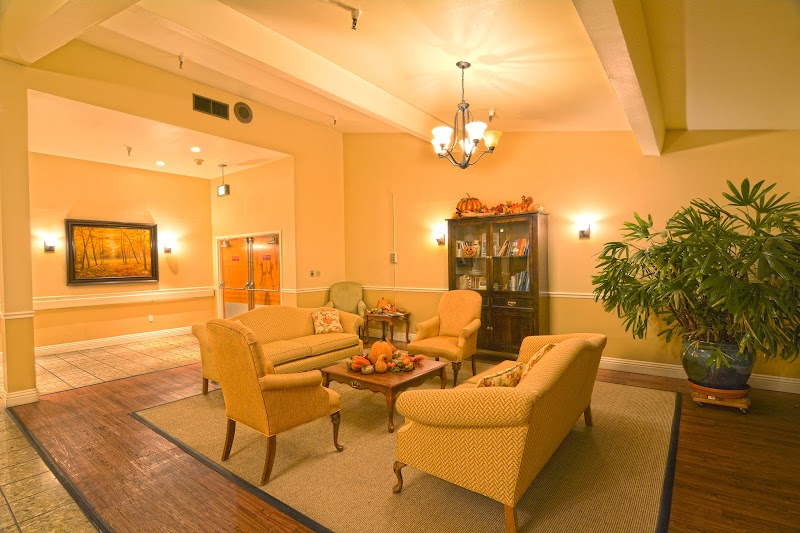
How is Creekside Rehabilitation & Behavioral Health Staffed?

CMS rates CREEKSIDE REHABILITATION & BEHAVIORAL HEALTH's staffing level at 4 out of 5 stars, which is above average compared to other nursing homes. Staff turnover is 26%, compared to the California average of 46%. This relatively stable workforce can support continuity of care.

What Have Inspectors Found at Creekside Rehabilitation & Behavioral Health?

State health inspectors documented 52 deficiencies at CREEKSIDE REHABILITATION & BEHAVIORAL HEALTH during 2019 to 2025. These included: 1 that caused actual resident harm, 49 with potential for harm, and 2 minor or isolated issues. Deficiencies causing actual harm indicate documented cases where residents experienced negative health consequences.
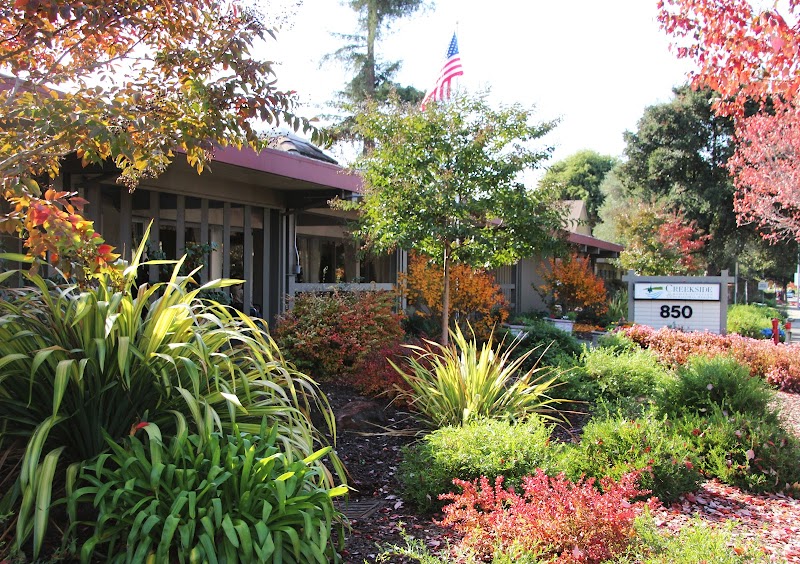
Who Owns and Operates Creekside Rehabilitation & Behavioral Health?

CREEKSIDE REHABILITATION & BEHAVIORAL HEALTH is owned by a for-profit company. For-profit facilities operate as businesses with obligations to shareholders or private owners. The facility operates independently rather than as part of a larger chain. With 181 certified beds and approximately 147 residents (about 81% occupancy), it is a mid-sized facility located in SANTA ROSA, California.

How Does Creekside Rehabilitation & Behavioral Health Compare to Other California Nursing Homes?

Compared to the 100 nursing homes in California, CREEKSIDE REHABILITATION & BEHAVIORAL HEALTH's overall rating (2 stars) is below the state average of 3.1, staff turnover (26%) is significantly lower than the state average of 46%, and health inspection rating (2 stars) is below the national benchmark.

What Should Families Ask When Visiting Creekside Rehabilitation & Behavioral Health?

Based on this facility's data, families visiting should ask: "Can I visit during a mealtime to observe dining assistance and food quality?" "How do you handle medical emergencies, and what is your hospital transfer rate?" "Can I speak with family members of current residents about their experience?"

Is Creekside Rehabilitation & Behavioral Health Safe?

Based on CMS inspection data, CREEKSIDE REHABILITATION & BEHAVIORAL HEALTH has a clean safety record: no substantiated abuse findings (meaning no confirmed cases of resident harm), no Immediate Jeopardy citations (the most serious violation level indicating risk of serious injury or death), and is not on the Special Focus Facility watch list (a federal program monitoring the lowest-performing 1% of nursing homes). The facility has a 2-star overall rating and ranks #100 of 100 nursing homes in California. While no facility is perfect, families should still ask about staff-to-resident ratios and recent inspection results during their visit.

Do Nurses at Creekside Rehabilitation & Behavioral Health Stick Around?

Staff at CREEKSIDE REHABILITATION & BEHAVIORAL HEALTH tend to stick around. With a turnover rate of 26%, the facility is 20 percentage points below the California average of 46%. Low turnover is a positive sign. It means caregivers have time to learn each resident's needs, medications, and personal preferences. Consistent staff also notice subtle changes in a resident's condition more quickly.

Was Creekside Rehabilitation & Behavioral Health Ever Fined?

CREEKSIDE REHABILITATION & BEHAVIORAL HEALTH has been fined $24,116 across 2 penalty actions. This is below the California average of $33,320. While any fine indicates a compliance issue, fines under $50,000 are relatively common and typically reflect isolated problems that were subsequently corrected. Families should ask what specific issues led to these fines and confirm they've been resolved.

Is Creekside Rehabilitation & Behavioral Health on Any Federal Watch List?

CREEKSIDE REHABILITATION & BEHAVIORAL HEALTH is not on any federal watch list. The most significant is the Special Focus Facility (SFF) program, which identifies the bottom 1% of nursing homes nationally based on persistent, serious quality problems. Not being on this list means the facility has avoided the pattern of deficiencies that triggers enhanced federal oversight. This is a positive indicator, though families should still review the facility's inspection history directly.