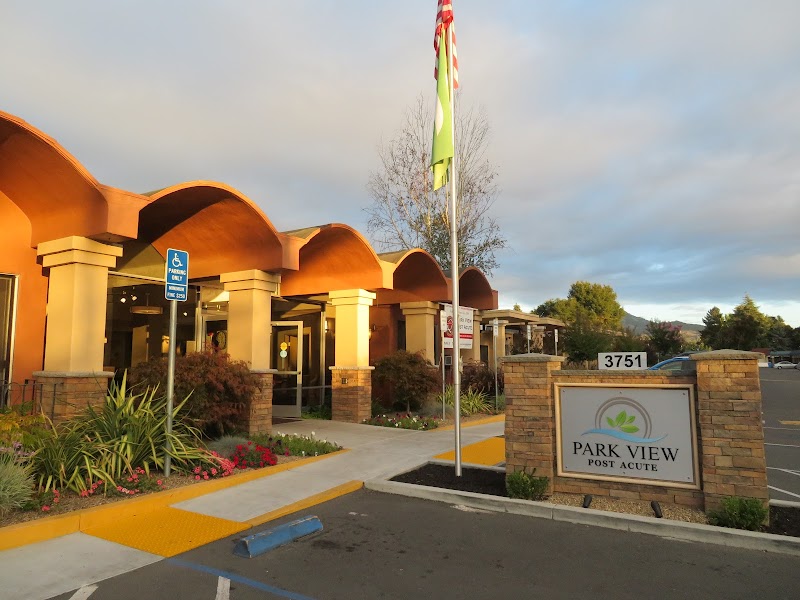
PARK VIEW POST ACUTE

3751 MONTGOMERY DR, SANTA ROSA, CA 95405 (707) 525-1250
For profit - Limited Liability company 116 Beds THE ENSIGN GROUP Data: November 2025
Trust Grade
55/100
#652 of 1155 in CA
Last Inspection: May 2024

Within standard 12-15 month inspection cycle. Federal law requires annual inspections.

Overview

Park View Post Acute has received a Trust Grade of C, which means it is considered average compared to other nursing homes. It ranks #652 out of 1,155 facilities in California, placing it in the bottom half of the state, and #10 out of 18 in Sonoma County, indicating that there are better local options available. The facility is improving, with the number of issues decreasing from 15 in 2024 to 7 in 2025, but it still has some concerns. Staffing is rated 4 out of 5 stars, with a turnover rate of 34%, which is better than the state average, suggesting that employees are relatively stable and familiar with residents. While the facility has not incurred any fines, there have been serious concerns, such as a medication error that could potentially harm a resident and instances where residents were found unsupervised in areas against policy. Overall, while there are strengths in staffing and a lack of fines, the facility still has significant areas for improvement.

Trust Score
C
55/100
In California
#652/1155
Bottom 44%
Safety Record
Moderate
Needs review
Inspections
Getting Better
15 → 7 violations
Staff Stability
○ Average
34% turnover. Near California's 48% average. Typical for the industry.
Penalties
✓ Good
No fines on record. Clean compliance history, better than most California facilities.
Skilled Nurses
○ Average
Each resident gets 40 minutes of Registered Nurse (RN) attention daily — about average for California. RNs are the most trained staff who monitor for health changes.
Violations
⚠ Watch
54 deficiencies on record. Higher than average. Multiple issues found across inspections.
★★★☆☆
3.0
Overall Rating
★★★★☆
4.0
Staff Levels
★★★★★
5.0
Care Quality
★★☆☆☆
2.0
Inspection Score
Stable
2024: 15 issues
2025: 7 issues

The Good

  • 4-Star Staffing Rating · Above-average nurse staffing levels
  • 5-Star Quality Measures · Strong clinical quality outcomes
  • Full Sprinkler Coverage · Fire safety systems throughout facility
  • No fines on record
  • Staff turnover below average (34%)

    14 points below California average of 48%

Facility shows strength in staffing levels, quality measures, fire safety.

The Bad

3-Star Overall Rating

Near California average (3.1)

Meets federal standards, typical of most facilities

Staff Turnover: 34%

12pts below California avg (46%)

Typical for the industry

Chain: THE ENSIGN GROUP

Part of a multi-facility chain

Ask about local staffing decisions and management

The Ugly 54 deficiencies on record

1 actual harm
Sept 2025 1 deficiency
CONCERN (D) 📢 Someone Reported This

A family member, employee, or ombudsman was alarmed enough to file a formal complaint

Potential for Harm - no one hurt, but risky conditions existed

Deficiency F0761 (Tag F0761)

Could have caused harm · This affected 1 resident

Based on observation, interview, and record review, the facility failed to ensure medications were stored and maintained in accordance with professional standards of practice for one of five residents...

Read full inspector narrative →
Based on observation, interview, and record review, the facility failed to ensure medications were stored and maintained in accordance with professional standards of practice for one of five residents (Resident 1) when, two medications pills were found left unattended at the bedside of Resident 1 without authorization for bedside storage or self-administration.This deficient practice created the potential for medication errors, diversion, or harm to Resident 1 or other residents.Findings:In a record review of Resident 1's admission Record (front page of the chart that contains a summary of basic information about the resident) indicated Resident 1 was admitted to the facility with diagnoses that included hypertension (high blood pressure), atrial fibrillation (heart rhythm disorder where the heart beats irregularly and rapidly), heart failure (a condition where the heart cannot pump blood effectively enough to meet the body's needs) and dementia (a progressive state of decline in mental abilities).In an observation and interview on 9/3/25 at 11:00 a.m., Resident 1 was sitting at her bedside table. On the table was a small cup containing two pills: one small white pill and one oval white/cream-colored pill. Resident #1 was unable to identify the pills or state how long they had been there.In an interview on 9/3/25 at 11:39 a.m., Licensed Nurse 1 (LN 1) confirmed two pills had been left on Resident 1's bedside table. LN 1 stated the medications were Resident 1's heart medications that were withheld because Resident 1's heart rate and blood pressure (the force exerted by blood against the walls of the arteries as it circulates throughout the body) were too low to give the medications. LN 1 admitted she accidentally left the medication cup on the bedside table and acknowledged this created a risk for Resident 1, as taking the medications with low blood or heart rate could have caused further cardiovascular compromise, ( a situation where the heart is unable to adequately pump blood to meet the body's needs which can lead to a variety of symptoms and complications, including chest pain, shortness of breath, confusion and loss of consciousness). She also acknowledged the pills could have been ingested by another resident, particularly a confused or wandering resident, resulting in harm to the resident.In an interview on 9/3/25 at 11:50 a.m., with the Director of Nursing (DON), the DON confirmed she was aware LN 1 left medications at Resident 1's bedside. The DON agreed that leaving medications unattended at the bedside was unsafe for the resident and acknowledged that it was possible for another resident to enter Resident 1's room and consume the unattended medications.A review of Resident 1's the Order Summary Report for active orders, did not indicate Resident 1 could take her own medications.A review of Resident 1's active Care (written document outlining a resident's specific health, personal, and social needs, developed after an initial assessment and updated regularly), the plan did not indicate that Resident 1 could take her own medications.Review of facility policy titled, Medication Storage in the Facility - Bedside Medication Storage,, dated May 2022, indicated, .A written order for the bedside storage of medications should be present in the resident's medical record, and the manner of storage should prevent access by other residents.Review of facility policy titled, Medication Administration - General Guidelines, dated May 2022, indicated, .For residents not in their room or otherwise. unavailable to receive medications during the pass, after completing the medication pass, the nurse returns the missed medications to secured storage.
Jul 2025 1 deficiency
CONCERN (D) 📢 Someone Reported This

A family member, employee, or ombudsman was alarmed enough to file a formal complaint

Potential for Harm - no one hurt, but risky conditions existed

Medical Records (Tag F0842)

Could have caused harm · This affected 1 resident

**NOTE- TERMS IN BRACKETS HAVE BEEN EDITED TO PROTECT CONFIDENTIALITY** Based on interview and record review, the facility failed to maintain medical records in a complete and accurately documented ma...

Read full inspector narrative →
**NOTE- TERMS IN BRACKETS HAVE BEEN EDITED TO PROTECT CONFIDENTIALITY** Based on interview and record review, the facility failed to maintain medical records in a complete and accurately documented manner for one resident out of four sampled residents (Resident 1) when vital signs (measurements of the body's functions that include heart rate, the amount of oxygen in the blood, breaths per minute and blood pressure [the force of blood as the heart pumps]), were recorded in the resident's medical record after the resident had been transferred out of the facility.This failure resulted in inaccurate documentation in Resident 1's medical record. Findings:A review of Resident 1's admission record indicated she was an [AGE] year-old admitted to the facility in June 2025 with diagnoses which included pneumonia, (an infection in the lungs), asthma, (a chronic lung disease that inflames and narrows the airways), and chronic obstructive pulmonary disease, (a progressive lung disease that makes it difficult to breathe due to airflow blockage). In an interview on 7/15/25 at 3:34 p.m., the daughter of Resident 1 stated Resident 1 did not return to the facility after she was transferred to the hospital on 6/28/25.In a record review of Resident 1's transfer form, dated 6/26/25, indicated Resident 1 was discharged to the hospital 6/28/25 at 07:32 p.m.A review of Resident 1's vital signs, from 6/29/25, indicated at 12:15 a.m. vital signs were documented for blood pressure, oxygen saturation (the amount of oxygen in the blood), pulse rate (heart rate), and respiration rate (breaths per minute).During a concurrent interview and record review on 7/17/25 at 2:43 p.m. with the Director of Nursing (DON), Resident 1's transfer form from 6/28/25 and vital signs documentation from 6/29/25, was reviewed. The DON confirmed the transfer form indicated that Resident 1 was transferred to the hospital at 7:32 p.m. on July 28, 2025 and there were vital signs documented in the residence records on July 29, 2025, at 12:15 a.m. when Resident 1 was no longer in the facility. The DON stated the vitals signs were an error in documentation.A review of the facility's policy and procedure titled, Vital Signs Monitoring and Reporting, effective date 4/1/2025, indicated, .Vital signs should be obtained recorded and reported in a timely and accurate manner.
Jun 2025 2 deficiencies
CONCERN (D) 📢 Someone Reported This

A family member, employee, or ombudsman was alarmed enough to file a formal complaint

Potential for Harm - no one hurt, but risky conditions existed

Comprehensive Care Plan (Tag F0656)

Could have caused harm · This affected 1 resident

**NOTE- TERMS IN BRACKETS HAVE BEEN EDITED TO PROTECT CONFIDENTIALITY** Based on interview and record review, the facility failed to develop and implement a resident centered care plan for one residen...

Read full inspector narrative →
**NOTE- TERMS IN BRACKETS HAVE BEEN EDITED TO PROTECT CONFIDENTIALITY** Based on interview and record review, the facility failed to develop and implement a resident centered care plan for one resident (Resident 1) out of four sampled residents when licensed nurse staff did not develop a care plan for Resident 1's use of a Bilevel Positive Airway Pressure (BIPAP- therapy for assisted breathing by delivering pressurized air through a mask). This failure decreased the facility's potential to provide resident centered care and ensure safety for Resident 1. Findings: A review of a facility document titled admission Record indicated Resident 1 was admitted to the facility on [DATE] with a diagnoses of Acute and Chronic Respiratory Failure with Hypercapnia (a severe condition in which the body struggles to remove carbon dioxide from the blood, leading to lung diseases), Sleep Apnea (a sleep disorder where the upper airway collapses, causing pauses with breathing) and Morbid Obesity (a severe disorder which involves too much body fat with co-existing health issues such as Sleep Apnea). A review of a facility document titled Care Plan Report , dated 5/5/25, indicated Resident 1's care plan for Altered Respiratory Status/Difficulty Breathing was not updated to include an intervention for BIPAP therapy. A review of a facility document dated 5/6/25, at 4:26 p.m., indicated a telephone order was placed by Medical Doctor 2 (MD 2) for Resident 1 to receive BIPAP with home settings at bedtime for Obstructive Sleep Apnea (OSA- a condition where breathing repeatedly stops or becomes very shallow during sleep, often due to a blockage in the upper airway). A review of Resident 1's Medication Administration Record (MAR), dated May 2025, indicated Resident 1 did not receive his ordered BIPAP therapy on 5/11/25. A review of Resident 1's progress note dated 5/11/25 at 9:43 p.m., indicated, BIPAP held due to broken part and inoperable. During an interview on 6/2/25 at 12:40 p.m., MD 1 stated if a resident did not receive BIPAP therapy as ordered their sleep would be unmanaged and it had the potential to cause the resident increased confusion due to a carbon dioxide buildup in their blood. MD 1 further stated it could make other blood chemistries elevate, causing the resident's condition to worsen. During a concurrent interview and record review on 6/3/25 at 1:22 p.m., Licensed Nurse 2 (LN 2) stated resident care plans were designed to treat the whole person, and it was necessary to review care plans often to ensure nursing was aware of all changes. LN 2 confirmed Resident 1 did not have any care plans that identified BIPAP therapy. A review of facility policy titled Care and Treatment: Care Planning , revised 6/25, indicated It is the policy of this facility that the Interdisciplinary Team shall develop a comprehensive Person-Centered Care Plan for each resident based on resident's needs to attain or maintain his or her highest practicable physical, mental and psychosocial well-being .the care plan will reflect the interdisciplinary approach to Person-Centered Care and considering the different individual needs .identified during the assessment process of the resident.
CONCERN (D) 📢 Someone Reported This

A family member, employee, or ombudsman was alarmed enough to file a formal complaint

Potential for Harm - no one hurt, but risky conditions existed

Deficiency F0658 (Tag F0658)

Could have caused harm · This affected 1 resident

**NOTE- TERMS IN BRACKETS HAVE BEEN EDITED TO PROTECT CONFIDENTIALITY** Based on interview and record review, the facility failed to provide care and services in accordance with professional standards...

Read full inspector narrative →
**NOTE- TERMS IN BRACKETS HAVE BEEN EDITED TO PROTECT CONFIDENTIALITY** Based on interview and record review, the facility failed to provide care and services in accordance with professional standards of care for one resident (Resident 1) out of four sampled residents when: 1. A Licensed Nurse (LN) failed to notify the physician when Resident 1's Bilevel Positive Airway Pressure (BIPAP- therapy for assisted breathing by delivering pressurized air through a mask) machine became inoperable; and, 2. An LN did not notify the physician when Resident 1 was not administered an ordered medication. These failures had the potential to cause Resident 1's condition to deteriorate and complicate his clinical condition. Findings: 1. A review of a facility document titled admission Record indicated Resident 1 was admitted to the facility on [DATE] with a diagnoses of Acute and Chronic Respiratory Failure with Hypercapnia (a severe condition in which the body struggles to remove carbon dioxide from the blood, leading to lung diseases), Type 2 Diabetes (a chronic condition in which the body does not produce enough insulin), Sleep Apnea (a sleep disorder where the upper airway collapses, causing pauses with breathing) and Morbid Obesity (a severe disorder which involves too much body fat with co-existing health issues such as Type 2 Diabetes or Sleep Apnea). A review of Resident 1's physician order, dated 5/6/25, at 4:26 p.m., indicated a telephone order was placed by Medical Doctor 2 (MDS 2) for Resident 1 to receive BIPAP with home settings at bedtime for Obstructive Sleep Apnea (OSA- a condition where breathing repeatedly stops or becomes very shallow during sleep, often due to a blockage in the upper airway). A review of Resident 1's Medication Administration Record (MAR), dated May 2025, indicated Resident 1 did not receive his ordered BIPAP therapy on 5/11/25. A review of Resident 1's progress notes, dated 5/11/25, at 9:43 p.m., indicated, BIPAP held due to broken part and inoperable. PT [Resident 1] agreed to [nasal cannula-medical tubing that provides oxygen]. During an interview on 6/2/25 at 12:40 p.m., MD 1 stated he expected to receive a phone call regarding a resident's broken BIPAP machine. MD 1 stated if a resident did not receive their BIPAP therapy as ordered, their sleep would be unmanaged and had the potential to cause the resident increased confusion due to a carbon dioxide buildup in their blood. MD 1 further stated it also could make other blood chemistries elevate, causing the resident's condition to worsen. During an interview on 6/2/25 at 1:21 p.m., the Director of Nursing (DON) stated, It is not ok that we broke his BIPAP . The expectation for an event of this magnitude is to alert myself, and the MD or ask someone from home to bring in supplies. During a concurrent interview and record review on 6/2/25 at 3:15 p.m., the Assistant Director of Nursing (ADON) confirmed Resident 1 did not receive his BIPAP therapy on the night of 5/11/25. The ADON further confirmed there was no documented evidence the MD was notified of Resident 1's BIPAP being inoperable. During an interview on 6/3/25 at 11:49 a.m., LN 1 stated she understood the importance of maintaining the BIPAP as ordered and if the machine became inoperable, she would immediately notify the physician and escalate the situation to the DON or nursing supervisor. 2. A review of Resident 1's physician order dated 5/3/25 at 10:45 a.m., indicated a telephone order was placed for ,Ozempic® [medication used to control Diabetes Mellitus] 2 mg [milligram- a unit of measure]/dose Subcutaneous [administered under the skin] Solution Pen Injector 8 mg/3 ml [milliliter- a measure of volume]. Inject 2 mg subcutaneously one time a day every Monday for Diabetes Mellitus 2 [Type 2 Diabetes]. A review of a facility document titled Care Plan Report , dated 5/5/25, indicated Resident 1 had Diabetes Mellitus 2 with the goal to experience no complications related to Diabetes. Staff were expected to implement the following interventions to assist Resident 1 meet his goal, Diabetes medication as ordered by doctor . [ensure Resident 1 and family understood]Diabetes is a chronic disease where compliance is essential to prevent complications of the disease. A review of Resident 1's MAR, dated 5/1/25-5/31/25, indicated Resident 1 did not receive his ordered dose of Ozempic® on 5/19/25. A review of Resident 1's progress note, dated 5/19/25, at 10:38 a.m., indicated, Ozempic® .medication not available. During an interview on 6/2/25, at 11:19 a.m., LN 1 stated if medications were missing, she would call the facility pharmacy, look in the E-kit (a collection of medications kept in a secure location to quickly treat residents) and communicate with the physician that the medication was missing. During an interview on 6/2/25, at 12:40 p.m., MD 1 stated he, should always receive a call about missing medications. MD 1 further stated missed doses of diabetic medication could lead to complications in Resident 1's health such as delayed healing and worsening heart disease. During an interview on 6/2/25, at 1:21 p.m., the DON stated staff were expected to notify the physician about missed medications and to escalate the situation to her if needed. The DON also stated, It is not ok .that we lost [Resident 1's] Ozempic® pen. During a concurrent interview and record review on 6/2/25, at 1:53 p.m., the ADON confirmed Resident 1 missed his prescribed dose of Ozempic® on 5/19/25. During an interview on 6/2/25, at 3:30 p.m., the DON stated the facility did not have a policy regarding physician notification for medication errors or medication omissions. During a phone interview on 6/3/25 at 8:10 a.m., the DON acknowledged insulin was a critical, high-risk medication and not receiving prescribed doses of insulin had the potential to result in hyperglycemia (a condition where there is an abnormally high level of glucose (sugar) in the blood) and additional complications such as further kidney damage. The DON clarified she did not direct her nurses not to call the physician until a resident missed two doses of a medication as indicated in the Preparation and General Guidelines policy; however, the DON also stated she left the discretion up to the licensed nurse to notify the physician. A review of the facility's policy titled Administering Medications , dated April 2019, indicated, Medications are administered in accordance with prescriber orders . A review of the facility's policy titled Preparation and General Guidelines , dated October 2019, indicated, If (two consecutive doses) of a vital medication are .not available, the physician is notified.
Apr 2025 1 deficiency
CONCERN (E) 📢 Someone Reported This

A family member, employee, or ombudsman was alarmed enough to file a formal complaint

Potential for Harm - no one hurt, but risky conditions existed

Deficiency F0760 (Tag F0760)

Could have caused harm · This affected multiple residents

**NOTE- TERMS IN BRACKETS HAVE BEEN EDITED TO PROTECT CONFIDENTIALITY** Based on observation, interview, and record review the facility failed to ensure residents were free of medication errors when o...

Read full inspector narrative →
**NOTE- TERMS IN BRACKETS HAVE BEEN EDITED TO PROTECT CONFIDENTIALITY** Based on observation, interview, and record review the facility failed to ensure residents were free of medication errors when one of three sampled residents (Resident 3) was not given the correct dosage of a medication, Uptravi (generic name selexipag) a medication used to treat pulmonary hypertension (high blood pressure in the arteries that carry blood from the heart to the lungs). This failure had the potential for Resident 3 to have a drug overdose causing physical problems ranging from pain, rashes, weakness, organ failure, (when organs in the body such as the heart, lungs, kidneys or liver are unable to perform their critical functions), seizures or even death. Findings: During an interview on [DATE] at 11:55 a.m., Family member of Resident 3 (Family) complained that Resident 3 was given the wrong dose of her medication several times. Family stated they gave the facility a month supply of her medication from home because the medication was not available at all pharmacies. Family stated, I found out that my wife had been getting 4 pills per dose when it should have been 1 pill per dose when the nurse asked for a refill. Family complained We should not be out of the medication, how did it run out, can ' t the nurses read the label! Family stated they were giving her one tablet of Uptravi 800 mcg (microgram, one millionth of a gram) 2 times a day at home. During a record review on [DATE] Resident 3 ' s admission Record (form to show key facts about resident) indicated Resident 3 was admitted on [DATE] and had Diagnosis of End Stage Kidney disease, Diabetes, and Pulmonary Hypertension (HTN.) During a record review on [DATE] Resident 3 ' s Order Summary Report (Doctors orders) the medications for Resident 3 were documented. The order for Uptravi read: Uptravi oral tablet 200 mcg (Selexipag) give 4 tablets by mouth two times a day for Pulmonary HTN (800 mcg). This medication is filled by an outside specialty pharmacy. Start date [DATE]. Four tablets of 200 mcg would equal 800 mcg, which is the desired dosage. During a record review on [DATE] Resident 3 ' s Medication Administration Record (MAR) for [DATE] included Uptravi oral tablet 200 mcg (Selexipag) give 4 tablets by mouth two times a day for Pulmonary HTN (800 mcg). This medication is filled by an outside specialty pharmacy. Start date [DATE]. Nursing had administrated the medication 29 times over 15 days based on the initialing on the MAR indicating a dose was given. The MAR did not have any documentation to indicate that a nurse gave one 800mcg tablet in place of the four 200mcg tablets to be given per the doctor ' s order. During an interview and concurrent observation on [DATE] at 12:25 p.m., Licensed Staff A opened the medication cart to look at the medication bottle. The medication bottle was no longer in the medication cart. Licensed Staff A stated the bottle may have been given to the family because we needed a refill. Licensed Staff A stated she was aware that the medication bottle label indicated that the tablets were 800 mcg, and directions were for one tablet 2 times a day. Licensed Staff A stated, I was giving her 1 tablet per dose not 4 tablets. Licensed Staff A stated, I would tell the next nurse on duty to only give one tablet from the medication bottle to get the correct dose. Licensed Staff A stated the pharmacy label did not get updated to reflect the order on the MAR. During an interview on [DATE] at 1:05 p.m., Director of Nursing (DON) stated she recently learned that Resident 3 ' s medication stock was depleted before expected, and that the label did not reflect the order. DON stated the nurse last evening ([DATE]) requested help to refill Resident 3 ' s prescription for Uptravi. DON stated she was in the process of clarifying the order and needed to investigate how the month ' s supply was finished although the resident had only been at the facility for 2 weeks. During an interview on [DATE] at 1:50 p.m., Licensed Staff B stated, the day shift nurse told me we were almost out of the Uptravi and had asked the family to bring in more of the medication. Licensed Staff B stated I poured her medication and tossed the medication bottle. I administered the medications and asked the Family to bring in more of the medication. Licensed Staff B stated the family voiced concerns that the facility had gone through Resident 3 ' s medication too fast. Licensed Staff B stated she informed the DON that they needed to refill the prescription. Licensed Staff B stated, I did give her the medications on [DATE] in the evening. I read the MAR and poured out 4 pills. I do not know what the label said because I did not read it completely, I only read the MAR. During a review of the facility's policies, The policy titled Medications Brought to the Facility by Physicians or Resident Family Members, dated 5/2022, instructed medications brought to the facility by other than the designated pharmacist or agent can be accepted only if there is current order for use, the medication container is properly labeled, in a proper container, has not expired and has been positively identify by the physician or Pharmacist prior to use. The facility will have documentation that the identification has been made.'
Jan 2025 2 deficiencies
CONCERN (D) 📢 Someone Reported This

A family member, employee, or ombudsman was alarmed enough to file a formal complaint

Potential for Harm - no one hurt, but risky conditions existed

Deficiency F0658 (Tag F0658)

Could have caused harm · This affected 1 resident

Based on interviews and record reviews, the facility failed to ensure one of two sampled residents (Resident 1) received care in accordance with professional standards of practice when: 1. Resident 1 ...

Read full inspector narrative →
Based on interviews and record reviews, the facility failed to ensure one of two sampled residents (Resident 1) received care in accordance with professional standards of practice when: 1. Resident 1 did not receive her six of her scheduled medications. 2. The physician was not notified when Resident 1 did not receive their scheduled medications. These failures could lead to worsening of condition, hospitalization, seizure (sudden burst of electrical activity in the brain) or even death. Findings: A review of Resident 1 ' s face sheet (demographics) indicated an admission date of 7/26/24 with a diagnosis of Epilepsy (a brain condition that causes recurring seizures) and Restless Leg Syndrome (RLS, a condition that causes a very strong urge to move the legs). A review of Resident 1 ' s electronic medication administration record (EMAR, electronic documentation of medications administered to a resident) with corresponding progress note dated 7/26/24 indicated the following medications where not administered as ordered because it was still awaiting for arrival: Atorvastatin (used to treat high cholesterol) 40 milligram (mg, unit of measure) 1 tablet (tab) by mouth (PO) at bedtime, Latanoprost (used to treat increased eye pressure) eye drops (gtts) to both eyes at bedtime, Dorzolomide (used to treat increased eye pressure) 2 gtts to left eye afternoon dose, Ropinorole (to treat RLS) 1 tab PO at bedtime, Levetiracetam 500 mg ½ tab PO afternoon dose and Lubiprostone 2 capsules by mouth afternoon dose. During a concurrent interview and 7/2024 EMAR record review on 1/14/25 at 2:16 p.m., the Director of Nursing (DON) confirmed Resident 1 did not receive the following ordered scheduled medications on 7/26/24: atorvastatin at 8:00 p.m., latanoprost at 8:00 p.m., ropinorole at 8:00 p.m., levetiracetam at 4:00 p.m., Dorzolomide at 4:00 p.m. and Lubiprostone at 4:00 p.m. When asked if Resident 1 should have received these medications as ordered on 7/26/24, the DON stated yes. The DON stated if residents missed multiple medications, staff would notify the physician especially for Levetiracetam which could result to seizure activity. During a telephone interview on 1/15/25 at 10:05 a.m., the pharmacist stated missing a dose of Levetiracetam could result to rebound seizure and risk of seizure build up. A review of the facility ' s policy and procedure (P&P) titled Medication Administration-Oral, revised 11/2019, the P&P indicated, .no medication is to be administered without a physician ' s (MD) written order .accurate and timely administration according to MD order is essential .
CONCERN (D) 📢 Someone Reported This

A family member, employee, or ombudsman was alarmed enough to file a formal complaint

Potential for Harm - no one hurt, but risky conditions existed

Infection Control (Tag F0880)

Could have caused harm · This affected 1 resident

**NOTE- TERMS IN BRACKETS HAVE BEEN EDITED TO PROTECT CONFIDENTIALITY** Based on observation, interviews and record review, the facility failed to ensure the contact enteric precaution (used when cari...

Read full inspector narrative →
**NOTE- TERMS IN BRACKETS HAVE BEEN EDITED TO PROTECT CONFIDENTIALITY** Based on observation, interviews and record review, the facility failed to ensure the contact enteric precaution (used when caring for residents with a suspected or confirmed infection caused by bacteria that spreads through fecal-oral transmission) on room [ROOM NUMBER] was followed when a speech therapist: 1.Did not perform hand hygiene (HH, washing hands with soap and water or using an alcohol-based hand sanitizer to prevent the spread of germs) prior to entering room [ROOM NUMBER], 2.Did not put on gloves prior to entering room [ROOM NUMBER], 3.Did not put on gown prior to entering room [ROOM NUMBER], 4.Did not wash hand with soap and water upon leaving room [ROOM NUMBER]. These failures could result to spread of infection between residents. Findings: A review of Resident 3's face sheet (demographics) indicated an admission date of 1/7/25. A review of Resident 3's Physician's Order's Summary (POS) indicated a diagnoses of Anemia (a problem of not having enough healthy red blood cells or hemoglobin to carry oxygen to the body's tissues) and Clostridium Difficile (Cdiff, a germ that causes diarrhea and colitis (an inflammation of the colon), highly contagious, and could be life-threatening). room [ROOM NUMBER] was observed to be on contact enteric precaution due to Resident 8's active Cdiff infection. During an observation on 1/14/25 at 12:55 p.m., the speech therapist (ST) was seen going into room [ROOM NUMBER]. The ST did not perform HH, did not wear gown and gloves prior to entering the room. During a concurrent observation, interview and contact enteric precaution signage record review on 1/14/25 at 12:57 p.m., the ST was seen leaving room [ROOM NUMBER] without first washing her hands with soap and water. The ST verified she did not gown up, performed HH nor wore gloves prior to entering room [ROOM NUMBER]. ST also verified she did not wash her hand with soap and water when she left room [ROOM NUMBER]. ST verified the contact enteric precaution posted on the wall prior to entering room [ROOM NUMBER] which indicated staff should wash or gel hands prior to entry, to use soap and water upon leaving the room and to wear a gown and gloves prior to entering the room. During an interview on 1/14/25 at 1:12 p.m., the Infection Preventionist (IP) stated Resident 3 on room [ROOM NUMBER] had an active CDiff infection. The IP stated all staff should follow the contact enteric precaution when entering and leaving room [ROOM NUMBER]. The IP stated staff should perform HH, wear gowns and gloves prior to entering room [ROOM NUMBER] and should was their hand with soap and water upon leaving the room. The IP stated if staff did not follow these steps, it meant a break in infection control and was a safety issue. The IP stated Resident 3 have an active CDiff and was highly contagious. The IP stated it was important staff follow the contact enteric precaution to prevent spread of CDiff infection. During an interview on 1/14/24 at 2:16 p.m. the Director of Nursing (DON) verified that if a room was on contact enteric precaution, all staff must perform HH, wear gown and gloves prior to entering the room and should wash their hands with soap and water upon leaving the room. The DON stated it was important the contact enteric precautions were followed to ensure safety of staff and other residents and to prevent spread/outbreak of CDiff infection. A review of contact enteric precaution signage posted on the wall before entering room [ROOM NUMBER], the precautions included all staff should wash or gel hands prior to entry, to use soap and water upon leaving the room and to wear a gown and gloves prior to entering the room.
May 2024 15 deficiencies
CONCERN (D) 📢 Someone Reported This

A family member, employee, or ombudsman was alarmed enough to file a formal complaint

Potential for Harm - no one hurt, but risky conditions existed

Transfer Notice (Tag F0623)

Could have caused harm · This affected 1 resident

Based on interview and record review, the facility failed to notify the Long-term Care Ombudsman's office of one of three residents sampled for a closed record review, Resident 209, when he was hospit...

Read full inspector narrative →
Based on interview and record review, the facility failed to notify the Long-term Care Ombudsman's office of one of three residents sampled for a closed record review, Resident 209, when he was hospitalized . This failure could potentially prevent the Ombudsman from advocating for a vulnerable resident who may require advocacy services. Findings: Review of Resident 209's medical record revealed an admit date of 2/14/24, with medical diagnoses including fracture (break) of shaft of humerus (bone of upper arm) left arm, fracture of shaft of humerus right arm, cognitive communication deficit, and muscle weakness, among others. Resident 209's Progress Notes indicated a note, dated 2/17/24 at 3:15 p.m., Swelling to [left] arm noted to be worse. Increased swelling down arm and increased warmth noted. [Patient] to be sent out. During a record review and concurrent interview on 5/16/24 at 3:37 p.m., the Medical Records Director provided Resident 209's document, Notice of Proposed Transfer / Discharge, dated 2/17/24. When queried, the Medical Records Director stated the form had been completed by Licensed Staff G. Review of the form revealed the form did not have Resident 209's name on it, and the section, Date Discharge Notice Mailed to Long Term Care Ombudsman, was left blank. The section, Transfer/Discharge to the following location, indicated, [local acute care hospital] ER (Emergency Room). In the section The transfer/discharge is necessary for your welfare and your needs cannot be met in the facility: (a) The specific needs that cannot be met are: was written, clinical change of condition. During a record review and concurrent interview on 5/16/24 at 3:38 p.m., Licensed Staff G verified Resident 209's Notice of Proposed Transfer/Discharge form had her signature at the bottom. When asked who was responsible to fill in the section for the date the notice was mailed to the Ombudsman, Licensed Staff G stated, I think it's Social Services. During a record review and concurrent interview on 5/16/24 at 3:40 p.m., the Social Services Assistant searched in binders and in her computer, and stated she could not find any documentation that the Ombudsman's office was notified of Resident 209's transfer to the hospital on 2/17/24. When queried, the Social Services Assistant stated the process was the nurse filled out the Notice of Transfer/Discharge form, gave it to them in social services, and they (Social Services) notified the Ombudsman of the transfer to the hospital, usually by fax. When asked what happened with Resident 209's notice, the Social Services Assistant stated, I don't know what happened. The Social Services Assistant verified the Notice of Transfer/Discharge did not have Resident 209's name on it. She stated the nurse wrote the date where the resident's name was supposed to be. During an interview on 5/17/24 at 1:17 p.m., when queried, the Social Services Director (SSD) stated that if the Social Services office got a Notice of Transfer/Discharge form with no name on it, she expected the Social Services staff to go to the nurse who filled it out and find out the name. The SSD verified she expected staff to inform the Ombudsman's office, by fax, of hospital transfers as soon as reasonably possible. When asked the reason for the Ombudsman notification, SSD stated, In case someone wants to contest their discharge. In response to a request for the facility policy and procedure for Ombudsman notifications of transfers, All Facilities Letter (AFL) 17-27 was provided. Review of AFL 17-27, dated 12/26/17, indicated, Effective January 2, 2018, AB 940 requires a LTC (Long-Term Care) facility to notify the local LTC Ombudsman at the same time notice is provided to the resident or the resident's representatives when a facility-initiated transfer or discharge occurs. The facility is required to provide a copy of the notice to the LTC Ombudsman as soon as practicable if a resident is subject to a facility-initiated transfer to a general acute care hospital on an emergency basis.
CONCERN (D) 📢 Someone Reported This

A family member, employee, or ombudsman was alarmed enough to file a formal complaint

Potential for Harm - no one hurt, but risky conditions existed

Comprehensive Care Plan (Tag F0656)

Could have caused harm · This affected 1 resident

**NOTE- TERMS IN BRACKETS HAVE BEEN EDITED TO PROTECT CONFIDENTIALITY** Based on observation, interview and record review, the facility did not ensure one (1) of twenty-four (24) sampled residents (Re...

Read full inspector narrative →
**NOTE- TERMS IN BRACKETS HAVE BEEN EDITED TO PROTECT CONFIDENTIALITY** Based on observation, interview and record review, the facility did not ensure one (1) of twenty-four (24) sampled residents (Resident 78) and one (1) of four (4) discharged residents (Resident 209) had comprehensive care plans developed when: 1. Resident 78 did not have a comprehensive care plan for activities that reflected her admission activities assessment, and; 2. Resident 209 did not have a comprehensive care plan developed for a broken arm. These findings had the potential to result in boredom and frustration for Resident 78, for not participating in her activities of interest. For Resident 209, this finding had the potential to result in inability for staff to care for his broken arm properly, poor quality of care and harm. Findings: 1. Record review indicated Resident 78 was admitted to the facility on [DATE], with medical diagnoses including Amyotrophic Lateral Sclerosis (A nervous system disease that weakens muscles and impacts physical function) and Dysphagia (Difficulty swallowing), according to the facility Face Sheet (Facility demographic). During multiple observations since the beginning of the survey, on 5/13/24 at 8:30 a.m., to the end of the survey on 5/17/24 at 3:30 p.m., Resident 78 was not involved in any activities at all. Resident 78 spent every hour of every day staring at the wall, with a private caregiver who did not engage in communication with her. Resident 78's bedside table and dresser did not have reading/writing/painting or drawing supplies, or any other supplies for activity purposes. Record review of a facility document titled, Activity-admission Evaluation, dated 2/23/24 at 3:15 p.m., indicated Resident 78's activity interests included drawing, painting, music, reading, writing, and gardening. This evaluation also indicated, [Resident 78] is alert and oriented to place and time. She used to be a speech therapist, has some difficulty speaking and uses a white board to communicate. She likes to read, keep up with the news and to watch classic movies. This evaluation was signed as completed by the Activities Director on 3/03/24. Record review of Resident 78's care plan for activities, initiated on 3/03/24, had the following interventions, All staff to converse with the resident while providing care .Communicates with communication board .Encourage ongoing family involvement .Ensure adaptive equipment is provided .Provide with daily activities schedule. This care plan did not indicate Resident 78 liked drawing, painting, music, reading, writing, and gardening, as she had indicated during her Admission-Activity Evaluation. During an interview with the Activities Director on 5/16/24 at 11:58 a.m., she was asked what was the purpose of the activity admission evaluation for residents. The Activities Director stated the purpose was to get to know the residents and find out what activities they liked to do. The Activities Director was asked if the initial care plan for activities was required to be developed based on this initial activity evaluation. The Activities Director confirmed the care plan was required to be based on the activity evaluation. The Activities Director was asked if supplies for independent activities were provided to the residents after the initial activity evaluation. The Activities Director stated these supplies were offered if available at the facility. During the interview, minutes later, with concurrent record review, on 5/16/24 at 12:02 p.m., the Activities Director reviewed Resident 78's, Activity-admission Evaluation, dated 2/23/24 at 3:15 p.m., and stated, that although she (Activities Director) had signed this evaluation, she was not the person who interviewed Resident 78 about her preferred activities. The Activities Director was asked how she was able to complete this evaluation for Resident 78, without an interview. The Activities Director stated the staff member who interviewed Resident 78 regarding her activities of interest took notes, that the Activities Director used to complete this evaluation on the computer. The Activities Director reviewed Resident 78's care plan for activities, and was asked if drawing, painting, music, reading, writing, and gardening (present in Resident 78's initial activity evaluation) were written on Resident 78's activities care plan. The Activities Director confirmed these activities were not there. The Activities Director was asked if she had provided Resident 78 drawing/painting/reading and gardening supplies or materials. The Activity Director confirmed she had not provided Resident 78 with these supplies. Record review of the facility policy titled, Activity Assessment, last revised in March of 2021, indicated, It is the policy of this facility to provide ongoing program to support residents in their choice of activities, both facility-sponsored group and individual activities and independent activities based on the comprehensive assessment and care plan and the preferences of each resident.2. During a record review on 5/15/24 at 12:53 p.m., Resident 209's face sheet indicated an admission date of 2/14/24, with medical diagnoses including fracture (break) of shaft of humerus (bone of upper arm) left arm, fracture of shaft of humerus right arm, cognitive communication deficit, and muscle weakness, among others. Resident 209's physician history of present illness note from his Emergency Department visit on 2/14/24 (prior to his admission), indicated Resident 209 had a right fractured arm in a sling from a fall in January 2024. Review of Resident 209's care plan revealed he did not have a care plan for the fractured arm. During an interview on 5/17/24 at 11:01 a.m., Licensed Staff L stated she remembered Resident 209, and she remembered that he had a sling on his arm when she did his admission skin assessment. Licensed Staff L stated a patient with a broken arm should have a care plan for the fracture. During a record review and concurrent interview on 5/17/24 at 11:53 a.m., the Director of Nursing (DON) stated the purpose of the care plan was to know what was going on with the patient and to get the latest information on the patient. The DON verified Resident 209's right arm fracture should have been included on his care plan. The DON reviewed Resident 209's care plan, and stated the right arm fracture was not on the care plan because they had not even opened his care plan yet at the time he fell and broke his left arm, and, then we just focused on the left humerus fracture. Record review of the facility policy titled, Care Planning, last revised in November of 2019, indicated, It is the policy of this facility that the interdisciplinary team (IDT) shall develop a comprehensive care plan for each resident .The care plan is developed by the IDT.
CONCERN (D) 📢 Someone Reported This

A family member, employee, or ombudsman was alarmed enough to file a formal complaint

Potential for Harm - no one hurt, but risky conditions existed

Accident Prevention (Tag F0689)

Could have caused harm · This affected 1 resident

Based on interview and record review, the facility failed to accurately assess the fall risk of one of three residents sampled for closed record review (Resident 209). This failure could have potentia...

Read full inspector narrative →
Based on interview and record review, the facility failed to accurately assess the fall risk of one of three residents sampled for closed record review (Resident 209). This failure could have potentially contributed to Resident 209 falling when his risk level was inaccurate. Finding: During a record review on 5/15/24 at 12:53 p.m., Resident 209's face sheet indicated an admission date of 2/14/24, with medical diagnoses including fracture (break) of shaft of humerus (bone of upper arm) left arm, fracture of shaft of humerus right arm, cognitive communication deficit, and muscle weakness, among others. Resident 209's physician history of present illness note, from his Emergency Department visit on 2/14/24 (prior to his admission), indicated Resident 209 had a right fractured arm in a sling from a fall in January 2024. Review of Resident 209's care plan revealed he did not have a care plan for the fractured arm. Resident 209's admission assessment, dated 2/14/24, did not include the sling or mention the arm fracture. Resident 209's falls risk assessment, dated 2/14/24, indicated he was at medium risk of falls, and the risk assessment did not include Resident 209's diagnosis of a fracture. Review of Resident 209's Fall Committee Progress Note, dated 2/15/24 indicated, . patient was found on the floor atapprox [sic] 1230am by the CNA (Certified Nursing Assistant). patient was unable to move his left shoulder and [complained of] pain, nurse called 911 to send patient out. Patient returned from ED at Approx 9am, report was given that patient was noted to have a Left Humerus [Fracture] . During a record review and concurrent interview on 5/17/24 at 11:01 a.m., Licensed Staff L stated she remembered Resident 209, and she remembered that he had a sling on his arm when she did his admission skin assessment. Licensed Staff L stated the sling should have been documented under the skin assessment portion of his admission assessment. Licensed Staff L reviewed Resident 209's admission assessment, dated 2/14/24, and verified she did not document his sling or his fractured arm. Licensed Staff L reviewed Resident 209's fall risk assessment, dated 2/14/24, and verified the nurse who completed it should have clicked the box including a fracture diagnosis as a risk factor. During a record review and concurrent interview on 5/17/24 at 11:53 a.m., the Director of Nursing (DON) reviewed Resident 209's admission assessment and verified Resident 209's right arm sling should have been included on his admission assessment. The DON reviewed Resident 209's fall risk assessment, dated 2/14/24, and verified the right arm fracture was not included as a risk factor and should have been. When queried, the DON stated, if a fall risk assessment was not accurate, they might not put the right precautions in place for the resident. Review of facility policy, Fall Risk Assessment, not dated, indicated, Policy: It is the policy of this facility to identify the resident who is at risk for potential falls, and to initiate a preventative plan of care to reduce fall occurrence. The fall risk [assessment] will be completed on admission and quarterly thereafter. Purpose: To ensure that the facility identifies each resident at risk for accidents and/or falls, and adequately plans care and implements procedures to prevent accidents.
CONCERN (D)

Potential for Harm - no one hurt, but risky conditions existed

Infection Control (Tag F0880)

Could have caused harm · This affected 1 resident

Based on observation, interview and records review, the facility failed to ensure the sanitary storage of a resident's portable plastic urinal after use. This failure had the potential to increase the...

Read full inspector narrative →
Based on observation, interview and records review, the facility failed to ensure the sanitary storage of a resident's portable plastic urinal after use. This failure had the potential to increase the risk of infection and disease transmission from bacteria and other microbes, breeding inside the portable urinal. Findings: During the initial tour and resident interview on 5/13/24, at 10:20 AM, the strong smell of urine in a resident room was noted. Resident 32 occupying Bed C stated he used a portable urinal to urinate in bed and his Certified Nursing Assistant (CNA) rinsed his urinal from time to time or occasionally. During a follow-up observation on 5/14/24, at 8:47 AM, Resident 71, occupying bed A in the same resident room, was seated bedside parallel to his bed with his bedside table in front of him. The smell of urine got stronger upon approaching the resident. Resident 71's portable urinal was noted on top of his overbed table beside his drinking mug. During an interview on 5/14/24, at 9:55 AM, the portable urinal of Resident 71 was pointed to Licensed Nurse A (LN A) and asked what he thought about it. LN A stated: That is disgusting, that is very unsanitary. LN A removed the portable urinal from the overbed table and placed the urinal under the table, while stating there was a place under the table where the urinal could be placed. A review of the facility procedure titled, Offering, or removing a Bedpan or Urinal, taken from the Nursing Services Policy and Procedures Manual for Long-Term Care 2001 MED-PASS, Inc, revised 2/18, indicated: If the resident prefers to keep a urinal at his bedside, check it frequently. Empty and clean it as necessary. After assisting the resident, take the urinal into the bathroom, empty the urinal into the commode and flush the commode, clean the urinal, wipe dry with a clean paper towel, store the urinal per facility policy. The policy did not specify what to use to clean the urinal and did not mention what to do with a urinal used by a resident with a urinary tract infection, whether to sterilize the urinal or dispose of it entirely.
CONCERN (E)

Potential for Harm - no one hurt, but risky conditions existed

Resident Rights (Tag F0550)

Could have caused harm · This affected multiple residents

**NOTE- TERMS IN BRACKETS HAVE BEEN EDITED TO PROTECT CONFIDENTIALITY** 2. During an observation on 5/13/24 at 8:15 a.m., Resident 42 was in a wheelchair smoking alone in the smoking area. No other re...

Read full inspector narrative →
**NOTE- TERMS IN BRACKETS HAVE BEEN EDITED TO PROTECT CONFIDENTIALITY** 2. During an observation on 5/13/24 at 8:15 a.m., Resident 42 was in a wheelchair smoking alone in the smoking area. No other residents or staff were present in the smoking area. During an interview on 5/13/24 at 8:45 a.m., with Resident 42, Resident 42 was queried if he was aware of the facility's smoking policy. Resident 42 stated he was told that this facility was a non-smoking facility. Resident was queried if he was at the smoking area earlier this morning at 8:15 a.m. Resident 42 stated he was but he had to sit out front of the facility yesterday and bum cigarettes and matches so he could smoke. Resident 42 stated the staff kept trying to force him to take nicotine (stimulant found in tobacco) patches instead of allowing him to go outside to smoke. Resident 42 stated he had refused every nicotine patch that they tried to force on him. Resident 42 stated he told the DON that he would not take the nicotine patches when he was admitted . Resident 42 stated he had been asking how he could obtain cigarettes, since he was admitted , but no one is helping him. Resident 42 was queried if anyone at the facility had ever asked him the amount of tobacco he was smoking prior to him being admitted to the facility. Resident 42 stated he had never been asked how much he was smoking before he came to the facility. During an interview with Licensed Staff C, on 5/13/24 at 9:50 a.m., Licensed Staff C was queried about the facility's smoking policy. Licensed Staff C stated they were a non-smoking facility; We do not have a smoking polic. Licensed Staff C was queried about the facility's Safe Smoking Evaluation assessment and if it was completed on Resident 42 upon admission. Licensed Staff C stated he did not believe the form was completed, due to this facility being a non-smoking building. A Smoking policy and Safe Smoking Evaluation assessment was requested from medical records for Resident 42; only the Smoking policy was received. Review of Resident 42's medical record, revealed a face sheet with an admission date of 4/13/24. The face sheet also indicated a diagnosis of Nicotine Dependence. Review of Resident 42's Medication Administration Record for May, indicated Resident 42 had refused all nicotine patches offered to him. Resident 42's care plan, reviewed on 5/13/24, indicated Nicotine patches offered on 4/24/24 and patient has been refusing the patches. MD aware. Review of the Entrance Conference Worksheet indicated the facility had, no smokers in the building. In addition, the Team Coordinator indicated the DON informed her there were no smokers in the building. The Facility had no non-smoking waivers. During a review of the facility's policy and procedure titled, Smoking Policy-Resident, dated 10/2023, indicated, This facility has established and maintains safe resident smoking practices Prior to and upon admission, residents are informed of the facility smoking policy, including designated smoking areas, and the extent to which the facility can accommodate their smoking or non-smoking preferences .Resident smoking status is evaluated upon admission. If a smoker, the evaluation includes, a) current level of tobacco consumption b) method of tobacco consumption c) desire to quit smoking d) ability to smoke safely with or without supervision (per completed Safe Smoking Evaluation) .The staff consults with the attending physician and the director of nursing services to determine if safety restrictions need to be placed on a resident's smoking privileges based on the Safe Smoking Evaluation .Any smoking-related privileges, restrictions, and concern (for example, need for close monitoring) are noted on the care plan, and all personnel caring for the resident shall be alerted to these issues .Any resident with smoking privileges requiring monitoring shall have the direct supervision of a staff member, family member, visitor, or volunteer worker at all times while smoking. During a review of the facility's policy and procedure titled, Resident Rights, dated, 2/2021, indicated, Employees shall treat all residents with kindness, respect, and dignity Federal and state laws guarantee certain basic rights to all residents of this facility. These rights include the resident right to: a dignified existence, be treated with respect, kindness, and dignity, be free from abuse, neglect, self-determination, communication with and access to people and services, both inside and outside the facility, exercise his or her rights as a resident of the facility and as a resident or citizen of the United States, be supported by the facility in exercising his or her rights, exercise his or her rights without interference, coercion, discrimination or reprisal from the facility, be informed about his or her rights and responsibilities, be informed of and participate in, his or her care planning and treatment, participate in decision-making regarding his or her care, voice grievances to the facility, or other agency that hears grievances, without discrimination or reprisal and without, have the facility respond to his or her grievances, examine survey results, communicate with outside agencies (local, state, or federal officials, state and federal surveyors, state long-term care ombudsman, protection or advocacy organizations), regarding any matter. During a review of the facility's policy and procedure titled, Governing Body revised 4/2024, indicated, It is the policy of this facility to have a Governing Body, or designated persons functioning as a Governing Body. The Governing Body is responsible for establishing and implementing policies regarding the management and operation of the facility. The Governing Body of the facility is currently comprised of the following individuals: Administrator, DON, Market Leader, Clinical Market Leader, and Medical Director. Procedure: 1) The Governing Body will provide support and direction to the facility as is appropriate and consistent with applicable Federal regulations. 2) The Governing Body will appoint the Administrator who is: 2.1 Licensed by the State 2.2 Responsible for management of the facility 2.3 Reports to and is accountable to the Governing Body. 3. The Governing Body is responsible for and accountable for the QAPI Program, in accordance with applicable Federal regulations. 4. The Governing Body will receive information from the Administrator relative to the operations of the facility on a regular basis and, in any event, no less than quarterly. 3. During a concurrent interview and observation on 5/13/24 at 9:46 a.m., Resident 3 stated facility staff were cutting through her room to enter/exit the facility instead of using the main doors. Resident 3's room had sliding doors that led to the outside patio. Resident 3 stated she had concerns about her privacy when staff used her room to exit or enter the building, as this was a, matter of respect. Record review of Resident 3's MDS (Minimum Data Sheet-An assessment tool), dated 5/01/24, indicated her BIMS (Brief Interview of Mental Status-A cognition [the mental action or process of acquiring knowledge and understanding through thought, experience, and the senses] assessment) score was 15, which indicated her cognition was intact (A score of 1-7 indicates the cognition is severely impaired, 8-12 indicates the cognition is moderately impaired, and 13-15 indicates the cognition is intact). During an interview on 5/13/24 at 10:37 a.m., Resident 63 stated staff entered and exited the building through her room using the sliding doors. Record review of Resident 63's BIMS score triggered in the LTCSP (Long Term Care Survey Process-Software to perform recertification surveys in nursing facilities, which obtains information directly from the facility's MDS) was 13, which indicated her cognition was intact. During an interview on 5/13/24 at 10:43 a.m., Resident 51 stated staff had been observed entering and exiting the building through the sliding doors in her room, without asking for permission. Record review of Resident 51's MDS, dated [DATE], indicated her BIMS score was 15, which indicated her cognition was intact. During a confidential Resident Council interview on 5/14/24 at 2:43 p.m., five of the 12 residents in attendance stated staff were using their slider doors in their rooms that faced the back patio, to enter and exit the building, passing through their rooms as a short cut, rather than using the exit door at the end of the hall. Anonymous Resident 1 stated it made her feel like she had no privacy. Anonymous Resident 7 stated he did not like it. Anonymous Resident 4 stated his room did not face the back of the building, but his room was the only space he had so it would bother him if the staff did that. During an interview on 5/16/24 at 1:52 p.m., Licensed Staff F stated, if staff needed to get to the back patio from the hall, they were to use the exit door at the end of the hall. When queried, Licensed Staff F stated, out of respect for the residents' privacy, it was not appropriate to pass through residents' rooms to get to the patio. Review of the most recent Minimum Data Sets (MDS, an assessment tool) of the residents in attendance at the confidential interview, revealed three residents were cognitively intact (BIMS (Brief Interview for Mental Status) scores of 13 to 15) and seven had moderate cognitive impairment (BIMS scores between 8 and 12). A review of the facility's policy, titled, Resident Rights, last revised 2/2021, indicated, Federal and state laws guarantee certain basic rights to all residents of this facility. The rights include the resident's right to: . privacy and confidentiality . Based on observation, interviews, and record reviews, the facility failed to ensure the rights of five (5) unsampled residents (Resident 20, Resident 55, Resident 69, Resident 76 & Resident 63) and three (3) of 24 sampled residents (Resident 3, Resident 51 & Resident 42) were honored and respected, when: 1) facility staff did not answer or respond to call lights or call for assistance, making residents wait for 20 minutes or more; 2) the facility did not follow its Smoking Policy, when Resident 42 wheeled himself across the facility's parking lot to smoke without staff supervision, and; 3) facility staff entered and exited the building using the slider doors in the residents' rooms that opened to the back patio. These failures: 1) caused Resident 20 to feel terrible after she urinated in her bed while waiting, Resident 55 to fear for the safety of his spouse/room mate when she attempted to get out of bed after waiting for a long time, Resident 69 feeling bad after soiling his bed/linen while waiting, Resident 76 to urinate in bed and sleep on a wet bed until he morning shift came; 2) had the potential of Resident 42 being hit by a vehicle or having a smoking accident, and; 3) caused residents to feel that they had no privacy (Residents 63, Resident 3, and Resident 51). Findings: 1. During an interview on 5/13/24, at 1:17 PM, Resident 20 stated, staff working the night shift did not come when called and she had peed in bed and felt terrible about it. A review of Resident 20's quarterly Minimum Data Set (MDS - a federally-mandated clinical assessment of all residents' functional capabilities in Medicare and Medicaid certified nursing homes helping nursing home staff identify health problems), dated 4/16/24, indicated Resident 20 had a Brief Interview for Mental Status score of 13 (BIMS - mandatory tool used to screen and identify the cognitive condition of residents upon admission. A score of 13 to 15 suggests the patient is cognitively intact), and always did not have control of her urination and bowel movement. During an interview on 5/13/24, at 9:28 AM, Resident 55, whose roommate was his wife, stated there were times his wife had to wait 20 minutes to half an hour to get assistance. Resident 55 stated his wife sometimes tried to get up because the wait was too long, and he was afraid she might fall. A review of Resident 55's quarterly MDS, dated [DATE], indicated he had a BIMS of 13. During an interview on 5/13/24, at 11:58 AM, Resident 69 stated wait time for staff assistance was 20 minutes to a half hour. Resident 69 stated sometimes he soiled his bed and did not appreciate soiling himself and felt bad because he had to wait and get cleaned. A review of Resident 69's quarterly MDS, dated [DATE], indicated he had moderately impaired cognition with a BIMS of 10, was occasionally unable to control urination and always unable to control bowel movement. A review of a physician order, dated 1/11/24 indicated to monitor Resident 69's bowel movement every shift every two days and to administer bowel care and make sure Resident 69 had a bowel movement. During an interview on 5/13/24, at 10:46 AM, Resident 76 stated two to three times, a Certified Nursing Assistance (CNA) did not help and left him when he asked to be assisted to use a urinal. Resident 76 stated he had urinated in bed and had gone to sleep lying on his wet bed until the CNA in the morning cleaned him and his bed. Resident 76 stated he had reported the incident to a nurse, who told him she would investigate. A review of Resident 76's admission MDS, dated [DATE], indicated he had a BIMS score of 13, always did not have control of urination and frequently did not have control of bowel movement. A review of the facility's policy, titled: Resident Rights and Dignity, taken from the Nursing Services Policy and Procedure Manual for Long-Term Care 2001, MED-PASS, Inc. revised 2/21, indicated: Employees shall treat all residents with kindness, respect, and dignity .Federal and state laws guarantee certain basic rights to all residents of the facility. The rights include the resident's right to a dignified existence; be treated with respect, kindness, and dignity; among others.
CONCERN (E)

Potential for Harm - no one hurt, but risky conditions existed

Deficiency F0574 (Tag F0574)

Could have caused harm · This affected multiple residents

Deficiency Text Not Available

Read full inspector narrative →
Deficiency Text Not Available
CONCERN (E)

Potential for Harm - no one hurt, but risky conditions existed

Deficiency F0577 (Tag F0577)

Could have caused harm · This affected multiple residents

Based on interview and record review, the facility failed to ensure the survey binder was updated for three years, with the results of complaint and facility-reported incident investigations, and fail...

Read full inspector narrative →
Based on interview and record review, the facility failed to ensure the survey binder was updated for three years, with the results of complaint and facility-reported incident investigations, and failed to ensure the residents were notified of its location. This failure resulted in the facility's residents not having access to the results of the most recent investigations completed by the Department. Findings: During a record review and concurrent interview on 5/14/24 at 2:02 p.m., review of the survey binder in the hallway outside the Administrator's office revealed there were no complaint or facility-reported incident investigation results or plans of correction added to the binder since 2021. When queried, the Director of Nursing verified there were no investigation results added to the binder since 2021. The DON stated the reason was the facility had not had any deficiencies from the Department since the survey in 2021. During a confidential Resident Council interview on 5/14/24 at 2:32 p.m., 12 out of 12 residents did not know where to find the binder with the Department's inspection results. Anonymous Resident 1 stated they reviewed residents rights at the Resident Council meetings, but the location of the survey binder had not been reviewed. Review of Anonymous Resident 1's Minimum Data Set (MDS, an assessment tool), dated 2/28/24, indicated a BIMS score of 15 (Brief Interview for Mental Status, a score of 15 indicates cognitively intact). Further review of the most recent BIMS scores of the residents in attendance at the confidential interview revealed two more residents were cognitively intact (for a total of three, including Anonymous Resident 1) and seven had moderate cognitive impairment (BIMS scores between 8 and 12). During a concurrent interview and record review on 5/15/24 at 9:44 a.m., the Administrator and Surveyor reviewed the binder that contained the facility's survey findings from previous years. The binder was right next to the lobby, in a visible area, but only had survey findings from 2018 to 2021. The binder had not been updated since 2021. This was confirmed by the Administrator. The Administrator stated this was his responsibility and confirmed he did not update it. The Administrator stated he would update it as soon as possible. The Administrator confirmed the facility had received deficiencies after 2021 (That were not available in the binder). During an interview on 5/15/24 at 11:08 a.m., the Activities Director confirmed she was the staff member coordinating the Resident Council meetings for the residents. The Activities Director stated they met for the meetings the last Tuesday of every month and went over old business. The Activities Director was asked if she had discussed with the residents where to find the binder with the survey results. The Activities Director stated she had not talked about this information with the residents during the Resident Council meetings. During an interview with the Medical Records Director on 5/15/24 at 3:50 p.m., he was asked to provide the policy on providing residents with the information of where to find the survey binder. This was also written on a piece of paper handed to him, along with other requested documents. The following day, on 5/16/24 at 9:10 a.m., the Medical Records Director stated the facility did not have a policy on this. Review of facility policy, Resident Rights, last revised 2/2021, indicated, Federal and state laws guarantee certain basic rights to all residents of this facility. These rights include the resident's rights to: . w. examine survey results.
CONCERN (E)

Potential for Harm - no one hurt, but risky conditions existed

Safe Environment (Tag F0584)

Could have caused harm · This affected multiple residents

**NOTE- TERMS IN BRACKETS HAVE BEEN EDITED TO PROTECT CONFIDENTIALITY** Based on interview and record review, the facility did not ensure four of twenty-four sampled residents (Resident 2, Resident 3,...

Read full inspector narrative →
**NOTE- TERMS IN BRACKETS HAVE BEEN EDITED TO PROTECT CONFIDENTIALITY** Based on interview and record review, the facility did not ensure four of twenty-four sampled residents (Resident 2, Resident 3, Resident 63 & Resident 51) experienced a comfortable noise level at the facility. This finding had the potential to result in inability for the residents to rest and sleep, necessary for the body's renewal and well-being. Findings: During a concurrent interview and observation on 5/13/24 at 9:46 a.m., Resident 3 stated the noise level was too high at all times of the day and night. Resident 3 stated she had heard staff talking loudly and laughing spontaneously as late as 10:30 p.m., disturbing residents. Record review of Resident 3's MDS (Minimum Data Sheet-An assessment tool), dated 5/01/24, indicated her BIMS (Brief Interview of Mental Status-A cognition [the mental action or process of acquiring knowledge and understanding through thought, experience, and the senses] assessment) score was 15, which indicated her cognition was intact (A score of 1-7 indicates the cognition is severely impaired, 8-12 indicates the cognition is moderately impaired, and 13-15 indicates the cognition is intact). During an interview on 5/13/24 at 10:37 a.m., Resident 63 stated there was a lot of noise at night as staff were too busy talking on their cell phones or laughing. Record review of Resident 63's BIMS score triggered in the LTCSP (Long Term Care Survey Process-Software to perform recertification surveys in nursing facilities, which obtains information directly from the facility's MDS) was 13, which indicated her cognition was intact. During an interview on 5/13/24 at 10:43 a.m., Resident 51 stated experiencing a high noise level during the night. Resident 51 stated the noise was caused by both, staff, and other residents. Record review of Resident 51's MDS, dated [DATE], indicated her BIMS score was 15, which indicated her cognition was intact. During an interview on 5/14/24 at 8:45 a.m., Anonymous Resident 2 stated he had been at the facility for a little over week. He stated his room was noisy, and that last night was the first night in a long time that it had actually been quiet. During an interview on 5/14/24 at 8:48 a.m., Anonymous Resident 3 stated he had been at the facility for a week. He stated he had not slept well since his admission. He stated he was losing sleep because of the noise in the hallway at night. During a record review on 5/13/24 at 3:12 p.m., the past four months of Resident Council meeting minutes were reviewed. All minutes indicated at the top that the notes were taken by the Activities Director. Resident Council Meeting Minutes for April 2024, March 2024, February 2024, and January 2024, revealed complaints of loud staff and students in hallways. Resident Council Meeting Minutes, dated 4/30/24, revealed, New Business: . *IDT (Interdisciplinary Team) is loud when coming out of stand-up morning meeting. Noise level has been improving. NOC shift (typically 11 p.m. to 7 a.m.) still needs some improvements. On NOC one CNA (Certified Nursing Assistant) and a Nurse are very [NAME] [sic] when they are together. Resident Council Meeting Minutes, dated 3/26/24, revealed, New Business: NOC shift is loud and not answering call lights in a timely manner. Burst of loud noise, voices and laughter usually happens at 4-8 a.m. Resident Council Meeting Minutes, dated 2/27/24, revealed, Old business: . Noise at all times all departments (loud outburst). New students are loud. New business: . Noise level has improved somewhat but there seems to be a loud burst of laughter and conversation, and this can happen at any given time of day and night. Students continue to be [NAME] [sic] even after they have been told to lower their voices. Resident Council Meeting Minutes, dated 1/30/24, revealed, Old business . front staff come to visit back staff during NOC shift and will have conversations. New business: . Noise at all times all departments (loud outburst). New students are loud. During a confidential interview with the Resident Council on 5/14/24 at 2:30 p.m., several residents felt the staff were still too noisy even after repeatedly raising this concern in the Resident Council meetings for the last four months. Anonymous Resident 1 stated that at 10:30 p.m., there was too much chatter amongst the staff. Anonymous Resident 4 stated he preferred to keep his door closed because he did not want to hear what was going on at 2:30 a.m. Anonymous Resident 5 stated staff told her she was not permitted to keep her door closed even though she would like to. Anonymous Resident 6 stated last night was bad (the noise) because two men were having a conversation in the hall for 30 minutes, and Anonymous Resident 6 could not go to sleep. Anonymous Resident 6 stated the noise and lack of sleep did not make her feel good. Anonymous Resident 4 stated a person needed two things to sleep, a dark room and a quiet room. Anonymous Resident 4 stated the staff just needed training. During an interview on 5/16/24 at 11:58 a.m., the Activities Director stated she followed-up on issues brought up at Resident Council meetings by bringing the issue up with the IDT. The Activities Director stated they would go over the issues, and then they would develop a QAPI (a Quality Assurance Performance Improvement project) or they passed the issue on to the corresponding department. The Activities Director stated she followed-up with the Resident Council president on whether or not an issue was resolved by having informal conversations outside of the meetings. The Activities Director stated the Resident Council president would sometimes catch her in the hall and tell her, this has or hasn't worked. When asked about the noise level in the facility, the Activities Director stated she had put in the minutes the noise had been improving. The Activities Director stated all the issues that had been brought up at the Resident Council meetings had been continuing, they have continuous work. When asked how she documented an issue had been resolved, the Activities Director stated that in the minutes it was, not brought up anymore. Review of facility policy, Homelike Environment, last revised 2/2021, indicated, The facility staff and management maximizes, to the extent possible, the characteristics of the facility that reflect a personalized, homelike setting. These characteristics include: . comfortable sound levels.
CONCERN (E)

Potential for Harm - no one hurt, but risky conditions existed

Grievances (Tag F0585)

Could have caused harm · This affected multiple residents

Based on interview and record review, the facility failed to ensure the Resident Council knew how to file a grievance. This failure could potentially result in residents' issues going unresolved. Find...

Read full inspector narrative →
Based on interview and record review, the facility failed to ensure the Resident Council knew how to file a grievance. This failure could potentially result in residents' issues going unresolved. Findings: During a record review on 5/13/24 at 3:12 p.m., the past four months of Resident Council Meeting Minutes were reviewed. All minutes indicated at the top, that the notes were taken by the Activities Director. Resident Council Meeting Minutes, dated 3/26/24, revealed, New Business: . The council has asked for SS (Social Services) department to attend meeting with them and go over theft and loss, grievance an [sic] other SS related question they may have and to meet the news [sic] staff in SS. Section of minutes titled, Department concerns, revealed, Social Service: R.C. (Resident Council) has invited SS to attend next meeting to go over grievances and theft and loss. Resident Council Meeting Minutes, dated 4/30/24, revealed, New Business: *SS still to meet with the resident council. During a confidential interview on 5/14/24 at 2:43 p.m., 10 out of 12 residents in attendance did not know how to file a grievance. Anonymous Resident 1 stated the Social Services Director (SSD) had not been able to attend a Resident Council meeting to explain the grievance process to them because the SSD had to pick up her kids from school at the same time as the Resident Council meetings. During an interview on 5/16/24 at 11:58 a.m., the Activities Director verified the SSD had been invited to the Resident Council meeting but had not been able to attend last month. The Activities Director stated the SSD was planning on scheduling a special meeting with the Resident Council as soon as they could find a time that worked for everyone. Review of Anonymous Resident 1's Minimum Data Set (MDS, an assessment tool), dated 2/28/24, indicated a BIMS score of 15 (Brief Interview for Mental Status, a score of 15 indicates cognitively intact). Further review of the most recent BIMS scores of the residents in attendance at the confidential interview revealed two more residents were cognitively intact (for a total of three, including Anonymous Resident 1) and seven had moderate cognitive impairment (BIMS scores between 8 and 12). Review of facility policy, Grievances, last revised/reviewed 1/2022, revealed the grievance official was the SSD. The policy did not address how residents would be informed of their right to file a grievance or how residents would be informed of the grievance process.
CONCERN (E) 📢 Someone Reported This

A family member, employee, or ombudsman was alarmed enough to file a formal complaint

Potential for Harm - no one hurt, but risky conditions existed

Deficiency F0658 (Tag F0658)

Could have caused harm · This affected multiple residents

**NOTE- TERMS IN BRACKETS HAVE BEEN EDITED TO PROTECT CONFIDENTIALITY** Based on observation, interview, and record review, the facility failed to ensure professional standards of practice were follow...

Read full inspector narrative →
**NOTE- TERMS IN BRACKETS HAVE BEEN EDITED TO PROTECT CONFIDENTIALITY** Based on observation, interview, and record review, the facility failed to ensure professional standards of practice were followed, when: 1. A Licensed Vocational Nurse (Licensed Staff A) left several medications in a resident's bedside table without a physician order, and; 2. Licensed Vocational Nurses were signing for the administration of intravenous medications they had not administered. These findings had the potential to result in inaccurate medical records, medication errors, and harm to the residents of the facility. Findings: 1. Record review indicated Resident 3 was admitted to the facility on [DATE], with medical diagnosis including Alcoholic Cirrhosis (A late stage of alcohol-related liver disease that causes the liver to become scarred, swollen, and stiff) according to the facility Face Sheet (Facility demographic). During an interview and observation on 5/13/24 at 9:46 a.m., Resident 3 was in her wheelchair, inside her room, with six cups of medications, with medications inside, sitting on top of her bedside table. Two of the six cups appeared to contain liquid medications. The rest of the medication cups contained pills and tablets. Resident 3 stated they were her morning medications, that she still had not taken. Resident 3 stated the nurse on duty had left them there for her to take later. During an interview on 5/13/24 at 10:13 a.m., Licensed Staff A, confirmed he was the assigned nurse for Resident 3, and stated he had left Resident 3's morning medications in her bedside table at around 9 a.m., that morning. Licensed Staff A stated Resident 3 liked to keep them there. Licensed Staff A also stated, She [Resident 3] gets flustered if not left. Licensed Staff A was asked if Resident 3 had a physician order for self-administration of medications. Licensed Staff A reviewed Resident 3's medical record on his computer, and stated she [Resident 3] had an order to self-administer supplements that were purchased by her. Record review of Resident 3's active medication administration orders for May 2024, indicated, OK FOR RESIDENT TO KEEP SELF PURCHASED SUPPLEMENT AT BEDSIDE. This order was initiated on 11/25/21. No other active orders were present in Resident 3's medical record that allowed her to self-administer her medications or keep them on her bedside table after being prepared by the assigned nurse. Record review of Resident 3's medication administration record indicated Resident 3 had several medication supplements scheduled at 8 a.m., 9 a.m., and 10 a.m. on 5/13/24, including Ascorbic Acid (Vitamin C) and Calcium. One of the medications, scheduled at 8 a.m. on 5/13/24, was, Potassium CL (Chloride) 10 meq (Milliequivalents) = 7.5 ml (Milliliters) Liquid Give 10 mEq by mouth one time a day for low potassium. Record review of an article written by Mayo Clinic (A nonprofit American academic medical center focused on integrated health care, education, and research) titled, Potassium Supplement, last updated on 5/1/24, indicated laboratory tests might be necessary while taking potassium to ensure the potassium blood levels were adequate. In addition, this article indicated this medication could cause slow or irregular heartbeat, shortness of breath or difficulty breathing. During a second observation on 5/13/24 at 12:30 p.m., Resident 3 was having lunch in her room, and the six cups of medication were still sitting on her bedside table untouched, filled with medications. Resident 3 was asked the reason she had not taken her morning medications, and she responded, I have not gotten to them yet. During an interview on 5/15/24 at 10:29 a.m., Licensed Staff A confirmed one of the six medication cups sitting on Resident 3's bedside table the morning of 5/13/24, was potassium 7.5 ml. According to Licensed Staff A, all other medications were supplements. Licensed Staff A stated the potassium liquid was delivered by the facility pharmacy and was not self-purchased by Resident 3. Licensed Staff A stated he left these medications on Resident 3's bedside table at around 9 a.m. on 5/13/24, and signed them as administered right away on Resident 3's Medication Administration Record. Licensed Staff A stated he did not go back to Resident 3's room to ensure Resident 3 had taken the medications. When asked if he was allowed to leave the potassium on Resident 3's bedside table to take later, Licensed Staff A stated, I have to, she does not want to be bothered. Licensed Staff A stated he had worked at the facility for about three years and received training on medication administration upon hire, but nothing had been mentioned about leaving residents' medications on their bedside tables for self-administration. During an interview on 5/17/24 at 2:44 p.m., the facility's Medical Director confirmed potassium chloride did not fall into the category of self-purchased supplements that were allowed to be left on Resident 3's bedside, according to the physician order that indicated, OK FOR RESIDENT TO KEEP SELF PURCHASED SUPPLEMENT AT BEDSIDE. The Medical Director stated the potassium was not a supplement, but a physician-prescribed medication. Record review of the facility's undated job description for, Licensed Vocational Nurse, indicated, The primary purpose of your job position is to provide primary care to specific residents under the medical direction and supervision of the residents' attending physicians or the Medical Director of the facility, with an emphasis on assessment, illness prevention and health care management .Specific Requirements .Must be knowledgeable of nursing and medical practices and procedures, as well as laws, regulations, and guidelines that pertain to long-term care.2. During a record review on 5/16/24 at 9:23 a.m., Resident 2's Physician Orders included orders, dated 4/25/24, for ceftazidime (an antibiotic) 1 gram (a unit of measure) intravenously (IV, administered directly into a vein) every 8 hours for 5 days, 10 mL (milliliter, a unit of measure) flush before and after IV medication administration (saline injected to ensure the IV is working before giving the medication and to clear the medication out of the IV when it is done), and 10 mL flush every shift through the IV (to keep the IV open). Resident 2's Medication Administration Record (MAR) indicated the saline flushes were signed by the LVN on duty. The MAR indicated the ceftazidime on 4/27/24 at 1:18 p.m., was signed off by an LVN with a note, IV [NAME] [sic] BY DUTY RN, [RN named]. On 4/27/24 at 11:35 p.m., an LVN signed off on the MAR for the saline flushes with a note they were done by the RN on duty. On 4/28/24 at 2:52 a.m., an LVN charted signed off the ceftazidime on the MAR with a note, IV hung by RN on duty [RN named]. On 4/29/24 at 2:28 p.m., an LVN signed off on the MAR for the ceftazidime with a note, duty RN [NAME] [sic] IV. Continuing the record review on 5/16/24 at 9:23 a.m., review of Resident 210's Physician Orders revealed orders, dated 4/30/24, for ceftriaxone (an antibiotic) 2 grams once daily IV until 6/3/24, and an order for 10 mL NS (normal saline) flush before and after each use for the IV. Review of Resident 210's MAR revealed one dose of ceftriaxone (on 5/14/24) and 12 saline flushes were signed off by LVNs with notes they were given by an RN. During a record review and concurrent interview on 5/16/24 at 11:30 a.m., Licensed Staff N reviewed Resident 210's MAR and the notes for the saline flushes signed off by the LVN's. Licensed Staff N stated the nurse who administered the medication should sign the MAR. Licensed Staff N stated LVN's did not give anything through IV's. The Director of Nursing (DON) reviewed Resident 210's MAR and MAR notes and verified the LVN is signing off the flushes for the RN's. The DON stated the RN who gave the flush should be signing the MAR, and she would educate the RN's to sign the flushes so the LVN's did not have to. When queried, the DON stated it was not in their scope of practice for LVN's to give IV medications. Review of facility policy and procedure, Administering Medications, revised 4/2019, indicated, The individual administering the medication initials the resident's MAR on the appropriate line after giving each medication and before administering the next one.
CONCERN (E)

Potential for Harm - no one hurt, but risky conditions existed

Deficiency F0679 (Tag F0679)

Could have caused harm · This affected multiple residents

**NOTE- TERMS IN BRACKETS HAVE BEEN EDITED TO PROTECT CONFIDENTIALITY** Based on observation, interview and record review, the facility failed to ensure that three of six sampled residents (Resident 7...

Read full inspector narrative →
**NOTE- TERMS IN BRACKETS HAVE BEEN EDITED TO PROTECT CONFIDENTIALITY** Based on observation, interview and record review, the facility failed to ensure that three of six sampled residents (Resident 78, Resident 33 and Resident 4), who did not participate in social activities, were provided with activities of interest, and supplies to engage in these activities (For resident 78). This failure had the potential to result in boredom, depression and frustration to the residents involved. Findings: Resident 78 Record review indicated Resident 78 was admitted to the facility on [DATE], with medical diagnoses including Amyotrophic Lateral Sclerosis (A nervous system disease that weakens muscles and impacts physical function) and Dysphagia (Difficulty swallowing), according to the facility Face Sheet (Facility demographic). During multiple observations since the beginning of the survey, on 5/13/24 at 8:30 a.m., to the end of the survey on 5/17/24 at 3:30 p.m., Resident 78 was not involved in any activities at all. Resident 78 was spending every hour of every day staring at the wall, with a private caregiver who did not engage in communication with her. Resident 78's bedside table or dresser did not have reading/writing/painting or drawing supplies, or any other supplies for activity purposes. Record review of a facility document titled, Activity-admission Evaluation, dated 2/23/24 at 3:15 p.m., indicated Resident 78's activity interests included drawing, painting, music, reading, writing, and gardening. Record review of Resident 78's care plan for activities, initiated on 3/03/24, did not indicate Resident 78 liked drawing, painting, music, reading, writing and gardening, as indicated in her Activity admission Evaluation, dated 2/23/24 at 3:15 p.m. (above). During a concurrent interview and record review with the Activities Director on 5/16/24 at 11:58 a.m., she confirmed drawing, painting, music, reading, writing, and gardening were not on Resident 78's care plan for activities. The Activities Director was asked if she had provided Resident 78 drawing/painting/reading and gardening supplies or materials. The Activity Director confirmed she had not provided Resident 78 with these supplies. Resident 33 Record review indicated Resident 33 was admitted to the facility on [DATE], with medical diagnoses including Heart Failure (Inability for the heart to pump enough blood to meet the body's needs), according to the facility Face Sheet. During multiple observations since the beginning of the survey, on 5/13/24 at 8:30 a.m., to the end of the survey on 5/17/24 at 3:30 p.m., Resident 33 was not involved in any activities at all. Resident 33 was in her room and the hallways of the facility sitting in her wheelchair with her eyes closed, or in bed sleeping. During an interview with Resident 33 on 5/15/24 at 1:02 p.m., she stated she liked reading and sports. A book was observed on her bed. Record review of Resident 33's quarterly activity evaluation, dated 2/19/24 at 9:34 a.m., indicated, Describe Resident's participation/responses in activities . [Resident 33] prefers to stay in her room and observe her surroundings. She occasionally enjoys attending musical activities, trivia, word games, etc. There was no mention in this assessment that Resident 33 liked sports and reading. This document was completed by Activities Assistant K. Record review of Resident 33's quarterly activity evaluation, dated 11/21/23 at 9:53 a.m., indicated, Describe Resident's participation/responses in activities . [Resident 33] enjoys observing her surroundings in her room as well as in the hallways. She occasionally enjoys attending some daily activities such as movie time, outside social, serenity room, etc. Another question included in this same document, inquired for the following, Describe Resident's favorite activities, special accomplishments, and/or new interests . (response was the same as the answer above) [Resident 33] enjoys observing her surroundings in her room as well as in the hallways. She occasionally enjoys attending some daily activities such as movie time, outside social, serenity room, etc. This document was completed by Activities Assistant K. Record review of Resident 33's care plan for activities, initiated on 7/16/21, and last revised on 2/26/24, did not indicate Resident 33 liked sports or reading. It did say she loved to talk about baseball, but nothing else regarding sports was mentioned. During a concurrent interview and record review with Activities Assistant K on 5/15/24 at 2:40 p.m., she was presented with the quarterly activity evaluations she had documented for Resident 33 and was asked if she was copying and pasting Resident 33's activities evaluation responses from previous quarters. The Activities assistant confirmed she copied and pasted the activities evaluation responses from previous quarters for Resident 33. Activities Assistant K was asked if she interviewed Resident 33 about her preferred activities during the last activities evaluation, dated 2/19/24 at 9:34 a.m. The Activities Assistant confirmed she did not interview Resident 33 about her preferred activities and based the responses on the evaluation on her observations only. Activities Assistant K also stated she did not create or revise care plans for activities for any residents. Resident 4 Record review indicated Resident 4 was admitted to the facility on [DATE], with medical diagnoses including Pneumonitis (Inflammation of lung tissue), according to the facility Face Sheet. During multiple observations since the beginning of the survey, on 5/13/24 at 8:30 a.m., to the end of the survey on 5/17/24 at 3:30 p.m., Resident 4 was not involved in any activities other than watching TV. Resident 4 was always in her bed, either watching TV or staring at the walls or windows in her room. During an interview on 5/16/24 at 11:27 a.m., Resident 4 stated she liked to paint, draw, read books and socialize with staff. Record review of Resident 4's quarterly activity evaluation, dated 6/27/23 at 3:35 p.m., indicated, [Resident 4] prefers to stay in her room and watch television. She enjoys visits from her family and friends, and going outdoors to get fresh air when the weather is nice out. [Resident 4] enjoys wheeling herself around in her electric wheelchair. There was no mention in this evaluation that Resident 4 liked to paint, draw, read books and socialize with staff. This document was signed as completed by Activities Assistant K. Record review of Resident 4's quarterly activity evaluation, dated 2/28/24 at 1:26 p.m., indicated, [Resident 4] prefers to stay in her room and watch television. She enjoys visits from her family and friends, and going outdoors to get fresh air when the weather is nice out. [Resident 4] enjoys wheeling herself around in her electric wheelchair. (Same exact wording as used in the quarterly activity evaluation, dated 6/27/23 at 3:35 p.m., above). There was no mention in this evaluation that Resident 4 liked to paint, draw, read books and socialize with staff. This document was signed as completed by Activities Assistant K. Record review of Resident 4's care plan for activities, created on 1/03/23, and last revised on 3/21/24, did not indicate Resident 4 liked to paint, draw, read books and socialize with staff. During a concurrent interview and record review with Activities Assistant K on 5/17/24 at 9:36 a.m., Activities Assistant K confirmed she copied and pasted part of her quarterly activity evaluations for Resident 4, from previous evaluations. Activities Assistant K also confirmed she did not interview Resident 4 about her preferred activities but based her quarterly activity evaluations on observations only. Activities Assistant K was asked if she was required to interview the residents during the quarterly activity evaluations. Activities Assistant K confirmed she was required to interview them. Record review of the facility policy titled, Activity Assessment, last revised in March of 2021, indicated, It is the policy of this facility to provide ongoing program to support residents in their choice of activities, both facility-sponsored group and individual activities and independent activities based on the comprehensive assessment and care plan and the preferences of each resident. Record review of the facility policy titled, Activities Program, last revised in March of 2019, indicated, It is the policy of this facility to implement an ongoing resident centered activities program that incorporates the resident's interests, hobbies, and cultural preferences which is integral to maintaining and/or improving a resident's physical, mental, and psychosocial well-being and independence .Activities are planned according to the resident's preferences, needs and abilities. Every resident will be interviewed for preferences.
CONCERN (E)

Potential for Harm - no one hurt, but risky conditions existed

Deficiency F0726 (Tag F0726)

Could have caused harm · This affected multiple residents

**NOTE- TERMS IN BRACKETS HAVE BEEN EDITED TO PROTECT CONFIDENTIALITY** Based on observation, interview and record review, the facility failed to follow its Nursing Staff Competency Policy, Facility A...

Read full inspector narrative →
**NOTE- TERMS IN BRACKETS HAVE BEEN EDITED TO PROTECT CONFIDENTIALITY** Based on observation, interview and record review, the facility failed to follow its Nursing Staff Competency Policy, Facility Assessment Policy and Resident rights Policy, for one sampled Resident (Resident 306), as evidenced by: 1. Licensed Staff B did not have updated annual competencies for Change of Condition assessment and documentation. This failure had the potential to result in Resident 306 not receiving emergency care in a timely manner and for Residents in the facility being potentially at risk due to incompetent staff. Findings: 1. During a review of Resident 306's medical record, History and Physical, from the transferring hospital, dated, [DATE], authored by MD 1, indicated, Resident 306 was 79 years-old with medical comorbidities including; Subacute Frontal Lobe Stroke (hypertension (high blood pressure in the blood vessels), atrial (upper chamber of heart) fibrillation (irregular heart beat), pulmonary hypertension (high blood pressure in the lungs), pericardial effusion (buildup of extra fluid in the space around the heart), Parkinson's Disease (brain disorder that causes uncontrollable movements causing difficulty with balance and coordination), Chronic Kidney Disease (decreased ability of the kidneys to filter wastes and excess fluids from the blood, which are then removed in your urine). Frontal lobe syndrome is a broad term used to describe the damage of higher functioning processes of the brain such as motivation, planning, social behavior, and language/speech production), Rhabdomyolysis (damaged skeletal muscle breaks down quickly and leaks into the blood), Acute metabolic encephalopathy (Brain dysfunction can appear as confusion, memory loss, personality changes and/or coma in the most) and Acute hypoxic respiratory failure (decreased oxygen in the tissues in the body that causes one to stop breathing) which required intubation (tube down the throat then into the lungs connected to a breathing machine). Labs on the History Physical form indicated [NAME] Blood Count 11.8 (normal range 3.8 -10.8). During a record review of Resident 306's medical record, the facility face sheet revealed an admission date of [DATE], diagnoses were, but not limited to; Stroke Frontal Lobe, Acute Respiratory Failure with Hypoxia, Sepsis (whole body infection), Elevated [NAME] Blood Cell Count, Encephalopathy, Myocardial Infarction (Heart stopped beating), Atrial Fibrillation, Congestive Heart Failure (the heart fails to pump adequately), Atelectasis (collapsed lung due to losing air). During a record review of Resident 306's medical record, Physician Orders for Life-Sustaining Treatment (POLST), dated, [DATE], indicated, Attempt CPR (Cardiopulmonary Resuscitation) (heart and oxygen resuscitation). The form was noted to have both Resident 306 and MD1 signatures. During a review of Resident 306's medical record, Initial admission Record, dated [DATE], authored by Licensed Staff M, indicated she was admitted from acute care, and her Advanced Directive was full code status (heart and oxygen resuscitation), her admitting oxygen was 94% as read by pulse Oximetery (device that is placed on a finger that registers the amount of oxygen in the blood), the Facility admission form also indicated, Urinary indwelling Catheter (tube in bladder) was in place due to urinary retention (some urine remains in the bladder even after urinating). During a review of Resident 306's medical record, Order Summary Report, dated [DATE], indicated, Oxygen: Start Oxygen at 2 liters per minute for shortness of breath, chest pain, 02 saturation less than 90% and notify MD every shift, Enhanced Barrier Precautions: Wear gloves and gown for High-Contact Resident Care activities every shift. During a review of Resident 306's medical record, Progress Note, dated, [DATE], authored by Licensed Staff P, indicated, Patient is alert and oriented times 3 within baseline, no new respiratory issue noted patient is currently on 2 L nasal cannula and tolerating it well. Vital signs are stable. Patient is on bladder scan per MD orders. During a review of Resident 306's care plan, initiated on [DATE], authored by, Licensed Staff O, indicated, Has Oxygen Therapy related to Congestive Heart Failure, respiratory failure, atelectasis. Goal: Will have no signs and symptoms of poor oxygen absorption through the review date, Interventions: Change residents position every 2 hours to facilitate lung secretion movement and drainage. Monitor for signs and symptoms of respiratory distress and report to MD as needed: Respirations, Pulse Oximetery, increase heart rate, restlessness, confusion, atelectasis, accessory muscle usage to breath. Provide reassurance and allay anxiety: Stay with the resident during episodes of respiratory distress. Use Enhanced Barrier Precautions. During an interview with the Infection Preventionist (IP) on [DATE] at 12 p.m., the IP was queried what she considered high contact, as it pertained to Enhanced Precautions Isolation. The IP stated she would expect staff who were touching a resident with wounds, to be wearing a gown and gloves. During a review of Resident 306's medical record, Occupational Therapy Treatment Encounter Note, dated [DATE], authored by Licensed Staff D, indicated, Patient initially stated she could not do anything as she felt she was dying, and her anxiety medication was not ordered. RN stated the meds were waiting for MD signature. During a review of Resident 306's medical record, Occupational Therapy Treatment Encounter Note, dated [DATE], authored by Licensed Staff D, indicated, Patient found in supine. Patient appeared to have an increased level of confusion today. 02 found set at 2 L and 02 saturation was 83%. Heart rate fluctuated 123 to 53 beats per minute. Consulted with Licensed staff B then elevated 02 to 4 liters. During an interview with Licensed Staff B on [DATE] at 12:35 p.m., Licensed Staff B was queried if she called the doctor to report a Change in Condition for Resident 306 on [DATE], when Resident 306's heart rate was racing from 52 beats per minute to 123 beats per minute and her 02 saturation was 83%. Licensed Staff B stated she did not. Licensed Staff B was queried if she had spoken with the MD to get an order to increase Resident 306's O2 to 4 L on [DATE]. Licensed Staff B stated she did not. Licensed Staff B was queried for Resident 306's most current 02 order. Licensed Staff B looked in the computer where she pointed to the electronic order, dated [DATE] for 02 2 L. During an interview with Licensed Staff D on [DATE] at 12:30 p.m., Licensed Staff D was queried if Licensed Staff B was the nurse for Resident 306 on [DATE], during the time Licensed Staff D was administering Occupational Therapy to Resident 306. Licensed Staff D stated, yes, she consulted with Licensed Staff B regarding the unstable heart rate and low 02 saturation of 83%. Licensed Staff D stated it was Licensed Staff B who told her to increase the 02 to 4 L. During a review of the Laboratory results in Resident 306's medical record, dated [DATE], indicated her [NAME] Blood Cell Count was high at 14.5 (normal results 3.8 - 10.8), Neutrophil (type of white blood cell) count was high at 13427 (normal results are 1500 - 7800) and Platelet Count (red blood cell that assists in clotting the blood) was high at 849 (normal results 140-400). During a review of Laboratory results in Resident 306's medical record, dated [DATE], indicated her [NAME] Blood Cell Count is high at 18.9 (normal results are 3.8-10.8), Neutrophil count was high at 17483, (normal results are 1500 -7800), Platelets were high at 1118 (normal results 140-400). During a review of Laboratory results in Resident 306's medical record, dated [DATE], Urinalysis (test for the urine) indicated, Leukocyte Esterase was 3+, (normal result is 0), [NAME] Blood Cells - Packed, (normal less than 5), Red Blood Cells 40-60, (normal result less than 2), Bacteria - Many, (normal result is 0), Amorphous Sediment - Moderate, (normal result is 0) Result - Greater than 100,000 DFU/ml of Gram-negative bacilli isolated. Normal result is 0. During an observation of Resident 306 on [DATE] at 11:40 a.m., Resident 306 appeared to be using accessory muscles to breath. Resident 306 was bent over, leaning into the left side rail of the bed. An 02 nasal cannula was in Resident 306's nose infusing 3.5 liters of oxygen. Resident 306 stated, I cannot breath can you help me? Resident 306 appeared very anxious, confused and was cyanotic (blue tint). During an observation and interview on [DATE] at 11:41 a.m., with Licensed Staff B, the Surveyor let Licensed Staff B know that Resident 306 was on 02 at 3.5 Liters, and she was using her accessory muscles to breath, was cyanotic and complained of shortness of breath. Licensed Staff B and the Surveyor went into Resident 306's room, where Licensed Staff B checked Resident 306's pulse Oximetery and pulse rate. Resident 306's pulse rate was 49, and her pulse 02 saturation was 83%, her left middle finger. Licensed Staff B moved the pulse Oximetery to her right hand and placed it on her right middle finger, where it read a pulse rate of 49 and an 02 saturation of 84%. Resident 306 was anxious and confused, asking what was going on. Licensed Staff B was not reassuring Resident 306 or explain what was happening. The Surveyor asked Licensed Staff B why there was an isolation cart in the hallway outside of Resident 306's room. Licensed staff B stated, I do not know why. Licensed Staff B did not use hand sanitizer prior to entering room, nor did she have gloves or a gown on while touching Resident 306. Resident 306 had two booties on her feet, which were elevated, due to skin wounds. Licensed Staff B was queried what her next step was, knowing Resident 306 had a pulse rate of 49 and oxygen saturation of 83%. Licensed Staff B did not respond. Licensed Staff B did not listen to Resident 306's lungs or heart rate. Licensed Staff B was queried whether Resident 306 was a Full Code. Licensed Staff B stated, I do not know. When the DON became aware of Resident 306's status, she stated she would call the MD 1 immediately for stat labs and a Chest X-ray. During a review of Resident 306's medical record at [DATE] at 11:55 a.m., and 02 order, dated [DATE], read: Continuous 02 2 liters for shortness of breath, chest pain, for 02 saturation less than 90 %. No other 02 parameters or 02 titration orders were written by the MD for Resident 306, before [DATE] at 11:55 a.m. During a record review of Resident 306's chart, an MD order, dated [DATE], indicated, Enhanced Barrier Precautions: Wear gloves and gown for High -Contact Resident Care Activities every shift. During a record review of Resident 306's chart, an MD order, dated [DATE], indicated, Bactrim DS oral Tab 800-160 mg. Give 1 Tablet by mouth every 12 hours for UTI for 5 days. A copy of Licensed Staff B's Human Resources File was requested from medical records, along with her Nursing Competencies, but no Nursing Competencies were received for Licensed Staff B. During a record review of Resident 306's chart, there was no documentation from Licensed Staff B for the [DATE] 11:45 a.m., Change of Condition, Vital Signs, pulse Oximetery or Licensed Staff B's assessment on the hypoxic, bradycardic (low heart rate below 60) incident which took place with Resident 306. On [DATE] at 4:31 p.m., during an interview with the Administrator in the conference room, with the Survey Team present, the Administrator was queried as to how he knew his nurses had completed their competencies. The Administrator stated, We have a process within the facility, and I know it is not effective and is confusing, but it works for us. The Administrator was queried if there was tracking and surveillance of the staff whose competencies were not up to date. The Administrator stated he would have to check with the DSD. The Administrator was asked what were the facilities mandatory competencies. The Administrator could not list them nor could he list who had completed them. The Administrator stated, I know this system is not effective but it's a system . During an interview with the Administrator on [DATE] at 9:15 a.m., the Administrator produced Licensed Staff B's Nursing Skills Fair Competency for 2021, 2022, and 2023. The Nursing Skills Fair Competencies for 2021 and 2023, were not signed by either Licensed Staff B or the DSD. The check lists did not have any notation of the educational source or material used for the Nursing Skills Fair check-off list. The Administrator stated he brought a list of annual competencies that needed to be completed by staff. After checking competencies for Licensed Staff B, it was noted Licensed Staff B did not have updated annual competencies for Change of Condition or Guidelines for Oxygen Safety. Since 2021 and 2023, the Nursing Skills Fair Competencies were not signed by either Licensed Staff B or the DSD (Director of Staff Development), and there was no official record that License Staff B had completed the Code Blue Nursing Skills Fair Competencies or any other Competencies for Skills Fair for 2021 and 2023. During a review of the job description for Licensed Staff B, dated, [DATE], indicated, The primary purpose of your job position is to provide primary care to specific residents under the medical direction and supervision of the residents' attending physician or the Medical Director of the facility, with an emphasis on assessment, illness prevention and health care management. You will also assist in modifying the treatment regimen to meet the physical and psychosocial needs of the resident, in accordance with established medical practices and the requirements of this state and the policies and goals of this facility. Confer with the Medical Director and the attending physician regarding specific residents assigned to you. Consult with the physician concerning resident evaluation and assist the Director of Nursing Services in planning and developing the nursing services to be performed for the resident. Examine the resident and his/her records and charts to distinguish between normal and abnormal findings to recognize early stages of serious physical, emotional or mental problems. Determine when to refer the resident to a physician for evaluation, supervision, or directions. Implement and maintain established policies, procedures, objective, quality assurance, safety and environmental and infection control. Interpret these to the physician, resident, family, members, and public as appropriate. Participate in facility surveys (inspections) made by authorized government agencies. Supervises and assists in management of the infection control program including ensuring that personal protective equipment is used tin the handling of infectious materials by nursing personnel. Assists in the development of preliminary and comprehensive assessment of the nursing needs of each resident are performed in furthering of the resident care planning policy. Chart nurse's notes in professional and appropriate manner that timely, accurately, and thoroughly reflects the care provided to the resident, as well as the resident's response to the care. Chart all reports of accident's/incidents involving residents. Chart all changes in resident condition and the response to those changes. Chart all communications with the resident's attending physician regarding the resident, the resident's treatment, or the response to that treatment. Must possess the ability to make independent decision when circumstances warrant such action. Must possess the ability to deal tactfully with personnel, residents, family members, visitors, government agencies/personnel and public. Must be knowledgeable of nursing and medical practices and procedures, as well as laws, regulations and guidelines that pertain to long-term care. Must possess leadership and supervisory ability and the willingness to work harmoniously with and supervise other personnel. Must have patient, tact, and a cheerful disposition and enthusiasm, as well as the willingness to handle difficult residents. Interacts with residents, personnel, visitors, government agencies/personnel under all conditions and circumstances. Must be able to relate to and work with ill disabled, elderly, emotionally upset, and, at times, hostile people within the facility. During a review of the facility policy titled, Change in a Resident's Condition or Status, dated, 2021, indicated, Our facility promptly notified the resident, his or her attending physician, and the resident representative of changes in the resident's medical / mental condition and/ or status. The nurse will notify the resident's attending physician on call when there has been an accident or incident involving the resident, significant change in the resident's physical/emotional/mental condition, need to alter the resident's medical treatment significantly, significant change of condition is a major decline or improvement in the resident's status that will normally resolve itself without intervention by staff or by implementing standard disease-related clinical interventions, and requires interdisciplinary review and /or revision to the care plan. Prior to notifying the physician the nurse will make detailed observations and gather relevant and pertinent information for the provider, including information prompted by the interact SBAR Communication Form. Regardless of the resident's current mental or physical condition, a nurse or healthcare provide will inform the resident of any changes in his/her medical care or nursing treatments. During a review of the facility policy titled, IPCP Standard and Transmission-Based Precautions, revised 3/2024, indicated, Standard Precautions are infection prevention practices that apply to the care of all residents, regardless of suspected or confirmed infection or colonization status. They are based on the principle that all blood, body fluids, secretions and excertions, except sweat, may contain transmissible infectious agents. Use and type of PPE is based on the predicted staff interaction with residents and the potential for exposure to blood, bloody fluids, or pathogens. (Gloves are to be worn when contact with blood, body fluids, mucous membranes, non-intact kin, or potentially contaminated surfaces or equipment are anticipated as well as correct hand hygiene). Enhanced Barrier Protection: used in conjunction with standard precautions and expand the use of PPE through the use of gown and gloves during high contact resident care activities that provide opportunities for indirect transfer of MDRO's to staff hands and clothing then indirectly transferred to residents or from resident to resident. During a review of the facility policy titled, Nursing Staff Competency, dated 12/2023, indicated, It is the policy of this facility to have sufficient nursing staff with the appropriate competencies and skills sets to provide nursing and related services to assure resident safety and attain or maintain the highest practicable physic, mental, and psychosocial well being of each resident, as determined by resident assessment and individual plans of care and considering the number, acuity and diagnoses of the facility's resident population in accordance with the facility assessment required. Competency - measurable pattern of knowledge skills abilities, behavior, and other characteristics that an individual needs to perform work roles or occupational functions successfully. Competency in skills and techniques necessary to care for resident's needs include but not limited to: Resident rights, person centered care, basic nursing skills, infection control, identification of changes in condition, compliance, and ethics. Demonstration of competency may be accomplished in a variety of methods. Which may include but is not limited to: Lecture with return demonstration for physical activities or skills, pre and post test for documenting and knowledge. Demonstrate ability to use tools, devices, or equipment that were the subject of training and used to care for resident, reviewing adverse events and remediation that occurred and an indication of gaps in competency or demonstration to perform activities that in scope of practice that an individual is licensed or certified to perform. The staff's ability to use and integrate by knowledge and skills will be assessed and evaluated by staff already determined to be competent in these skills. Director of Staff Development, Nurse Manager or designee must validate all skills listed on the form for competent performance. Each nursing staff member shall compete an annual competency assessment and additional competency assessments as needed based on the resident population needs in accordance with the facility assessment. The facility will conduct annual or bi-annual skills fair or equivalent to facilitate completion of skills and competency evaluation. Validation of all skills is required, as per the Orientation and Skills Check list forms. Successfully completed Orientation and Skills Check are required prior to the employee's annual evaluation. Record of each staff development program shall be maintained. During a review of the facility policy titled, Oxygen Administration, dated, 10/2010, indicated, The purpose of this procedure is to provide guidelines for safe oxygen administration. Verify that there is a physician's order, and review residents care plan. Assessment: Before administering oxygen, and while the resident is receiving oxygen therapy, assess for the following: Signs and symptoms of cyanosis, hypoxia, Vital signs, lung sounds, oxygen saturation and other applicable labs. Documentation: note the date, time, name, title of the staff member, rate, oxygen flow, route, and rationale, the frequency and duration of the treatment, the reason for PRN administration, all assessment data obtained before, during and after the procedure, how the resident tolerated the procedure. Reporting: Report other information in accordance with facility policy and professional standard of practice. During a review of the facility's policy titled, Facility Assessment Tool, dated 12/2023, indicated, 3.2 Based on your resident population and their needs for care and support, describe your general approach to staffing to ensure that you have sufficient staff to meet the needs of the resident at any given time. 3.3 Staff training/education and competencies - Describe the staff training/education and competencies that are necessary to provide the level and types of support and care needed for your resident population. Include staff certification requirements as applicable. Potential data sources include hiring, education training, competency instruction and testing policies. 2. During an initial interview with the Director of Staff Development (DSD) on [DATE] at 3:12 p.m., she presented a binder, with the in-person training's provided to staff, within the last four months at the facility. These training's included bowel & bladder, urinary tract infections, abuse, pressure injuries, and infection control, among others. The DSD provided the staff sign-in sheets for these training's. The DSD was asked if these trainings were mandatory, to which she responded they were. Some of the sign-in sheets for specific trainings, presented to the Surveyor, included less than twenty staff signatures, while others had more than forty signatures, and Certified Nursing Assistants (CNAs) signed for the majority of these trainings. The DSD was asked how she tracked staff participation in the required trainings, to which she responded, Staff are expected to attend the trainings. The DSD was asked again, how she tracked staff participation, and again, she responded staff were expected to attend the trainings, and follow-up if they missed a training. The DSD was asked to provide evidence the following day (on [DATE]), that five sampled Licensed Nurses, chosen by the Surveyor, had been provided with the following trainings: Bowel & bladder, urinary tract infections, abuse, pressure injuries, and infection control, since these were trainings offered in-person, as DSD stated all her in-person trainings were mandatory. During a second interview with the DSD on [DATE] at 1:30 p.m., the DSD presented evidence of all the mandatory trainings (requested on [DATE] at 3:12 p.m.) provided to four of the five sampled Licensed Nurses, but the evidence presented included trainings the staff had taken using an online training platform, with no participation in the in-person trainings the DSD offered. At this time, the DSD clarified her statement, about staff being required to take her in-person trainings, and stated that if staff missed her in-person trainings, they could take them through this online training platform. For the fifth sampled Licensed Nurse (Licensed Staff H), the DSD was unable to provide evidence of the following trainings: 1. Bowel & bladder 2. Pressure injuries 3. Urinary tract infections No evidence was provided by the DSD, indicating Licensed Staff H had taken these trainings through in-person participation or using the training platform. The DSD stated that a training taken by Licensed Staff H, titled, Change in Condition, on the online training platform, included the training on bowel & bladder, pressure injuries & urinary tract infections, however, the DSD did not provide evidence this training covered all those areas (bowel & bladder, pressure injuries and urinary tract infections). The DSD was asked to provide the tracking system for staff participation and reiterated the online training platform offered all the mandatory trainings. During an interview with the Administrator on [DATE] at 4:31 a.m., in the conference room with four Surveyors present, the Administrator was asked to provide the following day (on [DATE]) the list of annual mandatory trainings, in writing, for Registered Nurses, Licensed Vocational Nurses, and Certified Nursing Assistants, and evidence all night shift staff had taken these mandatory trainings. During record review on [DATE] at 8:15 a.m., of the documents provided by the Administrator, indicated the following refresher annual mandatory trainings were required for Licensed Nurses: 1. Abuse, Neglect, and Exploitation in the Elder Care Setting 2. Care of the LGBTQ (Acronym for lesbian, gay, bisexual, transgender, and queer or questioning) Resident in California 3. Reporting Elder and Dependent Adult Abuse 4. Sexual Harassment for Employees 5. Techniques for Safe Swallowing and Feeding 6. Understanding Sexual Harassment for Supervisors Record review of the first employee training file reviewed, which belonged to Licensed Staff I, indicated only the following two mandatory trainings had been provided to him: 1. Reporting Elder and Dependent Adult Abuse in California (Taken on the online training platform on [DATE]). 2. Sexual Harassment for Employees (Taken on the online training platform on [DATE]). The two trainings mentioned above were three years overdue since they were annual mandatory trainings. Record review on [DATE] at 8:25 a.m., of the second night shift employee training file, which belonged to Licensed Staff J, indicated she had not been provided with the mandatory annual refresher training on care of the LGBTQ resident in California, since [DATE]. Record review of the facility job description titled, Director of Staff Development, indicated, The primary purpose of your job position is to plan, organize, develop, and direct all in-service educational programs throughout the facility in accordance with current applicable federal, state, and local standards, guidelines and regulations .to assure that the highest degree of quality resident care can be maintained at all times.
CONCERN (E)

Potential for Harm - no one hurt, but risky conditions existed

Deficiency F0865 (Tag F0865)

Could have caused harm · This affected multiple residents

Deficiency Text Not Available

Read full inspector narrative →
Deficiency Text Not Available
CONCERN (E)

Potential for Harm - no one hurt, but risky conditions existed

Safe Environment (Tag F0921)

Could have caused harm · This affected multiple residents

Based on observation, interview and record review, the facility failed to ensure the safety and functional environment in the kitchen, when cracks and missing tile on the kitchen floor were not repair...

Read full inspector narrative →
Based on observation, interview and record review, the facility failed to ensure the safety and functional environment in the kitchen, when cracks and missing tile on the kitchen floor were not repaired. This failure could cause dirt to build up on the floor, attracting cockroaches and rodents, and could cause trips and falls among the kitchen staff. Findings: During an initial observation in the kitchen on 5/13/24, at 8:35 AM, a sunken circular cut on the tile, with dark matter or accumulated dirt along the edges, beside the drain on the contaminated side of the dishwashing section of the kitchen, was noted. During continued observation in the kitchen on 5/13/24, at 8:37 and 8:42 AM, cracks on the floor tile, below the low temperature dishwasher and cracks on floor tiles, by the clean side of the dishwashing section of the kitchen, were noted. During a follow-up visit at the kitchen on 5/14/24, at 11:27 AM, a broken tile on the floor, by the corner of the kitchen center island near the entrance door, was noted. During an interview on 5/14/24, at 11:29 AM, the Maintenance Supervisor explained the circular cut on the tile on the contaminated side of the dishwashing section by the drain, was a clean-out drain. If there was a clog in the drain, that was where they inserted the, snake to unclog the drain. The broken tile by the foot of the kitchen center island, the cracks on the floor by the dishwasher and the foot of the clean side of the dishwashing section, was shown to the Maintenance Supervisor. When asked what should be done with the cracks and missing tile on the kitchen floor, the Maintenance Supervisor stated he must change the tiles. During a concurrent record review and interview on 5/14/24, at 2:48 PM, the Maintenance Supervisor stated the facility had a proposed grease trap project and presented nine pages of paper, including an electronic mail and floor plans. A review of the electronic mail, dated 5/7/24, indicated it came from an [Facility Corporation Name] Project Manager to the facility Administrator, notifying of plans for a Grease Trap project to be submitted for approval to the Department of Health Care Access and Information (HCAI), formerly known as the Office of Statewide Health Planning and Development (OSHPD). The rest of the papers were floor plans of the facility and the kitchen, but did not provide details or a description of the project. The Maintenance Supervisor stated the project would include moving the location of the grease trap to the back of the building and replacing the kitchen floor. Still the project needed to be approved first and the kitchen floor needed repair. Review of the Food Code 2017 indicated: It is the standard of practice to ensure materials for indoor floor, wall, and ceiling surfaces under conditions of normal use shall be: smooth, durable, and easily cleanable for areas where FOOD ESTABLISHMENT operations are conducted.
CONCERN (E)

Potential for Harm - no one hurt, but risky conditions existed

Deficiency F0940 (Tag F0940)

Could have caused harm · This affected multiple residents

Based on interview and record review, the facility did not have a system to track staff compliance in mandatory trainings. This finding had the potential to result in inadequate staff competency to ca...

Read full inspector narrative →
Based on interview and record review, the facility did not have a system to track staff compliance in mandatory trainings. This finding had the potential to result in inadequate staff competency to care for the residents, within professional standards or practice, poor quality of care, and harm to the residents of the facility. Findings: During an initial interview with the Director of Staff Development (DSD) on 5/15/24 at 3:12 p.m., she presented a binder, with the in-person training's provided to staff, within the last four months at the facility. These training's included bowel & bladder, urinary tract infections, abuse, pressure injuries, and infection control, among others. The DSD provided the staff sign-in sheets for these training's. The DSD was asked if these trainings were mandatory, to which she responded they were. Some of the sign-in sheets for specific trainings, presented to the Surveyor, included less than twenty staff signatures, while others had more than forty signatures, and Certified Nursing Assistants (CNAs) signed for the majority of these trainings. The DSD was asked how she tracked staff participation in the required trainings, to which she responded, Staff are expected to attend the trainings. The DSD was asked again, how she tracked staff participation, and again, she responded staff were expected to attend the trainings, and follow-up if they missed a training. The DSD was asked to provide evidence the following day (on 5/16/24), that five sampled Licensed Nurses, chosen by the Surveyor, had been provided with the following trainings: Bowel & bladder, urinary tract infections, abuse, pressure injuries, and infection control, since these were trainings offered in-person, as DSD stated all her in-person trainings were mandatory. During a second interview with the DSD on 5/16/24 at 1:30 p.m., the DSD presented evidence of all the mandatory trainings (requested on 5/15/24 at 3:12 p.m.) provided to four of the five sampled Licensed Nurses, but the evidence presented included trainings the staff had taken using an online training platform, with no participation in the in-person trainings the DSD offered. At this time, the DSD clarified her statement, about staff being required to take her in-person trainings, and stated that if staff missed her in-person trainings, they could take them through this online training platform. For the fifth sampled Licensed Nurse (Licensed Staff H), the DSD was unable to provide evidence of the following trainings: 1. Bowel & bladder 2. Pressure injuries 3. Urinary tract infections No evidence was provided by the DSD, indicating Licensed Staff H had taken these trainings through in-person participation or using the training platform. The DSD stated that a training taken by Licensed Staff H, titled, Change in Condition, on the online training platform, included the training on bowel & bladder, pressure injuries & urinary tract infections, however, the DSD did not provide evidence this training covered all those areas (bowel & bladder, pressure injuries and urinary tract infections). The DSD was asked to provide the tracking system for staff participation and reiterated the online training platform offered all the mandatory trainings. During an interview with the Administrator on 5/16/24 at 4:31 a.m., in the conference room with four Surveyors present, the Administrator was asked to provide the following day (on 5/17/24) the list of annual mandatory trainings, in writing, for Registered Nurses, Licensed Vocational Nurses, and Certified Nursing Assistants, and evidence all night shift staff had taken these mandatory trainings. During record review on 5/17/24 at 8:15 a.m., of the documents provided by the Administrator, indicated the following refresher annual mandatory trainings were required for Licensed Nurses: 1. Abuse, Neglect, and Exploitation in the Elder Care Setting 2. Care of the LGBTQ (Acronym for lesbian, gay, bisexual, transgender, and queer or questioning) Resident in California 3. Reporting Elder and Dependent Adult Abuse 4. Sexual Harassment for Employees 5. Techniques for Safe Swallowing and Feeding 6. Understanding Sexual Harassment for Supervisors Record review of the first employee training file reviewed, which belonged to Licensed Staff I, indicated only the following two mandatory trainings had been provided to him: 1. Reporting Elder and Dependent Adult Abuse in California (Taken on the online training platform on 8/14/20). 2. Sexual Harassment for Employees (Taken on the online training platform on 8/15/20). The two trainings mentioned above were three years overdue since they were annual mandatory trainings. Record review on 5/17/24 at 8:25 a.m., of the second night shift employee training file, which belonged to Licensed Staff J, indicated she had not been provided with the mandatory annual refresher training on care of the LGBTQ resident in California, since 1/19/22. Record review of the facility job description titled, Director of Staff Development, indicated, The primary purpose of your job position is to plan, organize, develop, and direct all in-service educational programs throughout the facility in accordance with current applicable federal, state, and local standards, guidelines and regulations .to assure that the highest degree of quality resident care can be maintained at all times.
Apr 2023 2 deficiencies
CONCERN (D) 📢 Someone Reported This

A family member, employee, or ombudsman was alarmed enough to file a formal complaint

Potential for Harm - no one hurt, but risky conditions existed

Transfer Notice (Tag F0623)

Could have caused harm · This affected 1 resident

**NOTE- TERMS IN BRACKETS HAVE BEEN EDITED TO PROTECT CONFIDENTIALITY** Based on interviews and record reviews, the facility failed to provide one of two sampled residents (Resident 41) and the reside...

Read full inspector narrative →
**NOTE- TERMS IN BRACKETS HAVE BEEN EDITED TO PROTECT CONFIDENTIALITY** Based on interviews and record reviews, the facility failed to provide one of two sampled residents (Resident 41) and the resident's representative or responsible party a notice of proposed transfer/discharge prior to the transfer to a higher level of care. This failure prevented Resident 41 ' s responsible party (RP, person designated to represent a resident who is unable to make their own medical decisions) from being notified timely of Resident 1 ' s discharge to a local hospital and prevented Resident 1 ' s RP from advocating on his behalf while he was temporarily out of the facility. Findings: Review of Resident 41 ' s medical record revealed he was a [AGE] year-old male with diagnosis including cerebral infarction (stroke), dementia (loss of cognitive functioning including thinking, remembering, and reasoning that interferes with a person's daily life and activities) with behavioral disturbance (behavioral abnormalities; common and prominent characteristics of dementia), Hemiplegia (one-sided paralysis; affects either the right or left side of the body) and Hemiparesis (weakness or inability to move one side of the body) due to his stroke. Resident 41 ' s medical record revealed on 4/19/2022, he had a BIMS score (Brief Interview for Mental Status, assessment tool) of 13 (indicating he was cognitively intact). During an interview on 6/1/2022 at 12:15 p.m., the Administrator stated Resident 41 had been residing in the facility approximately two years. Review of Resident 41 ' s hospital medical record revealed a note by Physician F (an emergency room doctor), dated 5/19/22 at 1:31 a.m. Under subtitle, Initial Assessment/Plan, Physician F ' s note indicated Resident 41 presented to the hospital ' s emergency room from the facility after reportedly assaulting other patients. Physician F ' s note further indicated, Patient (Resident 41) arrives to emergency department stating the facility wanted to ' get rid of him ' . During an interview on 6/1/2022 at 4:00 p.m., the Administrator and the ADON were asked when it was determined Resident 41 was not returning to the facility. The ADON stated, the day after an incident on 5/19/2022. The Administrator stated Resident 41 could return to the facility, but the facility did not want him back. During an interview with the Administrator, ADON and Staff E on 6/1/2022 at 4:15 p.m., the Administrator stated Resident 41 was a potential harm to others so the facility sent him to a local hospital. During a telephone interview on 6/13/2022 at 3:17 p.m., Resident 41 was asked about his transfer to the hospital on 5/18/2022. Resident 41 stated the Administrator told him he was sent to the hospital for, an evaluation. When asked about signing his discharge documents (from the facility) while in the hospital, Resident 41 stated LN C told him to sign the documents; he stated she did not ask him to sign them. During a telephone interview on 6/13/2022 at 10:50 a.m., Resident 41 ' s RP stated Resident 41 had been deemed to have no capacity to make his own medical decisions prior to his arrival at the facility (approximately two years prior). The RP stated he was not Resident 41 ' s legal DPOA (durable power of attorney for healthcare) but he was his representative, and the facility contacted him for medical care issues. The RP stated the facility did not inform him of the potential need to transfer Resident to another facility due to his past behaviors and stated the transfer to Hospital 1, came out of the blue. The RP stated the Administrator had not spoken to him and he was in the dark about next steps with Resident 41. Review of Resident 41 ' s facility medical record revealed an active (current) physician order, dated 12/04/2019, that indicated, Patient does not have decision making capacity. DPOA (Durable Power of Attorney-someone to act as an attorney-in-fact agent on behalf of another person) pending SW (social worker) consult/conservatorship. During an interview on 6/14/2022 at 3:02 p.m., Licensed Nurse C (LN C) stated she had been working in social services for approximately seven to eight months. LN C stated Resident 41 was challenging and had been verbally aggressive with residents and staff in the past. LN C stated Resident 41 was, not all there. When asked if she meant he had dementia (impaired ability to remember, think, or make decisions that interferes with doing everyday activities), LN C stated, exactly. LN C stated she brought Resident 41 ' s discharge paperwork to him at the hospital. When asked why Resident 41 signed the documentation (versus his RP), LN C stated she had emailed the RP but was unable to, get ahold of him. LN C stated she called an unidentified conservator about conserving (process where a judge appoints a responsible person -called a conservator- to care for another adult who cannot care for themself) Resident 41, but the conservator did not get back to her. LN C stated she normally sent discharge paperwork to the family or RP (for their signature), but this was an unplanned discharge. LN C stated she had Resident 41 sign the documentation to show she had reviewed it with him. When asked who told her to go to the hospital and obtain Resident 41 ' s signature, LN C stated Lawyer E (facility attorney) instructed her to do so. LN C stated legal questions went to Lawyer E. LN C stated Resident 41 had dementia, so family needed to sign the paperwork as well, but she did not have Resident 41 ' s RP sign as she was unable to get ahold of him. LN C stated she returned to the hospital with the discharge pack (of documents) a few days later (approximately 6/3/2022) but she was not allowed into the hospital. Review of Resident 41 medical record revealed a progress note written by LN C (dated 5/20/2022 at 10:27 a.m., approximately two days after his hospital transfer) that indicated, Attempted to reach (RP ' s name), residents (sic) responsible party. SS (social service) left VM (voicemail) informing him that (Resident 41 ' s) belongings are packed up and ready for pick up. Left message on home and alternative # (number) requesting call back. Review of Resident 41 ' s medical record from Hospital 1, dated 5/19/2022 at 3:07 p.m., revealed a physician progress note documented by Physician D. Under the subtitle, Assessment, Physician D documented, .Per my assessment, patient lacks capacity to make his medical decisions .A surrogate decision maker can be considered for this patient . Review of facility document (containing the facility name in the letterhead position) titled, Notice of Proposed Transfer/Discharge (dated 6/1/2022) indicated LN C and Resident 41 had both signed the document on 6/1/2022. The document was not signed by Resident 41 ' s RP. Review of facility document titled, Discharge Packet indicated, Resident ' s Name: (Resident 41), discharge date : [DATE], Discharge time: 11 am (sic) . The document indicated, .I acknowledge that I have received this Discharge Packet in its entirety and have had the discharge information explained to me to my satisfaction . The document was signed by both Resident 41 and LN C on 6/1/2022. The document was not signed by Resident 41 ' s RP. During a telephone interview on 12/1/2022 at 10:12 a.m., the Administrator was asked about LN C going to Hospital 1 to have Resident 41 sign his discharge paperwork. The Administrator stated the facility had Resident 41 sign the discharge paperwork to acknowledge and show the information was given to him. When asked who directed LN C to visit the hospital and obtain Resident 41 ' s signature, the Administrator stated, a group of staff made the decision. When asked who the group consisted of, the Administrator stated he, the Director of Nursing and LN C comprised the group. When asked if Lawyer E was involved in the decision, the Administrator stated, perhaps and stated the event was six months ago. When asked who specifically directed LN C to go to Hospital 1, the Administrator stated, I can ' t recall and stated we thought it was the best way to keep the resident informed of his rights and follow the discharge process. During the same telephone interview on 12/1/2022 at 10:12 a.m., the Administrator was asked what the normal process was for signing discharge paperwork in the event a resident was not competent to make their own medical decisions. The Administrator stated, I don ' t know and stated the facility would ensure the family knows. When asked if the facility would have a family member sign the paperwork, the Administrator stated, I will double-check. When asked why LN C returned to Hospital 1 a second time, the Administrator stated, I don ' t recall. When informed that Hospital 1 ' s Quality Director had stated it was not appropriate to have Resident 41 sign documents as he was deemed not competent to make his own medical decisions, the Administrator stated, It was totally appropriate (to have Resident 41 sign his discharge paperwork). When informed Hospital 1 ' s Quality Director had stated LN C was refused admittance on her second visit, the Administrator stated he was not aware LN C had returned to Hospital 1 a second time. The Administrator stated it was, silly that Hospital 1 would not allow facility staff to connect with patients. During the same telephone interview on 12/1/2022 at 10:12 a.m., the Administrator was asked if he was aware Resident 41 ' s physician had deemed him incapable of making his own medical decisions (in 2019). The Administrator stated, I don ' t recall. When asked why the facility did not have Resident 41 ' s RP sign the discharge paperwork, the Administrator stated, I don ' t recall. When asked to confirm that the facility policy titled, Resident Rights, subtitled, Information and Communication (dated 10/4/2016) did not contain information about a resident ' s Responsible Party, the Administrator stated, I (would) have to look at it. Review of facility document titled, Resident Rights, subtitled, Information and Communication (dated 10/4/2016) indicated residents had the right to, .be immediately informed when there is: .a significant change in your physical, mental, or psychosocial status . a decision to transfer or discharge you from the facility. The document did not include information that the resident has the right to be represented by another person (RP), in the event the resident is unable to represent themselves. Review of facility document titled, Resident Rights, subtitled Resident Rights and Responsibilities, Notice of, further subtitled, Procedure (dated 03/2019) indicated, 3. Should a resident be found incompetent by a court of law, the resident ' s representative shall act in behalf of the resident .
CONCERN (D) 📢 Someone Reported This

A family member, employee, or ombudsman was alarmed enough to file a formal complaint

Potential for Harm - no one hurt, but risky conditions existed

Deficiency F0624 (Tag F0624)

Could have caused harm · This affected 1 resident

**NOTE- TERMS IN BRACKETS HAVE BEEN EDITED TO PROTECT CONFIDENTIALITY** Based on interview and record review, the facility failed to ensure a safe and orderly discharge of one of two sample residents ...

Read full inspector narrative →
**NOTE- TERMS IN BRACKETS HAVE BEEN EDITED TO PROTECT CONFIDENTIALITY** Based on interview and record review, the facility failed to ensure a safe and orderly discharge of one of two sample residents (Resident 41) from the facility. when facility leadership directed facility Social Service Staff (LN C) to visit Resident 1 while he was admitted at a local hospital (Hospital 1) and obtain his signature on discharge documentation (from the facility); Resident 1 subsequently signed the discharge documentation presented to him by LN C. A physician at the facility had deemed Resident 1 incompetent to make his own medical decisions prior to his hospital transfer; Physician D (a hospital doctor) additionally deemed Resident 1 unable to make his own medical decisions. This failure prevented Resident 1 ' s responsible party (RP, person designated to represent a resident who is unable to make their own medical decisions) from being notified timely of Resident 1 ' s discharge to a local hospital and prevented Resident 1 ' s RP from advocating on his behalf while he was temporarily out of the facility. Findings: Review of Resident 41 ' s medical record revealed he was a [AGE] year-old male with diagnosis including cerebral infarction (stroke), dementia (loss of cognitive functioning including thinking, remembering, and reasoning that interferes with a person's daily life and activities) with behavioral disturbance (behavioral abnormalities; common and prominent characteristics of dementia), Hemiplegia (one-sided paralysis; affects either the right or left side of the body) and Hemiparesis (weakness or inability to move one side of the body) due to his stroke. Resident 41 ' s medical record revealed on 4/19/2022, he had a BIMS score (Brief Interview for Mental Status, assessment tool) of 13 (indicating he was cognitively intact). During an interview on 6/1/2022 at 12:15 p.m., the Administrator stated Resident 41 had been residing in the facility approximately two years. Review of Resident 41 ' s medical record revealed a nurse progress note dated 5/18/2022 at 2:26 p.m. that indicated, . Pt (patient) .noted to be engaged in a physical altercation outside in the back patio with (Resident 3) that caused Resident 3 to fall and sustain an injury. Review of Resident 41 ' s hospital medical record revealed a note by Physician F (an emergency room doctor), dated 5/19/22 at 1:31 a.m. Under subtitle, Initial Assessment/Plan, Physician F ' s note indicated Resident 41 presented to the hospital ' s emergency room from the facility after reportedly assaulting other patients. Physician F ' s note further indicated, Patient (Resident 41) arrives to emergency department stating the facility wanted to ' get rid of him ' . During an interview on 6/1/2022 at 1:10 p.m., Resident 3 was outside on the patio and described the incident (on 5/18/2022) between her and Resident 41. Resident 3 stated she and Resident 41 normally chit-chatted (while out on the patio) but on the day in question, Resident 41 had spun her wheelchair around and pushed her until her wheels went off the pavement and she fell over. Resident 3 stated she (currently) was not frightened of Resident 41 as, they (facility staff) assure me he ' s not coming back. During an interview on 6/1/2022 at 3:20 p.m. the ADON (Assistant Director of Nursing) stated Resident 3 had wanted to file a police report about the incident and the ADON told her to think about it because, he (Resident 41) was not coming back. During an interview on 6/1/2022 at 4:00 p.m., the Administrator and the ADON were asked when it was determined Resident 41 was not returning to the facility. The ADON stated, the day after (the incident, 5/19/2022). The Administrator stated Resident 41 could return to the facility, but the facility did not want him back. During an interview with the Administrator, ADON and Staff E on 6/1/2022 at 4:15 p.m., the Administrator stated Resident 41 was a potential harm to others so the facility sent him to a local hospital. During a telephone interview on 6/13/2022 at 3:17 p.m., Resident 41 was asked about his transfer to the hospital on 5/18/2022. Resident 41 stated the Administrator told him he was sent to the hospital for, an evaluation. When asked about signing his discharge documents (from the facility) while in the hospital, Resident 41 stated LN C told him to sign the documents; he stated she did not ask him to sign them. During a telephone interview on 6/13/2022 at 10:50 a.m., Resident 41 ' s RP stated Resident 41 had been deemed to have no capacity to make his own medical decisions prior to his arrival at the facility (approximately two years prior). The RP stated he was not Resident 41 ' s legal DPOA (durable power of attorney for healthcare) but he was his representative, and the facility contacted him for medical care issues. The RP stated the facility did not inform him of the potential need to transfer Resident to another facility due to his past behaviors and stated the transfer to Hospital 1, came out of the blue. The RP stated the Administrator had not spoken to him and he was in the dark about next steps with Resident 41. Review of Resident 41 ' s facility medical record revealed an active (current) physician order, dated 12/04/2019, that indicated, Patient does not have decision making capacity. DPOA (Durable Power of Attorney-someone to act as an attorney-in-fact agent on behalf of another person) pending SW (social worker) consult/conservatorship. During an interview on 6/14/2022 at 3:02 p.m., Licensed Nurse C (LN C) stated she had been working in social services for approximately seven to eight months. LN C stated Resident 41 was challenging and had been verbally aggressive with residents and staff in the past. LN C stated Resident 41 was, not all there. When asked if she meant he had dementia (impaired ability to remember, think, or make decisions that interferes with doing everyday activities), LN C stated, exactly. LN C stated she brought Resident 41 ' s discharge paperwork to him at the hospital. When asked why Resident 41 signed the documentation (versus his RP), LN C stated she had emailed the RP but was unable to, get ahold of him. LN C stated she called an unidentified conservator about conserving (process where a judge appoints a responsible person -called a conservator- to care for another adult who cannot care for themself) Resident 41, but the conservator did not get back to her. LN C stated she normally sent discharge paperwork to the family or RP (for their signature), but this was an unplanned discharge. LN C stated she had Resident 41 sign the documentation to show she had reviewed it with him. When asked who told her to go to the hospital and obtain Resident 41 ' s signature, LN C stated Lawyer E (facility attorney) instructed her to do so. LN C stated legal questions went to Lawyer E. LN C stated Resident 41 had dementia, so family needed to sign the paperwork as well, but she did not have Resident 41 ' s RP sign as she was unable to get ahold of him. LN C stated she returned to the hospital with the discharge pack (of documents) a few days later (approximately 6/3/2022) but she was not allowed into the hospital. Review of Resident 41 medical record revealed a progress note written by LN C (dated 5/20/2022 at 10:27 a.m., approximately two days after his hospital transfer) that indicated, Attempted to reach (RP ' s name), residents (sic) responsible party. SS (social service) left VM (voicemail) informing him that (Resident 41 ' s) belongings are packed up and ready for pick up. Left message on home and alternative # (number) requesting call back. During a telephone interview on 6/15/2022 at 2:37 p.m., Hospital 1 ' s Director of Quality (DQ) was asked about Resident 41 ' s stay at the hospital (beginning 5/18/2022). DQ stated Resident 41 had come to the Hospital ' s Emergency Department (ED) on an emergent basis due to an altercation at the facility. DQ stated Resident 41 was kept in the ED from 5/18/2022 through 5/20/2022 (two days) because the hospital thought he would be returning to the facility. DQ stated Resident 41 wanted to return to the facility, but the facility refused, to take him back from day one. During the same interview on 6/15/2022 at 2:37 p.m., DQ stated during utilization management rounds (process that evaluates the efficiency, appropriateness, and medical necessity of the treatments, services, procedures, and facilities provided to patients) at the hospital, staff notified her that Resident 41 was confused but the facility had come to the hospital and had him sign discharge forms on 6/1/2022. DQ stated Resident 41 had dementia and did not have capacity (to make his own medical decisions) and stated she was, shocked facility staff had him sign (legal documents) when he had no capacity. DQ stated one document signed was a Notice of Proposed Transfer but there were no witnesses present when the signing occurred. DQ stated the facility did not call and coordinate their visit (as was customary with visits from skilled nursing staff at the hospital) and stated, we would not have allowed it (had they known) and stated it was, very disturbing. DQ stated the hospital ' s Skilled Nursing Coordinator called the facility and told them that having Resident 41 sign documents was, not okay. DQ stated a facility staff member returned on 6/3/022 (despite the hospital informing them he did not have capacity) to deliver a pack of paper but the hospital did not allow them entrance. Review of Resident 41 ' s medical record from Hospital 1, dated 5/19/2022 at 3:07 p.m., revealed a physician progress note documented by Physician D. Under the subtitle, Assessment, Physician D documented, .Per my assessment, patient lacks capacity to make his medical decisions .A surrogate decision maker can be considered for this patient . Review of facility document (containing the facility name in the letterhead position) titled, Notice of Proposed Transfer/Discharge (dated 6/1/2022) indicated LN C and Resident 41 had both signed the document on 6/1/2022. The document was not signed by Resident 41 ' s RP. Review of facility document titled, Discharge Packet indicated, Resident ' s Name: (Resident 41), discharge date : [DATE], Discharge time: 11 am (sic) . The document indicated, .I acknowledge that I have received this Discharge Packet in its entirety and have had the discharge information explained to me to my satisfaction . The document was signed by both Resident 41 and LN C on 6/1/2022. The document was not signed by Resident 41 ' s RP. During a telephone interview on 12/1/2022 at 10:12 a.m., the Administrator was asked about LN C going to Hospital 1 to have Resident 41 sign his discharge paperwork. The Administrator stated the facility had Resident 41 sign the discharge paperwork to acknowledge and show the information was given to him. When asked who directed LN C to visit the hospital and obtain Resident 41 ' s signature, the Administrator stated, a group of staff made the decision. When asked who the group consisted of, the Administrator stated he, the Director of Nursing and LN C comprised the group. When asked if Lawyer E was involved in the decision, the Administrator stated, perhaps and stated the event was six months ago. When asked who specifically directed LN C to go to Hospital 1, the Administrator stated, I can ' t recall and stated we thought it was the best way to keep the resident informed of his rights and follow the discharge process. During the same telephone interview on 12/1/2022 at 10:12 a.m., the Administrator was asked what the normal process was for signing discharge paperwork in the event a resident was not competent to make their own medical decisions. The Administrator stated, I don ' t know and stated the facility would ensure the family knows. When asked if the facility would have a family member sign the paperwork, the Administrator stated, I will double-check. When asked why LN C returned to Hospital 1 a second time, the Administrator stated, I don ' t recall. When informed that Hospital 1 ' s Quality Director had stated it was not appropriate to have Resident 41 sign documents as he was deemed not competent to make his own medical decisions, the Administrator stated, It was totally appropriate (to have Resident 41 sign his discharge paperwork). When informed Hospital 1 ' s Quality Director had stated LN C was refused admittance on her second visit, the Administrator stated he was not aware LN C had returned to Hospital 1 a second time. The Administrator stated it was, silly that Hospital 1 would not allow facility staff to connect with patients. During the same telephone interview on 12/1/2022 at 10:12 a.m., the Administrator was asked if he was aware Resident 41 ' s physician had deemed him incapable of making his own medical decisions (in 2019). The Administrator stated, I don ' t recall. When asked why the facility did not have Resident 41 ' s RP sign the discharge paperwork, the Administrator stated, I don ' t recall. When asked to confirm that the facility policy titled, Resident Rights, subtitled, Information and Communication (dated 10/4/2016) did not contain information about a resident ' s Responsible Party, the Administrator stated, I (would) have to look at it. Review of facility document titled, Resident Rights, subtitled, Information and Communication (dated 10/4/2016) indicated residents had the right to, .be immediately informed when there is: .a significant change in your physical, mental, or psychosocial status . a decision to transfer or discharge you from the facility. The document did not include information that the resident has the right to be represented by another person (RP), in the event the resident is unable to represent themselves. Review of facility document titled, Resident Rights, subtitled Resident Rights and Responsibilities, Notice of, further subtitled, Procedure (dated 03/2019) indicated, 3. Should a resident be found incompetent by a court of law, the resident ' s representative shall act in behalf of the resident .
Feb 2023 1 deficiency 1 Harm
SERIOUS (G) 📢 Someone Reported This

A family member, employee, or ombudsman was alarmed enough to file a formal complaint

Actual Harm - a resident was hurt due to facility failures

Quality of Care (Tag F0684)

A resident was harmed · This affected 1 resident

Deficiency Text Not Available

Read full inspector narrative →
Deficiency Text Not Available
Jan 2023 3 deficiencies
CONCERN (D) 📢 Someone Reported This

A family member, employee, or ombudsman was alarmed enough to file a formal complaint

Potential for Harm - no one hurt, but risky conditions existed

Resident Rights (Tag F0550)

Could have caused harm · This affected 1 resident

**NOTE- TERMS IN BRACKETS HAVE BEEN EDITED TO PROTECT CONFIDENTIALITY** Based on observation, interviews and record reviews, the facility failed to ensure that one resident (Resident 1) was treated wi...

Read full inspector narrative →
**NOTE- TERMS IN BRACKETS HAVE BEEN EDITED TO PROTECT CONFIDENTIALITY** Based on observation, interviews and record reviews, the facility failed to ensure that one resident (Resident 1) was treated with dignity and respect when the facility did not have a process to safeguard his personal belongings (hearing aids). Resident 1's hearing aids were discovered missing at the facility on 3/8/22. This failure had the potential to result in Resident 1's ineffective hearing and could discourage him from engaging in social interactions that could result in isolation and depression. Findings: During an interview on 6/10/22, at 3:30 p.m., with the facility Administrator, he stated that if a resident lost a belonging [NAME] a hearing aid, and it was listed on the inventory of belongings, the facility will pay for the replacement. The Administrator stated that hearing affects the quality of life and the facility would make sure that it gets replaced. During an interview on 9/26/22, at 4:40 p.m., the facility's Director of Nursing Services (DON) was asked about the facility's process to ensure that hearing aids of residents were kept safe. The DON stated the facility's nurses removed the hearing aids of residents at night and placed them on the nurse's cart. The DON stated that in the morning nurses will put them on the residents. When the DON was asked why a random review of Resident 1's MAR for June 2022 and September 2022 indicated that there was an order to remove Resident 1's hearing aids at HS when he actually did not have the hearing aids, and the nurses were signing off on these orders, the DON stated it was a mistake. When the DON was asked if the facility had a policy and procedure specific to hearing aids, she stated, No. During a follow-up interview on 10/7/22, at 1:30 p.m., with the DON, the DON stated that there was no process in place in March of 2022 to safeguard Resident 1's hearing aids. The DON stated the nurses scheduled at HS should not have checked off on the MAR that the removal of Resident's 1 hearing aids at HS were being done in June 2022, and September 2022, because the hearing aids were already lost during these times. During an interview on 9/26/22, at 2 p.m., with Staff A, she stated that Resident 1 has not received the replacement hearing aids. Staff A stated that appointments with the audiology clinic for 7/27/22 and 9/1/22 were cancelled because the clinic still did not have the replacement hearing aids. During an observation on 9/26/22, at 4:30 p.m., with Resident 1, inside his room, Resident 1 was asked random questions to test his ability to hear without his hearing aids. Resident 1 was able to answer questions appropriately but this surveyor, at times, would repeat the questions twice when he did not respond. During a review of a facility document titled, Inventory of Personal Effects, (belongings) dated 4/13/21, the document indicated Resident had two hearing aids listed, one for the right ear and one for the left. During a review of a facility document titled, Theft and Loss- Referral Slip, the document indicated Resident 1 had lost his hearing aids on 3/8/22. The document indicated it was Resident 1's wife who informed that staff during a care conference that the hearing aids were missing. The document indicated that the action taken by the facility was to look for the missing hearing aids and will start the process of getting new hearing aids for Resident 1. During a review of a facility document titled, Order Summary Report, dated 3/2/22, the document did not indicate how the facility would protect Resident 1's hearing aids from being lost. During a review of Resident 1's Medication Administration Record, (MAR), and Treatment Administration Record, (TAR) dated March 2022, the MAR and TAR did not indicate the process for staff to protect Resident 1's hearing aids from being lost. During a review of Resident 1's MAR for June 2022, the MAR indicated, Staff to remove hearing aids @ HS (at Hour of Sleep) and store in the nurse's cart overnight to maintain safety. The MAR indicated that nurses were signing off on this order that was not existent because Resident 1 lost his hearing aids on 3/8/22, and was still waiting for the replacement during this time. During a review of Resident 1's Order Summary Report, dated September 15, 2022, the report indicated, Resident 1's physician wrote an order on 6/12/22, that stated, Staff to remove hearing aids @ HS and store in the nurse's cart overnight to maintain safety. During a review of Resident 1's MAR, dated September 2022, the MAR indicated that nurses were still signing off on the order for staff to remove hearing aids @ HS and store in the nurse's cart overnight to maintain safety while Resident 1 did not have hearing aids. During a review of Resident 1's Progress Notes, dated, 5/16/22, at 1:46 p.m., authored by, Staff A, the note indicated, Resident 1 had an audiology (hearing) appointment on 5/17/22, at 2 p.m., pick-up time was between 1:15 to 1:30 p.m. via contracted transport service. During a review of Resident 1's Care Plans, it indicated Resident 1 had a potential for adjustment issues due to a diagnosis of Multiple Sclerosis (a chronic, typically progressive disease involving damage to the sheaths of nerve cells in the brain and spinal cord, whose symptoms may include numbness, impairment of speech and of muscular coordination, blurred vision, and severe fatigue). The goal for this care plan was for Resident 1 to receive more opportunities for social interaction and an intervention indicated that Resident 1 will be encouraged to participate in conversations with staff and other residents. The care plan indicated Resident 1 was a risk for falls and a contributing factor was his HOH (Hard of Hearing) (wears hearing aids). During a review of a facility policy and procedure (P&P) titled, Theft and Loss, dated May 2019, under theft and loss prevention actions, it indicated the facility had a process for safeguarding clothes, eyeglasses, dentures, TV's, radios, wheelchairs, orthopedic appliances, etc., but no specific process on safeguarding hearing aids.
CONCERN (D) 📢 Someone Reported This

A family member, employee, or ombudsman was alarmed enough to file a formal complaint

Potential for Harm - no one hurt, but risky conditions existed

Accident Prevention (Tag F0689)

Could have caused harm · This affected 1 resident

Based on interviews and record reviews, the facility failed ensure the safety of one resident, Resident 1, when the facility failed to provide adequate staff supervision to Resident 1 during an audiol...

Read full inspector narrative →
Based on interviews and record reviews, the facility failed ensure the safety of one resident, Resident 1, when the facility failed to provide adequate staff supervision to Resident 1 during an audiology (the branch of science and medicine concerned with the sense of hearing) clinic on 5/17/22. The facility did not inform Resident 1's responsible party (wife) that Resident 1 would be picked-up by the transport service earlier than the scheduled pick-up time. This failure had the potential to result in a fall with injuries to Resident 1. Findings: During a review of Resident 1's admission Record, dated 6/10/22, the admission record indicated Resident 1's medical diagnoses included Multiple Sclerosis (a chronic, typically progressive disease involving damage to the sheaths of nerve cells in the brain and spinal cord, whose symptoms may include numbness, impairment of speech and of muscular coordination, blurred vision, and severe fatigue), fall from non-moving wheelchair, muscle weakness, need for assistance with personal care, cognitive communication deficit, abnormal posture, and history of falling. During a review of Resident 1's Progress Notes, dated, 5/16/22, at 1:46 p.m., authored by Staff A, the note indicated Resident 1 had an audiology appointment on 5/17/22 at 2 p.m., and transport via a contracted transport service had a pick-up time between 1:15 p.m. to 1:30 p.m. During an interview on 9/26/22, at 2 p.m., with Staff A, she stated that the facility would provide staff to go with Resident 1 to his appointments if Resident 1's family would not be able to go with him. Staff A stated she always checked with Resident 1's wife to see if she would be available to accompany him to his appointments and the wife would ask her to re-schedule if she would not be available. During an interview on 9/29/22, at 9:56 a.m., with Resident 1's wife, she stated on 4/22/22, she received an email from Staff A stating that Resident 1 would have a hearing test done on 5/17/22, at 2 p.m. Resident 1's wife stated that on 5/17/22, at 12:35 p.m., she went to the facility and brought lunch to share with Resident 1 before his 2 p.m. appointment. Resident 1's wife stated that she went to Resident 1's room and did not find him in his room. Resident 1's wife stated she was informed by the receptionist that Resident 1 had already left the facility for his appointment, because the driver of the transport service came early. Resident 1's wife stated that the facility did not check with her if it was OK for Resident 1 to leave early when his appointment was not until 2 p.m. Resident 1's wife stated he was not fed before he went to the appointment. Resident 1's wife stated that when she arrived at the appointment location, Resident 1 was sitting in his wheelchair and a receptionist at the clinic was cleaning Resident 1's face from drool and (nasal mucus). During a review of Resident 1's Order Summary Report, dated May 2022, the report indicated, Resident 1 was not capable of decision-making and the decision-maker was his wife. During a review of Resident 1's Care Plans, the care plan for falls indicated Resident 1 was a fall risk due to decreased trunk control and poor safety awareness. The care plan indicated Resident 1 had fallen multiple times while at the facility. Resident 1 fell on 8/3/2020, 9/17/2020, 9/26/2020, 4/19/2021, 12/20/2021, and 4/6/2022. The care plan for falls indicated interventions to prevent falls included, Tab alarm (Tab alarm features a pull-string that attaches magnetically to the alarm with garment clip to the resident. When the resident attempts to rise out of their chair or bed the pull-string magnet is pulled away from the alarm this causes the alarm to sound, alerting the caregiver) in chair. Monitor for placement and function Q (every) shift. Another intervention to prevent fall indicated, Anticipate and meet needs. The ADL (Activities of Daily Living) Self Care Performance Deficit care plan indicated, Resident 1 requires two-person assistance using a mechanical lift for transfers. During an interview on 10/7/22, at 1:30 p.m., with the Director of Nursing (DON), the DON was asked if Resident 1 was a fall risk. The DON stated Resident 1 had another fall incident recently where he fell forward while in a sitting position because of his posture. The DON stated Resident 1 was sent to the hospital for evaluation, but he did not sustain any injuries from this fall. The DON stated she did not know who gave the approval for Resident 1 to be transported without being accompanied by a staff member. During review of Resident 1 Minimum Data Set, (MDS- is part of a federally mandated process for clinical assessment of all residents in Medicare or Medicaid certified nursing homes) dated 4/19/2022, it indicated Resident 1's Brief Interview for Mental Status (BIMS) score was 8, indicating he had moderately impaired cognition. The MDS indicated Resident 1 was totally dependent on staff for locomotion (movement or the ability to move from one place to another) on and off the facility unit. The MDS indicated Resident 1 was always incontinent (having no or insufficient voluntary control over urination or defecation) of bowel and bladder. A review of a facility policy and procedure (P&P) titled, Transportation to Diagnostic Appointment, undated, indicated, It is the policy of this facility to assist residents in arranging transportation to/from diagnostic appointments when necessary. Under procedures, the (P&P) indicated, A member of the nursing staff, or social services, will accompany the resident to the diagnostic center when the resident's family is not available. A review of a facility policy and procedure (P&P) titled, Fall Management System, dated 02/2015, the P&P indicated, The facility is committed to promoting resident autonomy by providing an environment that remains free of accident hazards as possible. Each resident is assisted in attaining or maintaining their highest practicable level of function through providing the resident adequate supervision, assistive devices, and functional programs as appropriate to prevent accidents.
CONCERN (D) 📢 Someone Reported This

A family member, employee, or ombudsman was alarmed enough to file a formal complaint

Potential for Harm - no one hurt, but risky conditions existed

Deficiency F0809 (Tag F0809)

Could have caused harm · This affected 1 resident

Based on interviews and record reviews, the facility failed to ensure that a resident, Resident 1, was provided three meals daily, at regular times comparable to normal mealtimes in the community, and...

Read full inspector narrative →
Based on interviews and record reviews, the facility failed to ensure that a resident, Resident 1, was provided three meals daily, at regular times comparable to normal mealtimes in the community, and according to his plan of care when Resident 1 was sent out to a diagnostic appointment (hearing test) before eating his lunch. This failure had the potential to result in nutritional problems to Resident 1 that could affect his health and well-being. Findings: During a review of Resident 1's Order Summary Report, dated May 2022, the report indicated, Resident 1 was not capable of decision-making and the decision-maker was his wife. During a review of Resident 1's Progress Notes, dated, 5/16/22, at 1:46 p.m., authored by Staff A, the note indicated Resident 1 had an audiology appointment on 5/17/22, at 2 p.m., with a pick-up time between 1:15 p.m. to 1:30 p.m. During an interview on 6/10/22, at 12:05 p.m., with Certified Nursing Assistant (CNA) B, he stated on 5/17/22 he was the CNA for Resident 1. CNA B stated Resident 1 did not eat lunch because Resident 1 was not in the building. CNA B stated he could not recall where Resident 1 went. CNA B stated lunch was usually served at 12 p.m. During a review of a facility document titled, Dietary, dated 5/15/22-5/17/22, the document indicated Resident 1's food intake for 5/17/22 included 100% for breakfast, (0%), no lunch intake because he was RU, (resident not available). At 9:47 p.m., Resident 1's documented food intake was 0, meaning he could have eaten 0% to 25% of his dinner. During an interview on 9/29/22, at 9:56 a.m., with Resident 1's wife, she stated on 4/22/22, she received an email from Staff A stating that Resident 1 will have a hearing test done on 5/17/22, at 2 p.m. Resident 1's wife stated that on 5/17/22, at 12:35 p.m., she went to the facility and brought lunch to share with Resident 1 before his 2 p.m. appointment. Resident 1's wife stated that she went to Resident 1's room and did not find him in his room. Resident 1's wife stated she was informed by the receptionist that Resident 1 had already left the facility for his appointment, because the driver of the transport service came early. Resident 1's wife stated that the facility did not check with her if it was OK for Resident 1 to leave early when his appointment was not until 2 p.m. Resident 1's wife stated he was not fed before he went to the appointment. Resident 1's wife stated that when she arrived at the appointment location, Resident 1 was sitting in his wheelchair and a receptionist at the clinic was cleaning Resident 1's face from drool and (nasal mucus). During a review of Resident 1's Order Summary Report, dated May 2022, the report indicated, Resident 1 has dysphagia, oral phase (oral dysphagia refers to problems with using the mouth, lips and tongue to control food or liquid). The report indicated, Resident 1 was on a regular diet, regular texture, and thin liquids consistency. The report indicated, Please help resident (Resident 1) with feeding per wife's request. During a review of Resident 1's Care Plans, the nutrition care plan indicated Resident 1 has potential nutritional problems related to history of reduced appetite and intake and assist needed with meals. The nutrition care plan indicated Resident 1 had a history of weight loss. One of the goals for Resident 1's nutritional care plan was for him to consume over 50% of meals on the average. The interventions for Resident 1's risk for nutritional problems included, offer Resident 1 with a meal replacement if he ate less than 50% of the meal and provide assistance or cueing with meals as needed. During an interview on 10/7/22, at 1:30 p.m., with the Director of Nursing (DON), the DON stated she did not know who gave the approval for Resident 1 to leave earlier that the scheduled pick-up time for this appointment. A review of a facility document titled, Alternative Menu, provided by the DON on 10/7/22, indicated that the facility mealtimes were as follows: Breakfast: 7:00-8:15 a.m., Lunch 12-1:15 p.m., and Dinner 5:00-6:15 p.m.
Nov 2021 14 deficiencies
CONCERN (D)

Potential for Harm - no one hurt, but risky conditions existed

Resident Rights (Tag F0550)

Could have caused harm · This affected 1 resident

**NOTE- TERMS IN BRACKETS HAVE BEEN EDITED TO PROTECT CONFIDENTIALITY** Based on observation, interview, and record review, the facility failed to allow one of two residents sampled for choices (Resid...

Read full inspector narrative →
**NOTE- TERMS IN BRACKETS HAVE BEEN EDITED TO PROTECT CONFIDENTIALITY** Based on observation, interview, and record review, the facility failed to allow one of two residents sampled for choices (Resident 68) go to social activities, which was how she wanted to spend her day. This caused one resident to remain in bed when she would rather be up in the common areas around other people. Findings: During an observation and concurrent interview on 11/1/21 at 4:21 p.m., Resident 68 was in her room in bed. When asked if she got to choose how she spent her day, Resident 68 stated she had not been able to get out of bed for a month. She stated that when she asked to get out of bed, the answer was no. Resident 68 stated she would like to go out in the halls where people are, and would like to go to activities. When queried, Resident 68 stated she liked music and she liked to go to the activities when they had people come play music. During an observation on 11/2/21 at 4:22 p.m., Resident 68 was in bed asleep. Six residents were in the dining room, one was at the piano with a staff member, learning to play. The other five residents were sitting at tables. A staff member was rolling up a big piece of paper. The white board in the hallway indicated that at 3:30 p.m. the activity was [Facility initals] Derby. During an observation on 11/3/21 at 8:14 a.m., Resident 68 was in bed with her breakfast tray. She waved and smiled. During an observation on 11/3/21 at 9 a.m., Resident 68 was in bed reading a magazine. During an observation and concurrent interview on 11/3/21 at 10:06 a.m., Resident 68 was in her room in bed. When queried, Resident 68 stated she had asked the wound nurse if she could get up out of bed, but the wound nurse told her, I wouldn't chance it. When queried, Resident 68 stated they were afraid she was going to bleed, or something. During an observation on 11/4/21 at 9:16 a.m., Resident 68 was in bed awake. During an observation and concurrent interview on 11/4/21 at 10:18 a.m., a piano player was playing music in the dining room. The actvities board indicated that at 10 a.m. Music [with] Paul was scheduled. LN P stated Resident 68 had maceration on her buttocks that had been there for a long time. When queried, LN P stated Resident 68 liked the activities, and she was a boisterous and bubbly person. LN P stated Resident 68 was allowed to get up, and could verbalize when she wanted to get up. LN P stated she had not heard anyone tell Resident 68 she could not get up. Informed LN P that Resident 68 stated she wanted to be out in the common areas around other people, and enjoyed the music activities. LN P informed the CNA at the nurses station that Resident 68 wanted to get up and to see if he can get her to the music activity before it was done. During an interview on 11/4/21 at 11:34 a.m., CNA Q stated she was the CNA for Resident 68. CNA Q stated Resident 68 was able to verbalize when she wanted to get up, and when she did they got her up. CNA Q stated if Resident 68 got up it was usually after lunch, sometimes before lunch, but not the whole day. CNA Q stated Resident 68 had a skin condition on her bottom, so she could not sit up in her chair all day. During an observation and interview on 11/4/21 at 11:46 a.m., LN P stated Resident 68 did not get up for the music. LN P stated it takes 45 minutes to get her up and she would have missed it. LN P stated they were going to get her up for the bingo. The activity schedule indicated bingo was at 2:45 p.m During an observation at 11/4/21 at 2:49 p.m., Resident 68 was in bed asleep. During an interview on 11/4/21 at 4:53 p.m., CNA N stated Resident 68 used to get up, but not since she got the wound on her bottom. CNA N stated if Resident 68 got up it would be for no more than one or two hours because sitting up put too much pressure (on the wound). During a record review and concurrent interview on 11/4/21 at 5:12 p.m., Resident 68 stated she did not go to the music activity and would have liked to have heard the piano player today. She stated she does not like bingo because they changed the way they played the game, and she did not think it was fun anymore. Resident 68 reviewed tomorrow's activity schedule that was on her overbed table. The schedule included a ukulele player in the afternoon. Resident 68 stated she would like to go see the ukulele player tomorrow, and she stated she would really enjoy that. During an interview on 11/5/21 at 10:05 a.m., DON stated Resident 68 had not been in bed for a month, she just went to a Halloween activity last week. DON stated that once the staff got Resident 68 up she would not go back to bed, and this caused Resident 68's wounds to get ten times worse, to the point of bleeding. DON stated that it benefited Resident 68 more to stay in bed than get up. DON stated she had a long conversation with Resident 68's brother because Resident 68 had told him she was in bed all day. DON stated after she spoke Resident 68's brother, she went to look for Resident 68 and she was in the activities room. During a record review and concurrent interview on 11/5/21 at 11:57 a.m., Director S stated that because of Resident 68's wounds, it was recommended that she offload and stay in bed. Director S stated that this was because when Resident 68 got up she refused to get back in bed. Director S stated the wound nurse told her to let Resident 68 stay in bed except for special events, and only if she agreed to get back in bed afterwards. Director S provided documentation of Resident 68's activities attendence for October and November 2021. Director S confirmed Resident 68 only attended two social activies, a birthday party on 10/22/21 and a Halloween event on 10/30/21. Resident 68 attended no social activities in November. During a record review and concurrent interview on 11/5/21 at 1:55 p.m., LN R stated she was the treatment nurse. LN R confirmed Resident 68 was to remain in bed as part of the plan to manage Resident 68's skin issues. LN R reviewed Resident 68's care plan and confirmed the care plan did not include the intervention to keep Resident 68 in bed. Review of Resident 68's face sheet indicated an initial admit date of 3/2/12, and a re-admission date of 9/16/21 from an acute care hospital. Resident 68's MDS (minimum data set, an assessment tool) dated 7/20/21 indicated a BIMS score of 13 (Brief Interview for Mental Status, a score of 13 to 15 indicates cognition is intact). Assessment of activities of daily living indicated transfers required total assistance of two staff, and locomotion on and off her unit required extensive assistance of one staff. Resident 68's MDS dated [DATE] indicated a BIMS score of 13. Assessment of activities of daily living indicated transfers only happened once or twice, and locomotion on or off her unit did not occur during the review period. Interview for activity preference indicated it was very important to Resident 68 to do things with groups of people and very important to do her favorite activities. Review of Resident 68's nursing progress note dated 10/29/2021 indicated, Skin/Wound Note . Daily dressing in place. Care plan is up to date. Review of Social Services (SS) Note dated 10/5/21 indicated, Brother [named] called and left a message for SS. He was concerned that every time he calls she is laying down . Resident 68's IDT (interdisciplinary team) - Care Plan Review dated 9/21/21 indicated both Resident 68 and her brother attended the meeting. Section Disease Diagnosis and Health & Skin Conditions was left blank. Section Special Treatments, Procedures and Devices described the wound care orders, but did not include the plan to keep the resident in bed. Section Activities Plan of Care described only independent or in-room activities. Review of Resident 68's care plan indicated a focus area initiated 9/22/21 Potential alteration in diversional activities [related to] Benefits from [one on one] activity visits, Benefits from sensory stimulation programming, Benefits from small group settings, Needs transport to and from activity programming, Prefers to initiate activites of choice independently. Goals included, Will choose and participate in his/her preferred leisure activities daily over the next 90 days as evidenced by activity attendence logs . Interventions included, It is somewhat important to [Resident 68] to listen to music. Invite to music programs . It is very important to [Resident 68] to do her favorite activities, such as . roaming around facility, Bingo, Making New Friends, Talking, etc. It is very important to [Resident 68] to do things with groups of people. Invite to and encourage. Unable to propel his/her wheelchair independently. Assist to activity room for group actvities. Review of facility policy Quality of Life - Resident Self Determination and Participation, last revised 12/2016, indicated, Our facility respects and promotes the right of each resident to exercise his or her autonomy regarding what the resident considers to be important facets of his or her life. Each resident is allowed to choose activities, schedules, and health care that are consistent with his or her interests . In order to facilitate resident choices, the administration and staff: Inform the residents and family members of the residents' right to self-determination and participation in preferred actvities; . Document and communicate any medical conditions or limitations that may inhibit or interfere with participation in preferred activities.
CONCERN (D)

Potential for Harm - no one hurt, but risky conditions existed

Respiratory Care (Tag F0695)

Could have caused harm · This affected 1 resident

**NOTE- TERMS IN BRACKETS HAVE BEEN EDITED TO PROTECT CONFIDENTIALITY** Based on Observation, interview, and record review the facility failed to assess acute respiratory changes for 1 of 22 sampled r...

Read full inspector narrative →
**NOTE- TERMS IN BRACKETS HAVE BEEN EDITED TO PROTECT CONFIDENTIALITY** Based on Observation, interview, and record review the facility failed to assess acute respiratory changes for 1 of 22 sampled residents (Resident 33) when Resident 33 had a productive cough and not monitored for symptoms of possible respiratory infection. This failure had a potential delay of respiratory treatment and affect Resident 33's daily routine. Findings: During a clinical record review for Resident 33, the Face sheet (a document that gives a resident's information at a quick glance) indicated Resident 33 was initially admitted to the facility on [DATE] with a diagnosis of Chronic Obstructive Pulmonary Disease (COPD - diseases that cause airflow blockage and breathing-related problems). During a clinical record review for Resident 33, the Care Plan for COPD initiated on 8/24/21 indicated interventions to include: monitor for signs and symptoms of acute respiratory insufficiency; monitor/ document/ report to the doctor as needed any symptoms of infection: fever, chills, increase in sputum (document amount, color, consistency), chest pain, increased difficulty breathing, increased coughing and wheezing. Care Plan indicated Resident 33 to use incentive spirometer (device that will expand the lungs by helping to breathe more deeply and fully). During a clinical record review for Resident 33, the Doctor's Progress Note dated 10/08/21 indicated Resident 33 had a wet sounding cough. Doctor's plan was to monitor pulmonary exam, continue steroids (medicine commonly used as part of a treatment plan for COPD) and add chronic mucolytic therapy (medicine to break down mucus to aid high-risk respiratory patients in coughing up thick, tenacious secretions). During a clinical record review for Resident 33, the Weekly nursing summary dated 10/28/21 indicated Resident 33's lungs were clear with no shortness of breath. During an observation with Resident 33 on 11/02/21 at 10:53 a.m., Resident 33 was noted with frequent productive cough. During an interview with LN K on 11/03/21 11:17 a.m., LN K stated he did not notice Resident 33 having productive cough currently. LN K stated Resident 33 had COPD and allergy. During an interview with CNA J on 11/03/21 at 4:22 p.m., CNA J stated she observed Resident 33 with occasional cough, but she was not sure if this was new for Resident 33. During an interview with LN L on 11/03/21 at 4:41 p.m., LN L stated she observed Resident 33 coughing and described cough as not hacking and not dry. LN L stated Resident 33 has an order for cough medicine for chronic cough. During an interview and concurrent care plan review for Resident 33 on 11/04/21 at 8:50 a.m., the DON stated the reason Resident 33 was not put on respiratory monitoring because Resident 33 had a chronic cough. DON stated there is no need for nurses to monitor as this is not a new condition for Resident 33. Asked how would nurses determine if Resident 33's coughing is not getting worse if not being monitored. DON stated, Nurses are not seeing any change, they took her vital signs and were normal, resident is also eating. The DON stated Resident 33 was not using incentive spirometer. During an interview with CNA I on 11/04/21 at 10:43 a.m., CNA I stated, (Resident 33) had been coughing lately. CNA I stated she reported her observation to the nurse. CNA I stated Resident 33 was left in bed this morning because Resident 33 looked more tired. Review of Facility policy and procedure titled Resident Examination and Assessment revised in February 2014 indicated, The purpose of this procedure is to examine and assess the resident for any abnormalities in health status. Steps in assessing respiratory status includes a) lung sounds (upper and lower lobes) for wheezing, rales, rhonchi, or crackles; b) irregular or labored respirations; c) cough (productive or non-productive); and d) consistency and color of sputum. Policy indicated to notify the physician for any abnormalities. Review of the Facility policy and procedure titled Charting and Documentation revised in July 2017 indicated, All services provided to the resident, progress toward the care plan goals, or any changes in the resident's medical, physical, functional or psychological condition, shall be documented in the resident's medical record. Policy interpretation and implementation indicated, The following information is to be documented in resident medical record: objective observation; and changes in resident's condition Review of the Facility policy and procedure titled Chronic Obstructive Pulmonary Disease (COPD) - Clinical Protocol revised in November 2018. Treatment and management indicated, #11 The physician (doctor) and staff will identify and manage complications of COPD such as acute infection; # 12, The staff and physician will identify and treat acute exacerbation of COPD; for example, recognizing and reporting when an individual with COPD has a change in functional or activity tolerance; increased dyspnea, additional sputum production, cough, increasing lethargy or confusion, increased wheezing. Review of the Facility policy and procedure titled Change of Condition reporting not dated, under procedure #3 indicated, Document resident change of condition and response in eInteract Change of Condition UDA and in nursing progress notes, and update resident care plan, as indicated; Procedure #6 indicated, The licensed nurse responsible for the Resident will continue assessment and documentation every shift for at least seventy-two hours or until condition has stabled.
CONCERN (D)

Potential for Harm - no one hurt, but risky conditions existed

Deficiency F0697 (Tag F0697)

Could have caused harm · This affected 1 resident

**NOTE- TERMS IN BRACKETS HAVE BEEN EDITED TO PROTECT CONFIDENTIALITY** Based on observation, interview and record review, the facility failed to ensure effective pain management for one of 22 sampled...

Read full inspector narrative →
**NOTE- TERMS IN BRACKETS HAVE BEEN EDITED TO PROTECT CONFIDENTIALITY** Based on observation, interview and record review, the facility failed to ensure effective pain management for one of 22 sampled residents (Resident 7) when: a) Resident 7 reported pain at a level of 8 to 10 using a numerical pain scale (A numerical scale from 0 to 10 based on self-reported data when 0 means no pain; 1-3 means mild pain; 4-7 is considered moderate pain and 8 and above is severe pain) and was given medication for moderate pain. b) Resident 7 reported pain medication given was ineffective on 10/10/21 and 10/22/21 and no additional intervention provided to manage Resident 7's pain. c) The facility did not develop a person-centered care plan incorporating Resident 7's desired level of pain. This failure had the potential to result in Resident 7 experiencing emotional distress by crying and refusing to get out of bed because of severe pain. Findings: During a clinical record review for Resident 7, the Face Sheet indicated Resident 7 was admitted on [DATE]. During a clinical record review for Resident 7, the Annual History and Physical dated 9/23/2021 indicated Resident 7 had complaint of generalized, intermittent pain and trouble sleeping. Record indicated Resident 7 had a diagnosis of Degenerative Joint Disease (also referred to as wear and tear arthritis), Neuropathy (damage or dysfunction of one or more nerves that typically results in numbness, tingling, muscle weakness and pain), Basal Cell Carcinoma (a type of skin cancer that most often develops on areas of skin exposed to the sun, such as the face), Depression and history of left hip fracture. During a clinical record review for Resident 7, the Medication Administration Record (MAR) for October 2021 indicated Resident 7 had the following orders for pain management: 1) Acetaminophen (Tylenol) Extended Release (the pill is formulated so that the drug is released slowly over time) 650 mg. (abbreviation for milligram, a unit of measurement of mass in the metric system equal to a thousandth of a gram) two tablets every 8 hours. 2) Tramadol Hydrochloride 25 mg three times a day for mild pain. 3) Oxycodone Hydrochloride 5 mg. 0.5 tablet (2.5mg) every 4 hours as needed for moderate pain. The Medication Administration Record (MAR) did not indicate specific location of pain. The MAR indicated Resident 7 received Oxycodone 2.5mg for moderate pain, location of pain not documented on the following dates and times: - On 10/10/21 at 6:00 p.m. for 9 out of 10 pain; pain reassessment indicated ineffective - On 10/11/21 at 4:34 a.m. for 8 out of 10 pain; - On 10/15/21 at 7:06 a.m. for 8 out of 10 pain; - On 10/15/21 at 11:46 a.m. for 10 out of 10 pain; - On 10/21/21 at 8:30 p.m. for 8 out of 10 pain; - On 10/22/21 at 06/01 a.m. for 7 out of 10 pain; pain reassessment indicated ineffective - On 10/24/21 at 10:28 p.m. for 8 out of 10 pain. During a clinical record review for Resident 7, the Minimum Data Set (MDS - an assessment tool completed by clinical staff to assess a resident's cognitive, psychological, physical, and functional capabilities) dated 10/12/21, indicated Resident 7 had a BIMS score of 12/15 (Brief Interview for Mental Status - a 15-point cognitive (relating to thinking or reasoning) screening measure that evaluates memory and orientation that includes free and cued recall items. A score of 13 - 15 is cognitively intact, 08 - 12 is moderately impaired, and 00 - 07 is severe impairment.) indicating Resident 7 had moderate cognitive impairment (when a person has trouble remembering, learning new things, concentrating, or making decisions that affect their everyday life). During a clinical record review for Resident 7, The Annual Pain Management Review dated 10/12/2021 indicated the following pain interview did not have a response for the following questions: - How much of the time have you experienced pain or hurting in the last 5 days? - When you have pain, when is it the worst? - Tell me what the pain feels like? - How does pain affect your everyday life? - What makes your pain worse? - What level of pain would you be satisfied with, in terms of function and intensity of pain? During a clinical record review for Resident 7, the Care Plan for Pain revised on 10/25/21 indicated interventions to administer pain medication; follow pain scale to medicate as ordered; and monitor/ record and report to nurse for any signs and symptoms of non-verbal pain. The Care Plan goal indicated, (Resident 7) will voice a level of comfort of through the review date. The care plan did not indicate Resident 7's numeric pain scale goal. During an interview with Resident 7 on 11/01/21 at 9:58 a.m., Resident 7 stated staff did not believe her complaint of pain because staffs thought Resident 7 was crazy. Resident 7 stated she would cry when in pain. Resident 7 stated she would fall asleep while in pain because nurses took a long time to bring her pain medicine. Resident 7 stated she had multiple medical conditions causing her to experience severe pain. Resident 7 stated she had cancer and severe pain on her upper back and shoulder. During an interview with Certified Nursing Assistant (CNA) G on 11/01/21 at 10:23 a.m., CNA G stated Resident 7 complained of back pain most the time during ADL (Activities of Daily Living - the tasks of everyday life. Basic ADLs include eating, dressing, getting into or out of a bed or chair, taking a bath or shower, and using the toilet) care. CNA G stated Resident 7 would sometimes cry and refuse to get up when in pain. CNA G stated she would report to the nurse when Resident 7 complaint of pain. During a concurrent interview and record review with Licensed Nurse (LN) K on 11/03/21 at 11:17 a.m., when asked how Resident 7's pain level was assessed, LN K stated Point Click Care (PCC - electronic health record) generates a numeric pain scale of 1 to 10. LN K stated a scale of 7 to 10 is severe pain. Review of the Medication Administration Record (MAR) for October 2021 with LN K indicated Resident 7 had complained of pain with a scale ranging from 8 to 10 and was medicated with Oxycodone 2.5 mg. LN K verified Resident 7 did not have a medication order to address severe pain. LN K stated, I don't think (Resident 7) was really in pain, sometimes she forgets that she requested for pain medicine. When asked how uncontrolled pain would affect Resident 7, LN K stated, (Resident 7) would be withdrawn, she would refuse to eat, refuse activities, or cry. During an interview with CNA H on 11/03/21 at 4:24 p.m., CNA H stated Resident 7 would complaint of pain during transfers. During a concurrent interview and record review with LN L on 11/03/21 4:50 p.m., LN L stated a pain scale of 1-3 is mild pain, 4-6 is moderate pain, and 7-10 is severe pain. LN L stated aside from Resident 7's pain scale, she would also observe Resident 7 for indications of pain like moaning, crying, grimacing. LN L verified Resident 7 did not have an order to address severe pain. LN L stated nurses were responsible in monitoring the efficacy of the medication and to notify the doctor if the medication was not effective. During a concurrent interview and record review with the Director of Nursing (DON) on 11/04/21 at 9:04 a.m., DON verified their pain assessment tool on PCC did not indicate whether Resident 7's pain was mild, moderate or severe based on the numeric pain scale of 0 to 10. DON stated a pain scale of 8 or 10 would be considered severe pain. DON verified Resident 7's did not have an order to address Resident 7's complaint of severe pain. DON stated Resident 7 was already on a scheduled pain medication and Cymbalta (antidepressant) for Depression which also had an analgesic effect. DON stated reason for Resident 7 not wanting to get out of bed was because Resident 7 was depressed. During an interview with the Medical Director (MD) on 11/04/21 at 2:50 p.m., MD stated Resident 7 had a history of chronic pain and received routine pain regimen. MD stated, I expect the nurses to objectively assess (Resident 7) for signs of pain, observe if she is uncomfortable. MD stated nurses were expected to communicate with him if current pain regimen was not effective so he could adjust as needed. Review of the Facility policy and procedure titled Recognition and Management of Pain not dated, indicated, It is the policy of this facility to ensure that pain management is provided to residents who require such services, consistent with professional standards of practice. Purpose indicated, The facility assists each resident with pain management to maintain or achieve the highest practicable level of well-being and functioning by interviewing or observing the resident to determine if pain is present. Review of Facility policy and procedure titled Resident Examination and Assessment revised in February 2014 indicated, The purpose of this procedure is to examine and assess the resident for any abnormalities in health status. Steps in assessing pain includes a) description of pain; b) location, duration, severity; c) factors that worsen pain; d) factors that relieve pain; and e) how pain affects ADLs, mood, sleep, appetite. The policy also indicated to notify the physician of any abnormalities which includes worsening pain, as reported by the resident.
CONCERN (D)

Potential for Harm - no one hurt, but risky conditions existed

Deficiency F0761 (Tag F0761)

Could have caused harm · This affected 1 resident

Based on observation, interview and record review, the facility failed to ensure that medications were labeled, stored and destroyed according to the facility policy and procedure. This failure had th...

Read full inspector narrative →
Based on observation, interview and record review, the facility failed to ensure that medications were labeled, stored and destroyed according to the facility policy and procedure. This failure had the potential to cause residents to receive expired medications. Findings: During an observation on 11/02/21 at 4:06 p.m., in Medication (Med) Cart 1B on station 1, one single Allergy Allegra (a medication is used to relieve allergy symptoms such as watery eyes and runny nose) 60 milligram tablet, with no expiration date, was in drawer 2. Licensed Nurse T validated this observation. During an observation on 11/04/21 at 10:43 a.m., in Med Cart 3, Station 3, One Fluticasone Propionate Nasal Spray 50 microgram, with expiration date 10/21, was in the top drawer, Licensed Nurse M validated this observation. During an interview with the Director of Nurses (DON) on 11/04/21 at 11:37 a.m., she stated expired medication should not be in the medication cart. The facility policy and procedure titled Medication Storage in the Facility, Storage of Medications, dated 2006, revised August 2014, indicated under Expiration Dating (Beyond-use dating),A. Expiration dates (beyond -use date) of dispensed medications shall be determined by the pharmacist at the time of dispensing. B. Drugs dispensed in the manufacturer's original container will be labeled with the manufacturer's expiration date . E. The nurse will check the expiration date of each medication before administering it. F. No expired medication will be administered to a resident. G. All expired medications will be removed from the active supply and destroyed in the facility, regardless of the amount remaining. The medications will be destroyed in the usual manner I. Nursing staff should consult with the dispensing pharmacist for any questions related to medication expiration dates.
CONCERN (D)

Potential for Harm - no one hurt, but risky conditions existed

Deficiency F0800 (Tag F0800)

Could have caused harm · This affected 1 resident

Based on observation, interview, and record review, the food preferences of two residents were not honored during tray line observation. This failure had the potential to result in decreased intake at...

Read full inspector narrative →
Based on observation, interview, and record review, the food preferences of two residents were not honored during tray line observation. This failure had the potential to result in decreased intake at meals, and for one resident to not get the extra calories she needed for her healing wound. Findings: During a confidential group interview on 11/3/21 at 10:30 a.m., an anonymous resident stated that sometimes residents' food preferences were not being honored. The resident stated it was hit or miss. During a tray line observation on 11/3/21 at 12:15 p.m., Dietary Staff Y placed a lunch tray on the cart to go out to the residents for lunch. Review of the tray card indicated the resident's dislikes included spinach and squash (zucchini). Zucchini and carrots were on the plate. Informed Dietary Staff Y of the discrepency. Dietary Staff Y handed the plate to the cook, and told her the resident does not like zucchini, and handed the cook the tray card. The cook then made a new plate with just carrots. Continuing the observation of tray line, Dietary Staff Y placed Resident 52's tray on the cart. Resident 52's tray card indicated Soup under her dislikes. Resident 52's tray had a bowl of soup on it. When queried, Dietary Staff Y pointed to Resident 52's standing orders on her tray card, which indicated Soup (enriched) and stated she was supposed to get the fortified soup on her tray. Dietary Staff Y confirmed it was confusing to have soup ordered for the resident and for soup to be listed as a food she disliked. During an interview on 11/5/21 at 11:17 a.m., Registered Dietitian (RD) stated she did get occasional complaints about preferences not being honored, but not a lot. RD stated she did a monthly observation of tray line, but preferences had not been an issue. RD stated in the case of Resident 52, RD entered the recommendation for the fortified soup and the dietary supervisor entered the food the resident dislikes. RD stated the resident required a fortified diet because she had a healing wound and had lost some weight. When asked what could be the potential outcome if Resident 52 did not eat the fortified soup, RD stated they could fortify her diet in another manner. When queried again, RD repeated they could fortify her diet in another manner. Facility policy and procedure Food Preferences, dated 2018, indicated, Resident's food preferences will be adhered to within reason.
CONCERN (E)

Potential for Harm - no one hurt, but risky conditions existed

Safe Environment (Tag F0584)

Could have caused harm · This affected multiple residents

Based on observation, interview and record review, the facility failed to keep four of five residents' belongings safe in the facility. This failure caused the residents to lose items of sentimental a...

Read full inspector narrative →
Based on observation, interview and record review, the facility failed to keep four of five residents' belongings safe in the facility. This failure caused the residents to lose items of sentimental and monetary value, causing the residents to feel upset. Findings: During a confidential group interview on 11/3/21 at 10:30 a.m., four of five confidential Residents stated they had lost personal items. Confidential Resident 1 stated she had lost a pink robe. When asked if the facility replaced the lost items, Confidential Resident 1 stated: Sometimes. Confidential Resident 1 further stated she got a missing item back and it's gone again. She stated she had to go to the laundry lady. Confidential Resident 2 stated he had found his quilt on another resident's bed. He stated he got it back by himself. Confidential Resident 3 stated she lost grey tan sweatpants weeks ago. She stated she was sure she had her label in it. She stated she went to the laundry and felt it was tremendously upsetting. Confidential Resident 4 stated she lost a red 49ers shirt and a burgundy hoodie. During an interview with Director A (Director of Social Services) on 11/4/21 at 3:12 p.m. she stated she was not aware of any of the Confidential residents' items missing. She further stated that the facility staff who knew about the lost items should have reported to the Social Services. Director A stated she would follow up with the Residents. During a review of the medical record on 11/05/21 at 12:06 p.m., Confidential Resident 3's inventory list included grey sweatpants. Confidential Resident 1's medical record did not contain an inventory list. During an interview with Director A on 11/05/21 at 12:17 p.m. regarding a missing inventory list in Confidential Resident 1's medical chart, she stated she will follow up with the staff. The facility policy and procedure titled Resident Behavior and Facility Practices, Theft and Loss, dated 3/2021, indicated: It is the policy of this facility that to provide a theft and loss program which protects and conserves residents, facility, and visitor and employee property . Documentation 1. Loss or theft of resident or visitor property worth more than $25.00 will be documented on Theft and Loss-Referral Slip. Each report will be submitted to the Administrator for investigation, police reporting or other appropriate action .3. A written Resident personal property inventory must be recorded on an appropriate form upon the resident's admission, and it must be: A. Retained during the resident's stay. B. Provided to the resident or to the person acting upon the resident's behalf .
CONCERN (E)

Potential for Harm - no one hurt, but risky conditions existed

Grievances (Tag F0585)

Could have caused harm · This affected multiple residents

**NOTE- TERMS IN BRACKETS HAVE BEEN EDITED TO PROTECT CONFIDENTIALITY** 2) During an observation of the facility on 11/1/21 -11/5/21, no postings of how to file a grievance were observed in the facili...

Read full inspector narrative →
**NOTE- TERMS IN BRACKETS HAVE BEEN EDITED TO PROTECT CONFIDENTIALITY** 2) During an observation of the facility on 11/1/21 -11/5/21, no postings of how to file a grievance were observed in the facility. During a confidential group interview on 11/3/21 at 10:31 a.m. four of five confidential residents stated they did not know how to file a grievance. During a review of Resident Council meeting minutes for the last 3 months (April, May and September 2021), there was no mention of educating the residents about the grievance procedure. The facility policy and procedure titled Resident Rights Grievances dates 11/23/16 indicated: Resident and/or Resident Representative have the right to file grievances orally or in writing, the right to file grievances anonymously, and obtain a written decision regarding his or her grievance as requested. Copies of the Grievance Resolution Forms are available from the Social Services Designee or Grievance official and at the nursing stations. There is no mention on how to file a grievance anonymously. Based on observation, interview and record review, the facility did not follow its Grievance policy when: 1) Multiple Confidential Resident's concerns with Resident 109's wandering behavior was not documented on the grievance log and was not investigated per policy; and 2) 4 of 5 Confidential Residents did not know how to file a grievance. These failures contributed to residents being upset, scared, and feeling their privacy had been violated, and potentially prevented facility staff from addressing and resolving resident's concerns. Findings: 1) Review of Resident 109's medical record revealed she was [AGE] years old, was diagnosed with dementia, and had a BIMS score (resident assessment tool) of 3/15 (severe cognitive impairment). Review of Resident 109's care plan (dated 11/7/16; revised 8/31/2021) indicated Resident 109, tends to wander and go into other patients (sic) room . The care plan revealed interventions included various activities and distraction, but did not include staff supervision. Review of Resident 109's IDT (interdisciplinary team) note (dated 4/29/2021) indicated Resident 109, loves to interact with patients and staff and is very pleasant. Patient always forgets her room and needs constant redirection to her room .Patient (Resident 109) wheeled self into another patient's room, patient told her to leave and she continued to want to talk to him .patient attempted to move her (Resident 109) wheel chair .patient kicked wheelchair about 3 times .patient (Resident 109) sustained a bruise to the LLE (left lower extremity). Treatment nurse called to assess and ice was applied .patient (Resident 109) was not upset and did not even remember what happened . Review of Resident Council meeting minutes (dated 4/27/20121) indicated, New business: Patient coming in to other patient rooms at night and pulling on blankets. Meeting minutes (dated 5/25/2021) indicated, Old Business: Patient coming in to other patient rooms at night and pulling on blankets. The May minutes did not contain interventions addressing the resident's wandering. Meeting minutes (dated 9/28/2021) indicated, Old business: .'Patient' continues to come in to other patients (sic) room at night and waking them up (not often but still happening). The September minutes did not contain interventions addressing the resident's wandering. During a confidential interview on 11/02/21 at 5:00 p.m. a confidential resident (CR) stated her privacy had been violated because Resident 109 had been in her room (and was unwelcome). During an observation on 11/03/21 at 10:11 a.m., Resident 109 was outside her room sitting in her wheel chair. Staff were bringing her back to her room. During a confidential interview with multiple residents on 11/03/21 at 10:30 a.m., a CR stated Resident 109 came into her room all the time. The CR stated, I get tired of it and I don't want her there. The CR stated everybody was used to it (Resident 109 entering their rooms). The CR stated Resident 109 had entered her room one night at 3 a.m. When asked what that was like for her, the CR stated, It was scary. During the same confidential interview on 11/03/21 at 10:30 a.m., a second CR stated her room had a bathroom shared by six residents and Resident 109 went into her room to use the bathroom. The CR stated Resident 109, is a problem. The second CR stated she did not want to complain but she didn't like it (Resident 109 using her bathroom). The CR stated she did not have a strong voice to do anything when Resident 109 came into her room. During the same confidential interview on 11/03/21 at 10:30 a.m., a third CR stated Resident 109, yells at you. The third CR stated Resident 109 watched her get dressed (while in her room). The CR stated Resident 109 hits and kicks and stated, one man kicked her back. During the same confidential interview on 11/03/21 at 10:30 a.m., a fourth CR stated Resident 109 violated her space and it was, upsetting. During an observation and concurrent interview on 11/04/21 at 11:43 a.m., Resident 109 was sitting in her wheel chair in the doorway to her room. Resident 109 stated she was waiting for lunch. Resident 109 was alone; no staff were present. During an interview and review of the facility document titled, Concern and Grievances Tracking Log (dated 3/19/2021 through 11/2/2021) on 11/05/21 at 10:06 a.m., Director A stated she was the Grievance Coordinator. Director A stated staff made comments about Resident 109 going into other resident's rooms approximately one or two weeks ago. Director A confirmed the wandering incidents involving Resident 109 were not located on the grievance log. When asked what should have happened (regarding the grievance process), Director A stated the facility should have, followed up, put the grievances on the log, and conducted some investigation. Director A confirmed the grievance process was not implemented, exactly. Director A stated getting kicked was a big thing and stated, all that should have gotten to us. During an interview on 11/05/21 at 10:35 a.m., LN C stated Resident 109 wandered into other resident's rooms and would need help finding her own room. LN C stated, we (staff) know her and keep an eye on her. When asked how staff kept an eye on her, LN C stated staff performed frequent checks. LN C stated the frequent checks were not documented. During an interview on 11/05/21 at 10:40 a.m., CNA D and CNA E stated they had both taken care of Resident 109 in the past. CNA D and E stated Resident 109 wandered around (the facility) and would ask staff which room was her room. CNA D and E stated Resident 109 looked for bathrooms in other resident rooms. CNA D and E stated we remind her (of her room) but, she forgets. CNA D stated if Resident 109 got stressed, she might scream. When asked if they had seen other residents react to Resident 109, CNA D stated some residents got upset and stated they don't want her in their rooms. CNA D stated Resident 109, doesn't remember and stated we (staff) have to keep and eye on her. When asked what would help the situation, CNA D and E stated, it's hard, she forgets, she likes to wander. During an observation on 11/05/21 at 12:05 p.m., Resident 109 was in her wheel chair outside her room. She was alone in hall (unsupervised by staff). Review of facility policy and procedure titled, Quality of Care, subtitled, Elopement/Unsafe Wandering (revised 6/2018) indicated, The facility is committed .providing an environment tat remains as fee of accident hazards as possible .Each resident is assisted in attaining .their highest practicable level (of function) through providing the resident adequate supervision .to prevent unsafe wandering . Under subtitle, Procedures, the policy indicated, 2.interventions will address the individualized level of supervision needed to prevent .unsafe wandering. Review of facility policy titled, Resident Rights, subtitled, Grievances (dated 11/23/2016) indicated it was the policy of the facility to establish a grievance process to, 1. Address resident concerns .2. Make prompt efforts to resolve grievances the residents may have. Under subtitle, Procedure, the policy indicated, 1. The facility's grievance official is responsible for overseeing the grievance process, receiving and tracking grievances; leading any necessary investigations .4. The Grievance Official evaluates and investigates the concern and takes immediate action to resolve the concern and prevent further potential violations of any resident's right .8. The grievance log is maintained .and reviewed by the Quality Assessment & Assurance committee .
CONCERN (E)

Potential for Harm - no one hurt, but risky conditions existed

Comprehensive Care Plan (Tag F0656)

Could have caused harm · This affected multiple residents

4) Resident 33 During a clinical record review for Resident 33, the Care Plan for COPD initiated on 8/24/21 indicated interventions to include monitor for signs and symptoms of acute respiratory insuf...

Read full inspector narrative →
4) Resident 33 During a clinical record review for Resident 33, the Care Plan for COPD initiated on 8/24/21 indicated interventions to include monitor for signs and symptoms of acute respiratory insufficiency; monitor/ document/ report to the doctor as needed any symptoms of infection: fever, chills, increase in sputum (document amount, color, consistency), chest pain, increased difficulty breathing, increased coughing and wheezing. There was a care plan for Resident 33 to use incentive spirometer (device that will expand the lungs by helping to breathe more deeply and fully). During an interview and concurrent care plan review for Resident 33 on 11/04/21 at 8:50 a.m., the DON stated the reason Resident 33 was not put on monitoring when the doctor observed Resident 33 with wet cough on 9/28/21 and was subsequently started on cough syrup was because Resident 33 had a chronic cough. DON verified the care plan for incentive spirometer was active. The DON stated Resident 33 was not using incentive spirometer because it was discontinued. When asked should the care plan be updated to indicate active interventions for Resident 33, DON stated Yes. 5) Resident 33 During an observation and interview with Resident 33 in her room on 11/04/21 at 8:39 a.m., Resident 33 was still in bed and stated her feet were bothering her and agreed to have her blanket lifted; Resident 33 was noted with swollen feet. During an observation with LN F, who was the wound nurse, and DON on 11/04/21 at 10:51 a.m. in Resident 33's room, both DON and LN F acknowledged that Resident 33 had swollen feet. During a clinical record review for Resident 33, there was no Care Plan for the swollen feet. During an interview and concurrent record review with the Director of Nursing (DON) on 11/04/21 at 10:27 a.m., when asked if she was aware of Resident 33's leg edema (swelling caused by excess fluid), the DON stated she was not sure if Resident 33 had new skin issues. The DON verified there was no treatment order for Resident 33's legs. The DON stated, If there is no order, there is no care plan. Review of facility policy Comprehensive Resident Centered Care Plan, not dated, indicated, It is the policy of this facility that the interdisciplinary team (IDT) shall develop and implement a comprehensive person-centered care plan for each resident, consistent with the resident rights, that includes measurable objectives and timeframes to meet a resident's medical, nursing, and mental and psychosocial needs that are identified in the comprehensive assessment. Based on observation, interview and record review, the facility failed to ensure: 1. One resident who smokes (Resident 74) had a smoking care plan developed timely; 2. The practice to keep one resident (Resident 68) bedbound for wound healing was care planned; 3. One cognitively impaired and non-verbal resident (Resident 49) had a care plan developed to address transportation to, and supervision during appointments outside the facility; 4. One resident showing respiratory symptoms (Resident 33) had a care plan developed timely; and 5. One resident with edema (Resident 33) had a care plan developed timely. These failures caused potential safety concerns when required supervision was not provided and contributed to resident's not attaining their highest practicable level of well-being when their care assessments and care interventions were not planned. Findings: 1. During an interview on 11/1/21 at 12:29 p.m., Resident 41 stated his roommate, Resident 74, had visitors that came to the back patio and thought they were bringing Resident 74 cigarettes and lighters. Resident 41 stated Resident 74 had been caught smoking by staff, He smokes whenever and wherever he wants. Resident 41 stated their CNA (certified nursing assistant) found cigarettes and a lighter in the top drawer of Resident 74's nightstand. During a record review on 11/3/21, Resident 74's face sheet indicated an admission date of 9/22/21. Resident 74's document Smoking Evaluation, dated 11/1/21 at 5:39 p.m., indicated Resident 74 smoked one to three times per day. Under Additional Comment(s)/Recommendation(s) section, the document indicated, Resident will be smoking with brother and or [sic] other responsible adult person when he has visitors in. Review of Resident 74's care plan indicated on 11/3/21 a care plan for focus area Potential for injury [related to] Smoking was initiated. Care plan interventions included, Complete smoking assessment. Explain smoking policy. Maintain smoking materials at nurses' station or other designated area . During an interview on 11/4/21 at 4:53 p.m., CNA N stated that a month ago, after Resident 74 was discharged to the homeless shelter and then readmitted , she smelled cigarettes in his room. CNA N stated she asked Resident 74 and he said he had been smoking, that his family brought him the cigarettes. CNA N stated Resident 74 told her he did not know it was against the rules. CNA N stated she told Resident 74 that they have a smoking area, and she told him they have oxygen in this area, it can be dangerous for us. CNA N stated she told LN O about what happened. CNA N stated they found the lighter in Resident 74's belongings but no cigarettes. CNA N stated, He must have gotten them from his family. He said he didn't have any. During an interview on 11/4/21 at 5:30 p.m., LN O stated she did not remember CNA N telling her that Resident 74 had been smoking, but she did recall that they found cigarette lighters in his belongings on three occassions. The first time she found a lighter in his room was when he was admitted . During an interview on 11/5/21 at 10:05 a.m., Director of Nursing (DON) confirmed the smoking evaluation and smoking care plan were not completed until this week. DON stated a month ago LN O came and got DON and Administrator, but when Administrator got outside, it was only Resident 74's friend who was smoking. DON stated, Maybe [Resident 74] shared the cigarette with his friend. When queried, DON stated they do not want to encourage smoking, so they do not discuss smoking on admission. DON stated a resident who wanted to smoke was expected to initate the conversation with facility staff about smoking. 2. During an observation and concurrent interview on 11/1/21 at 10:32 a.m., Resident 68 was in her room in bed. Resident 68 stated she had a wound on her butt that had been there for years. During an observation and concurrent interview on 11/1/21 at 4:21 p.m., Resident 68 was in her room in bed. Resident 68 stated she had been in bed for a month. Resident 68 stated she would like to go out in the halls where people are, and would like to go to activities. When queried, Resident 68 stated she liked music and she liked to go to the activities when they have people come play music. During an observation and concurrent interview on 11/3/21 at 10:06 a.m., Resident 68 was in her room in bed. When queried, Resident 68 stated she had asked the wound nurse if she could get up out of bed, but the wound nurse told her, I wouldn't chance it. When queried, Resident 68 stated they were afraid she was going to bleed, or something. During an observation and concurrent interview on 11/4/21 at 10:18 a.m., a piano player was playing music in the dining room. The actvities board indicated that at 10 a.m. Music [with] Paul was scheduled. LN P stated Resident 68 had maceration on her buttocks that had been there for a long time. When queried, LN P stated Resident 68 liked the activities, and she was a boisterous and bubbly person. LN P stated Resident 68 was allowed to get up, and could verbalize when she wanted to get up. LN P stated she had not heard anyone tell Resident 68 she could not get up. Informed LN P that Resident 68 stated she wanted to be out in the common areas around other people, and enjoyed the music activities. LN P informed the CNA at the nurses station that Resident 68 wanted to get up and to see if he can get her to the music activity before it was done. During an interview on 11/4/21 at 11:34 a.m., CNA Q stated she was the CNA for Resident 68. CNA Q stated Resident 68 was able to verbalize when she wanted to get up, and when she did they got her up. Resident 68's routine was to get up usually after lunch, sometimes before lunch, but not the whole day. CNA Q stated Resident 68 had a skin condition on her bottom, so she could not sit up in her chair all day. During a record review and concurrent interview on 11/4/21 at 5:12 p.m., Resident 68 stated she did not go to the music activity and would have liked to hear the piano player today. Reviewed tomorrow's activity schedule that was on her overbed table. The schedule included a ukulele player in the afternoon. Resident 68 stated she would like to go see the ukulele player tomorrow, and she stated she would really enjoy that. During an interview on 11/5/21 at 10:05 a.m., DON stated that once the staff got Resident 68 up she would not go back to bed, and this caused Resident 68's wounds to get ten times worse, to the point of bleeding. DON stated that it benefited Resident 68 more to stay in bed than get up. DON confirmed it should be in the care plan that Resident 68's wounds were contributing to her being in bed for healing purposes. During an interview on 11/5/21 at 11:57 a.m., Director S stated that because of Resident 68's wounds, it was recommended that she offload and stay in bed. Director S stated that this was because when Resident 68 got up she refused to get back in bed. Director S stated the wound nurse told her to let Resident 68 stay in bed except for special events, and only if she agreed to get back in bed afterwards. During a record review and concurrent interview on 11/5/21 at 1:55 p.m., LN R stated she was the treatment nurse. LN R confirmed Resident 68 was to remain in bed as part of the plan to manage Resident 68's skin issues. LN P reviewed Resident 68's care plan and confirmed the care plan did not include the intervention to keep Resident 68 in bed. Review of Resident 68's nursing progress note dated 10/29/2021 indicated, Skin/Wound Note . Daily dressing in place. Care plan is up to date. Review of Social Services (SS) Note dated 10/5/21 indicated, Brother [named] called and left a message for SS. He was concerned that every time he calls she is laying down . Resident 68's IDT (interdisciplinary team) - Care Plan Review dated 9/21/21 indicated both Resident 68 and her brother attended the meeting. Section Disease Diagnosis and Health & Skin Conditions was left blank. Further review of the document revealed no mention of the plan to keep Resident 68 in bed for wound healing. Review of facility policy Comprehensive Resident Centered Care Plan, not dated, indicated, It is the policy of this facility that the indterdisciplinary team (IDT) shall develop and implement a complrehensive person-centered care plan for each resident, consistent with the resident rights, that includes measurable objectives and timeframes to meet a resident' medical, nursing, and mental and psychosocial needs that are identified in the comprehensive assessment. 3. The Department received an anonymous complaint on 11/1/2021 that indicated the facility had sent Resident 49 (who had dementia, lacked decision-making capacity, and was conserved by the Public Guardian's office) unaccompanied to Physician W's office (offsite at a Community Health Center). The complaint indicated Resident 49 traveled to Physician W's office to complete a POLST (Physician Orders for Life Sustaining Treatment; written form that tells health care providers want treatments an individual wants during a medical emergency). The complaint indicated when Resident 49 was at Physician W's office, she did not understand the purpose of the appointment and was placed in danger, as she was not provided supervision by the facility staff to and from the appointment. Review of Resident 49's medical record revealed her physician diagnosed her with, unspecified dementia and, cognitive communication deficit. Her physician orders (dated 10/1/2021) indicated Resident 49, does not have the capacity to make health care decisions. Review of Resident 49's medical record revealed a cognitive assessment (dated 9/9/2021) that indicated Resident 49 had memory problems and her cognitive skills for daily decision making were, severely impaired. Resident 49's Care Area Assessment (comprehensive assessment of care needs), dated 4/12/2021, indicated Resident 49 had, .Advanced Alzheimer's dementia .She is .unable to make needs known. She does not have decision making capacity and has (a) conservator. She rarely speaks .She is at risk for falls . During an interview 11/04/21 at 10:48 a.m., LN (Licensed Nurse) M was asked about Resident 49's cognitive status. LN M stated Resident 49 did not engage in conversations and only answered yes and no to questions. LN M stated Resident 49 required one person to assist her getting up and stated staff used a mechanical lift when transferring her. During an interview on 11/04/21 at 3:01 p.m., the Medical Director (MD) was asked about Resident 49's trip to Physician W's office on 10/20/2021. The MD stated Physician W was going to be the second (required) physician to address possible changes to her POLST. The MD stated Resident 49, needed and advocate at the POLST meeting with Physician W and stated she was probably okay to travel alone (to and from the appointment). During an interview on 11/04/21 at 3:28 p.m., Social Service Staff (SS U) was asked about Resident 49's appointment with Physician W on 10/20/2021. SS U stated there were no notes (in Resident 49's medical record) that indicated she needed someone to go with her to an outside appointment. SS U stated she called Public Guardians (PG) BB the week prior to the appointment and left a voicemail with the date, time, and location of Resident 49's appointment. SS U stated she did not speak with PG BB as she did not receive a call back from the public guardian. SS U stated she also call PG AA (whom she thought to be the current public guardian) and left him a voicemail. SS U stated she did not speak to PG AA prior to Resident 49's appointment. SS U stated she thought the public guardian would meet Resident 49 at her appointment with Physician W. During the same interview on 11/04/21 at 3:28 p.m., SS U stated Resident 49 was sent to Physician W's office via a wheel chair transport company (the only one available that took Resident 49's insurance). SS U stated she received a call from Physician W's office and they were angry Resident 49 had been sent alone and left unsupervised. SS U stated PG AA called her (after the incident) and informed her public guardians did not attend medical appointments with residents. During the same interview on 11/04/21 at 3:28 p.m., SS U stated that prior to sending Resident 49 to Physician W's office, she notified (via email) nursing staff and the social service office regarding the nature of the appointment (reason, time, date and location) and transportation type. SS U stated the DON accepted the appointment (acknowledged notification of the appointment). Review of Resident 49's medical record revealed social service notes, dated 9/22/2021, (one month prior to the appointment) that indicated Resident 49 was oriented to herself, but was not always oriented to place and time. The note indicated Resident 49 was, unable to verbalize needs. A social service note, dated 10/19/2021 (the day prior to the appointment) indicated Resident 49 had an appointment with Physician W for a POLST review, wheel chair transport would pick her up, and the Public Guardian was notified. A social service note, dated 10/21/2021, (the day following the appointment) indicated Resident 49 had dementia and, CANNOT go to appointments by herself(.) Public Guardian WILL NOT go to appointments(. The facility) staff will need to go to appointments. During an interview on 11/04/21 at 4:16 p.m., the DON was asked about Resident 49's appointment with Physician W. The DON stated Resident 49 was severely cognitively impaired and had dementia. The DON stated social service staff arrange outside appointments and nursing staff get a slip, informing them the resident has an (outside) appointment. The DON stated the family or DPOA (durable power of attorney) could go with a resident but if that was not feasible, facility staff could go. The DON stated she was not sure why staff did not go with Resident 49 (to her appointment). The DON confirmed nursing staff was aware of the transportation and appointment for Resident 49 outside the facility. During a telephone interview on 11/05/21 at 9:36 a.m., Licensed Nurse V stated she was one of the nurses on Physician W's team (at the community health center where Resident 49 was sent). LN V stated a driver dropped Resident 49 at the office and the driver stated someone would be back to pick her up. LN V stated, We had no information on her and stated staff thought she would have had someone with her. LN V stated they were not able to communicate with Resident 49 and stated she was mostly non-verbal. LN V stated, We tried to talk to her and she would look away. LN V stated staff gave Resident 49 a baby-doll and she liked the doll and laughed. LN V stated Physician W tried to speak with Resident 49 but she was non-verbal and the community health center had a medical assistant sit with her while she was there (approximately thirty to forty minutes). Review of facility policy titled, Safety and Supervision of Residents, subtitled, Individualized, Resident-Centered Approach to Safety (Revised 7/2017) indicated, 3. The care team shall target interventions to reduce individual risks .including adequate supervision . Under subtitle, Systems Approach to Safety, the policy indicated, 2. Resident supervision is a core component of the systems approach to safety. The type and frequency of resident supervision is determined by the individual resident's assessed needs . During a review of Resident 49's medical record, a care plan addressing transportation to and supervision during appointments outside of the facility was not located in her record. During an interview on 11/04/21 at 4:16 p.m., the DON confirmed a care plan for outside appointments (transportation/supervision) was not located in Resident 49's medical record. The Administrator stated the facility expectation was to have a care plan to prevent (similar incidents).
CONCERN (E)

Potential for Harm - no one hurt, but risky conditions existed

Deficiency F0675 (Tag F0675)

Could have caused harm · This affected multiple residents

Based on observation, interview, and record review, the facility failed to provide a restful environment for one of three residents sampled for resident-to-resident altercations when Resident 38's roo...

Read full inspector narrative →
Based on observation, interview, and record review, the facility failed to provide a restful environment for one of three residents sampled for resident-to-resident altercations when Resident 38's roommate, Resident 16, made anxious verbalizations day and night. This failure caused Resident 38 to feel mad, scream at Resident 16, and lose sleep. Findings: Review of Resident 38's facesheet revealed she had an admission date of 12/7/19. Resident 38's MDS (minimum data set, an assessment tool) dated 8/31/21 indicated a BIMS score of 8 (Brief Interview for Mental Status, a score of 8 indicates moderate cognitive impairment). Review of Resident 16's facesheet revealed she had an initial admission date of 6/16/15 and a re-admission date of 10/18/17. Resident 16's MDS indicated a BIMS score of 6 (indicates severe cognitive impairment). During an observation and concurrent interview on 11/1/21 at 10:18 a.m., Resident 38 was in her wheelchair in the doorway of her room, facing out into the hallway. Upon greeting her, Resident 38 stated, I'm ignoring someone right now and would not make eye contact or answer any further questions. Resident 16 was in bed in the room she shared with Resident 38 and another resident. Resident 16 called out, Is someone going to help me? Is someone going to come talk to me, someone who makes sense? Resident 38 muttered to herself about making sense. During an interview on 11/1/21 at 11:10 a.m., Resident 16 stated she did not want to be there, she wanted to go home. During an observation on 11/1/21 at 11:16 a.m., Resident 16 and Resident 38 were in their room where they resided together. Resident 16 stated, Do you have all the paper work finished? Resident 38 snapped, l don't know! Resident 16 stated, Can l come down there where you are? Resident 38 snapped, [Resident 16], what do you want? Resident 16 stated, Aren't there some more papers over there in that? Resident 38 snapped, No! During an observation on 11/1/21 at 11:28 a.m., someone in the vacinity of Resident 16's and Resident 38's room shouted, Shut up!! A CNA (certified nursing assistant) walked quickly to Resident 16's and Resident 38's room and shut the door. During an observation on 11/1/21 at 11:45 a.m., shouting was heard coming from Resident 16's and Resident 38's room. Resident 38 told Resident 16 to stop yelling. Resident 16 stated, But nobody responds. I'm scared out of my wits! Did you know that?! During an observation on 11/1/21 at 12:45 p.m., Resident 16 and Resident 38 were in their room where they resided together. The curtain between their beds was pulled and the room was quiet. 20 minutes later, Resident 16 was calling out, Can somebody help? Can someone come help us? Resident 38 was in her wheelchair, sitting in the doorway looking out into the hall. During an interview on 11/2/21 at 8:43 a.m., Resident 16 and Resident 38 were in their room where they resided together. When asked if she had any issues with any of the residents in the facility, Resident 38 nodded her head toward Resident 16 and stated, This one next door. Sometimes I just feel like screaming at her like l did this morning and last night. During an observation on 11/4/21 at 9:58 a.m., Resident 16 was in bed calling for help, Can someone put me back to bed? Help, someone please help me! LN P came to the room and told Resident 16 she had her medications, and offered to reposition her. During an interview on 11/04/21 at 10:02 a.m., LN P stated she monitored Resident 16's agitation, screaming out, and safety. LN P stated Resident 16 did not like to get up, She really likes to stay in bed. LN P stated she also monitored Resident 16 for pain and anxiety. LN P stated Resident 16 had not been sleeping well. When asked how she responded to Resident 16 calling out, LN P stated she tried to identify what the need was, such as pain or boredom. LN P stated activities staff came and checked in with Resident 16, invited her to events, they brought her art project, and sometimes she enjoyed them. When asked about how Resident 16 and Resident 38 got along, LN P stated she had heard them raise their voices at each other, but it always blows over. LN P stated, It's not constant, they're like sisters. They don't want to change rooms. During an interview on 11/4/21 at 4:04 p.m., SS U stated she had not received any reports that Resident 16 and Resident 38 were having problems getting along. During an observation and concurrent interview on 11/4/21 at 4:22 p.m., Resident 16 and Resident 38 were in their room where they resided together. Resident 38 was in her wheelchair knitting. Resident 16 was in bed asking their roommate a question. Resident 38 rolled her eyes. When asked if sharing a room with Resident 16 negatively affected her life, Resident 38 stated it did, but she did not want to make a big fuss about it. Resident 38 stated changing rooms might help, and stated she might ask about it. Resident 38 smiled and stated a room by herself would be really nice. Resident 16 asked this surveyor, Can you come here a minute to help me? Resident 38 started to snap something at her and stopped herself. When asked how it made her feel when Resident 16 did that, Resident 38 stated, It makes me mad, I just try to concentrate on what I'm doing and get through the day and Resident 38 raised up her knitting she was working on. During an interview on 11/4/21 at 4:32 p.m., LN O stated she usually worked the PM shift (3 p.m. to 11 p.m.). LN O stated Resident 16 had a behavior of screaming, she screamed all the time unless someone was right with her. LN O stated Resident 38 got aggrivated because Resident 16 screamed all night and nobody sleeps. LN O stated, I feel for [Resident 38] and [her other roommate named]. LN O stated Resident 16 was very disruptive, very needy. LN O stated Resident 38 did not want to talk to Resident 16 all the time, and would get upset. LN O stated Resident 16 was not interested in activities, we've tried folding laundry, we've tried puzzles. She stated nothing keeps Resident 16 distracted. LN O stated they brought Resident 16 out to the nurses' station at 10 or 11 p.m. so Resident 38 could sleep. LN O stated that at that time of day Resident 16 was agreeable to getting up. During an interview on 11/4/21 at 4:53 p.m., when queried, CNA N stated Resident 16 and Resident 38 took care of each other. CNA N stated Resident 16 was always yelling, I don't know why, we try to offer something to eat or ask if she's in pain, she just likes company. CNA N stated Resident 38 complained that she could not sleep very well, and she get's grumpy. We try to talk to her, she (Resident 38) understands, but I think it's hard for her. CNA N stated she felt bad for Resident 38, and felt the facility leadership needed to move her out to another room. During an interview on 11/5/21 at 10:05 a.m., Director of Nursing (DON) stated Resident 16 was anxious, but she had not heard that Resident 16 and Resident 38 were not getting along. DON stated staff should let her or Administrator know if there was a resident to resident incompatibility, we'll discuss it in stand up and find a solution. DON stated she had observed that Resident 16 was anxious during her rounds, but Resident 38 had never let anyone know that she wanted to move. DON stated that usually the nurses informed her if a resident was staying up all night. Review of facility policy Quality of Life - Dignity, last revised 2/2020, indicated, Each resident shall be cared for in a manner that promotes and enhances his or her sense of well-being, level of satisfaction with life, feeling of self-worth and self-esteem.
CONCERN (E)

Potential for Harm - no one hurt, but risky conditions existed

Deficiency F0679 (Tag F0679)

Could have caused harm · This affected multiple residents

**NOTE- TERMS IN BRACKETS HAVE BEEN EDITED TO PROTECT CONFIDENTIALITY** Based on observation, interview, and record review, the facility failed to allow one of five residents sampled for activities (R...

Read full inspector narrative →
**NOTE- TERMS IN BRACKETS HAVE BEEN EDITED TO PROTECT CONFIDENTIALITY** Based on observation, interview, and record review, the facility failed to allow one of five residents sampled for activities (Resident 68) go to social activities, which was how she wanted to spend her day. This caused Resident 68 to remain in bed isolated when she would rather be up in the common areas around other people. Findings: During an observation and concurrent interview on 11/1/21 at 4:21 p.m., Resident 68 was in her room in bed. When asked if she got to choose how she spent her day, Resident 68 stated she had not been able to get out of bed for a month. She stated that when she asked to get out of bed, the answer was no. Resident 68 stated she would like to go out in the halls where people are, and would like to go to activities. When queried, Resident 68 stated she liked music and she liked to go to the activities when they have people come play music. During an observation on 11/2/21 at 4:22 p.m., Resident 68 was in bed asleep. Six residents were in the dining room, one was at the piano with a staff member, learning to play. The other five residents were sitting at tables. A staff member was rolling up a big piece of paper. The white board in hallway indicated that at 3:30 p.m. the activity was [Facility initals] Derby. During an observation on 11/3/21 at 8:14 a.m., Resident 68 was in bed with her breakfast tray. She waved and smiled. During an observation on 11/3/21 at 9 a.m., Resident 68 was in bed reading a magazine. During an observation and concurrent interview on 11/3/21 at 10:06 a.m., Resident 68 was in her room in bed. When queried, Resident 68 stated she had asked the wound nurse if she could get up out of bed, but the wound nurse told her, I wouldn't chance it. When queried, Resident 68 stated they were afraid she was going to bleed, or something. During an observation on 11/4/21 at 9:16 a.m., Resident 68 was in bed awake. During an observation and concurrent interview on 11/4/21 at 10:18 a.m., a piano player was playing music in the dining room. The actvities board indicated that at 10 a.m. Music [with] Paul was scheduled. LN P stated Resident 68 had maceration on her buttocks that had been there for a long time. When queried, LN P stated Resident 68 liked the activities, and she was a boisterous and bubbly person. LN P stated Resident 68 was allowed to get up, and could verbalize when she wanted to get up. LN P stated she had not heard anyone tell Resident 68 she could not get up. Informed LN P that Resident 68 stated she wanted to be out in the common areas around other people, and enjoyed the music activities. LN P informed the CNA at the nurses station that Resident 68 wanted to get up and to see if he can get her to the music activity before it was done. During an interview on 11/4/21 at 11:34 a.m., CNA Q stated she was the CNA for Resident 68. CNA Q stated Resident 68 was able to verbalize when she wanted to get up, and when she did they got her up. CNA Q stated if Resident 68 got up it was usually after lunch, sometimes before lunch, but not the whole day. CNA Q stated Resident 68 had a skin condition on her bottom, so she could not sit up in her chair all day. During an observation and interview on 11/4/21 at 11:46 a.m., LN P stated Resident 68 did not get up for the music. LN P stated it takes 45 minutes to get her up and she would have missed it. LN P stated they were going to get her up for the bingo. The activity schedule indicated bingo was at 2:45 p.m During an observation at 11/4/21 at 2:49 p.m., Resident 68 was in bed asleep. During an interview on 11/4/21 at 4:53 p.m., CNA N stated Resident 68 used to get up, but not since she got the wound on her bottom. CNA N stated if Resident 68 got up it would be for no more than one or two hours because sitting up put too much pressure (on the wound). During a record review and concurrent interview on 11/4/21 at 5:12 p.m., Resident 68 stated she did not go to the music activity and would have liked to have heard the piano player today. She stated she does not like bingo because they changed the way they played the game, and she did not think it was fun anymore. Resident 68 reviewed tomorrow's activity schedule that was on her overbed table. The schedule included a ukulele player in the afternoon. Resident 68 stated she would like to go see the ukulele player tomorrow, and she stated she would really enjoy that. During an interview on 11/5/21 at 10:05 a.m., DON stated Resident 68 had not been in bed for a month, she just went to a Halloween activity last week. DON stated that once the staff got Resident 68 up she would not go back to bed, and this caused Resident 68's wounds to get ten times worse, to the point of bleeding. DON stated that it benefited Resident 68 more to stay in bed than get up. DON stated she had a long conversation with Resident 68's brother because Resident 68 had told him she was in bed all day. DON stated after she spoke Resident 68's brother, she went to look for Resident 68 and she was in the activities room. During a record review and concurrent interview on 11/5/21 at 11:57 a.m., Director S stated that because of Resident 68's wounds, it was recommended that she offload and stay in bed. Director S stated that this was because when Resident 68 got up she refused to get back in bed. Director S stated the wound nurse told her to let Resident 68 stay in bed except for special events, and only if she agreed to get back in bed afterwards. Director S provided documentation of Resident 68's activities attendence for October and November 2021. Director S confirmed Resident 68 only attended two social activies, a birthday party on 10/22/21 and a Halloween event on 10/30/21. Resident 68 attended no social activities in November. During a record review and concurrent interview on 11/5/21 at 1:55 p.m., LN R stated she was the treatment nurse. LN R confirmed Resident 68 was to remain in bed as part of the plan to manage Resident 68's skin issues. LN R reviewed Resident 68's care plan and confirmed the care plan did not include the intervention to keep Resident 68 in bed. Review of Resident 68's face sheet indicated an initial admit date of 3/2/12, and a re-admission date of 9/16/21 from an acute care hospital. Resident 68's MDS (minimum data set, an assessment tool) dated 7/20/21 indicated a BIMS score of 13 (Brief Interview for Mental Status, a score of 13 to 15 indicates cognition is intact). Assessment of activities of daily living indicated transfers required total assistance of two staff, and locomotion on and off her unit required extensive assistance of one staff. Resident 68's MDS dated [DATE] indicated a BIMS score of 13. Assessment of activities of daily living indicated transfers only happened once or twice, and locomotion on or off her unit did not occur during the review period. Interview for activity preference indicated it was very important to Resident 68 to do things with groups of people and very important to do her favorite activities. Review of Resident 68's nursing progress note dated 10/29/2021 indicated, Skin/Wound Note . Daily dressing in place. Care plan is up to date. Review of Social Services (SS) Note dated 10/5/21 indicated, Brother [named] called and left a message for SS. He was concerned that every time he calls she is laying down . Resident 68's IDT (interdisciplinary team) - Care Plan Review dated 9/21/21 indicated both Resident 68 and her brother attended the meeting. Section Disease Diagnosis and Health & Skin Conditions was left blank. Section Special Treatments, Procedures and Devices described the wound care orders, but did not include the plan to keep the resident in bed. Section Activities Plan of Care described only independent or in-room activities. Review of Resident 68's care plan indicated a focus area initiated 9/22/21 Potential alteration in diversional activities [related to] Benefits from [one on one] activity visits, Benefits from sensory stimulation programming, Benefits from small group settings, Needs transport to and from activity programming, Prefers to initiate activites of choice independently. Goals included, Will choose and participate in his/her preferred leisure activities daily over the next 90 days as evidenced by activity attendence logs . Interventions included, It is somewhat important to [Resident 68] to listen to music. Invite to music programs . It is very important to [Resident 68] to do her favorite activities, such as . roaming around facility, Bingo, Making New Friends, Talking, etc. It is very important to [Resident 68] to do things with groups of people. Invite to and encourage. Unable to propel his/her wheelchair independently. Assist to activity room for group actvities. Review of facility policy Activity Policy, revised 3/2021, indicated, It is the policy of this facility to provide ongoing program [sic] to support residents in their choice of activities . based on the comprehensive assessment and care plan and the preferences of the resident.
CONCERN (E)

Potential for Harm - no one hurt, but risky conditions existed

Accident Prevention (Tag F0689)

Could have caused harm · This affected multiple residents

**NOTE- TERMS IN BRACKETS HAVE BEEN EDITED TO PROTECT CONFIDENTIALITY** Based on observation, interview, and record review, the facility failed to provide adequate supervision to maintain resident saf...

Read full inspector narrative →
**NOTE- TERMS IN BRACKETS HAVE BEEN EDITED TO PROTECT CONFIDENTIALITY** Based on observation, interview, and record review, the facility failed to provide adequate supervision to maintain resident safety when: 1. The facility did not provide a safe and supervised smoking area for one sampled resident (Resident 74) and one unsampled resident (Resident 99); 2. The facility did not provide supervision for one of two residents sampled for accidents, Resident 49, a cognitively impaired and non-verbal resident who was sent to a physician appointment unattended; and 3. The facility did not provide supervision to prevent repeated wandering into other residents' rooms for one of three residents sampled for resident-to-resident altercations (Resident 109); These failures had the potential to cause accidental injuries to residents, including burns or fractures, and could result in a fire in dry, windy weather. The failure to prevent wandering contributed to Resident 109 being kicked by another resident and caused other residents to feel scared and upset. Findings: 1. During an observation, on 11/1/21, at 9 a.m., in the facility's parking lot, there was a fenced off grassy area that ran the length of the center parking lot. There was a sign stuck to a tree in the section of grassy area furthest to the left if one looked from the facility. The sign indicated the area was the facility's designated smoking area. Within the area there were two wooden picnic benches, two outdoor stand alone ashtrays, and a garbage can that had a spring loaded lid. The ground in the smoking area consisted of packed dirt and a gritty sand texted material. The ground was diffusely covered with leaves from the trees above the smoking area. Upon inspection of the smoking area, the parking lot, the facility outside perimeter and the facility entrance, no fire prevention or smoking safety supplies were found. There was no posting or sign to identify where the closest fire extinguisher was located. Seated at either picnic table there was zero line of sight to the facility. The distance from the ashtray at the entrance of the smoking area to the front door of the facility was approximately 75 feet. The closest fire extinguisher was located in the facility past the lobby around the left corner attached to the wall. During an interview on 11/1/21 at 12:29 p.m., Resident 41 stated his roommate, Resident 74, had visitors that came to the back patio and thought they were bringing Resident 74 cigarettes and lighters. Resident 41 stated Resident 74 had been caught smoking by staff, He smokes whenever and wherever he wants. Resident 41 stated their CNA (certified nursing assistant) found cigarettes and a lighter in the top drawer of Resident 74's nightstand. During an observation, on 11/2/21, at 10 a.m., at the facility's designated smoking area, Resident 74 and Resident 99 were smoking. One unidentified staff member was smoking in the area, that person announced they were on a break then exited the area. Further observation indicated there was no fire extinguisher, no smoking safety equipment, and no supervision noted. During an interview with Resident 74 and Resident 99, on 11/2/21, at 10:03 a.m., both residents stated they kept their own cigarettes on their person. Both residents stated they were at the facility for physical therapy, not long term care, and would be going home soon. During a record review on 11/3/21, Resident 74's face sheet indicated an admission date of 9/22/21. Resident 74's MDS (minimum data set, an assessment tool) dated 9/29/21 indicated his BIMS score was 15 (Brief Interview for Mental Status, a score of 13 to 15 indicates cognition is intact), and he was determined to need supervision with locomotion on his unit, and extensive assistance with locomotion off of his unit. Resident 74's document Smoking Evaluation, dated 11/1/21 at 5:39 p.m., indicated Resident 74 smoked one to three times per day. Under Additional Comment(s)/Recommendation(s) section, the document indicated, Resident will be smoking with brother and or [sic] other responsible adult person when he has visitors in. Review of Resident 74's care plan indicated on 11/3/21 a care plan for focus area Potential for injury [related to] Smoking was initiated. Care plan interventions included, Complete smoking assessment. Explain smoking policy. Maintain smoking materials at nurses' station or other designated area . During an observation, on 11/03/21, 9:48 a.m., in the facility parking lot, Resident 99 self-propelled in her wheelchair to the smoking area. Resident 99 stopped in the red zone of the parking lot, approximately 15 feet outside of the designated smoking area. Resident 99 unzipped her vest pocket and pulled out a plastic bag with biohazard markings on it. Resident 99 removed one cigarette and a lighter from the plastic bag proceeded to smoke in the parking lot. During an observation, on 11/03/21 09:55 a.m., Resident 99 threw her cigarette butt on the ground, smashed the butt out and then lit a second cigarette. During an observation, on 11/03/21, at 09:57 a.m., Resident 99 put the pack of cigarettes and lighter back in the plastic bag and then put the bag back into her vest pocket. During an observation, on 11/03/21, at 10:01 a.m., in the facility's parking lot, Resident 99 threw her cigarette butt on the ground, smashed the butt out and then lit a third cigarette. During an observation, on 11/03/21, at 10:03 a.m., Staff ZZ exited the facility, looked around, and then walked over to the paved area in front of the smoking area. During an observation, on 11/03/21 10:05 a.m., Resident 99 put her cigarette out on pavement, picked up all three butts, then wheeled herself to Staff ZZ. Staff ZZ and Resident 99 had a short conversation. Staff ZZ walked back to the facility. Resident 99 wheeled into the smoking area. Resident 99 put the butts into the free standing ashtray. During an observation, on 11/03/21 10:11 a.m., Resident 99 self-propelled in her wheelchair, by herself, back into the facility. During an observation, on 11/03/21, at 10:15 a.m., in the smoking area, no staff supervision was present. No fire extinguisher was observed. No fire prevention supplies were observed. No signage to indicate where the closest emergency supplies would be found. During an observation and concurrent interview, on 11/03/21, at 10:23 a.m., LN II was on break, smoking in the smoking area. LN II stated she did not think the facility had any residents that smoked. LN II stated she was not aware of any safety supplies stored inside or outside, for the smoking area. LN II stated the entire green area was treated like a public park. LN II stated she frequently saw people from the community walking their dogs or having a picnic. During a review of the lobby postings, on 11/3/21, 4:34 p.m., one posting indicated the designated smoking area was past the parking lot on the left side. During an interview with Staff MM, on 11/3/21, at 4:43 p.m., in the facility lobby, Staff MM stated the facility had some residents that enjoyed going outside. Staff MM stated residents would have a sun symbol by their name. Staff MM stated the symbol identified the resident as able to go outside, but the facility still needed to provide supervision. During an observation and interview, with the Director of Nursing (DON) on 11/03/21, at 5:28 p.m., in the facility lobby, the DON stated she was aware the facility had residents that smoked. The DON pointed to the fire extinguisher on the wall next to her office and stated that was the closest fire extinguisher to the smoking area. The DON walked out the front of the facility, past one row of parked cars, through one east bound and one west bound driving lane, past a second row of parked cars then down approximately 10 feet of dirt path to the entrance of the smoking area. During an observation and interview, with the DON on 11/03/21, at 5:31 p.m., the DON entered the smoking area and stated the facility decided to mount a new fire extinguisher on the fence post closest to the ashtray. The DON stated the facility had smokers that chose to smoke with family members therefore a smoking area assessment was completed. The DON stated one outcome from the assessment was the need to have a fire extinguisher. The DON stated Resident 99 and Resident 74 were supervised by staff or with family smoking. The DON stated family might not know where the lobby extinguisher was, the decision was made to install one. The DON stated that Resident 74 gave his smoking supplies to a family member, and that Resident 99 agreed to store hers with the nurse in the medication administration cart. The DON stated either staff or family would be present if a resident was smoking. The DON stated it would not meet facility expectation if a resident was in the parking lot, smoking by themselves. The DON stated the facility expectation was for staff to store the smoking supplies, and provide supervision when the supply was requested. During an interview on 11/4/21 at 4:53 p.m., CNA N stated that a month ago, after Resident 74 was discharged to the homeless shelter and then readmitted , she smelled cigarettes in his room. CNA N stated that when she asked Resident 74 about it, he admitted he had been smoking, that his family brought him the cigarettes. CNA N stated Resident 74 told her he did not know it was against the rules. CNA N stated she told Resident 74 that they have a smoking area, and she told him they have oxygen in this area, that it can be dangerous for us. CNA N stated she told LN O that Resident 74 had been smoking. CNA N stated they found the lighter in Resident 74's belongings but no cigarettes. CNA N stated, He must have gotten them from his family. He said he didn't have any. During an interview on 11/4/21 at 5:30 p.m., LN O stated she did not remember CNA N telling her that Resident 74 had been smoking, but she did recall that they found cigarette lighters in his belongings on three occassions. The first time she found a lighter in his room was when he was admitted . During an interview on 11/5/21 at 10:05 a.m., DON confirmed the smoking evaluation and smoking care plan were not completed until this week. When queried about CNA N learning that Resident 74 was smoking, DON stated a month ago LN O came and got DON and Administrator, but when Administrator got outside, it was only Resident 74's friend who was smoking. DON stated, Maybe [Resident 74] shared the cigarette with his friend. When queried, DON stated they do not want to encourage smoking, so they do not discuss smoking on admission. DON stated a resident who wanted to smoke was expected to initate the conversation with facility staff about smoking. Review of facility policy and procedure Smoking Policy, last revised 12/2019, indicated, It is the policy of this facility . to provide those residents who choose to smoke a means in which to do so that does not jeopardize their safety or the safety of others residing in the facility. Upon admission (7 - 10 days), residents who desire to smoke will be assessed as well as their ability to do so safely. All new admissions will be on supervised smoking until assessment is reviewed by the interdisciplinary team. The Interdisciplinary Team will accomplish this using the Smoking Assessment form and a review of the resident's clinical record. At the end of this period it will be determined if the resident will be allowed to amoke either under supervision or independently with or without protective devices. In either case, no materials (e.g., matches, lighters), tobacco products, or smoking devices will be allowed to be kept in the possession of the resident, either on their person or in the facility. 2) The Department received an anonymous complaint on 11/1/2021 that indicated the facility had sent Resident 49 (who had dementia, lacked decision-making capacity, and was conserved by the Public Guardian's office) unaccompanied to Physician W's office (offsite at a Community Health Center). The complaint indicated Resident 49 traveled to Physician W's office to complete a POLST (Physician Orders for Life Sustaining Treatment; written form that tells health care providers want treatments an individual wants during a medical emergency). The complaint indicated when Resident 49 was at Physician W's office, she did not understand the purpose of the appointment and was placed in danger, as she was not provided supervision by the facility staff to and from the appointment. Review of Resident 49's medical record revealed her physician diagnosed her with, unspecified dementia and, cognitive communication deficit. Her physician orders (dated 10/1/2021) indicated Resident 49, does not have the capacity to make health care decisions. Review of Resident 49's medical record revealed a cognitive assessment (dated 9/9/2021) that indicated her BIMS score (resident cognitive assessment) was 99 (resident unable to complete the interview). The assessment further revealed Resident 49 had memory problems and her cognitive skills for daily decision making were, severely impaired. Resident 49's Care Area Assessment (comprehensive assessment of care needs), dated 4/12/2021, indicated Resident 49 had, .Advanced Alzheimer's dementia .She is .unable to make needs known. She does not have decision making capacity and has (a) conservator. She rarely speaks .She is at risk for falls . During an observation on 11/04/21 at 10:40 a.m., Resident 49 was seated in a wheelchair in the dining room during a piano playing activity at the facility. During an interview 11/04/21 at 10:48 a.m., LN (Licensed Nurse) M was asked about Resident 49's cognitive status. LN M stated she was Resident 49's nurse that day and Resident 49 was alert and oriented to person and place (not oriented to time). LN M stated Resident 49 did not engage in conversations and only answered yes and no to questions. LN M stated Resident 49 required one person to assist her getting up and stated staff used a mechanical lift when transferring her. During an interview on 11/04/21 at 3:01 p.m., the Medical Director (MD) was asked about Resident 49's trip to Physician W's office on 10/20/2021. The MD stated Physician W was going to be the second (required) physician to address possible changes to her POLST. The MD stated he was not aware what happened at Resident 49's appointment. The MD stated Resident 49, needed and advocate at the POLST meeting with Physician W and stated she was probably okay to travel alone (to and from the appointment). During an interview on 11/04/21 at 3:28 p.m., Social Service Staff (SS U) was asked about Resident 49's appointment with Physician W on 10/20/2021. SS U stated Resident 49 had been scheduled to see Physician W in September (2021) but that appointment was rescheduled to 10/20/2021 due to transportation issues. SS U stated the usual process for sending residents our to appointments was for staff to first make the appointment, then schedule transportation, and finally document the appointment in the medical record. SS U stated there were no notes (in Resident 49's medical record) that indicated she needed someone to go with her to an outside appointment. SS U stated she called Public Guardians (PG) BB the week prior to the appointment and left a voicemail with the date, time, and location of Resident 49's appointment. SS U stated she did not speak with PG BB as she did not receive a call back from the public guardian. SS U stated she also call PG AA (whom she thought to be the current public guardian) and left him a voicemail. SS U stated she did not speak to PG AA prior to Resident 49's appointment. SS U stated she thought the public guardian would meet Resident 49 at her appointment with Physician W. During the same interview on 11/04/21 at 3:28 p.m., SS U stated Resident 49 was sent to Physician W's office via a wheel chair transport company (the only one available that took Resident 49's insurance). SS U stated she received a call from Physician W's office and they were angry Resident 49 had been sent alone and left unsupervised. SS U stated she rechecked Resident 49's medical record and noticed she had dementia and could not speak for herself. SS U stated PG AA called her and informed her public guardians did not attend medical appointments with residents. During the same interview on 11/04/21 at 3:28 p.m., SS U stated she had received only one hour of training prior to working in the long-term unit of the facility (the unit in which Resident 49 resided), and at the time of the incident, she was simultaneously working on both the long-term and rehabilitation units. SS U stated that prior to sending Resident 49 to Physician W's office, she notified (via email) nursing staff and the social service office regarding the nature of the appointment (reason, time, date and location) and transportation type. SS U stated the DON accepted the appointment (acknowledged notification of the appointment). Review of Resident 49's medical record revealed social service notes, dated 9/22/2021, (one month prior to the appointment) that indicated Resident 49 was oriented to herself, but was not always oriented to place and time. The note indicated Resident 49 was, unable to verbalize needs. A social service note, dated 10/19/2021 (the day prior to the appointment) indicated Resident 49 had an appointment with Physician W for a POLST review, wheel chair transport would pick her up, and the Public Guardian was notified. A social service note, dated 10/21/2021, (the day following the appointment) indicated Resident 49 had dementia and, CANNOT go to appointments by herself(.) Public Guardian WILL NOT go to appointments(. The facility) staff will need to go to appointments. During an interview on 11/04/21 at 4:16 p.m., the DON was asked about Resident 49's appointment with Physician W. The DON stated Resident 49 had a BIMS of 99, that meant she was not interviewable, was severely cognitively impaired, and had dementia. When asked if she was a high fall risk, the DON stated, yes. The DON stated social service staff arrange outside appointments and nursing staff get a slip, informing them the resident has an (outside) appointment. The DON stated the family or DPOA (durable power of attorney) could go with a resident but if that was not feasible, facility staff could go. The DON stated she was not sure why staff did not go with Resident 49 (to her appointment). The DON confirmed nursing staff was aware of the transportation and appointment for Resident 49 outside the facility and stated, we rely on social service if someone needs to go with the patient (resident). During an interview on 11/04/21 at 4:59 p.m., LN X stated she worked in the social service office. LN X stated she had communicated with the Conservators office (Public Guardian) and they were supposed to meet Resident 49 (at her appointment). LN X stated she would provide documentation verifying her statement. The facility did not provide documentation that the Public Guardian would attend Resident 49's physician's appointment. During a telephone interview on 11/05/21 at 9:36 a.m., Licensed Nurse V stated she was one of the nurses on Physician W's team (at the community health center where Resident 49 was sent). LN V stated a driver dropped Resident 49 at the office and the driver stated someone would be back to pick her up. LN V stated, We had no information on her and stated staff thought she would have had someone with her. LN V stated they were not able to communicate with Resident 49 and stated she was mostly non-verbal. LN V stated, We tried to talk to her and she would look away. LN V stated staff gave Resident 49 a baby-doll and she liked the doll and laughed. LN V stated Physician W tried to speak with Resident 49 but she was non-verbal. Physician W called the Conservator (public guardian) and the community health center had a medical assistant sit with her while she was there (approximately thirty to forty minutes). LN V stated the medical assistant called the facility twice about Resident 49 while she was in their care. Review of facility policy titled, Safety and Supervision of Residents, subtitled, Individualized, Resident-Centered Approach to Safety (Revised 7/2017) indicated, 3. The care team shall target interventions to reduce individual risks .including adequate supervision . Under subtitle, Systems Approach to Safety, the policy indicated, 1. The facility-oriented and resident-oriented approaches to safety are used together to implement a systems approach to safety, which considers .individual resident risk factors, and then adjusts interventions accordingly . 2. Resident supervision is a core component of the systems approach to safety. The type and frequency of resident supervision is determined by the individual resident's assessed needs . 3. Review of Resident 109's medical record revealed she was [AGE] years old, was diagnosed with dementia, and had a BIMS score (resident assessment tool) of 3/15 (severe cognitive impairment). Review of Resident 109's care plan (dated 11/7/16; revised 8/31/2021) indicated Resident 109, tends to wander and go into other patients (sic) room . The care plan revealed interventions included various activities and distraction, but did not include staff supervision. Review of Resident 109's IDT (interdisciplinary team) note (dated 4/29/2021) indicated Resident 109, loves to interact with patients and staff and is very pleasant. Patient always forgets her room and needs constant redirection to her room .Patient (Resident 109) wheeled self into another patient's room, patient told her to leave and she continued to want to talk to him .patient attempted to move her (Resident 109) wheel chair .patient kicked wheelchair about 3 times .patient (Resident 109) sustained a bruise to the LLE (left lower extremity). Treatment nurse called to assess and ice was applied .patient (Resident 109) was not upset and did not even remember what happened . During an observation on 11/03/21 at 10:11 a.m., Resident 109 was outside her room sitting in her wheel chair. Staff were bringing her back to her room. Review of Resident Council meeting minutes (dated 4/27/20121) indicated, New business: Patient coming in to other patient rooms at night and pulling on blankets. Meeting minutes (dated 5/25/2021) indicated, Old Business: Patient coming in to other patient rooms at night and pulling on blankets. The May minutes did not contain interventions addressing the resident's wandering. Meeting minutes (dated 9/28/2021) indicated, Old business: .'Patient' continues to come in to other patients (sic) room at night and waking them up (not often but still happening). The September minutes did not contain interventions addressing the resident's wandering. During a confidential interview with multiple residents on 11/03/21 at 10:30 a.m., a confidential resident (CR) stated Resident 109 came into her room all the time. The CR stated, I get tired of it and I don't want her there. The CR stated everybody was used to it (Resident 109 entering their rooms). The CR stated Resident 109 had entered her room one night at 3 a.m. When asked what that was like for her, the CR stated, It was scary. During the same confidential interview on 11/03/21 at 10:30 a.m., a second CR stated her room had a bathroom shared by six residents and Resident 109 went into her room to use the bathroom. The CR stated Resident 109, is a problem. The second CR stated she did not want to complain but she didn't like it (Resident 109 using her bathroom). The CR stated she did not have a strong voice to do anything when Resident 109 came into her room. During the same confidential interview on 11/03/21 at 10:30 a.m., a third CR stated Resident 109, yells at you. The CR stated Resident 109 watched her get dressed (while in her room). The CR stated Resident 109 hits and kicks and stated, one man kicked her back. During the same confidential interview on 11/03/21 at 10:30 a.m., a fourth CR stated Resident 109 violated her space and it was, upsetting. During an observation and concurrent interview on 11/04/21 at 11:43 a.m., Resident 109 was sitting in her wheel chair in the doorway to her room. Resident 109 stated she was waiting for lunch. Resident 109 was alone; no staff were present. During an interview on 11/05/21 at 10:35 a.m., LN C stated Resident 109 wandered into other resident's rooms and would need help finding her own room. LN C stated, we (staff) know her and keep an eye on her. When asked how staff kept an eye on her, LN C stated staff performed frequent checks. LN C stated the frequent checks were not documented. During an interview on 11/05/21 at 10:40 a.m., CNA D and CNA E stated they had both taken care of Resident 109 in the past. CNA D and E stated Resident 109 wandered around (the facility) and would ask staff which room she was in. CNA D and E stated Resident 109 looked for bathrooms in other resident rooms. CNA D and E stated we remind her (of her room) but, she forgets. CNA D stated if Resident 109 got stressed, she might scream. When asked if they had seen other residents react to Resident 109, CNA D stated some residents got upset and stated they don't want her in their rooms. CNA D stated Resident 109, doesn't remember and stated we (staff) have to keep and eye on her. When asked what would help the situation, CNA D and E stated, it's hard, she forgets, she likes to wander. During an observation on 11/05/21 at 12:05 p.m., Resident 109 was in her wheel chair outside her room. She was alone in hall (unsupervised by staff). Review of facility policy and procedure titled, Quality of Care, subtitled, Elopement/Unsafe Wandering (revised 6/2018) indicated, The facility is committed .providing an environment tat remains as fee of accident hazards as possible .Each resident is assisted in attaining .their highest practicable level (of function) through providing the resident adequate supervision .to prevent unsafe wandering . Under subtitle, Procedures, the policy indicated, 2.interventions will address the individualized level of supervision needed to prevent .unsafe wandering.
CONCERN (E)

Potential for Harm - no one hurt, but risky conditions existed

Deficiency F0726 (Tag F0726)

Could have caused harm · This affected multiple residents

Based on Observation, interview, and record review the facility failed to recognize medical changes for 2 of 22 sampled residents (Resident 33 and Resident 7) when: 1a) The staff did not identify Resi...

Read full inspector narrative →
Based on Observation, interview, and record review the facility failed to recognize medical changes for 2 of 22 sampled residents (Resident 33 and Resident 7) when: 1a) The staff did not identify Resident 33 had swelling on both legs. This failure had a potential delay of treatment for the underlying cause of swelling. 1b) The staff did not provide continuity of wound care for Resident 33. This failure had a potential delay of wound care which could lead to worsening of wound including wound infection. 1c) The staff did not have a process in identifying acute respiratory changes for Resident 33 who had a chronic cough related to COPD. This failure had a potential delay of respiratory treatment and affect Resident 33's daily routine (Reference F695). 2) Resident 7 had complaint of pain and was not medicated according to her level of pain (Reference F697). Findings: 1a) Resident 33 During an observation and interview with Resident 33 in her room on 11/04/21 at 8:39 a.m., Resident 33 was still in bed finishing up with breakfast, her feet were partially covered with her blanket. Resident 33 stated her feet was bothering her and agreed to have her blanket lifted. Resident 33 was noted with swollen feet. Her left foot was more swollen than her right foot. During an interview and concurrent record review with the Director of Nursing (DON) on 11/04/21 at 10:27 a.m., when asked if she was aware of Resident 33's leg edema (swelling caused by excess fluid). The DON stated she was not sure if Resident 33 had new skin issues. Reviewed the doctors order with DON and verified there was no treatment order for Resident 33's legs. DON declined to review the care plan and stated, if there is no order, there is no care plan. During an interview with CNA I on 11/04/21 at 10:43 a.m., CNA I stated Resident 33's leg swelling was not new and has been swollen for a few days. CNA stated she reported her observation to the nurse. During a concurrent interview and observation with LN M on 11/04/21 at 10:46 a.m., LN M concurred that Resident 33 had swollen feet. LN M stated, (Resident 33) has on and off swelling on her feet but it is more swollen today. During an observation with LN F, who was the wound nurse, and DON on 11/04/21 at 10:51 a.m. in Resident 33's room, both DON and LN F acknowledged that Resident 33 had swollen feet. DON instructed LN F to get an order for ted hose (compression stocking) to manage Resident 33's leg swelling. During an observation and concurrent interview on 11/05/21 at 10:14 a.m. in Resident 33's room, Resident 33 was still in bed. Both of her legs were resting on top of two pillows, but left heel was touching the mattress. The left leg was still swollen with little improvement. Resident 33 denied pain when asked. Resident 33 stated she was not feeling well and wanted to stay in bed. During an interview with LN F on 11/05/21 at 12:22 p.m., LN F stated licensed nurses are responsible in checking resident's skin and will report to treatment nurse for any new issues. Treatment nurse stated she did not receive a report from the previous shift regarding Resident 33's swollen legs. During an interview with the DON on 11/05/21 at 12:24 p.m., the DON stated, edema can be from different factors, it can be from sitting for too long or other related conditions. DON stated CNAs does the skin assessments on shower days and reports to the nurses if there were any skin issues. During an interview with the DON on 11/05/21 at 2:18 p.m., the DON stated CNA informed LN K about Resident 33's left leg edema. Per DON, LN K thought there was no need to initiate a change of condition due to Resident 33 was on her wheelchair for a long period of time and after elevating Resident 33's legs, the edema went down. Review of the Facility policy and procedure titled Change of Condition reporting no date under procedure #3 indicated, Document resident change of condition and response in eInteract (a set of dashboards, checklists, and automatic triggers designed to work together to assist care teams in preventing unnecessary hospitalizations and to promote positive resident outcomes) Change of Condition UDA (User-Defined Assessments) and in nursing progress notes, and update resident care plan, as indicated; procedure #6 indicated, The licensed nurse responsible for the Resident will continue assessment and documentation every shift for at least seventy-two hours or until condition has stabled. 1b) Resident 33 During an observation and interview with Resident 33 in her room on 11/04/21 at 8:39 a.m., Resident 33 was still in bed finishing up with breakfast, her feet were partially covered with her blanket. Resident 33 stated her feet was bothering her and agreed to have her blanket lifted. Resident 33 was noted with dressings to both legs. During a concurrent interview and observation with LN M on 11/04/21 at 10:46 a.m., When asked about the dressings on Resident 33's legs, LN M stated the dressing on the right leg was from previous fall. LN M stated she did not know if there was a wound on the left leg. LN M stated, treatment nurse does the dressing changes. During an observation with LN F, wound nurse, and DON on 11/04/21 at 10:51 a.m. in Resident 33's room, LN F removed the dressing to Resident 33's left leg and it had a small open area. Treatment nurse stated she was not aware Resident 33 had a new wound. She stated the dressing was done by previous shift. LN F stated Resident 33 had chronic venous ulcer. Treatment nurse stated there is no current treatment order for the ulcer and would get an order. During a clinical record review for Resident 33, the Licensed Nurses Weekly Skin Evaluation dated 10/21/21 at 6:19 p.m. indicated, (Resident 33's) skin was warm, dry, and intact. No new skin issues noted this week. During a clinical record review for Resident 33, the Licensed Nurses Weekly Skin Evaluation dated 10/28/21 at 9:45 a.m. indicated, Resident 33's skin was intact. Review of Facility policy and procedure titled Resident Examination and Assessment revised in February 2014 indicated, The purpose of this procedure is to examine and assess the resident for any abnormalities in health status. Steps in assessing skin indicated to assess for a) intactness; b) moisture; c) color; d) texture; and e) presence of bruises, pressure sores, redness, edema, rashes. The policy also indicated to notify the physician of any abnormalities which includes wounds or rashes on the resident's skin. Review of the Facility policy and procedure titled Charting and Documentation revised in July 2017 indicated, The medical record should facilitate communication between the interdisciplinary team regarding the resident's condition and response to care. 1c) Resident 33 During an observation with Resident 33 on 11/02/21 at 10:53 a.m., Resident 33 was noted with frequent productive cough. During an interview with LN K on 11/03/21 11:17 a.m., LN K stated he did not notice Resident 33 having productive cough currently. LN K stated Resident 33 had COPD and allergy. During an interview with CNA J on 11/03/21 at 4:22 p.m., CNA J stated she observed Resident 33 with occasional cough, but she was not sure if this was new for Resident 33. During an interview with LN L on 11/03/21 at 4:41 p.m., LN L stated she observed Resident 33 coughing and described cough as not hacking and not dry. LN L stated Resident 33 has an order for cough medicine for chronic cough. During an interview and concurrent care plan review for Resident 33 on 11/04/21 at 8:50 a.m., the DON stated the reason Resident 33 was not put on respiratory monitoring because Resident 33 had a chronic cough. DON stated there is no need for nurses to monitor as this is not a new condition for Resident 33. Asked how would nurses determine if Resident 33's coughing is not getting worse if not being monitored. DON stated, Nurses are not seeing any change, they took her vital signs and were normal, resident is also eating. The DON stated Resident 33 was not using incentive spirometer. During an interview with CNA I on 11/04/21 at 10:43 a.m., CNA I stated, (Resident 33) had been coughing lately. CNA I stated she reported her observation to the nurse. CNA I stated Resident 33 was left in bed this morning because Resident 33 looked more tired. Review of Facility policy and procedure titled Resident Examination and Assessment revised in February 2014 indicated, The purpose of this procedure is to examine and assess the resident for any abnormalities in health status. Steps in assessing respiratory status includes a) lung sounds (upper and lower lobes) for wheezing, rales, rhonchi, or crackles; b) irregular or labored respirations; c) cough (productive or non-productive); and d) consistency and color of sputum. Policy indicated to notify the physician for any abnormalities. Review of the Facility policy and procedure titled Charting and Documentation revised in July 2017 indicated, All services provided to the resident, progress toward the care plan goals, or any changes in the resident's medical, physical, functional or psychological condition, shall be documented in the resident's medical record. Policy interpretation and implementation indicated, The following information is to be documented in resident medical record: objective observation; and changes in resident's condition Review of the Facility policy and procedure titled Chronic Obstructive Pulmonary Disease (COPD) - Clinical Protocol revised in November 2018. Treatment and management indicated, #11 The physician (doctor) and staff will identify and manage complications of COPD such as acute infection; # 12, The staff and physician will identify and treat acute exacerbation of COPD; for example, recognizing and reporting when an individual with COPD has a change in functional or activity tolerance; increased dyspnea, additional sputum production, cough, increasing lethargy or confusion, increased wheezing. 2) Resident 7 During a clinical record review for Resident 7, the Medication Administration Record (MAR) for October 2021 did not indicate specific location of pain. During a clinical record review for Resident 7, The Annual Pain Management Review dated 10/12/2021 indicated the following pain interview did not have a response for the following questions: - How much of the time have you experienced pain or hurting in the last 5 days? - When you have pain, when is it the worst? - Tell me what the pain feels like? - How does pain affect your everyday life? - What makes your pain worse? - What level of pain would you be satisfied with, in terms of function and intensity of pain? During a clinical record review for Resident 7, the Care Plan for Pain revised on 10/25/21 indicated interventions to administer pain medication; follow pain scale to medicate as ordered; and monitor/ record and report to nurse for any signs and symptoms of non-verbal pain. The Care Plan goal indicated, (Resident 7) will voice a level of comfort of through the review date. The care plan did not indicate Resident 7's numeric pain scale goal. During an interview with Resident 7 on 11/01/21 at 9:58 a.m., Resident 7 stated staff did not believe Resident 7's complaint of pain. Resident 7 stated she would sometimes cry when the nurse took a long time to bring Resident 7's pain medicine. Resident 7 stated she had multiple medical diagnosis causing her to experience severe pain. During a concurrent interview and record review with Licensed Nurse (LN) K on 11/03/21 at 11:17 a.m., when asked how Resident 7's pain level was assessed, LN K stated Point Click Care (PCC - electronic health record) generates a numeric pain scale of 1 to 10. LN K stated a scale of 7 to 10 is severe pain. Review of the Medication Administration Record (MAR) for October 2021 with LN K indicated Resident 7 had complained of pain with a scale ranging from 8 to 10 and was medicated with Oxycodone 2.5 mg. LN K verified Resident 7 did not have an order for severe pain. LN K stated, I don't think (Resident 7) was really in pain, sometimes she forgets that she requested for pain medicine. When asked how uncontrolled pain would affect Resident 7, LN K stated, (Resident 7) would be withdrawn, she would refuse to eat, refuse activities, or cry. During a concurrent interview and record review with LN L on 11/03/21 4:50 p.m., LN L stated a pain scale of 1-3 is mild pain, 4-6 is moderate pain, and 7-10 is severe pain. LN L stated aside from Resident 7's pain scale, she would also observe Resident 7 for indications of pain like moaning, crying, grimacing. LN L verified Resident 7 did not have an order to address severe pain. LN L stated nurses are responsible in monitoring the efficacy of the medication and to notify the doctor if the medication was not effective. During a concurrent interview and record review with the Director of Nursing (DON) on 11/04/21 at 9:04 a.m., DON verified their pain assessment tool on PCC did not indicate whether Resident 7's pain was mild, moderate or severe based on the numeric pain scale of 0 to 10. DON stated a pain scale of 8 or 10 would be considered severe pain. DON verified Resident 7's did not have an order to address Resident 7's complaint of severe pain. DON stated Resident 7 was already on a scheduled pain medication and Cymbalta (antidepressant) for Depression which also had an analgesic effect. DON stated reason for Resident 7 not wanting to get out of bed was because she was depressed. Review of the Facility policy and procedure titled Recognition and Management of Pain not dated, indicated, It is the policy of this facility to ensure that pain management is provided to residents who require such services, consistent with professional standards of practice. Purpose indicated, The facility assists each resident with pain management to maintain or achieve the highest practicable level of well-being and functioning by interviewing or observing the resident to determine if pain is present. Review of Facility policy and procedure titled Resident Examination and Assessment revised in February 2014 indicated, The purpose of this procedure is to examine and assess the resident for any abnormalities in health status. Steps in assessing pain includes a) description of pain; b) location, duration, severity; c) factors that worsen pain; d) factors that relieve pain; and e) how pain affects ADLs, mood, sleep, appetite. The policy also indicated to notify the physician of any abnormalities which includes worsening pain, as reported by the resident.
CONCERN (E)

Potential for Harm - no one hurt, but risky conditions existed

QAPI Program (Tag F0867)

Could have caused harm · This affected multiple residents

Based on interview, and facility document review, the facility's Quality Assurance and Performance Improvement (QAPI) Program failed to identify quality deficiencies as evidenced by: 1) Residents were...

Read full inspector narrative →
Based on interview, and facility document review, the facility's Quality Assurance and Performance Improvement (QAPI) Program failed to identify quality deficiencies as evidenced by: 1) Residents were not supervised while smoking, residents did not have smoking care plans developed timely, and the designated smoking area did not contain a fire extinguisher (Cross Reference F689); 2) Resident food preferences were not consistently honored (Cross reference F800); 3) The facility did not develop a policy and procedure for emergency water treatment, storage, monitoring and safe accessing/use of the water (cross reference F880); and 4) Resident grievances were not documented (logged) and investigated per policy (cross reference F585). The failure to identify quality deficiencies potentially prevented the QAPI committee from addressing issues and developing corrective plans of actions to mitigate those areas of concern. Findings: 1) During an interview on 11/1/21 at 12:29 p.m., Resident 41 stated Resident 74 had been caught smoking by staff, He smokes whenever and wherever he wants. Resident 41 stated their CNA (certified nursing assistant) found cigarettes and a lighter in the top drawer of Resident 74's nightstand. During a record review on 11/3/21, Resident 74's face sheet indicated an admission date of 9/22/21. Resident 74's document Smoking Evaluation, dated 11/1/21 at 5:39 p.m., indicated Resident 74 smoked one to three times per day. Under Additional Comment(s)/Recommendation(s) section, the document indicated, Resident will be smoking with brother and or [sic] other responsible adult person when he has visitors in. Review of Resident 74's care plan indicated on 11/3/21 a care plan for focus area Potential for injury [related to] Smoking was initiated. Care plan interventions included, Complete smoking assessment. Explain smoking policy. Maintain smoking materials at nurses' station or other designated area . During an interview on 11/4/21 at 4:53 p.m., CNA N stated Resident 74 admitted he had been smoking, that his family brought him the cigarettes. CNA N stated she told Resident 74 that they have a smoking area, and she told him they have oxygen in this area, that it can be dangerous for us. During an interview on 11/5/21 at 10:05 a.m., Director of Nursing (DON) confirmed the smoking evaluation and smoking care plan were not completed until this week. When queried about CNA N learning that Resident 74 was smoking, DON stated a month ago LN O came and got DON and Administrator, but when Administrator got outside, it was only Resident 74's friend who was smoking. DON stated, Maybe [Resident 74] shared the cigarette with his friend. When queried, DON stated they do not want to encourage smoking, so they do not discuss smoking on admission. DON stated a resident who wanted to smoke was expected to imitate the conversation with facility staff about smoking. Review of facility policy and procedure Smoking Policy, last revised 12/2019, indicated, It is the policy of this facility . to provide those residents who choose to smoke a means in which to do so that does not jeopardize their safety or the safety of others residing in the facility. Upon admission (7 - 10 days), residents who desire to smoke will be assessed as well as their ability to do so safely. All new admissions will be on supervised smoking until assessment is reviewed by the interdisciplinary team. The Interdisciplinary Team will accomplish this using the Smoking Assessment form and a review of the resident's clinical record. At the end of this period it will be determined if the resident will be allowed to smoke either under supervision or independently with or without protective devices. During an interview on 11/05/21 at 11:30 a.m., the Administrator and DON were asked if the QAPI committee had identified issues related to smoking assessments/care plans, resident education regarding smoking rules, supervision of smoking residents and physical safety (fire extinguishers) of the actual smoking area. The Administrator stated the QAPI committee had not identified these issues. 2) During a confidential group interview on 11/3/21 at 10:30 a.m., an anonymous resident stated that sometimes residents' food preferences were not being honored. The resident stated it was hit or miss. During a tray line observation on 11/3/21 at 12:15 p.m., Dietary Staff Y placed a lunch tray on the cart to go out to the residents for lunch. Review of the tray card indicated the resident's dislikes included spinach and squash (zucchini). Zucchini and carrots were on the plate. Informed Dietary Staff Y of the discrepancy. Dietary Staff Y handed the plate to the cook, and told her the resident does not like zucchini, and handed the cook the tray card. The cook then made a new plate with just carrots. Continuing the observation of tray line, Dietary Staff Y placed Resident 52's tray on the cart. Resident 52's tray card indicated Soup under her dislikes. Resident 52's tray had a bowl of soup on it. When queried, Dietary Staff Y pointed to Resident 52's standing orders on her tray card, which indicated Soup (enriched) and stated she was supposed to get the fortified soup on her tray. Dietary Staff Y confirmed it was confusing to have soup ordered for the resident and for soup to be listed as a food she disliked. During an interview on 11/5/21 at 11:17 a.m., Registered Dietitian (RD) stated she did get occasional complaints about preferences not being honored, but not a lot. Facility policy and procedure Food Preferences, dated 2018, indicated, Resident's food preferences will be adhered to within reason. During an interview on 11/05/21 at 11:30 a.m., the Administrator stated the QAPI committee had not identified issues regarding failure to honor resident food preferences. 3) During an interview on 11/05/21 at 12:42 p.m., the Administrator stated the facility did not have a policy and procedure for accessing its stored emergency water. The Administrator reviewed manufacturer's directions for Water Preserver (the product used by the facility to treat its emergency water prior to storage) and reviewed the process for emergency water storage and could not identify standards for which the water storage was based. During an observation and concurrent interview on 11/05/21 at 1:10 p.m., the emergency water was located outside. The Administrator confirmed the emergency water, gets some direct sunlight. Review of the facility document titled, Emergency Information (dated 8/2015) revealed the document did not contain information on safe storage of facility treated water using Water Preserver and did not contain information on monitoring and accessing the stored emergency water. Review of manufacturer's information regarding Water Preserver (undated) revealed the document did not indicate Water Preserver could be used to treat water in health care settings. Review of online handbook titled, Emergency Water Supply Planning Guide for Hospitals and Healthcare Facilities (Centers for Disease Control and Prevention and American Water Works Association. Emergency Water Supply Planning Guide for Hospitals and Healthcare Facilities. Atlanta: U.S. Department of Health and Human Services; 2012. Updated 2019) indicated, 7.6.3. Treatment of Container-stored Water .Non-commercially-bottled stored water in filled containers should be treated with chlorine or other approved method in order to maintain a detectable free chlorine residual and prevent microbial growth during storage. When using non-commercially-bottled stored water during an emergency or other water interruption, the stored water should be tested at least daily to ensure an adequate chlorine residual is maintained .7.7 Water Storage Location and Rotation All stored water should be kept in a cool dry place, out of direct sunlight .Tap water or water from other sources that is placed in containers and disinfected onsite (i.e. not commercially bottled) does not have an indefinite shelf life. Such water should be checked periodically for residual chlorine and retreated if necessary . (https://www.cdc.gov/healthywater/emergency/drinking/emergencywater-supply-preparation.html). During an interview on 11/05/21 at 11:30 a.m., the Administrator and DON were asked what national or professional standards the facility used to guide their process for treating, storing and utilizing emergency water. The Administrator stated he did not know but the facility followed CDC (Center for Disease Control and Prevention) guidelines. 4) Review of Resident 109's care plan (dated 11/7/16; revised 8/31/2021) indicated Resident 109, tends to wander and into other patients room . The care plan revealed interventions included various activities and distraction, but did not include staff supervision. Review of Resident 109's IDT (interdisciplinary team) note (dated 4/29/2021) indicated Resident 109, Patient (Resident 109) wheeled self into another patient's room, patient told her to leave and she continued to want to talk to him .patient attempted to move her (Resident 109) wheel chair .patient kicked wheelchair about 3 times .patient (Resident 109) sustained a bruise to the LLE (left lower extremity). During a confidential interview on 11/02/21 at 5:00 p.m. a confidential resident (CR) stated her privacy had been violated because Resident 109 had been in her room (and was unwelcome). Review of Resident Council meeting minutes (dated 9/28/2021) indicated, Old business: .'Patient' continues to come in to other patients (sic) room at night and waking them up (not often but still happening). The September minutes did not contain interventions addressing the resident's wandering. During an interview and review of the facility document titled, Concern and Grievances Tracking Log (dated 3/19/2021 through 11/2/2021) on 11/05/21 at 10:06 a.m., Director A stated she was the Grievance Coordinator. Director A confirmed the wandering incidents involving Resident 109 were not located on the grievance log. When asked what should have happened (regarding the grievance process), Director A stated the facility should have, followed up, put the grievances on the log, and conducted some investigation. Director A confirmed the grievance process was not implemented, exactly. Director A stated getting kicked was a big thing and stated, all that should have gotten to us. During an interview on 11/05/21at 11:30 a.m., the Administrator and DON were asked if the QAPI committee had identified issues related to Resident 109's wandering behavior. The Administrator stated QAPI committee did discuss grievances, but had not identified communication deficiencies in the Social Service department (department where grievances are reported and investigated) related to grievances.
CONCERN (E)

Potential for Harm - no one hurt, but risky conditions existed

Infection Control (Tag F0880)

Could have caused harm · This affected multiple residents

6) Resident 73 During an observation on 11/01/21 at 10:54 a.m. in Resident 73's room, there were oxygen concentrator (medical device used for delivering oxygen to individuals with breathing-related di...

Read full inspector narrative →
6) Resident 73 During an observation on 11/01/21 at 10:54 a.m. in Resident 73's room, there were oxygen concentrator (medical device used for delivering oxygen to individuals with breathing-related disorders) and Emergency oxygen tank (provide backup oxygen in case of emergency) at Resident 73's bedside that were not in use. There was also a suction machine (type of medical device that is primarily used for removing obstructions like mucus, saliva, blood, or secretions) on top of Resident 73's bedside drawer. The suction canister did not have a date and was observed with water residue. There was a plastic bag hanging on Resident 73' bedside drawer dated 7/12/2020. Inside the bag had a used nasal cannula (a flexible tubing that sits inside the nostrils and deliver oxygen) with a sticker dated 8/20/2020. There was also a used Yankuer suction tip (oral suctioning tool used in medical procedures) with tubing not dated. The Yankuer suction tip had a dried black matter inside. During an interview on 11/01/21 at 11:06 a.m., LN M stated the suction cannister, nasal cannula and Yankuer suction tip should have dates and should be changed every week when in use. LN M stated the last time suction machine was used for Resident 73 was on 10/16/2020 p.m. shift. Review of Facility policies and procedures titled Oxygen Administration dated 10/2010 and Suctioning the Upper Airway (Oral Pharyngeal Suctioning) dated 10/2010 did not indicate how often staff should change the suction cannister, Yankuer suction tip, and nasal cannula tubing. Based on observation, interview, and record review, the facility failed to develop and implement an Infection Prevention and Control Program (IPCP) when: 1. Staff did not wear appropriate mouth, nose, eye protection or isolation gowns when providing care to one resident (Resident 262) who had a medical status that required Infection Control Precautions (a set of standard recommendations used to reduce the risk of transmission of infectious agents from body fluids or environmental surfaces); 2. Health care personnel (HCP) did not remove and discard Personal Protective Equipment (PPE) (medical grade supplies used every day by (HCP) to protect themselves, patients, and others when providing care) as appropriate per national guidelines; 3. Reusable treatment equipment, used for multiple residents in the facility, was not cleaned or disinfected per device and disinfectant manufacturer's instructions, prior to use with other residents; 4. Designated/ dedicated medical equipment was not located in the yellow room (designated room(s) in the facility to house newly admitted residents under observation for signs and symptoms of COVID-19); 5. The facility did not ensure its emergency water was stored per manufacturer's directions and did not develop a policy and procedure for treating, monitoring, and accessing its facility-treated emergency water; and 6. One residents nasal cannula was dated 8/20/2020 and her suction set-up contained black matter and was undated. These cumulative failures had the potential to result in the facility's inability to control and prevent the spread of infections and potentially lead to harm or death for a population of 109 residents with complex medical conditions. Findings: 1. During an observation, on 11/01/21, 9:39 a.m., in front of Resident 262's room, there was a plastic cart that contained three drawers was located against the wall next to the door of the room. The lowest drawer contained yellow isolation gowns. The middle drawer contained a container of germicidal wipes with a black colored top. The top drawer contained surgical masks and one type of N95 masks. On top of the cart was one box of sized medium gloves. During an observation, on 11/01/21, 9:50 a.m., in front of Resident 262's room, there was a yellow sign on the wall above the room number name plate. The sign indicated Yellow Room Observation. The sign indicated, The Residents in this area are: Newly admitted residents under observation with COVID Negative test results. The sign indicated, Enhanced Droplet Precautions required. -N95 Mask (one mask per day) -Gown (one time use per patient) -Gloves - for any patient care -Goggles or Face Shield - to be worn at all times -Hand Hygiene - between patients. There was no additional signage for Resident 262's room. No signage to indicate how to don (put on) or doff (take off) personal protective equipment (PPE - medical grade supplies used every day by health care professionals (HCP) to protect themselves, patients, and others when providing care) During an observation, on 11/01/21, 09:47 a.m., in Resident 262's room Staff CC was pushing Resident 262's wheelchair into the bathroom. Staff CC stopped at the threshold of the bathroom and adjusted the two straps of the N95 facemask. Staff CC's contaminated gloves made contact with his/her hair and the straps of the mask. Staff CC did not have goggles or a face shield on. During an observation, on 11/01/21, at 10:08 a.m., in front of Resident 262's room, the Infection Preventionist (IP) was adding a stack of white bags into the PPE cart. The white bags had an adhesive tape attached to one side of the bag. The bags had a logo on them that indicated they were disposable trash bags meant to be affixed to the bedside table. During an observation, on 11/01/21, at 10:43 a.m., the call light for Resident 262 lit up, an indication to staff that Resident 262 needed assistance. Licensed Nurse FF (LN FF) entered Resident 262's room without donning goggles or a face shield. Inspection of the contents of the PPE cart showed there were no goggles and no face shields. No alternative form of eye protection noted. During an observation, on 11/01/21, at 10:49 a.m., in the hall outside of Resident 262's room, Certified Nursing Assistant PP (CNA PP), donned a gown, put on an N95 mask and gloves. CNA PP entered Resident 262's room with no eye protection. During an interview with CNA PP, on 11/01/21, at 11:06 a.m., CNA PP stated Resident 262 had required isolation since admission. CNA PP stated the only option for eye protection was the face shield because the goggles would not work with glasses. CNA PP stated the prescription glasses met the facility's eye protection PPE requirement. During an interview with LN FF, on 11/01/21, at 12:58 p.m., LN FF stated he/she knew they were supposed to wear goggles prior to entering Residnet 262's room. LN FF stated eye protection was not available and he/she felt Resident 262 was going to fall. LN FF stated goggles were hard because he/she wore perscription glasses. LN FF stated the facility supplied face shields and that he/she would go get one. LN FF stated staff could write their name on the face shield and store it for later use. LN FF stated nurses could store the face shield in the medication administration cart or in Resident 262's room. LN FF pointed to the countertop in Resident 262's room and stated CNA's would store their faceshields there. During an interview, with Licensed Nurse GG (LN GG), on 11/02/21, at 4:24 p.m., LN GG stated she would don an N95 mask, a gown and gloves prior to entering Resident 262 ' s room. LN GG made no mention of eye protection. During an observation and interview with Certified Nursing Assistant HH (CNA HH), on 11/02/21, at 4:28 p.m., in the hall just outside of Resident 262 ' s room CNA HH stated just with gown and gloves were needed to enter Resident 262 ' s room. CNA HH was wearing an N95 mask. CNA HH made no mention of eye protection. During a review of the facility policy and procedure titled, Personal Protective Equipment: Conservation During Crisis or Pandemic Policy, undated, indicated the facility and personnel will follow recommendations of the Centers for Disease Cotrol and Prevention (CDC) for the indications on when and what type of PPE should be used. During a review of facility policy and procedure titled, Infection Control and Prevention Policy Emerging Infectious disease COVID-19, updated 6/8/2021, the PPE section indicated, staff should put on eye protection upon entry to the patient room or care area. The policy indicated personal eyeglasses were not considered adequate eye protection. 2. During an observation, on 11/01/21, at 10:43 a.m., LN FF entered Resident 262's room. LN FF wore a surgical mask, not the N95 required. During an observation, on 11/01/21, at 10:49 a.m., in the hall outside of Resident 262's room, CNA PP donned a gown, removed a surgical mask and placed it in a white bag, then put on an N95 mask and gloves. CNA PP set the white bag with the used surgical mask on a countertop in Resident 262's room. During an observation, on 11/01/21, at 10:56 a.m., CNA PP doffed PPE in Resident 262's room. CNA PP opened the white bag with his/her used surgical mask from Resident 262's countertop and put it back on. During an interview with CNA PP, on 11/01/21, at 11:06 a.m., CNA PP stated in addition to Resident 262 he/she had 3 other rooms with residents to provide direct care for. CNA PP stated Resident 262 had required isolation since admission. CNA PP stated the N95 mask was needed for Resident 262, and a surgical mask was needed everywhere else. CNA PP stated he/she would remove the surgical mask and store it in the white bag provided by the facility. CNA PP stated he/she would don the N95 and then doff it at the door, into the trash. CNA PP stated he/she would put the surgical mask back on and keep the bag for reuse. During an interview with LN FF, on 11/01/21, at 12:58 p.m., LN FF stated usually staff followed the yellow sign on the wall but Resident 262 did not have symptoms. LN FF stated Resident 262 needed his second shot (Covid immunization; individuals are not considered fully immunized until two weeks after their second shot). LN FF stated the surgical masks were acceptable because there were no symptoms. LN FF stated it would be better to have the N95 when providing direct care for Resident 262, and that he/she would get one from the facility. LN FF stated the N95 would get stored in the white bag from the top of the PPE cart. LN FF stated the white bags were trash bags for little things like tissues, and they were used to store masks. LN FF stated both nurses and CNA's kept their PPE supplies all shift. LN FF stated PPE was stored in Resident 262's room on the countertop, or in the medication administration cart. During an observation, on 11/01/21, at 4:15 p.m., at the PPE cart located in front of Resident 262's room, one pair of goggles and two different brands of N95 masks added. During an interview, with LN GG, on 11/02/21, at 4:24 p.m., LN GG stated she would don an N95 mask, a gown and gloves prior to entering Resident 262 ' s room. LN GG stated she threw away the N95 mask after each use. LN GG stated she stored her surgical mask in the white bag provided by the facility and would put the surgical mask back on after she exited Resident 262 ' s room. LN GG was wearing a pink surgical mask. LN GG stated the pink surgical mask was not from the facility. During an observation and interview with Certified Nursing Assistant HH (CNA HH), on 11/02/21, at 4:28 p.m., in the hall just outside of Resident 262 ' s room CNA HH stated just gown and gloves were needed to enter Resident 262 ' s room. CNA HH was wearing an N95 mask. CNA HH stated staff had the option to keep the N95 in a bag or throw it away. During a concurrent observation and interview, on 11/02/21, at 5:04 p.m., with the IP in the hallway outside of Resident 262 ' s room, she stated the facility had color coded signs for different cohorts. The IP stated there was a red sign to indicate positive cases were in the population. The IP stated there were two yellow signs, one for observation of residents with unknown status and one for quarantine of residents with known exposure. The IP stated there was a green sign that indicated a covid free population. The IP stated the facility did not post the CDC signage for donning and doffing or the signage to indicate infection prevention precautions were required. During a concurrent interview and record review, on 11/02/21, at 5:08 p.m., with the IP, she reviewed the yellow sign posted outside of Resident 262 ' s room. The IP stated the sign indicated masks were supplied one per day because staff could choose to throw away their N95 and/or their surgical mask or they could choose to save them. The IP stated after use staff could put either mask in a white paper bag located on top of the PPE drawers. The IP stated staff could write their name on the paper bags and store them for later use. The IP reviewed the yellow sign and stated staff must don eye protection prior to entering Resident 262 ' s room. The IP opened the top drawer and removed one pair of goggles. The IP stated the goggles could be cleaned and disinfected with the germicidal wipes and then be put in the drawer, ready for the next use. The IP could not find a face shield in the drawers. The IP walked down the hall to nurse station 2 and found a face shield in the middle drawer of a plastic three drawer cart. The IP stated the face shields could be cleaned with the two inch by two inch alcohol-soaked cotton squares frequently used when testing residents ' bloods sugar. The IP stated the facility had an ample supply of PPE at the facility. The IP stated the facility had additional PPE that they could request from sister facilities or from a regional supply within their company. The IP stated their vender had not identified any issues in the supply chain for PPE. The IP stated the facility had been able to maintain conventional use of PPE (PPE controls that should already be implemented in general infection prevention and control plans in healthcare settings). The IP stated the current use of PPE was an accurate representation of the facility utilizing only conventional use. During a concurrent interview and record review, on 11/02/21, at 5:55 p.m., with the IP, she provided a copy of the facilities policy on the use of PPE. The policy indicated under what circumstances and the acceptable uses for conventional verses contingent verses crisis usage of PPE. The IP stated she reviewed the policy and identified both the surgical mask and N95 mask use practices adopted by the facility were not acceptable during times of conventional usage. During a review of the Centers for Disease Cotrol and Prevention (CDC) recommendation titled, Optimizing Supply of PPE and Other Equipment during Shortages, updated 7/16/2020, indicated: The greatly increased need for PPE caused by the COVID-19 pandemic has caused PPE shortages, posing a tremendous challenge to the U.S. healthcare system. Healthcare facilities are having difficulty accessing the needed PPE and are having to identify alternate ways to provide patient care. Surge capacity refers to the ability to manage a sudden increase in patient volume that would severely challenge or exceed the present capacity of a facility. While there are no commonly accepted measurements or triggers to distinguish surge capacity from daily patient care capacity, surge capacity is a useful framework to approach a decreased supply of PPE during the COVID-19 response. Three general strata have been used to describe surge capacity and can be used to prioritize measures to conserve PPE supplies along the continuum of care. Conventional capacity- measures consisting of engineering, administrative, and PPE controls that should already be implemented in general infection prevention and control plans in healthcare settings. Contingency capacity- measures that may be used temporarily during periods of anticipated PPE shortages. Contingency capacity strategies should only be implemented after considering and implementing conventional capacity strategies. While current supply may meet the facility ' s current or anticipated utilization rate, there may be uncertainty if future supply will be adequate and, therefore, contingency capacity strategies may be needed. Crisis capacity- strategies that are not commensurate with U.S. standards of care but may need to be considered during periods of known PPE shortages. Crisis capacity strategies should only be implemented after considering and implementing conventional and contingency capacity strategies. Facilities can consider crisis capacity strategies when the supply is not able to meet the facility ' s current or anticipated utilization rate. During a review of the CDC guidance titled, Summary for Healthcare Facilities: Strategies for Optimizing the Supply of N95 Respirators during Shortages updated 4/9/21, indicated as of May 2021: The supply and availability of NIOSH-approved respirators have increased significantly over the last several months. Healthcare facilities should promptly resume conventional practices. During a review of the facility policy and procedure titled, Personal Protective Equipment: Conservation During Crisis or Pandemic Policy, undated, indicated the facility and personnel will follow recommendations of the Centers for Disease Cotrol and Prevention (CDC) for the indications on when and what type of PPE should be used. 3. During an observation, on 11/01/21, 09:47 a.m., in the hall outside of Resident 262's room, a sign on the wall next to the doorway indicated Infection Control Precautions (a set of standard recommendations used to reduce the risk of transmission of infectious agents from body fluids or environmental surfaces) had been initiated. The sign indicted Enhanced Droplet Precautions (used for residents known or suspected to be sick with an illness that is transmitted by respiratory droplets that are generated when a person coughs, sneezes or talks) were required. The Sign indicated anyone that entered the room was required to don (put on) an N95 mask, a gown, gloves, and goggles or face shield prior to entering the room. Staff CC was in Resident 262's room. pulled a white three shelf metal cart on wheels from Resident 262's room into the bathroom. On the top shelf of the cart was a comb, spray bottles, and various bottles. During an observation, on 11/01/21, 09:47 a.m., in Resident 262's room Staff CC was pushing Resident 262 in his wheelchair into the bathroom. Staff CC pulled a white three shelf metal cart on wheels from Resident 262's room into the bathroom. On the top shelf of the cart was a comb, spray bottles, and various product bottles. During an observation, on 11/01/21, 09:57 a.m., in Resident 262's room, Staff CC exited the room with the white cart. Staff CC removed a container of germicidal wipes with a black colored top from the third shelf of the cart. Staff CC used one wipe and wiped the handle and bars of the cart. Staff CC wiped the cart for 27 seconds. Staff CC continued to walk down the hall with the cart. No observation of wet time (the time that the disinfectant needs to stay wet on a surface in order to ensure efficacy) noted. During a review of the label on the of germicidal wipes with a black colored top, the manufactures label indicated the product cleaned and sanitized hard non-porous surfaces. The label indicated the product had a wet time of one minute. The label indicated the user should thoroughly wet the surface with a new [brand] wipe. Repeated use of the product may be necessary to ensure the surface remains visibly wet for 1 minute. During an interview with Staff CC, on 11/01/21, at 4:15 p.m., Staff CC stated Resident 262 required a cognitive assessment. Staff CC stated Resident 262 needed to use the bathroom, so Staff CC assisted the resident first and then completed the assessment. Staff CC stated the facility provided training on PPE as well had proper cleaning and disinfection when working with residents that were in a designated yellow room. Staff CC stated Resident 262 was the first person scheduled on the assignment list. Staff CC stated she worked the rest of the shift performing various tasks with residents all over the facility. Staff CC stated he/she wiped the supply cart with the one wipe from the container with the black top and did not touch the wiped area until it was dry. Staff CC stated that was consistent with the training received and how it was always done. Staff CC made no mention of wet time. During an observation, on 11/02/21, at 4:32 p.m., in the gym used by the therapy department for rehabilatation services, three staff members and two unknown residents were in the gym. Staff JJ pulled two germicial wipes from a large white bucket . Staff JJ picked up a pole shaped weighted bar that was approximately 3 feet long and approximately 2 inches round. Staff JJ used the two wipes to clean the bar from end to end for a total of 20 seconds. Staff JJ set the bar down amoungst other weighted bars. No observation of monitoring for wet time observed. Staff KK pulled one germicial wipe from a large white bucket in the gym. Staff KK wrapped the wipe around a pink handsized dumbell weight. Staff KK twisted back and forth and then placed the weight onto a shelf in a closet, and shut the closet door. The total time the weight was in contact with the wipe was 45 seconds. No observation of monitoring for wet time observed. During an interview with Director DD, on 11/02/21, at 4:47 p.m., Director DD stated every resident received an individualized treatment plan. Director DD stated therapy sessions were conducted in the resident ' s rooms as well as in the gym. Director DD stated she was aware of one of the therapy staff who was known to use a white cart to transport supplies. Director DD stated the cart could contain a tablet for documentation as well as supplies for therapy. Director DD stated the facility utilized an activities of daily living (ADL) toolkit. Director DD stated supplies should be cleaned and disinfected between each use. Director DD stated supplies should be wiped with germicidal wipes per the instructions on the manufacturer's label. Director DD stated the container of germicidal wipes with a black colored top required one minute to clean and disinfect. Director DD stated equipment and supplies were wiped and then put away. Director DD stated residents were not seen back-to-back so was ample time between uses to account for the drying time. Director DD stated if the manufacturer's label indicated five minutes wet time was required that meant the item should not be handled until five minutes had elapsed, at which time the item was safe to use. During a observation and concurrent interview, on 11/02/21, at 4:55 p.m., with Director DD in the therapy gym, two types of germicidal wipes were observed. Director DD reviewed the label of a container of germicidal wipes with a black top and stated the product required one minute to be effective. Director DD reviewed the large white bucket of germicidal wipes used in the gym to clean and disinfect shared equipment. Director DD stated the wipes in the gym required five minutes to be effective. During a concurrent observation and interview, on 11/02/21, at 5:02 p.m., with the IP in the hallway just outside of the therapy gym, she stated reusable equipment should be wiped with the quicker one-minute wet time germicidal wipes. The IP stated the facility had a supply of wipes that required a five-minute wet time and that those were used on items that were not frequently needed. The IP stated wet time was the amount of time that an item must remain wet without prematurely drying in order for that item to be properly cleaned and disinfected. The IP stated the item must be observed for the time indicated on the manufacturer 's label. The IP stated without a timed observation there would be no way to know if the item wiped was safe to use. When asked if wiping shared equipment or supplies for less than a minutes and then not observing wet time met the facility 's expectation for infection control, The IP stated no, it did not. During a review of facility policy and procedure titled, Infection Control and Prevention Policy Emerging Infectious disease COVID-19, updated 6/8/2021, indicated the facility would implement enviornmental infection control procedures. The policy indicated all non-dedicated, non-disposible medical equipment used for patient care should be cleaned and disinfected according to the manufacturer's instructions and facility policy. 4. During an observation on 11/01/21 at 9:45 a.m., inside Resident 262's room there was a large vitals machine (a piece of medical equipment used to take a person's temperature, blood pressure, and how much oxygen was in their blood) parked against the wall. During an observation on 11/01/21 at 10:01 a.m., in the hallway directly crossed from Resident 262's room was a large vitals machine plugged into an outlet in the hallway. During an interview with Licensed Nurse RR (LN RR), on 11/1/21, at 10:48 a.m., LN RR stated the vitals machine plugged in in the hallway was used for all of the residents in the hall. LN RR stated Resident 262 had his vitals taken with the machine since admission. During an interview with CNA PP on 11/01/21, at 11:06 a.m., CNA PP stated in addition to Resident 262 he/she had three other rooms with residents to provide direct care for. CNA PP stated Resident 262 had required isolation since admission. CNA PP stated Resident 262 required extensive, two person, assistance to transfer from the bed to the wheelchair. CNA PP stated Resident 262 required a sit to stand lift to transfer ( a piece of medical equipment designed to safety move a person that still has some muscular strength, but not enough strength to safely change positions by themselves). CNA PP stated the lift required a fabric sling to secure Resident 262. CNA PP stated there was a sling in Resident 262's room. CPA PP stated there were at least three residents that required that lift. CNA PP said she did not know if the sling was always left in the room or if it was clean and used as needed. CNA PP stated she cleaned the vitals machine and the lift after use. CNA PP stated it would take approximately three to four germicidal wipes to clean the lift. CNA PP stated she would use one wipe on the arms of the lift, one wipe on the base, and then 1-2 on the rest. CNA PP stated the germicidal wipes located in the container with the black top were safe to use after one minute. CNA PP made no mention of observing for wet time. During an interview on 11/01/21 at 5:20 p.m., LN Z was outside a resident room identified as a yellow room (resident inside was on transmission-based precautions while on Covid quarantine). LN Z was asked how staff took vital signs (blood pressure, temperature, heart rate, etc.) on a resident inside a yellow-designated room. LN Z stated a vital sign machine (with blood pressure cuff, thermometer) was taken into the room (for use). LN Z stated the vital machine was removed from the room and sanitized after use with a Purple-top wipe (sanitizing wipe). LN Z was asked how the blood pressure cuff (that wraps around the resident's arm) was cleaned and LN Z stated it was sanitized with the Purple-top wipe. During an interview in the conference room on 11/01/21 at 5:30 p.m., the IP was asked how vital signs were taken on residents inside yellow-designated rooms. The IP stated vital signs were taken every shift by staff. She stated the vital sign machine was taken into the room and wiped down (after use) with a Black or White-top wipe. The IP stated the machine and cuff were sanitized after use. When asked why the facility was not using designated equipment (equipment that stayed inside a room and was not shared with other residents), the IP stated the facility had a, lack of supply. The IP stated the Red unit (rooms with residents who had confirmed Covid-19 infections) had designated equipment. When asked what the facility policy was for designated equipment in a yellow room, the IP stated the facility should use designated equipment and stated that was the best scenario. During an interview on 11/02/21 at 8:30 a.m., the Administrator and DON were asked how many vital sign machines were in the facility. The DON stated the facility had five vital sign machines: One was designated for the physical therapy/rehabilitation area, which left four remaining machines (one per each hall). The DON stated when they had a Red Zone (positive Covid resident), the facility pulled a vital sign machine from physical therapy (to designate it to Red unit). When asked if the facility had enough vital sign machines to designate one to a yellow room/zone with the current inventory of machines, the DON stated designating a vital sign machine to a yellow room was based on a case by case basis. When asked what the facility policy was regarding designated equipment in Covid-19 rooms, the DON stated she must review the policy. Review of facility document titled, Infection Control and Prevention Policy (Revised 6/8/2021) indicated, .Dedicated medical equipment should be used when caring for patients with known or suspected COVID-19 . 5. During an interview and concurrent review of manufacturer's directions on 11/05/21 at 12:42 p.m., Administrator stated the facility did not have a policy and procedure for accessing its stored emergency water. The Administrator reviewed manufacturer's directions for Water Preserver (the product used by the facility to treat its emergency water). The Administrator reviewed the facility process for emergency water storage and could not identify standards for which the water storage was based. During an observation and concurrent interview on 11/05/21 at 1:10 p.m., the emergency water was located outside. The Administrator confirmed the emergency water barrels were not under a covering (but had plastic over each barrel top) and confirmed the emergency water, gets some direct sunlight. Review of the facility document titled, Emergency Information (dated 8/2015) indicated, .4. The emergency water is located: 9 Blue Barrels located behind the Kitchen(.) Water pump & 5 gallon empty containers to obtain & transport water is located: in the disaster Closet. The document did not contain information on water treatment, storage of facility-treated water using Water Preserver, and did not contain information on monitoring and accessing the stored emergency water. Review of manufacturer's information regarding Water Preserver (undated) indicated, It is a violation of Federal law to use this product in a manner inconsistent with its labeling or directions for use . The document did not indicate this product could be used to treat water in health care settings. Review of online handbook titled, Emergency Water Supply Planning Guide for Hospitals and Healthcare Facilities (Centers for Disease Control and Prevention and American Water Works Association. Emergency Water Supply Planning Guide for Hospitals and Healthcare Facilities. Atlanta: U.S. Department of Health and Human Services; 2012. Updated 2019) indicated, 7.6.3. Treatment of Container-stored Water .Non-commercially-bottled stored water in filled containers should be treated with chlorine or other approved method in order to maintain a detectable free chlorine residual and prevent microbial growth during storage. When using non-commercially-bottled stored water during an emergency or other water interruption, the stored water should be tested at least daily to ensure an adequate chlorine residual is maintained .7.7 Water Storage Location and Rotation All stored water should be kept in a cool dry place, out of direct sunlight .Tap water or water from other sources that is placed in containers and disinfected onsite (i.e. not commercially bottled) does not have an indefinite shelf life. Such water should be checked periodically for residual chlorine and retreated if necessary . (https://www.cdc.gov/healthywater/emergency/drinking/emergencywater-supply-preparation.html).
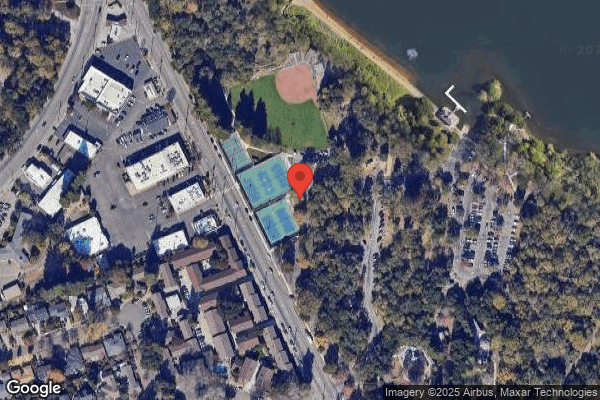
Oct 2019 12 deficiencies
CONCERN (D)

Potential for Harm - no one hurt, but risky conditions existed

Resident Rights (Tag F0550)

Could have caused harm · This affected 1 resident

Based on observation, interview and record review the facility failed to maintain the dignity of 2 residents, Residents 47 and 263 when the urinary catheter bags were placed where the bags could be se...

Read full inspector narrative →
Based on observation, interview and record review the facility failed to maintain the dignity of 2 residents, Residents 47 and 263 when the urinary catheter bags were placed where the bags could be seen readily to residents and visitors. This had the potential to lower the Residents self-esteem. Findings: 1. During on observation on 10/14/19 at 10:15 a.m., Resident 47 was lying in bed with his urinary catheter bag hanging on the bed rail and visible to residents and visitors. During an observation on 10/15/19 at 9:49 a.m., Resident 47's urinary catheter bag was hanging on the bed rail and not covered by a blue cloth bag. During an observation on 10/15/10 at 2:47 p.m. Resident 47 was in bed and urinary catheter bag was hanging on the bed rail and not covered. 2. During an observation on 10/15/19 at 10:16 a.m., Resident 263's urinary catheter bag was hanging on the lower mattress frame, but was not concealed. A blue cloth bag was also hanging from the lower mattress frame. During an observation on 10/15/19 at 2:51 p.m., Resident 263 was transferred to a new bedroom. He was transported down the hallway while lying in bed and the urinary catheter bag was uncovered and the blue bag to cover it was empty next to the catheter bag. Other residents were in the hallway when he was moved. During an interview on 10/17/19 at 1:30 p.m., Resident 263 stated that he preferred to have the urinary catheter bag covered using the cloth bag provided by the facility. During an interview on 10/21/19 at 9:19 a.m., Licensed Nurse A stated a urinary catheter bag should be placed in blue bag and placed carefully onto the wheelchair to avoid twisting the tubing or getting the tubing caught in the wheels, while keeping it below the bladder. When resident was in bed the bag should be in the blue cover and hooked to the mattress frame lower than the bladder. During an interview on 10/21/19 at 9:25 a.m., Certified Nursing Assistant B stated catheter bags should be in the blue bag when resident was up in wheelchair and also covered while resident was in bed.
CONCERN (D)

Potential for Harm - no one hurt, but risky conditions existed

Deficiency F0558 (Tag F0558)

Could have caused harm · This affected 1 resident

**NOTE- TERMS IN BRACKETS HAVE BEEN EDITED TO PROTECT CONFIDENTIALITY** Based on observation, interview and record review, the facility failed to accommodate the needs of two of 22 sampled residents (...

Read full inspector narrative →
**NOTE- TERMS IN BRACKETS HAVE BEEN EDITED TO PROTECT CONFIDENTIALITY** Based on observation, interview and record review, the facility failed to accommodate the needs of two of 22 sampled residents (Residents 318 and 321) when: 1) Resident 318 was not provided an extension tubing for his nasal cannula (a lightweight tube used to deliver oxygen) resulting in Resident 318 not being able to freely move around his room. 2) Resident 321 was provided an ill-fitting wheelchair which Resident 321 reported caused her pain and discomfort. Findings: 1) A review of Resident 318's admission Record indicated he was admitted to the facility on [DATE] with diagnoses which included acute and chronic respiratory failure. During an observation on 10/14/19, at 10 a.m., Resident 318 was in his room seated on his wheel chair wearing a nasal cannula which connected to an oxygen concentrator (a machine that produces oxygen). The nasal cannula tubing was fully extended and Resident 318 was unable to move his wheelchair. Resident 318 tried to turn his wheelchair towards the bed but was unable because the nasal cannula tubing was not long enough. During a concurrent interview, Resident 318 stated the oxygen tubing was too short and prevented him from maneuvering his wheelchair in the room. Resident 318 stated the facility had previously provided a longer oxygen tubing that allowed him to move freely in his room but the one he currently had was too short. A review of Resident 318's oxygen therapy care plan, dated 10/8/19, indicated the following intervention: For residents who should be ambulatory, please provide extension tubing or portable oxygen apparatus. During an interview on 10/21/19, at 7:40 a.m., the Director of Nursing (DON) stated Resident 318's oxygen tubing was changed weekly and it was possible Resident 318 was not provided an extension tubing when the tubing was changed. The DON confirmed Resident 318's care plan indicated the provision of an extension tubing. Facility policy titled Resident Rights, dated 10/4/16, indicated: You have a right to a safe, clean, comfortable and homelike environment, including but not limited to receiving treatment and supports for daily living safely. 2) A review of Resident 321's admission record indicated she was admitted on [DATE] with diagnoses which included generalized muscle weakness, difficulty in walking, need for assistance with personal care and chronic pain syndrome. During an observation on 10/14/19, at 9:45 a.m., Resident 321 was in her room lying in bed with a wheelchair by her side. Resident 321 stated her wheelchair did not fit her properly. Resident 321 stated the back of the wheelchair was too small and the right handle of the wheelchair pressed against her right shoulder causing pain. Resident 321 stated she had informed the facility about it but nothing was done. A review of Progress Note dated 10/12/19, 5:44 p.m., indicated Resident 321 c/o [complained of] pain in the rt[right] shoulder . A review of Resident 321's Physician Therapy note dated 10/14/19, at 12:25 p.m., by Physical Therapist X, indicated: Continued complaint of R[right] shoulder pain when in wheelchair; unable to locate other wheelchair. During an interview 10/16/19, at 9:00 a.m., Resident 321 stated she noticed her wheelchair was not the right size for her back and was causing her pain on the second day after being given her wheelchair (10/8/19). Resident 321 stated she informed Occupational Therapist Y who said the facility was short on wheelchairs. Resident 321 stated she communicated the issue daily to the therapy staff. Resident 321 stated: I would tell anybody who would listen to. Resident 321 stated she did not know why it took so long for issue to be addressed. During an interview on 10/17/19, at 3 p.m., Physical Therapist X stated during therapy on 10/14/19 Resident 321 told him the right handle of her wheelchair was pressing into her right should and causing her pain. Physical Therapy X stated he searched for a replacement wheelchair for Resident 321 but there was none available. During an interview on 10/16/19, at 8:45 a.m., the Director of Rehabilitation Services (DHS) stated the facility provided a new, better fitting, wheelchair to Resident 321 on 10/15/19. The DHS stated she was first informed Resident 321 did not feel comfortable in her wheelchair on 10/15/19, when she overheard Resident 321 complaining about it during a therapy session. The DHS stated Resident 321's original wheelchair, provided to her on 10/7/19, was the right size for her hips but apparently short for her back. The DHS stated the facility acted upon resident concerns right away. Facility policy titled Resident Rights, dated 10/4/16, indicated: You have a right to a safe, clean, comfortable and homelike environment, including but not limited to receiving treatment and supports for daily living safely.
CONCERN (D)

Potential for Harm - no one hurt, but risky conditions existed

Quality of Care (Tag F0684)

Could have caused harm · This affected 1 resident

Based on interview and record review, the facility failed to ensure one of 22 sampled residents (Resident 47) received treatment and care in accordance with professional standards of practice when: Re...

Read full inspector narrative →
Based on interview and record review, the facility failed to ensure one of 22 sampled residents (Resident 47) received treatment and care in accordance with professional standards of practice when: Resident 47's Foley catheter was kept in a position above his bladder. This failure had the potential for urine in the catheter bag to return to the bladder increasing the risk of an urinary infection. Findings: During an observation on 10/14/19 at 10:15 a.m., Resident 47 was lying in bed with his urinary catheter bag hanging on the bed rail such that the catheter bag was higher than Resident 47's bladder, and visible to residents and visitors. During an observation on 10/15/19 at 9:49 a.m., Resident 47's urinary catheter bag was hanging on the bed rail and was visible to residents and visitors. During an observation on 10/15/10 at 2:47 p.m. Resident 47 was in bed and urinary catheter bag was hanging on the bed rail and not covered. During an interview on 10/21/19 at 9:19 a.m., Licensed Nurse A stated a urinary catheter bag should be placed in blue bag and placed carefully onto the wheelchair to avoid twisting the tubing or getting the tubing caught in the wheels, while keeping it below the bladder. When resident was in bed, the bag should be in the blue cover and hooked to the mattress frame lower than the bladder. During an interview on 10/21/19 at 9:25 a.m., Certified Nursing Assistant B stated catheter bags should be in the blue bag when resident was up in wheelchair and also covered while resident was in bed.
CONCERN (D)

Potential for Harm - no one hurt, but risky conditions existed

Food Safety (Tag F0812)

Could have caused harm · This affected 1 resident

Based on observation, interview, and dietary policy and procedure review, the facility failed to ensure staff followed its policy and procedure to defrost turkey rolls when 3 five-pound turkey rolls h...

Read full inspector narrative →
Based on observation, interview, and dietary policy and procedure review, the facility failed to ensure staff followed its policy and procedure to defrost turkey rolls when 3 five-pound turkey rolls had been defrosting in the refrigerator and held for 7 days. This failure had the potential to increase the risk of residents' exposure to foodborne illnesses, which might result in compromised medical status and in severe instances may result in death. Findings: During the initial tour of the kitchen refrigerators/freezers on 10/14/19 8:40 a.m. and an interview on 10/17/19, 3 five-pound ground turkey rolls had been labeled 10/7/19. Dietary Services Manager stated 10/7/19 meant the date the 3 ground turkey rolls were pulled from the freezer and placed in the refrigerator for thawing. Dietary Services Manager stated meat pulled from the freezer was thawed in the refrigerator and cooked on the third day. Dietary Services Manager stated she did not know why the ground turkey rolls were still in the refrigerator after being pulled 7 days ago for thawing; the dietary staff must have pulled to much meat for the turkey meatball recipe. She stated the turkey rolls should have been cooked on 10/10/19, and if the ground turkey was not used by day three of thawing, the ground turkey rolls should have been thrown out. The facility's policy/procedure titled, Food Preparation, dated 2018, indicated Refrigerator Storage and Storage of Frozen Food: 1. Estimated time for thawing meats: 1 day (24 hours) for every 5 pounds frozen meat in refrigerator at approximately 40 degrees Fahrenheit, 2. Once thawed, uncooked meat is to be used within 2 days .?
CONCERN (D)

Potential for Harm - no one hurt, but risky conditions existed

Infection Control (Tag F0880)

Could have caused harm · This affected 1 resident

Based on observation, interview and record review, the facility failed to provide an annual tuberculosis (a serious respiratory infection) screening to one of 22 sampled residents (Resident 46) which ...

Read full inspector narrative →
Based on observation, interview and record review, the facility failed to provide an annual tuberculosis (a serious respiratory infection) screening to one of 22 sampled residents (Resident 46) which may potentially result in spread of infections in the facility as one of communicable diseases. Findings A review of immunization record for Resident 46 on 10/17/19 at 10:00 a.m., indicated that the tuberculosis screening (TB) or TB skin test (PPD) was negative on 6/18/2018. There was no record to indicate that PPD or tuberculosis screening was repeated yearly. A TB screening questionnaire was done on 10/18/2017. A review of Physician's order, to give PPD or TB screen annually. An interview with Director of Staff Development (DSD) on 10/17/19 at 9:45 a.m., the DSD stated she would search for documentation for TB screen. An interview with the Director of Nursing (DON) on 10/17/2019 at 10:15 a.m., the DON stated there was no documentation that Resident 46 had received a TB screening recently. The DON stated the previous supervisor who was no longer employed in the facility did not do the PPD or tuberculosis screening for Resident 46. The DON stated the TB screening will be done today 10/17/19. When asked where's the TB screening questionnaire, DON stated, its only done once.
CONCERN (E)

Potential for Harm - no one hurt, but risky conditions existed

Safe Environment (Tag F0584)

Could have caused harm · This affected multiple residents

Based on observation, interview and record review, the facility failed to provide a comfortable environment to one of 22 sampled residents (Resident 325) and one unsampled resident (319) when their el...

Read full inspector narrative →
Based on observation, interview and record review, the facility failed to provide a comfortable environment to one of 22 sampled residents (Resident 325) and one unsampled resident (319) when their electric adjustable beds made a loud noise when operated which disturbed their sleep. Findings: During an interview on 10/14/19, at 9:15 a.m., Residents 319 and 325 reported their adjustable beds were noisy and woke them up at night when operated. During a concurrent observation, Residents 319 and 325 operated their adjustable beds by elevating the head of the bed and the leg height and the beds made a loud noise. During an observation on 10/16/19, at 10:30 a.m., Maintenance Staff Z operated the adjustable beds of Residents 319 and 325 and the beds made a loud noise. Facility policy titled Resident Rights, dated 10/4/16, indicated: You have a right to a safe, clean, comfortable and homelike environment, including but not limited to receiving treatment and supports for daily living safely.
CONCERN (E)

Potential for Harm - no one hurt, but risky conditions existed

Transfer Notice (Tag F0623)

Could have caused harm · This affected multiple residents

**NOTE- TERMS IN BRACKETS HAVE BEEN EDITED TO PROTECT CONFIDENTIALITY** 4) During a review of the clinical record for Resident 54, the Notice of Proposed Transfer/discharge date d 10/12/19 indicated R...

Read full inspector narrative →
**NOTE- TERMS IN BRACKETS HAVE BEEN EDITED TO PROTECT CONFIDENTIALITY** 4) During a review of the clinical record for Resident 54, the Notice of Proposed Transfer/discharge date d 10/12/19 indicated Resident 54's son was notified of transfer to hospital on [DATE]. Notification to ombudsman was not indicated. During an interview with the Social Services Coordinator (SSC), on 10/17/19, at 2:12 p.m., she stated the Notice of Proposed Transfer/Discharge for Resident 54 was faxed to the ombudsman's office on 10/17/19 at 9:00 a.m. and verified by fax confirmation sheet. The SSC stated she tried to fax forms over to the ombudsman in a timely manner. The facility policy/procedure titled, Admission, Transfer and Discharge, revised 11/16, indicated the facility would send a copy of Notice of Proposed Transfer/Discharge form to the State Long Term Care Ombudsman's office. A document titled All Facility Letter (17-27) Summary, dated 12/27/17, based on Health and Safety Code (HSC) section 1439.6, which indicated Long Term Care (LTC) facilities were to notify the local LTC Ombudsman at the same time notice is provided to the resident or resident's representatives when a facility-initiated transfer or discharge occurred. The facility must send a notice to the local Ombudsman for any transfer or discharge that is initiated by the facility, whether or not the resident agrees with the facility's decision. The facility is required to provide a copy of the notice to the LTC Ombudsman as soon as practicable if a resident is subject to a facility-initiated transfer to a general acute care hospital on an emergency basis. Failure to timely send a copy of the notice to the local LTC Ombudsman will constitute a class B violation, which may result in a monetary penalty between $100-$2000. 3) A review of closed record for Resident 365 on 10/21/19 at 10 a.m., indicated that the Ombudsman was not informed when the resident was discharged to home on 4/19/19. During an interview with Medical Records Director (MRD) and Social Service Director (SSD) on 10/21/2019, both MRD and SSD stated they were not keeping records or tally of ombudsman notification before 4/19/2019. MRD stated, they started keeping records after 4/2019. Based on interview and record review, the facility failed to send a copy of Notice of Discharge form to the representative of the Office of the State Long-Term Care (LTC) Ombudsman [a public advocate (official) is an official who is in charge with representing the interests of the public by investigating and addressing complaints of maladministration or a violation of rights] for 1 unsampled resident (Resident 365), who was discharged to home, and Notice of Transfer form for 3 unsampled residents (Resident 23, 30, and 54), who were transferred to an acute care facility, in a timely manner. This failure had the potential for Resident 365 being inappropriately discharged and not being provided an advocate who could inform them of their rights and options if they were not ready to be discharged to home and prevented the Ombudsman from being able to advocate for Resident 23, 30, and 54. Findings 1) A review of Resident 23's admission Record, indicated she was admitted on [DATE] with a diagnosis including traumatic subdural hemorrhage (a pool of blood between the brain and its outermost covering) with loss of consciousness, end stage renal (kidney) failure, and heart failure. A review of Resident 23's Nurse's Note, Physician Order, and Nursing Home to Hospital Transfer Form, all dated 10/9/19, indicated Resident 23 returned to the facility from having routine dialysis (The process of removing waste products and excess fluid from the body when one's kidneys are not able to) at 12 noon. At 2 p.m. Resident 23 had a fever and high blood pressure, 152/124 (norm being 120/80). At 3 p.m. Resident 23's blood pressure was 129/103 and temperature was 101 º (degrees) F (Fahrenheit), she had thrown-up twice and was disoriented. Resident 23 was transferred to the acute care facility on 10/9/19 due to uncontrolled high blood pressure. 2) A review of Resident 30's admission Record, indicated she was admitted on [DATE] with a diagnosis including gastrointestinal (related to, affecting, or including both stomach and intestine) hemorrhage (bleeding). A review of Resident 30's Nurse's Note, Physician Order, and Nursing Home to Hospital Transfer Form, all dated 10/14/19, indicated Resident 30 was transferred to the acute care facility on 10/14/19 due to she had an episode of dark tarry stool, which saturated her whole brief. During an interview on 10/18/19 at 10:57 a.m. Social Services C stated when a resident was transferred to the hospital, Social Services would send a Notice of Transfer/Discharge form to the Ombudsman's office the day of the discharge or transfer or the following day, but the form would not be sent to the Ombudsman's office until Monday, if the transfer or discharge occurred on the weekend. Both Social Services C and Social Services E stated the Ombudsman's office stated they did not want to be notified daily about transfers and discharges. A review of Resident 23's and 30's Notice of Proposed Transfer/Discharge form, indicated Resident 23 was transferred to an acute care facility on 10/9/19 and Resident 30 was transferred to an acute care facility on 10/14/18. The Confirmation Verification Report, indicated the Ombudsman's office was notified by fax on 10/18/19 about Resident 23's and 30's transfer to an acute care facility, the same day surveyor had asked Social Service C and Social Service E to show proof of the Ombudsman's office being notified. The Ombudsman's office was notified of Resident 23's transfer 9 days after her transfer and of Resident 30's transfer 4 days after her transfer. During an interview on 10/21/19 at 11:38 a.m., the DON stated the Notice of Transfer/ Discharge form was sent to the Ombudsman's office after the resident was discharge or transferred. The DON was not aware the form needed to be sent to the Ombudsman's office prior to the resident's discharge, and as practically possible after a resident was transferred to the acute care facility.
CONCERN (E)

Potential for Harm - no one hurt, but risky conditions existed

Comprehensive Care Plan (Tag F0656)

Could have caused harm · This affected multiple residents

**NOTE- TERMS IN BRACKETS HAVE BEEN EDITED TO PROTECT CONFIDENTIALITY** 5. During an observation on 10/14/19 at 10:05 a.m. Resident 416 was in her room asleep in bed. During an observation on 10/14/19...

Read full inspector narrative →
**NOTE- TERMS IN BRACKETS HAVE BEEN EDITED TO PROTECT CONFIDENTIALITY** 5. During an observation on 10/14/19 at 10:05 a.m. Resident 416 was in her room asleep in bed. During an observation on 10/14/19 at 2:30 p.m., Resident 416 was in her room, lying in bed with sheet covering her, pulling at the curtains and moving her legs around, restless. During an observation on 10/15/19 at 8:00 a.m., Resident 416 was up in her wheelchair in the hallway outside of her room. During an observation on 10/15/19 at 11:00 a.m., Resident 416 was in her room lying in bed, restless, moving around in bed, pulling at window curtains. During an observation on 10/16/19 at 4:00 p.m., Resident 416 was in her room, lying in bed, moving her legs around, restless, grabbing at window curtains. During an observation on 10/17/19 at 11:00 a.m., Resident 416 was in bed asleep. During an observation on 10/17/19 at 2:30 p.m., Resident 416 was lying in her bed, restless, moving her legs side to side and grabbing at the window curtains. During an observation on 10/17/19 at 4:00 p.m., Resident 416 was in her room, lying in bed, talking to herself, moving her legs around. During a review of the clinical record for Resident 416, the admission Record indicated she was admitted on [DATE] with a primary diagnosis of Cerebral Infarction, Unspecified (an area of dead tissue in the brain resulting from a blockage or narrowing of the blood vessels supplying blood and oxygen to the brain). During an interview with the Activities Director (AD) on 10/18/19 at 10:21 a.m., she reviewed the Activity admission Evaluation dated 10/14/19 and confirmed Resident 416 had an activities assessment performed on 10/14/19. The AD stated assessed activities for Resident 416 were playing cards, word games, and watching movies and news. The AD stated Resident 416's family brought in a music player on 10/17/19 so Resident 416 could listen to music in her room. The AD stated Resident 416 was not attending activities outside of her room. The AD was unable to provide any documentation that in room activities were being provided for Resident 416. During an observation on 10/18/19 at 10:37 a.m., Resident 416 was in her room, lying in bed, restless, moving her legs side to side, radio on night stand playing music. During a review of the clinical record for Resident 416, the Care Plan initiated 10/15/19 indicated Resident 416 had little or no activity involvement related to poor adjustment to the facility due to Cerebral Infarction. The Care Plan goal section indicated patient preferred in room activities over group activities. The Care Plan intervention section indicated patient would be invited to scheduled activities. The facility policy and procedure titled, Nursing Administration: Comprehensive Person-Centered Care Planning, revised 8/17, indicated the interdisciplinary team (IDT) shall develop a comprehensive person-centered care plan for each resident that includes measurable objectives and timeframes to meet a resident's medical, nursing, mental and psychosocial needs that are identified in the comprehensive assessment. The facility policy and procedure titled Activity Policy and Procedure Manual: Delivery of Activity Services, revised 7/18, indicated the activities, social events, and schedules are developed in conjunction with the resident's plan of care. The facility policy and procedure titled Activity Director job description, undated, indicated: 1. Develop preliminary and comprehensive assessments of the activity needs of each resident . 2. Develop a written plan of care (preliminary & comprehensive) for each resident that identifies the problems/needs of the resident and the goals to be accomplished for each problem/need, 3. Ensure that all activity personnel are aware of the care plan and that care plans are used in providing daily activities for the resident, 4. Make routine visits to residents and perform assistance with crafts, project 5. Assist bed residents by visiting with them, writing letters, running errands, making appointments . 4. During a record review of the care plan for Resident 46 on 10/16/19, indicated on 5/15/13, care plan was initiated and revision updated on 9/15/19 by Licensed Nurse D. Resident 46 was admitted on [DATE]. There was no indication that a revision of the careplan was done quarterly since 5/15/13. During a review of the care plan for Resident 46 10/18/19 at 3:30 p.m., indicated that on 5/15/13 activity plan was initiated and created. The care plan revision was on 9/15/19. There was no indication that the care plan was reviewed, revised or evaluated quarterly since 5/15/13. A review of the activity care plan interventions indicated Resident 46 provided with his favorite magazine, National Geographic and Smithsonian when requested. The activity did not indicate how Resident 46 will communicate his need for magazine in the care plan. During an observation on 10/17/19 at 10 a.m., Resident 46 did not have a magazine provided on his table where he was sitting. The television was in national geographic channel and the volume was silent. During an interview with Activities Director (AD) on 10/18/19 at 3:30 p.m., when asked, do you have any Chinese or Vietnamese newspaper in the Facility? AD shrug her shoulder and said No. The activity department did not have any Vietnamese or Chinese language material to provide to Resident 46 to read. A review of care plan for Potential for a psychosocial well-being problem. initiated on 10/17/16 by Social service was not implemented. On 10/16/19 at 10 a.m., Resident 46 continued to have the feeling of anger, unhappiness and isolation by hand gestures of thumbs down and not smiling and constantly refusing care from CNAs. There was no revision or update since 10/16/16 by the Social Service. During a telephone interview with Resident 46 daughter on 10/16/19 at 11:21 a.m., the daughter stated, Resident 46 did not like to attend activity because it was not culture base. The activity for Resident 46 was not person centered. 3. A review of Resident 94's admission Record indicated she was admitted on [DATE] with a primary diagnosis of acute systolic heart failure. A review of Resident 94's Minimum Data Set (MDS - an assessment tool), dated 9/26/19, indicated, under Preferences for Customary Routine and Activities, that it was very important for Resident 94 to have books, newspapers and magazines to read, listen to music, be around animals such as pets, keep up with the news, do things with groups of people, and go outside to get fresh air when the weather is good. A review of Resident 94's Activities Care Plan, dated 9/26/19, indicated Resident 94 enjoyed reading mysteries and watching sports. Resident 94's Activities Care Plan, under interventions, did not contain any interventions to provide Resident 94 with the activities she indicated were very important to her in the MDS dated [DATE]. During an interview on 10/17/19, at 4:02 p.m., the Activities Director (AD) reviewed Resident 94's MDS Assessment and Activities Care Plan and confirmed the Activities Care Plan did not contain interventions to meet Resident 94's activities preferences as indicated in the MDS Assessment. Based on observation, interview, and record review, the facility failed to have an individualized Activities care plan to meet the needs of 5 out of 22 sampled residents (Resident 14, 34, 46, 94 and 416). This failure had the potential to decrease the residents' quality of life by placing them at risk of sensory deprivation, depression, social isolation, further cognitive decline, failure to thrive for a vulnerable resident, and compromise residents' physical and psychosocial well-being. Findings: 1. A review of Resident 14's admission Record, dated 4/10/19 and History and Physical, dated 7/16/19, indicated Resident 14 had a diagnosis including hemiplegia (paralysis of the muscles of the lower face, arm, and leg on one side of the body) and hemiparesis (weakness of one entire side of the body) following a stroke, needed assistant with personal care . Resident 14's X-ray report and Nurse's Progress Notes, dated 7/16/19, indicated Resident 14 had slid out of her wheelchair while in the facility dining room and fractured her left hip. Resident 14's Order Summary Report, dated 9/1/19 indicated she was admitted to Hospice (type of care for a terminally ill person who is expected to have six months or less to live) on 7/19/19 due to cerebrovascular disease (range of conditions that affect the flow of blood through the brain). A review of Resident 14's admission MDS (minimum data set, a clinical assessment process provides a comprehensive assessment of the resident's functional capabilities and helps staff identify health problems), dated 4/17/19, indicated Resident 14 had a BIM Score of 8 [moderately cognitive (thinking, knowing, remembering .) impaired], two person assist with bed mobility and transfer (how a person moves between surfaces including from bed, chair, wheelchair . and one person assist moving to and from a room. Resident 14's Significant Change in Condition MDS, dated [DATE], indicated Resident 14 had a BIM Score of 6 (severely cognitive impaired) and was not getting up in a wheelchair, she was bed bound. Both MDSs indicated per Resident 14's interview preference, her preferred activities were doing things with groups of people, doing her favorite activities, going outside when the weather was nice, participating in religious services, keeping up with the news, music and pets were either somewhat or very important. During an observation on 10/14/19 at 10:25 a.m. and 1:14 p.m., Resident 14 was sound asleep on her back, curtain drawn between residents, and room dark. During multiple observations on 10/15/19 from 8:30 a.m. to 11:59 a.m., Resident 14 was positioned on her back, asleep, with lights out. During a concurrent observation and interview on 10/17/19 at 9:34 a.m., Resident 14 was awake and sitting upright in bed. She was confused to events; forgot she had just finished her breakfast in bed. A review of Resident 14's care plan had no focus on Activities. There was no emphasis on Resident 14 being bed bound and needing one-to-one room visits. During multiple observations on 10/14/19 through 10/18/19, surveyor did not observe music being provided or the television (T.V.) on. Surveyor did not observe activity staff visiting with Resident 14 or reading to her. During an interview on 10/18/19 at 11:12 a.m., the Activities Director stated the activities staff did in room visits to those residents who could not go to activities, but she had not been documenting the in-room visits at all nor had she been care planning one-to-one in-room visits. The Activities Director stated she completed the admission and annual Activities Assessment F section of the MDS and if she needed help, she would ask the MDS coordinator. The Activities Director stated she did an activities assessment for every resident upon admission, quarterly and annually. The Activities Director stated she would document when a residents went to an activity, but she had not been documenting any of the resident in-room visits. The Activities Director stated Resident 14 was receiving one-to-one in-room visits two to three times per week, but she had not been documenting any of the visits. 2. A review of Resident 34' s admission Record, dated 10/20/17, History and Physical, dated 2/5/19, and Terminal Prognosis care plan. Dated 10/4/17 and revised 5/16/19, indicated Resident 34 had a diagnosis including dementia (broad category of brain diseases that cause a long-term and often gradual decrease in the ability to think and remember that is great enough to affect a person's daily functioning), multiple sclerosis (nervous system disease that affects your brain and spinal cord), psychosis (a severe mental disorder in which thought and emotions are so impaired that contact is lost with external reality), placed on Hospice due to terminal illness of Alzheimer's disease (irreversible, progressive brain disorder that slowly destroys memory and thinking skills) . A review of Resident 34's Significant Change in Condition MDS, dated [DATE], indicated Resident 34: 1. Was on Hospice, 2. Had a BIM of 3 (several cognitively impaired), 3. Needed two person assist with bed mobility (how resident moves to and from lying position, turns side to side, and positions body while in bed), transfer (how resident moves between surfaces including to or from the bed, chair, wheelchair .), personal hygiene and dressing, and one person physical assist with eating, and 4. Staff Assessment of Daily and Activity Preferences included listening to music, being around animals such as pets, participating in favorite activities, spending time outdoors . During a concurrent observation and interview on 10/14/19 at 12:58 p.m., Resident 34 was in bed, wearing a hospital gown, head elevated 65 degrees, positioned on back and her left eye was full of sleep. When spoken to, Resident 34 was calm and replied with one to three word sentences, which often did not make sense. She was able to drink a shake using a drinking cup without assistance. Surveyor observed Resident 34 on her back from 10 a.m. to 1 p.m. During multiple observations on 10/15/19 from 9:51 a.m. to 3:20 p.m. Resident 34 was in hospital gown, head elevated and positioned on right side. Resident 34 was facing the wall; no television or music was on. Surveyor did not observe staff visiting with her. A review of Resident 34's last 3 Activity - Quarterly Evaluations, dated 1/3/19, 4/3/19, and 10/1/19, indicated Resident 34 enjoyed reading such as the daily newspaper, room activities such as visits from her family, staff would continue one-on-one visits, and piano activity on occasions. During multiple observations on 10/14/19 through 10/18/19, surveyor did not observe Resident 34 reading the newspaper. She had a BIM score of 3 (severely cognitively impaired). A review of Resident 34's Activity care plan, initiated 9/28/17, indicated she was placed on Hospice, she had little or no activity involvement because of lack of energy secondary to terminal illness, liked to draw, was provided an activities calendar and would be notified of any changes to the calendar of activities, and staff will encourage Resident 34 to participate in daily activities based on her energy level. During multiple observations on 10/14/19 through 10/18/19 by surveyor, Resident 34 was not offered any paper and coloring material. Resident 34 had been placed on Hospice due Alzheimer's and had a BIM score of 3 (severely cognitively impaired). A review Resident 34's Activity care plan, revised on 5/28/19, indicated provide in room visits. Resident 34's Activity care plan, revised on 8/27/19, indicated she will maintain involvement in cognitive stimulation, social activities as desired, and will attend/participate in activities. During multiple observations on 10/14/19 through 10/18/19 by surveyor, Resident 34 was not observed having in room visits by the activities staff. There was no documentation of the activity staff visiting with Resident 34. Resident 34 was not observed being offered any type of cognitive stimulation, such as the T.V. turned on, music, coloring books, spend time outside to enjoy the nice weather, etc. During an interview on 10/16/19 at 4:46 p.m. and 10/18/19 at 11:12 a.m. the Activities Director stated Resident 34 did not get up; activities staff member brought her the Activities Newspaper every morning and had a little conversation with her. The Activities Director stated the activities staff would take the time to read the Activities Newspaper to those who could not read. The Activities Director stated she has not been documenting the in room visits. The Activities Director stated she documented if a resident came to activities, but she had not been documenting the in room visits. The Activities Director stated Resident 34 had been receiving in room visits two to three days per week, but there was no documentation of Resident 34 receiving in room visits. During an interview on 10/18/19 at 9:37 a.m., Certified Nurse Assistant (CNA) E stated Resident 34 did not want anyone around. CNA E stated it took two staff members or the hospice aide and a staff member to care for Resident 34 because she would scratch. CNA E stated Resident 34 would yell and cuss when cared for. CNA E stated she favored her right side and every time you turned her to the other side, she would roll back. During a concurrent interview on 10/21/19 at 8:45 a.m., Minimum Data Set (MDS) Coordinator F and MDS Coordinator G both stated the Activities Director was new and she did the Activities assessments and MDS Coordinator F signed off on the MDS Assessment. MDS Coordinator G stated one-to-one in room visits were not initiated on Resident 34's care plan until 10/20/19 (yesterday). Resident 34's Quarterly MDS, dated [DATE], indicated a BIM score of 2 (severely cognitively impaired). Surveyor asked MDS Coordinators how Resident 34 would be able to read the newspaper with a BIM score of 2. MDS Coordinator F and MDS Coordinator G both stated they could see surveyor's concern with Resident 34's Activities care plan indicating she enjoyed reading the newspaper. Both stated residents on Hospice needed activities; if the residents were bed bound, the residents needed one-to-one visits, music, T.V., etc. During an observation on 10/21/19 at 9:33 a.m., Resident 34 was positioned in bed on her right side with the head of her bed elevated. Resident 34 was smiling and wanted surveyor's clipboard. During multiple observations on 10/14/19 through 10/18/19 and 10/21/19, surveyor did not observe T.V. and/or music on for Resident 34, and she was bed bound. Resident 34's Activities care plan did not meet the needs of a resident who was bed bound; often very little interaction and stimulation with staff.
CONCERN (E)

Potential for Harm - no one hurt, but risky conditions existed

Deficiency F0676 (Tag F0676)

Could have caused harm · This affected multiple residents

Based on observation, interview and record review, the facility failed to provide necessary care and services for two of 22 sampled residents (Resident 46 and 60) when Residents 46 and 60 were not off...

Read full inspector narrative →
Based on observation, interview and record review, the facility failed to provide necessary care and services for two of 22 sampled residents (Resident 46 and 60) when Residents 46 and 60 were not offered hand wipes to clean their hands before meal time which had the potential to result in increase risk of developing infection. Findings: During an observation on 10/16/19 at 12:30 p.m., CNA (certified nursing assistant) and other staff did not clean the hands of Resident 60 before lunch. Lunch tray was served and placed on Resident 60's bedside table. The MDS (minimum data set) coordinator was standing at her side to assist with feeding. When Resident 60 grabbed the pudding in a small plate and put in her mouth, MDS coordinator then wiped her hands with dry white tower. During an observation on 10/16/19, at 12:30 p.m., Resident 46 was sitting in his room. The CNA and other staff did not offer Resident 46 wipes to clean his hands before eating. During an interview with the DSD (director of staff development) on 10/17/19, at 11 a.m., he stated that CNAs would wipe hands or offer wipes to residents 10 minutes before meal time. During an interview with the DON (director of nursing) on 10/17/19, at 1 p.m., she stated CNA would wipe residents hands right before meal time. The facility policy titled Prevention and Control (IPCP) page 3, letter V) Reporting mechanisms for infection control, letter C) observation of practices i.e. Hand Hygiene.
CONCERN (E)

Potential for Harm - no one hurt, but risky conditions existed

ADL Care (Tag F0677)

Could have caused harm · This affected multiple residents

**NOTE- TERMS IN BRACKETS HAVE BEEN EDITED TO PROTECT CONFIDENTIALITY** A review of Resident 321's admission Record indicated she was admitted on [DATE] with diagnoses which included chronic pain synd...

Read full inspector narrative →
**NOTE- TERMS IN BRACKETS HAVE BEEN EDITED TO PROTECT CONFIDENTIALITY** A review of Resident 321's admission Record indicated she was admitted on [DATE] with diagnoses which included chronic pain syndrome, generalized muscle weakness, difficulty in walking, need for assistance with personal care. A review of Resident 332's admission Record indicated she was admitted on [DATE] with diagnoses which included difficulty in walking and need for assistance with personal care. During an observation on 10/16/19, at 12:35 p.m., staff brought Resident 332's lunch tray in her room. Staff placed Resident 332's tray in her bedside table, raised Resident 332's head of bed and left. No staff helped Resident 332 wash her hands or offered a rag or wipes for Resident 332 to clean her hands prior to eating lunch. During a concurrent interview on 10/16/19, at 12:35 p.m., Resident 321, who was Resident 332's roommate, stated she and Resident 332 always ate meals in their room and no staff had ever offered to help her or Resident 332 wash hands prior to meals or offered washing rags or hand cleaning wipes. During an interview on 10/17/19, at 10:05 a.m., Resident 332, interpreted by family, stated on 10/17/19 at around 4 a.m. she pressed the call light because she needed assistance going to the bathroom and two staff came in and asked her what she needed in English. Resident 332 stated she told them in Italian she needed assistance to go to the bathroom. Resident 332 stated staff responded in English which she did not understand and she felt staff did not understand what she said also. Resident 332 stated staff left without assisting her to the bathroom. Resident 332 stated as a result she soiled herself and remained soiled for over one hour until she was changed. When asked how she felt about not being helped, Resident 332 answered she asked herself Why is this happening? Resident 332 stated staff did not use the translation phone (available on her bedside table) or called family to translate for her. During a concurrent interview, Resident 332's family confirmed her mother related this incident to her today and that she did not receive any calls from staff asking to translate for her mother today. During an interview on 10/17/19, at 10:15 a.m., Resident 321, who was Resident 332's roommate, indicated she witnessed the incident as described by Resident 332. The facility job description titled, Certified Nursing Assistant (CNA), undated, indicated CNAs Food Service Functions were: Prepare residents for meals (take to bathroom, wash hands, place bib .), Perform after meal care (remove trays, clean resident's hands, face, clothing ) and Personal Nursing Care Functions were Assist resident with bowel and bladder functions (i.e., take to bathroom, offer bedpan/urinal, portable commode, etc.). Based on observation, interview and record review, the facility failed to provide two of 22 sampled residents (Residents 4 and 321) and five unsampled residents (Residents 2, 51, 62, 101 and 332) wash clothes to wash their hands and face before meals and failed to provide toileting assistance to one unsampled resident (Resident 332). These failures resulted in residents feeling neglected and unclean before eating their meal and in Resident 332 being left soiled for an extended period of time, which had the potential to negatively impact the resident's physical and psychosocial wellbeing. Findings: A review of Resident 4's admission Record, dated 3/20/19, indicated she had a diagnosis including difficult in walking, weakness, needed assistance with personal care, had breast cancer . and Quarterly MDS (minimum data set, a clinical assessment process provides a comprehensive assessment of the resident's functional capabilities and helps staff identify health problems), dated 7/4/19 indicated Resident 4 had a BIM (Brief Interview of Mental Status) score of 11 [moderately impaired cognition (thinking, knowing, remembering .)], needed one person assist with personal hygiene (washing and drying face/hands .) and was on Hospice (type of care for a terminally ill person who is expected to have six months or less to live). During concurrent observations and interview on 10/14/19 at 1:24 p.m. Resident 2, 4, and 101 were all up in their wheelchair having lunch in their room. Surveyor observed staff passing and setting up trays for residents who wanted to eat lunch in their room, but resident 2, 4, and 101 were not offered a washcloth or hand wipe to wash their face and hands prior to eating their lunch. Resident 4 stated you have to ask for a washcloth or hand wipe before meals. A review of Resident 62's History and Physical, dated 4/17/19, indicated she had been a quadriplegia (paralysis of all four limbs) for the past 17 years. Resident 62's Quarterly MDS, dated [DATE], indicated she had a BIM score of 15 (cognitively intact) and she needed two person assist with personal hygiene. During concurrent observations and interview on 10/16/19 at 1:09 p.m., Resident 51 was up in her wheelchair eating lunch in her room. She was not offered a washcloth or hand wipe to wash her hands and face prior to eating lunch. Resident 62 stated she was never offered a washcloth or hand wipe to wash her hands/face before meals and she was wheelchair bound. Resident 62's daughter stated she was never offered a washcloth prior to meals. During an interview on 10/17/19 at 5:36 p.m., Certified Nurse Assistant (CNA) G stated to get a resident ready for a meal, first staff should make sure the resident's hands were washed or the resident was offered a hand wipe if they were independent, prior to the start of their meal.
CONCERN (E)

Potential for Harm - no one hurt, but risky conditions existed

Deficiency F0679 (Tag F0679)

Could have caused harm · This affected multiple residents

**NOTE- TERMS IN BRACKETS HAVE BEEN EDITED TO PROTECT CONFIDENTIALITY** 7. During an observation on 10/14/19 at 10:05 a.m. Resident 416 was in her room asleep in bed. During an observation on 10/14/19...

Read full inspector narrative →
**NOTE- TERMS IN BRACKETS HAVE BEEN EDITED TO PROTECT CONFIDENTIALITY** 7. During an observation on 10/14/19 at 10:05 a.m. Resident 416 was in her room asleep in bed. During an observation on 10/14/19 at 2:30 p.m., Resident 416 was in her room, lying in bed with sheet covering her, pulling at the curtains and moving her legs around, restless. During an observation on 10/15/19 at 8:00 a.m., Resident 416 was up in her wheelchair in the hallway outside of her room. During an observation on 10/15/19 at 11:00 a.m., Resident 416 was in her room lying in bed, restless, moving around in bed, pulling at window curtains. During an observation on 10/16/19 at 4:00 p.m., Resident 416 was in her room, lying in bed, moving her legs around, restless, grabbing at window curtains. During an observation on 10/17/19 at 11:00 a.m., Resident 416 was in bed asleep. During an observation on 10/17/19 at 2:30 p.m., Resident 416 was lying in her bed, restless, moving her legs side to side and grabbing at the window curtains. During an observation on 10/17/19 at 4:00 p.m., Resident 416 was in her room, lying in bed, talking to herself, moving her legs around. During a review of the clinical record for Resident 416, the admission Record indicated she was admitted on [DATE] with a primary diagnosis of Cerebral Infarction, Unspecified (an area of dead tissue in the brain resulting from a blockage or narrowing of the blood vessels supplying blood and oxygen to the brain). During an interview with the Activities Director (AD) on 10/18/19 at 10:21 a.m., she reviewed the Activity admission Evaluation dated 10/14/19 and confirmed Resident 416 had an activities assessment performed on 10/14/19. The AD stated assessed activities for Resident 416 were playing cards, word games, and watching movies and news. The AD stated Resident 416's family brought in a music player on 10/17/19 so Resident 416 could listen to music in her room. The AD stated Resident 416 was not attending activities outside of her room. The AD was unable to provide any documentation that in room activities were being provided for Resident 416. During an observation on 10/18/19 at 10:37 a.m., Resident 416 was in her room, lying in bed, restless, moving her legs side to side, radio on night stand playing music. During a review of the clinical record for Resident 416, the Care Plan initiated 10/15/19 indicated Resident 416 had little or no activity involvement related to poor adjustment to the facility due to Cerebral Infarction. The Care Plan goal section indicated patient preferred in room activities over group activities. The Care Plan intervention section indicated patient to be invited to scheduled activities. During an interview with Certified Nurse Assistant C (CNA C) on 10/18/19 at 3:24 p.m., CNA C stated she spoke to Resident 416 in Spanish, to help calm her and put her at ease. CNA C stated she made sure the music was on low for Resident 416 throughout her shift to help keep her calm. CNA C stated Resident 416 did not attend activities during her shift. During an interview with Certified Nurse Assistant A (CNA A) on 10/21/19 at 8:30 a.m., she stated Resident 416 did not attend activities during her shifts last week. The facility policy and procedure titled, Activity Policy and Procedure Manual: Delivery of Activity Services, revised 7/18, indicated: When developing the resident's activity and social care plan, the resident should be given an opportunity to choose when, where, and how he or she will participate in activities and social events. Activities, social events, and schedules are developed in conjunction with the resident's interests, assessment, and plan of care. resident's plan of care. The facility Activity Director job description, undated, indicated: 1. Develop preliminary and comprehensive assessments of the activity needs of each resident, 2. Develop a written plan of care (preliminary & comprehensive) for each resident that identifies the problems/needs of the resident and the goals to be accomplished for each problem/need, 3. Ensure that all activity personnel are aware of the care plan and that care plans are used in providing daily activities for the resident, 4. Make routine visits to residents and perform assistance with crafts, project 5. Assist bed residents by visiting with them, writing letters, running errands, making appointments . 6. During a review of the care plan for Resident 46 10/18/19 at 3:30 p.m., indicated that on 5/15/13 activity plan was initiated and created. The care plan revision was on 9/15/19. There was no indication that the care plan was reviewed, revised or evaluated quarterly since 5/15/13. A review of the activity care plan interventions indicated Resident 46 provided with his favorite magazine, National Geographic and Smithsonian when requested. The activity did not indicate how Resident 46 will communicate his need for magazine in the care plan. During an observation on 10/17/19 at 10 a.m., Resident 46 did not have a magazine provided on his table where he was sitting. The television was in national geographic channel and the volume was silent. During an interview with the AD on 10/18/19 at 3:30 p.m., when asked, do you have any Chinese or Vietnamese newspaper in the Facility? AD shrug her shoulder and said No. The activity department did not have any Vietnamese or Chinese language material to provide to Resident 46 to read. A review of care plan for Potential for a psychosocial well-being problem. initiated on 10/17/16 by Social service was not implemented. On 10/16/19 at 10 a.m., Resident 46 continued to have the feeling of anger, unhappiness and isolation by hand gestures of thumbs down and not smiling and constantly refusing care from CNAs. There was no revision or update since 10/16/16 by the Social Service. During a telephone interview with Resident 46 daughter on 10/16/19 at 11:21 a.m., the daughter stated, Resident 46 did not like to attend activity because it was not culture base. The activity for Resident 46 was not person centered. 5. A review of Resident 332's Progress Note dated 10/14/19, at 1:09 p.m., indicated she was admitted on [DATE] with diagnoses of fall, urinary tract infection and weakness. The progress note indicated Resident 332 speaks Italian & understand some English but [family] had to translate for pt. (patient) .pt's [family] signed all the paperwork. During an interview on 10/16/19, at 9:10 a.m., Resident 332's family stated Resident 332 was Italian and Italian speaking and stated she was translating for Resident 332 because there were no Italian speaking staff at the facility. A review of the facility's Activity Schedule for October 2019 indicated Catholic Mass on 10/15/19 at 10:30 a.m. During an interview on 10/17/19, at 10:05 a.m., Resident 332's family stated Resident 332 was a devout Catholic and did not know there had been a Catholic Mass at the facility on 10/15/19. Resident 332 stated she wished she would have known about the Catholic Mass on 10/15/19 and wished she could have attended it but no staff came in to invite her or to inform her of it. Resident 332 stated she had a schedule of activities but it was in English and she did not speak English. During an interview on 10/17/19, at 4:02 p.m., the facility's Activities Director (AD) stated facility staff handed out a list of scheduled activities every night to residents indicating the activities for the next day. The AD stated the activities schedule was in English and was not translated into other languages. The AD stated staff did not go into residents' rooms to invite them to activities but she invited residents when she met them in common areas of the facility. The AD stated the scheduled Catholic Mass for 10/15/19 had been canceled and was substituted for Catholic Rosary and Communion. The AD was asked if she updated the activities schedule or informed residents of the change in the schedule of activities, she stated she had not. 3. During an observation on 10/14/19 at 10:10 a.m., Resident 47 was resting in bed with a hospital gown on. Above his headboard was a sign indicating to not undress resident until 5 p.m. During an observation on 10/14/19 at 5:10 p.m., Resident 47 was resting in bed still in a hospital gown. During an observation on 10/15/19 at 9:32 a.m., Resident 47 was in bed, lying on his back, and again on 10/15/19 at 2:47 p.m., he was in the same position. During an observation on 10/18/19 at 10:10 a.m., Resident 47's room did not have any source of music, reading material or other items that he could use for independent activities. During a review of the clinical record, Resident 47's admission Record form indicated he had dementia and a Brief Interview for Mental Status, (BIMS, a simple assessment of mental agility,) documented on the Minimum Data Set, (MDS, a Medicare assessment tool,) done 8/27/19, showed his score as 3 out of 15, 3 is significant memory loss while 15 means normal mental abilities. During a review of the clinical record, Resident 47's Activities admission Evaluation dated 3/19/18 indicated Resident will be invited to all group activities and given any in room materials he may request for. The Quarterly evaluation, dated 8/29/19, indicated Resident preferred to stay in room, No change to care plan. During a review of the Nursing care plan for Resident 47, initiated 3/8/19, a plan to address Self Care Performance Deficit related to decreased activity tolerance, balance and strength and a cognitive deficit related to dementia was documented. Interventions included needing extensive assist with 1 to 2 staff to help with toileting, transfers, and bed mobility. Also addressed in the care plan was the potential for adjustment issues due to admission and the goal was for the resident will receive daily opportunities for social contact . The interventions included Resident to be encouraged to participate in conversation with staff and other residents daily. During a review of the Electronic medical record for Resident 47, the Tasks list for him included 4 categories of activities for staff to document his participation in activities. The categories of Creative Activity, Mental Activity, and Entertainment Activity did not have documentation to indicate these were done. The Category for Independent Activity was documented that this activity was completed every day. 4. During an observation on 10/14/19 at 10:26 a.m., Resident 64 was sitting up in his wheelchair by the window in his room. During an observation on 10/15/19 at 11:05 a.m., Resident 64 was up in his wheelchair beside his bed. During an observation on 10/18/19 at 10:19 a.m., Resident 64 was up in his wheelchair by the bedroom window. The nightstand had a stack of paperback books. The nightstand and over bed table did not have any other reading source or other entertainment. During a review of Resident 64's MDS, dated [DATE], Resident 64 had a BIMS of 7 meaning he had impaired cognitive skills. Resident 64's MDS also documented he needed the help of 1 staff member to assist with transfers and bed mobility. During a review of Resident 64's nursing care plan, initiated 9/11/19 was the issue of Resident at risk for impaired thought process related to his diagnosis. Interventions included to provide a program of activities that accommodates abilities. Resident 64's admission Activities Evaluation dated 5/23/19 indicated the activities plan where Staff will continue to invite resident to all daily activities and also supply him with material for in room activities. The quarterly Activities evaluation dated 8/5/19 indicated to continue the plan as per prior evaluation. During a review of the Electronic medical record for Resident 64, the Tasks list for him included 4 categories of activities for staff to document his participation in activities. The categories of Creative Activity, Mental Activity, and Entertainment Activity did not have documentation to indicate these were done. The Category for Independent Activity was documented to indicate that this activity was completed every day. Based on observation, interview and record review, the facility failed to provide 6 out of 22 sampled residents (14, 34, 46, 47, 64, and 416) and 1 unsampled resident (Resident 332), who were unable to get out of bed or those not wishing to participate in group activities, were not provided appropriate one- to one- in-room visits. This failure had the potential to decrease the residents' quality of life by placing them at risk of sensory deprivation, depression, social isolation, further cognitive decline, failure to thrive for a vulnerable resident, and compromise residents' physical and psychosocial well-being. Findings: 1. A review of Resident 14's admission Record, dated 4/10/19 and History and Physical, dated 7/16/19, indicated Resident 14 had a diagnosis including hemiplegia (paralysis of the muscles of the lower face, arm, and leg on one side of the body) and hemiparesis (weakness of one entire side of the body) following a stroke, needed assistant with personal care . Resident 14's X-ray report and Nurse's Progress Notes, dated 7/16/19, indicated Resident 14 had slid out of her wheelchair while in the facility dining room and fractured her left hip. Resident 14's Order Summary Report, dated 9/1/19 indicated she was admitted to Hospice (type of care for a terminally ill person who is expected to have six months or less to live) on 7/19/19 due to cerebrovascular disease (range of conditions that affect the flow of blood through the brain). A review of Resident 14's admission MDS (minimum data set, a clinical assessment process provides a comprehensive assessment of the resident's functional capabilities and helps staff identify health problems), dated 4/17/19, indicated Resident 14 had a BIM Score of 8 [moderately cognitive (thinking, knowing, remembering .) impaired], two person assist with bed mobility and transfer (how a person moves between surfaces including from bed, chair, wheelchair . and one person assist moving to and from a room. Resident 14's Significant Change in Condition MDS, dated [DATE], indicated Resident 14 had a BIM Score of 6 (severely cognitive impaired) and was not getting up in a wheelchair, she was bed bound. Both MDSs indicated per Resident 14's interview preference, her preferred activities were doing things with groups of people, doing her favorite activities, going outside when the weather was nice, participating in religious services, keeping up with the news, music and pets were either somewhat or very important. During an observation on 10/14/19 at 10:25 a.m. and 1:14 p.m., Resident 14 was sound asleep on her back, curtain drawn between residents, and room dark. During multiple observations on 10/15/19 from 8:30 a.m. to 11:59 a.m., Resident 14 was positioned on her back, asleep, with lights out. During a concurrent observation and interview on 10/17/19 at 9:34 a.m., Resident 14 was awake and sitting upright in bed. She was confused to events; forgot she had just finished her breakfast in bed. A review of Resident 14's care plan had no focus on Activities. There was no emphasis on Resident 14 being bed bound and needing one-to-one room visits. During multiple observations on 10/14/19 through 10/18/19, surveyor did not observe music being provided or the television (T.V.) on. Surveyor did not observe activity staff visiting with Resident 14 or reading to her. During an interview on 10/18/19 at 11:12 a.m., the Activities Director stated the activities staff did in room visits to those residents who could not go to activities, but she had not been documenting the in-room visits at all nor had she been care planning one-to-one in-room visits. The Activities Director stated she completed the admission and annual Activities Assessment F section of the MDS and if she needed help, she would ask the MDS coordinator. The Activities Director stated she did an activities assessment for every resident upon admission, quarterly and annually. The Activities Director stated she would document when a residents went to an activity, but she had not been documenting any of the resident in-room visits. The Activities Director stated Resident 14 was receiving one-to-one in-room visits two to three times per week, but she had not been documenting any of the visits. 2. A review of Resident 34's admission Record, dated 10/20/17, History and Physical, dated 2/5/19, and Terminal Prognosis care plan. Dated 10/4/17 and revised 5/16/19, indicated Resident 34 had a diagnosis including dementia (broad category of brain diseases that cause a long-term and often gradual decrease in the ability to think and remember that is great enough to affect a person's daily functioning), multiple sclerosis (nervous system disease that affects your brain and spinal cord), psychosis (a severe mental disorder in which thought and emotions are so impaired that contact is lost with external reality), placed on Hospice due to terminal illness of Alzheimer's disease (irreversible, progressive brain disorder that slowly destroys memory and thinking skills) . A review of Resident 34's Significant Change in Condition MDS, dated [DATE], indicated Resident 34: 1. Was on Hospice, 2. Had a BIM of 3 (several cognitively impaired), 3. Needed two person assist with bed mobility (how resident moves to and from lying position, turns side to side, and positions body while in bed), transfer (how resident moves between surfaces including to or from the bed, chair, wheelchair .), personal hygiene and dressing, and one person physical assist with eating, and 4. Staff Assessment of Daily and Activity Preferences included listening to music, being around animals such as pets, participating in favorite activities, spending time outdoors . During a concurrent observation and interview on 10/14/19 at 12:58 p.m., Resident 34 was in bed, wearing a hospital gown, head elevated 65 degrees, positioned on back and her left eye was full of sleep. When spoken to, Resident 34 was calm and replied with one to three word sentences, which often did not make since. She was able to drink a shake using a drinking cup without assistance. Surveyor observed Resident 34 on her back from 10 a.m. to 1 p.m. During multiple observations on 10/15/19 from 9:51 a.m. to 3:20 p.m. Resident 34 was in hospital gown, head elevated and positioned on right side. Resident 34 was facing the wall; no television or music was on. Surveyor did not observe staff visiting with her. A review of Resident 34's last 3 Activity - Quarterly Evaluations, dated 1/3/19, 4/3/19, and 10/1/19, indicated Resident 34 enjoyed reading such as the daily newspaper, room activities such as visits from her family, staff would continue one-on-one visits, and piano activity on occasions. During multiple observations on 10/14/19 through 10/18/19, surveyor did not observe Resident 34 reading the newspaper. She had a BIM score of 3 (severely cognitively impaired). A review of Resident 34's Activity care plan, initiated 9/28/17, indicated she was placed on Hospice, she had little or no activity involvement because of lack of energy secondary to terminal illness, liked to draw, was provided an activities calendar and would be notified of any changes to the calendar of activities, and staff will encourage Resident 34 to participate in daily activities based on her energy level. During multiple observations on 10/14/19 through 10/18/19 by surveyor, Resident 34 was not offered any paper and coloring material. Resident 34 had been placed on Hospice due Alzheimer's and had a BIM score of 3 (severely cognitively impaired). A review Resident 34's Activity care plan, revised on 5/28/19, indicated provide in room visits. Resident 34's Activity care plan, revised on 8/27/19, indicated she will maintain involvement in cognitive stimulation, social activities as desired, and will attend/participate in activities. During multiple observations on 10/14/19 through 10/18/19 by surveyor, Resident 34 was not observed having in room visits by the activities staff. There was no documentation of the activity staff visiting with Resident 34. Resident 34 was not observed being offered any type of cognitive stimulation, such as the T.V. turned on, music, coloring books, spend time outside to enjoy the nice weather, etc. During an interview on 10/16/19 at 4:46 p.m. and 10/18/19 at 11:12 a.m. the Activities Director stated Resident 34 did not get up; activities staff member brought her the Activities Newspaper every morning and had a little conversation with her. The Activities Director stated the activities staff would take the time to read the Activities Newspaper to those who could not read. The Activities Director stated she has not been documenting the in room visits. The Activities Director stated she documented if a resident came to activities, but she had not been documenting the in room visits. The Activities Director stated Resident 34 had been receiving in room visits two to three days per week, but there was no documentation of Resident 34 receiving in room visits. During an interview on 10/18/19 at 9:37 a.m., Certified Nurse Assistant (CNA) E stated Resident 34 did not want anyone around. CNA E stated it took two staff members or the hospice aide and a staff member to care for Resident 34 because she would scratch. CNA E stated Resident 34 would yell and cuss when cared for. CNA E stated she favored her right side and every time you turned her to the other side, she would roll back. During a concurrent interview on 10/21/19 at 8:45 a.m., Minimum Data Set (MDS) Coordinator F and MDS Coordinator G both stated the Activities Director was new and she did the Activities assessments and MDS Coordinator F signed off on the MDS Assessment. MDS Coordinator G stated one-to-one in room visits were not initiated on Resident 34's care plan until 10/20/19 (yesterday). Resident 34's Quarterly MDS, dated [DATE], indicated a BIM score of 2 (severely cognitively impaired). Surveyor asked MDS Coordinators how Resident 34 would be able to read the newspaper with a BIM score of 2. MDS Coordinator F and MDS Coordinator G both stated they could see surveyor's concern with Resident 34's Activities care plan indicating she enjoyed reading the newspaper. Both stated residents on Hospice needed activities; if the residents were bed bound, the residents needed one-to-one visits, music, T.V., etc. During an observation on 10/21/19 at 9:33 a.m., Resident 34 was positioned in bed on her right side with the head of her bed elevated. Resident 34 was smiling and wanted surveyor's clipboard. During multiple observations on 10/14/19 through 10/18/19 and 10/21/19, surveyor did not observe T.V. and/or music on for Resident 34, and she was bed bound. Resident 34's Activities care plan did not meet the needs of a resident who was bed bound; often very little interaction and stimulation with staff
CONCERN (E)

Potential for Harm - no one hurt, but risky conditions existed

Deficiency F0680 (Tag F0680)

Could have caused harm · This affected multiple residents

Based on observations, interviews and facility record reviews, the facility Activity Director failed to demonstrate the appropriate qualifications for an Activity Director. This failure had the potent...

Read full inspector narrative →
Based on observations, interviews and facility record reviews, the facility Activity Director failed to demonstrate the appropriate qualifications for an Activity Director. This failure had the potential of not meeting the needs of resident activities resulting in residents becoming self-isolated, decreased quality of life and resistant to staff providing care. Cross Reference F656 and F679 Findings: During an interview on 10/16/19 at 4:46 p.m. and 10/18/189 at 11:12 a.m., the Activities Director stated the activities staff would take the time to read the Activities Newspaper to those who could not read, but the Activities Director stated she has not been documenting the in room visits. During a concurrent interview and review of a document Personnel Action/Change Form, dated 6/20/17, on 10/17/19 at 2:15 p.m., the Human Resource (HR) stated the Activities Director (AD) was hired on 11/29/2008 as a housekeeper and had a status change on 6/6/17 as an activities assistant. The document titled, Personnel Action/Change Form, dated 5/30/19, indicated the Activities Director had a status change on 6/1/19 as Activities Director. The HR stated the Activities Director had not completed the necessary approved state course needed to qualify as a Activities Director. During an interview on 10/17/19 at 2:23 p.m., the Administrator was not aware the Activities Director needed to have the qualified state certification before being approved for the status change of Activity Director if the facility did not have a full-time Activities Director overseeing her until she completed the course. During an interview on 10/18/19 at 10:34 a.m., the Activities Director stated she had not completed the state approved course necessary to qualify as an Activities Director yet. The Activities Director was aware of needing the qualified state certificate, but a course nearest to home would not be available until January. During an interview on 10/18/19 at 11:12 a.m., the Activities Director stated the activities staff did in-room visits to those residents who could not go to activities, but she had not been documenting the in-room visits at all nor had she been care planning one-to-one in-room visits. The Activities Director stated she completed the admission and annual Activities Assessment F section of the MDS and if she needed help, she would ask the MDS coordinator. The Activities Director stated she did an activities assessment for every resident upon admission, quarterly and annually. The Activities Director stated she would document when a resident went to an activity, but she had not been documenting any of the resident in-room visits. The facility job description titled, Activity Director, undated, indicated: 1. The primary purpose of the Activity Director's job position was to plan, organize, develop, and direct the overall operation of the Activity Department in accordance with current federal, stated, and local standards, guidelines and regulations . 2. The Activity Director must have a completed a training course approved by this state.
Understanding Severity Codes (click to expand)
Life-Threatening (Immediate Jeopardy)
J - Isolated K - Pattern L - Widespread
Actual Harm
G - Isolated H - Pattern I - Widespread
Potential for Harm
D - Isolated E - Pattern F - Widespread
No Harm (Minor)
A - Isolated B - Pattern C - Widespread

Questions to Ask on Your Visit

  • "Can I speak with families of current residents?"
  • "What's your RN coverage like on weekends and overnight?"

Our Honest Assessment

Strengths
  • • No fines on record. Clean compliance history, better than most California facilities.
  • • 34% turnover. Below California's 48% average. Good staff retention means consistent care.
Concerns
  • • 54 deficiencies on record, including 1 serious (caused harm) violation. Ask about corrective actions taken.
  • • Grade C (55/100). Below average facility with significant concerns.
Bottom line: Mixed indicators with Trust Score of 55/100. Visit in person and ask pointed questions.

About This Facility

What is Park View Post Acute's CMS Rating?

CMS assigns PARK VIEW POST ACUTE an overall rating of 3 out of 5 stars, which is considered average nationally. Within California, this rating places the facility higher than 0% of the state's 100 nursing homes. This mid-range rating indicates the facility meets federal standards but may have areas for improvement.

How is Park View Post Acute Staffed?

CMS rates PARK VIEW POST ACUTE's staffing level at 4 out of 5 stars, which is above average compared to other nursing homes. Staff turnover is 34%, compared to the California average of 46%. This relatively stable workforce can support continuity of care.

What Have Inspectors Found at Park View Post Acute?

State health inspectors documented 54 deficiencies at PARK VIEW POST ACUTE during 2019 to 2025. These included: 1 that caused actual resident harm and 53 with potential for harm. Deficiencies causing actual harm indicate documented cases where residents experienced negative health consequences.

Who Owns and Operates Park View Post Acute?

PARK VIEW POST ACUTE is owned by a for-profit company. For-profit facilities operate as businesses with obligations to shareholders or private owners. The facility is operated by THE ENSIGN GROUP, a chain that manages multiple nursing homes. With 116 certified beds and approximately 108 residents (about 93% occupancy), it is a mid-sized facility located in SANTA ROSA, California.

How Does Park View Post Acute Compare to Other California Nursing Homes?

Compared to the 100 nursing homes in California, PARK VIEW POST ACUTE's overall rating (3 stars) is below the state average of 3.1, staff turnover (34%) is significantly lower than the state average of 46%, and health inspection rating (2 stars) is below the national benchmark.

What Should Families Ask When Visiting Park View Post Acute?

Based on this facility's data, families visiting should ask: "Can I visit during a mealtime to observe dining assistance and food quality?" "How do you handle medical emergencies, and what is your hospital transfer rate?" "Can I speak with family members of current residents about their experience?"

Is Park View Post Acute Safe?

Based on CMS inspection data, PARK VIEW POST ACUTE has a clean safety record: no substantiated abuse findings (meaning no confirmed cases of resident harm), no Immediate Jeopardy citations (the most serious violation level indicating risk of serious injury or death), and is not on the Special Focus Facility watch list (a federal program monitoring the lowest-performing 1% of nursing homes). The facility has a 3-star overall rating and ranks #100 of 100 nursing homes in California. While no facility is perfect, families should still ask about staff-to-resident ratios and recent inspection results during their visit.

Do Nurses at Park View Post Acute Stick Around?

PARK VIEW POST ACUTE has a staff turnover rate of 34%, which is about average for California nursing homes (state average: 46%). Moderate turnover is common in nursing homes, but families should still ask about staff tenure and how the facility maintains care continuity when employees leave.

Was Park View Post Acute Ever Fined?

PARK VIEW POST ACUTE has no federal fines on record. CMS issues fines when nursing homes fail to meet care standards or don't correct problems found during inspections. The absence of fines suggests the facility has either maintained compliance or corrected any issues before penalties were assessed. This is a positive indicator, though families should still review recent inspection reports for the full picture.

Is Park View Post Acute on Any Federal Watch List?

PARK VIEW POST ACUTE is not on any federal watch list. The most significant is the Special Focus Facility (SFF) program, which identifies the bottom 1% of nursing homes nationally based on persistent, serious quality problems. Not being on this list means the facility has avoided the pattern of deficiencies that triggers enhanced federal oversight. This is a positive indicator, though families should still review the facility's inspection history directly.