SANTA ROSA POST ACUTE
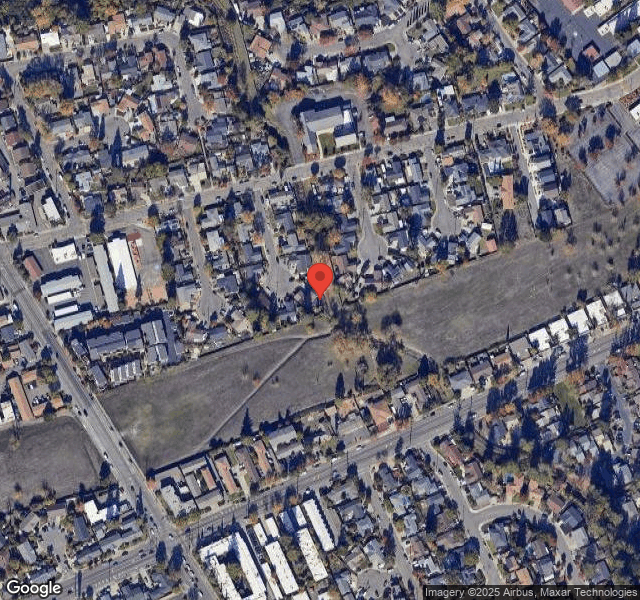
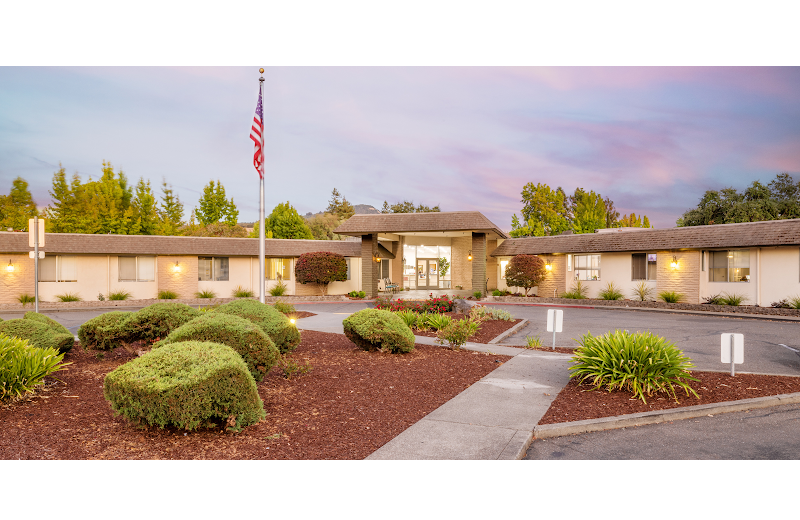
4650 HOEN AVENUE, SANTA ROSA, CA 95405 (707) 546-0471
For profit - Limited Liability company 99 Beds PACS GROUP Data: November 2025
Trust Grade
33/100
#679 of 1155 in CA
Last Inspection: March 2024

Within standard 12-15 month inspection cycle. Federal law requires annual inspections.

Overview

Santa Rosa Post Acute has received a Trust Grade of F, which indicates significant concerns about the quality of care provided. Ranking #679 out of 1,155 facilities in California places it in the bottom half, and #11 out of 18 in Sonoma County suggests there are better local options available. The facility is on an improving trend, with the number of issues decreasing from 13 to 9 over the past year. Staffing is a strength, rated at 4 out of 5 stars, but with a turnover rate of 41%, which is average for the state. However, there have been serious incidents, such as a failure to honor a resident's decision regarding resuscitation and inadequate treatment for scabies, leading to prolonged suffering and potential risk for other residents. While there are some positive aspects, families should weigh these serious shortcomings carefully.

Trust Score
F
33/100
In California
#679/1155
Bottom 42%
Safety Record
High Risk
Review needed
Inspections
Getting Better
13 → 9 violations
Staff Stability
○ Average
41% turnover. Near California's 48% average. Typical for the industry.
Penalties
✓ Good
$10,166 in fines. Lower than most California facilities. Relatively clean record.
Skilled Nurses
○ Average
Each resident gets 39 minutes of Registered Nurse (RN) attention daily — about average for California. RNs are the most trained staff who monitor for health changes.
Violations
⚠ Watch
77 deficiencies on record. Higher than average. Multiple issues found across inspections.
★★★☆☆
3.0
Overall Rating
★★★★☆
4.0
Staff Levels
★★★★★
5.0
Care Quality
★★☆☆☆
2.0
Inspection Score
Stable
2024: 13 issues
2025: 9 issues

The Good

  • 4-Star Staffing Rating · Above-average nurse staffing levels
  • 5-Star Quality Measures · Strong clinical quality outcomes
  • Full Sprinkler Coverage · Fire safety systems throughout facility
  • No fines on record
  • Staff turnover below average (41%)

    7 points below California average of 48%

Facility shows strength in staffing levels, quality measures, fire safety.

The Bad

3-Star Overall Rating

Near California average (3.1)

Meets federal standards, typical of most facilities

Staff Turnover: 41%

Near California avg (46%)

Typical for the industry

Federal Fines: $10,166

Below median ($33,413)

Minor penalties assessed

Chain: PACS GROUP

Part of a multi-facility chain

Ask about local staffing decisions and management

The Ugly 77 deficiencies on record

5 actual harm
Sept 2025 1 deficiency
CONCERN (E) 📢 Someone Reported This

A family member, employee, or ombudsman was alarmed enough to file a formal complaint

Potential for Harm - no one hurt, but risky conditions existed

Deficiency F0658 (Tag F0658)

Could have caused harm · This affected multiple residents

**NOTE- TERMS IN BRACKETS HAVE BEEN EDITED TO PROTECT CONFIDENTIALITY** Based on interview and record review, the facility failed to ensure services provided by the facility met professional standards...

Read full inspector narrative →
**NOTE- TERMS IN BRACKETS HAVE BEEN EDITED TO PROTECT CONFIDENTIALITY** Based on interview and record review, the facility failed to ensure services provided by the facility met professional standards of practice for administering medications as ordered by the physician (MD) for three residents (Resident 1, Resident 2, and Resident 3) of three sampled residents when: 1. Resident 1 did not receive her heart failure medication, antidepressant medication, and ointment for skin redness;2. Resident 2 did not receive a dose of his anti-fungal powder; and,3. Resident 3 did not receive her medication to alleviate pain and itching and medication for her thyroid. These failures decreased the facility's potential to ensure residents received medications that prevented a decline in their health status or prolonged discomfort due to their health diagnoses. Findings:1. A review of Resident 1's admission record indicated she was admitted on [DATE] with a diagnosis of congestive heart failure (CHF - a heart disorder which causes the heart to not pump the blood efficiently, sometimes resulting in leg swelling) and adjustment disorder with depressed mood (a mental health condition characterized by significant and persistent feelings of sadness and hopelessness).A review of Resident 1's Medication Administration Record (MAR), dated August 2025, indicated the following MD orders:a. Sacubitril/Valsartan (medication used to treat heart failure), 24-26 milligrams (mg- a unit of measurement) tablet, one tablet by mouth two times a day for heart failure with a start date of 8/12/25 at 5 p.m. The MAR indicated Resident 1 had not been given the evening dose of the medication on 8/12/25 nor the morning and evening doses on 8/13/25 at 9 a.m. and 5 p.m.b. Sacubitril/Valsartan, 24-26 mg. tablet, one-half tablet by mouth two times a day for heart failure with a start date of 8/26/25 at 6 p.m. The MAR indicated Resident 1 had not been given the evening dose of the medication on 8/30/25 at 6 p.m. and 8/31/25 at 6 p.m.c. Trazadone (used to treat depression), 50 mg. tablet, two tablets by mouth, at bedtime for depression with a start date of 8/12/25 at 8 p.m. The MAR indicated Resident 1 had not been given the dose on 8/12/25 at 8 p.m.d. Menthol Zinc Oxide ointment 0.44 -20.6% (%- a unit of measurement), apply to effected area topically every 8 hours for redness of skin with a start date of 8/12/25 at 5 p.m. The MAR indicated Resident 1 had not been given the evening dose on 8/12/25 at 5 p.m. and the morning dose on 8/13/25 at 1 a.m.2. A review of Resident 2's admission record indicated he was admitted on [DATE] with the diagnosis of Alzheimer's disease (a disease characterized by a progressive decline in mental abilities).A review of Resident 2's MAR, dated August 2025, indicated the following MD orders:a. Nystatin (anti-fungal) Powder, 100000 UNIT/Gram (UNIT/GM.- a unit of measurement), apply to groin topically every shift for moisture-associated skin damage (MASD) with a start date of 8/20/25 at 2:30 p.m. The MAR indicated Resident 2 had not been given the night shift dose (NOC) of the medication on 8/20/25. 3. A review of Resident 3's admission record indicated she was admitted on [DATE] with the diagnosis of a recurring dislocation of the left shoulder and psoriasis (a chronic skin condition characterized by itchy and sometimes painful red, scaly plaques that can appear anywhere on the body). A review of Resident 3's MAR, dated August 2025, indicated the following MD orders:a. Lidocaine (medication used to alleviate pain) external patch, 4%, apply to effected area topically one time a day for pain with a start date of 8/27/25 at 9 a.m. The MAR indicated Resident 3 had not been given the medication on 8/27/25 nor 8/28/25 at 9 a.m. b. Betamethasone Dipropionate external cream 0/05%, apply to affected area topically every 8 hours for psoriasis with a start date of 8/26/25 at 5 p.m. The MAR indicated Resident 3 had not been given the evening dose on 8/26/25 at 5 p.m., the morning and mid-day dose on both 8/27/25 and 8/28/25 at 1 a.m. and 9 a.m.c. Levothyroxine Sodium oral tablet, 50 micrograms (mcg. - a unit of measurement), give 50 mcg by mouth in the morning for hypothyroidism (when the thyroid gland is unable to meet the body's needs) with a start date of 8/31/25 at 6 a.m. The MAR indicated Resident 3 had not been given the medication on 8/31/25 at 6 a.m. During a concurrent interview and record review on 9/2/25 at 11:24 a.m., the Infection Preventionist (IP) reviewed Resident 1's, Resident 2's, and Resident 3's August 2025 MARs and confirmed all three residents had missed doses of their medications.During a second interview and concurrent record review on 9/2/25 at 12:10 p.m., the IP stated licensed nurses are expected to check the facility's emergency medication stock for the ordered medication. The licensed nurses are also expected to call the pharmacy to confirm a delivery date and time, then call the physician to notify him of the issue. The physician can then decide whether to order a substitute or confirm that the delay of medication administration is okay. Lastly, the licensed nurses are then expected to document what they did and any instructions they were given in the resident's chart. The IP also stated the pharmacy was located close by so most medications could be delivered the same day; however, if the order is placed at night, the medication would be delivered the following morning. The IP reviewed Resident 1, Resident 2, and Resident 3's progress notes and confirmed there was no documented evidence the pharmacy nor the physician was called. The IP also reviewed the list of medications available in the facility's emergency medication stock and found only the lidocaine patch was available. The IP stated the nurse could have administered the lidocaine from the facility's emergency medication stock.During an interview with the acting Director of Nursing (DON) and the Administrator (ADM) on 9/2/25 at 2:36 p.m., the DON confirmed if a medication was missed then it is considered a medication error and could have negatively affected the health of the residents. A review of the facility's policy titled, Administering Medications, revised April 2019, indicated, Medications are administered in accordance with prescriber orders, including any required time frame.
May 2025 2 deficiencies
CONCERN (F) 📢 Someone Reported This

A family member, employee, or ombudsman was alarmed enough to file a formal complaint

Potential for Harm - no one hurt, but risky conditions existed

Abuse Prevention Policies (Tag F0607)

Could have caused harm · This affected most or all residents

**NOTE- TERMS IN BRACKETS HAVE BEEN EDITED TO PROTECT CONFIDENTIALITY** Based on interview and record review, the facility failed to protect a census of 94 residents from sexual abuse when the facilit...

Read full inspector narrative →
**NOTE- TERMS IN BRACKETS HAVE BEEN EDITED TO PROTECT CONFIDENTIALITY** Based on interview and record review, the facility failed to protect a census of 94 residents from sexual abuse when the facility allowed an alleged perpetrator, Certified Nursing Assistant 1 (CNA 1), to enter the facility on 4/4/25 after conducting an incomplete investigation per facility policy for a census of 94 residents. This failure granted CNA 1 access to Resident 1 and had the potential to place Resident 1 and other residents at risk for further harm. Cross-reference F610. Findings A review of an admission record indicated Resident 1 was admitted to the facility on [DATE] with a diagnosis of cardiomegaly (a condition when the heart becomes larger than normal) and dementia (a progressive state of mental decline). A review of Resident 1's progress note dated 4/4/25 at 9:38 p.m. indicated, Spoke to this [Resident 1] at approximately 12:40 p.m. today due to .reporting to a CNA that [Resident 1] experienced sexual abuse at the facility .This [Resident 1] reported that a male cleaned her in her room after a bowel movement .He then took the [Resident 1] to the shower room where he provided a shower .The [Resident 1] states that it was in her room that the male exposed himself to her and asked her to touch him . A review of CNA 1's time sheet dated 4/1/25 to 4/8/25, indicated CNA 1 clocked in for work on 4/4/25 at 3:31 p.m. and clocked out for the shift at 6:07 p.m. During an interview on 4/9/25 at 1:29 p.m., the Director of Nursing (DON) stated she became aware of the sexual abuse allegation against CNA 1 at approximately 12:30 p.m. on 4/4/25. The DON stated was able to identify the alleged abuser based on Resident 1's description of him. The DON then questioned other female residents in the same hallway as Resident 1's room and altered CNA 1's schedule to exclude Resident 1. The DON interviewed CNA 1 about the alleged incident after he clocked in for his shift on the afternoon of 4/4/25 at 4 p.m. The DON stated CNA 1 admitted to providing Resident 1 showers three times per week but documented them under another CNA's name. The DON then placed CNA 1 on suspension following her interview with him on 4/4/25. During an interview on 4/14/25 at 1:16 p.m., the Director of Staff Development (DSD) stated she was also made aware of the sexual abuse allegation at approximately 12:30 p.m. on 4/4/25. A review of facility policy titled Abuse Prevention Program , dated 2001, indicated, Our residents have the right to be free from abuse .This includes but is not limited to freedom from .sexual .abuse. As part of the resident abuse prevention, the administration will .protect residents during abuse investigations. A review of facility policy titled Abuse, Neglect, Exploitation or Misappropriation-Reporting and Investigating , dated 2001, indicated, The administrator ensures that the resident .are protected from retaliation or reprisal by the alleged perpetrator.
CONCERN (F) 📢 Someone Reported This

A family member, employee, or ombudsman was alarmed enough to file a formal complaint

Potential for Harm - no one hurt, but risky conditions existed

Investigate Abuse (Tag F0610)

Could have caused harm · This affected most or all residents

**NOTE- TERMS IN BRACKETS HAVE BEEN EDITED TO PROTECT CONFIDENTIALITY** Based on interview and record review, the facility failed to thoroughly investigate an allegation of sexual abuse for one reside...

Read full inspector narrative →
**NOTE- TERMS IN BRACKETS HAVE BEEN EDITED TO PROTECT CONFIDENTIALITY** Based on interview and record review, the facility failed to thoroughly investigate an allegation of sexual abuse for one resident (Resident 1) of eight sampled residents when Resident 1 alleged a male Certified Nursing Assistant (CNA) matching the identity of CNA 1 exposed himself to Resident 1 and forced Resident 1 to touch his genitals. This failure decreased the facility's potential to protect Resident 1 and a facility census of 94 residents at the facility from harm. Findings: A review of CNA 1's employee file indicated he was hired at the facility on 8/31/21. A review of Resident 1's admission record indicated admission to the facility on 2/24/25 with a diagnosis of cardiomegaly (a condition when the heart becomes larger than normal), dementia (a progressive state of mental decline), delirium due to known physiological condition, adult failure to thrive (a condition where older adults experience a significant decline in their overall health and well-being, often due to a combination of physical, psychological, and social factors), and the need for assistance with personal care. A review of Resident 1's Minimum Data Set (MDS-an assessment tool), dated 3/3/25, indicated Resident 1: - had a Brief Interview for Mental Status (BIMS-an assessment tool) score of 11, which indicated moderate cognitive (relating to processes of thinking and reasoning) impairment, - had no signs and symptoms of delirium (a disturbed state of mind characterized by symptoms such as confusion, disorientation, agitation, and hallucinations (a mental state in which a person's senses makes them believe a situation is real but it is not), - required substantial assistance (the helper does more than half the effort) from staff to shower/bathe. A review of Resident 1's untitled facility documents referred to by nursing staff as shower sheets (documentation of residents' skin conditions during showers), dated 2/27/25, 3/10/25, 3/27/25 and 4/3/25 indicated a wet signature (a handwritten signature made with ink on a physical document) by CNA 1 which indicated he provided Resident 1 showers. A review of a facility document faxed to the California Department of Public Health (CDPH) on 4/4/25 at 3:18 p.m., indicated, DSD [Director of Staff Development] approached [Resident 2] at approximately 12:30 p.m DSD asked [Resident 2] to bring her to the allegedly abused resident .[Resident 1] began to explain that there is a male that is approximately 6 feet, Latin, dark, with black hair, and a muffled voice .The male told her that she needed a bath. The male got bath supplies and returned. After returning, the male cleaned her bowel movement with peri-wipes [disposable wipes designed to clean the area between the anus and the genitals] and cleaned her vagina. He then took her to the shower room, undressed her and gave her a shower with warm water .After returning to the room, the male exposed his chest then unzipped his pants, and asked [Resident 1] to touch him. [Resident 1] states that this occurred within the last month. [Resident 1] also states that she could point out this male because he looks exactly like an ex-boyfriend that she had 20 years ago .[Resident 1]'s diagnoses and chart were reviewed. Diagnoses include dementia, delirium, mild cognitive impairment. Review of the resident chart revealed that the resident has only had showers from female staff for the last 30 days. The facility's investigation points to no substantiated abuse. A review of Resident 1's document titled POC [Plan of Care] Response History printed on 4/4/25 at 8:59 p.m. indicated a shower/bath had been provided to Resident 1 by CNA 4 on 3/27/25 and 4/3/25. A review of Resident 1's progress note dated 4/4/25 at 9:38 p.m., indicated, .The facility did not find the abuse allegation substantiated following its investigation, including interviews of various residents. In an interview on 4/8/25 at 12:20 p.m., the Long-Term Care (LTC) Ombudsman stated she interviewed Resident 1 and Resident 2 and found their details of the incident matched. The LTC Ombudsman also stated she believed Resident 1 was a good witness for herself despite her diagnosis of dementia. A review of a facility document faxed to CDPH on 4/8/25 at 2:49 p.m. indicated, Subject: 5-day follow up investigation from reported abuse from 04-04-25 .The [Resident 1] reported a different version of the story to another resident on 04/03/25 .Other female residents were interviewed of the same hallway were interviewed to assess if they have ever been made to feel uncomfortable or if any staff members were inappropriate in anyway, including someone verbalized to them [sic]. Each female resident interviewed stated that there have been no inappropriate words or actions by male staff members directed at them or witnessed by them. The residents interviewed include [four residents which did not include Resident 1's roommate] .At this time the facility is concluding the investigation and does not find this allegation substantiated. The inconsistencies in the stories as well as the inability to find any female residents who could identify the CNA as a danger to any residents brought us to the conclusion that there was no harm committed .Facility Immediately intervened upon receiving report from the resident to ensure that she was safe .The incident was investigation and reported to CDPH, LTC Ombudsman, and .[the] Police Department. A review of the facility's census dated 4/9/25 at 8:28 a.m. indicated Resident 7's room was located next door to Resident 1 on the same hallway. In an interview on 4/9/25 at 12:01 p.m., CNA 2 stated Resident 1 told her she did not want CNA 1 caring for her because he was rude to her roommate. The CNA 2 stated Resident 1 had not used CNA 1's name, but had described him as, a big man. The CNA 2 then suggested the Surveyors interview three specific residents because they would have stories to tell them about CNA 1. The CNA 2 added when the Surveyor had been at the facility on 4/4/25 the staff who were working did not feel comfortable talking about CNA 1 because his wife (CNA 4) was working at the facility on the same shift. A review of Resident 7's MDS dated [DATE] indicated a BIMS score of 11 which indicated moderate cognitive impairment. In an interview on 4/9/25 at 1:04 p.m., Resident 7 stated she had been living in the facility for 2 years and 3 months. Resident 7 also stated, One guy [CNA 1] used to touch me on the leg. He used to give me showers, but I won't let him do that anymore. He touched my leg and said, ' Come on baby.' I told the Administrator [ADM] who asked me if I wanted him to get rid of him. He said he would call the police [but they] haven't come yet .Touching like rubbing. [He] almost touched my private parts, but I pushed his hand away and said, ' No.' In an interview on 4/9/25 at 1:29 p.m., the Director of Nursing (DON) stated she became aware of Resident 1's sexual abuse allegation against CNA 1 at approximately 12:30 p.m. on 4/4/25. The DON stated was able to identify the alleged abuser based on Resident 1's description of him. The DON then questioned other female residents in the same hallway as Resident 1's room and altered CNA 1's schedule to exclude Resident 1. The DON stated she had not found any other residents who complained or had issues with CNA 1's care. The DON interviewed CNA 1 about the alleged incident after he clocked in for his shift on the afternoon of 4/4/25 at 4 p.m. The DON stated CNA 1 admitted to providing Resident 1 showers three times per week but documented them under another CNA's name. The DON then placed CNA 1 on suspension following her interview with him on 4/4/25. The DON stated CNA 1 had been placed on suspension from 4/4/25 to 4/7/25. In an interview on 4/11/25 at 10:25 a.m., Resident 7 stated the incident with CNA 1 occurred around 3 weeks ago. Resident 7 stated, I didn't tell anyone [other staff] about it- only the guy in charge. Resident 7 confirmed the guy in charge was the [ADM]. Resident 7 added she told her nurse she did not want CNA 1 caring for her anymore. In an interview on 4/11/25 at 10:36 a.m., LN 3 stated, [Resident 7] mentioned a while ago, ' There was a guy that gave me a shower and he washed my vagina- really washed it. The LN 3 stated when she asked Resident 7 whether she felt it was sexual or made her feel uncomfortable, Resident 7 stated she did not know and asked if it was weird that his wife was in the room also. The LN 3 told Resident 7 it was not necessarily weird if the wife was trying to help. The LN 3 stated Resident 7 often made [NAME] comments about male genitals and if LN 3 felt it was misconduct of sexual connotation, the LN 3 would report it to the DON and refer to the facility's binder titled Mandated Reporting Binder. In an interview on 4/14/25 at 12:28 p.m., CNA 4 stated CNA 1 has always had a problem obtaining access to the facility's Electronic Documentation System (EDS). CNA 4 stated she and CNA 1 had started working at the facility as on-call or per diem (called to work when needed) staff. When CNA 4 and CNA 1 became full-time staff, CNA 1's inability to log into the EDS became a real problem. CNA 4 gave CNA 1 her password so CNA 1 could document under her name. CNA 4 stated CNA 1 had notified the DSD on several occasions about his inability to log into the EDS, but they never fixed it until now. CNA 4 stated, I know it was wrong, but [CNA 1] couldn't document so I did it. In an interview on 4/14/25 at 1:16 p.m., the DSD acknowledged she was made aware of Resident 1's sexual abuse allegation against CNA 1 at approximately 12:30 p.m. on 4/4/25. The DSD stated she interviewed Resident 1 then reviewed Resident 1's shower documentation and did not see CNA 1 listed as a person who gave Resident 1 a shower/bath. The DSD then left the facility around 2 p.m. The DSD stated she returned to the facility around 6 p.m. after the DON informed her CNA 1 had stated he had given Resident 1 showers/baths and had been documenting under CNA 4's name. The DSD interviewed female residents whom CNA 1 would have showered. The DSD confirmed these female residents were not in CNA 1's old or new assignment. The DSD also stated she interviewed three staff members but was only able to name one of the staff members as she was unable to remember the names of the other two. The DSD acknowledged she had not included the staff interviews in her report because she did not think it mattered. The DSD left the facility again at 8:30 p.m. and considered the investigation concluded. The DSD stated Resident 1's story kept changing so the investigation concluded quickly. The DSD acknowledged she interviewed Resident 1 once and thought Resident 1 may have had a urinary tract infection, indicating Resident 1 may have a common side effect of confusion from it. The DSD stated she had been working at the facility for 4 months and had not been trained on how to investigate abuse allegations. The DSD further stated she did not follow the facility's Abuse Investigation Protocol. In an interview on 4/14/25 at 1:53 p.m., the Director of Nursing (DON) stated CNA 1 told her he did not usually touch female residents near their private parts or will have his wife accompany him when he provides a female resident a shower/bath. The DON further stated she had interviewed CNA 1 and one other male staff member who worked the same shift as CNA 1. The DON also stated, [It was] absolutely wrong [CNA 1] documented under [CNA 4's] name .I did not assist [the DSD] in the investigation, write up or conclusion. In an interview on 4/14/25 at 2:24 p.m., the ADM denied Resident 7's report of having been inappropriately touched by CNA 1. The ADM stated he would have reported it. The ADM confirmed he was the Abuse Coordinator and named the DON and DSD as his designees. The ADM further stated, If I am here, I will help [with the investigation]. The ADM acknowledged he had not gone to the facility on 4/4/25. The ADM also acknowledged he had read the 5-day follow up investigation report but had not noticed it did not include any staff interviews. The ADM stated he did not, formally train anyone on the correct procedure for investigating abuse allegations . The ADM stated he could not confirm the investigation was thorough. A review of the facility's policy titled Abuse, Neglect, Exploitation or Misappropriation-Reporting and Investigating , dated 2001, indicated, All reports of resident abuse .[are] thoroughly investigated by facility management. Findings of all investigations are documented and reported .If resident abuse .is suspected, the suspicion must be reported immediately to the administrator .The administrator of the individual making the allegation immediately reports his or her suspicion .Upon receiving any allegations of abuse .the administrator is responsible for determining what actions .are needed for the protection of residents .The administrator initiates investigations. Investigations may be assigned to an individual trained in reviewing, investigating and reporting such allegations. The administrator provides supporting documents and evidence related to the alleged incident to the individual in charge of the investigation .The administrator ensures that the resident and the person(s) reporting the suspected violation are protected from retaliation or reprisal by the alleged perpetrator, or by anyone associated by the facility. Any employee who has been accused of resident abuse is placed on leave with no resident contact until the investigation is complete. The individual conducting the investigation as a minimum .interviews the resident's attending physician as needed to determine the resident's condition .interviews staff members (on all shifts) who have had contact with the resident during the period of the alleged incident .interviews the resident's roommate .interviews other residents to whom the accused employee provides care or services .reviews all events leading up to the alleged incident; and documents the investigation completely and thoroughly .The investigator consults daily with the administrator concerning the progress/findings of the investigation .
Apr 2025 2 deficiencies
CONCERN (D) 📢 Someone Reported This

A family member, employee, or ombudsman was alarmed enough to file a formal complaint

Potential for Harm - no one hurt, but risky conditions existed

Abuse Prevention Policies (Tag F0607)

Could have caused harm · This affected 1 resident

Based on interview and record review, the facility failed to implement its abuse and change of condition policy for two residents (Resident 1 and Resident 2) of four sampled residents when the facilit...

Read full inspector narrative →
Based on interview and record review, the facility failed to implement its abuse and change of condition policy for two residents (Resident 1 and Resident 2) of four sampled residents when the facility staff did not: Notify the residents' family representatives and physicians, Document an Interdisciplinary Team (IDT- a multidisciplinary team who ensures a comprehensive and coordinated approach to patient care) note, and Initiate care plans to provide person-centered care for both residents for an allegation of resident-to-resident abuse. This failure decreased the facility's potential to prevent recurrence of abuse between Resident 1 and Resident 2. Findings: A review of a investigation summary report sent to the California Department of Public Health (CDPH) on 4/14/25 indicated, On 4/9/25, the [Resident 1] reported to the staff that her roommate [Resident 2], came to her bed around midnight, tore the blankets off the bed, began commanding that she go to the bathroom, and then struck her on the face and chest several times. During an interview on 4/25/25 at 9:10 a.m., the Administrator stated the permanent Director of Nursing (DON) was on leave and not currently working at the facility. A review of an electronic-mail sent to the Surveyor on 4/25/25 at 12:41 p.m. from the Director of Medical Records (DMR) indicated there was no documented evidence of family representative notifications, physician notifications, Special Incident Reports (SIR- a form that documents critical and unexpected events that could impact a patient's health or safety), or IDT notes found in Resident 1 or Resident 2's charts regarding the allegation of abuse on that was reported on 4/9/25. During an interview on 4/25/25 at 2:40 p.m., the Director of Staff Development (DSD) stated licensed staff were expected to notify residents' representatives and physicians of resident-to-resident abuse allegations. The DSD also stated staff were also required to complete a SIR of the allegation and document an IDT note in each residents' chart. During a phone interview on 4/25/25 at 2:48 p.m., Licensed Staff A (LS A) stated Resident 1 notified her of the resident-to-resident abuse allegation on 4/9/25 at around 6 a.m. LS A stated she wrote a nursing progress note about it but did not complete a SIR. LS A stated she was unsure if she had notified the residents' family members or the physician of the allegation. LS A stated Resident 1 was moved to another room after the allegation. During an interview on 4/25/25 at 2:58 p.m., the DMR acknowledged there were no care plans in Resident 1 and Resident 2's medical charts regarding the abuse allegation reported on 4/09/25. During a phone interview on 4/28/25 at 9:22 a.m., the DSD stated care plans were expected to be initiated after an abuse allegation for the residents involved. During a phone interview on 5/7/25 at 2:15 p.m., the DSD stated Charge Nurses were responsible for notifying the residents' representatives and physicians about any allegations of abuse when they were notified. The DSD also stated licensed nurses were expected to monitor residents involved in the alleged abuse for 72 hours and document their assessments in the residents' charts. The DSD further stated care plans regarding abuse allegations were expected to be initiated by the IDT. During a review of the facility's policy titled, Abuse, Neglect, Exploitation or Misappropriation-Reporting and Investigating, revised 9/22, indicated, .The administrator or the individual making the allegation immediately reports his or her suspicion to the following persons or agencies .The resident's representative .The resident's attending physician; and .The facility medical director .The administrator is responsible for keeping the resident and his/her representative .informed of the progress of the investigation. Record review of the facility's policy titled, Change in a Resident's Condition or Status, revised 2/21 indicated, .The nurse will notify the resident's attending physician or physician on call when there has been an .incident involving the resident .A ' significant change' of condition is a major decline .in the resident's status that .requires interdisciplinary review and/or revision to the care plan .Prior to notifying the physician or healthcare provider, the nurse will make detailed observations and gather relevant and pertinent information for the provider, including (for example) information prompted by the Interact SBAR [Situation, Background, Assessment, Recommendation] Communication Form .Unless otherwise instructed by the resident, a nurse will notify the resident's representative when .there is a significant change in the resident's physical, mental, or psychosocial status .there is a need to change the resident's room assignment.
CONCERN (D) 📢 Someone Reported This

A family member, employee, or ombudsman was alarmed enough to file a formal complaint

Potential for Harm - no one hurt, but risky conditions existed

Report Alleged Abuse (Tag F0609)

Could have caused harm · This affected 1 resident

Based on interview and record review, the facility failed to ensure an allegation of abuse was reported within the required timeframe for two residents (Resident 1 & Resident 2) of four sampled reside...

Read full inspector narrative →
Based on interview and record review, the facility failed to ensure an allegation of abuse was reported within the required timeframe for two residents (Resident 1 & Resident 2) of four sampled residents when an allegation of resident-to-resident abuse was reported to the California Department of Public Health (Department) five days later. This failure of timely reporting had the potential to cause a delayed response by enforcement agencies to ensure resident safety. Findings: A review of a facility document dated and received by the Department on 4/14/25, indicated an allegation of suspected dependent adult/elder abuse had been made on 4/09/25 related to a resident-to-resident altercation between Resident 1 and Resident 2. During an interview on 4/25/25 at 11:28 a.m., the Administrator stated the facility had mistakenly sent the five-day abuse investigation summary to the Department since the facility was not required to report abuse at all when the residents involved had dementia (memory loss), and the incident had not resulted in serious bodily injury. The Administrator confirmed the allegation on 4/9/25 had not been reported to the Department until 4/14/25. A review of the facility's policy titled, Abuse, Neglect, Exploitation or Misappropriation-Reporting and Investigating, revised 9/22, indicated, All reports of resident abuse .are reported to local, state, and federal agencies .If resident abuse .is suspected, the suspicion must be reported immediately to the administrator and to other officials according to state law .'Immediately' is defined as .within two hours of an allegation involving abuse.
Apr 2025 1 deficiency
CONCERN (E) 📢 Someone Reported This

A family member, employee, or ombudsman was alarmed enough to file a formal complaint

Potential for Harm - no one hurt, but risky conditions existed

Report Alleged Abuse (Tag F0609)

Could have caused harm · This affected multiple residents

Based on interviews and record reviews, the facility failed to implement their abuse policy, for one resident out of three sampled residents (Resident 1) when: 1. Resident 1 made an abuse allegation o...

Read full inspector narrative →
Based on interviews and record reviews, the facility failed to implement their abuse policy, for one resident out of three sampled residents (Resident 1) when: 1. Resident 1 made an abuse allegation on 3/26/25 but the facility did not report the allegation within two hours to the State (licensing agency), the Ombudsman (an advocate for residents of nursing homes, board and care centers, and assisted living facilities), and law enforcement, and 2.six out of six facility staff did not know the expectation to report any allegation of abuse within two hours to the State, the Ombudsman, and the law enforcement. These failures could put the resident ' s safety at risk due to delayed intervention. Findings: During an interview on 4/9/25 at 9:45 a.m., Licensed Nurse A (LN A) stated abuse allegations should be reported to the State, Ombudsman and the Police (law enforcement), within 24 hours if there was no injury but within 2 hours if there was injury. LN A stated that late reporting of abuse might put residents at risk for abuse to continue and could put the residents at risk for emotional distress. During an interview on 4/9/25 at 10:40 a.m., LN B stated the staff follow the facility ' s policy on abuse reporting time frames and added, the facility ' s policy was to report abuse allegation within 24 hours if there was no injury and within 2 hours if there was injury. LN B stated not reporting an abuse allegation timely could put the patient safety at risk and could put the resident at risk for feeling fearful and distrustful of staff. During a concurrent interview and record review on 4/9/25 at 10:48 a.m., with the Social Services Assistant (SSA), the initial report of abuse, dated 3/27/25, was reviewed. The Social Services Assistant (SSA) verified the facility learned about the abuse allegation on 3/26/25 but did not make the report to the State, the Ombudsman and law enforcement until 3/27/25. The SSA stated she did not know the time frame for reporting abuse allegations. During an interview on 4/9/25 at 10:57 a.m., the Director of Staff Development (DSD) stated the staff follow the facility ' s policy on abuse reporting time frames. The DSD stated the facility ' s policy was to report abuse allegations to the Ombudsman, the State and law enforcement within 2 hours if there was injury but within 24 hours if there was no injury. The DSD stated not reporting an abuse allegation immediately could result to continued harm and delayed intervention. During a concurrent interview and record review on 4/9/25 at 11:12 a.m., with the administrator (Admin), the initial report of abuse, dated 3/27/25, was reviewed. The Admin verified the facility learned about the abuse allegation on 3/26/25 but did not report it to the Ombudsman, the State and law enforcement until 3/27/25. The Admin stated the facility follows the facility ' s abuse policy on reporting abuse allegations and added, abuse allegations should be reported within 24 hours if there was no injury and within 2 hours if there was an injury. During an interview on 4/9/25 at 11:15 a.m., the Director of Nursing (DON) stated the facility follows it ' s abuse policy reporting time frame. The DON stated the facility ' s abuse policy indicated abuse allegations should be reported to the State, Ombudsman and law enforcement within 2 hours if there was an injury and within 24 hours if there was no injury. The DON stated not reporting the abuse allegation timely could put the resident ' s safety at risk. A review of the facility ' s policy and procedure (P&P) titled Abuse, Neglect, Exploitation or Misappropriation-Reporting and Investigating, revised 9/2022, the P&P indicated, . if resident abuse, neglect, exploitation, misappropriation of resident property or injury of unknown source is suspected, the suspicion must be reported immediately to the administrator and to other officials according to state law . immediately is defined as within 2 hours of an allegation involving abuse . Based on interviews and record reviews, the facility failed to implement their abuse policy, for one resident out of three sampled residents (Resident 1) when: 1. Resident 1 made an abuse allegation on 3/26/25 but the facility did not report the allegation within two hours to the State (licensing agency), the Ombudsman (an advocate for residents of nursing homes, board and care centers, and assisted living facilities), and law enforcement, and 2.six out of six facility staff did not know the expectation to report any allegation of abuse within two hours to the State, the Ombudsman, and the law enforcement. These failures could put the resident's safety at risk due to delayed intervention. Findings: During an interview on 4/9/25 at 9:45 a.m., Licensed Nurse A (LN A) stated abuse allegations should be reported to the State, Ombudsman and the Police (law enforcement), within 24 hours if there was no injury but within 2 hours if there was injury. LN A stated that late reporting of abuse might put residents at risk for abuse to continue and could put the residents at risk for emotional distress. During an interview on 4/9/25 at 10:40 a.m., LN B stated the staff follow the facility's policy on abuse reporting time frames and added, the facility's policy was to report abuse allegation within 24 hours if there was no injury and within 2 hours if there was injury. LN B stated not reporting an abuse allegation timely could put the patient safety at risk and could put the resident at risk for feeling fearful and distrustful of staff. During a concurrent interview and record review on 4/9/25 at 10:48 a.m., with the Social Services Assistant (SSA), the initial report of abuse, dated 3/27/25, was reviewed. The Social Services Assistant (SSA) verified the facility learned about the abuse allegation on 3/26/25 but did not make the report to the State, the Ombudsman and law enforcement until 3/27/25. The SSA stated she did not know the time frame for reporting abuse allegations. During an interview on 4/9/25 at 10:57 a.m., the Director of Staff Development (DSD) stated the staff follow the facility's policy on abuse reporting time frames. The DSD stated the facility's policy was to report abuse allegations to the Ombudsman, the State and law enforcement within 2 hours if there was injury but within 24 hours if there was no injury. The DSD stated not reporting an abuse allegation immediately could result to continued harm and delayed intervention. During a concurrent interview and record review on 4/9/25 at 11:12 a.m., with the administrator (Admin), the initial report of abuse, dated 3/27/25, was reviewed. The Admin verified the facility learned about the abuse allegation on 3/26/25 but did not report it to the Ombudsman, the State and law enforcement until 3/27/25. The Admin stated the facility follows the facility's abuse policy on reporting abuse allegations and added, abuse allegations should be reported within 24 hours if there was no injury and within 2 hours if there was an injury. During an interview on 4/9/25 at 11:15 a.m., the Director of Nursing (DON) stated the facility follows it's abuse policy reporting time frame. The DON stated the facility's abuse policy indicated abuse allegations should be reported to the State, Ombudsman and law enforcement within 2 hours if there was an injury and within 24 hours if there was no injury. The DON stated not reporting the abuse allegation timely could put the resident's safety at risk. A review of the facility's policy and procedure (P&P) titled Abuse, Neglect, Exploitation or Misappropriation-Reporting and Investigating , revised 9/2022, the P&P indicated, . if resident abuse, neglect, exploitation, misappropriation of resident property or injury of unknown source is suspected, the suspicion must be reported immediately to the administrator and to other officials according to state law . immediately is defined as within 2 hours of an allegation involving abuse .
Mar 2025 1 deficiency
CONCERN (E) 📢 Someone Reported This

A family member, employee, or ombudsman was alarmed enough to file a formal complaint

Potential for Harm - no one hurt, but risky conditions existed

Safe Environment (Tag F0584)

Could have caused harm · This affected multiple residents

**NOTE- TERMS IN BRACKETS HAVE BEEN EDITED TO PROTECT CONFIDENTIALITY** Based on observation, interview and record review the facility failed to ensure three out of five sampled residents (Resident 2,...

Read full inspector narrative →
**NOTE- TERMS IN BRACKETS HAVE BEEN EDITED TO PROTECT CONFIDENTIALITY** Based on observation, interview and record review the facility failed to ensure three out of five sampled residents (Resident 2, Resident 3, and Resident 4) were provided with a homelike environment when Resident 1 would wander into their rooms, rummage through their personal belongings and take them. This failure caused emotional distress and feelings of anger for Resident 2, Resident 3, and Resident 4. Findings: A review of Resident 1 ' s admission Record indicated Resident 1 was admitted to the facility on [DATE] with a diagnosis of polyneuropathy (a condition in which multiple nerves throughout the body are damaged), vascular dementia (type of brain damage caused by reduced blood flow to the brain causing a progressive state of decline in mental abilities), and Alzheimer ' s Disease (a disease characterized by a progressive state of decline in mental abilities). A review of a facility document titled Order Summary Report, dated 2/20/25, indicated a Psych Referral PRN [as needed]. A review of a facility document titled Care Plan Report, dated 3/4/25, indicated Resident 1 was at risk to wander throughout the facility attempting to enter other resident ' s rooms without permission. Constantly grabbing other belongings from staff and nurse station. A review of facility physician notes, dated 3/21/25, indicated Resident 1 was previously in locked-down memory care unit .pt is anxious .also intermittently wander and result in aggressive interaction with other patients/residents. During a phone interview, on 3/24/25, at 9:10 a.m. with the complainant (CMP), the CMP stated multiple family members attended the last meeting held on 3/17 and complained about the lack of action the facility has taken to prevent Resident 1 from entering other resident rooms and taking their belongings. CMP stated other residents are getting pissed at her [Resident 1] for taking their stuff. Most of the time, they are not getting anything back. CMP further stated [Resident 1] was witnessed swinging at another resident recently. When CMP met with the Administrator (ADM) about her concerns with the lack of facility action to subdue the behavior of Resident 1, the ADM stated, What would you like me to do? During a phone interview, on 3/24/25, at 9:21 a.m., the Ombudsman (OM) stated she had received several complaints from the facility residents about the behavior of Resident 1. OM stated she spoke to the ADM regarding the distress and anger the residents and family members were feeling about Resident 1 ' s behavior on 3/17/25, 3/19/25 and 3/21/25. OM stated the ADM told her We don ' t provide 1:1 sitters. During an interview on 3/24/25, at 10:27 a.m., Resident 2 stated everyone has had it with her .we have had it with watching our doors, she just comes in and takes our stuff. She will sometimes go when you tell her but most of the time, she flips you off or says ' fuck you ' .it ' s hard to relax and enjoy reading a book, watching TV or enjoy relaxing because you are just waiting for her to come in. One time, when I woke up from a nap, a whole bowl of candy that I had out on my dresser was completely gone .They [the Administrator] are just not doing anything about this. During an interview on 3/24/25, at 10:35 a.m., Resident 3 stated I have C Diff (Clostridium Difficile-a highly contagious bacteria that causes severe diarrhea) and she [Resident 1] comes in here touching my stuff. I don ' t want her spreading my germs all over the place getting everyone else sick .It makes me mad that she is allowed to do this. During an observation, on 3/24/25 at 10:47 a.m., Resident 1 attempted to enter room [ROOM NUMBER] when one of the residents in the room loudly yelled Get out of here! A staff member quickly approached Resident 1 and wheeled her away from the room. During a concurrent observation and interview, on 3/24/25, at 10:52 a.m., Resident 4 stated She [Resident 1] has taken 3 pairs of my glasses. They [administration] have only returned one, and I have no more left. Resident 4 stated the glasses are prescription and without them, he will be unable to read or watch TV. Resident 4 further stated She [Resident 1] also took my expensive razor . I am worried that she will find my black pouch with other valuables and take them too or other things like my cell phone. During the interview, Resident 4 became upset and was crying while he stated She ' s got me worried to the point I can ' t sleep for fear that she will come in and take my things. She has taken so much from me and everybody. During an observation, on 3/24/25, at 11:10 a.m., Resident 1 wheeled herself into room [ROOM NUMBER], left, and wheeled into room [ROOM NUMBER]. Residents within that room were yelling at Resident 1 to get out! A visitor was witnessed wheeling Resident 1 out of room [ROOM NUMBER] and down the hall towards her room. During an interview, on 3/24/25, at 11:15 a.m., Certified Nursing Assistant A (CNA A) stated Resident 1 was confused and likes to roam all the hallways of the facility but will get lost and thinks other residents ' rooms are hers. CNA A further stated Resident 1 .takes other residents ' items. If it ' s food, we let her have it because she normally has started eating it. If it is glasses or something else, we have to wait until she puts it down, otherwise she will get aggressive. We return things when they know who they belong to. During an observation, on 3/24/25, at 11:29 a.m., Resident 1 wheeled herself into room [ROOM NUMBER]. A CNA wheeled her out of the room immediately and left her in the hallway. Resident 1 then went in room [ROOM NUMBER], followed by room [ROOM NUMBER]. A CNA attempted to remove Resident 1, but she resisted stating This is my room and my stuff. During an interview, on 3/24/25, at 11:35 a.m., Licensed Nurse B (LN B) stated As far as I know, [Resident 1] has always wandered into others rooms .she does tend to take others items claiming they are hers .I have seen things in her room that I know are not hers. During an observation, on 3/24/25, at 12:48 p.m., Resident 1 wheeled herself into room [ROOM NUMBER] which was unoccupied at the time, and opened the dresser drawers but did not take anything. She turned her wheelchair around and took a folded personal blanket from the foot of the bed and placed it on top of the pillow. Resident 1 then wheeled herself to room [ROOM NUMBER] and started picking up the items left on the bedside tray. During an interview, on 3/24/25, at 1:08 p.m., the DON stated she was not made aware of Resident 1 ' s wandering and behavioral issues until she arrived at the facility. The DON stated she was aware the residents and family members were unhappy, but she was not sure how to address their concerns. I told the staff [Resident 1] needed to be watched. We are working on a plan to move her to a different facility, but she is [insurance type] pending . so we have to find a way for others to be tolerant of her behaviors. When asked about the psychiatric referral found in Resident 1 ' s physician orders, the DON stated that psych referrals are for all the admitted residents, not sure it would help in this case. I do not know if a psychiatrist has seen her. The DON stated a meeting was held on 3/21 and I know other residents are getting angry .not sure what to do .I told the family members we would reimburse for any missing items, just to contact me or the [ADM]. During a concurrent observation and interview on 3/24/25, at 2:23 p.m., LN C was observed removing Resident 1 out of room [ROOM NUMBER] and wheeling her back to her room. When asked about the frequency of removing Resident 1 from other residents ' rooms, she stated All day, every day .I understand how it makes the other residents upset. It would upset me too. During an interview, on 3/24/25, at 2:26 p.m., LN D was asked about the behaviors of Resident 1 to which she stated Our little wanderer? It would bother me if she kept coming in my room, especially if she was taking my stuff. During an interview, on 3/24/25, at 2:31 p.m., LN E stated I would be upset if she [Resident 1] kept coming in my room. It ' s not so much that she ' s going in the room, it ' s that she ' s grabbing things. I am always after her all day long to retrieve items she has taken, and you have to wait until she puts things down otherwise, she will hit you . It ' s not like we have eyes on her 24-7 .I have a lot of residents that she has taken things from. A review of the facility policy titled Resident Rights, dated 2001, indicated Employees shall treat all residents with kindness, respect and dignity. Federal and state laws guarantee certain basic rights to all residents of this facility. These rights include the resident ' s right to .be free from .misappropriation of property .
Feb 2025 1 deficiency
CONCERN (E) 📢 Someone Reported This

A family member, employee, or ombudsman was alarmed enough to file a formal complaint

Potential for Harm - no one hurt, but risky conditions existed

Deficiency F0573 (Tag F0573)

Could have caused harm · This affected multiple residents

Based on interview and record review, the facility failed to provide residents a copy of their medical records upon request for six of 15 sampled residents. This failure resulted in the obstruction of...

Read full inspector narrative →
Based on interview and record review, the facility failed to provide residents a copy of their medical records upon request for six of 15 sampled residents. This failure resulted in the obstruction of the residents' right to access their own medical record. Findings: A review of Resident 1's admission record indicated admission to the facility on 2/9/24 with diagnosis of Central Cord Syndrome (a spinal cord injury that affects arms and hands more than the legs), fusion of the spine surgical procedure permanently joining two or more bones in the spine), and Spinal Stenosis (a condition where the space surrounding the spinal cord becomes narrowed). A review of Resident 1's Minimum Data Set (MDS- a federally mandated resident assessment tool) dated 5/17/24, indicated a Brief Interview for Mental Status (BIMS-an assessment tool used by facilities to screen and identify memory, orientation, and judgement status of the resident) score was 13 which indicated no cognitive (relating to processes of thinking and reasoning) impairment. A review of a document titled Authorization Form for the Release of Health Information , dated 1/12/25, indicated, I hereby authorize [the facility] to disclose my individually identifiable health information as described below .Name and address of person(s) or organization(s) to receive the records [Name and address included] . [Check-marked as chosen option] I am requesting that the Facility copy the following records, and send the records to the above address .I am requesting the following records from the resident's medical record that were created between 2/9/24 and 5/30/24 .[Check-marked as chosen option] All Medical Records .The following MUST be completed: **Purpose for which records will be used: Attorney to Review .Legal Authority for Request, check one: [Check-marked as chosen option] I am the resident noted above .Signature of resident .Verbal received via telephone from Resident .Date 1/12/25 . A review of an electronic mail between the Medical Records Director (MRD) and the facility's legal department dated 1/14/25, indicated, Regardless of her verbal request, she still needs to be the one to fill out the request form and physically sign it, or a formal legal request needs to be sent by the law firm. A review of a letter addressed to Resident 1 from the MRD dated 1/15/25 indicated, We reviewed your request to release records and unfortunately, we are not able to process a record release to an attorney with a verbal request. You must complete this form and return to us or your attorney can request for you, as long as you sign the release form. A review of a letter from Resident 1 to the Administrator (ADM) and Director of Nursing (DON) dated 2/12/25 indicated, I am writing to follow-up on my request for a copy of my medical records when I was a resident from 2/9/24 to 5/20/24. I originally spoke with someone about my request prior to Christmas 2024 and was told it would cost me money to obtain a copy which I agreed to pay, however the last correspondence I got from the facility was that your lawyers needed to review my medical records before you could release them. It is now February 2025 and I still have not received a copy of my medical records. I am waiting and would like to know when I can expect to receive them. A review of a letter addressed to Resident 1 from the MRD dated 2/17/25 indicated, Please complete the attached record release and return by fax, email, or standard mail. Once we receive the completed request, we will contact you with the estimate of the fees to be collected. With your approval, we will process your request within 48 hours . During an interview on 2/20/25 at 2:12 P.M., the MRD stated, A resident with capacity has to sign a form. At times, we can take a verbal request. It depends on the circumstance .sometimes it needs to get cleared by our legal department. I only do what I'm told. The MRD also stated a normal process only takes two days. During an interview on 2/20/25 at 2:50 P.M., the MRD stated, Running charts through legal is a new thing. The MRD confirmed she told Resident 1 her medical chart needed to be reviewed before she could release it. The MRD verified as of 2/20/25, [Resident 1's] request is still pending with [the facility's] legal department. During an interview and concurrent record review with the MRD on 2/20/25 at 3:07 P.M. the MRD confirmed four out of seven residents who had requested copies of their medical records between December 2024 and February 2025 had not received their records because the facility's legal department had not yet directed her to release them to the residents. During an interview on 2/24/25 at 8:16 AM, Resident 1 stated she had first requested a copy of her medical record verbally prior to Christmas of 2024 with a representative from the medical records department. Resident 1's second verbal request was on 1/12/25 with the MRD and the third request was submitted via certified mail on 2/12/25. During an interview on 2/24/25 at 9:22 A.M., the ADM stated Our legal department states they cannot release records directly to the residents' attorneys. [Resident 1's] attorney would need to reach out to us rather than [Resident 1] reaching out on their behalf. During an interview and concurrent record review with the MRD and ADM on 2/24/25 at 9:39 A.M., the MRD confirmed the letter dated 1/15/25 contradicted the facility's policy and could cause confusion to the residents. The MRD handed the surveyor a facility document titled Record Release Log which indicated 15 residents requested a copy of their medical record between 12/20/24 to 2/10/25. This document further indicated the following: -Resident 2's attorney requested Resident 2's entire chart on 12/20/24. Resident 2's record was released on 1/2/25. A note regarding Resident 2's record indicated, Delay from legal. -Resident 6's attorney requested Resident 6's entire chart on 1/13/25. Resident 6's record was released on 2/14/25. -Resident 1 requested a copy of her entire chart for her attorney on 1/14/25. Resident 1's record was pending release. A note regarding Resident 1's record indicated, Per legal- Cannot release record to attorney with verbal request . -Resident 2's attorney requested Resident 2's entire chart on 1/27/25. Resident 2's record was pending release. A note regarding Resident 2's record indicated, Legal to release. -Resident 3's attorney requested Resident 3's entire chart on 1/31/25. Resident 3's record was pending release. A note regarding Resident 3's record indicated, Legal reviewing. -Resident 4's attorney requested Resident 4's entire chart on 2/10/25. Resident 4's record was pending release. A note regarding Resident 4's record indicated, Legal reviewing. -Resident 1 requested a copy of her entire chart for herself and her attorney on 2/14/25. Resident 1's record was released on 2/24/25. A note regarding Resident 1's record indicated, Sent letter w/ [with] record release and fee schedule. Attorney has to request directly. -Resident 5 requested a copy of her entire chart for her attorney on 2/21/25. Resident 5's record was pending release. A note regarding Resident 5's record indicated, Legal reviewing. The MRD and ADM stated the facility plans to send Resident 1's medical records to Resident 1's current residence on 2/24/25. A review of the facility's procedure titled Record Release Step by Step Process , undated, indicated, Non-Provider Process .Receive record release. Verify request is made by person authorized to receive medical record (If not authorized, resident or resident responsible person will be asked if they want to consent to release of records to requestor.) Verify delivery method and review fees. If more than 50 pages the record will be downloaded (24 hour wait period) if less than 50 pages and it time permits, the release will be processed, the same day. Notify requestor that medical records are complete. Verify delivery method and submit invoice. Deliver records to requestor . A review of the facility's policy titled Access to Personal and Medical Records dated 2001, indicated, Each resident has the right to access and/or obtain copies of his or her personal and medical records upon request .A resident may submit his/her request either orally or in writing for access to person or medical information pertaining to him/her .Access to the resident's personal and medical records will be provided to the resident within 24 hours (excluding weekends and holidays) of his or her request .The resident may obtain a copy of his or her personal or medical record within two business days of an oral or written request .The resident, or his/her legal representative, may grant others the right to access the resident's records if such request is made in writing and identified the information that is to be released and to whom the information is to be released.
Jan 2025 1 deficiency 1 Harm
SERIOUS (G) 📢 Someone Reported This

A family member, employee, or ombudsman was alarmed enough to file a formal complaint

Actual Harm - a resident was hurt due to facility failures

Deficiency F0678 (Tag F0678)

A resident was harmed · This affected 1 resident

**NOTE- TERMS IN BRACKETS HAVE BEEN EDITED TO PROTECT CONFIDENTIALITY** Based on interviews and record reviews, the facility failed to provide resident-centered care to one resident (Resident 1) of fo...

Read full inspector narrative →
**NOTE- TERMS IN BRACKETS HAVE BEEN EDITED TO PROTECT CONFIDENTIALITY** Based on interviews and record reviews, the facility failed to provide resident-centered care to one resident (Resident 1) of four sampled residents when Licensed Nurses administered Cardiopulmonary Resuscitation (CPR, an emergency procedure consisting of chest compressions combined with artificial breathing in an effort to manually preserve brain function to restore blood circulation and breathing in a person whose heart unexpectedly stops beating) against Resident 1 ' s decision not to be resuscitated (rescued). This failure resulted in physical, psychosocial (involving both psychological and social aspects), and financial harm to Resident 1 after she had survived the medical emergency. Findings: A review of Resident 1 ' s admission record indicated an initial admission to the facility on [DATE]. The admission record also indicated Resident 1 was her own responsible party (a person in charge of making healthcare decisions). A review of Resident 1 ' s Physician Orders for Life Sustaining Treatment (POLST, a portable medical order that document ' s a person ' s decisions regarding end-of-life care), prepared on [DATE] indicated, .First follow these orders, then contact Physician .A copy of the signed POLST form is a legally valid physician order .Cardiopulmonary Resuscitation (CPR): If patient has no pulse and is not breathing .[check marked as choice] Do Not Attempt Resuscitation/DNR (Allow for Natural Death) .Medical Interventions: If patient is found with a pulse and/or is breathing .[check marked as choice] Comfort-Focused Treatment- primary goal of maximizing comfort. Relieve pain and suffering with medication by any route as needed; use oxygen, suctioning, and manual treatment of airway obstruction. Do not use treatments listed in Full and Selective Treatment unless consistent with comfort goal. Request transfer to hospital only if comfort needs cannot be met in current location .Information and Signatures: Discussed with .[check marked as choice] Patient (Patient has Capacity) . [check marked as choice] No Advanced Directive .Signature of Physician .My signature below indicates to the best of my knowledge that these orders are consisted with the patient ' s medical condition and preferences [signed by Physician on] XXX[DATE] .Signature of Patient .I am aware that this form is voluntary. By signing this form, the legally recognized decisionmaker acknowledges that this request regarding resuscitative measures is consistent with the known desires of, and with the best interest of, the individual who is the subject of this form .[signed by Resident 1] on XXX[DATE]. A review of Resident 1 ' s Minimum Data Set (MDS, a federally mandated resident assessment tool), dated [DATE], indicated a Brief Interview for Mental Status (BIMS) score of 15 which meant her cognition was intact. A review of Resident 1 ' s Care Plan initiated on [DATE] indicated, [Resident 1] has a POLST for DNR Status [with] the goal [that Resident 1 ' s] POLST/DNR status will be followed through [the] target date [of [DATE]] or till change of order .[interventions staff were expected to implement included] DNR POLST form will be in the medical records at all times .Staff will recognize [Resident 1 ' s] wishes and follow as indicated. A review or Resident 1 ' s Order Summary Report which indicated active orders as of [DATE] at 3:50 p.m. indicated, DNR Code .Active [order as of] [DATE] .Pt [Patient] has capacity to make healthcare decisions: Yes .Active [order as of] [DATE] .I have approved these orders for [Resident 1] .[Orders signed by Physician on] [DATE]. A review of Resident 1 ' s Progress Note dated [DATE] at 12:28 p.m. documented by Licensed Nurse A indicated, Called to patients [sic] room by CNA [Certified Nursing Assistant]. [Resident 1] noted to be slumped over in wheelchair and unresponsive. Pallor [abnormal paleness of the skin] noted, sternal rub [the most common painful stimulus practiced in the field by Emergency Medical Technicians and paramedics] attempted without response, carotid pulse [a wave of blood pressure felt on either side of the neck] absent. Initiated CPR after transfer to bed .Another nurse [Licensed Nurse B] took over CPR. Chart checked and noted to be DNR. [Resident 1] began crying out in pain. Paramedics responded and transferred to ED [Emergency Department] . A review of Resident 1 ' s Hospital Discharge summary dated [DATE] indicated, Principle Diagnosis: Syncope [a temporary loss of consciousness that occurs when the brain does not receive enough blood flow] .NSTEMI (non-ST elevated myocardial infarction) [a type of heart attack where involving a partial blockage of one of the coronary arteries, causing reduced flow of oxygen to the heart muscle] .[Resident 1] had a CPR for few minutes at the [facility] when they did not find a pulse over there. [Resident 1] woke up after 5 minutes . During an interview on [DATE] at 12:32 p.m. Resident 1 stated could not recall going to the hospital. Resident 1 stated she was told her heart stopped beating and was resuscitated by Licensed Nurse A. Resident 1 stated when she came back to the facility, Licensed Nurse A apologized to her for performing CPR when her code was DNR. Resident 1 stated she now must live in an assisted living facility where she has had to pay $6,000 per month just to sit in a wheelchair, unable to do things independently. Resident 1 stated, I did not wish to live in this situation. During an interview on [DATE] at 1:35 p. m. with the Director of Nursing (DON), she stated it was her expectation for nurses to verify the resident ' s code status before initiating CPR. The DON stated Licensed Nurse A became aware of Resident 1 ' s DNR code status after she had already provided CPR. During an interview on [DATE] at 1:42 p.m. Licensed Nurse B confirmed she went to Resident 1 ' s room and saw Licensed Nurse A performing CPR on Resident 1. Licensed Nurse B stated she assisted Licensed Nurse A with the CPR and took over the chest compressions. Licensed Nurse B stated while she was performing chest compressions on Resident 1, another nurse informed her Resident 1 ' s code status was DNR, so she stopped performing the chest compressions. During an interview on [DATE] at 9:58 a.m., Resident 1 stated because she was resuscitated, she is now experiencing a financial burden because she is having to spend her money for people to take care of her since she is physically unable to care for herself. Resident 1 stated she is anxious because she is running out of money, and she is unsure of where she will go when her money runs out. Resident 1 also stated she is depressed and, .would not wish her current situation on anybody. A review of the facility ' s policy and procedure titled Resident Rights, dated 2001, indicated, Federal and state laws guarantee certain basic rights to all residents of the facility. These rights include the resident ' s right to .self-determination .be supported by the facility in exercising his or her rights .participate in, his or her care planning and treatment . A review of the facility ' s policy and procedure titled Do Not Resuscitate Order, dated 2001, indicated, Our facility will not use cardiopulmonary resuscitation and related emergency measures to maintain life functions on a resident when there is a Do Not Resuscitate Order in effect .Do not resuscitate (DNR) orders will remain in effect until the resident .provides the facility with a signed and dated request to end the DNR order .
Dec 2024 1 deficiency
CONCERN (F) 📢 Someone Reported This

A family member, employee, or ombudsman was alarmed enough to file a formal complaint

Potential for Harm - no one hurt, but risky conditions existed

Infection Control (Tag F0880)

Could have caused harm · This affected most or all residents

**NOTE- TERMS IN BRACKETS HAVE BEEN EDITED TO PROTECT CONFIDENTIALITY** Based on observation, interview, and record review, the facility failed to appropriately respond to a scabies (a burrowing mite ...

Read full inspector narrative →
**NOTE- TERMS IN BRACKETS HAVE BEEN EDITED TO PROTECT CONFIDENTIALITY** Based on observation, interview, and record review, the facility failed to appropriately respond to a scabies (a burrowing mite that causes an itchy rash; it can spread from person to person in crowded living situations such as nursing homes) outbreak that resulted in 41 out of 95 residents developing an itchy rash when the infection preventionist did not implement surveillance for potential cases of scabies when rashes began appearing, did not identify the scabies outbreak, and did not report the scabies outbreak to the local health department (LHD) per Centers for Disease Control and Prevention (CDC) guidance. This failure potentially delayed additional resources and assistance from the local health department to prevent scabies from spreading to all 95 residents and delayed the LHD from investigating potential exposures and further spread in the community. Findings: During an interview on 11/14/24 at 1:35 p.m. with Director of Nursing (DON) and Infection Preventionist (IP), DON stated that during a heat wave in September (2024) residents started developing a mysterious rash. DON stated they tried treating the rash with various treatments such as hydrocortisone cream (a steroid cream that treats swelling and itching) and chlorhexidine (an antiseptic that treats skin infections). DON stated many were treated prophylactically (action taken to prevent disease) for scabies with permethrin (a cream applied to the skin to kill the scabies mites). DON stated that when family members heard the word scabies (when giving permission for the prophylactic treatment) they would insist that scabies was what caused their loved one's rash. DON stated one resident, Resident 1, tested positive for scabies when a burrowing mite was found on his foot while he was in the hospital on 9/30/24. DON stated that since Resident 1 was the only confirmed case of scabies, she was taking a conservative approach. DON stated that if there had been two residents who tested positive for scabies, she would have treated all the residents and staff for scabies. IP stated none of the facility's residents were currently on contact isolation, except for one resident who was positive for Covid. Review of Resident 1's electronic medical record revealed his face sheet indicated an initial admission date of 4/27/21. Review of Resident 1's physician progress note, dated 10/17/24, indicated she saw Resident 1 here in the facility, his rash nearly resolved. Further review of Resident 1's physician progress note revealed Resident 1 had been in the hospital from [DATE] to 10/15/24. Review of Resident 1's hospital document titled Dermatology Consult Note, dated 10/1/24, indicated, . acute worsening of chronic rash . Mineral oil prep (a method of diagnosing scabies) shows: scybala (the fecal matter of scabies mites) and active mites. Further review of Resident 1's dermatology consult note revealed scabies was diagnosed and recommendations were made for doses of ivermectin (a drug used to kill parasites) and permethrin cream applications. During an interview on 11/19/24 at 11:40 a.m., Resident 2 stated she had a rash all over. Resident 2 stated it was better, but she still had it. Resident 2 stated the rash was treated with a cream. Review of Resident 2's electronic medical record revealed her face sheet indicated she had an admission date of 9/12/22. Review of Resident 2's July 2024 Medication Administration Record (MAR) revealed she had an order for Triamcinolone Acetonide Cream 0.1% (an anti-inflammatory and anti-itch cream), dated 7/2/24, for heat rash for 14 days. Further review of Resident 2's July 2024 MAR indicated a second order for Triamcinolone Acetonide Cream 0.1%, dated 7/20/24, for itchy areas until 8/4/24. Review of Resident 2's August MAR indicated Resident 2 had been treated with permethrin cream 5% on 8/7/24 and 8/27/24. During an observation and concurrent interview on 11/19/24 at 11:43 a.m., Resident 3, who resided in the same room as Resident 2, stated she had had a rash for two months. Resident 3 showed this surveyor her arms and her lower back, her chest and the back of her neck, which had a diffuse bumpy rash. Resident 3's arms, back and back of her neck had scattered small round scabs. Resident 3 stated she was itchy 24/7. Resident 3 stated her doctor told her it was scabies, little mites burrowing in her skin. Resident 3 stated she felt horrible, a constant itch. Resident 3 stated that when she just ran her hand lightly over the rash, she would start bleeding and could not get the bleeding to stop. Resident 3 showed this surveyor spots of dried blood on her sheets. Resident 3 stated her doctor asked her to spread her fingers apart and when he looked, he said, Oh yeah, that's scabies. Resident 3 stated her doctor ordered medicine, a cream all over her body from the neck down. Resident 3 stated she did the treatment twice, but then afterwards the itching started on her head. Resident 3 stated she wanted the treatment on her head now, her scalp itched, and she felt like something was crawling on her constantly. Resident 3 scratched her scalp multiple times during her interview. Resident 3 stated she was at a local acute care hospital when she started itching. Resident 3 stated she had been there at the hospital two days when her back started itching. Review of Resident 3's electronic medical record revealed her face sheet indicated she had an initial admission date of 8/27/24. Review of Resident 3's physician progress note, dated 11/6/24, indicated she had been in a local acute care hospital from [DATE] to 10/26/24. Further review of Resident 3's physician progress note revealed, New rash [for one week] with possible scabies (11/4). -Ivermectin 11mg (milligrams) on day 1 and permethrin cream 5%. SKIN: Multiple open lesions (areas of abnormal tissue). Appears to be scratch marks. Erythema (redness) along . parts of left and right hand. Review of Resident 3's physician progress note, dated 11/13/24, revealed, C/o (complaint of) persistent itching on arms and body . Visit Diagnoses: . Scabies. During a phone interview on 11/19/24 at 1:39 p.m., confidential family member 4 (FM4) stated her mom was recently sent to a local acute care hospital, and while she was there, she asked the doctor if he could diagnose her mom's rash. FM4 stated the next day she went to visit her mom in the hospital and the nurses told her she needed to gown up before going in the room because her mom had scabies. FM4 stated she did her mom's laundry and developed an itchy rash. FM4 stated she went to her dermatologist and was prescribed a scabies treatment. When queried, FM4 stated the dermatologist did not do a skin scrape, just looked at the rash. FM4 stated she was concerned about Resident 11 who wandered in the facility and might be spreading scabies. FM4 stated she had seen Resident 11 get in bed with her mom and another time she got in bed with Resident 1. FM4 stated she had also seen Resident 11 go through other resident's belongings. During a phone interview on 11/19/24 at 2:09 p.m., confidential family member 5 (FM5) stated the DON told her that there was one case of scabies, but they had to have two cases before they treated it like an outbreak. FM5 stated it was awful that anyone in the facility should have to wait six months before anyone got anything done (about the spread of scabies). During an interview on 11/19/24 at 2:45 p.m., Resident 6 verified he had a rash recently. Resident 6 stated, I was so itchy I went to the doctor. I spread a lotion all over and that took care of it. Review of Resident 6's electronic medical record revealed his face sheet indicated an initial admission date of 8/3/23. Review of Resident 6's physician progress note dated 10/14/24 indicated, RASH: Pruritic (itchy), papular (small bumps), erythematous (red), with apical (tips of bumps) crust rash scattered over trunk and extremities, present intermittently since 07/09/24. Minimal improvement with triamcinolone 0.1% . Review of Resident 6's October 2024 MAR indicated Resident 6 received permethrin cream 5% treatment on 10/2/24 and 10/9/24 with instructions, Apply head to toe except face topically one time a day for Scabies treatment . During an interview on 11/20/24 at 11:26 a.m., Resident 8 verified she had had a rash recently, but stated she was feeling run down and did not provide any more information. During an interview on 11/21/24 at 10:14 a.m., when asked about the rash residents were experiencing, Licensed Nurse A stated a lot of residents were treated prophylactically with permethrin and ivermectin. Licensed Nurse A stated he was not sure if the residents were tested for scabies. Licensed Nurse A stated a lot of the families heard the word scabies and saw a rash on a loved one and assumed it was scabies and asked for treatment. When queried, Licensed Nurse A stated he did not know the reason the residents were not tested. During an interview on 11/21/24 at 10:22 a.m., Licensed Nurse B stated none of her residents had had a scabies diagnosis, just an active rash which was treated prophylactically. Licensed Nurse B stated the residents' families see a rash and they say scabies! Scabies! They go crazy. Licensed Nurse B stated the rash was because it was hot, no one confirmed it's scabies. They hear scabies and everyone feels like they have it. Review of Resident 7's electronic medical record revealed her face sheet indicated an admission date of 6/24/22. Review of Resident 7's physician progress note dated 10/10/24 revealed, Continued rash along various [lower extremities], [upper extremities] surface, pinpoint and excoriated (scratched) . Assessment and Plan: . initially felt rash not [consistent with] scabies, but on second review cannot exclude given papular/pustular (pus-filled blisters) outbreak on [lower extremities] . overall high risk given lives in shared facility and symptoms have persisted even with topical steroids, therefore, discussed with daughter indicated to treat it as scabies . Review of Resident 7's hospital discharge summary note, dated 10/21/24, indicated Resident 7 was in the hospital from [DATE] to 10/21/24 and was treated for scabies while admitted . Further review of Resident 7's discharge summary indicated Scabies under section titled Final Diagnoses. During a phone interview on 11/22/24 at 9:20 a.m., LHD Nurse stated her department had not received a call from the facility regarding scabies. LHD Nurse verified the facility was expected to notify the LHD if they had an outbreak of scabies. LHD Nurse stated it would be recommended that the facility test a couple more people. LHD Nurse stated that if a resident's doctor documented that the rash was scabies in their notes without a skin scrape, the resident was considered positive. LHD Nurse stated the doctor's documentation of scabies was considered a diagnosis. LHD Nurse stated, We would expect them (the facility) to reach out to us in this case. LHD Nurse stated her department had had outbreaks before where they were only able to skin scrape one person. When queried, LHD Nurse stated an outbreak was considered two or more confirmed cases, or one confirmed and two suspected cases. LHD Nurse stated that even without the skin scrapings the facility would meet that definition. LHD Nurse stated their recommendations would include to put residents in isolation for the first treatment until after the shower, do a facility-wide treatment but that would be their choice, the facility IP should contact everyone who had physical contact with each case, and a healthcare provider should do frequent and thorough skin checks on all patients. LHD Nurse verified that would be the physician, nurse practitioner, or physician assistant doing the skin checks. LHD Nurse verified the LHD disease control section would have also wanted to know that three residents with confirmed or suspected scabies had been in local hospitals for several days while experiencing itchy rashes. During a phone interview on 11/22/24 at 2:50 p.m., LHD Nurse stated the permethrin cream treatment had no lasting effect, so residents could be reinfected pretty quickly after the treatment was applied. During an interview on 12/2/24 at 2:20 p.m., Licensed Nurse C verified that Resident 11 did have a wandering behavior. Licensed Nurse C stated Resident 11 had dementia, the staff needed to redirect her, and she was hard of hearing, but she was constantly taking out her hearing aids, which made it really hard to redirect her. Licensed Nurse C stated Resident 11 was looking for her mom or her family, going in and out of other residents' rooms, it's a problem. Licensed Nurse C stated that a couple of months ago Resident 11 went in another resident's bed. Licensed Nurse C stated Resident 11 would also go through other residents' clothes. When queried, Licensed Nurse C stated the rash the facility residents had been experiencing began in the summertime, maybe in July (2024). The doctors said it was heat rash because it was hot. When asked if it was hot inside the facility, Licensed Nurse C stated it was just hot weather, but not hot inside. Licensed Nurse C stated they applied other creams, but they were not successful, so it was hard to figure out. Licensed Nurse C stated the rash would come back after two weeks, so they suspected scabies, we couldn't believe it was actually scabies. Review of Resident 11's electronic medical record revealed her face sheet indicated an initial admission date of 1/18/23 and multiple medical diagnoses including dementia. Review of Resident 11's document titled SBAR (situation, background, assessment, and recommendation; a communication tool), dated 10/30/24 indicated Resident 11 had a new itching rash. Further review of Resident 11's SBAR indicated, Resident has scattered rash on her back. She complains of itchiness. Recommendations: Treatment with permethrin 5% cream - apply from head to toe . Plus Ivermectin 12 mg. Review of Resident 11's care plan revealed a focus area [Resident 11] is an elopement risk/wanderer [as evidenced by] poor safety awareness, dementia. During an interview on 12/2/24 at 2:38 p.m., regarding the rash in the facility's residents, Licensed Nurse D stated, that at first, they were thinking heat rash since it was hot and the rash was on the residents' backs. Licensed Nurse D stated they treated the rash topically, some rashes cleared, some did not. When queried, Licensed Nurse D stated it was hard to tell if the facility was hot inside since she was running around. Licensed Nurse D stated they got different diagnoses from the doctors, they sent some to dermatology. During a record review and concurrent interview on 12/2/24 at 2:46 p.m. in IP's office, IP stated the national standard the facility's infection control program followed was the CDC and the Department. When queried, IP stated the rashes in the residents started in the summer. IP stated she did an in-service for implementation of chlorhexidine, handling of linens, and shingles, since they did not know yet what it was. IP stated, Then there was a Covid outbreak, so I focused on that. IP stated she did not call the LHD because there was only one resident confirmed for scabies. When asked about Resident 7's discharge diagnoses when she was discharged from the hospital in October 2024, IP looked in her computer. DON entered IP's office, and IP asked DON about Resident 7. DON stated Resident 7 was considered a suspected scabies case because she (DON) called the local acute care hospital from which Resident 7 had been discharged , and they told DON that Resident 7 had not had a skin scrape. DON left the IP's office. IP reviewed Resident 7's record in her computer and verified Resident 7's hospital discharge note dated 10/21/24 indicated a diagnosis of scabies. When asked about Resident 3, IP reviewed Resident 3's physician progress note dated 11/6/24 and verified the note indicated Resident 3's rash was possible scabies. When asked for the LHD's definition of an outbreak, IP stated she would look it up and looked in her computer. IP read from her computer screen that the LHD definition of an outbreak was two confirmed cases or one confirmed case and two suspected cases. IP verified that with Resident 1 confirmed and Residents 7 and 3 considered suspected, they had an outbreak. IP denied she did any tracking of the rashes. IP verified she did not start a map of the residents with rashes and did not start a line list to track the rashes. IP stated she did not start a line list until last week when the LHD told her to. IP held up a line list dated 11/25/24. IP verified that if there was one confirmed case of scabies and multiple residents with rashes around the same time, she should have mapped or tracked the cases. IP verified she should have started when Resident 1 came back positive. IP verified she should have reported this outbreak to the LHD. During an interview on 12/5/24 at 3:30 p.m., Resident 10 verified she had a rash, and stated it was scabies. Resident 10 stated it made her feel icky, especially after the doctor saw the mites under the microscope. Resident 10 stated she was not sure how she got it because she had no personal contact with anybody. Resident 10 stated, It must be in the sheets. Resident 10 stated the rash started two to three weeks ago. Resident 10 stated she was still itchy but getting better. Review of Resident 10's electronic medical record revealed a face sheet that indicated an admission date of 4/6/20. Resident 10's physician progress note, dated 10/17/24, indicated, Recent rash. Treated presumptively for scabies. Review of Resident 10's nurses' progress note, dated 10/23/24 indicated, Scabies treatment. Applied Permethrin cream at bedtime. Review of Resident 10's physician progress note, dated 11/21/24, indicated, [Patient] appears to have scabies (burrows seen on exam, and one mite visualized on dermoscopy [hand-held tool similar to a camera for examining the skin with high magnification]). Recommend Ivermectin 15 mg x 1; repeat in 2 weeks. Review of Resident 10's Skin Management note, dated 11/22/24, revealed, 11-21-24 Came back from dermatology apt (appointment) with a confirmed mite presence and rash with treatment orders for scabies. rash onset was 9-3-24, first prophylactic treatment with Permethrin was ordered 10-30-24. During a phone interview on 12/6/24 at 2:03 p.m., Medical Director stated he was aware of one resident with suspected scabies and one confirmed case of scabies. Medical Director stated the confirmed case was Resident 7. When asked if the DON was qualified to decide Resident 7's diagnosis of scabies was not valid since it was not confirmed by test, Medical Director stated the nurse could collaborate about treatment but could not diagnose. Medical Director stated the nurse could discuss it with the doctor if they felt it could be ruled out. Medical Director was not aware of Resident 1 as a confirmed case of scabies at the facility. Medical Director stated he discussed with nursing leadership Resident 7 and Resident 3. Medical Director stated the definition of an outbreak was two confirmed positive residents. Medical Director denied any discussion with nursing leadership about reporting to the LHD. Medical Director stated he did consider this an outbreak. Medical Director stated they decided to prioritize treatment for the residents, and decided not to pursue skin scrapes because waiting for them would delay care for the residents. Review of facility assessment, dated 2024, indicated, Infection Control Summary: The facility . follows CDC, CDPH and [LHD named] Guidelines. The facility also has Infection Prevention staffing coverage to ensure it's [sic] systems are effective in preventing, identifying, reporting, investigating, and controlling infections and communicable diseases for all residents, staff, volunteers, visitors, and other individuals providing services under a contractual arrangement, that follow accepted national standards. Review of facility policy and procedure Surveillance of Infections and Reporting, last revised 9/2023, revealed, It is the policy of this facility to maintain a system of surveillance designed to identify possible communicable diseases or infections to ensure that measures are taken to prevent any potential outbreak. Outbreaks will be reported according to CDC guidelines. Review of CDC website guidance, dated 12/18/23, titled, Public Health Strategies for Scabies Outbreaks in Institutional Settings, revealed, Places where scabies outbreaks more commonly occur include: Nursing homes . Institutions should maintain a high index of suspicion that undiagnosed skin rashes and conditions may be scabies, even if characteristic signs or symptoms of scabies are absent .When there is concern for scabies in a person, skin scrapings should be obtained and examined carefully by a person who is trained and experienced in identifying mites. Epidemiologic and clinical information about patients/residents with confirmed and suspected scabies should be collected and used for systematic review in order to facilitate early identification of and response to potential outbreaks. Have an active program for early detection of infested patients/residents and staff. If there are multiple cases, notify the local health department of the outbreak . Ensure that adequate diagnostic services are available. Consult with an experienced dermatologist for assistance in differentiating between skin rashes and scabies. Review of Department document, Prevention and Control of Scabies in California Healthcare Settings, dated 8/2020, revealed, REPORTING OUTBREAKS: Outbreaks should be reported to the local health officer and to the California Department of Public Health, Licensing and Certification District Office (https://www.cdph.ca.gov/Programs/CHCQ/LCP/Pages/DistrictOffices.aspx). Two or more confirmed cases or 1 confirmed case and at least 2 suspect cases occurring among patients/residents, HCP (healthcare personnel), visitors, or volunteers during a 6-week period should be considered an outbreak for reporting purpose. Review of facility job description, Infection Preventionist, last revised 10/2020, indicated under Duties and Responsibilities section, Ensure that the facility is in compliance with current Centers for Disease Control and Prevention (CDC), Occupational Safety and Health Administration (OSHA) and local regulations concerning infection prevention and control. Establish, implement and monitor data collection tools for process and outcome surveillance.
Oct 2024 2 deficiencies
CONCERN (D) 📢 Someone Reported This

A family member, employee, or ombudsman was alarmed enough to file a formal complaint

Potential for Harm - no one hurt, but risky conditions existed

Deficiency F0576 (Tag F0576)

Could have caused harm · This affected 1 resident

Based on observation, interview and record review, the facility failed to provide a reliable communication channel to one of three sampled residents (Resident 1), when phone calls to the facility were...

Read full inspector narrative →
Based on observation, interview and record review, the facility failed to provide a reliable communication channel to one of three sampled residents (Resident 1), when phone calls to the facility were not picked up in a timely manner. These multiple unanswered phone calls resulted in difficulties in establishing communication between Resident 1 and her family, causing frustration and distrust. Findings: During an interview on 8/29/24 at 10 a.m., Family Member (FM) stated phone calls to the facility were not always answered. FM stated she did not live in the area, and calling the facility was the only way to contact her mother, Resident 1. FM stated she tried to call the facility in the evenings after her work, and added it was very frustrating when she was unable to get ahold of any staff for any updates or to answer questions. FM stated one phone call was even picked up by a very confused lady, most likely another resident there. FM stated it was pointless for the facility to post their phone number as their contact information, if no one would be answering the calls. An internet search of the facility indicated a publicly listed address and phone number. Calls were made to the facility on 9/1/24 at 6:30 a.m. and on 9/2/24 at 4:30 p.m. Neither of the calls were picked up. During an interview on 8/29/24 at 4:30 p.m., Confidential Staff stated the facility ' s phone system was pretty bad. Confidential Staff because the phone system was not provided by traditional landline companies, phone service was dependent on the strength of the Internet signal, which affected the calls' reliability and consistency. Confidential Staff stated not only were there previous issues with Internet signal in the neighborhood, but there were also areas in the facility where there was poor Internet reception, making phone calls impossible. During an interview on 8/29/24 at 4:55 p.m., Licensed Staff B stated a receptionist sat by the front desk during the day and answered phone calls, and a cordless phone would be handed to the residents should a call come in for them. During the concurrent observation of the front desk, Licensed Staff B pointed to an empty phone charger on the desk and stated that was the usual location of the cordless phone used for the residents. Licensed Staff B stated he did not know where or who had the phone. During an interview on 8/29/24 at 5:01 p.m., DON stated a receptionist worked during business hours (between 8 a.m. to 5 p.m.) during the weekdays (Monday to Friday), and part of her role was to answer the phones. DON stated the phones were answered by the staff afterhours. During a concurrent observation of the of the empty front desk, DON stated it was not unusual for the area to not be staffed at times, such as during meal service and med (medication) pass. DON stated the facility was aware of previous incidents where a resident with dementia picked up the front desk phone. DON proceeded to cross the front desk area, took a phone from the desk counter, and placed it behind the counter. DON stated expected the staff to keep the phones out of reach of the residents. DON stated she understood how frustrating unanswered phone calls could feel. DON stated the facility had no current policy on answering calls and/or assisting resident with calls.
CONCERN (D) 📢 Someone Reported This

A family member, employee, or ombudsman was alarmed enough to file a formal complaint

Potential for Harm - no one hurt, but risky conditions existed

Pharmacy Services (Tag F0755)

Could have caused harm · This affected 1 resident

**NOTE- TERMS IN BRACKETS HAVE BEEN EDITED TO PROTECT CONFIDENTIALITY** Based on interviews and record reviews, the facility failed provide pharmaceutical services that meet the needs of the residents...

Read full inspector narrative →
**NOTE- TERMS IN BRACKETS HAVE BEEN EDITED TO PROTECT CONFIDENTIALITY** Based on interviews and record reviews, the facility failed provide pharmaceutical services that meet the needs of the residents when one of four sampled residents (Resident 1) did not receive Lyrica (a medication used to treat It is used to treat painful nerve diseases) twice, over a seven-day period, contrary to the physician ' s orders. This failure was not in alignment with facility policy and procedures and resulted in Resident 1 to experience unrelieved pain which prompted her subsequent transfer to the emergency room. Findings: During an interview on 8/29/24 at 10 a.m., FM (Family Member stated Resident 1 was not given several doses of Lyrica. FM stated Resident 1 had been on Lyrica for a long time to control her pain and her suddenly missing several doses would increase her risk for withdrawal. FM stated Resident 1 ' s pain got so severe that she requested to be sent out to the emergency room. Record review revealed Resident 1 was admitted to the facility with diagnoses including acute transverse myelitis (a neurological disorder that occurs when a section of the spinal cord is inflamed, causing pain, weakness, sensory problems, and dysfunction in the body) and an unspecified injury to the lumbar spinal cord (section of the spinal cord in the lower back). A review of Resident 1 ' s Medication Administration Records (MARs), dated [DATE], on 8/29/24 at 2:30 p.m., indicated an order for Lyrica Capsule 75 MG Give 1 capsule by mouth two times a day for Chronic pain, with codes marked on the following scheduled doses: 8/2/24 0900 (9 a.m.) = 9, and 8/6/24 2100 (9 p.m.) = 9. Further review of the MARs revealed a Chart Codes/Follow Up Codes, indicating, [9] = Other/See Nurses Notes. During an interview on 8/29/24 at 4:11 p.m., Licensed Nurse A stated the pharmacy delivers medications daily to the facility three times a day. Licensed Nurse A stated in the event of a resident ' s medication supply running out, emergency kits could be accessed, but added, not all medications are there. Licensed Nurse A stated part of a nurse ' s role was to pay attention to the residents ' medications, making sure there were enough doses. Licensed Nurse A stated the physician, and the pharmacy should be notified if a medication is unavailable, and request for a stat (immediate) medication delivery. During an interview and concurrent review of Resident 1 ' s MARs on 8/29/24 at 4:16 p.m., Director of Nursing (DON) confirmed Resident 1 ' s Lyrica doses on the morning of 8/2/24 and the evening of 8/6/24 were marked 9. DON stated Resident 1 did not received her Lyrica doses on said dates. DON stated the morning shift nurse should have realized there were no more Lyrica left in Resident 1 ' s supply after giving the last unit that morning and should have notified the physician to review the order. DON confirmed there was no documentation showing any interventions done by the nurse to ensure the next Lyrica doses were available. DON stated had the nurse notified the physician and had the order reviewed, the pharmacy would have been able to deliver Patient 1 ' s Lyrica, in time for the next schedule. DON stated stopping Lyrica abruptly could potentially result in residents to feel pain and anxiety, among other withdrawal symptoms. A review of the facility policy titled, Administering Medications, dated April 2019, indicated, Policy Statement: Medications are administered in a safe and timely manner, and as prescribed .
Aug 2024 1 deficiency
CONCERN (E) 📢 Someone Reported This

A family member, employee, or ombudsman was alarmed enough to file a formal complaint

Potential for Harm - no one hurt, but risky conditions existed

Deficiency F0576 (Tag F0576)

Could have caused harm · This affected multiple residents

**NOTE- TERMS IN BRACKETS HAVE BEEN EDITED TO PROTECT CONFIDENTIALITY** Based on observation, interviews and record reviews, the facility failed to: Ensure residents were consistently able to communic...

Read full inspector narrative →
**NOTE- TERMS IN BRACKETS HAVE BEEN EDITED TO PROTECT CONFIDENTIALITY** Based on observation, interviews and record reviews, the facility failed to: Ensure residents were consistently able to communicate with their Responsible party (RP, the individual who directs someone else's care) and loved ones via the facility phone after 5 p.m., and on the weekends, for two out of two sampled residents (Resident 4 and Anonymous Resident 5 (AR 5). In addition, two out of two Anonymous family members 6 and 7 (A FM 6 and 7) complained of staff not picking up the facility phone at the nursing station and not being able to talk to their loved ones after 5 p.m., at nighttime, and on the weekends, and Licensed Nurses (LNs) and Certified Nursing Assistants (CNAs) stated receiving complaints from family members and residents in general, about how they were not able to communicate with each other when they called the facility phone after 5 p.m., and on the weekends. These failures resulted in Resident 4 and AR 5 feeling frustrated and at risk for depression and self-isolation. Findings: A review of Resident 4 ' s face sheet (demographics) indicated Resident 4 was admitted on [DATE]. Resident 4 ' s diagnoses included Muscle Weakness, Multiple Sclerosis (MS, a chronic, or long-lasting, disease that can affect your brain, spinal cord, and the optic nerves in your eyes), and Pain. A review of Resident 4 ' s Minimum Data Sheet Assessment (MDS, a standardized assessment tool that measures health status in nursing home residents), dated 7/17/24, Brief Interview for Mental Status (BIMS, a mandatory tool used to screen and identify the cognitive (conscious intellectual activity such as thinking, reasoning, or remembering) condition of residents) score was 15, indicating intact cognition. The MDS further indicated Resident 4 require moderate assistance (staff lifts, holds, or supports trunk or limbs, but provides less than half the effort) up to dependence (staff performs the activity for the resident) on staff for provision of personal care. During an interview on 8/28/24 at 11: 34 a.m., Resident 4 stated the phone at the nursing station was useless. Resident 4 stated no one would pick up the phone after 5 p.m., and on the weekend too. Resident 4 stated the facility advertised they were open 24 hours a day but one could not get a hold of any staff to answer the phone after 5 p.m. Resident 4 stated her sister came to visit often but had experienced the same thing when she tried to call the facility phone after 5 p.m., and on the weekend. Resident 4 stated her sister seldom called the facility because she already knew no one would pick up the phone anyway and they were just over it, they were just exhausted and frustrated. Resident 4 stated she wondered about the other residents who relied on the facility phone to communicate with their family. During an interview on 8/28/24 at 12:50 p.m., AR 5 stated residents in the facility knew that nobody answered the phone after 5 p.m., in the facility. AR 5 stated she recalled once she had called the facility phone after 5 p.m., because it was taking a long time for staff to answer her call light and thought to call the nursing station to ask them to send a CNA to help her. AR 5 stated there was no answer to her phone call. AR 5 stated it was frustrating. AR 5 stated she wondered what could happen if the phone call was a medical emergency. AR 5 stated she felt bad for residents who relied on the facility phone to communicate with their loved ones. During an interview on 8/28/24 at 1:15 p.m., LN E stated it could not be denied there was an issue about the timeliness of the facility phone being answered or sometimes not being answered at all. LN E stated she had experienced family members and residents in general, getting upset because nobody was answering the facility phone at the nursing station. LN E stated it was even worse at night and on the weekends because there were less staff during those times. LN E stated family members and residents in general, had expressed frustration and anger due to not being able to communicate with each other when the family or RP called the facility phone. LN E stated it was also quite depressing and isolating for residents who did not own a cell phone (CP), not to be able to talk to their family and loved ones via facility phone if they wanted to, anytime they wanted to, especially if the reason was because there was no staff available to answer the phone while the nurses were busy ensuring medications were passed on time, assessing residents, and ensuring residents' safety. During an interview on 8/28/24 at 3 p.m., A FM 6 stated calling the facility phone multiple times and not getting an answer. A FM 6 stated she was calling to check on AR 8. A FM 6 stated sometimes she was calling to find out from nurses what was going on with AR 8. A FM 6 stated she would call the facility phone and then no one picked up. A FM 6 stated it asked the caller to leave a message and after that was done, no one would call back. A FM 6 stated it did not matter how many times you called, it was horrible. A FM 6 stated calls were only answered Mondays through Fridays, roughly between 8 a.m. to 4:30 p.m., and it was frustrating. A FM 6 stated it was even worst at night and on the weekends. During an interview on 8/28/24 at 3:03 p.m., A FM 7 stated it was hard to call the facility because nobody answered the phone. A FM 7 stated it was especially hard to call at night and over the weekends. A FM 7 stated it was quite frustrating. A FM 7 stated she could not reach AR 8 unless it was on a weekday between 8 a.m. to 4:30 p.m. A FM 7 stated sometimes lunch time was not a good time to call the facility as well. A FM 7 stated it was hard if one could not get a hold of anyone at the facility when one called the phone and there was an emergency. During an interview on 8/28/24 at 3:06 p.m., Receptionist 1 verified she came in Mondays, Tuesdays, Wednesdays, Thursdays, and another receptionist came in on Fridays. Receptionist 1 stated they were both scheduled to work as a Receptionist from 8 a.m. up to 4:30 p.m. Receptionist 1 stated, before 8 a.m., and after 4:30 p.m., onwards and on the weekends, nurses were expected to answer calls from the facility phone. During an interview on 8/28/24 at 3:09 p.m., LN F stated answering the phone at all or timely had always been a problem. LN F stated the nurses were assigned to answer the facility phone after 5 p.m., and on the weekends. LN F stated it was difficult to answer the facility phone when the nurses were busy passing medications, assessing residents and ensuring residents' safety. LN F stated RP ' s and residents got upset and angry at the nurses for not picking up the phone because they wanted to talk to their loved one, but it was even harder when residents got emotional when they thought their loved one had forgotten about them. During an interview on 8/28/24 at 3:45 p.m., the SSD stated she was aware there was an issue with the timeliness of staff answering the phone. During an interview on 8/28/24 at 3:54 p.m., LN H stated the issue with the facility phone not being answered timely or not being answered at all had been ongoing, and often family members and residents got mad and upset if they were not able to communicate with each other when the RP or family member called the facility phone. LN H stated not being able to talk to your loved one or your family when they called the facility phone put the residents at risk for isolation and depression. LN H stated it was a resident's right to be able to talk to their loved ones in person or via facility phone, when they wanted to if it did not present a risk to the resident or the other residents. LN H stated the lack of staff answering the facility phone after 5 p.m., onwards or on the weekends and expecting the nurse to answer the facility phone while the nurses were in the middle of medication pass, providing treatments to residents, assessing residents, discharging residents, preventing residents from falling or hurting themselves, or preventing residents from eloping, was challenging. LN H stated it was all about honoring residents' rights to communicate and patient safety. LN H stated it was hard because there was no one really to answer the facility phones after 5 p.m., and staff got busy at that time. LN H stated it was even worse on the weekend. LN H stated residents and family members got frustrated if they were not able to communicate with each other when the family member or RP called the facility phone. LN H stated RP ' s wants an update with what was going on with their loved ones, and residents wanted to hear from their family. LN H stated, not being able to talk to loved ones put the residents at risk for depression and self-isolation. During an interview on 8/28/24 at 4:15 p.m., CNA I stated she had heard residents and family members complain about the facility phone not being answered, especially after 5 p.m., at night and on the weekends. CNA I stated nurses were left to answer the phones or sometimes the CNAs, once the Receptionist left the facility. CNA I stated residents got upset because they missed the call from their family, and family got upset because they could not get a hold of their loved ones or they could not talk to the nurses if they had questions about their care. During an observation on 8/29/24 at 4:40 p.m., a telephone call was made to Santa [NAME] Post Acute, the phone continued to ring but there was no answer. During an observation on 9/3/24 at 7:54 a.m., a telephone call was made to Santa [NAME] Post Acute, the phone continued to ring but there was no answer. During an observation on 9/3/24 at 7:58 a.m., a telephone call was made to Santa [NAME] Post Acute, the phone continued to ring but there was no answer. During an observation on 9/3/24 at 12:23 p.m., a telephone call was made to Santa [NAME] Post Acute, the phone continued to ring but there was no answer. A review of the facility ' s policy and procedure (P&P) titled, Resident ' s Rights, revised 12/2016, the P&P indicated federal and state laws guaranteed certain basic rights to all residents of this facility, these rights include the residents right to communication with and access to people both inside and outside the facility.
Aug 2024 1 deficiency
CONCERN (D) 📢 Someone Reported This

A family member, employee, or ombudsman was alarmed enough to file a formal complaint

Potential for Harm - no one hurt, but risky conditions existed

Deficiency F0692 (Tag F0692)

Could have caused harm · This affected 1 resident

**NOTE- TERMS IN BRACKETS HAVE BEEN EDITED TO PROTECT CONFIDENTIALITY** Based on observation, interview and record review, the facility failed to provide adequate nutrition and weight monitoring for (...

Read full inspector narrative →
**NOTE- TERMS IN BRACKETS HAVE BEEN EDITED TO PROTECT CONFIDENTIALITY** Based on observation, interview and record review, the facility failed to provide adequate nutrition and weight monitoring for (Resident 1) when (Resident 1) lost 7.8 pounds (5.3%) within the first week of the Resident's admission. This failure had the potential for Resident 1 to be at risk for malnutrition, dehydration, and electrolyte imbalance. Findings: During a record review of Resident 1's medical record, face sheet revealed Resident 1 is a [AGE] year old with multiple diagnoses with some being; Spastic Quadriplegic Cerebral Palsy, (impaired movements, due to brain damage at a very young age characterized by paralysis of both arms and both legs, with muscle stiffness in face and trunk of body), Epilepsy (seizure disorder), Dysphagia, (difficulty swallowing), and cognitive communication deficit (difficulty communicating). During a record review of Resident 1's medical record, Brief Interview for mental status (BIMS Score) (indicates thinking and reasoning capabilities. A score of 15 out of 15 is the highest score.) Resident 1's score was 4 out of 15. During a record review of Resident 1's medical record, Speech Therapy Evaluation and Plan of Treatment dated, 4/27/24, signed by SLP1, indicated, skilled SLP (Speech Language Pathologist), Skilled SLP services for dysphagia are warranted to assess/evaluate least restrictive oral intake and design and implement strategies in order to enhance patient's quality of life by improving ability to safely consume least restrictive diet, decrease signs and symptoms of oral dysphagia, decrease risk of aspiration, decrease risk of malnutrition and weight loss. During a record review of Resident 1's medical record, Nutritional Risk Assessment, signed by Registered Dietician (RD1), dated 5/1/24, indicated, an admission weight on 4/27/24 was 146.8 pounds / 67 kg (kilograms). Resident 1 was dependent at meals with 1:1 feeding assistance required. Weight Goal: maintain weight. Estimated Energy Needs: 1750 calories and 1650-2000 milliliters (25-30 / kg) per day. During a record review of Resident 1's medical record, Dietary Progress Note, dated 5/1/24, signed by RD1, indicated, Resident 1 at risk for malnutrition. Maintain oral intake greater than 75% for most meals and maintain positive hydration status. Recommend 1:1 feeding assistance. During a review of Resident 1's medical record, Medication Administration Record, dated 5/2/24 – 5/14/24, indicated, Resident 1 needed 1:1 Feeding assistance every shift. Unlicensed Staff 1 documented Resident 1 was a maximum assist. During a review of Resident 1's medical record, Care plan dated 4/29/24, indicated Resident 1 has swallowing problem related to coughing or choking during meals and loss of food/fluids from mouth while eating. Interventions: Monitor for shortness of breath, choking, dysphagia, pocketing and holding food in mouth and drooling. Meals/fluids 1:1 feeding assistance. Monitor weight per protocol. During an interview with Licensed Vocational Nurse (LVN 1) on 8/7/24 at 3:30 p.m., LVN 1 stated, she remembers Resident 1 to be a maximum assist because he could not do much for himself. He could not feed himself due to his arms being contracted no matter what position you repositioned him in he kept his hands clenched due to his muscle spasms. During a review of Resident 1's medical record, Intervention / Task Summary for meals, dated 5/1/24 – 5/11/24, Resident 1 was documented 15 times as eating independently. During a review of Resident 1's medical record, Intervention / Task Summary for Amount Eaten, dated 4/27/24 – 5/14/24, indicated Resident 1 had eaten less than 50% of his meals while at the facility. During a record review of Resident 1's medical record, IDT Note, (interdisciplinary note) dated 5/10/24, signed by RD1, indicated, weight loss 7.8 pounds in 7 days. Resident at risk for malnutrition. Resident dependent at meals. During an interview with Anonymous 1 on 8/5/24 at 4:00 p.m., Anonymous 1 stated, he observed multiple times while at the facility, Resident 1's meal tray was placed on his bed side table. Anonymous 1 informed staff that the tray was in the room getting cold and no staff came to feed Resident 1. Anonymous 1 stated, he asked why they did not feed the resident and staff responded Resident 1 refused. Anonymous 1 observed no one asked Resident 1 if he wanted to eat. Staff just took the tray away. During a record review of Resident 1's medical record, MD Order Summary Sheet, signed by MD1, dated, 4/26/24, indicated, weekly weights times 4 weeks. Discontinue if stable, then do monthly in the morning every Sat for 4 Weeks. During an interview with the Director of Nursing (DON) on 7/25/24 at 12:00 p.m. in conference room, queried DON for Resident 1's weekly weights. DON responded, we only did monthly weights on Resident 1, not weekly weights. Requested documentation of the monthly weights for Resident 1. Received Facility's Monthly Weight Report with only 2 weights documented. First weight was documented on 4/27/24, indicated 146.8 pounds. Last weight was documented on 5/2/24 which indicated 139 pounds. DON queried for any further weights completed on Resident 1. DON responded we only did those 2 weights. Both weights were done in 1 week and 7 days apart. Resident 1 lost 7.8 pounds in 7 days. Both weights were completed on the same lift mechanical scale. DON queried what the risks are for Resident 1 who is at risk for malnutrition and dehydration was not weighed. DON Responded he could be losing weight, and we wouldn't know it. During an interview with the RD2 on 8/6/24 at 1:04 p.m. RD2 queried for further documentation listing dietary interventions for Resident 1's Nutritional and fluid maintenance. RD2 stated she was a contractor and was new to the facility. RD2 stated RD1 recently resigned from the facility, and RD2 is not familiar with Resident 1 but RD2 would check the computer for further documentation from RD1. RD2 had produced RD1's progress note, and IDT note which surveyor already had. No new documentation was received for Resident 1 dietary goals. During a review of Resident 1's medical record, MD order, signed by MD1, dated 5/13/24 at 3:00 p.m., indicated, Start Sodium Chloride intravenous IV at 100 cc / hour for total 500cc's. (Salt fluid given through the vein for hydration). During a review of Resident 1's medical record, Nurses Note, dated 5/13/24 at 7:06 p.m., signed by RN2, indicated Normal Saline 0.9 flowing at rate of 100ml/hr., total 500ml for hydration. During a review of Resident 1's medical record, Social Service Director (SSD) note, dated 5/14/24, indicated, resident discharged back to group home transported by van. During an interview with Anonymous 2 on 8/8/24 at 10:00, Anonymous 2 stated, she remembers on 5/14/24 when Facility 1 transferred Resident 1 back to Facility 2 Resident 1 had to be sent to the Emergency Department for dehydration. During a review of Resident 1's medical record from Facility 2, Resident 1's Lab work dated 5/14/24, indicated, Resident 1's Blood Urea Nitrogen Level (BUN) (Blood test that determines if a Resident is dehydrated if the test result is high) was 27. Normal BUN result is 0-18 mg per deciliter. During a review of the facility's policy and procedure titled, Weight Assessment and Intervention, dated 2001, indicated, any weight change of 5% or more since the last weight assessment is retaken the next day for confirmation. Evaluation: Undesirable weight change is evaluated by the treatment team whether or not the criteria for significant weight change has been met. The evolution includes: the resident's calorie, protein, and other nutrient needs compared with the resident's current intake, chewing or swallowing abnormalities, increased need for calories and/or protein, fluid and nutrient loss, and inadequate availability of food or fluids. Care Planning: Care planning for weight loss or impaired nutrition is a multidisciplinary effort an includes the physician, nursing staff, the dietitian, the consultant pharmacist, and the resident or resident legal surrogate. Individualized care plans shall address: the identified causes of weight loss, goals and benchmarks for improvement and time frames and parameters for monitoring and reassessment. Interventions: for undesirable weight loss are based on careful consideration of the following: Nutrition and hydration needs of the resident, Chewing and swallowing abnormalities and the need for diet modifications, the use of supplementation and/or feeding tubes.
Apr 2024 5 deficiencies
CONCERN (D) 📢 Someone Reported This

A family member, employee, or ombudsman was alarmed enough to file a formal complaint

Potential for Harm - no one hurt, but risky conditions existed

Deficiency F0800 (Tag F0800)

Could have caused harm · This affected 1 resident

**NOTE- TERMS IN BRACKETS HAVE BEEN EDITED TO PROTECT CONFIDENTIALITY** Based on interviews and record reviews, the facility failed to: 1. Ensure dietary staff were aware the facility had a vegan (str...

Read full inspector narrative →
**NOTE- TERMS IN BRACKETS HAVE BEEN EDITED TO PROTECT CONFIDENTIALITY** Based on interviews and record reviews, the facility failed to: 1. Ensure dietary staff were aware the facility had a vegan (strict vegetarian, vegan diet completely excludes anything that comes from an animal) menu. 2. Ensure one out of two sampled residents (Resident 1) was receiving a vegan meal per his and his responsible party (RP, someone who is able to act on behalf of the resident) preference. These failures led to Resident 1 to not receive a vegan meal per his preference. This failure also had the potential for Resident 1 to not meet the recommended daily intake (RDI, the average daily dietary intake level that is sufficient to meet the nutrient requirements of nearly all (97-98 per cent) healthy individuals in a particular life stage and gender group) for certain nutrients like protein or vitamins which could further compromise his medical status. Findings: A review of Resident 1's face sheet (demographics) indicated he was initially admitted to the facility on [DATE]. His diagnoses included Heart Failure (HF, occurs when the heart muscle doesn't pump blood as well as it should), Vitamin B12 deficiency Anemia ( your body doesn't have enough healthy red blood cells because you're low in vitamin B12, a nutrient that helps keep your body's blood and nerve cells healthy) and Parkinson's Disease (PD, a movement disorder that causes tremors, stiffness, and slow movement). His Minimum Data Sheet Assessment (MDS, a federally mandated process for clinical assessment of all residents in Medicare and Medicaid certified nursing homes) dated 3/27/24, Brief Interview for Mental Status (BIMS, a mandatory tool used to screen and identify the cognitive condition of residents) score was 10 indicating moderately impaired cognition (all of the conscious and unconscious processes involved in thinking, perceiving, and reasoning). Resident 1's functional status indicated he needed moderate assistance of staff when eating. Resident 1 was dependent on staff toileting, showering dressing and putting on/ taking off footwear. A review of the diet sheet dated 4/10/24 indicated Resident 1 was a Vegan/Vegetarian. A review of Resident 1's Physician Order Summary report dated 3/27/24 indicated Resident 1 did not have the capacity to make healthcare decision and that his wife was the responsible party (RP, someone who is able to act on behalf of the resident). During an interview on 4/10/24 at 7:32 a.m., [NAME] 1 stated the facility had no vegan menu or plant-based menu. [NAME] 1 stated she knew of 1 male resident who was a vegan but could not recall his name. When asked how they provide plant-based meal for this resident, [NAME] 1 stated they just try their best. When asked if she knew whether this resident was receiving adequate amount of nutrition compared to residents on regular diet, she was silent. During an interview on 4/10/24 at 7:34 a.m., [NAME] 2 stated the facility did not have a plant-based menu and recipes. During an interview on 4/10/24 at 7:56 a.m., [NAME] 2 stated the Registered Dietician (RD) did not check the nutritional value of food they were serving to residents who were vegan. During an interview on 4/11/24 at 8:44 a.m., the Dietary Manager (DM) verified the facility did not have a plant-based menu and recipes. When asked why, the DM responded, that was a good question. When asked if the facility currently had a resident on vegan diet, she stated there was 1 resident who reported to be vegan. The DM stated the physician order was originally vegetarian and there was no order for vegan diet. She stated the dietary information for Resident 1 was updated to reflect vegan diet as requested by Resident 1's wife, however, the facility did not contact the physician to change the diet from vegetarian to vegan diet. The DM stated she communicated this to nursing multiple times however the order was still unchanged up to this time. When asked if the diet should be changed to vegan diet, the DM stated yes. When asked if it was important to have a plant-based menu and recipes for staff to follow, she stated yes. When asked why, the DM stated to ensure residents on vegan diet receive an appropriate amount of nutrients, the same amount of nutrients resident on regular diet was receiving. The DM stated having a plant-based menu on hand would also be helpful for staff to prepare varied, adequate and nutritious vegan meal to the residents. When asked if Resident 1 was receiving the same amount of nutrients per meal compared to a resident receiving a regular diet, she stated, she was not sure, but they do the best they could. When asked if staff not following a plant-based menu and recipes could put Resident 1 at risk for not receiving his preferred diet and not receiving adequate nutrients, she stated yes. The DM stated they do not really know if the meal they were preparing for Resident 1 was of equal nutritional value as with residents that were receiving regular diet. During an interview on 4/11/24 at 9:22 a.m., Resident 1 verified he was a vegan. He said he and his wife had communicated to staff on multiple occasions that he was a vegan, but he continued to receive food from the kitchen that he was not supposed to have. Resident 1 stated he did not like the fact he is receiving food items that he was not supposed to have, he stated he tried to ignore it, but it was frustrating. During an interview on 4/11/24 at 10:05 a.m., Licensed Staff A stated if a resident was receiving meals that was not their preferred diet, resident may not eat it. Licensed Staff A stated this could be a safety risk that could result to impaired nutrition and weight loss. During an interview on 4/11/24 at 10:17 a.m., Licensed Staff B stated residents should be receiving food they preferred, and their preferred diet should be communicated to the physician so they could get the right order for a resident's diet based on their preference and limitations. Licensed Staff B stated resident not receiving their preferred diet during meals could result to resident not eating their meal which could lead to weight loss and inadequate nutrition. During an interview on 4/11/24 at 10:48 a.m., Unlicensed Staff C stated if residents were not receiving their preferred diet, residents might not want to eat the food and residents could get upset. Unlicensed Staff C stated this could result in residents getting sick, weight loss and inadequate nutrients in the body. During an interview on 4/11/24 at 11:20 a.m., the Administrator and the Director of Nursing (DON) stated the facility did not have a plant-based menu. The Administrator stated menus and recipes should always be followed to ensure residents were receiving adequate nutrition. The DON stated Resident 1 was a vegetarian and had a vegetarian order. When told Resident 1 stated he was a vegan, the DON stated it was the wife who told staff Resident 1 was a vegan. The DON stated Resident 1 had the capacity to make decisions. When told the DM had a record that indicated Resident 1 was a vegan and that she had communicated this to the nursing department, but nothing had changed and the resident continue to receive vegetarian meal, the DON was silent. The Administrator stated they would talk to the resident and honor his preference. A review of Resident 1's Physician Order Summary report dated 3/27/24, indicated Resident 1 did not have the capacity to make healthcare decision and that his wife was the responsible party (RP, someone who is able to act on behalf of the resident). During an interview on 4/16/24 at 10:15 a.m., the DM stated that it would have been almost a week now since we last discussed Resident 1's diet, however his diet was still not changed to vegan diet per his preference. When asked why, she stated the physician order had not been changed. She stated the registered dietician (RD) had sent a note to the physician to change Resident 1's diet to vegan but the physician had not responded yet. During a telephone interview on 4/18/24 at 1:45 p.m., the RD stated that previously, the facility staff did not know they have a plant-based menu however upon further investigation by the DM, they were now aware the facility had a vegan menu and recipes. The RD stated the facility only had 1 resident who was a vegan. The RD stated the resident who was a vegan was served a vegetarian meal because his diet order stated he was a vegetarian. When told there was note from the DM indicating Resident 1 was a vegan and Resident 1 had stated he was vegan, the RD was silent. The RD stated they were now aware of these issues and was now working to ensure these issues were resolved. The facility did not have a policy and procedure specific for plant-based menu. A review of the facility's policy and procedure (P&P) titled Menu, revised 10/2017, the P&P indicated the menus are developed and prepared to meet residents ' choices including religious, cultural and ethnic needs while following established national guidelines for nutritional adequacy .menus meet the nutritional needs of residents in accordance with the recommended dietary allowances of Food and Nutrition Board (National Research Council National Academy of Sciences) .menus are planned to consider religious, cultural and ethnic needs of the residents as well as input received from residents .input from the resident is considered in menu planning .menus provide a variety of foods from the basic daily food group and indicate standard portions at each meal
CONCERN (D) 📢 Someone Reported This

A family member, employee, or ombudsman was alarmed enough to file a formal complaint

Potential for Harm - no one hurt, but risky conditions existed

Deficiency F0801 (Tag F0801)

Could have caused harm · This affected 1 resident

Based on interviews and record reviews, the facility failed to ensure there was a qualified staff with the appropriate competencies and skill sets to carry out food and nutrition services when a dieta...

Read full inspector narrative →
Based on interviews and record reviews, the facility failed to ensure there was a qualified staff with the appropriate competencies and skill sets to carry out food and nutrition services when a dietary manager (DM) who was not certified was put in place to oversee dietary services when the Registered Dietician (RD) was not employed full-time (staff that works 35 or more hours per week). Findings: During an interview on 4/11/24 8:44 a.m., the DM verified she was not a certified Dietary Manager but was currently enrolled to get her certification. The DM stated she also was not a certified food service manager. The DM stated she had no certification at this facility. The DM stated she was not done in school yet and had not gotten certified as a dietary manager. The DM stated RD came in 3 times a week. The DM stated she oversees the kitchen and dietary needs of the residents if the RD was not in the building. When asked what the facility's policy was with regard to hiring a DM, she was silent. When asked if she should have been certified prior to being hired as a dietary manager, she was silent. When asked if there were any risks for the residents since she was not certified as DM, she was silent. During an interview on 4/11/24 at 9:18 a.m., the Director of Nursing (DON) verified current DM was not certified. The DON stated the RD was only working part time. When asked who oversees the dietary department if the RD was not in the building, the DON stated it was the DM that oversaw the dietary department in the absence of the RD. During an interview on 4/11/24 at 11:18 a.m., the Administrator and the DON stated they both knew the current Dietary Manager was not certified. The Administrator stated the DM was currently working on getting her certification. During an interview on 4/16/24 at 10:15 a.m., the DM stated the facility did not have a full time RD, and the facility only had a part time RD that comes in 3 times a week. The DM stated part of her job was to train staff, order all supplies, make copies of the menus, print out recipes, complete baseline and quarterly assessment, check temperature books and logs. The DM stated she oversaw the dietary department. During a telephone interview on 4/18/24 at 1:45 p.m., the RD verified she was not a full time RD and she only go the facility 2 to 3 times a week averaging about 20 hours per week. The RD stated current DM was not a certified DM. The RD stated, in her absence, it was the DM who oversaw the dietary department. When asked if they were in compliance with the regulation, she stated she did not know. When asked what the risk for the residents were if the DM was not certified, the RD did not respond. The facility did not have a policy and procedure regarding hiring a certified DM.
CONCERN (E) 📢 Someone Reported This

A family member, employee, or ombudsman was alarmed enough to file a formal complaint

Potential for Harm - no one hurt, but risky conditions existed

Deficiency F0655 (Tag F0655)

Could have caused harm · This affected multiple residents

**NOTE- TERMS IN BRACKETS HAVE BEEN EDITED TO PROTECT CONFIDENTIALITY** Based on interviews and record reviews, the facility failed to ensure: 1. Staff were aware of what Baseline Care Plan (BCP, a pl...

Read full inspector narrative →
**NOTE- TERMS IN BRACKETS HAVE BEEN EDITED TO PROTECT CONFIDENTIALITY** Based on interviews and record reviews, the facility failed to ensure: 1. Staff were aware of what Baseline Care Plan (BCP, a plan that promotes continuity of care and communication among nursing home staff to increase resident safety) was, or its completion time frame. 2. BCP was completed timely for five out of five sampled residents (Residents 1, 2, 4, 7 and Anonymous 5). These failures had the potential to put residents' safety at risk and for residents not receiving the care that they need. Findings: A review of Resident 1's face sheet (demographics) indicated he was initially admitted to the facility on [DATE]. His diagnoses included Heart Failure (HF, occurs when the heart muscle doesn't pump blood as well as it should), Vitamin B12 deficiency Anemia (your body doesn't have enough healthy red blood cells because you're low in vitamin B12, a nutrient that helps keep your body's blood and nerve cells healthy) and Parkinson's Disease (PD, a movement disorder that causes tremors, stiffness, and slow movement). His Minimum Data Sheet Assessment (MDS, a federally mandated process for clinical assessment of all residents in Medicare and Medicaid certified nursing homes) dated 3/27/24, Brief Interview for Mental Status (BIMS, a mandatory tool used to screen and identify the cognitive condition of residents) score was 10 indicating moderately impaired cognition (all of the conscious and unconscious processes involved in thinking, perceiving, and reasoning). A review of his Baseline Care Plan indicated the nursing services section was completed on 3/28/24. A review of Resident 2's face sheet indicated she was admitted on [DATE] and had a diagnoses of Migraine (a type of headache characterized by recurrent attacks of moderate to severe throbbing and pulsating pain on one side of the head), and Atrial Fibrillation (Afib, an irregular and often very rapid heart rhythm). Her MDS dated [DATE] BIMS score was 15 indicating intact cognition. A review of her BCP indicated it was completed on 8/13/23. A review of Resident 4's face sheet indicated she was admitted on [DATE] and had a diagnoses of Essential Hypertension (HTN, high blood pressure), Multiple Sclerosis (a condition that can affect the brain and spinal cord, a tube that connects your brain to your lower back) and Pain. Her MDS dated [DATE] BIMS score was 15 indicating intact cognition. Her MDS indicated she was dependent on staff assistance during dressing, showering and toileting. A review of her BCP indicated it was completed on 4/22/22. A review of Resident 7's face sheet indicated she was admitted on [DATE] and had a diagnoses of HTN and Asthma (a condition in which your airways narrow and swell and may produce extra mucus which could make breathing difficult). Her MDS dated [DATE] BIMS score was 14 indicating intact cognition. A review of her BCP indicated it was completed on 2/20/22. During an interview on 4/10/24 at 8:20 a.m., Anonymous 5 stated she could not recall having a baseline care planning meeting. Anonymous 5 stated it would be nice if she could be a part of making health decisions regarding her care. During an interview on 4/11/24 at 10:05 a.m., Licensed Staff A stated she was not sure about the completion timeframe for BCP. Licensed Staff A stated care planning was important because it tells the staff what the needs of the residents were and it helped staff to ensure they were providing safe and adequate care for the residents. During an interview on 4/11/24 10:17 a.m., Licensed Staff B stated she was not aware of the BCP completion time frame. Licensed Staff B stated if BCP was not done timely it could be a safety risk and residents needs might not be met. During a telephone interview on 4/18/24 at 1:23 p.m., the Social Services Director (SSD) stated BCP should be completed within 48 hours of admission per regulation and per facility policy. SSD stated BCP was important to ensure residents needs were identified and met. SSD stated if BCP were completed after 48 hours of admission, then the facility was not in compliance and the policy and regulation was not followed. The SSD stated if BCP were completed late it could put residents at risk for not getting their needs met. During a telephone interview on 4/18/24 at 1:40 p.m., the Dietary Manager (DM) stated BCP should be completed within 72 hours of admission. She stated if a BCP was not completed timely it could lead to staff not knowing what residents needs or preferences were. The DM stated it becomes a safety issue. During a telephone interview on 4/19/24 at 9:14 a.m., the Director of Nursing stated BCP should be completed within 48 hours of admission. A review of the facility's policy and procedure (P&P) titled Care Plans - Baseline, revised 12/2022, the P&P indicated Baseline plan of Care should be developed for each resident within 48 hours of admission.
CONCERN (E) 📢 Someone Reported This

A family member, employee, or ombudsman was alarmed enough to file a formal complaint

Potential for Harm - no one hurt, but risky conditions existed

Deficiency F0725 (Tag F0725)

Could have caused harm · This affected multiple residents

Deficiency Text Not Available

Read full inspector narrative →
Deficiency Text Not Available
CONCERN (E) 📢 Someone Reported This

A family member, employee, or ombudsman was alarmed enough to file a formal complaint

Potential for Harm - no one hurt, but risky conditions existed

Deficiency F0804 (Tag F0804)

Could have caused harm · This affected multiple residents

**NOTE- TERMS IN BRACKETS HAVE BEEN EDITED TO PROTECT CONFIDENTIALITY** Based on observations, interviews and record reviews, the facility failed to ensure food served to seven out of seven sampled re...

Read full inspector narrative →
**NOTE- TERMS IN BRACKETS HAVE BEEN EDITED TO PROTECT CONFIDENTIALITY** Based on observations, interviews and record reviews, the facility failed to ensure food served to seven out of seven sampled residents (Residents 1, 2, 4, 6, 7, Anonymous 3 and 5) were palatable, and at an appetizing temperature. These failures could lead to Gastrointestinal Disease such as Diarrhea and vomiting and could result in residents not eating their meal, feeling frustrated and upset. Findings: A review of Resident 1's face sheet (demographics) indicated he was initially admitted to the facility on [DATE]. His diagnoses included Heart Failure (HF, occurs when the heart muscle doesn't pump blood as well as it should), Vitamin B12 deficiency Anemia ( your body doesn't have enough healthy red blood cells because you're low in vitamin B12, a nutrient that helps keep your body's blood and nerve cells healthy) and Parkinson's Disease (PD, a movement disorder that causes tremors, stiffness, and slow movement). His Minimum Data Sheet Assessment (MDS, a federally mandated process for clinical assessment of all residents in Medicare and Medicaid certified nursing homes) dated 3/27/24, Brief Interview for Mental Status (BIMS, a mandatory tool used to screen and identify the cognitive condition of residents) score was 10 indicating moderately impaired cognition (all of the conscious and unconscious processes involved in thinking, perceiving, and reasoning). A review of Resident 2's face sheet indicated she was admitted on [DATE] and had a diagnoses of Migraine (a type of headache characterized by recurrent attacks of moderate to severe throbbing and pulsating pain on one side of the head), and Atrial Fibrillation (Afib, an irregular and often very rapid heart rhythm). Her MDS dated [DATE] BIMS score was ---indicating ---cognition. A review of Resident 4's face sheet indicated she was admitted on [DATE] and had a diagnoses of Essential Hypertension (HTN, high blood pressure), Multiple Sclerosis (a condition that can affect the brain and spinal cord, a tube that connects your brain to your lower back) and Pain. Her MDS dated [DATE] BIMS score was 15 indicating intact cognition. A review of Resident 6's face sheet indicated he was admitted on [DATE] and had a diagnoses of Weakness, Pain and Paresthesia of the skin (an abnormal sensation of the skin (tingling, pricking, chilling, burning, numbness) with no apparent physical cause). His MDS dated [DATE] BIMS score was 14 indicating intact cognition. A review of Resident 7's face sheet indicated she was admitted on [DATE] and had a diagnoses of HTN and Asthma (a condition in which your airways narrow and swell and may produce extra mucus which could make breathing difficult). Her MDS dated [DATE] BIMS score was 14 indicating intact cognition. During a concurrent observation and interview on 4/10/24 at 7:35 a.m., [NAME] 1 was requested to provide me a copy of the temperature log form for today's breakfast. [NAME] 1 was seen scribbling something on the form. [NAME] 1 was reminded to not write anything on the form after I already requested a copy from her. [NAME] 1 stated she only wrote the date for today. During an interview on 4/10/24 at 7:37 a.m., [NAME] 2 was asked if she took the temperature of the food items for breakfast before plating, she stated no. When asked why, [NAME] 1 was silent. During a concurrent observation and interview on 4/10/24 at 7:39 a.m., [NAME] 1 took the temperature of the sample tray. Egg omelet was at 143 degrees, pureed bread at 145 degrees, and hot cereal was at 130 degrees. [NAME] 1 stated hot foods should remain hot at 155 degrees. [NAME] 1 stated the hot cereal was not in range because it should be at 150 degrees. When asked if these temperatures were acceptable, [NAME] 1 stated no. She stated the food was cold probably due to the aircon fan blowing to the food. When reminded that the food was a few feet away from where it was being plated and the food was covered prior to her taking the temperature and the plate warmer lid was not removed until she was ready to take the temperature of the food, she nodded her head in agreement. The egg omelet and pureed egg was cold and tasted bland, lacking in flavor, and the cereal was cold. During an interview on 4/10/24 at 7:46 a.m., [NAME] 1 stated it was important for the staff to take the temperature of food prior to serving it to the residents for safety purposes so residents do not get sick. During an interview on 4/10/24 at 7:56 a.m., [NAME] 2 verified she did not take the temperature of the food prior to serving it to the residents. When asked if it was important to take the food temperature prior to serving it to the residents, she stated yes, to ensure resident does not get sick from gastrointestinal illness or food borne illness. [NAME] 1 stated residents were high risk patients. [NAME] 1 stated staff should ensure food being served to the residents were at right temperature to prevent illness. [NAME] 1 stated the facility ' s policy to take the temperature of the food were not followed when she did not take the food temperature before serving the food to the residents. [NAME] 2 stated it was a safety risk for the residents. During an interview on 4/10/24 at 8:03 a.m., Resident 2 stated food arrived cold this morning and often they were served foods that were cold. Resident 2 stated food were never hot and tasted terrible. Resident 2 stated food was bland, lacked flavor and vegetables were served mushy. Resident 2 stated it irritated her and was not happy when receiving food that were cold and had no flavor. During an interview on 4/10/24 8:10 a.m., Resident 4 stated the food arrived cold today and the food was mostly cold when it gets to them. Resident 4 stated she was not happy about it. Resident 4 stated the facility knew about this concern however nothing had changed, and it was frustrating. Resident 4 stated food is bland, does not taste good and sometimes not even cooked thoroughly. Resident 4 stated about a month ago she also received a raw hotdog and again, the hotdog was cold. Resident 4 stated she reported this to the DM, and she apologized. Resident 4 stated she also received undercooked chicken while at the facility. Resident 4 stated it took her a long time to get over this fact and took her a while to eat chicken again. Resident 4 stated that most of the time, she does not eat her food and rely on her sister to bring her food from outside. During an interview on 4/10/24 8:20 a.m., Anonymous 5 stated food often comes in cold. Anonymous 1 stated it was not a surprise the food arrived cold this morning. Anonymous 5 stated the food served at the facility tasted terrible, it had no taste, vegetables were mushy, and the fish smelled. Anonymous 5 stated sometimes food served to the residents were not cooked thoroughly. Anonymous 5 stated most of the time she disliked eating the food served at the facility not only because it was served cold and had no taste, but because of concerns for food poisoning. During an interview on 4/11/24 8:23 a.m., Anonymous 3 stated she does not care for the food at the facility because it tasted terrible. Anonymous 3 stated food had no taste, was bland and often served cold. Anonymous 3 stated the facility also served her chicken that was not thoroughly cooked. Anonymous 3 stated she got sick just thinking of it. Anonymous 3 stated it took her a long time to be able to eat chicken again. Anonymous 3 stated it was exhausting and frustrating to have the same issue with food repeatedly. During an interview on 4/11/24 at 8:44 a.m., the Dietary Manager (DM) verified it was the facility ' s policy to ensure temperature of food items were taken prior to serving to the residents. The DM stated it was important to ensure food was at the right temperature while being prepared and held prior to residents consumption. The DM stated it was important that food was at the right temperature to prevent gastrointestinal illness (GI, refer to diseases involving the gastrointestinal tract, namely the esophagus, stomach, small intestine, large intestine and rectum) and to prevent bacteria to form in the food. The DM stated not taking the food temperature before serving it to the residents was a big safety issue. The DM stated ensuring food temperature was taken prior to serving it to the residents could prevent food poisoning. The DM stated she was aware about residents ' concerns regarding receiving food that were already cold. The DM stated, she and the Administrator had discussed a plan to make sure food gets to the resident at the right temperature and not cold. The DM stated the plan was to have a dedicated staff to start distributing tray to the residents once the cart was out of the kitchen. The DM stated this plan was discussed about a week ago, however, was not implemented yet. When asked why, the DM stated she was not sure. When asked what could happen if the food served to the resident had no taste, not palatable, looked unappetizing and served cold, the DM stated residents would not eat the food, they could be at risk for weight loss, malnutrition and inadequate nutrition which could further add to residents multiple medical issues. During an interview on 4/11/24 at 9:22 a.m., Resident 1 stated his food arrived cold this morning just like the previous days. Resident 1 stated not only was the facility serving him the wrong diet, his food were cold most of the time. Resident 1 stated it was frustrating. During an interview on 4/11/24 at 9:32 a.m., Resident 7 stated the food arrived cold for breakfast. Resident 7 stated most of the time, food was not good, lacked flavor and tasted terrible. Resident 7 stated it was upsetting to receive cold food. During an interview on 4/11/24 at 9:43 a.m., Resident 6 stated he received his food cold this morning. Resident 6 stated food was sometimes okay but mostly it was terrible and had no taste. During an interview on 4/11/24 at 10:05 a.m., Licensed Staff A stated food should be at right temperature when it gets to the resident. Licensed Staff A stated if a residents' food was cold, had no flavor and had no taste, residents may not eat it. Licensed Staff A stated this could be a safety risk that could result to impaired nutrition and weight loss. During an interview on 4/11/24 at 10:17 a.m., Licensed Staff B stated it was not acceptable for residents to be receiving their food cold. Licensed Staff B stated residents receiving foods that were cold, bland, had no taste could lead to residents not eating their meal which could lead to weight loss and inadequate nutrition. During an interview on 4/11/24 at 10:48 a.m., Unlicensed Staff C stated if residents were receiving their food cold, had no taste and not their preferred diet, residents might not want to eat the food and residents could get upset. Unlicensed Staff C stated this could result to weight loss and inadequate nutrients in the body. During a telephone interview on 4/18/24 at 1:45 p.m., when asked if it was important food temperature was taken when held and prior to plating or serving to the resident, the Registered Dietician stated yes. The RD stated it was important to ensure food was safe for the residents to eat. A review of the facility policy and procedure (P&P) titled Food Preparation and Service, revised 11/2022, the P&P indicated the food and nutrition services employees prepare, distribute and serve food in a manner that complies with safe food handling practices .identification of potential hazards in the food preparation process and adhering to critical control points can reduce the risk of food contamination and thereby minimizer the risk of food borne illness .potentially hazardous food or food that requires time/temperature control for safety to limit the growth of pathogens (bacterial or viral organisms capable of causing disease or toxin) .
Jan 2024 2 deficiencies
CONCERN (E) 📢 Someone Reported This

A family member, employee, or ombudsman was alarmed enough to file a formal complaint

Potential for Harm - no one hurt, but risky conditions existed

Free from Abuse/Neglect (Tag F0600)

Could have caused harm · This affected multiple residents

Based on observation, interview, and record review, the facility failed protect the residents ' right to be free from sexual abuse by a resident when one resident, Resident 1, who had a known history ...

Read full inspector narrative →
Based on observation, interview, and record review, the facility failed protect the residents ' right to be free from sexual abuse by a resident when one resident, Resident 1, who had a known history of touching a female resident inappropriately, did not have a plan in place to prevent further abuse. This failure resulted in sexual abuse of two additional residents. Findings: On 12/4/23, the Department received a report from the facility that staff witnessed Resident 1 touching female Resident 3 sexually and the local police department was notified. Review of Resident 1 ' s medical record revealed an admission date of 6/13/22 and medical diagnoses that included Parkinson ' s disease (a movement disorder of the brain that gets worse over time), Transient ischemic attack (TIA, a temporary blockage of blood flow in the brain), stimulant dependence, and kidney failure, among others. Resident 1 ' s most recent MDS (minimum data set, an assessment tool) indicated his BIMS score was 11 (Brief interview for mental status, a score of 11 indicates moderate cognitive impairment). Resident 1 ' s care plan revealed a focus area, initiated on 12/5/23, [Resident 1] displayed a behavior problem [as evidenced by] inappropriate actions with female patients. The goal for this focus area, target date of 4/5/24, indicated, Other residents will be kept safe & comfortable by review date. Review of Resident 1 ' s nursing progress note dated 11/29/23 at 10:30 a.m. revealed, Resident was caught in another female residents [sic] room by CNA (certified nursing assistant) with hand under her blanket fondling her. Female resident did not seem in distress but appeared to be sleeping or with eyes closed. CNA removed [Resident 1] immediately from room. MD notified, DON notified and Administrator. Review of Resident 3 ' s medical record revealed an admission date of 1/11/13 and medical diagnoses that included hemiplegia (paralyzed on one side of the body) and hemiparesis (weakness on one side of the body) following cerebral infarction (also called a stroke, blockage of blood flow to the brain), vascular dementia (memory loss and impaired reasoning and judgment caused by multiple strokes), and schizoaffective disorder (a mental health disorder that is marked with symptoms such as delusions, hallucinations, depressed episodes, and manic periods of high energy). Resident 3 ' s most recent MDS indicated her BIMS score was 8 (a score of 8 indicates moderate cognitive impairment). During an observation and concurrent interview on 12/5/23 at 3:17 p.m., Resident 1 was brought into the interview room in a wheelchair. When queried, Resident 1 stated he had entered Resident 3 ' s room thinking it was his own room. Resident 1 denied putting his hand under Resident 3 ' s blanket and stated he was just trying to move Resident 3 because he thought she was in his bed. Resident 1 recalled a staff member came in the room and told him he was in the wrong room and then took him to his room. During an interview on 12/5/23 at 3:30 p.m., Licensed Staff A stated she was the nurse for Resident 1. When queried, she stated she did visual checks on Resident 1 to monitor his behavior and if he was moving around the facility, she would ask him where he was going. During an interview on 12/5/23 at 3:38 p.m., Unlicensed Staff B stated she was Resident 1 ' s CNA. When queried, Unlicensed Staff B stated in term of the touching she kept an eye on Resident 1 and made sure he did not get within arm ' s length of other residents. During an interview on 12/5/23 at 3:42 p.m., Administrator stated he was the abuse coordinator. When asked the conclusion of his investigation into the incident between Resident 1 and Resident 3, Administrator stated, It was substantiated, it happened. Administrator stated Resident 1 also had a history of touching another resident, Resident 2, and he had talked to Resident 1 about that. During a phone interview on 12/6/23 at 1 p.m., Licensed Staff C stated she recalled she was working on the day of the incident between Resident 1 and Resident 3, but she did not see it. Licensed Staff C stated the CNA, Unlicensed Staff D, reported it to her. Licensed Staff C stated Unlicensed Staff D told her she walked in on Resident 1 in Resident 3 ' s bedroom, Resident 1 ' s hand was underneath Resident 3 ' s blanket while she was in bed with her eyes closed, he was touching her vagina area. Licensed Staff C stated Unlicensed Staff D said,Hey what are you doing, and pulled Resident 1 out of the room. When queried, Licensed Staff C stated one of the CNAs once reported that Resident 1 grabbed her (the CNA ' s) butt in the shower, and another resident, Resident 2 who was also in a wheelchair, Resident 1 would rub her leg sometimes. Licensed Staff C stated they did tell Resident 1 not to touch Resident 2 because she did not have the capacity to understand what was happening. Licensed Staff C stated they started monitoring Resident 1 to make sure he was not being inappropriate with anyone else. On 12/8/23, the Department received a report from the facility that staff witnessed Resident 1 touch Resident 4 ' s breast and the local police department was notified. During an interview on 12/12/23 at 3:17 p.m., Police Officer stated the first incident reported to their department involved Resident 1 and Resident 2 and was investigated on 11/17/23. Police Officer stated he was concerned about the pattern of Resident 1 ' s behavior and a lack of a safety plan for this guy who ' s just roaming around. Police Officer stated, This guy ' s name kept coming up, so he decided it should be elevated, and sent his concern to the district attorney. During an observation on 12/13/24 at 10 a.m., Resident 4 was in bed in her room watching TV. Resident 1 was in bed with his eyes closed in his room down a different hallway. No staff were present in Resident 1 ' s hallway. Review of Resident 4 ' s medical record revealed an admission date of 10/1/23 and medical diagnoses that included left hip fracture, intellectual disabilities, major depressive disorder, and hearing loss, among others. Resident 4 ' s MDS indicated a BIMS score of 14, indicating she was cognitively intact. Resident 4 ' s nursing progress note, dated 12/7/23 at 12:26 p.m., indicated, Resident seen in hallway as another resident reached out and inappropriately touched her breast. Residents were separated and initiating resident removed from hallway. Resident states she does not remember incident. It is of note that resident is intellectually disabled. Review of Resident 1's physician orders revealed an order dated 12/8/23 that indicated, Monitor for inappropriate touching and document behavior if it occurs every shift. During an interview on 12/13/23 at 10:21 a.m., Licensed Staff E stated Resident 1 had just been moved to a room in her hallway. She stated they gave her a book to monitor him every two hours, where he was and who he was with. When queried, Licensed Staff E stated no one told her about any behaviors, but she knows he has been touching residents ' boobs and down there (points to her groin). Licensed Staff E stated she found it hard to pay close attention to Resident 1 when she had to focus on other things. Licensed Staff E stated Resident 1 ' s CNA was Unlicensed Staff F. During an interview on 12/13/23 at 10:32 a.m., Activities Assistant verified she got instructions on how to supervise Resident 1. Activities Assistant stated she was supposed to mark down what he was doing and follow him if he left the dining room. She stated if no one else was in the dining room with her (to supervise the other residents), she was supposed to contact the nurse or CNA. Activities Assistant stated it was slightly difficult to find someone available, they vanished whenever something came up and she needed support (to take over supervision of Resident 1). Activities Assistant stated facility leadership did not tell her what behavior she was monitoring. Activities Assistant stated Resident 1 liked to go near Resident 2. Activities Assistant stated she had been instructed to keep him away from females. During an interview on 12/13/23 at 11:10 a.m., Unlicensed Staff F stated yesterday was his first day being assigned to care for Resident 1. Unlicensed Staff F stated he had seen Resident 1 around and said hi, but he had been really busy with other patients and had not gotten to know Resident 1 yet. Unlicensed Staff F stated he had not been given special instructions on how to supervise Resident 1. When queried, Unlicensed Staff F stated he checked on Resident 1 every two hours. Unlicensed Staff F stated that if he saw Resident 1 approach a female resident, he would remind him to respect her space and gently remove him and make sure he was in a place where nursing staff could see him. Unlicensed Staff F stated he had not had behavior management training for these situations. During an interview on 12/13/23 at 1:24 p.m., Resident 4 stated that the police had come and asked her about someone molesting her, but she was confused about why they were asking her that. When asked if there was anyone here at the facility who made her uncomfortable, Resident 4 stated there was one man in a wheelchair who roamed around and reached out to people. She stated she had seen him outside her room, and she had heard the receptionist lady talking to him about it. During an interview on 12/13/23 at 1:43 p.m., when asked about the safety plan for Resident 1, Director of Nursing (DON) stated Resident 1 was getting frequent safety checks every 30 minutes. DON stated they were hoping to upgrade him to hourly checks, but DON was unable to describe how they would know he was safe to get hourly checks instead of every 30 minutes. DON stated Resident 1 was quiet and flies under the radar. DON stated they had a 30-minute log that went with Resident 1. DON stated they were re-evaluating the routine daily, but they had not documented these re-evaluations. During a record review and concurrent interview on 12/13/23 at 2 p.m. with DON and Director of Staff Development (DSD), DSD stated the safety plan was that they would monitor Resident 1 ' s whereabouts on the log every two hours until Friday (12/15/23) and then develop a daily routine for him where they would make sure he had direct supervision all day based on his natural routine. DSD stated he conducted in-service training for the staff regarding Resident 1 ' s safety plan which included the log, keeping him six feet away from all females in general, and making sure he had staff escort him between areas of the building. DSD verified that he mentioned Resident 1 ' s behavior of reaching out to touch women inappropriately at the in-service. Reviewed the sign-in sheet for DSD ' s in-service dated 12/8/23. Licensed Staff E and Unlicensed Staff F were not signed in on the attendance sheet. DSD and DON verified Licensed Staff E and Unlicensed Staff F were not there at the in-service. When asked how they were ensuring Resident 1 ' s nurse and CNA were informed of the safety plan if not all staff attended the in-service, DON stated, They know, everybody knows. DSD stated, Maybe we need to do another in-service, and stated he would go talk to Licensed Staff E and Unlicensed Staff F right now. During a phone interview on 12/19/23 on 5:30 p.m., Unlicensed Staff D stated that on 11/29/23 she walked into Resident 3 ' s bedroom, and Resident 1 ' s hand was underneath Resident 3 ' s blanket while she was in bed, he was touching her vagina area. Unlicensed Staff D pulled Resident 1 out of the room and told the nurse what happened. During a phone interview on 1/5/24 at 11:12 a.m., Unlicensed Staff G stated she recalled the incident that happened on 12/7/23. Unlicensed Staff G stated she and Unlicensed Staff H were walking down the hall together and Resident 1 and Resident 4 were in the hall. Unlicensed Staff G stated that when she and Unlicensed Staff H got about five feet away from them, Resident 1 reached out and grabbed Resident 4 ' s breast. Unlicensed Staff G confirmed she saw Resident 1 ' s hand make contact with Resident 4 ' s breast over her clothes. Unlicensed Staff G stated she and Unlicensed Staff H immediately pulled the two residents apart and she told Resident 1 he can ' t do that. Unlicensed Staff G stated she went and told the nurse and the desk nurse. When queried, Unlicensed Staff G stated, Yes, he has done this before, we always tell him, ' [NAME] ' t do that. ' During a phone interview on 1/22/24 at 4:05 p.m., Unlicensed Staff H stated she remembered the interaction between Resident 1 and Resident 4 on 12/7/23. She stated she was working with Unlicensed Staff G that day. They saw Resident 4 in her wheelchair in the middle of the hall. Unlicensed Staff H stated Resident 1 was moving down the hallway in the same direction as Resident 4. Unlicensed Staff H stated Resident 1 came up next to Resident 4 and stopped and was trying to touch her breast. Unlicensed Staff H stated she and Unlicensed Staff G took Resident 1 and separated them. Unlicensed Staff H verified Resident 1 did make contact with Resident 4 ' s clothes over her breast. Unlicensed Staff H stated Unlicensed Staff G reported it to the nurse. During an interview on 1/24/24 at 1:48 p.m., when asked about a relationship between Resident 1 and Resident 2, Social Services Director (SSD) stated they are both long-term residents that pass each other in the dining room or lobby. SSD stated they did not have any sort of relationship, they did not talk daily. SSD stated she knew of one incident when Resident 1 was witnessed fondling Resident 2 ' s breast. SSD stated Resident 2 had dementia and could not consent although she verbalized consent. SSD stated Resident 2 ' s BIMS at that time was a 4. During a record review and concurrent interview on 1/24/24 at 2:23 p.m. with DSD, when asked for a policy that defined sexual abuse, DSD stated they did not have such a policy that he was aware of. DSD stated he trained his staff to the SOC 341 and the SOC 341A (State of California form 341, form used for reporting of suspected dependent adult or elder abuse; SOC 341A is a form staff sign acknowledging they are mandated to report suspected abuse). DSD reviewed the SOC 341A, dated 3/2015, which he stated defined sexual battery (any non-consensual sexual contact to the victim's intimate parts) as physical abuse. Review of Resident 2 ' s medical record revealed an admission date of 2/10/18 and medical diagnoses including epilepsy (a seizure disorder), anxiety, dementia, major depressive disorder, hemiplegia and hemiparesis, among others. Resident 2 ' s most recent MDS indicated a BIMS score of 5, indicating severe cognitive deficit. Resident 2 ' s IDT note (interdisciplinary team, a team of care givers from various disciplines and departments, such as nursing, social services, therapy, activities, and dietary) dated 8/14/23 indicated, IDT met to discuss [Resident 2] allowing a male peer to fondle her breasts. [Resident 2] has BIMS of 4 showing marked cognitive decline. She does not have capacity to make informed decisions. Review of Resident 2 ' s IDT note dated 11/20/23 indicated, IDT met to discuss [Resident 2 ' ] involvement with male peer on Friday. She and male peer were noted to be fondling each other while in the activities area. During an observation on 1/24/24 at 2:56 p.m., Resident 2 was in a wheelchair in the lobby across from nurses ' station. Resident 1 was lying on his side with a blanket over his head in his bed in his room. A wheelchair was next to his bed facing the bed. During an interview on 1/24/24 at 3 p.m., Licensed Staff J stated he was Resident 1 ' s nurse. Licensed Staff J stated he was monitoring Resident 1 for inappropriate behavior with women. When queried, Licensed Staff J stated Resident 1 could self-transfer to his wheelchair and could self-propel in his wheelchair. During a record review and concurrent interview on 1/24/24 at 3:28 p.m., DON reviewed Resident 1 ' s care plan. DON verified there were two incidents when Resident 1 inappropriately touched Resident 2. DON stated this behavior of inappropriate touching was not initiated as a focus area on Resident 1 ' s care plan at the time of either of these incidents. DON verified the behavior should be care planned and stated the rationale was because it created a historical marker and so everybody knew about these incidents. DON stated it was important to add each incident to the care plan so the staff caring for him could follow the progression of the behavior and to direct his care. When queried about the incident when Resident 1 touched Resident 3 on 11/29/23, DON stated the behavior was not added to Resident 1 ' s care plan until 12/5/23, six days after the incident. DON stated the care plan for Resident 1 ' s behavior should have been initiated within 24 hours of the incident. DON stated Resident 1 ' s care plan was updated with the incident with Resident 4 on 12/7/23 and included monitoring Resident 1 ' s movements in the facility. DON verified the staff did not start monitoring Resident 1 until after the fourth incident of inappropriately touching a female resident. When asked if they should have started monitoring Resident 1 after the incident with Resident 3, DON stated she wished that they had. DON stated the MDS nurse and the bedside nurses were responsible for initiating the focus area on the care plan after these incidents. DON stated she did consider what Resident 1 did in these incidents to be sexual abuse, especially with Resident 3 and Resident 4 because it was unwanted touching. During a phone interview on 1/25/34 at 8:28 a.m., Administrator stated the interdisciplinary team was responsible for following up on completion of the care plans and any interventions put in place after an abuse investigation. Review of an email communication from Administrator, sent on 1/25/24 at 1:42 p.m., revealed Administrator verified Resident 2 ' s IDT note dated 8/14/23 was in reference to an incident involving Resident 1. Administrator indicated there were four incidents investigated involving Resident 1. The first was in August 2023 and involved Resident 2. The second was in November 2023 and involved Resident 2. The third was also in November 2023 and involved Resident 3. The fourth was in December 2023 and involved Resident 4. During a phone interview on 1/25/24 at 3:11 p.m., Unlicensed Staff H stated she remembered the incident from last summer when Resident 1 touched Resident 2 inappropriately. She only remembered that Resident 1 touched Resident 2 ' s breast but did not recall where it happened, or any other details. Unlicensed Staff H stated she and the other staff separated them because Resident 2 was confused, and she could not consent. During a phone interview on 1/29/24 at 3:57 p.m. with Physician K, when asked if he evaluated Resident 1 after these incidents of alleged abuse, Physician K stated he evaluated Resident 1 during his monthly visits. Physician K stated Resident 1 was due for his annual blood work, and stated he will order that to look for any metabolic change. When asked about a psychiatric evaluation for Resident 1, Physician K stated that could be done to rule out a personality disorder and that the facility would be able to accommodate that for Resident 1 if his insurance did not cover it. Review of facility policy Abuse, Neglect, Exploitation and Misappropriation Prevention Program, last revised 4/2021, indicated, Policy Statement: Residents have the right to be free from abuse . This includes but is not limited to freedom from . sexual or physical abuse . Policy Interpretation and Implementation: . 6. Implement measures to address factors that may lead to abusive situations, for example: a. adequately prepare staff for caregiving responsibilities .
CONCERN (E) 📢 Someone Reported This

A family member, employee, or ombudsman was alarmed enough to file a formal complaint

Potential for Harm - no one hurt, but risky conditions existed

Comprehensive Care Plan (Tag F0656)

Could have caused harm · This affected multiple residents

Based on interview and record review, the facility failed to initiate a care plan for the behavior of one of four sampled residents (Resident 1) when Resident 1 was witnessed touching a female residen...

Read full inspector narrative →
Based on interview and record review, the facility failed to initiate a care plan for the behavior of one of four sampled residents (Resident 1) when Resident 1 was witnessed touching a female resident inappropriately. This failure resulted in Resident 1 continuing to touch female residents inappropriately with no plan in place to manage or prevent the behavior. Finding: On 12/4/23, the Department received a report from the facility that staff witnessed Resident 1 touching female Resident 3 sexually and the local police department was notified. On 12/8/23, the Department received a report from the facility that staff witnessed Resident 1 touch Resident 4 ' s breast and the local police department was notified. During an interview on 12/12/23 at 3:17 p.m., Police Officer stated the first incident reported to their department involved Resident 1 and Resident 2 and was investigated on 11/17/23. Police Officer stated he was concerned about the pattern of Resident 1 ' s behavior and a lack of a safety plan for this guy who ' s just roaming around. Police Officer stated, This guy ' s name kept coming up, so he decided it should be elevated, and sent his concern to the district attorney. During a record review and concurrent interview on 1/24/24 at 3:28 p.m., DON reviewed Resident 1 ' s care plan. DON verified there were two incidents when Resident 1 inappropriately touched Resident 2. DON stated this behavior of inappropriate touching was not initiated as a focus area on Resident 1 ' s care plan at the time of either of these incidents. DON verified the behavior should be care planned and stated the rationale was because it created a historical marker and so everybody knew about these incidents. DON stated it was important to add each incident to the care plan so the staff caring for him could follow the progression of the behavior and to direct his care. When queried about the incident when Resident 1 touched Resident 3 on 11/29/23, DON stated the behavior was not added to Resident 1 ' s care plan until 12/5/23, six days after the incident. DON stated the care plan for Resident 1 ' s behavior should have been initiated within 24 hours of the incident. DON stated Resident 1 ' s care plan was updated with the incident with Resident 4 on 12/7/23 and included monitoring Resident 1 ' s movements in the facility. DON verified the staff did not start monitoring Resident 1 until after the fourth incident of inappropriately touching a female resident. When asked if they should have started monitoring Resident 1 after the incident with Resident 3, DON stated she wished that they had. DON stated the MDS nurse and the bedside nurses were responsible for initiating the focus area on the care plan after these incidents. DON stated she did consider what Resident 1 did in these incidents to be sexual abuse, especially with Resident 3 and Resident 4 because it was unwanted touching. During a phone interview on 1/25/34 at 8:28 a.m., Administrator stated the interdisciplinary team was responsible for following up on completion of the care plans and any interventions put in place after an abuse investigation. Review of facility policy Care plans, Comprehensive Person-Centered, last revised 3/2022, indicated, The comprehensive, person-centered care plan should: a. Include measurable objectives and time frames; b. Describe the services that are to be furnished in an attempt to assist the resident attain or maintain that level of physical, mental, and psychosocial wellbeing that the resident desires or that is possible . When possible, interventions should address the underlying source(s) of the problem.
Jan 2024 1 deficiency
CONCERN (D) 📢 Someone Reported This

A family member, employee, or ombudsman was alarmed enough to file a formal complaint

Potential for Harm - no one hurt, but risky conditions existed

Deficiency F0839 (Tag F0839)

Could have caused harm · This affected 1 resident

**NOTE- TERMS IN BRACKETS HAVE BEEN EDITED TO PROTECT CONFIDENTIALITY** Based on interview and record review, the facility failed to ensure one of six sampled certified nurse assistants (CNA [CNA 1]) ...

Read full inspector narrative →
**NOTE- TERMS IN BRACKETS HAVE BEEN EDITED TO PROTECT CONFIDENTIALITY** Based on interview and record review, the facility failed to ensure one of six sampled certified nurse assistants (CNA [CNA 1]) had a valid nursing assistant certificate. This deficient practice placed all 94 residents at risk for receiving improper patient care. Findings: During a review of the California Department of Public Health Licensing & Certification (L&C) verification website, CNA 1 ' s certification was checked and was not found. The webpage indicated, Effective [DATE], the online Registry will only display active, denied, suspended and revoked statuses for CNA[s] . During a review of the employee files on [DATE] at 12:50 p.m., it was noted that CNA 1 was hired by the facility on [DATE] with an initial certification date of [DATE] and expiration date of [DATE]. CNA 1's employee file showed that CNA 1's nurse assistant certification expired on [DATE]. Review of the CNA staffing sheets dated [DATE], and as far back as [DATE], showed that CNA 1 worked the night shift with an expired certificate for nearly 6-months in 2023. During an interview on [DATE] at 1:15 p.m., the DSD was asked about the status of CNA 1 ' s certification. The DSD stated CNA 1 was not currently working at the facility due to an expired certification. The DSD was asked when CNA 1 last worked and the DSD stated [DATE]th 2023. When asked if CNA 1 had worked all this time with an expired certification, the DSD stated he did not know about that, and CNA 1 was not working currently until he renewed his CNA certificate. The facility's Job Description titled, Certified Nursing Assistant, dated 2/2019, indicated, that a Certified Nursing Assistant (CNA): Must be a licensed Certified Nursing Assistant in accordance with laws of the state.
Dec 2023 2 deficiencies
CONCERN (D) 📢 Someone Reported This

A family member, employee, or ombudsman was alarmed enough to file a formal complaint

Potential for Harm - no one hurt, but risky conditions existed

Pharmacy Services (Tag F0755)

Could have caused harm · This affected 1 resident

**NOTE- TERMS IN BRACKETS HAVE BEEN EDITED TO PROTECT CONFIDENTIALITY** Based on observation, interview, and record review, the facility ' s pharmacy failed to deliver timely the medications for one o...

Read full inspector narrative →
**NOTE- TERMS IN BRACKETS HAVE BEEN EDITED TO PROTECT CONFIDENTIALITY** Based on observation, interview, and record review, the facility ' s pharmacy failed to deliver timely the medications for one of two sampled residents (Resident 1). This failure resulted in Resident 1 missing doses of medications he needed for his multiple comorbidities. Findings: Review of Resident 1 ' s medical record revealed an admission date of 10/28/23 and a discharge date of 10/30/23. Resident 1 ' s medical diagnoses included cerebral infarction (stroke, a blockage of blood flow to the brain), dysphagia (difficulty swallowing), hemiplegia (paralysis on one side of the body) and hemiparesis (weakness on one side of the body) following a cerebral infarction, atrial fibrillation (an irregular and often fast heart rhythm), Chronic Diastolic (Congestive) Heart Failure (left heart ventricle (the heart ' s main pumping chamber) becomes stiff and cannot fill properly), and primary hypertension (HTN, high blood pressure) among others. Resident 1 ' s nursing progress note, dated 10/28/23, indicated, Resident is a [AGE] year old male arrived at the facility at 1215 via ambulance . Resident 1 ' s physician discharge orders from the acute care hospital, dated 10/28/23, included the following medication orders: Valsartan (medication for hypertension) 40 mg 1 tablet by feeding tube two times a day and Metoprolol Tartrate (medication that slows the heart beat and lowers blood pressure) 50 mg 1 tablet by feeding tube every six hours, among others. Review of Resident 1 ' s October 2023 medication administration record (MAR) revealed Resident 1 was not given his valsartan on 10/28/23 at 6 p.m. or on 10/29/23 at 8 a.m., and he was not given his doses of metoprolol at midnight or at 6 a.m. on 10/29/23. Further review of Resident 1 ' s MAR revealed the valsartan order dated 10/28/23 did not include a strength (the number of milligrams to give), and a new order for valsartan 40 mg was entered on 10/29/23 at 9 a.m. Review of the nurse's notes corresponding with the missed doses indicated pharmacy, On order, and Pending pharmacy delivery. During an interview on 11/7/23 at 1:54 p.m., Licensed Nurse A stated that when a new admission was accepted at the facility, they would get a sheet from the hospital that indicated the resident ' s name, room number, and orders before they arrived. Licensed Nurse A stated when the resident arrived, they would double check the resident ' s physician orders matched what the hospital sent prior to the patient getting there, and then the nurse put the orders in. Licensed Nurse A stated the pharmacy would deliver the resident ' s medications that evening if they arrived to the facility at 1 pm on a Saturday. She stated, Sometimes the pharmacy lags. When queried about missed doses of medications, Licensed Nurse A stated, They (the resident) shouldn ' t be missing doses. During an interview on 12/8/23 at 1:03 p.m., Licensed Nurse B stated she sometimes had problems getting medications delivered from pharmacy. Licensed Nurse B stated newly admitted residents ' medications usually arrived with the next delivery, or we have the [medications] in the Cubex. Licensed Nurse B stated medications arrived the next shift if the pharmacy delivery was late. She stated that a medication delivery within four to six hours after admission was reasonable. During an observation and concurrent interview on 12/13/23 2:15 p.m. in the medication room, the Cubex (also called RX Now) machine had a list of the medications kept in stock in a file holder on the side of the machine. Review of the list revealed metoprolol and valsartan were not included in the formulary. Director of Nursing (DON) verified the Cubex did not contain metoprolol or valsartan. During an interview on 12/14/23 at 12:50 p.m., when queried, Licensed Nurse C stated that usually the medications for new admits arrived from the pharmacy by PM shift sometime between 9 p.m. and 11 p.m. She stated the medications arrived by next shift at the latest. When asked about the notes she wrote on the MAR indicating Resident 1 ' s medications were not given because she was waiting for delivery, Licensed Nurse C stated, If it ' s my note, I called the pharmacy. She stated she called the pharmacy on every shift she worked. When asked if 23 hours was an unusually long time for delivery, Licensed Nurse C stated, Of course, 23 hours is too late. During a record review and concurrent phone interview on 12/14/23 at 2:50 p.m., Pharmacist D reviewed Resident 1 ' s October 2023 MAR and verified Resident 1 did not get all the scheduled doses of his valsartan and metoprolol on 10/28/23 and 10/29/23. Pharmacist D also reviewed the nurses ' notes that indicated they were waiting for pharmacy to deliver them and the fax correspondence regarding the valsartan clarification. When asked about how long it was taking for pharmacy to deliver and for Resident 1 to get his medications that were due, Pharmacist D stated it was concerning. During a phone interview on 12/20/23 11:40 p.m., phone interview with Pharmacy Director and Pharmacy Operations Manager, Pharmacy Operations Manager stated they did three runs per day at 9 p.m., 5 a.m., and 1 p.m. to deliver residents ' medications to the facility. She stated they had a cut off time for new orders of 1.5 hours prior to the delivery, so if a new order comes in by 7:30 p.m. their goal is to have it out with the 9 p.m. delivery. She stated a medication can also be ordered stat if it was needed before the next run. She stated the facility also had an ADD for a first dose if it was in the formulary. When asked about Resident 1 ' s valsartan, Pharmacy Operations Manager stated the order was received by the pharmacy on 10/28/23 at 4:09 p.m. with no strength. She stated that on 10/28/23 at 4:41 p.m. a fax was sent to the facility requesting clarification of the order, and the fax clarifying the order was received at 9:05 a.m. on 10/29/23. The valsartan order was processed at 3 p.m. and was sent stat by nurse request at 5:48 p.m. on 10/29/23. When queried, Pharmacy Operations Manager stated this did not meet her expectations, the valsartan should have gone out with the 1 p.m. run on 10/29/23 since the clarification was received more than 1.5 hours before 1 p.m. When asked about Resident 1 ' s metoprolol delivery, Pharmacy Operations Manager stated the metoprolol order was received at 4:09 p.m. on 10/28/23, it was delivered at 1 p.m. on 10/29/23. She verified it was a complete medication order. When queried, Pharmacy Operations Manager stated this delivery did not meet her expectations because the order was received on 10/28/23 at 4 p.m. it should have gone out with the 9 p.m. delivery. Pharmacy Director asked Pharmacy Operations Manager to check if metoprolol was in the Cubex. Pharmacy Operations Manager stated no metoprolol was in the Cubex. Review of facility pharmacy services agreement, dated 5/22/22, revealed, Pharmacy shall provide to Client and deliver to Customer prescription and non-prescription drugs . as set forth in this Agreement, in accordance with the orders of the Residents ' licensed prescribers as provided to Pharmacy by Customer and the Customer ' s own orders. Pharmacy shall deliver Products in accordance with Pharmacy ' s routine delivery schedule. Delivery schedules and cut-off times will be at the sole discretion of Pharmacy. Pharmacy will make three (3) scheduled deliveries per day.
CONCERN (E) 📢 Someone Reported This

A family member, employee, or ombudsman was alarmed enough to file a formal complaint

Potential for Harm - no one hurt, but risky conditions existed

Quality of Care (Tag F0684)

Could have caused harm · This affected multiple residents

**NOTE- TERMS IN BRACKETS HAVE BEEN EDITED TO PROTECT CONFIDENTIALITY** Based on observation, interview, and record review, the facility failed to provide the care and services needed for one of two s...

Read full inspector narrative →
**NOTE- TERMS IN BRACKETS HAVE BEEN EDITED TO PROTECT CONFIDENTIALITY** Based on observation, interview, and record review, the facility failed to provide the care and services needed for one of two sampled residents (Resident 1) when: 1. Resident 1 ' s change in condition was not addressed timely, 2. Resident 1 missed his scheduled tube feedings, 3. Resident 1 ' s pressure injury was not documented according to nursing standards and Resident 1 was not placed on a low-air loss mattress, 4. Resident 1 missed multiple doses of his medications, and 5. Resident 1 was not weighed daily per physician ' s order. These multiple failures to carry out Resident 1 ' s physician orders resulted in care and services not provided to a vulnerable resident totally dependent on nursing staff to meet his needs. Findings: 1. During an interview on [DATE] at 3:18 p.m., FM 2 stated when she came to visit Resident 1 on [DATE] he was having trouble breathing, his blood pressure was 86/54, and his mouth was full of blood. FM 2 stated the OT (occupational therapist) found the low blood pressure, and the OT went and got the head of therapy to come to the room for additional help. She stated she asked the staff to summon the doctor to come see Resident 1, and she waited five hours before the doctor arrived. FM 2 stated she asked for the doctor at 10 a.m. and he did not arrive until 3 p.m. When queried, FM 2 stated waiting that long for the doctor was awful, it was awful. She stated Resident 1 ' s nurse told her Resident 1 was fine, and she only needed to keep him comfortable. FM 2 stated she did not see Resident 1 ' s nurse for hours. FM 2 stated when the doctor finally arrived, he told her he was going to have the nurse call 911. FM 2 stated when Resident 1 got to the hospital he was diagnosed with a pulmonary embolism (condition in which one of the arteries in the lungs becomes blocked by a blood clot) and dehydration (a harmful reduction in the amount of water in the body). FM 2 stated she felt that if she had not been there insisting the staff get help for Resident 1, he could have died. Review of Resident 1 ' s medical record revealed an admission date of [DATE] and a discharge date of [DATE]. Resident 1 ' s medical diagnoses included cerebral infarction (stroke, a blockage of blood flow to the brain), dysphagia (difficulty swallowing), hemiplegia (paralysis on one side of the body) and hemiparesis (weakness on one side of the body) following a cerebral infarction, atrial fibrillation (an irregular and often fast heart rhythm), Chronic Diastolic (Congestive) Heart Failure (left heart ventricle (the heart ' s main pumping chamber) becomes stiff and cannot fill properly), and primary hypertension (HTN, high blood pressure) among others. During an interview on [DATE] at 3:11 p.m., OT E stated she remembered Resident 1 from last Monday [DATE]. OT E stated she had concerns about his blood pressure on Sunday ([DATE]), so she checked it again on Monday [DATE]. She stated they took four blood pressures, two manual and two with the blood pressure machine. OT E stated the machine was 86/54 and manual was 90/61 per her notes. OT E stated the blood pressures concerned her, so she got her DOR (director of rehabilitation). OT E stated they were having trouble with the machines and the wife had a lot of questions, so the DOR helped with answering those. OT E stated she reported to the nurse that Resident 1 ' s wife was wanting to speak to the doctor. OT E stated the nurse said she did not know the doctor ' s schedule and emailed him asking him to come. OT E stated the nurse told her Resident 1 ' s blood pressures had been running low, but otherwise the nurse did not really respond much to her concerns. OT E stated the doctor arrived between 3:30 and 4:30. OT E stated she did not see Resident 1 leave for the hospital. During an interview on [DATE] at 1:10 p.m., DOR verified he was there helping OT E with Resident 1 on [DATE]. He stated the staff were not able to get a blood pressure with the machine and needed to get a manual blood pressure. DOR stated he got three manual blood pressures of approximately 90/60. DOR stated Resident 1 was not awake, so he gave him a chest rub, but there was no response from Resident 1. DOR stated this was at approximately 10 a.m. to 11:30 a.m., right after his morning meeting. He stated he informed the charge nurse to notify Medical Director of Resident 1 ' s low blood pressures and decreased level of consciousness. DOR stated the nurse called and emailed Medical Director. DOR stated Medical Director came to see Resident 1 in the afternoon, just as DOR was leaving for the day, sometime after 1 p.m. During an interview on [DATE] at 1:03 p.m., Licensed Nurse B stated she recalled Resident 1. Licensed Nurse B stated she only cared for Resident 1 that one day on [DATE] so she did not know him well or know his baseline. She recalled that at the beginning of her shift, Resident 1 was slumped over the side rail of his bed. Licensed Nurse B stated Resident 1 ' s wife came to her and told her Resident 1 was not breathing normal and she did not like the way he was slumped over, so they repositioned him to see if that would improve his breathing. Licensed Nurse B stated Resident 1 ' s wife told her Resident 1 was not himself. Licensed Nurse B stated she called and texted the doctor around 9 a.m. or 10 a.m. but she could not recall what he said in response. Licensed Nurse B stated when the doctor came to see Resident 1, he stated Resident 1 ' s condition was emergent. During an interview on [DATE] at 1:57 p.m., Medical Director stated he remembered the nurse informed him Resident 1 was having [low blood pressure] and he responded, I ' m on my way. Medical Director stated he immediately evaluated Resident 1, and Resident 1 was confused, hypotensive, and lethargic. Medical Director stated he did not have the nurse call an ambulance at the time she notified him of his change in condition because he was on his way, I was going to be right there. He stated he did his rounds at the facility on Mondays and was coming to the facility. He stated he did not recall what time the nurse contacted him and what time he arrived. During a record review and concurrent interview on [DATE] at 9:30 a.m., DON reviewed Licensed Nurse B's note and verified she did not docuement the doctor's response when she notified him of Resident 1's change in condition. DON stated a nurse did not have to have a doctor's order to call 911. Review of Resident 1 ' s progress notes revealed a note written by Licensed Nurse F on [DATE] at 11:15 a.m. that indicated, Resident observed having labored breathing, [respiratory rate] 24 [breaths per minute] while resting in bed at 35 degree. Oxygen saturation 94% with nasal cannula (flexible tubing that bring oxygen directly to the nostrils). [Medical Director] notified. Review of Physical Therapy Treatment Encounter Note, dated [DATE], indicated, Vitals taken upon arrival to see if [patient]was able to participate. [Blood pressure] measured at 88/56 mmHg (millimiters of mercury, a unit of measure) . Wife voiced her concerns about [patient] care . [Patient] not alert today to participate in treatment. nursing notified. Review of Resident 1 ' s document titled Prehospital Care Report, dated [DATE], indicated the call regarding Resident 1 came into the ambulance company at 2:44 p.m. and Resident 1 left the facility by ambulance at 3:07 p.m. for a nearby acute care hospital. Vital signs documented at 3:03 p.m. indicated Resident 1 ' s blood pressure was 97/64, pulse 120 beats per minute and irregular, respirations 40 breaths per minute, oxygen saturation 86% on room air and 97% on oxygen. Review of Resident 1 ' s emergency department triage note, dated [DATE] at 3:27 p.m., indicated, BIBA (brought in by ambulance) from [facility named] for being altered with shortness of breath and wet cough. Review of Resident 1 ' s acute care hospitalist history and physical note, dated [DATE] at 7:44 p.m., indicated under section Assessment and Plan, Acute hypoxemic (low levels of oxygen in the blood) respiratory failure with CT (computed tomography, a scan that shows images of the internal organs) evidence of a new right-sided pulmonary embolism . 2. During an interview on [DATE] at 3:18 p.m., FM 2 stated the staff at the facility told her the hospital that sent Resident 1 did not give them enough of his tube feeding formula. Licensed Nurse A ordered the formula from UPS, but the order was not going to arrive until the next day. FM 2 stated the nurses were rationing the formula to make it last. FM 2 stated the nurses told her, This is all we have, but then Licensed Nurse A went to get more formula from the nearby acute hospital after FM 2 insisted. Review of Resident 1 ' s medical record revealed a physician ' s order dated [DATE], Complete [sic] 1.4 tube feed bolus (a single administration given all at once) 5 x (times) a day. Full strength 375 mL (milliliters, a unit of measure). Review of Resident 1 ' s [DATE] MAR indicated the tube feeding boluses were not administered as scheduled on [DATE] at 2 p.m. and 10 p.m. or on [DATE] at 6 a.m. The 2 p.m. feeding was left blank, the 10 p.m. and 6 a.m. feedings had nurse's notes that indicated, pharmacy and pending pharmacy delivery. The MAR further revealed Resident 1 ' s next three tube feeding boluses were administered in amounts less than what was ordered. The MAR indicated on [DATE] Resident 1 received 200 mL at 10 a.m., 225 mL at 2 p.m., and 300 mL at 6 p.m. During an interview on [DATE] at 1:54 p.m., Licensed Nurse A stated that when they had a new admission coming from the hospital, they would get a sheet from the hospital with the patient ' s name, the room number, and their admission orders. She stated that if they knew the patient was going to need tube feedings, they made sure they had the proper feeding (formula) and set up the room with the tube feeding set. Licensed Nurse A stated that if the ordered tube feeding formula was not here when they arrived, they called the doctor to ask for a substitute so the patient did not miss any feedings. Licensed Nurse A stated if the patient missed tube feedings then they would not be getting the calories they needed. During an interview on [DATE] at 2:17 p.m., Assistant G stated that when a new admission was accepted, the case manager at the sending hospital would email the patient ' s orders to the admissions staff, usually way ahead of when the patient arrived. Assistant G stated the orders would be printed and given to the orders nurse, and a chart would be put together for the new patient so that it was all ready when they got to the facility. Assistant G verified the diet order would be included in the information that was shared between the sending hospital and the facility. Review of Resident 1 ' s admission orders from the sending hospital revealed an order dated [DATE] at 10:06 a.m. for bolus tube feedings of 375 mL five times per day with full strength Compleat 1.4 formula. During a record review and concurrent interview on [DATE] at 4:02 p.m., Licensed Nurse A stated she recalled Resident 1 ' s wife was supposed to bring enough Compleat tube feeding formula from the hospital to get Resident 1 through the weekend. Licensed Nurse A stated Resident 1 ' s nurse told her (on [DATE]) she did not have enough of his formula, so she called Resident 1 ' s doctor and got an order for the Isosource (another type of tube feeding formula). Licensed Nurse A stated Resident 1 ' s wife declined the Isosource, so Licensed Nurse A and one of the admissions staff called around to find some more of the Compleat formula. Licensed Nurse A stated she found some available at the nearby acute care hospital and drove over to get it. She stated when she brought it back the wife was tickled. Licensed Nurse A reviewed the progress notes she wrote in Resident 1 ' s chart including the note dated [DATE] at 3 p.m. (21 hours after last full bolus of formula) that indicated, [Received] 1250 mL of Complete [sic] 1.4, balance to be delivered 10-30-23. Wife is happy. Licensed Nurse A stated the reason she recommended Isosource to the doctor as a substitute was that she Googled (searched the internet) the formula and the search resulted Compleat was plant-based and Isosource was the most compatible as a substitute. During an interview on [DATE] at 2:27 p.m. with Registered Dietitian (RD) and Director of Nursing (DON), RD stated Compleat is a plant-based tube feeding formula from Nestle. DON stated Compleat was not part of their formulary and it would need to be ordered by central supply. DON stated that when they accepted a new patient with orders for Compleat they would ask to have a few days ' supply sent with the patient. When queried, DON stated that if the patient arrived without the Compleat with them, then they would send staff to go pick it up from where they came from, or call the discharge planner and ask if they can bring it since it did not get sent with the patient. RD stated [NAME] Farms is another plant-based formula but also not commonly found in stock. When queried, RD stated there is no substitute here at the facility that is kept in stock for a plant-based formula. During an interview on [DATE] at 3:12 p.m., Central Supply stated she recalled the sending hospital did not supply the Compleat tube feeding formula on the day ([DATE]) the Resident 1 got to the facility. She stated she called the nearby acute care hospital, and they told her they had some, but when she got there, they said it was not ready to give to her. During a record review and concurrent interview on [DATE] at 9:30 a.m., DON reviewed Resident 1 ' s MAR and verified the missed tube feeding boluses on [DATE] and [DATE] and the boluses that were less than the amount ordered on [DATE]. DON stated it was her expectation that the nurse who knew that there would not be enough for the next bolus should have communicated with her or Central Supply that they did not have enough tube feeding formula for Resident 1. Review of facility job description Registered Nurse, not dated, indicated, Ensure that rooms are ready for new admissions. Provide direct nursing care as necessary. Review of facility job description LPN (licensed practical nurse)/LVN (licensed vocational nurse), not dated, indicated, Order prescribed medications, supplies, and equipment as necessary, and in accordance with established policies. Administer professional services such as; . tube feedings . as required. 3. During an interview on [DATE] at 3:18 p.m., FM 2 stated Resident 1 had a pressure injury (injury to skin and underlying tissue resulting from prolonged pressure on the skin; also called pressure sore) that had been improving prior to his admission. She stated the physical therapist Resident 1 saw at the facility told her Resident 1 needed an air mattress because of the sore on his tailbone. FM 2 stated they never got the mattress, and they did not turn him enough. FM 2 stated she saw the sore when he got to the emergency department (on [DATE]) and it doubled in size at the facility. She stated, It looked horrible. Review of Resident 1 ' s admission assessment dated [DATE] indicated under section Skin Condition a comment in the Description area indicated, Open ulcer to coccyx (tailbone). 10% red, 90% white color. Uneven area and peri (around) wound. No measurements were documented and there was no indication that Resident 1 was on an air mattress or mattress overlay. Review of Resident 1 ' s discharge orders from the sending acute care hospital, dated [DATE], indicated, Wound 1 . Static Air Waffle Overlay: Hand check under buttocks every shift to ensure proper inflation. Review of Resident 1 ' s physical therapy evaluation, dated [DATE], indicated that for bed mobility he was evaluated as, Total Dependence without attempts to initiate. For his cognition, his evaluation indicated, Did Not Test (patient is sleepy and lethargic. Patient wife usually giving information about the patient). Resident 1 ' s Physical Therapy Treatment Encounter Note, written by Physical Therapist H, dated [DATE], indicated, Educated patient wife/cna (certified nursing assistant) for importance of proper positioning and repositioning on bed and bed mobility activities turning at least every 2 [hours] to prevent pressure sores/bed sores. Patient may benefit for air bed mattress, nursing notified. Review of Resident 1 ' s physician orders revealed a low-air-loss mattress was not ordered until [DATE] at 2:49 p.m. (five minutes after his nurse called 911 to take him to the emergency department). Review of Resident 1 ' s low-air-loss mattress requisition indicated the mattress was delivered to the facility on [DATE] at 5:20 p.m. Review of Resident 1 ' s CNA documentation of turning and repositioning indicated no documentation he was turned or repositioned on the Noc shift of [DATE]. Review of Resident 1 ' s Braden Scale for Predicting Pressure Sore Risk, dated [DATE], indicated, Instructions: Complete on move-in. Resident 1 was given a score of 13, which indicated moderate risk for pressure sores. During an interview on [DATE] at 1:54 p.m., Licensed Nurse A stated if a resident was admitted with a pressure injury, the wound nurse would evaluate the wound and handle the ordering for the special mattress. Licensed Nurse A stated that if the resident was admitted on a Saturday, the nurses working that day can go ahead and get the (low air-loss) mattress for them. Licensed Nurse A stated the DON was available as a resource if the nurse was unsure about the process for ordering it. She stated the mattress could come the evening it was ordered or 24 hour later, but sometimes there was a mattress already in the building. Licensed Nurse A stated ordering a special mattress on the weekend did not slow the process. She stated, Everything ' s got to get done if it ' s a weekend or holiday. Licensed Nurse A stated that if the resident did not get the air mattress they needed, the pressure injury could get worse. During an interview on [DATE] at 2:27 p.m., Registered Dietitian (RD) stated it was extremely important for a resident with a pressure ulcer to get their tube feeding as scheduled to get their nutrition needs for healing. During an interview on [DATE] at 11:30 a.m., Physical Therapist H stated that when he recommended an air mattress for a resident who was total assist, max assist, or total care it was to prevent pressure sores. During a record review and concurrent interview on [DATE] at 9:30 a.m., DON stated that if a new admission came with an order for a waffle overlay, the nurse should replace the order with an order for a low air-loss mattress. DON stated the low air-loss mattress should be put in place when the resident got here. DON stated the mattress could be ordered and it came the same day. DON stated the admissions person was responsible for ordering it, and maintenance puts it on the bed. DON reviewed Resident 1 ' s orders and verified the order for the low air-loss mattress was dated [DATE]. DON stated the mattress should have been there the day Resident 1 arrived. DON verified Resident 1 ' s Braden scale was also done [DATE], and stated the Braden scale should be done within 24 hours of admit. DON verified the CNA did not chart turning and repositioning Resident 1 on the Noc shift of [DATE]. DON verified the pressure ulcer should be measured and staged on admission. When asked the rationale, DON stated we need to know if the wound is improving or getting worse. Review of Resident 1 ' s care plan revealed a focus area Actual alteration in skin integrity [related to] pressure injury to coccyx. Interventions included, Provide LAL (low air-loss) mattress and support surface for w/c (wheelchair). Encourage and assist [Resident 1] to reposition frequently. Review of Resident 1 ' s wound nurse assessment note from the acute care hospital, dated [DATE] at 1:40 a.m., indicated the wound on Resident 1 ' s sacral spine was an unstageable pressure injury that was 9 cm (centimeters) long by 4 cm wide. Review of facility policy and procedure, Prevention of Pressure Injuries, last revised 4/2020, indicated, Risk Assessment 1. Assess the resident on admission (within eight hours) for existing pressure injury risk factors. Mobility/Repositioning 1. Reposition all residents with or at risk of pressure injuries on an individualized schedule, as determined by the interdisciplinary care team. Support Surfaces and Pressure Redistribution 1. Select appropriate support surfaces based the resident ' s risk factors, in accordance with current clinical practice. 4.During an interview on [DATE] at 3:18 p.m., Family Member (FM) 2 stated she got the feeling like the nurses were not giving Resident 1 all the medications he should be getting while he was at the facility. FM 2 stated the nurses kept making blank looks at her when she asked if he was getting all his medications. When queried, FM 2 stated Resident 1 needed metoprolol (a heart medication) for his atrial fibrillation. FM 2 stated Resident 1 ' s heart rate jumped to the 150s to 170s if he did not get it, and it was also for his blood pressure. Review of Resident 1 ' s medical record revealed an admission date of [DATE] and a discharge date of [DATE]. Resident 1 ' s medical diagnoses included cerebral infarction (stroke, a blockage of blood flow to the brain), dysphagia (difficulty swallowing), hemiplegia (paralysis on one side of the body) and hemiparesis (weakness on one side of the body) following a cerebral infarction, atrial fibrillation (an irregular and often fast heart rhythm), Chronic Diastolic (Congestive) Heart Failure (left heart ventricle (the heart ' s main pumping chamber) becomes stiff and cannot fill properly), and primary hypertension (HTN, high blood pressure) among others. Resident 1 ' s nursing progress note dated [DATE] 3:25 p.m., indicated, Resident is a [AGE] year old male arrived at the facility at 1215 via ambulance . Resident 1 ' s physician discharge orders from the acute care hospital, dated [DATE], included the following medication orders: Allopurinol (medication for gout, a form of arthritis characterized by severe pain, redness, and tenderness in joints) 200 mg (milligrams, a unit of measure) by feeding tube (gastric tube, a flexible tube surgically inserted through the abdominal wall to bring nutrition directly to the stomach) daily, Valsartan (medication for hypertension) 40 mg 1 tablet by feeding tube two times a day, ipratropium (medication used to open up the airways in the lungs) inhalation solution 0.02% Use 2.5 mL (milliliters, a unit of measure) by nebulization (device that creates a mist from the medication that is inhaled) in the morning and in the evening and before bedtime, Metoprolol Tartrate (medication that slows the heart beat and lowers blood pressure) 50 mg 1 tablet by feeding tube every six hours, and lansoprazole (medication that reduces stomach acid) 30 mg rapid dissolving tablet 1 tablet by feeding tube in the morning before breakfast, among others. Review of Resident 1 ' s [DATE] medication administration record (MAR) revealed Resident 1 was not given his 10 a.m. dose of allopurinol on [DATE], he was not given his 6 a.m. dose of lansoprazole on [DATE], he was not given his valsartan on [DATE] at 6 p.m. or at 8 a.m. on [DATE], he was not given his 3 p.m. or 9 p.m. ipratropium bromide inhalation on [DATE], and he was not given his doses of metoprolol at midnight or at 6 a.m. on [DATE]. Review of the nurses ' notes corresponding with the missed doses indicated pharmacy, On order, and Pending pharmacy delivery. During an interview on [DATE] at 1:54 p.m., when asked how to proceed if a medication was due but had not been delivered, Licensed Nurse A stated she would check the Cubex (an automated drug dispensing machine), call the doctor, and then call the pharmacy and check the status. Licensed Nurse A stated she would see if the pharmacy could send the medication stat (urgent or rush). When queried, Licensed Nurse A stated, Yes, they (pharmacy) can send [medications] stat. During an interview on [DATE] at 1:03 p.m., Licensed Nurse B stated she sometimes had problems getting medications delivered from pharmacy. Licensed Nurse B stated newly admitted residents ' medications usually arrived with the next delivery, or we have the [medications] in the Cubex. Licensed Nurse B stated medications arrived the next shift if the pharmacy delivery was late. Licensed Nurse B stated it would be helpful to have a desk nurse, because we ' re busy on the floor and don ' t have the staff to handle these problems for us. She stated that if a new admit came at 2 p.m., they usually knew in advance the patient was coming, the meds should already be there (at the facility). She stated that a medication delivery within four to six hours was reasonable. When queried, Licensed Nurse B stated that if a dose of a medication was due and it was not in the medication cart and not in the Cubex, you need to call the pharmacy and have it delivered stat. She stated the nurses needed desk support for that or their other patients ' medications were late. She stated the nurses had a two-hour window, (one hour before and one hour after the medication was scheduled to be given), but with 27 to 30 patients to give medications to, any interruption put them behind. During an observation and concurrent interview on [DATE] 2:15 p.m. in the medication room, the Cubex (also called RX Now) machine had a list of the medications kept in stock in a file holder on the side of the machine. Review of the list revealed metoprolol and valsartan were not included in the formulary. Director of Nursing (DON) verified the Cubex did not contain metoprolol or valsartan. During an interview on [DATE] at 12:50 p.m., when queried, Licensed Nurse C stated that usually the medications for new admits arrived from the pharmacy by PM shift sometime between 9 p.m. and 11 p.m. She stated the medications arrived by next shift at the latest. When asked about the notes she wrote on the MAR indicating Resident 1 ' s medications were not given because she was waiting for delivery, Licensed Nurse C stated, If it ' s my note, I called the pharmacy. She stated she called the pharmacy on every shift she worked. When asked if 23 hours was an unusually long time for delivery, Licensed Nurse C stated, Of course, 23 hours is too late. When asked about notifying the doctor of the missed doses, Licensed Nurse C stated she sometimes got busy and forgot to call the doctor, and if the doctor was notified while he was at the facility, she might still forget to write a note. Licensed Nurse C verified it was standard nursing practice to write a note in the patient ' s chart if the doctor was notified. During a record review and concurrent phone interview on [DATE] at 2:50 p.m., Pharmacist D reviewed Resident 1 ' s [DATE] MAR and verified Resident 1 did not get all the scheduled doses of his allopurinol, valsartan, metoprolol, ipratropium bromide, and lansoprazole on [DATE] and [DATE]. Pharmacist D stated the pharmacy had received an incomplete order for the valsartan on [DATE]. He stated the order was missing the strength of the medication and needed clarification. Pharmacist D stated the allopurinol 200 m.g was on back order, but the pharmacy was able to deliver four doses on [DATE] and Resident 1 could have been given his 10 a.m. dose late. Pharmacist D stated the ipratropium bromide was delivered on [DATE] at 9 p.m. When asked about the stat delivery option, Pharmacist D stated stat delivery was always an option, the staff just had to write it on the fax to the pharmacy that they wanted it delivered stat. During an interview on [DATE] at 11:40 a.m., Pharmacy Operations Manager verified the valsartan order they received on [DATE] at 4:09 p.m. was incomplete. She stated they faxed a request for clarification at 4:41 p.m., but they did not receive a clarification until [DATE] at 9:05 a.m. Pharmacy Operations Manager verified that if a complete order for the valsartan had been received on [DATE] the valsartan could have been delivered on [DATE]. During a record review and concurrent interview on [DATE] at 9:30 p.m., DON stated the desk nurse entered the orders, that ' s the first check, then the nurse who activates the orders is second check. DON stated medication orders are not faxed, they go directly to the pharmacy when activated. DON verified the valsartan order was not clarified until 9 a.m. on 10/2923. DON stated, That shouldn ' t have happened. DON verified the nurses had the information they needed to clarify the order on the discharge orders from the hospital so they did not need to get clarification from the doctor. Review of facility policy and procedure, Medication Orders, last revised 11/2014, revealed, When recording orders for medication, specify the type, route, dosage, frequency and strength of the medication ordered. Review of facility policy and procedure, Administering Medications, last revised 4/2019, revealed, Medications are administered in a safe and timely manner, and as prescribed. 5. Review of Resident 1 ' s physician orders revealed an order dated [DATE], If [weight] increase/decrease > 3 lbs (pounds) in 24 hr (hours) or 5 lbs in a week notify MD (doctor) one time a day for CHF (congestive heart failure, can cause rapid weight gain from fluid buildup). Review of Resident 1 ' s [DATE] MAR revealed no weights were entered on [DATE], [DATE], or [DATE]. On [DATE], Licensed Nurse C entered a code of 9 which indicated see nurses note, but did not enter a note. On [DATE], Licensed Nurse F also entered code 9, and the note revealed, No admit [weight] done. During an interview on [DATE] at 9:30 a.m., DON verified Resident 1 was not weighed during the three days he was at the facility. DON stated it was her expectation that nurses made sure the resident was weighed every day at the designated time and then entered a weight in the MAR. DON stated it was not acceptable to enter a note that the resident did not have a weight on admission instead of weighing the resident and entering a weight in the chart. DON stated if the patient could not be weighed, the nurse should document the reason, and then notify the doctor and document the response from the doctor. Review of facility policy, Weight Assessment and Intervention, last revised [DATE], revealed, Resident weights are monitored for undesirable or unintended weight loss or gain. Weight assessment: 1. Residents are weighed upon admission . During an interview on [DATE] at 1:57 p.m., when asked about the multiple failures to provide care and services for Resident 1 on his admission, Medical Director stated it was definitely unacceptable, mistakes happen but I need to bring this back to the team and come up with a corrective action. The patient needs to be taken care of. Upon request for a policy on Quality of Care, Administrator stated the facility did not have such a policy.
Dec 2023 1 deficiency
CONCERN (E) 📢 Someone Reported This

A family member, employee, or ombudsman was alarmed enough to file a formal complaint

Potential for Harm - no one hurt, but risky conditions existed

Infection Control (Tag F0880)

Could have caused harm · This affected multiple residents

Based on observation, interview, and record review, the facility failed to follow policy and procedure on infection control practices during a COVID-19 outbreak when: 1) Two unlicensed staff were obse...

Read full inspector narrative →
Based on observation, interview, and record review, the facility failed to follow policy and procedure on infection control practices during a COVID-19 outbreak when: 1) Two unlicensed staff were observed not wearing the correct Personal Protective Equipment (PPE - typically gown, mask, gloves) when entering a COVID positive room. 2) One unlicensed staff was observed in a room with no facemask or PPE that housed a resident on contact precautions (involves the use of PPE appropriately, including gloves, gown, mask to protect against exposure and cross contamination of certain illnesses) for Clostridioides difficile (C-difficile - a contagious bacteria that causes an infection of the colon, the longest part of the large intestine. Symptoms can range from diarrhea to life-threatening damage to the colon.) This deficient practice had the potential to cause cross contamination and spread germs and organisms to other vulnerable residents in the facility. Findings: The facility experienced a COVID-19 outbreak that started on October 26,2023. During an initial observation on 11/2/23 at 10:45 a.m., facility staff and visitors wore facemasks inside the facility. No cohorting (dividing people into groups with shared characteristics) between positive and negative COVID residents was observed. Rooms with positive COVID-19 resident ' s had PPE signage and PPE carts located outside of resident rooms. During an interview on 11/2/23 at 11:00 a.m., the DON (Director of Nursing) was asked if there was an Infection Preventionist (IP) in the facility. The DON stated they did have a full-time (IP), but she was off this day. When the DON was asked what guidelines were followed for cohorting positive and negative COVID residents, she stated they were following the guidance from the local (county) health department, Centers for Disease Control (CDC), and the IP. Residents were tested (for COVID) Mondays, Wednesdays, and Friday ' s. 1) During an observation on 11/2/23 at 11:45 a.m., a PPE cart outside the door of a COVID positive room with signs posted indicating PPE usage before entering the room (N95 facemask-a higher grade respirator mask, face-shield, gown, and gloves). Unlicensed Staff A was observed entering a COVID positive room wearing a gown, and surgical facemask (not an N-95 mask), gloves were put on inside the room. Unlicensed Staff A was not wearing an N95 facemask or a face-shield. When asked the correct PPE to use before entering a COVID positive room, Unlicensed Staff A pointed to the PPE cart and stated, a N95 facemask, a face-shield, a gown, and gloves. When asked if she wore a N95 and face-shield when entering the room, she stated No. A second Unlicensed Staff was observed entering another COVID positive room, Unlicensed Staff B was wearing a gown and a surgical mask (not an N-95 mask). Unlicensed Staff B was observed exiting the COVID room, after doffing (removing) all PPE in the room and performing hand hygiene. Unlicensed Staff B was asked what the expectation for PPE use was when entering a COVID positive room. Unlicensed Staff B pointed to the instructions posted above the PPE cart, when asked if she had the correct PPE on when entering the room, she stated No. During an interview on 11/7/23 at 10:45 p.m. the IP was asked what her oversight and management was for the COVID outbreak. The IP stated, the facility was working closely with the local health department and a CDPH-Infection Preventionist, both departments had been to the facility (approximately the end of October 2023), conducted assessments and gave recommendations. The facility did not have the availability to move residents to other rooms for cohorting. The recommendation from the departments was to keep COVID positive and negative residents in the same room, (meaning if one resident tests positive the roommate would draw the curtain and was asked to wear a facemask in the room). The negative COVID residents were tested Monday, Wednesday, and Friday, and more if they presented with signs and symptoms. IP stated all staff and guests must wear a facemask while in the facility. When asked if there were other residents on contact precautions other than COVID the IP stated, there was one resident with Carbapenem-resistant Enterobacterales (CRE-are multidrug-resistant organisms that can cause serious infections and require interventions in healthcare settings to prevent spread). IP stated she worked closely with local health department and an IP at CDPH to ensure she had the correct equipment and process to prevent the spread of infection from this particular resident. IP was asked if she monitored staff to ensure they wore the correct PPE when entering the COVID rooms. IP stated she monitored the staff throughout the day and if she observed any of the staff performing the wrong infection control practice, she corrected them right away. 2) During an observation of the facility on 11/20/23 at 3:15 p.m., Unlicensed Staff C was observed entering a COVID room with no facemask, gown, or gloves, wheeling a blood pressure machine to a resident. PPE signage (donning and doffing a surgical gown, N95 facemask, face-shield, and gloves) and a cart of supplies were present outside of the room. Unlicensed Staff C was observed leaving the room, without a facemask, and pushing the blood pressure machine. Unlicensed Staff C was asked if PPE was required when entering the room and she stated Yes. Ulicensed Staff C was asked if a facemask was required to be worn in the facility and Unlicensed Staff C stated, Yes. When asked if she wore the required PPE while in the room she had just entered, she stated No. When asked why she did not wear a facemask or PPE in the room she stated there were no facemasks in the cart. Licensed Staff D, who was standing near-by, overheard Unlicensed Staff C and stated there was no more COVID in the room, however, the resident in B-bed had C-difficile. Unlicensed Staff C stated she did not know the resident had C-difficile but should have had PPE on in the room and a facemask in the facility. During an interview on 11/20/23 at 3:40 p.m., the Director of Staff Development (DSD) stated he was now acting as the interim IP until a new full-time IP was hired. The DSD was asked if there were any residents on contact precautions other than COVID residents and the DSD stated there was one resident with C-difficile and one resident with CRE. When asked what the expectation was for any staff working with a resident on contact precautions that had C-diff, the DSD stated, the CNAs and Nurses must perform hand hygiene by washing their hands with soap and water, wear a face mask, gown and gloves, and don and doff PPE in the room. When asked how a resident with C-difficile was managed in a room with two other residents, the DSD stated, all the (affected) resident's care is kept separate from the other residents and contact precautions were in place. When asked if in-services and monitoring oversite of staff was conducted for residents with C-difficile he stated he would be doing that. The facility policy & procedure titled Clostridium Difficile Revised October 2018, indicated, 9. Residents with diarrhea associated with C. difficile (i.e., residents who are colonized and symptomatic) are placed on Contact Precautions. 13. Residents with CDI are placed in a private room if available. If a private room is not available, residents will be cohorted with a dedicated commode for each resident. 14. When caring for residents with CDI, staff is to maintain vigilant hand hygiene. Hand washing with soap and water is superior to ABHR for the mechanical removal of C. difficile spores from hands.
Dec 2023 1 deficiency
CONCERN (E) 📢 Someone Reported This

A family member, employee, or ombudsman was alarmed enough to file a formal complaint

Potential for Harm - no one hurt, but risky conditions existed

Room Equipment (Tag F0908)

Could have caused harm · This affected multiple residents

**NOTE- TERMS IN BRACKETS HAVE BEEN EDITED TO PROTECT CONFIDENTIALITY** Based on observations, and interviews the facility failed to maintain a consistently operable telephone communication system in ...

Read full inspector narrative →
**NOTE- TERMS IN BRACKETS HAVE BEEN EDITED TO PROTECT CONFIDENTIALITY** Based on observations, and interviews the facility failed to maintain a consistently operable telephone communication system in operating condition that had an established answering system when it was observed there was no efficient communication system to contact the facility by calling the facility ' s main contact phone number during hours of operation and after hours when the front desk receptionist was not in the facility to answer phone calls. This failure caused stress, anxiety, and lack of communication between resident ' s responsible parties, and family members who were unable to contact staff members at the facility creating a safety concern that had the potential to result in delayed or non-delivery of care and services to its residents. Findings: During an interview on 11/7/23 at 9:20 a.m., Licensed Staff A was asked who answered the telephones at the front desk, she stated the facility had a receptionist from 8:00 a.m. to 5 p.m., and after hours, anyone sitting at the front desk can answer the phone. When asked what was done when the phones go down (are not operable), she stated we call the DON (Director of Nursing) and use our own personal cell phones to make calls to physician ' s, staff, or family members. During a telephone interview on 11/16/23 at 11:51 a.m., Resident 1 ' s family member stated, when she called the facility, especially after hours (being after 5 p.m.) the telephone rings and rings and no one answers. Resident1 ' s family member requested a medical consult for Resident 1 and was told to call the Social Services Director (SSD) for assistance. Resident 1 ' s family member stated, I have left several messages for the SSD over the past weeks, and the SSD has never returned my calls. I have concerns and do not know what to do about [Resident 1 ' s] care. During a telephone interview on 11/16/23 at 2:20 p.m. Resident 1 ' s Family Member-2 stated, during the facility ' s recent COVID outbreak, no one informed the family or Resident 1 of the COVID outbreak until Resident 1 and the family were in the facility and Resident 1 was in a room with a COVID positive resident. Resident 1 ' s Family Member-2 stated she called the facility many times after hours and on weekends and no one answered the telephone. Family Member-2 stated, most of the time when visiting Resident 1 (after hours) there was no one at the front desk to ask questions, and address concerns regarding Resident 1. During an interview on 11/16/23 at 3:40 p.m., the DON was asked what was going on with the facility ' s tele phones and why no one answered the phone after hours. The DON stated they were having on and off issues with the telephones, sometimes they go down, like today, the DON demonstrated the phones were not ringing/working by using her cell phone to call her office phone. The office phone lights were flashing, and the telephone did not ring. The DON stated they called the telephone repair company they use, but they had not responded, yet, the staff used their own cell phones when the phones are not working. When asked who answered the phones after hours, she stated any of the staff that are at the front desk. During a continued discussion with the DON, the importance of having someone answering the phones on a regular basis or a system where anyone calling-in can leave a voice message was important, in addition, the facility telephones not functioning was a safety concern. The DON was asked if the administrator was aware of this issue and what was being done to fix the problem. The DON stated the administrator was aware the telephones go down, she stated, she would speak with the administrator (again) regarding this issue. During an interview on 11/16/23 at 3:00 p.m., the front desk Receptionist-1 stated she worked at the front desk Monday to Thursday 8:00 a.m. to 4:30 p.m., and sometimes until 5:00 p.m. When asked who answered the telephones after she leaves, she stated, anyone who is at the front desk that could be any staff or the charge nurse, if they are available. Receptionist-1 stated there was no voice mail set-up on the facility ' s phone system so callers could leave a message. When asked what she does when the phones go down, Receptionist-1 stated, we have the cell phone that all the resident ' s use, or the staff use their own cell phones. Receptionist-1 stated, when the phones go down, the DON will call Information Technology (IT), and they would reboot the system. During an interview on 11/16/23 at 4:00 p.m., Licensed Staff B, who worked during the evening shift (typically 3 p.m. to 11 p.m.), stated he had not witnessed when the phones went down however, he did not answer the phones at the front desk. Licensed Staff B stated, the front desk staff usually answered the phone, there was also a desk nurse or any staff that was available. When asked what he would do if he needed to speak with a family member or a physician. Licensed Staff B stated he had his personal cell phone or try to use the front desk phones. During an interview on 11/16/23 at 4:30 p.m., Licensed Staff C was asked if there was someone at the front desk to answer phone calls. Licensed Staff C stated there was a receptionist at the front desk until 5:00 p.m., after that there is no one to answer the phone except any staff that was around the front desk. Licensed Staff C stated most staff are busy tending to residents and passing medications. When asked if the telephone system goes down, Licensed Staff C stated, the phones go down one day, and they work the next day. We (the staff) use our cell phones if the phones are not working. During an interview on 11/20/23 at 2:30 p.m., Resident 2 ' s Family Member requested that the facility, please call the family once Resident-2 arrived at the facility. The facility told the family member, No they could not do that, they could not give out any information about the resident. The family called the facility several times (on the day of Resident 2 ' s admission [DATE]) and there was no answer. Someone finally answered the phone and told the family Resident 2 had not arrived. The family asked who they should contact to ask about Resident-2, the facility stated they could not give out any information about Resident-2 to the family. The family wanted Resident-2 to call them when she arrived and was told there was only one telephone available for all the residents to use. The family felt the front desk at the facility did not help them with any of their questions and did not inform the family there was a COVID outbreak until they went to the facility to visit Resident-2. Resident-2 ' s husband had not been able to speak with a nurse about Resident-2 ' s care. The family was concerned and frustrated with the lack of communication. During an observation and concurrent interview on 11/20/23 at 5:00 p.m., Licensed Staff D was asked if there was a problem with the telephone system at the facility. Licensed Staff D stated, sometimes it ' s not working, we use our cell phones. When asked who answered the telephone at the front desk after hours, she stated, whoever was at the front desk. Licensed Staff D stated there was usually a desk nurse until 10 p.m. that [transcribed] physician orders for medications and completed charting (writing nurses notes in residents ' medical charts). During the interview with Licensed Staff D, the front desk was observed, and no one was present at the front desk, and the nurse ' s station was completely empty (front desk and nurses ' station are within the same area), and the phone was ringing, and no one answered it. During an interview on 12/08/23 at 11:30 a.m., the front desk Receptionist-2 stated she worked at the front desk on Friday ' s from 8:00 a.m. to 4:30 p.m. When asked who answered the phones after she leaves, she stated, anyone who was at the front desk, that could be any of the staff. When asked what the facility did when the phones go down, Receptionist-2 stated, we have a facility cell phone (at the front desk) used by all residents ' in the facility or, the staff use their own cell phones. During an interview on 12/8/23 at 11:45 a.m., Licensed Staff E was asked if the telephone system goes down, she stated it goes down off and on. When asked what she does when the phone system was down, and she needed to call a physician about a resident ' s condition, Licensed Staff E stated, I use my cell phone, and she had the physician ' s cell phone numbers in her phone in case she needed to call them right away. Licensed Staff E stated it was a problem. During an interview on 12/8/23 at 11:55 a.m., the administrator was asked to provide invoices for telephone repairs for the last 3-months and a facility Policy & Procedure when the phone system did not work. The administrator did not provide invoices for telephone repairs, instead provided dates on a plain piece of paper that listed Official Phone Outages reported from MITEL (Phone Company), dates: 9/2/23-resolved <3 Hours and 10/24/2019-resolved). IT notified of additional phone support needed listing dates: 12/2/2023-Resolved, 11/29/23-Resolved, 11/13/23-Resolved . and another plain piece of paper typed with RingCentral Process and Estimated Dates: 1. Migration Call – COMPLETED June 2023 and October 2023 . A Policy and Procedure when the phone system did not work was not provided. The administrator provided a list with 6-steps on a plain piece of paper (no facility identification) with no title, date, or signature indicating what should be done if the telephones do not work. The 6-steps listed was not a formal process and did not indicate who would follow the process or if the staff had access and knowledge of this process. When asking the administrator what these listings meant and if these were the requested invoices, he stated, this is what we have, and the facility was in the process of getting a new telephone system and was not sure of the exact time frame.
Nov 2023 1 deficiency
CONCERN (E) 📢 Someone Reported This

A family member, employee, or ombudsman was alarmed enough to file a formal complaint

Potential for Harm - no one hurt, but risky conditions existed

Deficiency F0658 (Tag F0658)

Could have caused harm · This affected multiple residents

**NOTE- TERMS IN BRACKETS HAVE BEEN EDITED TO PROTECT CONFIDENTIALITY** Based on interview and record review, the facility failed to ensure nursing professional standards of practice were followed for...

Read full inspector narrative →
**NOTE- TERMS IN BRACKETS HAVE BEEN EDITED TO PROTECT CONFIDENTIALITY** Based on interview and record review, the facility failed to ensure nursing professional standards of practice were followed for one of three sampled residents (Resident 1) when: 1. Licensed Staff A, the admitting nurse, felt Resident 1 needed a higher level of care upon arrival to the facility based on her nursing assessment, but did not notify or share her concerns with the attending physician. In addition, she documented Resident 1's cognition was alert and oriented, when the discharging facility indicated he was nonresponsive and unable to follow commands due to a traumatic brain injury, 2. No baseline or comprehensive care plans were created for Resident 1 until after he passed away at the facility approximately 36 hours after admission, even though, according to the facility physician, he was a critically ill resident, 3. A physician order to provide Resident 1 a snack daily at 8:00 p.m., contradicted another physician order indicating Resident 1 was NPO (No meals/fluids were to be given by mouth), but facility staff did not notify the physician of the discrepancy in this order. In addition, there was no evidence the physician was notified of an increase in blood glucose (sugar) levels and abnormal vital signs for Resident 1, 4. According to the Director of Staff Development (DSD), Licensed Nurses were required to document at least once per shift on all newly admitted residents for the first 72 hours after admission, but this was not done for Resident 1, including the shift he passed away. This provided extremely limited information on how the death occurred, and, 5. Two of three witnesses (Unlicensed Staff B and Resident 2) stated Licensed Staff C (Resident 1 assigned nurse the night he passed away) was unprofessional, uncaring, and did not round (visual checks or assessments) on the residents at all, except during their scheduled medication administration times. This was consistent with the lack of documentation for Resident 1 during the last hours of his life, as Licensed Staff C did not document rounding on Resident 1, or provision of nursing care, except for the medications and fluids she documented as having administered in Resident 1's Medication Administration Record (MAR). Although it cannot be determined if Resident 1's outcome might have been different if the above findings had not occurred, based on his clinical presentation, these findings had the potential to result in serious harm to Resident 1, and could have contributed to his death at the facility. Findings: Record review indicated Resident 1 was admitted to the facility on [DATE] with medical diagnoses including Encephalopathy (Damage or disease that affects the brain) and Traumatic Hemorrhage of Cerebrum (Bleeding in the brain due to a physical injury), according to the facility Face Sheet (Facility Demographic). Record review of the Discharge summary dated [DATE] at 6:40 p.m., developed by the hospital that discharged Resident 1 to this facility on [DATE], indicated, . male .bicycle accident in March with traumatic encephalopathy, traumatic subdural and subarachnoid hemorrhage (bleeding in different areas of the brain due to trauma), fracture of skull bones .Clinically patient remains the same with no changes. Patient . remains unresponsive. Not following commands. The patient is unable to participate with physical therapy and Occupation Therapy. Record review of a facility document titled, ADMISSION/readmission EVALUATION/ASSESSMENT, dated [DATE] at 4:27 p.m., created right after Resident 1's arrival to the facility, indicated Resident 1's level of consciousness (The state of being awake and aware of one's surroundings) was alert, his cognition (The conscious and unconscious processes involved in thinking, perceiving, and reasoning) was intact, and he was oriented to person (Aware of who he was). This document was completed by Licensed Staff A. Record review of physician orders dated [DATE] indicated, NPO diet. There was another order that indicated, Offer snacks in the evening. Resident 1's MAR indicated this snack was not given to Resident 1 by Licensed Staff A on [DATE] at 8:00 p.m., and Licensed Staff D on [DATE] at 8:00 p.m. During a phone interview on [DATE] at 11:45 a.m., Licensed Staff A confirmed she was the admitting nurse for Resident 1 on [DATE]. Licensed Staff A stated she felt Resident 1 needed more care than what they could provide at the facility, based on her assessment during admission, since he needed constant suctioning (A procedure to remove secretions from the oral cavity to maintain a patent airway and improve oxygenation). Licensed Staff A stated she felt one to one (One nurse to one patient) care would have been more appropriate for him. When asked if she notified the facility physician about her concerns, Licensed Staff A stated she did not. When asked how she determined Resident 1's cognition was intact, and he was oriented to person (Since he was nonresponsive according to the hospital discharge summary above) as documented in the ADMISSION/readmission EVALUATION/ASSESSMENT, dated [DATE] at 4:27 p.m., Licensed Staff A stated that Resident 1 was awake, although nonverbal, therefore she assumed his cognition was intact. Licensed Staff A stated a better answer on this admission assessment would have been, unknown, for the cognition. Licensed Staff A was asked if she had noticed the discrepancy in the physician order for the evening snack when Resident 1 was not to be fed by mouth, according to another physician order. Licensed Staff A stated she did notice the discrepancy and should have notified the physician, but she did not. When asked if she initiated any baseline care plans for Resident 1, since he needed constant suctioning, Licensed Staff A stated she did not, as this was the responsibility of the Minimum Data Set nurse (MDS-a federally mandated process for clinical assessment of all residents in Medicare or Medicaid facilities). During a phone interview on [DATE] at 11:10 a.m., Licensed Staff D, assigned to Resident 1 for the evening shift (typically 3pm to 11pm) of [DATE], also stated she noted the discrepancy in the order to provide Resident 1 with an evening snack, when he was NPO, but did not notify the physician. Licensed Staff D stated she should have notified the physician. Licensed Staff D stated that during her shift, Resident 1 was nonresponsive and unable to look at staff. Record review of a nursing note dated [DATE] at 4:42 a.m. indicated Resident 1's first night at the facility was rough. This note indicated, 0330 (3:30 a.m.) patient 02 (Oxygen levels) was fluctuating between 86-88% (An oxygen saturation of 95 to 100 percent is considered normal), lung sounds wheezy (A type of lung sounds that may indicate something is making the airways narrow or keeping air from flowing through them), secretion heard and observed suction completed multiple times this shift. PRN (As needed) breathing tx (Treatments) done and prn 02 at 2lpm via N/C (Supplemental oxygen administered at two liters per minute via nasal cannula [a tube that delivers oxygen to the resident's nose]) placed. Resident is edematous (A condition in which fluid is abnormally accumulated in the tissues) to BUE (Bilateral upper extremities-arms and hands). Record review of all nursing progress notes from Resident 1's admission through discharge indicated there were no nursing notes documented the morning shift (typically 7am to 3pm) of [DATE]. Record review of a facility document titled, NURSING-DAILY SKILLED CHARTING FORM, dated [DATE] at 22:08 (10:08pm) indicated Resident 1 continued receiving supplemental oxygen at two liters per minute via nasal cannula. Record review of a physician note dated [DATE] at 10:32 p.m., indicated, Physical examination patient [Resident 1] is comatose (In a state of deep unconsciousness for a prolonged or indefinite period, especially as a result of severe injury or illness) not arousable .Discussing and plan patient is critically ill with persisting, encephalopathy unarousable. Primarily needs continued supportive care. Overall prognosis is extremely guarded given his TBI (Traumatic brain injury). Record review of all nursing notes from Resident 1's admission to discharge indicated there were no nursing notes documented the night shift of [DATE]-[DATE]. Record review of the staffing schedule for [DATE], indicated Licensed Staff C was the nurse assigned to Resident 1 the night shift of [DATE]-[DATE], and Unlicensed Staff B was the assigned Certified Nursing Assistant. During a phone interview on [DATE] at 11:00 p.m., Licensed Staff C confirmed she was assigned to Resident 1 the night of [DATE]-[DATE]. Licensed Staff C stated Resident 1 was already declining when she was assigned to him, but when asked if she had notified the physician about this decline, Licensed Staff C stated she did not because the doctor was already aware, and this was not a change in condition. Licensed Staff C stated she last saw Resident 1 at around 5:00 a.m. on [DATE], and Resident 1 was still alive, as he was observed breathing, and appeared comfortable. Licensed Staff C stated that during her last round on Resident 1 she checked his blood glucose level and administered his prescribed insulin (a medication to control diabetes or high blood sugar). Licensed Staff C stated Resident 1 was not suctioned that night, as he did not need it, but was using supplemental oxygen, although she could not remember how many liters per minute. Licensed Staff C stated she checked Resident 1 every hour that night ([DATE]-[DATE]). When asked if she took vital signs on Resident 1 during her shift, Licensed Staff C stated she did but could not answer as to why these vital signs were not documented. When asked for the reason there were no nursing notes or vital signs documented for Resident 1, from her, Licensed Staff C stated, I'm not sure. When asked if nursing staff were required to document on newly admitted residents for 72 hours, Licensed Staff C stated they were, but again, indicated she was not sure why she did not document. Licensed Staff C indicated the morning nurse (Licensed Staff E) that found Resident 1 deceased did all the post-mortem (after death) care. During a phone interview on [DATE] at 3:23 p.m., Unlicensed Staff B (Resident 1's assigned Certified Nursing Assistant the night of [DATE]-[DATE]) stated she could not specifically remember Resident 1, but she had worked several times with Licensed Staff C. Unlicensed Staff B stated Licensed Staff C was extremely unprofessional, and mean, and she (Unlicensed Staff B) had personally observed her (Licensed Staff C) withholding pain medication from Resident 2, because he spoke up about the things he did not like at the facility. Unlicensed Staff B stated Licensed Staff C did not round on her assigned residents at all, except during the regular medication administration hours. In addition, Licensed Staff B stated she had observed Licensed Staff C napping in the nursing station or using her personal cell phone during work hours at the facility. Unlicensed Staff B stated she did not remember Resident 1, but she usually rounded on all her assigned residents at around 5:00 a.m., for the last time before the night shift ended, and if Resident 1 had been deceased by then, she would have noticed. Unlicensed Staff B stated she had recently been terminated from the facility. Record review of a nursing note dated [DATE] at 7:42 a.m., indicated, AFTER MORNING REPORT WENT TO PT. (Patient [Resident 1]) ROOM ON ROUNDS, FOUND PT. UNRESPONSIVE AT 0650 (6:50 a.m.). NO PULSE, NO RESPIRATIONS, NO BP (Blood pressure). TIME OF DEATH CALLED AT 0650 PER NURSE. DR. [Name of Physician] CALLED 0652 (6:52 a.m.) PER MD (Medical Doctor) DEATH WAS EXPECTED. This note was documented by Licensed Staff E. During a phone interview on [DATE] at 11:56 a.m., Licensed Staff E, who found Resident 1 deceased the morning of [DATE], stated when she first checked on Resident 1 after end-of-shift report, he was unresponsive, not breathing and had no pulse. Licensed Staff E stated she felt Resident 1 has just passed away, since he was still warm to the touch, and the skin was still pink. Licensed Staff E stated Resident 1 was receiving supplemental oxygen, as she could still hear it (Oxygen concentrator-a medical device that concentrates oxygen from environmental air and delivers it to a patient in need of supplemental oxygen) running. During a phone interview with Family Member XX on [DATE] at 2:06 a.m., he stated he visited Resident 1 the day before he passed away at the facility. Family Member XX stated Resident 1 was in the middle bed of a three-bed bedroom, with the curtains closed, and for the one hour that he was there, no staff checked on him. Record review of Resident 2 indicated he was admitted to the facility on [DATE] with medical diagnoses including Spinal Stenosis (A narrowing of the spinal canal in the lower part of the back can cause pain or cramping in one or both legs) and Low Back Pain, according to the facility Face Sheet. The facility census (a list of residents in the facility) on [DATE] indicated Resident 2 was Resident 1's roommate the night he passed away. Record review of Resident 2's MDS (Minimum Data Sheet-An assessment tool) dated [DATE] indicated his BIMS (Brief Interview of Mental Status-A cognition assessment) score was 15, which indicated his cognition was intact (A score of 1-7 indicates the cognition is severely impaired, 8-12 indicates the cognition is moderately impaired, and 13-15 indicates the cognition is intact). During an interview on [DATE] at 10:10 a.m., Resident 2 recalled nobody checked on Resident 1 the night he passed away, and he was struggling to breath as evidenced by coughing and audible abnormal breathing sounds. Resident 2 stated he was awake all night ([DATE]-[DATE]) but dozed off at 4:00 a.m. and was woken up by the commotion of staff entering the room when Resident 1 had already passed. Resident 2 stated the curtain was not pulled so he could physically see Resident 1's bed. Resident 2 stated Resident 1 was not receiving supplemental oxygen at the time of his death because he heard nursing staff turning on the oxygen concentrator when Resident 1 had already passed, and verbally stating Resident 1 was not receiving supplemental oxygen when he was found deceased . Resident 2 stated Licensed Staff C was very unprofessional, and uncaring, and on one occasion she had attempted to poison him by administering a narcotic medication not prescribed by his physician, during a night shift. During a second interview on [DATE] at 9:15 a.m., Resident 2 stated the last time he saw any staff checking on Resident 1 before he (Resident 2) dozed off at 4:00 a.m., was on [DATE] at around 8:00 p.m. Resident 2 stated he had already told nurses that they needed to check on Resident 1 more often. Resident 2 stated Licensed Staff C deprived him of his medications as she would make him wait and wait for his pain pills. This was consistent with the phone interview (above) conducted on [DATE] at 3:23 p.m., with Unlicensed Staff B, who stated she had personally observed Licensed Staff C withholding pain medications from Resident 2. Resident 2 stated night shift nurses did not round on residents at all, except during medication administration hours. In addition, Resident 2 stated Resident 1 was not suctioned or repositioned throughout the night of [DATE]-[DATE]). Record review indicated Resident 3 was admitted to the facility on [DATE] with medical diagnoses including Chronic Osteomyelitis (A bone infection that does not go away with treatments) and Arthritis (Inflammation or swelling of one or more joints) according to the facility Face Sheet. The facility census on [DATE] indicated Resident 3 was another roommate of Resident 1's the night he passed away. Record review of Resident 3's MDS dated [DATE] indicated his BIMS score was 15, which indicated his cognition was intact. During an interview with Resident 3, on [DATE] at 9:37 a.m., he stated he was awake all night when Resident 1 passed away. Resident 3 recalled staff only came into the room three times throughout the night shift, and two times it was because he had pressed the call light when he needed assistance. Resident 3 stated Licensed Staff C was always gone, and did not check on residents enough. Resident 3 also stated Licensed Staff C took meal breaks that were longer than 30 minutes. Resident 3 stated Resident 1 passed away between 5 a.m., and 6 a.m., on [DATE], and in fact, he (Resident 3) was the one that notified staff about it. Resident 3 recalled Licensed Staff C came into the room twice the night of [DATE]-[DATE], one time to administer medications to Resident 1, and one time because he (Resident 3) needed assistance. Resident 3 stated he was watching television all night and did hear Resident 1 cough a little bit. Record review of a document titled, Medication Admin Audit Report, dated [DATE]-[DATE] indicated several physician orders for Resident 1 scheduled at 6:30 a.m. on [DATE] were not documented until [DATE] at 9:53 a.m., such as assessing for pain, and observing for medication side effects, among other things. There was also a Humalog injection (Insulin-an injectable medication to stabilize blood sugar levels) order scheduled at 11:00 p.m. on [DATE], which was not documented until 1:00 a.m., on [DATE]. The documentation indicated 4 units of insulin were administered to Resident 1 for a blood glucose level of 240 mg/dl (Milligrams per deciliter). There was also another Humalog injection order, which was scheduled at 5:00 a.m., on [DATE], but was not documented until 7:41 a.m., on [DATE]. The documentation indicated 10 units of Humalog were administered for a blood glucose level of 337 mg/dl (A blood sugar level less than 140 mg/dl is considered normal). Physician orders to flush Resident 1's gastrointestinal tube (A tube inserted through the belly that brings nutrition directly to the stomach) were documented more than one hour late. The flushes were scheduled at 12:00 midnight and 4:00 a.m. on [DATE], and were documented at 2:41 a.m. and 7:41 a.m., on [DATE] by Licensed Staff C. No PRN medications or treatments were documented as administered to Resident 1 the night shift of [DATE]-[DATE]. Record review of a document titled, Weights and Vital Summary, dated [DATE]-[DATE] indicated Resident 1's blood pressure was 159/96 on [DATE] at 8:58 a.m., and 143/78 on [DATE] at 1:34 p.m. (A blood pressure of less or equal than 120/80 is considered normal). Resident 1's blood glucose levels were documented as 212 mg/dl on [DATE] at 5:16 a.m., 268 mg/dl on [DATE] at 11:20 a.m., 291 mg/dl on [DATE] at 7:29 p.m., and 337 mg/dl on [DATE] at 5:00 a.m., which indicated they were increasing over time. The Director of Nursing (DON) was asked through e-mail on [DATE] at 5:26 p.m., what was done about these abnormal vital signs and blood glucose levels. The DON responded to these questions through e-mail on [DATE] at 2:43 p.m., by providing a nursing note indicating the blood pressure was retaken on [DATE] at 9:00 p.m., and by that time it was normal (117/80), and the physician had seen Resident 1 that day, but there was no indication the physician was made aware of the high blood pressure readings. Regarding the rising blood glucose levels, the DON stated the Humalog order specifically said to call the medical doctor if the blood glucose was greater than 420 mg/dl. During an interview with the DON on [DATE] at 10:45 a.m., she was asked the reason the facility accepted Resident 1 to the facility, when he was critically ill, according to the facility physician, and in comatose condition. The DON stated it was because the discharging hospital promised them Resident 1 could participate in therapy (This contradicted the above discharge summary from the hospital dated [DATE] at 6:40 p.m., which indicated, Patient [Resident 1] seen remains unresponsive. Not following commands. The patient is unable to participate with physical therapy and Occupation Therapy). When asked the reason Resident 1 was not transferred to another facility if staff felt they could not provide the level of care Resident 1 required, the DON initially stated she did not know. During a second interview on [DATE] at 11:20 a.m., the DON stated Resident 1 was not transferred to another facility (presumably a hospital) because he had an order for DO NOT RESUCITATE (DNR). Record review of a legal document titled, POLST (Physician Orders for Life Sustaining Treatment) dated [DATE] indicated Resident 1 was, DNR .Do not resuscitate .Allow Natural Death .Selective Treatment .In addition to treatment described in Comfort-Focused Treatment, use medical treatment, antibiotic and IV fluids as indicated .Generally avoid intensive care. This document did not indicate to avoid care and treatment in a hospital setting. Record review of all the nursing care plans for Resident 1 developed from admission through discharge ([DATE]-[DATE]) indicated all the nursing care plans were developed on [DATE] (the day of death) by the MDS Nurse. During an interview on [DATE] at 12:11 a.m., the MDS Nurse confirmed she developed the nursing care plans for Resident 1 on [DATE]. The MDS Nurse stated her shift started at around 9:30 a.m., therefore, when she developed the care plans for Resident 1 on [DATE], he had already passed away (Resident 1 was found deceased at 6:50 a.m., on [DATE] according to the nursing note documented on [DATE] at 7:42 a.m.). The MDS Nurse stated that no baseline care plans had been created for Resident 1, only the comprehensive care plans she developed on [DATE]. The MDS Nurse stated baseline care plans for a critically ill patient should be developed within 24 hours of admission by the desk nurse (Nurse working mostly on documentation tasks) or admitting nurse (Nurse on duty during the admission of a resident to the facility). During a concurrent interview and record review with the Director of Staff Development (DSD) on [DATE] at 10:05 a.m., the DSD stated Licensed Staff were required to document vital signs and nursing notes for all residents for the first 72 hours after admission. The DSD confirmed the lack of documentation for Resident 1 regarding vital signs and nursing notes. The DSD also stated that if vital signs were not normal, the physician had to be notified. After reviewing the discrepancy of the evening snack and NPO orders for Resident 1, the DSD stated nursing staff should have notified the doctor about the discrepancy in the orders and document the notification. The DSD also stated baseline care plans should be initiated upon admission for a critically ill patient such as Resident 1. Record review of the facility policy titled, Activities of Daily Living (ADLs- Activities related to personal care such as dressing, bed repositioning and toileting), Supporting, last revised in March of 2018 indicated, Appropriate care and services will be provided for residents who are unable to carry out ADLs independently, with the consent of the resident and in accordance with the plan of care, including .a. Hygiene .b. Mobility (transfer). Record review of the facility undated job description for Licensed Vocational Nurses indicated, The primary purpose of your job position is to provide direct nursing care to the residents . Such supervision must be in accordance with current federal, state, and local standards, guidelines and regulations . Chart nurses notes in an informative and descriptive manner that reflects the care provided to the resident, as well as the resident's report to the care . Report all discrepancies noted concerning physician's orders . perform routine charting duties as required and in accordance with established charting and documentation policies and procedures . Consult with the resident's physician in providing the resident's care . as necessary; Make periodic checks to ensure that prescribed treatments are being properly administer by certified nursing assistants and to evaluate the resident's physical and emotional status . Review care plans daily to ensure that appropriate care is being rendered . Inform the Nurse Supervisor of any changes that need to be made on the care plan.
Sept 2023 1 deficiency
CONCERN (E) 📢 Someone Reported This

A family member, employee, or ombudsman was alarmed enough to file a formal complaint

Potential for Harm - no one hurt, but risky conditions existed

Quality of Care (Tag F0684)

Could have caused harm · This affected multiple residents

**NOTE- TERMS IN BRACKETS HAVE BEEN EDITED TO PROTECT CONFIDENTIALITY** Based on observations, interviews and record reviews, the facility failed to ensure one out of three sampled residents (Resident...

Read full inspector narrative →
**NOTE- TERMS IN BRACKETS HAVE BEEN EDITED TO PROTECT CONFIDENTIALITY** Based on observations, interviews and record reviews, the facility failed to ensure one out of three sampled residents (Resident 1) was provided the needed care, assessment and treatment in a timely manner and in accordance with professional standards of practice when Resident 1 A. did not receive a timely assessment for complaints of eye irritation and coughing. B. there were no nurse documentation for the eye infection and coughing C. did not receive the ophthalmic antibiotic order for the eye infection until 2 days later. 4. there were no care plan created for the eye infection or the coughing that would have guide staff on how to care for Resident 1 safely. These failures resulted to Resident 1 developing a fever, an infection on both eyes and right lung infiltrates (a pulmonary infiltrate is a substance denser than air, such as pus, blood, or protein, which lingers within the parenchyma of the lungs) in the facility. Resident 1 ' s status had worsened and she was then sent to the hospital for further evaluation and treatment. Findings: A review of Resident 1 ' s face sheet indicated she was [AGE] years old, initially admitted to the facility on [DATE]. Her diagnoses included Hypertension (HTN, high or raised blood pressure), Alzheimer ' s disease (a brain disorder that slowly destroys memory and thinking skills, and eventually, the ability to carry out the simplest tasks) and Depression (a serious medical illness that negatively affects how you feel, the way you think and how you act).Her Minimum Data Sheet Assessment (MDS, a federally mandated process for clinical assessment of all residents in Medicare and Medicaid certified nursing homes) dated 6/8/23, Brief Interview for Mental Status (BIMS, a mandatory tool used to screen and identify the cognitive condition of residents) score was 5 indicating severely impaired cognition. Resident 1 ' s functional status indicated she requires limited to extensive assistance of 1 to 2 staff when performing her activities of daily living (ADL, tasks of everyday life which includes eating, dressing, getting into or out of a bed or chair, taking a bath or shower, and using the toilet). Resident 1's face sheet and MDS assessment indicated she did not have an eye infection nor lung infiltrates when she was initially admitted to the facility. During an interview with Unlicensed Staff A on 8/7/23 at 11:45 a.m., Unlicensed Staff A stated if a resident eye was irritated and reddened, or the resident was coughing, it should have been reported to the nurse right away and the nurse should contact the physician for orders right away. She stated these were considered a change of condition (COC, a sudden clinically important deviation from a patient's baseline in physical, cognitive, behavioral, or functional domains. Without intervention, the deviation could lead to clinically significant complications up to and including hospitalization and death) and should be reported to the physician right away. Unlicensed Staff A stated not reporting COC to the physician right away could lead to worsening of symptoms, hospitalization and resident safety could be compromised. Unlicensed Staff A stated that if resident was initially admitted to the facility without reddened or irritated eye and no coughing and weeks later suddenly developed these symptoms, then the eye infection and coughing was acquired at the facility. When asked how the resident could have gotten eye infection or developed coughing at the facility and then subsequently sent out to the hospital, she stated I don ' t know, if the nurses assessed the resident and reported the COC to the doctor right away, the resident could have avoided hospitalization. During an interview on 8/7/23 12:08 p.m., Licensed Staff B stated reddened eye, c/o eye irritation and coughing should be reported to the physician immediately. Licensed Staff B stated these could be symptoms of infection and should be reported to the physician for further evaluation and treatment. Licensed Staff B stated there should be a documentation on the nurse note about these symptoms, which include assessment, physician and Responsible party (RP, a person who was responsible for a resident ' s care or finances) notification, response from the physician or if there were any orders to address the symptoms. Licensed Staff A stated there should also be a care plan to address the eye irritation and coughing to assist staff on how to safely care for residents with these types of symptoms. Licensed Staff A stated, if the physician ordered a medication, the first dose should be administered to the resident within the day unless it was ordered stat (immediately, rushed). Licensed Staff A stated if a resident was initially admitted to the facility with no coughing, no reddened or irritated eyes, no eye infection, but then weeks later developed these symptoms, it could mean these symptoms were acquired at the facility. When asked how the resident could have gotten an eye infection or lung infiltrates while at the facility, then subsequently sent to the hospital for further evaluation, Licensed Staff B was silent. Licensed Staff B stated if the residents was assessed, followed up on and treatment was initiated right away, the hospitalization could have been prevented. During an interview on 8/7/23 12:15 p.m., Licensed Staff C stated residents noted with eye irritation and coughing should be assessed by the nurse andthe physician contacted for further evaluation. Licensed Staff C stated a COC needs to be initiated as well. Licensed Staff C stated there should also be a care plan to address the eye irritation, eye infection and coughing to assist staff on how to properly care for residents with these type of symptoms. Licensed Staff C stated these symptoms could be a sign of an eye and lung infection. Licensed Staff C stated that normally, these symptoms would not warrant sending the resident to the hospital if these symptoms were treated right away and resident ' s condition did not worsen. Licensed Staff C stated sending the resident to the hospital meant the symptoms had worsened. Licensed Staff C stated if a resident was initially admitted to the facility with no eye irritation, no eye infection, lung infiltates or coughing, but later on developed these symptoms at the facility, it could mean the resident acquired the infection at the facility. When asked how the resident would get eye infection and lung infiltrates at the facility and subsequently be sent to the hospital, she stated, if there was no adequate assessment and care and treatment was delayed, these symptoms could worsen and could be the reasons why a resident would be sent to the hospital. During a concurrent interview and nursing notes, care plan, chest x-ray result (CXR, , a projection radiograph of the chest used to diagnose conditions affecting the chest, its contents, and nearby structures) record review on 8/7/23 at 12:25 p.m., the Director of Nursing (DON) verified Resident 1 was admitted at the facility on 6/3/23 but was sent out to the hospital on 6/27/23 due to fever and increased confusion. The DON stated Resident 1 ' s CXR result on 6/27/23 indicated she had a significant infiltration on her right lung. The DON verified Resident 1 had an order for an antibiotic (medicines that fight infections caused by bacteria or germs in humans and animals by either killing the bacteria or making it difficult for the bacteria to grow and multiply) ophthalmic (eye) solution for both eyes on 6/23/23. The DON verified there was no change of condition charting done by the nurses for the irritation on Resident 1 ' s eyes and coughing. The DON verified the ophthalmic solution antibiotic was ordered by the physician on 6/23/23 but was not initiated until 6/25/23 because the pharmacy failed to deliver this medication. The DON stated this meant Resident 1 already missed 2 days worth of ophthalmic antibiotic treatment. The DON verified there were no notes nor care plan created for Resident 1 ' s eye infection and coughing. A review of the facility ' s policy and procedure (P&P) titled Change in Residents condition or status, revised 2/2021, it indicated the facility would promptly notifies the resident, his or her attending physician, and the resident representative of changes in the resident ' s medical/mental condition) . significant change in the resident ' s medical,/physical/emotional/mental condition . prior to notifying the physician or healthcare provider, the nurse will make detailed observations and gather relevant and pertinent information for the provider, including (for example) information prompted by the Interact SBAR Communication Form. A review of the facility ' s policy and procedure (P&P) titled Charting and Documentation, revised 12/2022, it indicated the services provided to the resident progress toward the care plan goals. Any notable changes in the resident ' s medical, physical, functional, or psychosocial condition observed by staff, should be documented in the resident ' s medical record . the following information are examples of documentation that may be included in the resident medical record: objective observations; medications administered; treatments or services performed; changes in the resident ' s condition, if indicated. A review of the facility ' s policy and procedure (P&P) titled Administering Medications, dated 4/2019, it indicated medications are administered in a safe and timely manner, and as prescribed .medication administration times are determined by resident need and benefit. A review of the facility ' s policy and procedure (P&P), titled Care Plans, Comprehensive Person-Centered, revised 12/2016, it indicated .person-centered care plan that includes measurable objectives and timetables to meet the resident ' s physical, psychosocial and functional needs is developed and implemented for each resident .he care planning process will facilitate resident and/or representative involvement; include an assessment of the resident ' s strengths and needs; include measurable objectives and timeframes; describe the services that are to be furnished to attain or maintain the resident ' s highest practicable physical, mental, and psychosocial well-being; incorporate identified problem areas .incorporate risk factors associated with identified problems; reflect the resident ' s expressed wishes regarding care and treatment goals; reflect treatment goals, timetables and objectives in measurable outcomes; identify the professional services that are responsible for each element of care; aid in preventing or reducing decline in the resident ' s functional status and/or functional levels and reflect currently recognized standards of practice for problem areas and conditions.
Jun 2023 1 deficiency
CONCERN (D) 📢 Someone Reported This

A family member, employee, or ombudsman was alarmed enough to file a formal complaint

Potential for Harm - no one hurt, but risky conditions existed

Resident Rights (Tag F0550)

Could have caused harm · This affected 1 resident

**NOTE- TERMS IN BRACKETS HAVE BEEN EDITED TO PROTECT CONFIDENTIALITY** Based on interview and review of the facility policy on Resident Rights, the facility failed to follow their policy when two of ...

Read full inspector narrative →
**NOTE- TERMS IN BRACKETS HAVE BEEN EDITED TO PROTECT CONFIDENTIALITY** Based on interview and review of the facility policy on Resident Rights, the facility failed to follow their policy when two of two sample residents ' (Resident 1 and Resident 2) were not treated with dignity, kindness and respect during their care by Unlicensed Staff A. This led to Resident 1 becoming upset because Resident 1 felt an invasion of her privacy and Resident 2 felt scared because of the aggressive/rough care. This had the potential to lead to Resident 1, Resident 2 and other residents not feeling safe and affecting their psychosocial wellbeing. Findings: A review of Resident 1 ' s admission Record, indicated Resident 1 was admitted on [DATE], with a diagnosis including left side hemiplegia and hemiparesis (muscle paralysis or weakness) affecting the left dominant side following a stroke, dysphagia (difficulty swallowing), aphagia (difficulty with speech/communicating), difficulty with walking, muscle weakness amongst others. A review of Resident 1 ' s Discharge MDS (Minimum Data Set, a clinical assessment process provides a comprehensive assessment of the resident's functional capabilities and helps staff identify health problems), dated 4/24/23, indicated Resident 1 had a BIMS (Brief Interview of Mental Status) of 12 (moderately cognitively impaired, which means a person has trouble remembering, learning new things, concentrating, or making decisions that affect their everyday life). A review of Resident 1 ' s Social Service Note, dated 4/7/23, indicated the Social Services interviewed Resident 1, who had an incident on the night of 4/6/23 with a CNA whereby, Resident 1 was in the bathroom and a Certified Nursing Assistant (CNA) came into the bathroom uninvited and yanked Resident 1 ' s pants off while she was on the toilet. Resident 1 stated to the Social Services, Resident 1 yelled at the CNA and the CNA left. Resident 1 stated to the Social Services, the CNA returned with a different pair of pants and was aggressively trying to put the pants on Resident 1. Resident 1 yelled at the CNA to go away and leave her alone. Resident 1 stated to the Social Services, the CNA left without saying anything. Resident 1 stated to the Social Services, the CNA came into her room at another time and was being aggressive to Resident 1 ' s roommate, Resident 2. Resident 1 stated to the Social Services, she yelled at the CNA to leave Resident 2 alone and go away, and the CNA left the room. A review of Resident 2 ' s admission Record, indicated Resident 2 was admitted on [DATE], with a diagnosis including malignant neoplasm (Cancer) of the lungs, pleural effusion (build-up of fluid in the lungs), chronic obstructive pulmonary disease (inflammation of the lungs), emphysema (lung disease causing shortness of breath) amongst others. A review of Resident 2 ' s admission MDS, dated 3/1/23, indicated she had a BIMs score of 13 (cognitively intact). During a concurrent interview and record review on 5/4/23 at 2 p.m., a Social Service Note, dated 4/7/23, indicated Resident 2 was on Hospice. The Social Services stated she was notified by Resident 2 ' s hospice nurse, who had visited Resident 2 at the facility on 4/7/23 and told the hospice nurse how she felt she had been attacked by the Night shift CNA because of the way the CNA was aggressively caring for Resident 2. The Social Services note indicated the Social Services visited Resident 2, and Resident 2 explained to her, a CNA had come into her room while she was asleep, started to push on her legs and shake her arms causing Resident 2 to feel scared because of the aggressive care. The Social Services stated she reported Resident 1 and Resident 2 ' s allegations of invasion of privacy and rough care to the Director of Nursing and the Administrator, who investigated the allegations, and suspended Unlicensed Staff A. During an interview on 5/8/23 at 3:28 p.m., the Administrator stated he did the investigation regarding Resident 1 ' s and Resident 2 ' s allegations against Unlicensed Staff A ' s invasion of privacy and aggressive care. The Administrator stated Unlicensed Staff A could detail everyone she took care of on 4/6/23, Night shift, and she stated no one had complained to her about how she was caring for them. The Administrator stated Unlicensed Staff A could detail how and what she did for both Resident 1 and Resident 2. Neither Resident 1 nor Resident 2 had complained to Unlicensed Staff A about her being too rough and/or abrupt with her care nor did Resident 2 complain to Unlicensed Staff A of her making Resident 2 feel scared. The Administrator stated because Resident 1 and Resident 2 were roommates, and both detailed to him how Unlicensed Staff A aggressively cared for them to the point of Resident 1 having to yell at Unlicensed Staff A several times to leave their room, Resident 2 made to feel scared, and both residents cognitive, Unlicensed Staff A was terminated on 4/10/23. The policy/procedure titled, Resident Rights, revised 12/2016, indicated: Policy Statement: Employees shall treat all residents with kindness, respect, and dignity. Policy Interpretation and Implementation: 1. Federal and state laws guarantee certain basic rights to all residents of this facility. These rights include the resident ' s right to: a. a dignified existence; b. be treated with respect, kindness, and dignity; .
Jun 2023 2 deficiencies
CONCERN (E) 📢 Someone Reported This

A family member, employee, or ombudsman was alarmed enough to file a formal complaint

Potential for Harm - no one hurt, but risky conditions existed

Deficiency F0657 (Tag F0657)

Could have caused harm · This affected multiple residents

**NOTE- TERMS IN BRACKETS HAVE BEEN EDITED TO PROTECT CONFIDENTIALITY** Based on interview and records review, the facility failed to implement timely revision of Care Plan for fall prevention for one...

Read full inspector narrative →
**NOTE- TERMS IN BRACKETS HAVE BEEN EDITED TO PROTECT CONFIDENTIALITY** Based on interview and records review, the facility failed to implement timely revision of Care Plan for fall prevention for one of two sampled residents (Resident 1). The facility did not update the Fall Care Plan for Resident 1 to ensure further fall was prevented. This failure resulted to six accidental falls for Resident 1 within six months which required Resident 1 to be transferred to the hospital due to a Closed Head Injury (a nonpenetrating injury to the brain with no break in the skull) and scalp laceration (a cut through the skin that usually need stitches or staples if it's deep.) (Reference F689) Findings: During a record review for Resident 1, the Face sheet (A one-page summary of important information about a resident) indicated, Resident 1 was admitted on [DATE] with diagnoses including but not limited to Dementia (impaired ability to remember, think, or make decisions that interferes with doing everyday activities); Anxiety Disorder (intense, excessive, and persistent worry and fear about everyday situations); Hypertension (High Blood Pressure) and Repeated Falls. During a record review for Resident 1, the Fall Care Plan initiated on 6/13/22 indicated Resident 1 was high risk for fall or injury related to impulsiveness, transfers without staff assistance, forgets to use walker, poor balance, lack of awareness, overestimates his abilities, and unsteady gait. Care plan interventions initiated on 6/13/22 indicated: - Bed in lowest safest position for comfort and safety; - Call light within reach, remind and show [Resident 1] how to use a call light with every interaction or as required; - Encourage use of assistive device(s): FWW (Front Wheeled [NAME] - has two wheels on the front legs and two straight legs on the back); - Invite [Resident 1] to activities that he would enjoy. Escort to activities as needed; - Monitor for side effects of medication. Report side effects to MD (Medical Doctor) as indicated; - Orient [Resident 1] to environment each time changes are made; - Provide an environment that supports minimized hazards over which the facility has control; - Refer for Rehabilitation consult; - Remind resident to wear glasses/hearing aid when applicable. FIRST FALL (1/03/23) During a record review for Resident 1, the Progress Note titled Nurse's Note dated 1/3/23 at 7:54 p.m. indicated, Resident 1 had an unwitnessed fall at 6:20 p.m. on 1/3/23. The Progress note indicated, [Resident 1] stated he was going to the bathroom when he slipped and fell. During a record review for Resident 1, the Fall Care Plan revised on 6/05/23 indicated, Resident 1 had a fall on 1/3/23; however, the Care Plan did not indicate new interventions were put in place to prevent Resident 1 from further falls. SECOND FALL (1/04/23) During a record review for Resident 1, the Progress Note titled Nurse's Note dated 1/4/23 at 3:13 p.m. indicated, a CNA (Certified Nurse Assistant) heard a noise and found Resident 1 on the bathroom floor on his back. During a record review for Resident 1, the Fall Care Plan revised on 6/05/23 indicated Resident 1 had a fall on 1/04/23; however, the Care Plan did not indicate new interventions were put in place to prevent Resident 1 from further falls. THIRD FALL (1/30/23) During a record review for Resident 1, the Progress Note titled Change of Condition dated 1/30/23 at 4:00 p.m. indicated, Resident 1's roommate summoned staff and found Resident 1 sitting on his bed. The Progress Note indicated, Resident 1 stated he had a fall and bumped his left hip and forehead. During a record review for Resident 1, the Fall Care Plan revised on 6/05/23 indicated Resident 1 had a fall on 1/30/23; however, the Care Plan did not indicate new interventions were put in place to prevent Resident 1 from further falls. FOURTH FALL (2/03/23) During a record review for Resident 1, the Progress Note titled Nurse's Note dated 2/03/23 at 6:11 p.m. indicated at 4:20 p.m. on 2/03/23, Resident 1 had an unwitnessed fall in his bedroom and hit his head. The Nurse's Note indicated Resident 1 had laceration on his head and was sent to the hospital. During a record review for Resident 1, the Fall Care Plan revised on 6/05/23 indicated Resident 1 had a fall on 2/06/23; however, the Care Plan did not indicate new interventions were put in place to prevent Resident 1 from further falls. FIFTH FALL (4/13/23) During a record review for Resident 1, the Progress Note titled IDT (Interdisciplinary Team - a group of health care professionals who work together toward the goals of the resident) Note dated 4/17/23 at 4:09 p.m. indicated, Unwitnessed Fall (4/13/2023). The IDT Note indicated Resident 1 was found sitting in the bathroom with no signs of injury or bruise; however, the IDT Note indicated, [Resident 1] did complaint of pain at the time he fell, took Tylenol (a pain reliever and fever reducer) which relieved pain. During a record review for Resident 1, the Fall Care Plan revised on 6/05/23 did not indicate new interventions were put in place to prevent Resident 1 from further falls. During an interview and concurrent record review with the DON (Director of Nursing) on 6/20/23 at 12:38 p.m. The DON stated she was aware of Resident 1's repeated fall incidents and that the facility did not have a system of tracking and managing falls prior to her employment. After review of the Fall Care Plan for Resident 1 with the DON, the DON verified there were no new interventions put in place after the following fall incidents on 1/03/23, 1/04/23, 1/30/23, 2/03/23 and 4/13/23. The DON stated she recently started a Performance Improvement Project (PIP) where the IDTwould meet to discuss facility's fall prevention, fall management and intervention processes. The DON stated she also provided an in-service to direct care staff regarding fall prevention and management. SIXTH FALL (6/04/23) During a record review for Resident 1, the Progress Note titled Nurse's Note dated 6/04/23 at 2:58 p.m. indicated, a CNA told the nurse that Resident 1 was looking for something in the closet, lost his balance and ended up on his knees. The Nurse's Note indicated, During assessment, nurse noted [Resident 1] has limited ROM (Range of Motion - the extent or limit to which a part of the body can be moved around a joint or a fixed point) on right knee, complaint of pain on walking. Review of the Facility policy and procedure titled Falls and Fall Risk, Managing revised in March 2018 indicated, Based on previous evaluations and current data, staff may identify interventions related to the resident's specific risks and causes in the attempt to reduce falls and minimize complications from falling. The policy indicated Resident-Centered Suggestions for Managing Falls and Fall Risk to include: - Resident centered fall prevention plans should be reviewed and revised as appropriate; - Several possible interventions may be identified considering resident fall risks, and the staff may prioritize certain interventions based on the circumstances. - If falling recurs despite initial interventions, staff may implement additional or different interventions. The Policy indicated, If the resident continues to fall, the situation should be reevaluated to determine whether it would be appropriate to continue or change current interventions.
CONCERN (E) 📢 Someone Reported This

A family member, employee, or ombudsman was alarmed enough to file a formal complaint

Potential for Harm - no one hurt, but risky conditions existed

Accident Prevention (Tag F0689)

Could have caused harm · This affected multiple residents

**NOTE- TERMS IN BRACKETS HAVE BEEN EDITED TO PROTECT CONFIDENTIALITY** Based on observations, interviews, and records review, the facility failed to develop and implement an effective fall management...

Read full inspector narrative →
**NOTE- TERMS IN BRACKETS HAVE BEEN EDITED TO PROTECT CONFIDENTIALITY** Based on observations, interviews, and records review, the facility failed to develop and implement an effective fall management program for one of two sampled residents (Resident 1) when Resident 1 had repeated falls. This failure resulted to six accidental falls for Resident 1 within six months which required Resident 1 to be transferred to the hospital due to a Closed Head Injury (a nonpenetrating injury to the brain with no break in the skull) and scalp laceration (a cut through the skin that usually need stitches or staples if it's deep.) Findings: During a record review for Resident 1, the Face sheet (A one-page summary of important information about a resident) indicated, Resident 1 was admitted on [DATE] with diagnoses including but not limited to Dementia (impaired ability to remember, think, or make decisions that interferes with doing everyday activities); Anxiety Disorder (intense, excessive, and persistent worry and fear about everyday situations); Hypertension (High Blood Pressure) and Repeated Falls. During a record review for Resident 1, the Fall Care Plan initiated on 6/13/22 indicated, Resident 1 was high risk for fall or injury related to impulsiveness, transfers without staff assistance, forgets to use walker, poor balance, lack of awareness, overestimates his abilities, and unsteady gait. The Care Plan interventions initiated on 6/13/22 indicated: - Bed in lowest safest position for comfort and safety; - Call light within reach, remind and show [Resident 1] how to use a call light with every interaction or as required; - Encourage use of assistive device(s): FWW (Front Wheeled [NAME] - has two wheels on the front legs and two straight legs on the back); - Invite [Resident 1] to activities that he would enjoy. Escort to activities as needed; - Monitor for side effects of medication. Report side effects to MD (Medical Doctor) as indicated; - Orient [Resident 1] to environment each time changes are made; - Provide an environment that supports minimized hazards over which the facility has control; - Refer for Rehabilitation consult; - Remind resident to wear glasses/hearing aid when applicable. During a record review for Resident 1, the Minimum Data Set (MDS -health status screening and assessment tool used for all residents) dated 12/07/22 indicated,Resident 1 had a BIMS score of 03 out of 15 points (Brief Interview for Mental Status - a 15-point cognitive screening measure that evaluates memory and orientation. A score of 13 to 15 is cognitively intact, 08 to 12 is moderately impaired, and 00 to 07 is severe impairment). The MDS indicated, Resident 1 required one person supervision (oversight, encouragement, or cueing) with transfers and ambulation; and extensive (resident involved in activity; staff provide weightbearing support) one person physical assistance with toilet use. The MDS indicated, Resident 1 had no functional limitation (a restriction or impairment in a person's ability to function in a way that falls within the normal range for the activity) in Range of Motion (ROM - the extent or limit to which a part of the body can be moved around a joint or a fixed point) to both upper and lower extremities. During a record review for Resident 1, the document titled Fall Risk Assessment dated 12/30/22 at 1:33 p.m. indicated, Resident 1 scored 18 points. (A score of 0 to 8 means low risk; 9 to 15 means moderate risk and 16 to 42 means high risk for fall). FIRST FALL (1/03/23) During a record review for Resident 1, the Progress Note titled Nurse's Note dated 1/3/23 at 7:54 p.m. indicated, Resident 1 had an unwitnessed fall at 6:20 p.m. on 1/3/23. The Progress note indicated, [Resident 1] stated he was going to the bathroom when he slipped and fell. During a record review for Resident 1, the Fall Care Plan revised on 6/05/23 indicated Resident 1 had a fall on 1/3/23; however, the Care Plan did not indicate new interventions were put in place to prevent Resident 1 from further falls. SECOND FALL (1/04/23) During a record review for Resident 1, the Progress Note titled Nurse's Note dated 1/4/23 at 3:13 p.m. indicated, a CNA (Certified Nurse Assistant) heard a noise and found Resident 1 on the bathroom floor on his back. During a record review for Resident 1, the Fall Care Plan revised on 6/05/23 indicated, Resident 1 had a fall on 1/04/23; however, the Care Plan did not indicate new interventions were put in place to prevent Resident 1 from further falls. THIRD FALL (1/30/23) During a record review for Resident 1, the Progress Note titled Change of Condition dated 1/30/23 at 4:00 p.m. indicated, Resident 1's roommate summoned staff and found Resident 1 sitting on his bed. The Progress Note indicated, Resident 1 stated he had a fall and bumped his left hip and forehead. During a record review for Resident 1, the Fall Care Plan revised on 6/05/23 indicated, Resident 1 had a fall on 1/30/23; however, the Care Plan did not indicate new interventions were put in place to prevent Resident 1 from further falls. FOURTH FALL (2/03/23) During a record review for Resident 1, the Progress Note titled Nurse's Note dated 2/03/23 at 6:11 p.m. indicated, at 4:20 p.m. on 2/03/23, Resident 1 had an unwitnessed fall in his bedroom and hit his head. The Nurse's Note indicated Resident 1 had laceration on his head and was sent to the hospital. During a record review for Resident 1, the hospital document titled After Visit Summary dated 2/03/23 indicated a diagnosis of Closed Head Injury and scalp laceration that required surgical staples (specialized staples used in surgery in place of sutures to close skin wounds). During a record review for Resident 1, the Progress Note titled Alert Charting dated 2/04/23 at 3:24 a.m. indicated Resident 1 returned from the hospital with two staples on his scalp. During a record review for Resident 1, the Progress Note titled IDT (Interdisciplinary Team - group of health care professionals who work together toward the goals of the resident) Note dated 2/6/23 at 2:40 p.m. indicated, New interventions implemented: Patient room change completed. During a review of the electronic record under the census tab for Resident 1, indicated Resident 1's last room change was on 12/02/22 from room [ROOM NUMBER] to room [ROOM NUMBER]. During a record review for Resident 1, the Fall Care Plan revised on 6/05/23 indicated Resident 1 had a fall on 2/06/23; however, the Care Plan did not indicate new interventions were put in place to prevent Resident 1 from further falls. FIFTH FALL (4/13/23) During a record review for Resident 1, the Progress Note titled IDT Note dated 4/17/23 at 4:09 p.m. indicated, Unwitnessed Fall (4/13/2023). The IDT Note indicated Resident 1 was found sitting in the bathroom with no signs of injury or bruise; however, the IDT Note indicated, [Resident 1] did complaint of pain at the time he fell, took Tylenol (a pain reliever and fever reducer) which relieved pain. SIXTH FALL 6/04/23 During a record review for Resident 1, the Progress Note titled Nurse's Note dated 6/04/23 at 2:58 p.m. indicated, a CNA told the nurse that Resident 1 was looking for something in the closet, lost his balance and ended up on his knees. The Nurse's Note indicated, During assessment, nurse noted [Resident 1] has limited ROM (Range of Motion - the extent or limit to which a part of the body can be moved around a joint or a fixed point) on right knee, complaint of pain on walking. During a record review for Resident 1, the Progress Note titled IDT - Fall dated 6/5/2023 at 9:39 a.m. indicated prior fall Interventions to include: Encourage FWW and room change closer to nurse's station During an observation on 6/20/23 at 12:19 p.m. in Hall 3, Resident 1's room was located at the middle of the hall. Resident 1 was not on his bed; the bed was positioned at approximately 25 inches high from the floor. The bed control was on the floor. A front wheeled walker was pushed under the bedside table; and a quarter filled urinal was hanging on the frame of the FWW away from Resident 1's bed. During an observation on 6/20/23 at 12:21 p.m. in Resident 1's room, Resident 1 was observed coming out of the toilet unassisted and without an assistive device. Resident 1 was observed leaning forward; had a slow pace and unsteady gait when walking. During an interview with Unlicensed Staff A on 6/20/23 at 12:24 p.m., Unlicensed Staff A was asked if she knew Resident 1 was in the toilet and she stated no. Unlicensed Staff A stated Resident 1 does not know how to use his call light and does not know how to call for assistance. Unlicensed Staff A stated Resident 1 could walk by himself, however, it was not safe. When Unlicensed Staff A was asked if Resident 1 could reach for his urinal when it was placed away from his bed, Unlicensed Staff A stated Resident 1 could get up to get it. During an observation and concurrent interview with Resident 1 on 6/20/23 at 12:28 p.m. in Resident 1's room. Resident 1 was sitting on his bed with his right foot dangling. When Resident 1 was asked about his most recent fall incident, Resident 1 stated he fell because the floor was slippery. When Resident 1 was asked if he needed help to move around in his room, like going to the toilet, he stated, sometimes. During an interview and concurrent record review with the DON (Director of Nursing) on 6/20/23 at 12:38 p.m. The DON stated she was aware of Resident 1's repeated fall incidents and that the facility did not have a system of tracking and managing falls prior to her employment. After review of the Fall Care Plan for Resident 1 with the DON, the DON verified there were no new interventions put in place after the following fall incidents on 1/03/23, 1/04/23, 1/30/23, 2/03/23 and 4/13/23. When DON was asked how were staff made aware if Resident 1 was walking or transferring in his room without staff supervision, she stated, staff provided line of sight supervision. During a review of the IDT note for Resident 1 dated 2/06/23 at 2:40 p.m. with the DON on 6/20/23 at 12:44 p.m., the DON verified the IDT note indicated, Patient room change completed. After review of Resident1's electronic record under the census tab, the DON verified that Resident 1's last room changed was from 12/02/22 from room [ROOM NUMBER] to 34 for which the DON stated the room was farther from the nurses' station. During an observation in Resident 1's room with the DON on 6/20/23 at 12:50 p.m., the DON verified Resident 1's FWW was pushed under the bedside table and the bed control was on the floor. The DON placed the FWW by Resident 1's bed and reminded Resident 1 to always use his walker while pointing at the visual aid taped in front of the FWW with the word Use [NAME] for Safety; however, Resident 1 did not want the FWW in front of his bed and pushed back the walker under the bedside table stating, I will trip over. During an interview with Unlicensed Staff B on 6/20/23 at 1:38 p.m., Unlicensed Staff B stated Resident 1 needed staff supervision when walking because Resident 1 had no control of his balance and always forgot to use his walker. Unlicensed Staff B stated Resident 1 never used his call light to ask for assistance. When Unlicensed Staff B was asked how was she made aware if Resident 1 was walking in his room without staff assistance or assistive device, she stated she would not know if she was in another resident's room; however, she stated other staff might be able to see it and intervene. When Unlicensed Staff B was asked about the risks for Resident 1 if he continued to fall, Unlicensed Staff B stated Resident 1 could break his bone. Review of the Facility policy and procedure titled Falls and Fall Risk, Managing revised in March 2018 indicated, Based on previous evaluations and current data, staff may identify interventions related to the resident's specific risks and causes in the attempt to reduce falls and minimize complications from falling. The policy indicated Resident-Centered Suggestions for Managing Falls and Fall Risk to include: - Resident centered fall prevention plans should be reviewed and revised as appropriate; - Several possible interventions may be identified considering resident fall risks, and the staff may prioritize certain interventions based on the circumstances. - If falling recurs despite initial interventions, staff may implement additional or different interventions. The Policy indicated, If the resident continues to fall, the situation should be reevaluated to determine whether it would be appropriate to continue or change current interventions.
Apr 2023 2 deficiencies
CONCERN (D) 📢 Someone Reported This

A family member, employee, or ombudsman was alarmed enough to file a formal complaint

Potential for Harm - no one hurt, but risky conditions existed

Quality of Care (Tag F0684)

Could have caused harm · This affected 1 resident

**NOTE- TERMS IN BRACKETS HAVE BEEN EDITED TO PROTECT CONFIDENTIALITY** Based on interviews and record reviews, the facility failed to ensure the care and services provided to one out of three residen...

Read full inspector narrative →
**NOTE- TERMS IN BRACKETS HAVE BEEN EDITED TO PROTECT CONFIDENTIALITY** Based on interviews and record reviews, the facility failed to ensure the care and services provided to one out of three residents (Resident 1) meet professional standards of practice as well as meet Resident 1's medical needs when the facility was not able to determine the cause and treat Residents 1's nausea and vomiting (N/V, nausea- a feeling of sickness or discomfort in the stomach that may come with an urge to vomit. Vomiting, an uncontrollable reflex that expels the contents of the stomach through the mouth) and despite showing N/V, Resident 1's medication, Ondansetron (a drug used to prevent N/V) ordered by the physician was withheld on 3/13/23, 3/14/23 and 3/15/23. This failure led to Resident 1's condition to worsen with subsequent hospitalization on 3/16/23. Findings: During a review of Resident 1's face sheet (demographics), it indicated Resident 1 initially admitted to the facility on [DATE]. Resident 1's diagnoses included Kidney Failure (condition in which the kidneys stop working and are not able to remove waste and extra water from the blood or keep body chemicals in balance), Hypertension (a condition in which the blood vessels have persistently raised pressure), Hyperlipidemia (elevated concentrations of lipids or fats within the blood) and Heart Failure (a condition that develops when your heart doesn't pump enough blood for your body's needs. Resident 1's Minimum Data Sheet (MDS, a standardized assessment tool that measures health status in nursing home residents) assessment, dated 3/13/23, Brief Interview of Mental Status (BIMS, a mandatory tool used to screen and identify the cognitive condition of residents in a long-term care facility) score was 12 indicating moderately impaired cognition. During an interview on 4/10/23 at 11:29 a.m., Licensed Staff A stated N/V should to be reported to the physician. Licensed Staff A stated once the physician was notified, it was expected for the physician to treat N/V with medication. Licensed Staff A stated nurses should administer the medication the physician had ordered to ensure resident condition does not worsen. Licensed Staff A stated, administering the medication per physician order could keep resident comfortable and could prevent possible hospitalization. Licensed Staff A stated, a resident could suffer if a medication for N/V was not given as ordered. Licensed Staff A stated, not addressing N/V with the medication a physician had ordered was a safety issue and could lead to resident getting sicker. Licensed Staff A stated, resident condition could worsen, and resident could be dehydrated and could fall. During an interview on 4/10/23 at 11:40 a.m., Licensed Staff B stated unresolved vomiting could result in critical laboratory values and could compromise resident safety. Licensed Staff B stated the physician would usually order a medication to address N/V. Licensed Staff B stated, staff should monitor residents for N/V and administer the medication as ordered by the physician. Licensed Staff B stated, if staff were not monitoring a resident for N/V episodes, then resident would not be receiving the medication for N/V if needed and this could result to resident feeling uncomfortable and the symptoms could worsen. Licensed Staff B stated, not following a doctor's order to address N/V was a safety risk that could lead to worsening symptoms and possible hospitalization. During an interview on 4/10/23 at 11:42 a.m., Unlicensed Staff C stated, certified nursing aides (CNA's) were expected to report to charge nurse if a resident was noted with N/V. Unlicensed Staff B stated he expected the nurse to give the medication per physician's order. Unlicensed Staff C stated N/V was a change of condition. Licensed Staff C stated, if the charge nurse did not administer the medication for N/V as ordered by the physician, it could result to aspiration and dehydration. During an interview on 4/10/23 at 11:48 a.m., Unlicensed Staff D stated vomiting episodes should be reported to the charge nurse immediately and nurse should report to the MD as soon as possible. Unlicensed Staff D stated if there was a medication ordered by the physician to address N/V, the nurse should administer the medication per the physician's order. She stated it was a safety issue if N/V was not reported to the doctor right away or a medication was not given to the resident to address N/V. Unlicensed Staff D stated resident could end up getting sicker. Unlicensed Staff D stated unresolved N/V could put resident at risk for aspiration. During a concurrent interview and the Situation-Background-Assessment-Recommendation form (SBAR, a technique that provides a framework for communication between members of the health care team about a patient's condition) dated 3/13/23 and 3/14/23, change of condition form (COC, a sudden clinically important deviation from a patient's baseline in physical, cognitive, behavioral, or medical domains) dated 3/15/23, and hospital transfer form dated 3/16/23, and laboratory result record review on 4/10/23 at 12:10 p.m., the Assistant Director of Nursing (ADON) verified that on 3/13/23 and 3/14/23, Resident 1 was noted with N/V. The ADON verified that on 3/15/23 there was a COC created for Resident 1 due to nausea, decrease oral intake and difficulty holding down food. The ADON verified Resident 1 was sent to the hospital on 3/16/23 due to abnormal vital signs (VS, a measurement of the body's most basic functions such as body temperature, pulse rate and breathing rate). The ADON verified there was no other labs ordered for Resident 1 aside from the occult blood (blood you can't see with the naked eye) collected on 3/14/23. When asked why, the ADON was silent. During a review of Resident 1's Physician Order Summary (a form that provides guidelines for the nurse in planning which and when each medication will be given to the patient) on 4/10/23 at 1:00 p.m., it indicated that on 3/13/23, the physician ordered Ondansetron oral disintegrating tablet (ODT, tablets which disintegrate in the mouth within seconds without the need for additional liquid) every 6 hours as needed for nausea/vomiting. During a review of Resident 1's March 2023 Electronic Medication Administration Record (EMAR, a system that creates and saves a record of every medicine administered to a patient), SBAR dated 3/13/23 and 3/14/23 and COC dated 3/15/23 on 4/18/23 at 1:00 p.m., the EMAR indicated Resident 1 only received a dose of the Ondansetron on 3/16/23, the day she went to the hospital. The SBAR created on 3/13/23 and 3/14/23 indicated resident was noted with nausea and vomiting but the EMAR did not indicate Ondansetron was administered to Resident 1. The SBAR dated 3/14/23 indicated Resident 1's N/V had worsened but no Ondansetron was administered. The COC note dated 3/15/23 indicated Resident 1 was showing signs of wanting to vomit, however, the EMAR did not indicate Ondansetron was administered then. During a telephone interview on 4/21/23 at 2:05 p.m., the Director of Nursing (DON) verified Resident 1 only received 1 dose of the medication ondansetron despite showing symptoms of N/V for multiple days. The DON verified there was no documentation to explain why Resident 1 only received 1 dose of Ondansetron despite having N/V symptoms on multiple days. During a telephone interview on 4/21/23 at 3:24 p.m., the DON verified Resident 1 was sent out to the hospital on 3/16/23 due to abnormal VS. The DON stated the hospital notes indicated Resident 1 was diagnosed with UTI (urinary tract infection). A copy of facility's policy and procedure (P&P) for Medication Nausea and Vomiting was requested, however, the DON stated the facility did not have one. A review of the facility's P&P titled, Administering Medications, revised 2019, the P&P indicated medications are administered in accordance with prescriber orders, including any required time frame .if a drug is withheld, refused, or given at a time other than the scheduled time, the individual administering the medication shall initial and circle the MAR space provided for that drug and dose. A review of National Library of Medicine, continuing education, titled Ondansetron dated 2/15/23, it indicated Ondansetron is one of the medications most used for the . treatment of nausea and vomiting. It also indicated Ondansetron has excellent utility as an antiemetic drug (a medication for N/V) and is effective against nausea and vomiting of various etiologies (cause or origin of disease). A review of Mayo Clinic health information on diseases and condition indicated, if left untreated, severe nausea and vomiting could cause a lack of bodily fluids, a condition known as dehydration. It also may lead to an imbalance in electrolytes - the salts in blood that control the balance of fluids in the body. Severe nausea and vomiting could also result in less urine output .If the vomiting comes on suddenly or is very intense, this could be a sign that you need emergency medical attention. Sudden or intense vomiting could indicate that you have a serious condition, such as an intestinal blockage.
CONCERN (E) 📢 Someone Reported This

A family member, employee, or ombudsman was alarmed enough to file a formal complaint

Potential for Harm - no one hurt, but risky conditions existed

Deficiency F0655 (Tag F0655)

Could have caused harm · This affected multiple residents

**NOTE- TERMS IN BRACKETS HAVE BEEN EDITED TO PROTECT CONFIDENTIALITY** Based on observations, interviews and record reviews, the facility failed to ensure a baseline care plan (BCP, provides the inst...

Read full inspector narrative →
**NOTE- TERMS IN BRACKETS HAVE BEEN EDITED TO PROTECT CONFIDENTIALITY** Based on observations, interviews and record reviews, the facility failed to ensure a baseline care plan (BCP, provides the instructions needed for effective and person-centered care of the resident that meet professional standards of quality care) was developed and implemented within 48 hours of a resident's admission for three out of three sampled residents (Resident 1, 2 and 3). This failure could result to residents receiving inappropriate care and put them at risk where their needs were not met. Findings: During a review of Resident 1's face sheet (demographics), it indicated Resident 1 initially admitted to the facility on [DATE]. Resident 1's diagnoses included Kidney Failure (condition in which the kidneys stop working and are not able to remove waste and extra water from the blood or keep body chemicals in balance),Hypertension (a condition in which the blood vessels have persistently raised pressure), Hyperlipidemia (elevated concentrations of lipids or fats within the blood) and Heart Failure (a condition that develops when your heart doesn't pump enough blood for your body's needs. Resident 1's Minimum Data Sheet (MDS, a standardized assessment tool that measures health status in nursing home residents) assessment, dated 3/13/23, Brief Interview of Mental Status (BIMS, a mandatory tool used to screen and identify the cognitive condition of residents in a long-term care facility) score was 12 indicating moderately impaired cognition. During a review of Resident 1's BCP on 4/10/23 at 2:30 p.m., it indicated she was admitted to the facility on [DATE]. The Baseline Care Plan indicated the social services, and the activities portion of the form was completed on 2/28/23. This date of completion indicated the BCP was not completed with 48 hours of Resident 1's admission. During a review of Resident 2's face sheet, it indicated Resident 2 initially admitted to the facility on [DATE]. Resident 2's diagnoses included Hyperlipidemia, Congestive Heart Failure and Hypertension (a condition in which the blood vessels have persistently raised pressure). Resident 2's Minimum Data Sheet assessment, dated 3/15/23, Brief Interview of Mental Status score was 13 indicating intact cognitive function. During an interview on 4/10/23 at 11:00 a.m., Resident 2 stated she could not recall whether there was a baseline care plan completed for her within 48 hours of her admission. Resident 2 stated it would be good to know what medications she was taking and the plan for her care and treatment. A review of Resident 2's BCP indicated she was admitted to the facility on [DATE]. The BCP indicated the nursing portion was signed on 4/10/23, the social services and the activities portion of the form was completed on 4/3/23, the dietary portion was completed on 3/28/23 and the rehab portion was completed on 3/29/23. These dates of completion indicated the BCP was not completed with 48 hours of Resident 2's admission. During a review of Resident 3's face sheet, it indicated Resident 3 initially admitted to the facility on [DATE]. Resident 3's diagnoses included Hypertension, and Adult Failure to Thrive (aFTT, a decline in older adults that manifests as a downward spiral of health and ability). Resident 3's Minimum Data Sheet assessment, dated 3/27/23, Brief Interview of Mental score was 7, indicating severe cognitive impairment. During an interview on 4/10/23 at 11:23 a.m., Resident 3 stated he could not recall whether there was a baseline care plan completed within his 48 hours of admission. Resident 3 stated it would help him greatly if he knew which medications he was taking and the plan for his care and treatment. During an interview on 4/10/23 at 11:29 a.m., Licensed Staff A stated care planning was important because it directs the staff on how to care for a resident. Licensed Staff A stated, if there was no BCP, it could lead to staff not knowing how to care for the resident appropriately and safely. Licensed Staff A stated there should be a care plan created for all admissions, however Licensed Staff A stated she does not know about BCP's nor it's time frame for completion. During an interview on 4/10/23 at 11:40 a.m., Licensed Staff B stated she was not aware of what baseline care planning was. During a telephone interview on 4/21/23 at 2:11 p.m., the DON verified Resident 1, 2 and 3's baseline care plan was completed after 48 hours. The DON stated the BCP's should be completed within 48 hours of a resident's admission per facility policy. The DON stated the facility policy was not followed when Resident 1, 2 and 3's BCP's were completed after 48 hours of admission. The DON stated it was important to complete the baseline care plan within 48 hours of admission. The DON stated not completing the baseline care plan timely could result to resident's needs not being met. A review of the facility's policy and procedure (P&P), titled Care Plans- Baseline, undated, the P&P indicated a baseline care plan should be developed for each resident within 48 hours of admission.
Apr 2023 1 deficiency
CONCERN (D) 📢 Someone Reported This

A family member, employee, or ombudsman was alarmed enough to file a formal complaint

Potential for Harm - no one hurt, but risky conditions existed

Abuse Prevention Policies (Tag F0607)

Could have caused harm · This affected 1 resident

Based on interview and record review, the facility failed to implement the abuse investigation and reporting policy, when: 1. An intervention developed in response to an allegation of abuse was not im...

Read full inspector narrative →
Based on interview and record review, the facility failed to implement the abuse investigation and reporting policy, when: 1. An intervention developed in response to an allegation of abuse was not implemented; and 2. Two abuse allegation investigation summaries did not include meaningful information describing the investigations. This failure resulted in staff, who potentially needed training on resident rights, not receiving this training, and resulted in incomplete information provided to the Department. Findings: 1. On 10/21/22, the facility reported to the Department that a resident, Resident 1, and her family, had reported a CNA (certified Nursing Assistant) was rude to her. During an interview on 11/2/23 at 3 p.m., the Administrator verified he was the Abuse Coordinator. The Administrator stated he was notified Resident 1 had an issue with a CNA, but they had been unable to figure out who the CNA was. The Administrator stated the family gave him a description of the CNA, but no one fit that description. When asked how incidents like this were handled in the Quality Assurance committee, the Administrator stated the committee created a QAPI (Quality Assurance and Performance Improvement) which involved in-services about resident rights, especially for Noc shift (10:30 p.m. to 6:30 a.m.) staff where there was less supervision. During an interview on 11/2/22 at 3:27 p.m., Family Member 2 (FM2) stated Resident 1 had told her the Noc shift CNA got angry at Resident 1 and threw her soiled hospital gown at her, then was rough with her while she cleaned her (Resident 1) up. During a subsequent interview at 3:47 p.m., FM2 stated it was frightening they had someone here working with all these elderly people whom they could potentially abuse. FM2 stated she could not be at the facility at night with Resident 1, so she stayed home wondering all night if Resident 1 was, okay because she did not know who was caring for her. During a record review and concurrent interview on 11/2/22 at 4:50 p.m., the Director of Staff Development (DSD) provided in-service sign-in sheets for an in-service on resident rights, dated 10/25/22 at 2:30 p.m. The sign-in sheet indicated 16 CNAs were in attendance. The DSD stated the residents' rights in-service included the topic of treating residents with dignity and respect, among others. When queried, the DSD stated she did not have a system in place to ensure all CNAs attended a resident rights in-service, when one was required. The DSD verified she did not in-service the Noc shift about resident rights. When queried, the DSD stated no one had asked her to in-service the Noc shift on resident rights or dignity and respect. During an interview on 11/2/22 at 4:55 p.m., the Administrator verified he did not ask the DSD to in-service the Noc shift CNAs about treating residents with dignity and respect. The Administrator stated an in-service should be done whenever there was, an opportunity, like this incident (Resident 1's allegation). Review of facility document, Clinical Review of Incident, not dated, indicated, [Resident 1] reported that a CNA . appeared frustrated and acted rude . [Resident 1] does not recall who the CNA was. Interventions: . Training staff on how to speak with, approach and work with residents in a kind and caring fashion. Conclusion: . appropriate interventions are in place to prevent further incidents from occuring. During an interview on 2/23/23 at 8:35 a.m., the Administrator verified he was the one who prepared the, Clinical Review of Incident, document. The Administrator stated the interventions were developed with the Interdisciplinary Team, and he was responsible for oversight the interventions were implemented. The Administrator stated his system for ensuring the in-services were carried out as intended was to have the DSD schedule the in-services at a time when staff could attend without having to come in when they were off work. Review of facility policy and procedure, Abuse, Neglect, Exploitation or Misappropriation - Reporting and Investigating, last revised 9/2022, indicated, Upon receiving any allegations of abuse . the administrator is responsible for determining what actions (if any) are needed for the protection of residents. 2. On 10/21/22, the facility reported to the Department that a resident, Resident 1, and her family, had reported a CNA (Certified Nursing Assistant) was rude to Resident 1. On 11/7/22, the facility reported to the Department that a resident, Resident 3, had reported one of the staff members attempted to straighten out his hand and caused pain. Review of the facility's documents, submitted to the Department, Clinical Review of Incident, not dated, indicated identical comments under the subheading, Conclusion, which lacked any meaningful information, including who investigated the allegations from Resident 1 and Resident 3, how the allegations had been investigated, who specifically had been interviewed and the outcome of those interviews, or whether or not the allegations had been substantiated. During an interview on 2/23/23 at 8:35 a.m., the Administrator was asked to whom Resident 1 and Resident 3 had reported their allegations. The Administrator stated Resident 1 reported the allegation to her family, and the family reported it to him (Administrator), and Resident 3 had reported the allegation to the Social Service Director. When asked his process for investigating the allegations, the Administrator stated he interviewed the residents, the staff involved, his Director of Nursing and the Assistant Director of Nursing, the therapy team, and the family. When informed that none of this information was included in the documents, Clinical Review of Incident, and the documents did not include whether or not the allegations were substantiated, the Administrator stated these were details he could include in future reports. Review of facility policy and procedure, Abuse, Neglect, Exploitation or Misappropriation - Reporting and Investigating, last revised 9/2022, indicated, 1. Within five (5) business days of the incident, the adminsitrator will provide a follow-up investigation report. 2. The follow-up investigation report will provide sufficient information to describe the results of the investigation .
Mar 2023 2 deficiencies
CONCERN (D) 📢 Someone Reported This

A family member, employee, or ombudsman was alarmed enough to file a formal complaint

Potential for Harm - no one hurt, but risky conditions existed

ADL Care (Tag F0677)

Could have caused harm · This affected 1 resident

Based on observation, interview and records review, the facility failed to provide necessary grooming for Resident 1 when his toenails were not regularly trimmed and kept clean. This failure had the p...

Read full inspector narrative →
Based on observation, interview and records review, the facility failed to provide necessary grooming for Resident 1 when his toenails were not regularly trimmed and kept clean. This failure had the potential to lower Resident 1's self-esteem and cause further decline in his well-being. Findings: During an interview on 4/13/22, at 11:56 a.m., Resident 1's family stated Resident 1 was not groomed adequately. Resident 1's family stated she had to request several times to get his toenails clipped. A review of Resident 1's Quarterly Minimum Data Set (MDS - part of the federally mandated process for clinical assessment of all residents in Medicare and Medicaid certified nursing homes. This process provides a comprehensive assessment of each resident's functional capabilities and helps nursing home staff identify health problems) Section G (the section detailing the functional status of the resident for activities of daily living) dated 2/3/22, indicated Resident 1 required extensive assistance with personal hygiene, including combing hair, brushing teeth, shaving, etc. and limitation in range of motion on one side of both upper and lower extremities. During a concurrent observation of Resident 1 and interview with an unidentified Certified Nursing Assistant (CNA) on 6/22/22, at 10:47 a.m., Resident 1's toenail were long and dirty. When asked who clipped Resident 1's toenails, the unidentified CNA stated they do but may have overlooked doing it lately. During an interview on 11/8/22, at 11:44 a.m., the Assistant Director of Nursing (ADON) when asked what she can say about keeping a resident's toenails clipped and clean stated resident care is everyone's responsibility. The ADON stated resident assessment is done during rounding up on residents by care ambassadors, wound care by the Wound Nurse, and Certified Nursing Assistants (CNAs) especially during residents' baths. CNAs clip toenails of residents and should be done on as needed basis or by patient request.
CONCERN (E) 📢 Someone Reported This

A family member, employee, or ombudsman was alarmed enough to file a formal complaint

Potential for Harm - no one hurt, but risky conditions existed

Deficiency F0558 (Tag F0558)

Could have caused harm · This affected multiple residents

**NOTE- TERMS IN BRACKETS HAVE BEEN EDITED TO PROTECT CONFIDENTIALITY** Based on observation, interview and record review, the facility failed to ensure a resident's physical limitation was accommodat...

Read full inspector narrative →
**NOTE- TERMS IN BRACKETS HAVE BEEN EDITED TO PROTECT CONFIDENTIALITY** Based on observation, interview and record review, the facility failed to ensure a resident's physical limitation was accommodated when Resident 1 was moved to a different room and: 1. did not install the trapeze he needed to enable him to independently move about in his bed, and ensure he had easy access to his call light, and television remote, and 2. did not position his bedside table to ensure he had easy access to his iPad to answer or make calls to his family or friends when he needed. This failure had the potential to prevent Resident 1 from achieving his independent functioning and cause further decline in Resident 1's feeling of well-being and worsen his depression. Findings: A review of Resident 1's face sheet (a one-page summary of important medical and personal information about a patient) indicated Resident 1 was admitted to the facility on [DATE]. Resident 1's diagnosis included major depression, spastic hemiplegia (stiffness and paralysis affecting movement on one side of the) affecting the left side of the body, and other disease conditions. During an initial visit and concurrent interview on 4/7/22, at 2:57 p.m., Resident 1 was lying in bed, the call light button lying over his left chest, the bed control over his middle abdomen and television remote at his side. The bedside table was positioned far back on the left side of the head of bed where his iPad (Grand pad as he called it) was located and out of reach. Resident 1 stated he had difficulty taking calls from his family or friends because he could not easily reach for his iPad. Resident 1 stated he was dependent on facility staff to hand him the iPad every time he had a call. Oftentimes, the call would be over by the time facility staff could come into the room in response to his call for assistance. Resident 1 stated when he was moved from the Red Zone (area for COVID-19 positive residents) to his current room, the trapeze from his former room before he got COVID-19 was not brought in and installed in his new room. He stated he used to have the TV and bed remote and call light button conveniently looped on the trapeze for easy access. Resident 1 stated the trapeze helped him lift himself, using his right arm, to shift position in bed without calling for help. Resident 1 stated he had communicated to staff he would like to have his trapeze back so he could move himself and adjust his position. Resident 1 stated he now had to call his CNA to help him reposition. A review of Resident 1's Minimum Data Set (MDS – part of a federally mandated process for clinical assessment of all functional capabilities of a resident and helps nursing home staff identify health problems) dated 2/3/22, Section C (the section detailing the status of cognitive function) indicated Resident 1's Brief Interview for Mental Status (BIMS) score was 15 (A patient can score 0 to 15 points on the test. A score of 13 to 15 suggests the resident is cognitively intact, 8 to 12 suggests moderately impaired and 0 to 7 suggests severe impairment). Section G (the section detailing the functional status of a resident for activities of daily living) indicated Resident 1 required extensive assistance with bed mobility from one person to turn side to side, and position his body while in bed, and limitation in range of motion on one side of both upper and lower extremities. During an interview on 4/7/22, at 5:13 p.m., Licensed Nurse 1 confirmed that Resident 1 had a trapeze in his previous room. Licensed Nurse 1 stated the SSD (Social Services Director) coordinated moving residents' personal effects to the rooms where they are moved. During an interview on 4/19/22, at 9:27 a.m., the Assistant Director of Nursing (ADON) was asked who was responsible for ensuring the room that a resident moves into was set up to accommodate the resident ' s needs and ADON stated it was an interdisciplinary task, with Social Services and Nursing working together to ensure resident ' s needs were met. During an interview on 4/19/22, at 10:31 a.m., the SSD stated she did not facilitate Resident 1's room-change and she thought the Resident 1 was moved to his current room a long time ago during COVID time. The SSD stated she was not aware of the situation. During a follow-up observation of Resident 1 and concurrent interview with an unidentified Certified Nursing Assistant (CNA) on 6/22/22, at 10:47 a.m., the bedside table with the resident's iPad was at the right side by the head of the bed and positioned far back to the wall where he could not reach his iPad. Resident 1 stated he had the same problem accessing his iPad. The unidentified CNA in Resident 1's room stated Resident 1 calls them to get his iPad every time. When asked if the position of the iPad is convenient for the resident if there was no one to get it for him, she said the table should be near him and proceeded to move the table so he could easily reach the iPad. Resident 1 stated when therapy (for example physical therapy) worked with him, they would forget to position the bedside table with the iPad back where he could reach it. A review of the facility's policy titled: Accommodation of Needs revised 3/21 indicated the facility's environment and staff behaviors are directed toward assisting the resident in maintaining and/or achieving safe independent functioning, dignity, and well-being. The policy's implementation of the policy included the resident's individual needs and preferences, including the need for adaptive devices and modifications to the physical environment, are evaluated upon admission and reviewed on an ongoing basis. The policy implementation also indicated: in order to accommodate individual needs and preferences, adaptations may be made to the physical environment, including arranging furniture as the resident requests.
Mar 2023 3 deficiencies 2 Harm
SERIOUS (G) 📢 Someone Reported This

A family member, employee, or ombudsman was alarmed enough to file a formal complaint

Actual Harm - a resident was hurt due to facility failures

Free from Abuse/Neglect (Tag F0600)

A resident was harmed · This affected 1 resident

Deficiency Text Not Available

Read full inspector narrative →
Deficiency Text Not Available
SERIOUS (G) 📢 Someone Reported This

A family member, employee, or ombudsman was alarmed enough to file a formal complaint

Actual Harm - a resident was hurt due to facility failures

Quality of Care (Tag F0684)

A resident was harmed · This affected 1 resident

**NOTE- TERMS IN BRACKETS HAVE BEEN EDITED TO PROTECT CONFIDENTIALITY** Based on observation, interviews and records review, the facility failed to assess and provide necessary treatment and services ...

Read full inspector narrative →
**NOTE- TERMS IN BRACKETS HAVE BEEN EDITED TO PROTECT CONFIDENTIALITY** Based on observation, interviews and records review, the facility failed to assess and provide necessary treatment and services for two of two sampled residents (Resident 1, and Resident 2) when: 1. Resident 1 was not properly assessed for symptoms of scabies (an itching skin irritation caused by the microscopic human itch mite, which burrows into the skin's upper layers and eventually causes itching, tiny irregular red lines just above the skin and an allergic rash) when she developed skin rashes to her arms, legs, and abdomen and the facility did not administer Permethrin cream (medication used to treat scabies) and Ivermectin (an anti-parasitic drug) to Resident 1 according to the dermatologist ' s order. This failure resulted in: a. Delayed diagnosis scabies causing Resident 1 to suffer for over two months from severe itching and skin eruptions; and b. The potential risk for scabies outbreak due to lack of timely interventions to prevent the spread of scabies to other residents and staff. 2. Resident 2 did not receive her scheduled Ertapenem Sodium (used to treat certain serious infections) and Daptomycin (used to treat certain serious bacterial infections) intravenously (delivered into a vein by injection or through a catheter) for the treatment of wound infection. This failure had the potential for increased risk of organ failure or death due to untreated infection. Findings: Resident 1 During a telephone interview with Family Member A on 10/20/22 at 9:13 a.m., Family Member A stated around last week of July 2022, Family Member A found rashes to Resident 1's legs when she lifted Resident 1's pants and found more rashes to Resident 1's arms and chest when checked other parts of Resident 1's body. Family Member A stated she reported about the rashes to the nurse and was told they were going to get a treatment order from the doctor. Family Member A stated the facility told her they would arrange the dermatology appointment for Resident 1 when she told them she would take Resident 1 to a dermatologist; however, the dermatology appointment did not happen immediately. Family Member A stated Resident 1 suffered from severe itching, clawing her skin for more than two months before she saw dermatologist. Family Member A stated she took Resident 1 to the dermatologist on 10/10/22 and she was told Resident 1 had scabies. Family Member A stated the doctor gave a prescription for Permethrin and Ivermectin. Family Member A stated she informed the Director of Nursing (DON) about Resident 1's diagnosis of scabies; however, the DON did not believe Resident 1 had scabies and told Family Member A she did not have the staff to provide the treatment and shower and she was not going to follow the treatment according to the doctor ' s order. Family Member A stated she personally purchased the Permethrin cream from outside pharmacy and applied the first treatment of Permethrin cream to Resident 1 on the night of 10/10/22 at around 8 p.m. and personally gave shower to Resident 1 the next morning. Family Member A stated she gave the second treatment of Permethrin to Resident 1 after one week. During a record review for Resident 1, the Face sheet (A one-page summary of important information about a resident) indicated Resident 1 was admitted on [DATE] with diagnoses including but not limited to Idiopathic Peripheral Neuropathy (damage to the nerves located outside of the brain and spinal cord); and Dementia (impaired ability to remember, think, or make decisions that interferes with doing everyday activities). During a record review for Resident 1, the Minimum Data Set (MDS -health status screening and assessment tool used for all residents) dated 9/23/22 indicated Resident 1 had a BIMS score of 11 out of 15 points (Brief Interview for Mental Status - a 15-point cognitive screening measure that evaluates memory and orientation. A score of 13 to 15 is cognitively intact, 08 to 12 is moderately impaired, and 00 to 07 is severe impairment). During a record review for Resident 1, the document titled Progress Note dated 7/29/22 at 10:32 a.m. indicated Resident 1 requested to see a dermatologist for her rash. During a record review for Resident 1, the document titled Progress Note dated 8/4/22 at 12:20 a.m. indicated Resident 1 had a small red raised rash on her upper and lower extremities for two weeks; some were scabbed from itching. The Progress Note indicated Family Member A requested for Resident 1's Primary Care Physician (PCP) to see Resident 1 to address the rash. During a record review for Resident 1, the document titled Progress Note dated 8/19/22 at 8:29 a.m. indicated, Scattered itchy rash reported. Affected areas include arms, legs, and abdomen. During a record review for Resident 1, the Treatment Administration record (TAR) for August 2022 indicated Resident 1 was started on Triamcinolone Acetonide Cream (used to help relieve redness, itching, swelling, or other discomfort caused by skin conditions) on 8/24/22 to be applied to Resident 1's arms, legs, and abdomen. During a record review for Resident 1, the document titled Progress Note dated 9/07/22 at 1:20 p.m. indicated, Rash to arms and abdomen resolved but now presents on legs. During a record review for Resident 1, the document titled Progress Note dated 9/14/22 at 12:42 p.m. indicated, Ongoing topical skin care for rash/itchy eruptions on legs, arms, and abdomen. During a record review for Resident 1, the document titled Progress Note dated 9/27/22 at 8:18 a.m. indicated, Resident 1 had scattered itchy rash which was treated twice. The Progress Note indicated a Dermatology referral was sent. During a record review for Resident 1, the Dermatology report dated 10/10/22 indicated Resident 1 was seen for, rash located on whole body. The Dermatology report indicated Resident 1 had Scabies to her trunk, right upper extremity, left upper extremity, right lower extremity, and left lower extremity. The report indicated a comment, this has been going on for two months. With expected duration over one year if there is no treatment. Patient describes extreme pruritis. The dermatology report indicated an order for: - Ivermectin 3 mg oral tablet (Take 4 pills by mouth, then take 4 pills two weeks later). - Permethrin 5% topical cream (Apply at night from the neck down and then repeat 7 days later). During a record review for Resident 1, the Treatment Administration Record (TAR) for October 2022 indicated a doctor ' s order written on 9/07/22 for, [NAME] lotion (used to relieve itching and pain from certain skin conditions) to itchy skin TID (three times a day) PRN (as needed). The TAR indicated from 10/1/22 to 10/19/22, Resident 1 received [NAME] lotion treatment on 10/3, 10/4 and 10/14. The TAR did not indicate an order for Permethrin 5% topical cream. During a record review for Resident 1, the Medication Administration Record (MAR) for October 2022 did not indicate an order for Ivermectin. During an observation and concurrent interview with Resident 1 in her room on 10/20/22 at 1:36 p.m., Resident 1 was wearing long sleeved blouse and long pants. When Resident 1 was asked if she had rashes on her body, Resident 1 stated she did not have rash at the moment; however, Resident 1 stated, rashes comes and goes. During an interview with Unlicensed Staff B on 10/20/22 at 1:38 p.m., Unlicensed Staff B stated Resident 1 was confused but she was independent with ADL care (Activities of Daily Living - the tasks of everyday life like eating, dressing, getting into or out of a bed or chair, taking a bath or shower, and using the toilet). Unlicensed Staff A stated Resident 1 had rashes on her body over a month ago and verbally reported this issue to the treatment nurse. During an interview with the Licensed Staff C on 10/20/22 at 2:03 p.m., Licensed Staff C stated Resident 1 had a rash for a while and was treated with Hydrocortisone (medication used to treat a variety of skin conditions) and Triamcinolone which worked for a while; however, Licensed Staff C stated Resident 1was always itchy. Licensed Staff C verified Resident 1 had an appointment with the dermatologist and was diagnosed to have scabies. Licensed Staff C stated the dermatologist ordered Permethrin cream. Licensed Staff C stated Family Member A applied the Permethrin cream brought from the dermatology appointment to Resident 1 on the evening of 10/20/22. Licensed Staff C stated Family Member A gave Resident 1 a shower next day. When Licensed Staff C was asked who provided the second treatment of Permethrin cream to Resident 1, Licensed Staff C stated Family Member A provided the treatment and the CNA (Certified Nursing Assistant) showered Resident 1 the next day. Licensed Staff C verified the application of Permethrin cream was not documented in Resident 1's TAR. During an interview with the DON on 10/20/22 at 2:12 p.m., The DON stated she was not sure when Resident 1's body rash started. The DON stated Resident 1 was treated with different cream. The DON stated Family Member A took Resident 1 to a dermatologist and was told Resident 1 had scabies; however, the DON stated she did not think it was scabies. She stated the doctor just looked at Resident 1, gave a diagnosis of scabies without skin scraping (to obtain a sample of skin in order to check for parasites or fungus under the microscope) and ordered Permethrin cream. The DON stated Family Member A applied the Permethrin cream to Resident 1 in the evening on 10/20/22 and showered Resident 1 in the morning. During an interview with Licensed Staff D on 3/01/23 at 10:07 a.m. Licensed Staff D stated new orders obtained from a doctor's appointment were transcribed to the MAR either by the DON or the ADON (Assistant Director of Nursing). When Licensed Staff D was asked if resident ' s family members were allowed to administer medications or ointments. Licensed Staff D stated no because they might not give the right amount of medication needed. Licensed Staff D stated if the MAR had no licensed nurse initial/ signature, the medication was not given. During an interview with the ADON on 3/01/23 at 10:33 a.m., the ADON stated all doctor ' s order that came with the resident from a doctor ' s appointment would be transcribed in the resident's MAR. The ADON stated resident's family members could apply ointments or administer medications to resident with the supervision of a licensed nurse then the licensed nurse would document in resident ' s MAR or TAR immediately that medication was given. The ADON verified the order for Permethrin cream from the dermatologist was not written on the TAR. The ADON concurred if the medication was not documented in the MAR or TAR, the medication was not given. During an interview and concurrent record review with the DON on 3/01/23 at 11:26 a.m. The DON stated all doctor ' s order that came with the resident from a doctor ' s appointment would be transcribed in the resident's MAR or TAR. The DON verified the dermatology report for Resident 1 dated 10/10/22 indicated an order for, Ivermectin 3 mg oral tablets (Take 4 pills by mouth, then take 4 pills two weeks later. The DON verified the October 2022 MAR for Resident 1 did not have an order written for Ivermectin. When the DON was asked how would she know if the Ivermectin was administered to Resident 1, she stated she did not know there was an order for Ivermectin. The DON also verified the Permethrin order was not transcribed in Resident 1's TAR. She stated the Family Member A was very involved with Resident1 ' s care and preferred to apply the ointment for Resident 1. The DON stated Family Member A was allowed to apply the ointment with the licensed nurse ' s supervision. The DON stated the nurse should have documented in Resident 1 ' s TAR that the medication was given. Review of the Facility policy and procedure titled Scabies Identification, Treatment and Environmental Cleaning revised in on 8/2016 indicated, The purpose of this procedure is to treat residents infected with and sensitized to Sarcoptes scabiei (also known as the itch mite - a parasitic mite that burrows into skin and causes scabies) and to prevent the spread of scabies to other residents and staff. The policy ' s general guidelines indicated, Failure to identify scrapings as positive does not necessarily exclude the diagnosis. It is difficult to obtain a positive scraping because only one or two mites may cause multiple lesions. Often diagnosis is made from signs and symptoms and treatment followed without scrapings. Resident 2 On 10/14/22, the California Department of Public Health Filed Operations Branch received an anonymous complaint via voicemail involving Resident 2. Review of the document titled Intake Information dated 10/14/22 indicated Resident 2 was admitted to the facility for antibiotic therapy; however, Resident 2 did not receive her dose of antibiotic on 10/13/22 because the facility did not have any RNs (Registered Nurse) to do it. The document indicated this was the second time this incident had happened, and Resident 2 was afraid she would die from missing her antibiotic. During a record review for Resident 2, the Face sheet indicated Resident 2 was admitted on [DATE] with diagnoses including but not limited to Infection of the Skin and Subcutaneous Tissue (the layer of tissue that underlies the skin) and Stage 4 (the deepest, extending into the muscle, tendon, ligament, cartilage or even bone) Pressure Ulcer (also known as bedsore - damage to an area of the skin caused by constant pressure on the area for a long time) of the sacral region (the triangular bone just below the lumbar vertebrae (series of small bones forming the backbone). During a record review for Resident 2, the MDS dated [DATE] indicated Resident 2 had a BIMS score of 15 out of 15 points (Brief Interview for Mental Status - a 15-point cognitive screening measure that evaluates memory and orientation. A score of 13 - 15 is cognitively intact, 08 - 12 is moderately impaired, and 00 - 07 is severe impairment). During an interview with Resident 2 on 10/20/22 at 12:44 p.m., Resident 2 stated she had bone infection and was in the facility for IV antibiotics. Resident 2 stated she was supposed to receive two IV antibiotics in the afternoon; however, Resident 2 stated she missed her dose a few times. Resident 2 stated sated she was worried because her doctor told her she could not miss a dose of the antibiotic or her condition could get worse, and she could die. During a record review for Resident 2, the document titled Order Summary Report indicated a doctor ' s order written on 9/29/22 for Ertapenem Sodium (used to treat certain serious infections) 1 gram intravenously (delivered into a vein by injection or through a catheter) every 24 hours for purulent (full of, containing, forming, or discharging pus) skin/soft tissue infection until 10/31/22. During a record review for Resident 2, the document titled Progress Note dated 10/01/22 at 1:16 p.m. indicated the infectious diseases doctor (expert in the diagnosis and treatment of infectious diseases) added an order for Daptomycin antibiotic to be given to Resident 2 for 42 days. During a record review for Resident 2, the MAR for October 2022 indicated a doctor's order for Daptomycin (used to treat certain serious bacterial infections) 1000 milligram intravenously every 24 hours to start on 10/02/22 for wound infection. During an interview with Licensed Staff D on 3/01/23 at 10:04 a.m., Licensed Staff D stated RNs administer IV medications to the residents. Licensed Staff D stated if there was no RN in the evening, either the DON or on-call RN would come in to administer the IV medications. Licensed Staff D stated the RN who administered the IV medication should sign the MAR immediately. Licensed Staff D stated if the MAR had no licensed nurse initial or signature, the medication was not given. During an interview and concurrent record review (of MAR) with the ADON on 3/01/23 at 10:29 a.m. The ADON stated RNs administers IV medications to the residents. When the ADON was asked about their process when no RN was available in the evening to administer IV medications, the ADON stated either the DON or the on-call RN would come in to administer. The ADON stated the RN who administered the IV medication should document in the MAR immediately. The ADON verified Resident 2's MAR for October 2022 indicated that no licensed nurses' initials or signature for the Daptomycin order on 10/5; 10/08; 10/10; 10/13 and 10/14. The MAR indicated no licensed nurses ' initials or signature for the Ertapenem order on 10/3; 10/5; 10/6; 10/12 and 10/13. The ADON concurred if the medication was not documented in the MAR, the medication was not given. Review of the Facility policy and procedure titled Documentation of Medication Administration revised on 4/17 indicated the following: - The facility shall maintain a medication administration record to document all medications administered. - A Nurse or Certified Medication Aide (where applicable) shall document all medications administered to each resident on the resident's medication administration record (MAR). - Administration of medication must be documented immediately after (never before) it is given. - Documentation must include, as a minimum: a. Name and strength of the drug; b. Dosage; c. Method of administration (e.g., oral, injection (and site), etc.); d. Date and time of administration; f. Signature and title of the person administering the medication;
CONCERN (D) 📢 Someone Reported This

A family member, employee, or ombudsman was alarmed enough to file a formal complaint

Potential for Harm - no one hurt, but risky conditions existed

Infection Control (Tag F0880)

Could have caused harm · This affected 1 resident

**NOTE- TERMS IN BRACKETS HAVE BEEN EDITED TO PROTECT CONFIDENTIALITY** Based on interviews, and record review, the facility failed to maintain an effective infection control program when nursing staf...

Read full inspector narrative →
**NOTE- TERMS IN BRACKETS HAVE BEEN EDITED TO PROTECT CONFIDENTIALITY** Based on interviews, and record review, the facility failed to maintain an effective infection control program when nursing staff did not follow facility policy and procedure for Scabies (a contagious skin disease marked by itching and small raised red spots, caused by the itch mite) Identification, Treatment and Environmental Cleaning for two of two sampled residents (Resident 3 and Resident 4), when Residents 3 and 4 were exposed to Resident 1 who was positive for scabies. This failure had the potential risk for secondary bacterial skin infections from untreated scabies and scabies outbreak due to lack of timely interventions to prevent the spread of scabies to other residents and staff. (Reference F684) Findings: During a record review for Resident 1, the Face sheet (A one-page summary of demographic and important information about a resident) indicated Resident 1 was admitted on [DATE] with diagnoses including but not limited to Idiopathic Peripheral Neuropathy (damage to the nerves located outside of the brain and spinal cord); and Dementia (impaired ability to remember, think, or make decisions that interferes with doing everyday activities). During a record review for Resident 1, the document titled Progress Note dated 7/29/22 at 10:32 a.m. indicated Resident 1 requested to see a dermatologist for her rash. During a record review for Resident 1, the document titled Progress Note dated 8/4/22 at 12:20 a.m. indicated Resident 1 had a small red raised rash on her upper and lower extremities for two weeks; some were scabbed from itching. The Progress Note indicated Family Member A requested for Resident 1's Primary Care Physician (PCP) to see Resident 1 to address the rash. During a record review for Resident 1, the document titled Progress Note dated 8/19/22 at 8:29 a.m. indicated, Scattered itchy rash reported. Affected areas include arms, legs, and abdomen. During a record review for Resident 1, the Dermatology report dated 10/10/22 indicated Resident 1 was seen for, rash located on whole body. The Dermatology report indicated Resident 1 had Scabies to her trunk, right upper extremity, left upper extremity, right lower extremity, and left lower extremity. During a record review for Resident 1, the document titled Progress Note dated 10/14/22 indicated Resident 1's scattered papular rash (solid, raised area with distinct borders) persists. The Progress Note indicated, Roommates clear. No reported staff Issues. During an interview with the Licensed Staff C on 10/20/22 at 2:03 p.m., Licensed Staff C stated Resident 1 had a rash for a while and was treated with Hydrocortisone and Triamcinolone (corticosteroid medications used to treat a variety of skin conditions) which worked for a while, however, Licensed Staff C stated Resident 1 was always itchy. Licensed Staff C verified Resident 1 had an appointment with the dermatologist and was diagnosed to have scabies. Licensed Staff C stated the dermatologist ordered Permethrin cream. Licensed Staff C stated Family Member A applied the Permethrin cream brought from the dermatology appointment to Resident 1 on the evening of 10/20/22. Licensed Staff C stated Family Member A gave Resident 1 a shower next day. When Licensed Staff C was asked who provided the second treatment of Permethrin cream to Resident 1, Licensed Staff C stated Family Member A provided the treatment and the CNA (Certified Nursing Assistant) showered Resident 1 the next day. Licensed Staff C verified the application of Permethrin cream was not documented in Resident 1's TAR. During an interview and concurrent record review with the DON (Director of Nursing) on 10/20/22 at 2:12 p.m., The DON stated she was not sure when Resident 1's body rash started. The DON stated Resident 1 was treated with different cream. The DON stated Family Member A took Resident 1 to a dermatologist and was told Resident 1 had scabies, however, the DON stated she did not think it was scabies. She stated the doctor just looked at Resident 1, and gave a diagnosis of scabies without skin scraping (to obtain a sample of skin in order to check for parasites or fungus under the microscope), and ordered Permethrin cream. The DON stated Family Member A applied the Permethrin cream to Resident 1 in the evening on 10/20/22 and showered Resident 1 in the morning. During a review of the Facility policy and procedure titled Scabies Identification, Treatment and Environmental Cleaning, revised in on 8/2016, with the DON on 3/01/23 at 11:29 a.m., the DON verified the policy indicated, A resident sharing a room with someone infected with scabies should be examined carefully for scabies, If signs and symptoms are present, the resident should be treated in accordance with these procedures. If symptoms are not present, daily assessments should be made until the case has resolved. During a record review for Resident 3 and concurrent interview with the DON on 3/01/23 at 11:31 a.m. the document titled, Progress Notes dated 10/11/22 at 8:57 a.m., indicated, Skin checked. No open lesions or ulcers. The DON stated the treatment nurse did an initial skin assessment for Resident 3, however, daily skin assessment to monitor for symptoms of scabies was not done. During a record review for Resident 4 and concurrent interview with the DON on 3/01/23 at 11:33 a.m., the DON verified there was no daily skin assessment for Resident 4. The DON stated she did not know their policy indicated daily skin assessments for resident sharing a room with someone infected with scabies. During an interview with Licensed Staff C on 3/01/23 at 11:39 a.m., Licensed Staff C stated she did a skin assessment for Resident 3 and Resident 4 when they received the dermatology report for Resident 1 indicating Resident 1 had scabies. Licensed Staff C verified there was no daily skin assessment done for both residents. When Licensed Staff C was asked when was Resident 1 was cleared from scabies, Licensed Staff C stated she had no idea when Resident 1 was cleared from scabies.
Feb 2023 1 deficiency
CONCERN (D) 📢 Someone Reported This

A family member, employee, or ombudsman was alarmed enough to file a formal complaint

Potential for Harm - no one hurt, but risky conditions existed

Accident Prevention (Tag F0689)

Could have caused harm · This affected 1 resident

**NOTE- TERMS IN BRACKETS HAVE BEEN EDITED TO PROTECT CONFIDENTIALITY** Based on interviews and records review, the facility failed to provide supervision to Resident 1 to prevent him from wandering o...

Read full inspector narrative →
**NOTE- TERMS IN BRACKETS HAVE BEEN EDITED TO PROTECT CONFIDENTIALITY** Based on interviews and records review, the facility failed to provide supervision to Resident 1 to prevent him from wandering outside the facility. This failure had the potential to result to Resident 1 getting lost, having an accident and getting injured. Findings: On 10/28/22, the Department received a report from the facility indicating Resident 1 exited the facility and walked to the physician clinics building next door. During a review of records, Resident 1's face sheet indicated he was admitted to the facility in april 2022 with a diagnosis, among other conditions, of vascular dementia (a common form of dementia [thinking and social symptoms that interferes with daily functioning] caused by an impaired supply of blood to the brain, such as may be caused by a series of small strokes] with behavioral disturbance, other symptoms and signs involving cognitive functions and awareness, and unspecified psychosis (a severe mental condition in which thought and emotions are so affected that contact is lost with external reality). A review of the Minimum Data Set (MDS - standardized assessment tool that measures health status in nursing home residents) section C for Cognitive Patterns dated 7/21/22, indicated, Resident 1's Brief Interview for Mental Status score was 6 (BIMS is used to screen and identify the cognitive condition of residents upon admission into a long-term care facility. A score of 13 to 15 suggests the patient is cognitively intact, 8 to 12 suggests moderately impaired and 0 to 7 suggests severe impairment). During an interview on 11/8/22, at 11:54 a.m., Certified Nursing Assistant V (CNA-V) stated she worried when she noted Resident 1 was not in his room when she went in to take his vital signs (blood pressure, pulse, temperature, respirations). CNA V stated when she asked one of the nurses on duty the whereabouts of Resident 1, the nurse checked the computer records and confirmed Resident 1 was not sent out (to an appointment) and was not reported to be with family. CNA V stated it was then that the facility got a call from the clinic office next door about Resident 1 and staff went out to fetch him. During an interview on 11/8/22, at 12:05 p.m., the Director of Nursing (DON) stated the clinic nurse at the adjacent building of doctors' offices called the facility to inform them the patient was next door. The DON stated a random driver on [NAME] Avenue saw Resident 1 and walked him to the clinic building next door, where clinic staff called the facility. During review of records, the Nursing wandering risk observation and assessment dated [DATE] and 7/21/22 indicated Resident 1's scores were 9 - at risk to wander; and 11 - high risk to wander, respectively. On continued review of records, Resident 1's care plan dated 4/15/22 indicated, he was at risk for wandering or elopement related to sensory impairment and not knowing his safety needs. The care plan did not include or mention supervision to prevent wandering off or elopement. A review of the facility's policy on wandering and elopement dated 4/2019, indicated, the facility will identify residents who are at risk of unsafe wandering and strive to prevent harm while maintaining the least restrictive environment for the resident. The policy indicated, if identified at risk for wandering, elopement, or other safety issues, the resident's care plan will include strategies and interventions to maintain the resident's safety. The policy did not mention the other intervention to prevent the risk of accidents, which was supervision.
Feb 2023 1 deficiency
CONCERN (D) 📢 Someone Reported This

A family member, employee, or ombudsman was alarmed enough to file a formal complaint

Potential for Harm - no one hurt, but risky conditions existed

Comprehensive Care Plan (Tag F0656)

Could have caused harm · This affected 1 resident

**NOTE- TERMS IN BRACKETS HAVE BEEN EDITED TO PROTECT CONFIDENTIALITY** Based on interview and record review, the facility failed to develop a comprehensive care plan for one of two residents (Residen...

Read full inspector narrative →
**NOTE- TERMS IN BRACKETS HAVE BEEN EDITED TO PROTECT CONFIDENTIALITY** Based on interview and record review, the facility failed to develop a comprehensive care plan for one of two residents (Resident 1) who was at risk for elopement (leaving the facility without permission). This failure placed Resident 1 at risk for harm when there were no interventions care planned to protect him from elopement. Findings: A review of Resident 1 ' s Facesheet (a facility demographic) indicated Resident 1 had been admitted to the facility on [DATE] and had diagnoses of dementia, hallucinations and delusional disorders. During an interview on 10/5/22, at 3:33 p.m., the Director of Nursing (DON) stated Resident 1 briefly eloped from the facility on 9/29/22 when, following a conference in the DON ' s office in which Resident 1 demanded money, Resident 1 became frustrated and walked out the front door of the building. The DON stated Resident 1 was followed by staff who redirected him back to the facility. The DON stated Resident 1 was uninjured and was discharged from the facility the same day. The DON stated Resident 1 had a history of elopement and was at risk for elopement. A review of Resident 1's clinical record indicated Resident 1 had previously walked out of the front door of the facility. Progress Note dated 8/7/22 indicated: .[Resident] followed maintenance director out front door, activity assistant tried to redirect resident back into the facility . During an interview on 10/6/22, at 10:45 a.m., the Assistant Director of Nursing (ADON) indicated Resident 1 had a history of elopement and was at risk for elopement. During an interview on 10/6/22, at 11 a.m., Certified Nursing Assistant A (CNA A) stated she took care of Resident 1 prior to his discharge and stated Resident 1 had a history of elopement and was at risk for elopement. During an interview and record review on 10/6/22, at 11:45 a.m., the DON provided Resident 1 ' s care plans. A review of Resident 1 ' s care plan indicated no care plan for the prevention of elopement or walking out the front door of the building. The DON confirmed the facility had not created an elopement prevention care plan for Resident 1. A review of facility policy and procedure tiled Care Plans, Comprehensive Person-Centered, Revised March 2022, indicated: A comprehensive, person-centered care plan that includes measurable objectives and timetables to meet the resident ' s physical, psychosocial and functional needs is developed and implemented for each resident.
Jan 2023 2 deficiencies
CONCERN (D) 📢 Someone Reported This

A family member, employee, or ombudsman was alarmed enough to file a formal complaint

Potential for Harm - no one hurt, but risky conditions existed

Deficiency F0676 (Tag F0676)

Could have caused harm · This affected 1 resident

**NOTE- TERMS IN BRACKETS HAVE BEEN EDITED TO PROTECT CONFIDENTIALITY** Based on interview and records review, the facility failed to provide care and services to maintain hygiene and physical well-be...

Read full inspector narrative →
**NOTE- TERMS IN BRACKETS HAVE BEEN EDITED TO PROTECT CONFIDENTIALITY** Based on interview and records review, the facility failed to provide care and services to maintain hygiene and physical well-being of residents when three of five randomly selected residents (Resident 2, Resident 3, and Resident 7) were left sitting on their wet depends (adult briefs) for periods of time. This failure resulted to Resident 2 sitting in his wet depends five times a week, Resident 3 sitting in his urine during lunchtime every other day, and Resident 7 feeling like less-themed for sitting in her urine. Findings: During an interview on 6/22/22, at 3:15 p.m., Resident 3 stated there were times he sat in his urine and had to wait a long time for assistance. Resident 3 stated this happened during lunchtime every other day. Resident 3 stated he typically sat in his wheelchair from 9 a.m. and goes back to bed after lunch. Resident 3 stated the CNAs (certified nurse assistants) are very busy during morning shift and male CNAs tend to be neglectful. He stated he often had no one to bring him to the toilet, and that he can stand and transfer to the toilet, but someone must pull down and pull up his pants. A review of Resident 3 ' s quarterly Minimum Data Set (MDS – federal process for implementing standardized assessment and for facilitating care management in nursing facilities) dated 10/5/22 indicated he had a stroke and weakness of one side of his body, his BIMS (brief interview for mental status) score was 15 (cognitively intact), he had occasional urinary incontinence (loss of control of urination) and needed extensive one-person assistance to use the toilet. During interview on 12/20/22, at 2:31 p.m., Resident 2 stated he had experienced sitting in his wet adult brief five times a week up until now. This happened during afternoon and night. Resident 2 stated, Staff say they are busy. Resident 2 stated this issue was discussed during a resident council meeting on 12/14/22, but it went in one ear and goes out the other. A review of Resident 2 ' s quarterly MDS dated [DATE] indicated he had weakness of one side of his body, his BIMS score was 15, he was always incontinent of urine and needed extensive one-person assistance to use the toilet. During interview on 12/21/22, at 12:55 p.m., Resident 7 stated she needed to be changed and was not assisted and was made to wait for a whole shift. This made her feel like shit, not being cared for, and less- themed. Resident 7 stated she was wet during the interview. She had called at 10:30 a.m., but her CNA said she was working with another resident but had not come back. A review of Resident 7 ' s quarterly MDS dated [DATE] indicated her BIMS score was 15, she was always incontinent of urine and needed extensive one-person assistance to use the toilet. During an interview on 12/21/22, at 2:41 p.m., Certified Nursing Assistance D (CNA-D) stated staff response to a call from residents should be as soon as possible or within a minute and no more than 5-10 minutes even with as many as 12 patient assignment. CNA-D stated it was not acceptable to let a patient sit in their urine/poop for a long time, it can cause UTI, make them uncomfortable. During an interview on 12/21/22, at 3:02 p.m., CNA-S stated response to residents ' calls (call lights) should be pronto . 10 minutes is longest wait. CNA-S stated that making a resident wait can cause skin breakdown, rashes. CNA-S stated she had been doing this job for seven years and knows it was bad for patients to sit in urine. CNA-S stated it is not acceptable to make patients wait for a whole shift. The Code of Federal Regulations indicated based on the comprehensive assessment of a resident and consistent with the resident ' s needs and choices, the facility must provide the necessary care and services to ensure that a resident's abilities in activities of daily living do not diminish unless circumstances of the individual's clinical condition demonstrate that such diminution was unavoidable. This includes the facility ensuring they must provide care and services for activities of daily living like hygiene and toileting among others.
CONCERN (D) 📢 Someone Reported This

A family member, employee, or ombudsman was alarmed enough to file a formal complaint

Potential for Harm - no one hurt, but risky conditions existed

Safe Environment (Tag F0921)

Could have caused harm · This affected 1 resident

**NOTE- TERMS IN BRACKETS HAVE BEEN EDITED TO PROTECT CONFIDENTIALITY** Based on observation, interview and records review, the facility failed to provide a sanitary and comfortable environment when t...

Read full inspector narrative →
**NOTE- TERMS IN BRACKETS HAVE BEEN EDITED TO PROTECT CONFIDENTIALITY** Based on observation, interview and records review, the facility failed to provide a sanitary and comfortable environment when the garbage container in one room was not cleaned of human waste matter. This failure resulted in two residents (Resident 6 and Resident 7) complaining of foul odor in their room, the potential for pest infestation, and other environmental hazard/infections to both residents and staff. Findings: During concurrent interview and observation on 12/21/22, at 12:55 p.m., in room [ROOM NUMBER], Resident 6 stated the garbage can in their room had not been cleaned. Resident 6 stated it had been smelling of poop for a long time and they had reported it to the Certified Nursing Assistants (CNA) and the Housekeeping Manager the day before. On inspection, the garbage bin was positioned along the wall near the door. The garbage bin was lined with plastic but when the plastic was removed revealed fecal material smeared on the side of the container. When informed about it, the nurse in charge stated it could have happened when Resident 7 had an incontinent episode (loss of bowel and/or bladder function). The nurse stated the Housekeeping Manager was aware since the day before, yet the container has not been removed and cleaned. During an interview on 12/21/22, at 2:19 p.m., the Housekeeping Manager (HM) stated the CNAs are supposed to dispose of the plastic bags with waste material after they change a resident. HM stated housekeeping staff will empty containers at 7 a.m. and 3:30 p.m., and CNAs empty the containers during afternoon and evening shift. The HM stated CNAs take out garbage cans with biohazards and added he also empties containers with biohazards. He admitted he was told by residents in room [ROOM NUMBER] about their garbage can with feces and he took care of it 30 minutes ago. He said it was not acceptable to have a container soiled with feces to remain uncleaned. A review of the facility ' s procedure guide for cleaning and disinfecting resident ' s rooms revised 8/13 indicated clean medical waste containers intended for reuse (e.g., bins, pails, cans, etc.) daily or when such receptacles become visibly contaminated with blood, body fluids or other potentially infectious material.
Dec 2022 1 deficiency
CONCERN (D) 📢 Someone Reported This

A family member, employee, or ombudsman was alarmed enough to file a formal complaint

Potential for Harm - no one hurt, but risky conditions existed

Safe Environment (Tag F0584)

Could have caused harm · This affected 1 resident

**NOTE- TERMS IN BRACKETS HAVE BEEN EDITED TO PROTECT CONFIDENTIALITY** Based on observation, interview and record review, the facility failed to ensure the sliding door providing access to the facili...

Read full inspector narrative →
**NOTE- TERMS IN BRACKETS HAVE BEEN EDITED TO PROTECT CONFIDENTIALITY** Based on observation, interview and record review, the facility failed to ensure the sliding door providing access to the facility's courtyard in one of four resident rooms (Room A) was operational (could be opened and closed). This failure prevented the three residents living in Room A (Residents 1, 2 and 3) from opening and closing the sliding door in their room. Findings: During an observation and concurrent interview on 10/5/22, at 4:45 p.m., with the Director of Maintenance (DM), the sliding door in room [ROOM NUMBER], which provided access to the courtyard, was closed and stuck in the closed position. room [ROOM NUMBER] was occupied by Resident 1, 2 and 3. During a concurrent interview, the DM confirmed the sliding door giving access to the courtyard in room [ROOM NUMBER] was non-operational and could not be opened. The DM stated the sliding doors in all resident rooms open and close. The DM stated the sliding door in room [ROOM NUMBER] was broken and needed to be fixed. A review of policy and procedure titled Maintenance Service, Revised December 2009, indicated: The Maintenance Department is responsible for maintaining the buildings, grounds, and equipment in a safe and operable manner at all times.
Dec 2022 2 deficiencies
CONCERN (D) 📢 Someone Reported This

A family member, employee, or ombudsman was alarmed enough to file a formal complaint

Potential for Harm - no one hurt, but risky conditions existed

Safe Environment (Tag F0584)

Could have caused harm · This affected 1 resident

**NOTE- TERMS IN BRACKETS HAVE BEEN EDITED TO PROTECT CONFIDENTIALITY** Based on observation, interview and record review, the facility failed to provide reasonable care to protect personal belongings...

Read full inspector narrative →
**NOTE- TERMS IN BRACKETS HAVE BEEN EDITED TO PROTECT CONFIDENTIALITY** Based on observation, interview and record review, the facility failed to provide reasonable care to protect personal belongings from loss or theft for three of seven residents (Resident 1, Resident 2, and Resident 3). This failure resulted to Resident 1 wearing clothes that were not his and too small for him, Resident 2 seeing his clothes worn by another resident and feeling bad, ignored, and not respected, and Resident 3 feeling like nothing happened after reporting his lost items. Findings: During an interview on 12/20/22, at 12:01 p.m., Resident 1 stated he had lost his pair of eyeglasses, two pairs of shoes, and clothes. Resident 1 stated the glasses were replaced but not quite the same as he had liked the frames of the original ones. The shoes were not replaced. The facility gave him sweatpants and a sweatshirt that were small, but he wore them anyway. A review of Resident 1's undated inventory sheet indicated a pair of black shoes, seven t-shirts including one with long sleeves, and two blue pajamas. A review of Resident 1's MDS Section C dated 11/18/22 indicated a BIMS (Brief Interview of Mental Status) score of 10 (moderate cognitive impairment). During an interview on 12/20/22 at 2:31 p.m., with Resident 2 in the dining room, he stated he lost a red polo shirt, two pajama pants (blue and red) a long time ago - never been found, and a gray jacket. Resident 2 stated he told a CNA (certified nurse assistant), and the SSD (social service director) that saw the jacket being worn by another resident and had told the other resident, but it was not returned to him. Resident 2 stated SSD said they would replace it but never did. Resident 2 stated, This was years ago, and that he kept telling them but, they hear in one ear and goes out another ear. When asked how that made him feel, Resident 2 stated he felt bad, ignored, not respected. When Resident 2 was shown his inventory sheet (a list of the resident's belongings), dated 6/29/20, Resident 2 stated the inventory was not the original and did not list his jacket. The inventory list indicated one red polo shirt, one gray t-shirt, 11 shirts, among other items. Resident 2 stated the lost items were not discussed after their loss and it was treated like nothing had happened. Resident 2 stated he eventually stopped reporting the lost jacket and just told himself to forget it because he got tired of talking about it. A review of Resident 2's MDS section C dated 10/6/2 indicated his BIMS score of 15 (cognitively intact). During an interview and observation on 12/21/22, at 4:26 p.m., Resident 3 stated he lost his [NAME], 49ers, and [NAME] shirts, and hoodies. He also lost his laptop inside his drawer when someone broke his drawer. Resident 3 stated the hoodies were replaced with cheaper ones. Resident 3 stated he had reported the loss and had filled out a lost form, but nothing happened. An inspection of Resident 3's closet, after obtaining consent from him, indicated the items he enumerated were not in the closet. A review of Resident 3's MDS Section C dated 10/5/22 indicated his BIMS score of 15. During an interview on 12/20/22, at 4:36 p.m., the SSD stated CNAs did the inventories and she did the investigation of misplaced and lost items. The SSD stated her investigations take three days. The SSD stated she checks in residents' closet, the laundry, and if the missing items were not found, she arranged to replace the items, or obtained a receipt from the resident for reimbursement. The SSD stated she was working on returning lost items, and residents who were still in the facility had their personal belongings returned to them already. The SSD stated she did not have Resident 2 s report of lost items. SSD stated she would give Resident 2 the report form so he can fill it out and get reimbursed. A review of the facility's policy and procedure on theft and loss of personal property dated effective 12/2015 indicated the facility will provide a means of protecting the property of the residents, upon admission resident and responsible parties are informed of the need to complete a written inventory of items brought to the facility, the facility will assign responsibility for completion of inventory or assisting family members in completing the inventory as needed, in the case of loss, a report will be complete on each property loss that is reported, and the facility will take reasonable efforts to investigate each incident and take action to locate and/or prevent recurrent.
CONCERN (D) 📢 Someone Reported This

A family member, employee, or ombudsman was alarmed enough to file a formal complaint

Potential for Harm - no one hurt, but risky conditions existed

Quality of Care (Tag F0684)

Could have caused harm · This affected 1 resident

**NOTE- TERMS IN BRACKETS HAVE BEEN EDITED TO PROTECT CONFIDENTIALITY** Based on observation, interview and record review, the facility failed to ensure one (1) of four (4) residents (Resident 1) rece...

Read full inspector narrative →
**NOTE- TERMS IN BRACKETS HAVE BEEN EDITED TO PROTECT CONFIDENTIALITY** Based on observation, interview and record review, the facility failed to ensure one (1) of four (4) residents (Resident 1) receive treatment and care in accordance with professional standards when Resident 1 ' s CPAP (continuous positive airway pressure -a machine that uses mild air pressure to keep breathing airways open while you sleep) was not administered nightly as ordered but documented administered in Resident 1's electronic Medication Administration Records (MAR). This failure had the potential to result in worsening respiratory health of Resident 1 when the machine was not being used and the physician was not informed. Findings: During an interview on 12/12/22, at 1:10 p.m., Resident 1 ' s family member reported the facility lost part of Resident 1 ' s CPAP machine and after the facility obtained the parts, the facility staff were not able to make it function nor did administer it per the physician's order. During a review of records, Resident 1 ' s face sheet (a demographic) indicated he was admitted to the facility on [DATE] with diagnoses including obstructive sleep apnea, diabetes, osteoarthritis of both hips and knees, among other conditions. During an observation at Resident 1 ' s room on 12/20/22, at 12:01 p.m., Resident 1 was sitting in bed, eating lunch. Resident 1 had oxygen delivered via nasal cannula (tube to the nostrils) at 3 liters per minute. During consecutive interviews and observation on 12/21/22, at 1:54 p.m., Licensed Staff C stated she did not know if Resident 1 has a CPAP machine. When Licensed Nurse C checked in Resident 1 ' s room, Licensed Nurse C found the CPAP machine wrapped in plastic at the bottom drawer of Resident 1. When asked, Resident 1 stated he had not used the CPAP for a long time. During review of Resident 1 ' s chart on 12/21/22 at 1:58 p.m., Licensed Nurse C stated Resident 1 had a doctor ' s order dated 7/11/20 to use the CPAP in the evenings. A review of a printout of a doctor ' s order dated 12/25/21 indicated to use CPAP (machine), from home, with home setting. During consecutive interviews and observation in 12/21/22, at 4:06 p.m., Licensed Nurse L took the CPAP machine from the bottom of Resident 1 ' s room and turned it on to confirm it was functional. When Licensed Nurse L asked Resident 1 if he wanted to use it, Resident 1 stated, they tried twice before, and it was not comfortable for him so, they stopped using it. Resident 1 stated he slept better at home using the CPAP, but it was not working right in the facility. During review of Resident 1 ' s MARs from 8/22 to 12/22, the MARs indicated the CPAP was administered by nursing staff from 8 p.m. every night. During interview on 12/21/22, at 4:12 p.m., Licensed Nurse L stated she would inform her DON (Director of Nursing) that the CPAP had not been used and would notify the doctor to discontinue the CPAP or ask for recommendations. During exit interview on 12/21/22 at 5:12 p.m. the DON, in the presence of the Administrator, was made aware of evening nurses documenting the administration of Resident 1 ' s CPAP machine every night when the resident himself stated he had not been using it for a long time. A review of the facility ' s policy on Requesting, refusing and/or discontinuing care or treatment revised 2/21 indicated if a resident requests, discontinues or refuses care or treatment, an appropriate member of the interdisciplinary team (IDT) will meet with the resident/representative to address concerns and alternative options, detailed information relating to the discontinuation of treatment are documented in the resident ' s medical record, documentation includes among others the date and time the physician was notified as well as the physician ' s response.
Dec 2022 2 deficiencies
CONCERN (E) 📢 Someone Reported This

A family member, employee, or ombudsman was alarmed enough to file a formal complaint

Potential for Harm - no one hurt, but risky conditions existed

Accident Prevention (Tag F0689)

Could have caused harm · This affected multiple residents

**NOTE- TERMS IN BRACKETS HAVE BEEN EDITED TO PROTECT CONFIDENTIALITY** Based on observations, interviews and record reviews, the facility failed to ensure each resident received adequate supervision ...

Read full inspector narrative →
**NOTE- TERMS IN BRACKETS HAVE BEEN EDITED TO PROTECT CONFIDENTIALITY** Based on observations, interviews and record reviews, the facility failed to ensure each resident received adequate supervision and assistance to prevent falls for two out of two sampled residents (Residents 1 and 2). This failure led to 1) Resident 1 being sent to the emergency department due to a fall with subsequent laceration on her forehead, and, 2) Resident 2 sustaining a fall with resulting wound at the back of her head. Findings: 1) A review of Resident 1's face sheet (facility demographic) indicated she was [AGE] years old and readmitted to the facility on [DATE]. Her diagnoses included Anxiety Disorder (feeling of fear, dread, and uneasiness), Laceration of the scalp (a pattern of injury in which blunt forces result in a tear in the skin and underlying tissues), Muscle Weakness and Repeated Falls. Her Minimum Data Set (MDS, a federally mandated process for clinical assessment of all residents in Medicare and Medicaid certified nursing homes) assessment dated [DATE], indicated a Brief Interview of Mental Status (BIMS, a screen used to assist with identifying a resident's current cognition) score of 13, indicating intact cognition. Her MDS also indicated she needed extensive assistance of one staff to help with her Activities of Daily Living (ADL's, activities related to personal care which include bathing or showering, dressing, getting in and out of bed or a chair, walking, using the toilet, and eating). Her MDS indicated she had no behaviors and had not refused assistance from staff. The Director of Nursing (DON) verified Resident 1 had fallen three times at the facility in the last six months on: 6/9/22, 10/16/22, and 11/17/22. During an interview on 12/19/22 at 11:55 a.m., Resident 1 was in the dining room. Resident 1 was noted with a scab on the middle of her forehead, brownish in color. Resident 1 verified she had sustained a laceration on her forehead due to a fall weeks ago. She stated she had a concussion and needed to be sent to the hospital after the fall. Resident 1 stated she did not recall when she was last seen by staff prior to her fall. She stated she was in her room sitting in her wheelchair. She recalled picking something up from the floor. She stated as she was doing so, she lost her balance and face planted on the floor. Resident 1 recalled asking staff to pick up something from the floor earlier, but it was still on the floor. Resident 1 stated she needed staff assistance with her ADL's. Resident 1 stated, often times staff were unavailable to assist her with her needs or it took a long time before staff attended to her needs. Resident 1 stated she does things by herself sometimes instead of waiting for a long time for staff to help her. She stated sometimes it took staff about 30 minutes up to an hour to answer call lights. Resident 1 stated she did not recall staff doing consistent rounding either (checking in on residents every couple of hours). She stated, sometimes they do, sometimes they don't. During an interview on 12/19/22 at 12:15 p.m., Resident 3, who was Resident 1's roommate, stated Resident 1 had multiple falls and was a high fall risk. Resident 3 stated that if staff provided regular, frequent rounding, Resident 1's falls could have been prevented. During an interview on 12/19/22 at 12:15 p.m., Unlicensed Staff stated Resident 1 was not safe to perform her ADL's unassisted. Unlicensed Staff A stated Resident 1 was a high fall risk and staff should monitor her frequently to help prevent falls. During a concurrent interview and shift report review on 12/19/22 at 12:40 p.m., Licensed Staff D stated that Resident 1 was alert and oriented with intermittent confusion. Licensed Staff D stated nurses would have known about Resident 1's high fall risk because it would have been in the shift report. Licensed Staff D stated Resident 1 required frequent monitoring due to her high fall risk. A review of the shift report dated 12/19/22, with Licensed Staff D, indicated there was no entry under Resident 1's name to indicate she was a high fall risk. During an interview on 12/19/22 at 12:55 p.m., Licensed Staff E verified Resident 1 was a high fall risk and should be monitored frequently. During an interview on 12/19/22 at 1:25 p.m., the Assistant Director of Nursing (ADON) verified Resident 1 had a fall on 11/17/22 and was subsequently sent to the emergency department for further evaluation. ADON stated she was not sure about the fall details. ADON verified Resident 1 needed staff assistance for safety. During an interview on 12/19/22 at 1:45 p.m., the Director of Nursing (DON) verified Resident 1 fell in her room on 11/17/22. The DON stated Resident 1 slid off her chair while watching television. The DON verified there was a laceration on Resident 1's forehead and staff decided to send her out to the emergency department for further evaluation. The DON stated Resident 1 had multiple falls and was a high risk for further falls. 2) A review of Resident 2's face sheet (Facility demographic), indicated she was [AGE] years old and admitted to the facility on [DATE]. Her diagnoses included Liver Cirrhosis (scarring -fibrosis- of the liver caused by long-term liver damage. The scar tissue prevents the liver working properly), Aftercare following Liver Transplant (an operation to remove a diseased or damaged liver and replace it with a healthy one. It's usually recommended when the liver has been damaged to the point that it cannot perform its normal functions) and Type 2 Diabetes (an impairment in the way the body regulates and uses sugar (glucose) as a fuel. This long-term/chronic condition results in too much sugar circulating in the bloodstream). Her MDS dated [DATE], indicated she had scored 15 on her BIMS indicating intact cognition. The MDS also indicated she needed limited to extensive assistance of one staff when performing her ADL's. During an interview on 12/19/22 at 1:45 p.m., the DON stated Resident 2 fell due to staff not answering her call light promptly as reported by the resident. The DON stated Resident 2 and her son agreed to have Resident 2 sent to the emergency department last Sunday due to increasing pain on Resident 2's tail bone. During an interview on 12/19/22 at 12:05 p.m., Unlicensed staff F stated the facility's protocol for fall prevention was frequent rounding, at least every two hours or more often depending on resident's fall risk. During an interview on 12/19/22 12:17 p.m., Unlicensed Staff B stated Resident 2 was sent out to the hospital recently due to a fall. She stated Resident 2 fell on night shift and had sustained a cut on her head. Unlicensed Staff B stated there was blood everywhere. She stated Resident 2 pressed and pressed her call light but nobody came to answer her call light so she got up from her bed unassisted and fell. Unlicensed Staff B stated if staff were frequently monitoring Resident 2 and had assisted her when she tried to stand up from her bed and her fall could have been prevented. During an interview on 12/19/22 at 12:35 p.m., Unlicensed Staff C stated the facility's fall protocol was to monitor residents every two hours or more frequently if a resident was a high fall risk. During an interview on 12/19/22 at 12:40 p.m., Licensed Staff D stated the facility's protocol for falls includes frequent rounding every 15 minutes. During an interview on 12/19/22 at 12:55 p.m., Licensed Staff E stated the facility protocol for fall includes monitoring all residents frequently as everyone was a fall risk. Licensed Staff E stated staff should monitor residents every two hours or more often depending on residents fall risk. Licensed Staff E verified Resident 1 was a high fall risk and should be monitored frequently. During an interview on 12/19/22 at 1:25 p.m., the ADON verified Resident 2 fell on the night shift of 12/16/22. ADON stated Resident 2 was not sent to the emergency department after the fall but was sent out last Sunday due to increasing pain on her tail bone. She stated the fall was reported by Resident 2 herself and not by the night shift staff. She stated, Resident 2 reported she pressed the call light over and over but no one came to help her. She stated Resident 2 then went to the bathroom unassisted where her legs wobbled, so Resident 2 ended up falling on her buttocks. She stated Resident 2 called for help again so staff could help get up from the floor and transfer to bed, and still, no staff came to assist her. Resident 2 then transferred herself to her bed, without staff assistance. She stated Resident 2 complained of pain on her buttocks and tail bone area after the fall incident. ADON verified the facility did not conduct any radiologic or laboratory test on Resident 2 after she fell. She stated it was only when the Resident 2 complained of increasing pain on her buttocks/tail bone that Resident 1 and her son requested to go to the emergency department. During a telephone interview on 12/23/22 at 8:26 a.m., Resident 2's son verified she fell on [DATE] while she attempted to use the bathroom unassisted because staff did not answer her call light promptly. Resident 2's son verified she had sustained a wound on the back of her head due to the fall. Resident 2's son verified he filed a grievance to the facility due to the fact that staff took over an hour to go to Resident 2's room to answer her call light. He stated, when staff came to answer Resident 2's call light, she already fell and had dragged herself back to the bed without staff assistance. He stated the facility staff's behavior was disturbing. He stated not only did staff take a long time to respond to Resident 1's call light, the staff appeared more concerned about the blood on the floor. He stated, instead of assessing Resident 2's status after the fall, the staff was cleaning up the blood on the floor. Resident 2's son stated short staffing had contributed to Resident 2's fall. He stated waiting for staff for a long time to answer call light was not an isolated incident on Resident 2's case. He stated this had happened on three more occasions. Resident 2's son stated he did not refuse to send Resident 2 to the emergency department. He stated, the facility offered Resident 2 to be evaluated at the emergency department for a fever that Resident 2 experienced two days prior to her fall, which has then resolved. He stated when they reached the emergency department last Sunday, they did a urine analysis and found out Resident 2 had a urinary tract infection (UTI), which could have been the source of Resident 2's fever and could have also contributed to her fall. He stated the facility did not do a urine analysis when Resident 2 had a fever 2 days prior to her fall. During a review of the facility's policy and procedure (P&P) titled, Falls- Clinical Protocol revised 3/2018, the P&P indicated based on the fall assessment, the staff will identify pertinent interventions to try to prevent subsequent falls to address the risk of clinically significant consequences of falling.
CONCERN (E) 📢 Someone Reported This

A family member, employee, or ombudsman was alarmed enough to file a formal complaint

Potential for Harm - no one hurt, but risky conditions existed

Deficiency F0725 (Tag F0725)

Could have caused harm · This affected multiple residents

**NOTE- TERMS IN BRACKETS HAVE BEEN EDITED TO PROTECT CONFIDENTIALITY** Based on observations, interviews and record reviews, the facility failed to ensure there were enough staff to provide timely an...

Read full inspector narrative →
**NOTE- TERMS IN BRACKETS HAVE BEEN EDITED TO PROTECT CONFIDENTIALITY** Based on observations, interviews and record reviews, the facility failed to ensure there were enough staff to provide timely and quality care to their residents for three out of three sampled residents (Residents 1, 2 and 3). This failure led to 1a) Resident 1 and Resident 2 sustaining falls with injuries. 1b) Resident 3 had to wait for over an hour before staff answered her call light. 2) Facility not meeting the required staffing needs based on their Facility Assessment. Findings: 1a) A review of Resident 1's face sheet (a facility demographic) indicated she was [AGE] years old and readmitted to the facility on [DATE]. Her Diagnoses included Anxiety Disorder (feeling of fear, dread, and uneasiness), Laceration of the scalp (a pattern of injury in which blunt forces result in a tear in the skin and underlying tissues), Muscle Weakness and Repeated Falls. Her Minimum Data Set (MDS, a federally mandated process for clinical assessment of all residents in Medicare and Medicaid certified nursing homes) assessment dated [DATE], indicated a Brief Interview of Mental Status (BIMS, a screen used to assist with identifying a resident's current cognition) score of 13, which indicated intact cognition. Her MDS also indicated she needed extensive assistance of one staff to help with her Activities of Daily Living (ADL's, activities related to personal care which include bathing or showering, dressing, getting in and out of bed or a chair, walking, using the toilet, and eating). Her MDS indicated she had no behaviors and had not refused assistance from staff. During an interview on 12/19/22 at 11:55 a.m., Resident 1 verified she had a fall weeks ago and she ended up going to the emergency department for concussion and laceration on her forehead. Resident 1 stated she does not recall staff doing consistent rounding. She stated sometimes they do, sometimes they don't. She stated she loved the staff at the facility but felt like the staff could provide faster response time with call lights when they were not short staffed. A review of Resident 2's face sheet, indicated she was [AGE] years old and admitted to the facility on [DATE]. Her diagnoses includes Liver Cirrhosis (scarring -fibrosis- of the liver caused by long-term liver damage. The scar tissue prevents the liver working properly), Aftercare following Liver Transplant (an operation to remove a diseased or damaged liver and replace it with a healthy one. It's usually recommended when the liver has been damaged to the point that it cannot perform its normal functions) and Type 2 Diabetes (an impairment in the way the body regulates and uses sugar (glucose) as a fuel. This long-term/chronic condition results in too much sugar circulating in the bloodstream). Her MDS dated [DATE] indicated she had scored 15 on her BIMS which indicated intact cognition. The MDS also indicated she needed limited to extensive assistance of one staff assistance with her ADL's. During a telephone interview on 12/23/22 at 8:26 a.m., Resident 2's son verified she fell on [DATE] while she attempted to use the bathroom unassisted because staff took over an hour to answer her call light. He stated, when staff came to answer Resident 2's call light, she already fell and had dragged herself back to the bed without staff assistance. Resident 2's son verified he filed a grievance to the facility due to the fact that staff took over an hour to go to Resident 2's room to answer her call light. Resident 2's son stated short staffing had contributed to Resident 2's fall. Resident 2's son stated waiting for staff for a long time to answer call light was not an isolated incident on Resident 2's case. During a telephone interview on 12/23/22 at 8:58 a.m., Unlicensed Staff G verified she was not the CNA on duty when Resident 2 fell. Unlicensed Staff G stated the facility was short staffed at the time Resident 2 fell. Unlicensed Staff G stated there were only two CNA's and one licensed nurse in the entire building on the night Resident 2 fell on [DATE]. 1b) During an interview on 12/19/22 at 12:15 p.m., Resident 3 stated the facility was always short staffed. Resident 3 stated she had experienced a wait time of over an hour before staff responded to her call light. Resident 3 stated it was scary to think what could happen to her if she had an urgent need of medical attention. Resident 3 stated waiting for a long time for staff to answer the call light was frustrating. Resident 3 felt like their (residents') needs didi not matter. Resident 3 stated she could be dead before staff comes to answer her call light. Resident 3 stated she also knew about the facility's short staffing because staff would tell her they were short staffed. She stated the staff were nice, however, they could not be relied on to answer the call lights timely. She stated it wasn't the staff's fault. Resident 3 stated if the facility was fully staffed then there would be more staff to answer the call lights and help the residents with their needs. During an interview on 12/19/22 at 12:15 p.m., Unlicensed Staff A stated staff should answer call light immediately, at least within 5 minutes. She stated it was sometimes hard to answer call light right away because there were not enough staff and they end up having so many residents to care for. Unlicensed Staff A stated the facility were short staff in the afternoon shift frequently. She stated it was hard to do frequent rounding (checking on residents every couple of hours or more) to provide safe care to the residents if there were not enough staff to care for the residents. During an interview on 12/19/22 at 12:17 p.m., Unlicensed Staff B stated the facility was short staffed on all shifts. Unlicensed Staff B stated there were many fall incidents in the facility and the big contributing factor was because the facility was short staffed. She stated the fall prevention protocol was to monitor residents every two hours but that was difficult to do because each CNA would have so many residents to care for they would not be able to provide safe care to the residents even if they wanted to. She stated there were not enough staff to provide safe care to the residents. She stated the facility probably would not have too many falls if they could provide enough staff to care for the residents. Unlicensed Staff B stated if the facility was fully staffed, then the Certified Nursing Assistant (CNA's) on the morning shift should have seven residents or maximum of eight residents to care for, and 10 to a maximum of 11 residents in the afternoon shift. She stated more frequently CNA's would have 11 up to 13 residents in the morning and about 13 to 15 residents in the afternoon shift. She stated this was a safety issue since CNA's could not provide safe and quality care to the residents. She stated staff should answer call lights within 5 minutes but sometimes they could not do so because they have a lot of residents to care for due to short staffing. During an interview on 12/19/22 at 12:35 p.m., Unlicensed Staff C stated staff should answer call lights between three to five minutes but they were unable to do this because often there were staffing shortages which would mean more residents under their care. She stated she had 10 residents under her care today. Unlicensed Staff C stated this was a safety concern for the residents. She stated it was difficult to have 10 residents under her care to provide timely, safe and quality care. Unlicensed Staff C stated short staffing leads to increased falls. She stated, maybe if the facility was staffed appropriately, the fall incidents would decrease. During an interview on 12/19/22 at 12:40 p.m., Licensed Staff D stated it was everyone's responsibility to answer call lights. Licensed Staff D stated staff should answer call lights immediately within 5 minutes per facility policy. She stated if call lights were not answered timely, it could be a safety risk for the residents. She stated residents could hurt themselves or fall. She stated it would be difficult for staff to answer call lights promptly if they were short staffed. During an interview on 12/19/22 at 12:55 p.m., Licensed Staff E stated she felt the facility was 100% short staffed. Licensed Staff E stated there were a lot of call offs especially during the morning shift. Licensed Staff E stated she did not know whether the facility was using a CNA registry (a staffing agency) to ensure the facility was adequately staffed. Licensed Staff E stated adequate staffing could help prevent falls because staff would have more time to actually check the residents under their care regularly and frequently. She stated, not having enough staff could lead to improper care, frequent falls and quality of care would decline. She stated caring for 10 to 11 residents in the morning shift was too much. She stated that if the facility was fully staffed, each CNA should only be caring for seven residents on the morning shift. During an interview on 12/19/22 at 1:25 p.m., the Assistant Director of Nursing (ADON) stated it was everyone's responsibility to answer call lights. She stated staff should answer call lights promptly. ADON clarified promptly to mean staff should answer call lights between 3 to 5 minutes. During an interview on 12/19/22 at 1:45 p.m., the Director of Nursing (DON) stated she expected the staff to answer call lights as soon as possible without affecting other resident's care. She stated in the morning shift, the ratio of CNA to residents was 1 to 8 and up to 10 residents, in the afternoon shift one CNA to 10 to up to 13 residents, and on night shift one CNA to about 20 up to 23 residents. She stated she believed her staff could provide safe and quality care to the residents despite having a lot of residents under their care. The DON verified the facility did not use CNA registry because the facility was not their home and they do not provide quality care to their residents. During a telephone interview on 12/28/22 at 11:27 a.m., Licensed Staff H stated she felt the facility was short staffed most of the time. She stated it would be helpful if the facility could provide sufficient staffing so staff could provide safe and quality care to the residents. During a telephone interview on 12/28/22 at 12:07 p.m., Resident 1's daughter, stated the short staffing absolutely contributed to Resident 1's falls. She stated staff would not answer the call light promptly and her mom would have to wait for hours before staff answered the call light. She stated Resident 1 pressed her call light the night she fell but no staff came. She stated Resident 1's room mate also pressed her call light and yelled help and that was when staff came running to help her. Resident 1's daughter verified she went to the emergency department due to a concussion and laceration on her forehead needing stitches. 2) A review of the facility's total number of nurses and CNA's in a 24 hour period indicated the facility did not meet the Facility Assessments guideline. For the month of November 2022, the facility did not meet the licensed nurse staffing for a total of 22 out of 30 days on these dates: 11/2, 11/3, 11/4, 11/5, 11/6, 11/7, 11/8, 11/9, 11/10, 11/11, 11/12, 11/13, 11/14, 11/15, 11/17, 11/20, 11/21, 11/22, 11/23, 11/24, 11/25 and 11/27. For the month of December 2022 (up to 12/19/22), the facility did not meet the licensed nurse staffing for a total of 12 out of 19 days on these dates: 12/2, 12/3, 12/4, 12/5, 12/8, 12/10, 12/11, 12/13, 12/14, 12/17, 12/18 and 12/19. For the month of November 2022, the facility did not meet the CNA staffing for three out of 30 days on these dates: 11/26/,11/27, 11/28. For the month of December 2022 (up to 12/18/22), the facility did not meet the CNA staffing needs for four out of 19 days on these dates: 12/4, 12/15, 12/17 and 12/18. The policy and procedure for call light was requested but the DON verified the facility did not have one. During a review of Facility Assessment Tool, dated 10/1/22, it indicated the purpose of the assessment was to be used in making decisions about the facility's direct care staff needs during both day to day operations and emergencies .the facility needed a total of 16 licensed nurses and 30 CNA's on a daily basis to ensure sufficient number of qualified staff are available to meet each resident's needs. During a review of the facility's policy and procedure (P&P), titled Staffing, Sufficient and Competent Nursing , revised 8/2022, the P&P indicated staffing numbers and the skills requirements of direct care staff are determined by the needs of the residents and the Facility Assessment.
Apr 2021 9 deficiencies
CONCERN (D)

Potential for Harm - no one hurt, but risky conditions existed

Resident Rights (Tag F0550)

Could have caused harm · This affected 1 resident

Based on observation, interview and record review, the facility failed to treat each resident with dignity and respect when a staff member did not knock on the door before entering five of five reside...

Read full inspector narrative →
Based on observation, interview and record review, the facility failed to treat each resident with dignity and respect when a staff member did not knock on the door before entering five of five residents' rooms (Resident 41, Resident 34, Resident 67, Resident 24 & Resident 66). This failure had the potential to cause residents to feel disrespected and an invasion of privacy when staff did not knock and request permission before entering resident rooms. Findings: During an observation on 4/19/2021, beginning at 8:30 a.m., Staff H entered each resident's room without knocking on the door while this surveyor conducted interviews with Resident 34, Resident 66, Resident 67, Resident 41 & Resident 24. During an interview on 4/19/2021 at 10:30 a.m., Resident 24 stated that she did not care anymore if a staff walked in her room without knocking on the door first because it happened all the time. During an interview on 4/19/2021 at 11:30 a.m., Resident 67 stated that she was used to housekeeping staff entering her room without knocking on the door. During an interview on 4/22/21 at 11:10 a.m., Staff F stated that she had witnessed housekeeping enter resident's room to clean the bathroom without knocking on the door first. During a concurrent observation and interview on 4/22/21 at 12 p.m., Staff K knocked on the resident's door before entering to clean the room. Staff K stated that she would knock on the door first before entering. During an interview on 4/23/21 at 9:20 a.m., Staff L stated she observed mostly housekeeping and laundry staff enter residents rooms without knocking on the door first. A review of the Policy & Procedure titled Quality of Life - Dignity revised 2/2020 revealed that Each resident shall be cared for in a manner that promotes and enhances his or her sense of well-being, level of satisfaction with life, feeling of self-worth and self-esteem. Under implementation, 1. Residents are treated with dignity and respect at all times. 4. Residents' private space and property are respected at all times. 5. Staff are expected to knock and request permission before entering residents' rooms.
CONCERN (D)

Potential for Harm - no one hurt, but risky conditions existed

Deficiency F0575 (Tag F0575)

Could have caused harm · This affected 1 resident

Based on observation, interview and record review, the facility failed to post the contact information for the Office of the State Long-Term Ombudsman (the Ombudsman) in a form and manner accessible t...

Read full inspector narrative →
Based on observation, interview and record review, the facility failed to post the contact information for the Office of the State Long-Term Ombudsman (the Ombudsman) in a form and manner accessible to residents. This failure resulted in four of four residents (Residents 3, 4, 31 and 44) not knowing how to contact the Ombudsman. Findings: During a group interview on 4/20/21, at 10 a.m., Residents 3, 4, 31 and 44 stated they did not know how to contact the Ombudsman. During an interview on 4/20/21, at 11:05 a.m., Staff B was asked the location of the Ombudsman contact information sign. Staff B stated there were two signs displaying the Ombudsman contact information in the facility: one inside the staff breakroom and one at the entrance of Hall 2 (rooms 15-25). During an observation on 4/20/21, at 11:05 a.m., the Ombudsman contact information sign placed at the entrance of Hall 2 could only be seen by persons entering Hall 2. During a concurrent interview, Staff P confirmed the Ombudsman contact information sign at the entrance of Hall 2 was only visible to residents and family members entering Hall 2. A review of the facility's census for 4/19/21 indicated Residents 3, 4, 31 and 44 resided in Halls 1 and 3.
CONCERN (D)

Potential for Harm - no one hurt, but risky conditions existed

Comprehensive Care Plan (Tag F0656)

Could have caused harm · This affected 1 resident

During an observation on 4/19/21, at 10 a.m., Resident 28 had a continuous oxygen due to shortness of breath from respiratory failure (failure of the lungs to supply adequate oxygen to the body). A re...

Read full inspector narrative →
During an observation on 4/19/21, at 10 a.m., Resident 28 had a continuous oxygen due to shortness of breath from respiratory failure (failure of the lungs to supply adequate oxygen to the body). A review of Resident 28's medical record on 4/22/21 indicated there was no care plan or interventions to address Resident 28's continuous oxygen use. During an interview on 4/22/21 at 4:15 p.m., Staff B reviewed Resident 28's care plans and confirmed there was no care plan for continuous use of oxygen. Staff B then created a care plan for continuous oxygen use for Resident 28. A review of facility Policy & Procedure titled Oxygen Administration revised 10/2010, indicated, The purpose of this procedure is to provide guidelines for safe oxygen administration. Under preparation, 2. Review the resident's care plan to assess for any special needs of the resident. During an observation on 4/21/21, at 10 a.m., Resident 232 had a PICC line (Peripherally Inserted Central Catheter, a long intravenous catheter) placed in her right middle arm. The PICC line dressing was dated 4/11/2021. During an interview on 4/21/21 at 10:15 a.m., Staff J stated Resident 232's PICC line would be discontinued when the medication therapy was completed. When asked how often the PICC line dressing was changed, Staff J stated that the dressing on the PICC line would be remove from Resident 232's arm when the antibiotics were completed on 4/22/21. A review of Resident 232's care plans indicated no care plan or interventions for Resident 232's PICC line or PICC line dressing changes. During an interview on 4/22/21, at 4:15 p.m , Staff B reviewed Resident 232's care plans and confirmed there was no PICC line care plan. Staff B then created a PICC line care plan for Resident 232. A review of facility policy titled Midline Dressing (bandage) Changes revised April 2016, indicated the purpose of the policy was to prevent catheter-related infections associated with contaminated, loosened or soiled catheter-site dressings. On page 1, Under General Guidelines: 1) Change midline catheter dressing 24 hours after catheter insertion, every 5-7 days, or if it is wet, dirty, not intact, or compromised in anyway. A review of facility policy titled Care Plans, Comprehensive Person-Centered, revised December 2016, indicated: A comprehensive, person-centered care plan that includes measurable objectives and timetables to meet the resident's physical, psychosocial and functional needs is developed and implemented for each resident. Based on observation, interview and record review, the facility failed to develop a comprehensive care plan that met the needs of three of three residents (Residents 28, 35, and 232). For Resident 28, the facility did not create a care plan for use of supplemental oxygen. For Resident 232 the facility did not create a care plan for a PICC (Peripherally Inserted Central Catheter) line, an intravenous catheter. For Residents 35 and 232, the facility did not create a care for use of indwelling urinary catheters (drainage tubes for urine). These failures placed Residents 28, 35 and 232 at risk of not having their care needs met, including the prevention of urinary, respiratory, skin and blood infection. Findings: During an observation on 4/19/21, at noon, Resident 35 had a Foley catheter (a type of indwelling urinary catheter). A review of Resident 35's care plans indicated no care plans with interventions to care for Resident 35's Foley catheter. During an interview on 4/22/21, at 3 p.m., Staff B reviewed Resident 35's care plans and confirmed there was no Foley catheter care plan. Staff B immediately created a Foley catheter care plan for Resident 35. A review of facility policy titled Catheter Care, Urinary, revised September 2014, indicated the purpose of the policy was to prevent catheter-associated urinary tract infections and listed numerous interventions to be followed by staff when caring for residents with urinary catheters.
CONCERN (D)

Potential for Harm - no one hurt, but risky conditions existed

Deficiency F0679 (Tag F0679)

Could have caused harm · This affected 1 resident

**NOTE- TERMS IN BRACKETS HAVE BEEN EDITED TO PROTECT CONFIDENTIALITY** Based on observation, interview and record review, the facility failed to implement the activities care plan for one of two resi...

Read full inspector narrative →
**NOTE- TERMS IN BRACKETS HAVE BEEN EDITED TO PROTECT CONFIDENTIALITY** Based on observation, interview and record review, the facility failed to implement the activities care plan for one of two residents (Resident 35). This failure resulted in Resident 35 not enjoying his favorite activity of being outdoors for fresh air and sun. Findings: A review of Resident 35's facesheet (a resident demographic) indicated he was admitted on [DATE] with diagnoses including paraplegia (an impairment in motor or sensory function of the lower extremities), pressure ulcers (injuries to the skin and underlying tissue resulting from prolonged pressure on the skin), generalized muscle weakness and Alzheimer's disease (a progressive disease that destroys memory and other important mental functions). A review of Resident 35's activities care plan dated 3/1/21 indicated Resident 35 enjoyed being outdoors. A review of progress note dated 3/29/21, at 3:01 p.m., indicated SS [Social Services] met with patients [family] to address [family]'s concerns. [Family] is concerned about him not getting up and his failure to thrive . [Family] requests that during this time he is taken outside. He enjoys being in the sun. During an interview on 4/20/21, at 9:50 a.m., Resident 35's family stated Resident 35 enjoyed being outside in the sun and this activity had not been provided to him. The family member stated Resident 35 had become depressed (feeling sad) about not being able to leave his room and enjoy the sun and fresh air. The family member stated she had spoken to the facility and requested that Resident 35 be taken outside for fresh air and sun but it was not being done. During an interview on 4/20/21, at 3:40 p.m., Staff C stated the activities offered to the residents included taking them outside for fresh air. During an interview on 4/21/21, at 10 a.m., Resident 35's Physician stated Resident 35 was medically fit to be taken outside for fresh air and sun and the Physician would request for that to be done today. During an interview on 4/22/21, at 10:50 a.m., Staff F, who stated she was Resident 35's Certified Nursing Assistant (CNA), stated Resident 35 did not leave his room for activities. A review of facility policy titled Activity Programs, revised August 2006, indicated: Individualized and group activities are provided that: reflect the schedules, choices and rights of the residents.
CONCERN (D)

Potential for Harm - no one hurt, but risky conditions existed

Pharmacy Services (Tag F0755)

Could have caused harm · This affected 1 resident

Based on observation, interview and record review, the facility and their pharmacist failed to ensure that the instructions on the label of the medication (Prednisone - an anti-inflammatory) container...

Read full inspector narrative →
Based on observation, interview and record review, the facility and their pharmacist failed to ensure that the instructions on the label of the medication (Prednisone - an anti-inflammatory) container were correct for one of three residents (Resident 80). The discrepancy in the instructions, on the medication container, the eMAR (electronic medication administration record), and the doctor's order for the administration of Resident 80's Prednisone included with lunch, at 8:30 a.m., and one time a day. This failure of uncorrected administration instructions for the Prednisone had the potential to cause a medication error when dispensing the Prednisone leading to possible adverse effects for Resident 80. Findings: During an observation on 4/21/21 at 8:30 a.m., Staff M prepared morning medications for Resident 80. Staff M handed the medication container of Prednisone to this Surveyor for review. The label on medication container, for Resident 80, revealed, Prednisone tablet 5mg (milligrams), give 1 tablet by mouth every day with lunch. A concurrent review of the eMAR for Resident 80 revealed, 8:30 a.m. to give Prednisone tablet 5mg, Give 1 tablet by mouth one time a day for Hx (history) of kidney transplant. The second line of the eMAR revealed, Dispensed Supply: Prednisone 5mg tablet Give 1 tablet by mouth every day with lunch. A record review titled Clinical Physician Orders, under Start Date of 1/25/2021, the order summary indicated, Prednisone Tablet 5mg, Give 1 tablet by mouth one time a day for Hx of Kidney Transplant. During a phone interview on 4/21/21 at 4:12 p.m., Staff O stated that he investigated the discrepancy on labeling of medication called Prednisone for Resident 80. Staff O stated that the Pharmacist who dispensed the medication did not correct and update the Doctor's instruction on the label of medication container of Prednisone to indicate . give one time daily. Staff O stated that the error was made by the Pharmacist who dispensed the medication. Staff O stated the doctor's new order dated 1/25/2021 indicated, Prednisone 5 mg, Give 1 tablet by mouth one time a day for hx of kidney transplant. During an interview on 4/22/22 at 4 p.m., Staff B stated that it was okay since the License nurse administered the medication with a meal, after breakfast. During an interview on 4/22/22 at 4:05 p.m., Staff P stated that it was the same thing, since the License nurse administered the medication after breakfast or lunch. During an interview on 4/22/22 at 4:06 p.m., Staff E stated, when she received a new doctor's order, she would put it in the computer, update the nurses notes in the medication record (eMAR) and send the new order to the Pharmacy. The Pharmacy would then correct the order and type in the eMAR. Staff E stated when she received the new medication container from the Pharmacy, she would review the medication container to make sure that the label with instructions were accurate. Staff E stated, the licensed nurses checked the eMAR and reviewed the medication before administering to the residents. The facility's Policy and Procedure titled, Labeling of Medication Containers revised 4/2019 indicated, #2 Any medication packaging or containers that are inadequately or improperly labeled are returned to the issuing pharmacy. #7 indicated, Only the dispensing pharmacy can label or alter the label on a medication container or package. A review of the Policy & Procedure (P&P) titled Storage of Medications dated November 2020 indicated, The facility stores all drugs and biological in a safe, secure, and orderly manner. Implementation #4 indicated, Drug containers that have . incomplete, improper, or incorrect labels are returned to the pharmacy for proper labeling before storing.
CONCERN (D)

Potential for Harm - no one hurt, but risky conditions existed

Deficiency F0761 (Tag F0761)

Could have caused harm · This affected 1 resident

Based on observation, interview and record review, the facility failed to ensure accurate labeling of medications for safe administration, for safe and proper storage of medication in the correct temp...

Read full inspector narrative →
Based on observation, interview and record review, the facility failed to ensure accurate labeling of medications for safe administration, for safe and proper storage of medication in the correct temperature, for discarding expired medication, and for labeling food items in the refrigerator located in the Medication Room. These failures had the potential to result in licensed nurses administering wrong medication or the wrong dose of medications which may have a significant adverse effect on residents that may lead to serious harm or death. Findings: Labeling: During an observation on 4/21/21 at 8:30 a.m., Staff M prepared morning medications for Resident 80. Staff M handed the medication container of Prednisone to this Surveyor for review. The label on medication container, for Resident 80, revealed, Prednisone tablet 5mg (milligrams), give 1 tablet by mouth every day with lunch. A concurrent review of the eMAR for Resident 80 revealed, 8:30 a.m. to give Prednisone tablet 5mg, Give 1 tablet by mouth one time a day for Hx (history) of kidney transplant. The second line of the eMAR revealed, Dispensed Supply: Prednisone 5mg tablet Give 1 tablet by mouth every day with lunch. A record review titled Clinical Physician Orders, under Start Date of 1/25/2021, the order summary indicated, Prednisone Tablet 5mg, Give 1 tablet by mouth one time a day for Hx of Kidney Transplant. During a phone interview on 4/21/21 at 4:12 p.m., Staff O stated that he investigated the discrepancy on labeling of medication called Prednisone for Resident 80. Staff O stated that the Pharmacist who dispensed the medication did not correct and update the Doctor's instruction on the label of medication container of Prednisone to indicate . give one time daily. Staff O stated that the error was made by the Pharmacist who dispensed the medication. Staff O stated the doctor's new order dated 1/25/2021 indicated, Prednisone 5 mg, Give 1 tablet by mouth one time a day for hx of kidney transplant. During an interview on 4/22/22 at 4 p.m., Staff B stated that it was okay since the License nurse administered the medication with a meal, after breakfast. During an interview on 4/22/22 at 4:05 p.m., Staff P stated that it was the same thing, since the License nurse administered the medication after breakfast or lunch. During an interview on 4/22/22 at 4:06 p.m., Staff E stated, when she received a new doctor's order, she would put it in the computer, update the nurses notes in the medication record (eMAR) and send the new order to the Pharmacy. The Pharmacy would then correct the order and type in the eMAR. Staff E stated when she received the new medication container from the Pharmacy, she would review the medication container to make sure that the label with instructions were accurate. Staff E stated, the licensed nurses checked the eMAR and reviewed the medication before administering to the residents. The facility's Policy and Procedure titled, Labeling of Medication Containers revised 4/2019 indicated, #2 Any medication packaging or containers that are inadequately or improperly labeled are returned to the issuing pharmacy. #7 indicated, Only the dispensing pharmacy can label or alter the label on a medication container or package. A review of the Policy & Procedure (P&P) titled Storage of Medications dated November 2020 indicated, The facility stores all drugs and biological in a safe, secure, and orderly manner. Under Implementation #4 indicated, Drug containers that have . incomplete, improper, or incorrect labels are returned to the pharmacy for proper labeling before storing. Food in Refrigerator: During an observation on 4/21/21 at 9:30 a.m., In the Medication room, an inspection of the refrigerator revealed a variety of food products such as unfinished iced drinks, raw sausages, and other foods, stored inside plastic containers that did not have name of a resident or date. Other food containers had room numbers only and no date. During an interview on 4/21/21 at 9:35 a.m., Staff J stated that these foods should have names and dates on the containers. Staff J removed all food items from the refrigerator that did not have names and dates. The facility's Policy and Procedure titled, Foods Brought by Family/Visitors revised 10/2017, indicated #5. Food . that is . for the resident to consume . will (sic) labeled and stored in a manner that is clearly distinguishable from facility prepared food. Medication not refrigerated: During an observation on 4/21/21 at 10 a.m., an inspection of Medication Cart 2A revealed a medication called Calcitonin Salmon (a nasal spray for women with osteoporosis, brittle bones) placed inside an opened box. On the outside of the box was a written instruction label to refrigerate. This medication was stored at room temperature. During an interview on 4/21/21 at 10:10 a.m. Staff M stated that this medication, Calcitonin Salmon nasal spray, should be stored in the refrigerator. Expired Medication: During an observation on 4/21/21 at 9:45 a.m., in the medication room with Staff J, a bottle of medication was expired and stored with the house stock supply of medicines. The expired medication was Aspirin 325 mg. The Aspirin expired 8/2020. During a subsequent interview on 4/21/21 at 9:50 a.m., Staff J stated that expired medications should have been removed from the stock supply and destroyed. During an observation on 4/21/21 at 10 a.m., an inspection of Medication Cart 2A revealed a medication called Symbicort puff (an inhaled medication for asthma and/or other breathing diagnoses) and had an expiration date of 3/31/21. During an interview on 4/21/21 at 10:13 a.m., Staff M confirmed the medication Symbicort puff had an expiration date of 3/31/21. Staff M removed the expired medication from the Medication Cart. A review of the Policy & Procedure (P&P) titled Storage of Medications dated November 2020, indicated, The facility stores all drugs and biological in a safe, secure, and orderly manner. Under Implementation, #4 . Discontinued, outdated, or deteriorated drugs or biologicals are returned to the dispensing pharmacy or destroyed.
CONCERN (D)

Potential for Harm - no one hurt, but risky conditions existed

Medical Records (Tag F0842)

Could have caused harm · This affected 1 resident

Based on interviews and record reviews, the facility failed to maintain accurate medical records for one of 18 sampled residents (Resident 50) when her signature was entered on the wrong line in the m...

Read full inspector narrative →
Based on interviews and record reviews, the facility failed to maintain accurate medical records for one of 18 sampled residents (Resident 50) when her signature was entered on the wrong line in the medication consent form. This failure had the potential to misrepresent a resident's care experience, and assented plan of care goals and treatment. Findings: During an interview on 4/21/21, at 10 a.m., Resident 50 stated she is taking Cymbalta (a medication used to treat depression and anxiety) and Zyprexa (medication used to treat psychotic conditions such as schizophrenia and bipolar disorder). A review of Resident 50's admission Record indicated she was her own responsible party. During a concurrent interview and record review of Resident 50's PACS: Informed Consent - Psychoactive Medication form on 4/22/21 at 3:19 p.m., Staff E confirmed the Patient/Responsible Party Signature line was unsigned. Staff E stated, It looks like the resident signed on the physician signature line instead. I'm not sure who checks and reviews these consents, but someone should have caught that. During a concurrent interview and record review on 4/22/21 at 3:51 p.m., Staff B confirmed Resident 50's signature was on the wrong location. Staff B was unable to state whom, or if someone, checks the accuracy of resident documents. Staff B stated, We should have made sure that signatures are on the proper line. She [Resident 50] may have been aware of taking her medications, but we still need to be accurate in our records. A review of the facility policy titled Charting and Documentation dated July 2017 indicated, Documentation in the medical record will be . complete, and accurate.
CONCERN (D)

Potential for Harm - no one hurt, but risky conditions existed

Infection Control (Tag F0880)

Could have caused harm · This affected 1 resident

**NOTE- TERMS IN BRACKETS HAVE BEEN EDITED TO PROTECT CONFIDENTIALITY** Based on observation, interview and record review, the facility failed to ensure that all staff to practice infection control pr...

Read full inspector narrative →
**NOTE- TERMS IN BRACKETS HAVE BEEN EDITED TO PROTECT CONFIDENTIALITY** Based on observation, interview and record review, the facility failed to ensure that all staff to practice infection control prevention when: A housekeeper did not change gloves after cleaning each resident's rooms, and, A housekeeper did not wash hands or use alcohol based hand rub (ABHR) after cleaning each resident's room, and, Licensed nurses did not change the dressing (bandage) on the PICC line (Peripheral Inserted Central Catheter - an intravenous line). These failures had the potential to spread infections (such as Covid19) to vulnerable residents, staff, and visitors, or skin and blood infections due to unchanged PICC line dressing. Findings: During an observation on 4/19/2021 at 8:30 a.m., Staff H entered room [ROOM NUMBER] with cleaning products in her hands with gloves. Staff H cleaned bathroom, wiped table top, handrails, mopped floors, wiped doorknobs. Staff H did not remove her dirty gloves (not heavy-duty) when exited the room. Staff H returned the cleaning products into housekeeping cart. Staff H proceeded to enter room [ROOM NUMBER] with the same dirty gloves wore in her hands. During an observation on 4/19/2021 at 9:50 a.m., Staff H entered room [ROOM NUMBER], to clean the resident's room. Staff H did not remove gloves and did not wash hands or use ABHR after she exited the room. Staff H proceeded to grab the mop and mopped the floor. Staff H returned the mop to the housekeeping cart and did not remove the gloves that she wore to clean room [ROOM NUMBER] and room [ROOM NUMBER] and after mopping the floor. During an observation on 4/19/2021 at 10 a.m., Staff H entered room [ROOM NUMBER] to help clean the wet floor. Staff H did not remove dirty gloves after she cleaned the floor. During an interview on 4/20/2021 at 2 p.m., Staff P stated that she gave an in-service on donning (putting on) & doffing (removing) of gloves, mask, face shield and isolation gown last month. A review of checklist for Staff H titled Return Demonstration dated 3/16/21 revealed that she received training on Infection Control especially hand hygiene. A review of the facility Policy and Procedure (P&P) titled Cleaning and Disinfecting Residents' Rooms, dated August 2013, revealed, The purpose of these procedures is to provide guidelines for cleaning and disinfecting residents' rooms. Under General Guidelines, #8. Use heavy-duty gloves (and other PPE Personal Protective Equipment as indicated) for housekeeping tasks. Section b. Heavy-duty gloves may be reused as long as the integrity of the gloves is intact and they are disinfected regularly. #10, Perform hand hygiene after removing gloves. A review of facility P&P titled Infection Control, (undated), under Prevention revealed, The best way to prevent the spread of infection is handwashing. Standard Precautions are work practices required for the basic level of infection control. They include good hygiene practices, particularly washing and drying hands before and after patient contact, the use of protective barriers. During an observation and concurrent interview on 4/21/21 at 10:15 a.m., Staff J prepared and administered a medication named Ceftriaxone 2mg (antibiotic) given through a PICC line. Staff J inspected the PICC line site located on the right middle arm of Resident 232. The date on the PICC line dressing was 4/11/21. Staff J stated that the dressing on the PICC line would be removed from Resident 232's arm when the last antibiotic was administered on 4/22/21. A record review on 4/22/21 for Resident 232 revealed that the Care Plan and MAR (Medication Administration Record) did not have any information about the PICC line care or dressing changes. During an interview on 4/23/21 at 8:45 a.m., Staff B stated dressing changes did not need doctor's order, it was a nursing judgement. Staff B stated that the record for Resident 232 did not have a doctor's order to change the dressing on the PICC line. Staff B stated the PICC line dressing care was not in the nursing care plan. During an interview on 4/23/21 at 9:16 a.m., Staff J stated that the PICC line dressing changes should be once a week. Staff J stated that the PICC line dressing change is a standing order (routine order) and needed to be in MAR and nursing care plan. A review of the facility P &P titled Midline (PICC) Dressing Changes dated 4/2016, revealed the purpose of this procedures is to prevent catheter-related infections associated with contaminated, loosened or soiled (dirty) catheter-site dressings. Under General Guidelines indicated 1. Change midline catheter dressing 24 hours after catheter insertion, every 5-7 days, or if it is wet, dirty, not intact, or compromised in any way. On page 2, under Documentation revealed, The following information should be recorded in the resident's medical record, a) date and time dressing was changed, b) location and objective description of insertion site. C) Any complications, interventions that were done. Under Reporting, 1) Report any signs and symptoms of complications to physician, supervisor and oncoming shift. 2) Intervene as necessary.
CONCERN (E)

Potential for Harm - no one hurt, but risky conditions existed

Transfer Notice (Tag F0623)

Could have caused harm · This affected multiple residents

Based on interviews and record reviews, the facility failed to notify the Office of the State Long-Term Care Ombudsman (a public advocate [official] who is charged to provide valuable assistance to re...

Read full inspector narrative →
Based on interviews and record reviews, the facility failed to notify the Office of the State Long-Term Care Ombudsman (a public advocate [official] who is charged to provide valuable assistance to residents, their families and/or friends, in the resolution of quality of care and quality of life issues) when five of five sampled residents (Residents 74, 15, 45, 23 and 84) were transferred out, and eventually admitted to acute care. This failure had the potential for all five sampled residents to not have protection from being discharged or transferred inappropriately, and limit residents' access to an advocate who can inform them of their options and rights. Findings: During an interview on 4/19/21, at 9 a.m., Resident 74 stated he had recently come back from the hospital. A review of Resident 74's SBAR Communication Form and Progress Note for RNs/LPN/LVNs (SBAR: Situation-Background-Assessment-Recommendation, provides a framework for communication between members of the health care team about a patient's condition), dated 3/26/21, indicated seizures noted lasting 15-30 secs (seconds) . send out to ER (Emergency Room) . During an interview on 4/20/21, at 10:22 a.m., Resident 15's Responsible Party (RP) stated the resident was hospitalized recently for pneumonia. A review of Resident 15's SNF/NF (Skilled Nursing Facility/Nursing Facility) to Hospital Transfer Form dated 4/3/21, indicated abnormal vital signs (low/high BP [blood pressure], high respiratory rate . sent to [acute care hospital] . During an interview on 4/20/21, at 11:25 a.m, Resident 45's Responsible Party (RP) stated the resident was in the hospital about a couple of months ago. A review of Resident 45's SBAR Communication Form and Progress Note for RNs/LPN/LVNs dated 1/5/21, indicated altered mental status . very lethargic, difficult to arouse . A review of Resident 23's SNF/NF to Hospital Transfer Form dated 1/6/21, indicated catheter sticking out of neck, likely VP shunt (ventriculoperitoneal shunt is a medical device that relieves pressure on the brain caused by fluid accumulation) . send out to [acute care hospital] for replacement . A review of Resident 84's SNF/NF to Hospital Transfer Form on 4/20/21 at 3:38 p.m. indicated he was sent to [acute care hospital] on 2/24/21 after a fall. During an interview on 4/20/21, at 4:20 p.m., Staff C stated she did not notify the Ombudsman of Resident 84's hospital transfer on 2/24/21. Staff C stated, The Ombudsman was not notified because Resident 84 was transferred to the hospital. We notify the Ombudsman only when the residents are discharged home, not when they are sent to the hospital. Staff C confirmed not sending Ombudsman notifications for the recent hospitalizations of Residents 74, 15, 45, and 23. During an interview on 4/21/21, at 3:47 p.m., Staff D stated the facility was notifying the Ombudsman when residents were discharged to home. Staff D stated, Hospital discharges were considered transfers so we were not sending notices to Ombudsman for such events. A document titled All Facility Letter (17-27) Summary, dated 12/26/17, based on Health and Safety Code (HSC) section 1439.6, indicated Long Term Care (LTC) facilities were to notify the local LTC Ombudsman at the same time notice is provided to the resident or resident's representatives when a facility-initiated transfer or discharge occurred. The facility must send a notice to the local Ombudsman for any transfer or discharge that is initiated by the facility .
Mar 2019 20 deficiencies 2 Harm
SERIOUS (G)

Actual Harm - a resident was hurt due to facility failures

Deficiency F0657 (Tag F0657)

A resident was harmed · This affected 1 resident

**NOTE- TERMS IN BRACKETS HAVE BEEN EDITED TO PROTECT CONFIDENTIALITY** Findings: 1c. During an interview with Resident 83 on 3/25/19 at 9:27 a.m., she stated it took a long time for staff to answer ...

Read full inspector narrative →
**NOTE- TERMS IN BRACKETS HAVE BEEN EDITED TO PROTECT CONFIDENTIALITY** Findings: 1c. During an interview with Resident 83 on 3/25/19 at 9:27 a.m., she stated it took a long time for staff to answer call lights, and her family helped her up to the bathroom and she fell. During a review of Resident 83s medical record, no fall was documented or care planned. A review of her Medical Data Sheet (MDS) (An MDS, or minimum data set, assessment is used by nursing homes to assess and plan care for patients.) information indicated her BIMS (Brief Interview for Mental Status) indicated a score of 9. (Residents with a BIMS score of 8-12 were considered to be mildly impaired. Residents were considered cognitively intact if they were able to complete the BIMS and scored between 13 and 15.) During an interview with the DON on 03/27/19 11:09 AM, she stated she was aware of a non-injury fall by Resident 83. She stated family was with the Resident. The DON stated she did not document the injury and did not follow the facility P&P because it was a non-injury fall. During an interview and record review with the DON, a review of Resident 83's medical record indicated there was no documentation about Resident 83's fall. The DON stated she would not be able to find anything because she didn't document anything. She stated it facility P&P to assess for non-injury and witnessed versus un-witnessed. She stated she would have to review the rest of the P&P for details. A review of the facility P&P titled Falls - Clinical Protocol, indicated 2. In addition, the nurse shall assess and document/report the following: a. Vital signs; b. Recent injury, .c. Musculoskeletal function, .f. Pain; .Precipitating factors, details on how fall occurred; i. All current medications, .j. All active diagnoses .3b. After a first fall, the staff (and physician, if possible) should watch the individual rise from a chair without using his or her arms .4. The physician will identify medical conditions affecting fall risks (for example, a recent stroke or medications that cause dizziness or hypotension)and the risk for significant complications of falls ( .increased risk of bleeding in someone taking anticoagulants). 5. The staff will evaluate and document falls that occur while the individual is in the facility: for example, when and where they happen, any observation of the events, etc. 2. During an interview with Resident 83 on 3/25/19 at 9:27 a.m., she stated was going to go to dialysis today. She pointed to her lunch bag and said they gave me a lunch to take with me. During an interview and document review with Manager M on 3/28/19 at 11:40 a.m., in his office, he stated he utilized the documentation in the medical record, physician orders and assessment forms to initiate baseline care plans for new residents. He stated the DON and licensed staff also participate in the care plan process, and the Inter Disciplinary Team (IDT) complete an assessment upon Resident admission. Manager M stated the DON included care plans relevant to her assessment for Resident 83. A review of Resident 83's care plan for Dialysis indicated Resident needs dialysis hemodialysis related to renal failure dated 3/5/19. The care plan indicated in the section titled Interventions Obtain vital signs and weight per protocol. Report significant changes in pulse, respirations and BP immediately. Manager M stated he did not know what the Dialysis protocol was. During review of the Dialysis Binder located at the nursing desk, there was only one document, and it was dated 3/27/19. The document was titled DIALYSIS/OBSERVATION COMMUNICATION FORM Golden Living Center - Santa [NAME]. Manager M stated the form was observed to be completed by the dialysis unit and it was supposed to be filled out by the Licensed Nurse before Resident 83 went to Dialysis to communicate to the Dialysis Nurses. Manager M stated there is nothing documented before or after treatment by the facility and it appeared staff at the facility were not consistently using the form to communicate and document to the Dialysis center staff before and after Resident 83 had Dialysis treatment. Manager M reviewed the care plan and he stated there was no documentation describing the type of hemodialysis catheter, side or site. A review of the care plan did not indicate when and how often to do vital signs before and after dialysis. Manager M reviewed the vital signs records on the dialysis days of Monday, Wednesday and Friday and stated staff are taking vital signs only once a day, and not before or after dialysis. He stated vital signs should be taken more often after returning from dialysis and stated the risk to resident care of not monitoring vital signs of a resident receiving dialysis is harm or death from complications post dialysis. Manager M was unable to provide a facility P&P for Dialysis care. During a review of Resident 83's medical record, a document titled admission RECORD indicated she was admitted [DATE] from an acute care hospital. She was a 76-year female with diagnoses that included; End Stage Renal Disease, Dependence on Renal Dialysis, Diabetes, Obesity, Essential Hypertension. A review of the facility P&P titled Care Plans, Comprehensive Person-Centered, revised December 2016, indicated A comprehensive, person-centered care plan that includes measurable objectives and timetables to meet the resident's physical, psychosocial and functional needs is developed and implemented for each resident. In the section titled Policy Interpretation and Implementation, the P&P indicated 2. The care plan interventions are derived from a thorough analysis of the information gathered as part of the comprehensive assessment .8. The comprehensive, person-centered care plan will: a. Include measurable objective and timeframe; .g. Incorporate identified problem areas; .h. Incorporate risk factors associated with identified problems; .11. Care plan interventions are chosen only after careful data gathering, proper sequencing of events, careful consideration of the relationship between the resident's problem areas and their causes, and relevant clinical decision making. A review of the facility P&P titled Goals and Objective, Care Plans, revised April 2009, indicated Care plans shall incorporate goals and objectives that lead to the resident's highest obtainable level of independence .1. Care plan goals and objectives are defined as the desired outcome for a specific resident problem .4. Goals and objectives are entered on the resident's care plan so that all disciplines have access to such information and are able to report whether or not the desired outcomes are being achieved. A review of a facility document titled Job Description: Registered Nurse, dated 9/2018, indicated in the section titled Care Plan and Assessment Functions, Participate in the development of a written plan of care that identified the problems/needs of the resident, indicates the care to be given, goals to be accomplished .Review nurses's notes to determine if the care plan is being followed .Review resident's medical and nursing treatments to ensure that they are provided in accordance with the resident's care plan and wishes. A review of a facility document titled Job Description: Minimum Data Set (MDS) Nurse, dated 9/2018, indicated A primary function of the MDS nurse is to assess resident care needs, .coordinate with other members of the Inter-Disciplinary Team (IDT) develop and implement a plan of care that meets the individual needs of each resident. A review of a facility document titled Hemodialysis Protocol, not dated, indicated in the section titled Documentation - The general medical nurse should document in the resident's medical record every shift as follows: 1. Location of catheter 2. Condition of dressing (interventions if needed). 3. If dialysis was done during shift. 4. Any part of report from dialysis nurse post-dialysis being given. 5. Observations post-dialysis. A review of a facility document titled End-Stage Renal Disease, Care of a Resident with, revised September 2019, indicated Resident with end-stage renal disease (ESRD) will be cared for according to currently recognized standards of care .1. Staff caring for residents with ESRD, including residents receiving dialysis care outside the facility, shall be trained in the care and special needs of these residents 5. The resident's comprehensive care plan will reflect the resident's needs related to ESRD/dialysis care. Based on interview and record review, the facility failed to update care plans for 3 of 19 sampled residents (Resident 22, 79, and 83) when: 1. Resident 22's care plan was not revised after she wandered outside unsupervised, had an unwitnessed fall and sustained a fractured right hand. 1b. Resident 79 had multiple falls. 1c. Resident 83 experienced a fall witnessed by her family and there was no documentation in the medical record. 2. Resident 83's care plan for hemodialysis was not revised to accurately reflect the resident's care needs or hemodialysis protocol of the facility. This failure of not revising resident's care plans resulted in harm for Resident 22 and had the potential for harm for Resident 79 and 83 as follows: 1 a. Resident 22 to continue not to be adequately assisted and supervised which resulted in a fall with a fracture and which could lead to her falling again, causing harm, and in severe cases death. (Cross Reference F689) 1b. Resident 79's repetition of the same behavior that lead to the original fall, which could result in another fall resulting in harm and potential serious injury. 1c. Resident 83's risk of re-hospitalization from a serious injury was increased when assessment of current interventions was not revised and updated. 2. Resident 83 to return from dialysis, not to be adequately assessed, which could lead to renal shutdown, re-hospitalization, and in severe cases death. Findings: 1a. A review of Resident 22's admission Record, dated 9/19/18, indicated she had a diagnosis including Alzheimer's Disease (a type of dementia: progressive mental deterioration), difficulty in walking, dementia (a general term for loss of memory and other mental abilities that make it hard to remember, think clearly, make decisions, or even control your emotions, which is great enough to affect a person's daily functioning), symptoms and signs involving cognitive function (an intellectual process by which one becomes aware of, perceives, or comprehends ideas; it involves all aspects of perception, thinking, reasoning, and remembering) and awareness, etc. A review of Resident 22's admission MDS (Minimum Data Set, a clinical assessment process provides a comprehensive assessment of the resident's functional capabilities and helps staff identify health problems), dated 10/2/18, indicated: 1. Resident 22 had a BIM (Brief Interview of Mental Status) score of 2 (severely cognitively impaired), 2. needed 2 person physical assist with bed mobility (how a resident moves to and from lying position and turns side to side), 3. 1 person physical assist with transfer (how a person moves between surfaces, including to or from bed, chair, wheelchair, and standing position), walking, eating, dressing, and personal hygiene (combing hair, brushing teeth ), 4. needed extensive two person physical assist with toilet use, 5. total dependence on bathing with one person physical assist, 6. was not steady and could only stabilize with human assistance when in a standing position, and 7. had a behavior of wandering, which occurred 4 to 6 days, but not every day. A review of Resident 22's Baseline Care Plan, dated 9/20/18, indicated she was at Risk for Falls due to poor impulse control and an Elopement Risk due to she had a behavior of wandering at home, a WanderGuard was placed on Resident 22 due to she was an elopement risk, and she enjoyed such activities as working in the garden, reading, watching television, and frequent visits with family. Resident 22's Comprehensive Care Plan did not include an Activities care plan, which included stimulating and meaningful activities, which would occupy her time. A review of Resident 22's clinical record titled, PACS: Nursing - Wandering Risk Observation/Assessment - V2, dated 9/19/18, indicated Resident 22 had a wandering evaluation score of 9 (At risk to wander). A review of Resident 22' clinical record titled, PACS: Nursing - Fall Risk Observation Assessment - V2, dated 9/19/18, indicated Resident 22 had a fall risk evaluation score of 14 (moderate risk for falling). Fall 1 A review of Resident 22's PACS: Rehab - Status Post-Fall Screen, dated 9/24/18, SBAR (Situation-Background-Assessment-Recommendation) Communication Form and Progress Note, dated 9/21/18 and Nurse's Progress Notes, dated 9/22-9/23/18, indicated Resident 22 had an unwitnessed fall on 9/21/18 at 3 p.m. She was found on the floor next to her bed. No injuries noted. A review of Resident 22's Elopement Secondary to Confusion/Wandering care plan, initiated 9/21/18, interventions included: 1. Distract Resident 22 when wandering, bringing her to activities or group events, 2. Redirect from doors, and 3. Roam alert protocol. A review of Resident 22's At Risk for Fall or Injury care plan due to generalized weakness, initiated 9/23/18, interventions included: 1. Announce self when entering resident area, 2. Call light within reach and answered promptly, 3. During activities keep close observation to minimize potential falls, 4. Keep environment free of hazards: small objects on floor, hot liquids, and toxic liquids, 5. Orient to environment, and 6. Notify physician and responsible party for all fall incidents. There was no updated plan of care interventions indicating how often staff would frequent rounds to ensure safety, no indication room supervision was provided and no indication bed was in low position and fall safety mats were on floor next to bed. Elopement & Fall 2 A review Resident 22's Nurses' Progress Notes, dated 10/11/18 at 12:23 a.m., indicated CNA (Certified Nursing Assistant) heard the door alarm sound and when he went to check, CNA found Resident 22 at the back parking lot lying flat on the ground. Resident 22 sustained scratches at the back of her right shoulder, abrasion on her right check and a big bump on her right forehead and complaining of pain on her forehead. Resident 22 was transferred to the acute care ED (Emergency Department) per physician's instructions for further evaluation. A review of Resident 22's acute care facility Patient Visit Information report, dated 10/11/18 at 2:26 a.m., the Radiology Results Report, dated 10/22/19, and Nurse's Progress Notes, dated 10/11/18, indicated Resident 22 sustained a Boxer's Fracture of the right hand at the fifth metacarpal (the pinky finger) and returned to the facility on [DATE] at 3:40 a.m. with a splint, which she would not keep on. Resident 22's hand was swollen and discolored. Review of Resident 22's Elopement Secondary to Confusion/Wandering care plan, initiated 9/21/19, and Fall Risk care plan, initiated 9/23/18, was not revised after the fall with injury. There was no updated plan of care interventions indicating how often staff would frequent rounds to ensure safety, no indication room supervision was provided, and a WanderGuard had been implemented prior to the fall with injury. Resident 22, who has a diagnosis of Alzheimer's and dementia was not care planned for either. During an interview on 3/27/19 at 5:20 p.m., Manager M was asked about Resident 22's Fall Risk care plan and post falls, and what he looked at to develop care plans for Resident 22, who was at risk for falls, wandering and elopement. Manager M stated he assessed the resident, looked at progress notes, physician notes, the Fall Risk Assessment completed upon the resident's admission to the facility, Post Fall Assessment, the medications the resident was on, pain levels, interviews with resident and clinical staff, and family. Manager M stated he did not talk to Resident 22's family because the family was not very familiar with Resident 22; she had come from another facility. Surveyor pointed out to Manager M Resident 22's daughter had taken care of her for 7 years prior to her being admitted to the facility and was very familiar with her mom's care. Manager M stated he must have got her confused due to it was near the time of the fires and transfers were occurring. When Manager M was asked if he thought Resident 22's Fall Risk and Wandering care plan had sufficient interventions and if it should have been revised after her fall with injury, Manager M would not comment. During an interview on 3/28/19 at 9:15 a.m., Unlicensed Staff KK stated Resident 22 did need assistance with dressing and transferring to her wheelchair. Unlicensed Staff KK stated Resident 22 did wear a WanderGuard on her wrist, but she was mainly wheelchair bound now. Unlicensed Staff KK stated she had not seen Resident 22 try to get up on her own. Unlicensed Staff KK stated Resident 22 would stand-up using her walker to assist with transferring from the bed to the wheelchair. Unlicensed Staff KK stated Resident 22 was a Room Alert Elopement because she wore a WanderGuard. Unlicensed Staff KK stated if a resident got within 10 feet from an Exit door, the WanderGuard would go off. During a concurrent interview and record review at 3/28/19 at 9:40 a.m., DON was asked if Resident 22's elopement and fall, which took place on 10/10/18 per Nurse's Progress Notes had been investigated and if there had been a SBAR and PACS: Rehab Status Post-Fall Screen completed. DON stated she did not think Resident 22 ending up in the back facility parking lot was elopement because she was still on the premises. DON stated she wrote an IDT note, dated 10/15/18, as a clarification of the Nurse's Progress Note, dated 10/11/18, to clarify what occurred on 10/10/18 because Resident 22 was not found out on the back patio. The IDT note indicated, Resident 22 was self-ambulating (walking) throughout the facility when she was stepping out the rear entrance when noted to lose balance and fall just outside of rear entrance of building. The Nurse's Progress Note indicated Resident 22 had an unwitnessed fall. DON stated Resident 22's Fall Risk and Wander care plans should have been revised and there should have been a Short Term Post Fall care plan after Resident 22 returned from the acute care ED. During an interview on 3/28/19 at 11:35 a.m., MR C and DON were asked several times by surveyor for the SBAR, PACS: Rehab Status Post-Fall Screen, and/or investigation report for Resident 22's fall with injury, which occurred on 10/10/18. MR C and DON could not find any of the documents to indicate a Post Fall investigation had taken place. The policy/procedure titled, Falls - Clinical Protocol, revised 3/18, indicated: 1. The staff and practitioner will review each resident's risk factors for falling and document in the medical record: a. Examples of risk factors for falling include gait and balance disorder, cognitive impairment, weakness, confusion, etc., 2. For an individual who has fallen, the staff and practitioner will begin to try to identify possible causes within 24 hours of the fall, 3. The staff and physician will continue to collect and evaluate information until either the cause of the falling is identified, or it is determined that the cause cannot be found or is correctable, 4. If the individual continues to fall, the staff and physician will re-evaluate the situation and reconsider possible reasons for the resident's falling .and also reconsider the current interventions, etc. Elopement 2 A review of Resident 22's Nurse's Progress Note, dated 10/14/18 at 4:22 p.m., indicated Resident 22 was found wandering outside the facility, the DON and daughter were notified about incident, activity people were to provide one on one supervision, and will continue to monitor for further evaluation. Resident 22's Wandering care plan, initiated 9/21/18, had no updated plan of care interventions indicating how often staff would frequent rounds to ensure safety, and no indication one on one supervision was provided, and if a WanderGuard was in place. The policy/procedure titled, Elopements, revised 12/07, indicated: 1. The attending physician, should be notified and Report of Incident/Accident should be completed and filed. Nurse's Note only indicated the DON and Resident 22's daughter was notified. There was no note of a Report of Incident/Accident was completed. A review of Resident 22's Nurse's Progress Notes, dated 10/14/18 at 9:29 p.m. indicated Resident 22 had a difficult day and had attempted several times on the PM shift to leave the facility. A review of Resident 22's Social Service Note, dated 10/15/18 at 12:14 p.m., indicated Social Services (S/S) talked to Resident 22's daughter, who let S/S know things Resident 22 enjoyed, such as sitting outside in the sun. Daughter used to give Resident 22 small projects at home to do in the backyard like separating leaves or twigs to keep her occupied, and she enjoyed solitaire. S/S indicated staff would provide 1:1 visits with the offering of the materials Resident 22's daughter suggested. Resident 22's care plan was not updated to include an Activities plan of care with the interventions recommended by Resident 22's daughter and/or indicated Resident 22 would receive 1:1 visits from the Activities staff. A review of Resident 22's Quarterly MDS, dated [DATE], indicated Resident 22 had a BIM score of 2 (severely cognitively impaired), had 1 fall with major injuries, and needed extensive assistance with transfer, walking, and toilet use A review of Resident 22's PACS: Nursing - Fall Risk Observation/Assessment - V2, dated 1/17/19, and PACS: Nursing - Wandering Risk Observation/Assessment - V2, dated 1/17/19, both completed by Manager M, indicated Resident 22 was at Moderate Risk for falling and at High Risk to wander, but there were no revisions done on Resident 22's Fall Risk care plan, initiated 9/23/18, and Resident 22's Elopement Secondary to Confusion/Wandering, care plan, initiated 9/21/18. The facility document titled, Job Description MDS Nurse, 7/18, indicated: 1. A primary function of the MDS nurse is to assess resident care needs, direct and supervise staff to meet the resident's needs, coordinate with other members of the IDT develop and implement a plan of care that meets the needs of the resident, 2. Conduct observations and interviews as well as evaluations required for MDS and/or care plan preparations, 3. Review orders with the appropriate nurse daily or more frequently if necessary, 4. Review accidents/accidents and critically ill/unstable residents, 5. Ensure all areas, which are triggered on the resident Assessment Protocol Summary, are included on the resident's plan of care The policy/procedure titled, Care Plans, Comprehensive Person-Centered, revised 12/16, indicated: 1. Care plan interventions are chosen after careful data gathering, proper sequencing of events, careful consideration of the relationship between the resident's problem areas and their causes, and relevant clinical decision making: a. When possible, interventions address the underlying source(s) of the problem area(s), not just addressing only symptoms of triggers, b. Care planning individual symptoms in isolation may have little, if any, benefit for the resident, 2. Assessments of residents are ongoing and care plans are revised as information about the residents and the residents' conditions change, 3. The IDT must review and update the care plan: a. When desired outcome is not met, etc. 1b. During an interview, and concurrent record review, on 3/27/19, at 3:48 p.m., Manager M reviewed the electronic medical record for Resident 79 and confirmed there was a pattern of multiple falls. Manager M confirmed there was an unwitnessed fall on 9/12/18. Manager M was unable to provide a post fall assessment. The only documentation found was nursing progress notes. Review of the Interdisciplinary Team (IDT) meeting note, dated 9/24/18, indicated Resident 79 had another unwitnessed fall. During a review of the clinical record for Resident 79, the Care plan, indicated Resident 79 was at moderate risk for falls related to deconditioning and balance problems. The Goal for Resident 79 was to be free of falls through the review date. The date initiated was 8/8/18 and it was revised on 2/14/19. There were no changes made to the interventions for Resident 79 when though he had multiple falls. During a review of the clinical record for Resident 79, the Care plan, indicated Resident 79 had an actual fall with no injury on 2/13/19. The goal for Resident 79 was to resume usual activities without incident. The intervention was to continue the interventions from the at risk for falls section of the Care Plan. During an interview, on 3/27/19, at 3:55 p.m., Manager M confirmed that there were no changes to the Care Plan to reduce the risk for falls for Resident 79 even after three documented falls had occurred.
SERIOUS (G)

Actual Harm - a resident was hurt due to facility failures

Accident Prevention (Tag F0689)

A resident was harmed · This affected 1 resident

**NOTE- TERMS IN BRACKETS HAVE BEEN EDITED TO PROTECT CONFIDENTIALITY** During an interview with Resident 83 on 3/25/19 at 9:27 a.m., she stated it took a long time for staff to answer call lights, an...

Read full inspector narrative →
**NOTE- TERMS IN BRACKETS HAVE BEEN EDITED TO PROTECT CONFIDENTIALITY** During an interview with Resident 83 on 3/25/19 at 9:27 a.m., she stated it took a long time for staff to answer call lights, and her family helped her up to the bathroom and she fell. A review of her Medical Data Sheet (MDS) (An MDS, or minimum data set, assessment is used by nursing homes to assess and plan care for patients.) information indicated her BIMS (Brief Interview for Mental Status) indicated a score of 9 (Residents with a BIMS score of 8-12 or a CPS score of 0-2 were considered to be mildly impaired. Residents were considered cognitively intact if they were able to complete the BIMS and scored between 13 and 15). During a review of Resident 83's medical record, a document titled Progress Notes, dated 3/23/19 at 12:51 p.m., signed by Licensed Staff (LS) 00indicated Pt fell in shower room with husband and daughter. Daughter stated pt's husband was behind pt and went to close the door, tripped, and grabbed pt down with him. Pt and daughter stated no one hit their head and denied and pain/discomfort. VSS. Will continue to assess. On 3/23/19 at 21:39 (9:39 p.m.) a progress note signed by LS UU indicated Addendum: Pt has a small dry abrasion and bruise on left knee r/t the fall. WCTM. On 3/24/19 at 3:18 (a.m.) a progress note signed by LS VV, indicated S/P witness fall day one: Pt is alert and oriented to baseline. No c/o pain. No new injuries to note. Continuing to monitor left knee bruising and small abrasion. A review of Resident 83's medical record, a document titled Care Plan, indicated Falls: At Risk for Fall or injury Due to: Generalized weakness r/t recent hospitalization, initiated 3/5/19, indicated Goal Will be free from fall or injury .Notify MD and RP promptly for all fall incidents. During an interview with the Director of Nursing (DON) on 03/25/19 11:09 AM, she stated she was aware of a non-injury fall by Resident 83. She stated family was with the Resident. The DON stated she did not document the injury and did not follow the facility P&P because it was a non-injury fall and she assessed no harm. The DON stated she would not be able to find anything because she didn't document anything. She stated it facility P&P to assess for non-injury and witnessed versus un-witnessed. She stated she would have to review the rest of the P&P for details. A review of the facility P&P titled Falls - Clinical Protocol, indicated 2. In addition, the nurse shall assess and document/report the following: a. Vital signs; b. Recent injury .c. Musculoskeletal function .f. Pain; .Precipitating factors, details on how fall occurred; i. All current medications .j. All active diagnoses .3b. After a first fall, the staff (and physician, if possible) should watch the individual rise from a chair without using his or her arms .4. The physician will identify medical conditions affecting fall risks (for example, a recent stroke or medications that cause dizziness or hypotension) and the risk for significant complications of falls ( .increased risk of bleeding in someone taking anticoagulants). 5. The staff will evaluate and document falls that occur while the individual is in the facility: for example, when and where they happen, any observation of the events, etc. Based on interview and record review, the facility failed to ensure resident safety when staff did not implement adequate supervision and assistance for 2 of 19 sampled residents (Resident 22 and 83). Resident 22 had poor safety awareness and a history of wandering at home, which led to harm. This failure contributed to Resident 22 falling on 9/21/18 and wandering outside on 10/10/18, falling and fracturing her right hand. Resident 24 had stated call lights takes forever to answer, and she had the potential for dizziness and disorientation related to her treatment for dialysis. This risk contributed to Resident 83's being escorted to the bathroom by family and falling. (Cross Reference F657) Findings: A review of Resident 22's admission Record, dated 9/19/18, indicated she had a diagnosis including Alzheimer's Disease (a type of dementia: progressive mental deterioration), difficulty in walking, dementia (a general term for loss of memory and other mental abilities that make it hard to remember, think clearly, make decisions, or even control your emotions, which is great enough to affect a person's daily functioning), symptoms and signs involving cognitive (an intellectual process by which one becomes aware of, perceives, or comprehends ideas; it involves all aspects of perception, thinking, reasoning, and remembering) and awareness, etc. A review of Resident 22's admission MDS (Minimum Data Set, a clinical assessment process provides a comprehensive assessment of the resident's functional capabilities and helps staff identify health problems), dated 10/2/18, indicated: 1. Resident 22 had a BIM (Brief Interview of Mental Status) score of 2 (severely cognitively impaired), 2. needed 2 person physical assist with bed mobility (how a resident moves to and from lying position and turns side to side), 3. 1 person physical assist with transfer (how a person moves between surfaces, including to or from bed, chair, wheelchair, and standing position), walking, eating, dressing, and personal hygiene (combing hair, brushing teeth ), 4. needed extensive two person physical assist with toilet use, 5. total dependence on bathing with one person physical assist, 6. was not steady and could only stabilize with human assistance when in a standing position, and 7. had a behavior of wandering, which occurred 4 to 6 days, but not every day. A review of Resident 22's Baseline Care Plan, dated 9/20/18, indicated she was at Risk for Falls due to poor impulse control and an Elopement Risk due to she had a behavior of wandering at home, a WanderGuard was placed on Resident 22 due to she was an elopement risk, and she enjoyed such activities as working in the garden, reading, watching television, and frequent visits with family. Resident 22's Comprehensive Care Plan did not include an Activities care plan, which included stimulating and meaningful activities, which would occupy her time. A review of Resident 22's clinical record titled, PACS: Nursing - Wandering Risk Observation/Assessment - V2, dated 9/19/18, indicated Resident 22 had a wandering evaluation score of 9 (At risk to wander). A review of Resident 22' clinical record titled, PACS: Nursing - Fall Risk Observation Assessment - V2, dated 9/19/18, indicated Resident 22 had a fall risk evaluation score of 14 (moderate risk for falling). Fall 1 A review of Resident 22's PACS: Rehab - Status Post-Fall Screen, dated 9/24/18, SBAR (Situation-Background-Assessment-Recommendation) Communication Form and Progress Note, dated 9/21/18 and Nurse's Progress Notes, dated 9/22-9/23/18, indicated Resident 22 had an unwitnessed fall on 9/21/18 at 3 p.m. She was found on the floor next to her bed. No injuries noted. A review of Resident 22's Elopement Secondary to Confusion/Wandering care plan, initiated 9/21/18, interventions included: 1. Distract Resident 22 when wandering, bringing her to activities or group events, 2. Redirect from doors, and 3. Roam alert protocol. A review of Resident 22's At Risk for Fall or Injury care plan due to generalized weakness, initiated 9/23/18, interventions included: 1. Announce self when entering resident area, 2. Call light within reach and answered promptly, 3. During activities keep close observation to minimize potential falls, 4. Keep environment free of hazards: small objects on floor, hot liquids, and toxic liquids, 5. Orient to environment, and 6. Notify physician and responsible party for all fall incidents. There was no updated plan of care interventions indicating how often staff would frequent rounds to ensure safety, no indication room supervision was provided and no indication bed was in low position and fall safety mats were on floor next to bed. Elopement & Fall 2 A review Resident 22's Nurses' Progress Notes, dated 10/11/18 at 12:23 a.m., indicated CNA (Certified Nursing Assistant) heard the door alarm sound and when he went to check, CNA found Resident 22 at the back parking lot lying flat on the ground. Resident 22 sustained scratches at the back of her right shoulder, abrasion on her right check and a big bump on her right forehead and complaining of pain on her forehead. Resident 22 was transferred to the acute care ED (Emergency Department) per physician's instructions for further evaluation. A review of Resident 22's acute care facility Patient Visit Information report, dated 10/11/18 at 2:26 a.m., the Radiology Results Report, dated 10/22/19, and Nurse's Progress Notes, dated 10/11/18, indicated Resident 22 sustained a Boxer's Fracture of the right hand at the fifth metacarpal (the pinky finger) and returned to the facility on [DATE] at 3:40 a.m. with a splint, which she would not keep on. Resident 22's hand was swollen and discolored. Review of Resident 22's Elopement Secondary to Confusion/Wandering care plan, initiated 9/21/19, and Fall Risk care plan, initiated 9/23/18, was not revised after the fall with injury. There was no updated plan of care interventions indicating how often staff would frequent rounds to ensure safety, no indication room supervision was provided, and a WanderGuard had been implemented prior to the fall with injury. Resident 22, who has a diagnosis of Alzheimer's and dementia was not care planned for either. During an interview on 3/27/19 at 5:20 p.m., Manager M was asked about Resident 22's Fall Risk care plan and post falls, and what he looked at to develop care plans for Resident 22, who was at risk for falls, wandering and elopement. Manager M stated he assessed the resident, looked at progress notes, physician notes, the Fall Risk Assessment completed upon the resident's admission to the facility, Post Fall Assessment, the medications the resident was on, pain levels, interviews with resident and clinical staff, and family. Manager M stated he did not talk to Resident 22's family because the family was not very familiar with Resident 22; she had come from another facility. Surveyor pointed out to Manager M Resident 22's daughter had taken care of her for 7 years prior to her being admitted to the facility and was very familiar with her mom's care. Manager M stated he must have got her confused due to it was near the time of the fires and transfers were occurring. When Manager M was asked if he thought Resident 22's Fall Risk and Wandering care plan had sufficient interventions and if it should have been revised after her fall with injury, Manager M would not comment. During an interview on 3/28/19 at 9:15 a.m., Unlicensed Staff KK stated Resident 22 did need assistance with dressing and transferring to her wheelchair. Unlicensed Staff KK stated Resident 22 did wear a WanderGuard on her wrist, but she was mainly wheelchair bound now. Unlicensed Staff KK stated she had not seen Resident 22 try to get up on her own. Unlicensed Staff KK stated Resident 22 would stand-up using her walker to assist with transferring from the bed to the wheelchair. Unlicensed Staff KK stated Resident 22 was a Room Alert Elopement because she wore a WanderGuard. Unlicensed Staff KK stated if a resident got within 10 feet from an Exit door, the WanderGuard would go off. During a concurrent interview and record review at 3/28/19 at 9:40 a.m., DON was asked if Resident 22's elopement and fall, which took place on 10/10/18 per Nurse's Progress Notes had been investigated and if there had been a SBAR and PACS: Rehab Status Post-Fall Screen completed. DON stated she did not think Resident 22 ending up in the back facility parking lot was elopement because she was still on the premises. DON stated she wrote an IDT note, dated 10/15/18, as a clarification of the Nurse's Progress Note, dated 10/11/18, to clarify what occurred on 10/10/18 because Resident 22 was not found out on the back patio. The IDT note indicated, Resident 22 was self-ambulating (walking) throughout the facility when she was stepping out the rear entrance when noted to lose balance and fall just outside of rear entrance of building. The Nurse's Progress Note indicated Resident 22 had an unwitnessed fall. DON stated Resident 22's Fall Risk and Wander care plans should have been revised and there should have been a Short Term Post Fall care plan after Resident 22 returned from the acute care ED. During an interview on 3/28/19 at 11:35 a.m., MR C and DON were asked several times by surveyor for the SBAR, PACS: Rehab Status Post-Fall Screen, and/or investigation report for Resident 22's fall with injury, which occurred on 10/10/18. MR C and DON could not find any of the documents to indicate a Post Fall investigation had taken place. The policy/procedure titled, Falls - Clinical Protocol, revised 3/18, indicated: 1. The staff and practitioner will review each resident's risk factors for falling and document in the medical record: a. Examples of risk factors for falling include gait and balance disorder, cognitive impairment, weakness, confusion, etc., 2. For an individual who has fallen, the staff and practitioner will begin to try to identify possible causes within 24 hours of the fall, 3. The staff and physician will continue to collect and evaluate information until either the cause of the falling is identified, or it is determined that the cause cannot be found or is correctable, 4. If the individual continues to fall, the staff and physician will re-evaluate the situation and reconsider possible reasons for the resident's falling .and also reconsider the current interventions, etc. Elopement 2 A review of Resident 22's Nurse's Progress Note, dated 10/14/18 at 4:22 p.m., indicated Resident 22 was found wandering outside the facility, the DON and daughter were notified about incident, activity people were to provide one on one supervision, and will continue to monitor for further evaluation. Resident 22's Wandering care plan, initiated 9/21/18, had no updated plan of care interventions indicating how often staff would frequent rounds to ensure safety, and no indication one on one supervision was provided, and if a WanderGuard was in place. The policy/procedure titled, Elopements, revised 12/07, indicated: 1. The attending physician, should be notified and Report of Incident/Accident should be completed and filed. Nurse's Note only indicated the DON and Resident 22's daughter was notified. There was no note of a Report of Incident/Accident was completed. A review of Resident 22's Nurse's Progress Notes, dated 10/14/18 at 9:29 p.m. indicated Resident 22 had a difficult day and had attempted several times on the PM shift to leave the facility. A review of Resident 22's Social Service Note, dated 10/15/18 at 12:14 p.m., indicated Social Services (S/S) talked to Resident 22's daughter, who let S/S know things Resident 22 enjoyed, such as sitting outside in the sun. Daughter used to give Resident 22 small projects at home to do in the backyard like separating leaves or twigs to keep her occupied, and she enjoyed solitaire. S/S indicated staff would provide 1:1 visits with the offering of the materials Resident 22's daughter suggested. Resident 22's care plan was not updated to include an Activities plan of care with the interventions recommended by Resident 22's daughter nor did the care plan indicate Resident 22 would receive 1:1 visits from the Activities staff. A review of Resident 22's Quarterly MDS, dated [DATE], indicated Resident 22 had a BIM score of 2 (severely cognitively impaired), had 1 fall with major injuries, and needed extensive assistance with transfer, walking, and toilet use A review of Resident 22's PACS: Nursing - Fall Risk Observation/Assessment - V2, dated 1/17/19, and PACS: Nursing - Wandering Risk Observation/Assessment - V2, dated 1/17/19, both completed by Manager M, indicated Resident 22 was at Moderate Risk for falling and at High Risk to wander, but there were no revisions done on Resident 22's Fall Risk care plan, initiated 9/23/18, and Resident 22's Elopement Secondary to Confusion/Wandering, care plan, initiated 9/21/18. The facility document titled, Job Description MDS Nurse, 7/18, indicated: 1. A primary function of the MDS nurse is to assess resident care needs, direct and supervise staff to meet the resident's needs, coordinate with other members of the IDT develop and implement a plan of care that meets the needs of the resident, 2. Conduct observations and interviews as well as evaluations required for MDS and/or care plan preparations, 3. Review orders with the appropriate nurse daily or more frequently if necessary, 4. Review accidents/accidents and critically ill/unstable residents, 5. Ensure all areas, which are triggered on the resident Assessment Protocol Summary, are included on the resident's plan of care The policy/procedure titled, Care Plans, Comprehensive Person-Centered, revised 12/16, indicated: 1. Care plan interventions are chosen after careful data gathering, proper sequencing of events, careful consideration of the relationship between the resident's problem areas and their causes, and relevant clinical decision making: a. When possible, interventions address the underlying source(s) of the problem area(s), not just addressing only symptoms of triggers, b. Care planning individual symptoms in isolation may have little, if any, benefit for the resident, 2. Assessments of residents are ongoing and care plans are revised as information about the residents and the residents' conditions change, 3. The IDT must review and update the care plan: a. When desired outcome is not met, etc.
CONCERN (D)

Potential for Harm - no one hurt, but risky conditions existed

Deficiency F0558 (Tag F0558)

Could have caused harm · This affected 1 resident

**NOTE- TERMS IN BRACKETS HAVE BEEN EDITED TO PROTECT CONFIDENTIALITY** Based on observation, interview and record review, the facility failed to ensure an environment that would accommodate one sampl...

Read full inspector narrative →
**NOTE- TERMS IN BRACKETS HAVE BEEN EDITED TO PROTECT CONFIDENTIALITY** Based on observation, interview and record review, the facility failed to ensure an environment that would accommodate one sampled residents activity needs when they did not provide a functioning TV with a clear picture for one sampled resident (Resident 191). This failure to ensure Resident 191 was able to comfortably view a clear television signal and participate in the facility assessed, activity of the resident's choice, had the potential for potential psychosocial harm. Finding: During an observation and interview, in resident 191's room, on 3/25/19 at 1:57 p.m., Resident 191 was lying in bed, the television was mounted on the wall at the foot of the bed and the cable signal was poor, eliminating the ability to clearly and comfortably see the picture on the television. An unclear picture with static obscured details on the TV screen. The Resident stated she had been very ill and it was very hard being in the hospital and at the facility. She stated my TV had never worked properly. She stated I asked to have it fixed and they keep telling me something else is wrong. Resident 191 stated my roommate told me the last three patients had the same issues with the TV. Resident 191 stated I don't go to activities because it is so hard to get out of bed, so TV is all I have, and it's just not right. She state it makes me feel like they don't care. During an observation and interview, with Resident 191, on 3/26/19 at 2:10 p.m., she stated she was not happy about being here but wanted to get better and go home. She stated first she was in the hospital, and now she was here and cannot walk, so she depended on everyone for anything she needed. She stated when she was at home she could at least watch her favorite TV shows. Resident 191 was observed to start crying and she stated she was very frustrated. Resident 191 stated she had been here since 3/20/19(Six days), and her TV never had a clear picture. An observation of the screen showed a picture with static so unclear to obscure facial features on the person on the screen. She stated she could kind of see it but it was uncomfortable and she was not satisfied. Resident 191 stated she was told by her roommate, three previous residents who were in this room complained of the same thing and they transferred out. She stated she had told everyone about her poor TV screen quality and had been told; The cable was wet and had to dry out. The TV might be broken. The signal was too weak, and a booster had to be installed to provide a clear picture. She stated she felt unimportant and no one had provided an answer. Resident 191 stated she should not have to move out of the room to get a clear TV signal and was concerned about the next resident who would have the same problem. During an interview at the nursing station, on 3/26/19 at 2:18 p.m., Licensed Staff (L.S.) AA stated the process staff use to report something needs to be repaired in the resident room is to write it in the Maintenance Log binder at the front desk. During a record review and interview, on 3/26/19 at 2:25 p.m., at the front desk with Manager EE, he stated when something was broken in the resident room, staff were supposed to document in it the Maintenance Binder. He stated he looked in the binder at least daily and his ability to repair an issue was dependent on the complexity of the issue. He stated he was pretty good at setting priorities. A review of the Maintenance Log indicated resident room [ROOM NUMBER] C television had been reported as not working on 3/23/18. Manager EE stated his priorities were with call lights, safety issues, bed issues and plumbing. He stated there were so many issues to address, he could not get to everything. He stated he would check on the TV right now. During an observation and interview, on 3/27/19 at 10:42 a.m., Resident 191 pointed to her television and stated the TV was not fixed yet. The screen had a poor signal producing a picture with white static that obscured the image on the screen. During an interview with Manager EE on 3/27/19 at 1:10 p.m., he stated he had not fixed the television in room [ROOM NUMBER] yet. He stated he was going to try a new TV, but it is not the cables or TV as much as it is the cable signal. Manager EE stated I have asked the Administrator about buying a signal booster but things got busy and we never talked about it again. During an interview with Administrator A, on 3/27/19 at 1:45 p.m., he stated he was aware of the cable signal problems with the television in Resident 191's room. He stated the Resident had an electronic device called a notebook and a cell phone so the Resident had other activities she could engage in. Administrator A stated the cable television company had been to the facility and recommended a booster but it would take several weeks to schedule and complete and by that time Resident 191 would be discharged . He stated he had not gotten around to getting the television fixed. During an observation in Resident 191's room on 3/28/19 at 2:34 p.m., she stated her television (TV) still was not working and it had not worked since she was admitted . She stated she just spoke with someone in Maintenance about why her TV was not working and keeps hearing different reasons why it broken and can not be fixed. She stated the Administrator told her a booster needs to be ordered and installed to clear up the TV signal. Resident 191 stated it is just too hard to get anyone to help her. She stated she could transfer to another room but the facility should just fix it. During a review of Resident 191's medical record, it indicated she was a [AGE] year old female, who weighed 362 pounds, and was admitted [DATE] with diagnoses including, Exacerbation of Congestive Heart Failure, Pulmonary Hypertension and leg pain. The activities assessment indicated Likes to watch TV as the number one priority. During a document review of a facility P&P titled Quality of Life - Dignity, it indicated Each resident shall be cared for in a manner that promotes and enhances quality of life, dignity, respect and individuality 5. Residents shall be assisted in attending the activities of their choice . A review of an advertising document titled Santa [NAME] Post Acute not dated, indicated At Santa [NAME] Post Acute we strive to make your stay as comfortable as possible .We have a team of rehab focused professionals who are constantly striving to enrich the lives of the people who stay .Our Focus Increase In: .peace of Mind. A document review of a document provided by the facility to all residents upon admission titled CALIFORNIA STANDARD admission AGREEMENT FOR SKILLED NURSING FACILITIES AND INTERMEDIATE CARE FACILITIES, dated 5/11 indicated in Attachment F - Resident [NAME] of Rights page 3 (12) To be treated with consideration, respect and full recognition of dignity and individuality, including privacy in treatment and in care of personal needs.
CONCERN (D)

Potential for Harm - no one hurt, but risky conditions existed

Assessment Accuracy (Tag F0641)

Could have caused harm · This affected 1 resident

**NOTE- TERMS IN BRACKETS HAVE BEEN EDITED TO PROTECT CONFIDENTIALITY** Based on interview and record review, the facility failed to accurately assess and update a care plan for a Significant Change o...

Read full inspector narrative →
**NOTE- TERMS IN BRACKETS HAVE BEEN EDITED TO PROTECT CONFIDENTIALITY** Based on interview and record review, the facility failed to accurately assess and update a care plan for a Significant Change of Condition for 1 of 19 sampled residents (Resident 74) who had been placed on Hospice [A type of care and philosophy of care that focuses on the palliation (easing the severity of a pain or a disease without removing the cause) of a chronically ill, terminally ill or seriously ill patient's pain and symptoms, and attending to their emotional and spiritual needs. This failure had the potential for Resident 74's palliative care and interventions not to be in coordination with the Hospice provider in order to provide the necessary care and services to attain or maintain the highest practicable physical, mental and psychosocial well-being for the resident. Findings: A review of Resident 74's admission Record, dated 10/22/17, indicated she had a diagnosis including Alzheimer's (a type of dementia: progressive mental deterioration), dysphagia (difficulty in swallowing), abnormal posture, major depression, weakness, dementia (a general term for loss of memory and other mental abilities that make it hard to remember, think clearly, make decisions, or even control your emotions, which is great enough to affect a person's daily functioning), delirium (encompassing disturbances in attention, consciousness, and cognition) due to known physiological condition, etc. A review of Resident 74's physician order, dated 3/13/19 and a Nurse's Progress Note, dated 3/13/19, indicated Resident 74 was to be admitted to Hospice, with the diagnosis of Alzheimer's. During a review of Resident 74's Significant Change of Condition MDS (minimum data set, a clinical assessment process provides a comprehensive assessment of the resident's functional capabilities and helps staff identify health problems), dated 3/13/19, did not specify under Special Treatments for Resident 74 being on Hospice care and Resident 74's individualized care plan was not updated to indicate Resident 74 was on Hospice care. During an interview on 3/27/19 at 8:30 a.m., Manager M stated Resident 74 did have a Significant Change in Condition on 3/13/19 and was placed on Hospice. Manager M stated Resident 74 should have been care planned for Hospice. Manager M stated the IDT (Interdisciplinary Team: physician, nurse, social worker, health care aid, pharmacist, volunteer coordinator, administrator, others as an equal, with important insights to contribute to the care of the patient and family) should have completed their assessment, interventions should have been put in place and a care plan implemented. During an interview on 3/27/19 at 5:20 p.m., Manager M was asked what he looked at when he is completing a MDS and he stated he assessed the resident, looked at progress notes, physician notes, the medications the resident was taking, pain levels, interviewed the resident, clinical staff, and family, etc. During an interview on 3/28/19 at 8:30 a.m., when Manager M was asked why Resident 74's MDS for a Significant Change in Status did not indicate the special treatment of being placed on Hospice, he stated he would have to get back to me. During an interview on 3/28/19 at 8:45 a.m., Manager M stated a mistake was made on Resident 74's MDS, dated [DATE] and he needed to make a modification due to the MDS should have indicated she was on Hospice and had a facility acquired pressure ulcer, which was healed. Manager M stated he had completed the MDS for a Significant Change in Status for weight loss. When he was asked why he made a Significant Change in Status for weight loss when Resident 77 was placed on Hospice, Manager M state he made an error. The Significant Change in Condition should have been for being placed on Hospice, which would have triggered a care plan for Hospice. The facility document titled, Job Description MDS Nurse, undated, indicated: 1. A primary function of the MDS nurse is to assess resident care needs, direct and supervise staff to meet the resident's needs, coordinate with other members of the IDT develop and implement a plan of care that meets the needs of the resident, 2. Conduct observations and interviews as well as evaluations required for MDS and/or care plan preparations, 3. Review orders with the appropriate nurse daily or more frequently if necessary, 4. Review accidents/accidents and critically ill/unstable residents, 5. Ensure all areas, which are triggered on the resident Assessment Protocol Summary, are included on the resident's plan of care The policy/procedure titled, Change in a Resident's Condition or Status, revised 5/17, indicated, If a significant change in the resident's physical or mental condition occurs a comprehensive assessment of the resident's condition will be conducted as required by current OBRA (Omnibus Budget Reconciliation Act) regulations governing resident assessments and as outlined in the MDS RAI Instruction Manual. The policy/procedure titled, Care Plans, Comprehensive Person-Centered, revised 12/16, indicated: 1. A comprehensive, person-centered care plan that includes measurable objectives and timetables to meet the resident's physical, psychosocial and functional needs is developed and implement for each resident, 2. The care plan interventions are derived from a thorough analysis of the information gathered as part of the comprehensive assessment, 3. The IDT must review and update the care plan: a. When there has been a significant change in the resident's condition The policy/procedure titled, Care Area Assessment, revised 5/11, indicated: 1. Care Area Assessments (CAAs) will be used to help analyze data obtained from the MDS and to develop individualized care areas. CAAs are the link between assessment and care planning .
CONCERN (D)

Potential for Harm - no one hurt, but risky conditions existed

Deficiency F0655 (Tag F0655)

Could have caused harm · This affected 1 resident

**NOTE- TERMS IN BRACKETS HAVE BEEN EDITED TO PROTECT CONFIDENTIALITY** Based on observation, interview and record review, the facility failed to ensure the baseline care plans for one sampled residen...

Read full inspector narrative →
**NOTE- TERMS IN BRACKETS HAVE BEEN EDITED TO PROTECT CONFIDENTIALITY** Based on observation, interview and record review, the facility failed to ensure the baseline care plans for one sampled resident (Resident 191) and one unsampled resident (Resident 0), reflected the immediate and individual needs of the residents when: 1. Resident 191 was not assessed and care planned for Obstructive Sleep Apnea (Obstructive sleep apnea is a potentially serious sleep disorder. It causes breathing to repeatedly stop and start during sleep. This type of apnea (cessation of respirations) occurs when your throat muscles intermittently relax and block your airway during sleep.) and as a result not provided Continuous Positive Airflow Pressure (CPAP) (A therapy that is a common treatment for obstructive sleep apnea. A CPAP machine uses a hose and mask or nosepiece to deliver constant and steady air pressure.machine.) 2. Resident 0's care plan for vision impairment did not reflect the specific and individualized interventions required to assist Resident 0 to reach her highest practicable level of well-being. These failures resulted in both Residents experiencing feelings of inadequacy and lack of facility concern for their well-being and the potential for physical harm. Finding: 1. During an interview with Resident 191 on 3/27/19 at 1:03 p.m., She stated she uses a CPAP machine every night at home and the facility did not provide one. She stated she is worried about not having it because of her diagnoses, (Congestive Heart Failure, Pulmonary Hypertension and Obstructive Sleep Apnea). Resident 191 stated no staff member asked her about it. During an interview with the Director of Nursing (DON), on 3/27/19 at 11:09 a.m., she stated when new residents come into the facility, she goes to greet the resident as part of the Baseline Care Plan process. She stated it is part of the expectation to have the care plans completed in 72 hours. The DON stated for Resident 191 she assessed her needs for bariatric equipment and a shower chair. She stated the Resident told her that she inconsistently used a CPAP at home but did not document the conversation with Resident 191 anywhere in the medical record. During a phone interview on 3/27/19 at 12:20 p.m., Physician GG stated Resident 191 should have CPAP every night. She stated the Resident should have had CPAP instructions ordered in her hospital discharge orders. During an interview and document review with Manager M on 3/28/19 at 11:40 a.m., in his office, he stated he utilizes documentation found in the medical record, physician orders and assessment forms to initiate baseline care plans for new residents. He stated the DON and licensed staff also participated in the care plan process. A review of the care plan for Resident 191 indicated The resident has oxygen therapy related to Chronic respiratory failure, initiated 3/21/19. The interventions did not include CPAP. He stated he looked at the diagnoses and did not call the Kaiser physician about the use of a CPAP. Manager M stated a Resident with diagnoses including Decompensated Congestive Heart Failure, Pulmonary Hypertension, Respiratory Failure and Obstructive Sleep Apnea who did use a CPAP had the potential for death. During an observation and interview with Resident 191 on 3/28/19, at 2:30 p.m., in her room, a CPAP machine was observed sitting on her bedside table. Resident 191 stated staff had come in and found the CPAP in her belongings in the closet. She stated she was so sick when she was admitted to the hospital she did not know it was brought in her belongings. A review of Resident 191's medical record document titled admission RECORD indicated Resident 191 was admitted [DATE]. She was a [AGE] year-old female, with diagnoses including Diabetes, Obesity, Acute and Chronic Respiratory Failure and Heart Failure. A review of a medical record document titled Nursing-Admission/readmission Assessment dated 3/20/19, indicated F. Respiratory 1a. Shortness of breath: 4. While lying flat .1b. Equipment: 6. Oxygen EDEMA 3a. Edema present? 1. Yes 3b. Pitting Edema 41) Right lower leg (front) edema 3+ 42) Left lower leg (front) edema 3+ . Review of a document titled CDC Sleep Disorders dated 12/10/14 , it indicated Those with sleep apnea may also experience excessive daytime sleepiness, as their sleep is commonly interrupted and may not feel restorative. Treatment of sleep apnea is dependent on its cause. Gentle air pressure administered during sleep (typically in the form of a nasal continuous positive airway pressure device) may also be effective in the treatment of sleep apnea .Interruption of regular breathing or obstruction of the airway during sleep can pose serious health complications, symptoms of sleep apnea should be taken seriously. Treatment should be sought from a health care provider. 2. During an observation on 3/26/19 at 1:45 p.m., in Hallway Two, Resident 0 was observed walking in the hallway without a white cane, staying close to the hand rail. She was observed to ask for assistance finding a sink to wash her hands. Unlicensed Staff (U.L.) Q was observed to be non-responsive to her request for assistance. U.L. Q did not introduce himself, did not guide her to a sink and did not address her request for assistance. During an observation and interview on 3/27/19 at 7:45 a.m., Resident 0 stated during yesterday's incident she did not get help from U.L Q for a sink to wash her hands. She stated the U.L.Q was dismissive and didn't really help me, it felt undignified and it was like he did not care. Observation of Resident 0's room indicated no signs that communicated Resident 0 is visually impaired. She stated she wrote she was blind on the communication board in the room but nobody seemed to read it so she erased it. During an interview and document review with Manager M on 3/28/19 at 11:40 a.m., in his office, he stated he utilized the documentation in the medical record, physician orders and assessment forms to initiate baseline care plans for new residents. He stated the DON and licensed staff also participate in the care plan process. A review of Resident 0's medical record indicated the Resident triggered for a care plan titled The resident has impaired visual function related to legally blind. He stated the DON was the author and it did not indicate any free hand documentation. Nursing interventions included Tell the resident where you are placing their items. Be consistent. Manager M stated the care plan could have included more guidance to staff. A review of the Medical Record for Resident 0 indicated she was a [AGE] year old female admitted [DATE] with diagnoses including Displaced Fracture of .Left Humerus .Optic Neuritis .Unspecified Visual Loss. A review of a document titled ADA Checklist: Health Care Facilities and Service Providers- Ensuring Access to Services and Facilities by Patient who are Blind .or Visually Impaired, it indicated According to the American Foundation for the Blind, it is estimated that almost two million elderly citizens in the U.S. report difficulties in everyday activities due to lost vision. Loss of vision can complicate the daily lives of residents. This vision loss can result in withdrawal from daily activities, changes in behavior, and depression as the patient feels a loss of control of his or her surroundings.
CONCERN (D)

Potential for Harm - no one hurt, but risky conditions existed

Deficiency F0688 (Tag F0688)

Could have caused harm · This affected 1 resident

Based on observation, interview, and record review, the facility failed to ensure 1 of 19 sampled residents (Resident 87) was provided the assistance and equipment needed to prevent decreased range of...

Read full inspector narrative →
Based on observation, interview, and record review, the facility failed to ensure 1 of 19 sampled residents (Resident 87) was provided the assistance and equipment needed to prevent decreased range of motion. This failure had the potential to result in pain, and reduced mobility for Resident 87. Findings: During an observation, on 3/25/19, at 4:43 p.m., Resident 87 did not have a splint on her left arm. During an observation, and concurrent interview, on 3/27/19, at 11:38 a.m., Unlicensed Staff K confirmed Resident 87 did not have a splint (A device used for support or immobilization of a limb) on her left arm. Unlicensed Staff K opened Resident 87's dresser drawer and found the splint. During an interview, on 3/27/19, at 11:40 a.m., Unlicensed Staff K reviewed the electronic medical record for Resident 87 and was unable to find any documentation on how to provide care regarding the splint. During an interview, on 3/27/19, at 11:42 a.m., Licensed Staff H confirmed she could see The Care Plan for Resident 87. Based on the information provided in the Electronic Medical Record, Licensed Staff H confirmed it was not possible for a Certified Nursing Assistant (CNA) to know how to care for Resident 87's splint. Licensed Staff H confirmed she had seen Resident 87 earlier in the morning to provide medication. When asked if she noticed that the splint had not been on the resident's left arm, Licensed Staff H acknowledged she did not. Licensed Staff H stated that the CNA staff usually take care of putting on and taking off medical devices if the resident is not actively in physical therapy. During an interview, on 3/27/19, at 12:15 p.m., Manager M reviewed The Care Plan for Resident 87. For the focus of wearing a splint on the left arm for prevention of contraction the interventions were listed as Licensed Nurse responsibilities. Manager M confirmed there were no directions provided to the CNA staff. When asked how he reviewed the effectiveness of this intervention for his Care Plan review, Manager M stated he did not know.
CONCERN (D)

Potential for Harm - no one hurt, but risky conditions existed

Deficiency F0744 (Tag F0744)

Could have caused harm · This affected 1 resident

**NOTE- TERMS IN BRACKETS HAVE BEEN EDITED TO PROTECT CONFIDENTIALITY** Based on interview and record review, the facility failed to develop a person centered care plan for 1 of 19 sampled residents (...

Read full inspector narrative →
**NOTE- TERMS IN BRACKETS HAVE BEEN EDITED TO PROTECT CONFIDENTIALITY** Based on interview and record review, the facility failed to develop a person centered care plan for 1 of 19 sampled residents (Resident 22), who had a diagnosis including Dementia (a general term for loss of memory and other mental abilities that make it hard to remember, think clearly, make decisions, or even control your emotions, which is great enough to affect a person's daily functioning) and Alzheimer's (is the disease: A progressive mental deterioration). Resident 22 not having a person centered care plan, which included the need for close supervision to prevent her from wandering, cognitive loss (memory, language, thinking and judgment)/behavioral (sleep patterns, stress, confusion, fear, anxiety, etc.) issues, visual impairment, and frequent incontinence of urine/stool, led to Resident 22's elopement on 10/10/18, falling, and fractured her right hand and had the potential for Resident 22 to feel a loss of self-worth and increased the risk of Resident 22's dementia and related behaviors not being managed in a manner necessary to maintain her highest level of physical, mental, and psychosocial well-being. Findings: A review of Resident 22's Baseline Care Plan, dated 9/20/18, indicated: 1. She was at Risk for Falls due to poor impulse control and an Elopement Risk due to she had a behavior of wandering at home, 2. A wander guard (tracks residents within set borders to guarantee their protection within hospitals, nursing homes and senior living homes) bracelet was placed on Resident 22 because she was an elopement risk, and 3. She enjoyed such activities as working in the garden, reading, watching television, and frequent visits with family. Resident 22's Comprehensive Care Plan did not include an Activities care plan, which included stimulating and meaningful activities, which would occupy her time. A review of Resident 22's admission MDS (Minimum Data Set, a clinical assessment process provides a comprehensive assessment of the resident's functional capabilities and helps staff identify health problems), dated 10/2/18, indicated: 1. Resident 22 had a BIM (Brief Interview of Mental Status) score of 2 (severely cognitively impaired), 2. needed 2 person physical assist with bed mobility (how a resident moves to and from lying position and turns side to side), 3. 1 person physical assist with transfer (how a person moves between surfaces, including to or from bed, chair, wheelchair, and standing position), walking, eating, dressing, and personal hygiene (combing hair, brushing teeth ), 4. needed extensive two person physical assist with toilet use, 5. total dependence on bathing with one person physical assist, 6. was not steady and could only stabilize with human assistance when in a standing position, 7. had a behavior of wandering, which occurred 4 to 6 days, but not every day, 8. visually impaired, needed large print for newspaper/books, and frequently incontinent of urine/stool. Review of Resident 22's CAA (Care Area Assessment) triggered from her admission MDS, dated [DATE], indicated she should have been care planned, and interventions and goals developed for: 1. Cognitive Loss/Dementia, 2. Visual Function, 3. Urinary Incontinence, and 4. Behavioral Symptoms, but these care areas were not addressed on Resident 22's Comprehensive Care Plan, initiated 9/21/18 and revised 1/8/19. There was no focus pertaining to Resident 22's increased memory loss and how staff should communicate with Resident 22, such as, adapt communication to the level of resident and speak with the client using slow pace and simple words while maintaining a firm volume and low pitch, observe for nonverbal behaviors and intervene if client becomes angry or hostile by decreasing stressful stimuli and approaching client in calm, reassuring manner, frequently reorient of time, place, date, and person; place a clock and a calendar in his room, etc. There was no focus pertaining to Resident 22 being incontinent and no intervention/task for staff to take her to the bathroom and check her brief every two hours or observing for signs of a UTI (Urinary Tract Infection). Resident 22's Baseline Care Plan indicated she loved to read, but there was no where on her Comprehensive Care Plan her needing newspapers/books in large print. A review of Resident 22's clinical record titled, PACS: Nursing - Wandering Risk Observation/Assessment - V2, dated 9/19/18, indicated Resident 22 had a wandering evaluation score of 9 (At risk to wander). A review of Resident 22's Elopement Secondary to Confusion/Wandering care plan, initiated 9/21/18, interventions included: 1. Distract Resident 22 when wandering, bringing her to activities or group events, 2. Redirect from doors, and 3. Roam alert protocol. A review Resident 22's Nurses' Progress Notes, dated 10/11/18 at 12:23 a.m., indicated CNA (Certified Nursing Assistant) heard the door alarm sound and when he went to check, CNA found Resident 22 at the back parking lot lying flat on the ground. Resident 22 sustained scratches at the back of her right shoulder, abrasion on her right check and a big bump on her right forehead and complaining of pain on her forehead. Resident 22 was transferred to the acute care ED (Emergency Department) per physician's instructions for further evaluation. A review of Resident 22's acute care facility Patient Visit Information report, dated 10/11/18 at 2:26 a.m., the Radiology Results Report, dated 10/22/19, and Nurse's Progress Notes, dated 10/11/18, indicated Resident 22 sustained a Boxer's Fracture of the right hand at the fifth metacarpal (the pinky finger) and returned to the facility on [DATE] at 3:40 a.m. with a splint, which she would not keep on. Resident 22's hand was swollen and discolored. Review of Resident 22's Elopement Secondary to Confusion/Wandering care plan, initiated 9/21/19, and Fall Risk care plan, initiated 9/23/18, was not revised after the fall with injury. There was no updated plan of care interventions indicating how often staff would frequent rounds to ensure safety, no indication room supervision was provided, and a WanderGuard had been implemented prior to the fall with injury. During an observation on 3/24/19 at 5:36 p.m., Resident 22 was up in her wheelchair and waiting for dinner in the dining room. Resident 22 was drinking a cup of coffee and a glass of milk, which was 90% finished. When surveyor spoke to Resident 22, she would respond, but was very confused. Certified Nursing Assistant assisted Resident 22 with her dinner: set her up, tried to keep her focused and encouraged her to finish her meal. Resident 22 was easily distracted. Resident 22 had been out of her room all day. During an interview on 3/27/19 at 5:20 p.m., Manager M was asked about Resident 22's Fall Risk care plan and post falls, and what he looked at to develop care plans for Resident 22, who was at risk for falls, wandering and elopement. Manager M stated he assessed the resident, looked at progress notes, physician notes, the Fall Risk Assessment completed upon the resident's admission to the facility, Post Fall Assessment, the medications the resident was on, pain levels, interviews with resident and clinical staff, and family. Manager M stated he did not talk to Resident 22's family because the family was not very familiar with Resident 22; she had come from another facility. Surveyor pointed out to Manager M resident 22's daughter had taken care of her for 7 years prior to her being admitted to the facility and was very familiar with her mom's care. Manager M stated he must have got her confused due to it was near the time of the fires and transfers were occurring. When Manager M was asked if he thought Resident 22's Fall Risk and Wandering care plan had sufficient interventions and if it should have been revised after her fall with injury, Manager M would not comment. Resident 22's Comprehensive Care Plan had no focus on family involvement accept for discussing with them the ongoing need for Resident 22 staying on Seroquel. A review of Resident 22's Social Service Note, dated 10/15/18 at 12:14 p.m., indicated Social Services (S/S) talked to Resident 22's daughter, who let S/S know things Resident 22 enjoyed, such as sitting outside in the sun. Daughter used to give Resident 22 small projects at home to do in the backyard like separating leaves or twigs to keep her occupied, and she enjoyed solitaire. S/S indicated staff would provide 1:1 visits with the offering of the materials Resident 22's daughter suggested. Resident 22's care plan was not updated to include an Activities plan of care with the interventions recommended by Resident 22's daughter nor did the care plan indicate Resident 22 would receive 1:1 visits from the Activities staff. During an interview on 3/28/19 at 9:15 a.m., Unlicensed Staff KK stated she was aware of Resident 22 having a diagnosis of Alzheimer's/Dementia. Unlicensed Staff KK stated she has taken the Dementia training and knows how to redirect Resident 22, who was up her wheelchair in her room looking out to the hallway. Unlicensed Staff KK stated when you first asked Resident 22 if she wanted to get dressed and go to activities, she would say no, but she would change her mind when asked again. Unlicensed Staff KK stated Resident 22 needed assistance with dressing and transferring to her wheel chair. Unlicensed Staff KK stated, Yes, she wore a WanderGuard on her wrist, but she mainly was wheelchair bound now. She did not try to get up on her own. She would stand with walker to assist with transferring from bed to wheelchair. Unlicensed Staff KK stated Resident 22 was a Room Alert Elopement because she wore a WanderGuard. During a concurrent interview and record review on 3/28/19 at 9:40 a.m., DON looked at Resident 22's Comprehensive Care Plan and stated, Resident 22 should have been care planned for Dementia and the medications, such as Seroquel (antipsychotic used to treat major depression) did not count for care planning dementia. The facility document titled, Job Description MDS Nurse, 7/18, indicated: 1. A primary function of the MDS nurse is to assess resident care needs, direct and supervise staff to meet the resident's needs, coordinate with other members of the IDT develop and implement a plan of care that meets the needs of the resident, 2. Conduct observations and interviews as well as evaluations required for MDS and/or care plan preparations, 3. Review orders with the appropriate nurse daily or more frequently if necessary, 4. Review accidents/accidents and critically ill/unstable residents, 5. Ensure all areas, which are triggered on the resident Assessment Protocol Summary, are included on the resident's plan of care The policy/procedure titled, Care Area Assessments, revised 5/11, indicated: 1. The CAA will be used to help analyze data obtained from the MDS and to develop individualized care plans. CAAs are the link between assessment and care planning, 2. The CAA documentation explains the basis for the care plan. This documentation should include: a. Causes and contributing factors for the triggered care areas, b. The nature of the condition or issue (i.e., What exactly is the problem and why is it a problem?), c. Complications contributing to (or caused by) the care area, and d. Risk factors related to the condition, e. Factors that should be considering in developing the care plan (including reasons to care plan or not to care plan particular findings) . The policy/procedure titled, Dementia - Clinical Protocol, revised 3/15, indicated: 1. For the individual with confirmed dementia, the IDT (Interdisciplinary Team: physician, nurse, social worker, health care aid, pharmacist, volunteer coordinator, administrator, others as an equal, with important insights to contribute to the care of the patient and family), will identify a resident-centered care plan to maximize remaining function and quality of life, 2. The IDT will identify and document the resident's condition and level of support needed during care planning and review changing needs as they arise, 3. The IDT will adjust interventions and the overall plan depending on the individual's responses to those interventions, progression of dementia, development of new acute medical conditions or complications, changes in resident or family wishes .
CONCERN (D)

Potential for Harm - no one hurt, but risky conditions existed

Pharmacy Services (Tag F0755)

Could have caused harm · This affected 1 resident

Based on observation, interviews, and record review, the facility and the pharmacist failed to establish effective pharmaceutical service procedures to meet the needs of the residents when: 1. An expi...

Read full inspector narrative →
Based on observation, interviews, and record review, the facility and the pharmacist failed to establish effective pharmaceutical service procedures to meet the needs of the residents when: 1. An expired medication was noted in the emergency kit, and 2. An accurately documented reconciliation of controlled (substances with a high potential for abuse) drugs was not maintained and monitored for four out of six sampled controlled drugs. These failures had the potential of administering ineffective or sub-potent medications to residents during an emergency situation, subject the residents to unnecessary pain secondary to inadequate pain control, and prevent prompt identification of possible loss and/or diversion of controlled drugs. Findings: During an observation on 3/26/2019 at 3:01 p.m., of the facility's emergency medication kits, the label affixed on Emergency Injectable Kit #1029 indicated, Expiration Date: 1/19. An inspection of the contents revealed a one-gram vial of Cefazolin (an antibiotic used for the treatment of a wide range of bacterial infections) with an expiration date of January 2019. It was the only Cefazolin in the kit. During an interview with the Director of Nursing (DON) on 3/26/2019 at 3:09 p.m., she confirmed the expiration date on the Cefazolin in the kit and stated, There shouldn't be expired medications in here. During an interview with Pharmacist Manager DD on 3/28/2019 at 3:30 p.m., he stated, Expired medications should be immediately removed and replaced. A review of the facility document titled Storage of Medications dated April 2007 indicated, The facility shall not use discontinued, outdated, or deteriorated drugs or biologicals. All such drugs shall be returned to the dispensing pharmacy or destroyed. During a review Unsampled 65's Controlled Drug Record (CDR [the facility's record used by the staff to sign out a narcotic medication]) and Medication Administration Record (MAR [the facility's record used by the staff to indicate medications given to a resident]) on 3/27/2019 at 10:42 a.m., the CDR indicated staff dispensed one tablet of Oxycodone-Acetaminophen 10-325 mg (a medication used to relieve moderate to severe pain) on March 24, 2019 at 1505 (3:05 p.m.), but said dose was not documented on the MAR. During a concurrent interview and record review with the DON on 3/27/2019 at 12:35 p.m., she confirmed one tablet was not accounted for. During a review of Unsampled 200's CDR and MAR on 3/27/2019 at 11:06 a.m., the CDR indicated that staff dispensed two tablets of Oxycodone-Acetaminophen 10-325 mg on March 19, 2019 at 1830 (6:30 p.m.), but the MAR did not indicate either tablets were given to the resident. Another two tablets of the same medication were dispensed on March 22, 2019 at 2025 (8:25 p.m.), but were not documented in the MAR. The CDR further indicated that one tablet of the narcotic was again dispensed on March 23, 2019 at 0850 (8:50 a.m.), and another one at 1100 (11:00 a.m.), but the MAR did not reflect either doses to have been administered. Another tablet was dispensed by staff on March 24, 2019 at 1150 (11:50 a.m.) and on March 25, 2019 at 0213 (2:13 a.m ), but neither tablets were not recorded on the MAR. During a concurrent interview and record review with the DON on 3/27/2019 at 12:35 P.M., she confirmed the eight tablets were not accounted for. During a review of Unsampled 201's CDR and MAR on 3/27/2019 at 11:16 a.m., the CDR indicated staff dispensed one tablet of Hydrocodone-Acetaminophen 5-325 mg (a medication used to relieve moderate to severe pain) on March 20, 2019 at 0945 (9:45 a.m.), but said dose was not documented on the MAR. During a concurrent interview and record review with the DON on 3/27/2019 at 12:35 p.m., she confirmed one tablet was not accounted for. During a review of Unsampled 202's CDR and MAR on 3/27/2019 at 12:19 p.m , the CDR indicated staff dispensed two tablets of Tramadol HCl 50 mg (a narcotic-like pain reliever) on March 20, 2019 at 2013 (8:13 p.m ), but the MAR indicated neither of the tablets were given to the resident. Further review of the CDR indicated another tablet of Tramadol HCl 50 mg was again dispensed by staff on March 22, 2019 at 2350 (11:50 p.m ), but there was no corresponding entry in the MAR for it. During a concurrent interview and record review with the DON on 3/27/2019 at 12:35 p.m., she confirmed three tablets were not accounted for. During an interview with the DON on 3/27/2019 at 12:35 p.m., she stated it is her expectation that all medications dispensed be accurately documented in the MAR . She was unable to confirm that the facility performs periodic reconciliations for controlled medications, nor identify who was supposed to conduct reconciliations. A review of the facility document titled Administering Medications dated December 2012 indicated, the individual administering the medication must initial the resident's MAR on the appropriate line after giving each medication and before administering the next ones. The facility document titled Controlled Substances dated December 2012 indicated, the Director of Nursing Services shall investigate any discrepancies in narcotics reconciliation to determine the cause and identify any responsibility parties .
CONCERN (D)

Potential for Harm - no one hurt, but risky conditions existed

Unnecessary Medications (Tag F0759)

Could have caused harm · This affected 1 resident

Based on observation and interview, the facility garnered a medication error rate of 8%, when two medication errors were noted among 25 medication administration observations. This failure has the pot...

Read full inspector narrative →
Based on observation and interview, the facility garnered a medication error rate of 8%, when two medication errors were noted among 25 medication administration observations. This failure has the potential of unsafe provision of medications to residents. Findings: During an observation on 3/26/2019 at 8:23 a.m. with Licensed Staff Y, she measured Clearlax Polyethylene Glycol 3350 Powder into the measuring cap, with the top level of the powder along the bottom of the 17 g marking on the side of the cap. A review of the directions for use at the back of the bottle indicated, fill to top of white section in cap which is marked to indicate the correct dose (17 g). During an interview with Licensed Staff Y on 3/26/2019 at 12:05 p.m., she stated she thought she was supposed to fill only up to the bottom part of the 17g marking on the cap. During an observation on 3/26/2019 at 9:14 a.m. with Licensed Staff Z, she dispensed the following medications into a cup for Unsampled 88: one tablet of Amlodipine, one tablet of Aspirin, one tablet of Hydralazine, one tablet of Sertraline, one tablet of Docusate, one tablet of Cranberry, two tablets of Senna, and two tablets of Vitamin D3. All 10 units counted in the cup were full tablets and capsules; no half-tablets were seen. Licensed Staff Z pulled the bubble pack of metoprolol (a medication used to lower blood pressure) out of the drawer, placed it on top of the medication cart, but she did not punch out a unit. A concurrent review of the Unsampled 88's Medication Administration Record (MAR [the facility's record used by the staff to indicate medications given to a resident) indicated a half-tab of metoprolol was documented to be among the medications she administered, which should have increased the total units in the cup to 11. During an interview with Licensed Staff Z on 3/26/2019 at 12:09 p.m , when queried about the omitted dose, she stated, I am sure I included the metoprolol in the cup. She was unable to account for the discrepancy between the number of 10 units given to Unsampled 88 and 11 units documented in the MAR.
CONCERN (D)

Potential for Harm - no one hurt, but risky conditions existed

Deficiency F0801 (Tag F0801)

Could have caused harm · This affected 1 resident

**NOTE- TERMS IN BRACKETS HAVE BEEN EDITED TO PROTECT CONFIDENTIALITY** Based on observation, interview and record review, the facility failed to provide a diabetic education by consult to one of one ...

Read full inspector narrative →
**NOTE- TERMS IN BRACKETS HAVE BEEN EDITED TO PROTECT CONFIDENTIALITY** Based on observation, interview and record review, the facility failed to provide a diabetic education by consult to one of one sampled residents by a registered dietician. This failure had the potential for a newly diagnosed diabetic to not have appropriate nutritional choices and education resulting in further advancement of the diabetic disease process. Findings: A review of the Interdisciplinary Note (IDT) dated 1/27/19 indicated, Resident 41 had been admitted to the facility on [DATE] from a hospital due to being hit by a car that resulted in a fractured leg. Resident 41 had a history of being homeless and recent (within the last 2 years) of being diagnosed with diabetes (inability for the body to control the amount of sugar in the blood that results in side effects like numbness in the hands, feet and legs). The dietary plan was to place the resident on a consistent carbohydrate diet (does not have a specific calorie level but attempts to manage a persons blood sugar level through carbohydrates which break down on the body and is converted to sugar), cardiac diet (generally consists of low salt added to the menu plan) and snacks at bedtime. The discharge plan was for Resident 41 to be discharged back to the community. The IDT note did not include information that the Resident was present for the meeting. A review of the Nutrition assessment dated [DATE], completed by RD F did not indicate Resident 41 had been interviewed regarding the nutritionally assessment and his individual diabetic nutritional needs. During an interview with RD F on 3/28/19 at 9:15 a.m., she stated after a Resident had been admitted to the facility she would conduct an initial assessment and then a yearly assessment. RD F stated she does not monitor blood sugar levels on diabetic residents unless a consult had been requested. RD F indicated she conducts consults through medical record review and sometimes meets with individual residents if there is a specific concern identified. The consults usually occur during the first few days of admission. RD F indicated if she was performing a diabetic consult the information presented included would be portion sizes, the benefits of choosing grains and legumes for food choices among other information. RD F presented printed handouts titled, Diabetic Nutrition Therapy which indicated the importance of carbohydrate counting, carbohydrate servings and label reading tips as a printed hand out to give to the residents. RD F did not leave educational diabetic material for Resident 41 but did state she spoke with Resident 41 and left the conversation for him to contact her if he had any further questions. RD F could not identify the individual learning needs for Resident 41 who had been homeless and if he understood what a legume was or portion sizes. RD F could not explain an educational dietary plan to meet the needs of Resident 41 to prepare him to make nutritional choices in meeting his diabetic needs once out in the community. During an interview on 3/28/19 at 10:41 a.m., Resident 41 stated he had not spoken with anyone about his diet. Resident 41 indicated he was diagnosed with diabetes about 2 year ago after experiencing numbness and tingling in his hands and feet, it really scared him. Resident 41 stated he liked having his evening snack and he always eats everything on his plate regarding meals. Resident 41 stated he was not given choices regarding the type of snack being offered in the evenings and stated it was always a half a sandwich which he liked. Resident 41 was asked if he knew what a consistent carbohydrate diet was and he shook his head no. Resident 41 stated he does not like having his finger poked to obtain a blood sugar level and additionally indicated he could not tell if his blood sugar level was elevated or not, he could not feel the difference in his body. The facility Job Description titled, Registered Dietician dated 9/17 indicated, .assess nutritional needs, diet restrictions, .and provides nutritional counseling as needed. Consults with physicians and other healthcare personnel .to determine diet restrictions and nutritional needs of residents. Ability to relate .effectively and appropriately with residents .
CONCERN (E)

Potential for Harm - no one hurt, but risky conditions existed

Resident Rights (Tag F0550)

Could have caused harm · This affected multiple residents

**NOTE- TERMS IN BRACKETS HAVE BEEN EDITED TO PROTECT CONFIDENTIALITY** Based on observation, interview, and record review, it was determined the facility failed to promote dignified care for two samp...

Read full inspector narrative →
**NOTE- TERMS IN BRACKETS HAVE BEEN EDITED TO PROTECT CONFIDENTIALITY** Based on observation, interview, and record review, it was determined the facility failed to promote dignified care for two sampled Residents (Residents 191 and 70) and two unsampled Residents (Resident 0 and 291) when they experienced care in a manner that did not enhance the resident's dignity and respect in full recognition of their individuality when; 1. Resident 191's number one documented activity of preference was not honored. 2. Residents 70 and 191, repeatedly soiled themselves waiting for call lights to be answered. 3. Residents 0 and 291, were unable to use the bathroom without staff and residents walking in on them. 4. Staff did not follow their Policy and Procedure (P&P) for Dignity which resulted in feelings of upset, diminished self-worth and feelings of undignified care. The failure of facility staff to observe the resident's dignity during the provision of care, during meal service, and privacy while toileting, had the potential to result in loss of dignity, decreased feelings of self-worth, and insecurity about the care being provided. Findings: 1. During an observation and interview in Resident 191's room on 3/25/19 at 1:57 p.m., Resident 191 was lying in bed, the television was mounted on the wall at the foot of the bed and the signal was poor, eliminating the ability to clearly see the picture on the television. A Snowy picture obscured details on the TV screen. The Resident stated she had been very ill and it was very hard being in the hospital and at the facility. My TV had never worked properly. I asked to have it fixed and they kept telling me something else was wrong. My roommate told me the last three patients had the same issues with the TV. I don't go to activities so TV is all I have. It's just not right. During an observation and interview with Resident 191 on 3/26/19 at 2:10 p.m., she stated she was not happy about being here but wanted to get better and go home. She stated first she was in the hospital and now she is here and cannot walk and depends on everyone for anything she needs. She stated when she was at home she could at least watch her favorite TV shows. Resident 191 was observed to cry and she stated she was very frustrated. Resident 191 stated she had been here since 3/20/19 (Six days) and her TV had never had a clear picture. An observation of the screen showed a snowy picture too unclear to see facial features on the person on the screen. She stated she could kind of see it but it was uncomfortable and not satisfying. Resident 191 stated she was told three previous residents who were in this room complained of the same thing and transferred out. She stated she had told everyone about her poor TV screen quality and had been told; The cable was wet and had to dry out. The TV might be broken. The signal was too weak and a booster had to be installed to provide a clear picture. She stated she felt unimportant and no one had provided an answer. Resident 191 stated she should not have to move out of the room to get a clear TV signal and was concerned about the next resident who would have the same problem. During an interview at the nursing station, on 3/26/19 at 2:18 p.m., Licensed Staff (L.S.) AA stated the process staff used to report something needed to be repaired in a resident room is to write it in the Maintenance Log binder at the front desk. During a record review and interview on 3/26/19 at 2:25 p.m., at the front desk with Manager EE, he stated when something is broken in resident rooms, staff were supposed to document in the Maintenance Binder. He stated he looked in the binder at least daily and his ability to repair an issue is dependent on the complexity of the issue. He stated he is pretty good at setting priorities. A review of the Maintenance Log indicated resident room [ROOM NUMBER] C television had not been reported as not working on 3/23/18. Manager EE stated his priorities are with call lights, safety issues, bed issues and plumbing. He stated there are so many issues to address he cannot get to everything. He stated he would check on the TV right now. During an observation and interview on 3/27/19 at 10:42 a.m., Resident 191 pointed to her television and stated the TV was not fixed yet. The screen had a poor signal producing a picture with white static that obscured the image on the screen. During an interview with Manager EE on 3/27/19 at 1:10 p.m., he stated he has not gotten to fix the television in room [ROOM NUMBER] yet. He stated he is going to try a new TV, but it is not the cables or TV as much as it is the signal. Manager EE stated I have asked the Administrator about buying a signal booster but things got busy and we never talked about it again. During an interview with Administrator A, on 3/27/19 at 1:45 p.m., he stated he was aware of the signal problems with the television in Resident 191's room. He stated the Resident has an electronic device called a notebook and a cell phone so she had other activities she could engage in. Administrator A stated the cable television company had been to the facility and recommended a booster but it would take several weeks to schedule and complete, and by that time Resident 191 would be discharged . He stated he has just not gotten around to getting the television fixed. During an observation in Resident 191's room on 3/28/19 at 2:34 p.m., she stated her television (TV) still did not work and it had not worked since she was admitted . She stated she just spoke with someone in Maintenance about why her TV was not working and kept hearing different reasons why it is broke and cannot be fixed. She stated the Administrator told her a booster needs to be ordered and installed to clear up the TV signal. Resident 191 stated it is just too hard to get anyone to help her. She stated she could transfer to another room but the facility should just fix it. During a review of Resident 191's medical record, it indicated she was a [AGE] year old female, who weighed 362 pounds, and was admitted [DATE] with diagnoses including, Exacerbation of Congestive Heart Failure, Pulmonary Hypertension and leg pain. Her admission activities assessment indicated Likes to watch TV as the number one priority. 2. During an observation and interview in Resident 70's room on 3/24/19, at 9:27 a.m., two family members stated they stayed with Resident overnight on weekends. They stated when Resident 70 needed to use the rest room after 10 p.m., they initiated the call light. They stated fifteen minutes went by and the Resident could not wait any longer and soiled herself with stool and urine. The family members stated as a result, two staff had to come in and use lift to lift her and spent a lot more time cleaning her up than if they had been able to let her use the commode, and it occurred twice during the last weekend. They stated Resident 70 cried about it and it was very sad. A family member stated she spoke with staff and there was a lot of work to do, but every resident needed to be respected. They stated Resident 70 received medication that constipated her, so the staff gave her a suppository at 6:30 a.m. and provided breakfast. They stated they had not observed anyone ask the Resident if she needed to go to the bathroom, and staff should routinely check to see if she needs to get up and go to the bathroom. The family member stated she had to go out in the hallway and flag staff down to get help for toileting. The family member stated the care does not feel like a gold mine. During an observation and interview on 3/24/19, at 1:01 p.m., in Resident 70's room, the Resident and a family member stated the call lights take 45 minutes to one hour for staff to answer. The Family member initiated the call light and in three minutes a staff member responded. The family members started to laugh and stated that is the shortest amount of time the call light has ever been answered. The Resident and family members stated if she rings the call light and no one shows up for one hour, she will soil herself and it felt very demeaning. During an interview on 3/25/19 at 10:21 a.m., Resident 70 stated she was given her stool softener medication this morning, had breakfast and staff had not been offered to help her use the bathroom. Resident 70 stated nobody asked me about having to do a bowel movement, I would like to sit up and try. It would be good for me. A review of Resdient 70's Medical Data Sheet (MDS) (An MDS, or minimum data set, assessment is used by nursing homes to assess and plan care for patients.) information indicated her BIMS (Brief Interview for Mental Status) indicated a score of 13. (Residents with a BIMS score of 8-12 or a CPS score of 0-2 were considered to be mildly impaired. Residents were considered cognitively intact if they were able to complete the BIMS and scored between 13 and 15.) During an observation and attempt to interview Resident 191, on 3/24/19 at 9:27 a.m., she declined an interview because she stated she was getting cleaned up. The room smelled of stool and a staff member was observed gathering linen and a fresh Resident gown. During an interview on 3/25/19 at 1:57 p.m., Resident 191 stated she could not talk this morning because staff did not answer the call light and she soiled herself. Resident 191 stated call lights take one to two hours at night to be answered. She stated I felt like if I were to have a medical emergency, I would be dead by the time they got here. Resident 191 started to cry, and stated it is like no one cares and they she has a diaper on so why bother? During an interview on 3/27/19 at 10:42 a.m., Resident 191 stated staff are not asking me every two hours if I need to go to the bathroom. During a record review of a document of Resident 191's Care Plan it indicated Resident has bowel and bladder incontinence .Interventions/Tasks Prompted voiding: Prompt to void every 2 hours while awake . 3. During an observation in hallway two, on 3/26/19 at 1:48 p.m., Resident 0 was observed to walk in the hallway toward her room and stated loudly can anyone help me .please I have to wash my hands. A Certified Nursing Assistant (CNA) asked her what she needed and Resident 0 stated I have to tell you about a situation that made me very angry. She stated all she wanted was 10 minutes, uninterrupted, so she could pee and poop in peace and she was interrupted twice. She stated she was interrupted and told she had to get out because someone else had to go. Resident 0 stated she was so distraught she left the bathroom immediately and forgot to wash her hands and all she wanted to do was wash her hands. The CNA was not actively engaged with her, and focused on removing a protective shower cover of another resident while Resident 0 was continually asking for a place to wash her hands. The CNA responded without facing her or assisting her and stated I guess you could use the bathroom in the physical therapy room next door. He was observed to not offer to guide her into the bathroom or assist her in any way. The Resident was carrying a white cane and appeared to have a vision problem and returned to her bedroom without washing her hands and started to cry. She stated this makes me so angry I just want to cry. The Licensed Nurse (L.N.) FF was observed to enter Resident 0's room and assist her to find a place to wash her hands. During an interview on 3/26/19 at 1:58 p.m., Resident 291 stated she observed what happened with Resident 0 and interruptions happened to me all the time in the bathroom. She stated when she used the bathroom, she even turned on the bathroom fan and someone knocks and then comes in anyway. Resident 291 stated Housekeeping opened the door on me without asking permission. It happened all the time to both of us. During an interview on 3/27/19 at 7:45 a.m., Resident 0 stated the 3/26/19 incident was due to she could not get privacy in the bathroom and the CNA did not help her find a place to wash her hands. She stated she did not receive help from the CNA to find a sink to wash her hands after using the toilet. She stated the CNA was dismissive and didn't really help me and it felt undignified. Resident 0 stated the CNA acted like he did not care. Resident 0 stated since admission to the facility she has observed all staff knock before entering, but don't wait to get permission to come in. She stated she is visually impaired but very independent and spoke with her roommate to try and get 10 minutes to go to the bathroom in peace. She stated, first a housekeeper knocked and then opened the door but shut it right away. She stated minutes later another person opened the door and stated you have to get out another resident has to use the bathroom. Resident 0 stated she is meticulously clean but was so rattled by the interruptions she just ran out of the bathroom without washing her hands. She stated it felt very disrespectful. During an interview on 3/27/19 at 8 a.m., L.S. FF stated she spoke with housekeeping staff and the assigned CNA staff this morning about knocking and waiting for an answer. She stated she spoke with the Director of Nursing (DON) so management could talk about it at the morning meeting and follow up. During an interview on 3/27/19 at 8:54 a.m., Administrator A stated he was unaware of any resident incident related to privacy. During an interview on 3/27/19 at 9:04 a.m., the DON stated for resident's privacy everyone should be knocking on doors and asking for permission to enter, but she was unaware of any issue related to resident privacy and bathroom use. During a record review of Residents' 70 and 191, a document titled Care Plan indicated Resident has bowel and bladder incontinence .Interventions/Tasks Prompted voiding: Prompt to void every 2 hours while awake . 4. During a record review of a document titled Quality of Life - Dignity, revised 2009, it indicated Each resident shall be cared for in a manner that promotes and enhances quality of life, dignity, respect and individuality 2. Treated with Dignity means the resident will be assisted in maintaining and enhancing his or her self-esteem and self-worth 5. Residents shall be assisted in attending the activities of their choice 6. Residents' Private space and property shall be respected at all times. a. Staff will knock and request permission before entering residents' room [ROOM NUMBER]. Staff shall promote dignity and assist residents as needed by: .b. Promptly responding to the resident's request for toileting assistance. A review of a document titled HEALTHCARE SERVICE GROUP, INC. JOB DESCRIPTION, not dated, indicated Light Housekeeper .ESSENTIAL FUNCTIONS OF THE JOB Customer Service Interacts appropriately with residents .Responds to customer preferences . A review of an advertising document titled Santa [NAME] Post Acute not dated, indicated At Santa [NAME] Post Acute we strive to make your stay as comfortable as possible .We have a team of rehab focused professionals who are constantly striving to enrich the lives of the people who stay .Our Focus - Increase .Peace of Mind. A document review of a document provided by the facility to all residents upon admission titled CALIFORNIA STANDARD admission AGREEMENT FOR SKILLED NURSING FACILITIES AND INTERMEDIATE CARE FACILITIES, dated 5/11 indicated in Attachment F - Resident [NAME] of Rights page 3 (12) To be treated with consideration, respect and full recognition of dignity and individuality, including privacy in treatment and in care of personal needs.
CONCERN (E)

Potential for Harm - no one hurt, but risky conditions existed

Safe Environment (Tag F0584)

Could have caused harm · This affected multiple residents

**NOTE- TERMS IN BRACKETS HAVE BEEN EDITED TO PROTECT CONFIDENTIALITY** 3. During an observation and interview, in Resident 191's room, on 3/25/19 at 1:57 p.m., Resident 191 was lying in bed, the tele...

Read full inspector narrative →
**NOTE- TERMS IN BRACKETS HAVE BEEN EDITED TO PROTECT CONFIDENTIALITY** 3. During an observation and interview, in Resident 191's room, on 3/25/19 at 1:57 p.m., Resident 191 was lying in bed, the television was mounted on the wall at the foot of the bed and the cable signal was poor, eliminating the ability to clearly and comfortably see the picture on the television. A picture obscured by static left no visual details on the TV screen. The Resident stated she had been very ill and it was very hard being in the hospital and at the facility. My TV had never worked properly. She stated I asked to have it fixed and they kept telling me something else was wrong. Resident 191 stated my roommate told me the last three patients had the same issues with the TV. She stated I didn't go to activities because it is so hard to get out of bed, so TV is all I have and it is like they do not care. She stated It is just not right. During an observation and interview, with Resident 191, on 3/26/19 at 2:10 p.m., she stated she was not happy about being here but wanted to get better and go home. She stated first she was in the hospital, and now she was here and cannot walk, so she had depended on everyone for anything she needed. She stated when she was at home she could at least watch her favorite TV shows. Resident 191 was observed to start crying and she stated she was very frustrated. Resident 191 stated she had been here since 3/20/19 (Six days), and her TV never had a clear picture. An observation of the screen showed a television picture too unclear to see facial features on the person on the screen. She stated she could kind of see it but it was uncomfortable and was not satisfied. Resident 191 stated she was told by her roommate, three previous residents who were in this room complained of the same thing and transferred out. She stated she had told everyone about her poor TV screen quality and had been told; The cable was wet and had to dry out. The TV might be broken. The signal was too weak, and a booster had to be installed to provide a clear picture. She stated she felt unimportant and no one had provided an answer. Resident 191 stated she should not have to move out of the room to get a clear TV signal and was concerned about the next resident who would have the same problem. During an interview at the nursing station, on 3/26/19 at 2:18 p.m., Licensed Staff (L.S.) AA stated the process staff use to report something that needed to be repaired in the resident room was to write it in the Maintenance Log binder located at the front desk. During a record review and interview, on 3/26/19 at 2:25 p.m., at the front desk, with Manager EE, he stated when something was broken in the resident room, staff were supposed to document in the Maintenance Binder. He stated he looked in the binder at least daily and his ability to repair an issue was dependent on the complexity of the issue. He stated he was pretty good at setting priorities. A review of the Maintenance Log indicated resident room [ROOM NUMBER] C television had been reported as not working on 3/23/18. Manager EE stated his priorities are with call lights, safety issues, bed issues and plumbing. He stated there were so many issues to address, he could not get to everything. He stated he would check on the TV immediately. During an observation and interview, on 3/27/19 at 10:42 a.m., Resident 191 pointed to her television and stated the TV was not fixed. The screen had a poor signal producing a picture with white static that obscured the image on the screen. During an interview with Manager EE on 3/27/19 at 1:10 p.m., he stated he had not gotten to fix the television in room [ROOM NUMBER] yet. He stated he was going to try a new TV, but it is not the cables or TV as much as it is the signal. Manager EE stated I have asked the Administrator about buying a signal booster but things got busy and we never talked about it again. During an interview with Administrator A, on 3/27/19 at 1:45 p.m., he stated he was aware of the cable signal problems with the television in Resident 191's room. He stated the Resident had an electronic device called a notebook and owned a cell phone, so the Resident had other activities she could engage in. He stated the lower channels would be clearer. Administrator A stated the cable television company had been to the facility and recommended a booster but it would take several weeks to schedule and complete and by that time Resident 191 would be discharged . He stated he had not gotten around to getting the television fixed. During an observation in Resident 191's room on 3/28/19 at 2:34 p.m., she stated her television (TV) was not working and it had not worked since she was admitted eight days ago. She stated she just spoke with someone in Maintenance about why her TV was not working and keeps hearing different reasons why it broken and can not be fixed. She stated the Administrator told her a booster needs to be ordered and installed to clear up the TV signal. Resident 191 stated it is just too hard to get anyone to help her. She stated she could transfer to another room but the facility should just fix it. During a review of Resident 191's medical record, it indicated she was a [AGE] year old female, who weighed 362 pounds, and was admitted [DATE] with diagnoses including, Exacerbation of Congestive Heart Failure, Pulmonary Hypertension and leg pain. The activities assessment indicated Likes to watch TV as the number one priority. During a document review of a facility P&P titled Quality of Life - Dignity, it indicated Each resident shall be cared for in a manner that promotes and enhances quality of life, dignity, respect and individuality 5. Residents shall be assisted in attending the activities of their choice . A review of an advertising document titled Santa [NAME] Post Acute not dated, indicated At Santa [NAME] Post Acute we strive to make your stay as comfortable as possible .We have a team of rehab focused professionals who are constantly striving to enrich the lives of the people who stay .Our Focus Increase In: .peace of Mind. A document review of a document provided by the facility to all residents upon admission titled CALIFORNIA STANDARD admission AGREEMENT FOR SKILLED NURSING FACILITIES AND INTERMEDIATE CARE FACILITIES, dated 5/11 indicated in Attachment F - Resident [NAME] of Rights page 3 (12) To be treated with consideration, respect and full recognition of dignity and individuality, including privacy in treatment and in care of personal needs. Based on observation, interview, and record review, the facility failed to ensure a safe, comfortable, and sanitary environment when: 1. Residents bathroom fans/air vents shared by the residents in room [ROOM NUMBER] and 3, room [ROOM NUMBER], and room [ROOM NUMBER] and 7 had a build-up of dust/cob webs and the bathroom fan shared by the residents in room [ROOM NUMBER] and 10 would not turn on when the switch was in the on position, 2. room [ROOM NUMBER] had a foul smelling odor, 3. Resident 191 did not had a functioning television (TV) with a clear image. These failures had the potential to: 1. negatively impact residents comfort and homelike environment, 2. cause psychosocial harm because Resident 191 was not ensured a clear television signal and participate in the facility assessed activity of the resident's choice. Findings: 1. During an observation on 3/28/19 at 4:00 p.m., the bathroom Fan/Vent and screen shared by residents in room [ROOM NUMBER] & 3, room [ROOM NUMBER], and room [ROOM NUMBER] & 7 had a build-up of dust/cob webs. The bathroom fan shared by the resident's in room [ROOM NUMBER] & 10 was not working. During a concurrent observation and interview on 3/28/19 at 5:30 p.m., Manager EE took a tour of the residents' bathrooms and agreed the screens covering the bathroom fans were very dirty and needed to be cleaned. Manager EE stated he started working for the facility 3 months ago and he had never cleaned the bathroom fans, which he stated was one of his jobs. Manager EE stated the bathroom fan shared by the residents in room [ROOM NUMBER] & 10 was broken and needed to be repaired. 2. During an observation on 3/24/19 at 10:15 a.m. room [ROOM NUMBER] had a strong foul odor; smelled of urine/stool. There was a piece of toilet paper with brown substance next to Resident 7B's bed. During a concurrent observation and interview on 3/24/19 at 10:40 a.m., Unlicensed Staff II had been in room [ROOM NUMBER]. When asked what hall she was assigned to, she stated she was helping out all around and was passing out fresh water to the residents. After Unlicensed Staff II left room [ROOM NUMBER], surveyor went into room and noted toilet paper with brown substance was on floor next to room [ROOM NUMBER]B's bed. During an observation on 3/24/19 at 12:54 p.m. resident in 7B was up in chair having lunch and toilet paper with brown substance was under resident's bed. Resident 7's room had a very strong foul odor. During a concurrent observation and interview on 3/26/19 at 11 a.m., room [ROOM NUMBER] had a strong foul odor. When Resident 10 was asked about the smell in the room, she stated the room always smelled bad. She thought the smell was due to her roommate who always wants to be up in her oversized chair. Resident 10 stated, I do not like the smell. During a concurrent observation and interview on 3/26/19 11:30 a.m., when Unlicensed Staff JJ was asked about the strong foul odor in room [ROOM NUMBER], she agreed there was a strong foul odor, but she thought the odor was coming from the residents' bathroom. During a concurrent observation and interview on 03/26/19 at 11:47 a.m., room [ROOM NUMBER] had a strong foul odor. Unlicensed Staff KK stated she thought the odor was due to Resident 7B's family did her laundry and there was a laundry bin outside her closet, which had soiled clothes; she was incontinent of urine and stool often. Unlicensed Staff KK stated the resident in 7B even had a double sheet under her due to she soaked her clothes often and liked sitting in her chair. The facility policy/procedure titled, Quality of Life - Homelike Environment, revised 5/17, indicated: The facility staff and management shall maximize, to the extent possible, the characteristics of the facility that reflect a personalized, homelike setting. These characteristics include: a. Clean, sanitary and orderly environment . f. Pleasant, neutral scents .
CONCERN (E)

Potential for Harm - no one hurt, but risky conditions existed

Deficiency F0645 (Tag F0645)

Could have caused harm · This affected multiple residents

Based on interview, and record review, the facility failed to properly screen 3 of 14 residents (Resident 79, 87 and 2) with diagnosed mental disorders or intellectual disabilities prior to admission;...

Read full inspector narrative →
Based on interview, and record review, the facility failed to properly screen 3 of 14 residents (Resident 79, 87 and 2) with diagnosed mental disorders or intellectual disabilities prior to admission; which had the potential to result in specialized care needs not being identified. Findings: During a review of the clinical record for Resident 79, the admission Record, dated 1/16/18, indicated he had active diagnoses of Anxiety Disorder, Post Traumatic Stress Disorder (PTSD), and Major Depressive Disorder (MDD). During a review of the clinical record for Resident 79, the Preadmission Screening and Resident Review (PASRR) Level 1 Screening Document, dated 1/16/18, indicated Resident 79 had a current PASRR on file with the State of California Health and Human Services (HHS) Agency. The document further indicated that the screening was less than 18 months prior to the current date and that there were no changes in the resident's medical conditions. There was no medical information provided to HHS for this screening. The results indicated that no further review was necessary. During a review of the clinical record for Resident 79, the PASRR Level 1 Screening Document, dated 10/23/17, indicated Resident 79 had a current PASRR on file with HHS. The document further indicated that the screening was less than 18 months prior to the current date and that there were no changes in the resident's medical conditions. There was no medical information provided to HHS for this screening. The results indicated that no further review was necessary. During a review of the clinical record for Resident 79, the PASRR Level 1 Screening Document, dated 6/21/17, indicated Resident 79 had no diagnosed or suspected mental illnesses. No documentation of Anxiety Disorder, PTSD, or MDD was provided to HHS. Based on the information provided by the facility the results indicated that no further review was necessary. During an interview and concurrent record review, on 3/26/19, at 12 p.m., the DON confirmed that the PASRR for Resident 79 provided inaccurate medical information. When asked if Resident 79 was provided specialized services to meet his needs, The DON confirmed there was no way to know based on the assessment provided. During a review of the clinical record for Resident 87, the admission Record, dated 2/27/19, indicated she had active diagnoses of Major Depressive Disorder (MDD), Drug Induced Subacute Dyskinesia (a movement disorder that causes involuntary, repetitive body movements), Disorientation, Cognitive Communication Deficit, Restlessness, Agitation, and Mental Disorder Not Otherwise Specified. During a review of the clinical record for Resident 87, the PASRR Level 1 Screening Document, dated 2/27/19, indicated Resident 87 had no diagnosed or suspected mental illnesses. None of Resident 87's mental or cognitive conditions were provided to HHS for review. Based on the information provided by the facility the HHS results indicated that no further review was necessary. During an interview and concurrent record review, on 3/26/19, at 12:06 p.m., the DON confirmed that the PASRR for Resident 87 provided inaccurate medical information. When asked if Resident 87 was provided specialized services to meet her needs, The DON confirmed there was no way to know based on the assessment provided. During a review of the clinical record for Resident 2, the admission Record, dated 3/17/18, indicated she had active diagnoses of Major Depressive Disorder (MDD), Bipolar Disorder, Anxiety, and Phantom Limb Syndrome with pain. During a review of the clinical record for Resident 2, the PASRR Level 1 Screening Document indicated the date started was 03/19/18. During an interview and concurrent record review, on 3/27/19, at 9:14 a.m., the DON confirmed that the PASRR for Resident 2 was completed after admission. The facility policy and procedure titled, Pre-admission Screening and Resident Review, dated 8/18, indicated The PASRR will be evaluated annually and upon any significant change. The procedure indicated that the facility would complete the screening for all potential admissions.
CONCERN (E)

Potential for Harm - no one hurt, but risky conditions existed

ADL Care (Tag F0677)

Could have caused harm · This affected multiple residents

**NOTE- TERMS IN BRACKETS HAVE BEEN EDITED TO PROTECT CONFIDENTIALITY** 5. During a record review and interview with Manager MM on 3/25/19 at 11:40 a.m., in his office, a review of the documented show...

Read full inspector narrative →
**NOTE- TERMS IN BRACKETS HAVE BEEN EDITED TO PROTECT CONFIDENTIALITY** 5. During a record review and interview with Manager MM on 3/25/19 at 11:40 a.m., in his office, a review of the documented shower records for three residents indicated; Resident 36 had one documented shower every two weeks on 2/25/19, 3/7/19, 3/21/19. Resident 191 had no documented shower or bed baths since her admission 3/20/19. Resident 83 had one shower on 3/23/19 since her admission on [DATE]. Manager MM stated the documentation does not show residents are getting showers at least twice a week. Based on observation, interview and record review, the facility failed to provide 5 of 19 sampled residents (Residents 10 36, 83, 191 and 22) and 2 unsampled residents (Resident 55 and 72) scheduled weekly showers. This resulted in residents looking unkempt, feeling neglected and unclean, and had the potential to negatively impact the resident's physical and psychosocial wellbeing. Findings: 1. During an interview on 3/25/19 at 3:34 p.m., Resident 72 indicated her bi-weekly showers were not being done. Resident 72 stated she wasn't sure when her showers were scheduled and also stated her hair was not being washed as well. During a review of Resident 72's admission Record, she was admitted to the facility on [DATE] with a history of Parkinson's disorder (a progressive disorder that affects the nervous system causing tremors in the hands and feet, stiffness and loss of overall movement throughout the body), dementia (a general term for a decline in mental ability severe enough to interfere with daily life, like speaking, walking and eating for example) and hypertension (high blood pressure). During a review of Resident 72's Shower Record, indicated during the dates of 2/24/19 to 3/26/19, she had 6 showers (2/24/19, 3/5/19, 3/8/19, 3/15/19, 3/22/19 and 3/26/19) out of 9 scheduled shower opportunities. A review of Resident 72's Plan of Care, initiated on 4/2/10 indicated under bathing, she was totally dependent or requiring one-person physical assistance. The Plan of Care indicated she was totally dependent on staff by requiring the use of a specific lifting device to be able to transfer in and out of bed. 2. During an interview and concurrent observation on 3/28/19 at 9:24 a.m., Resident 55 stated he would refuse to have a shower if the Certified Nursing Assistant (CNA) did not have experience in handling his needs. Resident 55 stated he was not comfortable training staff on how to give him a shower and would refuse out of concern for his own safety. Resident 55 was observed to be sitting on his bed with hair not combed and facial hair length of multiple days. Resident 55 stated, he did not know when he last had a shower or shave. A review of Resident 55's admission Record, indicated he was admitted to the facility on [DATE] with a history of a stroke (interruption of blood supply to the brain resulting in damage to the brain) that left his vision impaired resulting in difficulty with walking related to balance. A review of Resident 55's Plan of Care, dated 10/20/17, indicated he had urinary incontinence (inability hold urine from leaking) and bi-weekly showers were encouraged to maintain skin integrity (preventing skin breakdown caused by urine irritation and moisture build up). Resident 55's Plan of Care, dated 3/10/19, indicated he needed one person for physical assistance in being able to take a shower, meaning he could not take a shower by himself. During a review of Resident 55's shower record dated 1/27/19 to 3/26/19, he had 6 showers (1/30/19, 2/3/19, 2/6/19, 2/9/19, 2/23/19 and 3/23/19) out of 18 scheduled shower opportunities. 3. During the initial screening of residents on 3/24/19 at 10:14 a.m. Resident 10 stated there was not enough staff. She stated she had not had a shower since residing in room [ROOM NUMBER]A; it has been about a month. Resident 10 stated she used to take a shower at home every day and now she was just wiped off. A review of Resident 10's admission Record, dated 10/23/17, indicated Resident 10 had a diagnosis including cerebral infarction (area of necrotic tissue in the brain resulting from a blockage or narrowing in the arteries supplying blood and oxygen to the brain. The restricted oxygen due to the restricted blood supply causes stroke), hemiplegia of the left side (paralysis), etc. A review of Resident 10's Quarterly MDS (Minimum Data Set, a clinical assessment process provides a comprehensive assessment of the resident's functional capabilities and helps staff identify health problems), dated 12/27/18, indicated Resident 10 had a BIM (Brief Interview of Mental Status) score of 14 (cognitively intact), needed two plus person physical assist with bed mobility (how a resident moves to and from lying position, turns side to side, and positions body while in bed) and transfer, one person physical assist with bathing and oral hygiene (combing hair washing teeth, washing and drying face, etc.), and left upper and lower extremity impaired: functional limitation of range of motions. A review of Resident 10's for Physical Functioning Deficit, initiated 3/18/19, indicated Resident 10 was total dependence for a bathing. A review of the document, Hall 1 Shower Schedule, revised on 12/19/18, indicated Resident 10 should receive a shower twice a week, Tuesdays and Fridays on the AM shift. A review of Resident 10's Shower Report, from 3/23/18 to 3/19/19, indicated Resident 10 received a: Bed bath on Friday, 3/23/18 Bed bath on Friday, 5/11/18 Shower refused on Tuesday, 5/11/18 Shower refused on Tuesday, 5/22/18 Shower on Tuesday, 5/29/18 Bed bath on Tuesday, 7/17/18 Shower on Friday, 8/10/18 Shower on Tuesday, 8/21/18 Bed bath on Friday, 10/26/18 Bed bath on Friday, 11/9/18 Bed bath on Friday, 12/21/18 Bed bath on Friday, 1/4/19 Bed bath on Tuesday, 1/15/19 Bed bath on Tuesday, 1/22/19 Bed bath on Tuesday 1/29/19 Refused shower on Friday 2/22/19 Bed bath on Tuesday 2/26/19 Bed bath on Sunday 3/1/19 Bed bath on Tuesday 3/5/19 Shower on Tuesday 3/12/19 Bed bath on Tuesday 3/19/19 Resident 10 should have received 104 showers from 3/23/18 through 3/19/19 (51 week period), but she only received 14 bed baths, 2 refusals, and 5 shower. During an interview on 3/26/19 at 5:23 p.m., Licensed Staff QQ stated the CNA would give the nurse caring for the resident the Shower Refusal Form if the resident refused a shower. Licensed Staff QQ stated the nurse would go talk to the resident to make sure he/she did not want a shower. Licensed Staff QQ stated if the resident received a bed bath, the Shower Refusal Form would still be filled out and the nurse would then give it to the Treatment nurse. During an interview on 3/26/19 at 5:30 p.m., Unlicensed Staff RR looked in the Treatment binder regarding Resident 10's refusals of showers or receiving bed baths instead of a shower, but he could not find any refusal forms, so he asked Licensed Staff SS. Licensed Staff SS went to see if Resident 10 had any Shower Refusal Forms. Unlicensed Staff RR stated the date and time the resident refused the shower would be on the Refusal Shower Form. Licensed Staff SS returned and stated nothing had been documented under refusal of showers; she even had MR C check and no refusal slips were found. 4. A review of Resident 22's admission Record, dated 9/19/18, indicated she had a diagnosis including Alzheimer's Disease (a type of dementia: progressive mental deterioration), difficulty in walking, dementia (a general term for loss of memory and other mental abilities that make it hard to remember, think clearly, make decisions, or even control your emotions, which is great enough to affect a person's daily functioning), symptoms and signs involving cognitive function (an intellectual process by which one becomes aware of, perceives, or comprehends ideas; it involves all aspects of perception, thinking, reasoning, and remembering) and awareness, etc. A review of Resident 22's admission MDS (Minimum Data Set, a clinical assessment process provides a comprehensive assessment of the resident's functional capabilities and helps staff identify health problems), dated 10/2/18, indicated: 1. Resident 22 had a BIM (Brief Interview of Mental Status) score of 2 (severely cognitively impaired), 2. needed 2 person physical assist with bed mobility (how a resident moves to and from lying position and turns side to side), 3. 1 person physical assist with transfer (how a person moves between surfaces, including to or from bed, chair, wheelchair, and standing position), walking, eating, dressing, and personal hygiene (combing hair, brushing teeth ), 4. needed extensive two person physical assist with toilet use, 5. total dependence on bathing with one person physical assist, 6. was not steady and could only stabilize with human assistance when in a standing position, and 7. had a behavior of wandering, which occurred 4 to 6 days, but not every day. A review of Resident 22's ADLs ADLs [(Activities of Daily Living): daily self-care activities. Common ADLs include feeding ourselves, bathing, dressing, grooming, transfer, etc.) care plan, initiated on 9/23/18 and revised on 1/8/19, indicated Resident 22 was total dependence on bathing. A review of the document, Hall 1 Shower Schedule, revised on 12/19/18, indicated Resident 22 should receive a shower twice a week, Wednesday and Saturdays on the AM shift. A review of Resident 22's Shower Report, from 12/1/18 to 3/28/19, indicated Resident 22 received a: Shower on Wednesday, 12/5/18 Bed Bath on Saturday, 12/22/18 Shower on Sunday, 12/23/18 Shower on Wednesday, 12/26/18 Shower on Saturday, 12/29/18 Shower on Wednesday, 1/2/19 Shower on Wednesday, 1/16/19 Shower on Wednesday, 1/23/19 Shower on Wednesday, 1/30/19 Shower on Saturday, 2/9/19 Shower on Saturday, 2/16/19 Shower on Wednesday, 2/27/19 Shower on Tuesday, 3/5/19 Shower on Wednesday, 3/13/19 Shower on Wednesday, 3/20/19 Shower on Wednesday, 3/27/19 Resident 22 should have received 34 showers from 12/1/18 through 3/28/19 (an 11week period), but she only received 15 showers and 1 bed bath. The facility policy and procedure titled Activities of Daily Living (ADLs), dated 3/18 indicated, 2. Appropriate care and services will be provided for residents who are unable to carry out ADLs independently .in accordance with the plan of care .
CONCERN (E)

Potential for Harm - no one hurt, but risky conditions existed

Deficiency F0741 (Tag F0741)

Could have caused harm · This affected multiple residents

Based on observation, interview and record review, the facility did not ensure Licensed Nurses were competent to provide care for Residents when; 1. A Licensed Nurse administered medications for one R...

Read full inspector narrative →
Based on observation, interview and record review, the facility did not ensure Licensed Nurses were competent to provide care for Residents when; 1. A Licensed Nurse administered medications for one Resident, (Resident 512), and utilized a peripherally inserted central catheter (PICC) (a form of. intravenous access that can be used for a prolonged period of time), without a completed PICC line competency. 2. A nurse administering anti-convulsant medications for one Resident with history of convulsions was unaware of the reason for the medications; These failures had the potential to result in Resident harm or death from infection and adverse medical reactions. Finding: During an observation and interview with Licensed Nurse WW, on 5/31/19, at 8:20 a.m., she stated she had been employed at the facility for around one month. She was observed to administer antibiotics to Resident 503 through a PICC line located on his left upper chest. Licensed Nurse WW stated has several Resident receiving antibiotics utilizing PICC lines. Licensed Nurse WW Stated her new employee orientation and training at the facility included a competency for PICC lines, but she did not think it was completed. Licensed Nurse WW stated she had been assigned to Resident 84 for the last two days, administering medications and performing assessments. She was unaware of his history of convulsions. During a record review for Resident 84, a document titled Order Summary Report, dated 5/31/19, indicated orders for LevETIRAcetam Tablet (Medication for seizures in elderly cognitively impaired patients. Side Effects include; Kidney failure, serious skin reactions, blistering, peeling, or loosening of the skin, red skin lesions, severe acne or skin rash, sores or ulcers on the skin, anger, anxiety, changes in behavior, combativeness, irregular heartbeat, mental depression, dizziness or lightheadedness, feeling sad or empty, loss of bladder control, seizures, unsteadiness, trembling, or other problems with muscle control or coordination.)500 mg, Give 500 mg by mouth one time a day related to CONVERSION DISORDER WITH SEIZURES OR CONVULSIONS. During an interview with the Director of Nursing (DON), and a record review of Licensed Nurse WW's employee file on 5/31/19 at 3:45 p.m. The DON stated the expectation of the facility is for Licensed Nurses to have completed competencies before direct Resident care occurs. The DON stated Licensed Nurse WW has been at the facility since 4/11/19 and has been providing direct Resident care, including administration of medications to multiple Residents utilizing a PICC line. A review of Licensed Nurse WW employee file indicated no competency for administering medications through a PICC line or care of PICC lines. The DON stated the risk to Residents from a Licensed Nurse who does not have a validated competency for PICC line medication administration is possible infection and harm from incorrect technique. A review of a document titled Guidelines for the Prevention of lntravascular Catheter-Related Infections, dated 2011, indicated 'These guidelines are intended to provide evidence-based recommendations for preventing intravascular catheter-related infections. Major areas of emphasis include 1) educating and training healthcare personnel who insert and maintain catheters, Summary of Recommendations . Education, Training and Staffing 1. Educate healthcare personnel regarding the indications for intravascular catheter use, proper procedures for the insertion and maintenance of intravascular catheters, and appropriate infection control measures to prevent intravascular catheter-related infections Category IA (Category IA Strongly recommended for implementation and strongly supported by well-designed experimental, clinical, or epidemiologic studies) . 3. Designate only trained personnel who demonstrate competence for the insertion and maintenance of peripheral and central intravascular catheters Category IA Education, Training and Staffing .
CONCERN (E)

Potential for Harm - no one hurt, but risky conditions existed

Drug Regimen Review (Tag F0756)

Could have caused harm · This affected multiple residents

2. During a review of the clinical record for Resident 2, the Medication Regimen Review (MRR), dated 2/12/19, indicated the Pharmacy Consultant noted an irregularity in Resident 2's prescribed medicat...

Read full inspector narrative →
2. During a review of the clinical record for Resident 2, the Medication Regimen Review (MRR), dated 2/12/19, indicated the Pharmacy Consultant noted an irregularity in Resident 2's prescribed medications. Triazolam (a benzodiazepine used predominantly for therapy of insomnia), was on the Beer Drug List and not recommended for use in the elderly. The review further indicated, under the Physician Response Section, a check mark in the box next to the word agree, with the verbiage I agree with this recommendation. The doctor signed the review and dated it 2/15/19. The Beers Drug List, a tool developed by The American Geriatrics Society(AGS), includes lists of certain medications worth discussing with health professionals because they may not be the safest or most appropriate options for older adults. Though not an exhaustive catalogue of inappropriate treatments, the five lists included in the AGS Beers Criteria describe particular medications with evidence suggesting they should be: 1. Avoided by most older people (outside of hospice and palliative care settings); 2. Avoided by older people with specific health conditions; 3. Avoided in combination with other treatments because of the risk for harmful drug-drug interactions; 4. Used with caution because of the potential for harmful side effects; or 5. Dosed differently or avoided among people with reduced kidney function, which impacts how the body processes medicine. Triazolam was listed under category 1, avoid for most older people. During an interview, with the DON, on 3/28/19, at 10:15 a.m., she reviewed the clinical record and confirmed Resident 2 had Triazolam in her Medication Orders. The DON was unable to provide any documentation that the doctor's agreement to remove the medication was carried out. She was unable to provide any documentation of communication with the doctor if clarification was needed. When asked, what does the handwritten note, MD aware, MRN mean, the DON stated, I do not know. 3. During a review of the clinical record for Resident 27, the Nursing Summary Report, dated 1/14/19, indicated the Pharmacy Consultant had made repeated requests to include parameters on when to not give Resident 27 a medication to treat high blood pressure or chest pain. During a review of the clinical record for Resident 27, the Director of Nursing Report, dated 2/12/19, indicated the Pharmacy Consultant noted a potential drug-drug interaction that could result in toxic drug levels. During a review of the clinical record for Resident 27, the Director of Nursing Report, dated 3/19/19, indicated the Pharmacy Consultant noted a potential drug-drug interaction that could result in toxic drug levels. During a review of the clinical record for resident 27, on 3/26/19, at 4:21 p.m., the Medication Orders, showed no change based on the previous Pharmacy Consultant alerts. During a review of the clinical record for Resident 27, the Medication Regimen Review, dated 3/19/19, indicated the Pharmacy Consultant noted a potential drug-drug interaction that could result in toxic drug levels. The review further indicated, under the Physician Response Section, a handwritten note, noted - [check mark] dig level. The doctor signed the review and dated it 3/22/19. During an observation, on 3/27/19, at 1:12 p.m., Licensed Staff AA was observed adding a laboratory request to Resident 27's medical chart. A copy of the signed review was requested and provided. The review had a handwritten note on it, noted 3/26/19. During an interview with the DON, on 3/28/19, at 10:25 a.m., she was unable to provide documentation that parameters to not give Resident 27's medication had been added to the Medication Order. During an interview with the DON, on 3/28/19, at 12:41 p.m., she reviewed the noted MMR and was unable to provide explanation for why the doctor's order was carried out 6 days after it was signed. Further review of the clinical record indicated that the laboratory order was placed for 4/1/19. The DON was unable to provide rationale for the lapse in time the laboratory to perform the necessary test. 4. During a review of the clinical record for Resident 30, the Director of Nursing Report, dated 1/25/18, indicated that the pharmacy consultant noted 3 duplicate benzodiazepines (any drug of a family of minor tranquilizers that act against anxiety and convulsions and produce sedation and muscle relaxation known for high abuse potential) prescribed to Resident 30. The Pharmacy Consultant's recommendation, to the doctor, was to consider a gradual taper off one or more of the current medications or to provide reason to continue the current treatment. The report indicated that the recommendation had been faxed to the doctor on 2/7/18. During an interview, with the DON, on 3/28/19, at 3 p.m., she reviewed the Medication Orders for Resident 30, and confirmed all 3 medications were still active. The DON was unable to provide evidence to show that the 1/25/18 pharmacy consultation was faxed to the doctor or that the doctor was ever made aware. The DON was unable to provide documentation that a gradual reduction had been attempted from the 1/25/18 recommendation through the interview date. During an interview with the DON, on 3/27/19, at 4:26 p.m., she stated that the Medication Regimen Reviews were sent to her by the Pharmacy Consultant. The DON processed the recommendations and carried out the ones within her scope. Recommendations requiring Doctor's review were faxed to the doctor on record for that resident. When asked to provide a policy or procedure for monitoring the recommendations to ensure they were addressed, the DON stated the facility did not have one. The DON stated she relied on the pharmacy consultant and did not document when she faxed the recommendations. There was no documentation on how many recommendations were outstanding pending doctor's response. Based on interview, and record review, the facility failed to develop and maintain policies and procedures for the monthly drug regimen review to ensure reports were acted upon for 4 residents (Resident 2, 22, 27, and 30,), which had the potential for medication toxicity, decline in health, drug/drug interactions and in severe cases death. Findings: 1. A review of Resident 22's admission Record, dated 9/19/18, indicated she had a diagnosis including Alzheimer's Disease (a type of dementia: progressive mental deterioration), difficulty in walking, dementia (a general term for loss of memory and other mental abilities that make it hard to remember, think clearly, make decisions, or even control your emotions, which is great enough to affect a person's daily functioning), symptoms and signs involving cognitive (an intellectual process by which one becomes aware of, perceives, or comprehends ideas; it involves all aspects of perception, thinking, reasoning, and remembering) and awareness, etc. A review of Resident 22's Order Summary Report, dated 9/19/18, indicated Resident 22 was ordered to have Seroquel (quetiapine) 25 mg (milligrams) for delirium ((encompassing disturbances in attention, consciousness, and cognition), 1 tablet every day at bedtime, starting on 9/19/18. A review of Resident 22's Order Summary Report, dated 9/28/18, indicated Resident 22 was ordered to have Seroquel 25 mg for major depression, 1 tablet every day at bedtime, starting on 9/23/18. A review of Resident 22's Order Summary Report, dated 10/29/18, indicated Resident 22 was ordered to have Seroquel increased to 25 mg, 2 tablets every day at bedtime, starting on 10/26/18. A review of the document titled, Director of Nursing Report, dated 10/11/18, indicated on 10/9/18, the pharmacist had recommended the lab work AIMS (Abnormal Involuntary Movement Scale) be performed initially (within 30 days) and then at least every six months to Resident 22's physician, while Resident 22 continued on Seroquel [Antipsychotic drug that are used to treat symptoms of psychosis such as delusions (for example, hearing voices), hallucinations, paranoia, or confused thoughts. They are used in the treatment of schizophrenia, severe depression and severe anxiety] because Seroquel could cause tardive dyskinesia (involuntary, repetitive body movements. This may include grimacing, sticking out the tongue, or smacking the lips). A review of the document titled, Director of Nursing Report, dated 11/12/18, indicated the pharmacist had recommended the lab work AIMS initially (within 30 days) and then at least every six months to Resident 22's physician, while Resident 22 continued on Seroquel. A review of the document titled, Director of Nursing Report, dated 12/11/18, indicated the pharmacist had recommended the lab work AIMS initially (within 30 days) and then at least every six months to Resident 22's physician, while Resident 22 continued on Seroquel. A review of the document, titled Director of Nursing Report, dated 1/14/19, indicated the pharmacist had recommended the lab work AIMS initially (within 30 days) and then at least every six months to Resident 22's physician, while Resident 22 continued on Seroquel. A review of the document titled, Director of Nursing Report, dated 2/12/19, indicated the pharmacist had recommended the lab work fasting lipid panel (no food 9 to 12 hours prior to testing cholesterol), fasting plasma glucose (testing blood sugar level) and A1C [Testing for Diabetes (disease in which your blood sugar levels are too high) at baseline, 3 months' post-initiation, and annually to monitor for adverse effects to Resident 22's physician, while Resident 22 continued on Seroquel. During a concurrent interview and record review on 3/28/19 at 12:50 p.m., when DON was asked how a physician received the pharmacist's lab work recommendations for residents on antipsychotic medication, DON stated she faxed the recommendations to the physician and the Director of Nursing Report was her copy of the pharmacist's recommendations. When asked if Resident 22 had the lab work recommended by the pharmacist over multiple months, she nor MR C could find any lab results for Resident 22. During an interview on 3/28/19 at 1:40 p.m., Resident 22's daughter, who was Resident 22's DPOA [ Durable Power of Attorney: legally enables a person (called the principal) to appoint a trusted relative or friend (called the agent), to handle specific health or legal and financial responsibilities on their behalf], stated Resident 22 was on Seroquel 25 mg prior to Resident 22 being admitted to the facility. Resident 22's daughter stated, The physician has never talked to me since my mom was admitted .
CONCERN (E)

Potential for Harm - no one hurt, but risky conditions existed

Infection Control (Tag F0880)

Could have caused harm · This affected multiple residents

**NOTE- TERMS IN BRACKETS HAVE BEEN EDITED TO PROTECT CONFIDENTIALITY** Based on observation, interview, and facility record reviews, the facility failed to maintain an effective infection prevention ...

Read full inspector narrative →
**NOTE- TERMS IN BRACKETS HAVE BEEN EDITED TO PROTECT CONFIDENTIALITY** Based on observation, interview, and facility record reviews, the facility failed to maintain an effective infection prevention and control program, designed to prevent the development and transmission of disease and infection for the residents in the facility when: 1. Hand Hygiene was not described or performed correctly by staff for prevention of cross contamination between residents during passing of meal trays, taking vital signs and providing resident care. 2. Unlicensed Staff and Environmental Staff did not follow Policy and Procedure for Cleaning and Disinfection of non-critical equipment between resident use. 3. Staff did not consistently offer Residents hand hygiene before and after meals. 4. Licensed Staff did not place a protective cap on a PICC line per professional standards. These cumulative failures could lead to the facility's inability to control and prevent the spread of infections and potentially lead to harm or death. Findings: 1. During an observation in hallway two, on 3/24/19 at 12:23 p.m., multiple staff were observed passing lunch trays between resident rooms 15-25, without engaging in hand hygiene. During on observation in hallway two, on 3/26/19 at 12:29 p.m., staff were observed passing lunch trays with out consistently engaging in hand hygiene. Manager M did not engage in hand hygiene prior to touching resident trays to check for accuracy and pass to Unlicensed Staff (U.S.) Q and U.S. R to take to resident rooms. U.S. Q and R were observed carrying plate covers out of resident rooms, returned them to the tray cart and picked up another resident tray to deliver without engaging in hand hygiene. During an observation in hallway two, on 3/26/19 at 2:40 p.m., Licensed Staff (L.S.) S entered room [ROOM NUMBER], and was observed putting on a pair of gloves without engaging in hand hygiene. She removed what appeared to be a pre packaged syringe of sterile normal saline out of her right pocket with her gloved hand, and flushed the PICC line on the resident in bed A. Afterward, L.S. S removed her gloves and did not engage in hand hygiene. During an observation in room [ROOM NUMBER], 3/26/19 at 2:45 p.m., U.S. N and O were observed taking a blood pressure on the resident in bed A and then bed B. A stethoscope was also utilized. Both U.S. touched the residents, the stethoscope and blood pressure cuff, bed railings and curtains during the observation. When both U.S. had completed the vital signs and left room [ROOM NUMBER], they were not observed rubbing their hands together, which would indicate the use of alcohol gel, and they were not observed finding a dispenser in the hall and engaging in hand hygiene. U.S. O left room [ROOM NUMBER] carrying an empty resident water pitcher out of the room and into the utility room. U.S. O left the utility room carrying a full water pitcher, returned it to a resident bedside table in room [ROOM NUMBER] and exited the room without engaging in hand hygiene. U.S. N and O proceeded to enter resident room [ROOM NUMBER] to complete vital signs and blood pressures. After they exited room [ROOM NUMBER], U.S. O did not engage in hand hygiene. During an observation and interview in hallway two on 3/27/19, at 8:18 a.m., U.S. T was observed getting fresh water for residents in room [ROOM NUMBER]. She was observed taking a clean water pitcher into the room, placing it on a resident bedside table and removing the contaminated water pitcher and placing it on a cart. She was not observed using disinfecting alcohol hand gel or washing her hands between contaminated and clean water pitchers and between resident rooms. U.S. T stated she did not know what the facility hand hygiene Policy and Procedure (P&P) was and was unable to stated if she was supposed to engage in hand hygiene before and after entering resident rooms or touching residents or equipment. She stated it was only her second and day and they didn't teach her about that yet. During an observation and interview in hall three on 3/27/19, at 11:21 a.m., U.S. X was observed going into resident room [ROOM NUMBER] to answer a call light. She did not engage in hand hygiene before entering. U.S. X was observed to touch the resident bed rails and the privacy curtain. When completed, U.S. X stated the facility P&P for hand hygiene was to wash hands with soap and water and then use the disinfecting alcohol hand gel before and after going into rooms, between passing meal trays and after removal of gloves. 2. During an observation 3/24/19 at 8: 35 a.m., the blood pressure machines in hallway one and two did not have sanitizing wipe containers in the supply basket attached to the machine. During an observation on 3/26/19 at 9:37 a.m., in hallway two, the blood pressure machine had a purple top sanitizing wipe container in the basket. The blood pressure machines in hallway one and three did not contain disinfecting wipe containers. An observation of the purple top wipes label indicated an alcohol germicidal wipe. During an observation in room [ROOM NUMBER] on 3/26/19 at 2:45 p.m., U.S. N and O were observed taking a blood pressure utilizing an electronic blood pressure machine on the resident in bed A and then bed B. A stethoscope was observed being used on the resident in bed A. Both U.S. touched the residents, the stethoscope and blood pressure cuff, bed railings and curtains during the observation. U.S. N and O proceeded to enter resident room [ROOM NUMBER] to complete vital signs and blood pressures. They did not disinfect the stethoscope and blood pressure cuff between resident use or resident rooms. During an observation and interview in hallway two on 3/27/19, at 8:18 a.m., U.S. T was observed getting fresh water for residents in room [ROOM NUMBER]. She was observed taking a clean water pitcher into the room, placing it on a resident bedside table and removing the contaminated water pitcher and placing it on a cart. U.S. T stated she did not know what the facility (P&P) for disinfecting equipment between resident use or before and after using resident care equipment. She also stated she did not understand what cross contamination was. During an interview in hallway two on 3/27/19, at 9:28 a.m. U.S. T stated the blood pressure machine had always had sanitizing wipes. She stated the wipes are supposed to be used to disinfect the blood pressure cuff after resident use. U.S. T stated if the wipes are not available staff are supposed to use the plastic disposable covers available in the basket. She stated she had not been sanitizing the cuff between uses or using the plastic disposable cuff. During an observation and interview on 3/27/19 at 12:3., the blood pressure machine in hallway three had a blue top disinfecting wipes container in the supply basket. An observation of the blue top wipes label indicated a bleach germicidal wipes.S. AA stated there is always supposed to be sanitizing wipes on the blood pressure machines. She stated staff are supposed to be using the purple top wipes and not the blue top wipes. U.S. BB was observed replacing the blue label sanitizing wipes in all the blood pressure machine supply baskets with the purple label sanitizing wipes. 3. During an interview with two family members of Resident 83, on 3/24/19 at 10:23 a.m., they stated they had never seen staff offer the resident an opportunity to wash her hands or face before and after meals or using the commode. The two family members stated everyone needs to be respected. During an observation in hallway two, on 3/24/19 at 12:23 p.m., multiple staff were observed passing lunch trays between resident rooms 15-25, without offering residents an opportunity to wash their hands and face before or after meals. During an interview with Resident 291 on 3/25/19 at 2:24 p.m., Resident 291 stated she would get a washcloth in the morning to wipe her hands and face before the meal but not after, and she had never been offered the opportunity to wash her hands at lunch or dinner. During on observation and interview in hallway two, on 3/26/19 at 12:29 p.m., staff were observed passing lunch trays with out consistently offering residents an opportunity to wash their hands and face before and after meals. A container of hand sanitizing wipes was observed on top of the tray cart. Manager M stated they always provide hand wipes to residents before meals. He stated they use either the container of wipes or the kitchen puts an individually wrapped wipe on each tray for residents to use. During an interview with unsampled Resident 21, 3/26/19 at 2:15 p.m., he stated he takes care of himself so maybe that is why no staff have offered him to wash hands and face before and after meals. During an interview with unsampled Resident 200 on 3/27/19 at 8:39 a.m.,, she stated she has never been offered an opportunity to wash her hands or face at mealtime. During an interview with sampled Resident 191, on 3/17/19 at 10:42 a.m., she stated no staff have offered her an opportunity to wash hands and face before and after meals. 4. During an interview on 3/25/19 at 2:24 p.m., Sampled Resident 291 stated my Peripherally Inserted Central Catheter (PICC or PIC line) (A form of intravenous access that can be used for a prolonged period of time (e.g., for long chemotherapy regimens, extended antibiotic therapy, or total parenteral nutrition) or for administration of substances that should not be done peripherally (e.g., antihypotensive agents a.k.a. pressors). It is a catheter that enters the body through the skin (percutaneously) at a peripheral site, extends to the superior vena cava (a central venous trunk), and stays in place (dwells within the veins) for days or weeks.) line has never had a cap on the end of it. After the survey started a nurse came around and put a cap on it. She stated she asked the nurse why nurses had not been putting a cap on the end of it before and the nurse replied by stating the cap is not important because the PICC line is one way only. Resident 291 stated another nurse stated she forgot to put a cap on the end of the PICC line but it is not important because there is less bacteria at the facility than at a hospital. Resident 291 stated I would rather go home and take care of it myself. During a review of a document titled Owners Manual, for the facility blood pressure machine, it indicated in section 25.3 Disinfection Warning Disinfect the monitor and presumable accessories regularly to avoid patient cross contamination. A review of a P&P titled Handwashing/Hand Hygiene indicated This facility considers hand hygiene the primary means to prevent the spread of infections .2. All personnel shall follow the handwashing/hand hygiene procedures to help prevent the spread of infections to other personnel, residents, and visitors .7 After contact with objects (e.g., medical equipment) in the immediate vicinity of the resident; .m. After removing gloves; .p. Before and after assisting a resident with meals, .8. Hand hygiene is the final step after removing and disposing of personnel protective equipment (PPE). During a review of a document titled Centers for Disease Control Guidelines for the Prevention of Intravascular Catheter-Related Infections, dated 8/9/02, it indicated in Section 10. I.V. Injection Ports . B. Cap all stopcocks when not in use.
CONCERN (F)

Potential for Harm - no one hurt, but risky conditions existed

Comprehensive Care Plan (Tag F0656)

Could have caused harm · This affected most or all residents

**NOTE- TERMS IN BRACKETS HAVE BEEN EDITED TO PROTECT CONFIDENTIALITY** Based on interview, and record review, the facility failed to have an individualized care plan for 5 of 19 sampled residents (Re...

Read full inspector narrative →
**NOTE- TERMS IN BRACKETS HAVE BEEN EDITED TO PROTECT CONFIDENTIALITY** Based on interview, and record review, the facility failed to have an individualized care plan for 5 of 19 sampled residents (Resident 41, 74, 79, 85, and 87) and 2 unsampled residents (Resident 55 and 70) when: 1. Resident 70 and 87's care plan for applying a medical device was not provided to direct care staff, 2. Resident 79 was not care planned for functional ability, multiple falls, and increased pain, 3. Resident 87's care plan for behaviors was not implemented, 4. Resident 79 and 87 were not care planned for their complex mental health diagnoses, 5. Resident 74 was not care planned for Hospice [A type of care and philosophy of care that focuses on the palliation (easing the severity of a pain or a disease without removing the cause) of a chronically ill, terminally ill or seriously ill patient's pain and symptoms, and attending to their emotional and spiritual needs. The lack of care plans had the potential for direct care staff not to monitor, treat, and reassess and/or prevent: 1. Resident 70 and Resident 87 experiencing a decline in range of motion, 2. Resident 79 continuing to fall and having further functional decline, 3. Resident 87 having increased emotional distress, 4. Resident 79 and 87 having complications from worsening mental conditions, and 5. Resident 74 for palliative care and interventions in coordination with the Hospice provider to provide the necessary care and services to attain or maintain the highest practicable physical, mental and psychosocial well-being for the resident. Findings: 1. During a review of the clinical record for Resident 87, The Care Plan, last review completed 3/24/19, indicated she was to wear a splint (A device used for support or immobilization of a limb) on her left arm to prevent contraction (The process in which a muscle becomes or is made shorter and tighter). During an interview, on 3/27/19, at 12:15 p.m., Manager M reviewed The Care Plan for Resident 87. For the focus of wearing a splint on the left arm for prevention of contraction the interventions were listed as Licensed Nurse responsibilities. Manager M confirmed there were no directions provided to the CNA staff. The intervention provided was to put the splint on every AM and remove every PM. Manager M confirmed the task was not quantifiable. When asked how he reviewed the effectiveness of this intervention for his care plan review, Manager M stated he did not know. 2. During a review of the clinical record for Resident 79, the Care Plan, last reviewed on 3/18/19, indicated Resident 79 had multiple physical assistance needs. The Care Plan showed Resident 79 was admitted on [DATE]. Resident 79's diagnoses included muscle weakness, unspecified lack of coordination, difficulty walking, essential tremor (a nerve disorder characterized by uncontrollable shaking), and orthostatic hypotension (A form of low blood pressure that happens when standing up from sitting or lying down). The Care Plan indicated the individualized interventions for Resident 79 were ensure the call light was within reach and provide a safe environment. The Care Plan listed Resident 79's requirements for assistance for activities such as bathing and eating. For pain, the care plan listed both actual and potential related to Arthritis and chronic pain. Neither medical condition appeared in Resident 79's medical health record. During an interview, on 3/26/19, at 9:39 a.m., Resident 79 stated he fell and hit his head while in his room at the facility. Resident 79 stated the doctor did an exam and was concerned about a possible concussion (A brain injury caused by a blow to the head or a violent shaking of the head and body). During an interview, on 3/27/19, at 12:18 p.m., the DON reviewed Resident 79's Care Plan was unable to find documentation of individualized interventions based on assessments and Resident 79's specific needs. 3. During an interview, on 3/24/19, at 5 p.m., the DON stated the facility contracted with a service to provide one on one supervision for Resident 87. During an observation, on 3/26/19, at 10:50 a.m., Unlicensed Staff HH, a male, was sitting next to Resident 87. During an interview, on 3/27/19, at 11:25 a.m., Unlicensed Staff HH confirmed he was providing one on one supervision for Resident 87. During a review of the clinical record for Resident 87, The Care Plan, last reviewed on 3/24/19, indicated resident had behavior of making false allegations towards male staff members. The goal for this care area was resident will have female care givers. 4. During a review of the clinical record for Resident 79, MDS (Minimum Data Set, a clinical assessment process provides a comprehensive assessment of the resident's functional capabilities and helps staff identify health problems), dated 1/24/19, indicated mood state was a care area of concern and was not addressed by the facility. During an interview, on 3/27/19, at 4:14 p.m., DON confirmed Resident 79's care plan did not address Post Traumatic Stress Disorder (PTSD). During a review of the clinical record for Resident 87, the admission Record, dated 2/27/19, indicated she had active diagnoses of Major Depressive Disorder (MDD), Drug Induced Subacute Dyskinesia (a movement disorder that causes involuntary, repetitive body movements), Disorientation, Cognitive Communication Deficit, Restlessness, Agitation, and Mental Disorder Not Otherwise Specified. During an interview and concurrent record review, on 3/26/19, at 12:06 p.m., DON confirmed the facility failed to address Resident 87's complex mental health conditions on admission. DON was unable to provide any documentation The Care Plan addressed Resident 87's needs. 5. A review of Resident 74's admission Record, dated 10/22/17, indicated she had a diagnosis including Alzheimer's (a type of dementia: progressive mental deterioration), dysphagia (difficulty in swallowing), abnormal posture, major depression, weakness, dementia (a general term for loss of memory and other mental abilities that make it hard to remember, think clearly, make decisions, or even control your emotions, which is great enough to affect a person's daily functioning), delirium (encompassing disturbances in attention, consciousness, and cognition) due to known physiological condition, etc. A review of Resident 74's physician order, dated 3/13/19, a Nurse's Progress Note, dated 3/13/19, and the Hospice Services Patient/Family Informed Consent, dated/timed 3/13/19 at 2 p.m., indicated Resident 74 was to be admitted to Hospice Services, with the diagnosis of Alzheimer's. During a review of Resident 74's Significant Change of Condition MDS, dated [DATE], did not specify under Special Treatments for Resident 74 being on Hospice care and Resident 74's individualized care plan was not updated to indicate Resident 74 was on Hospice care. Resident 74's MDS indicated she was totally dependent on staff for personal hygiene (brushing teeth, combing her hair, washing/drying her face, etc. and needed extensive assistance with bed mobility (how a resident moves to and from lying position, turns side to side, and positions body while in bed) and eating and drinking, but there was no comfort care interventions for frequency of oral care, assisting resident with washing her hands and face before and after meals, frequency of offering oral fluids, checking on pain level, and repositioning resident, etc. A review of Resident 74's clinical record indicated she had a Hospice care plan located in her medical chart developed by Hospice Services, but the facility had not developed a Hospice care plan for Resident 74 to coincide with Hospice Services' care plan. During an observation on 3/24/19 at 9:11 a.m., Resident 74 was dressed in a hospital gown, sound asleep and had an air mattress. Resident 74 had a breakfast tray, which was covered and located left of her bed. During an observation on 3/24/19 at 12:26 p.m., Resident 74 was dressed in a red night gown and she had a basket of her belongings in bed with her. Resident 74 had crumbs all over her face. During an observation on 3/24/19 at 12:36 p.m., Resident 74 started to yell out, but surveyor could not understand her due to Resident 74 spoke Farsi. During an observation on 3/24/19 at 5:16 p.m., Resident 74 was dressed in a red night gown and positioned on her left side. Surveyor had observed Resident 74 multiple times throughout the day and every time Resident 74 was positioned on her left side. A dinner tray was at Resident 74's bed side unopened and a pitcher of water, but surveyor never saw fluids offered to her between meals. During an interview on 3/27/19 at 8:30 a.m., Manager M stated Resident 74 had a Significant Change in Condition and was placed on Hospice. Manager M stated once a resident was placed on Hospice the IDT (Interdisciplinary Team: physician, nurse, social worker, health care aid, pharmacist, volunteer coordinator, administrator, others as an equal, with important insights to contribute to the care of the patient and family) developed a Hospice care plan for the resident; the IDT would assess the resident, and develop individualized goals and interventions. Manager M stated Hospice Services was started 3/13/19 and Resident 74 should have been care planned for Hospice by the IDT. During an interview on 03/27/19 at 9 a.m., when Licensed Staff NN was asked about Resident 74's Change of Condition status, she stated after a few minutes of being cued, Resident 74 was on Hospice measures. When asked what were Resident 74's Hospice interventions and if she looked at the care plan, she stated the nurse she received report from let her know Resident 74 was on Hospice and was on comfort measures. Licensed Staff NN stated an example would be like this morning, Resident 74 wanted to sleep in, so the staff did not wake her up for breakfast. Licensed Staff NN stated she would look at Resident 74's MAR (Medication Administration Record), since prn (as needed) medications such as lorazepam (for anxiety) and MS (Morphine: for pain) were driven by Hospice Services. Licensed Staff NN did not know about the Hospice Services care plan located in Resident 74's clinical chart and had no knowledge of a Hospice care plan being a collaboration of the facility and Hospice Services and she be coordinated accordingly to meet the individual needs of the resident. Licensed Staff NN stated if she had any questions about Resident 74's care she would ask the DON. During an interview on 3/27/19 at 9:30 a.m., when the DON was asked if Resident 74, who had a Change of Condition and was placed on hospice on 3/13/19, should have had a Hospice care plan developed, DON stated each care plan was individualized and not necessarily hospice specific. DON stated a resident's care plan was patient based: comfort measures, medications as needed, etc. DON stated the Hospice care plan was resident driven by the facility; the facility started the process. DON stated she collaborate with the nurses and staff before getting an order for Hospice, not necessarily an IDT meeting. DON stated the resident's care plan was based on the patient's needs and Yes, she should have been care planned for starting on Hospice. During an interview on 3/27/19 at 12:42 p.m., Licensed Staff OO stated she would learn about a resident placed on Hospice by the nurse giving her report and the Hospice Services information and care plan implemented by Hospice Services was kept in the resident's medical chart. Licensed Staff OO stated Hospice Services would assess the resident and care plan accordingly. Licensed Staff OO stated she looked at the resident's MAR and orders; there were triggers for such things as pain, non-pharmaceutical interventions for comfort, etc. Licensed Staff OO did not mention the facility needing to develop a Hospice care plan in conjunction with Hospice services, so the resident's care was a collaboration of care between the facility and Hospice Services. During an interview on 3/27/19 at 12:45 p.m., when Licensed Staff V was asked about the process of care planning for a resident placed on Hospice, Licensed Staff V stated the MAR had monitors, which were triggered such as pain, behaviors, non-pharmaceutical measures, etc. when a resident was placed on hospice. Licensed Staff V stated Hospice Services provided aides who helped with bathing the resident and nurses who made sure a resident placed on hospice was doing okay. Licensed Staff V stated she did not know about care planning for hospice because she did not do the care plans and/or did she indicate she referred to Hospice Services care. During an interview on 3/27/19 at 5:49 p.m., when Licensed Staff PP was asked to walk surveyor through the steps of caring for a resident placed on Hospice, she stated the physician must write an order for Hospice, family must be notified and discussed with resident if cognitive, Hospice Services would do an evaluation, the facility would update the resident's care plan and add a Hospice care plan and make revisions to the other care areas as needed, such as if the resident was placed on oxygen, etc. Licensed Staff PP stated Hospice Services had a separate set of Medication orders and the resident was kept on prior medications unless all medications were ordered to be stopped. Licensed Staff PP did not address Hospice Services care plan located in the resident's medical chart or when Hospice Services needed to be contacted. During an interview on 3/28/19 9:03 a.m., when Licensed Staff AA was asked why Resident 74's Hospice Services care plan was not in her medical chart, Licensed Staff AA stated she did not know about the care plan or where it may be. Licensed Staff AA stated the flower on the outside of Resident 74's medical chart indicated the resident was on Hospice. Licensed Staff AA stated she helped with orders, if nurses needed help, etc., but was not involved in the resident's care plan. Licensed Staff AA stated, Yes, if a Significant Change of Condition occurred, a nurse could care plan for the change or for short term conditions, but the MDS, DON, and IDT took care of care plans. During an interview on 3/28/19 at 9:40 a.m., when DON was asked if Hospice Services care plan should have been in Resident 74's medical chart for nurses to refer to, DON stated the Hospice Services care plan should have been in Resident 74's medical chart for staff to refer to as needed. When the DON was asked how staff would reference Hospice interventions for Resident 74 since the facility had not developed a Hospice care plan and the Hospice Services' care plan was not located in Resident 74's chart, DON stated the staff would not have a Hospice care plan to reference to. DON stated the facility should have care planned for Hospice. DON stated, Yes, the MDS Coordinator was part of the IDT Team and helped develop the care plans for the residents according to the MDS triggers. The policy/procedure titled, Care Plans, Comprehensive Person-Centered, revised 12/16, indicated: 1. A comprehensive, person-centered care plan that includes measurable objectives and timetables to meet the resident's physical, psychosocial and functional needs is developed and implement for each resident, 2. The care plan interventions are derived from a thorough analysis of the information gathered as part of the comprehensive assessment, 3. The IDT includes the attending physician, registered nurse who has responsibility for the resident, a nurse aide who has responsibility for the resident, other appropriate staff or professional's as determined by the resident's needs or as requested by the resident, etc., 4. The IDT must review and update the care plan: a. When there has been a significant change in the resident's condition, etc. The policy/procedure titled, Care Area Assessment, revised 5/11, indicated: 1. Care Area Assessments (CAAs) will be used to help analyze data obtained from the MDS and to develop individualized care areas. CAAs are the link between assessment and care planning . The facility document titled, Job Description MDS Nurse, 7/18, indicated: 1. A primary function of the MDS nurse is to assess resident care needs, direct and supervise staff to meet the resident's needs, coordinate with other members of the IDT develop and implement a plan of care that meets the needs of the resident, 2. Conduct observations and interviews as well as evaluations required for MDS and/or care plan preparations, 3. Review orders with the appropriate nurse daily or more frequently if necessary, 4. Review accidents/accidents and critically ill/unstable residents, 5. Ensure all areas, which are triggered on the resident Assessment Protocol Summary, are included on the resident's plan of care The facility document titled, Job Description: LPN (Licensed Practical Nurse)/LVN (Licensed Vocational Nurse), dated 11/18, indicated the nurse was responsible for: 1. Reviewing care plans daily to ensure that appropriate care is being rendered, 2. Inform the Nursing Supervisor of any changes that need to be made on the care plan, etc. The facility document titled, Job Description: Registered Nurse (RNs), dated 9/18, indicated RNs were responsible for: 1. Reviewing resident care plans for appropriate resident goals, problems, approaches, and revisions based on nursing needs, 2. Ensure that all personnel involved in providing care to the resident are aware of the resident's care plan. Ensure that nursing personnel refer to the resident care plan prior to administering daily care to the resident, etc. Review of the facility policy/procedure titled, Hospice Program - Policy Statement, revised 7/17, indicated: 1. In general, it is the responsibility of the hospice to manage the resident's care as it relates to the terminal illness and related conditions, including: a. Determining the appropriate hospice plan of care . 2. In general, it is the responsibility of the facility to meet the resident's personal care and nursing needs in coordination with the hospice representative, and to ensure that the level of care provided is appropriately based on the individual resident's needs, 3. The facility designates a person to coordinate care provided to the resident by the facility staff and hospice staff (who is a member of the IDT) and is responsible for the following: a. Collaborating with hospice representatives and coordinating facility staff participation in hospice care planning process for residents receiving these services .
CONCERN (F)

Potential for Harm - no one hurt, but risky conditions existed

Deficiency F0725 (Tag F0725)

Could have caused harm · This affected most or all residents

**NOTE- TERMS IN BRACKETS HAVE BEEN EDITED TO PROTECT CONFIDENTIALITY** 7. During an interview with Resident 77 on 3/25/2019 at 10:00 a.m., she stated she was never incontinent, but is currently weari...

Read full inspector narrative →
**NOTE- TERMS IN BRACKETS HAVE BEEN EDITED TO PROTECT CONFIDENTIALITY** 7. During an interview with Resident 77 on 3/25/2019 at 10:00 a.m., she stated she was never incontinent, but is currently wearing adult briefs since admission. She further added, It's just too much fuss to get help to go to the bathroom, it takes time for help to come, so I told them I'd rather be on a diaper than deal with all the wait. A review of Resident 77's admission Record on 3/25/2019 at 9:52 a.m., indicated urinary tract infection, unspecified fractures of both femurs (thigh bones), generalized muscle weakness, anemia, and multiple fractures of the ribs among her admission diagnoses. Her Care Plan initiated on 01/03/2019 indicated, Toilet use: extensive assistance, two+ persons physical assist. A review of her Medical Data Sheet (MDS) (An MDS, or minimum data set, assessment is used by nursing homes to assess and plan care for patients.) information indicated her BIMS (Brief Interview for Mental Status) indicated a score of 11 (Residents with a BIMS score of 8-12 or a CPS score of 0-2 were considered to be mildly impaired. Residents were considered cognitively intact if they were able to complete the BIMS and scored between 13 and 15). During an interview with Licensed Staff H on 3/27/2019 at 8:51 a.m., she stated she tried to talk Resident 77 into using the bedside commode after the Physical Therapist had been helping her into the wheelchair, but has been refusing it. Licensed Staff H added, We even tried the bedpan, but she said she didn't like it. Licensed Staff H could not confirm if the staff has tried to rule out long wait times for help as a factor in Resident 77's decision to don a diaper. Based on observation, interview and record review, the facility did not ensure sufficient staff were providing essential resident care for eight Residents out of 19 (seven sampled residents and one un sampled resident) when: 1. Call lights were not answered in enough time to prevent residents from experiencing long wait times and resulted in anxiety and incontinence for one sampled Resident (Residents #191) and one unsampled Resident (#70). 2. Requests for food substitution delayed a sampled diabetic Resident's (Resident #191) meal for two hours. 3. One sampled Resident (Resident #191) feared for her safety due to lengthy call light response times. 4. Five sampled Residents (Residents #10, 36, 70, 191, 83) did not receive showers per facility Policy and Procedure (P&P). 5. Staff stated due to heavy resident needs and facility inability to replace or prevent call offs by staff, they could not complete every 2 hour checks for positioning and incontinence. 6. One sampled Resident's (Resident #84) call light consistently could not be reached. 7. One sampled Resident (Resident # 77) requested to wear an adult brief because she could not wait for staff to respond to call lights. This failure had the potential to result in anxiety and harm when: 1. Resident #191 and #70 had increased risk for skin breakdown. 2. Resident #191 had the potential for blood glucose variations which could have impacted her insulin control and potential for complications from diabetes. 3. Resident #191 feared about not getting help if there was a medical emergency and she would die alone. 4. Showers were not consistently provided and documented which resulted in a lack of enhancing residents desire to be bathed. 5. Staff could not complete every two-hour toileting checks and repositioning for all dependent residents as a result of inadequate staffing. 6. Resident #84 could not utilize her call light to call for assistance and eliminated one of the few means by which she could exercise meaningful control over her care. 7. Resident # 77 had the potential for psychosocial harm by making her feel like she had to wear an adult brief due to inability of staff to respond to her call light quickly enough. Findings: 1. During an observation and interview on 3/24/19 at 10:23 a.m., Resident #70 and two family members stated there is not enough staffing to help residents get up and go to the bathroom. Family members stated last night, after 10 p.m., the resident needed to use the bathroom. They stated the call light was activated and after 15-20 minutes, no staff came to help and the Resident soiled herself. The Resident stated she cried and it was very sad. The family members stated the resident soiled herself twice this weekend because staff could not answer the call lights. The family members stated over the weekend they have to go out into the hallway to flag down staff otherwise no one will answer the call light. During an observation on 3/24/19 at 12:29 p.m., Business Manager MM and DON were observed passing lunch trays. During an interview with UL U on 3/24/19 at 11:31 a.m., she stated she works days and it is very heavy work. She stated sometimes there is not enough time to check patients every two hours for positioning or check their briefs. During an interview on 3/25/19 at 11:02 a.m., Unlicensed Staff (UL) TT stated we have added a lot of extra staff today for the survey. At 3:34 p.m. UL TT stated she forgot but there were no extra staff called in today. During an interview on 3/25/19, at 1:57 p.m., Resident 191 started to cry and stated sometimes the call lights don't get answered for an hour. When I have to use the bathroom I can not wait. It is like no cares and residents have diapers on so why bother. During an interview with sampled Resident 291 and her fiancé on 3/25/19 at 2:24 p.m., she stated I just want to go home, nothing against the staff, but they are so short staffed here, it takes 25 minutes for call lights to be answered during the day, and at night it takes over 30 minutes. During an interview with the Administrator and DON, in their office, on 3/25/19 at 5:45 p.m., she stated the resident population acuity is assessed by use of a computerized staffing algorithm from Administration. She stated she reviews the needs of the residents and new admits and the acuity was determined by if residents are short term or custodial. The Administrator stated he thinks there is enough staffing, and if there is sick call they are able to fill it with additional staff. He stated the nurses have a desk nurse to do all the admissions and paperwork and answer the phone so all the nurses had to do is pass meds. The Administrator stated he remembered only one staff who was terminated or had disciplinary action for sick calls. During an interview with a Resident in room [ROOM NUMBER], on 3/26/19 at 9:37 a.m., he stated the call lights are very slow to be answered. He stated last night he needed a new ice pack for pain control at midnight and activated the call light. He stated after 15 minutes he got up and walked to the nurses' station and requested an ice pack from the staff sitting at the desk. He stated he had to wait another 20 minutes for the ice pack. 2. During an observation and interview with Resident 191 on 3/25/19 at 2:05 p.m., she was observed sitting up in bed eating a bowl of cottage cheese and canned peaches. Resident 191 stated lunch was awful and she asked for a substitute that did not arrive until now, two hours later. She expressed concern about her diet since she was diabetic and the impact it would have on her getting better. 3. During an interview on 3/25/19 at 1:57 p.m. Resident 191 stated that staff don't answer call lights. She stated it takes them so long, up to one to two hours at night, that if she were having a medical emergency she would be dead by the time staff responded. She stated it made her feel like she didn't matter and it wasn't right. 4. During a record review and interview with Manager MM on 3/25/19 at 11:40 a.m., in his office, the documented shower records for three residents indicated; Resident 36 had one shower every two weeks on 2/25/19, 3/7/19, 3/21/19. Resident 191 had no documented shower of bed baths since her admission 3/20/19. Resident 83 had one shower on 3/23/19 since her admission on [DATE]. Manager MM stated the documentation does not show residents are getting showers at least twice a week. (Cross Reference F677 ADL Care Provided for Dependent Residents) 5. During a group interview with four Unlicensed Staff on 3/27/19 at 11:36 a.m., they stated today we have five Certified Nurses Assistants, which is the normal staffing level, where it should be to take care of these residents. The staff stated it is only because you are here that we have enough staff, and usually there are sick calls and the facility does not replace them. When asked what happens when the facility does not replace sick call ins, they all stated lights don't get answered, residents soil themselves and residents do not get their care. During an interview on 3/25/19 at 9:05 a.m., with Licensed Staff (LS) UU, she stated hallway two is where the short term residents staff for rehabilitation and the other two hallways are for long term residents. She stated usually on hallway two is staffed with one RN due to the medications for pain and antibiotics, and the higher needs associated with the short term residents. During an interview on 3/26/19 at 9:35 a.m., the nursing supervisor who was working on Sunday was working at the nurse's desk. She stated she picks up extra time when she can, but is working Monday-Friday this week per the DON request. She stated there were extra staff this week. During an interview on 3/29/18, at 12:30 p.m., UL K stated it is hard work to properly take care of the residents. When staff call in sick the rest of the staff have to work a lot harder. She stated it would be better if Administration were stricter on people who call in. UL K stated the staffer doesn't schedule enough people and when there is a sick call she does not replace them. She stated staff call in consistently 3 times a week. UL K stated I work the day shift and I come in at 6:30 a.m. to consistently find a lot of wet residents. She stated it takes a lot of time to assist those residents get cleaned up and then start getting them ready for the day. UL K stated usually there are three to five CNA's in hallway three and it is an extremely heavy hallway due to the acuity of the residents. She stated staff do the best they can do, but when all the staff are helping residents, call lights don't get answered, and residents get skin breakdown from sitting in wet briefs for too long. UL K stated staff have spoken with the Administrator and the DON but they never come out of their office. She stated all the staff are amazed at how much time the Administrator and DON and management are spending answering call lights, passing trays and helping. She stated staff don't see that behavior when there is no survey. A review of the facility P&P titled Answering the Call Light revised October 2010, indicated in General Guidelines .8. Answer the resident's call as soon as possible. A review of the facility P&P titled Staffing reviewed October 2017, indicated Our facility provides sufficient numbers of staff .for all residents in accordance with resident care plans and the facility assessment. A review of the facility P&P titled Quality of Life - Dignity reviewed August 2009 indicated Each resident shall be care for in a manner that promotes and enhances quality of life, dignity, respect and individuality 11b. Promptly responding to the resident's request for toileting assistance. A review of the facility document titled Daily Schedule / Assignment Sheet indicated day shift scheduled 4 licensed nurses, 1 treatment nurse, 13 certified nursing assistants(CNA) and one rehabilitative nursing assistant. Evening shift scheduled 4 licensed nurses and 10 CNA. Nights scheduled 2 licensed nurses and 5 CNA. The document titled Facility Assessment indicated residents requiring assistance with toileting requiring 1-2 staff range from 80-90 residents with 5-15 resident being totally dependent. The Resident Census and Conditions of Residents submitted by the facility indicated 69 Residents require the assist of one or two staff for toileting and 18 are fully dependent on staffing for toileting. Simple toileting / repositioning takes at least 15 minutes per Resident, checking every two hours would require 4.5 hours of direct patient care by one CNA. To maintain a repositioning/ incontinence check on the remaining 69 residents would require 17.25 hours of direct patient care by one CNA. A total of 21.75 hours for every two hours repositioning / incontinence checks is required. 4 CNA's can provide a total of 32 hours per shift leaving two hours per CNA to answer lights, assist residents and provide care to the remaining concerns of 88 residents. . Findings for Surveyor 2923 for items 4 and 5: 4. During the initial screening of residents on 3/24/19 at 10:14 a.m. Resident 10 stated there was not enough staff. She stated she had not had a shower since residing in room [ROOM NUMBER]A; it has been about a month. Resident 10 stated she used to take a shower at home every day and now she was just wiped off. (Cross Reference F677 ADL Care Provided for Dependent Residents) 5. During the initial screening of residents on 3/24/19 at 9:10 a.m., Unlicensed Staff LL, who was assigned to residents in Hallway 1, stated she was assigned to care for 8 residents today, yesterday only 6. Unlicensed Staff LL stated a CNA called in sick. Unlicensed Staff LL stated yesterday there were 4 CNAs assigned to Hallway 1 on the AM shift and today there were 3 CNAs. Unlicensed Staff LL stated, I usually have 7 to 9 residents during the AM shift. Unlicensed Staff LL stated there was one nurse assigned to Rooms 1 through 14 on the AM shift. During the initial screening of residents on 3/24/19 at 10:14 a.m. Resident 10 stated there was not enough staff. During an interview on 3/25/19 at 6:00 p.m. Unlicensed Staff MM, who was working the PM shift in Hallway 1, stated this was an extra day for her and she normally worked on Hallway 3 During an interview on 3/26/19 at 11:47 a.m., Unlicensed Staff KK stated she tried to check dependent residents' brief every 1.5 to every 2 hours, but it did not always occur because she got busy with other residents. 6. During the initial screening of residents on 3/24/19 10:15 a.m., Resident 84 was up in her oversized cushioned chair, which was positioned to the left of her bed and her call light was on the floor to the right of her bed. During an observation on 3/24/19 at 12:54 p.m., Resident 84 was up her oversized cushioned chair, positioned to the left of her bed eating lunch and her call light was on the floor located to the right of her bed. During the initial screening of residents on 03/24/19 10:47 a.m., Resident 10 stated often she could not reach her call light. Resident 10's call light was out of reach. Her call light was stuck below her left bed rail and mattress. During the initial screening of residents on 3/24/19 at 12:53 p.m. Resident 10's call light was out of reach. Her call light was stuck below her left bed rail and mattress.
CONCERN (F)

Potential for Harm - no one hurt, but risky conditions existed

QAPI Program (Tag F0867)

Could have caused harm · This affected most or all residents

**NOTE- TERMS IN BRACKETS HAVE BEEN EDITED TO PROTECT CONFIDENTIALITY** Based on interview, and administrative document review, the facility failed to ensure the Quality Assessment and Performance Imp...

Read full inspector narrative →
**NOTE- TERMS IN BRACKETS HAVE BEEN EDITED TO PROTECT CONFIDENTIALITY** Based on interview, and administrative document review, the facility failed to ensure the Quality Assessment and Performance Improvement (QAPI)(QAPI is a committee approach to quality management, that involves seeking and using information to assess and assure that resident care reaches an acceptable level.) Committee was fully functioning when the QAPI Policy and Procedure was not followed. The lack of formalized QAPI activities resulted in missed opportunities to identify key areas of resident care improvement. Findings: During an interview with Administrator A, in his office on 3/26/19 at 3:08 p.m., he stated we do not have a Policy and Procedure (P&P) for QAPI. During an interview with the Administrator in his office on 3/26/19 at 3:08 p.m., he was unable to show any documentation of current QAPI projects. He was observed to go through a binder, page by page to determine what was discussed at each committee meeting. He stated there were projects for lost clothing, combined resident / employee rounding, Hospital Readmissions, staff turnover, and MDS but was unable to clearly state or provide documentation of audits, goals, interventions, monitoring or data analysis. He stated the start up data for QAPI projects is not in his notes and he did not have a formal Process Improvement form for each project. He stated he just has notes on paper from each meeting that he reviews monthly at each meeting. He was asked if had any QAPI documentation for had any current projects for call light response time, resident shower schedules, falls, MDS accuracy, care plans, Contracted services (Dialysis, Hospice), Resident Council Grievances and Administrator A stated there was no documentation in the meeting minutes. He stated for call light issues the DSD does a time study twice a year, but there is no documentation of the issue or results in the committee notes. He stated the QAPI committee has not done anything regarding resident shower schedule. He stated the management staff randomly choose a critical element pathway to conduct audits for many things. He did not know if dialysis service audit was completed or not. Administrator A stated there are 11 audits but could not name them and confirmed the results were not reviewed or documented in the QAPI committee notes. He stated the standing agenda for QAPI is simple and based on the facility departments attendance. When asked how the facility ensures the quality of dialysis care is acceptable, is by what managers bring to the facility daily meetings. If something is reported management is responsible for fixing it immediately. He stated the DSD monitors competency and has not brought any concerns to QAPI. Medical Records Supervisor audits her own department and he stated he did not know the results of those audits and they were not reported to QAPI. Administrator A stated Resident Care Plans were mentioned in his QAPI Committee notes, but stated there were no specific details or goals. He stated there should be some information. Behavioral Monitoring is reported at another committee, not at QAPI and is discussed weekly. He reviewed the 3/15/19 meeting notes from the weekly Standards of Care meeting and stated I don't see anything, the last one I looked at had a list of who was on psychotropic medications. Administrator A stated the Plan of Correction from the last survey is reviewed and discussed in all facility meetings. He stated he was unable to remember any monitoring for the Survey Plan of Correction and stated it was not on the QAPI Committee Agenda. During a review of a facility document titled Santa [NAME] Post Acute Quality Assurance Improvement Plan, dated 1/1/18, it indicated I. QAPI Goals/Purpose Statement .Our nursing home has a Performance Improvement Program which systematically monitors, analyzes and improves its performance to improve resident/patient outcomes. II. Scope c. We will use QAPI audits and resident interview to identify areas of improvement. From this we will determine our Process Improvement Project (PIP) III. d. The QAPI Committee .iii. The Committee meets monthly and maintains minutes of all activity .IV. Feedback, Data systems and Monitoring .b. The following data is monitored through QAPI: .iv. Survey Findings; Process for collecting .information: .iv. Survey Findings .d. The information gathered is analyzed and compared to benchmarks and/or targets established by the facility.e. A dashboard .for individual performance improvement projects are used to communicate progress and outcomes of individual QAPI projects f. A summary of QA/PI activities and outcomes will be reviewed and approved by the QAPI Committee regularly with quarterly updates emailed to organizational leadership.
Understanding Severity Codes (click to expand)
Life-Threatening (Immediate Jeopardy)
J - Isolated K - Pattern L - Widespread
Actual Harm
G - Isolated H - Pattern I - Widespread
Potential for Harm
D - Isolated E - Pattern F - Widespread
No Harm (Minor)
A - Isolated B - Pattern C - Widespread

Questions to Ask on Your Visit

  • "Can I speak with families of current residents?"
  • "What's your RN coverage like on weekends and overnight?"

Our Honest Assessment

Strengths
  • • 41% turnover. Below California's 48% average. Good staff retention means consistent care.
Concerns
  • • Multiple safety concerns identified: 5 harm violation(s). Review inspection reports carefully.
  • • 77 deficiencies on record, including 5 serious (caused harm) violations. Ask about corrective actions taken.
  • • $10,166 in fines. Above average for California. Some compliance problems on record.
  • • Grade F (33/100). Below average facility with significant concerns.
Bottom line: Trust Score of 33/100 indicates significant concerns. Thoroughly evaluate alternatives.

About This Facility

What is Santa Rosa Post Acute's CMS Rating?

CMS assigns SANTA ROSA POST ACUTE an overall rating of 3 out of 5 stars, which is considered average nationally. Within California, this rating places the facility higher than 0% of the state's 100 nursing homes. This mid-range rating indicates the facility meets federal standards but may have areas for improvement.
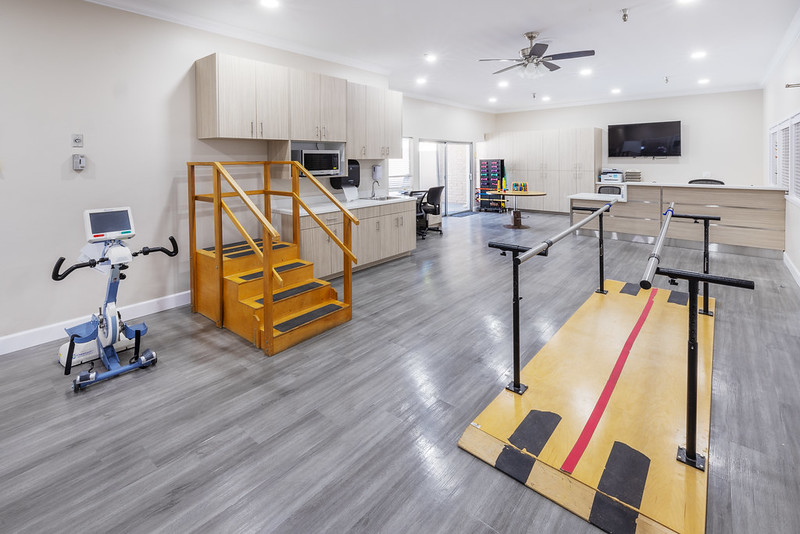
How is Santa Rosa Post Acute Staffed?

CMS rates SANTA ROSA POST ACUTE's staffing level at 4 out of 5 stars, which is above average compared to other nursing homes. Staff turnover is 41%, compared to the California average of 46%. This relatively stable workforce can support continuity of care.

What Have Inspectors Found at Santa Rosa Post Acute?

State health inspectors documented 77 deficiencies at SANTA ROSA POST ACUTE during 2019 to 2025. These included: 5 that caused actual resident harm and 72 with potential for harm. Deficiencies causing actual harm indicate documented cases where residents experienced negative health consequences.
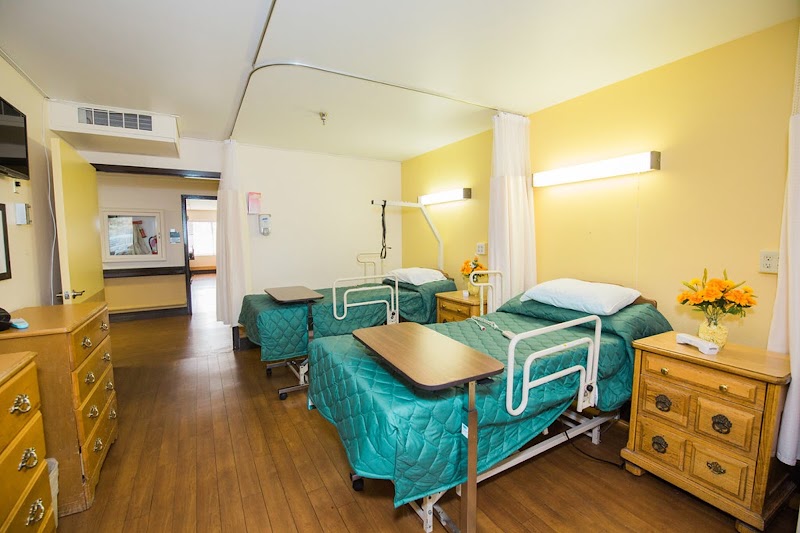
Who Owns and Operates Santa Rosa Post Acute?

SANTA ROSA POST ACUTE is owned by a for-profit company. For-profit facilities operate as businesses with obligations to shareholders or private owners. The facility is operated by PACS GROUP, a chain that manages multiple nursing homes. With 99 certified beds and approximately 96 residents (about 97% occupancy), it is a smaller facility located in SANTA ROSA, California.

How Does Santa Rosa Post Acute Compare to Other California Nursing Homes?

Compared to the 100 nursing homes in California, SANTA ROSA POST ACUTE's overall rating (3 stars) is below the state average of 3.1, staff turnover (41%) is near the state average of 46%, and health inspection rating (2 stars) is below the national benchmark.

What Should Families Ask When Visiting Santa Rosa Post Acute?

Based on this facility's data, families visiting should ask: "Can I visit during a mealtime to observe dining assistance and food quality?" "How do you handle medical emergencies, and what is your hospital transfer rate?" "Can I speak with family members of current residents about their experience?"

Is Santa Rosa Post Acute Safe?

Based on CMS inspection data, SANTA ROSA POST ACUTE has a clean safety record: no substantiated abuse findings (meaning no confirmed cases of resident harm), no Immediate Jeopardy citations (the most serious violation level indicating risk of serious injury or death), and is not on the Special Focus Facility watch list (a federal program monitoring the lowest-performing 1% of nursing homes). The facility has a 3-star overall rating and ranks #100 of 100 nursing homes in California. While no facility is perfect, families should still ask about staff-to-resident ratios and recent inspection results during their visit.

Do Nurses at Santa Rosa Post Acute Stick Around?

SANTA ROSA POST ACUTE has a staff turnover rate of 41%, which is about average for California nursing homes (state average: 46%). Moderate turnover is common in nursing homes, but families should still ask about staff tenure and how the facility maintains care continuity when employees leave.

Was Santa Rosa Post Acute Ever Fined?

SANTA ROSA POST ACUTE has been fined $10,166 across 1 penalty action. This is below the California average of $33,181. While any fine indicates a compliance issue, fines under $50,000 are relatively common and typically reflect isolated problems that were subsequently corrected. Families should ask what specific issues led to these fines and confirm they've been resolved.

Is Santa Rosa Post Acute on Any Federal Watch List?

SANTA ROSA POST ACUTE is not on any federal watch list. The most significant is the Special Focus Facility (SFF) program, which identifies the bottom 1% of nursing homes nationally based on persistent, serious quality problems. Not being on this list means the facility has avoided the pattern of deficiencies that triggers enhanced federal oversight. This is a positive indicator, though families should still review the facility's inspection history directly.