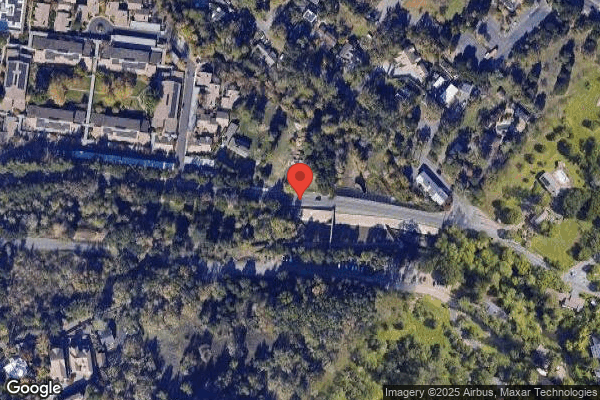
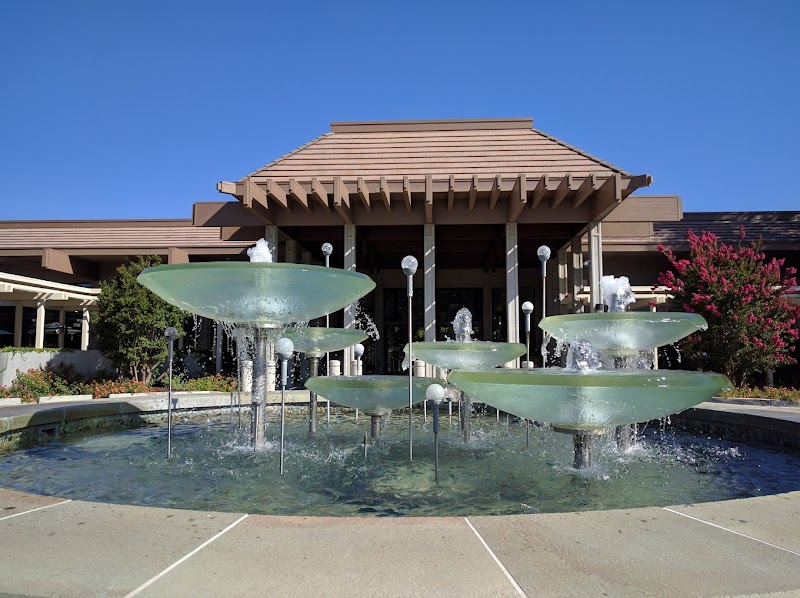

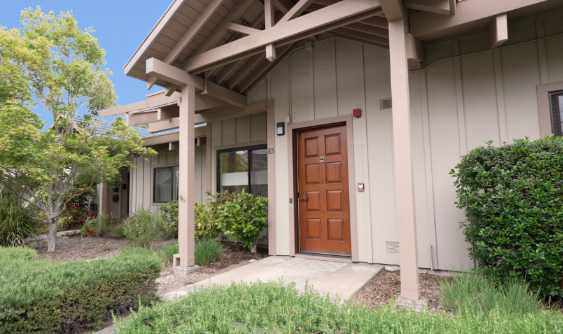

SPRING LAKE VILLAGE

5555 MONTGOMERY DRIVE, SANTA ROSA, CA 95409 (707) 538-8400
Non profit - Corporation 70 Beds FRONT PORCH Data: November 2025
Trust Grade
80/100
#204 of 1155 in CA
Last Inspection: February 2025

Within standard 12-15 month inspection cycle. Federal law requires annual inspections.

Overview

Spring Lake Village in Santa Rosa, California has received a Trust Grade of B+, indicating it is above average and recommended for families seeking care for their loved ones. It ranks #204 out of 1155 facilities in California, placing it in the top half of all facilities, and #5 out of 18 in Sonoma County, suggesting that it is one of the better local options available. However, the facility is experiencing a worsening trend, with the number of issues increasing from 6 in 2023 to 16 in 2025. Staffing is a strength, with a 5-star rating and a low turnover rate of 20%, much lower than the state average, and the facility has good RN coverage, exceeding 83% of California facilities. On the downside, it has incurred fines totaling $44,730, which is concerning and indicates potential compliance problems. Specific incidents include a lack of proper infection control training, which could affect residents' safety, and failure to maintain cleanliness in food storage areas, raising concerns about sanitation. Overall, while the facility has strengths in staffing and ranking, it also faces significant challenges that families should consider.

Trust Score
B+
80/100
In California
#204/1155
Top 17%
Safety Record
Low Risk
No red flags
Inspections
Getting Worse
6 → 16 violations
Staff Stability
✓ Good
20% annual turnover. Excellent stability, 28 points below California's 48% average. Staff who stay learn residents' needs.
Penalties
○ Average
$44,730 in fines. Higher than 68% of California facilities. Some compliance issues.
Skilled Nurses
✓ Good
Each resident gets 57 minutes of Registered Nurse (RN) attention daily — more than average for California. RNs are trained to catch health problems early.
Violations
⚠ Watch
29 deficiencies on record. Higher than average. Multiple issues found across inspections.
★★★★★
5.0
Overall Rating
★★★★★
5.0
Staff Levels
★★★★★
5.0
Care Quality
★★★☆☆
3.0
Inspection Score
Stable
2023: 6 issues
2025: 16 issues

The Good

  • 5-Star Staffing Rating · Excellent nurse staffing levels
  • 5-Star Quality Measures · Strong clinical quality outcomes
  • Low Staff Turnover (20%) · Staff stability means consistent care
  • Full Sprinkler Coverage · Fire safety systems throughout facility
  • No fines on record
  • Staff turnover is low (20%)

    28 points below California average of 48%

Facility shows strength in staffing levels, quality measures, staff retention, fire safety.

The Bad

Federal Fines: $44,730

Above median ($33,413)

Moderate penalties - review what triggered them

Chain: FRONT PORCH

Part of a multi-facility chain

Ask about local staffing decisions and management

The Ugly 29 deficiencies on record

Apr 2025 1 deficiency
CONCERN (D) 📢 Someone Reported This

A family member, employee, or ombudsman was alarmed enough to file a formal complaint

Potential for Harm - no one hurt, but risky conditions existed

Report Alleged Abuse (Tag F0609)

Could have caused harm · This affected 1 resident

Based on interviews and record reviews, the facility failed to implement their policy to immediately report an allegation of abuse, for one resident out of three sampled residents (Resident 1), when R...

Read full inspector narrative →
Based on interviews and record reviews, the facility failed to implement their policy to immediately report an allegation of abuse, for one resident out of three sampled residents (Resident 1), when Resident 1 notified staff of an allegation of abuse on 4/13/25 but was not reported to California Department of Public Health (the Department) until 4/15/245. This failure had the potential to leave Resident 1 vulnerable to further harm or abuse, delay the investigation and corrective actions to address the allegation of abuse. Findings: On 4/15/25, the Department received a report from the facility which indicated Resident 1 accused Certified Nursing Assistant A (CNA A) of sexually abusing her. During an interview on 4/15/25, at 1:45 PM, the Administrator stated the incident was reported to him sometime around 4 PM on 4/14/25. During an interview on 4/15/25, at 3:10 PM, CNA A stated while he was taking care of Resident 1 with CNA C on 4/13/25, Resident 1 accused him of raping her. CNA A stated he reported the incident to Licensed Nurse B (LN B) but was not aware if LN B reported the allegation of abuse to anyone. A review of staffing assignment indicated both CNA A and CNA C worked the afternoon shift on 4/13/25. During a follow-up interview on 4/15/25, at 3:33 PM, CNA A on speaker phone and in the presence of the Director of Nursing (DON) stated, on 4/13/25 Resident 1 had accused him of raping her. CNA A stated he reported the incident to stated LN B who removed Resident 1 from his resident assignment. During an interview on 4/15/25 at 3:54 PM, CNA C stated Resident 1 had a violent reaction to CNA A when he joined her to care for Resident 1on 4/13/25. Resident 1 had told CNA C that he , indicating CNA A, had raped her and was going to kill her. CNA C stated CNA A also heard Resident 1's allegation. CNA C added she heard CNA A report the incident to LN B on 4/13/25 and LN B then removed Resident 1 from CNA A's assignment. During an interview on 4/15/25 at 4:01 PM, the DON confirmed, LN B was supposed to report to her or to the Administrator immediately after the incident was reported to her but had not. A review of the facility's policy titled, Elder and dependent adult abuse prevention, investigation, protection, reporting and response , revised August 2022, indicated: All employees . are mandated reporters. Every employee who . is told by an elder or dependent adult that they have experienced behavior, . constituting physical abuse . shall report the known or suspected instance of abuse . immediately or as soon as practically possible . a report must be sent to the licensing agency .the California Department of Public Health . to report immediately, but not later than two hours (real clock time, not business hours) after forming the suspicion .
Feb 2025 15 deficiencies
CONCERN (D)

Potential for Harm - no one hurt, but risky conditions existed

Deficiency F0558 (Tag F0558)

Could have caused harm · This affected 1 resident

**NOTE- TERMS IN BRACKETS HAVE BEEN EDITED TO PROTECT CONFIDENTIALITY** Based on observation, interview, and record review, the facility failed to ensure two of 18 sampled residents (Resident 29 and 3...

Read full inspector narrative →
**NOTE- TERMS IN BRACKETS HAVE BEEN EDITED TO PROTECT CONFIDENTIALITY** Based on observation, interview, and record review, the facility failed to ensure two of 18 sampled residents (Resident 29 and 37) needs and preferences were met when: 1. Resident 29's call light was not within reach. This failure had the potential to result in Resident 29 being unable to get assistance as needed. 2. Resident 37 did not recieve assistance to get out of bed and dressed earlier in the morning. This failure had the potential to adversely impact Resident 37's quality of life. Findings: 1. During a review of Resident 29's face sheet (demographics), dated 2/10/25, the face sheet indicated Resident 29 was admitted to the facility on [DATE], with diagnoses to include Alzheimer's disease (a progressive and irreversible brain disorder that causes a gradual decline in memory, thinking skills and behaviors) and weakness. During an observation on 2/9/25 at 5:56 p.m., in Resident 29's room, Resident 29 was lying in bed with his square pad call light not within his reach. During an interview on 2/9/25 at 6:02 p.m. with the Registered Nurse (RN) 5, RN 5 stated that Resident 29's call light should have been within reach. During a review of the facility's policy and procedure (P&P) titled, Resident Call System, dated March 2021, the P&P indicated, Make sure the resident is comfortable and that the means to call for assistance is within their reach . 2. During a review of Resident 37's face sheet (demographics), the face sheet indicated, Resident 37 was admitted on [DATE] with diagnoses that included congestive heart failure (CHF - condition where the heart cannot pump enough blood to meet the body's need for blood and oxygen). During an interview on 2/9/25 at 3:35 p.m., Resident 37 stated she needed assistance from staff for dressing, toileting, and transferring out of bed. Resident 37 stated it often took staff a long time to respond when she used her call light. During a concurrent observation and interview with Resident 37 on 2/10/25 at 9:55 a.m., Resident 37 was observed in her bed wearing a gown. Resident 37 stated she was frustrated because she had been waiting on staff for assistance. Resident 37 stated she wanted to get out of bed and get dressed because she was scheduled for a therapy session at 10 am and she was worried she would miss the session. Resident 37 stated, I want to get up earlier, but I always have to wait for staff to get up in the morning. They don't have enough staff to get us all up in the morning. During a concurrent observation and interview with Resident 37 on 2/12/25 at 9:45 a.m., Resident 37 was observed in her bed wearing a gown. Resident 37 stated she was still waiting on staff to assist her out of bed for the day. During an interview on 2/12/25 at 11:05 a.m., with Certified Nurse Assistant (CNA) 3, CNA 3 stated that Resident 37 has complained to him about getting her out of bed. CNA 3 stated that Resident 37 starts to Grumble if she is not out of bed by 9:30 a.m. During a review of Resident 37's Minimum Data Set (MDS - an assessment tool) section GG, dated 1/4/25, MDS indicated, Chair/bed - to - chair transfer: The ability to transfer to and from a bed to a chair (or wheelchair) was coded . 02: Substantial/maximal assistance - Helper does MORE THAN HALF the effort. Helper lifts or holds trunk or limbs and provides more than half the effort. During a review of the facility's policy and procedure (P&P) titled, ADL (acts of daily living) Care, dated 12/19, the P&P indicated, Nursing staff will provide ADL care to each resident daily to meet their individual needs .
CONCERN (D)

Potential for Harm - no one hurt, but risky conditions existed

Safe Environment (Tag F0584)

Could have caused harm · This affected 1 resident

Based on observation, interview, and record review, the facility failed to provide a safe, clean, comfortable, and homelike environment when: 1. Personal use items including toothbrushes, toothpaste a...

Read full inspector narrative →
Based on observation, interview, and record review, the facility failed to provide a safe, clean, comfortable, and homelike environment when: 1. Personal use items including toothbrushes, toothpaste and combs were observed in a shared restroom for Residents 5, 8, 18, and 145 in a unlabeled wash basin (a pink colored wash basin/container for each resident used to store their personal use items). 2. Resident 18's personal use item was observed on Resident 145's (roommates) bedside table. These failures had the potential to cause illness and cross contamination in a medically compromised population. Findings: 1. During an observation on 2/9/25 at 3:19 p.m. and 3:45 p.m., in a shared restrooms for Resident 5, Resident 8, Resident 18 and Resident 145, personal use items were observed in a unlabeled wash basin. During an interview on 2/10/25 at 4:19 p.m., with Certified Nurse Assistant (CNA) 2, CNA 2 stated the room number should be on the wash basin that holds the resident personal use items, but not the name. 2. During an observation on 2/10/25 at 4:01 p.m., in room Resident 18's, Resident 18's wash basin was observed on Resident 145's bedside table. During an interview on 2/10/25 at 4:03 p.m., with CNA 1, CNA 1 stated the wash basins were not shared and Resident 18's wash basin should not be on Resident 145's bedside table. During an interview on 2/10/25 at 4:14 p.m., with the Director of Staff Development (DSD), DSD stated resident names should be written on their wash basins but should not be shared. The roommates' wash basin should not have been on her roommates' table. It was a mistake. During a review of the facility's policy and procedure (P&P) titled, Bedside Equipment - Wash Basins, Emesis Basins, Bedpans, & Urinals dated 2020, the P&P indicated, .Bedside equipment including, but not limited to wash basins, emesis basins, bedpans and urinals shall be labeled with resident's first and last name and placed in plastic bag between usage to avoid cross contamination .
CONCERN (D)

Potential for Harm - no one hurt, but risky conditions existed

Comprehensive Care Plan (Tag F0656)

Could have caused harm · This affected 1 resident

**NOTE- TERMS IN BRACKETS HAVE BEEN EDITED TO PROTECT CONFIDENTIALITY** Based on observation, interview, and record review, the facility failed to implement the plan of care for two of 18 sampled resi...

Read full inspector narrative →
**NOTE- TERMS IN BRACKETS HAVE BEEN EDITED TO PROTECT CONFIDENTIALITY** Based on observation, interview, and record review, the facility failed to implement the plan of care for two of 18 sampled residents (Resident 29 and Resident 22) when: 1. Resident 29 did not have bedside fall safety mats. 2. Resident 22's heels were not elevated off the bed. These failures had the potential to result in subsequent falls with serious injuries and worsening of skin breakdown. Findings: 1. During a review of Resident 29's face sheet (demographics), dated 2/10/25, the face sheet indicated, Resident 29 was admitted to the facility on [DATE], with diagnoses to include of Alzheimer's disease (a progressive and irreversible brain disorder that causes a gradual decline in memory, thinking skills and behaviors) and weakness. During a review of Resident 29's Fall Care Plan, dated 11/18/24, the Fall Care Plan indicated, Resident 29 was at risk for falls and had six previous falls. Resident 29's Fall Care Plan indicated, the intervention for Resident 29 to avoid serious injury was to Place fall mats on both side of bed. During a concurrent observation and interview on 2/10/25 at 5:04 p.m., with Registered Nurse (RN) 5, in Resident 29's room, Resident 29 was lying in bed without a fall mat on the right side of the bed. RN 5 stated Resident 29 needed a fall mat on both sides of the bed. 2. During a review of Resident 22's face sheet (demographics), dated 2/13/25, the face sheet indicated, Resident 22 was admitted to the facility on [DATE], with diagnoses to include of dementia (loss of ability to think, remember and reason to levels that affect daily life and activities). During a review of Resident 22's Right Heel Blanchable Redness Care Plan, dated 2/5/25, the Care Plan indicated, Resident 22 had right heel redness and required heels to be elevated while in bed. During multiple observations on 2/9/25 to 2/12/25 at various times in Resident 22's room, Resident 22 was lying in bed with heels touching the mattress. During an interview on 2/12/25 at 3:15 p.m., with Registered Nurse (RN) 8, RN 8 stated Resident 22 had redness to her right heel, and her heels needed to be elevated off the mattress with a pillow to prevent further skin breakdown. During a review of Resident 22's Right Heel Blanchable Redness Care Plan, dated 2/5/25, the Care Plan indicated, Resident 22 had right heel redness and required heels to be elevated while in bed.
CONCERN (D)

Potential for Harm - no one hurt, but risky conditions existed

Pressure Ulcer Prevention (Tag F0686)

Could have caused harm · This affected 1 resident

**NOTE- TERMS IN BRACKETS HAVE BEEN EDITED TO PROTECT CONFIDENTIALITY** Based on interview and record review, the facility failed to ensure weekly skin assessments were conducted and documented for on...

Read full inspector narrative →
**NOTE- TERMS IN BRACKETS HAVE BEEN EDITED TO PROTECT CONFIDENTIALITY** Based on interview and record review, the facility failed to ensure weekly skin assessments were conducted and documented for one of 18 sampled residents (Resident 21) right heel pressure ulcer (PU- an injury to the skin caused by prolonged pressure on a specific area, often over bony prominences like the heels or tailbone). This failure had the potential to result in delayed treatment and servives required to promte wound healing. Findings: During a review of Resident 21's face sheet (demographics), the face sheet indicated Resident 21 was admitted to the facility on [DATE], with diagnoses to include Parkinson's disease (a disorder of the central nervous system that affects movement, often including tremors and difficulty walking). During an interview on 2/11/25 at 2:05 p.m., with Infection Preventionist/Registered Nurse (IP/RN), IP/RN stated nursing staff should conduct a head-to-toe skin assessment on every resident at least weekly. IP/RN further stated pressure ulcer/wound assessments should be conducted at least weekly to monitor wound healing and document the assessment in the resident's record. IP/RN stated the documentation should include the appearance of the PU including measurements and the treatment provided. During a concurrent interview and review of Resident 21's electronic health record (EHR) on 2/11/25 at 4:12 p.m. with IP/RN, the record indicated: Resident 21's Minimum Data Set (MDS- an assessment tool) dated 11/8/24 indicated, Resident 21 had a right heel Stage II PU (a shallow open sore or blister where the outer layer of skin and some of the deeper layers are damaged). The Physician's Progress Note, dated 12/5/24, indicated, Fluid filled blister to right heel- skin prep to heels every shift, cover with a foam dressing, and monitor. The Wound Care Nurse Practitioner's Progress Note, dated 1/6/25, indicated, Resident 21 had an unstageable (a wound where a thick layer of dead tissue completely covers the wound bed making it impossible to determine the true depth of the wound) right heel PU that measured 2 centimeter (cm- unit of measurement) by 5 cm. There was no documentation in Resident 21's EHR that indicated Resident 21's right heel pressure ulcer was assessed and measured for the weeks of 12/19/24, 12/26/24, 1/16/25, 1/23/25, and 1/30/25. IP/RN stated staff should have conducted and documented assessments to evaluate if Resident 21's PU was healing. During a review of the facility's policy and procedure (P&P) titled, Skin Integrity and Management, dated August 2022, the P&P indicated, Any pressure or non-pressure skin discoloration and/or breakdown will be monitored at least weekly and with any treatment or dressing change.
CONCERN (D)

Potential for Harm - no one hurt, but risky conditions existed

Accident Prevention (Tag F0689)

Could have caused harm · This affected 1 resident

**NOTE- TERMS IN BRACKETS HAVE BEEN EDITED TO PROTECT CONFIDENTIALITY** Based on observation, interview, and record review, the facility failed to ensure shower disinfectant was stored in a locked sto...

Read full inspector narrative →
**NOTE- TERMS IN BRACKETS HAVE BEEN EDITED TO PROTECT CONFIDENTIALITY** Based on observation, interview, and record review, the facility failed to ensure shower disinfectant was stored in a locked storage container. This failure had the potential to result in unintentional access and harm. Findings: During an observation on 2/9/25 at 4:20 p.m., in Shower room [ROOM NUMBER], there was an unlocked storage container on top of a cupboard with signage stating, Keep locked at all times. The container contained a clear liquid and was labeled Shower disinfectant. During an interview on 2/9/25 at 4:24 p.m., with Restorative Nursing Aide (RNA) 1, RNA 1 stated the storage container should have been locked because the shower disinfectant was stored there. During an interview on 2/11/25 at 10:17 a.m., with the Director of Nursing (DON), the DON stated disinfectant should have been stored in a locked storage container. During a review of the facility's policy and procedure (P&P) titled, Cleaning and Disinfection of Environmental Surfaces, 2025, the P&P indicated, .21. Chemicals used to clean and disinfect environmental surfaces will be stored in a locked container or area inaccessible to others when not in use or under observation by staff.
CONCERN (D)

Potential for Harm - no one hurt, but risky conditions existed

Deficiency F0697 (Tag F0697)

Could have caused harm · This affected 1 resident

**NOTE- TERMS IN BRACKETS HAVE BEEN EDITED TO PROTECT CONFIDENTIALITY** Based on observation, interview, and record review, the facility failed to effectively manage pain for one of 18 sampled residen...

Read full inspector narrative →
**NOTE- TERMS IN BRACKETS HAVE BEEN EDITED TO PROTECT CONFIDENTIALITY** Based on observation, interview, and record review, the facility failed to effectively manage pain for one of 18 sampled residents (Resident 200). This failure resulted in unrelieved pain for Resident 200. Findings: During a review of Resident 200's face sheet (demographics), the face sheet indicated that Resident 200 was admitted to the facility on [DATE], with diagnoses to include disseminated malignant neoplasm (a cancer that has spread to multiple parts of the body). On 2/6/25, Resident 200 was admitted to hospice care (a type of medical care for those with an incurable illness with a life expectancy of six months or less) with comfort focused measures only (palliative care -specialized medical care that focuses on providing relief from pain and other symptoms of a serious illness). During a concurrent observation and interview on 2/10/25 at 10:23 a.m., with Resident 200's daughter, in Resident 200's room. Resident 200 was observed asleep in bed. Resident 200's daughter stated that Resident 200 was new to the facility and that since admission her pain management had not been optimal. During a review of Resident 200's Order Summary Report, dated 2/6/25, indicated that Resident 200 had Oxycodone HCl and Morphine Sulfate ordered for pain as follows: a. oxyCODONE HCl Oral Tablet 20 MG (milligram) (Oxycodone HCl) Give 1 tablet by mouth every 4 hours as needed for Pain. b. Morphine Sulfate (Concentrate) Solution 20 MG/ML (milliliter) Give 0.25 ml by mouth every 1 hours as needed for mild pain (1-3) symptoms 5 (mg) c. Morphine Sulfate (Concentrate) Solution 20 MG/ML (milliliter) Give 0.5 ml by mouth every 1 hours as needed for moderate pain (4-6) symptoms (10mg) . d. Morphine Sulfate (Concentrate) Solution 20 MG/ML (milliliter) Give 1 ml by mouth every 1 hours as needed for severe pain (7-10) symptoms (20mg) . During a concurrent observation and interview on 2/11/25 at 12:26 p.m., with Resident 200, Resident 200 was in bed with meal tray on her bedside table. Resident 200 stated she was currently in pain and asked the licensed nurse more than 30 minutes ago for more pain medication. During an interview on 2/11/25 at 12:29 p.m., with RN 2, RN 2 stated she gave Resident 200 oxycodone (narcotic analgesic pain medication) for pain at 1030 a.m. RN 2 confirmed that she had not reevaluate Resident 200's pain since that time. RN 2 stated, I could have given her [Resident 200] morphine. RN 2 stated she was helping another resident. RN 2 further stated, It is my fault I should have given it. During a review of Resident 200's Medication Administration Record (MAR), dated February 2025, indicated that on 2/11/25, Resident 200 received a PRN dose of Morphine 1mL for severe pain 7/10 at 12:41 p.m. (2 hours and 11 minutes later). During an interview on 2/12/25 at 8:56 a.m. with Resident 200, Resident 200 stated she frequently had pain. Resident 200 stated it would take staff a while to get her pain medications after asking for it. Resident 200 stated some days she only got pain medication every three to four hours. Resident 200 further stated that because of her pain she was unable to eat. During a concurrent observation and interview on 2/12/25 at 10:22 a.m., with Resident 200 in her room, Resident 200 was in bed with her hand on her abdomen. Resident 200 stated RN 7 entered room before 10 a.m. and assessed her pain of 7/10 and then left. Resident 200 stated she requested pain medication and had not received any yet. During an interview on 2/12/25 at 10:29 a.m., with RN 7, RN 7 stated she answered Resident 200's call light and assessed Resident 200 after she complained of pain at a 7/10. RN 7 stated she asked Resident 200 what medication she wanted for pain, and Resident 200 stated morphine. RN 7 stated she informed the medication nurse, RN 6, that Resident 200 was in pain and requested morphine. During an interview on 2/12/25 at 10:44 a.m., with Interim Director of Nursing (DON), Interim DON stated the expectation was that staff assessed resident's pain level, check the MAR to see what medications were ordered and administer pain medication based on resident's pain level, As soon as they can. During an interview on 2/13/25 at 11:13 a.m., with Physician (MD), MD stated that Resident 200 was admitted for hospice related to cancer diagnosis and was on comfort care measures. During a review of Resident 200's Care Plan .risk for acute/chronic pain r/t Cancer ., dated 2/7/25, the Care Plan indicated, .The resident will verbalize adequate relief of pain or ability to cope with incompletely relieved pain. The Care Plan indicated the following interventions .Administer analgesia [pain relieving medication] as per orders . Anticipate the resident's need for pain relief and respond immediately to any complaint of pain . During a review of the facility's policy and procedure (P&P) titled, Pain Management, dated January 2025, the P&P indicated Overview .c. Managed or prevents pain, consistent with comprehensive assessment and plan of care, .the resident's goals and preferences.
CONCERN (D)

Potential for Harm - no one hurt, but risky conditions existed

Unnecessary Medications (Tag F0759)

Could have caused harm · This affected 1 resident

**NOTE- TERMS IN BRACKETS HAVE BEEN EDITED TO PROTECT CONFIDENTIALITY** Based on observation, interview, and record review, the facility failed to ensure the medication error rate was not greater than...

Read full inspector narrative →
**NOTE- TERMS IN BRACKETS HAVE BEEN EDITED TO PROTECT CONFIDENTIALITY** Based on observation, interview, and record review, the facility failed to ensure the medication error rate was not greater than five percent when five identified medication errors out of 41 opportunities for medication administration were observed: 1. Pradaxa (medication to treat irregular heart rate) was not administered with a full glass of water, as ordered, for one unsampled resident (Resident 14). 2. Furosemide (medication to treat high blood pressure) was given outside of dosing parameter instructions for one unsampled resident (Resident 14). 3. Aspirin (medication used to prevent stroke) was administered at the wrong time for one of 18 sampled residents (Resident 199). 4. Oxybutynin (medication used to treat overactive bladder) was administered at the wrong time for one of 18 sampled residents (Resident 199). 5. Potassium (medication used to treat low blood potassium electrolyte) was administered at the wrong time for one of 18 sampled residents (Resident 199). These failure resulted in an overall facility medication error rate of 12.2%. Findings: 1. During a review of Resident 14's face sheet (demographics), the face sheet indicated, Resident 14 was admitted to the facility on [DATE], with diagnoses which included atrial fibrillation (heart condition which causes an irregular heartbeat). During an observation 2/12/25 at 9:32 a.m., with Registered Nurse (RN) 2 in Resident 14's room, RN 2 administered 1 capsule of Pradaxa. The label on the medication indicated, Give with a full glass of water. Resident 14 swallowed the Pradaxa capsule with two sips of water. RN 2 did not encourage Resident 14 to drink more water and did not monitor the resident's water consumption. During an interview on 2/13/25 at 11:45 a.m., with the Pharmacy Manager (PM), PM stated it was important to consume a full glass of water with Pradaxa because the medication capsule could become stuck in the resident's throat and create an ulceration (open sore). During of review of the facility's policy and procedure (P&P) titled, Medication Administration General Guidelines, dated 1/21, the P&P indicated, Medications are administered as prescribed in accordance with manufacturer's specifications . At least 4 ounces of water or other fluid are given with oral medications. Please note, some medications need to be given with more liquid. 2. During a review of Resident 14's face sheet (demographics), the face sheet indicated, Resident 14 was admitted to the facility on [DATE], with diagnoses which included atrial fibrillation (heart condition which causes an irregular heartbeat). During a concurrent observation and interview 2/12/25 at 9:32 a.m., with Registered Nurse (RN) 2 in Resident 14's room, RN 2 obtained Resident 14's blood pressure and heart rate. RN 2 stated, Resident 14's systolic blood pressure (SBP- measurement of the force of blood in the arteries when the heart beats) was 117, and the resident's heart rate was 85. RN 2 administered one tablet of Furosemide to Resident 14. Resident 14's Medication Administration Record (MAR) was reviewed with RN 2, the MAR indicated, Hold [Furosemide] for SBP less than 120, HR less than 60. RN 2 stated, It's ok to give the [Furosemide] because the heart rate was above 60. During an interview on 2/13/25 at 11:03 a.m. with the Medical Director (MD), MD stated RN 2 should not have administered Furosemide when Resident 14's SBP was 117 because it could have caused the resident's blood pressure to drop. During of review of the facility's policy and procedure (P&P) titled,Medication Administration General Guidelines, dated 1/21, the P&P indicated, Medications are administered as prescribed. 3. During a review of the face sheet (demographics), the face sheet indicated, Resident 199 was admitted to the facility on [DATE], with diagnoses which included hypertension (high blood pressure) and treatment for a broken hip. During a concurrent observation and interview on 2/12/25 at 10:37 a.m., with Registered Nurse (RN) 5 in Resident 199's room, RN 5 administered one tablet of Aspirin to Resident 199. Resident 199's Medication Administration Record (MAR) was reviewed with RN 5. The MAR indicated the medication was past due. RN 5 stated, I got behind. RN 5 stated morning medications should have been administered at 9 am. During a review of Resident 199's Physician's Order, dated 2/10/25, the order indicated, Aspirin Oral Tablet Chewable 81 milligrams (mg-unit of measurement). Give 1 tablet by mouth two times a day. The scheduled time on the order was 9 a.m. During an interview on 2/12/25 at 11:15 a.m. with the Director of Nursing (DON), the DON stated morning medication pass should start at 8 a.m. and medications should be given by 10 a.m. DON stated Resident 199's medications should have been given on time and RN 5 should have notified her that she was behind on her medication pass. During a review of the facility's Medication Administration Schedule [undated], the Medication Administration Schedule, indicated, Medications should be administered .two times daily- 9 a.m. and 5 p.m. During of review of the facility's policy and procedure (P&P) titled, Medication Administration General Guidelines, dated 1/21, the P&P indicated, Medications are administered within one hour of the scheduled time. 4. During a review of Resident 199's face sheet (demographics), the face sheet indicated, Resident 199 was admitted to the facility on [DATE], with diagnoses which included hypertension (high blood pressure) and treatment for a broken hip. During a concurrent observation and interview on 2/12/25 at 10:37 a.m. with Registered Nurse (RN) 6 in Resident 199's room. RN 6 administered one tablet of Oxybutynin to Resident 199. Resident 199's MAR was reviewed with RN 6. The MAR indicated the medication was past due. RN 6 stated, I got behind. RN 6 stated morning medications should have been administered at 9 a.m. During a review of Resident 199's Physician's Order, dated 2/8/25, the order indicated, Oxybutynin Chloride 5 milligrams (mg-unit of measurement) tablet. Give 1 tablet by mouth two times a day. The scheduled time on the order was 9 a.m. During an interview on 2/12/25 at 11:15 a.m. with the Director of Nursing (DON), the DON stated morning medication pass should start at 8 a.m. and medications should be given by 10 a.m. DON stated Resident 199's medications should have been given on time and RN 6 should have notified her that she was behind on her medication pass. During a review of the facility's Medication Administration Schedule [undated], the Medication Administration Schedule, indicated, Medications should be administered .two times daily- 9 a.m. and 5 p.m. During of review of the facility's policy and procedure (P&P) titled, Medication Administration General Guidelines,dated 1/21, the P&P indicated, Medications are administered within one hour of the scheduled time. 5. During a review of Resident 199's face sheet (demographics), the face sheet indicated, Resident 199 was admitted to the facility on [DATE] with diagnoses which included hypertension (high blood pressure) and treatment for a broken hip. During a concurrent observation and interview on 2/12/25 at 10:37 a.m. with Registered Nurse (RN) 6 in Resident 199's room. RN 6 administered one tablet of Potassium Chloride to Resident 199. Resident 199's Medication Administration Record (MAR) was reviewed with RN 6; the MAR indicated the medication was past due. RN 6 stated, I got behind. RN 6 stated morning medications should be administered at 9 a.m. During a review of Resident 199's Physician's Order dated 2/8/25, the order indicated, Potassium Chloride Oral Tablet 20 milliequivalents (meq- unit of measurement). Give 1 tablet by mouth two times a day. The scheduled time on the order was 9 a.m. During an interview on 2/12/25 at 11:15 a.m. with the Director of Nursing (DON), the DON stated morning medication pass should start at 8 a.m. and medications should be given by 10 a.m. DON stated Resident 199's medications should have been given on time and RN 6 should have notified her that she was behind on her medication pass. During a review of the facility's Medication Administration Schedule [undated], the Medication Administration Schedule, indicated, Medications should be administered .two times daily- 9 a.m. and 5 p.m. During of review of the facility's policy and procedure (P&P) titled, Medication Administration General Guidelines, dated 1/21, the P&P indicated, Medications are administered within one hour of the scheduled time.
CONCERN (D)

Potential for Harm - no one hurt, but risky conditions existed

Deficiency F0760 (Tag F0760)

Could have caused harm · This affected 1 resident

**NOTE- TERMS IN BRACKETS HAVE BEEN EDITED TO PROTECT CONFIDENTIALITY** Based on interview and record review, the facility failed to ensure the daily maximum dosage of acetaminophen (medication used t...

Read full inspector narrative →
**NOTE- TERMS IN BRACKETS HAVE BEEN EDITED TO PROTECT CONFIDENTIALITY** Based on interview and record review, the facility failed to ensure the daily maximum dosage of acetaminophen (medication used to treat pain) did not exceed 2,000 milligrams (mg- unit of measurement) per physician's order for one unsampled resident (Resident 36). This failure had the potential to result in hepatotoxicity (damage to the liver caused by exposure to harmful substances). Findings: During a review of Resident 36's face sheet (demographics), dated [DATE], the face sheet indicated Resident 36 was admitted to the facility on [DATE], with diagnoses to include chronic hepatitis (long term inflammation of the liver). Resident 36 expired on [DATE]. During a concurrent interview and record review on [DATE] at 10:19 a.m., with the Director of Nursing (DON), Resident 36's Medication Administration Records (MAR) for the months of [DATE], [DATE], [DATE], and [DATE] were reviewed and indicated the following: a. In [DATE], Resident 36 had an order for acetaminophen 500 mg one tablet three times a day for pain,not to exceed (NTE) 2,000mg in 24 hours and an additional order for acetaminophen 500mg two tablets three times a day for pain, NTE 2,000mg in 24 hours. The DON calculated the total dosage given to Resident 36 was 3500mg of acetaminophen on [DATE] and [DATE], and total of 4500mg of acetaminophen on [DATE]. b. In [DATE], indicated Resident 36 had an order for acetaminophen 500mg two tablets three times a day for pain, NTE 2,000mg in 24 hours. c. In [DATE], indicated Resident 36 had an order for acetaminophen 500mg two tablets three times a day for pain, NTE 2,000mg in 24 hours. d. In [DATE], indicated Resident 36 had an order for acetaminophen 500mg two tablets three times a day for pain, NTE 2,000mg in 24 hours. The DON calculated the total dosage of acetaminophen given to Resident 36 was over the maximum dosage for 25 days in [DATE], and 30 days in [DATE] and [DATE]. Resident 36 received more than 2,000mg in 24 hours for three months. The DON stated, That's crazy, it should have been clarified. During a concurrent interview and record review on [DATE] at 11:16 a.m., with Medical Director (MD), Resident 36's Monthly Medication Review (MMR), dated [DATE] was reviewed. The MMR indicated the pharmacist's recommendation was to clarify the acetaminophen order. MD stated the order should have been clarified and Yeah that's on me. MD further stated for elderly patients with history of hepatitis and seizures, the maximum recommended dose of acetaminophen was 2,000mg in 24 hours. During an interview on [DATE] at 11:53 a.m., with Pharmacist (Pharm), Pharm stated she completed Resident 36's MMR and sent them to the facility's medical director and DON. Pharm stated the order should have been clarified immediately. Pharm stated exceeding the daily limit of acetaminophen for a prolonged period, three months, had a potential for Resident 36 to experience hepatotoxicity. Pharm further stated, Yeah that's a pretty significant error. During a review of the facility's policy and procedure (P&P) titled, Physician Orders, Noting Of, dated February 2009, the P&P indicated, The nurse shall verify each order for completeness, clarity, appropriateness of dose . During a review of the facility's policy and procedure (P&P) titled, Medication Administration, dated [DATE], the P&P indicated, Medications are administered in accordance with written orders of the prescriber .
CONCERN (D)

Potential for Harm - no one hurt, but risky conditions existed

Deficiency F0761 (Tag F0761)

Could have caused harm · This affected 1 resident

**NOTE- TERMS IN BRACKETS HAVE BEEN EDITED TO PROTECT CONFIDENTIALITY** Based on observation, interview, and record review, the facility failed to store and label drugs and biologicals properly when: ...

Read full inspector narrative →
**NOTE- TERMS IN BRACKETS HAVE BEEN EDITED TO PROTECT CONFIDENTIALITY** Based on observation, interview, and record review, the facility failed to store and label drugs and biologicals properly when: 1. Controlled drugs (drugs that are regulated by law due to their potential for abuse and addiction) were being discarded in a container that was not secure or permanently affixed to the wall. This failure had the potential to result in drug diversion (illegal distribution or abuse of prescription drugs.) 2. Resident 29's oxygen humidifier bottle was opened and undated. This failure had the potential to result in an increased risk for bacteria growth and progression of respiratory illness. Findings: 1. During a concurrent observation and interview on 2/11/25 at 2:25 p.m., with Registered Nurse (RN) 2 in the Medication Room, there was a Smart Sink (a green container with openings on the left and right side) sitting on the countertop. It contained a glass bottle, pills, and packaging. RN 2 stated that was where narcotic medications were disposed of when the Director of Nursing (DON) was not in the facility. During an interview on 2/11/25 at 2:41 p.m., with the DON, the DON stated she was unfamiliar with the Smart Sink purpose and its location. During an interview on 2/13/25 at 11:47 a.m., with the Pharmacist, the Pharmacist stated the Smart Sink should have been removed from the Medication Room. During a review of the facility's policy and procedure (P&P) titled, Disposal of Medications, dated 2023, the P&P indicated, Medications included in the Drug Enforcement Administration (DEA) classification as controlled substances (or those classified as such by state regulation) are subject to special handling, storage, disposal, and record keeping in the nursing care center in accordance with federal and state laws and regulations. 2. During a review of Resident 29's face sheet (demographics) dated 2/10/25, the face sheet indicated Resident 29 was admitted to the facility on [DATE], with diagnoses to include pneumonia (infection of the lungs). During a record review of Resident 29's Medication Administration Record (MAR), dated 2/10/25, the MAR indicated, oxygen via nasal cannula (NC- a thin, flexible tube that delivers oxygen through the nose). During an observation on 2/9/25 at 5:56 p.m., in Resident 29's room, an Oxygen in use, sign was posted outside the door. Resident 29 was receiving humidified oxygen at 3 liters per minute via NC. The humidifier bottle was unlabeled with the date opened. During an interview on 2/9/25 at 6:02 p.m. with Registered Nurse (RN) 5, RN 5 stated the humidifiers did not need to be dated. During an interview on 2/12/25 at 2:41 p.m., with the Director of Staff Development (DSD), the DSD stated humidifier bottles needed to be dated when opened. During a review of the facility's policy and procedure (P&P) titled, Oxygen Therapy, dated July 2022, the P&P indicated, Label humidifier with the date opened .
CONCERN (D)

Potential for Harm - no one hurt, but risky conditions existed

Deficiency F0802 (Tag F0802)

Could have caused harm · This affected 1 resident

Based on observation, interview, and record review, the facility failed to ensure all kitchen staff were evaluated for competency skills when two kitchen staff were unable to effectively test the 3-co...

Read full inspector narrative →
Based on observation, interview, and record review, the facility failed to ensure all kitchen staff were evaluated for competency skills when two kitchen staff were unable to effectively test the 3-compartment sink (3 sinks that separate the wash, rinse and sanitizer-manual procedure for cleaning and sanitizing dishes) sanitizer. This failure had the potential for residents to be served food on unclean dishes, which can result in food borne illnesses (a sickness caused by consuming food, or drinks contaminated with harmful substances) in a medically fragile population of 47 residents. Findings: During a concurrent observation and interview on 2/9/25 between 3:50 to 3:55 p.m., with Executive Chef (EC) in the kitchen, EC tested the quaternary ammonium (quat- a group of chemicals that are used in disinfectants) in the 3-compartment sink. EC placed the strip in the mixture of quat sanitizer with water, for 10 seconds and the color of the strip changed to dark green. EC checked the color against the color chart on the test kit. EC confirmed the test strip read 600-800 ppm (parts per million- unit of measurement) and stated, Oh that's darker than it should be. EC repeated the same process, and the test strip result was 1000 ppm, EC stated he was unsure why the reading of the sanitizer was still high. The EC stated the level should be 200-400 ppm. During a concurrent observation and interview on 2/10/25 at 11:19 a.m., with Dishwasher (DW) 1 in the kitchen, DW 1 was standing in front of the 3-compartment sink, washing dishes. DW 1 was asked to complete a quat test for the sanitizer sink. DW 1 stated he was unsure how to test the sanitizer mixture. DW 1 placed the strip in the sanitizer mixture, for 3 seconds and the color of the strip turned green. DW 1 checked the color against the color chart on the test kit and confirmed the test strip read 400-600 ppm, which was not within the normal range. During an interview on 2/13/25 at 9:25 a.m., with EC, EC stated he did not properly demonstrate the 3-compartment sink quat test. EC further stated he was responsible for training all kitchen staff. During a review of EC's Job Description, dated 7/21/23, the Job Description indicated, Supervises cooking personnel and insures proper sanitation procedure for the entire kitchen area . Insures that competency in the positions is maintained . monthly in-service trainings . sanitation inspections . During a review of the facility's policy and procedure (P&P) titled, On-The-Job Training, dated January 2025, the P&P indicated, On-the-job training is implemented for the purpose of . training concerning use of specific hazardous substance .
CONCERN (D)

Potential for Harm - no one hurt, but risky conditions existed

Deficiency F0813 (Tag F0813)

Could have caused harm · This affected 1 resident

Based on observation, interview, and record review, the facility failed to ensure that all resident personal foods were labeled and dated in the communal refrigerator. This failure had the potential f...

Read full inspector narrative →
Based on observation, interview, and record review, the facility failed to ensure that all resident personal foods were labeled and dated in the communal refrigerator. This failure had the potential for residents to consume expired food that could lead to the increased risk of food borne illness (a sickness caused by consuming food contaminated with harmful substances). Findings: During an observation on 2/9/25 at 2:40 p.m., of the Residents' communal refrigerator located in the Hydration Room, there was a pizza box that contained pizza, and a package that contained crackers, cheese, and salami. The box and package were unlabeled with resident names, room numbers, and undated. During an interview on 2/9/25 at 5:22 p.m., with Licensed Vocational Nurse (LVN) 3, LVN 3 stated Oh no, they need the date with room number. During a review of the facility's policy and procedure (P&P) titled, Use and Storage of Food Brought to Residents From the Outside, dated January 2025, the P&P indicated, Food Storage: the outside food must be stored in an appropriate container, labeled with the resident's name and room number, the date the food was brought to the resident and the use-by date .
CONCERN (D)

Potential for Harm - no one hurt, but risky conditions existed

Garbage Disposal (Tag F0814)

Could have caused harm · This affected 1 resident

Based on observation, interview, and record review, the facility failed to ensure one of two outside dumpsters had a lid. This failure had the potential to attract pests and/or rodents that carried di...

Read full inspector narrative →
Based on observation, interview, and record review, the facility failed to ensure one of two outside dumpsters had a lid. This failure had the potential to attract pests and/or rodents that carried diseases and could result in food borne illness (a sickness caused by consuming food, or drinks contaminated with harmful substances) in a medically fragile population of 47 residents. Findings: During a concurrent observation and interview on 2/9/25 at 4:08 p.m., with the Executive Chef (EC) in the outside loading dock area, one compactor dumpster did not have a lid to cover the overflowing garbage that contained food and waste. The EC stated the dumpster should have a lid. During a review of the U.S [United States] Food and Drug Administration's (FDA) Food Code, dated 2022, the FDA Food Code indicated in Section 5-501.15 Outside Receptacles, (A) Receptacles and waste handling units for REFUSE, recyclables, and returnables used with materials containing FOOD residue and used outside the FOOD ESTABLISHMENT shall be designed and constructed to have tight-fitting lids, doors, or covers . During a review of the facility's policy and procedure (P&P) titled, Solid Waste Disposal, dated January 2025, the P&P indicated, Keep lids closed on all outside trash receptacles .
CONCERN (E)

Potential for Harm - no one hurt, but risky conditions existed

Food Safety (Tag F0812)

Could have caused harm · This affected multiple residents

Based on observation, interview, and record review, the facility failed to ensure food safety and sanitation guidelines were followed when: 1. Two kitchen staff did not wear hair nets while in the ki...

Read full inspector narrative →
Based on observation, interview, and record review, the facility failed to ensure food safety and sanitation guidelines were followed when: 1. Two kitchen staff did not wear hair nets while in the kitchen. 2. Five of five green cutting boards were not in good repair. 3. Dented cans were not discarded. 4. Six boxes of dry goods were stored directly on the floor. 5. Multiple food items were expired. 6. Multiple food items were unlabeled and undated. 7. Sanitizer for the vegetable wash was expired. These failures posed the risk for food borne illness in a medically fragile resident population of 47. Findings: 1. During a concurrent observation and interview on 2/9/25 at 4:02 p.m. with Executive Chef (EC)in the Kitchen, the Server entered the kitchen and loaded a cart with food items, without a hair net. EC stated, No, she needs a hair net immediately. During a concurrent observation and interview on 2/10/25 at 10:13 a.m. with Certified Executive Chef (CEC)in the Kitchen, Dishwasher (DW) 2 was washing dishes, without a hair net. CEC stated, No, he needs a hair net. During a review of the facility's policy and procedure (P&P) titled, Dress Guidelines for Food Service Management and Clinical Nutrition Staff, dated January 2025, the P&P indicated, Hair restraints are worn by all when in the kitchen . 2. During a concurrent observation and interview on 2/9/25 at 3:44 p.m. with EC in the Kitchen, five out of five green cutting boards had deep grooves with brown, green and orange grim build up. EC stated, These are gross and definitely need to be replaced. During a review of the facility's policy and procedure (P&P) titled, Cutting Boards, dated January 2024, the P&P indicated, Replace all cutting boards with grooves and pits 1/8-inch or deeper that cannot be cleaned and sanitized using routine cleaning and sanitizing procedures . 3. During a concurrent observation and interview on 2/10/25 at 10:07 a.m., with CEC in the Dry Storage Room, two dented cans were stored on the canned goods rack. CEC stated they are dented and need to be disposed of. During a review of the facility's policy and procedure (P&P) titled, Food and Supply Storage, dated January 2024, the P&P indicated, .dented cans . are to be returned . 4. During a concurrent observation and interview on 2/10/25 at 10:06 a.m., with CEC in the Dry Storage Room, six boxes of dry goods were stored directly on the floor. The CEC stated, Nothing should be placed on the floor. During a review of the facility's policy and procedure (P&P) titled, Food and Supply Storage, dated January 2024, the P&P indicated, Store dry and staple items at least 6 above the floor . 5. During a concurrent observation and interview on 2/9/25 at 2:54 p.m., with EC in the Dry Storage Room, one box of thickened cranberry juice cocktail use by date was 12/15/24, and one box of thickened water use by date was 11/11/24. EC stated expired items needed to be thrown out. During a concurrent observation and interview on 2/9/25 at 3:02 p.m., with EC in the Refrigerator 1, there was one large jar of Thai Chili Peppers use by date was 2/1/25, one container of jellied cranberry sauce use by date was 2/5/25, and one bottle cultured buttermilk expiration date was 2/3/25. EC stated expired items needed to be thrown out. During a concurrent observation and interview on 2/9/25 at 3:25 p.m., with EC in the Refrigerator 2, one large ham use by date was 2/6/25, one large tray of chicken breast use by date was 2/8/25, 15 trays of bacon use by date was 2/8/25, and 12 pork boneless center cut loins use by date was 12/19/24. EC stated expired items needed to be thrown out. During a review of the facility's policy and procedure (P&P) titled, Food and Supply Storage, dated January 2024, the P&P indicated, Foods past the use by, sell by, best by or enjoy by date should be discarded . 6. During a concurrent observation and interview on 2/9/25 at 3:20 p.m., with EC in the Freezer, there were three premade vegan meatloaves and an one container of opened chocolate ice cream unlabeled and undated. EC stated all items needed to be labeled and dated, otherwise thrown out. During a concurrent observation and interview on 2/9/25 at 3:27 p.m. with EC in the Refrigerator 2, there were two packages of Prosciutto, three packages of smoked salmon, 19 trays of bacon unlabeled and undated. EC stated all items needed to be labeled and dated, otherwise thrown out. During a review of the facility's policy and procedure (P&P) titled, Food and Supply Storage, dated January 2024, the P&P indicated, Cover, label and date unused portions and open packages . 7. During a concurrent observation and interview on 2/10/25 at 10:33 a.m. in the Kitchen, with Certified Executive Chef (CEC). Mushrooms were being washed in the vegetable 2-compartment sink with sanitizer. The sanitizer had an expiration date of 1/31/24. EC stated, Oh that's definitely expired and needed to be discarded.
CONCERN (F)

Potential for Harm - no one hurt, but risky conditions existed

Infection Control (Tag F0880)

Could have caused harm · This affected most or all residents

**NOTE- TERMS IN BRACKETS HAVE BEEN EDITED TO PROTECT CONFIDENTIALITY** 1 b. During a review of Resident 14's face sheet (demographics), the face sheet indicated, Resident 14 was admitted to the facil...

Read full inspector narrative →
**NOTE- TERMS IN BRACKETS HAVE BEEN EDITED TO PROTECT CONFIDENTIALITY** 1 b. During a review of Resident 14's face sheet (demographics), the face sheet indicated, Resident 14 was admitted to the facility on [DATE], with diagnoses which included sepsis (a life-threatening complication of an infection) and urinary tract infection (bladder infection). During a concurrent observation and interview on 2/9/25 at 4:06 p.m. with Resident 14, Resident 14 had an indwelling midline catheter (flexible tube inserted through the skin into a large vein in the arm used to administer IV antibiotics). There was no signage posted to alert staff that Resident 14 required Enhanced Barrier Precautions. Resident 14 stated that she was receiving Intravenous (IV) antibiotics (medicine that kills bacteria or stops their growth) for a urinary infection. During an observation on 2/10/25 at 4:10 p.m. in Resident 14's room, Infection Preventionist/Registered Nurse (IP/RN) administered IV antibiotics through Resident 14's midline catheter. IP/RN was not wearing a gown during the observation. During an observation on 2/11/25 at 9:20 a.m., Registered Nurse (RN) 10 assisted Resident 14 in transferring from her bed to a wheelchair and into the bathroom. RN 10 was not wearing gloves or a gown. During an interview on 2/12/25 at 10:58 a.m. with RN 10, RN 10 confirmed she assisted Resident 14 from her bed to the bathroom and did not wear a gown. RN 10 stated that she was unaware of EBP. During an interview on 2/12/25 at 2:13 p.m., with Infection Preventionist Registered Nurse (IP/RN) and the Director of Staff Development (DSD), the IP/RN and DSD stated they did not know what EBP was, therefore, they had not developed a policy and procedure or trained staff regarding EBP. 1 c. During a review of Resident 21's face sheet (demographics), the face sheet indicated, Resident 21 was admitted to the facility on [DATE], with diagnoses which included obstructive and reflux uropathy (a disorder that occurs when urine can't drain normally and flows backward into the kidneys). During a review of Resident 21's Order Summary Report, dated 12/2/25, the Order Summary Report indicated, Foley Catheter (a tube inserted into the bladder in order to drain urine into a collection bag) Care every shift. During an observation on 2/9/25 at 3:19 p.m., in Resident 21's room, there was no signage posted to alert staff that Resident 14 required Enhanced Barrier Precautions. During an interview on 2/12/25 at 11:05 a.m. with Certified Nursing Assistant (CNA) 3, CNA 3 stated that when he changed Resident 21's catheter drainage bags he did not wear a gown. CNA 3 stated he did not know about EBP. During an interview on 2/12/25 at 11:53 a.m., with Resident 21, Resident 21 stated staff did not wear gowns when they changed his catheter bag. During an interview on 2/12/25 at 2:13 p.m., with Infection Preventionist Registered Nurse (IP/RN) and the Director of Staff Development (DSD), the IP/RN and DSD stated they did not know what EBP was, therefore, they had not developed a policy and procedure or trained staff regarding EBP. 1 d. During a review of Resident 10's face sheet (demographics), the face sheet indicated, Resident 10 was admitted on [DATE], with diagnoses which included urinary retention (condition that makes it difficult to empty the bladder). During a review of Resident 10's Physician's Order, dated 2/10/25, the order indicated, Resident 10 had an indwelling catheter. During an observation on 2/9/25 at 4:18 p.m., in Resident 10's room, Resident 10 was lying in bed. Resident 10's catheter bag was observed at the foot of the bed. There was no signage posted to alert staff that Resident 10 required Enhanced Barrier Precautions. During an interview on 2/12/25 at 11:05 a.m., with CNA 3, CNA 3 stated that he changed and drained Resident 10's catheter drainage bag. CNA 3 stated he did not know about EBP and confirmed he did not wear a gown while performing high contact care activities with the resident. During an interview on 2/12/25 at 2:13 p.m., with Infection Preventionist Registered Nurse (IP/RN) and the Director of Staff Development (DSD), the IP/RN and DSD stated they did not know what EBP was, therefore, they had not developed a policy and procedure or trained staff regarding EBP. 3. During a review of Resident 29's face sheet (demographics), dated 2/10/25, the face sheet indicated Resident 29 was admitted to the facility on [DATE], with diagnoses of pneumonia (infection of the lungs). During a concurrent observation and interview on 2/9/25 at 5:59 p.m., with Certified Nurse Assistant (CNA) 5 in Resident 29's room, the nasal cannula was on the floor. CNA 5 picked up the nasal cannula off the floor and stated, It should be in this bag. During an interview on 2/12/25 at 2:39 p.m., with the Infection Preventionist Registered Nurse (IP/RN), the IP/RN stated plastic bags were attached to the top of oxygen concentrators for staff to put the nasal cannula in when not in use to prevent contamination. During a review of the facility's policy and procedure (P&P) titled, Oxygen Therapy, dated July 2022, the P&P indicated, When nasal cannula or oxygen mask is not in use, place in a plastic bag or other infection prevention pouch to prevent contamination . 2. During an observation on 2/9/25 at 3:44 p.m., in Resident 196's room, a urinal was on his bedside table. The urinal was unlabeled with his first and last name. During an interview on 2/9/25 at 4:27 p.m., with Licensed Vocational Nurse (LVN) 2, LVN 2 stated that Resident 196's urinal should have been labeled with his first and last name. LVN 2 stated his urinal should not have been on his bedside table. During a review of the facility's policy and procedure (P&P) titled, Bedside Equipment - Wash Basins, Emesis Basins, Bedpans, and Urinals, dated November 2020, the P&P indicated, Guidelines .2. Bedside equipment including, but not limited to . urinals shall be labeled with resident's first and last name and placed in plastic bag between usage to avoid cross contamination. Based on observation, interview, and record review, the facility failed to maintain an infection prevention and control program designed to help prevent the transmission of communicable diseases and infections when: 1 a-d. The facility was not following Enhanced Barrier Precautions (EBP-Centers for Disease Control Recommendations to wear personal protective equipment when caring for residents with an indwelling medical device) for four of 18 sampled residents (Resident 148, Resident 14, Resident 21, and Resident 10). All Facilities Letter (AFL memo issued by the California Department of Public Health), dated 6/13/2024, indicated, skilled nursing facilities should implement EBP per Centers for Disease Control (CDC) guidance as part of infection control for certified skilled nursing facilities. CDC Recommendations, dated 4/2/24, indicated, Enhanced Barrier Precautions are an infection control intervention designed to reduce transmission of multidrug-resistant organisms (MDROs) in nursing homes. Enhanced Barrier Precautions involve gown and glove use during high-contact resident care activities (personal hygiene, linen change, providing medications and treatments such as wound dressing change) for residents known to be colonized or infected with a MDRO as well as those at increased risk of MDRO acquisition (e.g., residents with wounds or indwelling medical devices). 2. Resident 196's unlabeled urinal was stored on his bedside table. 3. Resident 29's nasal cannula (a thin, flexible tube that delivers oxygen through the nose) was found on the floor. These failures placed the residents at risk for cross contamination and possible spread of infections. Findings: 1 a. During a concurrent observation and interview on 2/12/25 at 10:40 a.m. with Licensed Vocational Nurse (LVN) 1 in Hallway 100, Resident 148 was observed with an indwelling catheter (a tube inserted into the bladder to drain urine into a collection bag). There was no signage posted to alert staff that Resident 148 required Enhanced Barrier Precautions. LVN 1 stated she has never heard of EBP, so she does not follow EBP. During an interview on 2/12/25 at 2:13 p.m., with Infection Preventionist Registered Nurse (IP/RN) and the Director of Staff Development (DSD), the IP/RN and DSD stated they did not know what EBP was, therefore, they had not developed a policy and procedure or trained staff regarding EBP.
CONCERN (F)

Potential for Harm - no one hurt, but risky conditions existed

Deficiency F0945 (Tag F0945)

Could have caused harm · This affected most or all residents

Based on interview and record review, the facility failed to maintain an effective infection control training program related to Enhanced Barrier Precautions (EBP [Centers for Disease Control guidance...

Read full inspector narrative →
Based on interview and record review, the facility failed to maintain an effective infection control training program related to Enhanced Barrier Precautions (EBP [Centers for Disease Control guidance to wear personal protective equipment when caring for residents with an indwelling medical device designed to reduce the spread of infections]). (cross reference to F880). This failure had the potential to negatively affect the facility's ability to maintain a safe environment to prevent the spread of infectious diseases among the 47 residents in the facility. Findings: During an interview on 2/12/25 at 2:13 p.m., with Infection Preventionist Registered Nurse (IP/RN) and the Director of Staff Development (DSD), the IP/RN and DSD stated they did not know what EBP was, therefore, they had not developed a policy and procedure or trained staff regarding EBP. During a review of the All Facilities Letter (AFL memo issued by the California Department of Public Health), dated 6/13/2024, indicated, skilled nursing facilities should implement EBP per Centers for Disease Control (CDC) guidance as part of infection control for certified skilled nursing facilities. During a review of the CDC Recommendations, dated 4/2/24, indicated, Enhanced Barrier Precautions are an infection control intervention designed to reduce transmission of multidrug-resistant organisms (MDROs) in nursing homes. Enhanced Barrier Precautions involve gown and glove use during high-contact resident care activities (personal hygiene, linen change, providing medications and treatments such as wound dressing change) for residents known to be colonized or infected with a MDRO as well as those at increased risk of MDRO acquisition (e.g., residents with wounds or indwelling medical devices).
Apr 2023 6 deficiencies
CONCERN (D)

Potential for Harm - no one hurt, but risky conditions existed

Deficiency F0658 (Tag F0658)

Could have caused harm · This affected 1 resident

**NOTE- TERMS IN BRACKETS HAVE BEEN EDITED TO PROTECT CONFIDENTIALITY** Based on observation, interview, and record review, the facility staff failed to assess and document a large bruise on one of 13...

Read full inspector narrative →
**NOTE- TERMS IN BRACKETS HAVE BEEN EDITED TO PROTECT CONFIDENTIALITY** Based on observation, interview, and record review, the facility staff failed to assess and document a large bruise on one of 13 sampled residents, Resident 12. This failure could potentially result in an unrecognized safety issue for the resident when the cause of the bruise was unknown. Findings: During an observation and concurrent interview on 4/3/23 at 11:38 a.m., Resident 12 had a dark purple bruise on her right forearm that was approximately 2.5 inches by 4 inches. Resident 12 stated she got the bruise when Unlicensed Staff A was helping her to the bathroom. When asked if the bruised area was painful, Resident 12 stated, This arm always hurts, but yes. During a record review on 4/4/23 at 11 a.m., Resident 12's electronic medical record indicated she was admitted to the facility on [DATE] with medical diagnoses that included respiratory failure, bacterial pneumonia (lung infection), sepsis (blood infection), and difficulty in walking, among others. Resident 12's MDS (minimum data set, an assessment tool) dated 3/8/23 indicated her BIMS score was 15 (Brief Interview for Mental Status, a score of 15 indicates cognitively intact). Review of Resident 12's nurses' daily and weekly charting revealed no documentation of a large bruise on her right forearm or that she had reported any injury during toileting. During an interview on 4/5/23 at 4:16 p.m., Unlicensed Staff A stated she had not been working with Resident 12 too much, but she did when her coworker was on dinner break. Unlicensed Staff A stated she had asked her coworker how Resident 12 transfers, she answered Resident 12 needed minimal assistance, and she said Resident 12 had many bruises. Unlicensed Staff A stated she did not know how Resident 12 got the large bruise on her forearm. During a record review and concurrent interview on 4/5/23 at 4:24 p.m., Licensed Staff B stated residents' skin assessments were done once a week. Licensed Staff B stated she had not noticed a bruise on Resident 12's forearm, but she had not been at work for about five days. Licensed Staff B checked Resident 12's care plan and orders in the electronic medical record, and stated she could not find any documentation of a large bruise on Resident 12's right forearm. Licensed Staff B verified that if anyone had noted the bruise, it would be on Resident 12's care plan and there would be an order for monitoring of the site. During a record review and concurrent interview on 4/6/23 at 1:46 p.m., when queried, Licensed Staff C stated she saw the bruise on Resident 12's right forearm this morning (4/6/23). Licensed Staff C stated the doctor was notified (about the bruise), family was notified, and they were monitoring the bruise. Licensed Staff C stated they had asked the CNAs (certified nursing assistants) to be more gentle with Resident 12 as her skin was very fragile. When asked if Resident 12 had stated how she got the bruise, Licensed Staff C stated she had just looked at the bruise but did not ask Resident 12 about it. Licensed Staff C opened a progress note in Resident 12's electronic medical record, written by Licensed Staff B on 4/6/23. The note indicated Resident 12 had a bruise on her right arm that measured 8.5 cm (centimeters) by 6.5 cm, and that Resident 12 stated it probably happened when she transferred from the toilet to her wheelchair. During an interview on 4/7/23 at 11:11 a.m., Director of Nursing (DON) stated she did Resident 12's head-to-toe skin assessment on admit. DON stated she was busy stabilizing Resident 12's respiratory condition and did not document the diffuse bruising on her arms. DON stated the weekly assessment the nurses conducted on the residents had a complete skin assessment. DON stated the form called COMS Skin Only was where the nurses would document an injury like the one on Resident 12's arm. DON stated, If we didn't then that's bad on us. Review of facility job description for Licensed Vocational Nurse, last updated 5/2021, indicated under Responsibilities section, Identifies changes in patient status and reports to the appropriate health care professional. Documents resident response to care in clinical record. Review of facility job description for Registered Nurse, last updated 5/2021, indicated under Responsibilities section, Responds to information or data indicating acute risk to resident; initiates and documents action to reduce or correct the risk. Review of facility policy and procedure Skin Integrity & Management, last revised 8/2022, When a resident is identified to have a non-pressure skin discoloration and/or skin breakdown, the licensed nurse will contact the attending physician. The licensed nurse assigned to the resident will assess, evaluate and initiate a change of condition nursing documentation to last for at least seventy-two hours every shift. Documentation will be completed for any non-pressure skin discoloration and/or skin breakdown. The weekly nursing summary will include a description of skin condition for all residents.
CONCERN (D)

Potential for Harm - no one hurt, but risky conditions existed

Deficiency F0760 (Tag F0760)

Could have caused harm · This affected 1 resident

Based on observation, interview and record review the facility failed to administer one medication to one Resident (Resident 26) per MD orders. This failure had the potential to cause Resident 26 to h...

Read full inspector narrative →
Based on observation, interview and record review the facility failed to administer one medication to one Resident (Resident 26) per MD orders. This failure had the potential to cause Resident 26 to have dizziness, lightheadedness, drowsiness, and or a runny/stuffy nose. Findings: During a medication pass observation on 4/6/23 at 5:27 p.m., Licensed Nurse B popped two tablets of Tamsulosin HCL Capsule 0.4mg (milligram) (medicine to treat Benign prostatic hyperplasia (BPH) causes male prostate to increase in size, causing feeling need to urinate ) into a medicine cup and added applesauce. Licensed Nurse B stated there were two tablets. Licensed Nurse B administer two tablets to Resident 26. During a reconciliation of medication pass by reviewing MD orders on 4/7/26 at 9:00 a.m. MD order for Tamsulosin HCL Capsule 0.4mg dated 4/19/22 indicated to give one capsule by mouth two times a day related to Benign Prostatic Hyperplasia (with lower urinary tract symptoms). During a review of Resident 26 medical record, Medication Administration Record on 4/7/26 at 9:08 a.m., Licensed Nurse B charted she gave one tablet Tamsulosin HCL to Resident 26. During an interview on 4/7/23 at 9:15 a.m., the Director of Nursing she stated, My expectation is that there are no medication errors. During a review of the Facility Job Description for Registered Nurse dated May 2021(Licensed Nurse B was RN) indicated the staff Registered Nurse (RN) . Responsibilities: Administers medications safely and accurately, following existing departmental procedures. During a review of the Facility Policy titled Medication Administration General Guidelines (California specific), dated 2007 indicated Medications are administered as prescribed in accordance with manufacturers' specifications, good nursing principles and practices and only persons legally authorized to do so. Personnel authorized to administer medications do so only after they have familiarized themselves with the medication. The policy further indicated 3. Prior to administration, the medication and dosage schedule on the Resident's MAR is compared with the medication label.
CONCERN (E)

Potential for Harm - no one hurt, but risky conditions existed

Deficiency F0657 (Tag F0657)

Could have caused harm · This affected multiple residents

**NOTE- TERMS IN BRACKETS HAVE BEEN EDITED TO PROTECT CONFIDENTIALITY** Based on interview and record review, the facility failed to review and revise the care plans of two of 13 sampled residents (Re...

Read full inspector narrative →
**NOTE- TERMS IN BRACKETS HAVE BEEN EDITED TO PROTECT CONFIDENTIALITY** Based on interview and record review, the facility failed to review and revise the care plans of two of 13 sampled residents (Residents 31 and 37) at least quarterly and as needed in order to ensure the needs of Residents 31 and 37 were met. For Resident 31, after the facility assessed Resident 31 to be at risk for pressure injuries (skin injuries caused by prolonged and unrelieved pressure), the facility failed to review and revise the pressure injury care plan at least quarterly and after Resident 31 developed pressure injuries. For Resident 37, after the facility assessed Resident 37 to be at high risk for falling, the facility failed to review and revise the fall prevention care plans after each fall and add different interventions when the fall prevention interventions in the care plan proved ineffective in preventing Resident 37 from falling. These failures placed Resident 31 at risk for pressure injuries and Resident 37 at risk for falls. Findings: RESIDENT 31 A review of Resident 31's facesheet indicated she was admitted to the facility on [DATE] with diagnoses including dementia, muscle weakness, and need for assistance with personal care. A review of Resident 31's admission skin evaluation, dated 4/11/21, indicated intact skin with no pressure injuries. A review of Resident 31's admission Braden Scale for predicting pressure injuries, dated 4/11/21, indicated Resident 31 was at risk for developing pressure injuries. The Braden assessment indicated the following six pressure injury risk factors for Resident 31: sensory perception was limited indicating the resident could not always communicate discomfort or the need to be turned and reposition or has limited ability feeling pain or discomfort, skin was occasionally moist requiring an extra linen change daily, spends majority of shift in chair or bed, is only able to make slight changes in position independently, rarely completes a meal and eats only half of food offered and moves feebly and during moves skin slides against sheets, chair or other devices. A review of Resident 31's clinical record indicated the facility developed a pressure injury prevention care plan for Resident 31 on 4/12/21 indicating: [Resident 31] has potential for pressure ulcer development r/t [related to] decline in independent functional mobility following her fall at home and L [left] hip FX [fracture]. The care plan indicated the following interventions to prevent pressure injuries: administer medications as ordered ., administer treatments as ordered ., provide dressing to protect coccyx [tail bone area] from breakdown ., follow facility policies/protocols for the prevention/treatment of skin breakdown ., monitor nutritional status ., monitor any changes in skin status ., obtain and monitor lab as ordered ., treat pain as per orders, and attempt alternative methods if resident refuses treatment. A review of this care plan indicated it was revised twice: once on 4/22/21 (no new interventions added) and again on 3/17/23, with the indication that Resident 31 had developed two stage II pressure injuries, one on each buttock, and added the following interventions: clean left and right of coccyx wound areas with normal saline, pat dry and apply foam dressing ., medpass 2.0 (a dietary supplement) twice a day for wound healing ., monitor wound for healing and infection ., multiple vitamins/minerals daily ., vitamin C two times a day ., and zinc tablet one time a day. During an interview on 4/7/23, at 1:16 p.m., the Director of Nursing (DON) reviewed Resident 31's record and stated this was the facility's care plan for the prevention of pressure injuries for Resident 31. A review of Resident 31's Skin Evaluation dated 3/14/23, at 4:10 p.m., indicated Resident 31 had two pressure injuries: one stage 2 pressure injury (a shallow open ulceration of the skin) on the right buttock and one stage 2 pressure injury on the left buttock. During an interview on 4/7/23, at 1:16 p.m., the DON stated 3/14/23 was the date when the facility first detected these or any pressure injuries on Resident 31 since her admission on [DATE]. A review of Resident 31's care plans indicated care plan dated 3/15/23 titled open area on right coccyx and indicated the following interventions: lol air loss mattress ., notify physician and family ., continue application of dressing, multivitamins, vitamin C, zinc, med pass and monitor changes. A review of Resident 31's Skin Evaluation dated 4/3/23, at 3:54 p.m., indicated Resident 31 had developed a third pressure injury. Resident 31 had one stage 2 pressure injury on the right buttock and two stage 2 pressure injury on the left buttock. A review of Resident 31's care plans indicated no new care plan or care plan revisions to address this third pressure injury During an interview and record review on 04/07/23, at 1:16 p.m., the DON was asked about Resident 31's current pressure injuries and her risk factors for developing pressure injuries. The DON was also asked to review Resident 31's care plans and indicate when the care plans for the prevention of pressure injuries were created and updated. The DON stated she was unfamiliar with Resident 31 health conditions and clinical record. The DON stated the Nursing Supervisor was the best staff to interview about Resident 31 health conditions and review her clinical record. The stated care plans should be revised quarterly and upon change in conditions, such as development of a pressure injury. DON then left the interview to call the Nursing Supervisor. During an interview on 4/7/23, at 1:43 p.m., the Nursing Supervisor was asked about Resident 31's pressure injuries. The Nursing Supervisor stated Resident 31 first developed two and then a third one. The Nursing Supervisor was asked about Resident 31's risk factors for developing pressure injuries. The Nursing Supervisor stated Resident 31's skin was very moist because of incontinence, her sensory perception was limited, and immobility was a problem for her. The Nursing Supervisor was asked if, when and how care plans were created to mitigate these risk factors and prevent pressure injuries. The Nursing Supervisor stated she could not review Resident 31's care plans because of computer access problems. A review of the facility's policy and procedure for care planning titled MDS Comprehensive Care Planning, Revised August 2022, indicated: The skilled nursing facility (SNF) must develop and implement an individual, written comprehensive person-centered care plan for each resident . that includes measurable objectives to be accomplished, the professional discipline responsible for each element of care and time frames to meet a resident's medical, nursing, mental and psychological needs that are identified in the comprehensive assessment. A comprehensive care plan must be . a. Developed within seven days after the completion of the comprehensive assessment . b. Reviewed and revised by the IDT after each assessment including both the comprehensive and quarterly review assessments. It will be evaluated and updated as necessary by the nursing staff and other professional disciplines involved in the care of the residents at least quarterly and more often if there is a change in the resident's condition. RESIDENT 37 A review of Resident 37 facesheet indicated she was admitted to the facility on [DATE] with diagnoses including Parkinson's disease (a brain disease causing uncontrollable movements, balance and coordination problems) and repeated falls. A review of Resident 37's Morse Risk for Falling Assessment, dated 4/12/22, indicated Resident 37 was at a High Risk for Falling due to the following fall risk factors: history of falls, multiple diagnoses, impaired gait and overestimation of personal limits. A review of Resident 37's clinical records indicated the Morse Risk for Falling Assessment was repeated for Resident 37 an additional eight times, on 4/13/22, 4/27/22, 6/15/22, 7/4/22, 7/18/22, 9/30/22, 10/7/22 and 1/6/23. The same assessment conclusion of High Risk for Falling remained unchanged in all these assessments. During an interview and record review on 4/7/23, at 11:30 a.m., the DON stated Resident 37 had seven documented falls since admission on [DATE], as indicated by a review of IDT [Interdisciplinary Team] Post Event Reports. The DON stated the IDT Post Event Reports indicated Resident 37 fell on: 4/27/22 (resident found of the floor next to the bed); 6/15/22 (resident found of the floor next to the bed); 7/4/22 (resident found of the floor next to the bed); 7/26/22 (fell to the floor while attempting to self-transfer from bed to toilet); 11/28/22 (found on the floor); 3/20/23 (resident slid from wheelchair to the floor) and 4/3/23 (resident found on the floor). During a further review of Resident 37 records and interview with the DON, on 04/07/23, at 11:30 a.m, three additional falls were identified: progress note dated 9/30/22 indicated Resident 37 fell when she slid from wheelchair to the floor on 9/30/22; fall prevention care initiated on 4/12/22 indicated Resident 37 fell on [DATE] while attempting to get up from the bed independently; and fall prevention care plan initiated on 4/1/23 indicated Resident 37 had an unwitnessed fall on 3/31/23. In total, a review of Resident 37's records indicated she fell 10 times during her 12-month admission to the facility. A review of Resident 37's care plans indicated three fall prevention related care plans initiated during admission. The first fall care plan was initiated on 4/12/22 and was titled [Resident 37] is at high risk for falls r/t personal hx [history] of mechanical fall . It contained the following interventions: anticipate and meet resident's needs (initiated on 4/12/22); ensure call light is within reach and encourage to use, ensure prompt response to requests for assistance (initiated on 4/12/22); educate resident about safety reminders (initiated on 4/12/22); encourage resident to participate in activities (initiated on 4/12/22); ensure resident is wearing appropriate footwear or non-skid socks (initiated on 4/12/22); follow fall facility protocol (initiated on 4/12/22); ensure use of electronic alarms in bed and chair (initiated on 4/20/22); provide safe environment (initiated on 4/20/22); provide ultra-low bed and ensure bed is in the lowest position (initiated on 6/17/22), physical therapy/occupational therapy to evaluate, treat and train resident (initiated on 3/20/23); and review wheelchair and check adjustment (initiated in 11/29/22). In total, Resident 37's fall care plan dated 4/12/22 was revised with additional interventions a total of four times, on 4/20/22, 6/17/22, 11/29/22, and 3/20/23. The second fall care plan was initiated on 4/13/22 and titled [Resident] has declined in her physical mobility r/t to recent fall at home . and had the following interventions initiated on 4/13/22: resident is weight bearing; requires stand by assistance; uses front wheeled chair; provide assistance with mobility; PT/OT [Physical Therapy/Occupational Therapy] evaluation and treatment; and required set up assistance of one staff. The third fall care plan was initiated on 4/20/23 and titled [Resident] uses tab alarms in bed and chair to prevent injury due to .attempts to transfer .unassisted . and the following interventions initiated on 4/20/23: anticipate and intervene for causes of falls; ensure consent for alarms; evaluate alarm quarterly; provide safe environment, glare free light, even floors free of spills and clutter; call light and personal items within reach; and bed in low position. A review of Resident 37's care plans indicated a fourth fall care plan titled Resident had unwitnessed non injury fall on 3/31/23 and had the following interventions: notify MD; notify family; neurological checks for 72 hours; monitor for signs and symptoms of complications for 72 hours; maintain fall precautions and remind resident not to remove tab alarm for safety. During an interview and record review on 04/07/23, at 11:30 a.m., the DON confirmed Resident 37 had fallen 10 times during her stay at the facility. The DON also confirmed the fall care plans and revisions indicated above. The DON stated fall care plans should be revised at least quarterly and after each fall. A review of facility policy and procedure titled Falls Prevention and Management Program, Revised ., indicated: As part of the skilled nursing facility's culture of safety, the falls prevention and management program serves to improve or maintain the quality of life of residents. Staff, in conjunction with the attending physician, consultant pharmacist, therapists and others, will properly assess a resident's risk for falling, provide adequate interventions to minimize that risk and try to prevent a resident from falling, and then evaluate the effectiveness of those interventions. The nursing function in a fall prevention program includes, but is not limited to: . Developing a plan of care to minimize a resident's fall risk and identify modifiable risk factors for falls . Being able to identify causative factors should a fall occur, then accelerate the care plan with new interventions to prevent further falls . If falling recurs despite initial interventions, staff will implement additional or different interventions or document why the current approach remains relevant.
CONCERN (E)

Potential for Harm - no one hurt, but risky conditions existed

Deficiency F0679 (Tag F0679)

Could have caused harm · This affected multiple residents

**NOTE- TERMS IN BRACKETS HAVE BEEN EDITED TO PROTECT CONFIDENTIALITY** Based on observation, interview and record review, the facility failed to provide an activities program that supported the choic...

Read full inspector narrative →
**NOTE- TERMS IN BRACKETS HAVE BEEN EDITED TO PROTECT CONFIDENTIALITY** Based on observation, interview and record review, the facility failed to provide an activities program that supported the choice of activities of four of 13 sampled residents (Residents 17, 19, 35 and 38) when the facility did not have sufficient activities staff to take these residents out for fresh air and outdoor activities. This failure resulted in Residents 17, 19, 35 and 38 being deprived of fresh air and outdoor activities which they reported were very important to them. Findings: During an observation and interview on 4/3/23, at 9:50 a.m., Resident 19 was alert and oriented and stated she was bored and idle at the facility. Resident 19 stated: We sleep a lot because there is nothing do. Resident 19 stated she enjoyed being out for fresh air and enjoyed outdoor activities but stated such activities were not offered by the facility. Resident 19 stated she only left the facility for fresh air or outdoor activities if family took her. Resident 19 stated when she asked staff to take her out for fresh air staff stated they did not have time or enough staff to do so. During a group interview on 4/4/23, at 1:30 p.m., four alert and oriented residents (Residents 17, 19, 35 and 38) indicated they enjoyed fresh air and outdoor activities, such as walking around the campus, but stated these activities were not offered or available to them because the facility required staff to escort and accompany them when out and there was insufficient staff to do so. As a result, the residents stated, they stayed indoors all the time. Resident 17 stated, on behalf of the other residents, That is our biggest complaint. A review of Resident 17 Minimum Data Set (MDS) (a clinical assessment tool) dated 5/27/22 indicated, under Section F, Preference for Customary Routine and Activities, in response to the question How important is it to go outside to get fresh air when the weather is good?, Resident 17 indicated it was Very important. (the options were Very important, Somewhat important, Not very important and Not important at all.). A review of Resident 19 Minimum Data Set (MDS) (a clinical assessment tool) dated 3/3/23 indicated, under Section F, Preference for Customary Routine and Activities, in response to the question How important is it to go outside to get fresh air when the weather is good?, Resident 19 indicated it was Very important. A review of Resident 35 Minimum Data Set (MDS) (a clinical assessment tool) dated 10/1/22 indicated, under Section F, Preference for Customary Routine and Activities, in response to the question How important is it to go outside to get fresh air when the weather is good?, Resident 35 indicated it was Very important. A review of Resident 38's Minimum Data Set (MDS) (a clinical assessment tool) dated 5/26/22 indicated, under Section F, Preference for Customary Routine and Activities, in response to the question How important is it to go outside to get fresh air when the weather is good?, Resident 38 indicated it was Very important. A review of the historical weather for area where the facility is located, for the period of 4/3/23 to 4/6/23, indicated fair weather, zero precipitation and temperature ranges from 36° Fahrenheit (F) (lows) to 61° F (highs). (https://www.wunderground.com/history/daily/us/ca/santa-[NAME]). During an interview on 4/7/23, at 9:50 a.m., the Activities Director (AD) provided the schedule of activtiies for January to April 2023. A review of the sechedules indicated no outdoor activities. The AD was asked if residents were taken outdoor for fresh air and outside activities. The AD stated yes if the weather was good and if there were sufficient activities staff to take the residents out, since they needed to be escorted by staff or family when out. The AD was asked the number staff in the activities department. The AD stated there were 2.5 full time activities staff, as follows: one full-time Activities Director, one full-time Activities Assistant (AA E) and one part-time Activities Assistant (AA F). The AD stated the activities department was short of one full-time activities assistant in order to be fully staffed. A review of the Facility Assessment (a report created by the facility indicating the resources it needs to meet resident needs), dated 1/17/23, indicated, for an average daily census (total number of residents at the facility) of 42.7 residents (census during the survey from 4/3/23 to 4/7/23 was 49 residents), the facility required, during two-week pay periods, an average of 378 activities staff hours. During an interview on 4/7/23, at 11:15 a.m., the Administrator provided the time sheets of activities staff (AD, AA E and AA F) for the 15 day period from 3/23/23 to 4/6/23. A review of these time sheets indicated the AD, AA E and AA F worked a total of 209 hours in the facility, or 55% of the activities staff hours (378 hours) indicated by the facility assessment. A review of facility policy and procedure titled Activity Program, revised June 2020, indicated: Activities program designed to meet the needs of each resident are available on a daily basis. Weather permitting at least one acitivity a month is held away from the community. Weather permitting outdoor activities are held on a regular basis.
CONCERN (F)

Potential for Harm - no one hurt, but risky conditions existed

Food Safety (Tag F0812)

Could have caused harm · This affected most or all residents

Based on observation, interview, and record review, the facility failed to ensure the floors of the walk-in refrigerators and freezer were clean. This failure resulted in food storage areas that were ...

Read full inspector narrative →
Based on observation, interview, and record review, the facility failed to ensure the floors of the walk-in refrigerators and freezer were clean. This failure resulted in food storage areas that were not sanitary. Findings: During an observation and concurrent interview on 4/3/23 at 9:02 a.m., the floor of the Prep Fridge had an accumulation of food debris. On the floor under the bottom shelves were a whole onion, a pickle slice, a wrapped butter pat, and a bottle of lime juice. Management Staff D verified these items under the shelves and stated the floors of the walk-in refridgerators and freezer were supposed to be cleaned every night. When queried, Management Staff D stated it looked like it was probably not cleaned last night. Continuing the observation, the floors of the Protein Fridge and walk-in freezer also had accumulated food debris. Management Staff D stated the floors looked like they were not swept like [they] were supposed to. During an interview 4/6/23 at 9:03 a.m., Registered Dietitian (RD) stated the kitchen leadership did daily kitchen inspections and monthly kitchen audits that were more in depth. When queried, RD stated she would review the audits and see if there had been any pattern of issues with floors not getting proper cleaning. RD stated she had not noticed issues with cleanliness of the floors during her daily visits to the kitchen. During a subsequent interview RD stated her review of the most recent audits did not reveal any issues with the cleanliness of the floors. Review of the document Master Cleaning Schedule for the kitchen, last revised 9/2022, indicated the Walk-In Refrigerator Floors were to be cleaned daily. Review of the Food and Drug Administration (FDA) Food Code, last revised 2022, Chapter 6 Physical Facilities, subsection 6-5 Maintenance and Operation, 6-501.12 Cleaning, Frequency and Restrictions. (A) PHYSICAL FACILITIES shall be cleaned as often as necessary to keep them clean.
CONCERN (F)

Potential for Harm - no one hurt, but risky conditions existed

Garbage Disposal (Tag F0814)

Could have caused harm · This affected most or all residents

Based on observation, interview, and record review, the facility failed to properly store its kitchen waste when the facility's recyling dumpster was propped open and had lids that did not properly cl...

Read full inspector narrative →
Based on observation, interview, and record review, the facility failed to properly store its kitchen waste when the facility's recyling dumpster was propped open and had lids that did not properly close, and the trash compactor was left open. This failure could lead to infestation with insects or rodents. Findings: During an observation of the trash area and concurrent interview on 4/5/23 at 10:33 a.m., the trash compactor door was open with trash visible inside. Management Staff D stated the door should not be open and closed it. One of the two recycling dumpsters had its lid propped open with a large Styrofoam block. Management Staff D verified it should not be propped open and removed the Styrofoam block. The dumpster's lids sagged and were too short to close the dumpster properly. Management Staff D verified the lids did not close properly and stated they were probably worn from years of being opened and closed. Review of the Food and Drug Administration (FDA) Food Code, last revised 2022, Chapter 5: Water, Plumbing and Waste, subsection 5-5 Refuse, Returnables, and Recyclables revealed, 5-501.110 Storing Refuse, Recyclables, and Returnables. REFUSE, recyclables, and returnables shall be stored in receptacles or waste handling units so that they are inaccessible to insects and rodents. 5-501.113 Covering Receptacles. Receptacles and waste handling units for REFUSE, recyclables, and returnables shall be kept covered: . (B) With tight-fitting lids or doors if kept outside the FOOD ESTABLISHMENT.
Feb 2020 7 deficiencies
CONCERN (D)

Potential for Harm - no one hurt, but risky conditions existed

Comprehensive Care Plan (Tag F0656)

Could have caused harm · This affected 1 resident

Based on interview and record review, the facility failed to ensure that nurses updated and revised the resident's care plan for one of 16 sampled residents, Resident 15. This failure had the potentia...

Read full inspector narrative →
Based on interview and record review, the facility failed to ensure that nurses updated and revised the resident's care plan for one of 16 sampled residents, Resident 15. This failure had the potential to result in a lack of preventative nursing care, nursing goals, and nursing assessments for Resident 15 when the facility did not care plan a new diagnosis of pneumonia (a lung infection) or treatment with an antibiotic called Azithromyzin when Resident 15 returned from the emergency department on 2/5/2020. Findings: During a record review of Resident 15 medical records dated 2/24/2020 at 5:55 p.m., Licensed Nurse (LN) R indicated that Resident 15 complained of chest pain, pale looking, less verbal and having a difficult time answering questions and with shortness of breathing than usual. LN R indicated that the Medical Doctor (MD) and Power of Attorney (POA) was called and had agreed to send Resident 15 to the hospital. 911was called by the facility. Review of Resident 15 medical diagnosis indicated that she had multiple medical illnesses that included heart failure, lung failure that required oxygen through oxygen tube at all times, also with a heart problem that required medication called Eliquis. On 2/5/2020 at 10:47 p.m., LN S indicated that Resident 15 returned to the facility on 2/5/2020 at 8:30 a.m. with a new diagnosis of pneumonia and was prescribed a new antibiotic called Azithromycin. A review of the Care Plan for Resident 15 revealed when she returned from the emergency room with a new diagnosis of pneumonia and prescribed an antibiotic called Azithromycin, the facility did not complete a comprehensive care plan for the new diagnosis. During an interview and record review of Resident 15 on 2/27/2020 at 11:16 a.m. with LN F stated, I don't see any care plan for a new diagnosis of Pneumonia. When asked if nurses wrote the care plan when residents readmitted to the facility including for the new medical problem, LN F stated, Yes, nurses write new diagnosis or updated care plan. During an interview on 2/28/2020 at 10 a.m., DSD stated, I do training for nurses about care planning. Also, LN F will check the care plan for quality control. A review of the Policy and Procedure titled Comprehensive Care Planning revised on 10/19/17, indicated, The community must develop and implement an individual, written comprehensive person-centered care plan for each resident, consistent with resident rights that included measurable objectives to be accomplished, the professional discipline responsible for each element of care, and timeframes to meet a resident's medical, nursing, mental and psychological needs that are identified in the comprehensive assessment. On page 4 under Timelines it indicated, 3) Care plans will be updated when resident's status changes.
CONCERN (D)

Potential for Harm - no one hurt, but risky conditions existed

Deficiency F0658 (Tag F0658)

Could have caused harm · This affected 1 resident

Based on observation, interview, and record review, the facility failed to follow medication administration policy for one of seven residents (Resident 110) when the nurse gave Diltiazem (used to trea...

Read full inspector narrative →
Based on observation, interview, and record review, the facility failed to follow medication administration policy for one of seven residents (Resident 110) when the nurse gave Diltiazem (used to treat high blood pressure and to control chest pain) without checking there was a correct dosage in the Medication Administration Record (MAR). This failure had the potential for medication error and cause negative effects to resident's health. Findings: During a medication pass administration observation on 2/27/20, at 8:56 a.m., Licensed Nurse A prepared the medications for Resident 110 including Diltiazem Extended Release (ER) 120 milligram (mg). At 9:14 a.m., Resident 110 took the medications including Diltiazem by mouth. During a medication reconciliation on 2/27/20, at 11:32 a.m., the MAR for February 2020, indicated Resident 110 received Diltiazem 1 capsule every day by mouth on 2/27/20. The Physician order dated 2/26/20, indicated to give Resident 110 Diltiazem ER 120 mg by mouth daily. The electronic Physician order dated 2/26/20, indicated Diltiazem, give 1 capsule by mouth once a day; the electronic Physician order and the MAR did not indicate the correct dose of Diltiazem when compared to Physician order. During an interview and record review on 2/27/20, at 2:33 p.m., Licensed Nurse A verified there was no dosage for Diltiazem in the MAR and stated she did not know why she did not see there was no dosage. Licensed Nurse A stated the medical record staff entered the information of the Physician order into the electronic medical record and the licensed nurse would sign off the order (make the order active in the electronic Medical record and MAR). The facility policy and procedure titled Administering Medications dated 10/13/11, indicated, The individual administering the medication must check the label THREE (3) times to verify the right medication, right dosage, right time and right method (route) of administration before giving the medication.
CONCERN (D)

Potential for Harm - no one hurt, but risky conditions existed

Deficiency F0688 (Tag F0688)

Could have caused harm · This affected 1 resident

Based on interview and record review, the facility failed to ensure one of fifteen residents (Resident 1) received Restorative Nursing Program service (actively focuses on achieving and maintaining op...

Read full inspector narrative →
Based on interview and record review, the facility failed to ensure one of fifteen residents (Resident 1) received Restorative Nursing Program service (actively focuses on achieving and maintaining optimal physical, mental and psychosocial functioning). This failure had the potential for Resident 1 to have a decline in range of motion (ROM, the full movement potential of a joint, usually its range of flexion and extension) and mobility of his upper limbs. Findings: During an interview on 2/25/20, at 9:24 a.m., Resident 1 stated he should be going with Restorative Nursing Assistant (RNA- staff trained to provided ROM and mobility exercises) so he could use the OmniCycle (exercise machine) 2-3 times a week. Resident 1 stated the facility pulled the RNA from their RNA duties and have them worked as Certified Nursing Assistants (CNA). Because of the lack of RNA, Resident 1 stated his proficiency on the Omnicyle had dropped. During an interview on 2/27/20 at 2:39 p.m., Director of Staff Development (DSD) stated there was currently no one point person who had oversight of the RNA program, we all share oversight of the program. DSD stated the therapy department had oversight of the RNA orders, Nurse Supervisor C had oversight of updates or changes to RNA orders and she, DSD, did the RNA training. DSD confirmed that sometimes RNAs are pulled to work as CNAs. When that happened the residents' sessions got bumped to the next day. DSD stated she was hoping to be able to get more staff trained as RNAs to prevent that from happening. During a record review and concurrent interview on 2/27/20 at 3:57 p.m., DSD reviewed the RNA documentation of Resident 1's Omnicycle sessions for mid-January 2020 to mid-February 2020. DSD confirmed Resident 1 was not getting his sessions as ordered. When asked what could be a possible outcome of a resident not getting all their ordered sessions, DSD stated, They could have a decline in function. Review of the Physician order dated 12/24/19, indicated, Continue RNA program Omnicyle 15 minutes on upper body extremities at level 3, 3x/week x 3 months as tolerated. Review of the Restorative Nursing Program for January 2020 indicated Resident 1 received the services on 1/5/20 and 1/21/20. Review of the Restorative Nursing Program for February 1- 17, 2020 indicated Resident 1 received the services on 2/1/20 only. The facility policy and procedure titled Restorative Nursing Program dated 3/12/18, indicated, RNAs provide support and are responsible for performing therapeutic activities or intervention to individual residents and groups on a daily basis under the direct on-site nursing supervision. RNAs will document daily activities in a log . The number of RNA staff needed is determined based on resident need, with a minimum of one RNA per day and evening shift, 7 days/week .
CONCERN (D)

Potential for Harm - no one hurt, but risky conditions existed

Deficiency F0761 (Tag F0761)

Could have caused harm · This affected 1 resident

Based on observation, interview and record review, the facility failed to follow medication storage policy for one of fifteen residents (Resident 5) when the medication cart contained medications for ...

Read full inspector narrative →
Based on observation, interview and record review, the facility failed to follow medication storage policy for one of fifteen residents (Resident 5) when the medication cart contained medications for Resident 5 without a Physician's order. This failure had the potential for Resident 5 to receive medication without a physician's order and medications not properly getting checked by the pharmacy. Findings: During a medication cart storage checked with Licensed Nurse B on 2/28/, at 11:41 a.m., the medication cart had one re-sealable plastic bag with Resident 5's last name written on it. The bag contained two nasal moisturizing sprays, one sodium chloride eye drop, and one refresh tears eye drop. When asked when these medications are given, Licensed Nurse B stated these medications were not given on her shift. When Licensed Nurse B checked the Physician order, Licensed Nurse B stated she did not see the order for these medications. When asked what to do to medications without physician order, Licensed Nurse B stated, remove from the cart. During an interview on 2/28/20, at 12:28 p.m., when asked what kind of medication should be in the medication storage cart, the Director of Nursing (DON) stated, whatever the medication the residents has orders for. Regarding Resident 5's nasal sprays and eye drops with no physician orders, the DON stated she did not know when the medications were put in the cart.
CONCERN (E)

Potential for Harm - no one hurt, but risky conditions existed

Deficiency F0726 (Tag F0726)

Could have caused harm · This affected multiple residents

Ftag 726 Competent nursing staff TB test Based on interview and record review, the facility failed to ensure all licensed nurse (LN) were competent to follow the medical doctor's (MD) order for tuberc...

Read full inspector narrative →
Ftag 726 Competent nursing staff TB test Based on interview and record review, the facility failed to ensure all licensed nurse (LN) were competent to follow the medical doctor's (MD) order for tuberculin skin test (TST) for three of 15 sampled residents, Resident 42, Resident 19, and Resident 35. This failure may potentially result in undetected disease called Mycobacterium tuberculosis (TB) (An infection of the lung which can spread from one person to another by way of breathing air with germs) when: 1) A LN staff repeated the TST within a week where MD ordered was to repeat the TST in 2 weeks for two residents, Resident 42 and Resident 19. 2) LN staff inconsistently recorded in the medical administration record (MAR) the result of TST as 0, check mark, Y to indicate the result of TST was negative for Resident 42, Resident 19 and Resident 35. Findings During a record review of the MAR for Resident 42, the record indicated: 1) The TST was given on 12/14/19 and was read (result of test identified) on 12/17/2019. The nurse who read the TST indicated the was Y. 2) The 2nd step for TST was done on 12/21/2019, and was read on 12/24/2019 The nurse indicated that the TST result was Neg. The 2nd step TST was repeated in one week. The MD's order was for 2 weeks. During a record review of the MAR for Resident 19, the record indicated: 1) The TST was given on 6/25/2019 and was read on 6/28/2019. The nurse who read the TST indicated the results was neg. 2) The second TST was given on 7/2/2019 and was read on 7/5/2019 and indicated that the TST results was Neg. The 2nd step TST was repeated in one week. The MD's order was for 2 weeks. During a record review of the MAR for Resident 35, the record indicated: 1) The TST was given on 12/10/2019 and was read on 12/13/2019. The nurse who read the TST indicated the results with a check mark. There was no order for step 2 TST. The MD's order was for 1 step TST only. During a record review and concurrent interview on 2/27/2020 at 2:44 p.m., DSD stated, the TST training was for all LN, and it included how to record results in the MAR by measurement of skin induration (swelling around the skin test site) in millimeters (mm). The DSD added, the result was also recorded in mm in the tuberculosis (TB) section under 'immunization'. When asked if a TST results recorded as Y, check mark, Neg was acceptable, the DSD stated, the training I provided was to record TST result by mm. When asked what the 2nd step for TST meant, DSD stated, the LN would repeat the TST within one to two weeks. DSD reviewed the MD's order in the MAR which indicated that the TST (PPD) was to repeat in 2 weeks. DSD reviewed the MD's order in the MARs for Resident 15, 19 and 35 which indicated that the TST was to be repeated in 2 weeks. A review of the training material used for TST competency, titled Lippincott Nursing Procedures, Seventh Edition. On page 430 under Intradermal injection, under Implementation, indicated to verify the order in the patient's medical record by checking it against the practitioner's order. A review of the Policy and Procedures titled Tuberculin Skin Tests-Administration and Interpretation revised on 10/25/2018 indicated: The facility will administer and interpret tuberculin skin tests (TST) in accordance with recognized guidelines and pertinent regulations. On Page 2 under guidelines: #3 after obtaining a physician's order, a licensed nurse or a qualified healthcare practitioner will inject 0.1 ml (milliliter) to the forearm. #4 indicated individuals with <10 mm of induration (swelling), unless otherwise indicated, will received a booster of 0.1ml of PPD one to two weeks after the initial TST. #5 A licensed nurse or qualified healthcare practitioner will interpret the TST forty -eight (48) to seventy (72) hours after administration. ALL TEST RESULTS MUST BE READ IN MM. This failure may potentially have resulted in undiagnosed active tuberculosis which could harm other residents, staff and visitors and can lead to death.
CONCERN (E)

Potential for Harm - no one hurt, but risky conditions existed

Deficiency F0883 (Tag F0883)

Could have caused harm · This affected multiple residents

Based on record review and interview, the facility infection control program failed to track the pneumococcal vaccination status of its residents when two of five residents (Residents 29 and 47)sample...

Read full inspector narrative →
Based on record review and interview, the facility infection control program failed to track the pneumococcal vaccination status of its residents when two of five residents (Residents 29 and 47)sampled for vaccination review did not have documentation in their record that their pneumococcal vaccination status had been assessed. This failure had the potential to put residents at risk for pneumonia who may be eligible to receive the vaccine but remain unvaccinated. Findings: During a record review and concurrent interview on 2/25/20 at 2:46 p.m., when asked where the vaccine consents could be found in Resident 47's medical record, Director of Nursing (DON) stated the consents should be scanned to the electronic medical record (EMR). DON confirmed the consent was not in the EMR, and asked Nurse Supervisor C (NS C) to assist with finding it. DON stated NS C kept track of all the residents' vaccination information. NS C pulled out a folder thick with loose papers and found Resident 47's flu vaccine consent. When asked about Resident 47's pneumococcal vaccine status, NS C stated pneumococcal vaccines are offered, but she does not document residents' vaccine status unless a resident received the vaccine in the facility. NS C stated if the physician wanted to know the residents' pneumococcal vaccine status, then the physician would get the information and document it in their progress note. NS C stated, We don't ask, the doctor does. NS C stated she could not get vaccination records from the residents' primary care providers, only doctors can do that. During a record review, Resident 47's and Resident 29's admission notes from the physician did not mention the status of their pneumococcal vaccines. Review of the documents provided by NS C titled Long-Term Care Residents Pneumococcal/Influenza Tracking 2019-2020 and Short-Term Care Resident Pneumococcal/Influenza Tracking 2019-2020 revealed spreadsheets with three columns for data entry titled Pneumococcal Vaccine, Prevnar13 (brand name of a pneumococcal vaccine), and Influenza Vaccine. The columns for pneumococcal vaccine, and Prevnar13 were blank for all short-term residents. There were entries for two residents in the pneumococcal vaccine column on the spreadsheet for long-term residents. During a record review and concurrent infection control interview on 2/27/20 at 2:06 p.m., Director of Staff Development (DSD) stated residents were asked the status of their pneumococcal vaccine as they came through, and if the resident was a good historian, they rely on what the resident told them. DSD stated if the resident was not a reliable historian, then information was mailed out to their decision maker. Reviewed the consent forms for Resident 47 and Resident 29 titled Pneumococcal, Prevnar13 and Influenza Vaccine Screening and Informed Consent Form both dated in 9/2019. The consent forms had three columns, one for each vaccine. The first two items in each column were check boxes that indicated Patient refuses vaccination and check boxes that the resident had already received the vaccine. Toward the bottom of the column, just above the signature line were places to indicate I Give My Consent or I Wish To Refuse. DSD confirmed that on both Resident 47's and Resident 29's consents the columns for Pneumococcal and Prevnar13 were blank. DSD stated that meant they had refused. When asked how she knew they refused if the boxes to indicate refusal were not checked, DSD stated they made a phone call to ask them about it. DSD stated this phone call was not documented anywhere, but it will be. DSD stated their process needed improvements, they were in the middle of transitioning documentation to the EMR, and right now all documentation was in NS C's big binder. DSD reviewed the document Long-Term Care Residents Pneumococcal/Influenza Tracking 2019-2020, and confirmed there were only two residents whose pneumococcal vaccine status were on the spreadsheet. When asked if the spreadsheets were complete, DSD stated no. DSD stated she could get the information, but it would take some time because she would need to dig through old binders to find it. DSD stated they had had some cases of pneumonia at the facility but it was rare. Review of facility policy titled Pneumococcal Vaccine, last revised 3/7/19, indicated, Assessments of pneumococcal vaccination status will be conducted with five (5) working days of the resident's admission if not conducted prior to admission.
CONCERN (E)

Potential for Harm - no one hurt, but risky conditions existed

Safe Environment (Tag F0921)

Could have caused harm · This affected multiple residents

Based on observation, interview and record review, the facility failed to ensure 11 of 37 residents' rooms, (rooms 101, 104, 108, 109, 201, 209, 301, 302, 305 306, 310) had intact window screens. This...

Read full inspector narrative →
Based on observation, interview and record review, the facility failed to ensure 11 of 37 residents' rooms, (rooms 101, 104, 108, 109, 201, 209, 301, 302, 305 306, 310) had intact window screens. This failure had the potential to allow flies, mosquitoes, and other insects to enter the facility, which can bite, sting, or otherwise be a nuisance. Findings: During an observation on the initial tour of the facility on 2/25/2020 at 11 a.m., in rooms 301, 302, 305, 306 and 310, the windows did not have a window screen to prevent the flies and insect from entering to the room when the window glass was open. During an interview on 2/27/2020 at 2:15 p.m., Director of Maintenance H (DM H) stated, When something needed to be fix, it must be fixed within two days. DM H stated the facility staff would email him for any repair needed. DM H verified that there was no previous order for repair of window screen in residents' room. DM H stated, I was not aware that the window screens were broken. DM H stated Maintenance Staff I (MS I) fixed all the window screens on 2/27/2020. DM H stated, I was told by the DSD to check the window screens and the building yesterday. DM H stated MS I usually checked the building every 2 weeks. When asked a copy of Policy and procedures for maintenance, DM H stated, we don't have a Policy and procedures for maintenance. I only have a job description for Maintenance. During an interview on 2/28/2020 at 3 p.m., MS I stated, I fixed all the window screen in the whole facility on 2/27/2020 after I was instructed by the DSD. When asked, how did you learn that the window screen was broken in rooms 301, 302, 305 306, 310, MS I stated, DSD called last night to report it and so I fixed it right away. A review of the repair invoice dated 2/27/2020 indicated all rooms 101, 104, 108, 109, 201, 209, 301, 302, 305 306, 310 had window screens repaired. A record review of job description for Maintenance Technician III dated 2/23/17, indicated that the responsibilities include: 1) Keeps equipment operational, systems and building ready to use by completing preventive maintenance schedules. 2) Following policies and procedures; completing repairs and installing replacement parts, and reporting all necessary repairs. 3) Maintains safe and clean working environment by complying with procedures, rules and regulations.
Understanding Severity Codes (click to expand)
Life-Threatening (Immediate Jeopardy)
J - Isolated K - Pattern L - Widespread
Actual Harm
G - Isolated H - Pattern I - Widespread
Potential for Harm
D - Isolated E - Pattern F - Widespread
No Harm (Minor)
A - Isolated B - Pattern C - Widespread

Questions to Ask on Your Visit

  • "Can I speak with families of current residents?"
  • "What's your RN coverage like on weekends and overnight?"

Our Honest Assessment

Strengths
  • • Grade B+ (80/100). Above average facility, better than most options in California.
  • • 20% annual turnover. Excellent stability, 28 points below California's 48% average. Staff who stay learn residents' needs.
Concerns
  • • 29 deficiencies on record. Higher than average. Multiple issues found across inspections.
  • • $44,730 in fines. Higher than 94% of California facilities, suggesting repeated compliance issues.
Bottom line: Generally positive indicators. Standard due diligence and a personal visit recommended.

About This Facility

What is Spring Lake Village's CMS Rating?

CMS assigns SPRING LAKE VILLAGE an overall rating of 5 out of 5 stars, which is considered much above average nationally. Within California, this rating places the facility higher than 99% of the state's 100 nursing homes. This rating reflects solid performance across the metrics CMS uses to evaluate nursing home quality.

How is Spring Lake Village Staffed?

CMS rates SPRING LAKE VILLAGE's staffing level at 5 out of 5 stars, which is much above average compared to other nursing homes. Staff turnover is 20%, compared to the California average of 46%. This relatively stable workforce can support continuity of care.

What Have Inspectors Found at Spring Lake Village?

State health inspectors documented 29 deficiencies at SPRING LAKE VILLAGE during 2020 to 2025. These included: 29 with potential for harm.

Who Owns and Operates Spring Lake Village?

SPRING LAKE VILLAGE is owned by a non-profit organization. Non-profit facilities reinvest revenue into operations rather than distributing to shareholders. The facility is operated by FRONT PORCH, a chain that manages multiple nursing homes. With 70 certified beds and approximately 45 residents (about 64% occupancy), it is a smaller facility located in SANTA ROSA, California.

How Does Spring Lake Village Compare to Other California Nursing Homes?

Compared to the 100 nursing homes in California, SPRING LAKE VILLAGE's overall rating (5 stars) is above the state average of 3.2, staff turnover (20%) is significantly lower than the state average of 46%, and health inspection rating (3 stars) is at the national benchmark.

What Should Families Ask When Visiting Spring Lake Village?

Based on this facility's data, families visiting should ask: "Can I visit during a mealtime to observe dining assistance and food quality?" "How do you handle medical emergencies, and what is your hospital transfer rate?" "Can I speak with family members of current residents about their experience?"

Is Spring Lake Village Safe?

Based on CMS inspection data, SPRING LAKE VILLAGE has a clean safety record: no substantiated abuse findings (meaning no confirmed cases of resident harm), no Immediate Jeopardy citations (the most serious violation level indicating risk of serious injury or death), and is not on the Special Focus Facility watch list (a federal program monitoring the lowest-performing 1% of nursing homes). The facility has a 5-star overall rating and ranks #1 of 100 nursing homes in California. While no facility is perfect, families should still ask about staff-to-resident ratios and recent inspection results during their visit.

Do Nurses at Spring Lake Village Stick Around?

Staff at SPRING LAKE VILLAGE tend to stick around. With a turnover rate of 20%, the facility is 25 percentage points below the California average of 46%. Low turnover is a positive sign. It means caregivers have time to learn each resident's needs, medications, and personal preferences. Consistent staff also notice subtle changes in a resident's condition more quickly.

Was Spring Lake Village Ever Fined?

SPRING LAKE VILLAGE has been fined $44,730 across 1 penalty action. The California average is $33,526. While any fine indicates a compliance issue, fines under $50,000 are relatively common and typically reflect isolated problems that were subsequently corrected. Families should ask what specific issues led to these fines and confirm they've been resolved.

Is Spring Lake Village on Any Federal Watch List?

SPRING LAKE VILLAGE is not on any federal watch list. The most significant is the Special Focus Facility (SFF) program, which identifies the bottom 1% of nursing homes nationally based on persistent, serious quality problems. Not being on this list means the facility has avoided the pattern of deficiencies that triggers enhanced federal oversight. This is a positive indicator, though families should still review the facility's inspection history directly.