COURTYARD CARE CENTER
1880 DAWSON AVENUE, SIGNAL HILL, CA 90806 (562) 494-5188
For profit - Corporation 59 Beds NAHS Data: November 2025
Trust Grade
55/100
#561 of 1155 in CA
Last Inspection: October 2024

Within standard 12-15 month inspection cycle. Federal law requires annual inspections.

Overview

Courtyard Care Center in Signal Hill, California has a Trust Grade of C, which means it is average, placing it in the middle of the pack among nursing homes. It ranks #561 out of 1155 facilities in California, indicating it is in the top half, and #101 out of 369 in Los Angeles County, suggesting only a few local options are better. The facility is improving, with a reduction in issues from 17 in 2024 to 6 in 2025. However, staffing is a concern, with a rating of only 2 out of 5 stars and a turnover rate of 55%, which is significantly higher than the California average of 38%. Notably, there have been recent incidents involving food safety and infection control, including improper food temperature management and failure to handle soiled linens safely, which could risk residents' health. On a positive note, the facility has no fines reported, and it excels in quality measures, achieving a perfect score of 5 out of 5 stars.

Trust Score
C
55/100
In California
#561/1155
Top 48%
Safety Record
Low Risk
No red flags
Inspections
Getting Better
17 → 6 violations
Staff Stability
⚠ Watch
55% turnover. Above average. Higher turnover means staff may not know residents' routines.
Penalties
✓ Good
No fines on record. Clean compliance history, better than most California facilities.
Skilled Nurses
⚠ Watch
Each resident gets only 14 minutes of Registered Nurse (RN) attention daily — below average for California. Fewer RN minutes means fewer trained eyes watching for problems.
Violations
⚠ Watch
42 deficiencies on record. Higher than average. Multiple issues found across inspections.
★★★☆☆
3.0
Overall Rating
★★☆☆☆
2.0
Staff Levels
★★★★★
5.0
Care Quality
★★☆☆☆
2.0
Inspection Score
Stable
2024: 17 issues
2025: 6 issues

The Good

  • 5-Star Quality Measures · Strong clinical quality outcomes
  • Full Sprinkler Coverage · Fire safety systems throughout facility
  • No fines on record

Facility shows strength in quality measures, fire safety.

The Bad

3-Star Overall Rating

Near California average (3.1)

Meets federal standards, typical of most facilities

Staff Turnover: 55%

Near California avg (46%)

Frequent staff changes - ask about care continuity

Chain: NAHS

Part of a multi-facility chain

Ask about local staffing decisions and management

Staff turnover is elevated (55%)

7 points above California average of 48%

The Ugly 42 deficiencies on record

Jun 2025 2 deficiencies
CONCERN (D) 📢 Someone Reported This

A family member, employee, or ombudsman was alarmed enough to file a formal complaint

Potential for Harm - no one hurt, but risky conditions existed

Quality of Care (Tag F0684)

Could have caused harm · This affected 1 resident

**NOTE- TERMS IN BRACKETS HAVE BEEN EDITED TO PROTECT CONFIDENTIALITY** Based on interview and record review the facility failed to ensure two of two residents (Resident 1 and 3) neurological checks (...

Read full inspector narrative →
**NOTE- TERMS IN BRACKETS HAVE BEEN EDITED TO PROTECT CONFIDENTIALITY** Based on interview and record review the facility failed to ensure two of two residents (Resident 1 and 3) neurological checks (Neuro check -series of tests performed by healthcare providers to evaluate the function of the brain) were completed as indicated in the policy. This deficient practice had the potential to result in the delay of care and services which could result in poor health outcomes. Findings: A. During a review of Resident 1's admission record, the admission Record indicated the facility admitted Resident 1 originally on 3/14/2025 with a diagnosis including acute respiratory failure (a condition where you don't have enough oxygen in the tissues in your body or when you have too much carbon dioxide in your blood), congestive heart failure (CHF-a heart disorder which causes the heart to not pump the blood efficiently, sometimes resulting in leg swelling), and dementia (a progressive state of decline in mental abilities). During a review of Resident 1's Minimum Data Set (MDS), a resident assessment tool, dated 4/12/2025, the MDS indicated Resident 1 had severely impaired cognition. The MDS indicated Resident 1 needed set up assistance when eating, substantial assistance (helper does more than half the effort) with personal hygiene, and was dependent (helper does all the effort to complete the task) on staff with bathing, showering, and toileting hygiene. During a review of Resident 1's COC/Interact Assessment Form (SBAR), dated 4/25/2025 at 2:21 a.m., the SBAR (Situation Background Assessment Request - a communication tool used by healthcare workers when there is a change of condition among the residents) indicated Resident 1 had an unwitnessed fall at 2:20 a.m. During a review of Resident 1's Care plan report (untitled) a care plan for Resident actual all was initiated on 4/25/2025. The care plan interventions were to complete neuro checks as ordered. B. During a review of Resident 3's admission record, the admission Record indicated the facility admitted Resident 3 originally on 3/26/2025 with a diagnosis including Pneumonia (an infection/ inflammation of the lungs), meningitis (infection and inflammation of the brain and spinal cord), and abnormalities of gait and mobility. During a review of Resident 3's MDS, dated [DATE], the MDS indicated Resident 3 had severely impaired cognition. The MDS indicated Resident 3 substantial assistance with eating and oral hygiene, and was dependent on staff with bathing, showering, toileting hygiene, personal hygiene, and dressing. During a review of Resident 3's COC/Interact Assessment Form (SBAR), dated 4/19/2025 at 6:02 p.m., the SBAR indicated Resident 3 had an unwitnessed fall at 3:20 p.m. During an interview and record review on 6/27/2025 at 1:43 p.m., with the Director of Nursing (DON), Resident 1 and 3's Neurological assessment Checklist were reviewed. The instructions on the form indicated, for the first 24 hours, complete the assessments every 30 minutes times (x) 2, then every hour x2, then every 2 hours x3, and then every 4 hours x4. The DON stated Resident 1's neuro checks for the first 24 hours were checked every 30 minutes x2, every hour x2, then every three hours x3. The DON stated Resident 3's neuro checks were completed every 30 minutes x2, then every 2 hours x2, then every 3 hours x2, every 4 hours x4. The DON stated the neuro checks were not completed at correct frequencies for both residents. The DON stated that neuro checks need to be completed as instructed. During a review of the facility's policy and procedure (P&P) titled, Neurological Assessment, revised 2/2025, the P&P indicated Neurological assessment will be completed following an unwitnessed fall. The P&P indicated neurological assessment will be performed with the frequency as per falls protocol.
CONCERN (D) 📢 Someone Reported This

A family member, employee, or ombudsman was alarmed enough to file a formal complaint

Potential for Harm - no one hurt, but risky conditions existed

Medical Records (Tag F0842)

Could have caused harm · This affected 1 resident

**NOTE- TERMS IN BRACKETS HAVE BEEN EDITED TO PROTECT CONFIDENTIALITY** Based on interview and record review the facility failed to ensure one of three resident's (Resident 1) nurse progress notes for...

Read full inspector narrative →
**NOTE- TERMS IN BRACKETS HAVE BEEN EDITED TO PROTECT CONFIDENTIALITY** Based on interview and record review the facility failed to ensure one of three resident's (Resident 1) nurse progress notes for [DATE] were accurate. This deficient practice resulted in an inaccurate depiction of services and care rendered. Findings: During a review of Resident 1's admission record, the admission Record indicated the facility admitted Resident 1 on [DATE] with a diagnosis including acute respiratory failure (a condition where you don't have enough oxygen in the tissues in your body or when you have too much carbon dioxide in your blood), congestive heart failure (CHF-a heart disorder which causes the heart to not pump the blood efficiently, sometimes resulting in leg swelling), and dementia (a progressive state of decline in mental abilities). During a review of Resident 1's Minimum Data Set (MDS- a resident assessment tool), dated [DATE], the MDS indicated Resident 1 had severely impaired cognition. During a review of Resident 1's Order Entry, dated [DATE] at 3:53 p.m., the order indicated Resident was to be sent to the General Acute Care Hospital (GACH). During a review of Resident 1's GACH Discharge Summary [DATE] at 1:43 p.m., the summary indicated Resident 1 expired on [DATE]. During a concurrent interview and record review on [DATE] at 12:55 p.m., with Registered Nurse (RN)1, Resident 1's daily nurses notes were reviewed. The nurses' notes indicated an entry made on [DATE] at 1:29 p.m. and again at 1:30 p.m. RN 1 stated the entries made on [DATE] were late entries for the date of [DATE]. RN 1 stated she forgot to indicate they were late entries and the actual date and time the entries occurred. During an interview and record review on [DATE] at 3 p.m., with the Director of Nursing (DON), the DON stated documentation needs to be complete and accurate. During a review of the facility's policy and procedure (P&P) titled, Charting and Documentation, revised 12/2024, the P&P indicated all services provided to the resident, or any changes in the resident's medical condition shall be documented in the resident's medical record. Documentation will be objective, complete, and accurate.
Feb 2025 1 deficiency
CONCERN (E) 📢 Someone Reported This

A family member, employee, or ombudsman was alarmed enough to file a formal complaint

Potential for Harm - no one hurt, but risky conditions existed

Notification of Changes (Tag F0580)

Could have caused harm · This affected multiple residents

**NOTE- TERMS IN BRACKETS HAVE BEEN EDITED TO PROTECT CONFIDENTIALITY** Based on interview and record review, the facility failed to notify two of three sampled resident ' s (Resident ' s 1 and 2) pri...

Read full inspector narrative →
**NOTE- TERMS IN BRACKETS HAVE BEEN EDITED TO PROTECT CONFIDENTIALITY** Based on interview and record review, the facility failed to notify two of three sampled resident ' s (Resident ' s 1 and 2) primary care doctors (MD ' s 1 and 2) when Resident ' s 1 and 2 refused to wear their Bilevel positive airway pressure ([BiPAP] a machine that delivers air to help a person breathe) mask (a special mask that that fits over the nose and mouth which is connected to the BiPAP machine) as ordered. This deficient practice had the potential for Residents ' 1 and 2 to have difficulty breathing, low blood oxygen levels and poor sleep quality. Findings: a. During a review of Resident 1 ' s admission Record (Face Sheet), the Face Sheet indicated Resident 1 was admitted to the facility on [DATE] with the diagnoses including obstructive sleep apnea (a potentially serious sleep disorder in which breathing repeatedly stops). During a review of Resident 1 ' s Minimum Data Set (MDS – a resident assessment tool) dated 1/10/2025, the MDS indicated Resident 1 ' s cognition was intact and was dependent on facility staff to complete activities of daily living (ADLs - activities such as bathing, dressing and toileting a person performs daily). During a review of Resident 1 ' s Physician Orders dated 1/6/2025, the Physician Orders indicated MD 1 ordered Resident 1 was to wear the BiPAP at bedtime every night for obstructive sleep apnea, ordered on 1/6/2025. During a review of Resident 1 ' s Medication Administration Record ([MAR] a daily documentation record used by a licensed nurse to document medications and treatments given to a resident) dated 1/2025, the MAR indicated Resident 1 refused to wear the BiPAP on 1/7/2025, 1/14/2025, 1/15/2025, and on 1/16/2025. b. During a review of Resident 2 ' s Face Sheet, the Face Sheet indicated Resident 2 was admitted to the facility on [DATE] with diagnoses including obstructive sleep apnea. During a review of Resident 2 ' s MDS dated [DATE], the MDS indicated Resident 2 ' s cognition was moderately impaired and required substantial/maximal assistance (helper does more than half the effort) from staff to complete ADLs. During a review of Resident 2 ' s Physician Order dated 2/11/2025, the Physician Order indicated Resident 2 was to wear the BiPAP machine at bedtime, to monitor hours of use, and adjust straps to resident ' s comfort every evening and night shift. During a review of Resident 2 ' s MAR dated 2/2025, the MAR indicated Resident 2 did not wear the BiPAP mask on 2/11/2025, and from 2/13/2025 through 2/18/2025. During a review of Resident 2 ' s Nursing Progress Note dated 2/11/2025, the note indicated Resident 2 refused to wear the BiPAP mask and stated that it was not the same as the one at home. The note indicated the facility documented they explained the risk and benefits to Resident 2 and respected Resident 2 ' s wishes. During a review of Resident 2 ' s Nursing Progress Note dated 2/13/2025, the note indicated Resident 2 refused to wear the BiPAP mask and stated she was not able to breath with the mask. During an interview on 2/19/2025 at 12:16 p.m., Resident 2 stated she has not used the BiPAP mask and machine since she was admitted to the facility on [DATE]. Resident 2 stated the BiPAP mask does not fit like the one she uses at home because the air was shooting out of the mask and into her eyes. Resident 2 stated the facility staff have struggled to get the mask to fit. During an interview on 2/19/2025 at 1:30 p.m., Licensed Vocational Nurse 1 (LVN 1) stated Resident 1 would not wear the BiPAP mask consistently. LVN 1 stated some days Resident 1 would refuse and some days he would wear the BiPAP mask. LVN 1 stated on 1/7/2025, Resident 1 refused to wear the BiPAP mask and there was no documentation indicating the licensed nurses notified Resident 1 ' s MD 1 of the refusal. LVN 1 stated Resident 1 refused to wear the mask on 1/14/2025 through 1/16/2025 (three days), and there was no documentation indicating Resident 1 ' s MD 1 was notified or the reason why Resident 1 was refusing to wear the mask. LVN 1 stated if a resident refuses to wear the BiPAP mask, the physician should be notified, and the notification should be documented. LVN 1 stated without the documentation of the notification of the physician, there is no evidence the physician was aware of the residents ' refusal. During an interview on 2/19/2025 at 3:26 p.m., LVN 2 stated Resident 2 refused to wear the BiPAP mask since the day she was admitted to the facility. LVN 2 stated Resident 2 did not like how the BiPAP mask fit, and Resident 2 said it did not fit like the mask she used at home. LVN 2 stated she did notify MD 2 when Resident 2 refused to wear the mask. LVN 2 stated resident ' s refusal to wear the BiPAP mask should have been reported to the physician because the resident could have respiratory issues, or their sleep could be affected. During an interview on 2/19/2025 at 3:50 p.m., the Director of Nursing (DON) stated prior to the resident ' s admission, the rental company for the BiPAP machine will send the equipment prior to the resident ' s admission. The DON stated the rental company would send three different sizes of BiPAP masks and then charge nurse would fit test the resident to ensure there are no air leaks and to ensure the mask fits according to the resident ' s comfort. The DON stated if the resident refuses to wear the BiPAP mask, the refusal should be documented, and the physician notified. During a review of the facility ' s policy and procedure (P&P) titled CPAP/BiPAP Support, dated 3/2024, the P&P indicated the facility staff should notify the physician if the resident refuses the procedure.
Jan 2025 3 deficiencies
CONCERN (D) 📢 Someone Reported This

A family member, employee, or ombudsman was alarmed enough to file a formal complaint

Potential for Harm - no one hurt, but risky conditions existed

ADL Care (Tag F0677)

Could have caused harm · This affected 1 resident

**NOTE- TERMS IN BRACKETS HAVE BEEN EDITED TO PROTECT CONFIDENTIALITY** Based on observation, interview and record review, the facility failed to ensure Resident 1, who was unable to carry out activit...

Read full inspector narrative →
**NOTE- TERMS IN BRACKETS HAVE BEEN EDITED TO PROTECT CONFIDENTIALITY** Based on observation, interview and record review, the facility failed to ensure Resident 1, who was unable to carry out activities of daily living received care services to maintain good personal hygiene for one of three sampled residents (Resident 1) who was left with wet diaper for more than five hours. This failure resulted in Resident 1 feeling frustrated and embarrassed, due to lack of or delay in receiving sufficient services to maintain personal care and incontinent care and had the potential to lead to skin breakdown for Resident 1. Findings: During a review of Resident 1's admission Record, the admission Record indicated Resident 1was admitted to the facility on [DATE] with diagnoses including, bipolar (sometimes called manic-depressive disorder; mood swings that range from the lows of depression to elevated periods of emotional highs)chronic obstructive pulmonary disease (COPD-is a chronic lung disease that causes breathing difficulties.), bilateral hip osteoarthritis (wear down the cartilage in the hip joint). During a review of Resident 1's Minimum Data Set (MDS- a resident assessment tool) dated 10/01/2024, the MDS indicated Resident 1 had moderate cognitive (ability to think, understand, learn, and remember) impairment. During a concurrent observation and interview on 1/29/2025 at 12:02 pm, with Resident 1, observed Residents 1 lying in bed with wet incontinent brief (diaper). Resident stated she was waiting for Certified Nursing Assistant (CNA) 1 to change her diaper. During a concurrent observation and interview on 1/29/2025 at 12:05 pm, observed CNA 1 enter Resident 1 ' s room to answer the call light. CNA 1 stated she was assigned to Resident 1.CNA 1 stated she asks Resident 1 on 1/29/2025 at 9:30 am, if she want to have her diaper change, but Resident1 refused and ask CNA 1 to come back later. CNA 1 stated it takes her 30 minutes per resident to clean up one resident, and by the time she finished with other residents, it was time for her lunch time. CNA 1 stated she went for lunch before checking on Resident 1 again. CNA 1 stated upon her return from lunch she saw Resident 1 ' s call light was on. CNA 1 stated she did not come to Resident 1 ' s room after lunch as the surveyor was in the room. During a concurrent observation and interview on 1/29/25 at 12:22 pm, with CNA 1, observed Resident 1 diaper to be soaked (extremely wet). CNA 1 stated this will have the potential to cause skin break down and Resident 1 will be uncomfortable to sit on a wet diaper. CNA 1 stated she should have informed the charge nurse of Resident 1 ' s refusal to be changed and hand off to another staff prior to her going to lunch. During an interview on 1/29/25 at 3:40 pm. with the Director of Nursing (DON), the DON stated all CNAs should inform the charge nurse when Resident 1 refused to be change in the morning. The DON stated if Resident 1 was lying on a soaked diaper for a period of time it can result to skin breakdown, and Resident 1 will feel uncomfortable. During a review of the facility's policy and procedures titled, Resident Rights dated 20216, the P&P indicated Residents should be treated respect, kindness and dignity, and equal access to quality of care.
CONCERN (D) 📢 Someone Reported This

A family member, employee, or ombudsman was alarmed enough to file a formal complaint

Potential for Harm - no one hurt, but risky conditions existed

Pharmacy Services (Tag F0755)

Could have caused harm · This affected 1 resident

**NOTE- TERMS IN BRACKETS HAVE BEEN EDITED TO PROTECT CONFIDENTIALITY** Based on observation, interview, and record review, the facility failed to: 1. Ensure Resident 1 ' s Norco as needed (controlled...

Read full inspector narrative →
**NOTE- TERMS IN BRACKETS HAVE BEEN EDITED TO PROTECT CONFIDENTIALITY** Based on observation, interview, and record review, the facility failed to: 1. Ensure Resident 1 ' s Norco as needed (controlled medications used to treat severe pain) was refilled on time. 2. Ensure licensed nurse documents in resident health records when physician was called for authorizing the refill of pain medications. 3. Ensure discontinued medication was removed out of medication cart. These deficient practices have the potential to result in an insufficient number of medications on hand in the event Resident 1 needed pain medication to treat severe pain. This deficient practice had the potential to result in a delay of necessary care and treatment and can lead to adverse health outcome for Resident 1. Findings: 1. During a review of Resident 1's admission Record, the admission Record indicated Resident 1was admitted to the facility on [DATE] with diagnoses including, bipolar (sometimes called manic-depressive disorder; mood swings that range from the lows of depression to elevated periods of emotional highs)chronic obstructive pulmonary disease (COPD-is a chronic lung disease that causes breathing difficulties.), bilateral hip osteoarthritis (wear down the cartilage in the hip joint). During a review of Resident 1's Minimum Data Set (MDS- a resident assessment tool) dated 10/01/2024, the MDS indicated Resident 1 had moderate cognitive (ability to think, understand, learn, and remember) impairment. During a record review of Resident1 ' s Physician Order Summary, the Physician Order Summary indicated an active order of hydrocodone/APAP (Norco) 7.5-325 milligram (mg-unit of measurement) by mouth every six hours as needed for serve pain. During a review of controlled medication (a substance that is regulated by the government due to its potential for abuse and addiction) count sheet, indicated that Resident 1 received her Norco 7.5mg on 11/24/2025 at 9 a.m. for severe pain. There was no prn Norco 7.5 mg available for severe pain until 12/03/25 for Resident 1 when the next dose was given on 12/03/25 at 09:56 am. During an interview on 01/29/25 at 11:36 am with Licensed Vocational Nurse (LVN) 1, LVN 1 stated Resident 1was given tramadol (pain medication) 50 mg for pain and reposition for comfort while waiting for authorization from Resident 1 ' s physician for Norco 7.5 mg for severe pain. LVN 1 stated the process of medication refill, staff will call for refill 7 days prior to the last medication and notify the Director of Nursing (DON). LVN 1 stated it was important to document on Resident 1 ' s health records what transcribed to ensure there was follow up and help with the continuity of care. 2.During a concurrent interview and record review on 01/29/25 at 4:28 pm. with the DON, reviewed Resident 1 ' s Nurses Progress Notes. The DON state there was no documentation that licensed staff called Resident 1 ' s physician and pharmacy to request refill of Norco 7.5 mg for Resident 1. The DON stated staff should have documented, and stated if it was not document it was not done. The DON stated this caused delay in getting the refill of Norco for Resident 1. 3. During a concurrent observation and interview on 01/29/25 at 11:15 with LVN 3, observed a discontinued medication of Hydrocodone-Acetaminophen Oral Tablet 5-325 MG (Hydrocodone-Acetaminophen inside the medication cart for Resident 4. LVN 3 stated the medication was discontinue on 1/27/2025. LVN 3 stated all discontinued medications should be removed from the medication cart and give to the DON. LVN 3 stated, if discontinued medications were not removed from the medication cart, there was a potential for licensed nurses to mistakenly give the medication to the resident and can cause medication error. LVN 3 stated licensed staff who received physician order to discontinue the medications should remove the medication right away from the medication cart. During a record review of Resident 4 ' s Physician Order, the Physician Order indicated Hydrocodone-Acetaminophen oral tablet 5-325 mg as needed for moderate pain, medication was discontinuing on 1/27/25 at 12:24 pm Resident 4 ' s physician. During a review of the facility ' s policy and procedure (P&P) titled, Administering Medication, revised 4/2024, the P&P indicated medications are administered in accordance with prescriber orders, including any required time frame. During a review of the facility ' s policy and procedure (P&P) titled, Discontinued Medications, revised 8/2024, the P&P indicated 2. The Nurse receiving the order to discontinue a medication is responsible for recording the information (e.g., writing discontinued date, dating, and initialing MAR) and notifying the dispensing pharmacy of the discontinuation). Staff shall destroy discontinued medications or shall return them to the dispensing pharmacy in accordance with facility policy.3. Discontinued medications must be destroyed or returned to the issuing pharmacy in accordance with established policies.
CONCERN (D) 📢 Someone Reported This

A family member, employee, or ombudsman was alarmed enough to file a formal complaint

Potential for Harm - no one hurt, but risky conditions existed

Infection Control (Tag F0880)

Could have caused harm · This affected 1 resident

**NOTE- TERMS IN BRACKETS HAVE BEEN EDITED TO PROTECT CONFIDENTIALITY** Based on observation, interview and record review, the facility failed to implement infection control practices when Certified N...

Read full inspector narrative →
**NOTE- TERMS IN BRACKETS HAVE BEEN EDITED TO PROTECT CONFIDENTIALITY** Based on observation, interview and record review, the facility failed to implement infection control practices when Certified Nursing Assistant 2 (CNA) did not perform hand hygiene for one of three sample residents (Resident 1). This failure had the potential to result in cross contamination (the physical movement or transfer of harmful bacteria from one person, object, or place to another) and place the residents at risk for the spread of infection. Findings: During a review of Resident 1's admission Record, the admission Record indicated Resident 1was admitted to the facility on [DATE] with diagnoses including, bipolar (sometimes called manic-depressive disorder; mood swings that range from the lows of depression to elevated periods of emotional highs)chronic obstructive pulmonary disease (COPD-is a chronic lung disease that causes breathing difficulties.), bilateral hip osteoarthritis (wear down the cartilage in the hip joint). During a review of Resident 1's Minimum Data Set (MDS- a resident assessment tool) dated 10/01/2024, the MDS indicated Resident 1 had moderate cognitive (ability to think, understand, learn, and remember) impairment. During a concurrent observation and interview on 01/29/2025 at 11:54 am with Certified Nursing Assistance/Restorative Nurse Assistant CNA/RNA 2 was observe adjusting splint (a device used to restrict, protect, or immobilize a part of the body to support function and increase ROM) of Resident 5 and move to touch Resident 1 without doing hand hygiene. CNA/RNA 2 was observed touched the call light and fixed Resident 1 ' s blanket and cover her properly. CNA/RNA 2 stated she failed to sanitize her hands with the alcohol-based hand sanitizer in between resident care and used alcohol pads. CNA/RNA 2 stated it was important to do hand hygiene to prevent spread of infection. During an interview on 01/30/25 at 12:33 p.m. with Infection Preventionist (IP) nurse, IP nurse stated, all facility staff were educated to gel in and gel out (entering the patient room/environment. (GEL-IN) exiting the patient room/environment. (GEL-OUT) to avoid cross contamination. IP Nurse stated that CNA/RNA 2 should not use alcohol pads to sanitize their hands. During an interview on 01/30/25 at 10:59 a.m. with assisting Director of Staff Developer (DSD), the DSD stated facility staff needs to wash their hands, gel in and gel out after each of patient care. During a review of the facility's policy and procedure (P&P) revised 09/24, titled Handwashing /Hand Hygiene, the P&P indicated, Hand hygiene is the primary means to prevent the spread of infection.7. Use an alcohol-based hand rub containing at least 62 percent (%) alcohol; or alternatively, soap and water for the following situation: 7b. before and after direct contact with a resident.
Dec 2024 2 deficiencies
CONCERN (D) 📢 Someone Reported This

A family member, employee, or ombudsman was alarmed enough to file a formal complaint

Potential for Harm - no one hurt, but risky conditions existed

Deficiency F0660 (Tag F0660)

Could have caused harm · This affected 1 resident

**NOTE- TERMS IN BRACKETS HAVE BEEN EDITED TO PROTECT CONFIDENTIALITY** Based on interview and record review, the facility failed to ensure a resident, who was assessed to have a cognitive (the mental...

Read full inspector narrative →
**NOTE- TERMS IN BRACKETS HAVE BEEN EDITED TO PROTECT CONFIDENTIALITY** Based on interview and record review, the facility failed to ensure a resident, who was assessed to have a cognitive (the mental process of thinking, learning, remembering, being aware of surroundings and using judgement) impairment and the inability to make medical decisions, was not allowed to leave from the facility against medical advice ([AMA] when a patient chooses to leave a hospital before the doctor recommends discharge) and they failed to ensure discharge planning was conducted for one of three sampled residents (Resident 1) when the facility was made aware that Resident 1's significant other had intentions of taking Resident 1 from the facility AMA. The facility failed to: 1. Ensure a plan for Resident 1's safe discharge was developed when the facility was made aware of Resident 1's significant other's desire to leave the facility, five days before Resident 1's significant other took Resident 1 from the facility without the facility's knowledge or permission. 2. Ensure Resident 1 was not taken from the facility by an unauthorized person (significant other) without the facility's knowledge or permission, resulting in Resident 1's whereabouts being unknown for two days, and upon location of Resident 1 at a homeless encampment, Resident 1 and the significant other were asked to discharge from the facility by signing an AMA form. 3. Ensure Resident 1 was assessed by facility staff, documenting Resident 1's medical condition when he was located at a homeless encampment two days after being taken from the facility, then asking Resident 1 and the significant other to sign the facility's AMA form, without prior discharge planning to ensure Resident 1 was safe and care was provided. 4. Ensure emergency medical services (911) were called to assess Resident 1's medical status and determine if Resident 1 required transport to a General Acute Care Hospital (GACH) for evaluation and treatment as needed instead they asked Resident 1 and the significant other to sign the facility's AMA form, discharging the from the facility without prior discharge planning to ensure Resident 1 was safely discharged . 5. Ensure Resident 1 and/or the significant other, who took him from the facility without the facility's knowledge or permission, was able provide care for Resident 1 before they (Resident 1 and the significant other) were asked to sign AMA discharge documents. These deficient practices resulted in Resident 1, who was incontinent (involuntary voiding of urine and stool), non-ambulatory (inability to walk) with medical conditions/diagnoses that required medication, and whose cognition was severely impaired, being removed from the facility by an unauthorized person without the facility's knowledge or permission. Resident 1's whereabouts were unknown to the facility for two days before he was found residing in a homeless encampment approximately two miles from the facility. Resident 1 was found lying on the floor in a dark tent on a thin mattress and was subjected to poor weather conditions, unsanitary environmental conditions, he was without medication, discharge instructions, caregiver training or provisions necessary to properly care for himself. These deficient practices placed Resident 1 at risk for deterioration of his medical condition, and death. Findings: During a review of Resident 1's admission Record (Face Sheet), the Face Sheet indicated Resident 1 was admitted to the facility on [DATE] with diagnoses including metabolic encephalopathy (a change in how the brain works due to an underlying condition that causes confusion, memory loss and loss of consciousness), status post (after or following) a stroke with right side hemiplegia (total paralysis of the arm, leg, and trunk on the same side of the body) and hemiparesis (a slight paralysis or weakness on one side of the body), functional quadriplegia (the lack of ability to use one's limbs or to ambulate due to extreme debility or frailty caused by another medical condition without physical injury or damage to the spinal cord), hypertension ([HTN] high blood pressure [BP]), dysarthria (speech that is slurred slow and difficult to understand), benign prostatic hypertrophy ([BPH] a condition in which the prostate is enlarged causing slow urine flow or blockage of urine from the bladder), a urinary tract infection ([UTI] an infection that affects all or part of the urinary tract including the bladder and kidneys), hypothyroidism (a condition when there is not enough hormones in the body to control the body's use of energy), generalized weakness and a history of repeated falls. The Face Sheet indicated there was no responsible person listed only a contact person (the significant other). The contact person listed had no documented contact information, such as address or telephone number. During a review of Resident 1's MDS, dated [DATE], the MDS indicated Resident 1 was not able to make decisions for himself, was incontinent of bladder and bowel functions, was non ambulatory, and was totally dependent on two or more staff to complete his activities of daily living ([ADLS] routine tasks/activities such as bathing, dressing and toileting a person performs daily to care for themselves). During a review of Resident 1's H&P dated 11/23/2024, the H&P indicated Resident 1 was able to make his needs known but could not make medical decisions. During a review of Resident 1's Physician's Order, dated 11/22/2024, the Physician's Order indicated Resident 1 was incapable of giving informed consent (a process where a patient is given clear and comprehensive information about a particular action, procedure, or situation, to ensure they understand the risks, benefits, alternatives, and potential consequences of medical interventions) and he was unable to participate in his plan of care. During a review of Resident 1's Physician's Order, dated 11/22/2024 the Physician's Order indicated the following medications were prescribed to Resident 1: 1. Norvasc (a medication used to treat high blood pressure) 2.5 milligrams ([mg] a metric unit of measurement, used for medication dosage and/or amount) one tablet daily for HTN hold for systolic BP (the top number in a BP reading) of less than 100. 2. Doxazosin Mesylate (a medication used to treat urinary problems caused by an enlarged prostate, which includes difficulty urinating) 2.0 mg one tablet daily for BPH. 3. Lipitor (a medication that lowers cholesterol) 20 mg 1 tablet by mouth at bedtime for hyperlipidemia (abnormally elevated levels of any or all lipids [fats] in the blood). 4. Hydrocodone Acetaminophen (a pain medication) 5/325 mg one tablet every four hours as needed for moderate to severe pain 5. Levoxyl (a medication that contains and replaces a hormone) 50 micrograms ([mcg] a metric unit of measurement, used for medication dosage and/or amount) one tablet daily for hypothyroidism. 6. Protonix (a medication that treats gastroesophageal reflux ([GERD] a condition in which the stomach contents leak backwards from the stomach into the esophagus [the tube from the mouth to the stomach], and stomach ulcers) 40 mg one tablet daily for GERD. During a review of Resident 1's Physician's Progress Notes dated 11/27/2024, the Physician's Progress Notes indicated Resident 1 was admitted to the facility on [DATE] with a chief compliant of weakness and an altered level of consciousness ([ALOC] a condition of not being alert, awake or able to understand) for skilled rehabilitation (care that can help a person get back, keep, or improve abilities needed for daily life) with a goal of retraining Resident 1 to improve his coordination/balance, self-care abilities, pain management, and to monitor his cognition to reduce the risk of falls and accidents. During a review of Resident 1's untitled Care Plan, dated 11/25/2024, the Care Plan indicated Resident 1 needed retraining in skills to enable his return to community. The Care Plan's goal was for Resident 1 to be safely discharged to an appropriate level of care with interventions including collaboration with Resident 1, his RP and physician to ensure Resident 1's appropriate placement. The Care Plan indicated to follow up with home health services such as physical therapy ([PT] treatment that helps improve how the body performs physical movement), occupational therapy ([OT] treatment that focuses on helping individuals improve their ability to engage in meaningful ADLs) and nurse services, to provide education and training to Resident 1, and his RP as needed for safety, discharge instructions and a detailed summary of Resident 1's care upon discharge to assure his continuity of care. During a review of Resident 1's Nurses Progress Notes dated 11/25/2024 and timed at 4:14 p.m., and 5:43 p.m., and a subsequent Nurses Progress Notes dated 11/27/2024 and timed at 3:15 p.m., the Nurses Progress Notes indicated Resident 1's significant other (who was identified only as Resident 1's contact without any contact information provided) refused to sign Resident 1's admission documents, treatment plan and refused to provide her contact information. The Nurses Progress Notes indicated Resident 1's significant other wanted to take Resident 1 out of the facility. During a review of Resident 1's Social Services assessment dated [DATE] and timed at 3:39 p.m., the Social Services Assessment indicated Resident 1's significant other stated she would take Resident 1 out of the facility. During a review of Resident 1's Skilled Charting dated 11/28/2024 and timed at 1:14 p.m., the Skilled Charting indicated Resident 1's significant other threatened to take Resident 1 out of the facility AMA because she felt Resident 1 was not making any progress. During a review of Resident 1's Situation, Background, Assessment, Recommendation ([SBAR] a communication tool used by healthcare workers when there is a change of condition among the residents) dated 11/30/2024 and timed at 3:24 p.m., the SBAR indicated at 2:30 p.m., on 11/30/2024, the facility did not find Resident 1 in his bed and Resident 1's roommate reported Resident 1's significant other took Resident 1 for a walk. During a review of Resident 1's Social Service Note dated 12/2/2024 and timed at 5:48 p.m., the Social Service Note indicated Resident 1 and the significant other was located at a homeless encampment, paramedics were called for a wellness check but only a police officer arrived. The Social Service Note indicated Resident 1's significant other stated to the police officer, in the presence of the SSD, that Resident 1 would be okay with her because she had a hex on Resident 1. The Social Service Note indicated Resident 1 was able to state his name and birthdate and that he wanted to stay with the significant other, they (Resident 1 and the significant other) signed the facility's AMA form. During an interview on 12/4/2024 at 11 a.m., Resident 2 stated he was Resident 1's roommate and Resident 1 was not able to express himself and would only mumble. Resident 2 stated Resident 1 had a female visitor, referring to the significant other, that would visit him every other day. Resident 2 stated, on a Saturday afternoon (11/30/2024) he overheard the female visitor telling Resident 1 they were going for a walk, and they left the room with the female visitor pushing Resident 1 in a wheelchair. During an interview on 12/4/2024 at 5:21 p.m., the SSD stated the DON and other licensed nurses were aware (11/25/2024) that Resident 1's significant other voiced her intention of taking Resident 1 out of the facility AMA. The SSD stated on 11/30/2024 the significant other took Resident 1 out of the facility without staff knowledge or permission. The SSD stated on 12/2/2024 (two days after Resident 1 was taken from the facility) after 3 p.m., Resident 1 was found in a homeless encampment with the significant other, two miles away from the facility, they were living in a dark tent, and Resident 1 was lying on a thin mattress on the ground. The SSD stated she called the paramedics, but a police officer showed up. The SSD stated the police officer spoke to Resident 1 and determined Resident 1 was in no distress because he (Resident 1) knew his name, his date of birth and voiced he (Resident 1) wanted to stay at the homeless encampment with the significant other. The SSD stated Resident 1's significant other when questioned, stated not to worry about Resident 1 because she had a hex on him, and he would be okay. The SSD stated the DON had Resident 1 and the significant other signed the facility's AMA form. The SSD stated Resident 1's discharge was unsafe, and it was not the discharge process that the facility encouraged. The SSD acknowledged that Resident 1's significant other took the risk and put Resident 1 in a dangerous situation. During an interview on 12/4/2024 at 6:05 p.m., and a subsequent interview on 12/10/2024 at 2:30 p.m., the DON stated she and other members of the facility were aware of Resident 1's significant other's intention to take Resident 1 out of the facility AMA. The DON stated they did not notify Resident 1's physician of the requested AMA and there was no change of condition (COC), or care plan created to address the significant other's intention. The DON stated Resident 1's physician should have been notified of Resident 1's and/or the significant other's intention to leave the facility AMA so the physician could have had an opportunity to speak to Resident 1 and the significant other about the risks of leaving the facility AMA. The DON stated the goal of the facility was to discharge the residents properly to prevent any decline in health or other complications, but the decision was made to allow Resident 1 and the significant other to sign the AMA form because they could not force Resident 1 to come back to the facility. The DON stated she understood it was an unsafe discharge, but she felt the facility did everything they could for Resident 1. The DON acknowledged she did not assess Resident 1's health status when they found him at the homeless encampment after he was missing from the facility for two days, prior to allowing Resident 1 and the significant other to sign the AMA form, nor did they call the paramedics to transport Resident 1 to the GACH for an in-depth medical evaluation, but she could not answer why this was not done. During an interview on 12/9/2024 at 11:50 a.m., Certified Occupational Therapy Assistant (COTA 1) stated Resident 1 would only respond yes or no to questions, he needed a lot of cueing to stay on task and required maximal assist to complete his ADLs. COTA 1 stated Resident 1 and the significant other should have been trained prior to discharge from the facility to ensure Resident 1 would be assisted at home in a safe and effective manner. During an interview on 12/9/2024 at 2:06 p.m., and a subsequent interview on 12/10/2024 at 3:05 p.m., the ADM stated Resident 1 and the significant other were allowed to sign the AMA form because Resident 1 was able to state his name and birthdate three times and the significant other was Resident 1's family member. The ADM stated she and the other facility staff did not call the paramedics when they found Resident 1 at the homeless encampment because the police officer did not find Resident 1 to be in distress. The ADM stated she determined Resident 1 was not in distress based on his appearance and from the wellness check that the police officer did. During an interview on 12/10/2024 at 1:30 p.m., the Minimum Data Set Nurse (MDSN) stated she and the other members of the facility together with a police officer found Resident 1 at a homeless encampment with the significant other. The MDSN stated Resident 1 was living inside of a dark tent, lying on top of a thin mattress on the ground, there was no electricity, no water supply, and no means to dispose of their waste. The MDSN stated she and the DON did not assess Resident 1's health condition when they found him, nor did they call the paramedics to assess Resident 1's overall health condition. The MDSN stated they should have called 911 to ensure Resident 1 was taken to a GACH for evaluation and treatment as needed. During a telephone interview on 12/12/2024 at 6:09 p.m., Resident 1's Physician stated Resident 1 had no capacity to give consent, he was not able to participate in his plan of care, and he had no capacity to make medical decisions. The Physician stated, although he was not sure if Resident 1's significant other had a sound mind and mental capacity to make decisions or care for Resident 1, she was the person who visited Resident 1 at the GACH, and the facility assumed she was Resident 1's RP. The Physician stated Resident 1's discharge AMA was unsafe because Resident 1 was not properly prepared to transition to the community and he was living in a dire (a situation or event that causse great fear and worry) situation with no proper assistance with his ADLs, no medication, no electricity, unsafe/unsanitary living conditions and exposure to poor weather conditions. During a review of the facility's P/P titled Leaving Against Medical Advice/Without a Discharge Order/Elopement revised 3/25/2023 the P/P indicated the resident who can make their own decisions, has the right to decide whether or not to submit to medical treatment and rehabilitation services and if the resident wants to leave the facility and the physician concurs, the resident may be discharged and if the resident who can make their own decisions decides to leave the facility against the recommendation of the physician, the resident may sign out AMA. The P/P indicated residents who cannot make their own decisions, the conservator and/or the resident's representative will be contacted if she/he wishes to leave the facility and the resident's representative and/or conservator will be informed of the risks related to discharge. The P/P indicated, the resident's representative may make the decision on behalf of the resident and if the facility has concerns regarding the release of the resident, the facility's recourse is through the courts. The P/P indicated the physician or designee will attempt to provide the resident information regarding potential consequences of the action of risk of leaving and the benefits of staying in the facility, and any alternatives. The facility's P/P, titled Discharging the Resident revised 11/2023 indicated the facility must follow the guidelines of discharge process as follows: 1. Documentation of where the new location is 2. Determine who will provide for the resident's care and if the resident is discharged home, ensure the resident and/or responsible party receive teaching and discharge instructions, and 3. Conduct an assessment of the resident condition at discharge, including skin assessment and documentation
CONCERN (D) 📢 Someone Reported This

A family member, employee, or ombudsman was alarmed enough to file a formal complaint

Potential for Harm - no one hurt, but risky conditions existed

Accident Prevention (Tag F0689)

Could have caused harm · This affected 1 resident

**NOTE- TERMS IN BRACKETS HAVE BEEN EDITED TO PROTECT CONFIDENTIALITY** Based on interview and record review, the facility failed to ensure a resident, who was assessed to have a cognitive (the mental...

Read full inspector narrative →
**NOTE- TERMS IN BRACKETS HAVE BEEN EDITED TO PROTECT CONFIDENTIALITY** Based on interview and record review, the facility failed to ensure a resident, who was assessed to have a cognitive (the mental process of thinking, learning, remembering, being aware of surroundings and using judgement) impairment and the inability to make medical decisions, was not taken out of the facility by a person who was listed in his clinical record as his contact and who had no contact information such as an address or telephone number listed. These deficient practices resulted in Resident 1, who was incontinent (involuntary voiding of urine and stool), non-ambulatory (inability to walk) with medical conditions/diagnoses that required medication, and whose cognition was severely impaired, being removed from the facility by an unauthorized person without the facility's knowledge or permission. Resident 1's whereabouts were unknown to the facility for two days before he was found residing in a homeless encampment approximately two miles from the facility. Resident 1 was found lying on the floor in a dark tent on a thin mattress and was subjected to poor weather conditions, unsanitary environmental conditions, he was without medication, discharge instructions, caregiver training or provisions necessary to properly care for himself. These deficient practices placed Resident 1 at risk for deterioration of his medical condition, and death. Findings: During a review of Resident 1's admission Record (Face Sheet), the Face Sheet indicated Resident 1 was admitted to the facility on [DATE] with diagnoses including metabolic encephalopathy (a change in how the brain works due to an underlying condition that causes confusion, memory loss and loss of consciousness), status post (after or following) a stroke with right side hemiplegia (total paralysis of the arm, leg, and trunk on the same side of the body) and hemiparesis (a slight paralysis or weakness on one side of the body), functional quadriplegia (the lack of ability to use one's limbs or to ambulate due to extreme debility or frailty caused by another medical condition without physical injury or damage to the spinal cord), hypertension ([HTN] high blood pressure [BP]), dysarthria (speech that is slurred slow and difficult to understand), benign prostatic hypertrophy ([BPH] a condition in which the prostate is enlarged causing slow urine flow or blockage of urine from the bladder), a urinary tract infection ([UTI] an infection that affects all or part of the urinary tract including the bladder and kidneys), hypothyroidism (a condition when there is not enough hormones in the body to control the body's use of energy), generalized weakness and a history of repeated falls. The Face Sheet indicated there was no responsible person listed only a contact person (the significant other). The contact person listed had no documented contact information, such as address or telephone number. During a review of Resident 1's MDS, dated [DATE], the MDS indicated Resident 1 was not able to make decisions for himself, was incontinent of bladder and bowel functions, was non ambulatory, and was totally dependent on two or more staff to complete his activities of daily living ([ADLS] routine tasks/activities such as bathing, dressing and toileting a person performs daily to care for themselves). During a review of Resident 1's H&P dated 11/23/2024, the H&P indicated Resident 1 was able to make his needs known but could not make medical decisions. During a review of Resident 1's Physician's Order, dated 11/22/2024, the Physician's Order indicated Resident 1 was incapable of giving informed consent (a process where a patient is given clear and comprehensive information about a particular action, procedure, or situation, to ensure they understand the risks, benefits, alternatives, and potential consequences of medical interventions) and he was unable to participate in his plan of care. During a review of Resident 1's H&P dated 11/23/2024, the H&P indicated Resident 1 was able to make his needs known but could not make medical decisions. During a review of Resident 1's Physician's Order, dated 11/22/2024, the Physician's Order indicated Resident 1 was incapable of giving informed consent (a process where a patient is given clear and comprehensive information about a particular action, procedure, or situation, to ensure they understand the risks, benefits, alternatives, and potential consequences of medical interventions) and he was unable to participate in his plan of care. During a review of Resident 1's untitled Care Plan, dated 11/25/2024, the Care Plan indicated Resident 1 needed retraining in skills to enable his return to community. The Care Plan's goal was for Resident 1 to be safely discharged to an appropriate level of care with interventions including collaboration with Resident 1, his RP and physician to ensure Resident 1's appropriate placement. The Care Plan indicated to follow up with home health services such as physical therapy ([PT] treatment that helps improve how the body performs physical movement), occupational therapy ([OT] treatment that focuses on helping individuals improve their ability to engage in meaningful ADLs) and nurse services, to provide education and training to Resident 1, and his RP as needed for safety, discharge instructions and a detailed summary of Resident 1's care upon discharge to assure his continuity of care. During a review of Resident 1's Physician's Order, dated 11/22/2024 the Physician's Order indicated the following medications were prescribed to Resident 1: 1. Norvasc (a medication used to treat high blood pressure) 2.5 milligrams ([mg] a metric unit of measurement, used for medication dosage and/or amount) one tablet daily for HTN hold for systolic BP (the top number in a BP reading) of less than 100. 2. Doxazosin Mesylate (a medication used to treat urinary problems caused by an enlarged prostate, which includes difficulty urinating) 2.0 mg one tablet daily for BPH. 3. Lipitor (a medication that lowers cholesterol) 20 mg 1 tablet by mouth at bedtime for hyperlipidemia (abnormally elevated levels of any or all lipids [fats] in the blood). 4. Hydrocodone Acetaminophen (a pain medication) 5/325 mg one tablet every four hours as needed for moderate to severe pain 5. Levoxyl (a medication that contains and replaces a hormone) 50 micrograms ([mcg] a metric unit of measurement, used for medication dosage and/or amount) one tablet daily for hypothyroidism. 6. Protonix (a medication that treats gastroesophageal reflux ([GERD] a condition in which the stomach contents leak backwards from the stomach into the esophagus [the tube from the mouth to the stomach], and stomach ulcers) 40 mg one tablet daily for GERD. During a review of Resident 1's Physician's Progress Notes dated 11/27/2024, the Physician's Progress Notes indicated Resident 1 was admitted to the facility on [DATE] with a chief compliant of weakness and an altered level of consciousness ([ALOC] a condition of not being alert, awake or able to understand) for skilled rehabilitation (care that can help a person get back, keep, or improve abilities needed for daily life) with a goal of retraining Resident 1 to improve his coordination/balance, self-care abilities, pain management, and to monitor his cognition to reduce the risk of falls and accidents. During a review of Resident 1's Nurses Progress Notes dated 11/25/2024 and timed at 4:14 p.m., and 5:43 p.m., and a subsequent Nurses Progress Notes dated 11/27/2024 and timed at 3:15 p.m., the Nurses Progress Notes indicated Resident 1's significant other (who was identified only as Resident 1's contact without any contact information provided) refused to sign Resident 1's admission documents, treatment plan and refused to provide her contact information. The Nurses Progress Notes indicated Resident 1's significant other wanted to take Resident 1 out of the facility. During a review of Resident 1's Social Services assessment dated [DATE] and timed at 3:39 p.m., the Social Services Assessment indicated Resident 1's significant other stated she would take Resident 1 out of the facility. During a review of Resident 1's Skilled Charting dated 11/28/2024 and timed at 1:14 p.m., the Skilled Charting indicated Resident 1's significant other threatened to take Resident 1 out of the facility AMA because she felt Resident 1 was not making any progress. During a review of the facility's video surveillance with a date of 11/30/2024 and time stamped from 2:09 a.m. to 2:10 p.m., with the Administrator (ADM) present, the video surveillance indicated the following: 1. There was no receptionist in the lobby or staff attending the front door 2. At 2:09 and 44 seconds p.m., Resident 1 observed sitting in a wheelchair dressed in his personal clothes (blue or black top) with a white bag on top of his lap and another white bag strapped on the back of the wheelchair. A blonde female was observed wearing a beige sweater and blue jeans, she was pushing the wheelchair and Resident 1 towards the lobby. The front door in the lobby was observed opening and Resident 1 and the significant other were seen leaving the building and turning left by the facility's porch towards the ramp. 3. A few seconds after Resident 1 and the significant other were observed leaving through the facility's front door and before the door automatically closed, a tall male staff wearing a black top, blue pants and a blue beanie was observed walking out of the opened front door. The ADM identified the male staff as the facility's weekend receptionist. During a review of Resident 1's Situation, Background, Assessment, Recommendation ([SBAR] a communication tool used by healthcare workers when there is a change of condition among the residents) dated 11/30/2024 and timed at 3:24 p.m., the SBAR indicated at 2:30 p.m., on 11/30/2024, the facility did not find Resident 1 in his bed and Resident 1's roommate reported Resident 1's significant other took Resident 1 for a walk. During a review of Resident 1's Social Service Note dated 12/2/2024 and timed at 5:48 p.m., the Social Service Note indicated Resident 1, and the significant other were located at a homeless encampment. During an interview on 12/4/2024 at 11 a.m., Resident 2 stated he was Resident 1's roommate and Resident 1 was not able to express himself and would only mumble. Resident 2 stated Resident 1 had a female visitor, referring to the significant other, that would visit him every other day. Resident 2 stated, on a Saturday afternoon (11/30/2024) he overheard the female visitor telling Resident 1 they were going for a walk, and they left the room with the female visitor pushing Resident 1 in a wheelchair. During a telephone interview on 12/4/2024 at 1:06 p.m., Certified Nursing Assistant 2 (CNA 2) stated she was assisting Resident 2 with his care (11/30/2024 at approximately 2:45 p.m.), when the 3 p.m. to 11 p.m., shift nurse, Licensed Vocational Nurse 2 (LVN 2), came to Resident 1's room to check on him, and Resident 1 was not in his bed. CNA 2 stated Resident 2 (Resident 1's roommate) told her and LVN 2 that Resident 1's female visitor (the significant other) took Resident 1 for a walk. CNA 2 stated Resident 1 was not able to talk well and needed help with his ADLs. CNA 2 stated, there was no communication during shift change that Resident 1's significant other had intentions of taking Resident 1 from the facility AMA. During a telephone interview on 12/4/2024 at 4:29 p.m., the facility's weekend Receptionist (REC) stated the front door in the lobby is opened remotely and he must have opened the front door for Resident 1 and the significant other on 11/30/2024 at around 2 p.m. using the remote control. The REC stated the facility was not a locked unit and there were times when Residents and/or their family members would go outside and sit on the front porch or just wheel around the parking lot for a minutes. The REC stated he was not given instructions from the facility's nursing staff to watch Resident 1 because his significant had intentions of taking the resident from the facility AMA. The REC stated if he been informed, he could have stopped them from leaving the facility until he verified if Resident 1 and his significant other were allowed to leave. The REC stated it was the responsibility of all facility staff to ensure all residents were safe and did not leave the facility or were taken from the facility without a physician's or knowledge of the facility staff. During a telephone interview on 12/4/2024 at 4:54 p.m., LVN 2 stated she was conducting resident rounds on 11/30/2024 around 2:30 p.m., when she noticed Resident 1 was not in his bed. LVN 2 stated Resident 2 informed her that Resident 1's significant other took Resident 1 on a walk about 30 minutes prior to her coming to check on him. LVN 2 stated Resident 1's significant other made threats to the facility staff multiple times that she would take Resident 1 out of the facility AMA but there were no safeguards in place to monitor Resident 1 and the significant other. During an interview on 12/4/2024 at 6:05 p.m., and a subsequent interview on 12/10/2024 at 2:30 p.m., the DON stated she and other members of the facility were aware of Resident 1's significant other's intention to take Resident 1 out of the facility AMA. The DON stated they did not notify Resident 1's physician of the requested AMA and there was no change of condition (COC), or care plan created to address the significant other's intention. The DON stated Resident 1's physician should have been notified of Resident 1's and/or the significant other's intention to leave the facility AMA so the physician could have had an opportunity to speak to Resident 1 and the significant other about the risks of leaving the facility AMA. During an interview on 12/9/2024 at 2:06 p.m., the Administrator (ADM) stated the safety and supervision of the residents is the responsibility of all staff to ensure residents are safe and do not leave the facility without the staff knowledge. During a telephone interview on 12/12/2024 at 6:09 p.m., Resident 1's Physician stated Resident 1 had no capacity to give consent, he was not able to participate in his plan of care, and he had no capacity to make medical decisions. The Physician stated, although he was not sure if Resident 1's significant other had a sound mind and mental capacity to make decisions or care for Resident 1, she was the person who visited Resident 1 at the GACH, and the facility assumed she was Resident 1's RP. Resident 1's physician stated he considered Resident 1's leaving the facility with the significant other assisted elopement or kidnapping and thought the facility staff could have prevented him from leaving the facility. Resident 1's physician stated, although Resident 1 was eventually found by the facility staff, his whereabouts were unknown for two days and when he was found he was living under dire (a situation or event that causse great fear and worry)circumstances in a homeless encampment without assistance to complete his ADLS, no medication, no electricity, unsafe/unsanitary living conditions and exposure to poor weather conditions. During a review of the facility's policy and procedure (P/P) titled, Safety and Supervision of Residents revised 12/2023, the P/P indicated resident supervision is a core component of the facility's systems approach to safety and the type and frequency of resident supervision must be determined by the individual resident assessed needs and identified safety hazards and/or conditions in the environment. The P/P indicated the facility ensures the safety and supervision of the residents by: 1. Addressing the safety risks for the residents by identifying the risk factors obtained from observation of the resident, medical history, MDS, assessments and formulation of a care plan to target interventions to reduce the potential of accidents and other safety situation of the residents. 2. Implementing the interventions to reduce the risk of accidents, hazards, and other unsafe resident situation by communicating relevant specific interventions to all staff of the facility, assigning responsibility for carrying out interventions, providing training as necessary, ensuring all interventions are implemented and documented. 3. Monitoring the effectiveness of interventions by ensuring the interventions were implemented correctly and consistently and evaluating the effectiveness of the interventions and revised as needed.nsistently and evaluating the effectiveness of the interventions and revised as needed.
Oct 2024 14 deficiencies
CONCERN (D)

Potential for Harm - no one hurt, but risky conditions existed

Resident Rights (Tag F0550)

Could have caused harm · This affected 1 resident

**NOTE- TERMS IN BRACKETS HAVE BEEN EDITED TO PROTECT CONFIDENTIALITY** Based on observation, interview, and record reviews the facility failed to ensure one of three sampled residents (Resident 23) r...

Read full inspector narrative →
**NOTE- TERMS IN BRACKETS HAVE BEEN EDITED TO PROTECT CONFIDENTIALITY** Based on observation, interview, and record reviews the facility failed to ensure one of three sampled residents (Resident 23) received feeding assistance at the same time Resident 17 was eating lunch. This deficient practice resulted in an undignified dining experience which does not promote enhancement of quality of life. Findings: During a review of Resident 23's admission Record, the admission Record indicated Resident 23 was originally admitted to the facility on [DATE] with diagnoses including age related cataract (cloudy area in the lens of your eye), vision loss, hearing loss, and unspecified osteoarthritis (degenerative joint disease that occurs when the cartilage and tissues in a joint break down over time). During a review of Resident 23's Minimum Data Set (MDS - a federally mandated resident assessment tool), dated 9/6/2024, the MDS indicated Resident 23's cognition was severely impaired. The MDS indicated Resident 23 was dependent (helper does all the effort) on staff when eating. During a record review of Resident 23's Order summary report, as of 10/18/2024, the report indicated Resident 23 had a Regular diet, mechanical soft texture (any foods that can be blended, mashed, pureed, or chopped). During a review of Resident 17's admission Record, the admission Record indicated Resident 17 was originally admitted to the facility on [DATE] with diagnoses including dementia (a progressive state of decline in mental abilities), anemia (a condition where the body does not have enough healthy red blood cells), and muscle weakness. During a review of Resident 17's MDS, dated [DATE], the MDS indicated Resident 17's cognition was severely impaired. The MDS indicated Resident 17 was dependent on staff when eating. During a record review of Resident 17's Order summary report, as of 10/18/2024, the report indicated Resident 23 had a Regular diet, pureed (cooked food hat has been ground, pressed, blended, or sieved to the consistency of a creamy paste or liquid) texture. During a concurrent observation and interview on 10/16/2024 at 12:36 p.m. with Certified Nurse Assistant 2 (CNA 2), in Resident 17 and 23's room, Resident 23 was waiting for feeding assistance for lunch while Resident 17 was eating lunch with CNA 2's assistance. CNA 2 stated there was not enough staff to assist both Resident 17 and 23 at the same time so she had to assist the residents one after the other. During an interview on10/17/2024 at 1:00 p.m. with the Director of Staff Development (DSD), the DSD stated the staff need to be sensitive to residents who need feeding assistance. The DSD stated it was a dignity issue if residents do not eat at the same time because while a resident was eating the other resident was waiting to eat. During an interview on 10/18/2024 at 12:06 p.m. with the Director of Nursing (DON), the DON stated the facility need to maintain residents' dignity to promote wellness and everyone deserved a dignified existence, and residents should eat at the same time. During a review of the facility's policy and procedure (P&P) titled, Resident Rights, revised 12/2020, the P&P indicated the employees shall treat all residents with kindness, respect, and dignity. Federal and state laws guarantee certain basic rights to all the residents of the facility and that include the resident's right to a dignified existence and to be treated with respect, kindness, and dignity.
CONCERN (D)

Potential for Harm - no one hurt, but risky conditions existed

Deficiency F0558 (Tag F0558)

Could have caused harm · This affected 1 resident

**NOTE- TERMS IN BRACKETS HAVE BEEN EDITED TO PROTECT CONFIDENTIALITY** Based on observation, interview, and record review, the facility failed to ensure that the call light device was within reach fo...

Read full inspector narrative →
**NOTE- TERMS IN BRACKETS HAVE BEEN EDITED TO PROTECT CONFIDENTIALITY** Based on observation, interview, and record review, the facility failed to ensure that the call light device was within reach for one of six sampled residents (Resident 1). This deficient practice had the potential to prevent Resident 1 from receiving necessary care and services. Findings: During a review of Resident 1's admission Record, the admission Record indicated the resident was admitted to the facility on [DATE] with diagnoses including cataracts (medical condition in which the lens of the eye becomes cloudy causing impaired vision), rheumatoid arthritis (chronic autoimmune inflammatory disease that affects the joints), and contracture (loss of motion of a joint associated with stiffness and joint deformity) of the upper arm. During a review of Resident 1's Minimum Data Set (MDS, a federally mandated assessment tool) dated 7/8/2024, the MDS indicated Resident 1 had severely impaired vision, difficulty hearing, and severely impaired cognition (ability to think, understand, learn, and remember). The MDS indicated Resident 1 required partial/moderate assistance for eating and was dependent (requiring total assistance with task) with oral hygiene, toileting hygiene, bathing, dressing, personal hygiene, rolling to both sides, and toileting. The MDS indicated Resident 1 had functional limitations in range of motion (full movement potential of a joint) of both legs (hip, knee, ankle, foot). During a review of Resident 1's Fall Risk Assessment, dated 10/8/2024, the Fall Risk Assessment indicated Resident 1 had a total score of 16, indicating high fall risk. During an observation on 10/16/2024 at 12:42 pm, in the resident's room, Resident 1 was lying in bed. Resident 1's call light was on the floor. Resident 1 stated she could not find or reach the call light because she was unable to see and did not know where it was. During an observation and interview on 10/16/2024 at 12:35 pm, in the resident's room, Licensed Vocational Nurse 1 (LVN 1) entered Resident 1's room and confirmed Resident 1's call light was out of reach and on the ground. LVN 1 stated Resident 1's call light should always be in Resident 1's hands to ensure it was always accessible and not on the ground because Resident 1 could not see and would not be able to locate the call light if she needed it. LVN 1 stated if Resident 1's call light was not accessible and within reach, Resident 1 would be unable to get her needs met and could potentially fall. During an interview on 10/18/2024 at 12:05 pm, the Director of Nursing (DON) stated call lights should always be accessible and within the resident's reach. The DON stated that if the call light was not within the resident's reach, the resident would be unable to call for assistance to get his or her needs met. During a review of the facility's Policy and Procedure (P&P) titled, Answering the Call Light, revised 3/2023, the P&P indicated the call light was to be within easy reach of the resident when a resident was in bed or in a chair to ensure the resident's needs and requests were met.
CONCERN (D)

Potential for Harm - no one hurt, but risky conditions existed

PASARR Coordination (Tag F0644)

Could have caused harm · This affected 1 resident

**NOTE- TERMS IN BRACKETS HAVE BEEN EDITED TO PROTECT CONFIDENTIALITY** Based on interview and record review the facility failed to ensure one of three sampled resident's (Resident 19) Preadmission Sc...

Read full inspector narrative →
**NOTE- TERMS IN BRACKETS HAVE BEEN EDITED TO PROTECT CONFIDENTIALITY** Based on interview and record review the facility failed to ensure one of three sampled resident's (Resident 19) Preadmission Screening and Resident Review (PASARR - a federal assessment requirement to help ensure that individuals who have a mental disorder (MD) are placed in facilities that can provide the appropriate care) screening reflected Resident 19 had a MD that qualified Resident 19 for a Level II PASARR (a comprehensive evaluation conducted by the appropriate state-designated authority that determines whether an individual has MD, determines the appropriate setting for the individual, and recommends what, if any, specialized services and/or rehabilitative services the individual needs). This deficient practice had the potential to result in inappropriate placement and unidentified specialized services for Resident 19. Findings: During a review of Resident 19's admission Record, the admission Record indicated Resident 19 was originally admitted to the facility on [DATE] with diagnoses including major depressive disorder (a mood disorder that causes a persistent feeling of sadness and loss of interest) and post-traumatic stress disorder (PTSD - a disorder in which a person has difficulty recovering after experiencing or witnessing a traumatic event). During a review of Resident 19's Minimum Data Set (MDS - a federally mandated resident assessment tool), dated 9/27/2024, the MDS indicated Resident 19's cognition was intact. During an interview and record review on 10/17/2024 at 12:38 p.m. with the MDS nurse (MDSN) Resident 19's face sheet was reviewed and the MDSN confirmed Resident 19 was diagnosed with major depressive disorder and PTSD. The MDS Nurse stated based on Resident 19's diagnoses it indicated Resident 19 needed a Level II PASARR. During the same interview and record review on 10/17/2024 at 12:38 p.m., with the MDSN Resident 19's PASARR Level 1 screening document was reviewed and the MDSN confirmed the document was inaccurate in that the screening indicated Resident 19 did not have a MD. The MDSN stated Resident 19's PASARR Level I screen should have indicated: Resident 19 had a MD, resident was prescribed with psychotropic (substances that alter perception and cognition by acting on the brain) medications for mental illness, Resident 19 was experiencing symptoms; and that would have triggered that Resident 19 required a Level II PASARR. During an interview on 10/18/2024 at 12:06 p.m. with the Director of Nursing (DON), the DON stated the Level II PASARR were indicated for residents with MDs to ensure the proper agency can check the resident and provide the necessary assistance. During a record review of the facility's policy and procedure (P&P) titled, Preadmission Screening & Resident Review (PASARR) Policy, revised 5/2023, the P&P indicated P ASARR was a federal requirement to help ensure that individuals who have a mental disorder are not inappropriately placed in nursing homes for long term care. P ASARR requires that 1) all applicants to a Medicaid-certified nursing facility be evaluated for a serious mental disorder, 2) offered the most appropriate setting for their needs, and 3) receive the services they need in those settings.
CONCERN (D)

Potential for Harm - no one hurt, but risky conditions existed

Comprehensive Care Plan (Tag F0656)

Could have caused harm · This affected 1 resident

**NOTE- TERMS IN BRACKETS HAVE BEEN EDITED TO PROTECT CONFIDENTIALITY** The facility failed to ensure a care plan was developed and implemented for Resident 1 who had severely impaired vision Residen...

Read full inspector narrative →
**NOTE- TERMS IN BRACKETS HAVE BEEN EDITED TO PROTECT CONFIDENTIALITY** The facility failed to ensure a care plan was developed and implemented for Resident 1 who had severely impaired vision Resident 25 for activities Resident #1 FTag Initiation * F558: Call light on the floor, resident has severe visual impairments and was unable to locate it visually and unable to find and reach it * F641: Res with impaired BUE ROM upon observation and JMA, MDS nurse states section GG 0115 is coded based on the therapy JMA's, Reviewed MDS 7/8/2024 Section GG - indicated no impairment in BUE. Reviewed JMA 5/27/2024 - indicated res has mod impairment in BUE in B shoulders, elbows, wrists, and hands, MDS nurse stated it should be coded a 2 and was incorrectly coded 0. * F656: Res with severely impaired vision. No care plan for visual deficits even tho it was triggered on the MDS and section B indicated res had severely impaired vision. * F688: Res was identified as having ROM impairments in BLE and identified as having a decline in B hips and R knee - no ROM services provided to the legs - only splints * See 807 for details Based on interview and record review the facility failed to develop and implement a comprehensive person-centered care plan addressing Resident 25's activities and Resident 1's visual impairments. These deficient practices had the potential to result in the delay of care and services for Resident 1 and 25 who may need specialized interventions. Findings: a. During a review of Resident 25's admission Record, the admission Record indicated Resident 25 was originally admitted to the facility on [DATE] with diagnoses including Major depressive disorder (a mood disorder that causes a persistent feeling of sadness and loss of interest), generalized muscle weakness, and Resident 25 had a gastrotomy tube (a surgical opening fitted with a device to allow feedings to be administered directly to the stomach common for people with swallowing problems). During a review of Resident 25's Minimum Data Set (MDS - a federally mandated resident assessment tool), dated 8/29/2024, the MDS indicated Resident 25's cognition (ability to make decisions of daily living) was severely impaired. The MDS indicated Resident 25 was dependent on staff with all activities of daily living (ADLs- routine tasks/activities such as bathing, dressing and toileting a person performs daily to care for themselves). During an interview and record review on 10/18/2024 at 8:34 a.m., with registered Nurse Supervisor (RN) 2, Resident 25's care plans were reviewed, and RN 2 stated Resident 25 did not have a care plan addressing Resident 25's activities. b. During a review of Resident 1's admission Record, the admission Record indicated the resident was admitted to the facility on [DATE] with diagnoses including cataracts (medical condition in which the lens of the eye becomes cloudy causing impaired vision), rheumatoid arthritis (chronic autoimmune inflammatory disease that affects the joints), and contracture (loss of motion of a joint associated with stiffness and joint deformity) of the upper arm. During a review of Resident 1's MDS dated [DATE] indicated Resident 1 had severely impaired vision, difficulty hearing, and severely impaired cognition (ability to think, understand, learn, and remember). The MDS indicated Resident 1 required partial/moderate assistance for eating and was dependent (requiring total assistance with task) with oral hygiene, toileting hygiene, bathing, dressing, personal hygiene, rolling to both sides, and toileting. During a review of Resident 1's care plan, the care plan did not indicate a care plan addressing Resident 1's severe visual impairments. During an observation and interview on 10/15/2024 at 11:07 am, in the resident's room, Resident 1 was lying in bed with television positioned less than one foot away from her face. Resident 1 stated she was unable to see and needed glasses. During an observation on 10/16/2024 at 12:42 pm, in the resident's room, Resident 1 was lying in bed. Resident 1's call light was on the floor. Resident 1 stated she could not find or reach the call light because she was unable to see and did not know where it was. During an interview and record review on 10/17/2024 at 2:33 pm, the Minimum Data Set Nurse (MDSN) stated a comprehensive (inclusive, including everything necessary) and individualized care plan was developed for every resident and used as a guideline to ensure proper care was provided for each resident. The MDSN reviewed Resident 1's Quarterly (3 month interval) MDS, dated [DATE], and confirmed Resident 1 was identified as having severely impaired vision. The MDSN stated if visual deficits were identified on the MDS, a care plan with specific goals and interventions should have been developed to ensure Resident 1 received the proper care. The MDSN reviewed Resident 1's care plan and confirmed there was no care plan and interventions in place to address Resident 1's visual deficits. The MDSN stated it was important for care plans to be developed, implemented, and accurate to ensure the appropriate care was provided to each individual resident. The MDSN stated residents may not receive the appropriate treatment and services they required if it was not care planned. During an interview on 10/18/2024 at 12:06 p.m., with the Director of Nursing (DON), the DON stated care plans need to be developed and implemented to guide resident care and treatment and if there was no care plan it can impede with continuity of care and staff will not be able to care for the residents properly. During a review of the facility's policy and procedure (P&P) titled, Care Plans, Comprehensive Person-Centered, revised 3/2022, the P&P indicated a comprehensive, person-centered care plan that includes measurable objectives and timetables to meet the resident's physical, psychosocial and functional needs is developed and implemented for each resident. The care plan describes the services that are to be furnished to attain or maintain the resident's highest practicable physical, mental, and psychosocial well-being. The care plan builds on the resident's strengths; and reflects currently recognized standards of practice for problem areas and conditions.
CONCERN (D)

Potential for Harm - no one hurt, but risky conditions existed

Deficiency F0657 (Tag F0657)

Could have caused harm · This affected 1 resident

**NOTE- TERMS IN BRACKETS HAVE BEEN EDITED TO PROTECT CONFIDENTIALITY** Based on observation, interview, and record review, the facility failed to revise a person-centered care plan for one out of two...

Read full inspector narrative →
**NOTE- TERMS IN BRACKETS HAVE BEEN EDITED TO PROTECT CONFIDENTIALITY** Based on observation, interview, and record review, the facility failed to revise a person-centered care plan for one out of two sampled residents (Resident 149), who was receiving artificial nutrition (a form of nutrition that is given as liquids, including liquid foods, through a tube inserted into a vein, under the skin, or into the stomach) through a gastrostomy tube (G-tube, feeding tube placed in the stomach). This deficient practice had the potential for Resident 149 to receive the wrong feeding formula. Findings: During a review of Resident 149's admission Record, the admission Record indicated Resident 149 was admitted to the facility on [DATE] and readmitted [DATE] with diagnoses of dysphagia (trouble swallowing), cerebral palsy (a group of neurological disorders that affect a person's ability to move, balance, and maintain posture), and unspecified abnormal physiological (how the body works) development in childhood (developmental delays). During a review of Resident 149's care plan for alteration in nutrition created on 1/5/2024, the care plan indicated Resident 149 had a goal to remain free of signs and symptoms of malnutrition (lack of proper nutrition, caused by not having enough to eat, not eating enough of the right things). Interventions for Resident 149 included feeding as ordered and the following enteral feeding (artificial nutrition) order: Diabeticsource 1.2 at 75 milliliters (ml, a unit of measurement) per hour for 10 hours to provide 750 ml a day equaling 900 Kilocalories (Kcal, a unit of measurement) a day via G-tube (this order was discontinued 6/27/2024). During a review of Resident 149's Physician's Orders, an order was placed on 6/27/2024 for enteral feed order every shift for Glucerna 1.2 at 60 ml per hour for 20 hours to provide 1200 ml/ day equaling 1440 Kcal a day via G-tube. During a review of Resident 149's minimum data set (MDS - a federally mandated resident assessment tool) dated 10/22/2024, the MDS indicated Resident 149 was rarely or never understood and was receiving 51% or more of her daily calories via tube feeding. During an observation on 10/15/2024 at 9:53 a.m., Resident 149 was connected to her G-tube feeding and the formula was Glucerna 1.2 running at 60 ml/ hr. During an interview on 10/18/2024 at 10:54 a.m., the minimum data set nurse (MDSN) stated she reviewed Resident 149's current physician orders and her tube feeding is Glucerna 1.2 at 60 ml/ hr for 20 hours. The MDSN stated she reviewed Resident 149's care plans and the care plan was not updated because it still indicated Resident 149 was receiving Diabeticsource 1.2 for her tube feeding and that was not the current order. The MDSN stated care plans should be updated as soon as new orders are placed. During an interview on 10/18/2024 at 12:06 p.m., the director of nursing (DON) stated it was important to have accurate care plans that reflected current orders because care plans are the health care providers guide to care for the residents and ensures continuity of care. During a review of the facility's policy and procedure (P/P) titled Care Plans, Comprehensive Person-Centered dated 3/2022, the P/P indicated assessments of the residents are ongoing and care plans are revised as information about residents' conditions change.
CONCERN (D)

Potential for Harm - no one hurt, but risky conditions existed

Deficiency F0688 (Tag F0688)

Could have caused harm · This affected 1 resident

**NOTE- TERMS IN BRACKETS HAVE BEEN EDITED TO PROTECT CONFIDENTIALITY** Based on observation, interview, and record review, the facility failed to provide treatment and services to prevent and/or limi...

Read full inspector narrative →
**NOTE- TERMS IN BRACKETS HAVE BEEN EDITED TO PROTECT CONFIDENTIALITY** Based on observation, interview, and record review, the facility failed to provide treatment and services to prevent and/or limit a decline in range of motion (ROM, full movement potential of a joint) to one of six sampled residents (Resident 1) who was identified as having ROM limitations in both legs and a decline in ROM of both hips. This deficient practice resulted in a decline in ROM of Resident 1's both hips and had the potential to cause Resident 1 to have a further decline in ROM leading to contracture (loss of motion of a joint associated with stiffness and joint deformity) development, decreased mobility (ability to move) and a decline in activities of daily living (ADLs, basic activities such as eating, dressing, and hygiene). Findings: a. During a review of Resident 1's admission Record, the admission Record indicated the resident was admitted to the facility on [DATE] with diagnoses including cataracts (medical condition in which the lens of the eye becomes cloudy causing impaired vision), rheumatoid arthritis (chronic autoimmune inflammatory disease that affects the joints), and contracture (loss of motion of a joint associated with stiffness and joint deformity) of the upper arm. During a review of Resident 1's Physical Therapy (PT, profession aimed in the restoration, maintenance, and promotion of optimal physical function) Evaluation and Plan of Treatment (PT Eval), dated 9/1/2023, the PT Eval indicated Resident 1 had ROM limitations in both hips, both knees, and contractures of both ankles. During a review of Resident 1's PT Discharge summary, dated [DATE], the PT Discharge Summary indicated Resident 1 was discharged from PT services due to Resident 1 reached her highest practical level of function. The PT Discharge Summary indicated PT recommended a Restorative Nursing Aide Program (RNA, nursing aide program that helps residents maintain their function and joint mobility) to apply splints (rigid material or apparatus used to support and immobilize a broken bone or impaired joint) to both legs for four hours. During a review of Resident 1's Order Summary Report, the Order Summary Report indicated a physician's order, dated 10/23/2023, for RNA to apply Pressure Relief Ankle Foot Orthosis (PRAFO, an orthotic device designed to correct or address problems with the ankle and foot and provide pressure relief at heels) to both of Resident 1's legs, three times a week as tolerated. During a review of Resident 1's PT Joint Mobility Assessment (JMA, a brief assessment of a resident's ROM in both arms and both legs conducted by a licensed therapist), dated 11/27/2023, the JMA indicated Resident 1 had minimal (75% to 100%) ROM loss in both hips, severe (25% to 50%) ROM loss in both knees, and severe ROM loss in both ankles. During a review of Resident 1's PT JMA, dated 5/27/2024, the JMA indicated Resident 1 had moderate (50% to 75%) ROM loss in both hips, severe ROM loss in both knees, and severe ROM loss in both ankles. During a review of Resident 1's Minimum Data Set (MDS, a federally mandated assessment tool) dated 7/8/2024, the MDS indicated Resident 1 had severely impaired vision, difficulty hearing, and severely impaired cognition (ability to think, understand, learn, and remember). The MDS indicated Resident 1 required partial/moderate assistance for eating and was dependent (requiring total assistance with task) with oral hygiene, toileting hygiene, bathing, dressing, personal hygiene, rolling to both sides, and toileting. The MDS indicated Resident 1 had functional ROM limitations (limited ability to move a joint that interferes with daily functioning, including activities of daily living, or places the resident at risk of injury) in both legs (hip, knee, ankle, foot). During an observation and interview on 10/15/2024 at 11:07 am, Resident 1 was lying in bed. Both of Resident 1's knees were completely straight with both feet pointing downwards. Resident 1 stated she had surgery to both of her knees in the past, was unable to bend both knees, was unable to move her legs on her own, relied on staff for all care, and did not have assistance with leg exercises in the facility. During an interview on 10/16/2024 at 10:23 am, Restorative Nursing Aide 1 (RNA 1) stated he did not assist Resident 1 with ROM exercises for both legs because there was no RNA order for ROM to the legs. RNA 1 stated he only applied splints to both of Resident 1's legs since the RNA order was only for application of PRAFO splints to both of Resident 1's legs. During an interview on 10/18/2024 at 10:32 am, Certified Nursing Assistant 1 (CNA 1) stated she cared for Resident 1 for many years and never provided ROM exercises during ADL care for Resident 1. CNA 1 stated she assumed Resident 1 was receiving RNA services or therapy and did not assist with ROM exercises to both legs during daily care. CNA 1 stated Resident 1's legs felt very stiff which made it difficult to provide ADL care. During an interview on 10/17/2024 at 3:54 pm, the Director of Rehabilitation (DOR) stated the facility monitored for changes in ROM by JMAs performed by licensed therapists upon admission and quarterly. The DOR stated if any decline in ROM was noted in the JMA, the evaluating therapist should request a therapy evaluation and determine if services such as RNA should be ordered to prevent further ROM decline. The DOR stated the facility provided skilled therapy services (services that require specialized training and experience of a licensed therapist or therapy assistant) such as PT and Occupational Therapy (OT, profession that provides services to increase and/or maintain a person's capability to participate in everyday life activities), RNA, and/or ROM by CNAs during routine ADL care to prevent a ROM decline. The DOR stated she assumed CNAs provided ROM during ADL care but did not know if it was done. During a follow up interview and record review on 10/18/2024 at 10:00 am, the DOR reviewed Resident 1's physician's orders and PT notes and confirmed Resident 1 did not have RNA services for ROM exercises to both legs during her entire stay at the facility and did not receive PT services since discharge from PT on 10/23/2023. During an interview and record review on 10/18/2024 at 11:47 am, Physical Therapist 1 (PT 1) reviewed Resident 1's JMAs, PT notes, and physician's orders and confirmed Resident 1 was identified as having ROM limitations in both legs and was not receiving services to prevent further decline. PT 1 stated she was surprised Resident 1 did not have ROM orders for both legs because Resident 1 had an RNA order to apply foot splints to both of Resident 1's legs. PT 1 stated it was a standard practice to write ROM orders and splint orders concurrently since ROM should be done prior to applying splints. PT 1 reviewed Resident 1's JMAs, dated 11/27/2023 and 5/27/2024, and confirmed Resident 1 was identified as having severe ROM loss in both knees, severe ROM loss in both ankles, and had a decline in ROM of both hips (from minimal ROM loss to moderate ROM loss) between 11/27/2023 and 5/27/2024. PT 1 stated a PT evaluation should have been ordered on 5/27/2024 once a decline in Resident 1's hips were identified but was not. PT 1 stated Resident 1 was at high risk for contracture development since she had limited mobility and should have had ROM services in place to address Resident 1's ROM limitations in both hips, knees, and ankles but did not. PT 1 stated PRAFO splints for both feet were ordered to prevent Resident 1's both ankles from developing worsening contractures but did not have any ROM services in place to maintain, improve, or prevent a decline in Resident 1's both hips and both knees. PT 1 stated if residents who were identified as having ROM limitations did not receive the appropriate services, the residents were at risk for a functional decline, bed sores, contractures, and muscle atrophy (decrease in size or wasting away of a body part of tissue). During an interview on 10/18/2024 at 12:05 pm, the Director of Nursing (DON) stated the facility monitored for changes in ROM by JMAs conducted by the Rehabilitation department and staff communication. The DON stated the facility provided ROM services such as RNA and therapy to ensure residents maintained their ROM and did not have a ROM decline. The DON stated if residents who were identified as having ROM limitations did not receive the appropriate services, the residents could potentially have a functional decline. The DON stated any declines detected in the JMAs and/or by staff communication should be reported to the physician and a skilled therapy evaluation should be ordered. During a follow up interview and record review on 10/18/2024 at 12:46 pm with the DOR, the DOR reviewed Resident 1's JMAs dated 11/27/2023 and 5/27/2024. The DOR confirmed Resident 1 had severe ROM limitations in both knees, severe ROM limitations in both ankles, and had a decline in ROM of both hips from minimal to moderate according to JMA dated 5/27/2024. The DOR confirmed she should have ordered a PT evaluation on 5/27/2024 once a decline in ROM of both hips were identified but did not. The DOR confirmed Resident 1 was identified as having ROM limitations in both legs and a decline in ROM in both hips and did not have ROM services in place to prevent further decline. The DOR stated if residents who were identified as having ROM limitations did not receive services to prevent a decline, the residents could have a change in function, self-care, and mobility. During a review of the facility's Policy and Procedure (P&P) titled, Rehab Joint Mobility Assessment, revised 2/2018, the P&P indicated the JMA form should be completed by a therapist upon admission, quarterly, annually, and when a change of condition occurs. The P&P indicated the appropriate discipline should review and make specific recommendations for any change of condition. The P&P indicated the JMA was performed to identify a resident's ROM deficits that may lead to or have resulted in joint contractures and would be used to assist in developing a comprehensive resident care plan. The P&P indicated any specific needs noted in the JMAs should be addressed by a request for an evaluation order or further communication with the Interdisciplinary Team and all significant findings or concerns should be communicated to the nursing staff. During a review of the facility's P&P titled, Range of Motion Exercises, revised 10/2022, the P&P indicated the purpose of ROM was to exercise the resident's joints and muscles to maintain mobility and prevent contractures.
CONCERN (D)

Potential for Harm - no one hurt, but risky conditions existed

Deficiency F0761 (Tag F0761)

Could have caused harm · This affected 1 resident

**NOTE- TERMS IN BRACKETS HAVE BEEN EDITED TO PROTECT CONFIDENTIALITY** Based on observation, interview, and record review, the facility failed to: 1. Ensure removal of an expired Folic Acid (a medica...

Read full inspector narrative →
**NOTE- TERMS IN BRACKETS HAVE BEEN EDITED TO PROTECT CONFIDENTIALITY** Based on observation, interview, and record review, the facility failed to: 1. Ensure removal of an expired Folic Acid (a medication used to treat low level of folic acid or Vitamin B-9) and a discontinued Inbrija [(generic name - Levodopa inhalation powder) - a medication used to treat Parkinson's disease (a progressive disease of the nervous system marked by tremor, muscular rigidity, and slow, imprecise movements)] affecting one resident (Resident 25) from one of one inspected medication room (Medication Room). 2. Ensure Brimonidine tartrate ophthalmic solution [(a medication in form of eye drops used to treat high intraocular pressure (a term used to describe fluid pressure inside the eye)] was stored in accordance with manufacturer requirements affecting one resident (Resident 29) in one of one inspected medication room (Medication Room). 3. Ensure Insulin Glargine prefilled pen [a type of insulin (a hormone that removes excess sugar from the blood, can be produced by the body or given artificially via medication) delivered via injection device] was labeled according to manufacturer requirements affecting one resident (Resident 31) in one of one inspected medication carts (Station 2 Medication Cart). These failures had the potential to result in Residents 25, 29, 31, and other facility residents receiving medications that had become ineffective or toxic due to improper storage or labeling possibly leading to eye and health complications such as high intraocular pressure, vitamin deficiency, high blood sugar and/or hospitalization, and increased risk for medication error and diversion. Findings: 1. During a concurrent observation and interview on [DATE] at 4:17 p.m. with Director of Nursing (DON) in the medication room, the following medications and/or vitamins were found to be expired, discontinued and/or improperly stored: 1a. One unopened bottle of Folic Acid 800 micrograms (mcg - a unit of measurement for mass) tablets, manufacturer expiration date on bottle: 10/2024. DON stated the folic acid should have been removed from the medication stock in the medication room because manufacturer expiration was indicated as 10/2024. DON stated it was important for folic acid to be removed from stock to prevent it from being given to any resident in the facility when folic acid had become unsafe and ineffective. 1b. Four unopened boxes of Inbrija 42 milligrams (mg - a unit of measurement for mass) capsules for Resident 25, pharmacy label date: [DATE], pharmacy expiration date: [DATE]. DON stated the physician order for Resident 25's Inbrija was discontinued on [DATE]. DON stated the discontinued medications should be discarded as soon as the order was placed for discontinuation. DON stated Resident 25's Inbrija was inappropriately stored with the over-the-counter medications which could have misled the DON and facility staff in failing to remove the discontinued Inbrija. DON stated this error increased the risk for an expired prescription to be used if a new physician order was placed for Inbrija. DON stated failing to remove discontinued medication from the medication stock increased the risk for medication error, diversion, and misuse. During a review of Resident 25's order details, dated [DATE], the order details indicated, Levodopa Inhalation Capsule 42 mg 2 capsule inhale orally every 6 hours as needed for OFF time related to PARKINSON'S DISEASE (G20), discontinue date/reason: [DATE] 11:44. 2. During a concurrent observation and interview on [DATE] at 4:17 p.m. with DON in the medication room, the following medication was found to be improperly stored in refrigerator for Resident 29: Three unopened bottles of Brimonidine tartrate 0.2 % ophthalmic solution 15 milliliters (mL - a unit of measurement for volume) placed in the same bag with Resident 29's Latanoprost ophthalmic solution (a medication in form of eye drops used to treat high pressure in the eyes requiring storage in refrigerator when unopened and not in use) in refrigerator. According to the manufacturer's product labeling, Brimonidine should be stored at 15-to-25 degree Celsius [(°C) is a unit of temperature] or 59-to-77-degree Fahrenheit [(°F) is a unit of temperature]. DON stated Resident 29's Brimonidine eye drops should have been stored between 15-to-25°C or 59-to-77°F. DON stated Brimonidine was not correctly stored because it should have been stored at room temperature. DON stated someone mistakenly placed Resident 29's Brimonidine from pharmacy (PH) 2 in the refrigerator along with Resident 29's Latanoprost that was also in the same bag. DON stated if Brimonidine was used for Resident 29 to treat glaucoma (a group of eye conditions that damage the optic nerve), it would have been unsafe, and the resident would not be treated well because medication was not properly stored. During an interview on [DATE] at 12:43 p.m. with DON, DON stated Resident 29 had been receiving Brimonidine from PH1 and was stored in medication cart. DON stated the supply found in the refrigerator was Resident 29's personal supply from PH2. DON stated the medication from PH2 would still be considered improperly stored and would not be effective or safe to be administered for Resident 29. 3. During an observation and inspection on [DATE] at 2:35 p.m. of Station 2 Medication Cart with Licensed Vocational Nurse (LVN) 3, the following medication was found labeled with two different opened dates which is not in accordance with manufacturer's requirements: Insulin Glargine-yfgn 100 units (a unit of measurement for insulin) / milliliters (mL - a unit of measure for volume) prefilled pen for Resident 31 with following dates: Date opened: [DATE] Date opened: [DATE] Expiration date: [DATE] Expiration date: [DATE] According to the manufacturer's product labeling, unopened / not in-use prefilled pen if stored at room temperature (up to 30°C [86°F]) and opened / in-use prefilled pen must be used within 28 days. During a subsequent interview on [DATE] at 2:35 p.m. with LVN 3, LVN 3 stated Resident 31's insulin glargine pen was labeled with two different opened dates. LVN 3 stated there was a risk for the insulin to be given as expired if the nurse failed to determine an accurate opened date. LVN stated there would be a risk that medication would not be safe or effective to be used for Resident 31's treatment for high blood sugar level leading to health complications. During an interview on [DATE] at 11:42 a.m. with DON, DON stated the facility staff is required to label medication container with an opened date and follow the standard for insulin to place an expiration date of 28 days. DON stated if the opened and expiration dates were not clear on the insulin then there would be a risk for the insulin to not have its intended effect and increase Resident 31's risk for high blood sugar level and hospitalization. During a review of the facility's policy and procedure (P&P) titled, Medication Storage in the Facility, Storage of Medications, dated [DATE], the P&P indicated, Medications and biologicals are stored safely, securely, and properly, following manufacturer's recommendations or those of the supplier. Outdated, contaminated, or deteriorated medications are immediately removed from inventory disposed of according to procedures for medication disposal. During a review of the facility's P&P titled, Storage of Medications, dated [DATE], the P&P indicated, Discontinued, outdated .are returned to the dispensing pharmacy or destroyed.
CONCERN (E)

Potential for Harm - no one hurt, but risky conditions existed

Deficiency F0604 (Tag F0604)

Could have caused harm · This affected multiple residents

**NOTE- TERMS IN BRACKETS HAVE BEEN EDITED TO PROTECT CONFIDENTIALITY** Based on observation, interview and record review the facility failed to ensure three of three sampled residents (Resident 1, 23...

Read full inspector narrative →
**NOTE- TERMS IN BRACKETS HAVE BEEN EDITED TO PROTECT CONFIDENTIALITY** Based on observation, interview and record review the facility failed to ensure three of three sampled residents (Resident 1, 23, and 25) was assessed for use, received informed consent (voluntary agreement to accept treatment and/or procedures after receiving education regarding the risks, benefits, and alternatives offered), and had a physician order for Resident 1, 25, and 23's beds against the wall. This deficient practice resulted in a violation of resident rights to be free from restraints (any manual method, physical or mechanical device, equipment, or material that is adjacent to the resident's body, cannot be removed easily by the resident, and restricts the resident's freedom of movement). Findings: During a review of Resident 23's admission Record, the admission Record indicated Resident 23 was originally admitted to the facility on [DATE] with diagnoses including age related cataract (cloudy area in the lens of your eye), vision loss, hearing loss, and unspecified osteoarthritis (degenerative joint disease that occurs when the cartilage and tissues in a joint break down over time). During a review of Resident 23's Minimum Data Set (MDS - a federally mandated resident assessment tool), dated 9/6/2024, the MDS indicated Resident 23's cognition was severely impaired. The MDS indicated Resident 23 was dependent (helper does all the effort) on staff with eating, oral hygiene, toileting hygiene, showering, and needed moderate assistance (helper does less than half the effort) with personal hygiene. During a review of Resident 1's admission Record, the admission Record indicated Resident 1 was originally admitted to the facility on [DATE] with diagnoses including Major depressive disorder (a mood disorder that causes a persistent feeling of sadness and loss of interest), rheumatoid arthritis (a chronic progressive disease-causing inflammation in the joints and resulting in painful deformity and immobility), and age-related cataract. During a review of Resident 1's MDS, dated [DATE], the MDS indicated Resident 1's cognition was severely impaired. The MDS indicated Resident 1 was dependent on staff with oral hygiene, toileting hygiene, personal hygiene, dressing, and Resident 1 needed moderate assistance when eating. During a review of Resident 25's admission Record, the admission Record indicated Resident 25 was originally admitted to the facility on [DATE] with diagnoses including Major depressive disorder, generalized muscle weakness, and Resident 25 had a gastrotomy tube (a surgical opening fitted with a device to allow feedings to be administered directly to the stomach common for people with swallowing problems). During a review of Resident 25's MDS, dated [DATE], the MDS indicated Resident 25's cognition was severely impaired. The MDS indicated Resident 25 was dependent on staff with all activities of daily living (ADLs- routine tasks/activities such as bathing, dressing and toileting a person performs daily to care for themselves). During an observation on 10/15/2024 at 10:16 a.m. Resident 1's bed was observed to be against the wall. During an observation on 10/15/2024 at 10:58 a.m. Resident 23's bed was observed to be against the wall. During an observation on 10/15/2024 at 11:15 a.m. Resident 25's bed was observed to be against the wall. During an interview and record review on 10/18/2024 at 8:39 a.m. with the Registered Nurse Supervisor (RN 2), the medical records of Residents 1, 23 and 25 were reviewed and there were no orders for a bed against the wall and informed consent for placing the residents' bed against the wall. RN 2 stated having the bed against the wall can be considered a form of restraint because it prevents freedom of movement. RN 2 stated that for restraints we need to obtain informed consent and a restraint assessment, and a physician order. During an interview on 10/18/2024 at 12:06 p.m. with the Director of Nursing (DON), the DON stated a restraint hinders mobility and a restraint needs a consent, an assessment, and physician order. The bed against the wall restricts movement and need to follow protocol for restraints when implementing. During a review of the facility's policy and procedure (P&P) titled, Use of Restraints revised 4/2023, the P&P indicated Physical Restraints were defined as any manual method or physical or mechanical device, material or equipment attached or adjacent to the resident's body that the individual cannot remove easily, which restricts freedom of movement or restricts normal access to one's body. The definition of a restraint is based on the functional status of the resident and not the device. If the resident cannot remove a device in the same way the staff applied it given that resident's physical condition (i.e., side rails are put back down, rather than climbed over), and this restricts his/her typical ability to change position or place, that device is considered a restraint. The P&P indicated residents and/or surrogate/sponsor shall be informed about the potential risks and benefits of all options under consideration, including the use of restraints, not using restraints, and the alternatives to restraint use. The P&P indicated restraints shall only be used upon the written order of a physician and after obtaining consent from the resident and/or representative (sponsor). The P&P indicated prior to placing a resident in restraints, there shall be a pre-restraining assessment and review to determine the need for restraints. The assessment shall be used to determine possible underlying causes of the problematic medical symptom and to determine if there are less restrictive interventions (programs, devices, referrals, etc.) that may improve the symptoms.
CONCERN (E)

Potential for Harm - no one hurt, but risky conditions existed

Assessment Accuracy (Tag F0641)

Could have caused harm · This affected multiple residents

**NOTE- TERMS IN BRACKETS HAVE BEEN EDITED TO PROTECT CONFIDENTIALITY** Based on observation, interview, and record review, the facility failed to accurately assess and code the Minimum Data Set (MDS,...

Read full inspector narrative →
**NOTE- TERMS IN BRACKETS HAVE BEEN EDITED TO PROTECT CONFIDENTIALITY** Based on observation, interview, and record review, the facility failed to accurately assess and code the Minimum Data Set (MDS, a federally mandated assessment tool) assessment for two of seven sampled residents (Resident 1 and Resident 25) by failing to a. Ensure Section GG 0115 was coded correctly to include functional limitations in range of motion (limited ability to move a joint that interferes with daily functioning, including activities of daily living, or places the resident at risk of injury) of both of Resident 1's arms. b. Ensure accurate documentation of Resident 25's diagnosis of anxiety disorder (a medical condition described by feeling of fear dread, or uneasiness) in the MDS. This deficient practice had the potential to result in delayed or missed identification of joint range of motion (ROM, full movement potential of a joint) changes, inaccurate care planning, and inadequate provision of services and treatments for Resident 1 and the potential for missed care and treatments for anxiety for Resident 25. Findings: a.During a review of Resident 1's admission Record, the admission Record indicated the resident was admitted to the facility on [DATE] with diagnoses including cataracts (medical condition in which the lens of the eye becomes cloudy causing impaired vision), rheumatoid arthritis (chronic autoimmune inflammatory disease that affects the joints), and contracture (loss of motion of a joint associated with stiffness and joint deformity) of the upper arm. During a review of Resident 1's Occupational Therapy (OT, profession that provides services to increase and/or maintain a person's capability to participate in everyday life activities) Joint Mobility Assessment (JMA, a brief assessment of a resident's ROM in both arms and both legs), dated 5/27/2024, the JMA indicated Resident 1 had moderate/severe (25-50%) ROM loss in the left shoulder and left elbow and severe (0-25%) ROM loss in the left wrist and left hand/fingers. The JMA indicated Resident 1 had moderate (50-75%) ROM loss in the right shoulder, right elbow, right wrist, and right hand/fingers. During a review of Resident 1's MDS, dated [DATE], the MDS indicated Resident 1 had severely impaired vision, difficulty hearing, and severely impaired cognition (ability to think, understand, learn, and remember). The MDS indicated Resident 1 required partial/moderate assistance for eating and was dependent (requiring total assistance with task) with oral hygiene, toileting hygiene, bathing, dressing, personal hygiene, rolling to both sides, and toileting. The MDS indicated Resident 1 had no functional ROM limitations in both arms (shoulder, elbow, wrist, hand). During an observation and interview on 10/15/2024 at 11:07 am, in Resident 1's room, Resident 1 was lying in bed. Resident 1 stated it was hard to move both arms, especially the right arm. Resident 1 tried to lift the right arm but could not. Resident 1's right elbow was bent, and the hand was held with the thumb resting inside the palm of the hand, the pointer finger and middle finger were bent at the fingertips, and the ring finger was hyperextended (the extension of a body part beyond it's normal limits) at the middle finger joint. Resident 1 stated she could barely move the right arm. Resident 1 lifted the left arm to about shoulder height with effort and stated she could not lift the arm any further. Resident 1 stated she relied on staff for all daily care. During an interview and record review on 10/17/2024 at 2:33 pm, the Minimum Data Set Nurse (MDSN) stated the MDS was an individualized assessment of the resident used to create care plans. The MDSN stated Section GG 011 of the MDS which identified a resident's ROM limitations was coded by the MDSN based solely on review of the most current JMA conducted by the Rehabilitation Department. The MDSN reviewed Resident 1's JMA, dated 5/27/2024, and confirmed the JMA indicated Resident 1 had moderate to severe ROM limitations in both shoulders, elbows, wrists, hands, and fingers. The MDSN reviewed Resident 1's MDS, dated [DATE], and confirmed Section GG 0115 was scored a zero which meant Resident 1 had no ROM limitations in both arms. The MDSN confirmed Section GG 0115 of the MDS, dated [DATE], was coded incorrectly and should have been coded a two instead of a zero to indicate Resident 1 had functional ROM impairments on both arms since the JMA dated 5/27/2024 indicated moderate to severe ROM impairments of both arms. The MDSN stated inaccurate assessment and coding of the MDS could cause inaccurate care planning. The MDSN stated it was important the MDS was coded accurately to ensure the residents receive the appropriate care and services. b.During a review of Resident 25's admission Record, dated 10/17/2024, the admission record indicated Resident 25 was originally admitted to the facility on [DATE] and readmitted on [DATE] with diagnoses including anxiety disorder, unspecified. During a review of Resident 25's History and Physical (H&P), dated 5/31/2024, the H&P indicated Resident 25 does not have the capacity to understand and make decisions. During a review of Resident 25's MDS, dated [DATE], the MDS indicated Resident 25's cognition was severely impaired. The MDS indicated Resident 25 was dependent (helper does all the effort) on facility staff with eating, oral hygiene, toileting hygiene, showering, dressing, and personal hygiene. The MDS did not indicate a diagnosis of anxiety disorder. The MDS indicated Resident 25 was taking an antianxiety medication. During a review of Resident 25's Order Summary Report (a list of all currently active medical orders), dated 10/17/2024, the order summary report indicated the following physician order: Buspirone (a medication used to treat anxiety disorders) Hydrochloride (HCl) Oral Tablet 5 milligrams (mg - a unit of measure for mass), give 1 tablet enterally two times a day for anxiety disorder manifested by (m/b) verbalization of anxiousness, order date: 10/3/2024, start date: 10/3/2024. During an interview on 10/17/2024 at 4:35 p.m. with Licensed Vocational Nurse (LVN) 4, LVN 4 stated Resident 25 was monitored for behaviors related to depression and anxiety. LVN 4 stated Resident 25's diagnoses included Parkinson's Disease (a progressive disease of the nervous system marked by tremor, muscular rigidity, and slow, imprecise movements)], depression and anxiety. During an interview on 10/18/2024 at 12:05 pm, the Director of Nursing (DON) stated the MDS was a comprehensive assessment of the resident used to create care plans. The DON stated it was important the MDS was coded accurately to ensure the facility was able to monitor a resident's progress and response to interventions, detect any declines, and assess if the care provided was appropriate for the resident's needs. The DON stated incorrect assessment and coding of the MDS could potentially result in an inaccurate assessment of the resident which could negatively impact the care and services he or she received. During a concurrent interview and record review on 10/18/2024 at 1:30 p.m. with DON, the Psychiatric Visit Progress Report, dated 8/16/2024, 7/22/2024 and 3/26/2024 were reviewed. The psychiatric visit progress report dated 8/16/2024 and 7/22/2024 indicated, Current Psychotropic Rx: 6/2024 buspirone hcl oral tablet 5 mg, give 1 tablet enterally every 8 hours for anxiety m/b verbalization of anxiousness. The report indicated, Assessment [Diagnostic and Statistical Manual of Mental Disorders (DSM-5)-TR Diagnostic Impression): Generalized anxiety disorder (F41.1). Plan: Currently on buspirone 5 mg three times a day for anxiety. Recommend continuing these medications at this time . Treatment goals: stabilization of anxiety. The psychiatric visit progress report dated 3/26/2024 indicated, Current Psychotropic Rx: Lorazepam tablet 0.5 mg, active 7/11/2023 7/10/2023, give 1 tablet by mouth every 6 hours as needed for anxiety m/b restlessness. 9/2023 Buspar (generic name - buspirone) 5 mg three times a day (TID) anxiety. Assessment: other specified anxiety disorder (F41.8) - by history. During a review of facility's policy and procedure (P&P) titled, Resident Assessment Instrument, dated September 2023, the P&P indicated, The Interdisciplinary Assessment Team must use the MDS form currently mandated by Federal and State regulations to conduct the resident assessment. The purpose of the assessment is to describe the resident's capability to perform daily life functions and to identify significant impairments in functional capacity. All persons who have completed any portion of the MDS Resident Assessment Form MUST sign such document attesting to the accuracy of each information. The P&P indicated the purpose of the assessment was to describe the resident's capability to perform daily life functions and to identify significant impairments in functional capacity. The P&P indicated the information derived from the comprehensive assessment helped the staff to plan care that allowed the resident to reach his or her highest practicable level of functioning. The P&P indicated all persons who completed any portion of the MDS must sign the document attesting to the accuracy of the information.
CONCERN (E)

Potential for Harm - no one hurt, but risky conditions existed

Pharmacy Services (Tag F0755)

Could have caused harm · This affected multiple residents

**NOTE- TERMS IN BRACKETS HAVE BEEN EDITED TO PROTECT CONFIDENTIALITY** Based on observation, interview, and record review, the facility failed to: 1. Ensure availability of magnesium oxide (a dietary...

Read full inspector narrative →
**NOTE- TERMS IN BRACKETS HAVE BEEN EDITED TO PROTECT CONFIDENTIALITY** Based on observation, interview, and record review, the facility failed to: 1. Ensure availability of magnesium oxide (a dietary supplement to treat low magnesium [a mineral important to healthy body function] level), lactulose solution (a medication used to treat constipation and certain conditions of the brain) and gabapentin [a medication used to treat nerve pain and seizures (a sudden, uncontrolled electrical disturbance in the brain which can cause uncontrolled jerking, blank stares, and loss of consciousness)] in accordance with physician's orders or professional standards of practice affecting three of three sampled residents during medication administration (Residents 5, 28, and 202). 2. Ensure Resident 28's physician order for Aspirin [a medication used to prevent heart attack (flow of blood and oxygen is blocked) and stroke (loss of blood flow to a part of the brain)] was administered as a chewable according to manufacturer formulation specifications and not swallowed, on 10/16/2024. This deficient practice failed to provide medications in accordance with the physician's orders or professional standards of practice and had the potential to result in medical complications due to untreated pain, constipation, and stroke for Residents 5, 28 and 202. Findings: 1a. During a review of Resident 5's admission Record (a document containing demographic and diagnostic information), dated 10/16/2024, the admission record indicated Resident 5 was admitted to the facility on [DATE] with diagnoses including but not limited to muscle weakness (generalized) and unspecified protein-calorie malnutrition. During a review of Resident 5's History and Physical (H&P), dated 7/12/2024, the document indicated resident 5 had the capacity to understand and make decisions. During a review of Resident 5's Minimum Data Set (MDS - a federally mandated resident assessment tool), dated 9/26/2024, the MDS indicated Resident 5's cognition (mental action or process of acquiring knowledge and understanding through thought and the senses) was intact. The MDS indicated Resident 5 was independent in performing some activities of daily living (ADLs- routine tasks/activities such as bathing, dressing and toileting a person performs daily to care for themselves) such as eating and oral hygiene and required partial or moderate assistance to supervision only for toileting, showering and dressing. During a concurrent observation of medication administration and interview on 10/16/2024 at 8:44 a.m., with Licensed Vocational Nurse (LVN) 1, LVN 1 prepared and administered 10 medications to Resident 5. LVN 1 stated Resident 5 was also supposed to receive one tablet of magnesium oxide, but the facility did not have it in stock therefore she did not administer it. During a review of Resident 5's Order Summary Report (a list of all currently active medical orders), dated 10/16/2024, the document indicated the following physician order: -Magnesium Oxide Oral Tablet 400 milligram (mg - a unit of measure for mass), give 1 tablet by mouth one time a day for supplement, order date: 10/16/2024, start date: 10/16/2024. During an interview on 10/16/2024 at 1:54 p.m., with LVN 1, LVN 1 stated she did not give magnesium oxide to Resident 5 because she did not have the correct dose in stock. LVN 1 stated while showing magnesium oxide 400 mg (elemental magnesium 240 mg) bottle that she was confused about the strength on the bottle. LVN 1 stated the physician approved the order to administer magnesium oxide 400 mg dose to Resident 5. LVN 1 stated by not receiving magnesium oxide as ordered, Resident 5's magnesium level could be affected and cause muscle cramps and weakness. During an interview on 10/17/2024 at 12:53 p.m., with the Director of Nursing (DON), the DON stated by missing doses of magnesium oxide, Resident 5's magnesium level could indicate abnormal levels which could affect the heart and/or cause muscle weakness. 1b. During a review of Resident 28's admission Record, dated 10/16/2024, the admission record indicated Resident 28 was admitted to the facility on [DATE] with diagnosis including but not limited to chronic pain syndrome. During a review of Resident 28's H&P, dated 7/22/2024, the document indicated resident has the capacity to understand and make decisions. During a review of Resident 28's MDS, dated [DATE], the MDS indicated Resident 28's BIMS was 15 and indicated cognition was intact. The MDS indicated Resident 28 needed setup and supervision assistance for eating and oral hygiene, and was fully to partially dependent for dressing, toileting, showering and personal hygiene. During an observation of medication administration on 10/16/2024 at 9:12 a.m., with LVN 1, LVN 1 prepared and administered 14 medications to Resident 28. During a review of Resident 28's Order Summary Report, dated 10/16/2024, the order summary report indicated the following physician's order in addition to medications administered during medication pass observation: Lactulose Solution 10 grams (gm - a unit of measure for mass) / 15 milliliters (mL - a unit of measure for volume), give 30 mL by mouth one time a day for bowel management *Hold for loose stools*, order date: 4/30/2024, start date: 5/1/2024. During a review of Resident 28's medication administration record (MAR - a daily documentation record used by a licensed nurse to document medications and treatments given to a resident), dated 10/1/2024 to 10/31/2024, the documentation indicated LVN 1's initials and not to see Resident 28's progress notes for 10/16/2024 9:00 a.m. administration. During a review of Resident 28's progress notes dated 10/16/2024, the nurses note document indicated, a late entry for 10AM, that the medical doctor (MD) was made aware that Resident 28 missed a dose of Lactulose due to unavailability. During an interview on 10/16/2024 at 1:54 p.m., with LVN 1, LVN 1 stated lactulose solution was supposed to be administered to Resident 28 at 9 a.m., that day, but the facility ran out of the medication. LVN 1 stated the lactulose solution was for Resident 28's bowel management and by not receiving the medication, it increased the risk for bowel impaction leading to emergency or hospitalization. During an interview on 10/17/2024 at 1:19 p.m., with the DON, the DON stated the lactulose was used to treat Resident 28's constipation, and the resident's constipation could worsen leading to bowel impaction (hardened stool that gets stuck in the colon [the area of the body the stool goes through before it is expelled]) and hospitalization if the resident did not receive the medication. 1c. During a review of Resident 202's admission Record, dated 10/16/2024, the admission record indicated Resident 202 was admitted to the facility on [DATE] with diagnoses including but not limited to other abnormalities of gait and mobility and other lack of coordination. During a concurrent observation and interview on 10/16/2024 at 9:30 a.m., with LVN 2, LVN 2 prepared and administered two medications to Resident 202. LVN 2 stated she did not have gabapentin 100 mg to administer for Resident 202. During a review of the Order Summary Report, dated 10/16/2024, the document indicated: Gabapentin Oral Capsule 100 mg, give 1 capsule by mouth three times a day for neuropathic (nerve) pain, order date: 10/15/2024, start date: 10/16/2024. During a review of Resident 202's MAR, dated 10/1/2024 to 10/31/2024, the MAR indicated to see progress notes with LVN 2's initials for Gabapentin 100 mg on 10/16/2024 for the 9:00 a.m. and 1:00 p.m. doses . During a review of Resident 202's progress notes, dated 10/16/2024 at 10:50 a.m., the nurses note indicated, patient reported pain 9/10 (a numeric pain rating scale 0 means no pain and 10 means worst pain possible) when repositioned and reassessed, patient noted to be comfortable and resting, with pain of 2/10. During a review of the nurses note dated 10/16/2024 at 11:41a.m., the nurses note indicated, Gabapentin oral capsule (medication administered in a digestible container)100 mg, give 1 capsule by mouth three times a day for neuropathic pain. The Nurses Note indicated that the MD was notified that the medication for Resident 202 was not delivered to the facility by the pharmacy. During a review of the nurses note dated 10/16/2024 at 2:01p.m. the Nurses Note indicated, Gabapentin 100 mg oral capsule, give 1 capsule by mouth three times a day for neuropathic pain, a call was made to the pharmacy regarding this prescription not being delivered. The MD made aware of missed dose. During an interview on 10/16/2024 at 3:12 p.m., with LVN 2, LVN 2 stated upon admission, Resident 202's medication was entered as house stock wrong which delayed sending the request to the pharmacy. LVN 2 stated when she asked Resident 202 about pain, Resident 202 stated a pain level to be nine out of 10. LVN 2 stated when she went back to Resident 202 and offered Tylenol (an over-the-counter medication used to treat mild to moderate pain and fever), instead of the Gabapentin, Resident 202 stated he did not want the Tylenol LVN 2 offered him. LVN 2 stated if untreated for pain, Resident 202 would continue to be in pain, increasing the risk for high blood pressure and could negatively affect resident's mood leading to anger or grumpiness. During an interview on 10/17/2024 at 1:30 p.m. with the DON, the DON stated there was a risk of pain not being treated for Resident 202, which could lead to discomfort and inability to perform activities of daily living. 2. During a review of Resident 28's admission Record, dated 10/16/2024, the admission record indicated Resident 28 was admitted to the facility on [DATE] with diagnosis including but not limited to hyperlipidemia [a medical condition with high level of lipids (fatty compounds) in the blood]. During a review of Resident 28's H&P, dated 7/22/2024, the document indicated Resident 28 has the capacity to understand and make decisions. During a review of Resident 28's MDS, dated [DATE], the MDS indicated Resident 28's cognition was intact. The MDS indicated Resident 28 needed setup and supervision assistance for eating and oral hygiene, and was fully to partially dependent for dressing, toileting, showering and personal hygiene. During a medication pass observation on 10/16/2024 from 9:12 a.m. to 9:29 a.m. with LVN 1, LVN 1 prepared and administered Resident 28's medications that included one tablet of aspirin 81 mg chewable. Resident 28 was observed swallowing all medications including the aspirin 81 mg chewable tablet. During a review of Resident 28's Order Summary Report, dated 10/16/2024, the order summary report indicated following physician orders - Aspirin 81 Oral Tablet Chewable, give 1 tablet by mouth one time a day for cerebrovascular accident (CVA - stroke) Prophylaxis, order date: 10/16/2024, start date: 10/17/2024. -Aspirin 81 Oral Tablet Chewable, give 1 tablet by mouth one time a day for deep venous thrombosis (DVT - the risk of developing a blood clot in a deep vein, typically in the legs) Prophylaxis, order date: 10/2/2024, start date: 10/3/2024. During an interview on 10/16/2024 at 1:54 p.m., with LVN 1, LVN 1 stated the aspirin should have been in a separate cup because Resident 28 needed to chew the tablet. LVN 1 stated there was a risk that the aspirin would not work as quickly as it should if it was not chewed and the improper administration increased Resident 28's potential risk for heart complications such as a heart attack. During a concurrent interview and record review on 10/17/2024 at 1:02 p.m. with DON, Resident 28's Care Plan, dated 11/6/2022 was reviewed. The care plan indicated, date created: 11/6/2022, risk of bleeding related to - on aspirin (ASA) for CVA prophylaxis. Aspirin as ordered. DON stated if the aspirin was chewable formulation and not given as chewable it would not provide maximal benefit and posing a risk for stroke. The DON stated there was a care plan for aspirin use for CVA prophylaxis since 11/2022. During a review of the facility's policy and procedure (P&P) titled, Administering Medications, dated April 2023, the P&P indicated, Medications are administered in a safe and timely manner and as prescribed. Medications are administered in accordance with prescriber orders, including any required time frame. The individual administering the medication checks the label three (3) times to verify the right resident .right method (route) of administration before giving the medication.
CONCERN (E)

Potential for Harm - no one hurt, but risky conditions existed

Medication Errors (Tag F0758)

Could have caused harm · This affected multiple residents

**NOTE- TERMS IN BRACKETS HAVE BEEN EDITED TO PROTECT CONFIDENTIALITY** Based on interview and record review the facility failed to ensure: a) One of two sampled resident's (Resident 33's) PRN (given ...

Read full inspector narrative →
**NOTE- TERMS IN BRACKETS HAVE BEEN EDITED TO PROTECT CONFIDENTIALITY** Based on interview and record review the facility failed to ensure: a) One of two sampled resident's (Resident 33's) PRN (given as needed or requested) Lorazepam (medication used to treat anxiety - feeling of fear dread, or uneasiness) had a specified duration in the order, had nonpharmacological interventions prior to the use of Lorazepam, behavior monitoring, and informed consent (voluntary agreement to accept treatment and/or procedures after receiving education regarding the risks, benefits, and alternatives offered). b) One of two sampled resident's (Resident 18) Mirtazapine (medication used to treat depression - a mood disorder that causes a persistent feeling of sadness and loss of interest) had an informed consent when dose was increased, and the behavior monitoring was changed. This deficient practice had the potential to result in use of unnecessary psychotropic drugs for Residents 33, and the potential for Resident 18 to use medication without knowing the risks and benefits of the medication. which can lead to side effects and adverse consequence such as a decline in quality of life and functional capacity. Findings: a. During a review of Resident 33's admission Record, the admission Record indicated Resident 33 was originally admitted to the facility on [DATE] with diagnoses including Major depressive disorder (a mood disorder that causes a persistent feeling of sadness and loss of interest), chronic pain syndrome, and malignant neoplasm (cancer - a group of diseases that occur when cells grow uncontrollably and invade other parts of the body) of overlapping sites of colon. During a review of Resident 33's Minimum Data Set (MDS - a federally mandated resident assessment tool), dated 9/10/2024, the MDS indicated Resident 33's cognition was moderately impaired. The MDS indicated Resident 33 needed maximum assistance (helper does more than half the effort) with oral hygiene, dressing, and was dependent (helper does all the effort) on staff with eating, toileting hygiene, showering, and personal hygiene. During a review of Resident 33's Order summary report as of 10/18/2024, the report indicated Lorazepam 2 milligram per milliliter, give 0.25 milliliter every 2 hours PRN for restlessness/ agitation. During an interview and record review on 10/18/2024 at 8:34 a.m., with Registered Nurse Supervisor (RN) 2, Resident 33's medical records were reviewed, and RN 2 confirmed and stated: 1. Resident 33's Lorazepam needed a specified duration because it was a PRN psychotropic (drug or other substance that affects how the brain works and causes changes in mood, awareness, thoughts, feelings, or behavior). 2. There was no behavioral monitoring for the anxiety manifested by restlessness or agitation. 3. There was no informed consent obtained from the resident or representative for the Lorazepam. 4. There were no nonpharmacological interventions ordered to prevent the unnecessary use of Lorazepam. RN 2 stated behavior monitoring was important to ensure the dose tor the resident was adequate and to evaluate if treatment was working. b. During a review of Resident 18's admission Record, dated 10/18/2024, admission Record indicated Resident 18 was initially admitted to the facility on [DATE] with diagnoses including dementia (a progressive state of decline in mental abilities), major depressive disorder, and anxiety. During a review of Resident 18's History and Physical (H&P), dated 6/6/2024, the H&P indicated Resident 18 can make needs known but cannot make medical decisions. During a review of Resident 18's Order summary report, the report indicated on 9/10/2024 the physician ordered Mirtazapine 30 milligrams (MG), give 1 tablet by mouth at bedtime related to major depressive disorder manifested by poor PO (by mouth/orally) intake less than 50 percent. During a review of Resident 18's Medication Administration Record (MAR) for September 2024 and October 2024, the MAR indicated Mirtazapine 30 MG was administered to Resident 18 from 9/10/2024 to 10/17/2024. During a concurrent interview record review on 10/17/2024 at 1:40 p.m. with Registered Nurse Supervisor (RN) 1, Resident 18's medical records were reviewed. RN1 confirmed and stated: 1. Resident 18's most recent informed consent, dated 3/8/2024, is for Mirtazapine 15 MG QHS (every night at bedtime) for MDD (major depressive disorder) manifested by verbalization of feeling depressed. 2. The informed consent dated 3/18/2024 does not reflect the current dose of Mirtazapine 30 MG at bedtime for MDD nor does it reflect the correct behavior monitoring manifested by poor PO intake. 3. A new informed consent should be obtained when there is an increase in medication dose or change in monitored behavior. During an interview on 10/18/2024 at 12:06 p.m. with the Director of Nursing (DON), the DON stated obtaining informed consent for psychotropics was important to ensure the residents or responsible party can make an informed decision to accept or reject treatment. The DON stated the facility needed to monitor the behaviors to see if the medication was effective or not. The DON stated the facility was supposed to implement nonpharmacological interventions for behavior prior to using the psychotropic medications. The DON stated PRN Ativan needed a specified duration because it was the regulation. During a review of the facility's policy and procedure (P&P) titled, Psychotropic Medication Use policy, undated, the P&P indicated: 1. All residents receiving psychotropic medication(s) prescribed for control of a specific behavior or manifestation of a disordered thought process shall be monitored for effectiveness of the medication and for adverse drug reactions. 2. Alternative behavior management have been attempted prior to the use of psychotropic medications; 3. For each routine and PRN psychotropic medication: i. The medication, dose and frequency will be indicated in the clinical record and consent. ii. A specific condition being treated will be identified in the physician's order. iii. The number of behavior episodes will be collected on the medication sheet. iv. A summary of behavior episodes and presence of side effects will be compiled for the prescriber monthly. 4. If the attending physician of a resident prescribes, orders, or increases an order for the psychotherapeutic medication for the resident, the physician shall obtain informed consent from the resident for purposes of prescribing, ordering, or increasing medication. During a review of the facility's policy and procedure (P&P) titled, Informed Consent - Psychotherapeutic Medications and Restraint Devices, revised 4/2024, the P&P indicated: 1. The resident/ representative has the right to accept or refuse the proposed treatment and give informed consent and receive information related to the need for and the risks related to the use of chemical restraints. 2. The healthcare practitioner ordering psychotherapeutic medication was responsible for obtaining informed consent, providing risks/benefits and other related information from the resident and/ or resident's representative for use of such medication, providing documentation that informed consent was obtained, including the diagnosis/ clinical indications for the medication or physical restraint. 3. The physician ordering psychotherapeutic medication will obtain informed consent for specific dosage. A new informed consent will he obtained prior to increasing the medication dosage.
CONCERN (E)

Potential for Harm - no one hurt, but risky conditions existed

Unnecessary Medications (Tag F0759)

Could have caused harm · This affected multiple residents

**NOTE- TERMS IN BRACKETS HAVE BEEN EDITED TO PROTECT CONFIDENTIALITY** Based on observation, interview, and record review, the facility failed to maintain a medication error rate of less than 5 % (pe...

Read full inspector narrative →
**NOTE- TERMS IN BRACKETS HAVE BEEN EDITED TO PROTECT CONFIDENTIALITY** Based on observation, interview, and record review, the facility failed to maintain a medication error rate of less than 5 % (percent) during medication pass for three of three sampled residents (Residents 5, Resident 28, and Resident 202) observed during medication administration by failing to: a. Ensure availability and administration of Resident 5's magnesium oxide (a dietary supplement to treat low magnesium level) in accordance with physician orders. b. Ensure availability and administration of Resident 28's lactulose solution (a medication used to treat constipation and certain conditions of the brain) in accordance with physician orders. c. Ensure Resident 28's physician order for aspirin [a medication used to prevent heart attack (flow of blood and oxygen is blocked) and stroke (loss of blood flow to a part of the brain)] was administered as a chewable tablet according to manufacturer formulation specifications instead of being swallowed, on 10/16/2024. d. Ensure availability and administration of Resident 202's gabapentin [(a medication used to treat nerve pain and seizures (a sudden, uncontrolled electrical disturbance in the brain which can cause uncontrolled jerking, blank stares, and loss of consciousness)] in accordance with physician orders. These failures resulted in an overall medication error rate of 13.33 % exceeding 5% threshold and placed Residents 5, 28 and 202 at risk to experience medical complications due to untreated pain, constipation, and stroke. Findings: a. During a review of Resident 5's admission Record (a document containing demographic and diagnostic information), dated 10/16/2024, the admission record indicated Resident 5 was admitted to the facility on [DATE] with diagnoses including but not limited to muscle weakness (generalized) and unspecified protein-calorie malnutrition. During a review of Resident 5's History and Physical (H&P), dated 7/12/2024, the document indicated the resident has the capacity to understand and make decisions. During a review of Resident 5's Minimum Data Set (MDS - a federally mandated resident assessment tool), dated 9/26/2024, the MDS indicated Resident 5's cognition (mental action or process of acquiring knowledge and understanding through thought and the senses) was intact. The MDS indicated Resident 5 was independent in performing some activities of daily living (ADLs- routine tasks/activities such as bathing, dressing and toileting a person performs daily to care for themselves) such as eating and oral hygiene and required partial or moderate assistance to supervision only for toileting, showering and dressing. During a concurrent observation of medication administration and interview on 10/16/2024 at 8:44 a.m. with Licensed Vocational Nurse (LVN) 1, LVN 1 prepared and administered the following medications for Resident 5: 1. 2 tablets of vitamin C (a supplement to treat low vitamin C level) 500 milligrams (mg - a unit of measure for mass) 2. 1 tablet of baclofen (a medication to help relax certain muscles in the body) 20 mg 3. 1 tablet of folic acid (a medication supplement to treat low folic acid level) 1 mg 4. 1 tablet of furosemide (a medication for heart failure and high blood pressure) 40 mg 5. 1 tablet of multivitamin with minerals 6. 5 tablets of vitamin B12 1000 micrograms (mcg - a unit of measure for mass) 7. 2 tablets of potassium chloride [a medication used to treat low potassium (a mineral that organs such as the heart need to function properly) level extended release (ER) 20 milliequivalent (mEq - a unit of measure for mass)] 8. 2 tablets of prednisone (a medication used to treat inflammation) 1 mg 9. 1 capsule of pregabalin (a medication used to treat seizures and nerve pain) 25 mg 10. 1 tablet of vitamin D3 (a vitamin to treat low vitamin D level) 50 mcg LVN 1 stated Resident 5 was also supposed to receive one tablet of magnesium oxide, but the facility did not have it in stock. During a review of Resident 5's Order Summary Report (a list of all currently active medical orders), dated 8/30/2024, the order summary report indicated, Magnesium Oxide Oral Tablet 250 milligrams (mg - a unit of measure for mass), give 250 mg by mouth one time a day for supplementation, order date: 7/11/2024, start date 7/12/2024. During a review of Resident 5's Order Summary Report, dated 10/16/2024, the document indicated the following physician orders: Magnesium Oxide Oral Tablet 250 mg, give 250 mg by mouth one time a day for supplementation, order date: 7/11/2024, start date 7/12/2024. Magnesium Oxide Oral Tablet 400 mg, give 1 tablet by mouth one time a day for supplement, order date: 10/16/2024, start date: 10/16/2024. During an interview on 10/16/2024 at 1:54 p.m. with LVN 1, LVN 1 stated she did not give magnesium oxide to Resident 5 because she did not have the correct dose in stock. LVN 1 stated while showing magnesium oxide 400 mg (elemental magnesium 240 mg) bottle that she was confused about the strength on the bottle. LVN 1 stated the physician approved the order to administer magnesium oxide 400 mg dose to Resident 5. LVN 1 stated by not receiving magnesium oxide as ordered, Resident 5's magnesium level could be affected and cause muscle cramps and weakness. During an interview on 10/17/2024 at 12:53 p.m., with the Director of Nursing (DON), DON was not aware that magnesium oxide 250 mg was out of stock. The DON stated the physician was able to change the order to magnesium oxide 400 mg which was the strength available at the facility. The DON stated by missing doses of magnesium oxide, Resident 5's magnesium level could show abnormal level which could affect heart and/or cause muscle weakness. b and c. During a review of Resident 28's admission Record, dated 10/16/2024, the admission record indicated Resident 28 was admitted to the facility on [DATE] with diagnosis including but not limited to chronic pain syndrome. During a review of Resident 28's H&P, dated 7/22/2024, the document indicated resident has the capacity to understand and make decisions. During a review of Resident 28's MDS, dated [DATE], the MDS indicated Resident 28's Cognition was intact. The MDS indicated Resident 28 needed setup and supervision assistance for eating and oral hygiene, and was fully to partially dependent for dressing, toileting, showering and personal hygiene. During an observation of medication administration on 10/16/2024 at 9:12 a.m., with LVN 1, LVN 1 prepared the following medications for Resident 28: 1. 1 tablet of vitamin C 500 mg 2. 1 tablet of aspirin 81 mg chewable 3. 1 tablet of biotin (a vitamin used to treat low biotin level) 5000 mcg 4. 1 capsule of cranberry (a supplement to prevent urinary tract infection) 425 mg 5. 1 tablet of docusate sodium (a medication to treat constipation)100 mg 6. 1 tablet of ferrous sulfate (a medication to treat low iron level) 65 mg 7. 2 capsules of gabapentin 100 mg 8. 1 tablet of hydralazine (a medication to treat high blood pressure) 50 mg 9. 1 capsule of indomethacin (a medication to treat types of arthritis [a progressive disorder of the joints] 25 mg 10. 1 capsule of lactobacillus (a supplement to restore gut health) 0.2 mg 11. 1 tablet of lisinopril (a medication to treat high blood pressure) 5 mg 12. 1 tablet of metformin (a medication to treat Diabetes Mellitus [DM-a disorder characterized by difficulty in blood sugar control and poor wound healing]) 500 mg 13. 1 tablet of metoprolol tartrate (a medication used to treat high blood pressure and heart condition) 25 mg 14. 1 tablet of multivitamin with minerals During a medication pass observation on 10/16/2024 from 9:12 a.m. to 9:29 a.m. with LVN 1, LVN 1 administered Resident 28's medications including one tablet of aspirin 81 mg chewable. Resident 28 was observed swallowing all medications including aspirin 81 mg chewable tablet. During a review of Resident 28's Order Summary Report, dated 10/16/2024, the order summary report also indicated the following physician orders: Lactulose Solution 10 grams (gm - a unit of measure for mass) / 15 milliliters (mL - a unit of measure for volume), give 30 mL by mouth one time a day for bowel management *Hold for loose stools*, order date: 4/30/2024, start date: 5/1/2024. Aspirin 81 Oral Tablet Chewable, give 1 tablet by mouth one time a day for cerebrovascular accident (CVA - stroke) Prophylaxis, order date: 10/16/2024, start date: 10/17/2024. Aspirin 81 Oral Tablet Chewable, give 1 tablet by mouth one time a day for deep venous thrombosis (DVT - the risk of developing a blood clot in a deep vein, typically in the legs) Prophylaxis, order date: 10/2/2024, start date: 10/3/2024. During a review of Resident 28's medication administration record (MAR - a daily documentation record used by a licensed nurse to document medications and treatments given to a resident), dated 10/1/2024 to 10/31/2024, the documentation indicated LVN 1's initials and 9 for 10/16/2024 0900 administration. During a review of Resident 28's progress notes dated 10/16/2024, the nurses note document indicated, late entry for 10AM, medical doctor (MD) made aware of missed dose of Lactulose due to inavailability. During an interview on 10/16/2024 at 1:54 p.m. with LVN 1, LVN 1 stated lactulose solution was supposed to be administered to Resident 28 at 9 a.m., but the facility ran out of the medication. LVN 1 stated there was an empty bottle of lactulose solution left in the medication cart. LVN 1 stated lactulose solution was for Resident 28's bowel management and by not receiving the medication, it increased the risk for bowel impaction leading to emergency or hospitalization. LVN 1 stated aspirin should have been in a separate cup for Resident 28 to be able to chew the tablet. LVN 1 stated there was a risk that aspirin would not work as quickly as it should if it was not chewed and increased the Resident 28's potential risk for heart complications such as a heart attack. During a concurrent interview and record review on 10/17/2024 at 1:02 p.m. with DON, Resident 28's Care Plan, dated 11/6/2022 was reviewed. The care plan indicated, date created: 11/6/2022, risk of bleeding related to - on aspirin (ASA) for CVA prophylaxis. Aspirin as ordered. The DON stated if the aspirin was chewable formulation and not given as chewable it would not provide maximal benefit and effect posing a risk for stroke. DON stated there was a care plan for aspirin use for CVA prophylaxis since 11/2022. During an interview on 10/17/2024 at 1:19 p.m. with the DON, the DON stated if the lactulose solution was used to treat liver condition, then there would be a decline in health of Resident 28. DON stated if the lactulose solution was used to treat Resident 28's constipation, then the resident's constipation could worsen leading to bowel impaction and hospitalization if the resident did not receive the medication. d. During a review of Resident 202's admission Record, dated 10/16/2024, the admission record indicated Resident 202 was admitted to the facility on [DATE] with diagnoses including but not limited to other abnormalities of gait and mobility and other lack of coordination. During a concurrent observation and interview on 10/16/2024 at 9:30 a.m., with LVN 2, LVN 2 prepared and administered the following medications for Resident 202. 1. 1 capsule of docusate sodium 100 mg 2. 1 tablet of methocarbamol (a medication used to treat pain and relax certain muscles in the body) 500 mg LVN 2 stated she did not have gabapentin 100 mg to administer for Resident 202. LVN 2 stated Resident 202 was admitted the previous night, and the physician might not have signed off on as needed controlled medications for pharmacy to release medications to the facility. During a review of Order Summary Report, dated 10/16/2024, the document indicated the following medication in addition to the two medications administered by LVN 2: Gabapentin Oral Capsule 100 mg, give 1 capsule by mouth three times a day for neuropathic (nerve) pain, order date: 10/15/2024, start date: 10/16/2024. During a review of Resident 202's MAR, dated 10/1/2024 to 10/31/2024, the MAR indicated 9 see progress notes with LVN 2's initials for Gabapentin 100 mg on 10/16/2024 for 0900 and 1300 doses. During a review of Resident 202's progress notes, dated 10/16/2024 10:50, the nurses note indicated, patient reported 9/10 pain, when repositioned and reassessed, patient noted to be comfortable and resting, with pain 2/10. The nurses note dated 10/16/2024 11:41 indicated, Gabapentin oral capsule 100 mg, give 1 capsule by mouth three times a day for neuropathic pain. MD notified of medication not delivered . The nurses note dated 10/16/2024 14:01 indicated, Gabapentin 100 mg oral capsule, give 1 capsule by mouth three times a day for neuropathic pain, call made to pharmacy in regards to script not delivered. MD aware of dose missed . During an interview on 10/16/2024 at 3:12 p.m. with LVN 2, LVN 2 stated upon admission, Resident 202's medication was entered as house stock which delayed sending request to the pharmacy. LVN 2 stated when she took Resident 202's vitals, and asked about pain, the resident stated the pain level to be nine out of 10. LVN 2 stated when she went back to the Resident 202 and offered Tylenol [(generic name - acetaminophen) a medication used to treat fever and pain], Resident 202 indicated his choice to hold off on the medication. LVN 2 stated if untreated for pain, Resident 202 would continue to be in pain, increasing the risk for high blood pressure and could negatively affect resident's mood leading to anger or grumpiness. During an interview on 10/17/2024 at 1:30 p.m. with DON, DON stated there was a risk of pain not being treated for Resident 202, which could lead to discomfort and inability to perform activities of daily living. During a review of the facility's policy and procedure (P&P) titled, Administering Medications, dated April 2023, the P&P indicated, Medications are administered in a safe and timely manner and as prescribed. Medications are administered in accordance with prescriber orders, including any required time frame. The individual administering the medication checks the label three (3) times to verify the right resident .right method (route) of administration before giving the medication.
CONCERN (E)

Potential for Harm - no one hurt, but risky conditions existed

Infection Control (Tag F0880)

Could have caused harm · This affected multiple residents

**NOTE- TERMS IN BRACKETS HAVE BEEN EDITED TO PROTECT CONFIDENTIALITY** Based on observation, interview, and record review the facility failed to ensure: a. One of one resident (Resident 25) had physi...

Read full inspector narrative →
**NOTE- TERMS IN BRACKETS HAVE BEEN EDITED TO PROTECT CONFIDENTIALITY** Based on observation, interview, and record review the facility failed to ensure: a. One of one resident (Resident 25) had physician orders and documentation for Enhanced Barrier Precautions (EBP - infection control practice requires the use of gown and gloves only for high-contact resident care) implemented. b. Certified Nurse Assistant (CNA)1 donned (put on) an isolation (a type of personal protective equipment (PPE) that protects the wearer from the transfer of infections and contamination) gown while feeding and giving care to one of one resident (Resident 25) c. A Clean and sanitary environment for medications' storage in one of two inspected medication carts (Station 2 Medication Cart). These deficient practices had the potential to result in the spread of infections in the facility, contamination of medications and cause undue harm to the residents' health and well-being. Findings: a and b. During a review of Resident 25's admission Record, the admission Record indicated Resident 25 was admitted to the facility on [DATE] with a gastrotomy tube (G tube - a surgical opening fitted with a device to allow feedings to be administered directly to the stomach common for people with swallowing problems). During a review of Resident 25's Minimum Data Set (MDS - a federally mandated resident assessment tool), dated [DATE], the MDS indicated Resident 25's cognition (mental action or process of acquiring knowledge and understanding through thought and the senses) was severely impaired. The MDS indicated Resident 25 was dependent on staff with all activities of daily living (ADLs- routine tasks/activities such as bathing, dressing and toileting a person performs daily to care for themselves). During an observation and interview on [DATE] at 1:00 p.m. with CNA 1, in Resident 25's room, a sign was noted for EBP outside the room of Resident 25 indicating to wear a gown and gloves for high contact resident care activities. CNA 1 touched Resident 25's G-tube providing care to Resident 25 because the enteral feeding (nutrition delivered using the G-tube) was accidentally dislodged, and CNA 1 continued to provide feeding assistance to Resident 25 without wearing an isolation gown. CNA 1 stated she forgot to use an isolation gown when giving care to Resident 25 and would put it on next time. During an interview and record review on [DATE] at 8:25 a.m., with Registered Nurse Supervisor (RN) 2, Resident 25's medical records were reviewed and there were no physician orders for Resident 25's EBP and no documentation that Enhanced Barrier precautions were being implemented. RN 2 stated we need a physician order for all care rendered to residents for resident rights, so we know what to do, and because residents care was under physician supervision. During an interview on [DATE] at 12:06 p.m., with the Director of Nursing (DON), the DON stated we need physician orders for all care rendered for resident. because residents are under the care of the physicians. The DON stated EBP should be followed, and staff need to wear gloves and isolation gown to prevent spread of infection and to protect the resident. The DON stated we were supposed to do document everything we do for the residents to reflect residents' progress. During a review of the facility's policy and procedure (P&P) titled, Infection Prevention Control Program revised 1/2023, the P&P indicated an infection prevention and control program (IPCP) is established and maintained to provide a safe, sanitary, and comfortable environment and to help prevent the development and transmission of communicable diseases and infections. During a review of the facility's P&P titled, Physician Services revised [DATE], the P&P indicated each resident must remain under the care and supervision of a physician and the physician, physician assistant, nurse practitioner, or clinical nurse specialist will provide orders for the resident's immediate care and needs. During a review of the facility's P&P titled, Enhanced Barrier Precaution revised [DATE], the P&P indicated residents that have a feeding tube will be on EBP and EBP will be implemented when staff provides prolonged close contact care for residents including device care or use. c. During a concurrent observation and interview on [DATE] at 2:35 p.m. with Licensed Vocational Nurse (LVN) 3, a red incinerator bin (medication destruction container) with an open lid containing slightly yellow liquid was found in the bottom drawer of the Station 2 Medication Cart. The red incinerator bin in the medication cart was visibly placed next to medications such as Lidoderm [(generic name - lidocaine) a topical medication in form of a patch used to treat localized pain] and Glucagon emergency injection (a medication used to treat low blood sugar levels). LVN 3 stated if the non-controlled medications were refused by a resident during medication administration or if a medication was expired and the nurse had to discard the medication, they would be discarded in the red incinerator bin. LVN 3 stated she did not pay much attention to the bin and was not sure when the red incinerator bin was placed in the medication cart. LVN 3 stated the red incinerator bin would be typically removed from the medication cart when it was full and overflowing. LVN 3 stated this (leaving the open incinerator bin) posed a risk of contamination, infection control and poor management of the medication. During an interview on [DATE] at 11:42 a.m., with the DON, the DON stated there was a risk of spilling, spread of infection and contamination of other medications because the lid of the red incinerator bin was open. The DON stated when the non-controlled medications were refused, the facility staff would need to dispose of them and sometimes the staff would discard those medications in the small bin in the medication cart. The DON stated the staff would use the biohazard bin in the medication room for a large quantity of non-controlled medications. During a review of the facility's P&P titled, Medication Storage in the Facility, Storage of Medications, dated [DATE], the P&P indicated, medication storage areas are kept clean, well-lit, and free of clutter and .and humidity. During a review of the facility's P&P titled, Storage of Medications, dated [DATE], the P&P indicated, the nursing staff is responsible for maintaining medication storage and preparation areas in a clean, safe and sanitary manner. During a review of the facility's P&P titled, Disposal of medications and medication-related supplies, Medication Destruction for Non-controlled Medications, dated [DATE], the P&P indicated, Unused, unwanted and non-returnable medications should be removed from their storage area and secured until destroyed.
CONCERN (F)

Potential for Harm - no one hurt, but risky conditions existed

Food Safety (Tag F0812)

Could have caused harm · This affected most or all residents

Based on observations, interviews, and record reviews, the facility failed to store food under sanitary conditions in one of one kitchen, by failing to: A. Ensure opened food items were labeled with ...

Read full inspector narrative →
Based on observations, interviews, and record reviews, the facility failed to store food under sanitary conditions in one of one kitchen, by failing to: A. Ensure opened food items were labeled with date opened. B. Ensure the dry storage area was clean; and C. Ensure the residents refrigerator's freezer temperature was at or below 0 degrees Fahrenheit and the refrigerator temperature was below 40 degrees Fahrenheit. These deficient practices had the potential to result in contamination of food items that placed residents in high risk for food borne illness (any illness resulting from eating contaminated/spoiled foods) that can lead to hospitalization and a decline in health. Findings: During an observation and interview on 10/15/2024 at 8:36 a.m. with [NAME] 1 in the facility kitchen, the following opened and used items were noted to have no open date labeled on the items: Simply thick easy mix in the kitchen counter, horseradish sauce, bread, and hamburger buns in the refrigerator. [NAME] 1 stated the indicated items did not have an open date and should have had it. During an observation and interview on 10/18/2024 at 8:46 a.m. with Dietary Aide (DA)1 in the kitchen dry storage room, a banana peel was noted on top of the kitchen supplies. DA 1 stated she will throw away the banana peel to make sure it was clean. During an observation and interview on 10/18/2024 at 8:05 a.m. and 10:06 a.m., with the Activities Director (AD), in the facility dining room, the Residents refrigerator freezer temperature was noted at 8 degrees Fahrenheit, and the refrigerator temperature was noted at 42 degrees Fahrenheit. The AD stated she will notify the maintenance director to fix the refrigerator and dispose of all the food in the refrigerator. During an interview on 10/18/2024 at 5:57 a.m., with the Registered Dietician (RD) 1, the RD 1 stated opened food items need that date open indicated so we know how long the food item is good for. RD 1 stated the kitchen needs to be clean so there will be no pest infestation. During an interview on 10/18/2024 at 11:00 a.m., with the RD 1, the RD 1 stated storage temperatures should be as recommended to ensure proper food storage. During a review of the facility's policy and procedure (P&P) titled, Food Storage, revised 12/1/2021, the P&P indicated: 1. Food storage areas shall be always clean. 2. Store food in accordance with professional standards for food service and safety. 3. All open food items will have an open date. 4. All readily perishable foods or beverages shall be maintained at a temperature of 41 degrees Fahrenheit or below. During a review of the facility's policy and procedure (P&P) titled, Food from Outside Sources, revised 11/16/2018, the P&P indicated facility has the responsibility under the food safety regulatory language to help visitors understand safe food handling practices including holding foods containing perishable ingredients at 41 degrees Fahrenheit or less and to refer visitors to Food and safety Inspection Service, US Department of Agriculture for safe food handling. During a review of an article Food Facts: Refrigerator Thermometers - Cold Facts about Food Safety, from the Federal Drug Administration, 1/2017, the article indicated to ensure that your refrigerator was doing its job, it's important to keep its temperature at 40 degrees Fahrenheit or below and the freezer should be at 0 ° Fahrenheit or below.
Jan 2024 1 deficiency
CONCERN (D) 📢 Someone Reported This

A family member, employee, or ombudsman was alarmed enough to file a formal complaint

Potential for Harm - no one hurt, but risky conditions existed

Comprehensive Care Plan (Tag F0656)

Could have caused harm · This affected 1 resident

**NOTE- TERMS IN BRACKETS HAVE BEEN EDITED TO PROTECT CONFIDENTIALITY** Based on interview and record review, the facility failed to ensure a plan of care was developed for one of four sampled residen...

Read full inspector narrative →
**NOTE- TERMS IN BRACKETS HAVE BEEN EDITED TO PROTECT CONFIDENTIALITY** Based on interview and record review, the facility failed to ensure a plan of care was developed for one of four sampled residents (Resident 1) who was diagnosed with osteopenia (a condition that occurs when the body doesn ' t make new bone as quickly as it reabsorbs old bone, causing weakened) and a fracture (a break in the bone) to her left femur (thigh bone), via an x-ray, after she was observed with swelling to her left thigh with indications of pain. This deficient practice resulted in the non-existence of goals and interventions to care for a resident with osteopenia and had the potential for Resident 1 to sustain additional injuries and/or fractures. Findings: During a review of Resident 1 ' s admission Record (Face sheet), the Face Sheet indicated Resident 1 was initially admitted to the facility on [DATE] and readmitted on [DATE] with diagnoses including epilepsy (a brain condition that causes repeated seizures [uncontrolled movement]), diabetes mellitus ([DM] a disorder in which the amount of sugar in the blood is elevated), functional quadriplegia (the condition of being unable to move and feel from the neck down) and disorders of bone density (strength of the bone). During a review of Resident 1 ' s Minimum Data Set ([MDS] a standardized assessment and care screening tool, dated 4/24/2023, the MDS indicated Resident 1 ' s cognitive skills for daily decision-making were severely impaired. The MDS indicated Resident 1 was totally dependent on staff requiring a one-person physical assist to complete her activities of daily living ([ADLs] task such as eating, bathing, dressing, grooming and toileting, bed mobility and transfers. During a review of Resident 1 ' s SBAR (Situation, Background, Assessment and Recommendation) Communication Form and Progress Note dated 1/11/2024 and timed at 7:33 p.m., the SBAR and Progress Note indicated Resident 1 was observed with swelling to her left thigh and was grimaced when her left thigh was touched. The SBAR and Progress Note indicated Resident 1 ' s primary doctor ordered a stat (immediate) x-ray of Resident 1 ' s left thigh and femur. During a review of Resident 1 ' s Radiology Interpretation Report (x-ray results), the x-ray results indicated an acute (immediate and can be severe) complete moderately displaced (the pieces of the bone has moved creating a space and/or abnormal position) and angulated fracture (the two ends of the broken bone have shifted out of alignment) of the proximal shaft of femur (involving the head and neck of the thigh bone) and mild osteopenia. During a review of Resident 1 ' s Clinical records, the Clinical records indicated there was no comprehensive care plan developed by the facility to address Resident 1 ' s diagnosis of osteopenia. During an interview on 1/23/2024 at 1:52 p.m., Certified Nursing Assistant 1 (CNA 1) stated she was not aware of any special precautions needed when caring for and assisting Resident 1 when providing ADLs care. During an interview on 1/23/2024 at 2:45 p.m., Licensed Vocational Nurse 2 (LVN 2) stated there should have been a Care Plan developed with specific interventions to prevent Resident 1 from repeated injuries. During an interview on 1/23/2024 at 3:36 p.m., Registered Nurse Supervisor 1 (RNS 1) stated there was no plan of care that addressed Resident 1 ' s osteopenia and one should have been developed to address Resident 1 ' s fragility (easily broken or damaged) to prevent complications in the future. During an interview on 1/123/2024 at 4:16 p.m., the Director of Nursing (DON) stated the purpose of developing care plan is to address the residents ' individual needs and to ensure their safety, to prevent illness and other complications. During a review of the facility ' s Policy and Procedure (P/P) titled Care Plans-Comprehensive revised 9/2023, the P/P indicated the facility will formulate an individualized comprehensive care plan for each resident that will include objectives and timetables to meet their medical, nursing, mental and psychological needs. During a review of the facility ' s P/P, titled, Osteoporosis- Clinical Protocol revised 4/ 2013, the P/P indicated the physician will identify individuals with osteopenia and/or osteoporosis (brittle bones) and together with the staff will identify basic measures to address modifiable risk factors and provide pertinent medical interventions for individuals with osteoporosis or those significant risk for osteoporosis.
Oct 2023 1 deficiency
CONCERN (D) 📢 Someone Reported This

A family member, employee, or ombudsman was alarmed enough to file a formal complaint

Potential for Harm - no one hurt, but risky conditions existed

Deficiency F0573 (Tag F0573)

Could have caused harm · This affected 1 resident

**NOTE- TERMS IN BRACKETS HAVE BEEN EDITED TO PROTECT CONFIDENTIALITY** Based on interview and record review, the facility failed to ensure records were provided within 48 hours following a request by...

Read full inspector narrative →
**NOTE- TERMS IN BRACKETS HAVE BEEN EDITED TO PROTECT CONFIDENTIALITY** Based on interview and record review, the facility failed to ensure records were provided within 48 hours following a request by the resident's Responsible Party (RP) for one out of two sampled residents (Resident 1). This deficient practice resulted in the inability of Resident 1 and/or Resident 1's RP to access requested records and violated Resident 1's rights to have access to their records. Findings: During a review of Resident 1's admission Records (Face Sheet), the Face Sheet indicated, Resident 1 was admitted to the facility on [DATE] and Resident 1's family member was listed as Resident 1's RP. During a review of Resident 1's Minimum Data Set ([MDS] a standardized assessment and care planning tool), dated 7/10/2023, the MDS indicated, Resident 1's cognitive skills for daily decision-making were severely impaired. During a concurrent interview and record review on 10/20/2023, at 1:51 p.m., with the Medical Records Director (MRD), Resident 1's Medical Record Request was reviewed. The Medical Record Request, per the post mark on the envelope, indicated the Medical Records Request was mailed to the facility on [DATE]. The Medical Records Request indicated a fax confirming successful transmission of the Medical Records Request to the facility on [DATE] at 12:53 p.m. The Medical Record Request indicated, Resident 1's RP gave authorization via their signature for a 3rd party to have access to Resident 1's medical records, billing records from 1/2021 to present, the facility's administration and patient care policies and procedures and the posted nurse staffing data for the past 18 months. The MRD verified the fax number on the Medical Records Request was correct with a confirmation indicating the fax was sent successfully. The MRD stated the Medical Records Request was received at the facility on 10/16/2023 in the afternoon at 2 p.m., but she left the facility that day (10/16/2023) at 2:30 p.m. and forgot to open the mail and therefore did not give the Medical Records Request to the Administrator (ADM). The MRD stated she should have opened the mail prior to leaving the facility so she would know the contents in the envelope, to meet the expected deadlines. During an interview on 10/20/2023, at 2:20 p.m., the ADM stated they did not keep a log documenting when Medical Records Request were received. The ADM stated when the MRD was not available the Medical Record Requests should be endorsed to her (the ADM) but that was not done. During a review of the facility's policy and procedure (P&P) titled, Chapter IV Privacy and Security, dated 7/13/2022, the P&P indicated: 1. Send requested copies of the record by mail with return receipt requested within 48 hours (excluding weekends and holidays) of the receipt of a valid written request. 2. Notify the following of receipt of request: Administrator/Executive Director Designated responsible person in Administration's absence Director of Nursing Services 3. Communicate with resident directly and/or telephone representative acknowledging request for inspection/copy
Oct 2023 6 deficiencies
CONCERN (D)

Potential for Harm - no one hurt, but risky conditions existed

Notification of Changes (Tag F0580)

Could have caused harm · This affected 1 resident

**NOTE- TERMS IN BRACKETS HAVE BEEN EDITED TO PROTECT CONFIDENTIALITY** Based on observation, interview and record review, the facility failed to notify the physician regarding insect bites for one of...

Read full inspector narrative →
**NOTE- TERMS IN BRACKETS HAVE BEEN EDITED TO PROTECT CONFIDENTIALITY** Based on observation, interview and record review, the facility failed to notify the physician regarding insect bites for one of two residents (Resident 34). This deficient practice had the potential to result in lack of necessary care and treatment and place Resident 34 at risk for psychosocial harm. Findings: During a review of Resident 34's admission Record (AR), the AR indicated resident was admitted to the facility on [DATE] with diagnoses that included multiple sclerosis (chronic condition that affects your brain and spinal cord ) osteoarthritis( condition caused by wearing down the cartilage that covers the ends of bones) and morbid obesity(when a person weighs 100 pounds over the recommended weight). During a review of Resident 34's Minimum Data Set([MDS]standardized screening tool) dated 8/3, 2023, the MDS indicated resident had an intact cognition (thought process) and required one-person physical assist with bed mobility, toilet use and personal hygiene. During a concurrent observation and interview with Resident 34 on 9/29/2023, at 10:09 a.m., observed raised, inflamed red areas on resident's right arm. Resident 34 stated she had mosquito bites on her arm and the bites were itchy. Resident 34 stated she had to cover herself with a blanket always even it was hot in the room at times to prevent getting bitten by mosquito bites. During an interview on 9/30/2023, at 4:01 p.m. with Licensed Vocational Nurse 1( LVN1), LVN1 stated the resident was complaining of itchy mosquito bites on the right arm and he applied hydrocortisone cream ( topical medicine used to treat a variety of skin conditions like insect bites) on the affected areas. LVN 1 stated hydrocortisone cream was not ordered by a physician, and he did not notify the physician or document a change of condition ( deviation from normal condition). LVN 1 stated he should have notified the physician about Resident 34's mosquito bites so the resident would be able to receive the right treatment and document a change of condition regarding the mosquito bites so other staff members would know what to monitor on the resident. During a review of Resident 34's Physician Orders indicated no order for hydrocortisone cream to be applied on insect bites. During an interview on 10/1/2023, at 4:19 p.m. with Director of Nursing (DON), DON stated the licensed nurse should have notified the physician about the insect bites and document a change of condition. He stated notifying the physician would help the resident get the right treatment and medicine. During a review of facility's policy and procedure (P/P) titled Change in a Resident's Condition or Status revised 9/2021, the P/P indicated the Nurse Supervisor or Charge Nurse will notify the resident's attending physician when there is a significant change in the resident's physical, emotional or mental condition. The P/P indicated Nurse Supervisor or Charge Nurse will record in a resident's medical record information related to changes in the resident's medical condition.
CONCERN (D)

Potential for Harm - no one hurt, but risky conditions existed

Quality of Care (Tag F0684)

Could have caused harm · This affected 1 resident

Based on observation, interview and record review the facility failed to follow physician orders and provide a snack-sack (food items) for one of two sampled residents (Resident 205) who was scheduled...

Read full inspector narrative →
Based on observation, interview and record review the facility failed to follow physician orders and provide a snack-sack (food items) for one of two sampled residents (Resident 205) who was scheduled to receive hemodialysis (HD, the removing of waste, salt and extra water to prevent build up in the body for residents who have loss of kidney function) treatment on Tuesday, Thursday and Saturday. This deficient practice had the potential to cause Resident 205 to experience hunger and exhaustion after hemodialysis treatment. Findings: During a review of Resident 205's admission record (face sheet), the face sheet indicated resident 205 was admitted to the facility 9/26/2023 with diagnosis of unspecified protein-calorie malnutrition and dependence on renal dialysis. During a review of Resident 205's history and physical (H&P) report dated 9/28/2023, the H&P indicated Resident 205 had the capacity to understand and make decisions. During a review of Resident 205's Order Summary Report (OSR), the OSR indicated an order was placed 9/26/2023 for send snack-sack during dialysis days (Tuesday, Thursday, and Saturday). During a review of Resident 205's Nutritional Assessment (NA) dated 9/30/2023, the NA indicated in the section for registered dietician (RD) assessment, the nourishments (snacks, nutritional supplements) Resident 205 was supposed to receive was a snack-sack during dialysis days. During an observation on 9/30/2023 at 8:33 a.m., Resident 205 was seen leaving to his HD treatment with the transportation company via wheelchair. Resident 205 did not have a snack-sack with him when he left the facility for his HD treatment. During an interview on 9/30/2023 at 2:51 p.m., Licensed Vocational Nurse (LVN 3) stated she was not aware if the kitchen provided snack-sacks to HD patients and Resident 205 was not sent with a snack-sack when he left for HD treatment that morning. During an interview on 9/30/2023 at 2:56 p.m., Resident 205 was laying in his bed post HD and stated he was very sleepy. Resident 205 stated he was not provided a snack-sack when he left for his HD treatment and he gets hungry and weak after his treatment, so it would be nice if he was provided a snack-sack to take during treatment. Resident 205 stated he wanted food after his treatment, so his brother visited him and brought him a bean and cheese burrito. During an interview on 9/30/2023 at 3:02 p.m., the Dietary Service Supervisor (DSS) stated she was unsure if Resident 205 was sent to HD treatment with a snack-sack. The DSS stated HD residents are sent with a snack-sack to their HD treatments because they are there for long periods of time and might get hungry. During an interview on 9/30/2023 at 3:42 p.m., Registered Dietician (RD 1) stated the importance of HD residents being provided with a snack-sack during HD treatment was, they wait a long-time during HD treatment, so the facility needs to make sure they are provided with snacks if the resident becomes hungry. RD 1 verified a physician's order was placed for Resident 205 on 9/26/2023 to send snack-sack during dialysis days. RD 1 stated the kitchen staff arrived at the facility around 5:30 a.m. and if a snack-sack was not provided by kitchen staff the night prior, the nursing staff could call the kitchen and request a snack-sack prior to the resident leaving for their HD treatment. During an interview on 10/1/2023 at 3:38 p.m., with the Director of Nursing (DON) stated all physicians' orders needed to be carried out and the importance of following physician's orders was the resident receiving proper care. The DON stated the importance of providing a snack-sack to HD residents was, after a resident receives HD their health condition lowers and they become tired, so the snack helps to regain some energy lost during HD treatment. During a review of the facility's policy and procedure (P/P) titled Meal Service: Packed/ Boxed Meals dated 2018, the P/P indicated there was times when a resident needed to leave the facility for an appointment and needed to have a meal sent with them. The P/P indicated the nursing department was to notify the kitchen department preferably 24 hours in advance, of the resident's need for a packed/ boxed meal.
CONCERN (D)

Potential for Harm - no one hurt, but risky conditions existed

Accident Prevention (Tag F0689)

Could have caused harm · This affected 1 resident

**NOTE- TERMS IN BRACKETS HAVE BEEN EDITED TO PROTECT CONFIDENTIALITY** Based on observation, interview and record review the facility failed to ensure to assist Resident 11 that was on one to one sup...

Read full inspector narrative →
**NOTE- TERMS IN BRACKETS HAVE BEEN EDITED TO PROTECT CONFIDENTIALITY** Based on observation, interview and record review the facility failed to ensure to assist Resident 11 that was on one to one supervision (1:1 a nurse who is assigned solely to one Resident) during lunch time for one of one sample resident. This deficient practice had the potential to put Resident 11 at risk for choking or aspiration ( have severe difficulty in breathing because of a constricted or obstructed throat or a lack of air). Findings : During a review of Resident 11's admission record (face sheet ) , the face sheet indicated Resident 11 was originally admitted to the facility on [DATE] and re-admitted on 2/3/ 2023 with diagnosis that included a history of Alzheimer's Disease (a progressive disease that destroys memory and other important memory functions ) , Hemiplegia , unspecified affecting the left dominant side ( paralysis), and dysphagia, oropharyngeal phase (swallowing problems occurring in the mouth and/or throat). During a review of Resident's 11 history and physical (H&P) reported date 3/17/2023, the H&P indicated Resident 11 does not have the capacity to understand and make decisions. During a review of Resident 11's Order Summary Report I (OSR) , the OSR indicated Resident 11's diet dated 4/30/2023 was a Fortified diet pureed ( a way to change the texture of solid food so that it is smooth with no lumps and has a texture like pudding)texture, thin consistency 1:1 assist with meals no straws family may bring in outside food that patient is comfortable eating. A review of t Resident 11's the Speech Therapy (ST) SLP Evaluation and Plan of Treatment dated 4/10/2023 , indicated Resident 11 's oral motor structure and function was impaired and cognitive communicative skills impaired. Resident 11's overall swallowing abilities indicates she needs minimal close supervision with staff. A review of the Interdisciplinary Team (IDT) Care Conference on 8/24/2023 for Resident 2 , indicates Resident 11 is at risk for aspiration (the accidental ingestion of food or solid into the trachea (windpipe ) and lungs. During an observation on 9/28/2023 at 12:57 p.m. in Resident 11's room [ROOM NUMBER] A, Resident 11 was in bed in an upright position feeding herself there was no available staff around . At 1:15 p.m. Certified Nurse Assistant (CNA 3) step inside the room and left the room. During an interview on 9/28/2023 at 3:25 p.m. with CNA 2, CNA 2 stated the sign above Resident 11's head was for aspiration precaution . CNA 2 stated Resident 2 was a one-to-one assist which means CNA 2 must always stay and assist Resident 11 at all times during meals CNA 2 stated Resident 11 can choke while eating. During a record review of the care plan(CP) titled Alteration in nutritional status initiated 3/22/2021, the CP indicated !:1 feeding assistance.During an interview on 9/28/2023 at 3:30 p.m. with the Licensed Vocational Nurse, (LVN 3) stated Resident 11 needs supervision with her meals due to aspiration precautions. LVN3 stated Resident 11 can eat on her own, LVN 3 she stated we promote independence for the Resident's . LVN 3 Stated Resident 11 must be supervised with meals and is on aspiration precautions which means there must be a CNA/LVN present at the bedside at all times assisting with feeding Resident 11. During an interview on 10/1/2023 at 1:30 p.m. with the Director of Nursing (DON), the DON stated Resident 11 is on aspiration precaution and careplan indicated 1:.1 assistance ,which means Resident 11 is at risk for choking if not properly supervised. The [NAME] stated when a Resident is on aspiration precaution the head of the bed needs to be up 90 degrees and a nurse needs to be at that Resident 11's bedside to keep them safe . During a review of the facility's policies and procedure (P&P) titled, Dysphagia - Clinical Protocol, revised 9/2021 the P&P, indicated, monitoring, and preventing aspiration staff .Provide supervision and assistance as needed during mealtime based on assessment, to ensure resident is sitting in upright position and not rushing resident during mealtime.
CONCERN (E)

Potential for Harm - no one hurt, but risky conditions existed

Pharmacy Services (Tag F0755)

Could have caused harm · This affected multiple residents

**NOTE- TERMS IN BRACKETS HAVE BEEN EDITED TO PROTECT CONFIDENTIALITY** Based on observation, interview and record review the facility failed to ensure staff follows the policies and procedure (P& PP)...

Read full inspector narrative →
**NOTE- TERMS IN BRACKETS HAVE BEEN EDITED TO PROTECT CONFIDENTIALITY** Based on observation, interview and record review the facility failed to ensure staff follows the policies and procedure (P& PP) for the application of medication patches for two out of two sampled residents (Resident 2 and Resident 32), by not putting the Licensed Vocational Nurse(LVN) initial and dating the medication patches. This deficient practice had the potential for Resident 2 and Resident 32 to have the medication patch on for the incorrect time ordered by the physician. Findings: A. During a review of Resident 32's admission record (face sheet), the face sheet indicated Resident 32 was admitted to the facility on [DATE] with diagnosis of muscle weakness and unspecified osteoarthritis (a degenerative joint disease, in which the tissues in the joint break down over time), unspecified site. During a review of Resident 32's history and physical (H&P) report dated 12/30/2022, the H&P indicated resident 32 had the ability to understand and make decisions. During a review of Resident 32's Order Summary Report (OSR), the OSR indicated an order for Lidoderm patch (lidocaine, topical [used on outside of body] pain medication) 5%- apply to left neck topically one time a day for muscle spasms, dispose by folding in half and discard in sharps container, remove per schedule (apply at 9 a.m., remove at 9 p.m.) was ordered on 7/26/2023. During a medication pass observation on 9/30/2023 at 8:12 a.m., Licensed Vocational Nurse (LVN 4) applied the lidocaine 5% patch to the left side of Resident 32's neck. The lidocaine patch was not initialed and dated by LVN 4. During an interview on 9/30/2023 at 11:50 a.m., Resident 32 stated the patch is applied in the morning during the med pass for neck pain and then it is removed by the night shift LVN. During an interview on 9/30/2023 at 11:53 a.m., LVN 4 stated she did not initial or date the medication patch for Resident 32 when it was applied. LVN 4 stated the importance of initialing and dating the medication patch was to inform the next shift when it was applied so it could be removed on time. During an interview on 10/01/23 03:21 p.m., the Director of Nursing (DON) stated the importance of labeling a medication patch was the date was to know when it was applied so it can be taken off or new one applied when necessary. B.During a review of 2's admission record (face sheet ) indicated Resident 2 was originally admitted to the facility on [DATE] and re-admitted on 3/29/ 2021 with diagnosis of type 2 Diabetes (a condition that happens because of a problem in the way the body regulates and uses sugar for fuel), Hemiplegia and hemiparesis following cerebral infarction affecting the right side ( disrupted blood flow to the brain that caused the right side of the body to become paralyzed ), and chronic pain ( persistent pain that last weeks to years ). During a review of the Resident 2's Minimum Data Set (MDS- a comprehensive assessment tool) dated August 10,2023, indicated Resident has intact cognition. Resident 2 required extensive assistance (weight bearing support including lifting limbs by 1 helper) with transfer, bed mobility(moving in bed), Locomotion on the unit . During a review of Resident 2's Order Summary Report (OSR) for the month of 10/2023 indicated Lidoderm patch 5 % apply to (lidocaine, topical [used on outside of body] pain medication) 5%- apply to left knee topically one time a day for pain, dispose by folding in half and discard in sharps container and remove per schedule apply at 9:00 a.m. ordered 4/29/2023. During a medication pass observation on 9/30/2023 at 9:13 a.m., in room [ROOM NUMBER]A Licensed Vocational Nurse (LVN 3) was observed applying a Lidoderm patch to Resident 2's right knee. The package was disposed of, and the lidocaine patch was not initialed or dated. During an interview on 9 30/2023 at 10:40 a.m., LVN3 stated she forgot to label and date the Lidoderm 5 % patch to Resident 2's Left knee. LVN 3 stated I was taught to label and date the patch in school because it shows proof the task was done. During an Interview on 9/30/2023 at 12:52 a.m. with the Registered Nursing Supervisor RNS), RNS stated the process for administrating the Lidoderm patch 5% is after checking the order and placing the patch to the right site you must sign and date the patch. LVN stated the importance of dating and signing the patch so you will know the next time to administer the patch LVN stated it is the protocol. During an interview on 9/30/2023 at 2:30 p.m. with the Director of Nursing (DON) , DON stated most of my nurses do label the Lidoderm patch . DON stated the importance of signing and dating the patch, to see the effectiveness of the medication patch and how it absorbs into your blood stream and last for 12 hours. [NAME] stated you will need to know how long the patch has been on. During a review of the facility's policy and procedure (P/P) titled Specific Medication Administration Procedures dated 10/2019, the P/P indicated medication patches needed to be labeled with the date and nurse's initial.
CONCERN (F)

Potential for Harm - no one hurt, but risky conditions existed

Food Safety (Tag F0812)

Could have caused harm · This affected most or all residents

Based on observation, interview and record review, the facility failed to: a.Ensure chocolate cream squares in the freezer maintained a temperature of 41 Fahrenheit ([F] unit of measurement) or below....

Read full inspector narrative →
Based on observation, interview and record review, the facility failed to: a.Ensure chocolate cream squares in the freezer maintained a temperature of 41 Fahrenheit ([F] unit of measurement) or below. b.Ensure the dishwashing machine was running at the proper temperature. c.Ensure the [NAME] performed hand hygiene after removal of gloves during food preparation. These deficient practices had the potential to place residents at risk for food borne illness (any illness resulting from ingestion of food contaminated with bacteria, viruses, or parasites). Findings: a.During the initial observation of the kitchen on 9/29/2023 at 8:10 a.m. with the [NAME] (CK1), a tray of chocolate cream squares was on the freezer with a temperature of 43 Fahrenheit ([F] unit of measurement). CK 1 stated the chocolate cream squares will be served during dinner. During a concurrent observation and interview on 9/29/2023, at 12:00 p.m. with Dietary Service Supervisor (DSS), chocolate cream squares remained on the freezer with a temperature of 44 F. DSS stated the chocolate cream squares would be thrown out and not served to the residents because it was not the right temperature, and the residents could get sick from it. During a review of facility's policy and procedure (P/P) titled Sanitation and Infection Control, the P/P indicated to keep cold foods cold (below 41 degrees F) to prevent food borne illness. b. During a concurrent observation and interview on 9/30/2023, at 8:52 a.m. with Dietary Aide (DA1), DA ran the dishwashing machine with the two dirty coffee pitchers and temperature was 106 degrees Fahrenheit. Observed DA ran the dishwashing machine, and it won't reach the desired temperature. DA run the dishwashing machine for three times to actually reach the temperature of 123 degrees F. DA stated the temperature of the dishwashing machine should be 120 to 140 degrees F to kill the bacteria on the dishes. During an interview on 9/30/23, at 9:00 a.m. with DSS, DSS stated the temperature of the dishwasher should be 120 F to prevent food-borne illness. DSS stated that she will have someone check it. During an observation of the dishwashing machine on 9/30/23, at 9:00 a.m. indicated the dishwashing machine operational requirements should be a minimum temperature of 120 degrees F for wash and rinse. During a review of facility's Dishwashing Operational Manual, the manual indicated once the water level is established temperature should be 120 degrees F as the minimum temperature, but manufactures' manual recommended 140 degrees F. During a review of facility's P/P titled Sanitation and Infection Control about Dishwashing Machine, undated, the P/P indicated the dish machine may be low or high temperature. The P/P also indicated chemical low temperature dish- machines must reach a water temperature of 120 degrees F to 140 degrees F. c.During a tray line observation, CK 2 put on gloves to cut up cooked porkchops in a chopping board and placed the chopped pork chops on a plate. CK 2 removed gloves and then proceeded placing food items on residents' plates. CK2 did not do hand washing before donning and after removal of gloves. During an interview on 9/30/2023, at 1:36 p.m. with Registered Dietician (RD), RD stated CK 2 should have washed hands before and after wearing gloves because of cross contamination and residents could be at risk for food borne illness thru ingestion of contaminated food. During a review of facility's policy and procedure(P/P) titled Sanitation and Infection Control undated, the P/P indicated food service workers are educated on the importance of handwashing to prevent cross contamination of food supplies and equipment. The P/P stated food service employees should wash hands before and after handling foods and after handling soiled dishes and utensils. During a review of facility's P/P titled Food Preparation undated , the P/P indicated hands must be washed prior to putting on gloves and any glove changes.
CONCERN (F)

Potential for Harm - no one hurt, but risky conditions existed

Infection Control (Tag F0880)

Could have caused harm · This affected most or all residents

**NOTE- TERMS IN BRACKETS HAVE BEEN EDITED TO PROTECT CONFIDENTIALITY** Based on observation, interview, and record review, the facility failed to observe infection control measures by failing to: a.H...

Read full inspector narrative →
**NOTE- TERMS IN BRACKETS HAVE BEEN EDITED TO PROTECT CONFIDENTIALITY** Based on observation, interview, and record review, the facility failed to observe infection control measures by failing to: a.Handle soiled linens in a safe and sanitary way by leaving a plastic bag with soiled linens on the floor while providing care to a resident (Resident 1). b.Ensure Laundry Aide did not reuse isolation gown (specialized clothing worn by an employee for protection against infectious materials) when sorting soiled linens in the dirty linen room. These deficient practices had the potential to result in cross contamination(physical movement or transfer of harmful bacteria from one person, object, or place to another) and placed residents and staff at risk for infection. Findings: a.During a review of Resident 1's admission Record indicated resident was admitted on [DATE] with diagnoses that included hypertension (high blood pressure) scoliosis( abnormal curvature of the spine) atherosclerotic heart disease(thickening or hardening of blood vessels that carry oxygen and nutrients to the heart) and rheumatoid arthritis ( immune system attacks healthy cells in the body by mistake causing painful swelling in the affected parts of the body). During a review of Resident 1's Minimum Data Set ([MDS] standardized screening tool) 7/14/2023 indicated resident had severely impaired cognition (deterioration or loss in intellectual capacity that affects thought processes like thinking, remembering, learning new things, concentrating and making decisions) and required one person assist with bed mobility, eating, toilet use and personal hygiene. During a concurrent observation and interview with Certified Nursing Assistant (CNA1) on 9/29/2023, at 10:48 a.m., observed Resident 1's curtain was closed, and a plastic bag filled with linens was on the floor next to Resident 1's bed. CNA 1 was observed to picked up the plastic bag from the floor and brought them out from the resident's room. CNA1 stated the plastic bag was filled with soiled linens used during Resident 1's bed bath (bathing a patient who is confined to bed and unable to bathe or wash self). During an interview on 9/29/2023, at 1:19 p.m. with CNA1, CNA1 stated she forgot that she had placed the plastic bag with soiled linens in the floor. CNA 1 stated she should have placed the plastic bag with soiled linen in the foot of the bed and she should not left it laying on the floor to prevent the spread of infection. During a subsequent interview on 9/29/2023, at 1:41 p.m. and on 10/1/2023, at 12:23 p.m. with Infection Preventionist Nurse (IPN), IPN stated CNA1 should have placed the soiled linens in a hamper or cart and not lay them on the floor because the infection should be contained to prevent spread of infection and cross contamination. During a review of facility's policy and procedure (P/P) titled Laundry, Bedding and Soiled Linen, revised 1/2020, the P/P indicated all used laundry is handled as potentially contaminated until it is labeled and properly bag for appropriate processing. The P/P indicated contaminated laundry is placed in a container at the location where it is used. b.During a concurrent observation and interview on 10/1/2023, at 8:31 a.m. with Laundry Aide (LA1), a yellow nylon isolation gown was hanging at the back of the door of soiled linen room. LA 1 stated she sorted the dirty linens in this room and reused the same isolation gown hanging at the back of the door for 8 hours. LA 1 stated after she sorted the linens and clothes of residents , she would take off the isolation gown and hang it back on the door, practiced hand hygiene and bring the soiled linens and clothes to the washers.LA 1 stated she was also responsible in placing the washed linens and clothes in the dryer and afterwards folding them in the clean linen room. During an interview on 10/1/2023, at 8:38 a.m. with IPN, IPN stated the Laundry Aide should have not reused the isolation gown when sorting out the soiled linens and should have discarded the used gown. IPN stated LA1 should put a new gown each time soiled linens and clothes are sorted to prevent spread of infection among the residents. During an interview on 10/1/2023, at 4:19 p.m., with Director of Nursing (DON), DON stated reusing isolation gowns when sorting soiled linens in the laundry room is not recommended because of possible spread of infection. During a review of facility's P/P titled Personal Protective Equipment-Using Gowns revised 9/2021, the P/P indicated gowns are used to prevent spread of infection, soiling of clothing with infectious material and exposure to blood and body fluids. The P/P indicated to use gowns only once and then discard it into an appropriate receptacle inside the room. During an online article from CDC titled Linen and laundry Management Appendix D: Linen and Laundry Management | Environmental Cleaning in Global Healthcare Settings | HAI | CDC reviewed 5/4/2023, indicated never carry soiled linen against the body, always place in a designated container and do not transport soiled linen by hand outside the specific patient care area from where it was removed.
Mar 2023 2 deficiencies
CONCERN (D) 📢 Someone Reported This

A family member, employee, or ombudsman was alarmed enough to file a formal complaint

Potential for Harm - no one hurt, but risky conditions existed

Resident Rights (Tag F0550)

Could have caused harm · This affected 1 resident

**NOTE- TERMS IN BRACKETS HAVE BEEN EDITED TO PROTECT CONFIDENTIALITY** Based on interview, and record review, the facility failed to ensure one of three sampled residents (Resident 1), received care ...

Read full inspector narrative →
**NOTE- TERMS IN BRACKETS HAVE BEEN EDITED TO PROTECT CONFIDENTIALITY** Based on interview, and record review, the facility failed to ensure one of three sampled residents (Resident 1), received care that promotes dignity and respect by not providing incontinence care within a reasonable time when Resident 1 repeatedly requested assistance. This failure resulted in Resident 1 experiencing psychosocial harm by verbal expression of repeatedly asking staff for help, and by crying in front of other residents and staff. Findings: During a review of Resident 1's admission Record (A/R) dated 3/21/2023, indicated Resident 1 was admitted to the facility on [DATE] with diagnosis that included heart failure (a chronic condition in which the heart does not pump blood adequately causing fatigue) and muscle weakness. During a review of Resident 1 ' s Minimum Data Set (MDS), an assessment and care-screening tool, dated 3/16/2023, indicated, Resident 1 required extensive assistance (staff provide weight-bearing support to stand or walk), and Resident 1 had occasional to frequent incontinence of bowel and bladder. During a review of Resident 1 ' s care plan titled, Resident is Incontinent of Bowel and Bladder, dated 3/10/2023, indicated, to assist resident to the bathroom and/or offer urinal/bedpan accordingly, and to provide good peri care after each incontinence. During a review of Resident 1 ' s care plan titled, Requires Assistance with ADLs due to Medical Condition, dated 3/10/2023, indicated, for staff to meet and anticipate Resident 1 ' s needs by assisting in maintaining good personal hygiene as needed. During a review of Resident 1 ' s Discharge summary, dated [DATE], indicated, Resident 1 was being discharged from facility per request. During observations and interviews on 3/21/2023, at 10:35 a.m., with Resident 2 (R2), R2 stated, she is afraid staff will hear what she tells me. R2 stated that she witnessed Resident 1 (R1) not get changed out of her soiled diaper for 3 hours one evening but does not recall the date. R2 stated the call light was pushed 4 times, 3 times by R1, and 1 time by R2. R2 stated that 4 different staff members came to respond to the call light but none of them assisted R1 with her soiled diaper. R2 stated she asked one of the female staff members, who she was not able to identify, why they are not helping R1, but her question was ignored. R2 stated 1 out of the 4 times a male nurse came in the room in response to the call light and told R1 that he will not change her right now since it is dinner time. R2 stated that R1 was crying and R2 felt bad so she pushed the call light. R2 stated a female staff member with braids came in to respond to the call light but told R1 not right now, and that R1 must wait until after dinner. R2 stated that around 8:15 p.m. someone came to assist R1 in cleaning up. R2 stated both her and R1 overheard staff complaining about R1 causing problems for them. R2 stated later that evening when a nurse came to check on R1 she refused help and told R2 not to say anything to the staff. R2 stated R1 was afraid and told R2 to please be quiet and not to say anything to the staff members anymore. R2 stated R1 called someone over the phone and then the next day R1 ' s husband and daughter in law came to take her home. R2 stated that she was afraid to bother staff about being cleaned up herself and does not want to cause trouble. During an interview on 3/21/2023, at 11:51 a.m., with Certified Nursing Assistant 1 (CNA1), CNA1 stated, the maximum time it should take to change a knowingly soiled resident is 30 minutes if she is busy, but usually 5-10 minutes otherwise. CNA1 stated that it could hurt their skin if they stay soiled longer than 30 minutes. During an interview on 3/21/2023, at 12:04 p.m., with Director of Staff Development (DSD), DSD stated, the maximum time it should take to change a knowingly soiled resident is as soon as possible, because residents could have irritation to the skin. DSD stated beyond 30 minutes is unreasonable for residents to remain soiled. DSD stated if care staff are busy other care staff are expected to help in keeping residents clean. During an interview on 3/21/2023, at 12:10 p.m., with Daughter in Law (DTR), DTR stated, on 3/14/2023 she received a call late at night from her mom (R1) who wanted to come home because R1 had a bowel movement and was not changed for 2-3 hours. DTR stated before she removed R1 from the facility she visited the facility late at night on 3/15/2023 and saw R1 ' s hands were shaking and thought R1 was having a nervous breakdown, so the next day she insisted a discharge home for R1. During an interview on 3/21/2023, at 1:30 p.m., with the Administrator (ADM), ADM stated, certified nursing assistants (CNA) are expected to change soiled residents right away unless there is an emergency, or they are assisting other residents. ADM stated the maximum time a resident should wait when they are knowingly soiled is 15 minutes, and if the nurse is busy, they are expected to ask another care staff member to help otherwise a residents ' skin can breakdown. During an interview on 3/21/2023, at 3:00 p.m., with Licensed Vocational Nurse 1 (LVN1), LVN 1 stated, on 3/14/2023 at 8:45 p.m. he noticed R1 ' s call light was on and responded to see what she needed. LVN1 stated he saw that R1 had been crying and told him that she had been waiting for a while to be changed. LVN1 stated that he assisted her in changing her diaper. LVN 1 stated that soiled residents should be changed right away, and it is every nurses 'duty to change them otherwise their skin can breakdown. During an interview on 3/22/2023, at 9:15 a.m., with the Director of Nursing (DON), DON stated, residents ' who are knowingly soiled should be changed within 5 minutes but if staff is busy, it should be within 10-15 minutes otherwise their skin could break down. During an interview on 3/23/2023, at 7:17 a.m., with Certified Nursing Assistant 2 (CNA2), CNA2 stated, on 3/14/2023 at 5:15 p.m. R1 requested to be changed but it was dinner time and he had 3 other residents to assist in feeding. CNA2 stated he went back to R2 between 6:35-6:40 p.m. to change her. CNA2 stated it was at least an hour before changing her and that it was too long of a time for R1 to stay soiled in feces. CNA2 stated he usually responds within 10-15 minutes, but he was busy. CNA2 stated he only documented 1 bowel movement for that shift because he was busy. During a review of Resident 1 ' s record titled, Bowel Record, dated 3/14/2023, indicated, Resident 1 only had one bowel movement documented for the 3:00-11:00 p.m. shift, signed by CNA2. During a review of the facility ' s policy and procedure (P&P) titled, Perineal Care, dated 10/2010, indicated, cleanliness and comfort are to be provided to the resident to prevent infections and skin irritation. During a review of the facility ' s policy and procedure (P&P) titled, Quality of Life - Dignity, dated 9/2009, indicated, staff shall promote dignity and assist residents as needed promptly responding to the resident ' s request for toileting assistance. During a review of CNA job description, undated, indicated, duties include respecting residents ' rights by treating residents fairly with dignity and respect.
CONCERN (D) 📢 Someone Reported This

A family member, employee, or ombudsman was alarmed enough to file a formal complaint

Potential for Harm - no one hurt, but risky conditions existed

Deficiency F0675 (Tag F0675)

Could have caused harm · This affected 1 resident

**NOTE- TERMS IN BRACKETS HAVE BEEN EDITED TO PROTECT CONFIDENTIALITY** Based on observation, interview, and record review, the facility failed to ensure one of three sampled residents (Resident 1), r...

Read full inspector narrative →
**NOTE- TERMS IN BRACKETS HAVE BEEN EDITED TO PROTECT CONFIDENTIALITY** Based on observation, interview, and record review, the facility failed to ensure one of three sampled residents (Resident 1), received incontinence care within a reasonable time by repeatedly failing to assist the resident when responding to a pushed call light. This failure resulted in Resident 1 experiencing psychosocial harm by verbal expression of repeatedly asking staff for help, and by crying in front of other residents and staff. Findings: During a review of Resident 1 ' s admission Record (A/R) dated 3/21/2023, indicated Resident 1 was admitted to the facility on [DATE] with diagnosis that included heart failure (a chronic condition in which the heart does not pump blood adequately causing fatigue) and muscle weakness. During a review of Resident 1 ' s Minimum Data Set (MDS), an assessment and care-screening tool, dated 3/16/2023, indicated, Resident 1 required extensive assistance (staff provide weight-bearing support to stand or walk), and Resident 1 had occasional to frequent incontinence of bowel and bladder. During a review of Resident 1 ' s care plan titled, Resident is Incontinent of Bowel and Bladder, dated 3/10/2023, indicated, to assist resident to the bathroom and/or offer urinal/bedpan accordingly, and to provide good peri care after each incontinence. During a review of Resident 1 ' s care plan titled, Requires Assistance with ADLs due to Medical Condition, dated 3/10/2023, indicated, for staff to meet and anticipate Resident 1 ' s needs by assisting in maintaining good personal hygiene as needed. During a review of Resident 1 ' s Discharge summary, dated [DATE], indicated, Resident 1 was being discharged from facility per request. During an observation and interview on 3/21/2023, at 10:35 a.m., with Resident 2 (R2), R2 stated, she is afraid staff will hear what she tells me. R2 stated that she witnessed Resident 1 (R1) not get changed out of her soiled diaper for 3 hours one evening but does not recall the date. R2 stated the call light was pushed 4 times, 3 times by R1, and 1 time by R2. R2 stated that 4 different staff members came to respond to the call light but none of them assisted R1 with her soiled diaper. R2 stated she asked one of the female staff members, who she was not able to identify, why they are not helping R1, but her question was ignored. R2 stated 1 out of the 4 times a male nurse came in the room in response to the call light and told R1 that he will not change her right now since it is dinner time. R2 stated that R1 was crying and R2 felt bad so she pushed the call light. R2 stated a female staff member with braids came in to respond to the call light but told R1 not right now, and that R1 must wait until after dinner. R2 stated that around 8:15 p.m. someone came to assist R1 in cleaning up. R2 stated both her and R1 overheard staff complaining about R1 causing problems for them. R2 stated later that evening when a nurse came to check on R1 she refused help and told R2 not to say anything to the staff. R2 stated R1 was afraid and told R2 to please be quiet and not to say anything to the staff members anymore. R2 stated R1 called someone over the phone and then the next day R1 ' s husband and daughter in law came to take her home. R2 stated that she was afraid to bother staff about being cleaned up herself and does not want to cause trouble. During an interview on 3/21/2023, at 11:51 a.m., with Certified Nursing Assistant 1 (CNA1), CNA1 stated, the maximum time it should take to change a knowingly soiled resident is 30 minutes if she is busy, but usually 5-10 minutes otherwise. CNA1 stated that it could hurt their skin if they stay soiled longer than 30 minutes. During an interview on 3/21/2023, at 12:04 p.m., with Director of Staff Development (DSD), DSD stated, the maximum time it should take to change a knowingly soiled resident is as soon as possible, because residents could have irritation to the skin. DSD stated beyond 30 minutes is unreasonable for residents to remain soiled. DSD stated if care staff are busy other care staff are expected to help in keeping residents clean. During an interview on 3/21/2023, at 12:10 p.m., with a family member, family stated, on 3/14/2023 she received a call late at night from her mom (R1) who wanted to come home because R1 had a bowel movement and was not changed for 2-3 hours. DTR stated before she removed R1 from the facility she visited the facility late at night on 3/15/2023 and saw R1 ' s hands were shaking and thought R1 was having a nervous breakdown, so the next day she insisted a discharge home for R1. During an interview on 3/21/2023, at 1:30 p.m., with the Administrator (ADM), ADM stated, certified nursing assistants (CNA) are expected to change soiled residents right away unless there is an emergency, or they are assisting other residents. ADM stated the maximum time a resident should wait when they are knowingly soiled is 15 minutes, and if the nurse is busy, they are expected to ask another care staff member to help otherwise a residents ' skin can breakdown. During an interview on 3/21/2023, at 3:00 p.m., with Licensed Vocational Nurse 1 (LVN1), LVN 1 stated, on 3/14/2023 at 8:45 p.m. he noticed R1 ' s call light was on and responded to see what she needed. LVN1 stated he saw that R1 had been crying and told him that she had been waiting for a while to be changed. LVN1 stated that he assisted her in changing her diaper. LVN 1 stated that soiled residents should be changed right away, and it is every nurses ' duty to change them otherwise their skin can breakdown. During an interview on 3/22/2023, at 9:15 a.m., with the Director of Nursing (DON), DON stated, residents ' who are knowingly soiled should be changed within 5 minutes but if staff is busy, it should be within 10-15 minutes otherwise their skin could break down. During an interview on 3/23/2023, at 7:17 a.m., with Certified Nursing Assistant 2 (CNA2), CNA2 stated, on 3/14/2023 at 5:15 p.m. R1 requested to be changed but it was dinner time and he had 3 other residents to assist in feeding. CNA2 stated he went back to R2 between 6:35-6:40 p.m. to change her. CNA2 stated it was at least an hour before changing her and that it was too long of a time for R1 to stay soiled in feces. CNA2 stated he usually responds within 10-15 minutes, but he was busy. CNA2 stated he only documented 1 bowel movement for that shift because he was busy. During a review of Resident 1 ' s record titled, Bowel Record, dated 3/14/2023, indicated, Resident 1 only had one bowel movement documented for the 3:00-11:00 p.m. shift, signed by CNA2. During a review of the facility ' s policy and procedure (P&P) titled, Perineal Care, dated 10/2010, indicated, cleanliness and comfort are to be provided to the resident to prevent infections and skin irritation. During a review of the facility ' s policy and procedure (P&P) titled, Quality of Life - Dignity, dated 9/2009, indicated, staff shall promote dignity and assist residents as needed promptly responding to the resident ' s request for toileting assistance. During a review of CNA job description, undated, indicated, duties include personal nursing care functions such as keeping incontinent residents clean and dry.
Feb 2023 1 deficiency
CONCERN (E) 📢 Someone Reported This

A family member, employee, or ombudsman was alarmed enough to file a formal complaint

Potential for Harm - no one hurt, but risky conditions existed

Pharmacy Services (Tag F0755)

Could have caused harm · This affected multiple residents

**NOTE- TERMS IN BRACKETS HAVE BEEN EDITED TO PROTECT CONFIDENTIALITY** Based on observation, interview, and record review, the facility failed to ensure the accurate dispensing and administering of d...

Read full inspector narrative →
**NOTE- TERMS IN BRACKETS HAVE BEEN EDITED TO PROTECT CONFIDENTIALITY** Based on observation, interview, and record review, the facility failed to ensure the accurate dispensing and administering of drugs in accordance with the facility policy and procedure (P& P) titled Administering Medication , for 4 of 5 residents. The facility failed to: a. to ensure medications were not left on the bedside table for Residents 1 and Resident 3 and documented accurately. b. administer Gabapentin (medication that works in the brain to prevent seizures [unusual electrical activity in the brain that can cause changes in behavior, movement, or feelings] and relieve pain) and Hydralazine Hydrochloride (HCL- medication used to treat high blood pressure) as ordered by the physician for Residents 2 and Resident 4. These deficient practices had the potential for medication overdose or underdosage which can cause pain, seizures, hypertension (blood pressure that is higher than normal) injury, and death. Findings: a. During a review of Resident 1's admission Record (face sheet), the face sheet indicated Resident 1 was admitted to the facility on [DATE] and readmitted to the facility on [DATE] with diagnoses including diverticulitis (small pouches that bulge outward through the colon, or large intestine), asthma (a long-term condition that affects the airways in the lungs) and diabetes mellitus (long-lasting health condition that affects how your body turns food into energy). During a review of Resident 1's History and Physical (H&P), dated 11/7/2021, the H&P indicated Resident 1 had the capacity to understand and make decisions. During a review of Resident 1's Minimum Data Set ([MDS] a comprehensive assessment and care screening tool), dated 11/11/2022, the MDS indicated Resident 1 could be understood and be understood by others. The MDS indicated Resident 1 required extensive assistance (resident involved in activity, staff provided weight bearing [support weight of resident's body] support) from staff for activities of daily living ([ADLs] task such as bathing, dressing, grooming and toileting). During a review of Resident 1's Physician Order Summary Report, indicated acetaminophen (Tylenol – drug which reduces pain and fever) tablet (pill) 325 milligrams ( mg- unit of measurement) give 2 tablets by mouth every 4 hours as needed for temperature of 100 degrees Fahrenheit (temperature scale). During an observation on 1/5/2023, at 11:37 a.m., in Resident 1's room. Licensed Vocational Nurse (LVN) 2 was observed to place medication in a medication cup in at Resident 1's bedside table. LVN 2 was observed telling Resident 1, to take Resident 1's Tylenol when you're ready. Observed LVN 2 left Resident 1's room after leaving the medication cup on the bedside table. During a concurrent observation and interview on 1/5/2023 at 11:40 a.m., with Resident 1, in Resident 1's room, Resident 1 was observed to be sitting up in bed with a medicine cup containing a two white pills on the bedside table Resident 1 stated, her nurse left the Tylenol at her bedside to take. During an interview on 1/5/2023, at 12:05 p.m., with LVN 2, LVN 2 stated she left two tablets of Tylenol 325 mg in a medicine cup at Resident 1's bedside on 1/5/2023, at 11:38 a.m. LVN 2 stated she did not stay with Resident 1 to ensure she took the medication and confirm she swallowed the pills. LVN 2 stated she left Resident 1's medication in a medicine cup on Resident 1's bedside table because Resident 1 wasvery particular with medication and likes to take it at her desk. LVN 2 stated it was important to stay with Resident 1 to ensure she took the medication. During a review of Resident 1's Medication Administration (MAR), the MAR indicated acetaminophen 325 mg, 2 tablets were given by mouth at 1/5/2023, at 11:38 a.m. by LVN 2. During an interview on 1/5/2023, at 2:00 p.m., with LVN 2, LVN 2 stated she left the Tylenol on the bedside table for Resident 1 to take and documented that she had administered the medication to Resident 1 without visually confirming that Resident 1 took the medication. LVN 2 stated she should have stayed with Resident 1 until she took the medication and document administration in MAR. LVN 1 stated she put Resident 1 at risk of medication overdose or underdosage. During a review of Resident 3's face sheet, the face sheet indicated Resident 3 was admitted to the facility on [DATE] and readmitted to the facility on [DATE] with diagnoses including diabetes mellitus, hemiplegia (unable to move or feel on one side of the body) and hemiparesis (weakness of one entire side of the body) and post-traumatic stress disorder (mental health disorder that some people develop after they experience or see a traumatic event). During a review of Resident 3's H&P, dated 7/12/2022, the H&P indicated Resident 1 has the capacity to understand and make decisions. During a review of Resident 3's MDS, dated [DATE], the MDS indicated Resident 39 could be understood and be understood by others. The MDS indicated Resident 1 required supervision to limited assistance (resident highly involved in activity, staff provide guided maneuvering of limbs) from staff for ADLs. During a review of Resident 3's Physician Order Summary Report, the report indicated acetaminophen tablet 325 mg, give two tablets by mouth every four hours as needed for temperature 100 F. During a concurrent observation and interview on 1/5/2023 at 12:00 p.m., with Resident 3, in Resident 3's room, Resident 3 was observed sitting in a wheelchair. Observe two white pills in a medicine cup on Resident 3's bedside table. Resident 3 stated, her nurse left the Tylenol for her to take when she was ready. During an observation on 1/5/2023, at 12:10 p.m., in Resident 3's room, the Director of Nursing (DON) was observed to walk into Resident 3's room and ask Resident 3 if he needed anything. The DON was observed to pick up the medicine cup with two white pills and ask the Resident 3 if he was going to take his medication. Resident 3 stated he would and proceeded to swallow the medication. During a subsequent interview on 1/5/2023, at 12:20 p.m., with the DON, the DON stated LVN 1 should have stayed with Resident 3 until he swallowed his medication to ensure that he ingested the entire ordered dose. The DON stated it was the role of the licensed nurse and facility's policy and procedure to ensure residents were given medication safely. The DON stated it was important for licensed staff to stay with Resident 3 to ensure medications were taken to prevent underdosing and overdosing of mediation. During an interview on 1/5/2023, at 2:50 p.m., with LVN 1, LVN 1 stated she left two tablets of Tylenol on the bedside table for Resident 3. LVN 1 stated it was important to stay until he ingested the medication and document administration to MAR. LVN 1 stated she cannot ensure Resident 3 took his medication and had the potential to place Resident 3 at risk of medication overdose or underdosage. During an interview on 1/5/2023, at 3:00 p.m., with the DON, the DON stated the licensed nurse must document the medication immediately after it was given and not before. The DON stated by documenting that a medication was given prior to administration, had the potential risk for overdose or underdosage causing harm and pain to the resident. DON stated if medication was not documented in the MAR, it was assumed it was not be given. During a review of the facility's policy and procedure, (P/P) titled, Documentation of Medication Administration, revised April 2007, the P/P indicated, The facility shall maintain a medication administration record to document all medication administered, a nurse shall document all medications administered to each resident on the resident's MAR, the administration of the medication must be documented immediately after, never before it is given. During a review of the facility's policy and procedure, (P/P) titled, Administering Oral Medications, revised October 2010 , the P/P indicated. The purpose of this procedure is to provide guidelines for the safe administration of oral medication and to remain with the resident until all medications have been taken. b. During a review of Resident 2's face sheet, the face sheet indicated Resident 1 was admitted to the facility on [DATE] and readmitted to the facility on [DATE] with diagnoses including chronic obstructive pulmonary disease (COPD- group of diseases that cause airflow blockage and breathing-related problems), rheumatoid arthritis (disease that mostly affects joints [part of the body where two or more bones meet to allow movement]) , and chronic kidney disease (CKD- condition in which the kidneys [organ in the body that remove waste and extra water from the blood] are damaged and cannot filter blood as well as they should). During a review of Resident 2's H&P, dated 9/22/2022, the H&P indicated Resident 2 has the fluctuating capacity to understand and make decisions. During a review of Resident 2's MDS, dated [DATE], the MDS indicated Resident 2 had severe cognitive impairment (couldn't always understand and be understood by others). According to the MDS, Resident 2 required limited to total assistance (full staff performance during activity) from staff for ADLS. During a review of Resident 2's Physician Order Summary Report printed 1/18/2023, the summary indicated to administer gabapentin tablet 600 mg, give one tablet by mouth four times a day for pain management. During a review of Resident 2's MAR, dated 1/5/2023, the MAR indicated Gabapentin tablet 600 mg tablet, was due on 1/5/2023, at 10:00 a.m. and administered on 1/5/2023, at 11:23 a.m., by LVN 2. During a review of Resident 4's face sheet, the face sheet indicated Resident 4 was admitted to the facility on [DATE] diagnoses including multiple sclerosis (disease that impacts the brain, spinal cord and optic nerves [relay messages from your eyes to your brain]), hypertension (high or raised blood pressure) and chronic pain syndrome (pain that carries on for longer than 12 weeks despite medication or treatment). During a review of Resident 4's H&P, dated 1/5/2022, the H&P indicated Resident 4 has the capacity to understand and make decisions. During a review of Resident 4's MDS, dated [DATE], the MDS indicated Resident 4 could be understood and be understood by others. According to the MDS, Resident 4 required limited assistance to extensive assistance from staff for ADLs. During a review of Resident 4's Physician Order Summary Report printed 1/18/2023, the summary indicated to administer Gabapentin Tablet 100 mg, give one tablet by mouth three times a day related neuropathy (a nerve problem that causes pain, numbness, tingling, swelling, or muscle weakness in different parts of the body) and Hydralazine Hydrochloride (HCL- medication used to treat high blood pressure) oral ( by mouth) tablet 50 mg, give one table by mouth two times per day related to primary hypertension. During an observation on 1/5/2023 at 11:20 a.m., with LVN 1, in Resident 4's room, LVN 1 was observed to handing Resident 4 several pills in a medication cup. Resident 4 was observed to ingest all the pills in the medication cup while LVN 1 stood at her bedside. During a review of Resident 4's MAR, dated 1/5/2023, the MAR indicated the following: Gabapentin tablet 100 mg tablet, was due on 1/5/2023, at 9:00 a.m. and administered on 1/5/2023, at 11:29 a.m. by LVN 1, Gabapentin 100 mg tablet, was due on 1/5/2023 at 1:00 p.m., and administered at 1:00 p.m. by LVN 1, Hydralazine HCL tablet 50 mg was due on 1/5/2023 at 09:00 a.m., and administered at 11:29 a.m., by LVN 1. During an phone interview on 1/5/2023, at 2:44 p.m., with facility pharmacist (RX), RX stated gabapentin must be given on time and as ordered by the physician, within the hour of the ordered timed dose. RX stated gabapentin if given too late or too close together to the next dose, the resident may experience increased sedation and at risk of medication overdose. RX stated that if the medication was not given on time, the resident was at risk for increase pain and or seizures (unusual electrical activity in the brain that can cause changes in behavior, movement, or feelings). During a subsequent interview on 1/5/2023, at 2:46 p.m., with RX, RX stated that hydralazine HCL if not taken within the hour of the physician's ordered dose, had the potential risk for increased blood pressure. During an interview on 1/5/2023, at 2:50 p.m., with LVN 1, LVN 1 stated she had fallen almost two hours behind on giving Resident 4 her medications. LVN 1 stated she should have asked for help but did not ask. LVN 1 stated, there are nurses available to help, but she did not think to ask for help in passing her medications. During an interview on 1/5/2023, at 3:00 p.m., the DON stated she was not aware Resident 2 and Resident 4 were receiving their medications late. The DON stated, per facility's policy, medications must be given within the hour of the scheduled dose. The DON stated if the medications were given late, the residents are at risk for medication underdosage and or overdosage. The DON stated the residents are not receiving their required services. During a review of the facility's policy and procedure, (P/P) titled, Administering Medications, revised December 2012, the P/P indicated Medications shall be administered in a safe and timely manner, and as prescribed, the DON will supervise and direct all nursing personnel who administer medications and have related functions, medications must be administered in accordance with the orders, including any required time frame, medications must be administered within one hour of their prescribed time, unless otherwise specified (for example, before and after meals).
Feb 2022 9 deficiencies
CONCERN (D)

Potential for Harm - no one hurt, but risky conditions existed

Resident Rights (Tag F0550)

Could have caused harm · This affected 1 resident

**NOTE- TERMS IN BRACKETS HAVE BEEN EDITED TO PROTECT CONFIDENTIALITY** Based on observation, interview and record review, the facility failed to treat Resident 15 with dignity and respect by ensuring...

Read full inspector narrative →
**NOTE- TERMS IN BRACKETS HAVE BEEN EDITED TO PROTECT CONFIDENTIALITY** Based on observation, interview and record review, the facility failed to treat Resident 15 with dignity and respect by ensuring she did not have dried mucous around her lips for three days. This deficient practice had the potential to cause psychosocial harm to Resident 15. Findings: During a review of Resident 15's admission Record (AR), the admission record indicated Resident 15 was admitted to the facility on [DATE] and last re-admitted on [DATE]. According to the AR, the resident's diagnoses included benign neoplasm of the meninges (a tumor that forms on membranes that cover the brain and spinal cord just inside the skull), chronic obstructive pulmonary disease ([COPD] a condition involving constriction of the airways and difficulty or discomfort in breathing), dysphagia (difficulty of swallowing), hemiplegia (paralysis of one side of the body) and diabetes mellitus (high blood sugar in the blood). During a review of Resident 15's Minimum Data Set (MDS), a standardized comprehensive assessment and care-screening tool), dated 12/10/2021, the MDS indicated Resident 15 had severe cognitive (ability to learn, remember, understand, and make decisions) impairment. During an observation on 2/18/2022 at 8:49 a.m., Resident 15 had dried mucous around her lips. During an observation on 2/18/2022 at 10:37 a.m., Resident 15 had dried mucous around her lips. During an observation on 2/18/2022 at 3:29 p.m., Resident 15 had dried mucous around her lips. During an observation on 2/18/2022 at 4:34 p.m., Resident 15 had dried mucous around her lips. During an observation on 2/19/2022 at 8:41 a.m., Resident 15 had dried mucous around her lips. During an observation on 2/19/2022 at 9:22 a.m., Resident 15 had dried mucous around her lips. During an observation on 2/19/2022 at 11:03 a.m., Resident 15 had dried mucous around her lips. During an observation on 2/20/2022 at 10:06 a.m., Resident 15 has dried mucous around her lips. During an interview on 2/20 2022 at 10:22 a.m., Licensed Vocational Nurse 2 (LVN 2) stated oral care must be provided whenever it was needed and staff must be able to provide oral care even during shower days because the mucous membranes are much softer. LVN 2 acknowledged it was a dignity issue to have dried mucus around the mouth that can affect the psychosocial aspect of the resident and make one's spirit go down (sad). During an interview on 2/20/2022 at 10:45 a.m., Certified Nursing Assistant 3 (CNA 3) acknowledged Resident 15's lips needed to be cleaned and to make sure the lips did not have any mucous around it. CNA 3 stated any resident would feel good to have a clean mouth and lips, as it enhances self-esteem and self-worth. During the review of the facility's policy and procedure (P/P), titled Quality of Life-Dignity revised on 8/2009, the P/P indicated each resident shall be cared for in a manner that promotes and enhances quality of life, dignity, respect, and individuality.
CONCERN (D)

Potential for Harm - no one hurt, but risky conditions existed

Respiratory Care (Tag F0695)

Could have caused harm · This affected 1 resident

**NOTE- TERMS IN BRACKETS HAVE BEEN EDITED TO PROTECT CONFIDENTIALITY** Based on observation, interview, and record review, the facility failed to ensure respiratory care was provided for two of 47 re...

Read full inspector narrative →
**NOTE- TERMS IN BRACKETS HAVE BEEN EDITED TO PROTECT CONFIDENTIALITY** Based on observation, interview, and record review, the facility failed to ensure respiratory care was provided for two of 47 residents (Residents 2 and 15). Resident 2 was not receiving oxygen (odorless gas that is present in the air and necessary to maintain life) and for Resident 15 the staff failed to ensure the humidifier canister (humidify the air you breathe) was filled with saline. These deficient practices had the potential to result in respiratory distress for Resident 2 and nasal discomfort and irritation of the mucous membranes for Resident 15. Findings: a. During a review of Resident 2's admission Record, the admission Record indicated Resident 2 was admitted to the facility on [DATE]. Resident 2's diagnoses included benign neoplasm of the meninges (a tumor that forms on membranes that cover the brain and spinal cord just inside the skull), chronic obstructive pulmonary disease ([COPD] a condition involving constriction of the airways and difficulty or discomfort in breathing), dysphagia (difficulty of swallowing), and hemiplegia (paralysis of one side of the body) and diabetes mellitus (high blood sugar in the blood). During a review of Resident 2's Minimum Data Set ([MDS] a standardized assessment and care-screening tool, dated 12/10/2021, the MDS indicated Resident 2 had moderate cognitive (ability to learn, remember, understand, and make decisions) impairment and required extensive assistance for bed mobility, transfer, toilet use and personal hygiene. A review of Resident 2 's care plan (CP), dated 8/12/2020, the CP indicated Resident 2 required oxygen administration as needed due to being at risk for respiratory distress and shortness of breath related to asthma. During an observation on 2/18/2022 at 8:38 a.m., Resident 2 was in bed awake with a nasal canula in his nose. The oxygen was set at two (2) liters per minute. The end of the oxygen tubing was inside of a transparent plastic bag attached to the oxygen machine. The resident was not receiving the oxygen. During an interview on 2/18/2022 at 8:39 a.m., Resident 2 stated, It is frustrating to see the oxygen on, but no oxygen is coming out. The resident stated the staff get busy in the morning, but that does not mean she should not get the oxygen when she needs it. During an interview on 2/19/2022 at 10:25 a.m., Licensed Vocational Nurse 2 (LVN 2) stated, It feels terrible to have oxygen on besides you and you're not getting it, LVN 2 stated that it was a risk for fire and danger if there's a spark in the electric outlet that could potentially create fire. LVN 2 stated placing the oxygen tubing into a resident's nostril was primary the responsibility of the licensed nurse. LVN 2 acknowledged if oxygen was not administered when needed or required it affects the oxygen level of the resident and can cause the resident to have shortness of breath. During an interview on 2/19/2022 at 11:14 a.m., the MDS Coordinator stated it was the licensed nurse primary responsibility to provide oxygen therapy to the resident. The MDS Coordinator stated this was a quality care issue because the resident did not receive the oxygen as ordered by the physician. During an interview on 2/19/2022 at 11:58 a.m., the Director of Staff Development (DSD) stated it was important to follow the doctor's order by making sure the oxygen ordered was delivered when needed. b. During a review of Resident 15's admission Record, the admission record indicated Resident 15 was admitted to the facility on [DATE] and last re-admitted on [DATE]. According to the admission Record, Resident 15's diagnoses included benign neoplasm of the meninges (a tumor that forms on membranes that cover the brain and spinal cord just inside the skull), chronic obstructive pulmonary disease ([COPD] a condition involving constriction of the airways and difficulty or discomfort in breathing), dysphagia (difficulty of swallowing), hemiplegia (paralysis of one side of the body) and diabetes mellitus (high blood sugar in the blood). A review of Resident 15's MDS, dated [DATE], the MDS indicated Resident 15 had severe cognitive (ability to learn, remember, understand, and make decisions) impairment. During an observation on 2/18/2022 at 8:41 a.m., Resident 15 was in bed with oxygen infusing at two (2) liters per minute via a nasal cannula. The humidifier bottle, dated 2/11/2022, did not have any saline solution. During an interview on 2/19/2022 at 10:38 a.m., LVN 2 stated it was important for the humidifier to be used when administering oxygen, unless contra-indicated, to prevent nasal discomfort and irritation of the mucous membranes. During an interview on 2/19/2022 at 11:03 a.m., the MDS Coordinator stated if any resident receives oxygen without a humidifier, it can cause the mucous membranes to become dry, irritate the throat and nostrils. The MDS Coordinator acknowledged that this was a quality-of-care issue. During a review of facility's policy and procedure (P/P), revised on 10/2010 and titled, Oxygen Administration the P/P indicated the purpose of the procedure was to provide guidelines for safe oxygen administration.
CONCERN (E)

Potential for Harm - no one hurt, but risky conditions existed

Deficiency F0558 (Tag F0558)

Could have caused harm · This affected multiple residents

**NOTE- TERMS IN BRACKETS HAVE BEEN EDITED TO PROTECT CONFIDENTIALITY** Based on observation, interview and record review, the nursing staff failed to ensure call lights were within reach for three sa...

Read full inspector narrative →
**NOTE- TERMS IN BRACKETS HAVE BEEN EDITED TO PROTECT CONFIDENTIALITY** Based on observation, interview and record review, the nursing staff failed to ensure call lights were within reach for three sampled residents (Residents14, 15, and 99). This deficient practice had the potential to result in delay of care and possible injury. Findings: a. During a review of Resident 14's admission Record (AR), the AR indicated Resident 14 was admitted to the facility on [DATE], with diagnoses that included essential hypertension (high blood pressure), type II diabetes mellitus (high blood sugar), muscle weakness, gastro-esophageal reflux disease ([GERD] a digestive disease in which stomach acid or bile irritates the food pipe lining) and hyperlipidemia (an abnormally high concentration of fats or lipids in the blood). Duringa a review of Resident 14's Care Plan (CP), dated 12/13/2021, the CP indicated Resident 14 required assistance with activities of daily living (ADL's) due to medical condition and call light must be within reach and answered promptly. A review of Resident 14's Minimum Data Set (MDS), a comprehensive assessment and care-planning tool, dated 12/28/2021, the MDS indicated Resident 14 had moderate cognitive (the mental action or process of acquiring knowledge and understanding through thought, experience, and the senses) impairment and required extensive assistance for bed mobility, dressing and personal hygiene. During an observation on 2/18/2022 at 8:48 a.m., Resident 14's call light was hanging close to the floor. Resident 14 was unable to reach the call light. During an observation on 2/19/2022 at 9:07 a.m., Resident 14's call light was hanging close to the floor. Resident 14 was unable to reach the call light. During an interview on 2/19/2022 at 10:38 a.m., Licensed Vocational Nurse 2 (LVN 2) stated a resident would become irritable if they do not have the control to ask for help, and it does not accommodate their needs, especially for a resident who cannot speak for themselves, LVN 2 stated, That's just awful. LVN 2 acknowledged that it was an issue and this could affect the psychosocial aspect of the resident. During an interview on 2/19/2022 at 12:25 p.m., the certified nursing assistant 2 (CNA 2) stated if a resident can't reach the call light and does not have the control to ask for help, this could be very frustrating and can make them feel less than a person when their needs are not being accommodated. b. During a review of Resident 15's AR, the AR indicated Resident 15 was admitted to the facility on [DATE] and last re-admitted on [DATE]. Resident 15's diagnoses included benign neoplasm of the meninges (a tumor that forms on membranes that cover the brain and spinal cord just inside the skull), chronic obstructive pulmonary disease([COPD] a condition involving constriction of the airways and difficulty or discomfort in breathing), dysphagia (difficulty of swallowing), hemiplegia (paralysis of one side of the body) and diabetes mellitus (high blood sugar in the blood). A review of Resident 15's MDS, dated [DATE], the MDS indicated Resident 15 had severe cognitive (ability to learn, remember, understand, and make decisions) impairment. During an observation on 2/18/2022 at 8:41 a.m., Resident 15's call light was hooked on the wall and Resident 15 was unable to reach the call light. During an observation on 2/18/2022 at 2:40 p.m., Resident 15's call light was hooked on the wall and Resident 15 was unable to reach the call light. During an observation on 2/19/2022 at 8:57 a.m., Resident 15's call light was hooked on the wall and Resident 15 was unable to reach the call light. During an interview on 2/19/2022 at 11:03 a.m., the the MDS Coordinator stated it would make a resident irritable if they do not have the control to ask for help and it does not accommodate their needs, and the resident can feel helpless. The MDS Coordinator stated it was awful and acknowledged this would affect the resident's whole being. c. During a review of Resident 99's AR, the AR indicated Resident 99 was admitted to the facility on [DATE], with diagnoses that included abnormalities of gait and mobility, history of falling resulting in a fracture (broken bone), dysphagia (difficulty of swallowing), lack of coordination, and anemia (a condition marked by a deficiency of red blood cells in the blood). A review of Resident 99's Care Plan (CP), dated, 12/13/2021, the CP indicated Resident 99 required assistance with activities of daily living (ADLs) due to medical condition and the call light must be within reach and answered promptly. During an observation on 2/18/2022 at 8:50 a.m., Resident 99's call light was hanging close to the floor and Resident 99 was unable to reach the call light. During an observation on 2/19/2022 at 9:01 a.m., Resident 99's call light was hanging close to the floor and Resident 99 was unable to reach the call light. During a review of the facility's policy and procedure (P/P), titled Call light - Answering dated 1/19/2015, the P/P indicated it was the policy of the facility to leave the call light within the reach of the resident, answer calls, and respond to the resident's requests and needs as quickly as possible.
CONCERN (E)

Potential for Harm - no one hurt, but risky conditions existed

Comprehensive Care Plan (Tag F0656)

Could have caused harm · This affected multiple residents

**NOTE- TERMS IN BRACKETS HAVE BEEN EDITED TO PROTECT CONFIDENTIALITY** Based on observation, interview, and record review, the facility failed to develop a comprehensive person-centered care plan for...

Read full inspector narrative →
**NOTE- TERMS IN BRACKETS HAVE BEEN EDITED TO PROTECT CONFIDENTIALITY** Based on observation, interview, and record review, the facility failed to develop a comprehensive person-centered care plan for two of 12 sampled residents (Residents 30 and 42) by: 1. Failing to develop a plan of care for the use of Valacyclovir (a medication used to treat herpes [viral disease ] virus infections) for Resident 30. 2. Failing to individualize the care plans addressing the left and right lower extremities edema (swelling) for Resident 42. These deficient practices have the potential to negatively affect the delivery of care and services to Residents 30 and 42. Findings: a. During a review of Resident 30's admission Record (Face Sheet), the face sheet indicated Resident 30 was admitted to the facility on [DATE]. Resident 30's diagnoses included chronic kidney disease (kidney damage), Type 2 diabetes mellitus (a condition in which the body fails to metabolize (process) glucose (sugar) correctly), and shingles (viral infection that causes a painful rash). During a review of Resident 30's Minimum Data Set (MDS), a standardized assessment and care-screening tool, dated 1/21/2022, the MDS indicated Resident 30 had severe cognitive (ability to learn, remember, understand, and make decision) impairment for daily decision making. Resident 30 needs extensive assistance with bed mobility, transfer, dressing, toilet use, personal hygiene, and total dependence with bathing. During a review of Resident's 30's Physician Order Summary Report active orders as of 2/18/2022, indicated Valacyclovir give one (1) tablet two times a day for shingles for 10 days ordered on 2/10/2022. During a concurrent interview and record review on 2/19/2022 at 9:08 a.m., with Licensed Vocational Nurse 3 (LVN 3), LVN 3 stated Resident 30 should have a care plan for Valacyclovir to monitor side effects and adverse reaction of the medication. b. During a review of Resident's 42's admission record (Face Sheet), the face sheet indicated Resident 42 was admitted to the facility on [DATE] with diagnoses of Parkinson's disease (brain disorder that leads to shaking, stiffness, and difficulty with walking, balance, and coordination), Type 2 diabetes mellitus (a condition in which the body fails to metabolize (process) glucose (sugar) correctly), dysphagia (difficulty swallowing ) and muscle weakness. During a review of Resident 42's Minimum Data Set (MDS), a standardized assessment and care screening tool, dated 1/27/2022, the MDS indicated Resident 42 had moderate cognitive (ability to learn, remember, understand, and make decision) impairment for daily decision making. Resident 42 required extensive assistance with bed mobility, transfer, dressing, toilet use, personal hygiene, and total dependence with bathing. During a review of Resident 42's Physician Order Summary Report active orders as of 2/18/2022, the report indicated to monitor right and left lower extremities for edema every shift ordered on 1/13/2022. During a concurrent observation and interview on 2/17/2021 at 9:50 a.m., in Resident 42's room. Resident 42 was observed sitting in his wheelchair with both lower extremities elevated and swollen. Resident 42 stated, My feet hurt because of the swelling. During a concurrent interview and record review on 2/19/2022, at 9:08 a.m., with Licensed Vocational Nurse 3 (LVN 3), stated Resident 42 should have a care plan for edema of his lower extremities. LVN 3 was not able to locate a care plan to reflect the interventions for the Resident's 42 edema. LVN 3 stated a care plan was important to assess Resident 42's problems, set up a goal and provide person-centered interventions. During an interview on 2/21/2022, at 11:50 p.m., with Director of Nursing (DON), the DON stated care plan reflects the care, goals and interventions being provided to the residents. Residents should have a care plan for each diagnosis, new antibiotic, infections, and change of condition. During a review of the facility's policy and procedure (P/P) titled, Care Plans-Comprehensive, dated 9/2010, the P/P indicated, An individualized comprehensive care plan that includes measurable objectives and timetables to meet the resident's medical, nursing, mental and psychological needs is developed for each resident. Each resident's comprehensive care plan is designed to: reflect currently recognized standards of practice for problem areas and condition.
CONCERN (E)

Potential for Harm - no one hurt, but risky conditions existed

Deficiency F0688 (Tag F0688)

Could have caused harm · This affected multiple residents

**NOTE- TERMS IN BRACKETS HAVE BEEN EDITED TO PROTECT CONFIDENTIALITY** Based on observation, interview, and record review, the facility failed to ensure three of seven residents (Residents 11, 42, an...

Read full inspector narrative →
**NOTE- TERMS IN BRACKETS HAVE BEEN EDITED TO PROTECT CONFIDENTIALITY** Based on observation, interview, and record review, the facility failed to ensure three of seven residents (Residents 11, 42, and 48), who had limited range of motion ([ROM] movement of the joints) received appropriate treatment and services to increase, prevent, or maintain the ROM mobility, by failing to provide restorative nursing exercises. This deficient practice placed Residents 11, 42, and 48 at risk for decline in physical functioning and development of contractures (a permanent tightening of the muscles, tendons, skin, and nearby tissues that causes the joints to shorten and become very stiff). Findings: a. During a review of Resident 42's Face Sheet, the Face Sheet indicated Resident 42 was admitted to the facility on [DATE], with diagnoses that included diabetes mellitus (increase blood sugar), anemia (low red blood cells), and dysphagia (difficulty swallowing). During a review of Resident 42's Minimum Data Set (MDS), a standardized assessment and care-screening tool dated 1/27/2022, the MDS indicated the resident's cognitive (though process [a condition in which a person loses the ability to think, remember, learn, make decisions, and solve problems]) level was moderately impaired. According to the MDS, Resident 42 required extensive assistance with bed mobility, transfer, locomotion on and off unit, dressing, toilet use, personal hygiene, eating, walking in the room or in corridor and total assistance in bathing. The MDS indicated there was no impairment on Resident 42's both upper and lower extremities. During a review of Resident 42's RNA's task sheet (treatment record) for the month of 2/2022 the order indicated to ambulate the resident three (3) times a week with a front wheel walker (FWW). According to the treatment record, there was one treatment documented for week of 2/5/2022 to 2/13/2022. b. During a review of Resident 11's Face sheet, the Face Sheet indicated Resident 11 was admitted to the facility on [DATE], with diagnoses including of hypertension (high blood pressure), dysphagia (difficulty swallowing), and hyperlipidemia (high lipids [fats] in blood). During a review of Resident 11's MDS dated [DATE], the MDS indicated Resident 42's cognition level was moderately impaired and required extensive assistance with bed mobility, dressing, personal hygiene, walking in the room or in corridor and total assistance in bathing. According to the MDS, Resident 11 had impairment on one side of the upper extremities and impairment on both lower extremities. c. During a review of Resident 48's Face Sheet, the Face Sheet indicated Resident 48 was admitted to the facility on [DATE] with diagnoses that included contracture of muscle, dementia without behavioral disturbance (mental disorder in which a person loses the ability to think, remember, learn, make decisions, and solve problems), anemia (low red blood cells), and Parkinson's disease (brain disorder that leads to shaking, stiffness, and difficulty with walking, balance, and coordination). A review of Resident 48's MDS dated [DATE], the MDS indicated the resident rarely/never understood and never/rarely understand others. According to the MDS, Resident 48 required extensive assistance of a two-person assist in bed mobility, and dressing. Required total assistance in personal hygiene, locomotion on and off unit, transfer, and bathing. The MDS indicated there were no impairment on the upper extremities, but impairment on both lower extremities. During an interview on 2/19/2022 at 10:35 a.m., with MDS nurse, the MDS nurse stated Range of Motion exercises are important for the resident to help maintain functional mobility. When the MDS nurse was asked what if the resident miss treatment or exercises? The MDS nurse stated resident could develop contractures if exercises are not being done. The MDS nurse stated RNA charting and documentation was confusing. During an interview on 2/19/2022 at 11a.m., with Restorative Nursing Assistant 1 (RNA 1), RNA 1 stated he provides the treatment as ordered. During a concurrent interview and record review on 2/19/2022 at 11:46 a.m., with Registered Nurse 1 (RN 1) in the presence of the Director of Nursing (DON), RN 1 stated RNA exercises were important to help prevent decline in residents' ROM. RN 1 stated the order indicated ROM should be done 5x a week. The DON stated blank areas on the RNA treatment sheet means the ROM was not done. During a review of Resident 48's RNA task (treatment) sheet for the month of 2/2022, there were no signatures for three (3) consecutive days from 2/1-2/7, 2022. The physician ordered RNA five (5) times a week. During a review of the facility's policy and procedure (P/P), revised July 2017 and titled, Restorative Nursing Services the P/P indicated residents will receive restorative nursing care as needed to help promote optimal safety and independence. Restorative goals and objectives are individualized and resident-centered and are outlines in the resident's plan of care.
CONCERN (E)

Potential for Harm - no one hurt, but risky conditions existed

Deficiency F0726 (Tag F0726)

Could have caused harm · This affected multiple residents

Based on interview and record review, the facility failed to ensure two of five randomly selected licensed staff (RN 1 and LVN 4) had an annual competency skill (a measurable pattern of knowledge, ski...

Read full inspector narrative →
Based on interview and record review, the facility failed to ensure two of five randomly selected licensed staff (RN 1 and LVN 4) had an annual competency skill (a measurable pattern of knowledge, skills, abilities, behaviors, and other characteristics in performing specfic skill sets successfully) check done annually. This deficient practice had the potential for the facility not to be able to assess the competency skills necessary to ensure the staff provided care to residents within the acceptable standards of practice. Findings: During a concurrent interview and record review on 2/19/2022 at 3:33 p.m. with the Director of Staff Development (DSD), five random selected employee files were reviewed and Registered Nurse 1 (RN) 1 and Licensed Vocational Nurse 4 (LVN 4), did not have an annual competency skill check in the employees file. The DSD stated the last annual competency skill check for RN 1 was on 1/12/2017 and the last competency skill check for LVN 4 was 4/13/2015. During an interview on 2/20/2022 at 11:50 a.m., with the Director of Nursing (DON), the DON stated annual competency skill check should be done yearly for all licensed staff. The DON stated it was important to have it done to make sure licensed staff can perform certain skills and provide acceptable standards of practice to all residents.
CONCERN (F)

Potential for Harm - no one hurt, but risky conditions existed

Deficiency F0802 (Tag F0802)

Could have caused harm · This affected most or all residents

Based on observation, interview, and record review, the facility's dietary staff failed to ensure the correct strength of sanitizing solution was used to sanitize food contact surfaces. This deficien...

Read full inspector narrative →
Based on observation, interview, and record review, the facility's dietary staff failed to ensure the correct strength of sanitizing solution was used to sanitize food contact surfaces. This deficient practice had the potential to cause foodborne related illnesses to the residents. Findings: During a concurrent observation and interview on 2/18/2022 at 8:20 a.m., the Kitchen Staff (KS) was observed filling a red bucket from a faucet connected to a container of sanitizing solution. The KS dipped a test strip into the sanitizing bucket to check the concentration of the sanitizer strength. The strips read at 100 parts per million (PPM). The KS stated the solution should measure 200 PPM and changed the container of sanitizing solution underneath the sink then refilled the bucket with the sanitizing solution and retested the solution which read 200 PPM. The KS stated she failed to check the sanitizing solution bucket that morning. The KS stated, It is important to check strength of the sanitizing bucket to sanitized surfaces properly. During an interview with the Dietary Supervisor (DS) on 2/18/2022 at 1 p.m., the DS stated it was important to check the sanitizer strength in the sanitizing buckets prior to it being used. The DS stated it was important to have a correct sanitizing strength to make sure work surfaces are clean, to prevent bacteria from growing, and prevent foodborne illnesses. A review of the facility's undated policy and procedure (P/P) titled, Sanitation and Infection Control, the P/P indicated Equipment and surfaces may be sanitized using Quaternary Ammonium Sanitizer (Quat). According to the P/P, Quat levels will be checked before it used for the red bucket or more often as needed to ensure equipment and surfaces are sanitized appropriately.
CONCERN (F)

Potential for Harm - no one hurt, but risky conditions existed

Food Safety (Tag F0812)

Could have caused harm · This affected most or all residents

Based on observation, interview, and record review, the facility failed to store food in a sanitary manner to prevent growth of microorganisms that could causes food borne illness (any illness resulti...

Read full inspector narrative →
Based on observation, interview, and record review, the facility failed to store food in a sanitary manner to prevent growth of microorganisms that could causes food borne illness (any illness resulting from the food spoilage of contaminated food) for 47 out of the 50 residents in the facility by not discarding frozen meat and ground meat per the facility's suggested storage guidelines and checking the freezer and refrigerator temperature twice a day per facility's policy and procedure. These deficient practices had the potential to cause food borne illness. Findings: During an initial kitchen tour with [NAME] 1 on 2/17/2022 at 7:45 a.m., an observation of the reach-in freezer, there were plastic bags with the following meats: beef patties dated 12/5/2021, meat balls dated 8/2021, and pork patties dated 10/19/2021. During a concurrent observation and interview the same day with [NAME] 1, [NAME] 1 stated he does not know how long food can be stored in the freezer. During a review of the facility's freezer and refrigerator temperature logs the last recorded entry was on 2/13/2022. During an interview with the Dietary Supervisor (DS) on 2/18/2022 at 1 p.m., the DS stated precooked food should be discarded within 14 days. The meat balls and beef patties should have been discarded after 14 days. During a review of the facility's policy and procedure (P/P), dated 2018 and titled, Refrigerated Storage, the P/P indicated refrigerator temperatures should be recorded two times each day. According to the P/P, recommended storage time for beef (ground) with maximum storage period three-four months and pork (ground) maximum storage period of three months.
CONCERN (F)

Potential for Harm - no one hurt, but risky conditions existed

Infection Control (Tag F0880)

Could have caused harm · This affected most or all residents

Based on observation, interview, and record review, the facility failed to maintain an infection preventions and control program to prevent the spread of the coronavirus disease ([COVID19] an illness ...

Read full inspector narrative →
Based on observation, interview, and record review, the facility failed to maintain an infection preventions and control program to prevent the spread of the coronavirus disease ([COVID19] an illness caused by a virus that can easily spread from person to person) by failing to: 1.Ensure that staff working on the green zone was wearing an N-95 (a type of mask worn over the face to cover the nose and mouth that provides respiratory protections against aerosols [a suspension of fine solid particles or liquid droplets in air) and prevent infections while working in the residents' care areas. 2. Failed to maintain washing machine temperature. These deficient practices placed 47 residents, 84 staff members, and the community at risk for the transmission of COVID-19 and the potential to contaminate linens and spread infection to residents. Findings: a. During initial tour of the facility on 2/18/2022 at 8:10 a.m., a housekeeper (HKP 1) was observed wearing a surgical mask while cleaning and cleaning residents' rooms. During a concurrent observation and interview on 2/18/2022 at 9:40 a.m., with Licensed Vocational Nurse 1 (LVN 1), LVN 1 was wearing a surgical mask and when asked what personal protective equipment (PPE) should be worn. LVN 1 stated it was a surgical mask, googles or face shield. When asked are there any residents on breathing treatment or aerosol generating inhalation. LVN 1 stated there are 2 (two) residents on breathing treatment on Station 1. During an observation and interview on 2/18/2022 at 10 a.m., with Certified Occupational Therapy Aid (COTA) 1, COTA 1 was wearing a surgical mask and stated she goes inside residents' rooms and spends more than 15 minutes providing therapy. During a concurrent interview and record review on 2/18/2022 at 4:38 p.m., with the Infection Preventionist (IP) and the Director of Nursing (DON), the IP stated the facility just got cleared from COVID outbreak and staff who are vaccinated should wear a surgical mask and eye protection. When the IP and DON were aware of the memo sent out to all skilled nursing facilities regarding wearing N95 in the green zone. The IP and DON stated they would have all staff vaccinated or unvaccinated to wear N95 mask. During a review of Public Health Los Angeles standard precautions dated 1/20/2022, indicated given the higher transmissibility of the Omicron variant, all staff regardless of vaccination or booster status are required to wear N95 respirators, including in the green cohort especially in facilities where they may frequently encounter residents not consistently able to wear a face mask. b. During a concurrent observation and interview on 2/19/2022 at 10:27 a.m., the laundry washers were running in the laundry room. The Laundry Staff (LS) was interviewed with the Maintenance Assistant (MA) as a Spanish interpreter, the LS stated she did not know the temperature of the washer. The LS stated Maintenance Supervisor (MS) was responsible for checking the washer temperature every day (Monday to Friday). The LS stated the washer's temperatures were not checked on the weekend. The LS stated the water temperature for the washers should be at 138.2 degrees Fahrenheit (temperature scale). During an interview with the MS on 2/20/2022 at 9:10 a.m., the MS stated the washer temperature should be at the range above 120 degrees Fahrenheit. The MS stated the laundry staff does not know how to check the laundry water temperature. The MS stated he was responsible for checking the laundry temperature every day on Monday through Friday. The MS stated no laundry staff checked the laundry water temperature on the weekend. The MS stated it was important to make sure correct water temperature were checked prior to washing the laundry for infection control. During a review of the facility's undated policy and procedure (P/P) titled, Washing Procedure the P/P indicated the laundry staff will record the water temperature in every load at the range above 120 degrees Fahrenheit.
Understanding Severity Codes (click to expand)
Life-Threatening (Immediate Jeopardy)
J - Isolated K - Pattern L - Widespread
Actual Harm
G - Isolated H - Pattern I - Widespread
Potential for Harm
D - Isolated E - Pattern F - Widespread
No Harm (Minor)
A - Isolated B - Pattern C - Widespread

Questions to Ask on Your Visit

  • "Why is there high staff turnover? How do you retain staff?"
  • "Can I speak with families of current residents?"
  • "What's your RN coverage like on weekends and overnight?"

Our Honest Assessment

Strengths
  • • No major safety red flags. No abuse findings, life-threatening violations, or SFF status.
  • • No fines on record. Clean compliance history, better than most California facilities.
Concerns
  • • 42 deficiencies on record. Higher than average. Multiple issues found across inspections.
  • • Grade C (55/100). Below average facility with significant concerns.
  • • 55% turnover. Above average. Higher turnover means staff may not know residents' routines.
Bottom line: Mixed indicators with Trust Score of 55/100. Visit in person and ask pointed questions.

About This Facility

What is Courtyard's CMS Rating?

CMS assigns COURTYARD CARE CENTER an overall rating of 3 out of 5 stars, which is considered average nationally. Within California, this rating places the facility higher than 0% of the state's 100 nursing homes. This mid-range rating indicates the facility meets federal standards but may have areas for improvement.
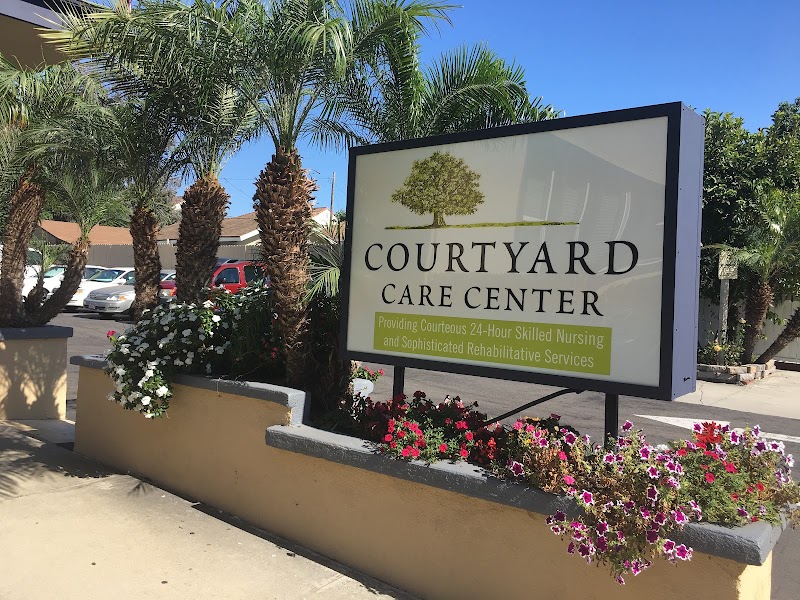
How is Courtyard Staffed?

CMS rates COURTYARD CARE CENTER's staffing level at 2 out of 5 stars, which is below average compared to other nursing homes. Staff turnover is 55%, which is 9 percentage points above the California average of 46%. High turnover can affect care consistency as new staff learn residents' individual needs.

What Have Inspectors Found at Courtyard?

State health inspectors documented 42 deficiencies at COURTYARD CARE CENTER during 2022 to 2025. These included: 42 with potential for harm.
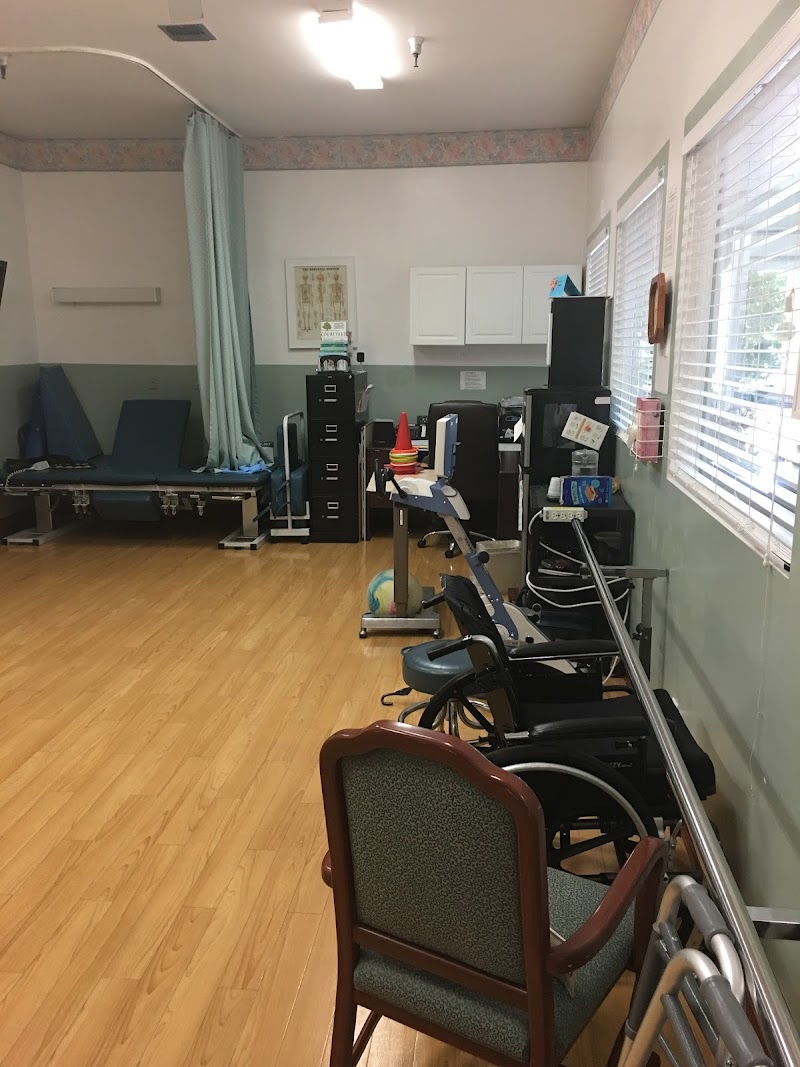
Who Owns and Operates Courtyard?

COURTYARD CARE CENTER is owned by a for-profit company. For-profit facilities operate as businesses with obligations to shareholders or private owners. The facility is operated by NAHS, a chain that manages multiple nursing homes. With 59 certified beds and approximately 54 residents (about 92% occupancy), it is a smaller facility located in SIGNAL HILL, California.
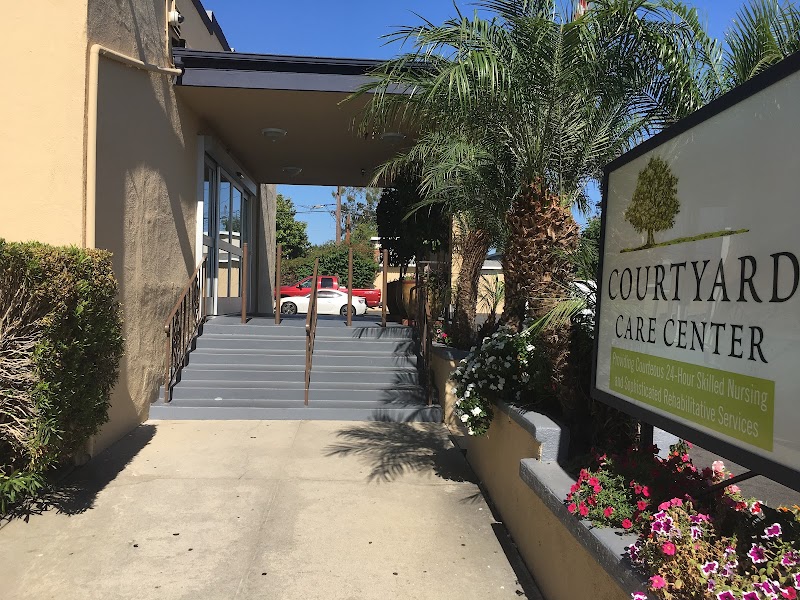
How Does Courtyard Compare to Other California Nursing Homes?

Compared to the 100 nursing homes in California, COURTYARD CARE CENTER's overall rating (3 stars) is below the state average of 3.1, staff turnover (55%) is near the state average of 46%, and health inspection rating (2 stars) is below the national benchmark.

What Should Families Ask When Visiting Courtyard?

Based on this facility's data, families visiting should ask: "How do you ensure continuity of care given staff turnover, and what is your staff retention strategy?" "Can you walk me through typical staffing levels on day, evening, and night shifts?" "Can I visit during a mealtime to observe dining assistance and food quality?" "How do you handle medical emergencies, and what is your hospital transfer rate?" These questions are particularly relevant given the facility's high staff turnover rate and the below-average staffing rating.

Is Courtyard Safe?

Based on CMS inspection data, COURTYARD CARE CENTER has a clean safety record: no substantiated abuse findings (meaning no confirmed cases of resident harm), no Immediate Jeopardy citations (the most serious violation level indicating risk of serious injury or death), and is not on the Special Focus Facility watch list (a federal program monitoring the lowest-performing 1% of nursing homes). The facility has a 3-star overall rating and ranks #100 of 100 nursing homes in California. While no facility is perfect, families should still ask about staff-to-resident ratios and recent inspection results during their visit.

Do Nurses at Courtyard Stick Around?

Staff turnover at COURTYARD CARE CENTER is high. At 55%, the facility is 9 percentage points above the California average of 46%. High turnover means new staff may not know residents' individual needs, medications, or preferences. It can also be disorienting for residents, especially those with dementia who rely on familiar faces. Families should ask: What is causing the turnover? What retention programs are in place? How do you ensure care continuity during staff transitions?

Was Courtyard Ever Fined?

COURTYARD CARE CENTER has no federal fines on record. CMS issues fines when nursing homes fail to meet care standards or don't correct problems found during inspections. The absence of fines suggests the facility has either maintained compliance or corrected any issues before penalties were assessed. This is a positive indicator, though families should still review recent inspection reports for the full picture.

Is Courtyard on Any Federal Watch List?

COURTYARD CARE CENTER is not on any federal watch list. The most significant is the Special Focus Facility (SFF) program, which identifies the bottom 1% of nursing homes nationally based on persistent, serious quality problems. Not being on this list means the facility has avoided the pattern of deficiencies that triggers enhanced federal oversight. This is a positive indicator, though families should still review the facility's inspection history directly.