Simi Healthcare Center
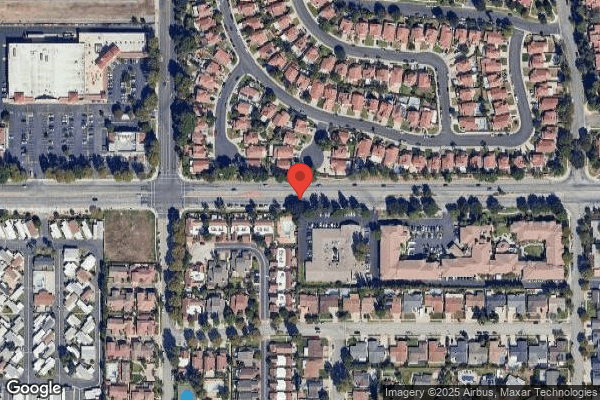

5270 East Los Angeles Avenue, Simi Valley, CA 93063 (805) 522-9155
For profit - Limited Liability company 99 Beds Independent Data: November 2025
Trust Grade
43/100
#917 of 1155 in CA
Last Inspection: August 2025

Inspected within the last 6 months. Data reflects current conditions.

Overview

Simi Healthcare Center has received a Trust Grade of D, indicating that it is below average and has some concerning issues. It ranks #917 out of 1155 facilities in California, placing it in the bottom half, and #18 out of 19 in Ventura County, meaning there is only one local option that is better. The facility is worsening, with issues increasing from 19 in 2024 to 28 in 2025. Staffing ratings are average, with a 2 out of 5 stars and a turnover rate of 45%, which is around the state average. There have been significant concerns, including a serious incident where a resident did not receive critical medications, leading to unresponsive blood glucose levels and eventual death. Additionally, the facility did not have a qualified Director of Food and Nutrition Services, raising risks related to food safety and nutrition for all residents. On the positive side, the facility has average RN coverage, which is important for catching potential health issues. However, the presence of multiple sanitation failures in the kitchen poses risks for foodborne illnesses, underscoring the need for improvement.

Trust Score
D
43/100
In California
#917/1155
Bottom 21%
Safety Record
Moderate
Needs review
Inspections
Getting Worse
19 → 28 violations
Staff Stability
⚠ Watch
45% turnover. Above average. Higher turnover means staff may not know residents' routines.
Penalties
⚠ Watch
$8,278 in fines. Higher than 85% of California facilities, suggesting repeated compliance issues.
Skilled Nurses
✓ Good
Each resident gets 43 minutes of Registered Nurse (RN) attention daily — more than average for California. RNs are trained to catch health problems early.
Violations
⚠ Watch
56 deficiencies on record. Higher than average. Multiple issues found across inspections.
★★☆☆☆
2.0
Overall Rating
★★☆☆☆
2.0
Staff Levels
★★★☆☆
3.0
Care Quality
★★☆☆☆
2.0
Inspection Score
Stable
2024: 19 issues
2025: 28 issues

The Good

  • Full Sprinkler Coverage · Fire safety systems throughout facility
  • No fines on record

Facility shows strength in fire safety.

The Bad

2-Star Overall Rating

Below California average (3.1)

Below average - review inspection findings carefully

Staff Turnover: 45%

Near California avg (46%)

Higher turnover may affect care consistency

Federal Fines: $8,278

Below median ($33,413)

Minor penalties assessed

The Ugly 56 deficiencies on record

1 actual harm
Aug 2025 19 deficiencies
CONCERN (D)

Potential for Harm - no one hurt, but risky conditions existed

Deficiency F0561 (Tag F0561)

Could have caused harm · This affected 1 resident

Based on observation, interview, and record review, the facility failed to provide breakfast at a later time than the routinely scheduled breakfast time for 1 of 69 residents (Resident 33) when Reside...

Read full inspector narrative →
Based on observation, interview, and record review, the facility failed to provide breakfast at a later time than the routinely scheduled breakfast time for 1 of 69 residents (Resident 33) when Resident 33 requested breakfast be delivered between 9-9:30 a.m. This failure resulted in Resident 33's food being cold and unpalatable by the time the resident woke up around 9-9:30 a.m. and had the potential to diminish Resident 33's autonomy and quality of life.Findings: During an interview on 8/4/25 at 11:30 a.m. with Resident 33 in the resident's room, Resident 33 stated she preferred to sleep late in the mornings. The facility delivers breakfast trays early. As a result, the food was cold and unpalatable by the time she woke up around 9-9:30 a.m.During an interview on 8/5/25 at 9:30 a.m. with certified nursing assistant 2 (CNA 2), CNA2 reported Resident 33 typically sleeps through breakfast and wakes up around 9:30 am. CNA 2 confirmed the tray is delivered early and left on the bedside table. During a concurrent observation and interview on 8/5/25 at 9:35 a.m. in Resident 33's room with Resident 33's private caregiver (PC), Resident 33 was asleep and the breakfast meal tray was on Resident 33's bedside table, untouched. Resident 33's PC stated Resident 33 does not like to eat breakfast early and that the issue has been raised with the facility before, but staff continue to deliver trays early and leave them at the bedside. During an interview on 8/6/25 at 2:15 p.m. with Resident 33 in the resident's room, Resident 33 stated by the time she wakes, the food has become ‘cold and does not taste good anymore'. Resident 33 stated she asks for her food to be reheated or requests an alternative, but there are long delays and by the time food is provided, it is often close to lunchtime. As a result, she skips breakfast most days. Resident 33 added that this issue has created tension with her son, who calls daily to confirm whether she ate breakfast, and she stated that although she has repeatedly asked for her mealtime preference to be honored, the facility has not yet accommodated her request. During a review of Resident 33's History and Physical Examination (H&P), dated 2/24/25, the H&P indicated, Resident 33 had the mental capacity to understand and make decisions. During a review of Resident 33's Care Plan (CP), initiated 2/24/25, revised on 3/5/25 with the target date of 8/21/25, the CP indicated, resident . at risk for altered nutrition/hydration r/t: severe protein calorie malnutrition. with goal to respect resident right to choose/refuse meals, honor food/fluids preferences. During a phone interview on 8/5/25 at 12:29 p.m. with the Registered Dietician (RD), the RD stated the facility should honor residents' mealtime requests, As long as they are reasonable and within a two-hour window for food safety. This can be planned, like for dialysis residents. The RD also verbalized the facility should have care plans in place for Resident 33 to receive breakfast meal tray at her preferred breakfast time. During an interview on 8/6/25 at 2:30 p.m. with per diem dietary services supervisor (PD-DSS), PD-DSS stated Resident 33 gets served breakfast between 7:30 a.m. to 7:45 a.m. daily.During a concurrent interview and chart review on 8/5/25 at 3:16 p.m. with the Director of Nursing (DON), the DON attempted to locate any entries regarding Resident 33's preferred breakfast time in the resident's chart but was unable to locate any entries. After reviewing Resident 33's care plan, nutritional notes, and other sections of the chart, the DON stated, If there were any care plans regarding her preference for a later breakfast mealtime, they would be documented in the nutritional care plans, but they are not. During a review of facility's policy and procedure (P&P) titled, Meal Service, dated 2023, the P&P indicated, 6.However, resident preferences for mealtime shall be honored. 7. The goal is to serve cold food cold and hot food hot.
CONCERN (D)

Potential for Harm - no one hurt, but risky conditions existed

Deficiency F0605 (Tag F0605)

Could have caused harm · This affected 1 resident

**NOTE- TERMS IN BRACKETS HAVE BEEN EDITED TO PROTECT CONFIDENTIALITY** Based on observation, interview, and record review, the facility failed to conduct a gradual dose reduction for psychotropic med...

Read full inspector narrative →
**NOTE- TERMS IN BRACKETS HAVE BEEN EDITED TO PROTECT CONFIDENTIALITY** Based on observation, interview, and record review, the facility failed to conduct a gradual dose reduction for psychotropic medications for 1 of 19 sampled residents (Resident 101). This failure had the potential to result in Resident 101 receiving unnecessary medication and having complications from the medication.Findings:During an observation on 8/5/25 at 12:42 p.m. Resident 101 was observed sleeping in bed. During a review of Resident 101's Face Sheet, the Face Sheet indicated, Resident 101 was admitted to the facility on [DATE] with diagnoses including, anxiety and traumatic brain injury.During an interview on 8/6/25 at 12:32 p.m. with Resident 101's Family Member (FM), the FM was concerned about Resident 101's medication regimen. FM stated Resident 101 sleeps during the day and is awake most of the night. FM further stated Resident 101 was taking a sleeping pill but did not know what time it was given.During a review of Resident 101's Order Summary Report, dated 8/7/25 the Order Summary Report indicated, an order dated 5/9/25 for Seroquel Oral Tablet (Quetiapine Fumarate) (antipsychotic medication used to treat several mental health conditions) Give 12.5 mg by mouth two times a day for Psychosis (a mental health condition characterized by a loss of contact with reality) m/b (manifested by) agitation/hitting, aggression to peers.During an interview on 08/06/25 at 4:46 p.m. with Director of Nursing (DON), DON was unable to locate the monthly medication reviews from the pharmacy for the months of May, June, and July 2025. DON stated no gradual dose reduction was documented for the months of May, June, and July 2025. During a review of the facility's policy and procedure (P&P) titled, Psychotropic Medication Use, dated July 2022, the P&P indicated, Residents on psychotropic medications receive gradual dose reductions (coupled with non-pharmacological interventions), unless clinically contraindicated, in an effort to discontinue these medications.During a review of the facility's P&P titled, Pharmaceutical Services Policy and Procedures Manual, dated 1/25, the P&P indicated, Resident-specific Drug Regimen Review (DRR) recommendations and findings shall be documented and acted upon by the facility and/or physician.
CONCERN (D)

Potential for Harm - no one hurt, but risky conditions existed

Assessment Accuracy (Tag F0641)

Could have caused harm · This affected 1 resident

Based on interview and record review, the facility failed to ensure one of four sampled residents (Resident 2) documentation in their medical record was accurate when wrongfully documenting that the r...

Read full inspector narrative →
Based on interview and record review, the facility failed to ensure one of four sampled residents (Resident 2) documentation in their medical record was accurate when wrongfully documenting that the resident is not currently on an antibiotic medication. This failure has the potential to create confusion upon health care team reviewing documentation and deciding the next best course of treatment. Findings: During a review of Resident 2's Physician's Orders, dated 6/16/25, the Physician's Orders indicated, Cephalexin Oral Capsule 500 MG (oral antibiotic medication) to be given 1 capsule by mouth two times a day for Pneumonia community acquired. During a review of Resident 2's Progress Notes, from 6/16/25 thru 8/5/25, the Progress Notes indicated, ten entries dated, 6/24, 6/28, 6/30, 7/7, 7/12, 7/29, 7/30, 7/31, 8/2, and 8/4/25 where nursing staff marked under special care that Resident 2 was not currently on antibiotics. During an interview on 8/6/25 at 11:46 a.m. with Assistant Director of Nursing (ADON), ADON confirmed Resident 2 is currently on antibiotics and the charting was not accurate. During a review of the facility's policy and procedure (P&P) titled, Charting and Documentation, Revised July 2017, the P&P indicated, Documentation in the medical record will be objective .and accurate.
CONCERN (D)

Potential for Harm - no one hurt, but risky conditions existed

PASARR Coordination (Tag F0644)

Could have caused harm · This affected 1 resident

Based on record review and interview, the facility failed to ensure one of six sampled residents (Resident 18) was assessed for a PASARR (Pre-admission Screening and Resident Review - a Federal Progra...

Read full inspector narrative →
Based on record review and interview, the facility failed to ensure one of six sampled residents (Resident 18) was assessed for a PASARR (Pre-admission Screening and Resident Review - a Federal Program that ensures individuals with serious mental illness, intellectual disabilities, or related conditions are placed in nursing facilities and receive necessary services) after a COC (change of condition) for mental illness.This failure resulted in Resident 18 not being properly evaluated and possibly referred to receiving care and services in the most integrated setting appropriate to their needs.Findings:During a review of Resident 18's Electronic Medical Administration Record (eMAR) [a digital record of all medications to be administered or has been administered to a resident] dated August 2025, the eMAR indicated, an order for Seroquel (a medication to treat mental health conditions) Oral tablet 125 mg. (milligrams) via G-tube (GT - a feeding tube inserted through the abdominal wall directly into the stomach) every 8 hours for Psychosis (a mental disorder characterized by a disconnection from reality).During a review of Resident 18's PASARR (Pre-admission Screening and Resident Review - a Federal Program that ensures individuals with serious mental illness, intellectual disabilities, or related conditions are placed in nursing facilities and receive necessary services), the most recent PASARR on record was dated 8/14/23. No recent PASARR was completed to reflect the order for Seroquel on 1/20/25.During a concurrent interview and record review on 8/4/25 at 3:38 p.m. with the Director of Nursing (DON), Resident 18's eMAR was reviewed. The most recent PASSAR document was dated 8/14/23. The DON concurred that the PASSAR dated 8/14/23 was the most recent PASSAR. The DON stated, The staff did not re-evaluate the resident (Resident 18) for a new PASSAR on 1/20/25.During a review of the facility's policy and procedure (P&P) titled, Pre-admission SCREENING RESIDENT REVIEW LEVEL 1 (PASRR), dated October 2018, the P&P indicated, VII. The facility MDS Coordinator is responsible to access and ensure updates to the PASRR is done per MDS guidelines.
CONCERN (D)

Potential for Harm - no one hurt, but risky conditions existed

Comprehensive Care Plan (Tag F0656)

Could have caused harm · This affected 1 resident

Based on interview and record review, the facility failed to ensure one of four sampled residents (Resident 1) care plan was implemented when Resident 1 had a change in condition and the monitoring wa...

Read full inspector narrative →
Based on interview and record review, the facility failed to ensure one of four sampled residents (Resident 1) care plan was implemented when Resident 1 had a change in condition and the monitoring was not documented in the residents medical record.This failure has the potential for changes in residents status to be missed and delay in proper medical intervention.During a review of Resident 1's Progress Notes dated 7/15/25, the Progress Notes indicated, Resident 1 had a change in condition (CIC) by pulling out his Gastrostomy Tube (G-tube, a feeding tube inserted through the abdominal wall directly into the stomach) during the day shift. The G-tube was reinserted at bedside on 7/15/25 during the p.m. shift. Resident 1 was placed on 72 hour CIC monitoring. Review of Resident 1's Progress Notes dated 7/15 to 7/17/25 indicated, one missing monitoring entry on 7/16/25 and three missing monitoring entries on 7/17/25. During an interview on 8/7/25 at 11:20 a.m. with Assistant Director of Nursing (ADON), ADON confirmed resident monitoring on a change of condition is for 72 hours and should be documented on all three nursing shifts. During a review of the facility's policy and procedure (P&P) titled, Change in a Resident's Condition or Status, dated February 2021, the P&P indicated, The nurse will record in the resident's medical record information relative to changes in the resident's medical/mental condition or status.
CONCERN (D)

Potential for Harm - no one hurt, but risky conditions existed

Deficiency F0685 (Tag F0685)

Could have caused harm · This affected 1 resident

Based on observation, interview, and record review, the facility failed to ensure one of six sampled residents (Resident 28), received proper treatment to maintain their vision.This failure resulted i...

Read full inspector narrative →
Based on observation, interview, and record review, the facility failed to ensure one of six sampled residents (Resident 28), received proper treatment to maintain their vision.This failure resulted in a decline in Resident 28's vision and had the potential to result in adverse consequences.Findings:During a concurrent observation and interview on 8/4/25 at 9:16 a.m. with Resident 28, Resident 28 was observed squinting, having a difficult time watching TV. Resident 28 stated, I have requested for an eye appointment, but the facility won't get me one.During a review of Resident 28's Minimum Data Set (MDS), a standardized, comprehensive assessments used in nursing homes to evaluate the health, functional, and psychosocial status of residents, dated 11/9/24, the MDS indicated, Section B, vision was adequate.During a review of Resident 28's MDS Quarterly Assessment, dated 7/22/25, the MDS indicated, Section B, vision was moderately impaired.During a review of Resident 28's Order Summary Report, dated 8/7/2025, the Order Summary Report indicated, an Ophthalmologist Consult was ordered on 1/26/25 and another Ophthalmologist Consult was ordered on 8/4/25. There was no evidence in Resident 28's record an ophthalmologist consult was conducted.During an interview on 8/6/25 at 2 p.m. with the social services director (SSD), the SSD stated there was no documentation explaining why the ophthalmology consult for January was not done.During a review of the facility's policy and procedure (P&P) titled, Referrals, Social Services, dated 12/2008, the P&P indicated, Policy Statement: Social Services personnel shall coordinate most referrals with outside agencies . 4. Social services will document the referral in the resident's medical record.
CONCERN (D)

Potential for Harm - no one hurt, but risky conditions existed

Respiratory Care (Tag F0695)

Could have caused harm · This affected 1 resident

Based on observation, interview, and record review, the facility failed to ensure the availability of a reserve emergency tracheostomy tube (a curved, hollow tube inserted into the trachea [windpipe] ...

Read full inspector narrative →
Based on observation, interview, and record review, the facility failed to ensure the availability of a reserve emergency tracheostomy tube (a curved, hollow tube inserted into the trachea [windpipe] to maintain an open airway) at bedside for one of six sampled residents (Resident 18).This failure had the potential to result in life threatening complications.Findings:During an observation on 8/4/25 at 10:19 a.m. in Resident 18's room, Resident 18 had a tracheostomy tube connected to a ventilator (a device that helps resident(s) breath by forcing air into their lungs when they are unable to do so on their own). On the left side of Resident 18's bed was a cupboard containing the ventilator, suction machine, nebulizer, suction supplies, and spare tracheostomy. However, there was only one spare tracheostomy instead of two.During a concurrent observation and interview on 8/4/25 at 10:40 a.m. with the respiratory therapist (RT 1), at the bedside of Resident 18, RT 1 stated they keep two emergency tracheostomy tubes at bedside (1 smaller size and 1 same size). RT 1 explained in case they have issues inserting the spare trach of the same size, they use a smaller trach. Resident 18 was missing one emergency tracheostomy tube of the same size (Shiley XLT 6.0). RT 1 stated the tracheostomy tubes at bedside are only used for emergencies. If used for any reason, it should be replaced immediately. In this case, someone used the emergency tracheostomy tube without replacing it.During a review of the facility's policy and procedure (P&P) titled, Tracheostomy Tube - Reserve Tube for Emergency Use, dated 5/1/24, the P&P indicated, Policy: The facility will maintain a tracheostomy tube of appropriate size at the bedside of all intubated residents in the case of accidental extubation (removing an endotracheal tube (ETT), decannulation (the process of removing the tracheostomy tube from a patient's neck) or other emergencies . III. Replace the reserve tube with a new one at the time of the monthly, routine tracheostomy or emergency tube change.
CONCERN (D)

Potential for Harm - no one hurt, but risky conditions existed

Deficiency F0802 (Tag F0802)

Could have caused harm · This affected 1 resident

**NOTE- TERMS IN BRACKETS HAVE BEEN EDITED TO PROTECT CONFIDENTIALITY** Based on observation, interview, and manufacturer's instructions, the facility failed to have sufficient, competent dietary supp...

Read full inspector narrative →
**NOTE- TERMS IN BRACKETS HAVE BEEN EDITED TO PROTECT CONFIDENTIALITY** Based on observation, interview, and manufacturer's instructions, the facility failed to have sufficient, competent dietary support staff to ensure sanitation and food safety in the kitchen when: sanitizing solution was not used consistently with the Environmental Protection Agency guidelines.This failure had the potential for the chemical sanitizers to be harmful and toxic to the residents. During a concurrent observation and interview on 8/4/25 at 2:55 p.m. with the Dietary Worker (DW) in the kitchen, DW demonstrated how to test the sanitizing solution located in a red bucket. DW placed a Hydrion QT [quaternary ammonium compound]-10 quaternary test strip into the prepared sanitizing solution located in the red bucket and immediately removed it. When asked about the manufacturer's required immersion time for the strip into the sanitizer solution, DW was unable to state the correct timeframe and stated, Probably right away or 3-4 seconds, or maybe its 5-10 seconds. During a concurrent observation and interview on 8/4/25 at 3 p.m. with Dietary Assistant 2 (DA2), DA2 demonstrated how to prepare a sanitizing solution by filling the red bucket about halfway with water and then pouring an unmeasured amount of [NAME] Chemicals Inc., Sani Tech ammonium chloride out of the 1gallon (3.785L) sized container directly into the red bucket. DA 2 did not measure the water temperature nor the quantity of sanitizer which was observed to be filled approximately a quarter way with the concentrated sanitizing solution and the rest of the red bucket was filled with an unmeasured quantity of water. DA 2 proceeded to dip a Hydrion QT-10 testing strip into the sanitizing solution that was just prepared located in the red bucket, immediately removed the testing strip. DA 2 stated the measurement matched the color - coded graph that indicated at least 400 parts per million (ppm) [a unit used to describe very small concentrations of a substance in a larger solution]. The color of the Hydrion QT-10 test strip appeared to be a darker, more concentrated color of green than what was displayed on the Hydrion QT-10 for 400 PPM, however, 400 PPM was the maximum PPM reading on the vial of chemistry strips making it not possible to determine if the concentration exceeded 400 PPM. During an interview on 8/4/25 at 3:10 p.m. with the PD-DSS, the PD-DSS confirmed that DA2 did not follow the manufacturer's guidelines for preparing the sanitizing solution and was likely too concentrated, creating the potential for toxic exposure.During a review of the manufacturer's instructions for the [NAME] Chemicals Inc. Sani Tech quaternary ammonium chloride concentrate used during demonstration by DA 2, the dilution directions indicated, Add 1-2 fluid ounces per 1 gallon of water to obtain 200-400 ppm (parts per million). Dilute the product to achieve 200-400 ppm when mixed in water with up to 650 ppm (parts per million) hardness (CaCO3). During a review of Hydrion QT-10 [which also had a label titled [NAME] Sani Tech] quaternary ammonium manufacture's guideline, the sanitizing testing solution instructions indicated, Dip the strip into the sanitizing solution for 10 seconds, then instantly match the resulting color with the color chart on the package to determine the concentration. The test solution should be between 65- and 75-degrees Fahrenheit.During a review of the FDA Food Code Annex (FDAFCA), dated 2022, the FDAFCA indicated, Chemical sanitizers are included with poisonous or toxic materials because they may be toxic if not used in accordance with requirements listed in the Code of Federal Regulations (CFR). Large concentrations of sanitizer in excess of the CFR requirements can be harmful because residues of the materials remain. it is critical to sanitization that the sanitizers are used consistently with the EPA [Environmental Protection Agency] -registered label.
CONCERN (D)

Potential for Harm - no one hurt, but risky conditions existed

Menu Adequacy (Tag F0803)

Could have caused harm · This affected 1 resident

Based on observation, interview, and record review, the facility failed to implement a vegetarian menu planned in advance with evaluation of nutritional adequacy for kitchen staff to follow for two of...

Read full inspector narrative →
Based on observation, interview, and record review, the facility failed to implement a vegetarian menu planned in advance with evaluation of nutritional adequacy for kitchen staff to follow for two of two sampled residents (Residents 23 and 38) to meet the resident's choices and special dietary needs in accordance with established national guidelines.This failure resulted in a lack of implementation of vegetarian menus with variety, standardized vegetarian recipes and evaluation for nutritional adequacy which had the potential to lead to deficits in some nutrients, vitamins and minerals adversely affecting residents' nutritional and/or medical status. During a concurrent observation and interview on 8/5/25 at 10:25 a.m. with Dietary Aide (DA) in the kitchen, DA was preparing cheese sandwiches with two yellow colored cheese slices. DA stated there was no recipe to follow on how to prepare a cheese sandwich. During an observation on 8/5/25 at 12:16 p.m. in the kitchen during lunch tray, Resident 23’s lunch meal tray was observed to have a cheese sandwich with two slices of yellow colored cheese and was located on the meal delivery cart for distribution. Resident 23’s meal tray card located on Resident 23’s meal tray indicated, “Diet: Regular, NAS [no added salt] – Vegetarian . Devices: No Meats, Dislikes: No meats, Brussel Sprouts, Likes: Veggie Patties, Cheese, Sides .” During a concurrent observation and interview on 8/5/25 at 12:20 p.m. with per diem (was on site to help for a limited time) Dietary Services Supervisor (PD-DSS) in the walk-in refrigerator in the kitchen, a package of Swiss cheese labeled as “1 slice = 3 g [grams] protein [pro]” was observed. PD-DSS stated two slices of Swiss cheese was used for grilled cheese sandwiches (to provide 6 g pro). PD-DSS pointed to a zip lock bag that contained slices of American processed cheese that was no longer in its’ original package. PD-DSS stated the slices of American processed cheese was from the same manufacturer as the Swiss cheese and was used for the cheese sandwiches. During a telephone interview on 8/5/25 at 12:28 p.m. with Registered Dietitian (RD), the RD stated the facility’s diet manual provided guidance to kitchen staff on food items to serve residents who prefer a vegetarian diet. During a review of Resident 23’s “Order Summary (OS),” dated 6/10/25, the “OS” indicated, “Diet: NAS [no added salt] diet, regular texture, thin liquids. (vegetarian) three times a day.” During a review of Resident 23’s “History and Physical (H&P),” dated 6/11/25, the “H&P” indicated, Resident 23 had the mental capacity to understand and make decisions. During an interview on 8/6/25 at 1:45 p.m. with Resident 23, Resident 23 stated she had been a lifelong vegetarian, specifically following a lacto-ovo (consumed dairy and eggs) vegetarian diet. Resident 23 stated her meals at the facility often consisted of grilled cheese sandwiches. Resident 23 stated she was unaware that she could request alternative lacto-ovo vegetarian options. Resident 23 stated the quality of her meals appeared to vary depending on the kitchen staff on duty. For instance, when a certain cook was working, her meals were well-presented with fruit and vegetable sides. In contrast, at other times, the grilled cheese sandwiches were served without any side options. During a review of Resident 38’s OS, dated 4/21/25, the OS indicated, “Diet: Fortified (added calories and/or pro) NAS Vegetarian Diet, Regular Texture, Thin Liquids, three times a day.” During a review of Resident 38’s H&P, dated 4/21/25, the H&P indicated, Resident 38 had the mental capacity to understand and make decisions. During an interview on 8/6/25 at 2 p.m. with Resident 38, Resident 38 stated she had been a vegetarian since 1989. Resident 38 stated she did not consume meat, fish, or chicken but did include eggs and dairy in her diet. Resident 38 stated the quality of her meals varied greatly depending on the cook on duty. Resident 38 stated she often received meals that consisted mostly of high-carbohydrate items such as cheese sandwiches and rice, and on some occasions, the meals lacked balance and variety. Resident 38 stated once she was served lasagna but could not find anyone to confirm whether it was vegetarian, so she skipped the meal. She expressed that she was not fully aware of her options and sometimes felt limited to basic items like peanut butter. Resident 38 stated she often ordered snacks such as fruit cups, pudding cups, popcorn, and cookies from Walmart to supplement her diet. During a concurrent interview and record review on 8/6/25 at 3:30 p.m. with RD and PD-DSS, the manufacturer’s nutrition label for the facility’s American processed cheese was reviewed. PD-DSS and RD stated the American processed cheese nutrition label indicated 2 slices of cheese together totaled 5 grams of protein and weighed .5 oz [ounce] per slice. During a concurrent interview and record review on 8/6/25 at 3:35 p.m. with RD and PD-DSS, the “Vegetarian Diets (VDs)” guidance from the facility’s diet manual, last approved on 1/22/25, was reviewed. The “VDs” indicated, “Provide at meals: Lunch = 2 to 3 oz protein [pro] equivalent . Each food item is listed according to the equivalent of 1 oz. of protein: Cheese 1 oz .” RD stated only one ounce of cheese (combined total ounces of two slices of processed cheese used) was provided in the sandwich which provided only 5 grams of protein and was less than the “VDs” guidance to provide 2 to 3 oz pro per the facility’s diet manual. In addition, RD stated the facility did not have, and did not implement, a vegetarian menu planned a week in advance and therefore she was unable to state whether the residents on a vegetarian diet were offered meals that would have met the recommended dietary allowances (RDA’s) in accordance with established national guidelines. During a review of the policy and procedure (P&P) titled, “Menu Planning,” dated 2023, the P&P indicated, “ . provides the seasonal menus with corresponding recipes . at least two weeks in advance. The menus are planned to meet nutritional needs of residents in accordance with established national guidelines, Physician’s orders and, to the extent medically possible, in accordance with the most recent recommended dietary allowances of the Food and Nutrition Board of the National Research Council National Academy of Sciences. Menus are to be approved by the Facility Registered Dietitian prior to the beginning of each quarterly menu cycle, The menus are written as a four-week cycle, providing three meals per day. The menus provide a variety of foods in adequate amount each meal, Menus are planned to consider the religious, cultural, and ethnic needs of the resident population, as well as input received from residents . The facility’s diet manual and the diets ordered by the physician should mirror the nutritional care provided by the facility.” During a review of the facility’s diet manual (DM) titled, “Vegetarian & Vegan Diet,” dated 2020, the “DM” indicated, “Description: The Academy of Nutrition & Dietetics recognizes that well planned vegetarian & vegan diets are consistent with good nutritional status. A careful diet history is needed to ensure healthy food practices and the correct type of vegetarian diet. Diet orders need to clarify the correct category . There are four general categories of adequate vegetarian diets: Vegans: Excluded are all animal products, Lacto-ovo-vegetarians use dairy products and eggs, Lacto-vegetarians use dairy items but not eggs and Semi-vegetarians consume some groups of animal foods but not all of them. Red meat is usually excluded.”
CONCERN (D)

Potential for Harm - no one hurt, but risky conditions existed

Deficiency F0806 (Tag F0806)

Could have caused harm · This affected 1 resident

Based on observation, interview, and record review, the facility failed to provide a vegetarian alternate meal of similar nutritive value for one of one sampled resident (Resident 23) who received a c...

Read full inspector narrative →
Based on observation, interview, and record review, the facility failed to provide a vegetarian alternate meal of similar nutritive value for one of one sampled resident (Resident 23) who received a cheese sandwich that provided 5 grams of protein versus the planned main entree of Hawaiian chicken provided approximately 21 grams of protein.Facility failure to have standardized vegetarian recipes and planned vegetarian alternatives to ensure nutritional adequacy placed residents who chose vegetarian diets at risk of decreased nutrient intake, decreased variety of choices and diminished quality of life. During a concurrent observation and interview on 8/5/25 at 10:25 a.m. with Dietary Aide (DA) in the kitchen, DA was preparing cheese sandwiches with two yellow colored cheese slices per sandwich. DA stated there was no recipe to follow to instruct on how to prepare the cheese sandwich. During an observation on 8/5/25 at 12:16 p.m. in the kitchen during lunch tray, Resident 23’s lunch meal tray was observed to have a cheese sandwich with two slices of yellow colored cheese, and sides that were also on the planned menu for the regular, non-vegetarian diet consisting of rice pilaf, Asian vegetables and aloha fruit salad which was located on the meal delivery cart for distribution. Resident 23’s meal tray card located on Resident 23’s meal tray indicated, “Diet: Regular [texture], NAS [no added salt] – Vegetarian . Devices: No Meats, Dislikes: No meats, Brussel Sprouts, Likes: Veggie Patties, Cheese, Sides .” During a concurrent interview and record review on 8/6/25 at 3:30 p.m. with RD and per diem (limited time on site) Dietary Services Supervisor (PD-DSS), the manufacturer’s nutrition label for the facility’s American processed cheese was reviewed. PD-DSS and RD stated the American processed cheese nutrition label indicated one slice of cheese weighed .5 ounce and 2 slices of cheese totaled 1 ounce of cheese that provided 5 grams of protein. During a concurrent interview and record review on 8/6/25 at 3:35 p.m. with RD and PD-DSS, the “Vegetarian Diets (VDs)” guidance from the facility’s diet manual (DM), last approved on 1/22/25, was reviewed. The “VDs” indicated, “Provide at meals: Lunch = 2 to 3 oz protein [pro] equivalent.” The RD stated the VDs guidance from the facility’s DM was not followed. During a concurrent interview and record review on 8/6/25 at 3:40 p.m. with RD and PD-DSS, the recipe titled “Hawaiian Flair Chicken,” dated 2024, was reviewed. The recipe indicated, “Portion Size: 3 oz meat (3 oz protein).” RD stated one oz of meat was equivalent to 7 grams (g) of protein (pro), so the planned lunch main entrée recipe directed the cook to serve 3 oz. of Hawaiian chicken which provided approximately 21 g of pro versus the cheese sandwich provided to Resident 23 as the main entrée provided 5 g of pro and were not of similar nutritive value. RD and PD-DSS stated the facility did not have vegetarian menus and/or alternates planned in advance that were analyzed for nutritional adequacy, nor had vegetarian alternative standardized recipes to ensure resident’s vegetarian food choices would be honored to meet their nutritional needs as they did for regular, non-vegetarian diet orders. RD and PD-DSS were unaware of the “Vegan” directions located on the bottom of the “Recipe: Hawaiian Flair Chicken,” dated 2024, that indicated, “Prepare with cubed tofu in place of chicken. Use vegan sugar.” That option was not prepared and available to residents as a choice for a vegetarian alternative for the lunch meal. During a review of the facility’s policy and procedure (P&P) titled, “Food Substitutions for Residents Who Refuse The Meal,” dated 2018, the P&P indicated, “Policy: Residents will be provided a suitable nourishing alternate meal after the planned, served meal has been refused.” During a review of the facility’s P&P titled, “Food Preparation,” dated 2018, the P&P indicated, “Policy: Food shall be prepared by methods that conserve nutritive value, flavor and appearance. Procedure: The facility will use approved recipes, standardized to meet the resident census [an official count or survey of a population, typically recording various details of individuals].”
CONCERN (D)

Potential for Harm - no one hurt, but risky conditions existed

Deficiency F0825 (Tag F0825)

Could have caused harm · This affected 1 resident

**NOTE- TERMS IN BRACKETS HAVE BEEN EDITED TO PROTECT CONFIDENTIALITY** Based on observation, interview and record review, the facility failed to provide physical and occupational therapy for one of o...

Read full inspector narrative →
**NOTE- TERMS IN BRACKETS HAVE BEEN EDITED TO PROTECT CONFIDENTIALITY** Based on observation, interview and record review, the facility failed to provide physical and occupational therapy for one of one sampled resident (Resident 101).This failure resulted in Resident 101 not receiving therapy and had the potential for the resident to not achieve their highest practicable level of function. Findings:During an interview on 8/5/2025 at 12:32 p.m. with Resident 101's family member (FM), the FM stated a Physical Therapy (PT) referral was done months ago but the insurance company stated they do not have any request. Resident 101's FM stated Resident 101 is not currently receiving PT or Occupational Therapy (OT). FM stated this issue has been brought it up numerous times and she was told it was an insurance issue. FM states PT/OT will not work with Resident 101 because of the insurance issue. FM stated that the goal is to get Resident 101 strong enough to use a commode so the FM can take her home.During a record review of Resident 101's Progress Notes, dated [DATE], the Progress Notes indicated Diagnosis: Traumatic Brain Injury (brain dysfunction caused by an outside force), Anxiety Disorder, Unilateral Contusion of Lung (Bruising of the lung caused by an outside force), Traumatic Pneumothorax (Condition there air leaks into the space between the lung and the chest wall), Fracture of the lower end of right tibia (bone in the lower leg) , fracture of the right fibula (bone in the lower leg), and acute respiratory failure (occurs when the lungs cant properly exchange oxygen). Resident 101 arrived to facility 12/16/24 after sustaining a motor vehicle accident and sustaining a traumatic brain injury. Resident 101 was admitted to the skilled nursing unit at that time was dependent on a ventilator for breathing and a gastrointestinal tube for nutrition. Resident 101 is now able to breath on her own, no longer dependent on a ventilator for breathing and is able to eat and feed herself. Resident 101's g-tube was removed in March of 2025. During an interview on 8/5/25 at 12:15 p.m. with Physical Therapy Aid (PTA) and Occupational Therapy Aid (OTA), PTA stated Resident 101 is not receiving PT or OT at this time. OTA stated that in March Resident 101 was switched to the Restorative Nurse Assistant (RNA - focused on helping residents in long-term care facilities regain or maintain their functional abilities) program and the resident was fitted for splints for the nurses and family to place on Resident 101 daily. PTA stated that without the PT authorization Resident 101 cannot have PT services. PTA stated that Resident 101 will not improve without physical therapy.During a review of Resident 101's Order Summary Report, dated Aug. 7, 2025, the Order Summary Report indicated, an order dated 3/13/25 for OT QD 3x/wk x4wks (3 times a week for 4 weeks) for NMR, Therex (therapeutic exercise), ADL (Activities of Daily Living) training, splinting management.During a record review of the facility's document PT Evaluation & Plan of Treatment dated 3/13/25, the PT Evaluation & Plan of Treatment indicated in part Skilled PT services is indicated in order to maximize potential in reaching highest level of mobility and reduce burden of caregiver. Review of PT Evaluation & Plan of Treatment indicated Plan of Treatment Frequency: 3 time(s)/week Duration: 4 week(s). Potential for Achieving Rehab Goals: Patient demonstrates good rehab potential as evidenced by ability to follow multiple step directions. During an interview on 8/6/2025 at 8:42 a.m. with the Business Office Manager (BO), BO stated that on 3/20/25 the first request was placed with the insurance company for physical therapy authorization for services. BO stated a follow up was placed on 4/22/25 and the request is still pending. BO stated the wrong Current Procedural Terminology (CPT) code was approved in April by the insurance company and there has been no follow-up with the insurance company. BO stated that there should have been follow-up in April or May but she had not done so. Resident 101 has not received physical therapy because of this insurance issue. BO stated that Resident 101's condition could deteriorate because of the lack of physical therapy because it is not authorized by the insurance company. During a review of the facility's policy and procedure (P&P) titled, Physical Therapy or Occupational Therapy, [undated], the P&P indicated, Duties: Accurately screens, evaluates and treats patients; assures that patients admitted for treatment receive the needed therapy services and assures that services rendered are appropriately documented in the medical records.
CONCERN (D)

Potential for Harm - no one hurt, but risky conditions existed

Medical Records (Tag F0842)

Could have caused harm · This affected 1 resident

**NOTE- TERMS IN BRACKETS HAVE BEEN EDITED TO PROTECT CONFIDENTIALITY** Based on interview and record review, the facility failed to ensure resident medical records were accurate and complete by not h...

Read full inspector narrative →
**NOTE- TERMS IN BRACKETS HAVE BEEN EDITED TO PROTECT CONFIDENTIALITY** Based on interview and record review, the facility failed to ensure resident medical records were accurate and complete by not having a physician order for code status in place for 2 of 19 sampled residents, (Residents 7 and 2). This facility failure had the potential to result in residents receiving treatment inconsistent with their expressed wishes, including unwanted resuscitation in the event of cardiopulmonary arrest (heart suddenly stops pumping blood effectively, leading to a loss of consciousness and breathing). During a review of the facility’s policy and procedure (P&P) titled, “Physician Orders for Life Sustaining Treatment (POLST), dated 9/2018, the P&P indicated, “If ‘Do Not Attempt Resuscitation’ is indicated on the POLST form, the licensed Nurse will write the order to support the Resident’s wishes.” During a review of Resident 7’s “admission Record (AR),” dated 8/5/25, the “AR” indicated, Resident 7 was admitted to the facility on [DATE] with diagnoses including, but not limited to, vascular dementia (memory loss in adult), left femoral neck fracture (a break in the bone of the upper thigh, near hip joint) and acute respiratory failure with hypoxia (not enough oxygen in the blood). During a review of Resident 7’s “POLST” dated 4/14/25, the POLTS indicated, “Do Not Attempt Resuscitation (allow natural death).” During a concurrent interview and record review on 8/4/25 at 12:14 p.m. with the Director of Nursing (DON), Resident 7's medical record was reviewed. The DON acknowledged there was no physician order for Do Not Resuscitate (DNR) and further stated that the DNR order should be entered in the electronic health records, (Point Click Care system). During a review of Resident 2’s AR),” dated 8/6/25, the “AR” indicated, Resident 7's original admission date to the facility was 6/18/20. During a review of Resident 2’s “POLST,” dated 10/25/24, the POLST indicated, “Do Not Attempt Resuscitation (allow natural death).” During a concurrent interview and record review on 8/6/25 at 3:10 p.m. with DON, Resident 2's medical record was reviewed. The DON acknowledged there was no physician order for Do Not Resuscitate and further stated that the DNR order should be entered in the electronic health records.
CONCERN (D)

Potential for Harm - no one hurt, but risky conditions existed

Deficiency F0919 (Tag F0919)

Could have caused harm · This affected 1 resident

Based on observation, interview, and record review, the facility failed to ensure call lights were within reach for 2 of 19 sampled residents (Residents 7 and Resident 2).This failure prevented reside...

Read full inspector narrative →
Based on observation, interview, and record review, the facility failed to ensure call lights were within reach for 2 of 19 sampled residents (Residents 7 and Resident 2).This failure prevented residents from calling for assistance and had the potential for delays in receiving needed care.During a review of the facility's policy and procedure (P&P) titled, Answering the Call Light, dated 10/20, the P&P indicated, The purpose of this policy is to respond to the resident's requests and needs .When the resident is in bed or confined to a chair be sure the call light is within easy reach of the resident. During an observation on 8/4/25 at 10:10 a.m. Resident 7 was observed lying in bed with the call light clipped and secured near the electrical outlet, out of reach of Resident 7. During a concurrent observation and interview on 8/4/25 at 10:18 a.m. with Director of Nursing (DON), Resident 7’s call light remained clipped and secured near the electrical outlet and out of reach of Resident 7. DON confirmed the call light was out of reach, then unclipped it and placed it on Resident 7’s bed. During an observation on 8/4/25 at 10:24 a.m. Resident 2 was observed sleeping in bed, the call light was on the floor behind the bed and out of reach of Resident. During a concurrent observation and interview on 8/4/25 at 10:30 a.m. with DON, Resident 2's call light remained on the floor. DON placed Resident 2's call light next to the resident within reach and confirmed the call light should be accessible to the resident at all times in bed.
CONCERN (E)

Potential for Harm - no one hurt, but risky conditions existed

Pharmacy Services (Tag F0755)

Could have caused harm · This affected multiple residents

**NOTE- TERMS IN BRACKETS HAVE BEEN EDITED TO PROTECT CONFIDENTIALITY** Based on observation, interview, and record review, the facility failed to ensure that1. All medications stored in the facility'...

Read full inspector narrative →
**NOTE- TERMS IN BRACKETS HAVE BEEN EDITED TO PROTECT CONFIDENTIALITY** Based on observation, interview, and record review, the facility failed to ensure that1. All medications stored in the facility's drug storage areas were available for use and had not expired.2. Pharmaceutical E-Kits (Emergency Kits containing antibiotics, sedatives, pain medications in limited quantities intended for use when supplies are limited) were replaced after opening.These failures had the potential to affect the efficacy and availability of medications administered to residents. Findings: 1. During a review of the facility’s policy and procedure (P&P) titled, “Storage of Medications,” dated 1/2025, the P&P indicated, “Procedures…n. Outdated, contaminated, or deteriorated medications…shall be immediately removed from stock…” During a concurrent observation and interview on [DATE] at 10:58 a.m. with the Infection Preventionist (IP) in Station 1 Medication Room, storage cabinets and countertop baskets used for storage of medications were observed. The following six items were found to be expired: 1. Normal Saline unit doses (sterile single use doses) two boxes expiration date 5/2023. 2. Phosphorus Supplement with Sodium and Potassium (used as a dietary supplement) expired date 7/2024. 3. Valproic Acid (used to treat certain types of seizures) two bottles expired dates [DATE] and [DATE]. 4. Lactulose (synthetic sugar used to treat constipation) one bottle expired date [DATE]. 5. Sucralfate (used to treat ulcers in the intestines) two bottles expired date [DATE]. 6. Mineral Oil (used to treat constipation) one bottle expired date 4/2024. The IP confirmed the medications should have been disposed of per the facility’s P&P. During a concurrent observation and interview on [DATE] at 3:37 p.m. with the IP at Medication Cart 1, one box of Bisacodyl (Dulcolax) (a laxative for constipation) was found with an expiration date of 6/2025. The IP confirmed the medication should have been disposed of per the facility’s P&P. During a concurrent observation and interview on [DATE] at 3:48 p.m. with the IP at Medication Cart 2, the following two, unused containers were found to be expired: 1. Ondansetron (used for nausea and vomiting) expiration date [DATE]. 2. Hyoscyamine (used to control irritable bowel) expiration date [DATE]. The IP confirmed the medications should have been disposed of per the facility’s P&P. 2. During a review of the facility’s P&P titled, “Emergency Pharmacy Services/Emergency Kit,” dated 1/2025, the P&P indicated, “Procedures…k. All kits must be replaced within 72 hours of opening”. During a concurrent observation and interview on [DATE] at 11:42 a.m. with Registered Nurse 2 (RN2) in the Medication Storage Room, one of three E-Kits was observed to be open. During a concurrent interview and record review on [DATE] at 11:48 a.m. with the IP and RN2, two billing slips were found inside of the open E-kits. The billing slips were dated [DATE] and [DATE]. RN2 stated, while referencing the electronic health record, that the “pharmacy had been called by the night shift on [DATE]”. The IP acknowledged the replacement of the E-kit was beyond the 72 hours as indicated in the facility’s P&P. During a concurrent interview and record review on [DATE] at 3:10 p.m. with Licensed Vocational Nurse 1 (LVN1), LVN2, and the IP, the E-kit on Cart 4 had been opened. The billing slip indicated the E-kit had been opened on [DATE] “day shift”. LVN1 and LVN 2 stated, “Pharmacy had been called on [DATE] on the night shift”. The IP acknowledged the replacement of the E-kit was beyond the 72 hours as indicated in the facility’s P&P.
CONCERN (E)

Potential for Harm - no one hurt, but risky conditions existed

Drug Regimen Review (Tag F0756)

Could have caused harm · This affected multiple residents

**NOTE- TERMS IN BRACKETS HAVE BEEN EDITED TO PROTECT CONFIDENTIALITY** Based on interview, and record review, the facility failed to provide monthly medication reviews for the months of May, June, an...

Read full inspector narrative →
**NOTE- TERMS IN BRACKETS HAVE BEEN EDITED TO PROTECT CONFIDENTIALITY** Based on interview, and record review, the facility failed to provide monthly medication reviews for the months of May, June, and July 2025 for 4 of 19 sampled residents (Residents 7, 101, 2, and 12).This failure has the potential to result in residents having side effects or adverse reactions to medications and the attending physician not to be notified. During a review of Resident 7’s “admission Record (AR),” dated 8/5/25, the “AR” indicated, Resident 7 was admitted to the facility on [DATE] with diagnoses including, but not limited to colostomy status (a surgical procedure that creates an opening (stoma) in the colon, bringing it to the surface of the abdomen, to allow for the passage of stool when normal bowel function is disrupted), gastrostomy status (an opening into the stomach from the abdominal wall made surgically for the introduction of food), and neuromuscular dysfunction of the bladder (a condition where the nerves controlling the bladder and urinary sphincter muscles don't function properly). During a concurrent interview and record review, on 8/6/25 at 3:40 p.m. with the Director of Nursing (DON), Residents 7, 2 and 12's medical record was reviewed for evidence of the required monthly drug regimen (MRR) review by a licensed pharmacist. The DON was unable to locate any documentation of an MRR for Residents 7, 2 an 12 for the months of May, June, or July of 2025. During a review of Resident 101's Order Summary Report, dated August 7, 2025, the Order Summary Report indicated Seroquel oral tablet give 12.5 mg by mouth two times a day for Psychosis m/b agitation/hitting, aggression to peers. During a concurrent interview and record review, on 8/6/25 at 4:46 p.m. with the Director of Nursing (DON), Residents 101's medical record was reviewed for evidence of the required monthly drug regimen (MRR) review by a licensed pharmacist. The DON was unable to locate any documentation of an MRR for Resident 101 for the months of May, June, or July of 2025. During a review of the facility’s policy and procedure (P&P) titled, “Monthly Drug Regimen Review,” dated 1/2025, the P&P indicated, “The consultant pharmacist shall review the medication regimen of each resident at least monthly.”
CONCERN (E)

Potential for Harm - no one hurt, but risky conditions existed

Deficiency F0761 (Tag F0761)

Could have caused harm · This affected multiple residents

Based on observation, interview, and record review, the facility failed to ensure:1. Medications were stored in accordance with manufacturers' storage specifications and/or the facility's policies and...

Read full inspector narrative →
Based on observation, interview, and record review, the facility failed to ensure:1. Medications were stored in accordance with manufacturers' storage specifications and/or the facility's policies and procedures (P&P).2. Medication room storage temperatures were continually monitored.These failures had the potential to affect the efficacy and availability of medications administered to residents and alter the delivery of these medications. Findings: 1. During a concurrent interview and record review on 8/4/2025 at 11:10 a.m. with the Infection Preventionist (IP), the manufacturers specifications for Bisacodyl (Dulcolax) (laxative used to treat constipation) and Acetaminophen (Tylenol) (pain reliever and fever reducer) suppositories (per rectum) were reviewed. The manufacturer’s labels indicated: a. Bisacodyl 10 mg suppositories “Store at temperatures below 25 degrees Celsius (C) (77 degrees Fahrenheit (F))” b. Acetaminophen 650 mg suppositories Store at 20-25 degrees C (68-77 degrees F)” The IP confirmed the thermometer hanging on the wall read 80 degrees F, which was warmer than the manufacturer’s specifications. During a review of the facility’s policy and procedure (P&P) titled, “Storage of Medications,” dated 1/2025, the P&P indicated, “Storage Table: “Levabuterol - use within 14 days of opening pouch”; “Budesonide – use within 14 days of opening pouch”; “Albuterol/Ipratropium – 7 days once removed from foil pack”. During a concurrent interview and record review on 8/4/2025 at 3:48 p.m. with the IP, in the Subacute Medication Cart, the facility’s P&P titled, Storage of Medications,” was reviewed for inhalant medications (medications breathed in) and the manufacturer’s specifications on the medication packaging. The following medications had opened foil protective packaging which had not been dated: 1. Levalbuterol (used to prevent and treat narrowing of the airways) three boxes “Once the foil ouch is opened, the vials should be used within two weeks. Once removed from the foil pouch the individual vials should be used within one week.” 2. Budesonide (reducing swelling and inflammation) one box “once foil is open, use ampules in two weeks.” 3. Ipratropium Bromide and Albuterol (opens up airways in the lungs, making it easier to breathe) inhalation one box “… Once removed from the foil pouch the individual vials should be used within one week”. The IP reviewed the specifications on the manufacturer packaging and confirmed the medications should have been dated and/or disposed of according to the facility’s P&P and manufacturer specifications. 2. During a concurrent interview and record review on 8/4/25 at 11:58 a.m. with the IP and the Director of Nursing (DON) the facility’s “Daily Room Temperature Monitoring Log,” dated April and May 2025 were reviewed. Temperature logs for the months of June, July, and the start of August 2025 were not available. The log indicated, temperatures were only recorded for four days for the month of April and nine days for the month of May. The IP confirmed the missing dates on the temperature monitoring logs and stated the Director of Nursing (DON) may have the missing months for June, July, and the start of August. The DON could not provide the missing temperature monitoring logs. During a review of the facility’s policy and procedure (P&P) titled, “Storage of Medications,” dated 1/2025, the P&P indicated, “Procedures, j. Medications requiring storage at ‘room temperature’ shall be kept in temperatures ranging for 15 degrees C (59 degrees F) to 30 degrees C (86 degrees F).”
CONCERN (E)

Potential for Harm - no one hurt, but risky conditions existed

Infection Control (Tag F0880)

Could have caused harm · This affected multiple residents

**NOTE- TERMS IN BRACKETS HAVE BEEN EDITED TO PROTECT CONFIDENTIALITY** Based on observation, interview, and record review, the facility failed to ensure the observance of proper infection control pra...

Read full inspector narrative →
**NOTE- TERMS IN BRACKETS HAVE BEEN EDITED TO PROTECT CONFIDENTIALITY** Based on observation, interview, and record review, the facility failed to ensure the observance of proper infection control practices for five of six sampled residents (Residents 5, 6,18, 20, and 54) and 12 unsampled residents (Residents 16, 21, 27, 39, 45, 48, 53, 74, 80, 92, 95, 100, and 106).This failure had the potential to result in infectious outbreaks compromising the health, safety and welfare of residents, visitors, staff and the public.Findings: During an initial tour observation on 8/4/25, starting at 9:16 a.m., the following were noted: Resident 5 - Nebulizer plastic storage bag undated. Resident 6 – Nebulizer plastic storage bag undated. Resident 16 – Nebulizer plastic storage bag undated. Resident 18 – Nebulizer tubing and plastic storage bag undated. Resident 20 - Nebulizer tubing had no date. The plastic storage for nebulizer was dated 7/16/25. Yankauer (a rigid suction device) was undated, the plastic storage bag was dated 7/16/25. Resident 21 - Nebulizer plastic storage bag undated. Resident 27 - Urinary catheter bag undated. Resident 45 - Nebulizer tubing and plastic storage bag undated. Resident 48 – No date on urine bag. Resident 53 - Nebulizer plastic storage bag undated. Resident 54 - Nebulizer tubing and plastic storage bag undated. Resident 74 - Nebulizer plastic storage bag undated. Resident 80 - Nebulizer plastic storage bag undated. Resident 92 - Nebulizer plastic storage bag undated. Resident 95 - Nebulizer plastic storage bag undated. Resident 100 - Nebulizer plastic storage bag undated. Resident 106 - Suction cannister undated. During an interview on 8/4/25 at 10:40 a.m. with the respiratory therapist (RT), the RT concurred that everything should be labeled indicating the date it was changed. During a review of the facility’s policy and procedure (P&P) titled, Disposable Circuits and Supply Change, dated 5/1/24, the P&P indicated in part, “B. xii. Label the new circuits with date of change” and “II. P. Label with date of change”. During a review of Resident 39’s Physician Active Orders ([NAME]), dated 8/5/25, the [NAME] indicated, “Enhanced Barrier - precautions due to foley catheter, g-tube every shift ensure all staff wear proper PPE (Personal Protective Equipment- refers to specialized clothing and gear worn by healthcare professionals to minimize exposure to infectious materials, body fluids, and other hazards) when performing high contact activities. During a concurrent observation and interview on 8/4/25 at 11:19 a.m. with Resident 39, in the resident’s room, a gastrostomy tube feeding and a urinary catheter were observed. There was no enhanced barrier precautions signage posted outside Resident 39’s room and no PPE was available inside or outside the room. Resident 39 stated that she has had a colostomy on right upper abdomen, G-tube, and urinary catheter since admission to the facility. During a concurrent observation and interview on 8/5/25 10:56 a.m. with the Infection Preventionist (IP) in Resident 39’s room, the IP stated that he was not sure of why Resident 39 was not on enhanced barrier precautions (EBP), and confirmed that there was an physician order for it. IP further stated that he will make sure that there’s a PPE cart in Residents 39 room. IP was then observed placing the EBP signage outside the room. During a review of the facility’s P&P titled, Multidrug - Resistant Organism, dated 8/2019, the P&P indicated, Because environment surfaces and medical equipment, especially those in close proximity to the resident, may be contaminated, don gowns and gloves before or upon entry to the resident's room or cubicle. During a review of the facility’s P&P titled, Personal Protective Equipment, dated 2018, the P&P indicated, PPE required for transmission-based precautions is maintained outside and inside the resident's room, as needed.
CONCERN (F)

Potential for Harm - no one hurt, but risky conditions existed

Deficiency F0801 (Tag F0801)

Could have caused harm · This affected most or all residents

Based on observation, interview, and record review, the facility failed to ensure there was a full time Director of Food and Nutrition Services (DFN) who met the federal and state's education qualific...

Read full inspector narrative →
Based on observation, interview, and record review, the facility failed to ensure there was a full time Director of Food and Nutrition Services (DFN) who met the federal and state's education qualification requirements to carry out the functions of the food and nutrition services. In addition, the facility failed to ensure the part-time contracted Registered Dietitian (RD) provided sufficient frequently scheduled consultation to the DFN to include overseeing kitchen sanitation, food preparation, meal service and food storage.This failure that had the potential to place 69 of 69 residents who received meals from the kitchen at an increased risk of foodborne illness and/or unmet nutritional needs. During an interview on 08/4/25 at 9 a.m. with Dietary Aide (DA) in the kitchen, DA stated they had a full-time dietary manager and there was an assistant manager, but both were off today. During an interview on 8/4/25 at 10:29 a.m. with per diem (was on site to help for a limited time) Dietary Services Supervisor (PD-DSS), PD-DSS stated the DFN that had worked at the facility for a year in the role of Dietary Manager (DM) was to take the Certified Dietary Manager (CDM) exam in June 2025 but did not. PD-DSS stated was aware the DM did not meet the federal nor state qualifications to function as the DFN (used interchangeably with DM) responsible for the daily management of foodservice operations. The DM called the facility that morning to quit. PD-DSS stated the facility called her on 8/4/25 to come to the facility to assist the kitchen staff and was not the facility’s full time qualified DFN, the facility did not have a full-time RD but instead had a part-time contracted RD. During a telephone interview on 8/5/25 at 12:28 p.m. with RD, RD stated was a contracted RD to work part-time and was aware the DM who had worked at the facility for a year as a DM did not meet the federal or state qualifications as he still needed to take the CDM exam. RD stated the last time she completed oversight of the foodservice operations was in February 2025 that was documented on a form titled, “RD Monthly Kitchen Rounds Checklist (RDKRCL),” dated 2/26/25, in which a copy was provided to the Administrator. RD stated she did not provide sufficient frequently scheduled consultation to the DM to provide effective oversight over foodservice operation systems and did not follow up to ensure deficits noted on the RDKRCL, dated 2/26/25, were addressed to ensure processes were in place for the health and safety of residents. the During a review of “RDKRCL,” dated 2/26/25, the RDKRCL indicated, “Menu, zero printed for staff . Check Food Handler exp [expiration] dates, CDM/ServSafe Manager?, zero substitution log found.” During an interview on 8/5/25 at 12:54 p.m. with the Administrator (ADN), ADN stated he confirmed the person that had filled the role as DFN (DM) for the past year had not met the federal or state education requirements and was unqualified. ADN stated he had been at the facility for four weeks. ADN stated he had recently been informed by the RD that the last completed “RD Monthly Kitchen Rounds Checklist” was completed in February 2025. ADN stated RD had not provided sufficient frequently scheduled consultation to the DM and verified the person that had been the facility’s DM during the past year was unqualified. During an interview on 8/5/25 at 1:50 p.m. with Dietary Aide (2) and PD-DSS, DA 2 stated he had been assisting the DM but was not a CDM nor graduated from a state approved DSS (Dietary Services Supervisor) program. DA 2 stated he wanted to take the on-line program to become a CDM. PD-DSS stated DA 2 was a dietary aide. During a review of the facility’s policy and procedure (P&P) titled, “Personnel Management,” dated 2023, the P&P indicated, “Policy: A qualified FNS Director, chosen by the Administrator, is responsible for the total operation of the Food & Nutrition Services Department. All Food & Nutrition service is performed under their direction. Procedure: If a person is not a Registered Dietitian, they must meet the Federal and State laws and receive regular consultation from a Registered Dietitian or have met equivalent requirements.” During a review of the facility’s job description (JD) titled, “Position: FNS Director,” dated 2018, the “JD” indicated, “Qualifications: Must meet the qualifications of a FNS Director as stated under State & Federal regulations. Duties and Responsibilities: The supervisor will confer regularly with the Administrator, Director of Nursing, and Dietary Consultant, and keep them informed of both the problems and progress of the Food & Nutrition Service Department. Is responsible for the preparation and service of all food and ensures that approved menus and accompanying recipes are followed. Is responsible for maintaining cleanliness of kitchen equipment and follows all department of health regulations. Review, update and follow policies and procedures.” During a review of the facility’s “Contractual Agreement (CA),” with the RD, dated 11/1/24, the “CA” indicated, “Consults with Administration regarding planning, Dietary Department policy development, establishing goals and principles and integrating the Dietary Department into the facility’s total program. Supports the Director of Dietary Services in maintaining department standards of food selection, receiving, storage, preparation, and service as needed. Monitors food service operations to ensure conformance to nutritional, safety, sanitation and quality standards, as well as state and federal regulations. Maintains and provides written reports of each consultation visit including data, clinical tasks completed, sanitation inspection reports when completed, comments, goals and/or recommendations.”
CONCERN (F)

Potential for Harm - no one hurt, but risky conditions existed

Food Safety (Tag F0812)

Could have caused harm · This affected most or all residents

Based on observation, interview, and record review, the facility failed to ensure sanitation and food safety in the kitchen when: 1. Multiple opened and prepared food items were unlabeled or undated i...

Read full inspector narrative →
Based on observation, interview, and record review, the facility failed to ensure sanitation and food safety in the kitchen when: 1. Multiple opened and prepared food items were unlabeled or undated in the reach-in-freezer, walk-in refrigerator and dry storage areas. 2. The walk-in refrigerator and dry storage room were not maintained in clean and sanitary condition, as evidenced by cracked fixtures, holes in the ceiling, debris on the floor and shelving, dust built up on fans and pipes, and visible black residue on walls. 3. Clean food service equipment was not handled and stored in a sanitary manner as evidenced by designating visibly soiled equipment as clean and handling clean rack of dishes with unwashed hands. These deficient practices had the potential to contribute to environmental cross-contamination, promote bacterial growth and lead to foodborne illness, thus placing 69 of 69 residents who consume facility prepared meals at risk. Findings: 1. During a concurrent observation and interview on 8/4/25 at 9:06 a.m. with the Dietary Aide (DA), a cardboard box of frozen broccoli in a blue plastic bag located in the reach-in freezer was not dated as to when opened. The DA stated an open date should be on the bag containing the broccoli, but it was missing. During a concurrent observation and interview on 8/4/25 at 9:07 a.m. with the DA, a box of opened, frozen diced carrots had a handwritten date of 7/30/25 on the cardboard. DA stated 7/30/25 was the date received at the facility when the box of frozen carrots was unopened. DA stated the bag of frozen carrots should have been dated once opened and was not. During a concurrent observation and interview on 8/4/25 at 9:42 a.m. with the DA, multiple cases of Mighty Shakes that contained individual sized Mighty Shakes, dated 7/31/25 were stored in the walk-in refrigerator. DA stated the date on the case, 7/31/25 was the received date to the facility in which the cases were placed in the freezer. There was no date indicating when the box that stored individual sized of unopened Mighty Shakes was placed in the refrigerator to begin thawing. DA stated the thaw process should have a date once begun to ensure the manufacturer's guidelines were followed that indicated the product must be consumed within 14 days of thawing. In this case, the thawing time had not exceeded the manufacturer's guidelines, however, without a dating mechanism in place there was potential for this to occur in the future and DA stated staff need to date the case of frozen Mighty Shakes once placed in the refrigerator. During a concurrent observation and interview on 8/4/25 at 9:48 a.m. with Dishwasher (DW 2), in the smaller chamber of the walk-in refrigerator, an 8-quart food container with a red lid containing a liquid substance at the 2-quart level, was missing a label. Yellow colored residue was noted on various parts of the container, particularly around the 5.5-liter or 6-quart markings. DW 2 stated the container stored chicken broth, and it should have been dated and was not. During a review of facility's policy and procedure (P&P) titled, Procedure for Freezer Storage, dated 2018, the P&P indicated, All frozen foods should be labeled and dated. During a review of facility's P&P titled, Labeling and Dating of Foods, dated 2020, the P&P indicated, All food items in the storeroom, refrigerator, and freezer need to be labeled and dated. Food delivered to the facility needs to be marked with a received date. Newly opened food items will need to be closed and labeled with an open date and use by date.All prepared foods need to be covered, labeled and dated. Leftovers will be covered, labeled and dated.2. During a concurrent observation and interview on 8/4/25 at 9:15 a.m. with [NAME] 2 and DA, cracks were noted on the light fixture inside the dry storage room. In addition, several holes were observed on the ceiling next to the light fixture, as well as debris (some yellow in color) were seen scattered on the floor next to the food shelves. [NAME] 2 and DA confirmed and acknowledged the overall unkemptness of the dry storage room. During a concurrent observation and interview on 8/4/25 at 9:22 a.m. with [NAME] 2, in the dry storage room, a 22-quart (qt) sized bin containing cheerios filled to 16 qt was not dated. DW 2 stated the bin that stored cheerios should have been dated and was not. The lid of the bin had debris on it. [NAME] 2 removed the lid, examined it closely and stated, The lid needs to be scrubbed. During an observation on 8/4/25 at 9:32 a.m., the walk-in refrigerator had loaves of bread in original bags stored in close proximity under the ceiling pipes. The pipes were wrapped in black tape, with dust buildup observed around the fans and scattered on walls and ceiling. During a concurrent observation and interview on 8/4/25 at 9:35 a.m. with [NAME] 2, paint chipping and a black substance were noted on the wall behind milk racks. In addition, extensive buildup of dust along the walls and dark colored spots on the floor were observed within the walk-in refrigerator. [NAME] 2 scraped some residue off the wall and a visible black colored substance was noted on the tip of her fingernail she used to scrape with. [NAME] 2 acknowledged the overall lack of cleanliness. During a review of facility's P&P titled, Walls, Ceilings, and Light Fixtures, dated 2023, the P&P indicated, 1. Walls and ceilings must be free of chipped and/or peeling paint. 2. Walls and ceilings must be washed thoroughly. heavily soiled surfaces must be cleaned more frequently, as necessary. 3. Replace light fixtures as needed. During a review of facility's P&P titled, Storage of Food and Supplies, dated 2020, the P&P indicated, 1) The storeroom should be well-lighted, well-ventilated, cool, dry, and clean at all times. 6) . Bins/containers are to be labeled, covered and dated. 8) . All food will be dated- month, day, year. 9) Dry food items that have been opened, such as . dry cereal, etc., will be tightly closed, labeled, and dated .13) Do not store bread in the refrigerator. During a review of facility's P&P titled, Ingredient Bins, dated 2023, the P&P indicated, 1. Empty bin and take it to the cart was or dishwashing area. 2. Scrub interior and exterior of the bin with detergent . 6. Never restock without removing the older material and cleaning the bin.During a review of facility's P&P titled, Refrigerators and Freezers, dated 2001, the P&P indicated, Refrigerators and freezers are kept clean, free of debris, and disinfected with sanitizing solution on a scheduled basis and more often as necessary. 3. During a concurrent observation and interview on 8/4/25 at 9:29 a.m. with [NAME] 2, a piece of white debris was observed on the bottom of one of the inverted, maroon colored drinking mugs resting on the clean rack. The rack, storing clean mugs, was being used to prop the door to the dry storage room open. [NAME] 2 scraped off the debris with her nail, identified it as dried food. During an observation on 8/4/25 at 2:43 p.m. in the kitchen, the DW was observed washing dishes alone. DW proceeded to push a clean rack with newly washed dishes in it with bare hands after handling dirty dishes with the same ungloved hands without washing hands. During a concurrent observation and interview on 8/4/25 at 2:50 p.m. with DA 2, DA 2 was observed using a cloth to wipe down a 3-tier meal tray cart. DA 2 stated the cloth was obtained from a red bucket with a sanitizing solution. DA 2 stated the cart was not cleaned with detergent first prior to sanitizing the cart. After showing the leftover debris observed on the cart that he stated was just sanitized, DA 2 acknowledged the debris and stated the food service utility cart will be re-cleaned. During a review of facility's P&P titled, Sanitation, dated 2018, the P&P indicated, 2).Each employee shall know how to operate and clean all equipment in his specific work area. 9) All utensils, counters, shelves and equipment shall be kept clean., 15) All Food & Nutrition service staff shall know the proper hand washing techniques. 20) A minimum of two employees will be used when dishes are machine washed. One will handle the soiled area, and one will handle the clean side. If an employee does not need to go from soiled end to clean end, a strict hand washing routine must be followed. During a review of the Food and Drug Administration (FDA) Food Code (FDAFC), dated 2022, the FDAFC indicated, When to Wash. Food employees shall clean their hands and exposed portions of their arms.immediately. (E) After handling soiled equipment or utensils; (F).as often as necessary to remove soil and contamination and to prevent cross contamination when changing tasks;. and (I) After engaging in other activities that contaminate the hands.
Jun 2025 4 deficiencies 1 Harm
SERIOUS (G) 📢 Someone Reported This

A family member, employee, or ombudsman was alarmed enough to file a formal complaint

Actual Harm - a resident was hurt due to facility failures

Quality of Care (Tag F0684)

A resident was harmed · This affected 1 resident

Based on interview and record review, the facility failed to administer ordered morning medications, including sliding scale insulin, and failed to monitor blood glucose levels as ordered for one of s...

Read full inspector narrative →
Based on interview and record review, the facility failed to administer ordered morning medications, including sliding scale insulin, and failed to monitor blood glucose levels as ordered for one of seven sampled residents (Resident 1). This failure resulted in Resident 1 experiencing critically high blood glucose levels, becoming unresponsive, requiring emergency medical treatment, and ultimately dying following transfer to an acute care hospital. Findings: During a review of Resident 1's admission Record (AR), dated 6/3/25, the AR indicated, Resident 1 was admitted in the facility on 4/24/25 with diagnoses including, diabetes mellitus type 1 (DM 1, condition in which the body cannot produce insulin or produces so little that insulin therapy is required to survive), Parkinson's disease (a progressive neurological disorder that primarily affects movement, causing symptoms like tremors, stiffness, and slow movement), hypertensive heart disease with heart failure (a condition resulting from long-term, uncontrolled high blood pressure that specifically leads to heart failure). During an interview on 6/2/25 at 5:45 p.m. with Licensed Nurse (LN 4), LN 4 stated that on 5/3/25, the licensed staff scheduled to work the overnight shift from 11 p.m. - 7 a.m. called off, was not able to work the 11 p.m. - 7 a.m. shift on 5/3/25. LN 4 stated the nurses from 3 p.m. - 11 p.m. shift stayed until 2 a.m. per administrator approval. LN 4 confirmed there was no licensed nurse on the skilled unit (Resident 1's unit) from 2 a.m. to 7 a.m. on 5/4/25. LN 4 further stated the scheduled 5 a.m.- 6:30 a.m. medications were not administered to residents during that time. Review of the staffing schedules indicated, on 5/4/25 from 2 a.m. to 7 a.m. there were four CNAs on the skilled unit, no licensed nurses. The subacute unit had two CNAs, one Licensed Vocational Nurse and one Registered Nurse. During an interview on 6/3/25 at 1:35 p.m. with LN 2, LN 2 stated that on 5/3/25 they were scheduled to work the 3 p.m. - 11 p.m. shift. LN 2 stated that one of the night shift nurses called off around 7 p.m., followed by another night shift nurse at 10:30 p.m. Multiple calls and messages were sent to the Director of Nursing (DON), Director Staff Development (DSD, and Administrator to report the staffing issue, but no response was received. LN 2 stated around 1 a.m. they spoke with the Administrator who gave approval for them to leave at 2 a.m. LN 2 stated they informed the sub-acute nurses they were leaving the skilled unit at 2 a.m. per the Administrator's approval. During a review of Resident 1's Physician's Order (PO), dated 4/24/25, the PO indicated, administer Insulin Lispro 100 UNIT/ML (milliliter) inject as per sliding scale: if blood glucose 151 - 200 = 2 units; 201 - 250 = 4 units; 251 - 300 = 6 units; 301 - 350 = 8 units; 351 - 400 = 10 units; >400 = 12 units, subcutaneously (SQ, under the skin) before meals for DM (Diabetes Mellitus) at 6:30 a.m., 11:30 a.m. and 4:30 p.m. During a review of Resident 1's Medication Administration Record (MAR), dated 5/4/25 at 6:30 a.m., the MAR indicated, there was no documentation of insulin administration and blood glucose monitoring for that morning dose scheduled for 6:30 a.m. There was also no nursing progress note explaining the omission or indicating the physician was notified. During a review of Resident 1's PN, dated 5/4/25 at 9 a.m., the PN indicated, Resident is sleeping, unable to administer medication, There was no documentation of further attempts, no blood sugar check, and no physician notification. During a review of Resident 1's PN, dated 5/4/25 at 10:30, the PN indicated, Insulin Lispro Subcutaneous 100 UNIT/ML inject as per sliding scale . resident is sleeping, unable to administer medication. No documentation indicated that the blood glucose was checked. During a review of Resident 1's Care Plan (CP), dated 4/25/25, the CP indicated, Resident 1 had potential for hypoglycemia/hyperglycemia (low/high blood sugar) related to their DM 1 diagnosis. The CP Interventions included: Administer medication as ordered. Monitor blood sugar levels as ordered. During a review of Resident 1's SBAR Communication Form (SBARCF), dated 5/4/25, the SBARCF indicated, Resident 1 was found unresponsive at 10:30 a.m. and could not be aroused by verbal or tactile stimuli. Initial oxygen saturation (a measure of how much oxygen is carried in your blood) was 73% then increased to 97% within one minute after administering oxygen via non-rebreather mask. Blood glucose results were unable to read, glucometer displayed HI. Physician was notified and recommended to send Resident 1 to emergency room (ER). During a review of Resident 1's hospital records titled, Emergency Department Reports (EDR), dated 5/4/25, the EDR indicated, Brought in by Advanced Life Support (ALS) ambulance from [name of skilled nursing facility] for hyperglycemia and altered mental status since this morning . Patient in on nonrebreather (oxygen mask designed to deliver high concentrations of oxygen to a patient), unresponsive to verbal and painful stimuli. Glucose read high, >650. During a review of Resident 1's hospital records titled, Discharge Summaries Notes, dated 5/6/25 at 10:32 a.m., the Notes indicated, Palliative care consulted due to poor prognosis. admitted to ICU (intensive care unit) for further evaluation. Patient was evaluated by palliative care and family decided on comfort care. Patient passed away shortly after. Resident 1 passed on 5/5/25 with final diagnoses including, acute hyperkalemia (high potassium levels), respiratory failure, acute kidney injury, altered mental status, cardiac arrest, and diabetes ketoacidosis (a serious, potentially life-threatening complication of diabetes where the body produces excess ketones due to a lack of insulin). During an interview on 6/3/25 at 8:15 a.m. with Licensed Nurse (LN) 1, LN 1 stated when she arrived for her 7 a.m. shift on 5/4/25, the night Certified Nursing Assistant (CNA) informed her that no licensed nurse was on duty between 2 a.m. and 7 am. LN 1 stated there was no handoff report, and she did not know whether Resident 1 received the scheduled 6 a.m. medications. LN 1 further stated she did not check Resident 1's blood sugar until the resident became unresponsive around 10 a.m., and the glucometer displayed a reading of HI. LN 1 observed Resident 1 was sleeping and snoring, but unresponsive to tactile stimulation. LN 1 further stated that morning was not able to give Resident 1 his medications because he had been sleeping. Also, the CNA informed her (LN 1) that Resident 1 had refused eating breakfast. During an interview on 6/25/25 at 5:18 p.m. with Licensed Nurse Supervisor (LNS), LNS stated on 5/4/25 around 10 a.m., Resident 1 was found unresponsive and non-arousable. LNS stated the physician was notified, and Resident 1's blood glucose was checked. The glucometer displayed a reading of HI. An ambulance was called and upon arrival, paramedics confirmed the same HI glucose reading. LNS stated that when she arrived for her 7 a.m. shift, there was no licensed nurse present on the skilled unit. LNS attempted to contact the DON, DSD, and Administrator to report the overnight staffing issues, but no response was received. During a review of the facility's policy and procedure (P&P) titled, Care Plans, Comprehensive Person-Centered, dated 12/2016, the P&P indicated, The comprehensive, person-centered care plan will: describe the services that are to be furnished to attain or maintain the resident's highest practicable physical, mental, and psychosocial well-being. During a review of the facility's P&P titled, Administering Medication, dated April 2019, the P&P indicated, Medications are administered in a safe and timely manner, and as prescribed . Medications are administered in accordance with prescribed orders, including any required time frame.
CONCERN (D) 📢 Someone Reported This

A family member, employee, or ombudsman was alarmed enough to file a formal complaint

Potential for Harm - no one hurt, but risky conditions existed

Deficiency F0940 (Tag F0940)

Could have caused harm · This affected 1 resident

Based on interview and record review, the facility failed to ensure a licensed nurse (LN ) was trained and competent in using the electronic Point Click Care (PCC, electronic health record system) for...

Read full inspector narrative →
Based on interview and record review, the facility failed to ensure a licensed nurse (LN ) was trained and competent in using the electronic Point Click Care (PCC, electronic health record system) for documentation and care coordination. This failure has the potential to result in incomplete, delayed, or missing documentation of resident care, placing the resident at risk for unmet care needs. Findings: During a review of the facility's policy and procedure (P&P) titled, Competency of Nursing Staff, dated 5/2019, the P&P indicated, Facility and resident-specific competency evaluations will be conducted upon hire, annually and as deemed necessary based on the facility assessment. Facility and resident-specific competency evaluations will include: a pre-post test for documentation issues; demonstrated ability to use tools, devices, or equipment used to care for residents. During an interview on 6/25/25 at 5:18 p.m. with Licensed Nurse Supervisor (LNS) 3. LNS stated they had not received any formal training on how to use the PCC, not even one hour of instruction. During an interview on 6/25/25 at 5:18 p.m. with the Interim Director of Nursing (IDON), IDON stated that all licensed staff should have received training on the PCC system and should be capable of using it. IDON stated the facility should maintain documentation of staff training and she would look into it. During an interview on 7/1/25 at 4:00 p.m. with the IDON, IDON stated there were no available records indicating staff had received PCC training.
CONCERN (E) 📢 Someone Reported This

A family member, employee, or ombudsman was alarmed enough to file a formal complaint

Potential for Harm - no one hurt, but risky conditions existed

Deficiency F0725 (Tag F0725)

Could have caused harm · This affected multiple residents

Based on interview and record review, the facility failed to ensure 24-hour licensed nursing staff coverage in the skilled nursing unit as required to meet the nursing related care needs for a total c...

Read full inspector narrative →
Based on interview and record review, the facility failed to ensure 24-hour licensed nursing staff coverage in the skilled nursing unit as required to meet the nursing related care needs for a total census of 73 Residents. This failure resulted in a five-hour period without licensed nurse coverage in the skilled nursing unit, placing residents at risk for delayed assessments, interventions, and unmet care needs. Findings: During a review of the facility's policy and procedure (P&P) titled, Staffing, Sufficient and Competent Nursing dated 8/2022, the P&P indicated, Licensed nurses and certified nursing assistants are available 24 hours a day, seven (7) days a week to provide competent resident care services including: a. assuring resident safety; b. attaining or maintaining the highest practicable physical, mental and psychosocial well-being of each resident; assessing, evaluating, planning and implementing resident care plans; d. responding to resident needs. During a review of the facility's Nursing Staffing Assignment and Sign-In Sheet, for the skilled nursing unit, dated 5/4/25, Shift start 12:00 AM - 7: 00 AM indicated the two assigned licensed nurse had CI (called in) written next to their names. A third name was handwritten on the log without an employee signature. Further review of the records indicated that two licensed nurses from the evening shift (5/3/25, 3 p.m. -11 p.m.) extended their shift and stayed only until 2 a.m. During an interview on 6/2/25 at 5:45 p.m. with Licensed Nurse (LN 4), LN 4 confirmed that the two licensed nurses scheduled to work the 11 p.m. to 7 a.m. on 5/3/25 -5/4/25 shift called out. LN 4 stated that the afternoon shift nurses stayed until 2:00 a.m., leaving the skilled nursing unit without licensed nurse coverage from 2 a.m. to 7 a.m., approximately five hours for the total of 73 residents. During an interview on 6/3/25 at 1:34 p.m. with LN 2, LN 2 stated she worked the 3 p.m. to 11 p.m. shift on 5/3/25. When the night shift nurses called out, LN 2 and another nurse attempted to contact the Director of Nursing and the Director of Staff development but received no response. LN 2 stated that they contacted the Administrator, who stated he would find a replacement, but no one arrived. LN 2 stated that they informed the sub-acute unit nurses that there would be no licensed nurse on the skilled unit before leaving at 2 a.m. During an interview on 6/24/25 at 12:15 p.m. with the Staffing Scheduler (SS), SS stated that she wrote CI next to the names of two nurses who had called - in for the 12 a.m. - 7 a.m. shift on 5/4/25. SS further stated that it was a mistake for writing the third name on the staffing schedule and confirmed that the reason there was no employee signature next to that name was because the individual did not work on the skilled unit. SS stated that she wrote the name down without verifying it.
CONCERN (E) 📢 Someone Reported This

A family member, employee, or ombudsman was alarmed enough to file a formal complaint

Potential for Harm - no one hurt, but risky conditions existed

Deficiency F0760 (Tag F0760)

Could have caused harm · This affected multiple residents

Based on observation, interview, and record review, the facility failed to administer prescribe insulin doses and monitor blood glucose levels as ordered for five of seven sampled residents (Residents...

Read full inspector narrative →
Based on observation, interview, and record review, the facility failed to administer prescribe insulin doses and monitor blood glucose levels as ordered for five of seven sampled residents (Residents 2, 3, 4, 5, and 6). These failures resulted in missed critical diabetic treatment and placed all five residents at risk for serious complications, including hyperglycemic, hyperglycemia, and acute changes in condition. Findings: 1. During a review of Resident 2's admission Record (AR), dated 6/18/25, the AR indicated, Resident 2 was admitted in the facility on 5/14/24 with diagnoses including, but not limited to, diabetes mellitus type 2 (DM 2, a condition where your body either doesn't produce enough insulin, or your cells don't respond properly to insulin), hemiplegia and hemiparesis following cerebral infarction (a conditions that can occur after a stroke, leading to weakness or paralysis on one side of the body). During a review of Resident 2's Physician Orders (PO), dated 6/16/24, the PO indicated, to administer Novolin (Insulin) R (regular) injection solution 100 units/ml (milliter), Regular inject as per sliding scale: 151 - 199 = 3 units; 201 - 249 = 4 units; 251 - 299 = 7 units; 301 - 349 = 10 units; 351 - 400 = 12 units; greater than 400 = 14 units of blood sugar/call doctor of medicine (MD). subcutaneous (SQ, under the skin) per sliding scale every 6 hours for DM 2 management. During a review of Resident 2's Medication Administration Record (MAR), dated 5/4/25, the MAR indicated, no documentation of insulin administration or blood sugar levels for the 6 a.m., morning dose. Further review of Resident 2's nursing progress notes for the same day showed no documentation explaining the missed dose and no evidence that the physician was notified of the omission. During a review of Resident 2's Care Plan (CP), dated 11/26/24, the CP indicated, Resident 2 has Diabetic Medication. The CP interventions included, administer diabetes medication as ordered by doctor; monitor and document for side effects and effectiveness, and monitor side effects and effectiveness. 2. During a review of Resident 3's AR, dated 6/19/25, the AR indicated, Resident 3 was admitted in the facility on 6/18/20 with diagnoses including, but not limited to, DM 2, and heart failure. During a review of Resident 3's PO, dated 6/16/24, the PO indicated, to administer Novolin R injection solution 100 unit/ml, Regular inject as per sliding scale: 151 - 200 = 3 units; 201 - 250 = 5 units; 251 - 300 = 7 units; 301 - 350 = 9 units; 351 - 400 = 11 units; >400 = 13 units, SQ, before meals and at bedtime for DM 2. Call MD if blood sugar above 400 or below 70. During a review of Resident 3's MAR, dated 5/4/25, the MAR indicated, no documentation of insulin administration or blood sugar levels for the 6:30 a.m., morning dose. Further review of Resident 3's progress notes for the same day, showed no documentation explaining the missed dose and no evidence that the physician was notified of the omission. During a review of Resident 3's CP, dated 10/14/24, the CP indicated, Resident 3 had DM 2 manifested by hyperglycemia/hypoglycemia (low/high blood sugar) episodes. The CP interventions included, Administer diabetes medication as ordered by doctor . Labs fasting serum blood sugar as ordered by doctor. 3. During a review of Resident 4's AR, dated 6/18/25, the AR indicated, Resident 4 was admitted in the facility on 1/31/25 with diagnoses including, but not limited to, diabetes mellitus type 2, and chronic kidney disease (kidneys are damaged and cannot filter blood as well as they should). During a review of Resident 4's PO, dated 2/1/25, the PO indicated, to administer Insulin Lispro solution 100 unit/ml, Regular inject as per sliding scale: 151 - 199 = 1 units; 201 - 249 = 2 units; 251 - 299 = 3 units; 301 - 349 = 4 units; SQ, before meals and at bedtime for DM 2. Blood sugar less than 60 or greater than 400, call MD. During a review of Resident 4's MAR, dated 5/4/25, the MAR indicated, insulin administration and blood glucose monitoring columns for 6:30 a.m. dose were blank. Further review of Resident 4's progress notes for the same day showed no documentation explaining the missed dose and no evidence that the physician was notified of the omission. During a review of Resident 4's CP dated 10/14/25, the CP indicated, Resident 4 has DM medication. The CP interventions included, Administer medication as ordered . obtain and monitor lab/diagnostic work as ordered. Report results to MD and follow up as indicated. 4. During a review of Resident 5's AR, dated 6/18/25, the AR indicated, Resident 5 was admitted in the facility on 4/22/25, diagnoses including, but not limited to, diabetes mellitus type 2, and left tibia fracture (a broken left shinbone). During a review of Resident 5's PO, dated 2/1/25, the PO indicated, to administer Insulin Regular solution 100 unit/ml, Regular inject as per sliding scale: 151 - 200 = 2 units; 201 - 250 = 4 units; 251 - 300 = 6 units; 301 - 350 = 8 units; 351 - 400 = 10 units; >400 = 12 units, and call MD. SQ, before meals and at bedtime for DM 2. During a review of Resident 5's MAR, dated 5/4/25, the MAR indicated, the insulin administration and blood glucose monitoring columns for 6:30 a.m. dose were blank. Further review of Resident 5's nursing progress notes for the same day showed no documentation explaining the missing dose and no evidence that the physician was notified of the omission. During a review of Resident 5's CP, dated 4/23/25, the CP indicated, Resident 5 has DM medication. The CP interventions included, Administer medication as ordered. 5. During a review of Resident 6's AR, dated 6/19/25, the AR indicated, Resident 6 was admitted in the facility on 2/4/25 with diagnoses including, but not limited to, diabetes mellitus type 2, and osteomyelitis (a bone infection, usually caused by bacteria). During a review of Resident 6's PO, dated 2/1/25, the PO indicated, to administer Insulin Lispro solution 100 unit/ml, Regular inject as per sliding scale: 151 - 200 = 2 units; 201 - 250 = 4 units; 251 - 300 = 6 units; 301 - 350 = 8 units; 351 - 400 = 10 units; >400 = 10 units, SQ, before meals and at bedtime for DM 2. During a review of Resident 6's MAR, dated 5/4/25, the MAR indicated, the insulin administration and blood glucose monitoring columns for the 6 a.m. dose were blank, indicating the blood sugar was not checked and the insulin was not given. Further review of Resident 6's progress notes for the same day showed no documentation explaining the missed dose and no evidence that the physician was notified of the omission. During a review of Resident 6's CP, dated 2/7/25, the CP indicated, Resident 5 had potential for hyperglycemia/hypoglycemia related to diagnosis of DM. The CP interventions included, Insulin Lispro Inject solution 100 unit/ml. inject as per sliding scale . monitor blood sugar levels as ordered. During an interview on 6/2/25 at 5:45 p.m., with Licensed Nurse (LN) 4, LN 4 confirmed that there was no licensed nurse in skilled unit from 2:00 a.m. to 7:00 a.m. on 5/4/25. LN 4 further stated that the scheduled 5:00 a.m. -6:30 a.m. medications were not administered to residents in skilled unit. During an interview on 6/30/25 at 11 a.m., with the Interim Director of Nursing (IDON), IDON acknowledged that the MARs for all five residents were left blank on 5/4/25 for 6:30 a.m. and confirmed they should not have been left blank. She stated that if the insulin was not administered and blood glucose was not monitored, staff should have documented the reason in the nursing progress notes. During a review of the facility's policy and procedure (P&P) titled, Care Plans, Comprehensive Person-Centered, dated 12/2016, the P&P indicated, The comprehensive, person-centered care plan will: describe the services that are to be furnished to attain or maintain the resident's highest practicable physical, mental, and psychosocial well-being During a review of the facility's P&P titled, Administering Medication, dated April 2019, the P&P indicated, Medications are administered in a safe and timely manner, and as prescribed . Medications are administered in accordance with prescribe orders, including any required time frame. During a review of the facility's P&P titled, Adverse Consequences and Medication Errors, dated April 2014, the P&P indicated, Examples of medication errors include: a. omission - a drug was ordered but not administered. During a review of the facility's P&P titled, Charting and Documentation, dated 4/2008, the P&P indicated, All observations, medications administration, services performed, etc , must be documented in the resident's clinical records.
Apr 2025 1 deficiency
CONCERN (D) 📢 Someone Reported This

A family member, employee, or ombudsman was alarmed enough to file a formal complaint

Potential for Harm - no one hurt, but risky conditions existed

Comprehensive Care Plan (Tag F0656)

Could have caused harm · This affected 1 resident

**NOTE- TERMS IN BRACKETS HAVE BEEN EDITED TO PROTECT CONFIDENTIALITY** Based on interviews and record reviews, the facility failed to develop and implement a person-centered care plan for one of two ...

Read full inspector narrative →
**NOTE- TERMS IN BRACKETS HAVE BEEN EDITED TO PROTECT CONFIDENTIALITY** Based on interviews and record reviews, the facility failed to develop and implement a person-centered care plan for one of two sampled residents (Resident 1) who was admitted with skin discoloration. This failure had the potential for Resident 1 to have further skin issues not assessed and treated. Findings: During a review of the facility's policy and procedure (P&P) titled, Care Plans - Comprehensive, dated 9/2010, the P&P indicated, An individualized comprehensive care plan that includes measurable objectives and timetables to meet the resident's medical, nursing, and psychological needs is develop for each resident .Each resident's comprehensive care plan is designed to: incorporate identified problem areas. During a review of Resident 1's admission Record (AR), dated 4/15/25, the AR indicated, Resident 1 was admitted on [DATE] with diagnoses including but not limited to, anemia (not having enough healthy red blood cells) and unspecified dementia (a general term for a group of brain disorders that cause a progressive decline in memory, thinking, reasoning, and problem-solving). During a review of Resident 1's Condition on admission (COA), dated 3/13/25, the COA indicated, Skin issues: two bruises to the left lateral ribs. During a concurrent interview and record review on 4/15/25 at 11:30 a.m. with Medical Records (MR), Resident 1's care plan was reviewed. MR confirmed that no care plan had been developed to address Resident 1's skin bruising upon admission. During a concurrent interview and record review on 4/15/25 at 12:00 p.m. with the Director of Nursing (DON), Resident 1's COA skin issues were reviewed. The DON acknowledged that a care plan should have been developed and implemented to address the bruising.
Mar 2025 1 deficiency
CONCERN (D) 📢 Someone Reported This

A family member, employee, or ombudsman was alarmed enough to file a formal complaint

Potential for Harm - no one hurt, but risky conditions existed

Accident Prevention (Tag F0689)

Could have caused harm · This affected 1 resident

**NOTE- TERMS IN BRACKETS HAVE BEEN EDITED TO PROTECT CONFIDENTIALITY** Based on record review and interview, the facility failed to ensure a fall risk re-evaluation was done on readmission to the fac...

Read full inspector narrative →
**NOTE- TERMS IN BRACKETS HAVE BEEN EDITED TO PROTECT CONFIDENTIALITY** Based on record review and interview, the facility failed to ensure a fall risk re-evaluation was done on readmission to the facility for one of one sampled resident (Resident 1) with prior history of falls. This failure had the potential to result in further fall incidents. Findings: During a review of Resident 1's, admission Record (AR), dated 3/17/25, the AR indicated, Resident 1 was an [AGE] year-old male who was initially admitted to the facility on [DATE], with admitting diagnoses including, acute toxic encephalopathy (a condition characterized by a rapid decline in brain function caused by exposure to toxic substances), lack of coordination, and cervical disc degeneration (a condition that affects the discs in the neck losing their elasticity and cushioning properties over time). During a review of Resident 1's, Health Status Notes (daily nursing notes), dated 12/18-12/22/24, the Notes indicated in part, Resident 1 had a fall incident on 12/18/24. On 12/21/24, the resident complained of right hip pain, bruising and swelling and was transferred to the emergency room (ER) for evaluation. Resident 1 was readmitted back to the facility on [DATE]. Further review of the notes failed to indicate that a fall risk re-evaluation of Resident 1 was done on readmission. During a review of Resident 1's, Advance Skilled Evaluation (weekly nursing notes), dated 12/23/25, the Functional Assessment section of the notes indicated, Resident 1's gait is unsteady . balance is poor The notes also indicated further . there were no safety concerns (pertaining to Resident 1's gait and balance). During a concurrent interview and record review on 3/17/25 at 11:20 a.m. with the Director of Nursing (DON), Resident 1's clinical record was reviewed. DON confirmed staff documentation of Resident 1's fall incident on 12/18/24, ER transfer on 12/21/24 and readmission to the facility on [DATE]. DON also confirmed there was no documentation that a fall risk re-evaluation of Resident 1 was done upon the resident's return to the facility from the hospital and acknowledged that staff should have done it. During a review of the facility's policy and procedures (P&P) titled, Falls – Clinical Protocol, revised 9/2021, the P&P indicated in part, Monitoring and Follow-Up . 4) If the individual continues to fall, the staff and physician will re-evaluate the situation and consider other possible reasons for the resident's falling (besides those that have already been identified) and will re-evaluate the continued relevance of current interventions During a review of the facility's P&P titled, Managing Falls and Fall Risk, revised 12/2007, the P&P indicated in part, Monitoring Subsequent Falls and Fall Risk . 1) The staff will monitor and document each resident's response to interventions intended to reduce falling or the risks of falling . 3) If the resident continues to fall, staff will re-evaluate the situation and whether it is appropriate to continue or change current interventions
Jan 2025 2 deficiencies
CONCERN (D) 📢 Someone Reported This

A family member, employee, or ombudsman was alarmed enough to file a formal complaint

Potential for Harm - no one hurt, but risky conditions existed

Deficiency F0657 (Tag F0657)

Could have caused harm · This affected 1 resident

**NOTE- TERMS IN BRACKETS HAVE BEEN EDITED TO PROTECT CONFIDENTIALITY** Based on interview and record review, the facility failed to revise a care plan for one of three sampled residents (Resident 1) ...

Read full inspector narrative →
**NOTE- TERMS IN BRACKETS HAVE BEEN EDITED TO PROTECT CONFIDENTIALITY** Based on interview and record review, the facility failed to revise a care plan for one of three sampled residents (Resident 1) after Resident 1 fell while at the facility and sustained injuries. This facility failure placed Resident 1 at a higher risk for fall and injury. Findings: During a review of Resident 1's Face Sheet, the Face Sheet indicated, Resident 1 was initially admitted to the facility on [DATE] and last readmitted on [DATE] with diagnoses that included, cerebral palsy (a group of disorders that affect a person's ability to move and maintain balance and posture), epilepsy (seizure - uncontrolled body movements), encounter for attention to gastrostomy ([g-tube] a tube used to provide an alternative route for delivering nutrition, fluids, and medications directly to the stomach), dysphagia (difficulty swallowing), Chronic Obstructive Pulmonary Disease (lung disease causing restricted airflow and breathing problems), chronic respiratory failure with hypoxia (the lungs are unable to adequately oxygenate the blood over a prolonged period, leading to low oxygen levels in the blood (hypoxia) and potentially other complications), quadriplegia (loss of the ability to move arms and legs), and legal blindness. During a review of Resident 1's Minimum Data Set (MDS - a standardized assessment and care-screening tool), dated 11/25/2024, the MDS indicated, impairment on both sides of upper and lower extremities, uses a wheelchair, total dependence (helper does all the activities for the resident) in all functional abilities, and always incontinent (no voluntary control of bowel and bladder). During a concurrent telephone interview and record review on 3/11/2025 at 11:36 a.m. with the Director of Nursing (DON), Resident 1's Care Plan, date initiated 11/21/2024 and incident note, dated 1/11/2025 were reviewed. The Care Plan indicated, (Resident 1) is at risk for falls. Interventions included, Follow facility fall protocol. The DON verbalized the interventions on this care plan were in place before Resident 1's fall on 1/11/2025. DON stated, There's no care plan for the actual incident for the fall or a revision to the initial care plan. The incident note dated 1/11/25, indicated, Resident 1 was found face down on the floor next to the bed by the CNA and it appeared Resident 1 fell out of bed. Resident 1 had a noted abrasion on the right temple at hairline, bruising on right side of forehead above right eye, and redness on left knee. Doctor's orders received to send Resident 1 to the ER. During a review of the facility's policy and procedure (P&P) titled, Falls - Clinical Protocol, [undated], the P&P indicated, Assessment and recognition 1. The physician will help identify individuals with a history of falls and risk factors for falling . Cause identification 1) For an individual who has fallen, the staff and practitioner will begin to try to identify possible causes within 24 hours of the fall. 3) The staff and physician will continue to collect and evaluate information until either the cause of the falling is identified, or it is determined that the cause cannot be found or is not correctable . Treatment management 1) Based on the preceding assessment, the staff and physician will identify pertinent interventions to try to prevent subsequent falls and to address the risks of clinically significant consequences of falling . 2) If underlying causes cannot be readily identified or corrected, staff will try various relevant interventions, based on assessment of the nature or category of falling, until falling reduces or stops or until a reason is identified for it's continuation . During a review of the facility's P&P titled, Managing falls and fall risk, dated 4/26/23, the P&P indicated, Based on previous evaluations and current data, the staff will identify interventions related to the resident's specific risks and causes to try to prevent the resident from falling and to try to minimize complications from falling . Resident centered approaches to managing falls and fall risks. 5) If falling recurs despite initial interventions, staff will implement additional or different interventions or indicate why the current approach remains relevant . 7) In conjunction with the attending physician, staff will identify and implement relevant interventions (e.g. hip padding or treatment of osteoporosis as applicable) to try to minimize serious consequences of falling . Monitoring subsequent falls and fall risk 1) The staff will monitor and document each resident's response to interventions intended to reduce falling or risks of falling.
CONCERN (D) 📢 Someone Reported This

A family member, employee, or ombudsman was alarmed enough to file a formal complaint

Potential for Harm - no one hurt, but risky conditions existed

Deficiency F0658 (Tag F0658)

Could have caused harm · This affected 1 resident

**NOTE- TERMS IN BRACKETS HAVE BEEN EDITED TO PROTECT CONFIDENTIALITY** Based on observation, interview, and record review, the facility failed to follow their policies and procedures to one of three ...

Read full inspector narrative →
**NOTE- TERMS IN BRACKETS HAVE BEEN EDITED TO PROTECT CONFIDENTIALITY** Based on observation, interview, and record review, the facility failed to follow their policies and procedures to one of three residents (Resident 1) when: 1. Medications were left unsecured and unsupervised. 2. Medications were administered by a Licensed Nurse (LN 3) that LN 2 had prepared without verifying doctor's orders. LN 2 signed the Medication Administration Record (MAR). 3. Doctor's order was not followed during administration of a medication. 4. Medication was administered through a gastrostomy tube without verification of placement. 5. Oxygen tubing was not labelled. These facility failures had the potential for Resident 1 to experience negative outcomes. Findings: During a review of Resident 1's Face Sheet, the Face Sheet indicated, Resident 1 was initially admitted to the facility on [DATE] and last readmitted on [DATE] with diagnoses that included, cerebral palsy (a group of disorders that affect a person's ability to move and maintain balance and posture), epilepsy (seizure - uncontrolled body movements), encounter for attention to gastrostomy ([g-tube]a tube used to provide an alternative route for delivering nutrition, fluids, and medications directly to the stomach), dysphagia (difficulty swallowing), Chronic Obstructive Pulmonary Disease (lung disease causing restricted airflow and breathing problems), chronic respiratory failure with hypoxia (the lungs are unable to adequately oxygenate the blood over a prolonged period, leading to low oxygen levels in the blood (hypoxia) and potentially other complications), quadriplegia (loss of the ability to move arms and legs), and legal blindness. During a record review of Resident 1's Minimum Data Set (MDS, a standardized assessment and care-screening tool), dated 11/25/2024, the MDS indicated, impairment on both sides of upper and lower extremities, uses a wheelchair, total dependence (helper does all the activities for the resident) in all functional abilities, and always incontinent (no voluntary control of bowel and bladder). 1. During an observation on 1/25/2025 at 7:03 p.m. in Resident 1's room, LN 2 stood next to a bedside table at the foot of Resident 1's bed. On the bedside table were six medication cups, five contained a medication, and one was without medication. LN 2 exited Resident 1's room, walked across the hallway, through the nursing station, into another room and closed the door. Approximately one minute later, LN 2 returned to Resident 1's room. During a telephone interview on 3/11/2025 at 11:36 a.m. with Director of Nursing (DON), DON was asked when medications are pulled, what is the correct process to give those medications to a resident, DON stated, If a resident is not ready, then they have to take the medications back to the cart and label them and store them. DON further stated, medications should not be left unattended, That is not our standard of practice. During a review of the facility's policy and procedure (P&P) titled, Daily work assignments, [undated], the P&P indicated, All nursing service personnel shall follow daily work assignments and perform assigned duties in accordance with professional standards of practice and facility policy . 5) All licensed nursing personnel and other support staff must perform all assigned duties in accordance with their respective job description and facility policy. 2. During a concurrent observation and interview on 1/25/2025 at 7:15 p.m. with LN 3 in Resident 1's room, LN 2 was in Resident 1's room next to a bedside table with six labeled medication cups, five contained medications, one without medication. LN 3 entered Resident 1's room and administered the five medications that were in the medication cups, one at a time, reading off the names of the medications that were handwritten on the medication cups prior to administering each one. LN 3 verbalized normally doesn't administer medications that someone else has pulled. LN 3 stated, I didn't read (Resident 1's) MAR today, but I read it before. It normally doesn't change, but I know (LN 2) read it, because (LN 2) wouldn't have taken out the meds otherwise. During a concurrent telephone interview and record review on 3/11/25 at 11:36 a.m. with DON, Resident 1's MAR, dated January 2025 was reviewed. The MAR indicated LN 2 initialed administering the following medications for Resident 1: 1700 (5 p.m.) one medication, 1800 (6 p.m.) four medications, 1900 (7 p.m.) three medications, 2100 (9 P.m.) four medications. DON was asked if it would be safe practice to have one nurse pull medications and another nurse give those medications to the resident, DON stated, That is not our standard of practice unless they are both there during the preparation and both of them are checking the MAR or the PCC (Point Click Care electronic medical record system) and they are checking the actual medication supply. This second nurse (LN 3) did not do the med pass per protocol. DON further stated, We would go with the initials on the MAR. So the initials don't match who gave the medications. As you observed, it was given by another nurse. During a review of the facility's P&P titled, Administering medications, [undated], the P&P indicated, 10) The individual administering the medication checks the label THREE (3) times to verify the right resident, right medication, right dose, right time and right method (route) of administration before giving the medication. 11) The following information is checked/verified for each resident prior to administering medications: a. Allergies to medications; and b. Vital signs, if necessary. 12) The expiration/beyond use date on the medication label is checked prior to administering. During a review of the facility's P&P titled, Administering medications, [undated], the P&P indicated, 22) The individual administering the medication initials the resident's MAR on the appropriate line after giving each medication and before administering the next ones. 23) As required or indicated for a medication, the individual administering the medication records in the resident's medical record: g) The signature and title of the person administering the drug. 3. During an observation on 1/25/2025 at 7:03 p.m. in Resident 1's room, LN 2 used a syringe to withdrawal liquid medication from a medication cup, attached the syringe to Resident 1's gastrostomy tube and pushed the medication into Resident 1's gastrostomy tube. During an interview on 1/25/2025 at 7:15 p.m., with LN 3, LN 3 verbalized medications are administered by gravity in gastrostomy tubes, and you flush 10 milliliters of water in between each medication. During a concurrent telephone interview and record review on 3/11/2025 at 11:36 a.m. with the DON, Resident 1's Order Summary Report, undated, was reviewed. The Order Summary Report indicated, no doctor's orders to administer a medication through a gastrostomy tube as a push. The DON verbalized medications are given by gravity through a gastrostomy tube unless there's a doctor's order for a slow push, sometimes they (doctors) order that you may administer a medication with a slow push, but usually it's by gravity. The DON further stated, I didn't see an order for a slow push and our policy is by gravity. The DON verbalized sometimes it could be a verbal order, but even a verbal order has to reflect in the physician's orders. During a review of the facility's P&P titled, Administering medications through an Enteral Tube, [undated], the P&P indicated, The purpose of this procedure is to provide guidelines for the safe administration of medications through an enteral tube . 25) Administer medication by gravity flow. a) Pour diluted medication into the barrel of the syringe while holding the tubing slightly above the level of insertion. b) Open the clamp and deliver medication slowly. 4. During a concurrent observation and interview on 1/25/2025 at 7:03 p.m. with LN 2, LN 2 pulled medications to administer to Resident 1. LN 2 used a syringe to draw up a liquid medication and attached the syringe to Resident 1's gastrostomy tube. LN 2 was asked what needs to be done before administering medication in a gastrostomy tube (g-tube), LN 2 stated, I don't have a stethoscope (a medical instrument used to listen to a person's heart or breathing) to listen to the four quadrants of (Resident 1's) tummy for the g-tube placement. LN 2 was asked how often LN 2 checks Resident 1's g-tube placement, LN 2 stated, I haven't had (Resident 1) before. When we give (Resident 1) medication, we're supposed to check. LN 2 was asked why do you check g-tube placement and is there a risk involved with administering medications through a g-tube, LN 2 stated, To make sure it's in the right place, and if it's not, we have to hold it and let the provider know. LN 2 further verbalized it's an aspiration risk. LN 2 then proceeded to administer the medication by using a syringe and pushing it through Resident 1's g-tube and then flushed Resident 1's g-tube with water. LN 2 was asked if Resident 1 was at risk right now with g-tube placement not being checked and a medication administered, LN 2 stated, No. When questioned about LN 2's previous statement regarding administering medication without checking g-tube placement is an aspiration risk, LN 2 stated, Yes, but I don't have a stethoscope right now to check. LN 2 held the syringe and picked up a second medication. LN 2 was asked if LN 2 wanted to go get a stethoscope before administering any more medications to Resident 1 through Resident 1's g-tube. LN 2 let out a sigh, set the medication down and exited the room. Approximately a minute later, LN 2 returned with a stethoscope. LN 2 used the stethoscope to listen to Resident 1's abdomen. LN 2 stated, There's no swooshing .I can't hear the placement of it. LN 2 picked up the syringe and a medication. When asked if LN 2 were to administer more medications through Resident 1's g-tube right now, would that be endangering Resident 1's health, LN 2 stated, I would say yes. During a telephone interview on 3/11/2025 at 11:36 a.m. with the DON, the DON verbalized prior to administering medications through a g-tube, placement of g-tube should be checked by introducing air and using a stethoscope to listen for any swoosh heard in the stomach, and another way is to use a 60cc (cubic centimeter) syringe to check for residual (fluid or food that remains in the stomach after tube feeding). During a review of Resident 1's MAR, dated January 2025, the MAR indicated, Enteral Feed Order every shift for G-Tube Enteral: Check tube placement before initiation of formula, medication administration, and flushing tube or at least q 8 hours. Start date 01/25/2025 0700. During a review of Resident 1's Care Plan, date initiated 8/11/2024, the Care Plan indicated, (Resident 1) requires tube feeding r/t (related to) Dysphagia. The care plan interventions indicated, Check for tube placement and gastric contents/residual volume per facility protocol and record. During a review of the facility's P&P titled, Administering medications through an Enteral Tube, [undated], the P&P indicated, The purpose of this procedure is to provide guidelines for the safe administration of medications through an enteral tube . Follow the administration guidelines in the policy entitled Administering Medications .7) This procedure is contraindicated if the tube is obstructed or improperly positioned, if the resident is vomiting, or if bowel sounds are absent . The following equipment and supplies will be necessary when performing this procedure. Stethoscope. 13) Assess the resident as indicated. During a review of the facility's P&P titled, Administering medications, [undated], the P&P indicated, 4. Medications are administered in accordance with prescriber orders . 5. During a concurrent observation and interview on 1/25/2025 at 5:30 p.m. with LN 1 in Resident 1's room, Resident 1 was receiving oxygen through nasal cannula tubing (a thin, soft, flexible tube that connects the oxygen source to the nasal prongs, which are placed in the nostrils to deliver oxygen). No label was located on the nasal cannula tubing. LN 1 stated, Usually whoever applies it (nasal cannula) they put a label with the person's name, how many liters, date, time and frequency. LN 1 was asked how would they know how long the oxygen tubing has been in use, LN 1 stated, Usually the tubing should be labelled, but it's not. To be honest I don't know how long the oxygen tubing has been on. During a telephone interview on 3/11/2025 at 11:36 a.m. with DON, DON stated, Our policy is to change it (oxygen tubing) every week and label with a date, to minimize the risk of accumulation of gunk and some dried mucus. DON was asked if oxygen tubing isn't labeled what should staff do, DON stated, They should always change it to a new one and label it. During a review of the facility's policy and procedure (P&P) titled, Departmental (Respiratory Therapy) Prevention of Infection, [undated], the P&P indicated, The purpose of this procedure is to guide prevention of infection associated with respiratory therapy tasks and equipment, including ventilators, among residents and staff .7) Change the oxygen cannulae and tubing every seven (7) days, or as needed.
Jan 2025 1 deficiency
CONCERN (D) 📢 Someone Reported This

A family member, employee, or ombudsman was alarmed enough to file a formal complaint

Potential for Harm - no one hurt, but risky conditions existed

Report Alleged Abuse (Tag F0609)

Could have caused harm · This affected 1 resident

Based on interview and record review, the facility failed to report an allegation of abuse for two of two sampled residents (Residents 1 and 2) to the local law enforcement per federal regulation. Thi...

Read full inspector narrative →
Based on interview and record review, the facility failed to report an allegation of abuse for two of two sampled residents (Residents 1 and 2) to the local law enforcement per federal regulation. This failure resulted in suspected abuse to go unreported and the local police department unable to perform an investigation. During a review of the facility's policy and procedure (P&P) titled, Abuse, Neglect, Exploitation and Misappropriation Prevention Program, dated 4/2021, the P&P indicated, Investigate and report any allegations within timeframes required by federal requirements. During a review of the facility's investigation report titled, Resident Abuse Investigation Report Form (IR), dated 12/23/2024, the IR indicated, the incident was not reported to the local police department. During a review of the the Report of Suspected Dependent Adult/Elder Abuse (SOC 341), dated 12/23/24, the SOC section I. indicated, a telephone report was not made to law enforcement. During an interview on 1/23/25 at 3:35 p.m. with Administrator (ADN), ADN stated it was not reported to law enforcement because the facility concluded that the allegation was not substantiated.
Sept 2024 1 deficiency
CONCERN (D) 📢 Someone Reported This

A family member, employee, or ombudsman was alarmed enough to file a formal complaint

Potential for Harm - no one hurt, but risky conditions existed

Deficiency F0919 (Tag F0919)

Could have caused harm · This affected 1 resident

Based on observation, interview, and record review, the facility failed to ensure the call light (a device used to let staff know assistance is needed) was in reach for one of two sampled residents (R...

Read full inspector narrative →
Based on observation, interview, and record review, the facility failed to ensure the call light (a device used to let staff know assistance is needed) was in reach for one of two sampled residents (Resident 1). This failure had the potential for Resident 1 to not receive needed care. Findings: During a concurrent observation and interview on 9/3/24 at 10:45 a.m. with Resident 1, in the residences room, Resident 1 was observed sitting in wheelchair next to the bed, the call light was located on the far side of the bed next to the wall, where Resident 1 could not reach it. Resident 1 shook head no in response to if the call light could be reached. During an interview on 9/3/24 at 10:45 a.m. with the certified nursing assistant (CNA 1), CNA 1 verbalized, was in a hurry and forgot to move the call light. During an interview on 9/3/24 at 11:05 a.m. with the Director of Nursing (DON), DON verbalized, the call light should have been placed by the resident. During a review of the facility ' s policy and procedure (P&P) titled, Call Light Policy and Procedures, dated 5/6/24, the P&P indicated, The staff member will ensure that the resident is comfortable, call light is within reach and that the residents' need is answered before leaving the room.
Jul 2024 13 deficiencies
CONCERN (D)

Potential for Harm - no one hurt, but risky conditions existed

Deficiency F0604 (Tag F0604)

Could have caused harm · This affected 1 resident

Based on observation, interview and record review, the facility failed to ensure one of twenty sampled residents (Resident 443) was free from physical restraints. This facility failure had the potenti...

Read full inspector narrative →
Based on observation, interview and record review, the facility failed to ensure one of twenty sampled residents (Resident 443) was free from physical restraints. This facility failure had the potential to violate Resident 443's rights and lead to psychosocial and physical harm. Findings: During a concurrent observation and interview on 7/23/24 at 2:12 p.m. with Resident 443, Resident 443 was observed lying in bed. Resident 443's bed was observed pushed up against a wall on one side, while the other side of the bed was blocked with a locked transfer chair. Resident 443 verbalized, family wanted the chair positioned next to the bed for safety reasons, as Resident 443 had previously fallen while in the facility. During a concurrent observation and interview on 7/25/24 at 10:20 a.m. with Licensed Nurse (LN 4), the transfer chair had a sign placed on it, outside Resident 443's room which indicated, SAFETY NOTICE Please do not remove the Geri chair. The Geri chair has to be placed next to (Resident 443's bed) for patient's safety. DO NOT REMOVE. LN 4 verbalized Resident 443's spouse had requested to leave the chair by Resident 443's bed because Resident 443 had sustained a previous fall in the facility. LN 4 stated, I know it's not right and verbalized it was a family request to have the transfer chair next to Resident 443's bed. LN 4 verbalized there was no physician order for the transfer chair to be next to the bed, the resident had not been assessed if the resident was able to move the transfer chair, no care plan had been developed, and having the transfer chair next to the bed would be a physicial restraint. During an interview on 7/25/24 at 11:14 a.m. with the Director of Nursing (DON), the DON verbalized Resident 443 was not assessed for restriction of movement when the transfer chair was added per family request. The DON verbalized Resident 443's bed being pushed up against the wall on one side and having the locked transfer chair on the other was a form of physical restraint. During a review of the facility's policy and procedure (P&P) titled, Restraints, (undated), the P&P indicated in part, The resident has the right to be free from any physical or chemical restraint imposed for the purposes of discipline or convenience, and not required to treat the resident's medical symptoms. The policy further indicated, Physical restraint is any manual method or physical or mechanical device, material or equipment attached to or adjacent to the resident's body that the individual cannot easily remove which restricts freedom of movement . before a resident is restrained, the facility must first: determine the response of a specific medical symptom that would require the use of restraints . implement, assess and evaluate alternative measures to restraint use . The facility shall verify that the physician has obtained informed consent from the resident or responsible party before initiating the restraint . Residents on restraint shall be reviewed regularly (at least quarterly) to determine whether they are candidates for restraint reduction, less restrictive method of restraints, or total restraint elimination. The policy further indicated in part, It is the facility's responsibility to educate the resident and their family/legal surrogate regarding restraint use.
CONCERN (D) 📢 Someone Reported This

A family member, employee, or ombudsman was alarmed enough to file a formal complaint

Potential for Harm - no one hurt, but risky conditions existed

Assessment Accuracy (Tag F0641)

Could have caused harm · This affected 1 resident

**NOTE- TERMS IN BRACKETS HAVE BEEN EDITED TO PROTECT CONFIDENTIALITY** 2. During a review of Resident 13's MDS assessment, dated 6/20/24, the MDS assessment indicated in part, Resident 13 was comatos...

Read full inspector narrative →
**NOTE- TERMS IN BRACKETS HAVE BEEN EDITED TO PROTECT CONFIDENTIALITY** 2. During a review of Resident 13's MDS assessment, dated 6/20/24, the MDS assessment indicated in part, Resident 13 was comatose. During a concurrent observation and interview on 7/24/24 at 11 a.m., in Resident 13's room, Resident 13 was alert and able to make needs known through nonverbal and verbal communication during an interview. During a concurrent record review and interview on 7/25/24 at 3:10 p.m. with MDS 1, Resident 13's MDS assessment dated [DATE], was reviewed. MDS 1 verbalized the MDS assessment for Resident 13 was incorrect when the MDS assessment indicated Resident 13 was comatose, when Resident 13 was not comatose. During a review of the facility's policy and procedure (P&P) titled, Resident Assessments, dated 3/22, the P&P indicated in part, All persons who have completed any portion of the MDS resident assessment form must sign the document attesting to the accuracy of such information. Based on observation, interview, record review, the facility failed to ensure the Minimum Data Set (MDS - a comprehensive assessment of each resident's functional capabilities) information was accurate for two of two sampled residents (Residents 8 and 13) when: 1. Resident 8's MDS indicated, the resident was not taking anticoagulant medication (medications that reduce the blood's ability to clot). 2. Resident 13's MDS indicated, the resident was comatose (a state of unconsciousness). These failures resulted in inaccurate MDS assessments for Residents 8 and 13, and for the residents to potentially receive inadequate care. Findings: 1. During a record review of Resident 8's MDS Assessments, dated 6/25/24 and 7/7/24, the MDS Assessment indicated under the section for medications, the resident was on anticoagulant medication. Review of the resident's MDS assessments dated 7/14/24 and 7/17/24, under the section for medications, the MDS did not indicate resident was taking anticoagulants. Review of Resident 8's Order Summary Report, dated 7/12/24, indicated, an active order for Warfarin Sodium Oral Tablet 4mg (milligram) (medication prescribed to treat and prevent blood clots) Give 2 tablets by mouth in the evening every Sat, Sun ., dated 6/20/24 with a start date of 6/22/24. During a concurrent interview and record review on 7/26/24 at 10:39 a.m. with licensed nurse (MDS 1), Resident 8's MDS assessments were reviewed for the following dates: 6/25/24, 7/7/24, 7/14/24, and 7/17/24 with medication orders. MDS 1 confirmed the resident was taking an anticoagulant medication. MDS 1 stated, I must have missed that one.
CONCERN (D) 📢 Someone Reported This

A family member, employee, or ombudsman was alarmed enough to file a formal complaint

Potential for Harm - no one hurt, but risky conditions existed

Deficiency F0655 (Tag F0655)

Could have caused harm · This affected 1 resident

Based on observation, interview, and record review, the facility failed to ensure a baseline care plan was developed for one of two sampled residents (Resident 33) who was assessed as high risk for fa...

Read full inspector narrative →
Based on observation, interview, and record review, the facility failed to ensure a baseline care plan was developed for one of two sampled residents (Resident 33) who was assessed as high risk for falls. This failure had the potential to result in further fall incidents for this resident. Findings: During a review of the facility's policy and procedures (P&P) titled, Baseline Care Plan, revised 5/11/22, the P&P indicated in part, Will be developed for each resident within 48 hours of admission that includes the instructions needed to provide effective and person-centered care of the residents that meets professional standards of quality care. During a concurrent observation and interview on 7/23/24 at 3 p.m. with Resident 41, in Resident 33's room, the resident was observed in bed, alert and awake. Resident 33 verbalized sustaining a right femoral fracture (a break in the long, straight part of the thighbone) after a fall incident in the facility which required surgery. During a review of Resident 33's admission Record (AR), dated 6/11/24, the AR indicated, Resident 33 was admitted with admitting diagnoses including, polyneuropathy (condition that causes a decreased ability to move and feel because of nerve damage), hypertension (high blood pressure) and atherosclerotic heart disease (build up of fats, cholesterol and other substances in and on the artery walls). During a review of Resident 33's, Fall Risk Assessment, dated 4/12/24, the assessment indicated a fall risk score of 10 meaning the resident was a high risk for falls. During a review of the facility's P&P titled, Fall Program: Falling (Yellow) Star Program, undated, the P&P indicated in part, 1) Upon resident's admission, a licensed nurse will identify residents who are at risk for falls by utilizing Resident Fall Risk Assessment Form, 2) Once identified as a high risk for fall, the resident will be added to the yellow star program resident list and will be provided with yellow star, this will be placed next to the resident's name by the door. Residents identified to be a fall high risk will have a yellow-colored name band During a concurrent observation and interview on 7/23/24 at 3:45 p.m. with the Director of Nursing (DON), outside Resident 33's room, no yellow star sticker was posted next to Resident 33's name. The DON verbalized Resident 33 was assessed as a high fall risk and staff must have forgotten to post the yellow star sticker outside the room. During a concurrent interview and record review on 7/25/24 at 10:55 a.m. with a licensed nurse (LN 2) and a medical records assistant (MRA 1), Resident 33's paper and electronic clinical records were reviewed. LN 2 and MRA confirmed there was no baseline care plan for fall risk documented for this resident.
CONCERN (D)

Potential for Harm - no one hurt, but risky conditions existed

Comprehensive Care Plan (Tag F0656)

Could have caused harm · This affected 1 resident

2. During a review of Resident 13's admission Record, dated 7/30/23, the admission Record indicated, Resident 13 was admitted with diagnoses including, cerebral infarct (stroke - damage to tissues in ...

Read full inspector narrative →
2. During a review of Resident 13's admission Record, dated 7/30/23, the admission Record indicated, Resident 13 was admitted with diagnoses including, cerebral infarct (stroke - damage to tissues in the brain due to a loss of oxygen to the area), encephalopathy (any brain disease that alters brain function or structure), heart disease, and unspecified hearing loss, unspecified ear. During a concurrent interview and record review on 07/25/24 at 3:10 p.m. with the MDS (Minimum Data Set) licensed nurse (MDS 1), MDS 1 confirmed a care plan addressing hearing loss for Resident 13 could not be located in the electronic medical record (EHR) nor in the paper chart. During a concurrent interview and record review on 07/25/24 at 4:31 p.m. with the director of nursing (DON), the DON confirmed that active care plans are filed within either the resident's EHR or paper chart. The DON confirmed the absence of a hearing loss care plan for Resident 13. During record review of the facility's policy and procedure titled, Care Plans, Comprehensive Person-Centered, last revised in March 2022, the policy indicated, A comprehensive, person-centered care plan that includes measurable objectives and timetables to meet the resident's physical, psychosocial and functional needs is developed and implemented for each resident . Based on observation, interview, and record review, the facility failed to ensure comprehensive person-centered care plans were developed and implemented for two of eight sampled residents (Residents 79 and 13) when: 1. Resident 79's care plan intervention for risk for shortness of breath was not followed. 2. Resident 13 did not have a care plan to address their hearing needs. These failures had the potential for Residents 79 and 13 to not receive the appropriate care and services, based on problem areas identified during admission and current health issues. Findings: 1. During a review of Resident 79's Clinical Record, the Clinical Record indicated Resident 79 was admitted with diagnoses including, heart failure, and sleep apnea (a sleeping disorder where breathing is interrupted repeatedly during sleep). Review of Resident 79's physician orders dated 7/12/24, indicated, Oxygen inhalation at 2 liters per minute (lpm) via nasal cannula (a device that delivers extra oxygen through a tube and into your nose) to keep oxygen saturation (a measure of the oxygenation of the blood) above 90 percent. During a review of Resident 79's Care Plan, dated 5/17/24, the Care Plan indicated, Resident 79 was at high risk for shortness of breath. Interventions indicated medication as ordered, 2 lpm via nasal cannula to keep the O2 sat above 90. During a concurrent observation and interview on 7/24/24 at 3:05 p.m. with a licensed Nurse (LN 6), in the resident's room, Resident 79's oxygen settings was observed at 5 lpm via nasal cannula. LN 6 stated, It should be on 2 lpm and not 5 lpm. LN 6 acknowledged that shortness of breath care plan was not followed correctly. During a review of the facility's policy and procedure (P&P) titled, Care Plans, Comprehensive Person-Centered, dated 3/2022, the P&P indicated, The comprehensive, person-centered care plan: describe the services that are to be furnished to attain or maintain the resident's highest practicable physical, mental, and psychological well-being.
CONCERN (D)

Potential for Harm - no one hurt, but risky conditions existed

Deficiency F0692 (Tag F0692)

Could have caused harm · This affected 1 resident

**NOTE- TERMS IN BRACKETS HAVE BEEN EDITED TO PROTECT CONFIDENTIALITY** Based on interview and record review, the facility failed to ensure one resident (Resident 43) received adequate nutrition when ...

Read full inspector narrative →
**NOTE- TERMS IN BRACKETS HAVE BEEN EDITED TO PROTECT CONFIDENTIALITY** Based on interview and record review, the facility failed to ensure one resident (Resident 43) received adequate nutrition when a recommendation by the Registered Dietitian to increase gastrostomy tube feedings was not ordered and implemented. This failure resulted in the resident having significant weight loss and the potential for delayed healing of pressure ulcers. Findings: During a review of Resident 43's admission Record, the admission Record indicated, Resdient 43 was originally admitted on [DATE] with most recent re-admission date of 4/30/24 with diagnoses including, cerebral infarction (stroke - disrupted blood flow to the brain due to problems with the blood vessels that supply it), encephalopathy (brain disease that alters brain function or structure), chronic respiratory failure with hypoxia (low levels of oxygen in your body tissues), tracheostomy (an incision in the windpipe made to relieve an obstruction to breathing), gastrostomy tube (GT - a tube inserted through the belly that brings nutrition directly to the stomach), pressure ulcers (damage to an area of the skin caused by constant pressure on the area for a long time), and bilateral above the knee amputations. During a review of Resident 43's Weights and Vitals Summary, the Summary indicated the following weights, 1/4/24 - 94 lbs. (pounds), 2/13/24 - 91 lbs., 3/5/24 - 92 lbs., 5/8/24 - 87 lbs., 6/12/24 - 85 lbs., 7/17/24 - 83 lbs. During a review of Resident 43's Progress Note, dated 5/8/24 by the Registered Dietitian (RD), the Note indicated, Resident is alert, reactive to stimuli, unable to make needs known. Estimated increased nutrient needs related to wound healing = 1300 - 1500 kcal/day (calories). Recommendation: Increase GTF (GT Feeding) to Glucerna 1.2 (calorically dense formula ) at 50ml/hr (milliliters per hour) for 20 hours to provide 1200 kcal (calories), Prostat (concentrated liquid protein medical food) 30ml (100 calories) every day. During a review of Resident 43's Progress Note - Weight Change Note, dated 6/15/24 by the RD, the Note indicated, Resident has had significant weight loss the last three (3) months, with a 7 lb. weight loss (7.6 % decrease in weight). Resident remains within adjusted Ideal Body Weight Reference (IBWR). Recommendation: Increase GTF to Glucerna 1.2 at 55ml/hr for 20 hours to provide 1320 kcal. During a review of Resident 43's Progress Note - Weight Change Note, dated 7/24/24 by the RD, the Note indicated, Resident has had significant weight loss the last six (6) months, with a 11 lb. weight loss (7.6 % decrease in weight). GT feeding (GTF) was Glucerna 1.2 at 50ml/hr for 20 hours, providing 1200 kcal and Prostat 30ml every day. Estimated increased nutrient needs related to wound healing = 1300 - 1500 kcal/day. Recommendation: Increase GTF to Glucerna 1.2 at 55ml/hr for 20 hours to provide 1320 kcal. This is the same recommendation as on 6/15/24. The recommendation was not ordered or implemented. During a review of Resident 43's Order Summary Report (OSR), dated Active as of 07/25/2024, the OSR indicated, . GT feeding: Glucerna 1.2 at 50cc/hr. x 20 hrs to provide 1200kcal . There was no increase in Glucerna from 50cc/hr to 55cc/hr ordered as recommended by the RD. During an interview on 7/26/24 at 11:40 a.m. with the RD, the RD explained subacute residents are seen a minimum of monthly. The RD explained the process after a recommendation is written. The RD writes the recommendations for all residents and gives them to the nurses. The nurses notify the physician to get the order. This did not happen in June. In response to is there follow-up by the RD, the RD stated, I haven't needed to. The nurses usually take care of it, but I can if I need to. During a review of Resident 43's RD Report, dated 6/15/24, the Report indicated, (Resident's name) under Reason: Monthly Wt (weight) Changed + GTF + Skin F/U (follow-up). Under Recommendations: 1. Increase GTF to Glucerna 1.2 @ 55ml/h x 20h, to provide 1100ml, 1320 kcal. During a review of the facility's policy and procedure (P&P) titled, Nutritional Screening/Assessments/Resident Care Planning, dated 2020, the P&P indicated, PROCEDURE: . The Food and Nutrition Services Director (FNS) will complete the dietary recommendations within three days of receiving the Consultant Dietitian report . During an interview on 7/26/24 at 11:50 a.m. with licensed nurse (LN 5), LN 5 stated they receive the list of recommendations from the RD and they call the physician to get the order. Then they mark off the box that it is done. LN 5 was unable to find the June list and stated, I don't know what happened to it.
CONCERN (D)

Potential for Harm - no one hurt, but risky conditions existed

Deficiency F0711 (Tag F0711)

Could have caused harm · This affected 1 resident

**NOTE- TERMS IN BRACKETS HAVE BEEN EDITED TO PROTECT CONFIDENTIALITY** Based on observation, interview, and record review, the facility failed to ensure the Physician Orders for Life- Sustaining Trea...

Read full inspector narrative →
**NOTE- TERMS IN BRACKETS HAVE BEEN EDITED TO PROTECT CONFIDENTIALITY** Based on observation, interview, and record review, the facility failed to ensure the Physician Orders for Life- Sustaining Treatment (POLST - a form that communicates a person's wishes for healthcare treatment during a medical emergency) was signed by the physician for one of six sampled residents (Resident 68). This failure had the potential for Resident 68 to not receive his wishes during a medical emergency. Findings: During a concurrent interview and record review on 07/24/24 at 11:18 a.m.,with licensed nurse (LN 2), the POLST for Resident 68, dated 5/9/2024 was reviewed. The POLST indicated, no physician's signature was on the order. LN 2 stated, I can't speak to why it isn't signed. It is flagged with a sticker to sign. Review of [NAME] and [NAME], Tenth Edition, Fundamentals of Nursing, page 613, in the section titled, Medication Administration, indicated in part . Order needs to have all the following parts: . Signature of health care provider . If a . order is incomplete inform the health care provider and ensure completeness before carrying out any . order.
CONCERN (D)

Potential for Harm - no one hurt, but risky conditions existed

Deficiency F0761 (Tag F0761)

Could have caused harm · This affected 1 resident

Based on observation, interview, and record review, the facility failed to ensure an optimal temperature was maintained in the medication storage refrigerator in Nurse Station One. This failure had t...

Read full inspector narrative →
Based on observation, interview, and record review, the facility failed to ensure an optimal temperature was maintained in the medication storage refrigerator in Nurse Station One. This failure had the potential to result in refrigerated medications being less effective. Findings: During a concurrent observation and interview on 7/25/24 at 10:11 a.m. with licensed nurse (LN 6), inside Nurse Station One's Medication Storage Room, the refrigerator thermostat read 50 degrees Fahrenheit (F). LN 6 confirmed the thermostat read 50 F and stated, Yes it is 50 F, that's too warm. During a review of the facility's policy and procedure (P&P) titled, Medication Storage and Labeling, (undated), the P&P indicated, Temprature Control 2. Drugs requiring refrigeration shall be stored in a refrigerator between . (36 F and .46 F ). A daily Medication Refrigerator Temperature Log will be kept to assure that the temperature is maintained.
CONCERN (D)

Potential for Harm - no one hurt, but risky conditions existed

Deficiency F0801 (Tag F0801)

Could have caused harm · This affected 1 resident

Based on interview and record review, the facility failed to employ a qualified dietary supervisor, in the absence of a full-time registered dietitian, to oversee its kitchen and food service operatio...

Read full inspector narrative →
Based on interview and record review, the facility failed to employ a qualified dietary supervisor, in the absence of a full-time registered dietitian, to oversee its kitchen and food service operations. This failure had the potential to result in residents not receiving correct diets and increased risk of food-borne illness (illness caused by food contaminated with bacteria, viruses, parasites or toxins) to the residents due to lack of proper staff education and training. Findings: During an interview on 7/23/24 at 10:10 a.m. with the facility's dietary supervisor (DS 1), DS 1 verbalized that he's been an employee of the facility for the past 11 years and had assumed the position as DS a month and a half ago. DS 1 verbalized he was not certified as a dietary supervisor. During a review of kitchen staff credentials posted on the kitchen's consumer board, DS 1 had been certified as a Food Handler (a permit that shows a person completed a food safety course approved by the State). During an interview on 7/24/24 at 9:36 a.m. with the Administrator (ADM), ADM verbalized the facility's registered dietitian was not employed full-time. ADM further verbalized DS 1 attended a dietary supervisor training program but could not provide documentation of the training. During a review of the facility's job description (JD) for Director of Food Services, [undated], the JD indicated in part, Education . Be a graduate of an accredited course in dietetic training approved by the American Dietetic Association . Specific Requirements . Must be registered as a Food Service Director in this state
CONCERN (D)

Potential for Harm - no one hurt, but risky conditions existed

Infection Control (Tag F0880)

Could have caused harm · This affected 1 resident

Based on observation, interview, and record review, the facility failed to ensure infection control measures on storing oxygen therapy equipment were maintained for two of five sampled residents (Resi...

Read full inspector narrative →
Based on observation, interview, and record review, the facility failed to ensure infection control measures on storing oxygen therapy equipment were maintained for two of five sampled residents (Residents 83 and 57). These failures had the potential to result in the transmission of infectious microorganisms and increase the risk of respiratory infection of residents, visitors, and staff. Findings: During a concurrent observation and interview on 7/23/24 at 10:32 a.m. with Infection Preventionist Nurse (IP), Resident 83's nasal cannula was observed on the floor while still connected to the oxygen concentrator. Resident 57's (roommate) nasal cannula was observed on the bedside table at the left side of the bed while the nebulizer mask was observed on top of the side of table (right side of bed). Both the oxygen nasal cannula and the nebulizer mask had plastic bags provided as storage when not in use. The IP Nurse concurred with the finding and stated, They (nasal cannula and nebulizer mask) should have been stored in the provided plastic bags. During a review of the facility's policy and procedures (P&P) titled, Oxygen Equipment/Humidifier (Non Subacute Residents), dated 10/2017, the P&P indicated, Tubing, mask and cannula will be placed in a plastic bag and bag is labelled.
CONCERN (D)

Potential for Harm - no one hurt, but risky conditions existed

Deficiency F0887 (Tag F0887)

Could have caused harm · This affected 1 resident

**NOTE- TERMS IN BRACKETS HAVE BEEN EDITED TO PROTECT CONFIDENTIALITY** Based on interview and record review, the facility failed to provide documentation indicating it had offered or explained the ri...

Read full inspector narrative →
**NOTE- TERMS IN BRACKETS HAVE BEEN EDITED TO PROTECT CONFIDENTIALITY** Based on interview and record review, the facility failed to provide documentation indicating it had offered or explained the risks and benefits of a Covid -19 vaccination, for one of five sampled residents (Resident 443). This facility failure had the potential to lead to negative outcomes for Resident 443. Findings: During a review of Resident 443's admission Record, (undated), the Assessment Record indicated in part, Resident 443 was admitted to the facility on [DATE]. Resident 443's admission Record further indicated, Resident 443 was later diagnosed with Covid-19, with an onset date of 6/7/24. During a concurrent record review and interview on 7/26/24 at 10:12 a.m. with the Infection Preventionist (IP), Resident 443's medical record was reviewed. The IP verbalized the facility offers immunizations and/or education regarding immunizations to residents shortly after admission. The IP verbalized there was no documentation indicating Resident 443 had been offered the Covid-19 vaccine, refused the Covid-19 vaccination or had previously received the Covid-19 vaccination prior to admission to the facility. During a review of the facility's policy and procedure (P&P) titled, Refusal of Covid-19 Vaccination, (undated), the P&P indicated in part, All residents will be offered vaccines that aid in preventing infectious diseases such as Covid-19 vaccine unless the vaccine is medically contraindicated and for religious beliefs or the resident has already been vaccinated . Prior to receiving vaccinations, the resident or legal representative will be provided information and education regarding the benefits and potential side effects of the vaccinations . Provision of such education shall be documented in the resident's medical record . All new residents shall be assessed for current vaccination status upon admission . Should the resident refuse to accept Covid-19 vaccine, detailed information relating to the refusal must be entered into the resident's medical record.
CONCERN (D)

Potential for Harm - no one hurt, but risky conditions existed

Deficiency F0919 (Tag F0919)

Could have caused harm · This affected 1 resident

Based on observation, interview and record review, the facility failed to ensure a call light was within reach for one unsampled resident (Resident 12). This facility failure had the potential for Res...

Read full inspector narrative →
Based on observation, interview and record review, the facility failed to ensure a call light was within reach for one unsampled resident (Resident 12). This facility failure had the potential for Resident 12's needs to go unmet and/or result in a delay in care. Findings: During an observation on 7/25/24 at 9:43 a.m. Resident 12's call light was observed on the floor and out of reach of Resident 12, who was lying in bed. During an observation and concurrent interview on 7/25/24 at 10:03 a.m. with Certified Nursing Assistant (CNA 1), Resident 12's call light was still on the floor and out of reach of Resident 12, who was lying in bed. CNA 1 confirmed the call light was on the floor and verbalized the call light should not be on the floor. CNA 1 acknowledged it was out of the reach of Resident 12. During a review of the facility's policy and procedure (P&P) titled, Answering the Call Light, dated 10/20, the P&P indicated in part, The purpose of this policy is to respond to the resident's requests and needs .When the resident is in bed or confined to a chair be sure the call light is within easy reach of the resident.
CONCERN (D)

Potential for Harm - no one hurt, but risky conditions existed

Safe Environment (Tag F0921)

Could have caused harm · This affected 1 resident

Based on observation, interview and record review, the facility failed to maintain a homelike environment for three unsampled residents (Residents 9, 12, and 14). This failure had the potential to neg...

Read full inspector narrative →
Based on observation, interview and record review, the facility failed to maintain a homelike environment for three unsampled residents (Residents 9, 12, and 14). This failure had the potential to negatively impact residents psychosocial status. Findings: During a concurrent observation and interview on 7/25/24 at 9:20 a.m. with the maintenance supervisor (MS), a tour of resident rooms was conducted. The following was observed: -Resident 9's room, a portion of the wall had peeling paint and missing plaster. -Resident 12's room a portion of the wall had peeling paint and missing plaster. -Resident 14's room a portion of the ceiling had cracked and peeling paint. The MS confirmed Resident 9 and Resident 12's walls were in a state of disrepair, as well as a portion of Resident 14's ceiling. The MS verbalized these areas would need to be repaired. The MS verbalized none of these environmental issues had been brought to the attention of the MS by staff, nor had they been logged in the facility maintenance log, as items that needed to be addressed. During a review of the facility's policy and procedure (P&P) tilted, Environmental Safety Policy and Procedure, (undated), the P&P indicated in part, It is the policy of this facility to provide a safe, functional and comfortable environment for the residents, staff and visitors. During a review of the facility's P&P titled, Maintenance Service, dated 12/09, the P&P indicated in part, The Maintenance Department is responsible for maintaining the buildings, grounds, and equipment in a safe and operable manner at all times . Maintaining the building in good repair and free from hazards.
CONCERN (E)

Potential for Harm - no one hurt, but risky conditions existed

Food Safety (Tag F0812)

Could have caused harm · This affected multiple residents

**NOTE- TERMS IN BRACKETS HAVE BEEN EDITED TO PROTECT CONFIDENTIALITY** Based on observation, interview, and record review, the facility failed to ensure kitchen and food storage sanitation was mainta...

Read full inspector narrative →
**NOTE- TERMS IN BRACKETS HAVE BEEN EDITED TO PROTECT CONFIDENTIALITY** Based on observation, interview, and record review, the facility failed to ensure kitchen and food storage sanitation was maintained when: 1. A pair of used gloves was observed on the food preparation counter. 2. One of two ice machines was not properly maintained according to manufacturer's guidelines. 3. A kitchen staff (KS 1) was observed transferring food trays, wiping down stove top and counters with ungloved hands and not performing hand hygiene in between these activities. These failures had the potential to result in an increased risk of food-borne illness (illness caused by food contaminated with bacteria, viruses, parasites or toxins) to residents. Findings: 1. During the initial tour of the kitchen on 7/23/24 at 10:10 a.m., a pair of used gloves was observed on the food preparation counter. 2. During a concurrent observation and interview on 7/24/24 at 10:40 a.m. with the facility's on-call dietary supervisor (DS 2), an ice machine was observed. The ice machine was located in a room just outside the kitchen. The ice machine was manufactured by [NAME]. DS 2 verbalized the ice machine was used by residents and staff. There were calcium deposits observed on the ice machine tray and no ice machine cleaning log was found in the room. DS 2 verbalized the facility's maintenance supervisor (MS) kept the log. During an interview and record review on 7/24/24 at 12:40 p.m. with MS, MS verbalized there was no cleaning log for the ice machine. MS stated [NAME] serviced the ice machine every four months and provided copies of the service records for review. MS confirmed the ice machine should have been cleaned regularly as per manufacturer's instructions. During a review of the facility's policy and procedure (P&P) titled, Ice Machines, [undated], the P&P indicated in part, Policy Statement . Ice machines will be used and maintained per user/manufacturer's manual to assure a safe and sanitary supply of ice . Policy Interpretation and Implementation . 3) Our facility has established procedures for cleaning and disinfecting ice machines and ice storage chests which adhere to the manufacturer's instructions. During a review of the [NAME] Ice Machine's, Manufacturer's Instructions for Use (MIFU), [undated], the MIFU indicated in part, V. Maintenance . Cleaning and Sanitizing GENERAL . Clean and sanitize the ice machine every three months for efficient operation. 3. During an observation on 7/24/24 at 10:45 a.m., KS 1 was observed cooking mixed vegetables and meatballs with ungloved hands. KS 1 was further observed transferring food trays from the stove to the meal preparation area, then wiping down the stove top and counters with ungloved hands. KS 1 also failed to perform hand hygiene in between these activities. During an interview on 7/24/24 at 10:50 a.m., with DS 2, DS 2 verbalized KS 1 should have put on clean gloves and performed hand hygiene in between these activities.
Jun 2024 3 deficiencies
CONCERN (D) 📢 Someone Reported This

A family member, employee, or ombudsman was alarmed enough to file a formal complaint

Potential for Harm - no one hurt, but risky conditions existed

Resident Rights (Tag F0550)

Could have caused harm · This affected 1 resident

Based on interview and record review, the facility failed to ensure one of three sampled residents (Resident 2) was treated with dignity when the facility: 1. Failed to allow Resident 2 to self-determ...

Read full inspector narrative →
Based on interview and record review, the facility failed to ensure one of three sampled residents (Resident 2) was treated with dignity when the facility: 1. Failed to allow Resident 2 to self-determine shower times. 2. Did not provide privacy to Resident 2 when getting undressed. These failures had the potential for psychosocial harm to Resident 2. Findings: 1. During a review of the facility's P&P titled, Resident Rights Guidelines for All Nursing Procedures, dated October 2010, the P&P indicated, For any procedure that involves direct resident care, follow these steps . Ask permission to implement the procedure. If the resident refuses, notify your supervisor. During an interview on 5/15/24 at 11:05 a.m. with Resident 1, Resident 1 was asked what he remembers regarding the evening that he and his roommate were watching the Dodger game on Saturday evening of 5/4/24. Resident 1 stated they were watching the game, it was getting good and then their Certified Nursing Assistant (CNA 2) came in to give Resident 2 a shower, but he didn't want a shower and then asked her to come back later. I don't know how many minutes it was, but she came back, and she wasn't taking no for an answer. During an interview on 5/15/24 at 11:22 a.m. with Resident 2, Resident 2 stated, She brought in this lifting machine and she was pushy, I protested but she insisted on getting me to the shower. During an interview on 5/15/24 at 11:26 with Resident 2's family member (FM) FM stated, .but the next day when we came in, (Resident 2) was telling us .then the CNA took him to shower when he was stating he didn't want to go. 2. During a review of the facility's policy and procedure (P&P) titled, Shower/Tub Bath, dated October 2010, the P&P indicated, When transporting the resident to and from the bath area ensure that the resident is covered and his or her privacy is maintained. The P&P also indicated, Cover the resident from the neck down with the bath blanket. During an interview on 5/15/24 at 11:05 a.m. with Resident 1, Resident 1 stated, Resident 2 was placed in the shower chair at the foot of my bed, fully naked, I saw everything, and Resident 2 was upset and telling CNA 2 Shut the blinds! CNA 2 then covered him and took him to shower against his will, he made it clear he didn't want to go. During an interview on 5/15/24 at 11:26 a.m. with Resident 2's FM, FM stated, He was most upset about the blinds being open as he states he was fully naked and felt humiliated, then the CNA took him to shower when he was stating he didn't want to go. During a review of Resident 1's BIMS Score (The BIMS assessment uses a points system that ranges from 0 to 15 points: 0 to 7 points suggest severe cognitive impairment. 8 to 12 points suggests moderate cognitive impairment. 13 to 15 points suggests that cognition is intact), dated 4/6/24, the BIMS Score indicated a score of 14, suggesting cognition is intact. During a review of Resident 2's Bims Score, dated 2/24/24, the BIMS Score was 12, suggesting a moderate cognitive impairment.
CONCERN (D) 📢 Someone Reported This

A family member, employee, or ombudsman was alarmed enough to file a formal complaint

Potential for Harm - no one hurt, but risky conditions existed

Deficiency F0658 (Tag F0658)

Could have caused harm · This affected 1 resident

Based on interview and record review, the facility failed to monitor any change in behavior for one of two residents (Resident 2) following an allegation of staff to resident mistreatment. This failur...

Read full inspector narrative →
Based on interview and record review, the facility failed to monitor any change in behavior for one of two residents (Resident 2) following an allegation of staff to resident mistreatment. This failure had the potential for Resident 2 to have a psychosocial change that would go untreated. Findings: During a review of Resident 2's Nursing Notes, dated 5/6/24 at 11:11 p.m., the Nurses Note indicated, The assigned certified nurses assistant (CNA) on 5/4/24 evening was rough with him on shower time and the resident was not happy with the behavior . family made aware, director of nursing (DON) made aware will continue with investigation. There were no further entries regarding montoring Resident 2 after this allegation. During an interview on 5/15/24 at 11:22 a.m. with Resident 2, Resident 2 stated, She (CNA) brought in this lifting machine and she was pushy, I protested but she insisted on getting me to the shower. During an interview on 5/15/24 at 2:05 p.m. with DON, DON confirmed facility did not, but should have placed Resident 2 on a Change of Condition (COC) monitoring for 72 hours to assess for any change in Resident 2's behavior following allegation of staff to resident mistreatment.
CONCERN (D) 📢 Someone Reported This

A family member, employee, or ombudsman was alarmed enough to file a formal complaint

Potential for Harm - no one hurt, but risky conditions existed

Medical Records (Tag F0842)

Could have caused harm · This affected 1 resident

Based on interview and record review, the facility failed to maintain complete and accurate medical records for one of three sampled residents (Resident 2) when a Shower Day Skin Inspection (a dated a...

Read full inspector narrative →
Based on interview and record review, the facility failed to maintain complete and accurate medical records for one of three sampled residents (Resident 2) when a Shower Day Skin Inspection (a dated and signed record of shower/bath given with details to grooming performed and skin inspection/changes) not accounted for on a shower provided on 5/4/24. This failure had the potential to result in resident not receiving proper treatment if there was a change in skin status. Findings: During a review of the facility's policy and procedure (P&P) titled, Shower/Tub Bath, dated October 2010, the P&P indicated, The following information should be recorded on the resident's ADL (Activities of Daily Living) record and/or in the resident's medical record: 1. The date and time the shower/tub was performed. 2. The name and title of the individual(s) who assisted the resident with the shower/tub bath. 3. All assessment data (e.g., any redenned areas, sores etc., on the resident's skin) obtained during the shower/tub bath. During an interview on 5/15/24 at 10 a.m. with Director of Nursing (DON), DON confirmed Resident 2 received a shower in the evening of 5/4/24. During a concurrent interview and record review on 5/15/24 at 2:05 p.m. with DON and Director of Staff Development (DSD), Resident 2's Shower Day Skin Inspection forms were reviewed for the months of April and May 2024, there was no record of a Shower Day Skin Inspection on file for 5/4/24. DSD and DON confirmed there was no shower sheet in Resident 2's file for 5/4/24 and there should have been.
Apr 2024 1 deficiency
CONCERN (D) 📢 Someone Reported This

A family member, employee, or ombudsman was alarmed enough to file a formal complaint

Potential for Harm - no one hurt, but risky conditions existed

Medical Records (Tag F0842)

Could have caused harm · This affected 1 resident

Based on interview and record review, the facility failed to maintain accurate medical records for one resident (Resident 1) when it was documented a medication was administered twice when in fact it ...

Read full inspector narrative →
Based on interview and record review, the facility failed to maintain accurate medical records for one resident (Resident 1) when it was documented a medication was administered twice when in fact it was not. This failure resulted with Resident 1's medication administration record (MAR) to reflect inaccurate documentation of a prescribed medication. Findings: During a review of the facility's policy and procedure (P&P) titled, General Procedures to Follow for All Medications, dated 4/21/21, the P&P indicated, After administration, return to cart and document administration in Medication Administration Record (MAR). Medications shall be charted immediately after each administration, not after the med pass is completed. During a review of Resident 1's MAR, dated February 2024, the MAR indicated, Resident 1 was to receive Clobazam 30 mg (a controlled medication prescribed for seizures) every 12 hours at 9 a.m. and 9 p.m. On 2/17/24 and 2/18/24 Licensed Nurse (LN 2) did not administer Resident 1's scheduled 9 a.m. dose of Clobazam 30 mg (A controlled medication prescribed for seizures) and documented the medication was not given as the medication was not available. LN 5 documented that Clobazam 30 mg was administered to Resident 1 on 2/17/24 and 2/18/24 at 9 p.m., even though the medication was not available. During a review of Resident 1's Record of Controlled Substances, dated February 2024, the record indicated, no signatures for Clobazam as being dispensed on 2/17/24 or 2/18/24. During an interview on 2/27/24 at 11:26 a.m. with LN 2, LN 2 confirmed the medication was not administered on 2/17/24 and 2/18/24 during the morning shift because the medication was not available. LN 2 stated, If a controlled medication is given, it is to be recorded on the controlled substance sheet. I didn't record it because it wasn't given. During an interview on 2/29/24 at 1:30 p.m. with LN 5, LN 5 confirmed the medication wasn't available, I know we were looking for it. I overlooked and signed the MAR, the medication was not given.
Feb 2024 1 deficiency
CONCERN (D) 📢 Someone Reported This

A family member, employee, or ombudsman was alarmed enough to file a formal complaint

Potential for Harm - no one hurt, but risky conditions existed

Comprehensive Care Plan (Tag F0656)

Could have caused harm · This affected 1 resident

**NOTE- TERMS IN BRACKETS HAVE BEEN EDITED TO PROTECT CONFIDENTIALITY** Based on observation, interview, and record review, the facility failed to develop and implement a comprehensive person-centered...

Read full inspector narrative →
**NOTE- TERMS IN BRACKETS HAVE BEEN EDITED TO PROTECT CONFIDENTIALITY** Based on observation, interview, and record review, the facility failed to develop and implement a comprehensive person-centered care plan that included the Resident Representative's (RP) preferences for one of two sampled residents (Resident 1). This failure had the potential to result in negatively impacting the resident's quality of life, as well as the quality of care and services received. Findings: During a review of Resident 1's Face Sheet (FS), the FS indicated, Resident 1 was a [AGE] year-old male with diagnoses including, Quadriplegia (paralysis of all four limbs), Persistent vegetative state due to a traumatic brain injury (a chronic state of brain dysfunction in which a person shows no signs of awareness), Gastrostomy tube (G-tube - a tube inserted through the belly that brings nutrition and medications directly to the stomach), Epilepsy (seizure disorder), urine retention, suprapubic catheter (hollow flexible tube that is used to drain urine from the bladder through a cut in the abdomen), Depression, Anxiety and high blood pressure. During an observation on 1/19/24 at 5 p.m., in Resident 1's room, Resident 1 was observed in bed with a small pillow placed on the chest/abdomen, one u shaped neck pillow under each upper arm, one small pillow under each side of the mid back, bilateral palm protectors on, one pillowcase laying over the right anterior thigh, bilateral heal protectors on with toes open to air. During an interview on 1/19/24 at 5:30 p.m. with Certified Nurse's Assistant (CNA 2) in Resident 1's room, CNA 2 stated Resident 1's RP tells the staff RP's preferences for Resident 1's care. CNA 2 indicated per RP's request, Resident 1 has one pillow placed just under each side of his back, a pillowcase on the right thigh so the supra pubic catheter tubing does not rub on the skin, and toes are open to air. In addition, CNA 2 stated if RP was not there, would look in the chart or ask the nurse about Resident 1's care needs and preferences. During a review of Resident 1's, Care Plan for Skin Integrity, dated 10/1/23, the Care Plan does not include the following interventions provided to Resident 1 while in bed: One small pillow placed on the chest/abdomen, one u shaped neck pillow under each upper arm, one small pillow under each side of the mid back, bilateral palm protectors, pillow case laying over right anterior thigh, and bilateral heel protectors on with toes open to air. During a review of the facility's policy and procedure (P&P) titled, Care Planning-Interdisciplinary Team, dated December 2008, the P&P indicated, under statement, Our facility's Care Planning/Interdisciplinary Team is responsible for the development of an individualized comprehensive care plan for each resident. Policy Interpretation and Implementation indicated, 2. The care plan is based on the resident's comprehensive assessment and is developed by a Care Planning/Interdisciplinary Team . 3. The resident, . or the resident's legal representative/guardian or surrogate are encouraged to participate in the development of and revisions to the resident's care plan.
Dec 2021 9 deficiencies
CONCERN (D)

Potential for Harm - no one hurt, but risky conditions existed

Deficiency F0558 (Tag F0558)

Could have caused harm · This affected 1 resident

Based on observation, interview, and record review, the facility failed to ensure one of twenty sampled residents (Resident 64) call light was within resident reach. This failure had the potential for...

Read full inspector narrative →
Based on observation, interview, and record review, the facility failed to ensure one of twenty sampled residents (Resident 64) call light was within resident reach. This failure had the potential for resident needs not being met. Findings: During an observation and concurrent interview, on 12/6/21, at 11:12 a.m., with Resident 62's call light was observed hanging off the bed, top right corner. Resident 64 stated, is unable to reach the call light because of being paralyzed on the right side (partly incapable of movement). Resident 64 was observed only being able to move left arm and unable to reach the call light. During an interview on 12/6/21 at 11:23 a.m. with a certified nurse assistant (CNA 1), CNA 1 stated, The call light should not be on the floor. During a review of facility's policy and procedure (P&P) titled, Answering the Call Light [undated], the P&P indicated, When the resident is in bed or confined to a chair be sure the call light is within easy reach of the resident.
CONCERN (D)

Potential for Harm - no one hurt, but risky conditions existed

Safe Environment (Tag F0584)

Could have caused harm · This affected 1 resident

**NOTE- TERMS IN BRACKETS HAVE BEEN EDITED TO PROTECT CONFIDENTIALITY** Based on observation and interview, the facility failed to maintain an overbed light fixture for one of twenty sampled residents...

Read full inspector narrative →
**NOTE- TERMS IN BRACKETS HAVE BEEN EDITED TO PROTECT CONFIDENTIALITY** Based on observation and interview, the facility failed to maintain an overbed light fixture for one of twenty sampled residents (Resident 88). This failure had a potential to affect the safety of Resident 88. Findings: During the initial tour observation and concurrent interview on 12/6/21 at 10:55 a.m., with Licensed Nurse 1 (LN 1), Resident 88 was observed sleeping in room [ROOM NUMBER]B. LN 1 pulled the string to switch the over bed lights on and it did not work. LN 1 stated, was unsure how long it was not working and if it was reported out of order. LN 1 tried again to switch the light on and off and confirmed it is out of order and stated, it is not safe for the resident, I will call for a work order.
CONCERN (D)

Potential for Harm - no one hurt, but risky conditions existed

Deficiency F0604 (Tag F0604)

Could have caused harm · This affected 1 resident

**NOTE- TERMS IN BRACKETS HAVE BEEN EDITED TO PROTECT CONFIDENTIALITY** Based on observation, interview, and record review, the facility failed to ensure one of twenty sampled residents (Resident 60) ...

Read full inspector narrative →
**NOTE- TERMS IN BRACKETS HAVE BEEN EDITED TO PROTECT CONFIDENTIALITY** Based on observation, interview, and record review, the facility failed to ensure one of twenty sampled residents (Resident 60) was free from any form of restraint. This failure had the potential to result in decline in range of motion and injury to the area being restrained. Findings: During a review of facility's policy and procedure (P&P) titled, Use of Restraints, dated 04/2017, the policy and procedure indicated, Restraints shall only be used upon the written order of a physician. During an observation and concurrent interview on 12/06/21 at 11 a.m., with a Licensed Nurse (LN 1) in room [ROOM NUMBER]A, Resident 60 was sleeping in bed with his left hand wrapped with a sock or mitten. LN 1 stated, when the facility received Resident 60, the resident was already wearing the sock on their left hand. LN 1 did not know why the sock was applied to Resident 60's left hand. During a review of Resident 60's records and concurrent interview on 12/08/21 at 3:06 p.m. with the assistant director of nursing (ADON), the ADON confirmed there is no order for restraints or for the use of socks or mittens in Resident 60's clinical record.
CONCERN (D)

Potential for Harm - no one hurt, but risky conditions existed

Comprehensive Care Plan (Tag F0656)

Could have caused harm · This affected 1 resident

Based on observation, interview, and record review, the facility failed to ensure a care plan for oxygent treatment was followed for one of twenty residents (Resident 62). This failure had a potential...

Read full inspector narrative →
Based on observation, interview, and record review, the facility failed to ensure a care plan for oxygent treatment was followed for one of twenty residents (Resident 62). This failure had a potential for Resident 62 to not recieve appropriate amounts of oxgen. Findings: During a review of the facility's policy and procedure (P&P) titled, Oxygen Administration, dated 10/2010, the P&P indicated, Verify .a physician's order for this procedure. Review the resident's care plan . During an initial tour on 12/6/21 at 10:50 a.m., Resident 62 was observed in bed with oxygen via nasal cannula (tubing that goes into the nostrils to administer oxygen) set at 3 liters per minute. During a review of Resident 62's Physician Orders, dated 12/5/21, an order indicated, oxygen at 2 liters per minute via nasal cannula PRN (as needed) for shortness of breath or oxygen saturation (amount of oxygen in the blood) less than 90%. During a concurrent record review and interview on 12/8/21 at 2:54 p.m., with the assistant director of nursing (ADON), Resident 62's oxygen saturation dated 12/6/21 indicated levels were between 95-97%. The ADON confirmed Resident 62's oxygen should have been set on the physician prescribed dose at 2 liters and not 3 liters as observed. ADON stated, if Resident 62 required more than what was prescribed, the nurse is expected to contact the physician for additional order.
CONCERN (D)

Potential for Harm - no one hurt, but risky conditions existed

Deficiency F0657 (Tag F0657)

Could have caused harm · This affected 1 resident

Based on interview and record review, the facility failed to ensure the respiratory care plans of two of twenty sampled residents (Resident 33 and Resident 53), were reviewed and updated, to reflect t...

Read full inspector narrative →
Based on interview and record review, the facility failed to ensure the respiratory care plans of two of twenty sampled residents (Resident 33 and Resident 53), were reviewed and updated, to reflect the residents' current health status and respiratory needs. This failure had the potential to place the residents at risk for unrecognized changes of condition, which may delay the implementation of care interventions and cause harm. Findings: During a review of the facility's policy and procedure (P&P), titled, Care Plans - Comprehensive, dated 9/2010, the P&P indicated in part, Policy Interpretation and Implementation .3) Each resident's comprehensive care plan is designed to: .f) Identify the professional services that are responsible for each element of care .9) The Care Planning/Interdisciplinary Team is responsible for the review and updating of care plans: a) where there has been a significant change in the resident's condition; b) when the desired outcome is not met; c) when the resident has been readmitted to the facility from a hospital stay; and d) at least quarterly. 1a. During a review of Resident 33's, Face Sheet (FS), dated, 8/24/21, the FS indicated in part, Resident 33's admitting and current diagnoses, included, Chronic Respiratory Failure with Hypoxia (low blood oxygen levels), Anoxic Brain Damage (injury to the brain when it becomes deprived of oxygen), Chronic Obstructive Pulmonary Disease ([COPD]) a group of lung diseases that block airflow making it difficult to breathe), Epilepsy, Unspecified (abnormal brain activity causing seizures), and Presence of Tracheostomy (an opening created at the front of the neck so a tube can be inserted into the windpipe/trachea to help you breathe). During a review of Resident 33's, Respiratory Care Plans (RCPs), titled, Respiratory Care, and Oral Care, Aspiration-Related Pneumonia (infection that inflames the air sacs in one or both lungs) Reduction/Prevention, both dated, 8/12/21, the RCPs, indicated in part, three sections of the plans, Concern, Goal, and Approach. The RCPs Goals for Resident 33 included, appropriate interventions that will improve airway function and oral hygiene, for a period of 90 days. The RCPs did not indicate any updates or revisions after the 90-day period. During a concurrent interview and record review, on 12/8/21, at 2:54 p.m., with a Respiratory Therapist (RT 1), Resident 33's RCPs, dated 8/12/21, were reviewed. RT 1 was not able to find documentation of the updated RCPs. RT 1 stated, he was responsible for developing, updating and/or revising Resident 33's RCPs and was unsure if the RCPs were updated. RT 1 further stated, I know, the care plans should have been updated. 1b. During a review of Resident 53's, FS, dated, 8/25/21, the FS indicated in part, Resident 53's admitting and current diagnoses included, Chronic Respiratory Failure with Hypoxia (low blood oxygen levels), Non-traumatic Subdural Hemorrhage (bleeding in the brain without any identifiable cause or specific injury), Ventricular Tachycardia (a condition in which the lower chambers of the heart beat rapidly), and Presence of Tracheostomy (an opening created at the front of the neck so a tube can be inserted into the windpipe/trachea to help you breathe). During a review of Resident 53's, Respiratory Care Plan's (RCPs), titled, Respiratory Care, and Oral Care, Aspiration-Related Pneumonia Reduction/Prevention, both dated, 10/13/20, the RCPs, indicated in part, three sections of the plan namely, Concern, Goal, and Approach. The RCP Goals for Resident 53 included, appropriate interventions that will improve airway function and oral hygiene, for a period of 90 days. The RCPs did not indicate any updates or revisions after the 90-day period. During a concurrent interview and record review, on 12/8/21, at 3:05 p.m., with RT 1, Resident 53's RCPs, dated 10/13/20, were reviewed. RT 1 was not able to find documentation of the updated RCPs. RT 1 stated, he was responsible for developing, updating and/or revising Resident 53's RCPs and was unsure if the RCPs were updated. RT 1 further stated, I know, the care plans should have been updated.
CONCERN (D)

Potential for Harm - no one hurt, but risky conditions existed

Deficiency F0658 (Tag F0658)

Could have caused harm · This affected 1 resident

Based on interview, and record review, the facility failed to ensure quality control tests (tests performed to ensure accuracy of the blood glucose [sugar in the blood] monitor machine) were performed...

Read full inspector narrative →
Based on interview, and record review, the facility failed to ensure quality control tests (tests performed to ensure accuracy of the blood glucose [sugar in the blood] monitor machine) were performed on two of two sampled glucometer (measures blood glucose level) machines. This failure had the potential to not accurately measure residents' blood glucose levels, that can lead to illness, and complications with diabetes (a group of diseases that result in too much sugar in the blood). Findings: During a review of facility's policy & procedure (P&P), titled, Quality Control Glucometer, dated 3/20, the P&P indicated, .The Facility will conduct quality control glucometer functionality in accordance with manufacturer's recommendation. During a review of the manufacturer's recommendations (MR) titled, Assure Platinum Blood Glucose Monitoring System, (glucose monitor used by the facility), dated 12/14, the MR indicated, .perform a control solution test every 24 hours. During a record review of Medication Cart 1's, Assure Platinum Blood Glucose Monitoring System: Quality Control Record, dated 12/21, the Quality Control Record indicated, the quality control tests were not performed on 12/5/21. During an interview on 12/6/21, at 11:01 a.m., with Licensed Nurse 4 (LN 4), LN 4 confirmed the quality control tests were not done on medication cart 1's glucometer on 12/5/21. During a record review of Medication Cart 3's, Assure Platinum Blood Glucose Monitoring System: Quality Control Record, dated 12/21, the Quality Control Record indicated, the quality control tests were not performed on 12/4/21. During an interview on 12/8/21, at 10:32 a.m., with LN 7, LN 7 confirmed the quality control tests were not done on medication cart 3's glucometer on 12/4/21. LN 7 further verbalized, controls should be done every night. During an interview on 12/08/21, at 10:55 a.m., with the Director of Nursing (DON), the DON stated, glucometer machines should have quality controls conducted daily. DON further stated, It is our policy to do it every 24 hours.
CONCERN (D)

Potential for Harm - no one hurt, but risky conditions existed

ADL Care (Tag F0677)

Could have caused harm · This affected 1 resident

Based on observation, interview and record review, the facility failed to provide nail care for one sampled resident (Resident 15). This failure had the potential to harbor microorganisms (bacteria, v...

Read full inspector narrative →
Based on observation, interview and record review, the facility failed to provide nail care for one sampled resident (Resident 15). This failure had the potential to harbor microorganisms (bacteria, virus, or fungus) and for infection to occur. Findings: During a review of the facility's policy and procedure (P&P) titled, Care of Fingernails/Toenails, dated 10/10, the P&P indicated, Nail care includes daily cleaning and regular trimming. During an initial tour and concurrent interview on 12/6/21, at 10 a.m., with certified nursing assistant (CNA 2), Resident 15 was observed sitting in a wheelchair watching television in the resident's room. Resident 15's fingernails were long and with black substance underneath the nail beds. Resident 15 was unable to engage in conversation. CNA 2 confirmed Resident 15's fingernails were not clean. CNA 2 stated, Fingernails should have been cleaned and trimmed by the licensed nurses because Resident 15 is a diabetic (a group of diseases that result in too much sugar in the blood (high blood glucose). CNA 2 further stated, the CNA assigned to Resident 15 should have reported to the licensed nurse that Resident 15's fingernails needed to be trimmed. During a concurrent observation and interview, on 12/8/21 at 10:35 p.m., with the Assistant Director of Nursing (ADON), the ADON confirmed Resident 15's fingernails were not clean and stated, Resident 15 is diabetic and needs appropriate nail care. During a review of Resident 15's clinical record and concurrent interview with the ADON on 12/8/21 at 11:15 a.m., ADON indicated Resident 15's diagnoses included history of TIA (a stroke that lasts only a few minutes. It happens when the blood supply to part of the brain is briefly blocked), cerebral infarction (an area of necrotic tissue in the brain caused by disrupted blood supply), and Type 2 diabetes mellitus (an impairment in the way the body regulates and uses sugar as fuel). The Resident 15's activity of daily living (ADL) flow sheet from 10/11/21 to 12/8/21 did not indicate nail care was provided.
CONCERN (D)

Potential for Harm - no one hurt, but risky conditions existed

Respiratory Care (Tag F0695)

Could have caused harm · This affected 1 resident

Based on observation, interview, and record review, the facility failed to ensure oxygen tubing for two of twenty sampled residents (Resident 62 and Resident 88) were dated. These failures had the pot...

Read full inspector narrative →
Based on observation, interview, and record review, the facility failed to ensure oxygen tubing for two of twenty sampled residents (Resident 62 and Resident 88) were dated. These failures had the potential for cross-contamination to occur. Findings: During a review of the facility's policy and procedure (P&P) titled, Oxygen Administration, revised 10/2010, the P&P indicated, .After completing the oxygen setup or adjustment, the .information should be recorded .the date and time that the procedure was performed. The name and title of the individual who performed the procedure. During an observation and concurrent interview, on 12/6/21, at 10:50 a.m., with a licensed nurse (LN 1) in Resident 62's room, the resident was observed lying in bed, asleep, connected to an oxygen concentrator at three liters per minute via nasal cannula. LN 1 was unable to find a date on the oxygen tubing to indicate when it was attached. LN 1 confirmed the oxygen tubing was without a date and stated, It should be dated. During an observation and concurrent interview, on 12/6/21, at 10:55 a.m., with a licensed nurse (LN 1) in Resident 88's room, the resident was observed lying in bed, asleep, connected to an oxygen concentrator at two liters per minute via nasal cannula. LN 1 was unable to find a date on the oxygen tubing to indicate when it was attached. LN 1 confirmed the oxygen tubing was without a date and stated, It should be dated. During a concurrent interview and record review on 12/9/21, at 10:00 a.m.,with the assistant director of nursing (ADON), Resident 62's oxygen treatment administration record (TAR) dated 12/2021 was reviewed and did not indicate when the oxygen was initiated. Review of Resident 88's oxygen TAR dated 12/2021 did not indicate when the oxygen tubing was changed. The ADON confirmed the oxygen TARs for residents Resident 62 and Resident 88 were not properly documented.
CONCERN (D)

Potential for Harm - no one hurt, but risky conditions existed

Deficiency F0761 (Tag F0761)

Could have caused harm · This affected 1 resident

**NOTE- TERMS IN BRACKETS HAVE BEEN EDITED TO PROTECT CONFIDENTIALITY** Based on observation, interview, and record review, the facility failed to ensure the proper labeling and storage of drugs on th...

Read full inspector narrative →
**NOTE- TERMS IN BRACKETS HAVE BEEN EDITED TO PROTECT CONFIDENTIALITY** Based on observation, interview, and record review, the facility failed to ensure the proper labeling and storage of drugs on three of three sampled medication carts. This failure had the potential to not ensure accurate dose and safe medication administration to residents. Findings: During a review of the facility's policy & procedure (P&P) titled, Administering Medications, dated 4/19, the P&P indicated .When opening a multi-dose container, the date opened is recorded on the container. During a review of the facility's P&P, titled Medication Storage and Labeling, not dated, the P&P indicated, .It will be the responsibility of the Nursing Staff to enter the opening date on all manufacturers' labels or blank pharmacy labels The P&P further indicated, .Drugs shall not be kept in stock after the expiration date on the label . During an observation on [DATE], at 10:39 a.m., the medication cart labeled #2 in front of sub-acute nurses' station was inspected. Two bottles of sterile saline (mixture of water and salt used for medical procedures, such as wound care) in the medication cart had an expiration date of [DATE]. During an interview on [DATE], at 10:30 a.m , with Licensed Nurse 3 (LN3), LN 3 confirmed the sterile saline containers in medication cart #2 were expired, and should not be stored in the medication cart for use with residents. During an observation on [DATE], at 11:01 a.m., the medication cart labeled # 4, in front of nurses' station one was inspected. A previously opened tube of Resident 77's Diclofenac Sodium topical gel (medication applied to the skin to control joint pain), was not marked with a date when it was opened. During an interview on [DATE], at 11:01 a.m., with LN 15, LN 15 confirmed there was no opened date marked on Resident 77's Diclofenac Sodium topical gel medication tube, and stated, It should be marked. During an observation on [DATE], at 11:45 a.m., the medication cart labeled #2, in front of nurses' station one was inspected. A previously opened tube of Resident 30's Lidocaine 5% cream (medication applied to the skin to numb itchiness or pain), was not marked with with a date when it was opened. During an interview on [DATE], at 11:45 a.m. with LN 2, LN 2 confirmed Resident 30's Lidocaine cream tube was not dated with a date opened on container.
Understanding Severity Codes (click to expand)
Life-Threatening (Immediate Jeopardy)
J - Isolated K - Pattern L - Widespread
Actual Harm
G - Isolated H - Pattern I - Widespread
Potential for Harm
D - Isolated E - Pattern F - Widespread
No Harm (Minor)
A - Isolated B - Pattern C - Widespread

Questions to Ask on Your Visit

  • "Can I speak with families of current residents?"
  • "What's your RN coverage like on weekends and overnight?"

Our Honest Assessment

Strengths
  • • Licensed and certified facility. Meets minimum state requirements.
Concerns
  • • 56 deficiencies on record, including 1 serious (caused harm) violation. Ask about corrective actions taken.
  • • Grade D (43/100). Below average facility with significant concerns.
Bottom line: Trust Score of 43/100 indicates significant concerns. Thoroughly evaluate alternatives.

About This Facility

What is Simi Healthcare Center's CMS Rating?

CMS assigns Simi Healthcare Center an overall rating of 2 out of 5 stars, which is considered below average nationally. Within California, this rating places the facility higher than 0% of the state's 100 nursing homes. A rating at this level reflects concerns identified through health inspections, staffing assessments, or quality measures that families should carefully consider.
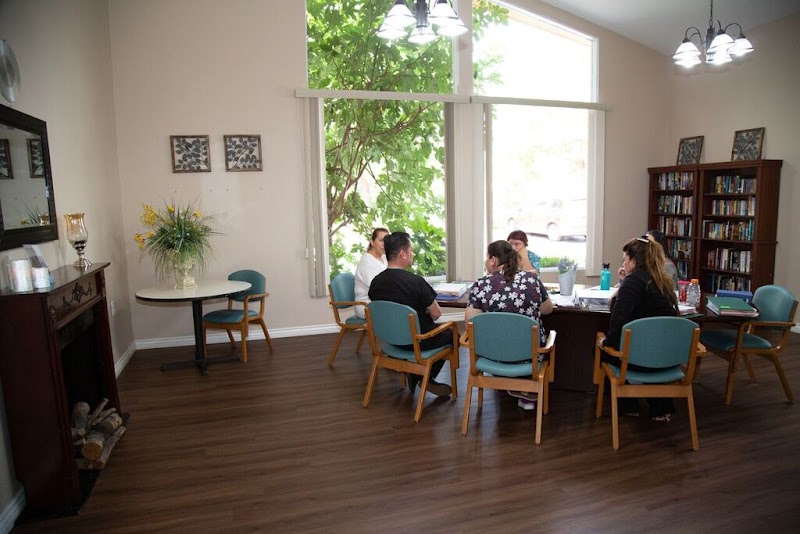
How is Simi Healthcare Center Staffed?

CMS rates Simi Healthcare Center's staffing level at 2 out of 5 stars, which is below average compared to other nursing homes. Staff turnover is 45%, compared to the California average of 46%. This relatively stable workforce can support continuity of care. RN turnover specifically is 57%, which is notably high. RNs provide skilled clinical oversight, so turnover in this role can affect medical care quality.

What Have Inspectors Found at Simi Healthcare Center?

State health inspectors documented 56 deficiencies at Simi Healthcare Center during 2021 to 2025. These included: 1 that caused actual resident harm and 55 with potential for harm. Deficiencies causing actual harm indicate documented cases where residents experienced negative health consequences.

Who Owns and Operates Simi Healthcare Center?

Simi Healthcare Center is owned by a for-profit company. For-profit facilities operate as businesses with obligations to shareholders or private owners. The facility operates independently rather than as part of a larger chain. With 99 certified beds and approximately 88 residents (about 89% occupancy), it is a smaller facility located in Simi Valley, California.

How Does Simi Healthcare Center Compare to Other California Nursing Homes?

Compared to the 100 nursing homes in California, Simi Healthcare Center's overall rating (2 stars) is below the state average of 3.1, staff turnover (45%) is near the state average of 46%, and health inspection rating (2 stars) is below the national benchmark.

What Should Families Ask When Visiting Simi Healthcare Center?

Based on this facility's data, families visiting should ask: "Can you walk me through typical staffing levels on day, evening, and night shifts?" "Can I visit during a mealtime to observe dining assistance and food quality?" "How do you handle medical emergencies, and what is your hospital transfer rate?" "Can I speak with family members of current residents about their experience?" These questions are particularly relevant given the below-average staffing rating.

Is Simi Healthcare Center Safe?

Based on CMS inspection data, Simi Healthcare Center has a clean safety record: no substantiated abuse findings (meaning no confirmed cases of resident harm), no Immediate Jeopardy citations (the most serious violation level indicating risk of serious injury or death), and is not on the Special Focus Facility watch list (a federal program monitoring the lowest-performing 1% of nursing homes). The facility has a 2-star overall rating and ranks #100 of 100 nursing homes in California. While no facility is perfect, families should still ask about staff-to-resident ratios and recent inspection results during their visit.

Do Nurses at Simi Healthcare Center Stick Around?

Simi Healthcare Center has a staff turnover rate of 45%, which is about average for California nursing homes (state average: 46%). Moderate turnover is common in nursing homes, but families should still ask about staff tenure and how the facility maintains care continuity when employees leave.

Was Simi Healthcare Center Ever Fined?

Simi Healthcare Center has been fined $8,278 across 1 penalty action. This is below the California average of $33,162. While any fine indicates a compliance issue, fines under $50,000 are relatively common and typically reflect isolated problems that were subsequently corrected. Families should ask what specific issues led to these fines and confirm they've been resolved.

Is Simi Healthcare Center on Any Federal Watch List?

Simi Healthcare Center is not on any federal watch list. The most significant is the Special Focus Facility (SFF) program, which identifies the bottom 1% of nursing homes nationally based on persistent, serious quality problems. Not being on this list means the facility has avoided the pattern of deficiencies that triggers enhanced federal oversight. This is a positive indicator, though families should still review the facility's inspection history directly.